
Muslim Travel Guide China 2026: Xishuangbanna Hui-Dai Muslim Villages, Mosques and Halal Food
Reposted from the web
Summary: Muslim Travel Guide China 2026: Xishuangbanna Hui-Dai Muslim Villages, Mosques and Halal Food is presented here as a clear English account for Muslim readers, starting with this scene: —— Hello, Travel ——. It keeps the original names, food details, mosque details, photographs, and cultural context while focusing on Xishuangbanna Muslims, Mosque Travel, Halal Travel.

—— Hello, Travel ——
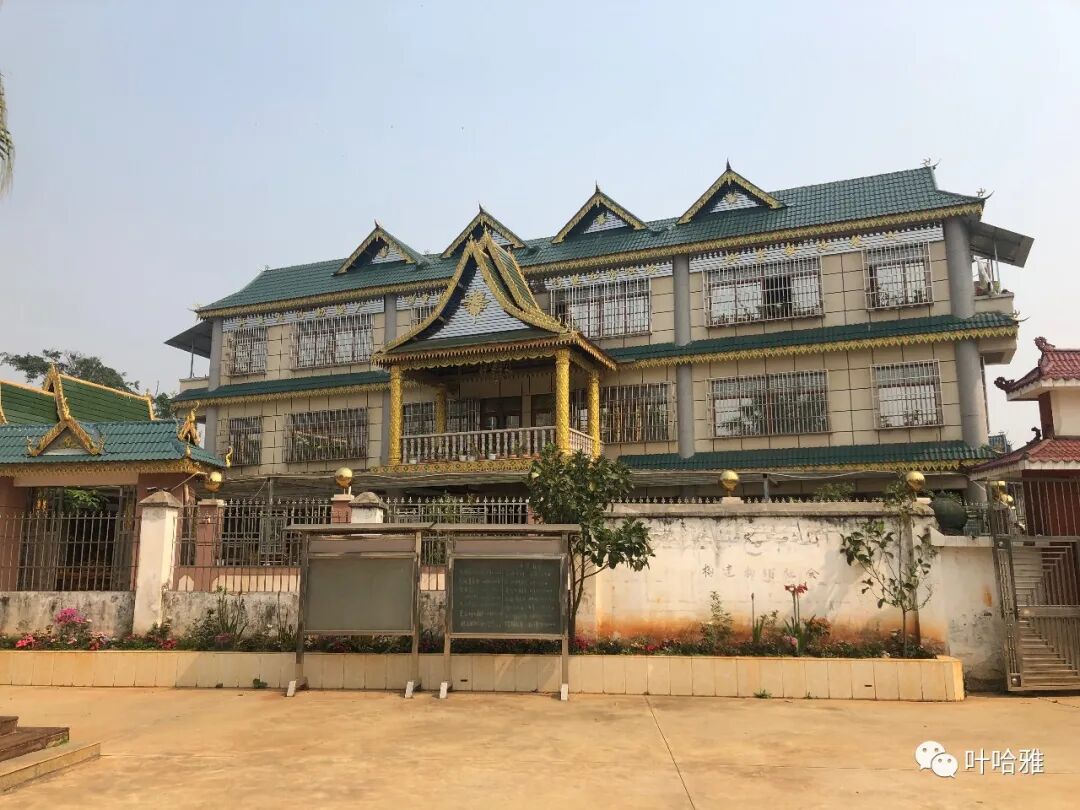
Xishuangbanna is not new to me. I visited in 2016 and heard there were mosques made of bamboo. I specifically went to the Manluanhui and Mansaihui Hui Muslim villages in Menghai County to find them, but I had no luck. After asking around, I learned that bamboo mosques were temporary structures from the early days when conditions were tough and they did not last long. When I visited, I only saw the new-style Mansaihui Mosque and the Manluanhui Mosque, which was still under construction.
This trip to Xishuangbanna was a reward from my company's branch office. According to our 2020 fourth-quarter incentive plan, staff at the rank of senior broker or higher could join the Xishuangbanna trip for free. Our company's job hierarchy goes: consultant, broker, senior broker, senior broker, and partner. I have been promoted to partner, which is higher than a senior broker, so I was honored to join this year-end honorary trip.
If you follow the standard tourist route, there are several popular spots in Banna. The company arranged a custom tour for us, and I spent the first two days with the group. However, I had planned to go off on my own to start a halal travel mode. Since most of my colleagues have traveled all over the world, they were not interested in typical tourist spots and asked to join my small, private tour instead.
Based on my experience and recommendations from local friends in Banna, the most worthwhile popular spot is the Xishuangbanna Tropical Botanical Garden of the Chinese Academy of Sciences, along with the nearby Dayi Manor or Nannuo Mountain. Both Dayi and Nannuo Mountain are tea mountains. Banna used to be part of Pu'er, so Pu'er tea is not actually produced in Pu'er; Banna is the original home of Pu'er tea. Locals do not like other spots like the Gaozhuang Night Market, Dai villages, or Wild Elephant Valley because they are too commercialized and full of tourists.
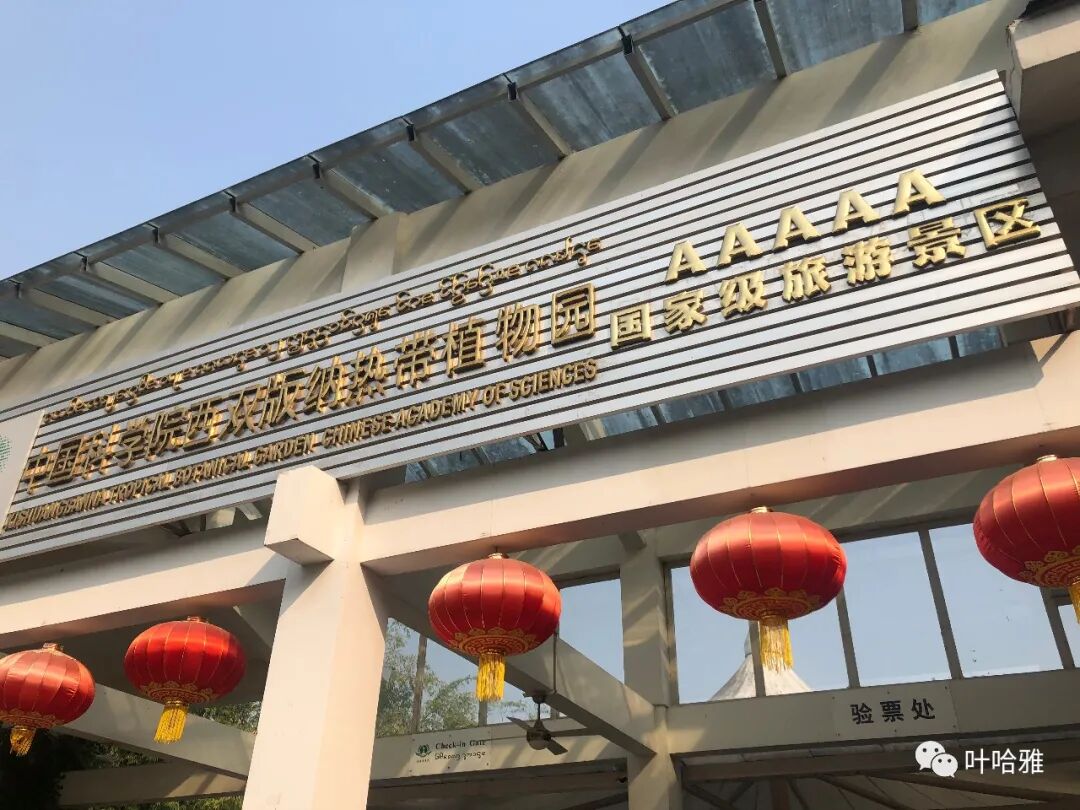
Tropical Botanical Garden of the Chinese Academy of Sciences
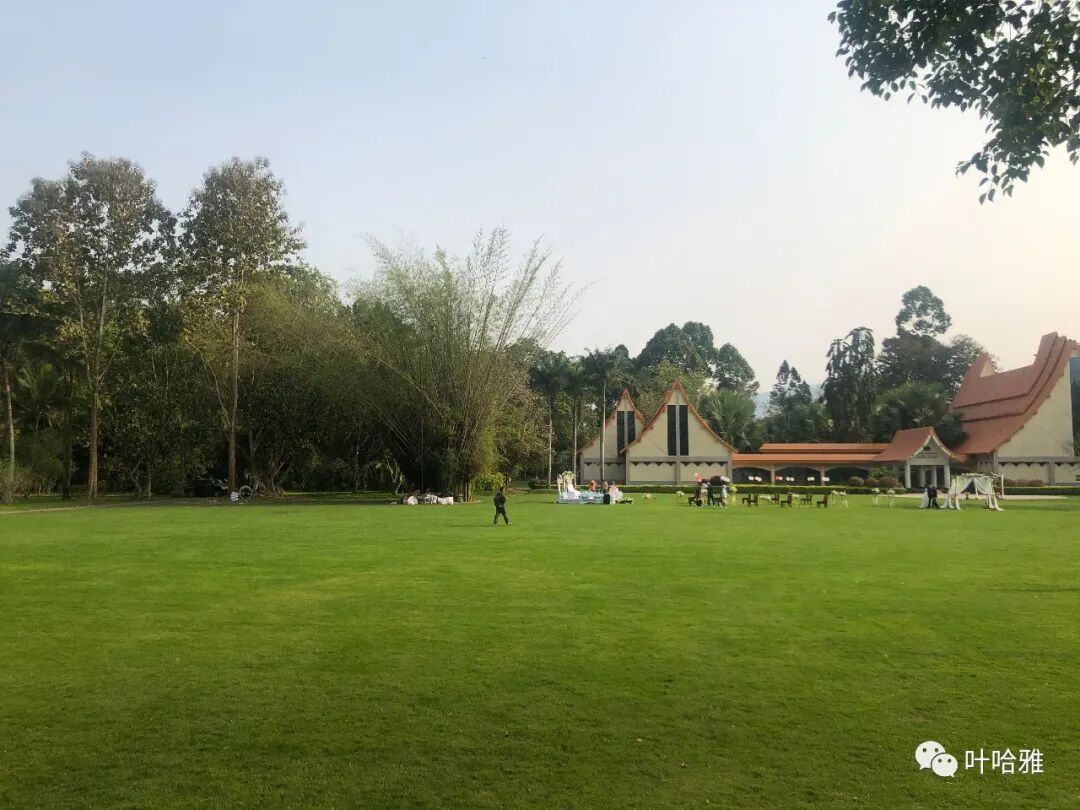
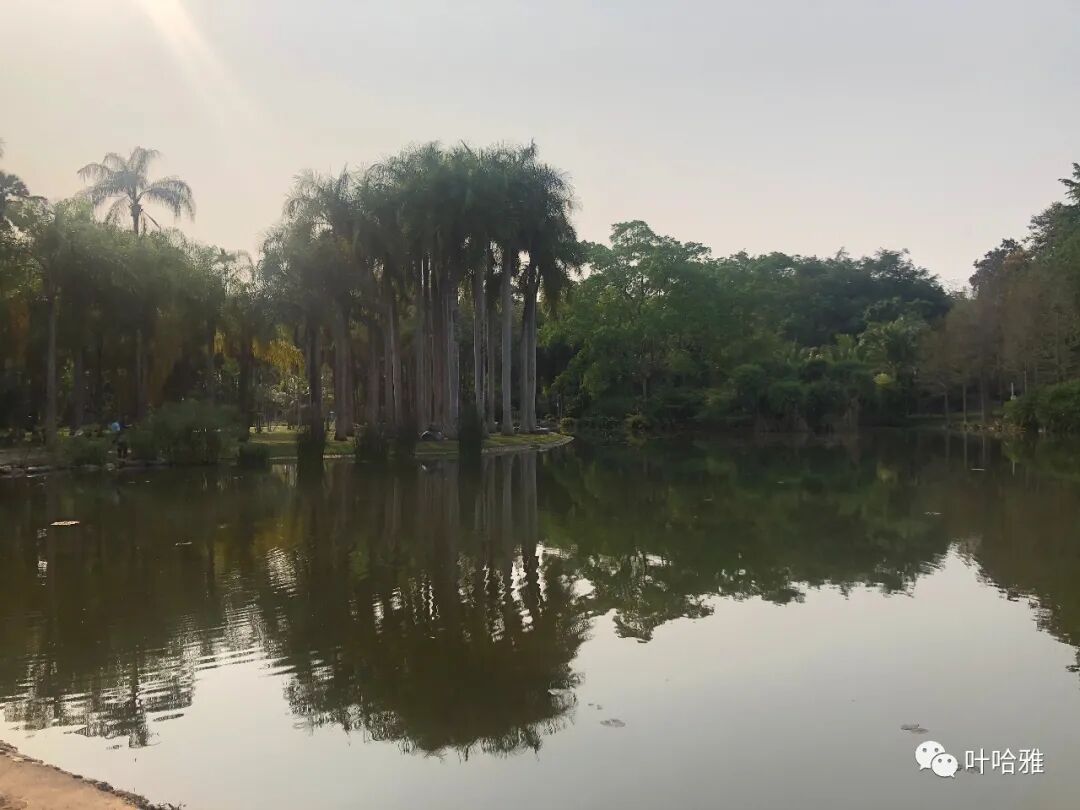
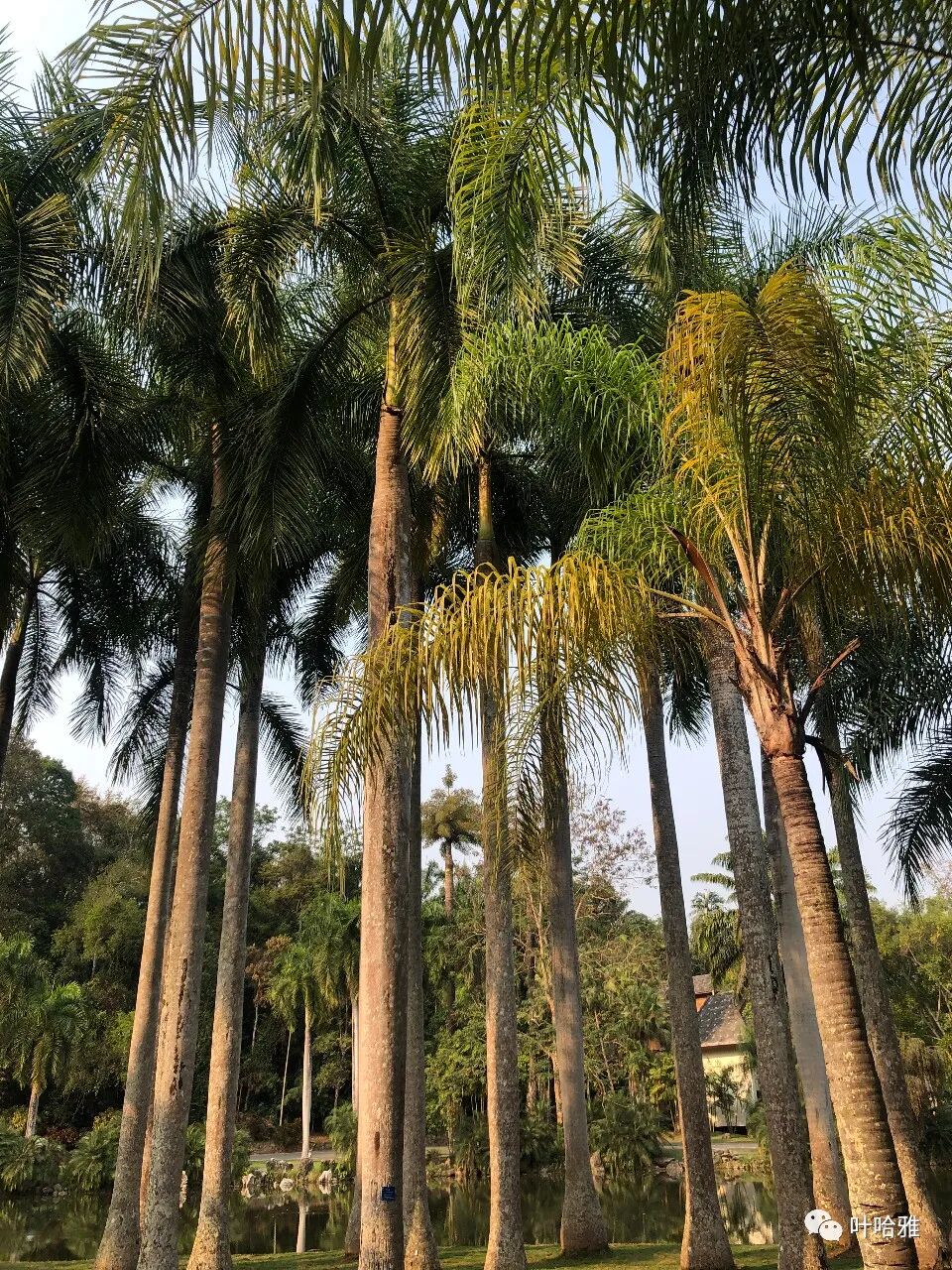
It takes about an hour to drive from Jinghong, the capital of Banna, to the botanical garden. The garden is not just a research base but also a 5A-rated scenic spot that combines science and entertainment. The most impressive plants are in the west section. If you visit in summer, you can see the lake full of giant water lilies (dayanglian) that are strong enough for children to stand on. The east section features tropical rainforests and a green stone forest, which is quite large and requires a sightseeing cable car.
Tickets are 80 yuan per person, half-price during the pandemic. Battery car tickets are 50 yuan per person, or 100 yuan for the whole park.
Main gate opening hours: 8:00-18:00. Suspension bridge north gate opening hours: 7:30-18:30.
Driving south from the botanical garden for about two hours, you reach the Sky Tree (wangtianshu) scenic area. The Sky Tree is a symbol of the tropical rainforest, with trunks reaching over a hundred meters high. The discovery of this dipterocarp plant proves that China has tropical rainforests. I should mention that driving from downtown Jinghong to the Sky Tree scenic area takes over three hours, the road is long, and the conditions are not great.
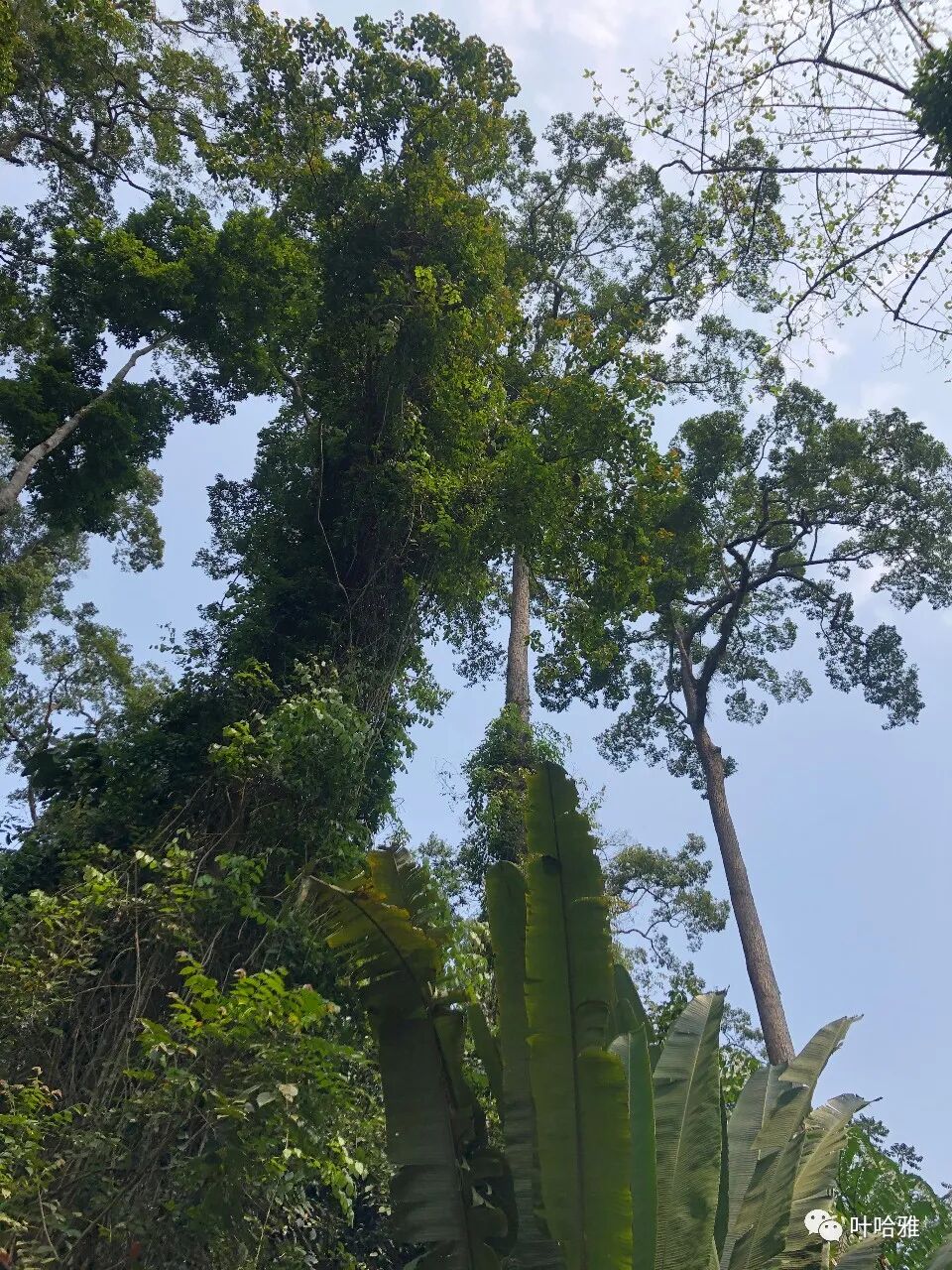
The hundred-meter-tall Sky Tree.
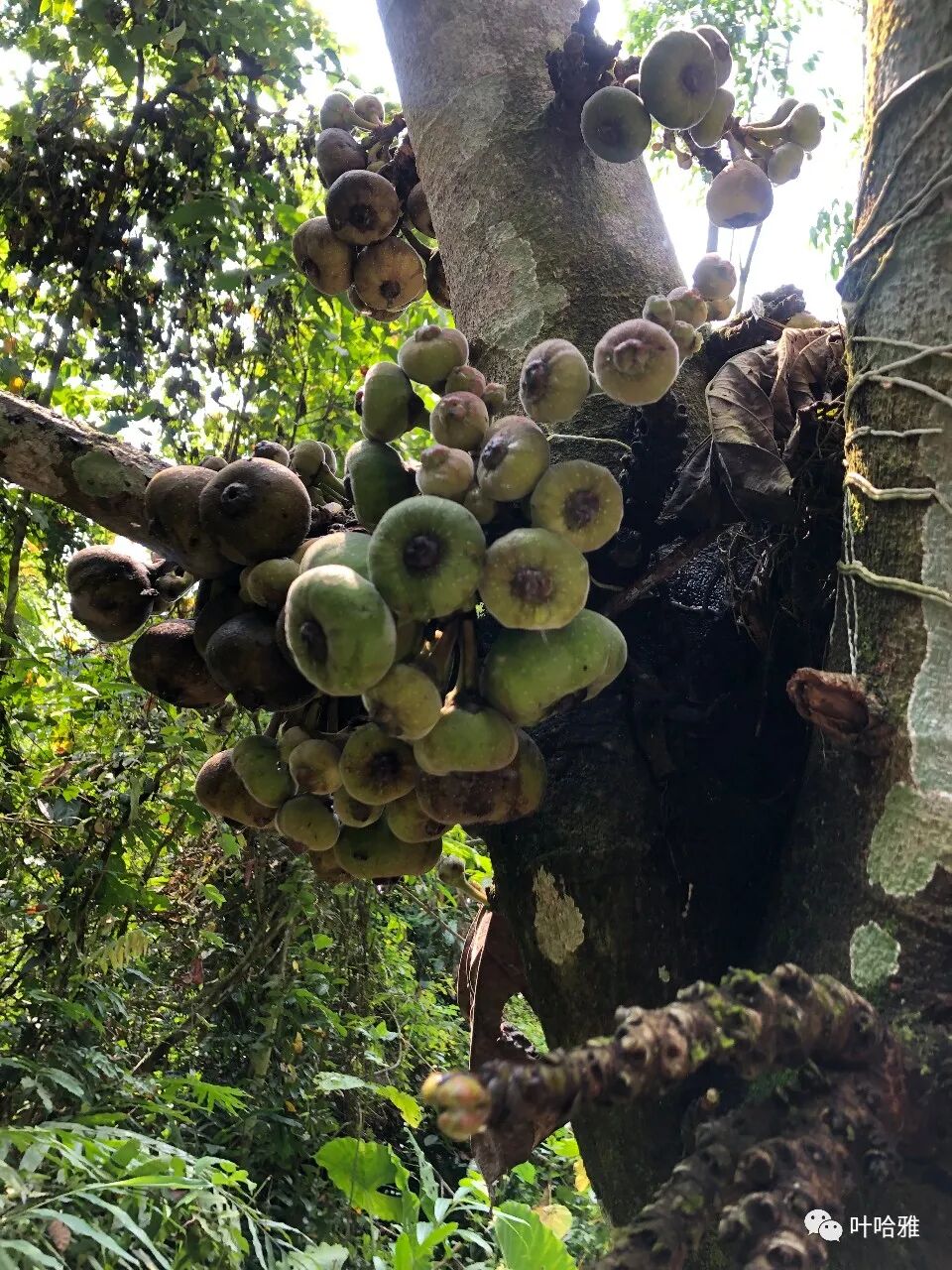
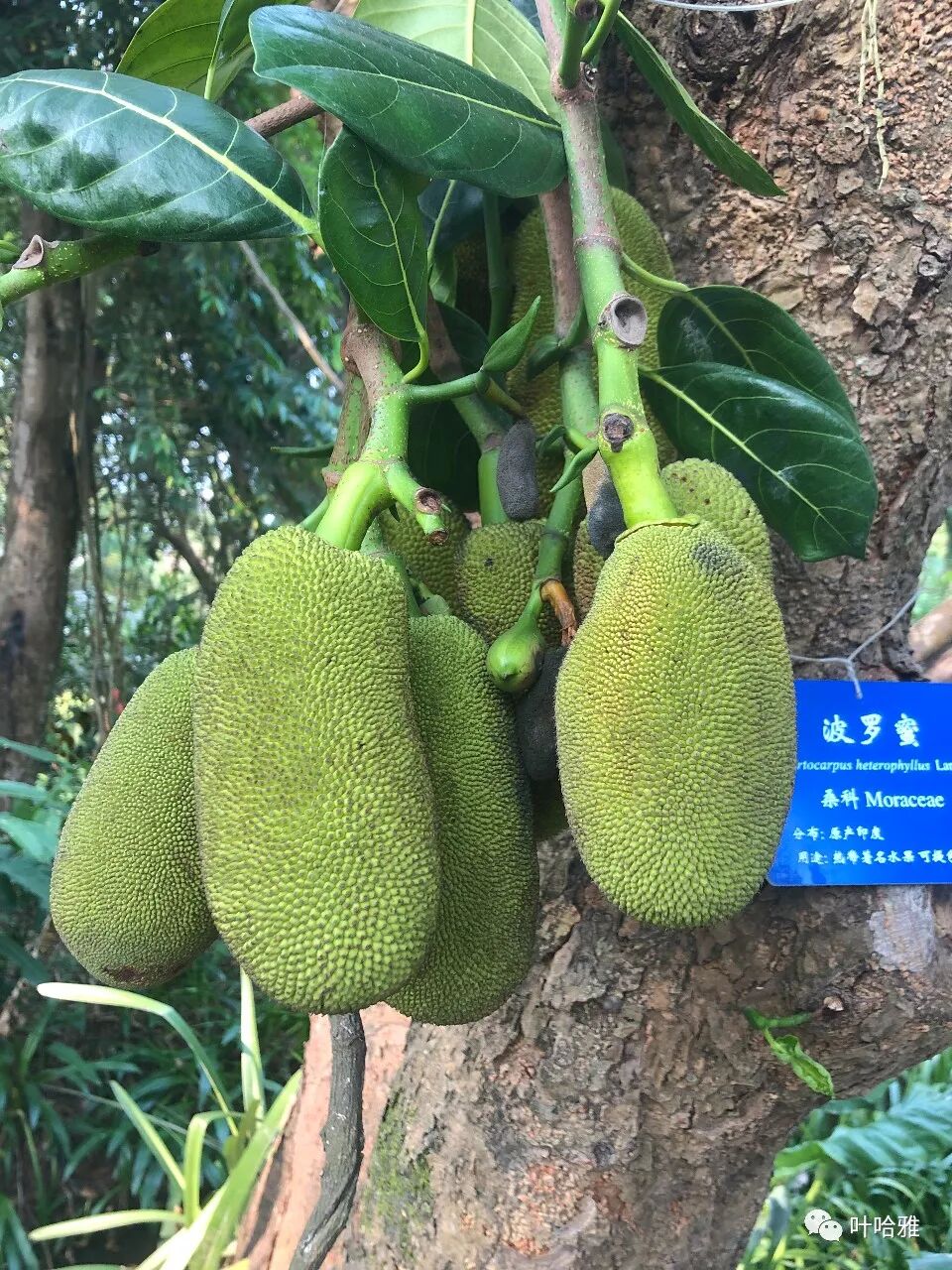
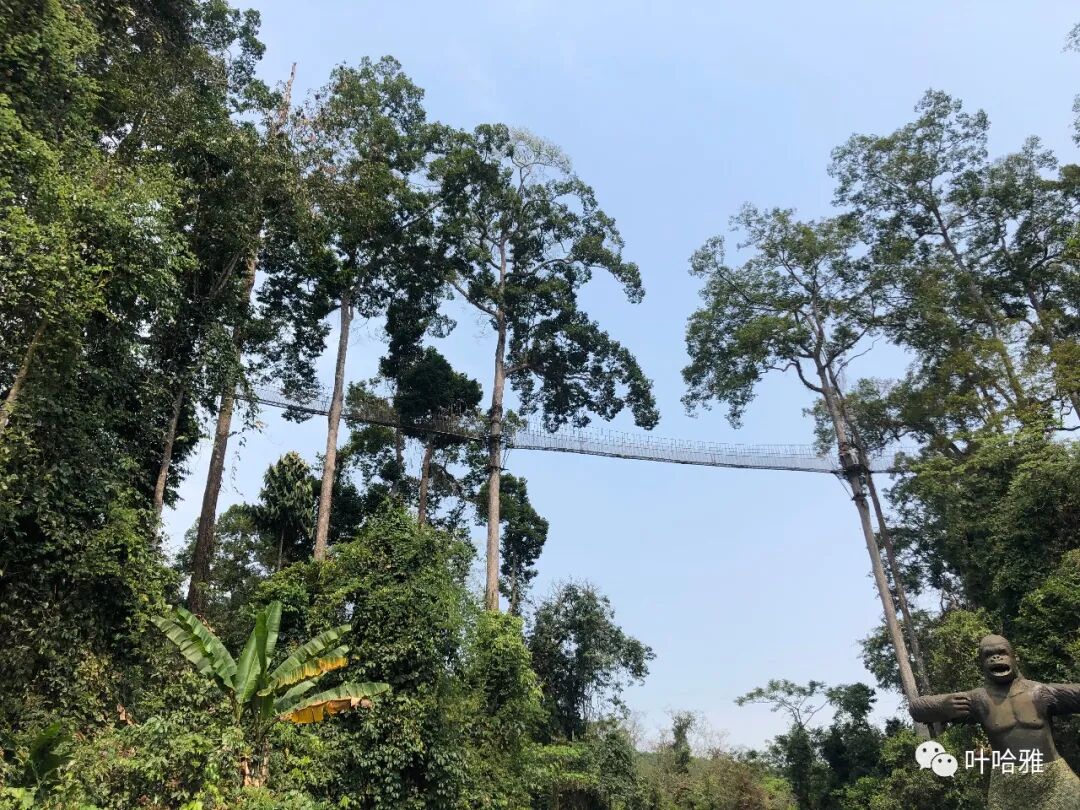
We all walked across the suspension bridge in the trees.
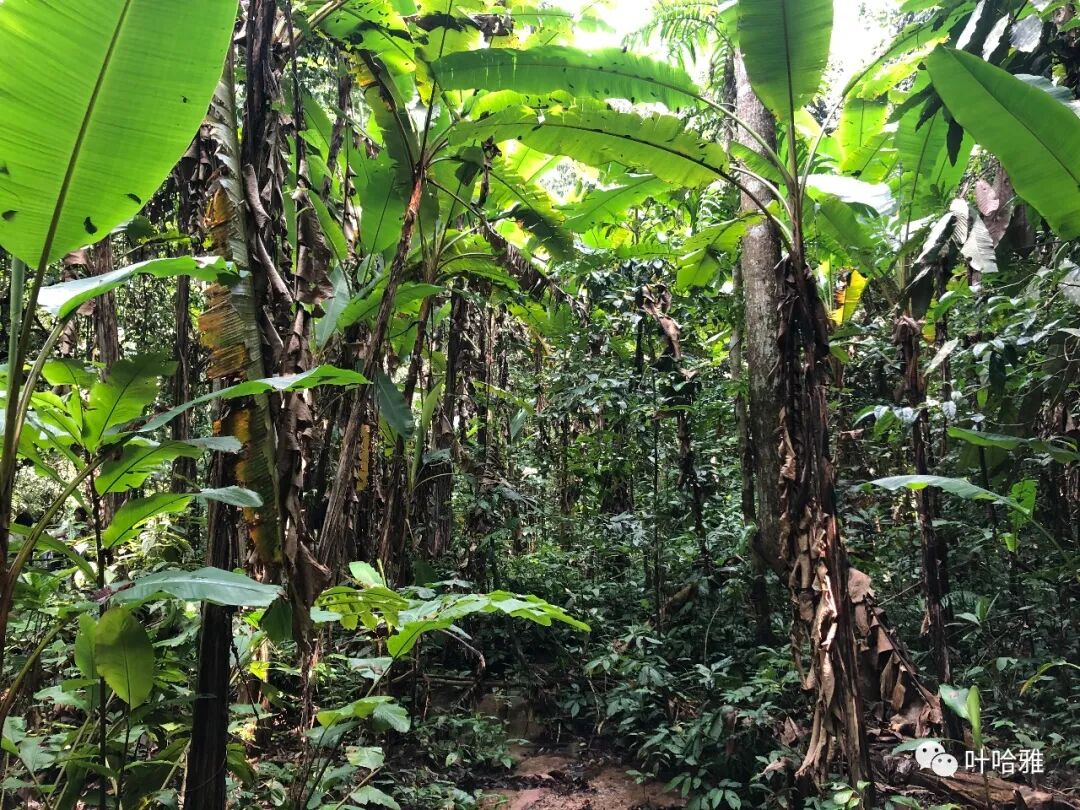
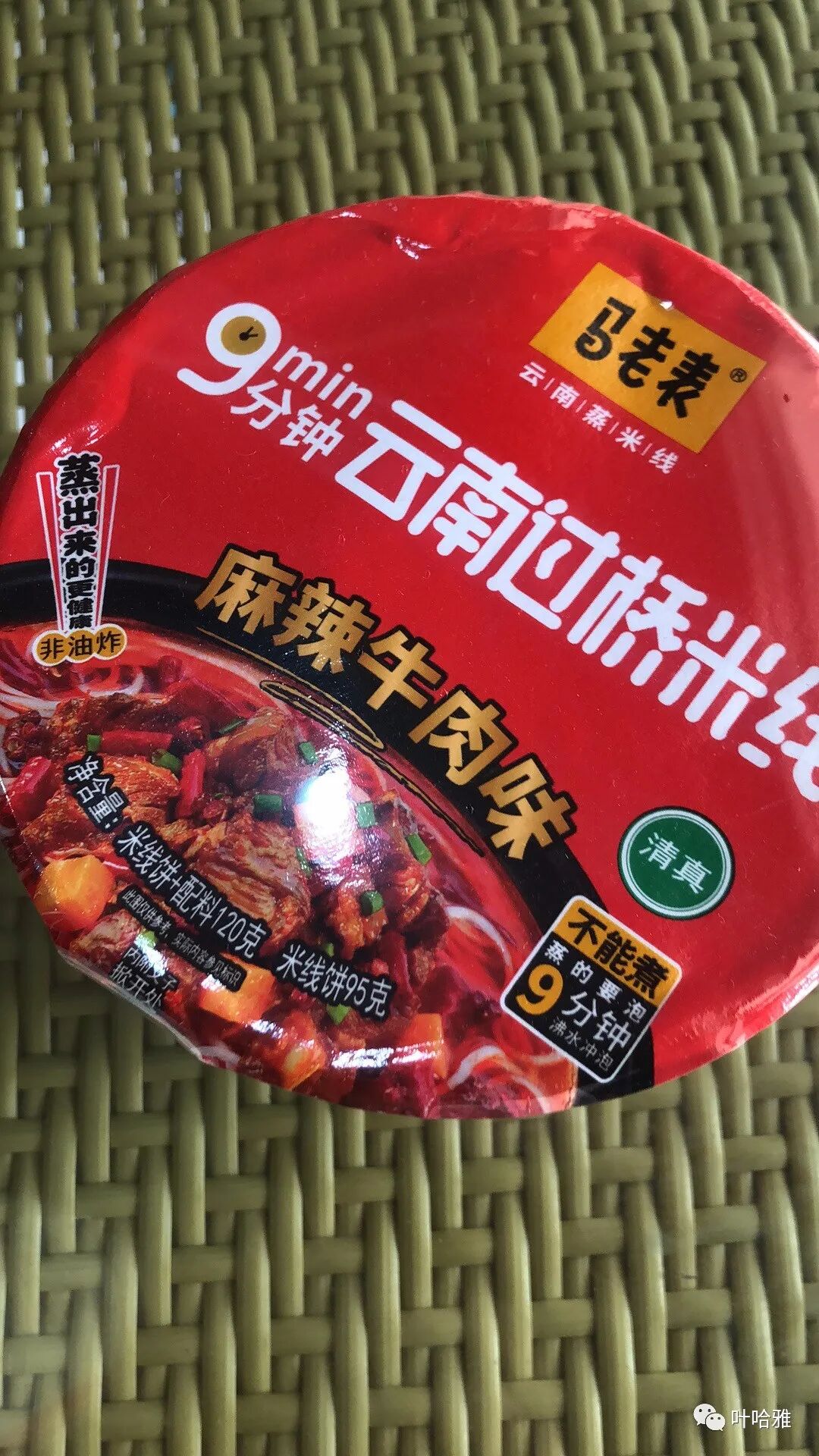
There are no halal restaurants at the Sky Tree or the botanical garden, so you need to bring your own food. Luckily, we found the only halal Yunnan bridge-crossing rice noodles (guoqiao mixian) in a shop at the Sky Tree scenic area. Being able to eat a bowl of hot noodles when hungry felt like a blessing.
To visit tea mountains, you can go to Dayi Manor. Tickets are 40 yuan, and horse-drawn carriage or electric car tickets are 60 yuan. Dayi tea is very famous locally, but remember not to buy tea in the scenic area. It is much more expensive and hard to find good quality. I showed a friend who works in the tea business in Banna some Pu'er tea that a colleague bought at the Nannuo Mountain scenic area, and they said it was overpriced.
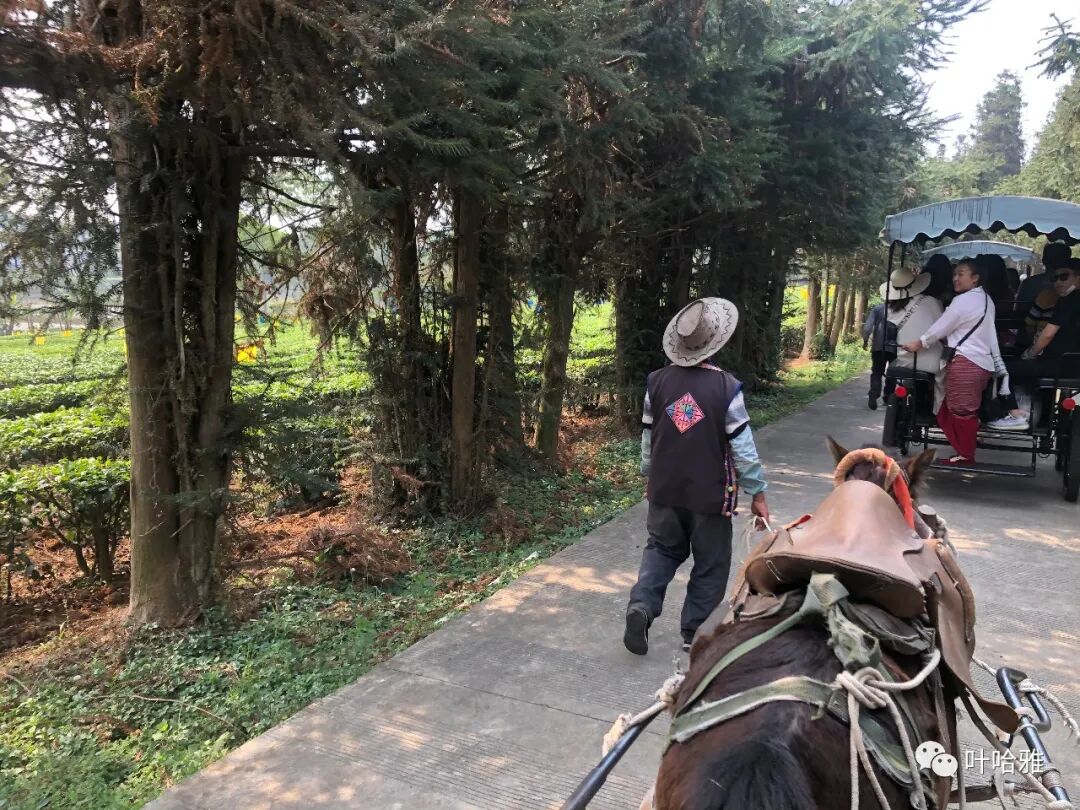
Riding a horse-drawn carriage through Dayi Manor.
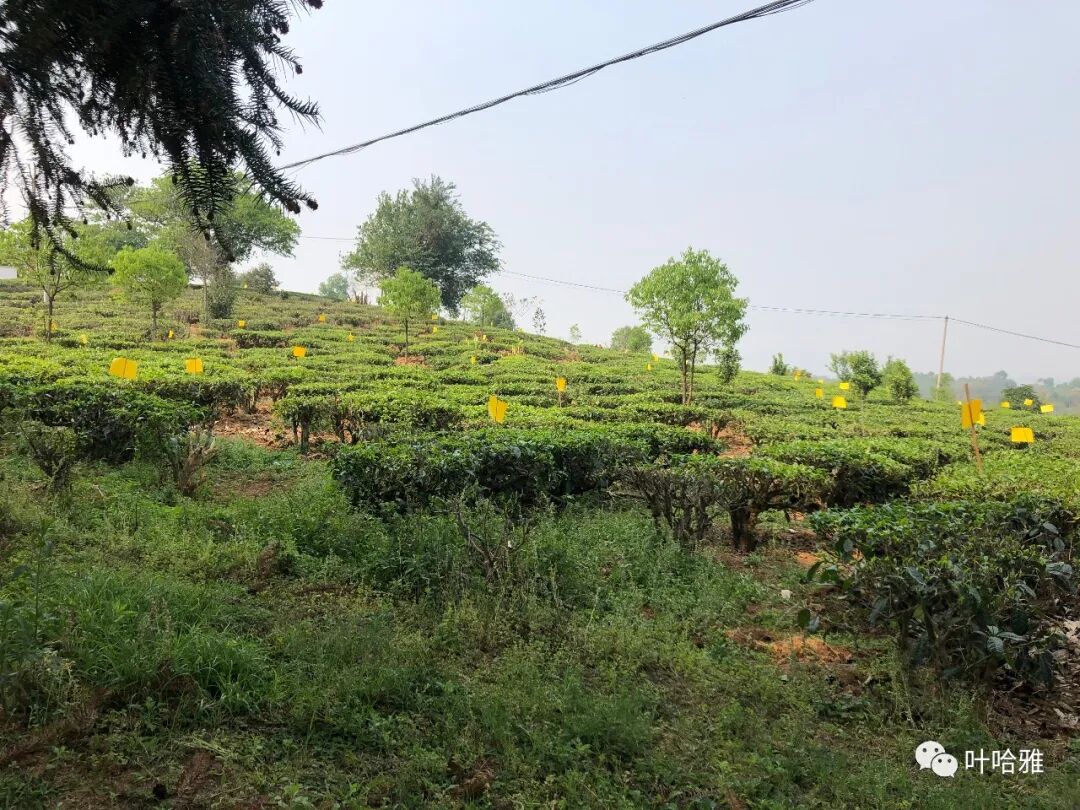
Tea plants cover the mountains and plains.
Jinghong is livelier at night than during the day, with a rich nightlife. The days are hot, reaching over 30 degrees, but the nights are cool. The show our Banna friends highly recommended is "Dai Show" (Daixiu), which is arguably the best stage play in the area. The performance level of "Dai Show" is world-class. We were all shocked after watching it and felt it was worth the price. Regular tickets are 328 yuan online, but we got them for 260 yuan through a local friend.
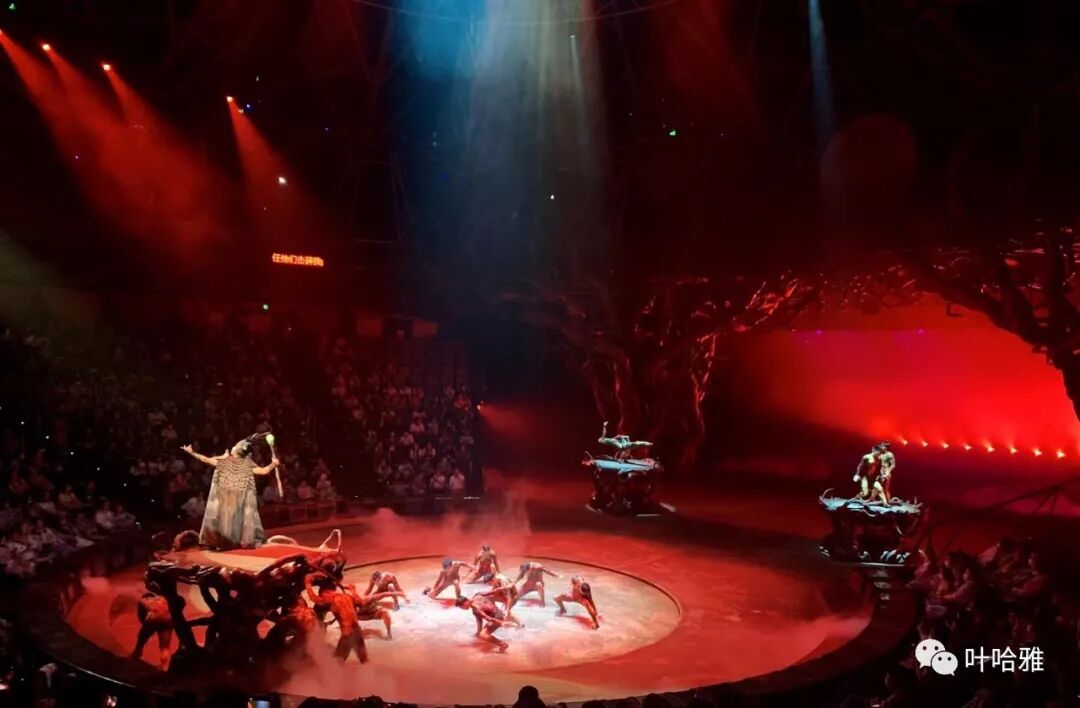
"Dai Show".
The show lasts one hour and leaves you wanting more. Everything from entry to exit was arranged very carefully and naturally. The actors' skills and stage effects were excellent. Friends who have the chance to visit Banna should not miss it.
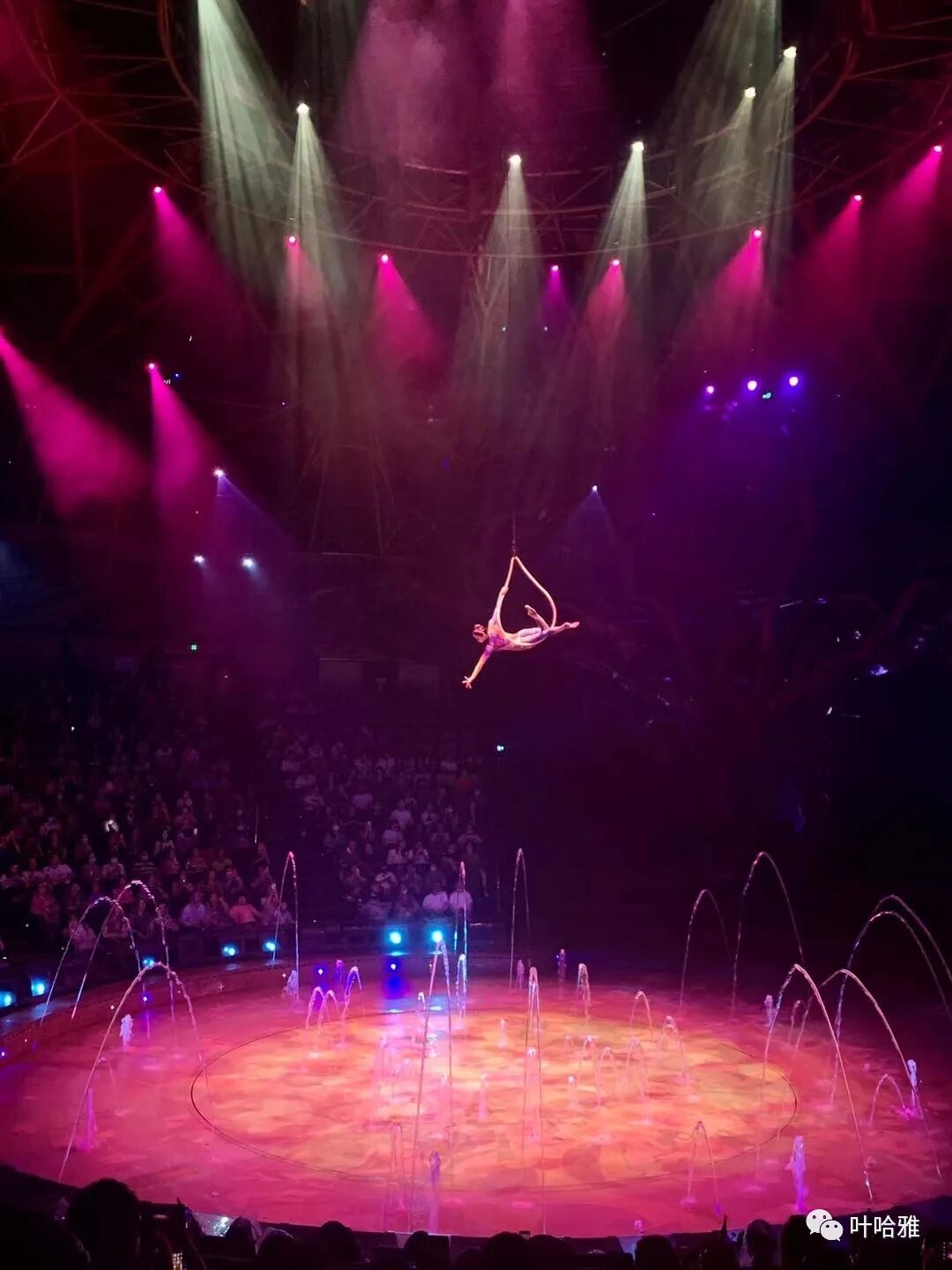
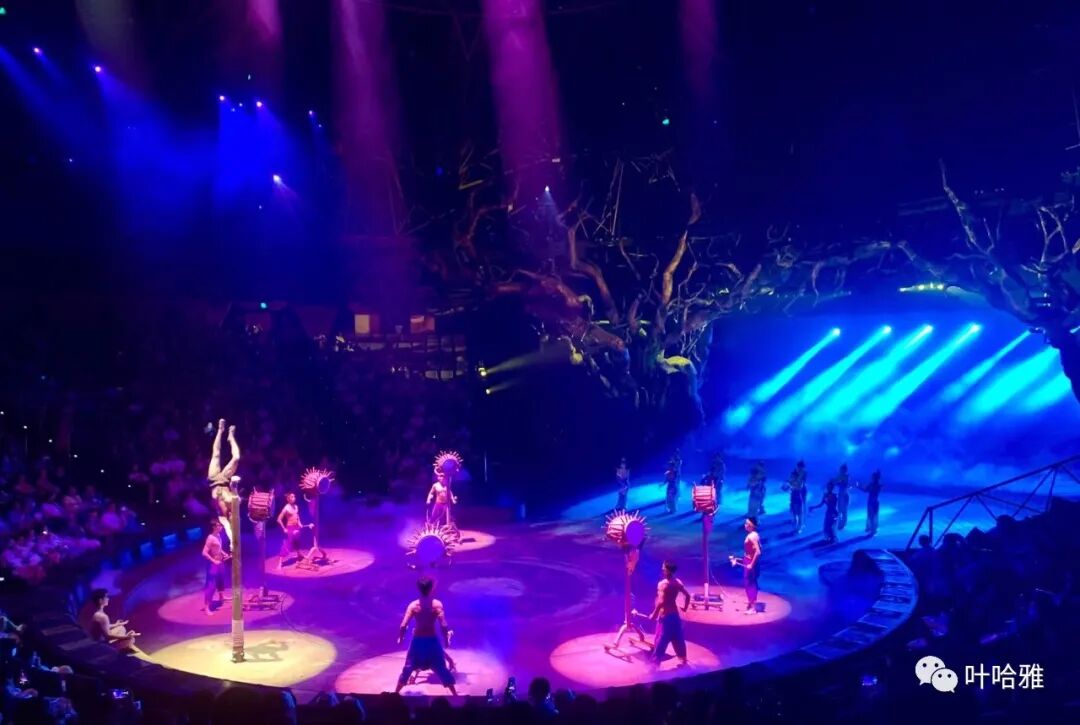
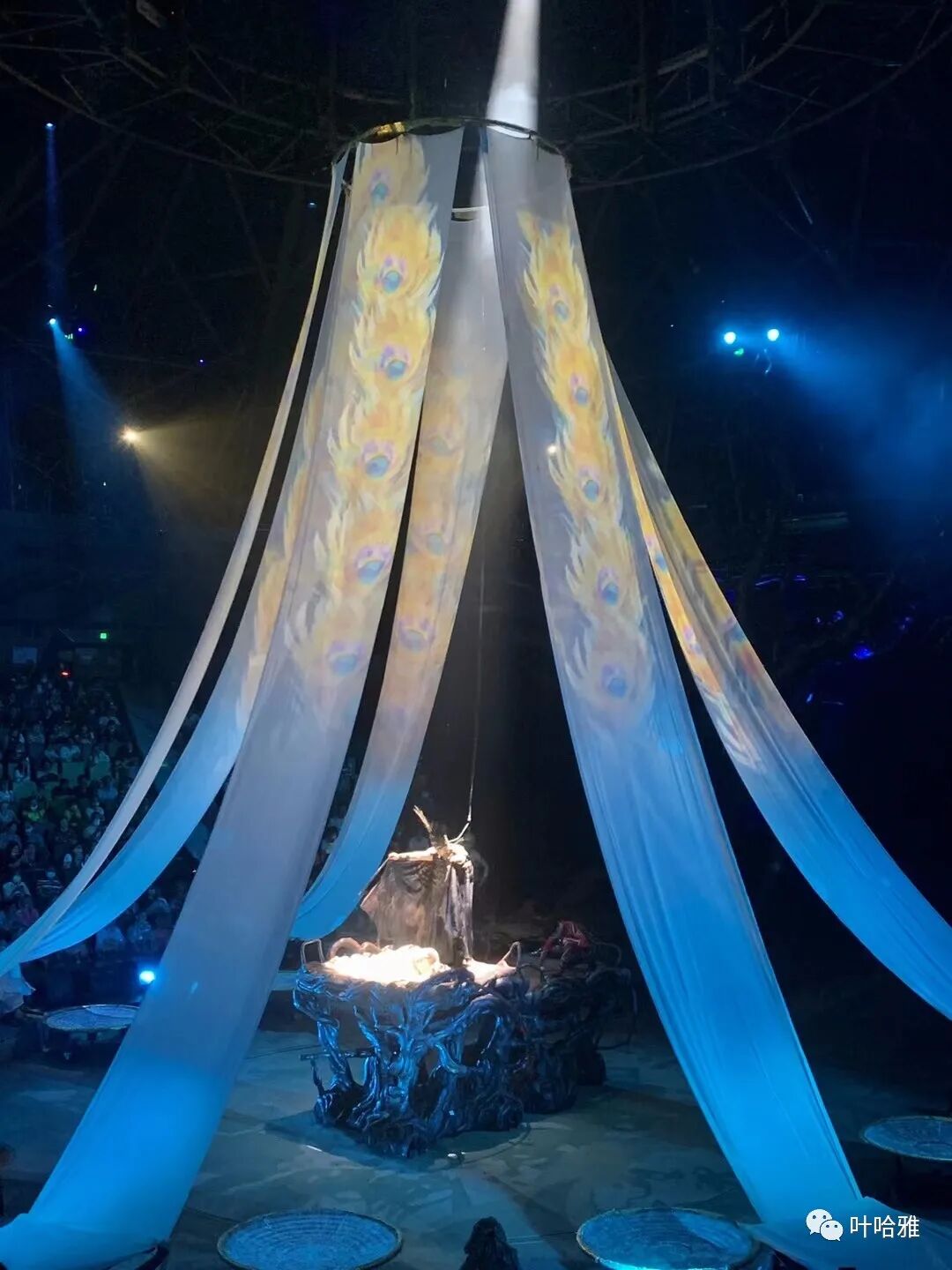
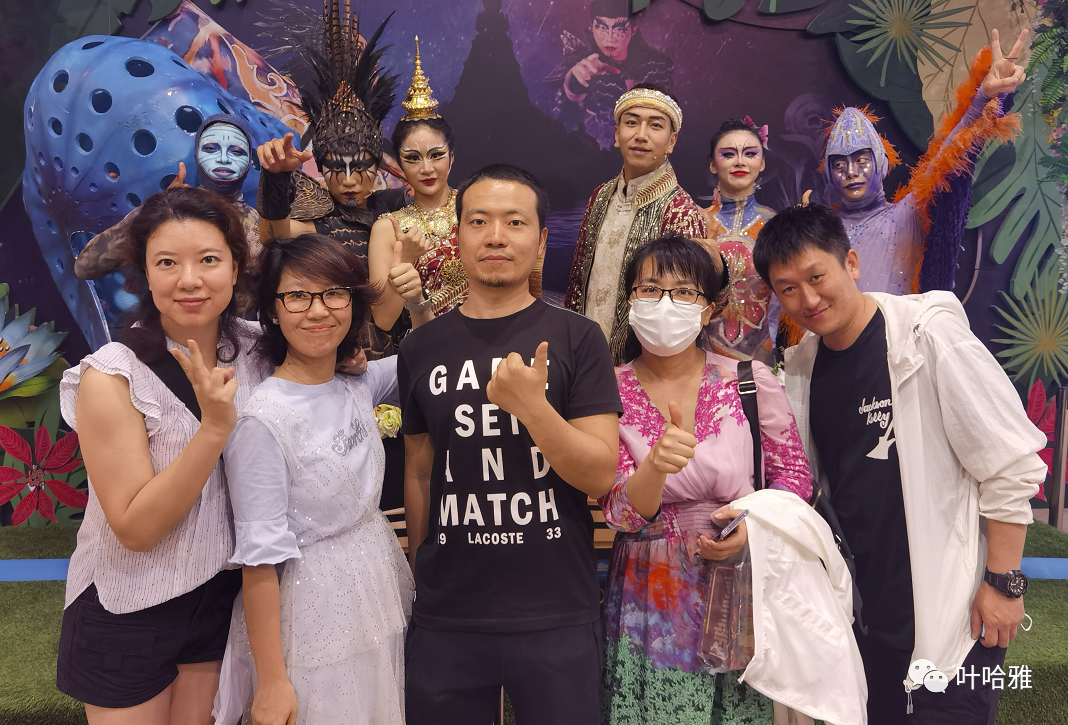
We took a group photo with the lead actors of the Dai Show.
After the show ended, we took photos with the cast. That was when I noticed one of the leads was a foreigner. He was the man wearing a snail shell on his back, a Black yoga master with incredibly flexible joints.
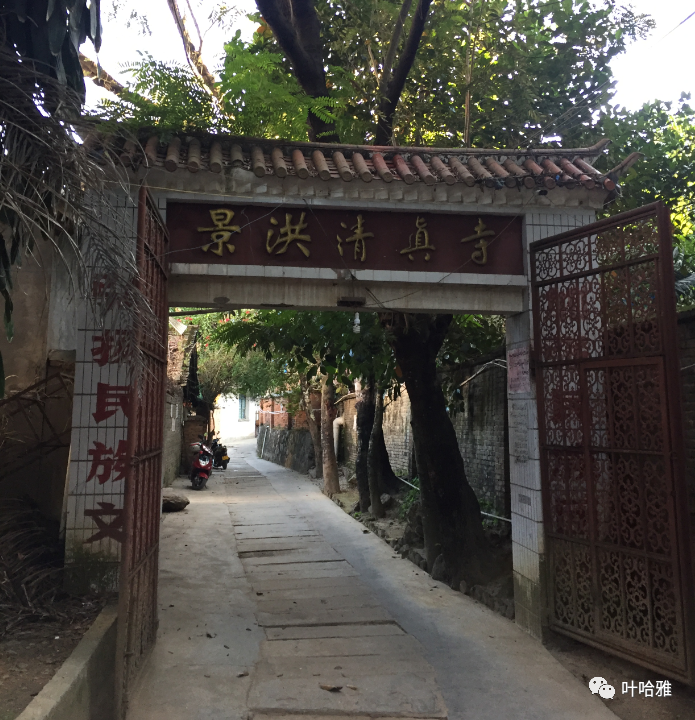
Jinghong Mosque is in the north of the river. I took the photo in 2016. When I went there for Jumu'ah prayer this year, the old mosque had been torn down and the new one was still under construction. It is just a building site now, so we prayed in a temporary prefab room. The new mosque will likely be built in the Dai style.
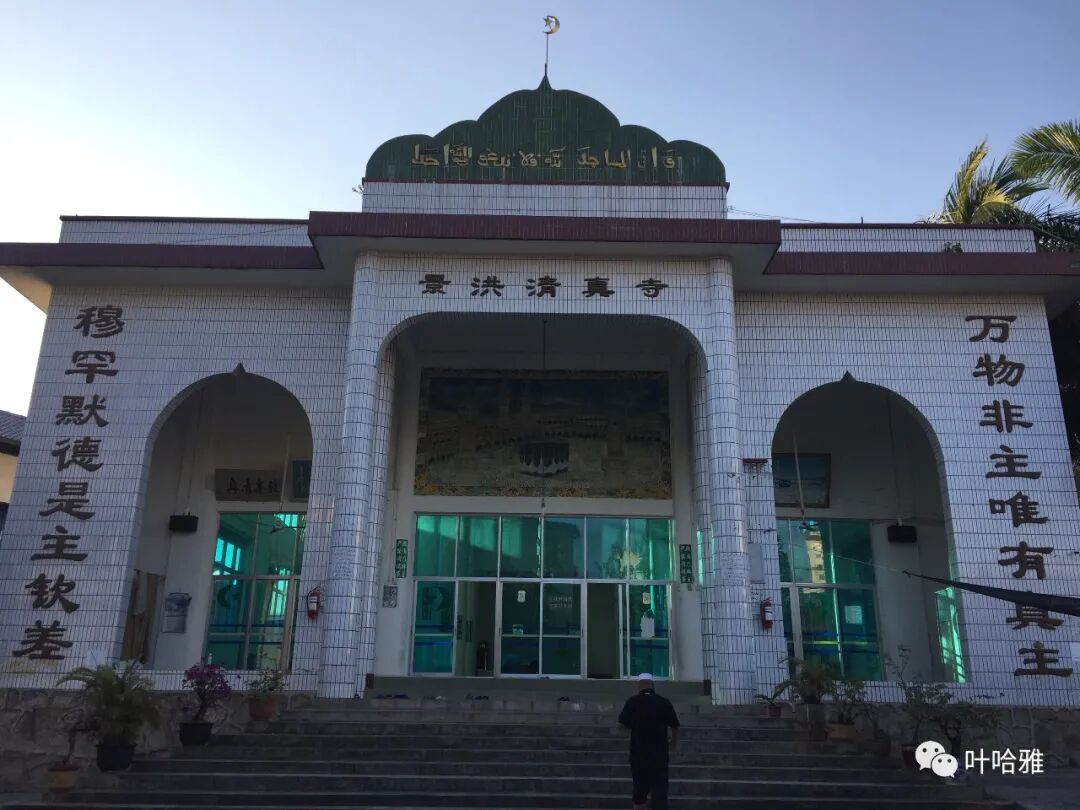
Jinghong Mosque, photographed in 2016.
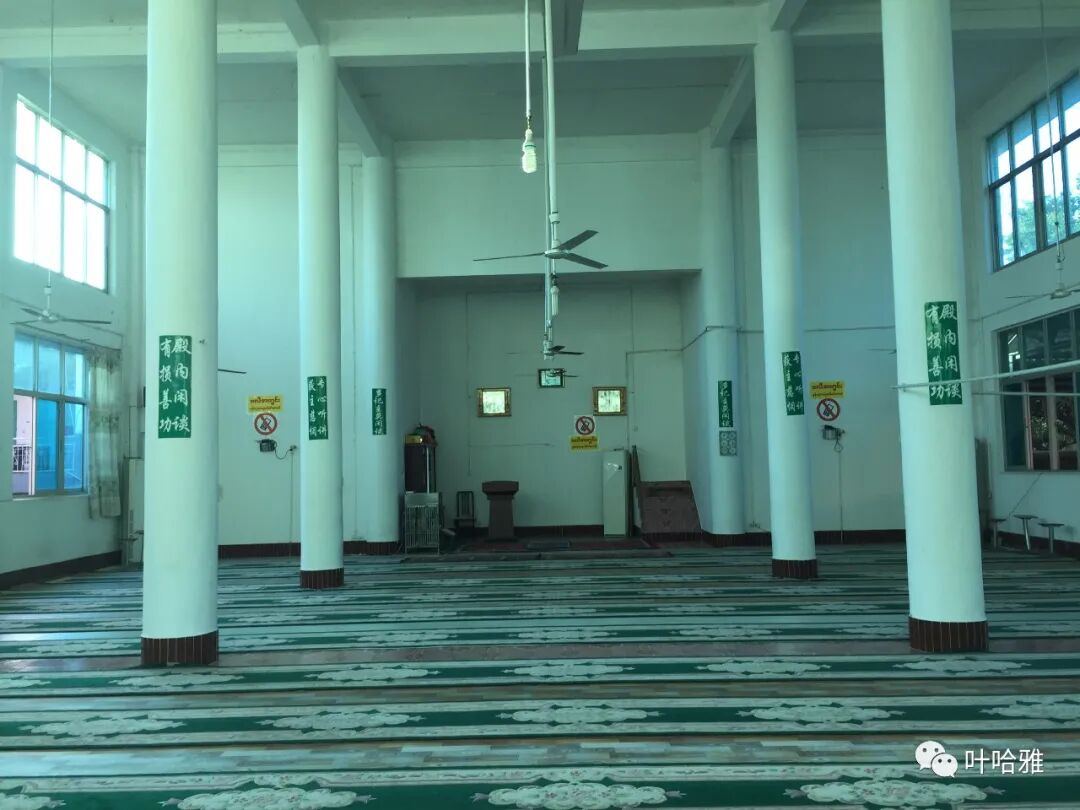
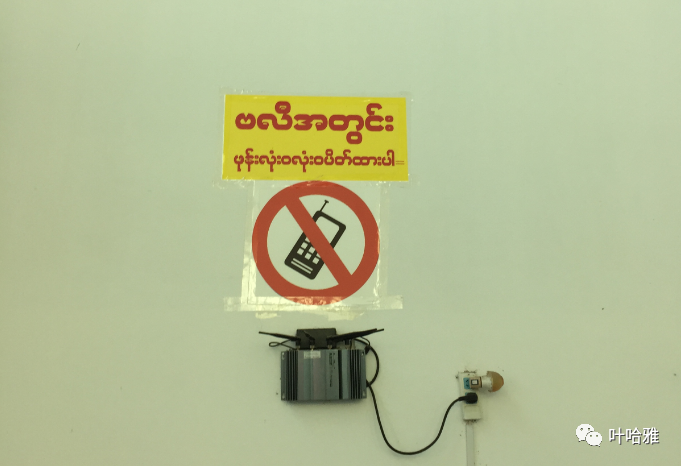
Signs in the Dai language.
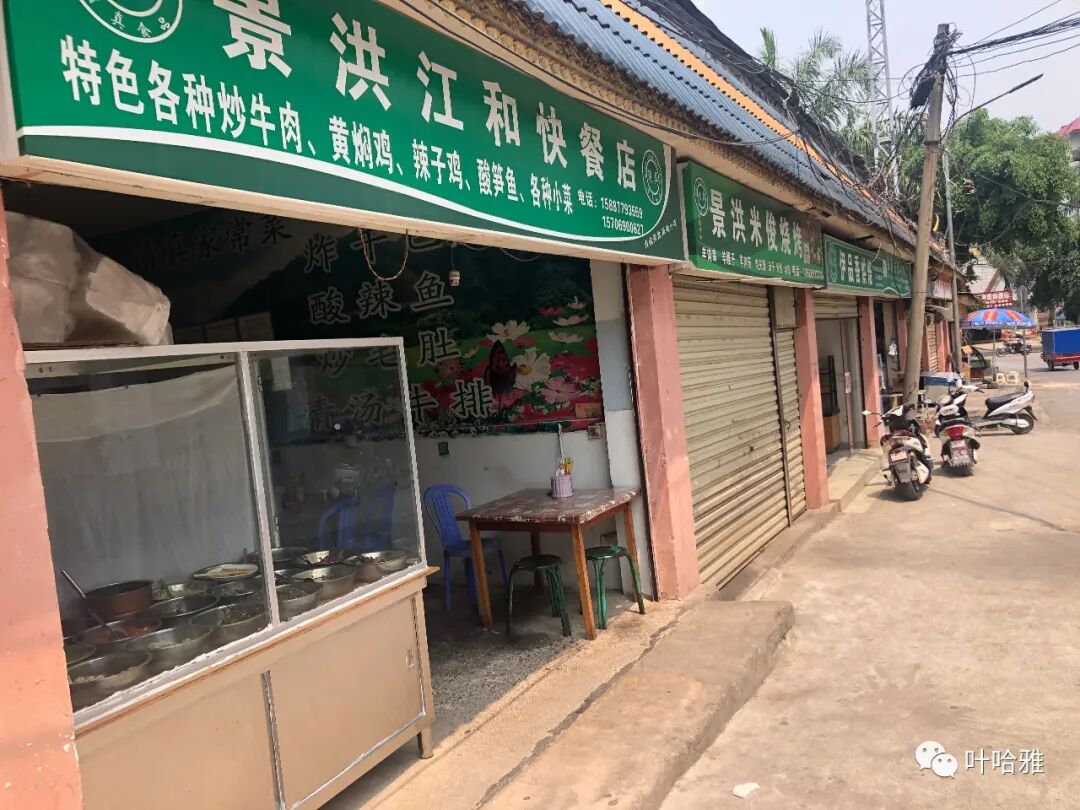
A snack stall next to the mosque.
Next, I will introduce the halal food in Jinghong. Jinghong is the busiest capital city in Xishuangbanna. It is quite easy to find halal restaurants here. Most are small eateries serving Yunnan-style food, run mainly by Hui Muslims from Dali, Shadian, and Pu'er. There are also barbecue shops that mix Hui and Dai flavors.
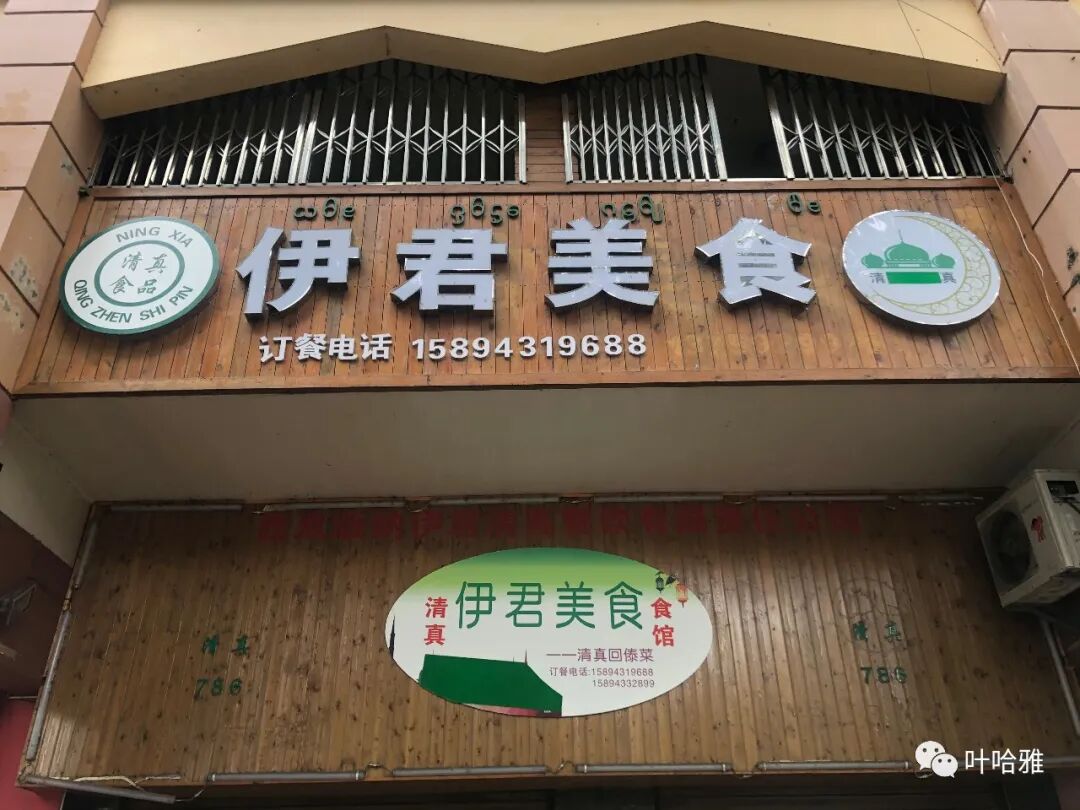
Yijun Food.
On the first day, just after landing in Jinghong, I brought my colleagues to Yijun Food to try local Yunnan dishes. The owner is a Hui Muslim woman from Shadian who wears a headscarf. She was pleasantly surprised when I greeted her with 'Assalamu Alaikum,' as she thought few Hui Muslims from Beijing knew about our faith. She said she had met Beijing Hui Muslims at her shop before who didn't even know how to say the greeting. After telling me this, she had her young daughter say 'Assalamu Alaikum' to me and even gave us some free dishes.
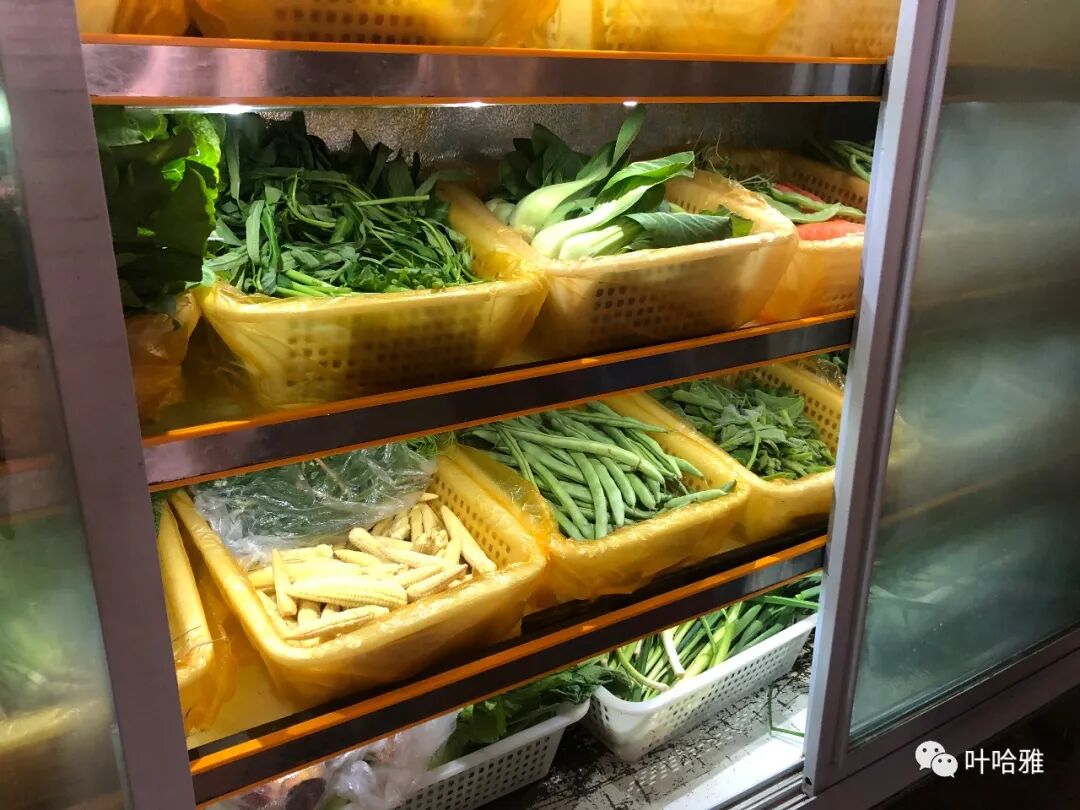
At small Yunnan restaurants, if you want vegetables, there is usually no menu. You just point to the ingredients in the display case and tell them how you want them cooked. It is very convenient, and you can see right away if the food is fresh. Vegetables are usually stir-fried plain without chili.
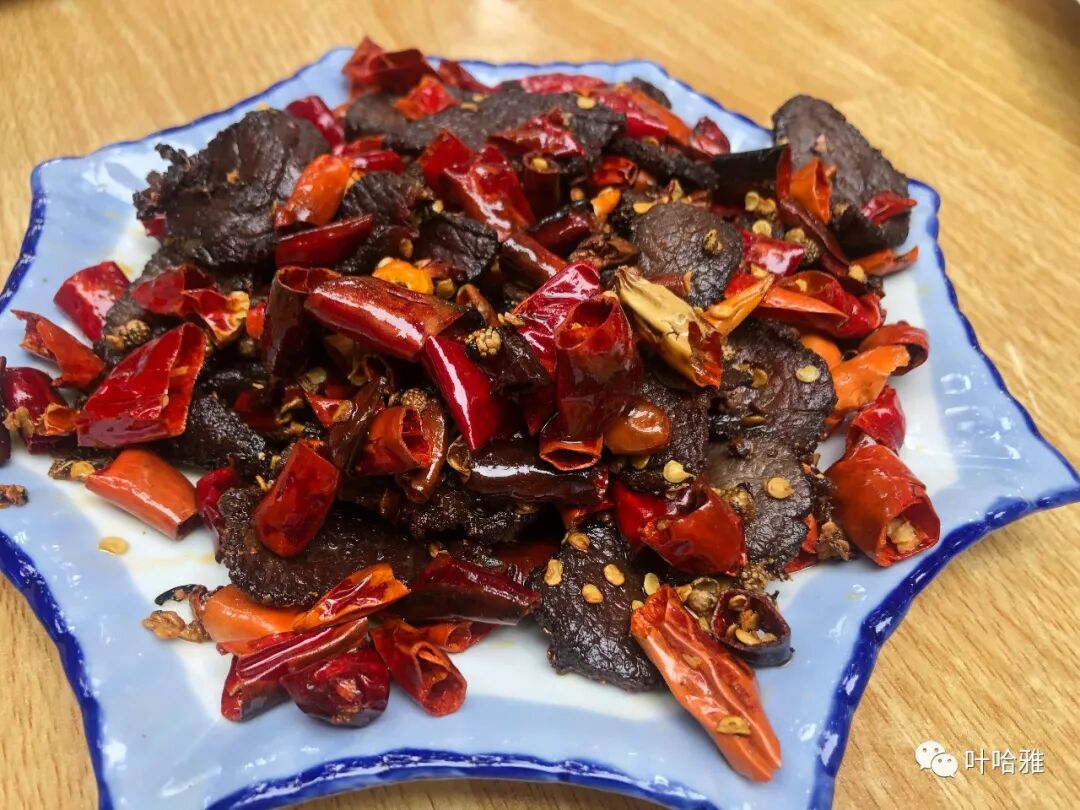
Oil-drizzled beef jerky (youlin niuganba).
To remember the name of every dish, I specifically asked the owner to write them down on paper. Otherwise, I would have forgotten what I ate once I got back to Beijing, because Yunnan has such a wide variety of ingredients—many were fresh things I had never seen or heard of before.
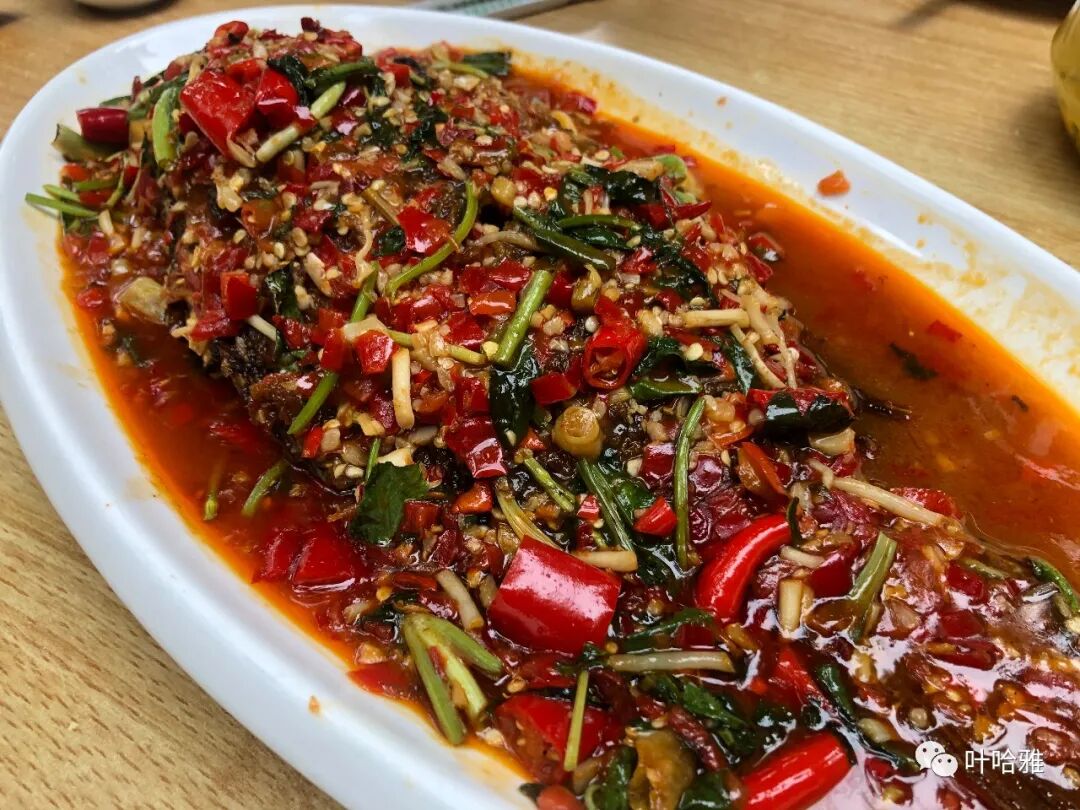
Dai-style fish (daiwei yu).
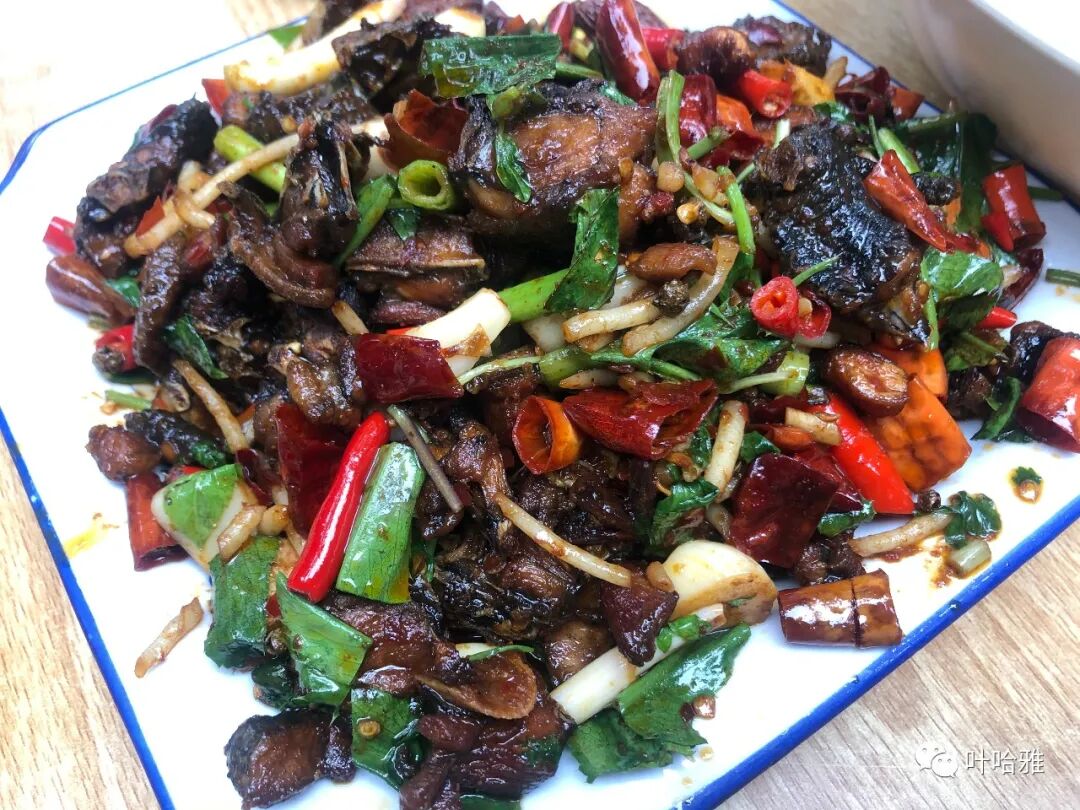
Lahu-style chicken (lahu ji).
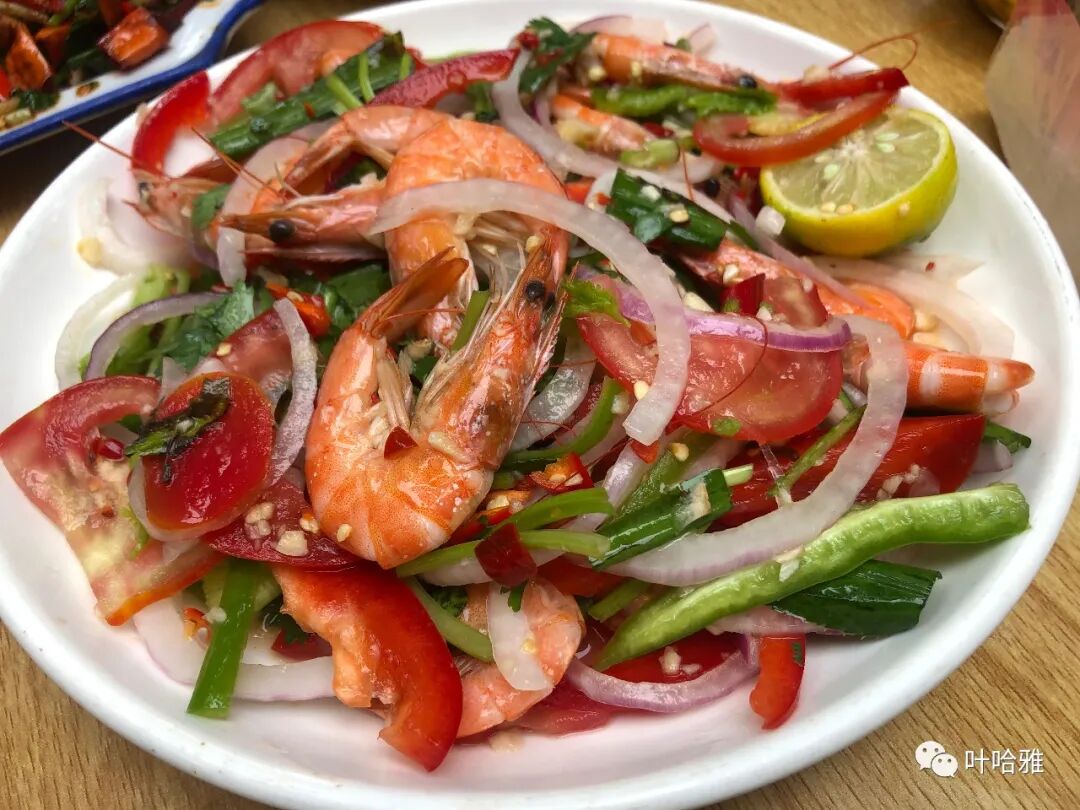
Lemon shrimp (ningmeng xia).
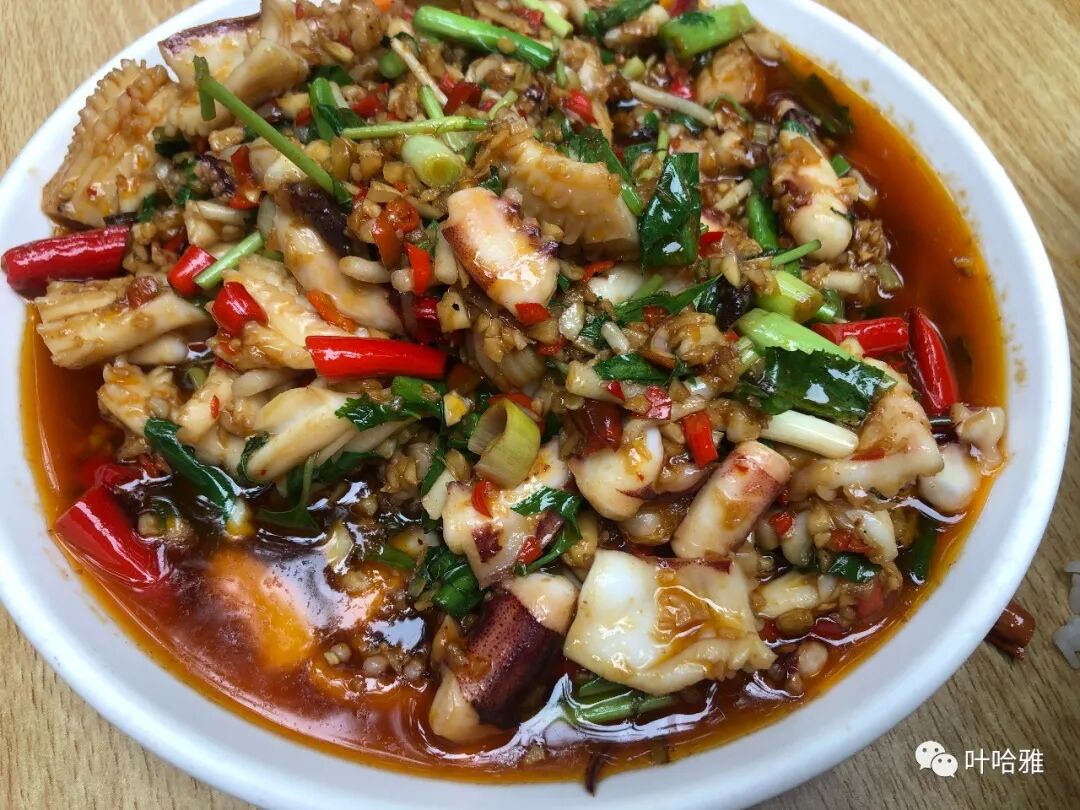
Stir-fried squid (qiang youyu).
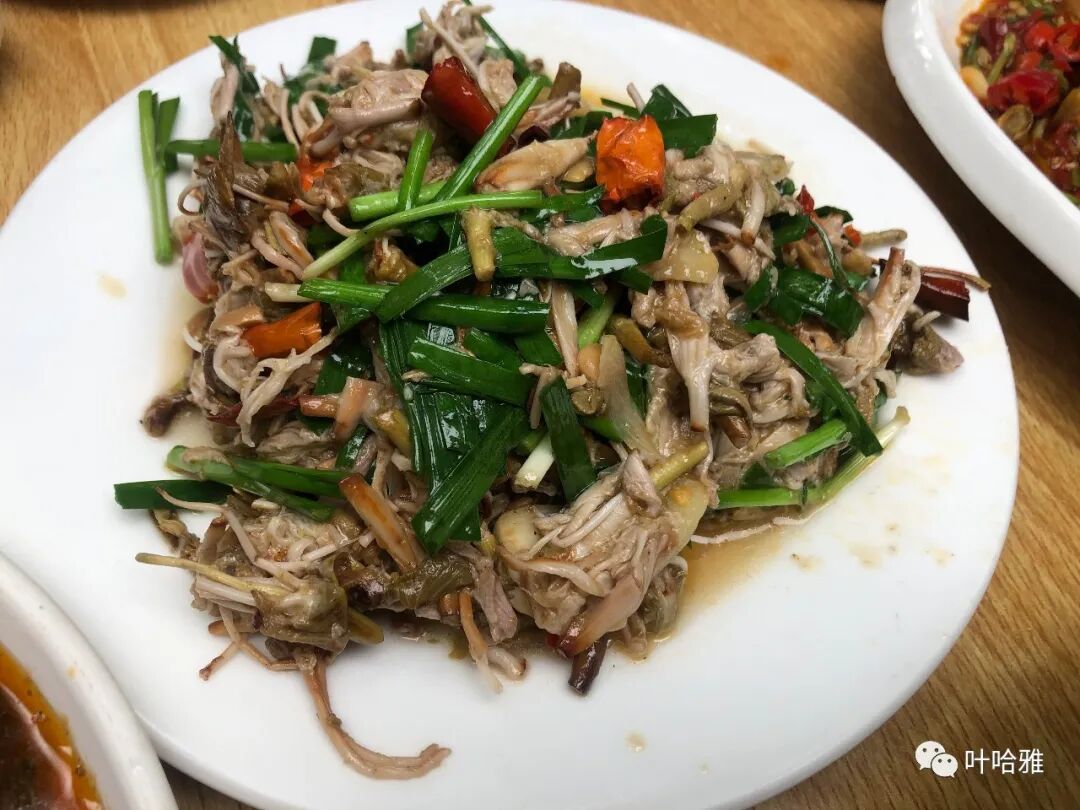
Stir-fried white flowers (chao baihua).
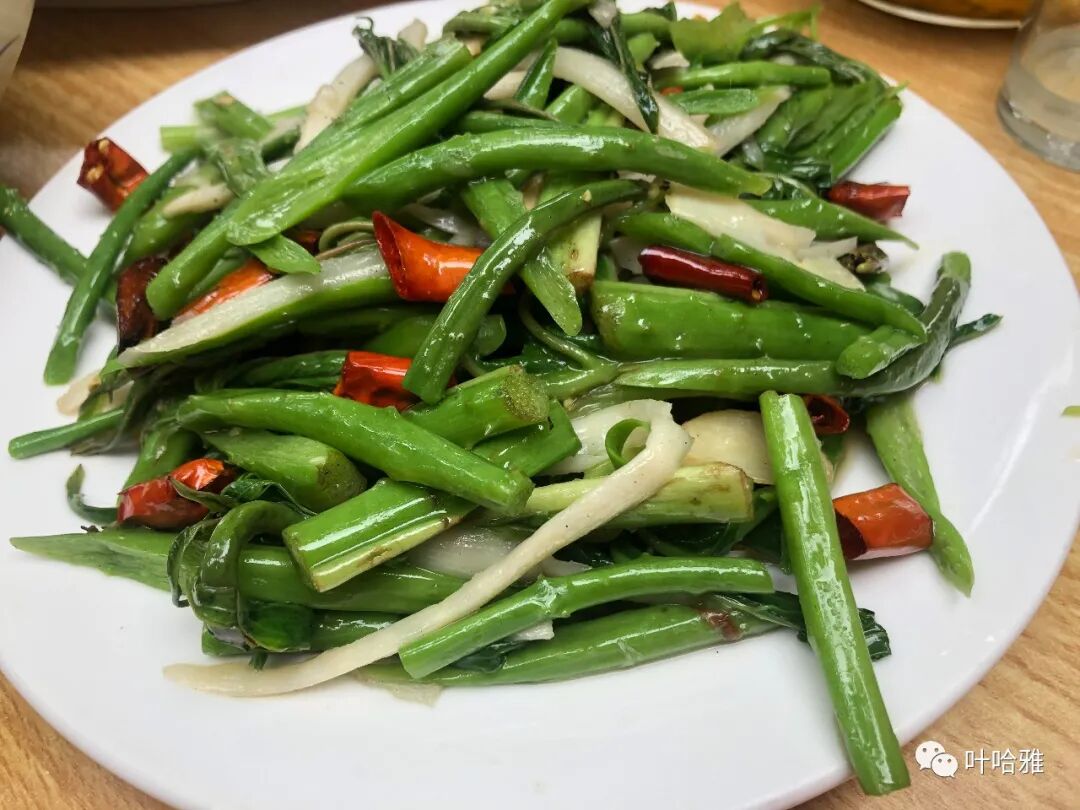
Stir-fried thorn buds (chao ciya).
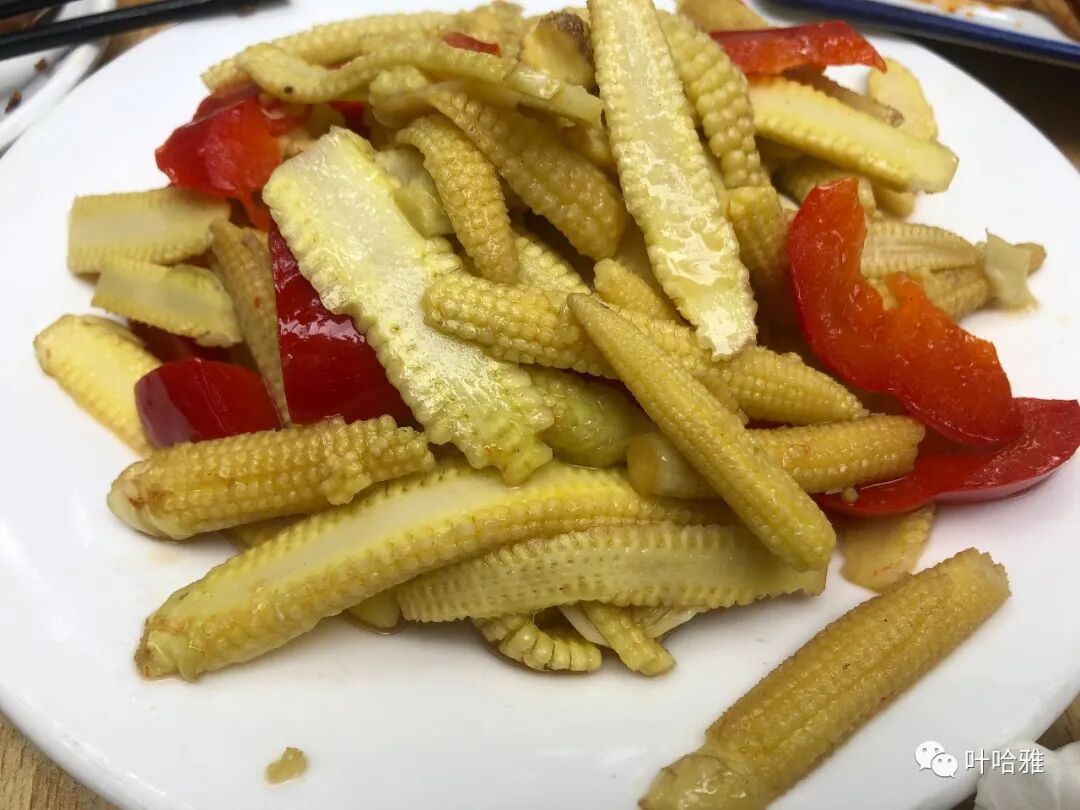
Stir-fried baby corn (chao xiao yumi).
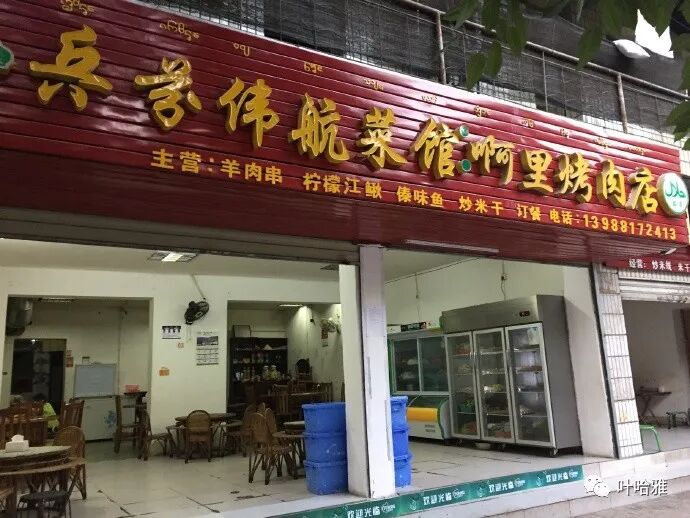
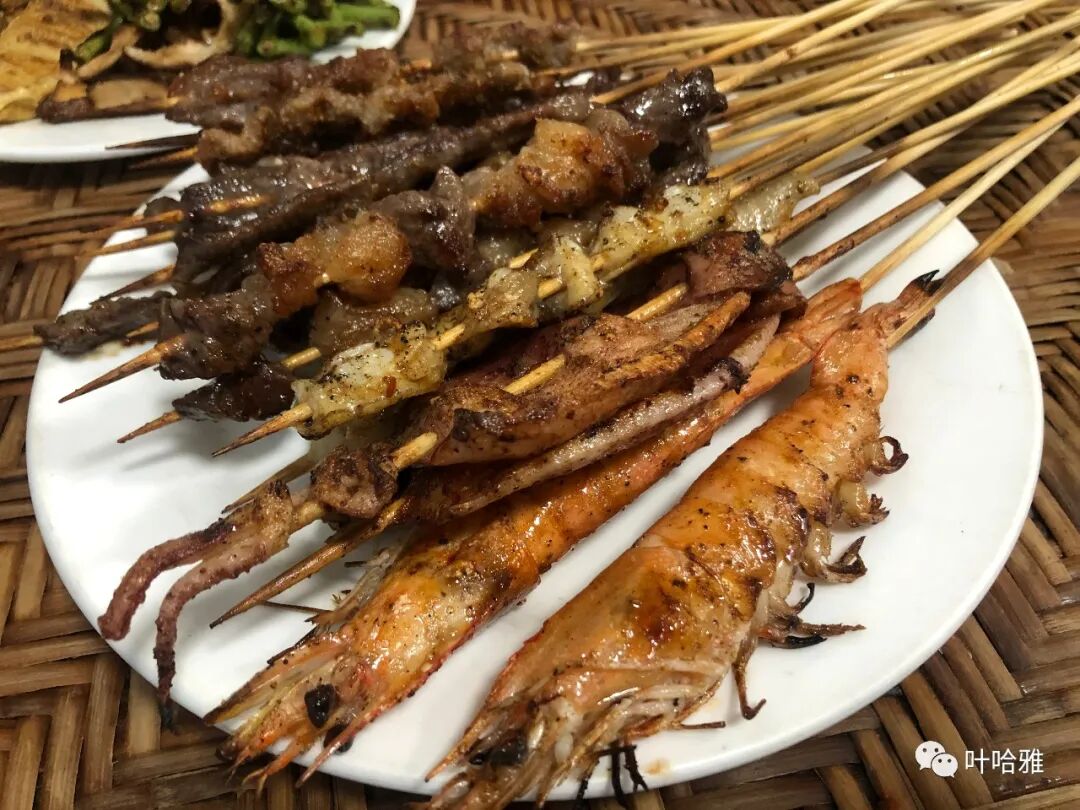
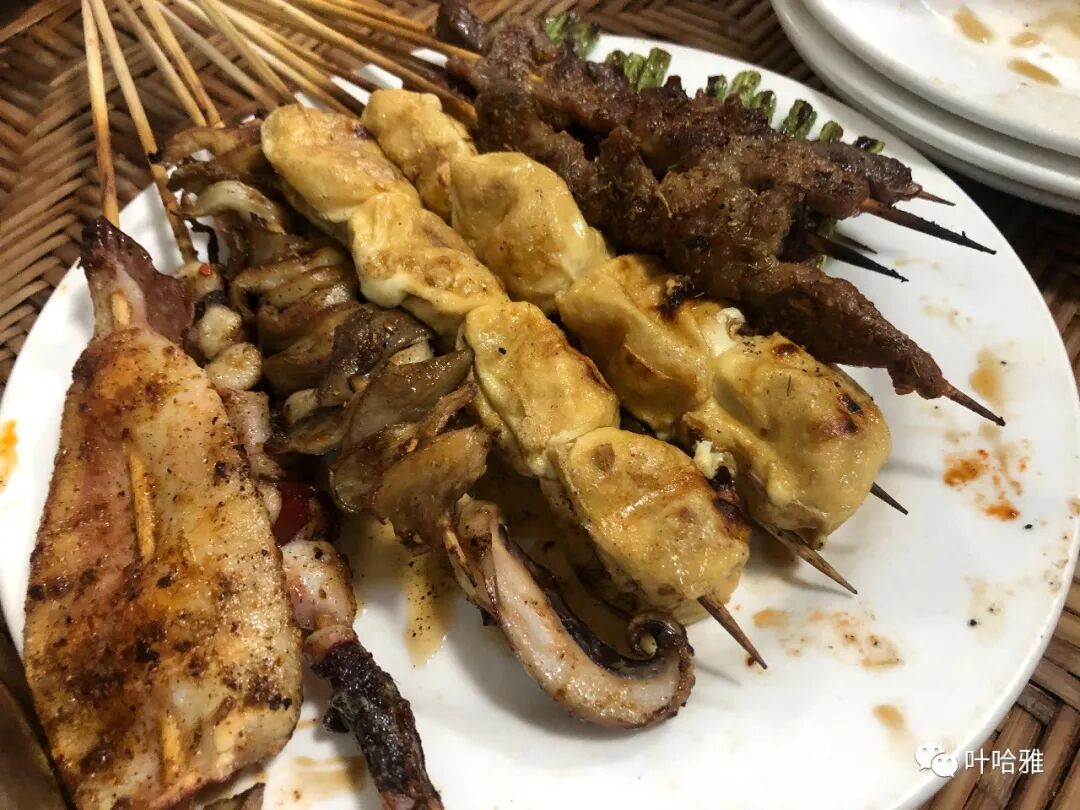
Ali Barbecue Shop.
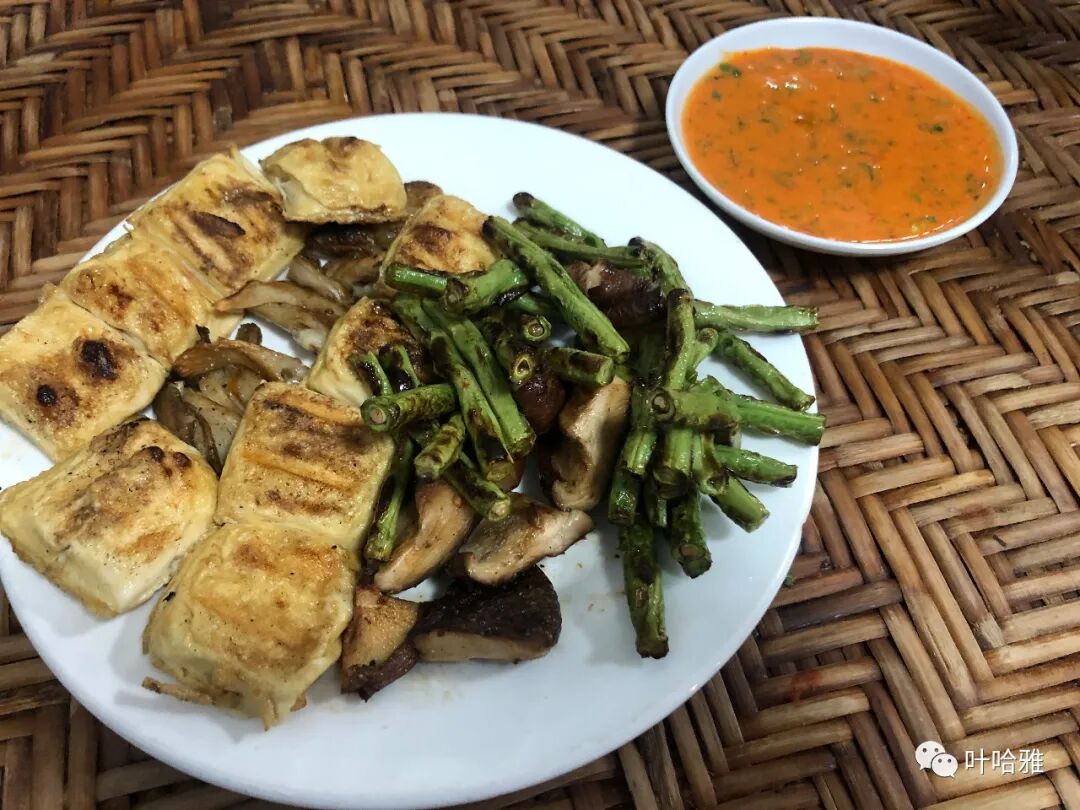
This Ali Barbecue Shop is a local spot highly recommended by friends in Banna. It was a hit with me and my colleagues. Banna barbecue is famous for its Dai style. Besides marinating the meat skewers beforehand, you also dip them in a local sour and spicy sauce.
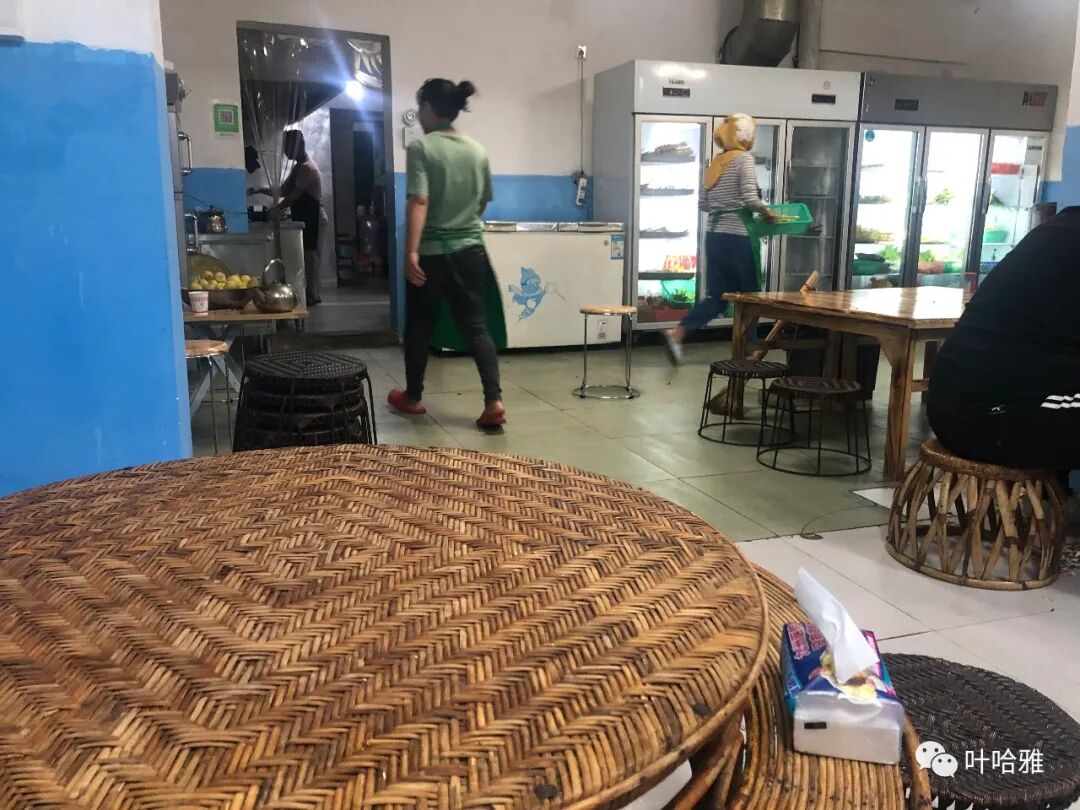
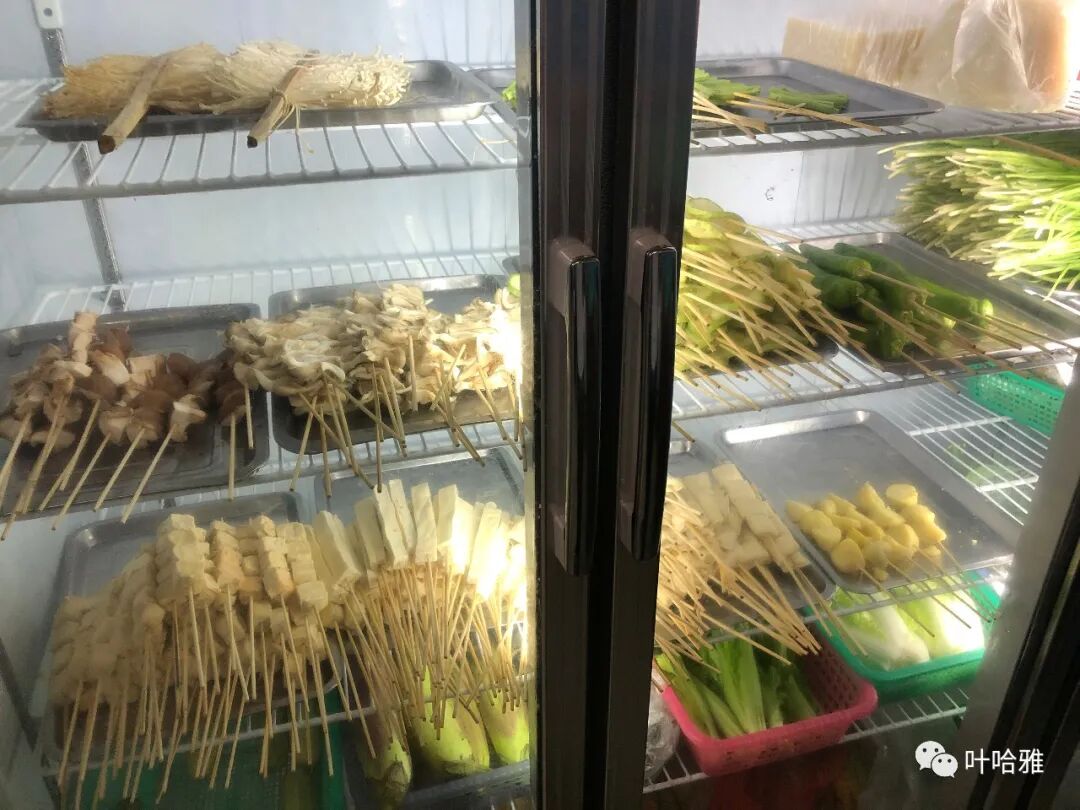
We chose to go to Ali for skewers at 10 p.m. Just like at a hot pot stall, you pick your ingredients from the freezer and ask the staff to grill them in the back. We sat around a round bamboo table, eating skewer after skewer. Even the friend who joined us later couldn't help but dig in after trying a few pieces of grilled beef.
I chatted with the owners and learned they are Hui Muslims from Pu'er who have been running the business here for many years. The shop has a great reputation among locals. Interestingly, none of the restaurants we visited sold drinks; they only provided free tea. If we wanted a drink, the staff told us to buy one ourselves at a nearby shop. The cost of living in Banna is low. A hearty meal costs only 30 to 50 yuan per person, and you can get a simple fast-food meal for 10 yuan.
We went to the famous Gaozhuang Night Market in the evening and saw many pretty influencers taking photos. The market was packed with people selling snacks and small souvenirs. It is nice just to look around. The Lancang River flows through the middle of Jinghong, splitting the city into the south and north banks. The south bank is the old town and attracts many tourists, while the north bank is the new town, which is well-developed, cleaner, and tidier.
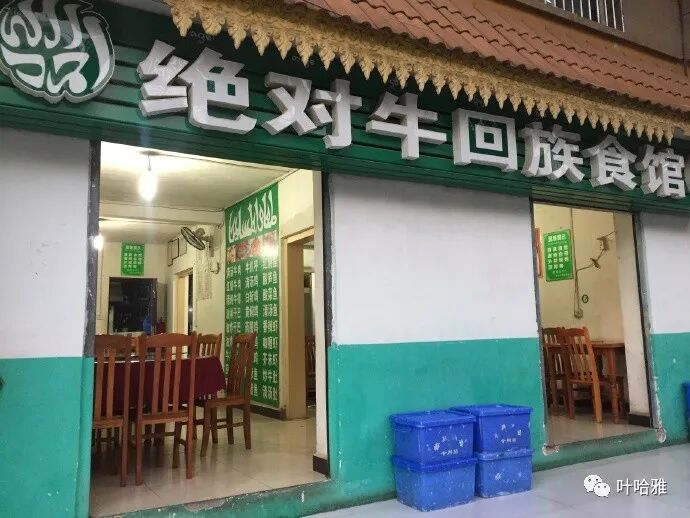
Juedui Niu Hui Muslim Restaurant
I also want to list a few local Yunnan-style halal restaurants I have visited. Juedui Niu Hui Muslim Restaurant and Hongfu Halal Restaurant are places I ate at back in 2016. They are still open today, and you can find their exact locations on Baidu Maps or Dazhong Dianping.
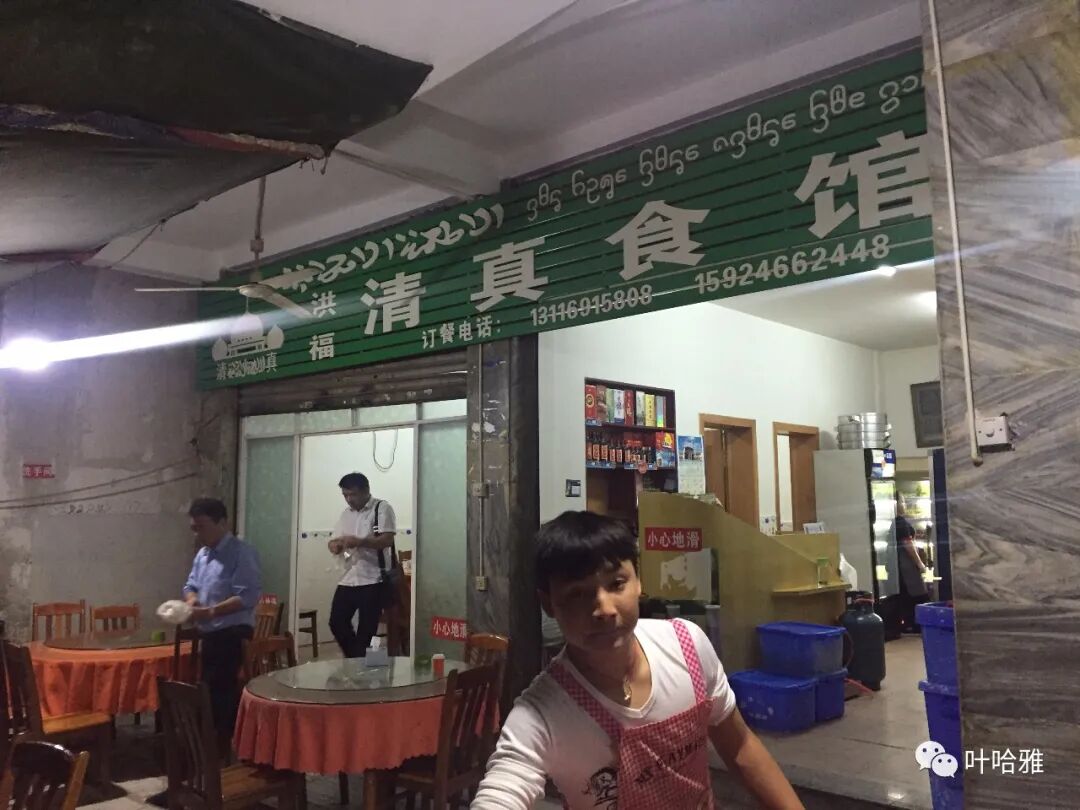
Hongfu Halal Restaurant
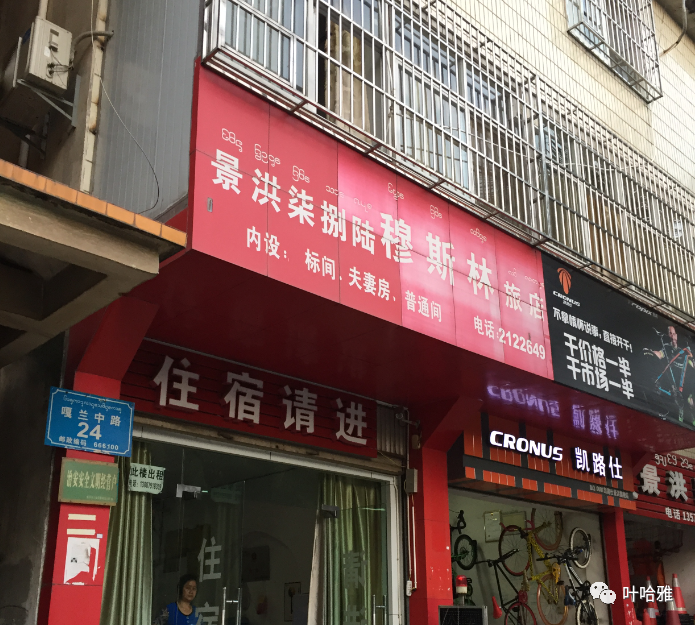
Jinghong 786 Muslim Hotel
I found a Muslim hotel by the road with an interesting name, 786. I once introduced 786 in my Tibet halal food map. It is very common in South Asia, where local Muslims use 786 as a code for halal.
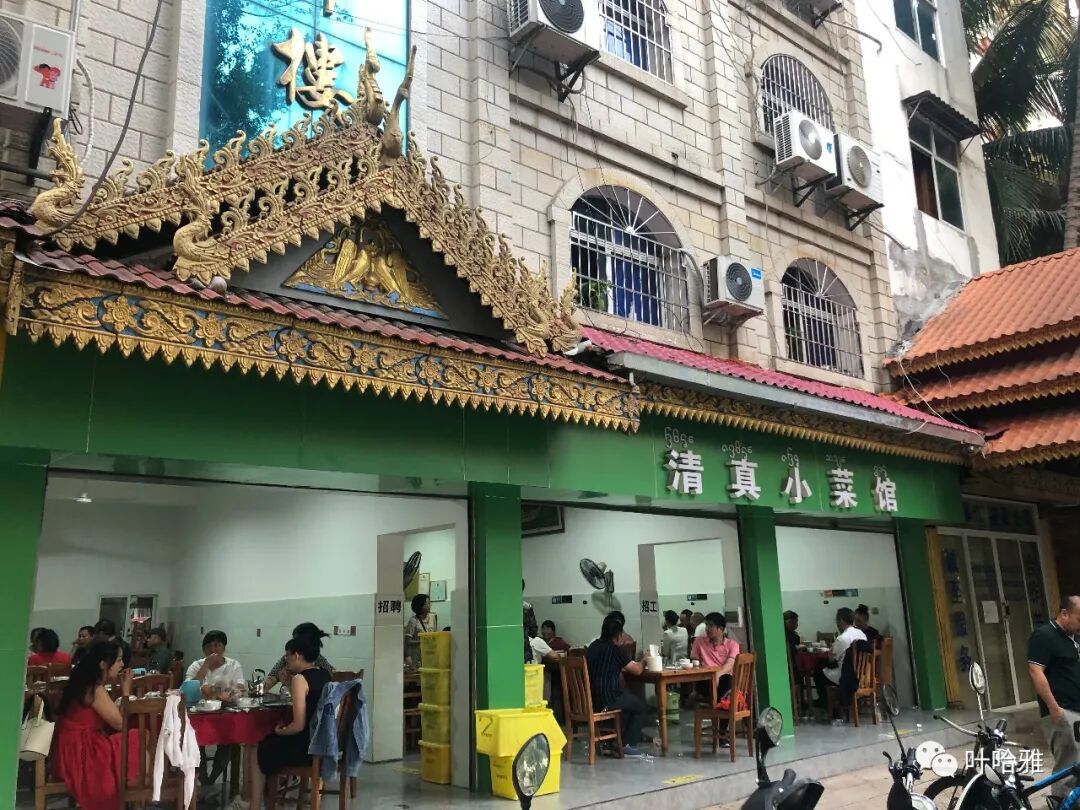
Halal Snack Bar
A friend in Banna recommended this halal snack bar. They come here to eat every so often. The business is very good, and you might have to wait for a table during meal times.
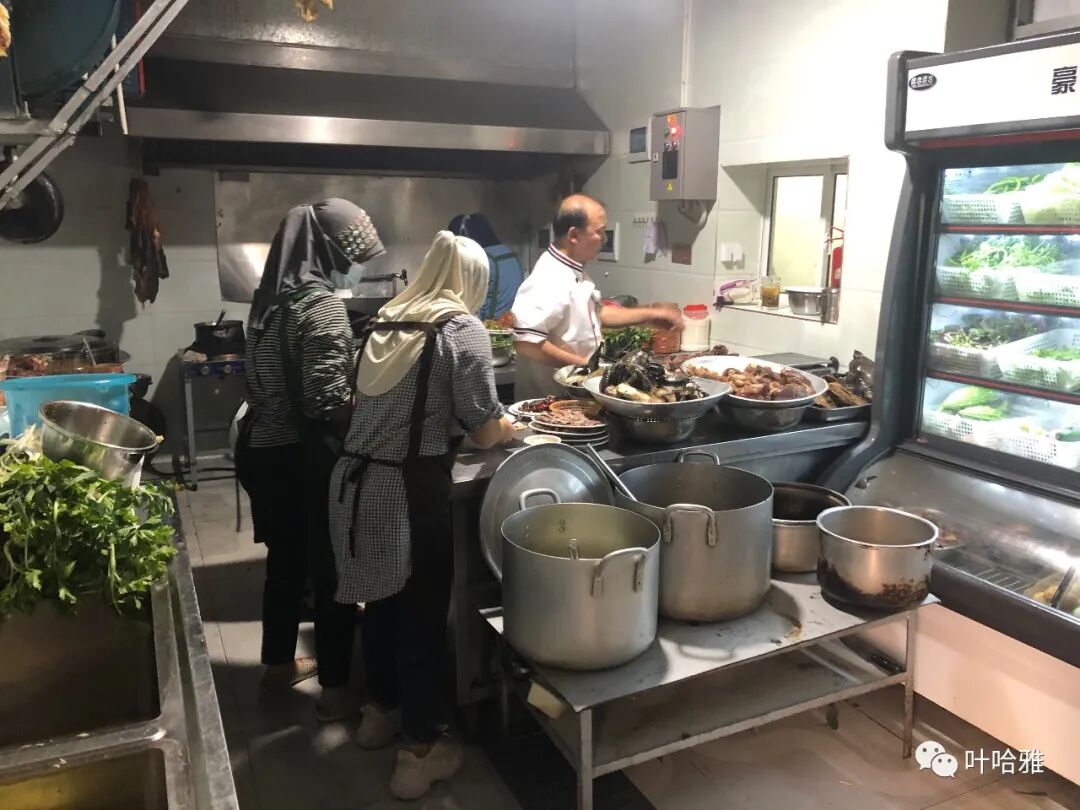
I recommend the steak and black-palm chicken (wuzhangji). It is best to book in advance, or you might miss out if you arrive late.
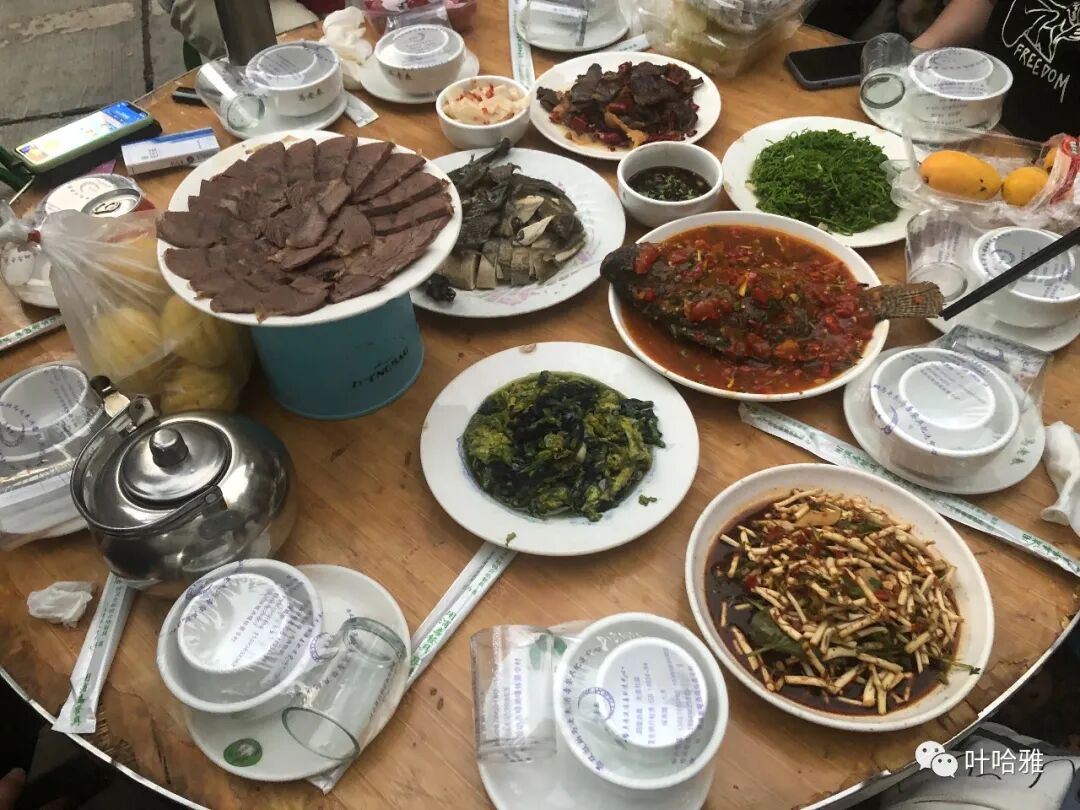
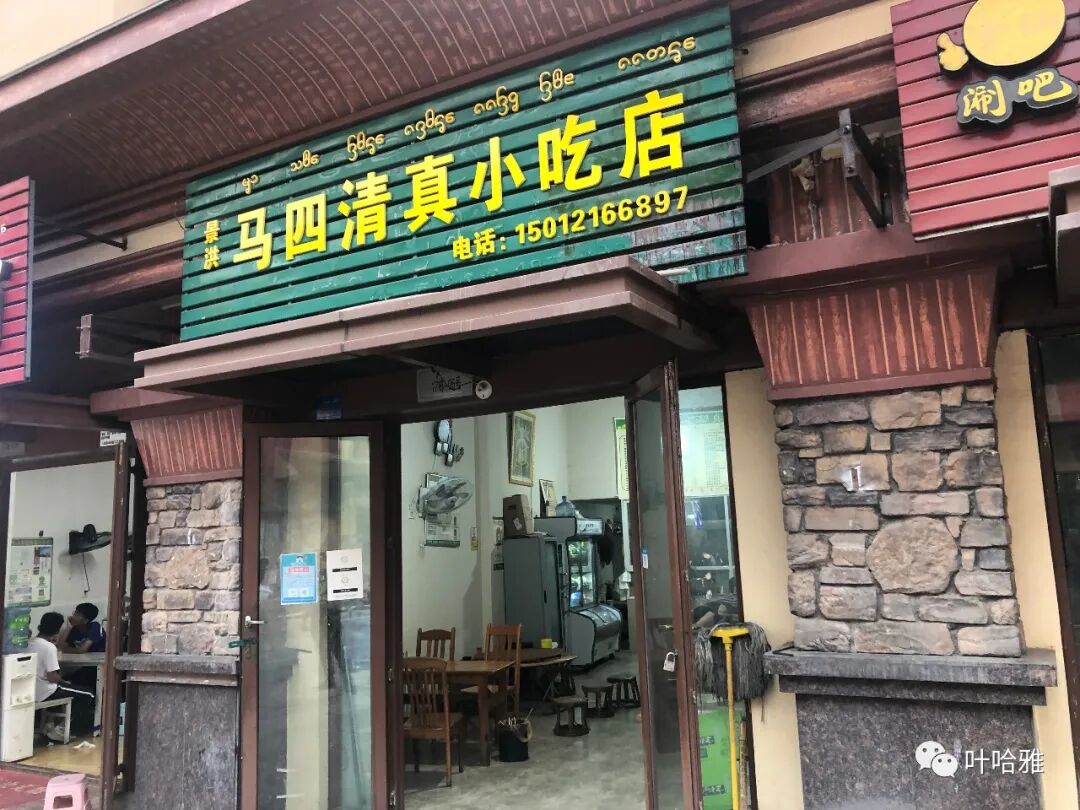
If you go to Wanda Plaza to watch the Dai Show, you can eat rice noodles at this nearby Ma Si Halal Snack Shop. They also serve stir-fried dishes with Yunnan flavors.
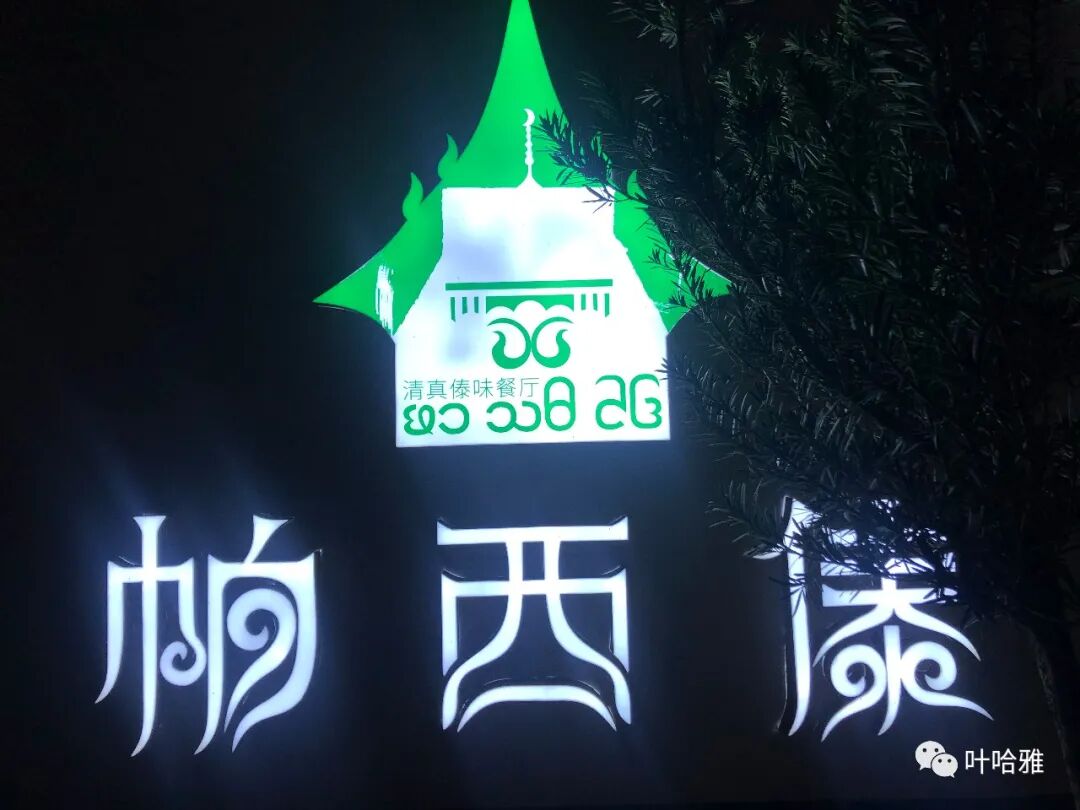
Paxidai Halal Restaurant
My main reason for going to the Gaozhuang Night Market was to visit a large Hui-Dai halal restaurant called Paxidai, located right at the entrance. It is very easy to find. 'Paxi' means Hui Muslims in the Dai language. The owner is a Hui-Dai woman. We met for the first time and immediately felt close after exchanging salaams. The owner is from Manluanhui and her surname is Yu. Most Hui-Dai women have the surname 'Yu', while men have the surname 'Yan', following Dai traditions.
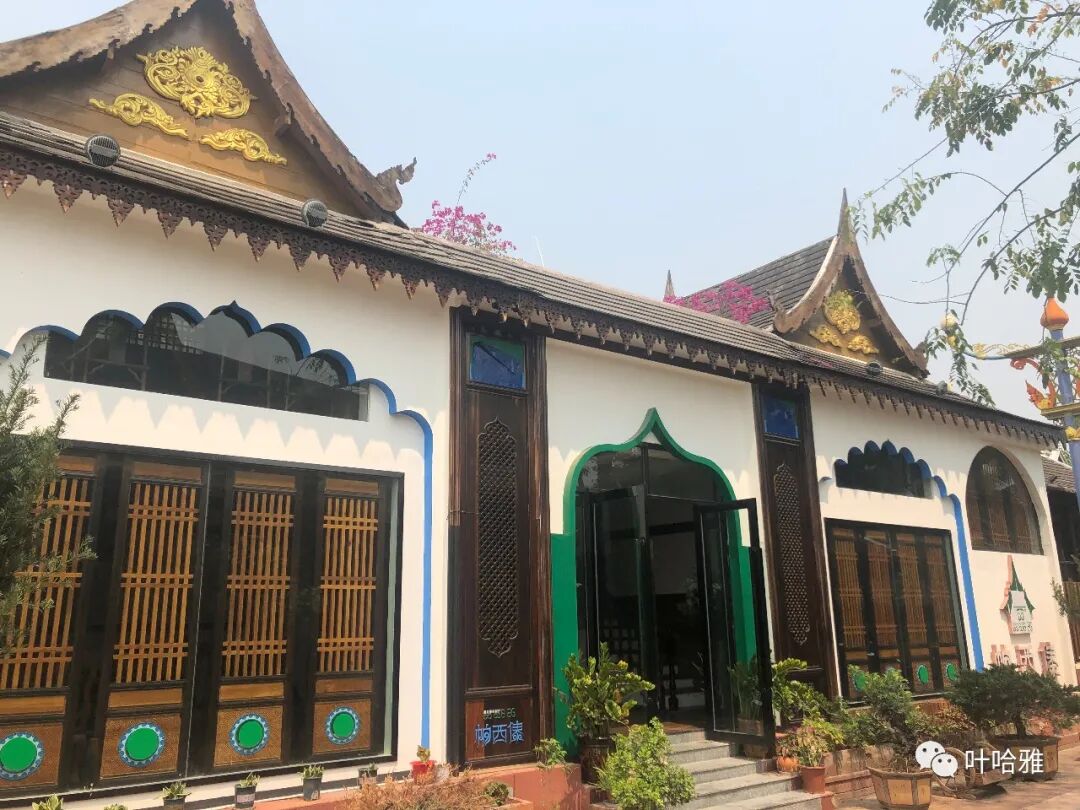
The restaurant environment is beautiful. It is built on the riverbank like a boat and has three floors. Eating by the window and looking at the scenery feels like being on a boat trip down the river.
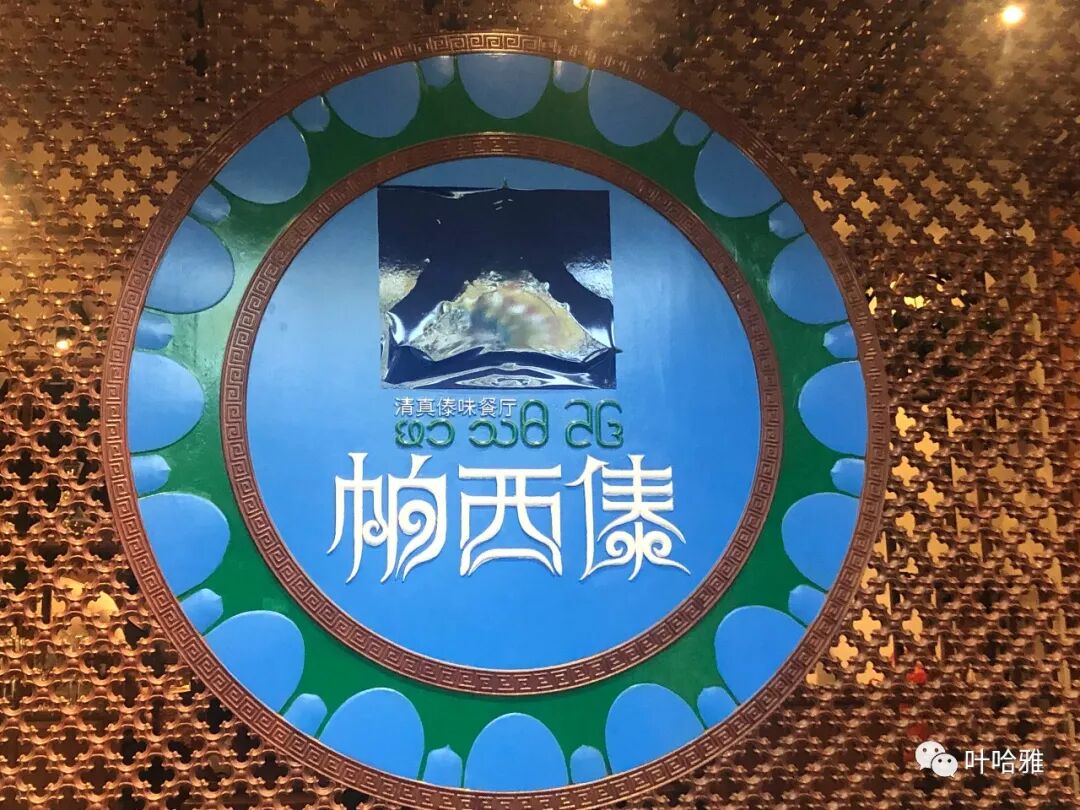
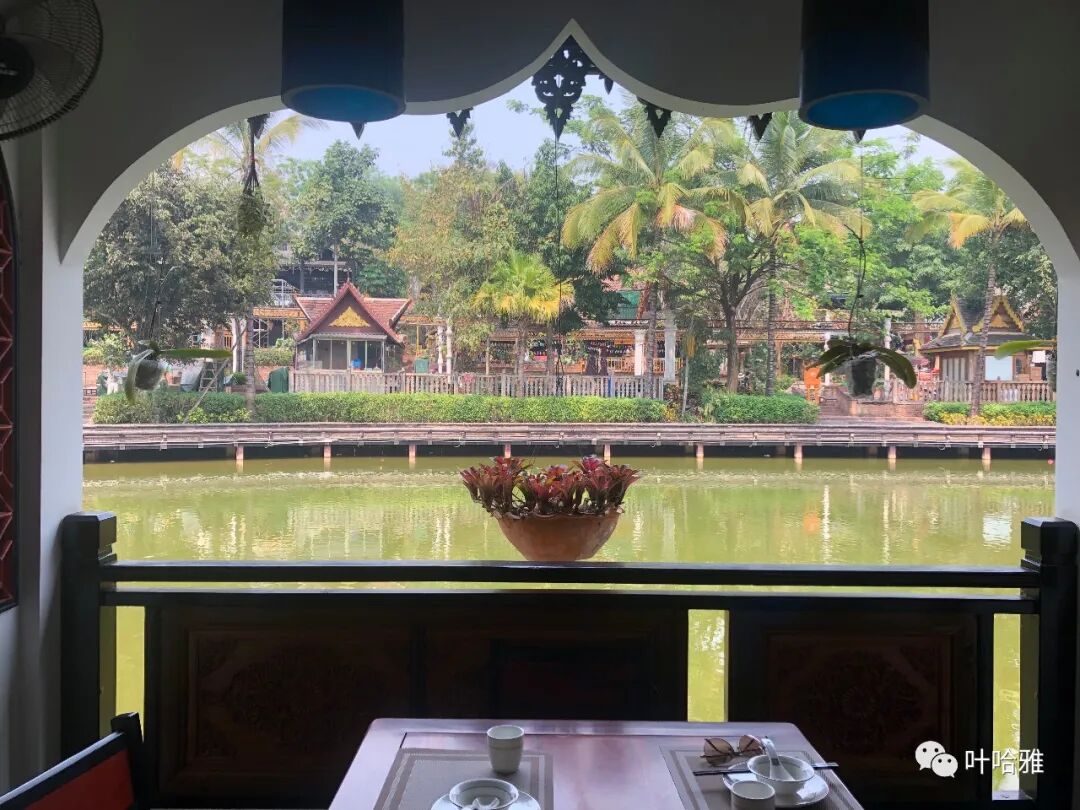
More than ten colleagues came to this dinner, and we ordered almost every dish on the menu with Dai flavors. The owner was very hospitable and gave us a few extra dishes to try. The overall taste was good, focusing on sour, spicy, salty, and fresh flavors. When you come to Banna, you must try the local food, especially when dining in such a beautiful setting. After the meal, the Hui-Dai owner warmly invited us to visit her hometown, Manluanhui.
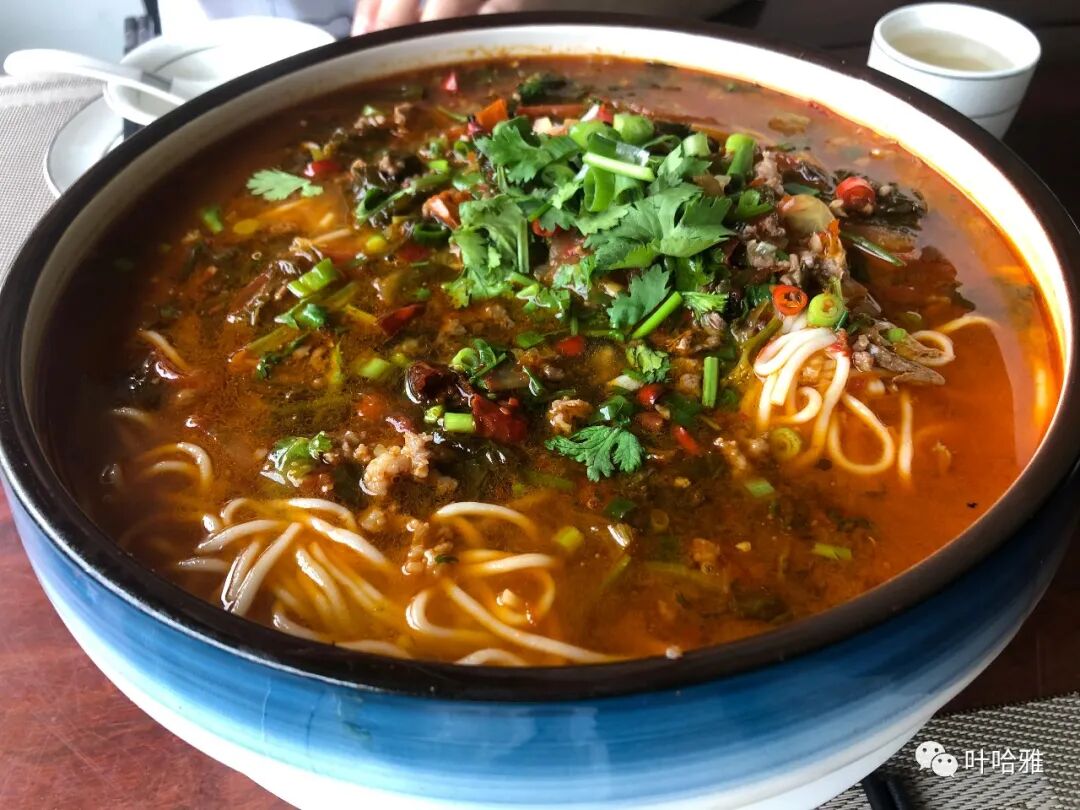
Dai-style beef rice noodles
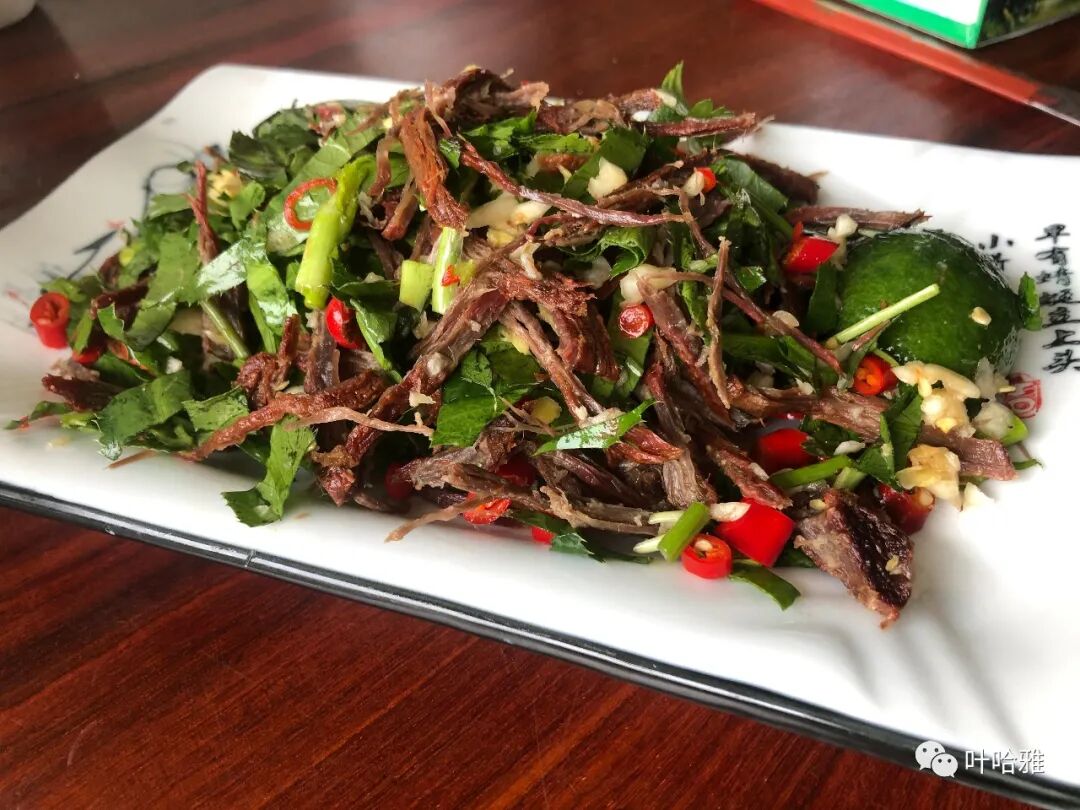
Lemon shredded pounded beef jerky (shousi xiaochui niuganba)
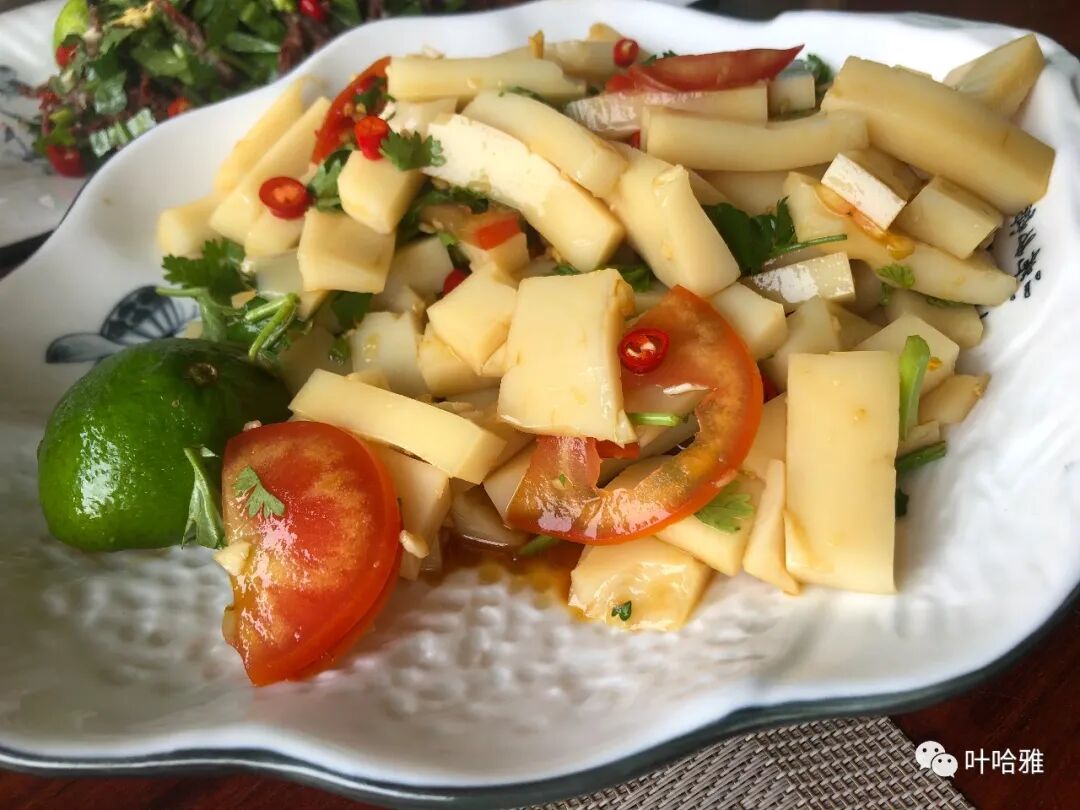
Lemon jelly noodles (liangfen)
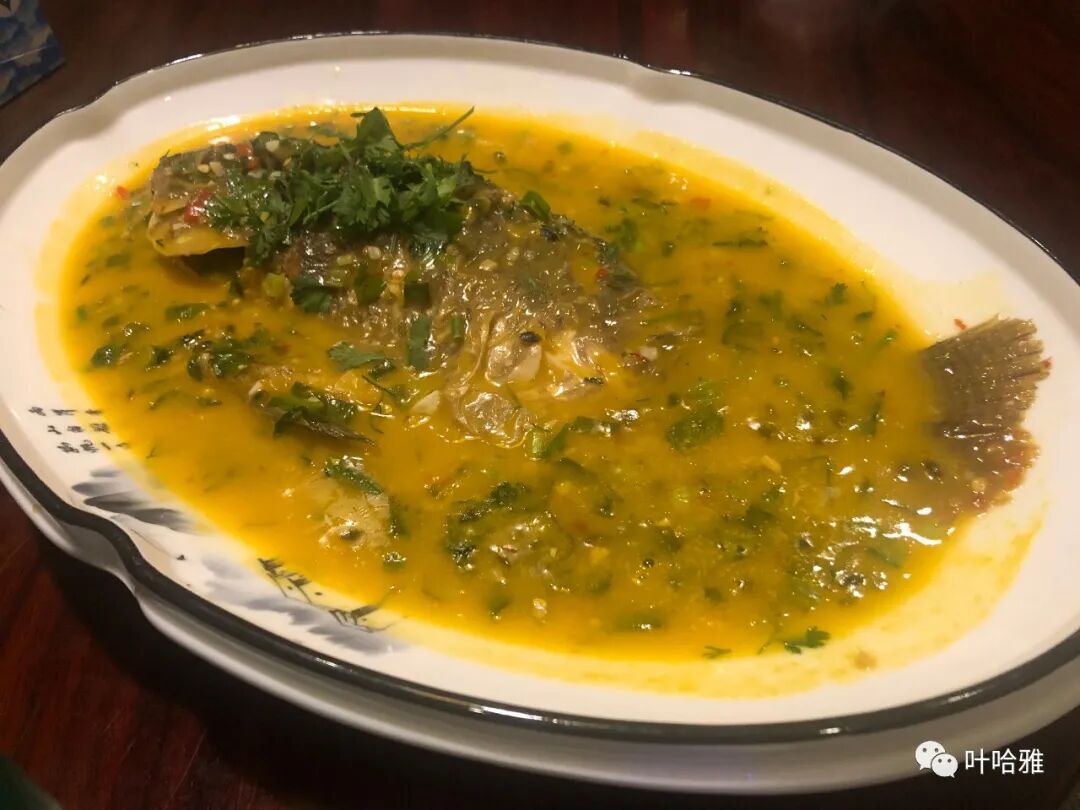
Passion fruit hot and sour fish
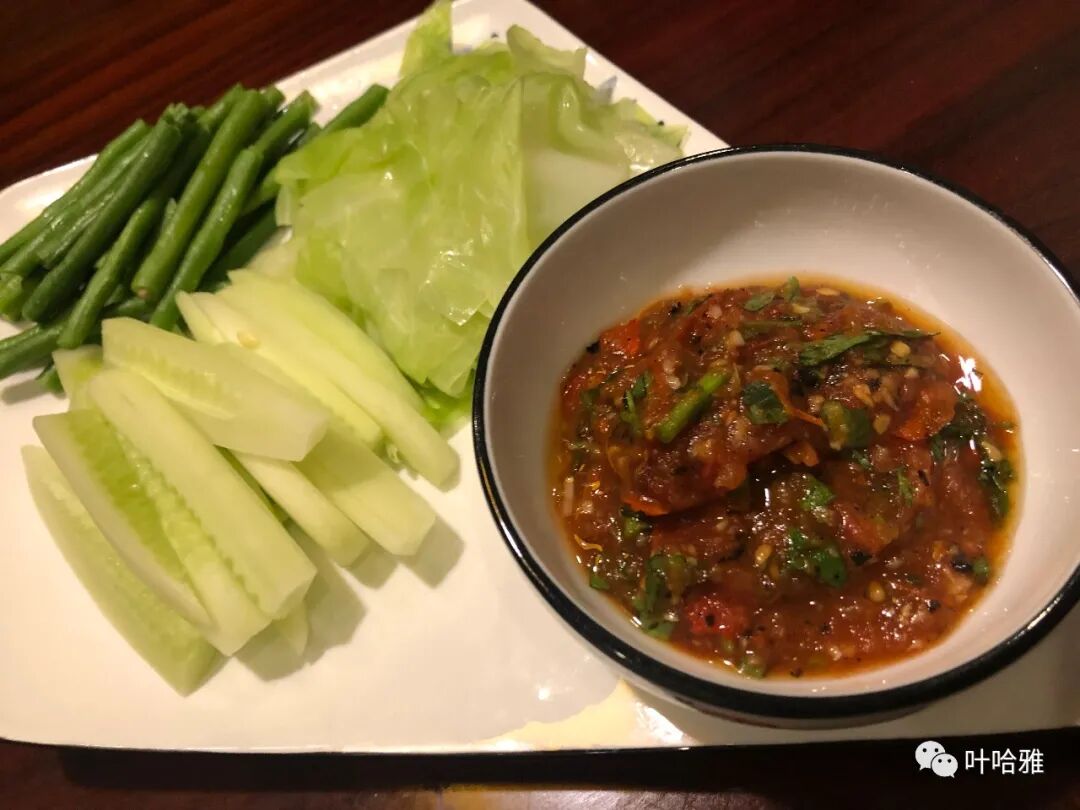
Nammi dipping sauce platter
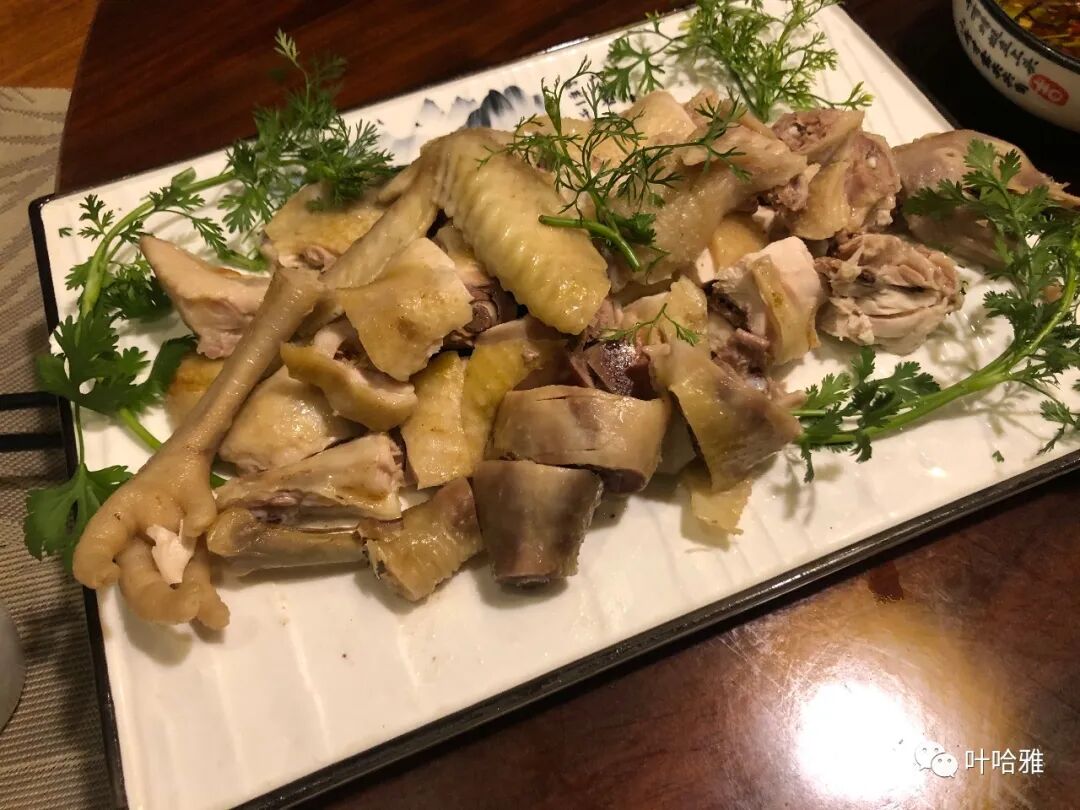
Hui-Dai white-palm chicken (baizhangji)
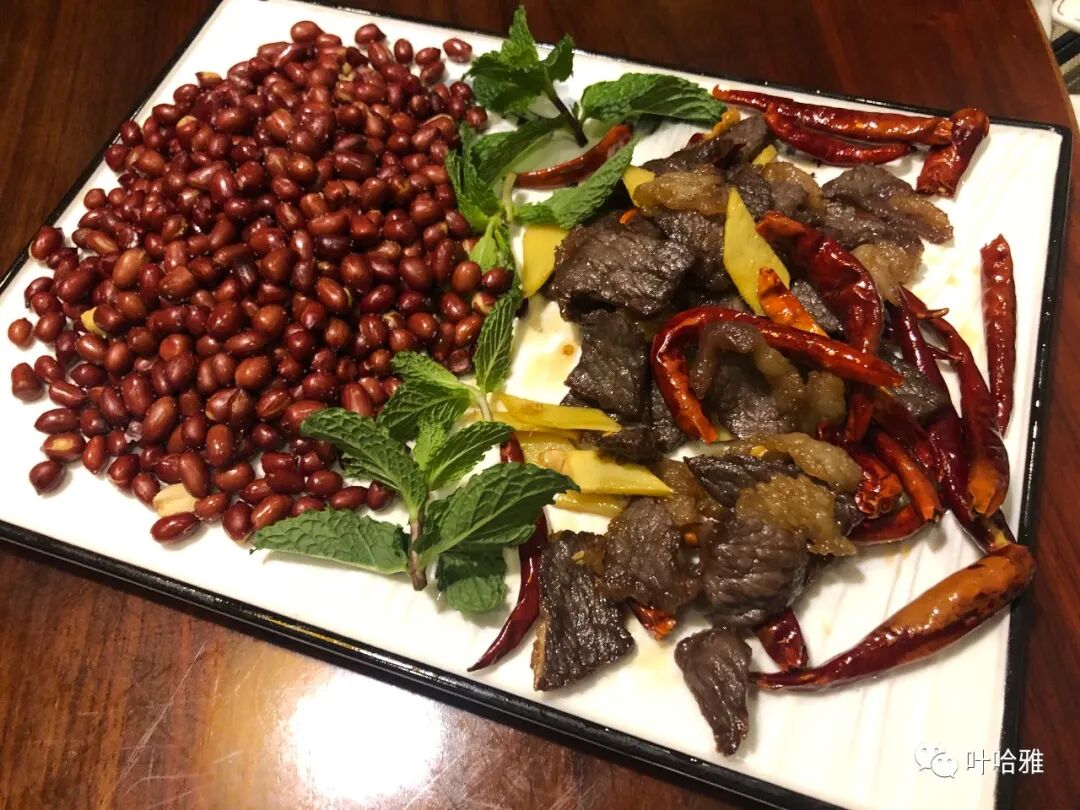
Peanut and beef jerky platter
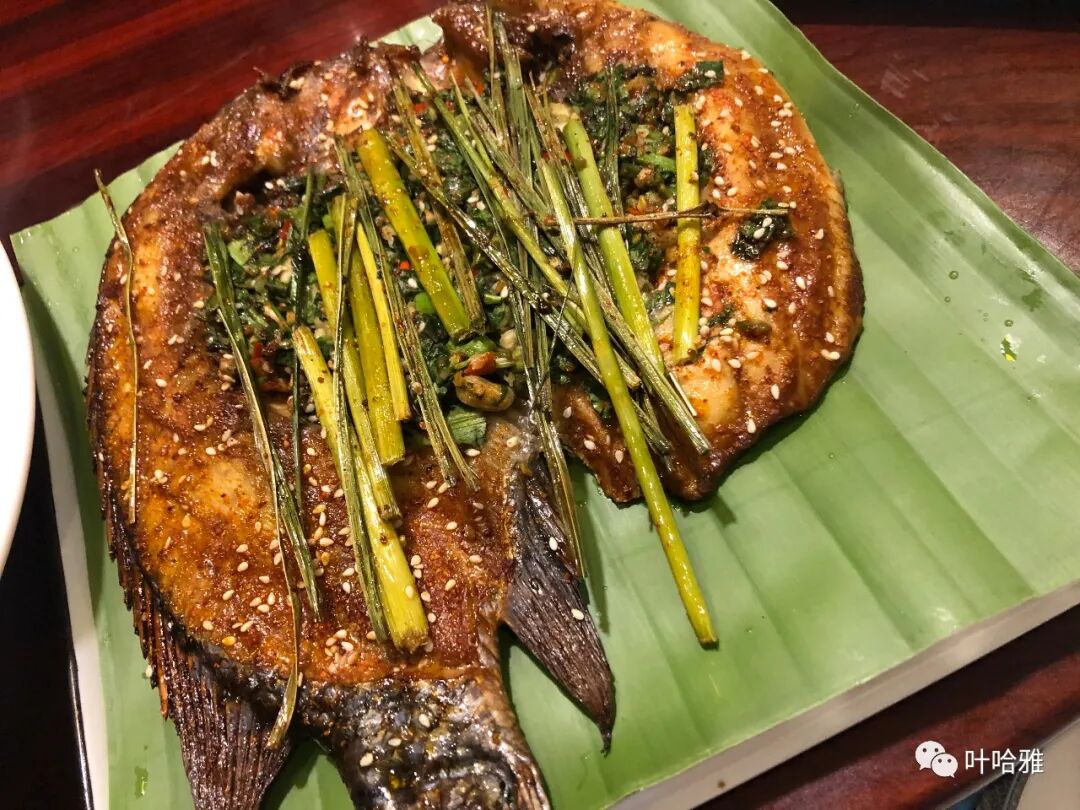
Lemongrass grilled fish
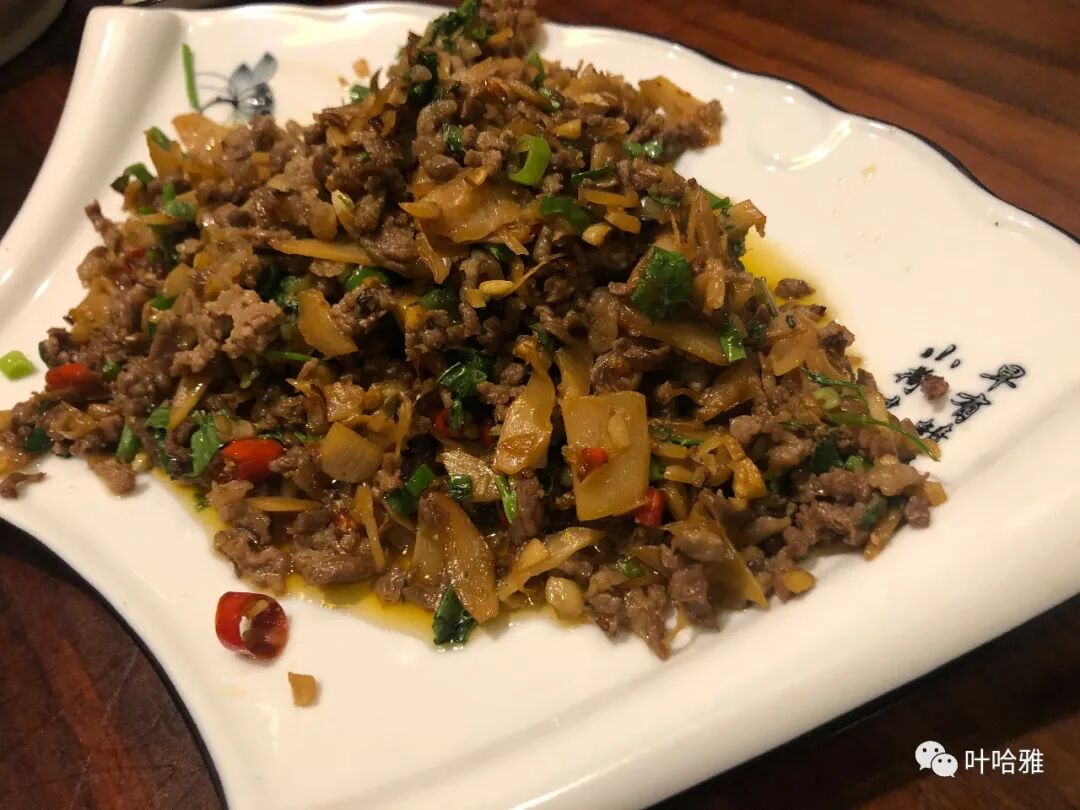
Stir-fried beef with sour bamboo shoots
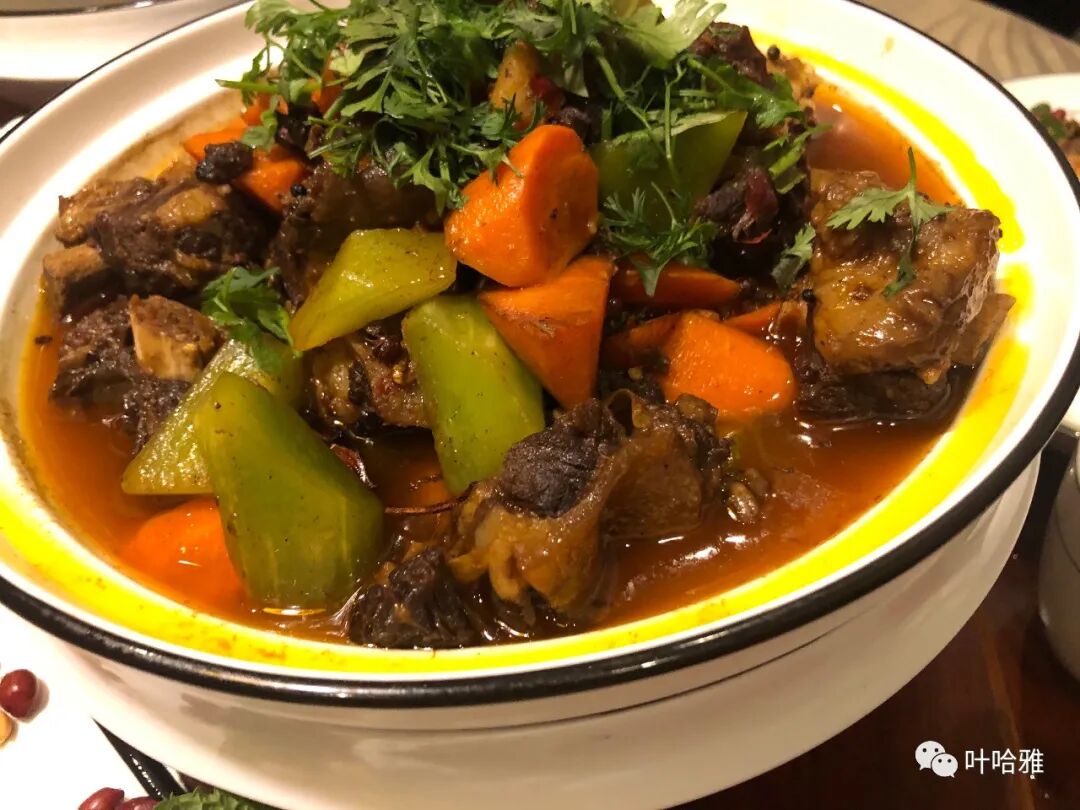
Stewed oxtail with radish
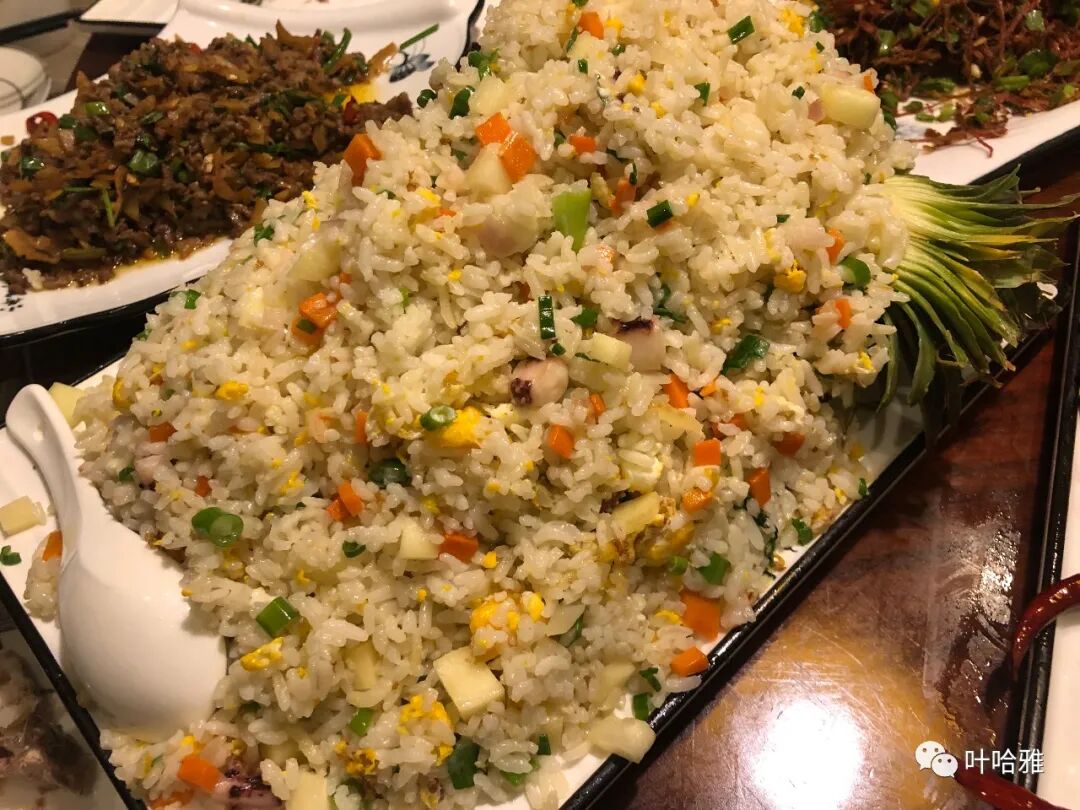
Seafood pineapple rice
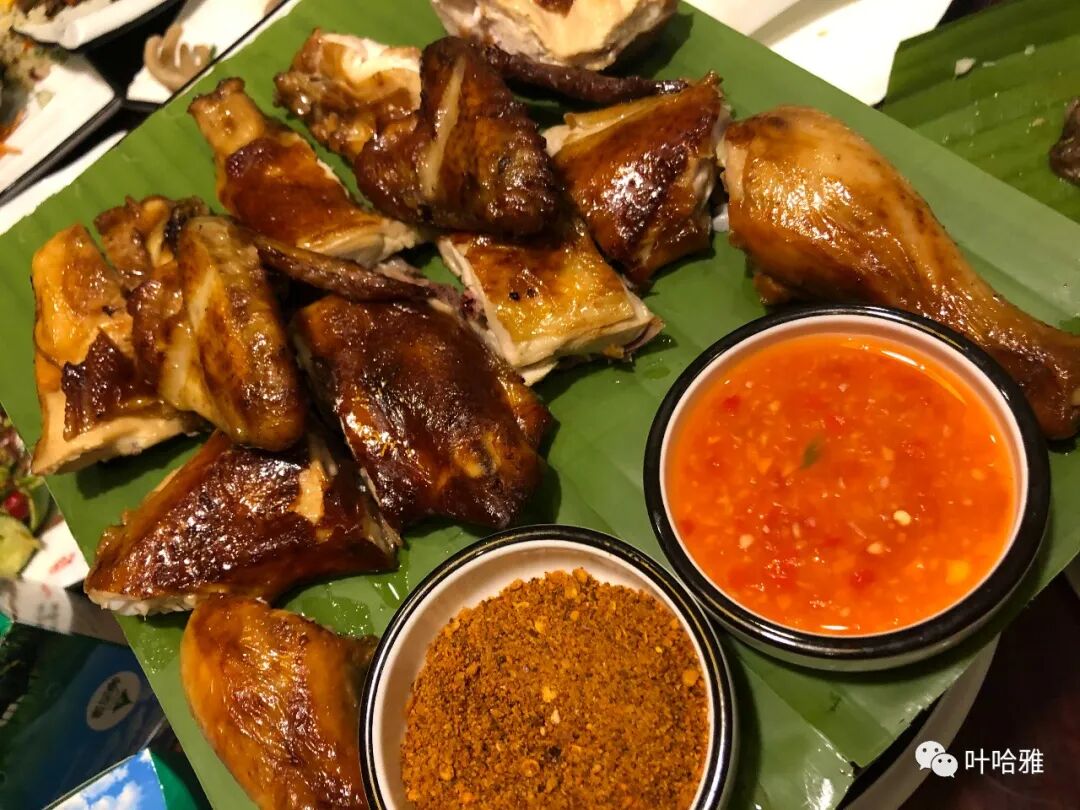
Hui-Dai style roasted chicken
We said goodbye to the landlady of Paxidai for a while, and the next day we hired three cars to head to Mansaihui and Manluanhui in Menghai County. Mansaihui and Manluanhui are about 4.5 kilometers apart. Starting from Jinghong city center, you can take a bus at the Jinghong Bus Station or use Didi. Didi is less likely to have route detours because the trip is monitored. It is a 45-kilometer drive that takes about an hour.
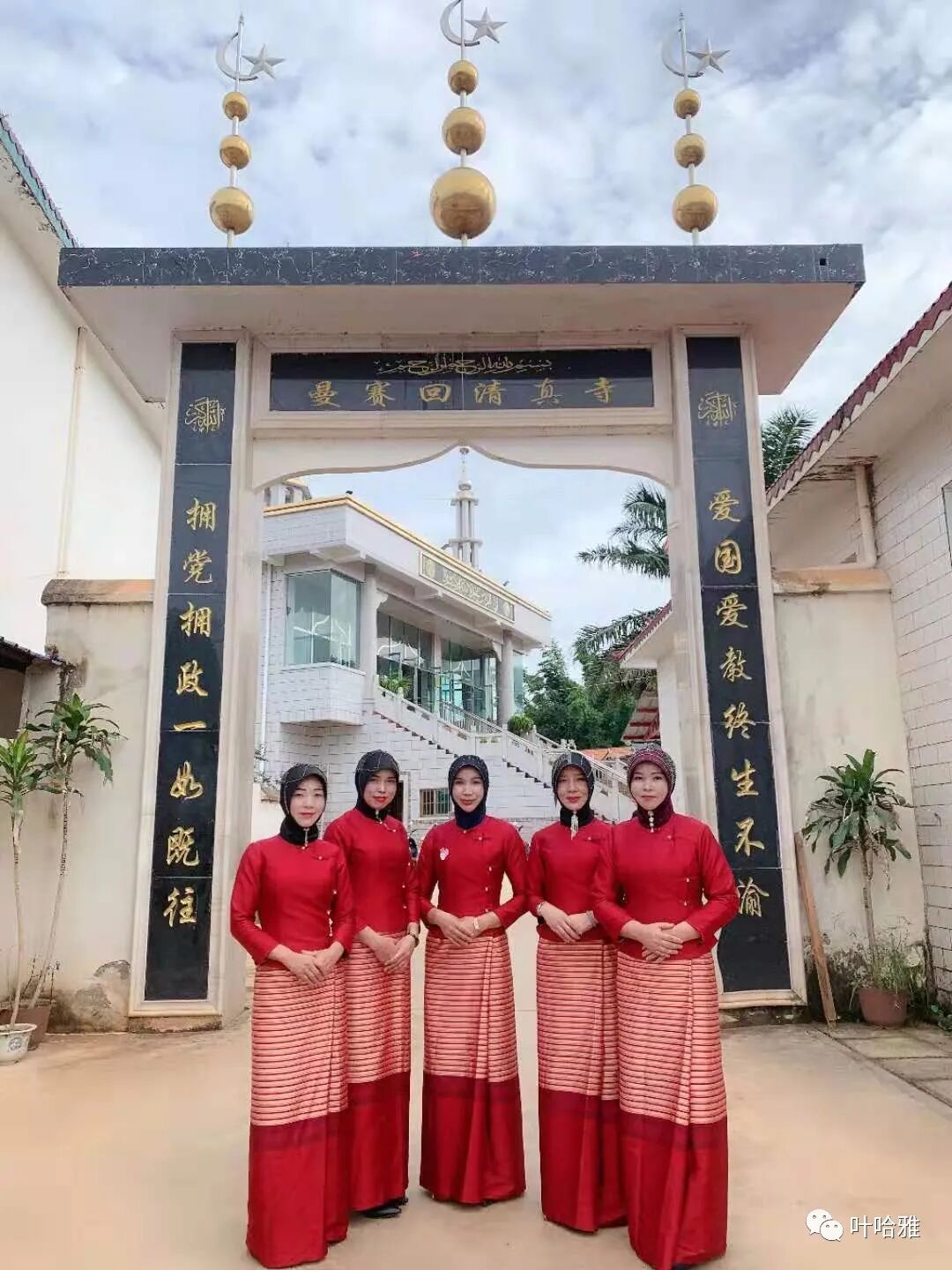
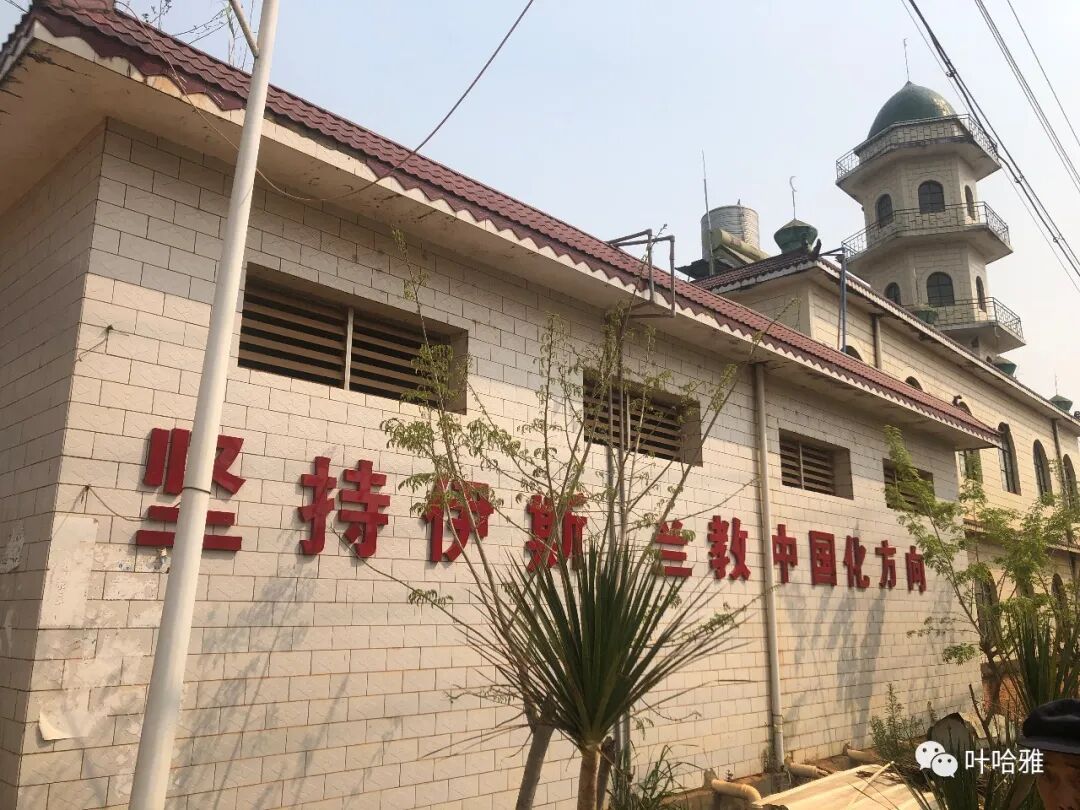
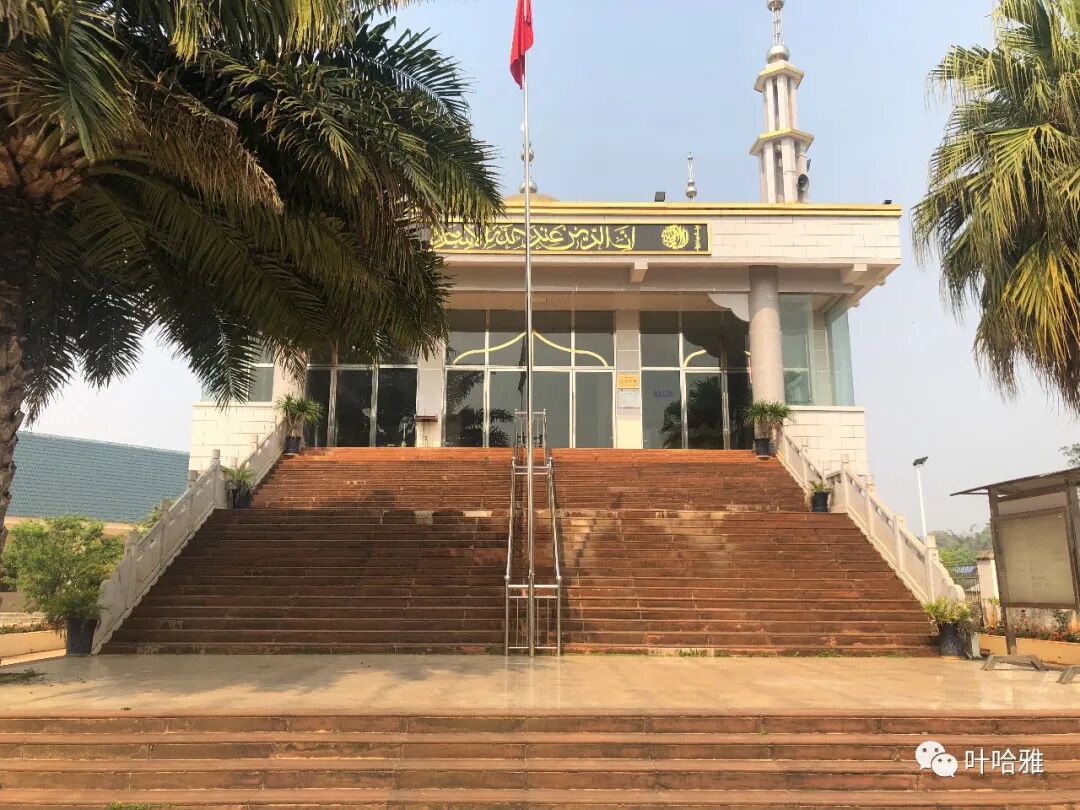
Mansaihui was formed relatively late, about 100 years ago. Hui Muslims from other parts of Yunnan, such as Dali and Tonghai, came here to do business and married local Dai people, gradually forming a village. Currently, there are about eighty households and over four hundred people. The local villagers keep Dai living habits, wear Dai clothes, and speak the Dai language, but they follow Islam. The Dai women here also wear headscarves, so you cannot tell if someone is a Hui Muslim just by looking at their headscarf.
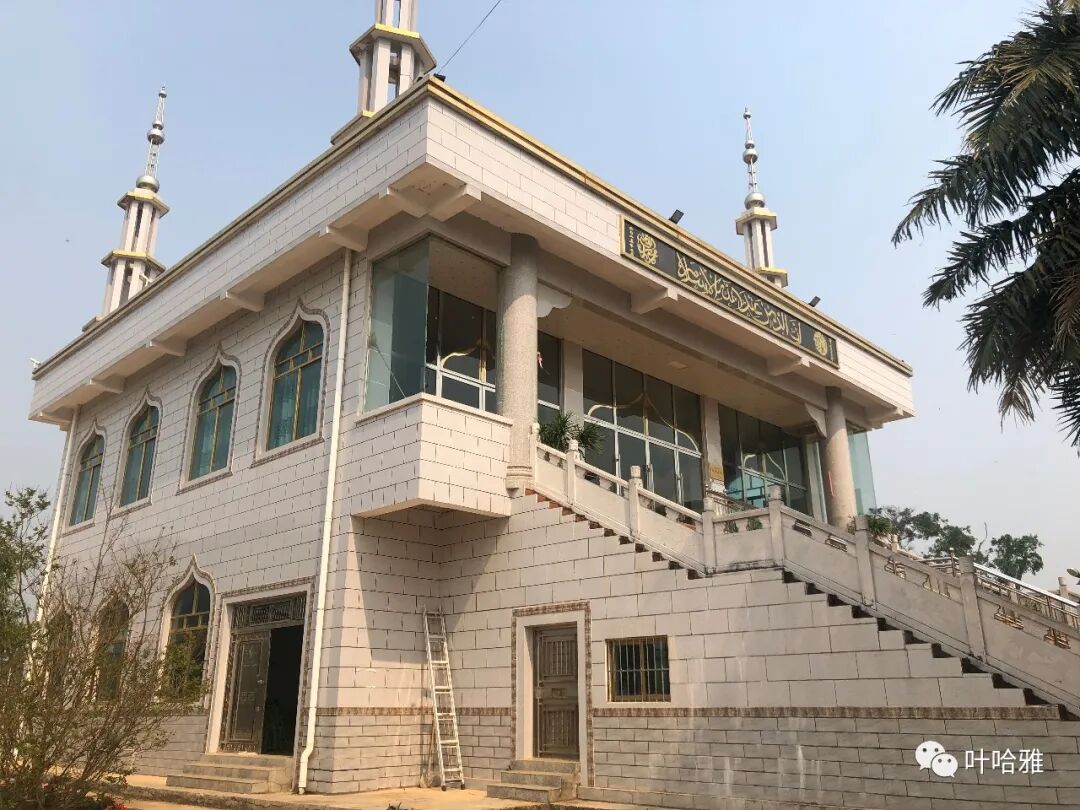
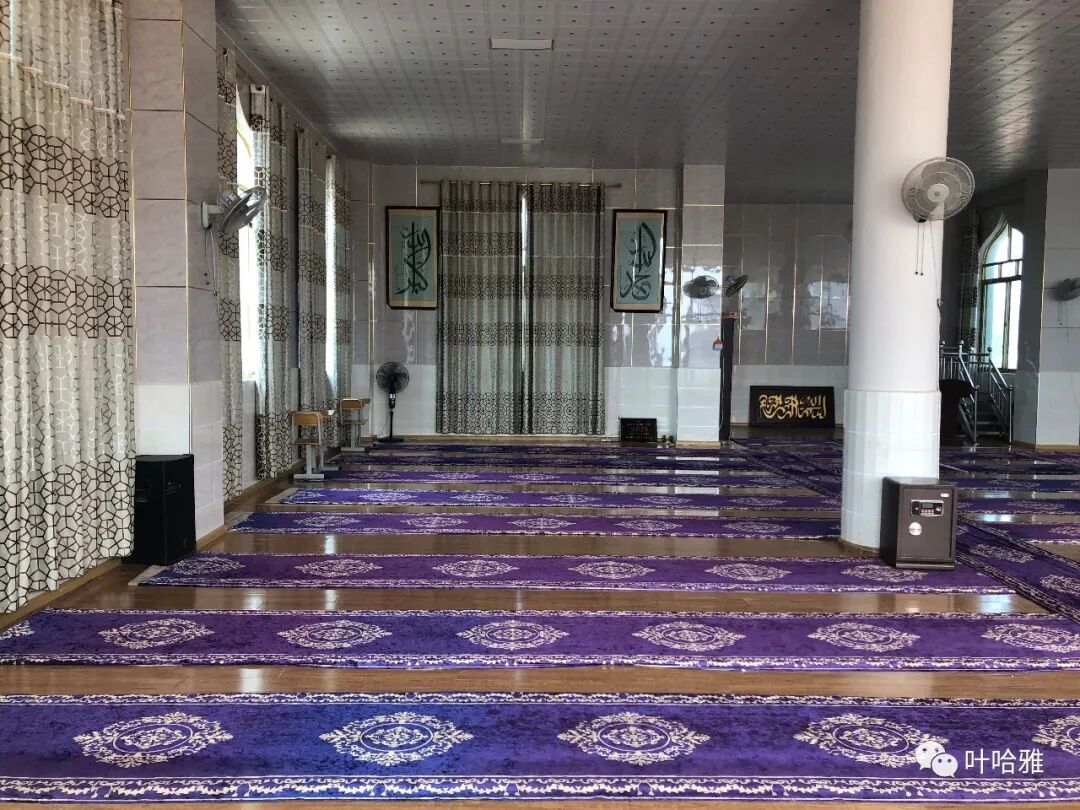
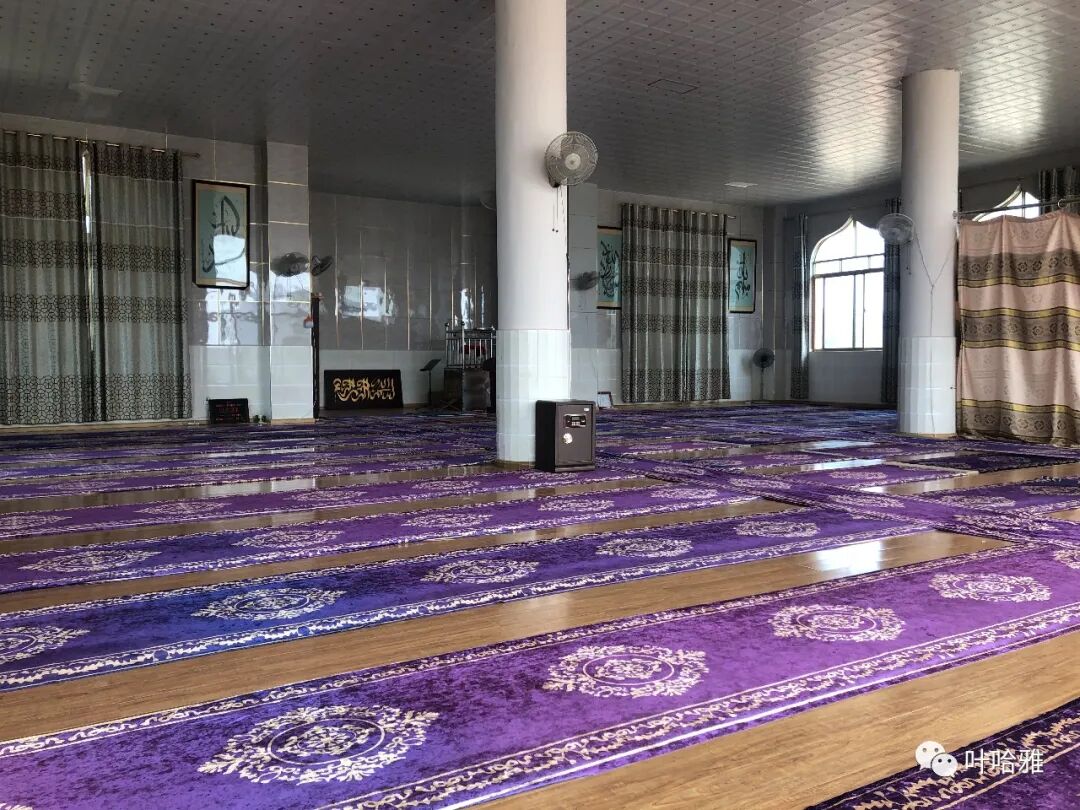
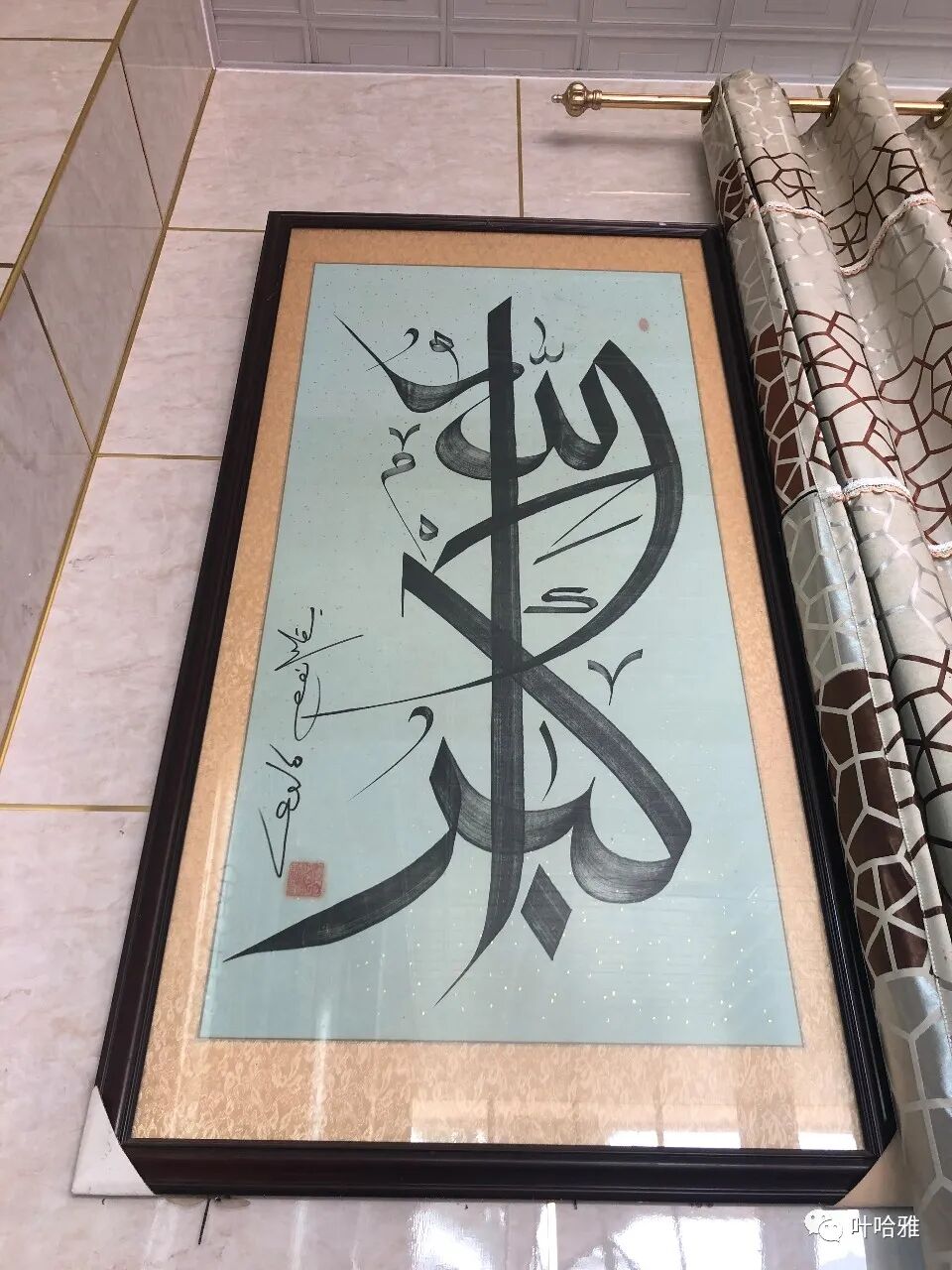
The Mansaihui mosque has not changed much in recent years, except that the imam has changed from Imam Tang to Imam Guan. Both are from Yunnan and have settled in Mansaihui.
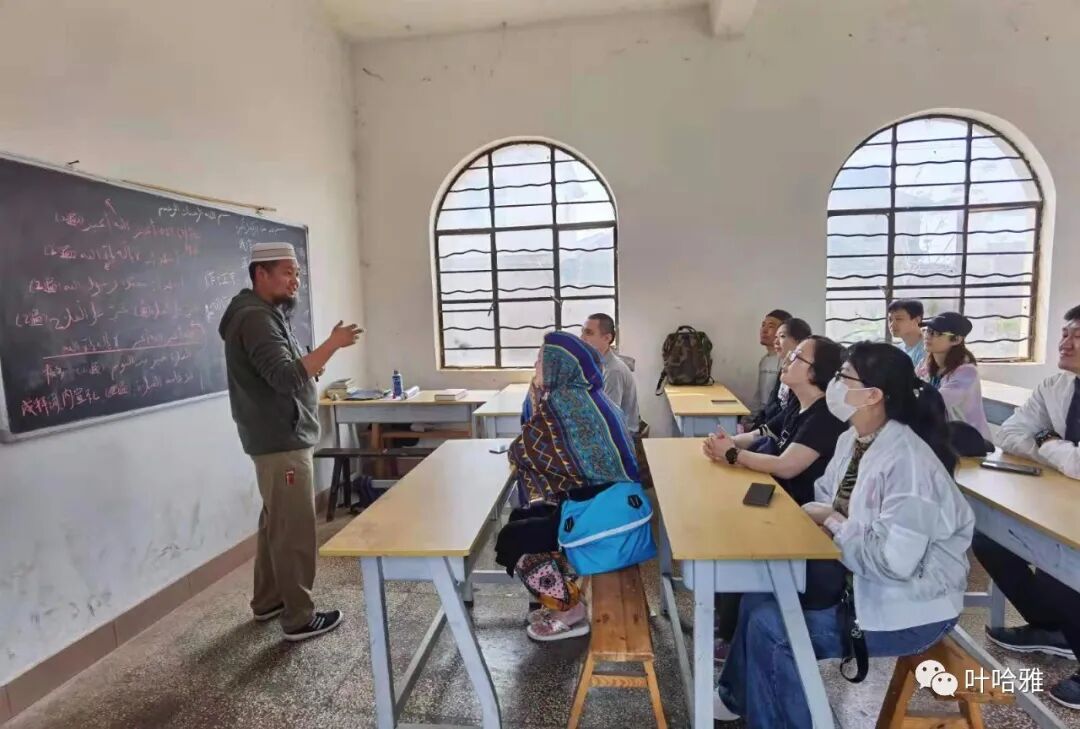
Since most of my colleagues traveling with me were not Muslim, I invited the imam to the small classroom in the mosque to give everyone a brief introduction to the history of the Hui-Dai people and the basic concepts of Islam. The group listened with great interest and felt that this kind of in-depth travel was very meaningful. I appreciate my company's open and inclusive corporate culture. In our company, everyone can express their personality without worrying too much.
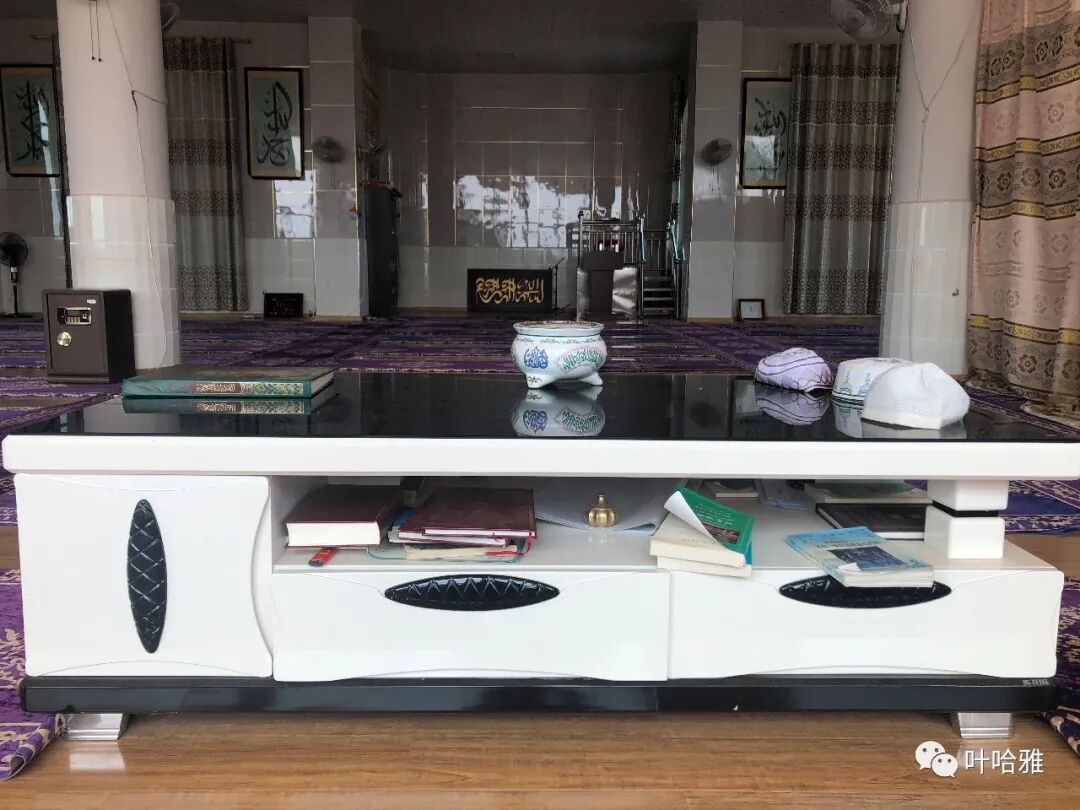
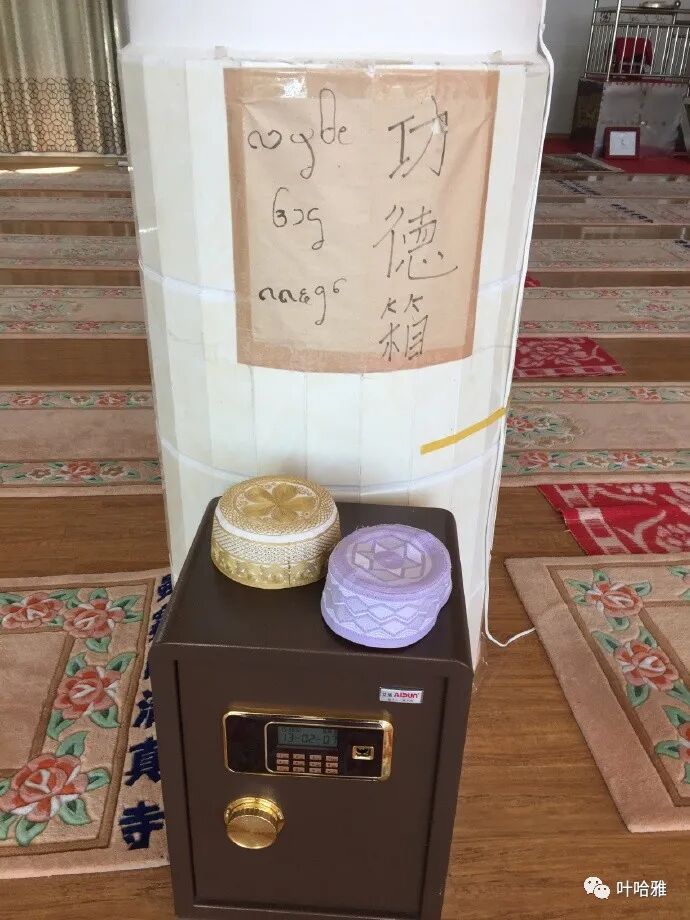
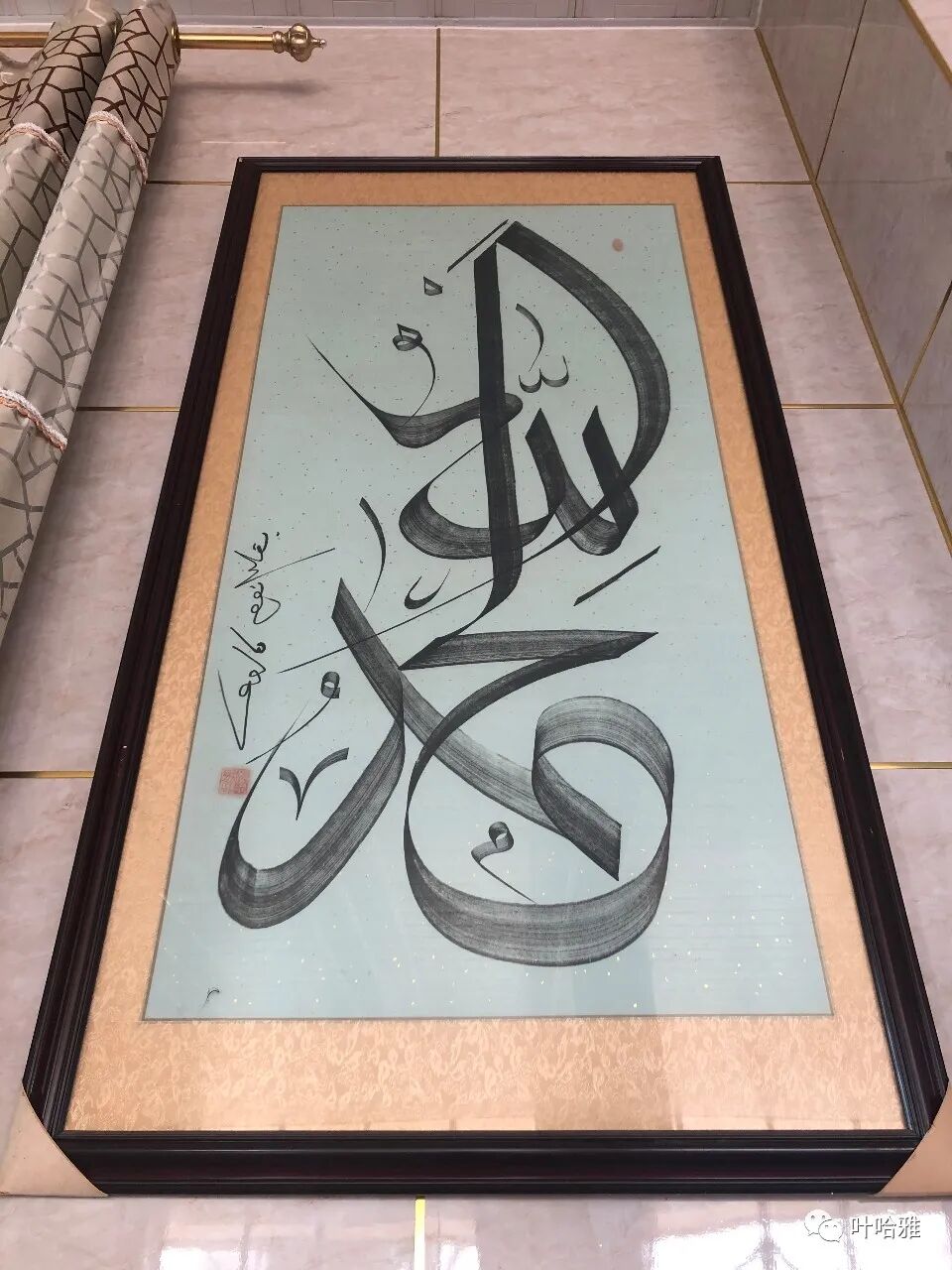
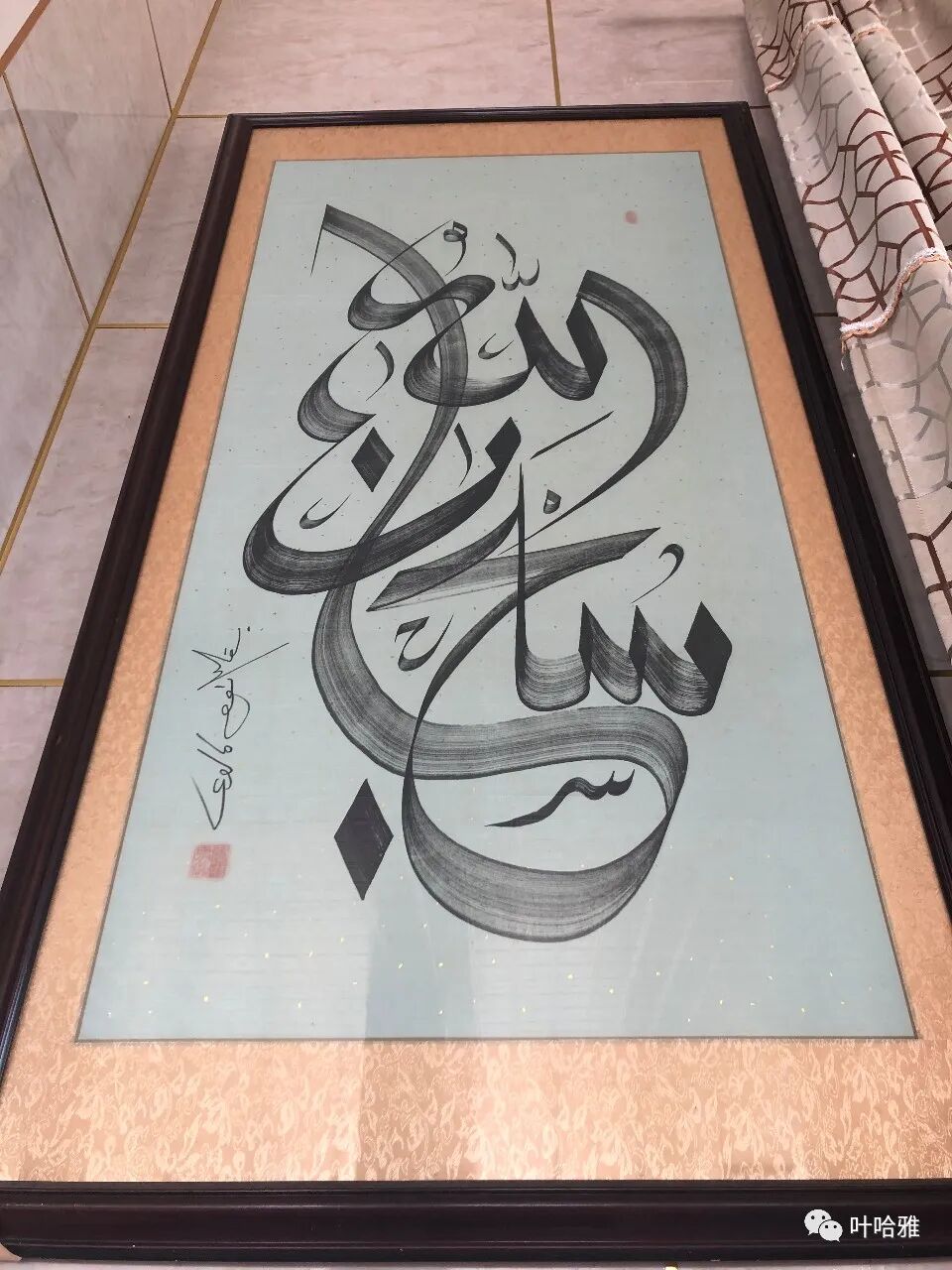
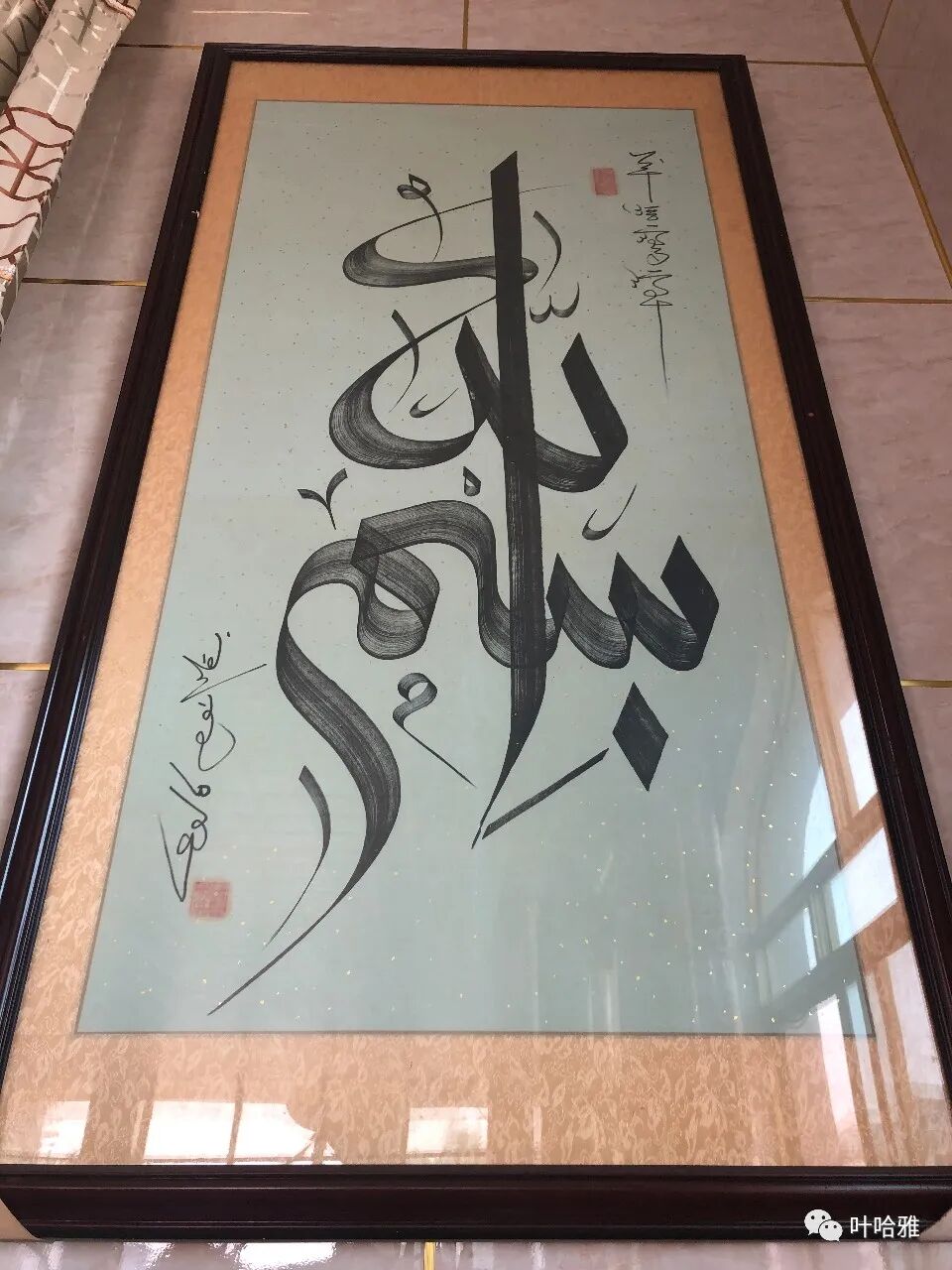
There is Dai script written next to the donation box.
After saying goodbye to Imam Guan and leaving Mansaihui, we arrived at the nearby Manluanhui. The history of Manluanhui is older than that of Mansaihui. The ancestors of the Hui-Dai people here were from the time of the Du Wenxiu Uprising in the Qing Dynasty. A Hui Muslim named Ma Wulong fled from Dali to Xishuangbanna for refuge. The Dai King accepted his request for asylum and let him settle in Manluan. In the Dai language, Manluan means a place overgrown with weeds.
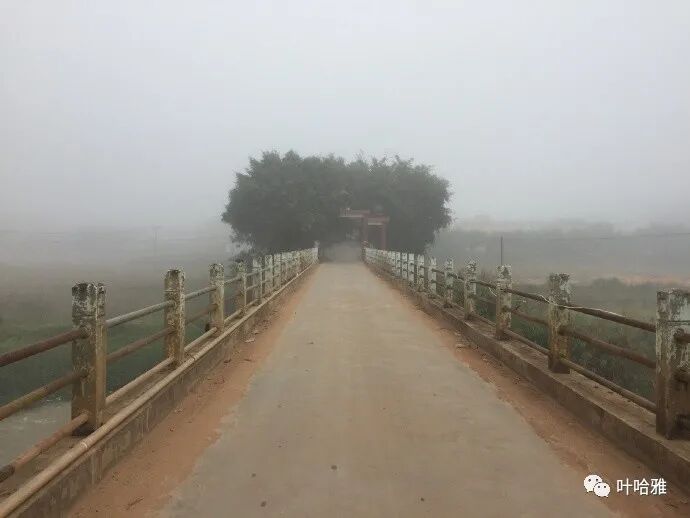
Boyaohehanmu Bridge
The local chieftain built a bridge in Manluan and handed it over to Ma Wulong to manage. Boyaohehanmu means golden bridge in the Dai language.
Ma Wulong married a local Dai girl. According to Dai tradition, a son-in-law who moves into his wife's family must change his name to "Yan," and if it is a woman, she must change her surname to "Yu." Ma Wulong had a son named "Yanhan."
The Dai people believe in Theravada Buddhism, which belongs to Hinayana Buddhism. It has a strict hierarchy divided into royalty, nobility, and commoners. Royalty has the surname "Zhao," nobility has the surname "Dao," and commoners have the surname "Yan."
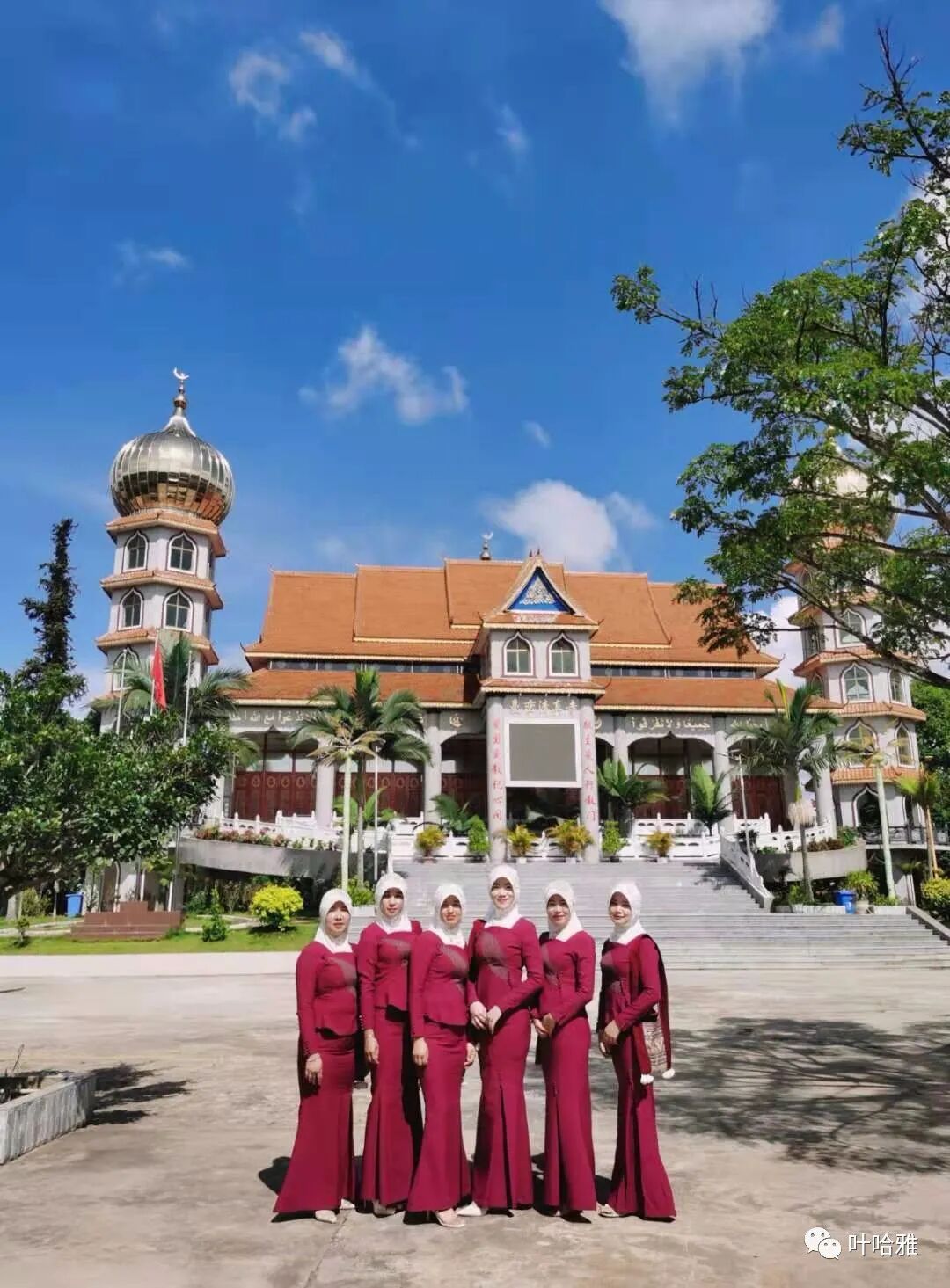
A photo provided by the landlady of Paxidai to see if the Hui-Dai girls are pretty.
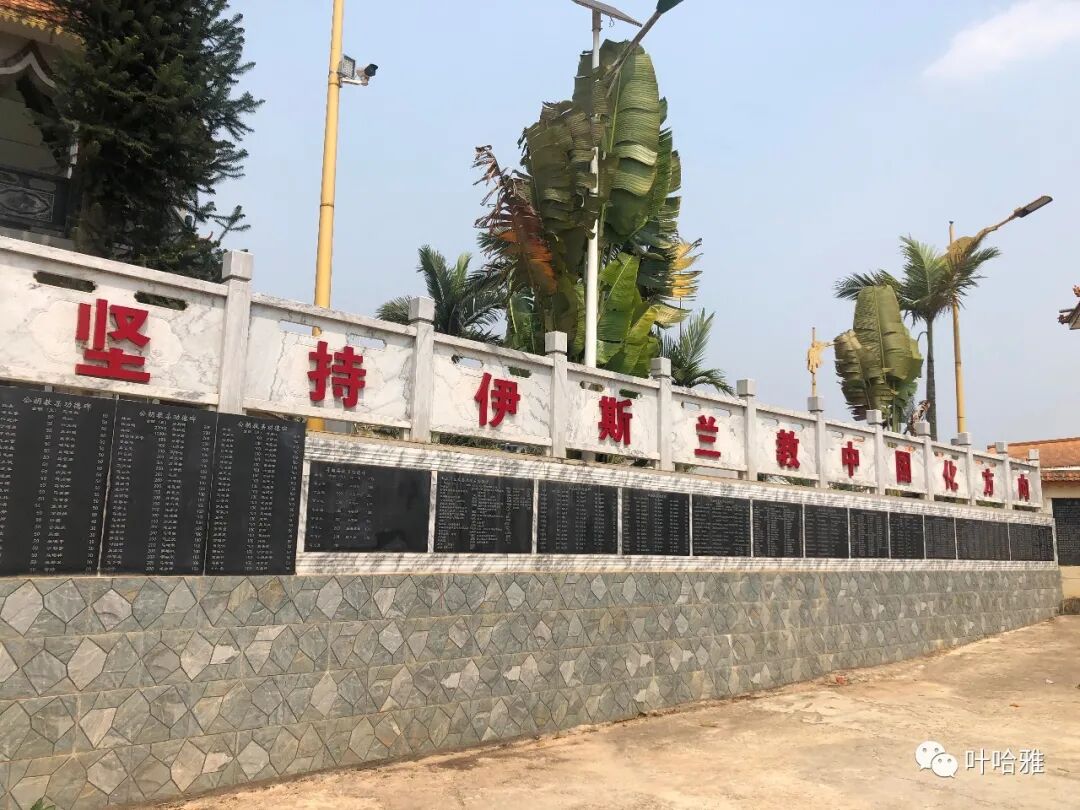
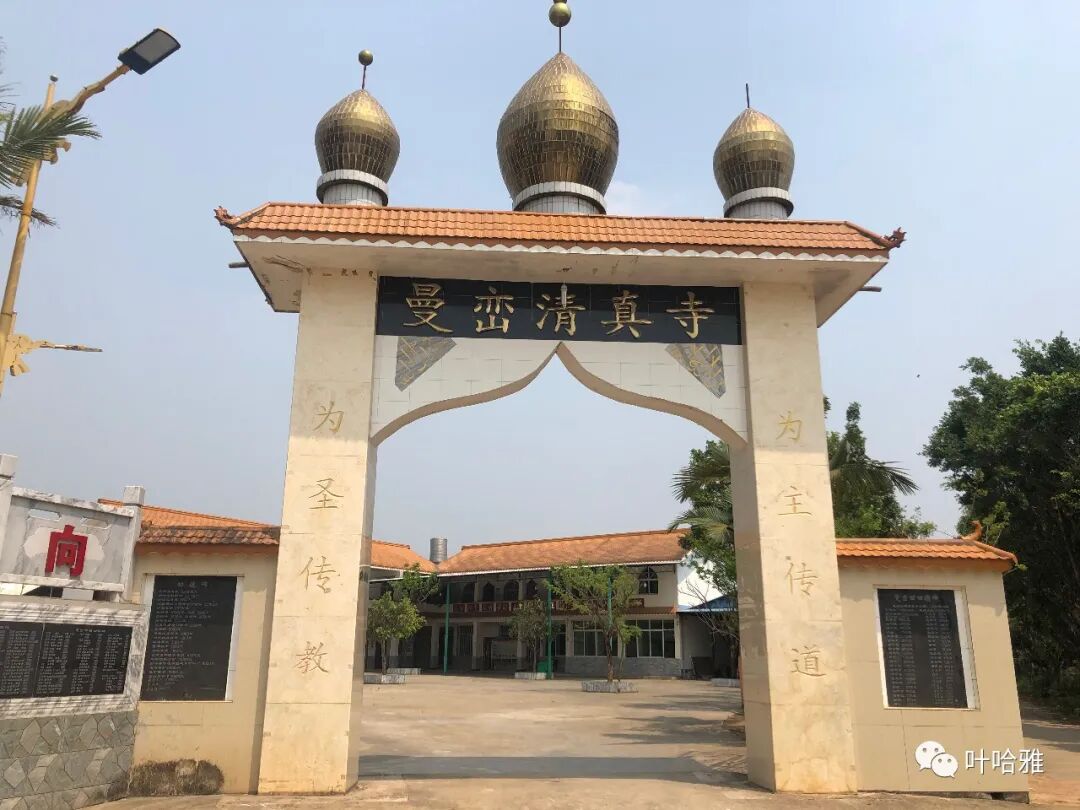
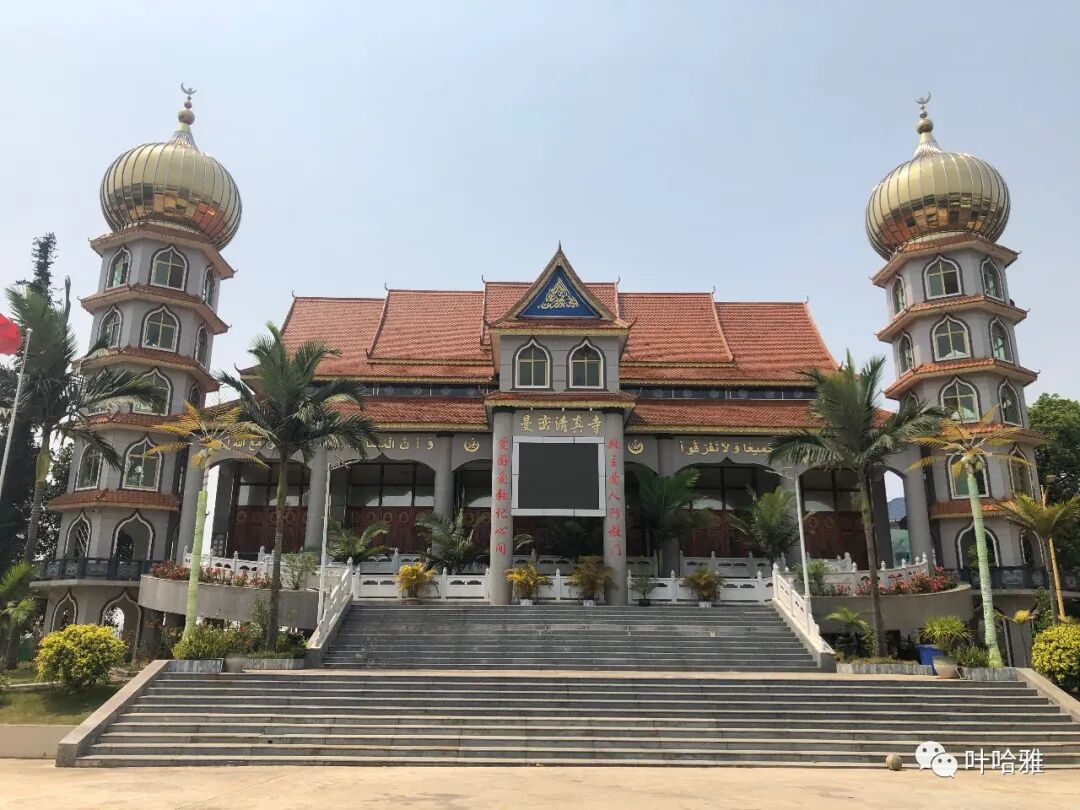
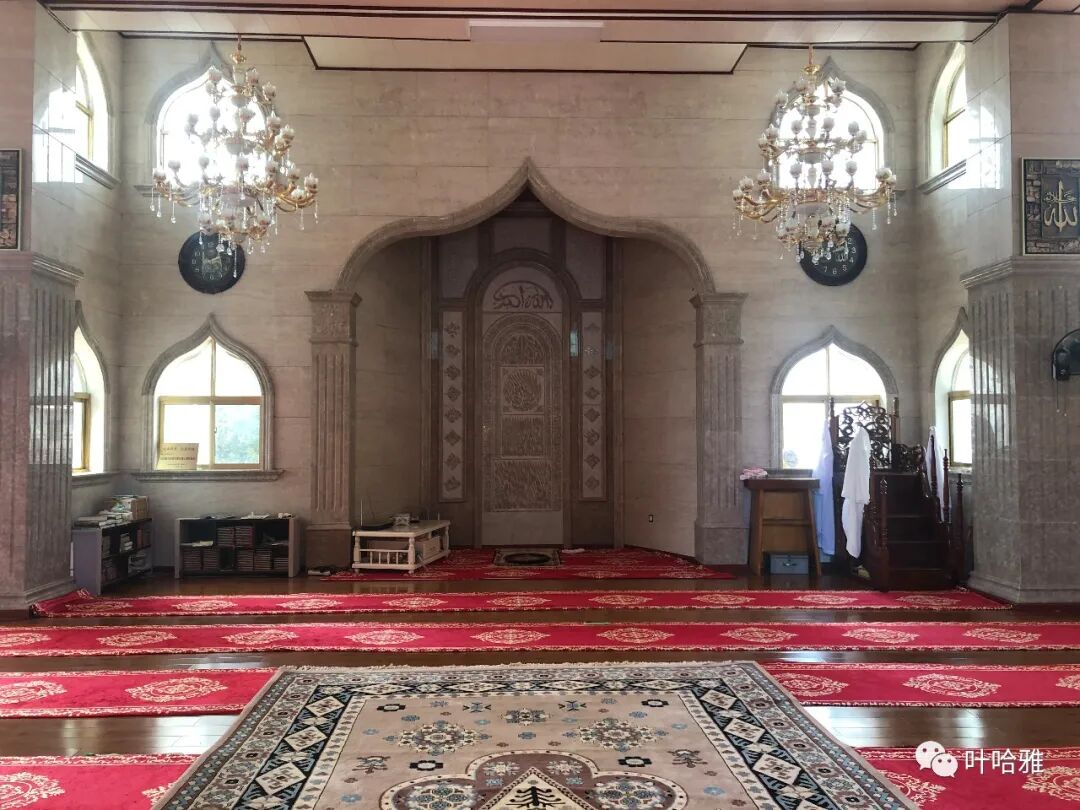
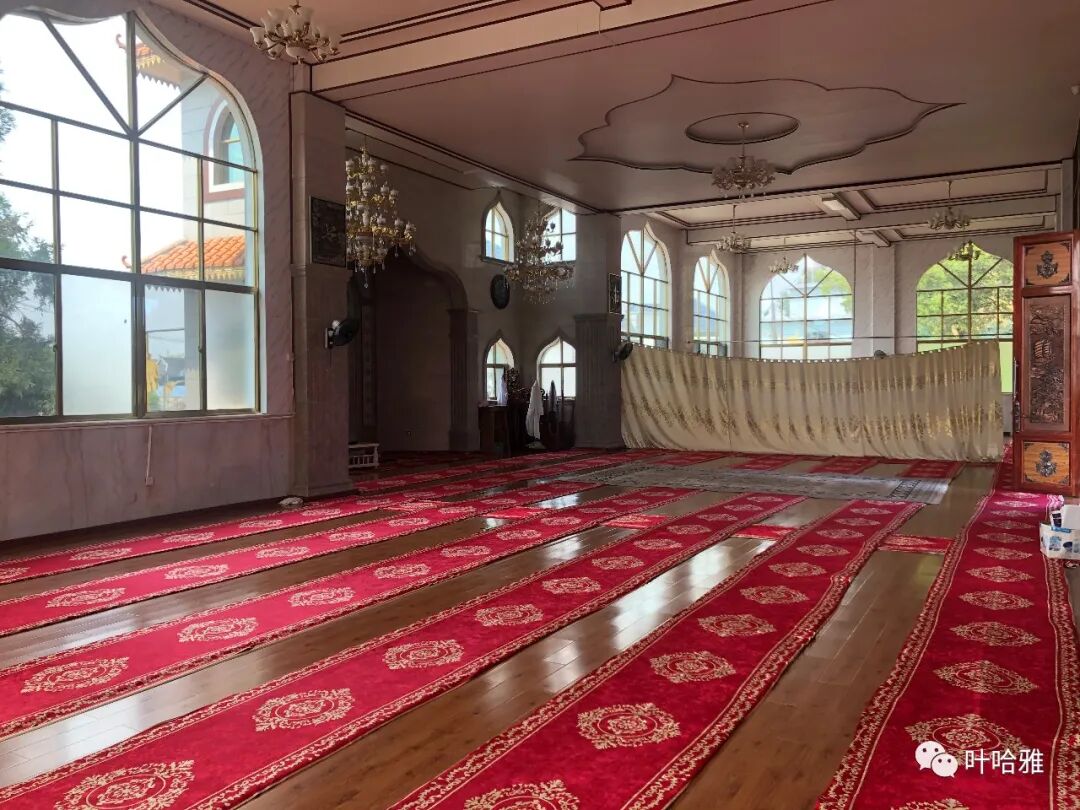
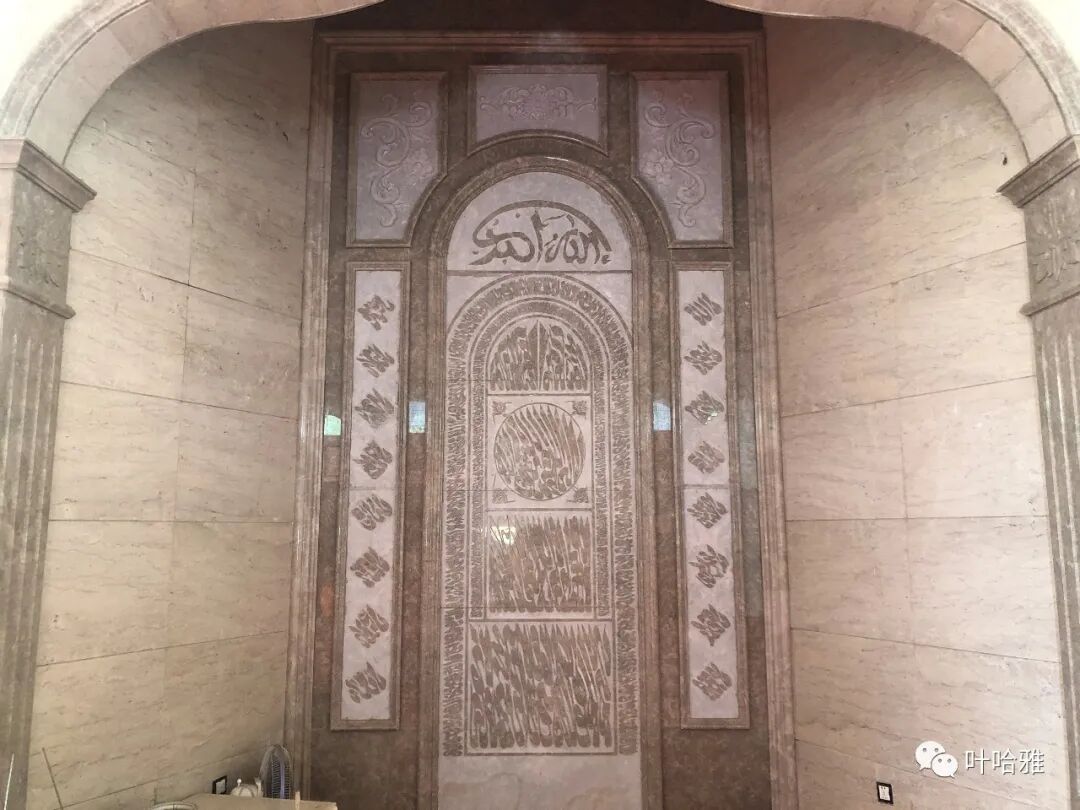
Main hall of Manluan Mosque
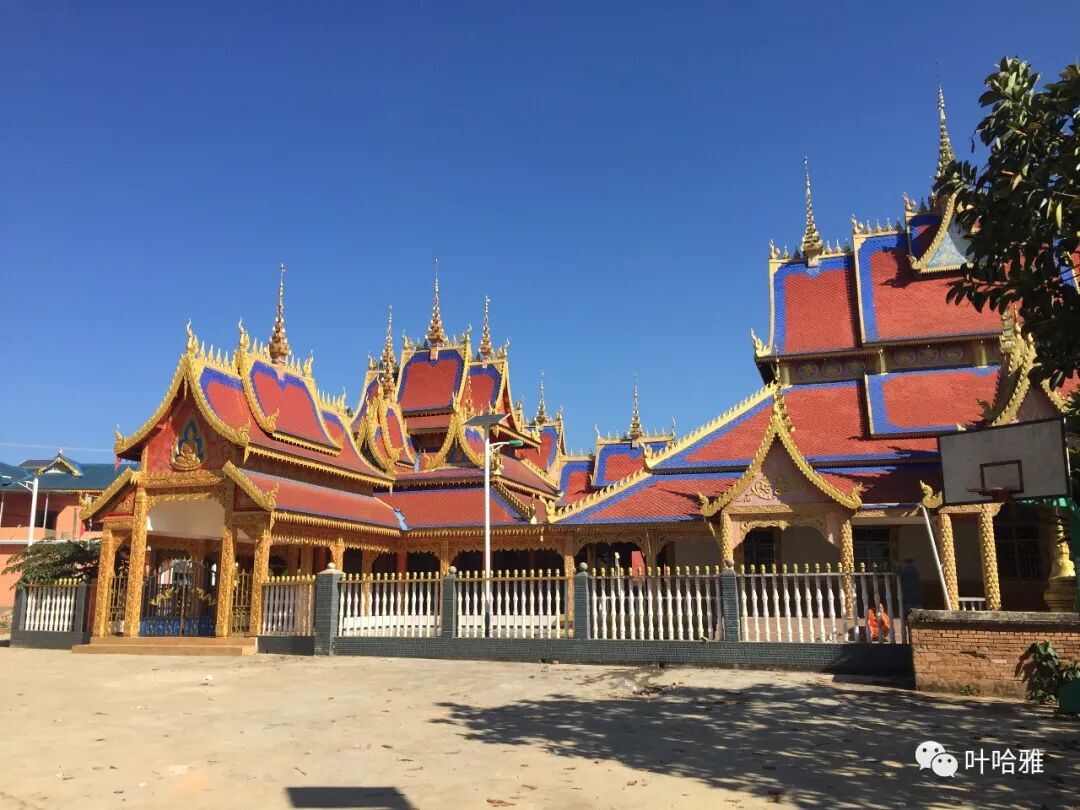
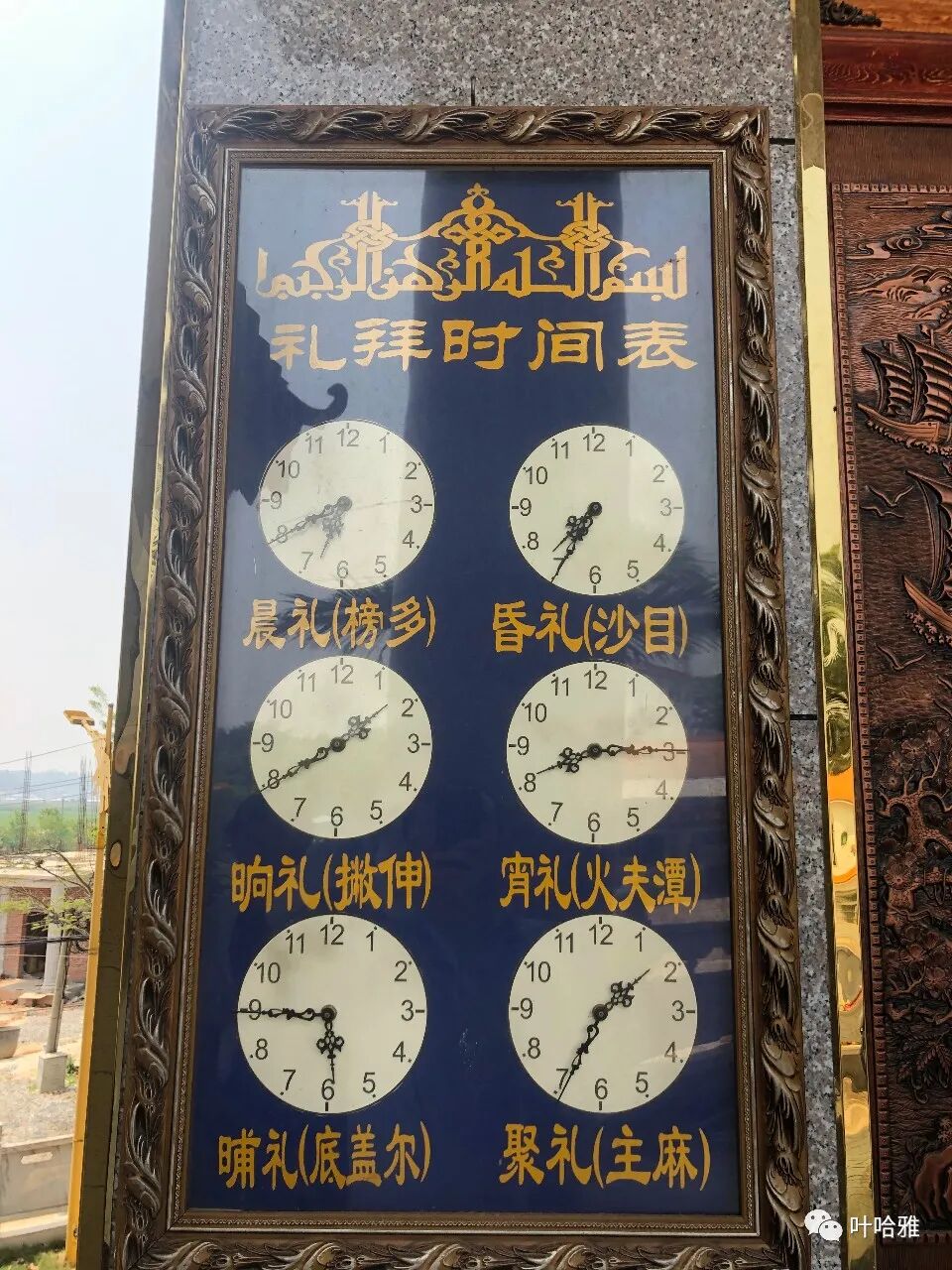
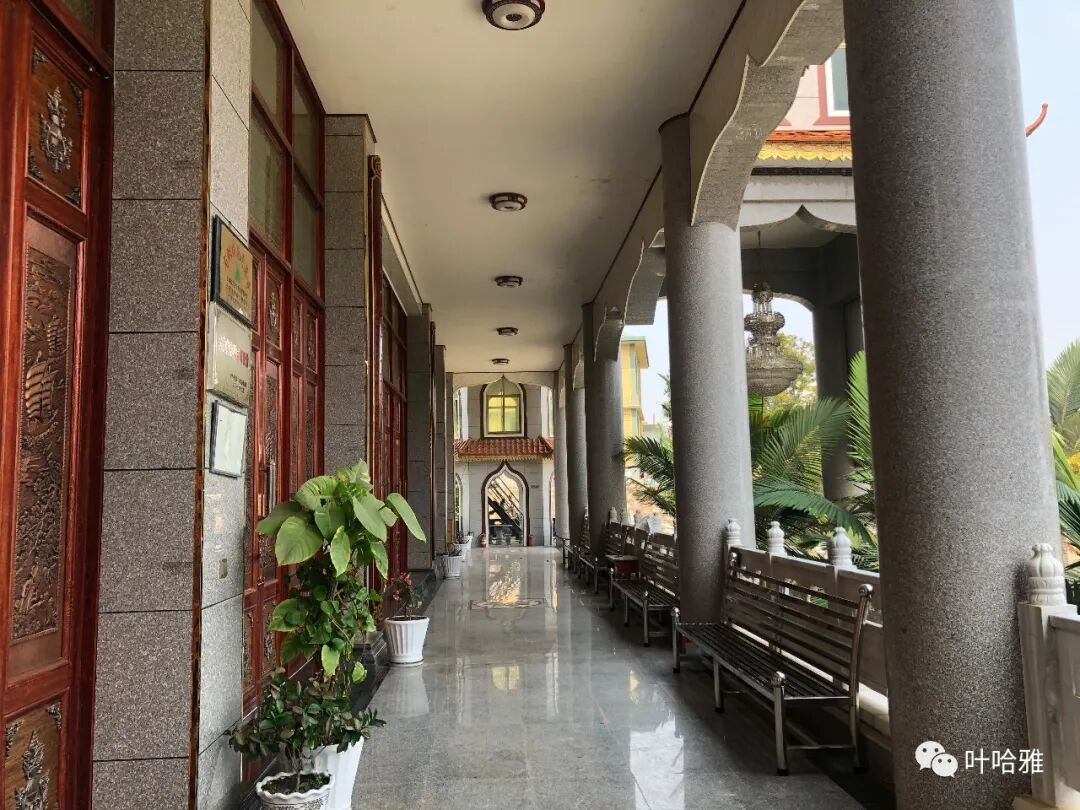
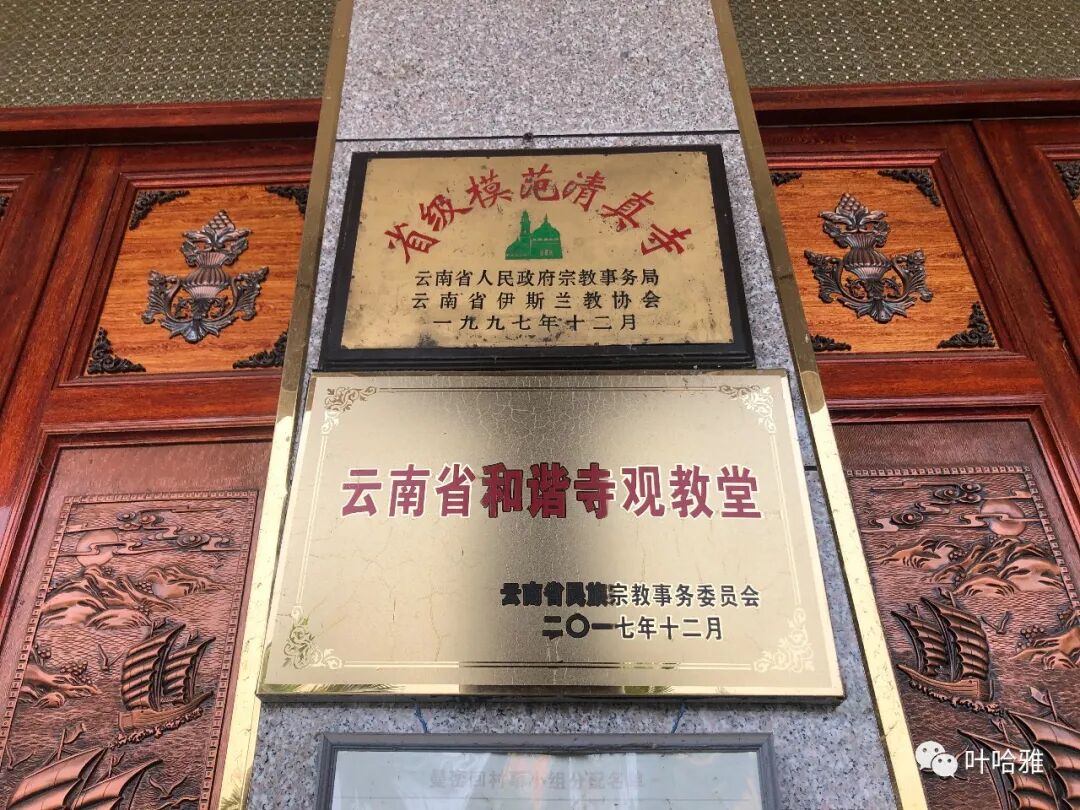
The new building of Manluan Mosque uses traditional Dai architectural style. It is magnificent and blends in with the local environment.
San Ge Farmhouse Restaurant
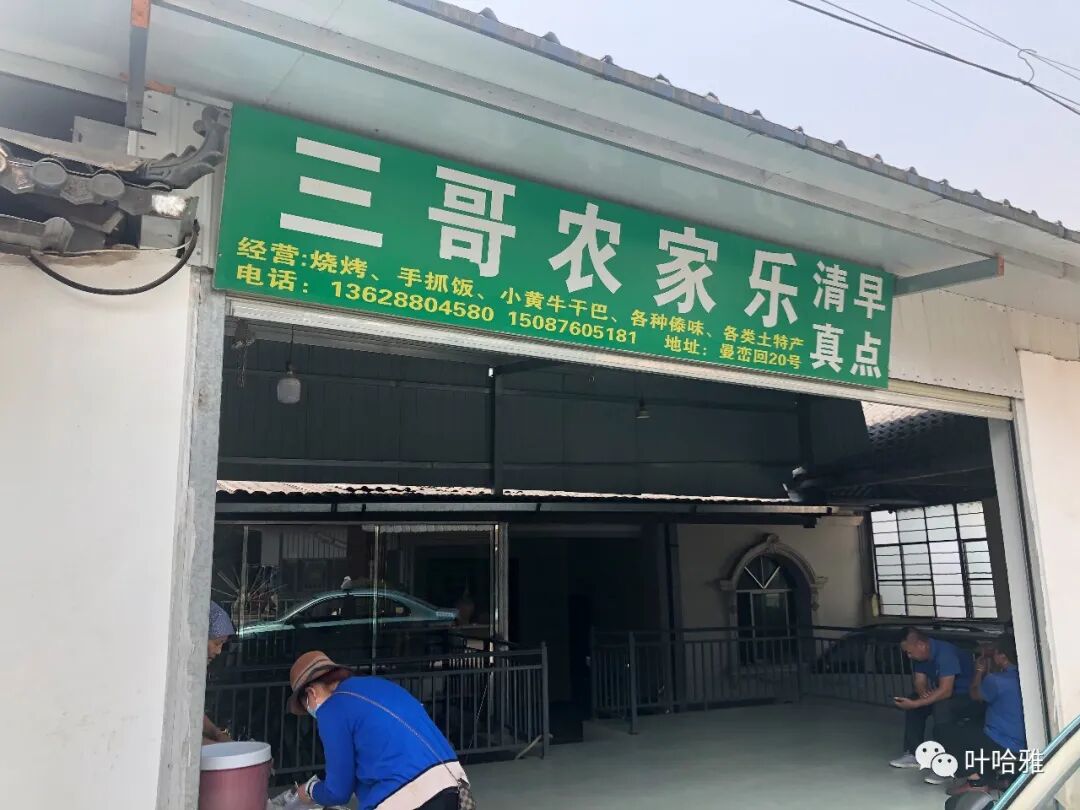
For lunch, we chose the San Ge Farmhouse Restaurant next to the mosque. The owner of this shop is the cousin of the Paxidai landlady. The cousin arranged two tables of local farmhouse dishes for us.
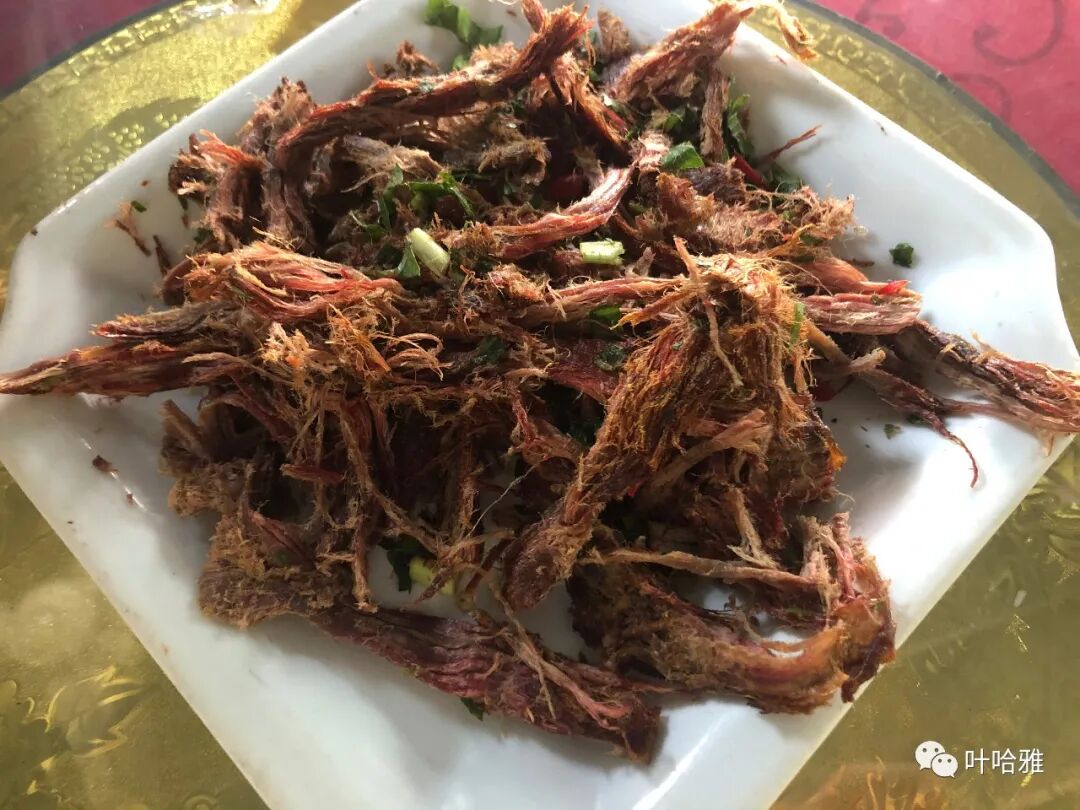
Hand-shredded small-hammered beef jerky (niuganba)
Beef jerky (niuganba) is a unique Hui Muslim food in Yunnan. There are many ways to make it. A common one is oil-fried beef jerky used for cooking. Another is the Banna-style small-hammered beef jerky, which is charcoal-grilled and can be eaten as a snack.
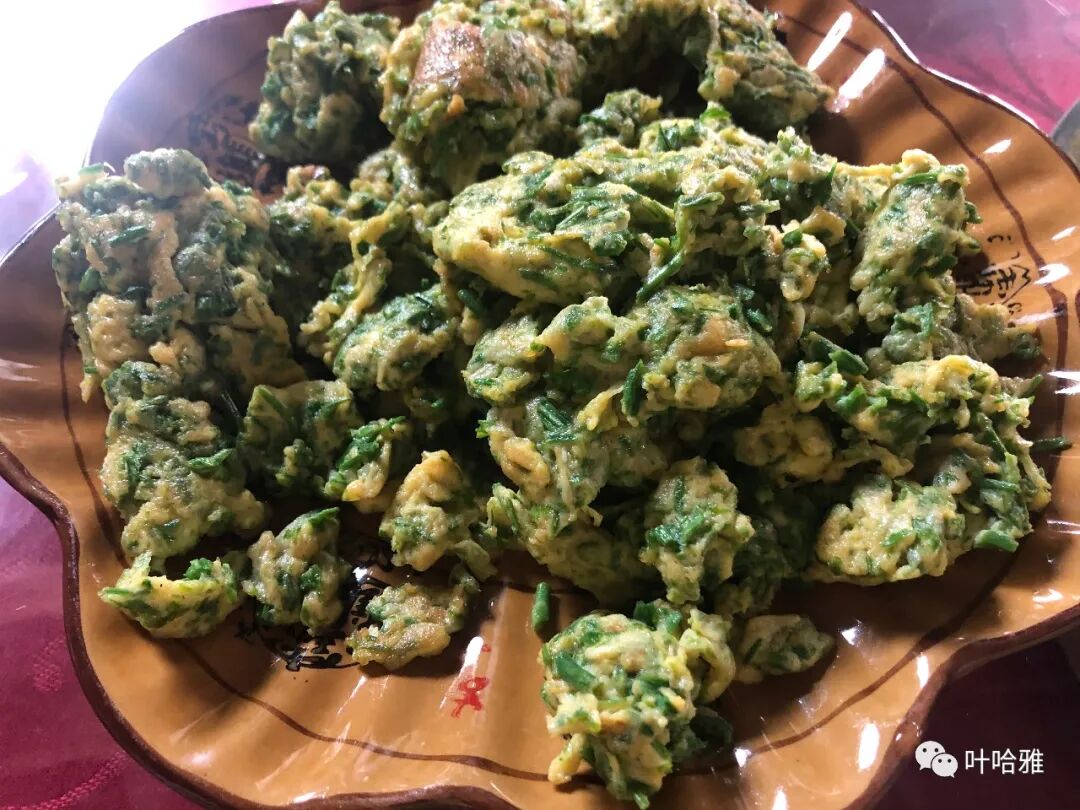
Scrambled eggs with toon buds
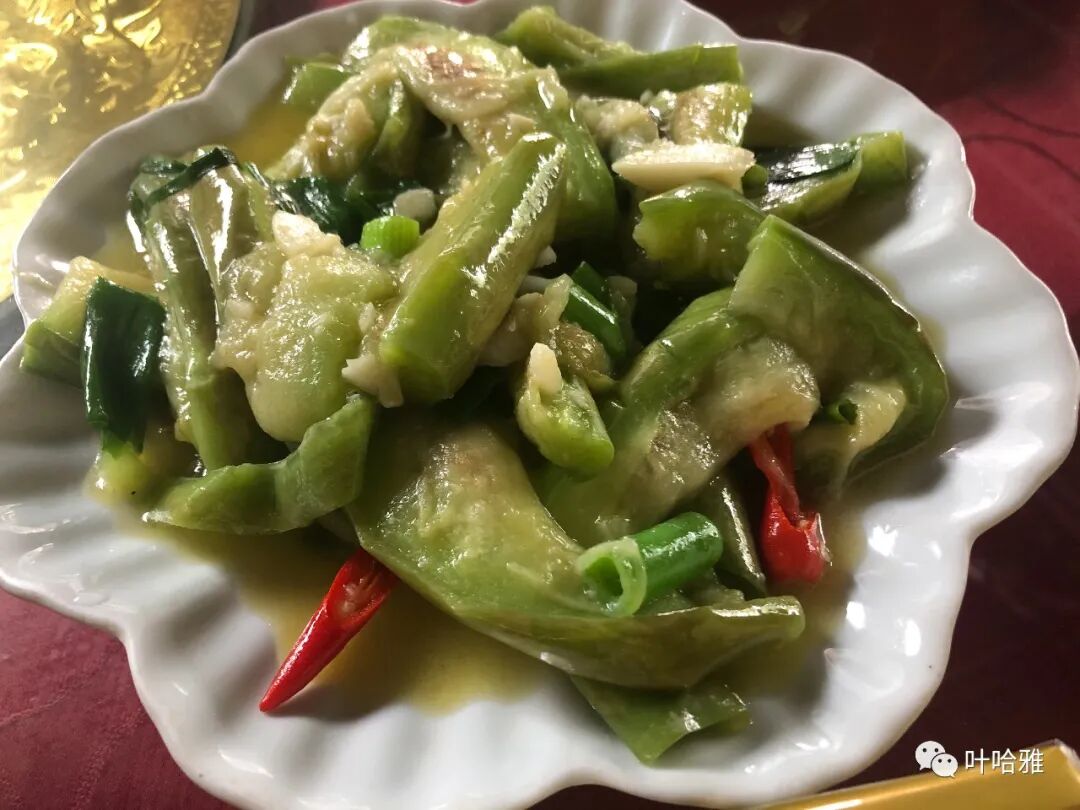
Sticky eggplant
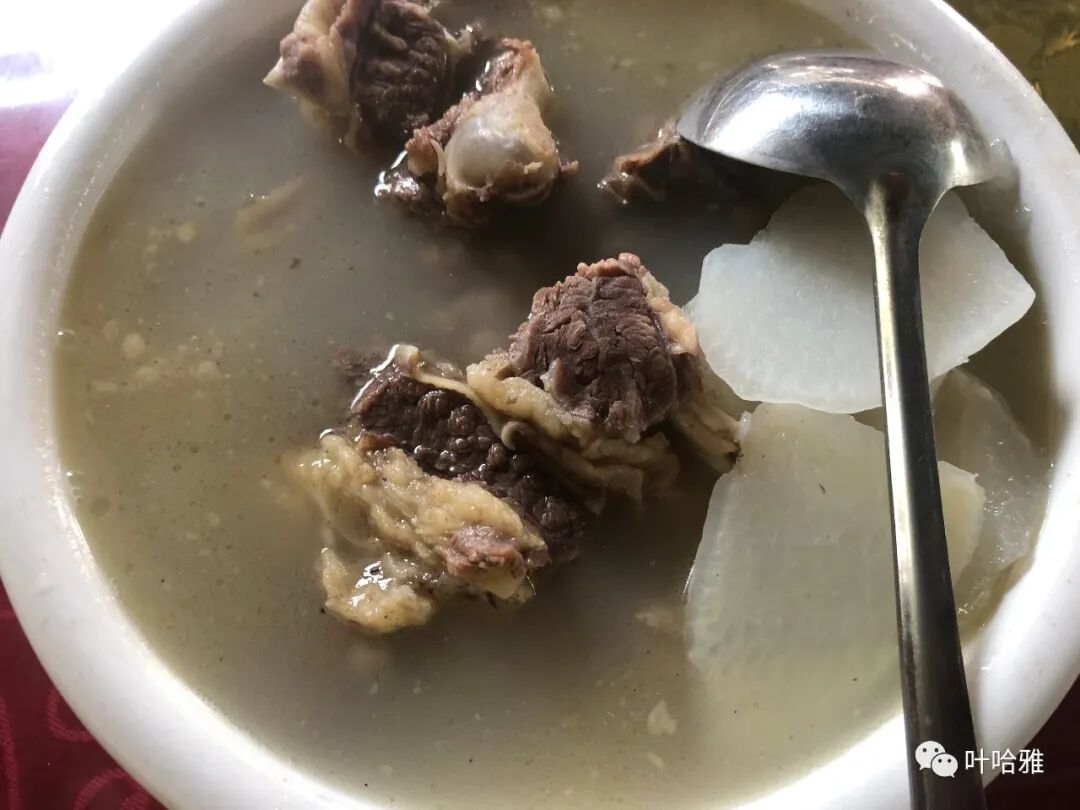
Beef steak stewed with radish
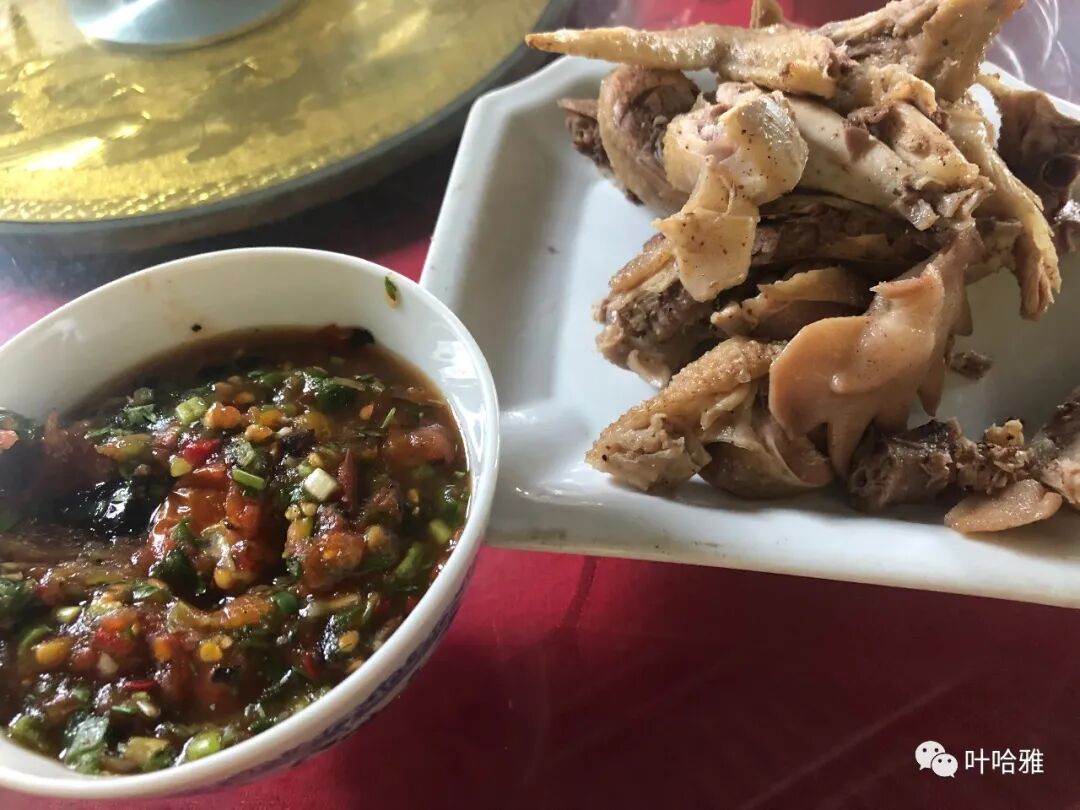
Hui-Dai white-palm chicken (baizhangji)
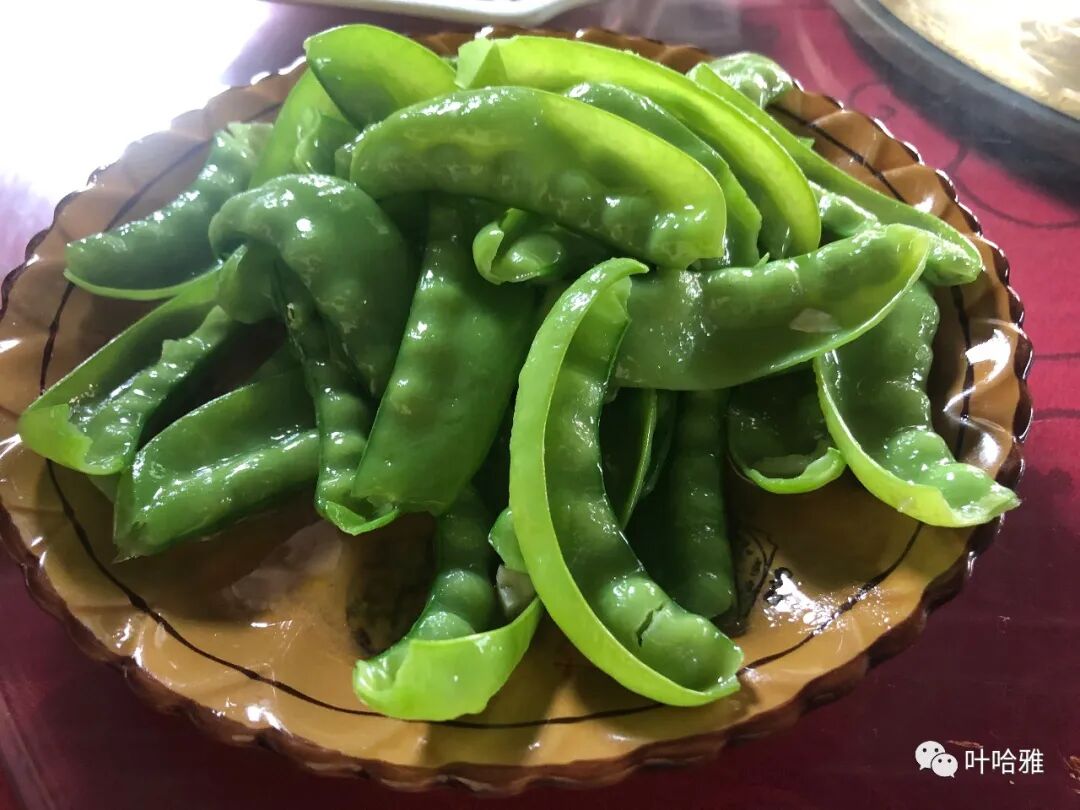
Stir-fried pea pods
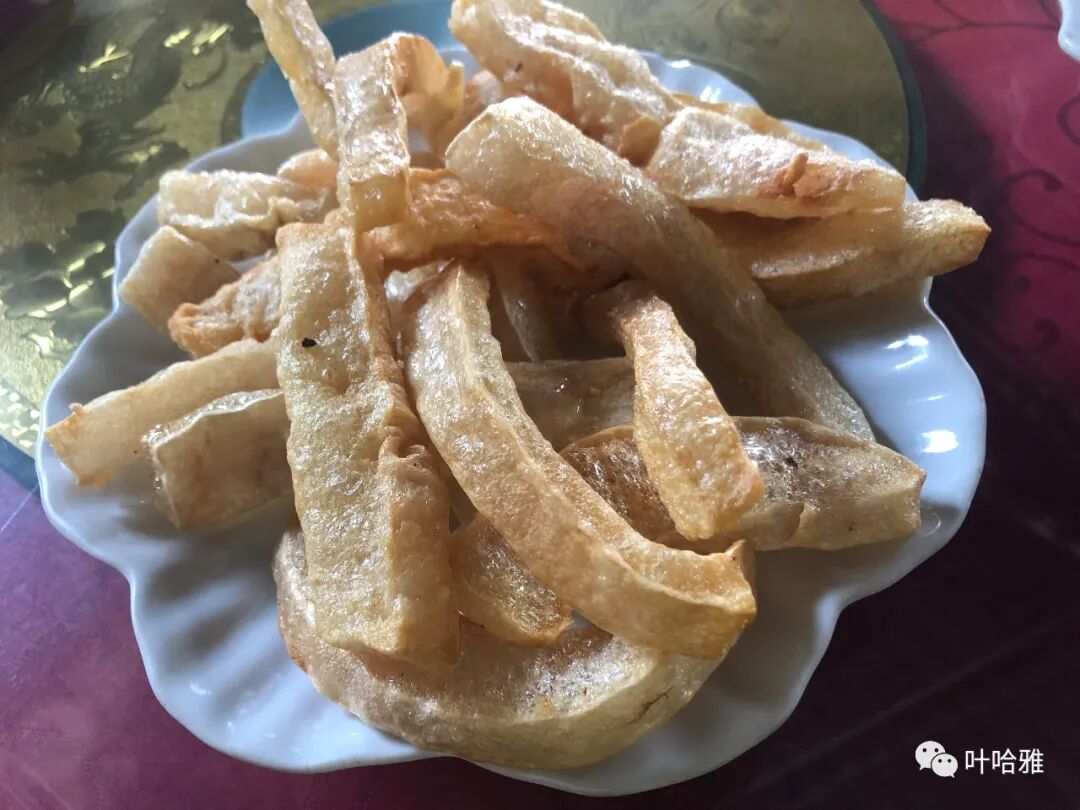
Deep-fried cow skin (zha niupi)
This dish is very popular. When it was served, we thought it was fried shrimp chips because it was so crispy. My friend from Banna said it was deep-fried cow skin (zha niupi). I was skeptical that it was actually made from cow skin, but the owner confirmed it.
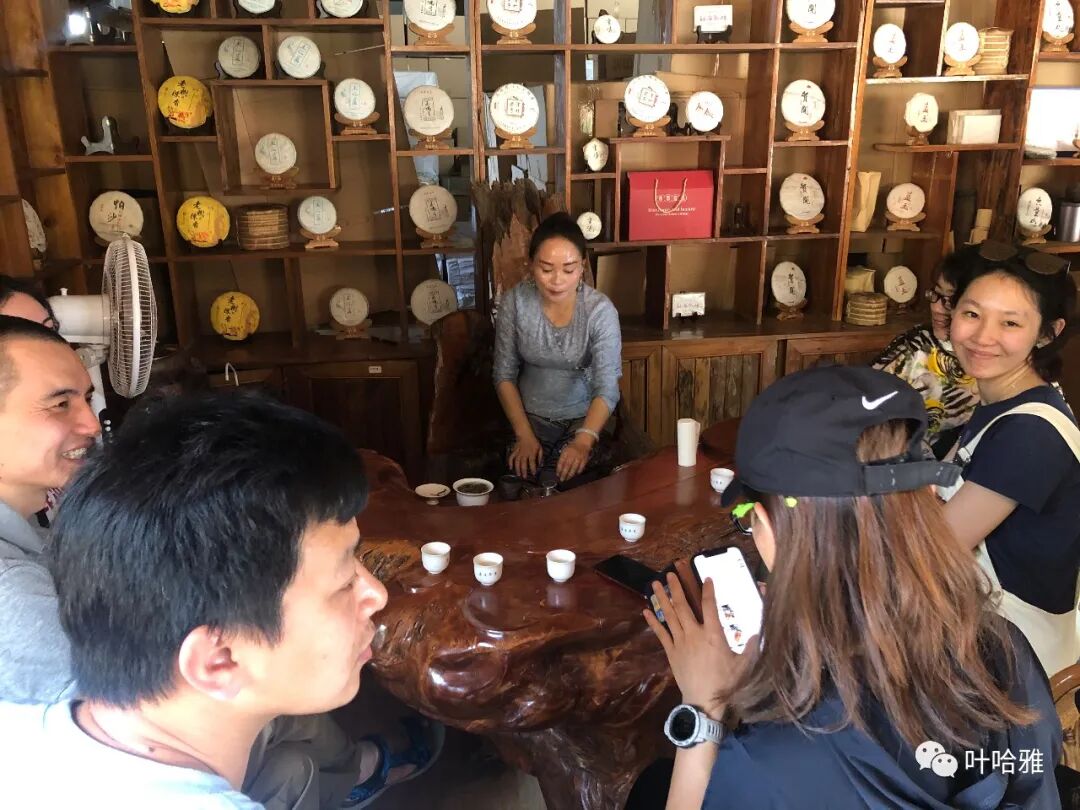
After the meal, we drank tea at my cousin's house. The tea was made that very day and still had a smoky scent. March is the peak season for tea, and the Hui Muslims in Mansaihe and Manluanhe mainly grow tea. The village was quiet that day because the young people were all out picking tea.
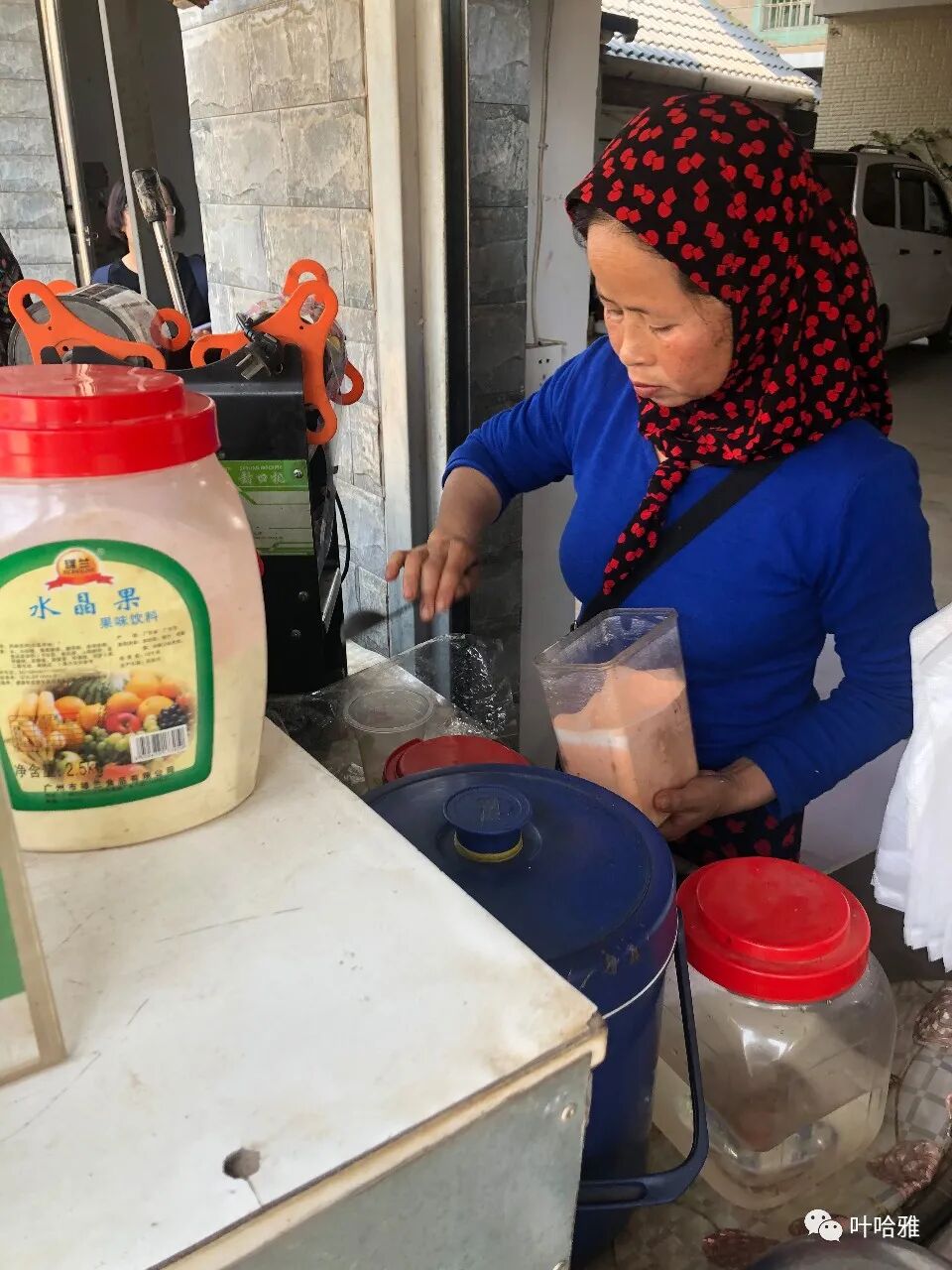
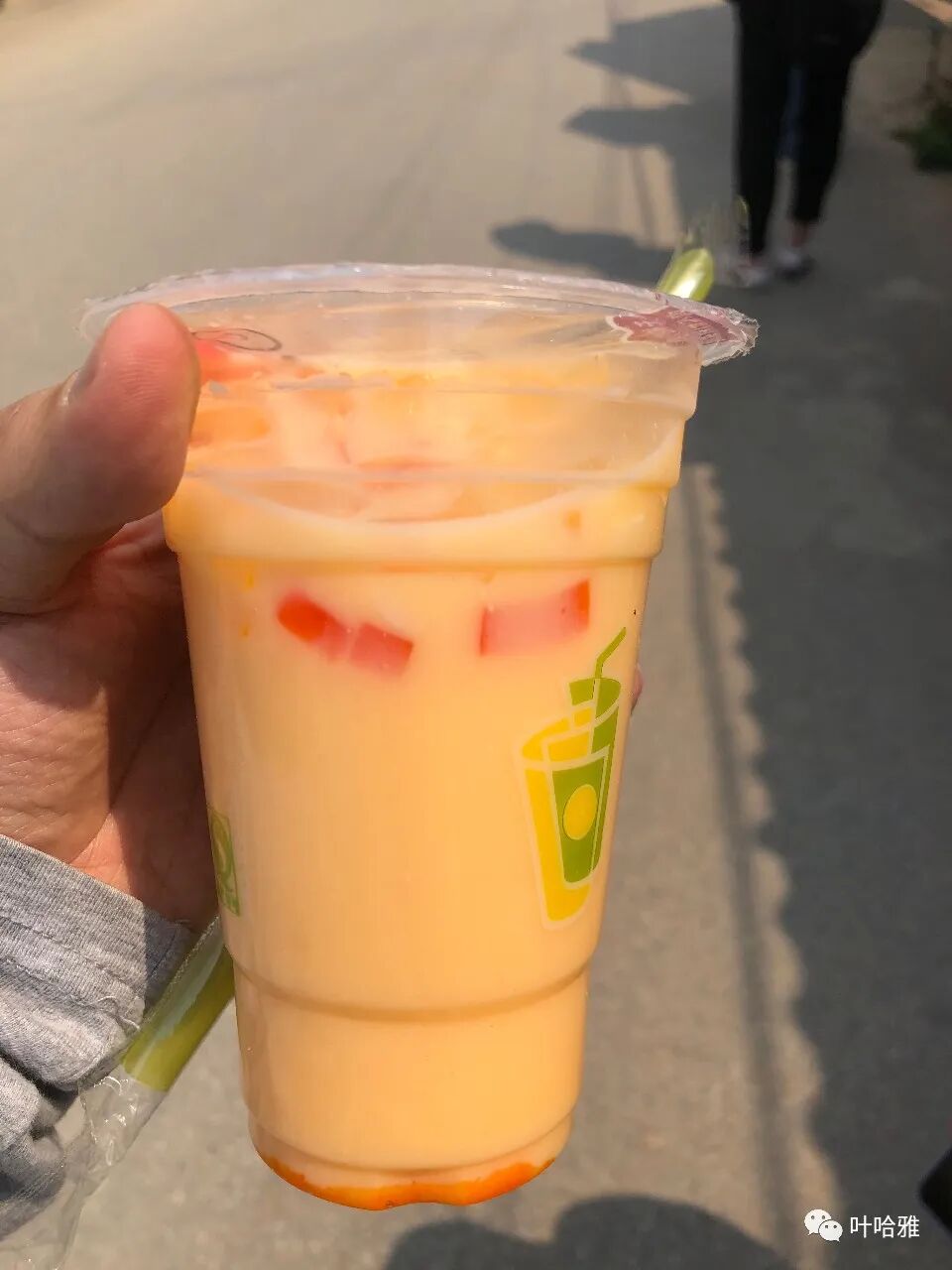
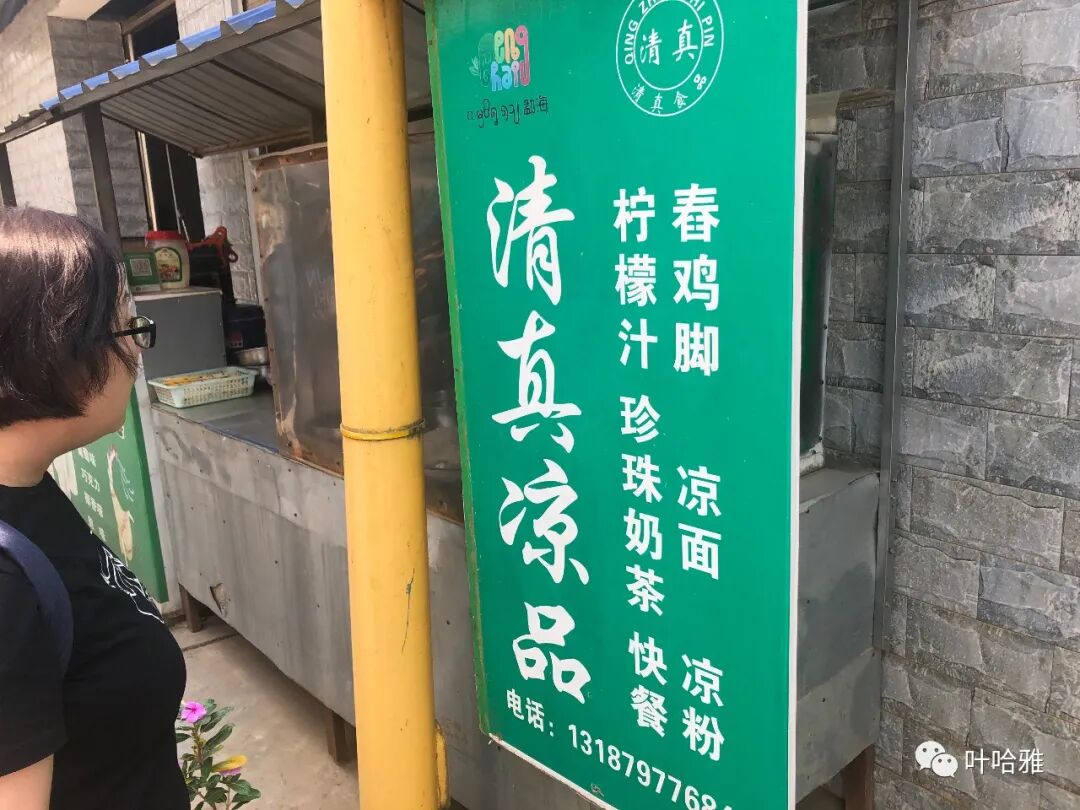
While wandering around the village, I bought a cup of milk tea. It was sweet, tangy, and delicious.
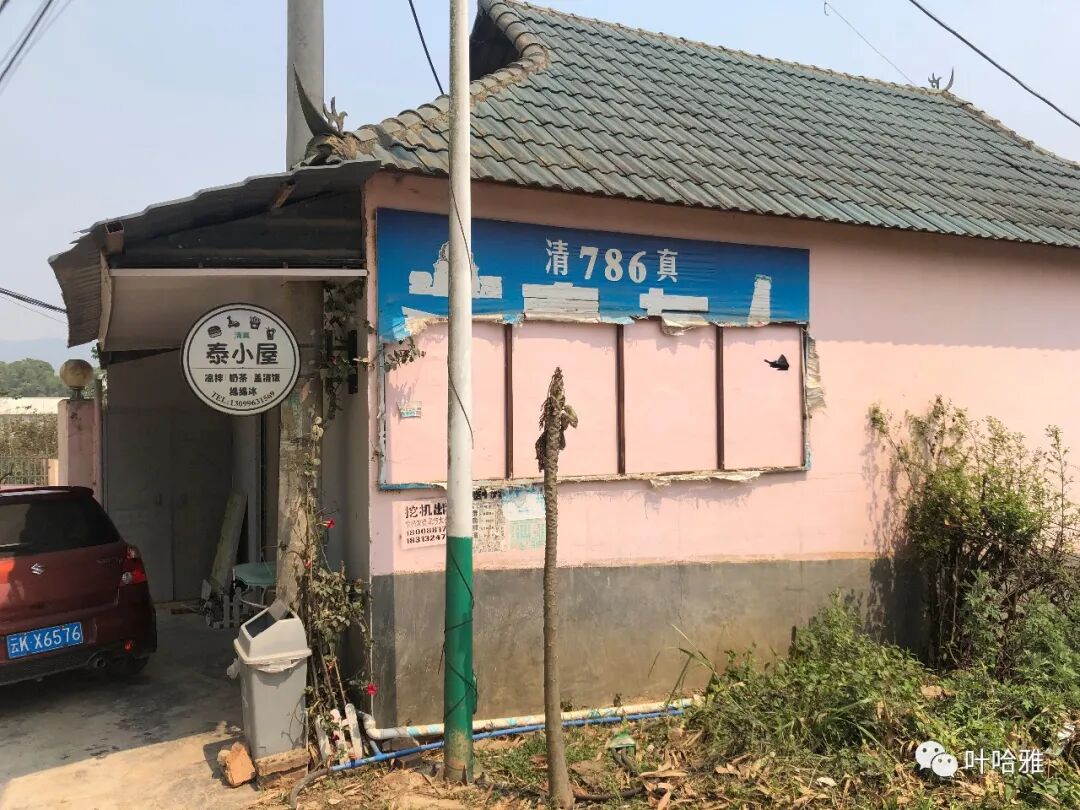
Thai Cottage Milk Tea Shop (Tai Xiaowu Naicha Dian)
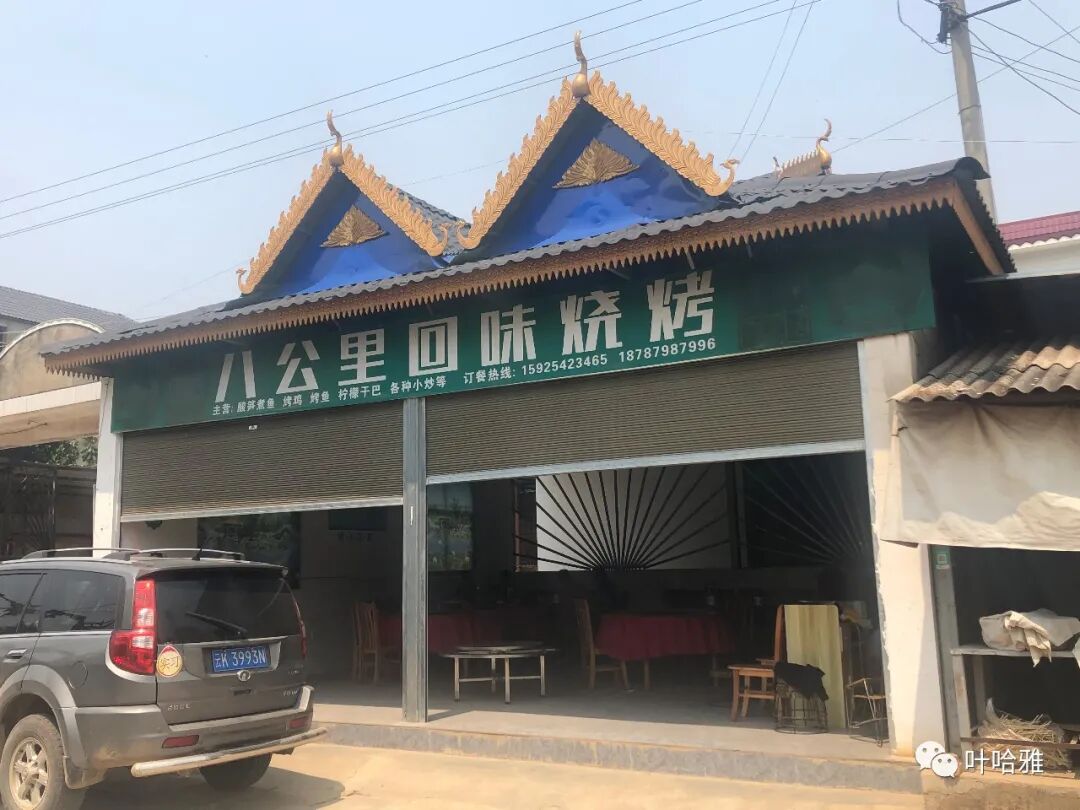
There are many halal restaurants in the village, all along the main road. If you want to eat, come to Manluanhe.
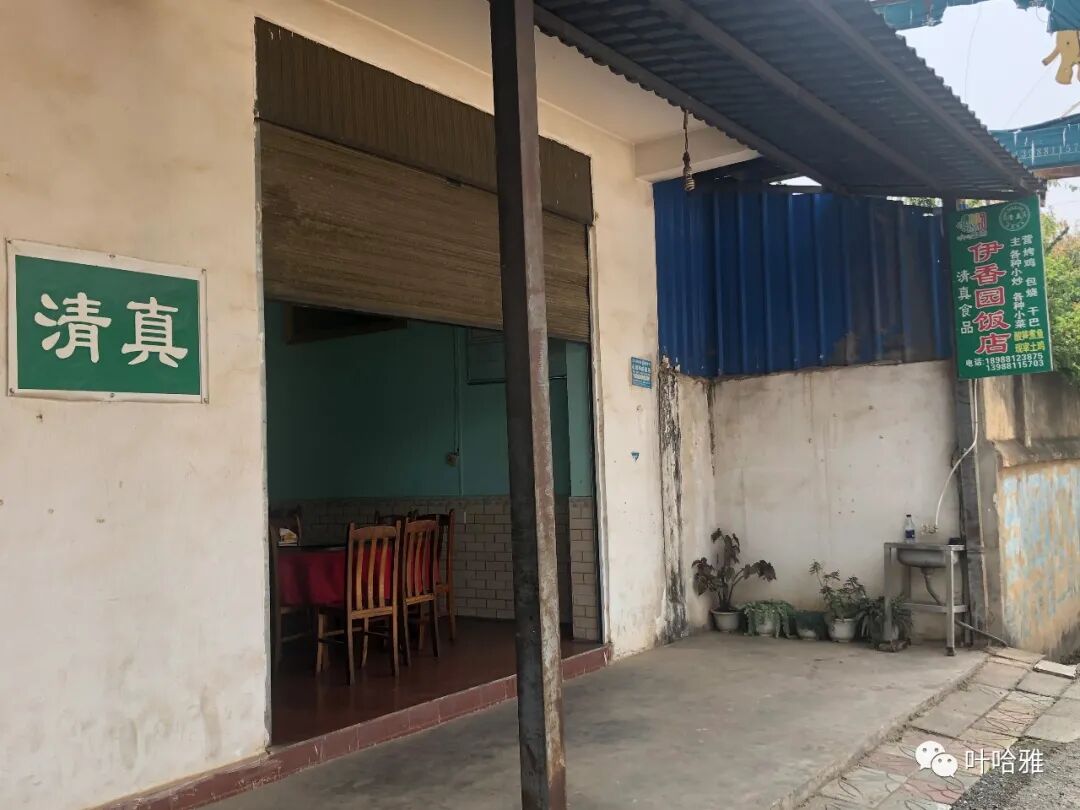
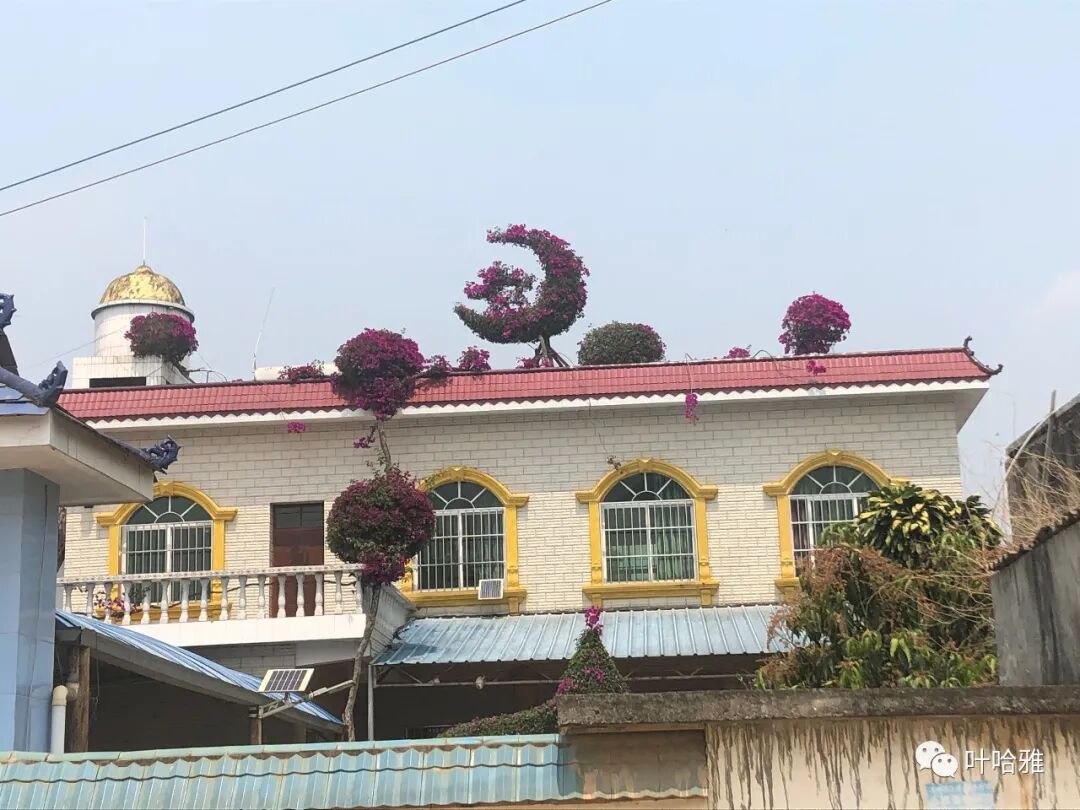
I saw flowers and plants on a house planted in the shape of a star and crescent. I took the opportunity to tell my colleagues about the origin of the star and crescent symbol and some history of the Ottoman Empire.
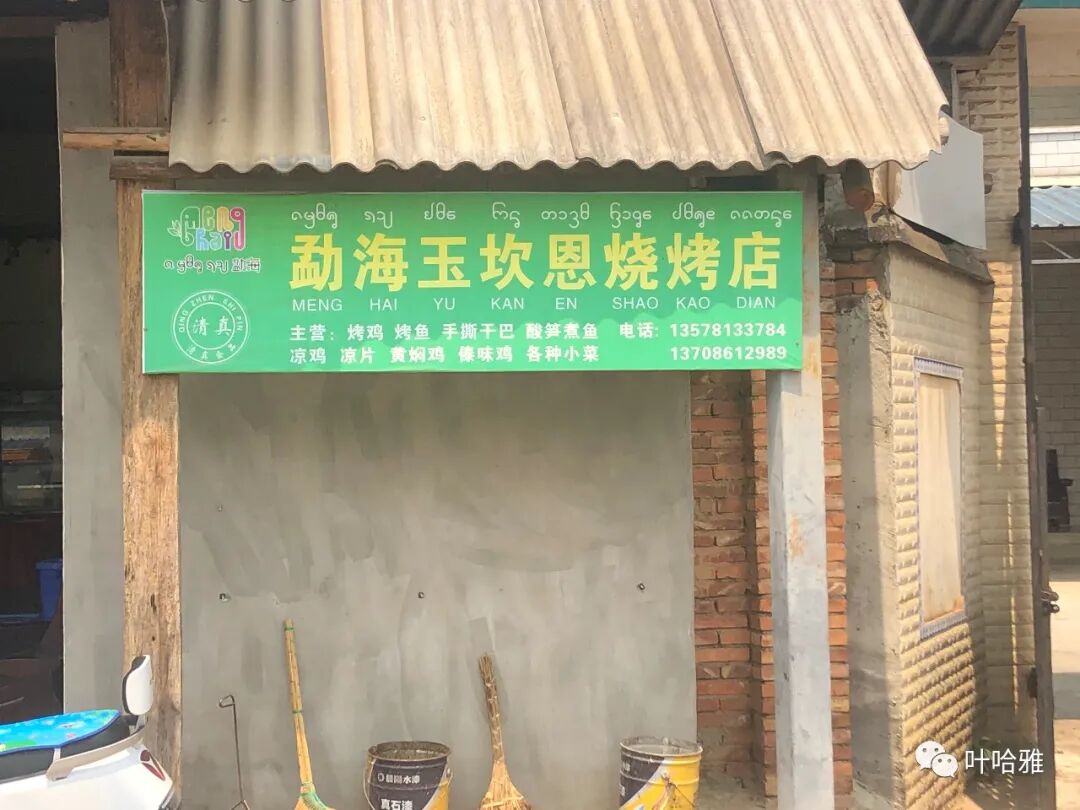
A halal barbecue shop in the village with signs in both Dai and Chinese.
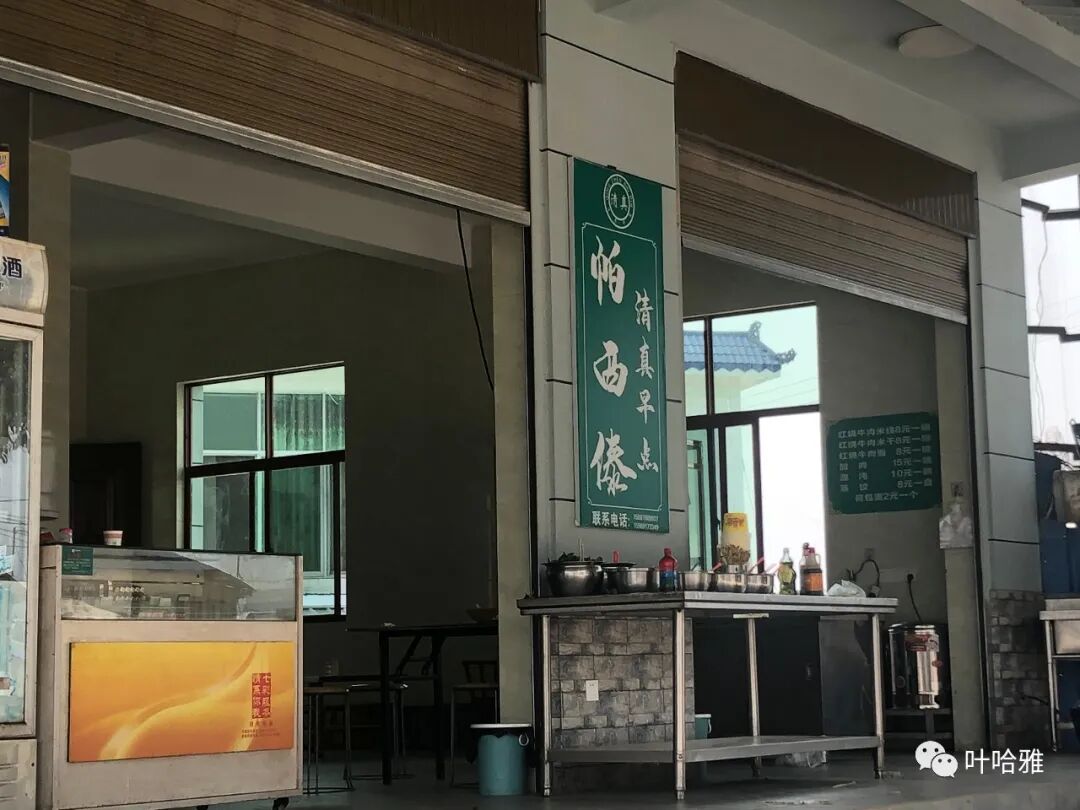
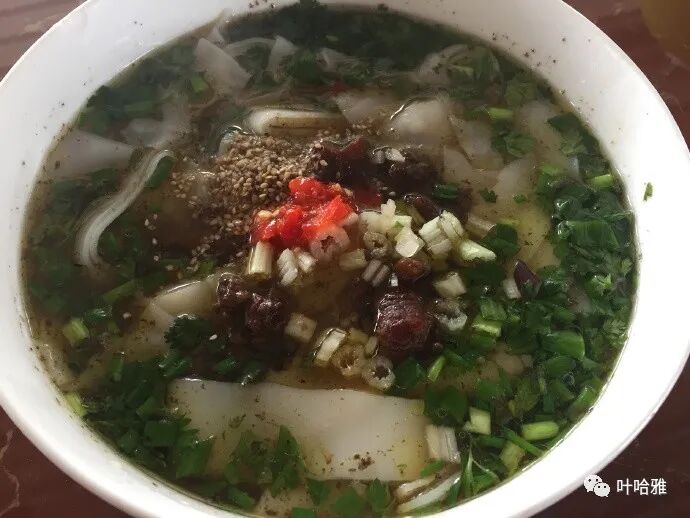
Beef rice noodles (niurou migan)
A specialty breakfast in Paxidai is rice noodles (migan). Rice noodles (migan) and rice vermicelli (mixian) are the same thing, just in different shapes; rice noodles (migan) are flat and wide.
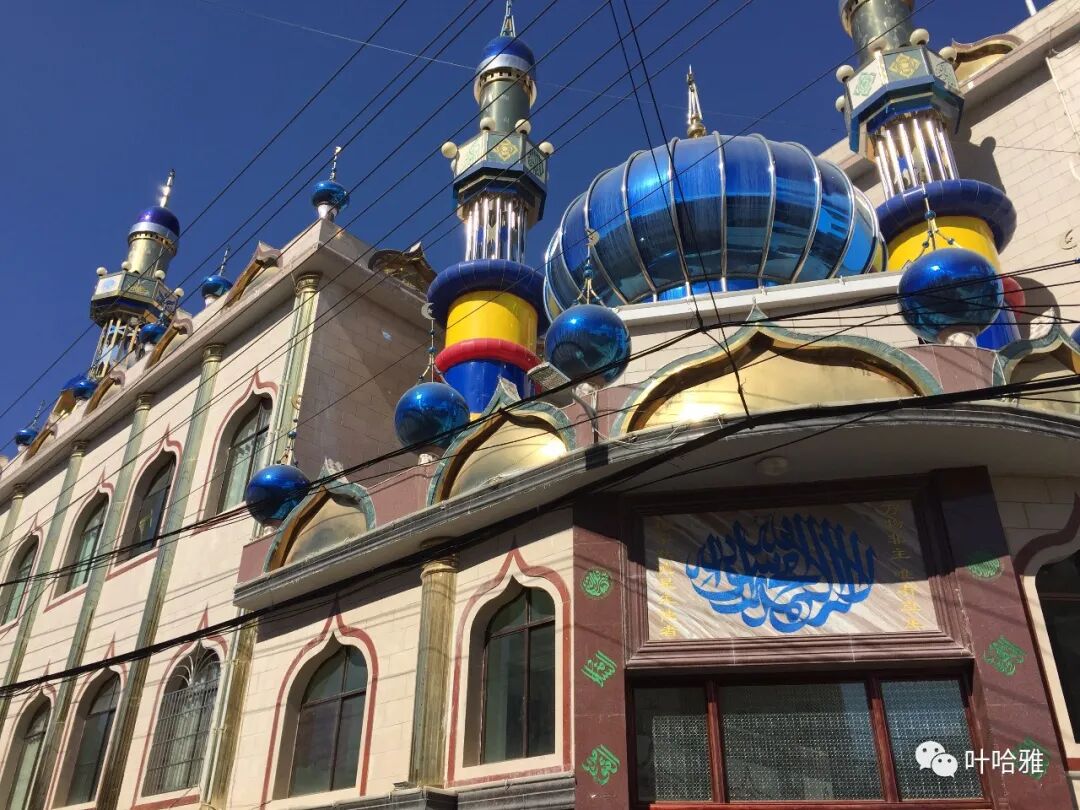
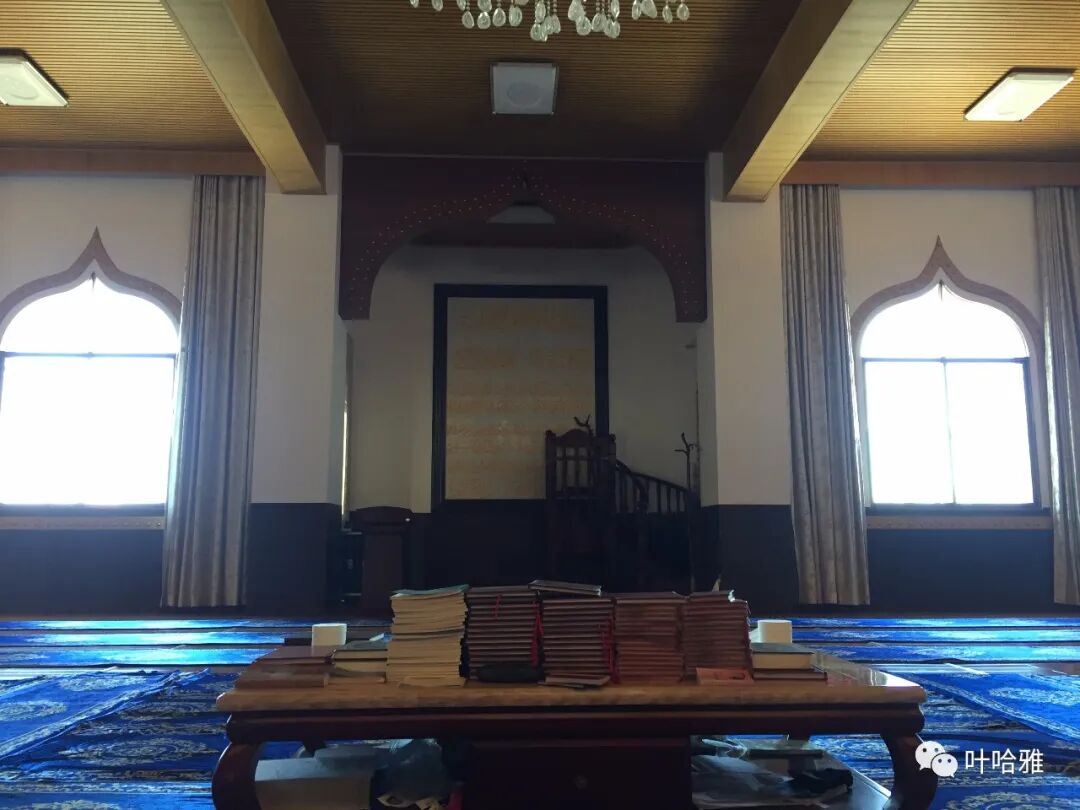
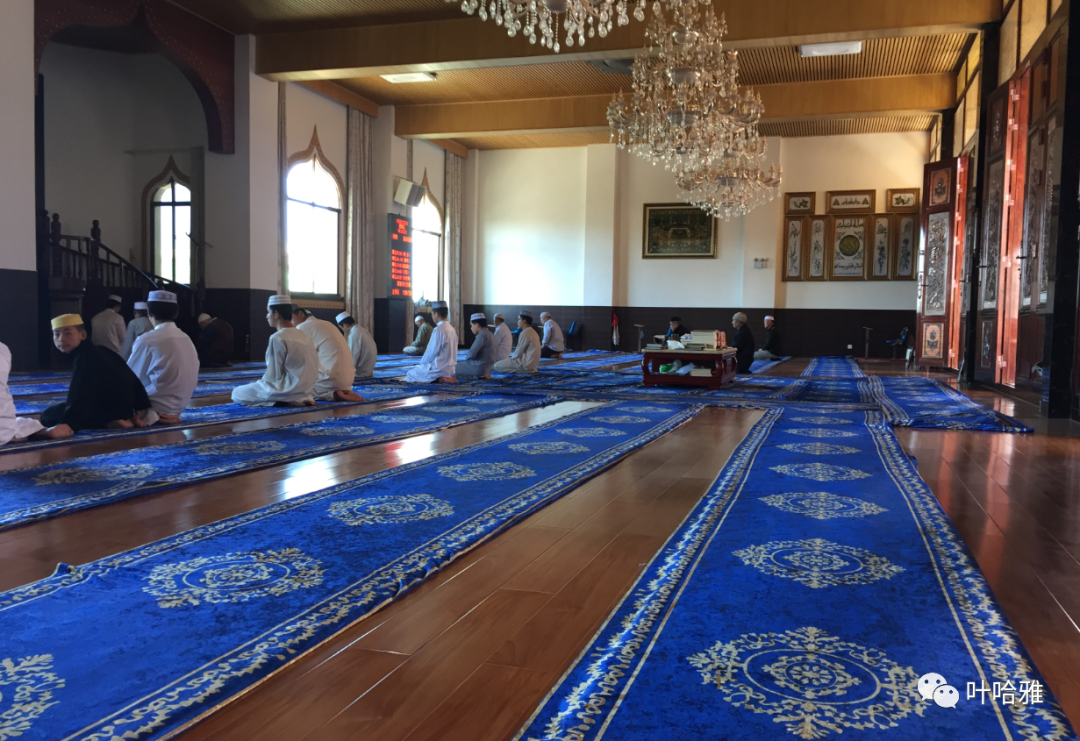
Menghai Mosque
After leaving Manluanhe, you can go to Menghai County to catch a bus back to Jinghong. You can visit the Menghai Mosque on the old street.
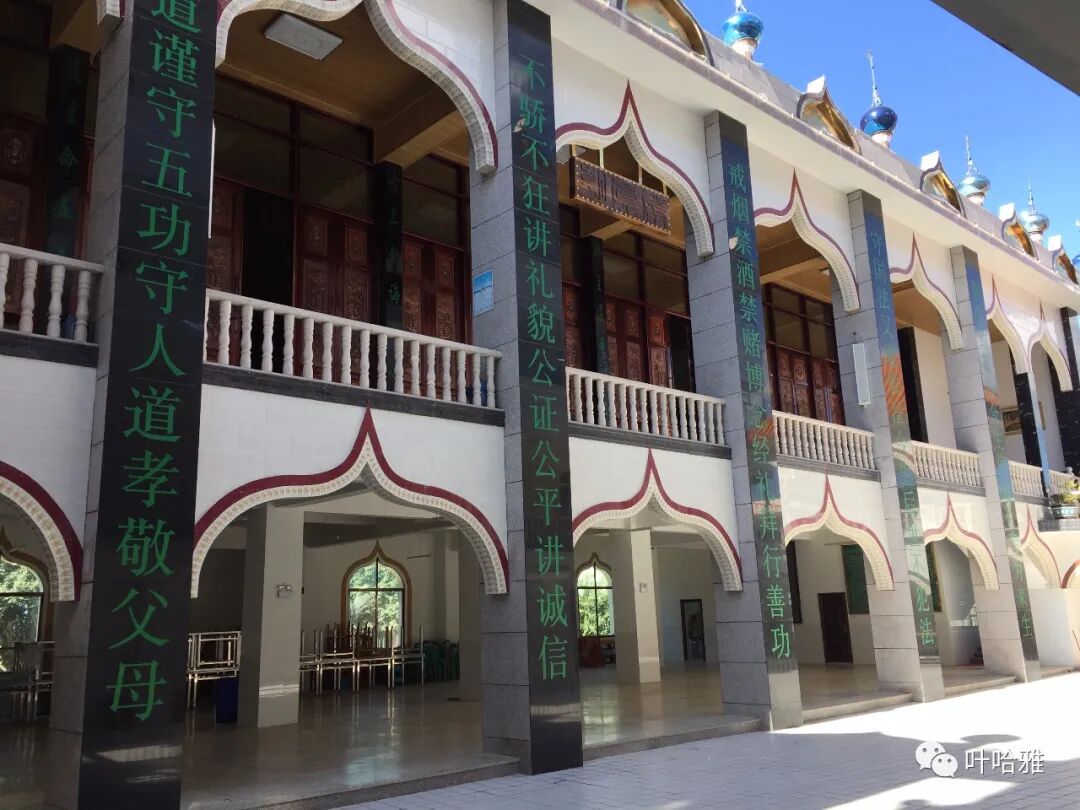
The mosque was first built in the 1930s and was completely renovated in 2015.
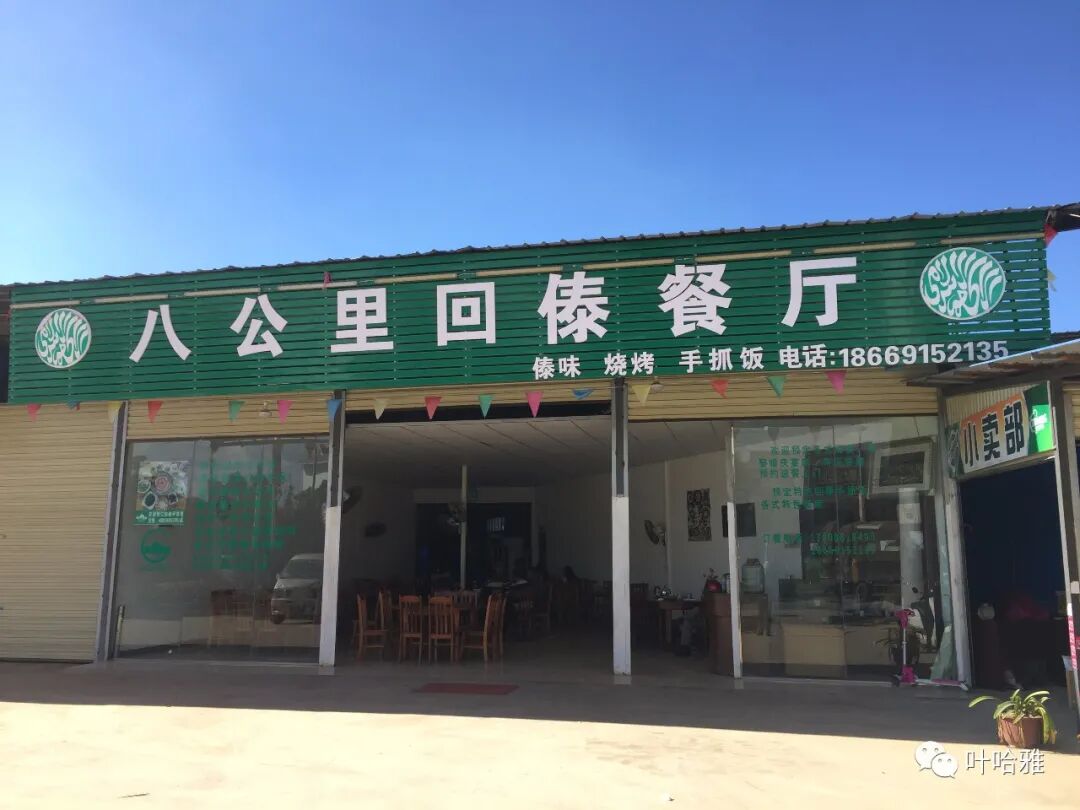
Eight Kilometers (Ba Gongli) is a place name.
I ate at this shop back in 2016. When I mentioned it to the owner of the Paxidai shop, it turned out the owner of that place is her cousin. Truly, Hui Muslims are one big family everywhere.
TIPS: About accommodation
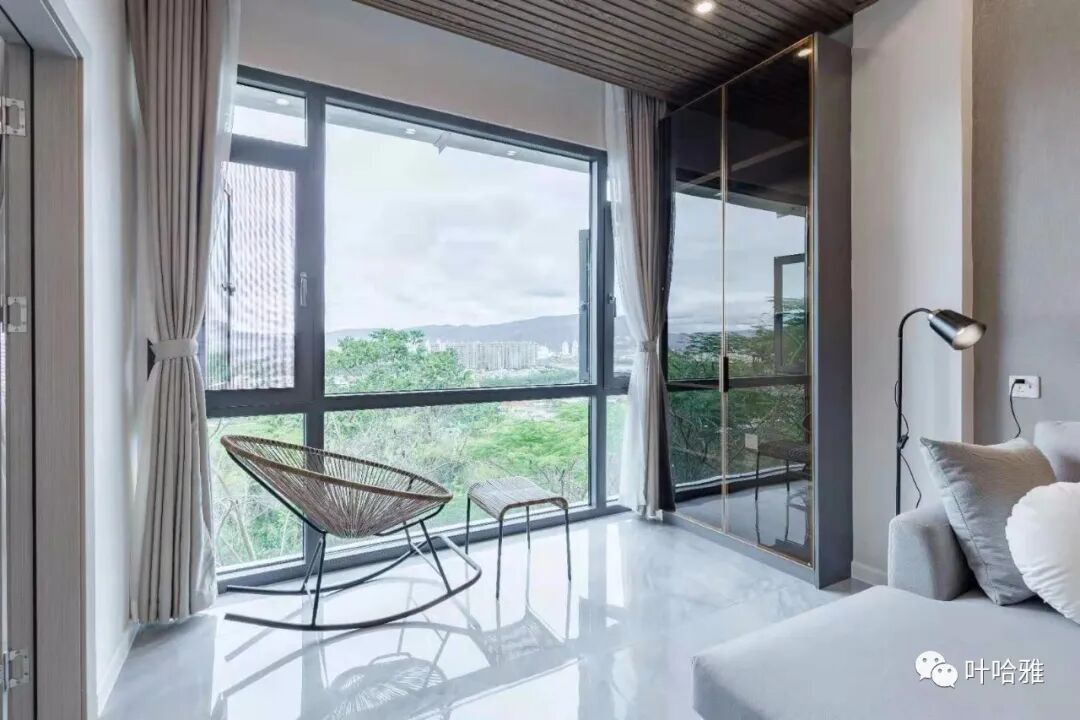
For accommodation in Banna, I recommend searching for 'Zhiyu Homestay' on Tujia. You can also find it on Trip.com, but Tujia shows more details. This is a homestay run by my friend in Banna, located next to the InterContinental Hotel. There are detached villas and townhouses available, and it can host a team-building group of up to 20 people.
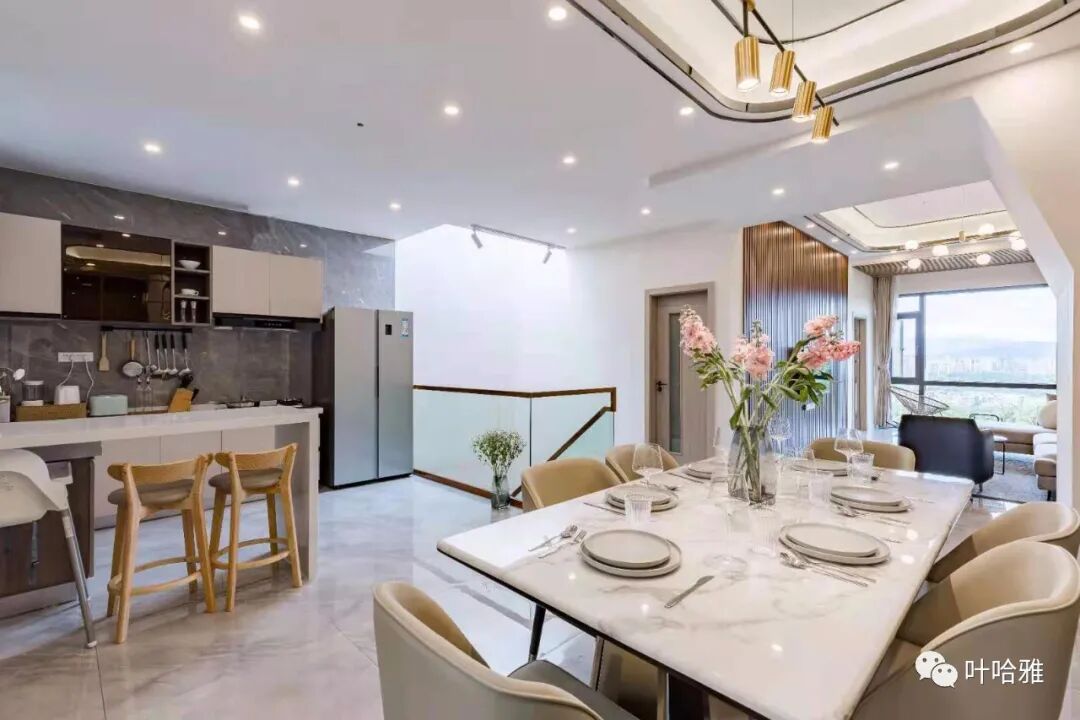
Homestays are cozier than hotels and feel like home, plus the environment is great. I stayed at my friend's homestay the first time I came to Banna and even met other guests. Chatting and sharing life experiences during our free time is a way of relaxing that I really enjoy.
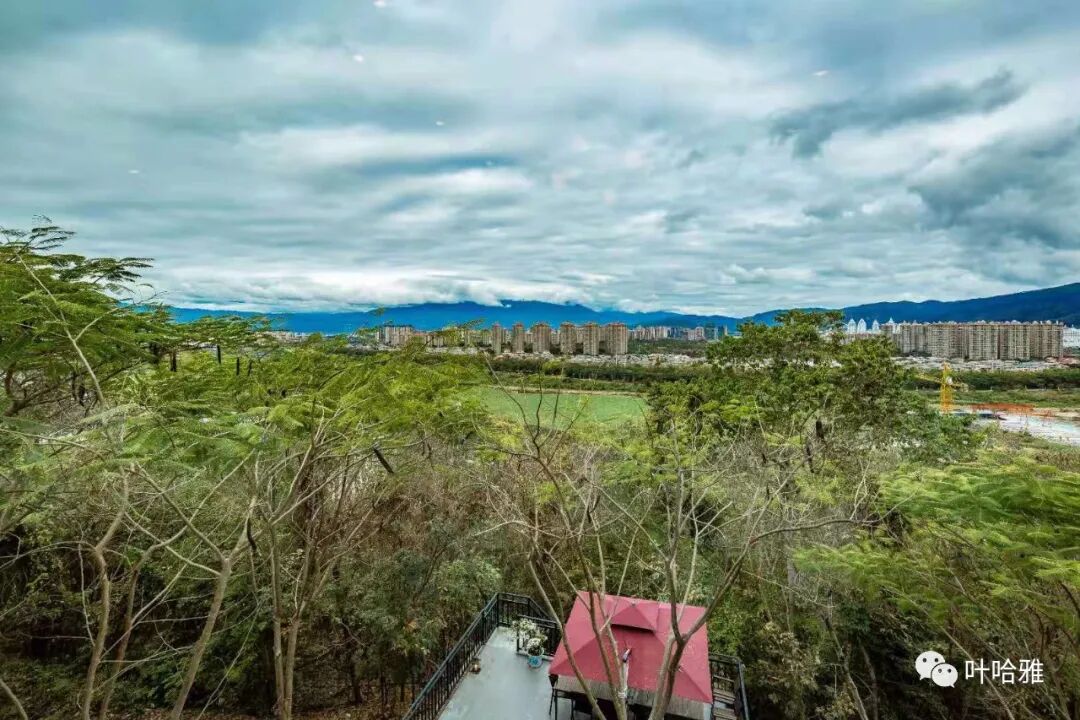
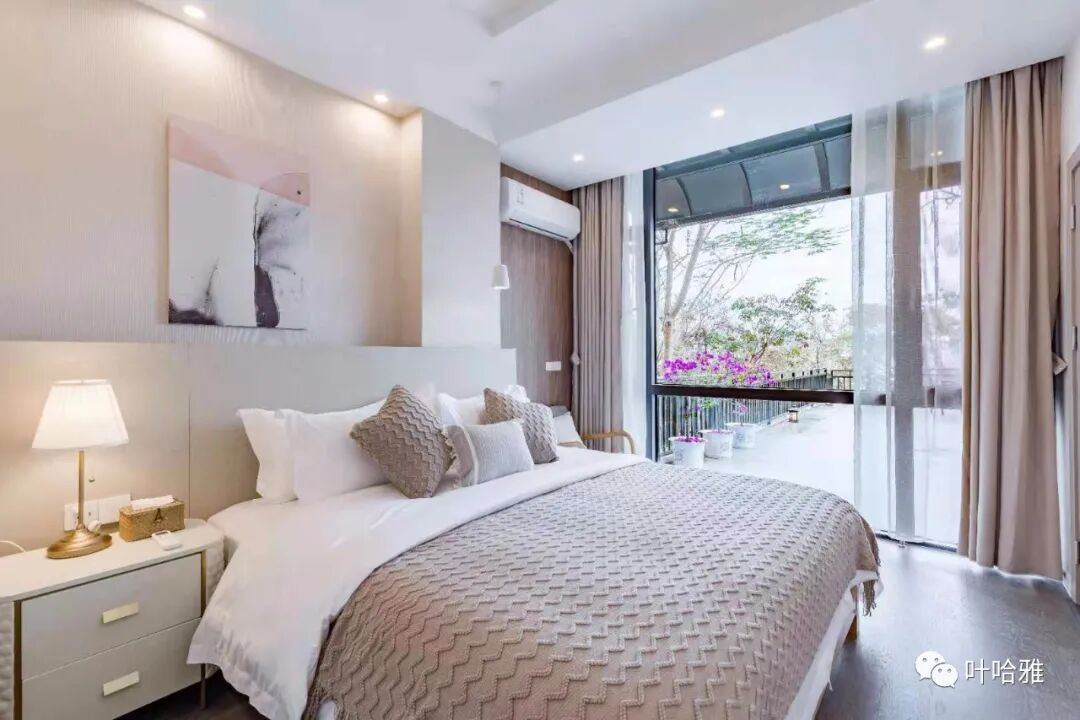
The rooms are clean and bright, the location is excellent, and there is a terrace where you can drink tea and enjoy the view. Tell the owner you came because of my public account to get a discount. We are able to experience Banna culture in depth all thanks to the help of my Banna friends.
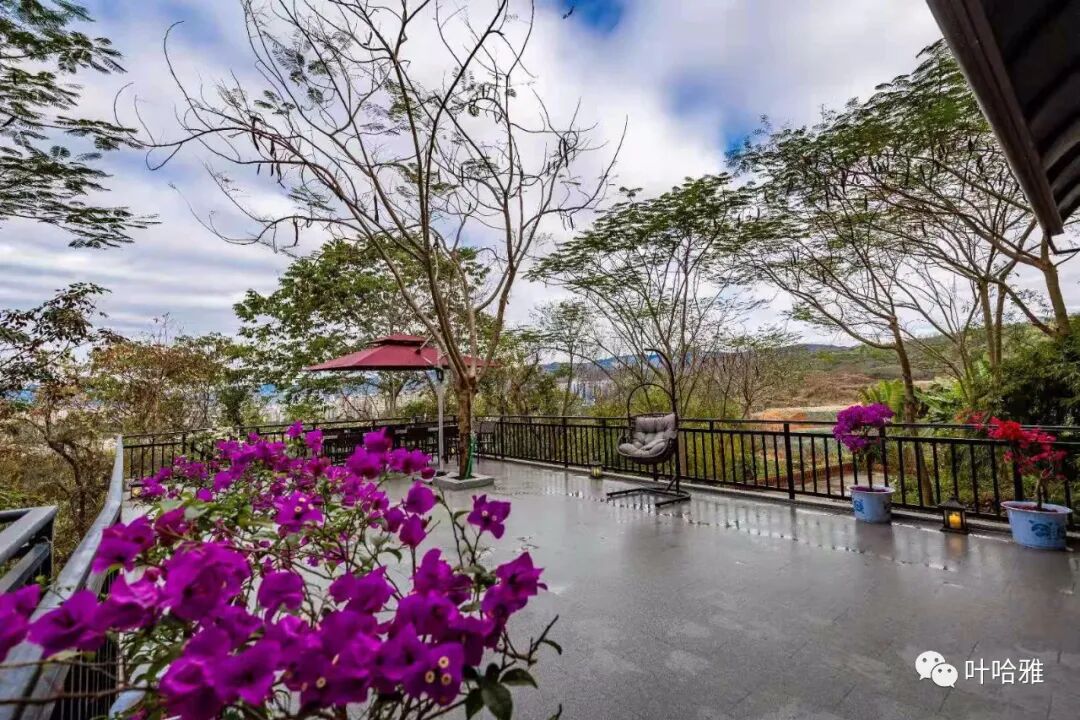
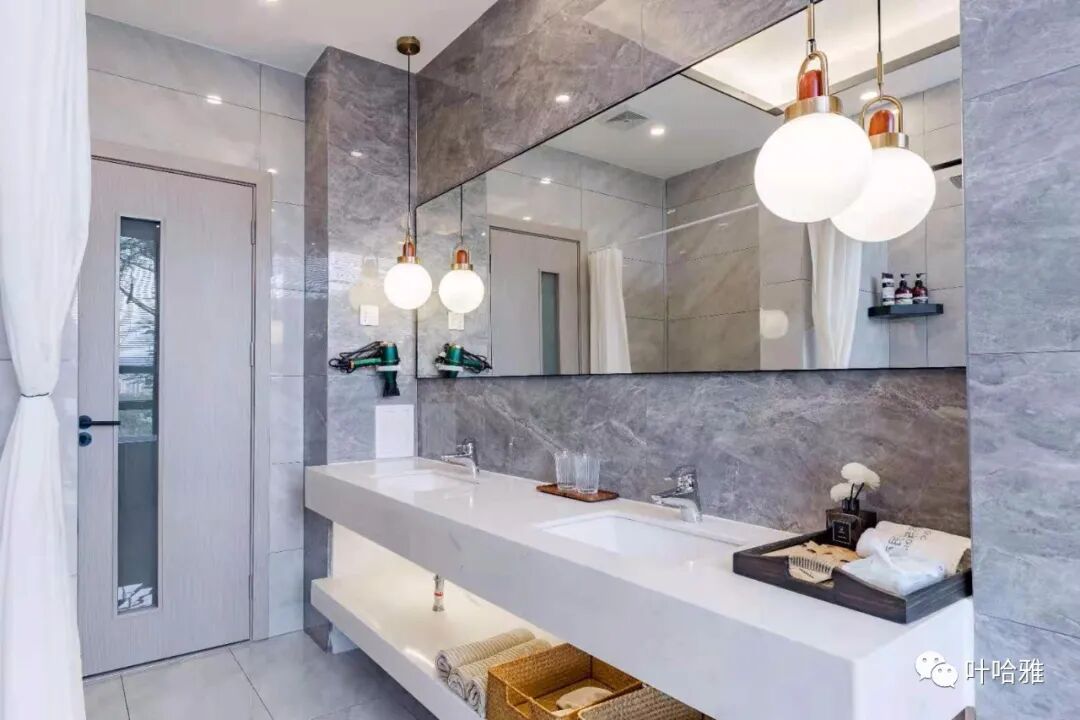
Zhiyu Homestay
Summary: Muslim Travel Guide China 2026: Xishuangbanna Hui-Dai Muslim Villages, Mosques and Halal Food is presented here as a clear English account for Muslim readers, starting with this scene: —— Hello, Travel ——. It keeps the original names, food details, mosque details, photographs, and cultural context while focusing on Xishuangbanna Muslims, Mosque Travel, Halal Travel.
—— Hello, Travel ——
Xishuangbanna is not new to me. I visited in 2016 and heard there were mosques made of bamboo. I specifically went to the Manluanhui and Mansaihui Hui Muslim villages in Menghai County to find them, but I had no luck. After asking around, I learned that bamboo mosques were temporary structures from the early days when conditions were tough and they did not last long. When I visited, I only saw the new-style Mansaihui Mosque and the Manluanhui Mosque, which was still under construction.
This trip to Xishuangbanna was a reward from my company's branch office. According to our 2020 fourth-quarter incentive plan, staff at the rank of senior broker or higher could join the Xishuangbanna trip for free. Our company's job hierarchy goes: consultant, broker, senior broker, senior broker, and partner. I have been promoted to partner, which is higher than a senior broker, so I was honored to join this year-end honorary trip.
If you follow the standard tourist route, there are several popular spots in Banna. The company arranged a custom tour for us, and I spent the first two days with the group. However, I had planned to go off on my own to start a halal travel mode. Since most of my colleagues have traveled all over the world, they were not interested in typical tourist spots and asked to join my small, private tour instead.
Based on my experience and recommendations from local friends in Banna, the most worthwhile popular spot is the Xishuangbanna Tropical Botanical Garden of the Chinese Academy of Sciences, along with the nearby Dayi Manor or Nannuo Mountain. Both Dayi and Nannuo Mountain are tea mountains. Banna used to be part of Pu'er, so Pu'er tea is not actually produced in Pu'er; Banna is the original home of Pu'er tea. Locals do not like other spots like the Gaozhuang Night Market, Dai villages, or Wild Elephant Valley because they are too commercialized and full of tourists.
Tropical Botanical Garden of the Chinese Academy of Sciences
It takes about an hour to drive from Jinghong, the capital of Banna, to the botanical garden. The garden is not just a research base but also a 5A-rated scenic spot that combines science and entertainment. The most impressive plants are in the west section. If you visit in summer, you can see the lake full of giant water lilies (dayanglian) that are strong enough for children to stand on. The east section features tropical rainforests and a green stone forest, which is quite large and requires a sightseeing cable car.
Tickets are 80 yuan per person, half-price during the pandemic. Battery car tickets are 50 yuan per person, or 100 yuan for the whole park.
Main gate opening hours: 8:00-18:00. Suspension bridge north gate opening hours: 7:30-18:30.
Driving south from the botanical garden for about two hours, you reach the Sky Tree (wangtianshu) scenic area. The Sky Tree is a symbol of the tropical rainforest, with trunks reaching over a hundred meters high. The discovery of this dipterocarp plant proves that China has tropical rainforests. I should mention that driving from downtown Jinghong to the Sky Tree scenic area takes over three hours, the road is long, and the conditions are not great.
The hundred-meter-tall Sky Tree.
We all walked across the suspension bridge in the trees.
There are no halal restaurants at the Sky Tree or the botanical garden, so you need to bring your own food. Luckily, we found the only halal Yunnan bridge-crossing rice noodles (guoqiao mixian) in a shop at the Sky Tree scenic area. Being able to eat a bowl of hot noodles when hungry felt like a blessing.
To visit tea mountains, you can go to Dayi Manor. Tickets are 40 yuan, and horse-drawn carriage or electric car tickets are 60 yuan. Dayi tea is very famous locally, but remember not to buy tea in the scenic area. It is much more expensive and hard to find good quality. I showed a friend who works in the tea business in Banna some Pu'er tea that a colleague bought at the Nannuo Mountain scenic area, and they said it was overpriced.
Riding a horse-drawn carriage through Dayi Manor.
Tea plants cover the mountains and plains.
Jinghong is livelier at night than during the day, with a rich nightlife. The days are hot, reaching over 30 degrees, but the nights are cool. The show our Banna friends highly recommended is "Dai Show" (Daixiu), which is arguably the best stage play in the area. The performance level of "Dai Show" is world-class. We were all shocked after watching it and felt it was worth the price. Regular tickets are 328 yuan online, but we got them for 260 yuan through a local friend.
"Dai Show".
The show lasts one hour and leaves you wanting more. Everything from entry to exit was arranged very carefully and naturally. The actors' skills and stage effects were excellent. Friends who have the chance to visit Banna should not miss it.
We took a group photo with the lead actors of the Dai Show.
After the show ended, we took photos with the cast. That was when I noticed one of the leads was a foreigner. He was the man wearing a snail shell on his back, a Black yoga master with incredibly flexible joints.
Jinghong Mosque is in the north of the river. I took the photo in 2016. When I went there for Jumu'ah prayer this year, the old mosque had been torn down and the new one was still under construction. It is just a building site now, so we prayed in a temporary prefab room. The new mosque will likely be built in the Dai style.
Jinghong Mosque, photographed in 2016.
Signs in the Dai language.
A snack stall next to the mosque.
Next, I will introduce the halal food in Jinghong. Jinghong is the busiest capital city in Xishuangbanna. It is quite easy to find halal restaurants here. Most are small eateries serving Yunnan-style food, run mainly by Hui Muslims from Dali, Shadian, and Pu'er. There are also barbecue shops that mix Hui and Dai flavors.
Yijun Food.
On the first day, just after landing in Jinghong, I brought my colleagues to Yijun Food to try local Yunnan dishes. The owner is a Hui Muslim woman from Shadian who wears a headscarf. She was pleasantly surprised when I greeted her with 'Assalamu Alaikum,' as she thought few Hui Muslims from Beijing knew about our faith. She said she had met Beijing Hui Muslims at her shop before who didn't even know how to say the greeting. After telling me this, she had her young daughter say 'Assalamu Alaikum' to me and even gave us some free dishes.
At small Yunnan restaurants, if you want vegetables, there is usually no menu. You just point to the ingredients in the display case and tell them how you want them cooked. It is very convenient, and you can see right away if the food is fresh. Vegetables are usually stir-fried plain without chili.
Oil-drizzled beef jerky (youlin niuganba).
To remember the name of every dish, I specifically asked the owner to write them down on paper. Otherwise, I would have forgotten what I ate once I got back to Beijing, because Yunnan has such a wide variety of ingredients—many were fresh things I had never seen or heard of before.
Dai-style fish (daiwei yu).
Lahu-style chicken (lahu ji).
Lemon shrimp (ningmeng xia).
Stir-fried squid (qiang youyu).
Stir-fried white flowers (chao baihua).
Stir-fried thorn buds (chao ciya).
Stir-fried baby corn (chao xiao yumi).
Ali Barbecue Shop.
This Ali Barbecue Shop is a local spot highly recommended by friends in Banna. It was a hit with me and my colleagues. Banna barbecue is famous for its Dai style. Besides marinating the meat skewers beforehand, you also dip them in a local sour and spicy sauce.
We chose to go to Ali for skewers at 10 p.m. Just like at a hot pot stall, you pick your ingredients from the freezer and ask the staff to grill them in the back. We sat around a round bamboo table, eating skewer after skewer. Even the friend who joined us later couldn't help but dig in after trying a few pieces of grilled beef.
I chatted with the owners and learned they are Hui Muslims from Pu'er who have been running the business here for many years. The shop has a great reputation among locals. Interestingly, none of the restaurants we visited sold drinks; they only provided free tea. If we wanted a drink, the staff told us to buy one ourselves at a nearby shop. The cost of living in Banna is low. A hearty meal costs only 30 to 50 yuan per person, and you can get a simple fast-food meal for 10 yuan.
We went to the famous Gaozhuang Night Market in the evening and saw many pretty influencers taking photos. The market was packed with people selling snacks and small souvenirs. It is nice just to look around. The Lancang River flows through the middle of Jinghong, splitting the city into the south and north banks. The south bank is the old town and attracts many tourists, while the north bank is the new town, which is well-developed, cleaner, and tidier.
Juedui Niu Hui Muslim Restaurant
I also want to list a few local Yunnan-style halal restaurants I have visited. Juedui Niu Hui Muslim Restaurant and Hongfu Halal Restaurant are places I ate at back in 2016. They are still open today, and you can find their exact locations on Baidu Maps or Dazhong Dianping.
Hongfu Halal Restaurant
Jinghong 786 Muslim Hotel
I found a Muslim hotel by the road with an interesting name, 786. I once introduced 786 in my Tibet halal food map. It is very common in South Asia, where local Muslims use 786 as a code for halal.
Halal Snack Bar
A friend in Banna recommended this halal snack bar. They come here to eat every so often. The business is very good, and you might have to wait for a table during meal times.
I recommend the steak and black-palm chicken (wuzhangji). It is best to book in advance, or you might miss out if you arrive late.
If you go to Wanda Plaza to watch the Dai Show, you can eat rice noodles at this nearby Ma Si Halal Snack Shop. They also serve stir-fried dishes with Yunnan flavors.
Paxidai Halal Restaurant
My main reason for going to the Gaozhuang Night Market was to visit a large Hui-Dai halal restaurant called Paxidai, located right at the entrance. It is very easy to find. 'Paxi' means Hui Muslims in the Dai language. The owner is a Hui-Dai woman. We met for the first time and immediately felt close after exchanging salaams. The owner is from Manluanhui and her surname is Yu. Most Hui-Dai women have the surname 'Yu', while men have the surname 'Yan', following Dai traditions.
The restaurant environment is beautiful. It is built on the riverbank like a boat and has three floors. Eating by the window and looking at the scenery feels like being on a boat trip down the river.
More than ten colleagues came to this dinner, and we ordered almost every dish on the menu with Dai flavors. The owner was very hospitable and gave us a few extra dishes to try. The overall taste was good, focusing on sour, spicy, salty, and fresh flavors. When you come to Banna, you must try the local food, especially when dining in such a beautiful setting. After the meal, the Hui-Dai owner warmly invited us to visit her hometown, Manluanhui.
Dai-style beef rice noodles
Lemon shredded pounded beef jerky (shousi xiaochui niuganba)
Lemon jelly noodles (liangfen)
Passion fruit hot and sour fish
Nammi dipping sauce platter
Hui-Dai white-palm chicken (baizhangji)
Peanut and beef jerky platter
Lemongrass grilled fish
Stir-fried beef with sour bamboo shoots
Stewed oxtail with radish
Seafood pineapple rice
Hui-Dai style roasted chicken
We said goodbye to the landlady of Paxidai for a while, and the next day we hired three cars to head to Mansaihui and Manluanhui in Menghai County. Mansaihui and Manluanhui are about 4.5 kilometers apart. Starting from Jinghong city center, you can take a bus at the Jinghong Bus Station or use Didi. Didi is less likely to have route detours because the trip is monitored. It is a 45-kilometer drive that takes about an hour.
Mansaihui was formed relatively late, about 100 years ago. Hui Muslims from other parts of Yunnan, such as Dali and Tonghai, came here to do business and married local Dai people, gradually forming a village. Currently, there are about eighty households and over four hundred people. The local villagers keep Dai living habits, wear Dai clothes, and speak the Dai language, but they follow Islam. The Dai women here also wear headscarves, so you cannot tell if someone is a Hui Muslim just by looking at their headscarf.
The Mansaihui mosque has not changed much in recent years, except that the imam has changed from Imam Tang to Imam Guan. Both are from Yunnan and have settled in Mansaihui.
Since most of my colleagues traveling with me were not Muslim, I invited the imam to the small classroom in the mosque to give everyone a brief introduction to the history of the Hui-Dai people and the basic concepts of Islam. The group listened with great interest and felt that this kind of in-depth travel was very meaningful. I appreciate my company's open and inclusive corporate culture. In our company, everyone can express their personality without worrying too much.
There is Dai script written next to the donation box.
After saying goodbye to Imam Guan and leaving Mansaihui, we arrived at the nearby Manluanhui. The history of Manluanhui is older than that of Mansaihui. The ancestors of the Hui-Dai people here were from the time of the Du Wenxiu Uprising in the Qing Dynasty. A Hui Muslim named Ma Wulong fled from Dali to Xishuangbanna for refuge. The Dai King accepted his request for asylum and let him settle in Manluan. In the Dai language, Manluan means a place overgrown with weeds.
Boyaohehanmu Bridge
The local chieftain built a bridge in Manluan and handed it over to Ma Wulong to manage. Boyaohehanmu means golden bridge in the Dai language.
Ma Wulong married a local Dai girl. According to Dai tradition, a son-in-law who moves into his wife's family must change his name to "Yan," and if it is a woman, she must change her surname to "Yu." Ma Wulong had a son named "Yanhan."
The Dai people believe in Theravada Buddhism, which belongs to Hinayana Buddhism. It has a strict hierarchy divided into royalty, nobility, and commoners. Royalty has the surname "Zhao," nobility has the surname "Dao," and commoners have the surname "Yan."
A photo provided by the landlady of Paxidai to see if the Hui-Dai girls are pretty.
Main hall of Manluan Mosque
The new building of Manluan Mosque uses traditional Dai architectural style. It is magnificent and blends in with the local environment.
San Ge Farmhouse Restaurant
For lunch, we chose the San Ge Farmhouse Restaurant next to the mosque. The owner of this shop is the cousin of the Paxidai landlady. The cousin arranged two tables of local farmhouse dishes for us.
Hand-shredded small-hammered beef jerky (niuganba)
Beef jerky (niuganba) is a unique Hui Muslim food in Yunnan. There are many ways to make it. A common one is oil-fried beef jerky used for cooking. Another is the Banna-style small-hammered beef jerky, which is charcoal-grilled and can be eaten as a snack.
Scrambled eggs with toon buds
Sticky eggplant
Beef steak stewed with radish
Hui-Dai white-palm chicken (baizhangji)
Stir-fried pea pods
Deep-fried cow skin (zha niupi)
This dish is very popular. When it was served, we thought it was fried shrimp chips because it was so crispy. My friend from Banna said it was deep-fried cow skin (zha niupi). I was skeptical that it was actually made from cow skin, but the owner confirmed it.
After the meal, we drank tea at my cousin's house. The tea was made that very day and still had a smoky scent. March is the peak season for tea, and the Hui Muslims in Mansaihe and Manluanhe mainly grow tea. The village was quiet that day because the young people were all out picking tea.
While wandering around the village, I bought a cup of milk tea. It was sweet, tangy, and delicious.
Thai Cottage Milk Tea Shop (Tai Xiaowu Naicha Dian)
There are many halal restaurants in the village, all along the main road. If you want to eat, come to Manluanhe.
I saw flowers and plants on a house planted in the shape of a star and crescent. I took the opportunity to tell my colleagues about the origin of the star and crescent symbol and some history of the Ottoman Empire.
A halal barbecue shop in the village with signs in both Dai and Chinese.
Beef rice noodles (niurou migan)
A specialty breakfast in Paxidai is rice noodles (migan). Rice noodles (migan) and rice vermicelli (mixian) are the same thing, just in different shapes; rice noodles (migan) are flat and wide.
Menghai Mosque
After leaving Manluanhe, you can go to Menghai County to catch a bus back to Jinghong. You can visit the Menghai Mosque on the old street.
The mosque was first built in the 1930s and was completely renovated in 2015.
Eight Kilometers (Ba Gongli) is a place name.
I ate at this shop back in 2016. When I mentioned it to the owner of the Paxidai shop, it turned out the owner of that place is her cousin. Truly, Hui Muslims are one big family everywhere.
TIPS: About accommodation
For accommodation in Banna, I recommend searching for 'Zhiyu Homestay' on Tujia. You can also find it on Trip.com, but Tujia shows more details. This is a homestay run by my friend in Banna, located next to the InterContinental Hotel. There are detached villas and townhouses available, and it can host a team-building group of up to 20 people.
Homestays are cozier than hotels and feel like home, plus the environment is great. I stayed at my friend's homestay the first time I came to Banna and even met other guests. Chatting and sharing life experiences during our free time is a way of relaxing that I really enjoy.
The rooms are clean and bright, the location is excellent, and there is a terrace where you can drink tea and enjoy the view. Tell the owner you came because of my public account to get a discount. We are able to experience Banna culture in depth all thanks to the help of my Banna friends.
Zhiyu Homestay
