
Muslim Travel Guide China 2026: Xunhua and Hualong Salar Mosques, Qinghai Halal Food and Heritage
Reposted from the web
Summary: Muslim Travel Guide China 2026: Xunhua and Hualong Salar Mosques, Qinghai Halal Food and Heritage is presented here as a clear English Muslim travel account, starting with this scene: By my own count, I have visited 454 mosques at home and abroad. I have visited the most in Beijing, where I have been to 67, because Beijing is my home. The place where I have visited the second most mosques is Qinghai, where I have been to 32. This is my. It keeps the original names, numbers, mosque details, food notes, photographs, and cultural context while focusing on Qinghai Mosques, Salar Muslims, Halal Travel.
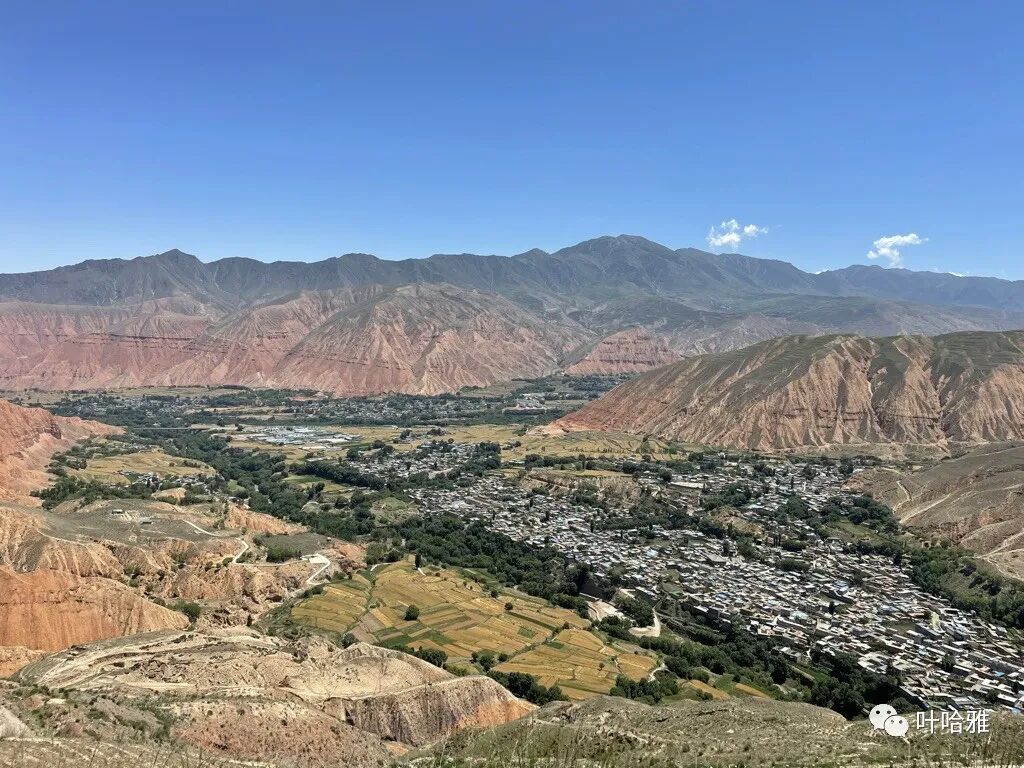
By my own count, I have visited 454 mosques at home and abroad. I have visited the most in Beijing, where I have been to 67, because Beijing is my home. The place where I have visited the second most mosques is Qinghai, where I have been to 32. This is my wife's home, as I married a Salar woman from Xunhua.
Driving from Xining to Xunhua County takes about two hours on the highway. The Xunhua Salar Autonomous County is part of Haidong City. Most of Qinghai's important mosques are concentrated in Xunhua and Hualong counties, which are two neighboring ethnic autonomous counties.
This time I visited the Kewa Mosque, Zhangga Mosque, Tashapo Mosque, Qingshuihedong Mosque, Mengda Mosque, Zanbuhu Mosque, and Jiezi gongbei in Xunhua County, all of which are Major Historical and Cultural Sites Protected at the National Level. I previously visited the Hongshuiquan Mosque in Ping'an, which is also a national-level site. The Suzhi Mosque is a provincial-level protected site. In Hualong, the Ahetan Mosque is a national-level site, and the Yisha'er Mosque is a provincial-level protected site. I also visited the Yimamu Village Mosque, Guoshitan Mosque, and a few other mosques with unique traditional architectural styles. These old buildings are not too far apart, and if you have a car, you can visit them all in one or two days.
1. Qingshuihedong Grand Mosque
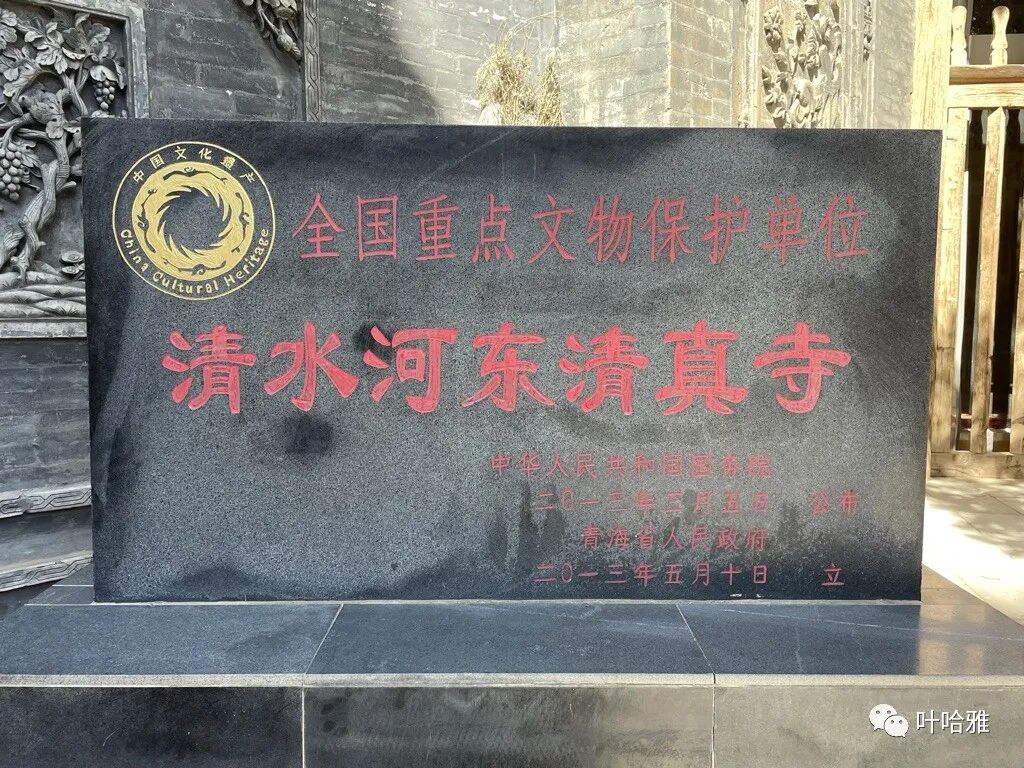
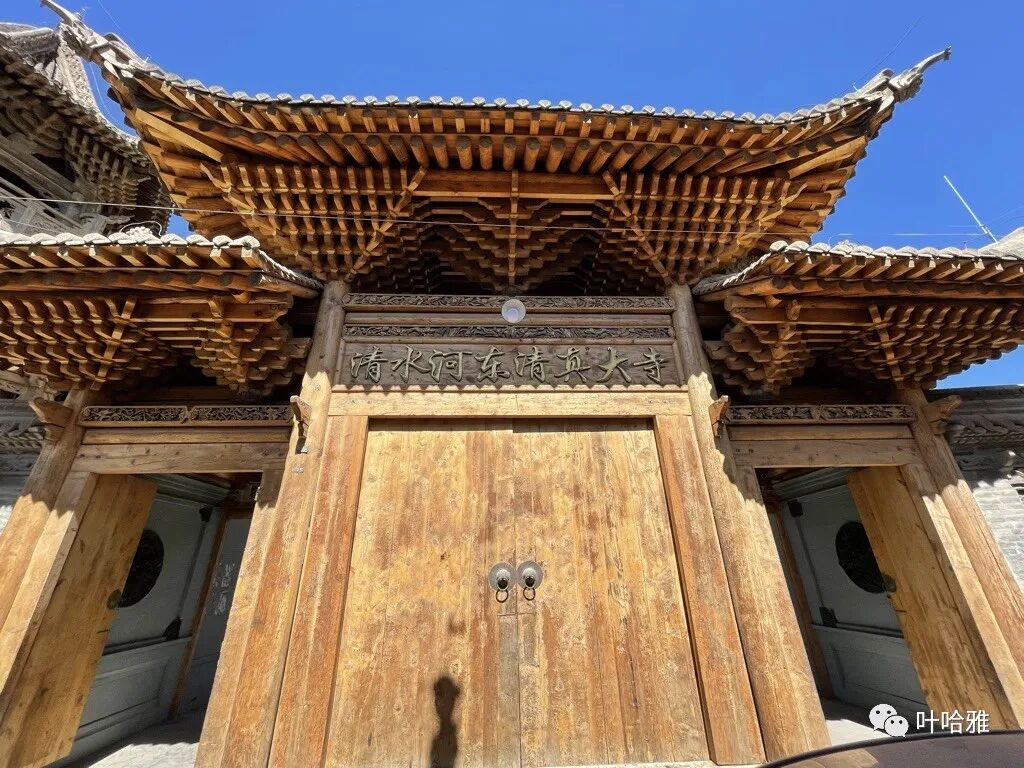
The Qingshuihedong Mosque is located in Qingshui Township, Xunhua Salar Autonomous County. It was first built in 1425 during the Ming Dynasty. It follows a traditional Chinese architectural layout with a central axis. However, the minaret is not on the axis; it sits about 9 meters south of the front of the main prayer hall. Along the central axis, there is a spirit wall (yingbi), a gate, and the main hall. To the north of the main hall is a side building. Unlike other mosques, the Qingshui Mosque does not have a south side building.
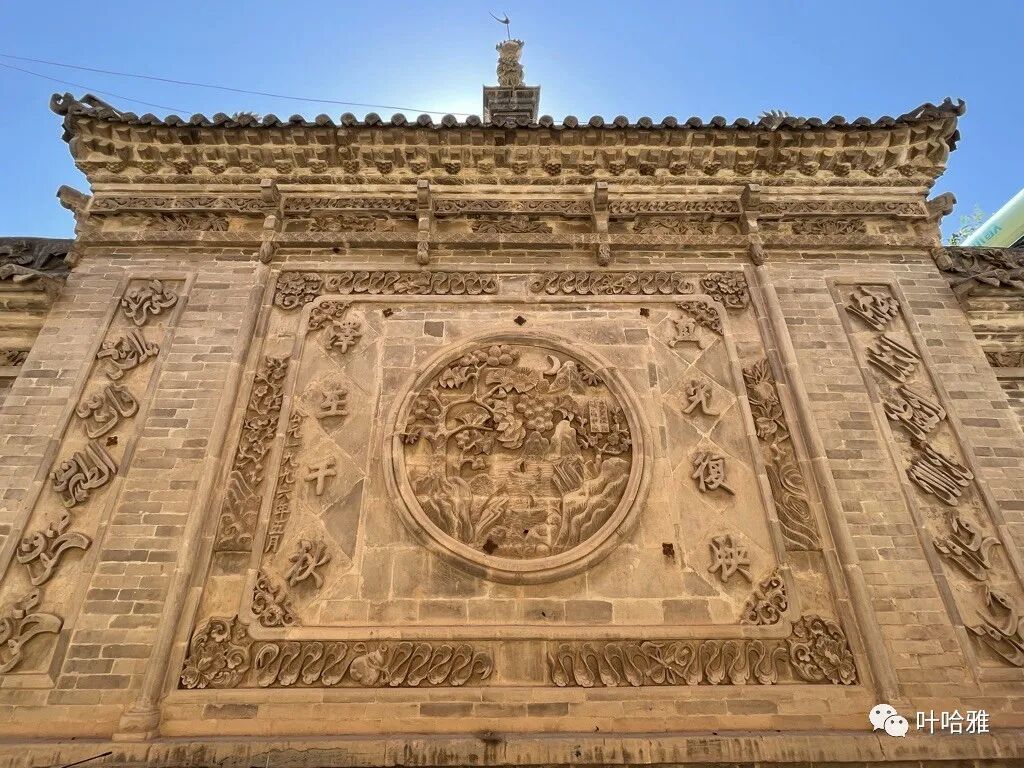
In 1996, a brick-carved screen wall was added to the Qingshuihedong Mosque. It features a hip roof (wudian ding) with a vase ornament on the main ridge and a pedestal base.
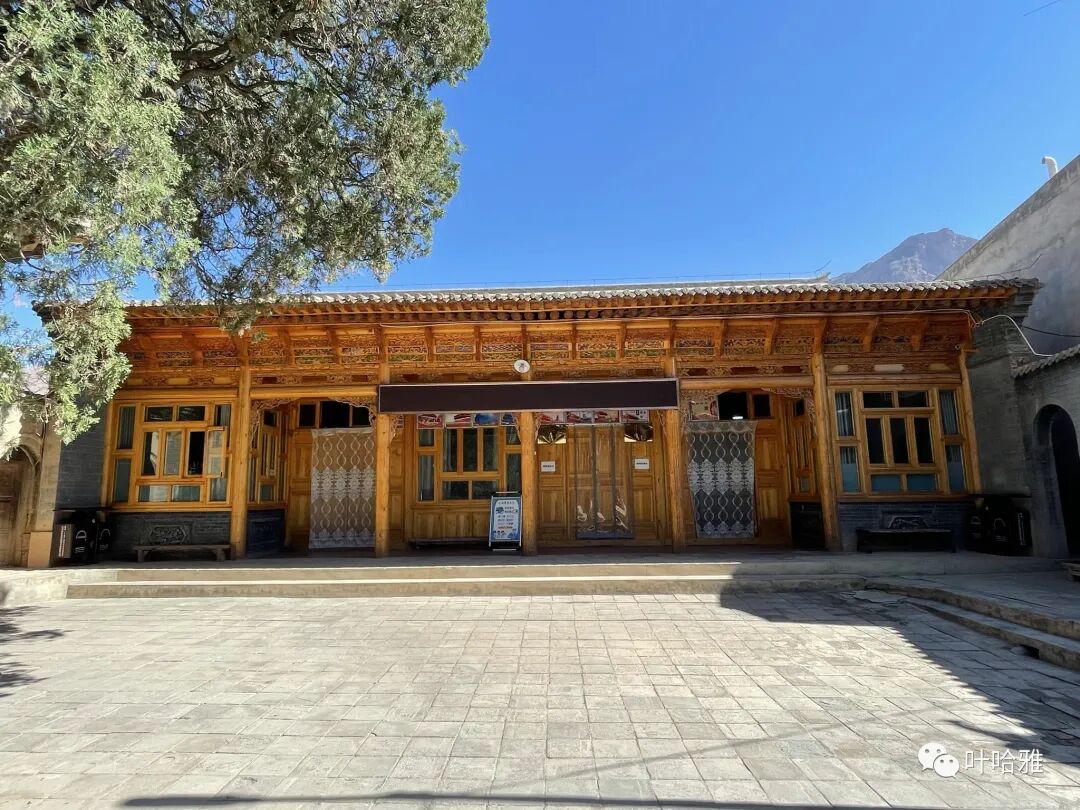
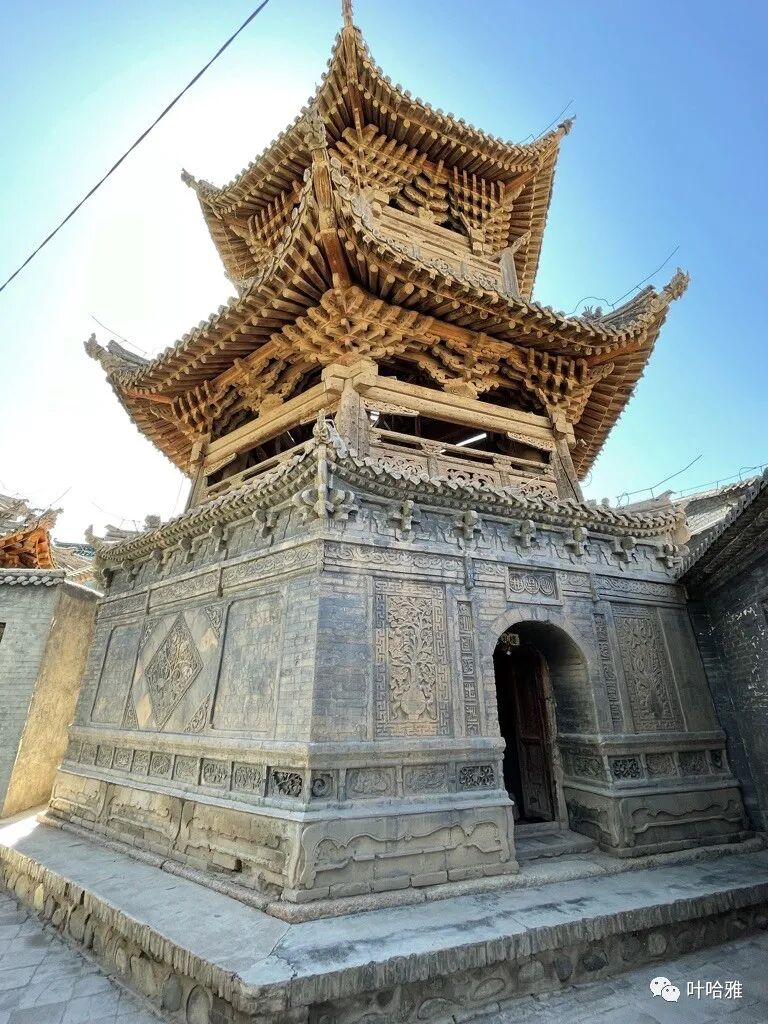
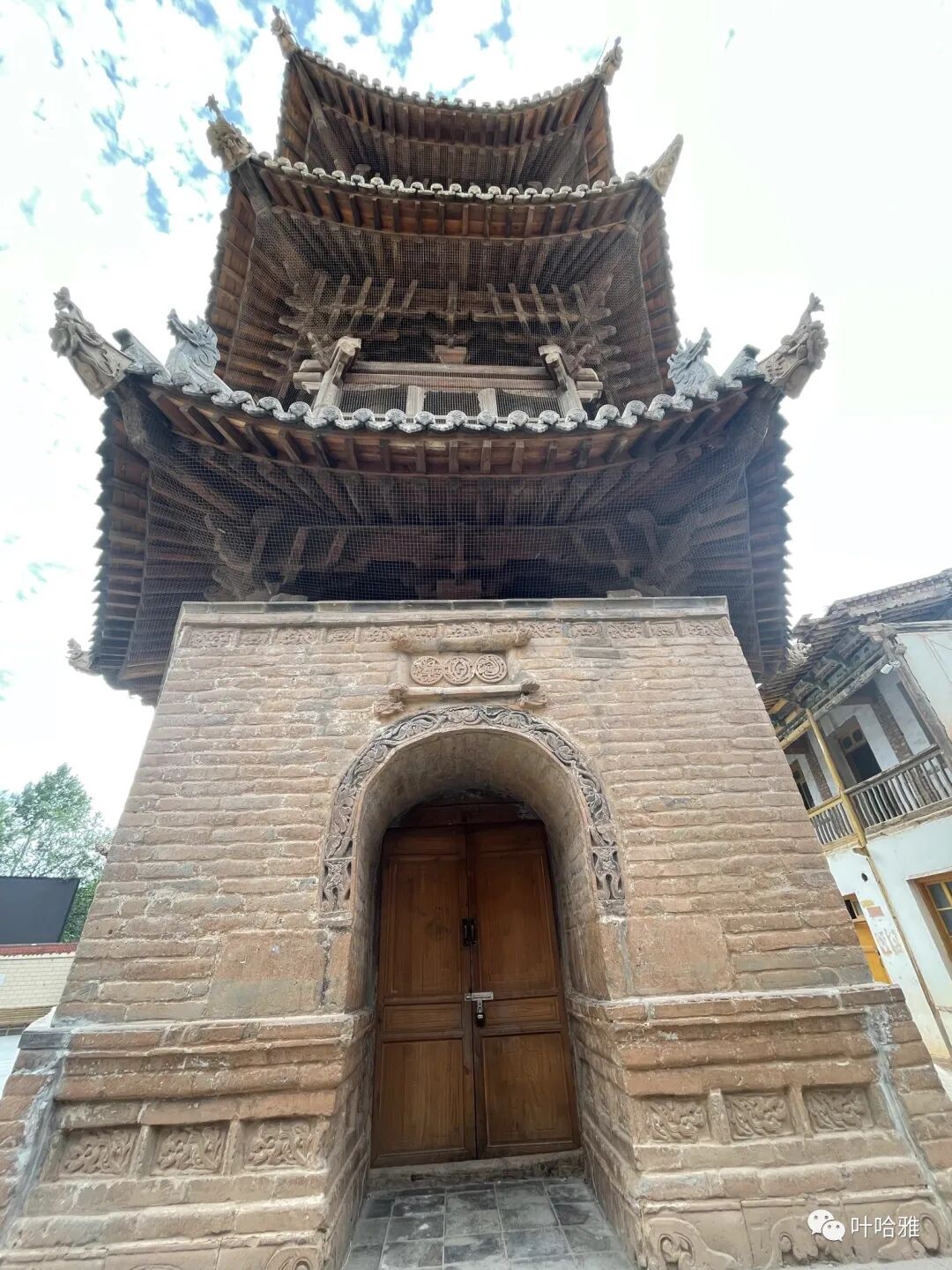
The gate tower has a hip roof with five-step bracket sets (dougong) under the eaves. The 17-meter-tall minaret has a brick base and a wooden attic-style upper structure with a double-eaved, hexagonal helmet-shaped roof.
The prayer hall has a gabled and hipped roof (xieshan ding), five bays wide, with projecting bracket sets and carved wooden beams and brackets. There are wooden railings between the eave pillars and brick-carved walls on both sides. On the north side, there is an arched door leading to the side courtyard.
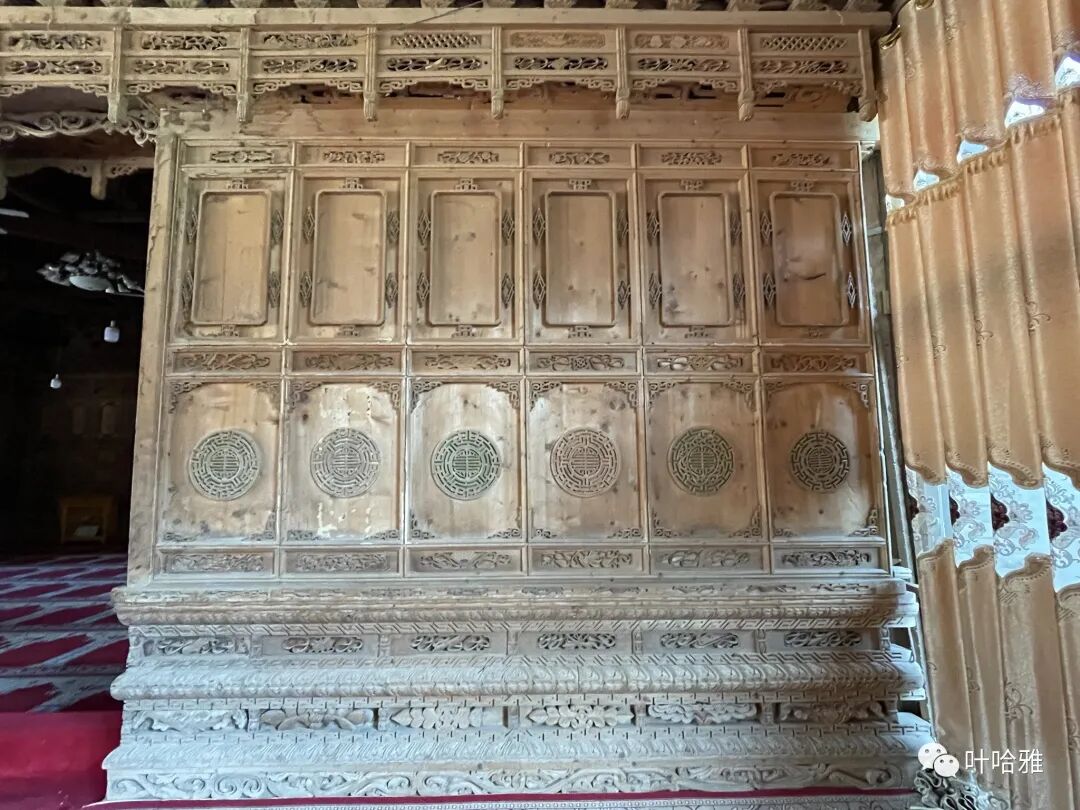
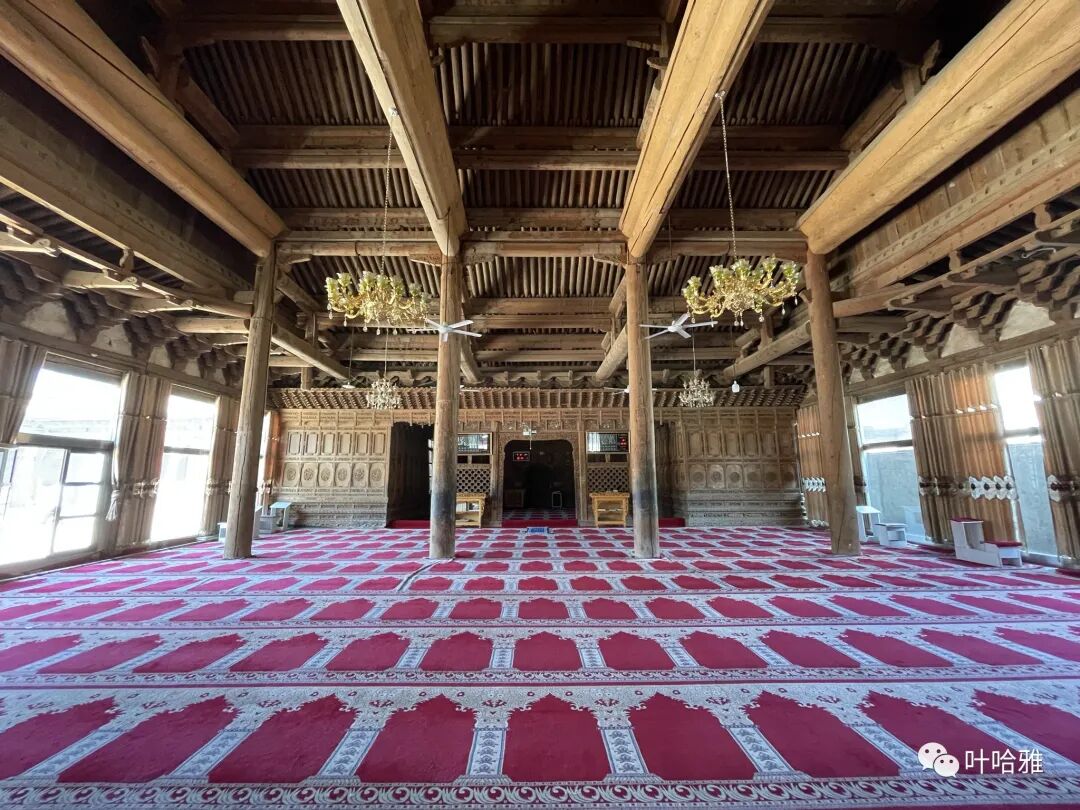
The corridor walls are made of polished bricks with tight joints and feature brick carvings. The main hall is five bays wide and five bays deep, supported by 42 pillars. The rear prayer niche (yao dian) has wooden partitions, intricate openwork carvings, wooden bracket sets, and hanging flower pillars, all with detailed patterns and fine craftsmanship.
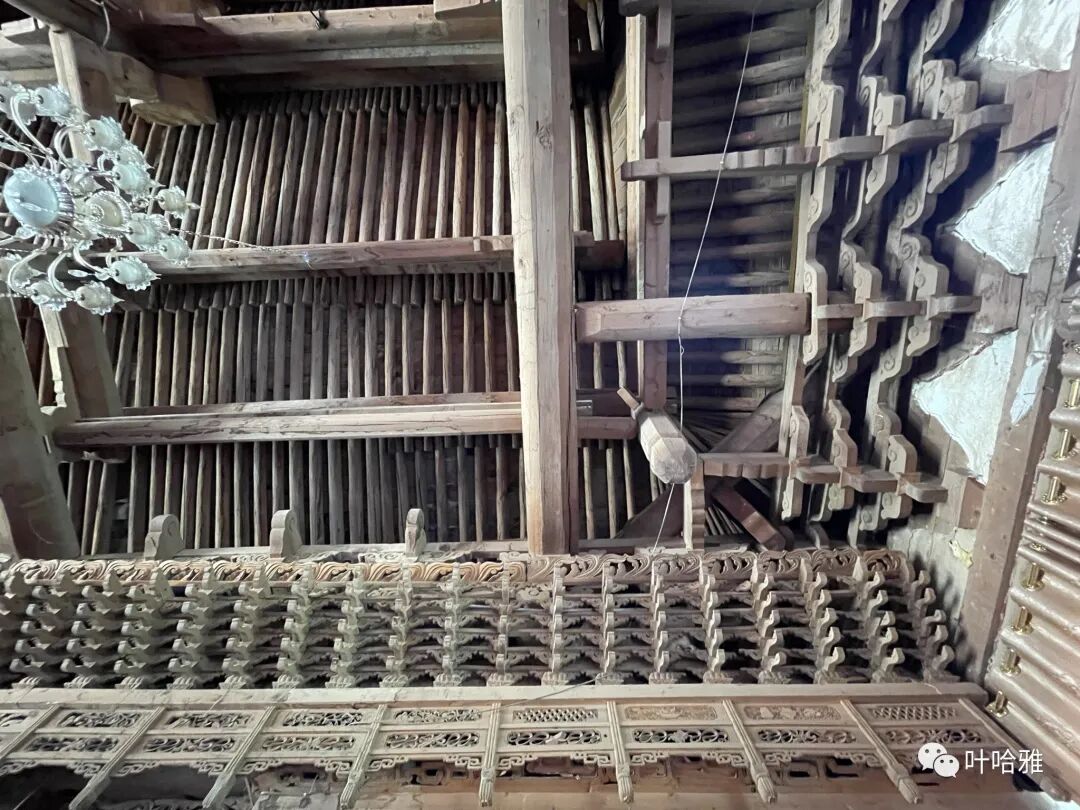
Near the Qingshuihedong Mosque is the Qingshuihedong South Mosque. Inside the South Mosque, I saw a women's prayer hall, which is quite rare in the Northwest.
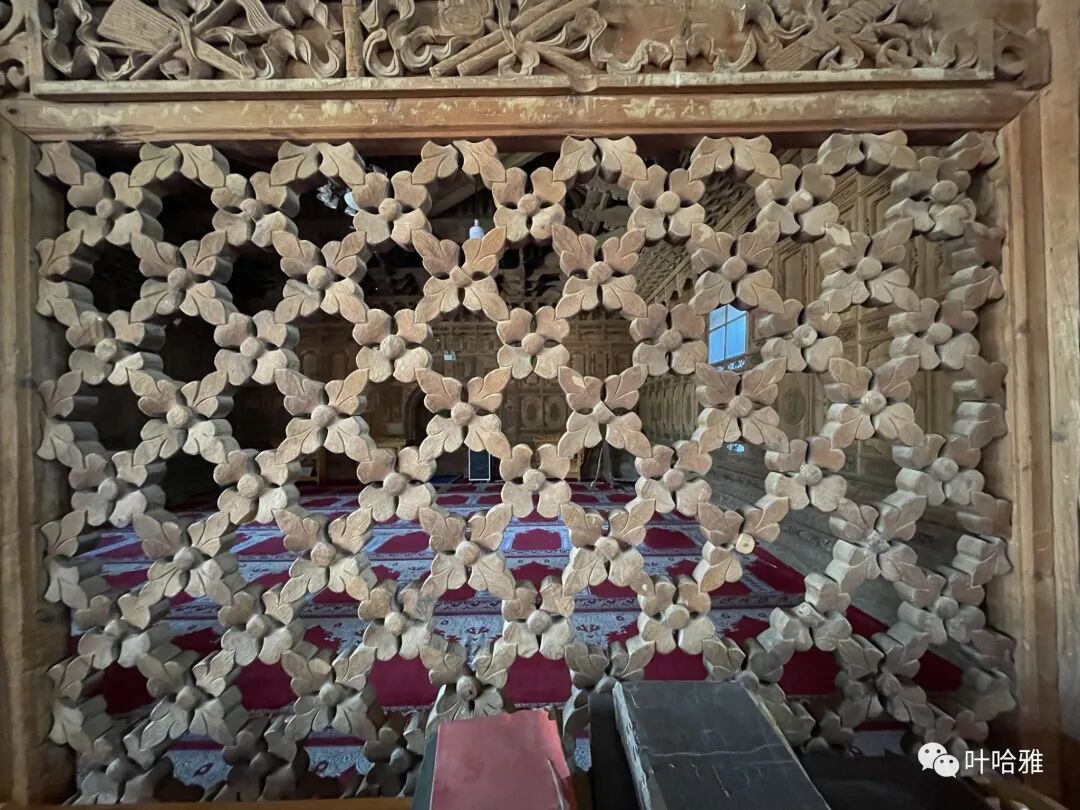
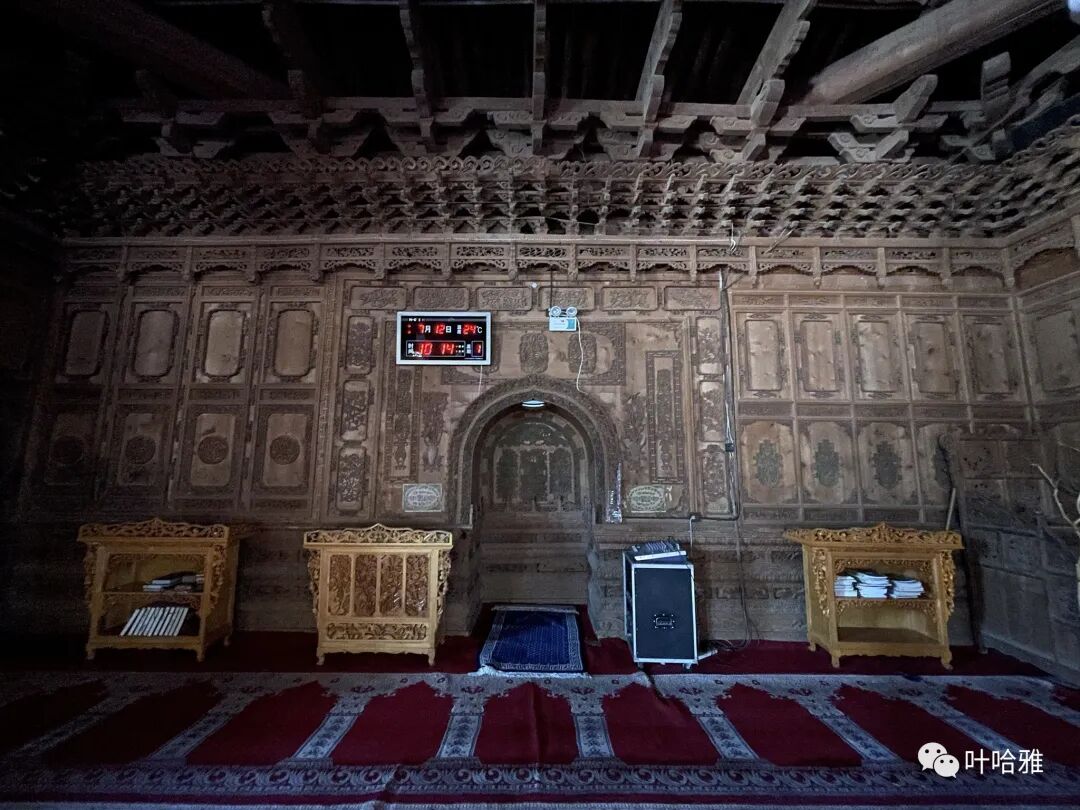
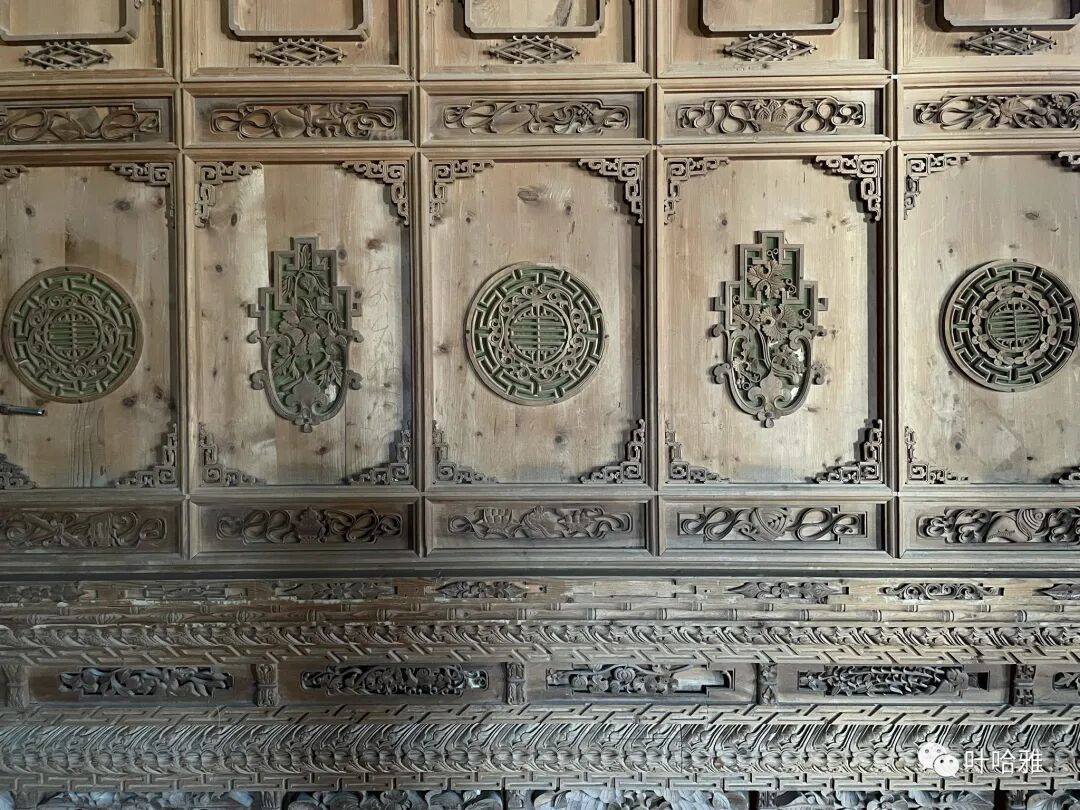
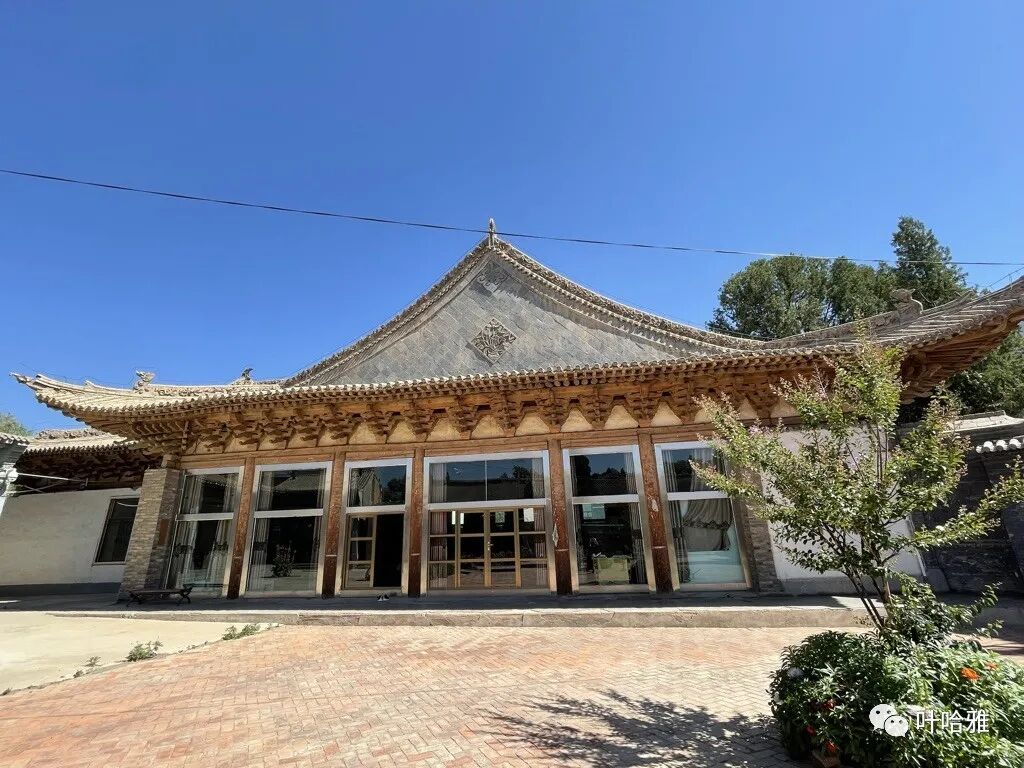
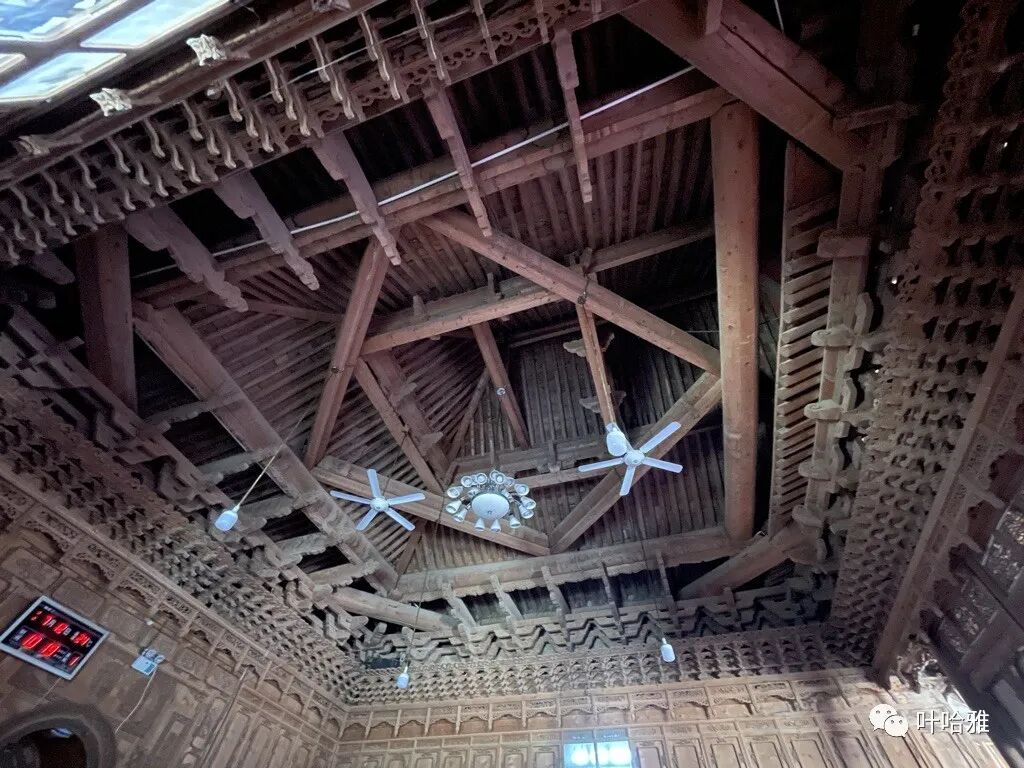
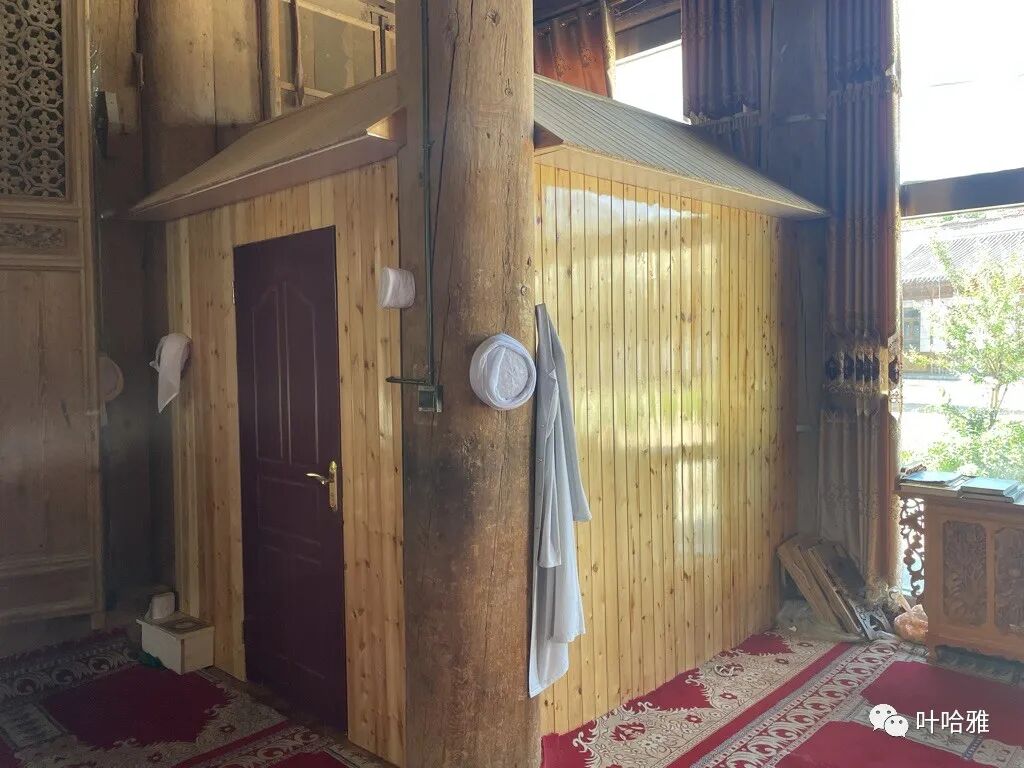
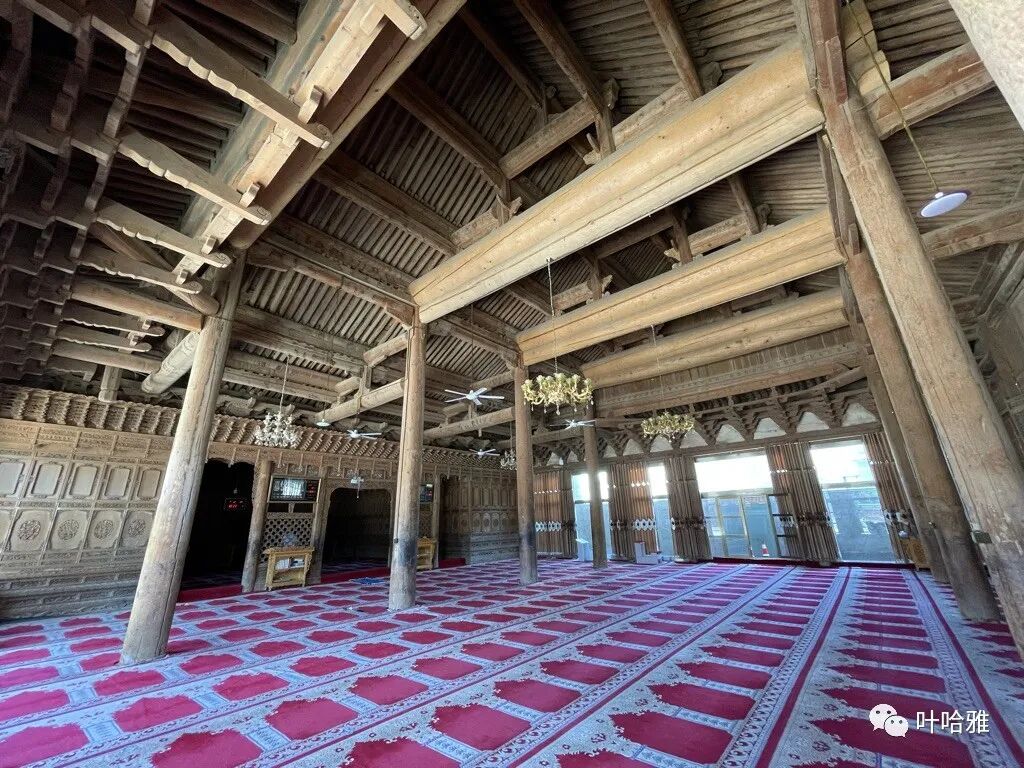
When visiting mosques in Qinghai, I rarely saw anyone guarding the doors. Even at national-level protected sites, you can just walk in. I have never been stopped or questioned, which is very similar to my experiences abroad.
2. Mengda Mosque
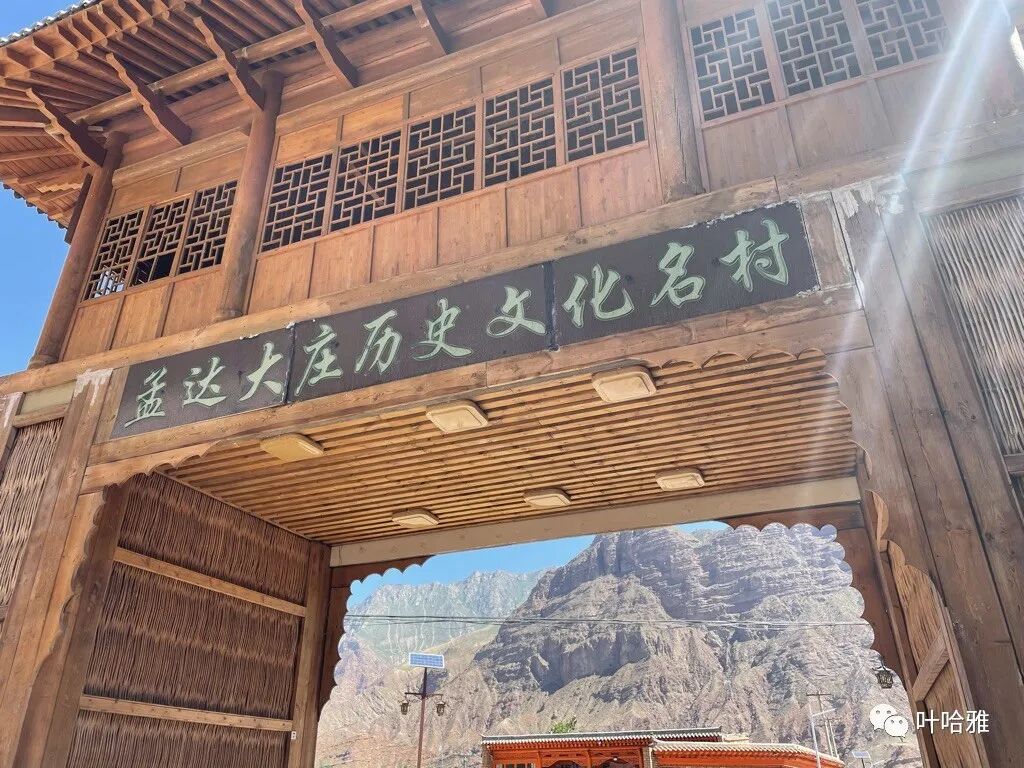
Xunhua has Mengda Mountain, and on the mountain is Mengda Mountain Village. This is my wife's hometown, but the Mengda Mosque and Mengda Heavenly Lake are not in Mengda Mountain Village. They are quite far away, so be careful not to go to the wrong place.
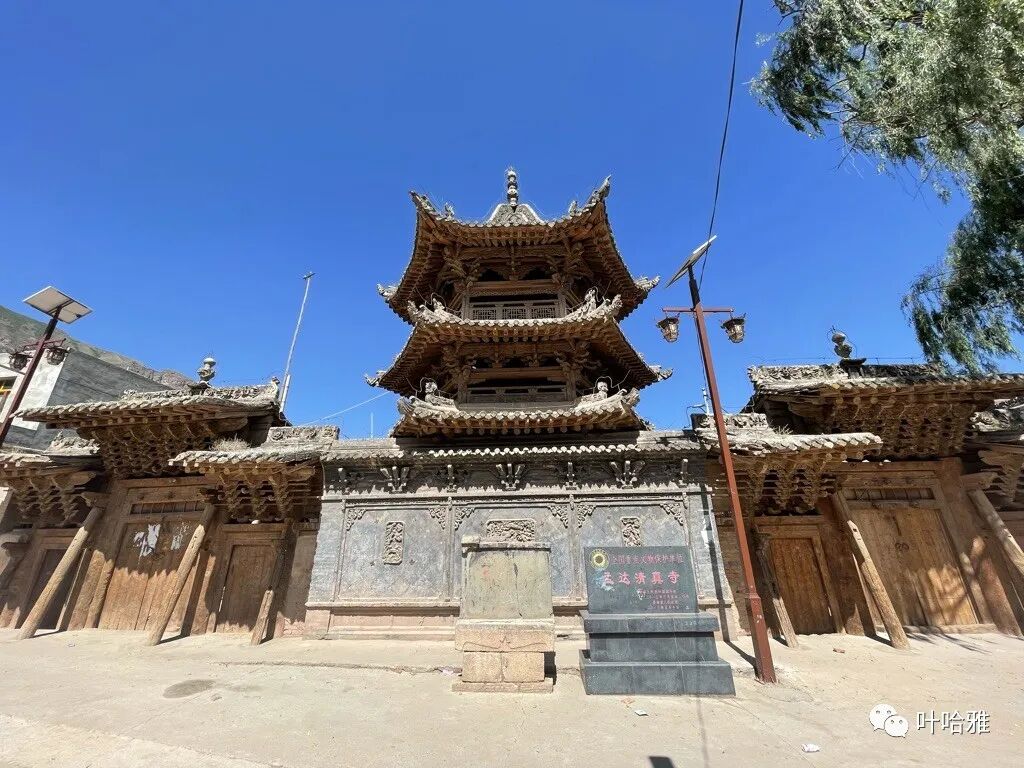
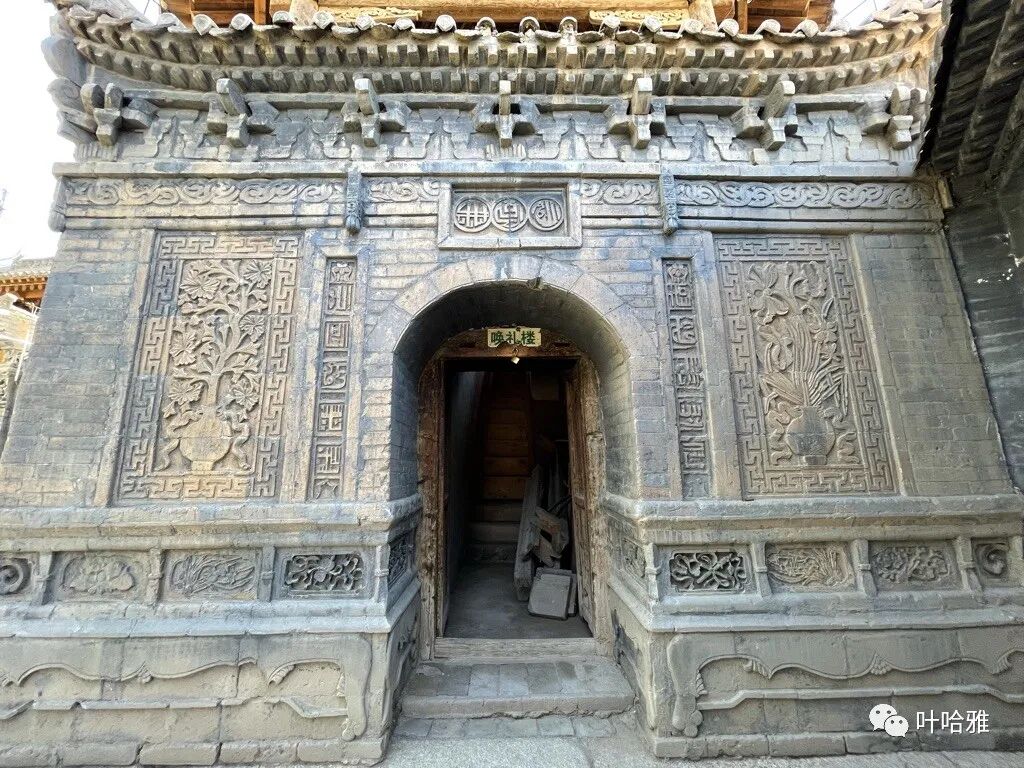
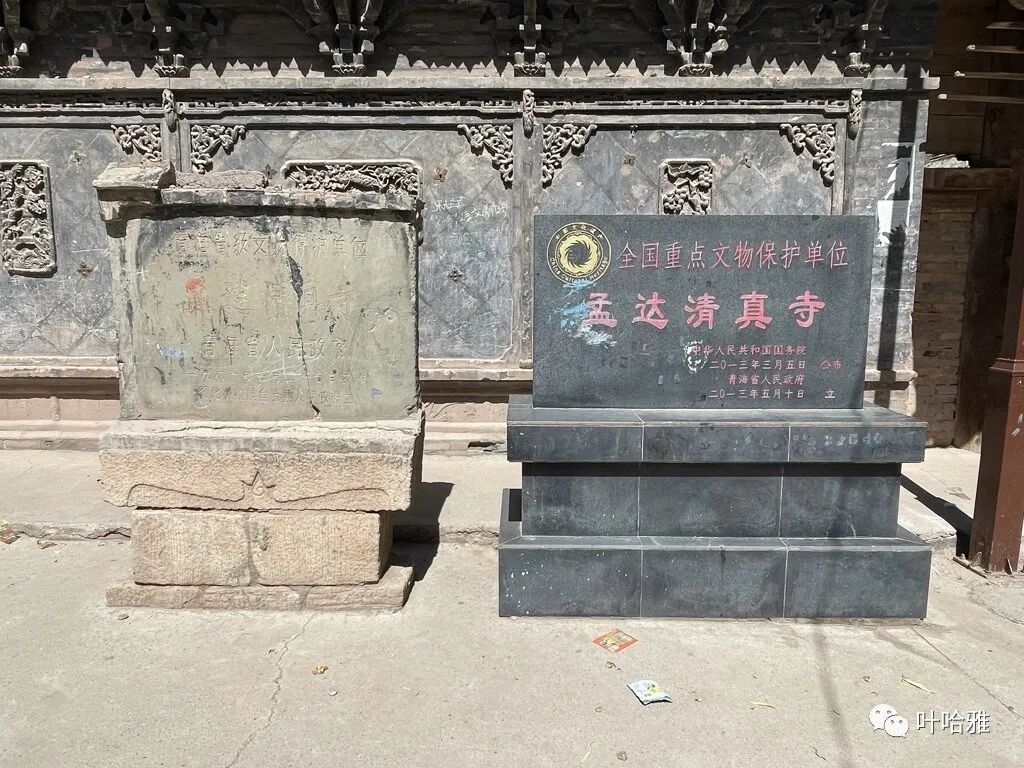
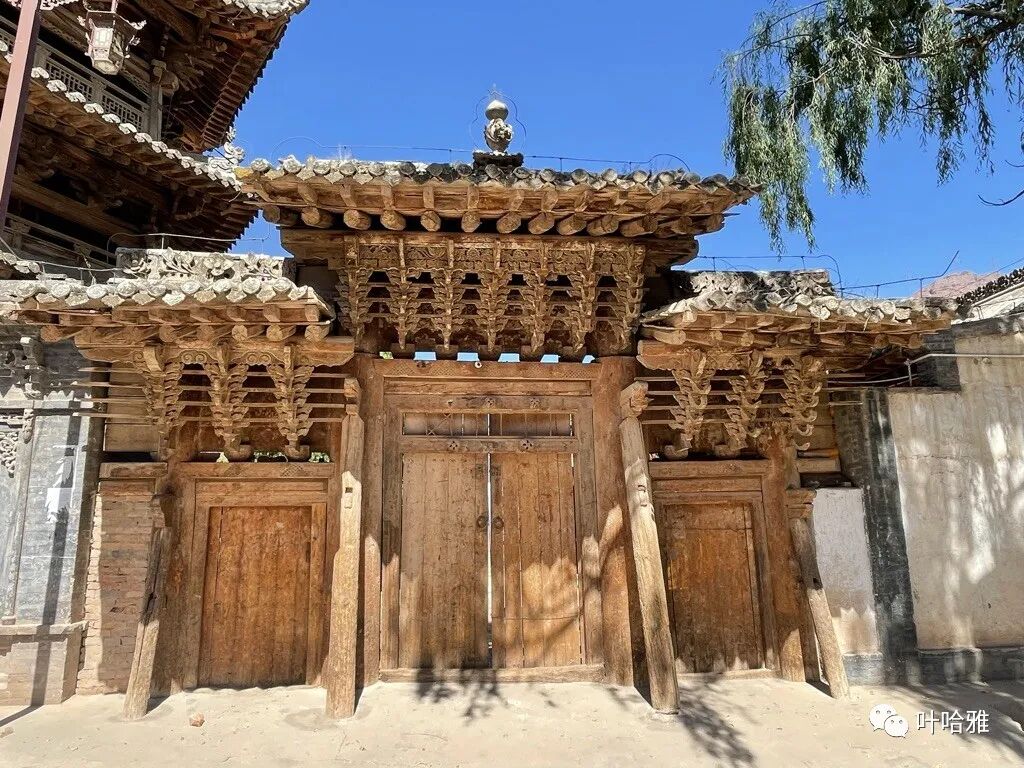
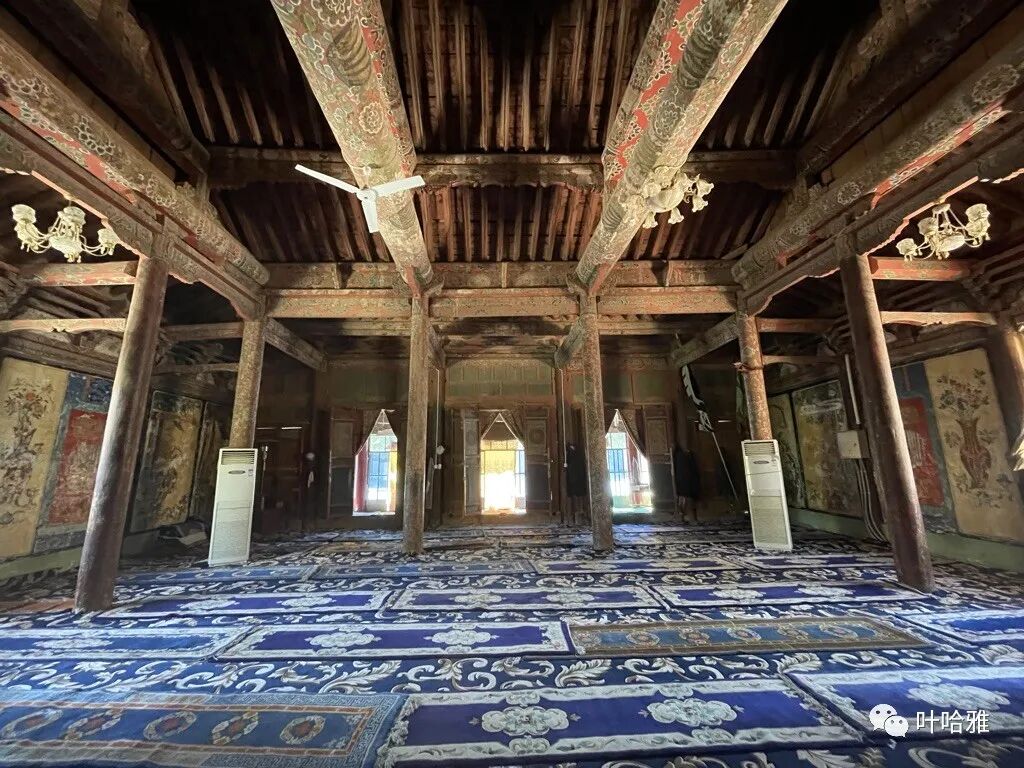
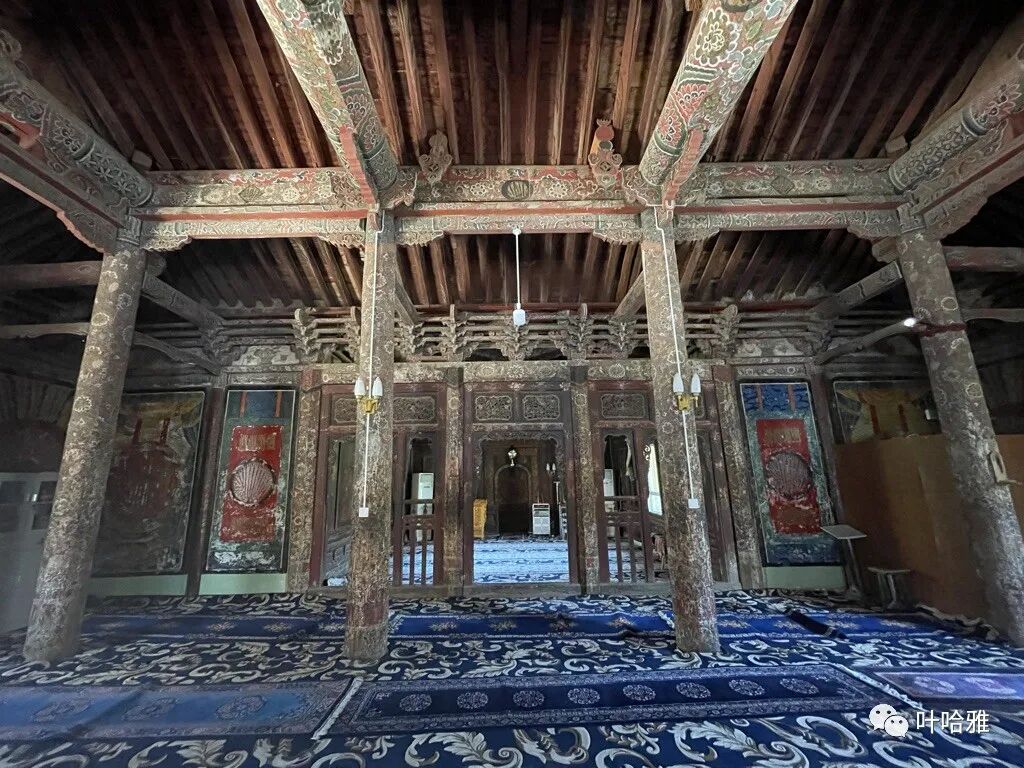
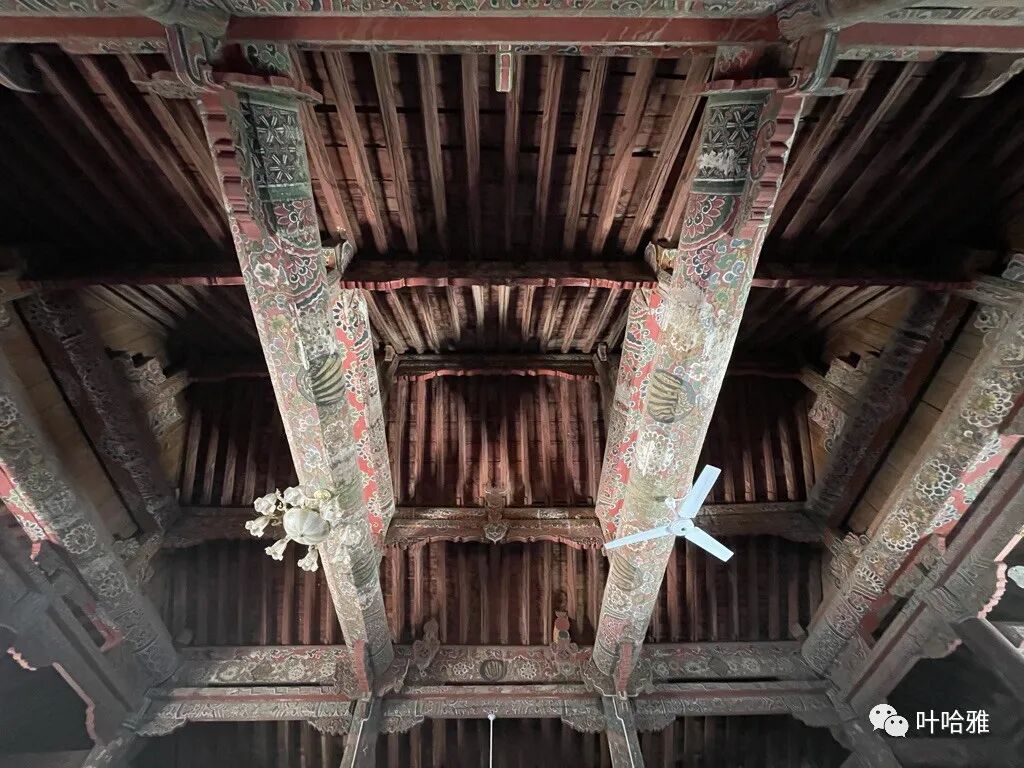
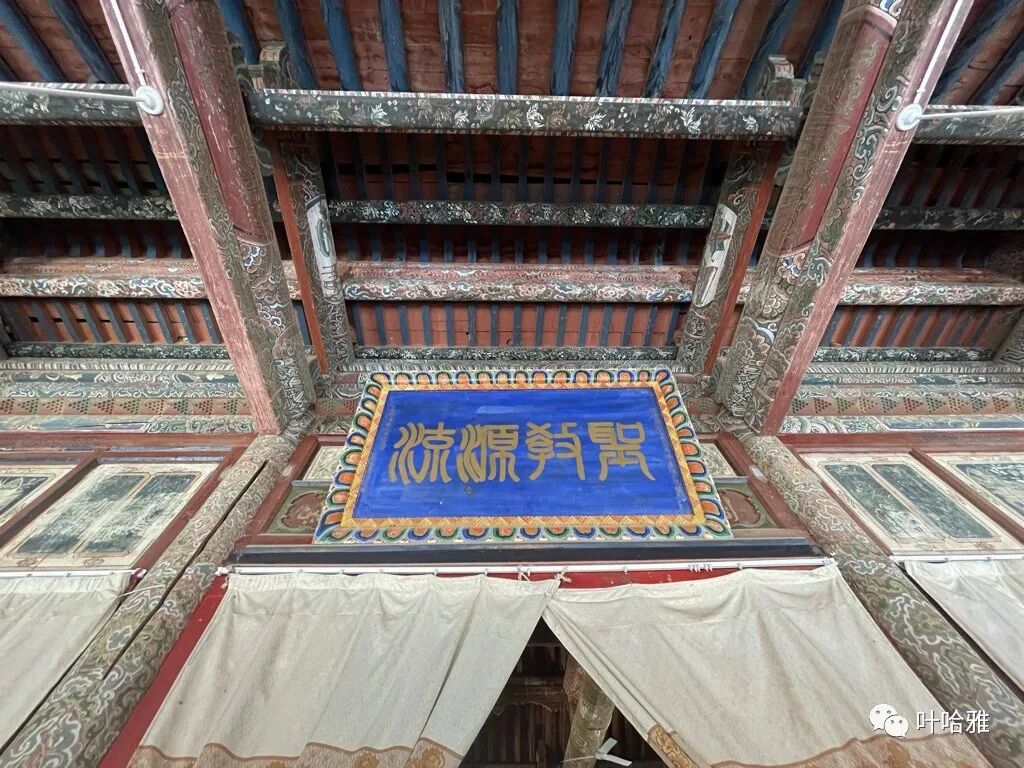
Mengda Mosque is in Mengda Dazhuang Village. It was first built in the Yuan Dynasty and follows traditional Chinese architectural style. Along a central axis from east to west, there is a spirit wall (yingbi), a call-to-prayer tower (huanxinglou), and the main prayer hall. On both sides of the spirit wall are the left and right mountain gates, and in front of the main hall are the south and north side rooms. It covers a total area of 1,344 square meters. During the Qianlong period of the Qing Dynasty, it served as the main mosque (zongsi) for the Mengda Gong, one of the eight Salar Gong districts.
On both sides of the spirit wall at Mengda Mosque are wooden archways with three bays, four pillars, and three roofs, featuring a ridged roof design.
At Mengda Mosque, I met a retired official who used to be in charge of culture and publicity in Xunhua County. This Salar elder listed the historical sites of Xunhua for me and told me to visit them one by one when I have time. The elder's Mandarin was relatively easy to understand. The common language in Xunhua is the Salar language, so most of the time I had to ask my father-in-law to help me communicate with the locals.
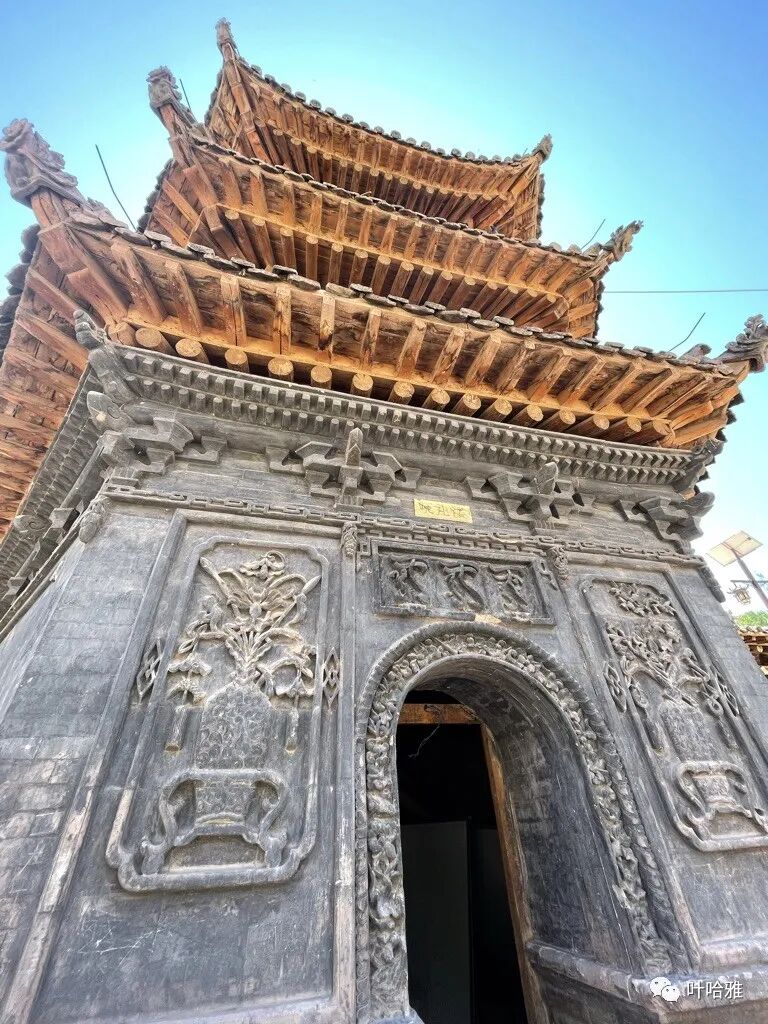
The bottom floor of the call-to-prayer tower is a brick-built hexagon with brick carvings on the walls. The upper level is a wooden pavilion-style structure with a triple-eave hexagonal helmet-shaped roof.
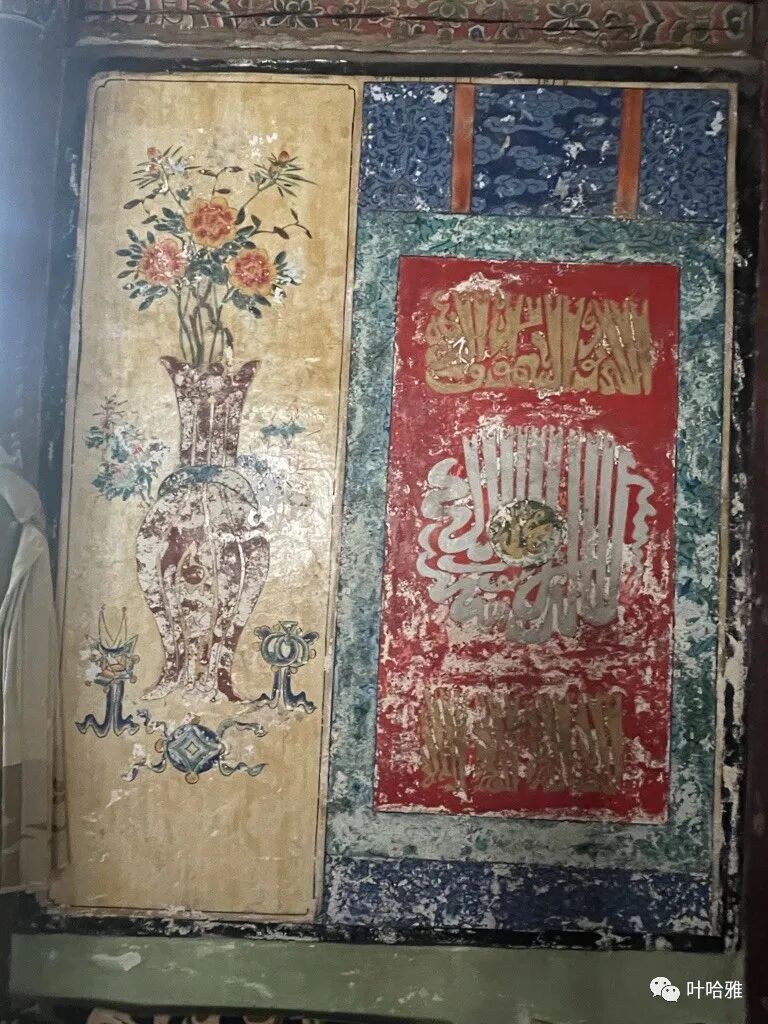
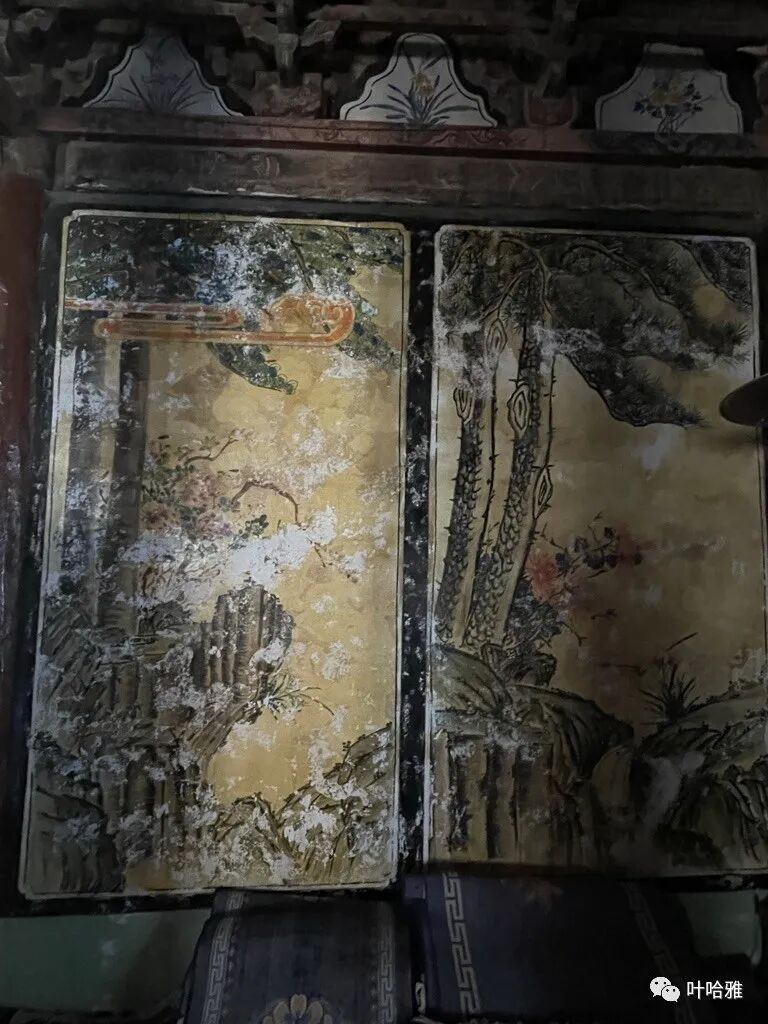
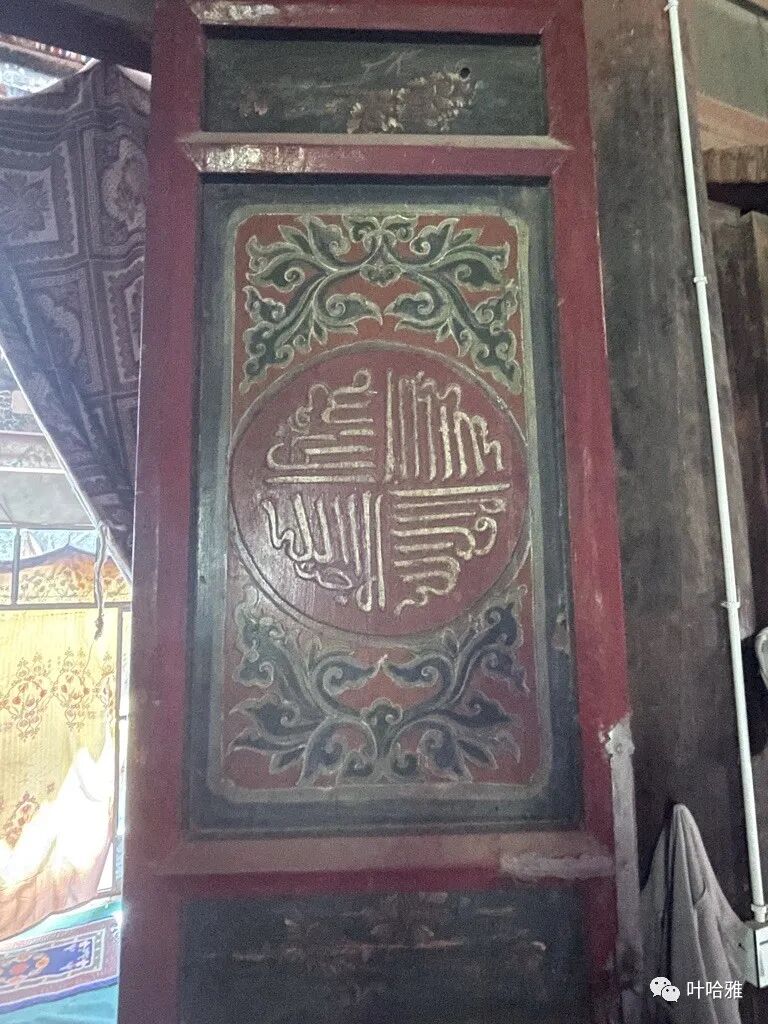
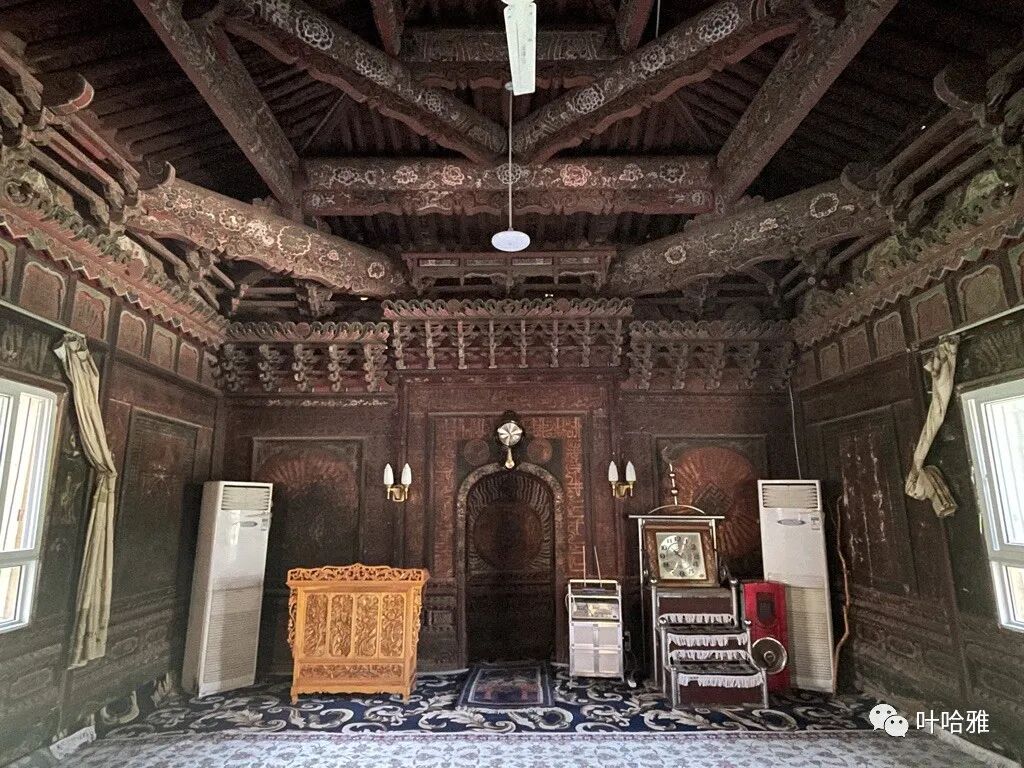
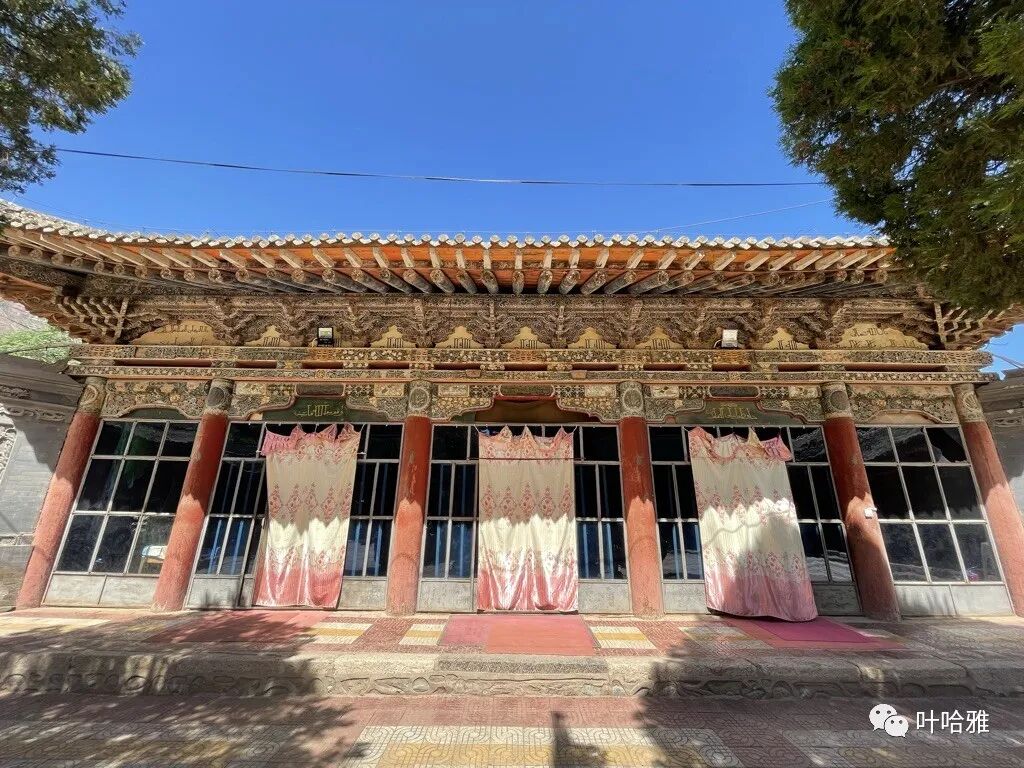
The prayer hall consists of a porch (juanpeng), a main hall with a ridged hip-and-gable roof, and a T-shaped kiln hall (yaodian). There is a treasure vase (baoping) in the middle of the main ridges of the hall and kiln hall, covering a building area of over 300 square meters.
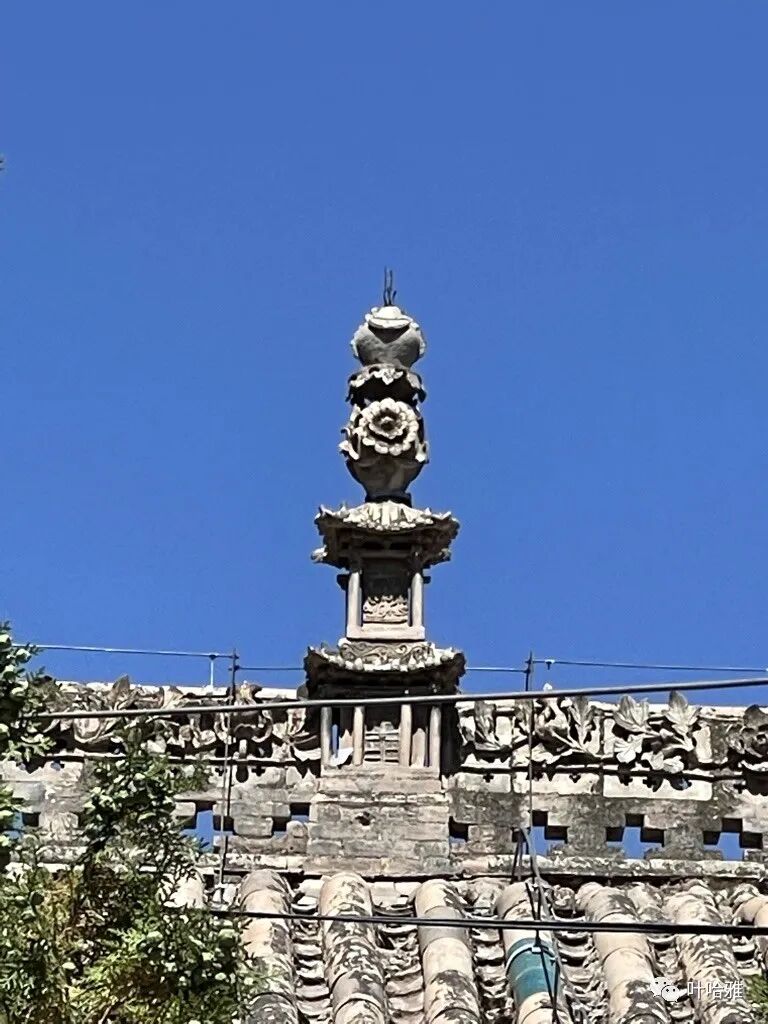
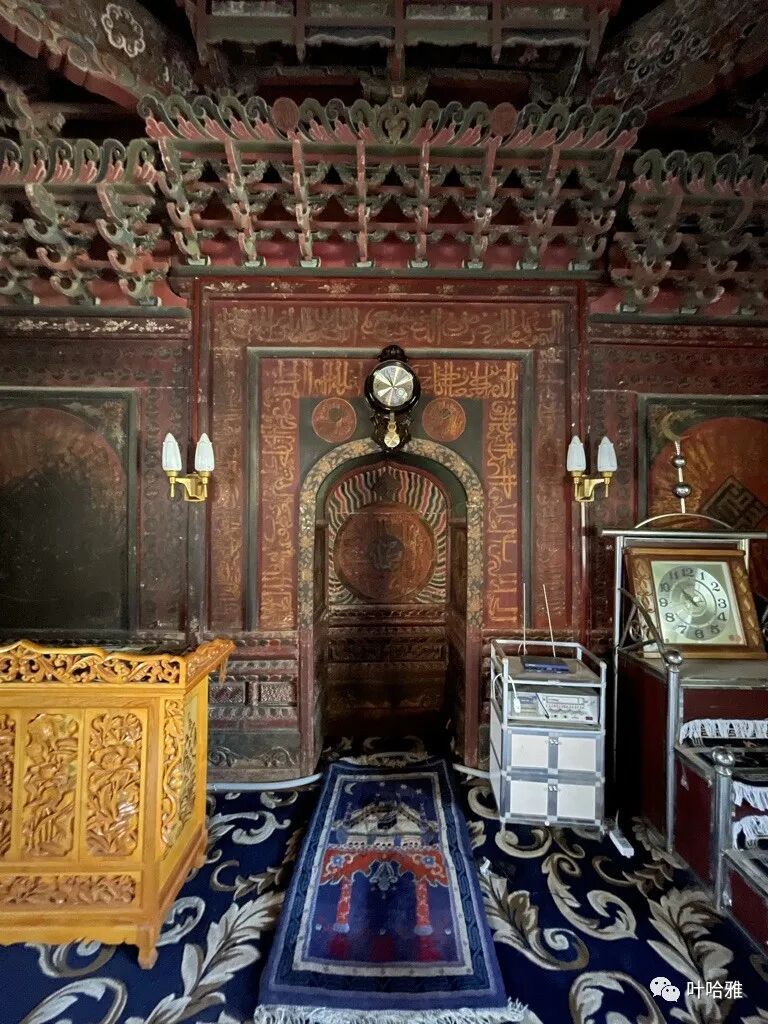
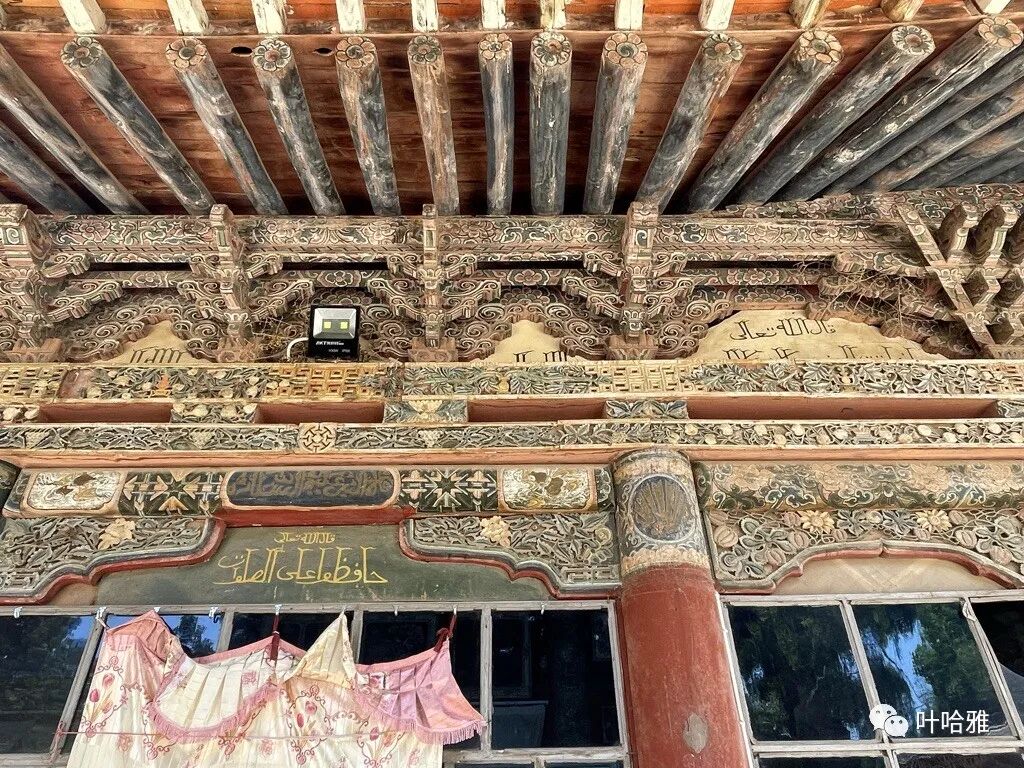
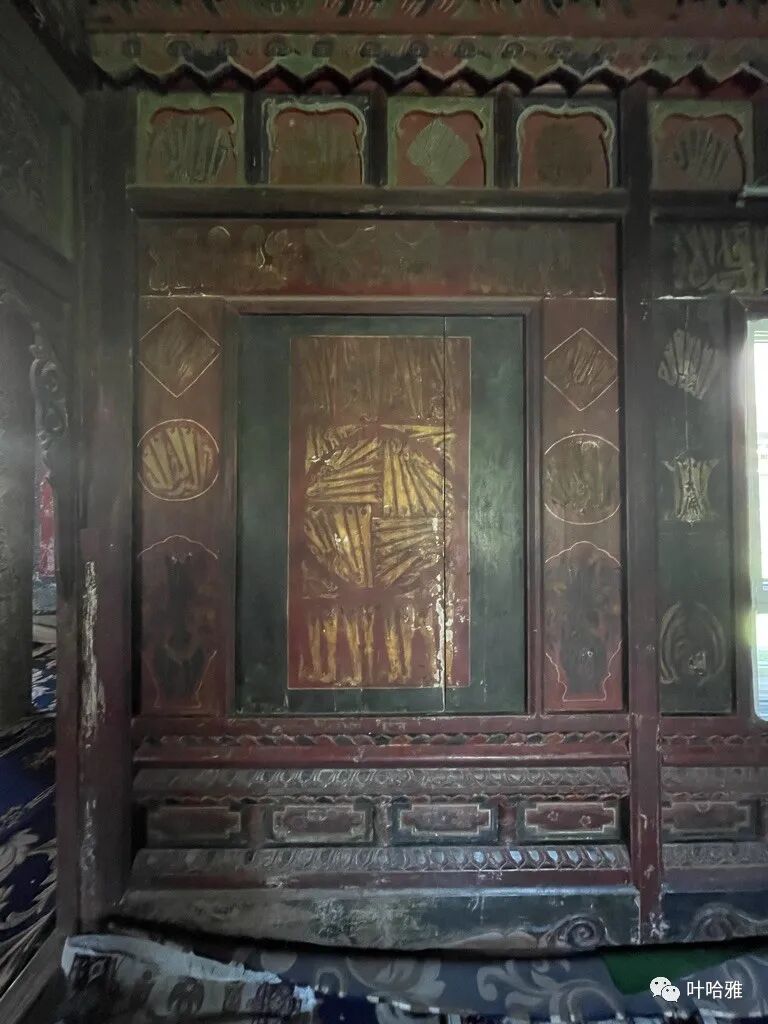
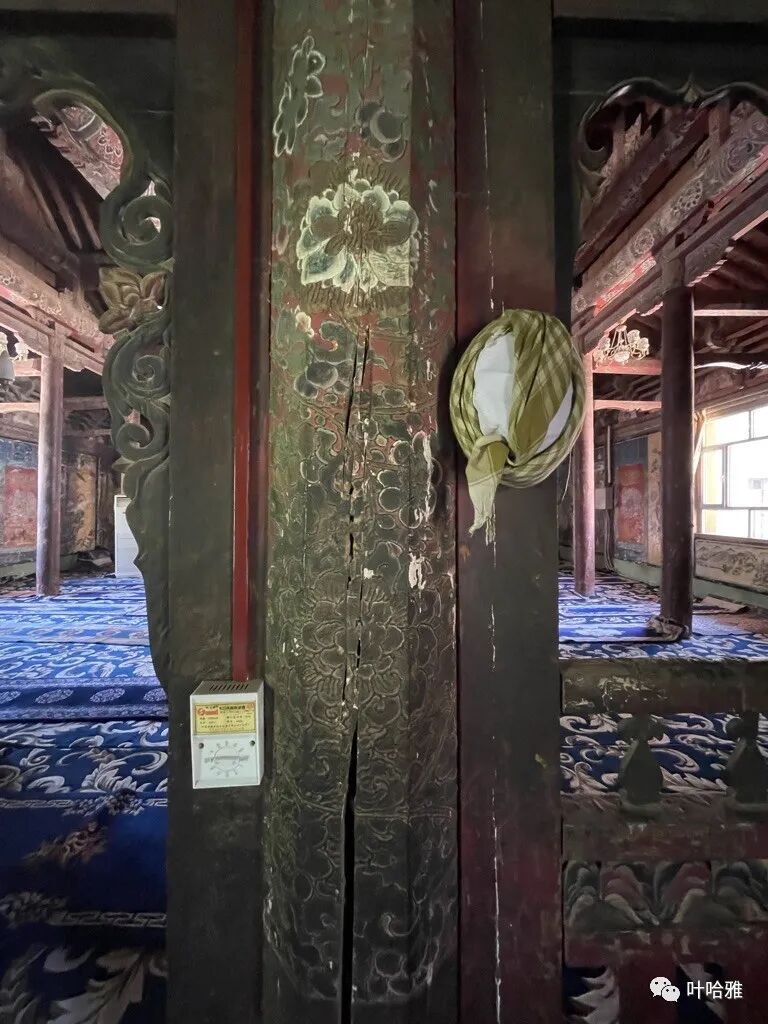
The prayer hall has a convex-shaped floor plan and a post-and-lintel wooden frame. The beams and pillars are decorated with gold-painted powder, and the walls are decorated with floral patterns and Arabic scripture murals.
3. Zhangga Mosque
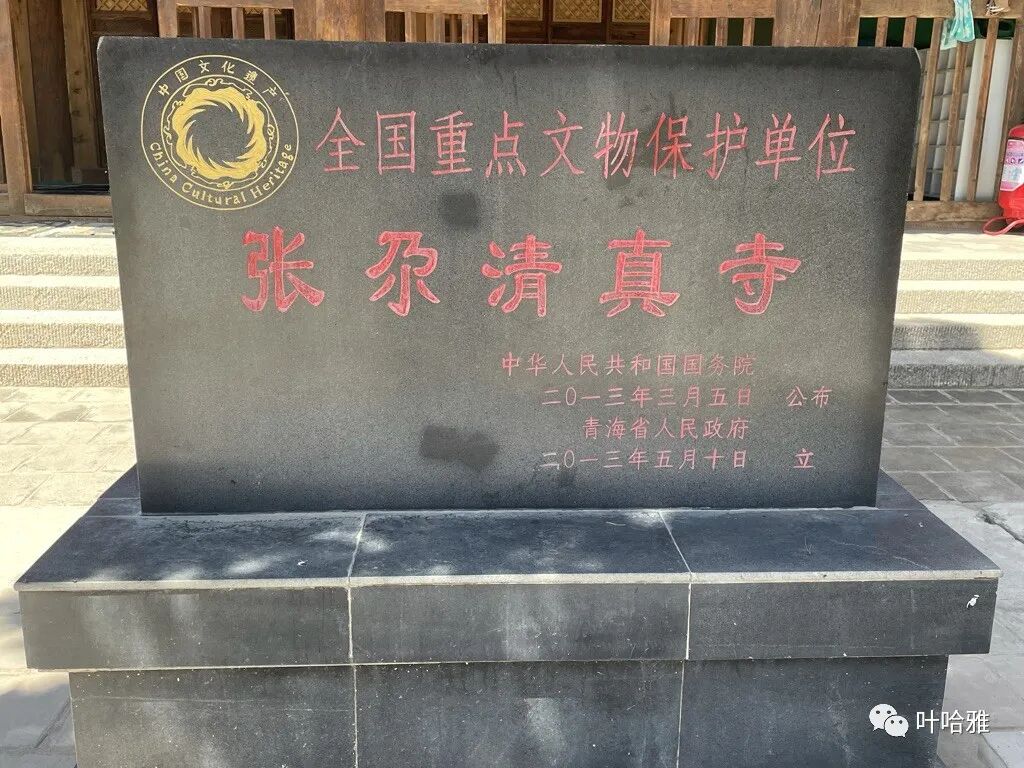
Zhangga Mosque is located in Zhangga Village, Baizhuang Township, Xunhua Salar Autonomous County. It was first built in the Ming Dynasty and covers an area of 2,275 square meters. During the Qianlong period of the Qing Dynasty, it was the main mosque for the Zhangga Gong, one of the eight Salar Gong districts.
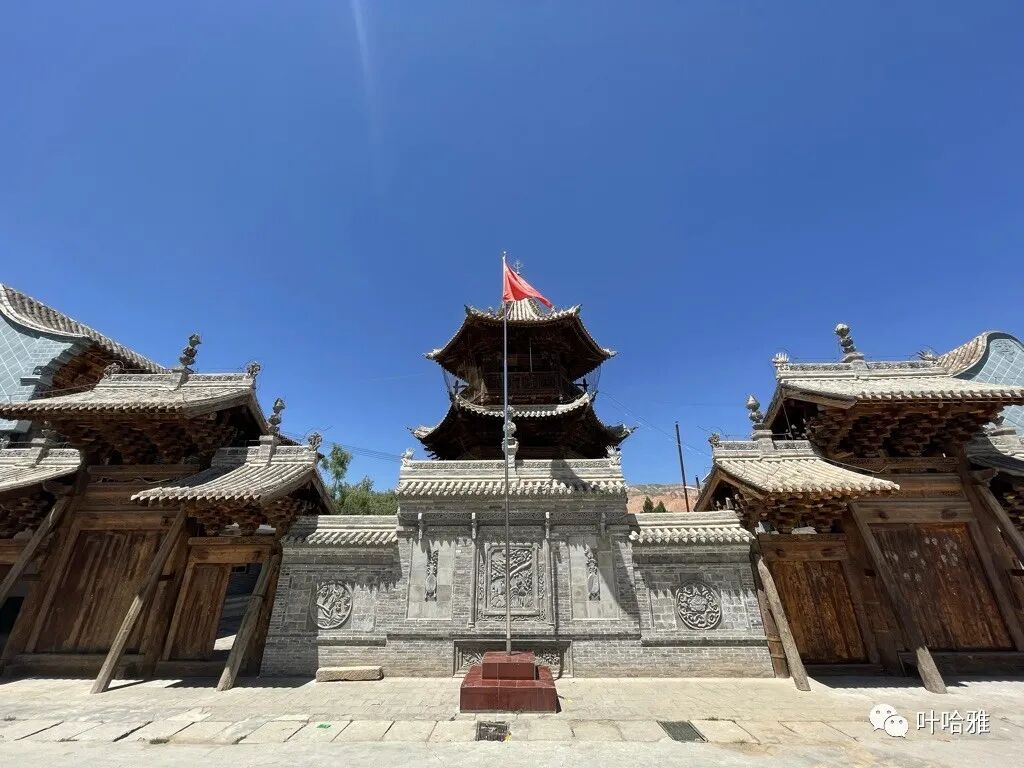
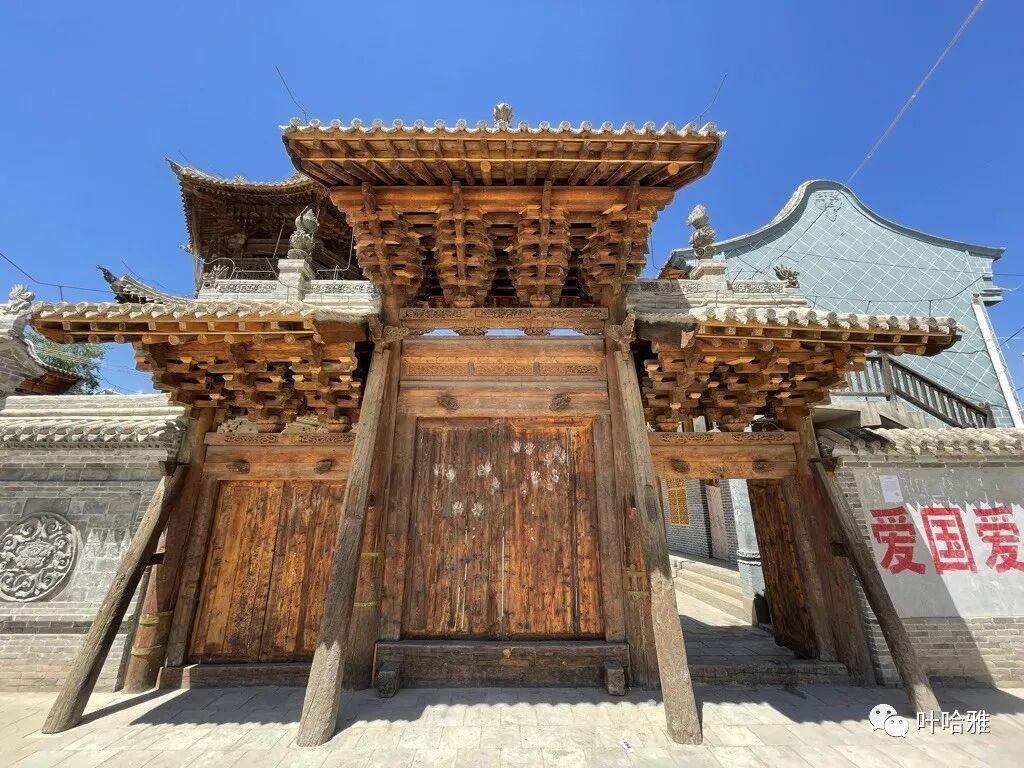
Zhangga Mosque has two gate towers facing east. They are in the style of a three-bay, four-pillar, three-roof archway, connected in the middle by a brick-carved spirit wall.
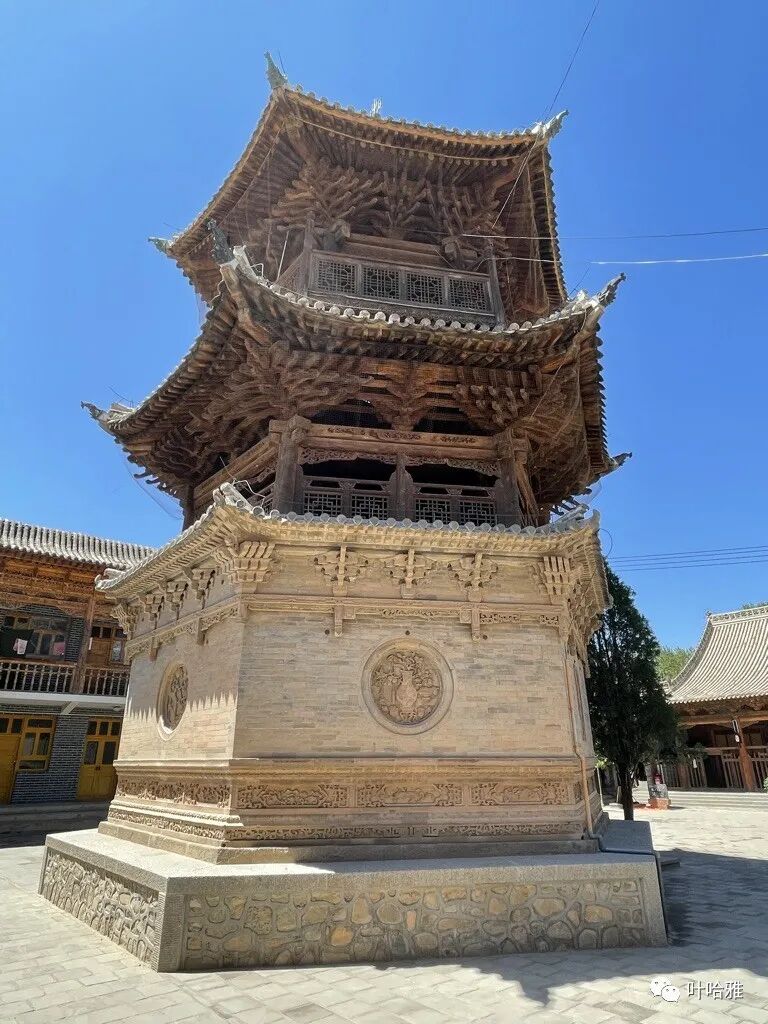
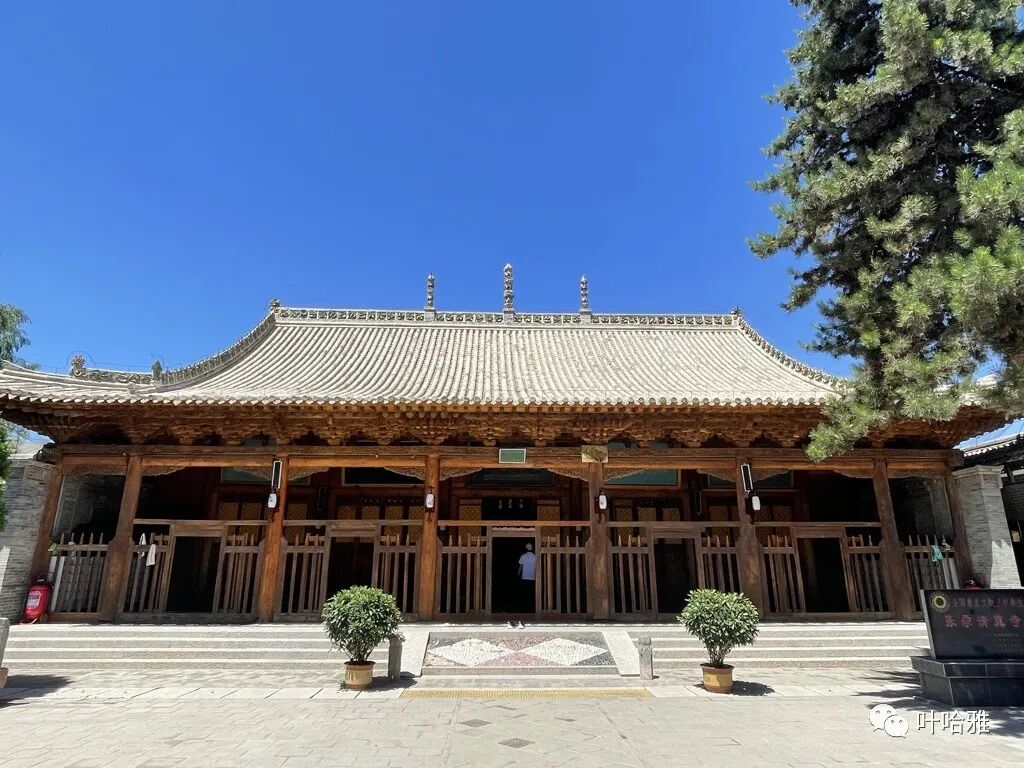
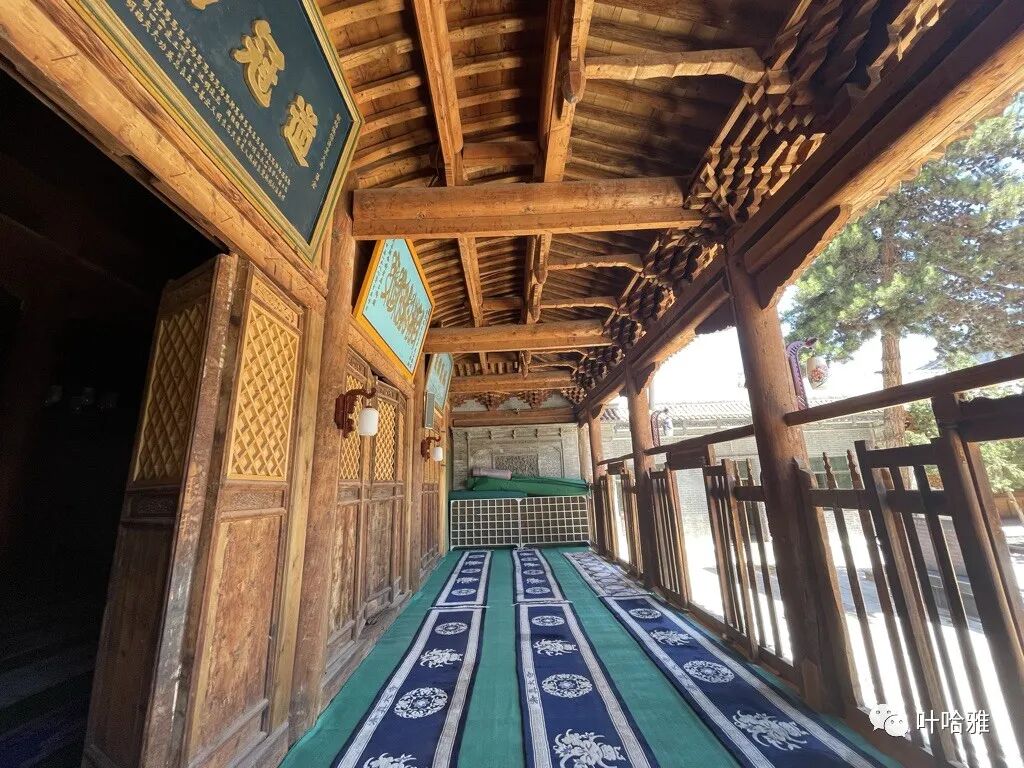
The prayer hall is a brick-and-wood structure with a building area of 700 square meters. It consists of a front hall, a middle hall, and a back hall. It is five bays wide and seven bays deep with a hip-and-gable roof. There are three treasure vases on the main ridge, and the eaves feature wooden carved brackets (dougong) and bird-shaped supports (quetie).
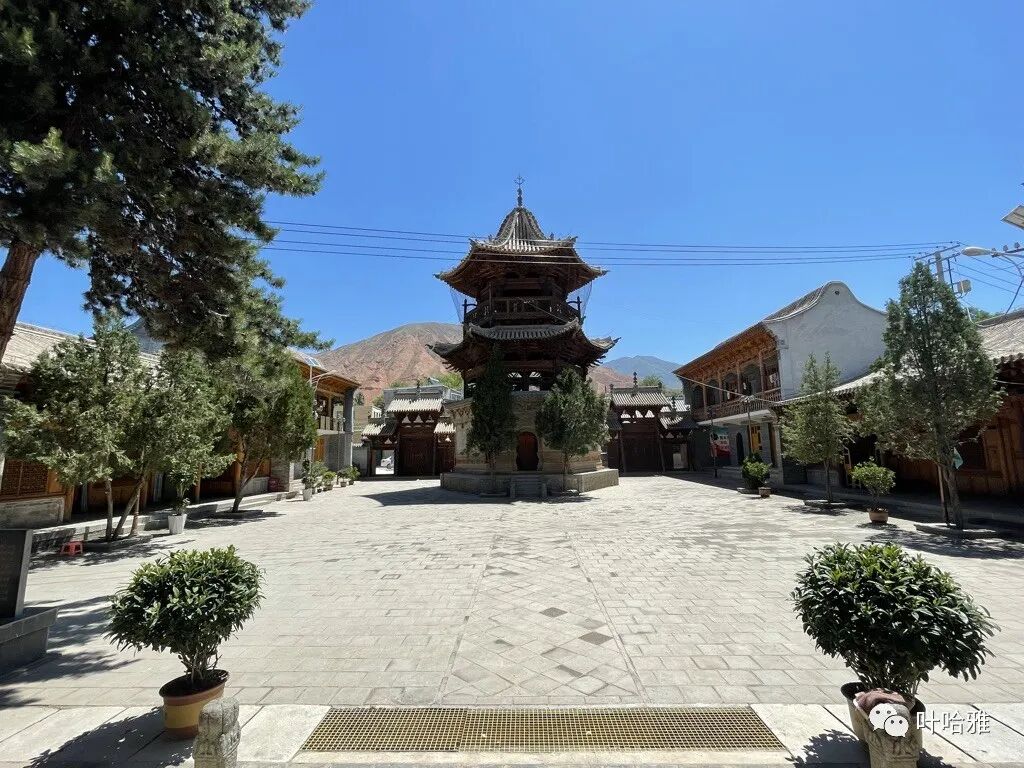
A new-style back hall was added to the west of the main hall. The original back hall became the middle hall, which is square-shaped. It features outward-extending brackets, and the beam frame is stacked into an inverted-bucket-shaped caisson ceiling with gorgeous wood carvings.
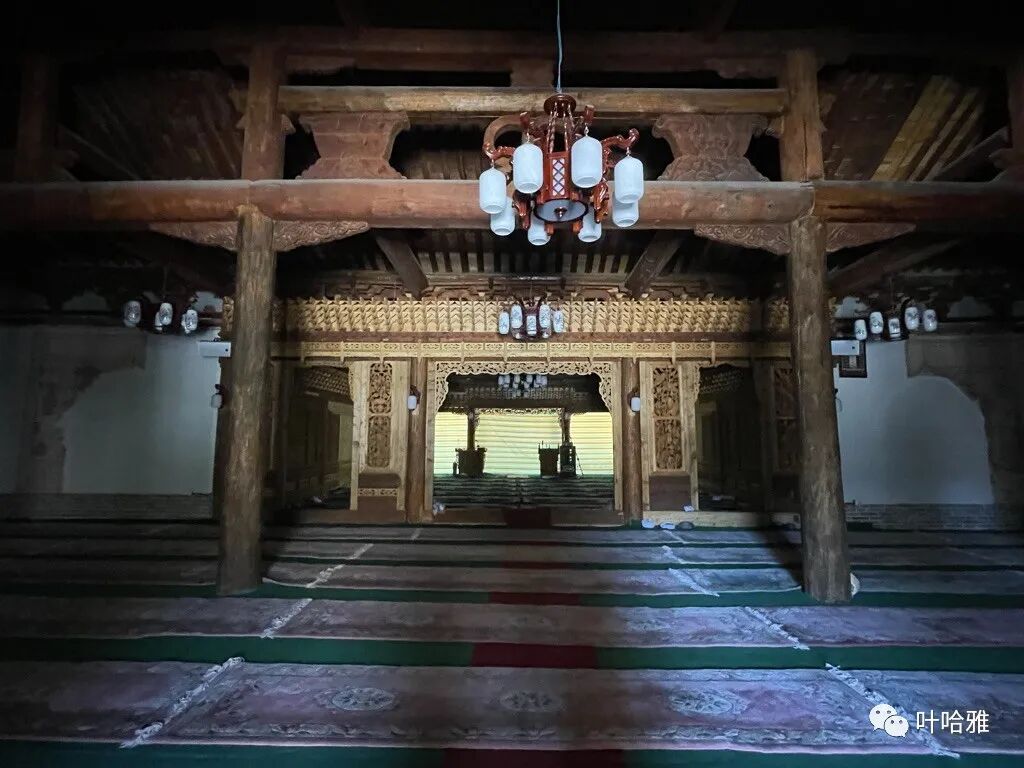
The prayer hall combines traditional hall style with Tibetan style. It is five bays wide and five bays deep, with large beams placed horizontally and carved with double-ring patterns.
4. Kewa Mosque
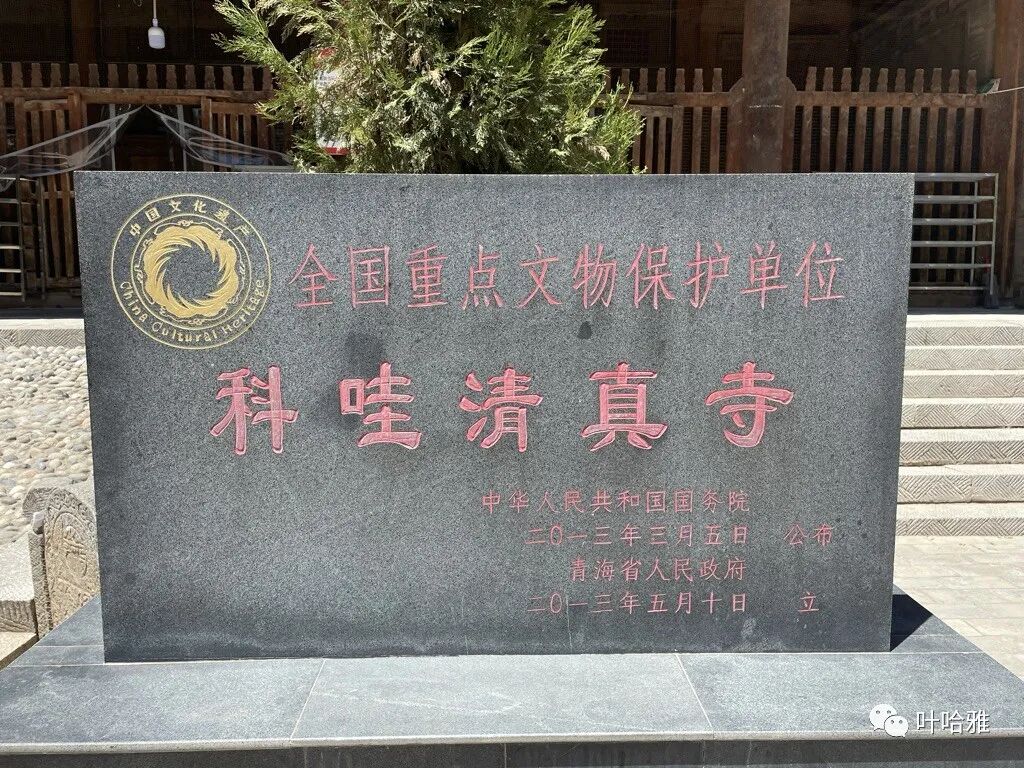
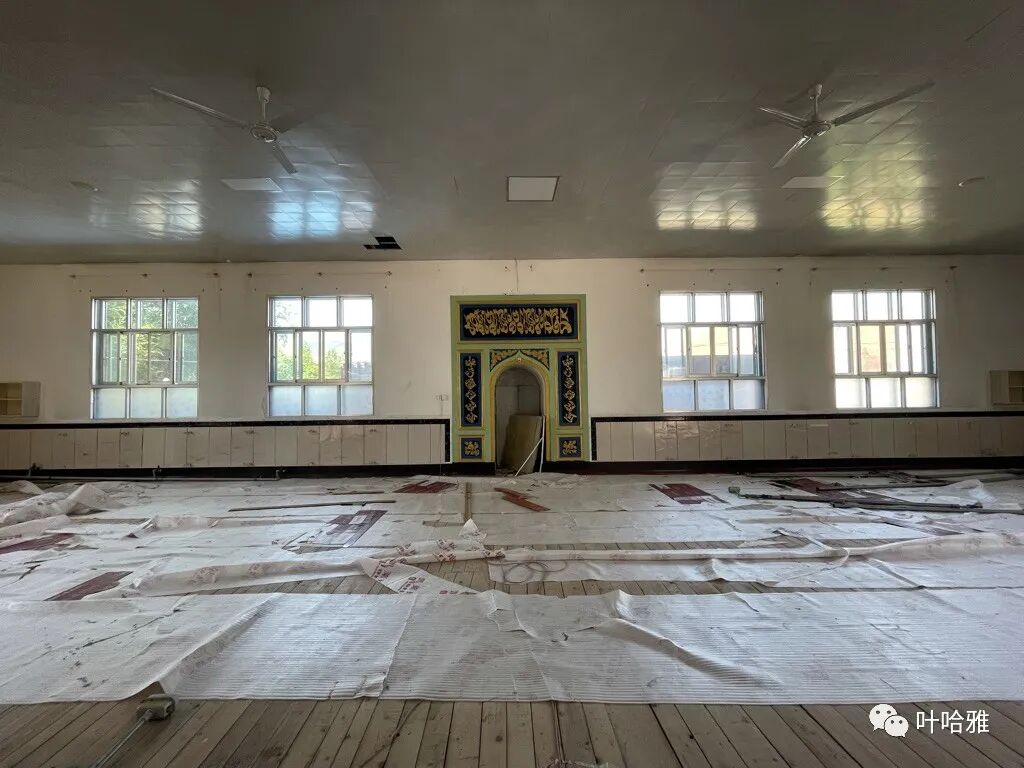
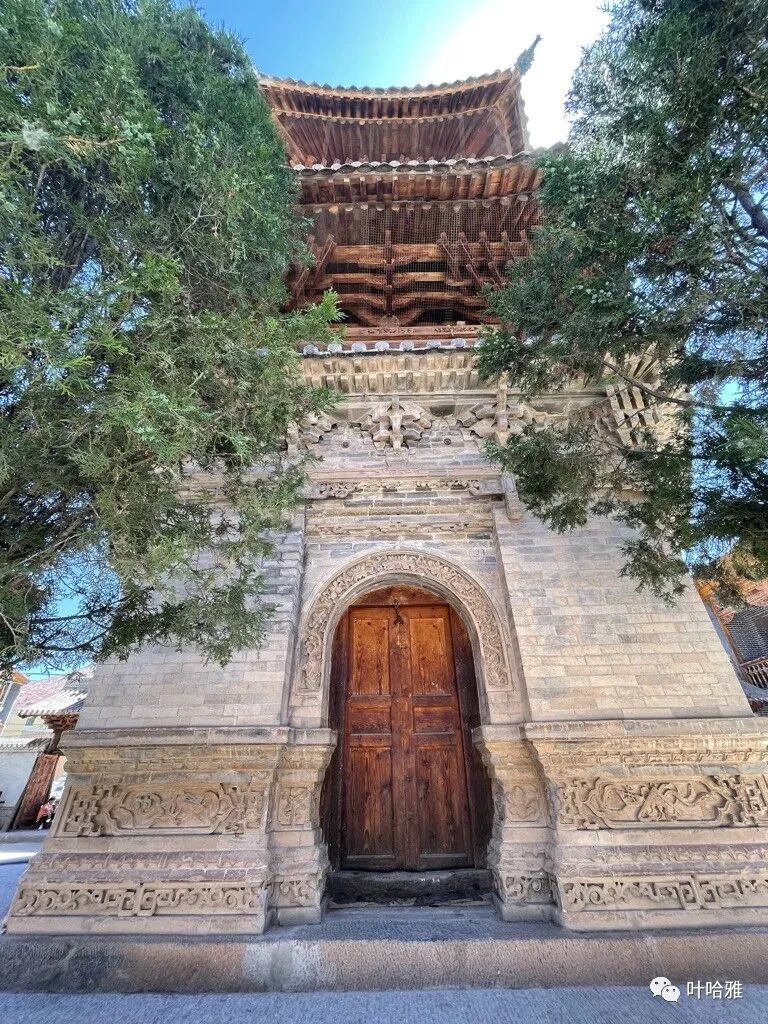
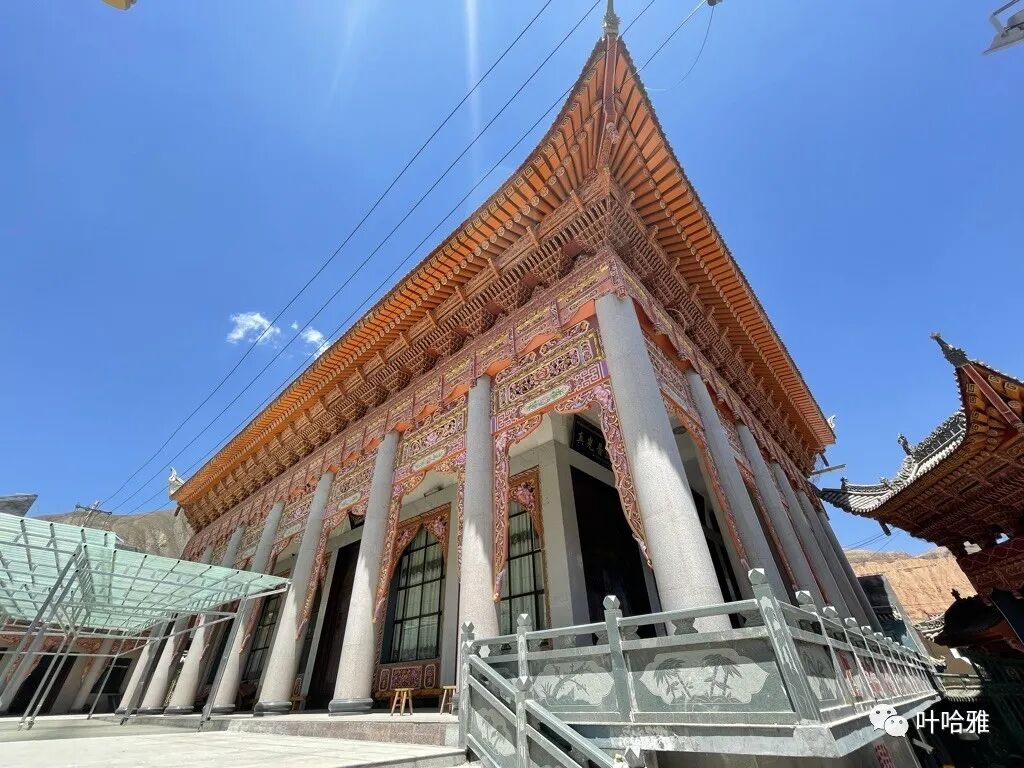
Kewa Mosque is located in Kewa Village, Baizhuang Town, Xunhua Salar Autonomous County, Qinghai Province. The mosque was first built in the first year of the Yongle reign of the Ming Dynasty (1403) and was renovated and expanded during the Qing Dynasty. Renovated and expanded in the 1980s. The mosque is laid out as a courtyard house, featuring a prayer hall, north and south lecture halls, a minaret, a bathing room, a screen wall, a gate tower, and a modern teaching building. It covers an area of 2,800 square meters, with a building area of 2,800 square meters. The prayer hall features carved beams and painted rafters, with wooden panels inlaid on the walls decorated with various patterns and scriptures, making it an Islamic building with Tibetan-style decorations. It was listed as a Major Historical and Cultural Site Protected at the National Level in 2013.
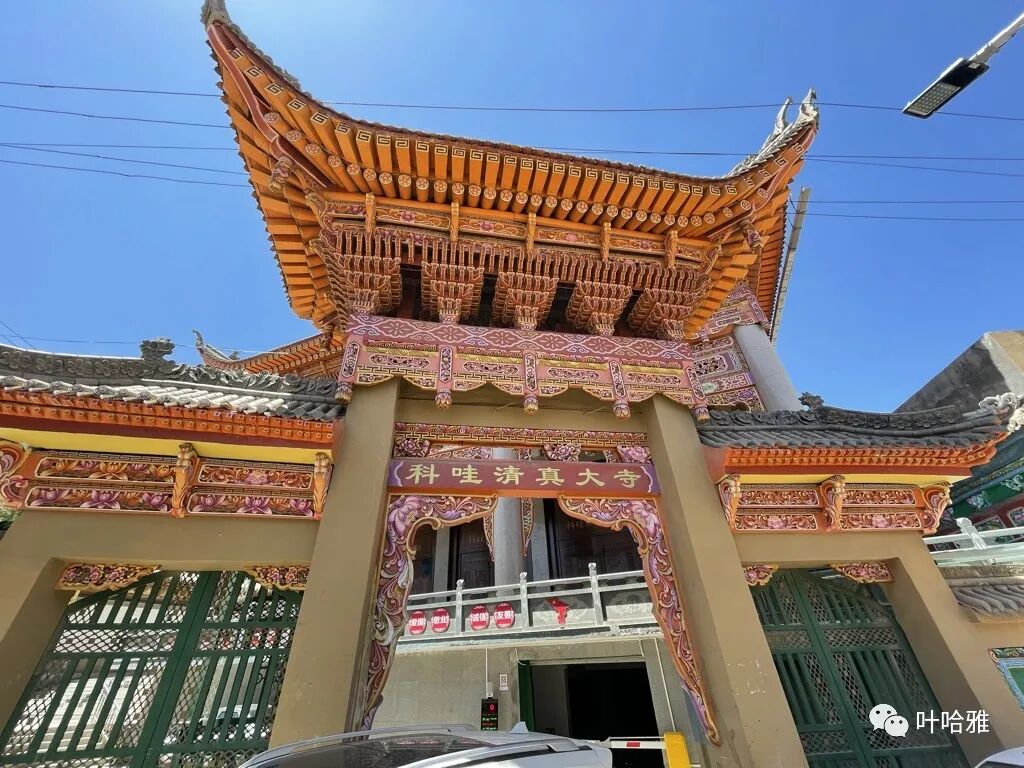
The new prayer hall of Kewa Mosque has been completed right next to the old one, and this mosque is the most prominent example of Tibetan-style architecture in Xunhua.
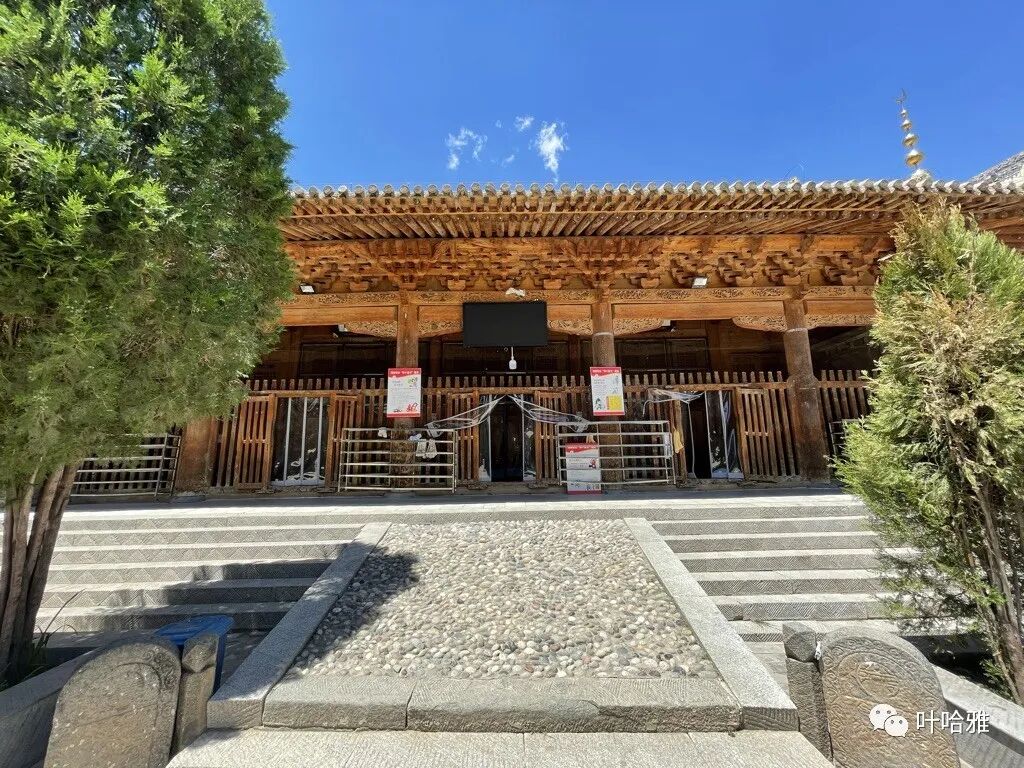
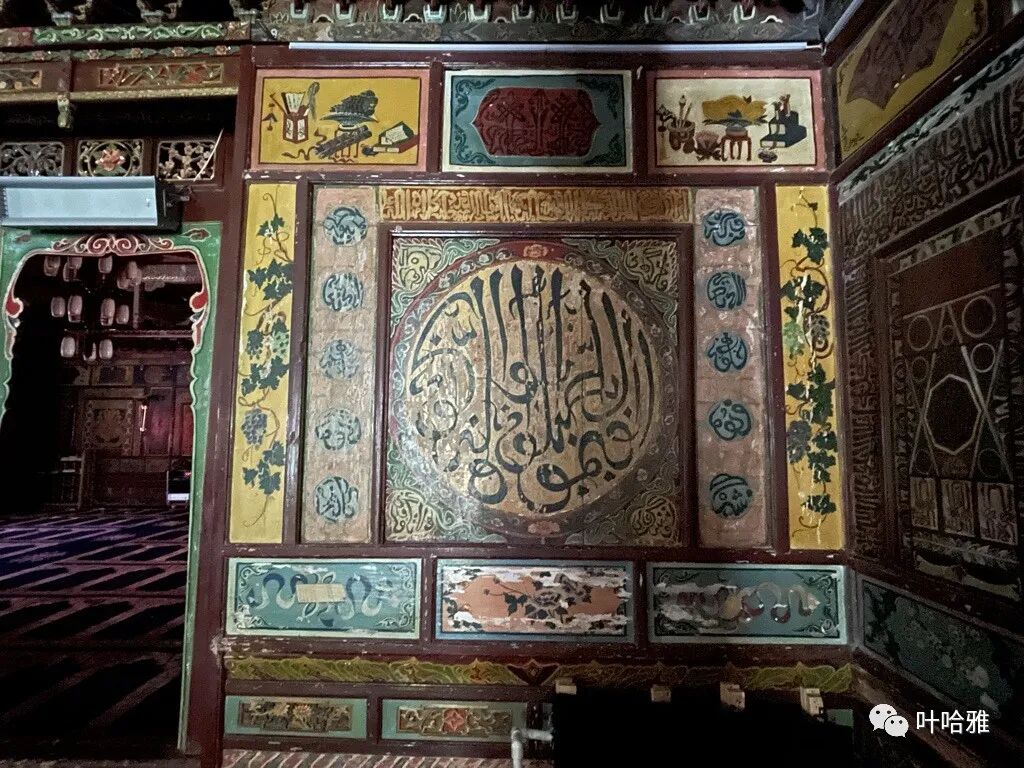
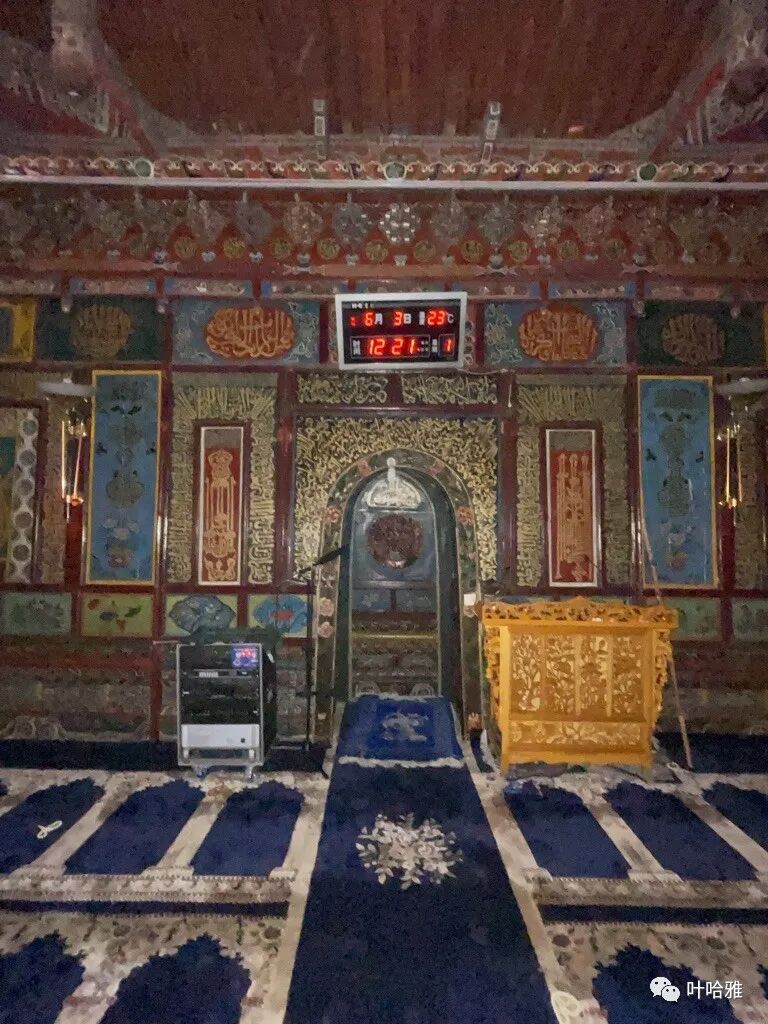
The main hall uses a post-and-lintel timber frame structure. The pillars are wrapped in finely carved wooden strips and are polygonal in shape, known as wrapped pillars (baoxiangzhu). The walls are inlaid with wooden panels painted with landscape and floral patterns. Between the main hall and the rear mihrab hall, there is a hollow-carved wooden partition featuring ruyi-shaped bracket sets (dougong) and hanging flower-shaped decorative canopies.
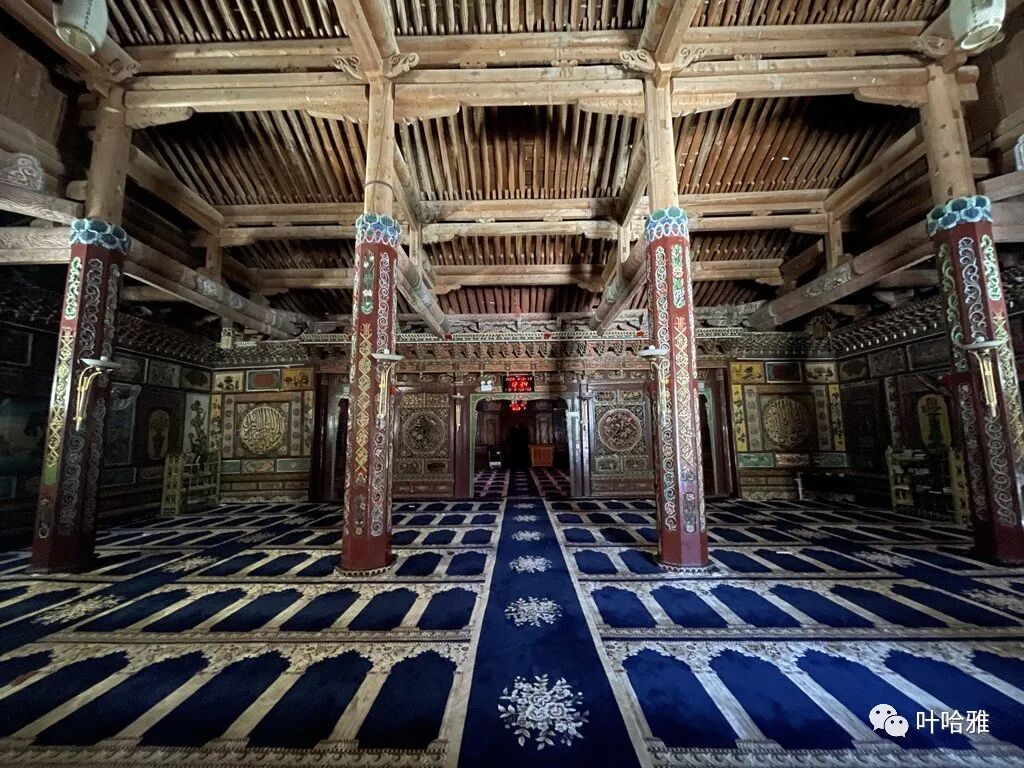
Kewa Mosque follows a courtyard layout. The prayer hall consists of a front hall and a rear mihrab hall. It is a brick-and-wood structure with five bays and a single-eave hip-and-gable roof.
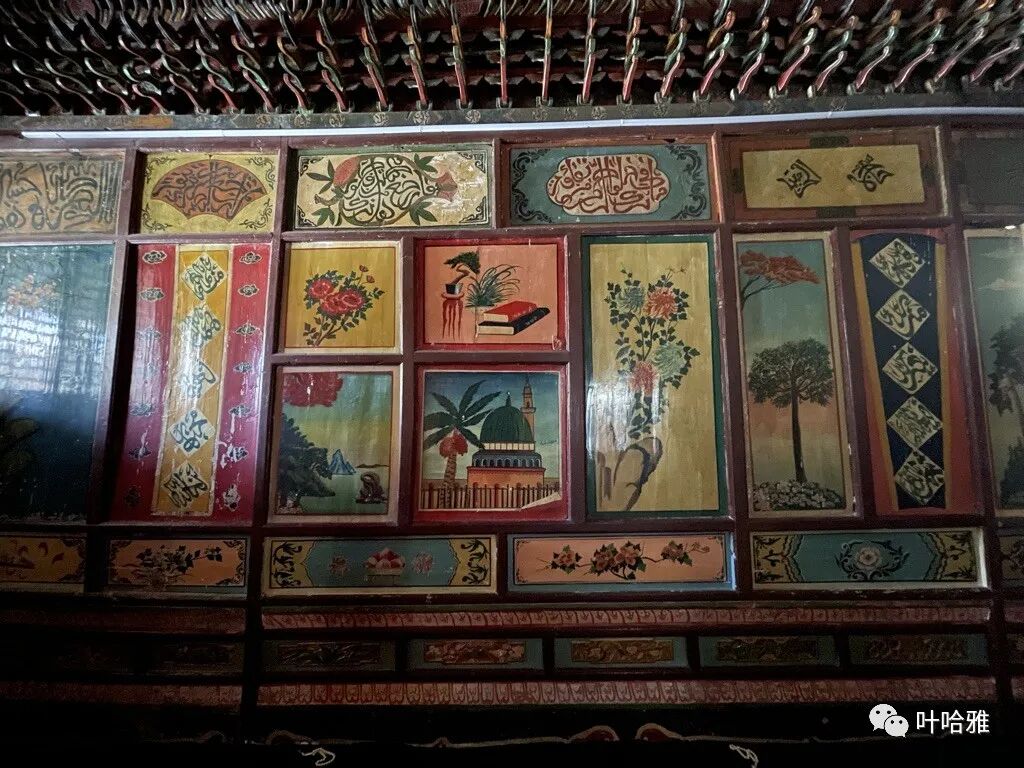
The murals feature scriptures and are decorated with landscapes and flowers, showing a strong Tibetan painting style.
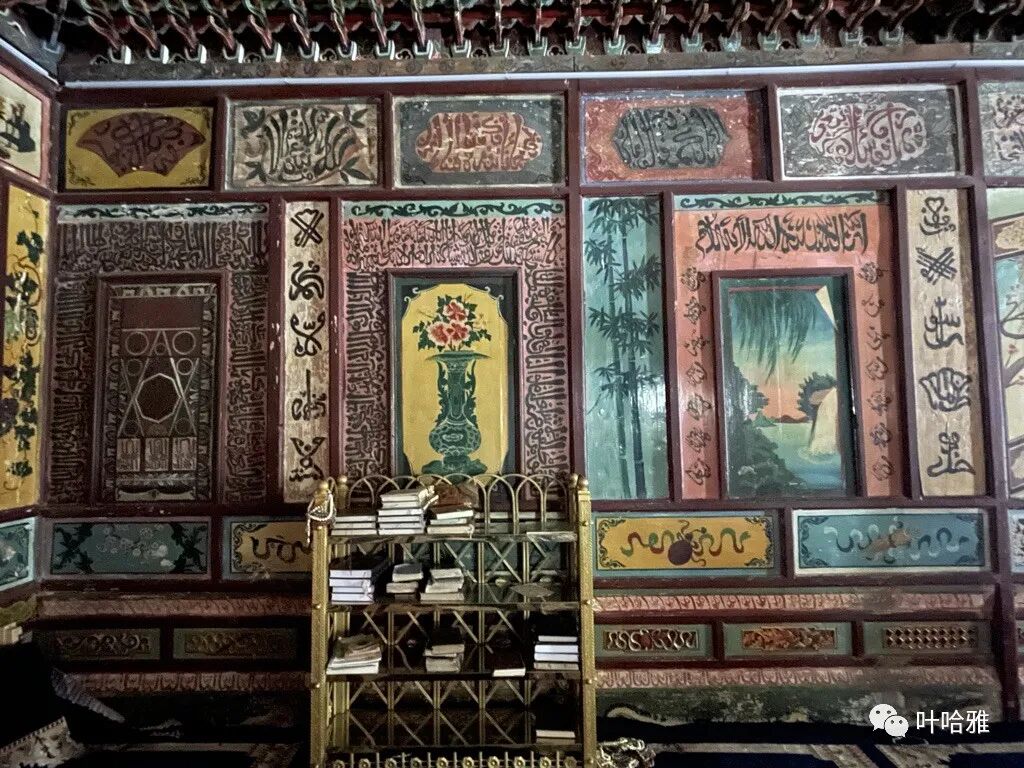
The walls of the rear mihrab hall are painted with Quranic verses in various scripts and the 99 names of Allah, while the beams are decorated with swirling patterns (xuanzi caihua), the center of the beams features gold scripture on a black background, and the pedestal (xumizuo) is carved and painted with patterns. The decorations feature a traditional Chinese Tibetan style.
On the east side of the courtyard stands a screen wall (yingbi) made of polished bricks with seamless joints, featuring a hip roof, brick bracket sets, and a pedestal base, with a brick carving of a dragon and phoenix symbolizing good fortune in the center.
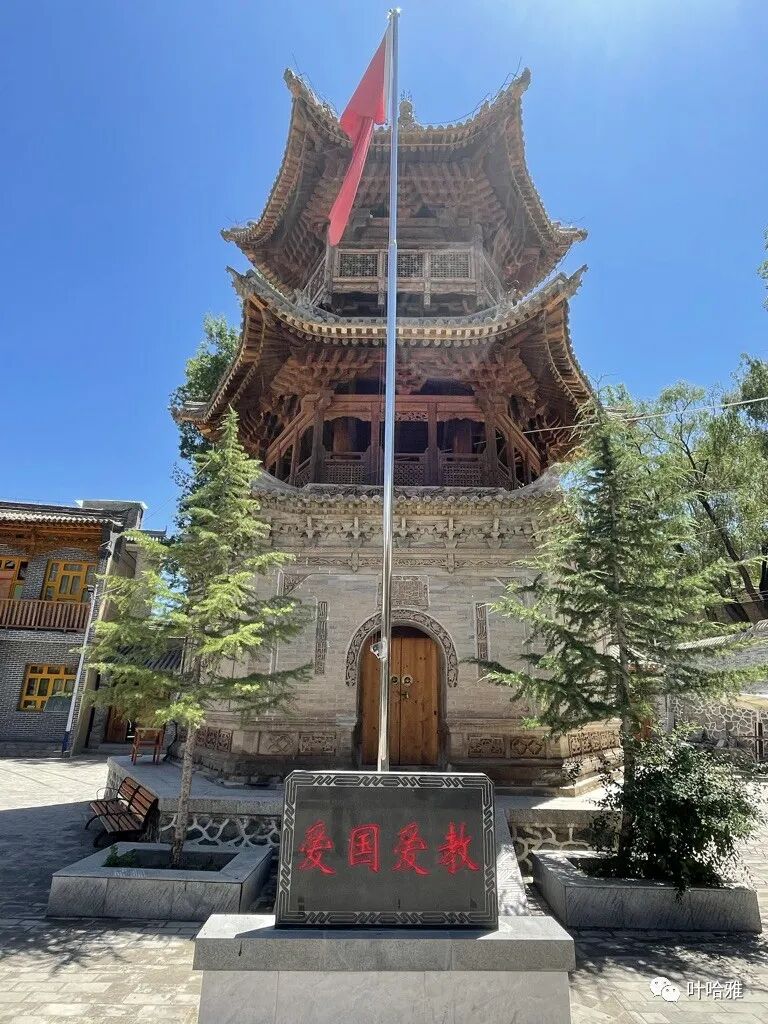
The three-story minaret has a brick base with single-slope doors on the east and west sides. The second and third floors are wooden pavilions with double-eaved hexagonal pointed roofs.
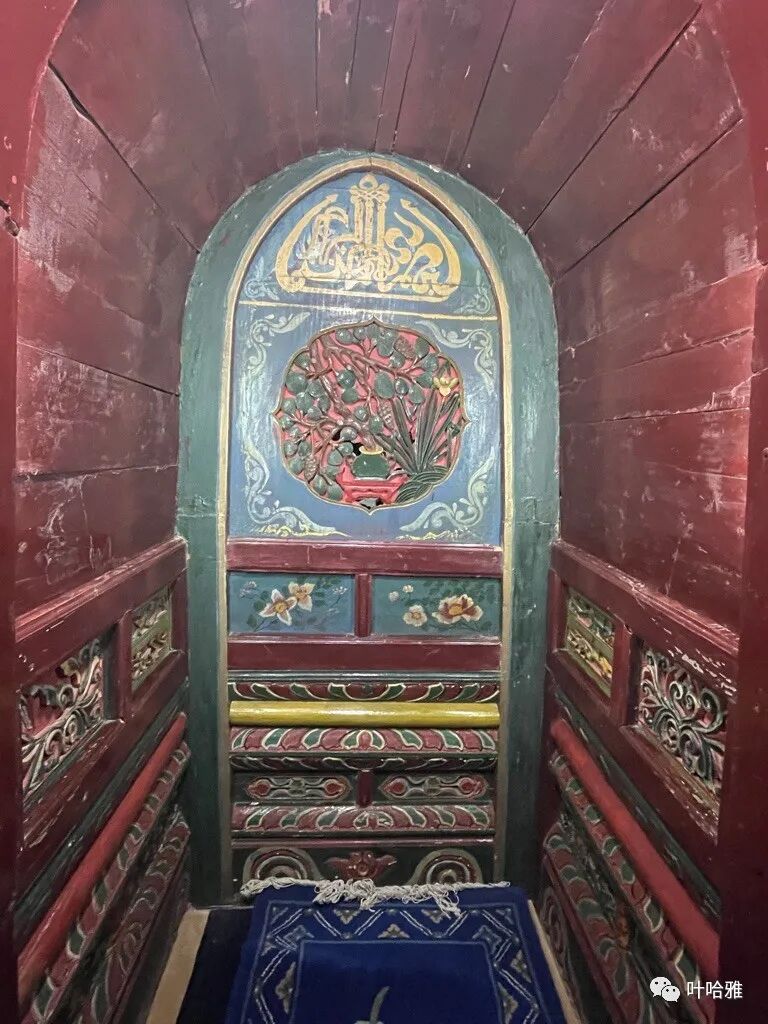
5. Tashapo Mosque
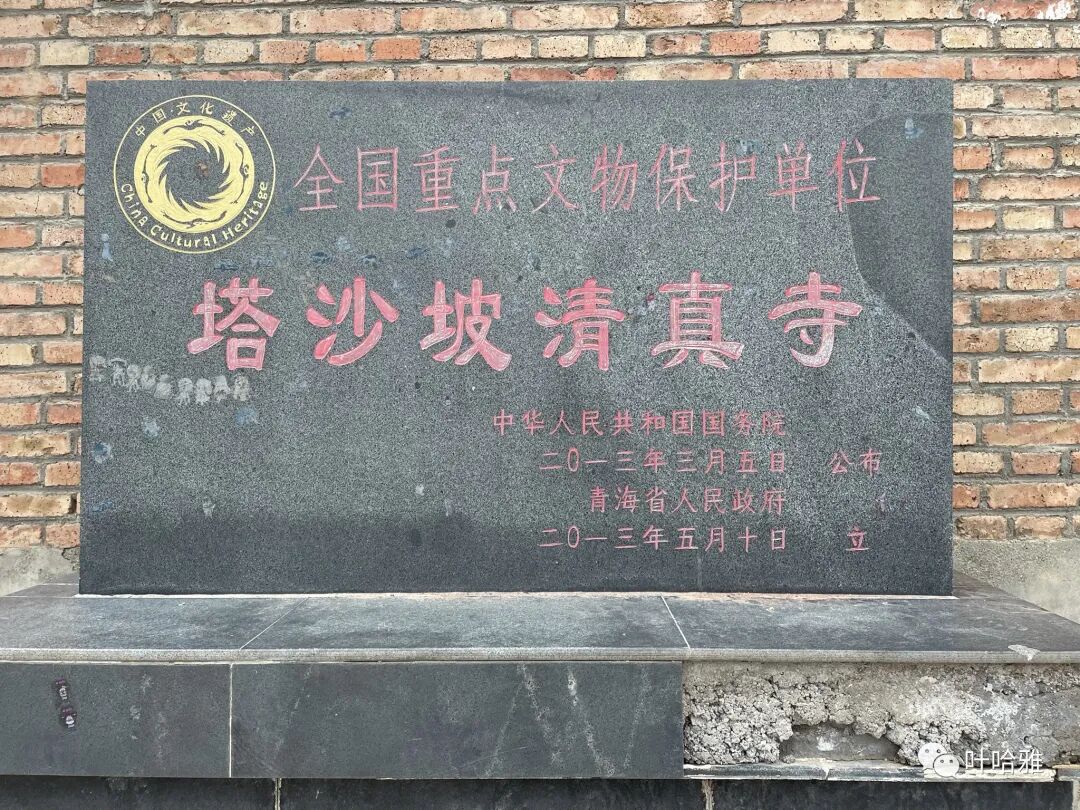
Tashapo Mosque is in Tashapo Village, Qingshui Township, Xunhua Salar Autonomous County, Qinghai Province. The mosque was first built in 1480 during the Ming Dynasty and rebuilt in 1755 during the Qing Dynasty. The mosque faces east and follows an east-west axis, featuring a screen wall, a memorial archway, a minaret, and a prayer hall, with scripture halls and bathing rooms on the north and south sides. The mosque covers 1,840 square meters with a building area of 537 square meters. In 2013, it was listed as a Major Historical and Cultural Site Protected at the National Level as part of the ancient mosque building complex of the Salar people in Xunhua.
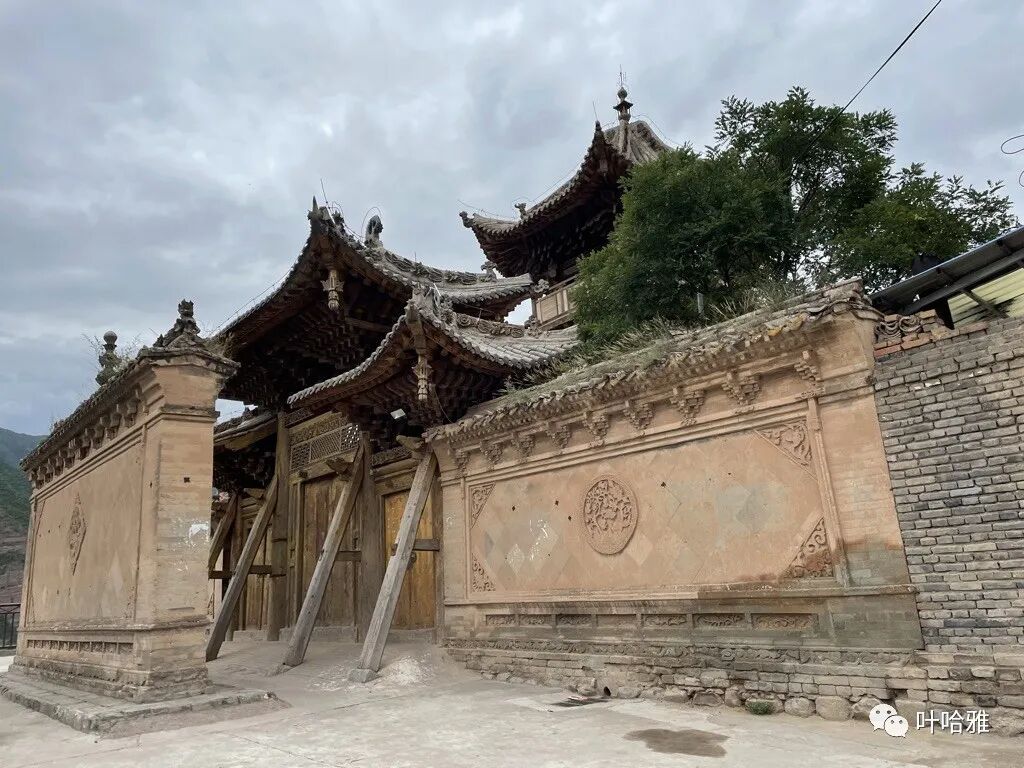
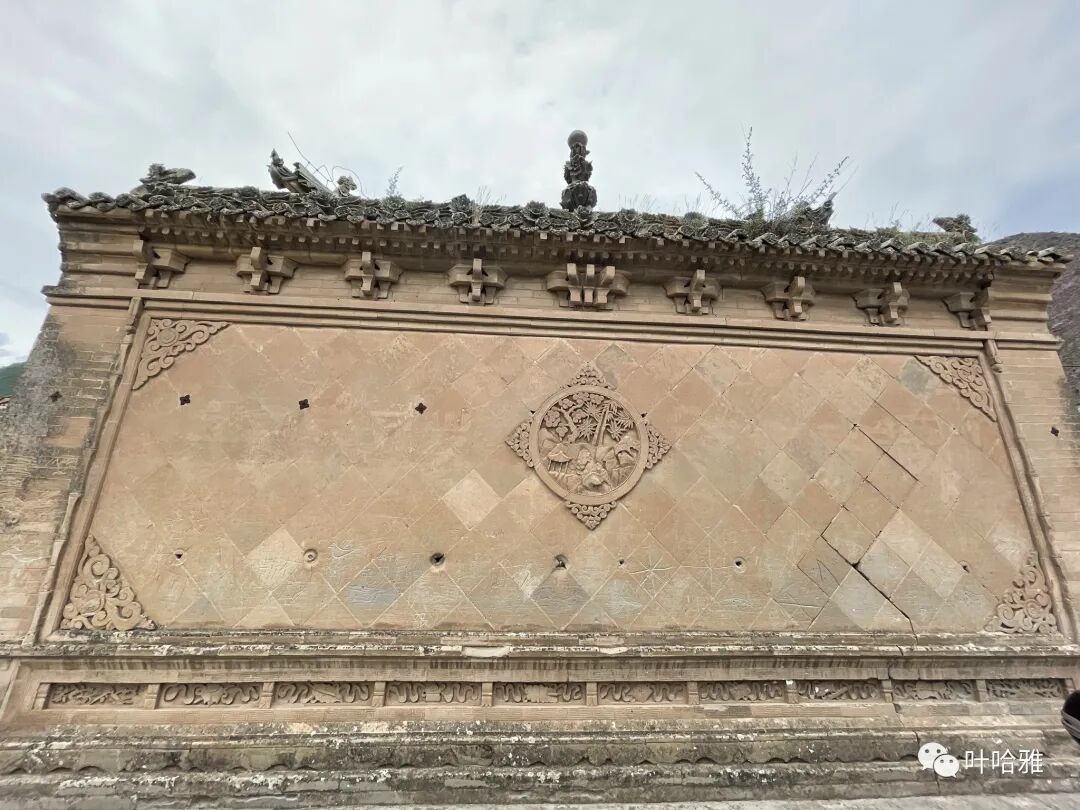
The gate tower of Tashapo Mosque has three bays, four pillars, and three stories, with a hip roof and blue brick ridges. There are brick-carved splayed walls on both sides of the archway. A straight screen wall stands in front of the gate.
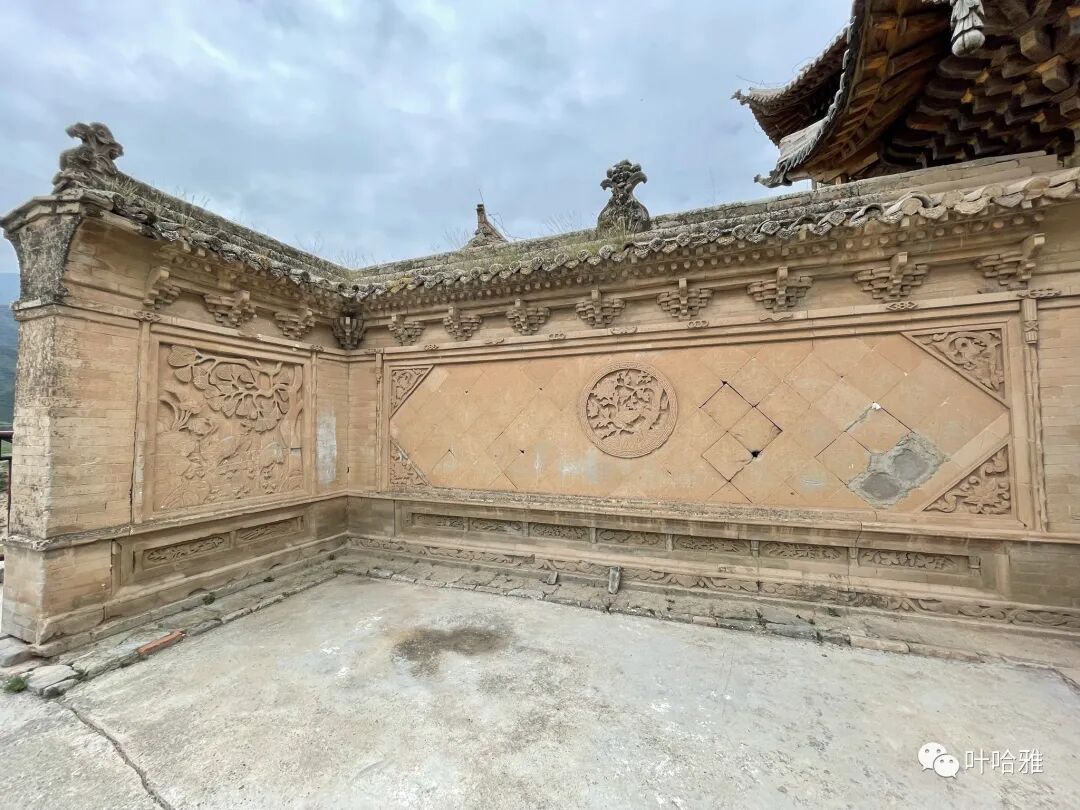
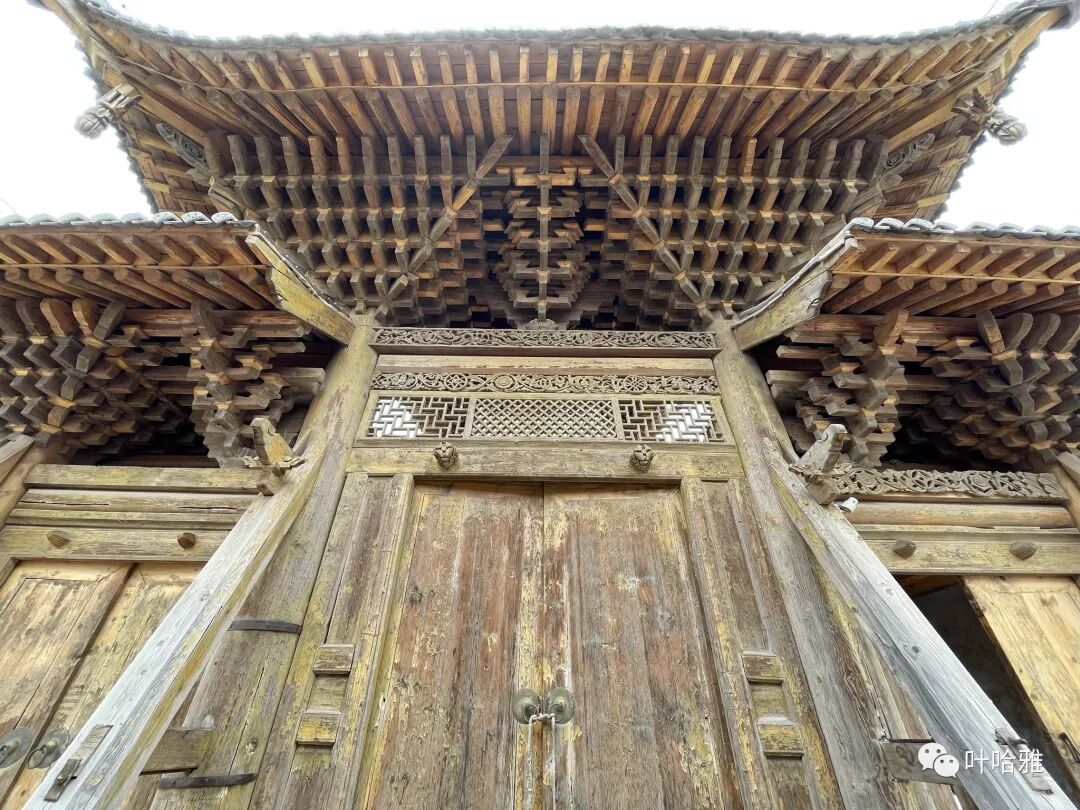
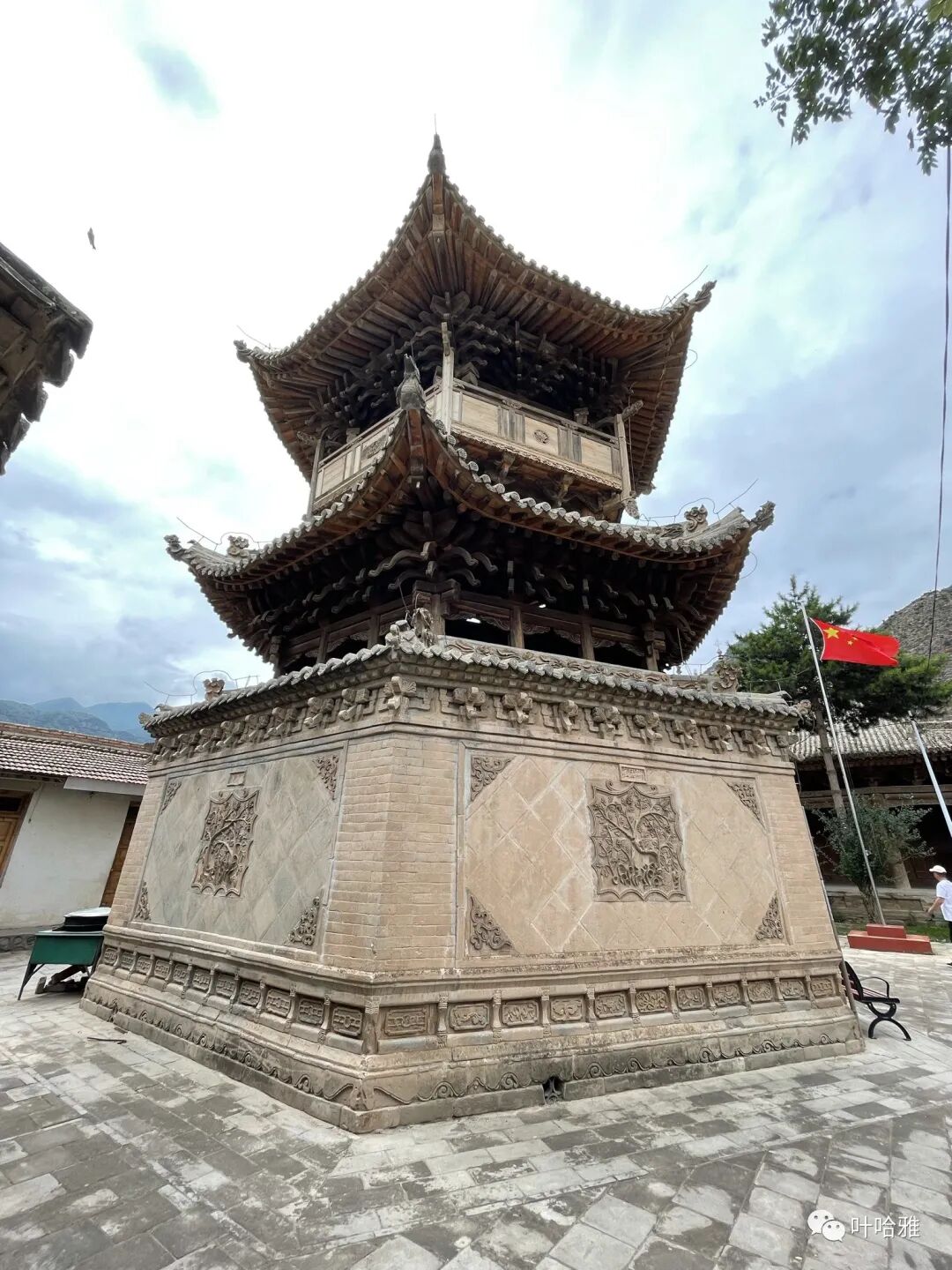
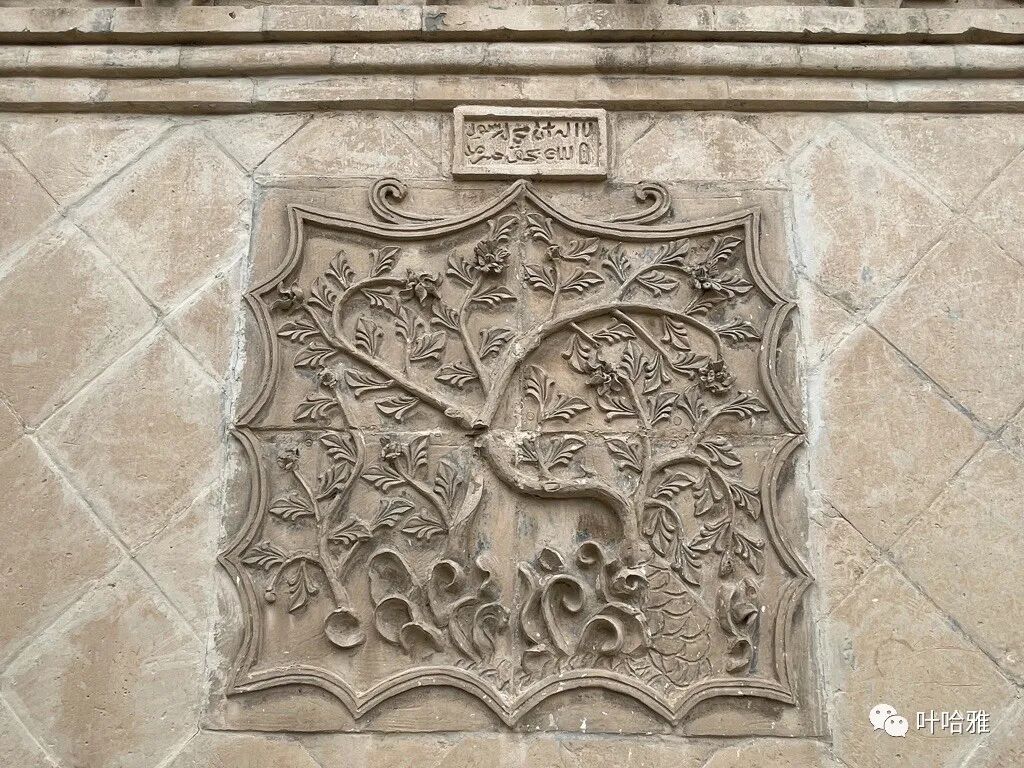
The three-story minaret has a brick base with a solid adobe interior and brick carvings on the walls. The second and third floors are wooden pavilions with double-eaved hexagonal helmet-shaped roofs.
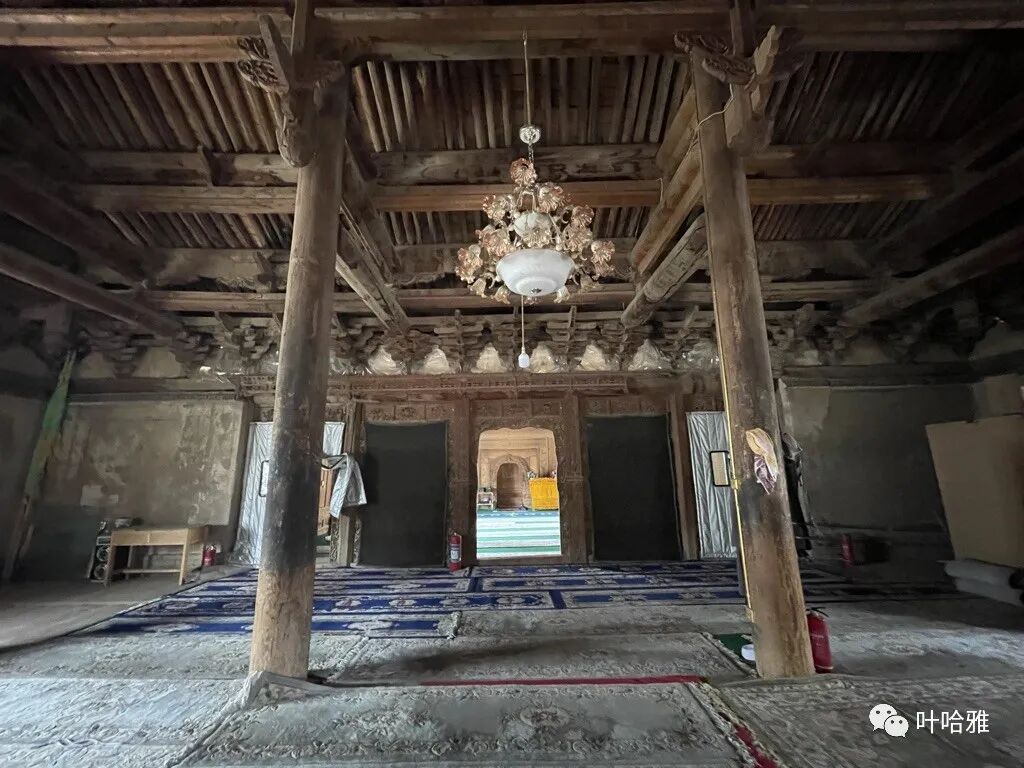
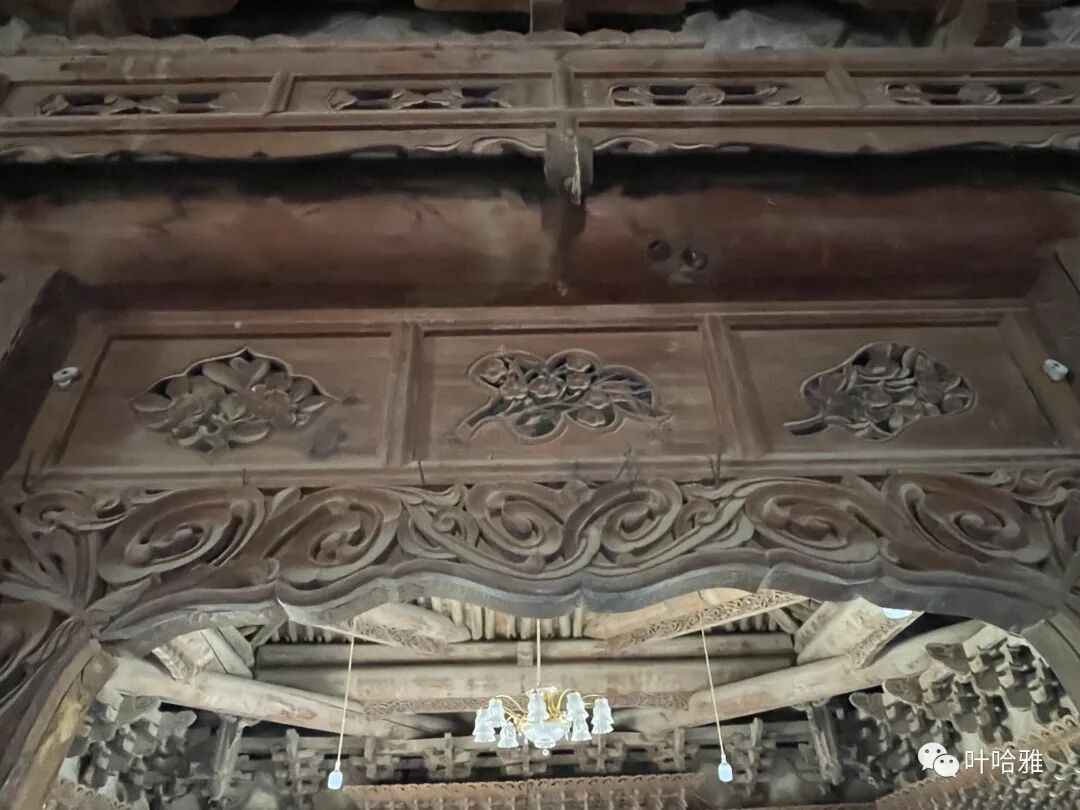
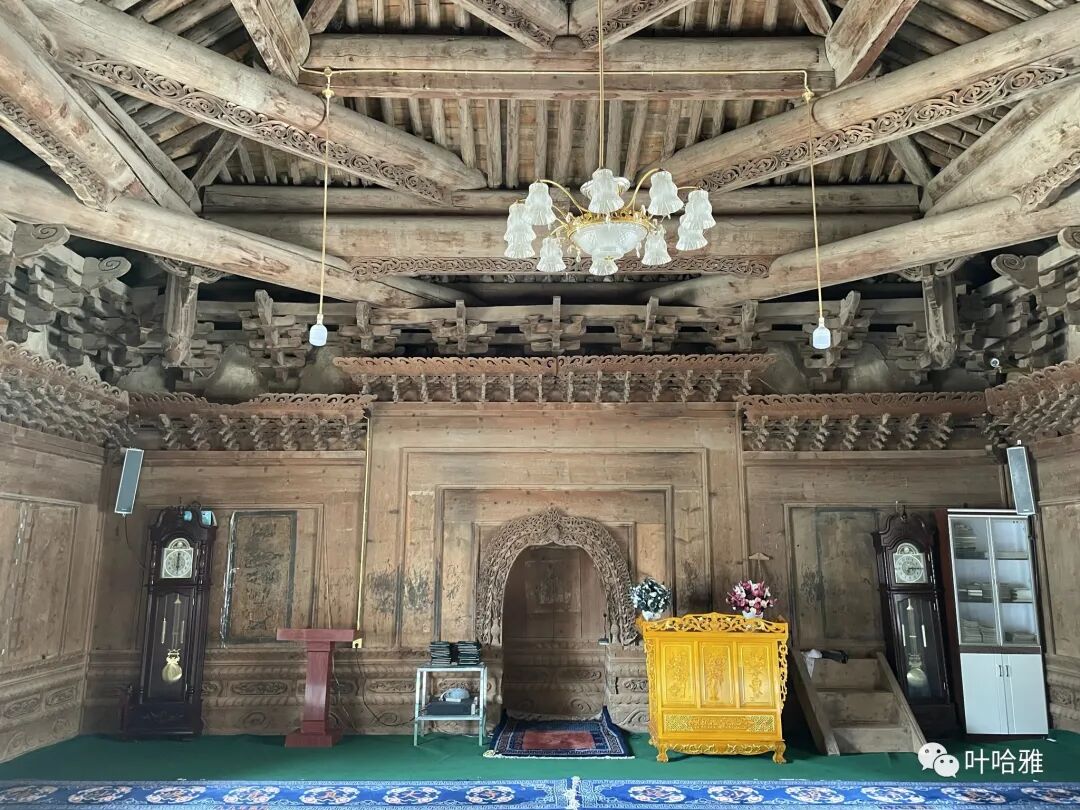
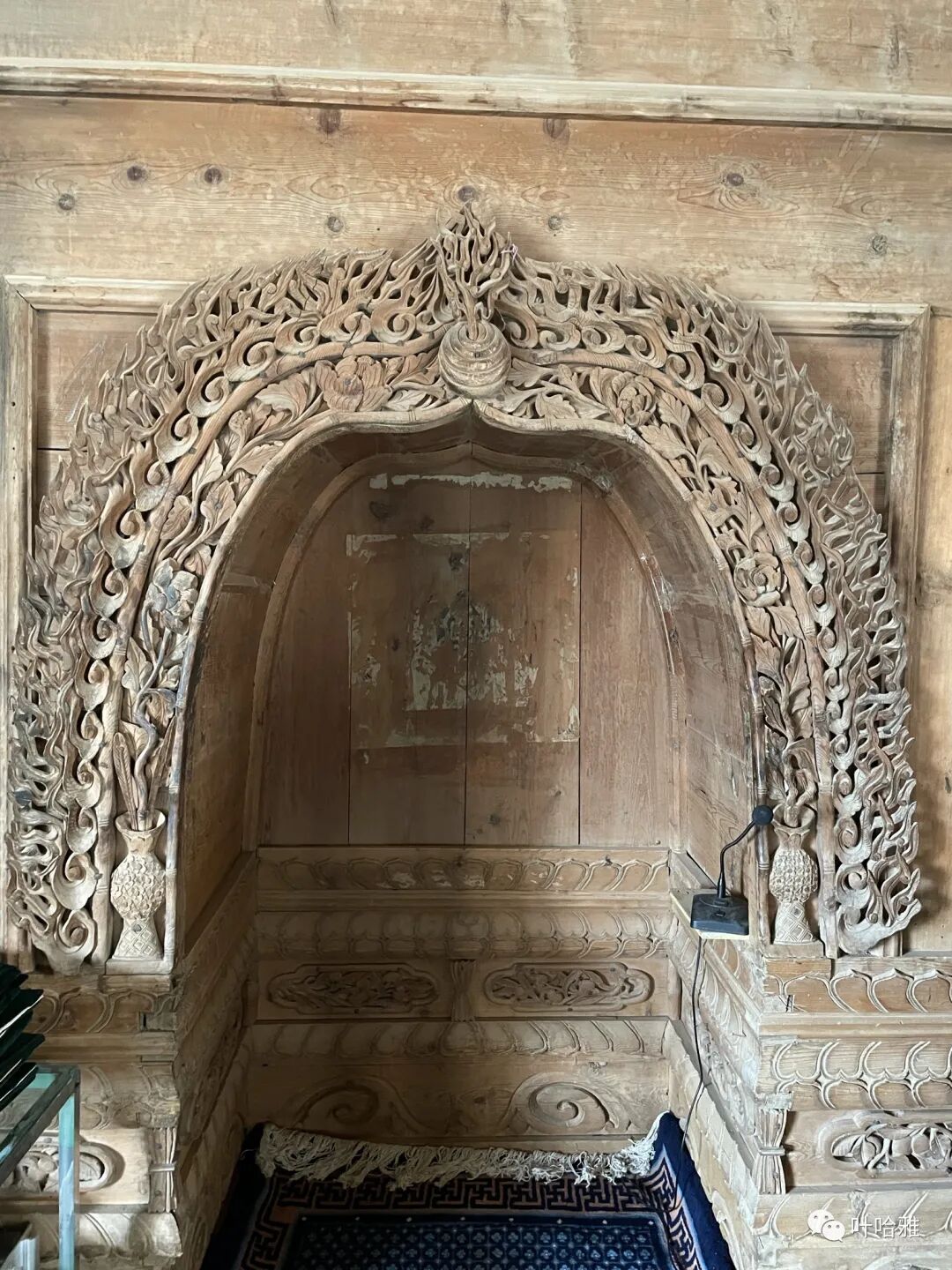
The prayer hall is a Ming Dynasty structure with a convex-shaped floor plan, with five bays, a single-eaved hip-and-gable roof, bracket sets, and a front porch. The mihrab hall has a T-shaped roof with upturned eaves.
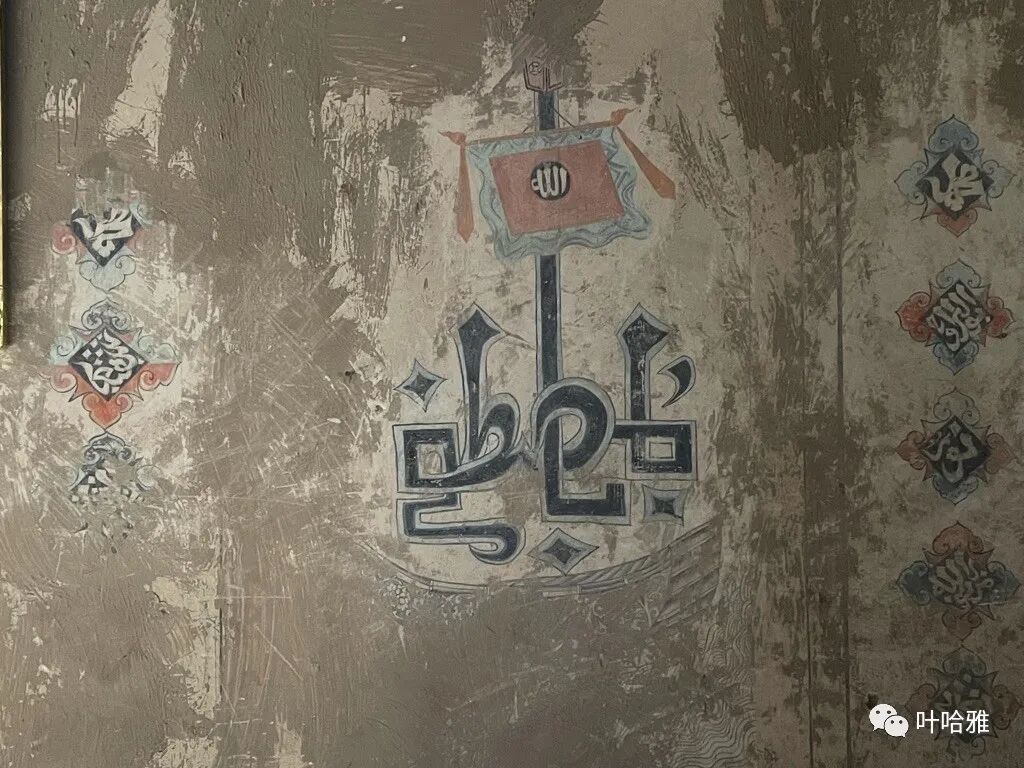
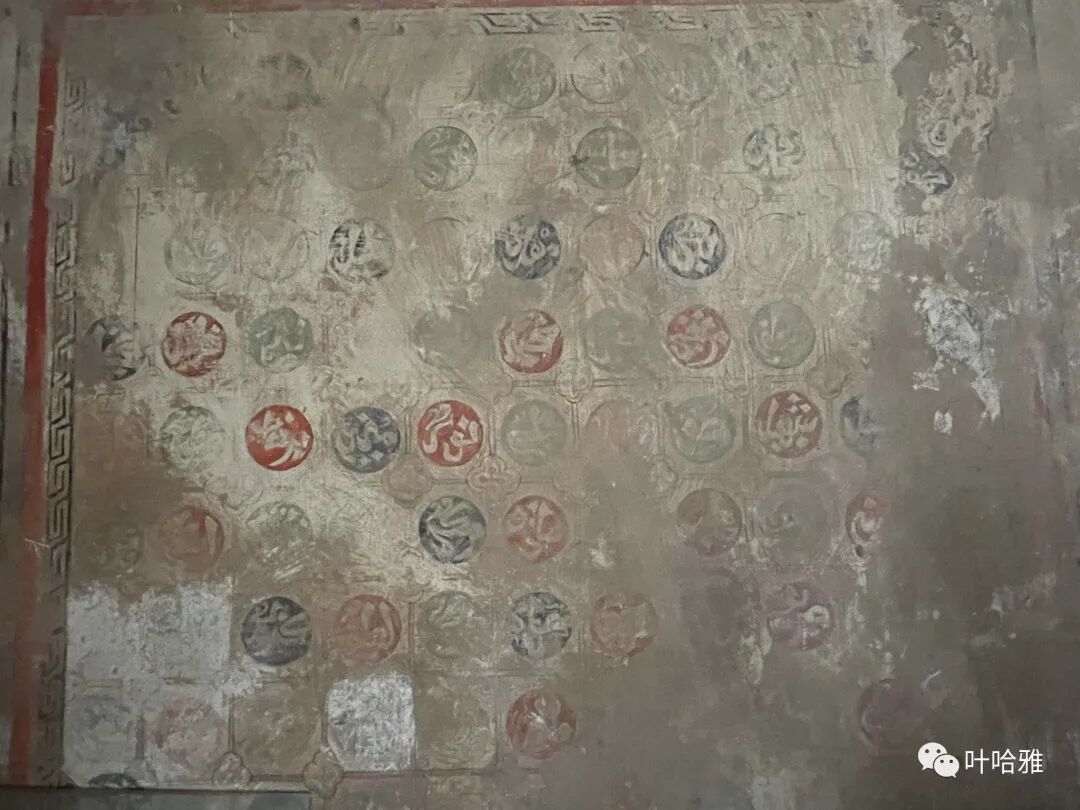
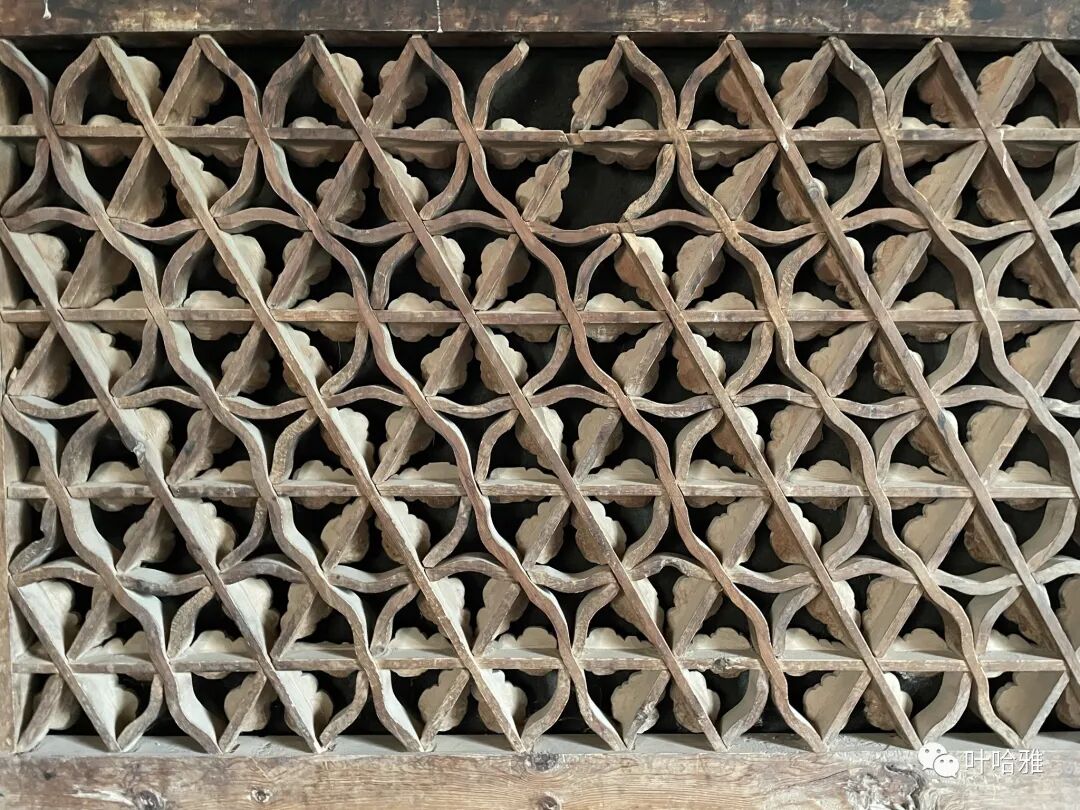
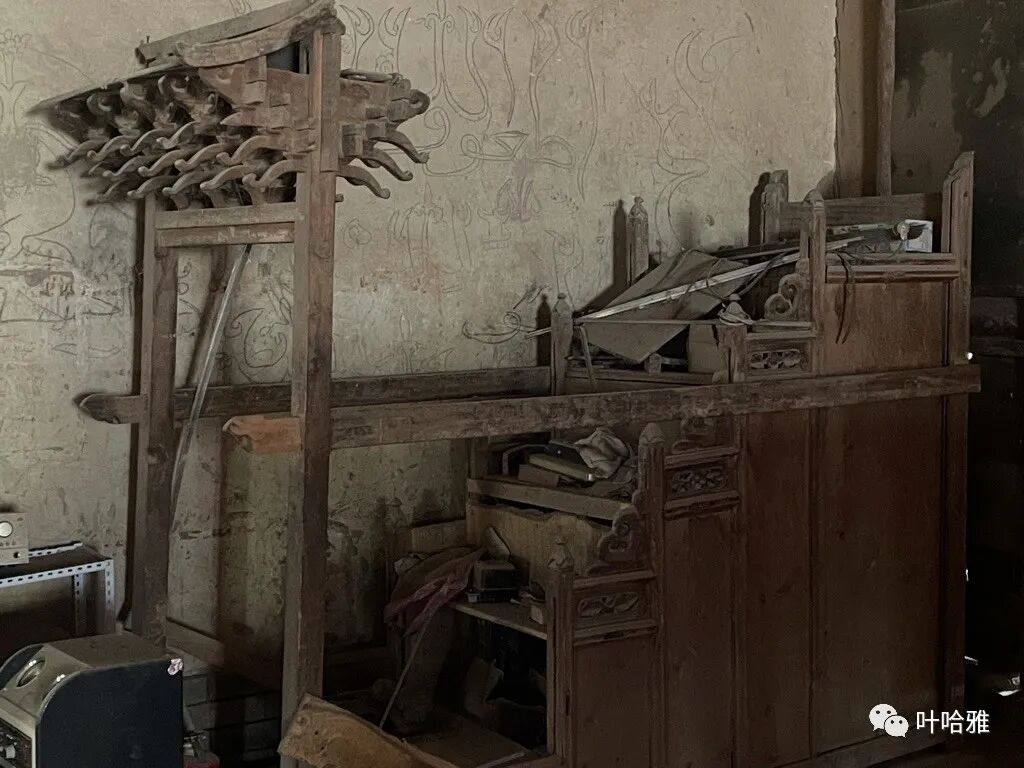
The prayer hall covers 250 square meters and uses a raised-beam wooden frame with natural wood finishes, giving it a simple and elegant look. The north and south walls are decorated with ancient murals of scripture. The mihrab hall features a grid-pattern beam frame.
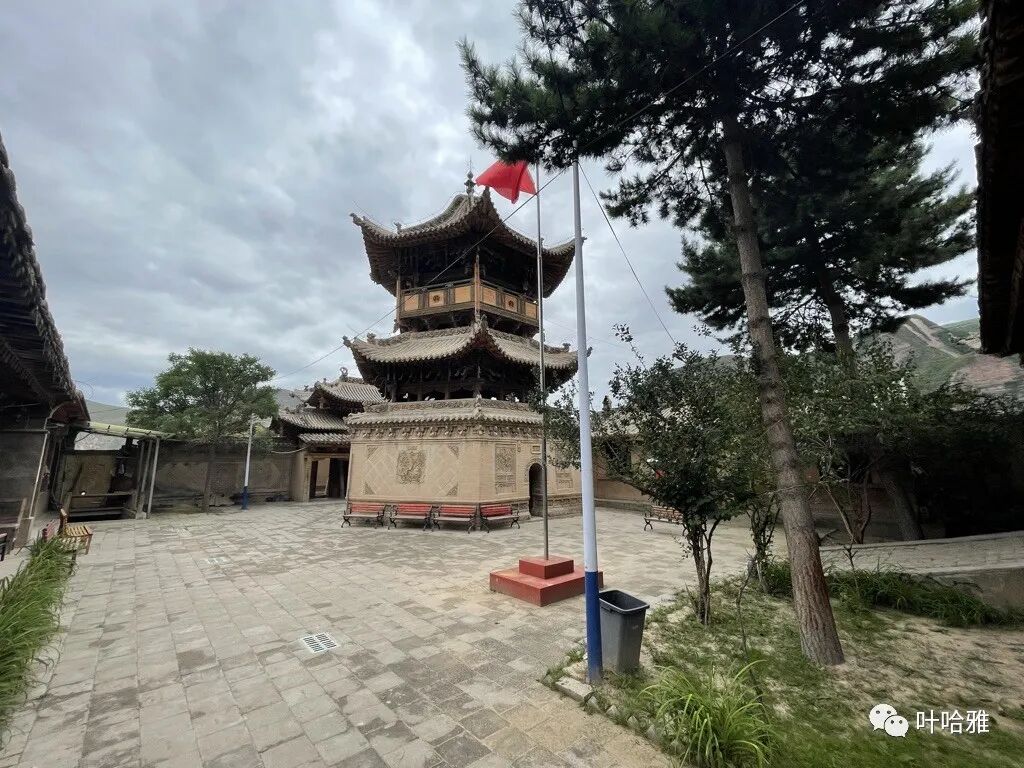
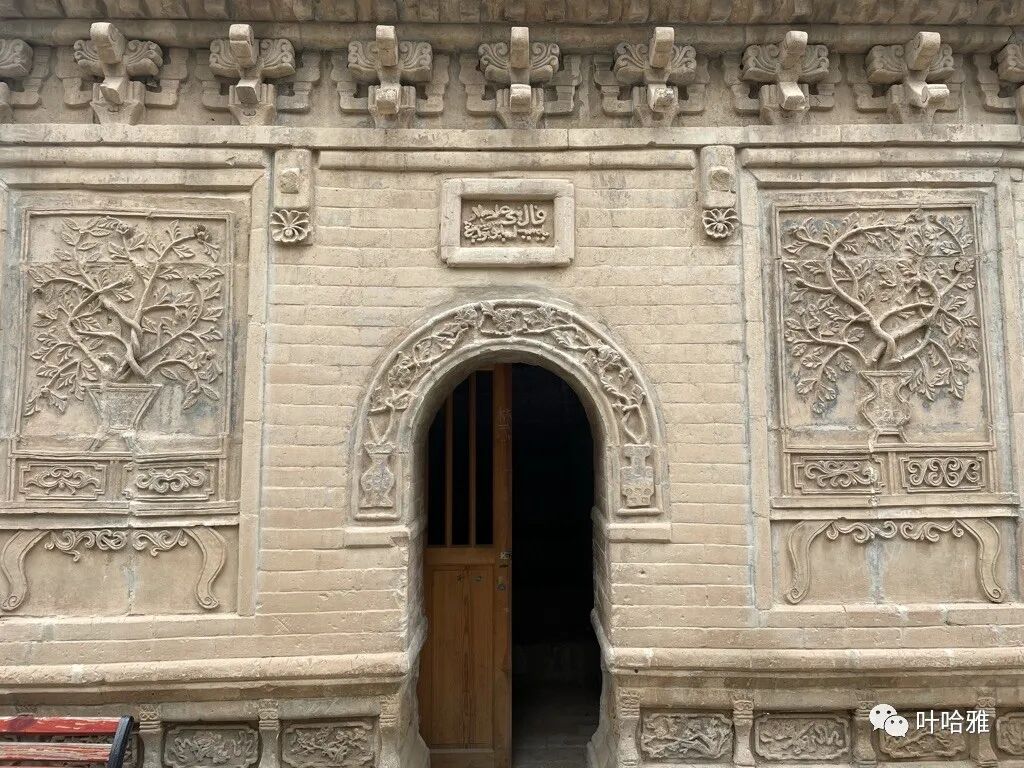
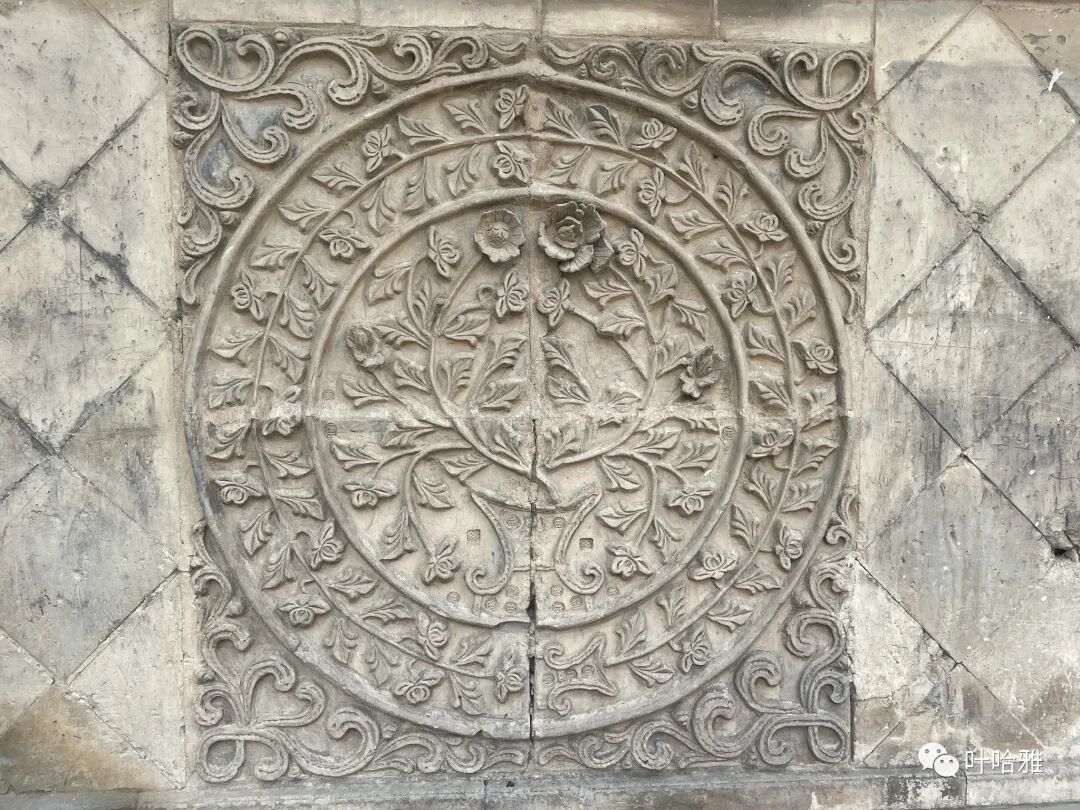
6. Suzhi Mosque
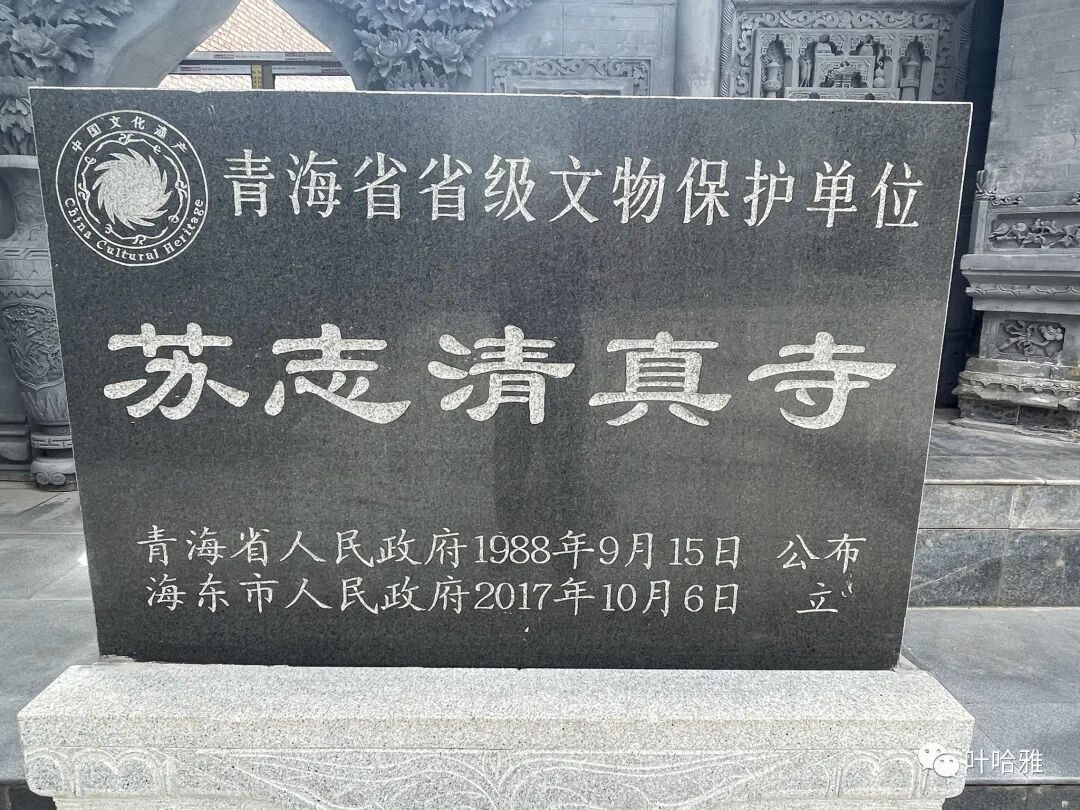
Suzhi Mosque is located in Suzhi Village, Chahandusi Township, Xunhua County, Qinghai Province. The mosque was first built in the fourth year of the Tianshun reign of the Ming Dynasty (1460) and was renovated and expanded during the Qing Dynasty. It has a square courtyard layout with a traditional four-sided courtyard design. The brick-and-wood buildings include a prayer hall, north and south scripture halls, a minaret, a gatehouse, a bathing room, and a screen wall. The prayer hall and scripture halls date back to the Qing Dynasty. In 1981, local elders donated funds for a large-scale renovation of the mosque. The mosque currently covers an area of 2,010 square meters, with a building area of 800 square meters.
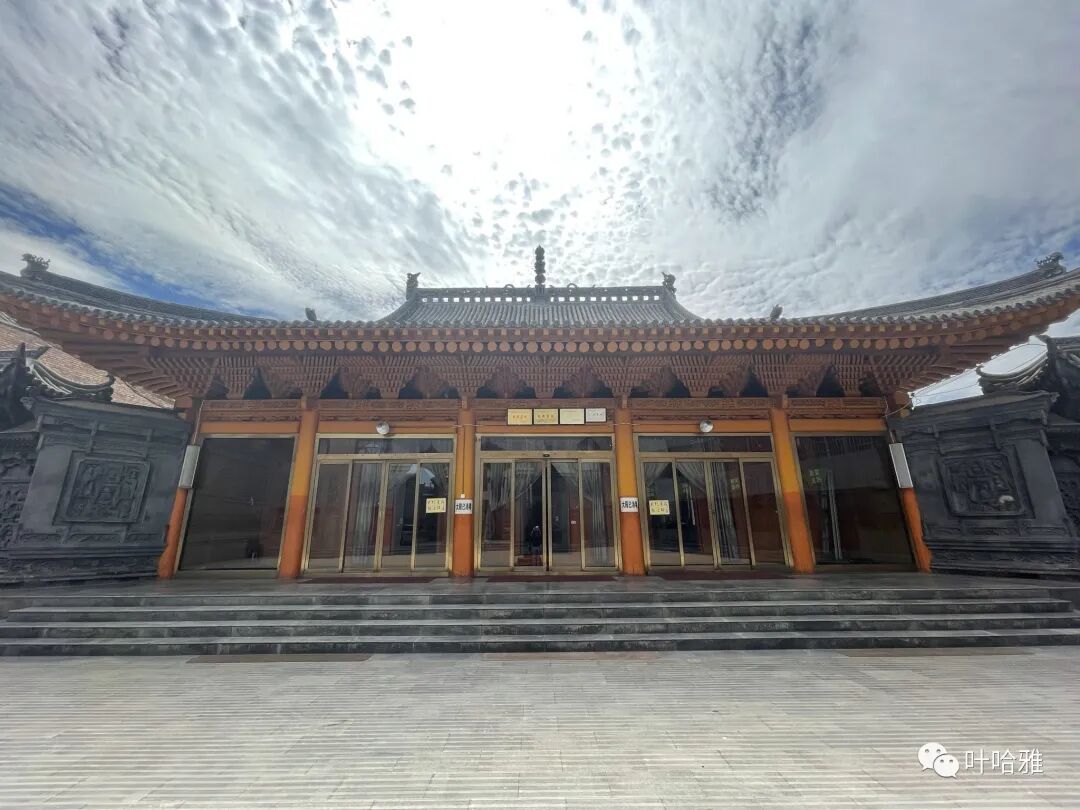
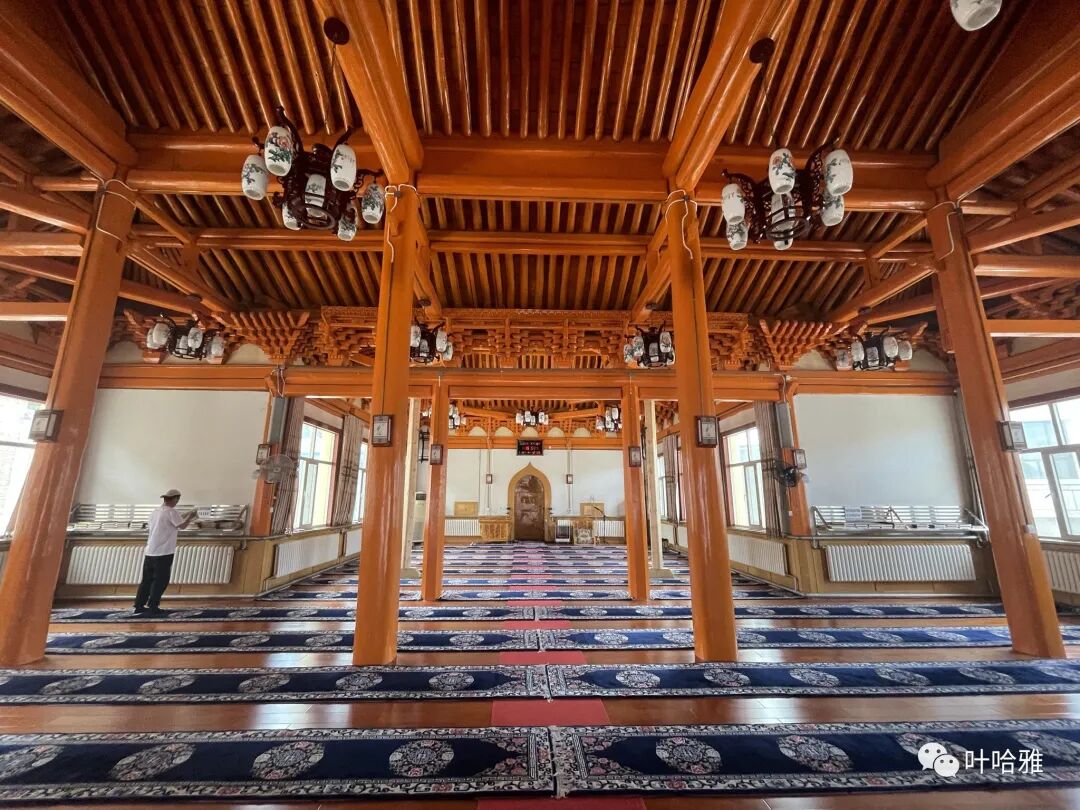
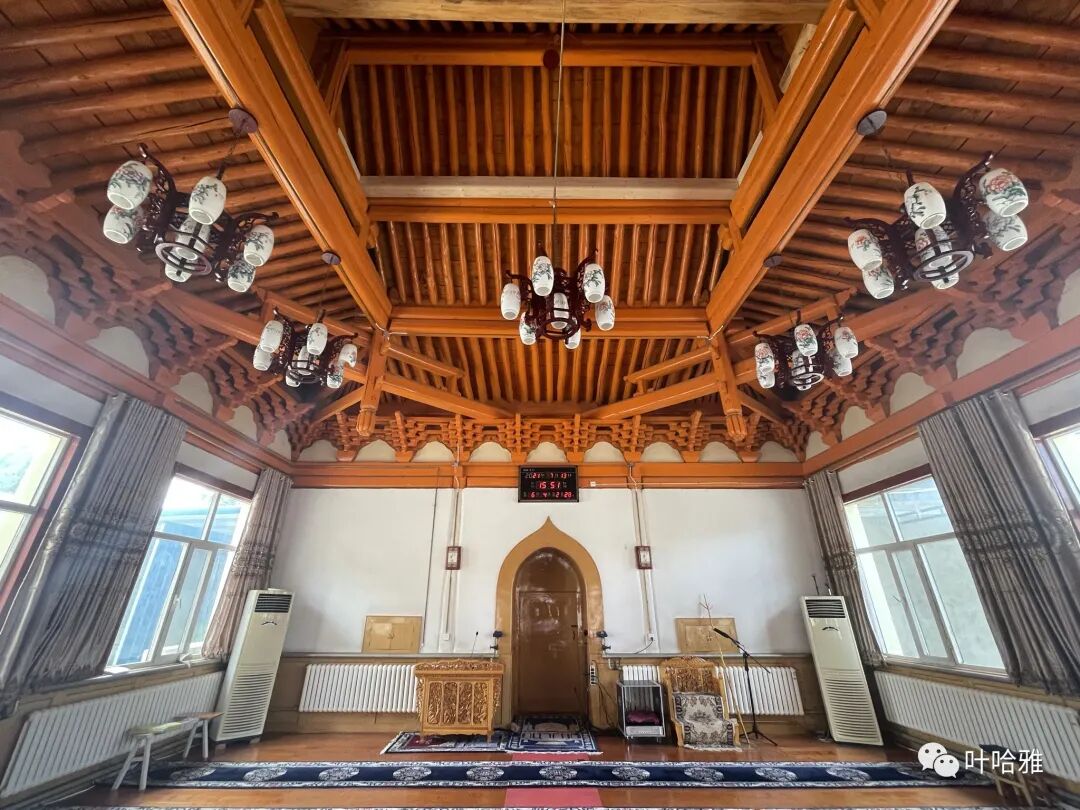
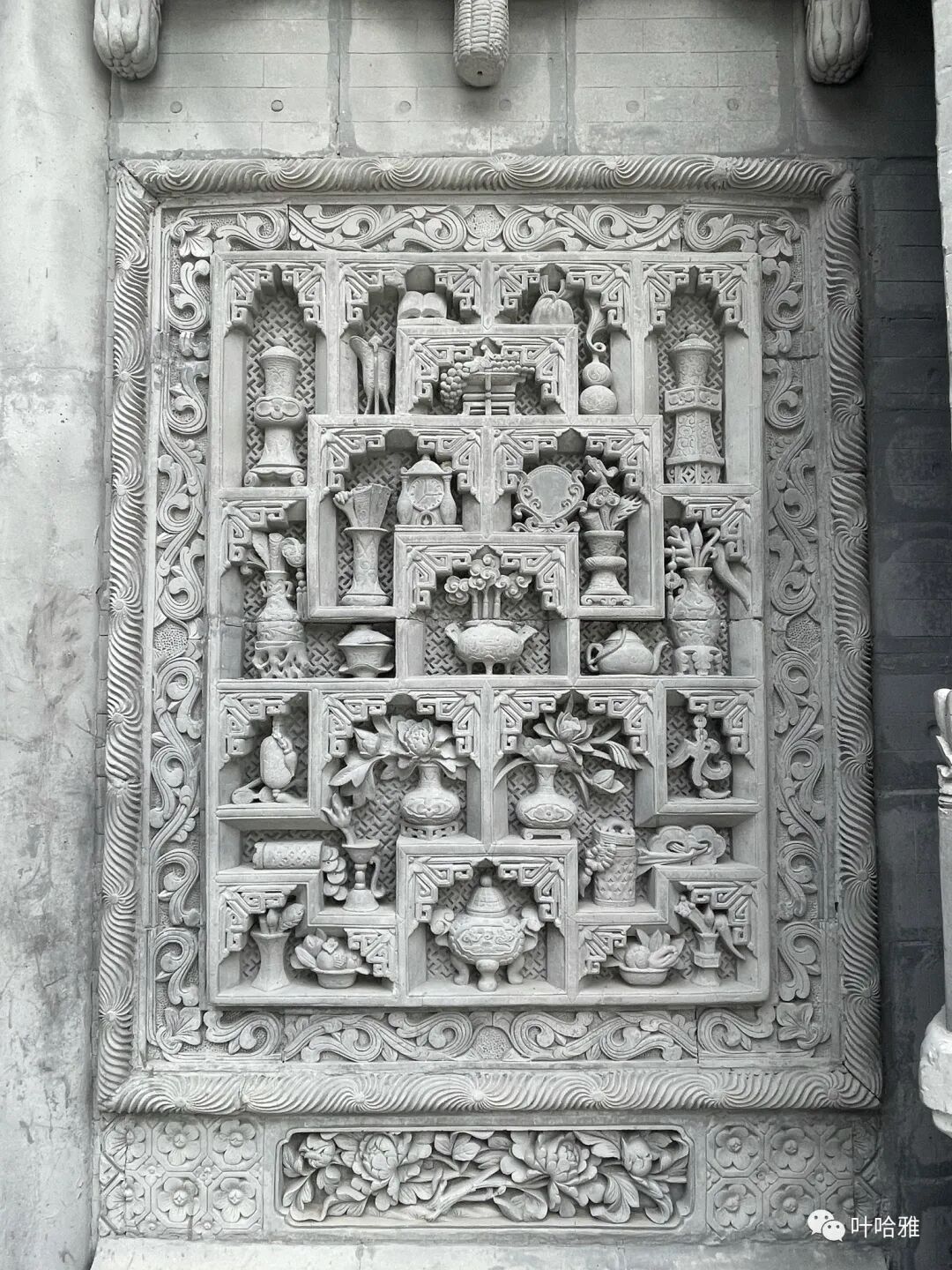
The prayer hall of Suzhi Mosque has five bays and a single-eave hip-and-gable roof with upturned corners. Aluminum alloy glass doors and windows are installed between the front eave pillars. There are brick-carved splayed walls on both sides. The prayer hall consists of a front hall and a back hall. The roof ridge features three treasure vases, and the lower part of the walls is inlaid with ceramic tiles. The front hall has five bays and the back hall has three, forming a T-shape. The structure uses five-purlin beams and a traditional raised-beam timber frame. Under the eaves of the prayer hall are five-step bracket sets, and the wood carvings on the beams are exquisite. The scripture hall has five bays, with three bright rooms and two dark rooms. It has a front corridor, and the beams are carved with floral patterns. It features a single-slope roof with a ridge and a hard-mountain roof style.
7. Quran Museum
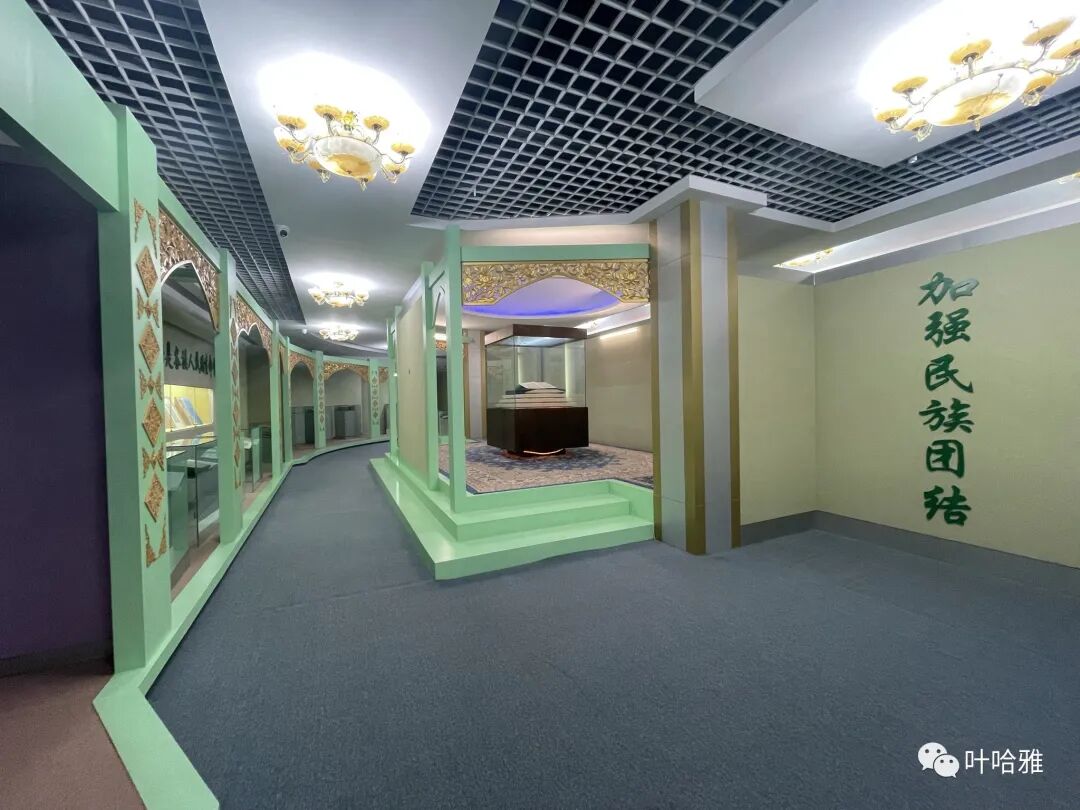
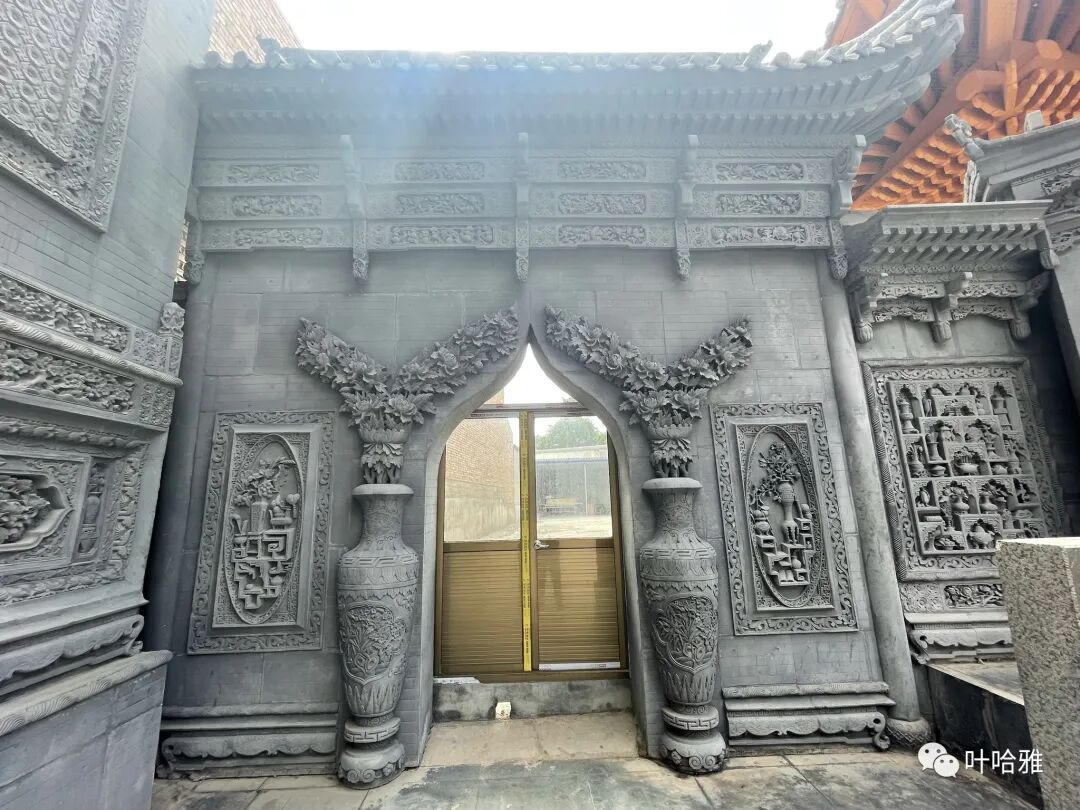
The Quran Museum is located in the building opposite Jiezi Mosque. The door is usually locked, but there is a phone number for the manager at the entrance. You can call to have someone open the door for a free visit. Two Salar leaders, Galemang and Ahemang, brought a handwritten Quran on a white camel from their original home in the Sarakhs region of Mary Province, Turkmenistan, in Central Asia. They traveled through Samarkand to China and settled in Xunhua, Qinghai, between the 10th and 14th centuries.
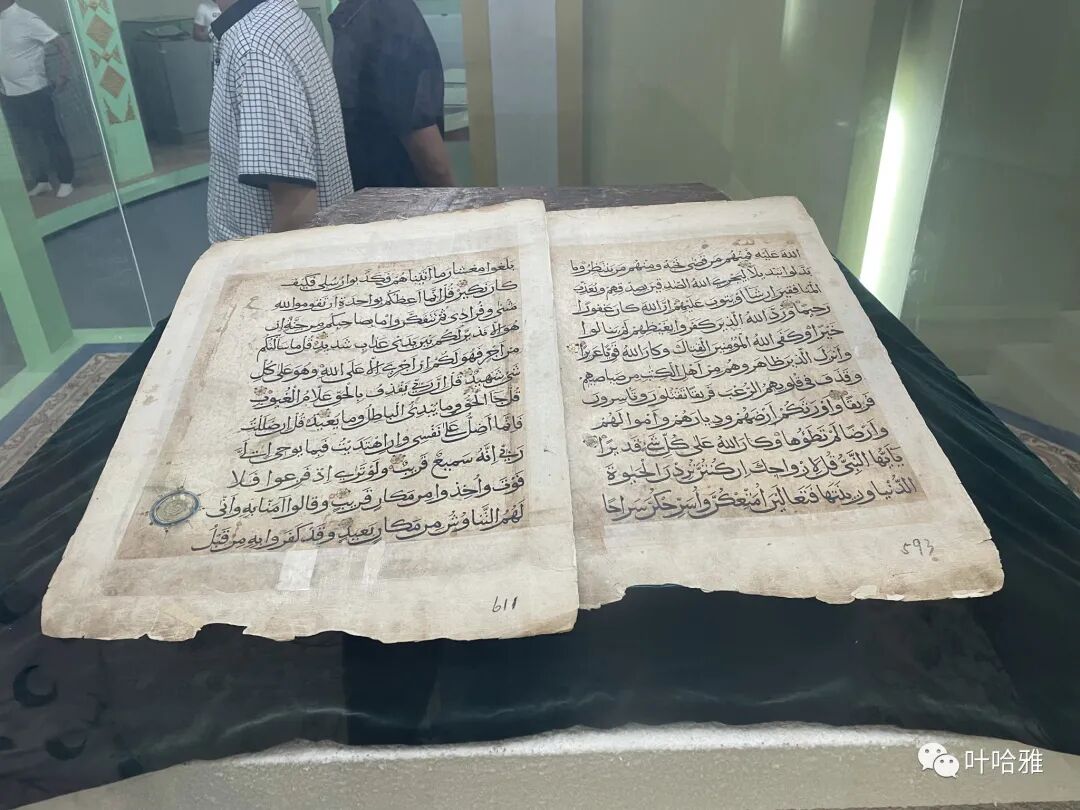
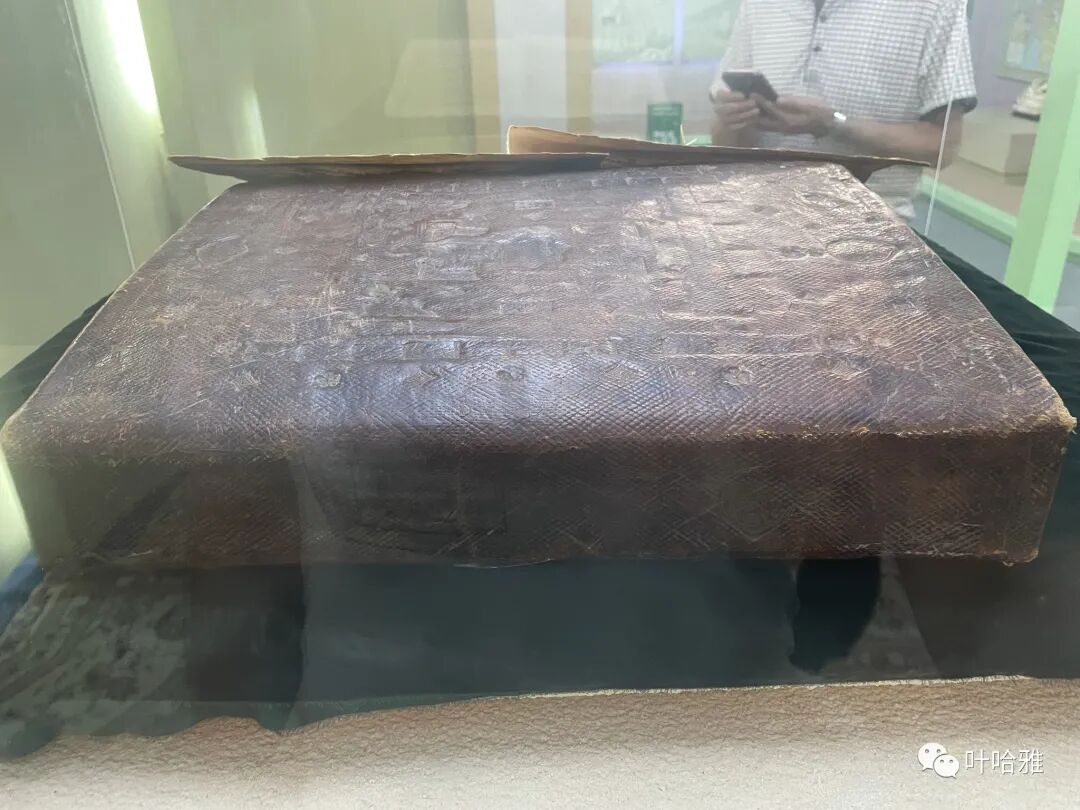
This Quran is divided into two parts, each with 15 volumes, totaling 30 volumes and 867 pages. The cover is made of rhinoceros hide, and the script is in the early Arabic Muhaqqaq style. The Muhaqqaq style formed during the Buyid era of the Abbasid Caliphate in the 11th century, and this book dates back to between 900 and 1200 AD.
The Quran Museum also houses various other editions of the Quran.
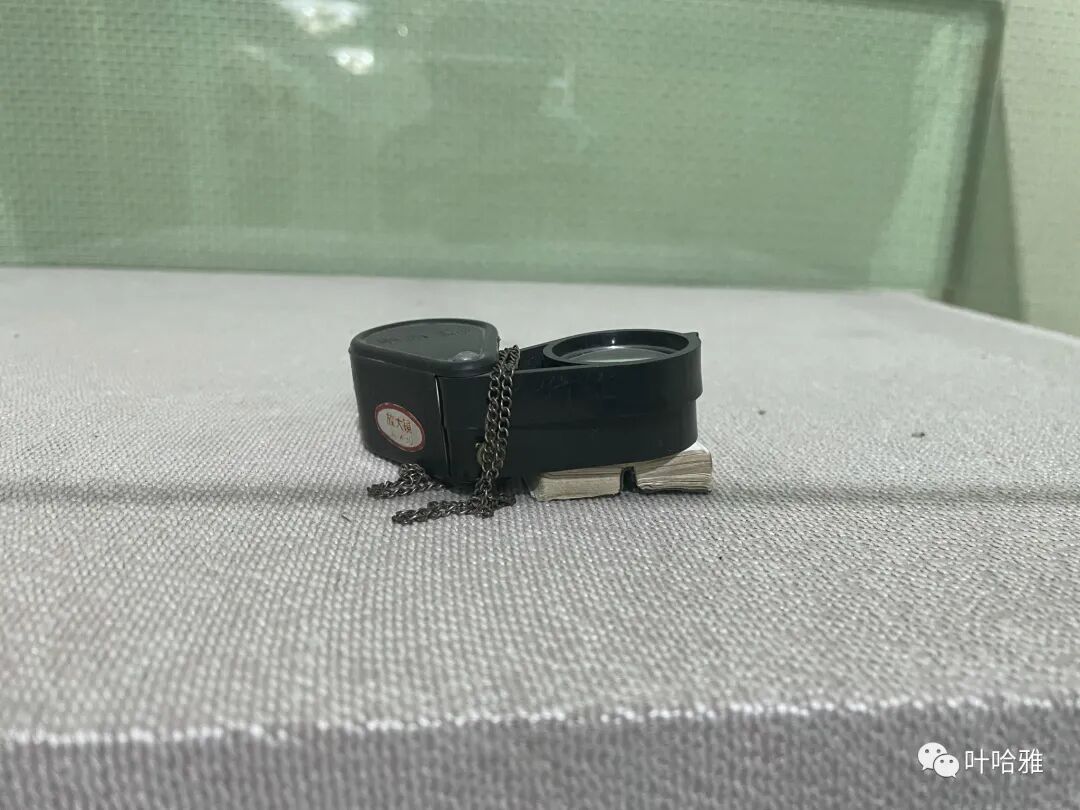
Pocket-sized Quran
8. Jiezi Gongbei in Xunhua
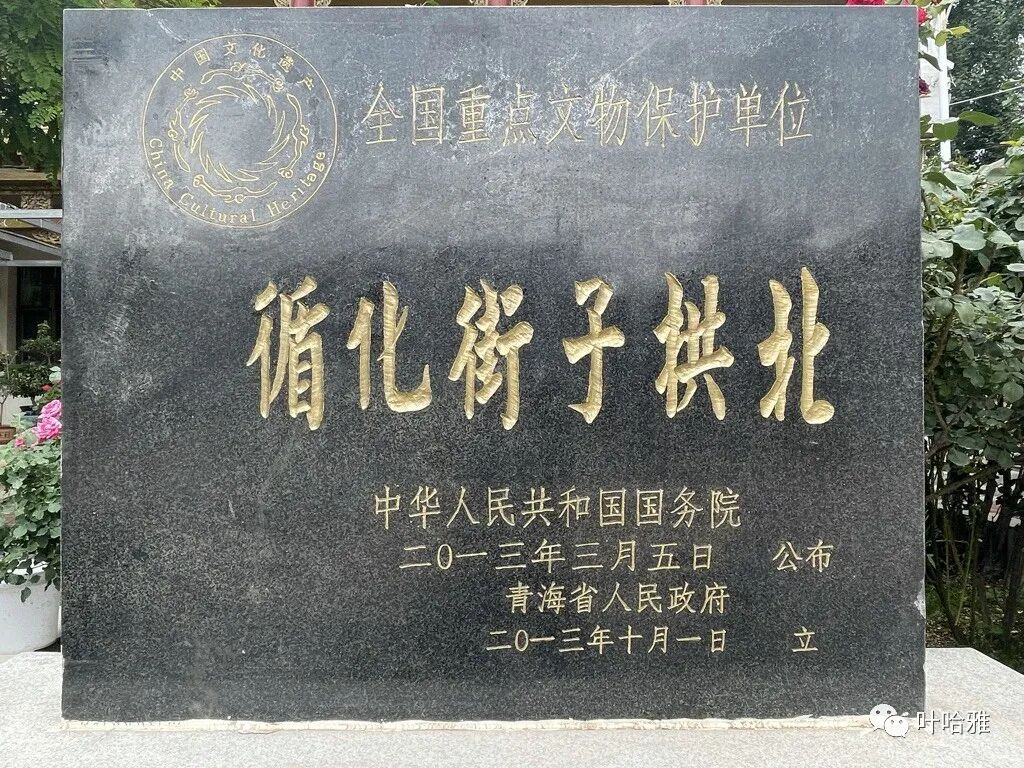
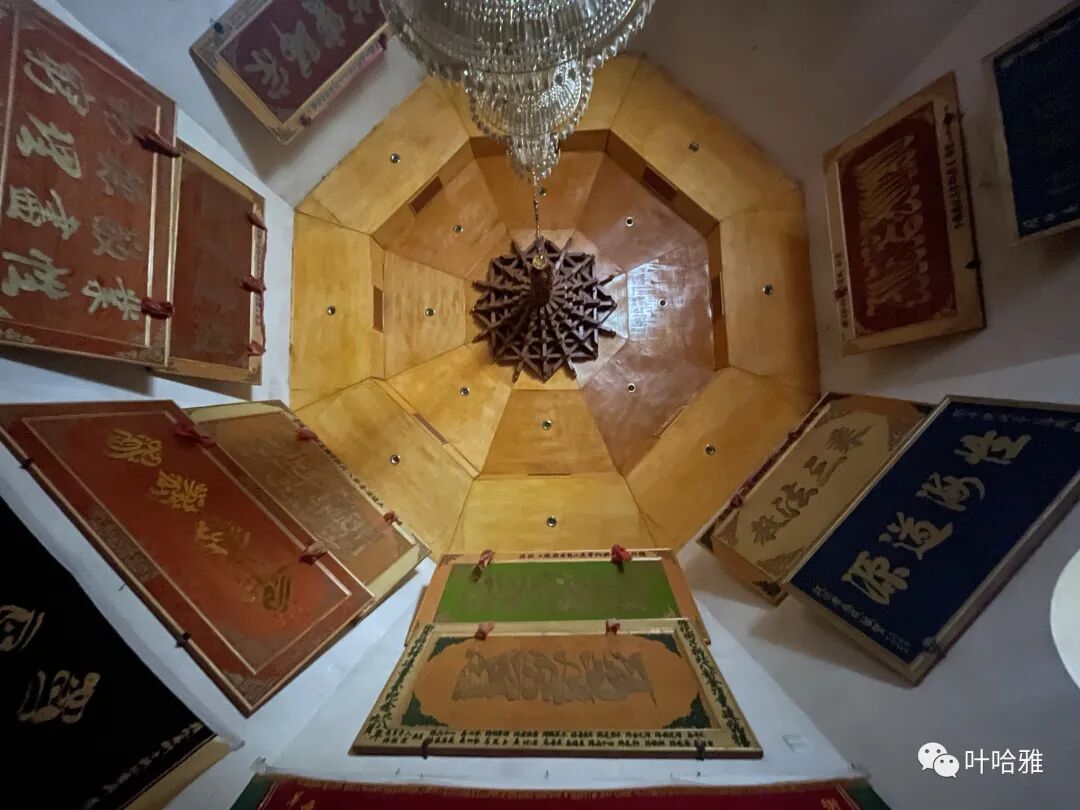
Jiezi Gongbei in Xunhua County is the tomb of Han Chengxiang (1822-1900), a spiritual leader of the Qadiriyya menhuan. Han Chengxiang traveled twice to the Shah Awliya shrine in Yarkant, Xinjiang, to seek guidance from his teachers. This gongbei was first built in 1950 and is now a major historical and cultural site protected at the national level.
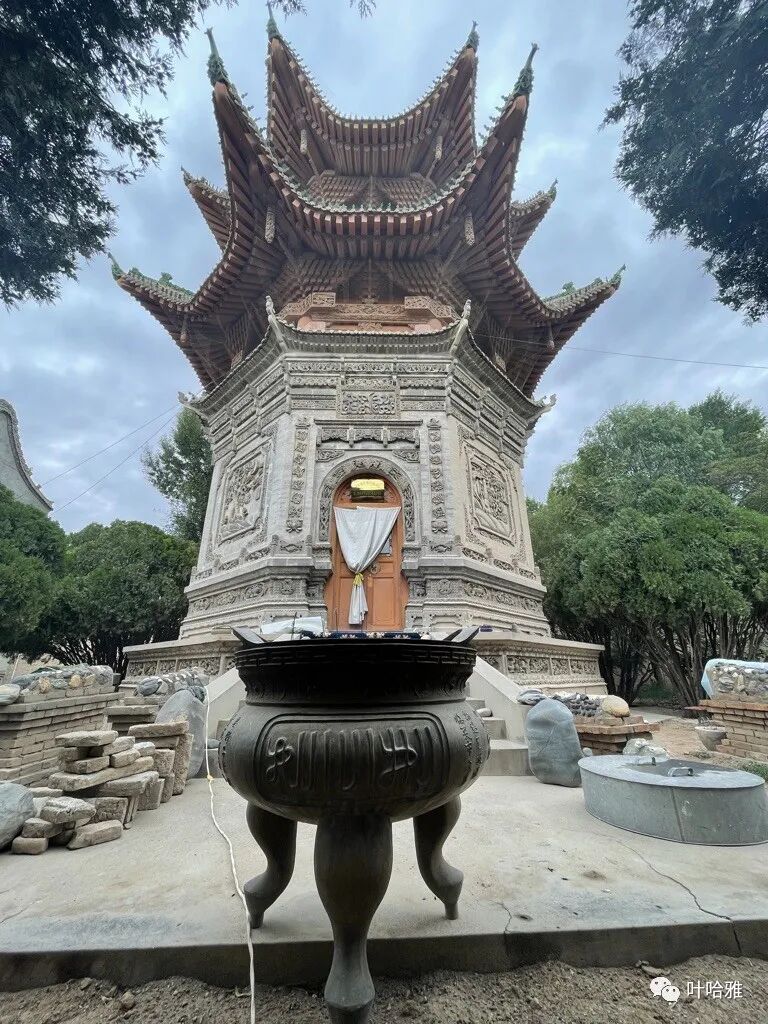
I have visited important Qadiriyya gongbei sites, including those in Xixiang, Langzhong, Songpan, and Linxia. They left a great impression on me. When the elderly caretaker at the gongbei heard I was from Beijing, he not only unlocked the tomb chamber for me to visit but also warmly invited me into his room for tea.
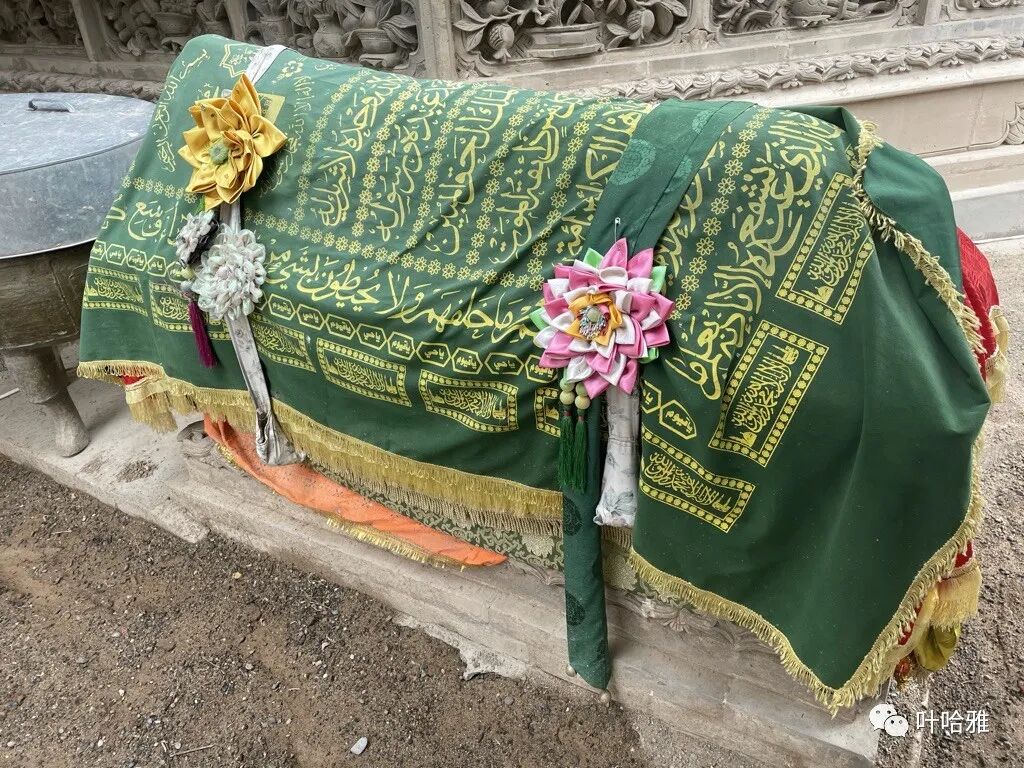
My father-in-law is Ikhwan, so he has no interest in gongbei. Although our community in Beijing follows the Gedimu tradition, there are two tombs of saints (shaihai) inside the Niujie Mosque.
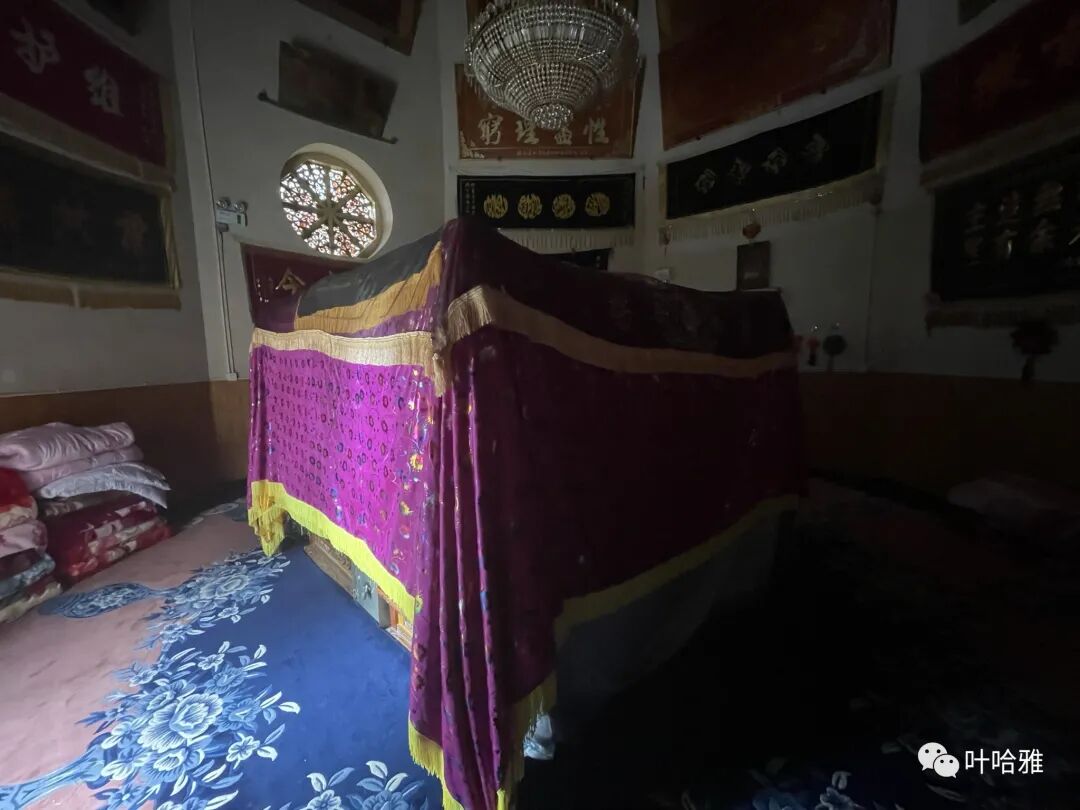
Elder Juma once provided a legal ruling (fatwa) on praying in mosques that contain graves: if the grave is next to the mosque and the prayer is performed inside the mosque, the prayer is valid. If the grave is inside the mosque, the Hanbali school of jurisprudence holds that the prayer is invalid. However, the other three major schools of jurisprudence consider the prayer valid, though praying with a grave in front of the worshiper is considered disliked (makruh).
Based on this ruling, none of the gongbei in China have the graves and the mosque built together; every gongbei has a separate prayer room.
9. West Route Army Memorial Hall
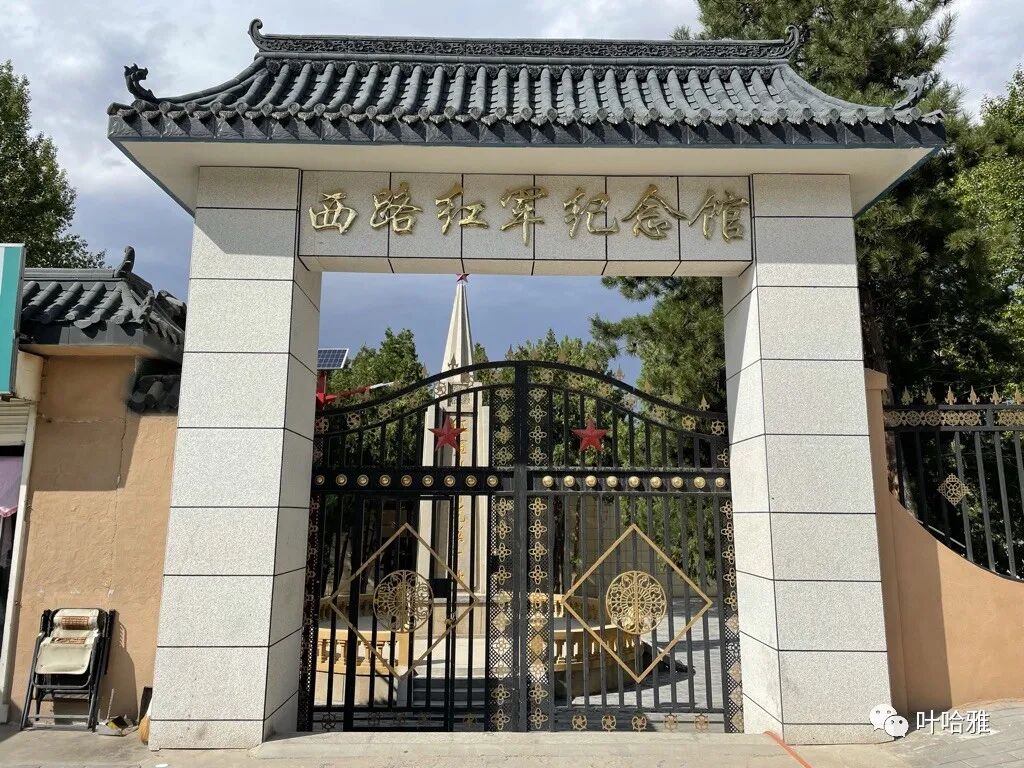
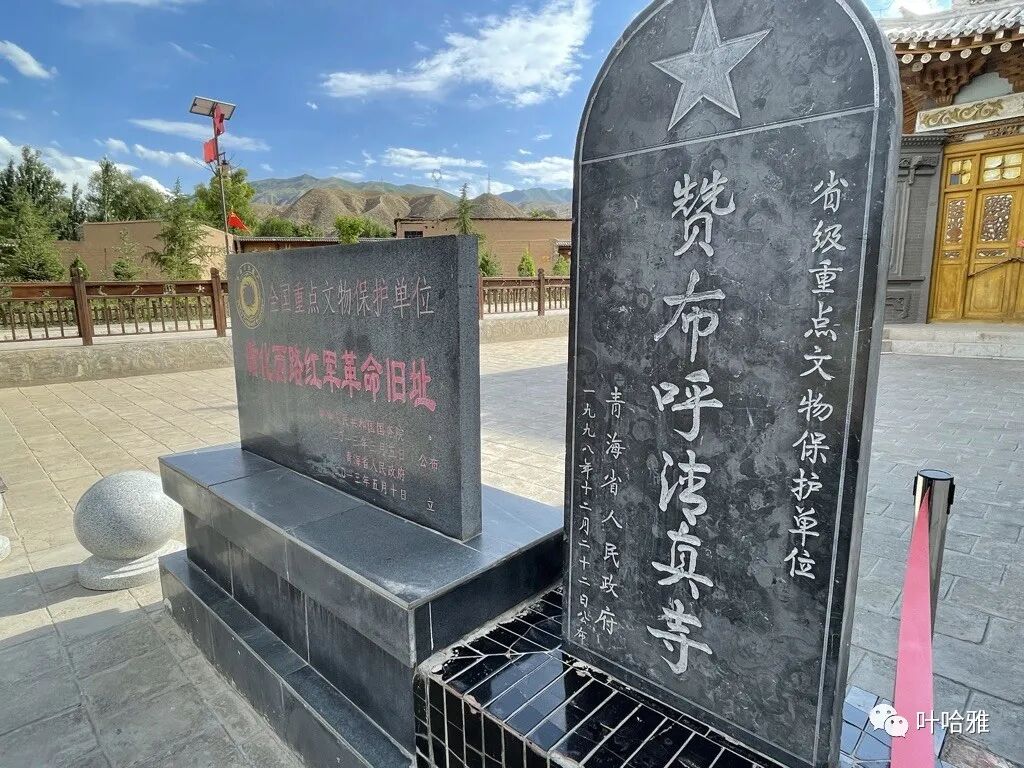
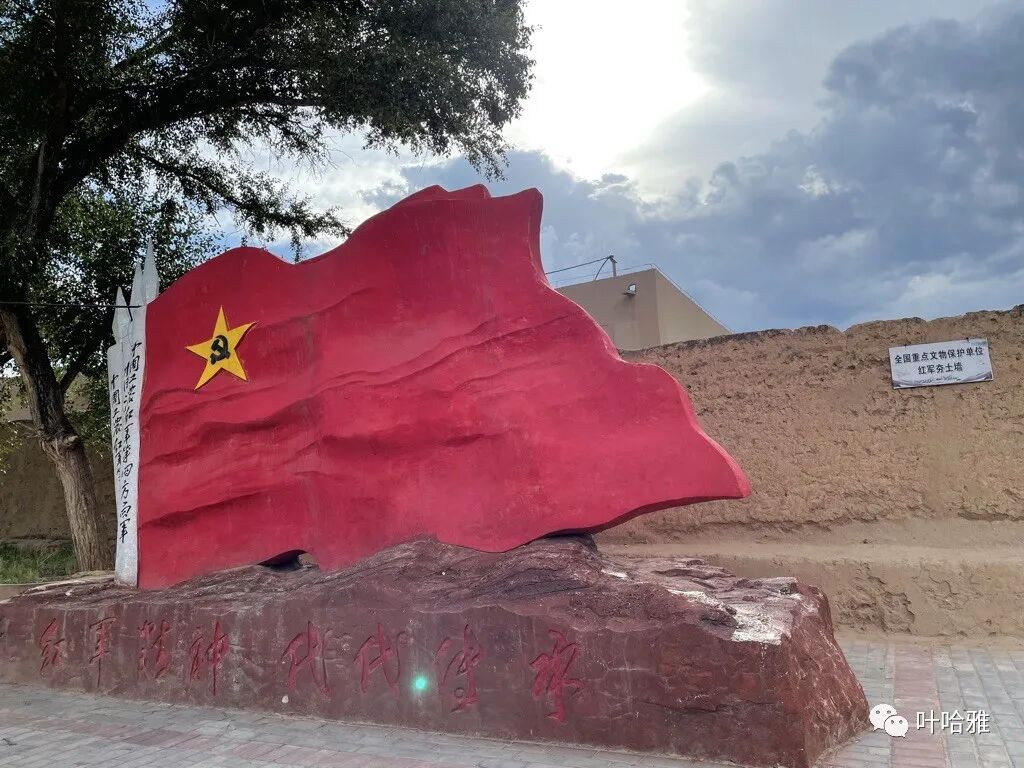
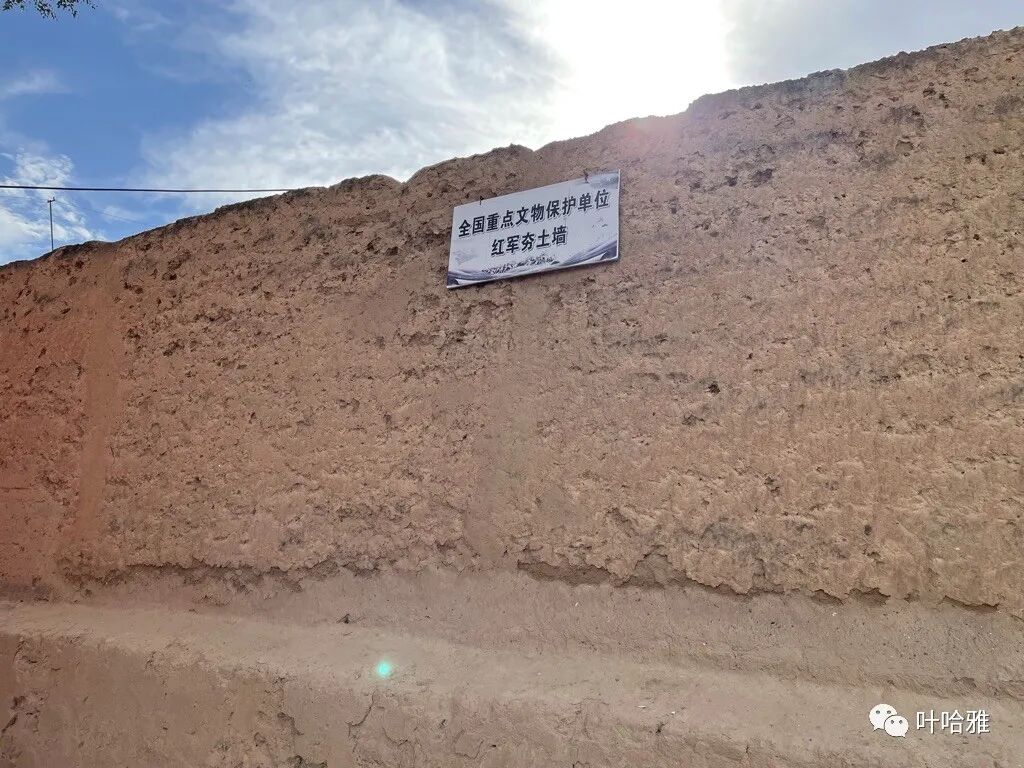
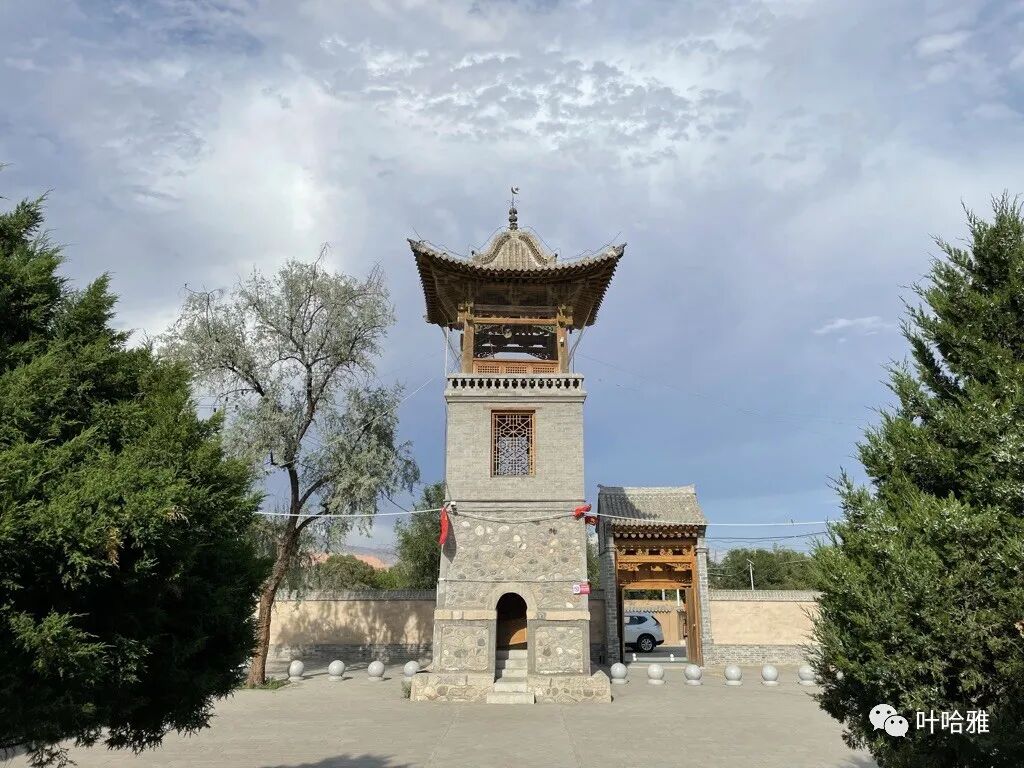
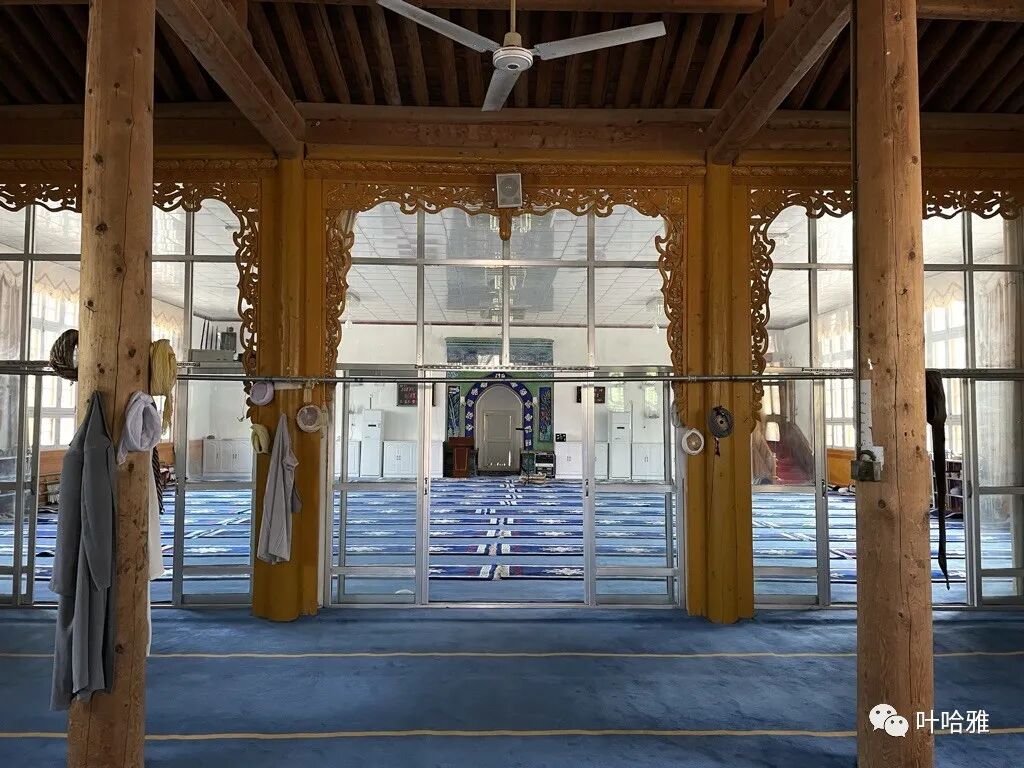
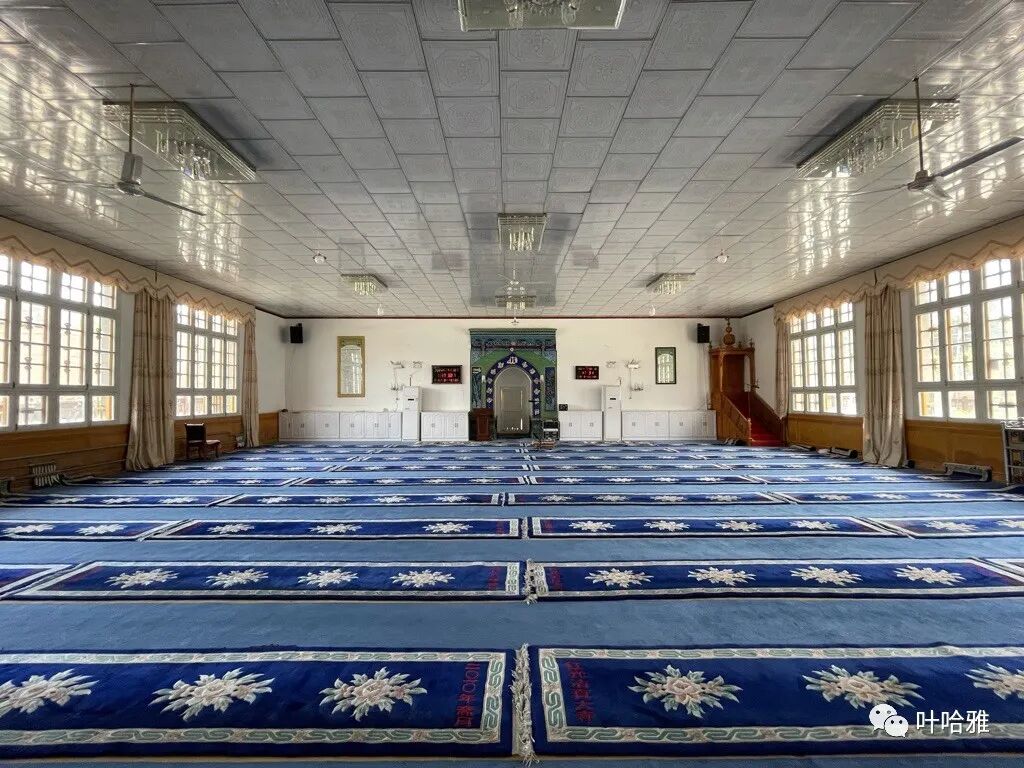
During this second visit to Hongguang Village, I saw that the West Route Army Memorial Hall had been completed. Hongguang Village has a mosque called Hongguang Mosque, also known as Zanbuhu Mosque. Because it is the only mosque in the country built by the Red Army, it is listed as a major historical and cultural site protected at the national level.
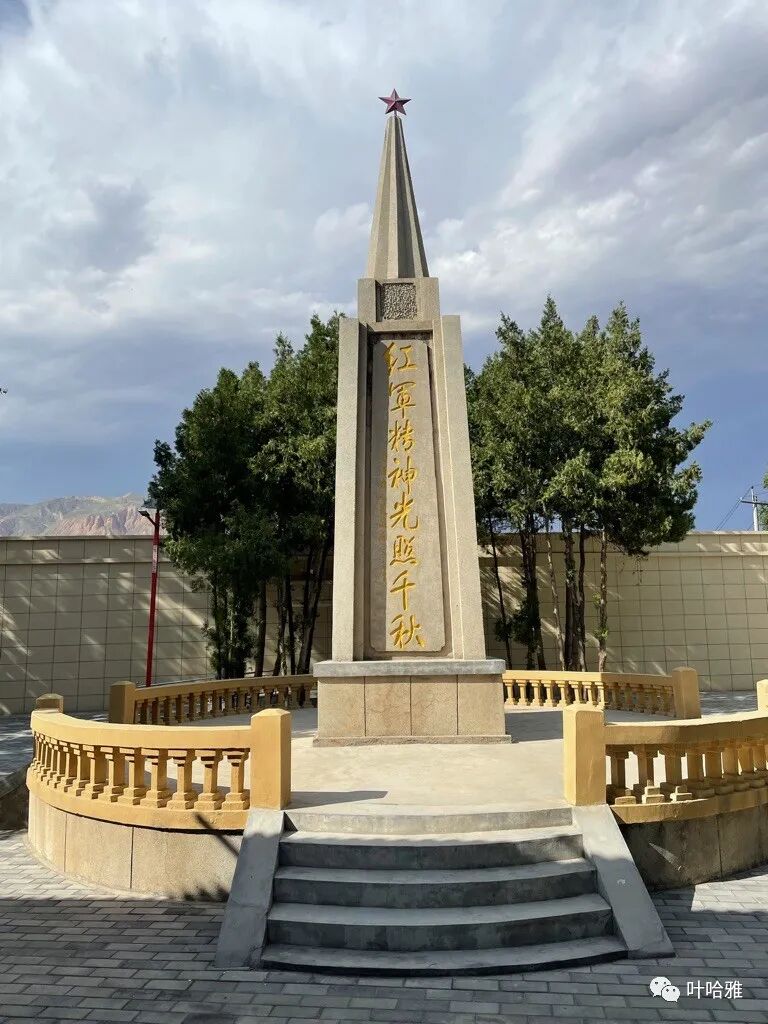
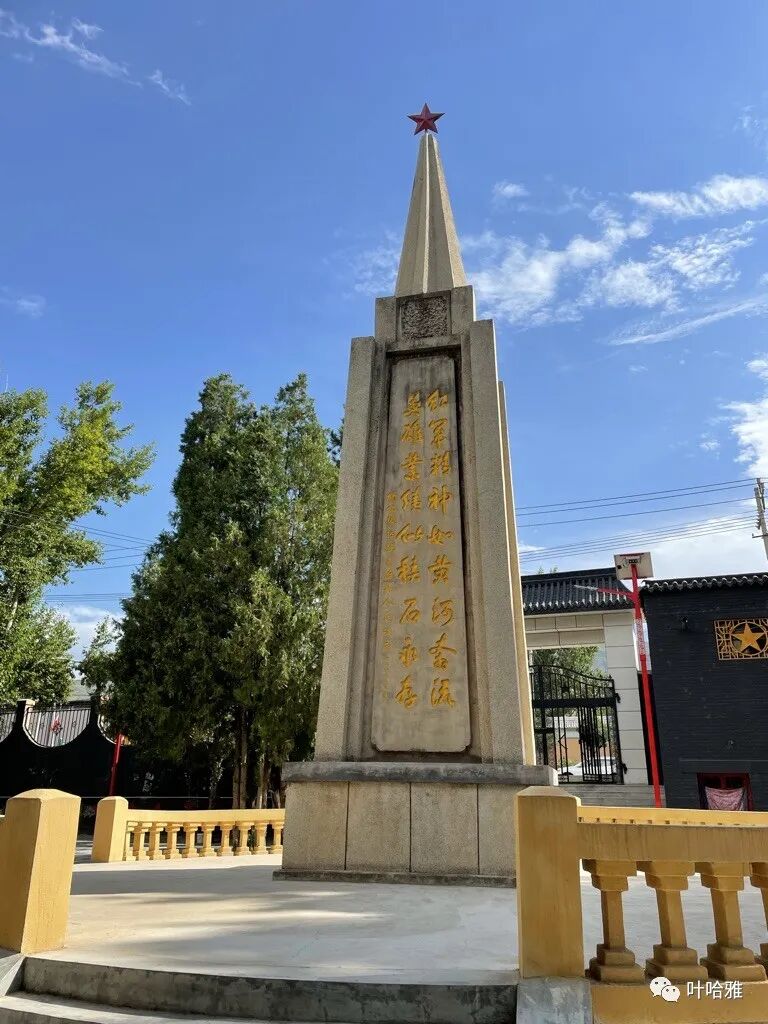
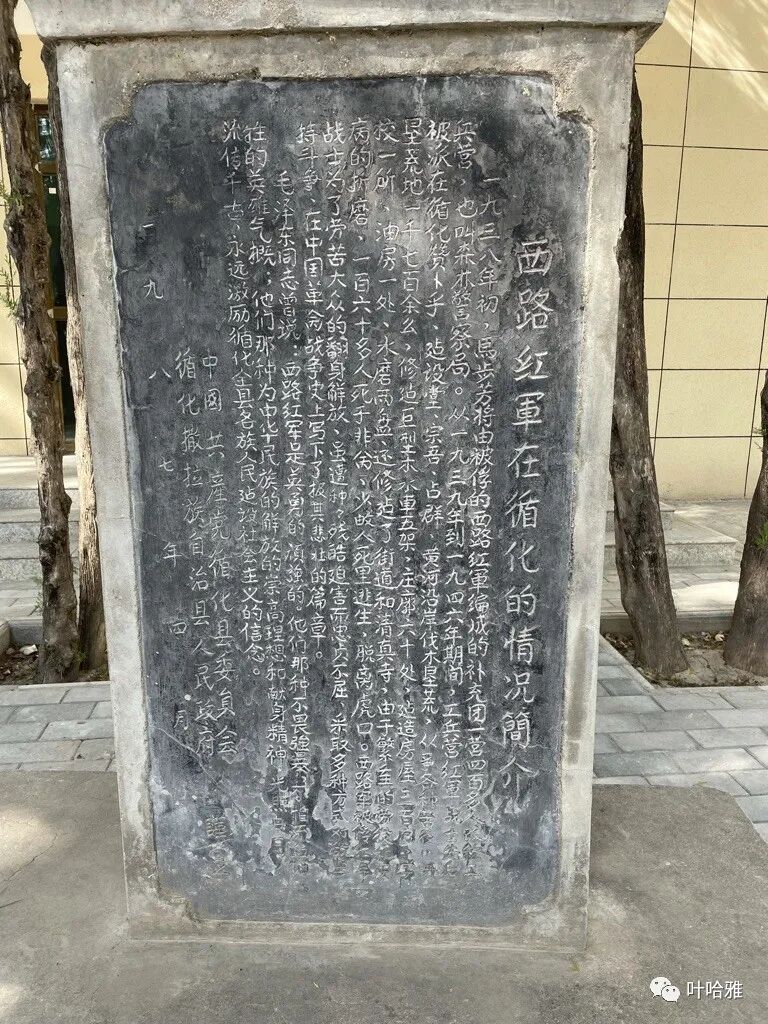
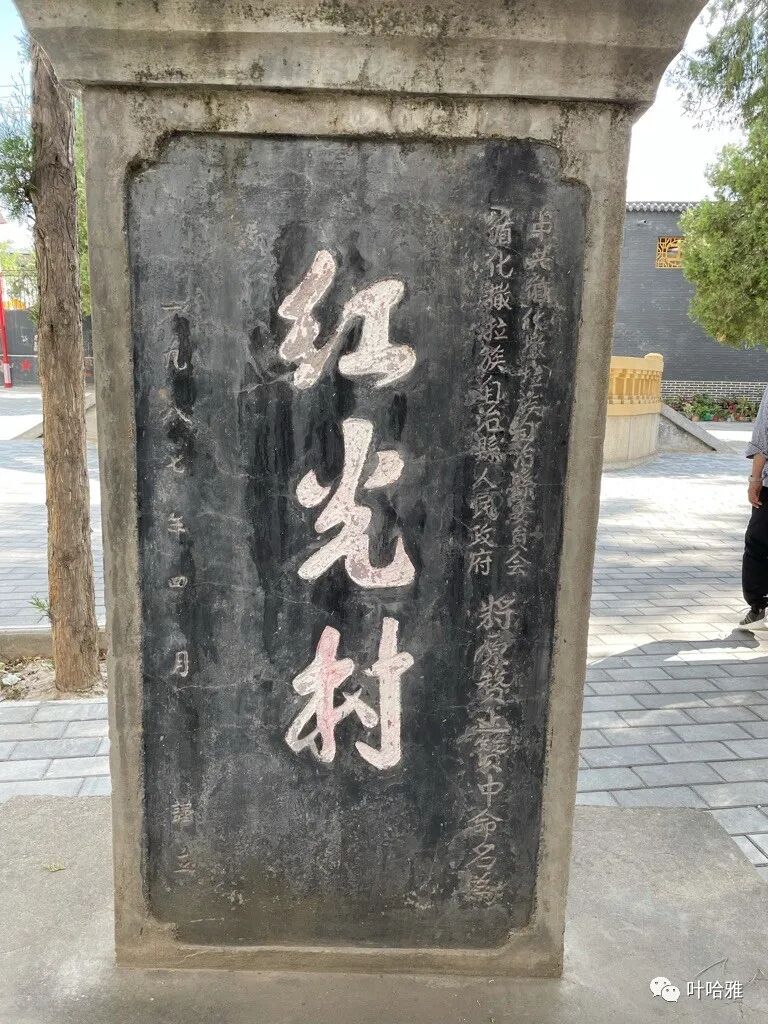
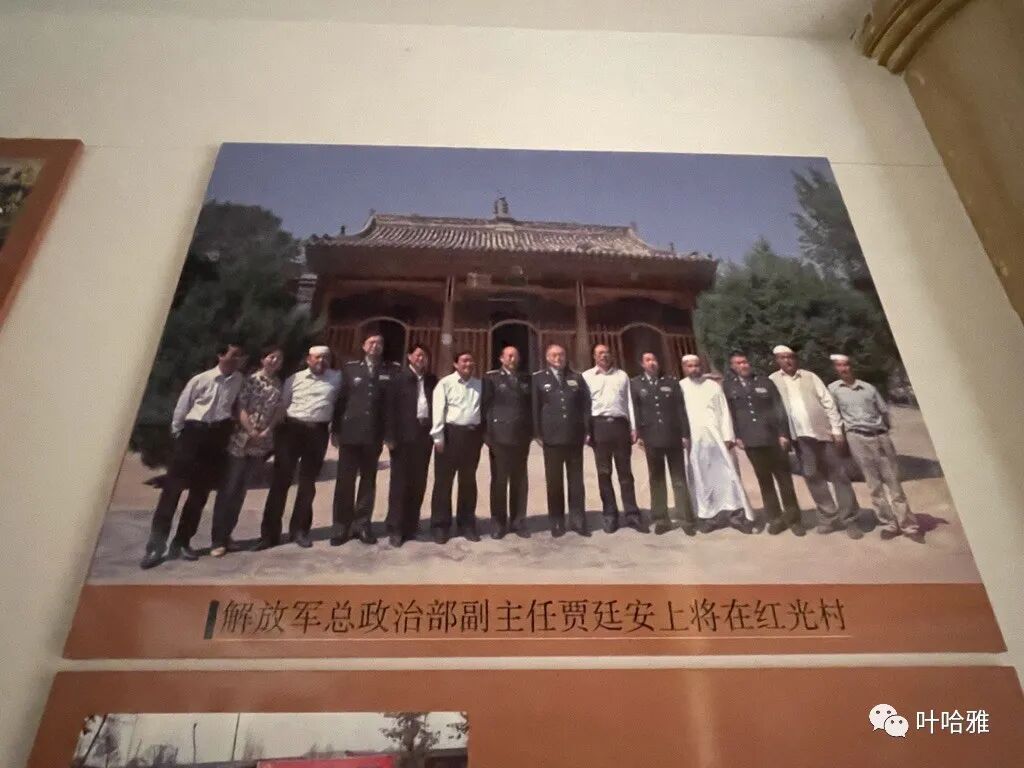
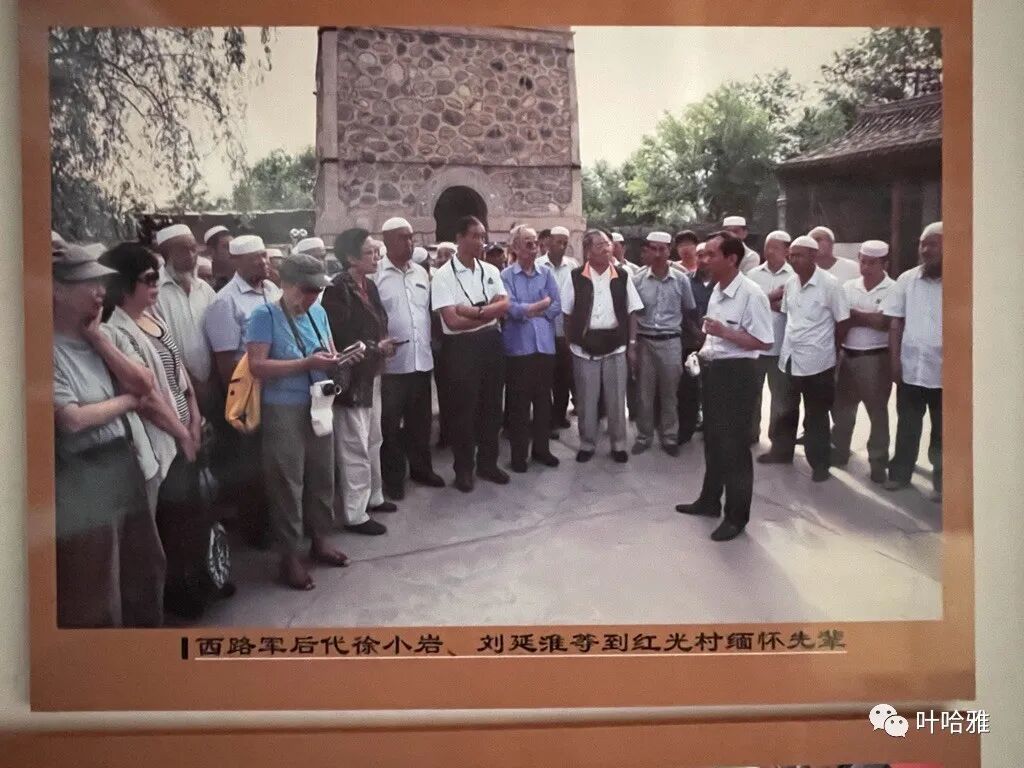
Descendants of the Red Army have visited Hongguang Village many times to honor the martyrs. Their fathers were captured by the Nationalist army under Ma Bufang and sent to Hongguang Village to build this mosque.
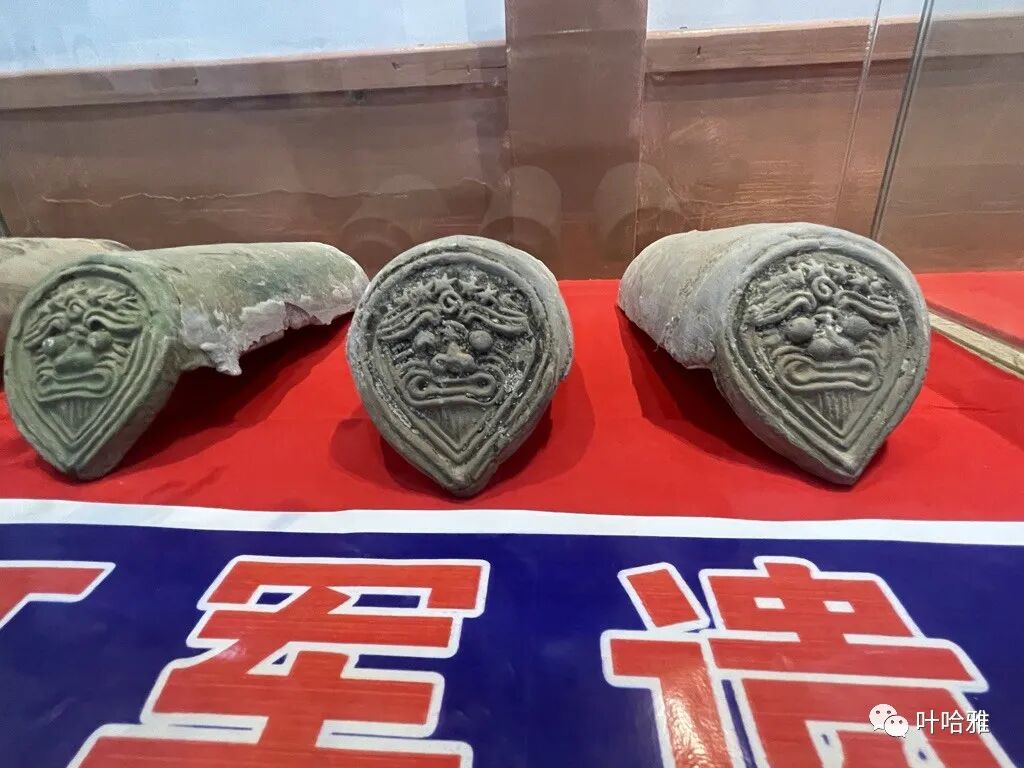
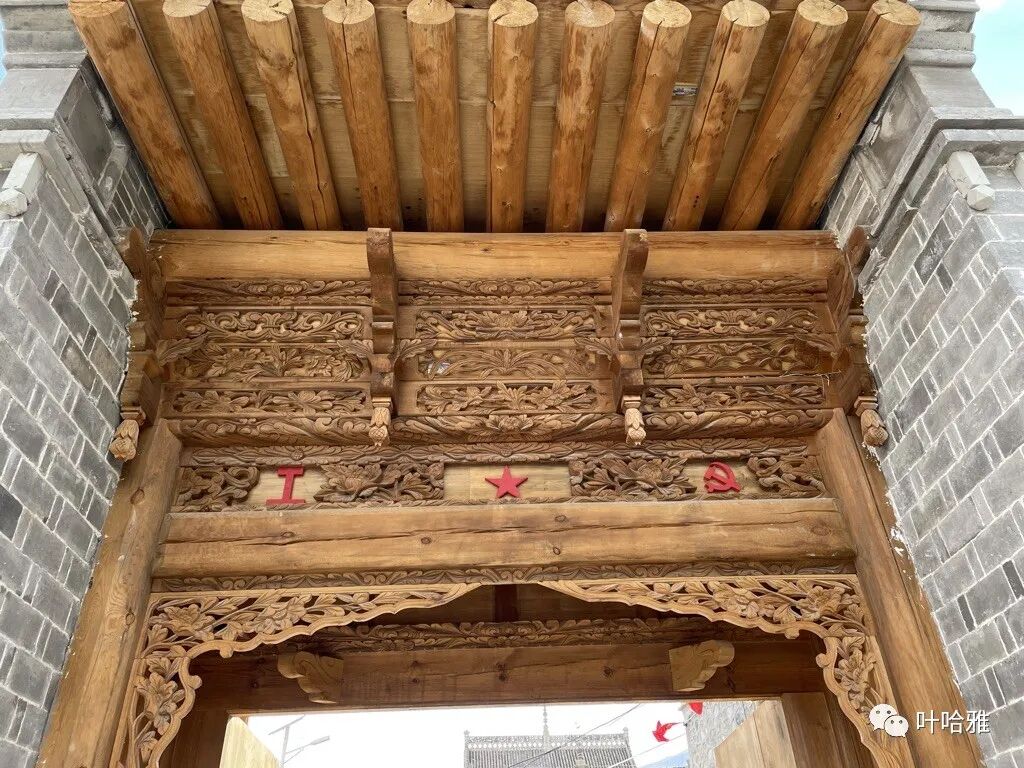
These captured Red Army soldiers were defiant, so they secretly carved revolutionary symbols like stars, sickles, and hammers into the bricks and tiles of the mosque.
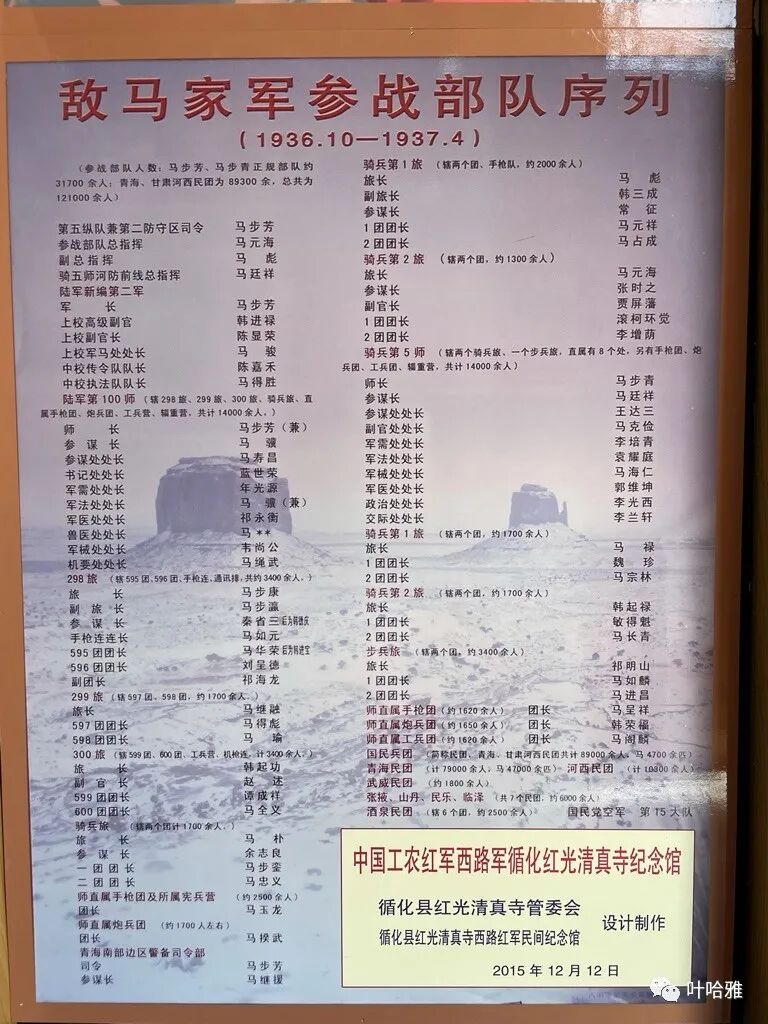
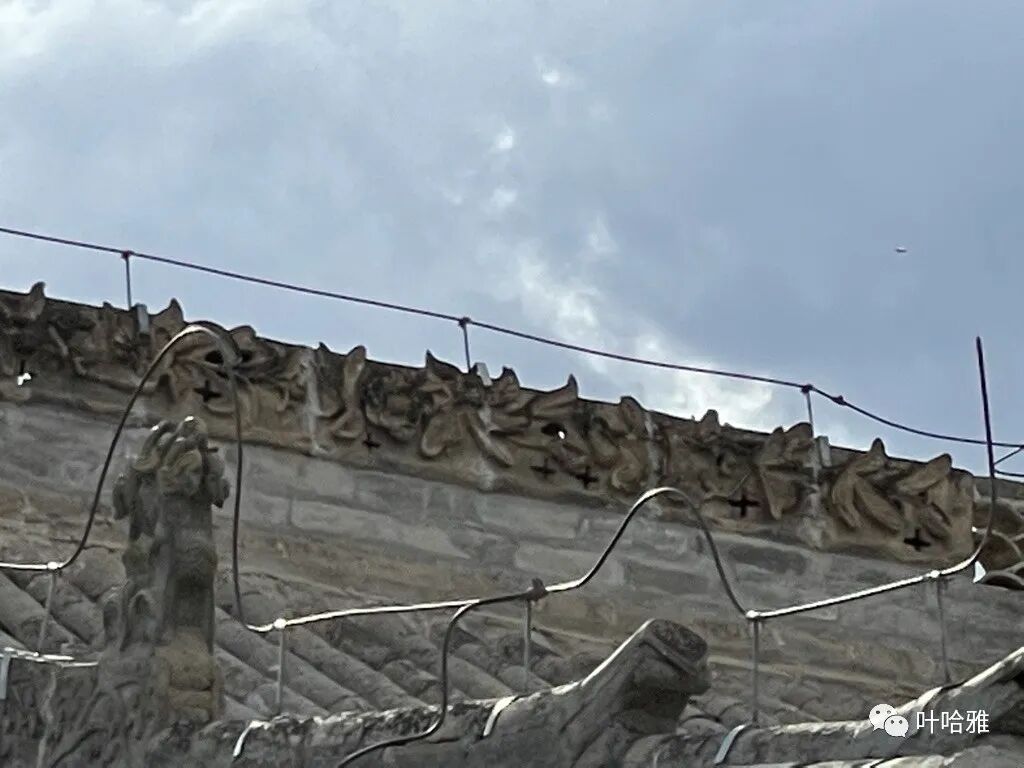
These revolutionary symbols are scattered among the tiles on the roof of the mosque, where most people would not notice them.
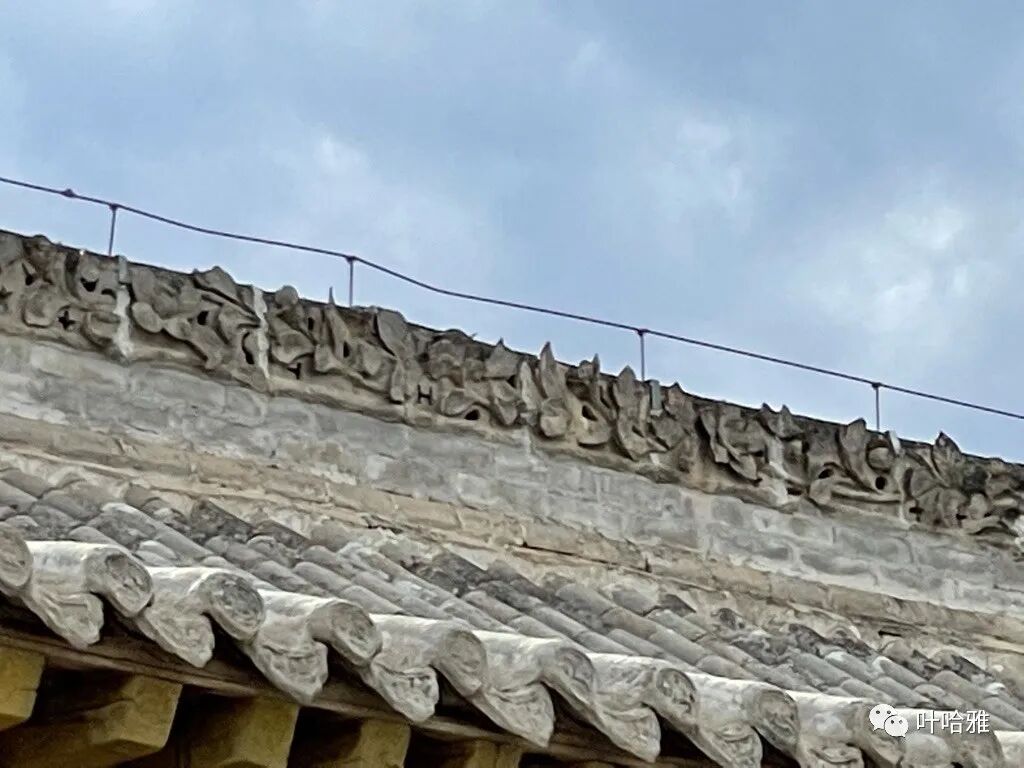
Although the mosque is not large, its significance is extraordinary. It is one of the most unique mosques I have visited.
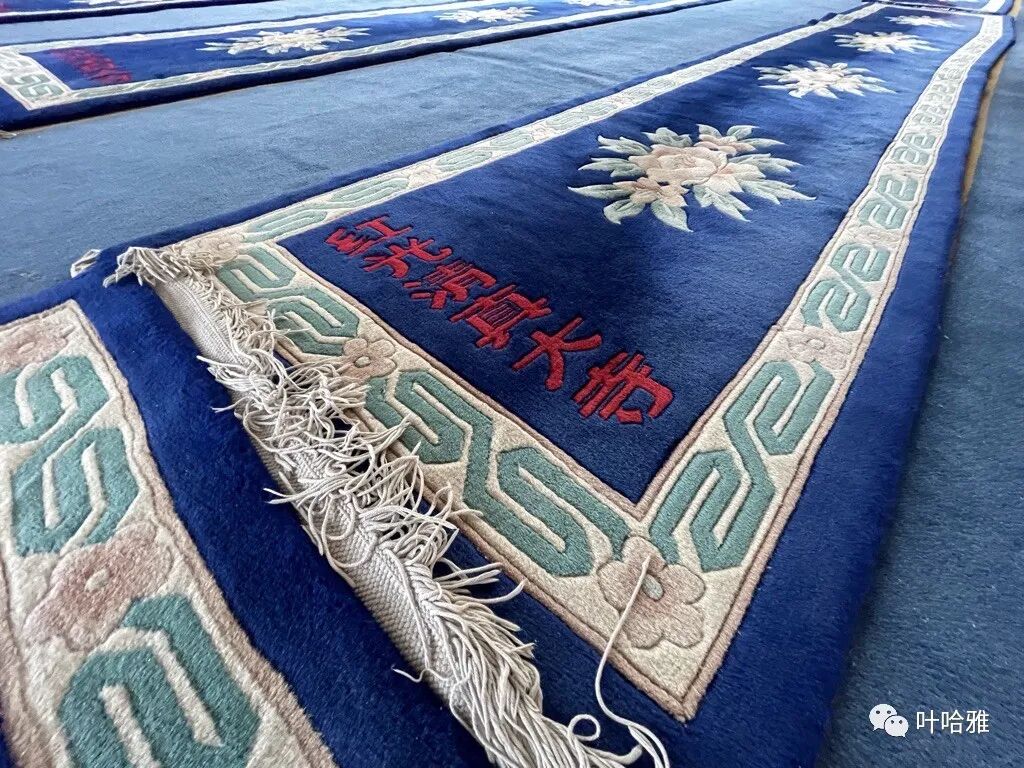
10. Imam Village
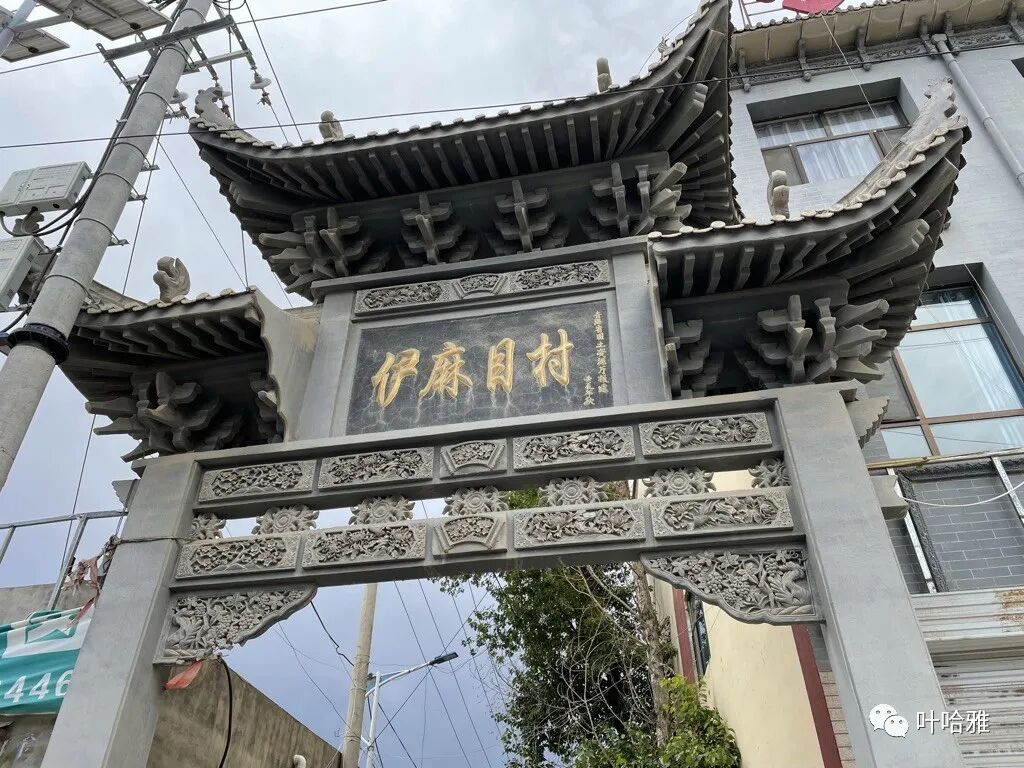
While driving through Xunhua County, I saw a village with an interesting name: Imam Village. The name sounded very Islamic, so I parked the car and walked around the village.
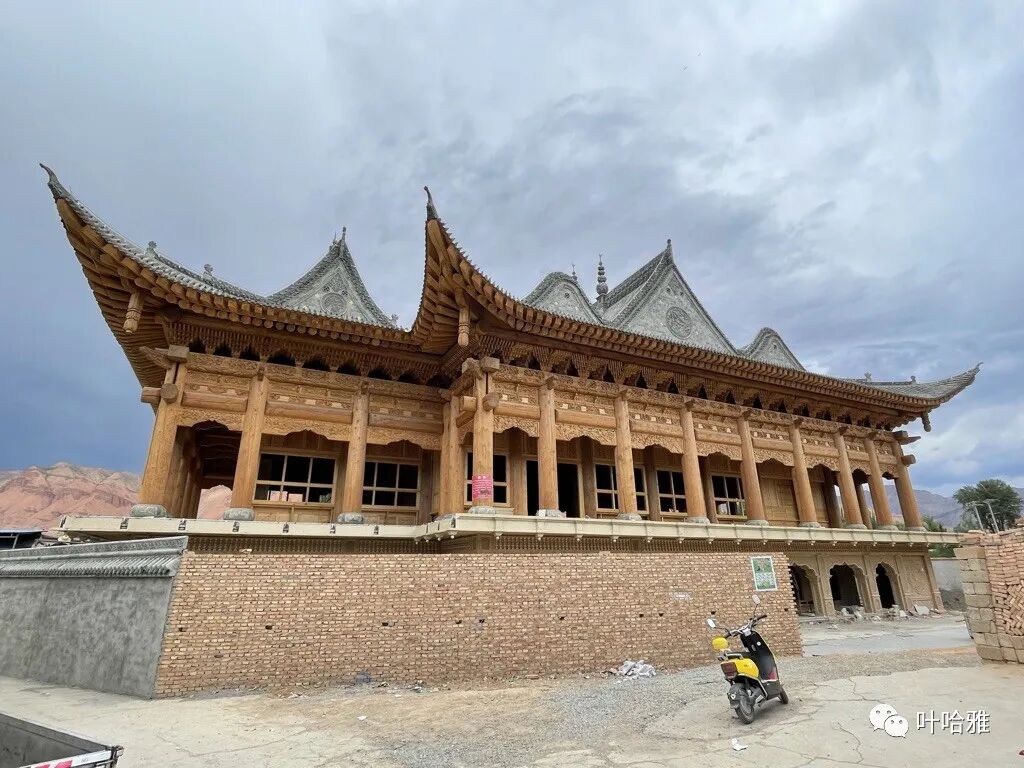
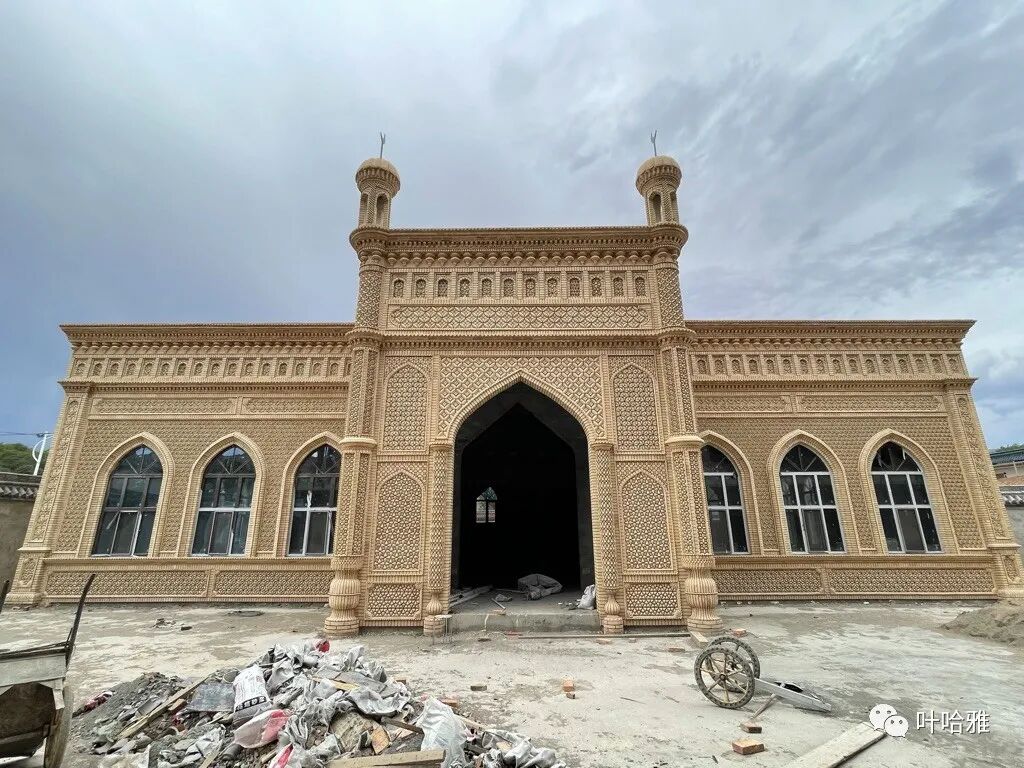
I did not walk far before I saw a large mosque under construction in the village, which was very grand.
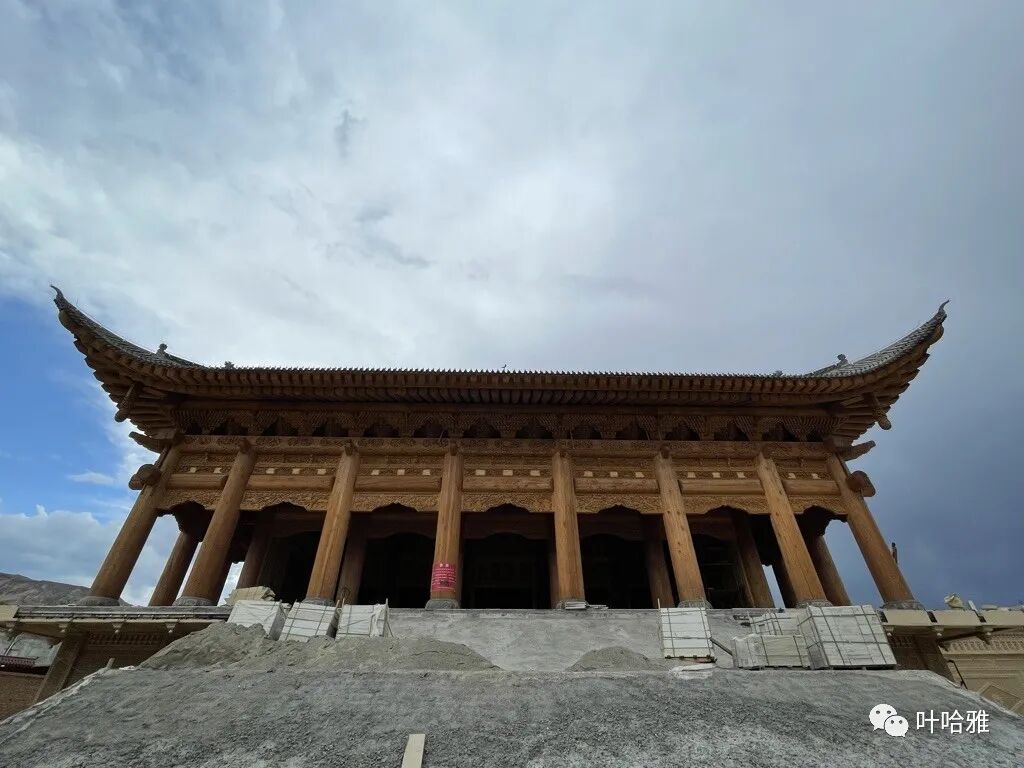
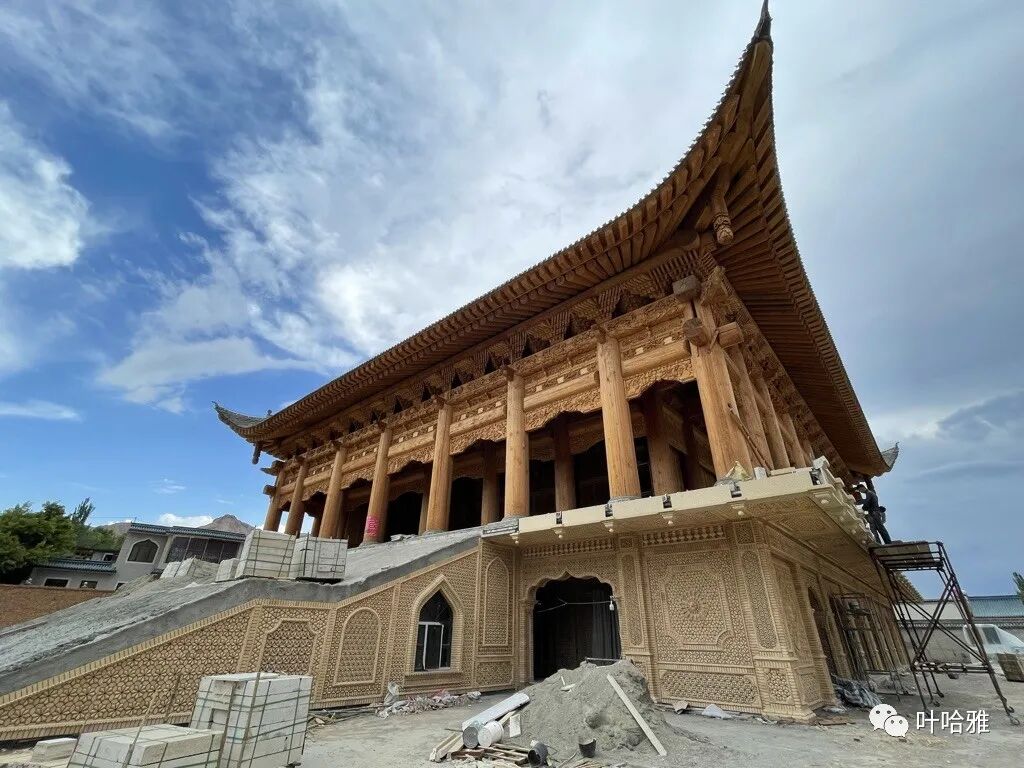
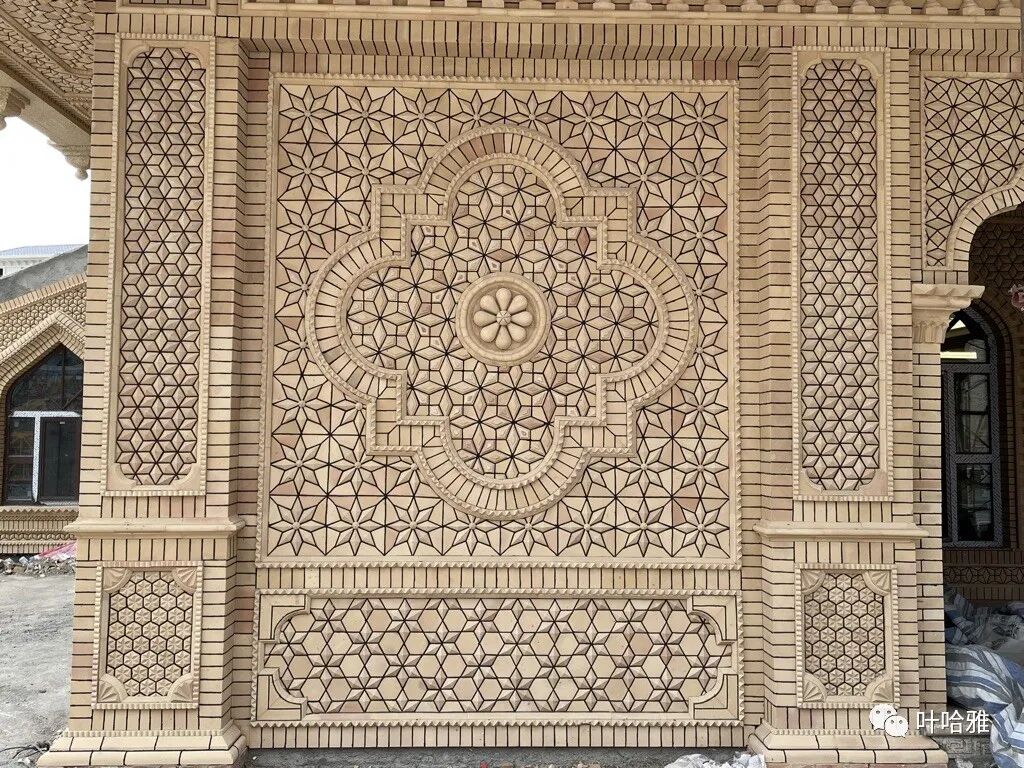
When I walked closer, I saw that the decorative patterns on the base and side halls of the mosque had architectural features typical of Central Asia and Xinjiang.
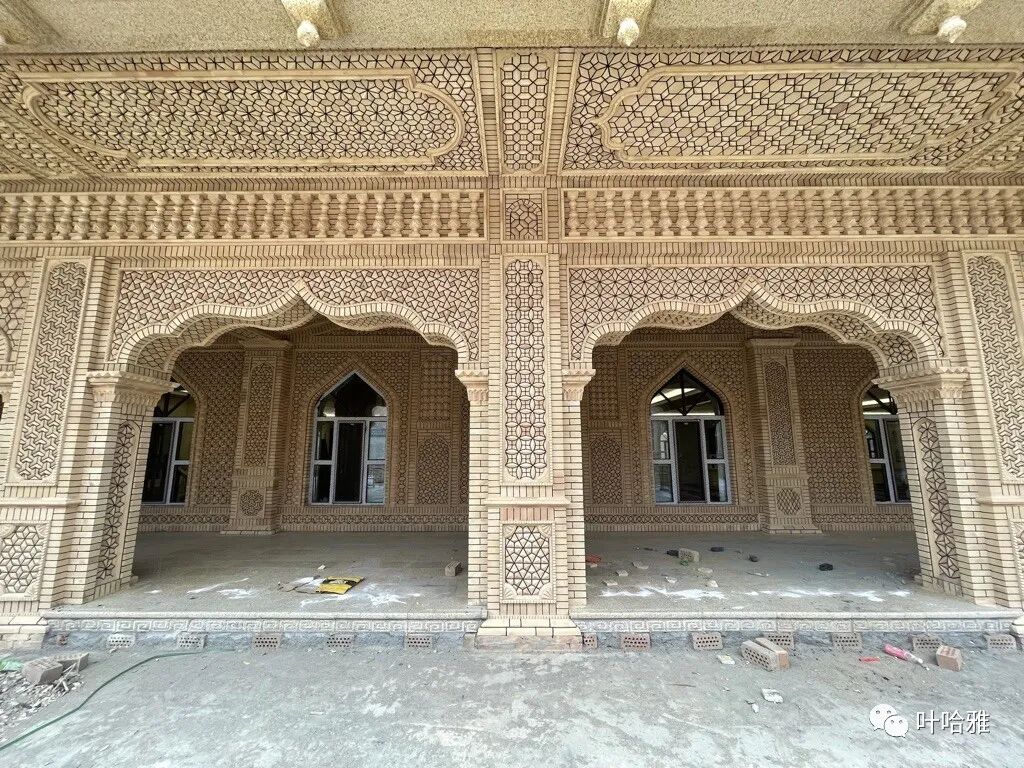
This mosaic pattern is often used in North African mosques, and it looks like it will be finished soon.
11. Guoshitan Mosque
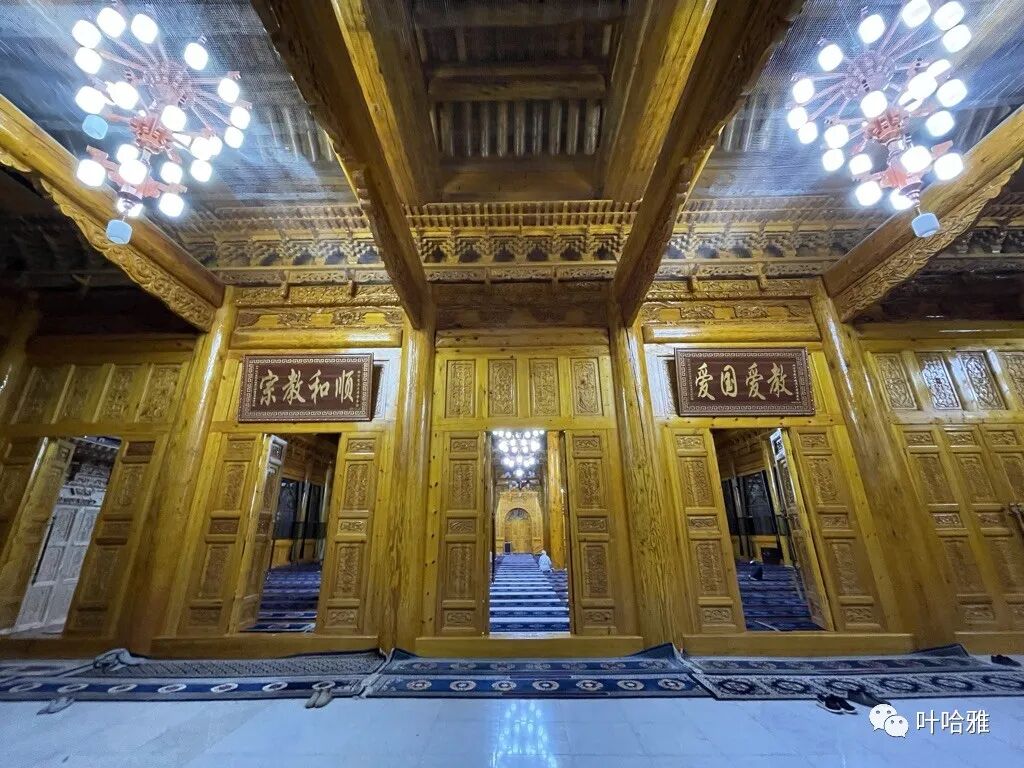
My father-in-law saw how obsessed I was with mosques. After we finished the sunset prayer (maghrib) in Jiezi, he wanted to take me to Guoshitan Village. He said they had built a new wooden mosque there, which is considered the largest wooden mosque in Xunhua County. We drove for about twenty minutes and arrived at Guoshitan Village, but it was already dark.
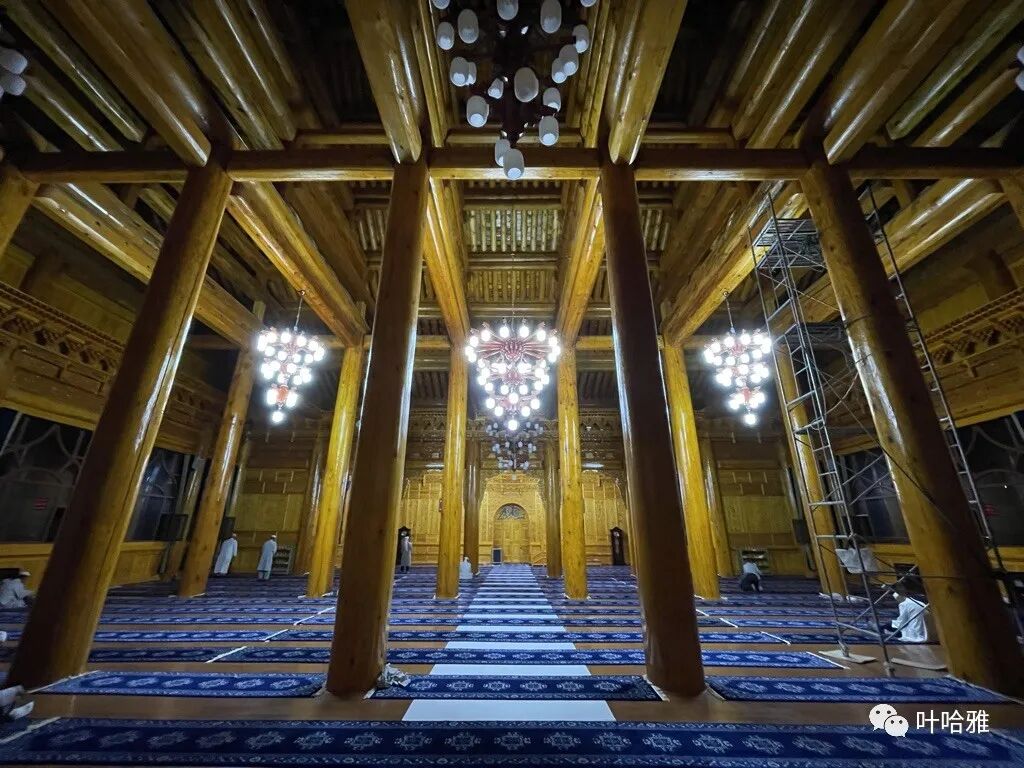
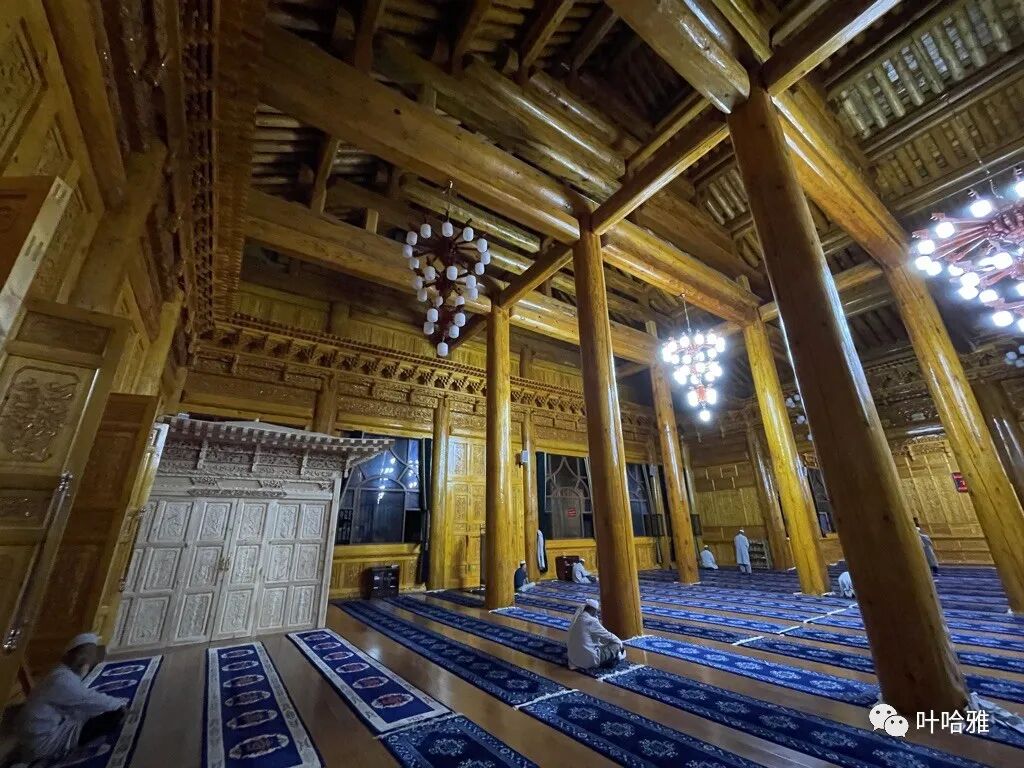
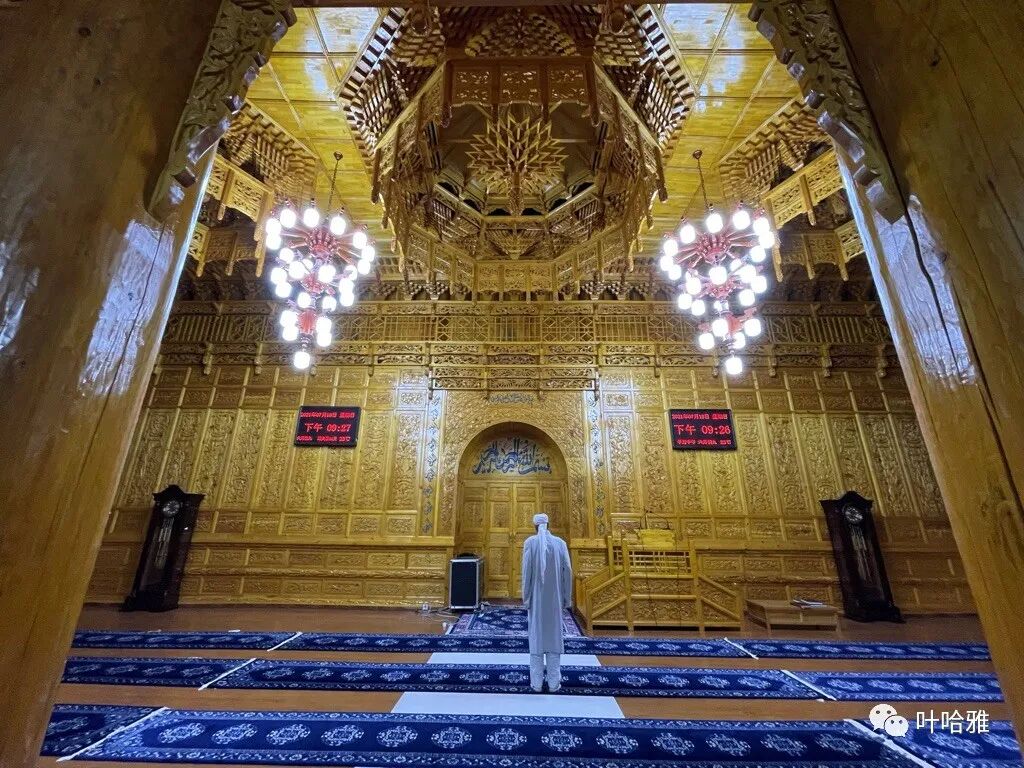
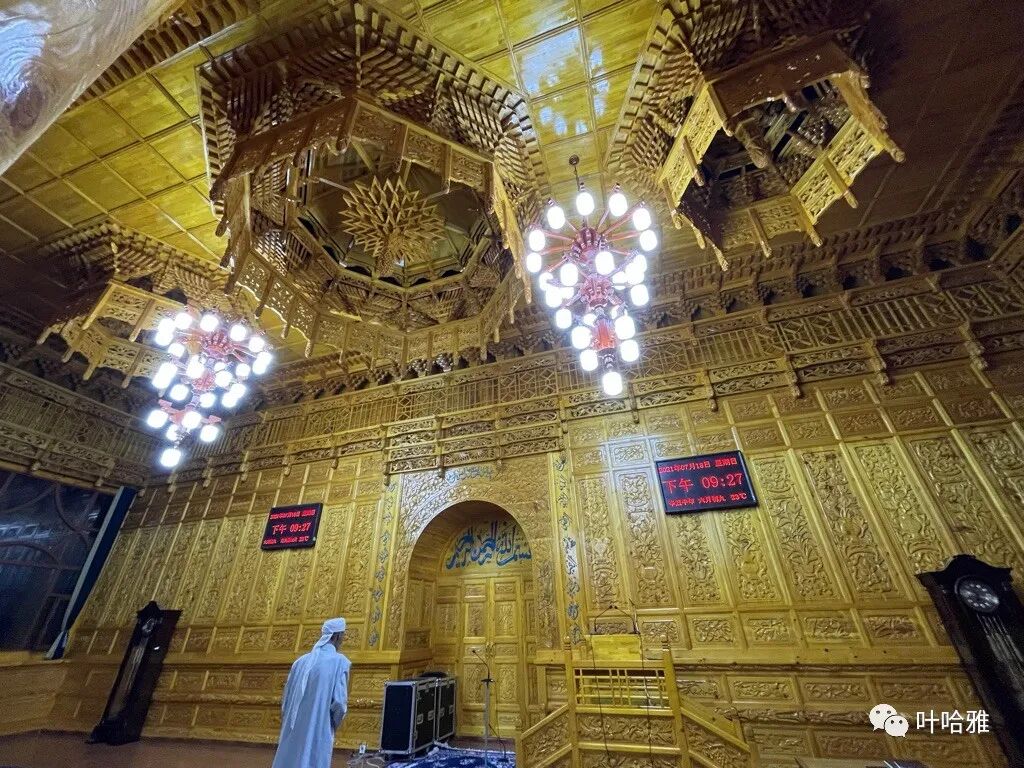
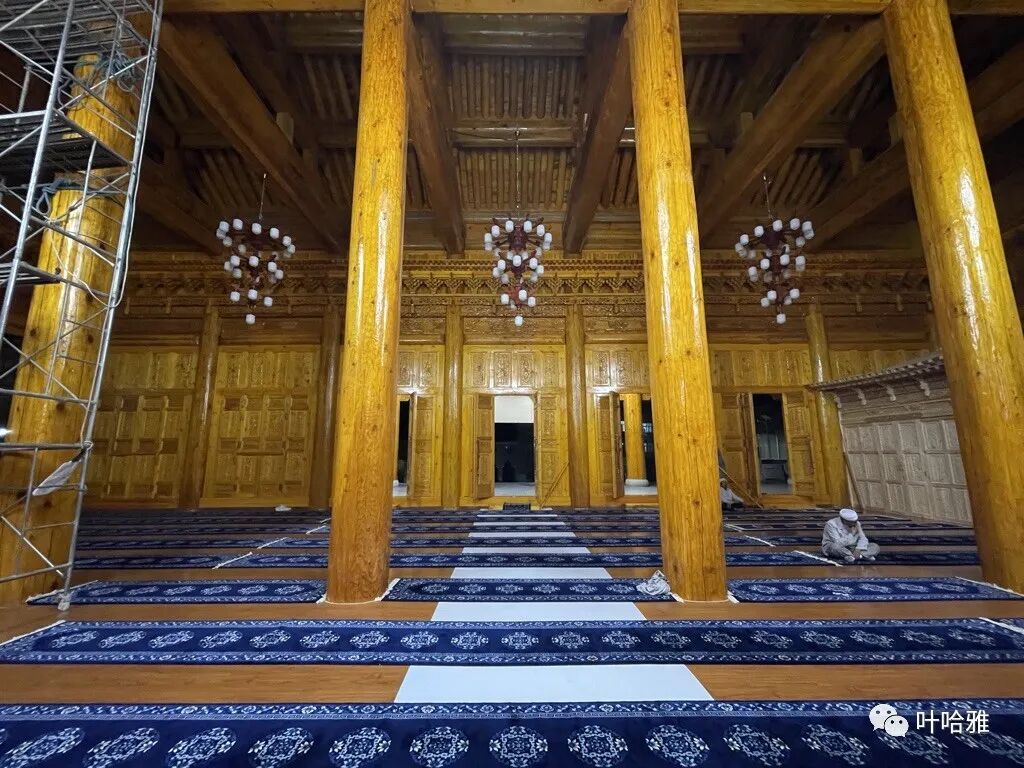
Guoshitan Mosque is located in Guoshitan Village, Jiezi Town. It was first built in 1445, and the current structure was built in 2020. People say the wooden beams for the main hall were purchased from Russia, and the total cost of the mosque was over 20 million.
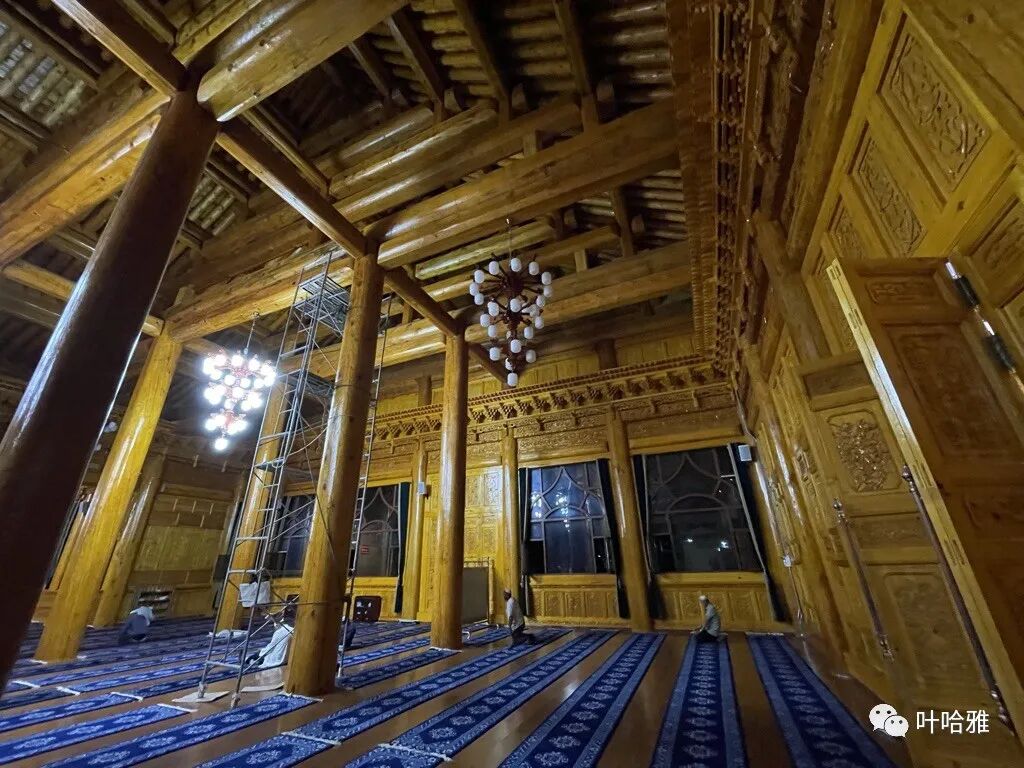
The large wooden mosque is very spectacular and has a simple, ancient feel, as if it could be designated as a protected cultural site as soon as it was finished.
Hualong Hui Autonomous County
12. Ahetan Mosque
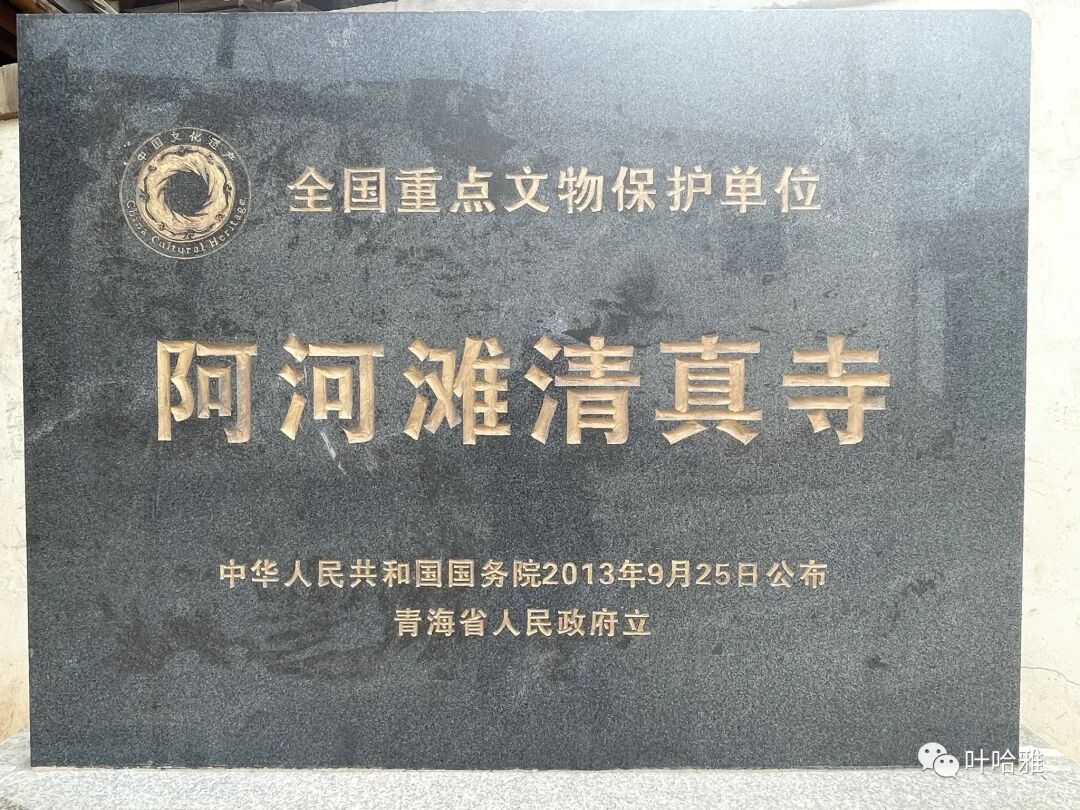
Ahetan Mosque is located in Ahetan Village, Gandu Town, Hualong County, Qinghai Province. It was first built in the 22nd year of the Wanli reign of the Ming Dynasty (1594). It covers an area of 1,938 square meters and consists of a prayer hall, north and south scripture halls, a screen wall, a memorial archway, and a minaret, all arranged in a traditional courtyard layout. Inside the courtyard, there are 24 two-story brick and wood rooms used as scripture halls. It was listed as a Major Historical and Cultural Site Protected at the National Level in 2013.
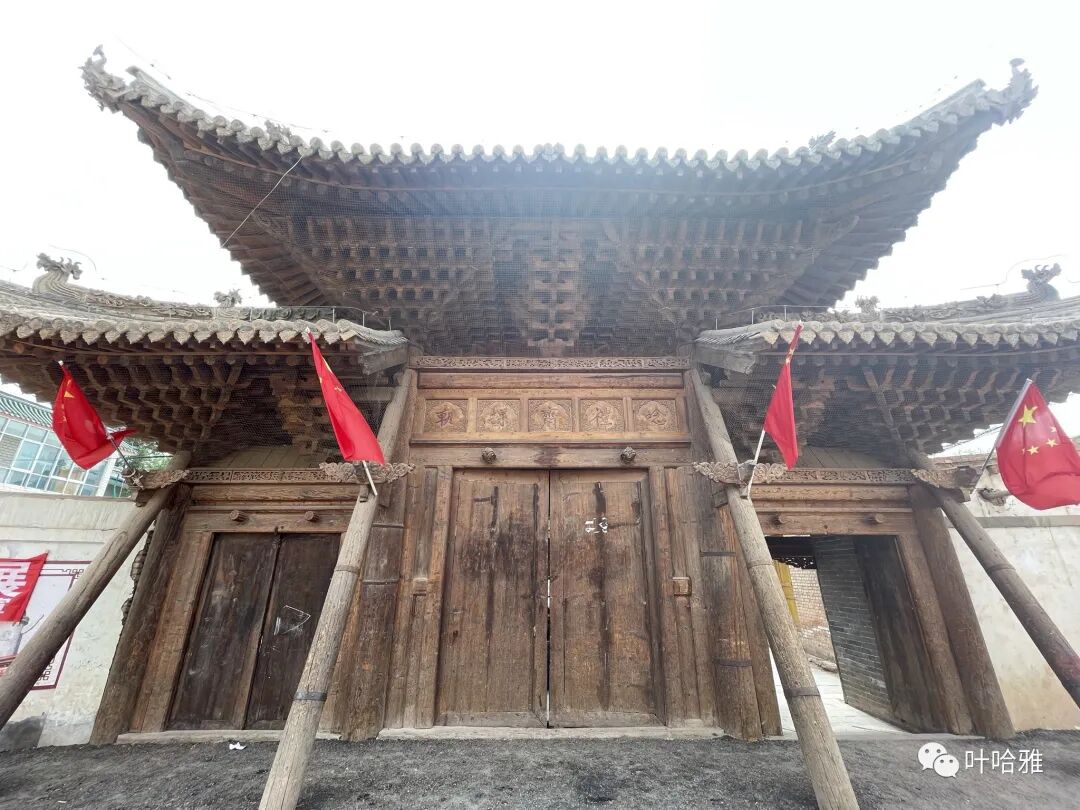
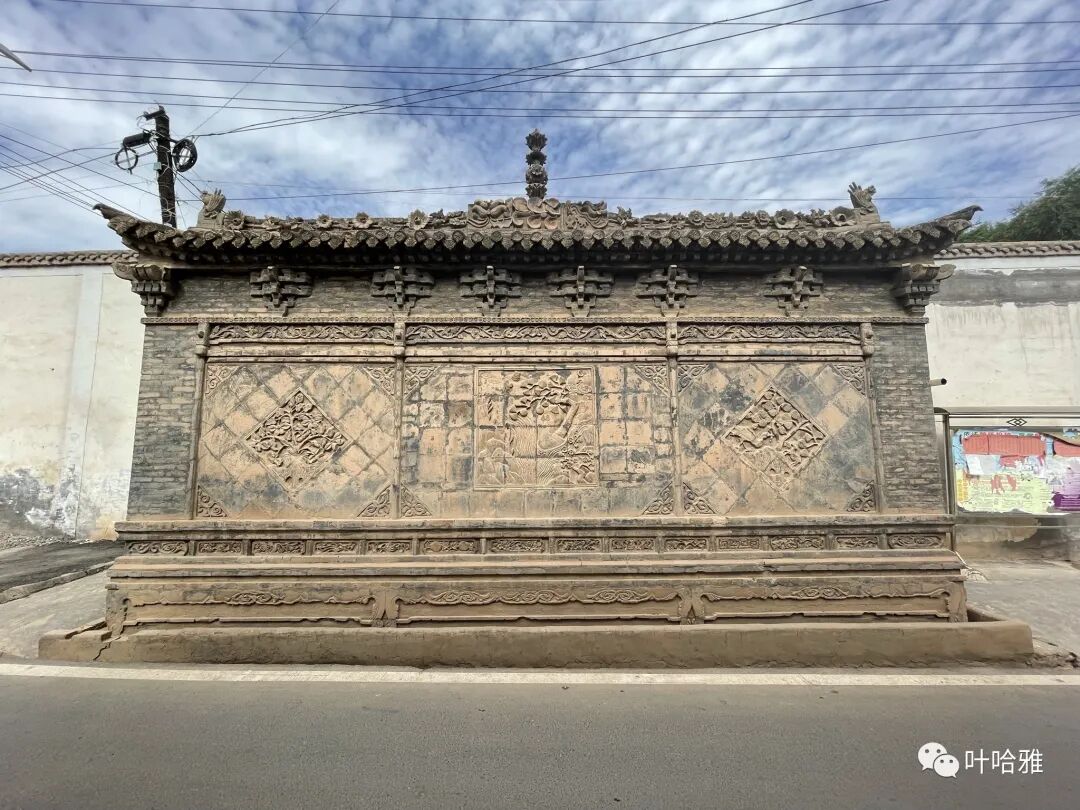
Ahetan Mosque is located in Ahetan Village, Gandu Town, Hualong Hui Autonomous County. It was first built in 1323 and expanded during the Ming Dynasty's Wanli reign, retaining its Yuan and Ming architectural style to this day.
The wooden memorial archway of Ahetan Mosque is a three-bay, four-pillar, three-story structure with a hip roof. It is 9 meters high and 8 meters wide, with a tall roof supported by four diagonal pillars in the front and back.
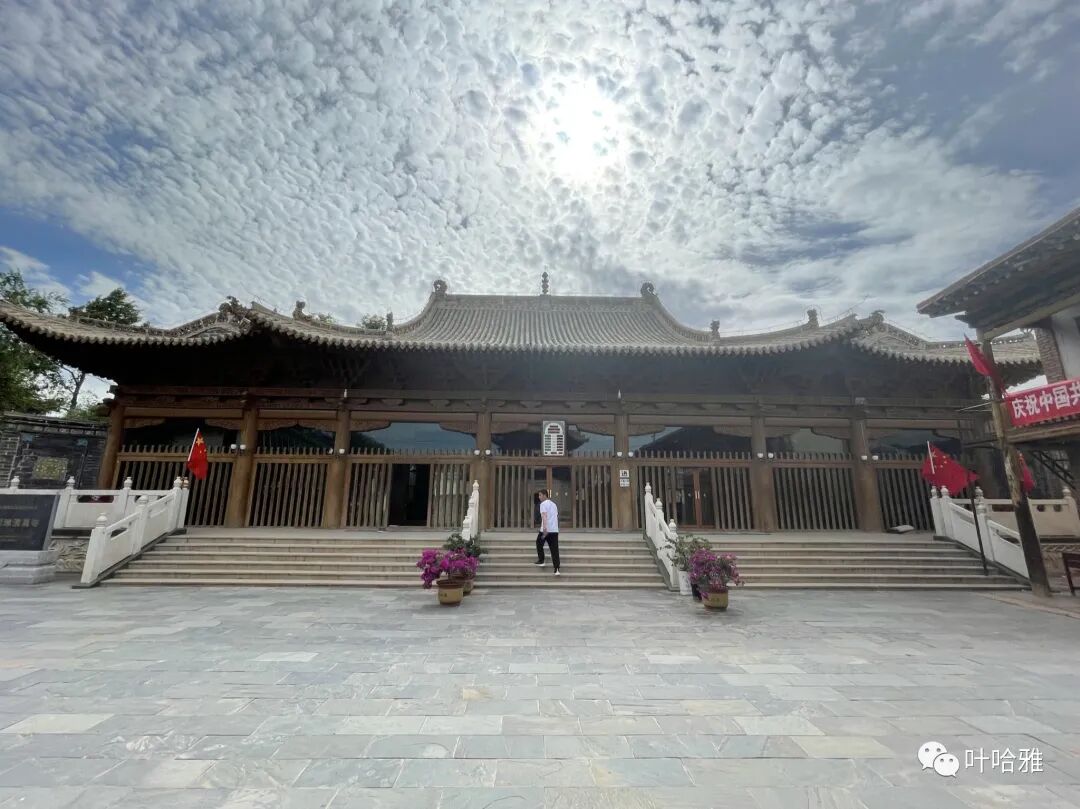
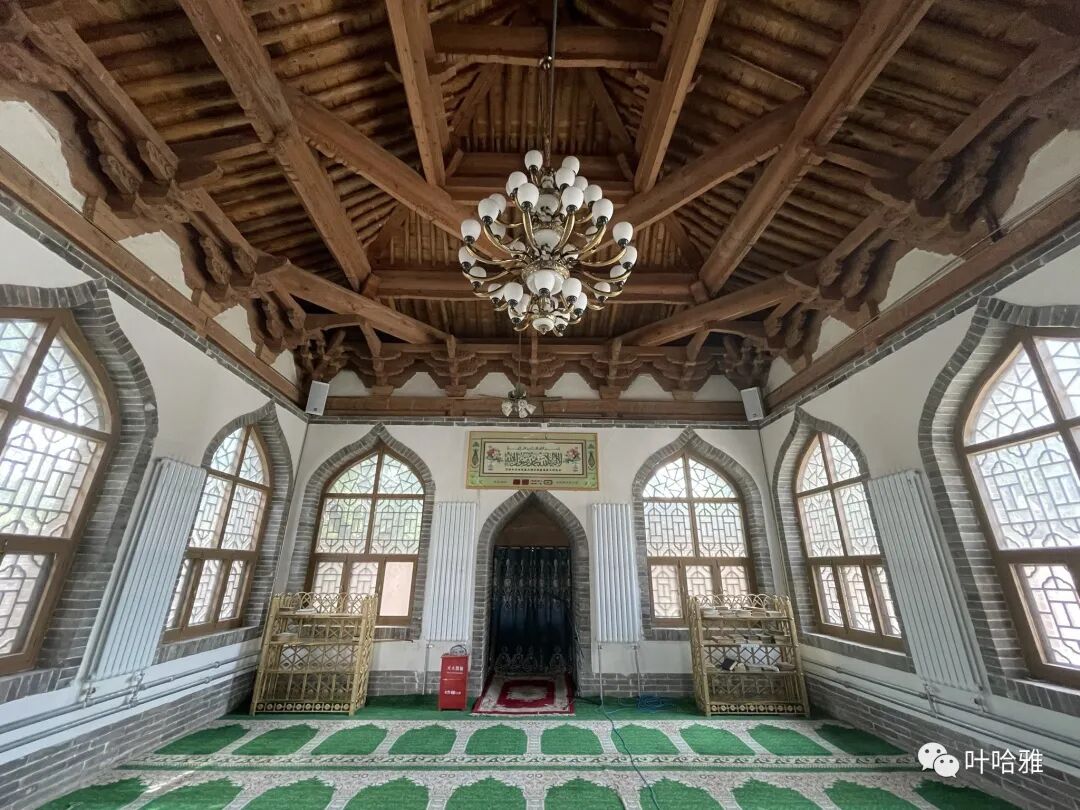
The prayer hall has a floor area of 540 square meters. It is a three-section, six-bay structure with the main hall in the center and a ridged, hip-and-gable roof. There are north and south shed-style side halls, and the interior of the halls is connected as one.
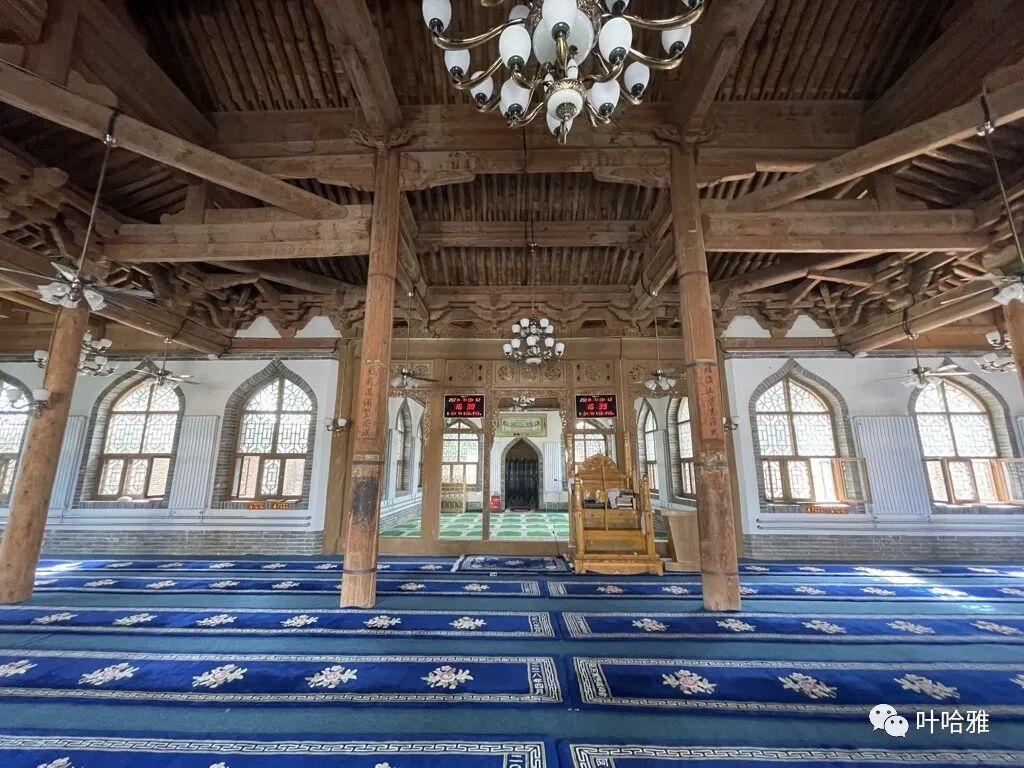
The main hall and the niche hall (yaodian) are separated by carved wooden partitions. The mihrab in the center of the west wall of the niche hall and the Sumeru pedestals on the north and south walls are decorated with exquisite wood carvings.
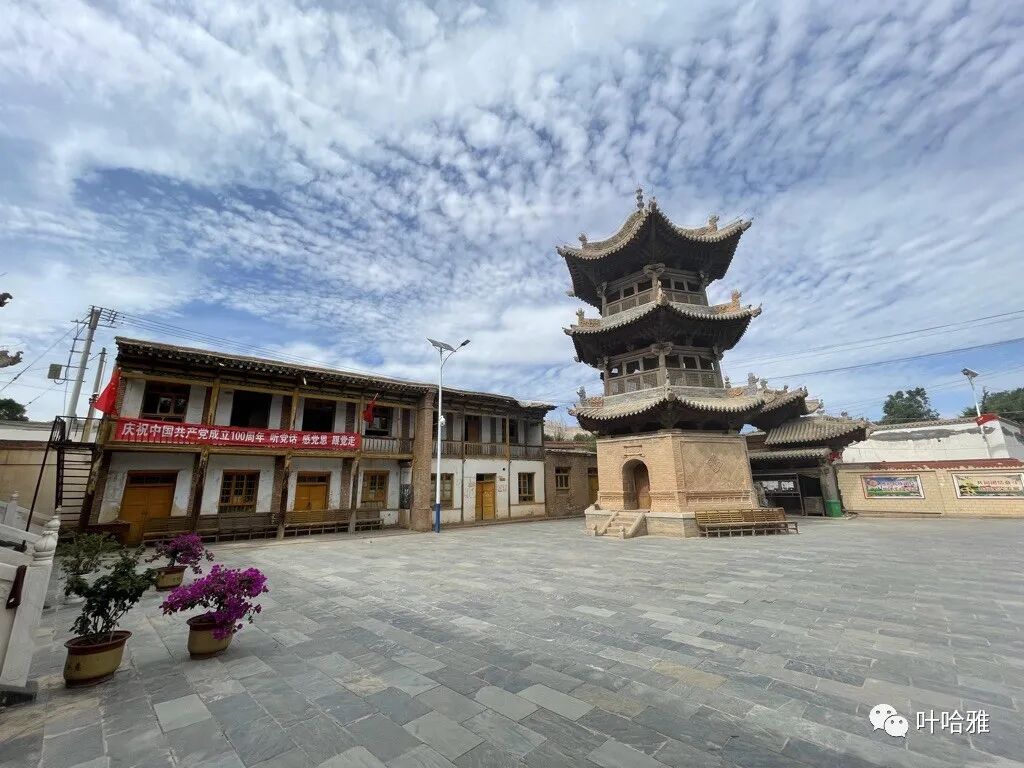
13. Yisha'er Mosque
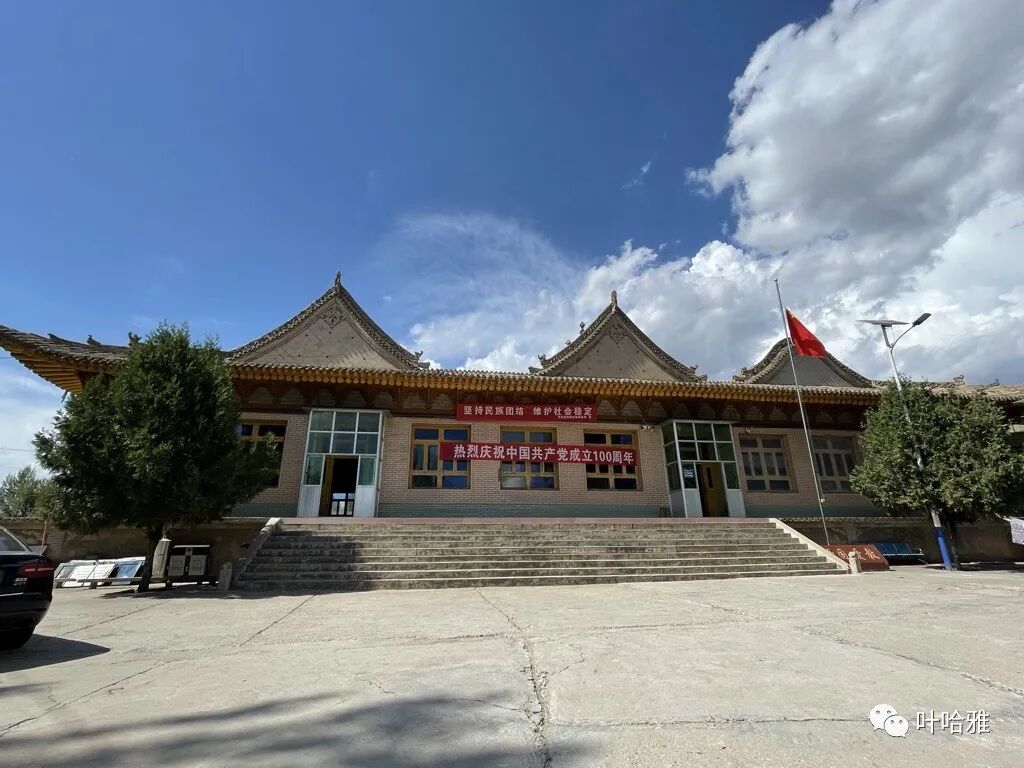
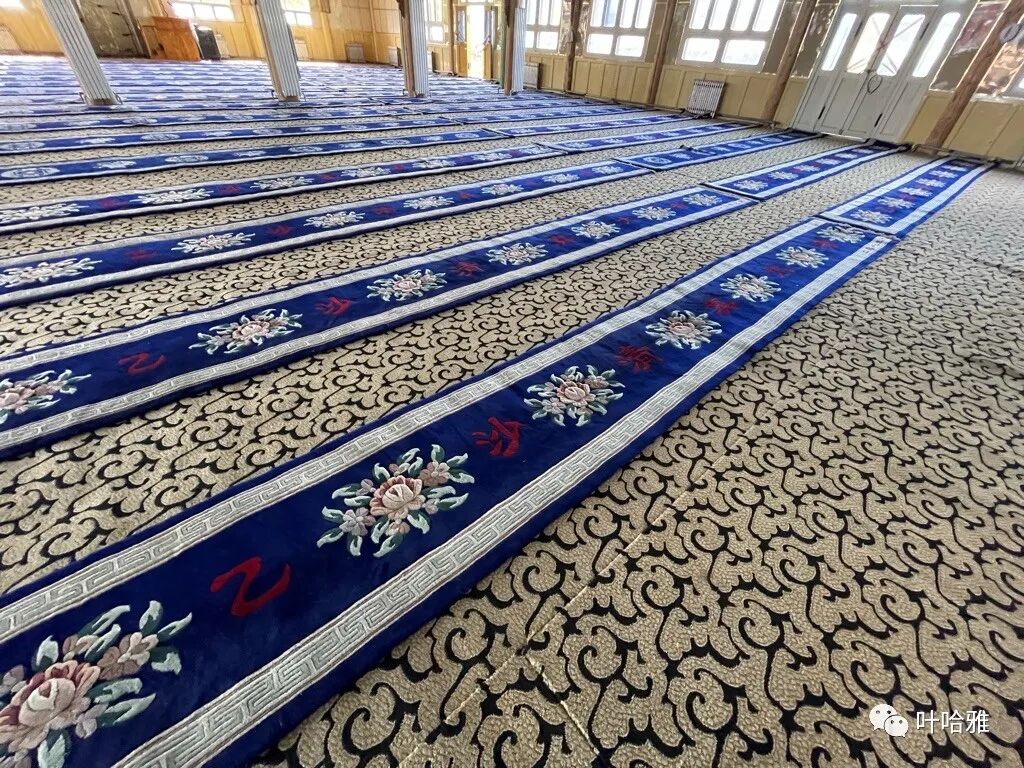
Yisha Mosque is in Yisha Village, Qunke Town, Hualong Hui Autonomous County. It is a protected cultural site of Qinghai Province. The mosque was first built in the first year of the Hongzhi reign of the Ming Dynasty (1488). It was rebuilt in the 14th year of the Qianlong reign of the Qing Dynasty (1749). The original minaret was a three-story wooden structure, wider at the top and narrower at the bottom, standing 28 meters high with a diameter of 6 meters.
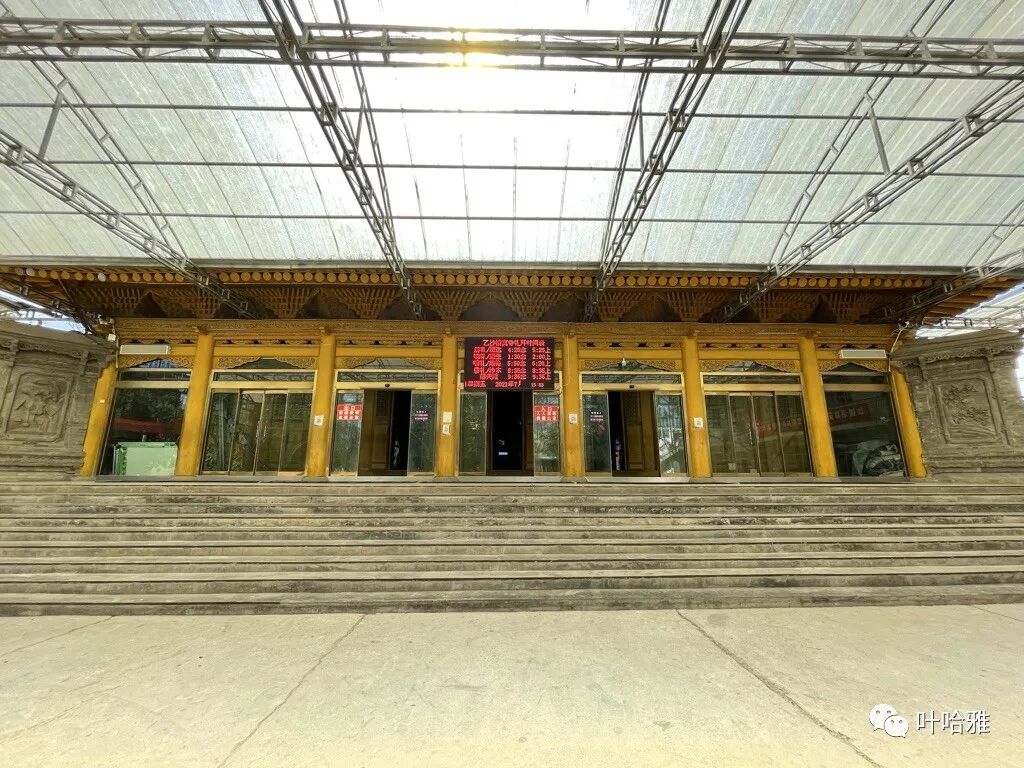
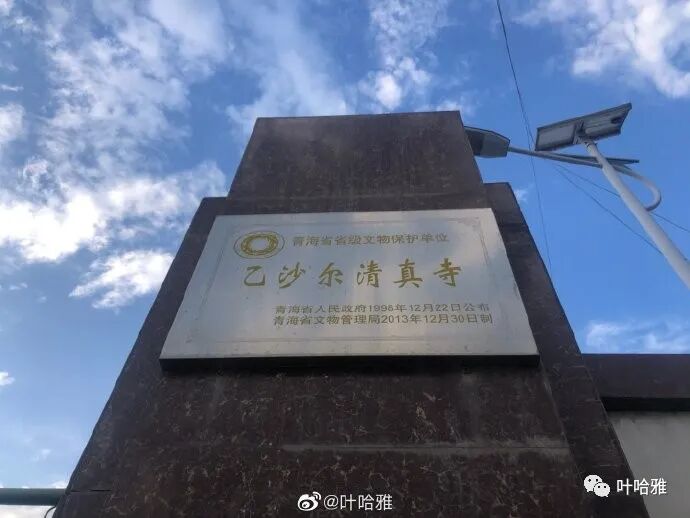
The cultural heritage plaque at Yisha Mosque calls it Yisha'er Mosque, but you can only find its location on Baidu Maps by searching for Yisha Mosque.
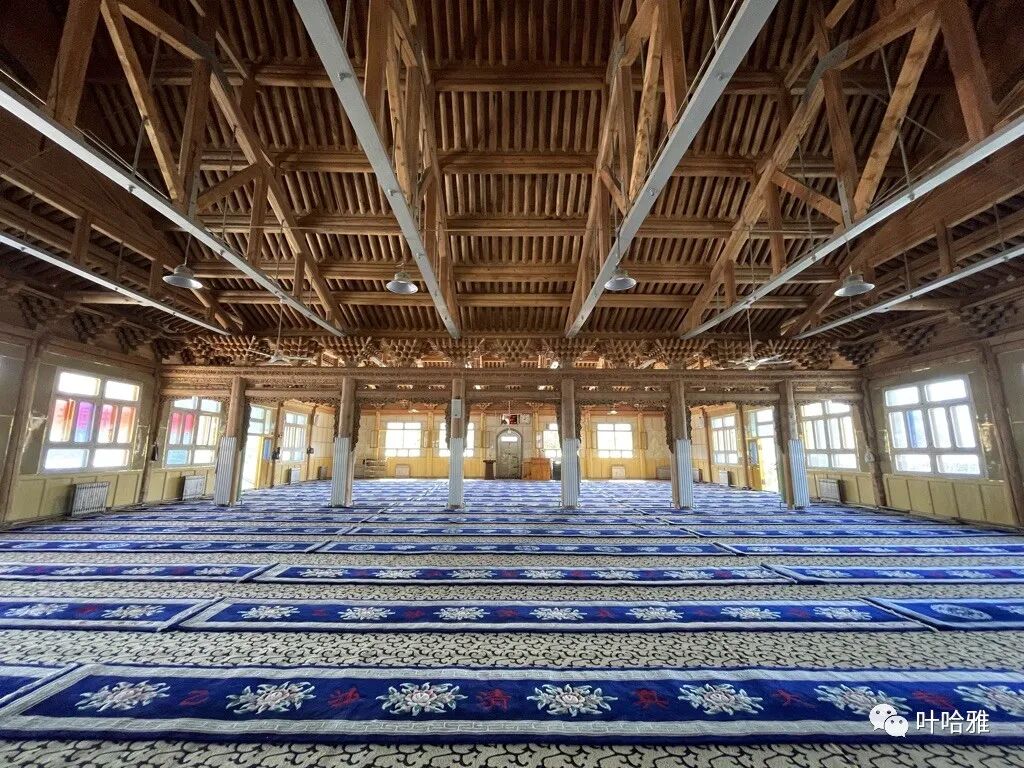
My father-in-law thinks Hualong has a better religious atmosphere than Xunhua. Most Hui Muslims from Hualong run noodle shops in other parts of China, while the Salar people from Xunhua mostly run Xinjiang-style restaurants.
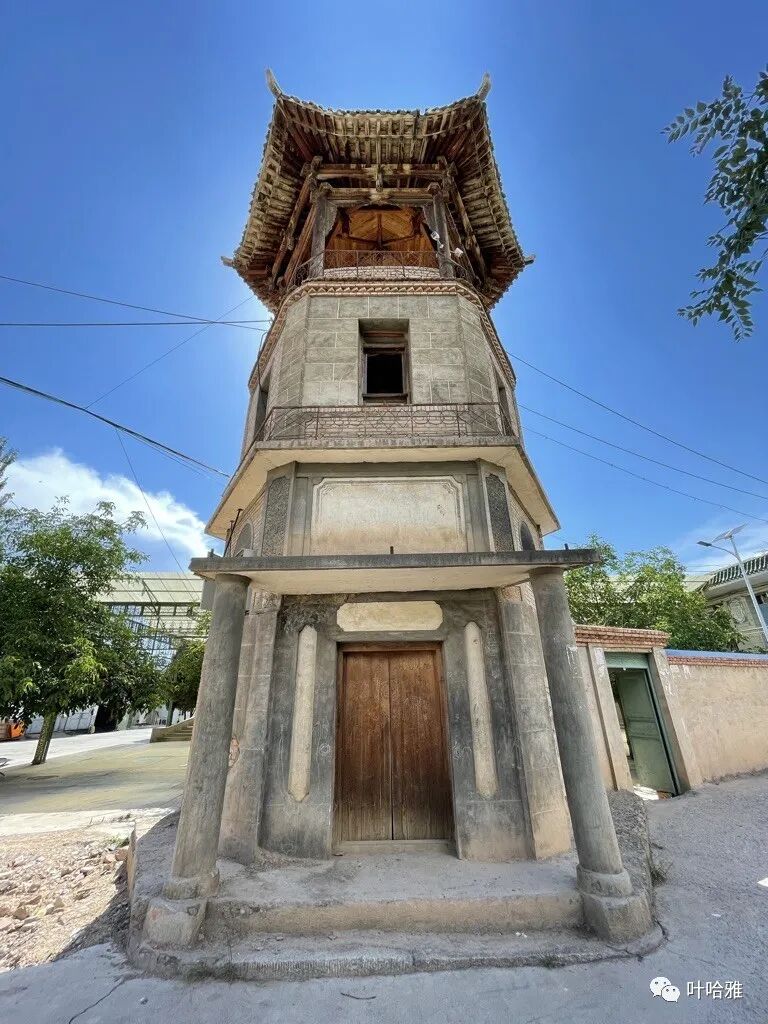
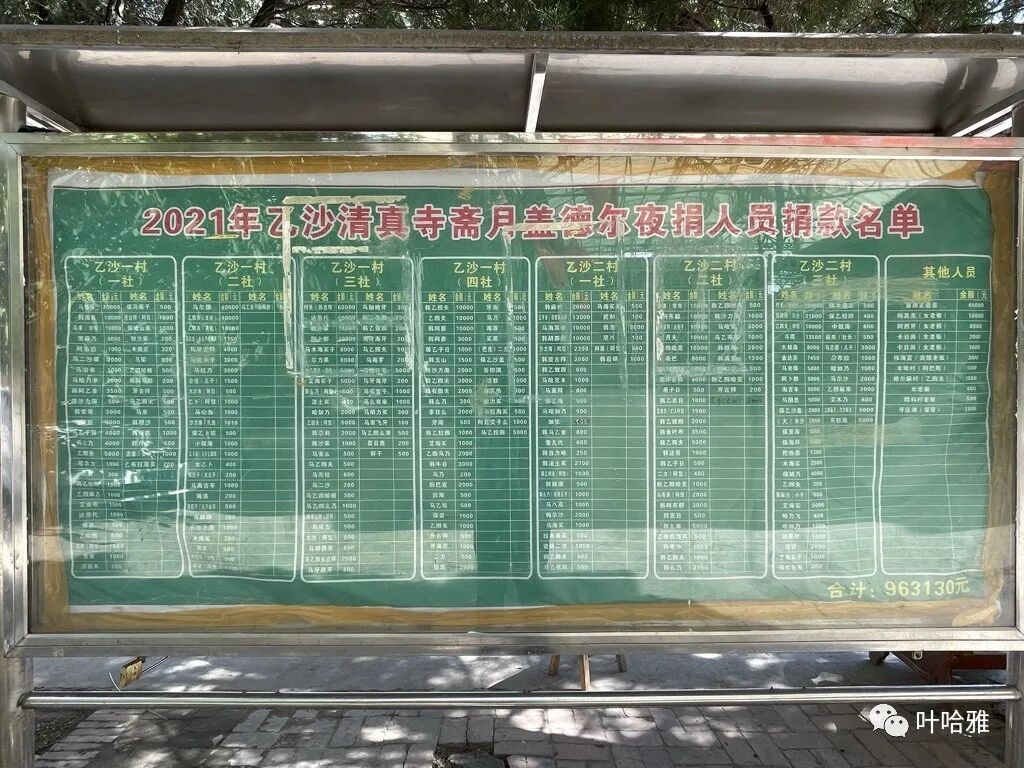
Tips: Food and accommodation guide.
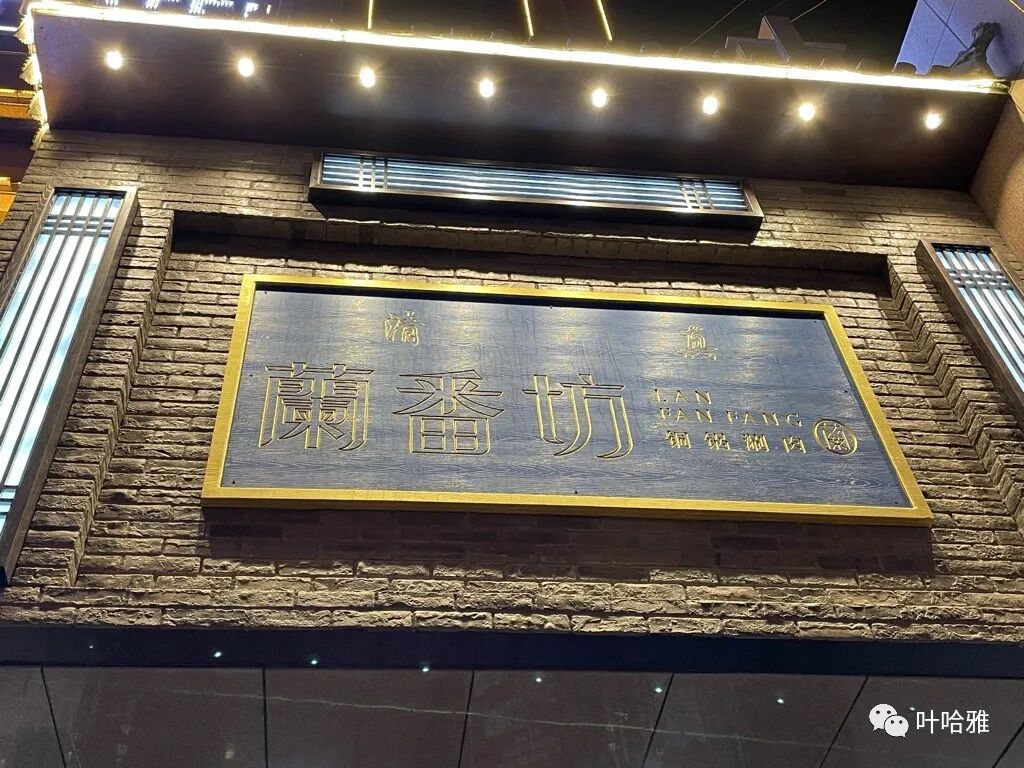
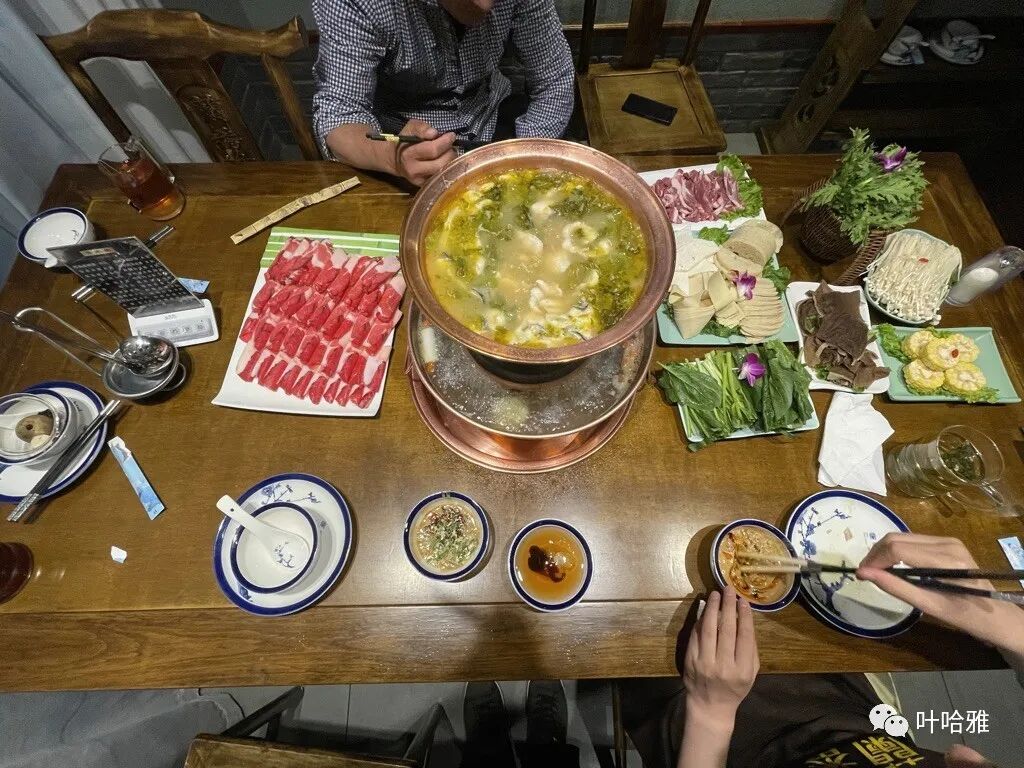
Almost all restaurants in Xunhua County are halal, and most serve noodles. If you want something special, try Lanfanfang Copper Pot Hot Pot. People in Qinghai love hot pot, and the local clay pot hot pot (tu huoguo) is a regional specialty.
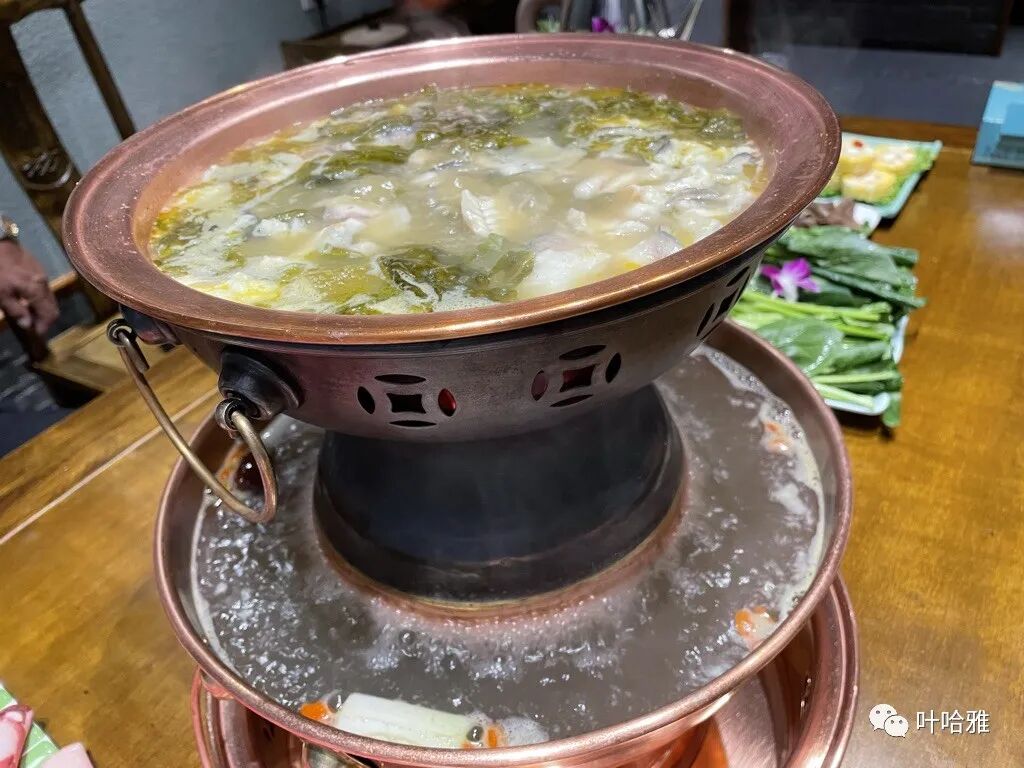
The hot pot at Lanfanfang is unique because it is double-layered. The sauerkraut fish pot on top is especially delicious, mainly because the fish is so good.
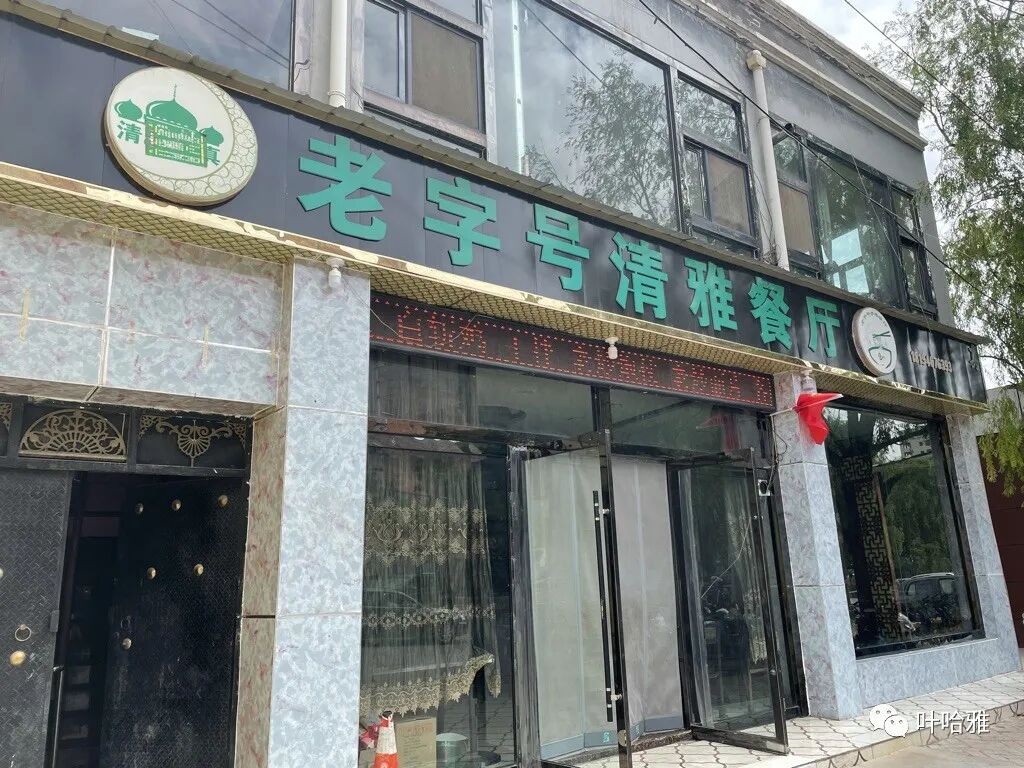
Qingya Restaurant, another long-standing local spot just a few dozen meters from Lanfanfang, was recommended by a friend in Xunhua. You can eat representative local handmade noodle pieces (mianpian) there.
Keep in mind that portions in Northwest China are very large. Unless you have a huge appetite, order less food when traveling here.
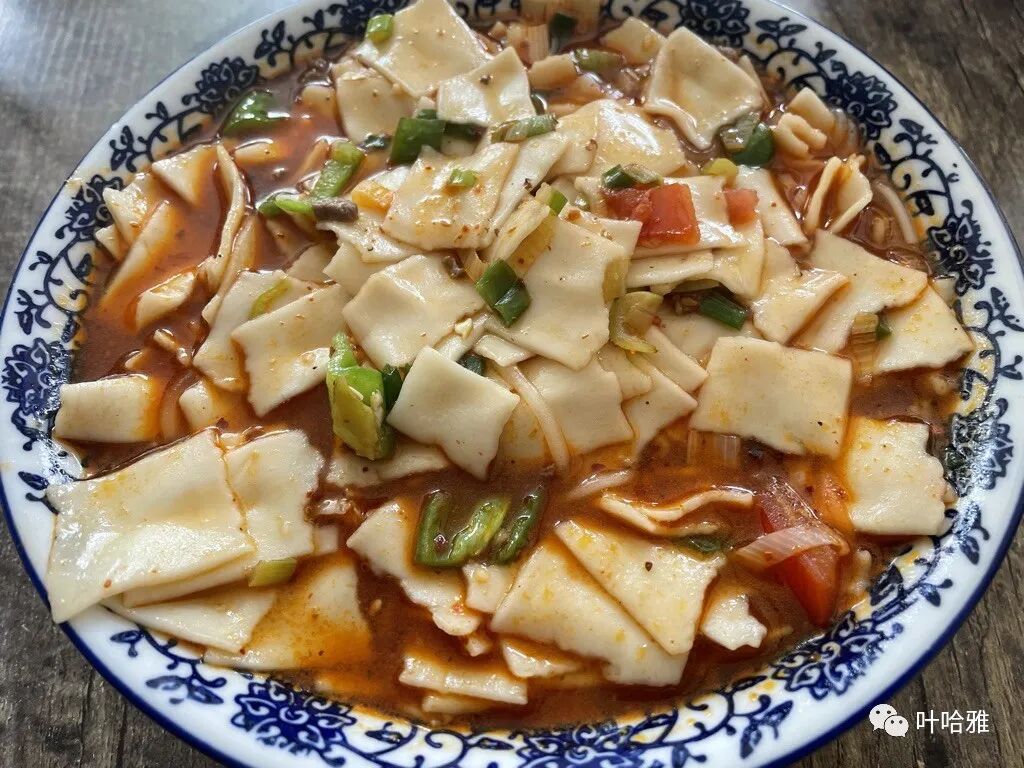
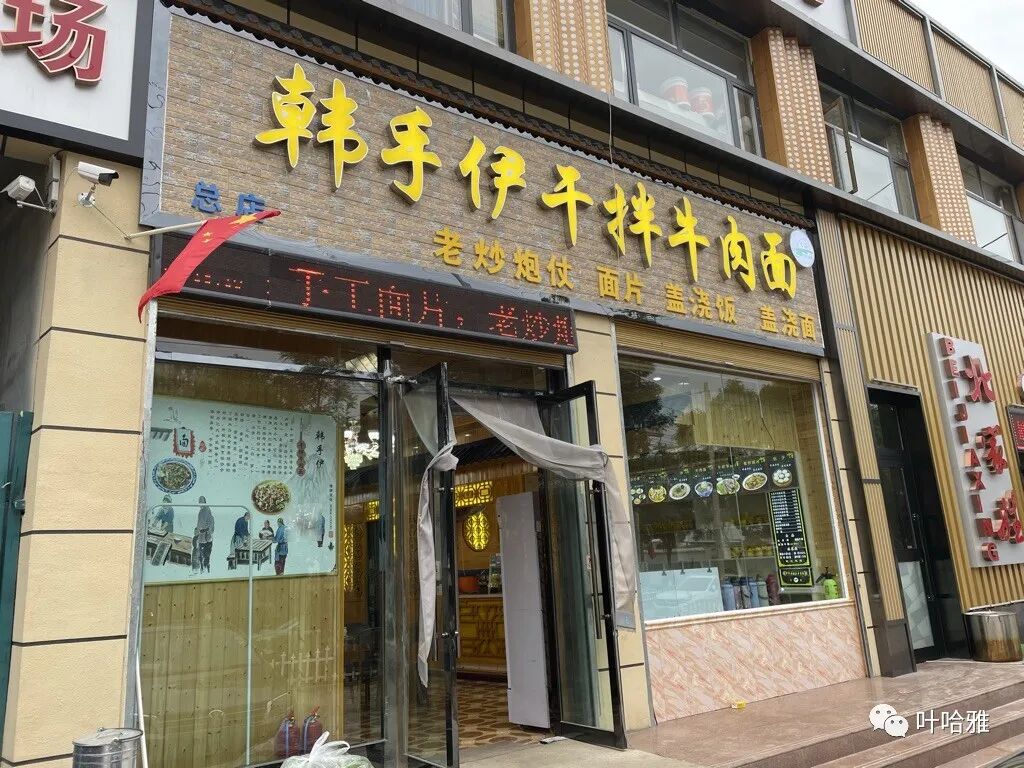
I personally tested the dry mixed noodles (ganban mian) and firecracker noodles (paozhang mian) at Hanshouyi, and they are delicious. Both are Qinghai specialties that do not taste authentic once you leave the province.
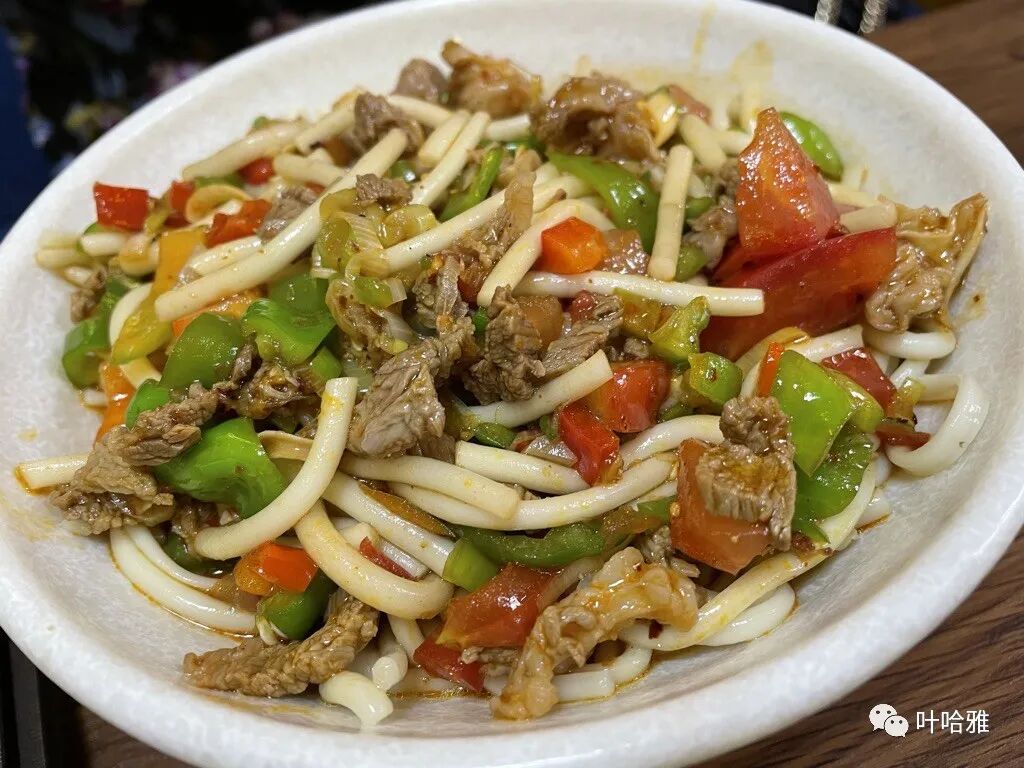
Firecracker noodles (paozhang mian)
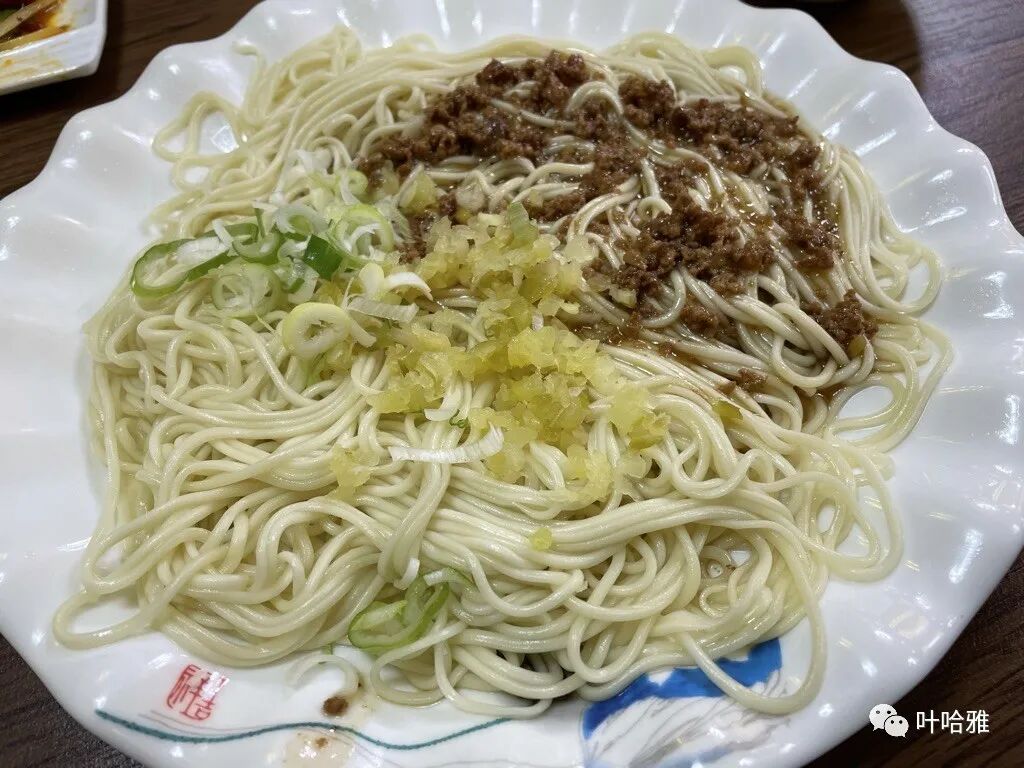
Dry mixed noodles (ganban mian)
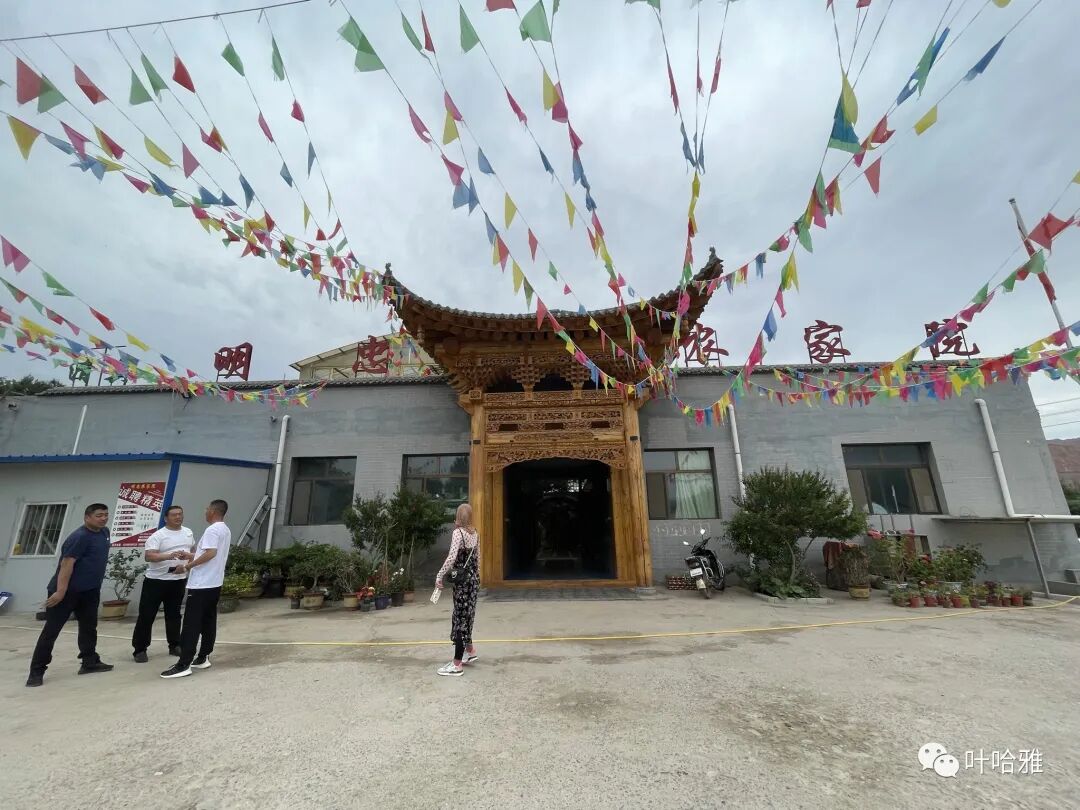
If you want a nicer meal and have a large group, you must try a farmhouse restaurant in Xunhua. This Mingzhong Farmhouse looks very impressive and has a garden and private rooms inside.
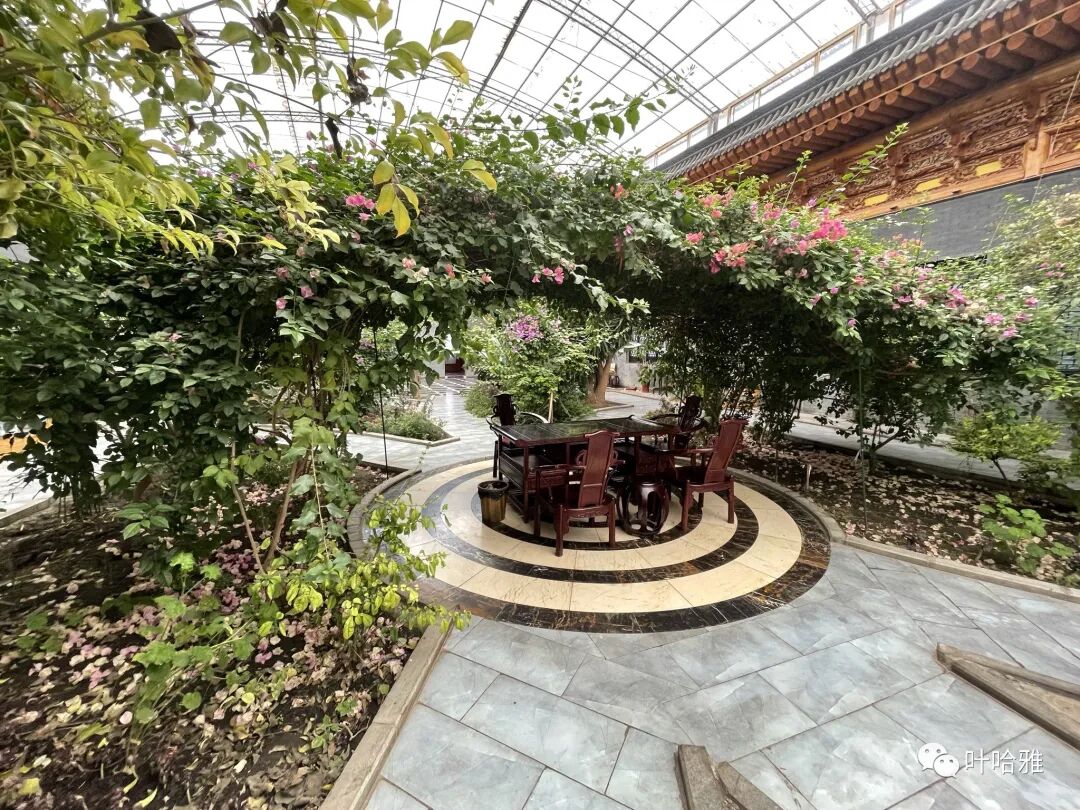
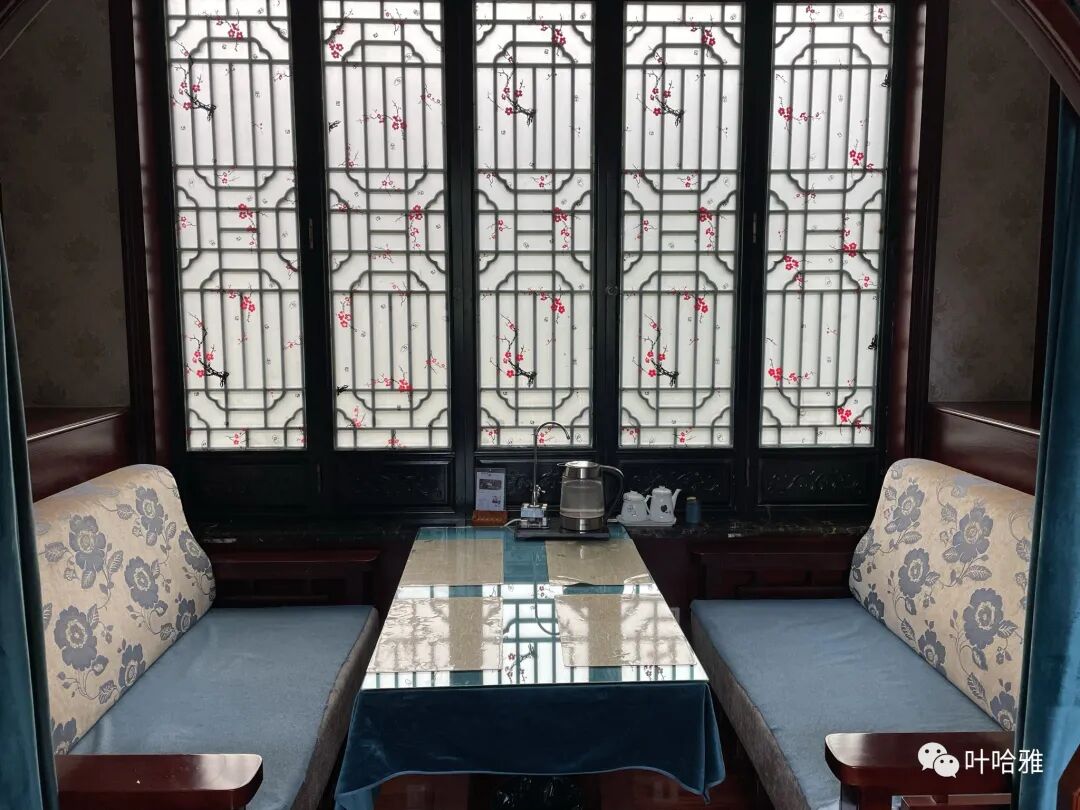
It also has prayer rooms, separated for men and women. Prayer rooms are a standard feature in medium-sized or larger restaurants in Xunhua.
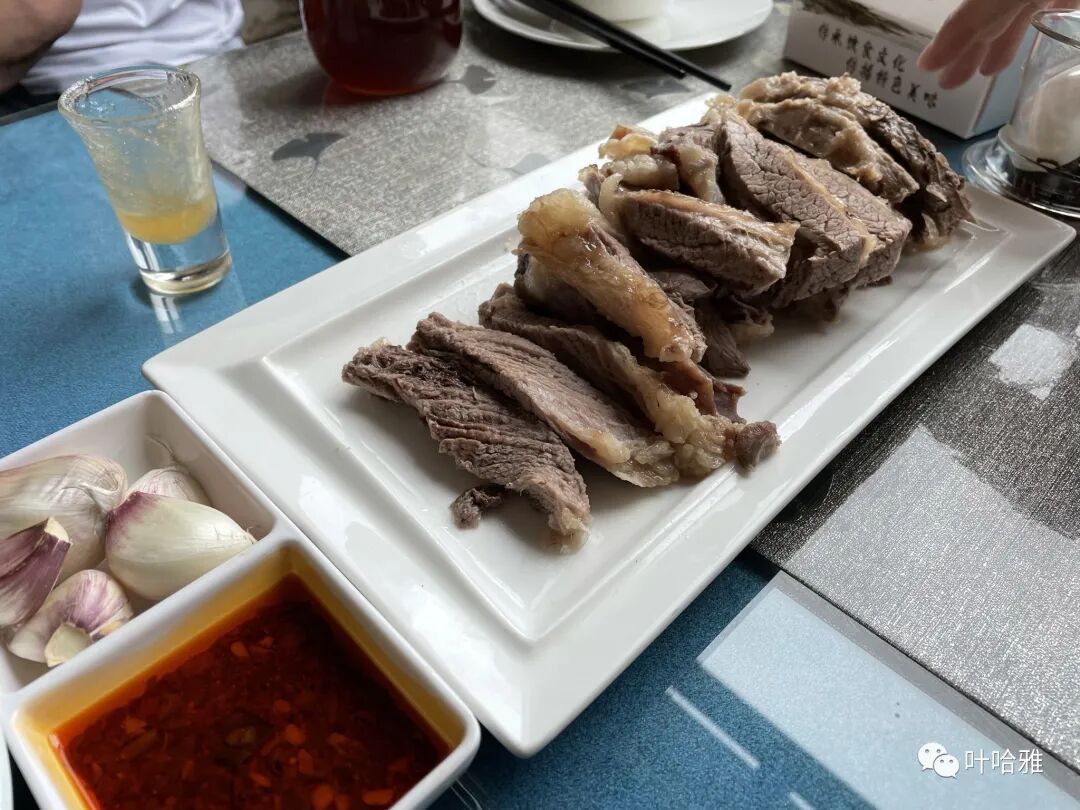
Hand-grabbed beef (shouzhu niurou)
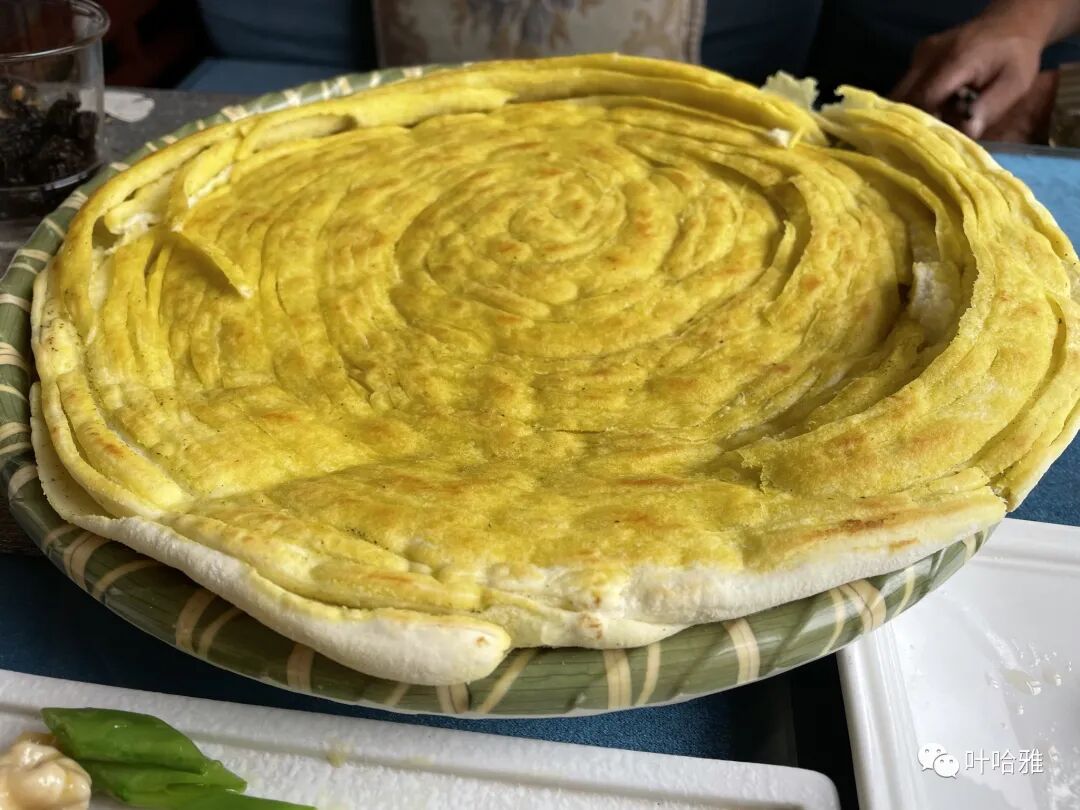
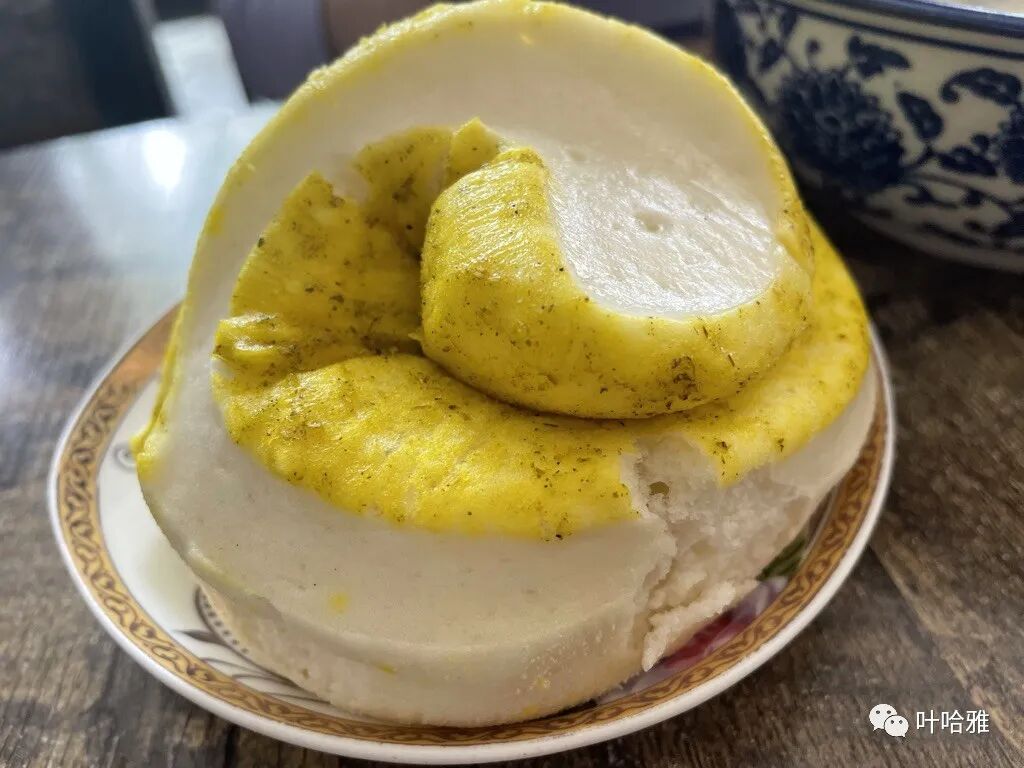
Spiral oil bread (youxuan momo)
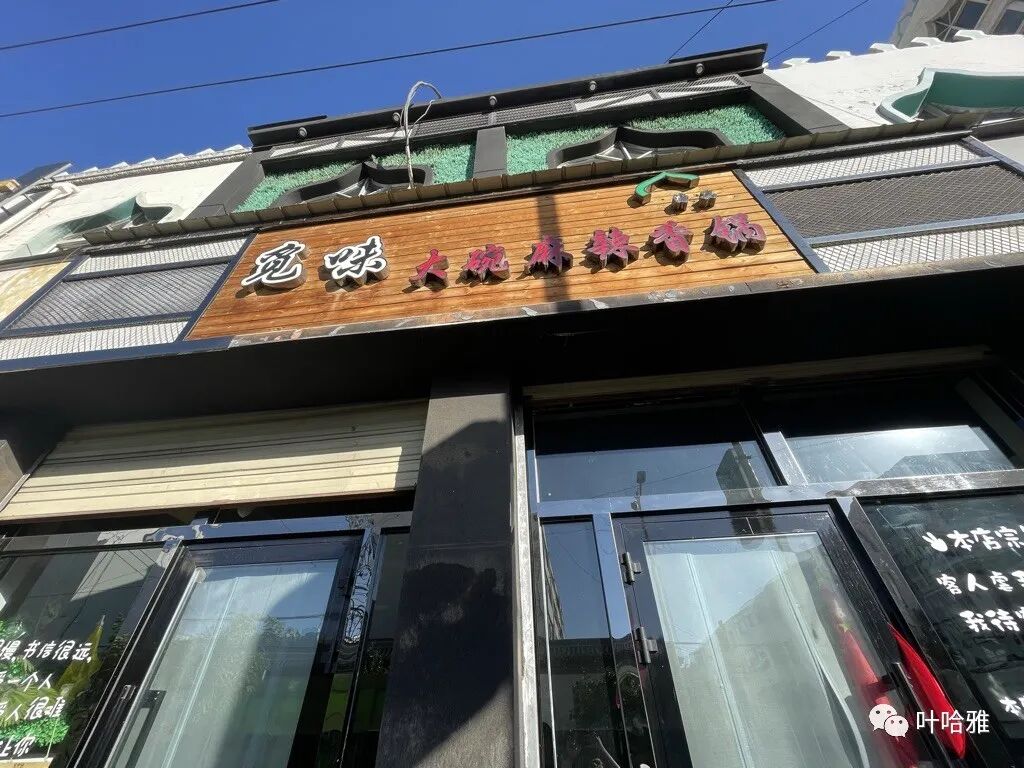
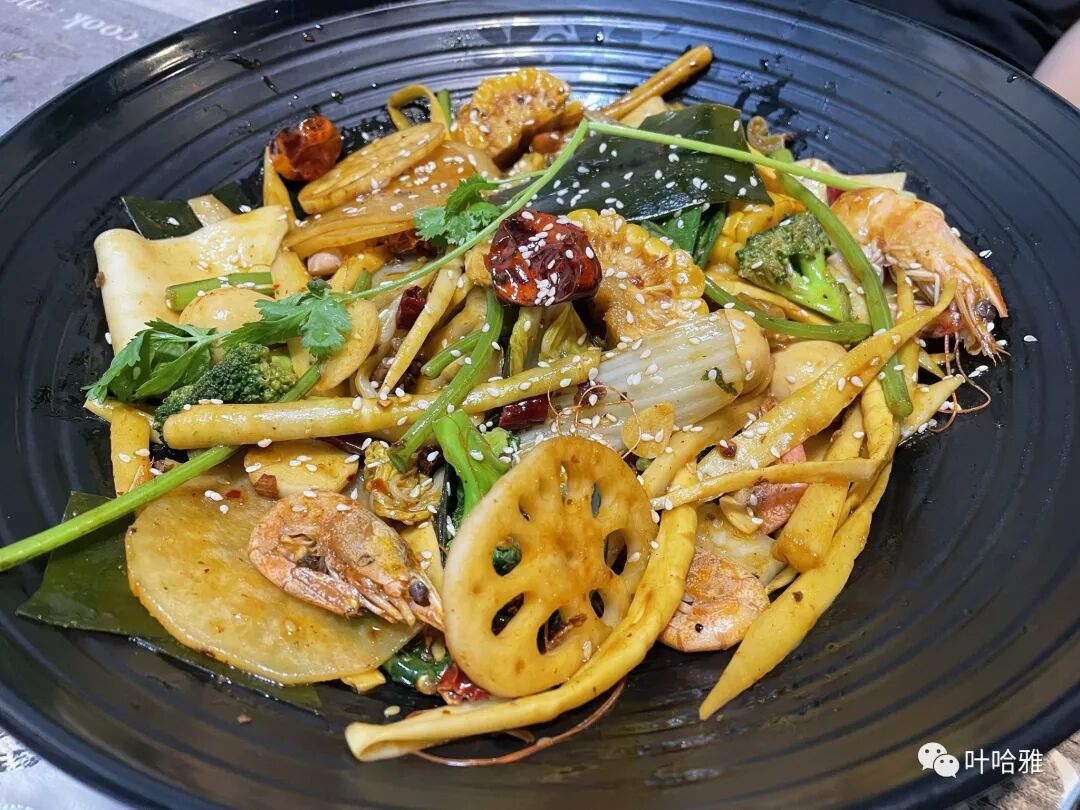
Searching for the taste of spicy hot pot (mala xiangguo).
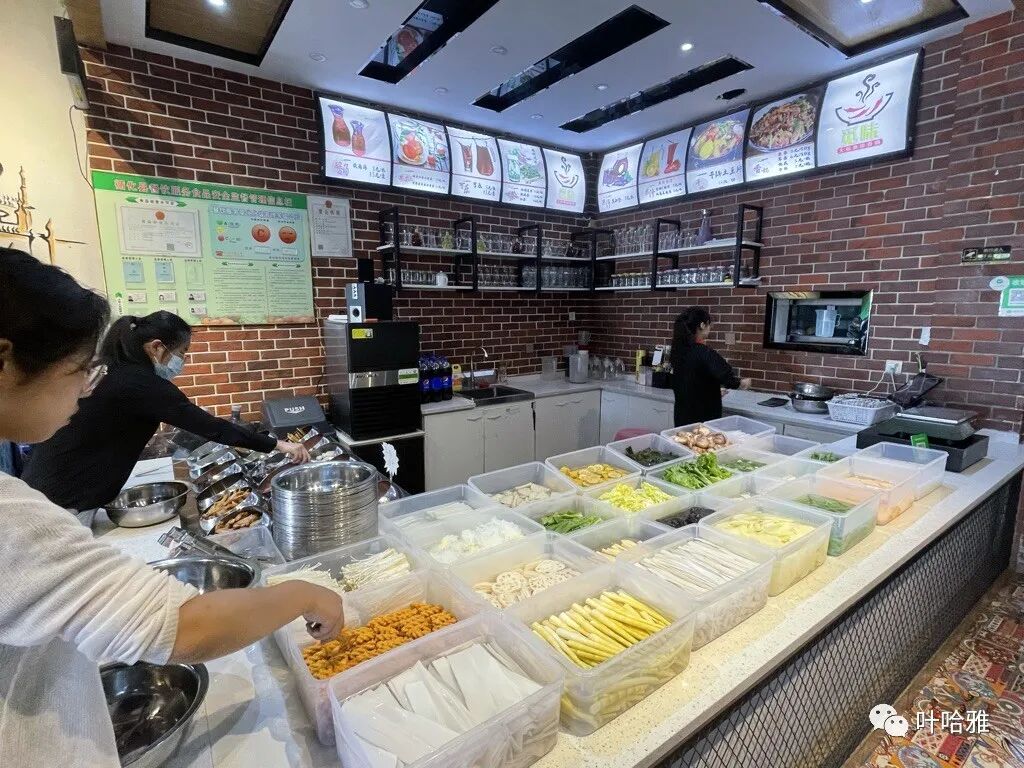
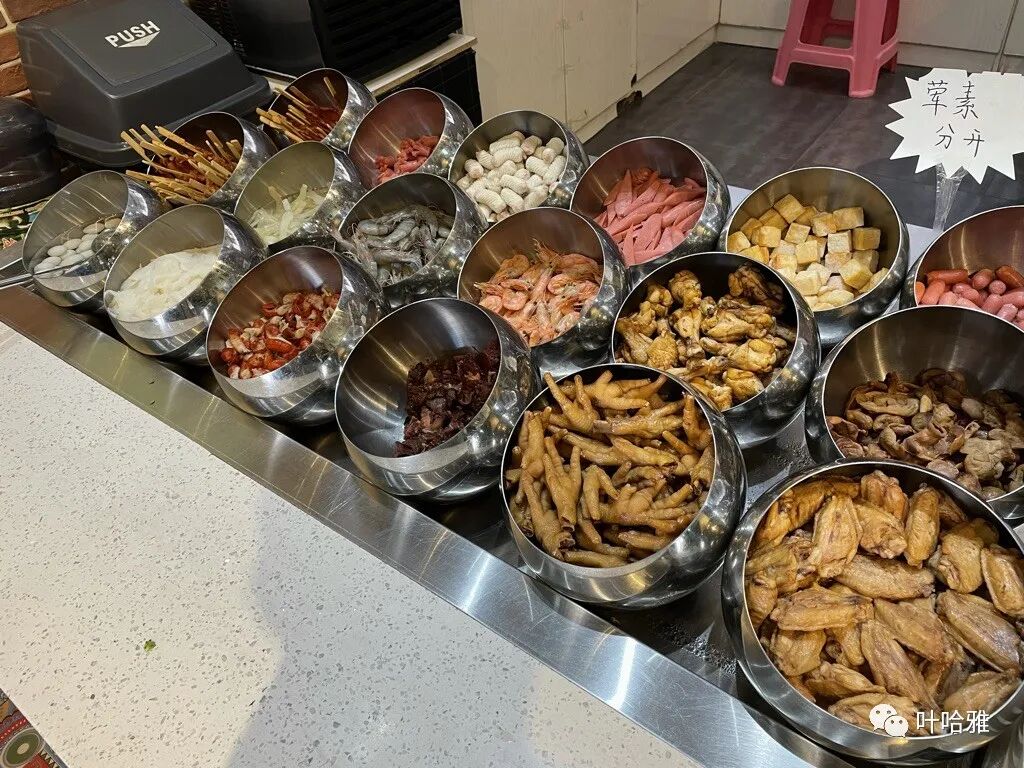
Mala xiangguo is popular because they pick high-quality ingredients, even though it costs more. The shop fills up quickly at lunch. It has been open for three years and has two floors with a private, elegant feel. The owner cares a lot about service quality; I even caught him giving a pep talk to his staff when I arrived. The spicy pot paired with Xunhua’s most famous chili is a perfect match.
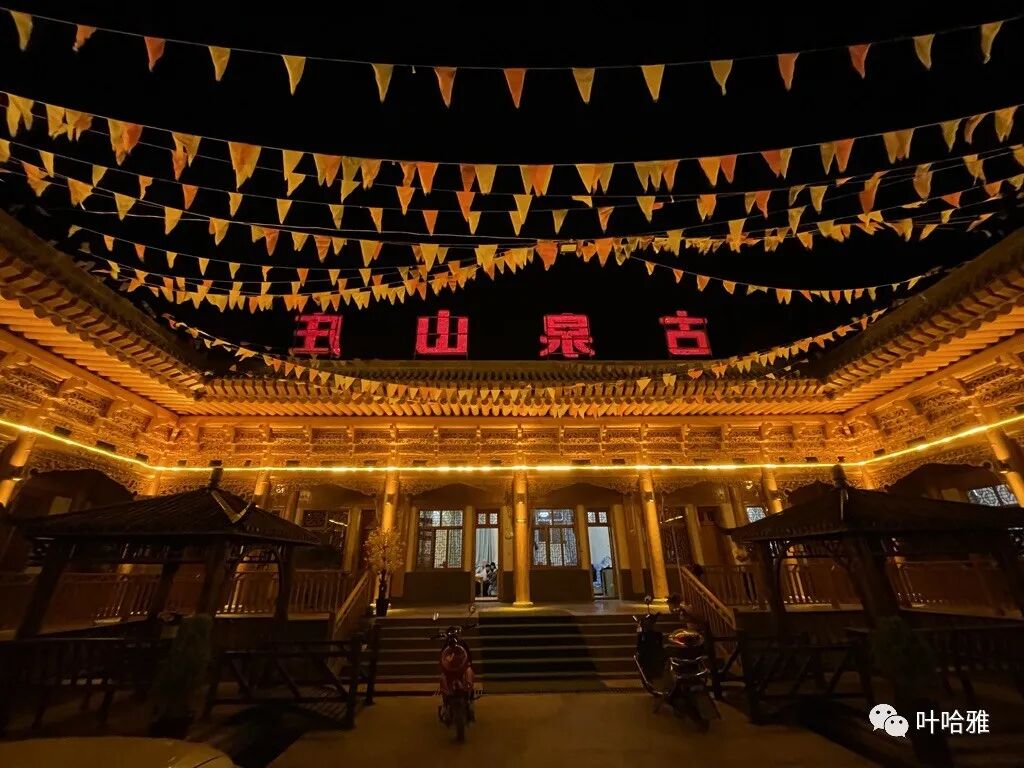
Guquan Villa.
Guquan Villa is another farmhouse-style inn in Baizhuang. Its specialty is using mountain spring water for drinking, which makes tea taste much better.
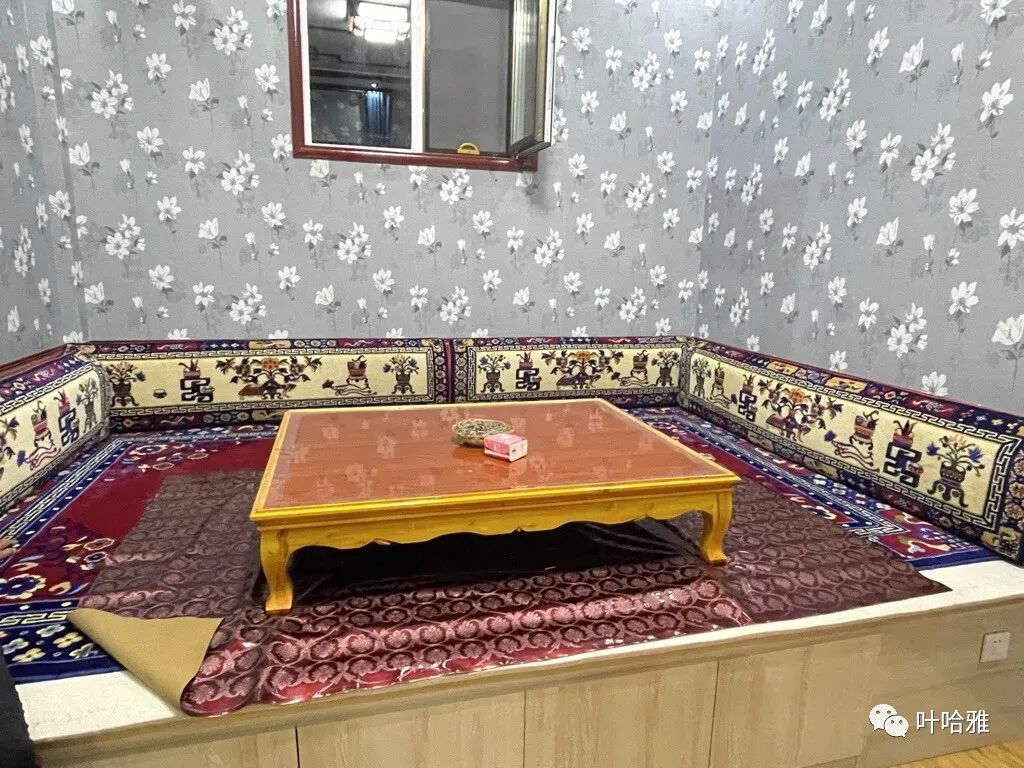
Traditional Salar families eat on a heated brick bed (kang), sitting cross-legged, which is similar to the customs in Central Asia.
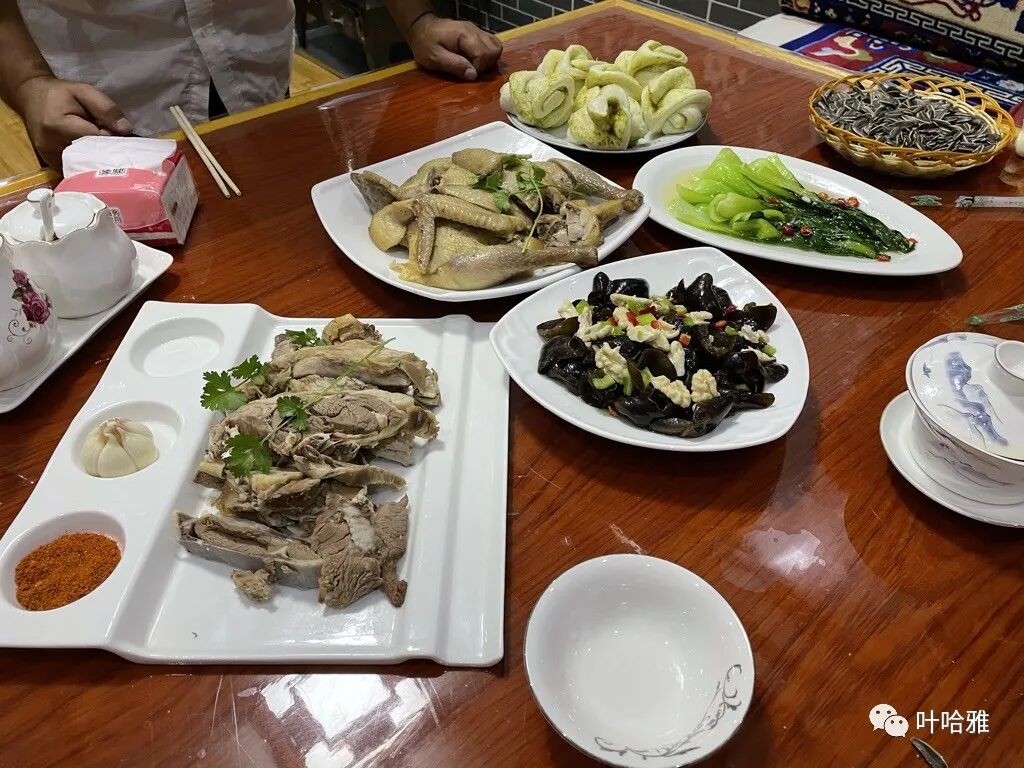
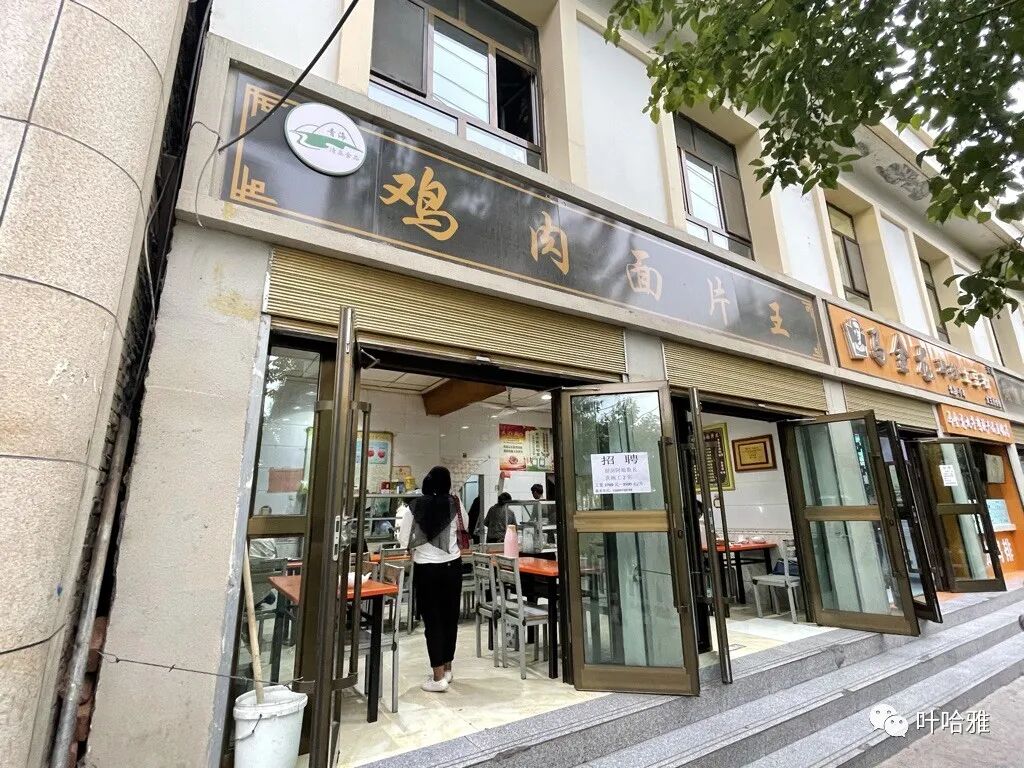
Chicken Noodle Flake King (jirou mianpian wang).
Chicken noodle flakes (jirou mianpian) are hard to find elsewhere, as they are usually made with beef. This shop is one of the local specialty spots recommended by my friends in Xunhua.
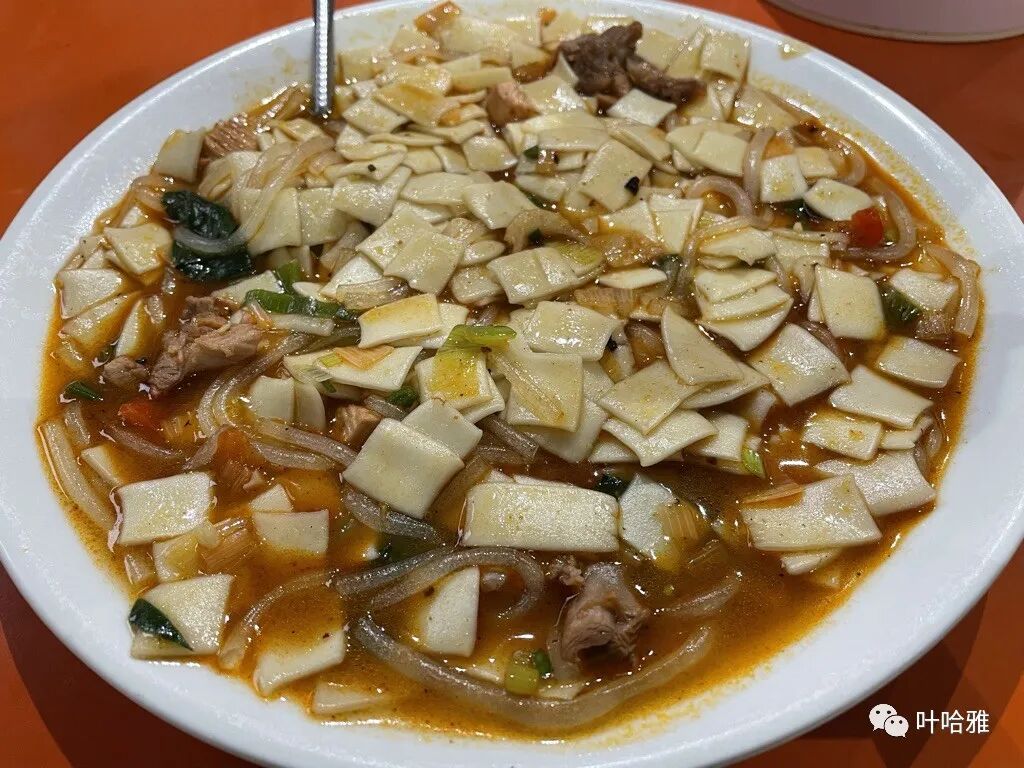
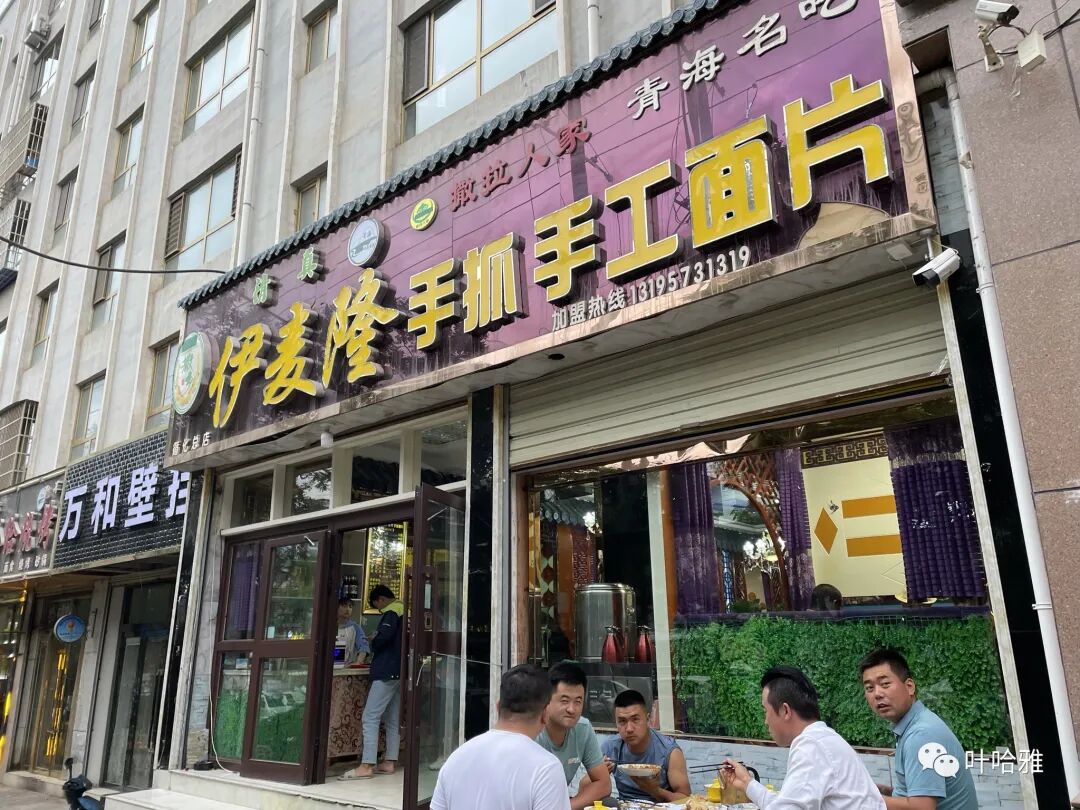
Yimailong Hand-Pulled Noodle Flakes (shouzhuo shougong mianpian).
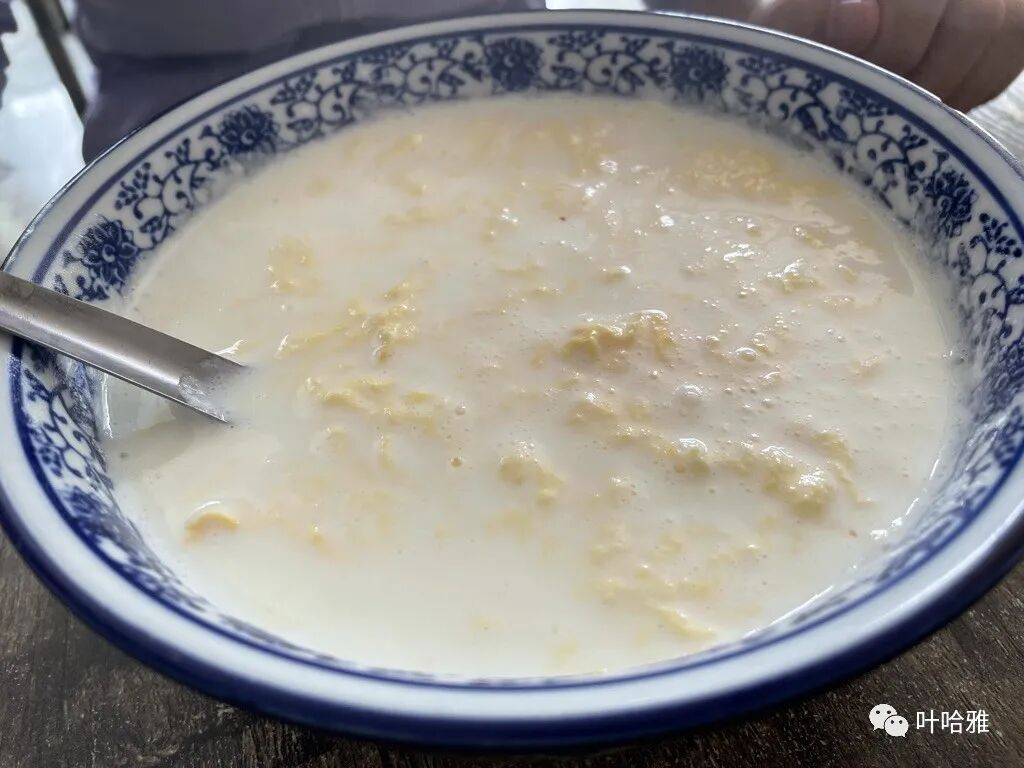
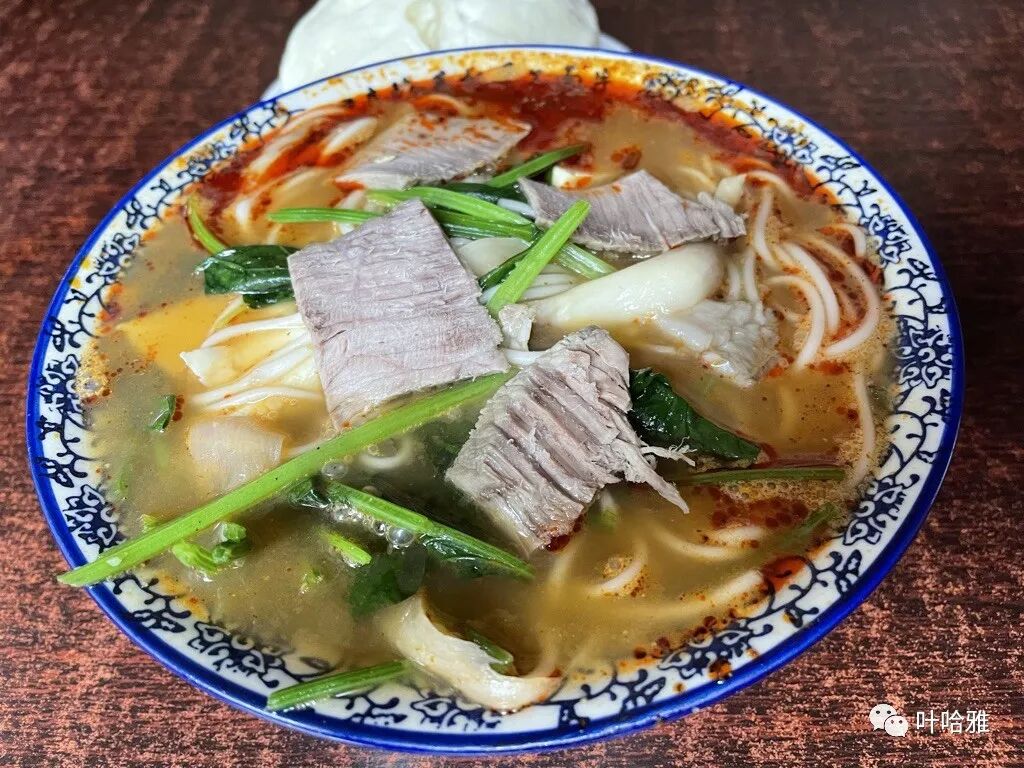
Yimailong has a good reputation among locals. I had the starch noodle soup (fentang) for breakfast here, which is another Qinghai local specialty.
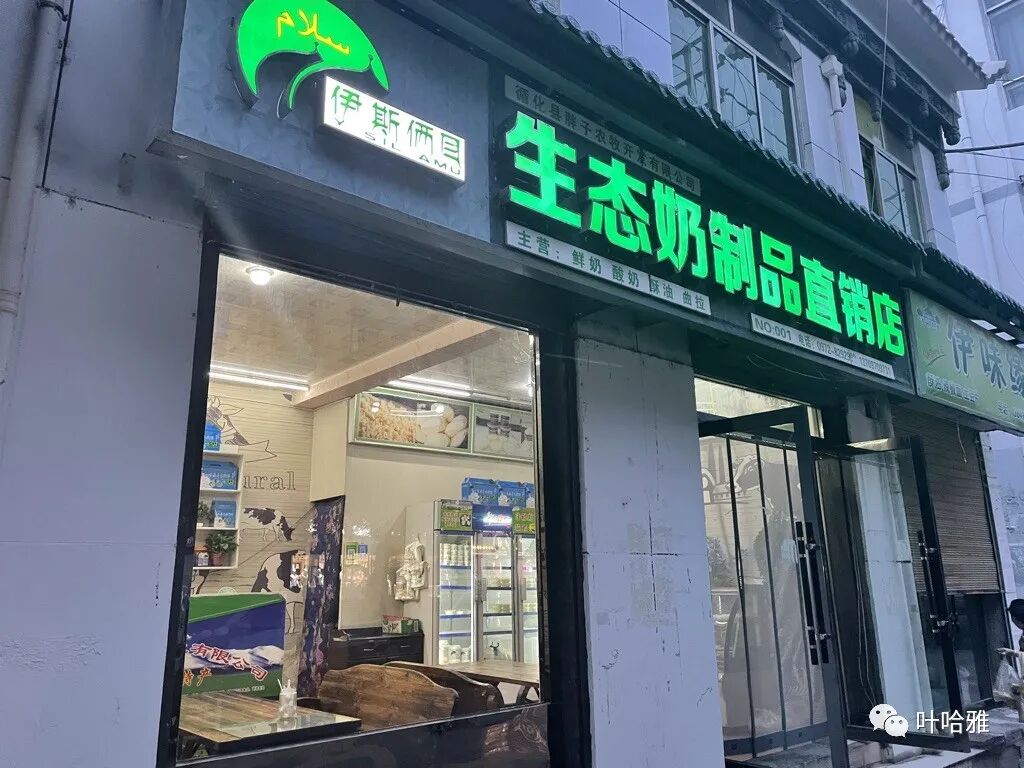
For dessert, you must try Qinghai yogurt. Just look at the golden milk skin on top to see how rich the flavor is.
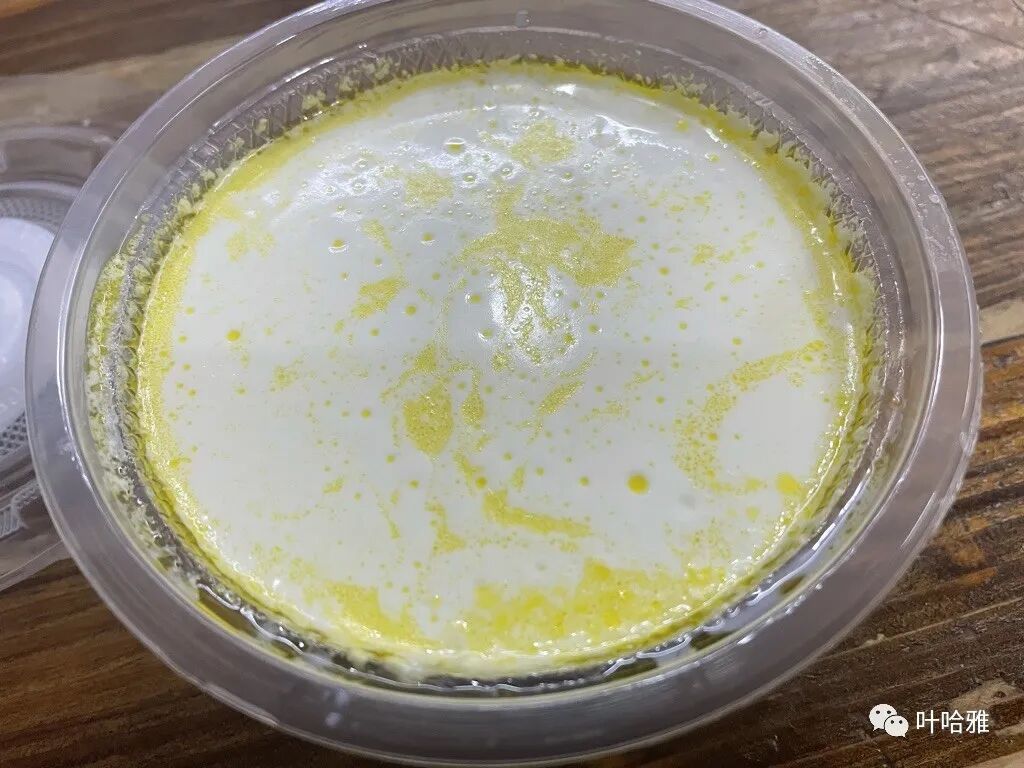
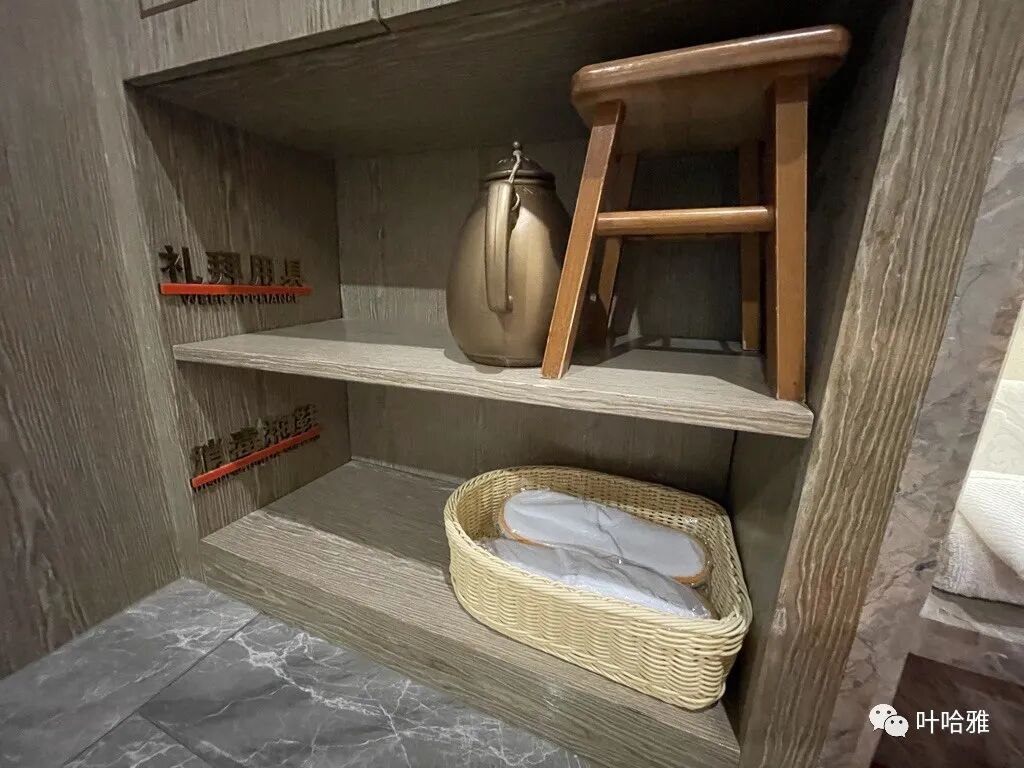
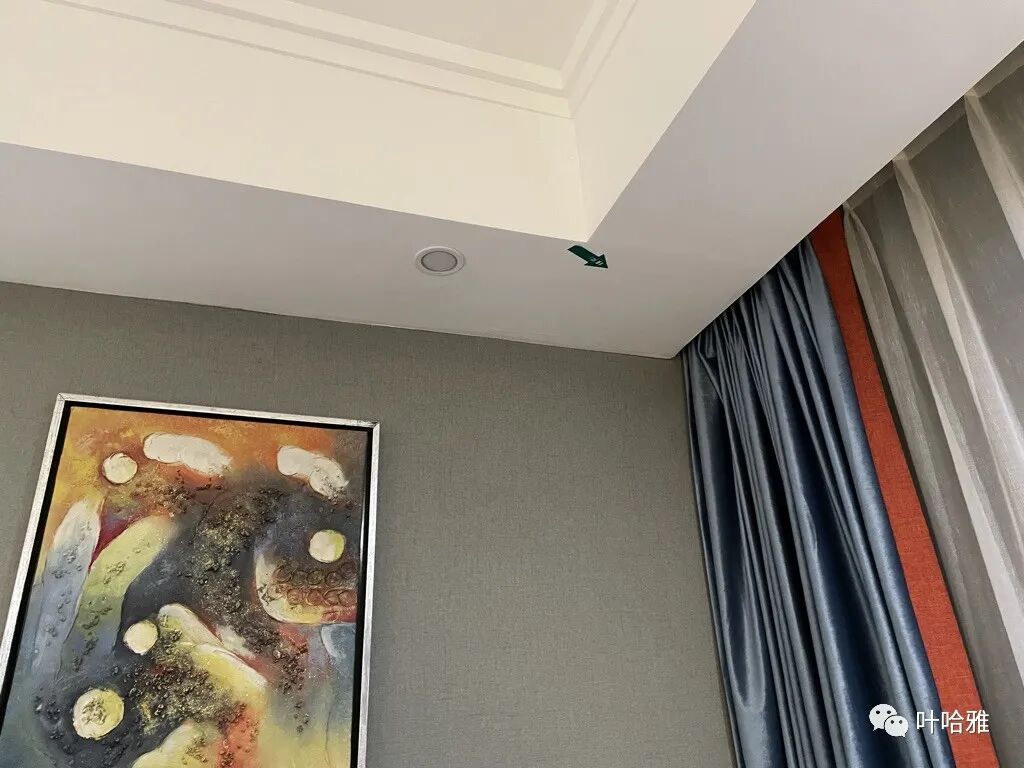
For lodging, we reviewed three hotels in Xunhua County: Xunhua International Hotel, Xunhua Jinheyuan Hotel, and Xunhua Borman Hotel. They are all close to each other. Jinheyuan Hotel offers the best overall value. The International Hotel is the most expensive, costing a few dozen yuan more than Jinheyuan. The International Hotel has river-view rooms, but Jinheyuan has all smart room controls, provides a ritual washing pitcher (tangping), and has indicators for the direction of prayer (qibla). Overall, it is more comfortable than the International Hotel. Borman is the cheapest, but the room facilities are old.
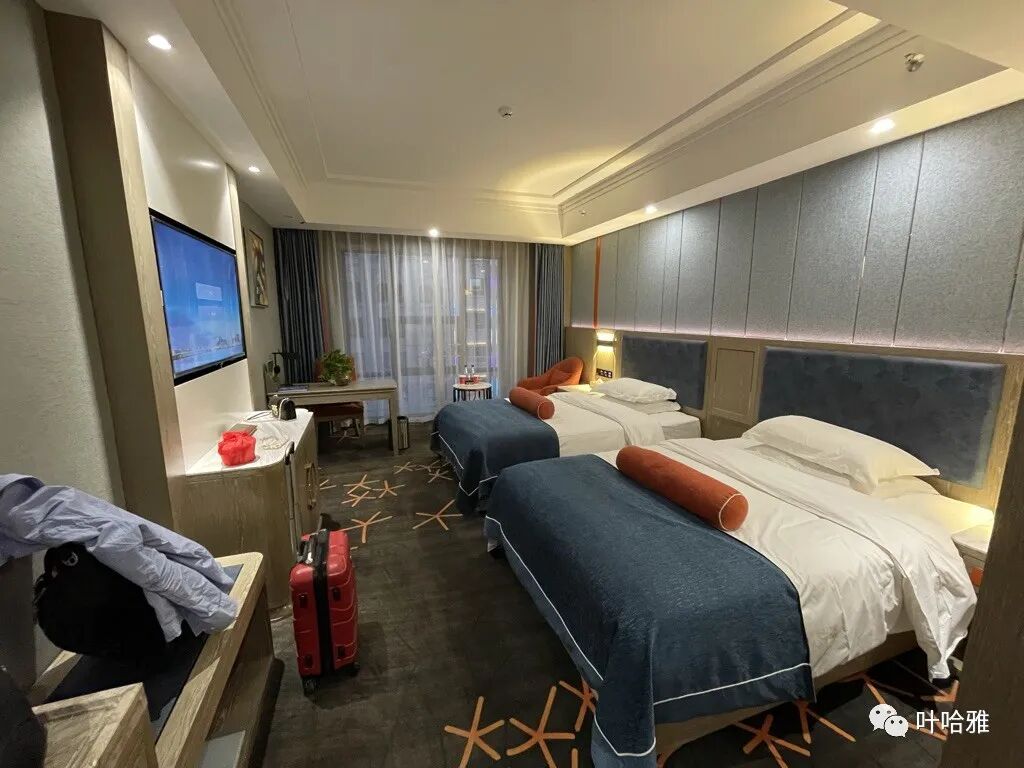
Jinheyuan Hotel room.
I noticed there are many restaurants in Xunhua County. All halal restaurants here are alcohol-free, so hotels are called 'restaurants' (fandian) and provide halal breakfast. People in Xunhua like to experience staying in hotels during their leisure time. My friends in Xunhua often fly to different places, not to visit tourist sites, but just to experience a night in a luxury hotel before heading back.
Return trip - Xining.
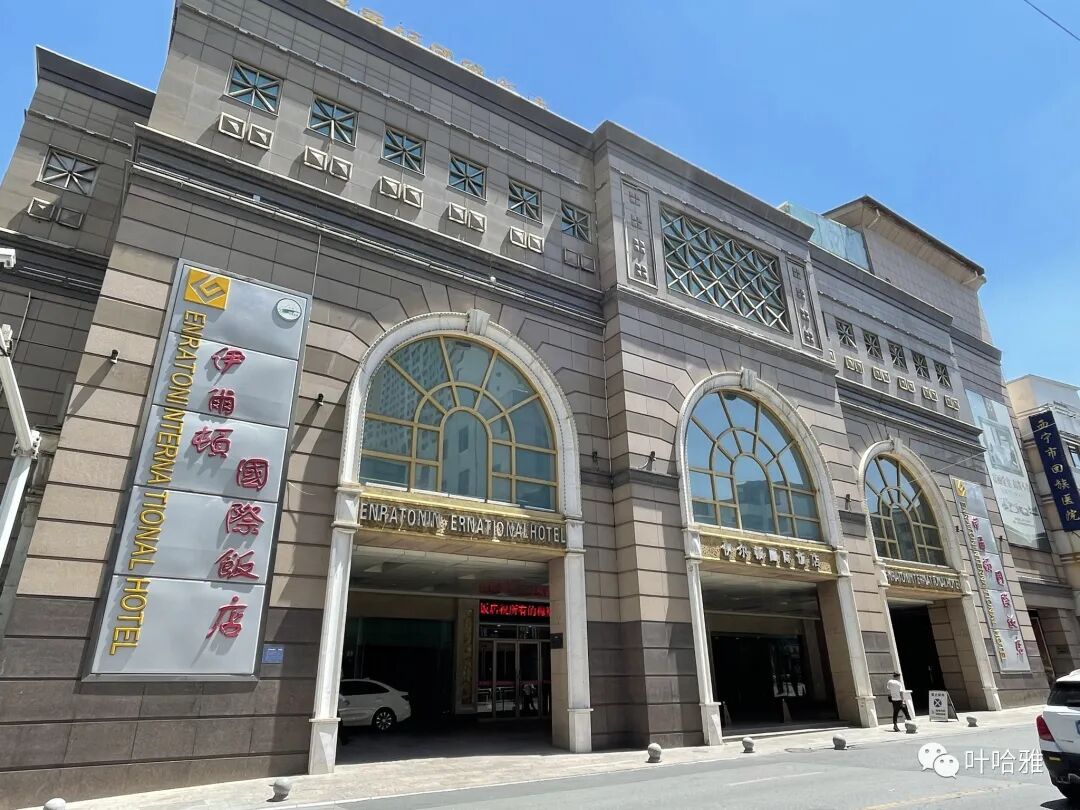
I have been to Xining many times; I even held my wedding there in 2018. This time, I specifically chose to stay one night at the Yilton International Hotel. A long time ago, when I first traveled alone, I visited Xining. While wandering near the Dongguan Mosque, I looked up and was shocked to see such a large international hotel that was actually halal—I had never seen that before. I decided then that if I ever came back to Xining, I had to experience it.
However, this time I felt the Yilton is quite old. Although the service is okay, it has been operating for over a decade. Compared to the many new luxury hotels in Xining today, the Yilton is no longer as dazzling, but it fulfilled a wish I had seven years ago.
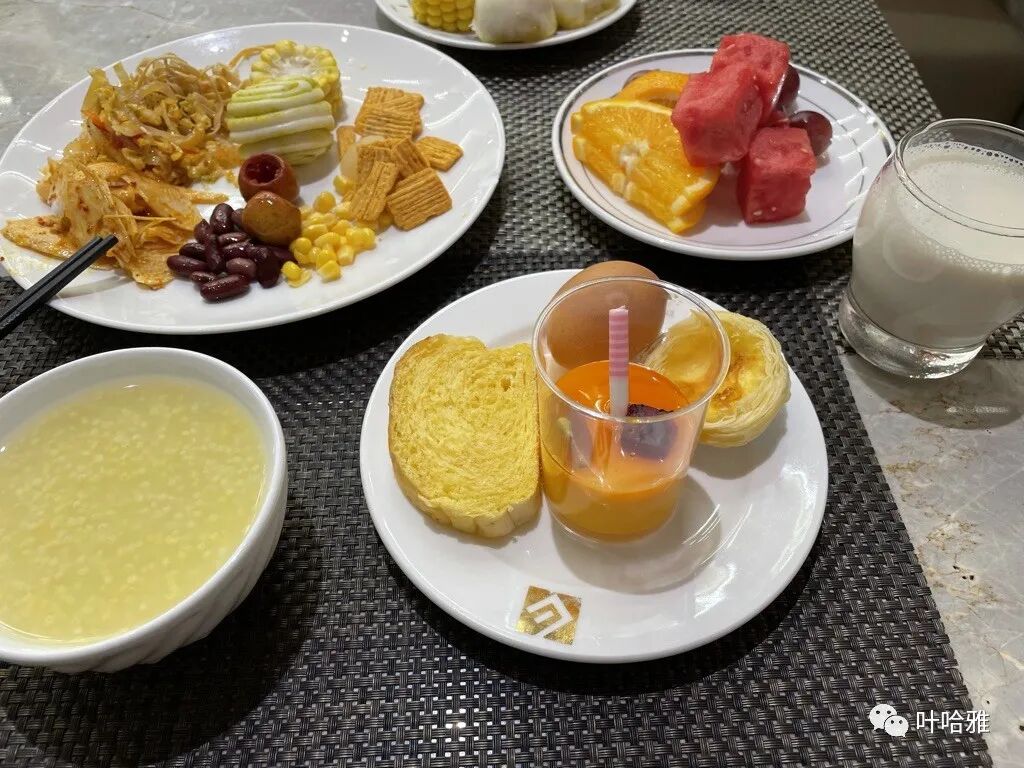
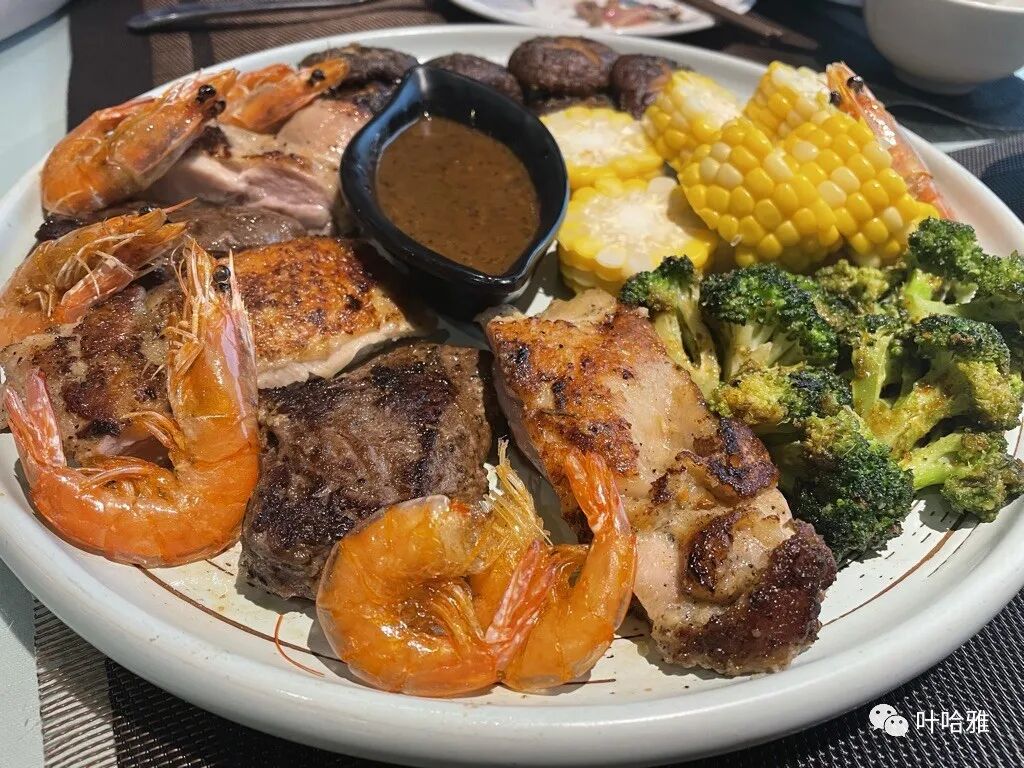
The Yilton has a Western restaurant with affordable prices, though the taste is just average. The breakfast variety is quite rich, and you can see the full view of the Dongguan Mosque from the window.
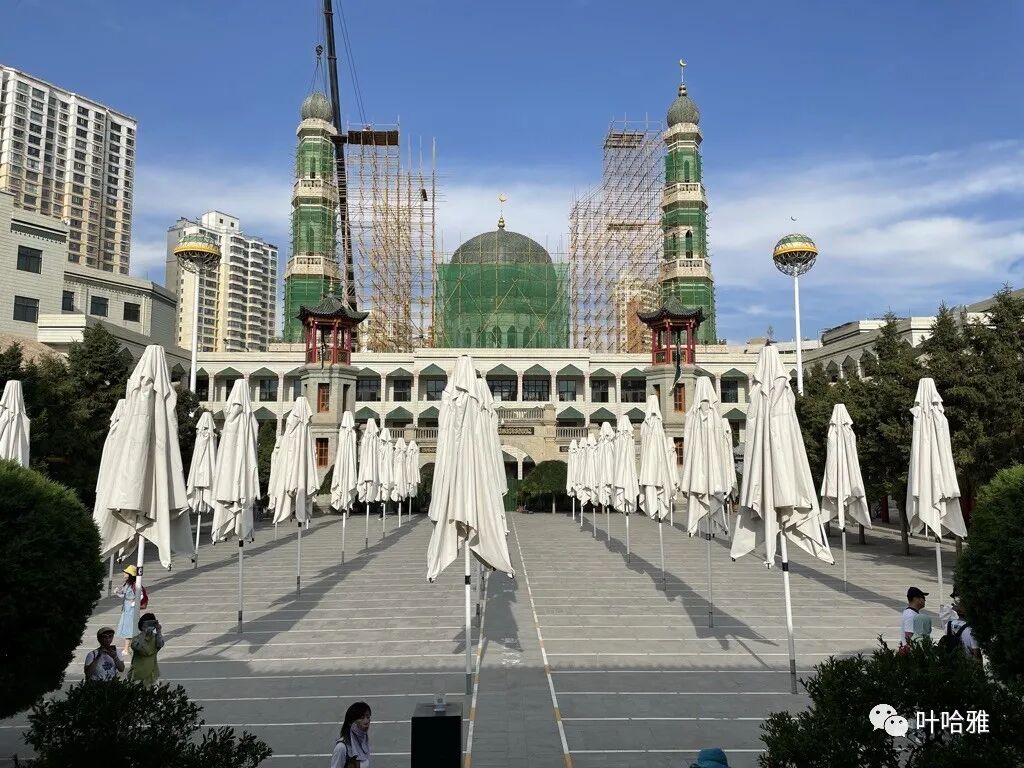
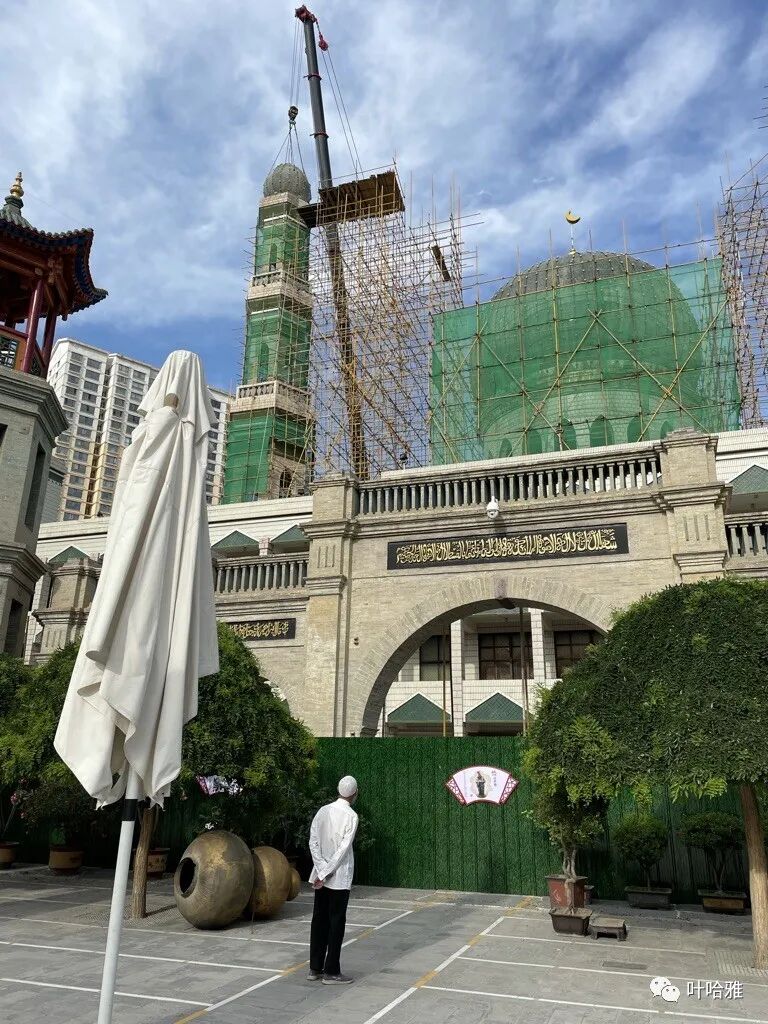
The Dongguan Mosque (Dongguan Dasi) is currently undergoing renovations, but religious activities continue as usual and the mosque remains open to visitors.
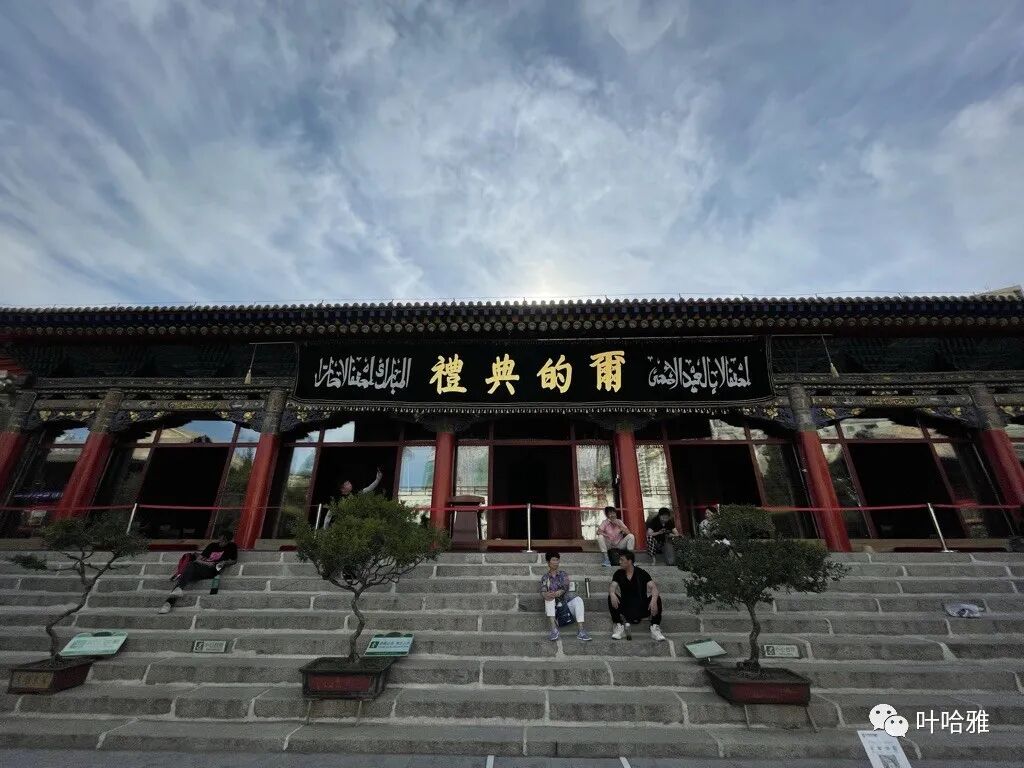
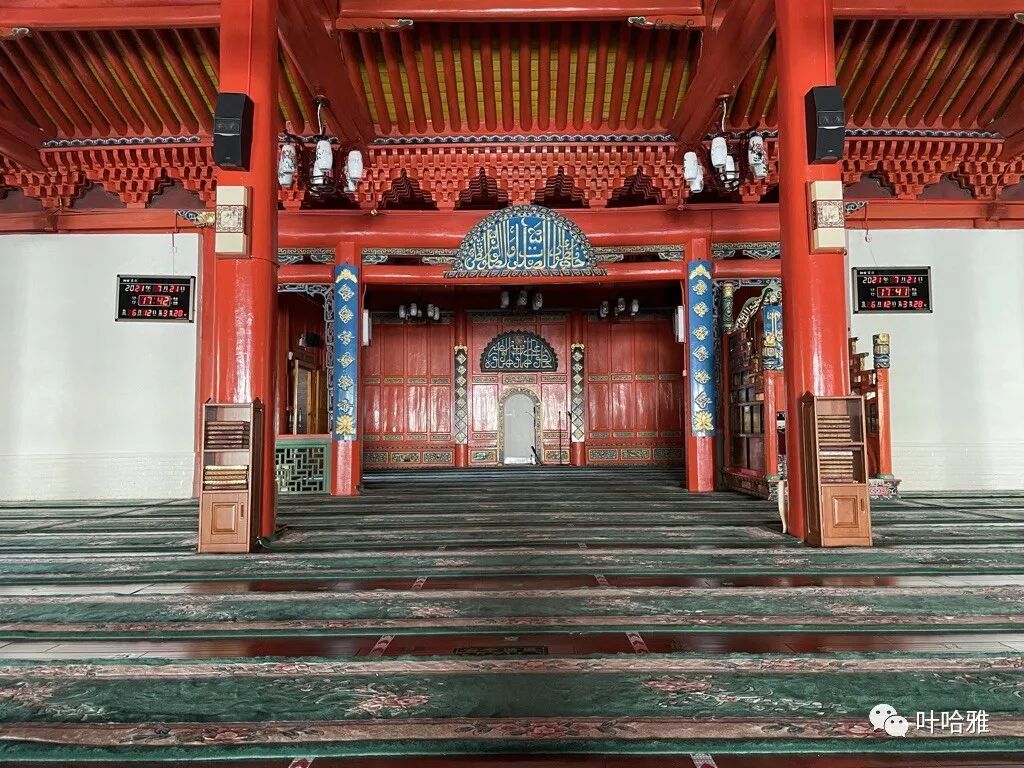
When I return to Xining next time, I should see the renovated Dongguan Mosque, which will look like the image below.
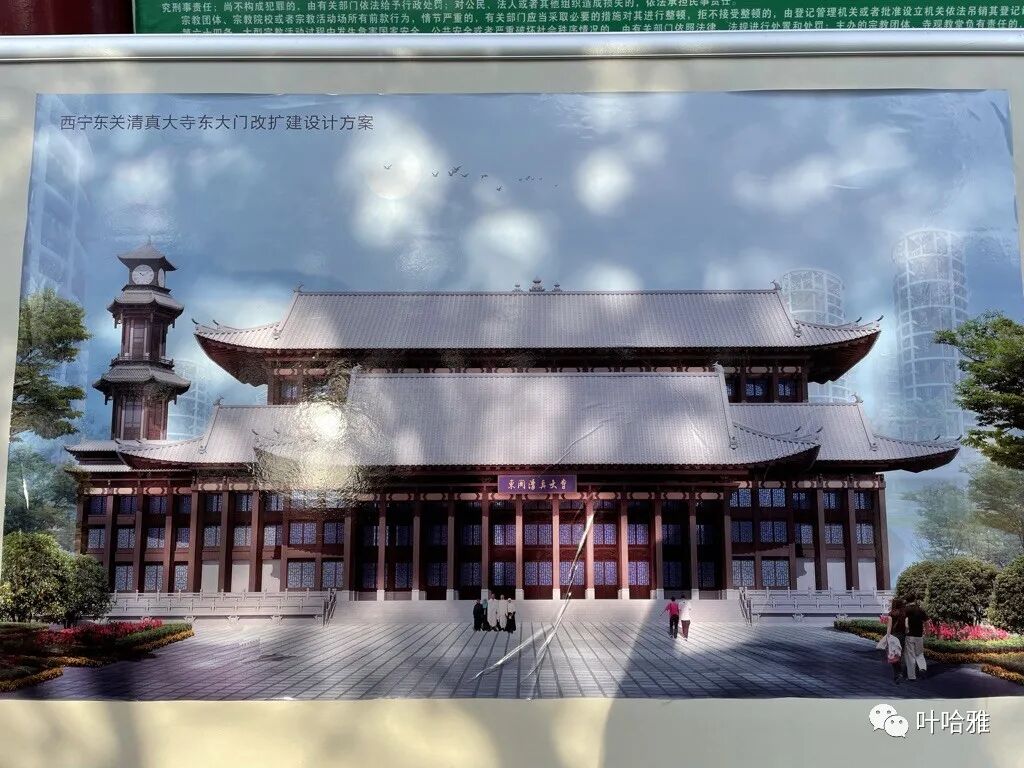
A rendering of the Dongguan Mosque after renovations.
Summary: Muslim Travel Guide China 2026: Xunhua and Hualong Salar Mosques, Qinghai Halal Food and Heritage is presented here as a clear English Muslim travel account, starting with this scene: By my own count, I have visited 454 mosques at home and abroad. I have visited the most in Beijing, where I have been to 67, because Beijing is my home. The place where I have visited the second most mosques is Qinghai, where I have been to 32. This is my. It keeps the original names, numbers, mosque details, food notes, photographs, and cultural context while focusing on Qinghai Mosques, Salar Muslims, Halal Travel.
By my own count, I have visited 454 mosques at home and abroad. I have visited the most in Beijing, where I have been to 67, because Beijing is my home. The place where I have visited the second most mosques is Qinghai, where I have been to 32. This is my wife's home, as I married a Salar woman from Xunhua.
Driving from Xining to Xunhua County takes about two hours on the highway. The Xunhua Salar Autonomous County is part of Haidong City. Most of Qinghai's important mosques are concentrated in Xunhua and Hualong counties, which are two neighboring ethnic autonomous counties.
This time I visited the Kewa Mosque, Zhangga Mosque, Tashapo Mosque, Qingshuihedong Mosque, Mengda Mosque, Zanbuhu Mosque, and Jiezi gongbei in Xunhua County, all of which are Major Historical and Cultural Sites Protected at the National Level. I previously visited the Hongshuiquan Mosque in Ping'an, which is also a national-level site. The Suzhi Mosque is a provincial-level protected site. In Hualong, the Ahetan Mosque is a national-level site, and the Yisha'er Mosque is a provincial-level protected site. I also visited the Yimamu Village Mosque, Guoshitan Mosque, and a few other mosques with unique traditional architectural styles. These old buildings are not too far apart, and if you have a car, you can visit them all in one or two days.
1. Qingshuihedong Grand Mosque
The Qingshuihedong Mosque is located in Qingshui Township, Xunhua Salar Autonomous County. It was first built in 1425 during the Ming Dynasty. It follows a traditional Chinese architectural layout with a central axis. However, the minaret is not on the axis; it sits about 9 meters south of the front of the main prayer hall. Along the central axis, there is a spirit wall (yingbi), a gate, and the main hall. To the north of the main hall is a side building. Unlike other mosques, the Qingshui Mosque does not have a south side building.
In 1996, a brick-carved screen wall was added to the Qingshuihedong Mosque. It features a hip roof (wudian ding) with a vase ornament on the main ridge and a pedestal base.
The gate tower has a hip roof with five-step bracket sets (dougong) under the eaves. The 17-meter-tall minaret has a brick base and a wooden attic-style upper structure with a double-eaved, hexagonal helmet-shaped roof.
The prayer hall has a gabled and hipped roof (xieshan ding), five bays wide, with projecting bracket sets and carved wooden beams and brackets. There are wooden railings between the eave pillars and brick-carved walls on both sides. On the north side, there is an arched door leading to the side courtyard.
The corridor walls are made of polished bricks with tight joints and feature brick carvings. The main hall is five bays wide and five bays deep, supported by 42 pillars. The rear prayer niche (yao dian) has wooden partitions, intricate openwork carvings, wooden bracket sets, and hanging flower pillars, all with detailed patterns and fine craftsmanship.
Near the Qingshuihedong Mosque is the Qingshuihedong South Mosque. Inside the South Mosque, I saw a women's prayer hall, which is quite rare in the Northwest.
When visiting mosques in Qinghai, I rarely saw anyone guarding the doors. Even at national-level protected sites, you can just walk in. I have never been stopped or questioned, which is very similar to my experiences abroad.
2. Mengda Mosque
Xunhua has Mengda Mountain, and on the mountain is Mengda Mountain Village. This is my wife's hometown, but the Mengda Mosque and Mengda Heavenly Lake are not in Mengda Mountain Village. They are quite far away, so be careful not to go to the wrong place.
Mengda Mosque is in Mengda Dazhuang Village. It was first built in the Yuan Dynasty and follows traditional Chinese architectural style. Along a central axis from east to west, there is a spirit wall (yingbi), a call-to-prayer tower (huanxinglou), and the main prayer hall. On both sides of the spirit wall are the left and right mountain gates, and in front of the main hall are the south and north side rooms. It covers a total area of 1,344 square meters. During the Qianlong period of the Qing Dynasty, it served as the main mosque (zongsi) for the Mengda Gong, one of the eight Salar Gong districts.
On both sides of the spirit wall at Mengda Mosque are wooden archways with three bays, four pillars, and three roofs, featuring a ridged roof design.
At Mengda Mosque, I met a retired official who used to be in charge of culture and publicity in Xunhua County. This Salar elder listed the historical sites of Xunhua for me and told me to visit them one by one when I have time. The elder's Mandarin was relatively easy to understand. The common language in Xunhua is the Salar language, so most of the time I had to ask my father-in-law to help me communicate with the locals.
The bottom floor of the call-to-prayer tower is a brick-built hexagon with brick carvings on the walls. The upper level is a wooden pavilion-style structure with a triple-eave hexagonal helmet-shaped roof.
The prayer hall consists of a porch (juanpeng), a main hall with a ridged hip-and-gable roof, and a T-shaped kiln hall (yaodian). There is a treasure vase (baoping) in the middle of the main ridges of the hall and kiln hall, covering a building area of over 300 square meters.
The prayer hall has a convex-shaped floor plan and a post-and-lintel wooden frame. The beams and pillars are decorated with gold-painted powder, and the walls are decorated with floral patterns and Arabic scripture murals.
3. Zhangga Mosque
Zhangga Mosque is located in Zhangga Village, Baizhuang Township, Xunhua Salar Autonomous County. It was first built in the Ming Dynasty and covers an area of 2,275 square meters. During the Qianlong period of the Qing Dynasty, it was the main mosque for the Zhangga Gong, one of the eight Salar Gong districts.
Zhangga Mosque has two gate towers facing east. They are in the style of a three-bay, four-pillar, three-roof archway, connected in the middle by a brick-carved spirit wall.
The prayer hall is a brick-and-wood structure with a building area of 700 square meters. It consists of a front hall, a middle hall, and a back hall. It is five bays wide and seven bays deep with a hip-and-gable roof. There are three treasure vases on the main ridge, and the eaves feature wooden carved brackets (dougong) and bird-shaped supports (quetie).
A new-style back hall was added to the west of the main hall. The original back hall became the middle hall, which is square-shaped. It features outward-extending brackets, and the beam frame is stacked into an inverted-bucket-shaped caisson ceiling with gorgeous wood carvings.
The prayer hall combines traditional hall style with Tibetan style. It is five bays wide and five bays deep, with large beams placed horizontally and carved with double-ring patterns.
4. Kewa Mosque
Kewa Mosque is located in Kewa Village, Baizhuang Town, Xunhua Salar Autonomous County, Qinghai Province. The mosque was first built in the first year of the Yongle reign of the Ming Dynasty (1403) and was renovated and expanded during the Qing Dynasty. Renovated and expanded in the 1980s. The mosque is laid out as a courtyard house, featuring a prayer hall, north and south lecture halls, a minaret, a bathing room, a screen wall, a gate tower, and a modern teaching building. It covers an area of 2,800 square meters, with a building area of 2,800 square meters. The prayer hall features carved beams and painted rafters, with wooden panels inlaid on the walls decorated with various patterns and scriptures, making it an Islamic building with Tibetan-style decorations. It was listed as a Major Historical and Cultural Site Protected at the National Level in 2013.
The new prayer hall of Kewa Mosque has been completed right next to the old one, and this mosque is the most prominent example of Tibetan-style architecture in Xunhua.
The main hall uses a post-and-lintel timber frame structure. The pillars are wrapped in finely carved wooden strips and are polygonal in shape, known as wrapped pillars (baoxiangzhu). The walls are inlaid with wooden panels painted with landscape and floral patterns. Between the main hall and the rear mihrab hall, there is a hollow-carved wooden partition featuring ruyi-shaped bracket sets (dougong) and hanging flower-shaped decorative canopies.
Kewa Mosque follows a courtyard layout. The prayer hall consists of a front hall and a rear mihrab hall. It is a brick-and-wood structure with five bays and a single-eave hip-and-gable roof.
The murals feature scriptures and are decorated with landscapes and flowers, showing a strong Tibetan painting style.
The walls of the rear mihrab hall are painted with Quranic verses in various scripts and the 99 names of Allah, while the beams are decorated with swirling patterns (xuanzi caihua), the center of the beams features gold scripture on a black background, and the pedestal (xumizuo) is carved and painted with patterns. The decorations feature a traditional Chinese Tibetan style.
On the east side of the courtyard stands a screen wall (yingbi) made of polished bricks with seamless joints, featuring a hip roof, brick bracket sets, and a pedestal base, with a brick carving of a dragon and phoenix symbolizing good fortune in the center.
The three-story minaret has a brick base with single-slope doors on the east and west sides. The second and third floors are wooden pavilions with double-eaved hexagonal pointed roofs.
5. Tashapo Mosque
Tashapo Mosque is in Tashapo Village, Qingshui Township, Xunhua Salar Autonomous County, Qinghai Province. The mosque was first built in 1480 during the Ming Dynasty and rebuilt in 1755 during the Qing Dynasty. The mosque faces east and follows an east-west axis, featuring a screen wall, a memorial archway, a minaret, and a prayer hall, with scripture halls and bathing rooms on the north and south sides. The mosque covers 1,840 square meters with a building area of 537 square meters. In 2013, it was listed as a Major Historical and Cultural Site Protected at the National Level as part of the ancient mosque building complex of the Salar people in Xunhua.
The gate tower of Tashapo Mosque has three bays, four pillars, and three stories, with a hip roof and blue brick ridges. There are brick-carved splayed walls on both sides of the archway. A straight screen wall stands in front of the gate.
The three-story minaret has a brick base with a solid adobe interior and brick carvings on the walls. The second and third floors are wooden pavilions with double-eaved hexagonal helmet-shaped roofs.
The prayer hall is a Ming Dynasty structure with a convex-shaped floor plan, with five bays, a single-eaved hip-and-gable roof, bracket sets, and a front porch. The mihrab hall has a T-shaped roof with upturned eaves.
The prayer hall covers 250 square meters and uses a raised-beam wooden frame with natural wood finishes, giving it a simple and elegant look. The north and south walls are decorated with ancient murals of scripture. The mihrab hall features a grid-pattern beam frame.
6. Suzhi Mosque
Suzhi Mosque is located in Suzhi Village, Chahandusi Township, Xunhua County, Qinghai Province. The mosque was first built in the fourth year of the Tianshun reign of the Ming Dynasty (1460) and was renovated and expanded during the Qing Dynasty. It has a square courtyard layout with a traditional four-sided courtyard design. The brick-and-wood buildings include a prayer hall, north and south scripture halls, a minaret, a gatehouse, a bathing room, and a screen wall. The prayer hall and scripture halls date back to the Qing Dynasty. In 1981, local elders donated funds for a large-scale renovation of the mosque. The mosque currently covers an area of 2,010 square meters, with a building area of 800 square meters.
The prayer hall of Suzhi Mosque has five bays and a single-eave hip-and-gable roof with upturned corners. Aluminum alloy glass doors and windows are installed between the front eave pillars. There are brick-carved splayed walls on both sides. The prayer hall consists of a front hall and a back hall. The roof ridge features three treasure vases, and the lower part of the walls is inlaid with ceramic tiles. The front hall has five bays and the back hall has three, forming a T-shape. The structure uses five-purlin beams and a traditional raised-beam timber frame. Under the eaves of the prayer hall are five-step bracket sets, and the wood carvings on the beams are exquisite. The scripture hall has five bays, with three bright rooms and two dark rooms. It has a front corridor, and the beams are carved with floral patterns. It features a single-slope roof with a ridge and a hard-mountain roof style.
7. Quran Museum
The Quran Museum is located in the building opposite Jiezi Mosque. The door is usually locked, but there is a phone number for the manager at the entrance. You can call to have someone open the door for a free visit. Two Salar leaders, Galemang and Ahemang, brought a handwritten Quran on a white camel from their original home in the Sarakhs region of Mary Province, Turkmenistan, in Central Asia. They traveled through Samarkand to China and settled in Xunhua, Qinghai, between the 10th and 14th centuries.
This Quran is divided into two parts, each with 15 volumes, totaling 30 volumes and 867 pages. The cover is made of rhinoceros hide, and the script is in the early Arabic Muhaqqaq style. The Muhaqqaq style formed during the Buyid era of the Abbasid Caliphate in the 11th century, and this book dates back to between 900 and 1200 AD.
The Quran Museum also houses various other editions of the Quran.
Pocket-sized Quran
8. Jiezi Gongbei in Xunhua
Jiezi Gongbei in Xunhua County is the tomb of Han Chengxiang (1822-1900), a spiritual leader of the Qadiriyya menhuan. Han Chengxiang traveled twice to the Shah Awliya shrine in Yarkant, Xinjiang, to seek guidance from his teachers. This gongbei was first built in 1950 and is now a major historical and cultural site protected at the national level.
I have visited important Qadiriyya gongbei sites, including those in Xixiang, Langzhong, Songpan, and Linxia. They left a great impression on me. When the elderly caretaker at the gongbei heard I was from Beijing, he not only unlocked the tomb chamber for me to visit but also warmly invited me into his room for tea.
My father-in-law is Ikhwan, so he has no interest in gongbei. Although our community in Beijing follows the Gedimu tradition, there are two tombs of saints (shaihai) inside the Niujie Mosque.
Elder Juma once provided a legal ruling (fatwa) on praying in mosques that contain graves: if the grave is next to the mosque and the prayer is performed inside the mosque, the prayer is valid. If the grave is inside the mosque, the Hanbali school of jurisprudence holds that the prayer is invalid. However, the other three major schools of jurisprudence consider the prayer valid, though praying with a grave in front of the worshiper is considered disliked (makruh).
Based on this ruling, none of the gongbei in China have the graves and the mosque built together; every gongbei has a separate prayer room.
9. West Route Army Memorial Hall
During this second visit to Hongguang Village, I saw that the West Route Army Memorial Hall had been completed. Hongguang Village has a mosque called Hongguang Mosque, also known as Zanbuhu Mosque. Because it is the only mosque in the country built by the Red Army, it is listed as a major historical and cultural site protected at the national level.
Descendants of the Red Army have visited Hongguang Village many times to honor the martyrs. Their fathers were captured by the Nationalist army under Ma Bufang and sent to Hongguang Village to build this mosque.
These captured Red Army soldiers were defiant, so they secretly carved revolutionary symbols like stars, sickles, and hammers into the bricks and tiles of the mosque.
These revolutionary symbols are scattered among the tiles on the roof of the mosque, where most people would not notice them.
Although the mosque is not large, its significance is extraordinary. It is one of the most unique mosques I have visited.
10. Imam Village
While driving through Xunhua County, I saw a village with an interesting name: Imam Village. The name sounded very Islamic, so I parked the car and walked around the village.
I did not walk far before I saw a large mosque under construction in the village, which was very grand.
When I walked closer, I saw that the decorative patterns on the base and side halls of the mosque had architectural features typical of Central Asia and Xinjiang.
This mosaic pattern is often used in North African mosques, and it looks like it will be finished soon.
11. Guoshitan Mosque
My father-in-law saw how obsessed I was with mosques. After we finished the sunset prayer (maghrib) in Jiezi, he wanted to take me to Guoshitan Village. He said they had built a new wooden mosque there, which is considered the largest wooden mosque in Xunhua County. We drove for about twenty minutes and arrived at Guoshitan Village, but it was already dark.
Guoshitan Mosque is located in Guoshitan Village, Jiezi Town. It was first built in 1445, and the current structure was built in 2020. People say the wooden beams for the main hall were purchased from Russia, and the total cost of the mosque was over 20 million.
The large wooden mosque is very spectacular and has a simple, ancient feel, as if it could be designated as a protected cultural site as soon as it was finished.
Hualong Hui Autonomous County
12. Ahetan Mosque
Ahetan Mosque is located in Ahetan Village, Gandu Town, Hualong County, Qinghai Province. It was first built in the 22nd year of the Wanli reign of the Ming Dynasty (1594). It covers an area of 1,938 square meters and consists of a prayer hall, north and south scripture halls, a screen wall, a memorial archway, and a minaret, all arranged in a traditional courtyard layout. Inside the courtyard, there are 24 two-story brick and wood rooms used as scripture halls. It was listed as a Major Historical and Cultural Site Protected at the National Level in 2013.
Ahetan Mosque is located in Ahetan Village, Gandu Town, Hualong Hui Autonomous County. It was first built in 1323 and expanded during the Ming Dynasty's Wanli reign, retaining its Yuan and Ming architectural style to this day.
The wooden memorial archway of Ahetan Mosque is a three-bay, four-pillar, three-story structure with a hip roof. It is 9 meters high and 8 meters wide, with a tall roof supported by four diagonal pillars in the front and back.
The prayer hall has a floor area of 540 square meters. It is a three-section, six-bay structure with the main hall in the center and a ridged, hip-and-gable roof. There are north and south shed-style side halls, and the interior of the halls is connected as one.
The main hall and the niche hall (yaodian) are separated by carved wooden partitions. The mihrab in the center of the west wall of the niche hall and the Sumeru pedestals on the north and south walls are decorated with exquisite wood carvings.
13. Yisha'er Mosque
Yisha Mosque is in Yisha Village, Qunke Town, Hualong Hui Autonomous County. It is a protected cultural site of Qinghai Province. The mosque was first built in the first year of the Hongzhi reign of the Ming Dynasty (1488). It was rebuilt in the 14th year of the Qianlong reign of the Qing Dynasty (1749). The original minaret was a three-story wooden structure, wider at the top and narrower at the bottom, standing 28 meters high with a diameter of 6 meters.
The cultural heritage plaque at Yisha Mosque calls it Yisha'er Mosque, but you can only find its location on Baidu Maps by searching for Yisha Mosque.
My father-in-law thinks Hualong has a better religious atmosphere than Xunhua. Most Hui Muslims from Hualong run noodle shops in other parts of China, while the Salar people from Xunhua mostly run Xinjiang-style restaurants.
Tips: Food and accommodation guide.
Almost all restaurants in Xunhua County are halal, and most serve noodles. If you want something special, try Lanfanfang Copper Pot Hot Pot. People in Qinghai love hot pot, and the local clay pot hot pot (tu huoguo) is a regional specialty.
The hot pot at Lanfanfang is unique because it is double-layered. The sauerkraut fish pot on top is especially delicious, mainly because the fish is so good.
Qingya Restaurant, another long-standing local spot just a few dozen meters from Lanfanfang, was recommended by a friend in Xunhua. You can eat representative local handmade noodle pieces (mianpian) there.
Keep in mind that portions in Northwest China are very large. Unless you have a huge appetite, order less food when traveling here.
I personally tested the dry mixed noodles (ganban mian) and firecracker noodles (paozhang mian) at Hanshouyi, and they are delicious. Both are Qinghai specialties that do not taste authentic once you leave the province.
Firecracker noodles (paozhang mian)
Dry mixed noodles (ganban mian)
If you want a nicer meal and have a large group, you must try a farmhouse restaurant in Xunhua. This Mingzhong Farmhouse looks very impressive and has a garden and private rooms inside.
It also has prayer rooms, separated for men and women. Prayer rooms are a standard feature in medium-sized or larger restaurants in Xunhua.
Hand-grabbed beef (shouzhu niurou)
Spiral oil bread (youxuan momo)
Searching for the taste of spicy hot pot (mala xiangguo).
Mala xiangguo is popular because they pick high-quality ingredients, even though it costs more. The shop fills up quickly at lunch. It has been open for three years and has two floors with a private, elegant feel. The owner cares a lot about service quality; I even caught him giving a pep talk to his staff when I arrived. The spicy pot paired with Xunhua’s most famous chili is a perfect match.
Guquan Villa.
Guquan Villa is another farmhouse-style inn in Baizhuang. Its specialty is using mountain spring water for drinking, which makes tea taste much better.
Traditional Salar families eat on a heated brick bed (kang), sitting cross-legged, which is similar to the customs in Central Asia.
Chicken Noodle Flake King (jirou mianpian wang).
Chicken noodle flakes (jirou mianpian) are hard to find elsewhere, as they are usually made with beef. This shop is one of the local specialty spots recommended by my friends in Xunhua.
Yimailong Hand-Pulled Noodle Flakes (shouzhuo shougong mianpian).
Yimailong has a good reputation among locals. I had the starch noodle soup (fentang) for breakfast here, which is another Qinghai local specialty.
For dessert, you must try Qinghai yogurt. Just look at the golden milk skin on top to see how rich the flavor is.
For lodging, we reviewed three hotels in Xunhua County: Xunhua International Hotel, Xunhua Jinheyuan Hotel, and Xunhua Borman Hotel. They are all close to each other. Jinheyuan Hotel offers the best overall value. The International Hotel is the most expensive, costing a few dozen yuan more than Jinheyuan. The International Hotel has river-view rooms, but Jinheyuan has all smart room controls, provides a ritual washing pitcher (tangping), and has indicators for the direction of prayer (qibla). Overall, it is more comfortable than the International Hotel. Borman is the cheapest, but the room facilities are old.
Jinheyuan Hotel room.
I noticed there are many restaurants in Xunhua County. All halal restaurants here are alcohol-free, so hotels are called 'restaurants' (fandian) and provide halal breakfast. People in Xunhua like to experience staying in hotels during their leisure time. My friends in Xunhua often fly to different places, not to visit tourist sites, but just to experience a night in a luxury hotel before heading back.
Return trip - Xining.
I have been to Xining many times; I even held my wedding there in 2018. This time, I specifically chose to stay one night at the Yilton International Hotel. A long time ago, when I first traveled alone, I visited Xining. While wandering near the Dongguan Mosque, I looked up and was shocked to see such a large international hotel that was actually halal—I had never seen that before. I decided then that if I ever came back to Xining, I had to experience it.
However, this time I felt the Yilton is quite old. Although the service is okay, it has been operating for over a decade. Compared to the many new luxury hotels in Xining today, the Yilton is no longer as dazzling, but it fulfilled a wish I had seven years ago.
The Yilton has a Western restaurant with affordable prices, though the taste is just average. The breakfast variety is quite rich, and you can see the full view of the Dongguan Mosque from the window.
The Dongguan Mosque (Dongguan Dasi) is currently undergoing renovations, but religious activities continue as usual and the mosque remains open to visitors.
When I return to Xining next time, I should see the renovated Dongguan Mosque, which will look like the image below.
A rendering of the Dongguan Mosque after renovations.
