
Halal Food Guide to Hunan: Hui Muslim Food in Longhui, Shaoyang and Local Snacks
Reposted from the web
Summary: This halal food guide to Hunan highlights halal food in China, Hui Muslim food in Longhui, Shaoyang, and local snacks from the original travel account.
This article summarizes the key points of why there is so much Hui Muslim food in Longhui, Shaoyang, Hunan. It keeps the original paragraph and image order. It is for readers interested in Muslim life, Islamic culture, and Chinese Islamic writing, and it helps people search for halal food in China.
Traveling from downtown Shaoyang to Longhui County, you reach the area with the highest concentration of Hui Muslims in Hunan.
The first Hui Muslims to settle in Longhui were those with the surname Ma. The ancestor of the Ma family, Ma Cheng, was originally from Taixing, Jiangsu. During the Zhizheng era of the Yuan Dynasty, he served as the Commissioner of the Privy Council. After the start of the Hongwu era in the Ming Dynasty, Ma Cheng resigned from his official post and moved to Shaoyang, Hunan to settle down. During the Hongwu era of the Ming Dynasty, Ma Cheng's third son, Ma Zhi, moved from Shaoyang to Majia Ferry in Longhui. He became the first Hui Muslim in Longhui, and his family has lived there for over 600 years.
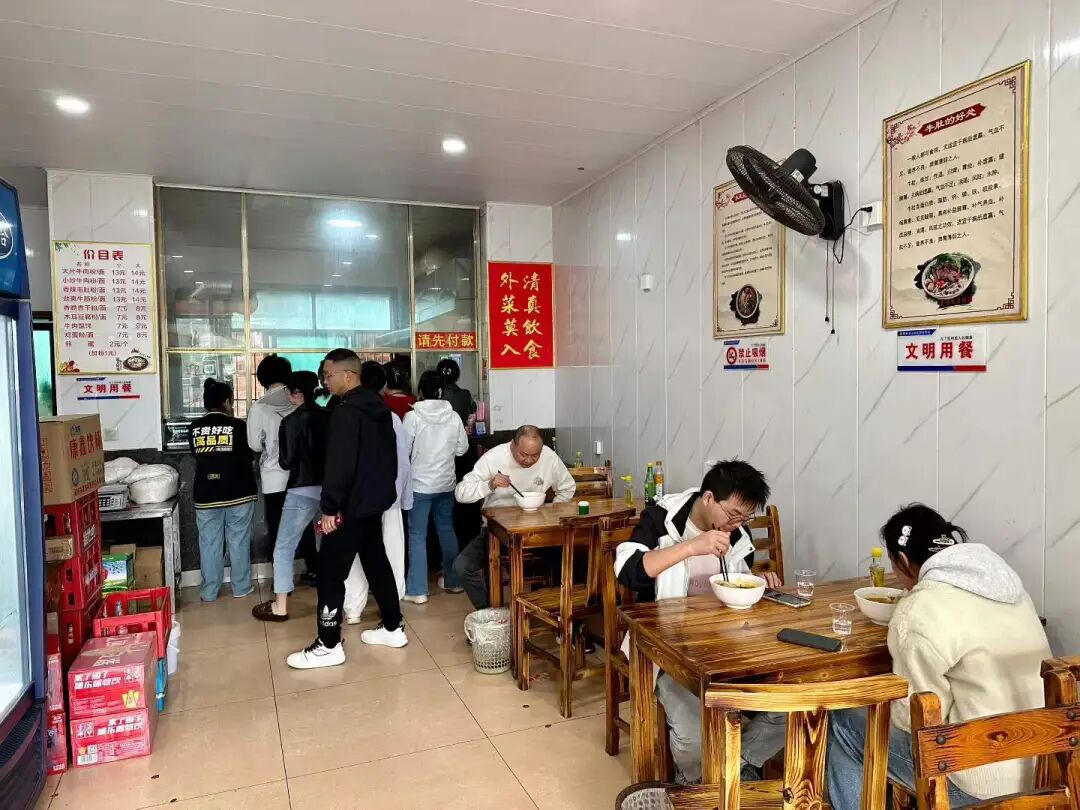
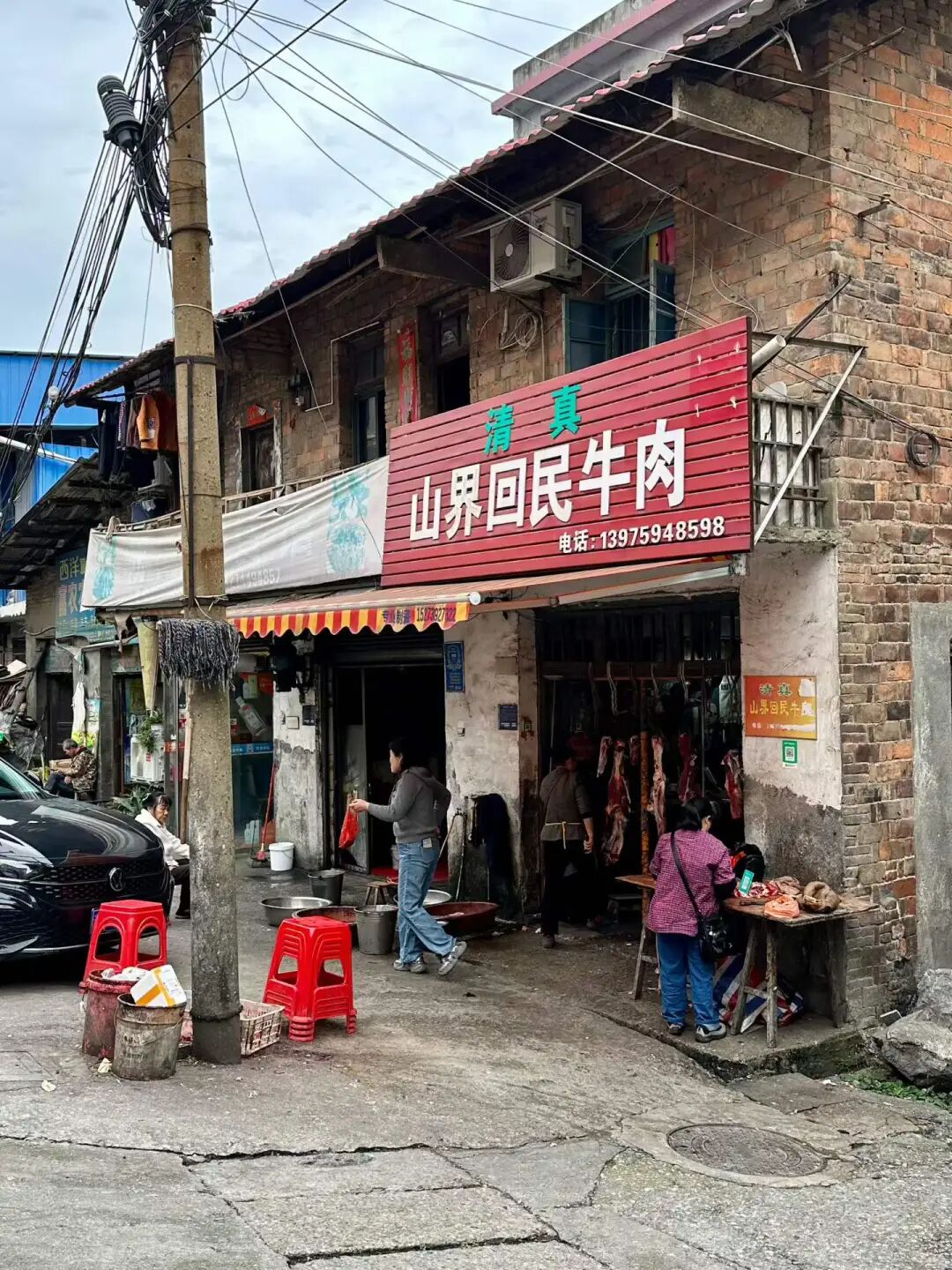
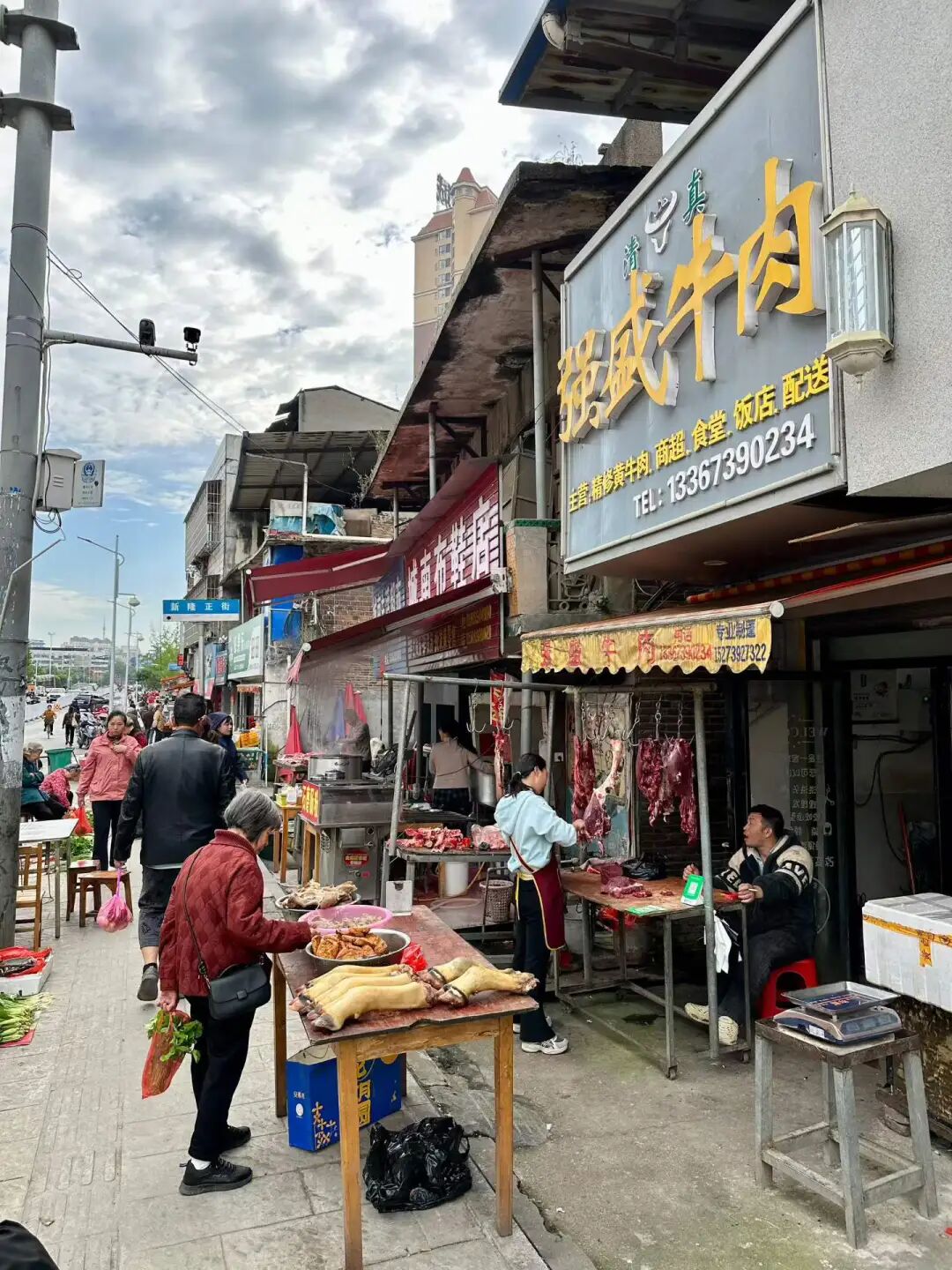
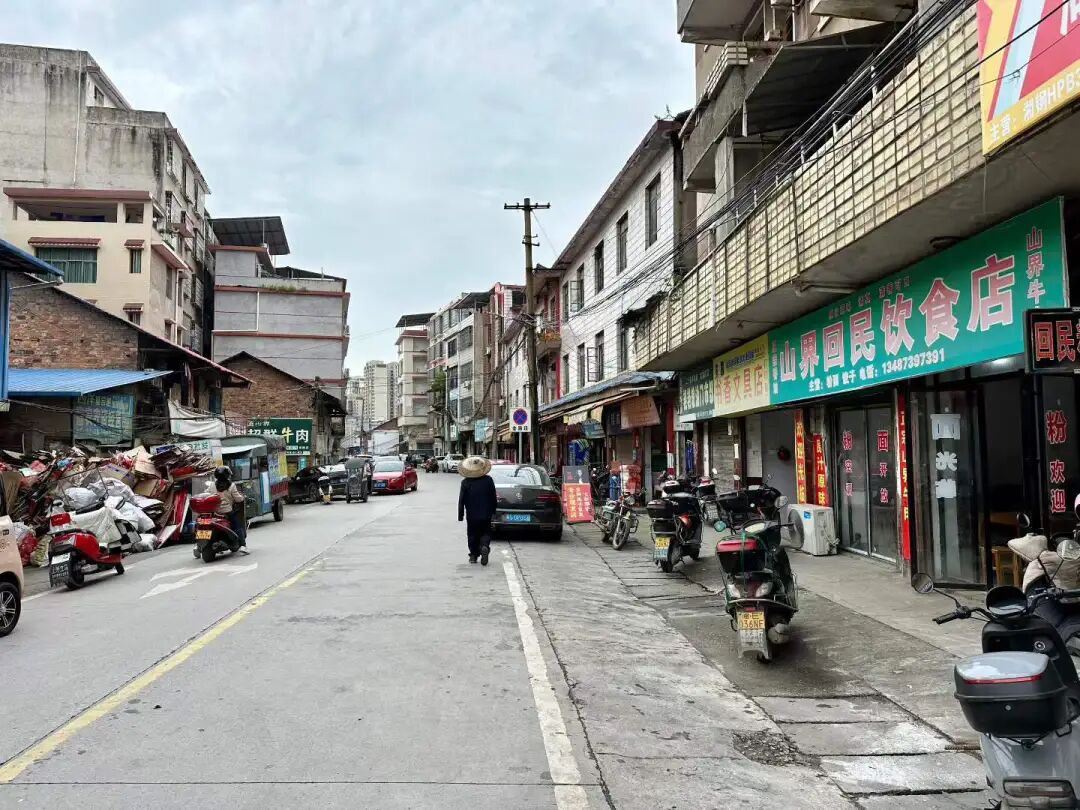
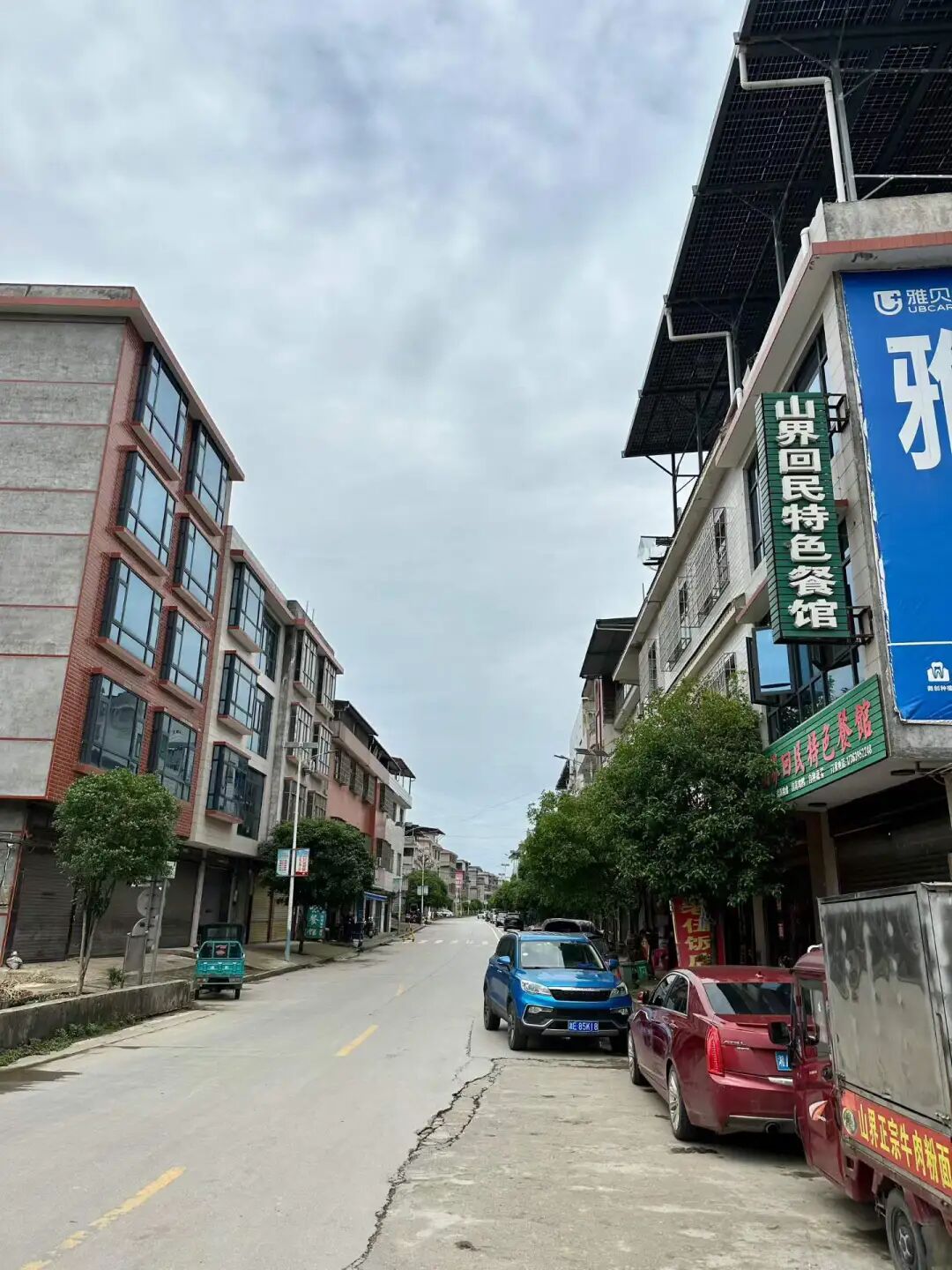
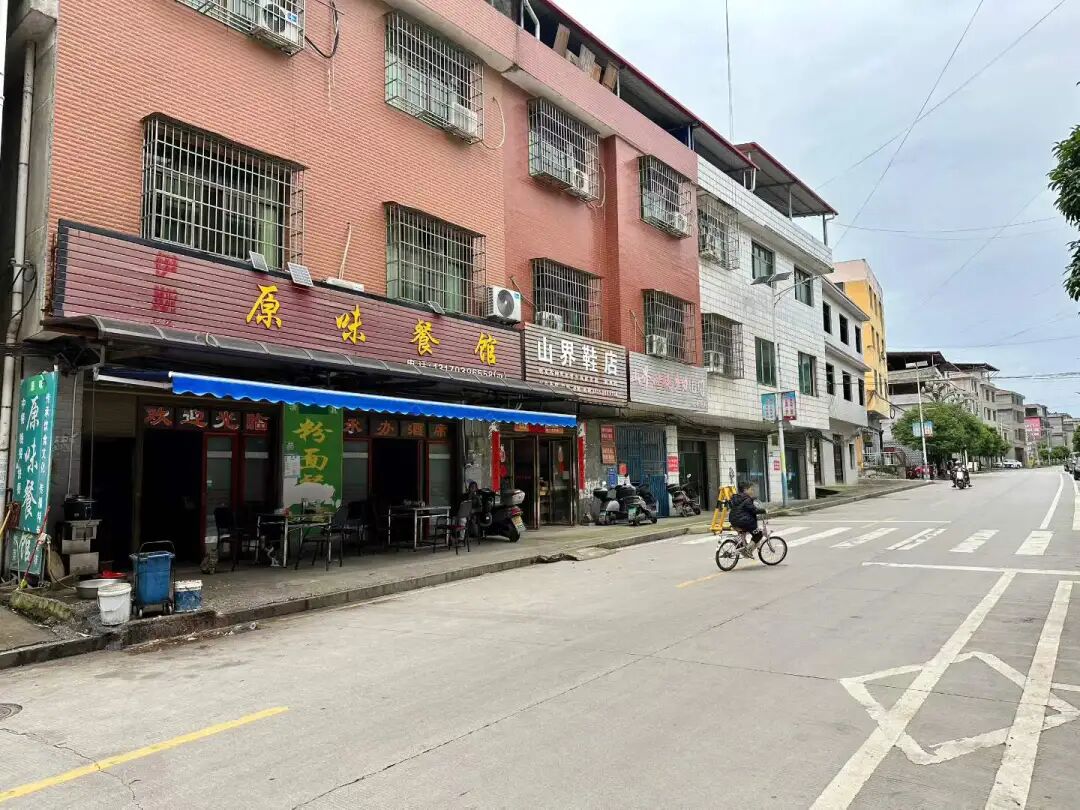
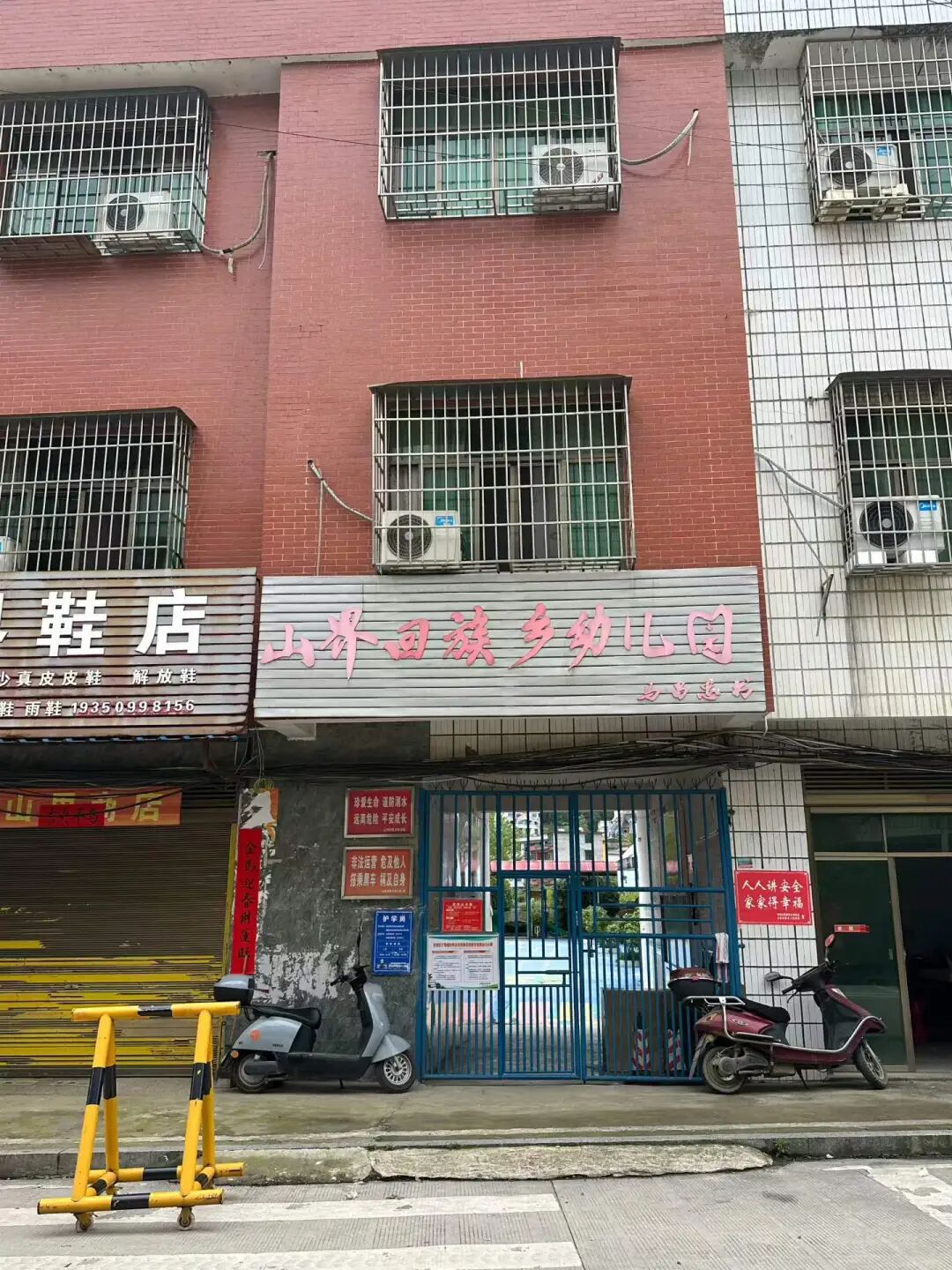
Hui Muslims in Longhui mainly live in Shanjie Hui Ethnic Township, but those who run restaurants and noodle shops are mostly in the Longhui county seat, especially near the south side of Longhui Bridge. If you need a place to stay, the area near Daqiao Road is the most convenient. You can eat noodles at various shops there in the morning.
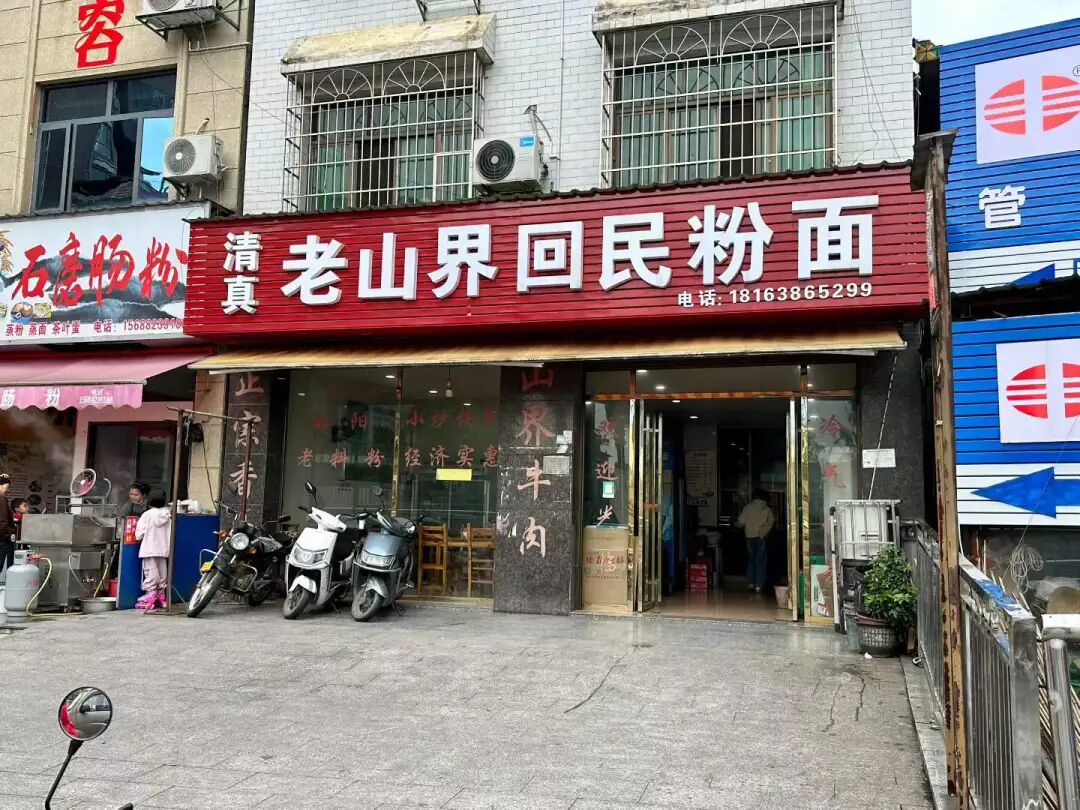
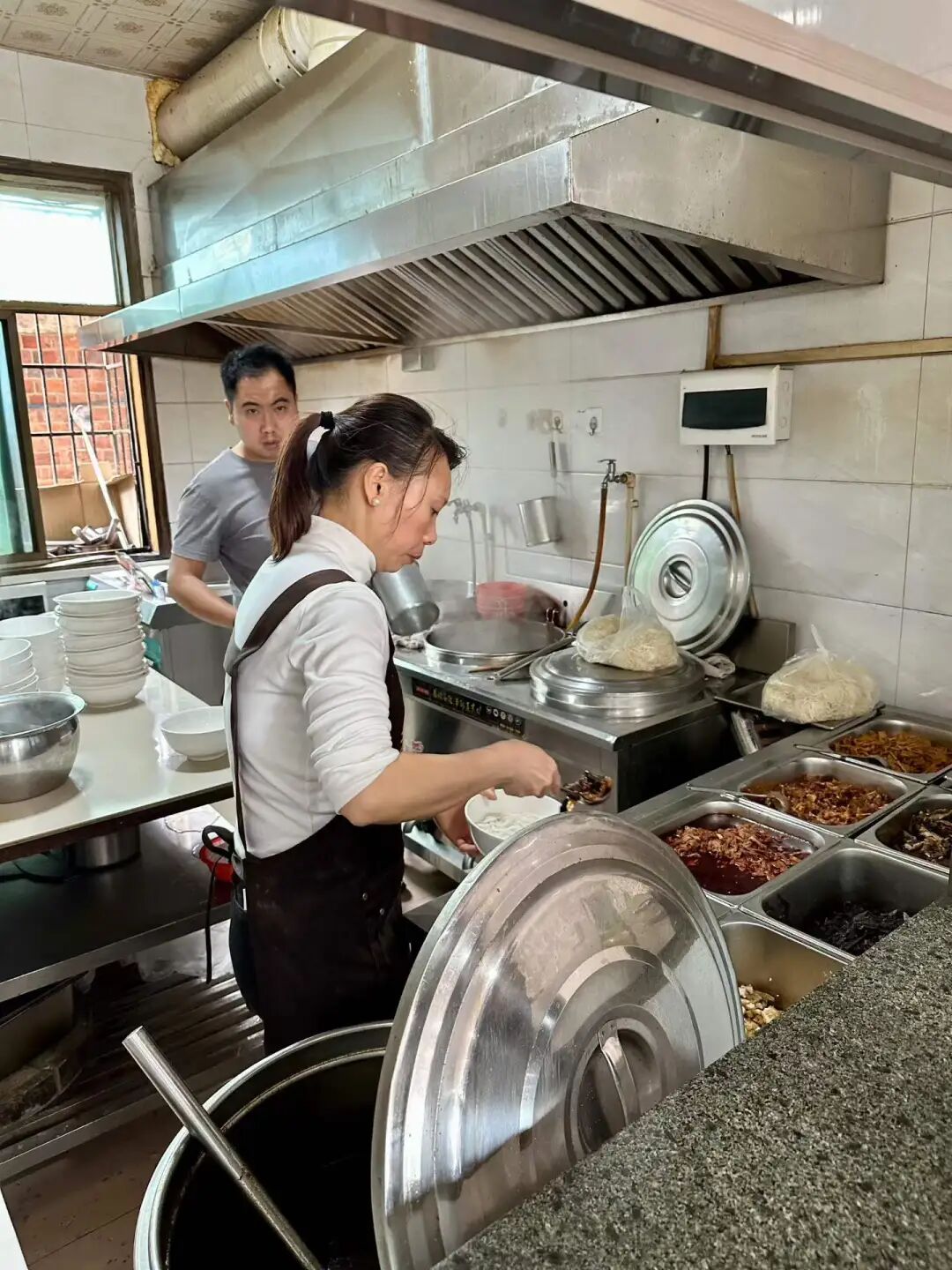
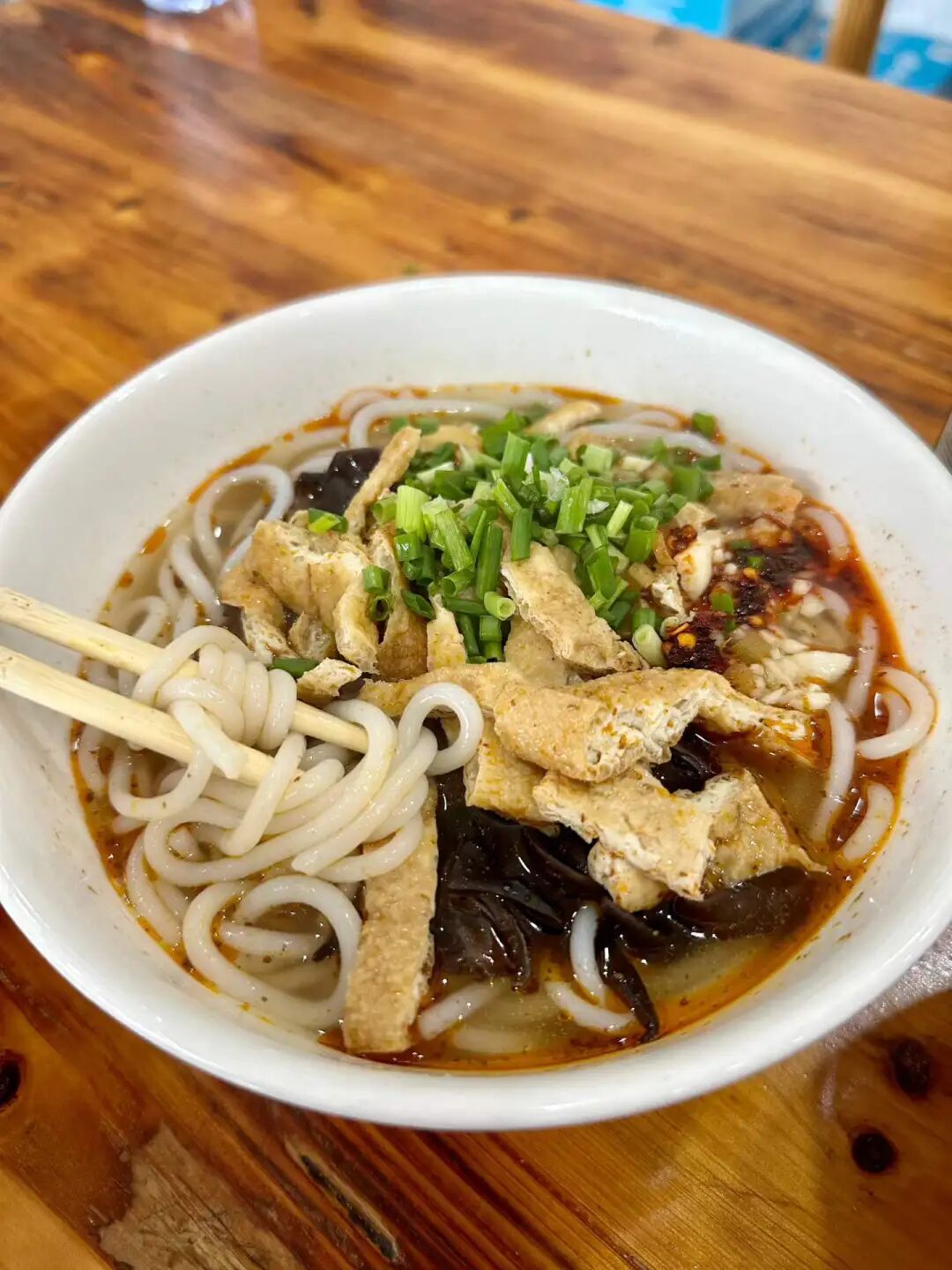
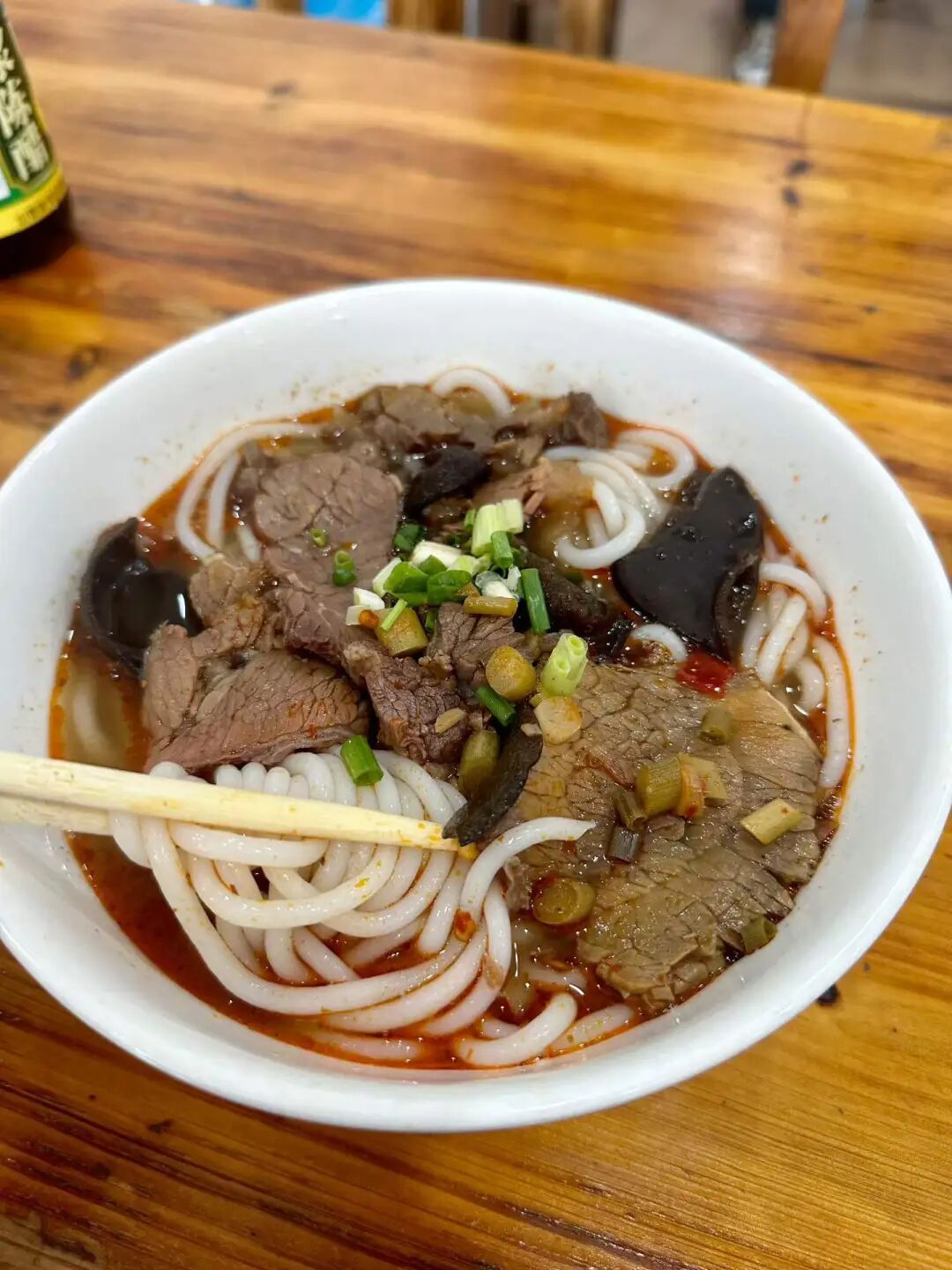
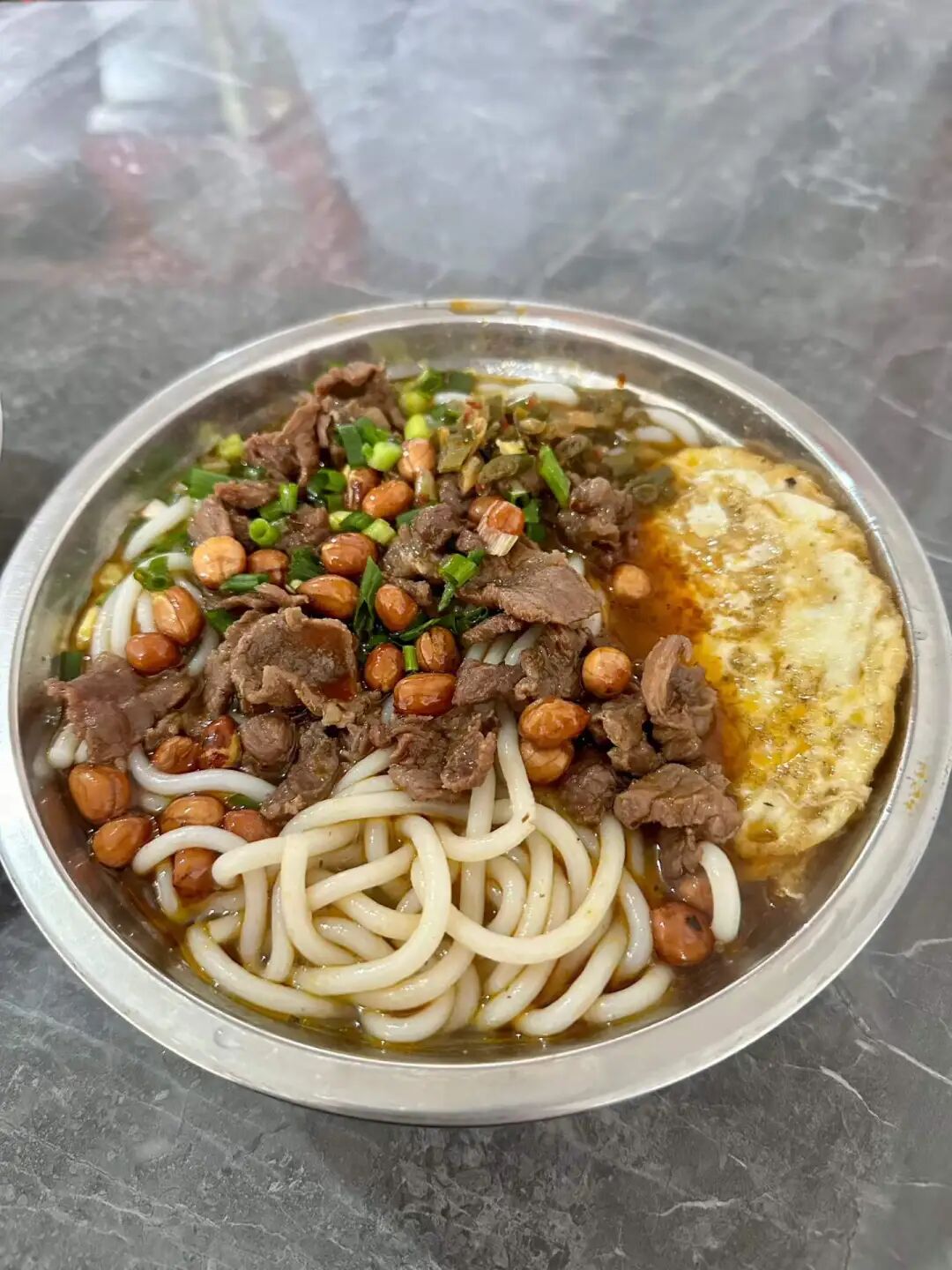
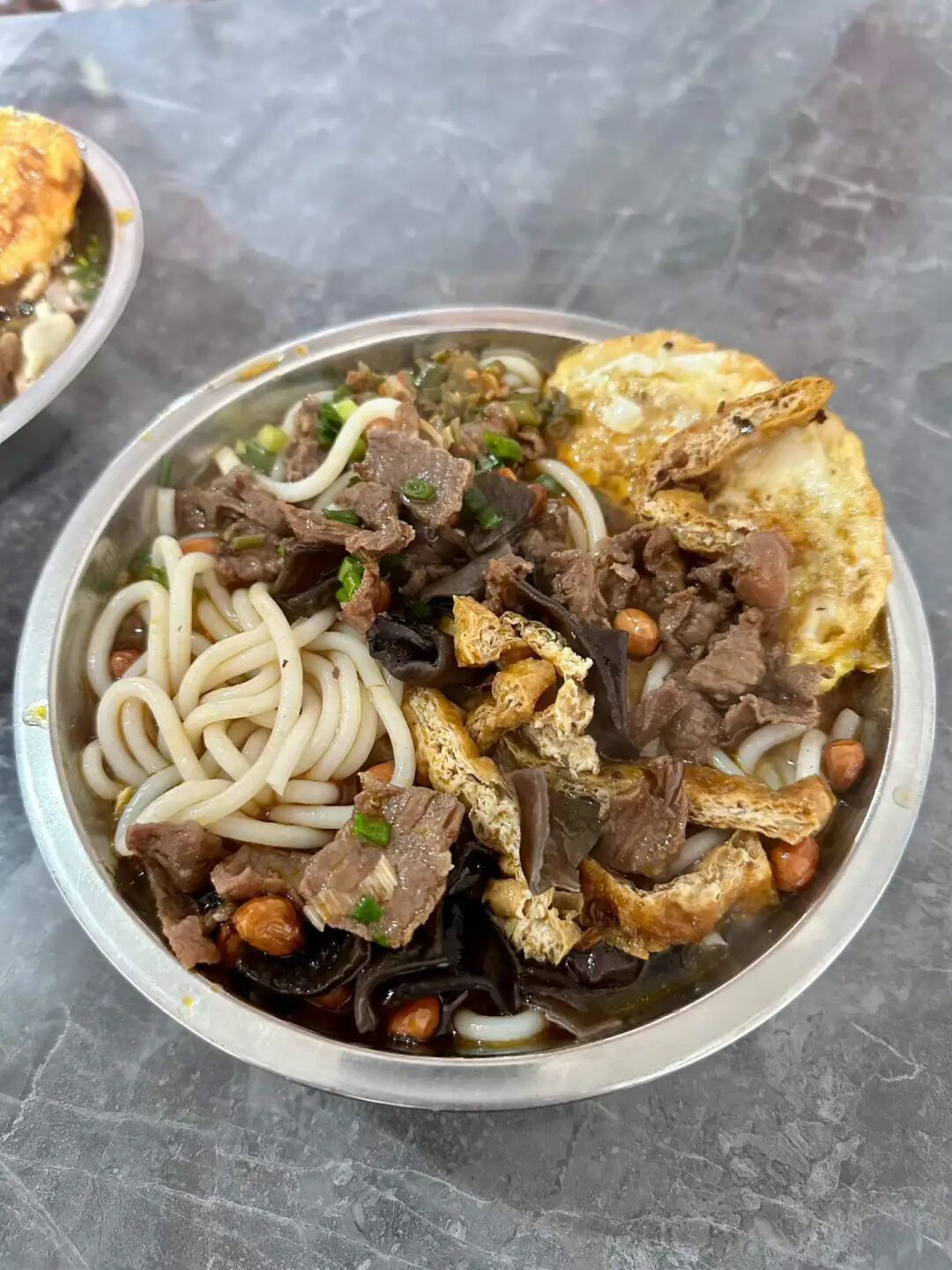
On our first morning, we ate at the Laoshanjie Hui Muslim Noodle Shop at the entrance of Limin Street. We ordered beef noodle soup with large slices of beef and wood ear mushroom with tofu noodle soup. I really love Shaoyang beef noodles. The broth is rich, spicy, and savory. The beef is well-seasoned, and the thick rice noodles are smooth and chewy. The red chili oil smells amazing. Slurping them down is so satisfying; the more you eat, the more you want. The wood ear mushroom with tofu here is also delicious. It soaks up all the broth and is very flavorful.
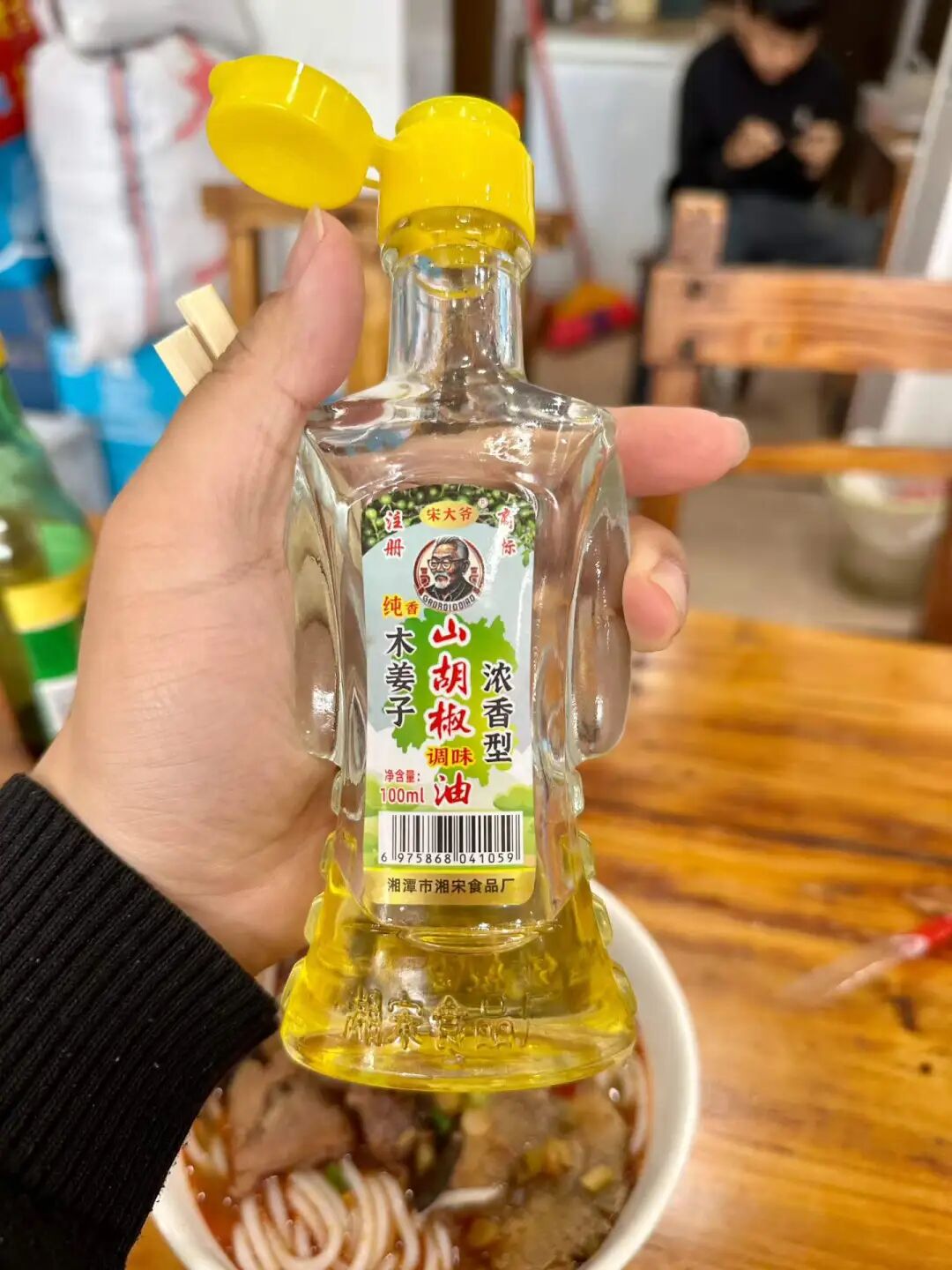
When eating noodles in Shaoyang, you cannot miss the mountain pepper oil (shanhujiaoyou). The mountain pepper (shancangzi) has a special scent that is like a mix of mint and lemon, making it cool and refreshing.
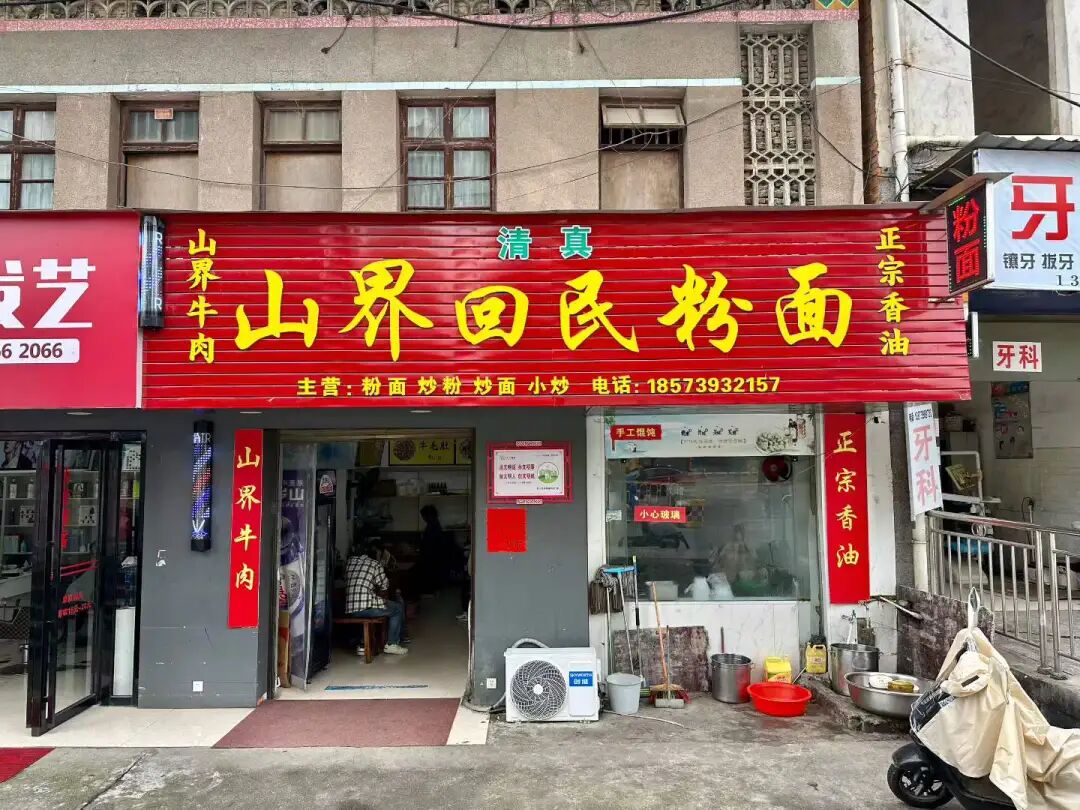
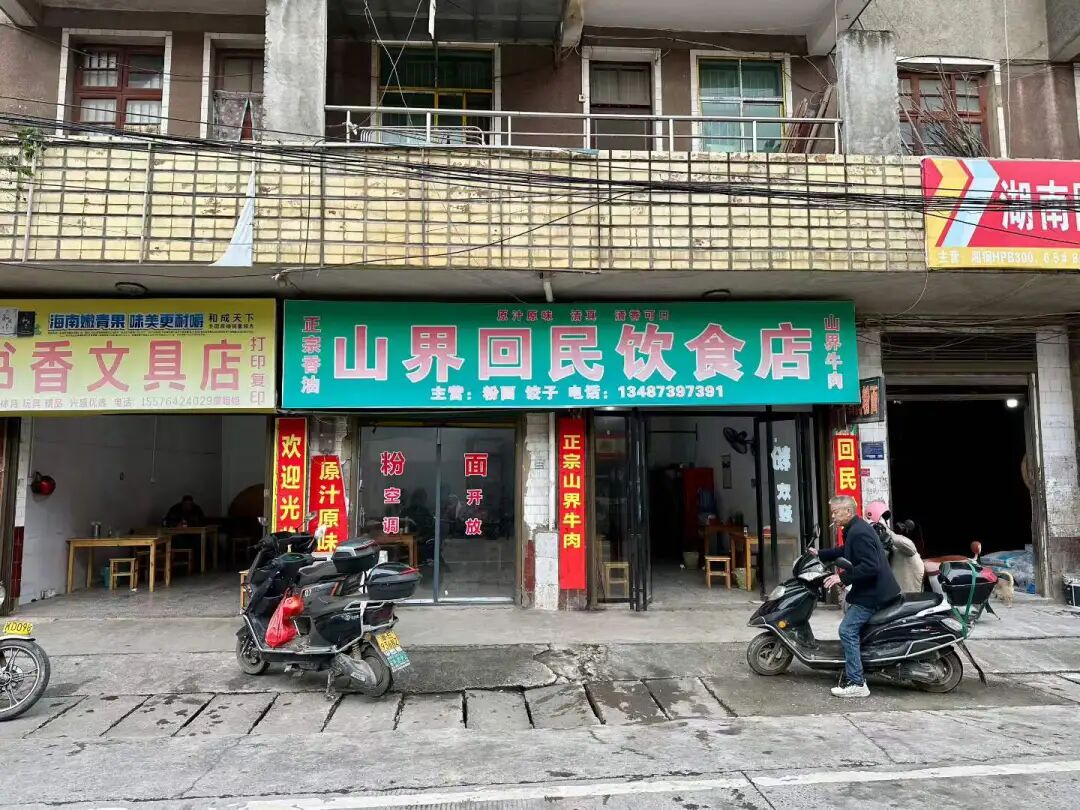
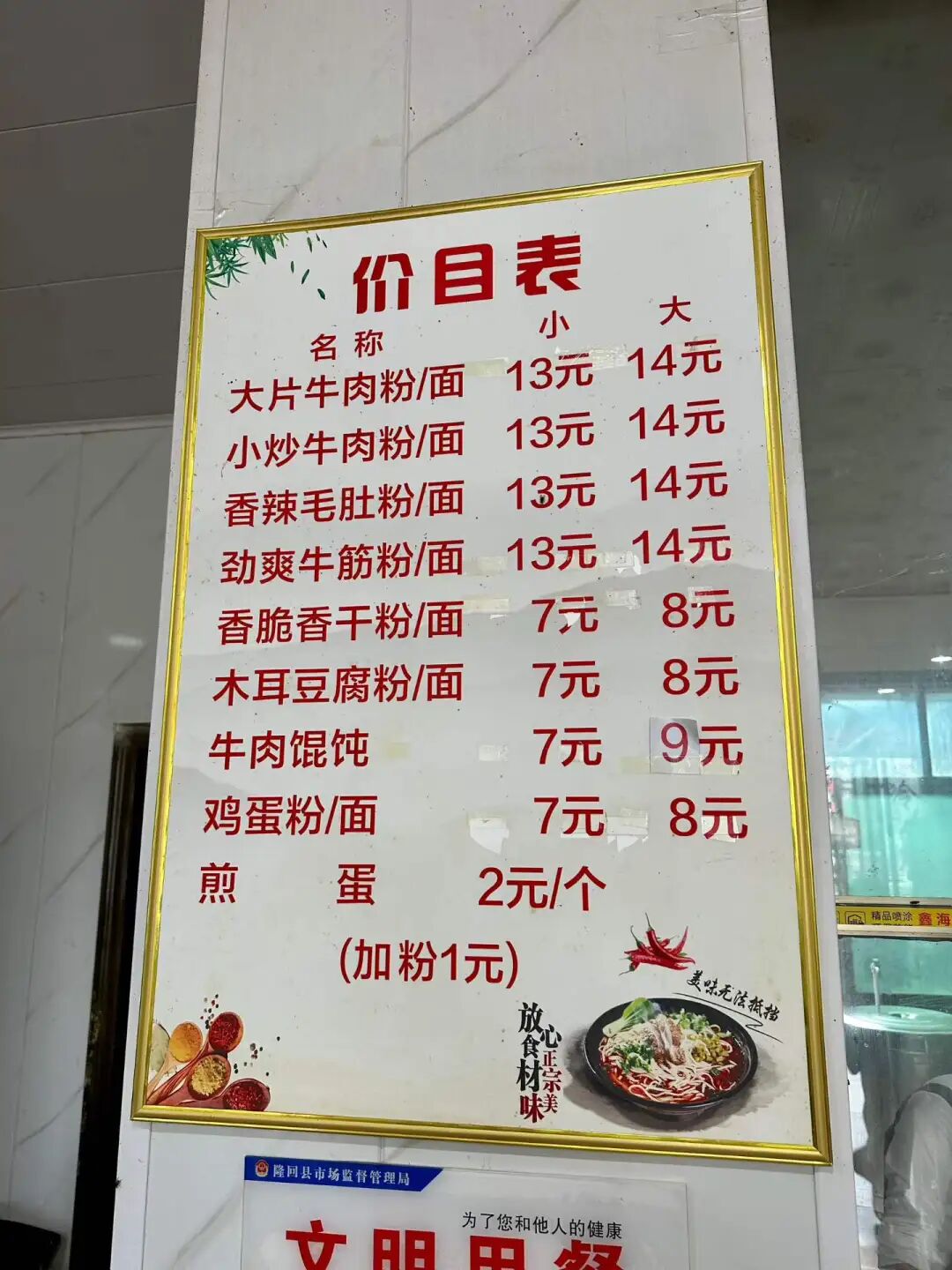
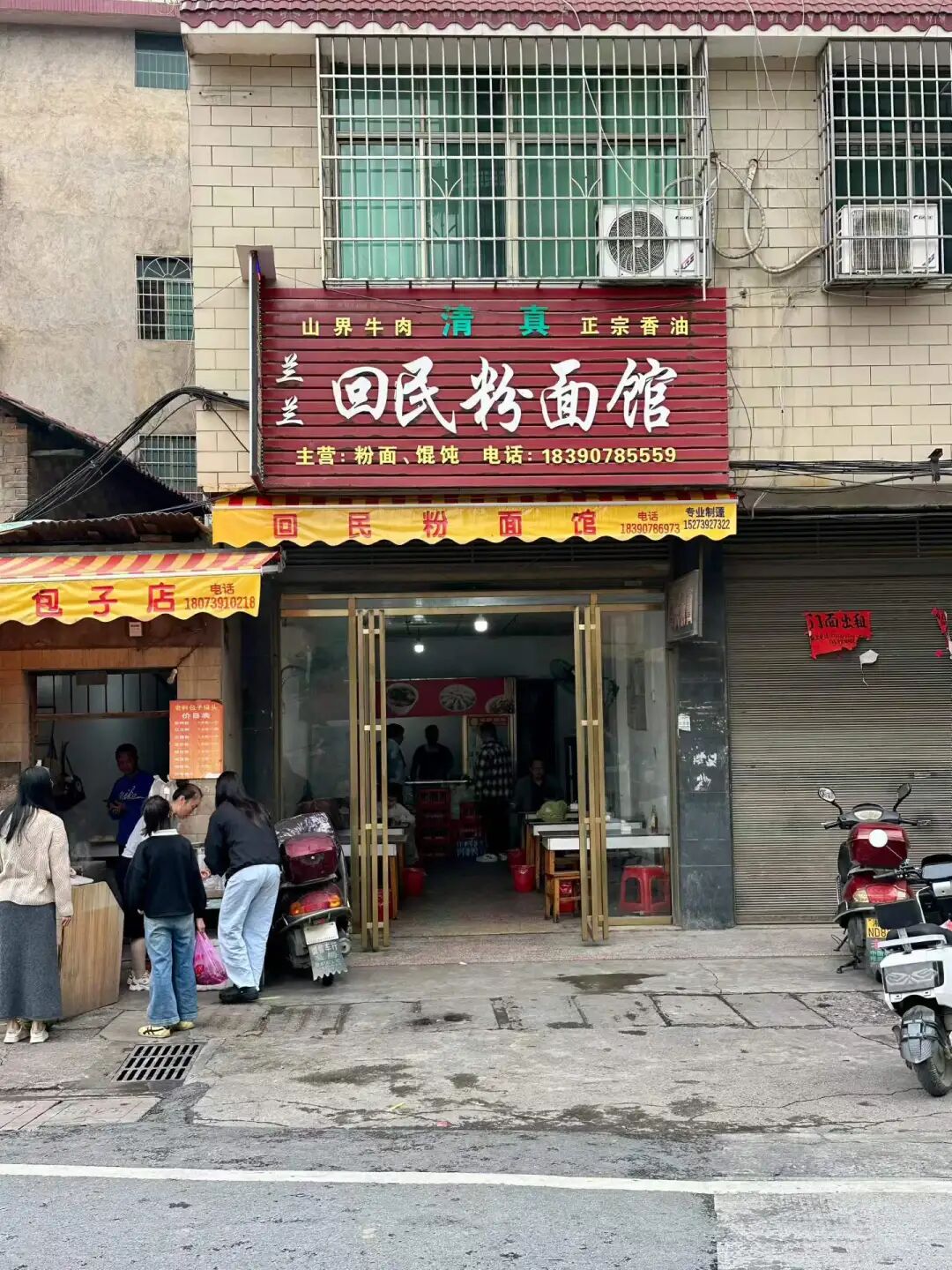
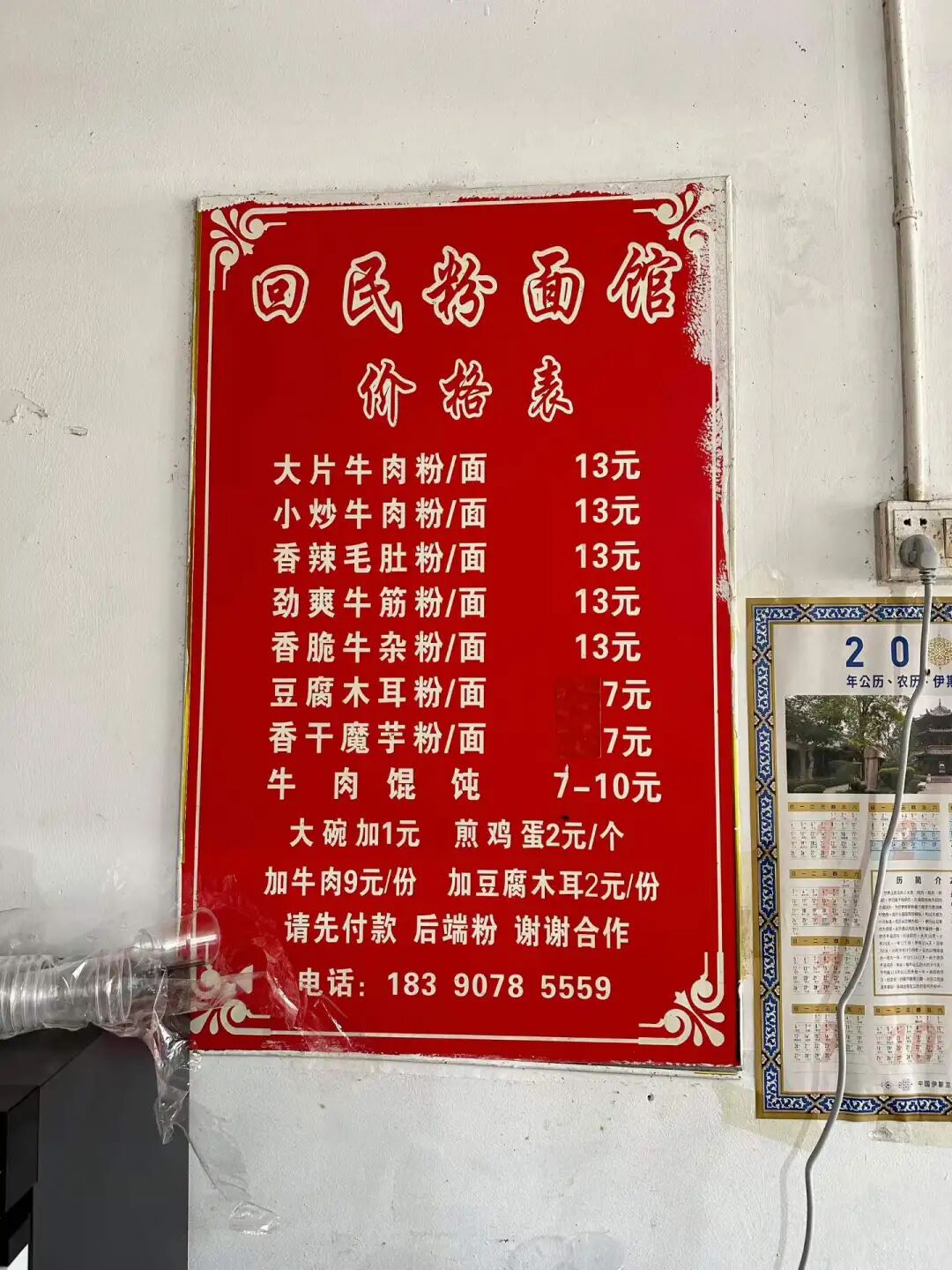
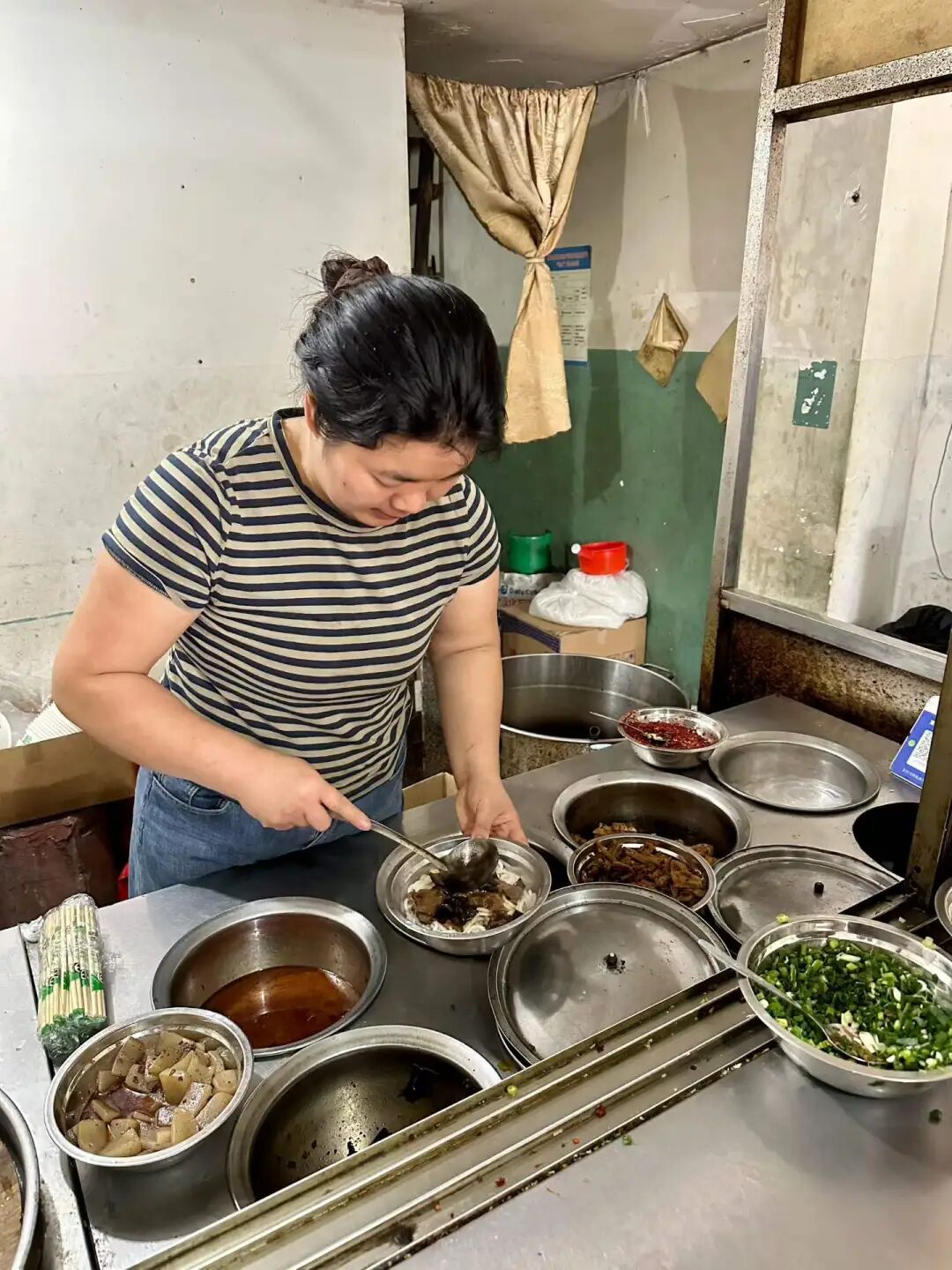
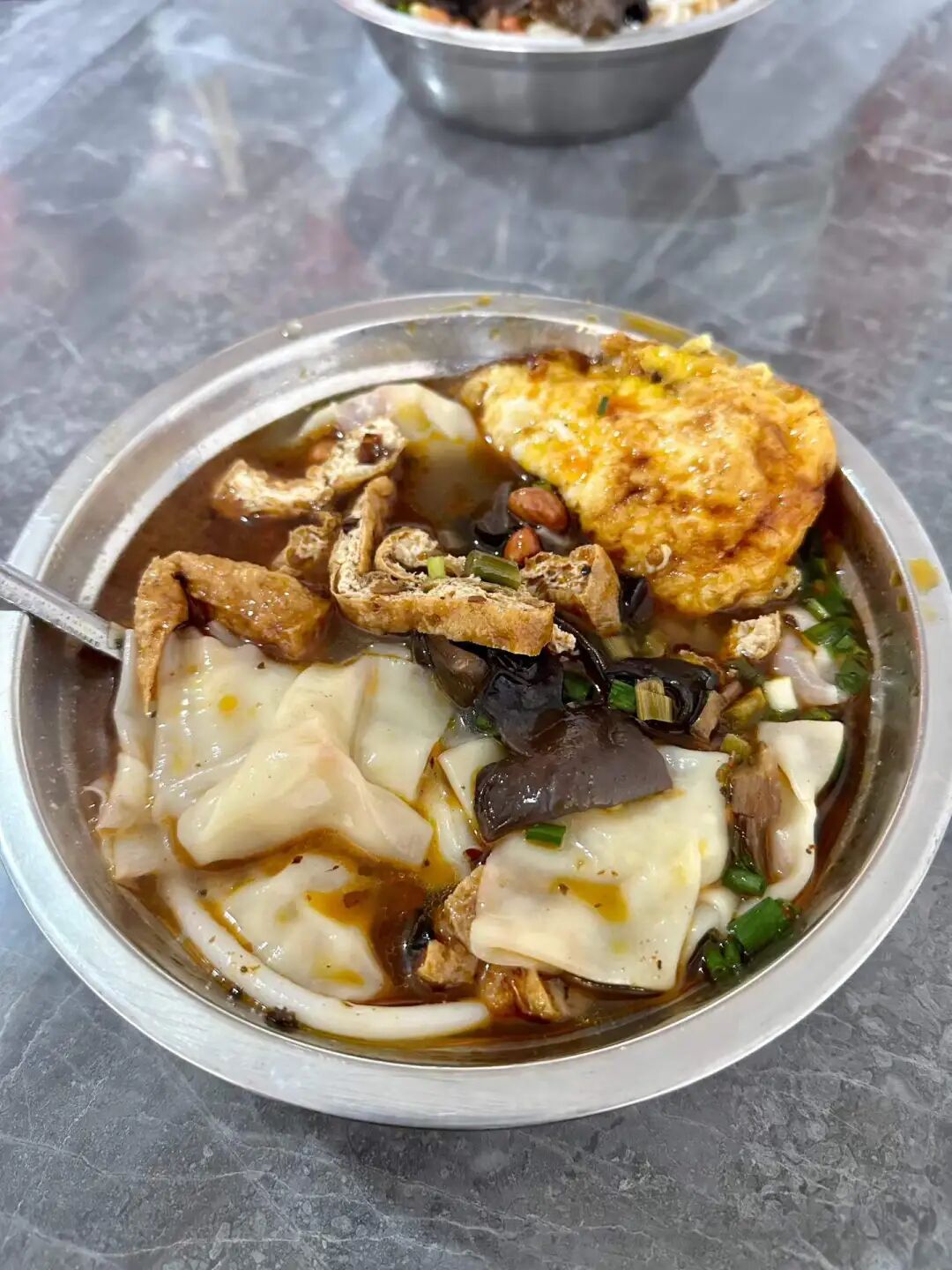
The next day, I went to another Hui Muslim noodle shop on Daqiao Road called Lanlan. I had the stir-fried beef rice noodles and beef wontons. I added 2 yuan of tofu and wood ear mushrooms, plus 2 yuan of eggs to both bowls, which made the texture much better. The stir-fried beef rice noodles were rich in beef flavor, and the noodles were smooth and well-seasoned with an authentic spicy kick. The beef wontons had thin skins and plenty of filling, and the meat was firm and bouncy. You can order a small portion if you have a smaller appetite.
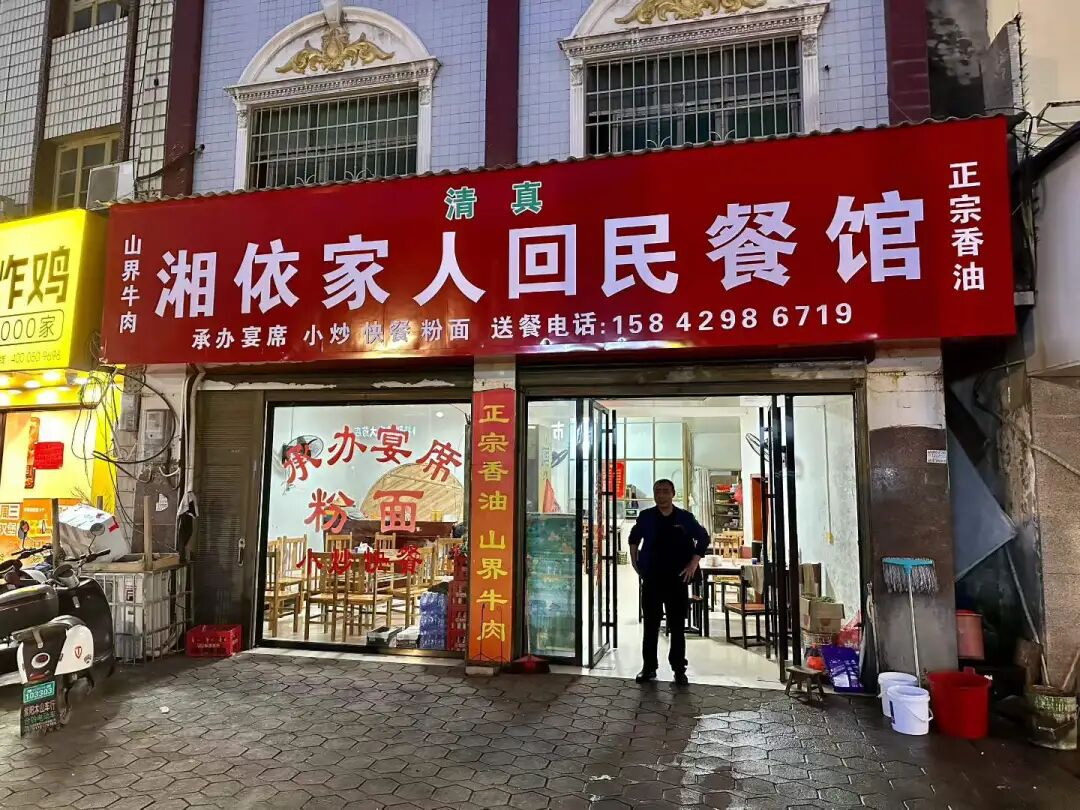
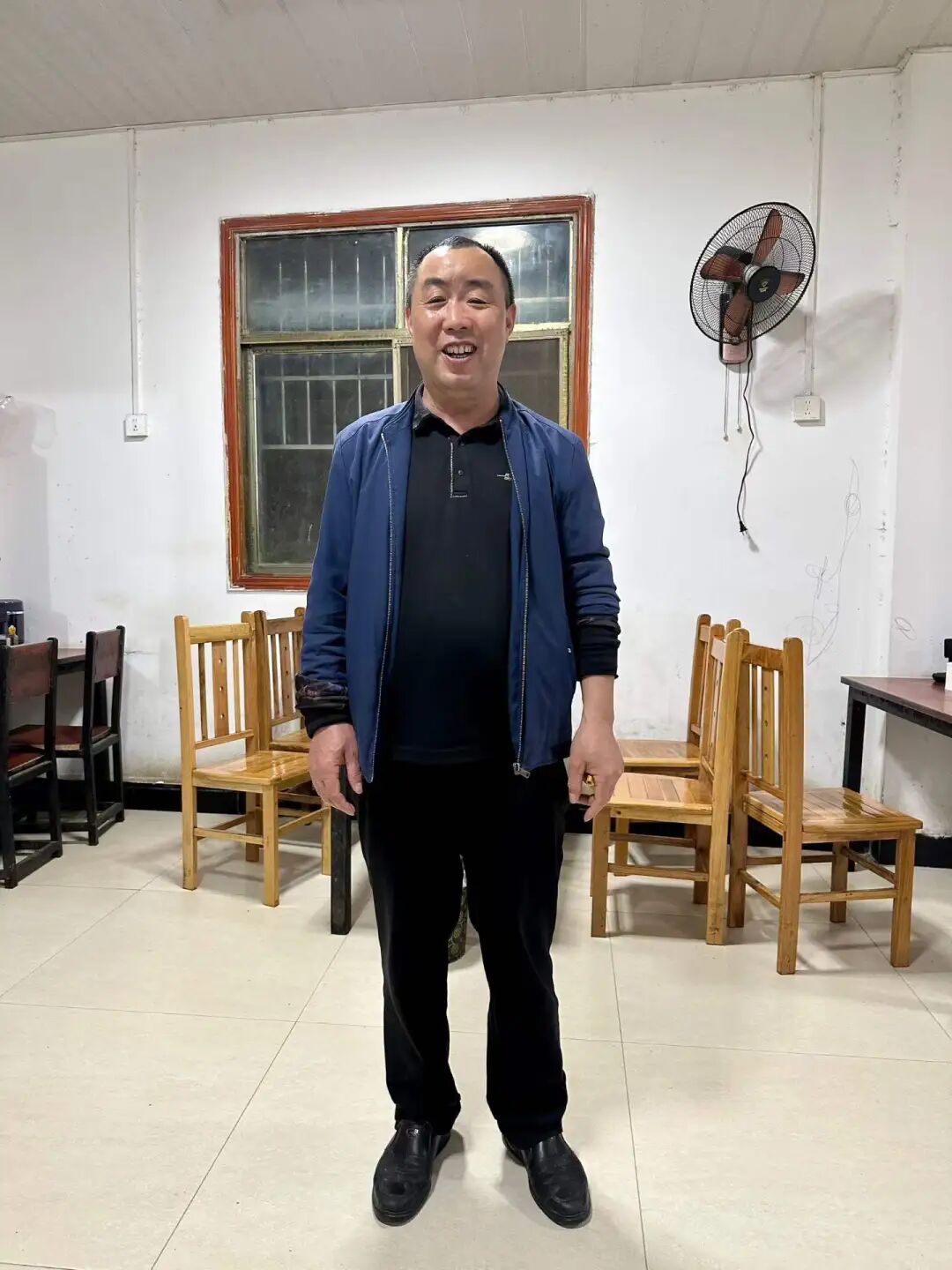
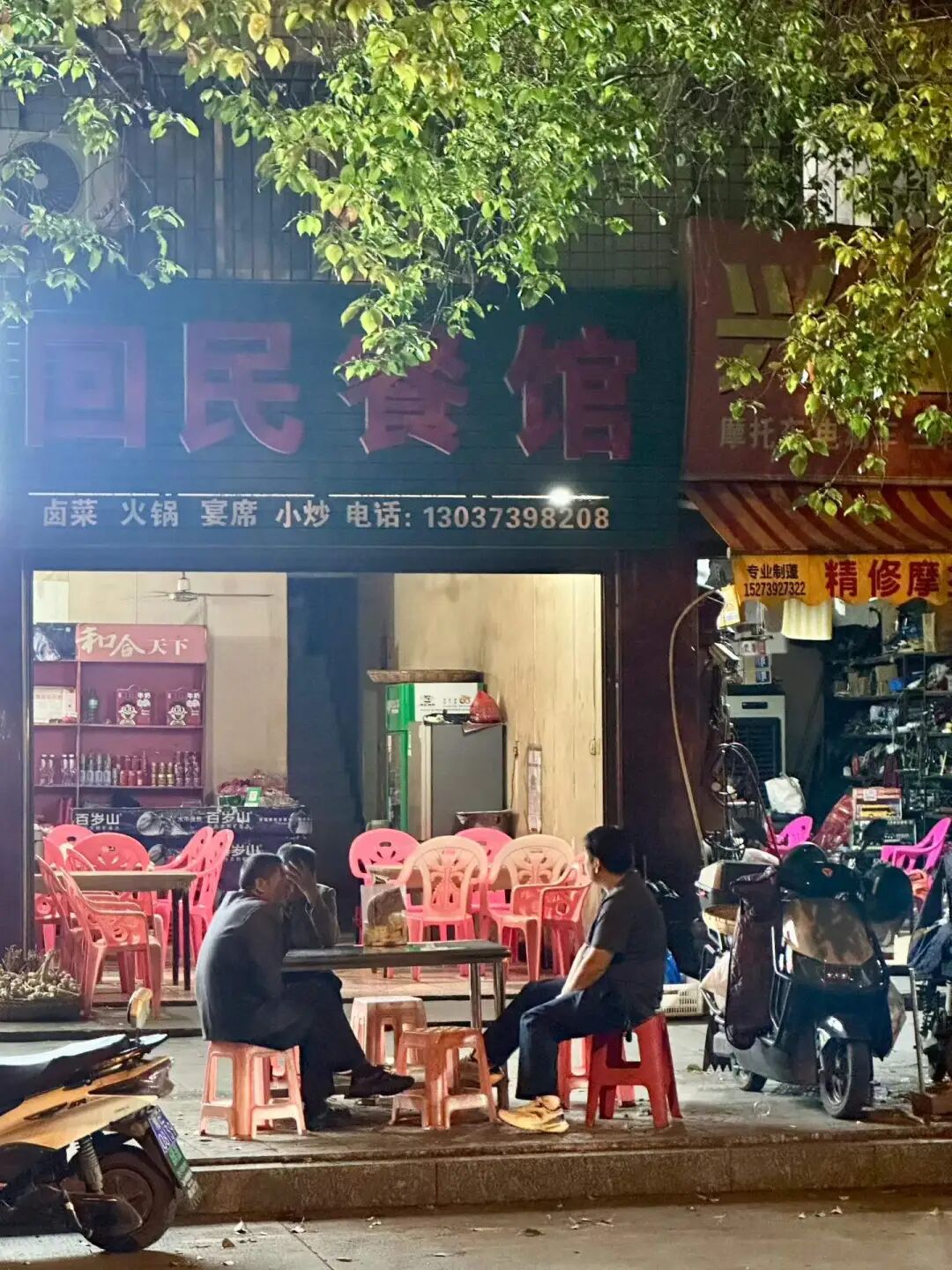
At the intersection of Daqiao Road in Longhui, there is a Hui Muslim restaurant called Xiangyijiaren. It is a great place to try authentic Hunan Hui Muslim farmhouse cooking. The owner is a man named Ma from the Dong Mosque in Shanjie Hui Ethnic Township. There is no menu in the shop. They focus on seasonal dishes, cooking whatever is harvested from the fields.
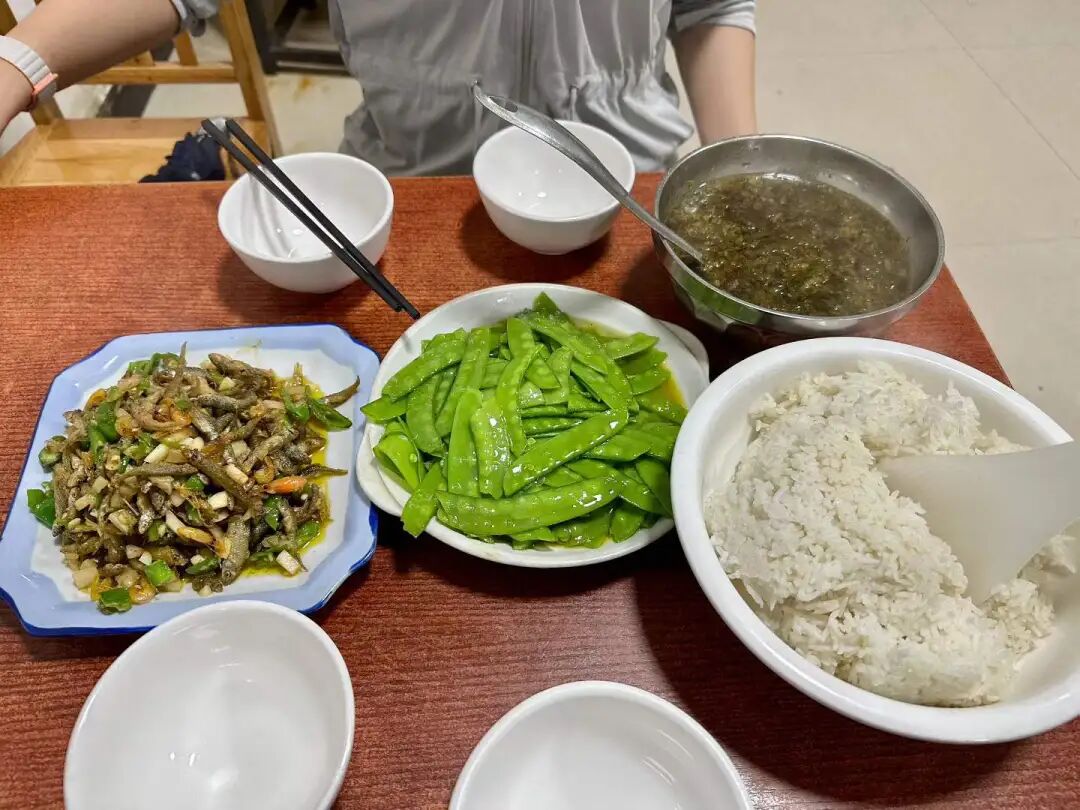
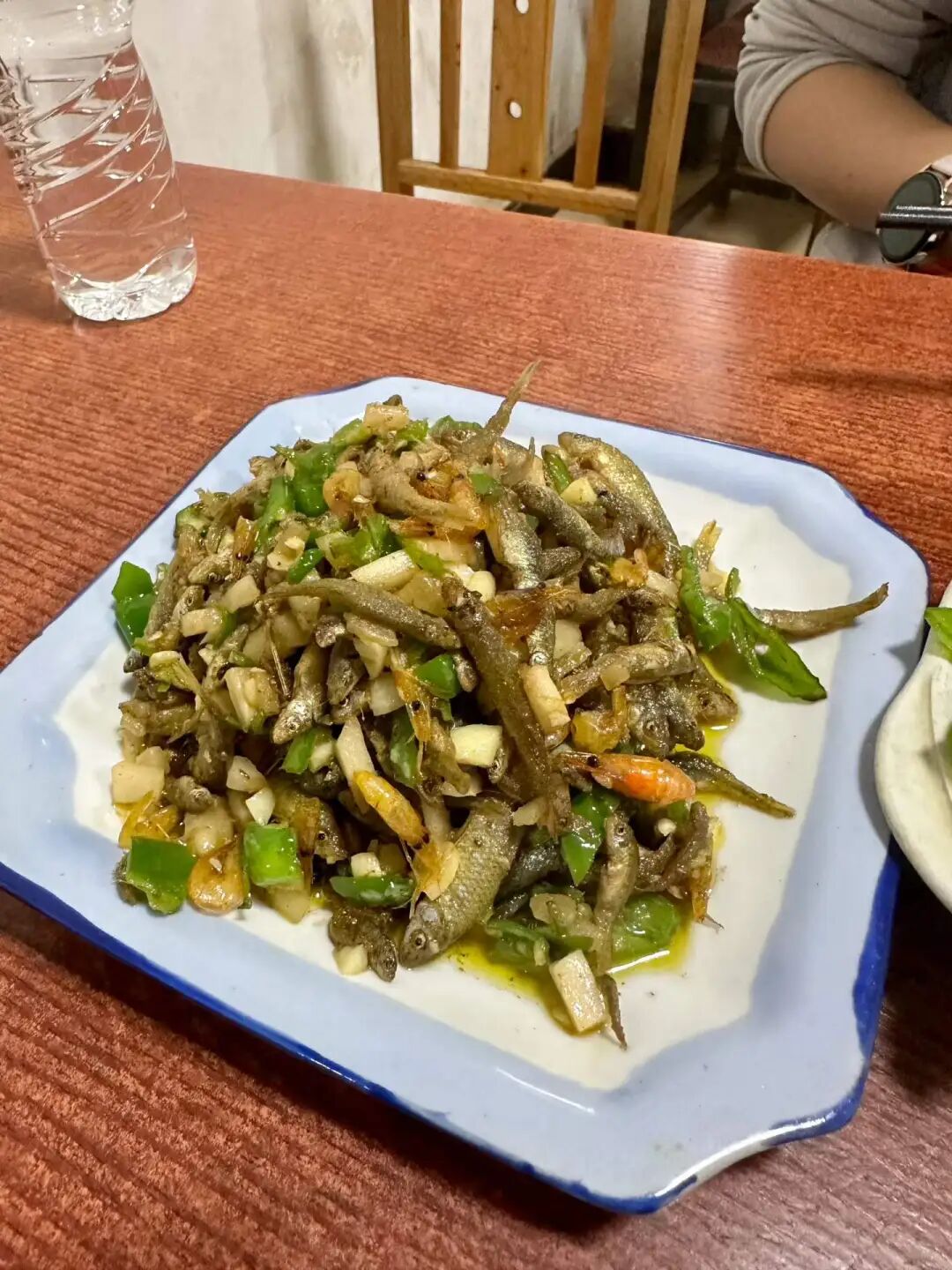
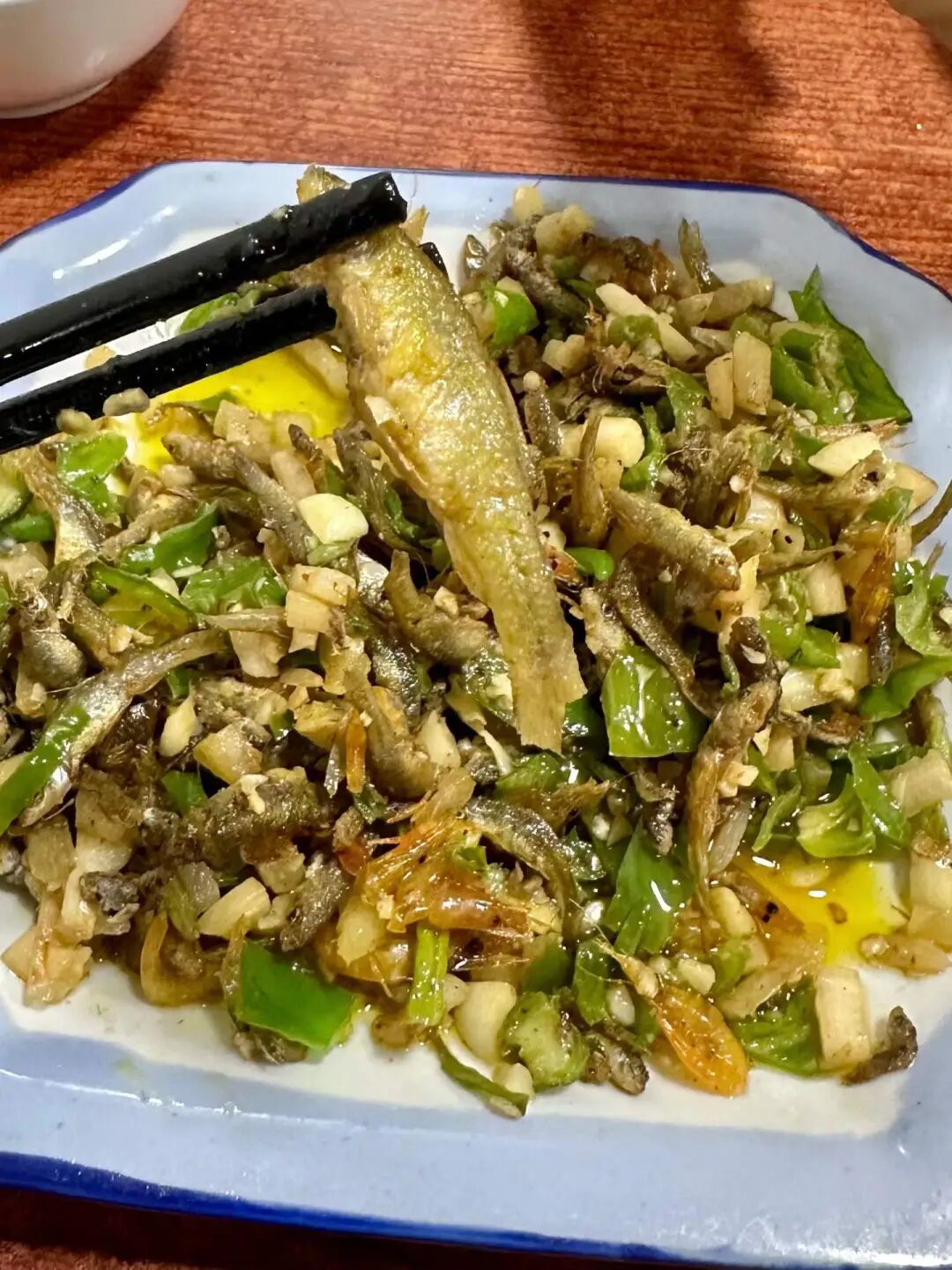
As a Hunan Hui Muslim restaurant, their signature dish is definitely stir-fried yellow beef. We had been eating beef for a few days, so we wanted to try chicken. Unfortunately, at these local Hui Muslim restaurants, you have to order chicken in advance. They go to the village to slaughter the chicken fresh and cook the whole bird. So, we ended up eating river food. The owner recommended stir-fried small fish and shrimp, which were caught from the pond that same day.
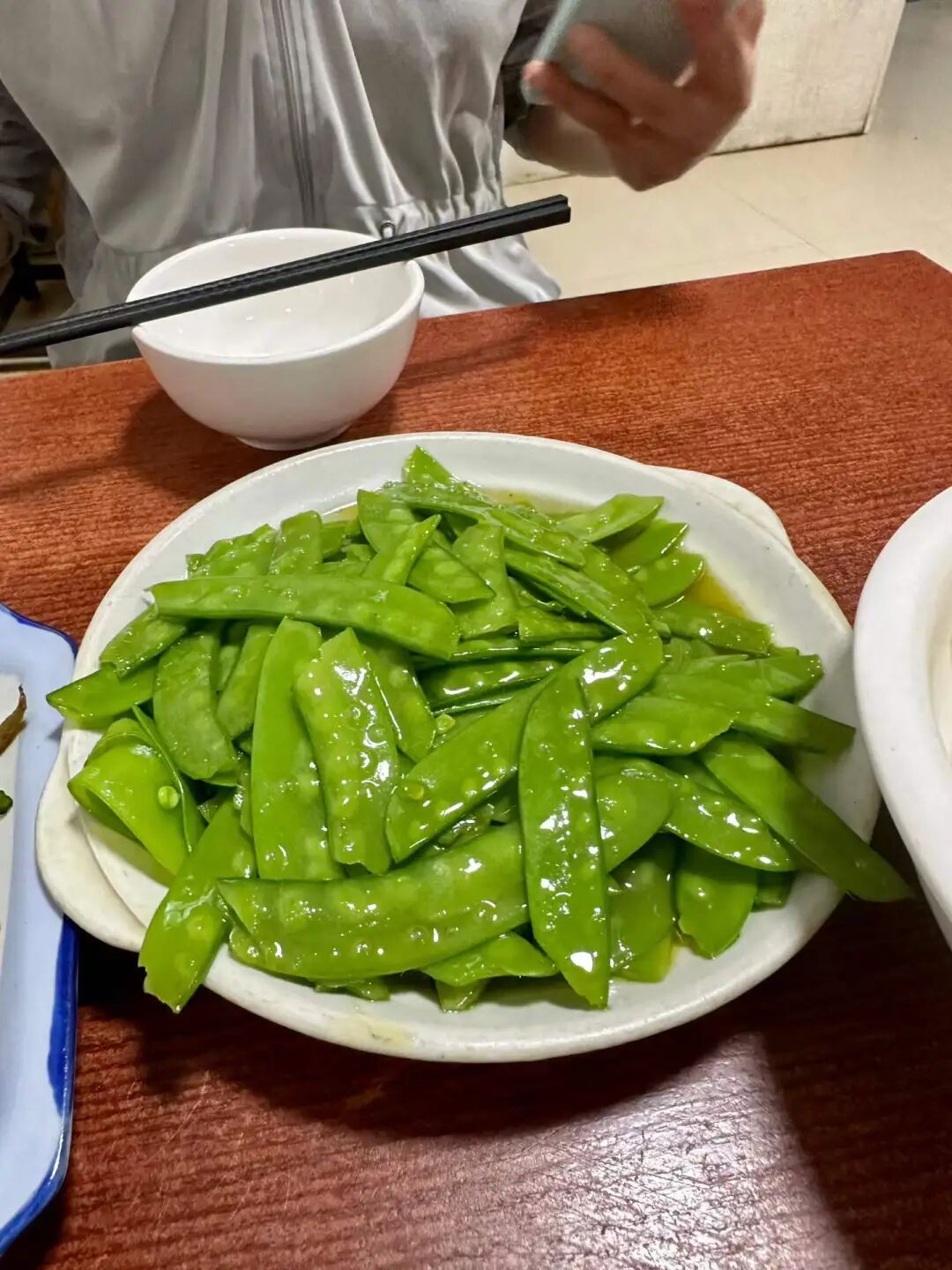
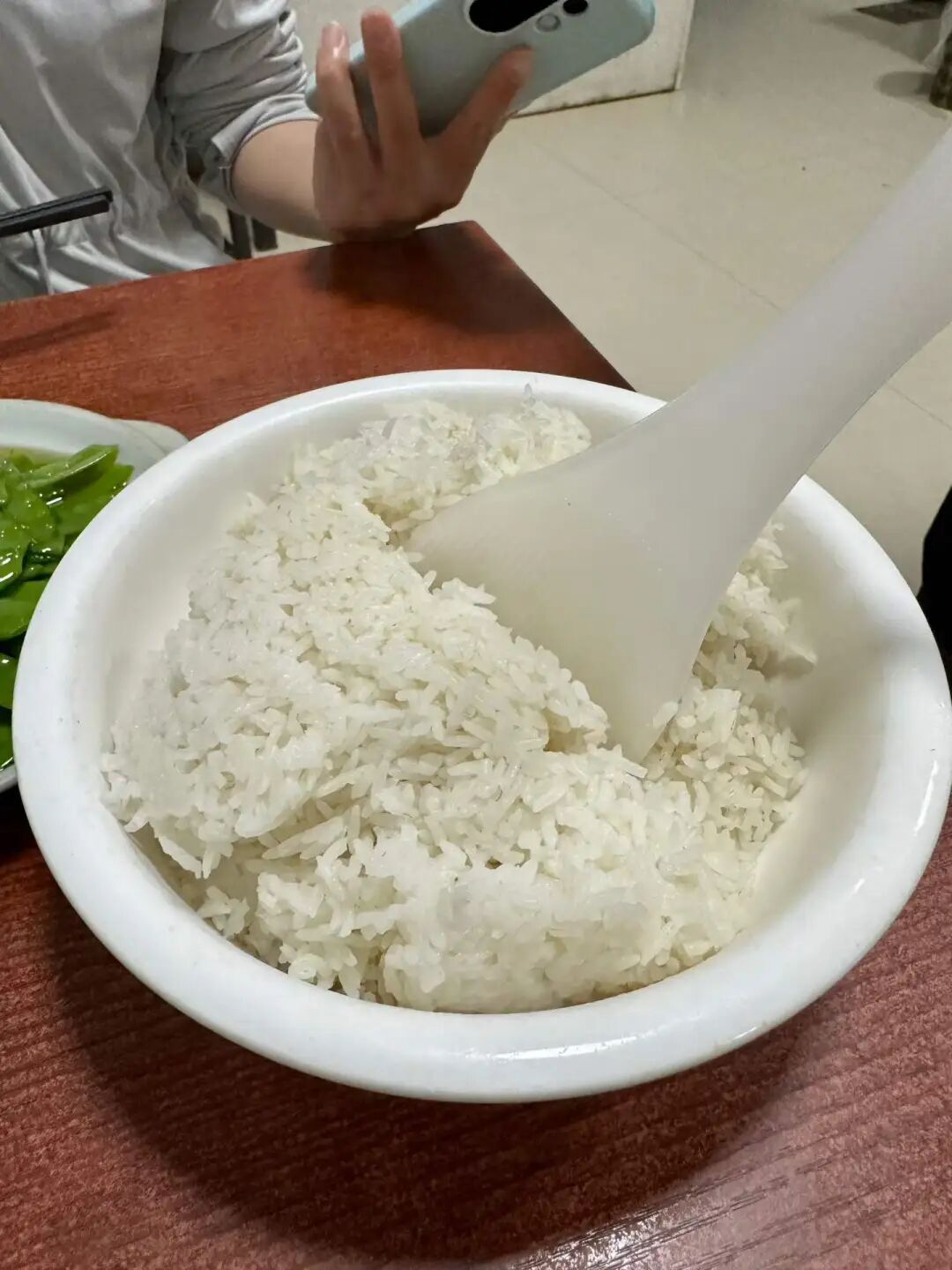
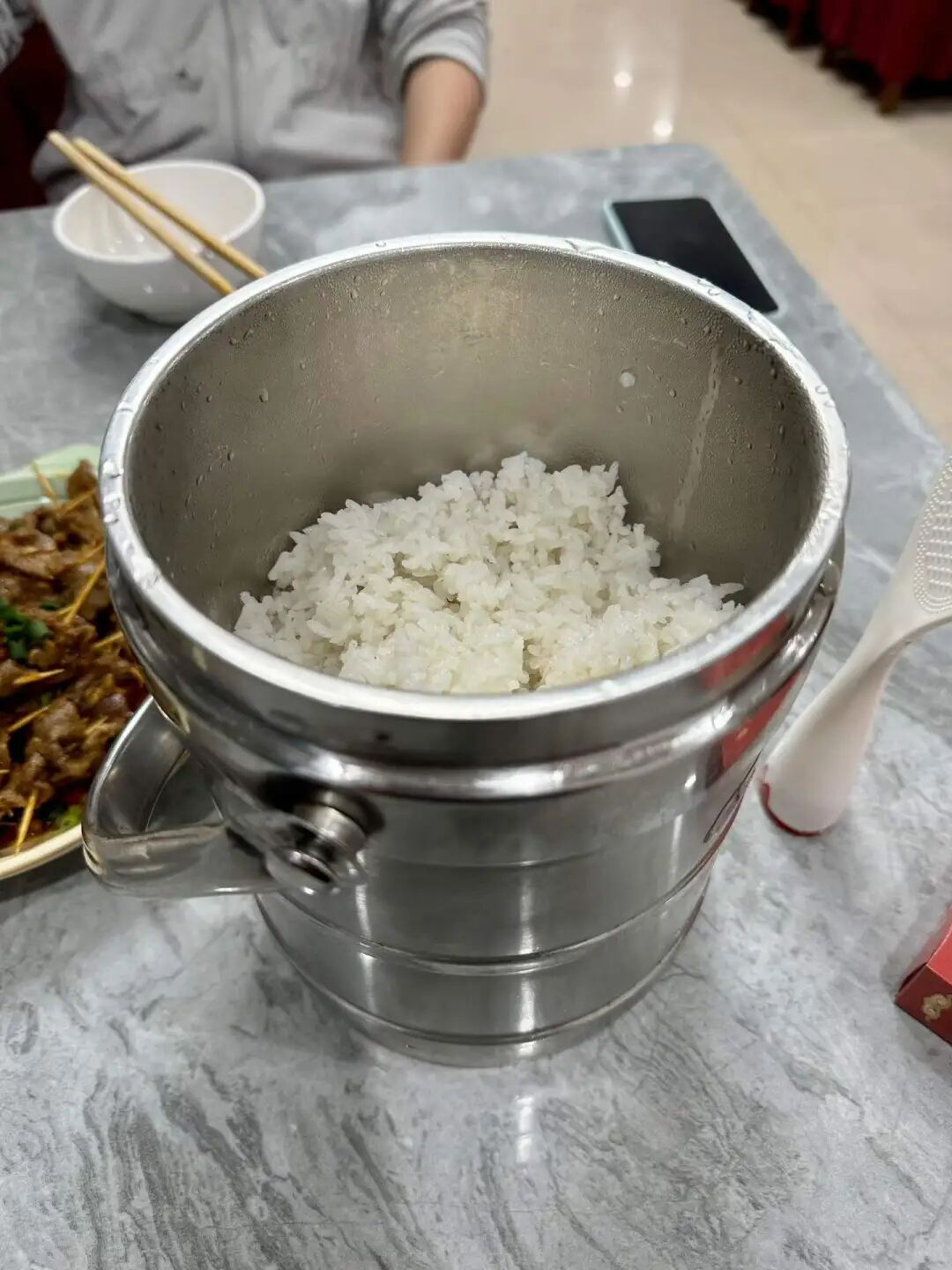
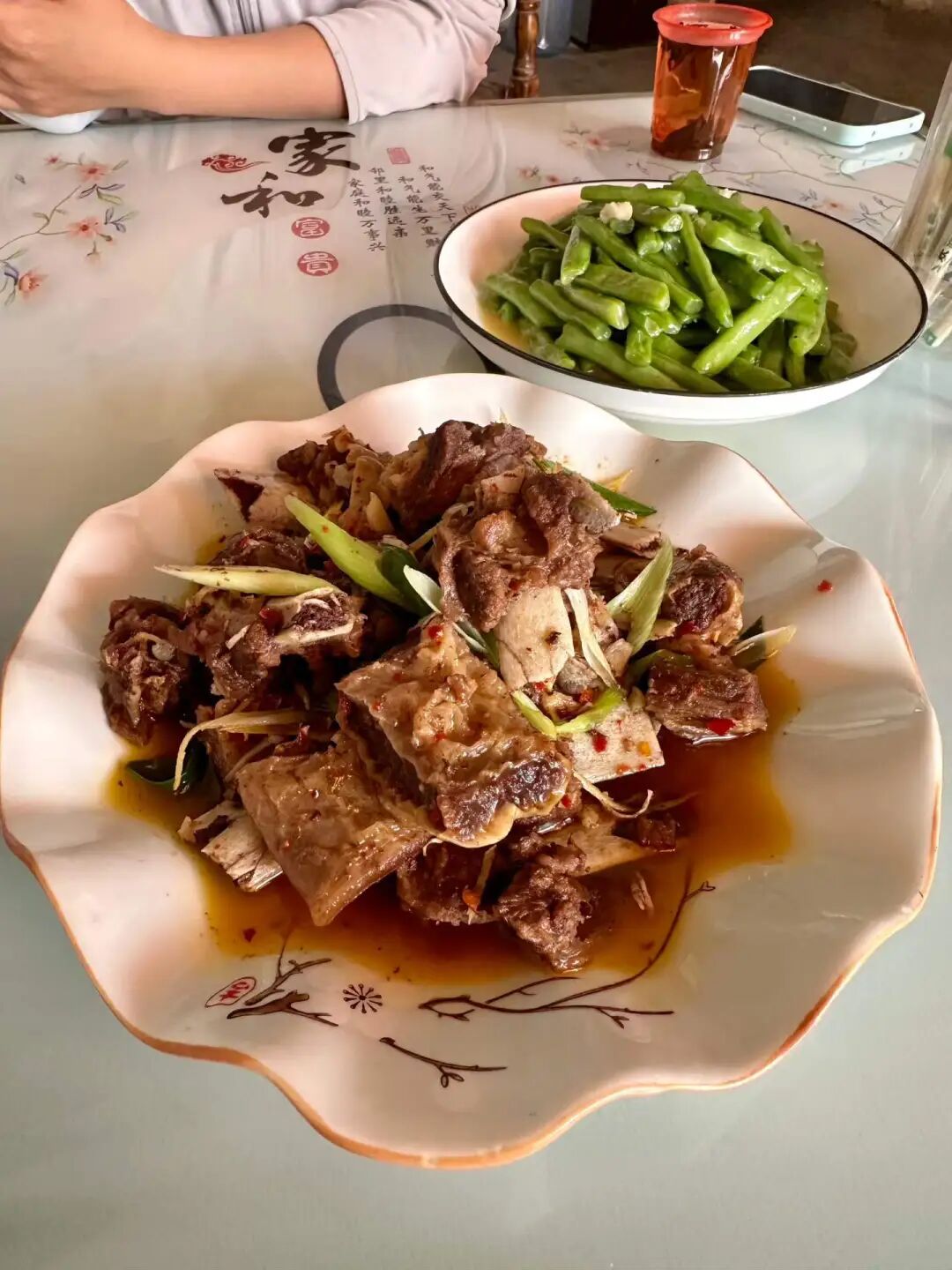
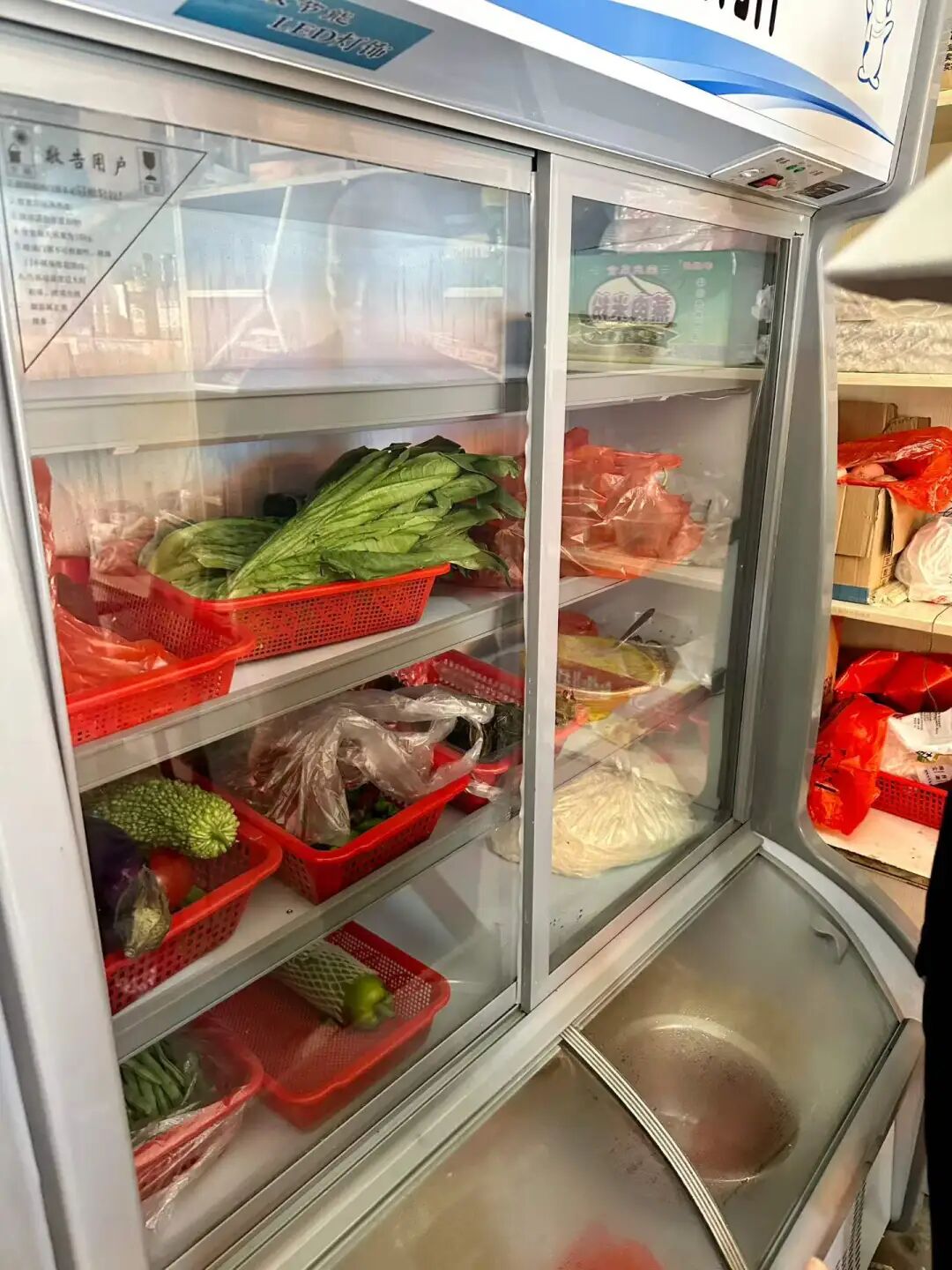
The vegetables and rice in the shop are grown by the owner's family. We ordered snow peas (caidou), which were very crisp and tasty, though Hunan vegetable dishes tend to use quite a bit of oil. The owner explained that they grow two rice crops a year in Hunan. The first crop grows with a smaller temperature difference, so the taste is average. The second crop grows with a larger temperature difference, making it more fragrant. The rice in their shop is the second crop they grew themselves.
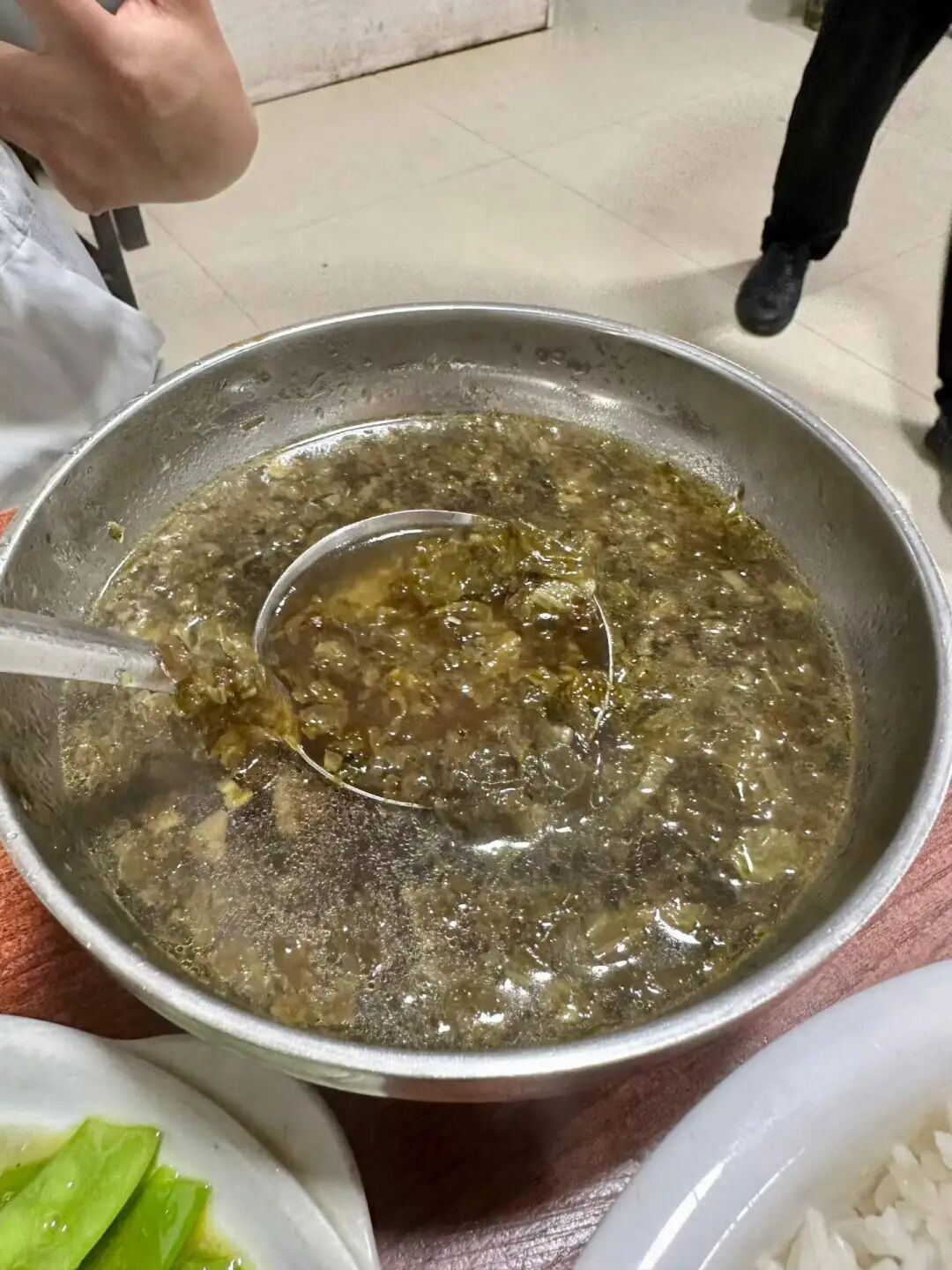
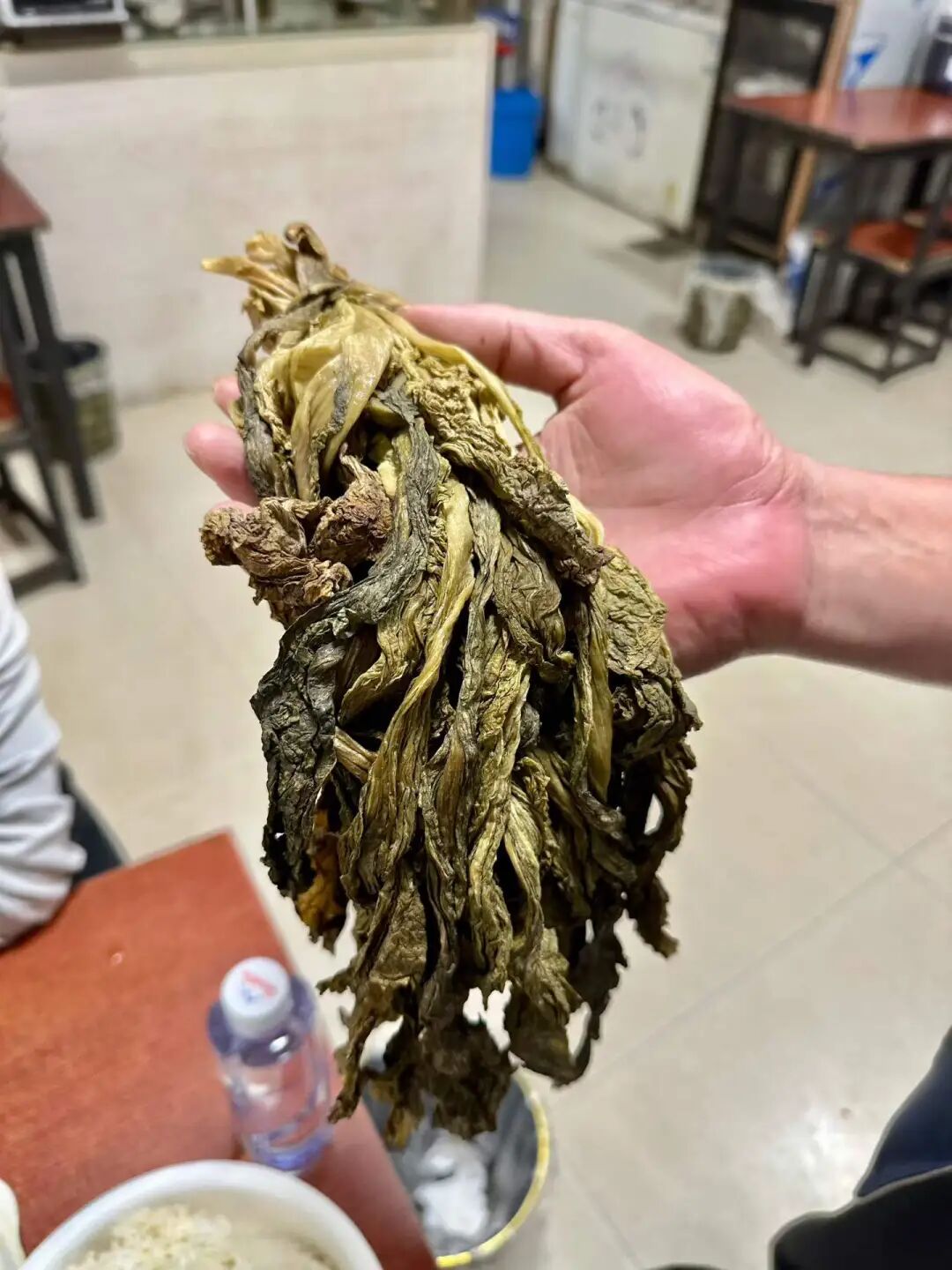
The owner was very talkative and even gave us some pickled vegetable soup for free. Shaoyang pickled vegetables (yancai) are a homemade jarred dish made from bok choy that is dried and then pickled. It is dry, fragrant, and sour. It is perfect with rice when stir-fried with chili and minced meat, and it also makes a great soup. In the end, the owner even gave us two bundles to take home and cook ourselves.
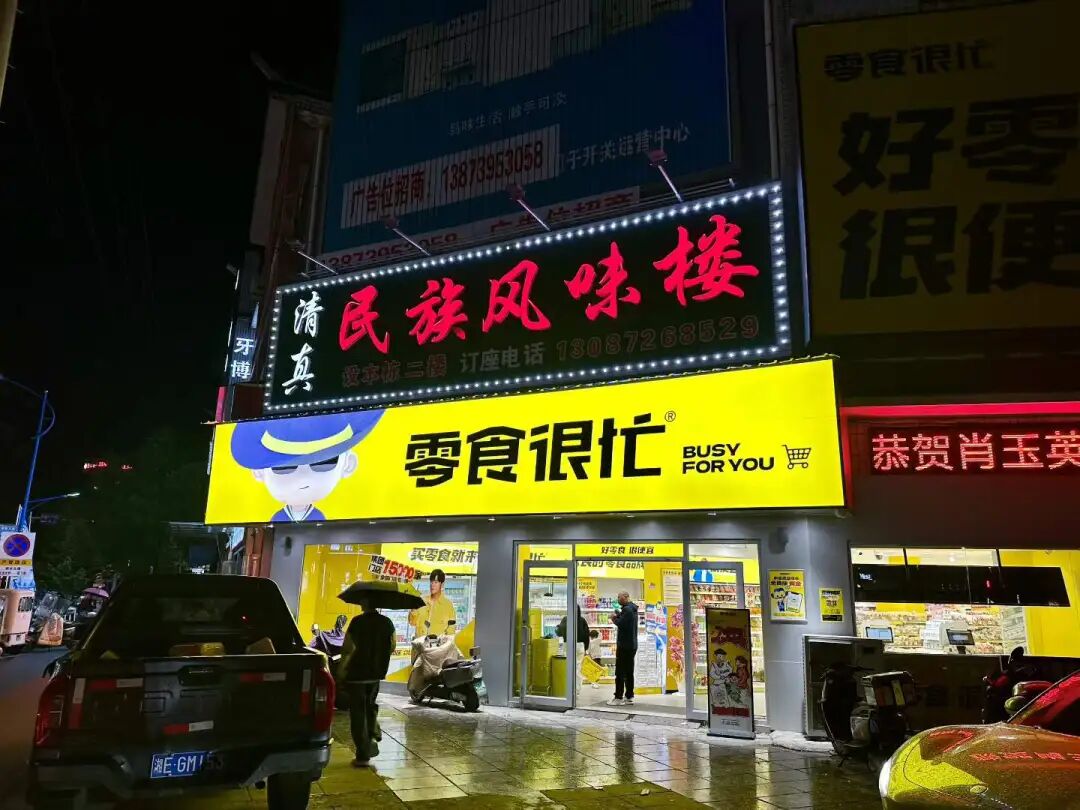
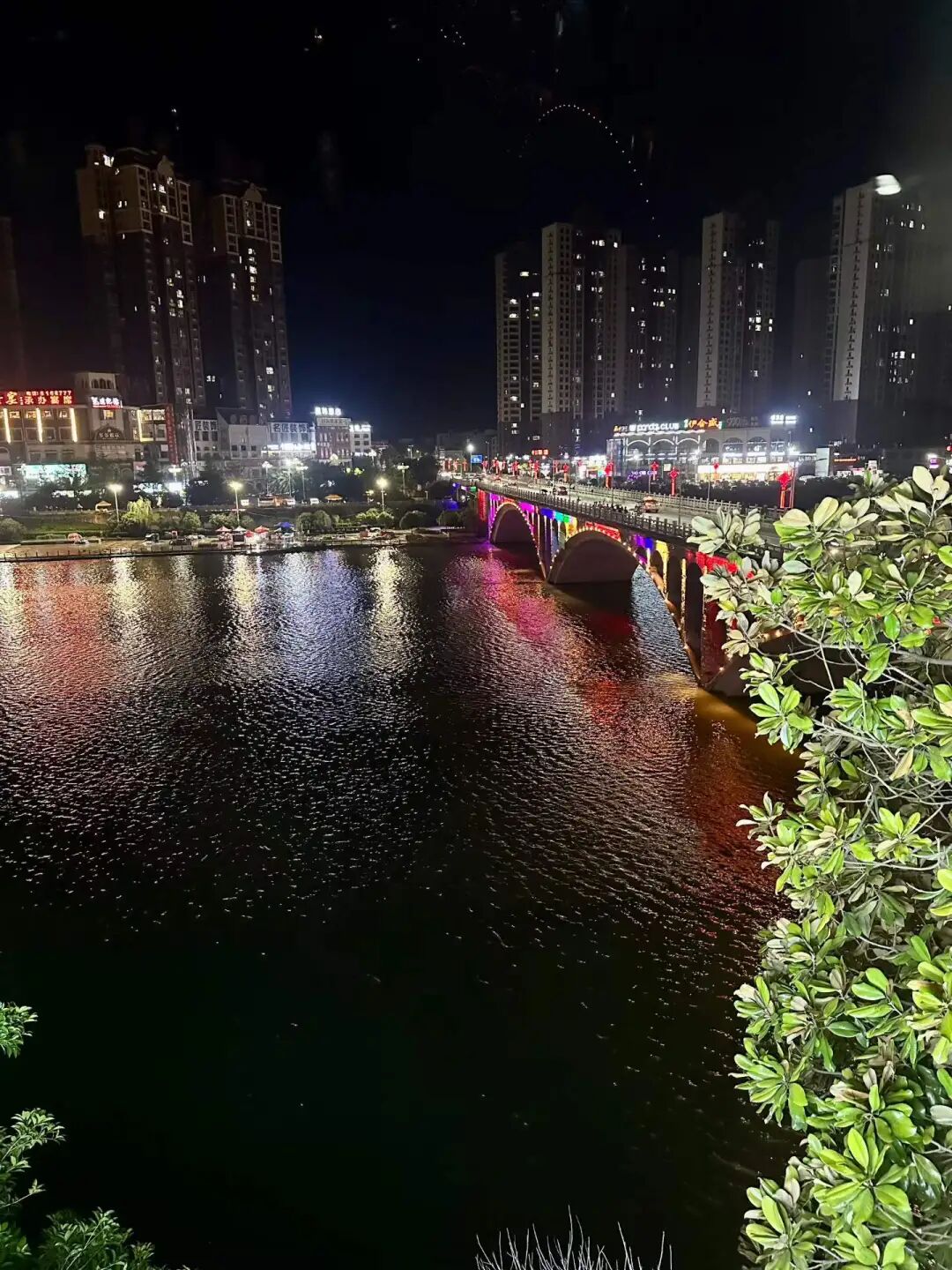
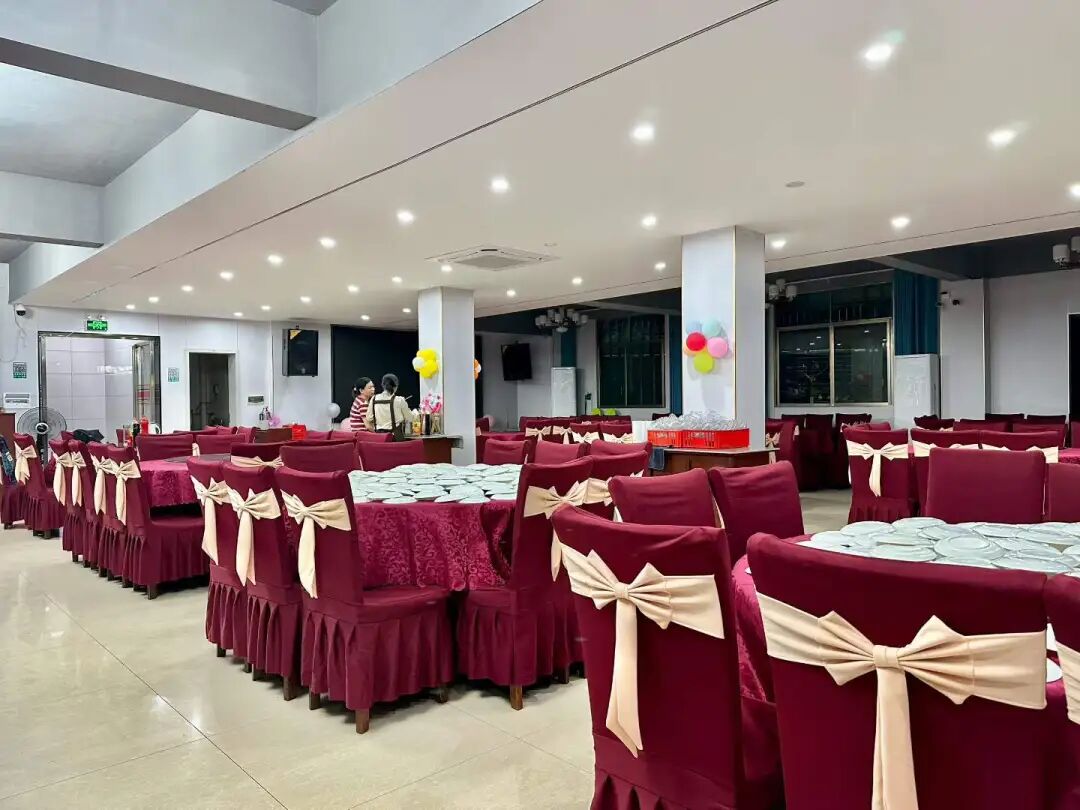
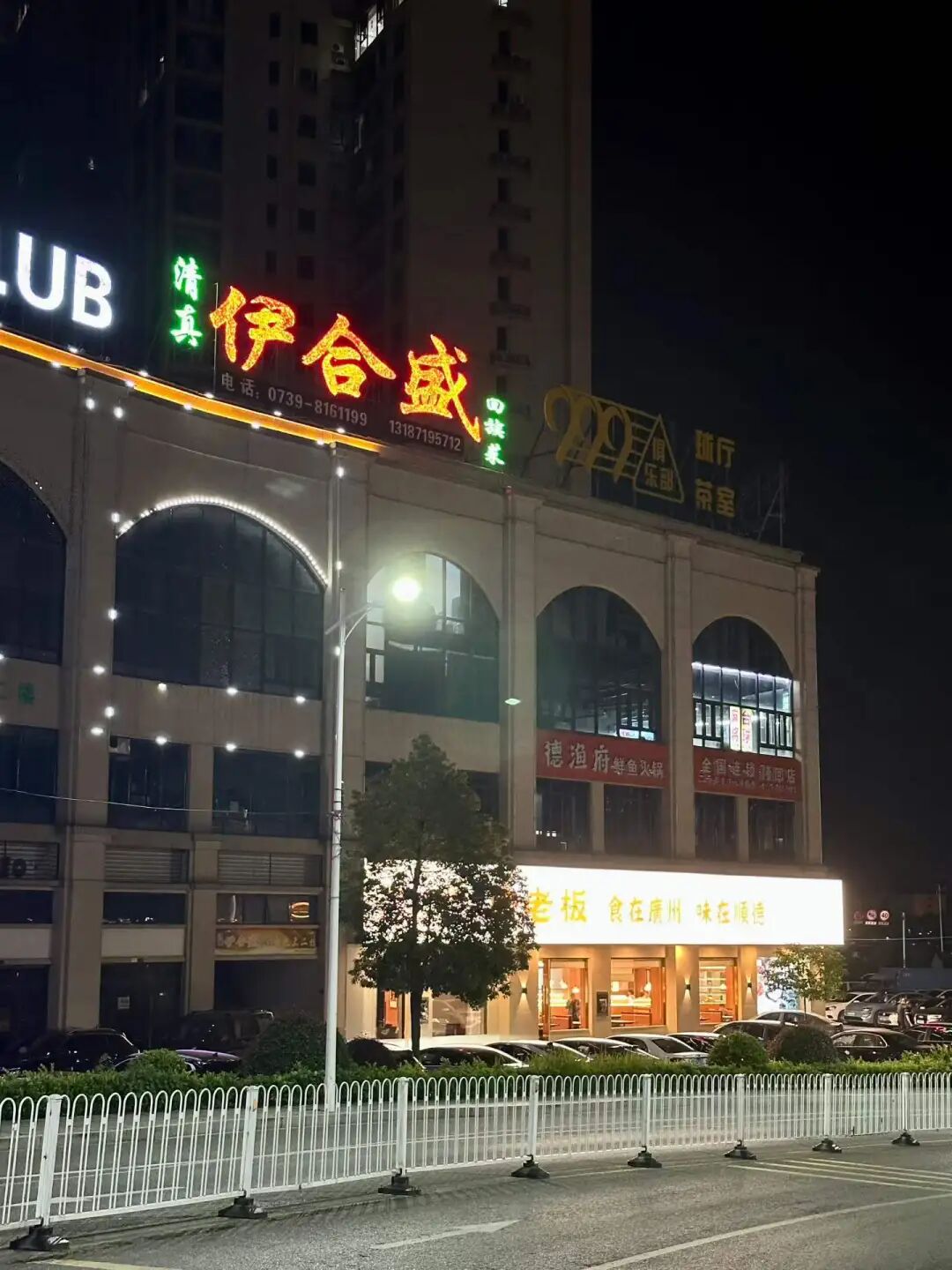
There are four Hui Muslim stir-fry restaurants on both sides of Longhui Bridge. We previously ate at Xiangyijiaren and another Hui Muslim restaurant, which both focus on small stir-fry dishes. The other two, Minzufengweilou and Yihesheng, specialize in banquet meals. We ate at Minzufengweilou this time. It seems to be the main place where Hui Muslims in Longhui host their banquets.
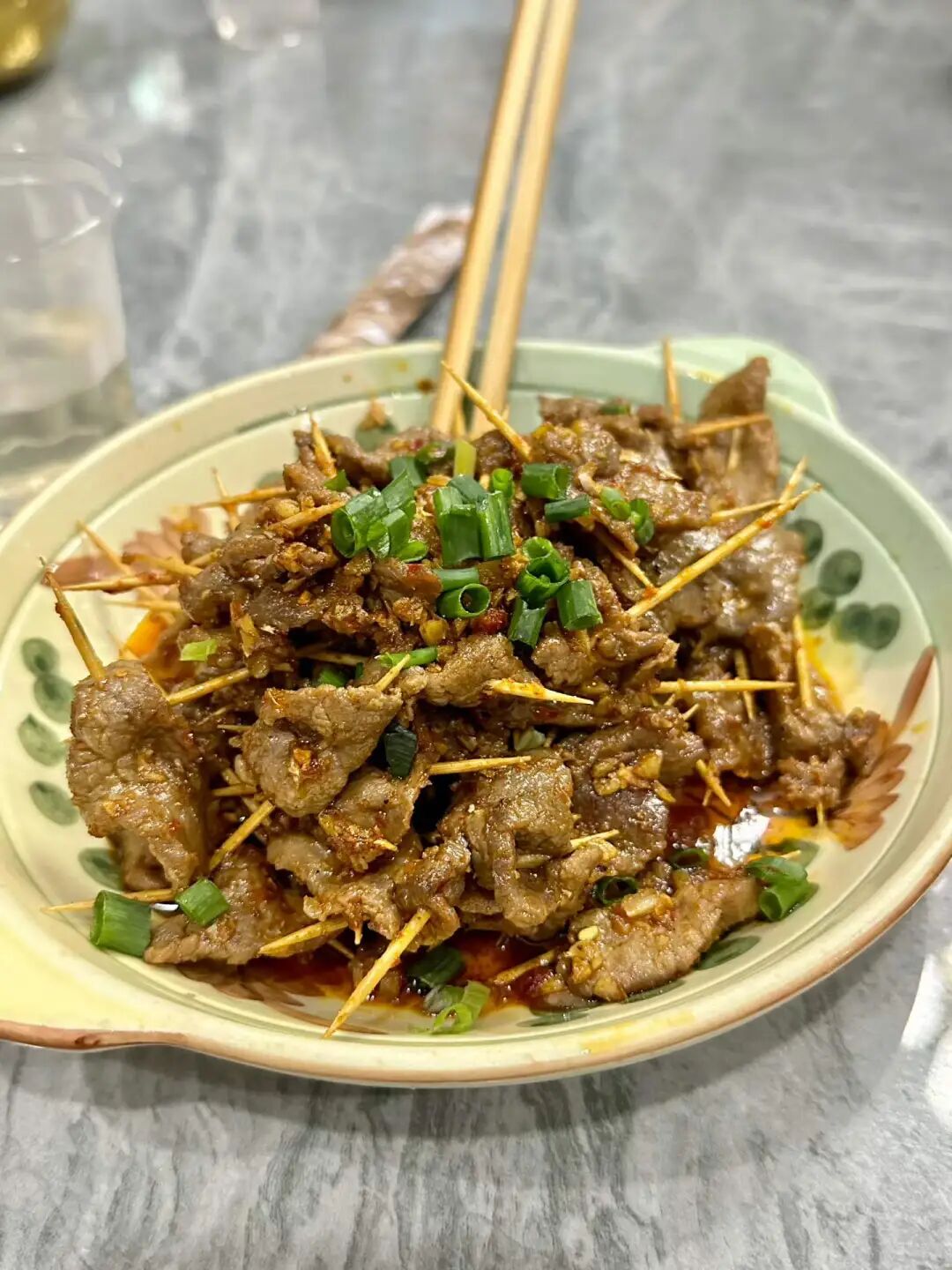
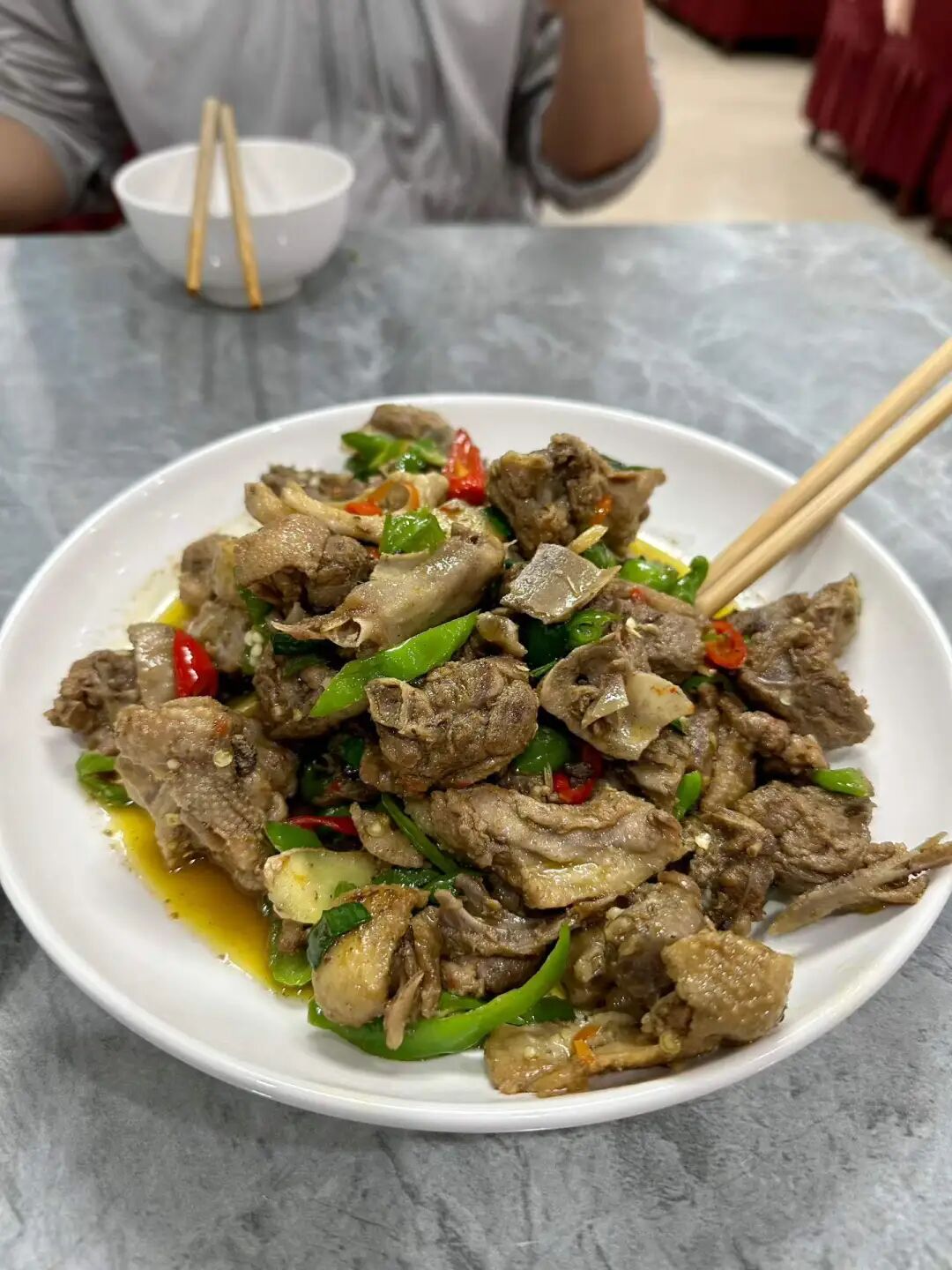
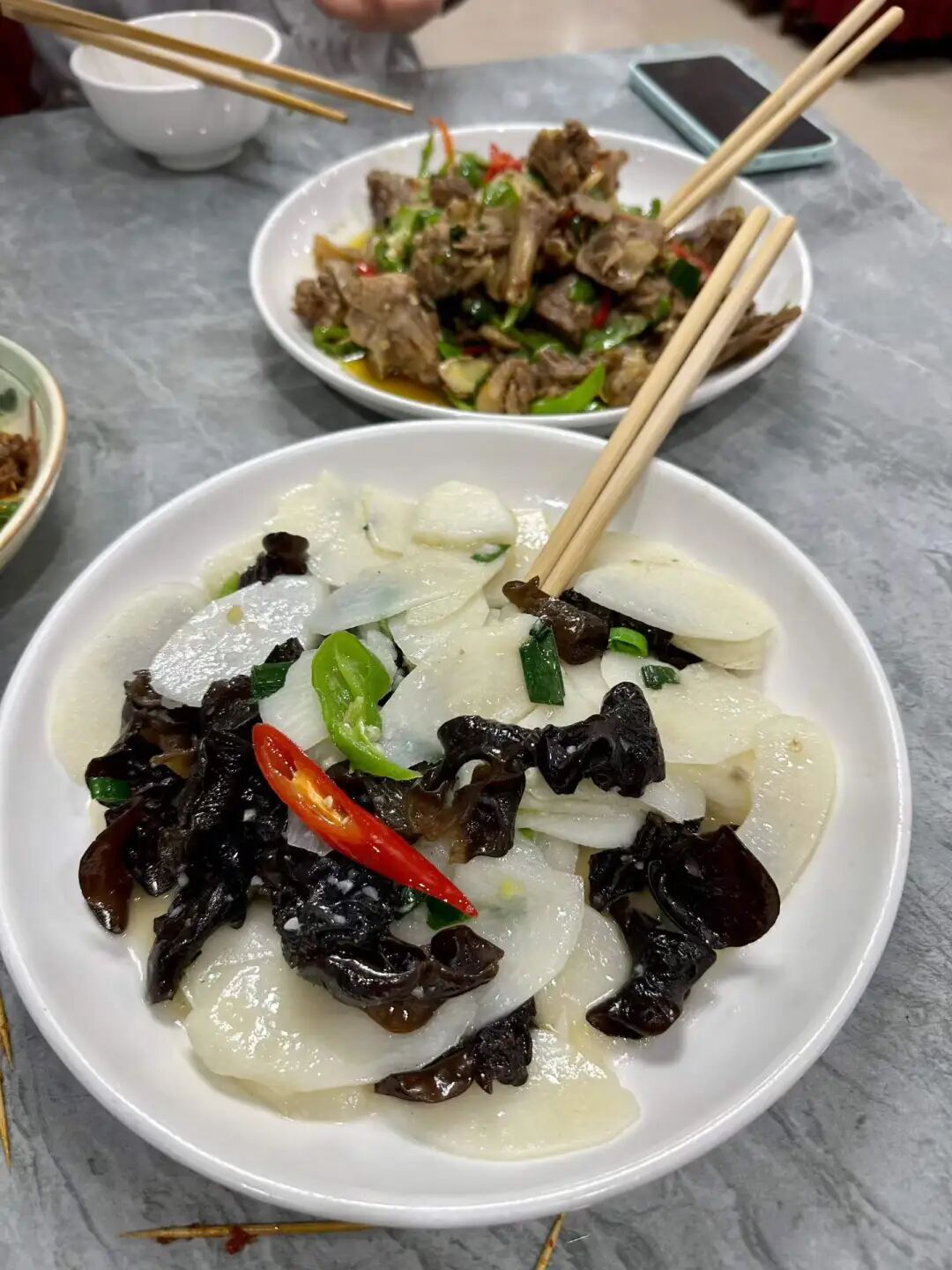
The restaurant has a great view overlooking the river, though it does not get many casual diners on a regular day. We ordered toothpick beef (yaqian niurou), specialty duck (fengwei ya), and yam with wood ear mushrooms (shanyao mu'er). The toothpick beef was quite salty, the specialty duck was delicious, and the yam with wood ear mushrooms was very fresh. It was a pity we still did not get to eat chicken, as you have to order it in advance to have it freshly slaughtered and cooked.
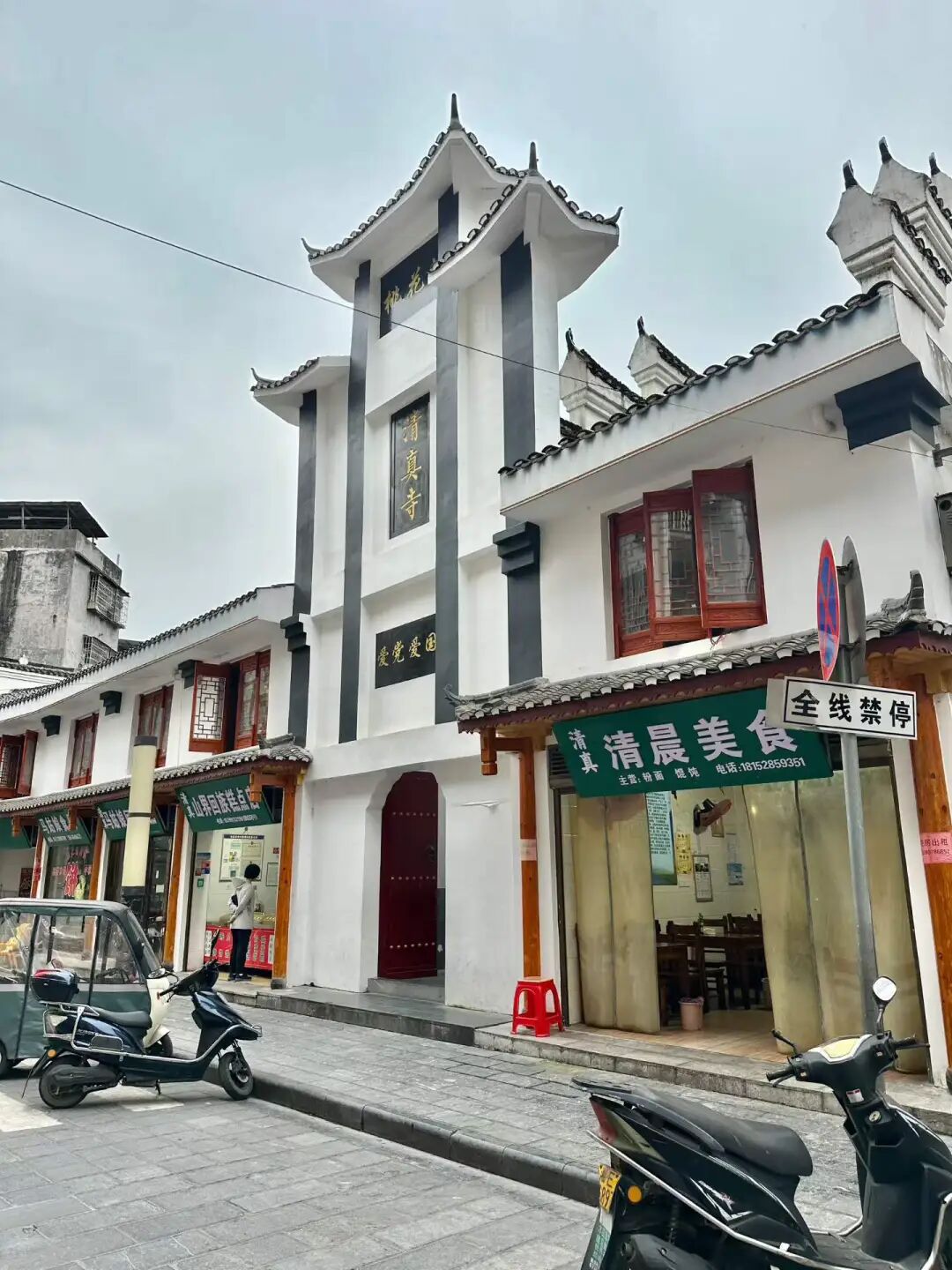
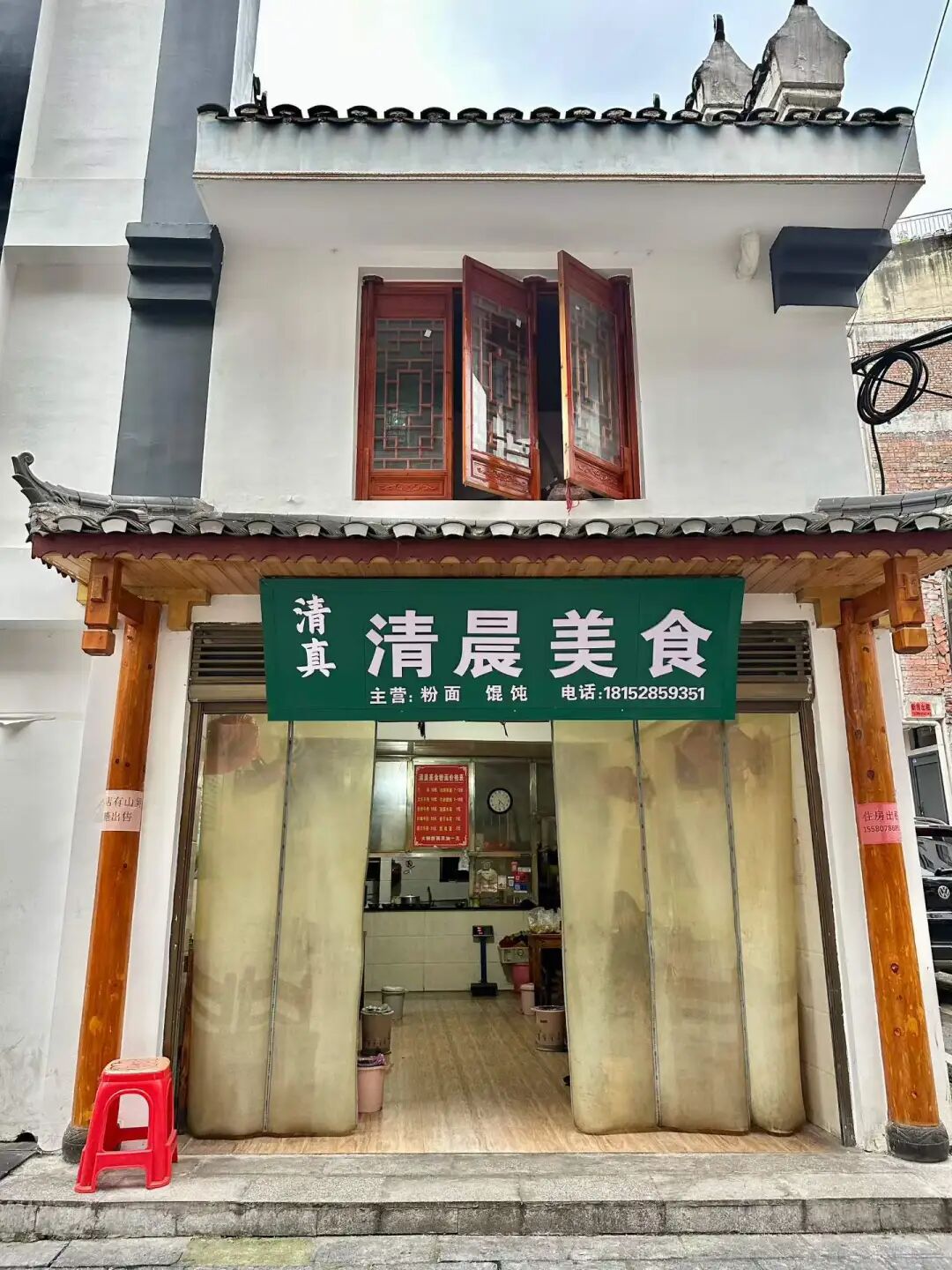
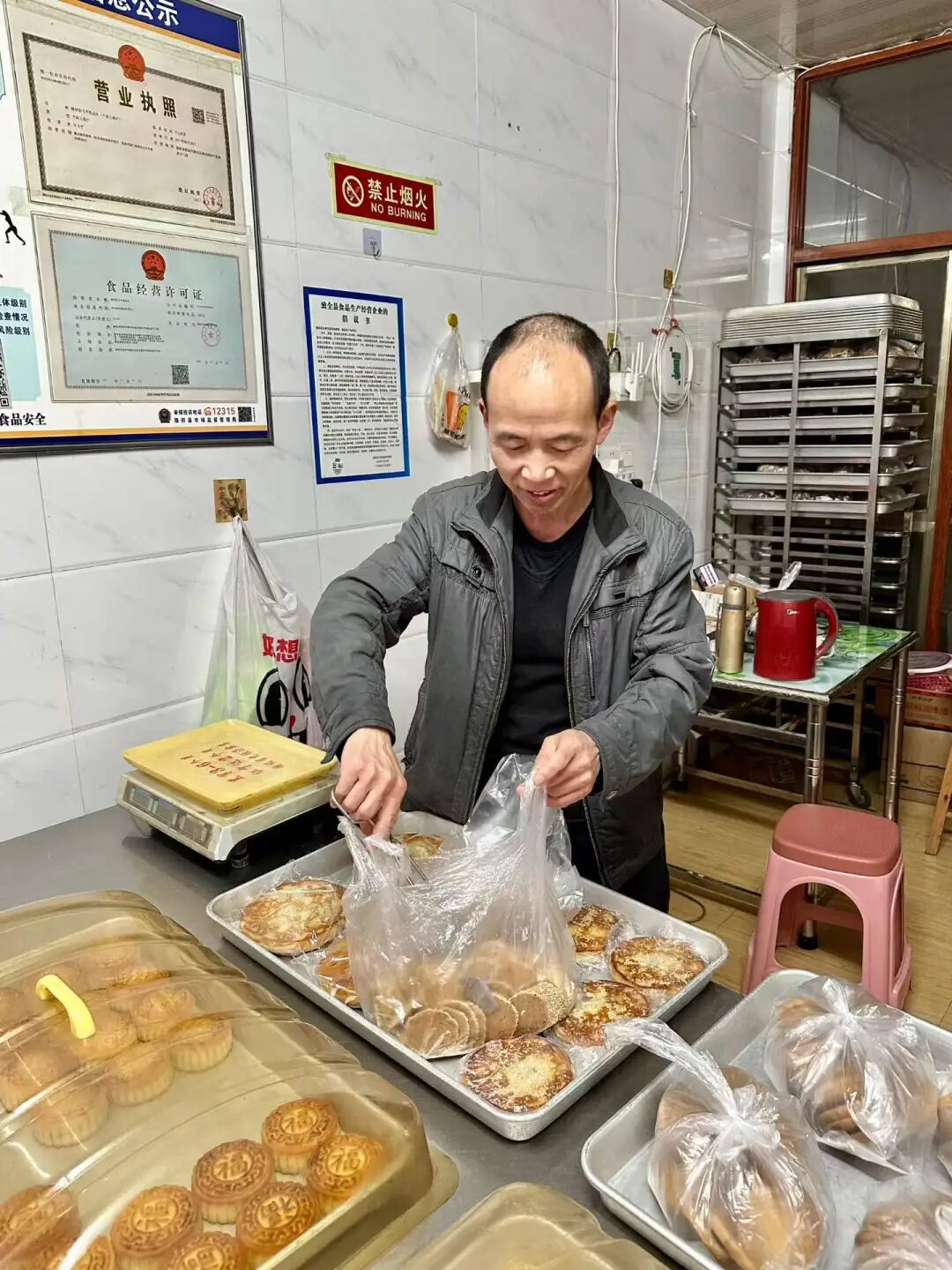
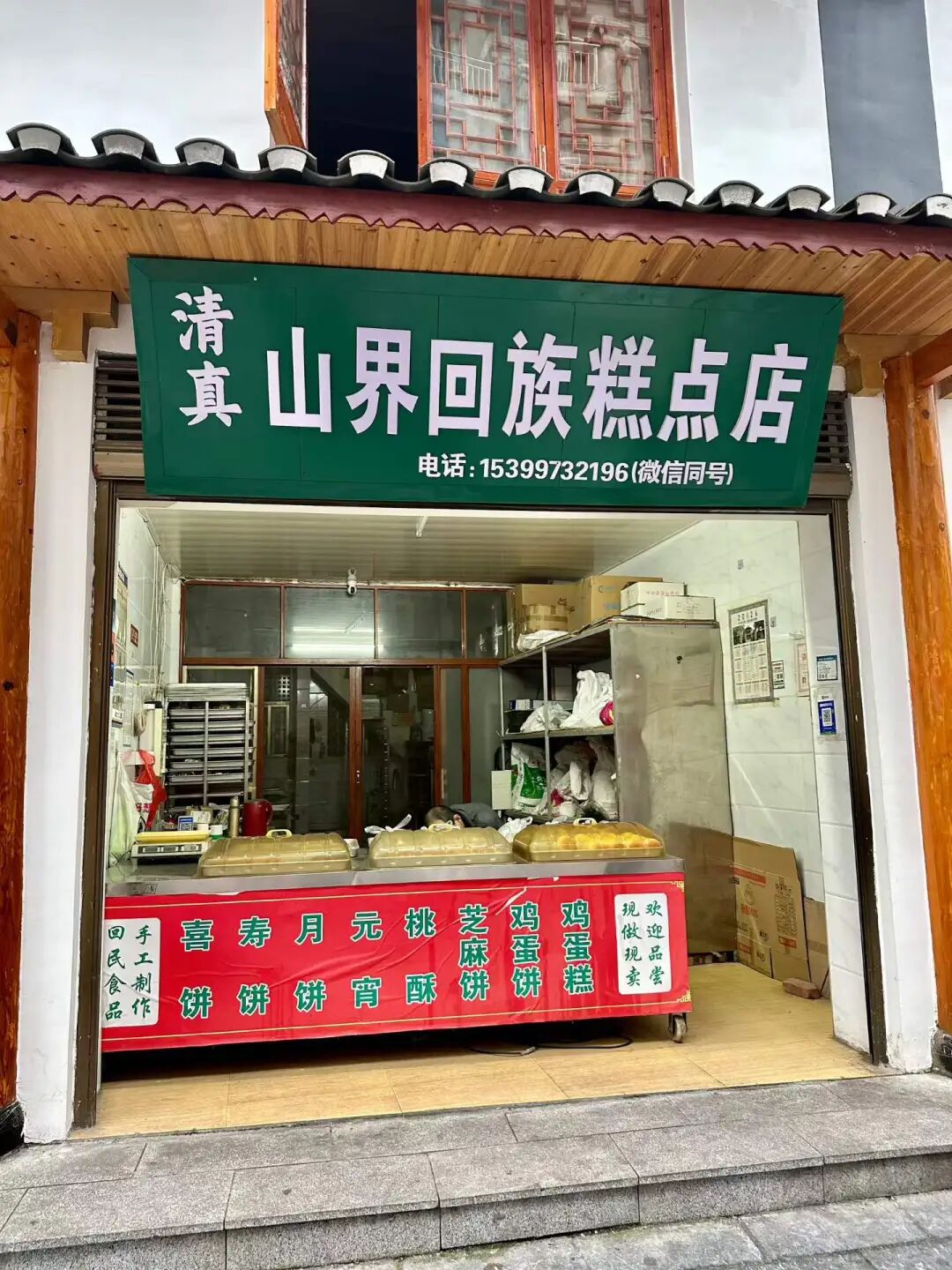
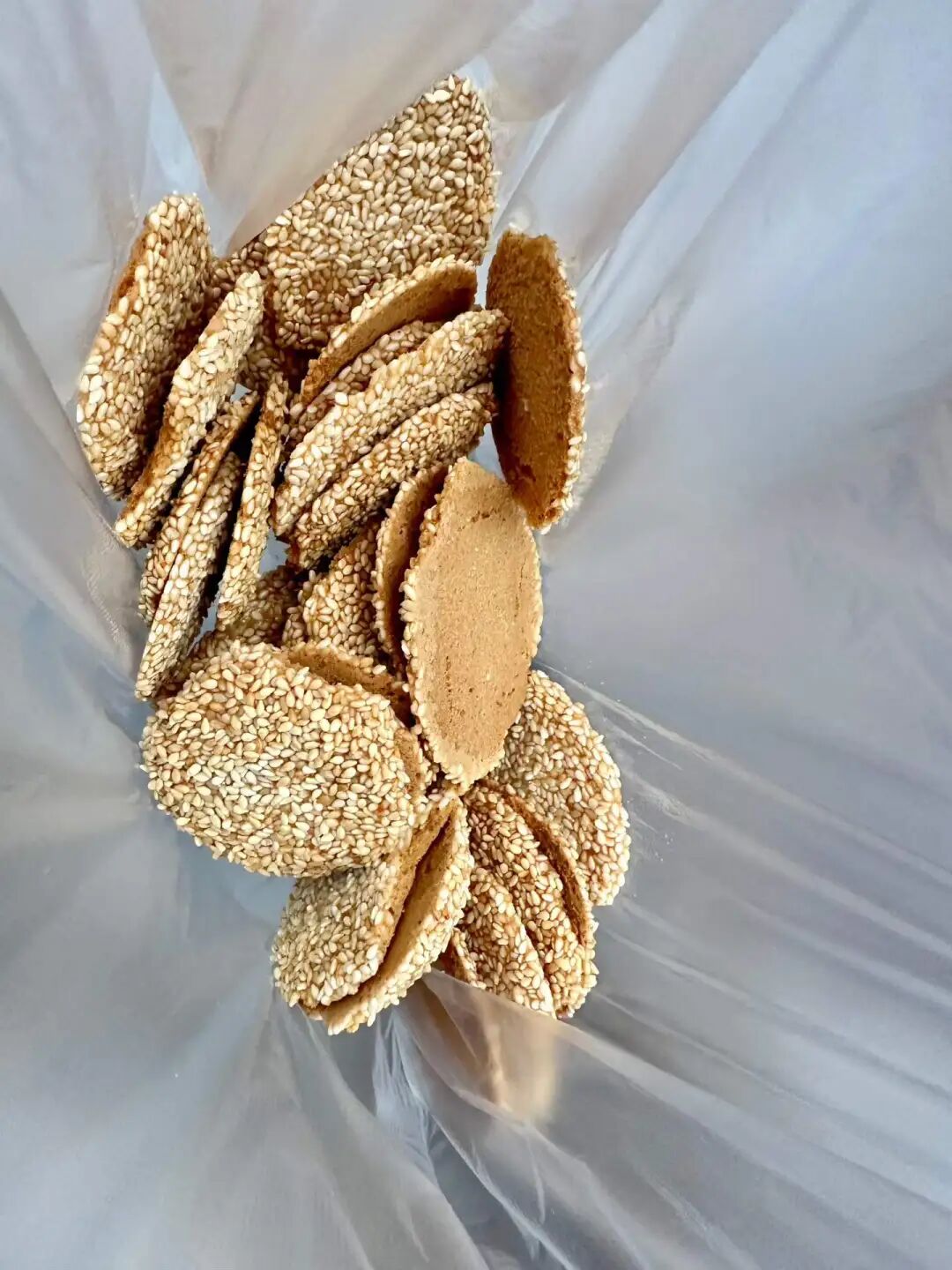
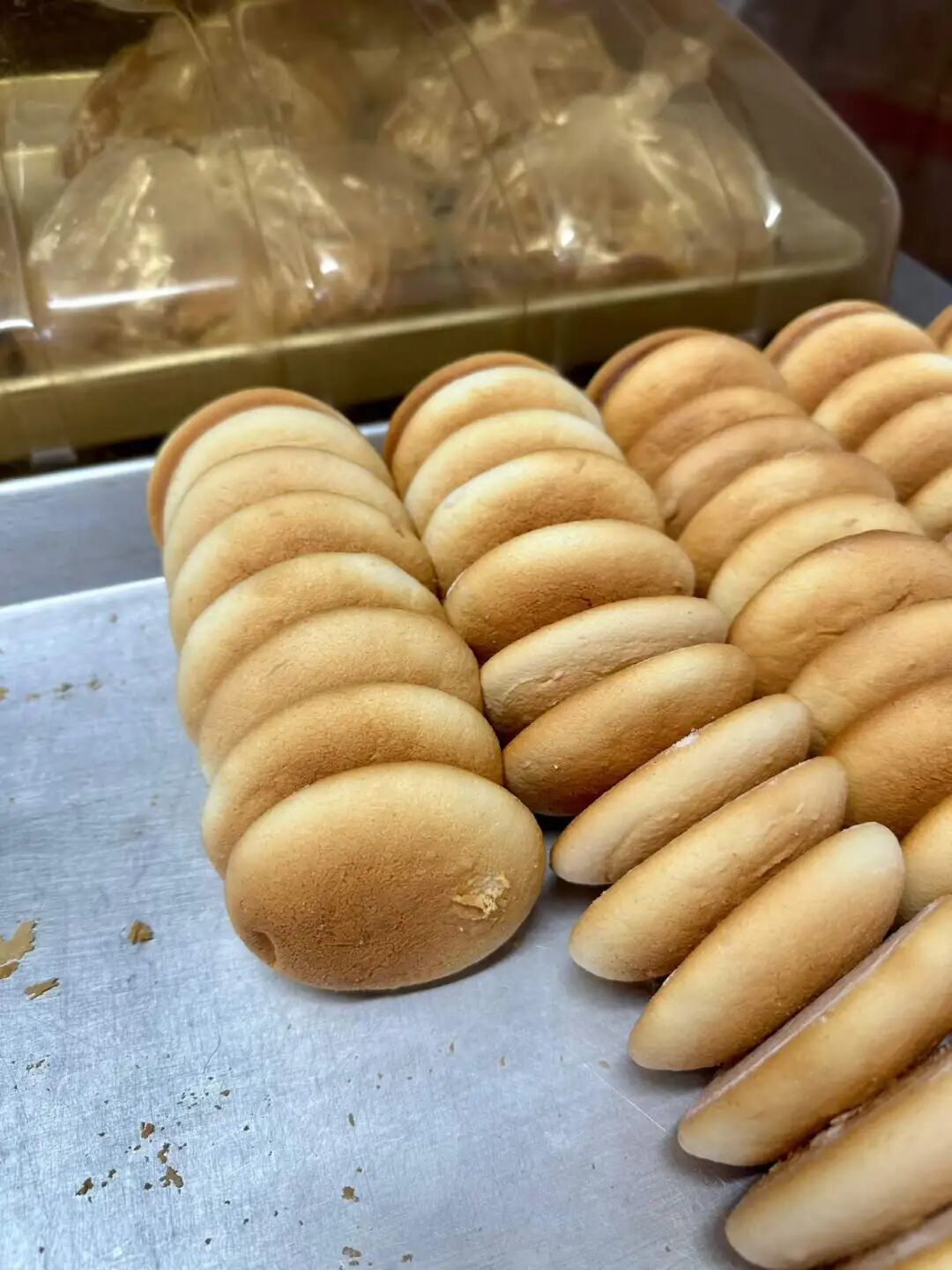
You can find traditional Hui Muslim noodles and pastries at the entrance of Taohuaping Mosque in the county town. This pastry shop is run by Hui Muslims from Shanjie. Their handmade sponge cakes (jidan gao) and sesame flatbreads (zhima bing) are excellent, with authentic milk and egg flavors. Since they contain no additives, you must eat the sponge cakes quickly, and the sesame flatbreads must be kept away from moisture.
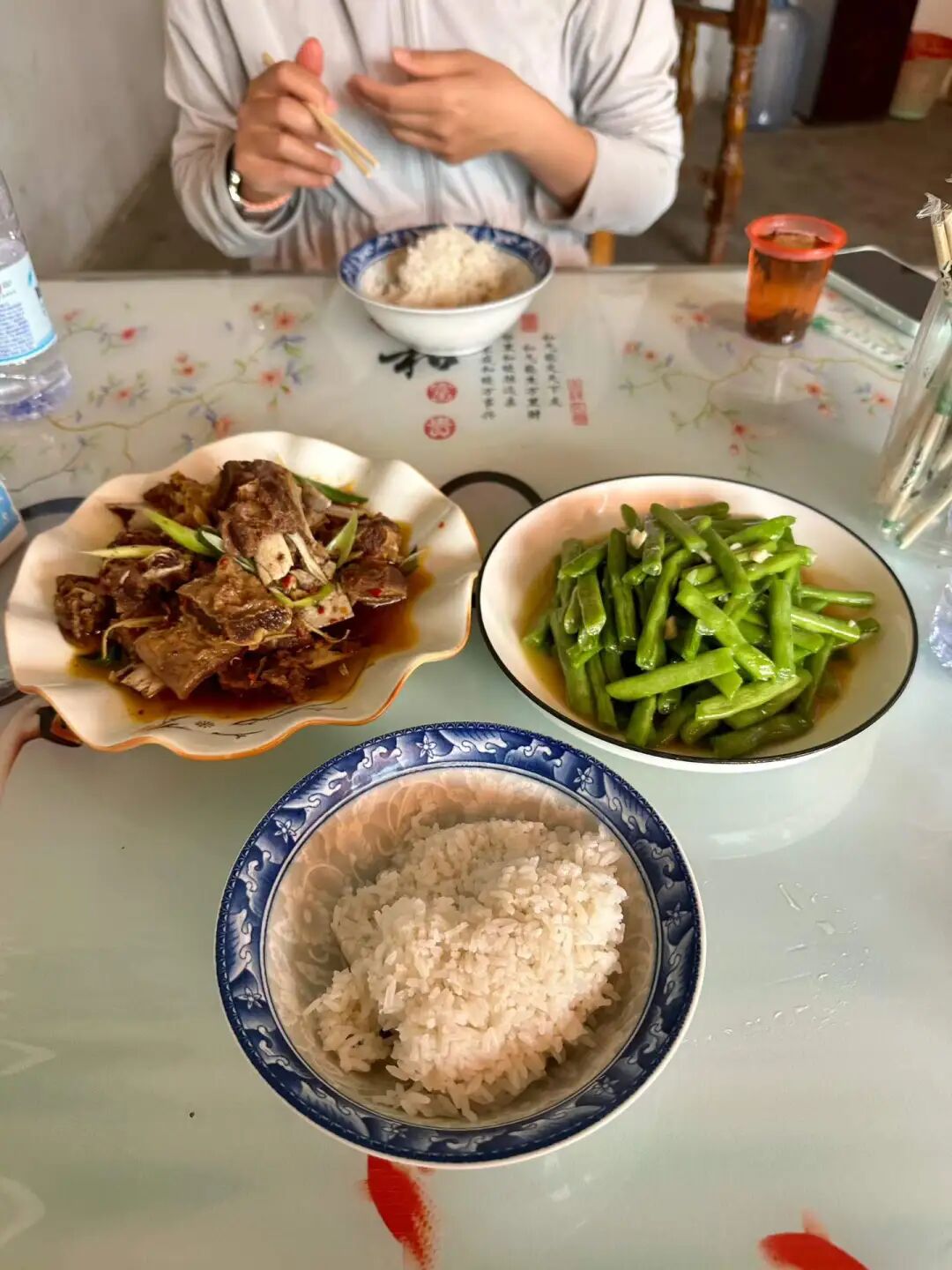
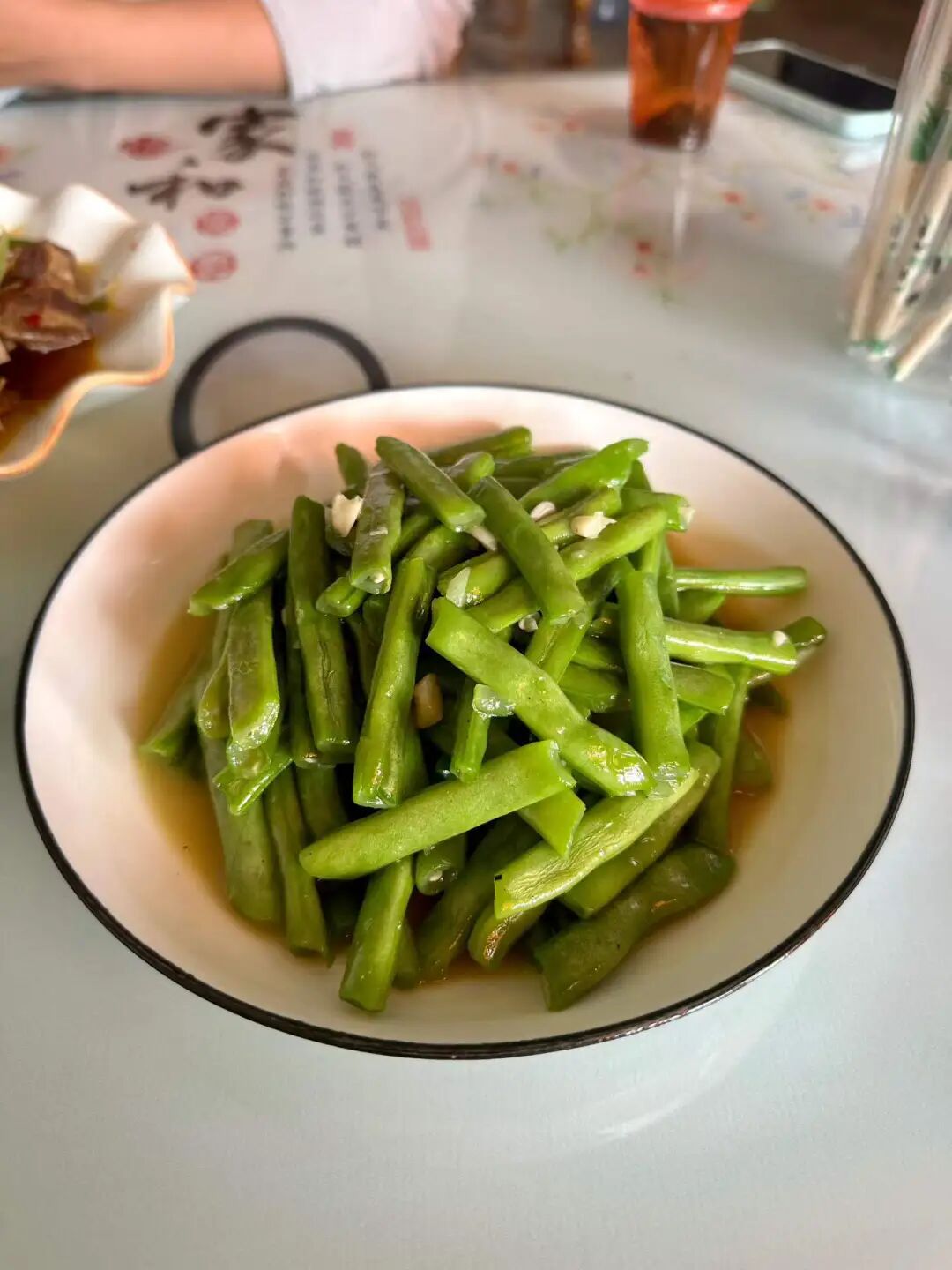
Besides the county town, Shanjie Hui Ethnic Township is also a great place to taste Hui Muslim food. At noon, we ate braised beef steak (hongshao niupai) and vegetable dishes at Laowu Restaurant, located at the entrance of the Shanjie East Mosque. They do not have a menu, so you just discuss what to order directly. The vegetables are all fresh from the field, and you have to order the chicken ahead of time so it can be freshly slaughtered. The steak is cooked in advance, and it tastes just like the kind you make at home.
Summary: This halal food guide to Hunan highlights halal food in China, Hui Muslim food in Longhui, Shaoyang, and local snacks from the original travel account.
This article summarizes the key points of why there is so much Hui Muslim food in Longhui, Shaoyang, Hunan. It keeps the original paragraph and image order. It is for readers interested in Muslim life, Islamic culture, and Chinese Islamic writing, and it helps people search for halal food in China.
Traveling from downtown Shaoyang to Longhui County, you reach the area with the highest concentration of Hui Muslims in Hunan.
The first Hui Muslims to settle in Longhui were those with the surname Ma. The ancestor of the Ma family, Ma Cheng, was originally from Taixing, Jiangsu. During the Zhizheng era of the Yuan Dynasty, he served as the Commissioner of the Privy Council. After the start of the Hongwu era in the Ming Dynasty, Ma Cheng resigned from his official post and moved to Shaoyang, Hunan to settle down. During the Hongwu era of the Ming Dynasty, Ma Cheng's third son, Ma Zhi, moved from Shaoyang to Majia Ferry in Longhui. He became the first Hui Muslim in Longhui, and his family has lived there for over 600 years.
Hui Muslims in Longhui mainly live in Shanjie Hui Ethnic Township, but those who run restaurants and noodle shops are mostly in the Longhui county seat, especially near the south side of Longhui Bridge. If you need a place to stay, the area near Daqiao Road is the most convenient. You can eat noodles at various shops there in the morning.
On our first morning, we ate at the Laoshanjie Hui Muslim Noodle Shop at the entrance of Limin Street. We ordered beef noodle soup with large slices of beef and wood ear mushroom with tofu noodle soup. I really love Shaoyang beef noodles. The broth is rich, spicy, and savory. The beef is well-seasoned, and the thick rice noodles are smooth and chewy. The red chili oil smells amazing. Slurping them down is so satisfying; the more you eat, the more you want. The wood ear mushroom with tofu here is also delicious. It soaks up all the broth and is very flavorful.
When eating noodles in Shaoyang, you cannot miss the mountain pepper oil (shanhujiaoyou). The mountain pepper (shancangzi) has a special scent that is like a mix of mint and lemon, making it cool and refreshing.
The next day, I went to another Hui Muslim noodle shop on Daqiao Road called Lanlan. I had the stir-fried beef rice noodles and beef wontons. I added 2 yuan of tofu and wood ear mushrooms, plus 2 yuan of eggs to both bowls, which made the texture much better. The stir-fried beef rice noodles were rich in beef flavor, and the noodles were smooth and well-seasoned with an authentic spicy kick. The beef wontons had thin skins and plenty of filling, and the meat was firm and bouncy. You can order a small portion if you have a smaller appetite.
At the intersection of Daqiao Road in Longhui, there is a Hui Muslim restaurant called Xiangyijiaren. It is a great place to try authentic Hunan Hui Muslim farmhouse cooking. The owner is a man named Ma from the Dong Mosque in Shanjie Hui Ethnic Township. There is no menu in the shop. They focus on seasonal dishes, cooking whatever is harvested from the fields.
As a Hunan Hui Muslim restaurant, their signature dish is definitely stir-fried yellow beef. We had been eating beef for a few days, so we wanted to try chicken. Unfortunately, at these local Hui Muslim restaurants, you have to order chicken in advance. They go to the village to slaughter the chicken fresh and cook the whole bird. So, we ended up eating river food. The owner recommended stir-fried small fish and shrimp, which were caught from the pond that same day.
The vegetables and rice in the shop are grown by the owner's family. We ordered snow peas (caidou), which were very crisp and tasty, though Hunan vegetable dishes tend to use quite a bit of oil. The owner explained that they grow two rice crops a year in Hunan. The first crop grows with a smaller temperature difference, so the taste is average. The second crop grows with a larger temperature difference, making it more fragrant. The rice in their shop is the second crop they grew themselves.
The owner was very talkative and even gave us some pickled vegetable soup for free. Shaoyang pickled vegetables (yancai) are a homemade jarred dish made from bok choy that is dried and then pickled. It is dry, fragrant, and sour. It is perfect with rice when stir-fried with chili and minced meat, and it also makes a great soup. In the end, the owner even gave us two bundles to take home and cook ourselves.
There are four Hui Muslim stir-fry restaurants on both sides of Longhui Bridge. We previously ate at Xiangyijiaren and another Hui Muslim restaurant, which both focus on small stir-fry dishes. The other two, Minzufengweilou and Yihesheng, specialize in banquet meals. We ate at Minzufengweilou this time. It seems to be the main place where Hui Muslims in Longhui host their banquets.
The restaurant has a great view overlooking the river, though it does not get many casual diners on a regular day. We ordered toothpick beef (yaqian niurou), specialty duck (fengwei ya), and yam with wood ear mushrooms (shanyao mu'er). The toothpick beef was quite salty, the specialty duck was delicious, and the yam with wood ear mushrooms was very fresh. It was a pity we still did not get to eat chicken, as you have to order it in advance to have it freshly slaughtered and cooked.
You can find traditional Hui Muslim noodles and pastries at the entrance of Taohuaping Mosque in the county town. This pastry shop is run by Hui Muslims from Shanjie. Their handmade sponge cakes (jidan gao) and sesame flatbreads (zhima bing) are excellent, with authentic milk and egg flavors. Since they contain no additives, you must eat the sponge cakes quickly, and the sesame flatbreads must be kept away from moisture.
Besides the county town, Shanjie Hui Ethnic Township is also a great place to taste Hui Muslim food. At noon, we ate braised beef steak (hongshao niupai) and vegetable dishes at Laowu Restaurant, located at the entrance of the Shanjie East Mosque. They do not have a menu, so you just discuss what to order directly. The vegetables are all fresh from the field, and you have to order the chicken ahead of time so it can be freshly slaughtered. The steak is cooked in advance, and it tastes just like the kind you make at home.
