
Beijing Halal Food Guide: Moroccan Iftar Snacks and Tunisian Mawlid Sweets at Beiyou
Reposted from the web
Summary: This Beijing halal food guide covers Moroccan iftar snacks, Tunisian Mawlid sweets, halal food in China, and Muslim campus dining at Beiyou.
This article summarizes the key points of the original text about eating Moroccan iftar snacks and Tunisian Mawlid sweets at BUPT. It keeps the original paragraph and image order. It is for readers interested in Muslim life, Islamic culture, and Chinese Islamic writing. It also helps people search for content on Ramadan, history, and Chinese halal food.
Since May, major universities in Beijing have been holding international culture festivals. Last week, I attended the one at Beihang University (tasting food from the smallest African country at Beihang), and this week I went to the one at BUPT. A friend (dosti) asked how to find this information. I just browse online platforms often and follow the news when I see it.
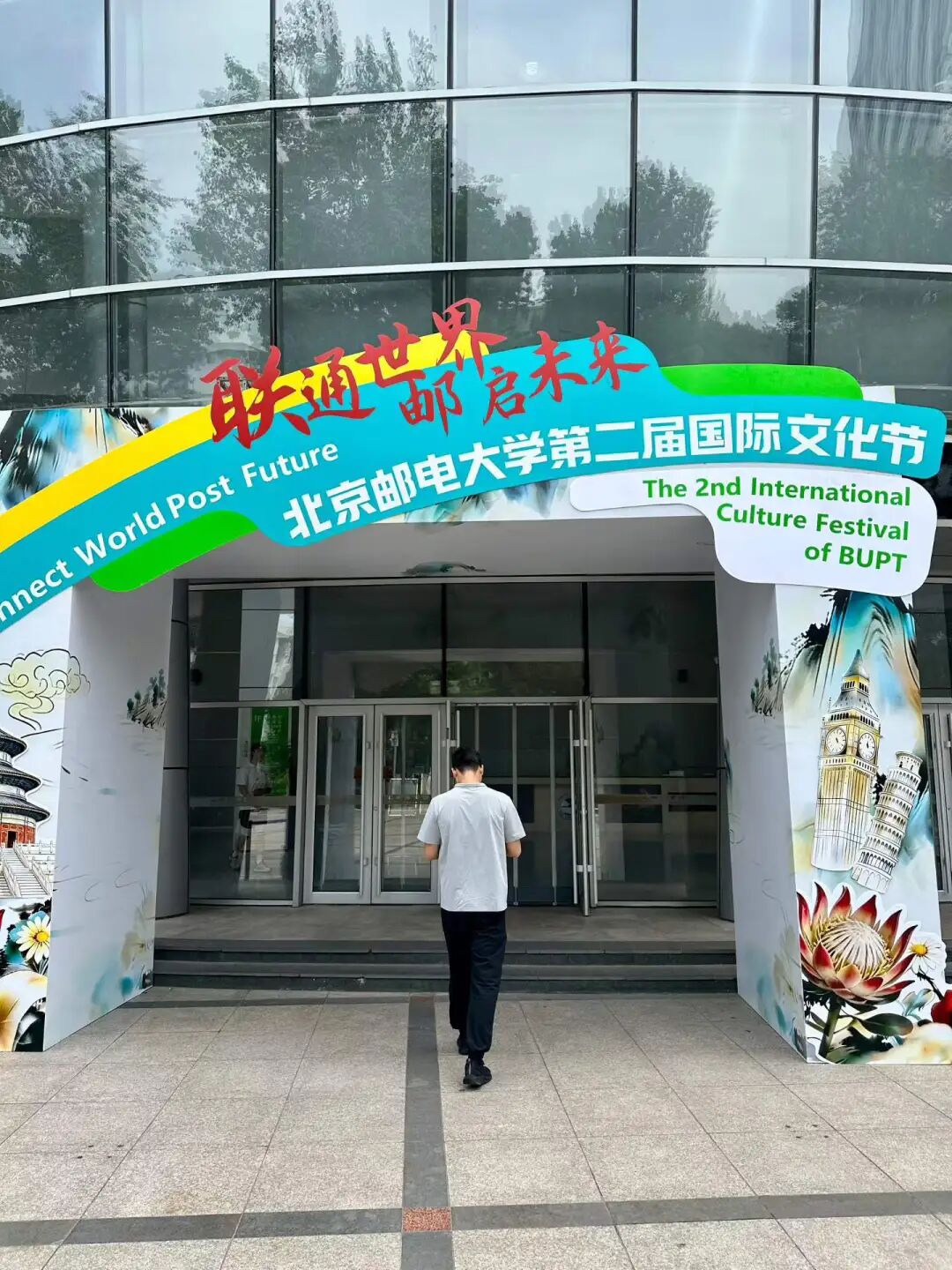
The BUPT international culture festival was held in the gymnasium, and the temperature was very pleasant. Although it was not very large, many stalls had special foods that are usually hard to find in Beijing.
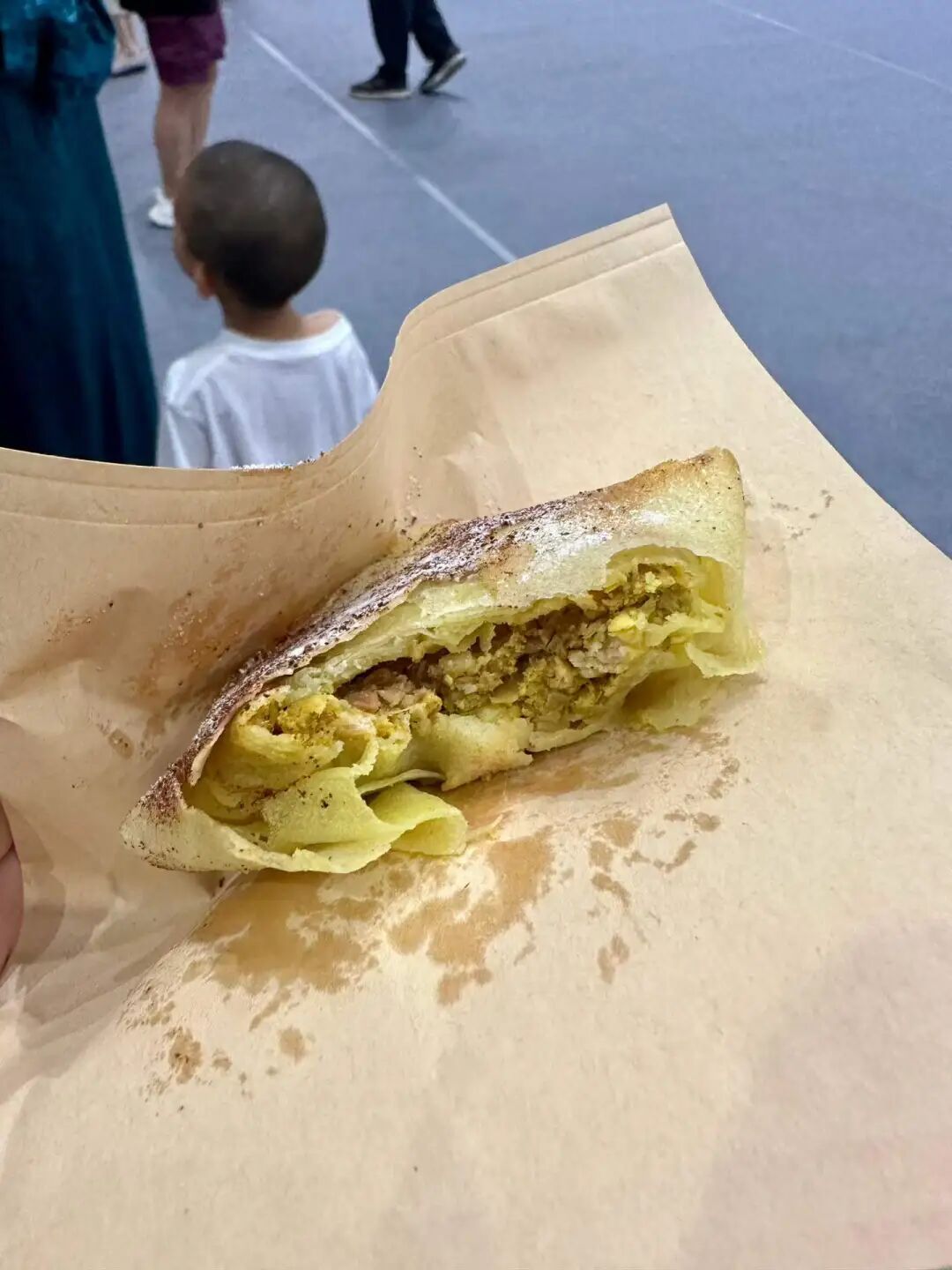
First, I ate Moroccan chicken pie (bastilla) and small pancakes (baghrir). Beijing has not had Moroccan food for many years since the owner of the Camel Caravan restaurant on Guanghua Road left in 2020. I previously ate at a place in Guangzhou, and this time I finally had it again in Beijing.
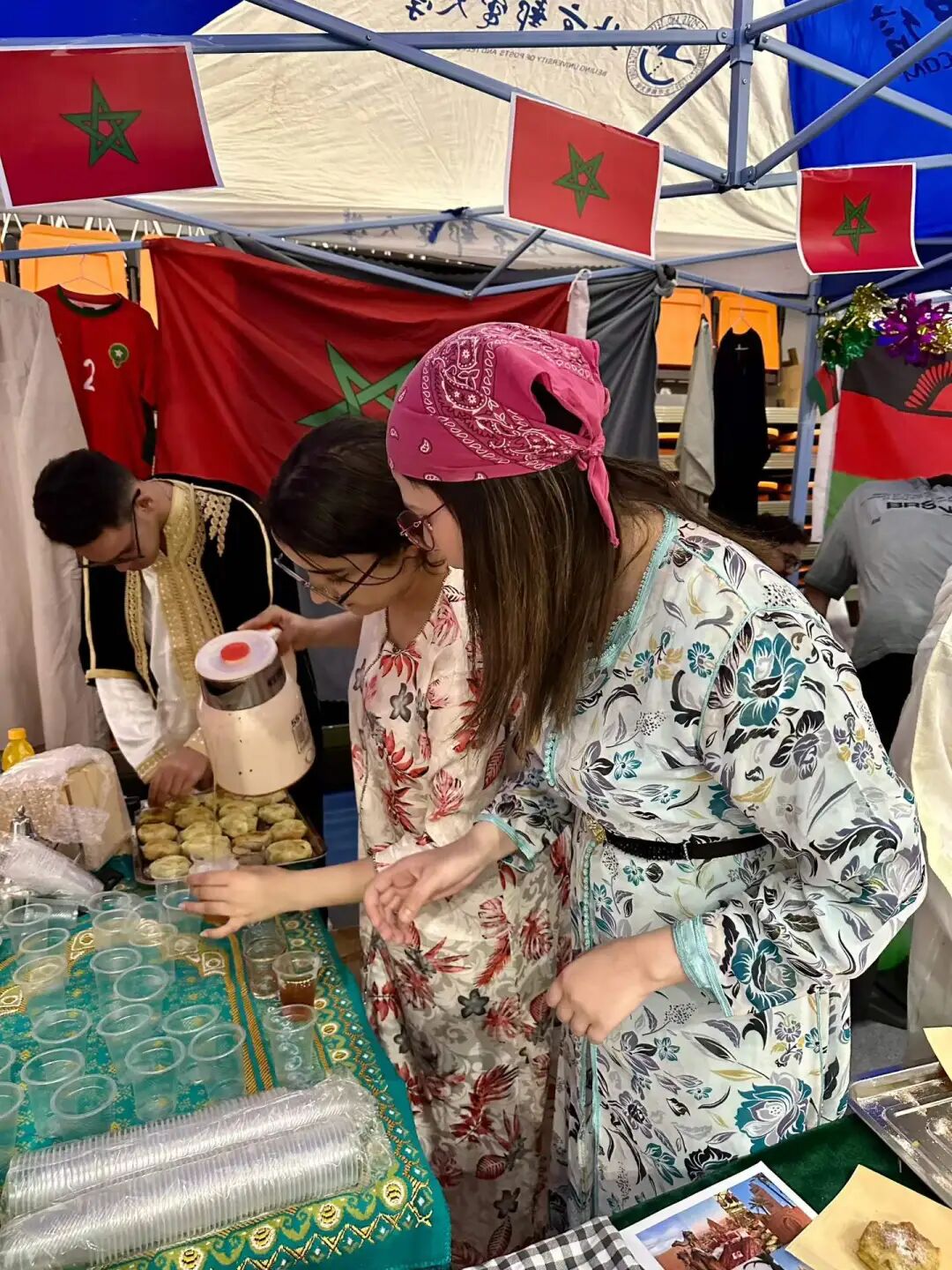
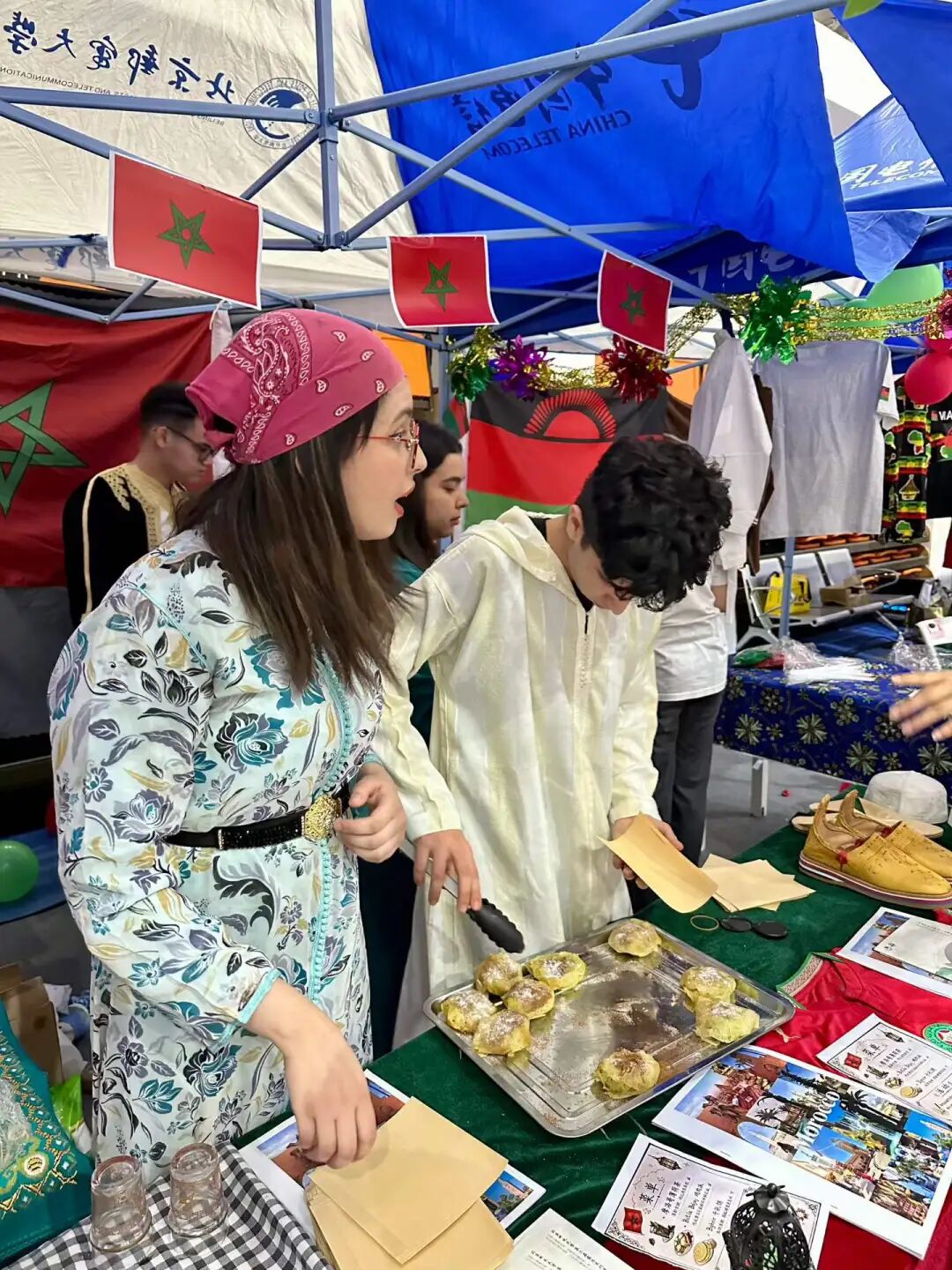
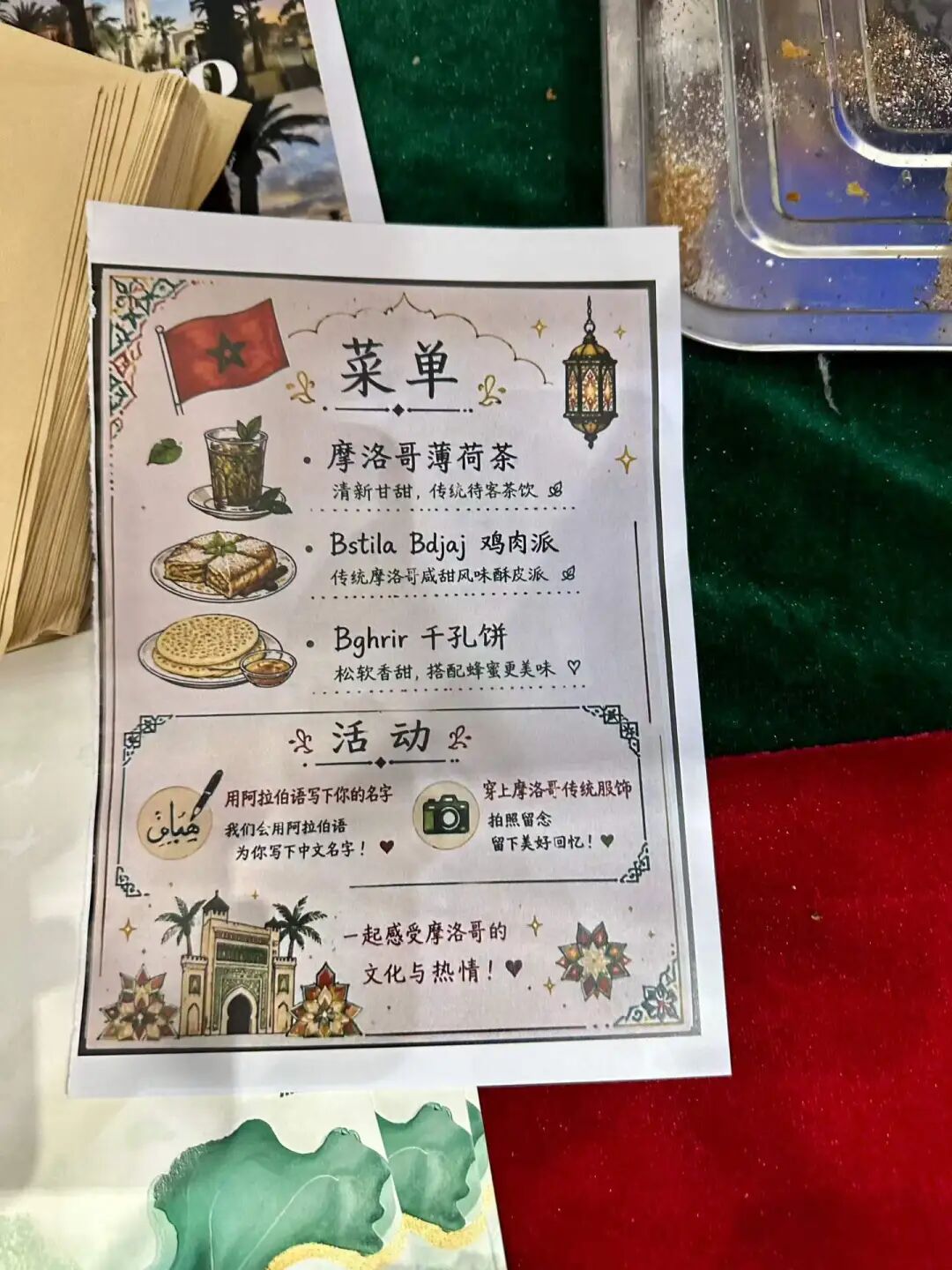
There are many theories about the origin of bastilla. It is generally believed to have originated in the Ottoman Empire. After the French invaded Algeria in 1830, Algerian immigrants brought it to northern Morocco. To this day, many people in northern Morocco still consider this dish to be Turkish. In Morocco, bastilla usually comes with three types of fillings: pigeon, chicken, and seafood. The chicken filling is salty, fragrant, crispy, and layered. Before cooking, the chicken is stewed until soft with various spices including chopped onions, parsley, and saffron. Then it is deboned and shredded, and eggs are added to the thick chicken broth to make a sauce.
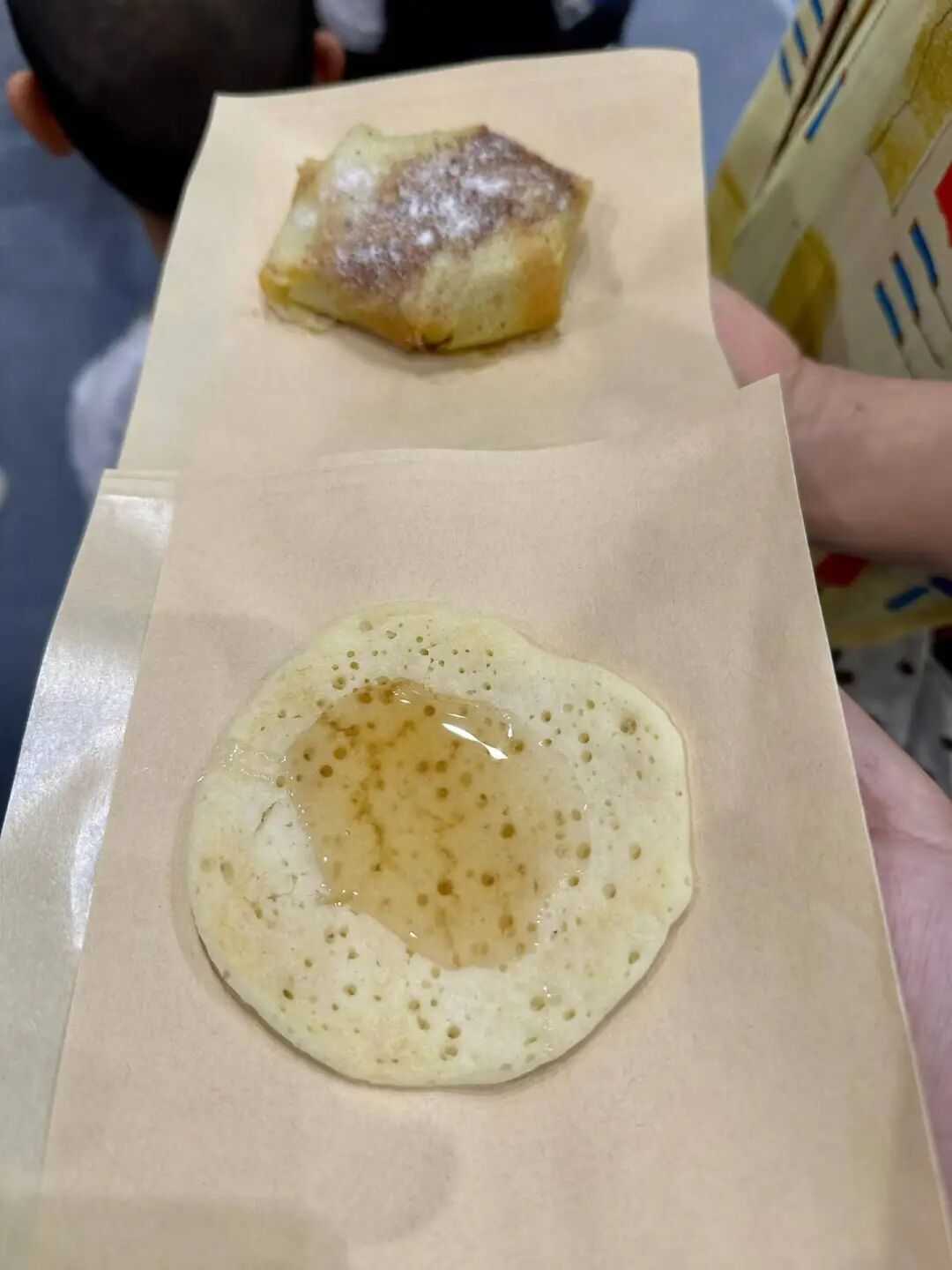
Baghrir is made with semolina and is full of tiny holes. Algerians and Moroccans like to soak them in honey and butter. It is a classic iftar snack.
Then I ate Tunisian steamed semolina (couscous), Fatma's fingers spring rolls (swabaa fatma), and Mediterranean pine pudding (assidat zgougou). The Tunisian stall had the widest variety of food this time.
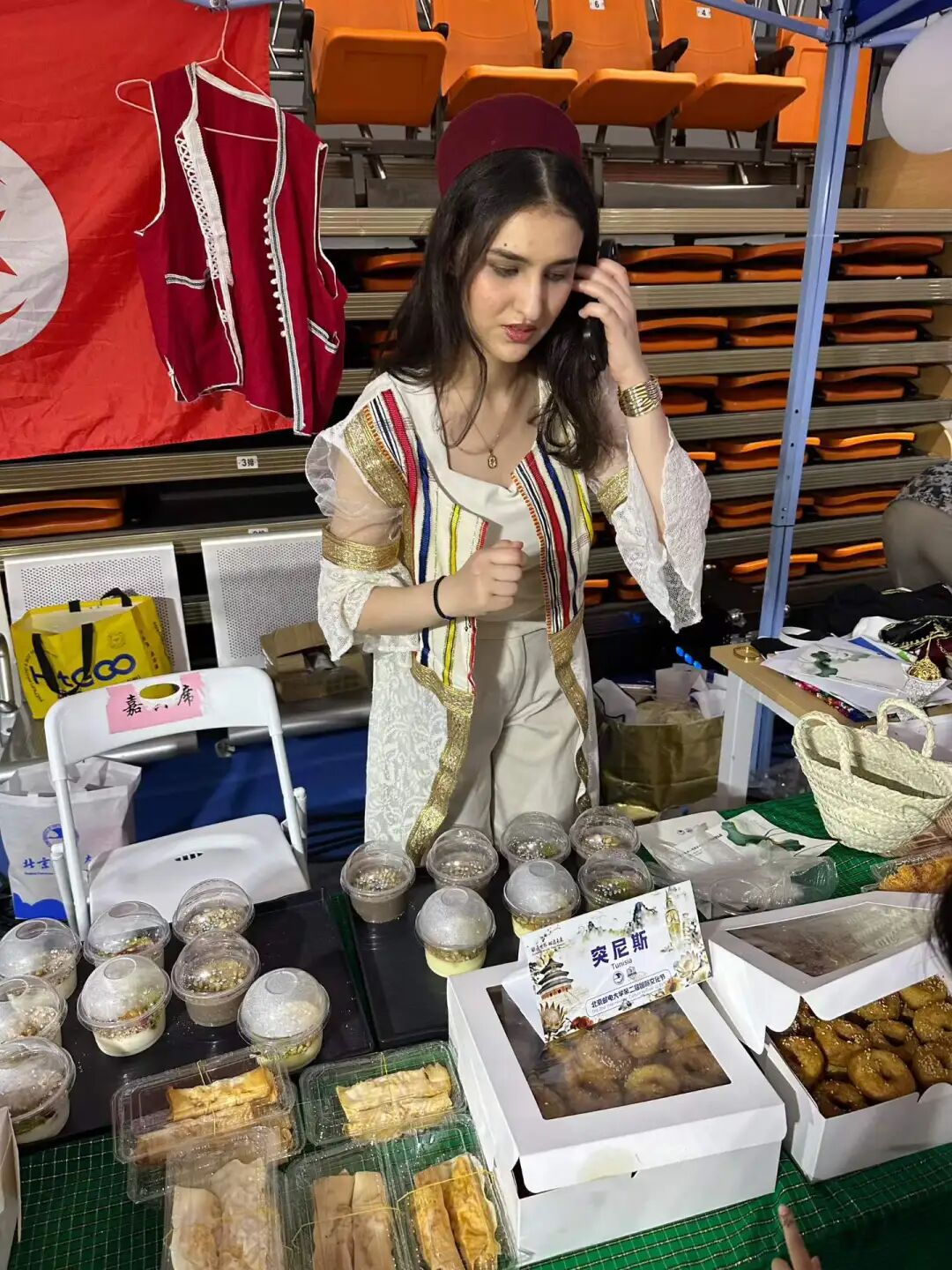
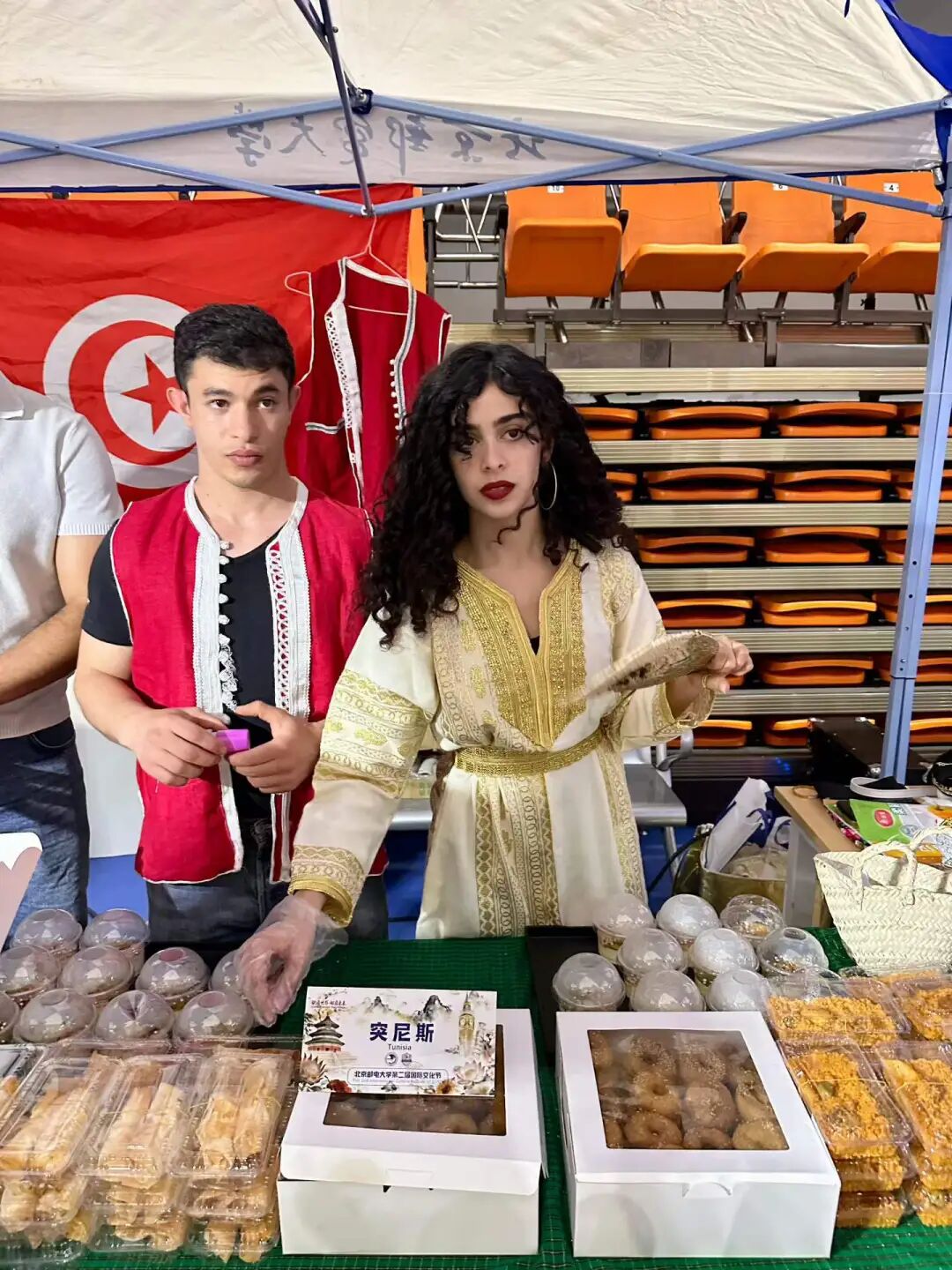
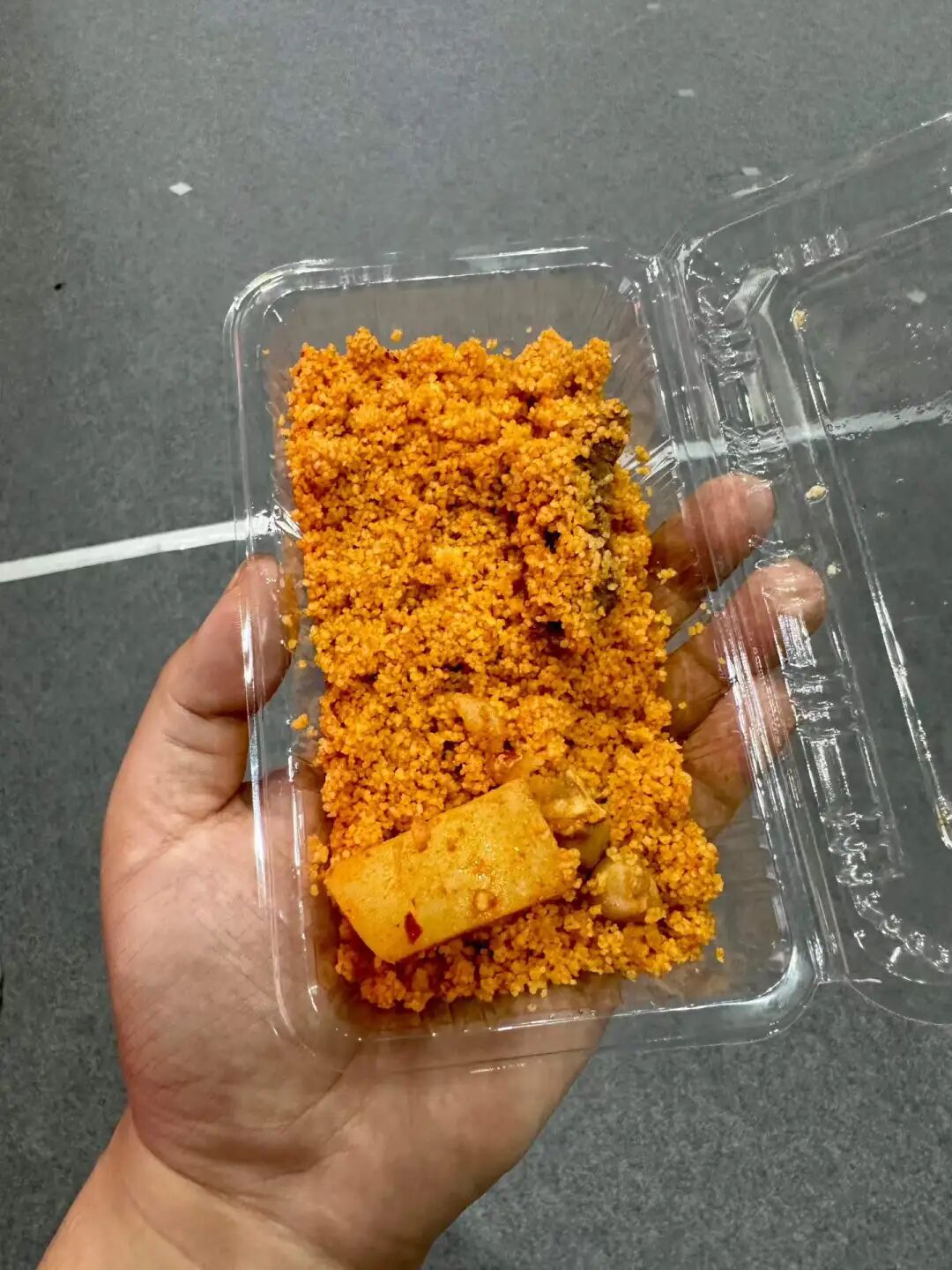
Steamed semolina (couscous) is the national dish of Tunisia, and I ate it almost every day when I visited Tunisia before.
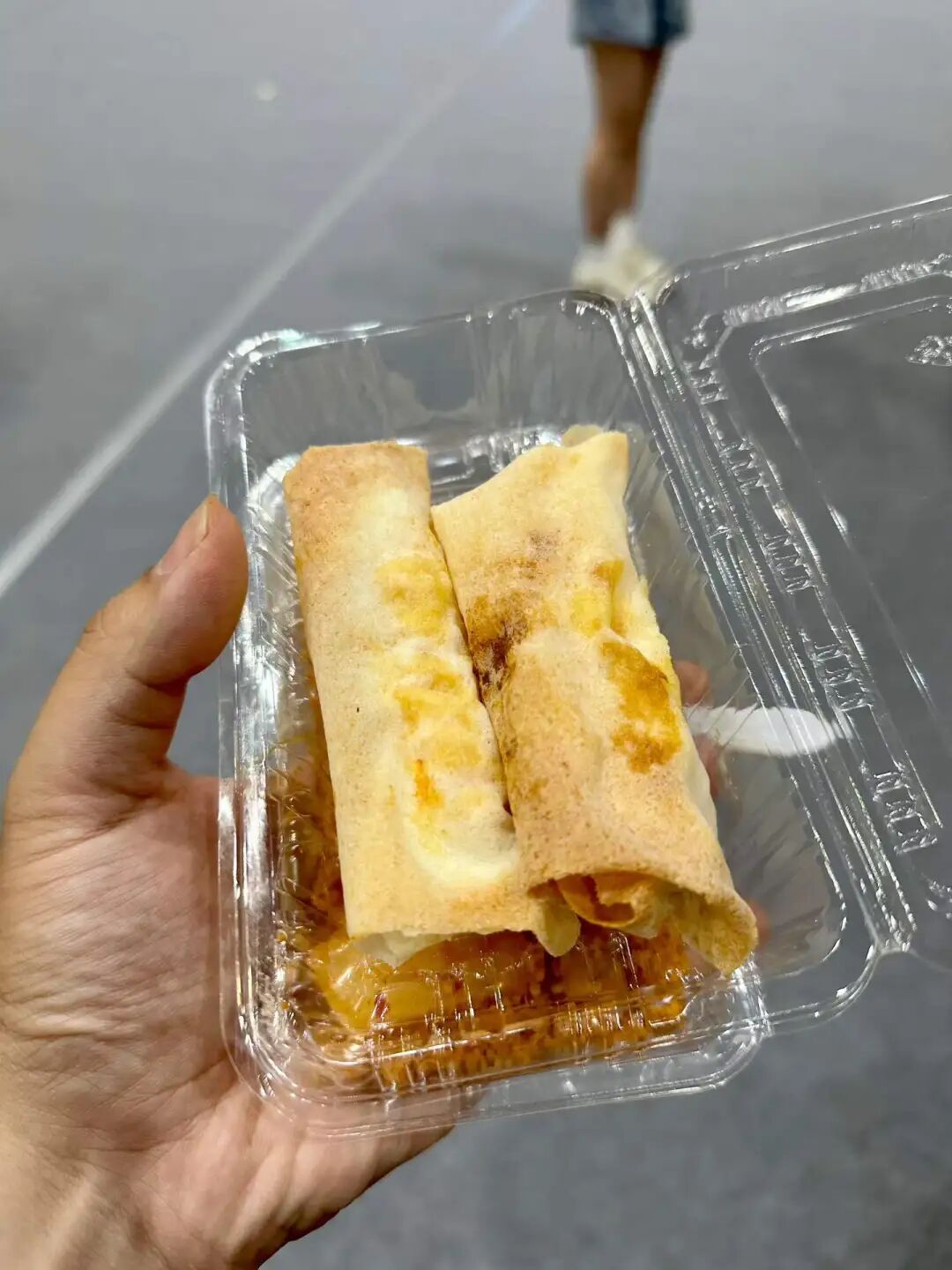
Fatma's fingers (swabaa fatma) are a classic Tunisian snack for breaking the fast. They are fried spring rolls made with thin pastry (malsouka) and filled with ground beef, shrimp, or minced tuna, with options to add mashed potatoes, eggs, and cheese.
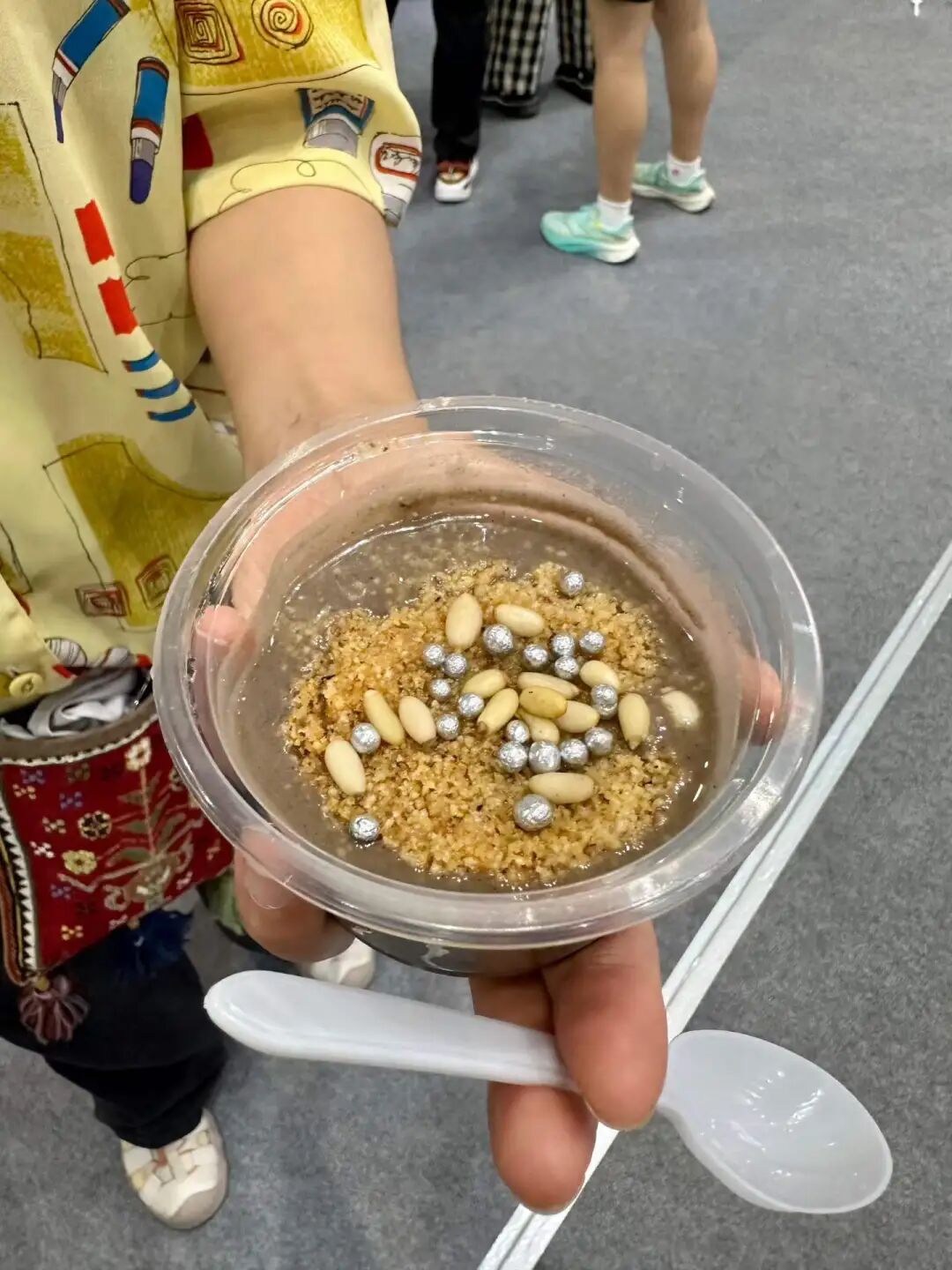
Mediterranean pine pudding (assidat zgougou) is a classic Tunisian dessert that Tunisians eat every year for the Prophet's birthday (Mawlid). Mediterranean pine pudding (assidat zgougou) is made from Mediterranean pine powder, flour, milk, and sugar, topped with pine nuts and crushed pistachios. Mediterranean pine pudding (assidat zgougou) originated during the great Tunisian famine between 1864 and 1867. At that time, residents in northwestern Tunisia discovered that local Mediterranean pine nuts could be ground into powder and mixed with wheat flour to satisfy hunger, which later developed into a classic dessert for the Prophet's birthday.
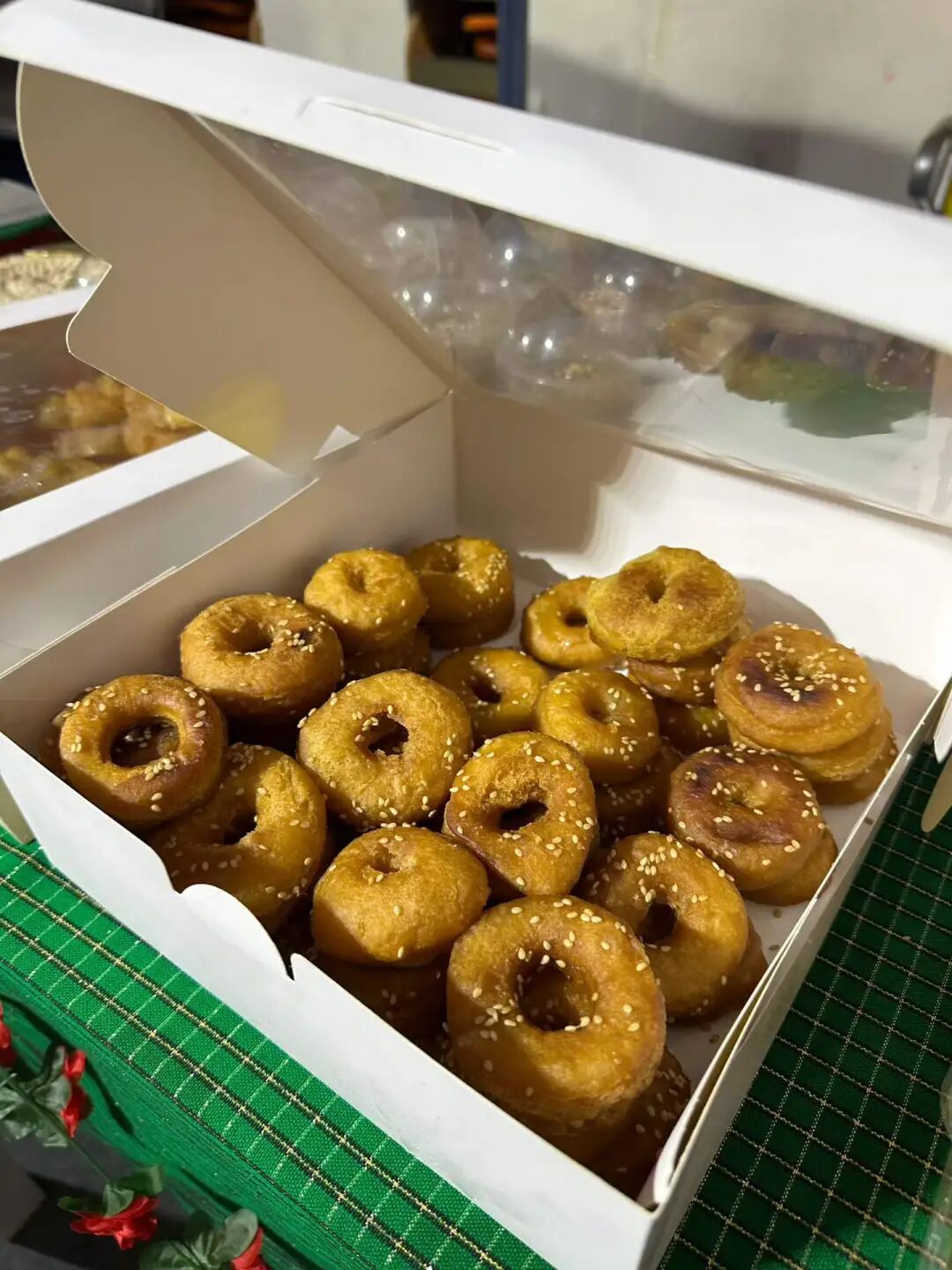
Bambalouni is a type of Tunisian doughnut that is very common in street food shops and tourist areas in Tunisia. Tunisians like to sprinkle sugar and honey on their bambalouni.
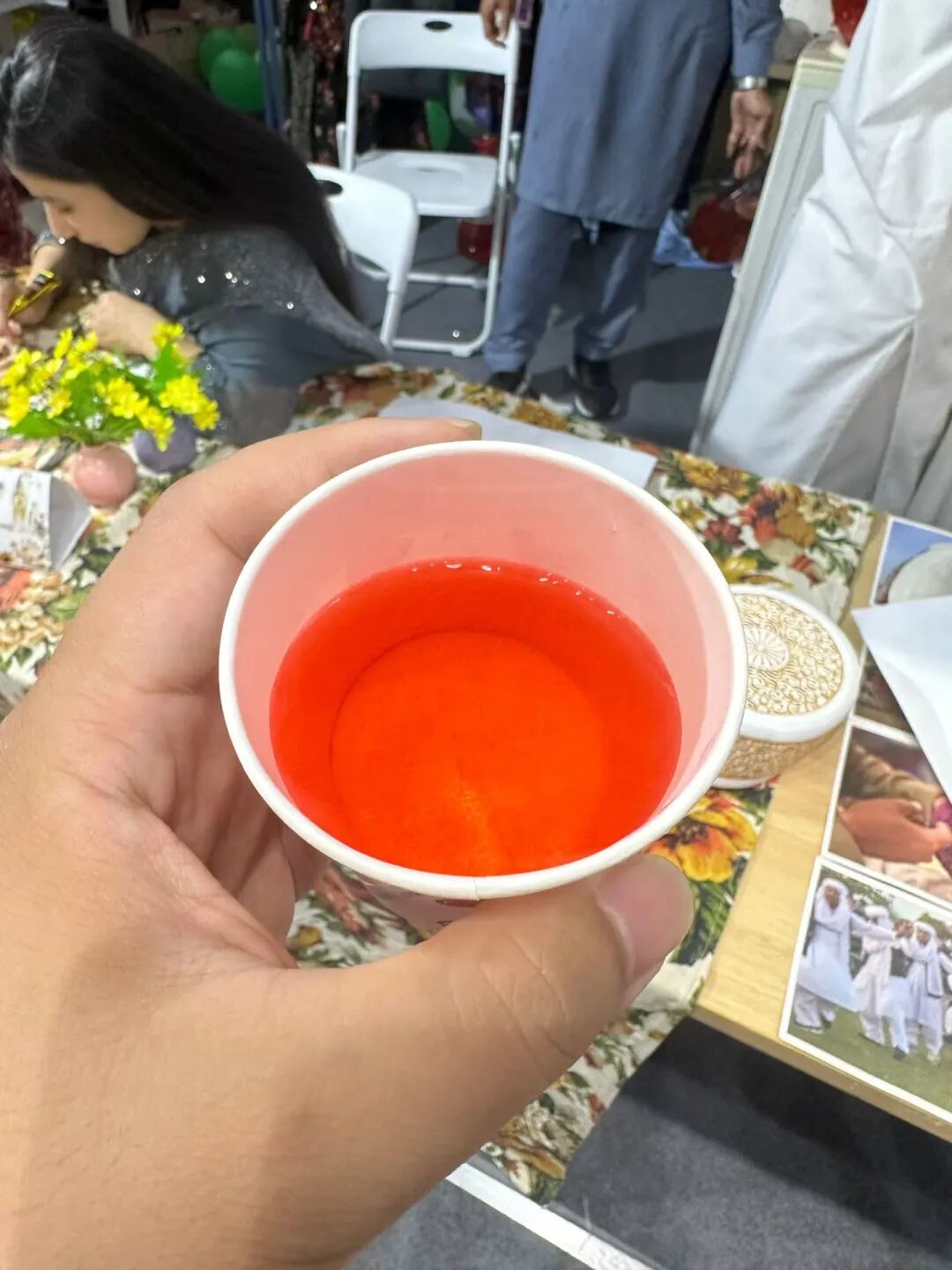
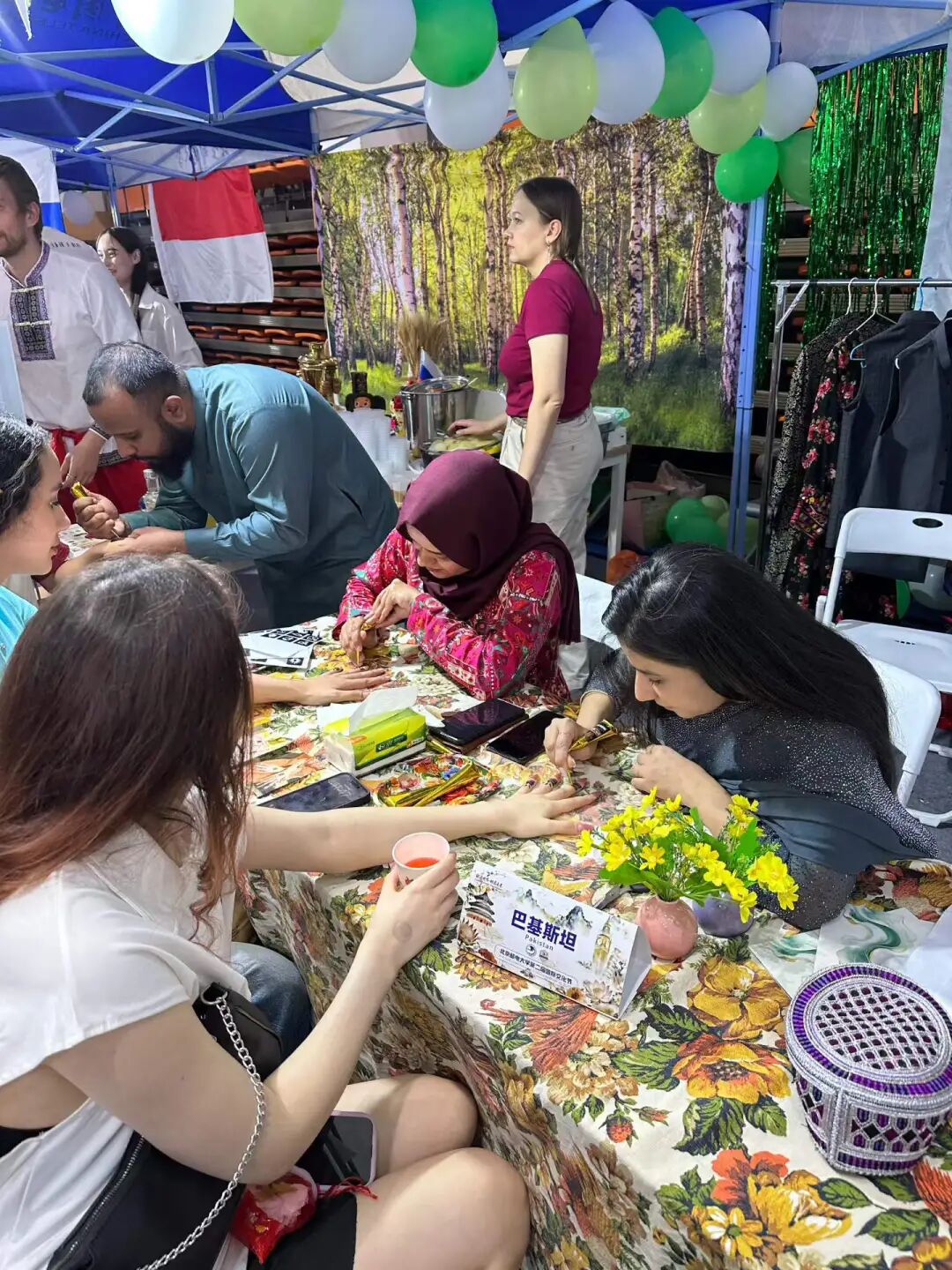
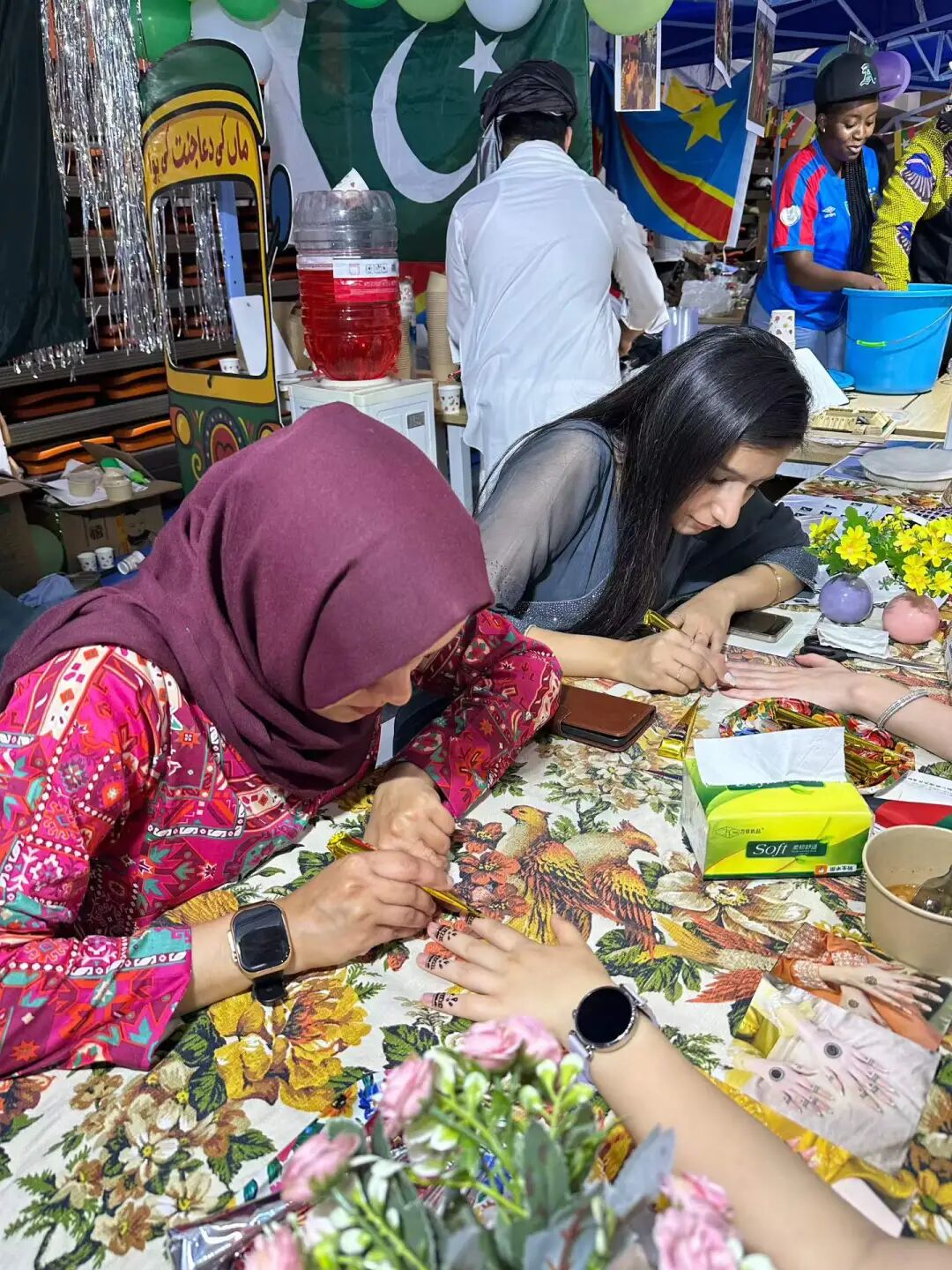
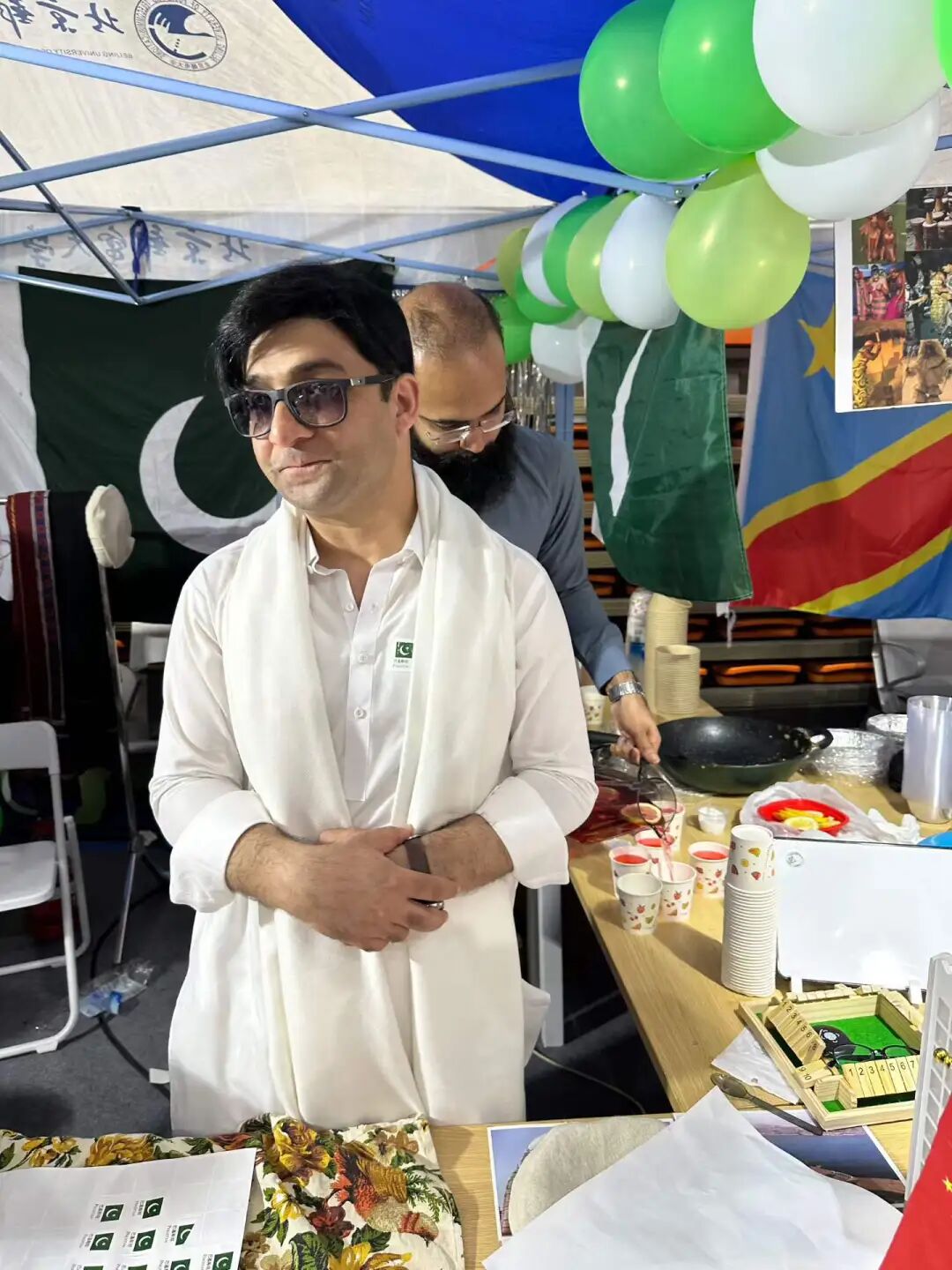
At the Pakistan booth, I drank the classic South Asian fast-breaking beverage, mint rose syrup (Rooh Afza). Rooh Afza was invented in 1906 in British India by Hakim Hafiz Abdul Majeed based on traditional Arab-Persian Unani medicine. He picked a variety of herbs and fruit syrups to make a concentrated drink for heatstroke, which really helps with dehydration during fasting. After the partition of India and Pakistan in 1947, his descendants opened companies in India, Pakistan, and Bangladesh, making Rooh Afza popular all over South Asia.
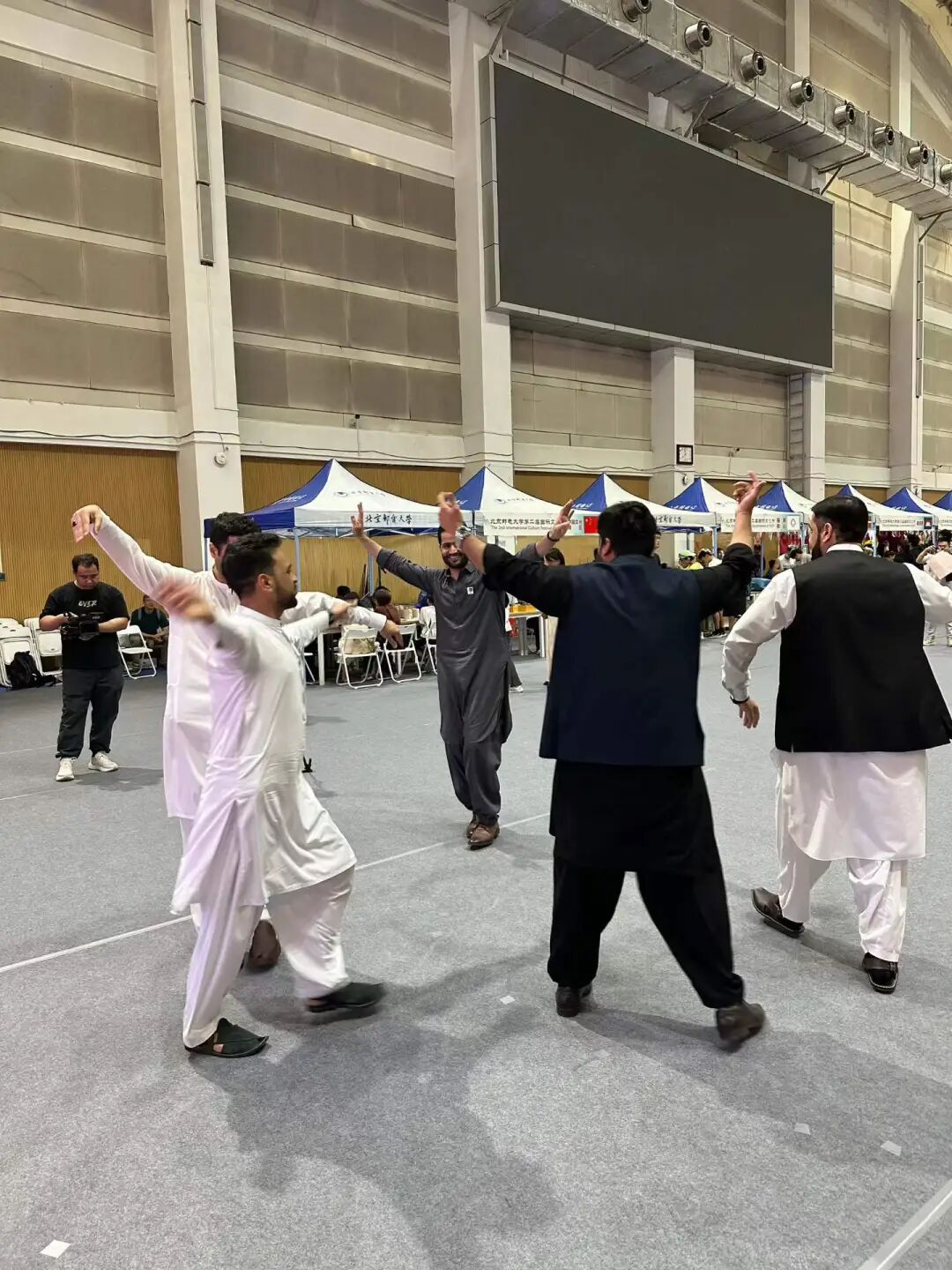
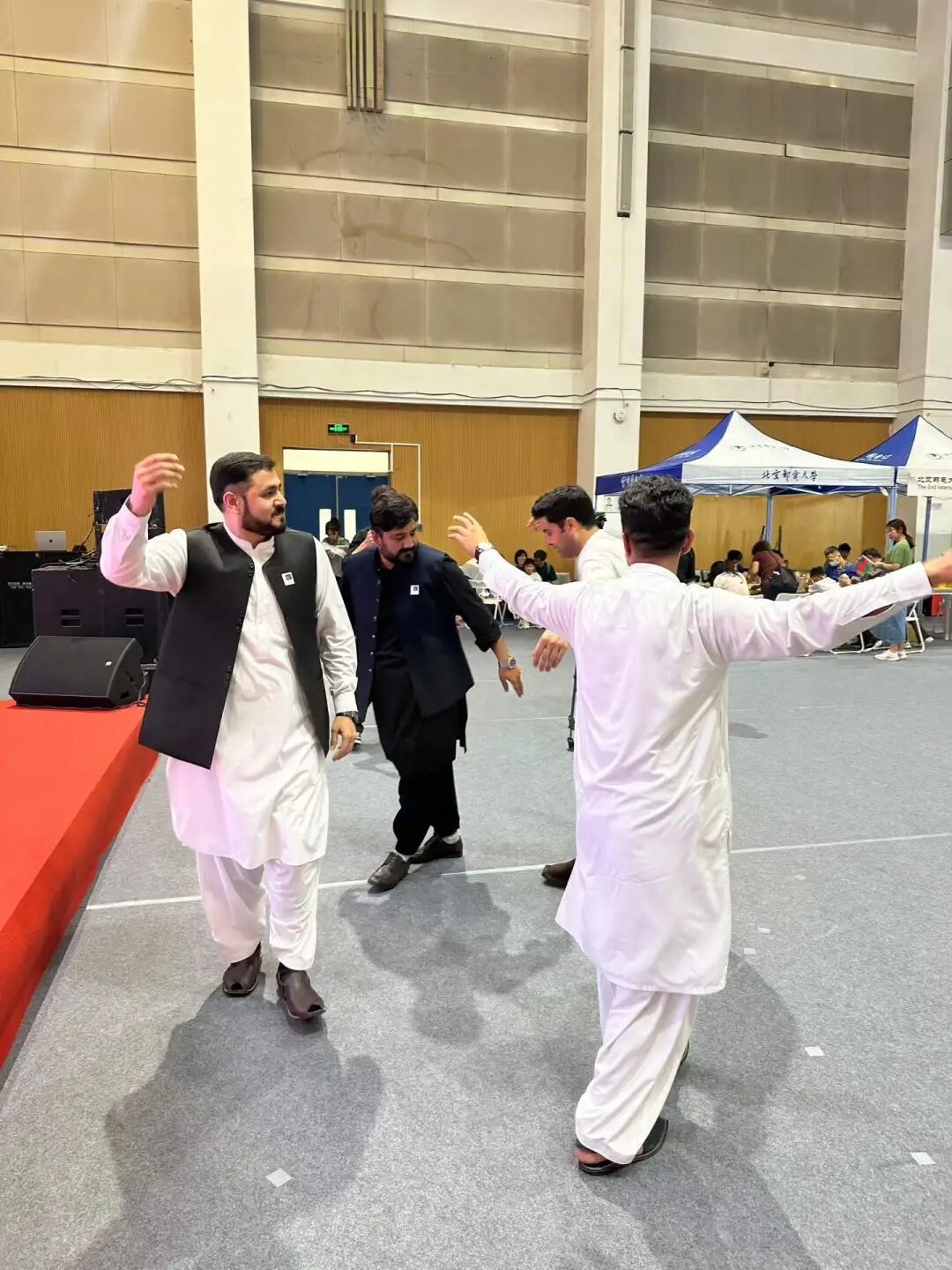
Pakistani dancing
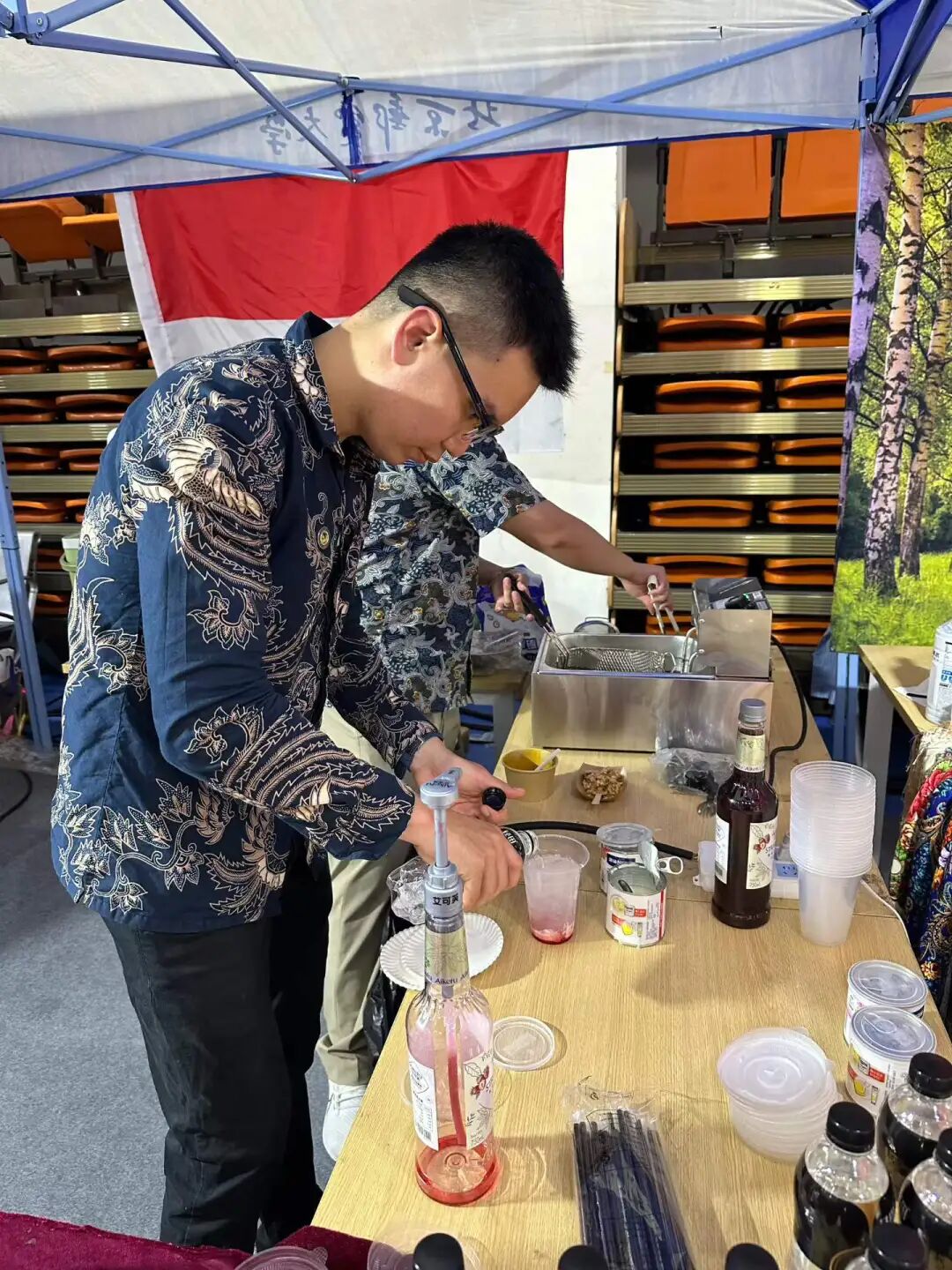
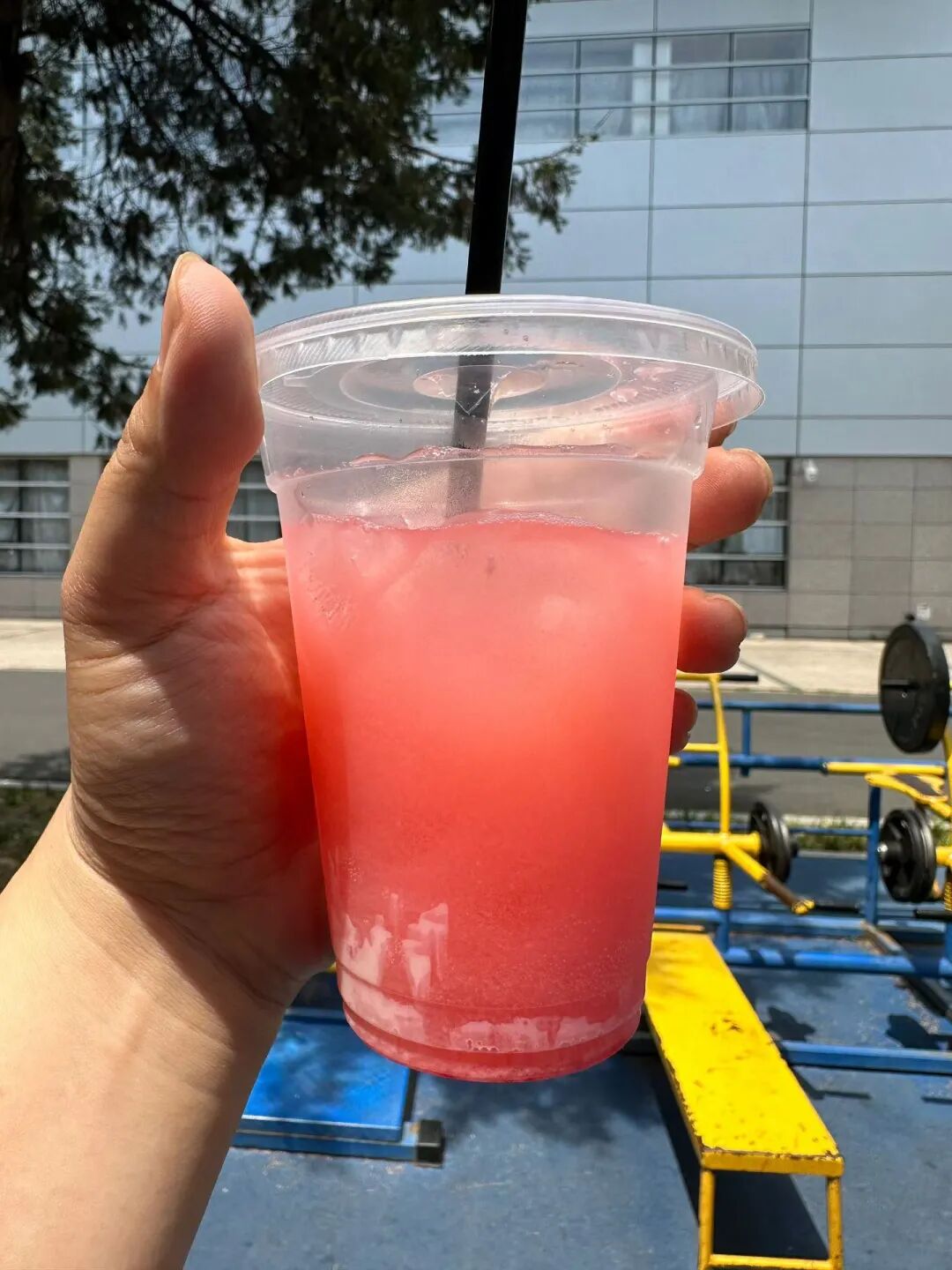
I had a strawberry syrup soda at the Indonesian stall.
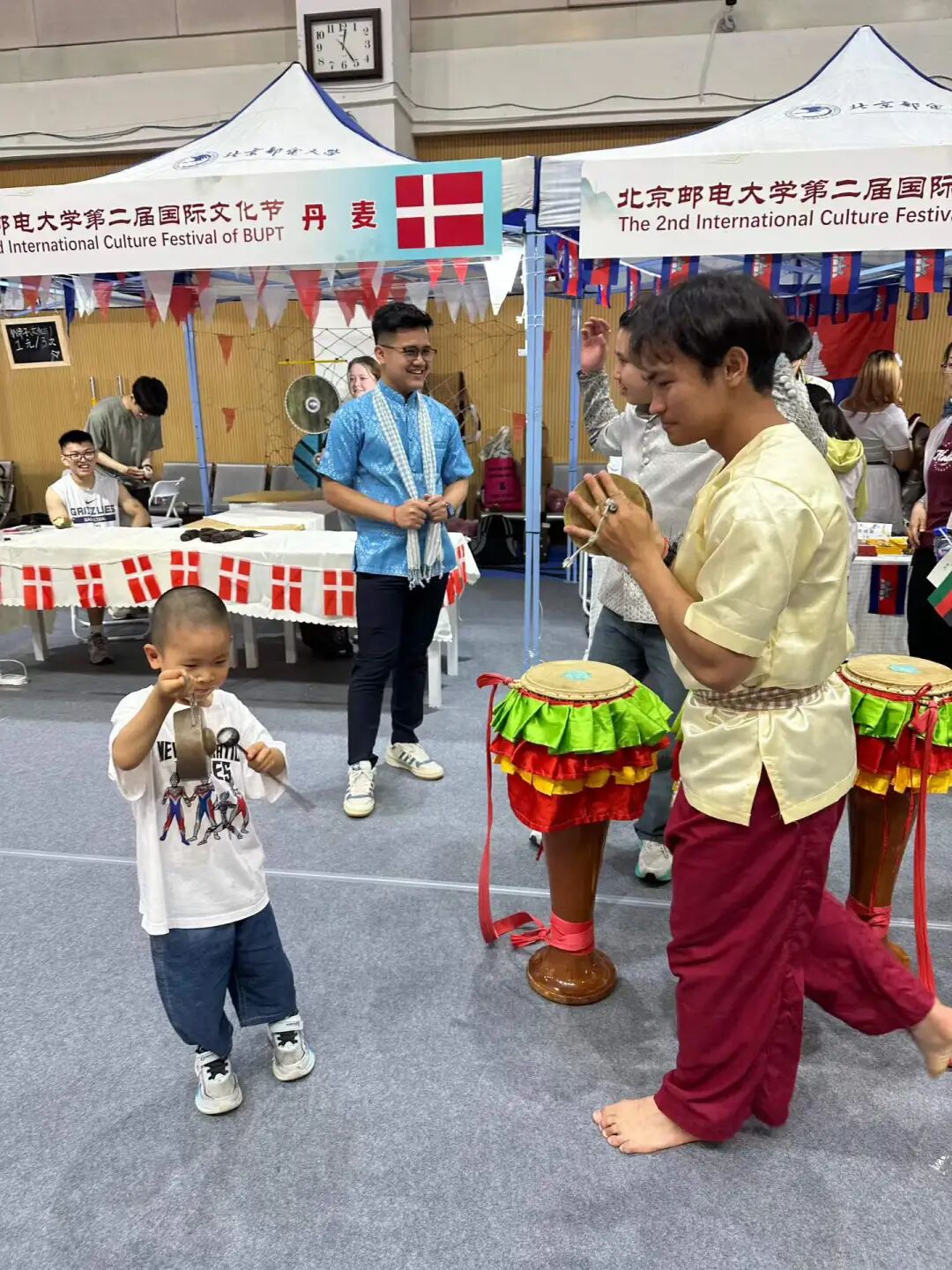
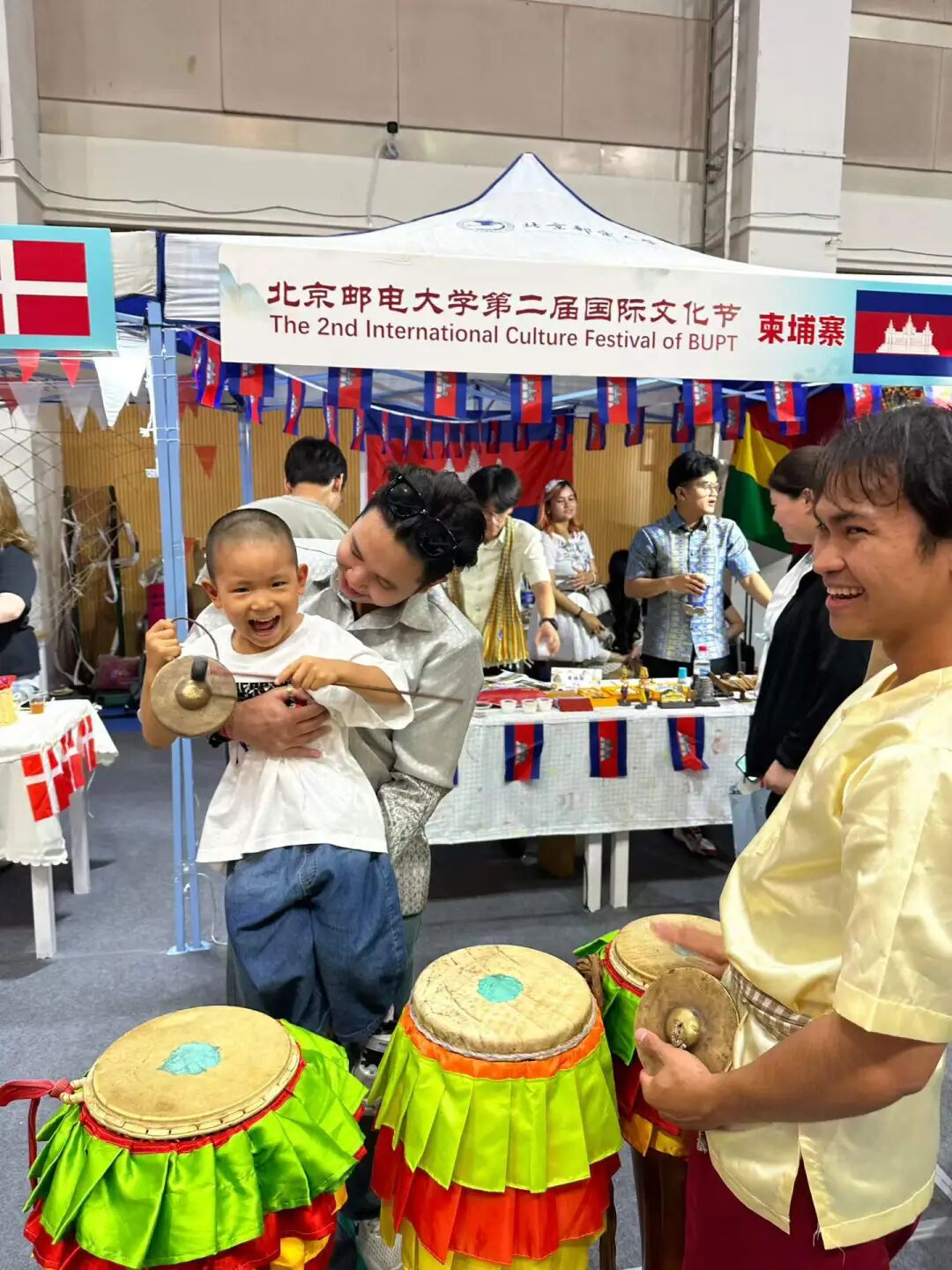
Suleiman tried the Cambodian gongs and drums and was very happy.
Summary: This Beijing halal food guide covers Moroccan iftar snacks, Tunisian Mawlid sweets, halal food in China, and Muslim campus dining at Beiyou.
This article summarizes the key points of the original text about eating Moroccan iftar snacks and Tunisian Mawlid sweets at BUPT. It keeps the original paragraph and image order. It is for readers interested in Muslim life, Islamic culture, and Chinese Islamic writing. It also helps people search for content on Ramadan, history, and Chinese halal food.
Since May, major universities in Beijing have been holding international culture festivals. Last week, I attended the one at Beihang University (tasting food from the smallest African country at Beihang), and this week I went to the one at BUPT. A friend (dosti) asked how to find this information. I just browse online platforms often and follow the news when I see it.
The BUPT international culture festival was held in the gymnasium, and the temperature was very pleasant. Although it was not very large, many stalls had special foods that are usually hard to find in Beijing.
First, I ate Moroccan chicken pie (bastilla) and small pancakes (baghrir). Beijing has not had Moroccan food for many years since the owner of the Camel Caravan restaurant on Guanghua Road left in 2020. I previously ate at a place in Guangzhou, and this time I finally had it again in Beijing.
There are many theories about the origin of bastilla. It is generally believed to have originated in the Ottoman Empire. After the French invaded Algeria in 1830, Algerian immigrants brought it to northern Morocco. To this day, many people in northern Morocco still consider this dish to be Turkish. In Morocco, bastilla usually comes with three types of fillings: pigeon, chicken, and seafood. The chicken filling is salty, fragrant, crispy, and layered. Before cooking, the chicken is stewed until soft with various spices including chopped onions, parsley, and saffron. Then it is deboned and shredded, and eggs are added to the thick chicken broth to make a sauce.
Baghrir is made with semolina and is full of tiny holes. Algerians and Moroccans like to soak them in honey and butter. It is a classic iftar snack.
Then I ate Tunisian steamed semolina (couscous), Fatma's fingers spring rolls (swabaa fatma), and Mediterranean pine pudding (assidat zgougou). The Tunisian stall had the widest variety of food this time.
Steamed semolina (couscous) is the national dish of Tunisia, and I ate it almost every day when I visited Tunisia before.
Fatma's fingers (swabaa fatma) are a classic Tunisian snack for breaking the fast. They are fried spring rolls made with thin pastry (malsouka) and filled with ground beef, shrimp, or minced tuna, with options to add mashed potatoes, eggs, and cheese.
Mediterranean pine pudding (assidat zgougou) is a classic Tunisian dessert that Tunisians eat every year for the Prophet's birthday (Mawlid). Mediterranean pine pudding (assidat zgougou) is made from Mediterranean pine powder, flour, milk, and sugar, topped with pine nuts and crushed pistachios. Mediterranean pine pudding (assidat zgougou) originated during the great Tunisian famine between 1864 and 1867. At that time, residents in northwestern Tunisia discovered that local Mediterranean pine nuts could be ground into powder and mixed with wheat flour to satisfy hunger, which later developed into a classic dessert for the Prophet's birthday.
Bambalouni is a type of Tunisian doughnut that is very common in street food shops and tourist areas in Tunisia. Tunisians like to sprinkle sugar and honey on their bambalouni.
At the Pakistan booth, I drank the classic South Asian fast-breaking beverage, mint rose syrup (Rooh Afza). Rooh Afza was invented in 1906 in British India by Hakim Hafiz Abdul Majeed based on traditional Arab-Persian Unani medicine. He picked a variety of herbs and fruit syrups to make a concentrated drink for heatstroke, which really helps with dehydration during fasting. After the partition of India and Pakistan in 1947, his descendants opened companies in India, Pakistan, and Bangladesh, making Rooh Afza popular all over South Asia.
Pakistani dancing
I had a strawberry syrup soda at the Indonesian stall.
Suleiman tried the Cambodian gongs and drums and was very happy.
