
Muslim Traveler Guide to Beijing: Africa Day Event, Muslim Community and Local Culture
Reposted from the web
Summary: This Muslim traveler guide to Beijing covers the Africa Day event, local Muslim community scenes, and travel culture details from the original Chinese article.
This article summarizes the key points of the lively Africa Day event in Beijing. It keeps the original paragraph and image order, making it perfect for readers interested in Muslim life, Islamic culture, and Chinese Islamic articles, as well as those searching for halal food in China.
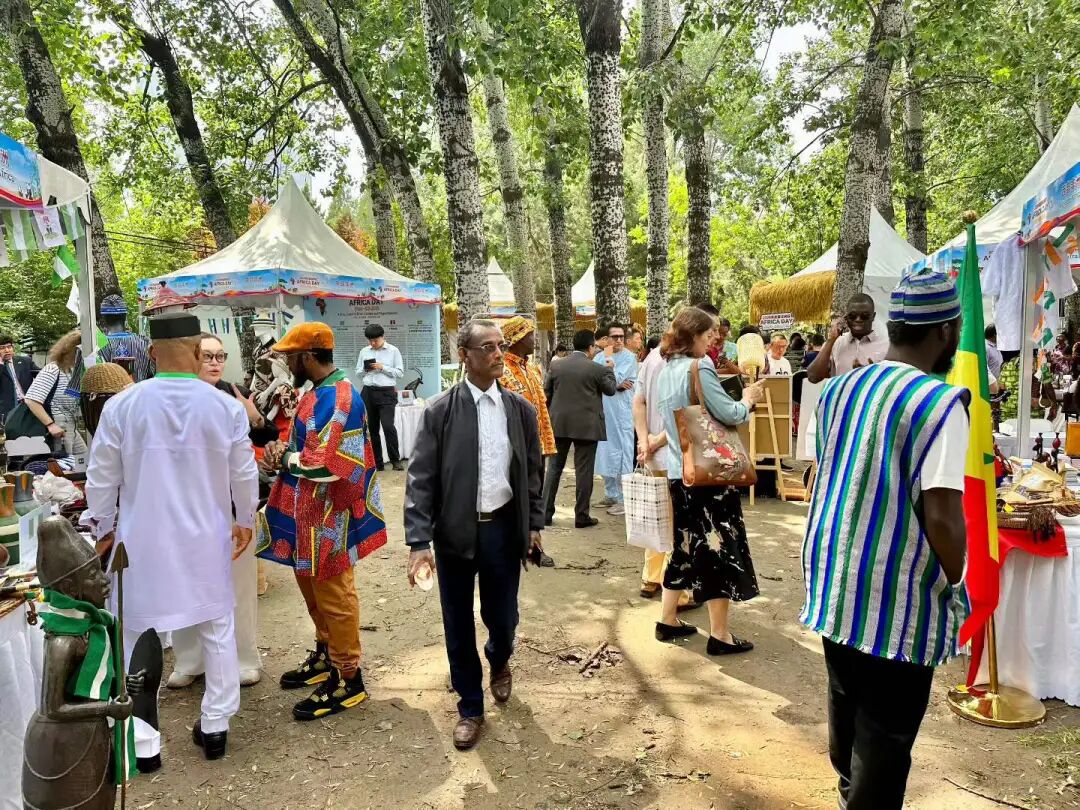
May 25 is Africa Liberation Day, a day to remember the national liberation of Africa. It started on May 25, 1963, when 32 African countries signed the Charter of the Organization of African Unity. African countries hold celebrations around May 25 every year. This year, the embassies of various African countries in Beijing held a lively Africa Day event at Chaoyang Park.
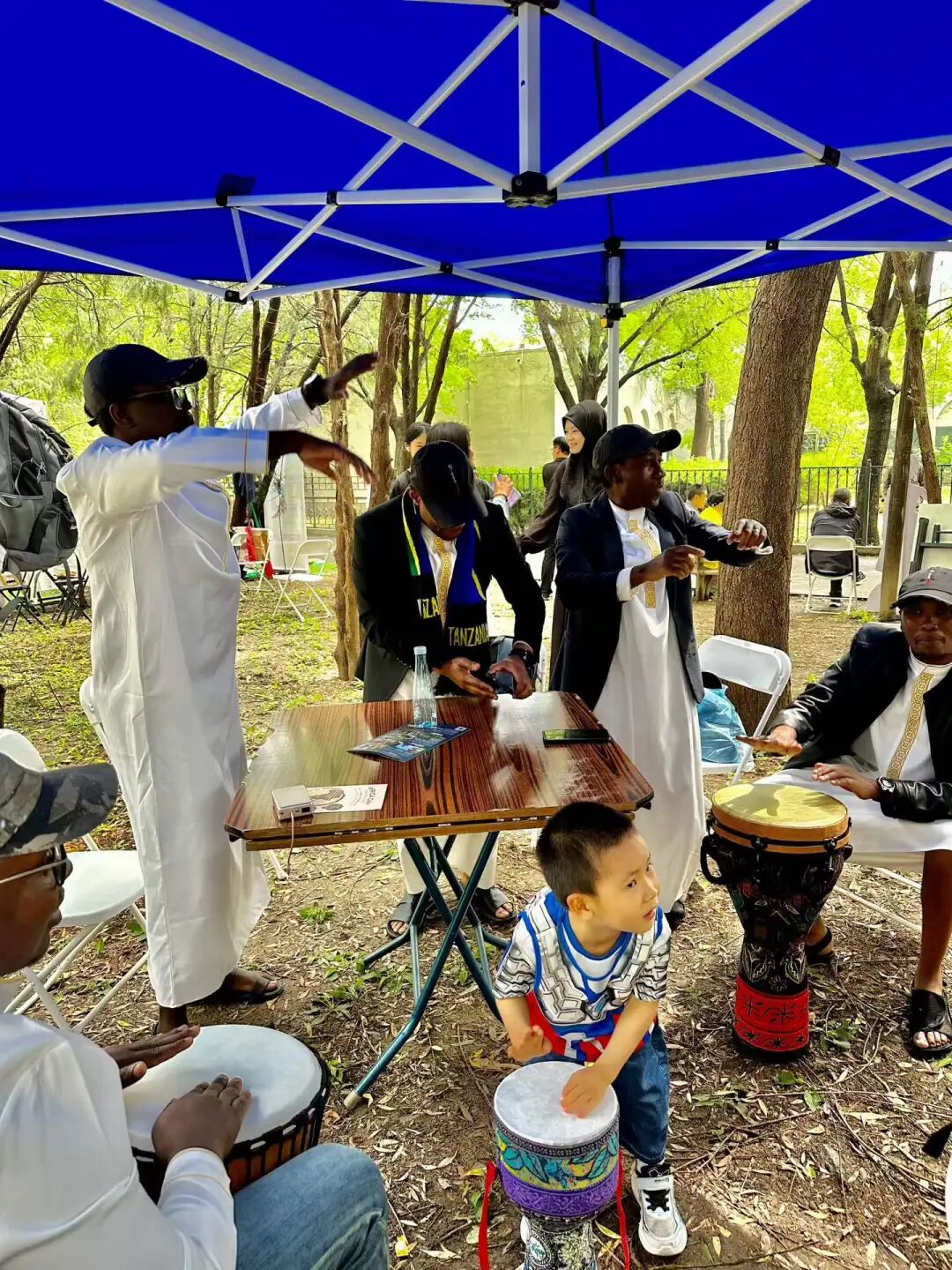
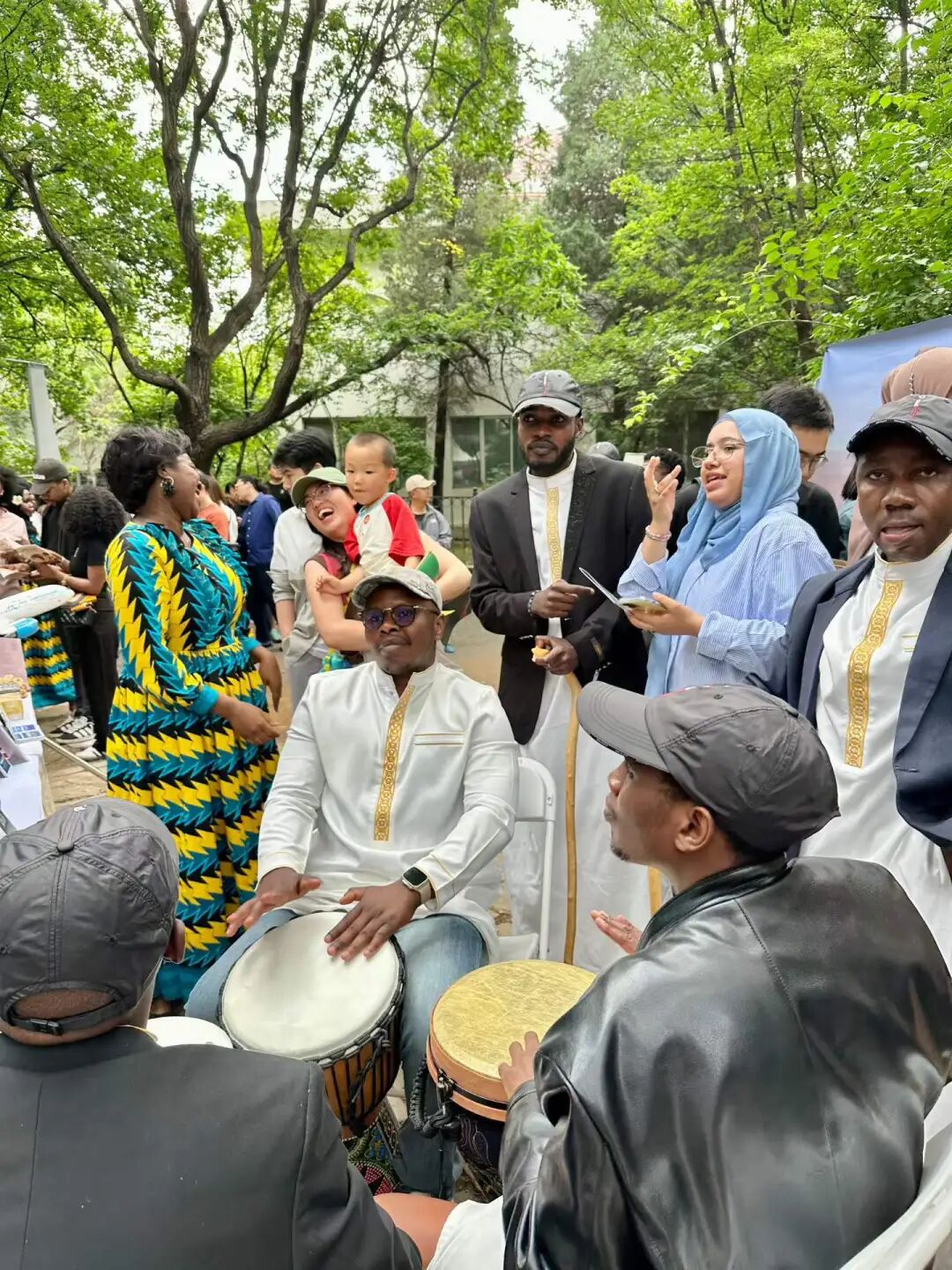
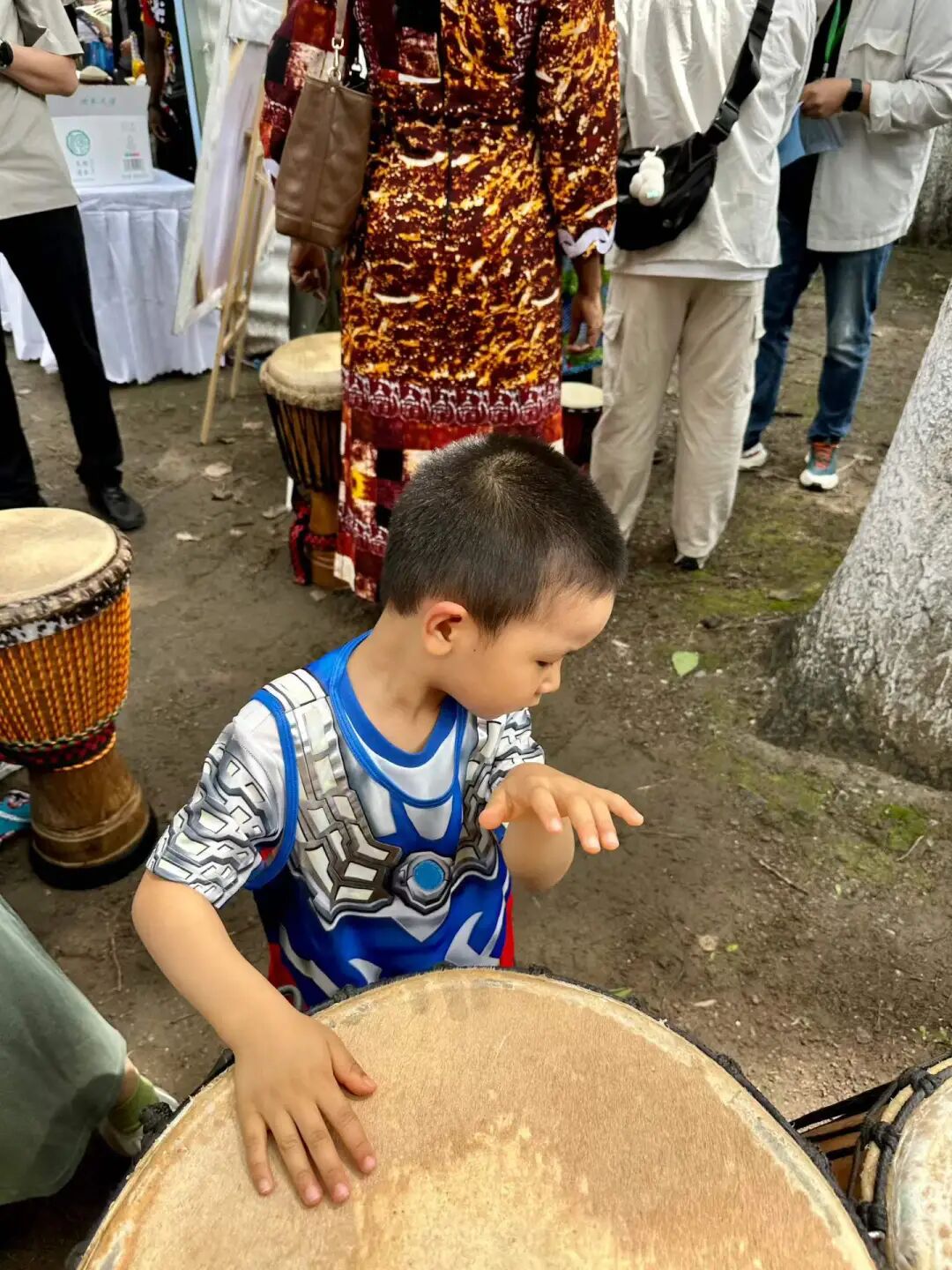
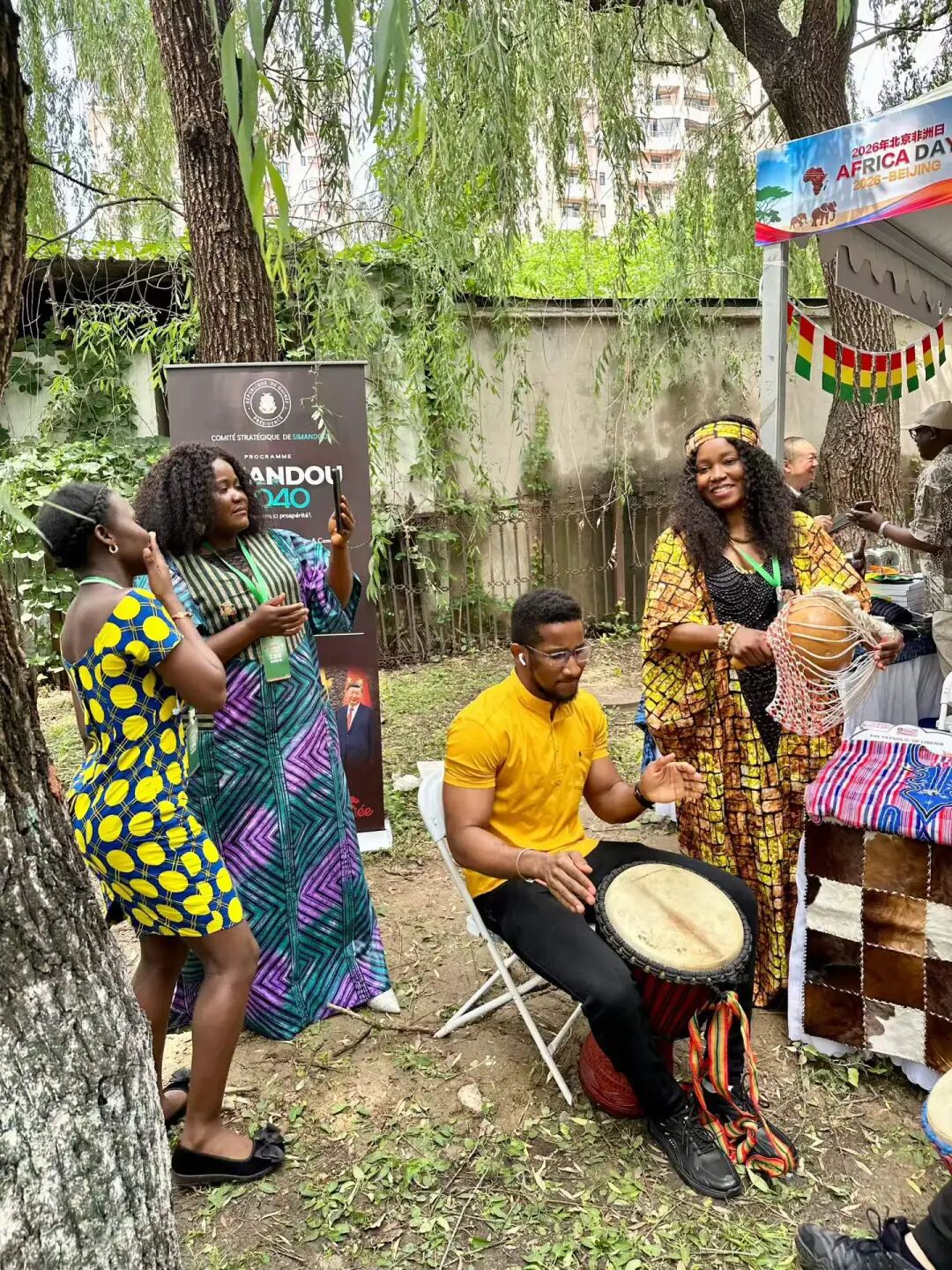
As soon as I entered, I heard happy African drumming. I walked over and saw some men from Tanzania in East Africa playing drums and singing in Swahili. The most famous song was the one from The Lion King, 'Hakuna Matata,' which means 'no worries.' Everyone was very happy. My son, Suleiman, joined in and played an African drum, and he had a great time.
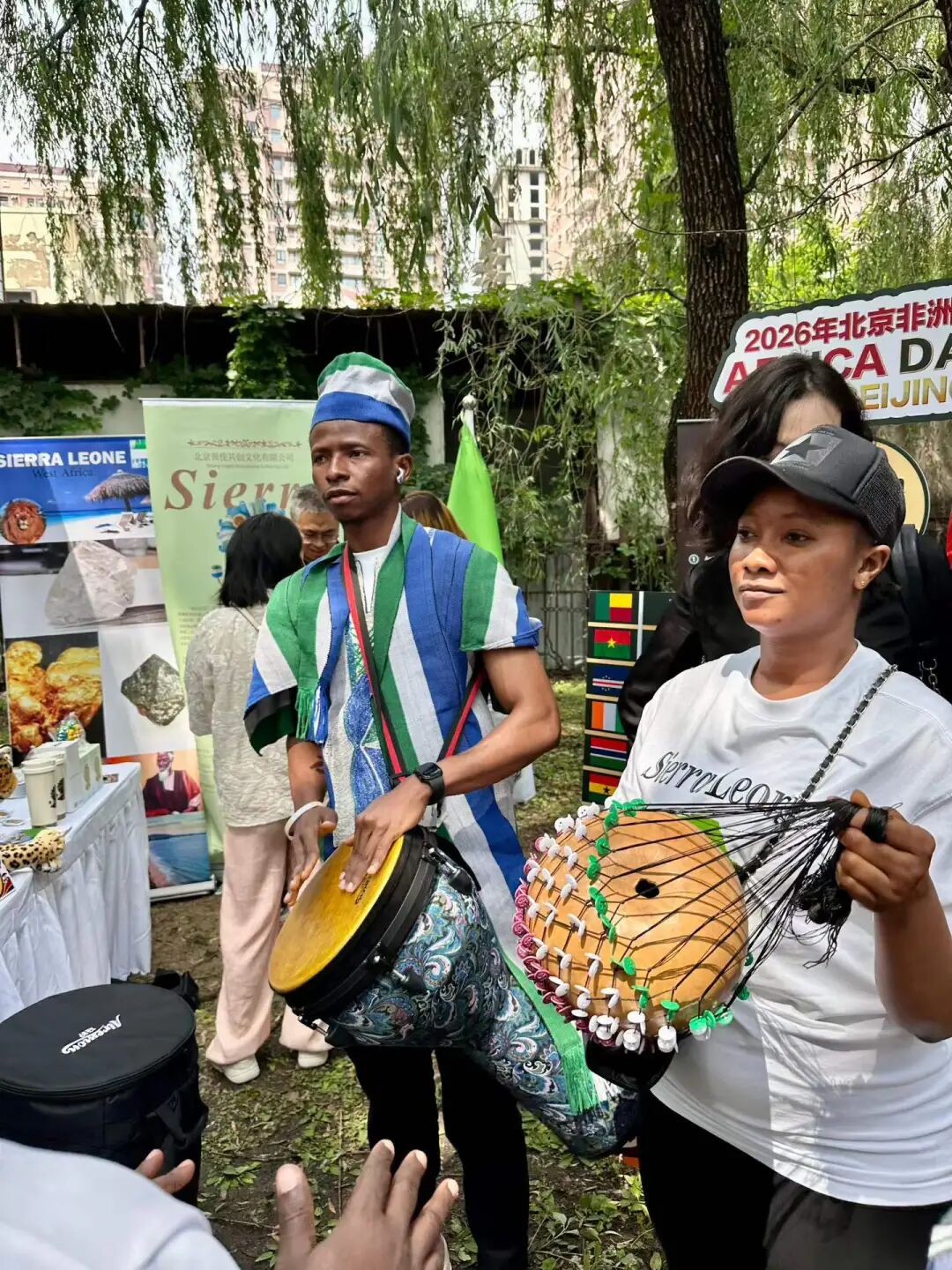
I kept walking inside and reached the music stage for Sierra Leone in West Africa. Besides African drums, I saw the beaded shaker (shegbureh) of the Mende people. It is made of a hollowed-out gourd handle inside a cotton net, with wooden beads or hard seeds strung into the net. When playing it, you hold the knot of the rope in one hand and shake the gourd with the other, making the gourd hit and rub against the net.
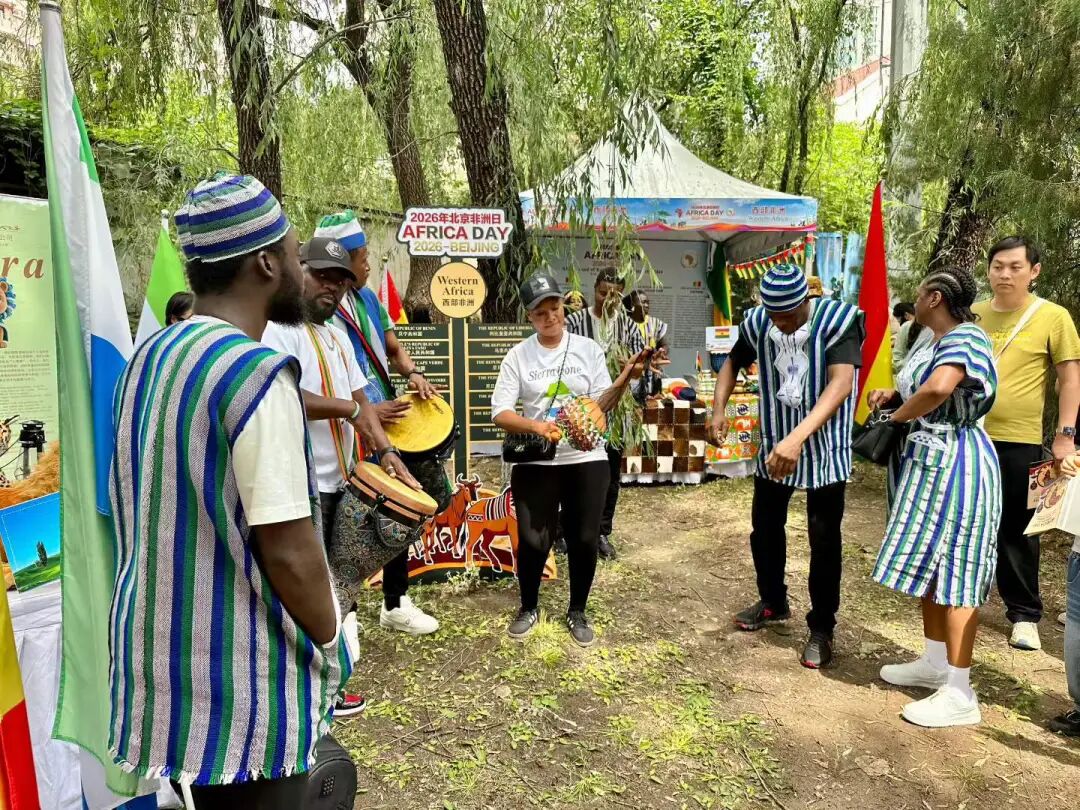
The third area was the drumming and music stage for Cameroon. I saw the classic Tam-tam drum used by Cameroonians during celebrations. It is played with two drumsticks and has a very powerful sound.
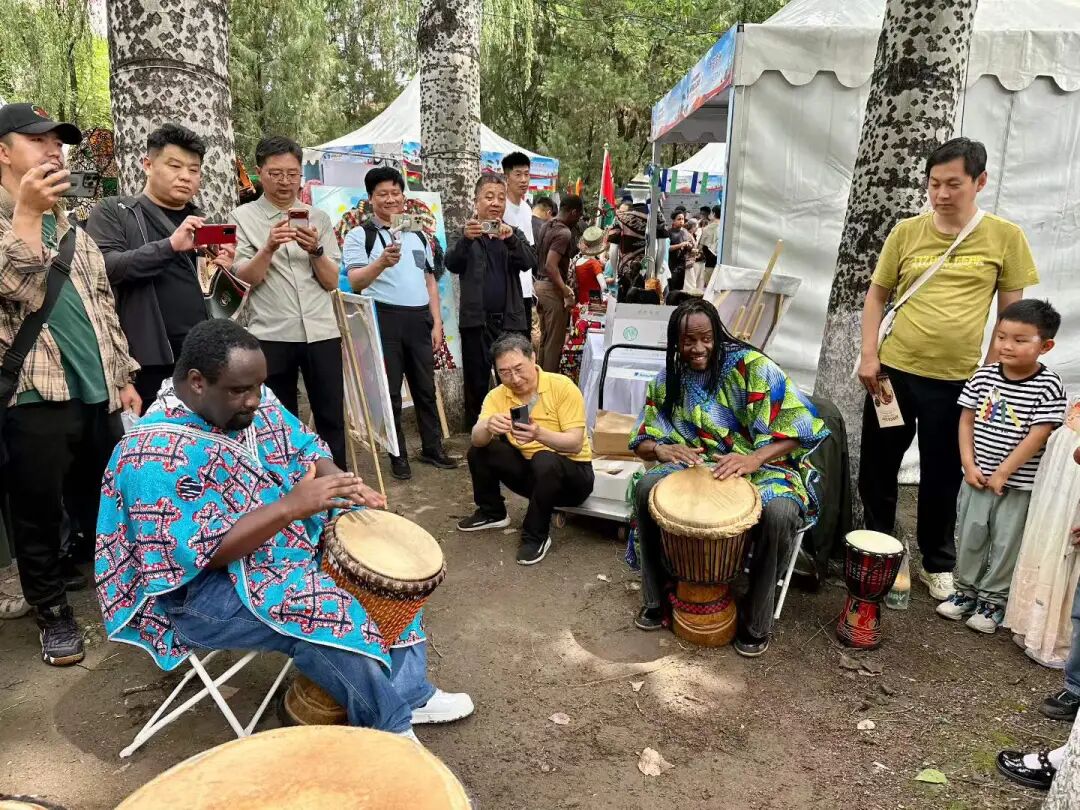
After listening for a while, I saw Dosdani from Sudan also playing the drums and singing. Sudanese Arabs have lighter skin, while the Nubian and Fur people have darker skin. Because of long-term intermarriage and integration, you can see that the appearance of the Sudanese people is very diverse, and their culture is very multicultural.
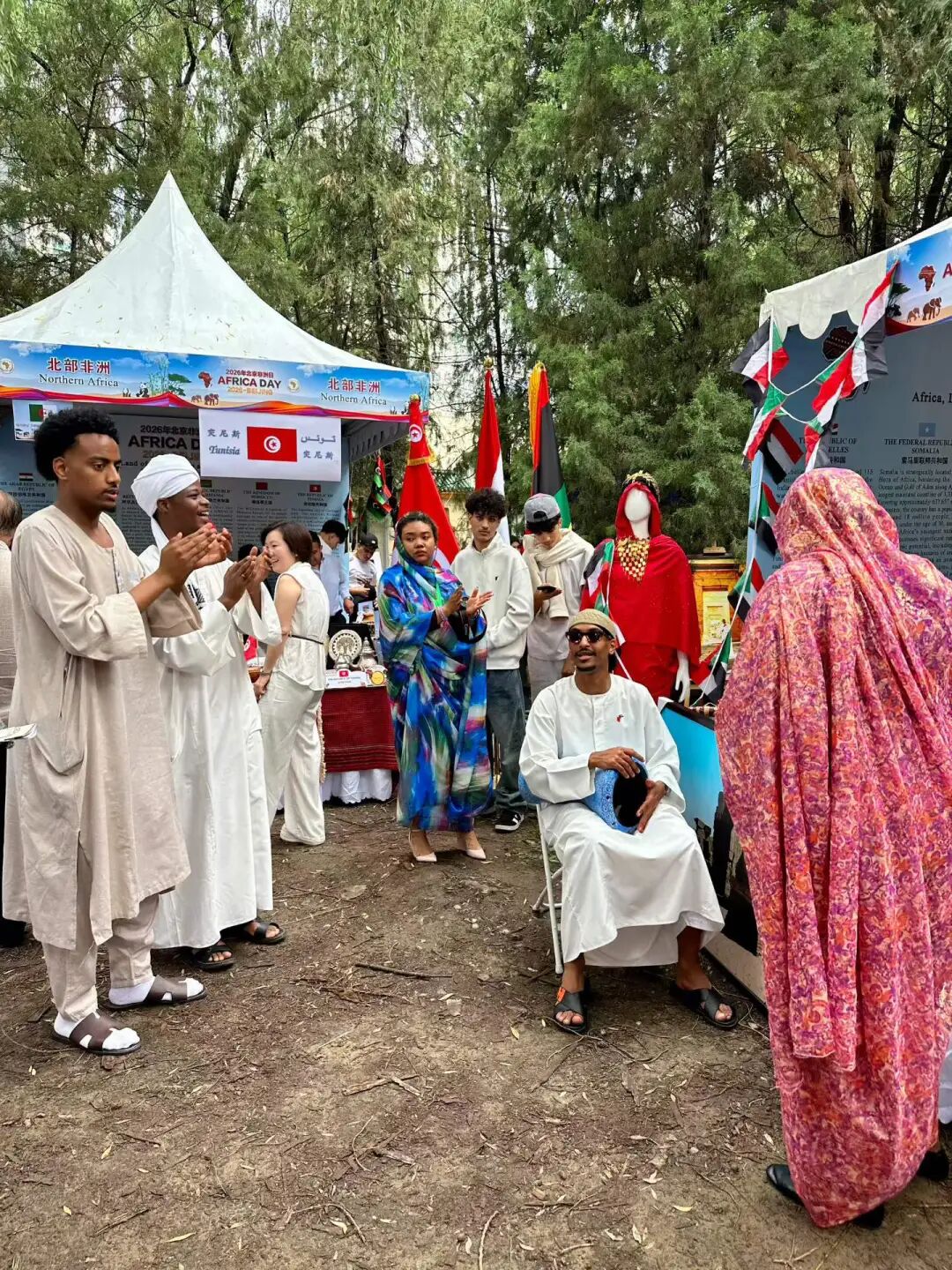
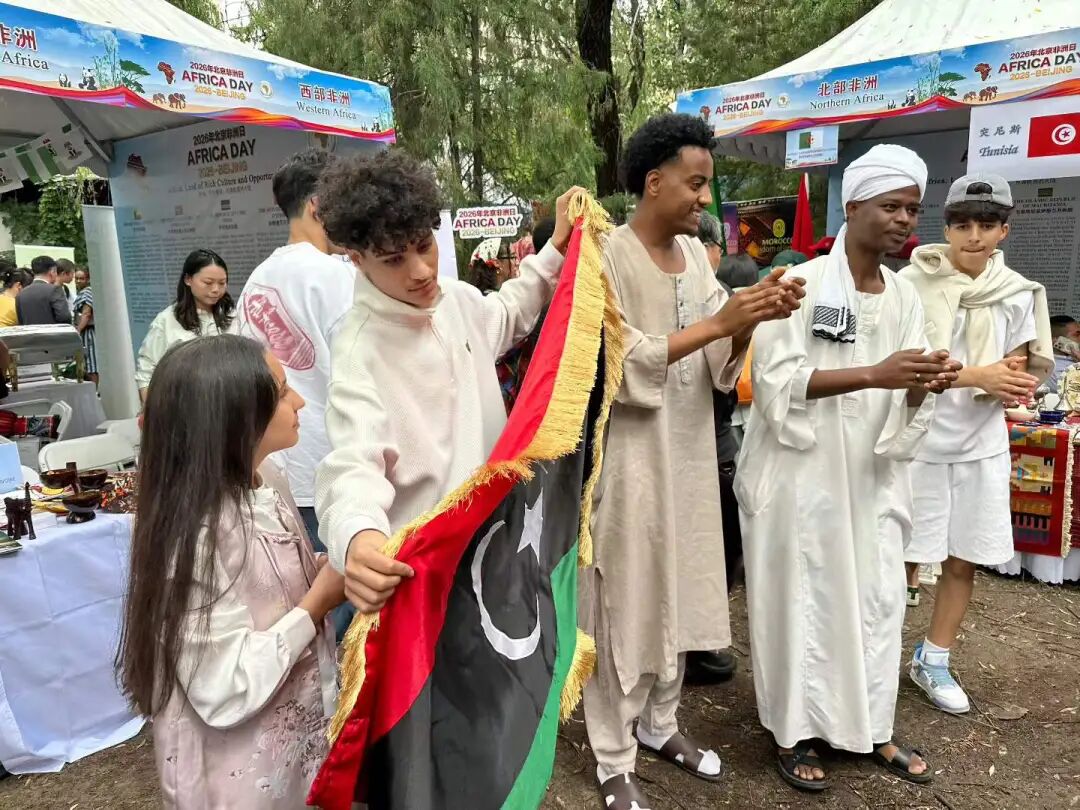
The last thing I listened to was the singing and dancing of people from Liberia in West Africa. Since the 19th century, many freed American slaves were settled in Liberia, so their music is a blend of African and American styles. Liberian dancing is very bold and uses large, sweeping movements.
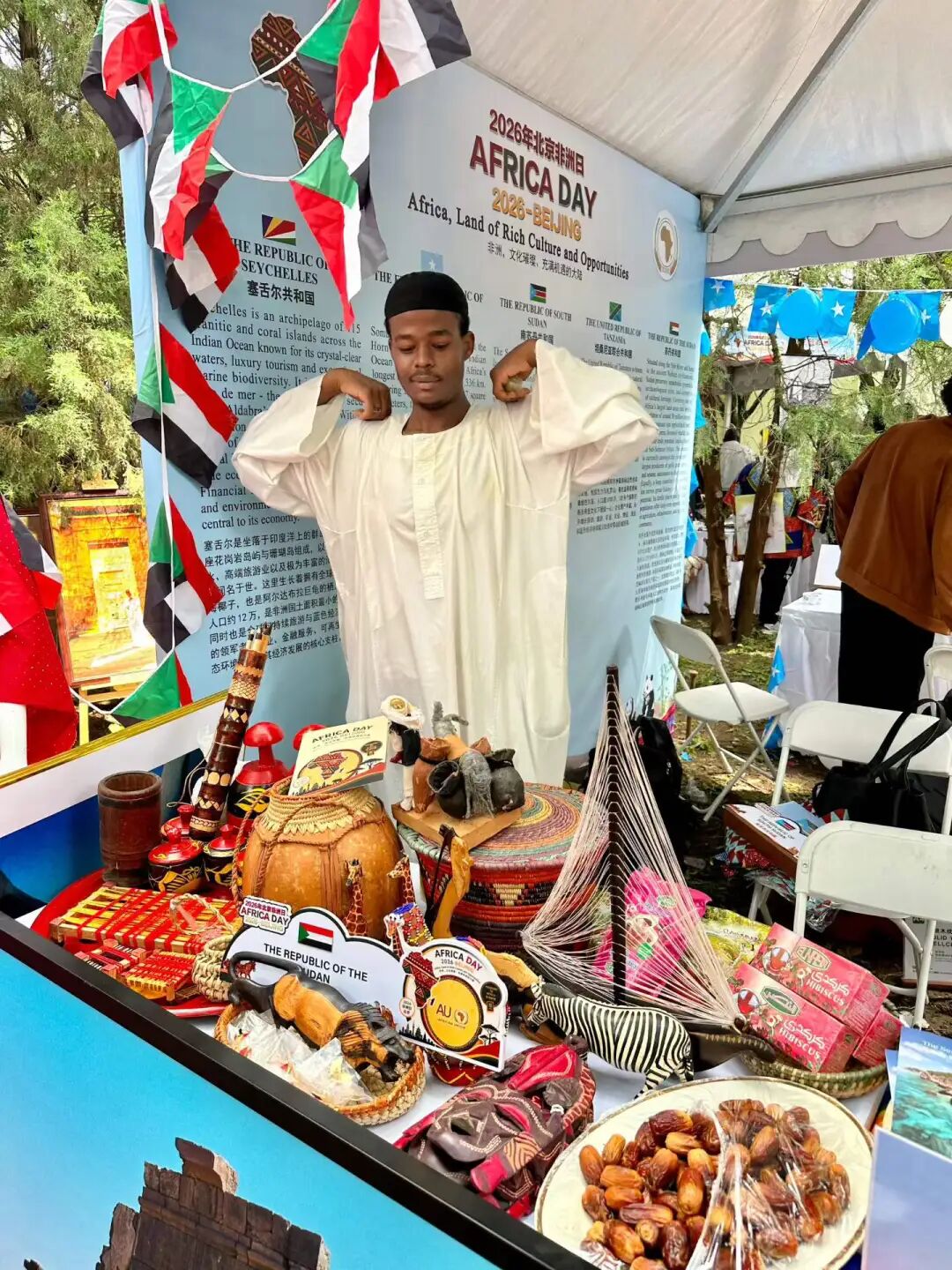
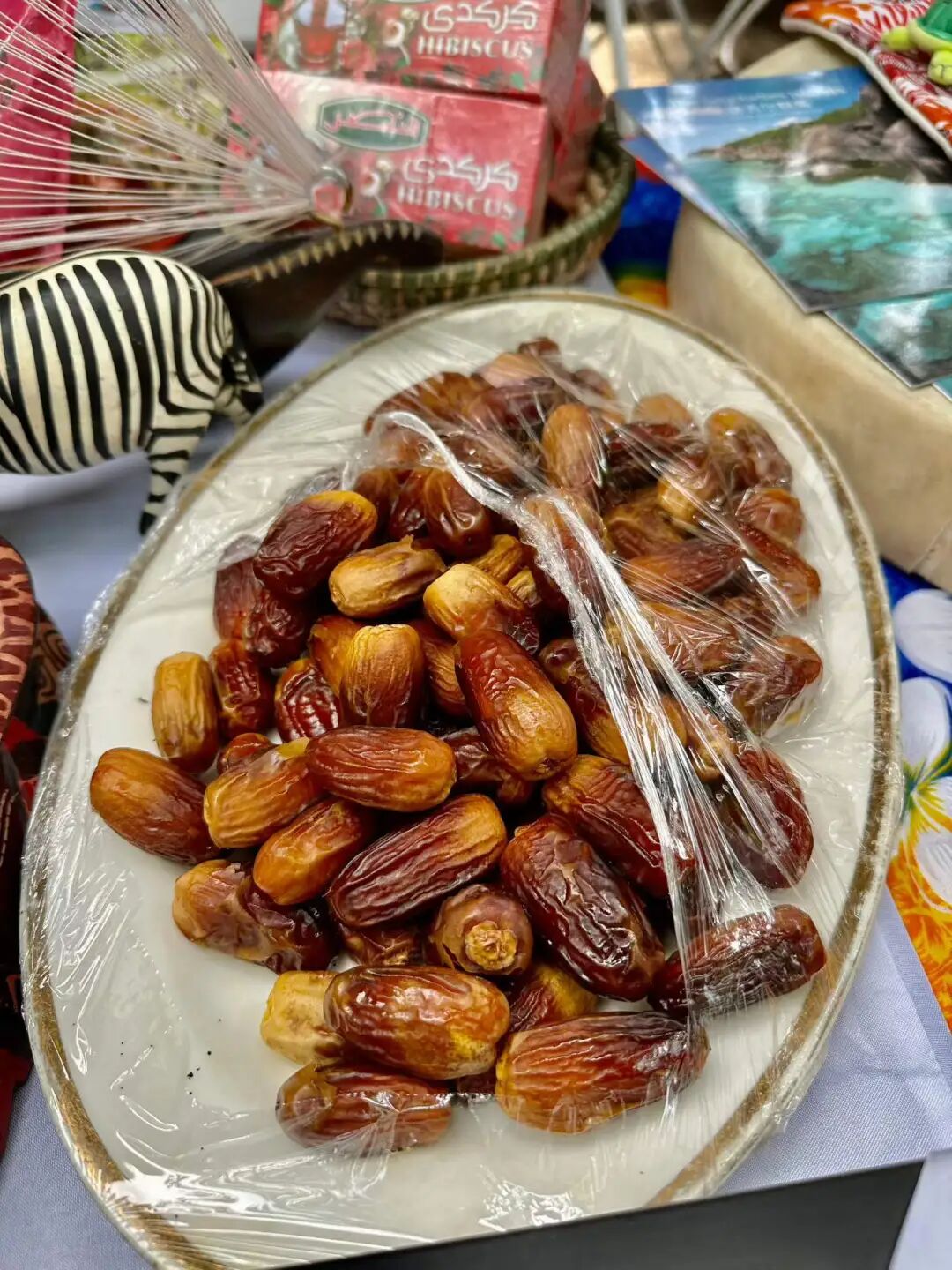
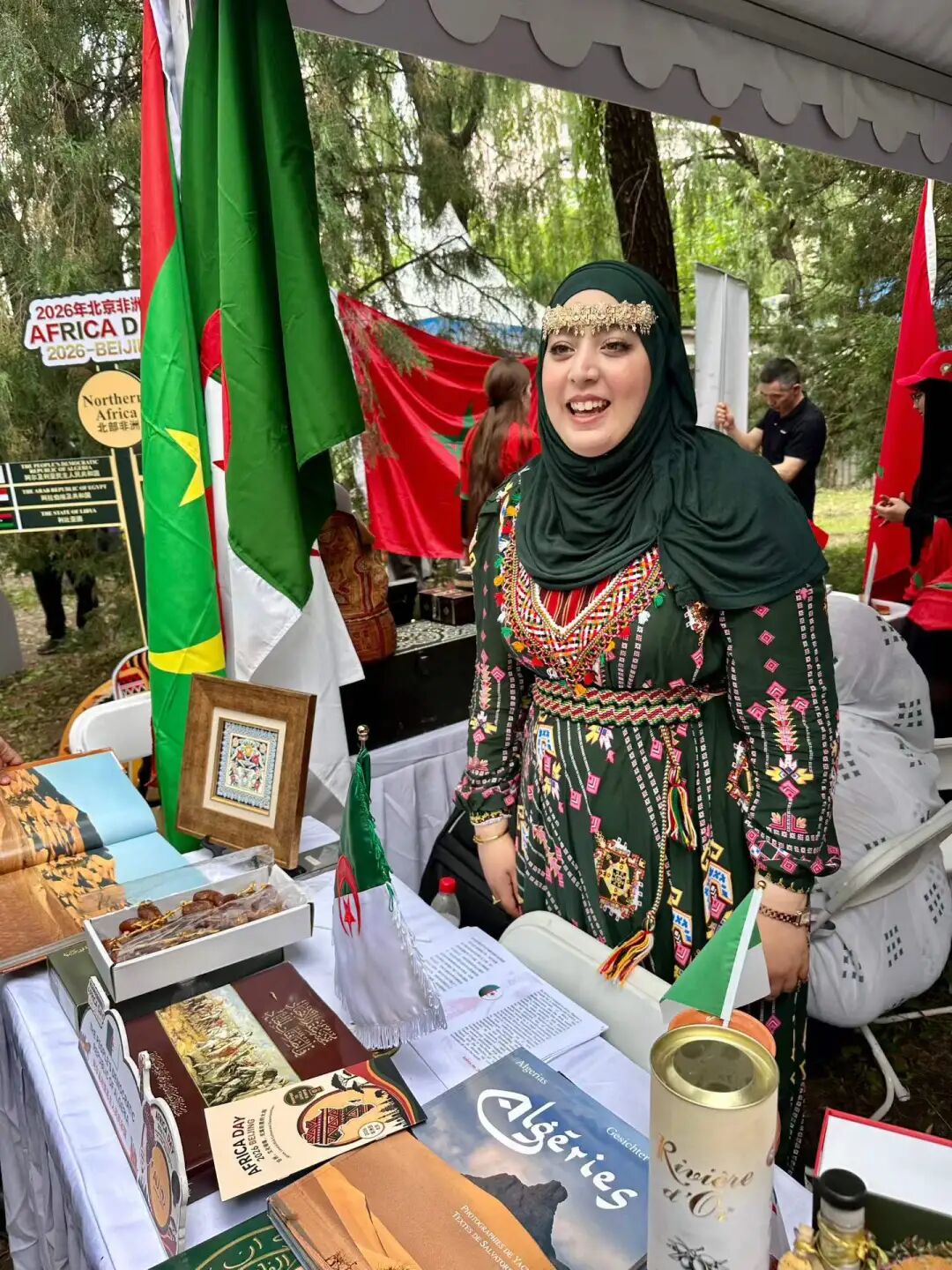
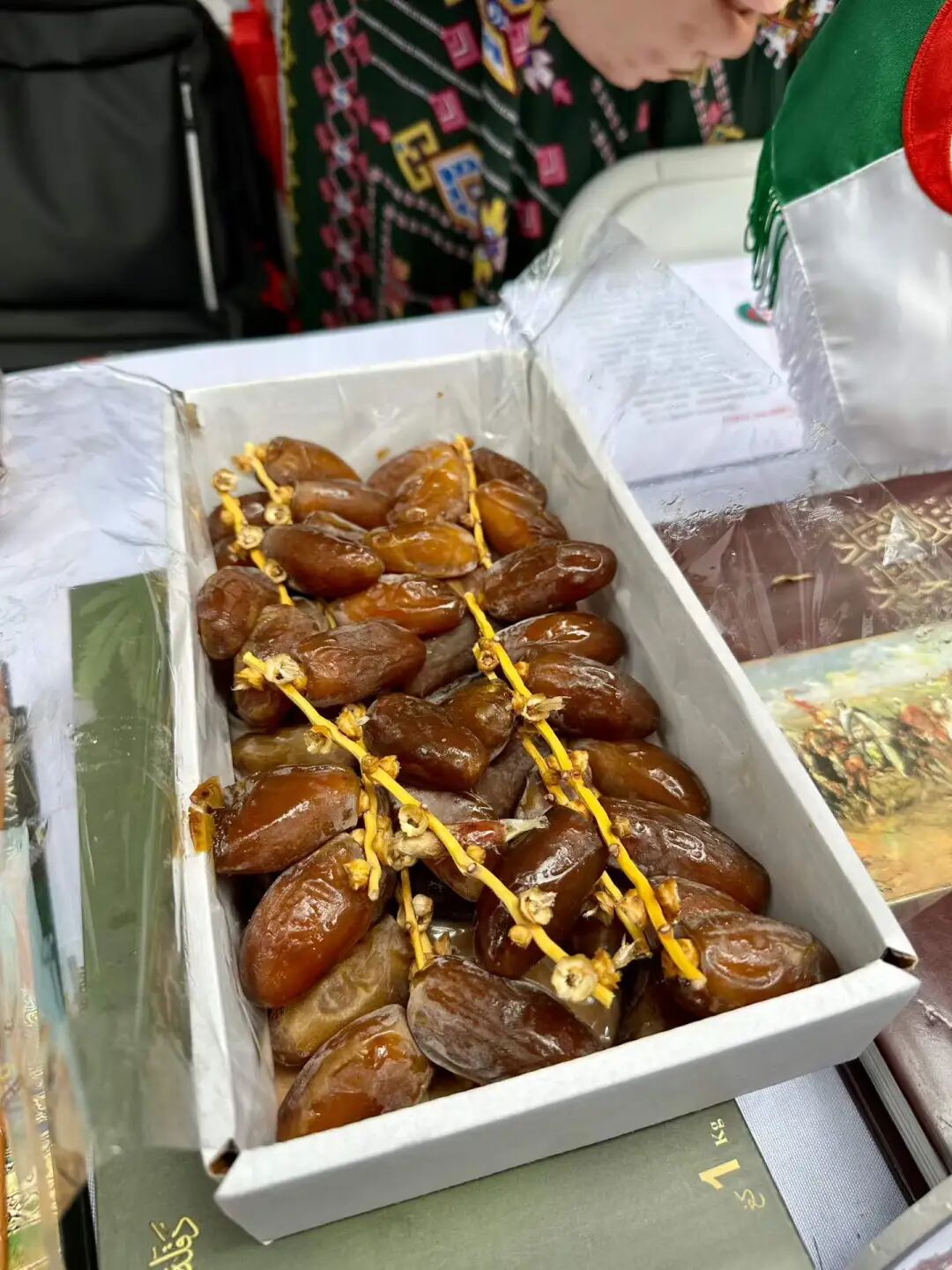
The snacks at Africa Day in Beijing started with Barakawy dates from Sudan and Deglet Nour dates from Algeria. The Sudanese ones are drier, while the Algerian dates on the branch are oilier. Both are very sweet. The Sahara oases in North Africa are major date producers. Algeria's Deglet Nour dates are known as the "queen of dates." The flesh is soft and chewy with a honey-like flavor, hints of caramel and nuts, and a high sweetness that isn't cloying. Sudanese dates are mainly grown along the Nile and in northern oases. The Barakawy variety is the most common; it is dark brown, quite dry, firm, and very sweet.
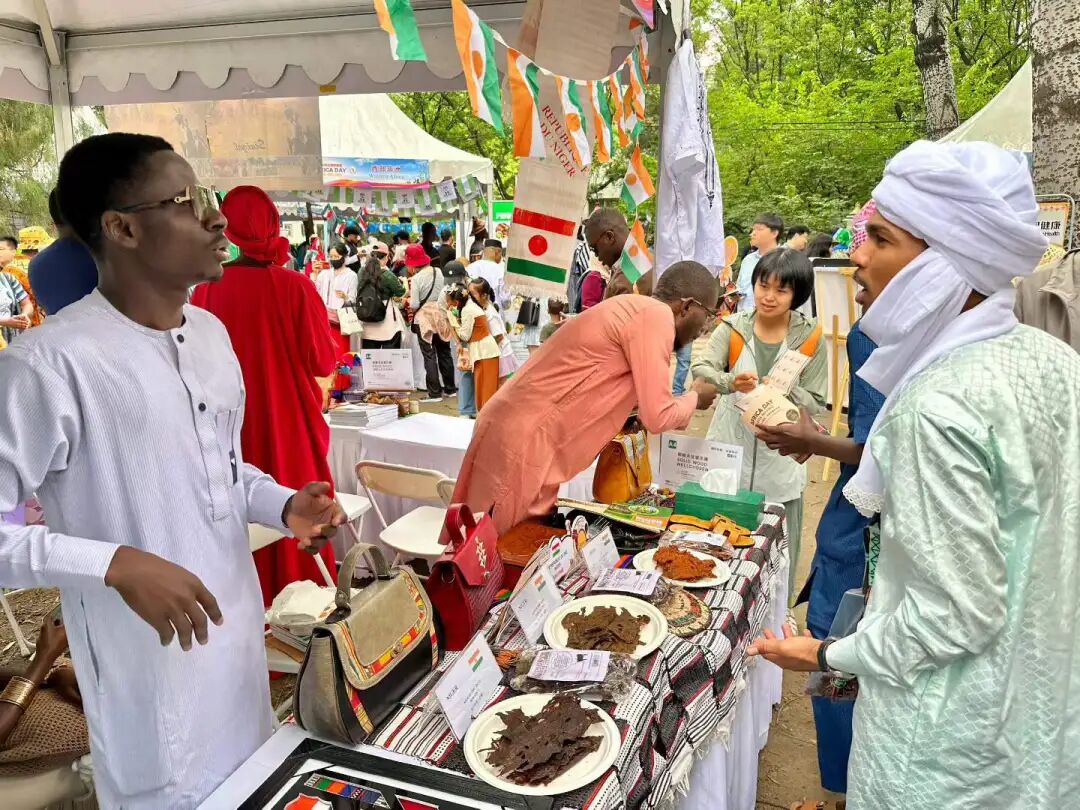
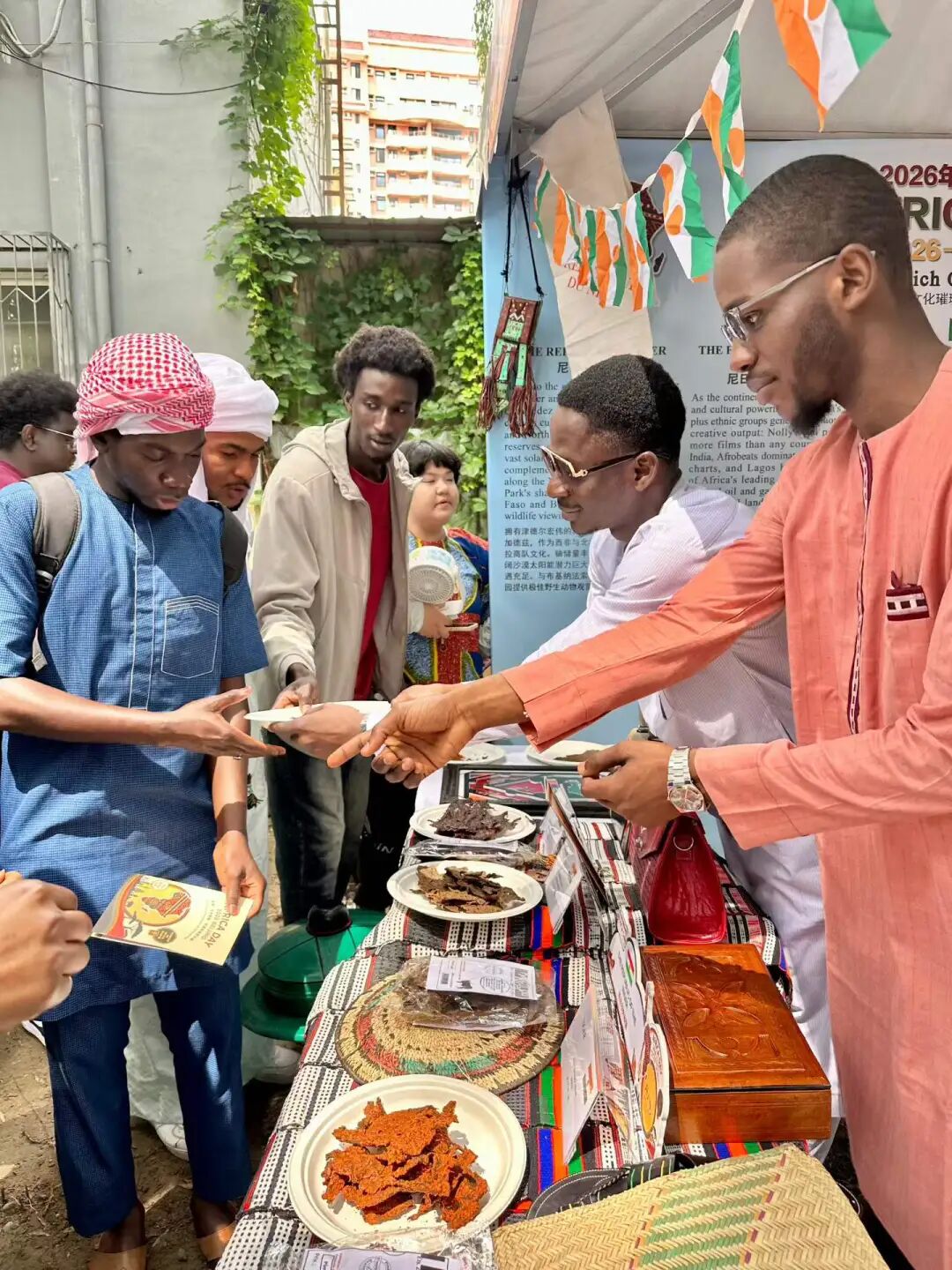
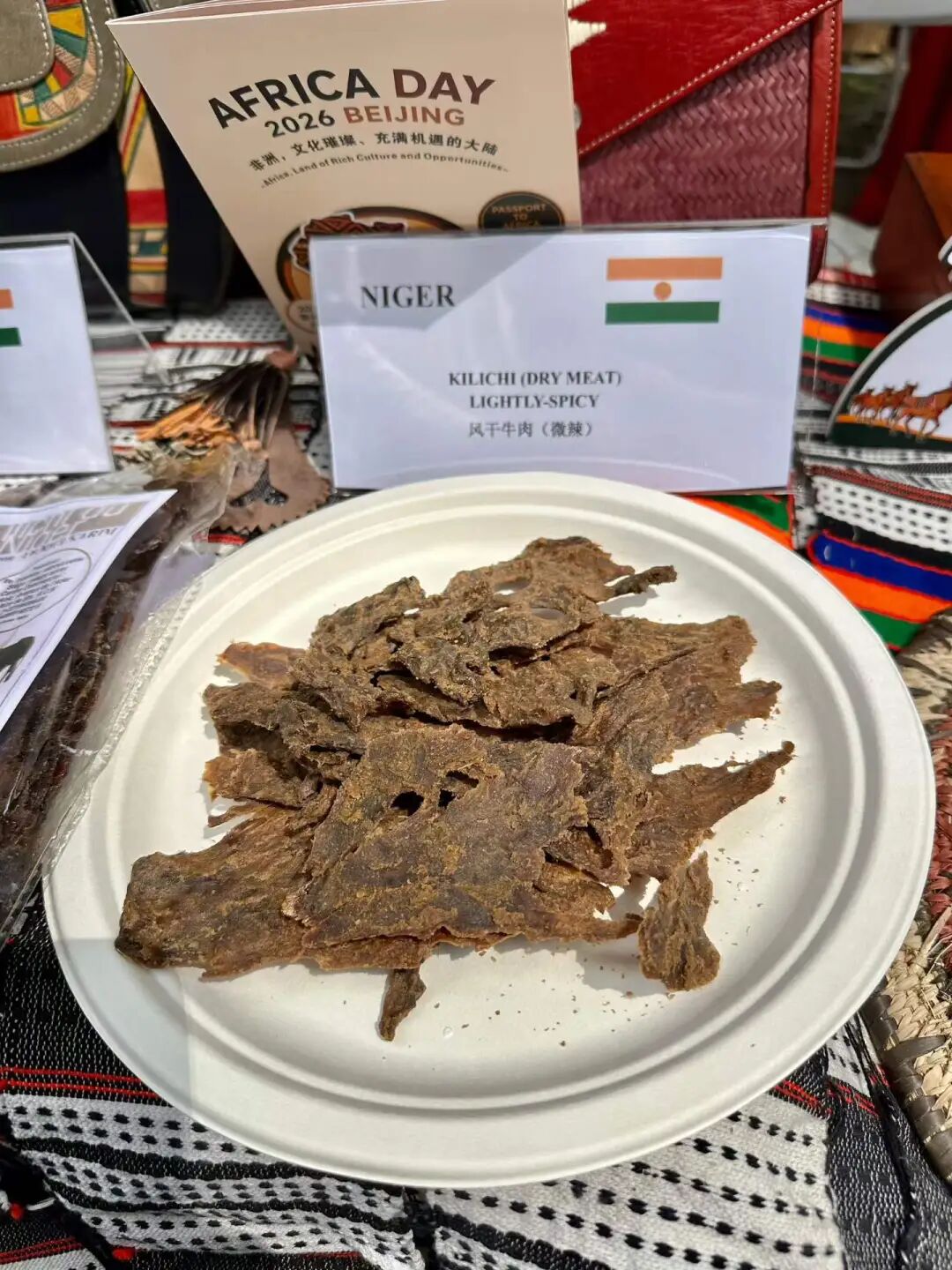
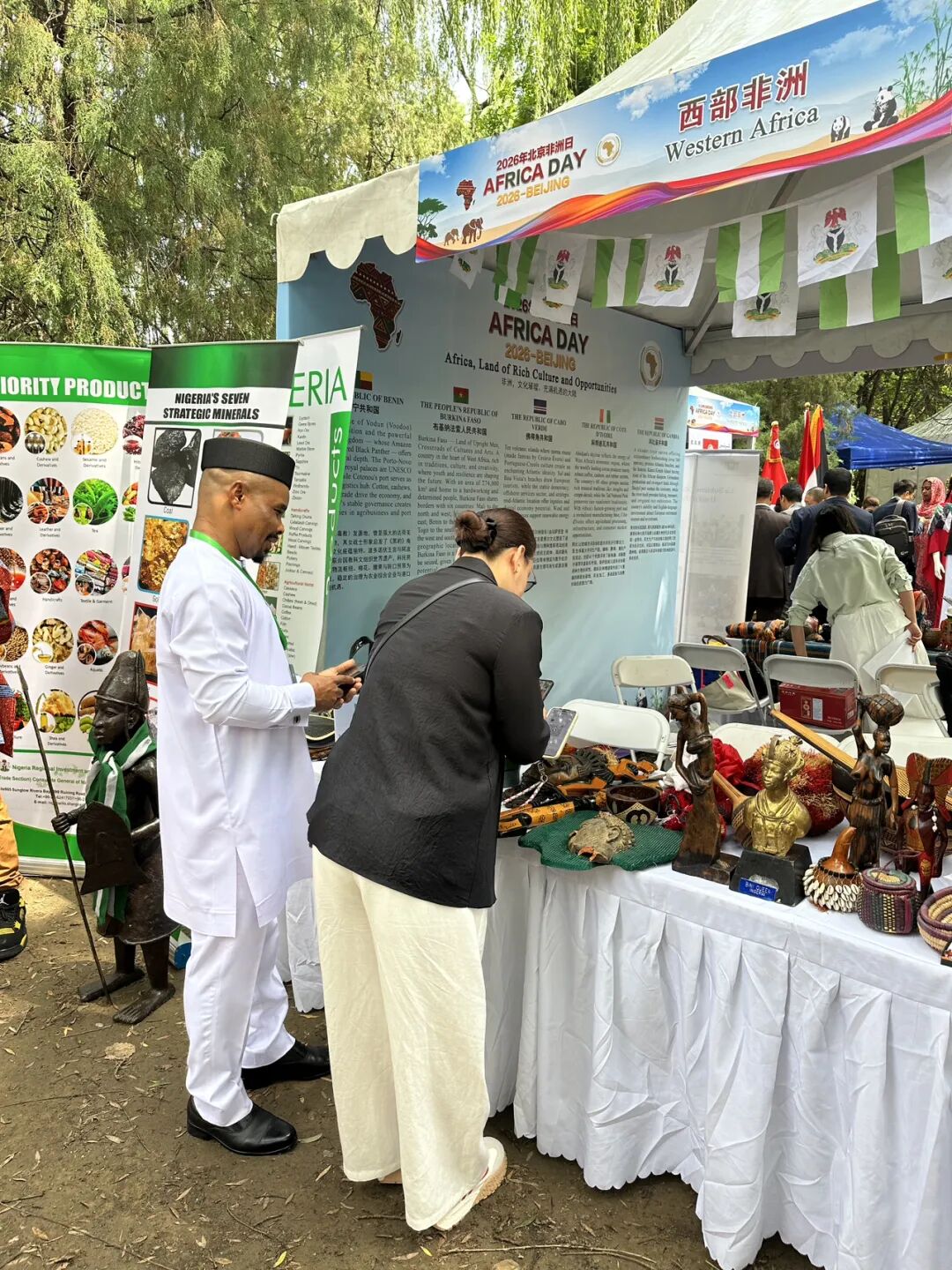
Next, I tasted the beef jerky (kilichi) from Niger. Kilichi is a traditional food of the Hausa people in the West African Sahel region. It was originally invented to preserve meat during nomadic travel and trade, and it has since become a national snack in countries like Niger and Nigeria. The secret to kilichi is the roasted peanut powder, along with ginger, garlic, and onion powder. This makes it richer and more fibrous than regular beef jerky. Kilichi comes in three spice levels, and I tried all of them at the event. The spiciest version is Kilichi Rouge, which uses a lot of red chili and is very popular. The regular version is Roumouzou, which is mild and fragrant, making it perfect for those who don't like spicy food. There is another type called Tessaoua that is just wrapped in spices and sun-dried without smoking, giving it a fresher taste.
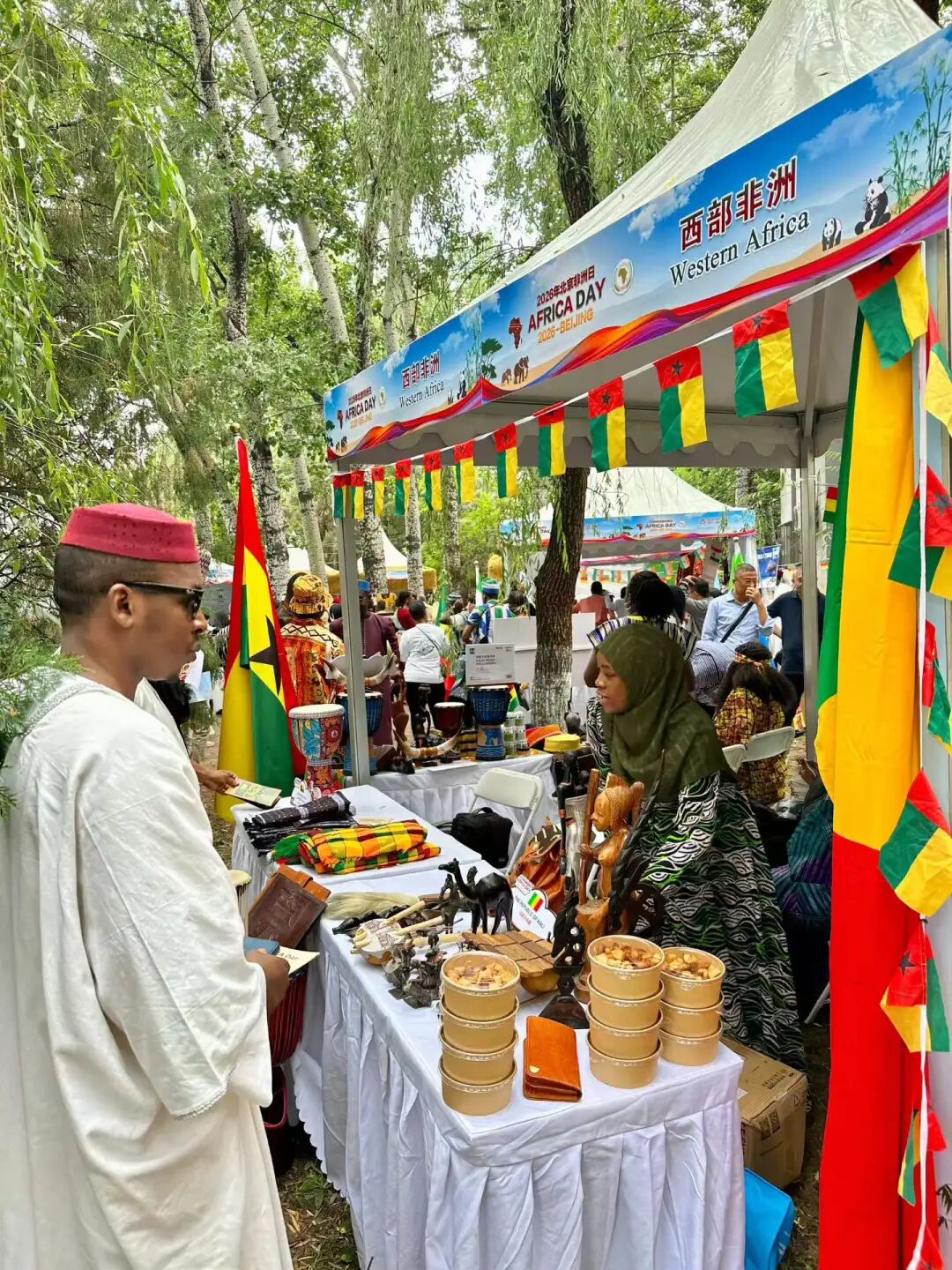
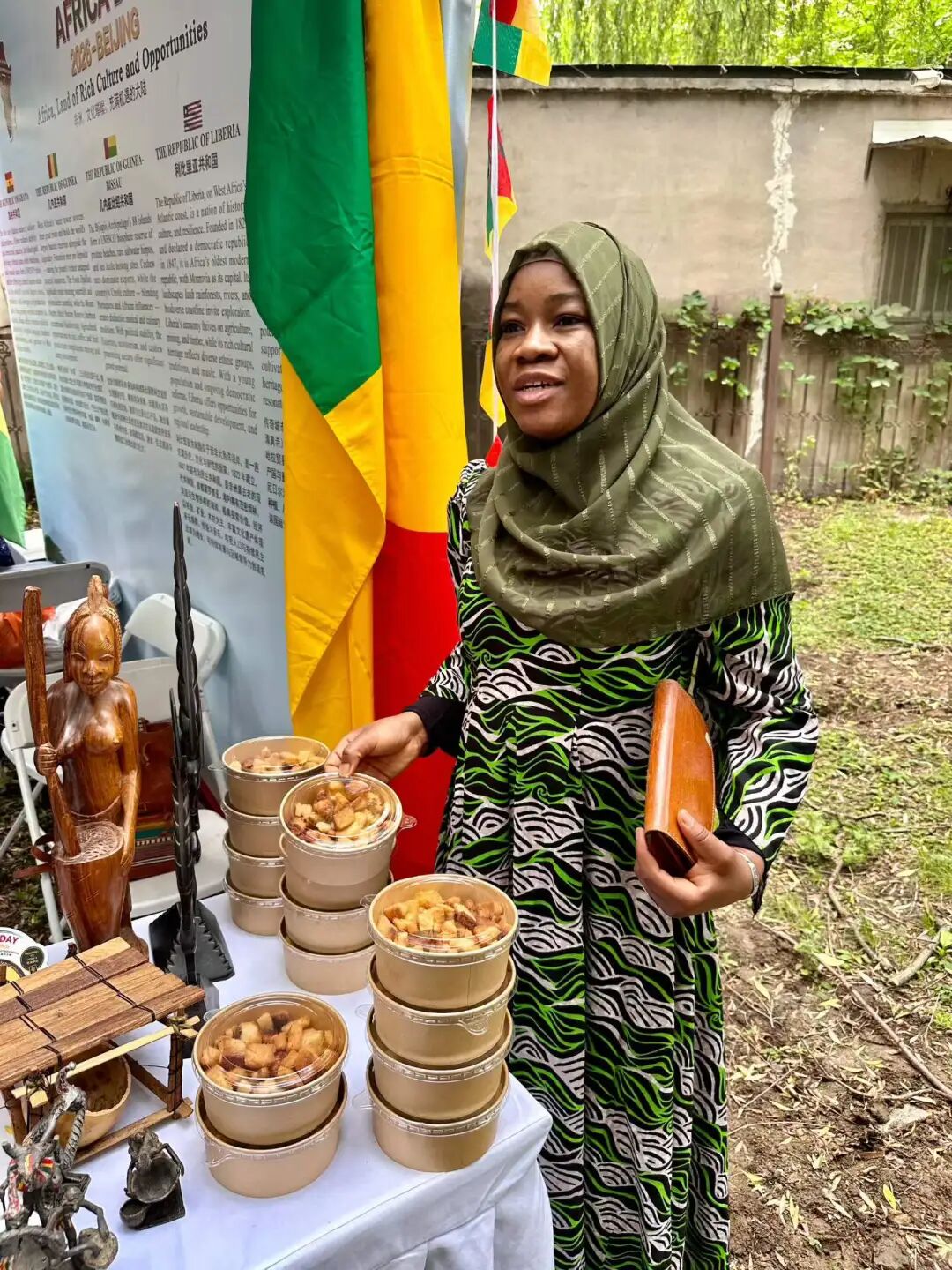
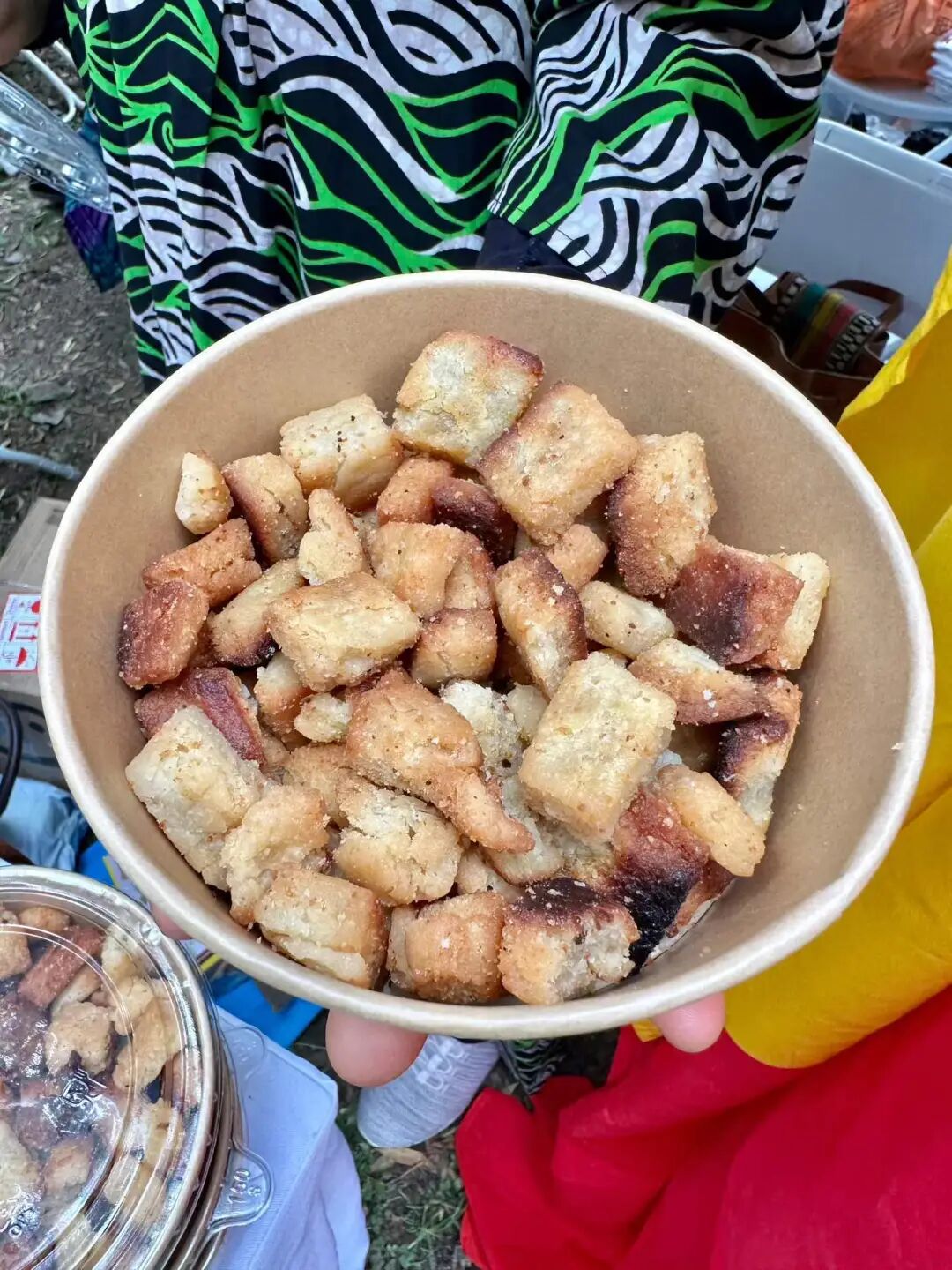
I also ate a flaky pastry made by a sister from Mali that tasted like a cookie. Mali is in the heart of West Africa and once built the wealthy Mali Empire, but it later became one of the poorest regions in the world. Right now, various riots are still breaking out across Mali, and the society is very unstable.
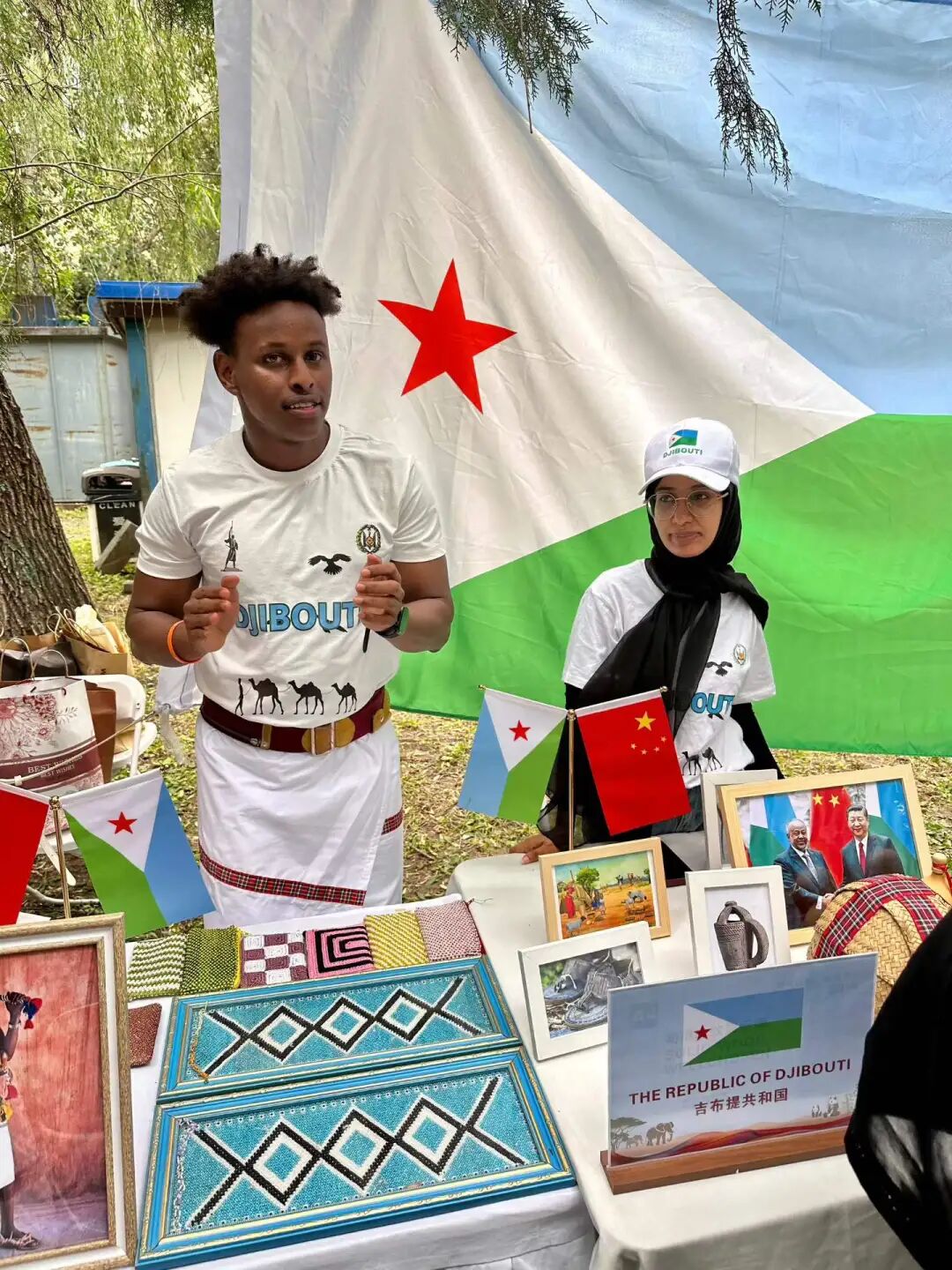
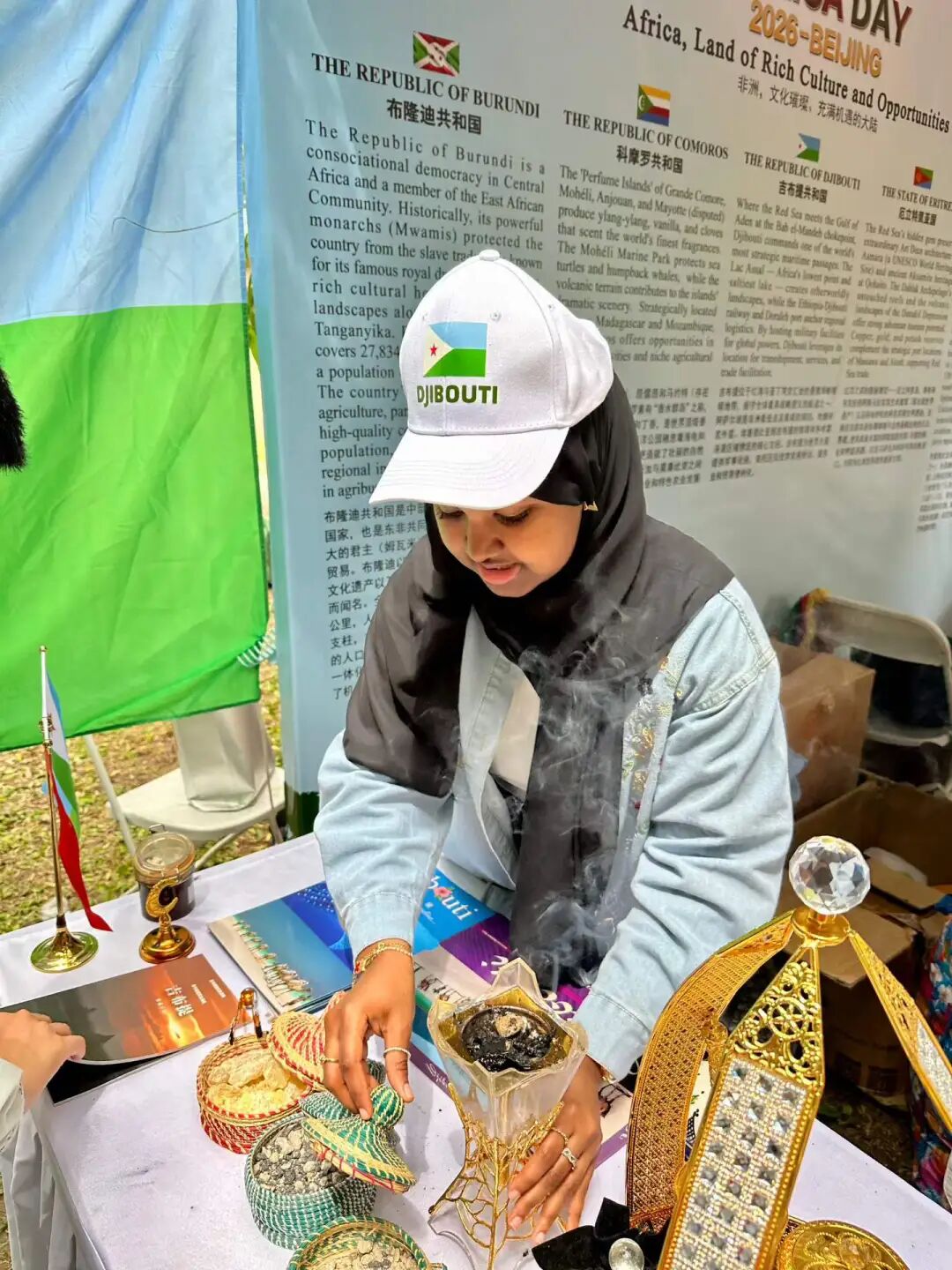
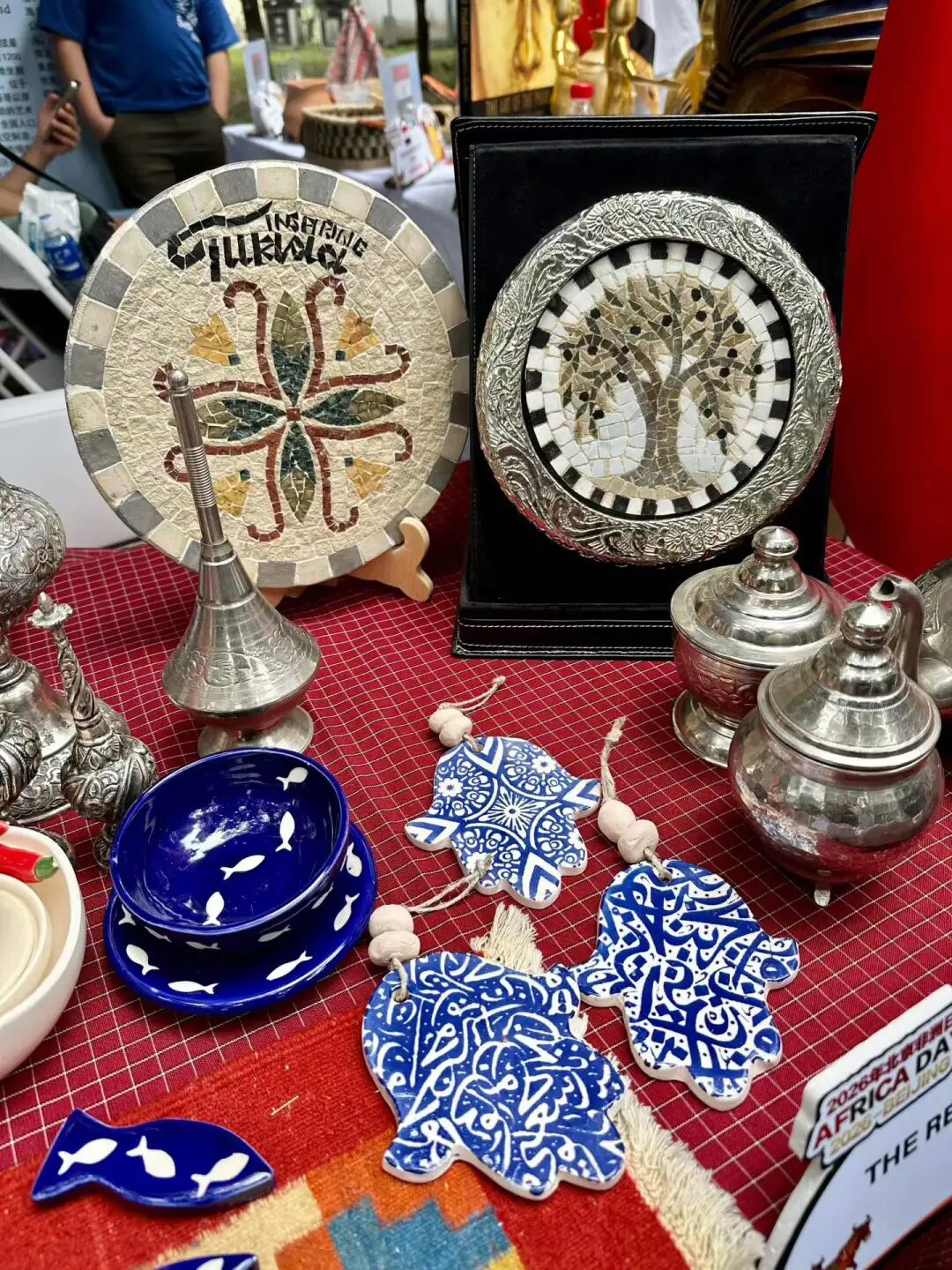
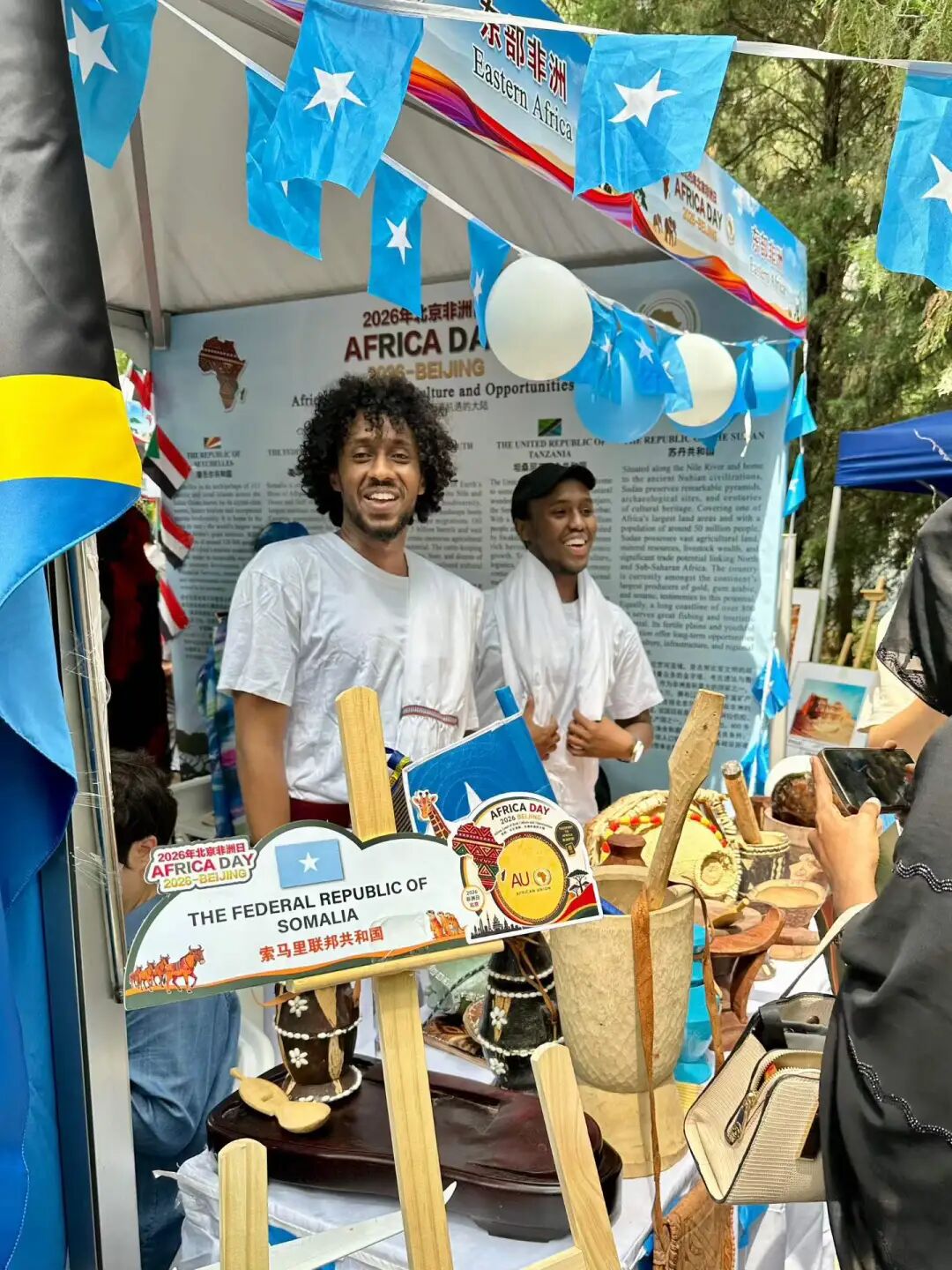
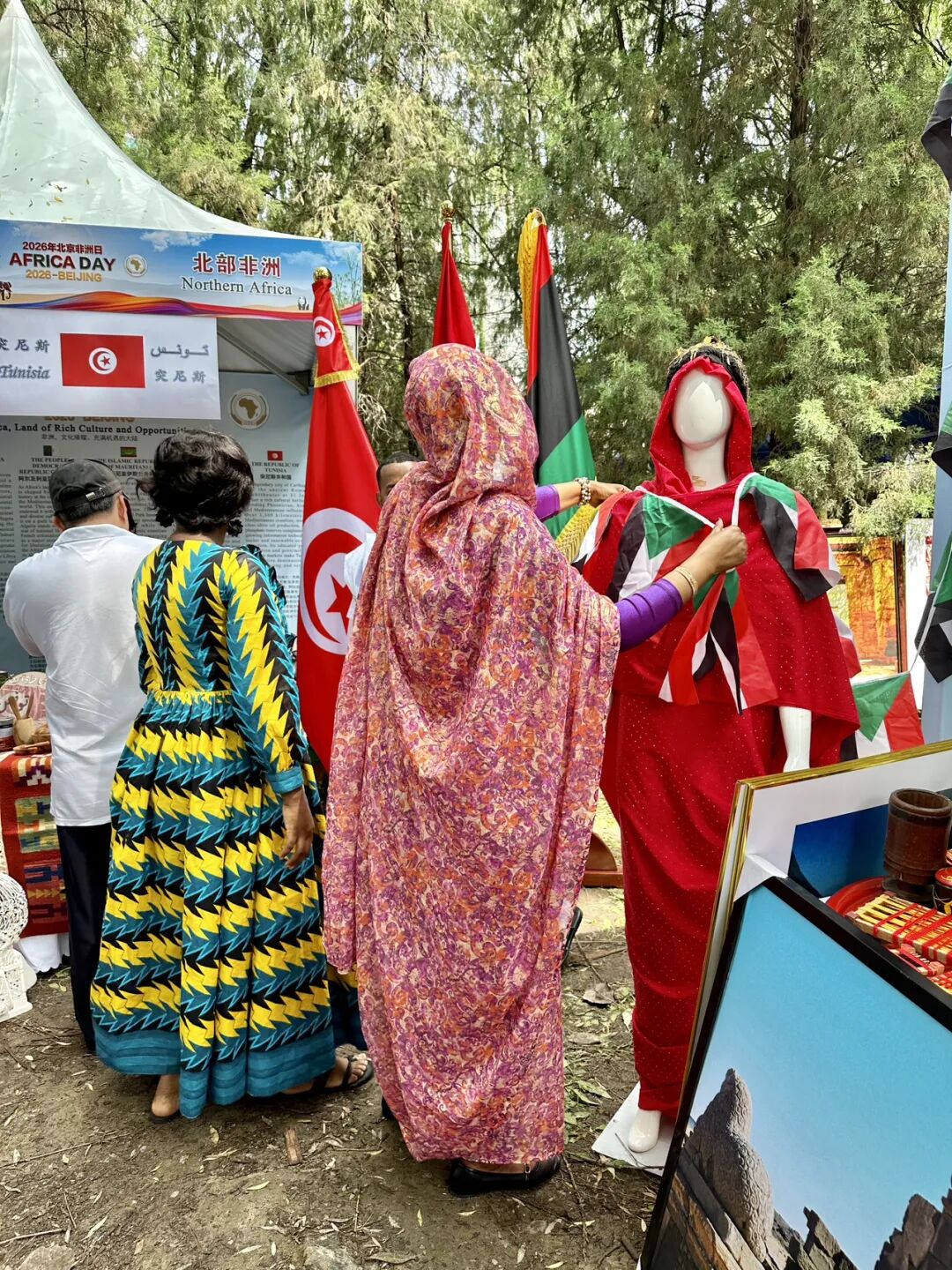
Ethiopian coffee, Djiboutian incense, Tunisian mosaics, and a Somali booth.
Ethiopia is the birthplace of Arabica coffee, and coffee is named after its place of origin, Kaffa. Local shepherds reportedly noticed their sheep were excited and sleepless after eating coffee beans, so they tried them and felt energized, and later the villagers started eating them too. However, early coffee in Ethiopia was only chewed or used in medicinal meals, and it was only after Yemeni merchants brought it across the Red Sea that commercial planting began.
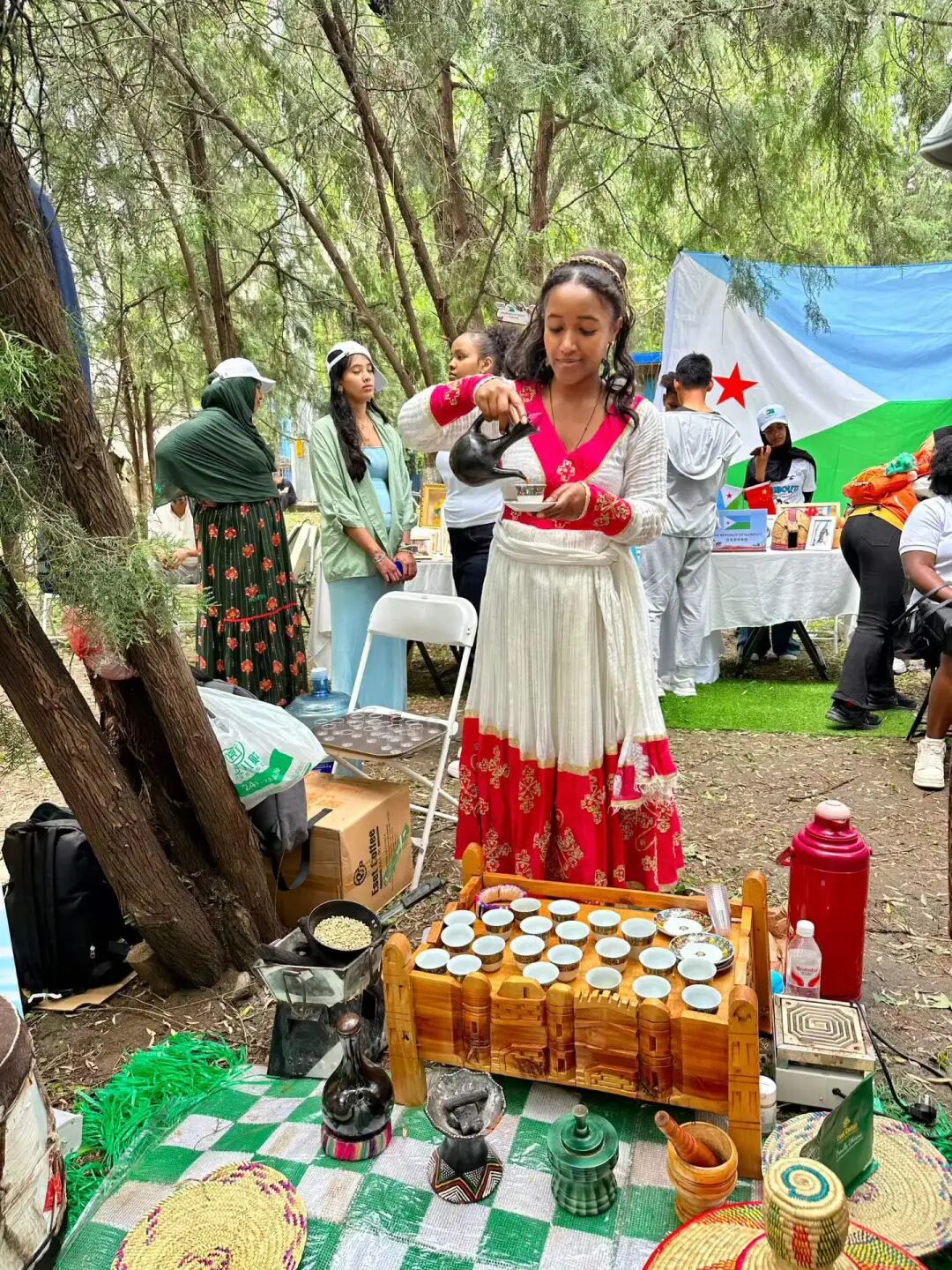
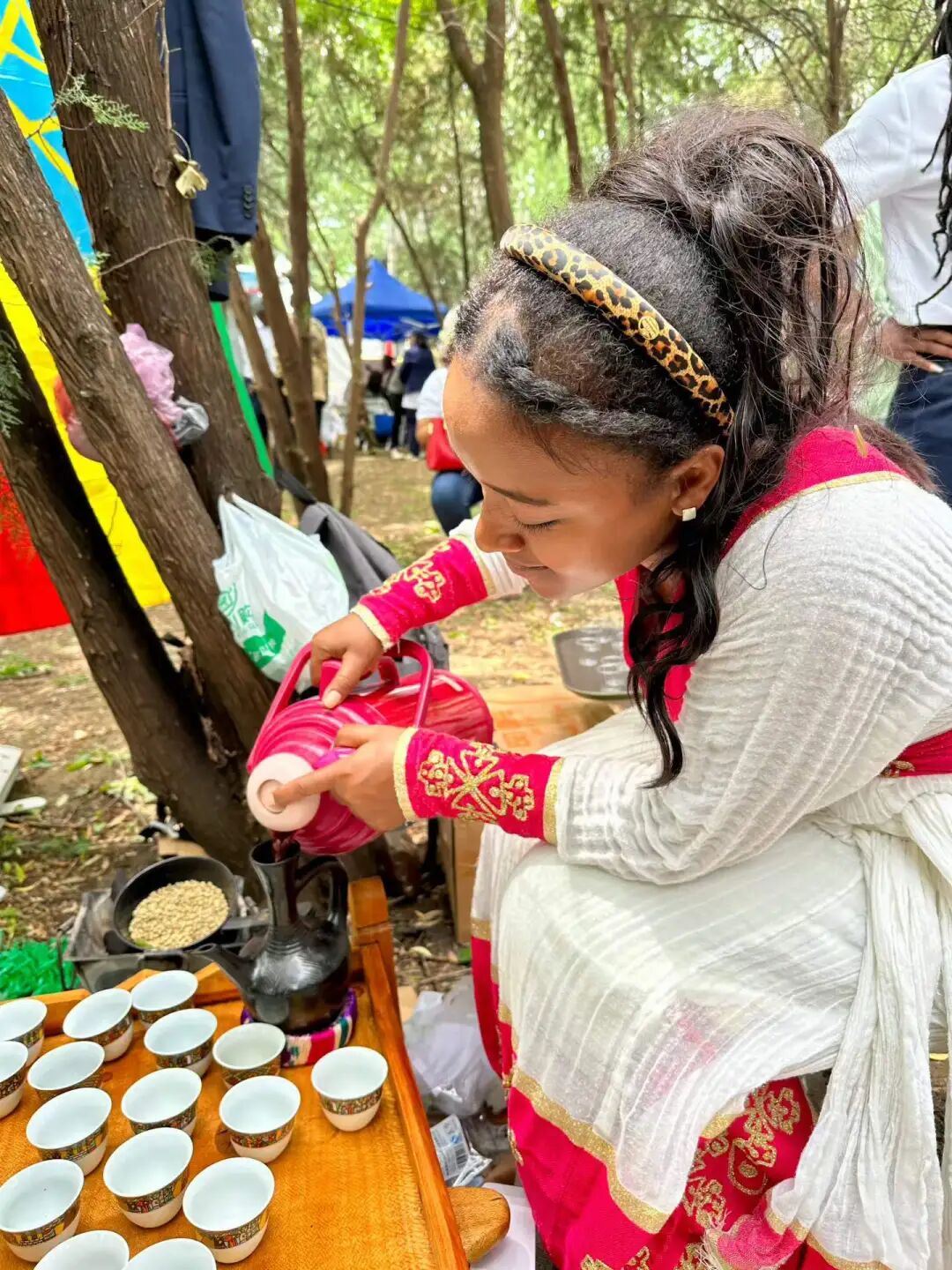
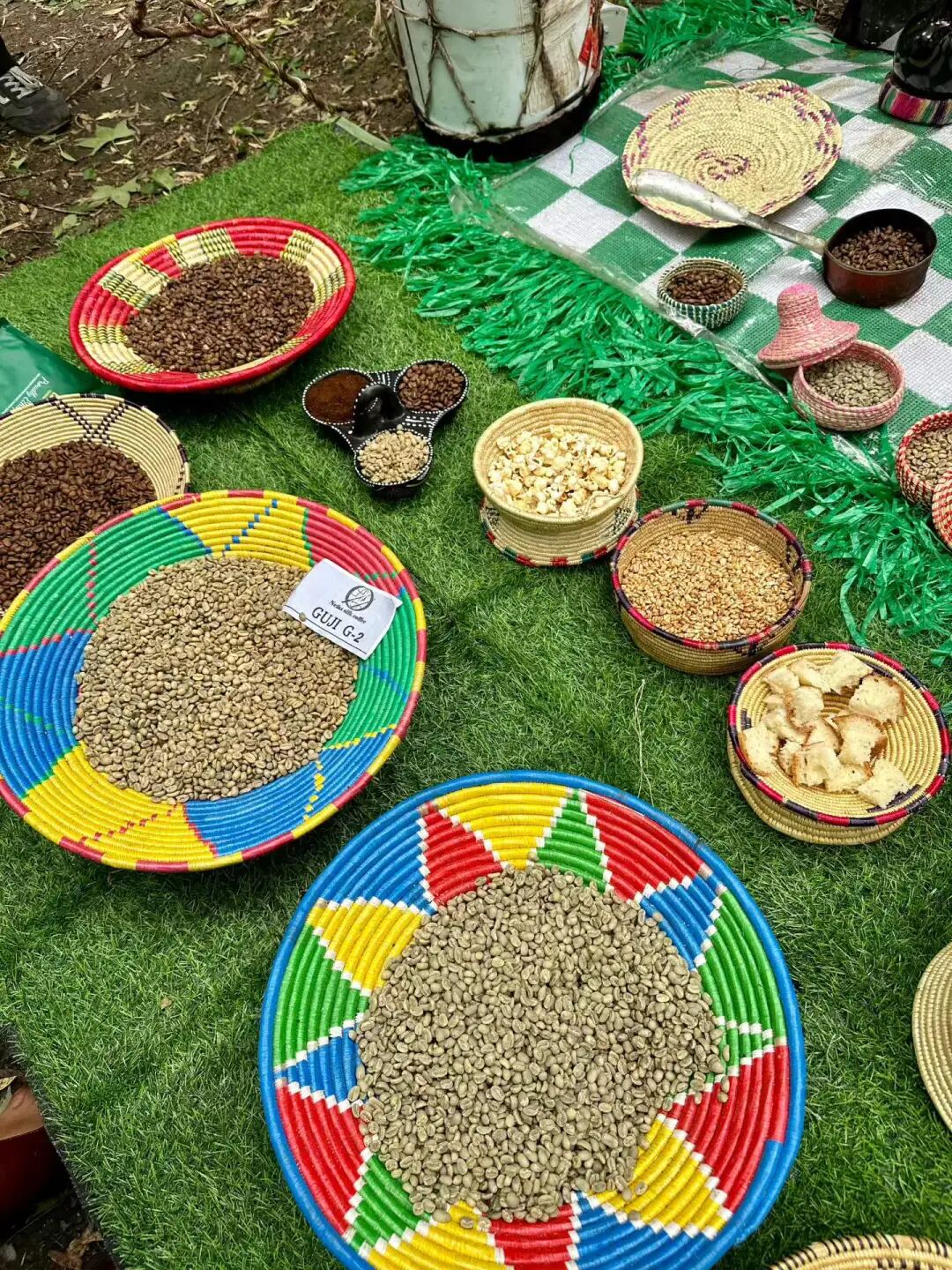
Djibouti is located in the Horn of Africa in the northeast, guarding the throat of the Red Sea, and the vast majority of its citizens belong to the Shafi'i school. Djiboutian incense centers on frankincense and myrrh, mixed with jasmine, amber, and agarwood, and burned using a traditional incense burner (dabqaad). The frankincense comes from the resin of the frankincense tree and has a warm, woody, and slightly sweet scent with fresh citrus notes, making it the soul of Djiboutian incense. Myrrh has a deep, smoky, and slightly bitter scent and is often mixed with frankincense.
Summary: This Muslim traveler guide to Beijing covers the Africa Day event, local Muslim community scenes, and travel culture details from the original Chinese article.
This article summarizes the key points of the lively Africa Day event in Beijing. It keeps the original paragraph and image order, making it perfect for readers interested in Muslim life, Islamic culture, and Chinese Islamic articles, as well as those searching for halal food in China.
May 25 is Africa Liberation Day, a day to remember the national liberation of Africa. It started on May 25, 1963, when 32 African countries signed the Charter of the Organization of African Unity. African countries hold celebrations around May 25 every year. This year, the embassies of various African countries in Beijing held a lively Africa Day event at Chaoyang Park.
As soon as I entered, I heard happy African drumming. I walked over and saw some men from Tanzania in East Africa playing drums and singing in Swahili. The most famous song was the one from The Lion King, 'Hakuna Matata,' which means 'no worries.' Everyone was very happy. My son, Suleiman, joined in and played an African drum, and he had a great time.
I kept walking inside and reached the music stage for Sierra Leone in West Africa. Besides African drums, I saw the beaded shaker (shegbureh) of the Mende people. It is made of a hollowed-out gourd handle inside a cotton net, with wooden beads or hard seeds strung into the net. When playing it, you hold the knot of the rope in one hand and shake the gourd with the other, making the gourd hit and rub against the net.
The third area was the drumming and music stage for Cameroon. I saw the classic Tam-tam drum used by Cameroonians during celebrations. It is played with two drumsticks and has a very powerful sound.
After listening for a while, I saw Dosdani from Sudan also playing the drums and singing. Sudanese Arabs have lighter skin, while the Nubian and Fur people have darker skin. Because of long-term intermarriage and integration, you can see that the appearance of the Sudanese people is very diverse, and their culture is very multicultural.
The last thing I listened to was the singing and dancing of people from Liberia in West Africa. Since the 19th century, many freed American slaves were settled in Liberia, so their music is a blend of African and American styles. Liberian dancing is very bold and uses large, sweeping movements.
The snacks at Africa Day in Beijing started with Barakawy dates from Sudan and Deglet Nour dates from Algeria. The Sudanese ones are drier, while the Algerian dates on the branch are oilier. Both are very sweet. The Sahara oases in North Africa are major date producers. Algeria's Deglet Nour dates are known as the "queen of dates." The flesh is soft and chewy with a honey-like flavor, hints of caramel and nuts, and a high sweetness that isn't cloying. Sudanese dates are mainly grown along the Nile and in northern oases. The Barakawy variety is the most common; it is dark brown, quite dry, firm, and very sweet.
Next, I tasted the beef jerky (kilichi) from Niger. Kilichi is a traditional food of the Hausa people in the West African Sahel region. It was originally invented to preserve meat during nomadic travel and trade, and it has since become a national snack in countries like Niger and Nigeria. The secret to kilichi is the roasted peanut powder, along with ginger, garlic, and onion powder. This makes it richer and more fibrous than regular beef jerky. Kilichi comes in three spice levels, and I tried all of them at the event. The spiciest version is Kilichi Rouge, which uses a lot of red chili and is very popular. The regular version is Roumouzou, which is mild and fragrant, making it perfect for those who don't like spicy food. There is another type called Tessaoua that is just wrapped in spices and sun-dried without smoking, giving it a fresher taste.
I also ate a flaky pastry made by a sister from Mali that tasted like a cookie. Mali is in the heart of West Africa and once built the wealthy Mali Empire, but it later became one of the poorest regions in the world. Right now, various riots are still breaking out across Mali, and the society is very unstable.
Ethiopian coffee, Djiboutian incense, Tunisian mosaics, and a Somali booth.
Ethiopia is the birthplace of Arabica coffee, and coffee is named after its place of origin, Kaffa. Local shepherds reportedly noticed their sheep were excited and sleepless after eating coffee beans, so they tried them and felt energized, and later the villagers started eating them too. However, early coffee in Ethiopia was only chewed or used in medicinal meals, and it was only after Yemeni merchants brought it across the Red Sea that commercial planting began.
Djibouti is located in the Horn of Africa in the northeast, guarding the throat of the Red Sea, and the vast majority of its citizens belong to the Shafi'i school. Djiboutian incense centers on frankincense and myrrh, mixed with jasmine, amber, and agarwood, and burned using a traditional incense burner (dabqaad). The frankincense comes from the resin of the frankincense tree and has a warm, woody, and slightly sweet scent with fresh citrus notes, making it the soul of Djiboutian incense. Myrrh has a deep, smoky, and slightly bitter scent and is often mixed with frankincense.
