
China Mosque Travel Guide: Eight Historic Mosque Complexes in Longhui, Shaoyang, Hunan (Segment 1 of 3)
Reposted from the web
Summary: This China mosque travel guide covers eight historic mosque complexes in Longhui, Shaoyang, Hunan, with local Hui Muslim heritage and mosque travel details kept in clear English.
This article summarizes the key points about the eight mosques (sifang) in Longhui County, Shaoyang, Hunan. It keeps the original paragraph and image order. It is for readers interested in Muslim life, Islamic culture, and Chinese Islamic writing. It also helps people search for content like Chinese halal food.
Longhui County in Shaoyang City, Hunan, has a large population of Hui Muslims. I visited eight mosques there: Taohuaping Mosque, Shanjie Ancient Mosque, East Mosque, West Mosque, South Mosque, North Mosque, Luobai Mosque, and Niejiaoting Mosque. I will share them with you below.
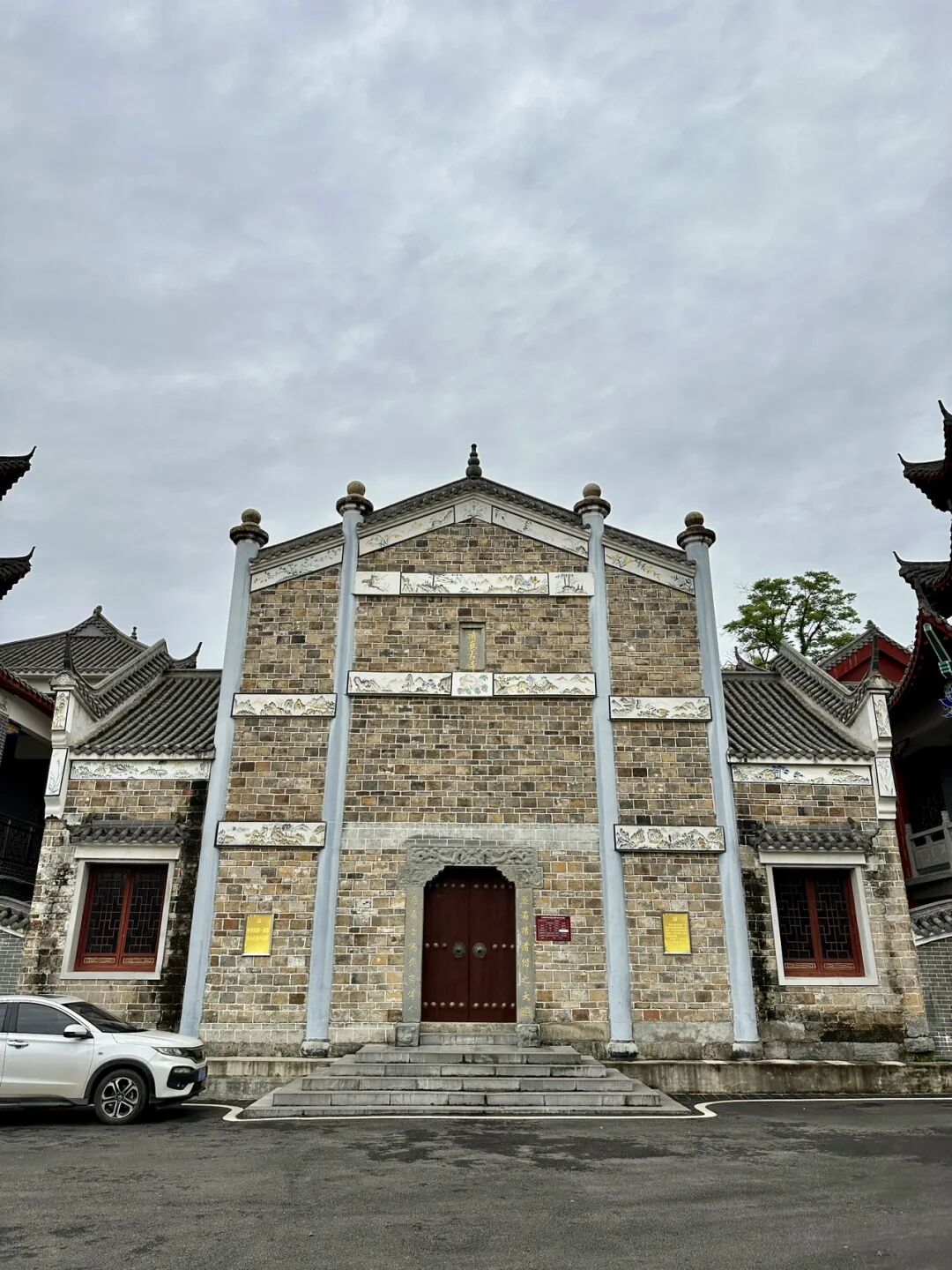
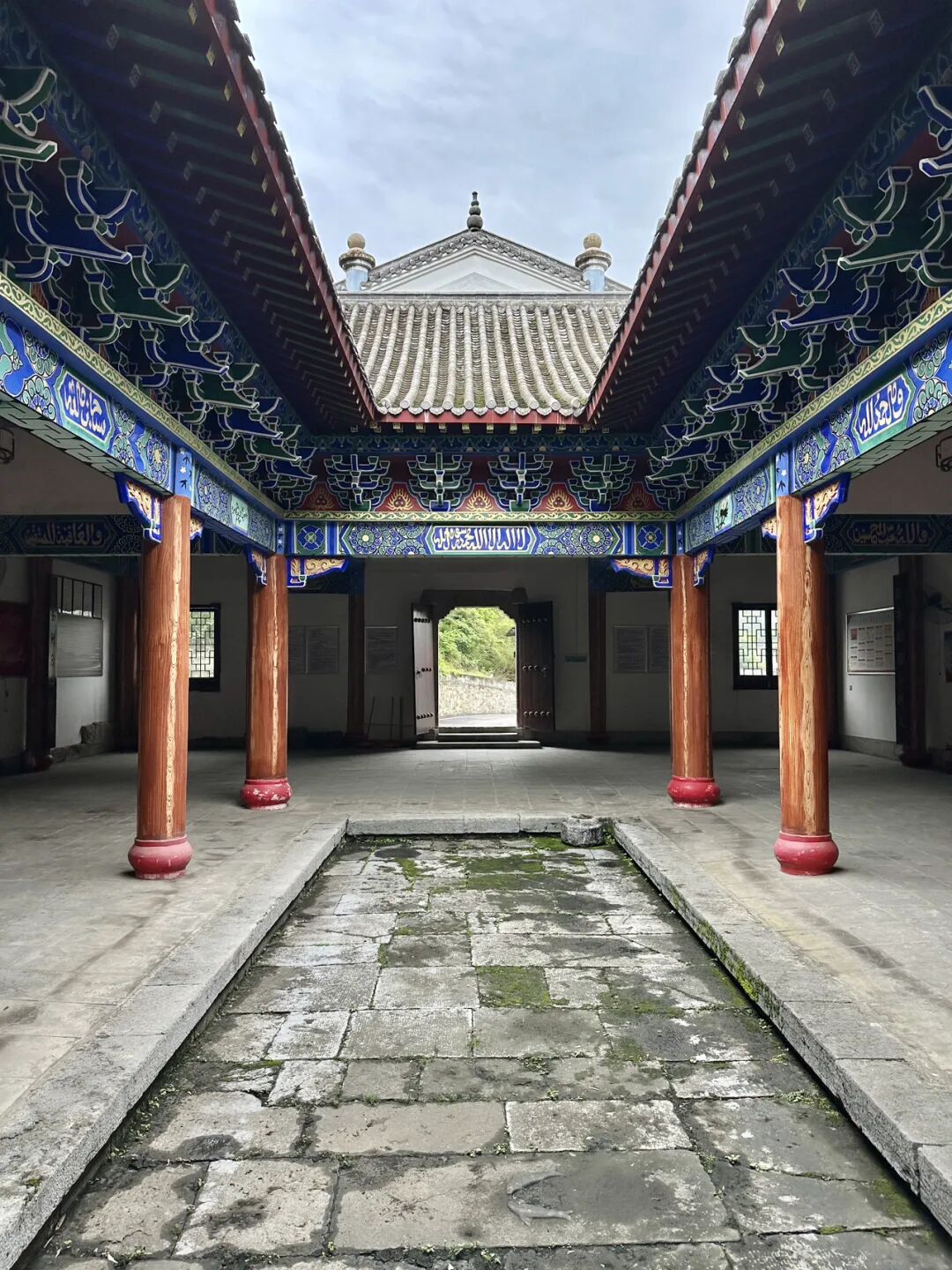
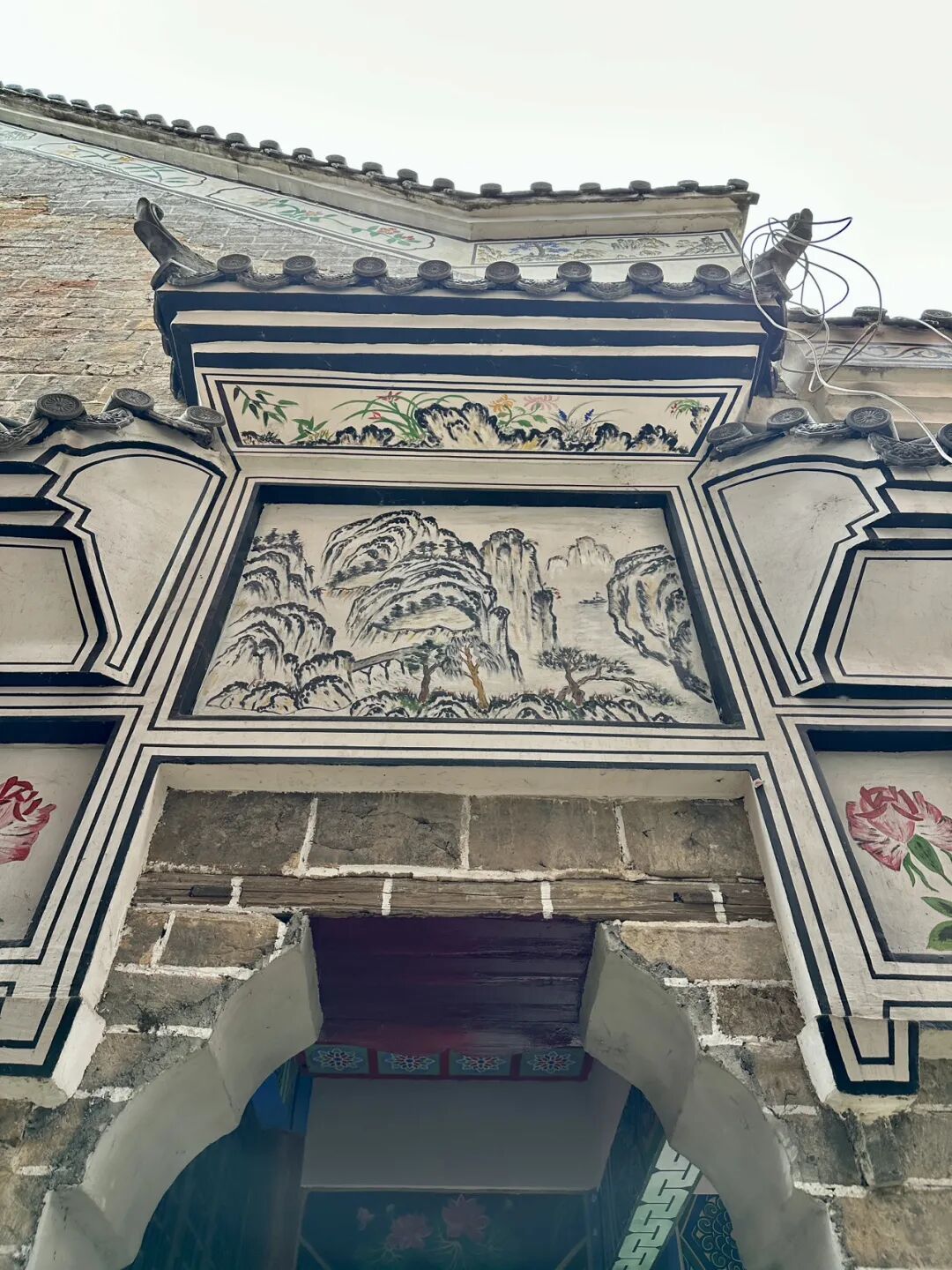
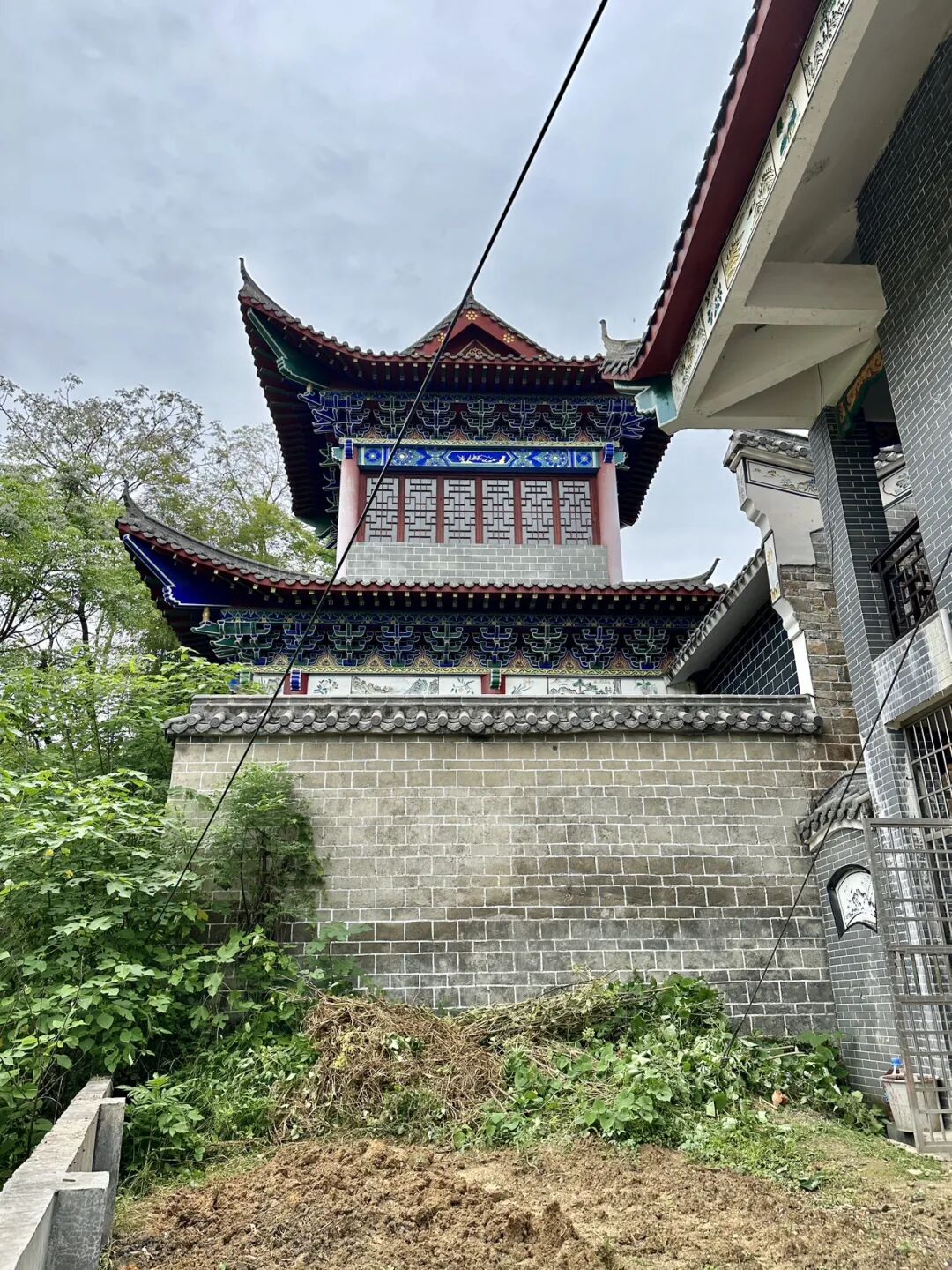
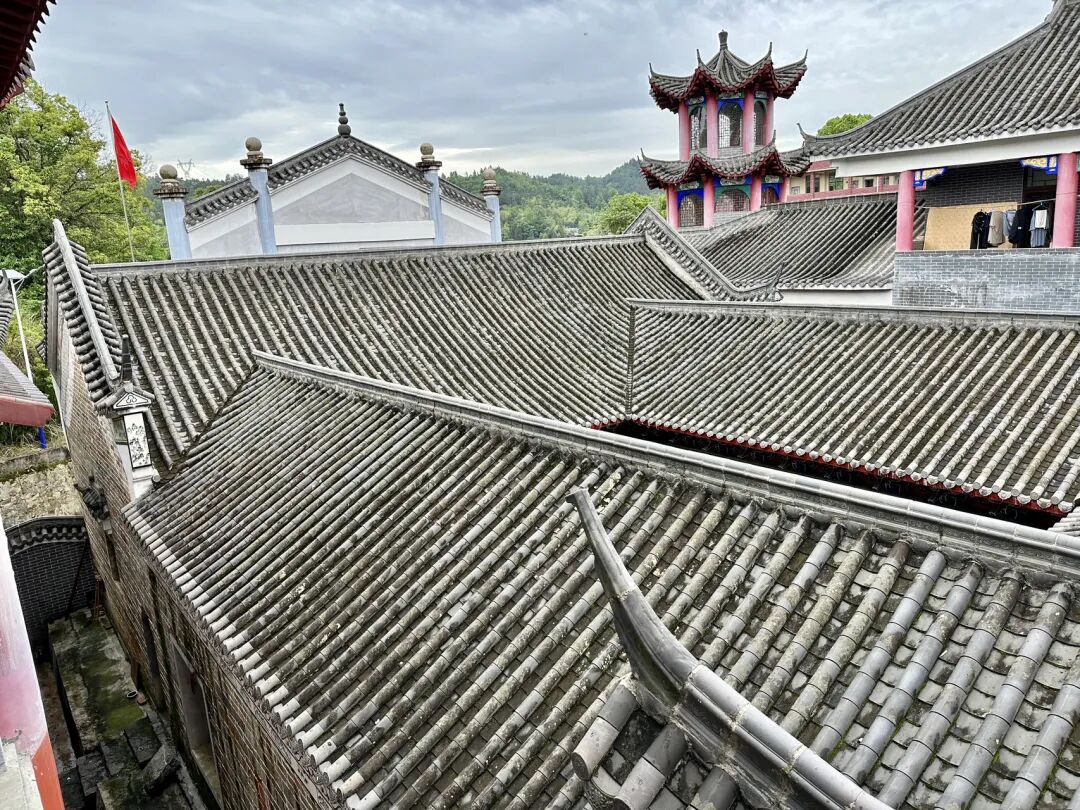
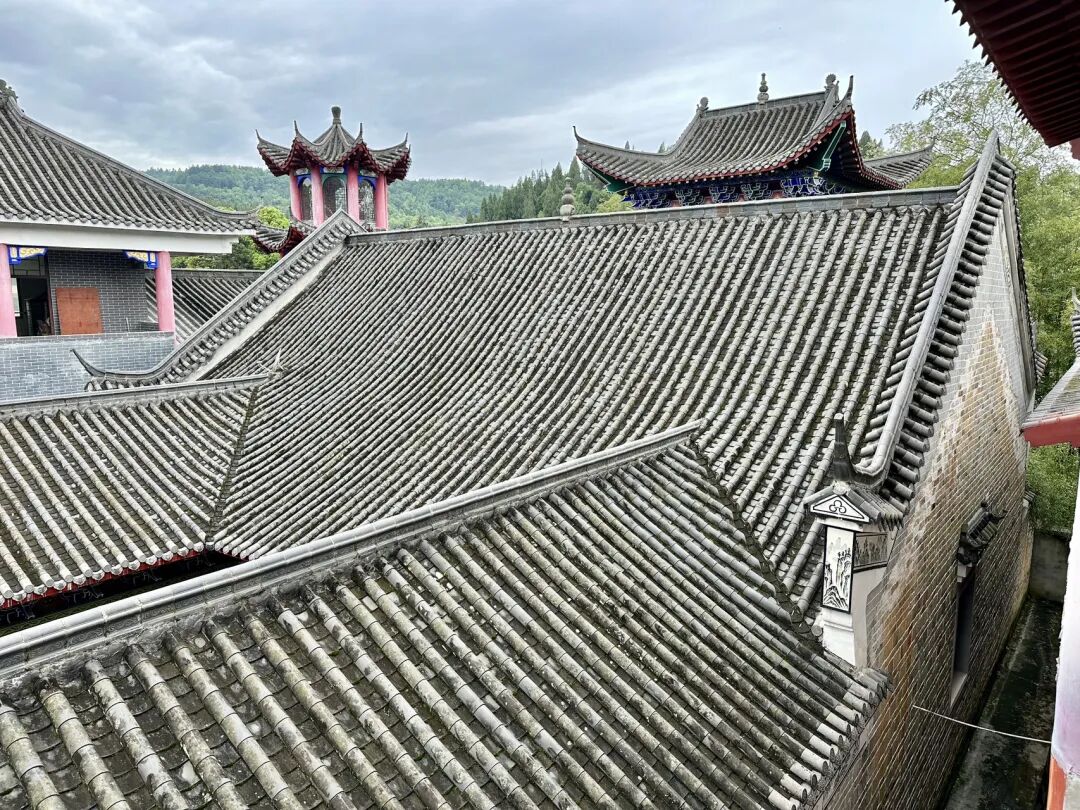
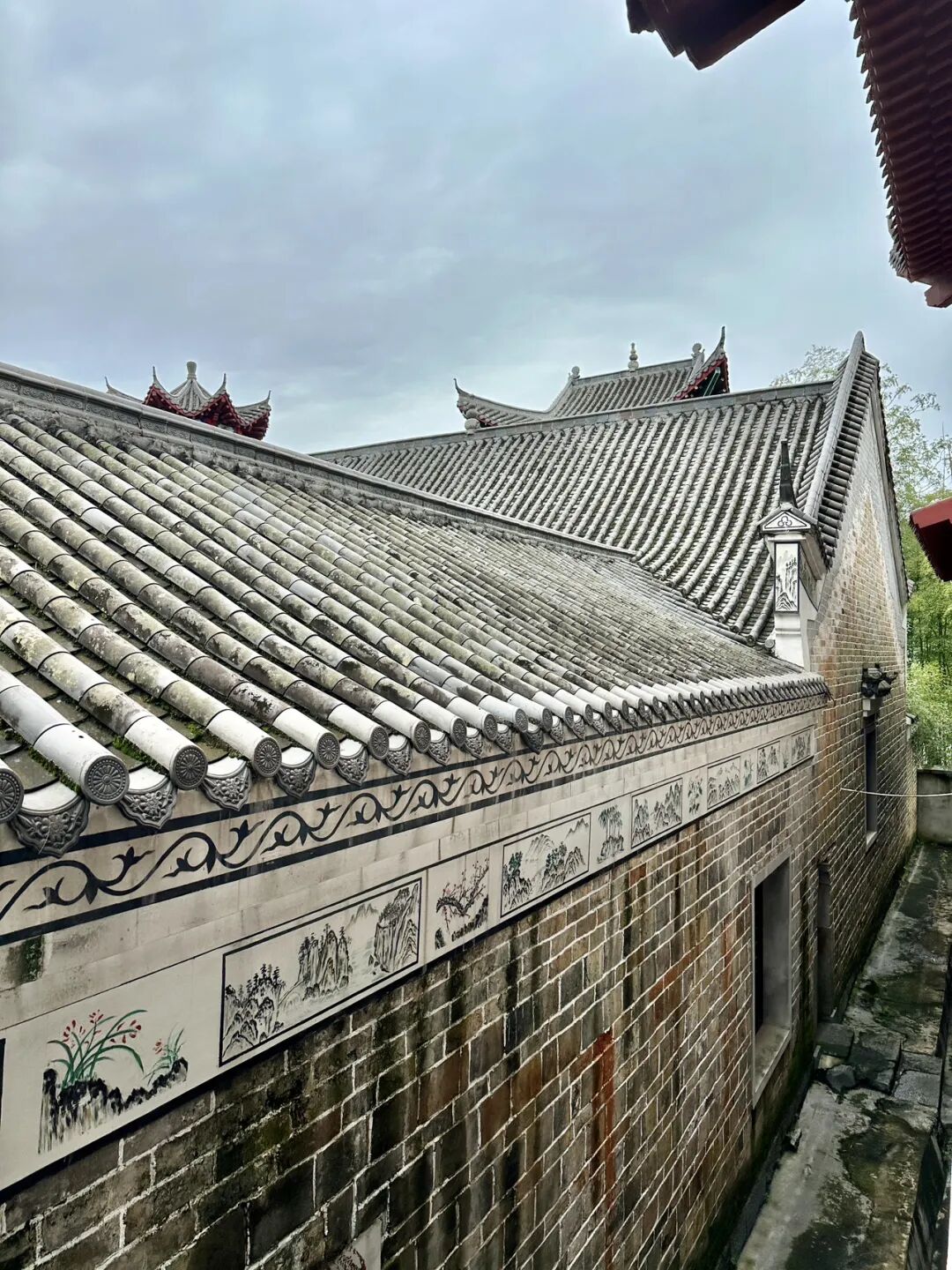
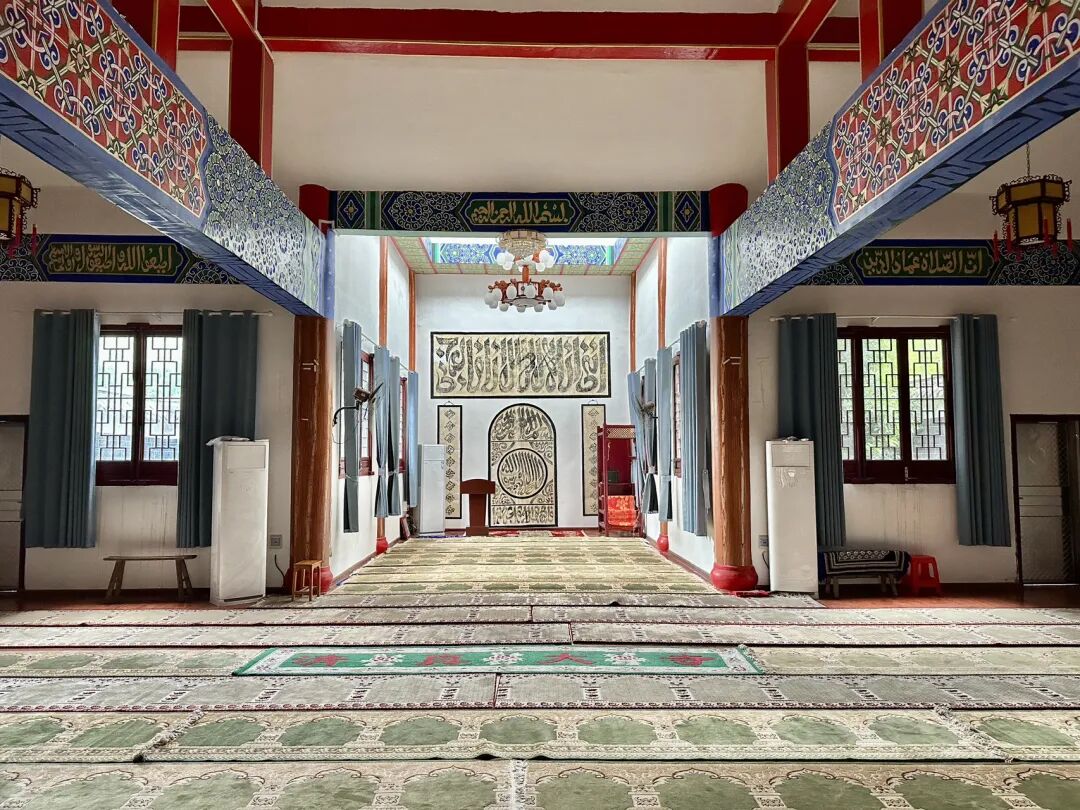
Shanjie Ancient Mosque in Longhui County, Shaoyang, Hunan, is located in Laowuli, Shanjie Township. It was first built in 1444 (the ninth year of the Zhengtong reign of the Ming Dynasty) and is the oldest mosque in Longhui. During the Hongwu reign of the Ming Dynasty, Ma Zhi, the third son of Ma Cheng, the ancestor of the Ma family Hui Muslims in Shaoyang, moved from Shaoyang to Majia Ferry in Longhui to settle down. He was the first Hui Muslim in Longhui, and Shanjie Ancient Mosque was built by the Ma family.
Shanjie Ancient Mosque was renovated in 1919 and rebuilt into its current appearance in 2018.
Shanjie Ancient Mosque has a long tradition of teaching Islamic scripture. The head imams who have taught there include Ma Yulang, Ma Fujiu, Ma Fucheng, Ma Yucheng, Ma Yaochi, and Ding Zhenyi. They also hired imams from other places like Huang Xingxiang and Li Desheng. Ma Fucheng, an imam from this mosque, taught there for the longest time. In 1945, Imam Ma Yucheng taught at the ancient mosque and recruited many students (hailifan), marking the peak of the mosque's religious activities. To this day, the mosque continues its educational work and has trained many excellent young people.
On September 2, 1939, the Wugang County, Hunan branch of the China Islamic National Salvation Association was officially established at the mosque. The mosque's imam, Ma Fucheng, was elected as an officer. Inspired by the call to resist Japanese aggression and save the country, young Hui Muslims from the mosque, including Ma Qiyun, Ma Wuyang from the North Mosque, and Su Xingmin from Beishan, signed up for the army, took up arms, and headed to the front lines in East China.
Summary: This China mosque travel guide covers eight historic mosque complexes in Longhui, Shaoyang, Hunan, with local Hui Muslim heritage and mosque travel details kept in clear English.
This article summarizes the key points about the eight mosques (sifang) in Longhui County, Shaoyang, Hunan. It keeps the original paragraph and image order. It is for readers interested in Muslim life, Islamic culture, and Chinese Islamic writing. It also helps people search for content like Chinese halal food.
Longhui County in Shaoyang City, Hunan, has a large population of Hui Muslims. I visited eight mosques there: Taohuaping Mosque, Shanjie Ancient Mosque, East Mosque, West Mosque, South Mosque, North Mosque, Luobai Mosque, and Niejiaoting Mosque. I will share them with you below.
Shanjie Ancient Mosque in Longhui County, Shaoyang, Hunan, is located in Laowuli, Shanjie Township. It was first built in 1444 (the ninth year of the Zhengtong reign of the Ming Dynasty) and is the oldest mosque in Longhui. During the Hongwu reign of the Ming Dynasty, Ma Zhi, the third son of Ma Cheng, the ancestor of the Ma family Hui Muslims in Shaoyang, moved from Shaoyang to Majia Ferry in Longhui to settle down. He was the first Hui Muslim in Longhui, and Shanjie Ancient Mosque was built by the Ma family.
Shanjie Ancient Mosque was renovated in 1919 and rebuilt into its current appearance in 2018.
Shanjie Ancient Mosque has a long tradition of teaching Islamic scripture. The head imams who have taught there include Ma Yulang, Ma Fujiu, Ma Fucheng, Ma Yucheng, Ma Yaochi, and Ding Zhenyi. They also hired imams from other places like Huang Xingxiang and Li Desheng. Ma Fucheng, an imam from this mosque, taught there for the longest time. In 1945, Imam Ma Yucheng taught at the ancient mosque and recruited many students (hailifan), marking the peak of the mosque's religious activities. To this day, the mosque continues its educational work and has trained many excellent young people.
On September 2, 1939, the Wugang County, Hunan branch of the China Islamic National Salvation Association was officially established at the mosque. The mosque's imam, Ma Fucheng, was elected as an officer. Inspired by the call to resist Japanese aggression and save the country, young Hui Muslims from the mosque, including Ma Qiyun, Ma Wuyang from the North Mosque, and Su Xingmin from Beishan, signed up for the army, took up arms, and headed to the front lines in East China.
