
Thirteen Traditional Mosques of the Tatar People in Kazan, Russia
Reposted from the web
Summary: This travel note introduces Thirteen Traditional Mosques of the Tatar People in Kazan, Russia. In 1552, Ivan the Terrible conquered the Khanate of Kazan, massacred most of the Tatars in the city of Kazan, and all mosques in the city were demolished. It is useful for readers interested in Kazan Mosques, Tatar Muslims, Islamic Heritage.
In 1552, Ivan the Terrible conquered the Khanate of Kazan, massacred most of the Tatars in the city of Kazan, and all mosques in the city were demolished. In 1556, Russia rebuilt the city of Kazan and settled 7,000 Russians in the city, while the remaining Tatars, besides being forced to convert to Christianity, were forcibly relocated to various settlements far from the city. After this, some Tatars serving Russia gradually settled by Lake Kaban in the southwestern suburbs of Kazan, and later some Tatar merchants and craftsmen also moved there, gradually forming the Old Tatar Quarter (Staro-Tatarskaya Sloboda). However, during this period, Kazan never had an official mosque.
Before the 18th century, most of the buildings in Kazan were made of wood and were highly prone to fire. During the reign of Catherine the Great (reigned 1762-1796), the reconstruction of Kazan using brick and stone began.
In 1770, more than 200 years after the fall of Kazan, the first brick mosque was completed with the approval of Catherine the Great, and from then on, the Kazan Tatars had an official mosque again. In the 160 years between 1770 and 1930, Tatar merchants built many mosques in Kazan centered around the Old Tatar Quarter, 12 of which have survived to this day. The mosques of this period combined traditional Tatar architecture with architectural styles such as Baroque, Classicism, and Eclecticism to form a unique Kazan Tatar mosque architectural style.
In 1930, Stalin ordered the closure of mosques. Except for the earliest built Marjani Mosque, the other 11 mosques in Kazan were closed and converted for other uses, many mosque buildings were damaged, and the minarets were demolished. It was not until after the late 1980s that these mosques were gradually returned to the Kazan Tatar Muslims.
In August 2019, I visited Kazan and Moscow and recorded thirteen traditional Kazan Tatar mosques.
1. Marjani Mosque: 1770
2. Apanay Mosque: 1771
3. Galeevskaya Mosque: 1801
4. İske Taş Mosque: 1802
5. White Mosque: 1805
6. Pink Mosque: 1808
7. Blue Mosque: 1819
8. Nurulla Mosque: 1849
9. Soltan Mosque: 1868
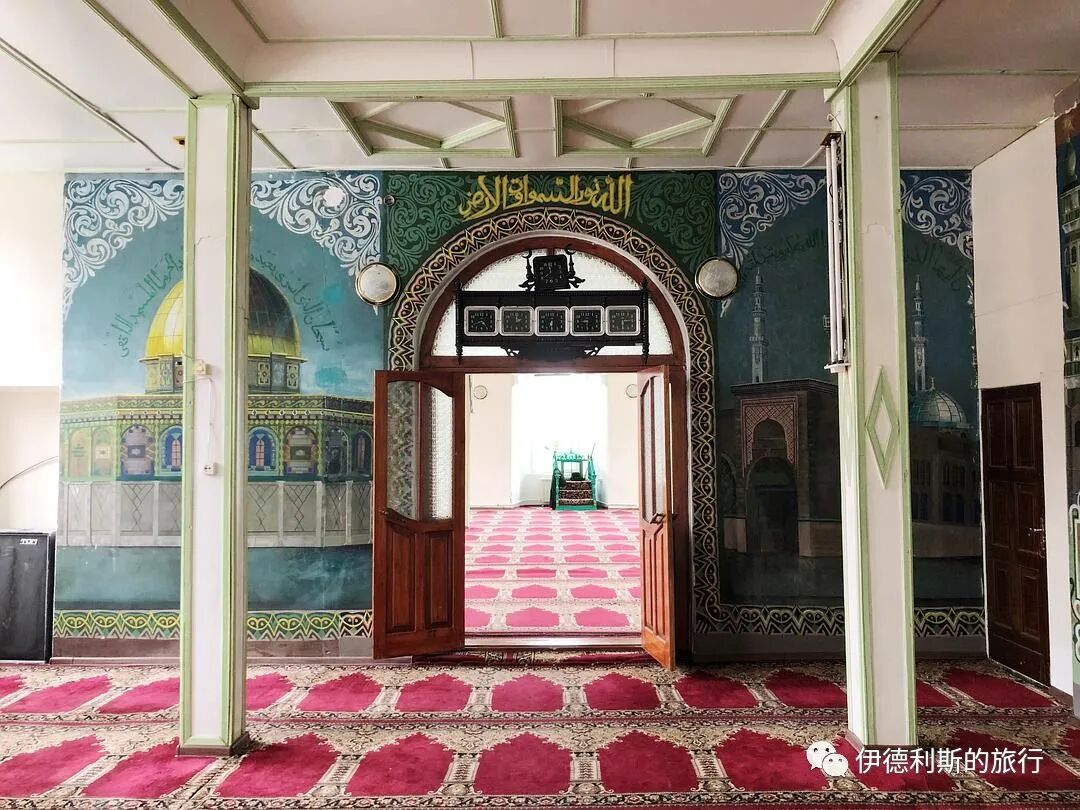
10. Bornay Mosque: 1872
11. Azimov Mosque: 1890
12. Zakabannaya Mosque: 1926
13. Historical Mosque of the Moscow Tatar Community: 1823
1. Marjani Mosque: 1770
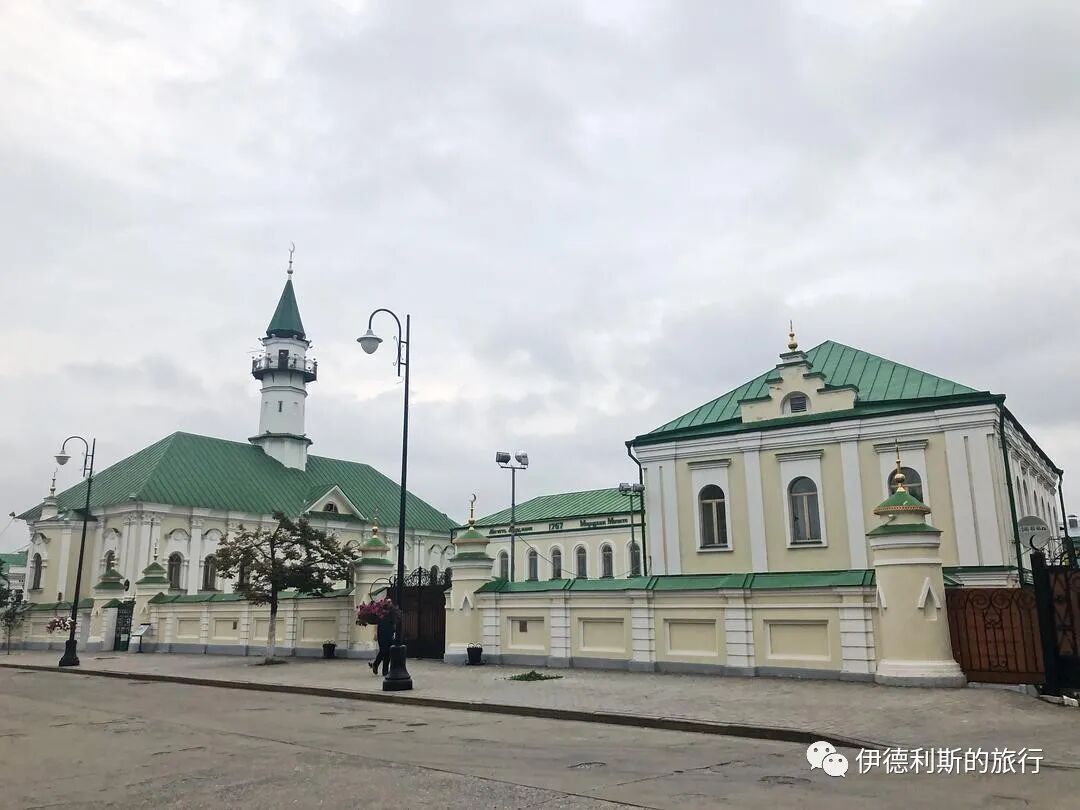
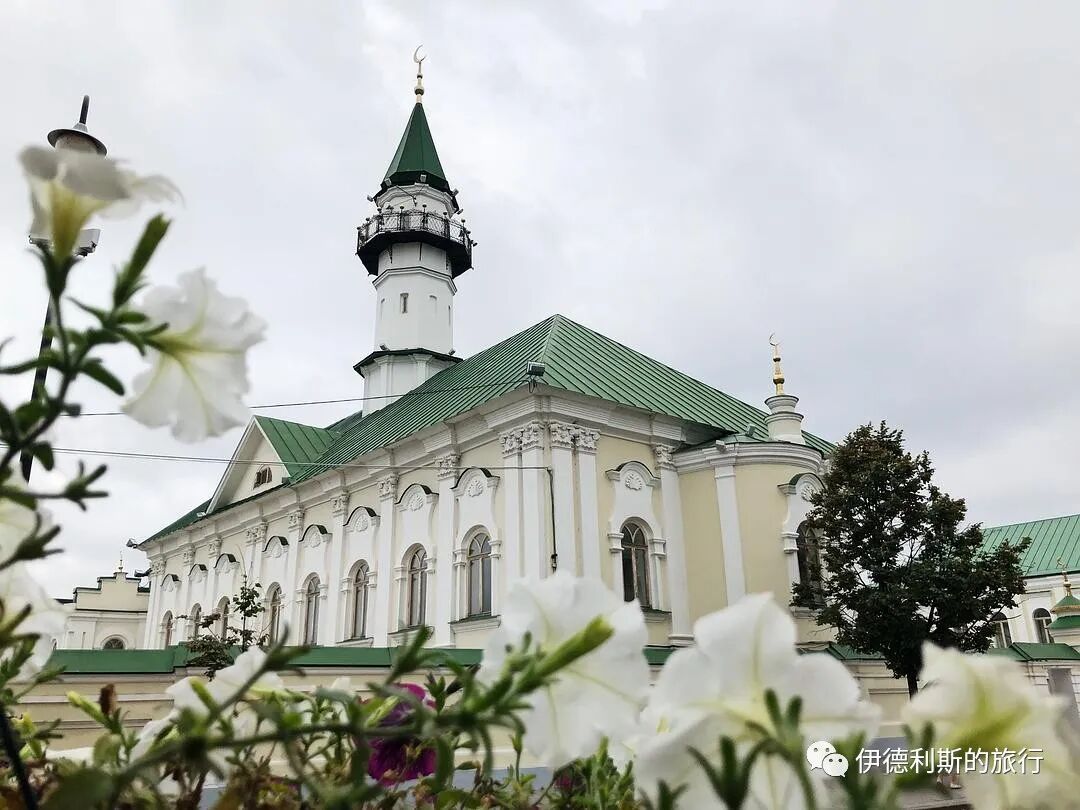
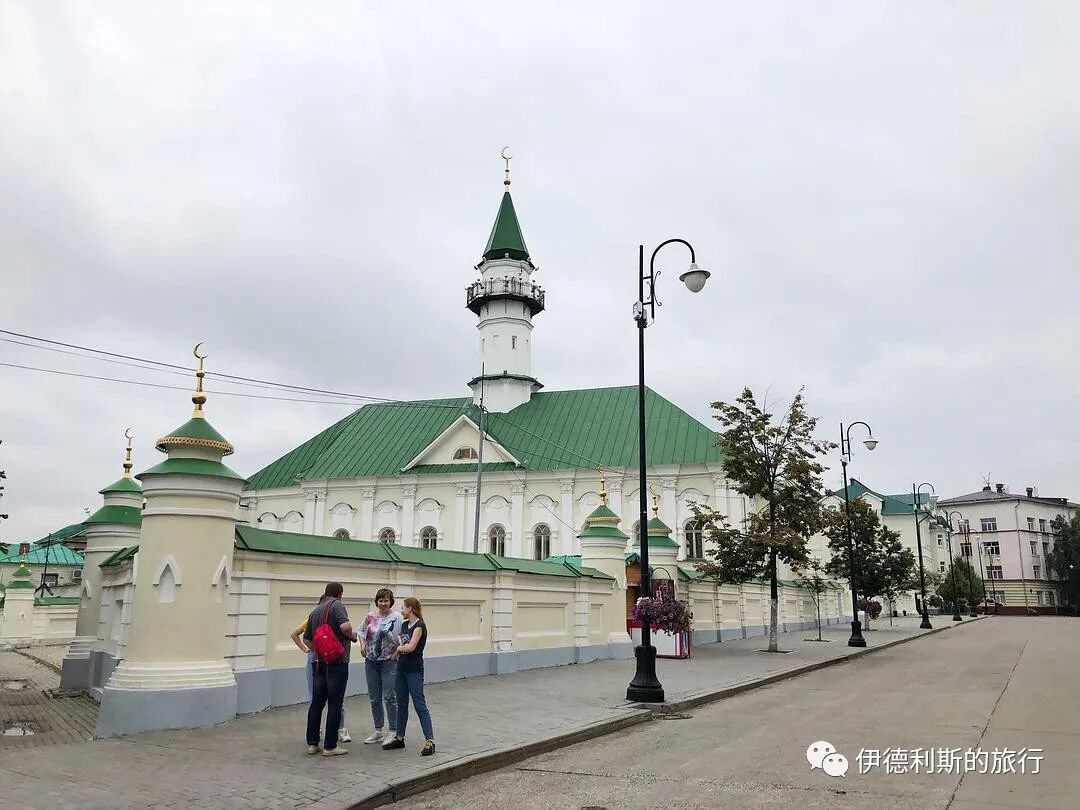
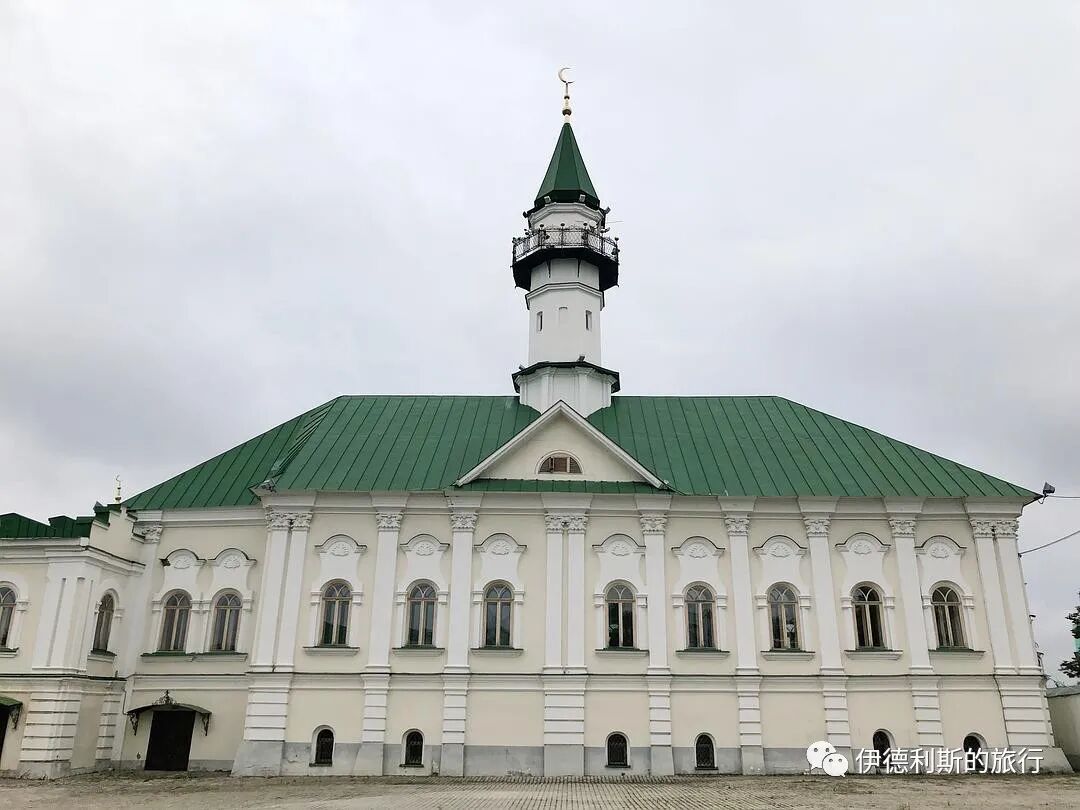
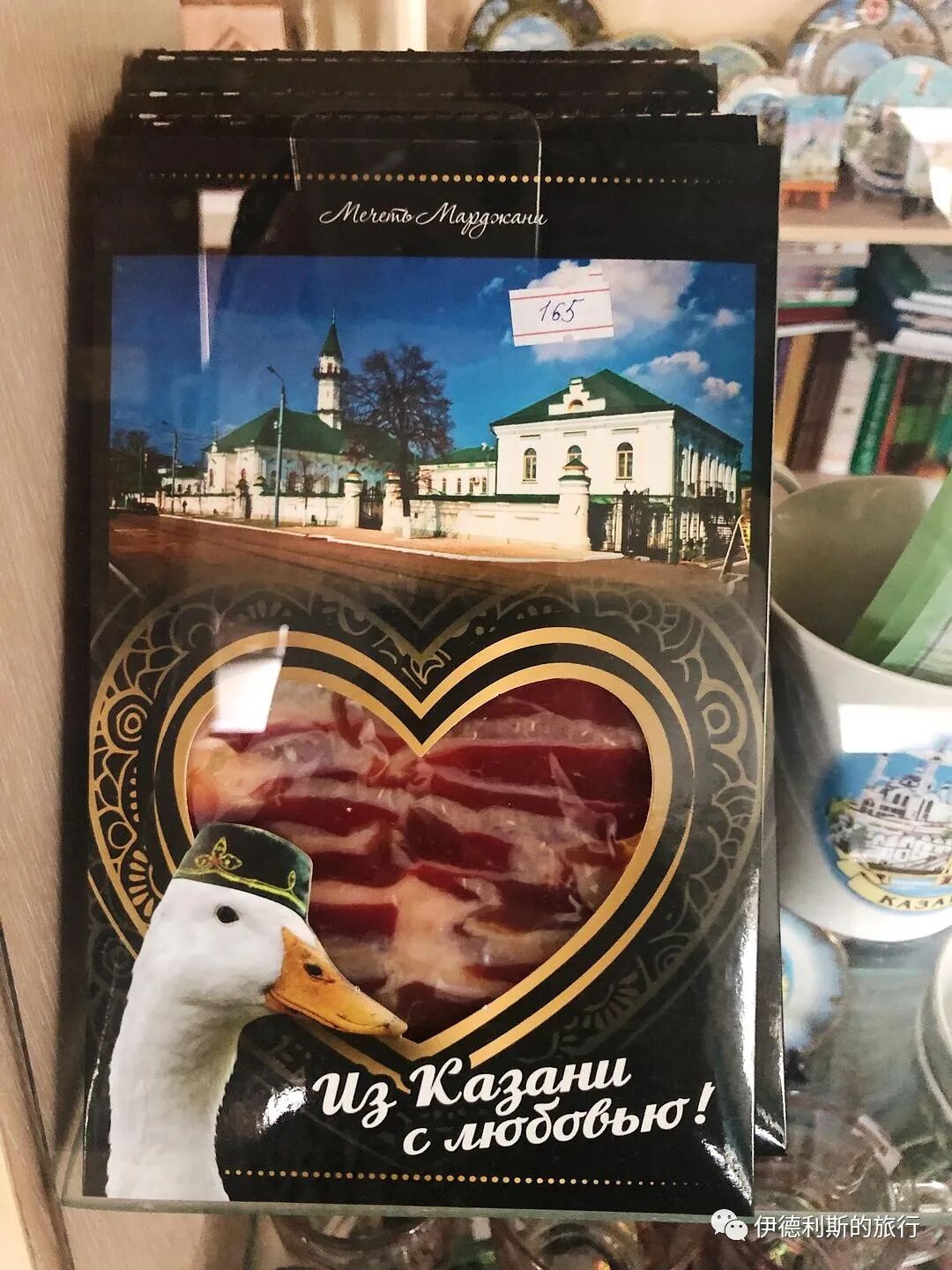
The Marjani Mosque was built between 1766 and 1770 with the permission of Catherine the Great, and it was the first brick mosque built in Kazan after Russia destroyed the Khanate of Kazan in 1552. This mosque is the oldest existing mosque in Tatarstan and the only mosque in Kazan that was not closed during the Soviet era.
According to a legend, after Catherine the Great approved the construction of a mosque in Kazan, the Christian leaders of Kazan believed that the mosque would be built taller than the churches, so they submitted a petition to Catherine the Great requesting that the mosque be prohibited from building a tall minaret. Catherine the Great replied, 'I am the Tsar of the Russian land, but the sky is not under my jurisdiction.' In the end, the mosque was successfully built.
The mosque is located in the Old Tatar Quarter (Staro-Tatarskaya Sloboda) by Lake Kaban. It is a typical Kazan Tatar mosque style formed by the fusion of traditional Tatar style and Baroque style. It is said that the architect was Vasily Kaftyrev. The interior of the mosque adopts the 'Petersburg' Baroque style. Merchant İ.Ğ. Yunısov donated the construction of the staircase in 1861 and expanded the mihrab in 1863. At that time, the mosque was named Yunısovs' Mosque after his family. In 1885, merchant Z.Ğosmanov donated the reconstruction of the minaret. In 1887, merchants W.Ğizzätullin and M. Wälişin added decorative balconies to the minaret.
The current name of the mosque comes from the Tatar scholar Şihabetdin Märcani, who served as the imam of the mosque from 1850 to 1889.
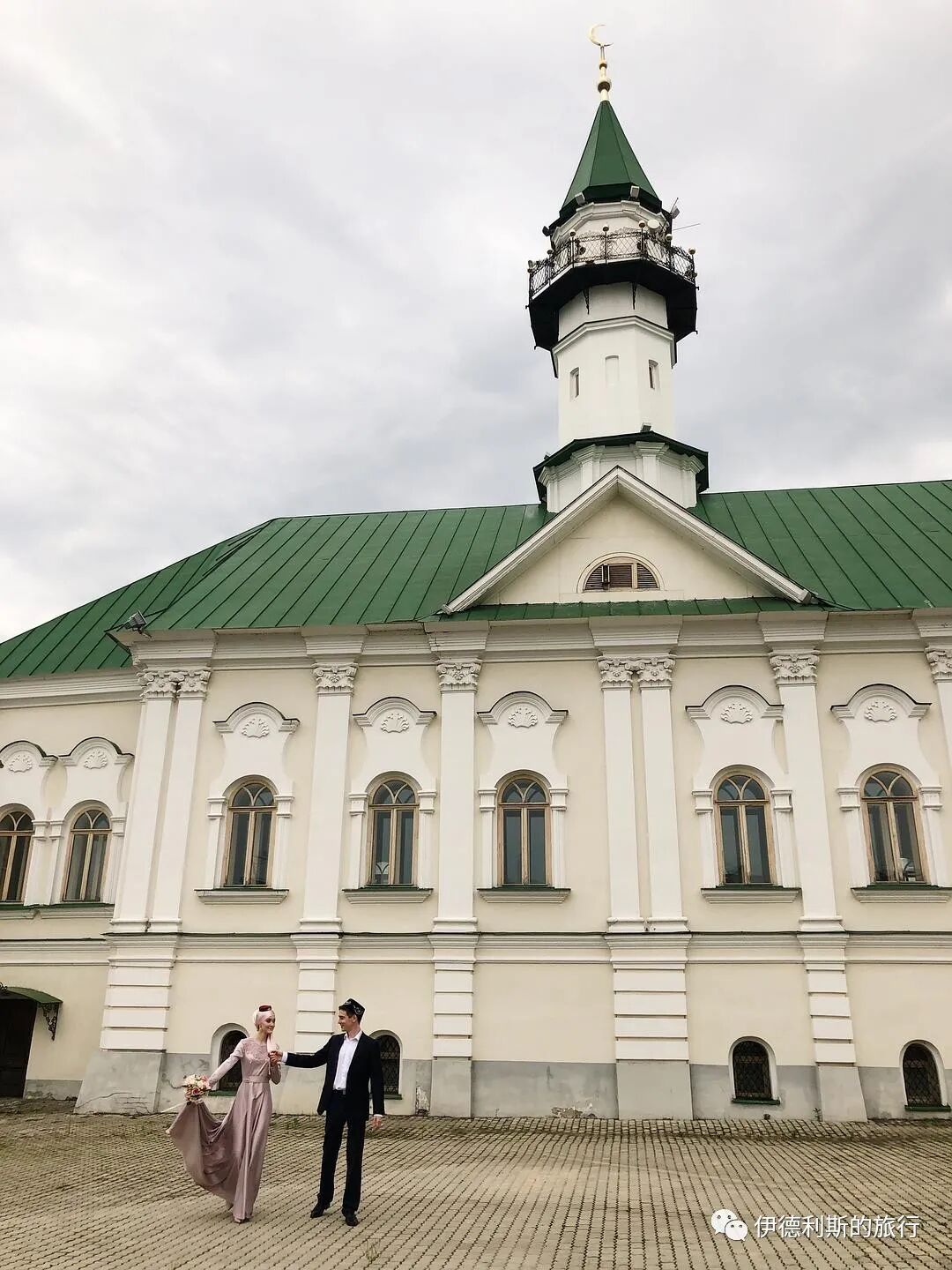
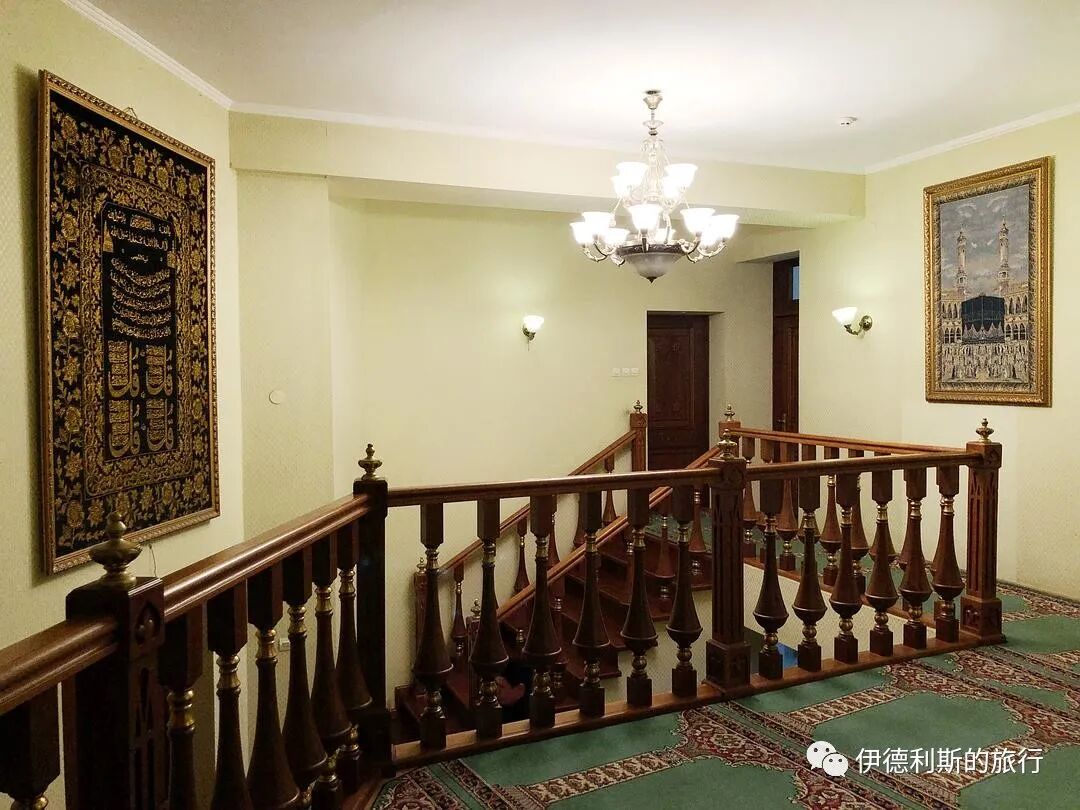
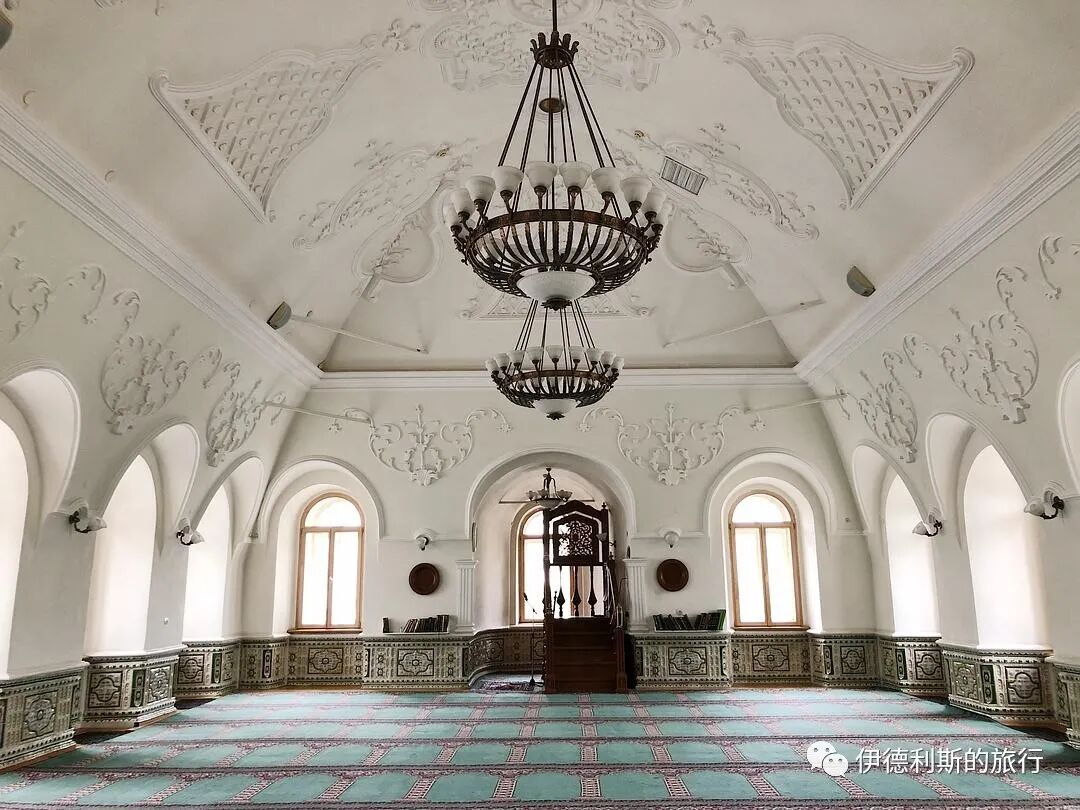
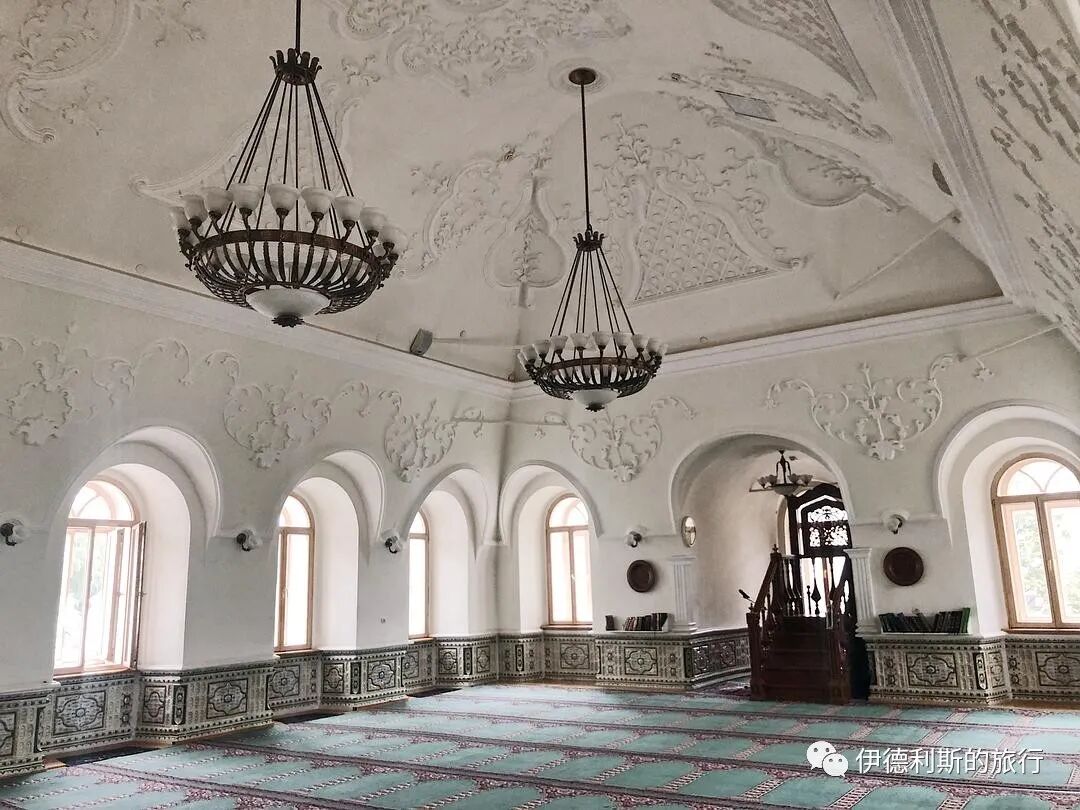
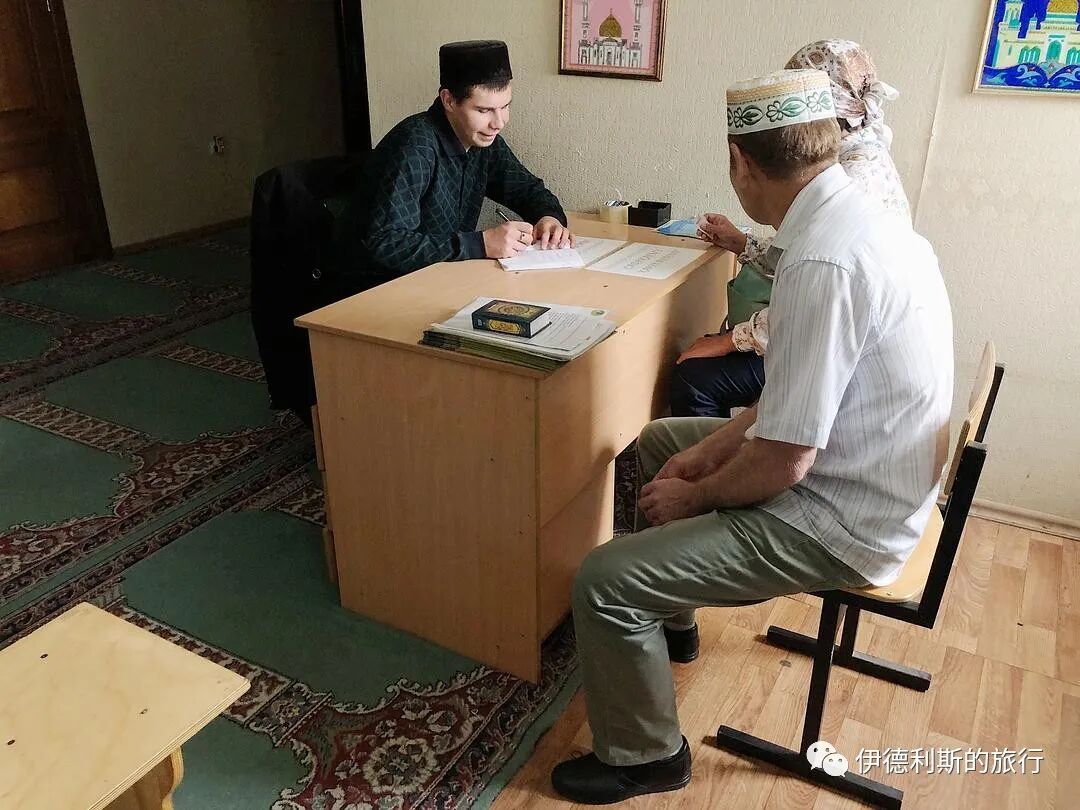
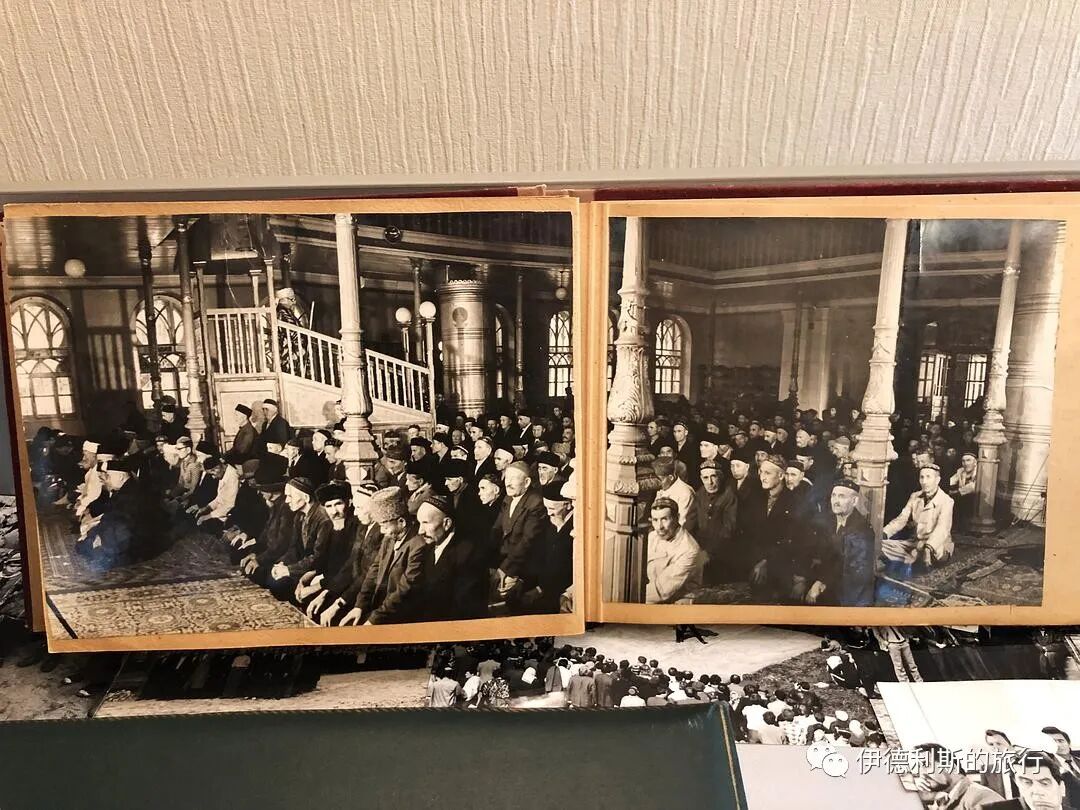
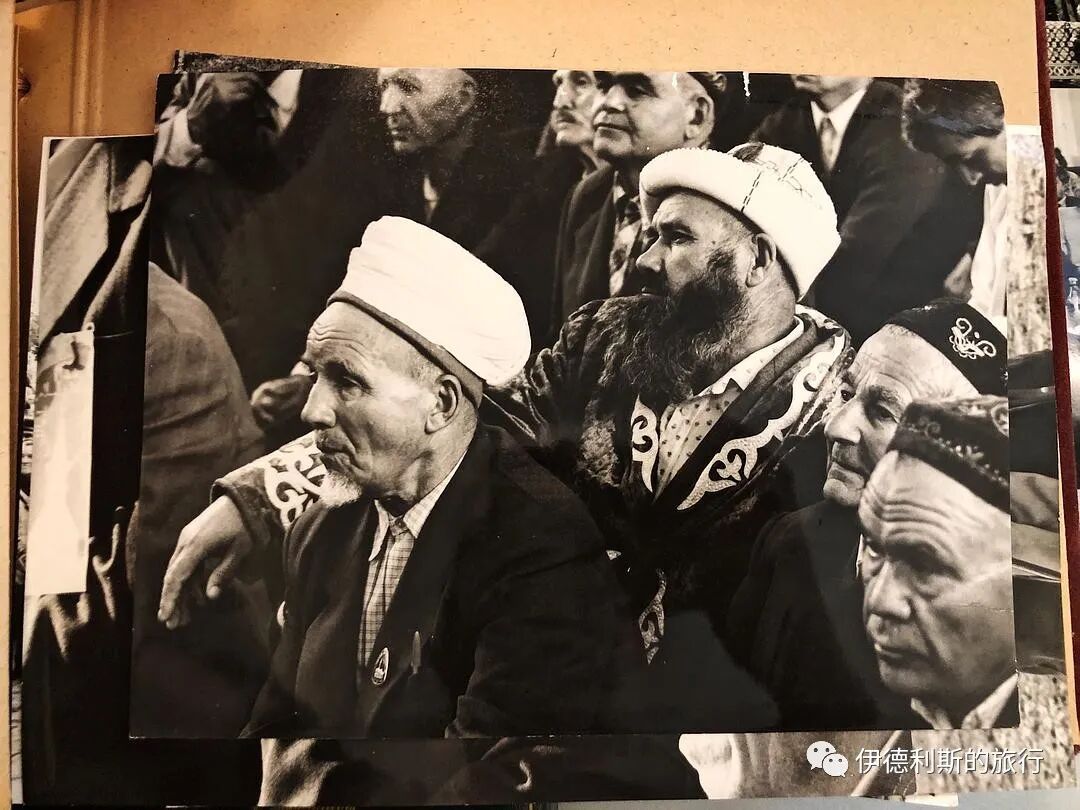
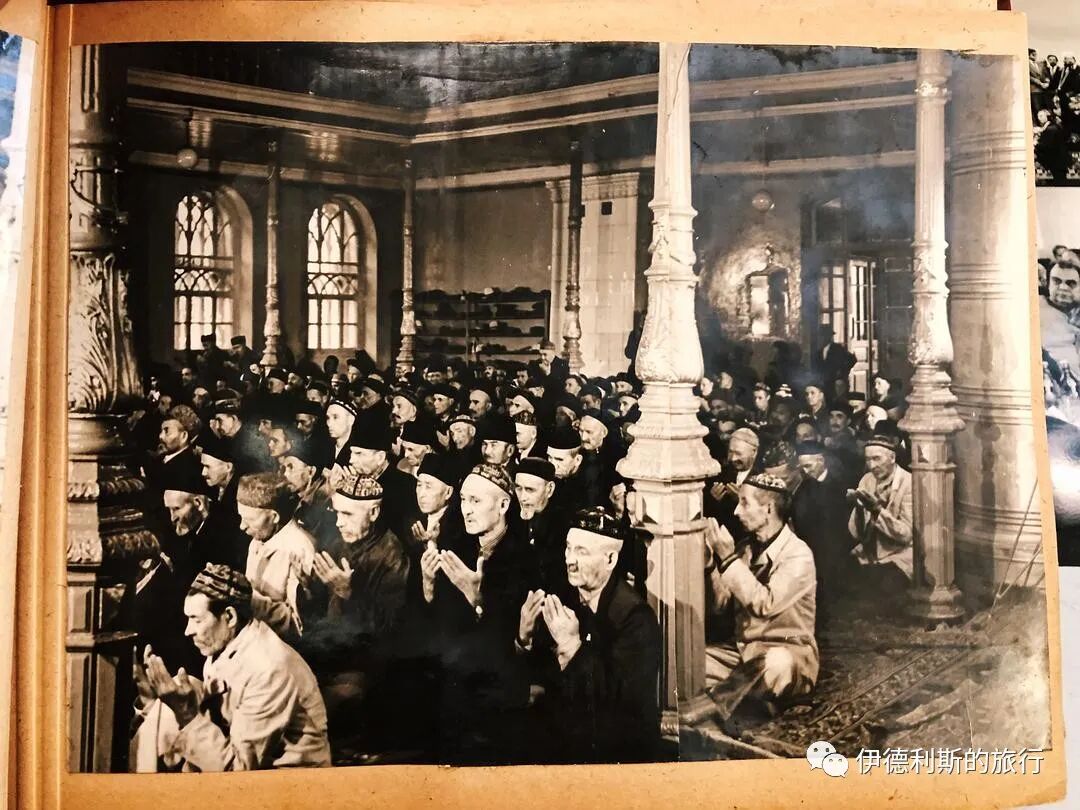
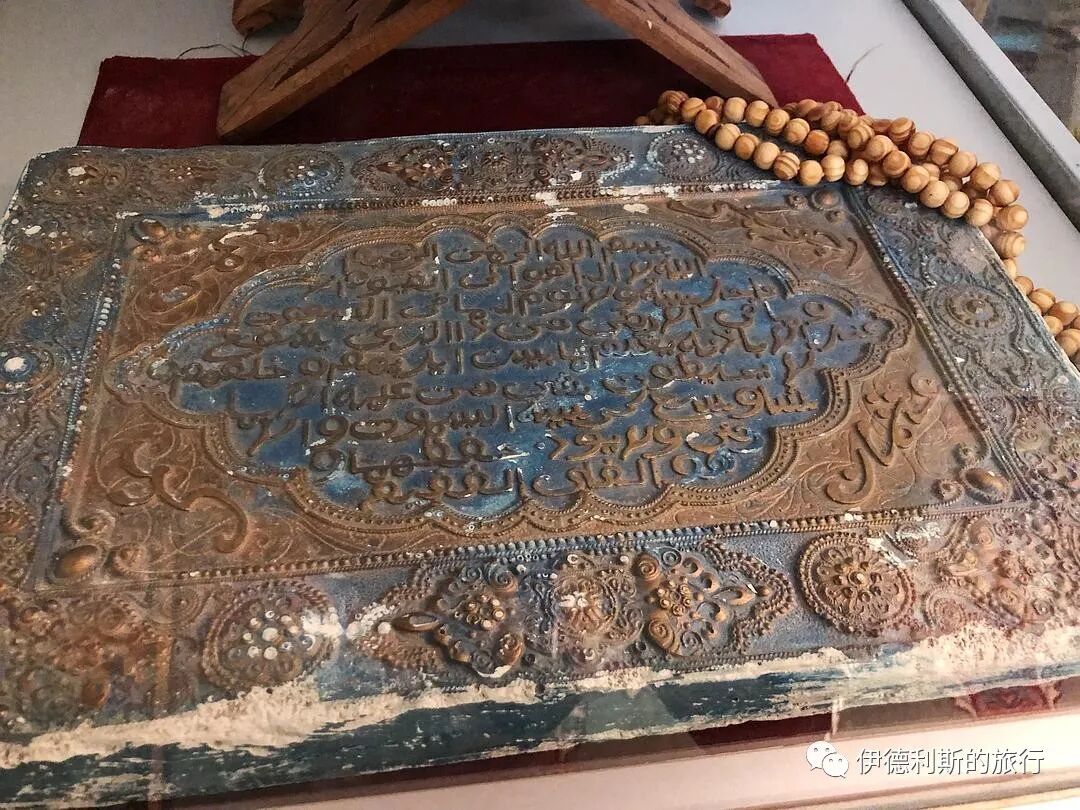
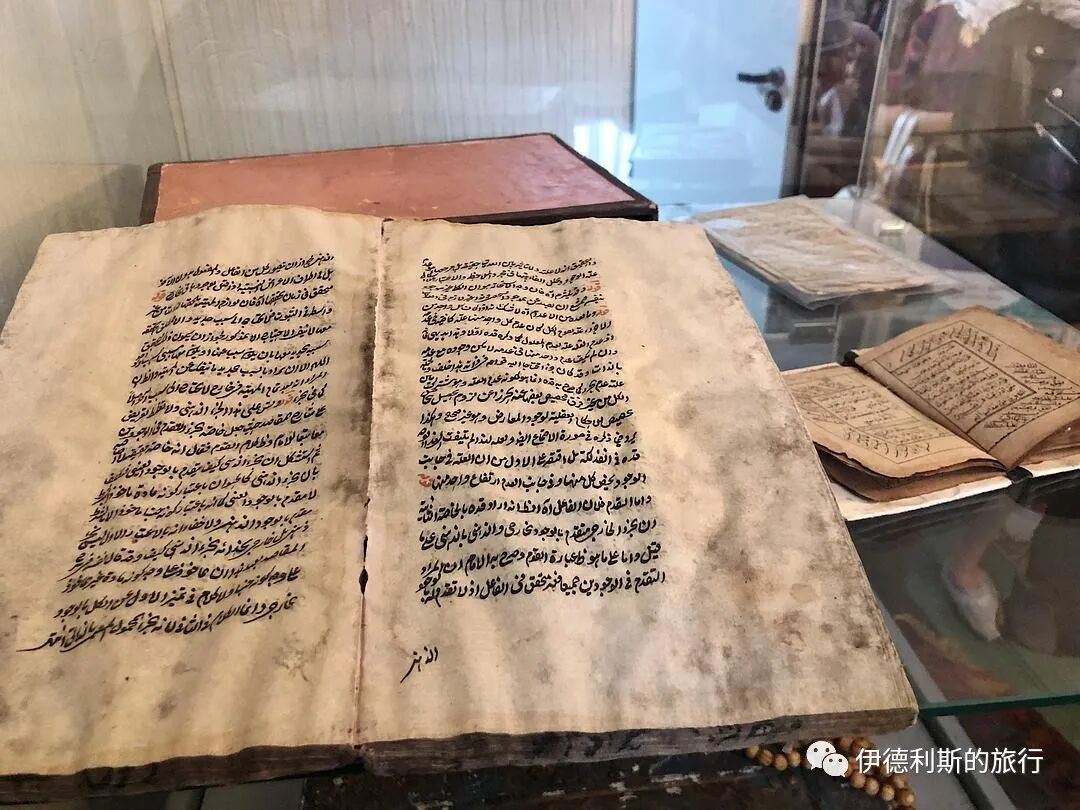
There is an exhibition hall inside the mosque with an old photo album recording the former appearance of the Kazan Tatar Muslims.
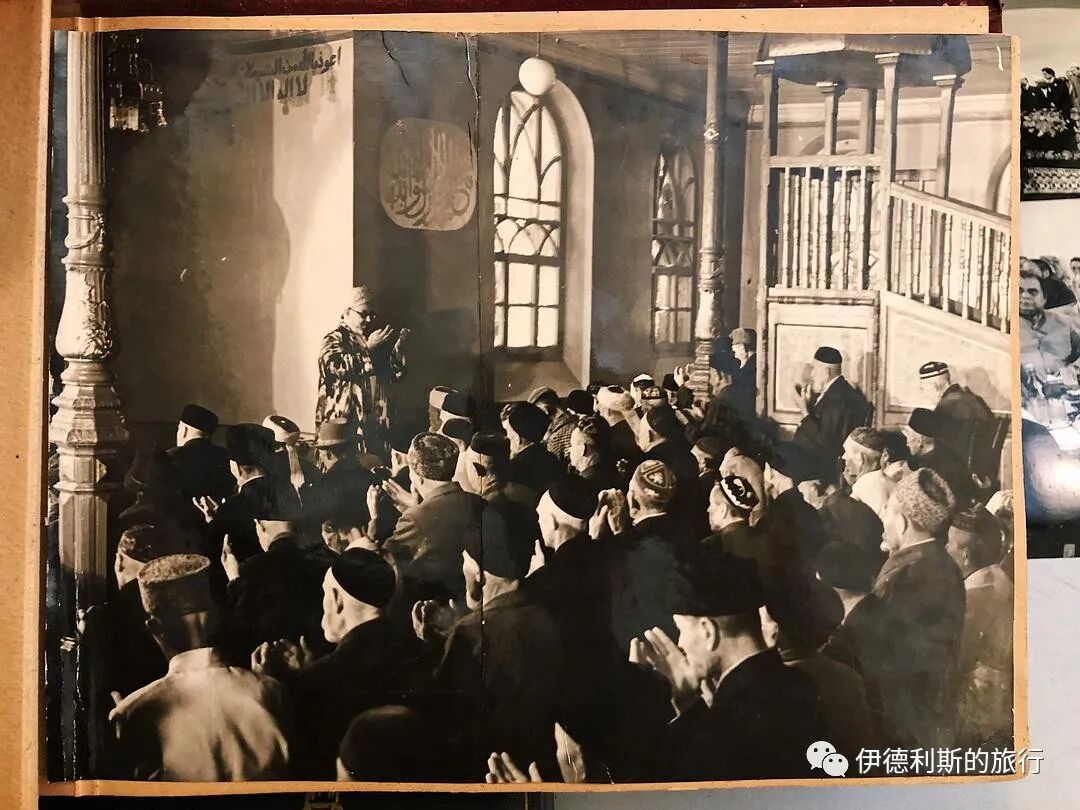
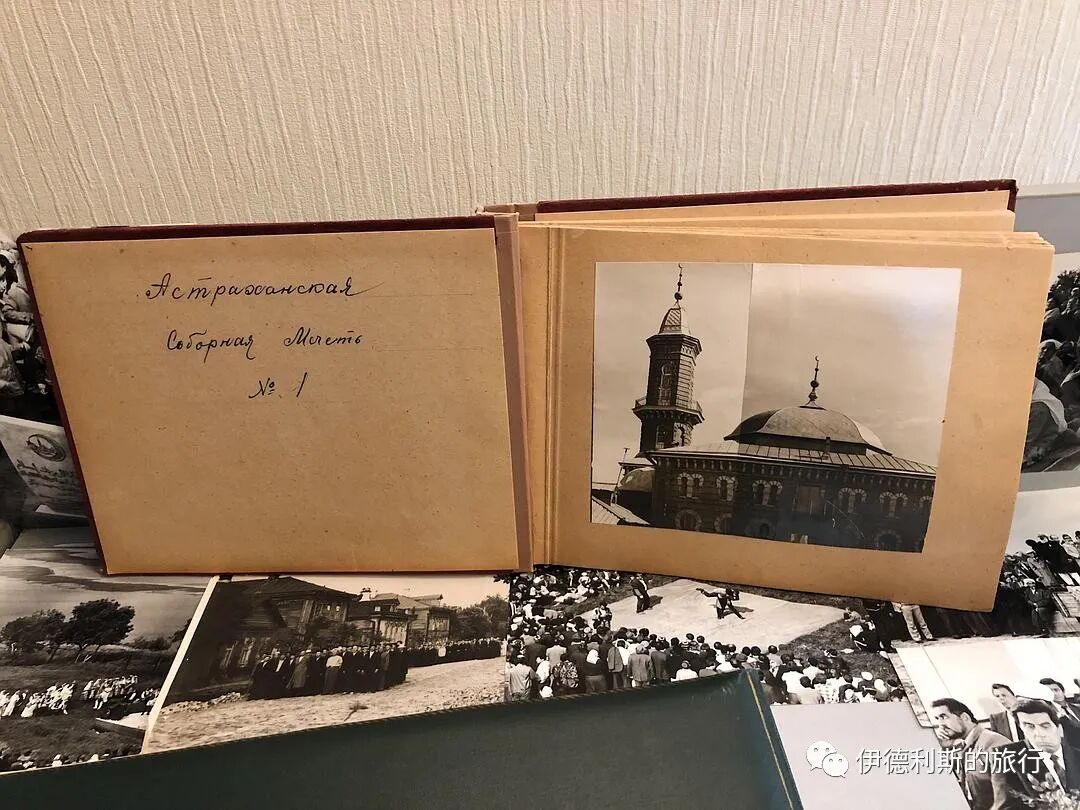
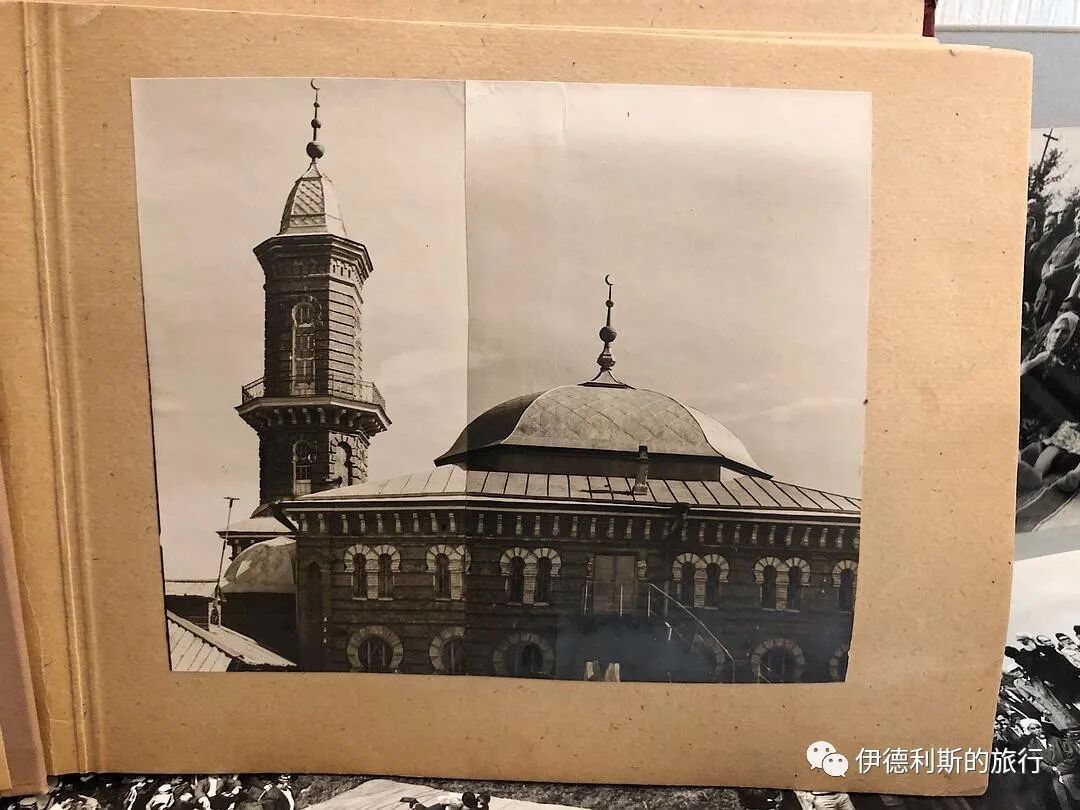
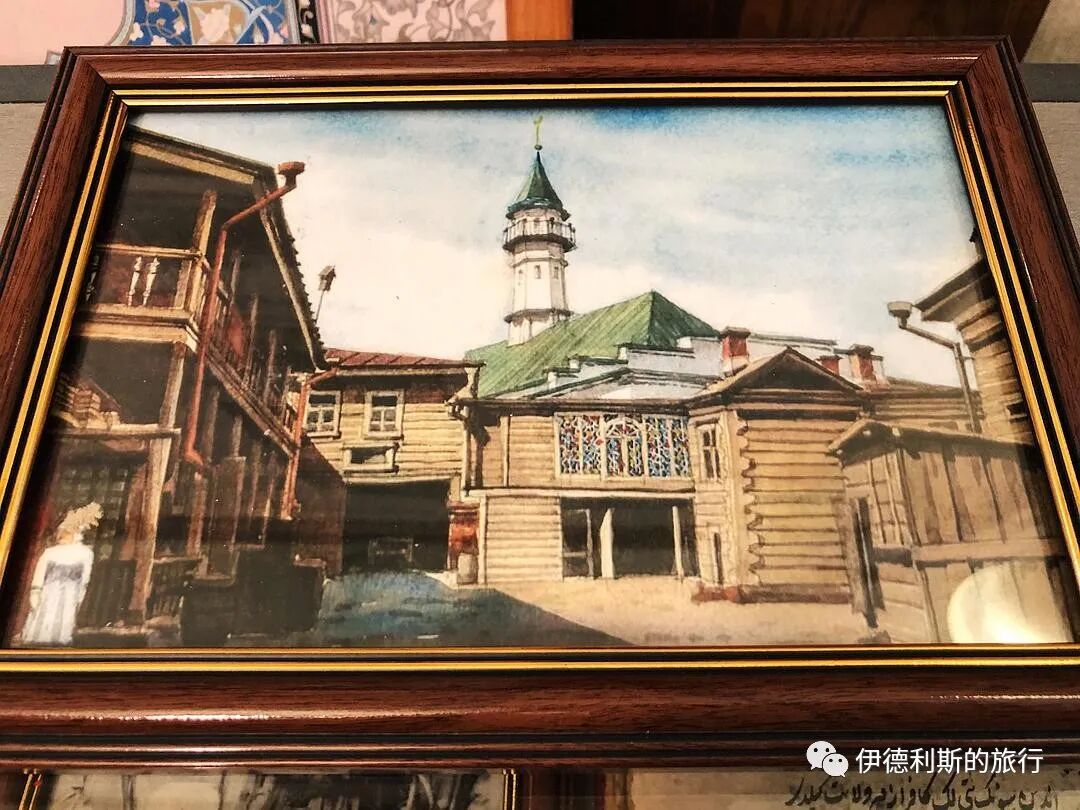
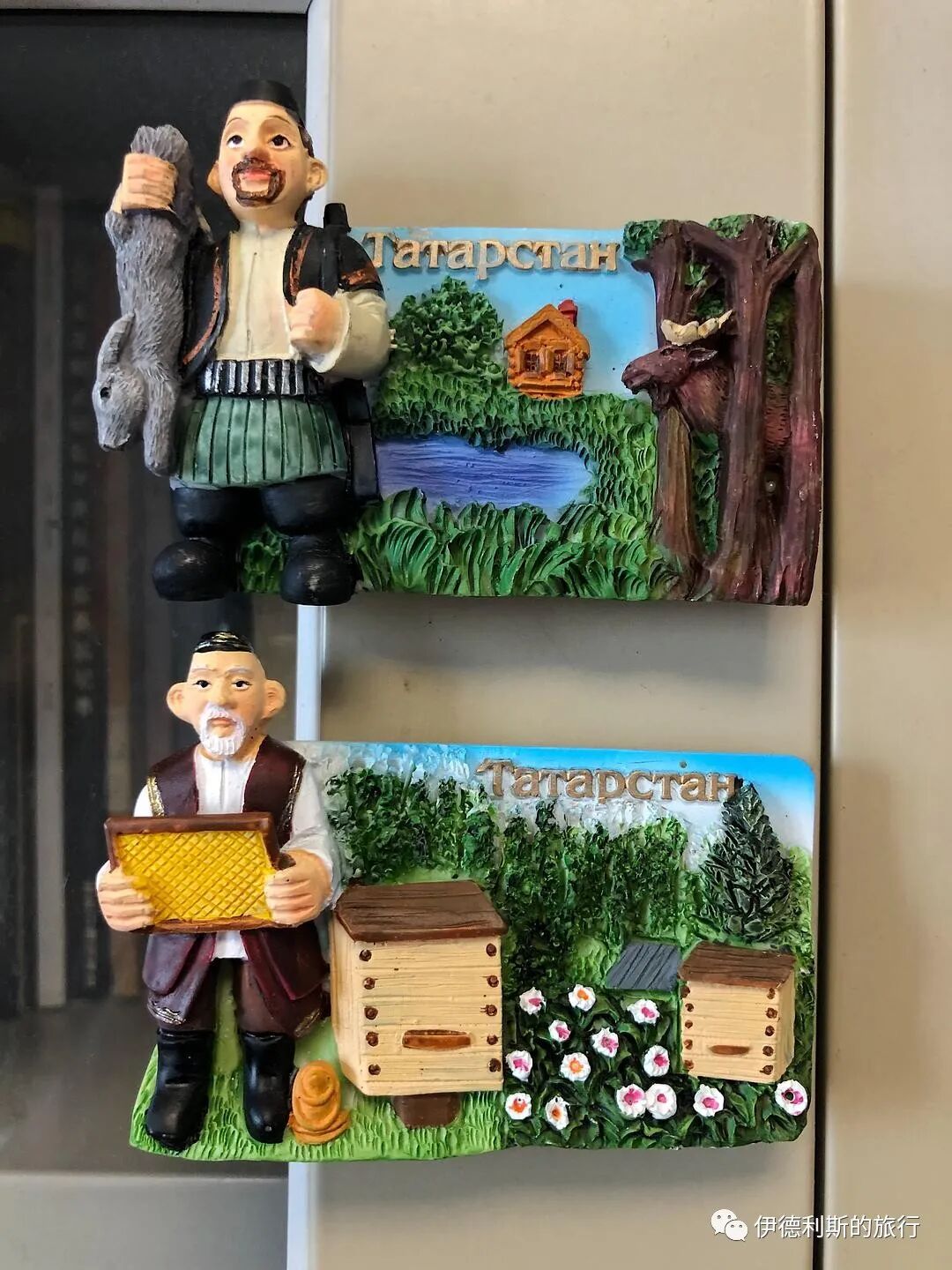
The two Tatar magnets bought at the Märcani Mosque show the rural life of the Volga Tatars, one hunting rabbits and the other beekeeping.
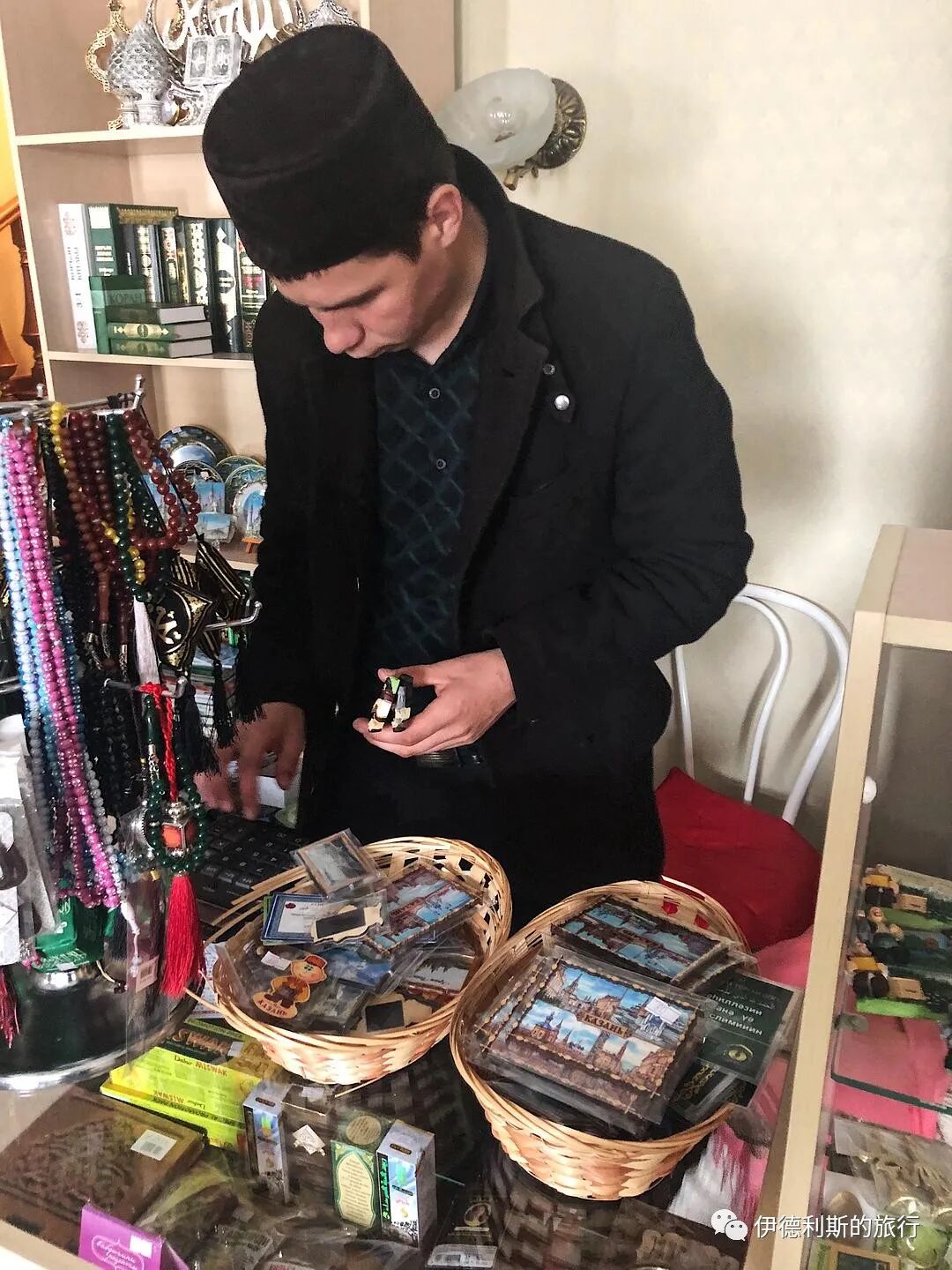
The goose meat sold in the mosque, smoked goose meat, and smoked horse meat are all specialty delicacies of the Kazan Tatars.
2. Apanay Mosque: 1771
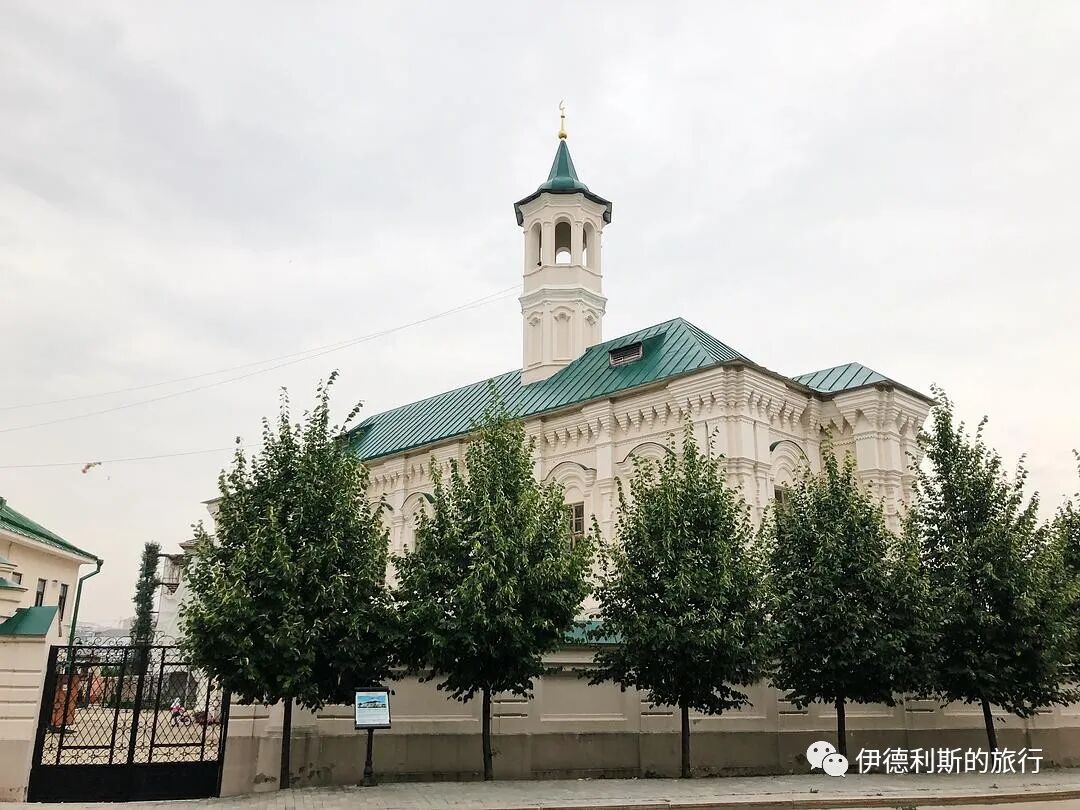
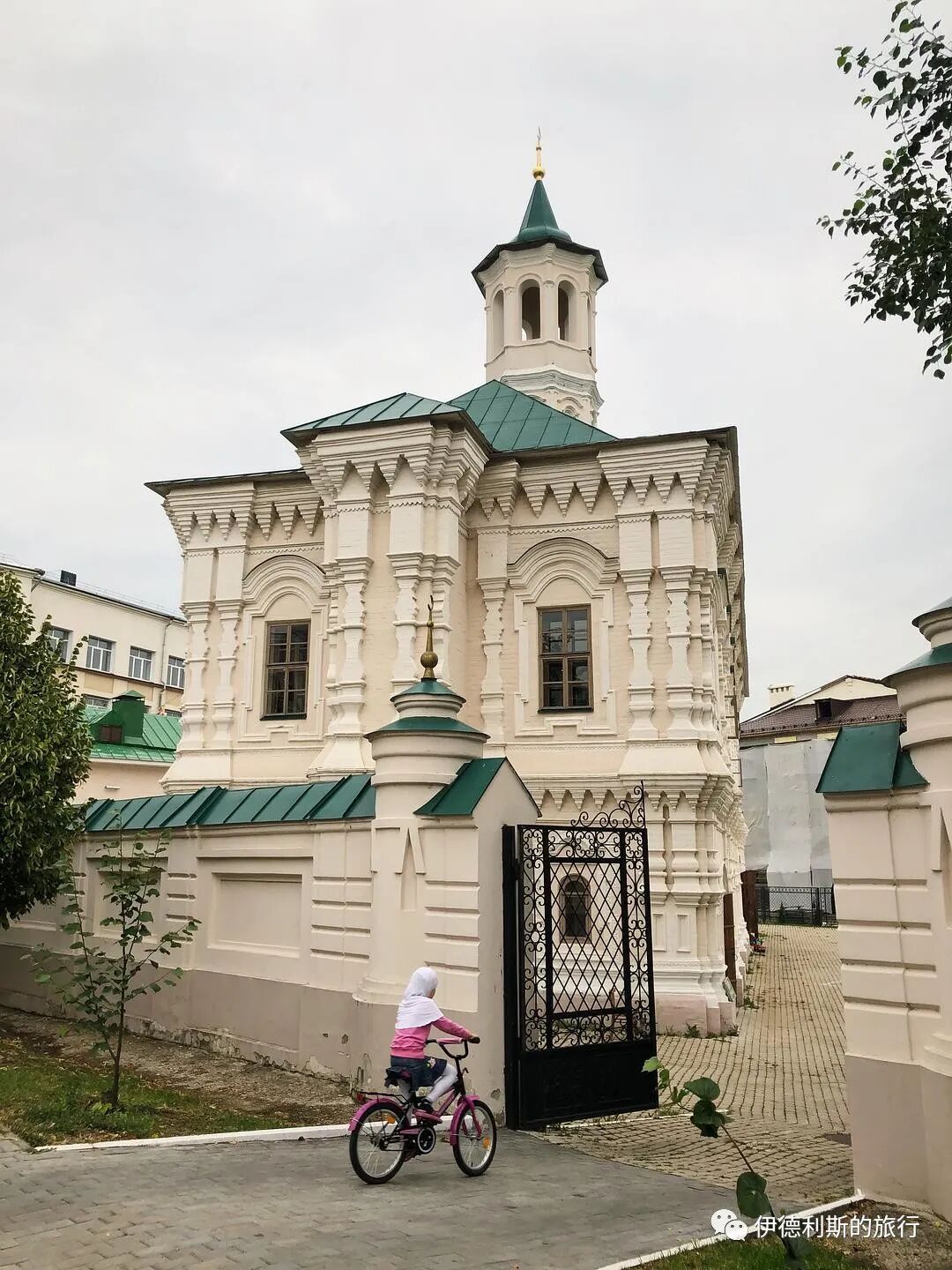
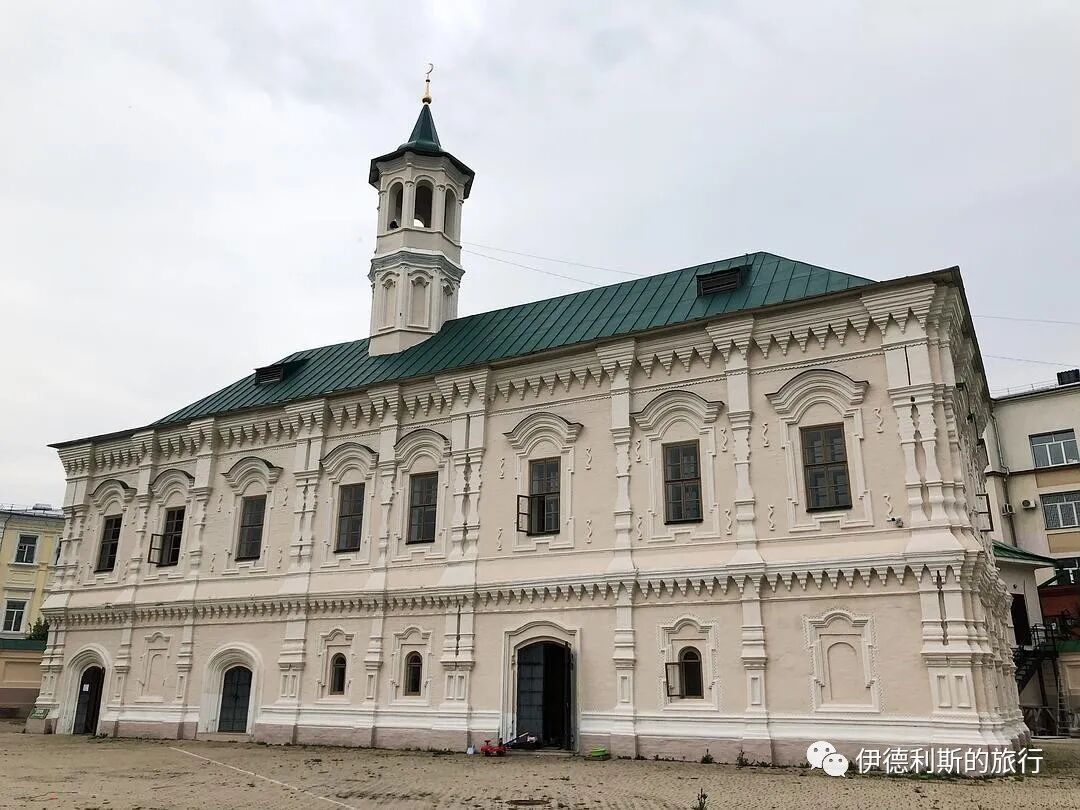
The Apanay (Apanaevskaya) Mosque was the second mosque approved by Catherine the Great to be built in Kazan, and it was donated by the merchant Apanaev between 1768 and 1771. The mosque architecture is a fusion of traditional Tatar style and 'Moscow' Baroque style. In 1872, architect P. I. Romanov expanded the second floor of the mosque. In 1882, the mosque built a brick wall and a shop. In 1887, the shop was expanded to the second floor.
The mosque was closed in 1930, the minaret was demolished, and it later became a kindergarten. The mosque reopened after 1995, and the minaret was rebuilt in 2011.
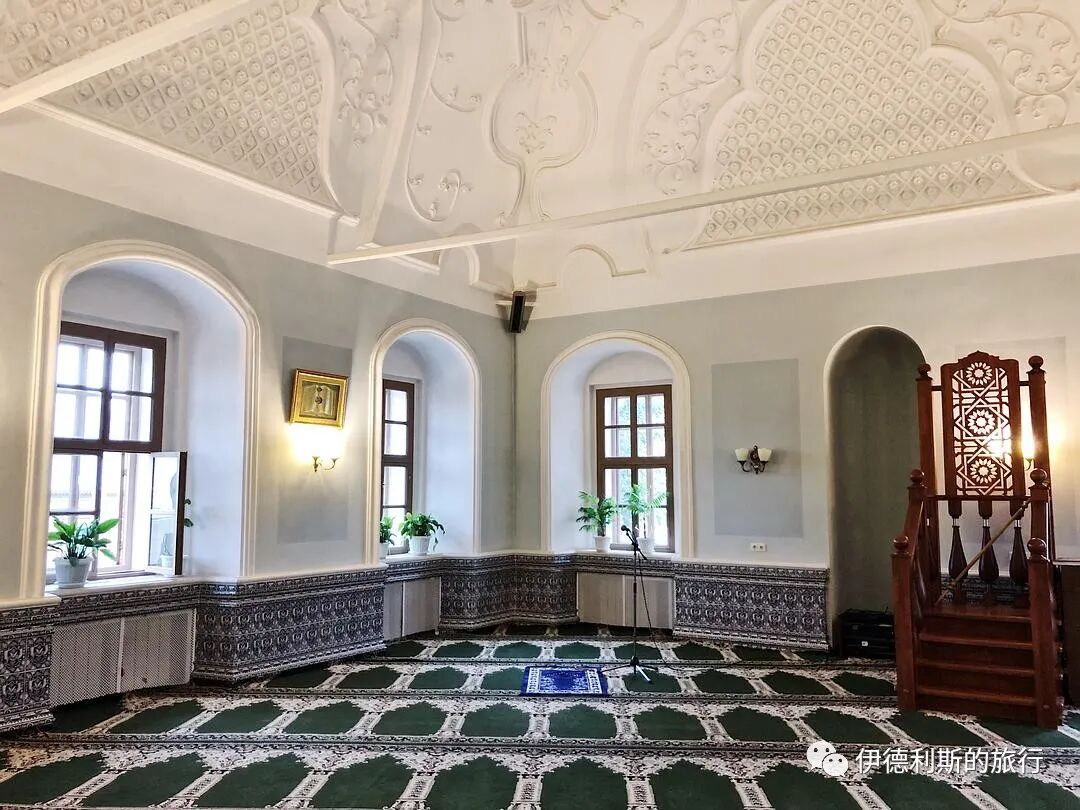
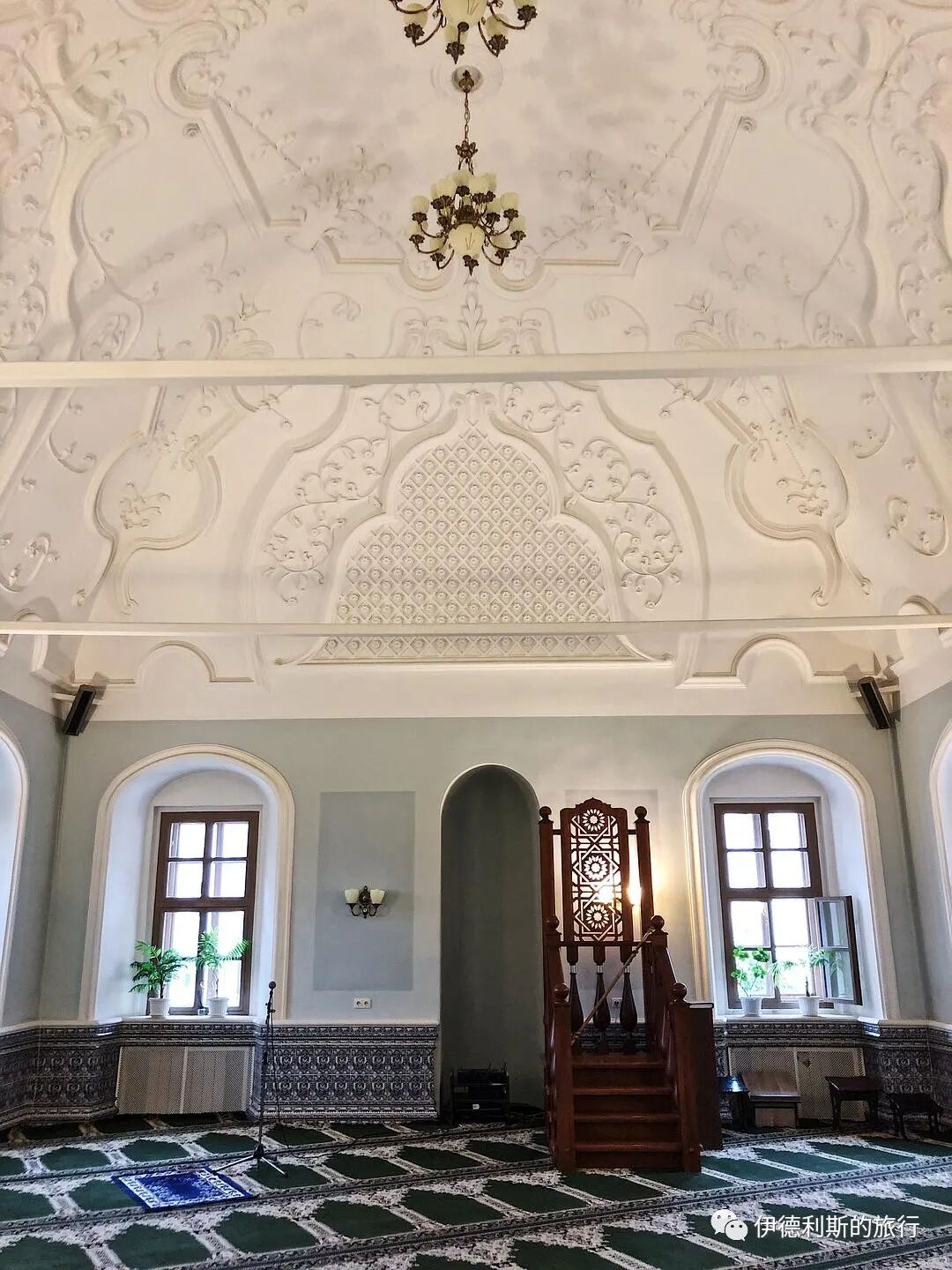
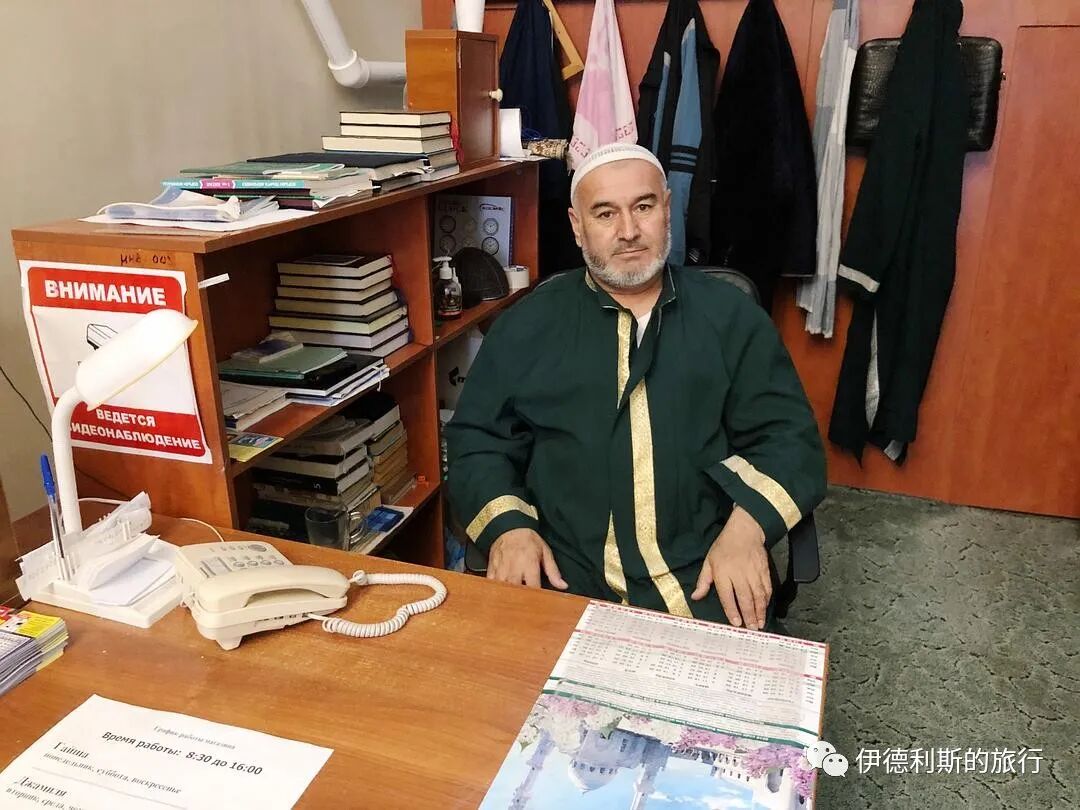
The imam of the mosque
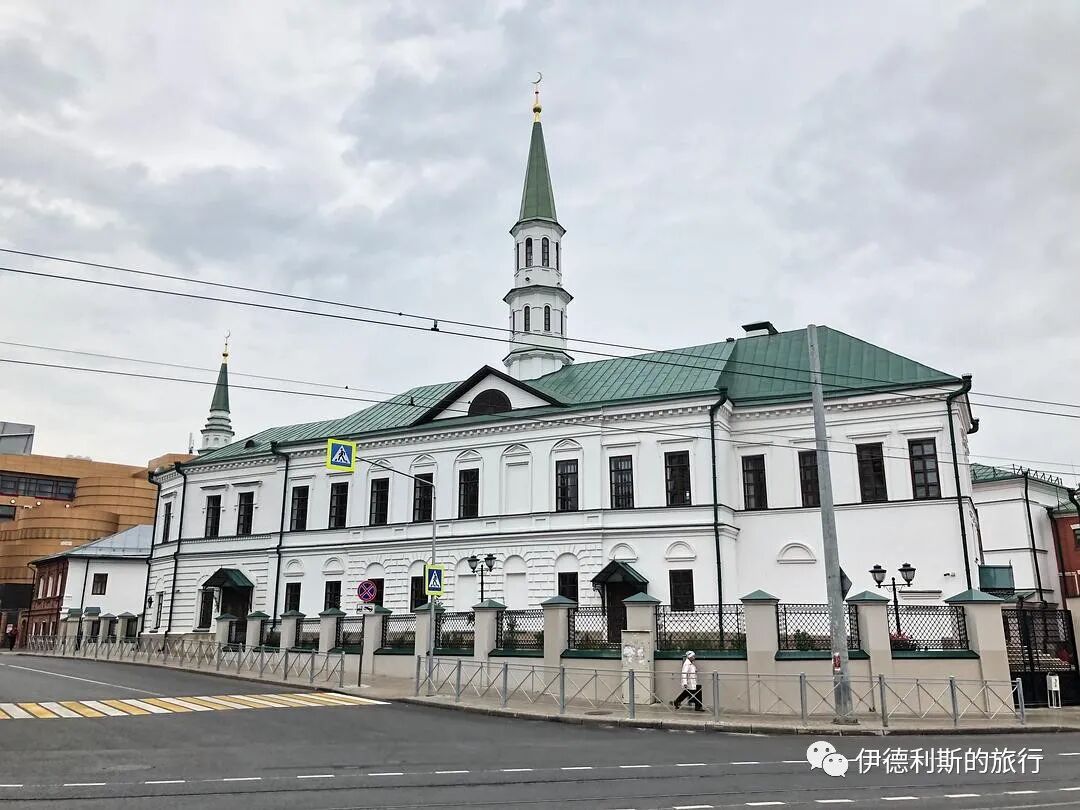
3. Galeevskaya Mosque: 1801
The Galeevskaya Mosque was built with funds donated by merchant Musa Mamyashev between 1798 and 1801. The mosque was originally in the early Classicist architectural style of the late 18th century, and was expanded twice in the late Classicist style in 1882 and 1897.
The most famous imam of the mosque was Galimjan Galeev (1857-1921), who was a Tatar educator, reformer, and politician. Galimjan graduated from the famous Mir-Arab Madrasa in Bukhara and began serving as the imam of the Galeevskaya Mosque in 1882. He founded the Muhammadiya Madrasa at the mosque, teaching mathematics, geography, Russian, and other secular subjects. It became the most important new-style Tatar school at the time, cultivating a large number of Tatar elites and educators.
The mosque was closed in the 1930s, the minaret was demolished, and it was designated as an architectural monument in 1981. By 1992, the mosque contained a hotel, a collective farm house, and various public facilities. After 1998, it became the school building of the Russian Islamic University and the girls' dormitory of the Muhammadiya Madrasa. After restoration in 2015, the mosque reopened.
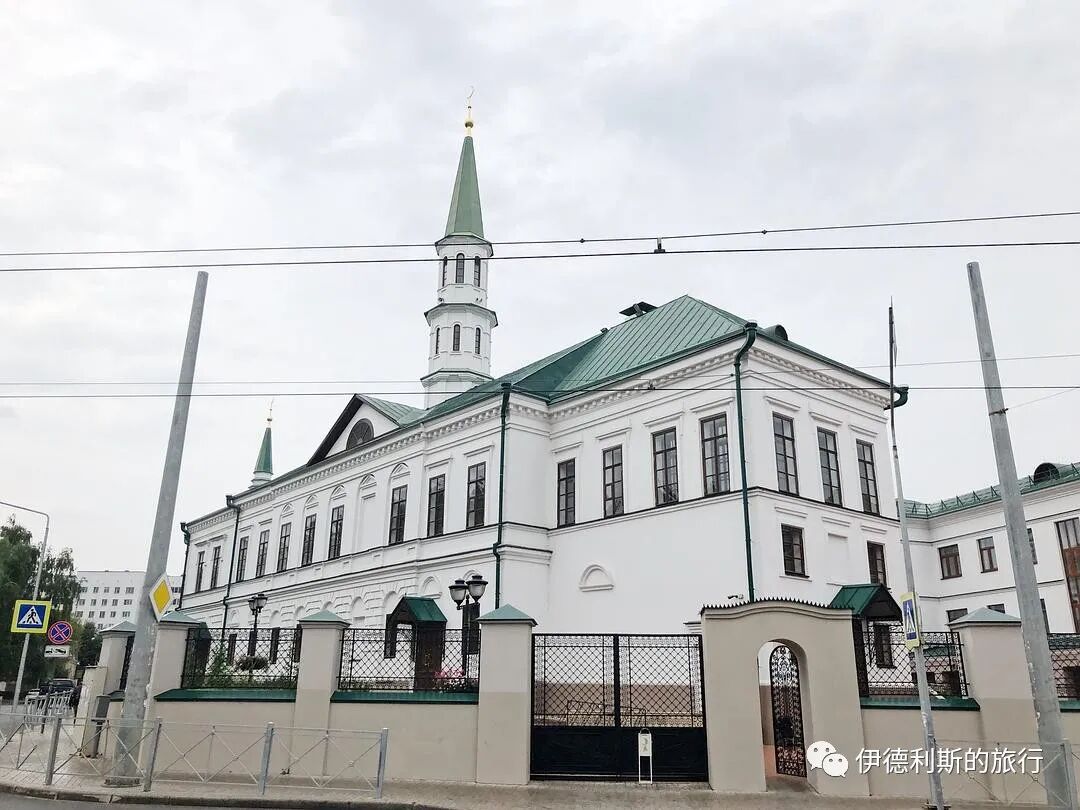
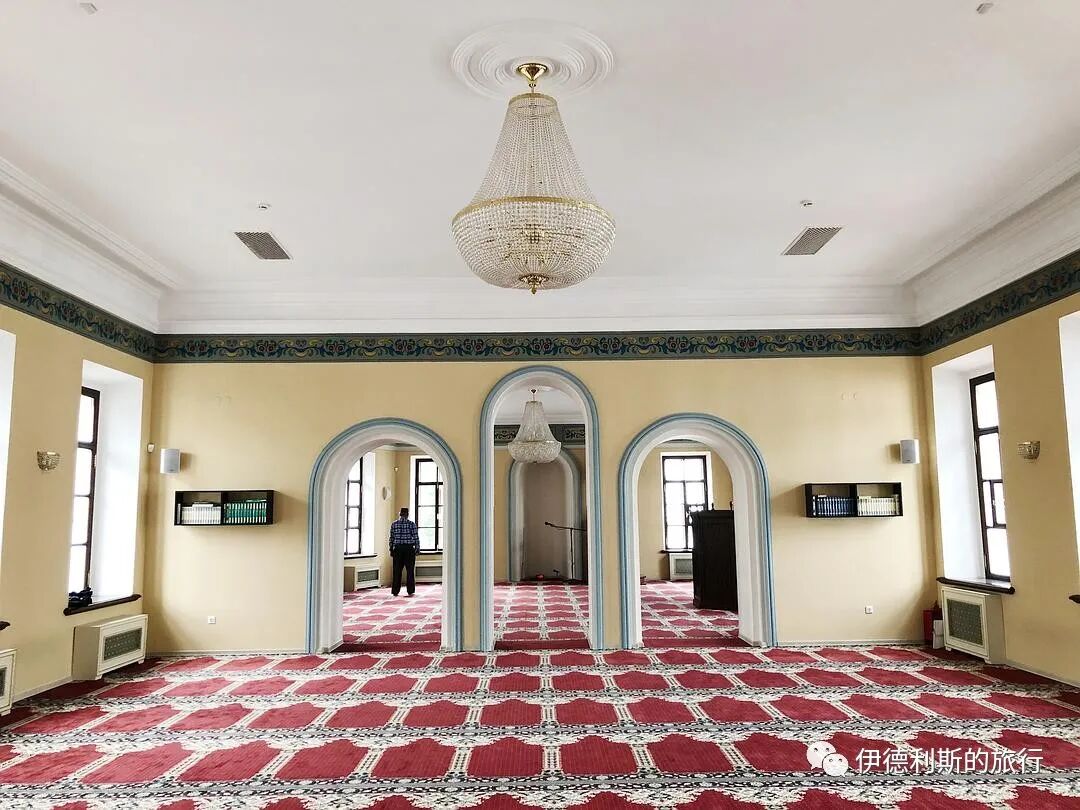
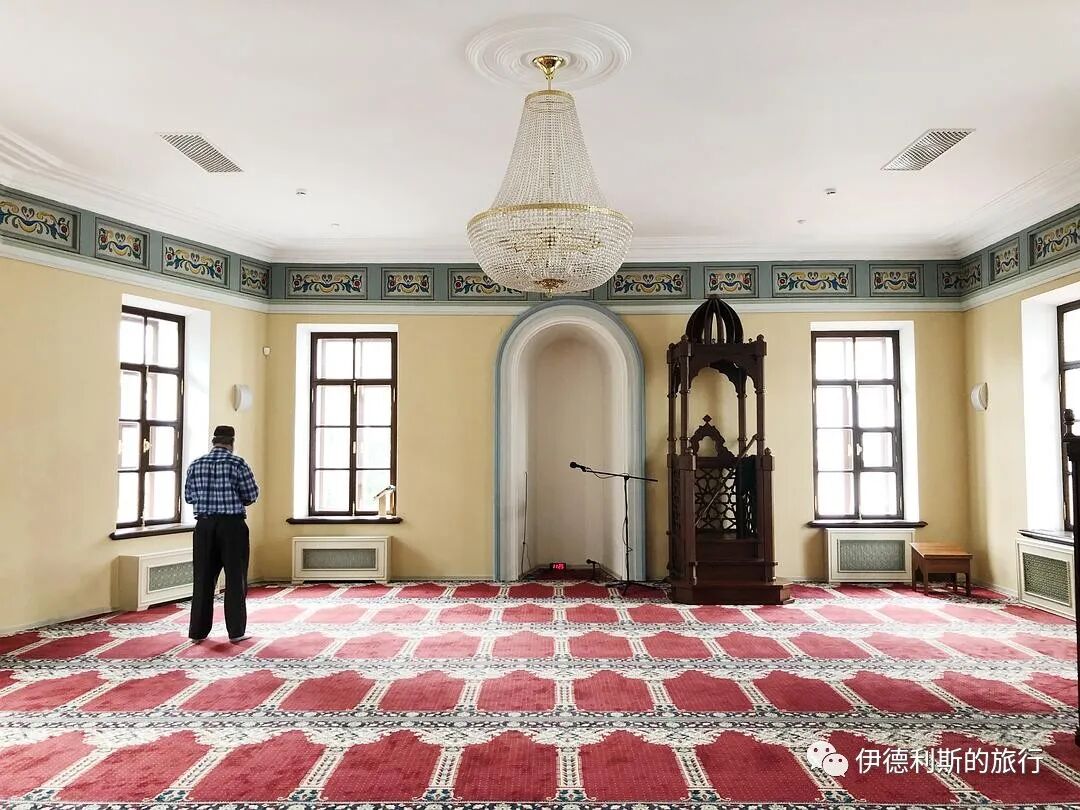
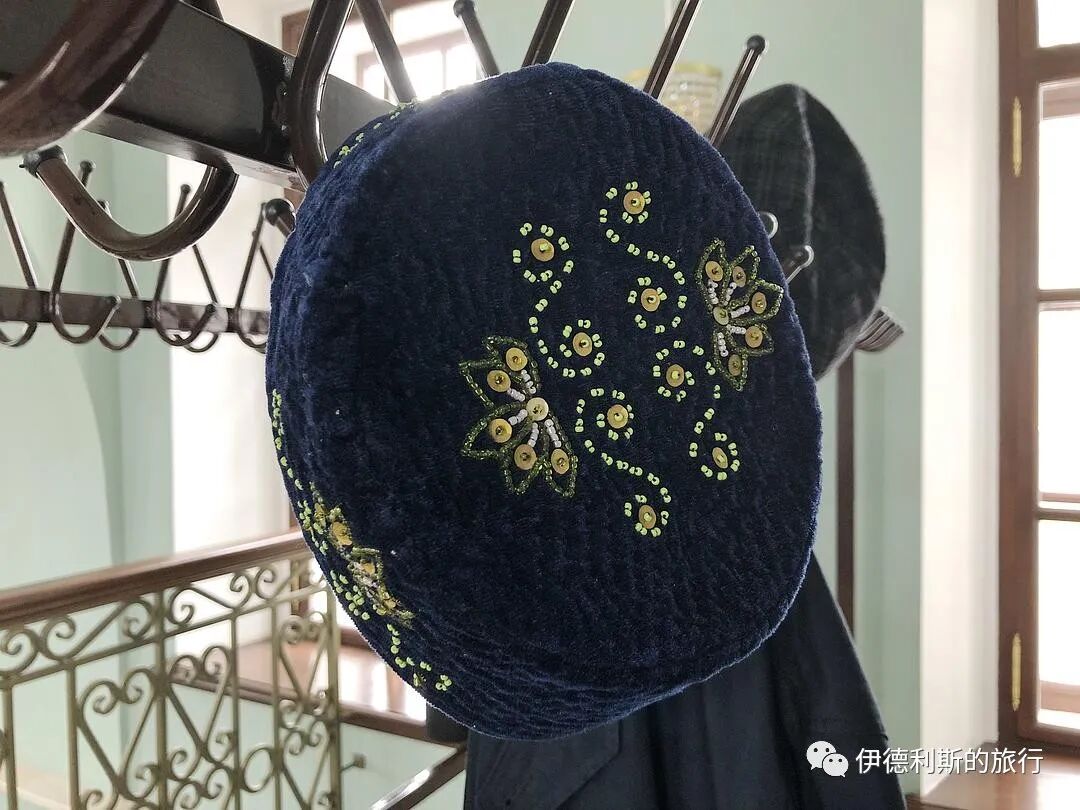
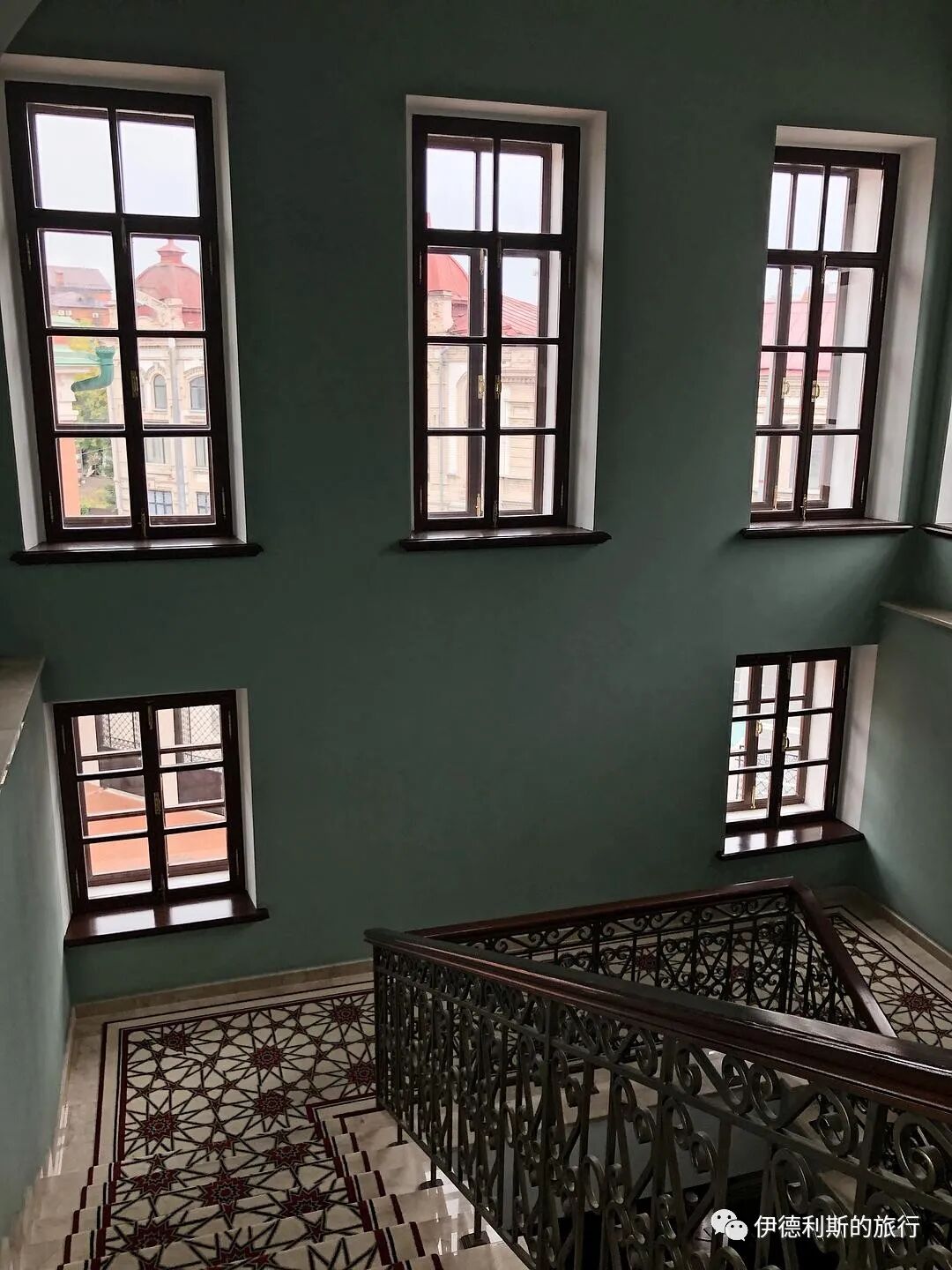
4. İske Taş Mosque: 1802
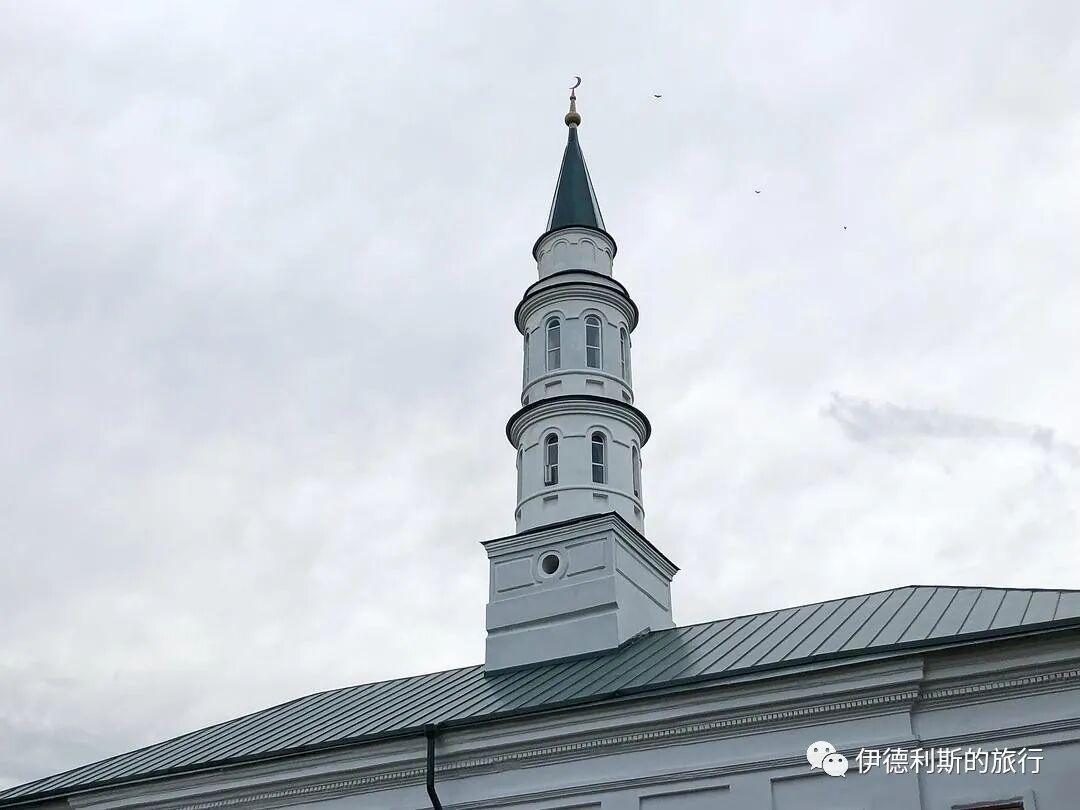
İske Taş is also called the Boulder Mosque, built in 1802 with a donation from merchant Ğabdulla Ütämişev. Legend has it that this mosque was built on the site of a cemetery for soldiers who sacrificed their lives defending the city of Kazan in 1552, and the marker of the cemetery was an ancient boulder (zur iske taş).
The mosque was rebuilt in the Classicist style by Alexander Schmidt in 1830, and its three-story minaret resembles the minarets of mosques in the ancient Bolghar and Kasimov regions of the Tatars.
According to the decision of the Central Executive Committee of the Tatar Autonomous Soviet Socialist Republic in the late 1930s, the mosque was closed and later converted into a school and warehouse, and was not returned to the Muslims until 1994.
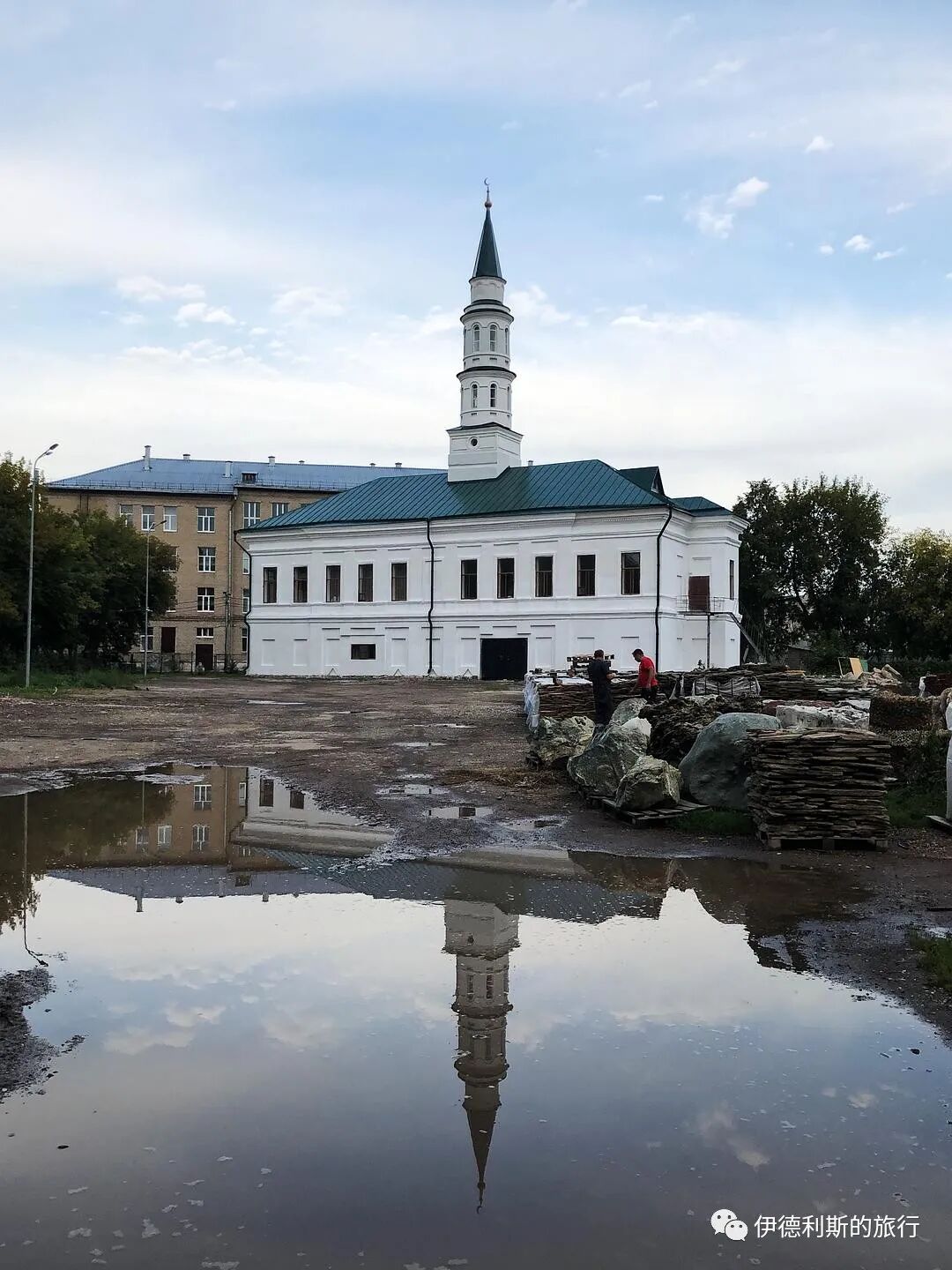
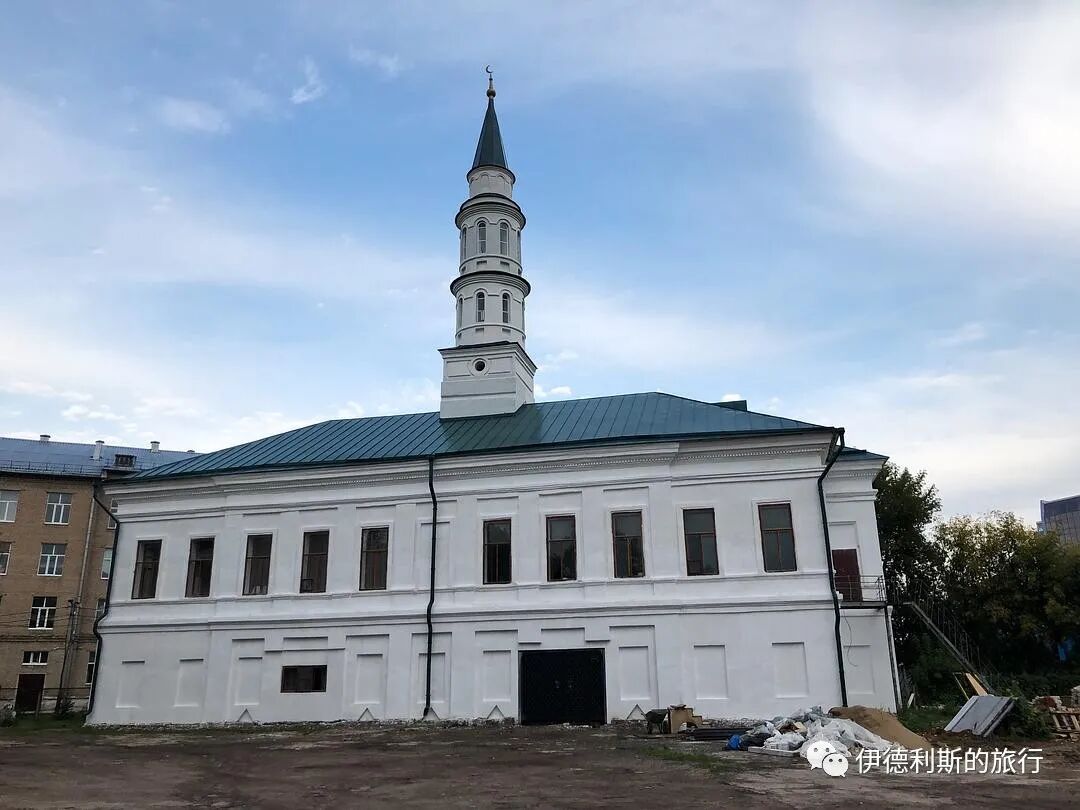
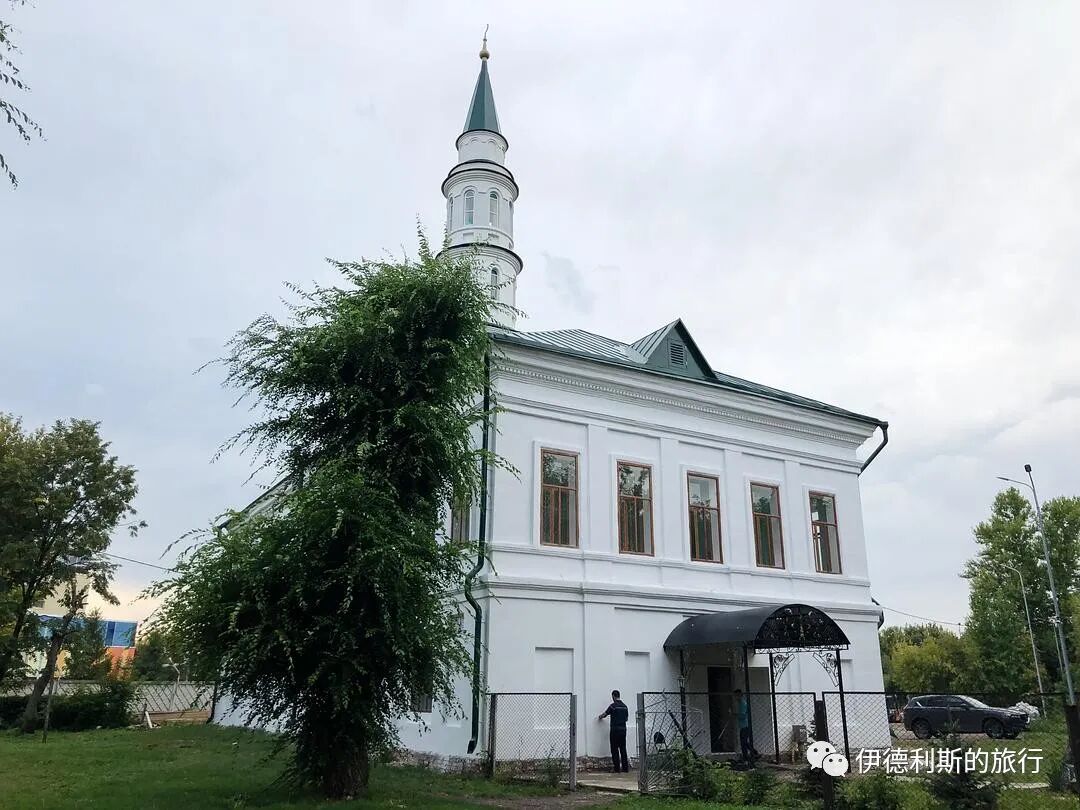
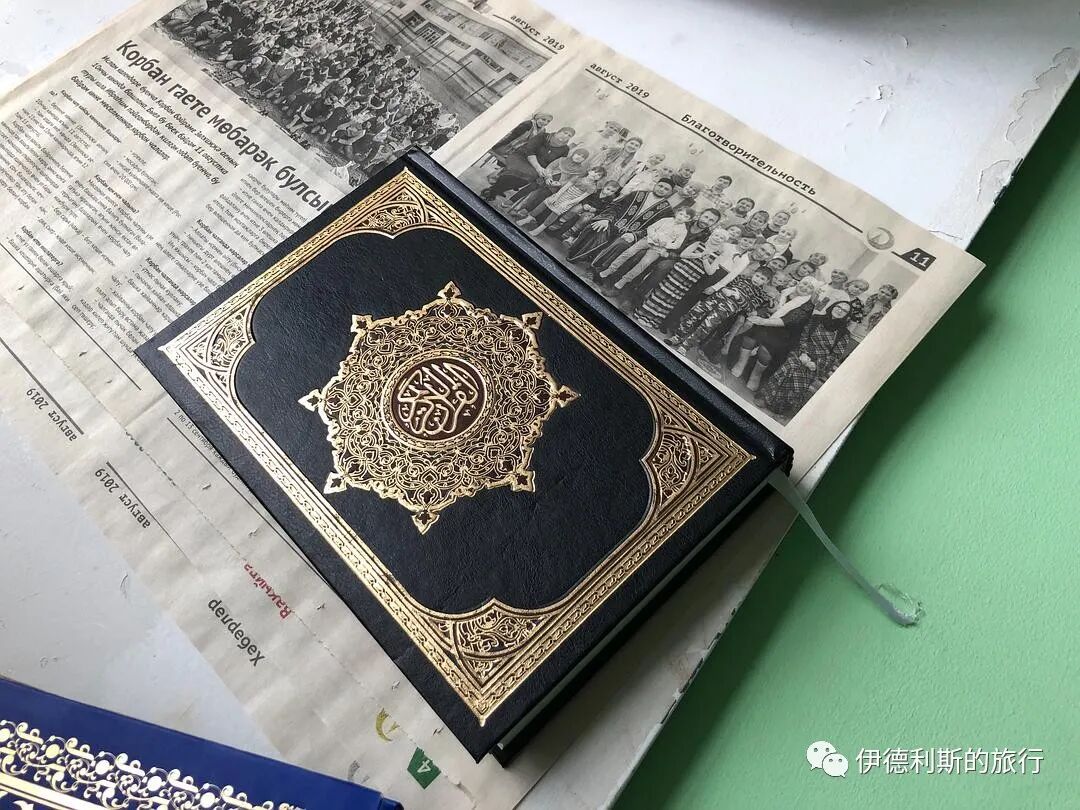
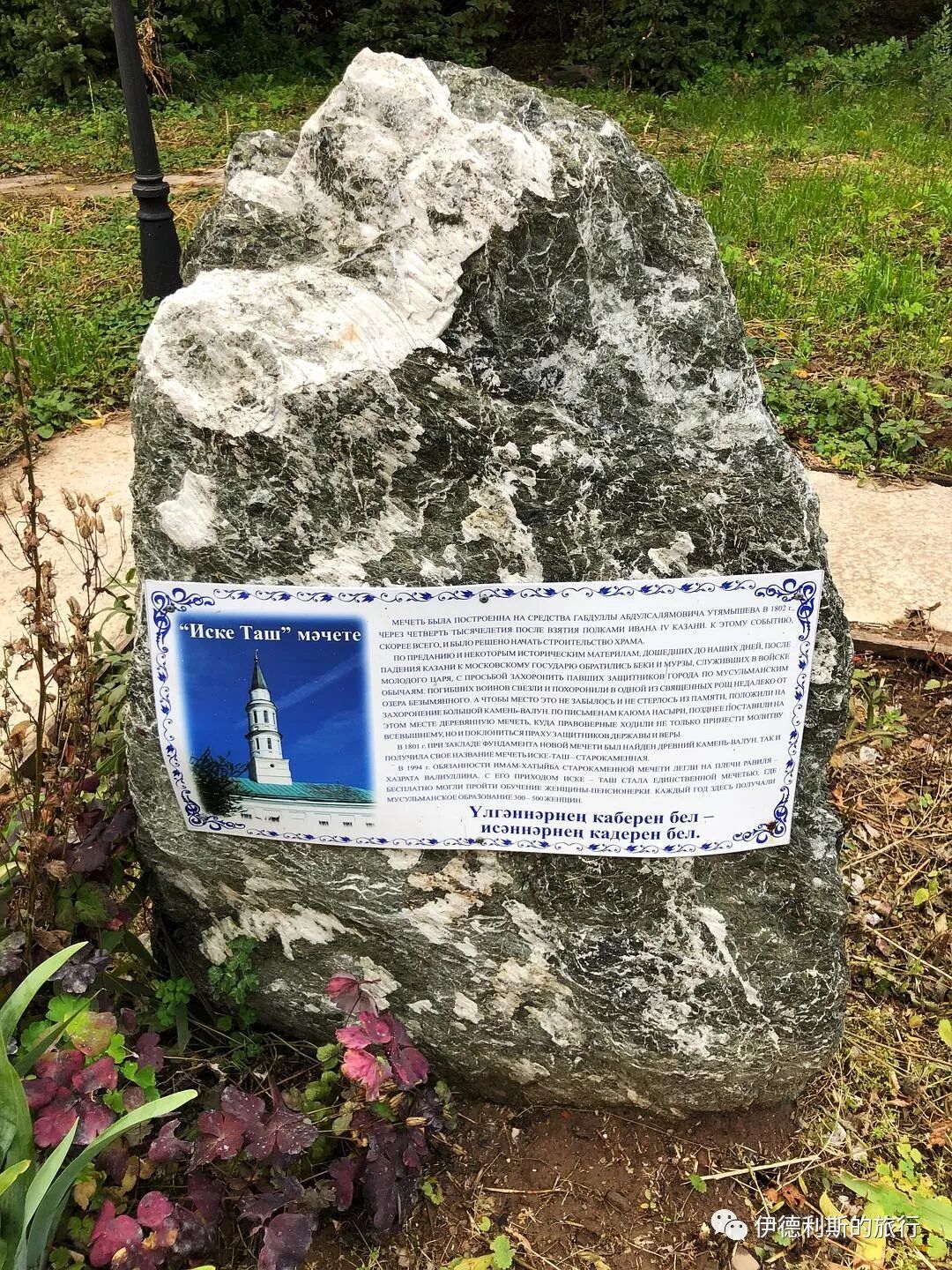
5. White Mosque: 1805
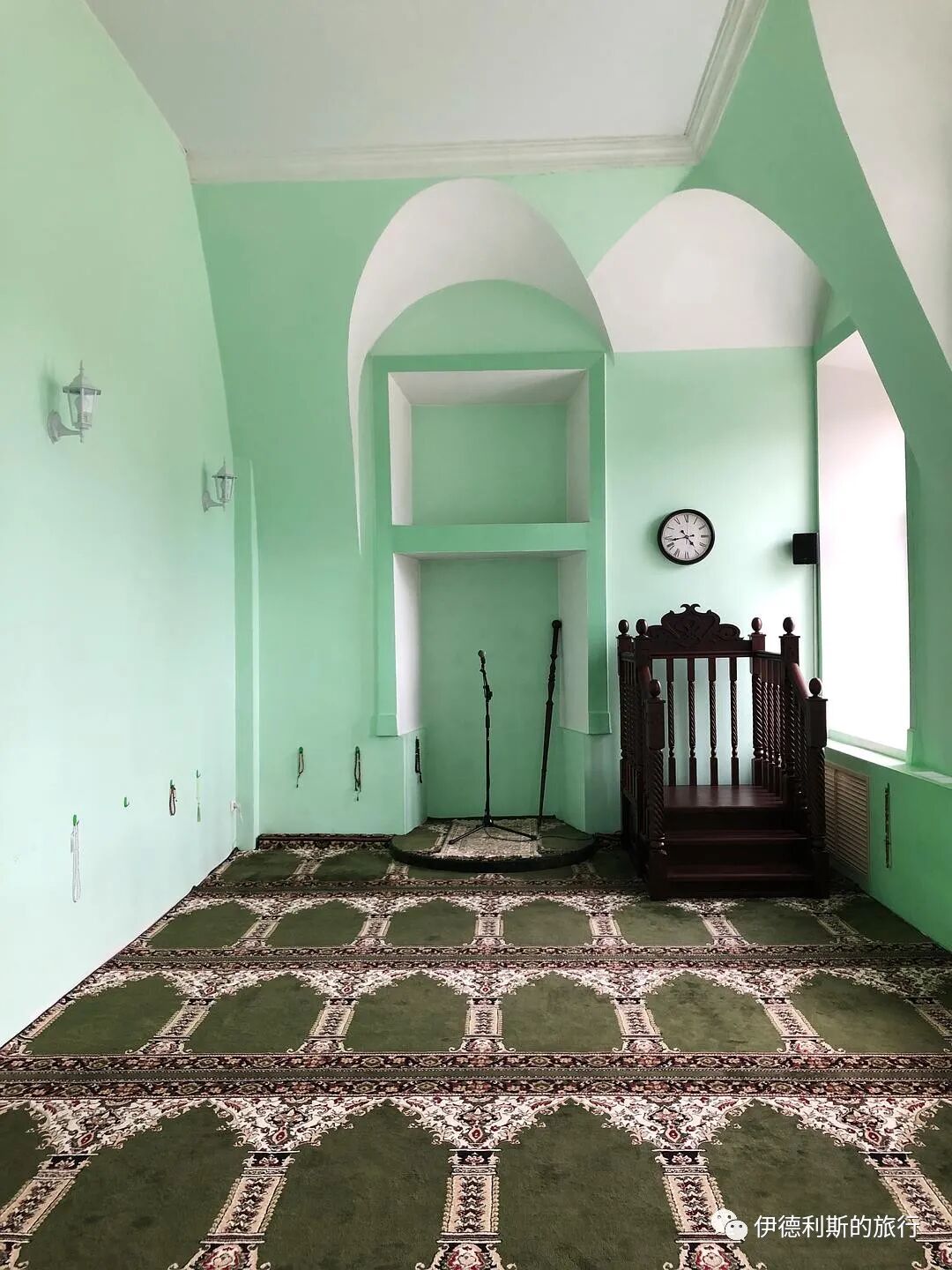
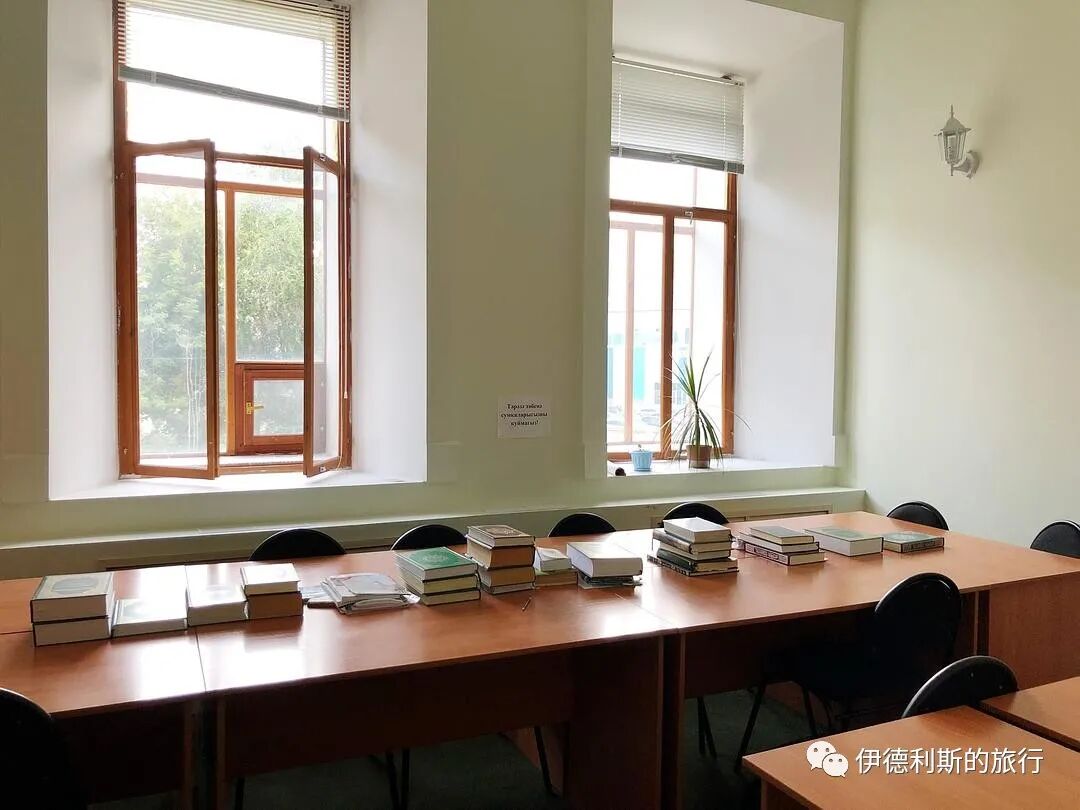
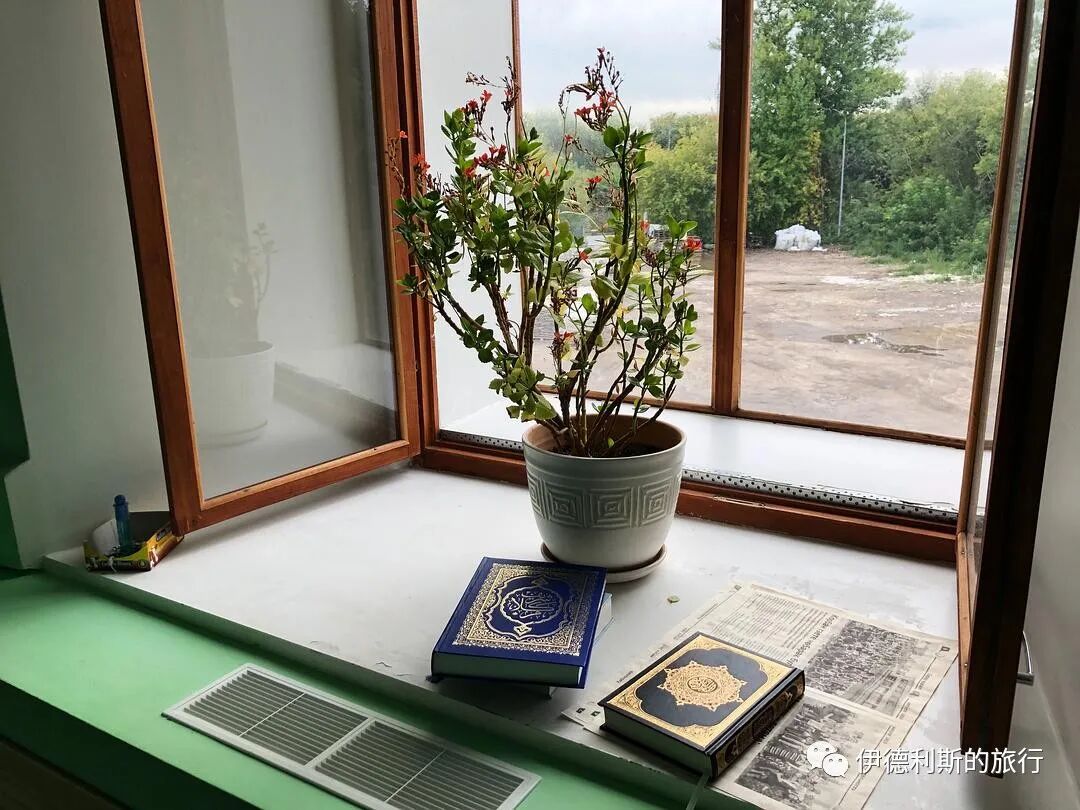
The White Mosque was built between 1801 and 1805. Similar to the İske Taş Mosque built in the same period, its exterior is in the Classicist style. The mosque was closed in 1929 and converted into a school and fur workshop. In the 1930s, the minaret was demolished, and the eastern and southern parts of the main hall were rebuilt. The mosque became an architectural monument in 1960 and was returned to the Muslims in 2004, but it is still not open.
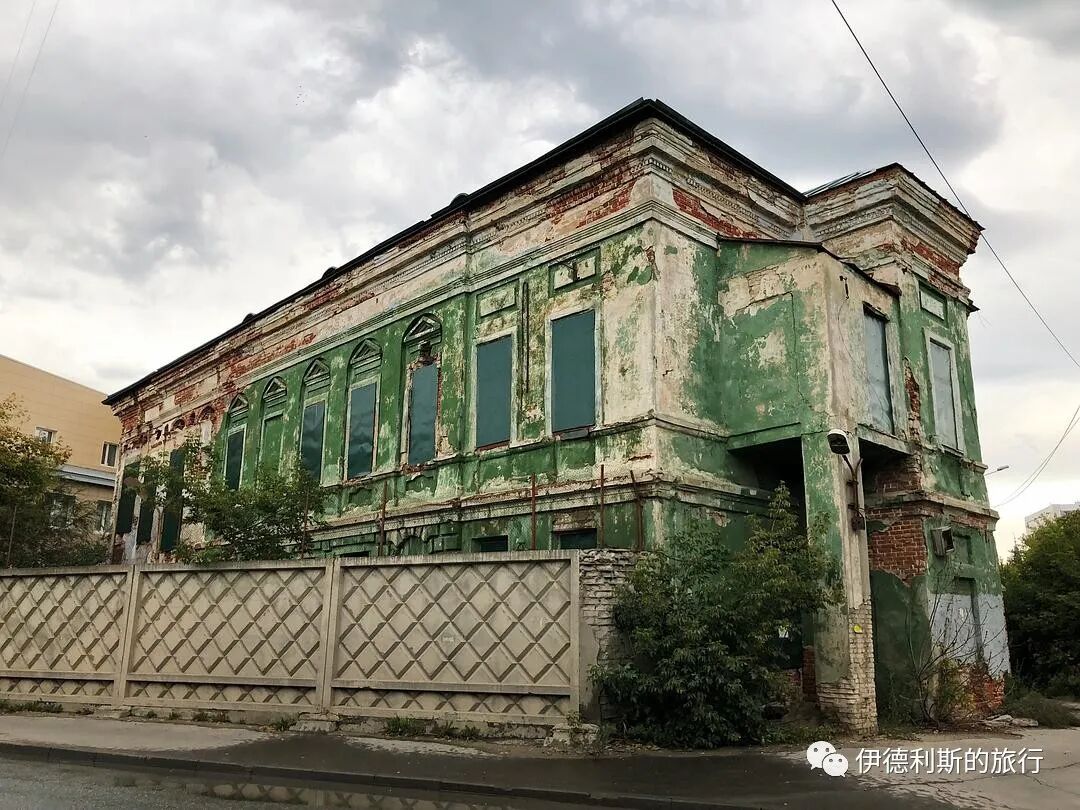
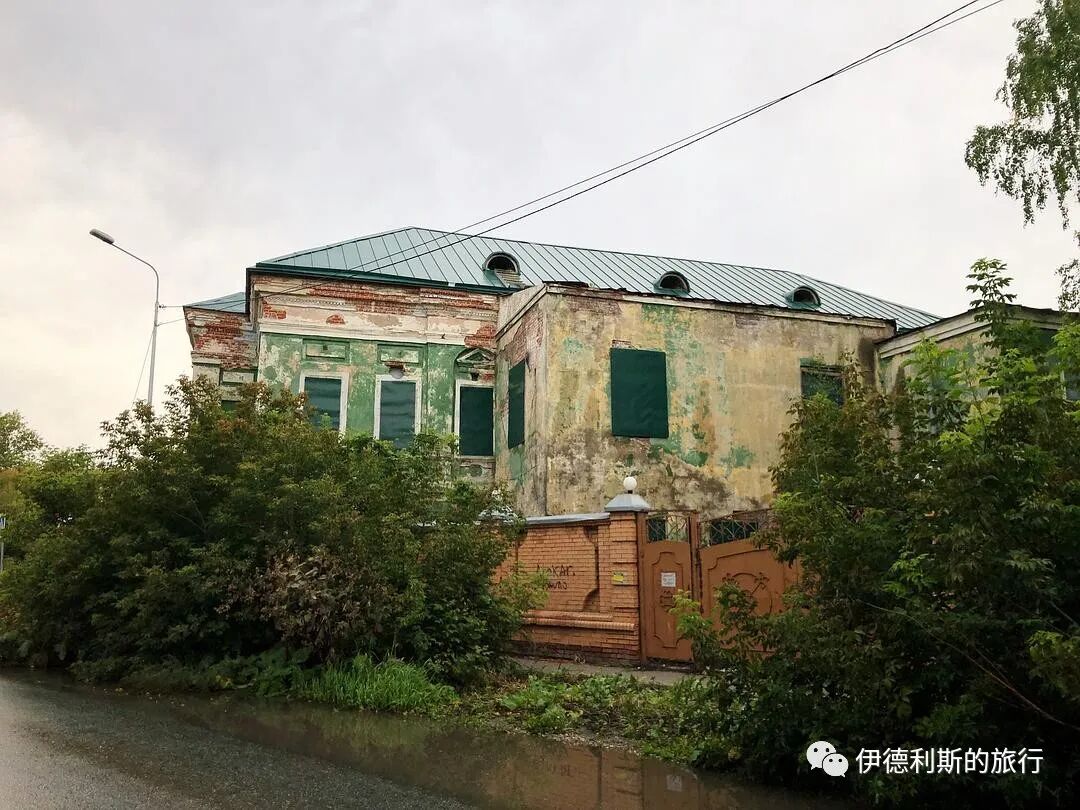
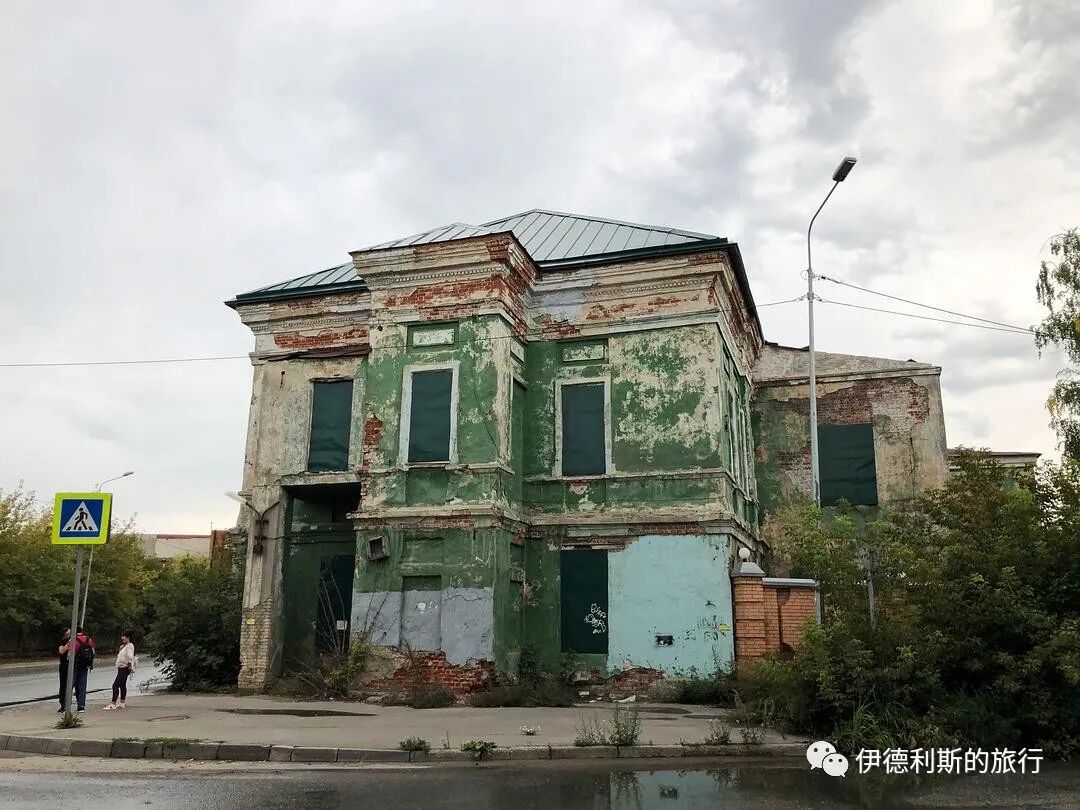
6. Pink Mosque: 1808
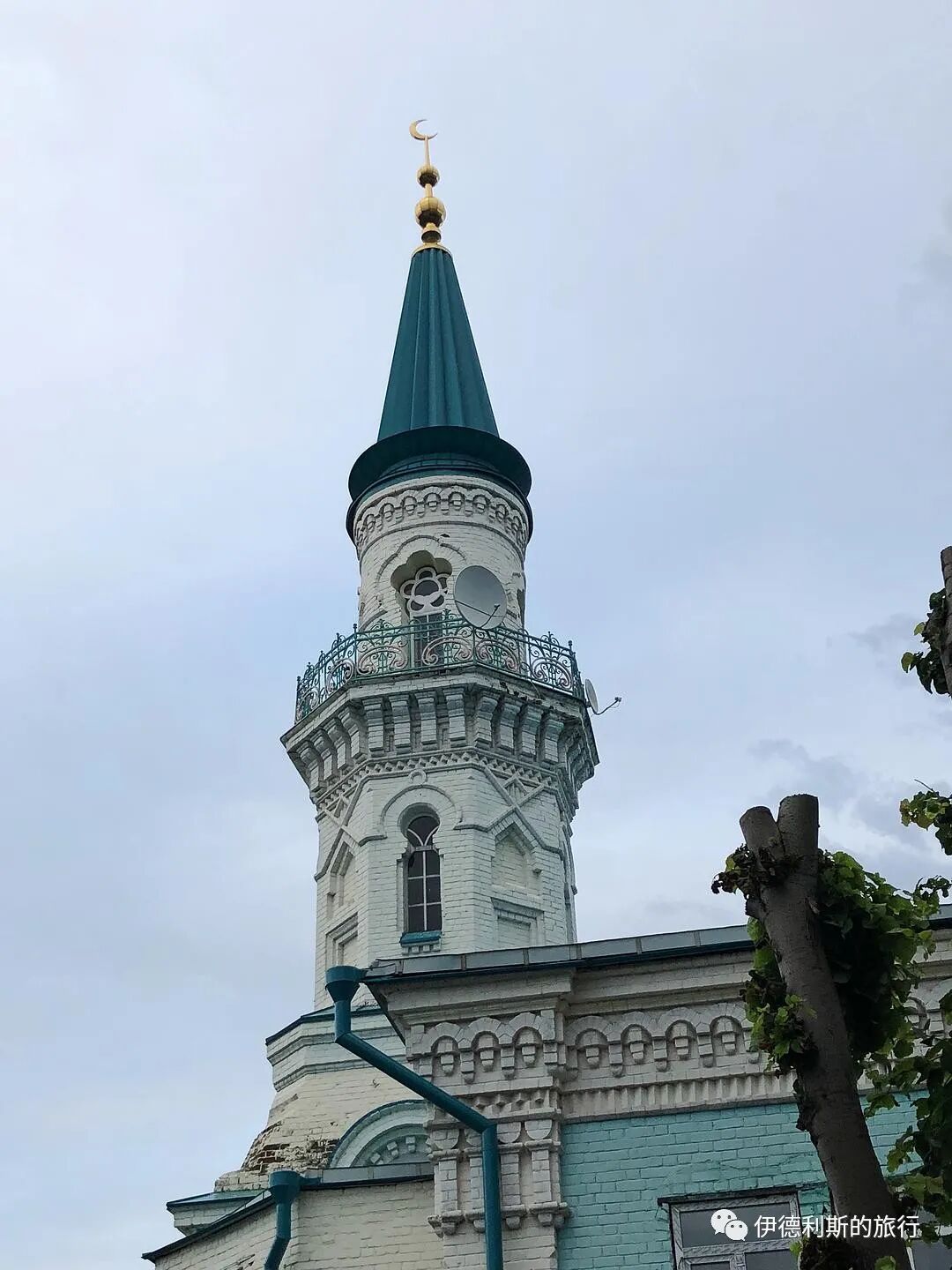
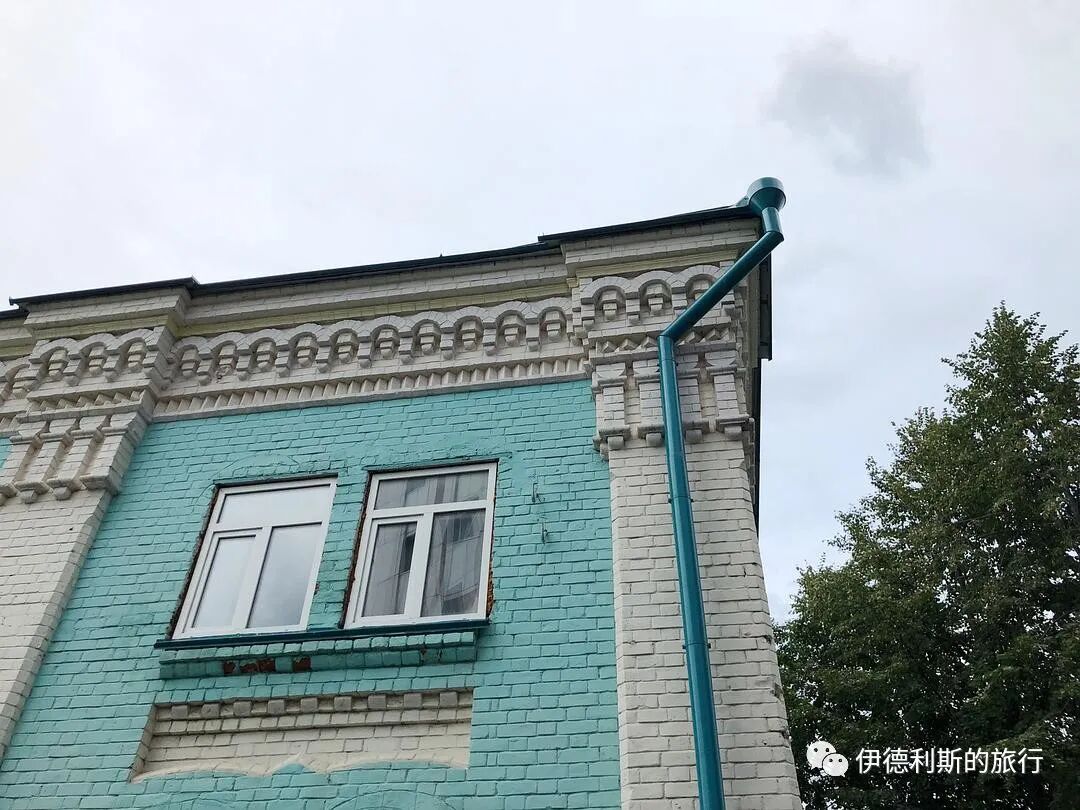
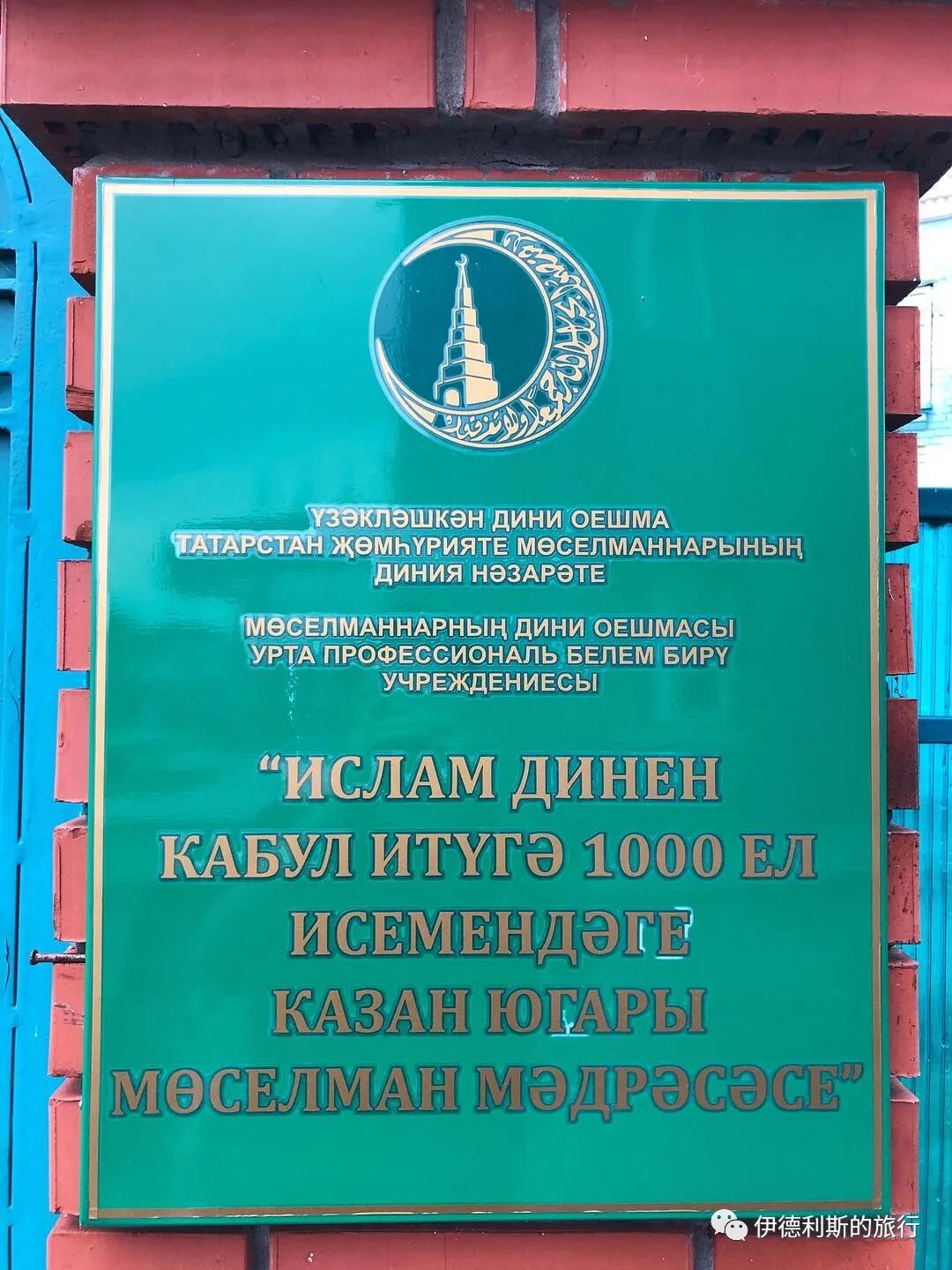
The Pink (Rozovaya) Mosque was built in 1808 with a donation from merchant Musa Apanaev and was the Islamic center of the Novaya Tatarskaya Sloboda area of Kazan. The mosque was closed in 1931 and reopened in 1991, by which time the Novaya Tatarskaya Sloboda had become an industrial zone. Today, it is the Kazan Higher Muslim Islamic Madrasa.
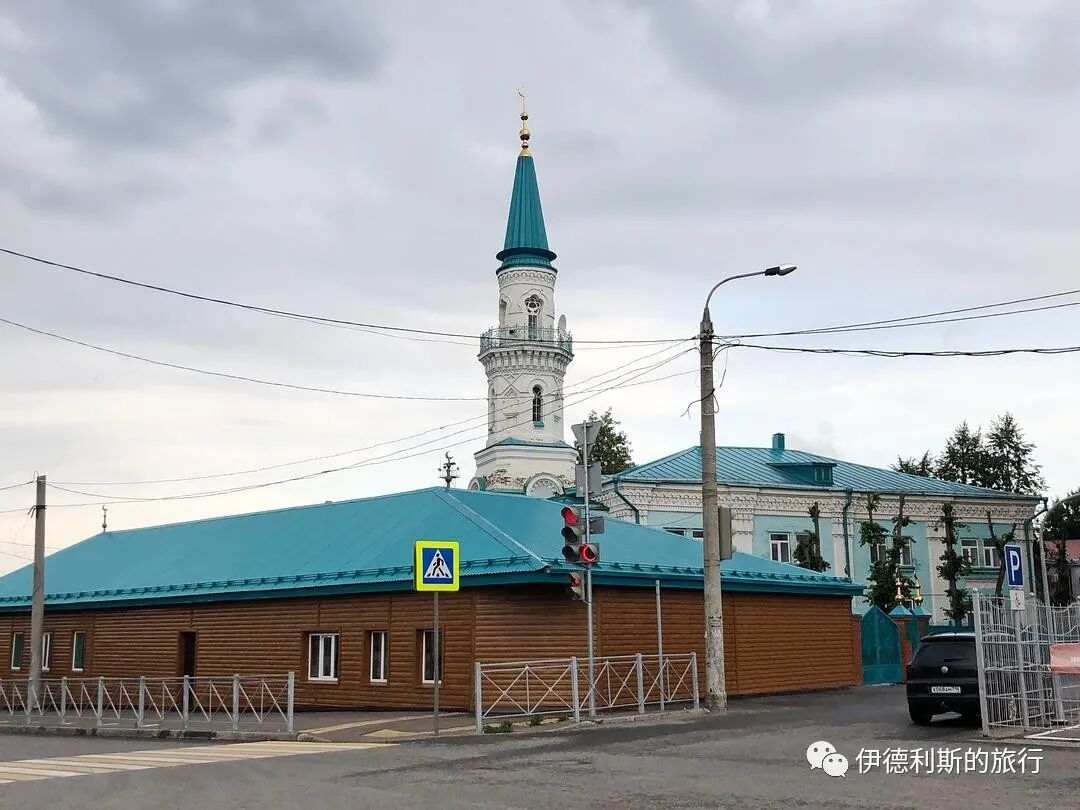
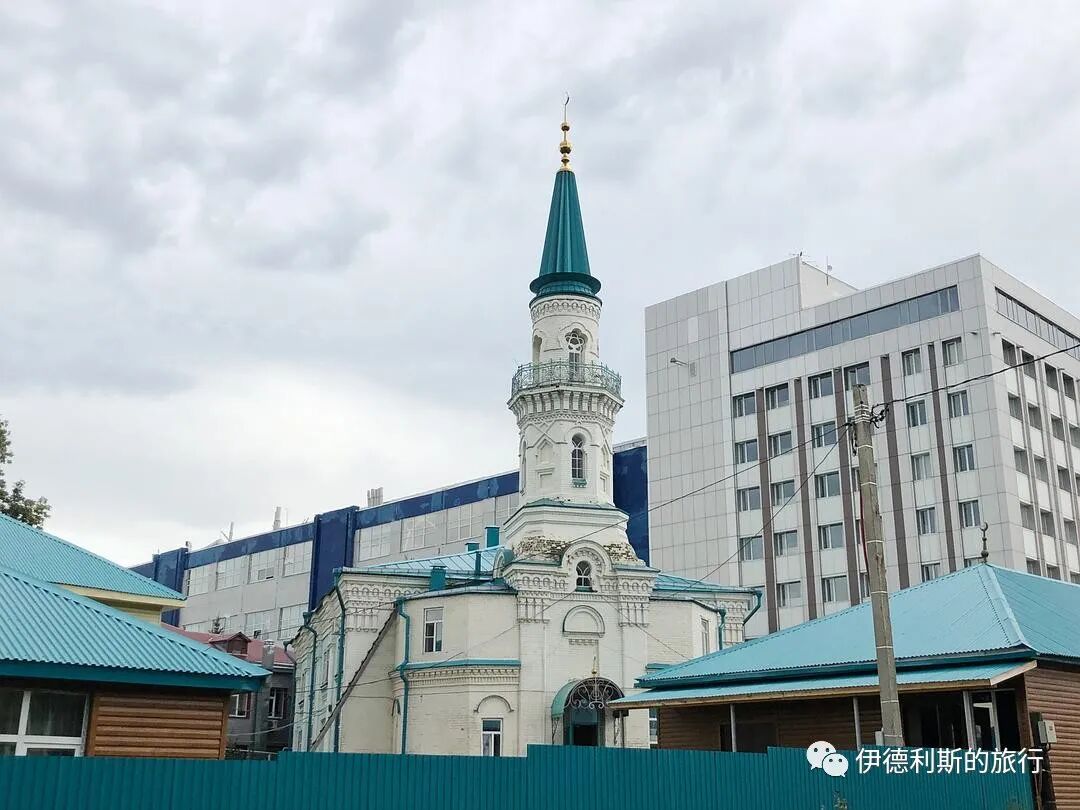
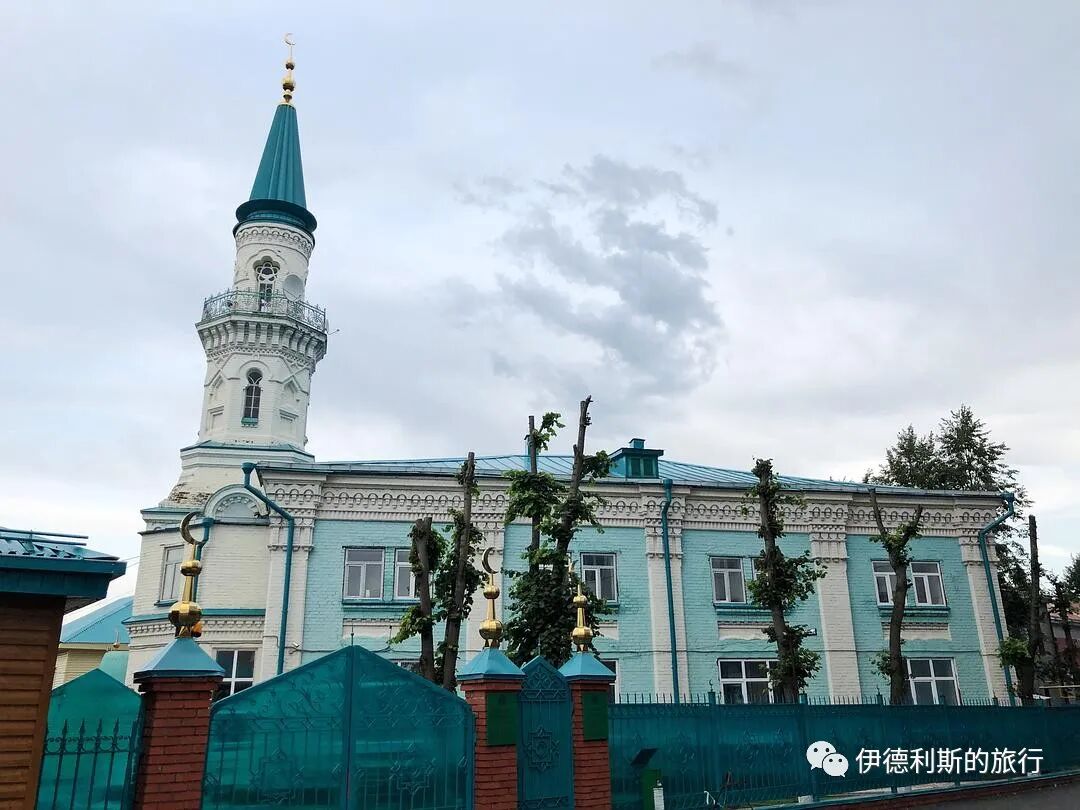
7. Blue Mosque: 1819
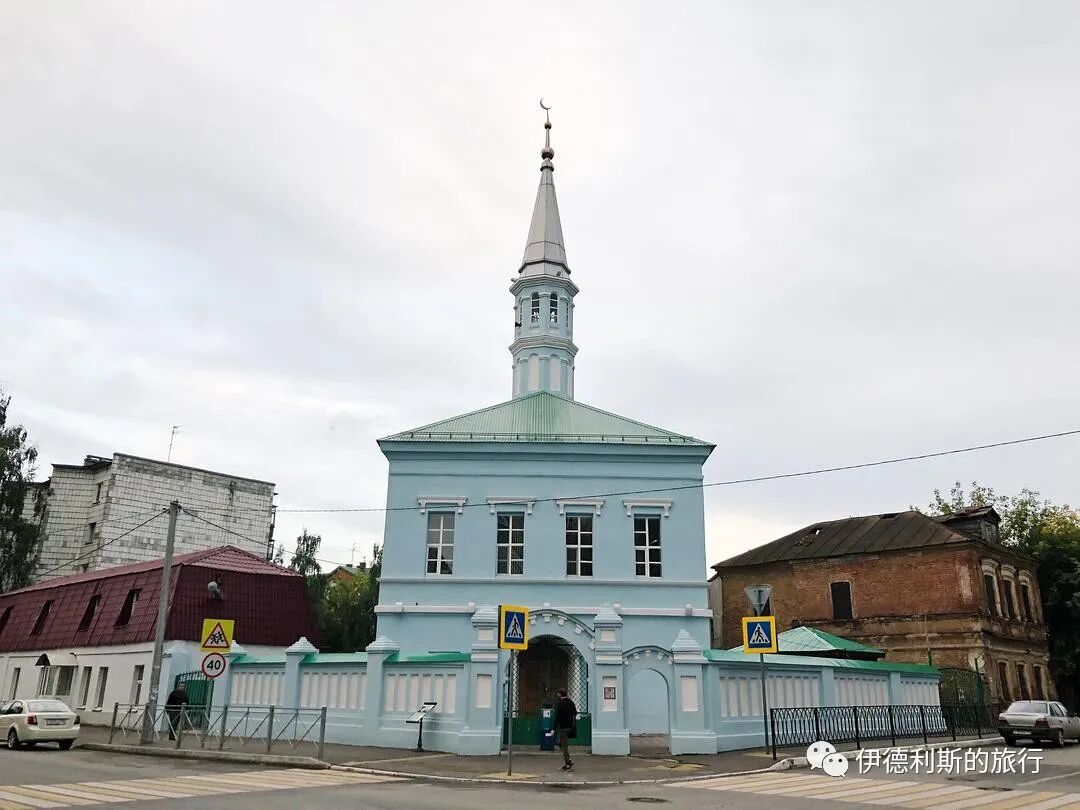
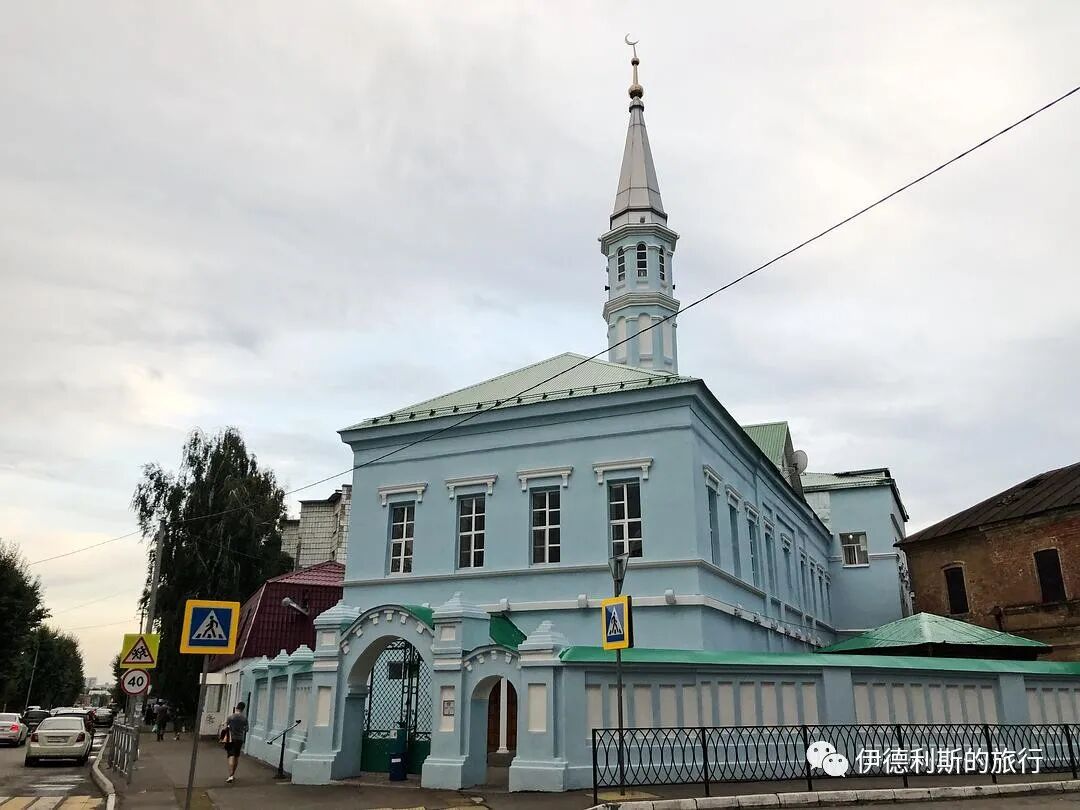
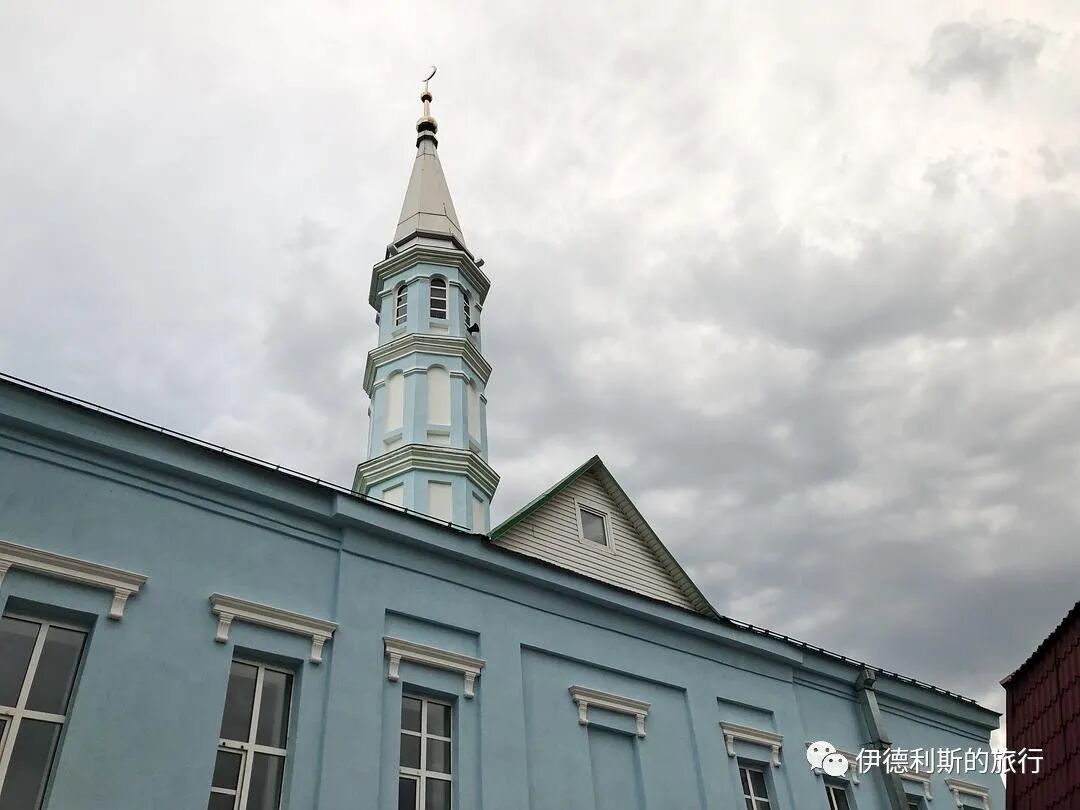
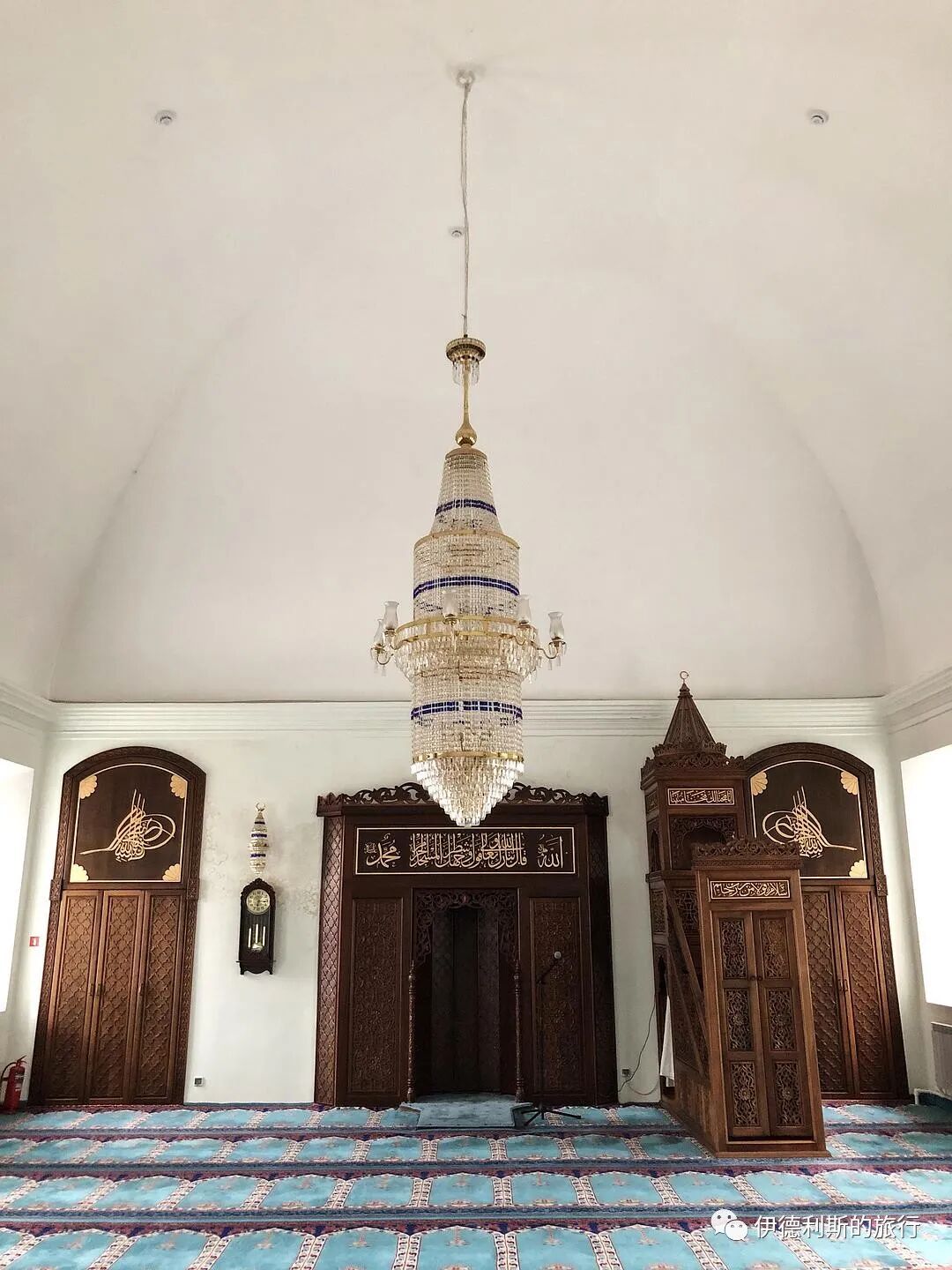
The Blue (Zangar) Mosque was built between 1815 and 1819 with funds donated by merchant Akhmet Aitov-Zamanov, and the architect was Alexander Schmidt. Bolshaya Meshchanskaya Street was once the residence of the poorest residents of the Old Tatar Quarter, and the residents here built a wooden mosque in 1778. In 1815, the original wooden mosque was moved to another village, and the current brick mosque in the Classicist style was built here.
The mosque was expanded twice in 1864 and 1907. The mosque was closed in 1932, the minaret was demolished, and it was converted into housing. It reopened in 1993, and the minaret was rebuilt in 2009.
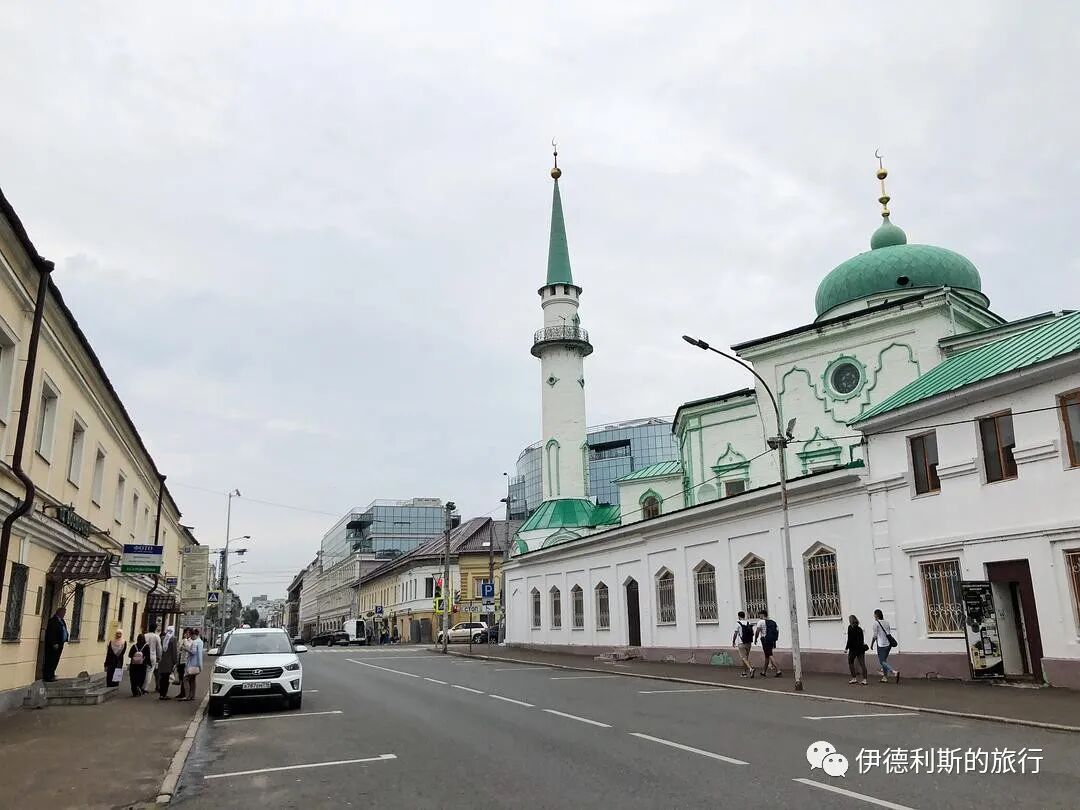
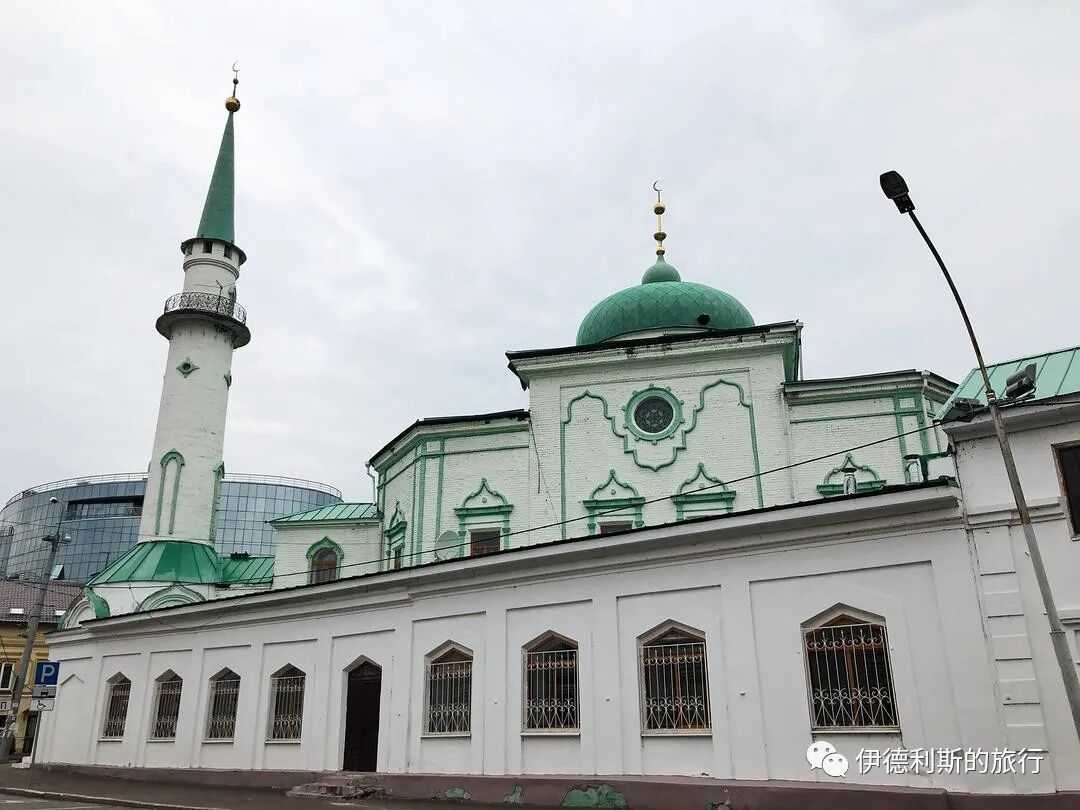
8. Nurulla Mosque: 1849
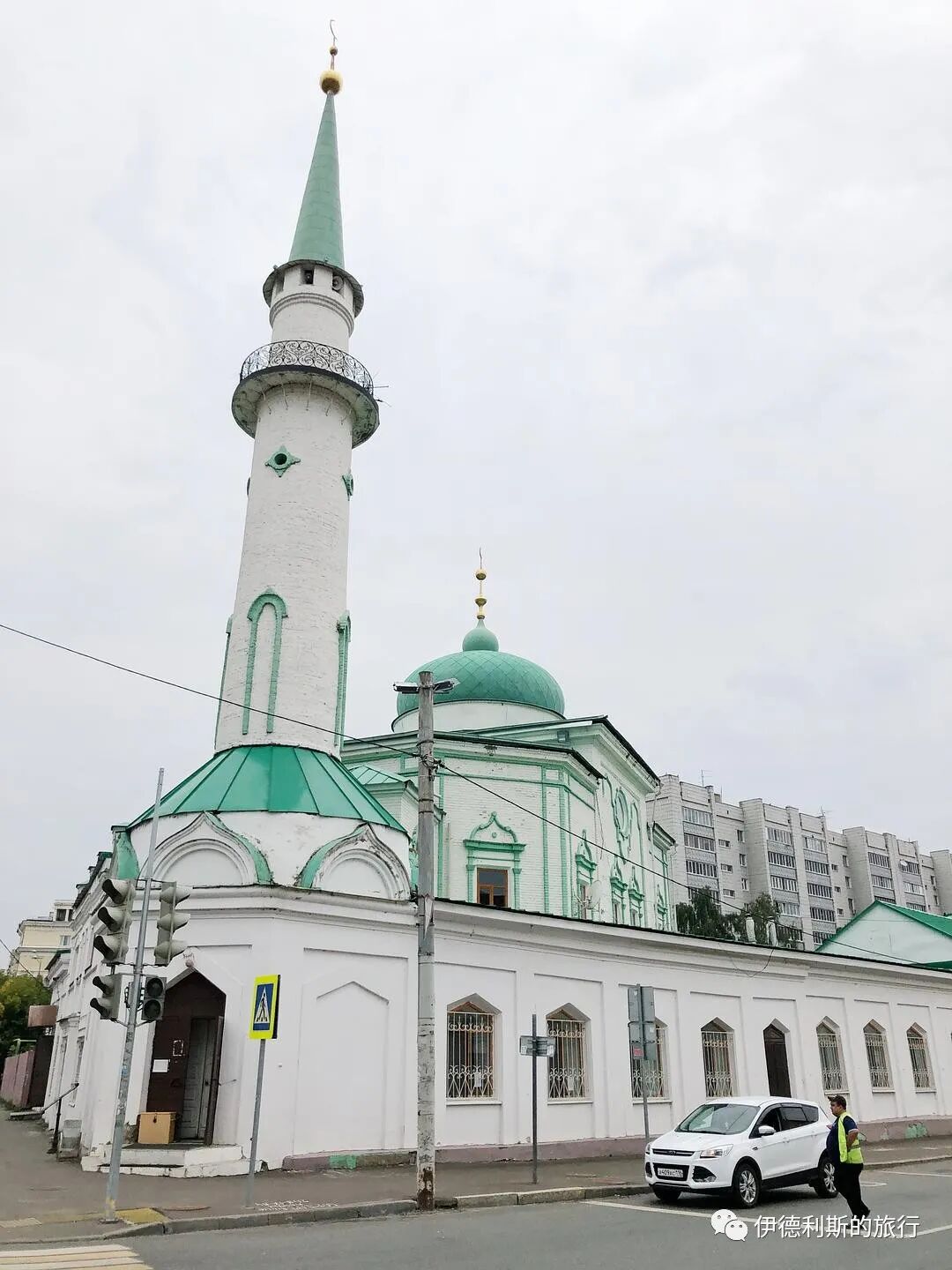
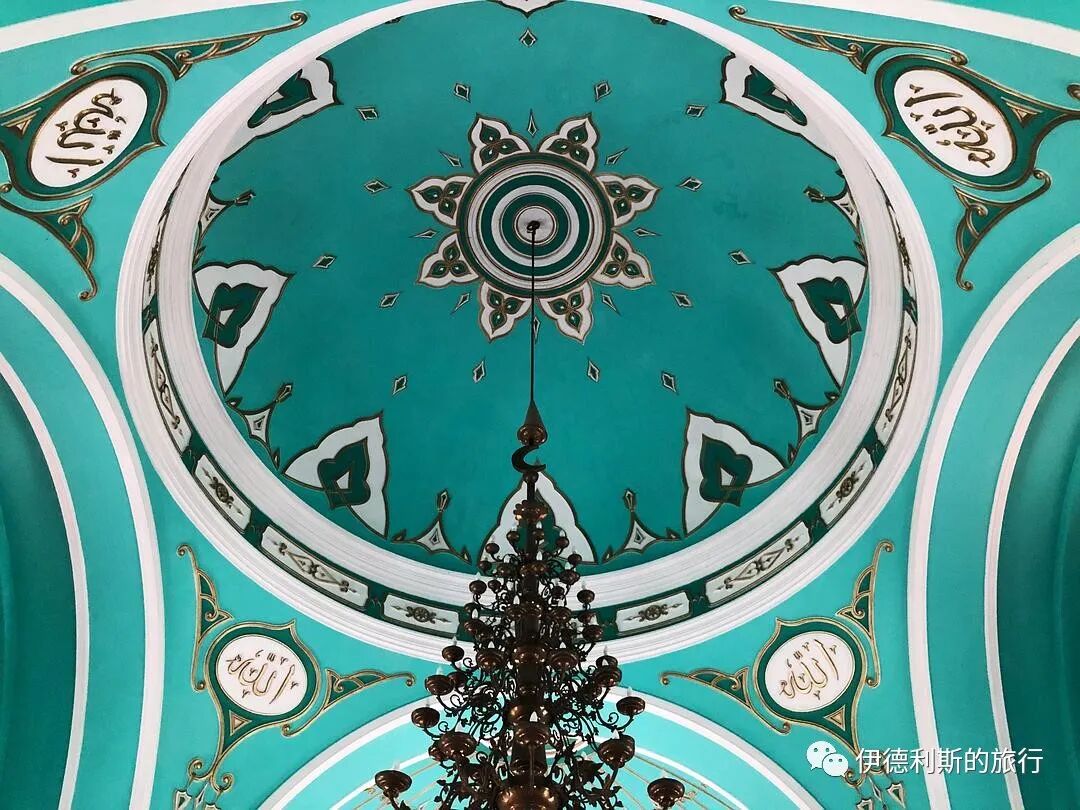
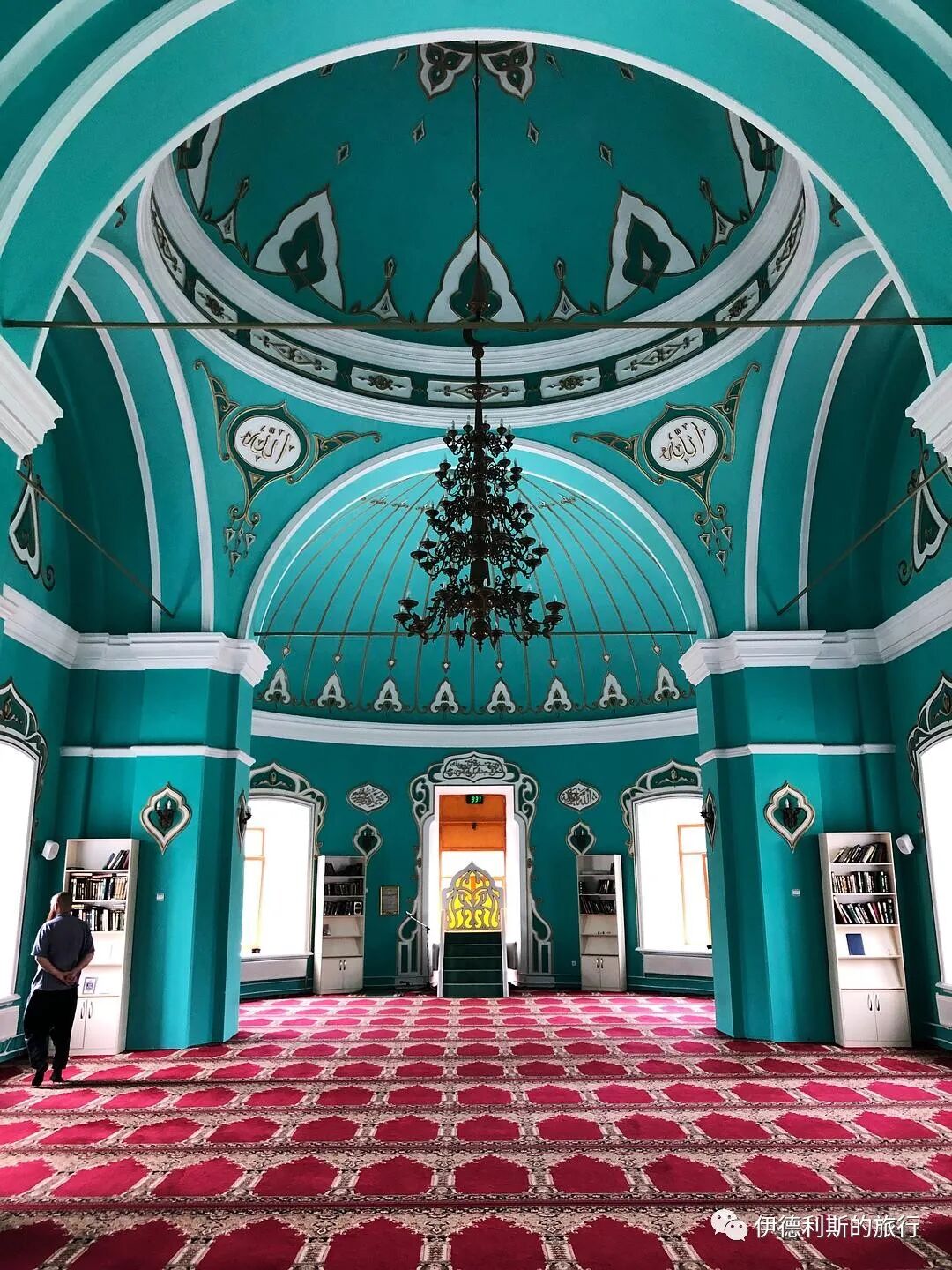
The Nurulla Mosque was built between 1845 and 1849 with a donation from merchant Ğ. M. Yunısov, featuring a minaret in the ancient Volga Bolghar style and a dome in the Middle Eastern style.
The mosque is part of a series of supporting buildings around the Sennoy Bazaar. The Sennoy Bazaar was the trade center of the Old Tatar Quarter of Kazan in the 18th and 19th centuries. At that time, the mosque was mainly used by Tatar merchants who came to the Sennoy Bazaar to do business, and it was initially named Sennobazarnaya Mosque after the bazaar.
The mosque was closed in 1929 and converted into apartments and offices, during which time the minaret was destroyed. It was not returned to the Muslims until 1992 and was renamed Nurulla Mosque. The minaret was restored between 1990 and 1995.
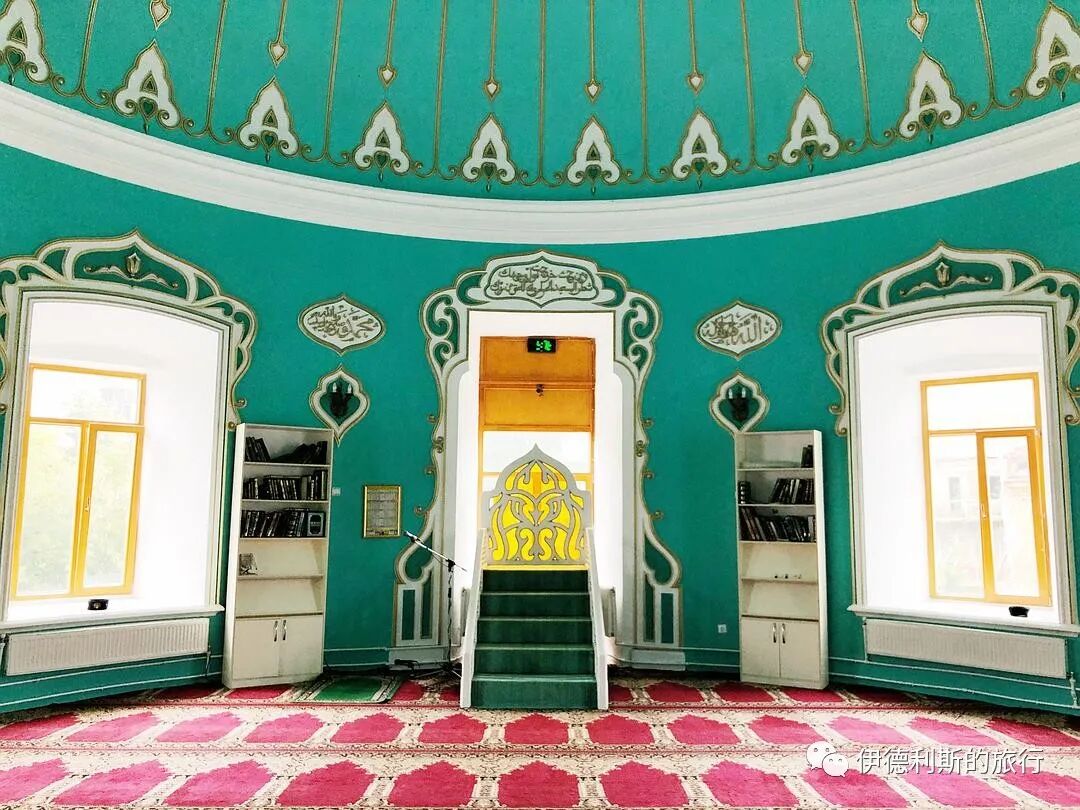
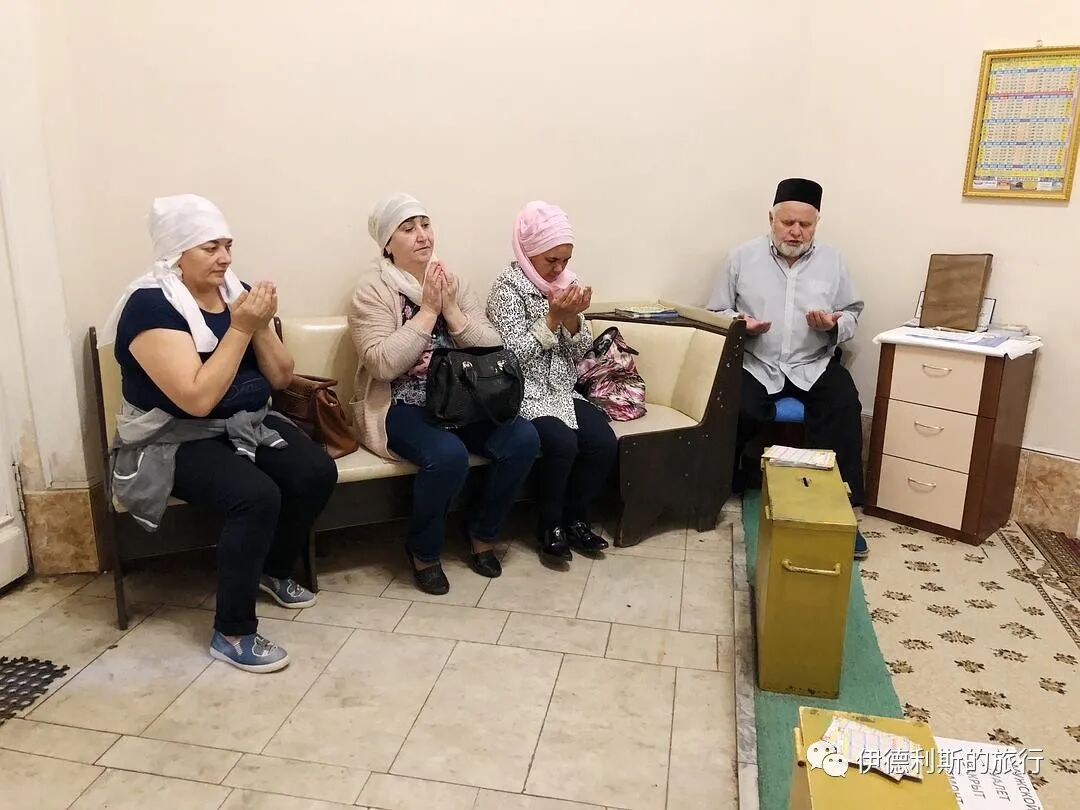
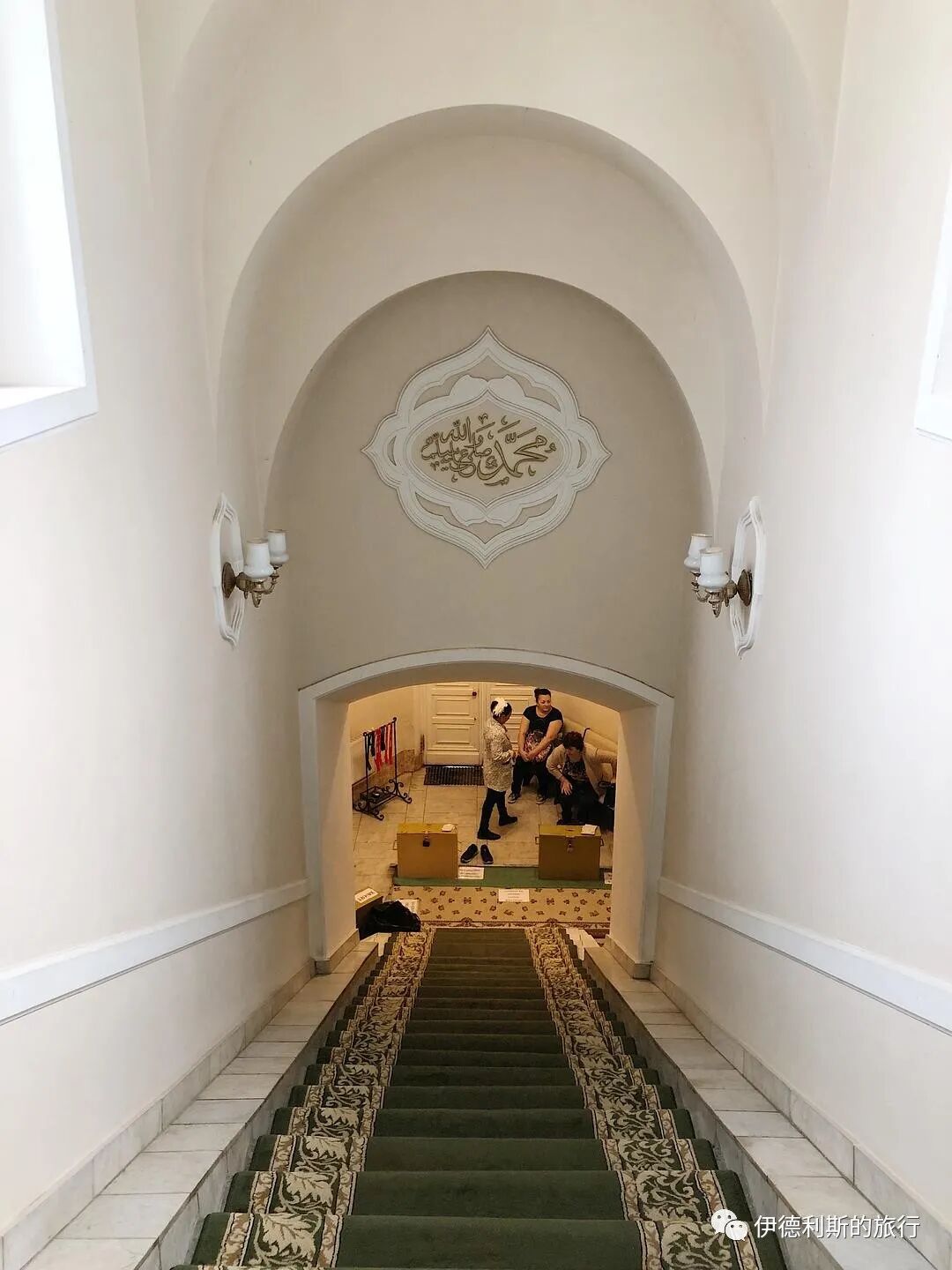
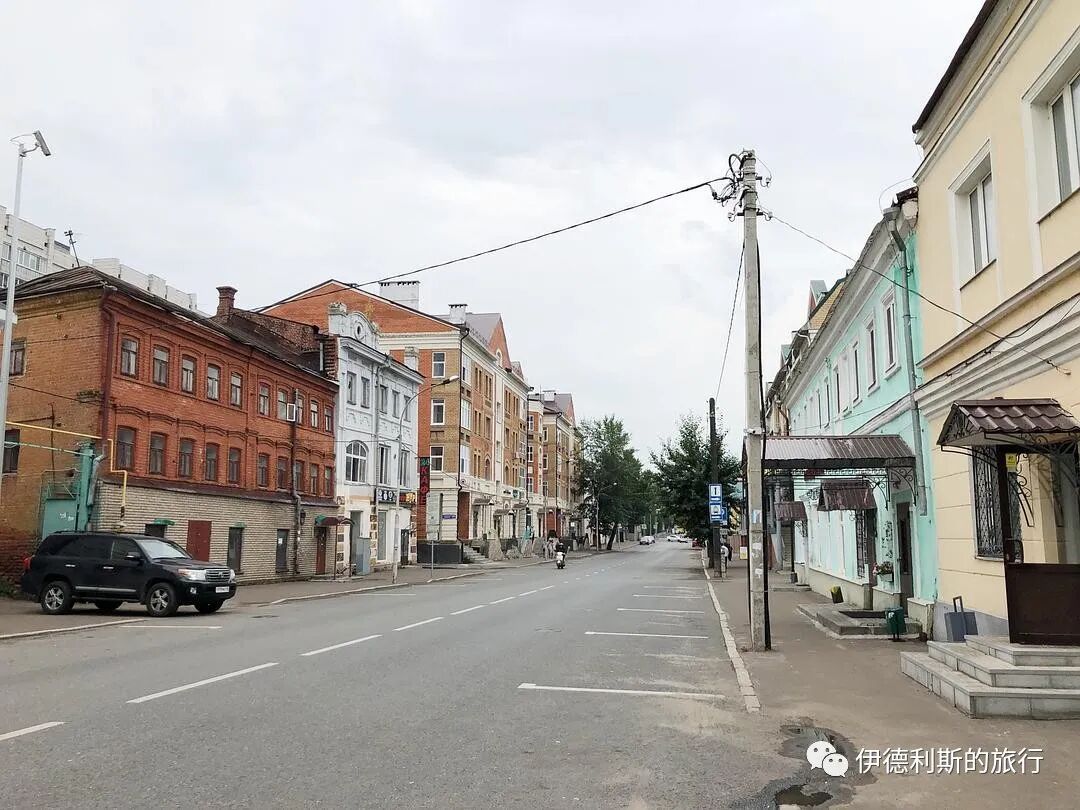
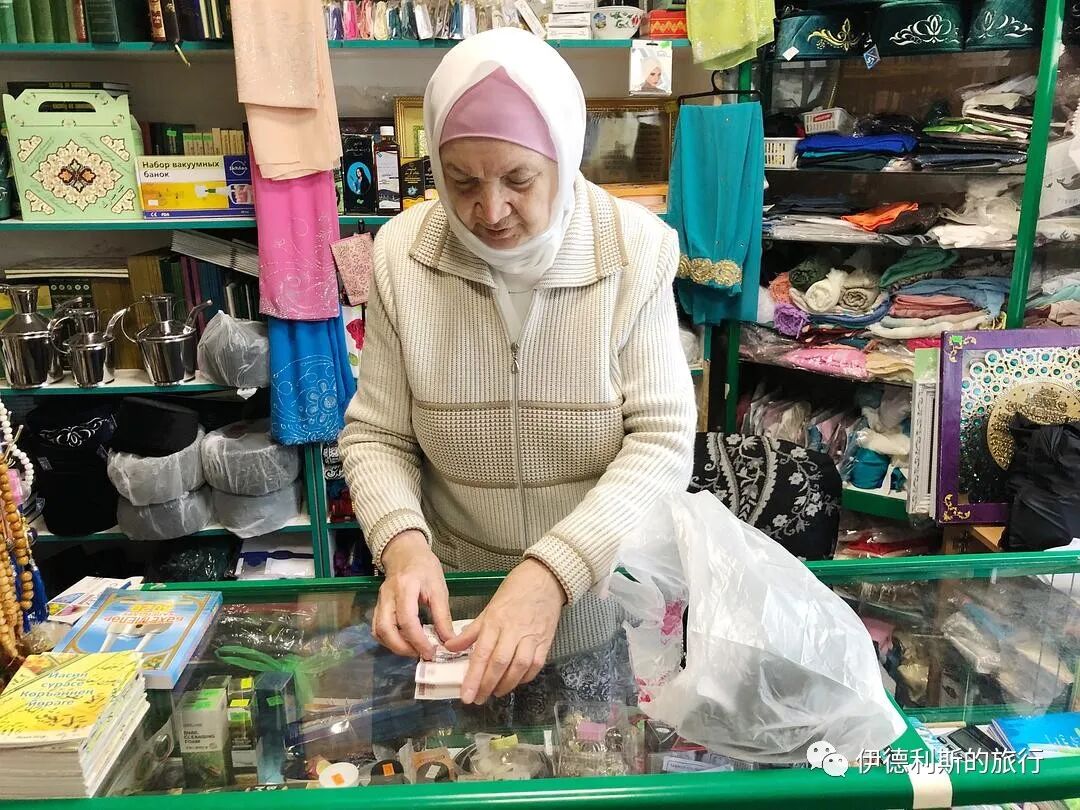
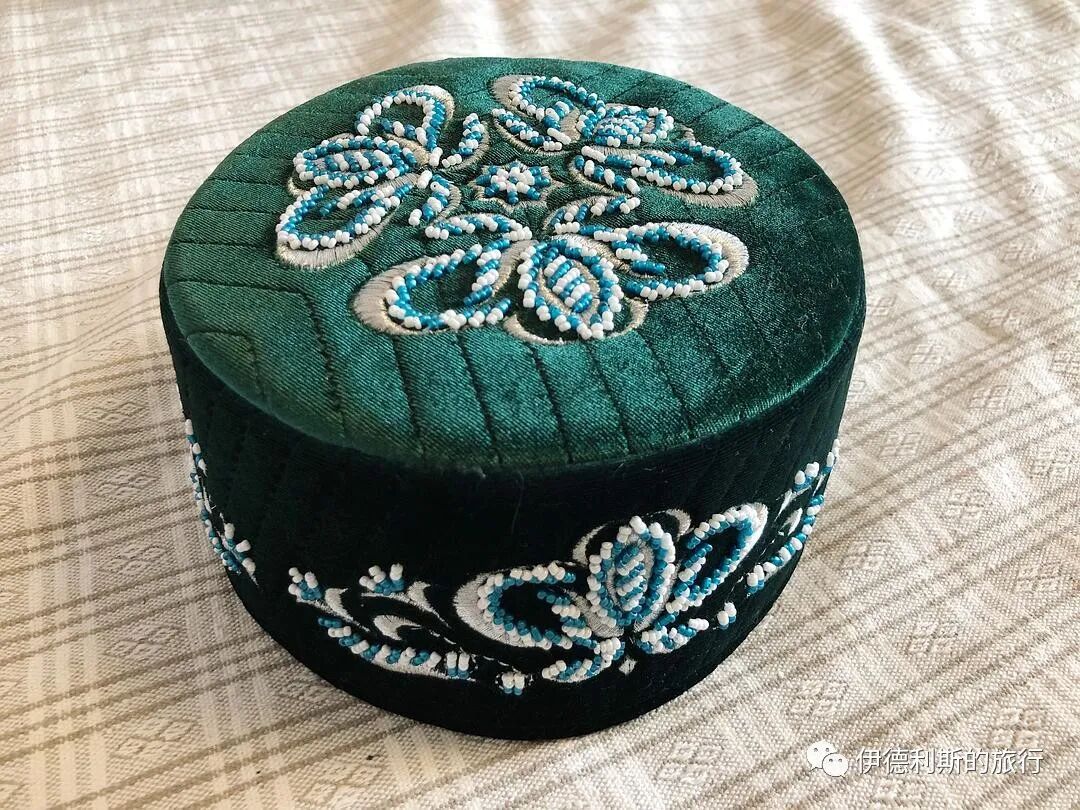
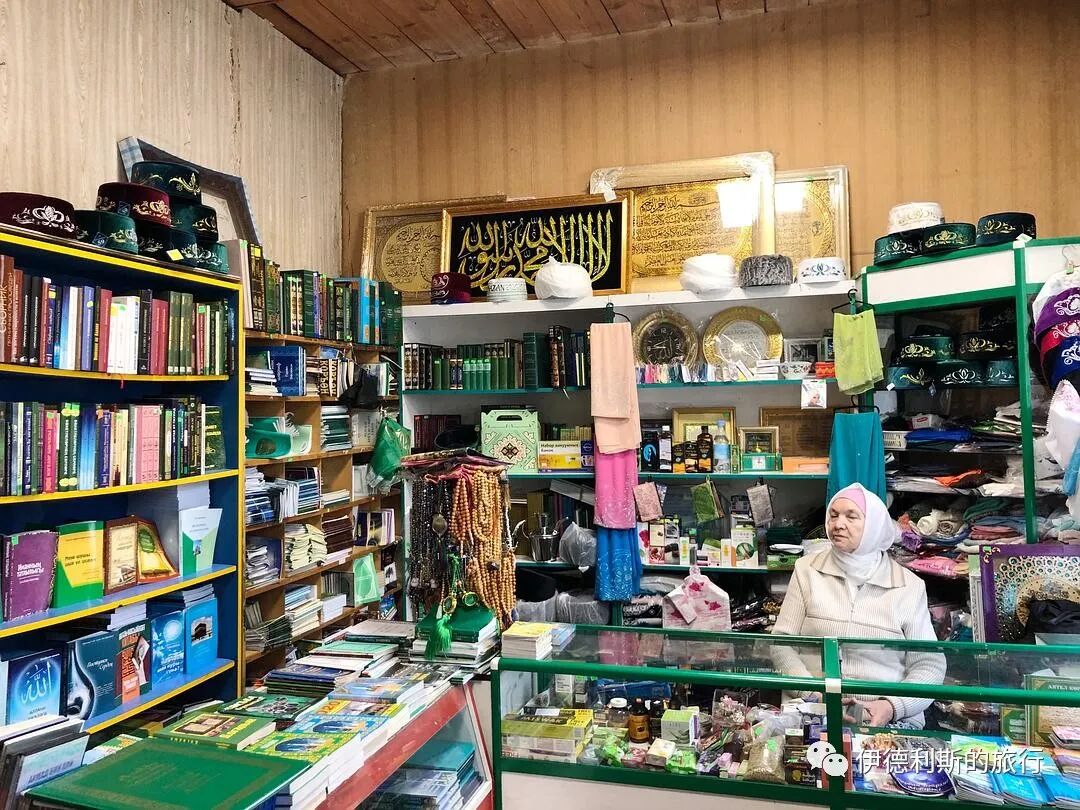
The Tubetei (Тюбетей) hat of the Kazan Tatars bought at the shop of the Nurulla Mosque
9. Soltan Mosque: 1868
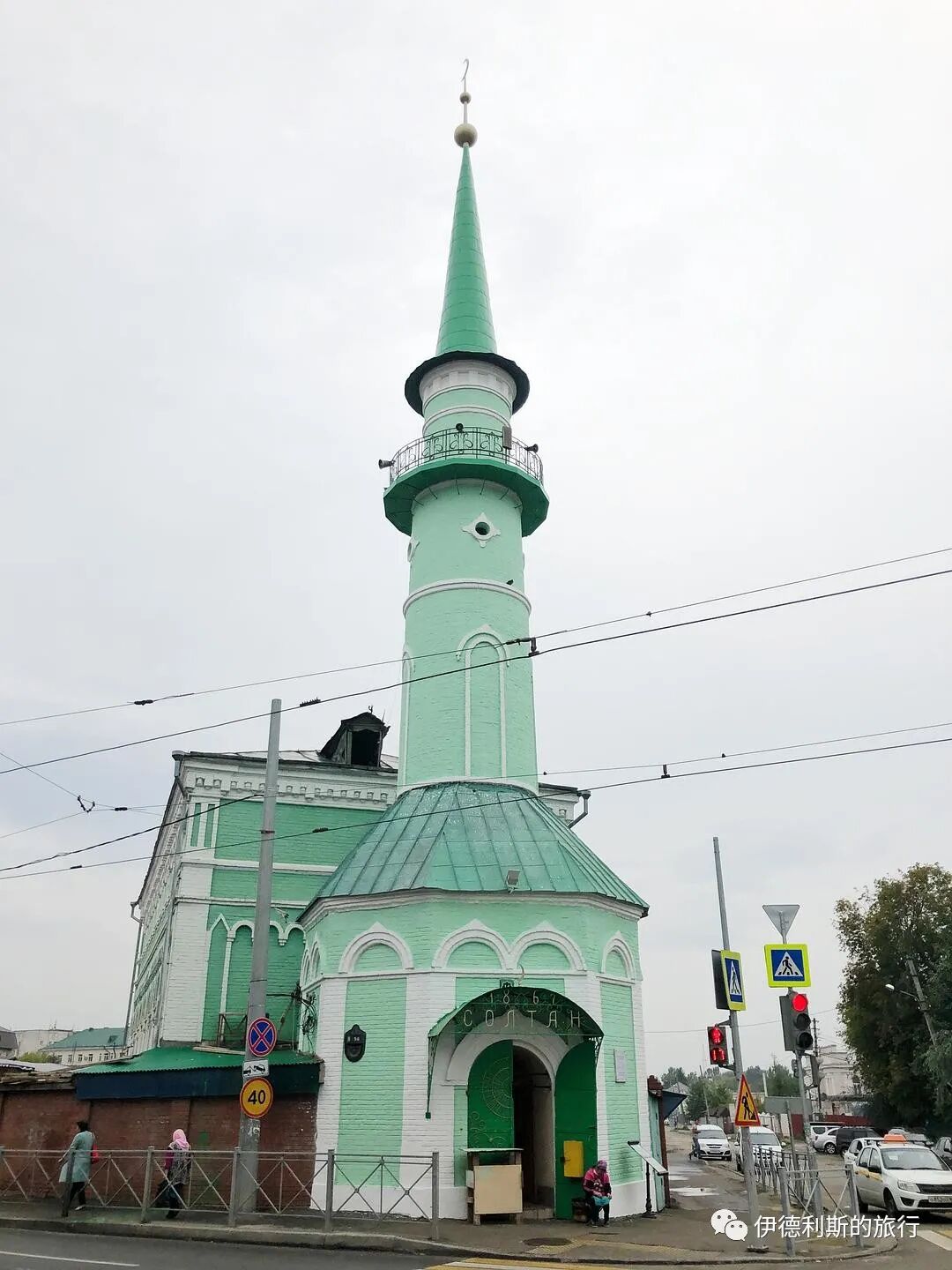
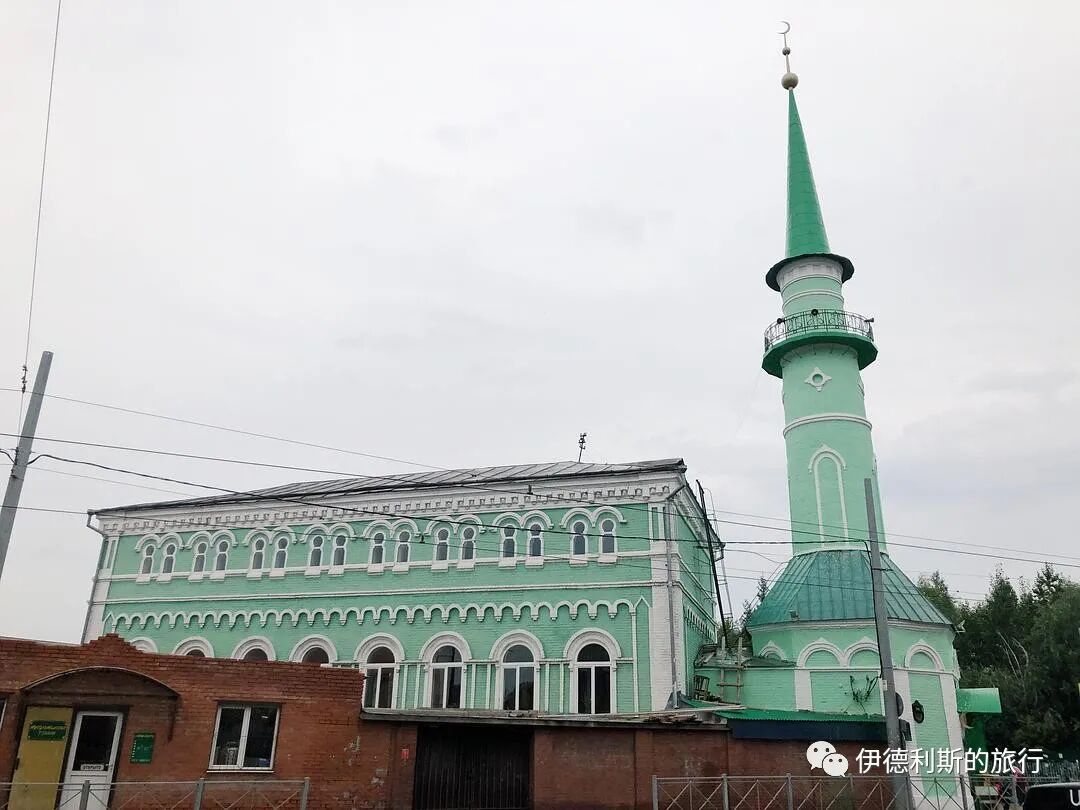
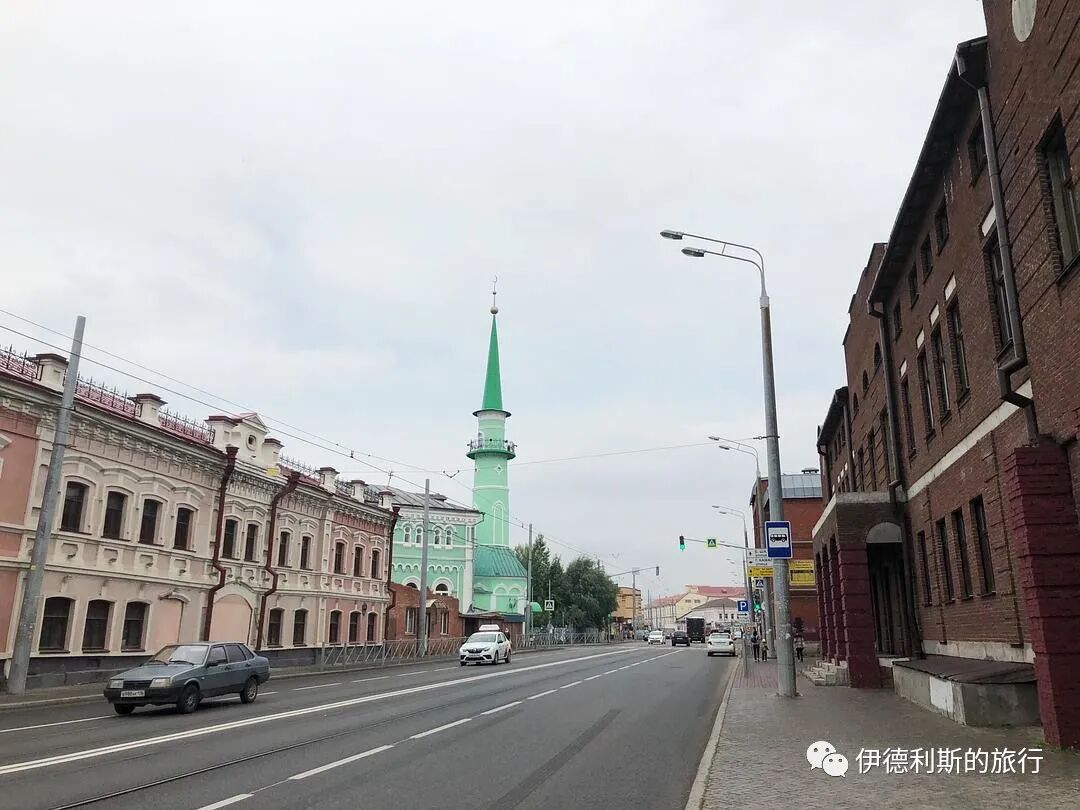
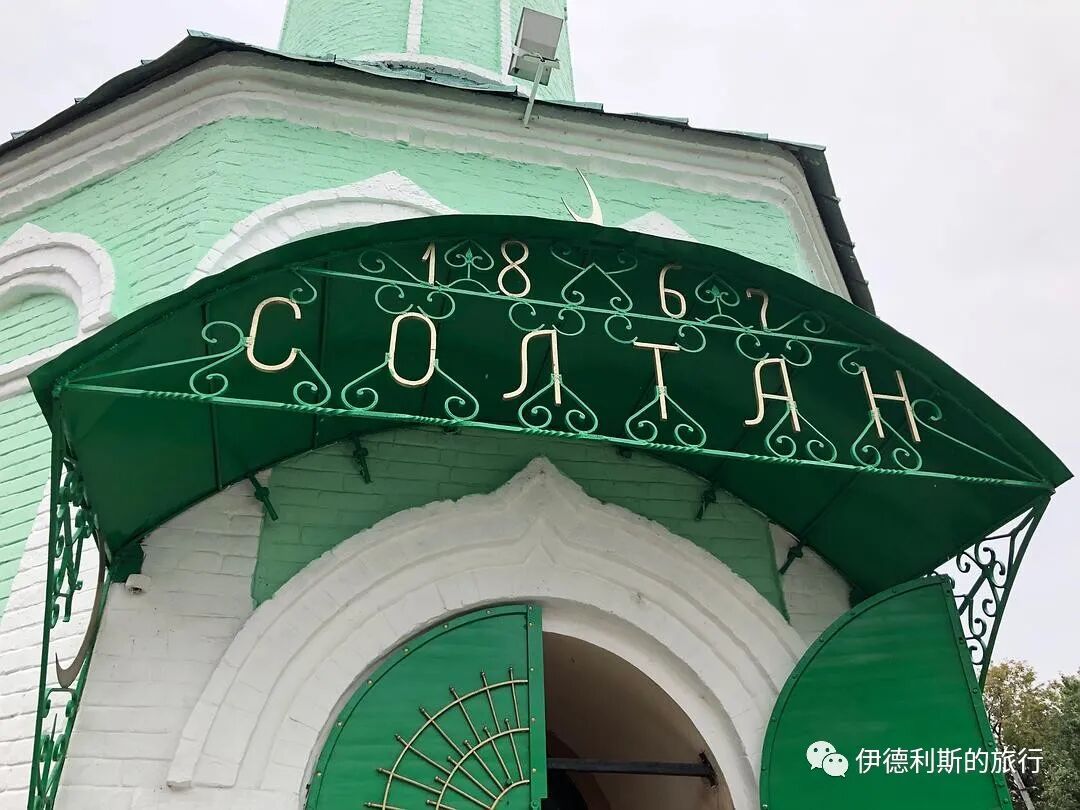
The Soltan Mosque was built in 1868 with a donation from Tatar merchant Zigansha Usmanov. The area where the mosque is located is called Zabulachye, which means behind the Bulak Canal. During the Kazan Khanate period, this was outside the city and had a settlement called Kuraisheva Sloboda. After Ivan the Terrible conquered Kazan in 1552, this place remained a Tatar settlement, but it was gradually surrounded by Russian settlements, and churches began to be built right next to the mosque.
In the 19th century, Tatar merchant Cihanşa Ğosmanov was determined to build a mosque here that was more beautiful than the church next to it. The mosque was completed in 1868, and to commemorate him, people called the mosque Ğosmanov Mosque or Cihanşa Mosque.
At first, the walls of the mosque were red, so it was also called the Red Mosque. Now the mosque is called the Soltan Mosque, which is to commemorate Zigansha's son, Sultan Abdulgaziz Usmanov, who continued to take care of the local community after his father's death.
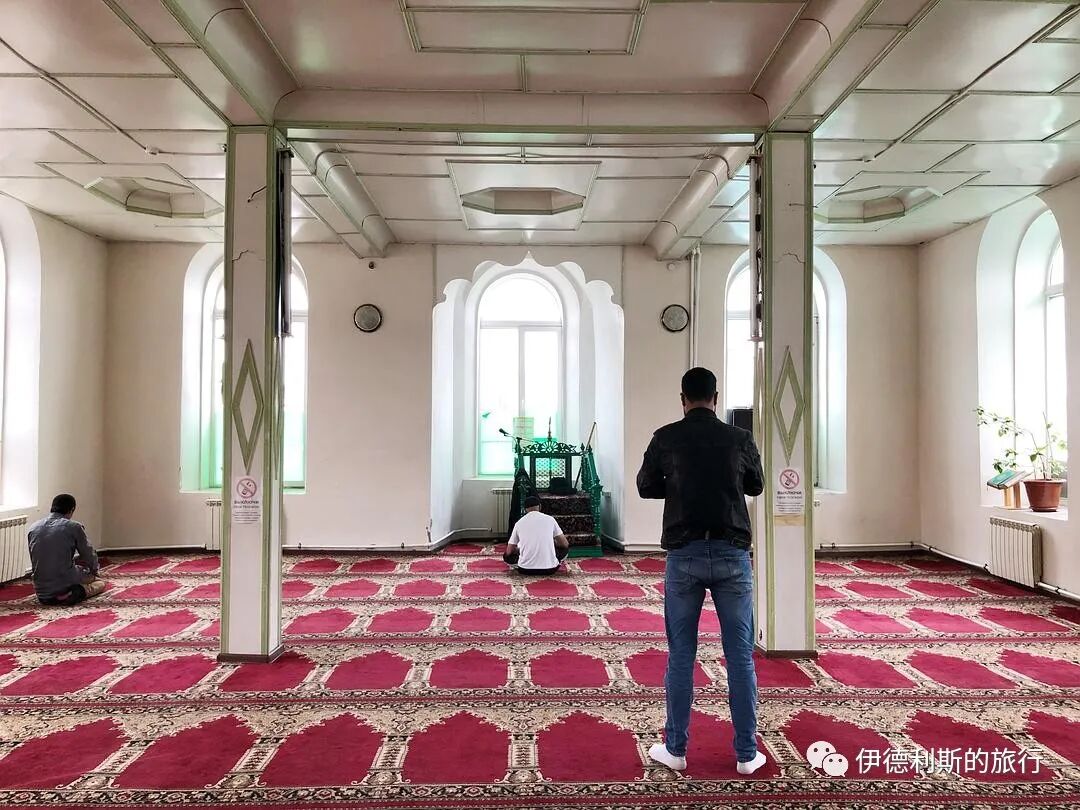
The mosque was closed in 1931, and later the minaret was destroyed. It became an architectural monument in 1980. The minaret was rebuilt in 1990, and it reopened in 1994.
10. Bornay Mosque: 1872
The Bornay (Burnaevskaya) Mosque was built in 1872 with funds donated by Tatar merchant Mukhametsadyk Burnayev, and the architect was Peter Romanov.
The mosque is located in the Old Tatar Quarter behind Lake Kaban. In 1799, Tatar merchant Salikh Mustafin built a wooden mosque here. Initially, the mosque was built for the students of the Apanaev Madrasa, and later the surrounding residents also began to use it. Unfortunately, the mosque was later destroyed by fire. In 1872, Tatar merchant Mukhametsadyk Burnayev donated funds to build the current brick mosque on the basis of the burned-down wooden mosque and named it after himself.
The mosque is in the national romantic eclectic style, blending Russian and Tatar architectural decorations. In 1895, shortly before Burnayev's death, a magnificent minaret was designed and built by architects Fyodor Malinovsky and Lev Khrshonovich.
The mosque was closed in 1930, but fortunately, the minaret was preserved, and it reopened in 1994.
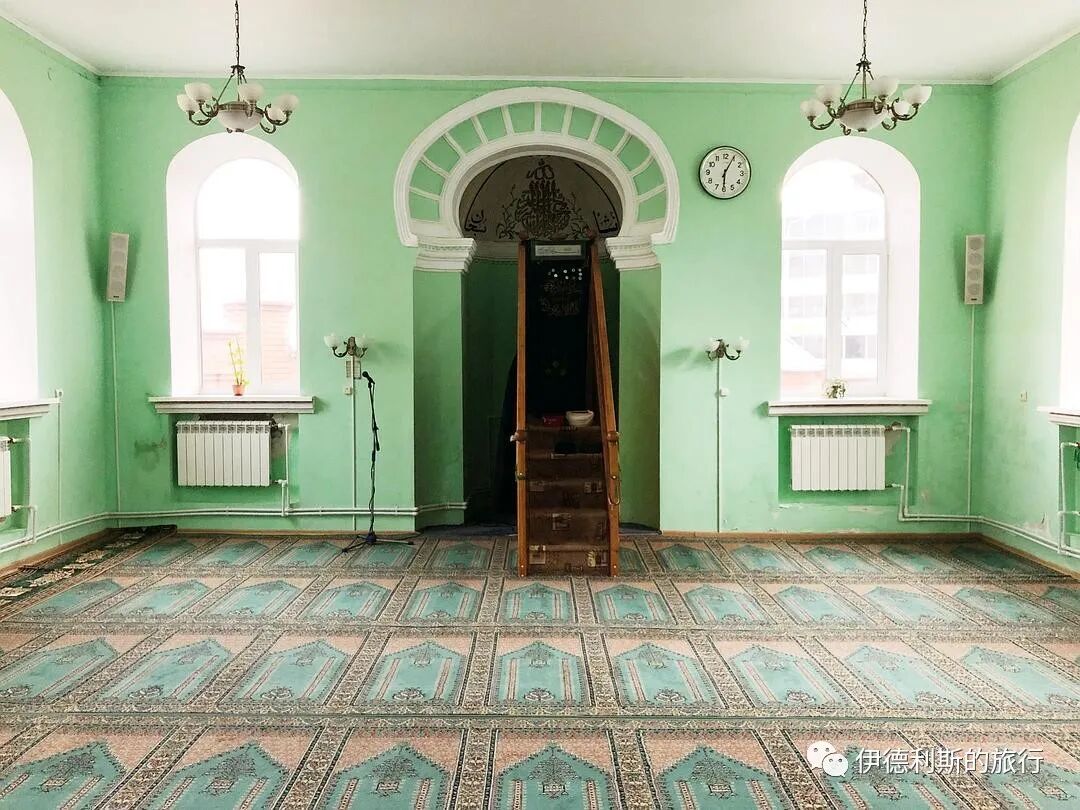
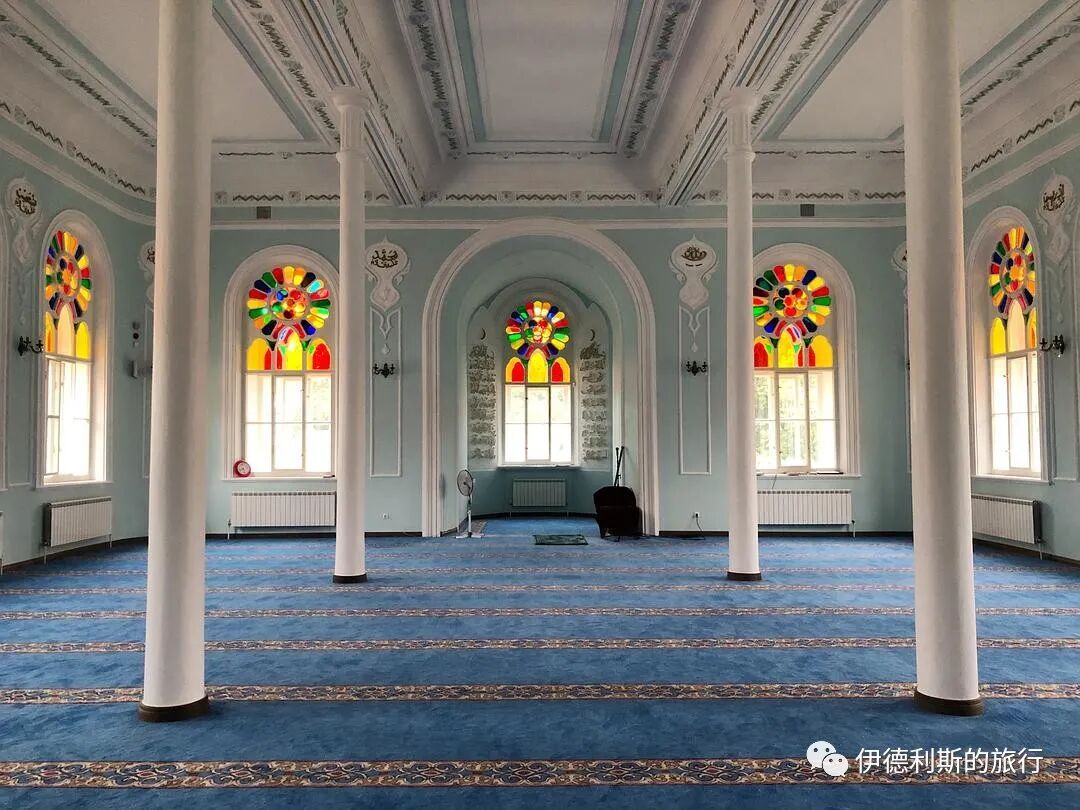
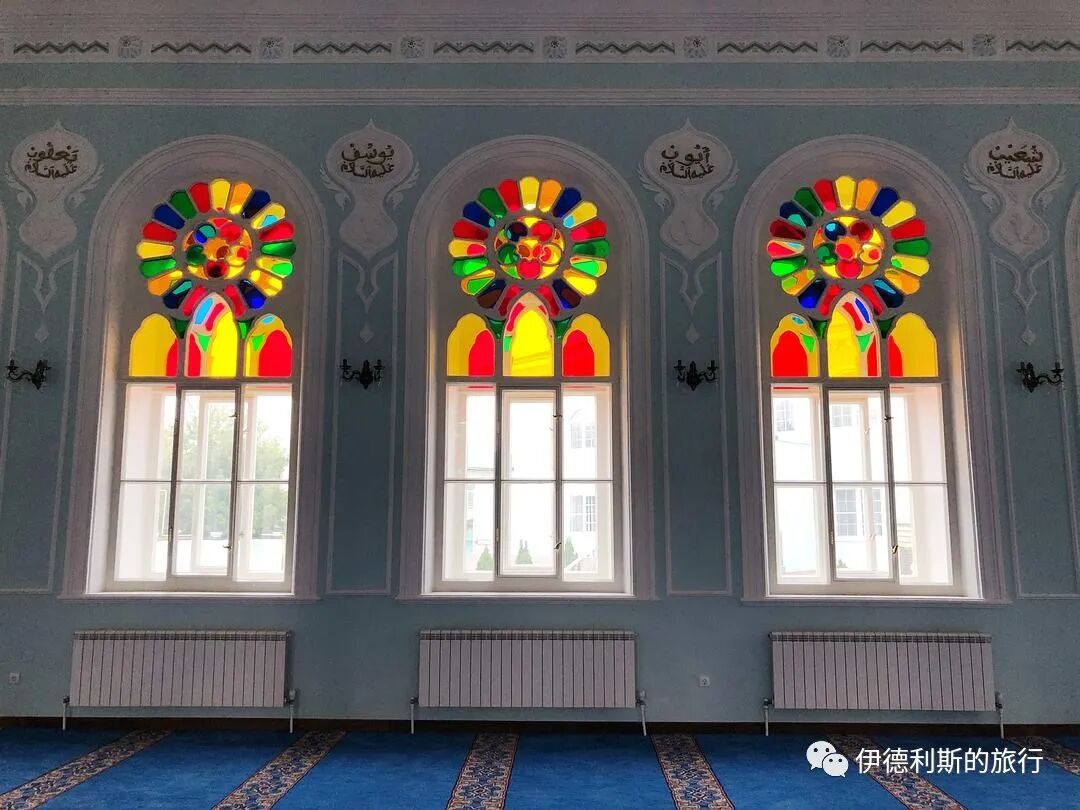
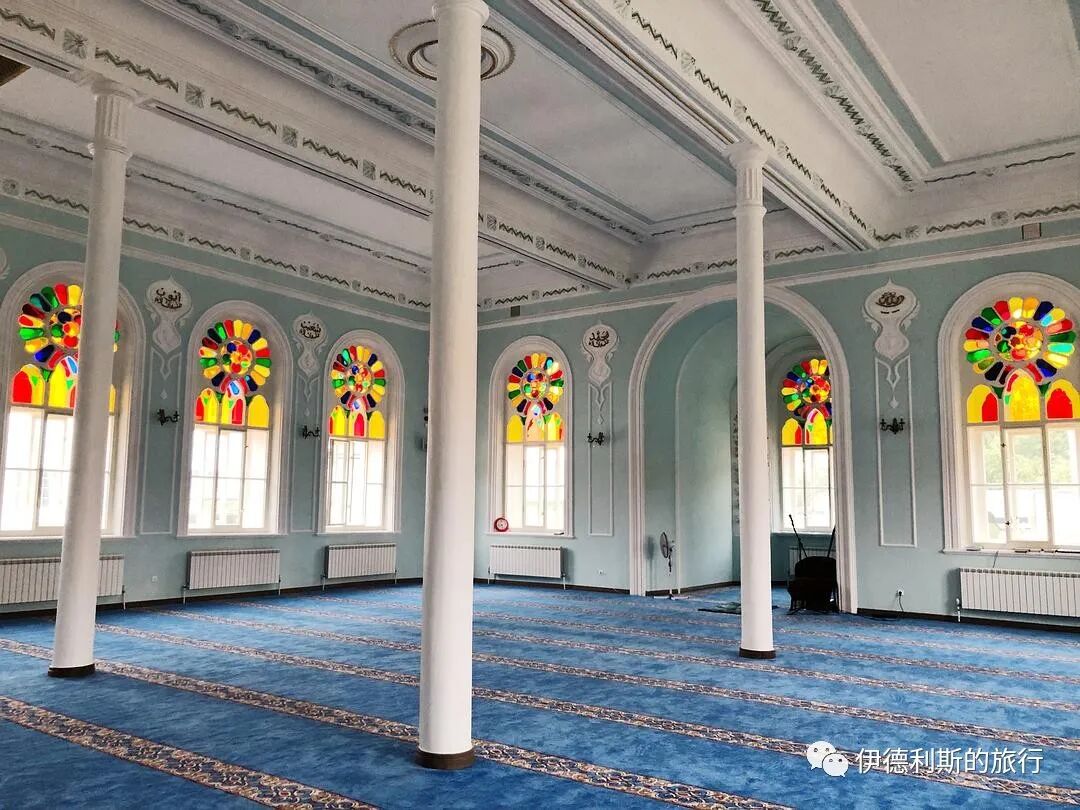
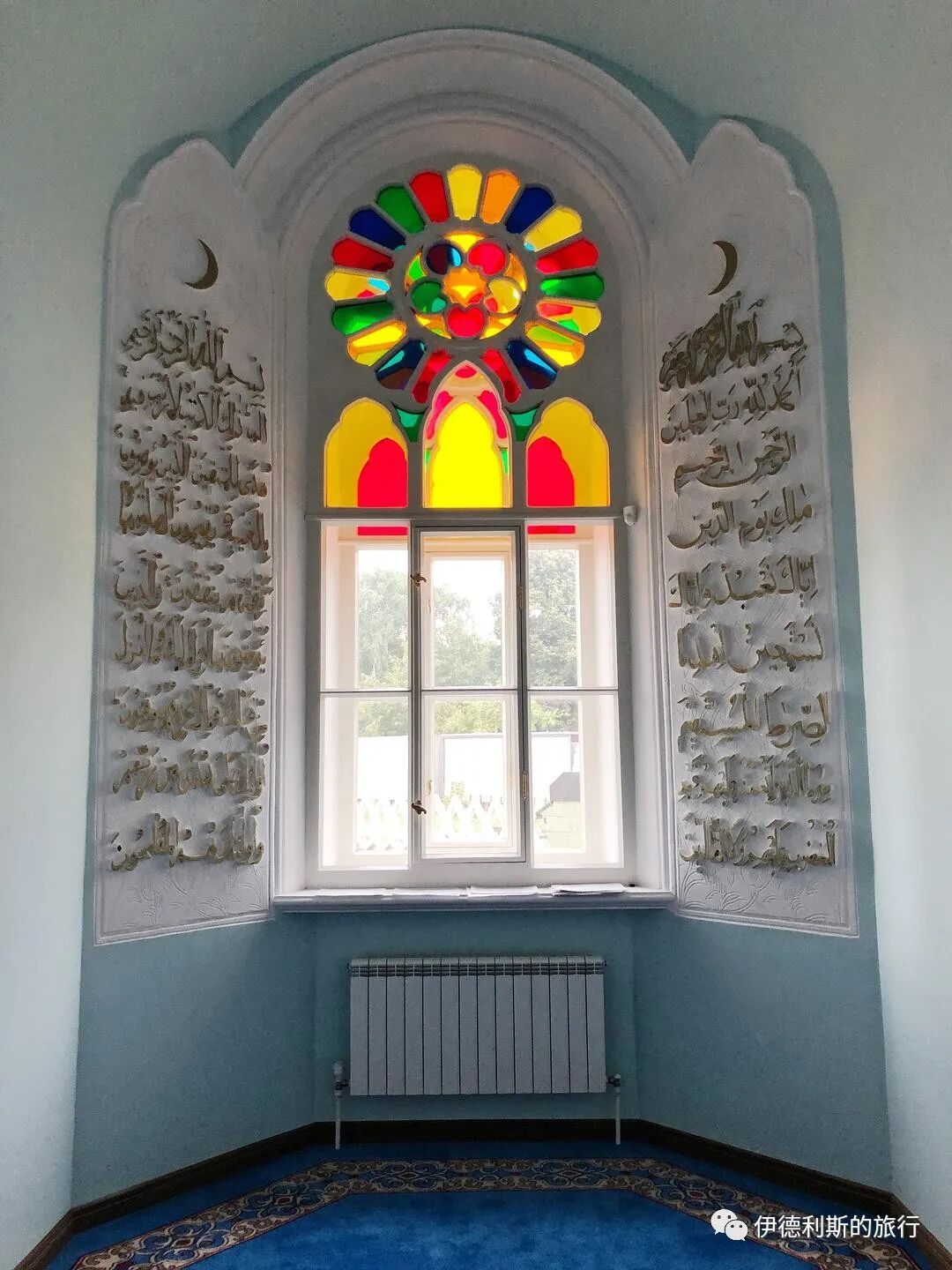
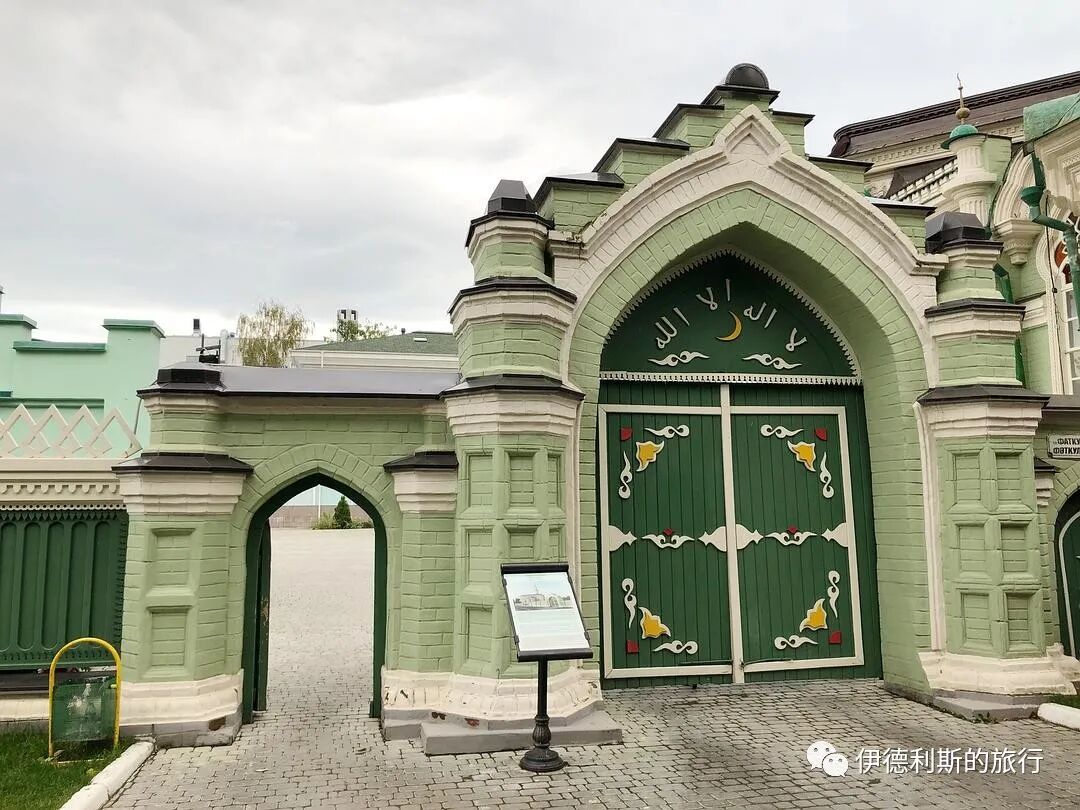
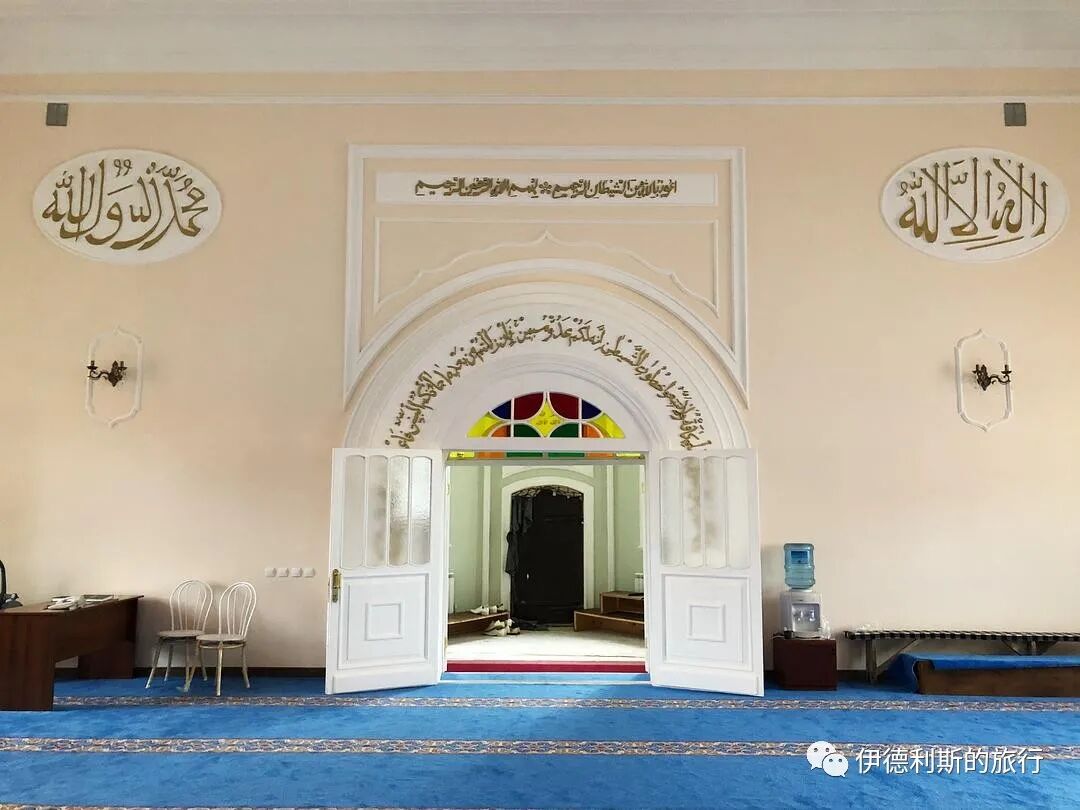
11. Azimov Mosque: 1890
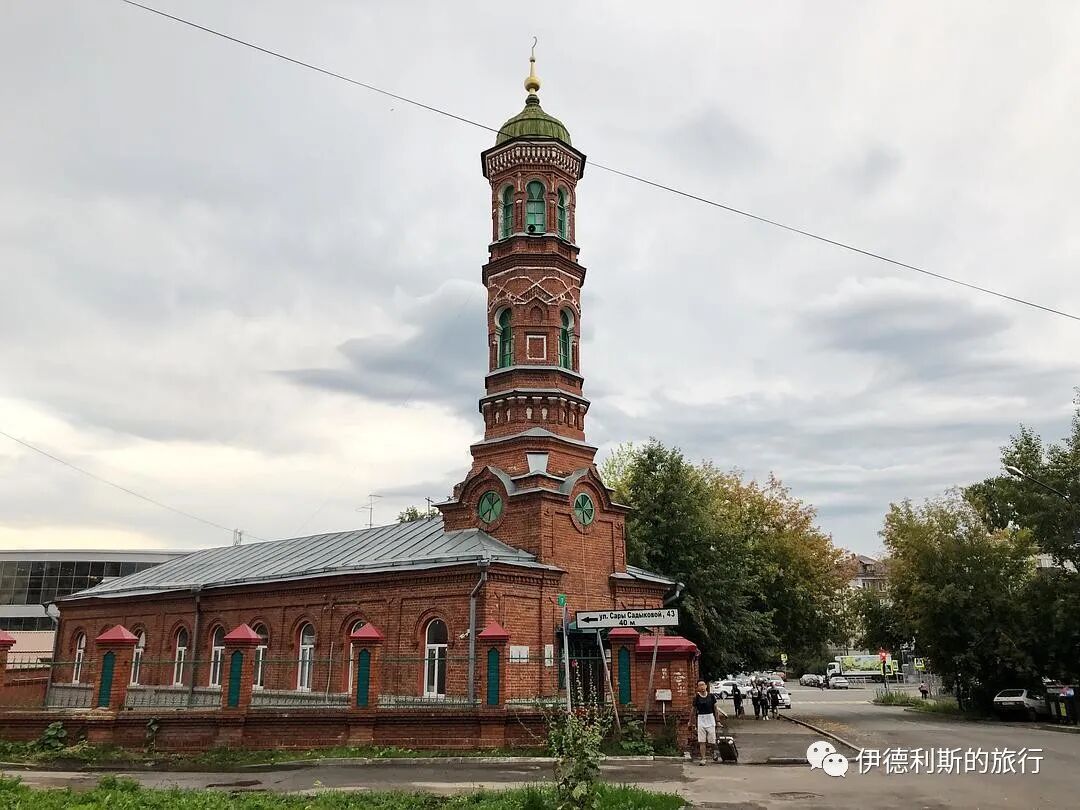
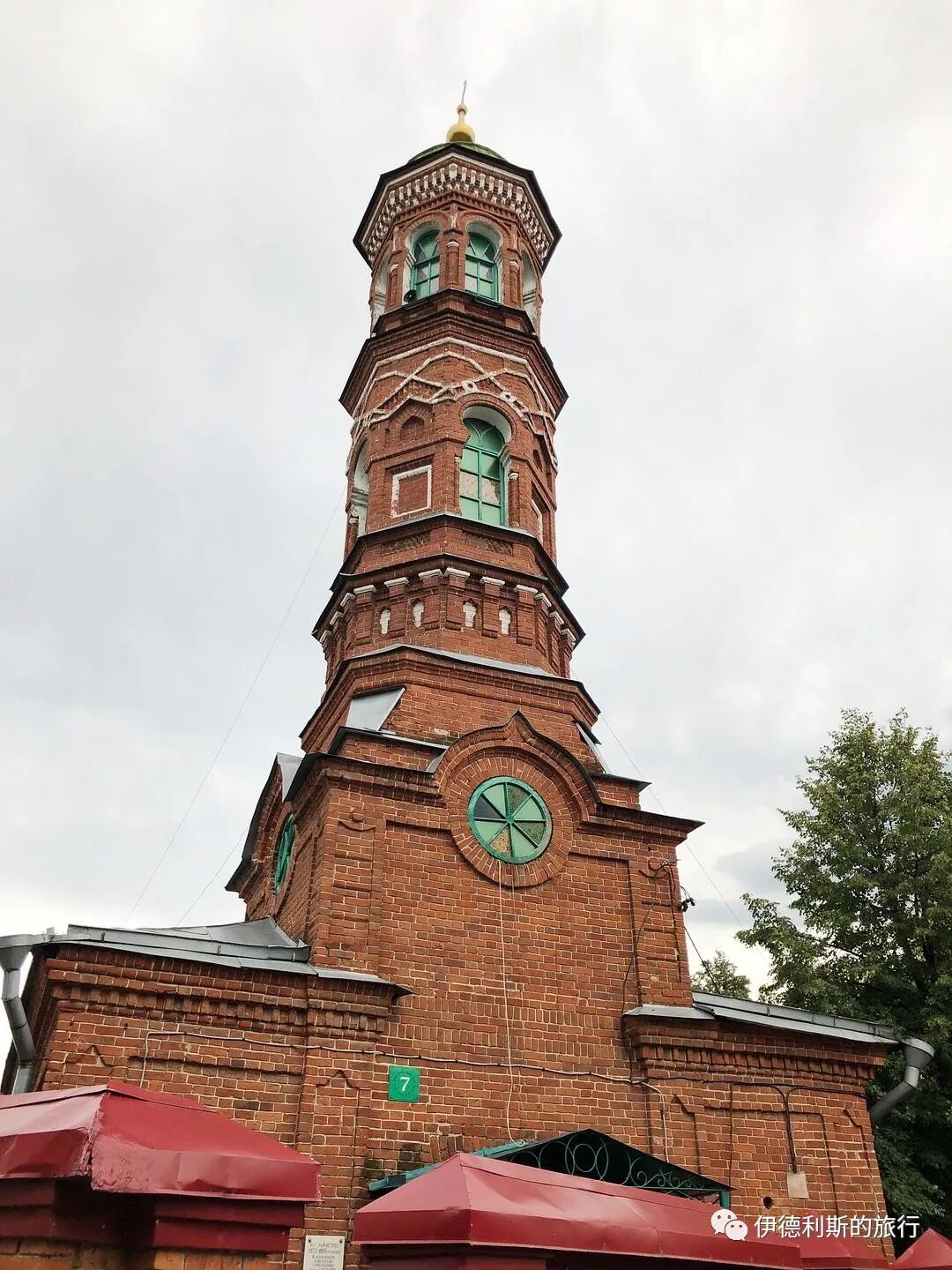
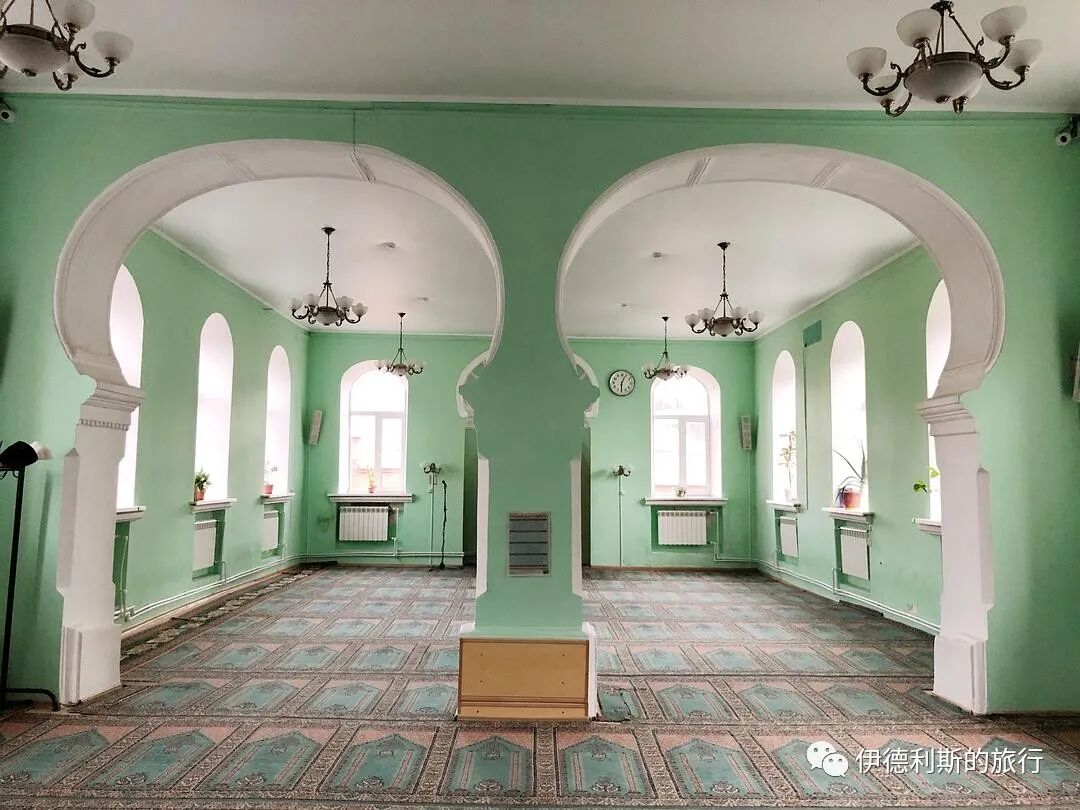
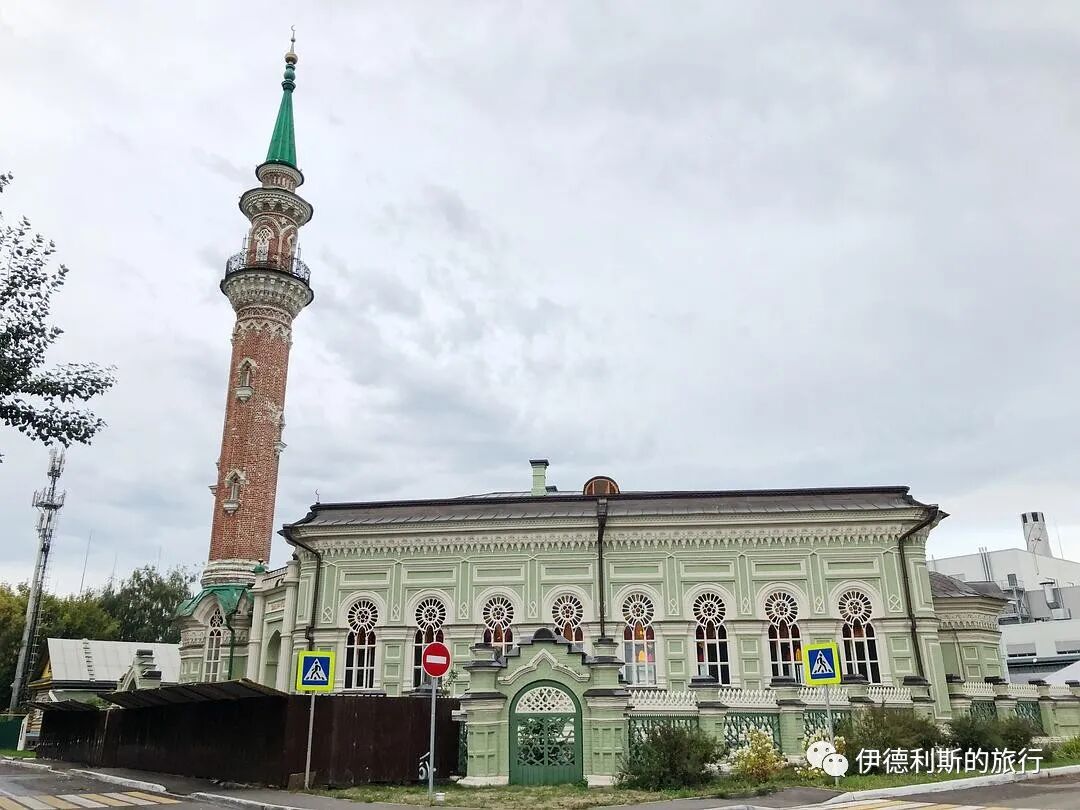
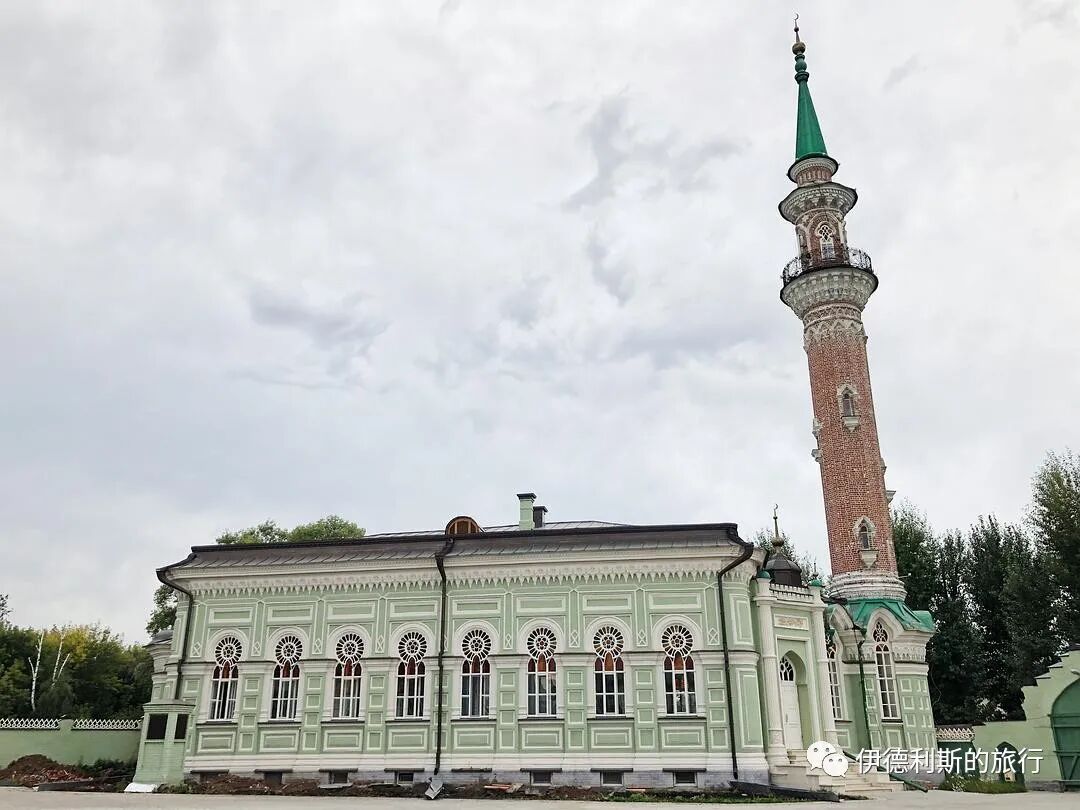
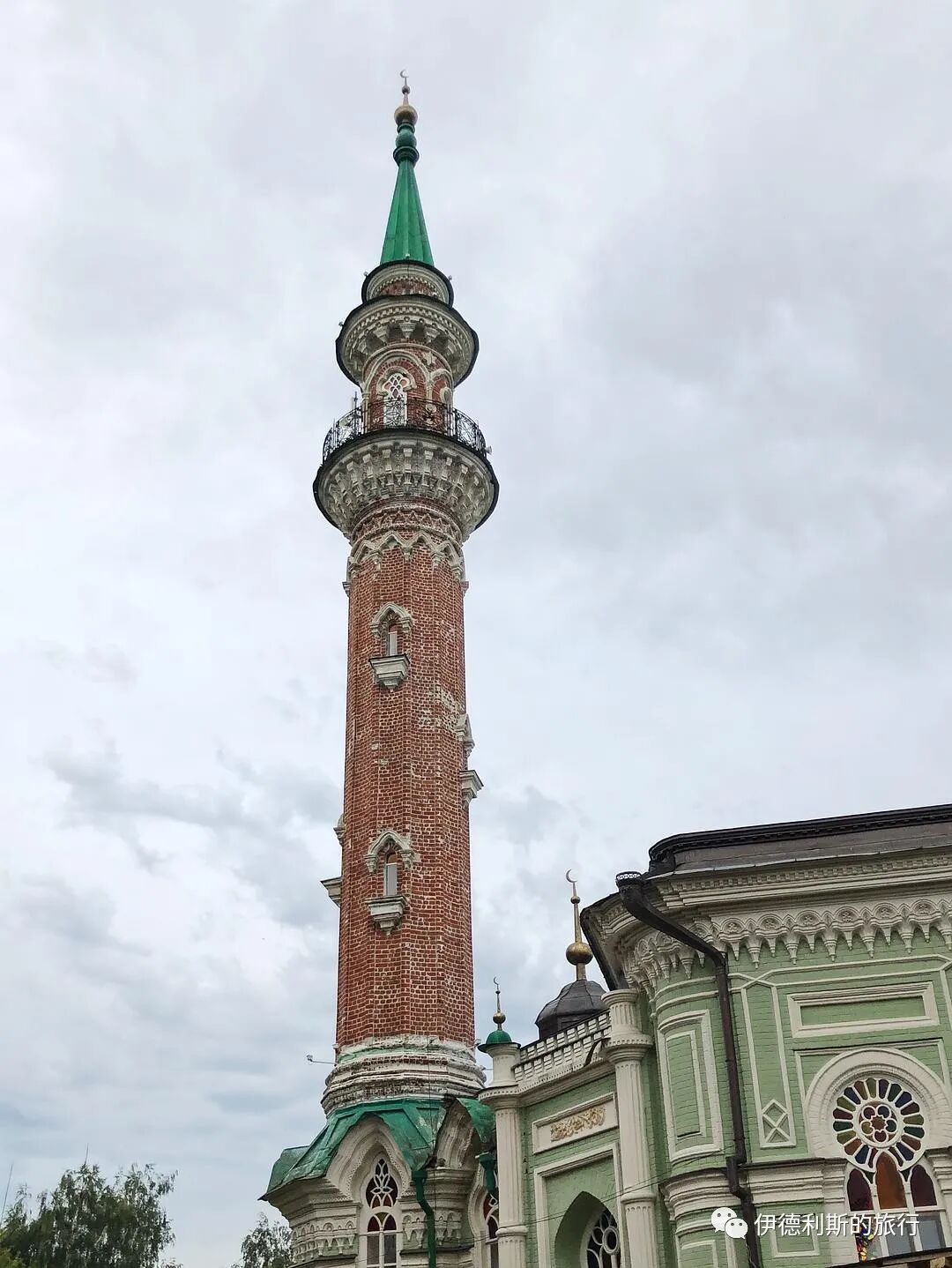
The Azimov Mosque was built between 1887 and 1890 with funds donated by Tatar merchant Mortaza Äcimev. The mosque was built in the national romantic eclectic style and is known as the most beautiful mosque in Kazan.
The place where the mosque is located is called Pleten (wicker fence), located between the Old Tatar Quarter and the New Tatar Quarter. In 1851, Tatar merchant Mustafa Azimov built a wooden mosque here. Between 1887 and 1890, his son Murtaza Azimov donated funds to build the current brick mosque and named it after them. Because many Muslim workers from the soap factory lived in the Pleten area, it is also called Zavodskaya (Factory Mosque).
The mosque was closed in 1930 and occupied by a school until it was returned to the Muslims in 1989 and opened in 1992.
12. Zakabannaya Mosque: 1926
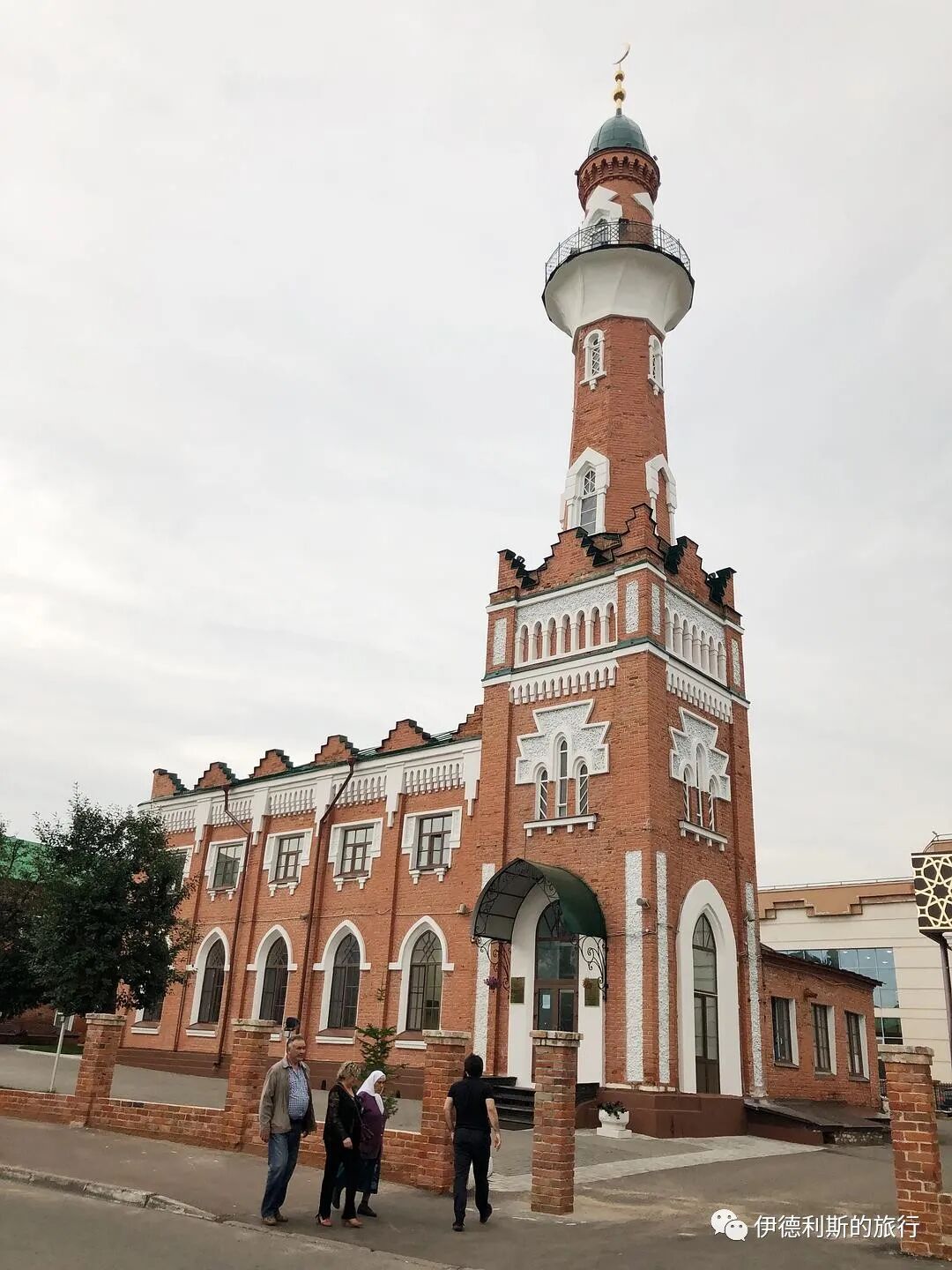
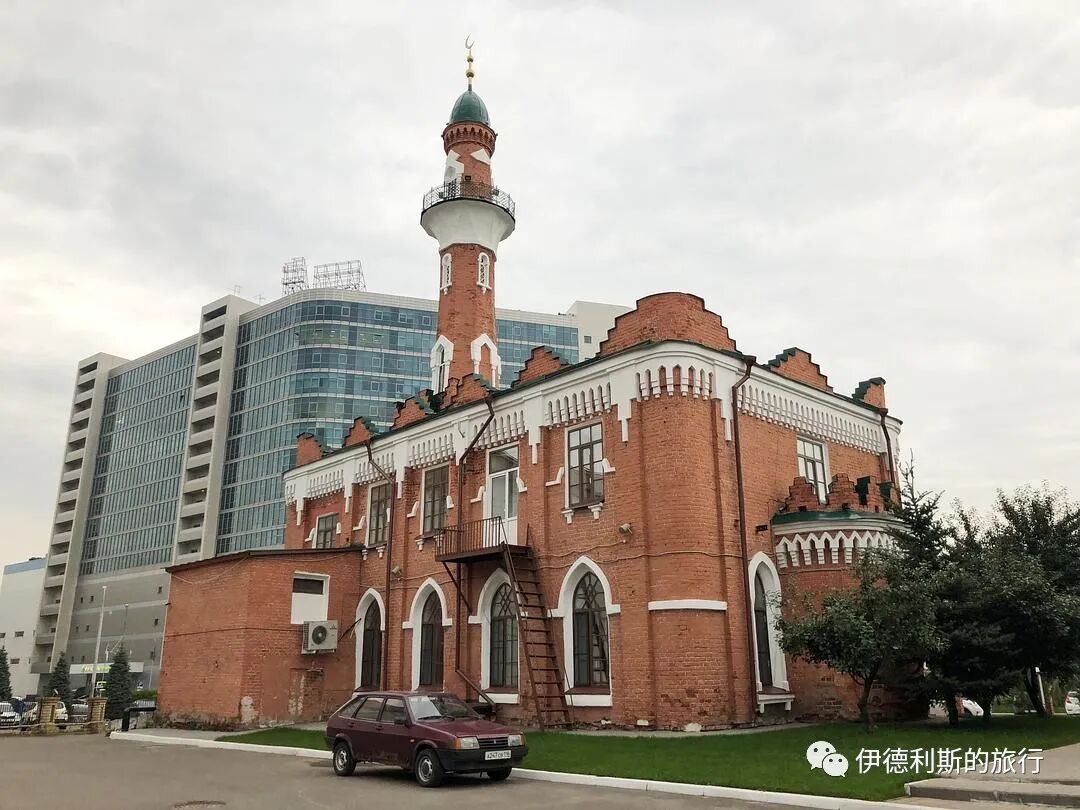
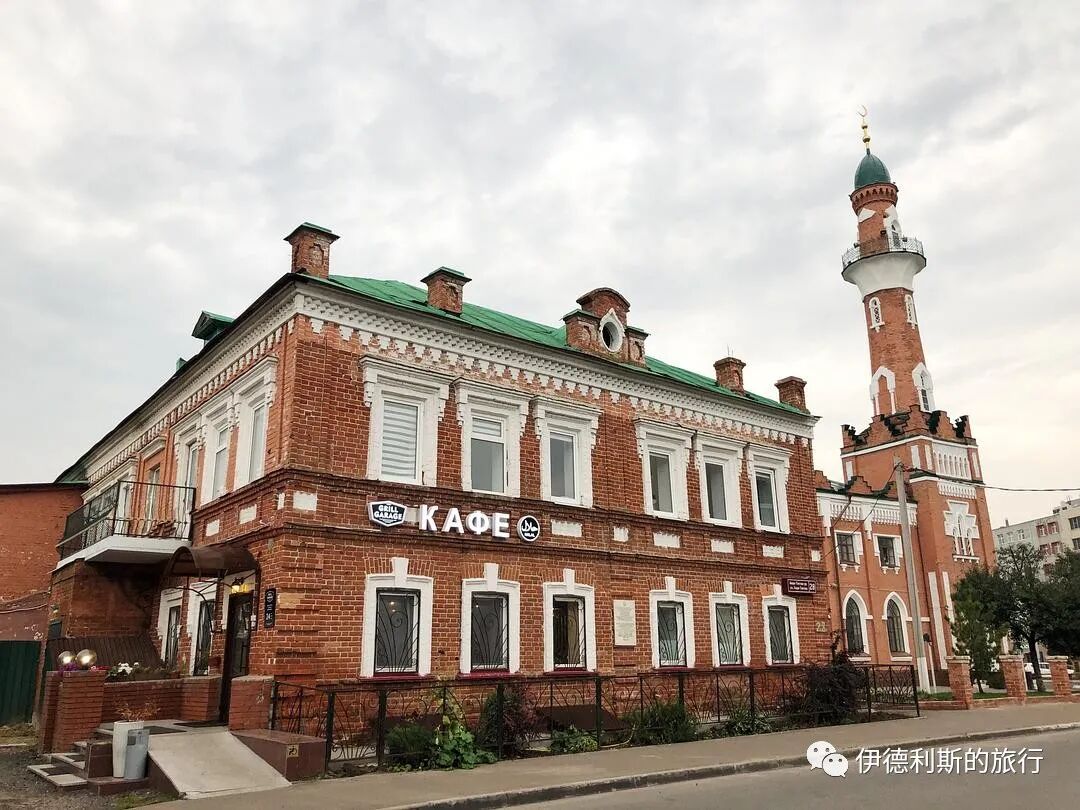
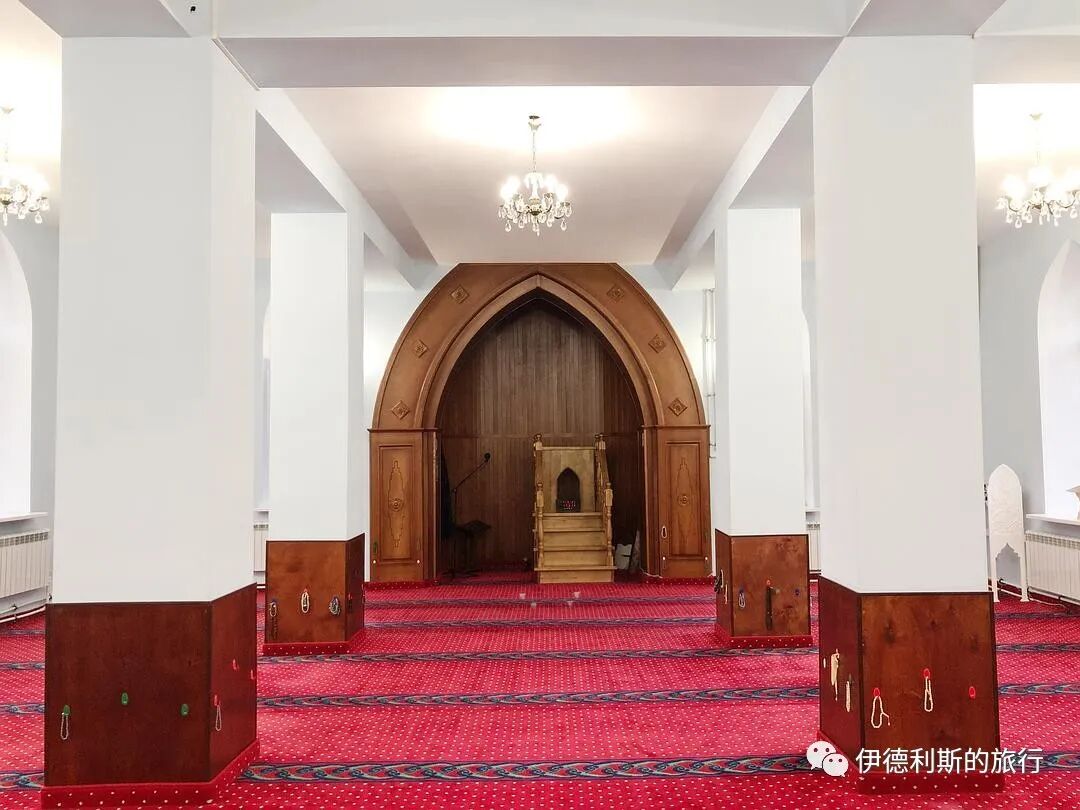
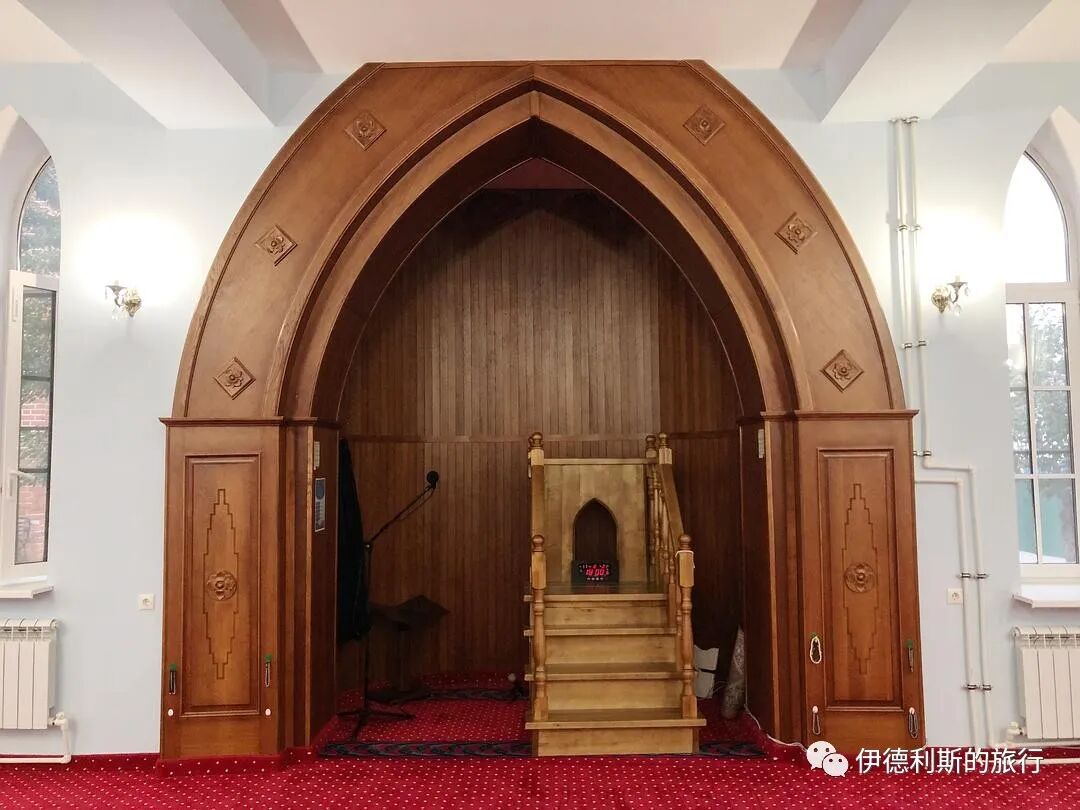
The Zakabannaya Mosque is also called the 'Mosque of the 1000th Anniversary of the Adoption of Islam', built between 1924 and 1926 to commemorate the 1000th anniversary of the Volga Bolghars' conversion to Islam in 922 AD. Stalin personally approved the construction of the mosque, which was designed by architect A. E. Pechnikov in 1914 and built with private donations.
The mosque was closed in 1930 and reopened in 1991. It was the last mosque built in Kazan before Stalin ordered the closure of mosques in 1930.
13. Historical Mosque of the Moscow Tatar Community: 1823
Moscow has had Tatars from the Golden Horde settling there since the 14th century. In 1571, the Crimean Tatars burned down almost the entire city of Moscow except for the Kremlin, and the early Tatar settlements were destroyed in one fell swoop. At the beginning of the 17th century, with the establishment of the Romanov dynasty, the city of Moscow became prosperous again, and many Tatars from the Volga and steppe regions came to do business. The Tatar community (Татарской слободе) located south of the Moskva River, opposite the Kremlin, was formally formed, and the main road of the community, Tatarskaya Street, was first mentioned in documents in 1682. And the center of the Moscow Tatar community is the 'Historical Mosque'.
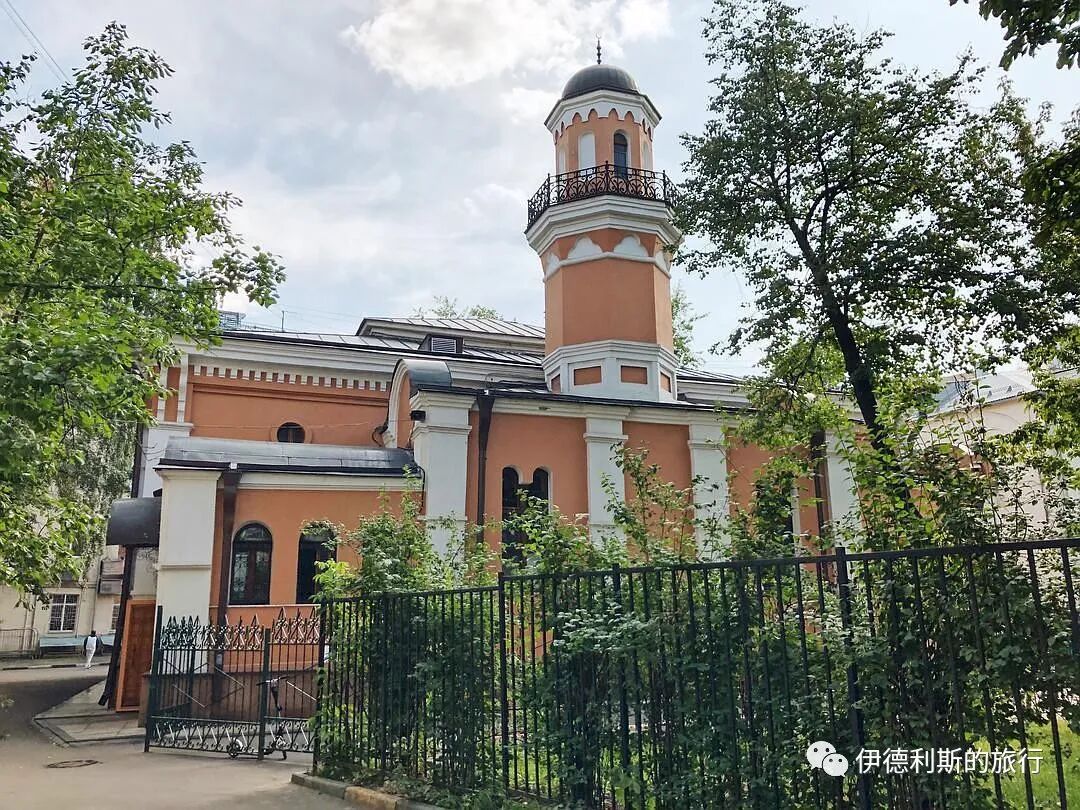
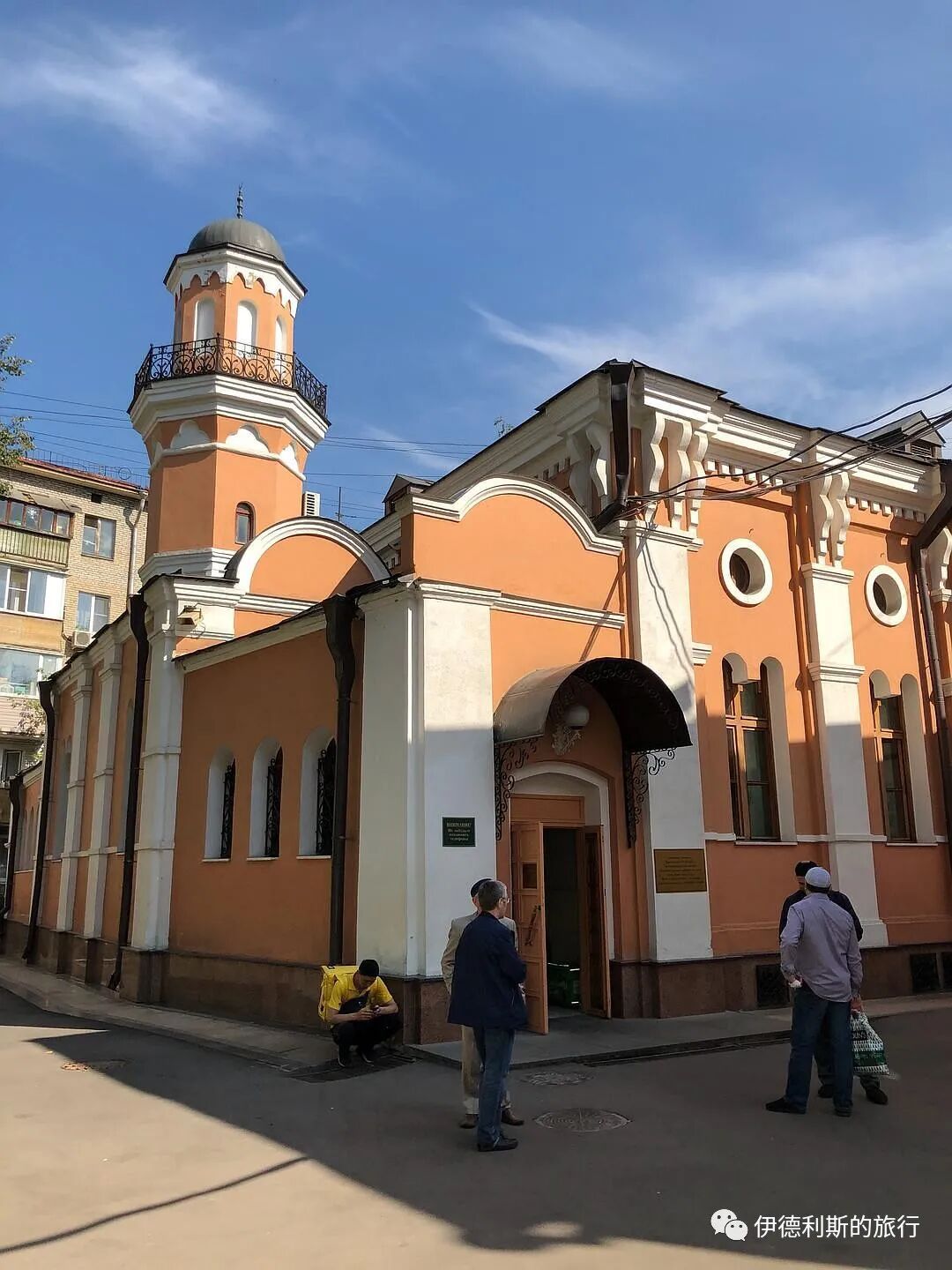
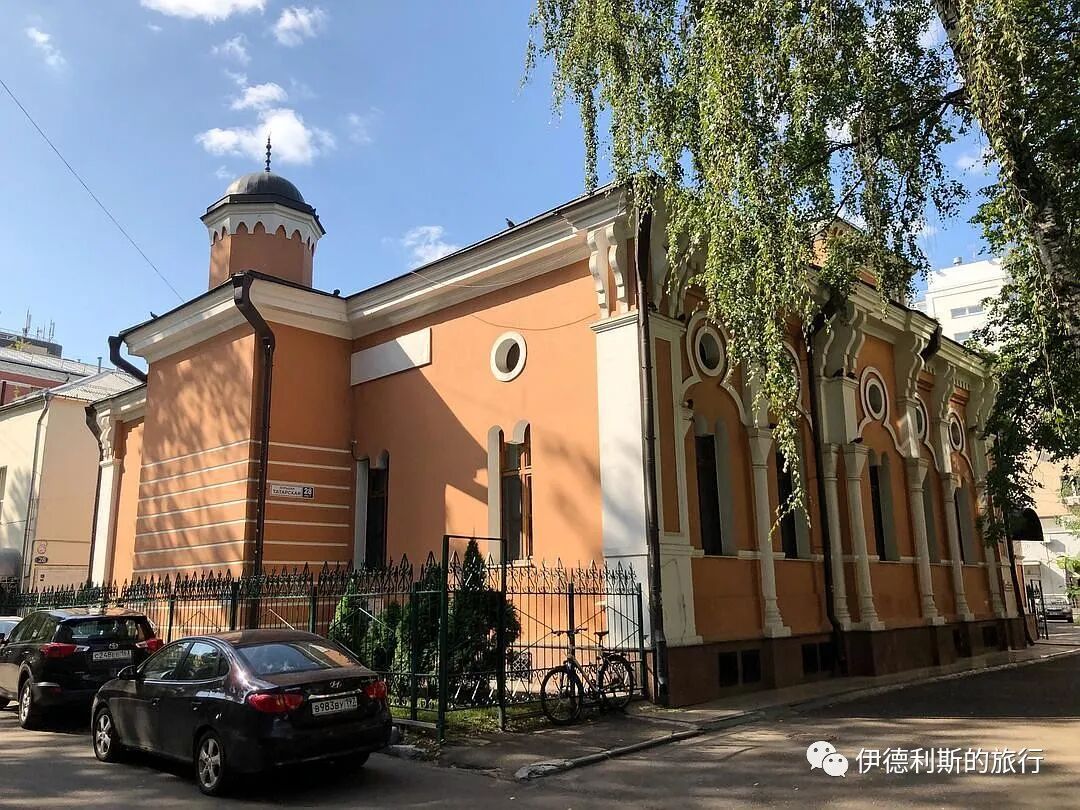
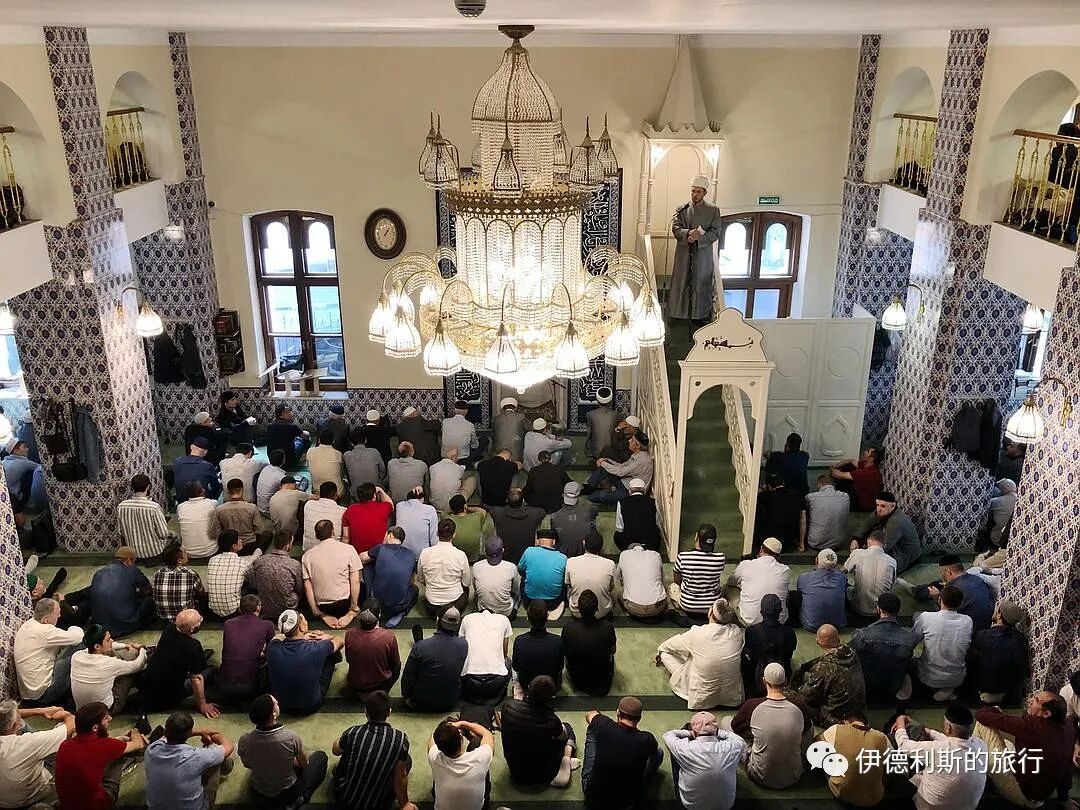
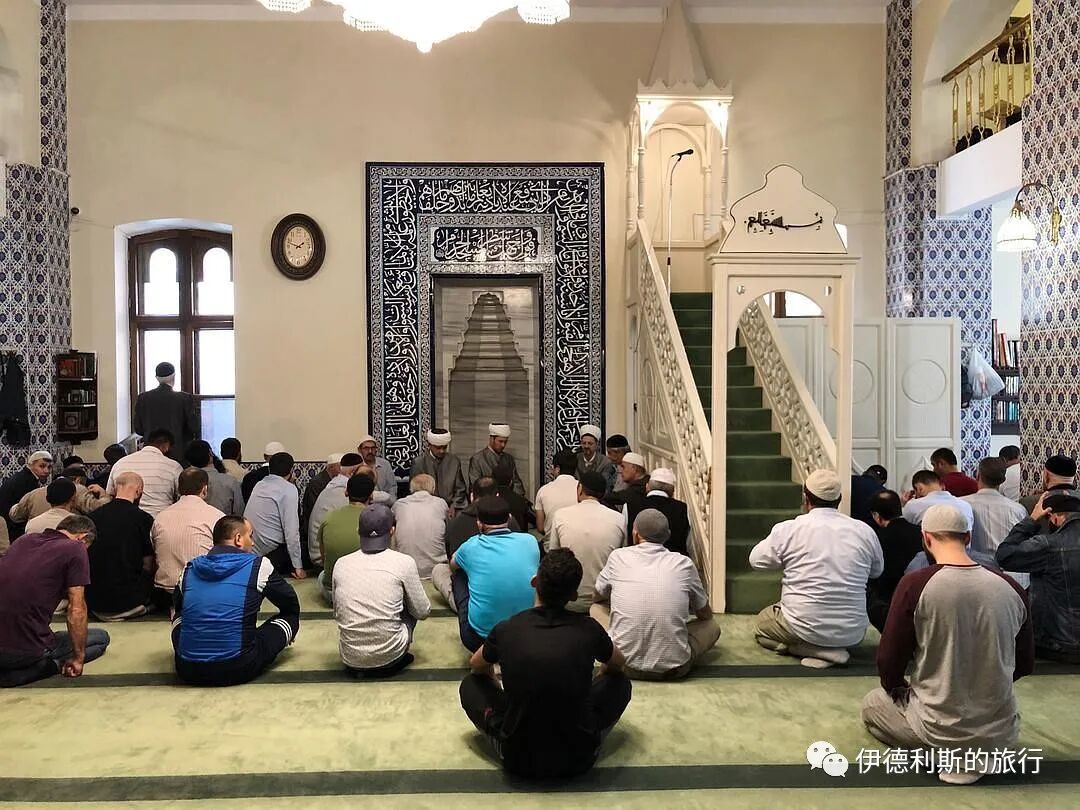
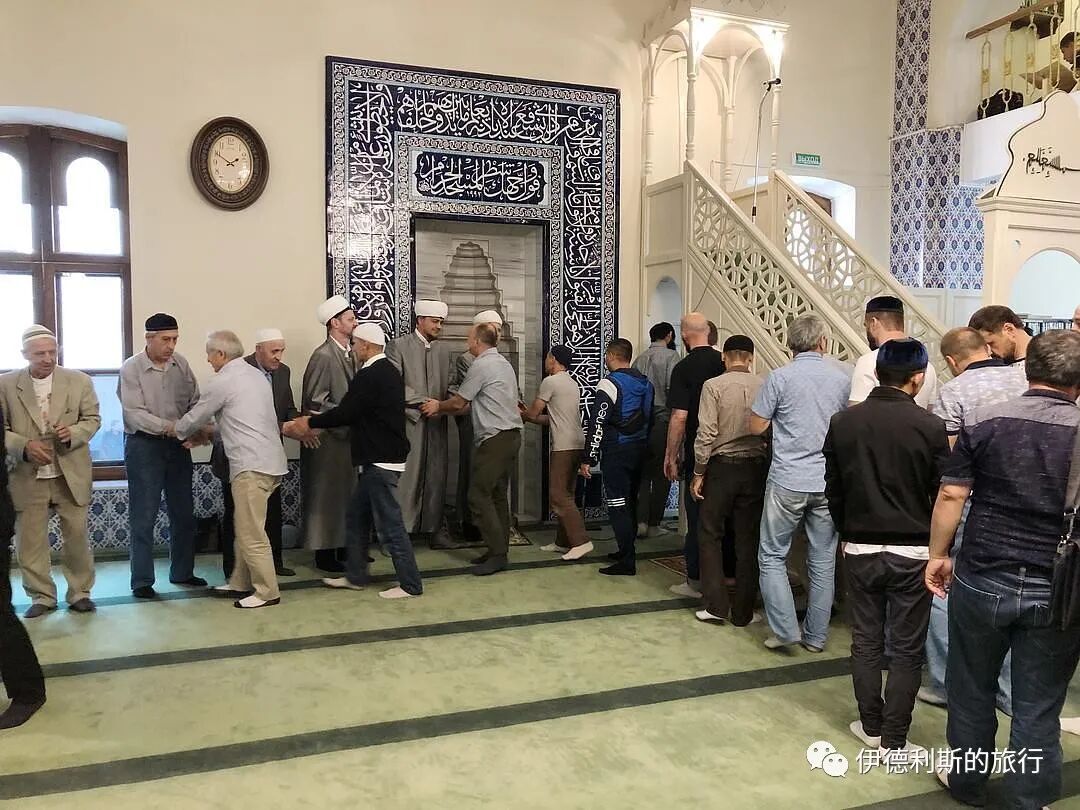
The Tatar community mosque (мечети в Татарской слободе) is now called the 'Historical Mosque (Исторической мечети)'. The earliest records of the mosque can be traced back to 1712, and it was also mentioned in the 1744 census. Due to the plague epidemic in Moscow in the 1770s, the owner and congregants of the mosque passed away one after another. The mosque was sold to a merchant and was eventually destroyed by fire when Napoleon withdrew from Moscow in 1812. After that, religious activities were moved to the homes of local Tatar merchants.
After the old mosque was destroyed, the Tatar Muslim merchants in Moscow kept applying to build a new mosque, but they were all rejected. Until 1823, Tatar merchant Nazarbay Khashalov was finally approved to build a mosque on Bolshaya Tatarskaya Street, provided that it could not be named 'mosque (мечети)' and could not have the appearance of a mosque. Therefore, the mosque building built at that time was almost the same as the surrounding houses.
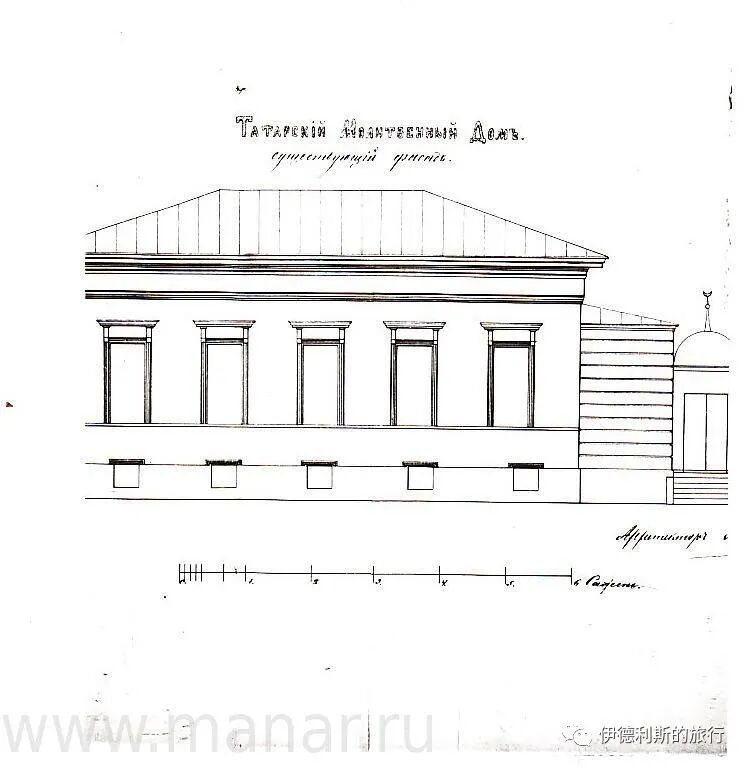
Schematic diagram of the original mosque
Between 1833 and 1867, the imam of the mosque was Rafek Bekbulatovich Ageev. Under his efforts, the Muslim community in Moscow gradually improved, and his home was also the earliest Islamic school in Moscow. Between 1867 and 1913, the imam of the mosque was Khairetdin Rafekovich Ageev, who graduated from a madrasa in Kazan, was proficient in 8 languages, taught Islamic knowledge and the Tatar language to military cadets for many years, and was also a translator for the Armory.
In the mid-to-late 19th century, due to the increasing number of Muslims in Moscow, many people could only pray outside the mosque on Fridays, especially in the cold winter. In 1881, Tsar Alexander II approved the mosque to have the appearance of a religious building. Therefore, in 1882, the mosque was expanded under the direction of architect Dmitry Pevnitsky. The new mosque was expanded on both the east and west facades and a minaret was added. After the expansion, it could accommodate 1,500 people.
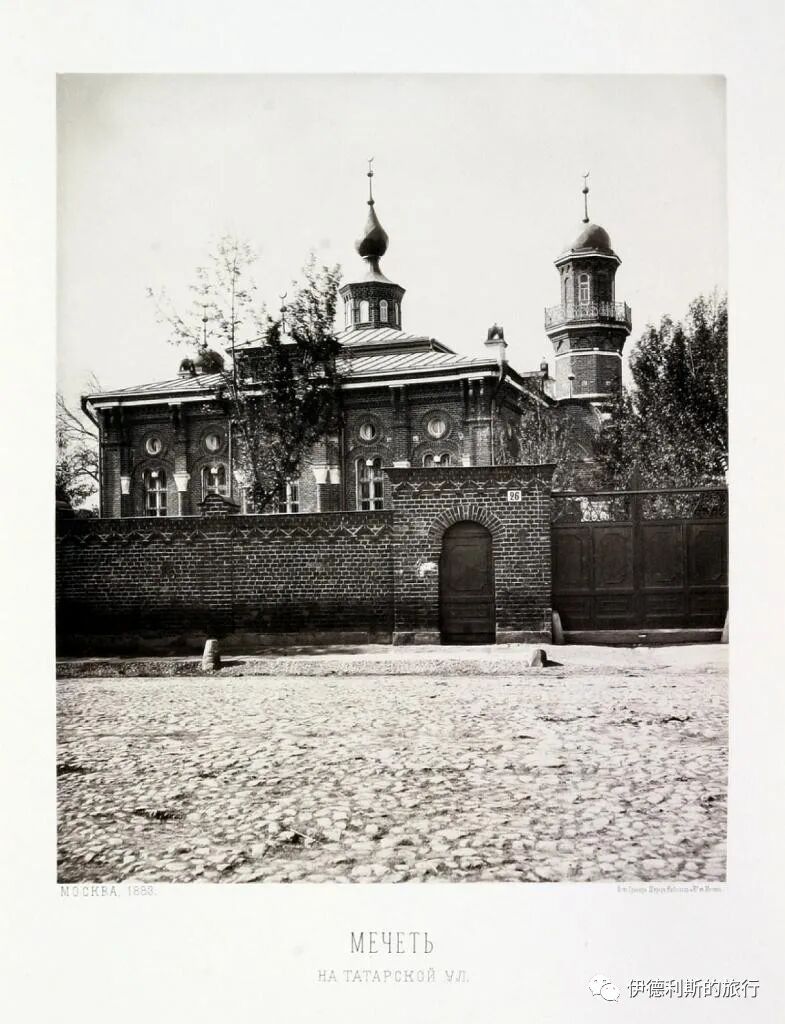
The mosque in 1883 after reconstruction
The imam of the mosque between 1914 and 1937 was Abdulla Hasanovich Shamsutdinov. He was a Kasimov Tatar who studied at an Islamic madrasa in Bukhara and had served as an imam in Yining, Xinjiang. In 1914, he presided over the opening of a new Islamic madrasa at the mosque and helped the Moscow Muslim Charitable Society become active, making the Moscow Muslim community more united and organized. In the early 1920s, he also began to translate the Quran into the Tatar language.
On April 29, 1936, the imam and his wife were arrested on charges of participating in 'anti-Soviet activities' due to the 'Duma leadership conspiracy case'. On February 10, 1937, the imam was shot for being accused of treason, and his wife died in the torture chamber of the NKVD.
In 1939, the mosque was forced to close. During the Soviet era, the mosque was successively occupied by a printing house and several departments. Between 1944 and 1947, Moscow Muslims tried to get the mosque back, but were ultimately unsuccessful. In 1967, the minaret of the mosque was demolished.
After the 1980s, the elders of the Tatar community repeatedly demanded the return of the mosque. However, since the early 1980s, the printing workshop of the Art Carving Association that occupied the mosque had been protesting, and the return process was delayed until it was finally returned to the Muslims in 1991.
In 1992, the mosque was restored and reopened in 1993. In 1997, the mosque was restored again and became what it is today.
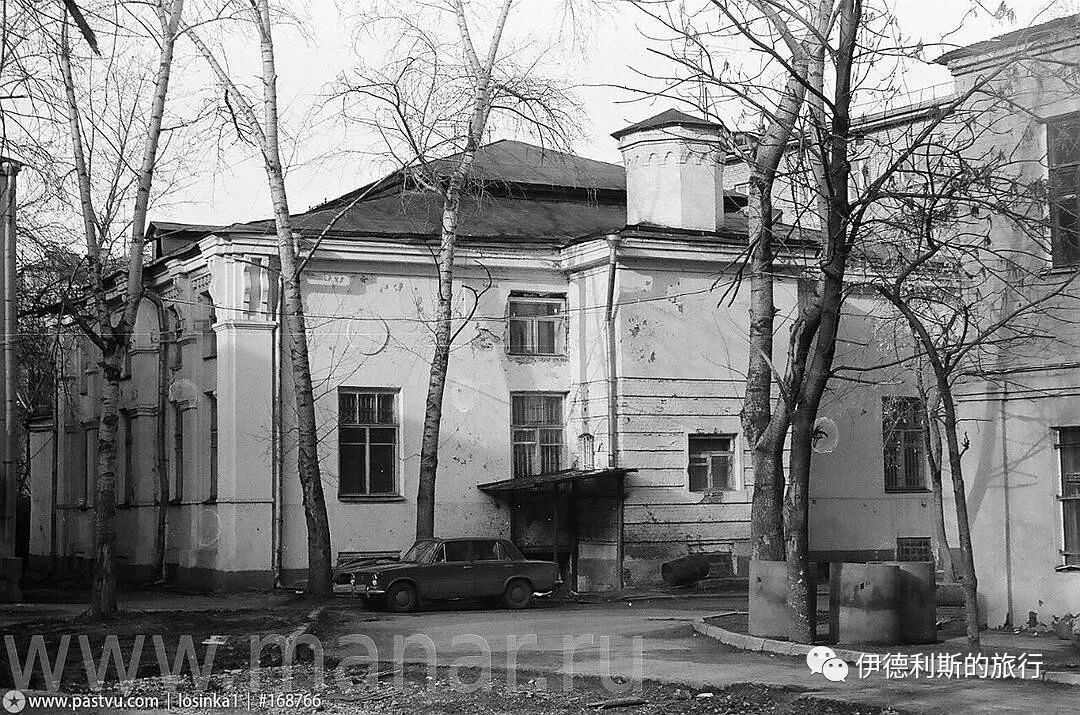
The mosque after the minaret was demolished
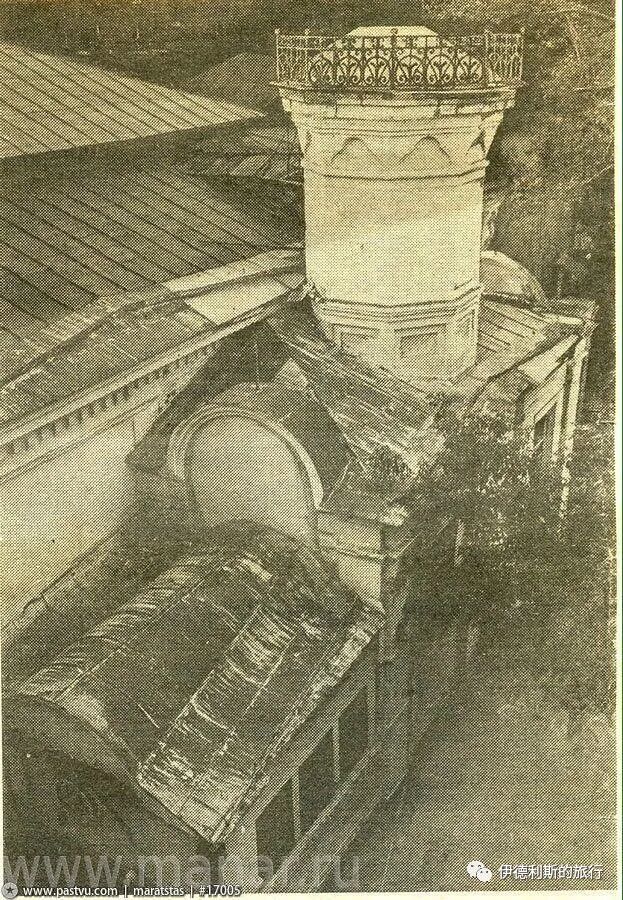
The mosque after the minaret was demolished
Summary: This travel note introduces Thirteen Traditional Mosques of the Tatar People in Kazan, Russia. In 1552, Ivan the Terrible conquered the Khanate of Kazan, massacred most of the Tatars in the city of Kazan, and all mosques in the city were demolished. It is useful for readers interested in Kazan Mosques, Tatar Muslims, Islamic Heritage.
In 1552, Ivan the Terrible conquered the Khanate of Kazan, massacred most of the Tatars in the city of Kazan, and all mosques in the city were demolished. In 1556, Russia rebuilt the city of Kazan and settled 7,000 Russians in the city, while the remaining Tatars, besides being forced to convert to Christianity, were forcibly relocated to various settlements far from the city. After this, some Tatars serving Russia gradually settled by Lake Kaban in the southwestern suburbs of Kazan, and later some Tatar merchants and craftsmen also moved there, gradually forming the Old Tatar Quarter (Staro-Tatarskaya Sloboda). However, during this period, Kazan never had an official mosque.
Before the 18th century, most of the buildings in Kazan were made of wood and were highly prone to fire. During the reign of Catherine the Great (reigned 1762-1796), the reconstruction of Kazan using brick and stone began.
In 1770, more than 200 years after the fall of Kazan, the first brick mosque was completed with the approval of Catherine the Great, and from then on, the Kazan Tatars had an official mosque again. In the 160 years between 1770 and 1930, Tatar merchants built many mosques in Kazan centered around the Old Tatar Quarter, 12 of which have survived to this day. The mosques of this period combined traditional Tatar architecture with architectural styles such as Baroque, Classicism, and Eclecticism to form a unique Kazan Tatar mosque architectural style.
In 1930, Stalin ordered the closure of mosques. Except for the earliest built Marjani Mosque, the other 11 mosques in Kazan were closed and converted for other uses, many mosque buildings were damaged, and the minarets were demolished. It was not until after the late 1980s that these mosques were gradually returned to the Kazan Tatar Muslims.
In August 2019, I visited Kazan and Moscow and recorded thirteen traditional Kazan Tatar mosques.
1. Marjani Mosque: 1770
2. Apanay Mosque: 1771
3. Galeevskaya Mosque: 1801
4. İske Taş Mosque: 1802
5. White Mosque: 1805
6. Pink Mosque: 1808
7. Blue Mosque: 1819
8. Nurulla Mosque: 1849
9. Soltan Mosque: 1868
10. Bornay Mosque: 1872
11. Azimov Mosque: 1890
12. Zakabannaya Mosque: 1926
13. Historical Mosque of the Moscow Tatar Community: 1823
1. Marjani Mosque: 1770
The Marjani Mosque was built between 1766 and 1770 with the permission of Catherine the Great, and it was the first brick mosque built in Kazan after Russia destroyed the Khanate of Kazan in 1552. This mosque is the oldest existing mosque in Tatarstan and the only mosque in Kazan that was not closed during the Soviet era.
According to a legend, after Catherine the Great approved the construction of a mosque in Kazan, the Christian leaders of Kazan believed that the mosque would be built taller than the churches, so they submitted a petition to Catherine the Great requesting that the mosque be prohibited from building a tall minaret. Catherine the Great replied, 'I am the Tsar of the Russian land, but the sky is not under my jurisdiction.' In the end, the mosque was successfully built.
The mosque is located in the Old Tatar Quarter (Staro-Tatarskaya Sloboda) by Lake Kaban. It is a typical Kazan Tatar mosque style formed by the fusion of traditional Tatar style and Baroque style. It is said that the architect was Vasily Kaftyrev. The interior of the mosque adopts the 'Petersburg' Baroque style. Merchant İ.Ğ. Yunısov donated the construction of the staircase in 1861 and expanded the mihrab in 1863. At that time, the mosque was named Yunısovs' Mosque after his family. In 1885, merchant Z.Ğosmanov donated the reconstruction of the minaret. In 1887, merchants W.Ğizzätullin and M. Wälişin added decorative balconies to the minaret.
The current name of the mosque comes from the Tatar scholar Şihabetdin Märcani, who served as the imam of the mosque from 1850 to 1889.
There is an exhibition hall inside the mosque with an old photo album recording the former appearance of the Kazan Tatar Muslims.
The two Tatar magnets bought at the Märcani Mosque show the rural life of the Volga Tatars, one hunting rabbits and the other beekeeping.
The goose meat sold in the mosque, smoked goose meat, and smoked horse meat are all specialty delicacies of the Kazan Tatars.
2. Apanay Mosque: 1771
The Apanay (Apanaevskaya) Mosque was the second mosque approved by Catherine the Great to be built in Kazan, and it was donated by the merchant Apanaev between 1768 and 1771. The mosque architecture is a fusion of traditional Tatar style and 'Moscow' Baroque style. In 1872, architect P. I. Romanov expanded the second floor of the mosque. In 1882, the mosque built a brick wall and a shop. In 1887, the shop was expanded to the second floor.
The mosque was closed in 1930, the minaret was demolished, and it later became a kindergarten. The mosque reopened after 1995, and the minaret was rebuilt in 2011.
The imam of the mosque
3. Galeevskaya Mosque: 1801
The Galeevskaya Mosque was built with funds donated by merchant Musa Mamyashev between 1798 and 1801. The mosque was originally in the early Classicist architectural style of the late 18th century, and was expanded twice in the late Classicist style in 1882 and 1897.
The most famous imam of the mosque was Galimjan Galeev (1857-1921), who was a Tatar educator, reformer, and politician. Galimjan graduated from the famous Mir-Arab Madrasa in Bukhara and began serving as the imam of the Galeevskaya Mosque in 1882. He founded the Muhammadiya Madrasa at the mosque, teaching mathematics, geography, Russian, and other secular subjects. It became the most important new-style Tatar school at the time, cultivating a large number of Tatar elites and educators.
The mosque was closed in the 1930s, the minaret was demolished, and it was designated as an architectural monument in 1981. By 1992, the mosque contained a hotel, a collective farm house, and various public facilities. After 1998, it became the school building of the Russian Islamic University and the girls' dormitory of the Muhammadiya Madrasa. After restoration in 2015, the mosque reopened.
4. İske Taş Mosque: 1802
İske Taş is also called the Boulder Mosque, built in 1802 with a donation from merchant Ğabdulla Ütämişev. Legend has it that this mosque was built on the site of a cemetery for soldiers who sacrificed their lives defending the city of Kazan in 1552, and the marker of the cemetery was an ancient boulder (zur iske taş).
The mosque was rebuilt in the Classicist style by Alexander Schmidt in 1830, and its three-story minaret resembles the minarets of mosques in the ancient Bolghar and Kasimov regions of the Tatars.
According to the decision of the Central Executive Committee of the Tatar Autonomous Soviet Socialist Republic in the late 1930s, the mosque was closed and later converted into a school and warehouse, and was not returned to the Muslims until 1994.
5. White Mosque: 1805
The White Mosque was built between 1801 and 1805. Similar to the İske Taş Mosque built in the same period, its exterior is in the Classicist style. The mosque was closed in 1929 and converted into a school and fur workshop. In the 1930s, the minaret was demolished, and the eastern and southern parts of the main hall were rebuilt. The mosque became an architectural monument in 1960 and was returned to the Muslims in 2004, but it is still not open.
6. Pink Mosque: 1808
The Pink (Rozovaya) Mosque was built in 1808 with a donation from merchant Musa Apanaev and was the Islamic center of the Novaya Tatarskaya Sloboda area of Kazan. The mosque was closed in 1931 and reopened in 1991, by which time the Novaya Tatarskaya Sloboda had become an industrial zone. Today, it is the Kazan Higher Muslim Islamic Madrasa.
7. Blue Mosque: 1819
The Blue (Zangar) Mosque was built between 1815 and 1819 with funds donated by merchant Akhmet Aitov-Zamanov, and the architect was Alexander Schmidt. Bolshaya Meshchanskaya Street was once the residence of the poorest residents of the Old Tatar Quarter, and the residents here built a wooden mosque in 1778. In 1815, the original wooden mosque was moved to another village, and the current brick mosque in the Classicist style was built here.
The mosque was expanded twice in 1864 and 1907. The mosque was closed in 1932, the minaret was demolished, and it was converted into housing. It reopened in 1993, and the minaret was rebuilt in 2009.
8. Nurulla Mosque: 1849
The Nurulla Mosque was built between 1845 and 1849 with a donation from merchant Ğ. M. Yunısov, featuring a minaret in the ancient Volga Bolghar style and a dome in the Middle Eastern style.
The mosque is part of a series of supporting buildings around the Sennoy Bazaar. The Sennoy Bazaar was the trade center of the Old Tatar Quarter of Kazan in the 18th and 19th centuries. At that time, the mosque was mainly used by Tatar merchants who came to the Sennoy Bazaar to do business, and it was initially named Sennobazarnaya Mosque after the bazaar.
The mosque was closed in 1929 and converted into apartments and offices, during which time the minaret was destroyed. It was not returned to the Muslims until 1992 and was renamed Nurulla Mosque. The minaret was restored between 1990 and 1995.
The Tubetei (Тюбетей) hat of the Kazan Tatars bought at the shop of the Nurulla Mosque
9. Soltan Mosque: 1868
The Soltan Mosque was built in 1868 with a donation from Tatar merchant Zigansha Usmanov. The area where the mosque is located is called Zabulachye, which means behind the Bulak Canal. During the Kazan Khanate period, this was outside the city and had a settlement called Kuraisheva Sloboda. After Ivan the Terrible conquered Kazan in 1552, this place remained a Tatar settlement, but it was gradually surrounded by Russian settlements, and churches began to be built right next to the mosque.
In the 19th century, Tatar merchant Cihanşa Ğosmanov was determined to build a mosque here that was more beautiful than the church next to it. The mosque was completed in 1868, and to commemorate him, people called the mosque Ğosmanov Mosque or Cihanşa Mosque.
At first, the walls of the mosque were red, so it was also called the Red Mosque. Now the mosque is called the Soltan Mosque, which is to commemorate Zigansha's son, Sultan Abdulgaziz Usmanov, who continued to take care of the local community after his father's death.
The mosque was closed in 1931, and later the minaret was destroyed. It became an architectural monument in 1980. The minaret was rebuilt in 1990, and it reopened in 1994.
10. Bornay Mosque: 1872
The Bornay (Burnaevskaya) Mosque was built in 1872 with funds donated by Tatar merchant Mukhametsadyk Burnayev, and the architect was Peter Romanov.
The mosque is located in the Old Tatar Quarter behind Lake Kaban. In 1799, Tatar merchant Salikh Mustafin built a wooden mosque here. Initially, the mosque was built for the students of the Apanaev Madrasa, and later the surrounding residents also began to use it. Unfortunately, the mosque was later destroyed by fire. In 1872, Tatar merchant Mukhametsadyk Burnayev donated funds to build the current brick mosque on the basis of the burned-down wooden mosque and named it after himself.
The mosque is in the national romantic eclectic style, blending Russian and Tatar architectural decorations. In 1895, shortly before Burnayev's death, a magnificent minaret was designed and built by architects Fyodor Malinovsky and Lev Khrshonovich.
The mosque was closed in 1930, but fortunately, the minaret was preserved, and it reopened in 1994.
11. Azimov Mosque: 1890
The Azimov Mosque was built between 1887 and 1890 with funds donated by Tatar merchant Mortaza Äcimev. The mosque was built in the national romantic eclectic style and is known as the most beautiful mosque in Kazan.
The place where the mosque is located is called Pleten (wicker fence), located between the Old Tatar Quarter and the New Tatar Quarter. In 1851, Tatar merchant Mustafa Azimov built a wooden mosque here. Between 1887 and 1890, his son Murtaza Azimov donated funds to build the current brick mosque and named it after them. Because many Muslim workers from the soap factory lived in the Pleten area, it is also called Zavodskaya (Factory Mosque).
The mosque was closed in 1930 and occupied by a school until it was returned to the Muslims in 1989 and opened in 1992.
12. Zakabannaya Mosque: 1926
The Zakabannaya Mosque is also called the 'Mosque of the 1000th Anniversary of the Adoption of Islam', built between 1924 and 1926 to commemorate the 1000th anniversary of the Volga Bolghars' conversion to Islam in 922 AD. Stalin personally approved the construction of the mosque, which was designed by architect A. E. Pechnikov in 1914 and built with private donations.
The mosque was closed in 1930 and reopened in 1991. It was the last mosque built in Kazan before Stalin ordered the closure of mosques in 1930.
13. Historical Mosque of the Moscow Tatar Community: 1823
Moscow has had Tatars from the Golden Horde settling there since the 14th century. In 1571, the Crimean Tatars burned down almost the entire city of Moscow except for the Kremlin, and the early Tatar settlements were destroyed in one fell swoop. At the beginning of the 17th century, with the establishment of the Romanov dynasty, the city of Moscow became prosperous again, and many Tatars from the Volga and steppe regions came to do business. The Tatar community (Татарской слободе) located south of the Moskva River, opposite the Kremlin, was formally formed, and the main road of the community, Tatarskaya Street, was first mentioned in documents in 1682. And the center of the Moscow Tatar community is the 'Historical Mosque'.
The Tatar community mosque (мечети в Татарской слободе) is now called the 'Historical Mosque (Исторической мечети)'. The earliest records of the mosque can be traced back to 1712, and it was also mentioned in the 1744 census. Due to the plague epidemic in Moscow in the 1770s, the owner and congregants of the mosque passed away one after another. The mosque was sold to a merchant and was eventually destroyed by fire when Napoleon withdrew from Moscow in 1812. After that, religious activities were moved to the homes of local Tatar merchants.
After the old mosque was destroyed, the Tatar Muslim merchants in Moscow kept applying to build a new mosque, but they were all rejected. Until 1823, Tatar merchant Nazarbay Khashalov was finally approved to build a mosque on Bolshaya Tatarskaya Street, provided that it could not be named 'mosque (мечети)' and could not have the appearance of a mosque. Therefore, the mosque building built at that time was almost the same as the surrounding houses.
Schematic diagram of the original mosque
Between 1833 and 1867, the imam of the mosque was Rafek Bekbulatovich Ageev. Under his efforts, the Muslim community in Moscow gradually improved, and his home was also the earliest Islamic school in Moscow. Between 1867 and 1913, the imam of the mosque was Khairetdin Rafekovich Ageev, who graduated from a madrasa in Kazan, was proficient in 8 languages, taught Islamic knowledge and the Tatar language to military cadets for many years, and was also a translator for the Armory.
In the mid-to-late 19th century, due to the increasing number of Muslims in Moscow, many people could only pray outside the mosque on Fridays, especially in the cold winter. In 1881, Tsar Alexander II approved the mosque to have the appearance of a religious building. Therefore, in 1882, the mosque was expanded under the direction of architect Dmitry Pevnitsky. The new mosque was expanded on both the east and west facades and a minaret was added. After the expansion, it could accommodate 1,500 people.
The mosque in 1883 after reconstruction
The imam of the mosque between 1914 and 1937 was Abdulla Hasanovich Shamsutdinov. He was a Kasimov Tatar who studied at an Islamic madrasa in Bukhara and had served as an imam in Yining, Xinjiang. In 1914, he presided over the opening of a new Islamic madrasa at the mosque and helped the Moscow Muslim Charitable Society become active, making the Moscow Muslim community more united and organized. In the early 1920s, he also began to translate the Quran into the Tatar language.
On April 29, 1936, the imam and his wife were arrested on charges of participating in 'anti-Soviet activities' due to the 'Duma leadership conspiracy case'. On February 10, 1937, the imam was shot for being accused of treason, and his wife died in the torture chamber of the NKVD.
In 1939, the mosque was forced to close. During the Soviet era, the mosque was successively occupied by a printing house and several departments. Between 1944 and 1947, Moscow Muslims tried to get the mosque back, but were ultimately unsuccessful. In 1967, the minaret of the mosque was demolished.
After the 1980s, the elders of the Tatar community repeatedly demanded the return of the mosque. However, since the early 1980s, the printing workshop of the Art Carving Association that occupied the mosque had been protesting, and the return process was delayed until it was finally returned to the Muslims in 1991.
In 1992, the mosque was restored and reopened in 1993. In 1997, the mosque was restored again and became what it is today.
The mosque after the minaret was demolished
The mosque after the minaret was demolished
