

Tatar Muslims
Halal Travel Guide: Harbin — Tatar Mosque, Muslim History and Heritage
Articles • ali2007fr posted the article • 0 comments • 138 views • 2026-05-19 03:46
Summary: Harbin Tatar Mosque preserves part of the citys Muslim history, tied to Tatar migration, old neighborhoods, and religious life in northeast China. This article follows the story of the mosque and its community memory while keeping the original photos and facts in order.
After Russia occupied Vladivostok in 1860, they began planning a railway across the Qing Dynasty to reach this Pacific port more quickly. In 1896, Li Hongzhang signed the Secret Treaty of Alliance between the Qing Empire and the Russian Empire, naming the line the Great Qing Eastern Railway (Dongqing Railway). After 1920, it was renamed the Chinese Eastern Railway (Zhongdong Railway).
Construction of the Chinese Eastern Railway began in August 1897 with Harbin as the center, and it officially opened to traffic in 1903. During this time, many Tatars from Russia came to the railway line to make a living. They opened small shops, and after earning some money, other Tatars followed them there.
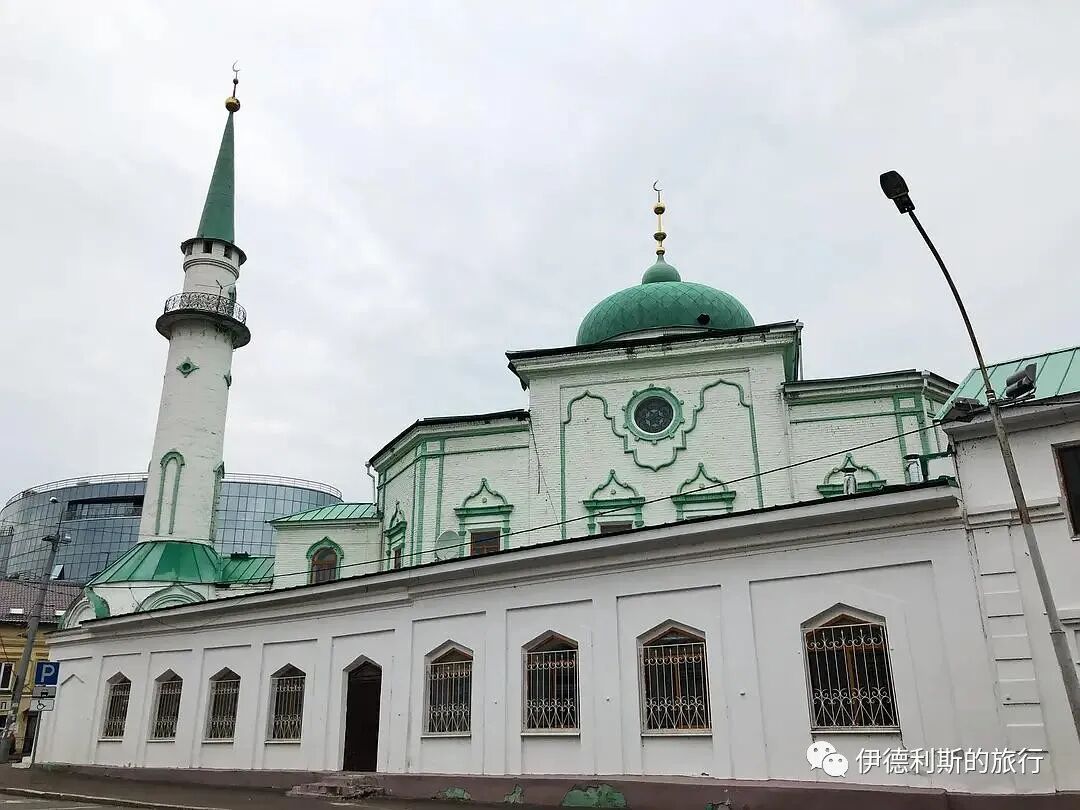
As the center of the Chinese Eastern Railway, Tatars began settling in Harbin in 1901 and built the first wooden mosque that same year. As the Tatar population grew, they rebuilt a brick mosque in 1906. In 1907, they hired İnayetullah Seli Ahmed as imam. He ordered books and magazines from Russia and opened the first Tatar community library.
Imam İnayetullah also served as the principal of the Harbin Tatar Elementary School. The school taught religious knowledge and general subjects, and offered courses in the Tatar and Russian languages. Teachers at the school included the Tatar poet and playwright Husain Gabdyush, who was actively involved in theatrical productions for the Harbin troupe during the 1920s and 1930s. Another teacher, Madina (Asyakaeva) Seliahmet, was a former instructor of higher women's natural science courses in Saint Petersburg. After immigrating to Harbin, she married the younger brother of Imam İnayetullah.
After the October Revolution broke out in 1917, the number of Tatars immigrating to Harbin increased, reaching over a thousand in the 1920s. Most of them made a living through the fur, textile, and clothing trades. To commemorate the 1,000th anniversary of the conversion of their ancestors, the Volga Bulgars, to the faith in 922 AD, the Tatars in Harbin decided to build a new mosque. Construction of the new mosque began in 1923 under the leadership of Imam İnayetullah, but work stopped in September 1924 when the imam passed away. After that, construction stalled due to political instability and poor financial management by the Harbin Tatar Religious and National Association. In 1936, the new imam, Münir Hasibullah, traveled throughout all the Tatar settlements in the Far East to collect donations (niyat), finally allowing the Millennium Mosque to be officially completed and opened on October 8, 1937.
An old photograph of the Harbin Tatar Mosque taken in 1940, now held in the Waseda University Library, preserves a precious image of the Tatars during Friday prayer (Jumu'ah).
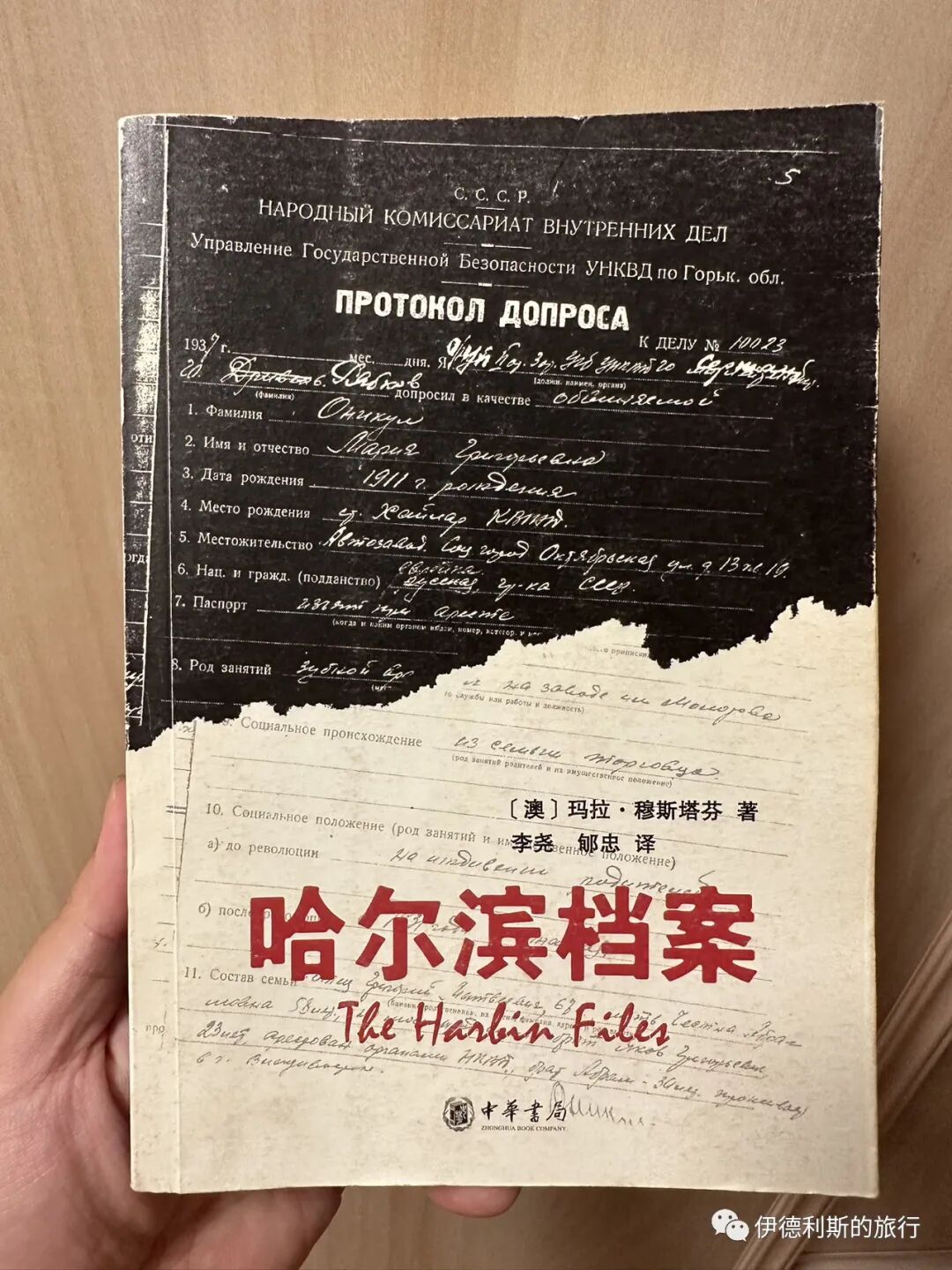
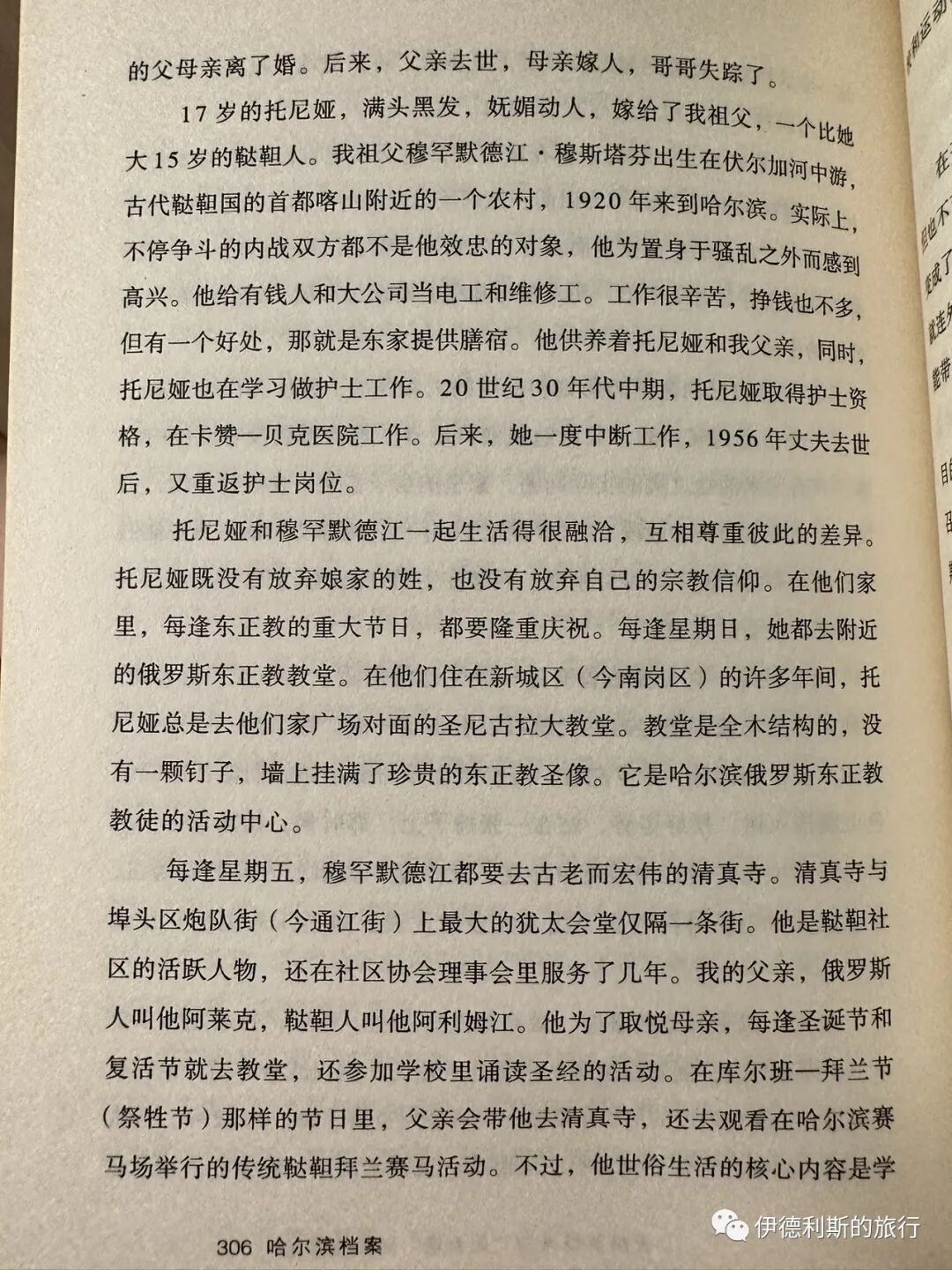
Additionally, the author of the book The Harbin Files, Mara Moustafine, is of Tatar-Jewish-Russian descent and spent her childhood in Harbin. The book writes that her grandfather, Mukhammedzhan Mustafin, originally lived in a village near Kazan in the middle reaches of the Volga River. He came to Harbin in 1920 to work as an electrician and repairman for wealthy people and large companies. Every Friday, Mukhammedzhan went to the Harbin Tatar mosque to perform Jumu'ah. He was an active member of the Harbin Tatar community and served on the community association board for several years. Every year during Eid al-Adha (Qurban Festival), Mukhammedzhan would take his son Alimzhan to the mosque to perform Eid prayers, and then they would go to watch the traditional Tatar horse racing held at the Harbin racecourse.
After the Soviet Union marched into Northeast China in 1945, the Tatars who had immigrated to Harbin to escape the Soviet Union faced harsh treatment. Over the next 10 years, most chose to immigrate to the United States, Canada, and Turkey, while some, like Mara Mustafin's family, immigrated to Australia. By 1960, there were fewer than five Tatars left in Harbin, and the Harbin Tatar community was declared dissolved.
Further reading:
Specialty pastries of the Kazan Tatars
Kazan Kremlin and the National Museum of the Republic of Tatarstan
Tatars in the city of Kazan
Performing Jumu'ah at the Historical Mosque of the Tatars in Moscow
Thirteen traditional mosques of the Kazan Tatars in Russia view all
Summary: Harbin Tatar Mosque preserves part of the citys Muslim history, tied to Tatar migration, old neighborhoods, and religious life in northeast China. This article follows the story of the mosque and its community memory while keeping the original photos and facts in order.
After Russia occupied Vladivostok in 1860, they began planning a railway across the Qing Dynasty to reach this Pacific port more quickly. In 1896, Li Hongzhang signed the Secret Treaty of Alliance between the Qing Empire and the Russian Empire, naming the line the Great Qing Eastern Railway (Dongqing Railway). After 1920, it was renamed the Chinese Eastern Railway (Zhongdong Railway).
Construction of the Chinese Eastern Railway began in August 1897 with Harbin as the center, and it officially opened to traffic in 1903. During this time, many Tatars from Russia came to the railway line to make a living. They opened small shops, and after earning some money, other Tatars followed them there.
As the center of the Chinese Eastern Railway, Tatars began settling in Harbin in 1901 and built the first wooden mosque that same year. As the Tatar population grew, they rebuilt a brick mosque in 1906. In 1907, they hired İnayetullah Seli Ahmed as imam. He ordered books and magazines from Russia and opened the first Tatar community library.
Imam İnayetullah also served as the principal of the Harbin Tatar Elementary School. The school taught religious knowledge and general subjects, and offered courses in the Tatar and Russian languages. Teachers at the school included the Tatar poet and playwright Husain Gabdyush, who was actively involved in theatrical productions for the Harbin troupe during the 1920s and 1930s. Another teacher, Madina (Asyakaeva) Seliahmet, was a former instructor of higher women's natural science courses in Saint Petersburg. After immigrating to Harbin, she married the younger brother of Imam İnayetullah.
After the October Revolution broke out in 1917, the number of Tatars immigrating to Harbin increased, reaching over a thousand in the 1920s. Most of them made a living through the fur, textile, and clothing trades. To commemorate the 1,000th anniversary of the conversion of their ancestors, the Volga Bulgars, to the faith in 922 AD, the Tatars in Harbin decided to build a new mosque. Construction of the new mosque began in 1923 under the leadership of Imam İnayetullah, but work stopped in September 1924 when the imam passed away. After that, construction stalled due to political instability and poor financial management by the Harbin Tatar Religious and National Association. In 1936, the new imam, Münir Hasibullah, traveled throughout all the Tatar settlements in the Far East to collect donations (niyat), finally allowing the Millennium Mosque to be officially completed and opened on October 8, 1937.
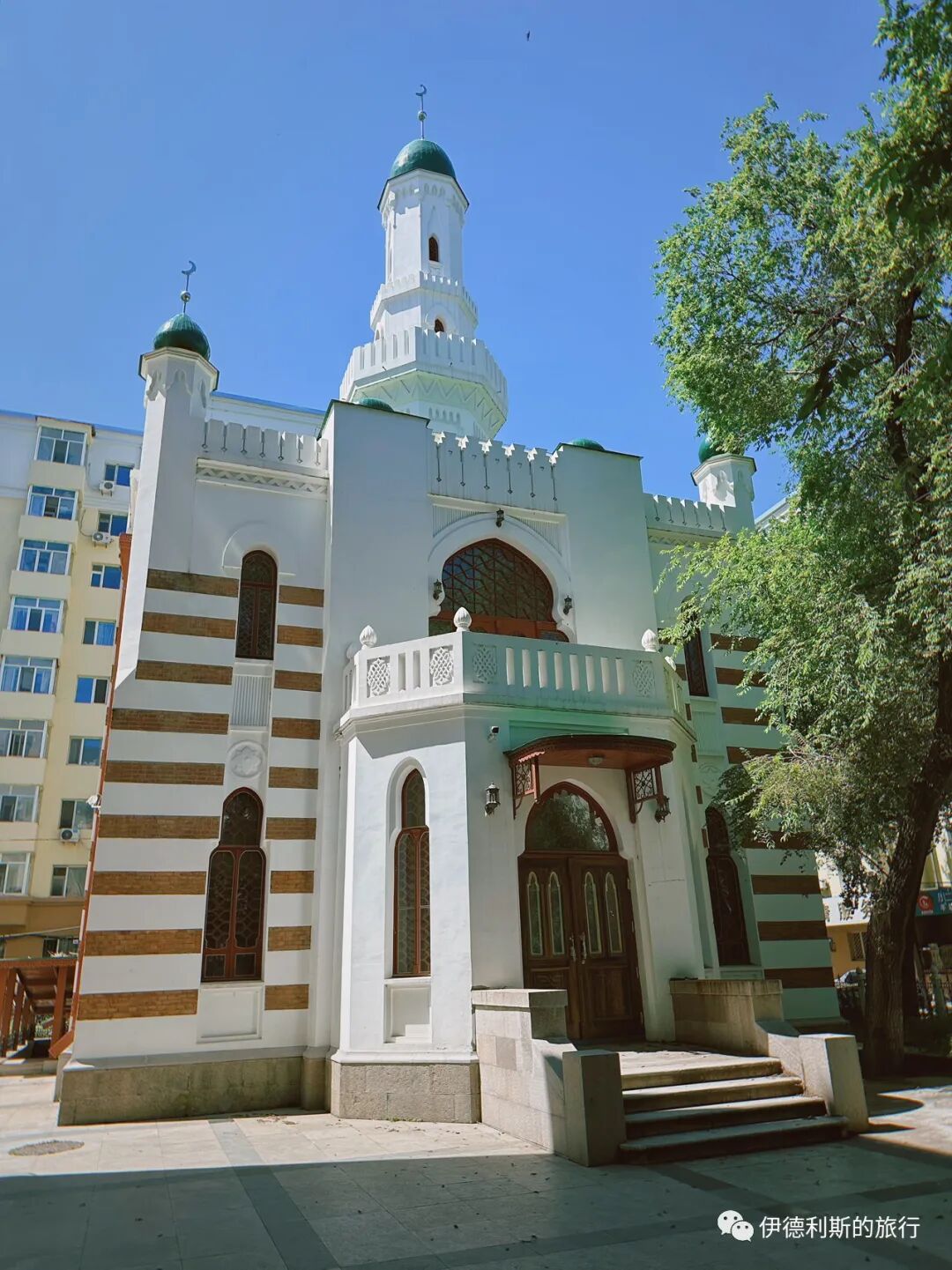
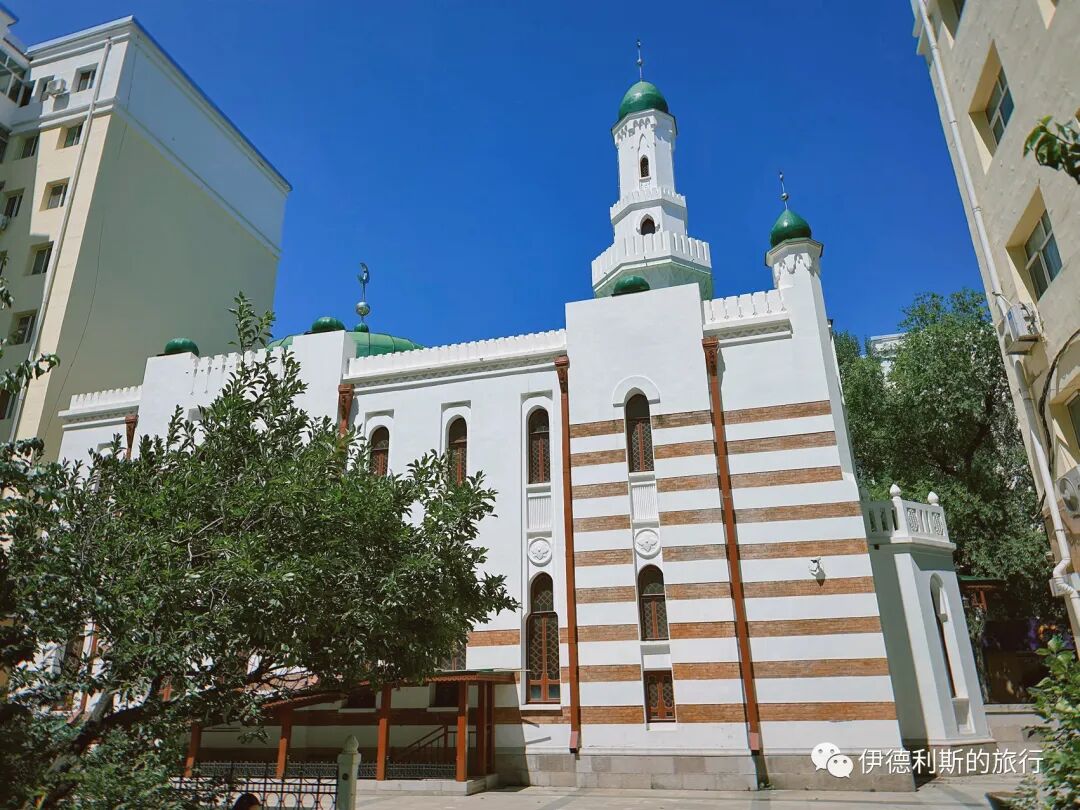
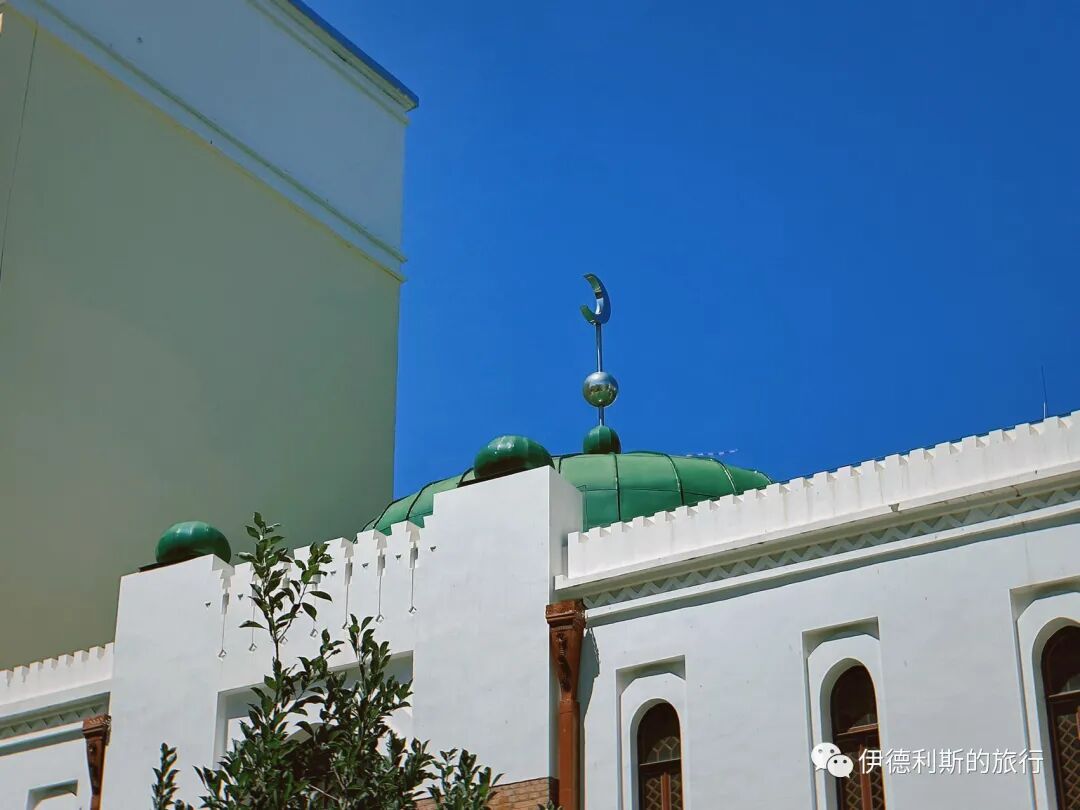
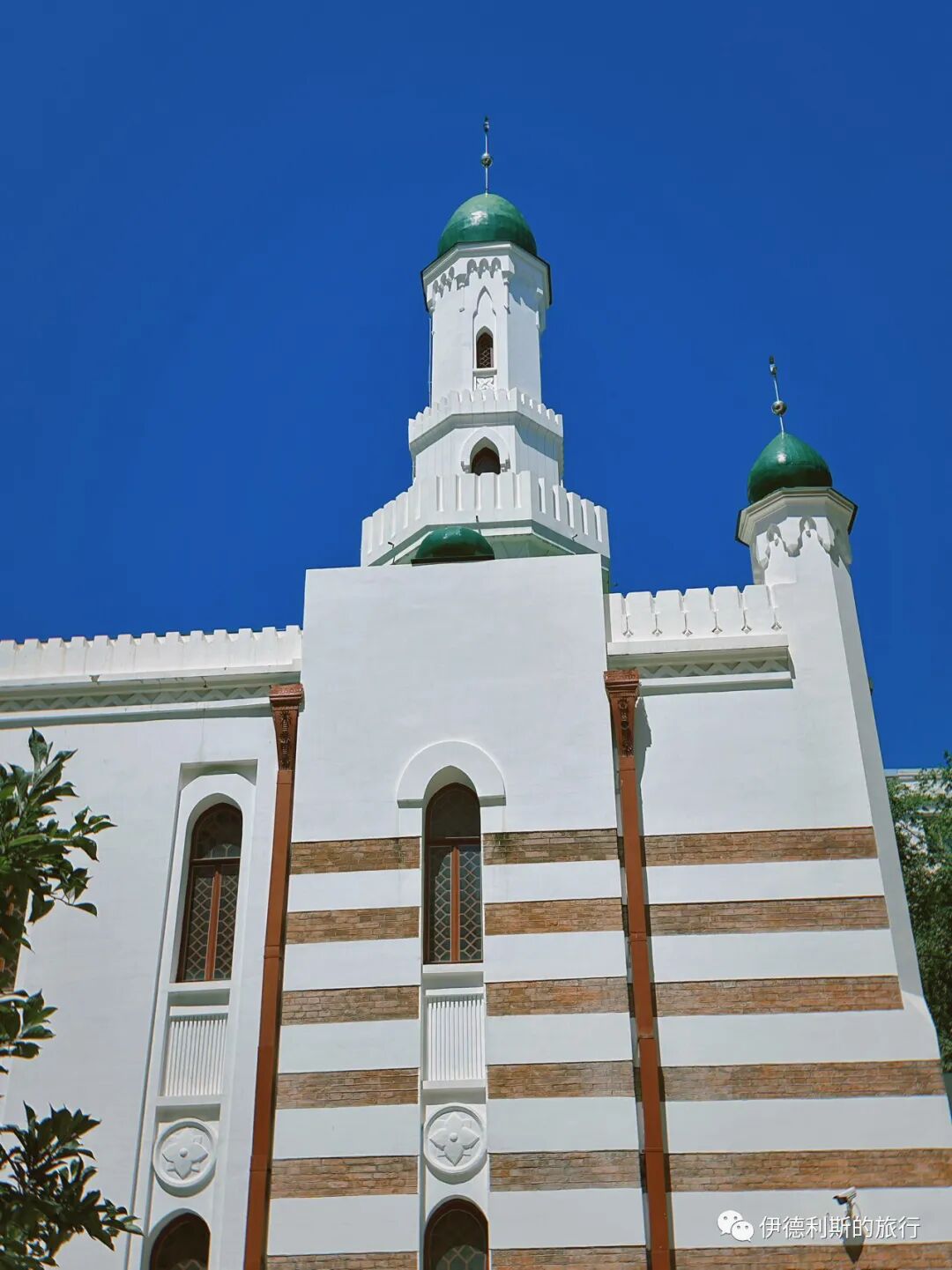
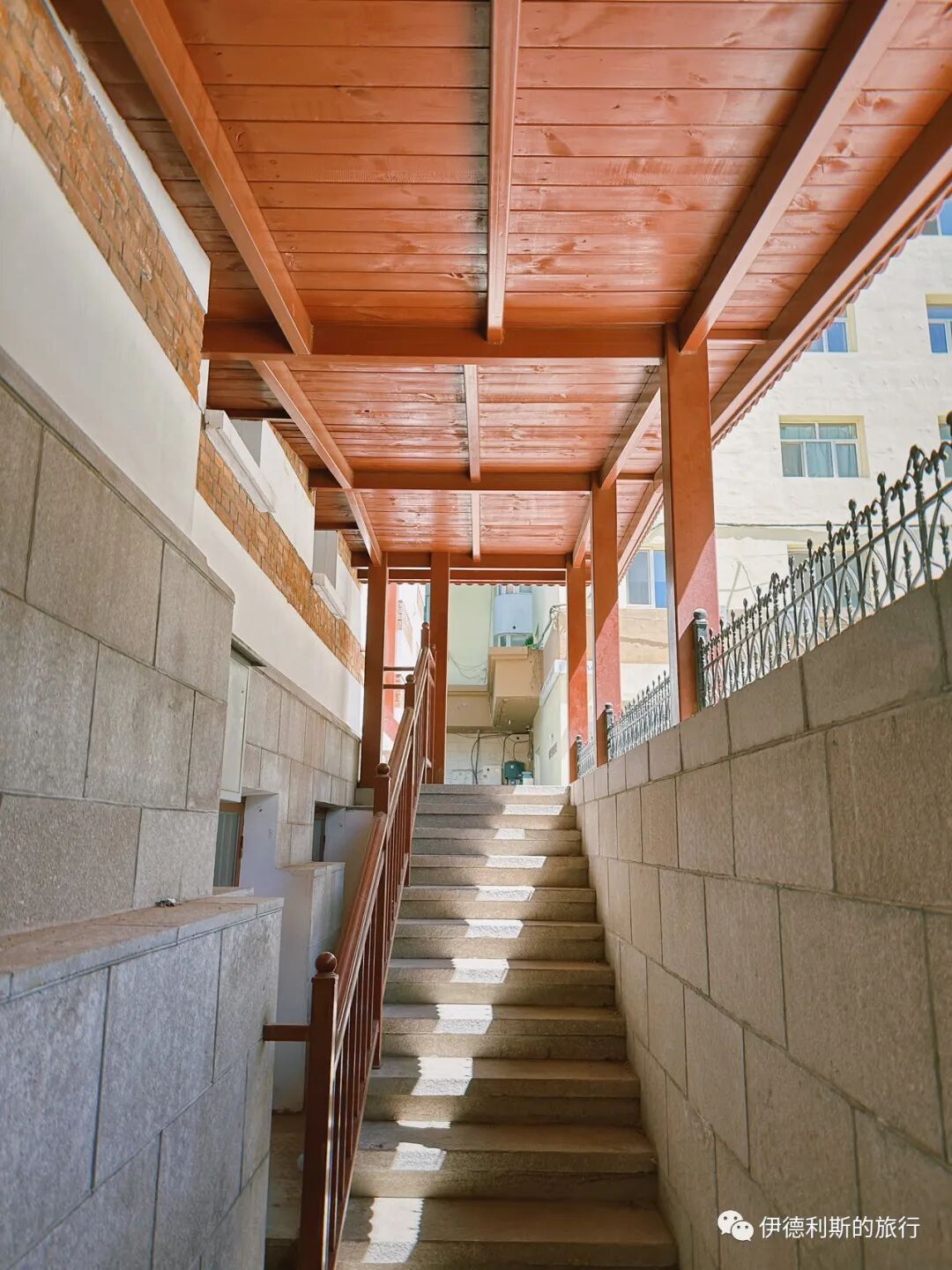
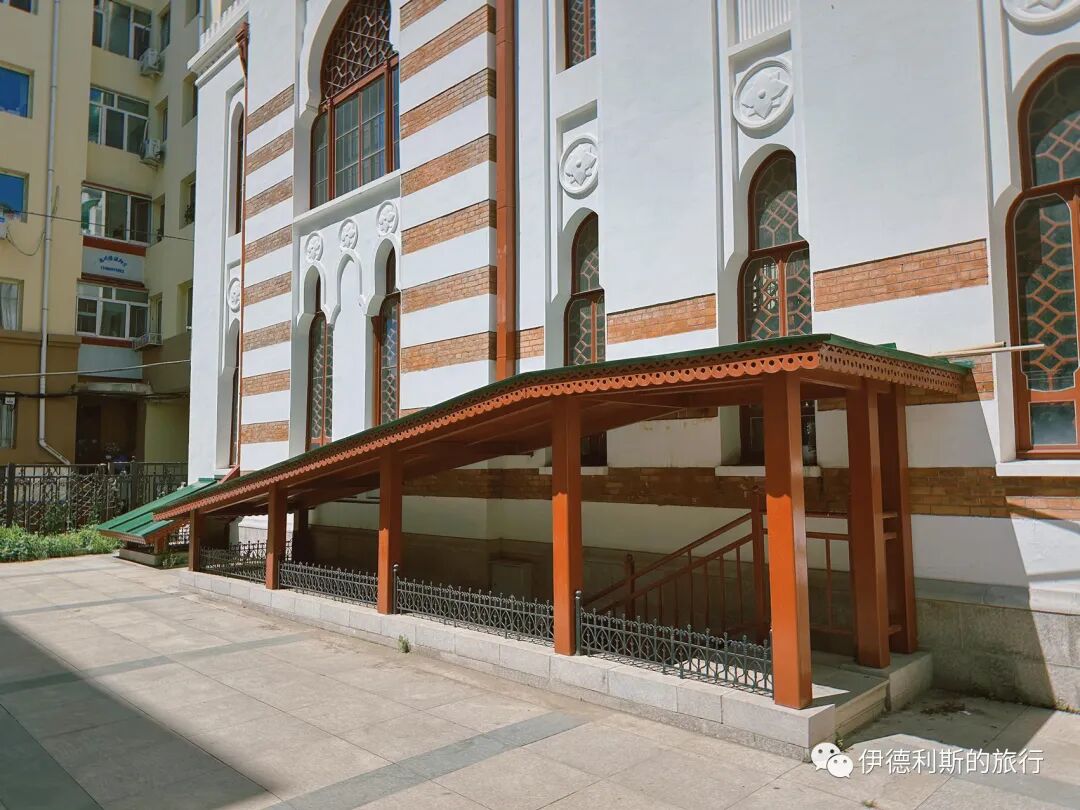
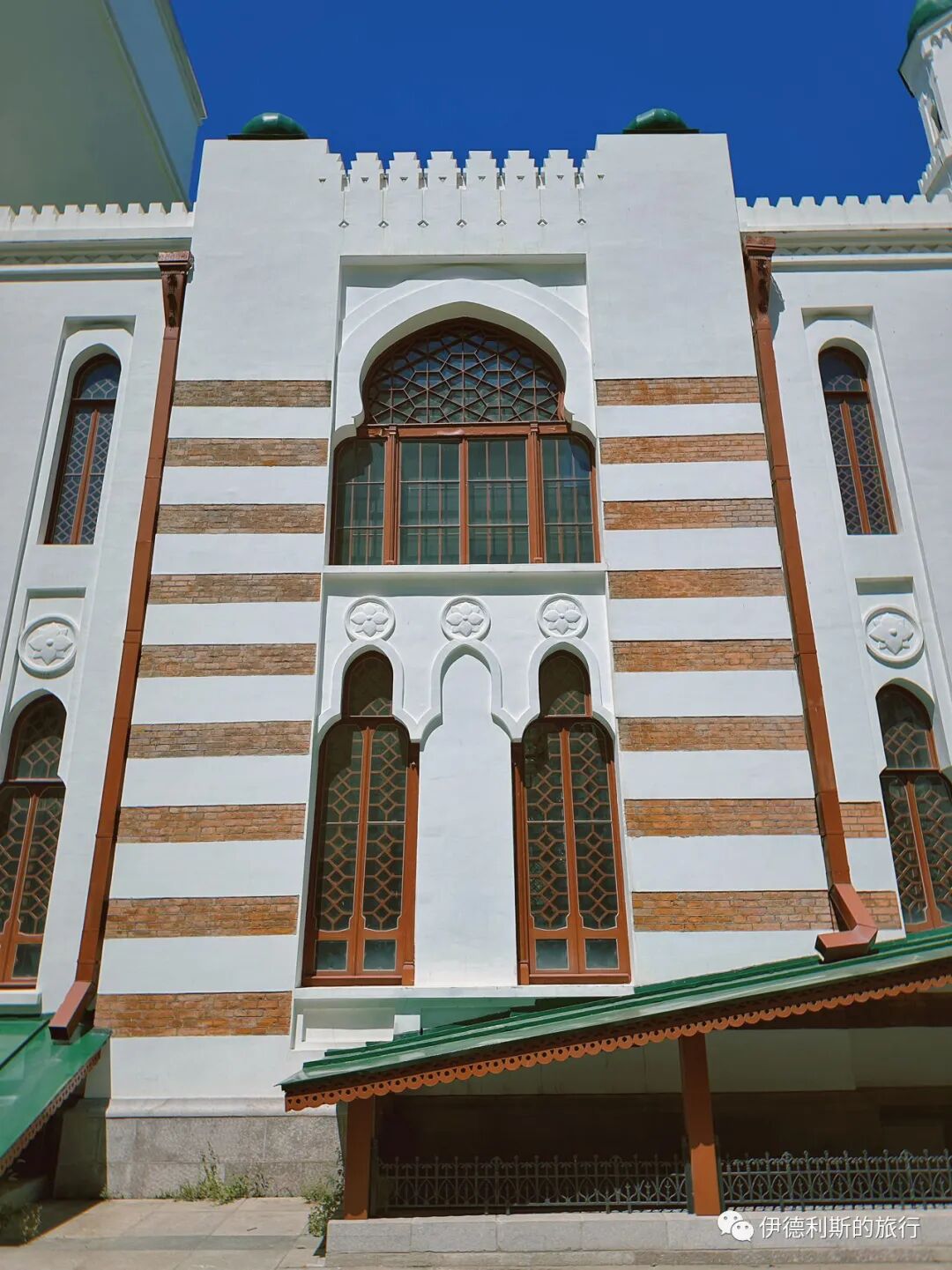
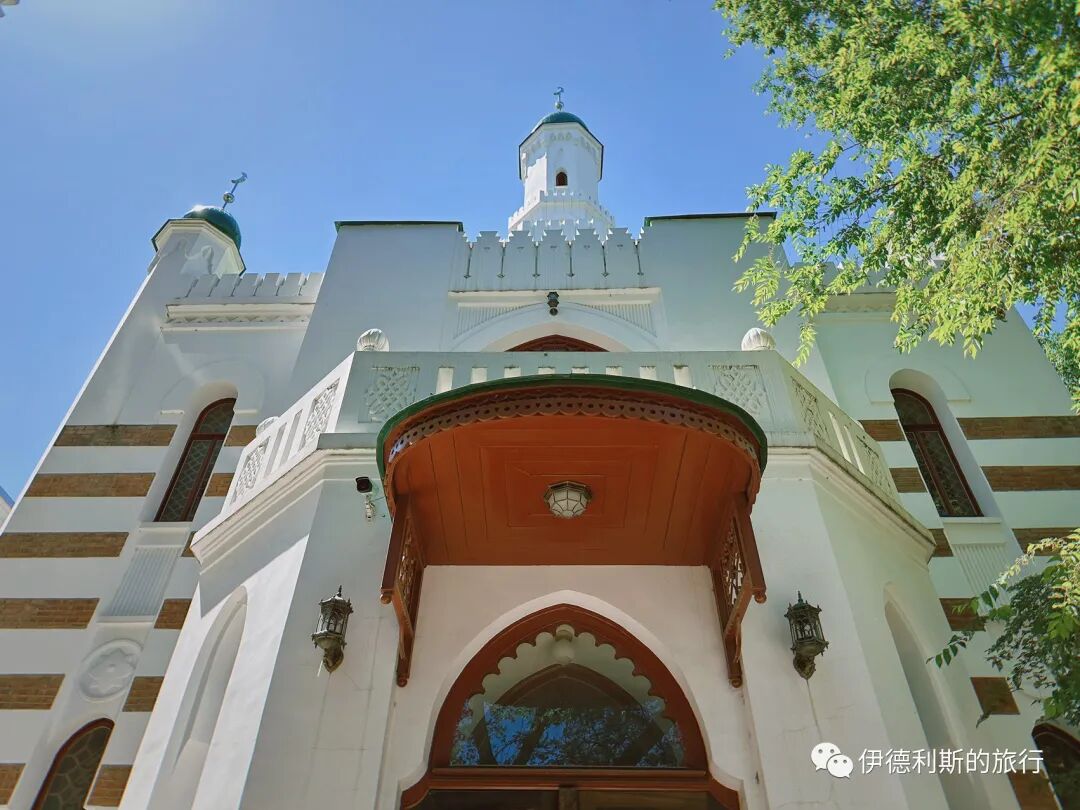
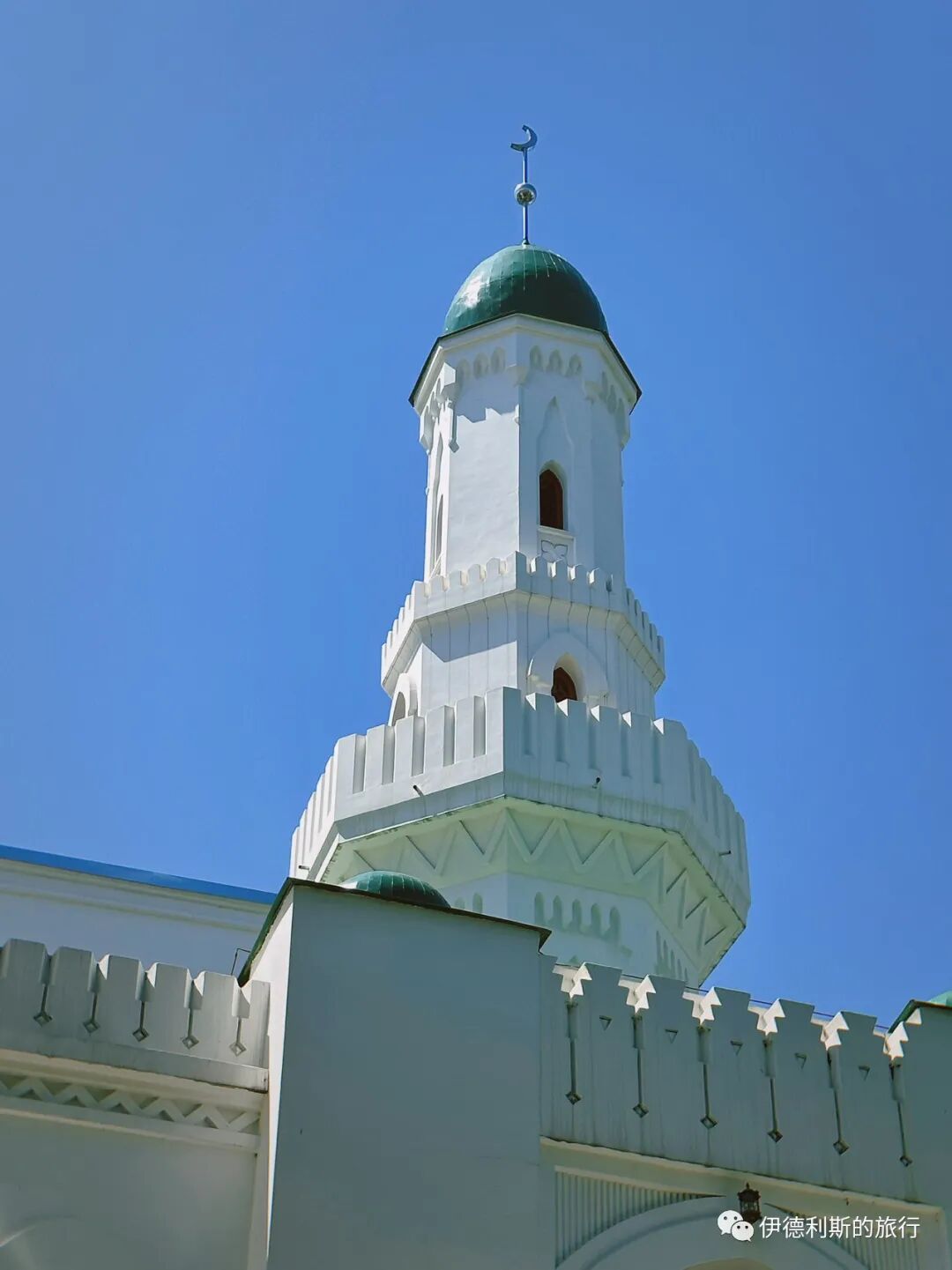
An old photograph of the Harbin Tatar Mosque taken in 1940, now held in the Waseda University Library, preserves a precious image of the Tatars during Friday prayer (Jumu'ah).
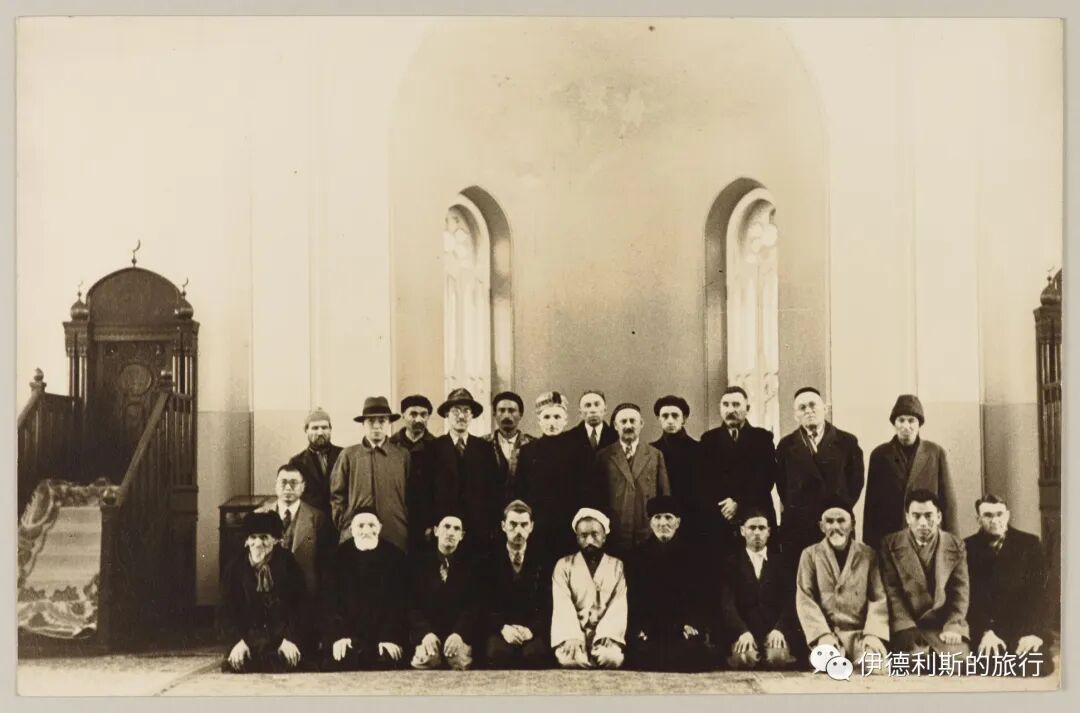
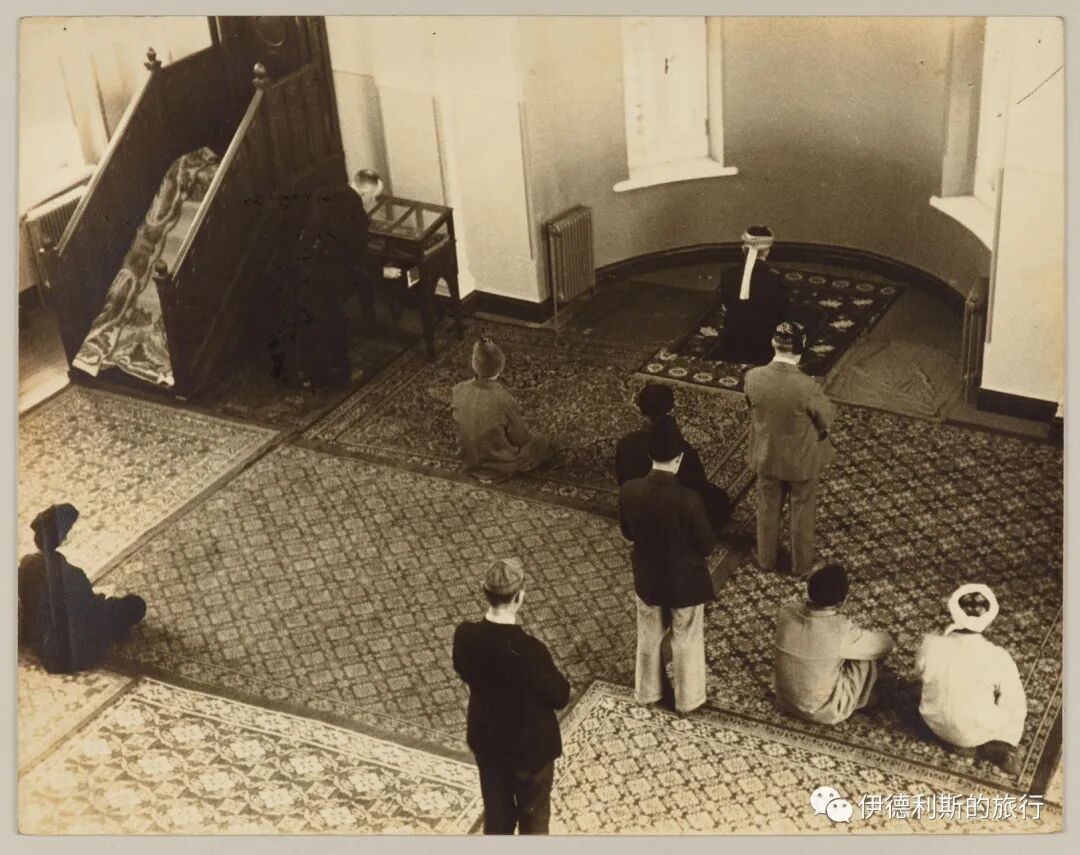
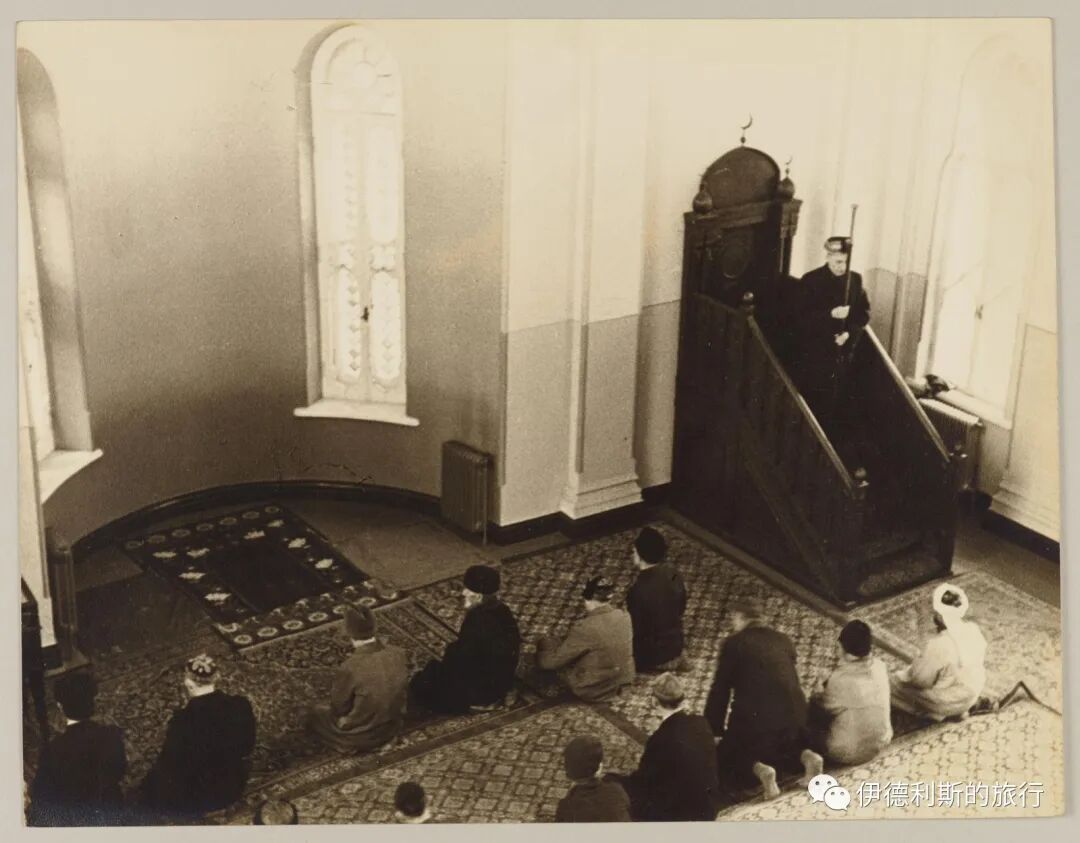
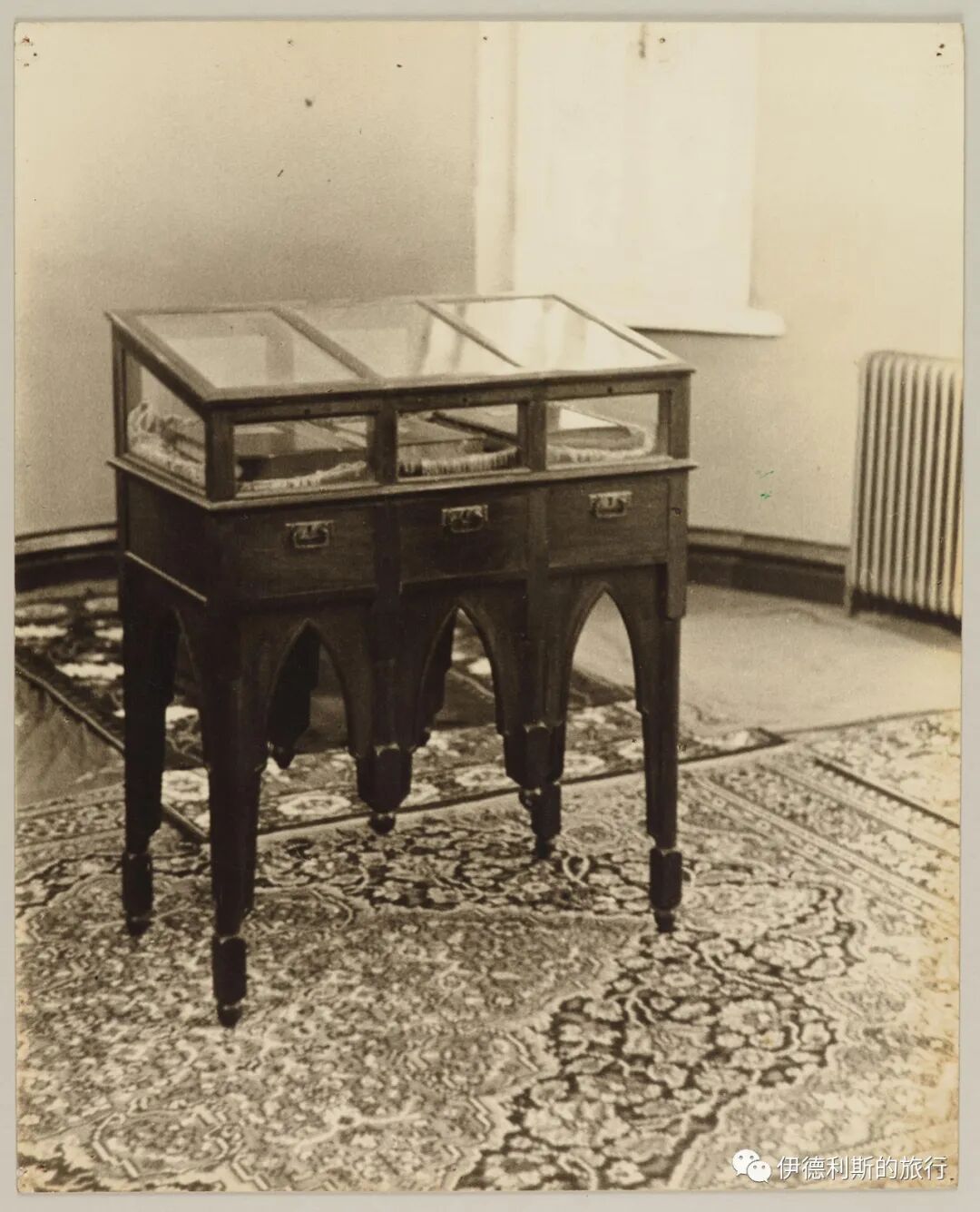
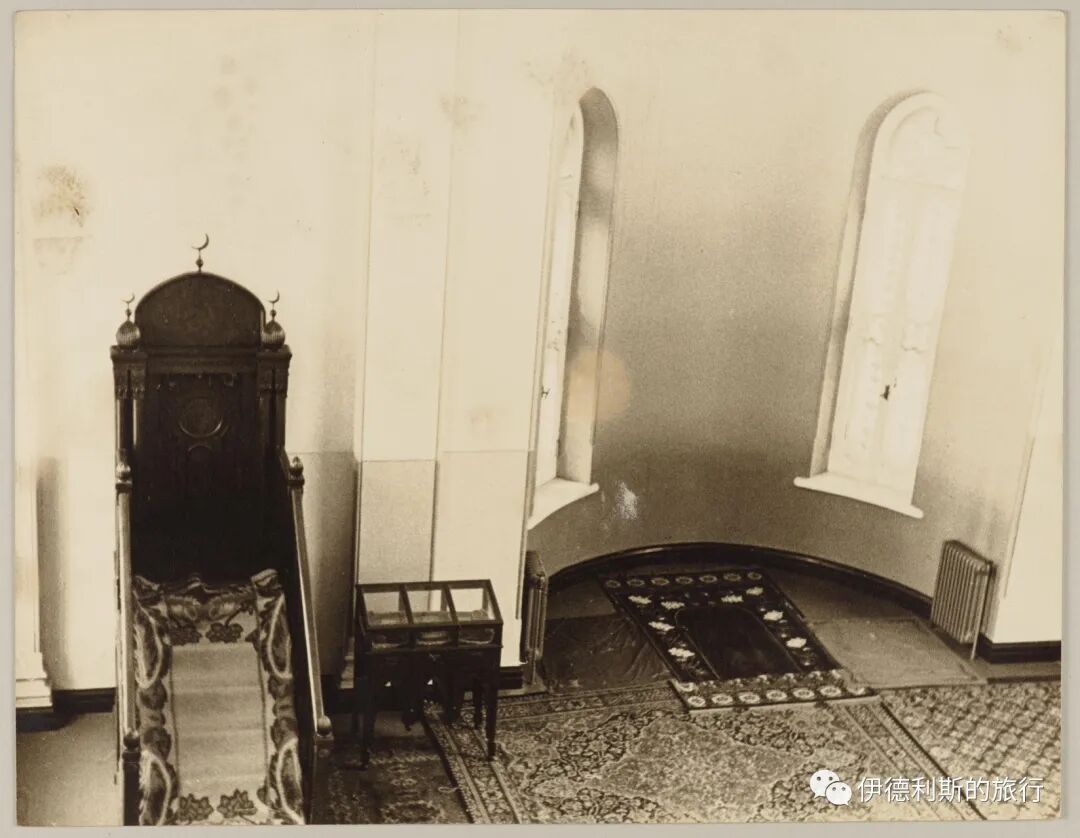
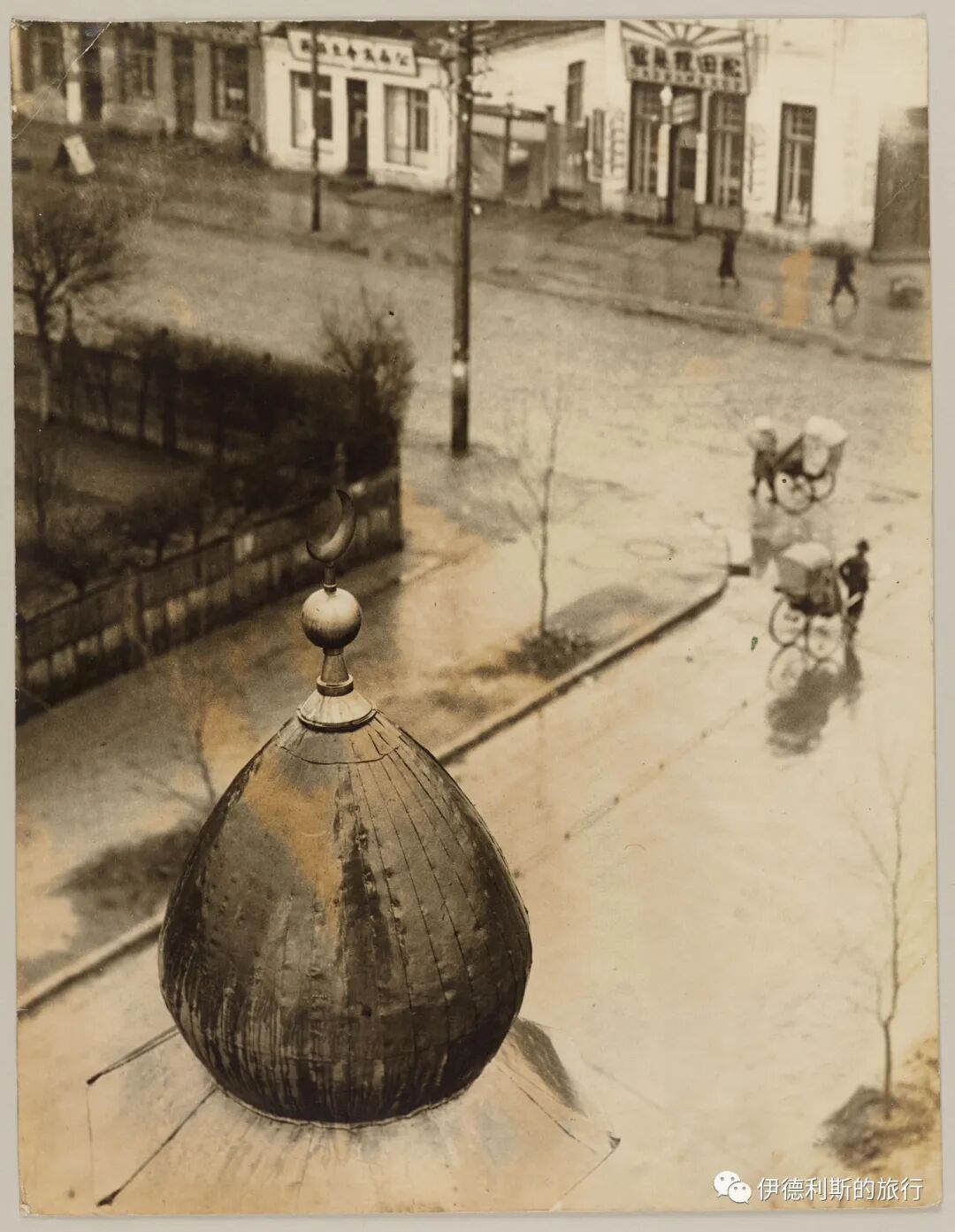
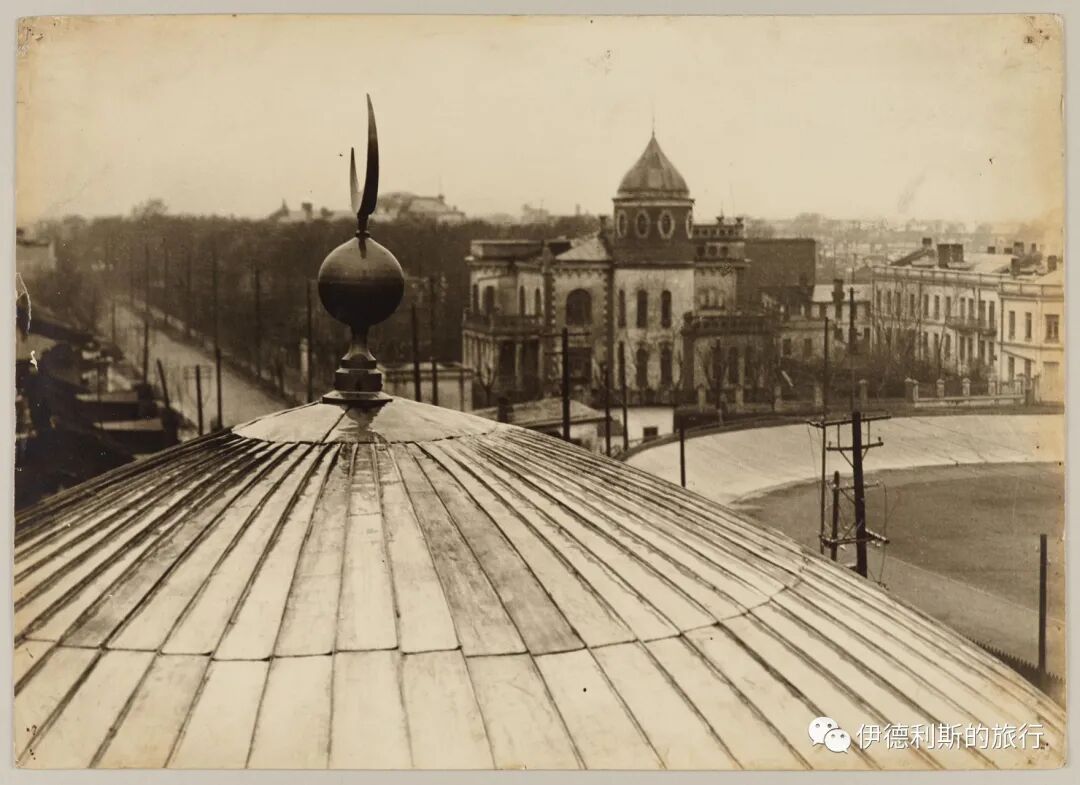
Additionally, the author of the book The Harbin Files, Mara Moustafine, is of Tatar-Jewish-Russian descent and spent her childhood in Harbin. The book writes that her grandfather, Mukhammedzhan Mustafin, originally lived in a village near Kazan in the middle reaches of the Volga River. He came to Harbin in 1920 to work as an electrician and repairman for wealthy people and large companies. Every Friday, Mukhammedzhan went to the Harbin Tatar mosque to perform Jumu'ah. He was an active member of the Harbin Tatar community and served on the community association board for several years. Every year during Eid al-Adha (Qurban Festival), Mukhammedzhan would take his son Alimzhan to the mosque to perform Eid prayers, and then they would go to watch the traditional Tatar horse racing held at the Harbin racecourse.
After the Soviet Union marched into Northeast China in 1945, the Tatars who had immigrated to Harbin to escape the Soviet Union faced harsh treatment. Over the next 10 years, most chose to immigrate to the United States, Canada, and Turkey, while some, like Mara Mustafin's family, immigrated to Australia. By 1960, there were fewer than five Tatars left in Harbin, and the Harbin Tatar community was declared dissolved.
Further reading:
Specialty pastries of the Kazan Tatars
Kazan Kremlin and the National Museum of the Republic of Tatarstan
Tatars in the city of Kazan
Performing Jumu'ah at the Historical Mosque of the Tatars in Moscow
Thirteen traditional mosques of the Kazan Tatars in Russia
Bolgar on the Volga: A Thousand-Year Muslim Capital and Tatar Heritage
Articles • ali2007fr posted the article • 0 comments • 152 views • 2026-05-17 08:19
Summary: This travel note introduces Bolgar on the Volga: A Thousand-Year Muslim Capital and Tatar Heritage. The ancient city of Bolghar is located on the banks of the Volga River, south of Kazan, the capital of Tatarstan, and was the capital of Volga Bulgaria in the 10th and 11th centuries. It is useful for readers interested in Bolgar Travel, Tatar Muslims, Islamic Heritage.
The ancient city of Bolghar is located on the banks of the Volga River, south of Kazan, the capital of Tatarstan, and was the capital of Volga Bulgaria in the 10th and 11th centuries. The Volga Bulgars accepted Islam in 922, and this year marks exactly the 1100th anniversary.
Before the Crusades, the city of Bolghar was an important trade hub between Europe and Asia, and one of the wealthiest cities in the Islamic world at that time. In 1236, the Mongol army led by Batu Khan launched an expedition to Europe, completely destroying Volga Bulgaria and the city of Bolghar. After this, the city of Bolghar was rebuilt into an important economic, commercial, cultural, and religious center of the Golden Horde. Under the influence of the Bolghars, the Mongol rulers of the Golden Horde also began to believe in Islam, building a series of mosques, minarets, and Muslim mausoleums in the city. Coupled with secular palaces and bathhouses, most of the existing ruins in the city of Bolghar belong to this period.
After the decline of the Golden Horde, the ancient city of Bolghar remained a religious center for Muslims until the mid-16th century. After Ivan the Terrible of Russia conquered the Khanate of Kazan in 1552, the ancient city fell into complete decline.
After the 18th century, the center of the ancient city was occupied by the Orthodox Church; an Orthodox church was built on the site of the Great Mosque, and Muslim mausoleums were converted into chapels and wine cellars. Due to the construction of monasteries and surrounding villages, the architectural ruins within the ancient city decreased rapidly. In the early 18th century, there were more than 70 buildings within the ancient city ruins, including 9 minarets, but only 1 minaret has been preserved to this day.
During the Soviet era, because they could not travel to Mecca, Muslims in Tatarstan and other parts of the Soviet Union chose to travel to the ancient city of Bolghar for a "minor Hajj" (pilgrimage).
Today, the ancient city of Bolghar holds an important place in the hearts of the Volga Tatars, who view the Volga Bulgars as one of their ancestors and consider the ancient city of Bolghar their historical and religious capital. In 2014, the ancient city of Bolghar was included in the UNESCO World Heritage List.
Table of Contents
I. Arrival
1. Volga River Speedboat
2. Bolghar Pier
3. Tatar Snack Bar
II. Great Mosque Architectural Complex
1. Great Mosque
2. Great Minaret
3. Eastern Mausoleum
4. Northern Mausoleum
5. Khan's Palace
6. Eastern House
III. Black House
IV. Khan's Mausoleum and Small Minaret
1. Khan's Mausoleum
2. Small Minaret
V. White House
VI. Small Tombs
VII. Southern Small City
VIII. Unearthed Artifacts
I. Arrival
1. Volga River Speedboat
The most convenient and interesting way to travel from Kazan to the ancient city of Bolghar is to take a Volga River speedboat from the Kazan pier. For information on the Kazan pier, you can visit the website https://douc.cc/1vFyDm; tickets can only be purchased on-site. The lady at the ticket window does not speak English, but you just need to show her the destination and date of the boat trip translated into Russian, and she will gesture to ask if you want a one-way or round-trip ticket; you can just gesture for a round-trip.
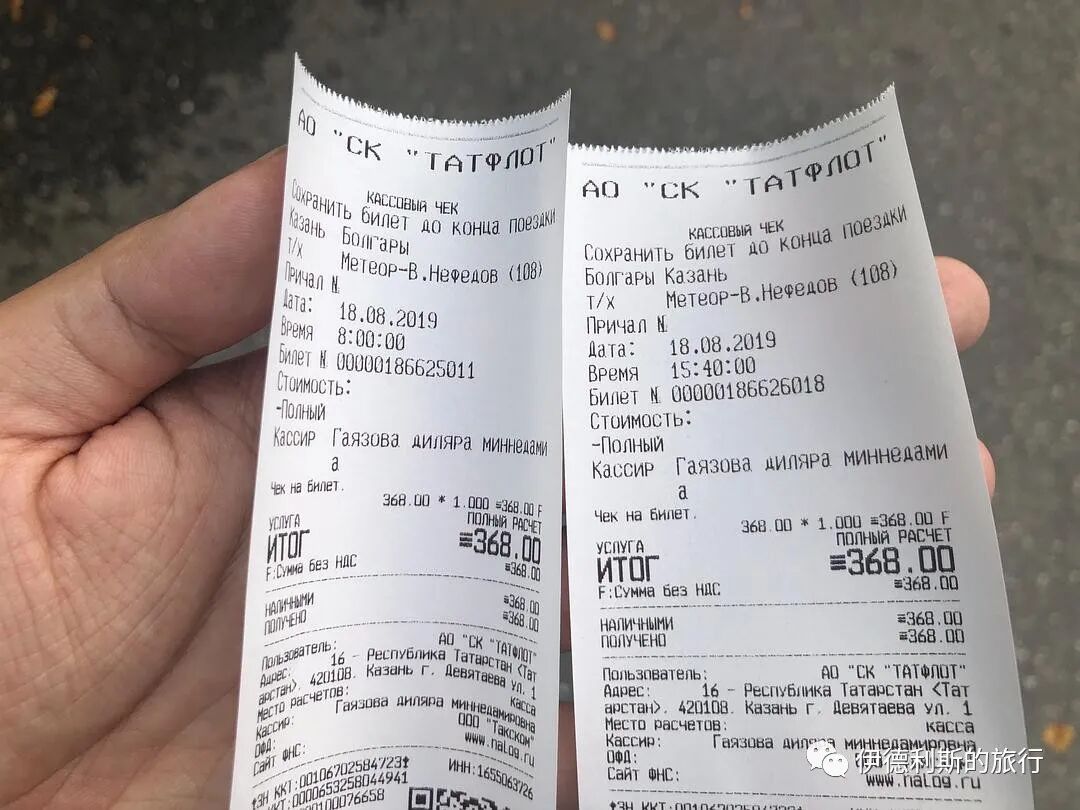
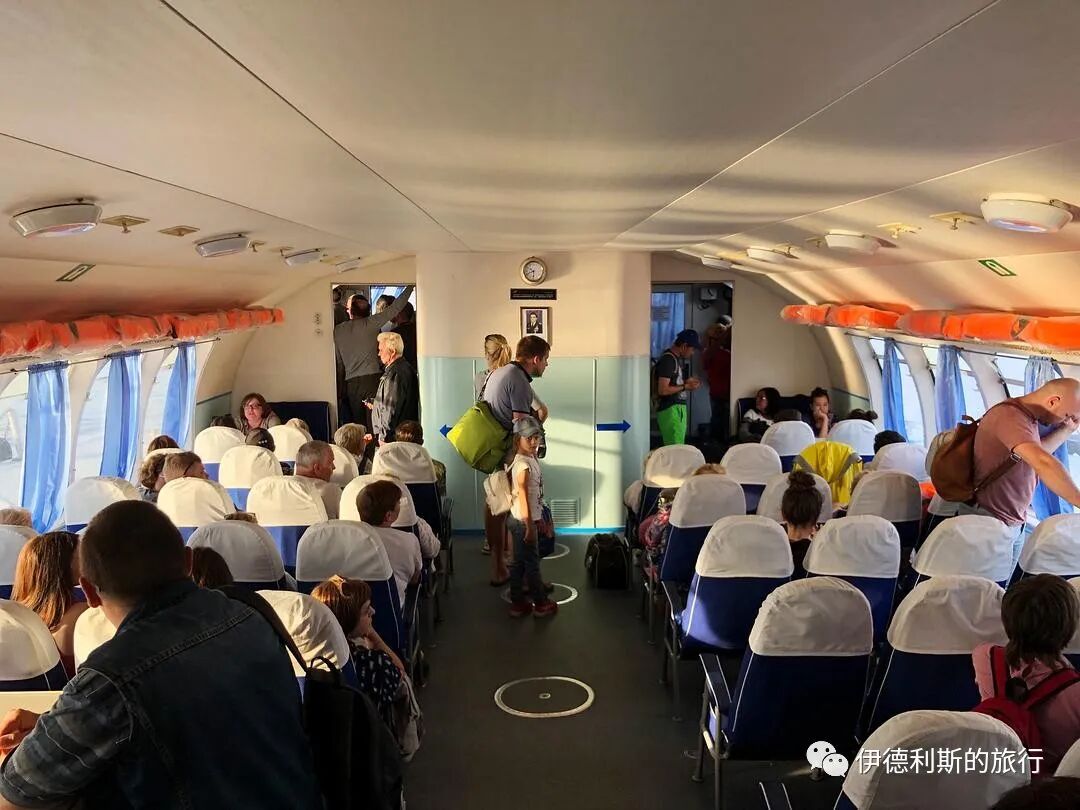
I bought a ticket departing from Kazan at 8:00 AM, arriving in Bolghar around 10:00 AM, and returning at 3:40 PM, arriving back in Kazan around 5:40 PM, leaving me with five hours and forty minutes to stay. Many of the passengers on the boat are middle-aged and elderly tour groups, with a small number of individual tourists.
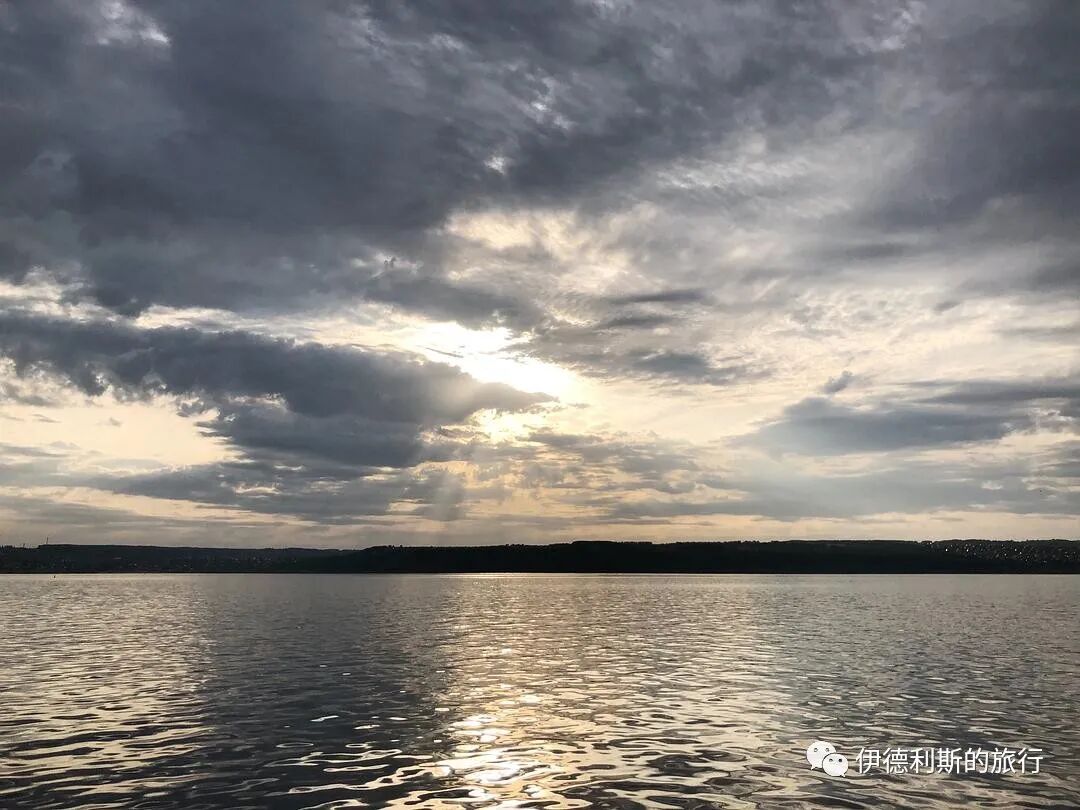
The boat travels on the Volga River, and at its widest point, you can barely see the opposite bank. It is very windy on the boat, which is quite exhilarating.
2. Bolghar Pier
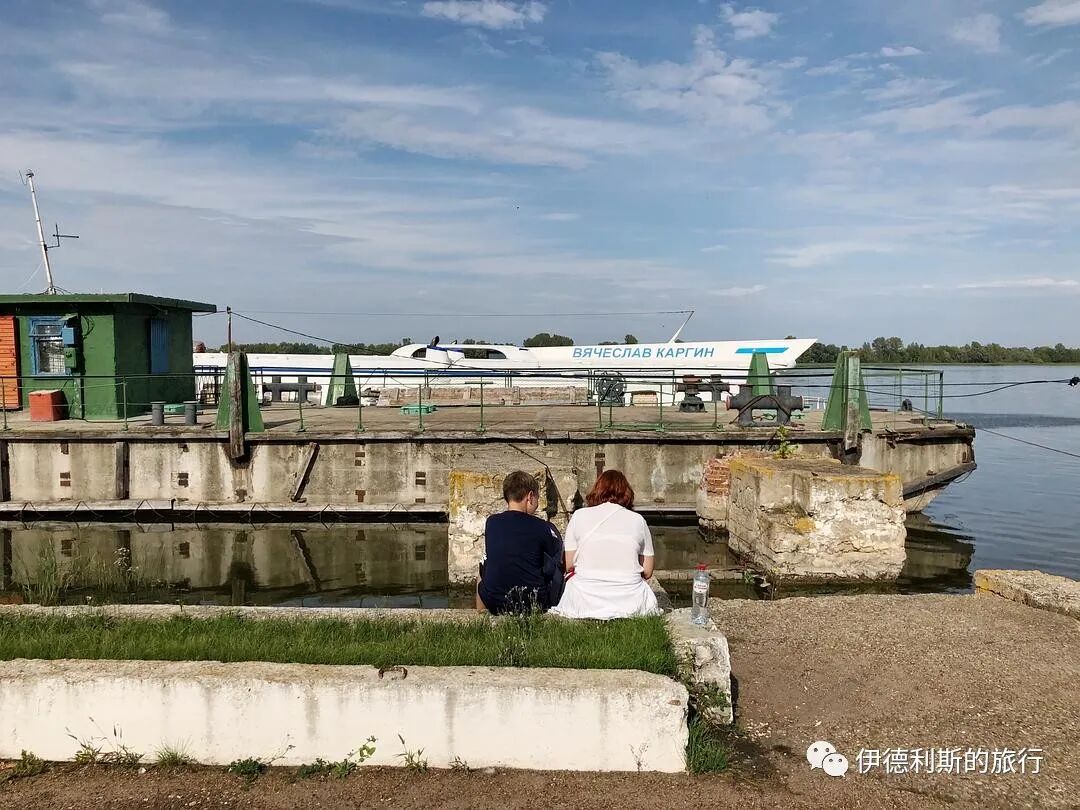
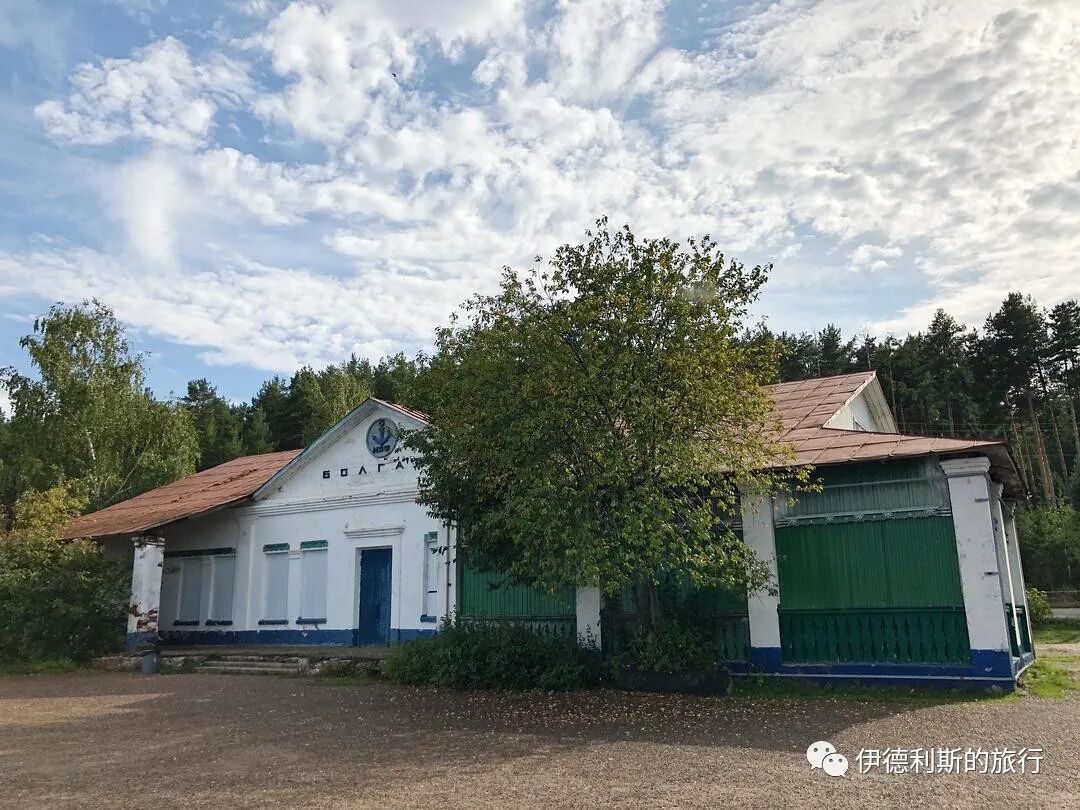
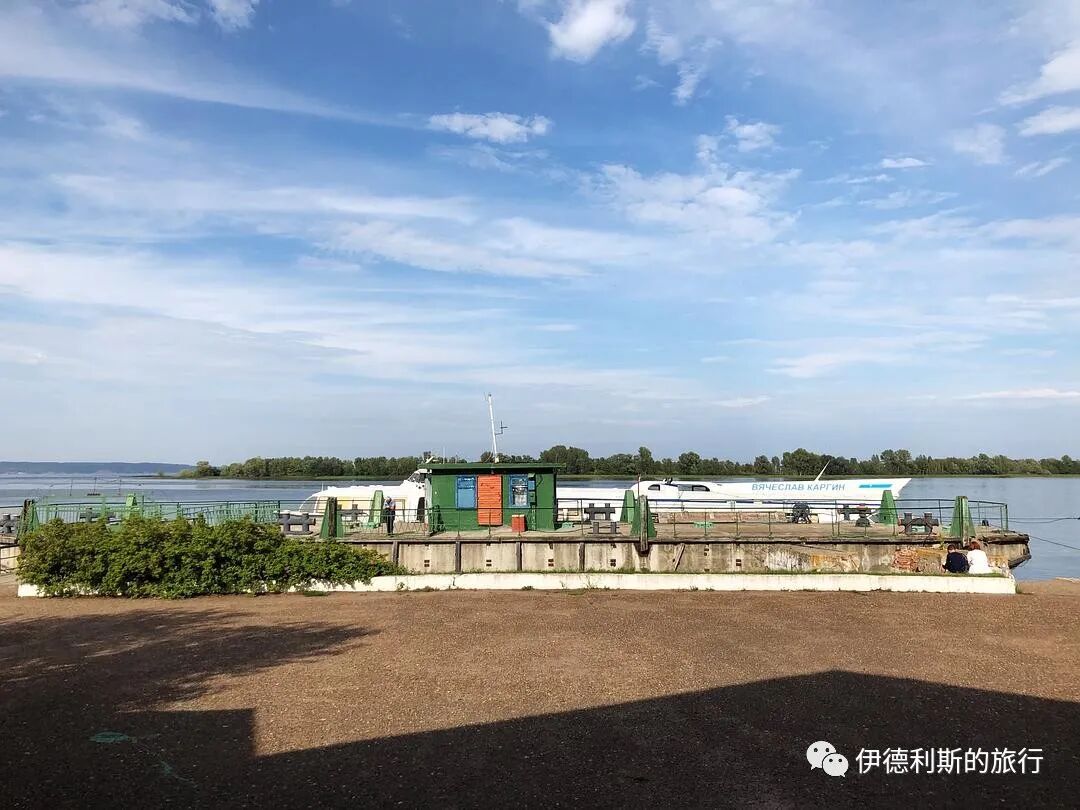
The boat did not stop at the entrance of the Bolghar Civilization Museum as written in the Lonely Planet Russia volume, but instead stopped at the Bolghar Pier to the west; from the pier, you still need to take a vehicle to the heritage area of the ancient city.
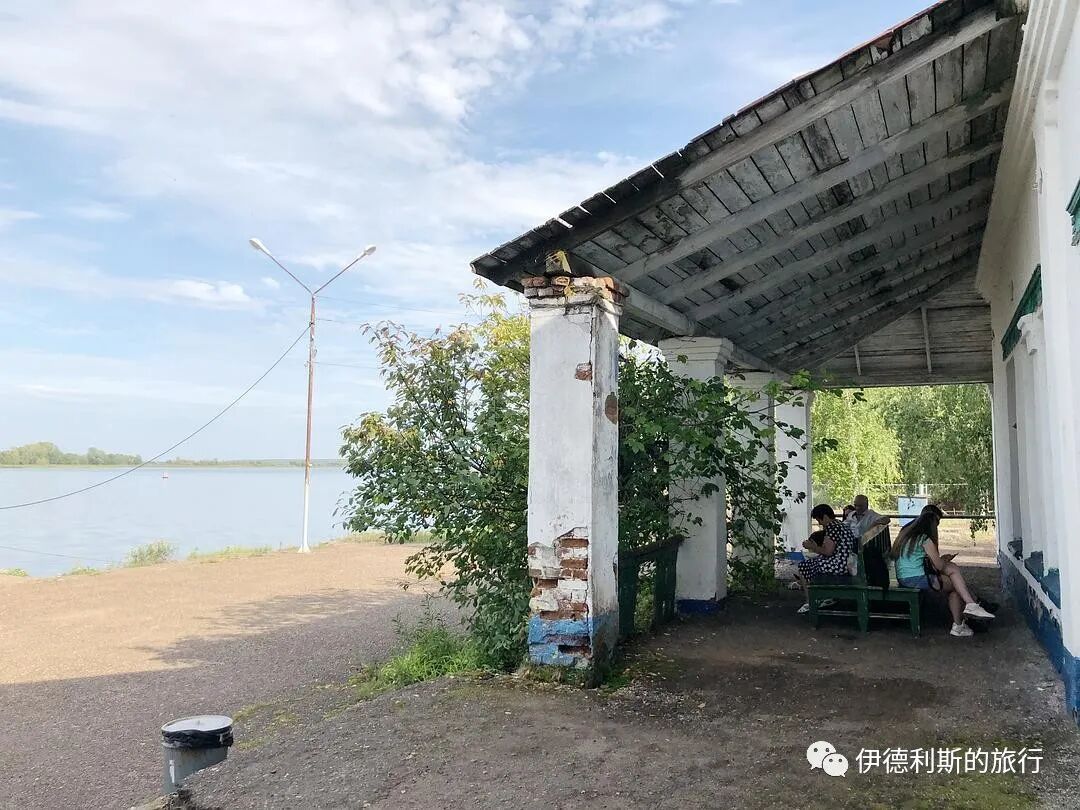
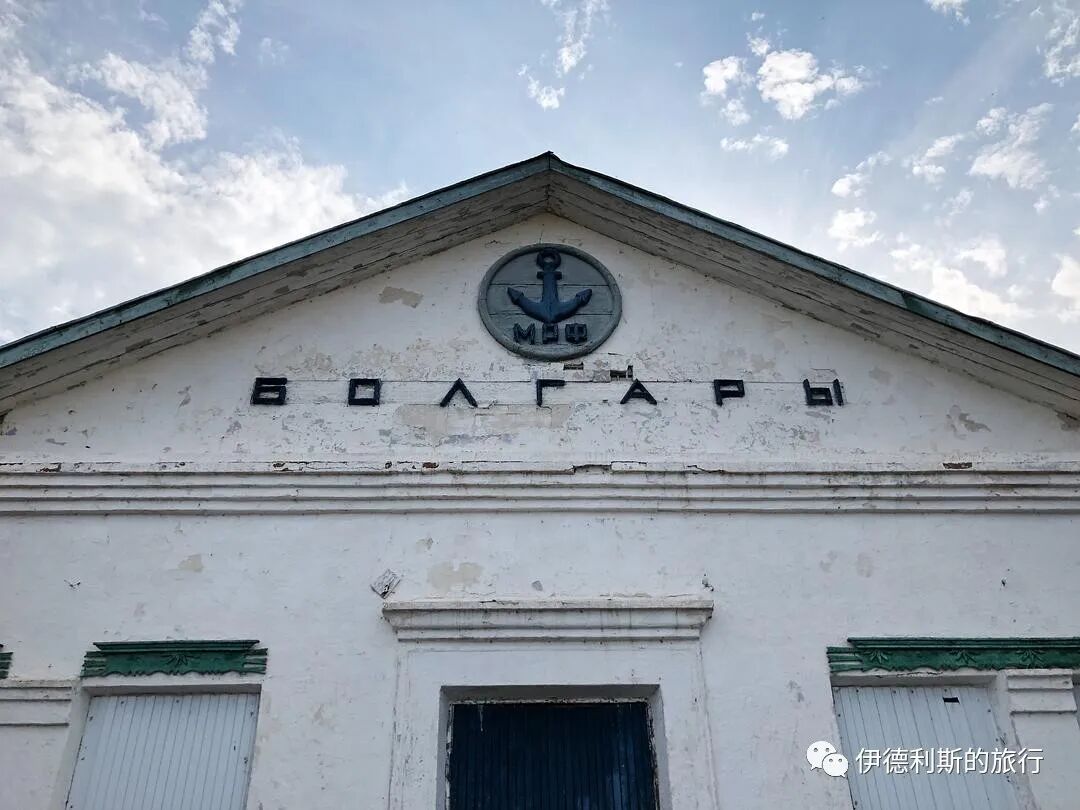
Bolghar Pier is a quiet little pier with a great atmosphere; waiting for the boat here on the return trip felt like being in a Russian movie.
3. Tatar Snack Bar
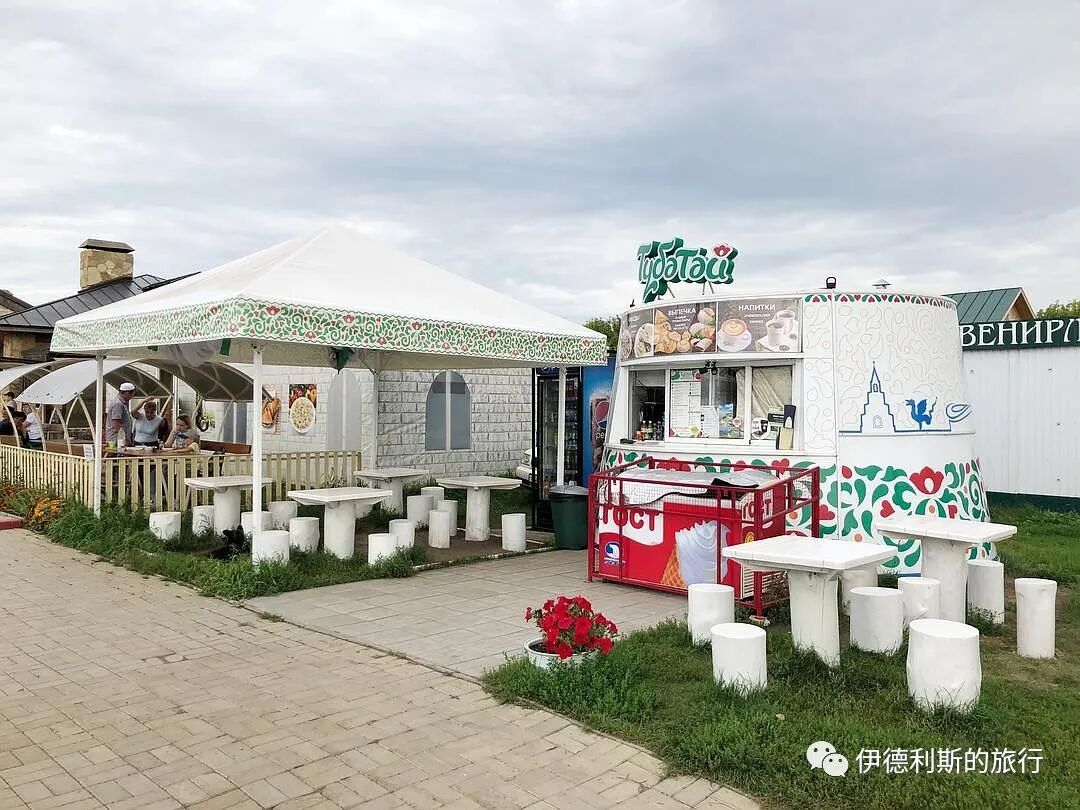
There are some souvenir shops and snack bars around the ancient city ruins area. I ate pilaf and the traditional Volga Tatar pie elesh (a savory pastry) at this Volga Tatar traditional fast-food chain Tubatay (Тюбетей). Elesh is made with sour cream and yeast dough, and the filling is chicken, potatoes, and onions.
II. Great Mosque Architectural Complex
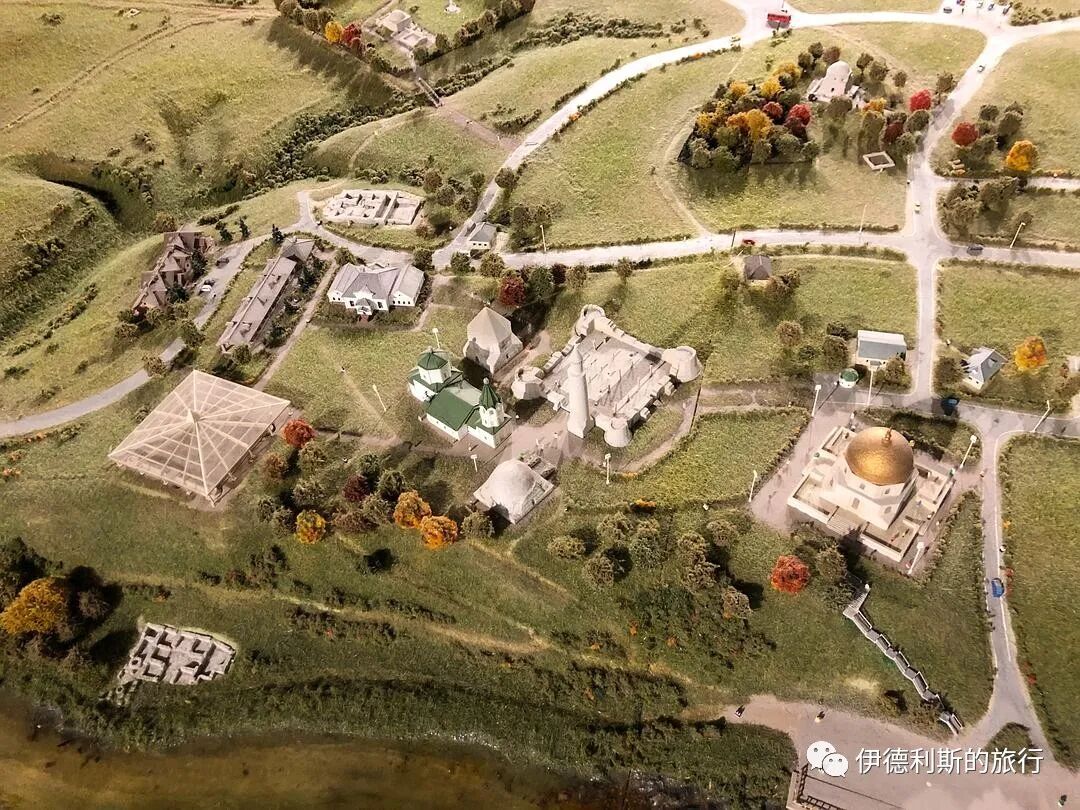
After the Golden Horde rebuilt the city of Bolghar in the 13th century, they built a series of buildings centered on the Great Mosque.
1. Great Mosque
The Great Mosque is the most important architectural ruin of the ancient city of Bolghar preserved from the Golden Horde era, and it was the city center of Bolghar in the 13th and 14th centuries, featuring the typical architectural style of the Golden Horde period.
The Great Mosque is made of limestone, 34 meters long and 32 meters wide, with 20 columns and a wooden gable roof. The walls are plastered on all four sides and reinforced with buttresses. On the north side of the mosque, there is an arched gate and a minaret, and on the south side, there is a mihrab (a niche in the wall of a mosque that indicates the direction of Mecca) with exquisite carvings. The Great Mosque was renovated in the early 14th century, and corner towers were added in the 1440s.
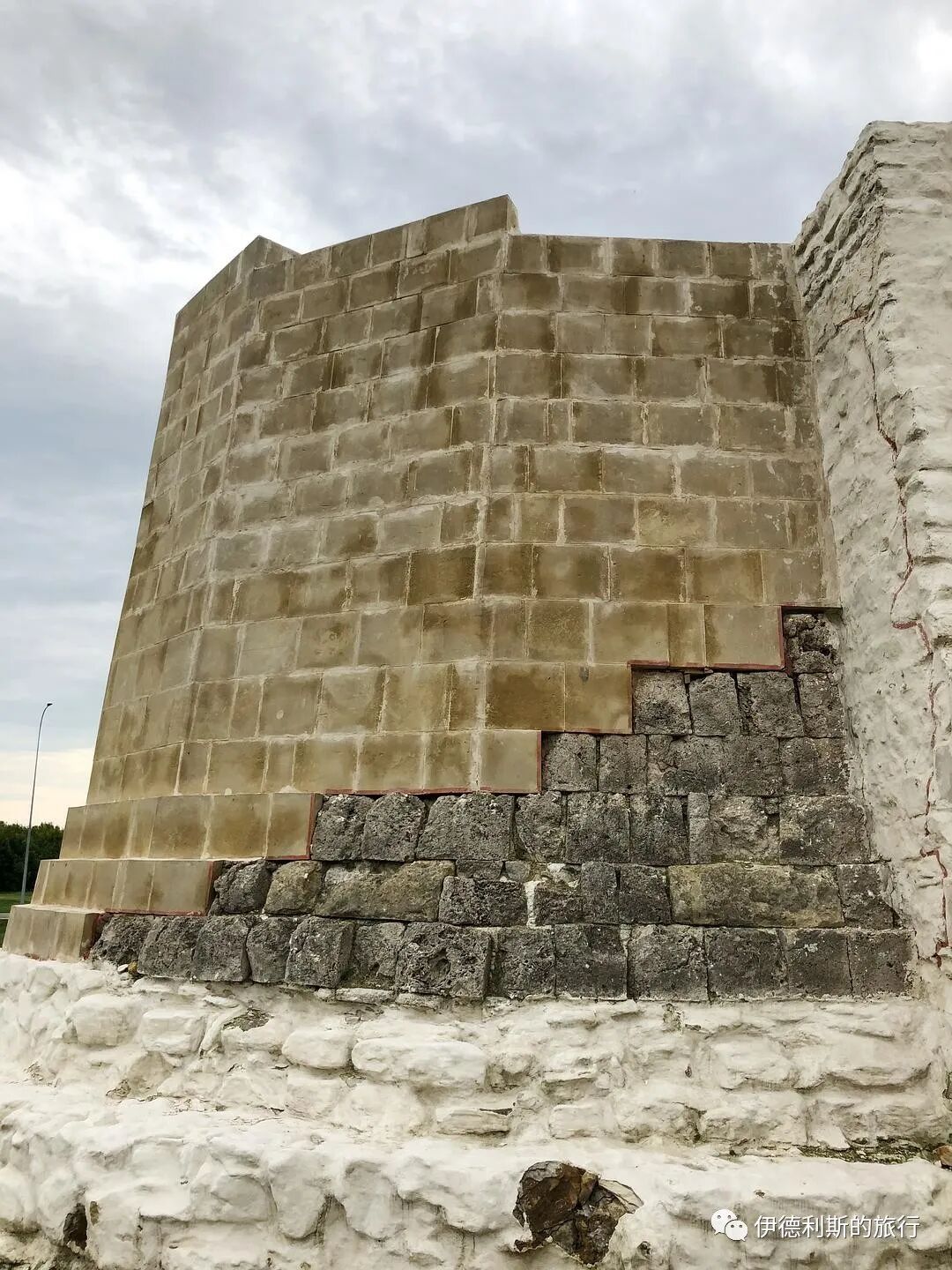
The Great Mosque underwent three archaeological excavations in 1892, 1915, and 1946, and two restorations in 1964-1966 and 2003-2005. The limestone walls were covered with a protective material, the ground was paved with white flooring, walkways were set up, and drainage ditches were built.
2. Great Minaret
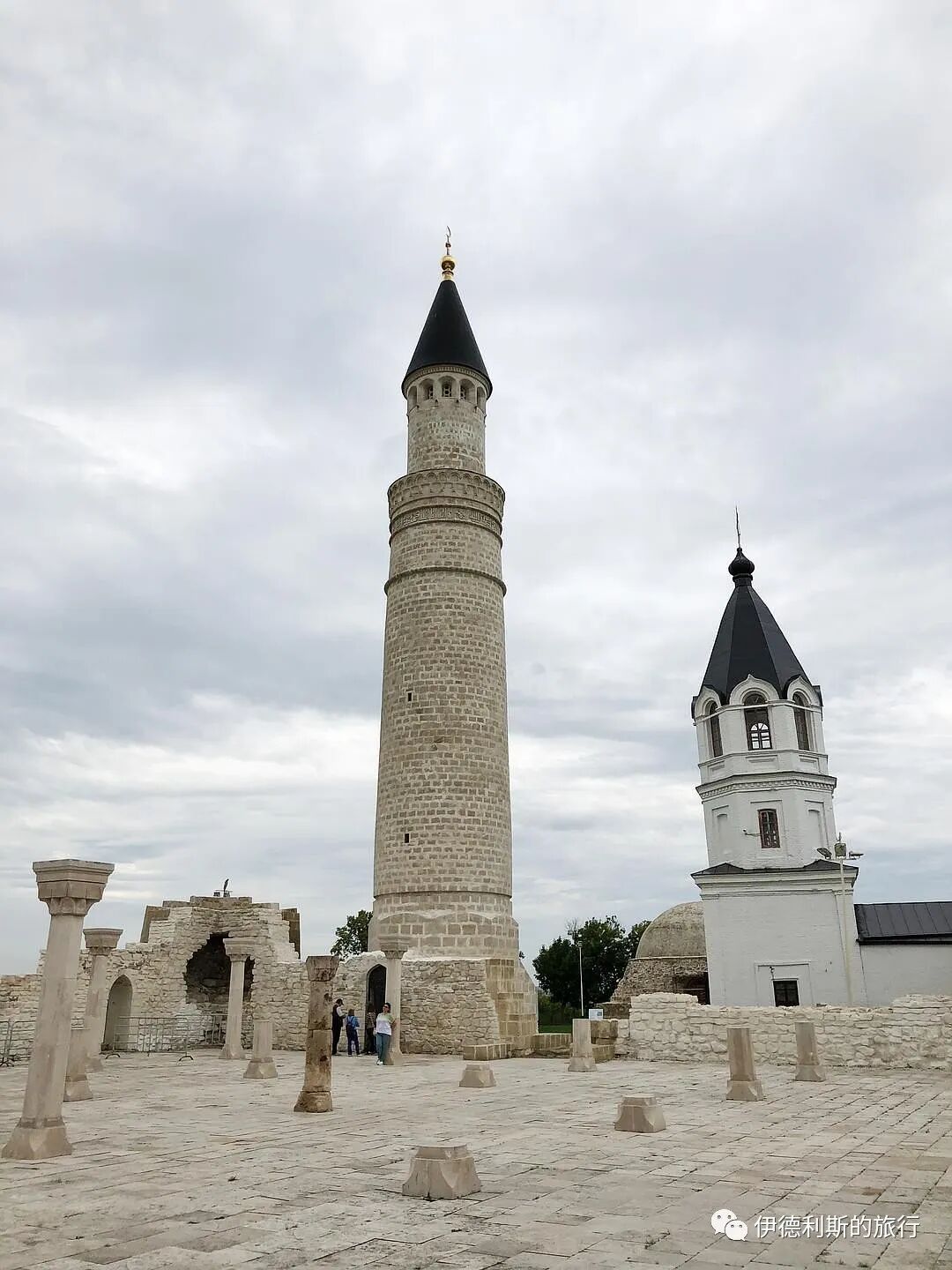
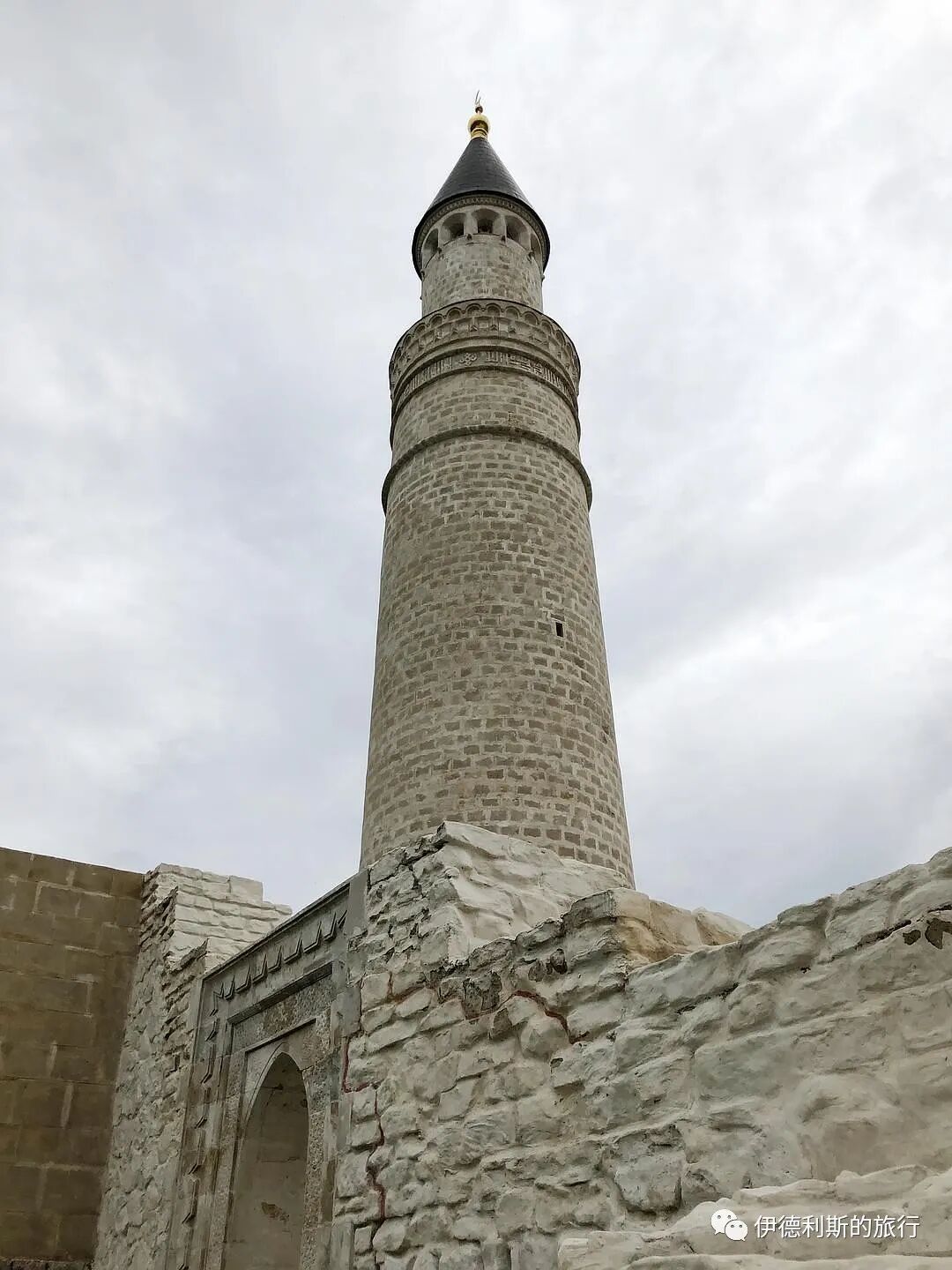
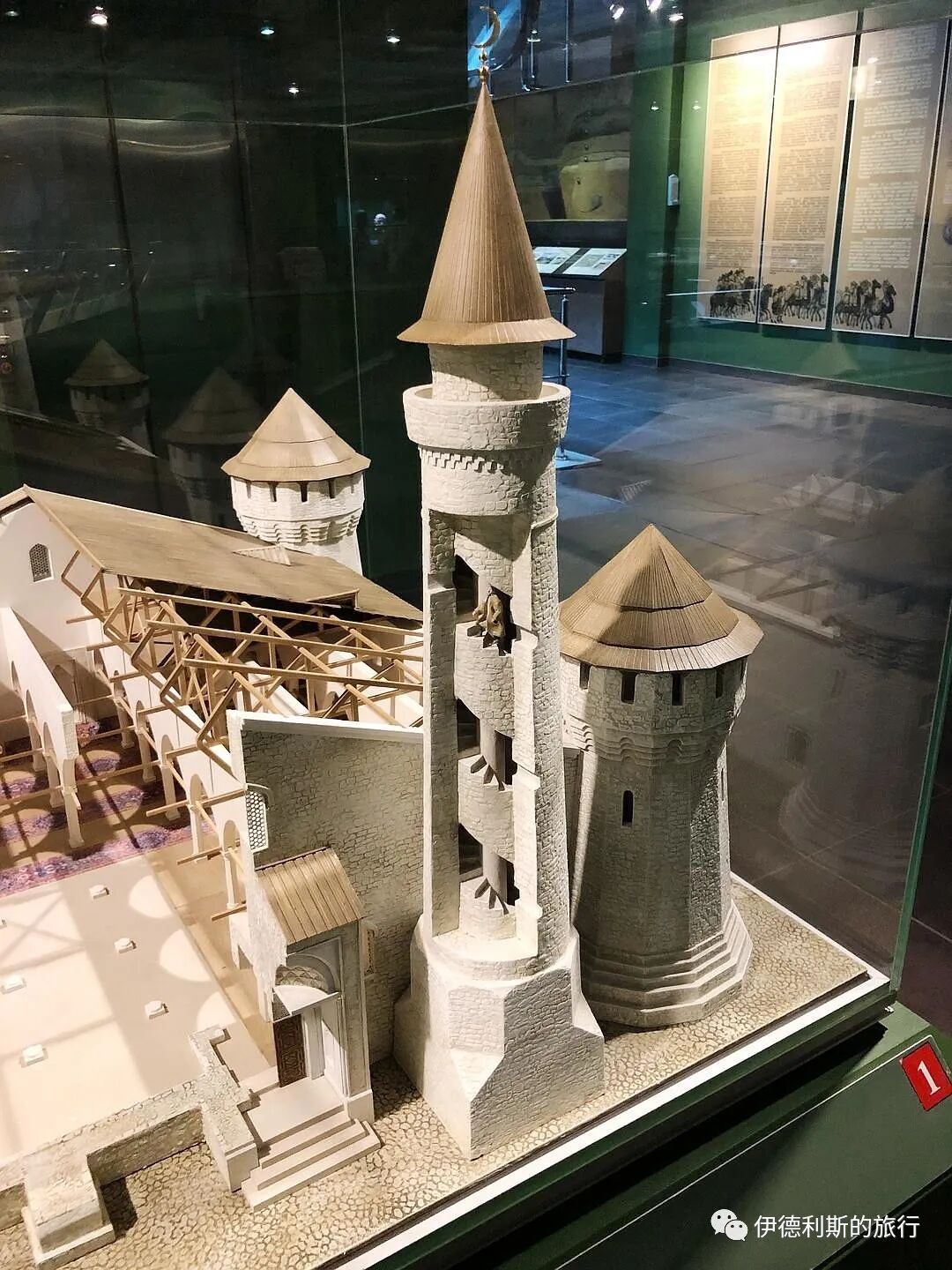
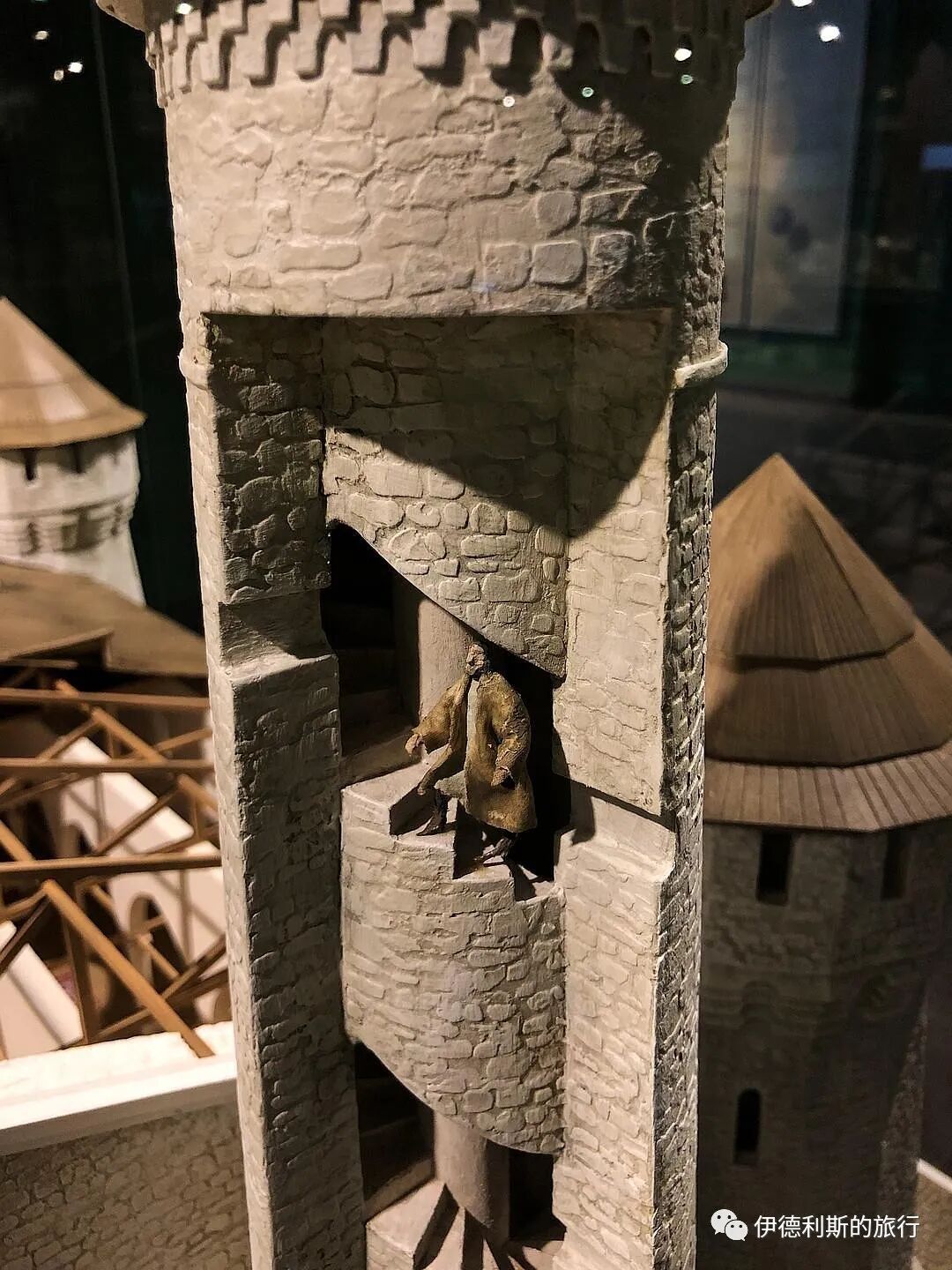
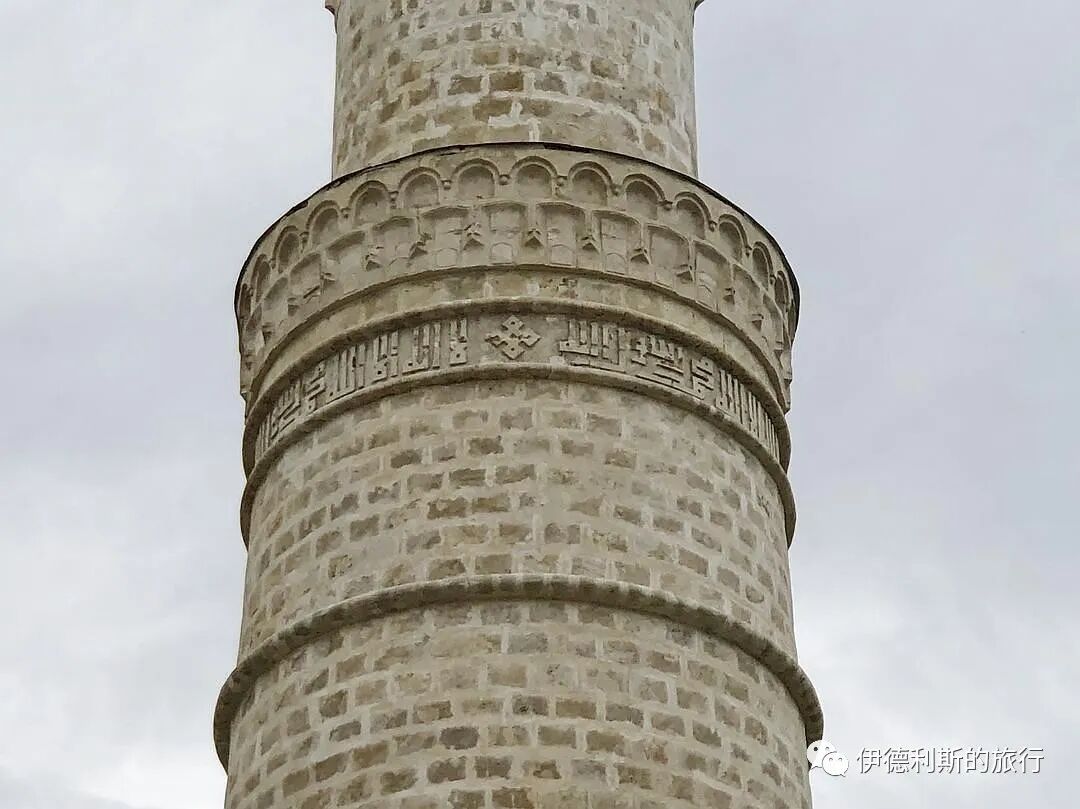
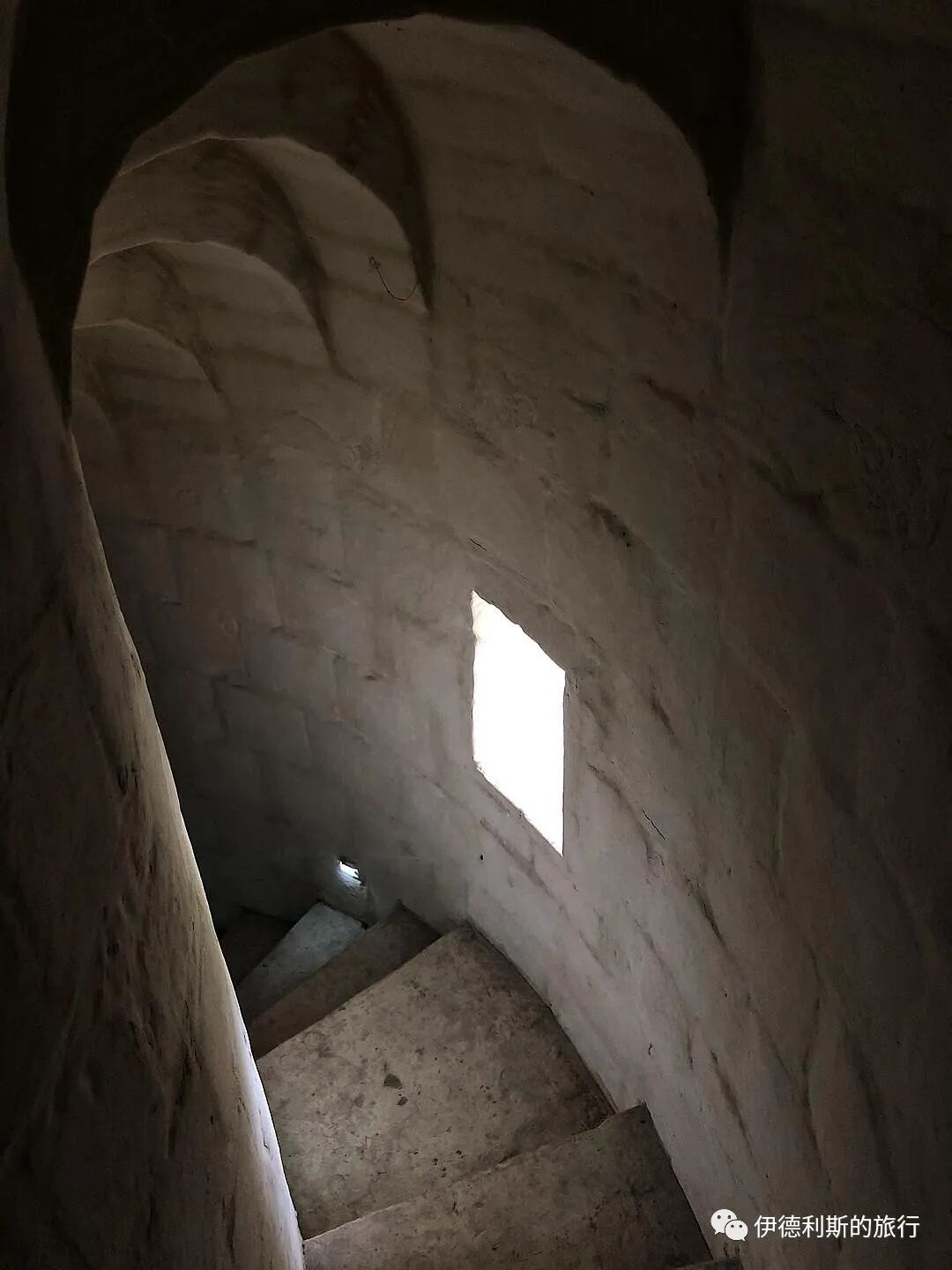
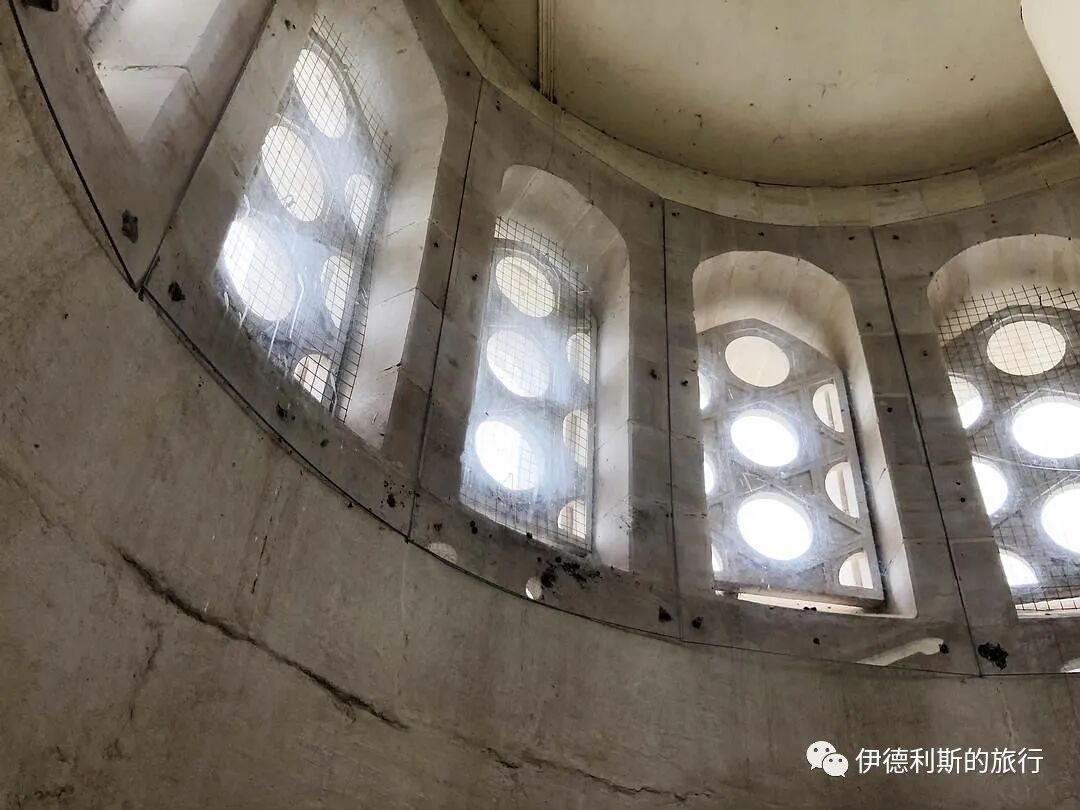
There used to be a 24-meter-high Great Minaret on the north side of the Bolghar Great Mosque, which collapsed in 1841, and the stone materials were taken away by locals. When Kazan University professor I. Berezin passed through Bolghar in 1846, he saw several stone carvings with Quranic verses on the site of the Great Minaret.
Based on a series of 18th and 19th-century graphic materials, the Great Minaret was rebuilt in 2000.
3. Eastern Mausoleum
The Eastern Mausoleum is located on the east side of the Great Mosque and was built in the 1330s during the Golden Horde period, when the Great Mosque underwent its second renovation and the central square of the ancient city of Bolghar was further developed.
The Northern Mausoleum was originally the family mausoleum of the Bolghar noble Burashbeks, and later became the Church of St. Nicholas in the early 18th century, with an onion dome and a cross added.
Archaeological excavations in 1964-1966 and 1991 unearthed 7 tombs from the Golden Horde period in the mausoleum. The roof was damaged by a strong wind in 1965, and the mausoleum was restored in 1967-1968.
The tombstone with an inscription in the mausoleum came from Sabar-llchzhi, the daughter of Prince Burash; it was discovered during the renovation of the Church of St. Nicholas between 1889 and 1890, and was transported to Kazan in 1994. A replica is currently on display in the mausoleum.
4. Northern Mausoleum
The Northern Mausoleum is located on the north side of the Great Mosque and, like the Eastern Mausoleum, was built in the 1330s during the Golden Horde period.
The Northern Mausoleum was originally a family mausoleum for Bolghar nobles and later became the cellar of a monastery in the early 18th century. Two archaeological excavations were conducted here in 1964 and 1966, and partial restoration was carried out between 1968 and 1969.
When I visited, the interior of the mausoleum was not open, so I only saw the exterior.
5. Khan's Palace
The Khan's Palace is located east of the Great Mosque and was built in the mid-13th century during the early Golden Horde period. Since 1994, more than 1,000 square meters of archaeological excavations have been conducted, and 30% of the coins unearthed belong to the period between 1240 and 1259.
6. Eastern House
The Eastern House is the ruin of a public bathhouse built in the 1290s during the Golden Horde period, and it is the earliest and largest public bathhouse ruin existing in the ancient city of Bolghar. The entire bathhouse consists of three parts; the central space includes a heated changing room, a central cross-shaped hall, and four bathrooms. The western space includes a heated changing room and a boiler room; the boiler room consists of a furnace and two hot air ducts. The eastern space consists of a boiler with three air ducts.
From 1984 to 1992, a series of archaeological excavations were conducted on the bathhouse. From the unearthed coins, it is known that the bathhouse was used from approximately the 1290s to the 1340s.
III. Black House
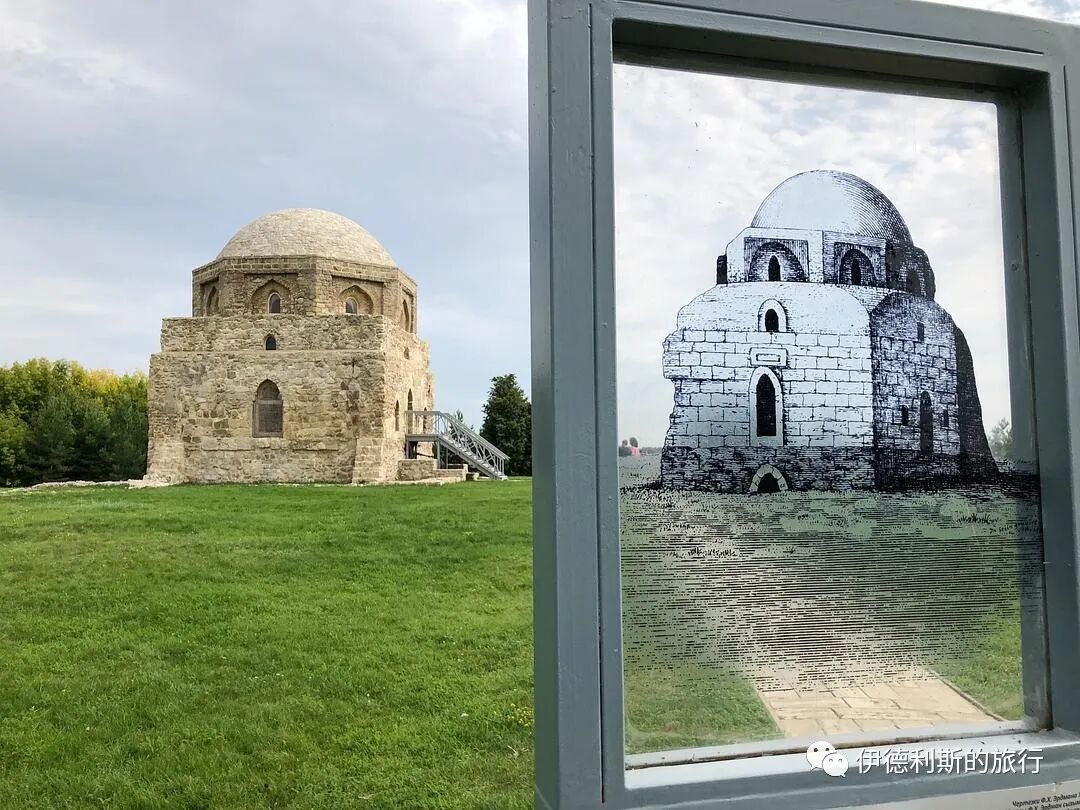
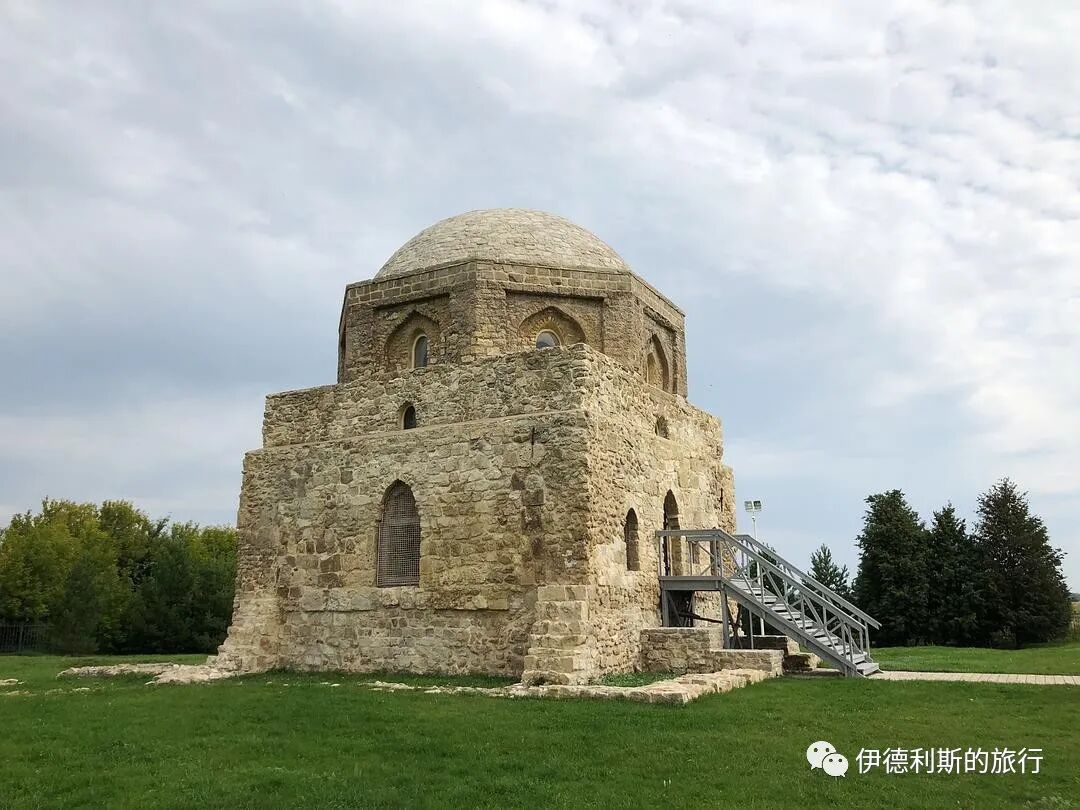
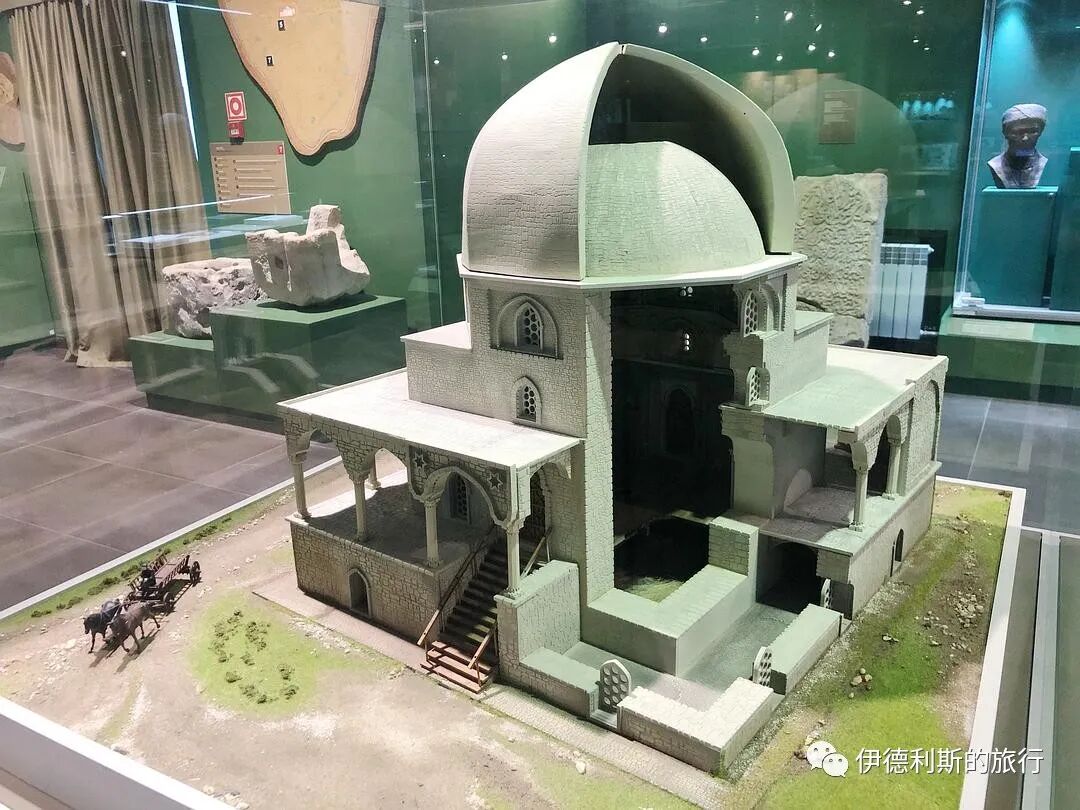
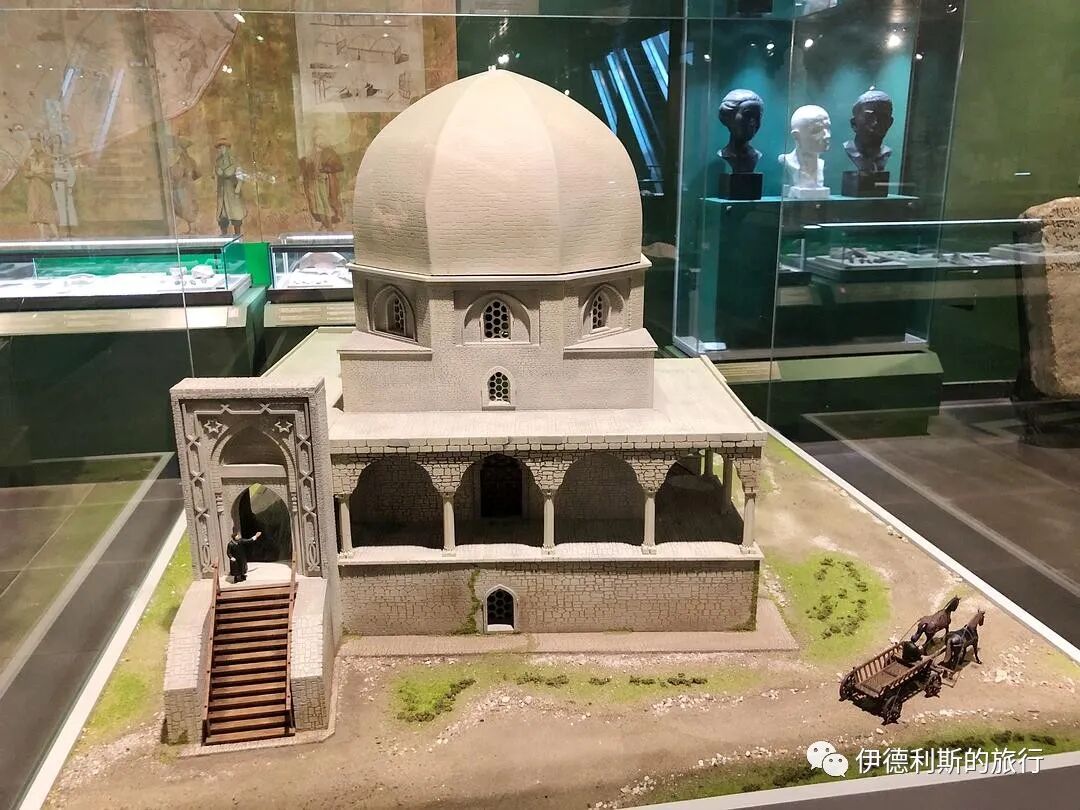
The Black House was built in the mid-14th century during the Golden Horde period and is constructed of white limestone. The Black House is the only 14th-century civil building in the ancient city that has been preserved to this day; its specific purpose remains undetermined, but it is speculated to have been a courthouse or a pilgrim hostel. Archaeological excavations were conducted here twice in 1957 and 1966, and it was discovered that there used to be a veranda built around the building.
IV. Khan's Mausoleum and Small Minaret
The Small Minaret and the Khan's Mausoleum are located 500 meters south of the Great Mosque architectural complex.
1. Khan's Mausoleum
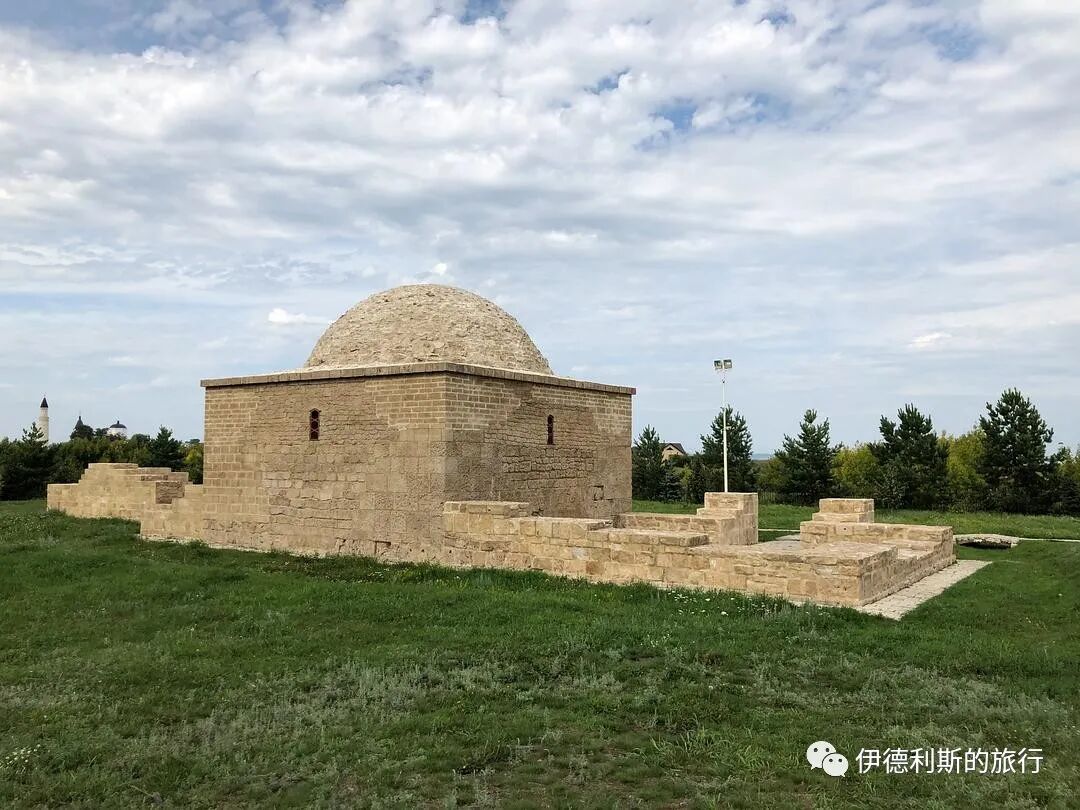
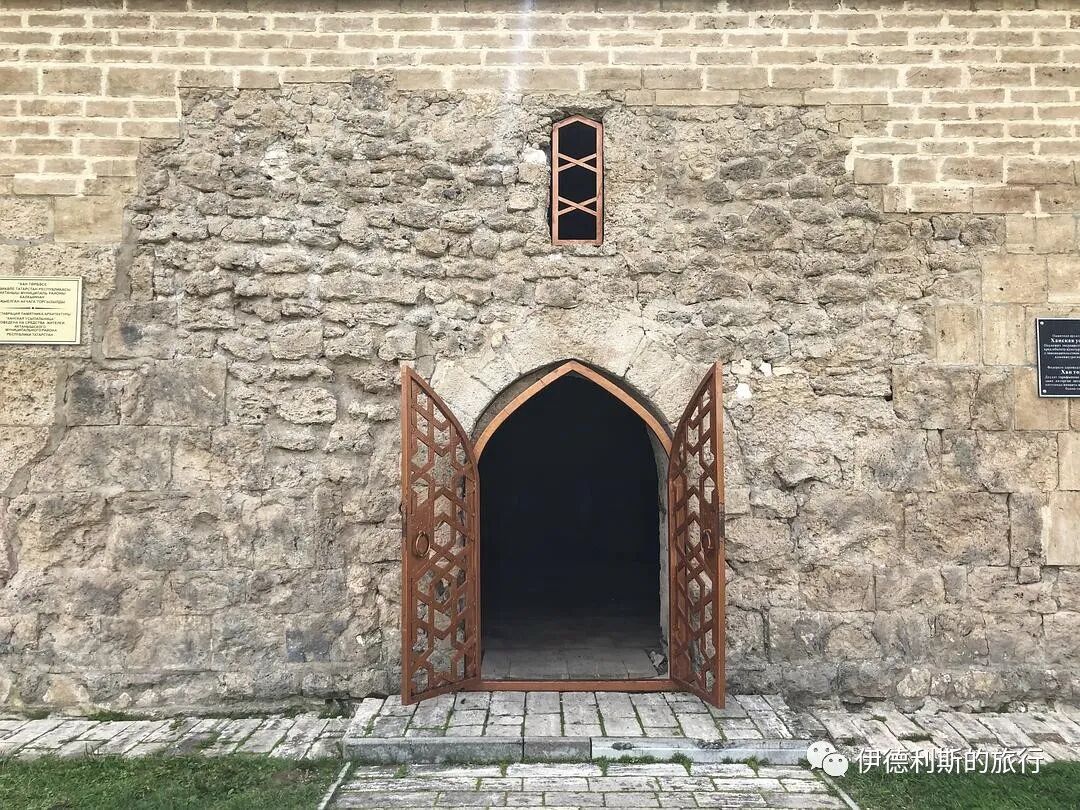
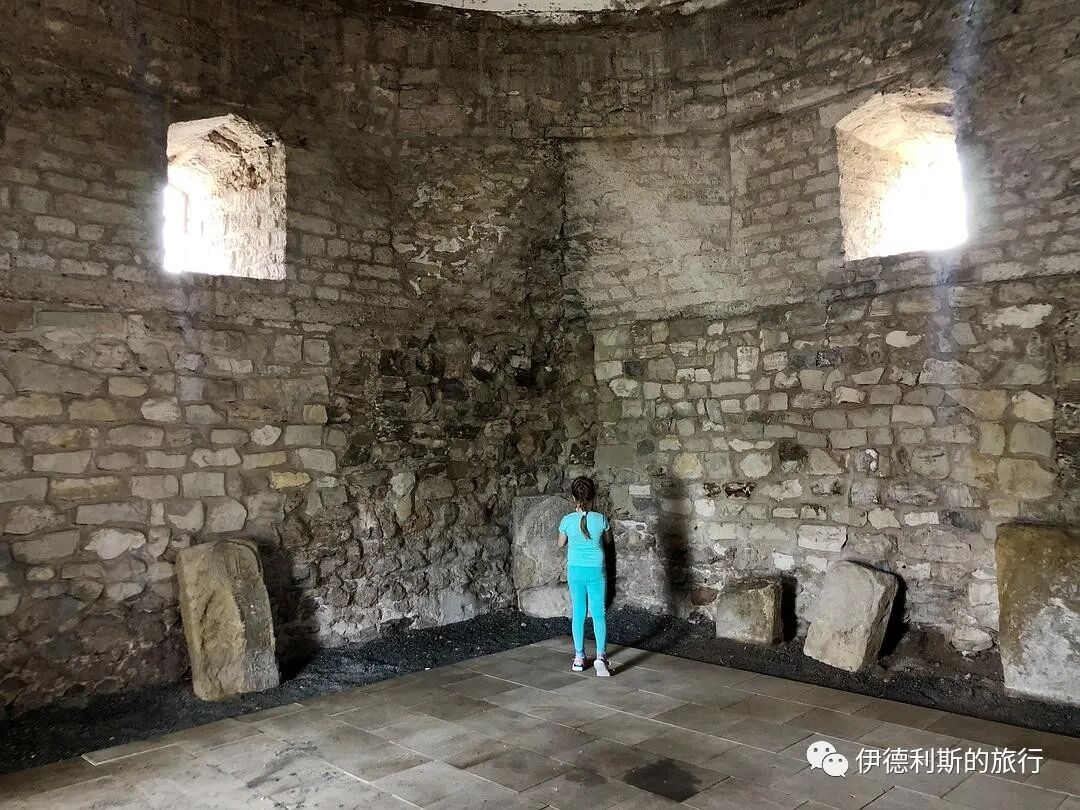
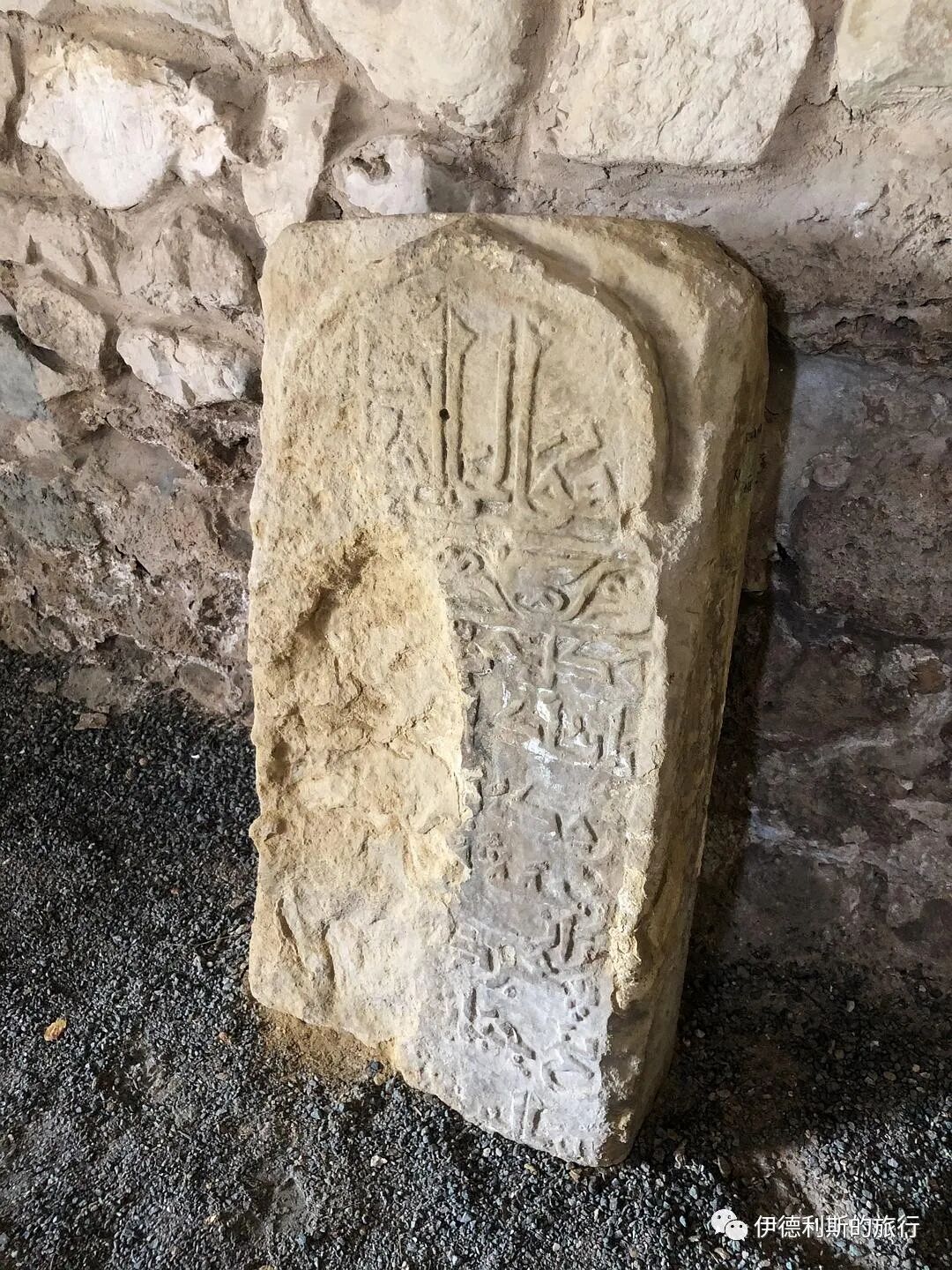
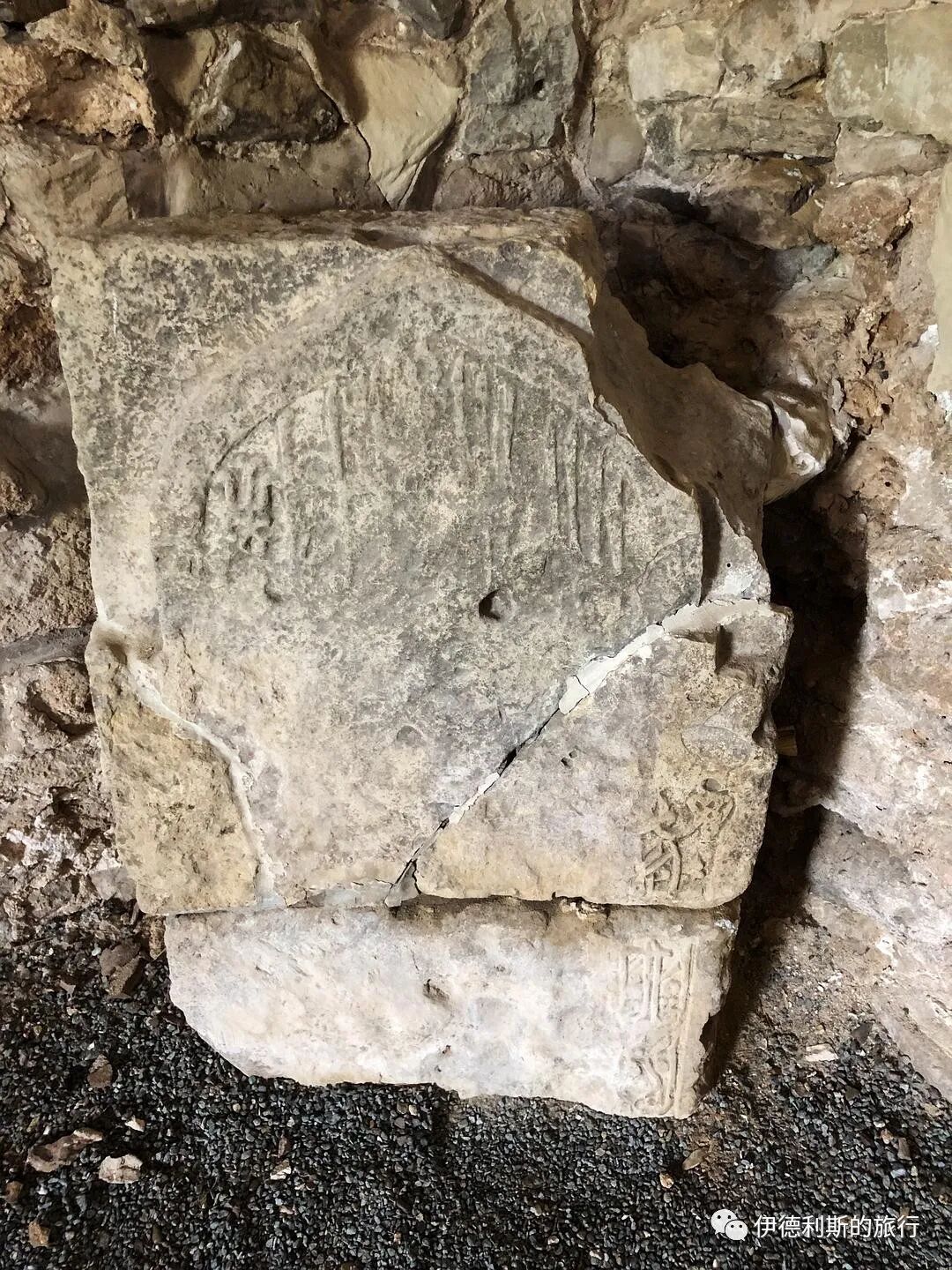
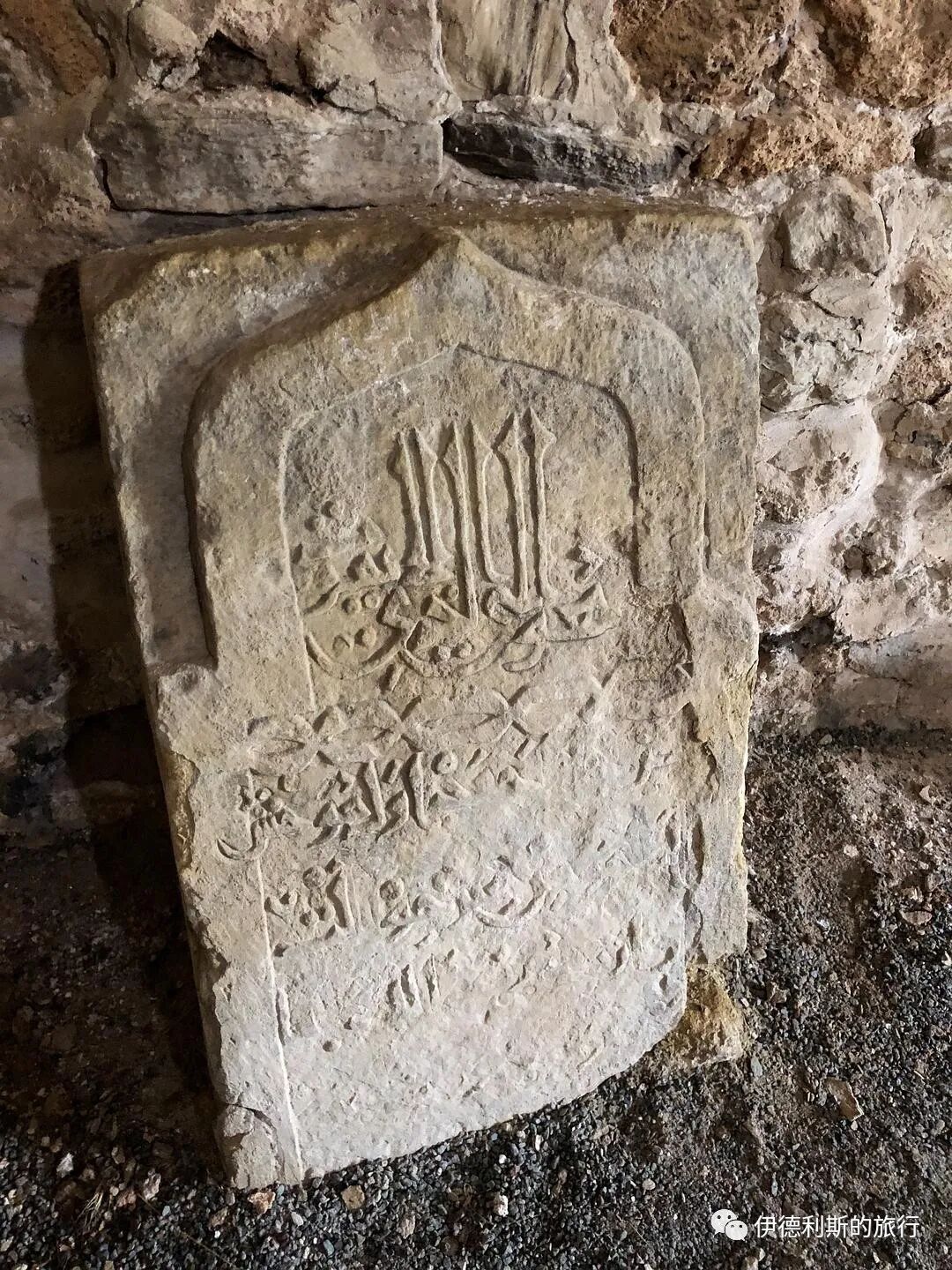
The Khan's Mausoleum was built in the early 14th century during the Golden Horde period; before this, there was a stone bathhouse here. The mausoleum was rebuilt in the mid-14th century. There are 8 tombs inside the mausoleum, some with tombstones. The archaeological monument was studied in 1968.
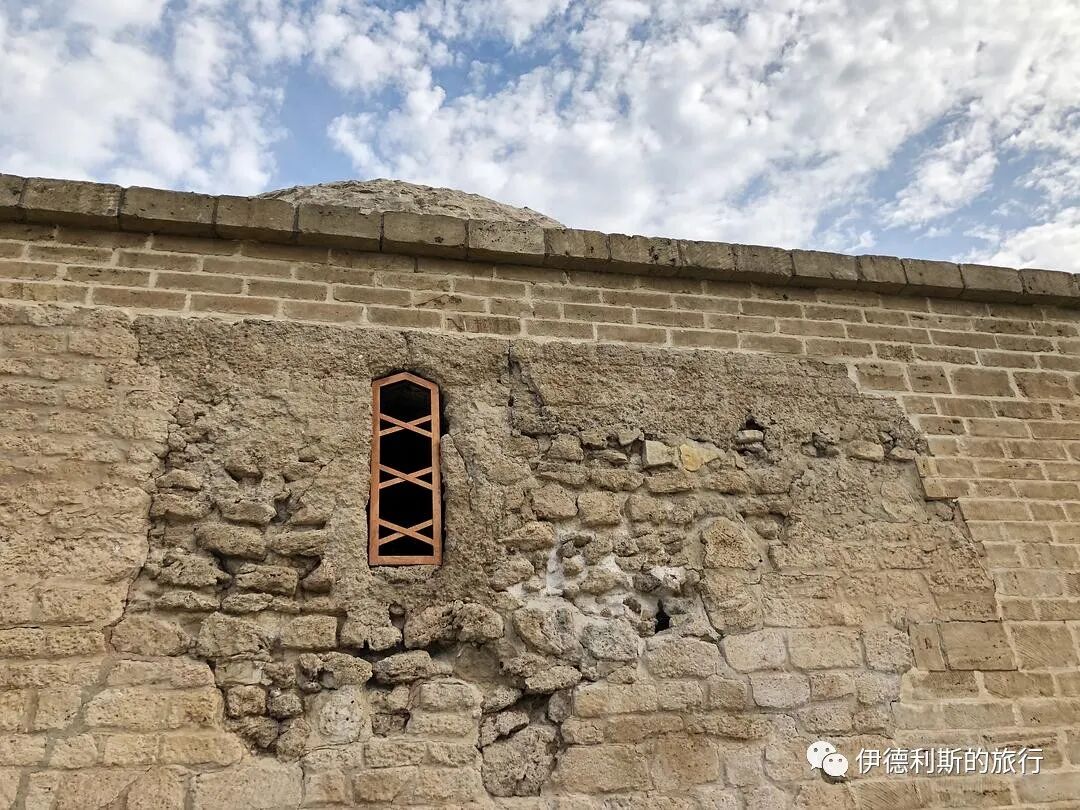
Protection and partial restoration were carried out in 1971, 1990, and 2006, respectively.
2. Small Minaret
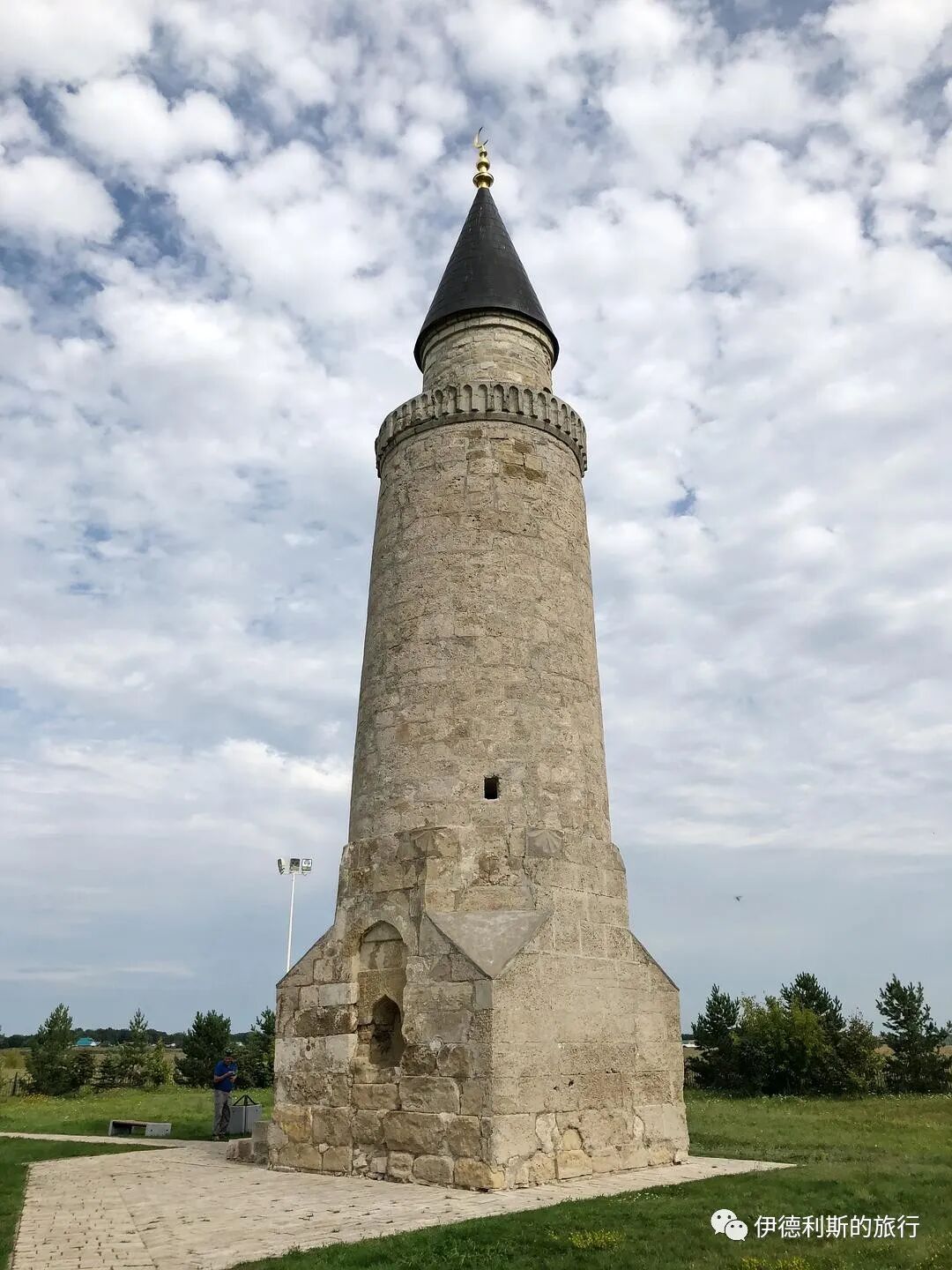
The Small Minaret was built in the late 14th century during the Golden Horde period; it is similar in shape to the Great Minaret of the Great Mosque and is the only minaret in the ancient city that has been preserved to this day. Two archaeological excavations were conducted here in 1914 and 1968-1969, and it was repaired between 1968 and 1970.
V. White House
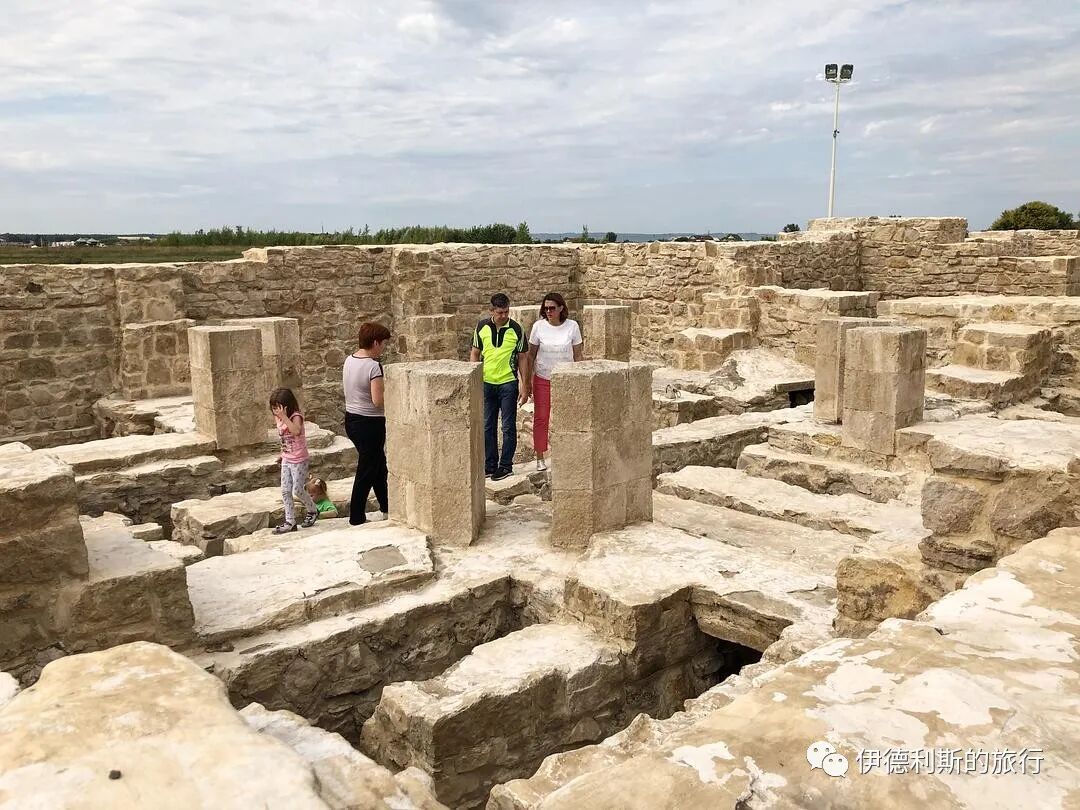
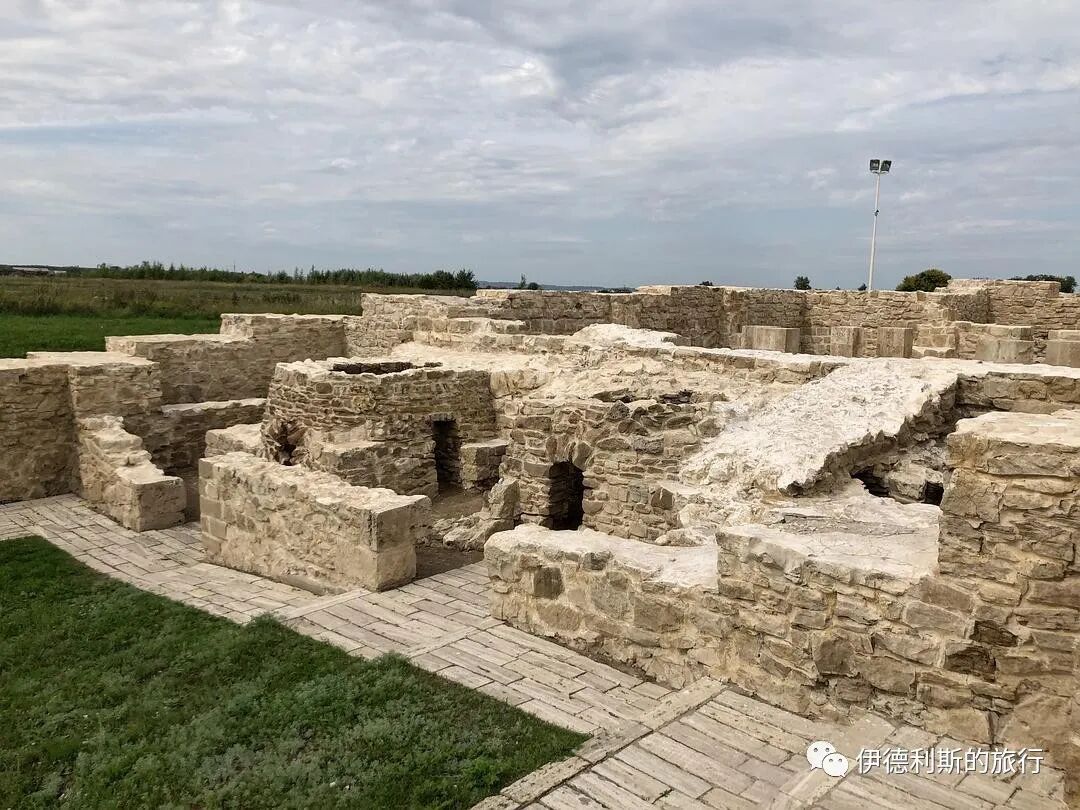
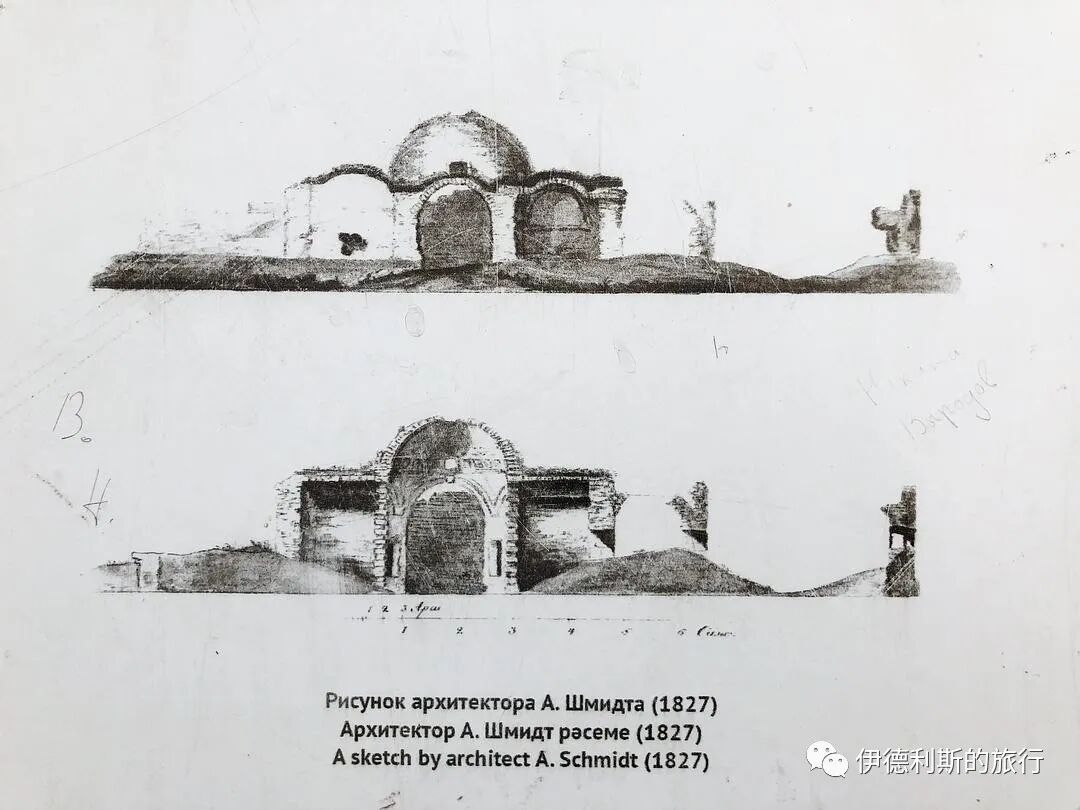
The White House is located 250 meters southeast of the Black House; it is a public bathhouse built in the 1340s during the Golden Horde period and was abandoned in the 1460s.
The bathhouse consists of several rectangular spaces of different sizes; the cross-shaped central hall once had a dome, and the ruins of the washing area consisting of pools, fountains, and soap rooms have been preserved, where you can clearly see the network of heating pipes, sewage, and well water facilities underneath.
The bathhouse was heated by two circular furnaces, which were also covered by domes; the furnaces and air ducts were made of sandstone, and the causeway under the furnaces was made of limestone.
The White House as seen today is how it looked after restoration and protection in 2011.
VI. Small Tombs
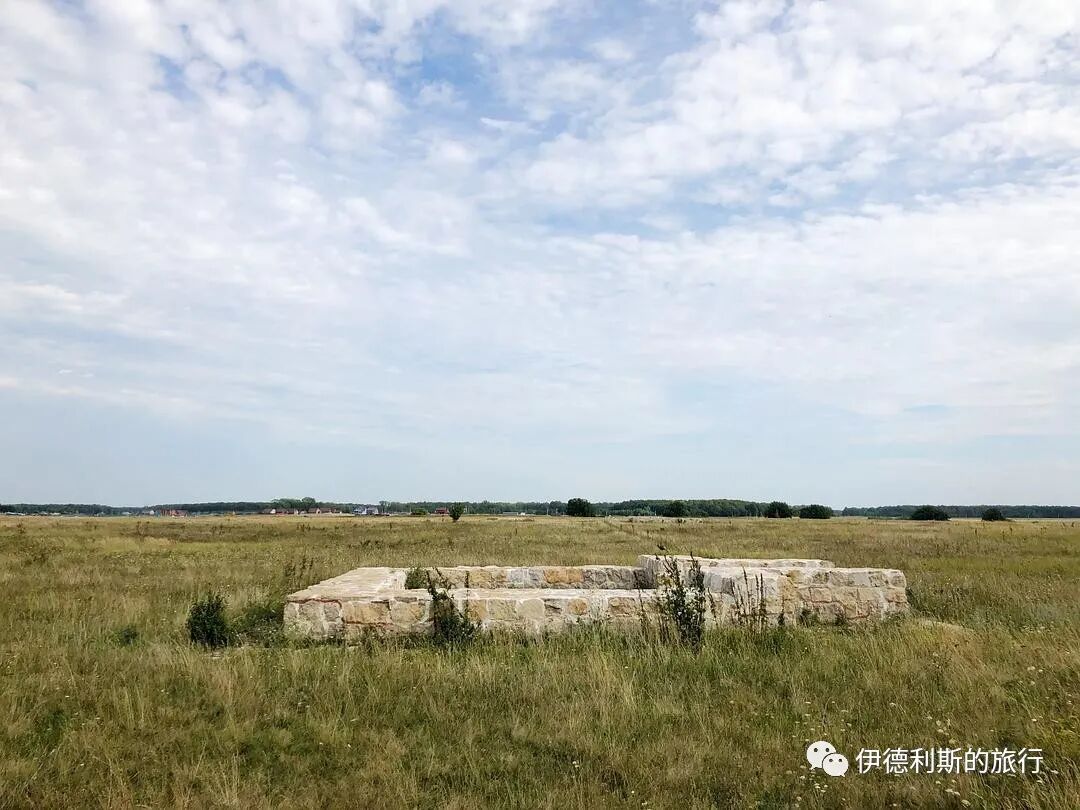
There are several tombs from the mid-14th to early 15th century Golden Horde period scattered throughout the ancient city of Bolghar. These tombs were archaeologically excavated between the 1970s and 1980s.
VII. Southern Small City
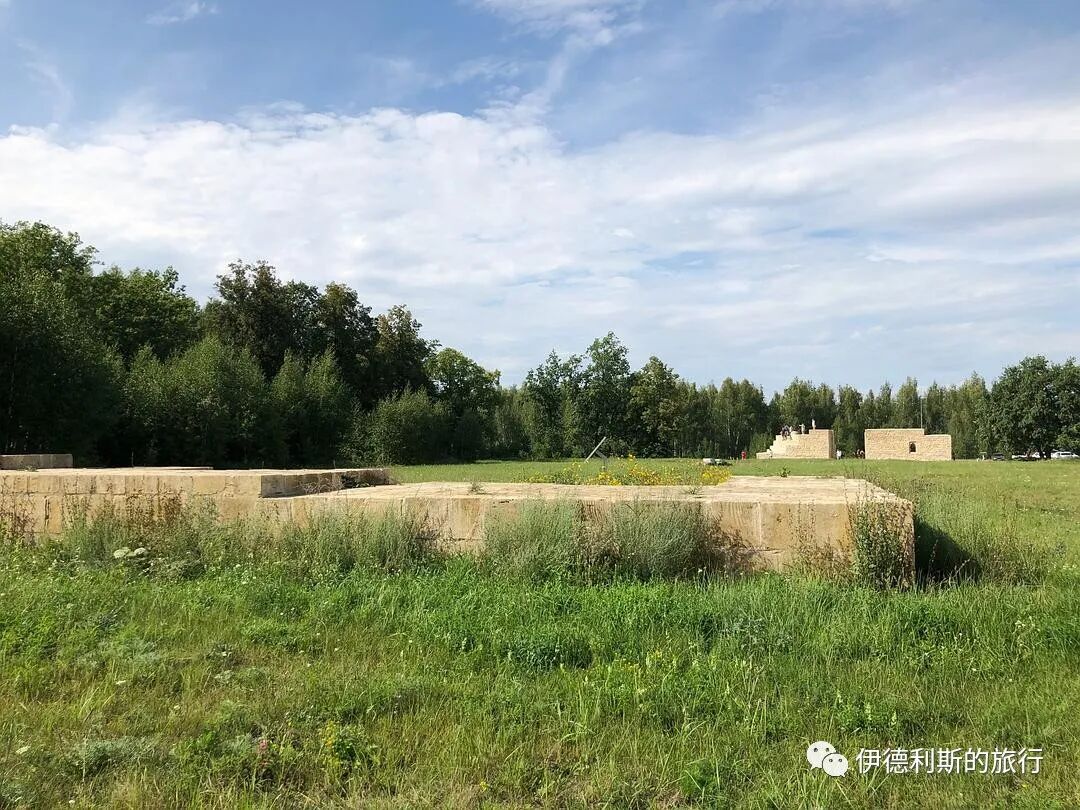
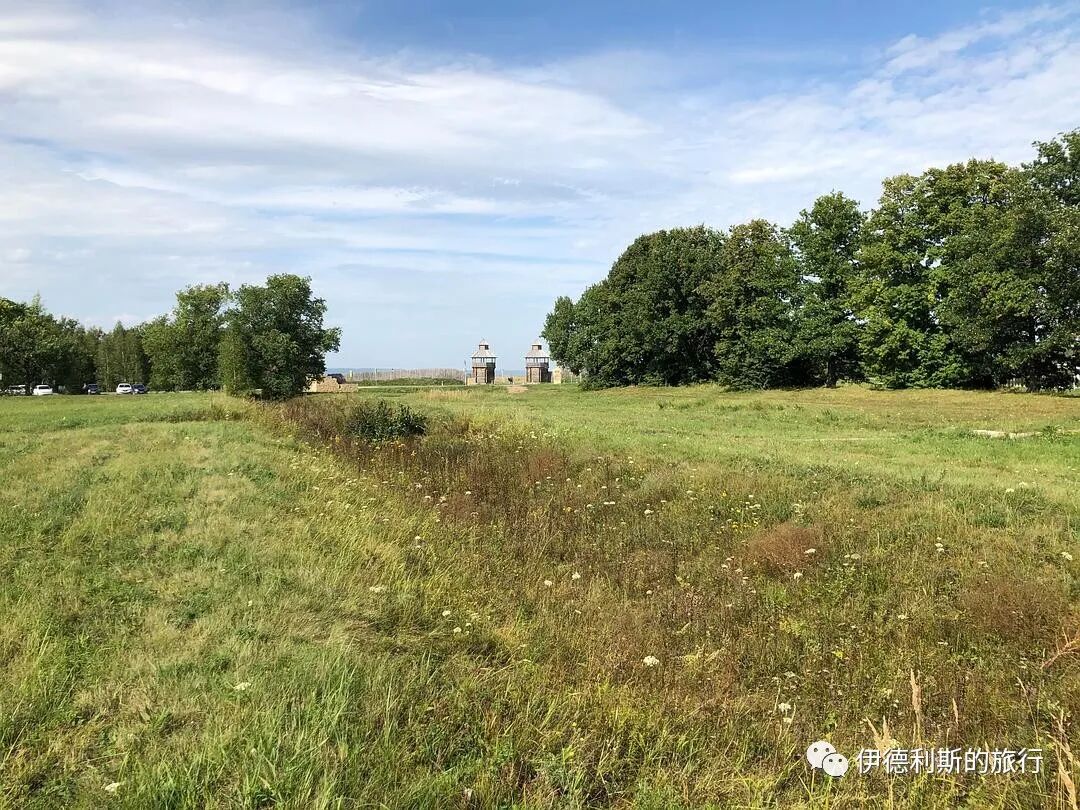
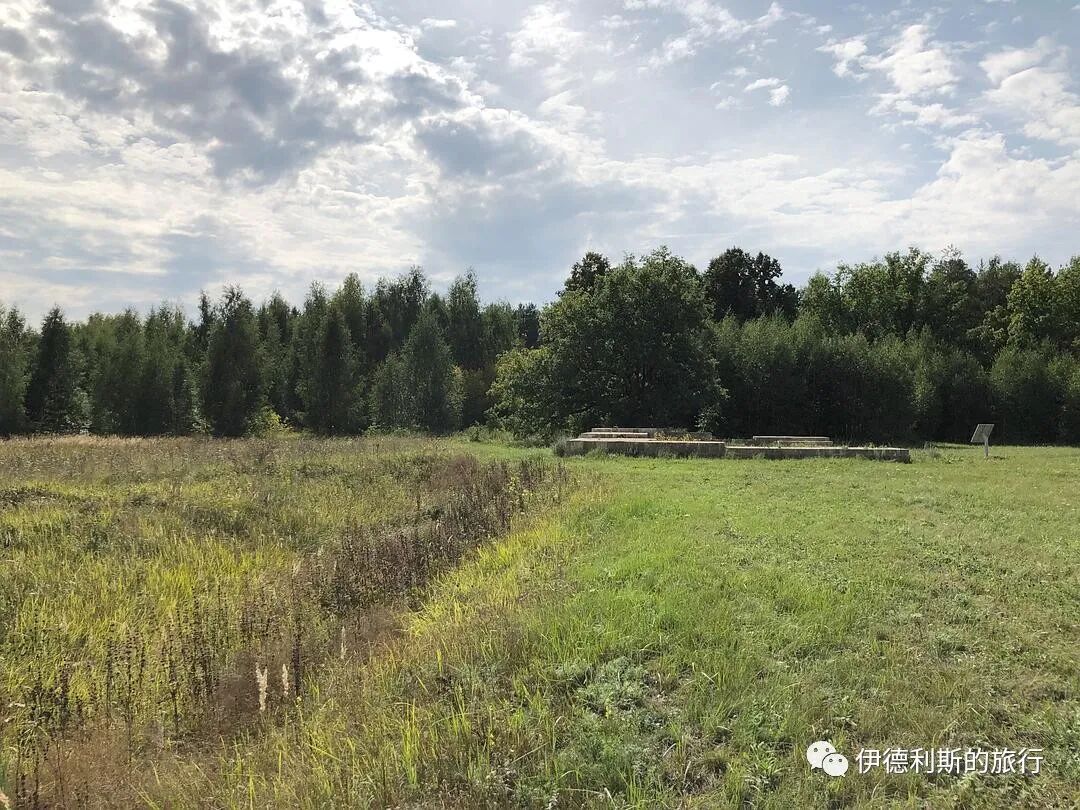
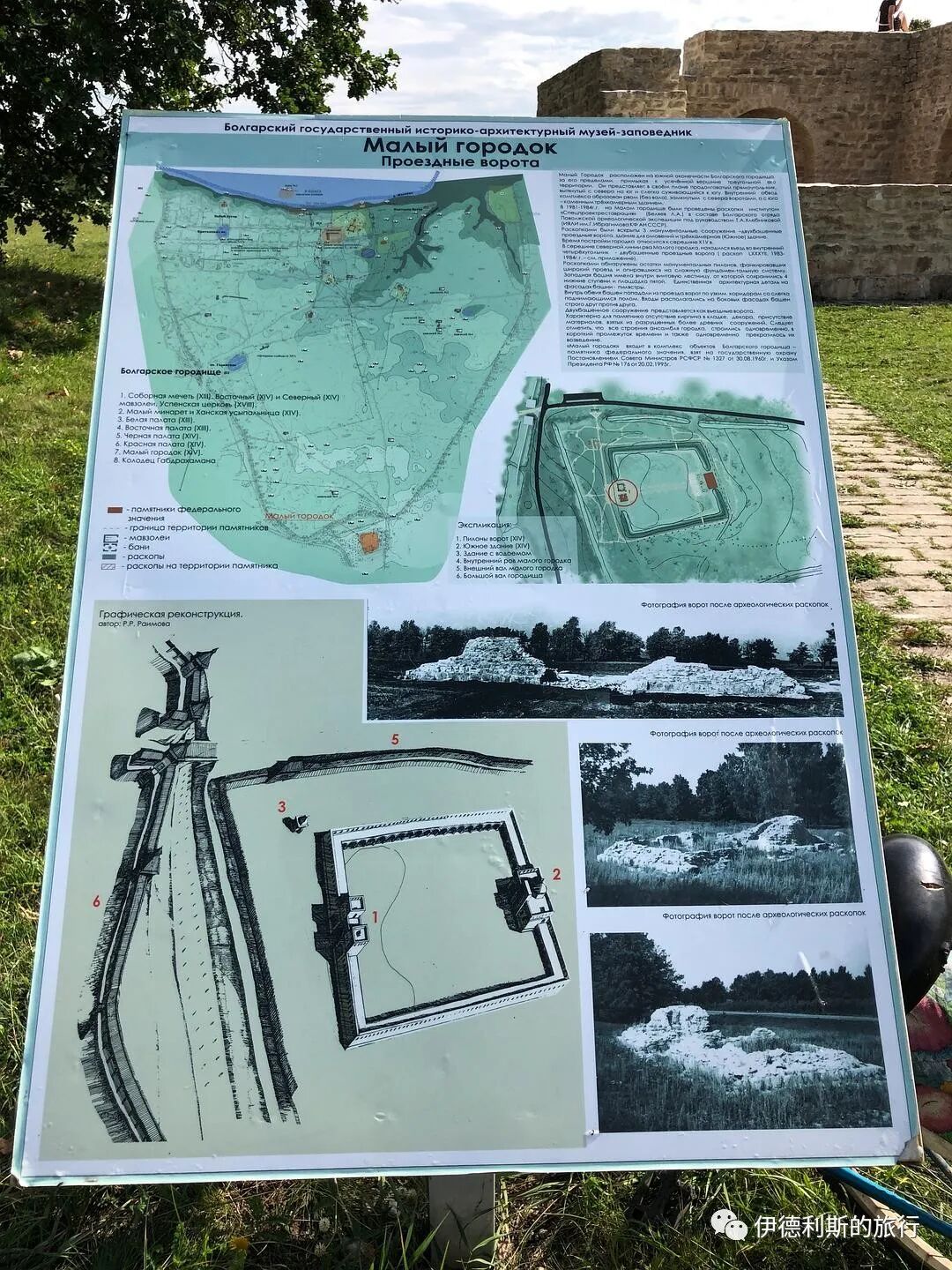
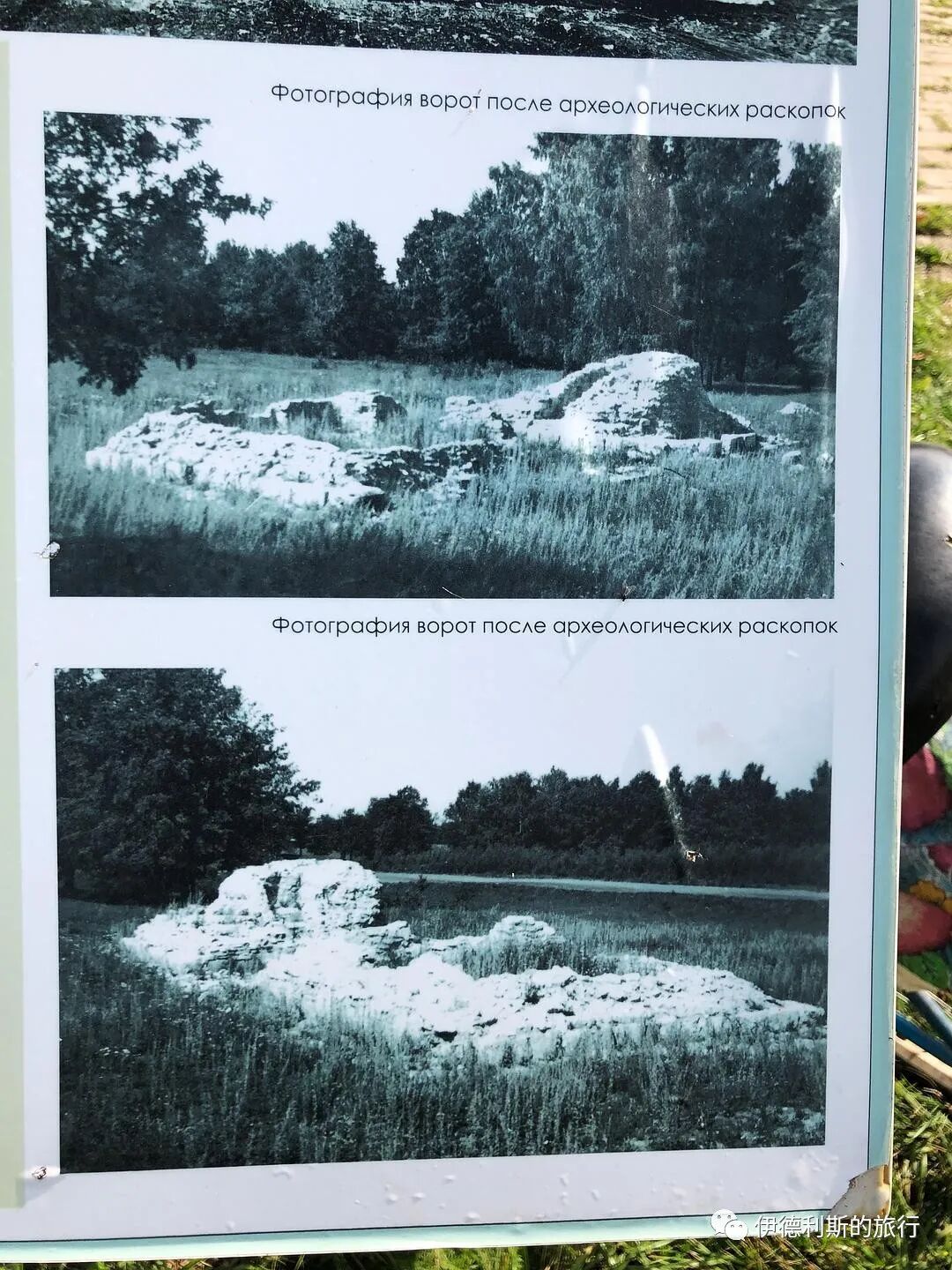
Outside the south gate of the ancient city of Bolghar, there is a small city ruin from the 13th to 14th century Golden Horde period; it is speculated that this was built to strengthen the defense of the south gate of Bolghar city.
VIII. Unearthed Artifacts
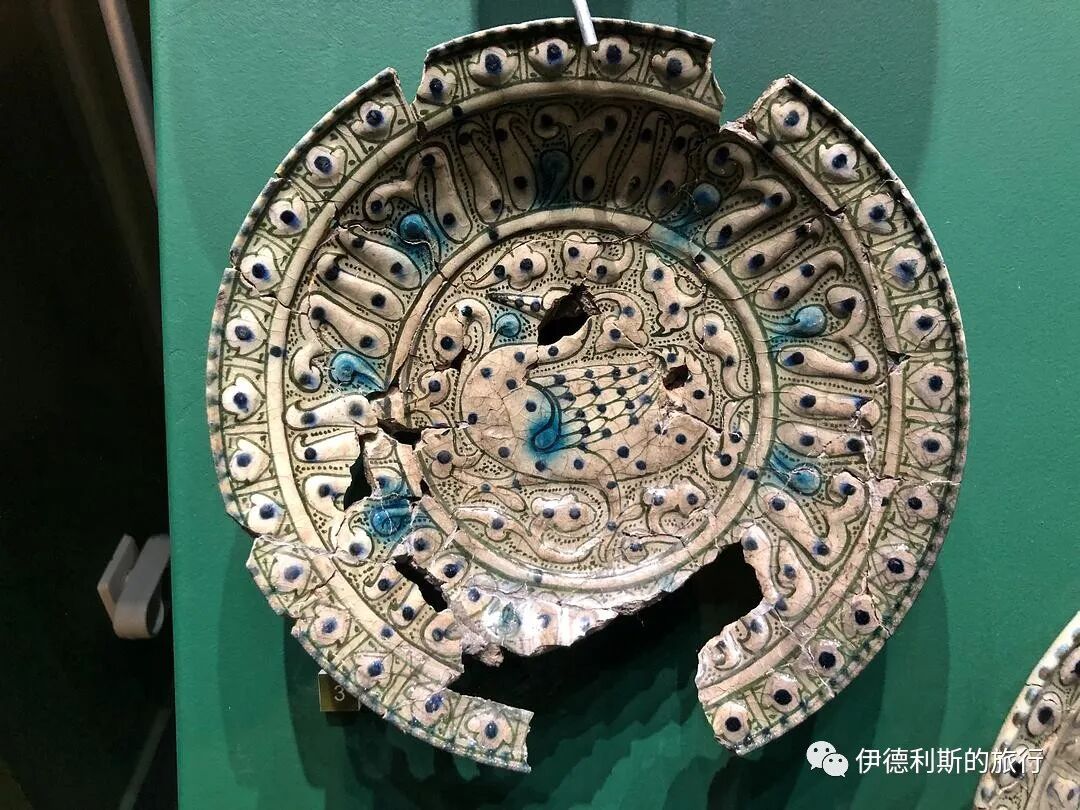
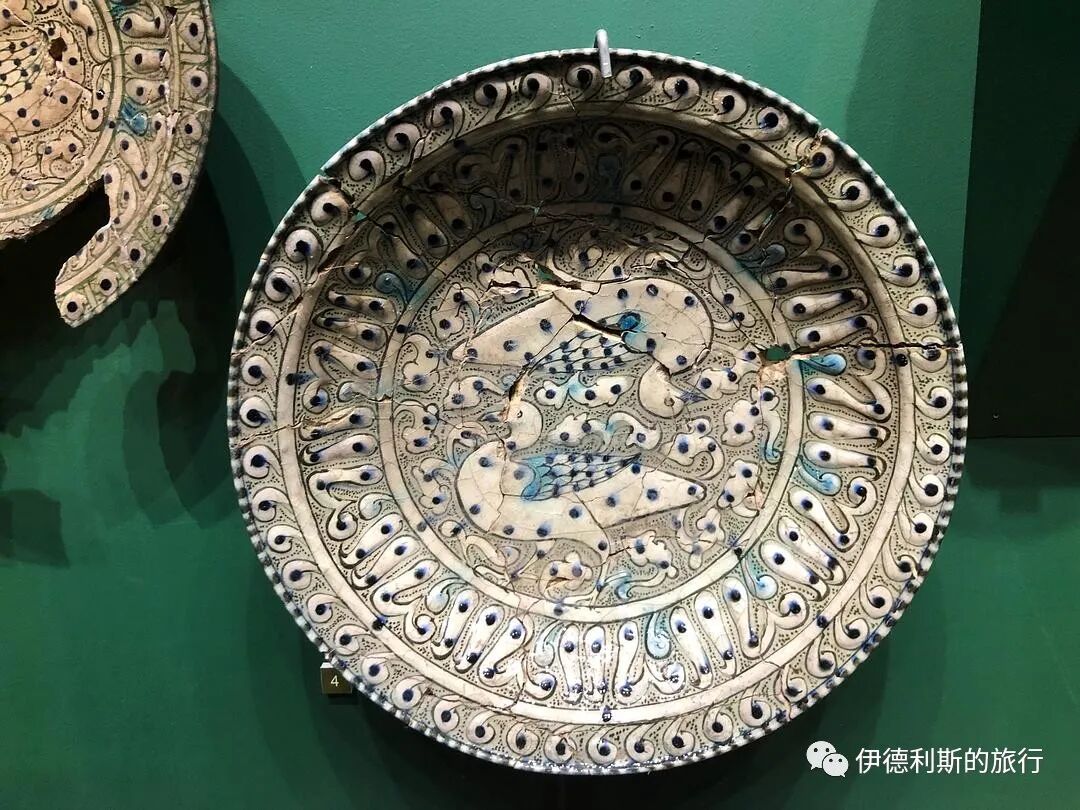
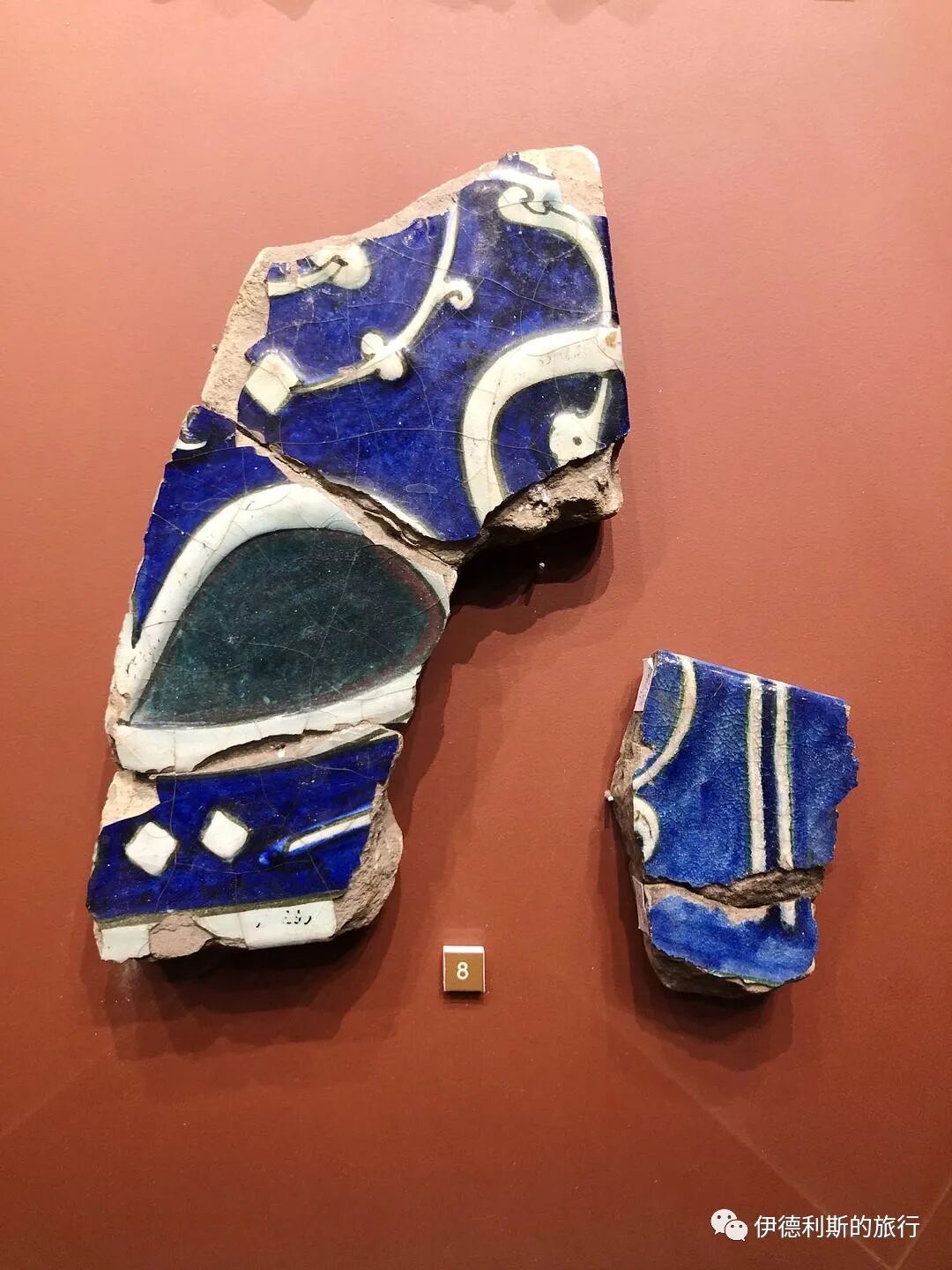
The Bolghar Civilization Museum displays artifacts from the Golden Horde period unearthed from the ancient city of Bolghar, where you can see artifacts with Chinese and Iranian styles.
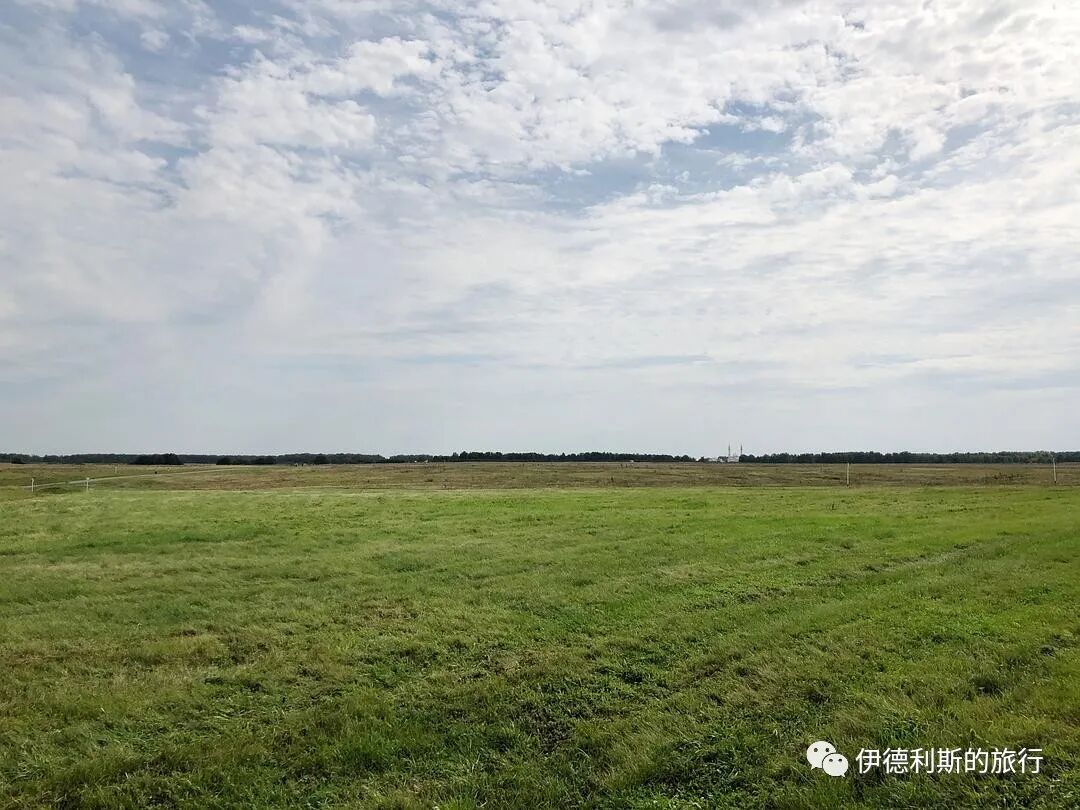
Finally, here are some photos of the ancient city scenery. view all
Summary: This travel note introduces Bolgar on the Volga: A Thousand-Year Muslim Capital and Tatar Heritage. The ancient city of Bolghar is located on the banks of the Volga River, south of Kazan, the capital of Tatarstan, and was the capital of Volga Bulgaria in the 10th and 11th centuries. It is useful for readers interested in Bolgar Travel, Tatar Muslims, Islamic Heritage.
The ancient city of Bolghar is located on the banks of the Volga River, south of Kazan, the capital of Tatarstan, and was the capital of Volga Bulgaria in the 10th and 11th centuries. The Volga Bulgars accepted Islam in 922, and this year marks exactly the 1100th anniversary.
Before the Crusades, the city of Bolghar was an important trade hub between Europe and Asia, and one of the wealthiest cities in the Islamic world at that time. In 1236, the Mongol army led by Batu Khan launched an expedition to Europe, completely destroying Volga Bulgaria and the city of Bolghar. After this, the city of Bolghar was rebuilt into an important economic, commercial, cultural, and religious center of the Golden Horde. Under the influence of the Bolghars, the Mongol rulers of the Golden Horde also began to believe in Islam, building a series of mosques, minarets, and Muslim mausoleums in the city. Coupled with secular palaces and bathhouses, most of the existing ruins in the city of Bolghar belong to this period.
After the decline of the Golden Horde, the ancient city of Bolghar remained a religious center for Muslims until the mid-16th century. After Ivan the Terrible of Russia conquered the Khanate of Kazan in 1552, the ancient city fell into complete decline.
After the 18th century, the center of the ancient city was occupied by the Orthodox Church; an Orthodox church was built on the site of the Great Mosque, and Muslim mausoleums were converted into chapels and wine cellars. Due to the construction of monasteries and surrounding villages, the architectural ruins within the ancient city decreased rapidly. In the early 18th century, there were more than 70 buildings within the ancient city ruins, including 9 minarets, but only 1 minaret has been preserved to this day.
During the Soviet era, because they could not travel to Mecca, Muslims in Tatarstan and other parts of the Soviet Union chose to travel to the ancient city of Bolghar for a "minor Hajj" (pilgrimage).
Today, the ancient city of Bolghar holds an important place in the hearts of the Volga Tatars, who view the Volga Bulgars as one of their ancestors and consider the ancient city of Bolghar their historical and religious capital. In 2014, the ancient city of Bolghar was included in the UNESCO World Heritage List.
Table of Contents
I. Arrival
1. Volga River Speedboat
2. Bolghar Pier
3. Tatar Snack Bar
II. Great Mosque Architectural Complex
1. Great Mosque
2. Great Minaret
3. Eastern Mausoleum
4. Northern Mausoleum
5. Khan's Palace
6. Eastern House
III. Black House
IV. Khan's Mausoleum and Small Minaret
1. Khan's Mausoleum
2. Small Minaret
V. White House
VI. Small Tombs
VII. Southern Small City
VIII. Unearthed Artifacts
I. Arrival
1. Volga River Speedboat
The most convenient and interesting way to travel from Kazan to the ancient city of Bolghar is to take a Volga River speedboat from the Kazan pier. For information on the Kazan pier, you can visit the website https://douc.cc/1vFyDm; tickets can only be purchased on-site. The lady at the ticket window does not speak English, but you just need to show her the destination and date of the boat trip translated into Russian, and she will gesture to ask if you want a one-way or round-trip ticket; you can just gesture for a round-trip.
I bought a ticket departing from Kazan at 8:00 AM, arriving in Bolghar around 10:00 AM, and returning at 3:40 PM, arriving back in Kazan around 5:40 PM, leaving me with five hours and forty minutes to stay. Many of the passengers on the boat are middle-aged and elderly tour groups, with a small number of individual tourists.
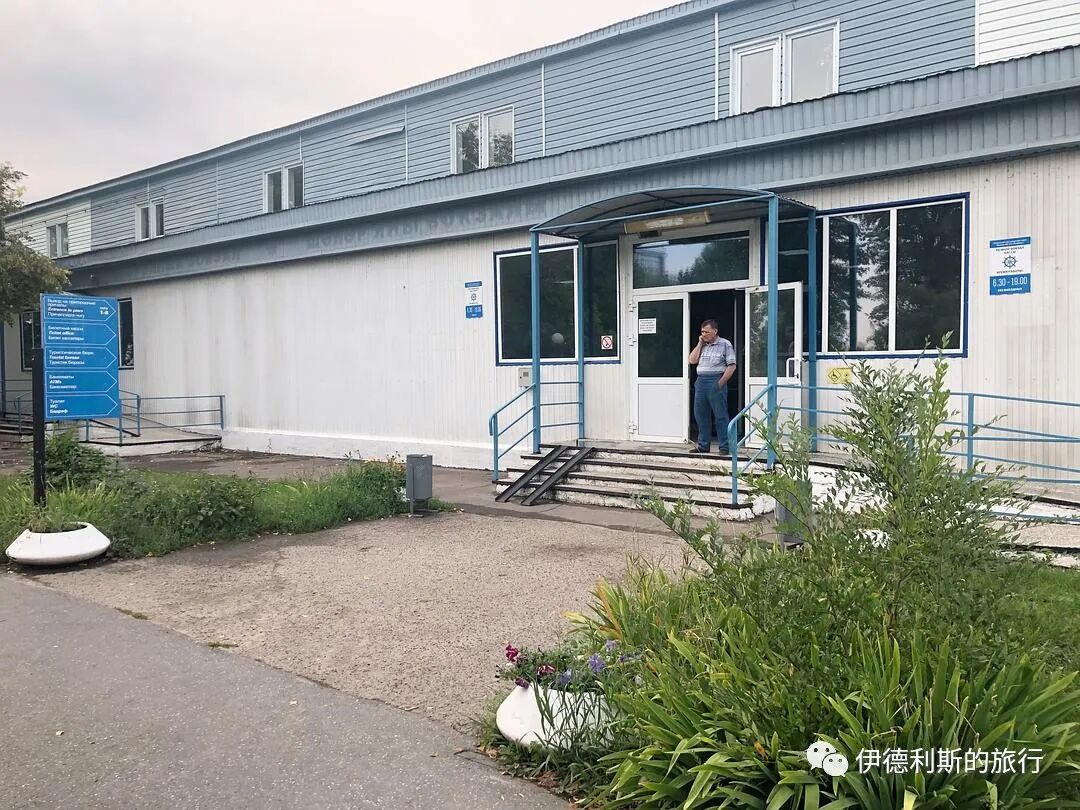
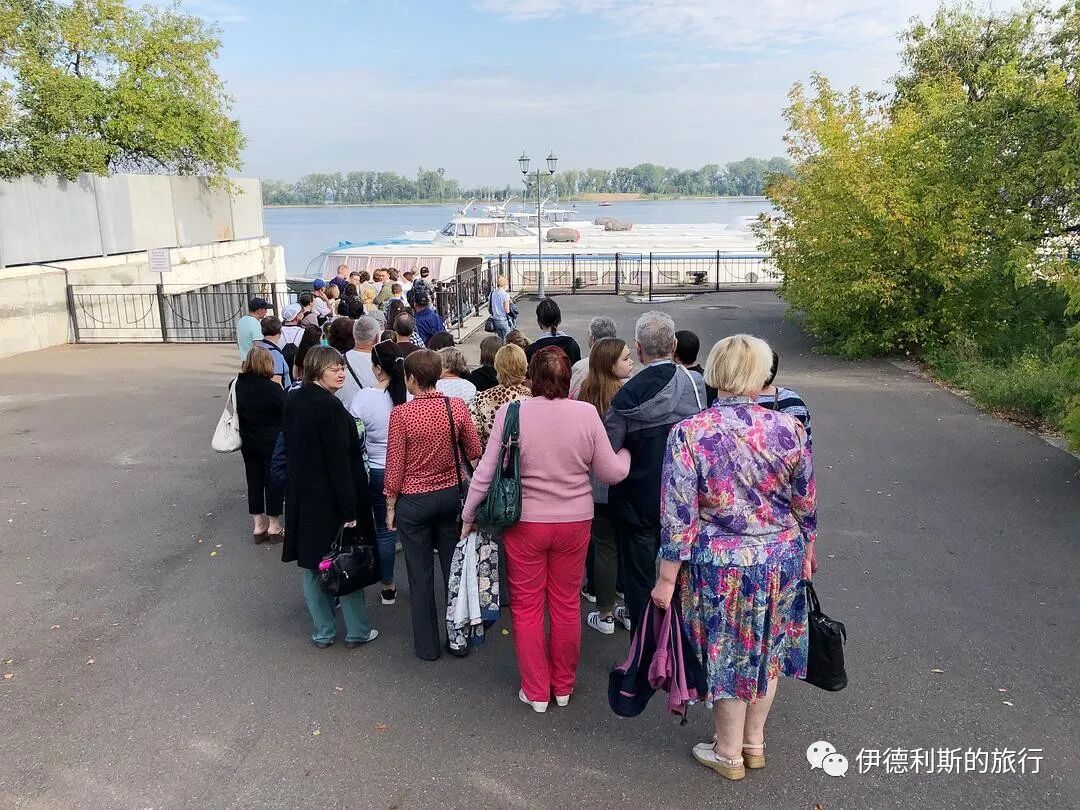
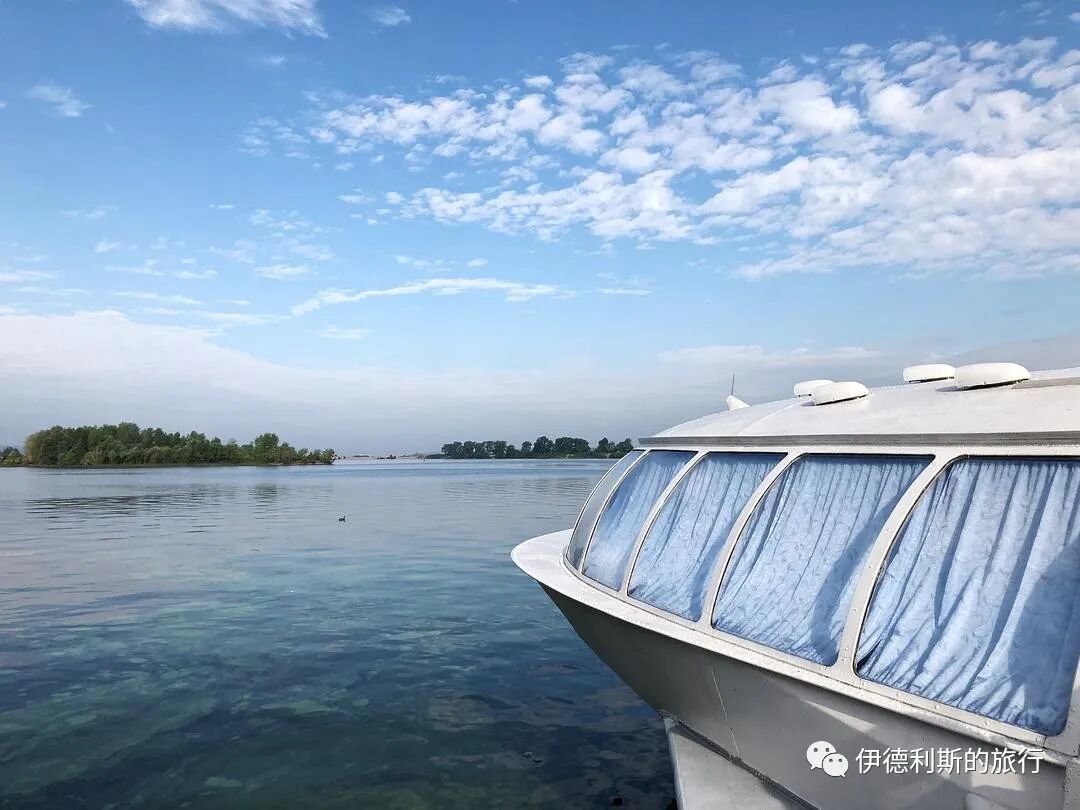
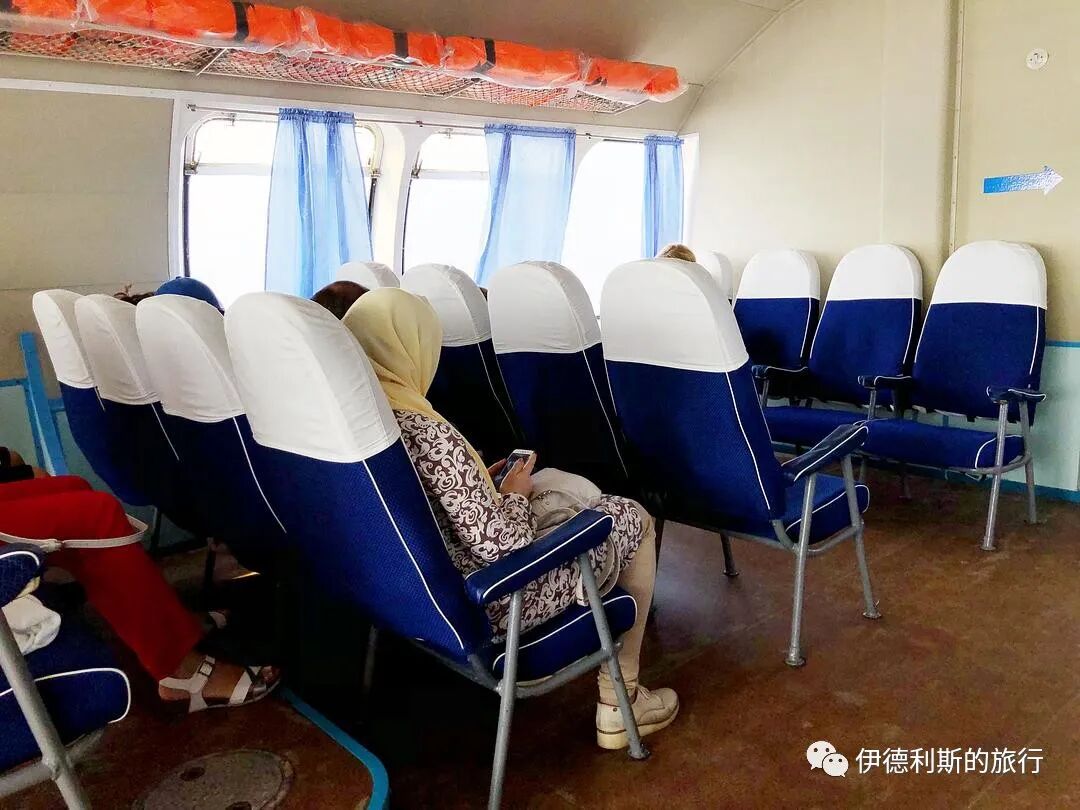
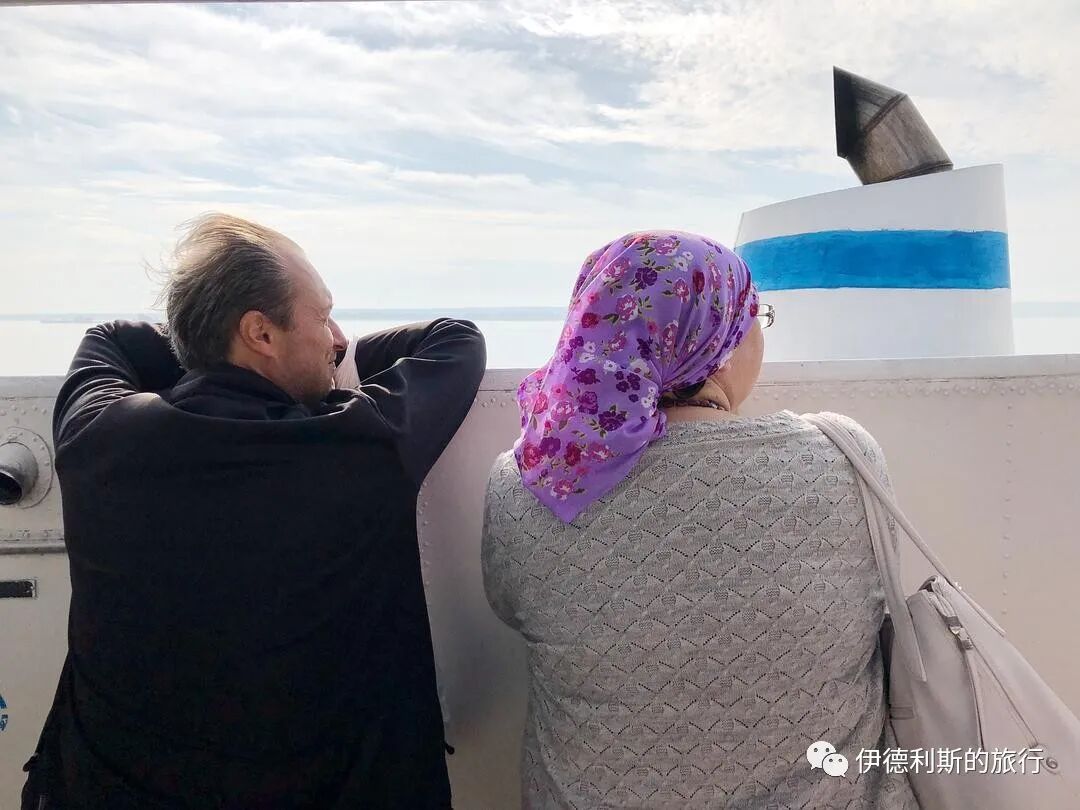
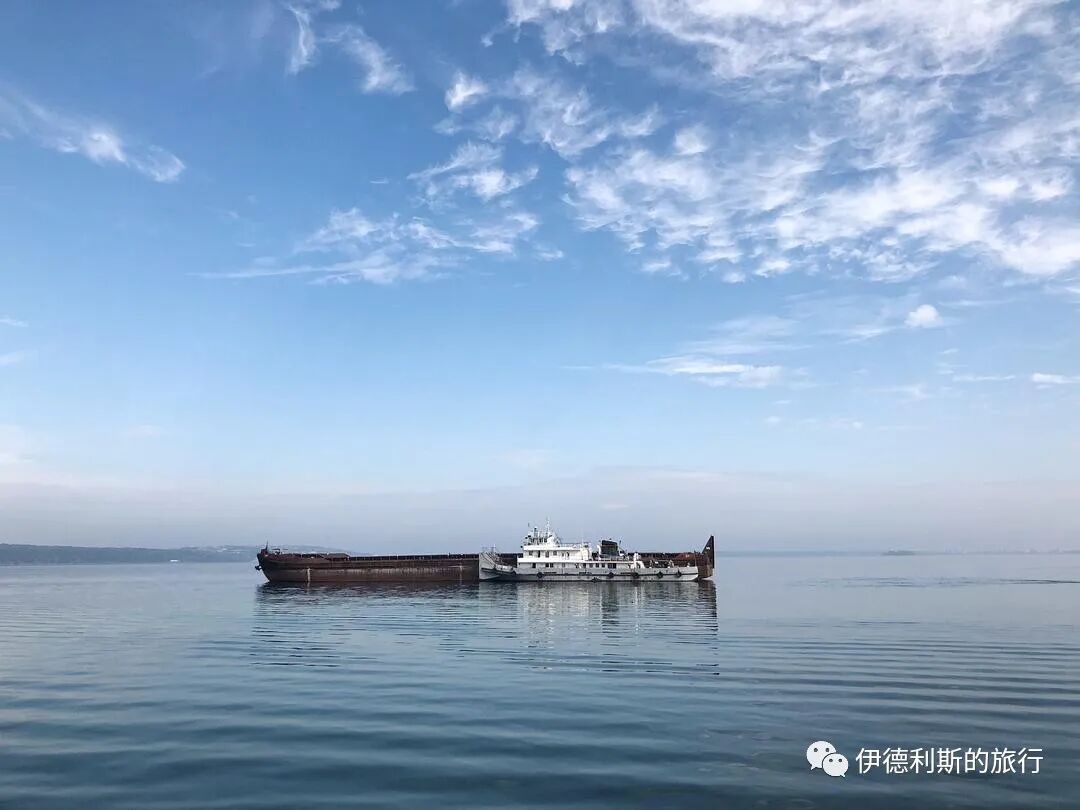
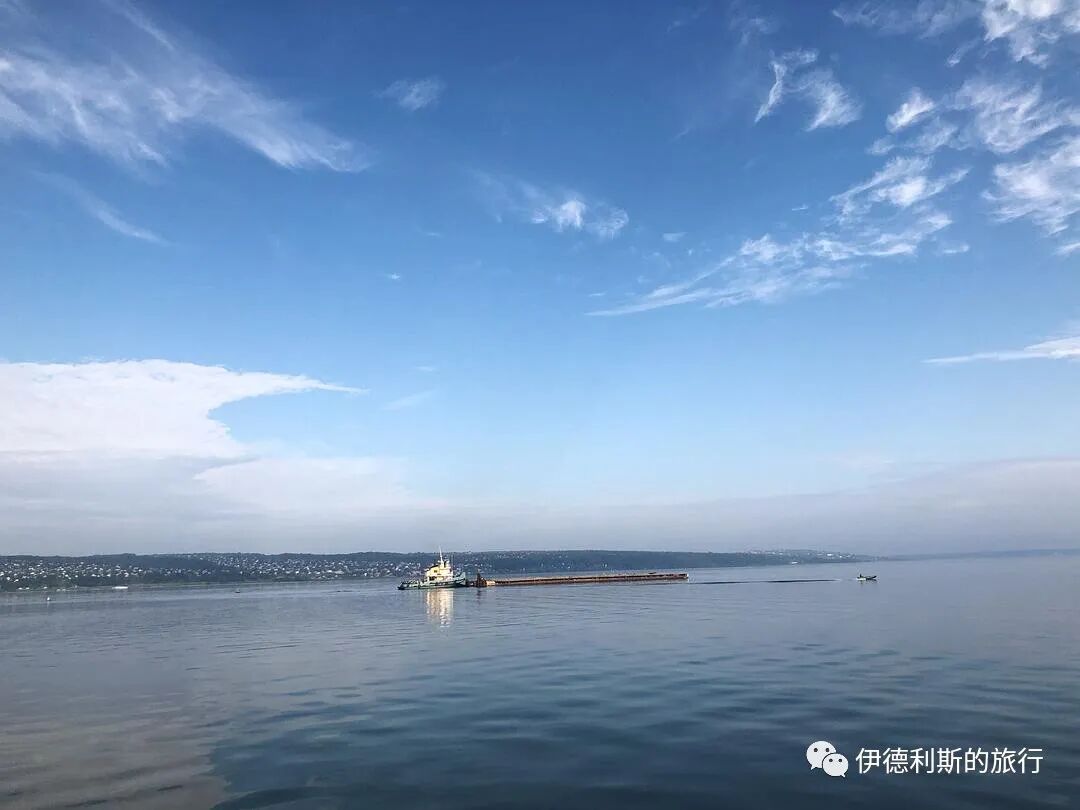
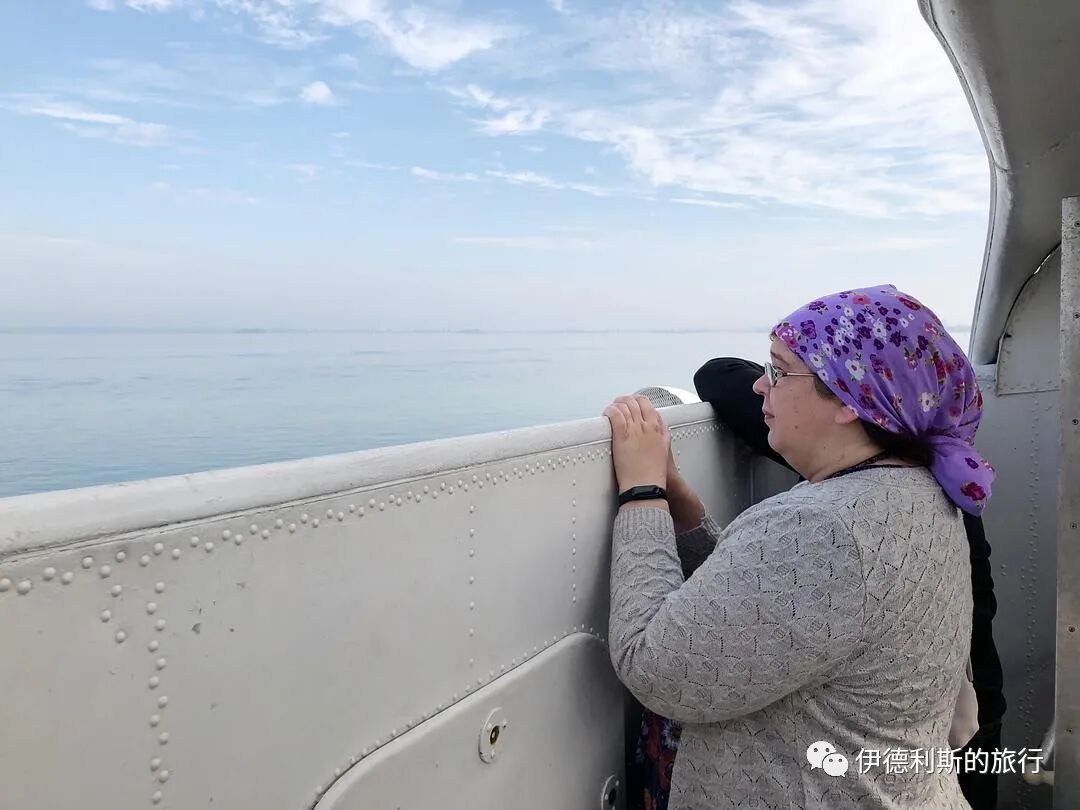
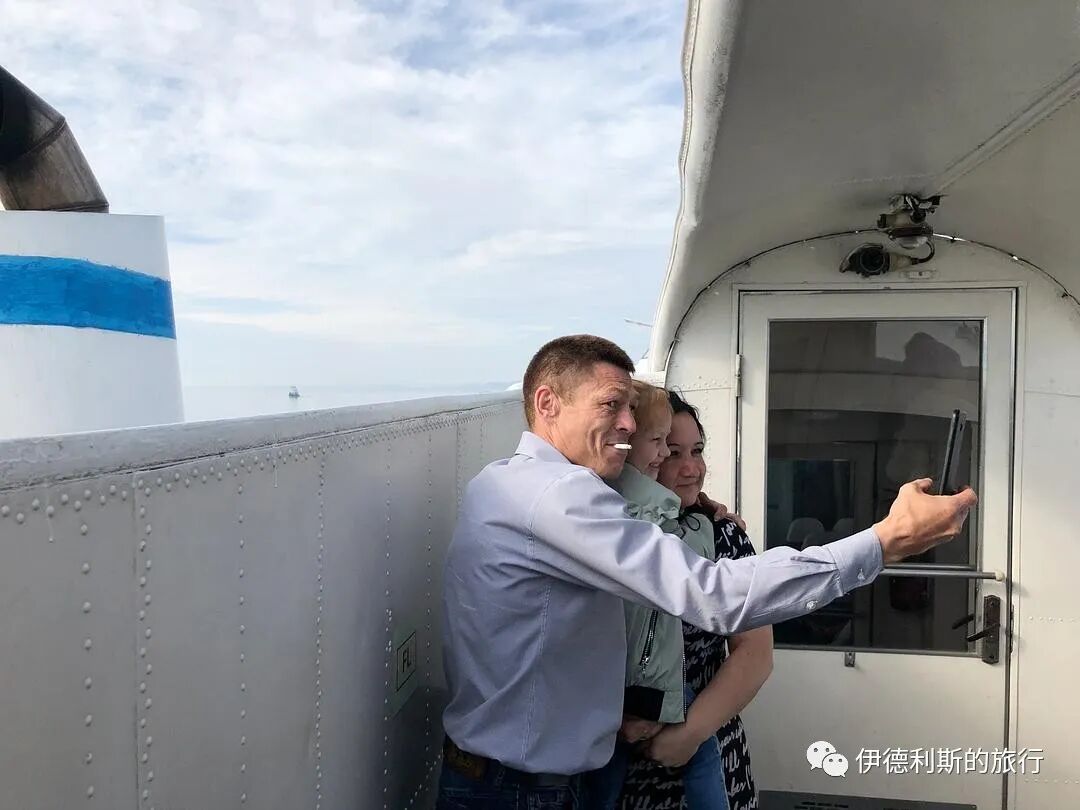
The boat travels on the Volga River, and at its widest point, you can barely see the opposite bank. It is very windy on the boat, which is quite exhilarating.
2. Bolghar Pier
The boat did not stop at the entrance of the Bolghar Civilization Museum as written in the Lonely Planet Russia volume, but instead stopped at the Bolghar Pier to the west; from the pier, you still need to take a vehicle to the heritage area of the ancient city.
Bolghar Pier is a quiet little pier with a great atmosphere; waiting for the boat here on the return trip felt like being in a Russian movie.
3. Tatar Snack Bar
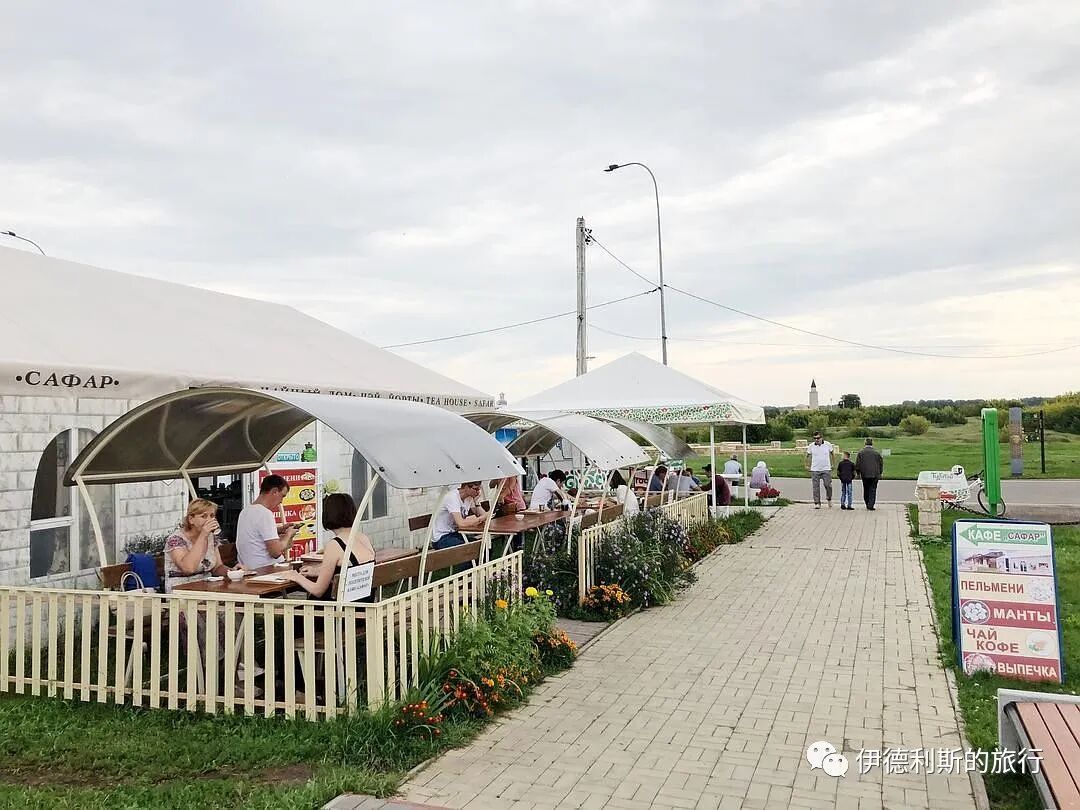
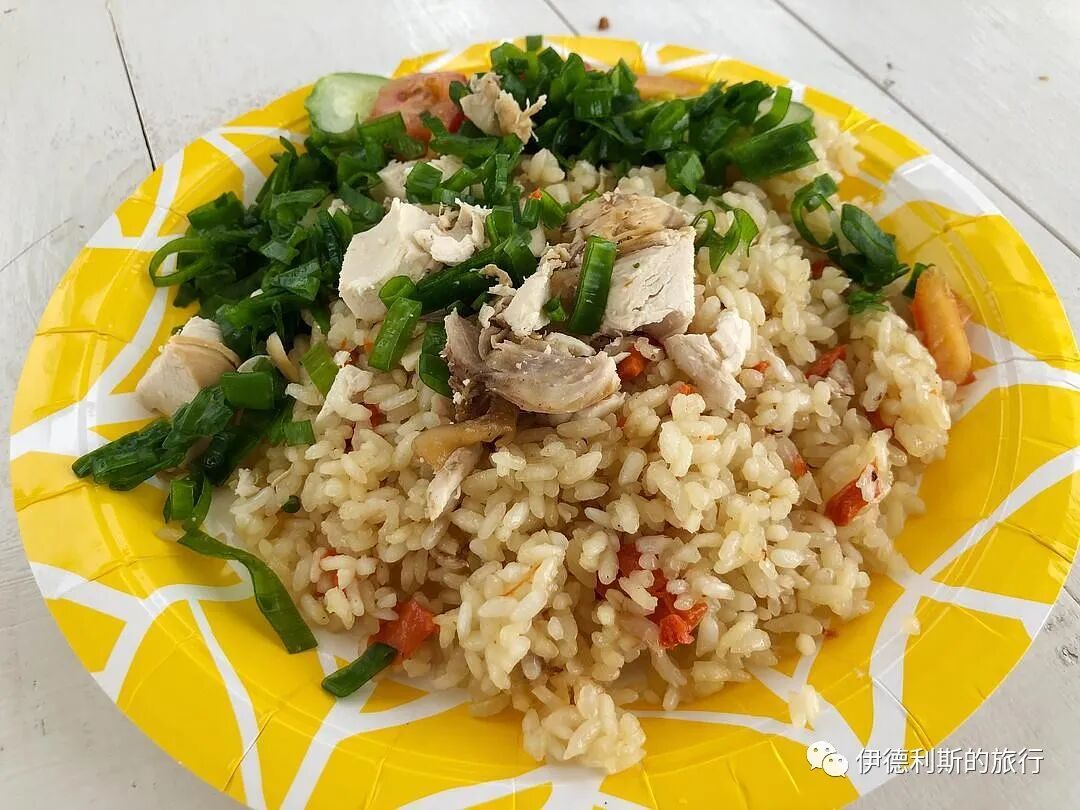
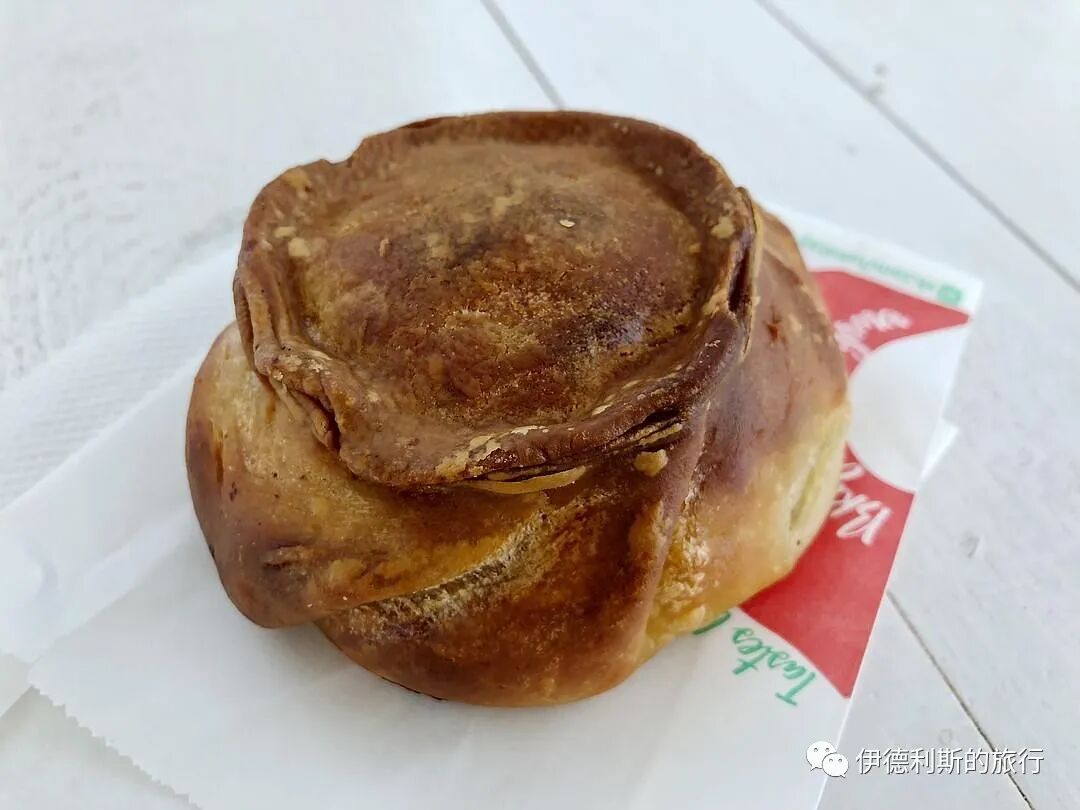
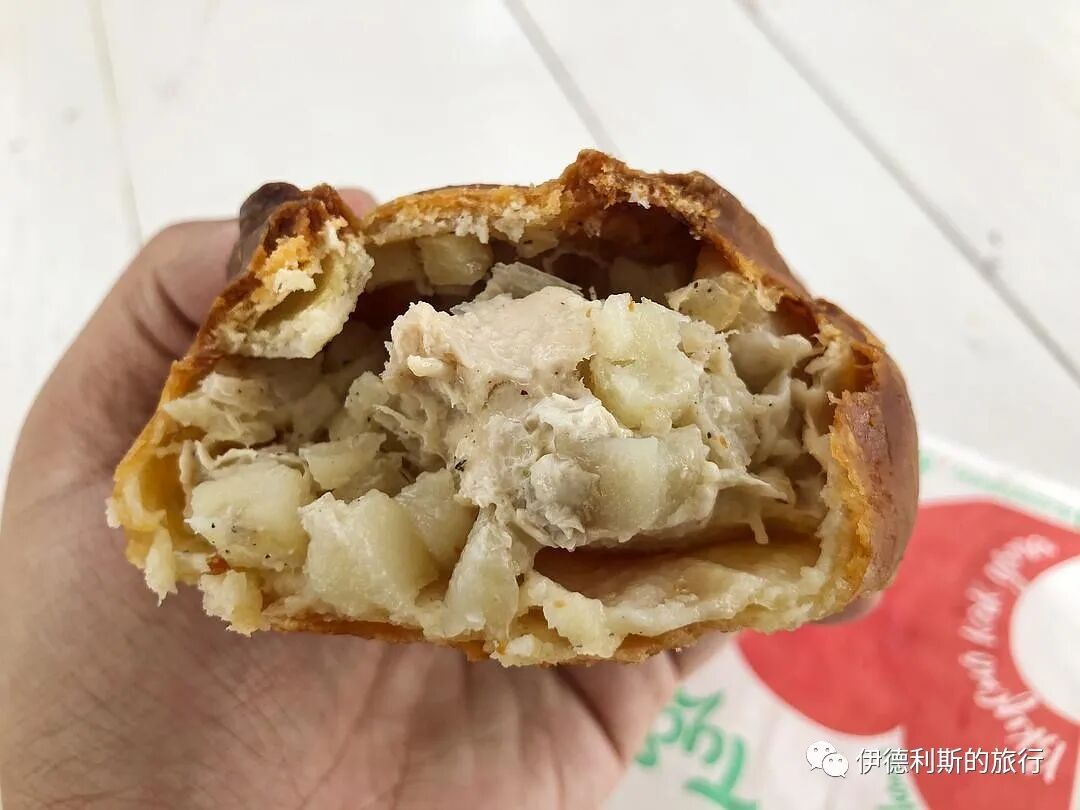
There are some souvenir shops and snack bars around the ancient city ruins area. I ate pilaf and the traditional Volga Tatar pie elesh (a savory pastry) at this Volga Tatar traditional fast-food chain Tubatay (Тюбетей). Elesh is made with sour cream and yeast dough, and the filling is chicken, potatoes, and onions.
II. Great Mosque Architectural Complex
After the Golden Horde rebuilt the city of Bolghar in the 13th century, they built a series of buildings centered on the Great Mosque.
1. Great Mosque
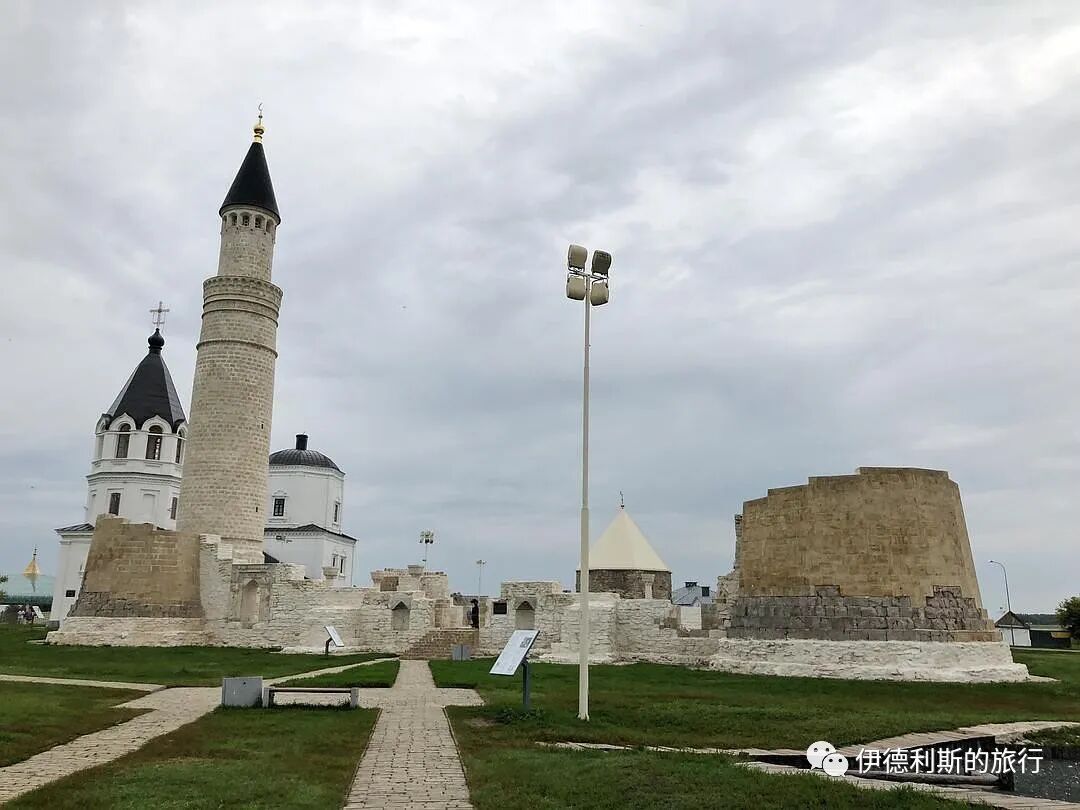
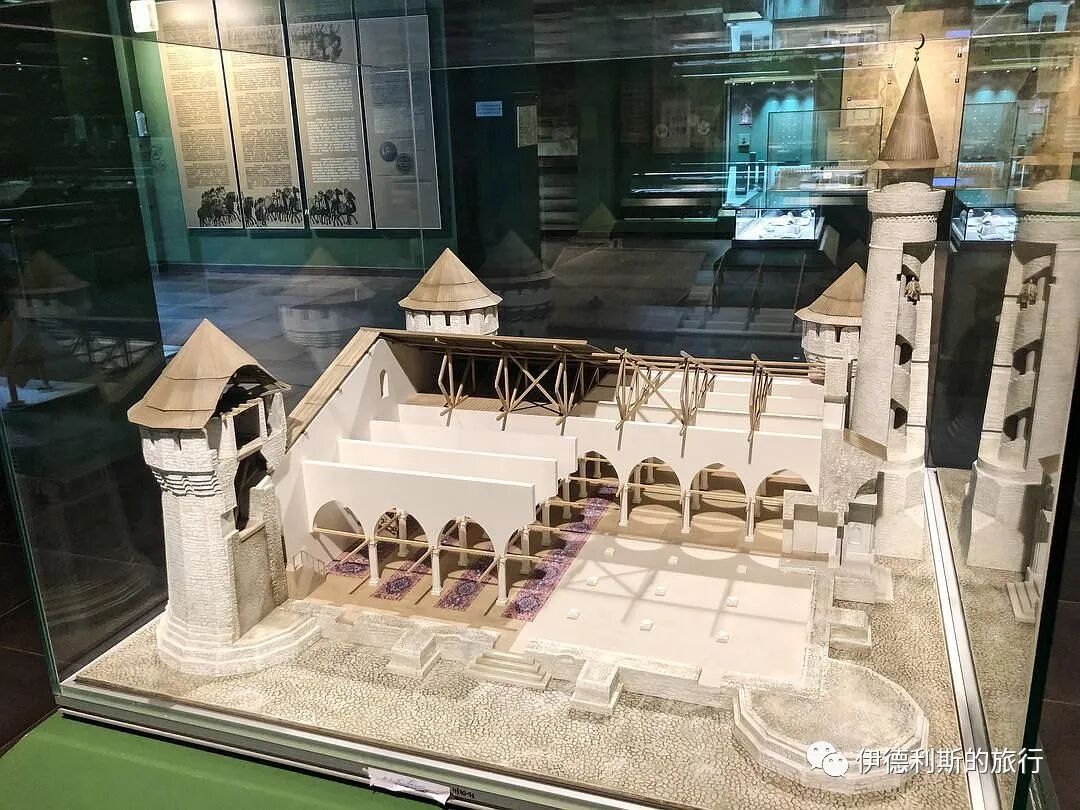
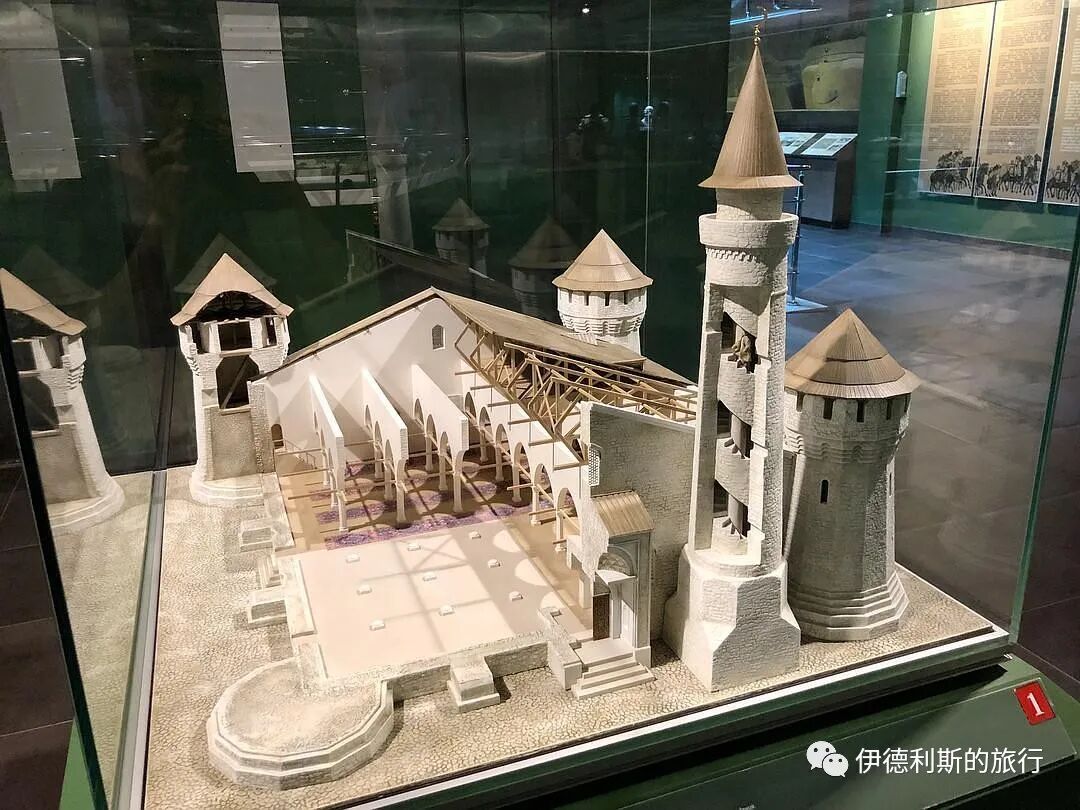
The Great Mosque is the most important architectural ruin of the ancient city of Bolghar preserved from the Golden Horde era, and it was the city center of Bolghar in the 13th and 14th centuries, featuring the typical architectural style of the Golden Horde period.
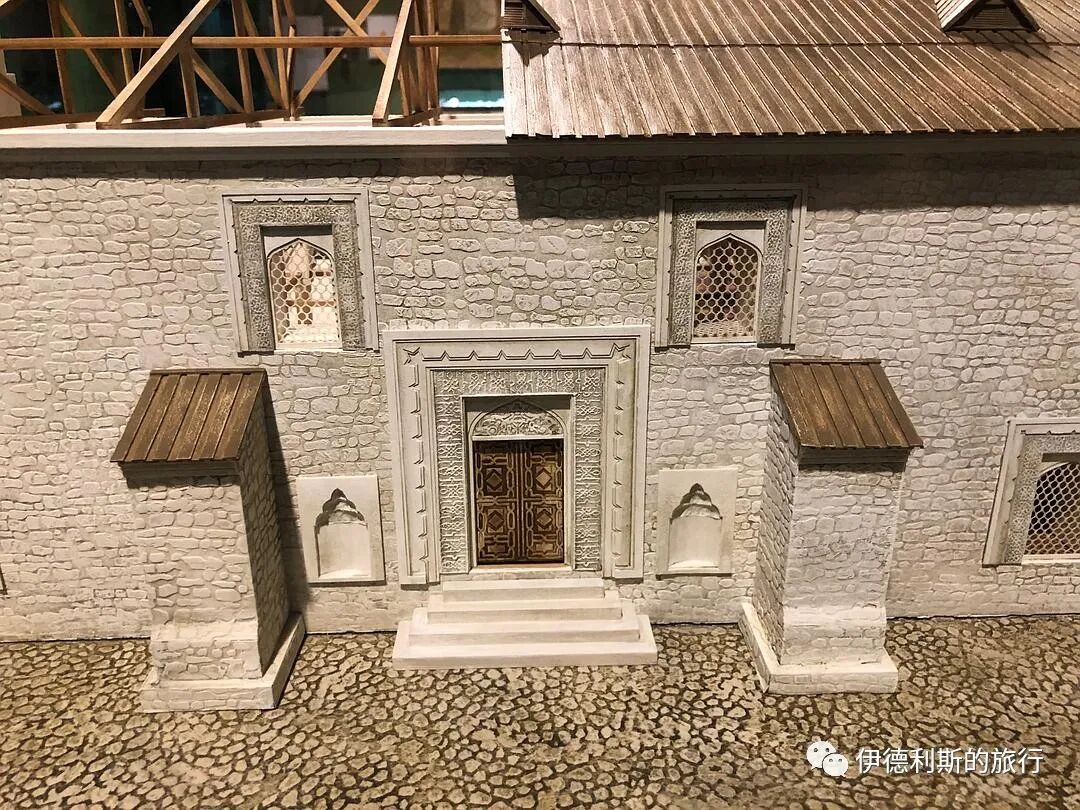
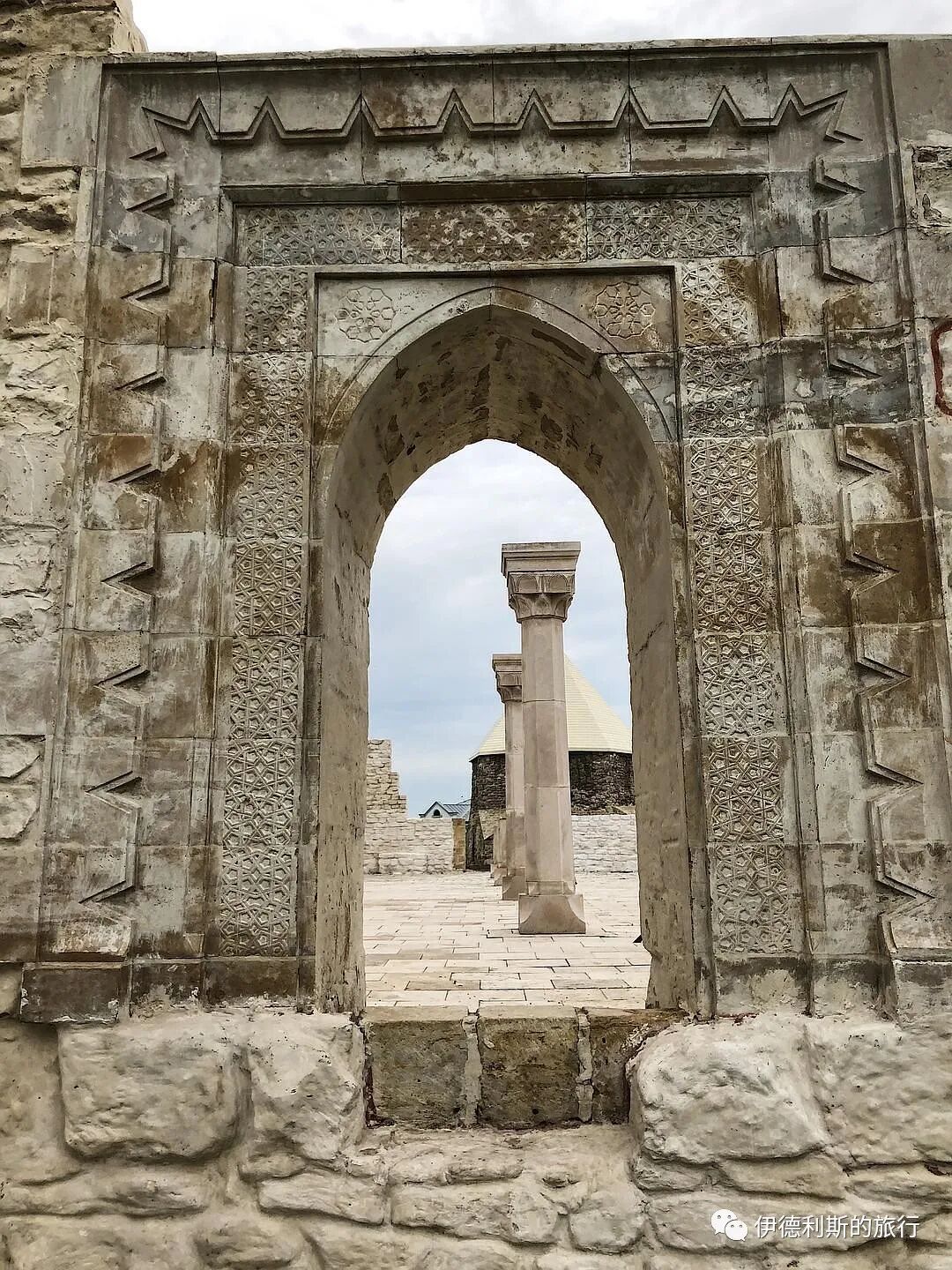
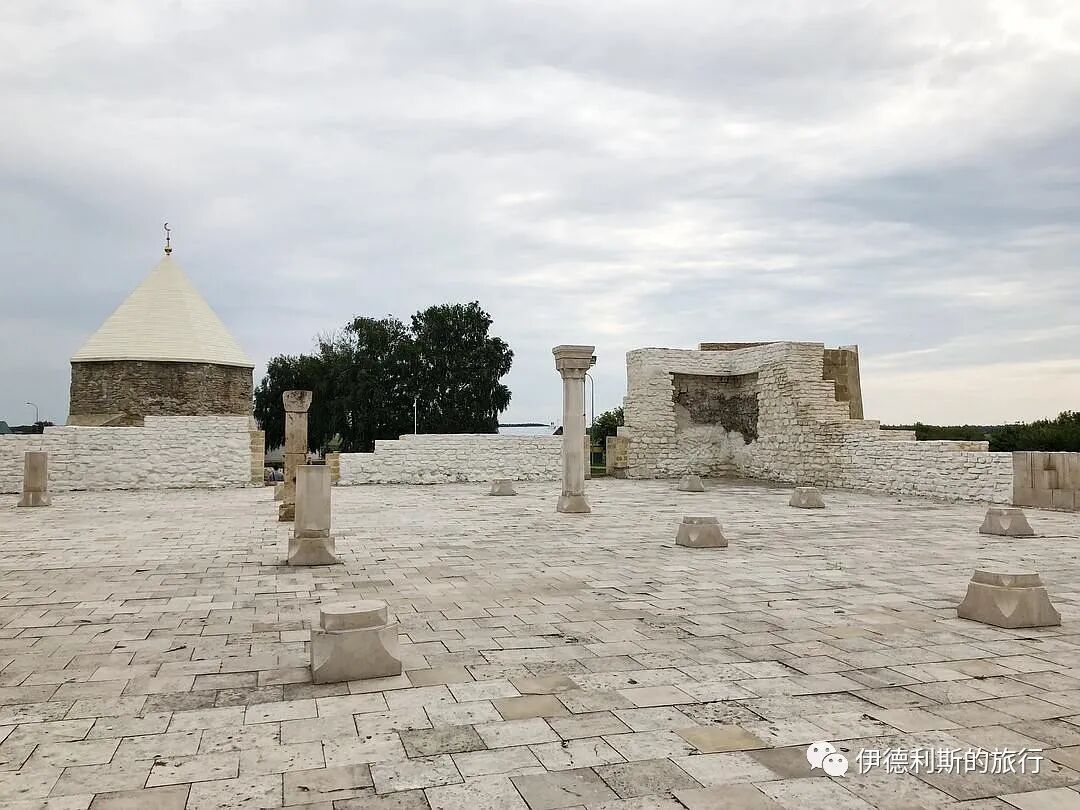
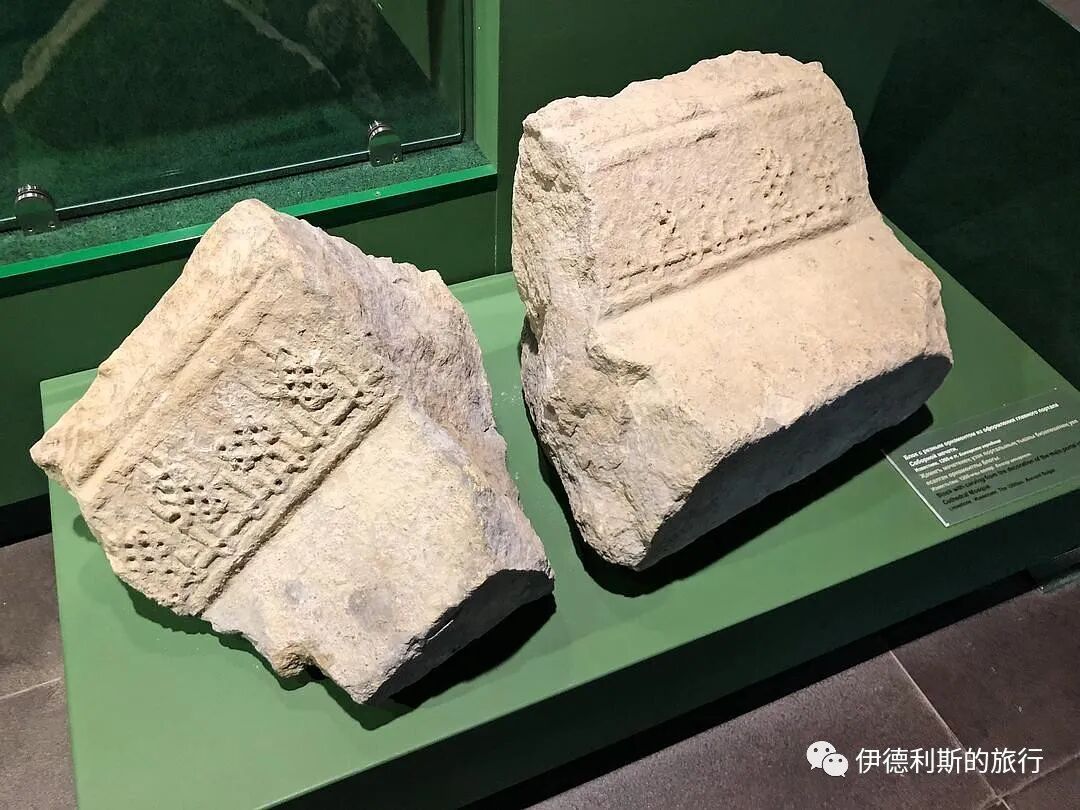
The Great Mosque is made of limestone, 34 meters long and 32 meters wide, with 20 columns and a wooden gable roof. The walls are plastered on all four sides and reinforced with buttresses. On the north side of the mosque, there is an arched gate and a minaret, and on the south side, there is a mihrab (a niche in the wall of a mosque that indicates the direction of Mecca) with exquisite carvings. The Great Mosque was renovated in the early 14th century, and corner towers were added in the 1440s.
The Great Mosque underwent three archaeological excavations in 1892, 1915, and 1946, and two restorations in 1964-1966 and 2003-2005. The limestone walls were covered with a protective material, the ground was paved with white flooring, walkways were set up, and drainage ditches were built.
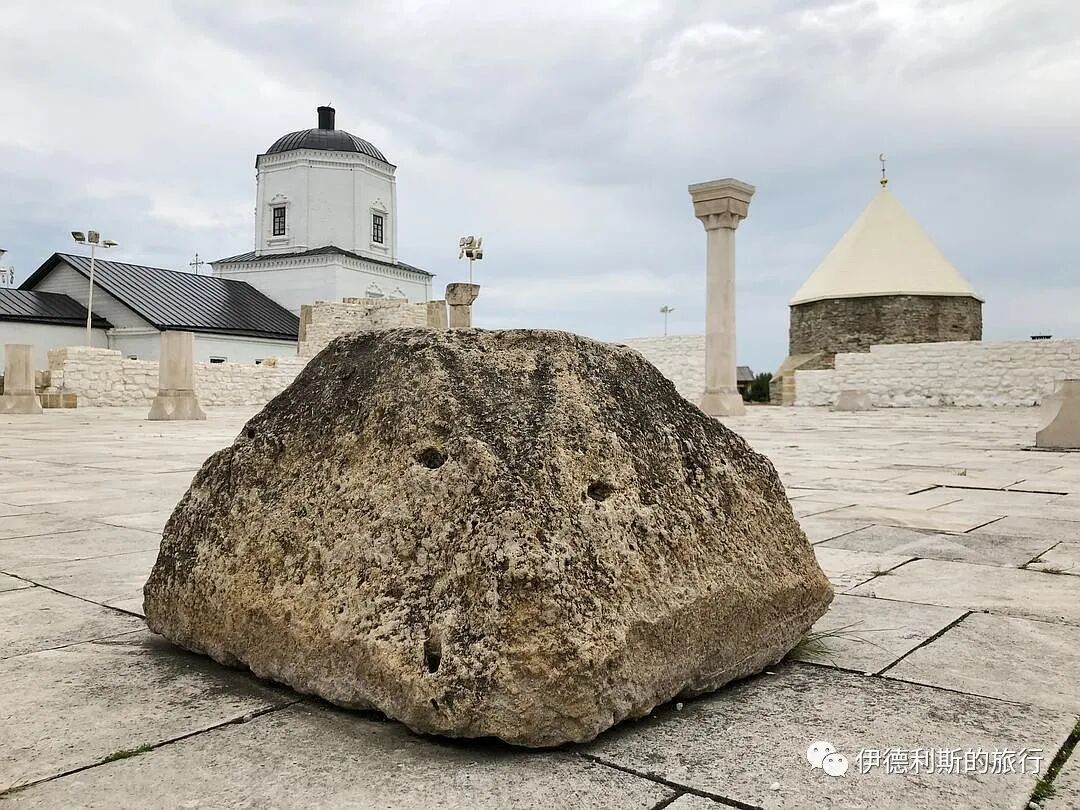
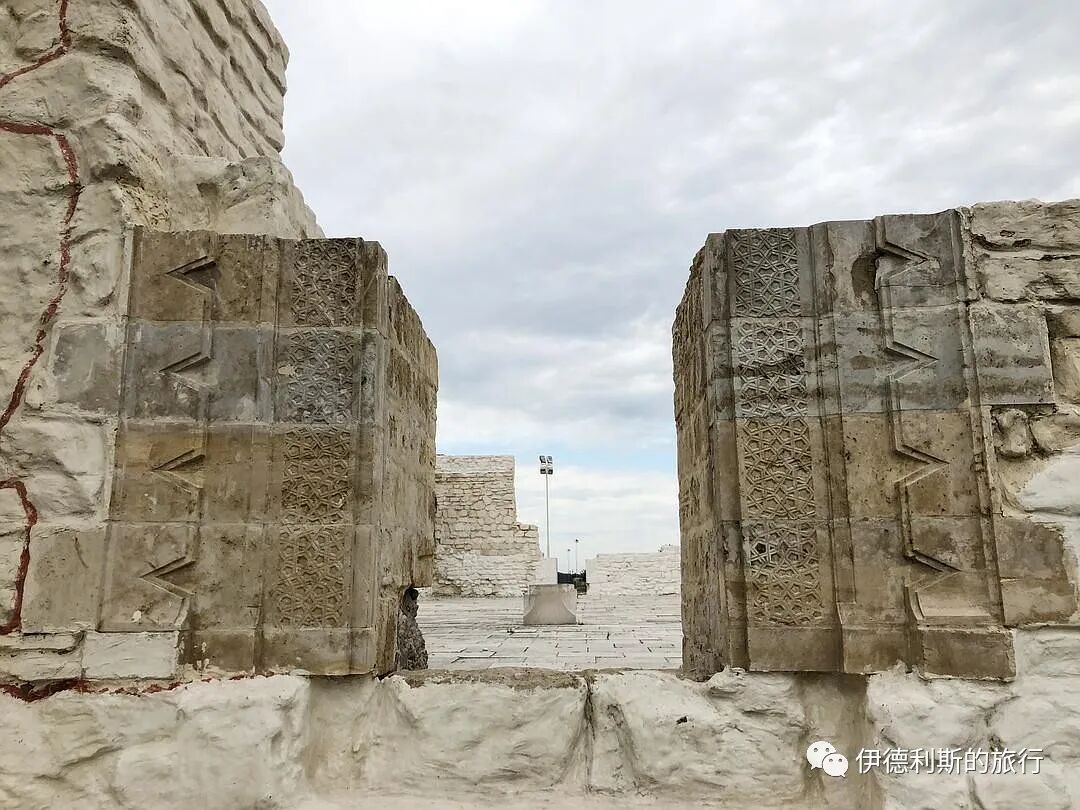
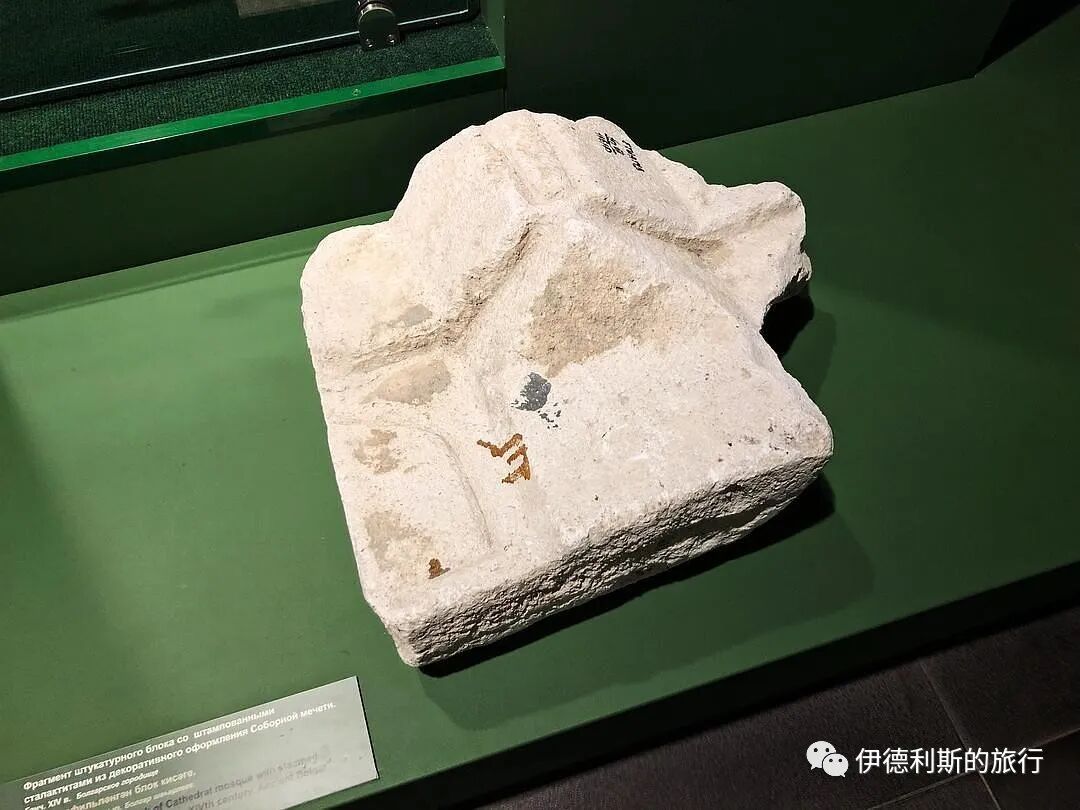
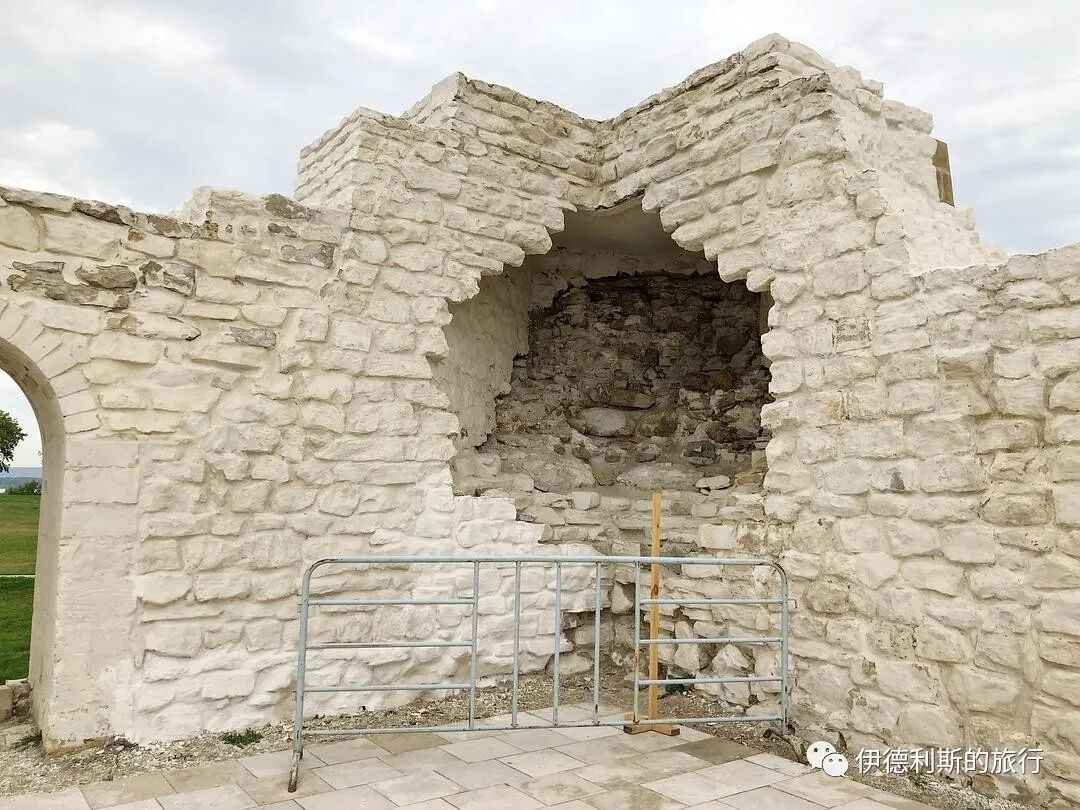
2. Great Minaret
There used to be a 24-meter-high Great Minaret on the north side of the Bolghar Great Mosque, which collapsed in 1841, and the stone materials were taken away by locals. When Kazan University professor I. Berezin passed through Bolghar in 1846, he saw several stone carvings with Quranic verses on the site of the Great Minaret.
Based on a series of 18th and 19th-century graphic materials, the Great Minaret was rebuilt in 2000.
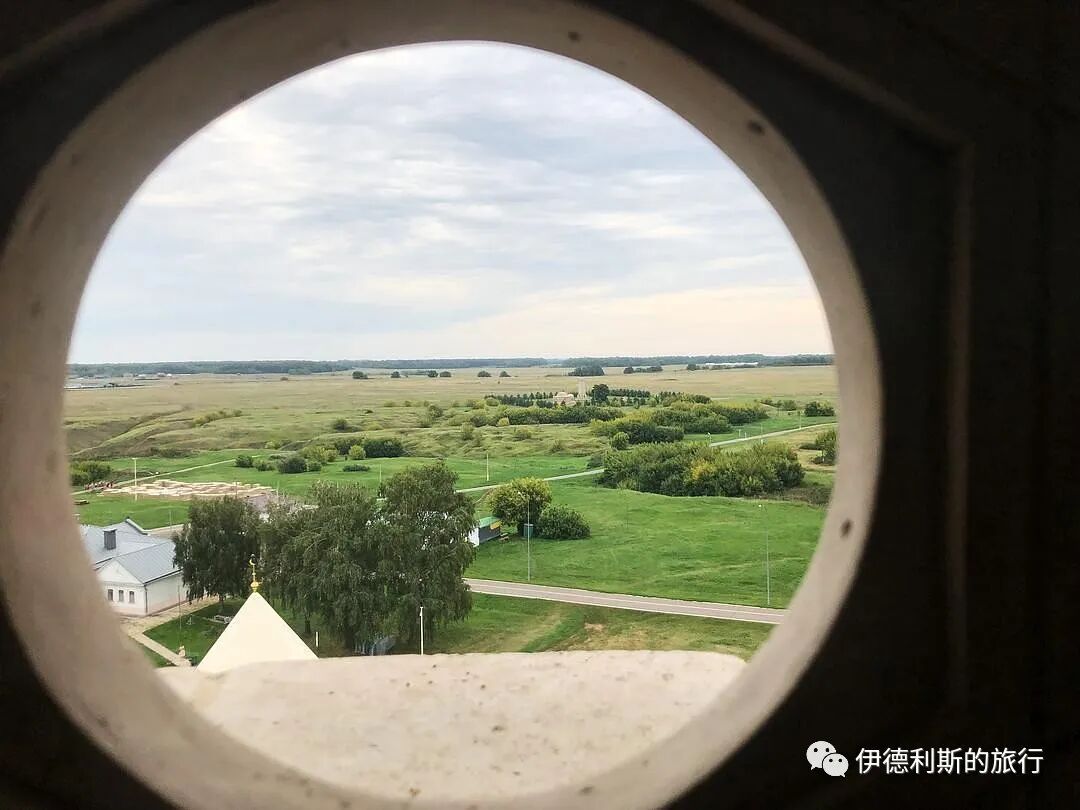
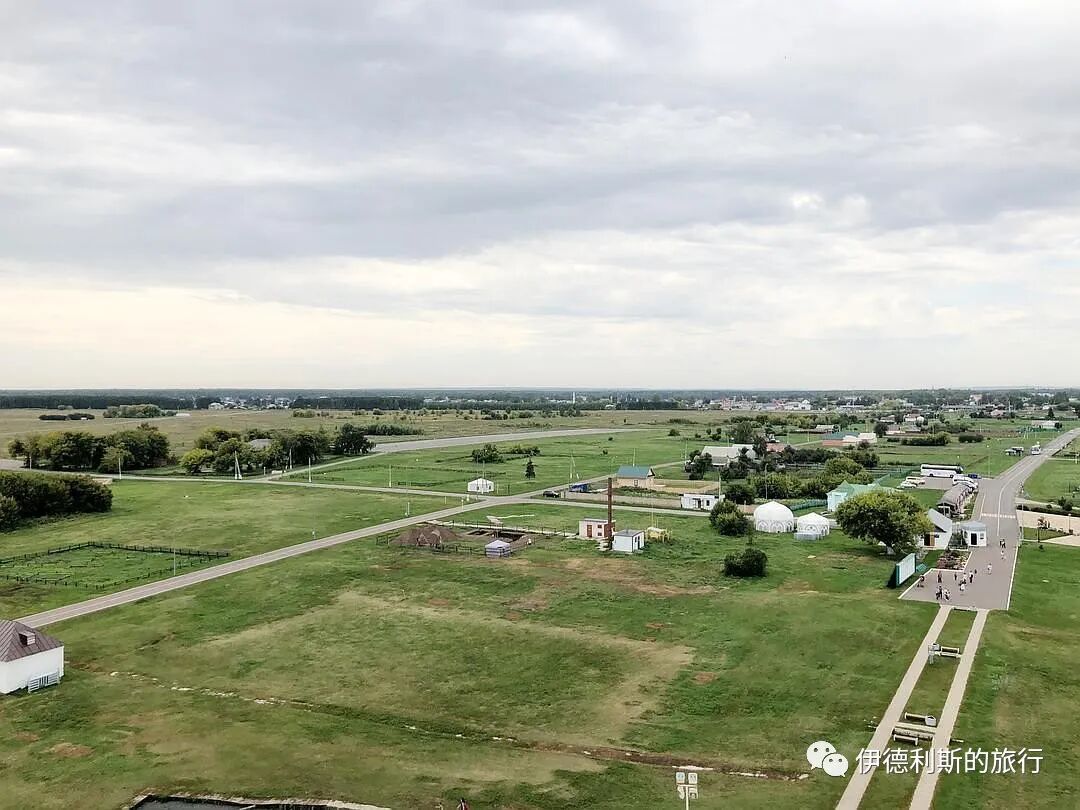
3. Eastern Mausoleum
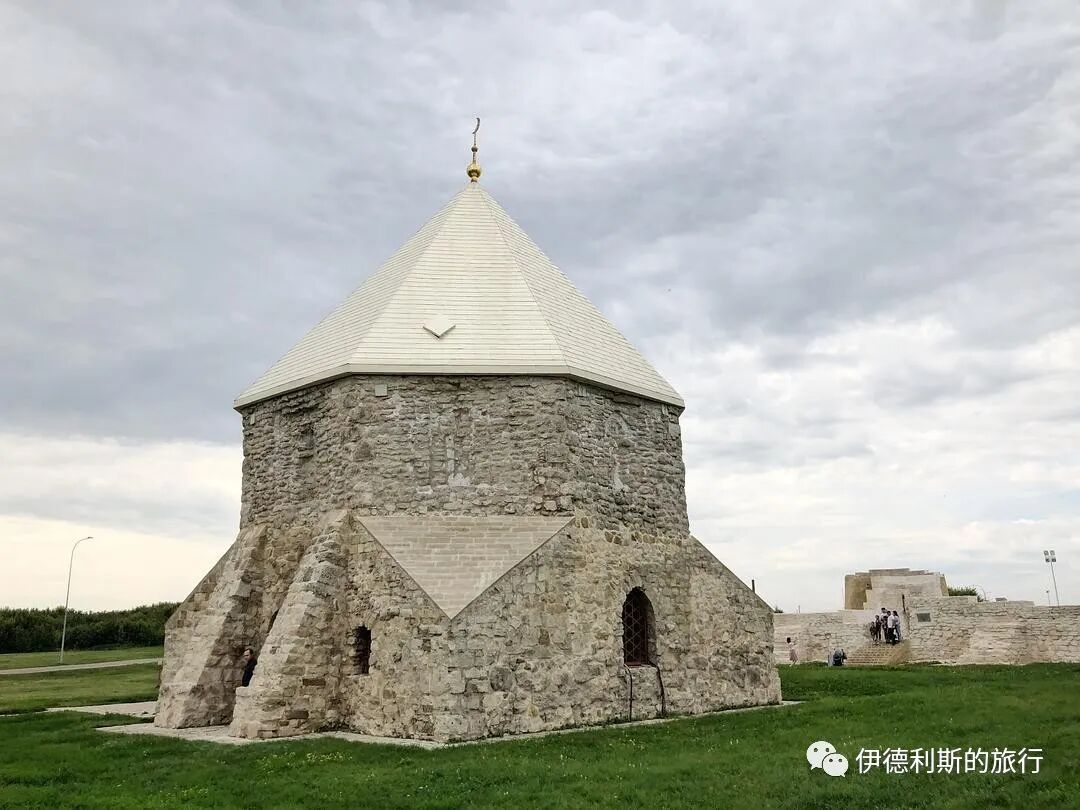
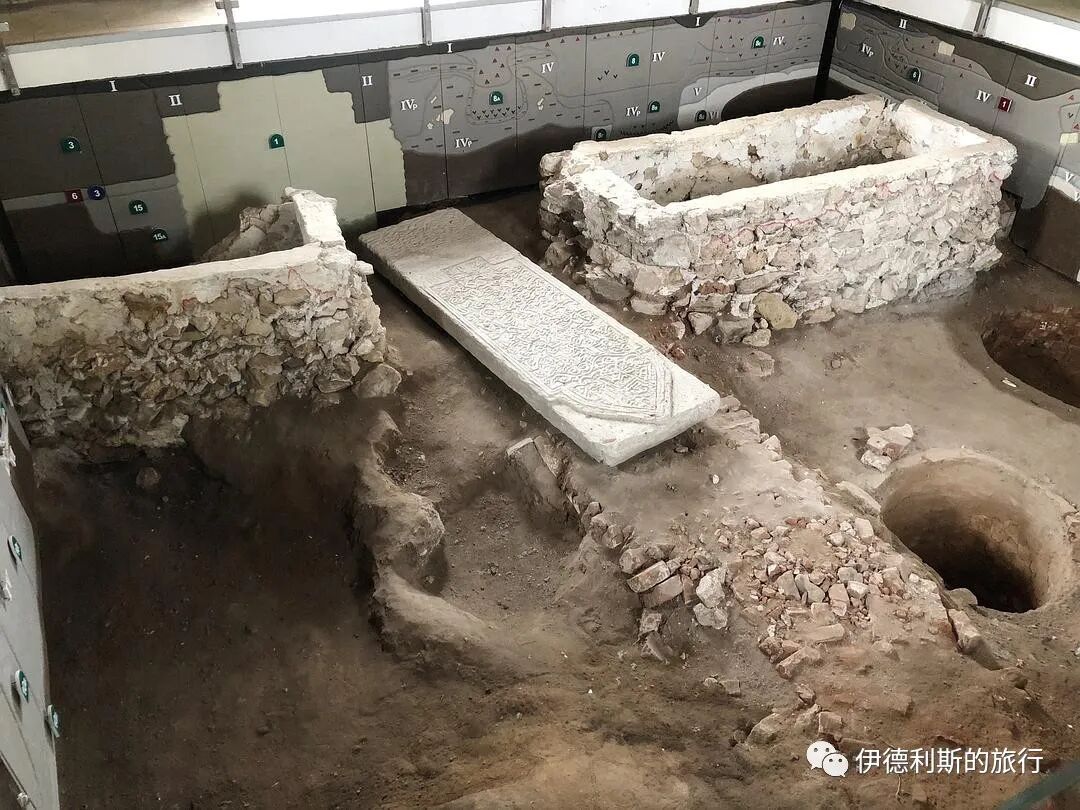
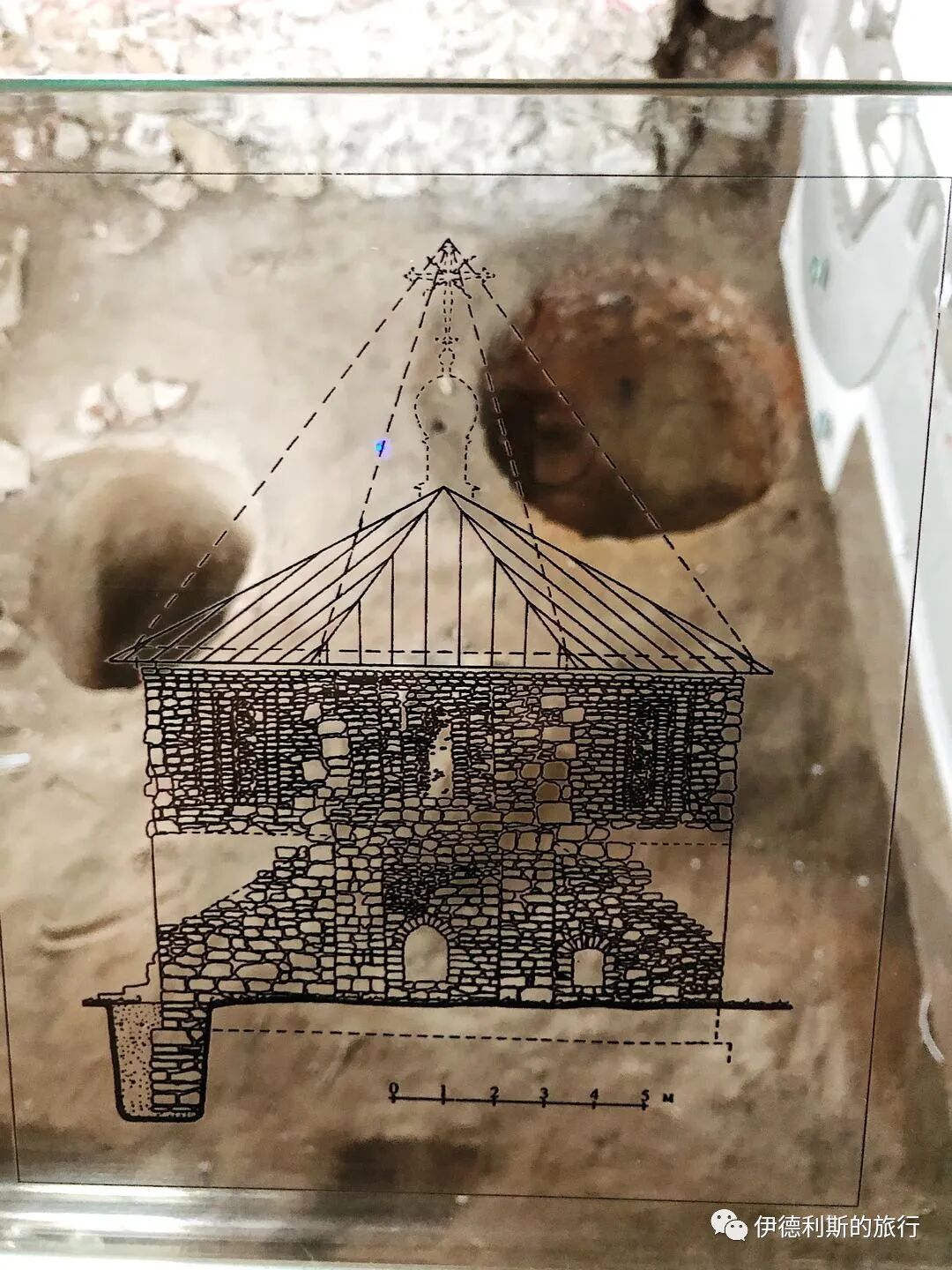
The Eastern Mausoleum is located on the east side of the Great Mosque and was built in the 1330s during the Golden Horde period, when the Great Mosque underwent its second renovation and the central square of the ancient city of Bolghar was further developed.
The Northern Mausoleum was originally the family mausoleum of the Bolghar noble Burashbeks, and later became the Church of St. Nicholas in the early 18th century, with an onion dome and a cross added.
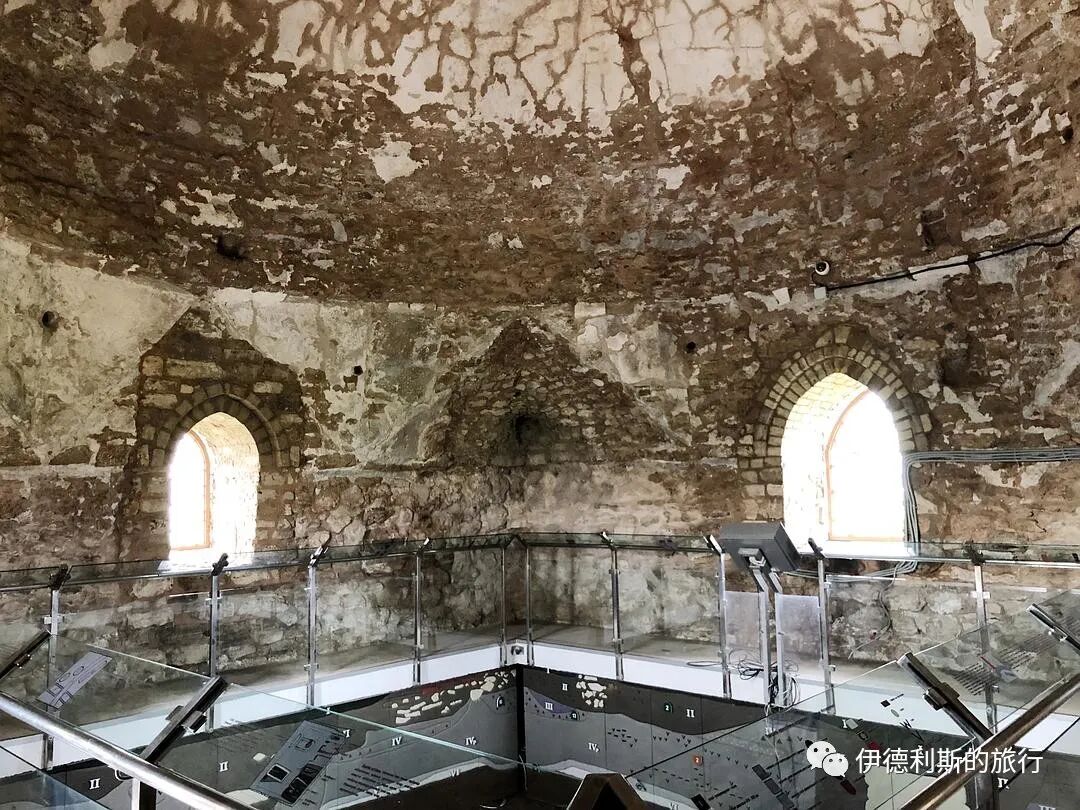
Archaeological excavations in 1964-1966 and 1991 unearthed 7 tombs from the Golden Horde period in the mausoleum. The roof was damaged by a strong wind in 1965, and the mausoleum was restored in 1967-1968.
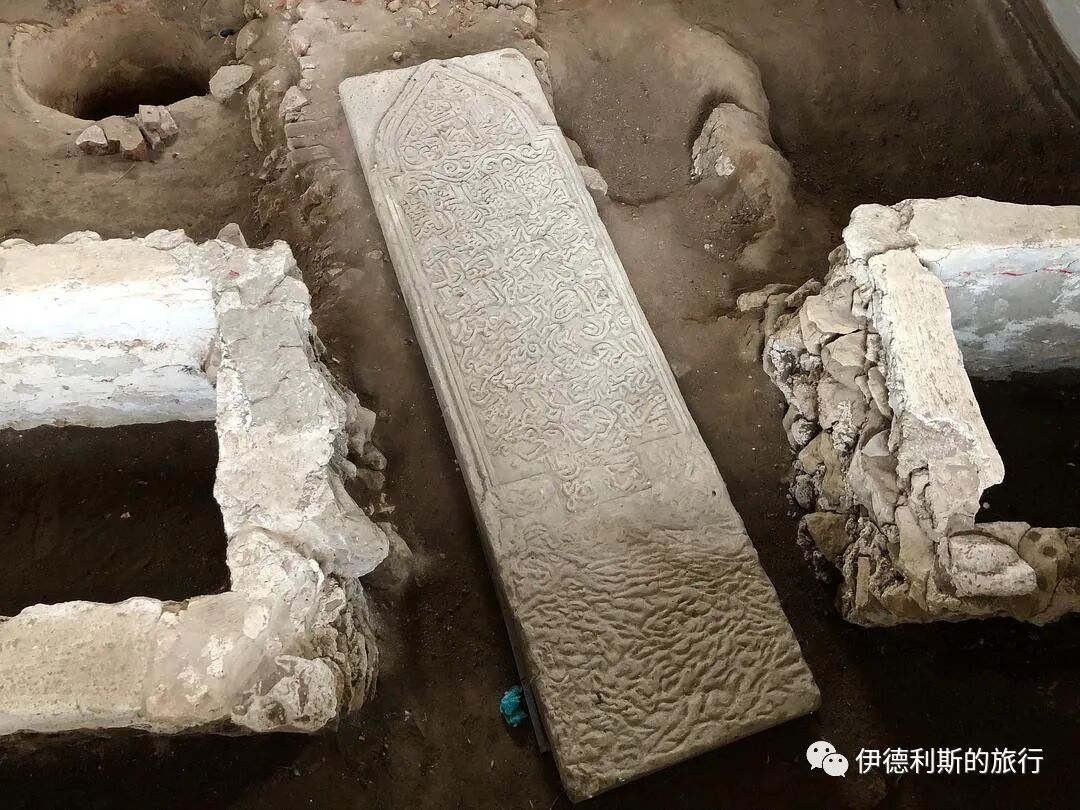
The tombstone with an inscription in the mausoleum came from Sabar-llchzhi, the daughter of Prince Burash; it was discovered during the renovation of the Church of St. Nicholas between 1889 and 1890, and was transported to Kazan in 1994. A replica is currently on display in the mausoleum.
4. Northern Mausoleum
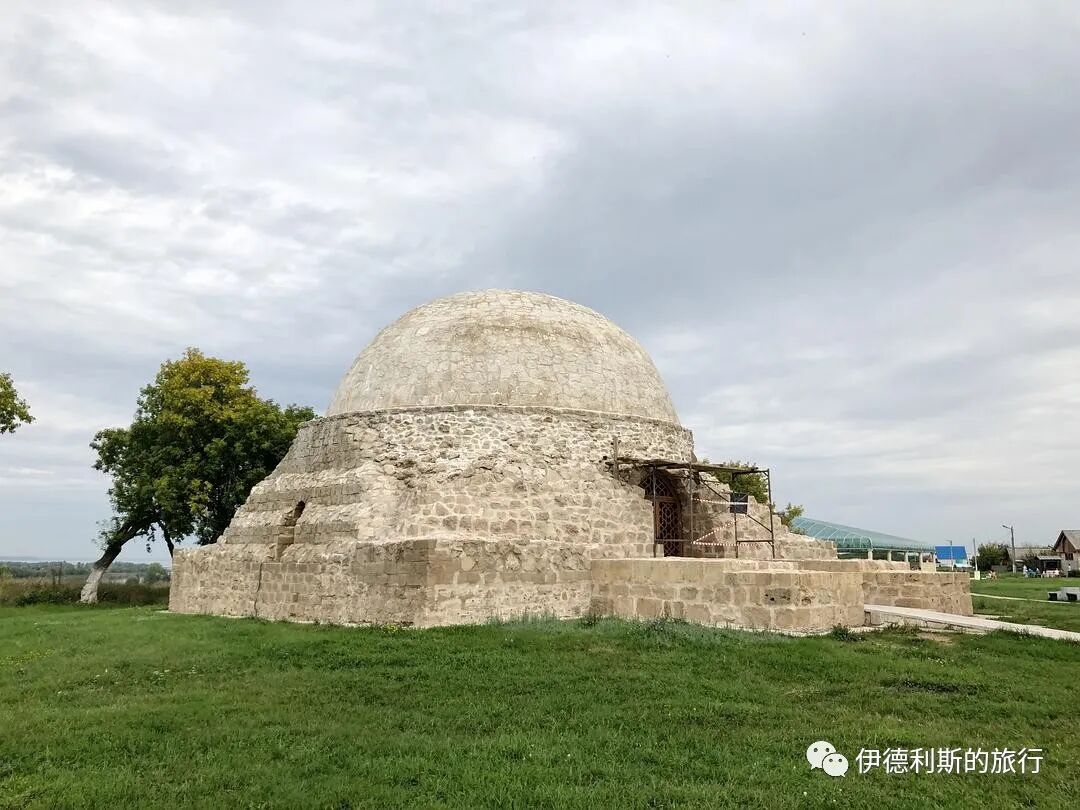
The Northern Mausoleum is located on the north side of the Great Mosque and, like the Eastern Mausoleum, was built in the 1330s during the Golden Horde period.
The Northern Mausoleum was originally a family mausoleum for Bolghar nobles and later became the cellar of a monastery in the early 18th century. Two archaeological excavations were conducted here in 1964 and 1966, and partial restoration was carried out between 1968 and 1969.
When I visited, the interior of the mausoleum was not open, so I only saw the exterior.
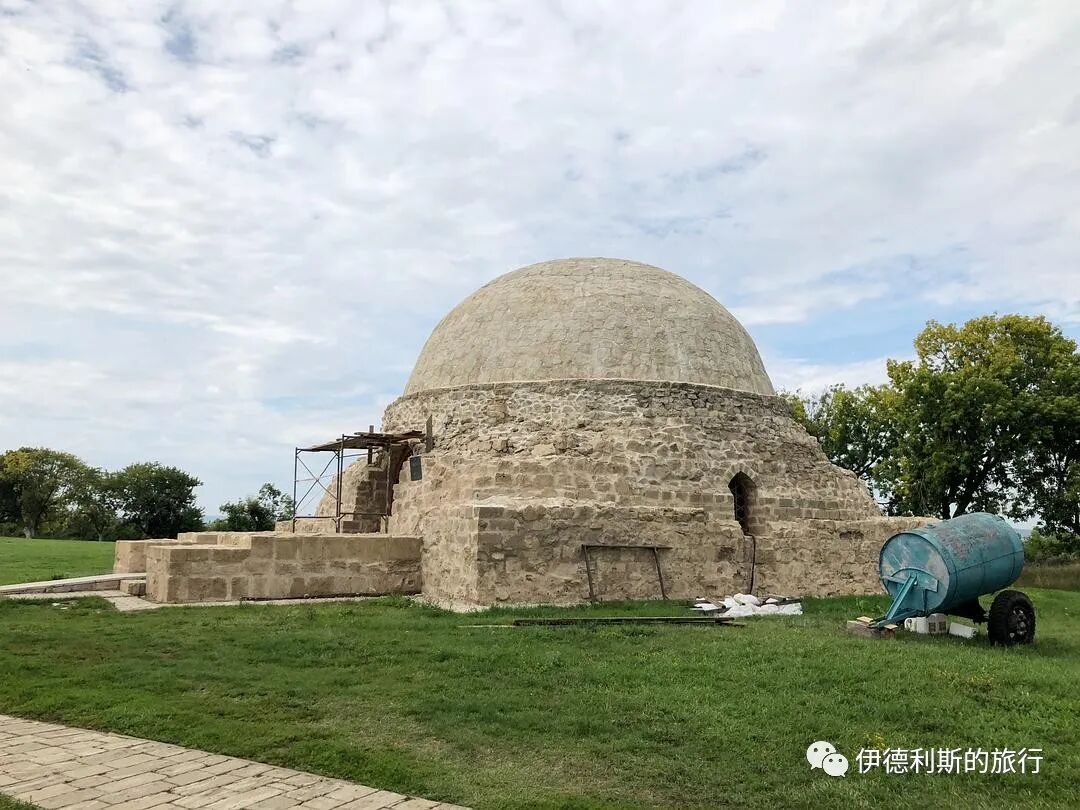
5. Khan's Palace
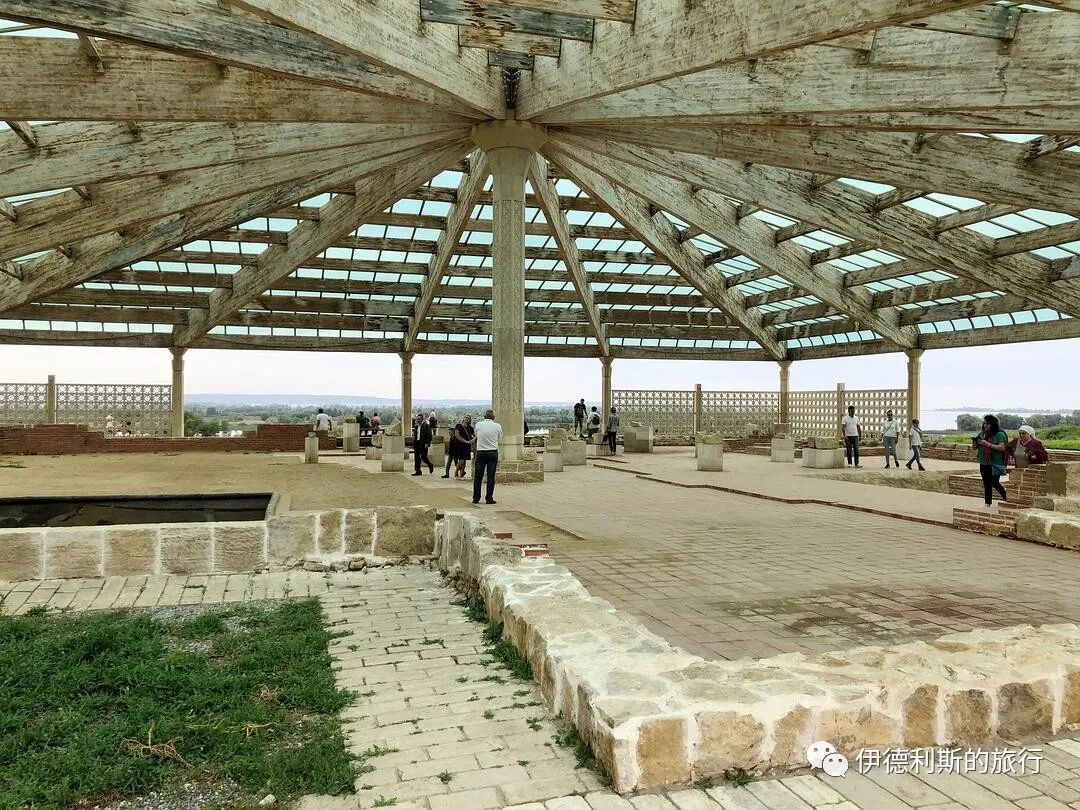
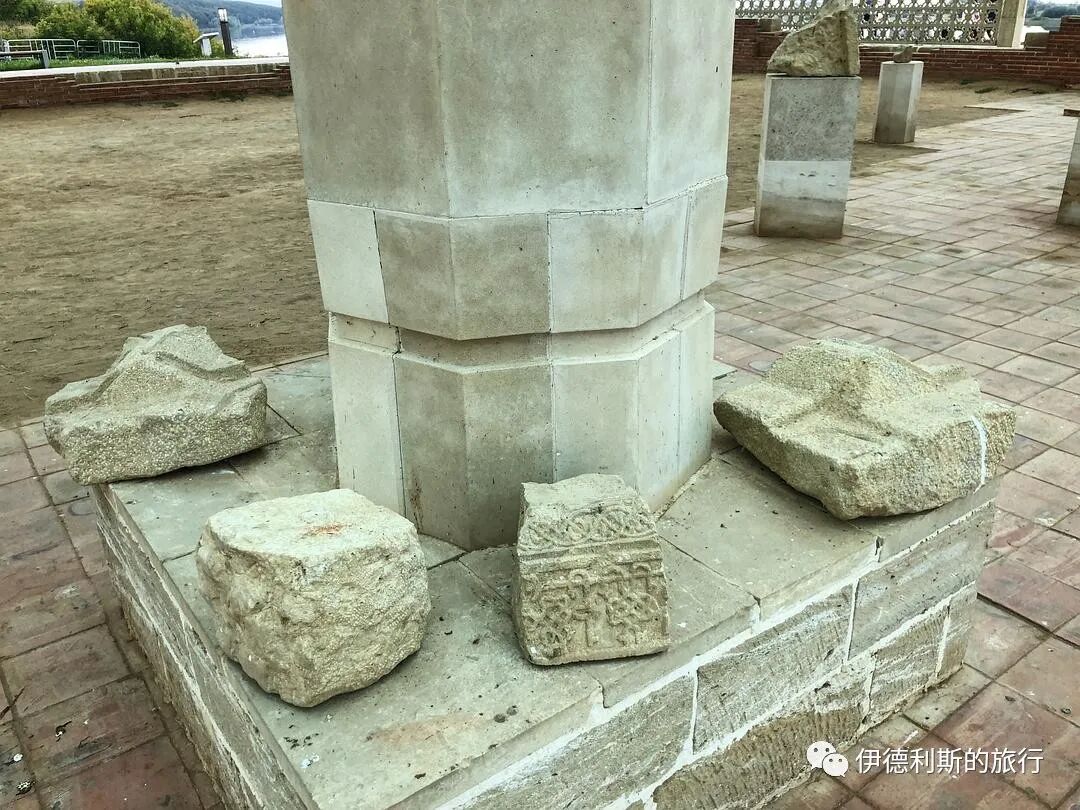
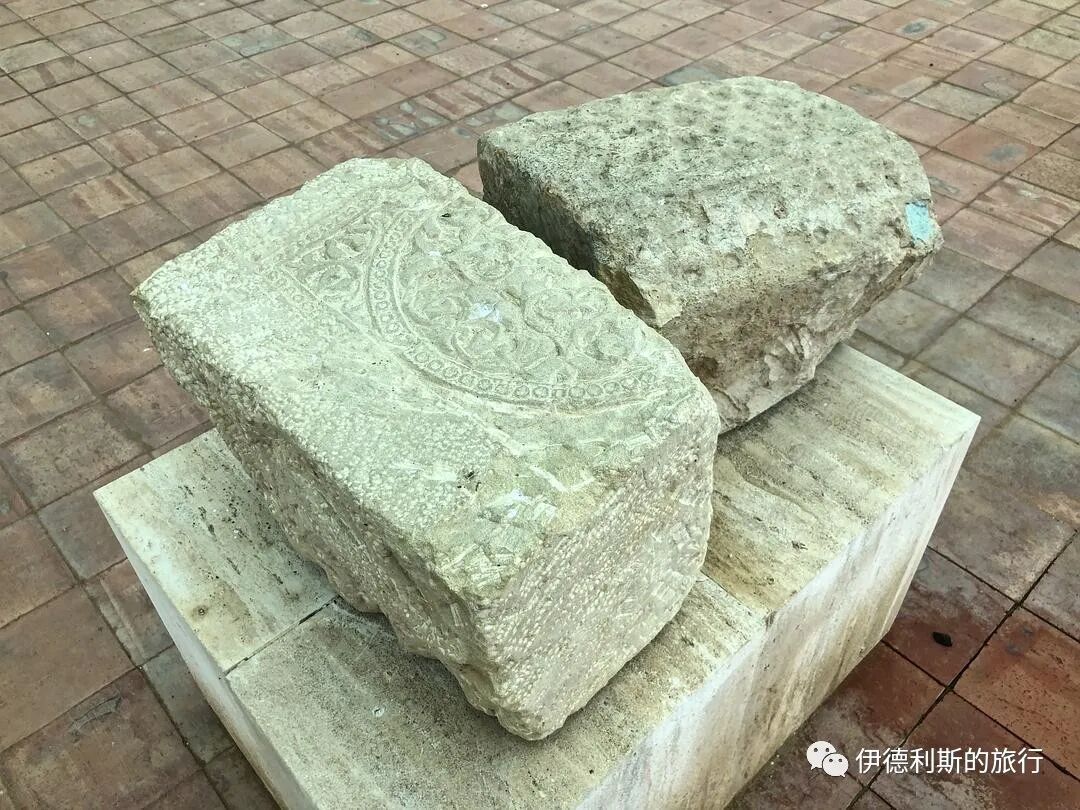
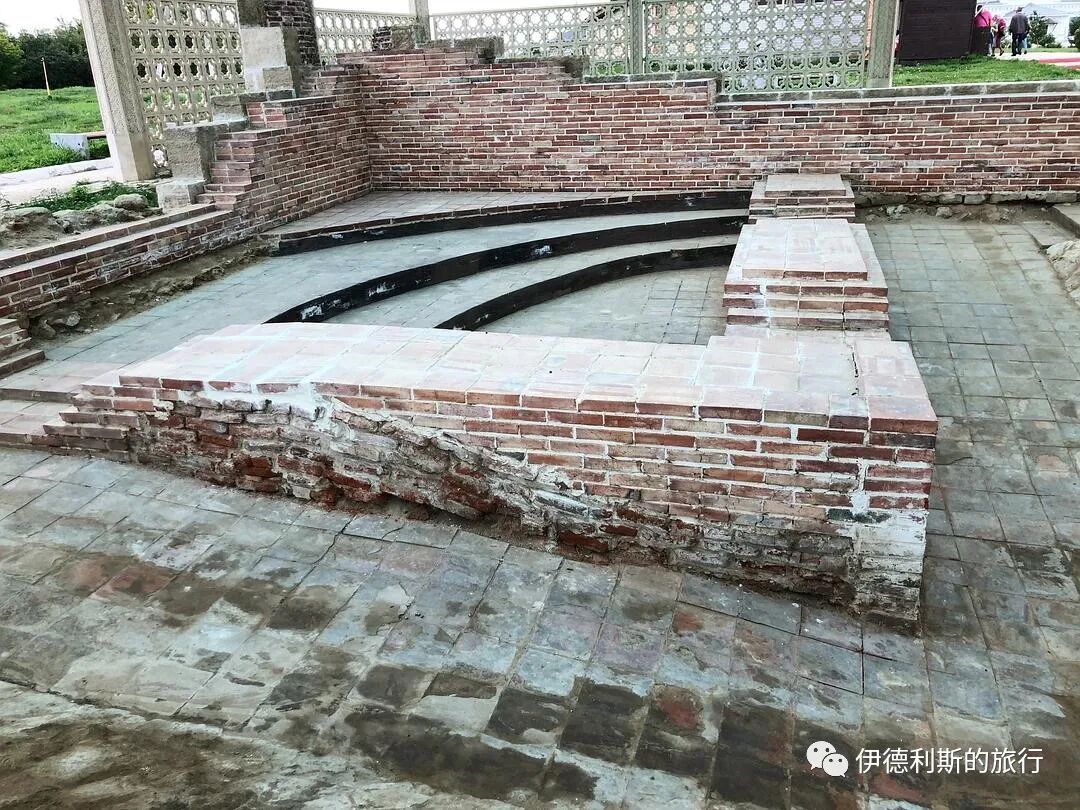
The Khan's Palace is located east of the Great Mosque and was built in the mid-13th century during the early Golden Horde period. Since 1994, more than 1,000 square meters of archaeological excavations have been conducted, and 30% of the coins unearthed belong to the period between 1240 and 1259.
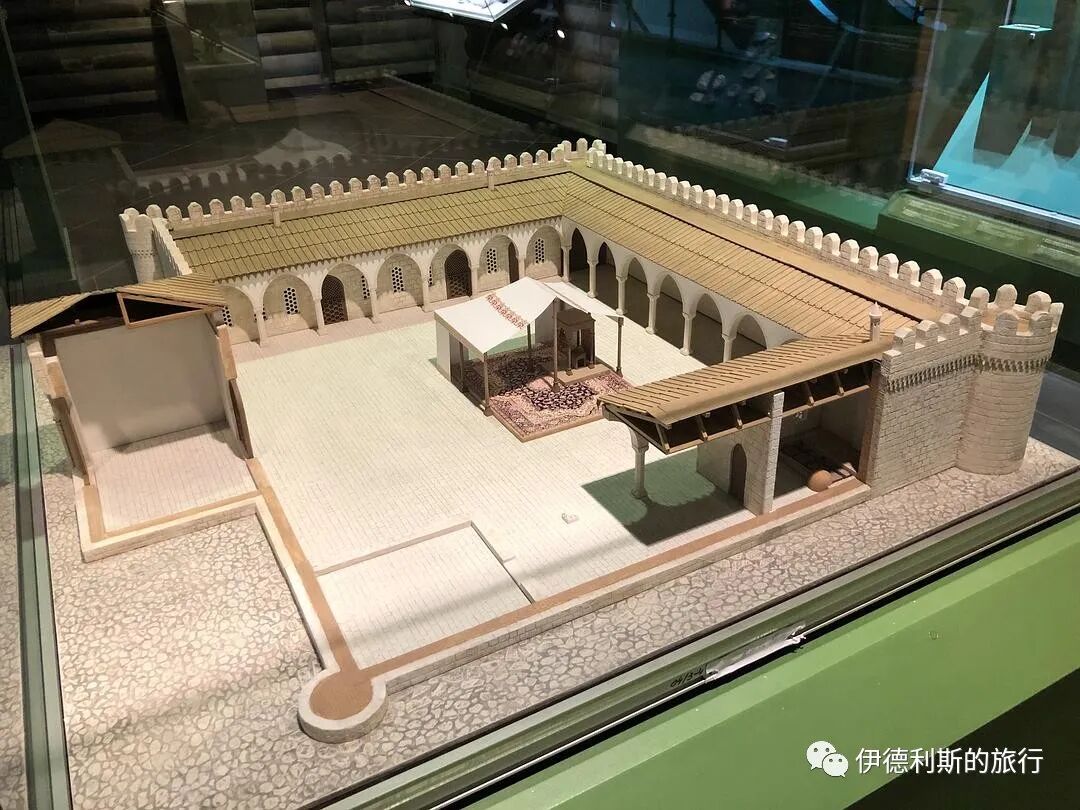
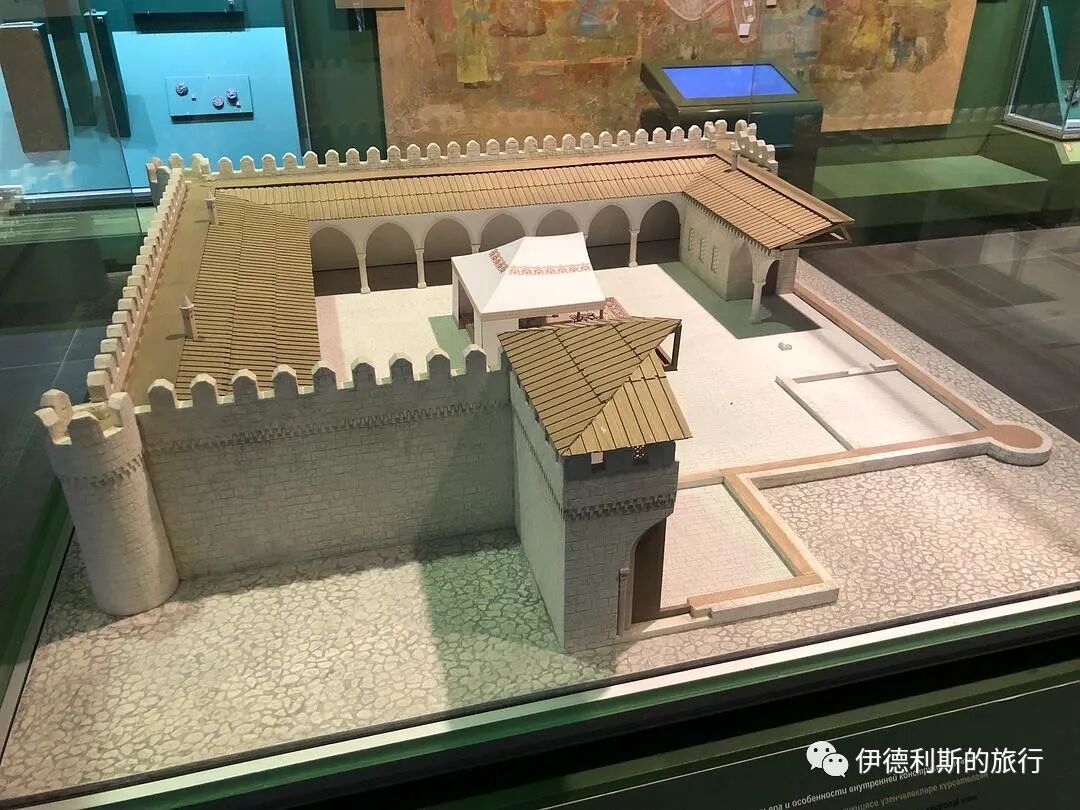
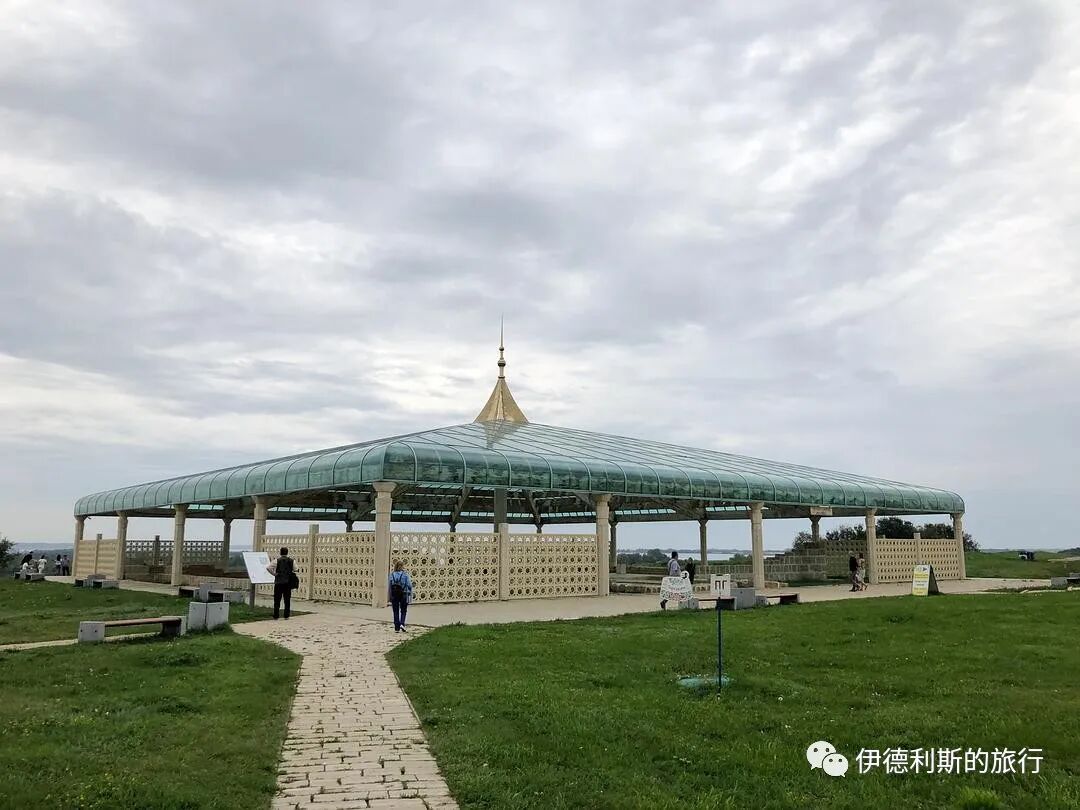
6. Eastern House
The Eastern House is the ruin of a public bathhouse built in the 1290s during the Golden Horde period, and it is the earliest and largest public bathhouse ruin existing in the ancient city of Bolghar. The entire bathhouse consists of three parts; the central space includes a heated changing room, a central cross-shaped hall, and four bathrooms. The western space includes a heated changing room and a boiler room; the boiler room consists of a furnace and two hot air ducts. The eastern space consists of a boiler with three air ducts.
From 1984 to 1992, a series of archaeological excavations were conducted on the bathhouse. From the unearthed coins, it is known that the bathhouse was used from approximately the 1290s to the 1340s.
III. Black House
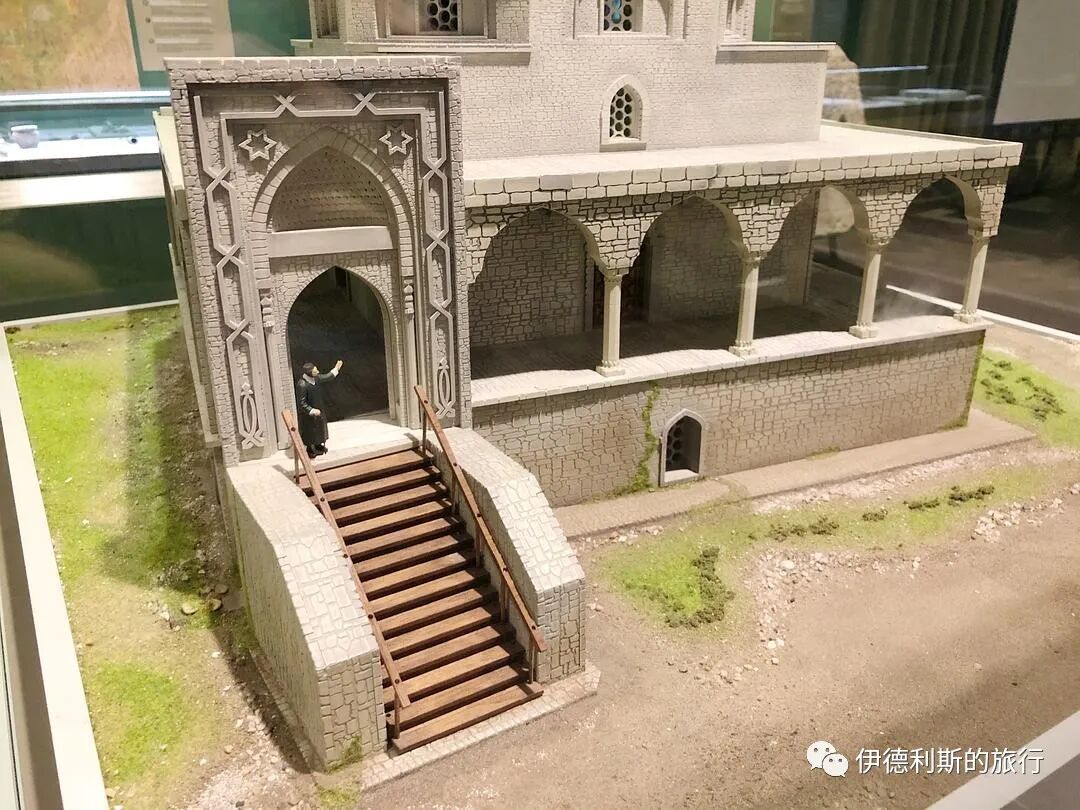
The Black House was built in the mid-14th century during the Golden Horde period and is constructed of white limestone. The Black House is the only 14th-century civil building in the ancient city that has been preserved to this day; its specific purpose remains undetermined, but it is speculated to have been a courthouse or a pilgrim hostel. Archaeological excavations were conducted here twice in 1957 and 1966, and it was discovered that there used to be a veranda built around the building.
IV. Khan's Mausoleum and Small Minaret
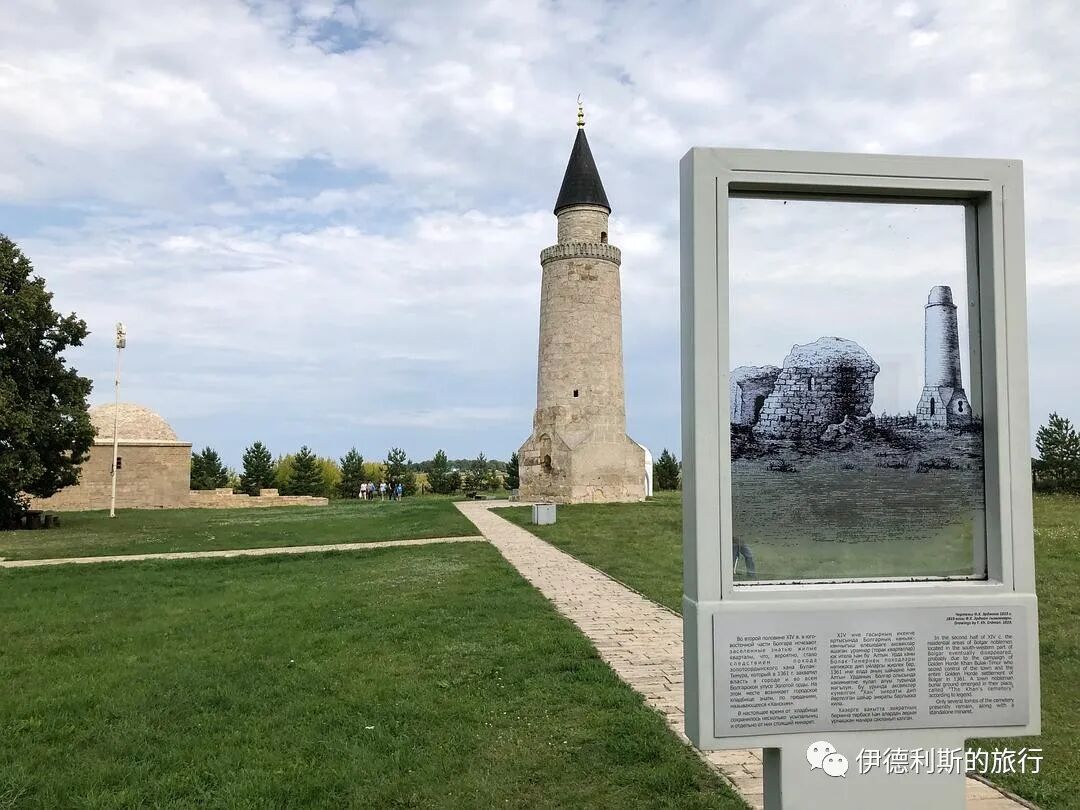
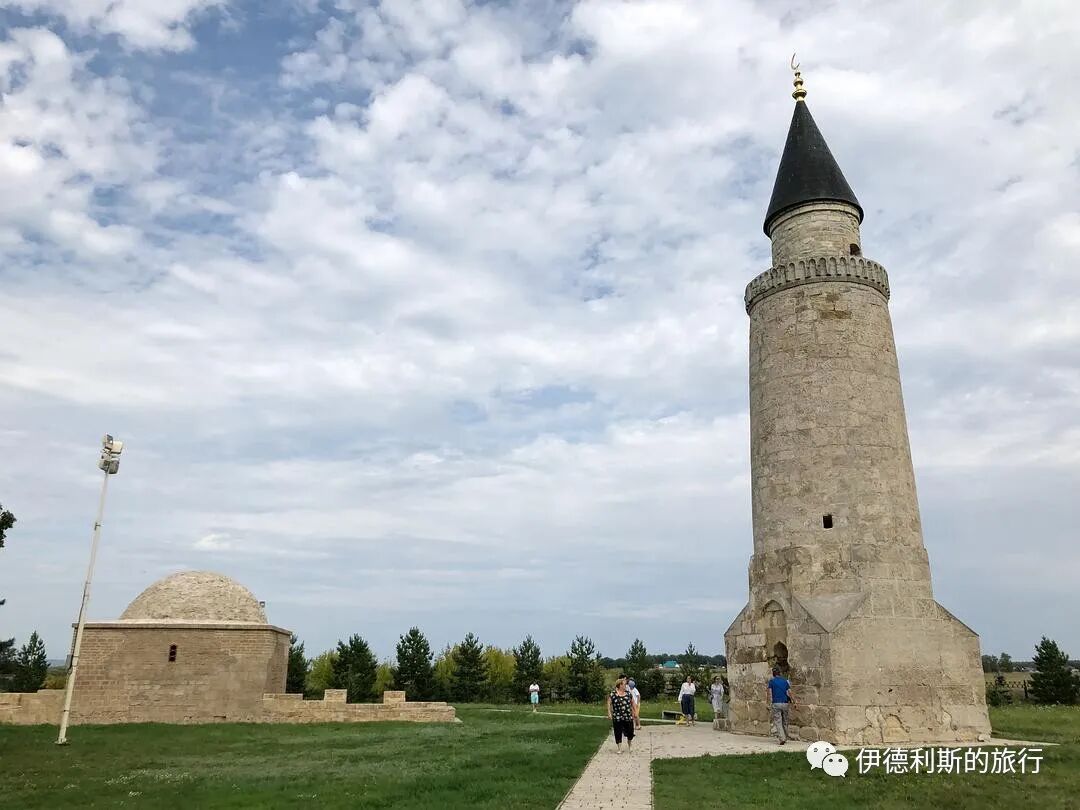
The Small Minaret and the Khan's Mausoleum are located 500 meters south of the Great Mosque architectural complex.
1. Khan's Mausoleum
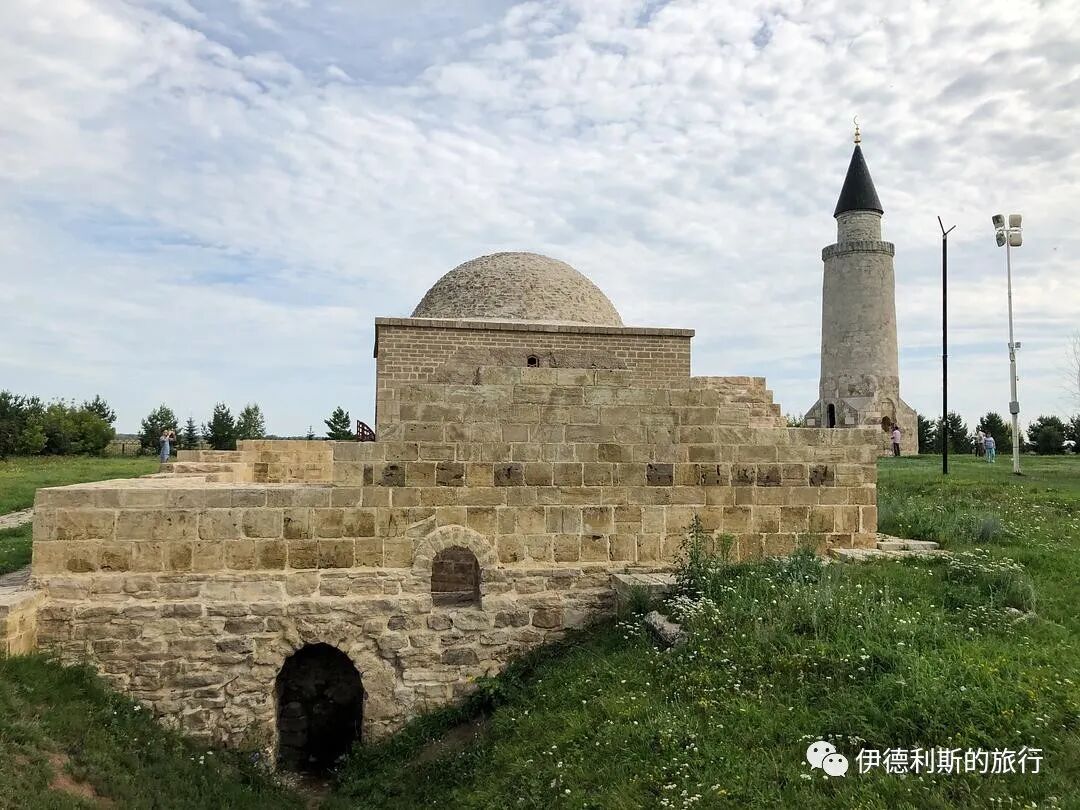
The Khan's Mausoleum was built in the early 14th century during the Golden Horde period; before this, there was a stone bathhouse here. The mausoleum was rebuilt in the mid-14th century. There are 8 tombs inside the mausoleum, some with tombstones. The archaeological monument was studied in 1968.
Protection and partial restoration were carried out in 1971, 1990, and 2006, respectively.
2. Small Minaret
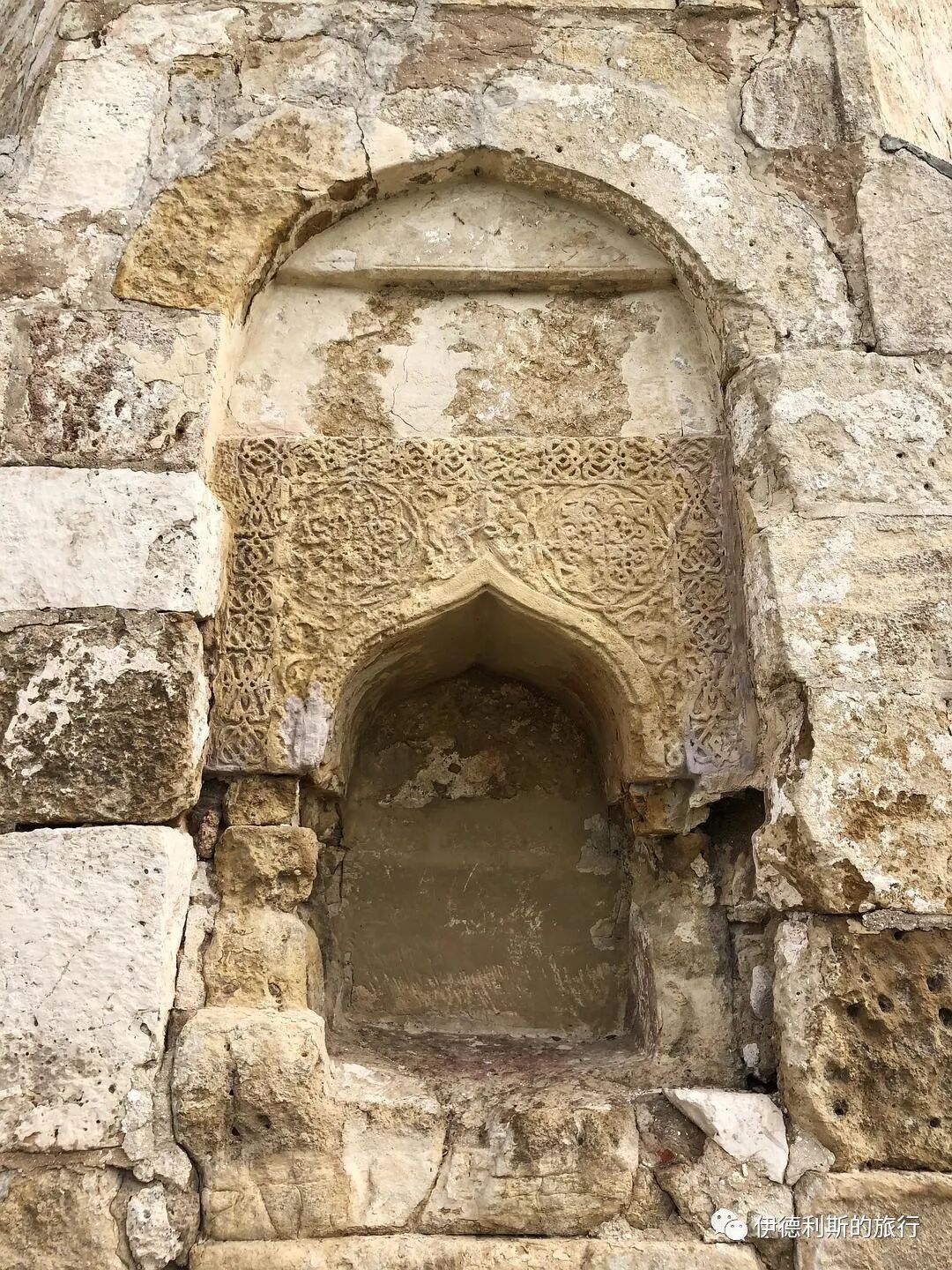
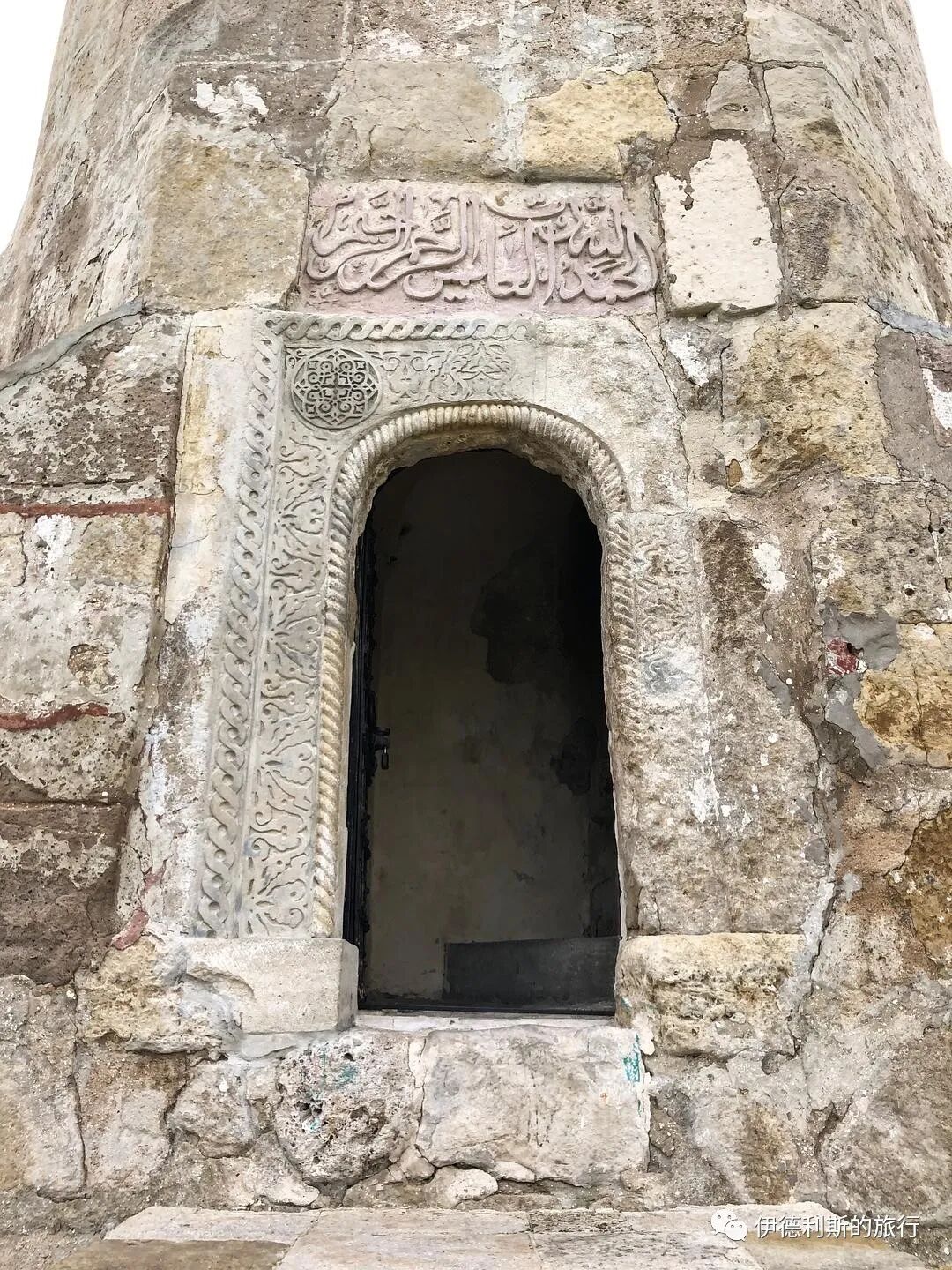
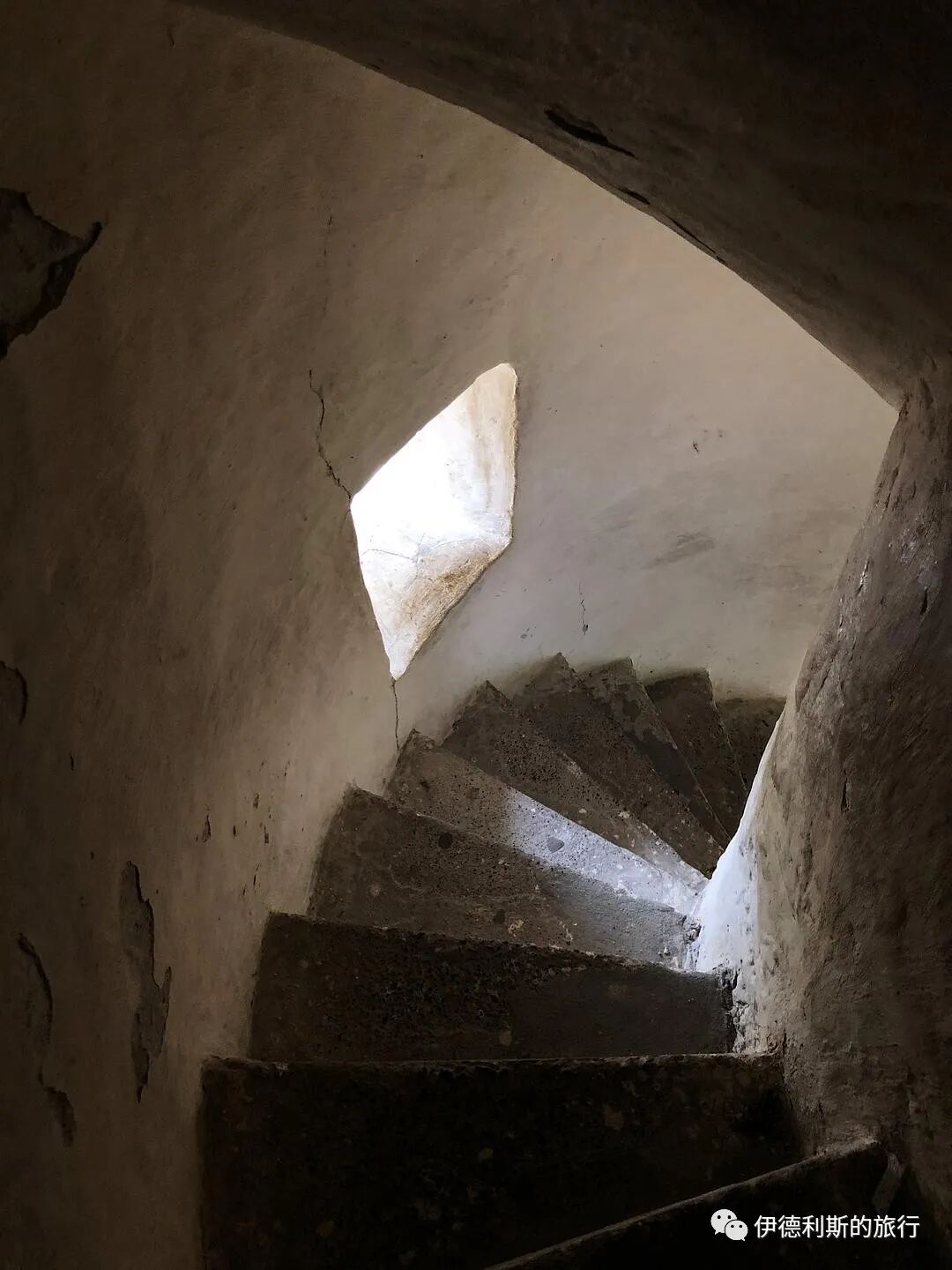
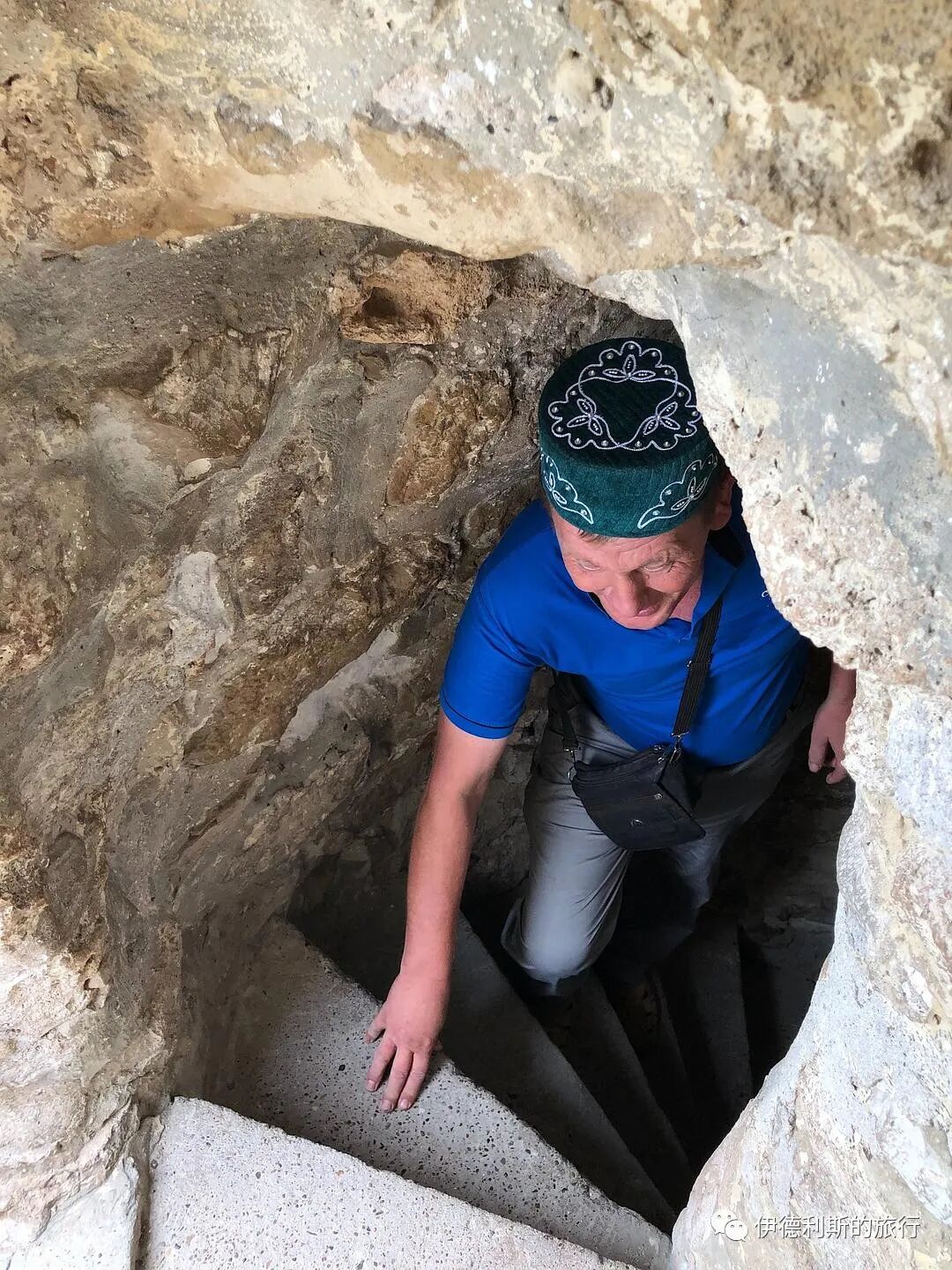
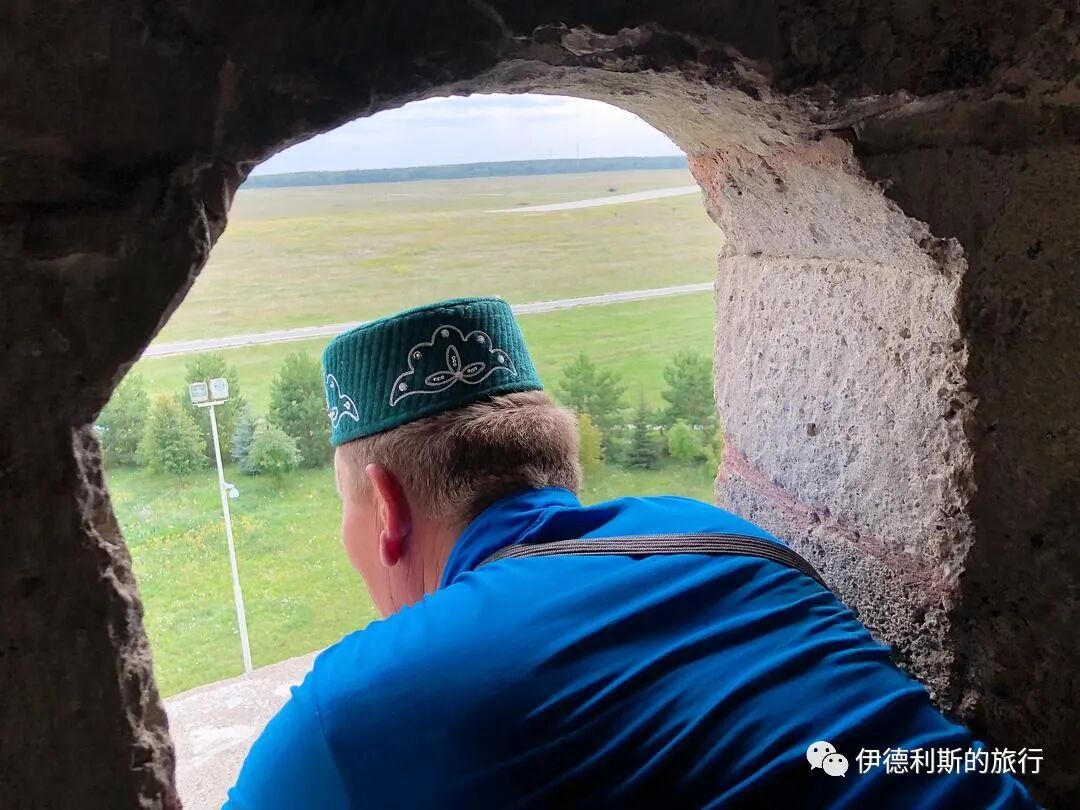
The Small Minaret was built in the late 14th century during the Golden Horde period; it is similar in shape to the Great Minaret of the Great Mosque and is the only minaret in the ancient city that has been preserved to this day. Two archaeological excavations were conducted here in 1914 and 1968-1969, and it was repaired between 1968 and 1970.
V. White House
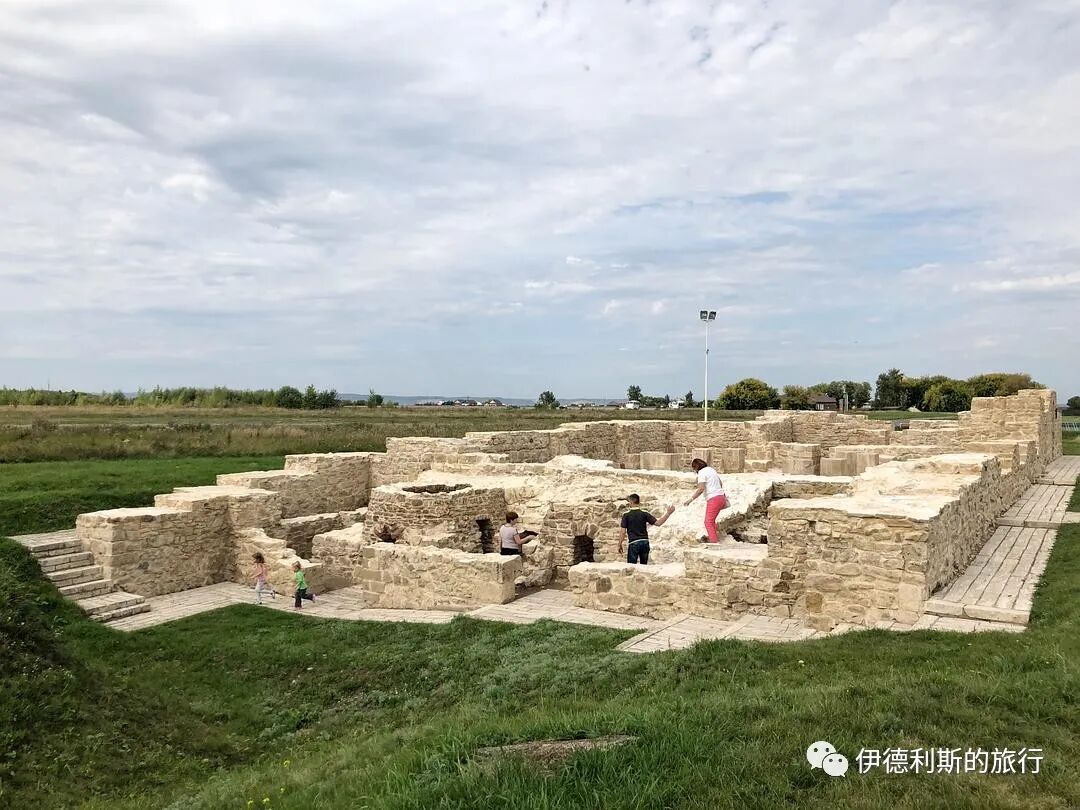
The White House is located 250 meters southeast of the Black House; it is a public bathhouse built in the 1340s during the Golden Horde period and was abandoned in the 1460s.
The bathhouse consists of several rectangular spaces of different sizes; the cross-shaped central hall once had a dome, and the ruins of the washing area consisting of pools, fountains, and soap rooms have been preserved, where you can clearly see the network of heating pipes, sewage, and well water facilities underneath.
The bathhouse was heated by two circular furnaces, which were also covered by domes; the furnaces and air ducts were made of sandstone, and the causeway under the furnaces was made of limestone.
The White House as seen today is how it looked after restoration and protection in 2011.
VI. Small Tombs
There are several tombs from the mid-14th to early 15th century Golden Horde period scattered throughout the ancient city of Bolghar. These tombs were archaeologically excavated between the 1970s and 1980s.
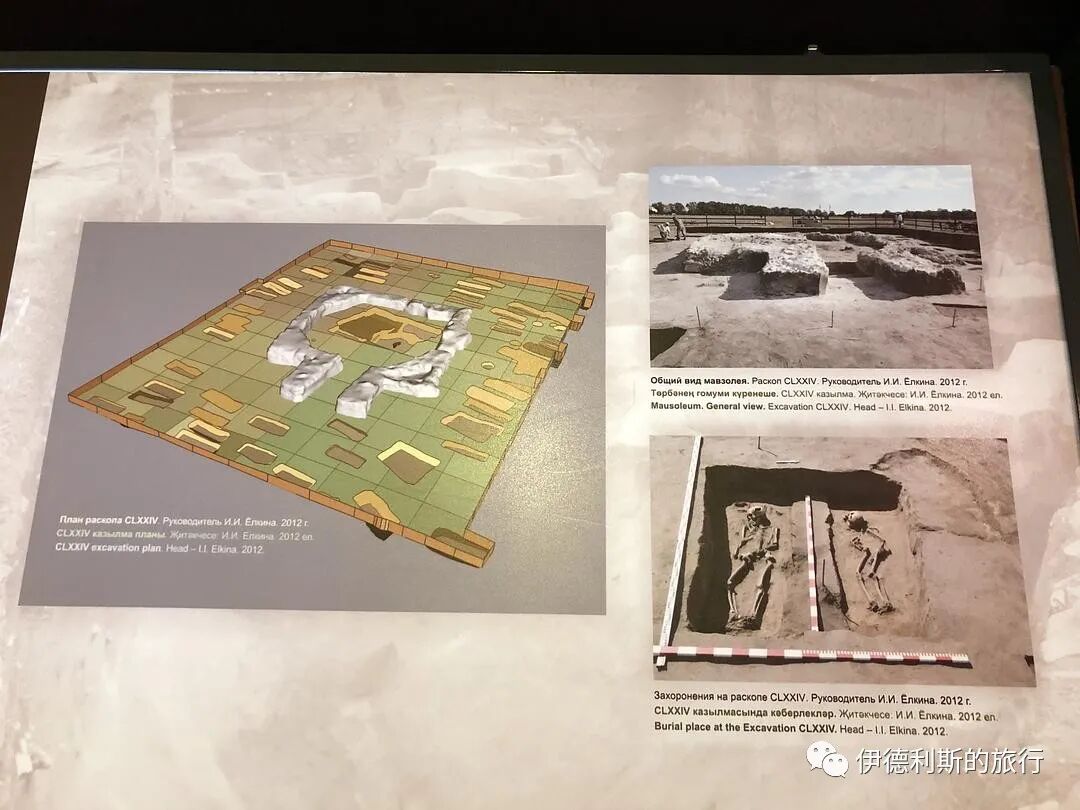
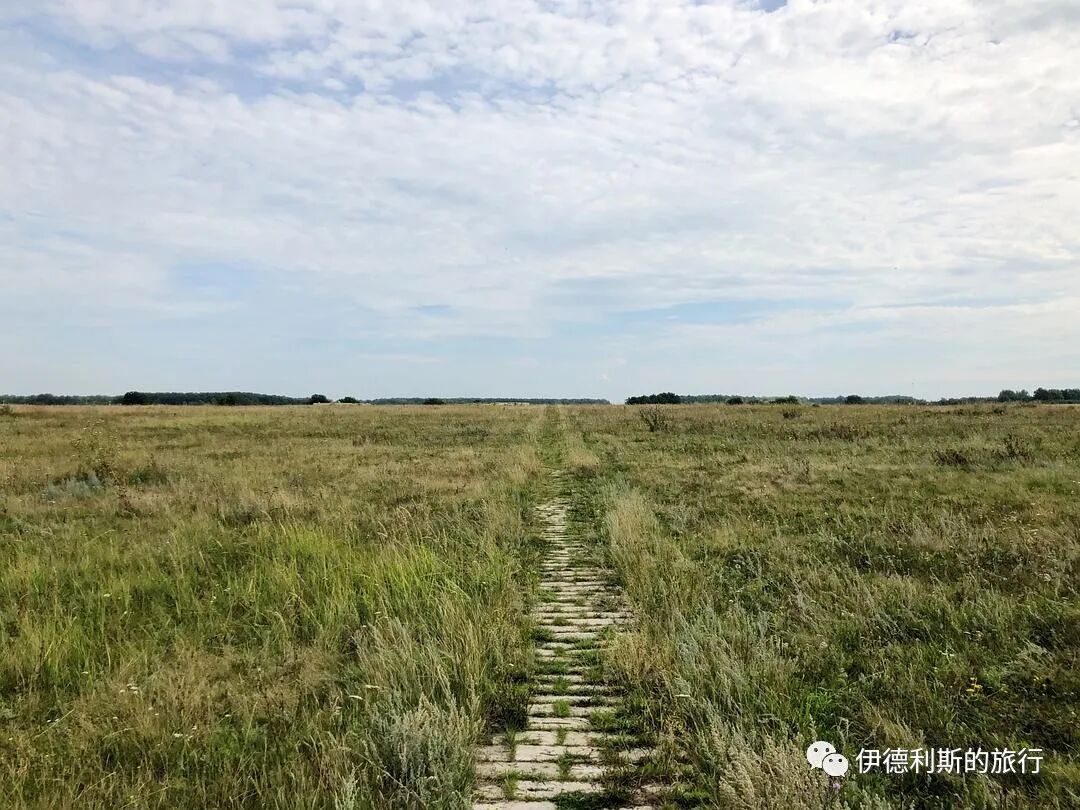
VII. Southern Small City
Outside the south gate of the ancient city of Bolghar, there is a small city ruin from the 13th to 14th century Golden Horde period; it is speculated that this was built to strengthen the defense of the south gate of Bolghar city.
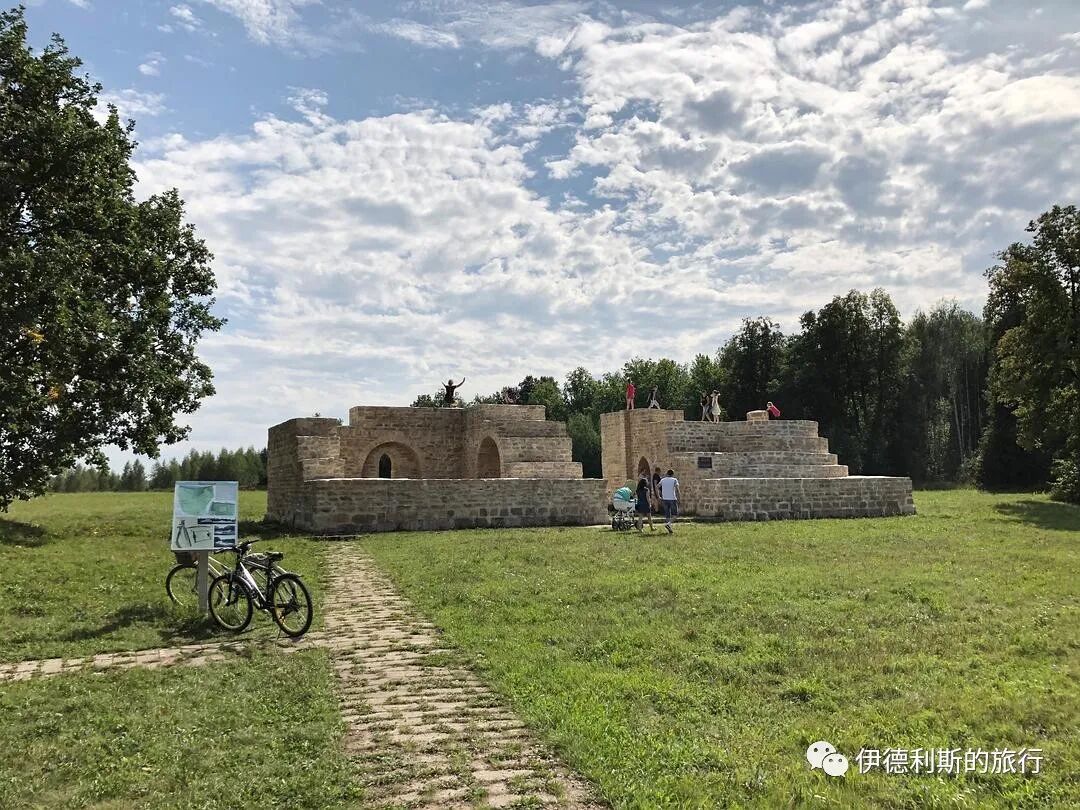
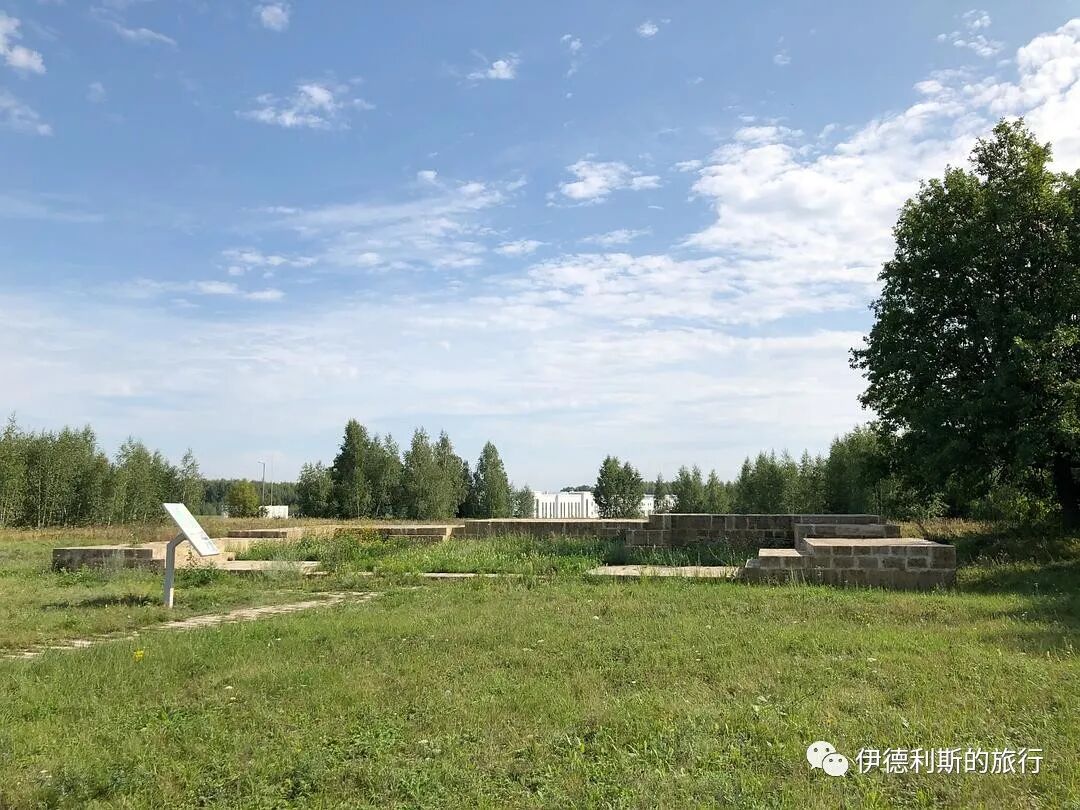
VIII. Unearthed Artifacts
The Bolghar Civilization Museum displays artifacts from the Golden Horde period unearthed from the ancient city of Bolghar, where you can see artifacts with Chinese and Iranian styles.
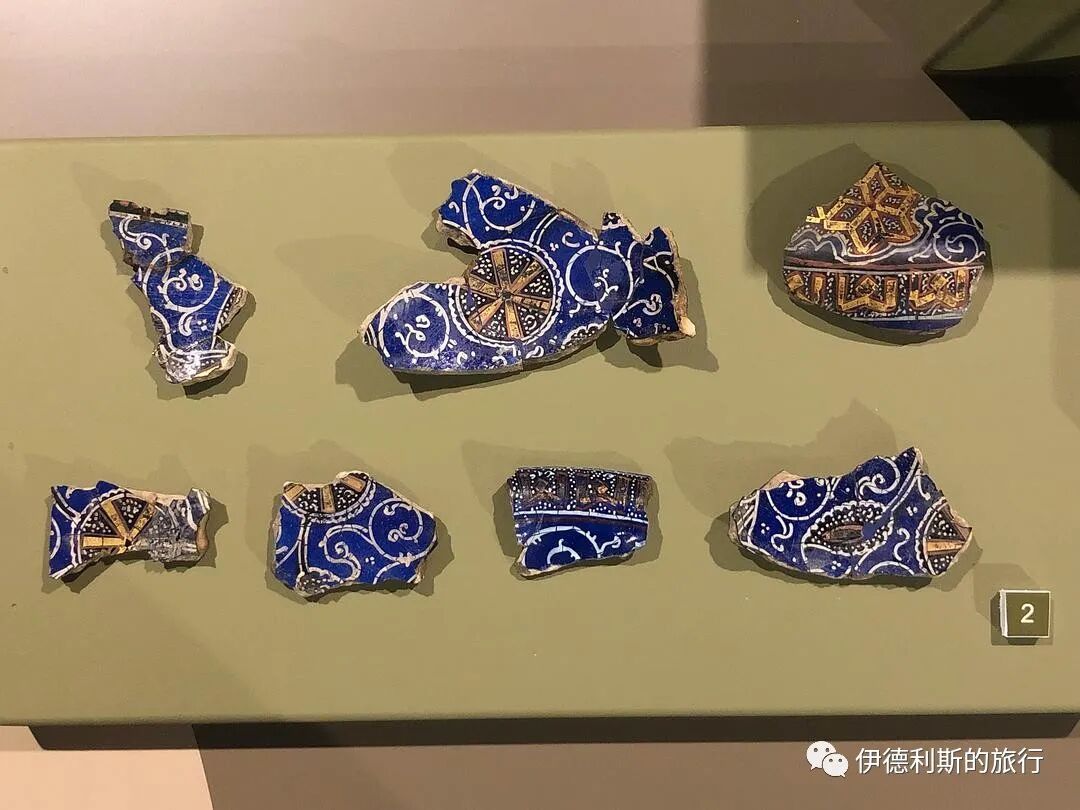
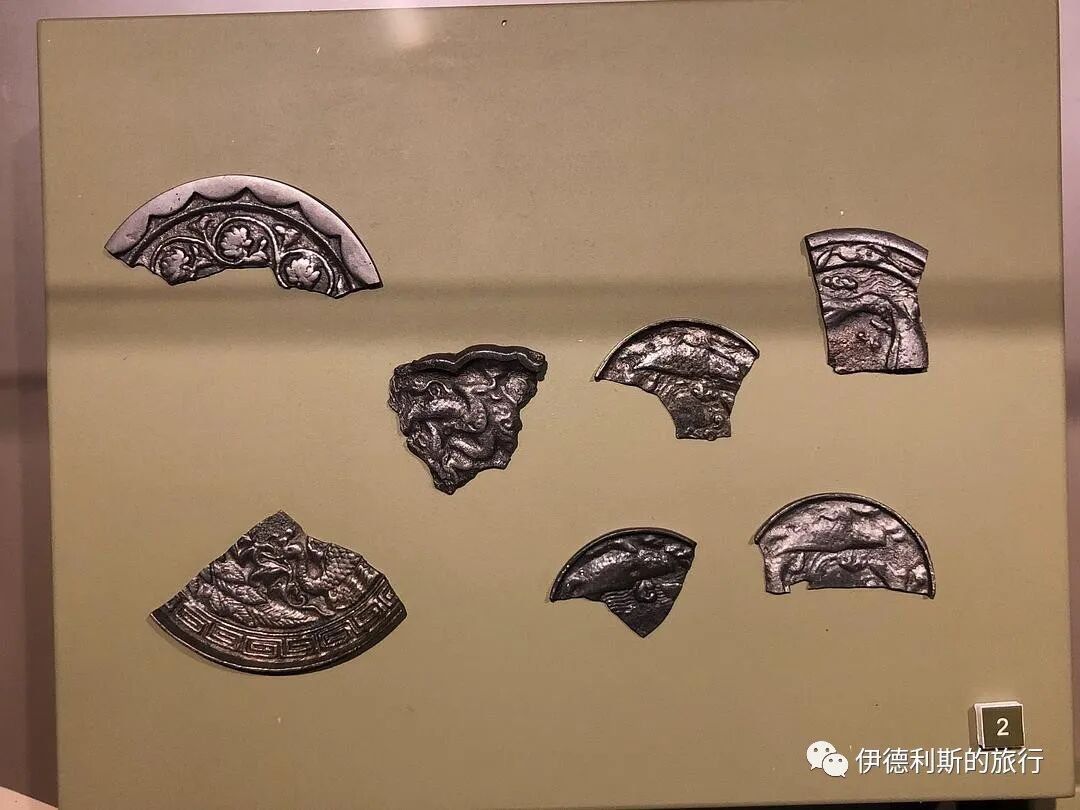
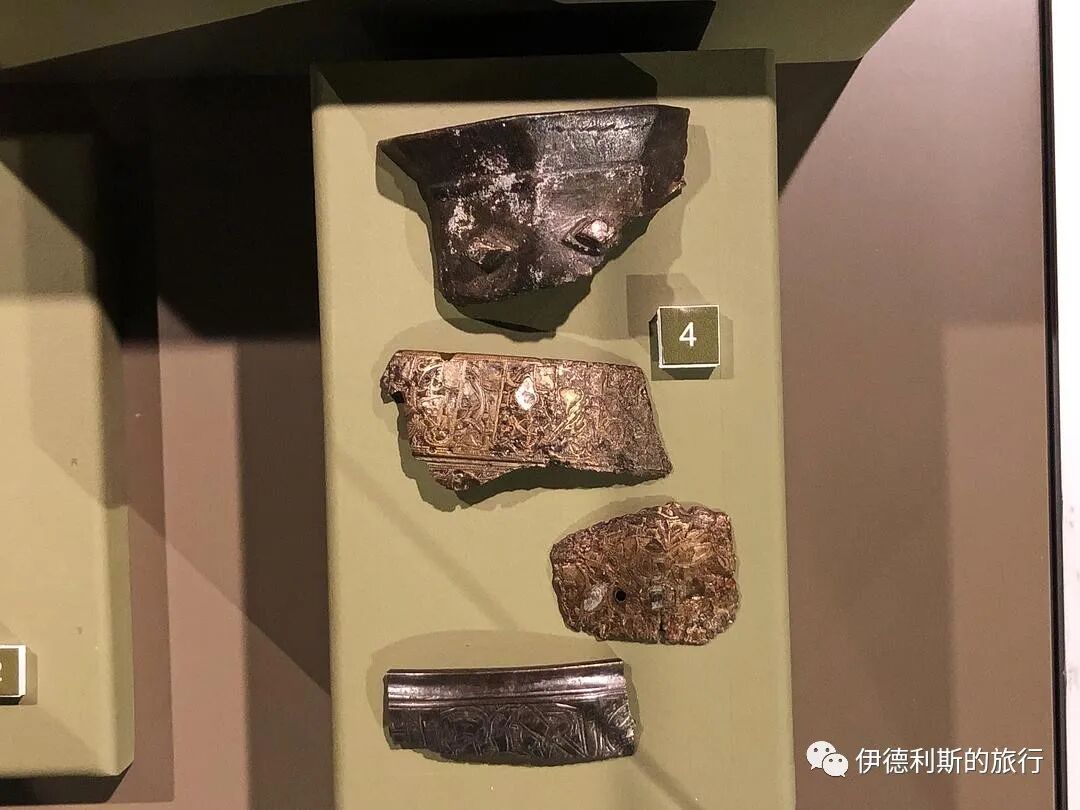
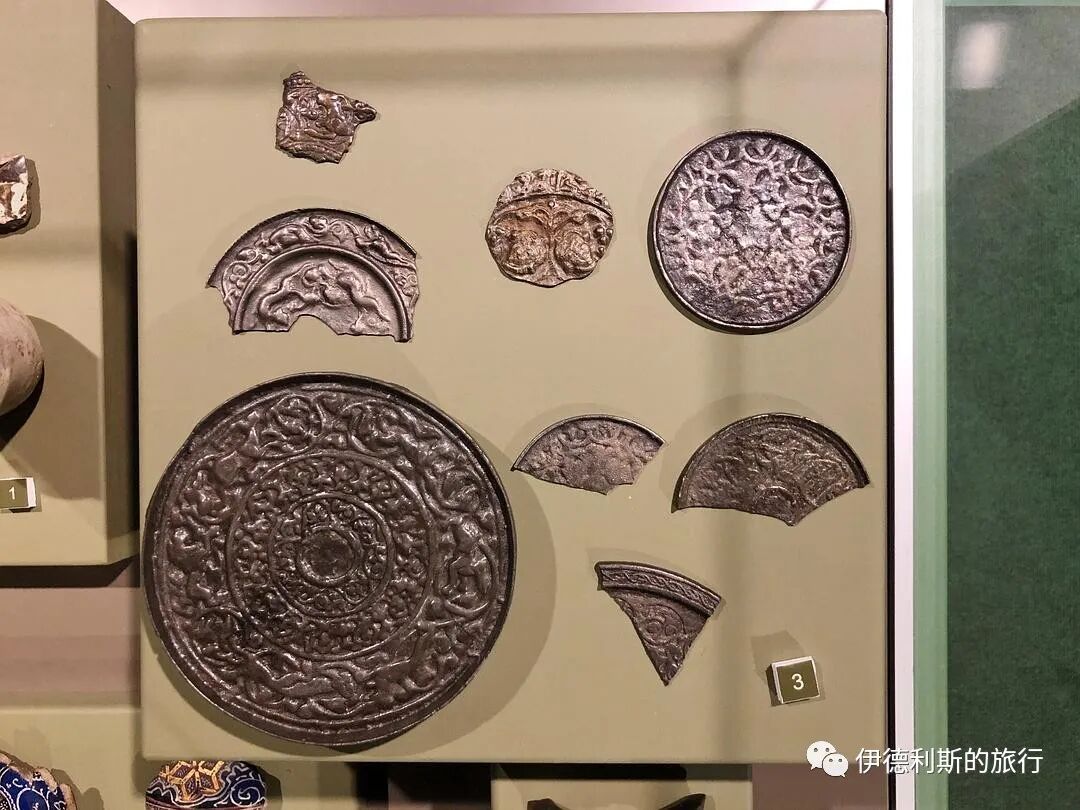
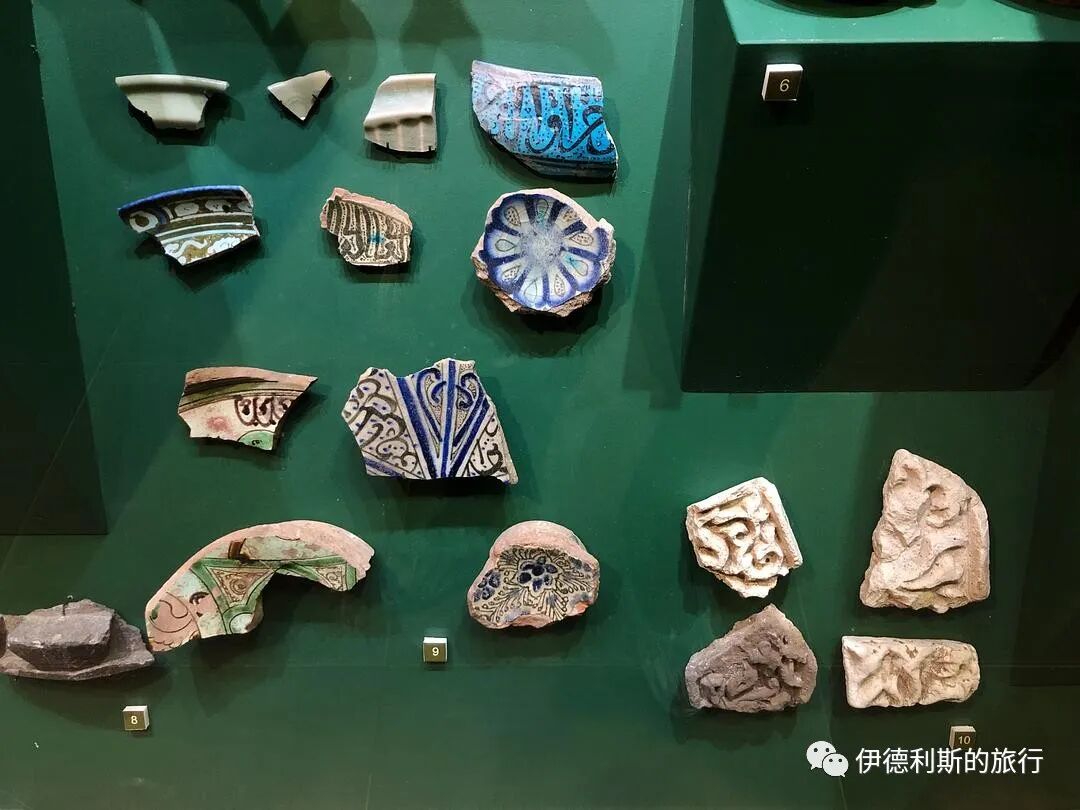
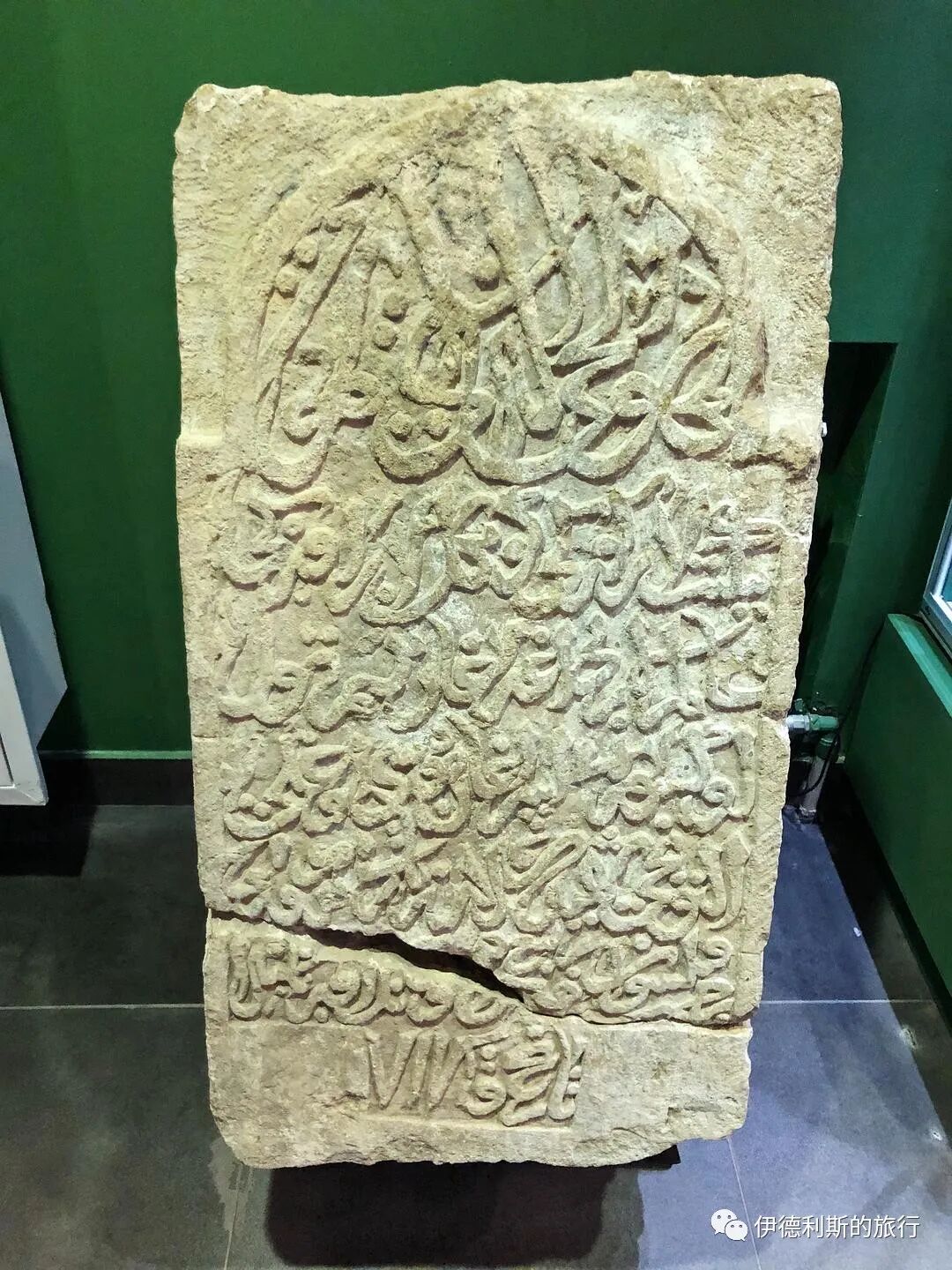
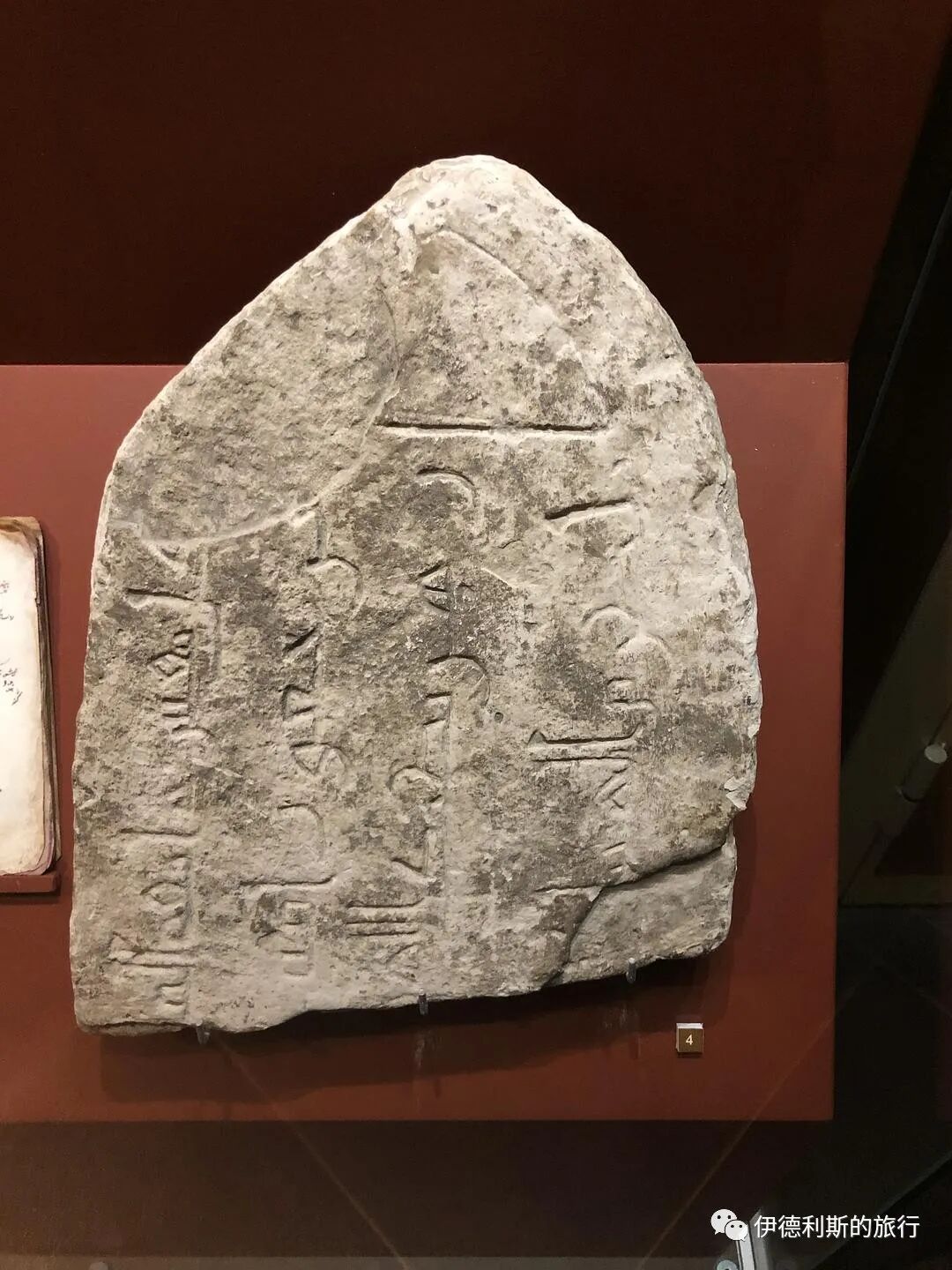
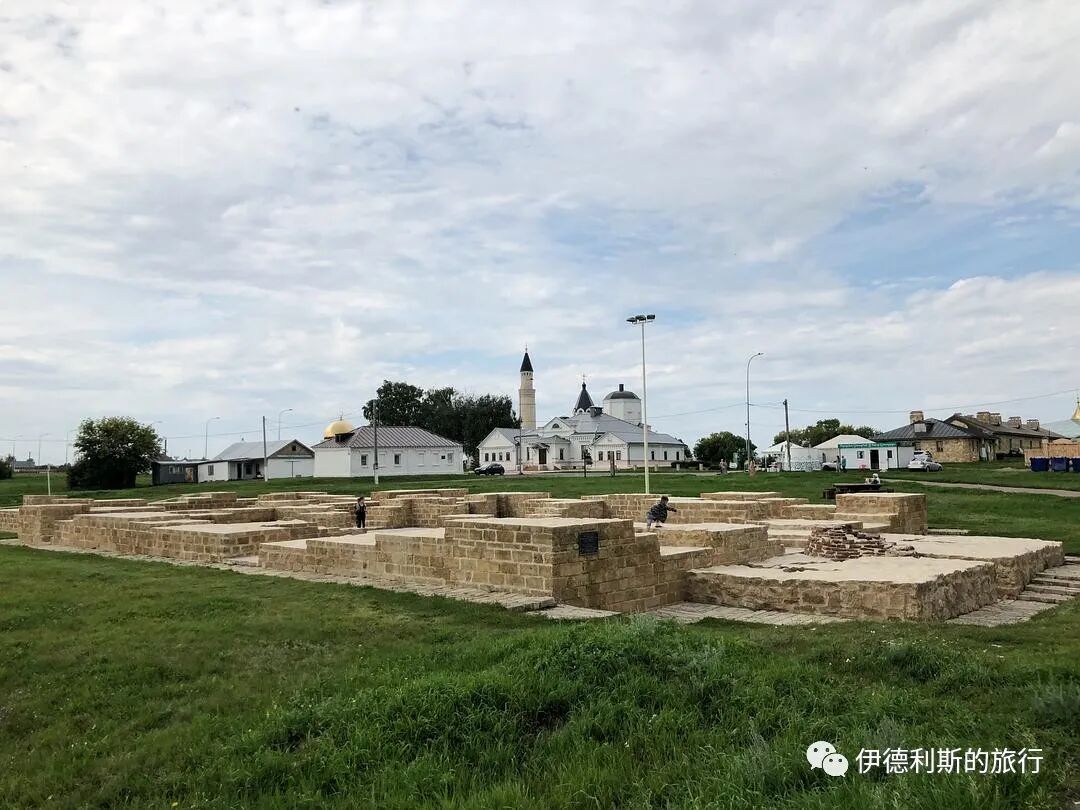
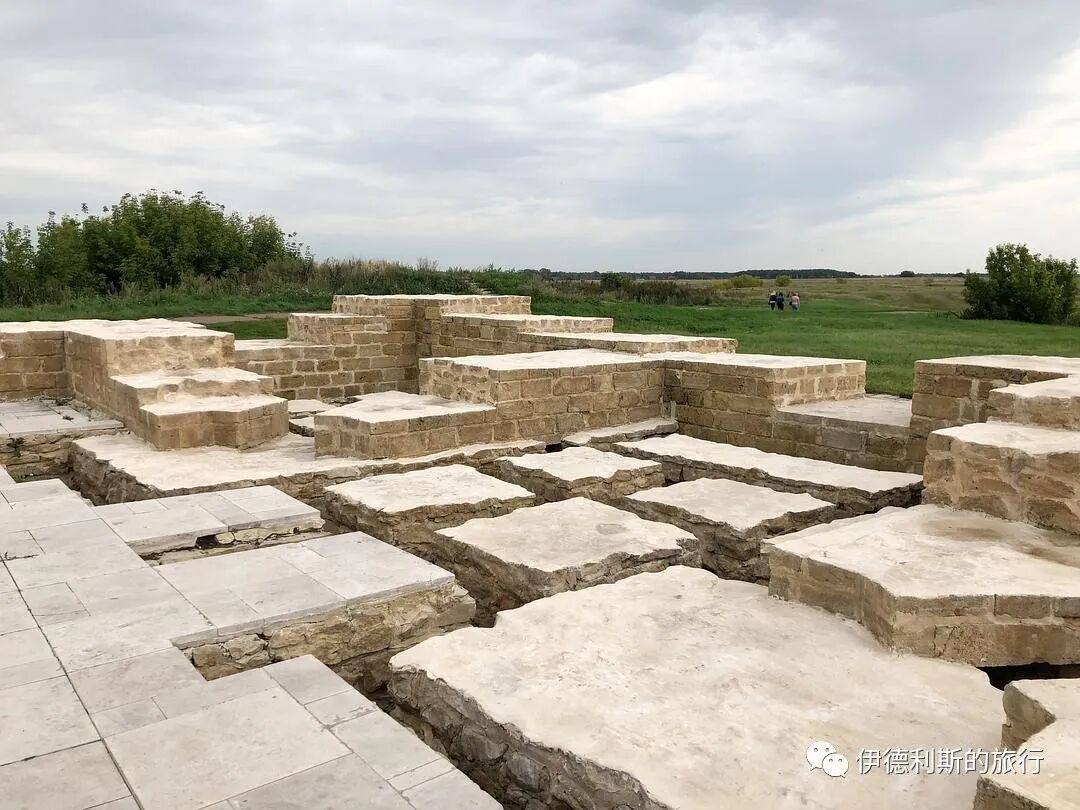
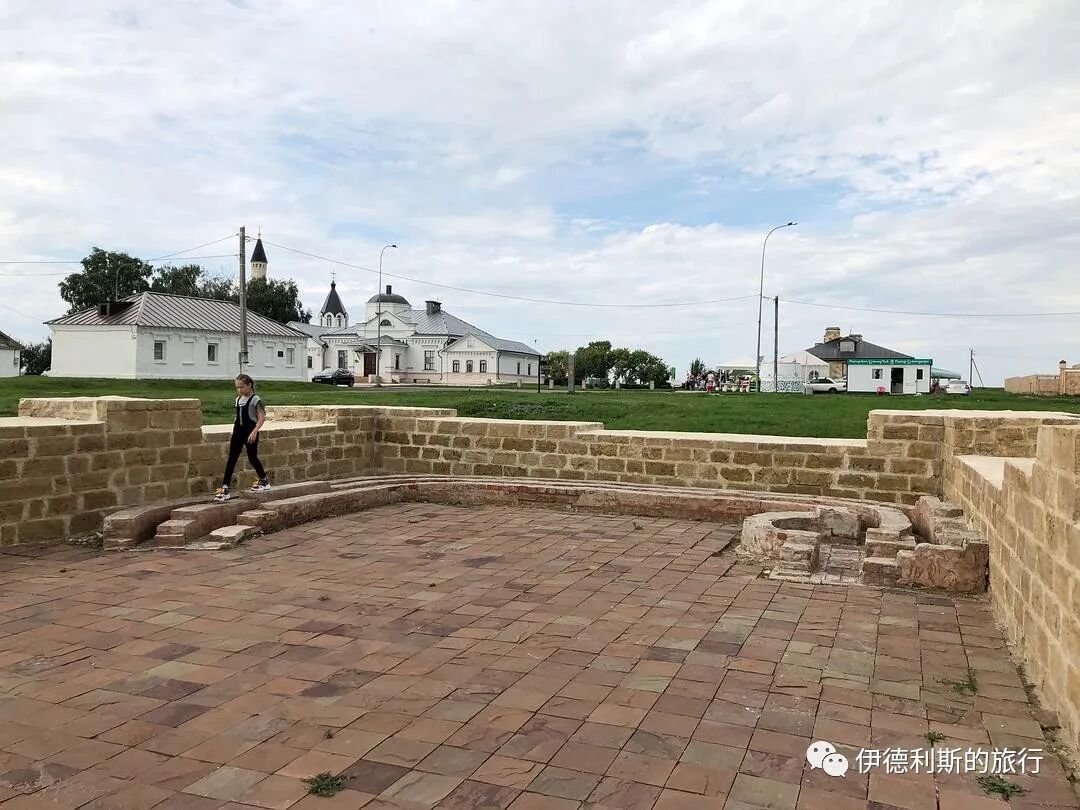
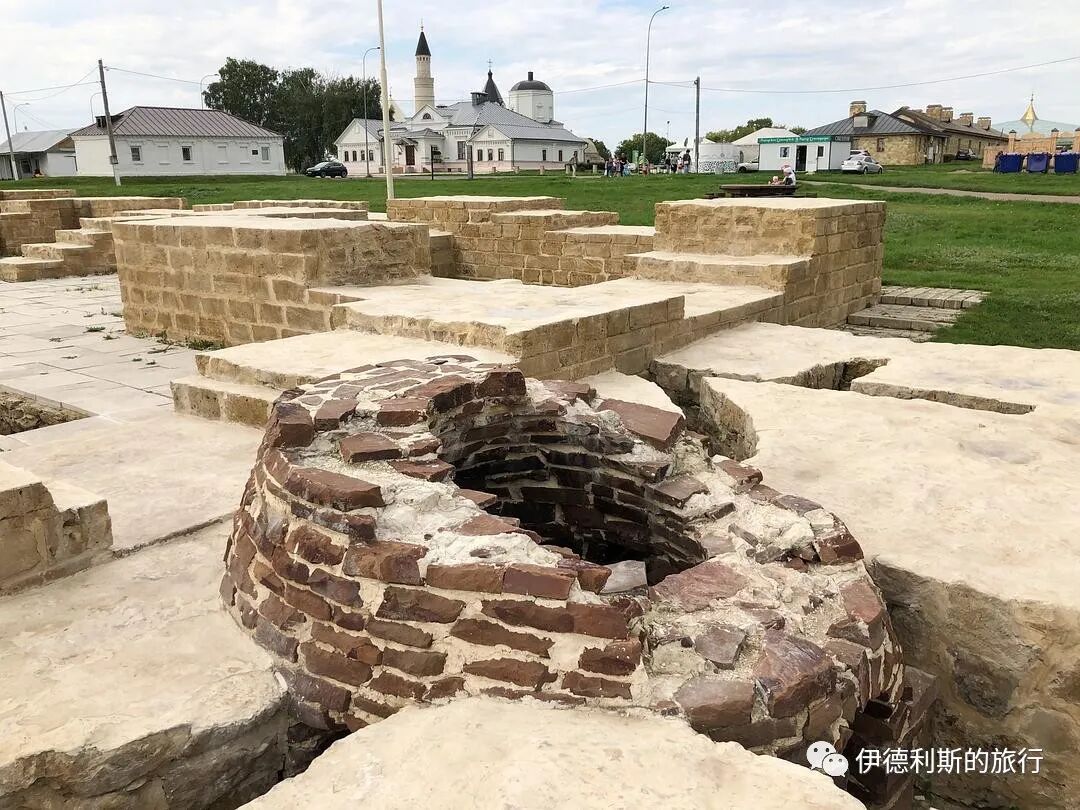
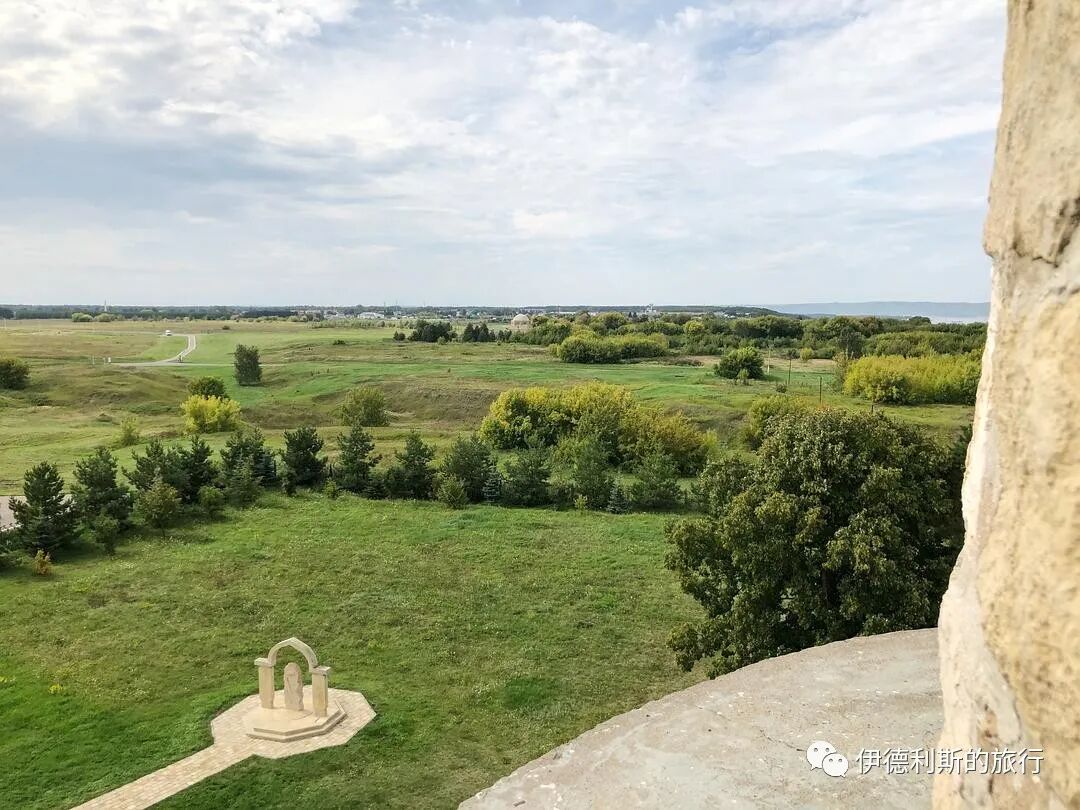
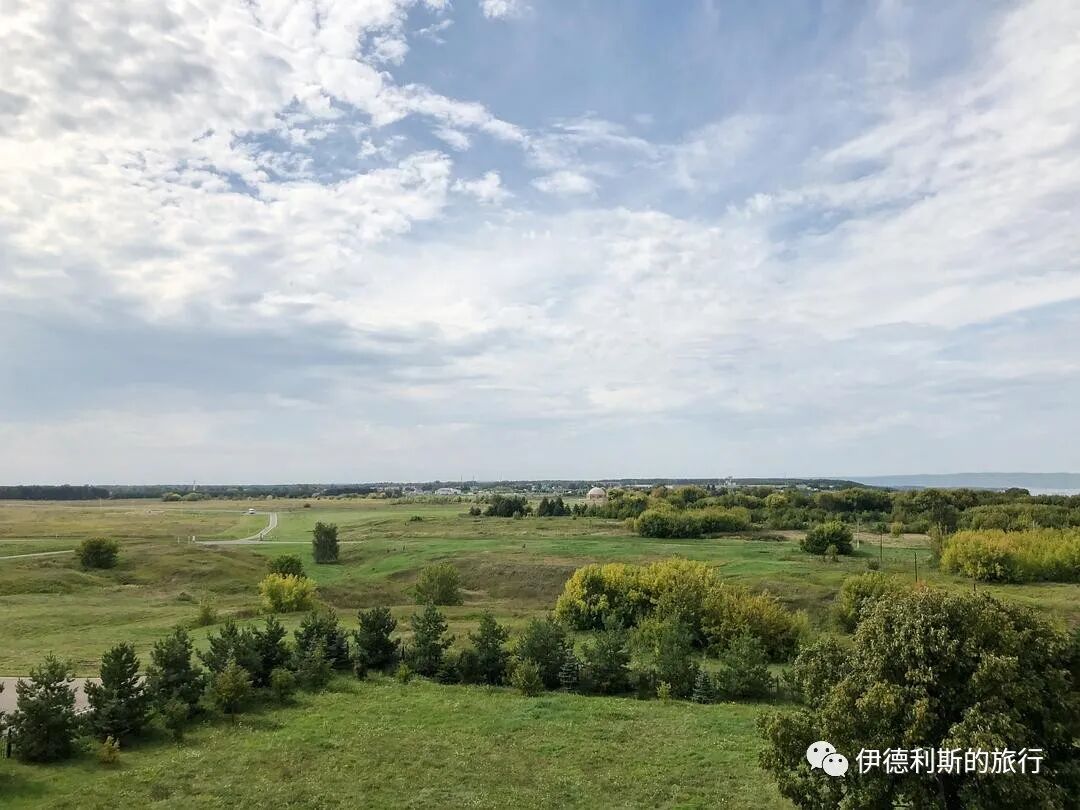
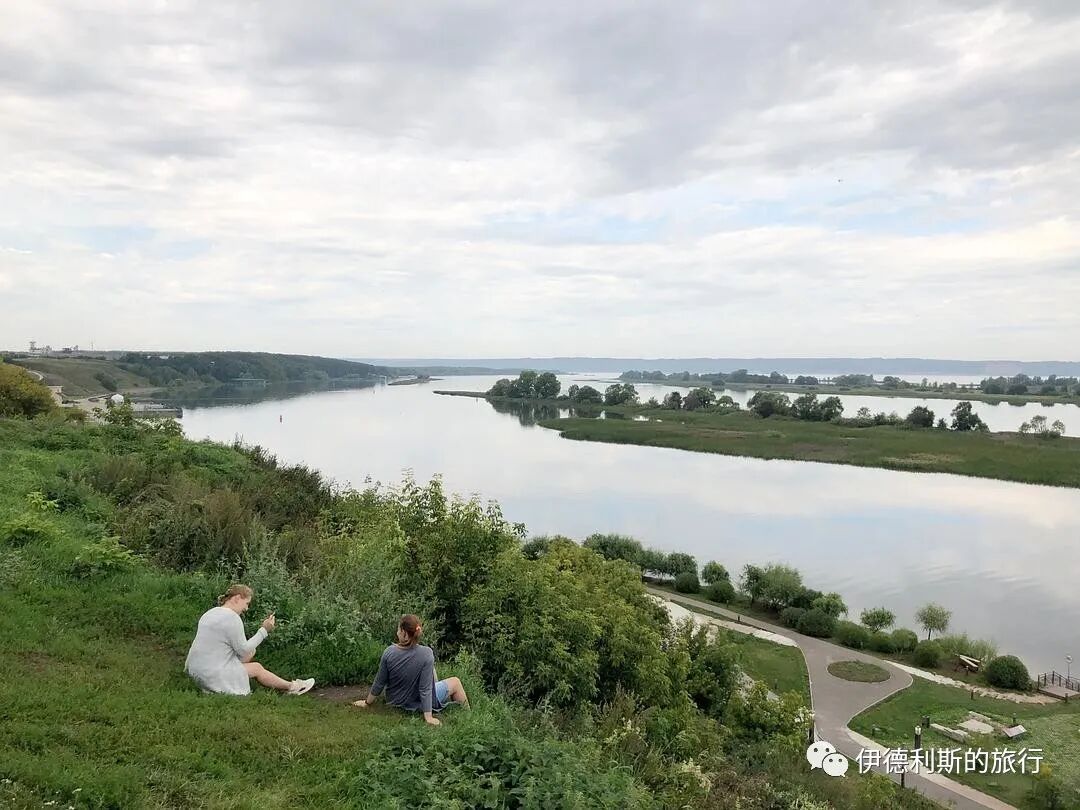
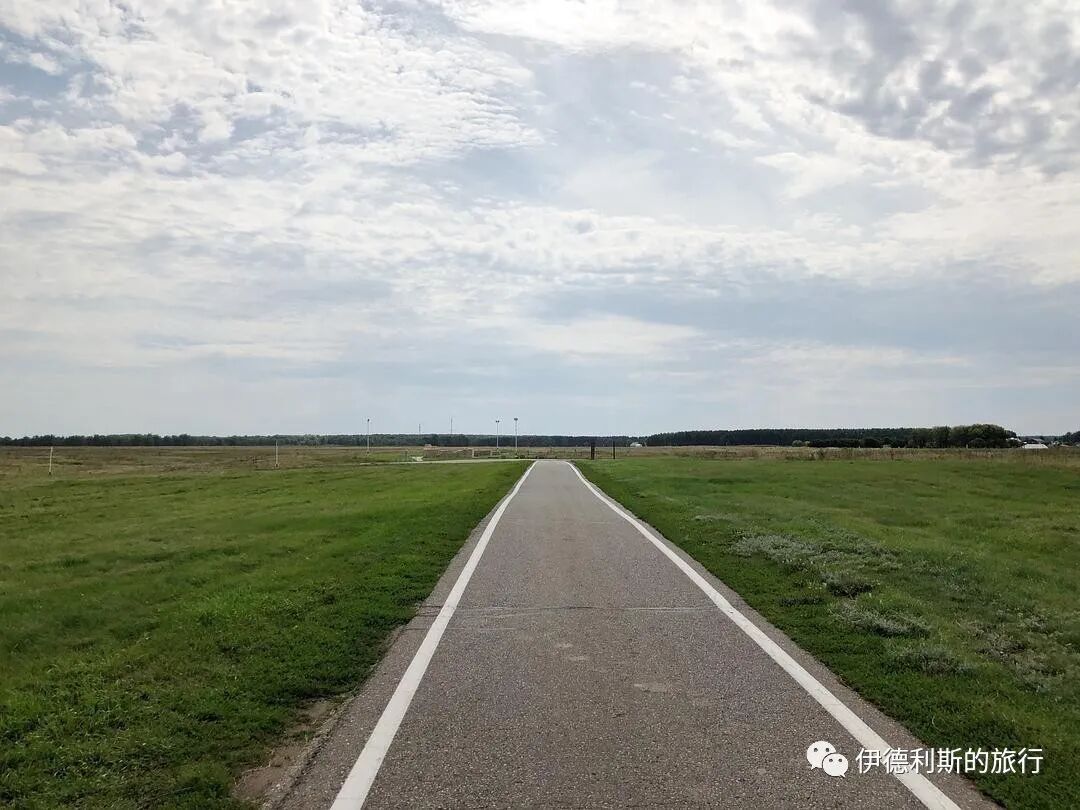
Finally, here are some photos of the ancient city scenery.
Tatars in Kazan: Mosques, Muslim Heritage and City Life (Part 1)
Articles • ali2007fr posted the article • 0 comments • 176 views • 2026-05-17 07:35
Summary: This travel note introduces Tatars in Kazan: Mosques, Muslim Heritage and City Life (Part 1). As the former capital of the Kazan Khanate, the city of Kazan was completely destroyed after being conquered by Ivan the Terrible in 1552. It is useful for readers interested in Kazan Travel, Tatar Muslims, Islamic Heritage.
As the former capital of the Kazan Khanate, the city of Kazan was completely destroyed after being conquered by Ivan the Terrible in 1552. In 1556, the Russians built a new city of Kazan, settling 7,000 Russians within it, while the remaining Tatars settled on the banks of Lake Kaban to the southwest of the city, gradually forming the Old Tatar Quarter (Staro-Tatarskaya Sloboda).
The early Old Tatar Quarter consisted of wooden buildings, which were very prone to fires. During the reign of Catherine the Great (reigned 1762-1796), the city of Kazan was rebuilt using brick and stone, gradually forming the current appearance of the Old Tatar historical district.
The scope of the Old Tatar Quarter in Kazan.
Although part of the district was converted into an industrial zone during the Soviet era, the current Old Tatar historical district still covers 88 hectares and preserves 75 historical buildings from the 18th to the 20th centuries, including mosques in the traditional Tatar style, mansions of wealthy Tatar merchants, and theaters. I have previously shared the 13 historical buildings of traditional-style mosques preserved in the community (see "Traditional Mosques of the Kazan Tatars"), and this time I will share my experience of eating and exploring in the Old Tatar historical district.
Tatarskaya Usadba (Tatar Manor).
This time I stayed in a traditional Tatar manor on the banks of Lake Kaban, which was originally the residence of the 19th-century Tatar merchant Khamit Sabitov. The manor offers both accommodation and dining. Because I did not book their main meals in advance, I only had breakfast, which was also in the traditional Tatar style.
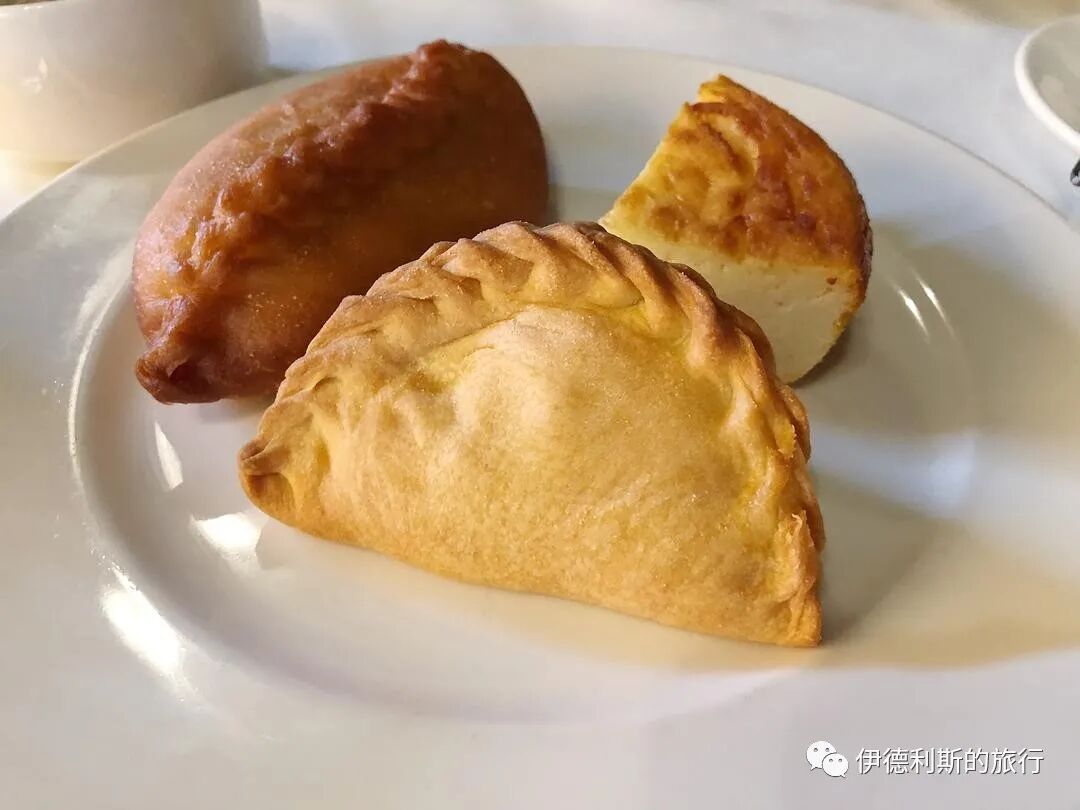
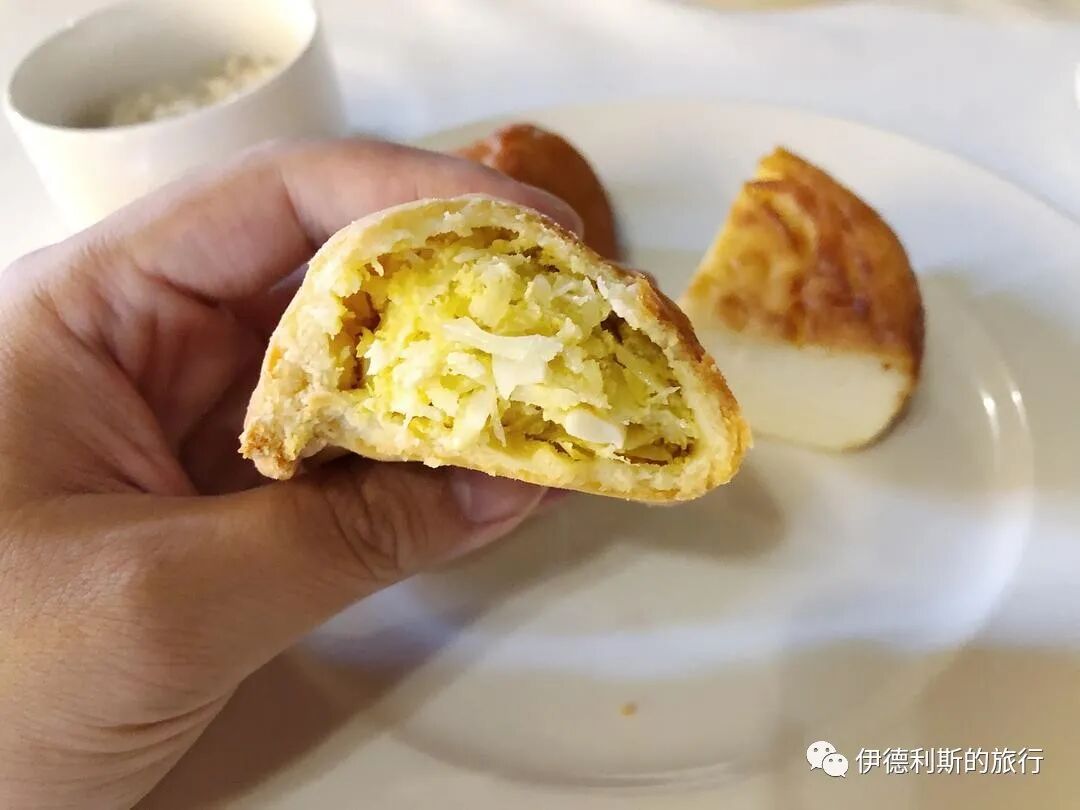
Bekken, a Tatar specialty pie, is made with sour cream dough and filled with cabbage and egg.
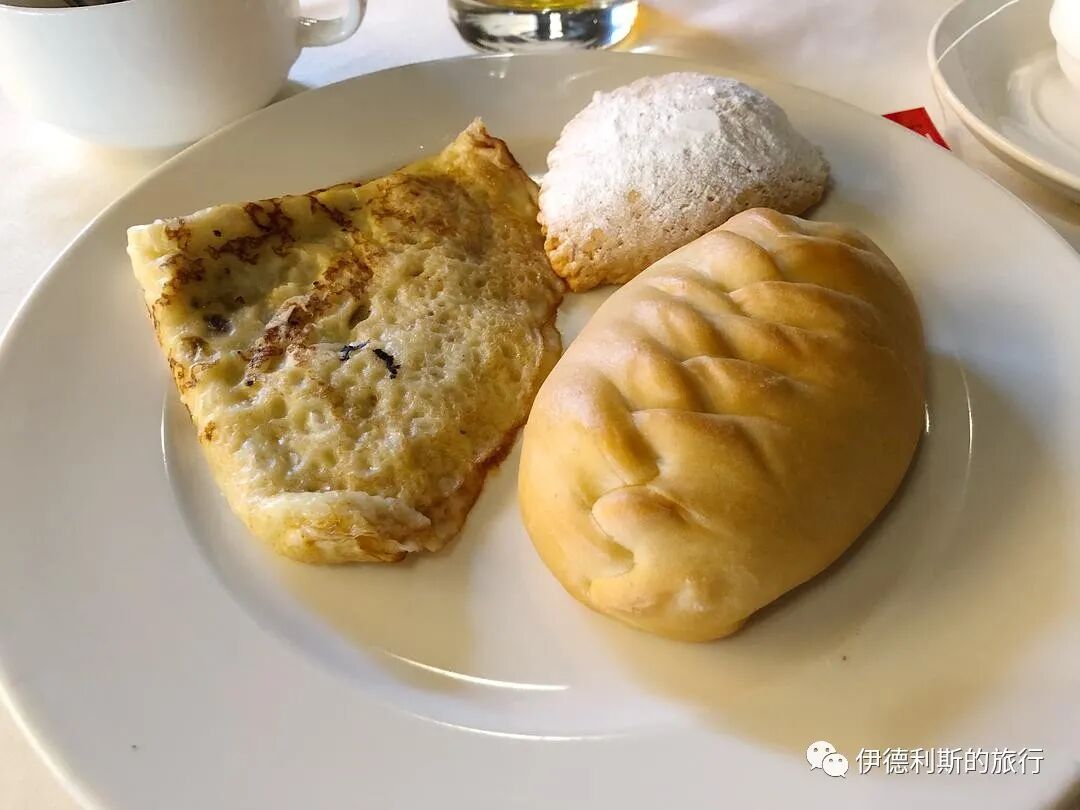
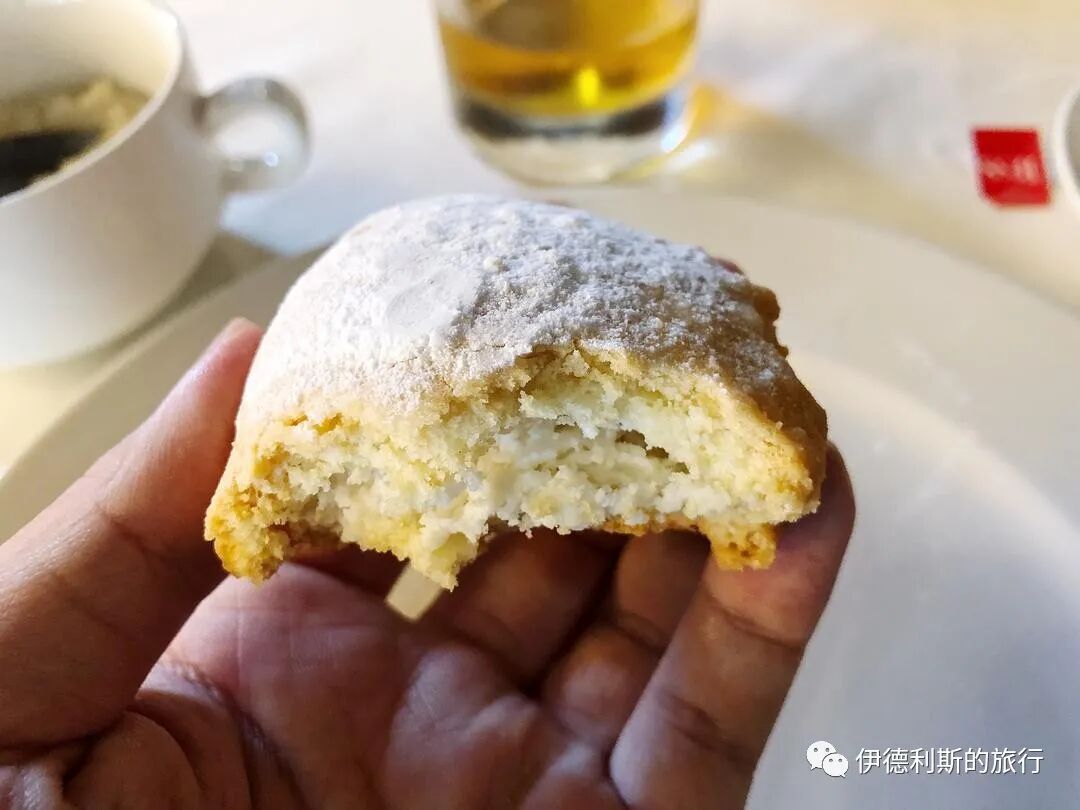
Sochni cake with frosting and Pirozhki (Eastern European stuffed buns).
Tatar cultural festival "Pechen Bazar" (Hay Market).
I was very lucky to attend the Tatar cultural festival "Pechen Bazar" (Hay Market) in Kazan this time. The festival was held on the banks of Lake Kaban for two days, August 17th and 18th, with various Tatar designers, poets, musicians, and filmmakers showcasing and sharing their work; it was especially lively.
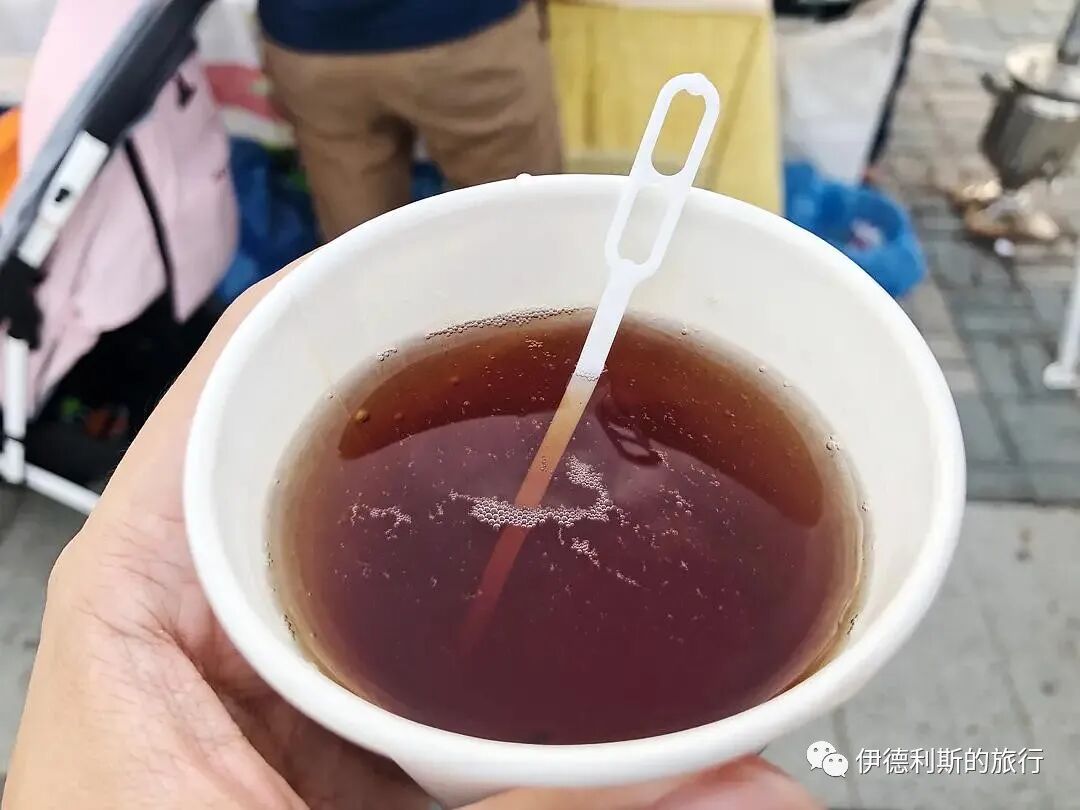
First, I will share what I ate at the festival. The first stall was traditional Tatar tea. You could see many ingredients in the tea, such as thyme, linden leaves, chamomile flowers, oregano leaves, mint leaves, and sage. You could also see the uncle throwing pine cones directly into the tea stove, which was especially fragrant.
I really like the drawing on the cup, it is Tatar trendy!
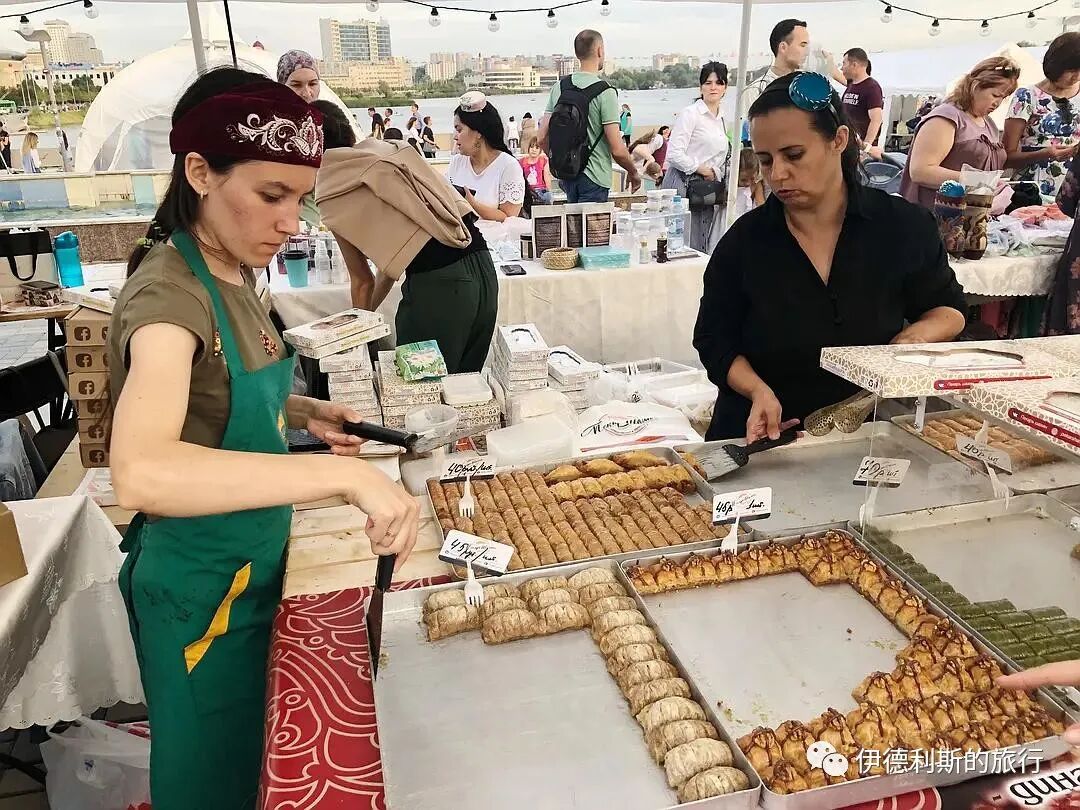
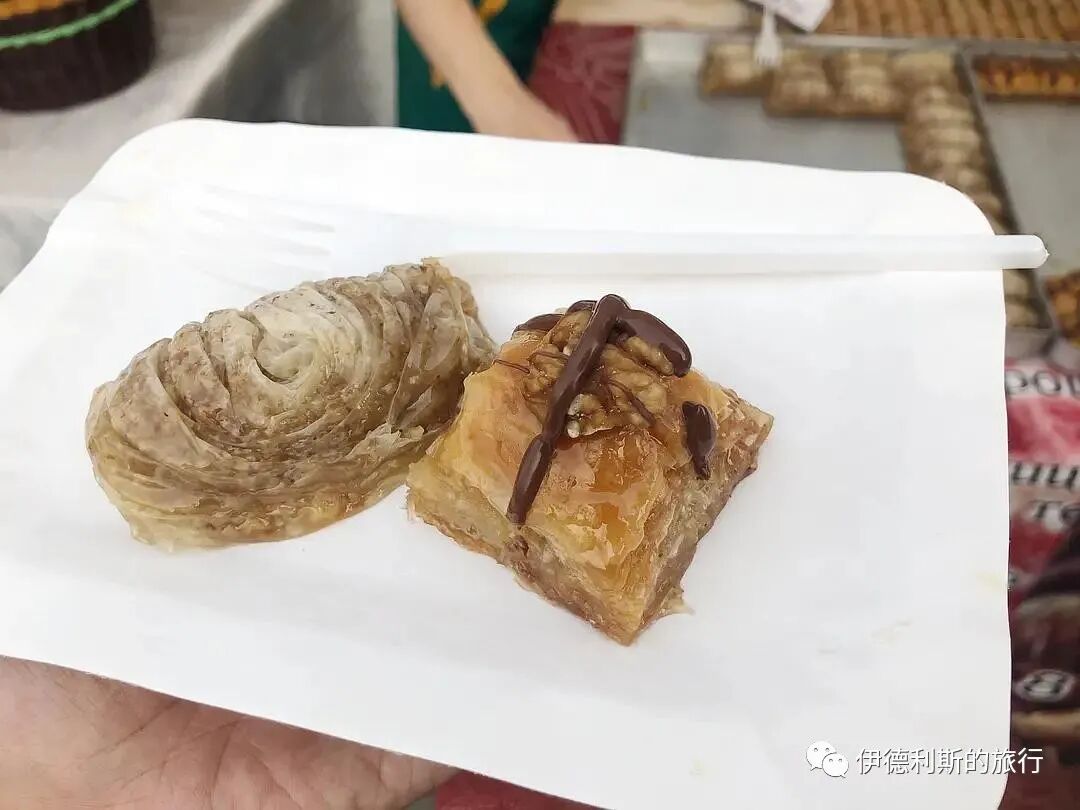
This stall sold traditional Tatar desserts, which are a bit like Turkish desserts and go very well with tea.
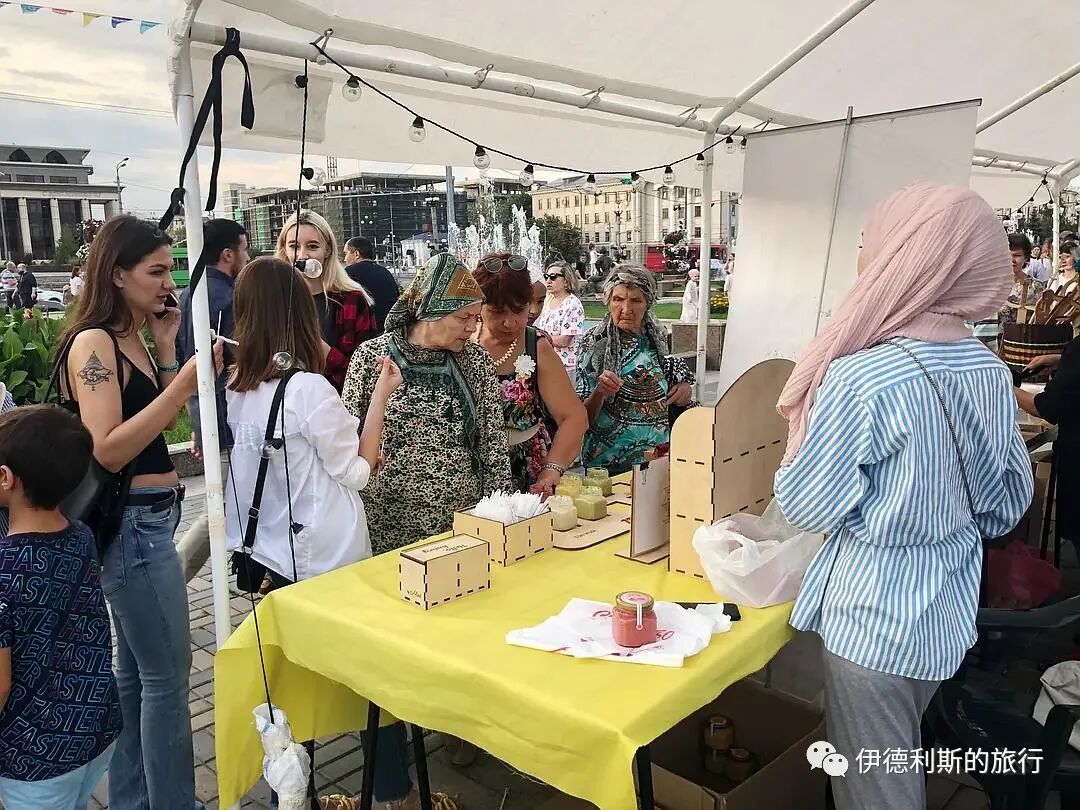
This stall sold jam.
I ate cakes made by Tatar girls and also drank lemonade.
Stalls with various Tatar snacks.
Many Tatar artisans also came this time.
I bought two wooden puppets made by a Tatar brother; they are images of Tatar youth.
A Tatar youth is making Arabic calligraphy on the spot with thread.
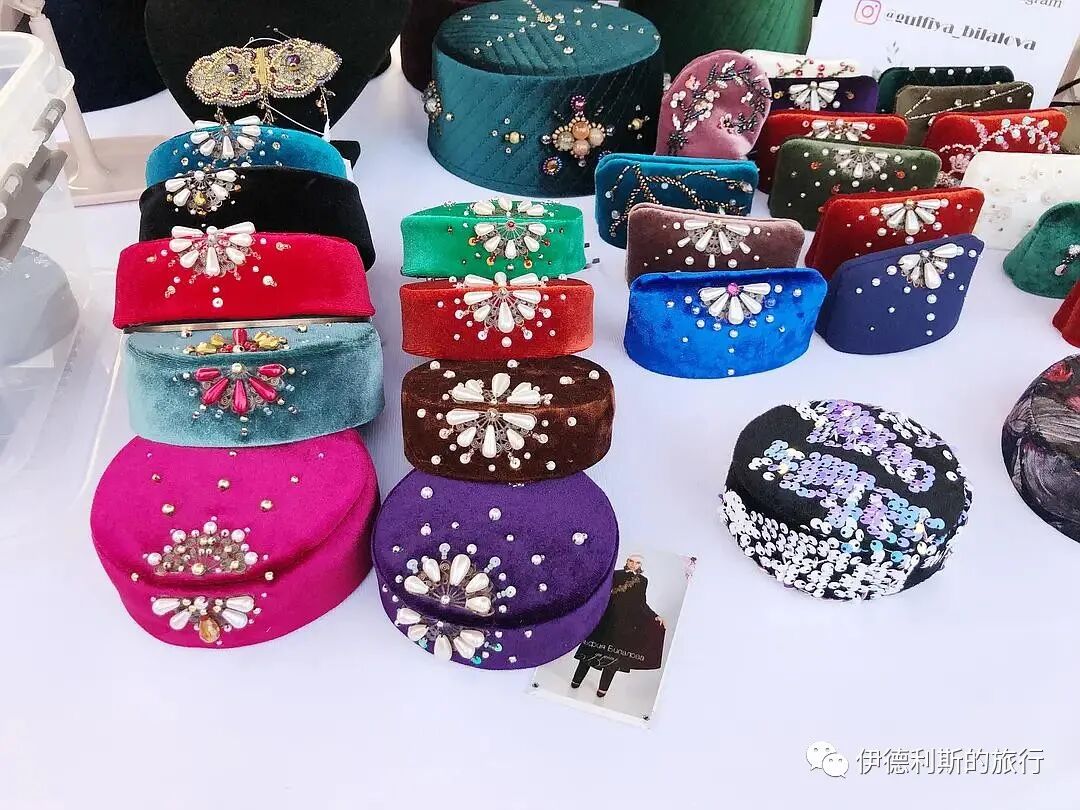
A Tatar auntie was selling headpieces for Kazan Tatar women, decorated with pearls, which looked very beautiful.
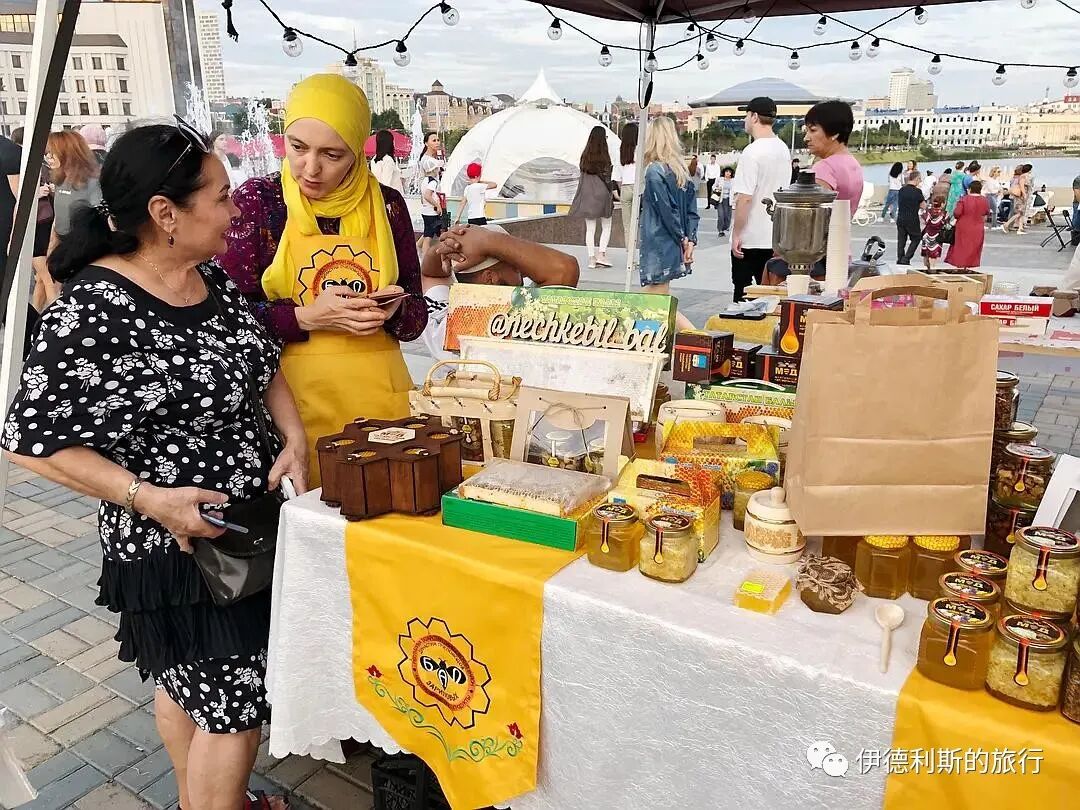
A stall selling honey. This festival invited some Tatars living in the countryside to sell the honey, cheese, and sausages they made themselves, which was also very interesting.
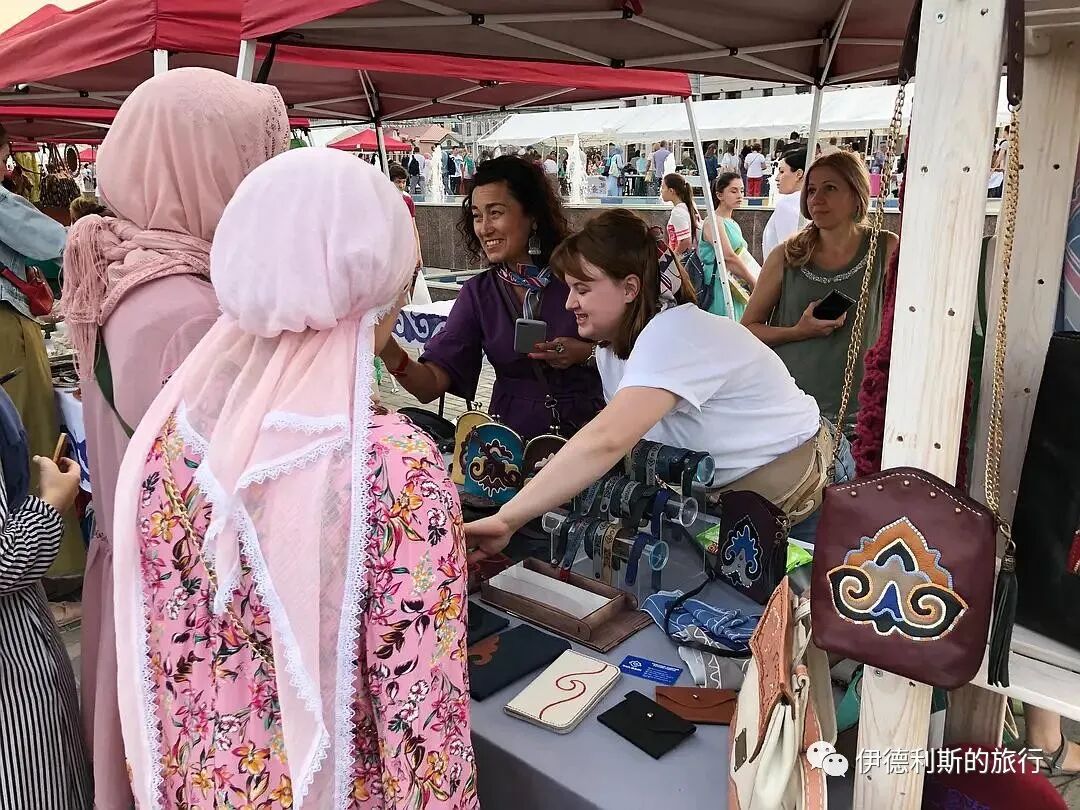
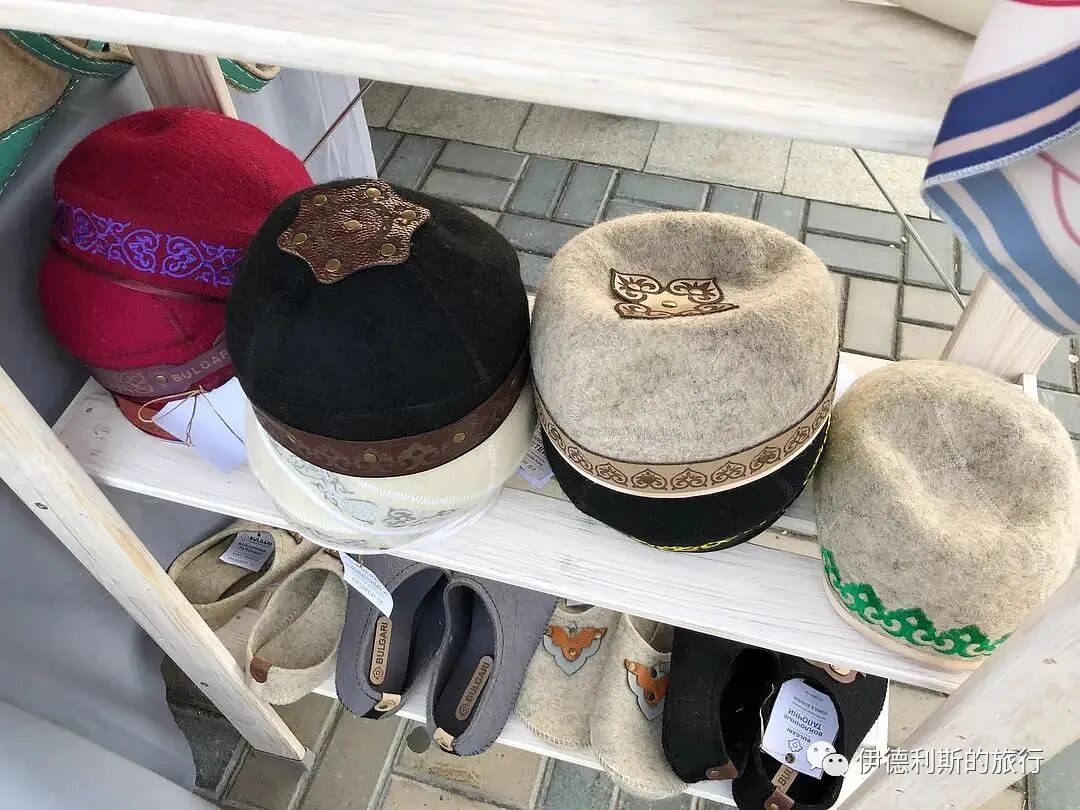
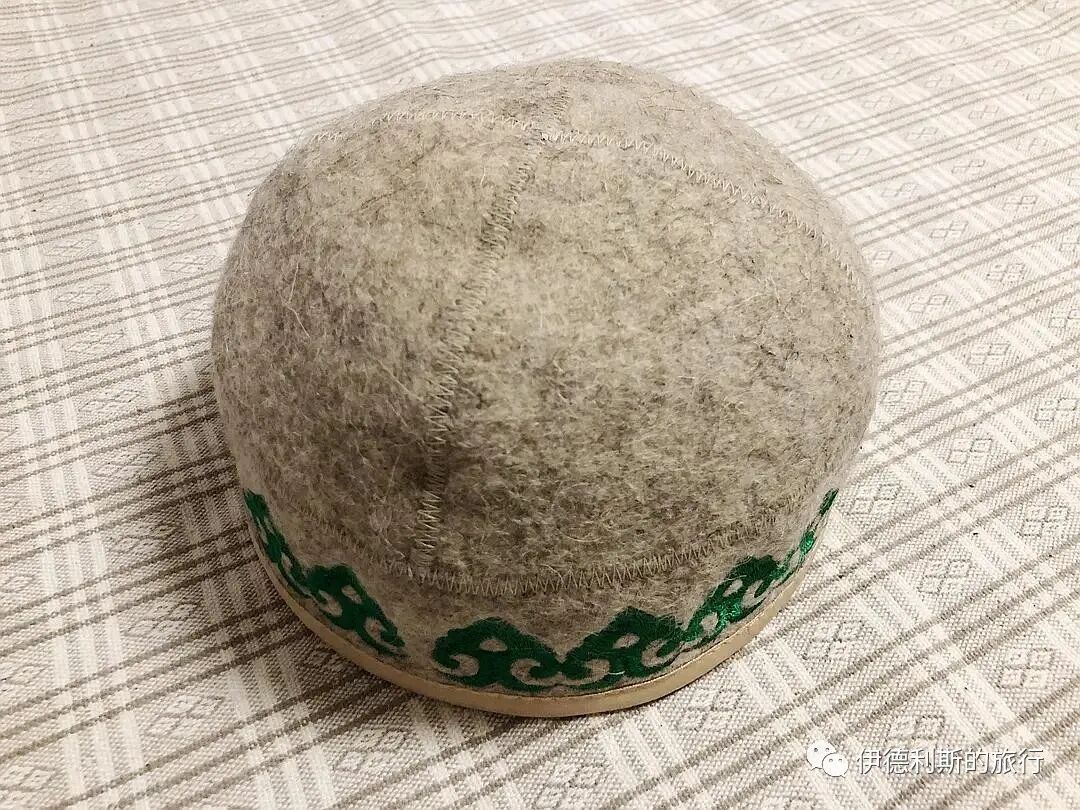
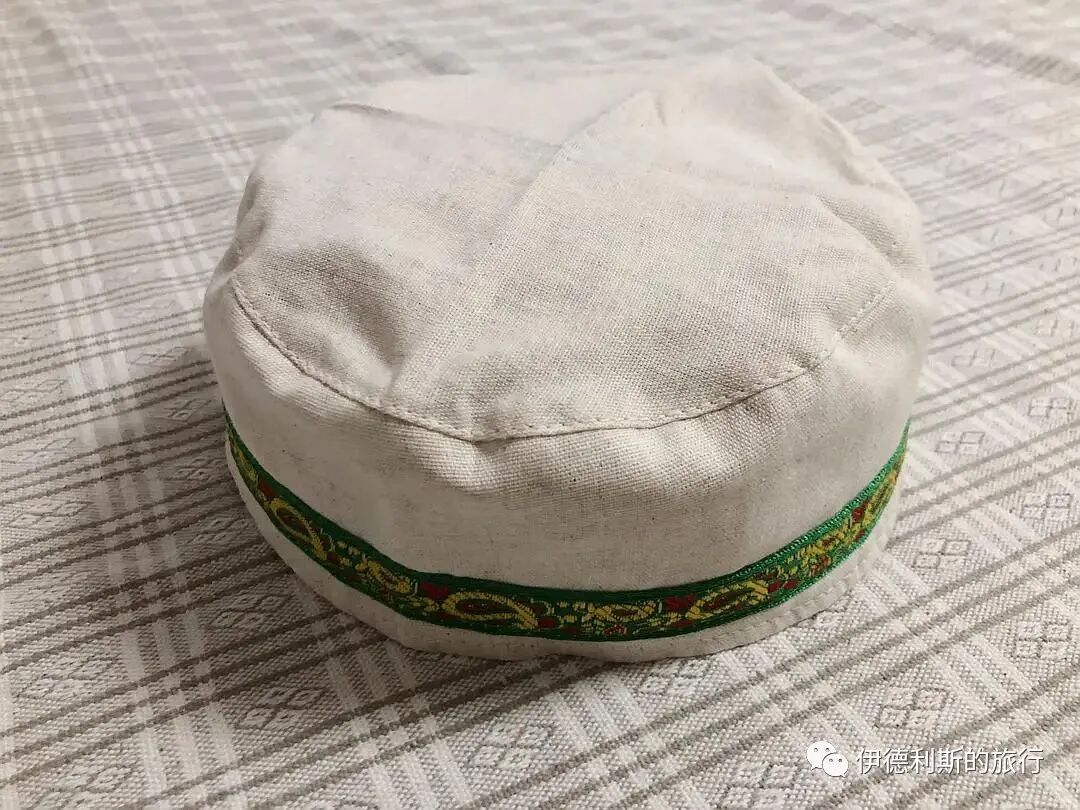
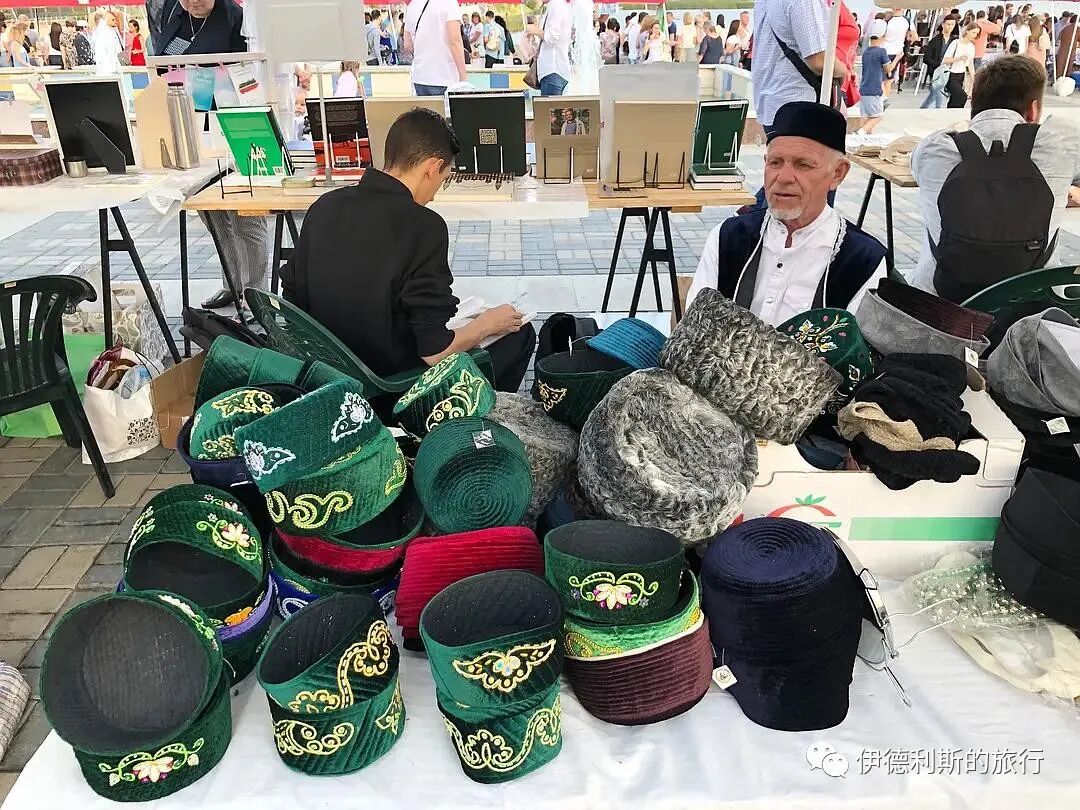
I bought three hats at the festival. The first felt hat (VOYLOCHNAYA TYUBETEYKA) came from a Tatar brand that makes leather and wool felt products, which is quite interesting. And the two girls in the picture below are dressed so beautifully!
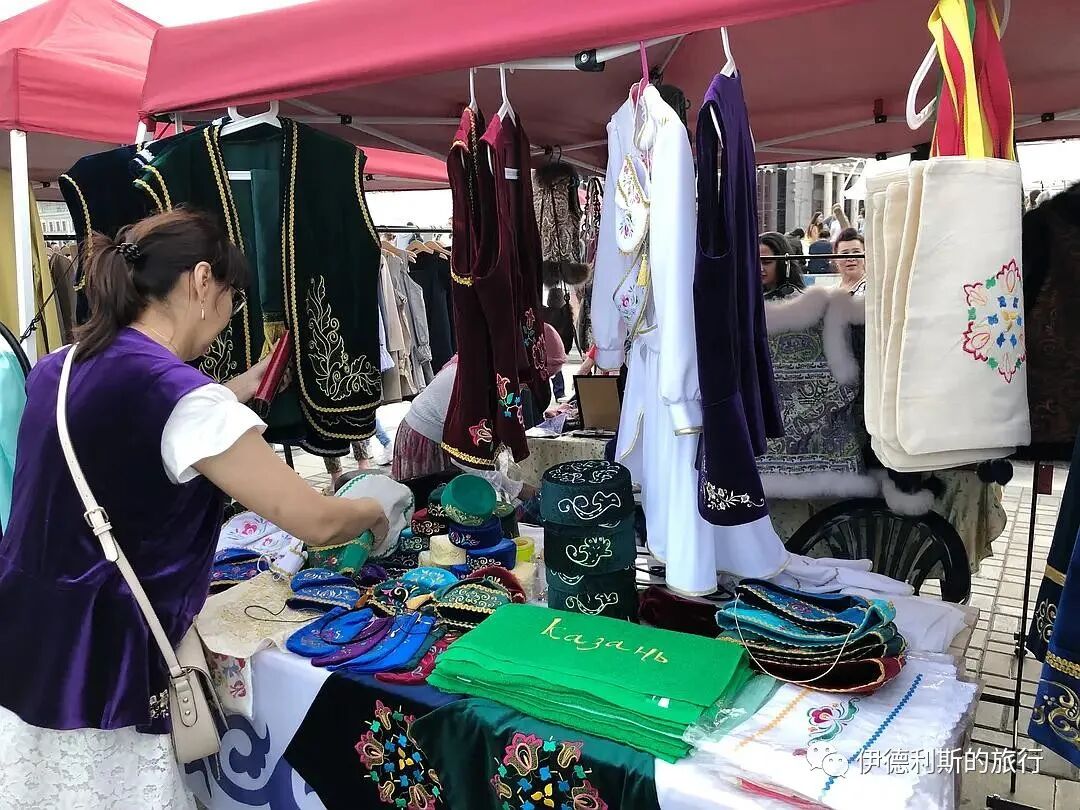
The second hat stall; I really should have bought this traditional Tatar vest at that time.
The third hat stall.
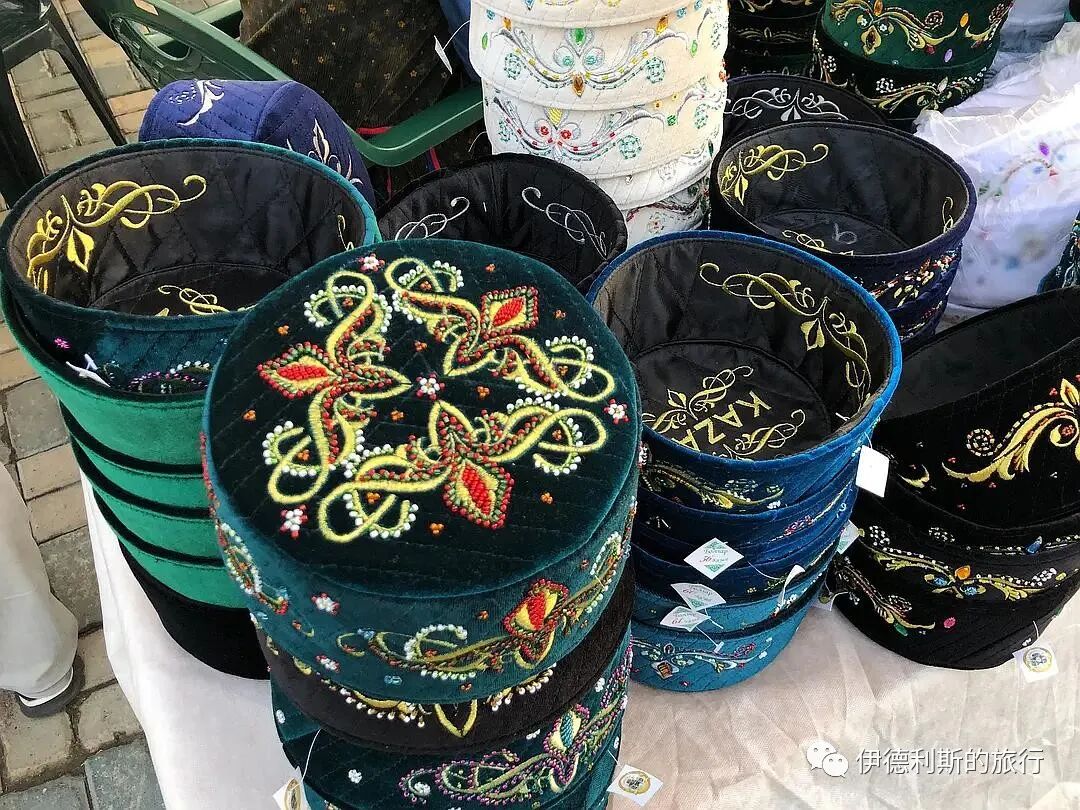
A stall at the festival selling traditional Kazan Tatar flower hats, and also selling traditional Kazan Tatar clothing; I was very tempted.
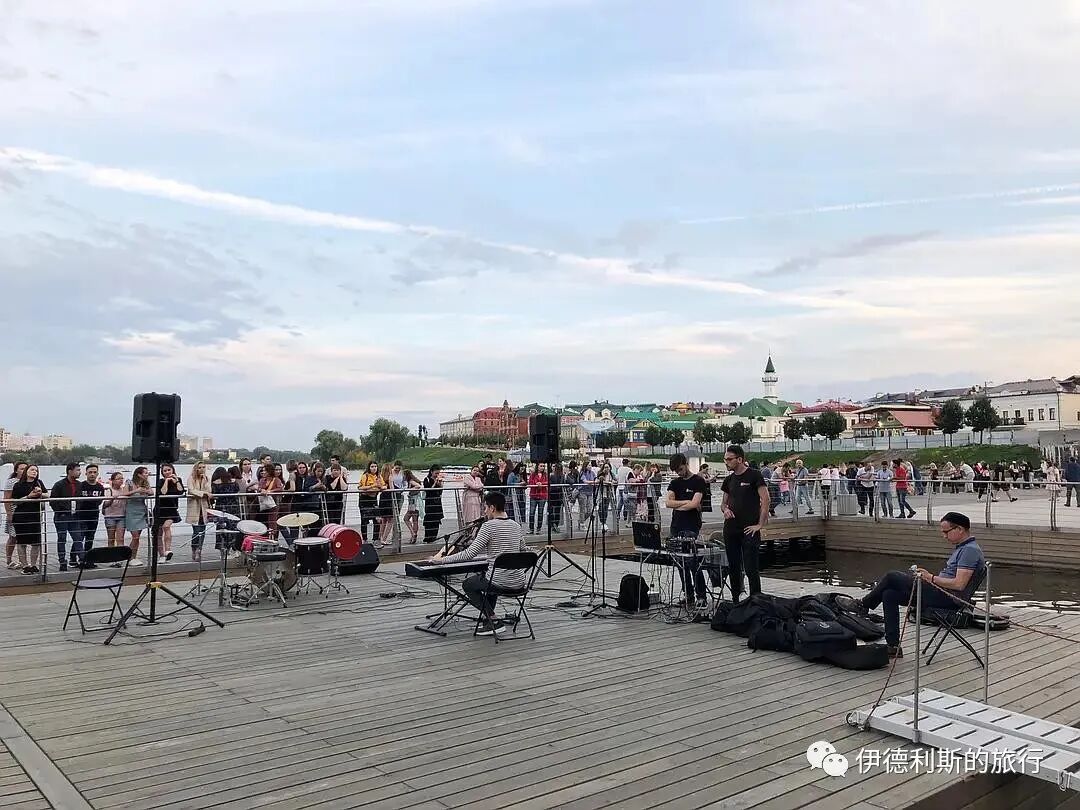
Live music performance; on the right, you can see the traditional Tatar house where I stayed.
The uncle is an architect who builds mosques, sharing how to build a mosque.
A young Tatar female poet is reading poetry.
The clothing worn by the host is the formal wear of urban Kazan Tatars in the early 20th century.
It was a live demonstration on how to tie a headscarf. I took a look and it was quite complicated, requiring many steps.
The dessert stall with the longest queue at the entire festival.
This stall is a Tatar creative brand that follows a sweet Islamic style.
A stall selling books on Tatar culture.
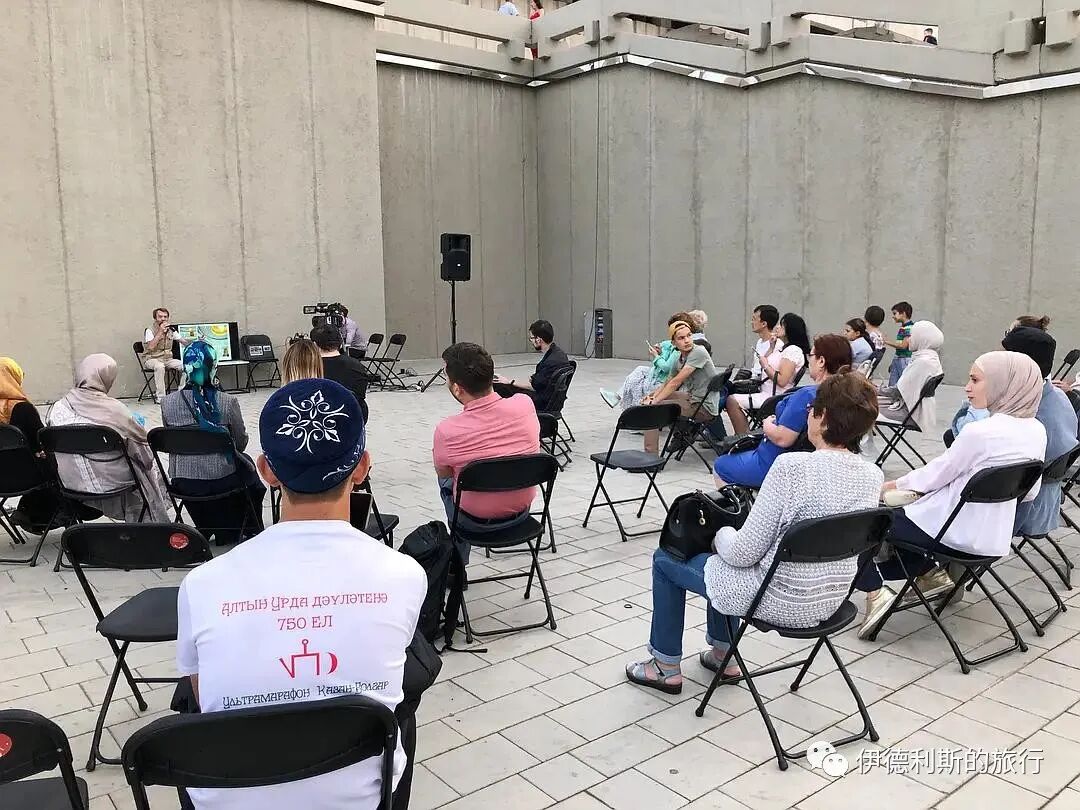
In the evening, they were showing a documentary about the Kazan Tatars, but unfortunately, I couldn't understand it.
Chak-Chak Museum.
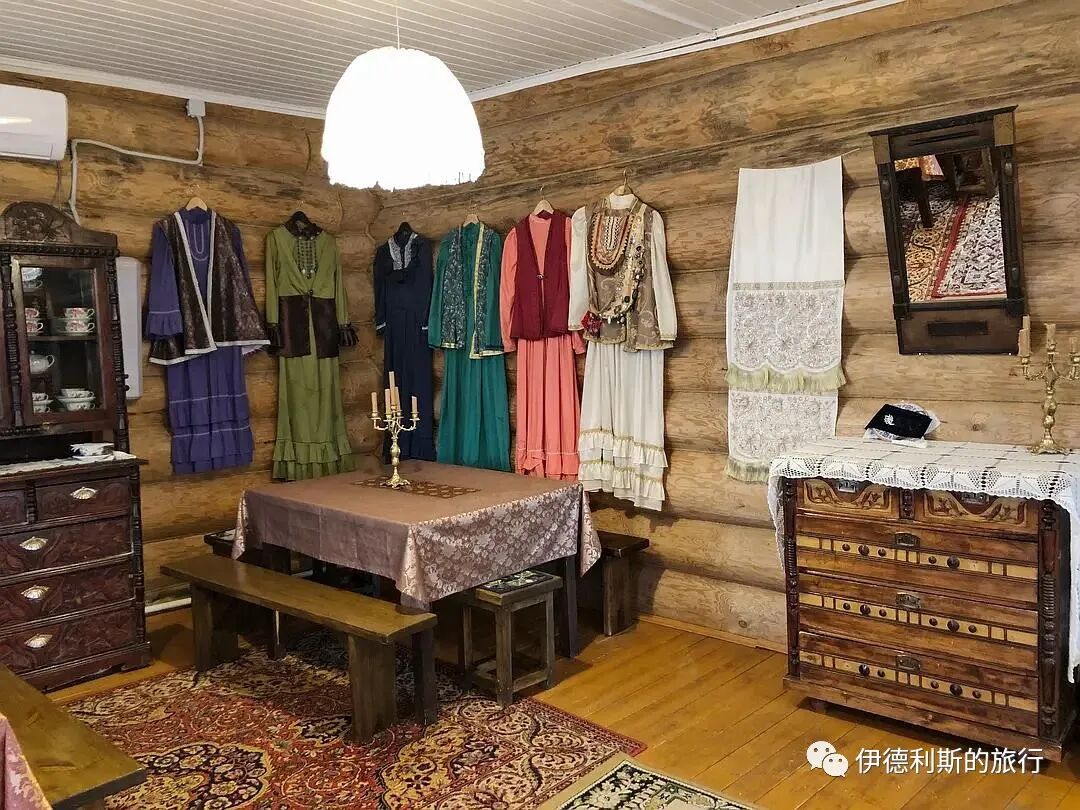
The Chak-Chak Museum in Kazan is one of the most intuitive places to experience traditional Tatar culture. The museum itself is located in a Tatar wooden house in the Kazan Tatar historical district, and the interior well restores the home decor of a traditional Tatar family, which is especially atmospheric. If there are 6 people, they can teach you how to make Chak-Chak on the spot. Because I was alone, I booked a tasting and guided tour on the official website (https://www.muzeino.ru/), and the museum staff will email you to confirm whether to use English or Russian.
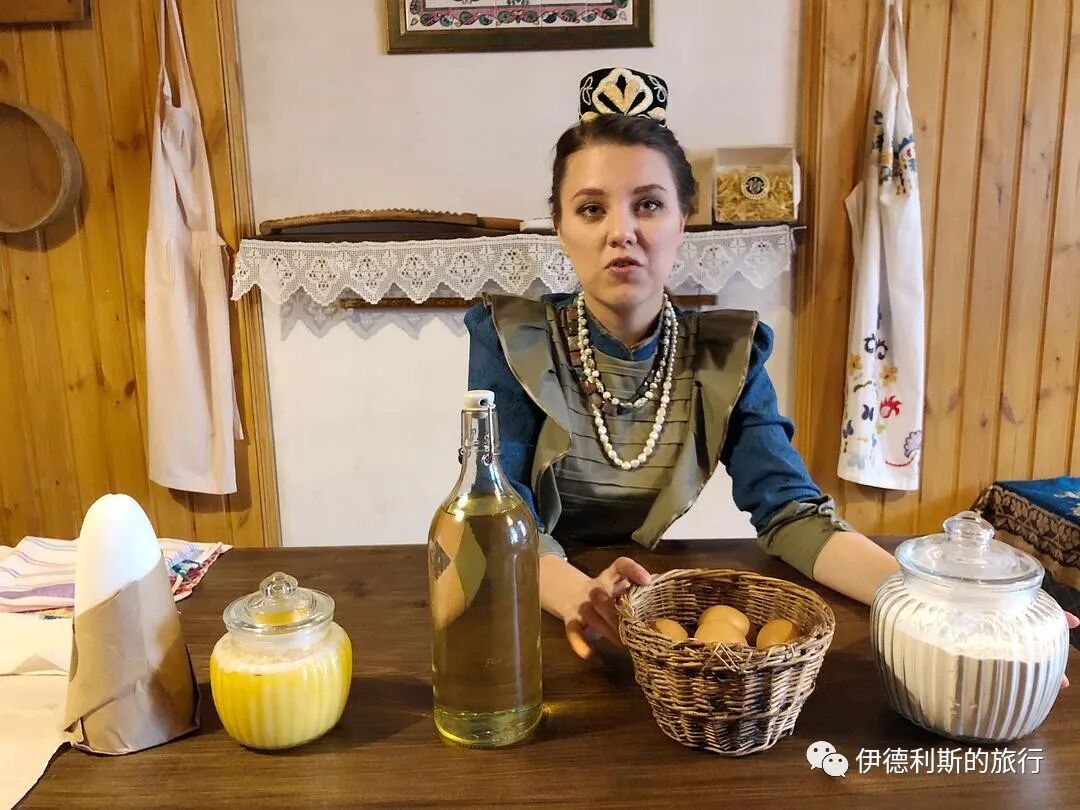
The experience that day was great. After arriving at the museum at the appointed time, a Tatar lady with fluent English was already waiting for me. The whole process was really like being a guest in a Tatar home. The lady told me various Tatar legends, daily customs, and cultural traditions, and then explained in detail the production process of the national dessert, Chak-Chak.
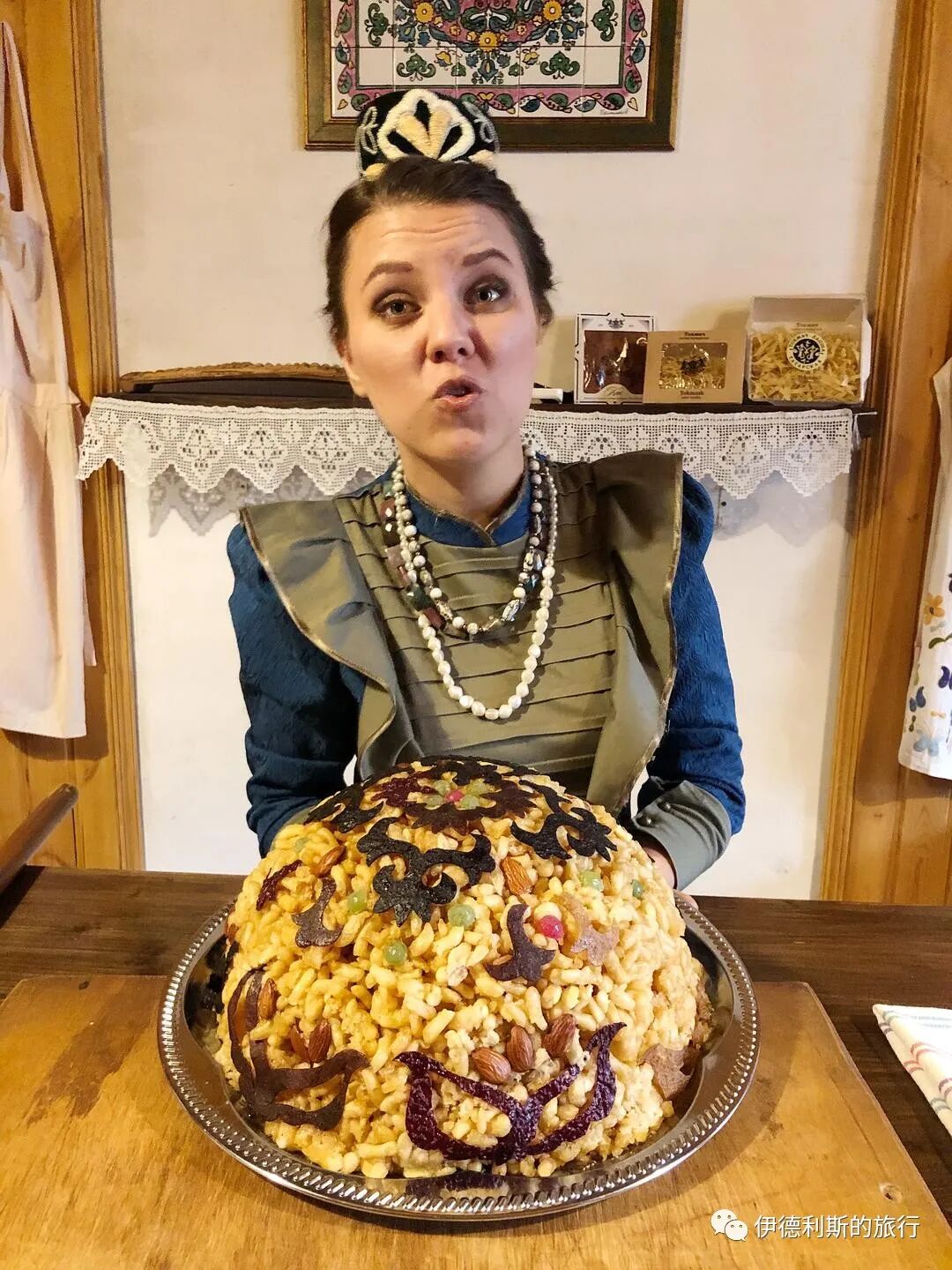
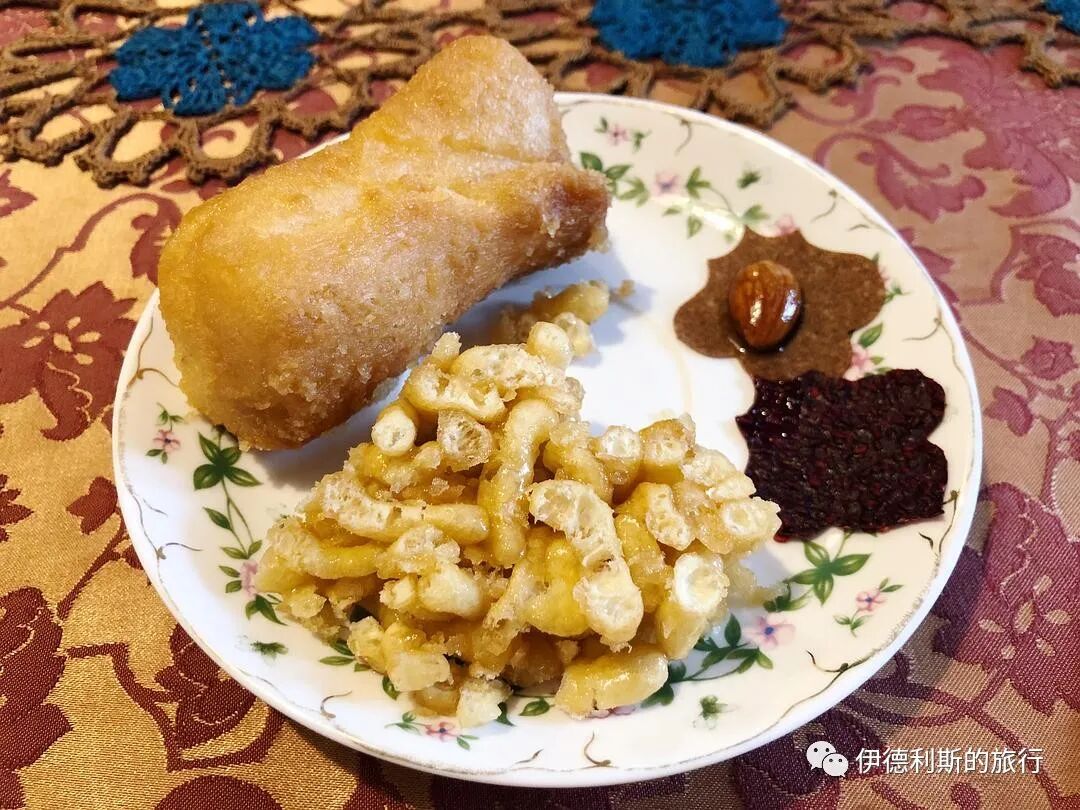
Chak-Chak is very similar to Sachima (a sweet fried dough treat). It is made by mixing flour with milk and eggs, deep-frying it, and then pouring honey over it. Chak-Chak is popular in Tatarstan and Bashkortostan. It is said to have originated from the ancient Bulgar Khanate. In addition, there are similar desserts among the Kazakh, Kyrgyz, and Uzbek people. Chak-Chak is an important food at Kazan Tatar weddings. In the past, every Kazan Tatar woman had to learn how to make Chak-Chak, usually taught by a mother to her daughter or a grandmother to her granddaughter.
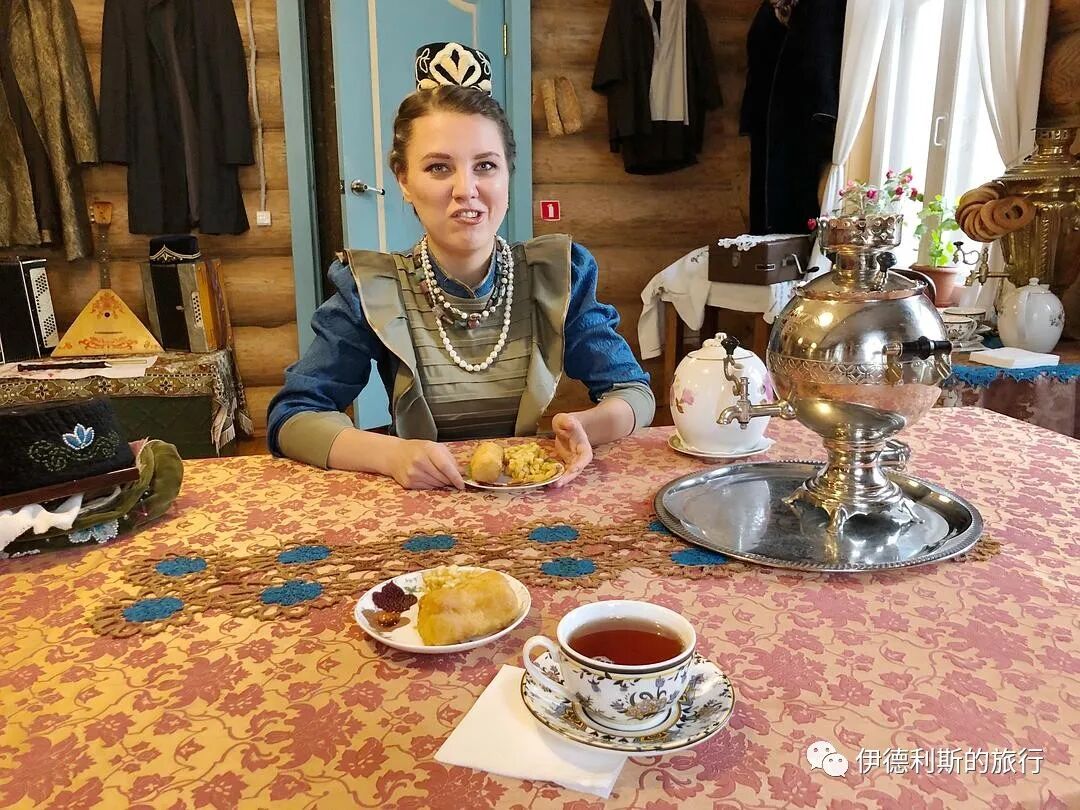
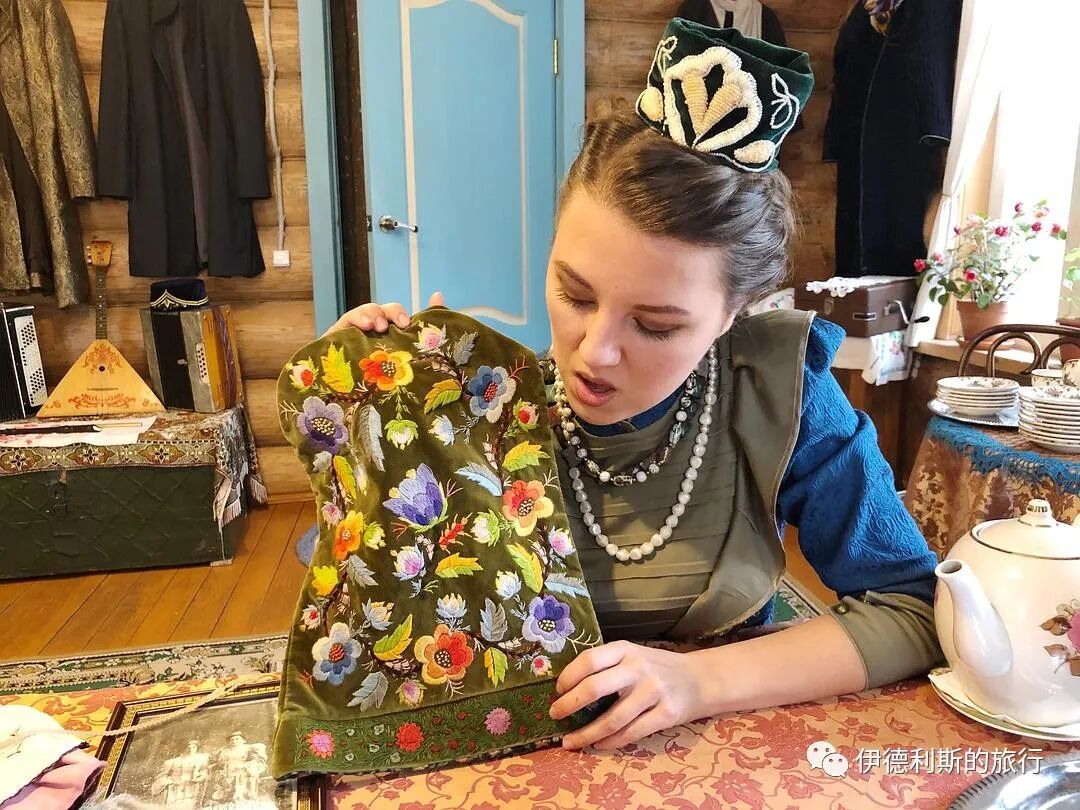
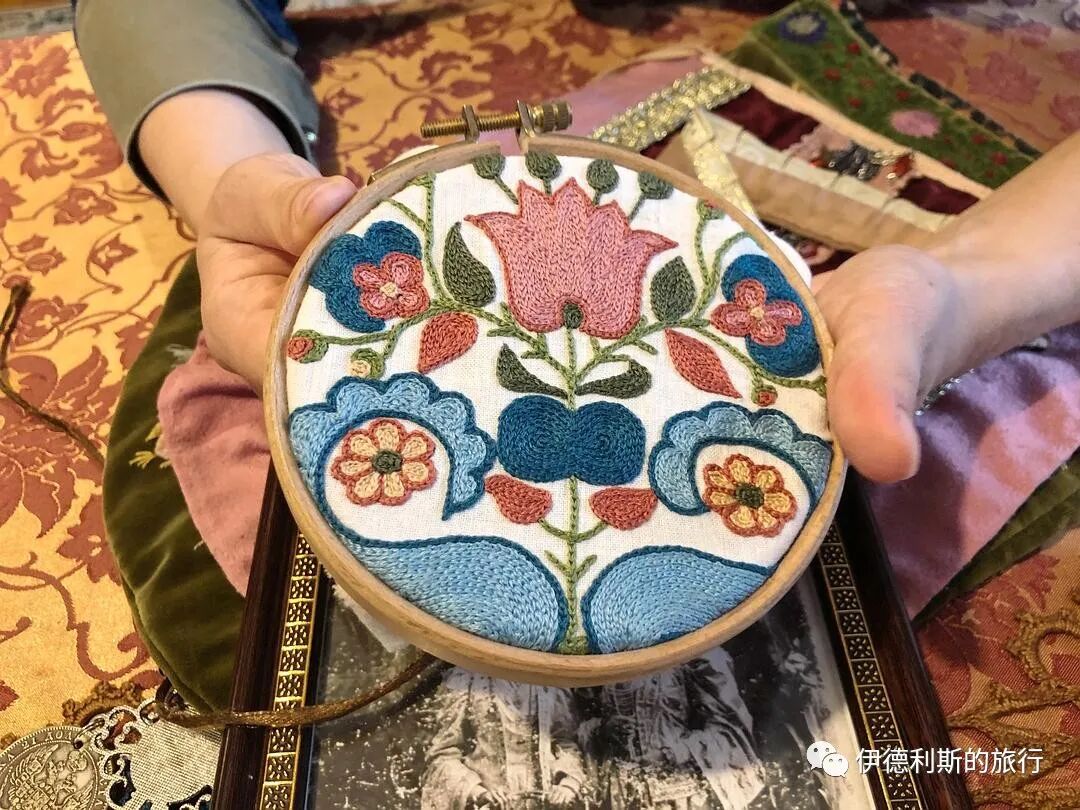
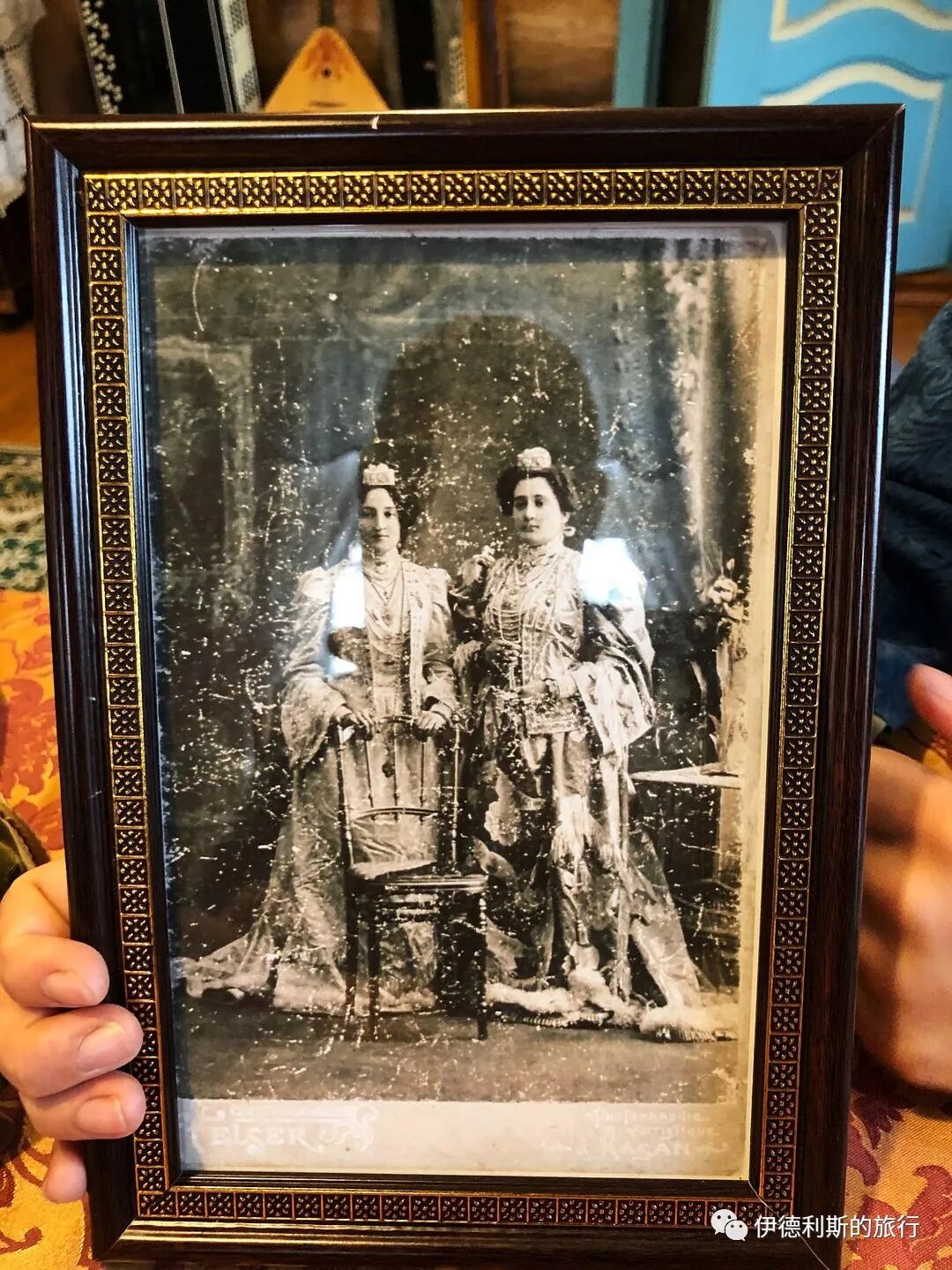
Afterwards, the Tatar lady made me some Tatar tea and, while letting me taste traditional Tatar desserts, told me about Tatar clothing, silver jewelry, embroidery, and other handicrafts. We had a very happy chat.
The museum before restoration.
Magnets bought at the museum.
Dom Tatarskoi Kulinarii (House of Tatar Cuisine).
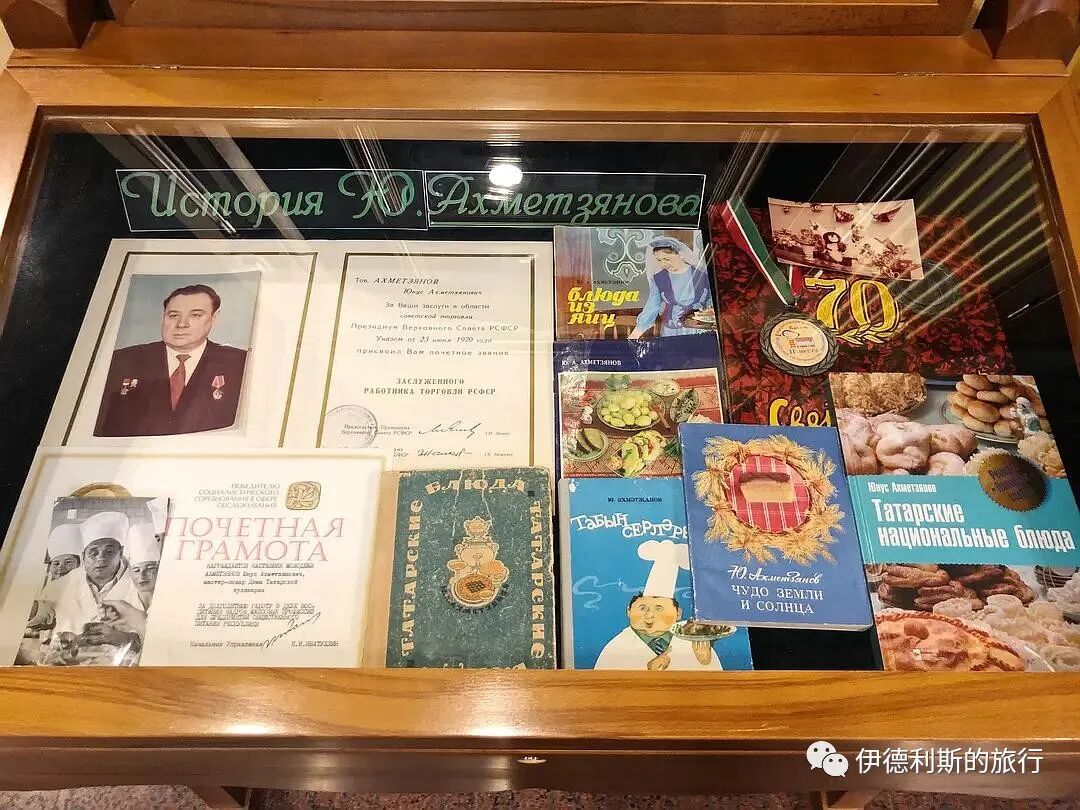
When I was in Kazan, I ate at the famous traditional Tatar restaurant Dom Tatarskoi Kulinarii (House of Tatar Cuisine) on Bauman Pedestrian Street. The restaurant opened in 1969. The founder was Yunus Akhmetzyanov, a Tatar cuisine expert and author of "Dishes of Tatar cuisine," who remained the head chef until 1984.
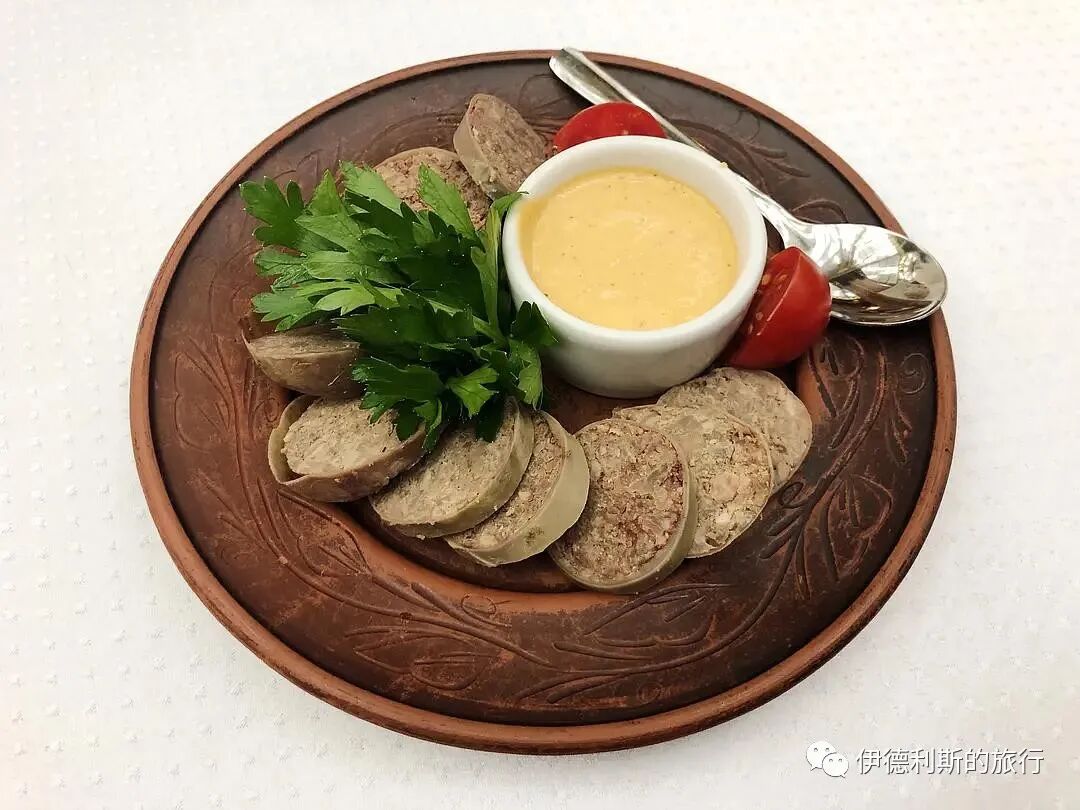
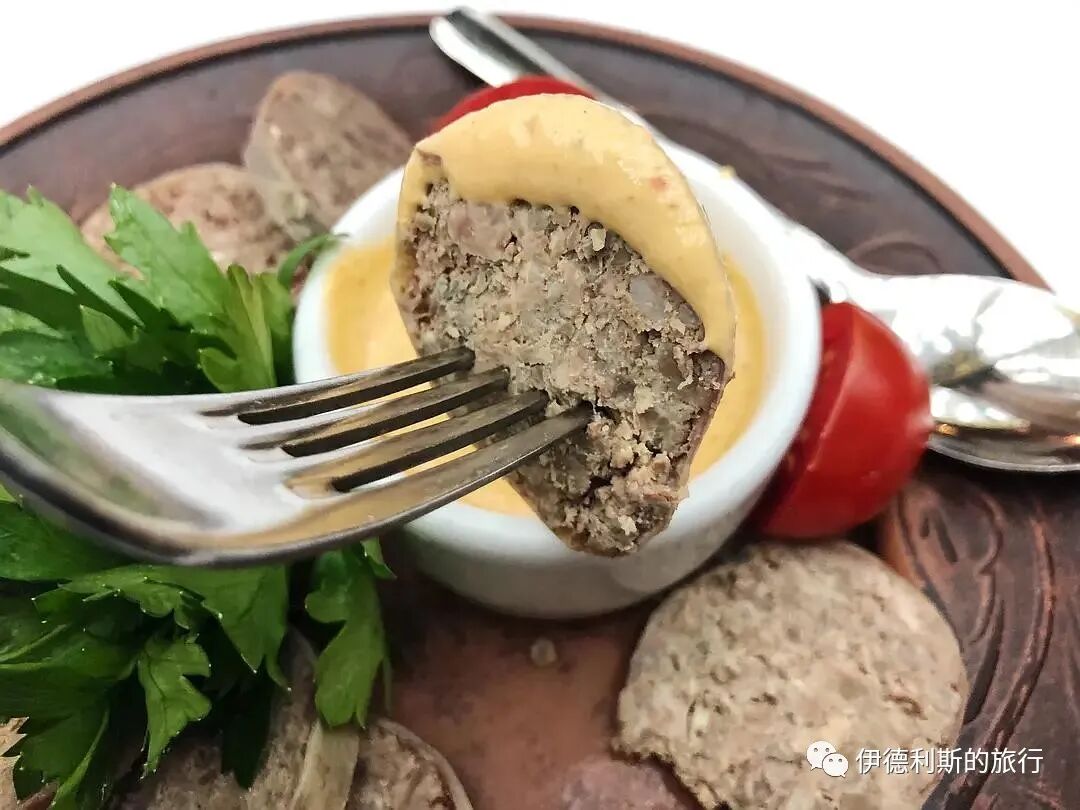
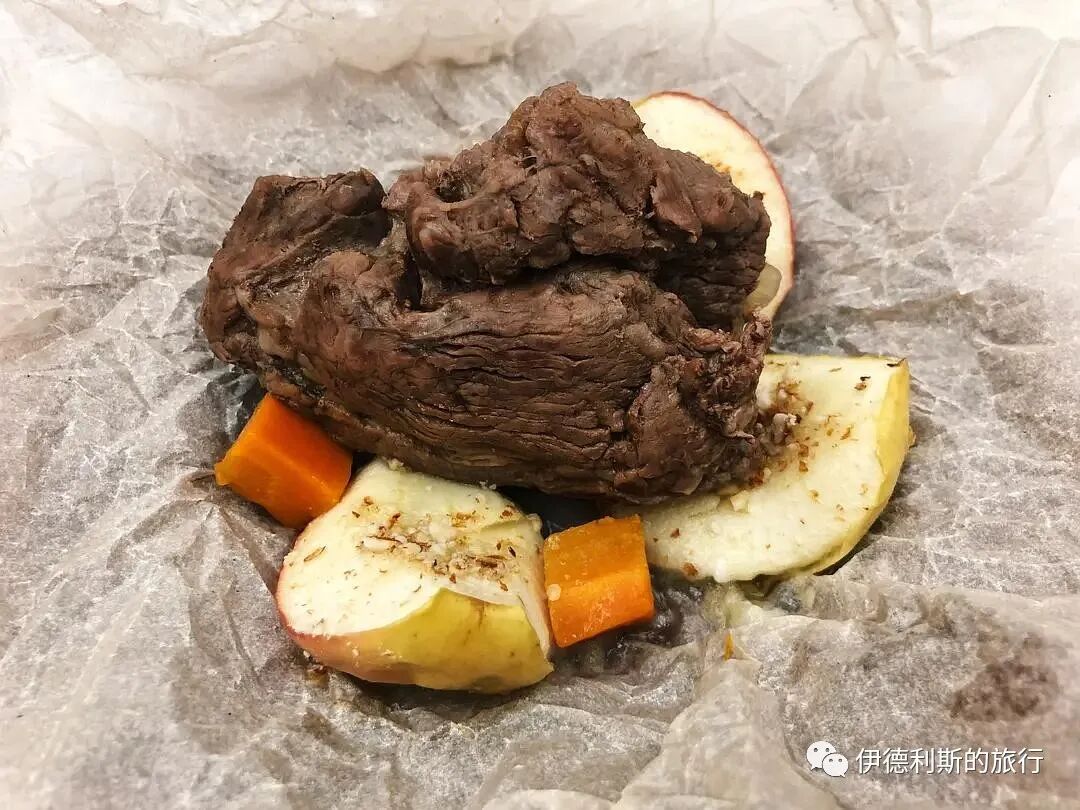
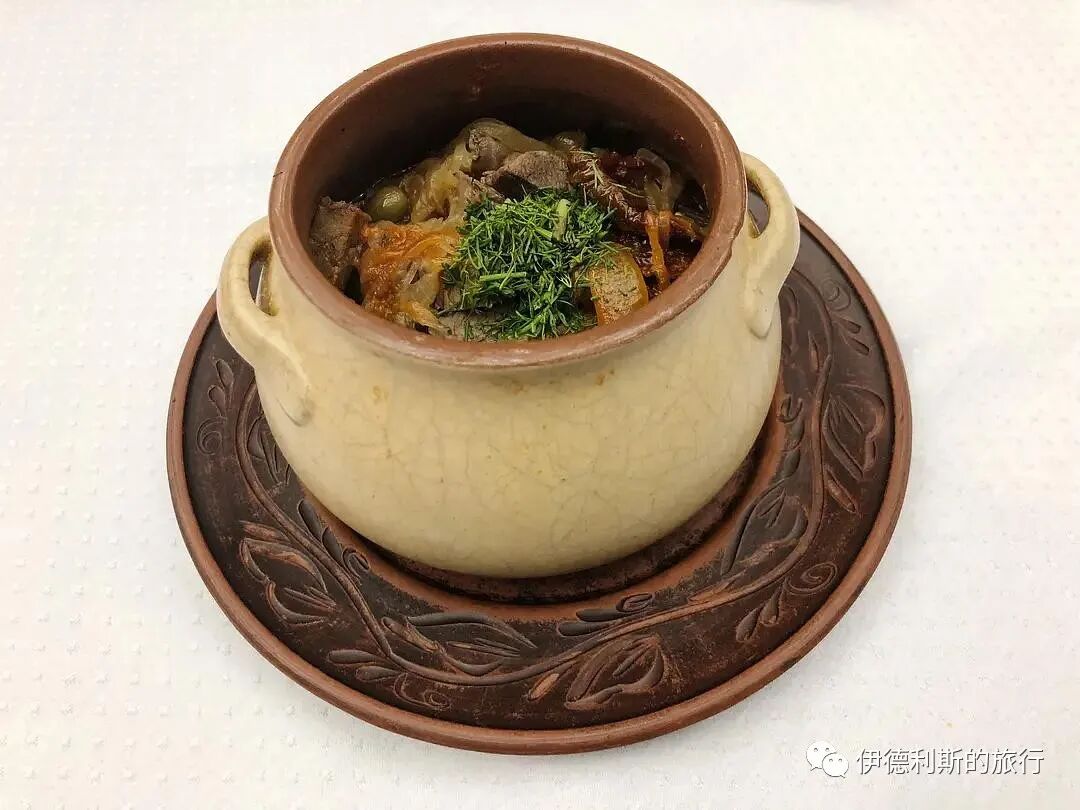
It is a pity that the horse sausage was sold out when I went, so I ordered another type of beef sausage called "Kuchmeche Kolbasasy," which contains heart, liver, and lung in addition to meat. I also ordered a Bulgar stewed lamb, which is placed in parchment paper and served with roasted apples, honey, and crushed nuts. Bulgar is an ancient millennium-old capital in Tatarstan and the spiritual home of the Kazan Tatars.
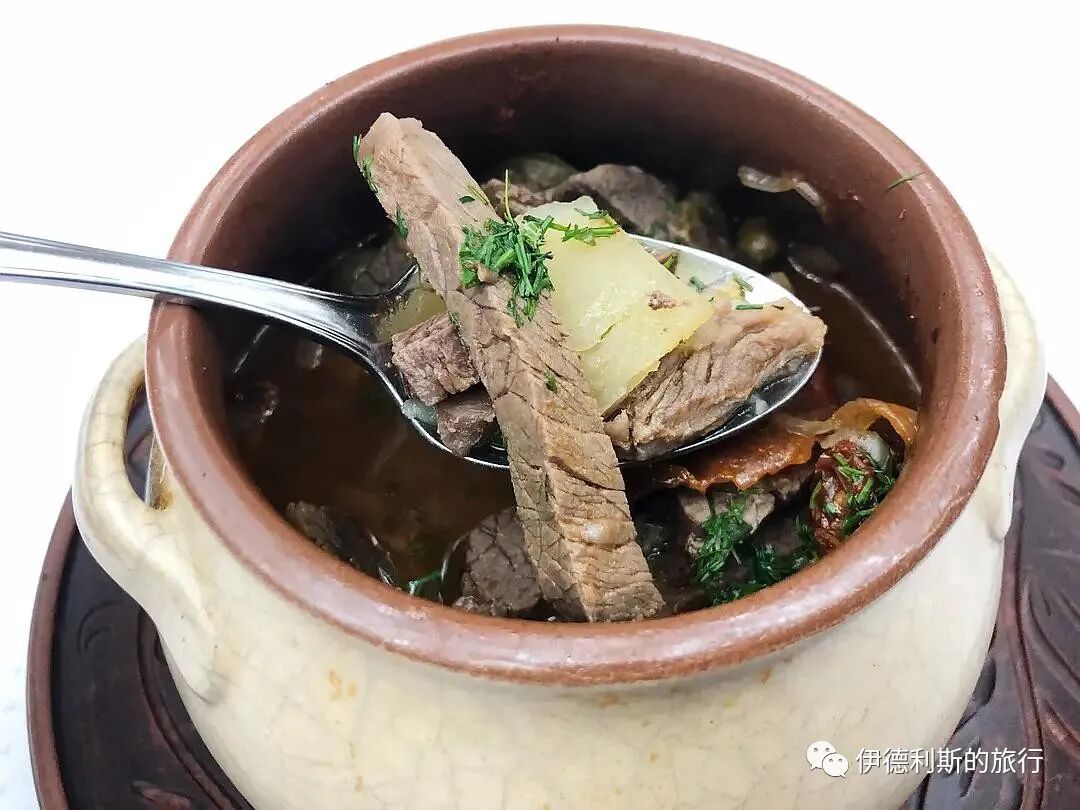
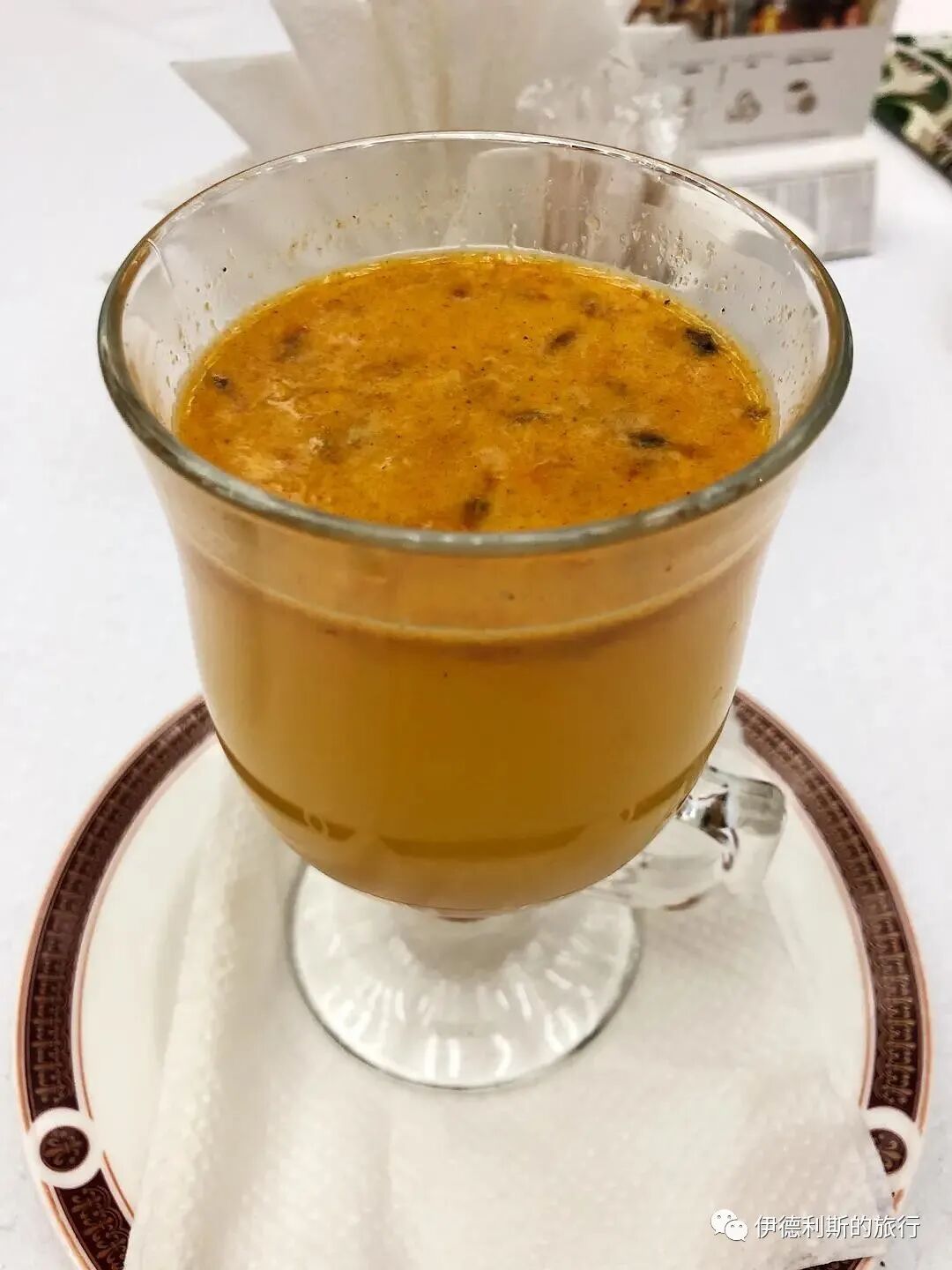
For soup, I ordered Tatar Azu (Tatar beef casserole soup), and also drank sea buckthorn tea, which contained honey and cinnamon in addition to sea buckthorn.
Teatr Natsionalnoi Kukhni (Tatar Restaurant).
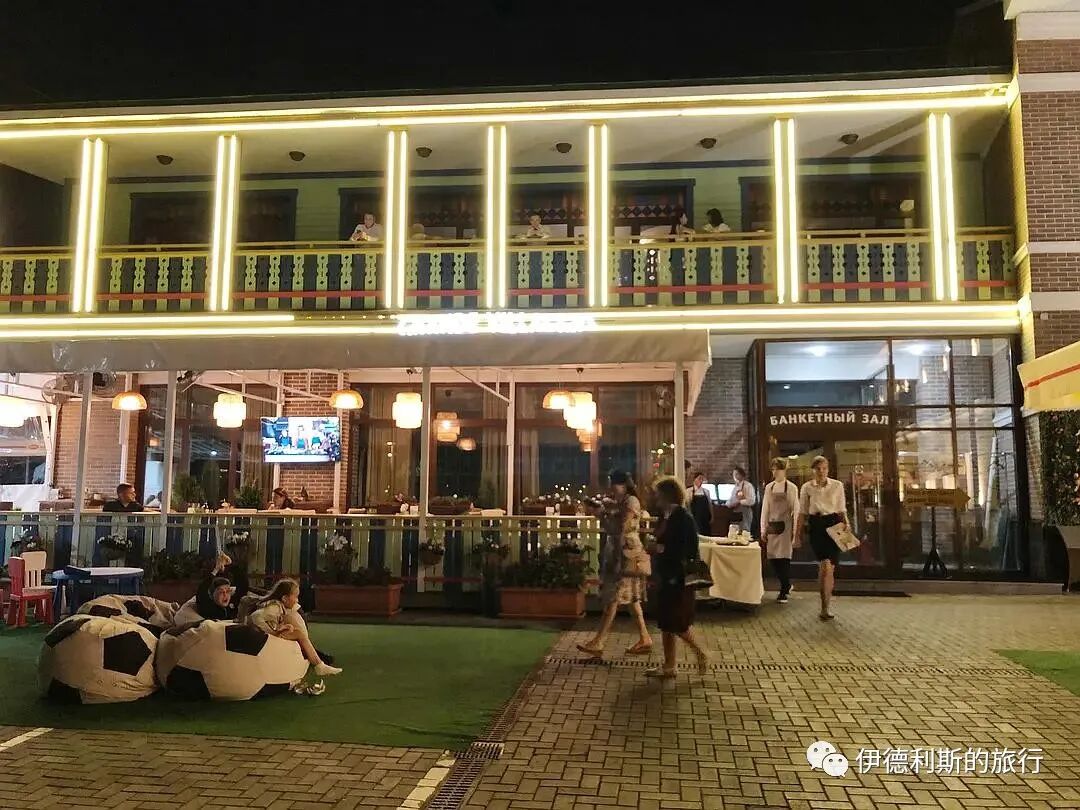
In the evening, I ate at the restaurant Teatr Natsionalnoi Kukhni in another Tatar manor on the banks of Lake Kaban, which was once the residence of the wealthy Tatar merchant Bikmukhametov. I ordered horse meat salad, pumpkin cream soup with dried apricots and cream cheese, and stewed fresh horse meat, Kullama. Kullama is the Tatar version of the Kazakh national dish Beshbarmak (five-finger stew).
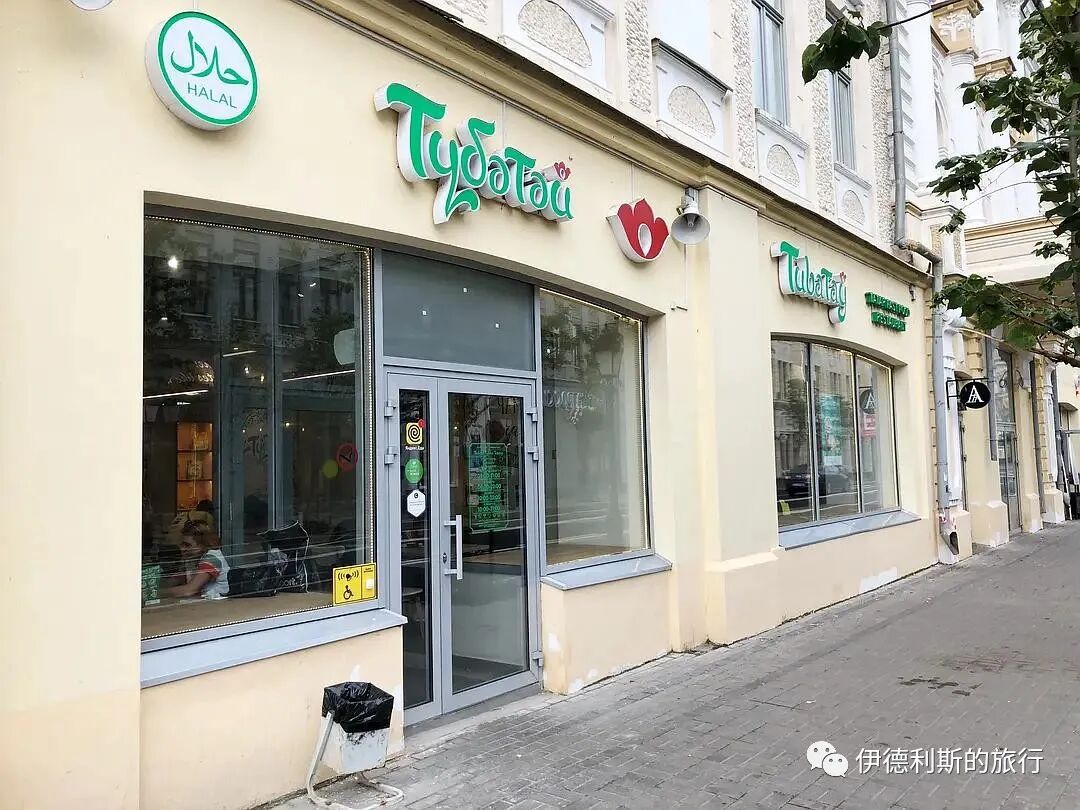
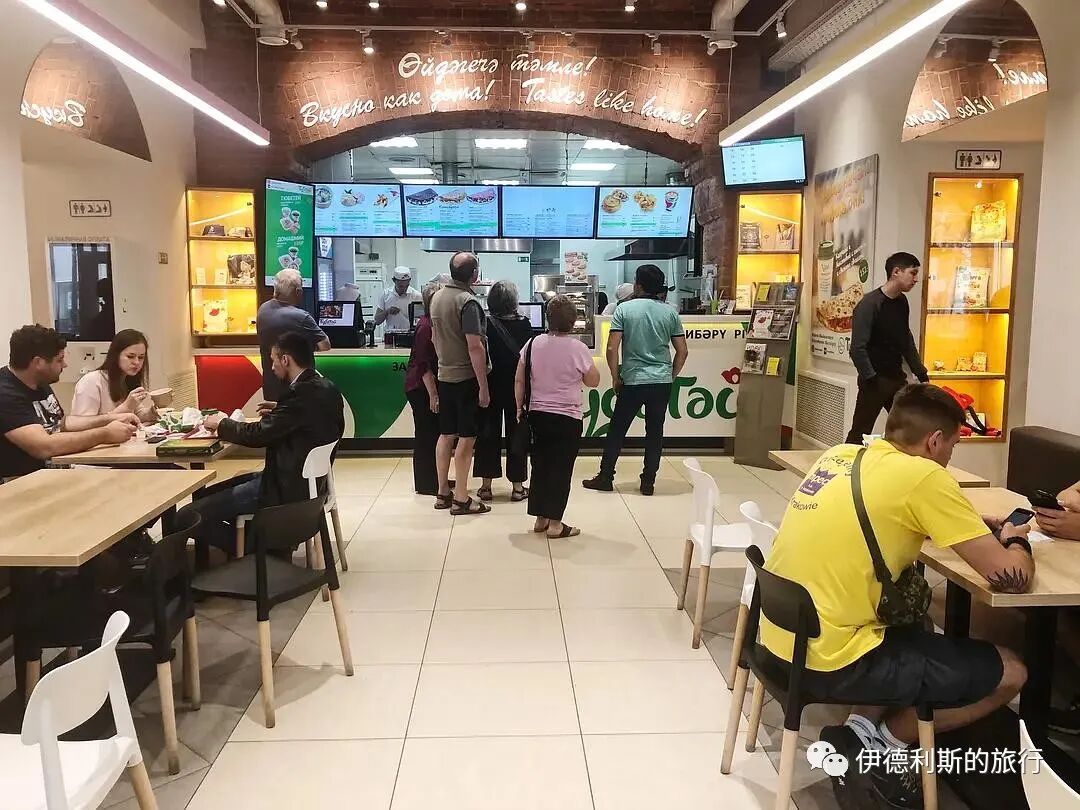
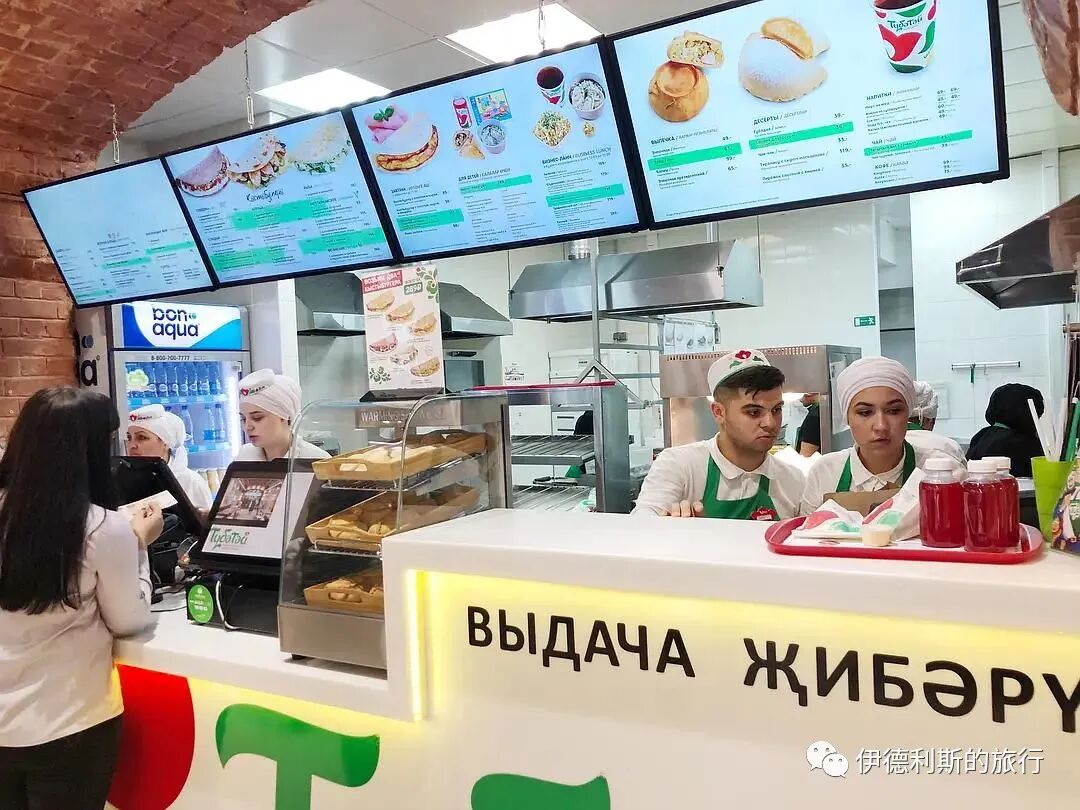
Tubatay Fast Food Restaurant.
Tubatay (Tyubetey) is a fast-food restaurant that sells traditional Tatar dishes, and there is also a branch in the ancient city of Bulgar. "Tubatay" means the characteristic round hat of the Tatars.
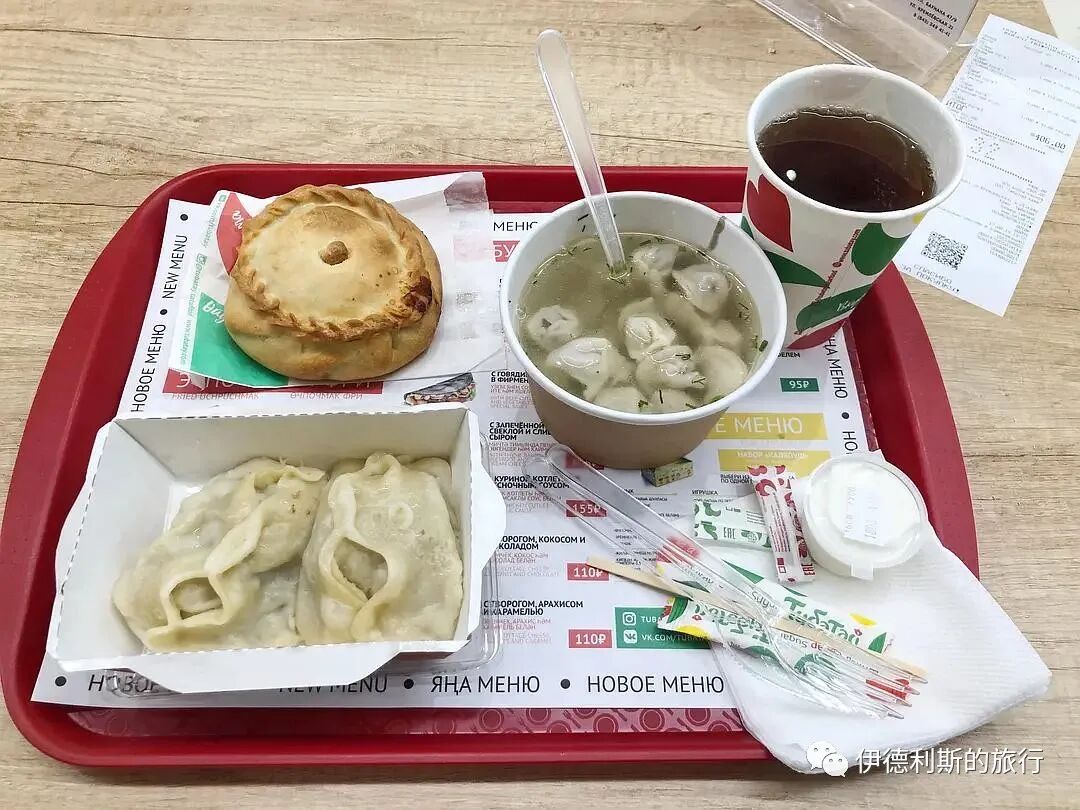
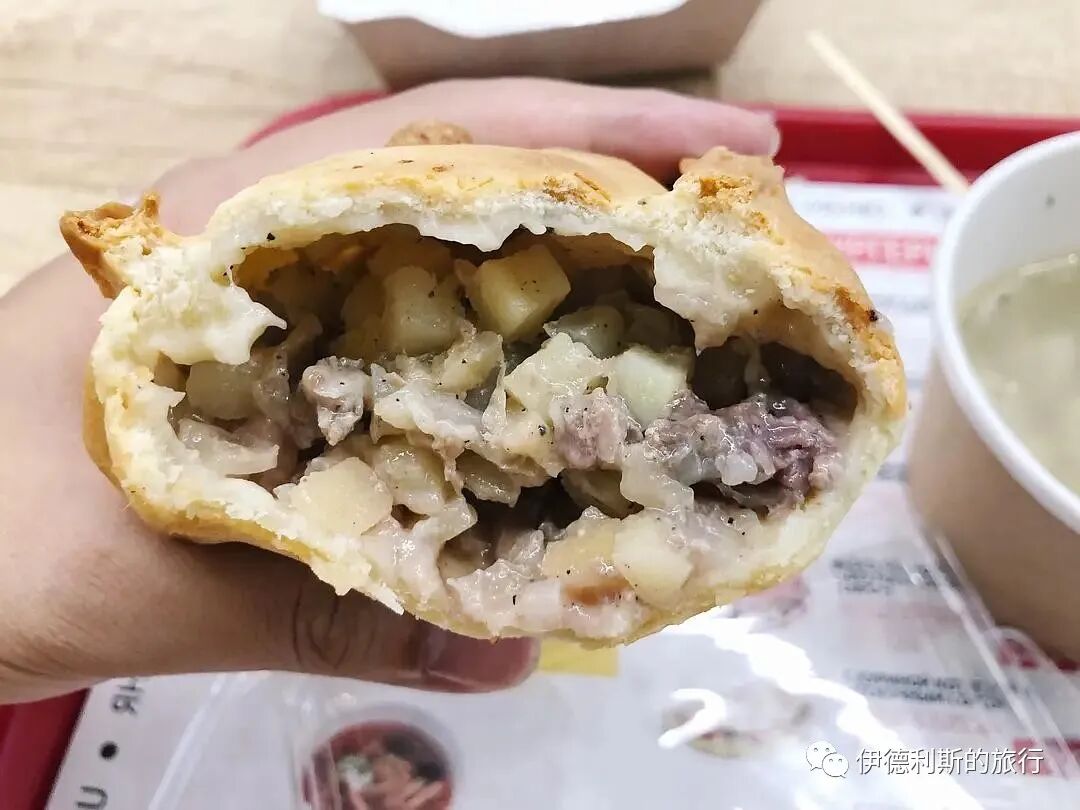
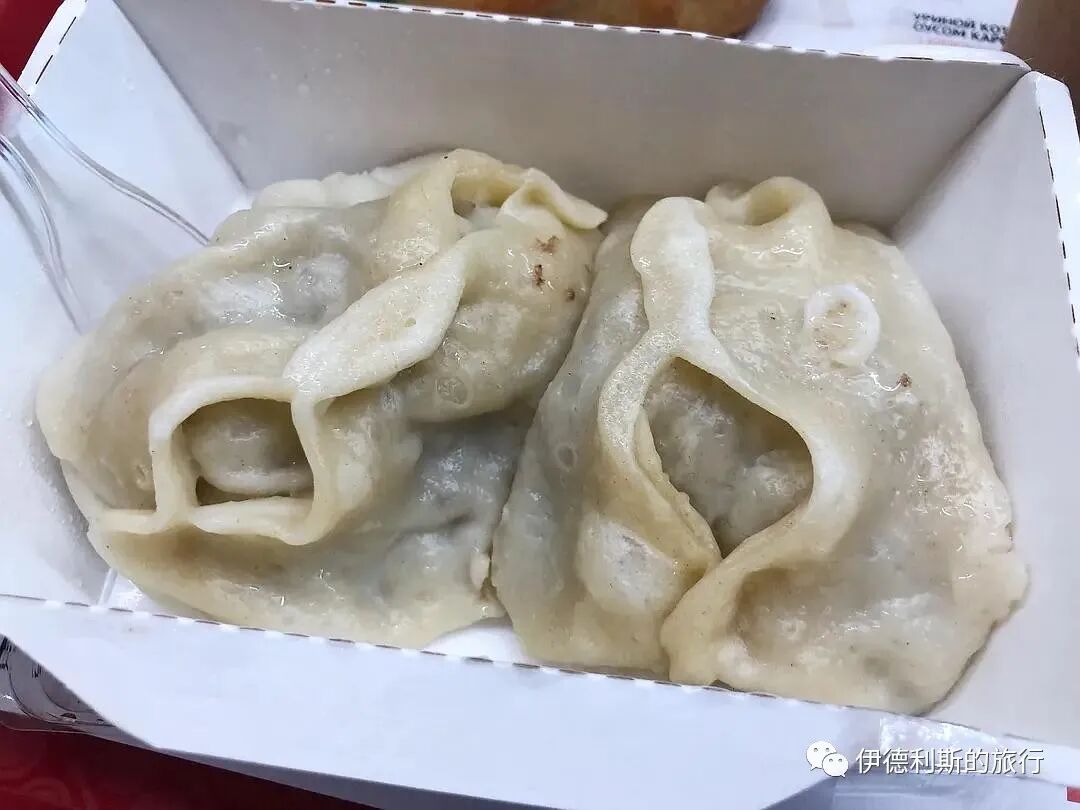
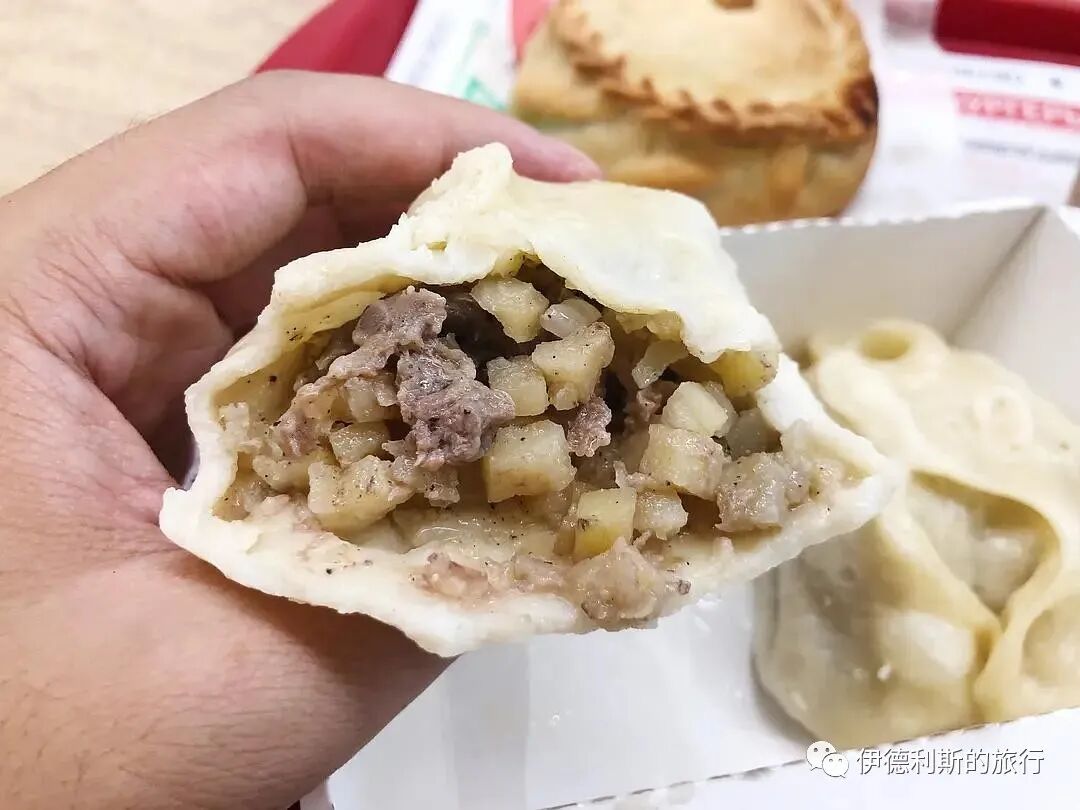
I ordered Manti (steamed dumplings), a specialty meat pie Belesh (made with sour cream dough and filled with beef, potatoes, and onions), Tatar clear soup dumplings Pilmen served with sour cream Smetana, and Tatar tea.
Large Tatar specialty halal supermarket.
Next to where I stayed, there was a large Tatar specialty halal supermarket. The variety of traditional Tatar desserts was dazzling, so I bought some to eat back at my accommodation.
The Kazan Tatar version of horse sausage; the horse meat flavor is much stronger than the Uzbek way of making horse sausage.
Kumis (fermented mare's milk), which is more sour than the Kazakh version.
It is called Smetannik, which means sour cream. The outside is made of butter dough (Sdobnoye testo), and the middle is sour cream, which is super delicious.
This nut cake is called Oriental dessert (vostochnaya sladost).
Central Market.
The Central Market in Kazan, where mushrooms are sold in the summer.
Tatar round hat bought at the Central Market.
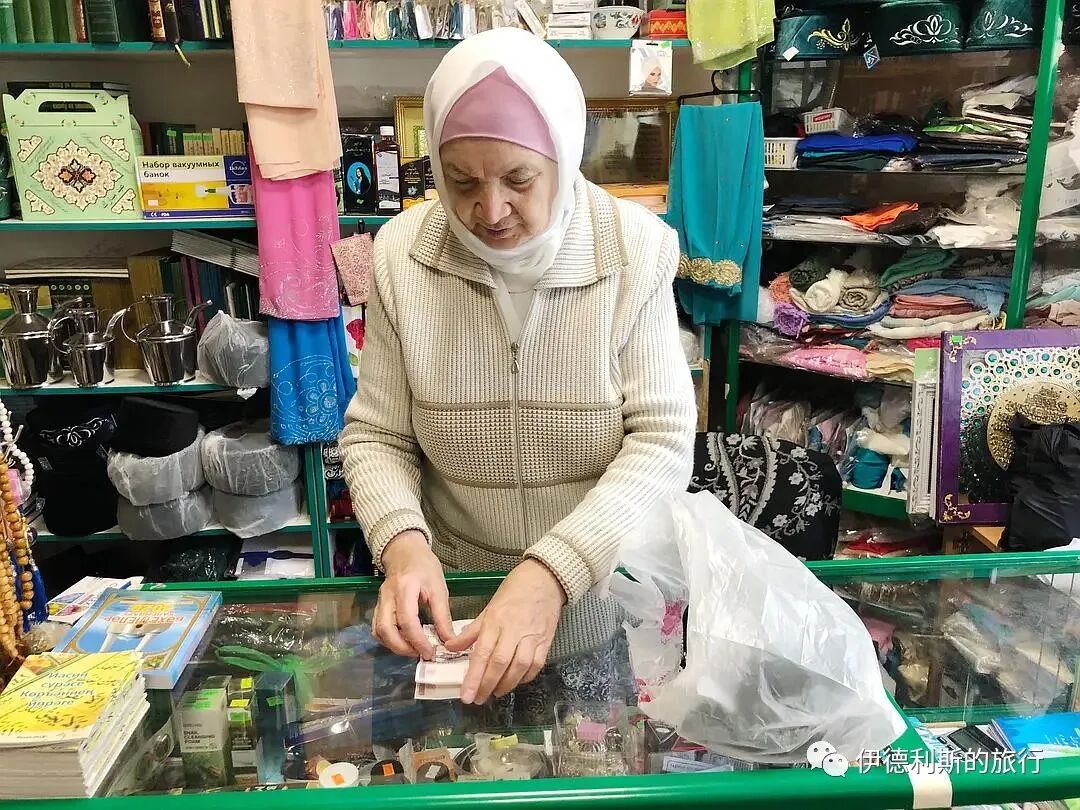
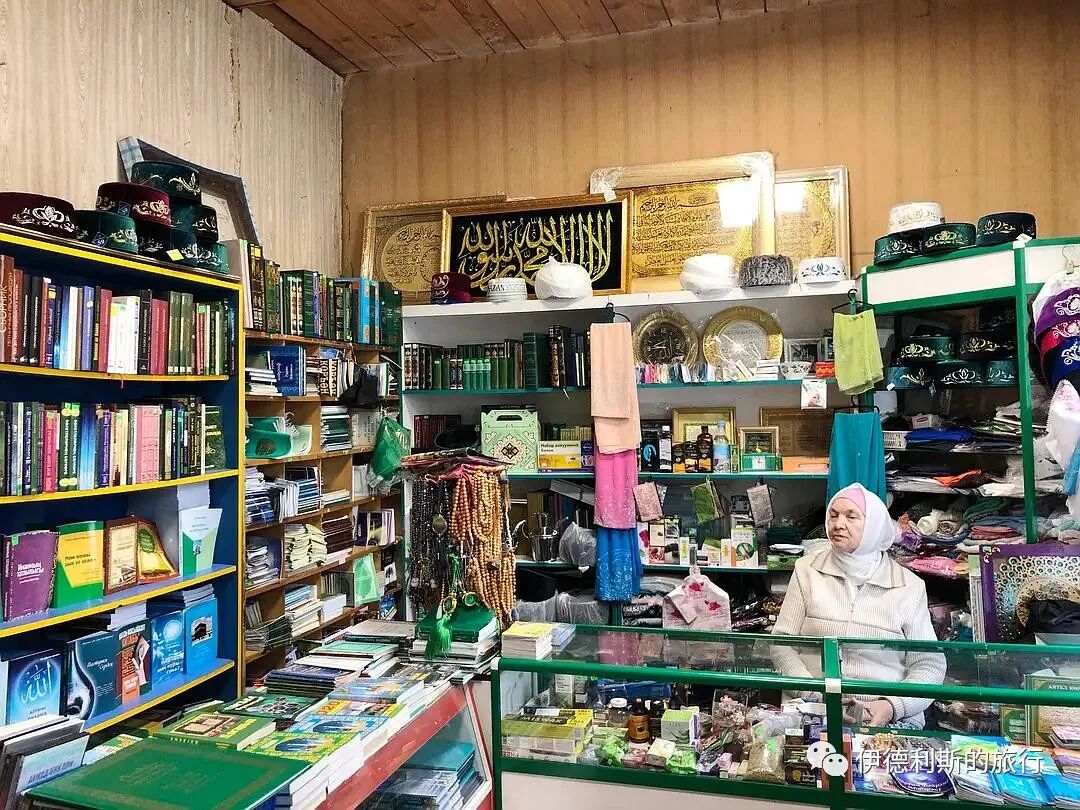
Small shop in the mosque.
Two Tatar magnets bought at the Märcani Mosque, showing the rural life of the Volga Tatars, one hunting rabbits and the other keeping bees.
Goose meat sold in the mosque; smoked goose meat and smoked horse meat are specialty delicacies of the Kazan Tatars.
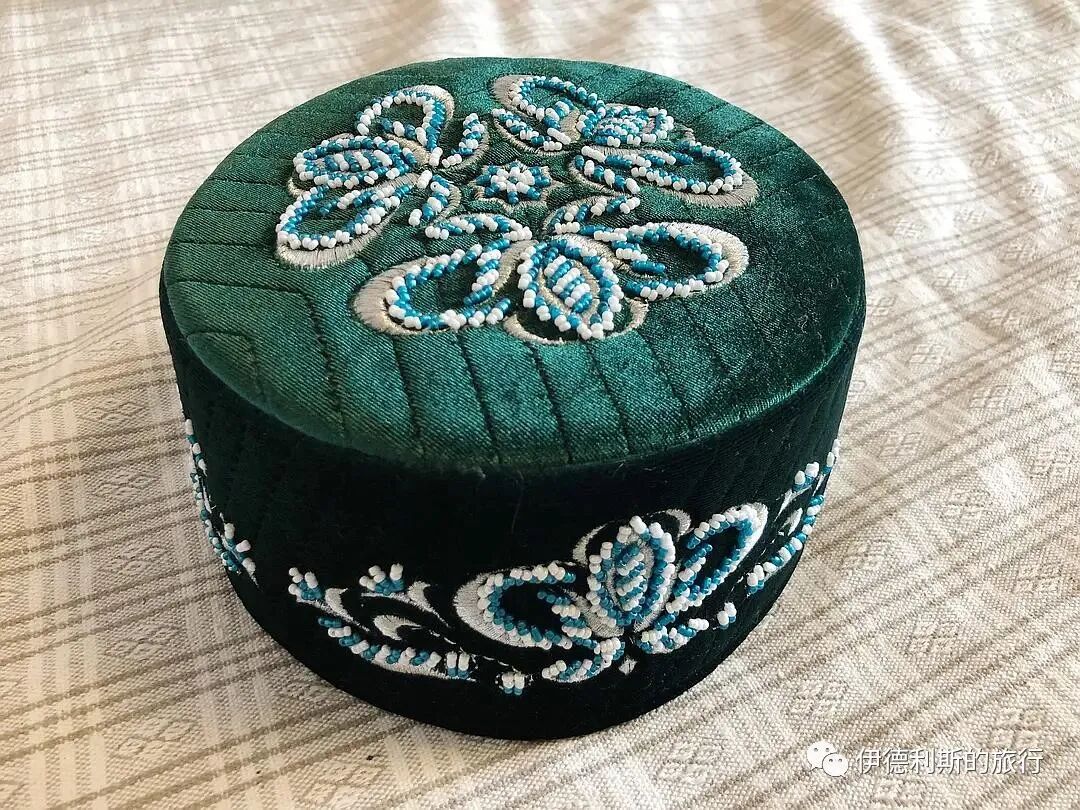
Tubetei (Tyubetey), a hat of the Kazan Tatars, bought at the shop of the Nurulla Mosque. view all
Summary: This travel note introduces Tatars in Kazan: Mosques, Muslim Heritage and City Life (Part 1). As the former capital of the Kazan Khanate, the city of Kazan was completely destroyed after being conquered by Ivan the Terrible in 1552. It is useful for readers interested in Kazan Travel, Tatar Muslims, Islamic Heritage.
As the former capital of the Kazan Khanate, the city of Kazan was completely destroyed after being conquered by Ivan the Terrible in 1552. In 1556, the Russians built a new city of Kazan, settling 7,000 Russians within it, while the remaining Tatars settled on the banks of Lake Kaban to the southwest of the city, gradually forming the Old Tatar Quarter (Staro-Tatarskaya Sloboda).
The early Old Tatar Quarter consisted of wooden buildings, which were very prone to fires. During the reign of Catherine the Great (reigned 1762-1796), the city of Kazan was rebuilt using brick and stone, gradually forming the current appearance of the Old Tatar historical district.
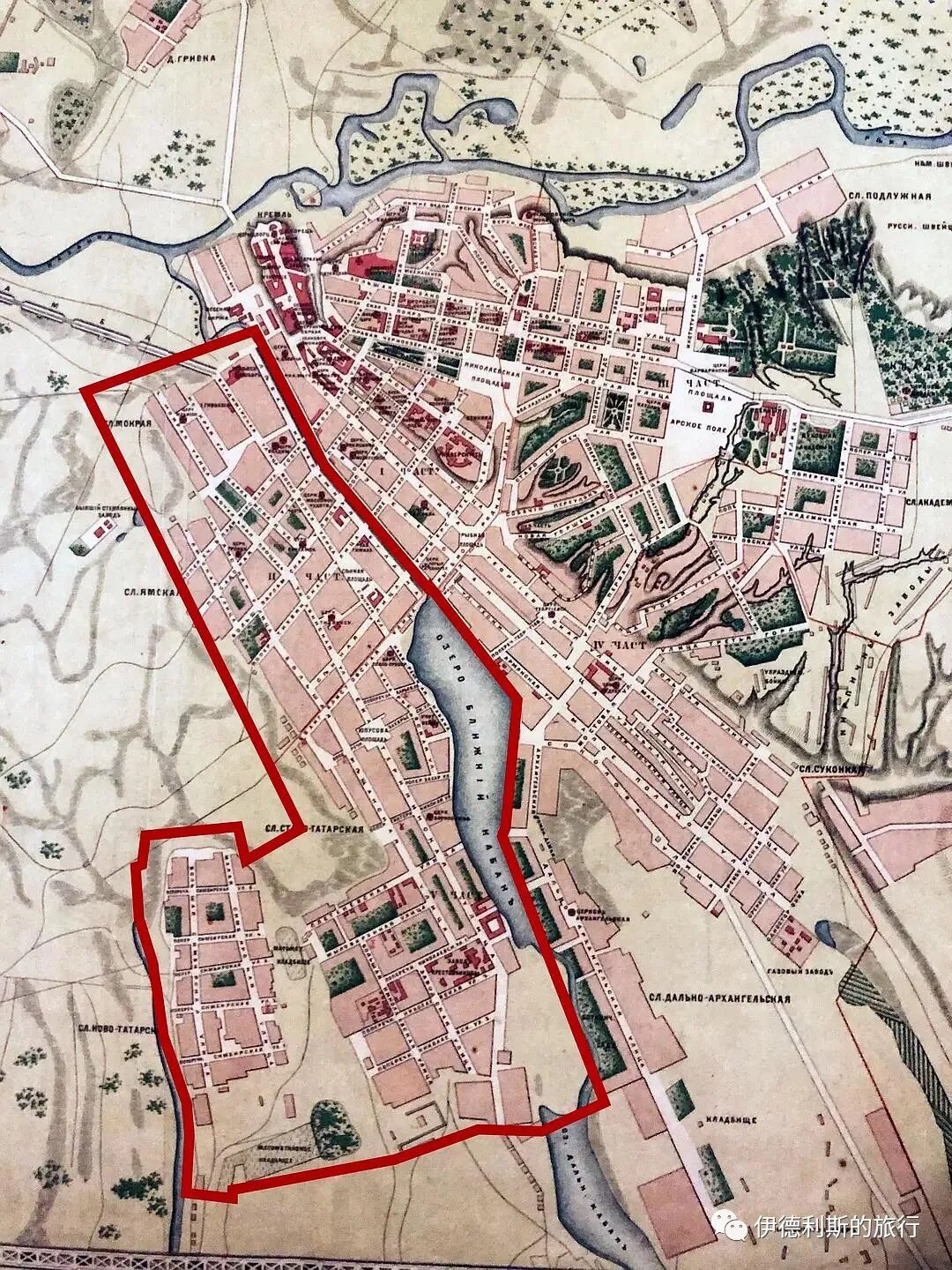
The scope of the Old Tatar Quarter in Kazan.
Although part of the district was converted into an industrial zone during the Soviet era, the current Old Tatar historical district still covers 88 hectares and preserves 75 historical buildings from the 18th to the 20th centuries, including mosques in the traditional Tatar style, mansions of wealthy Tatar merchants, and theaters. I have previously shared the 13 historical buildings of traditional-style mosques preserved in the community (see "Traditional Mosques of the Kazan Tatars"), and this time I will share my experience of eating and exploring in the Old Tatar historical district.
Tatarskaya Usadba (Tatar Manor).
This time I stayed in a traditional Tatar manor on the banks of Lake Kaban, which was originally the residence of the 19th-century Tatar merchant Khamit Sabitov. The manor offers both accommodation and dining. Because I did not book their main meals in advance, I only had breakfast, which was also in the traditional Tatar style.
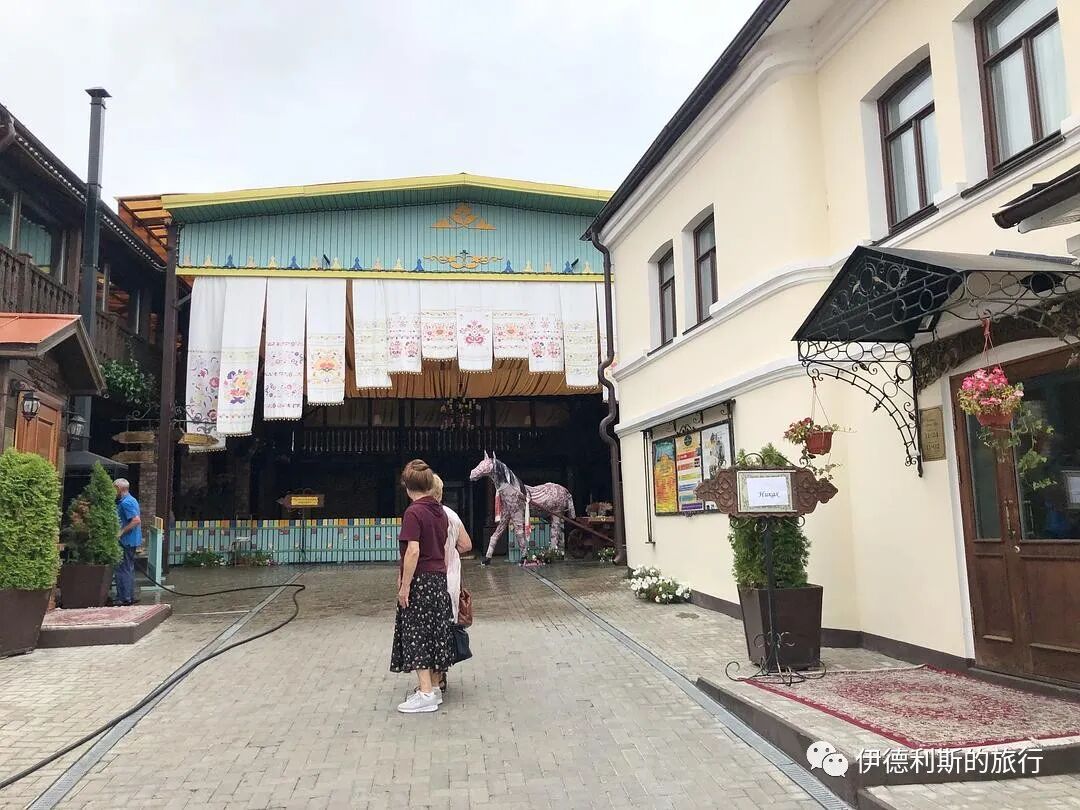
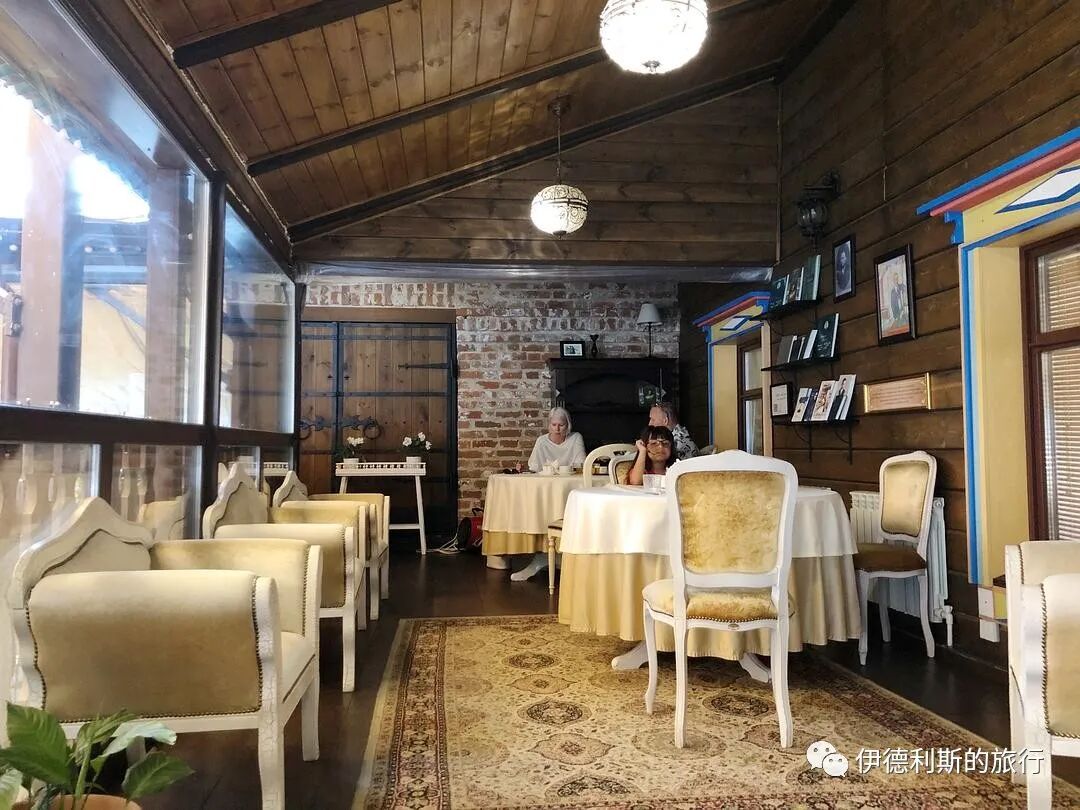
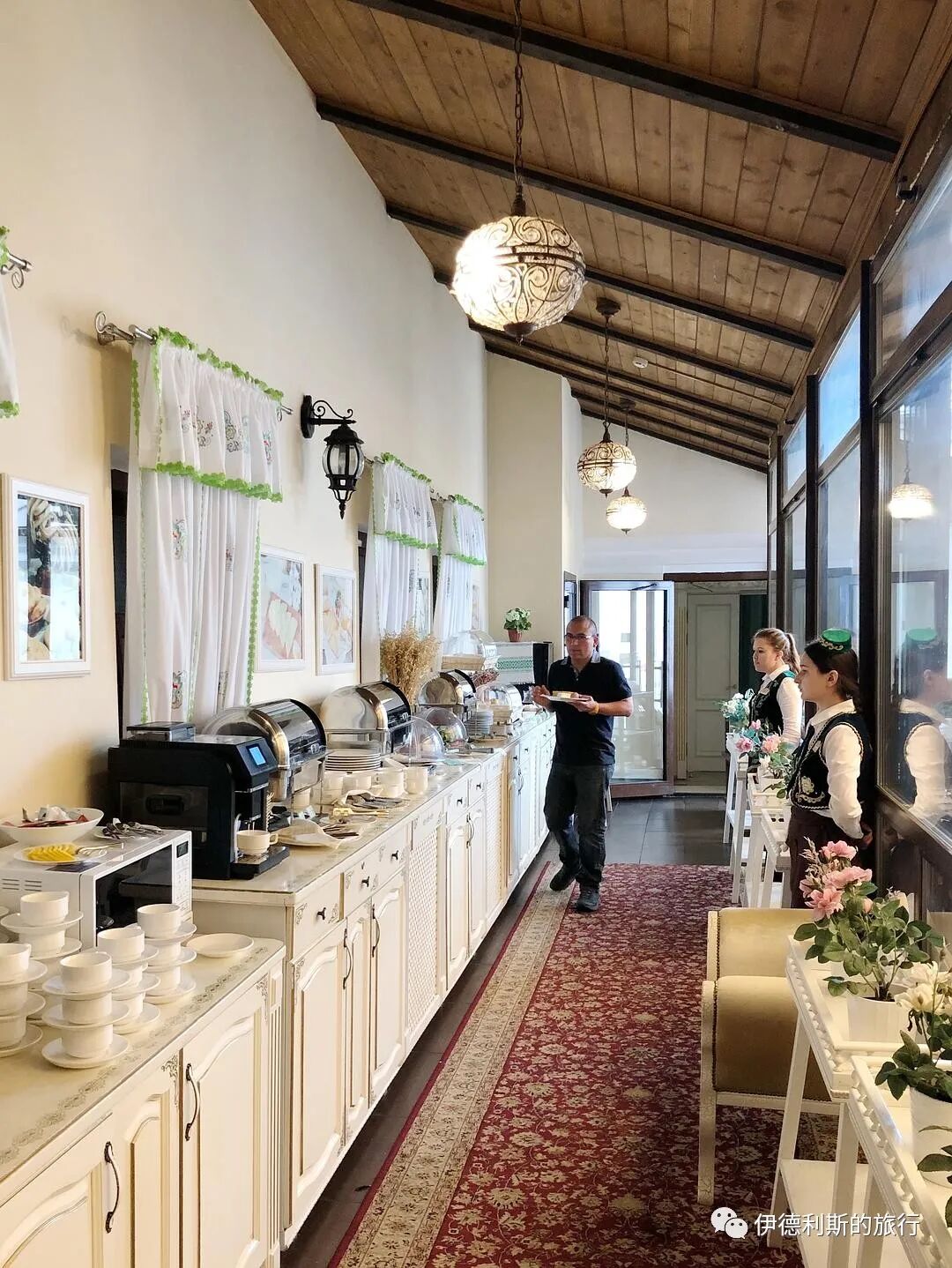
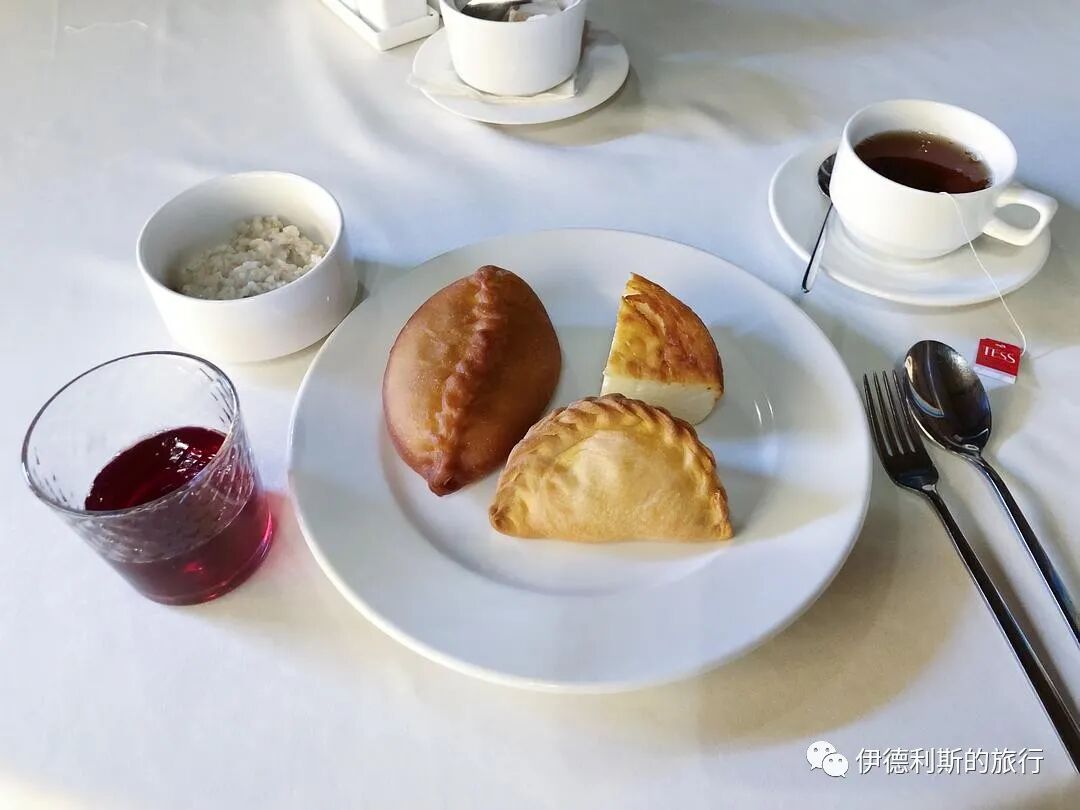
Bekken, a Tatar specialty pie, is made with sour cream dough and filled with cabbage and egg.
Sochni cake with frosting and Pirozhki (Eastern European stuffed buns).
Tatar cultural festival "Pechen Bazar" (Hay Market).
I was very lucky to attend the Tatar cultural festival "Pechen Bazar" (Hay Market) in Kazan this time. The festival was held on the banks of Lake Kaban for two days, August 17th and 18th, with various Tatar designers, poets, musicians, and filmmakers showcasing and sharing their work; it was especially lively.
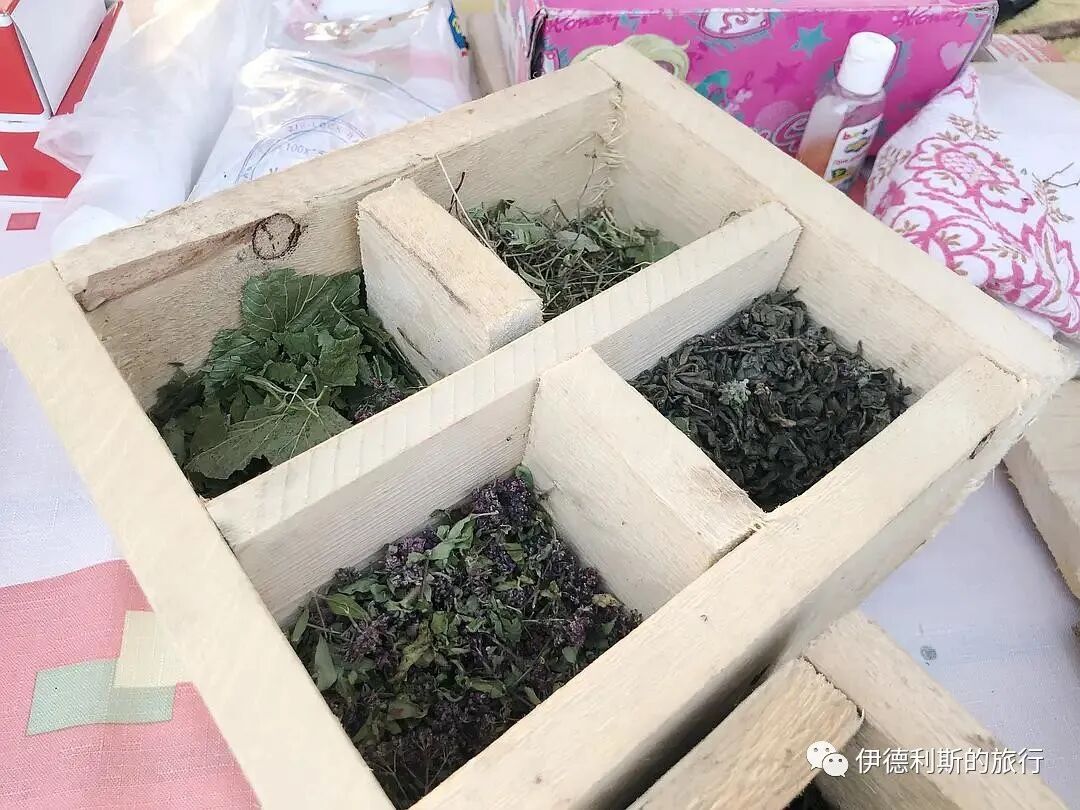
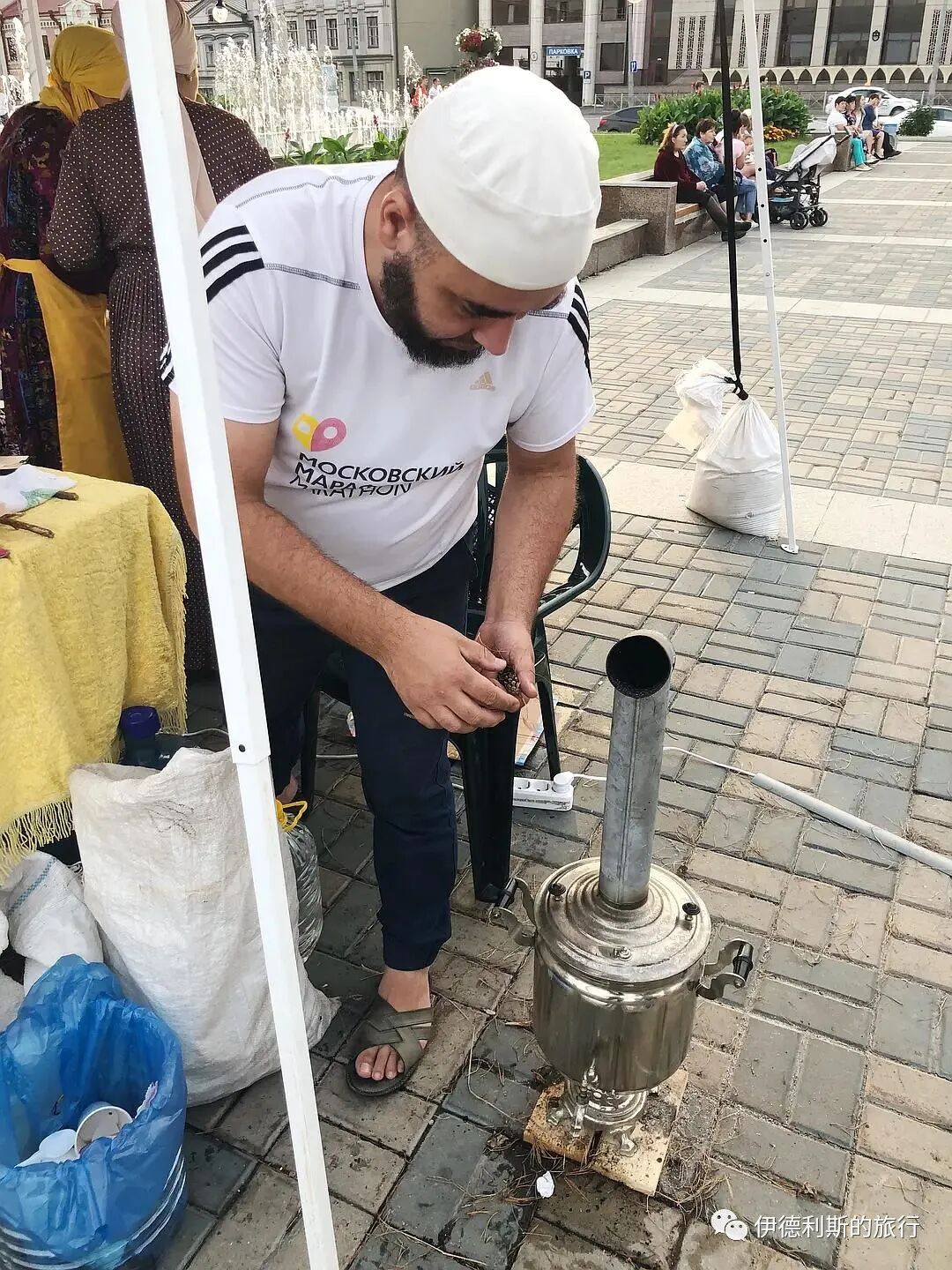
First, I will share what I ate at the festival. The first stall was traditional Tatar tea. You could see many ingredients in the tea, such as thyme, linden leaves, chamomile flowers, oregano leaves, mint leaves, and sage. You could also see the uncle throwing pine cones directly into the tea stove, which was especially fragrant.
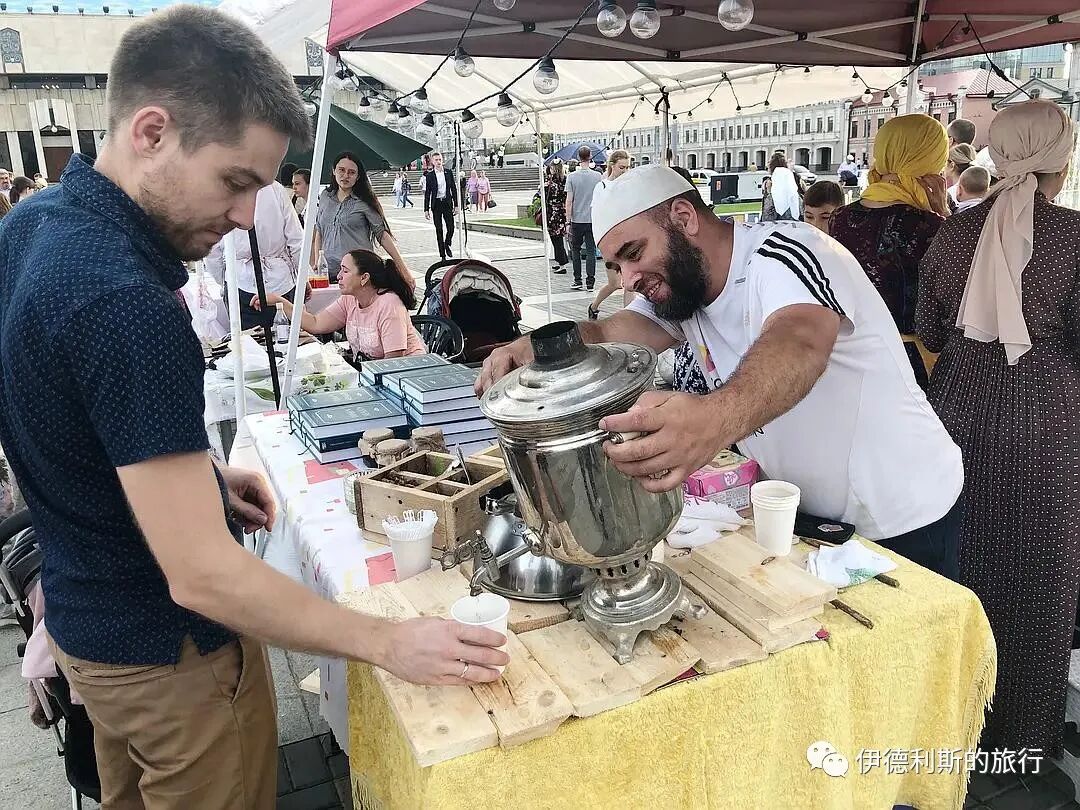

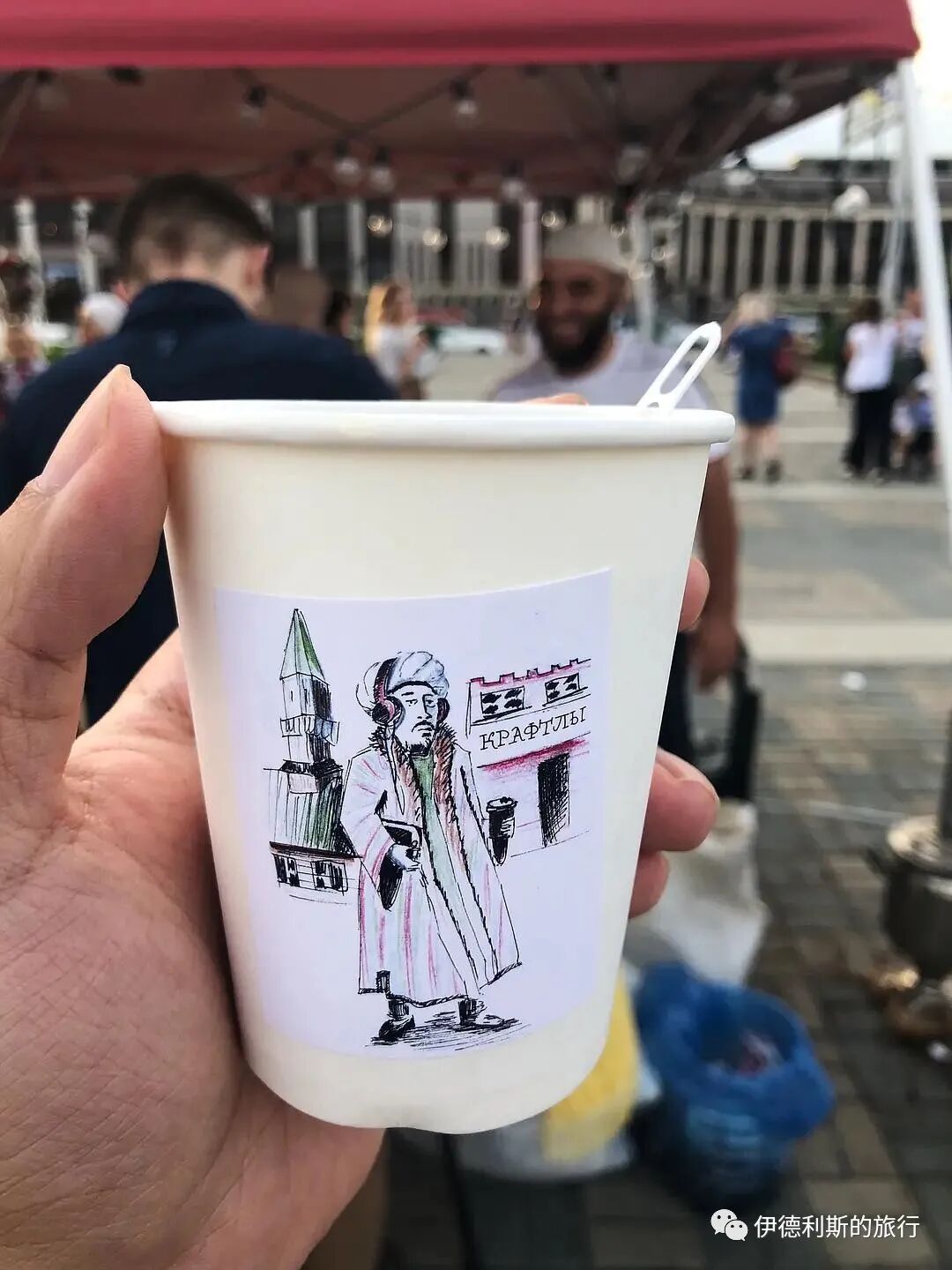
I really like the drawing on the cup, it is Tatar trendy!
This stall sold traditional Tatar desserts, which are a bit like Turkish desserts and go very well with tea.
This stall sold jam.
I ate cakes made by Tatar girls and also drank lemonade.
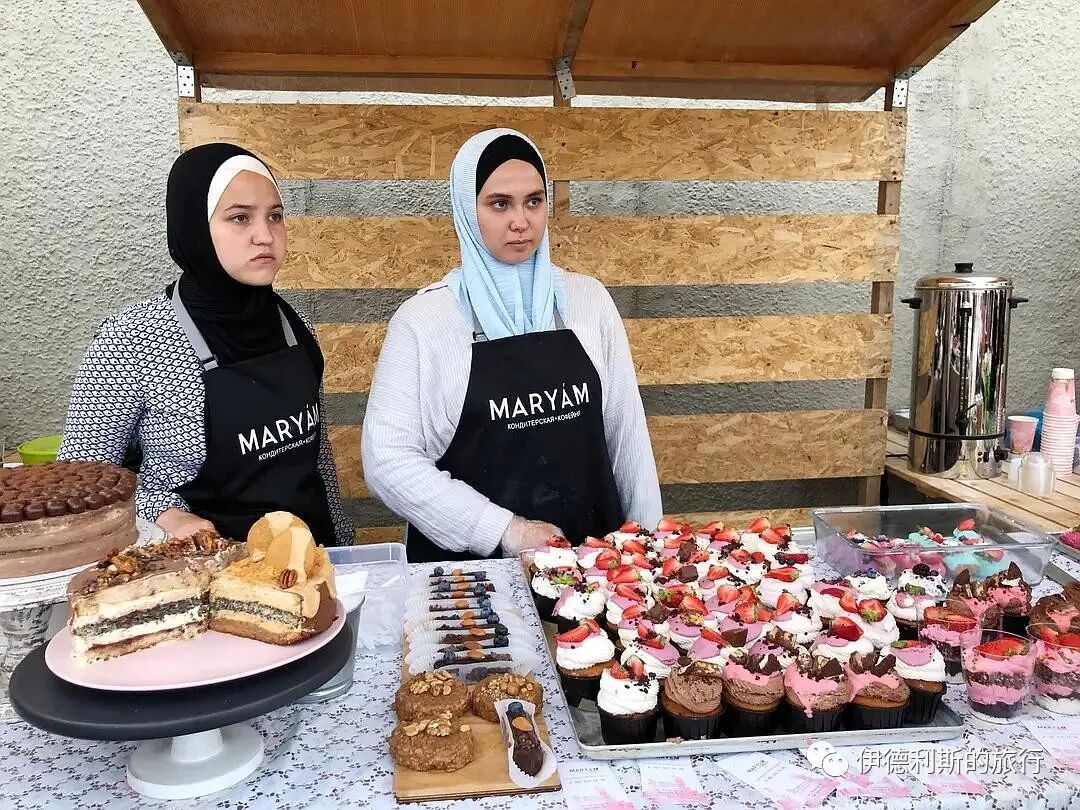
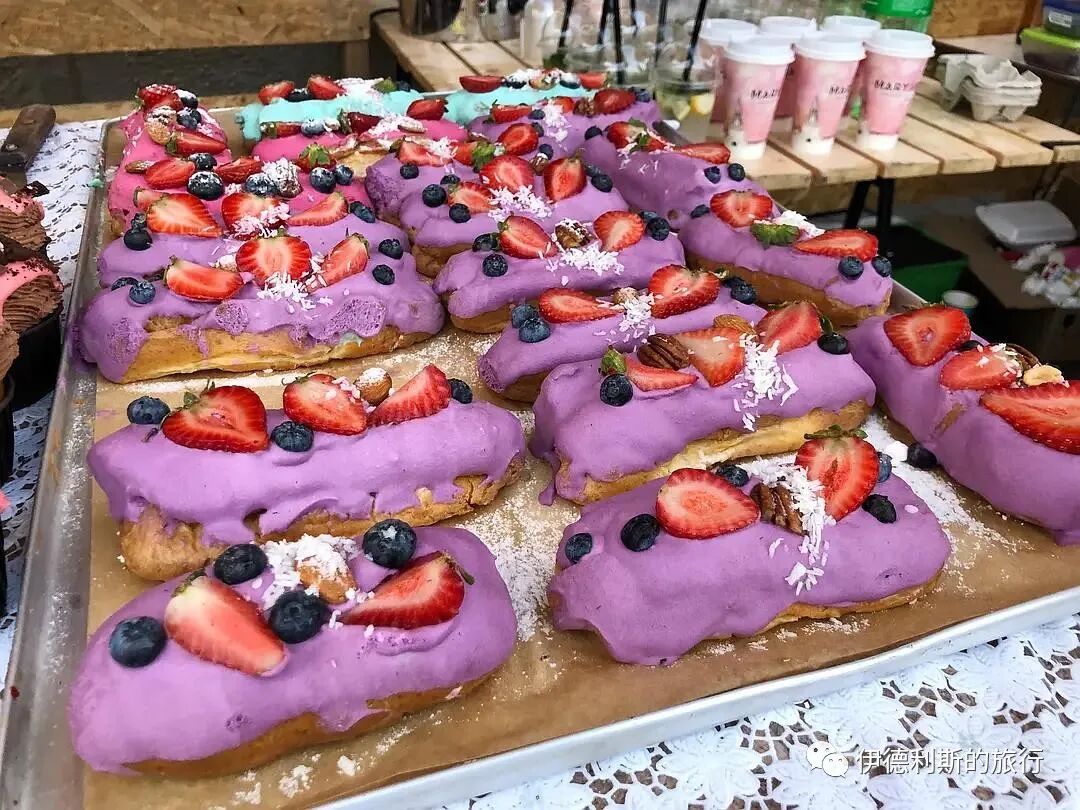

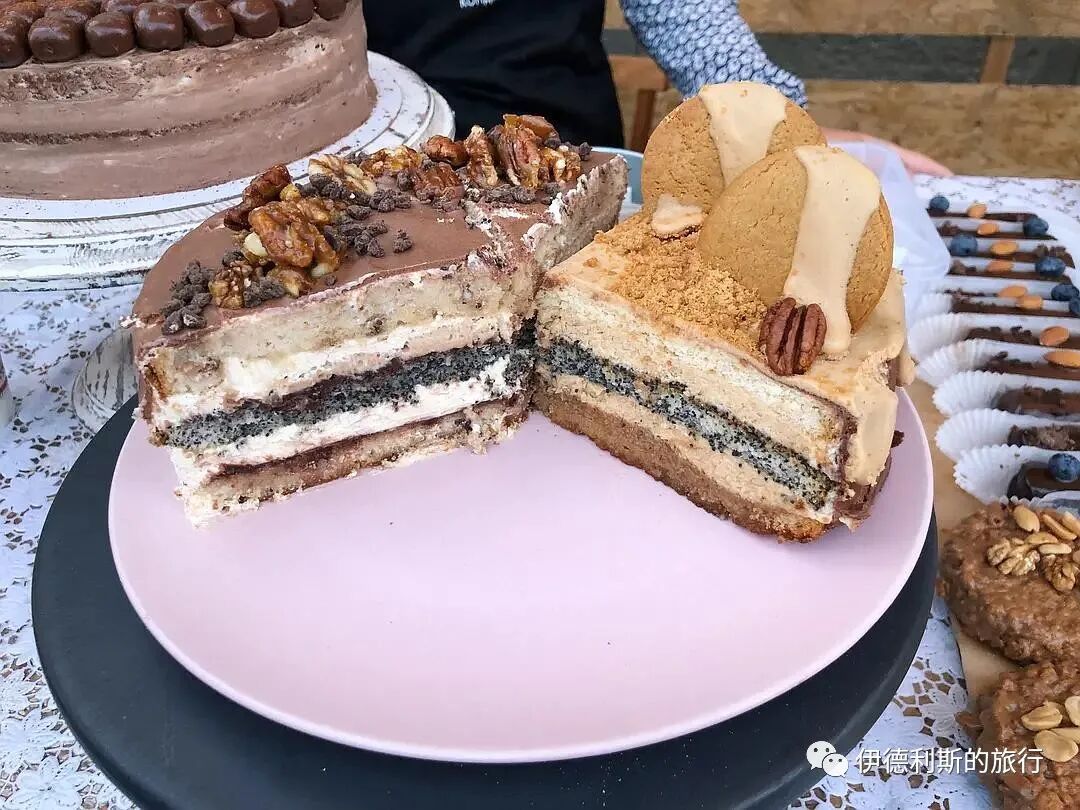

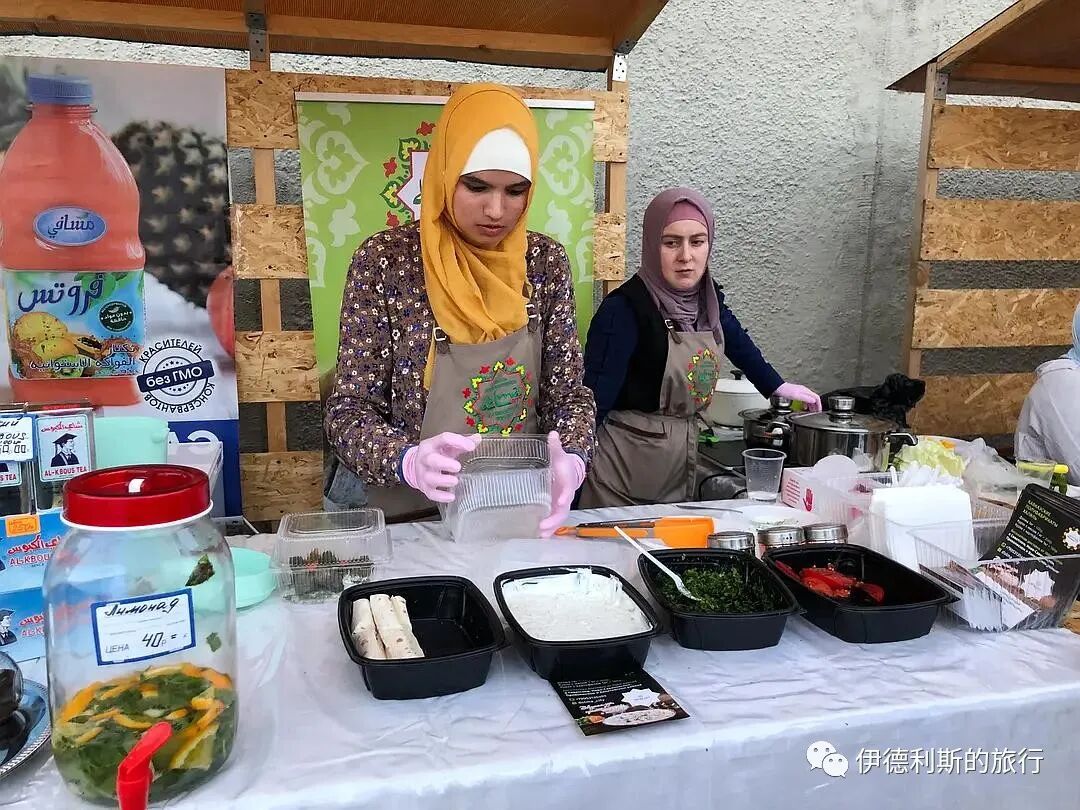
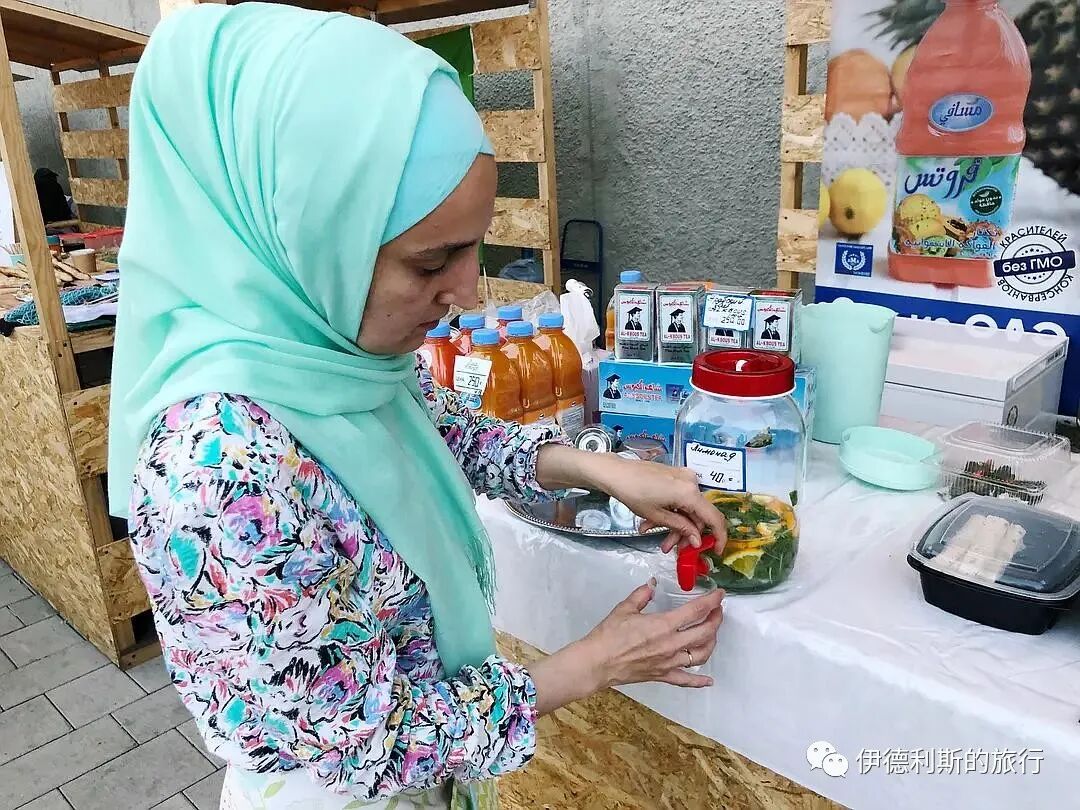

Stalls with various Tatar snacks.

Many Tatar artisans also came this time.
I bought two wooden puppets made by a Tatar brother; they are images of Tatar youth.
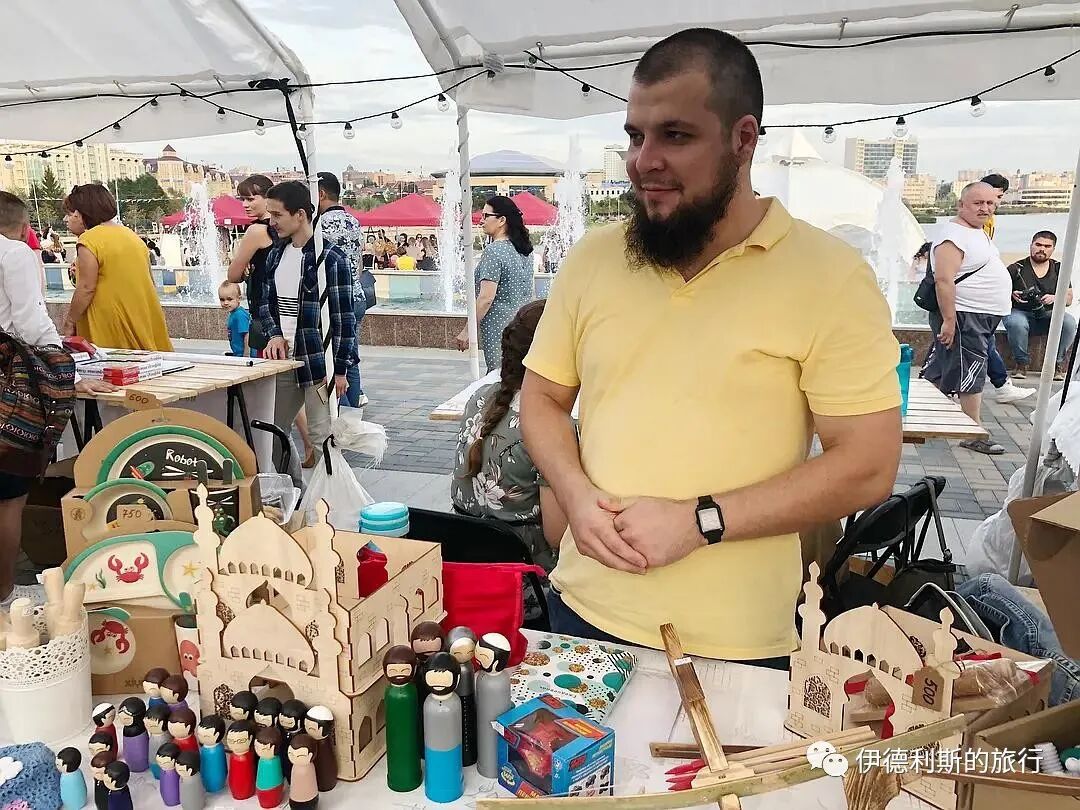
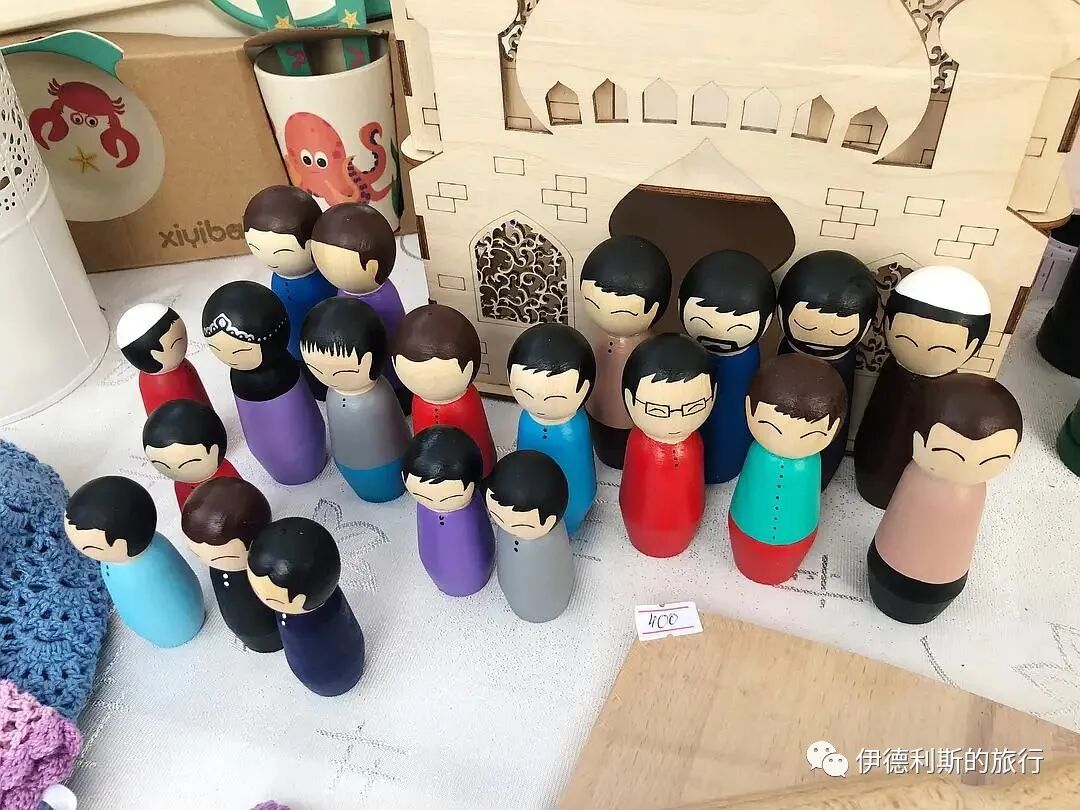
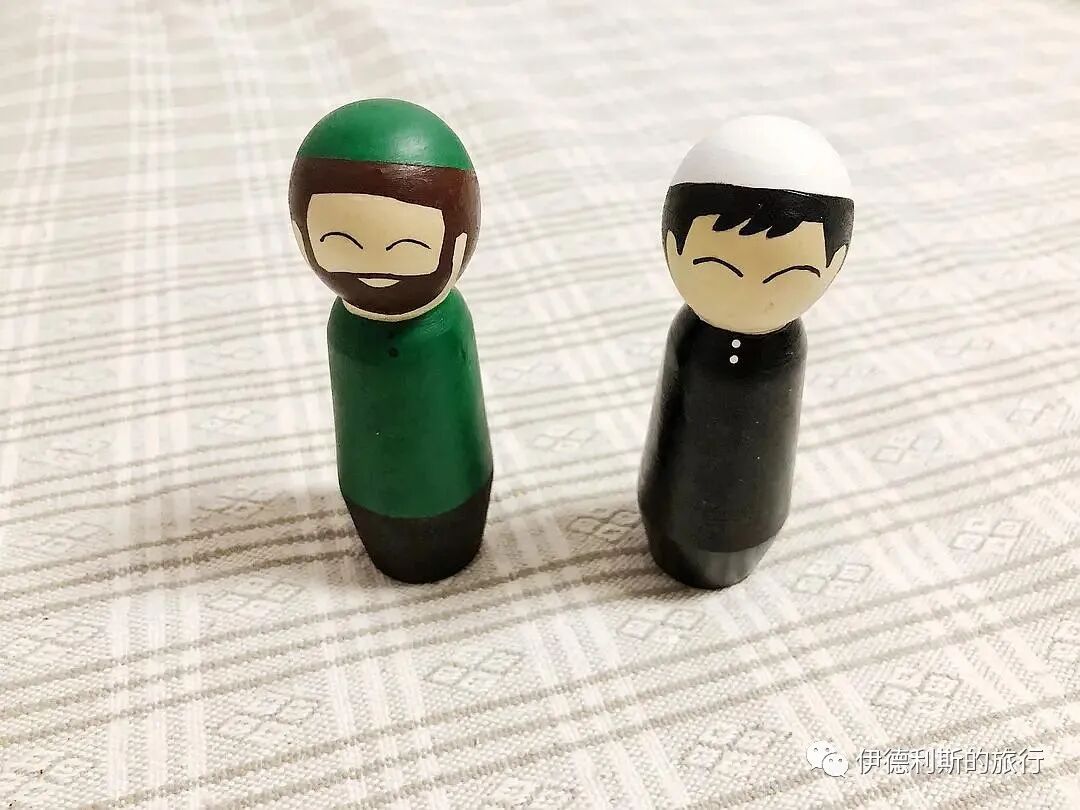
A Tatar youth is making Arabic calligraphy on the spot with thread.
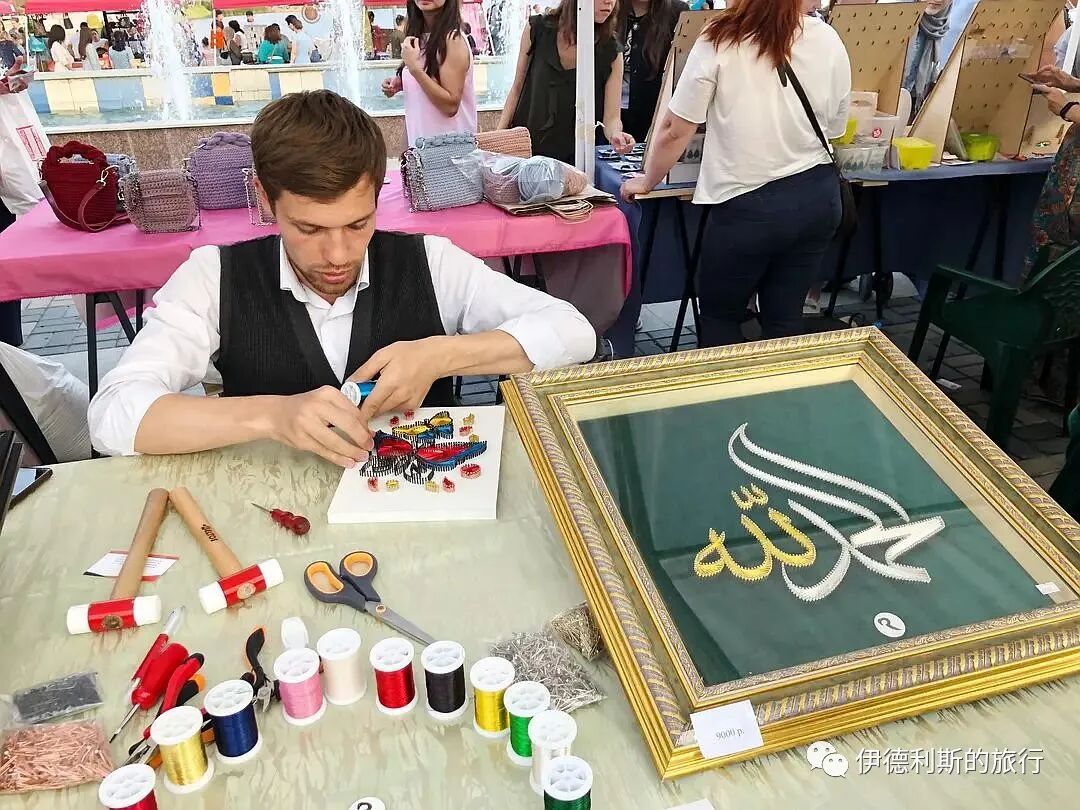
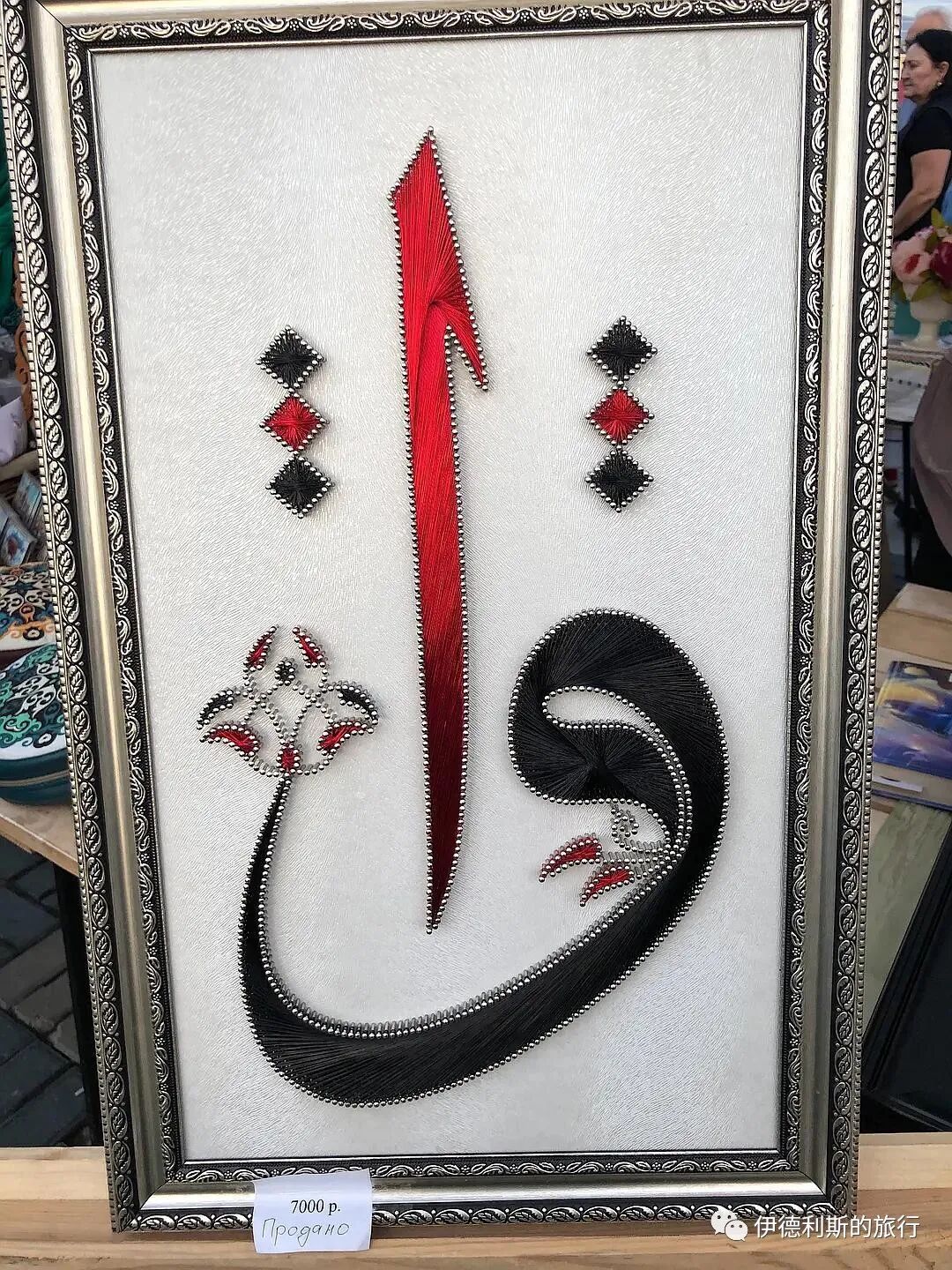
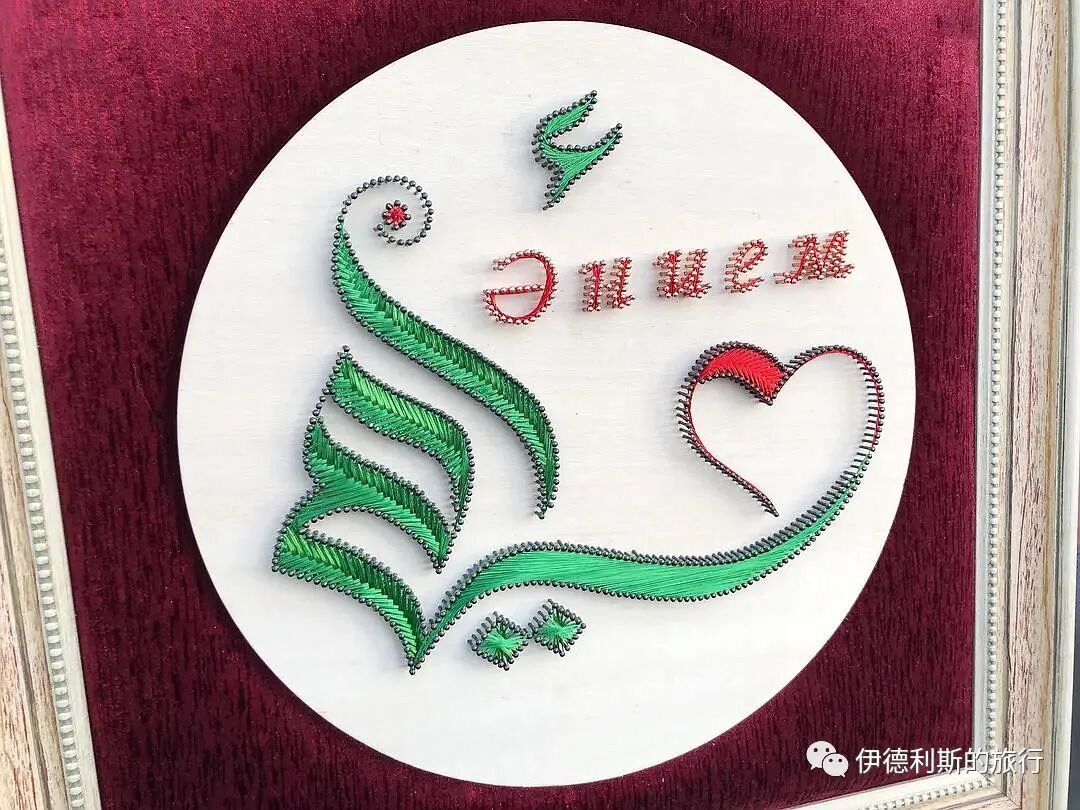
A Tatar auntie was selling headpieces for Kazan Tatar women, decorated with pearls, which looked very beautiful.
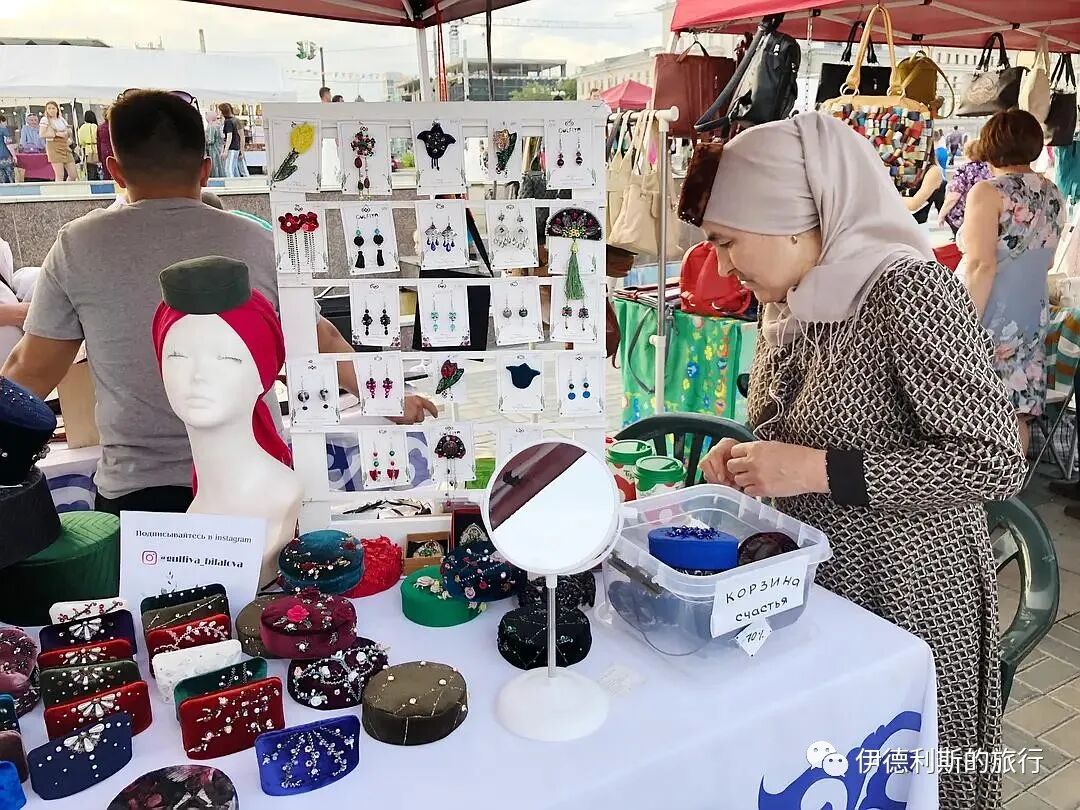
A stall selling honey. This festival invited some Tatars living in the countryside to sell the honey, cheese, and sausages they made themselves, which was also very interesting.
I bought three hats at the festival. The first felt hat (VOYLOCHNAYA TYUBETEYKA) came from a Tatar brand that makes leather and wool felt products, which is quite interesting. And the two girls in the picture below are dressed so beautifully!
The second hat stall; I really should have bought this traditional Tatar vest at that time.
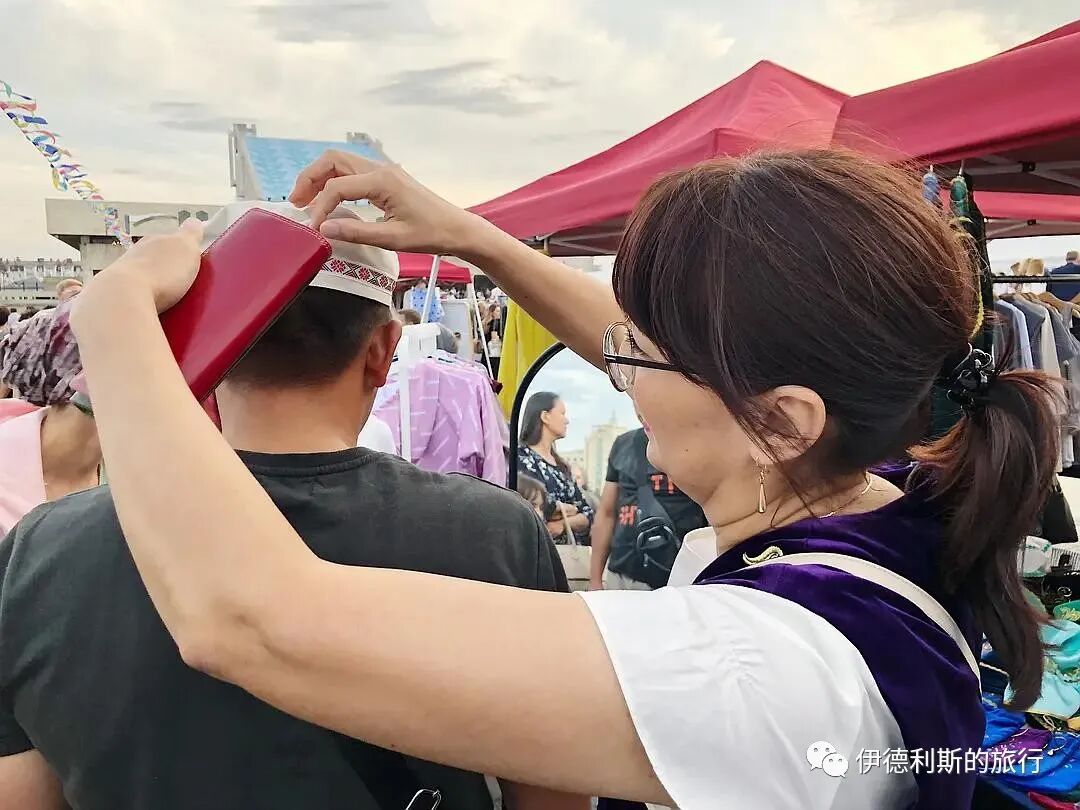
The third hat stall.
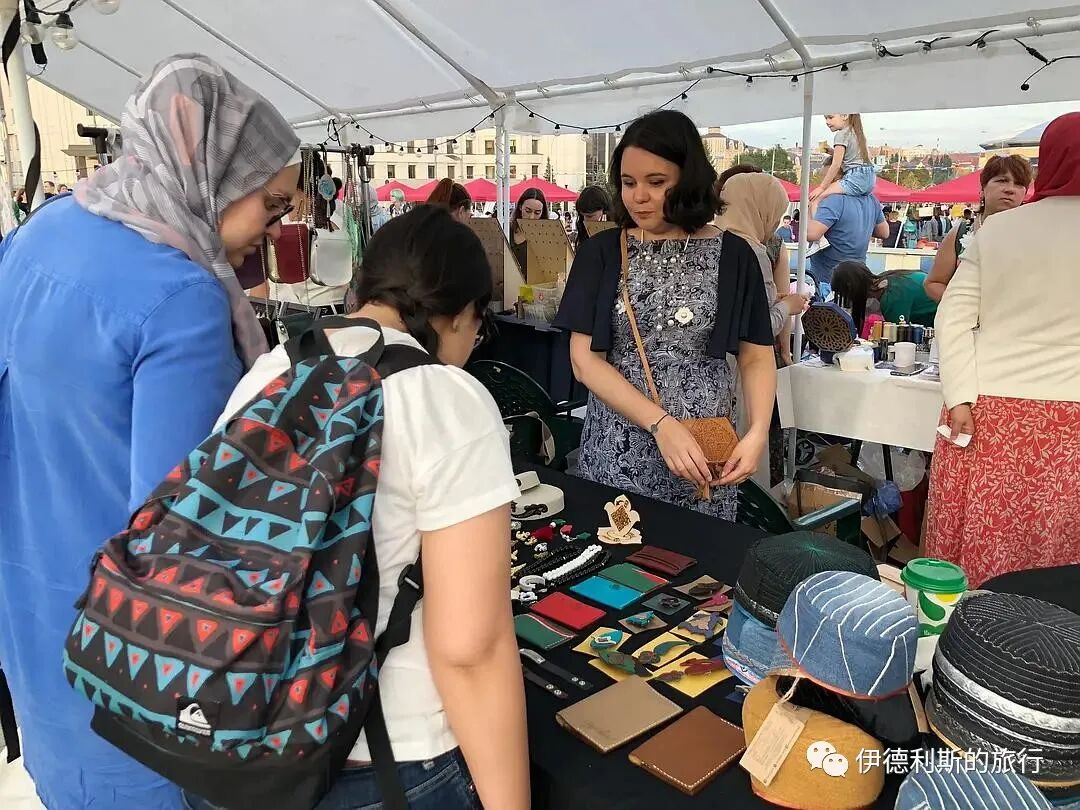
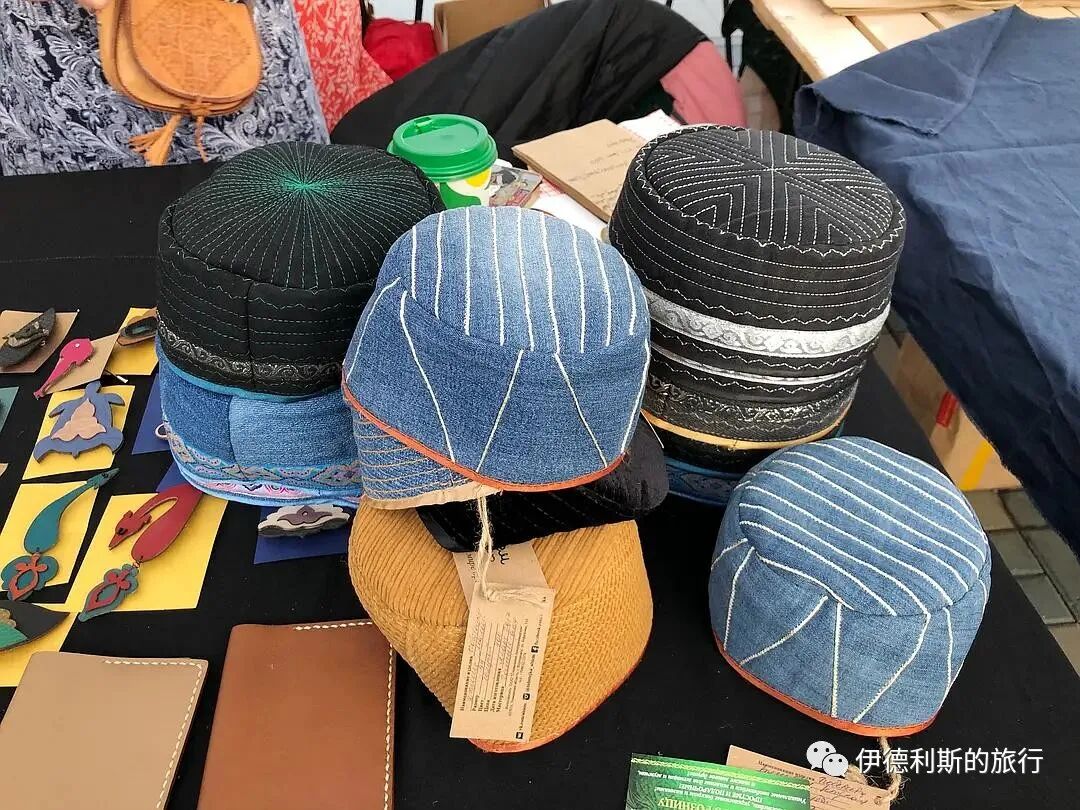
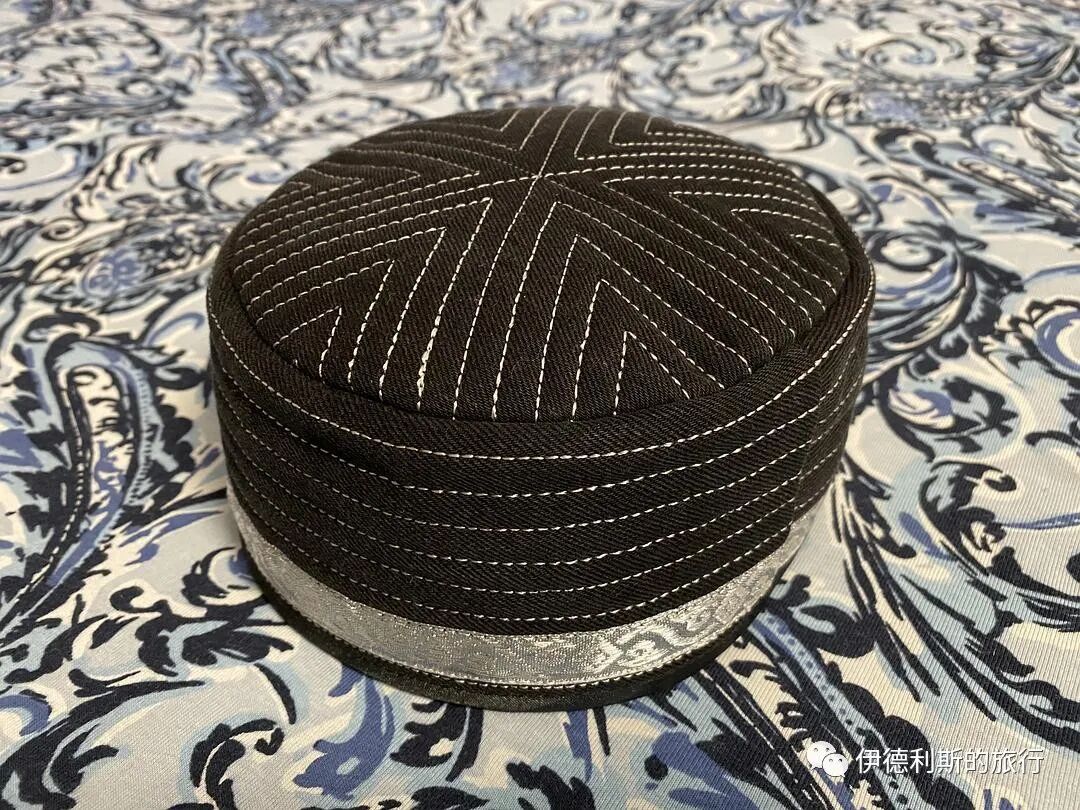
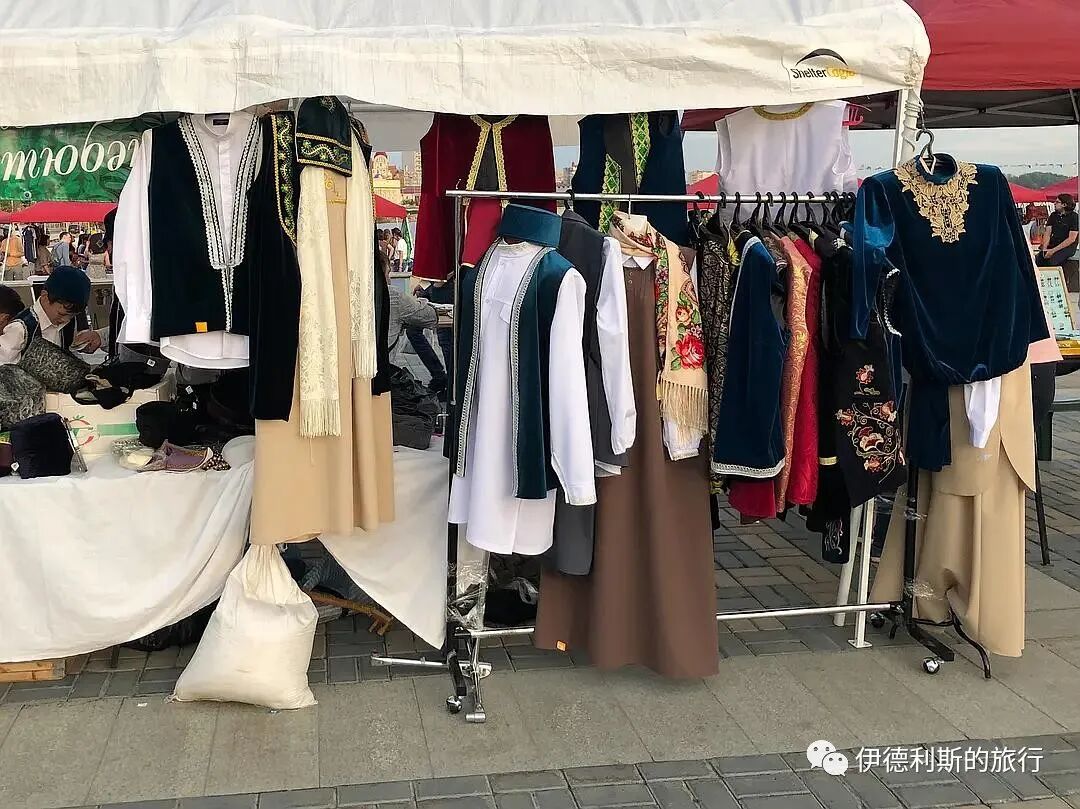
A stall at the festival selling traditional Kazan Tatar flower hats, and also selling traditional Kazan Tatar clothing; I was very tempted.
Live music performance; on the right, you can see the traditional Tatar house where I stayed.
The uncle is an architect who builds mosques, sharing how to build a mosque.
A young Tatar female poet is reading poetry.
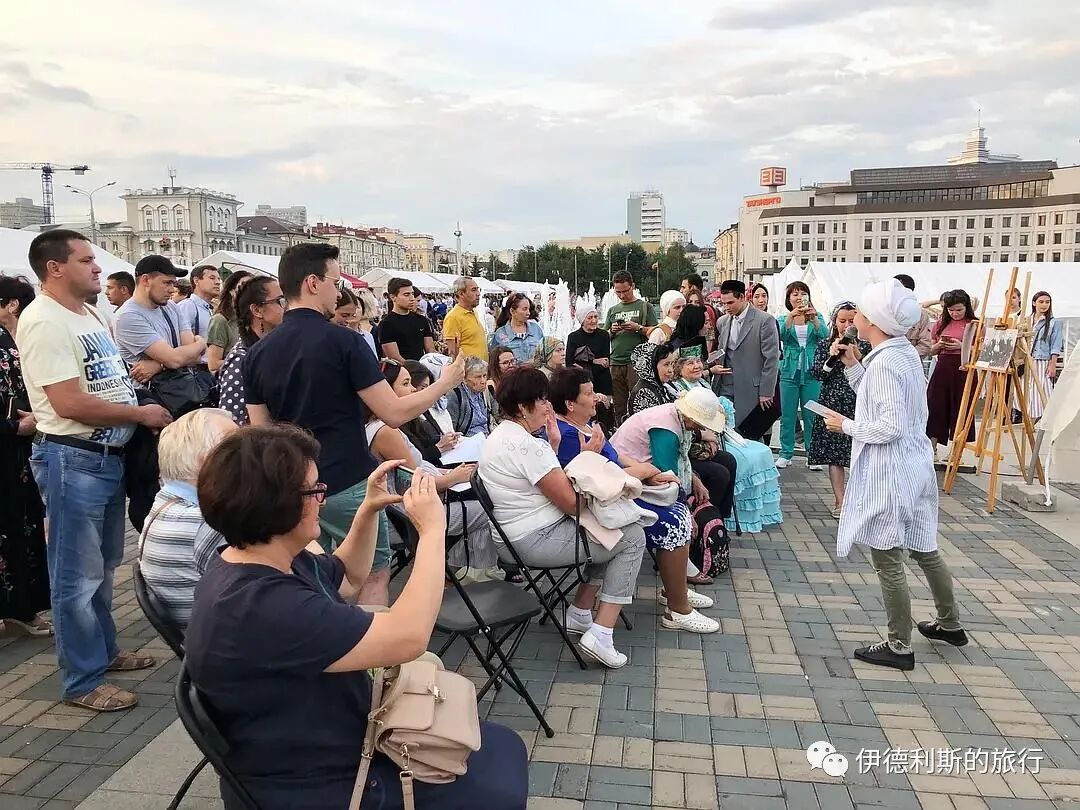
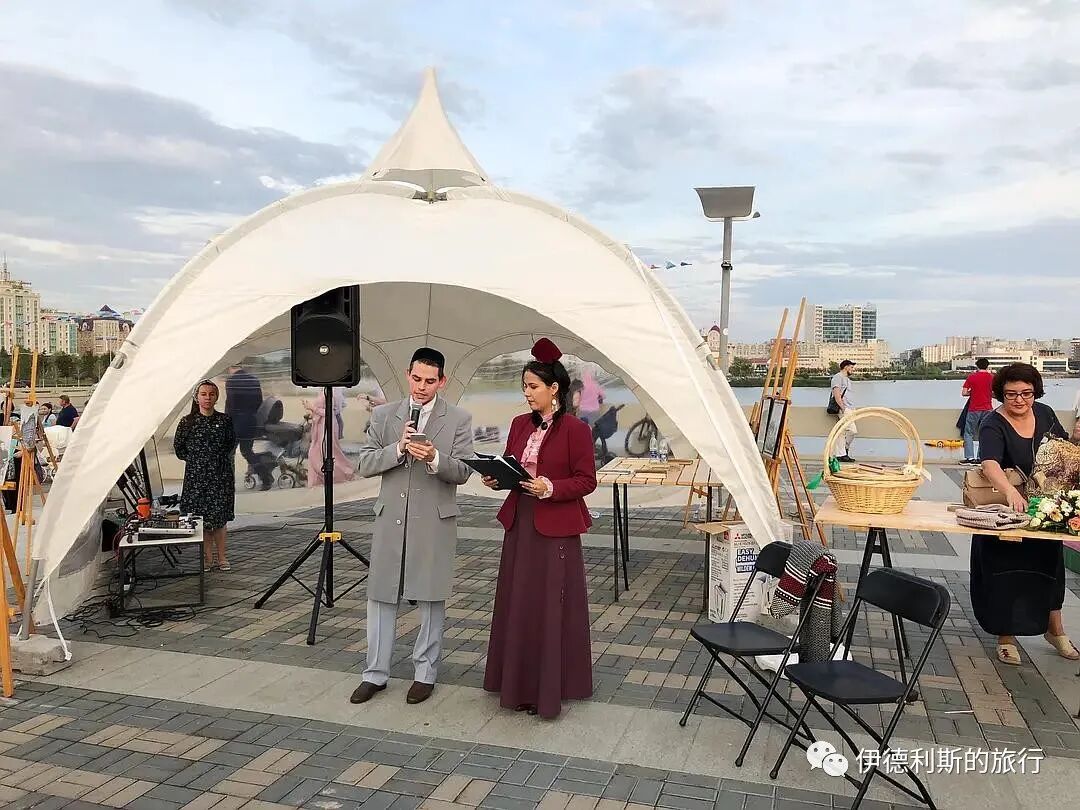
The clothing worn by the host is the formal wear of urban Kazan Tatars in the early 20th century.
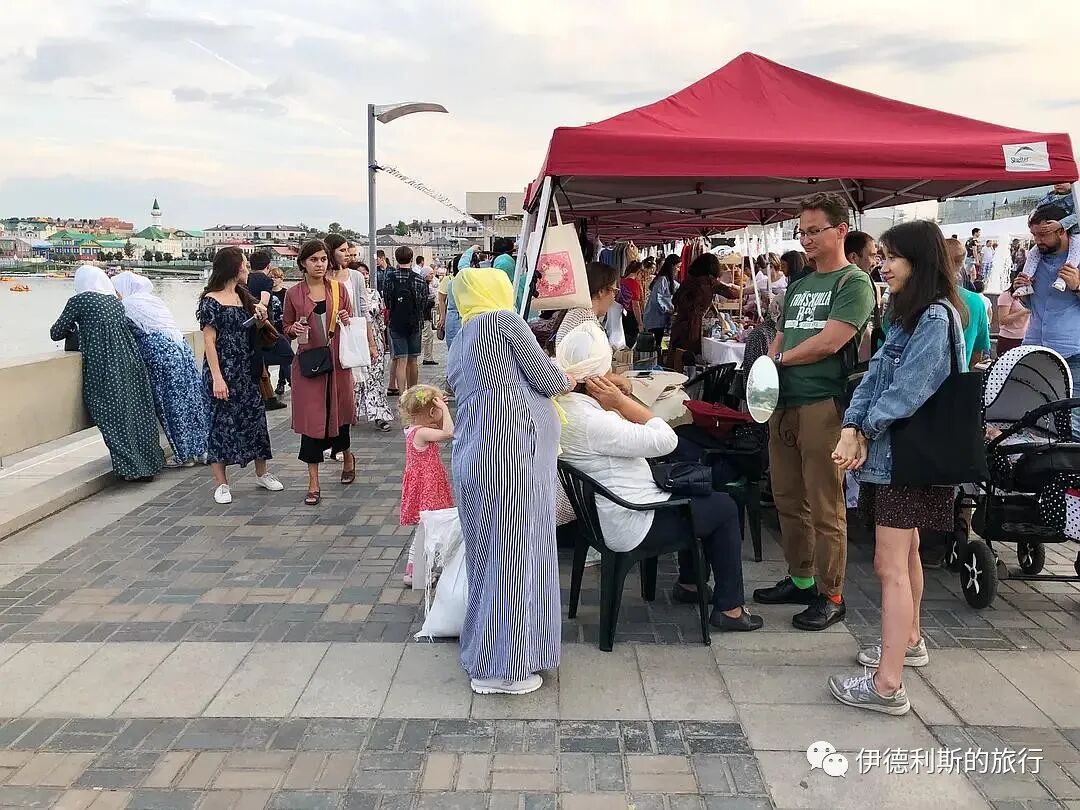
It was a live demonstration on how to tie a headscarf. I took a look and it was quite complicated, requiring many steps.
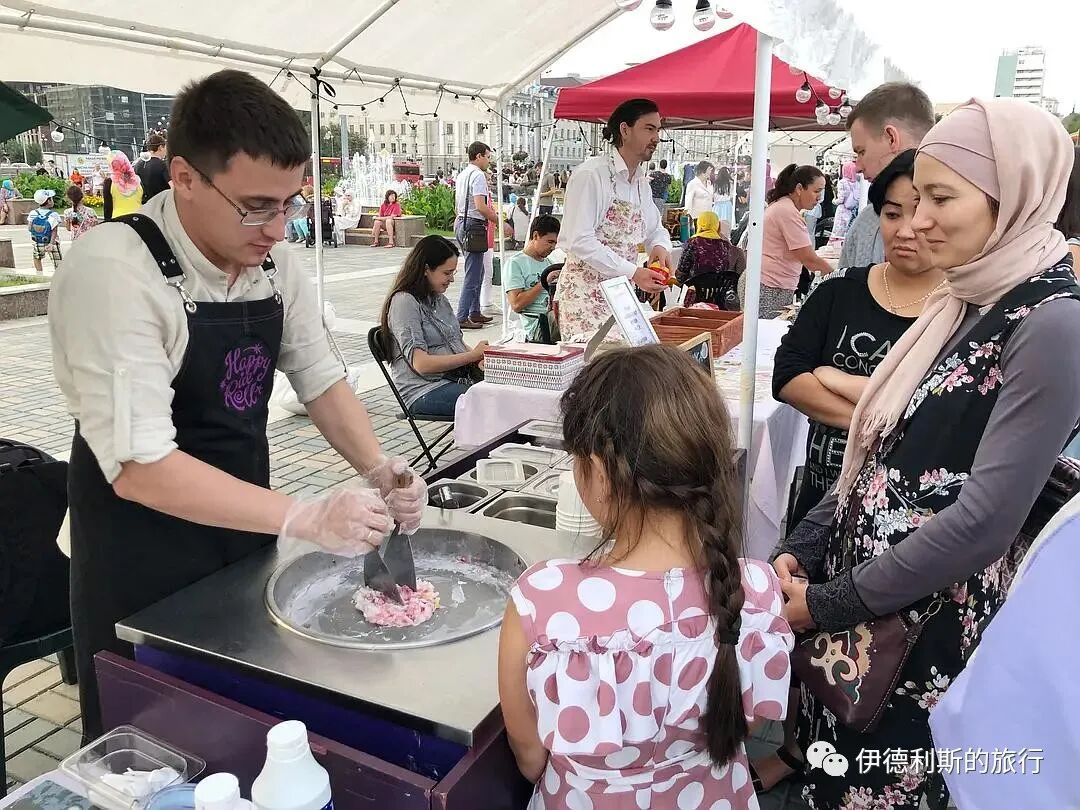
The dessert stall with the longest queue at the entire festival.
This stall is a Tatar creative brand that follows a sweet Islamic style.
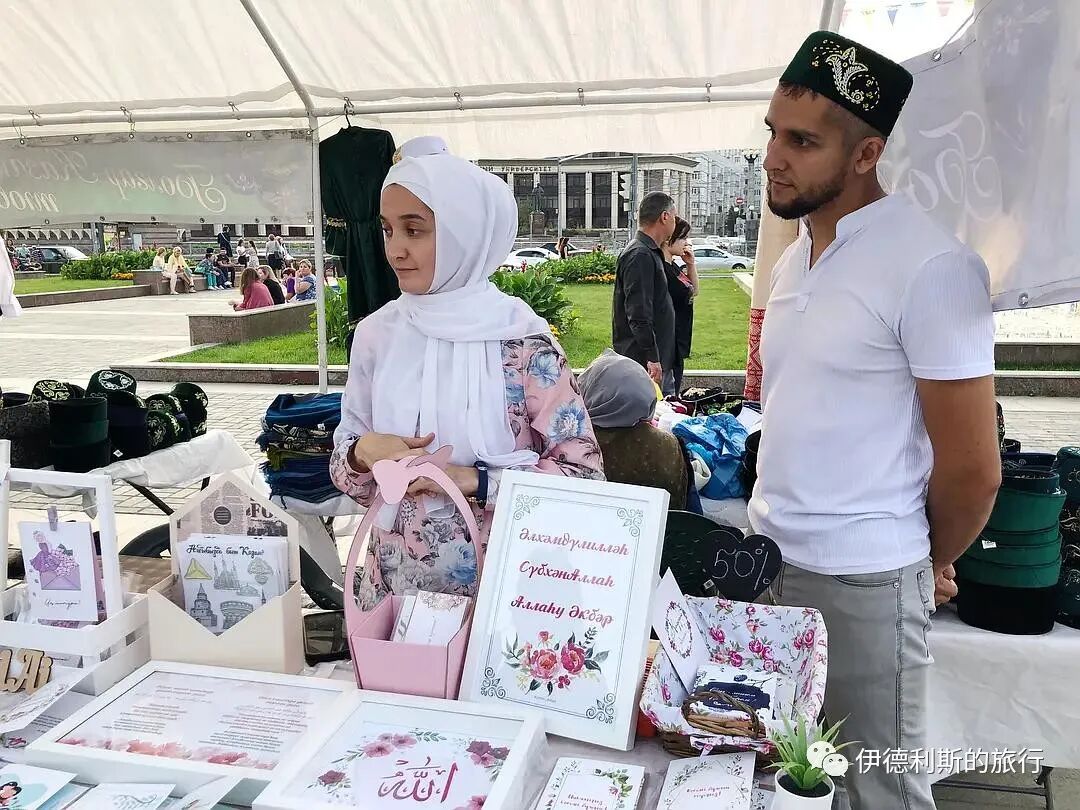
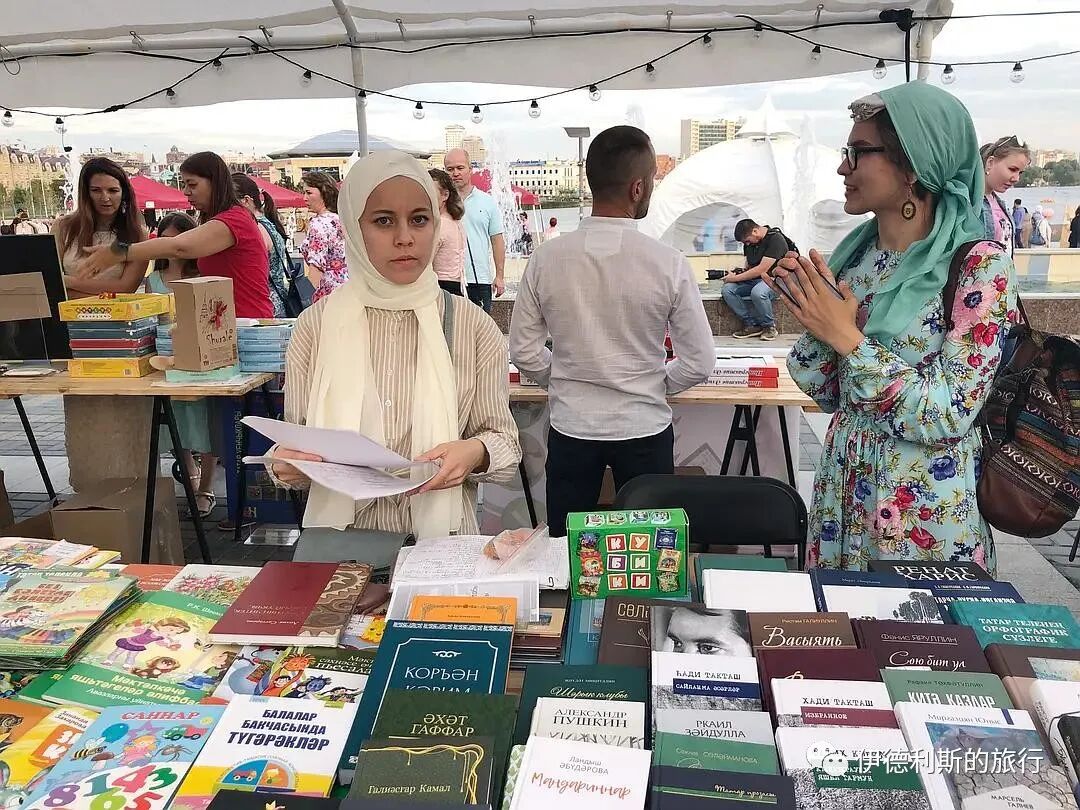
A stall selling books on Tatar culture.
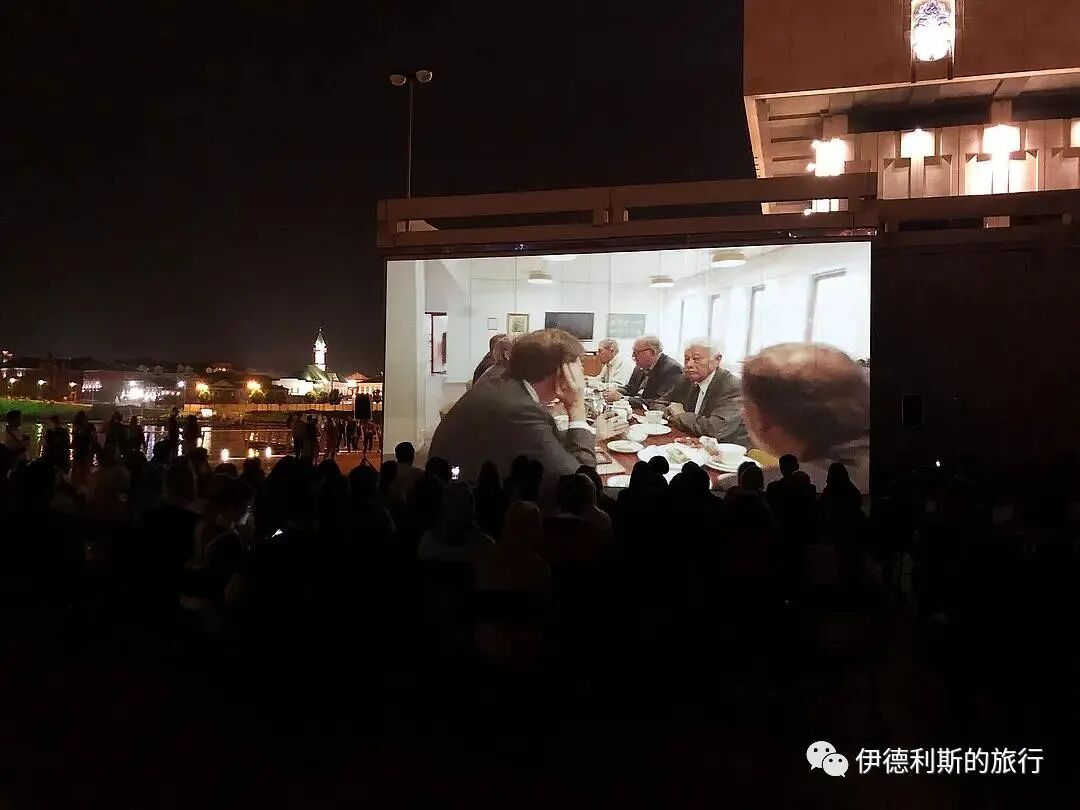
In the evening, they were showing a documentary about the Kazan Tatars, but unfortunately, I couldn't understand it.
Chak-Chak Museum.
The Chak-Chak Museum in Kazan is one of the most intuitive places to experience traditional Tatar culture. The museum itself is located in a Tatar wooden house in the Kazan Tatar historical district, and the interior well restores the home decor of a traditional Tatar family, which is especially atmospheric. If there are 6 people, they can teach you how to make Chak-Chak on the spot. Because I was alone, I booked a tasting and guided tour on the official website (https://www.muzeino.ru/), and the museum staff will email you to confirm whether to use English or Russian.
The experience that day was great. After arriving at the museum at the appointed time, a Tatar lady with fluent English was already waiting for me. The whole process was really like being a guest in a Tatar home. The lady told me various Tatar legends, daily customs, and cultural traditions, and then explained in detail the production process of the national dessert, Chak-Chak.
Chak-Chak is very similar to Sachima (a sweet fried dough treat). It is made by mixing flour with milk and eggs, deep-frying it, and then pouring honey over it. Chak-Chak is popular in Tatarstan and Bashkortostan. It is said to have originated from the ancient Bulgar Khanate. In addition, there are similar desserts among the Kazakh, Kyrgyz, and Uzbek people. Chak-Chak is an important food at Kazan Tatar weddings. In the past, every Kazan Tatar woman had to learn how to make Chak-Chak, usually taught by a mother to her daughter or a grandmother to her granddaughter.
Afterwards, the Tatar lady made me some Tatar tea and, while letting me taste traditional Tatar desserts, told me about Tatar clothing, silver jewelry, embroidery, and other handicrafts. We had a very happy chat.
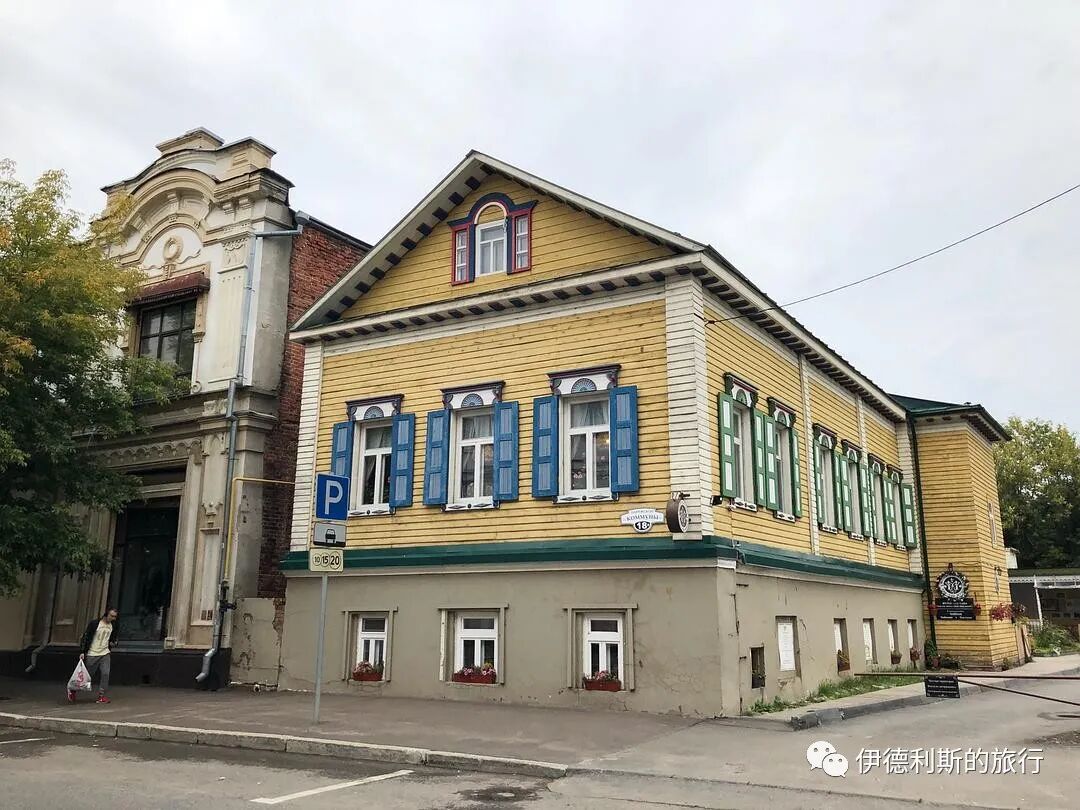
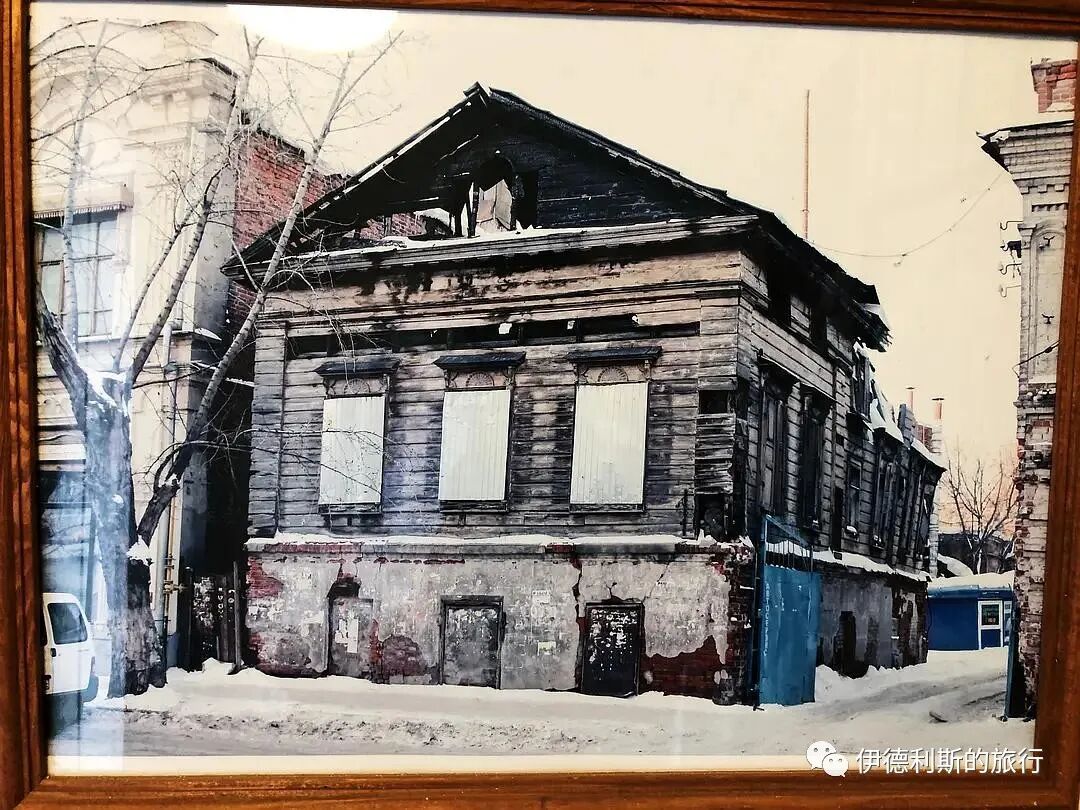
The museum before restoration.
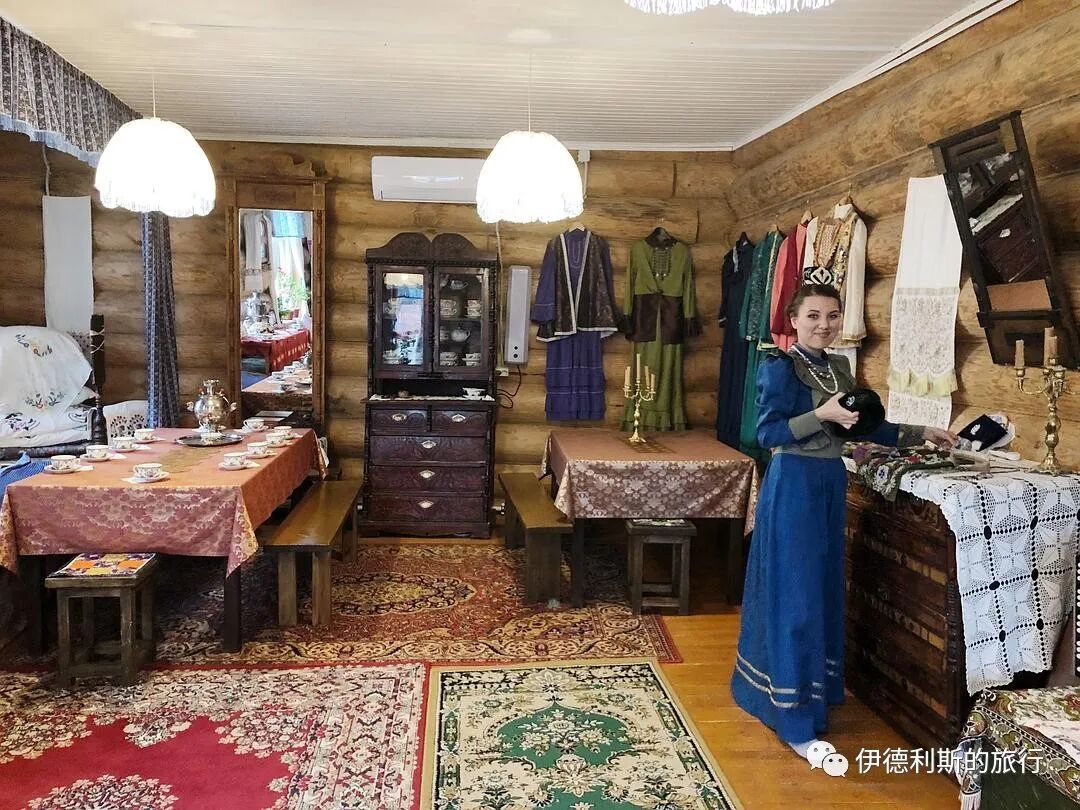
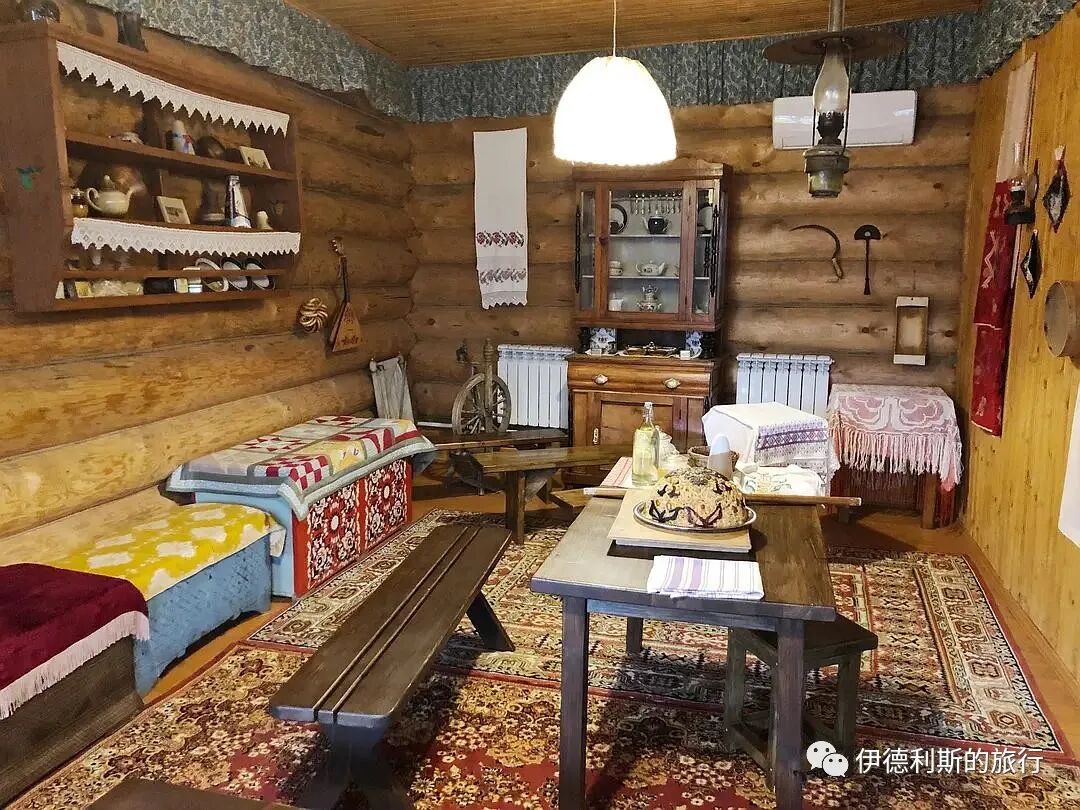
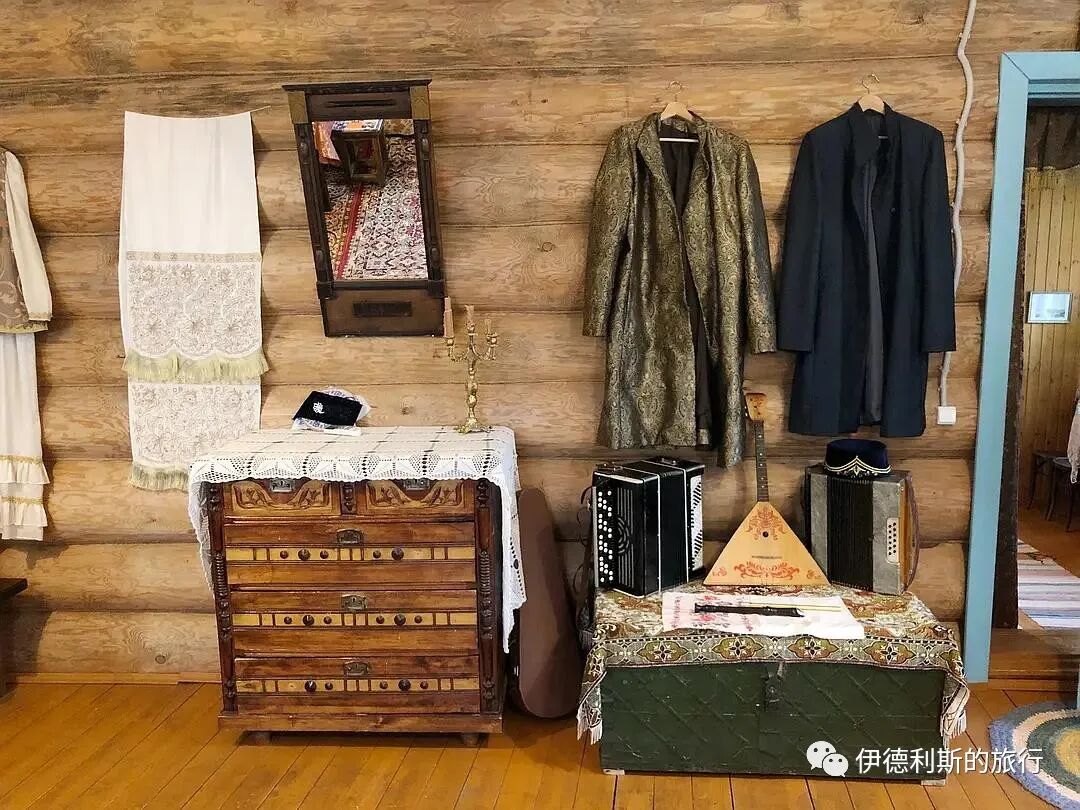
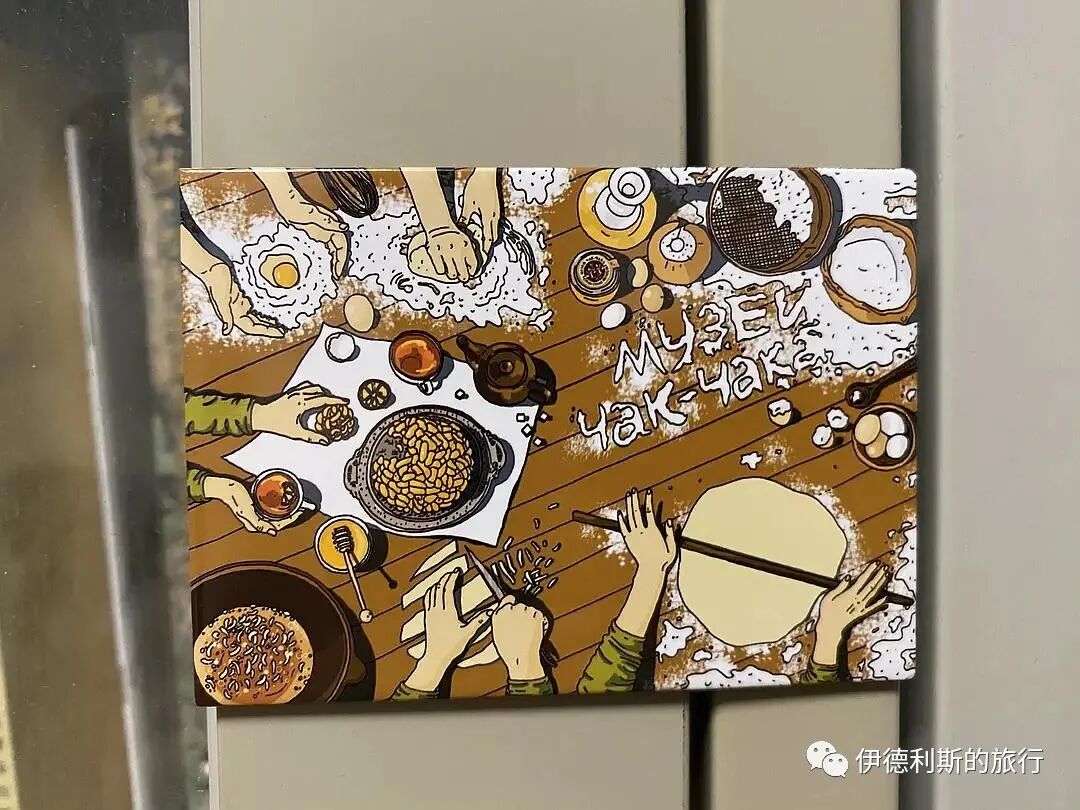
Magnets bought at the museum.
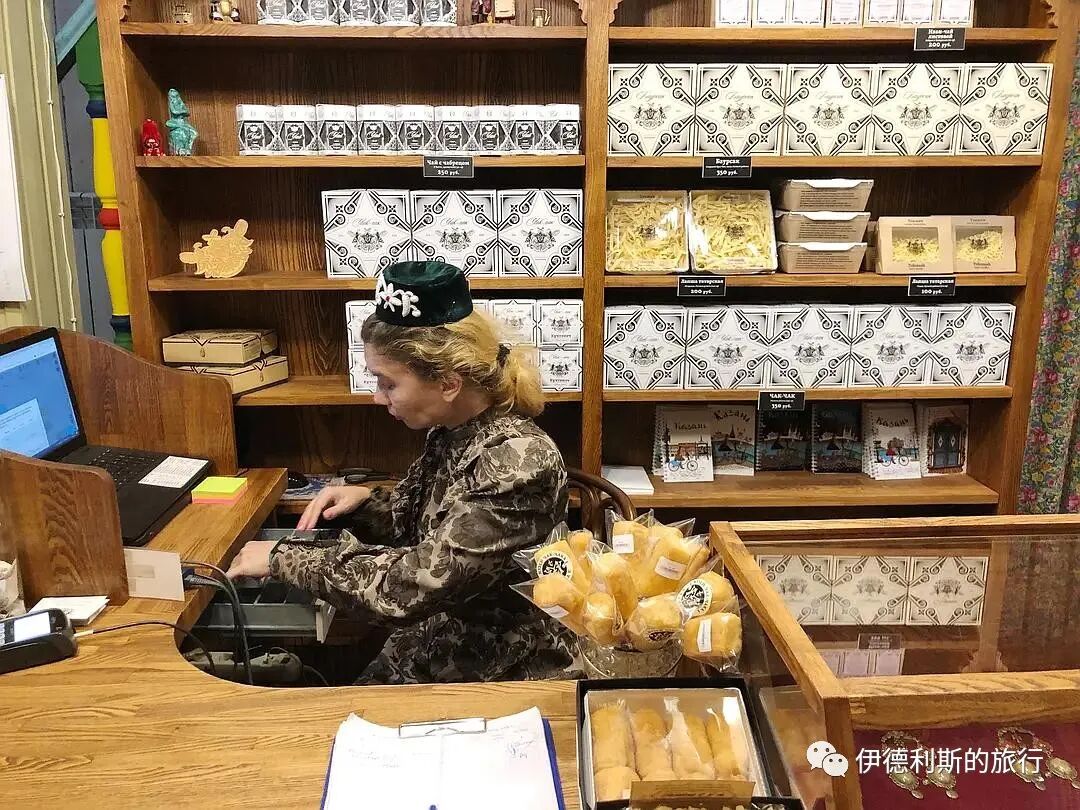
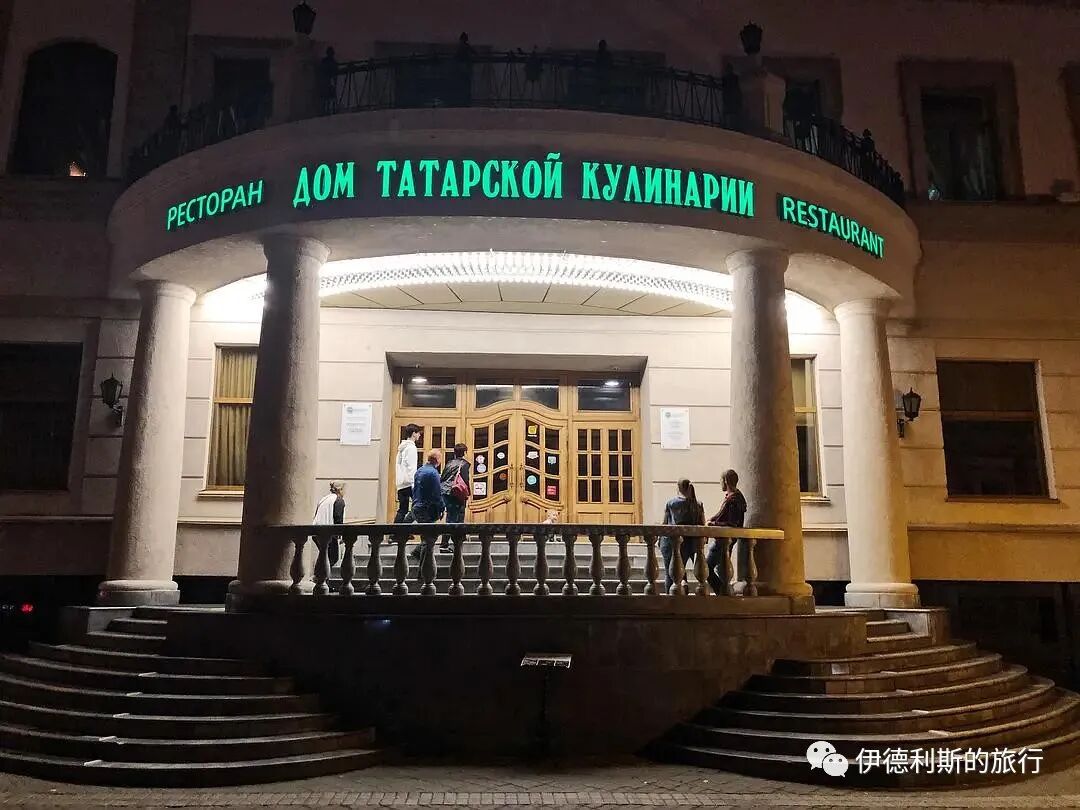
Dom Tatarskoi Kulinarii (House of Tatar Cuisine).
When I was in Kazan, I ate at the famous traditional Tatar restaurant Dom Tatarskoi Kulinarii (House of Tatar Cuisine) on Bauman Pedestrian Street. The restaurant opened in 1969. The founder was Yunus Akhmetzyanov, a Tatar cuisine expert and author of "Dishes of Tatar cuisine," who remained the head chef until 1984.
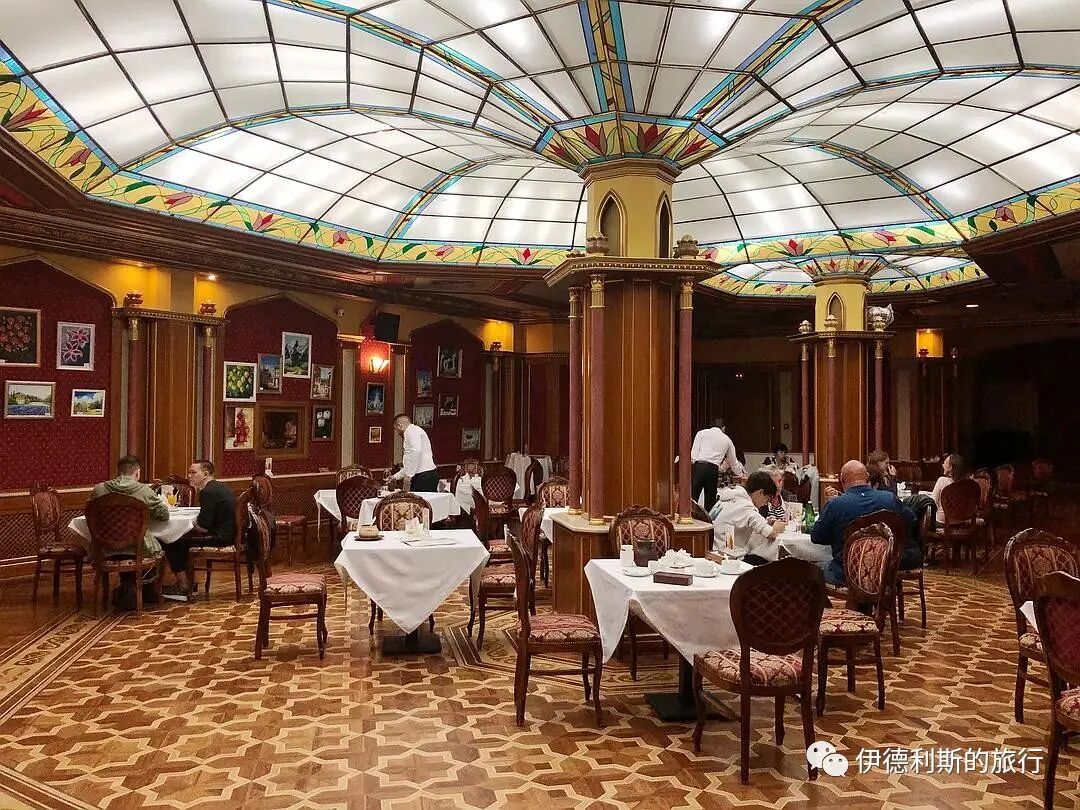
It is a pity that the horse sausage was sold out when I went, so I ordered another type of beef sausage called "Kuchmeche Kolbasasy," which contains heart, liver, and lung in addition to meat. I also ordered a Bulgar stewed lamb, which is placed in parchment paper and served with roasted apples, honey, and crushed nuts. Bulgar is an ancient millennium-old capital in Tatarstan and the spiritual home of the Kazan Tatars.
For soup, I ordered Tatar Azu (Tatar beef casserole soup), and also drank sea buckthorn tea, which contained honey and cinnamon in addition to sea buckthorn.
Teatr Natsionalnoi Kukhni (Tatar Restaurant).
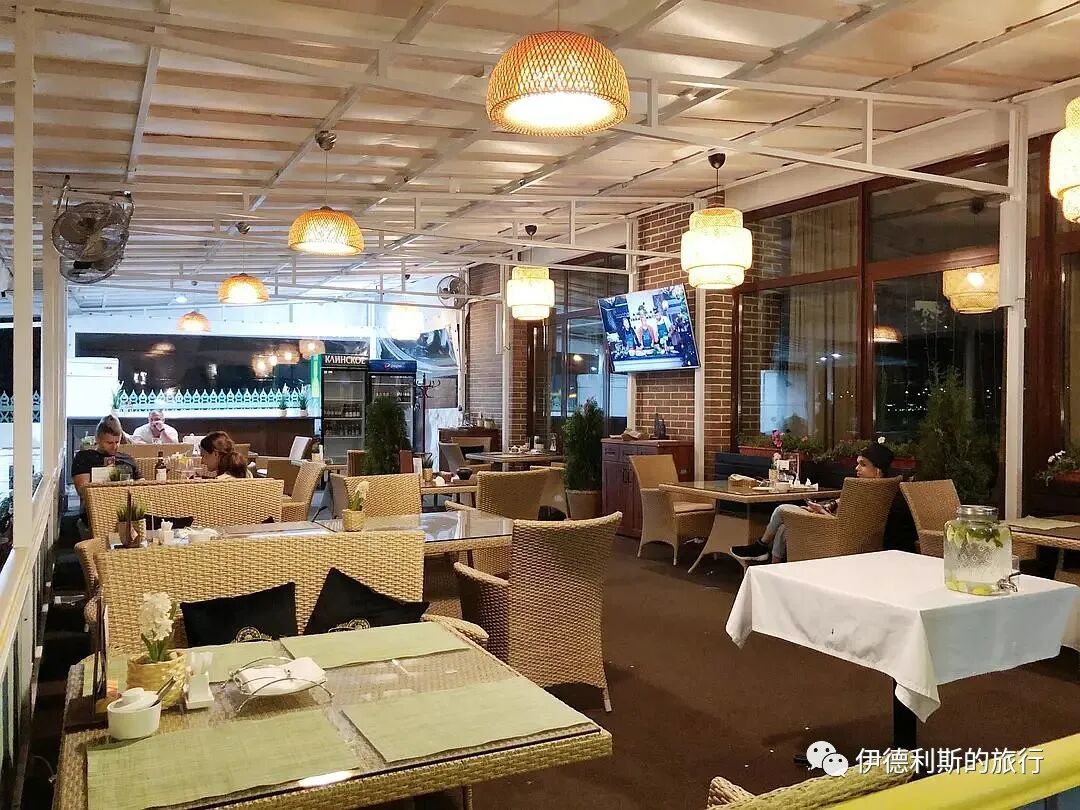
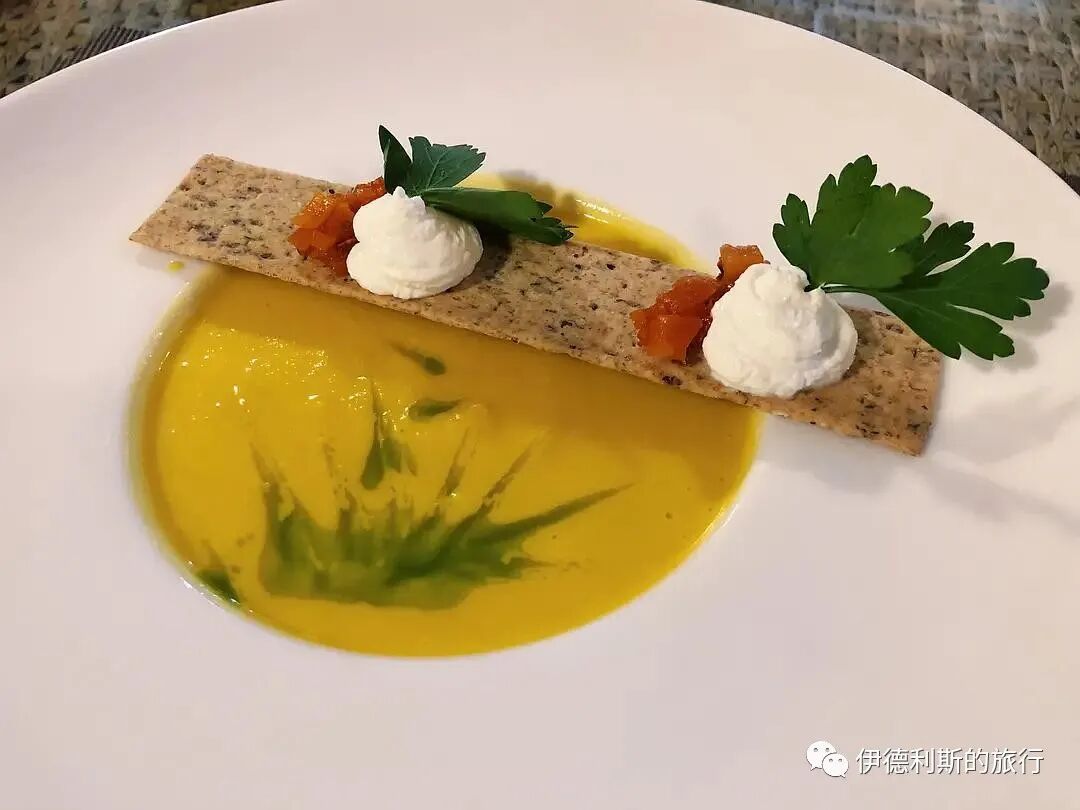
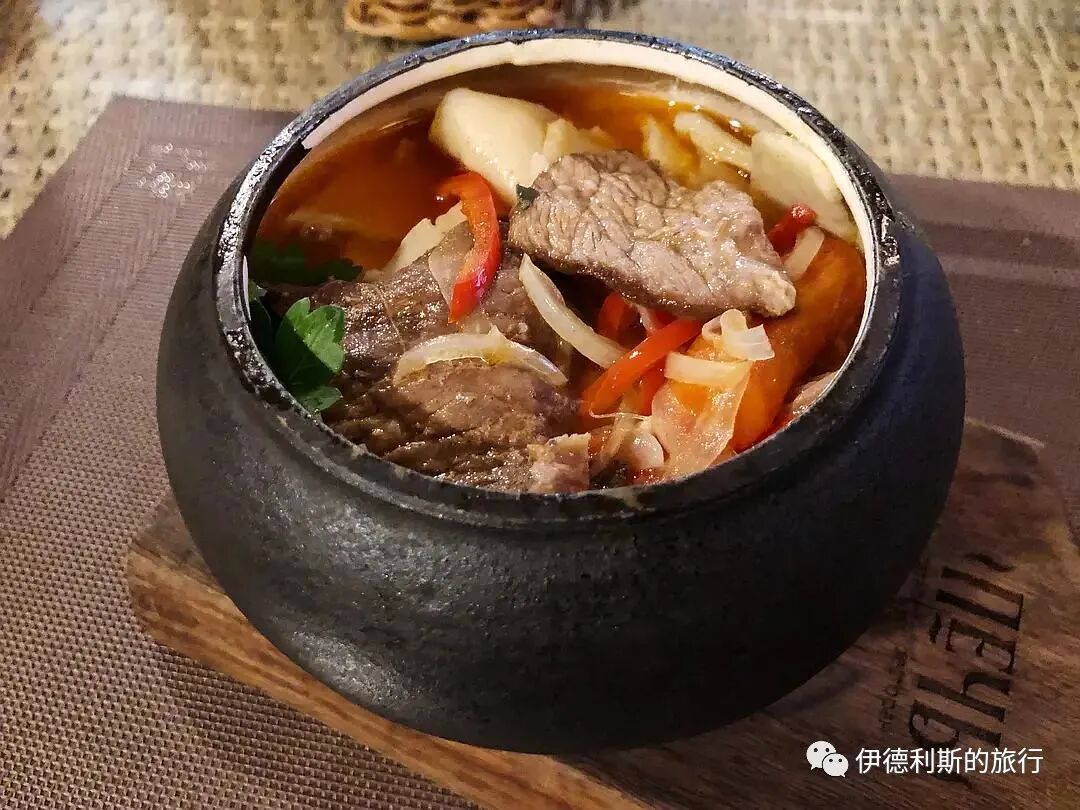
In the evening, I ate at the restaurant Teatr Natsionalnoi Kukhni in another Tatar manor on the banks of Lake Kaban, which was once the residence of the wealthy Tatar merchant Bikmukhametov. I ordered horse meat salad, pumpkin cream soup with dried apricots and cream cheese, and stewed fresh horse meat, Kullama. Kullama is the Tatar version of the Kazakh national dish Beshbarmak (five-finger stew).

Tubatay Fast Food Restaurant.
Tubatay (Tyubetey) is a fast-food restaurant that sells traditional Tatar dishes, and there is also a branch in the ancient city of Bulgar. "Tubatay" means the characteristic round hat of the Tatars.
I ordered Manti (steamed dumplings), a specialty meat pie Belesh (made with sour cream dough and filled with beef, potatoes, and onions), Tatar clear soup dumplings Pilmen served with sour cream Smetana, and Tatar tea.
Large Tatar specialty halal supermarket.
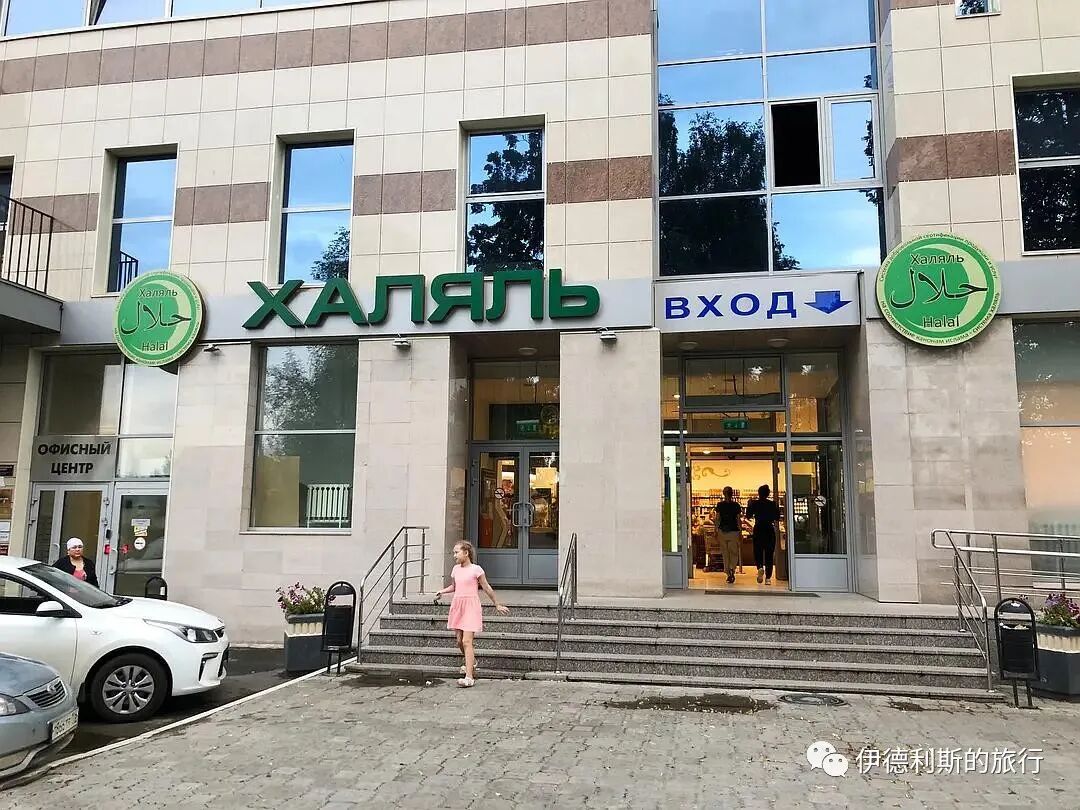
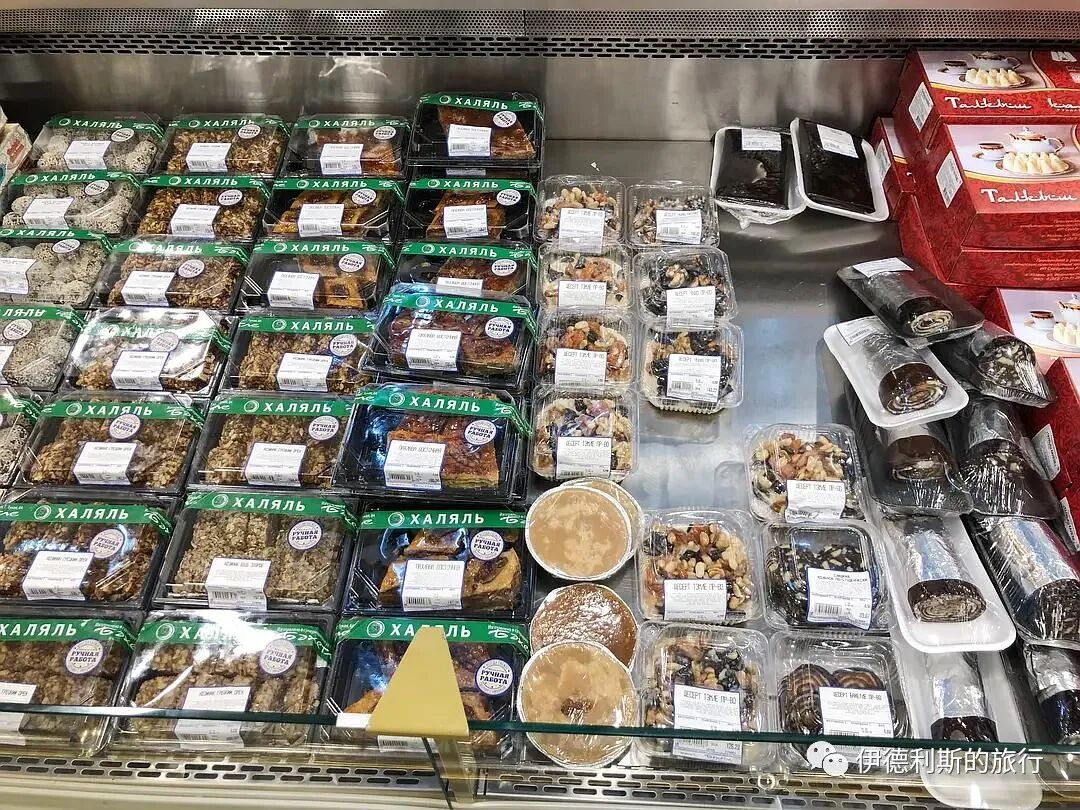
Next to where I stayed, there was a large Tatar specialty halal supermarket. The variety of traditional Tatar desserts was dazzling, so I bought some to eat back at my accommodation.
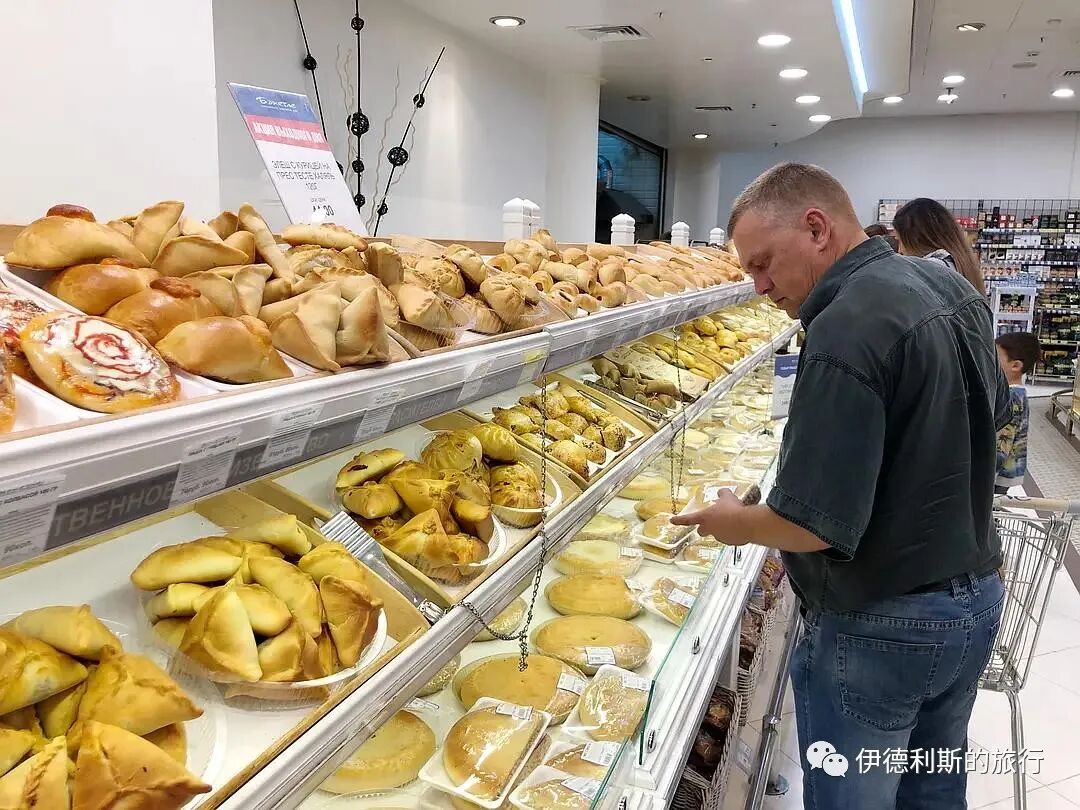
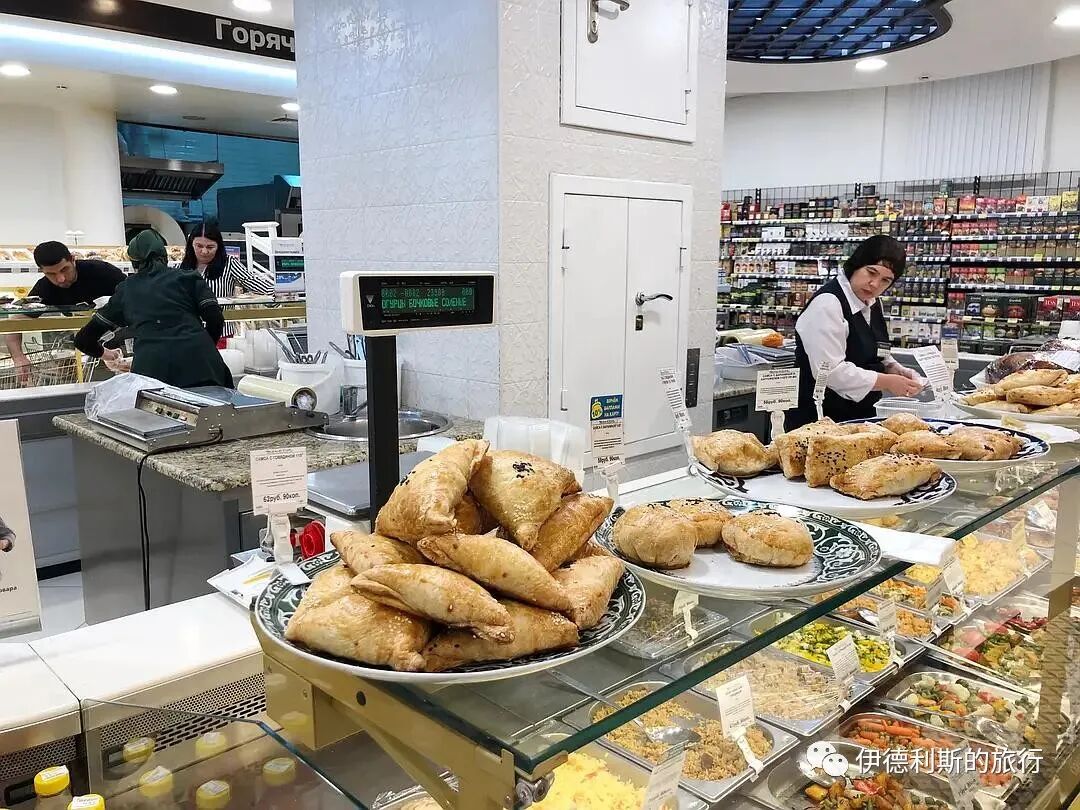
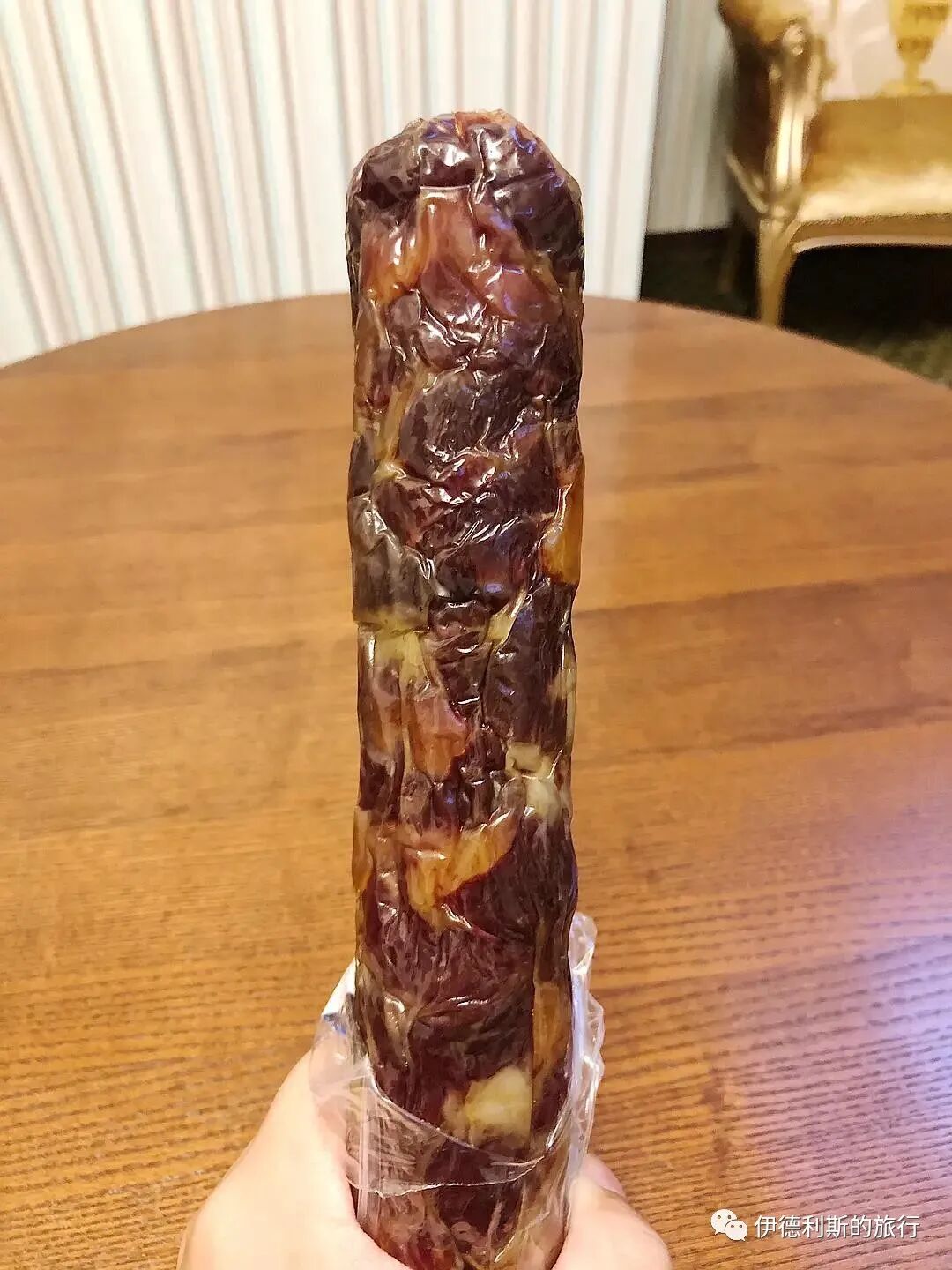
The Kazan Tatar version of horse sausage; the horse meat flavor is much stronger than the Uzbek way of making horse sausage.
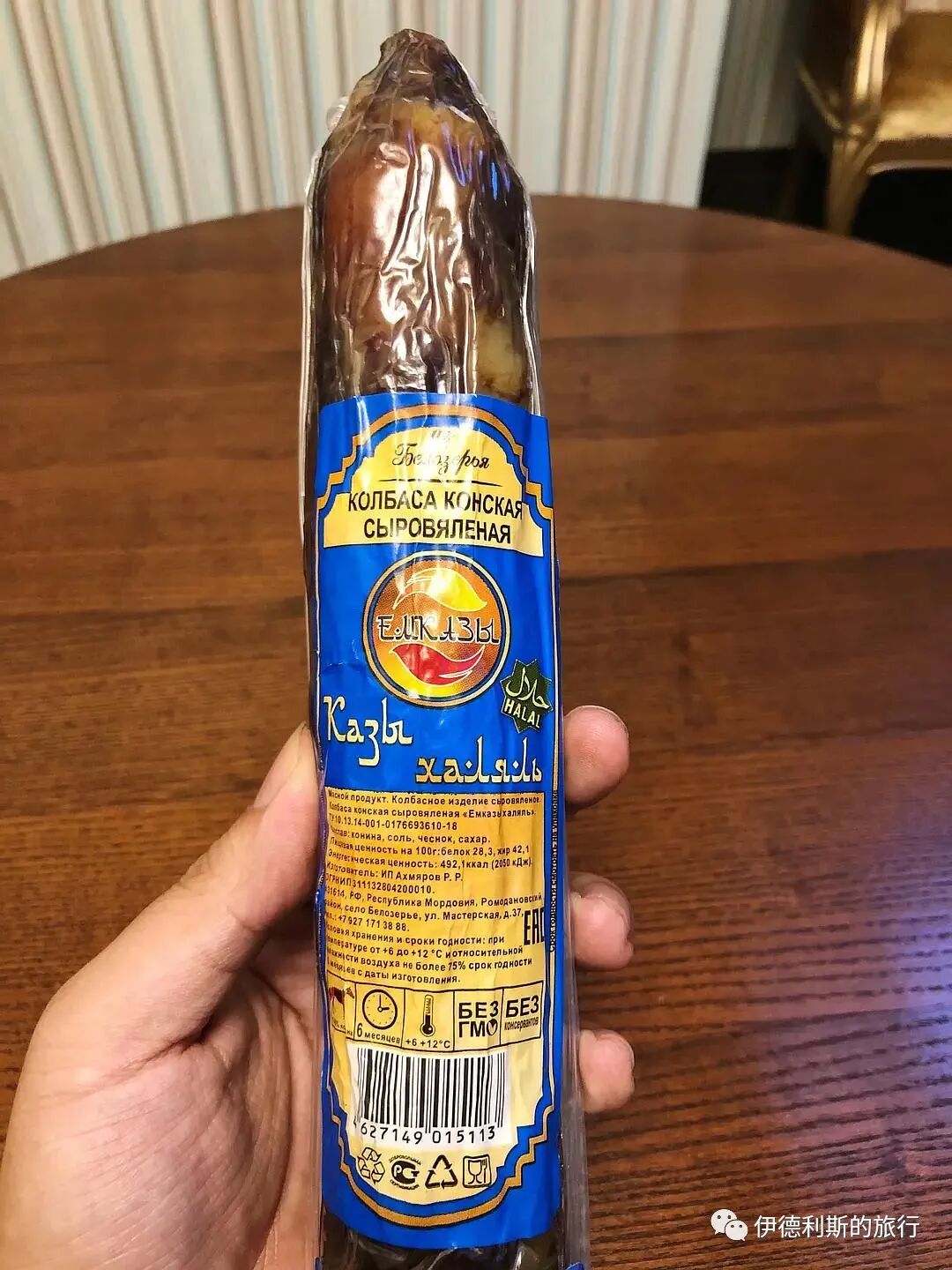
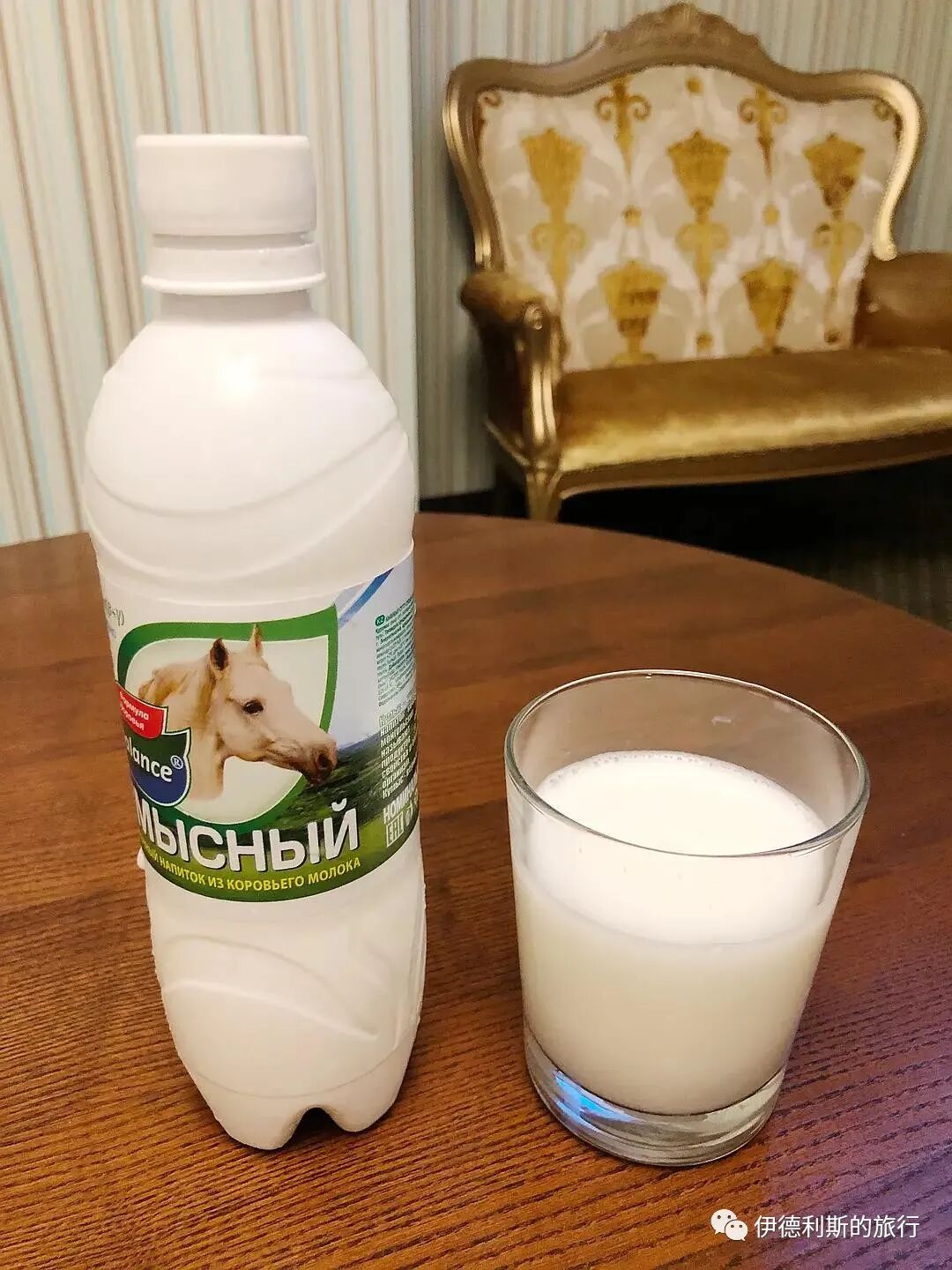
Kumis (fermented mare's milk), which is more sour than the Kazakh version.
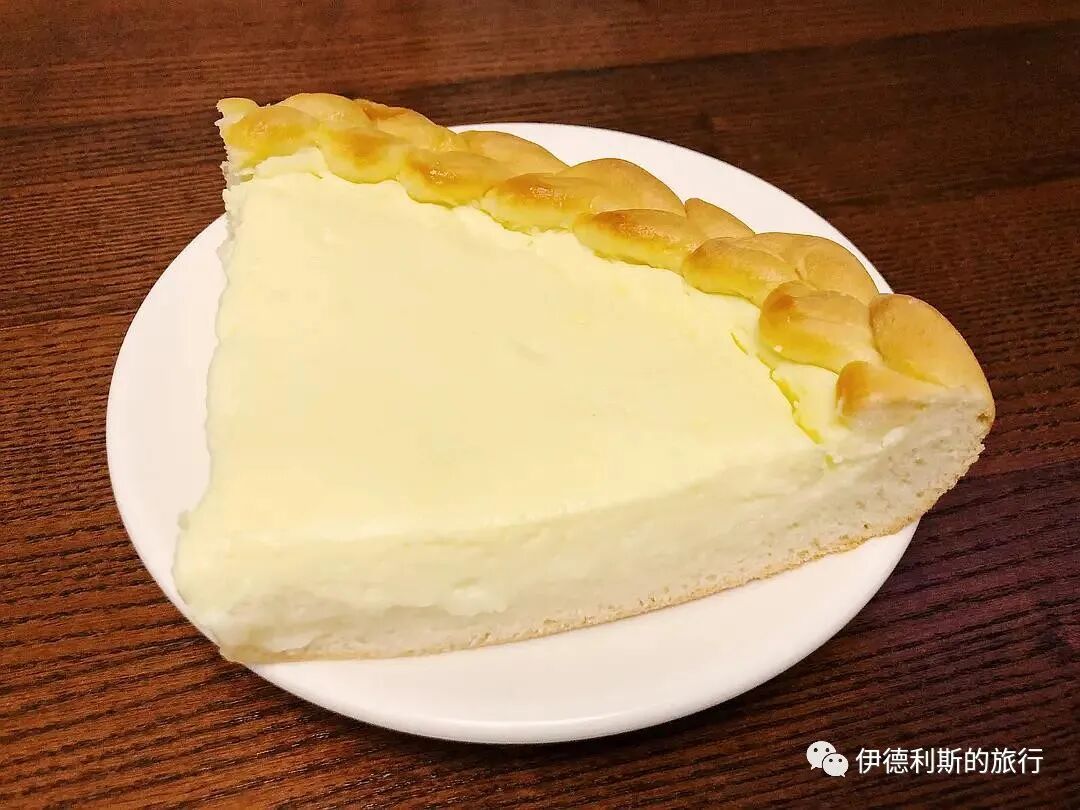
It is called Smetannik, which means sour cream. The outside is made of butter dough (Sdobnoye testo), and the middle is sour cream, which is super delicious.
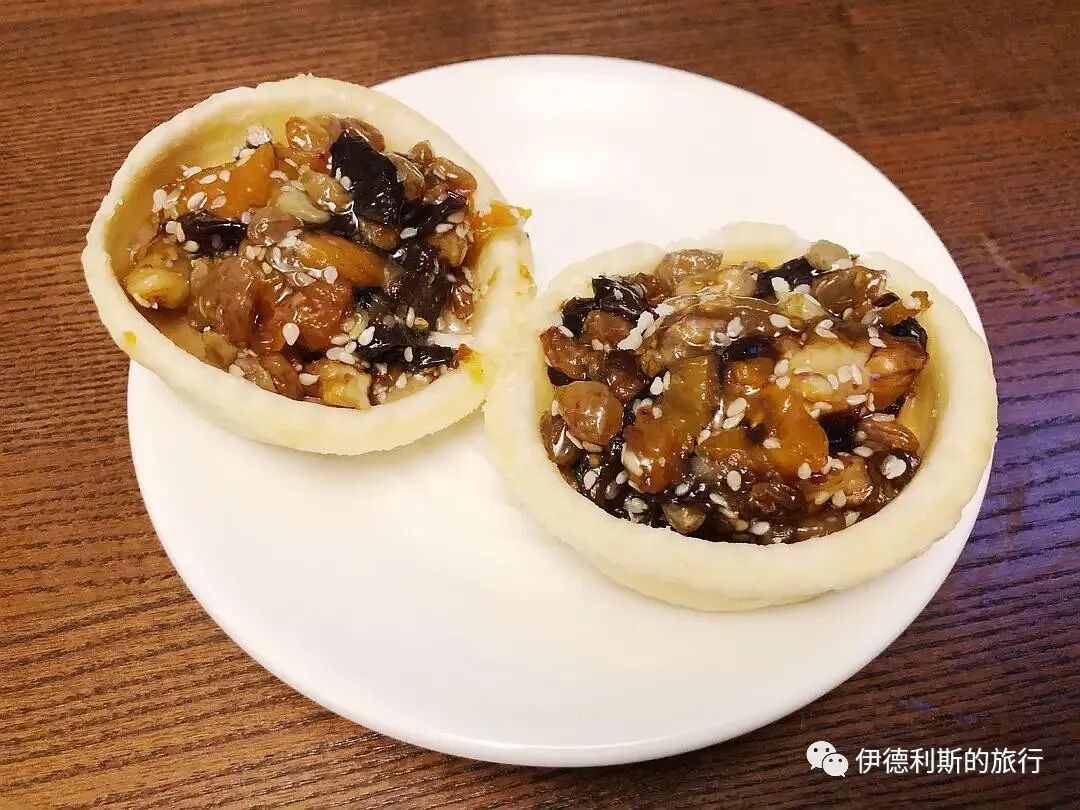
This nut cake is called Oriental dessert (vostochnaya sladost).
Central Market.
The Central Market in Kazan, where mushrooms are sold in the summer.
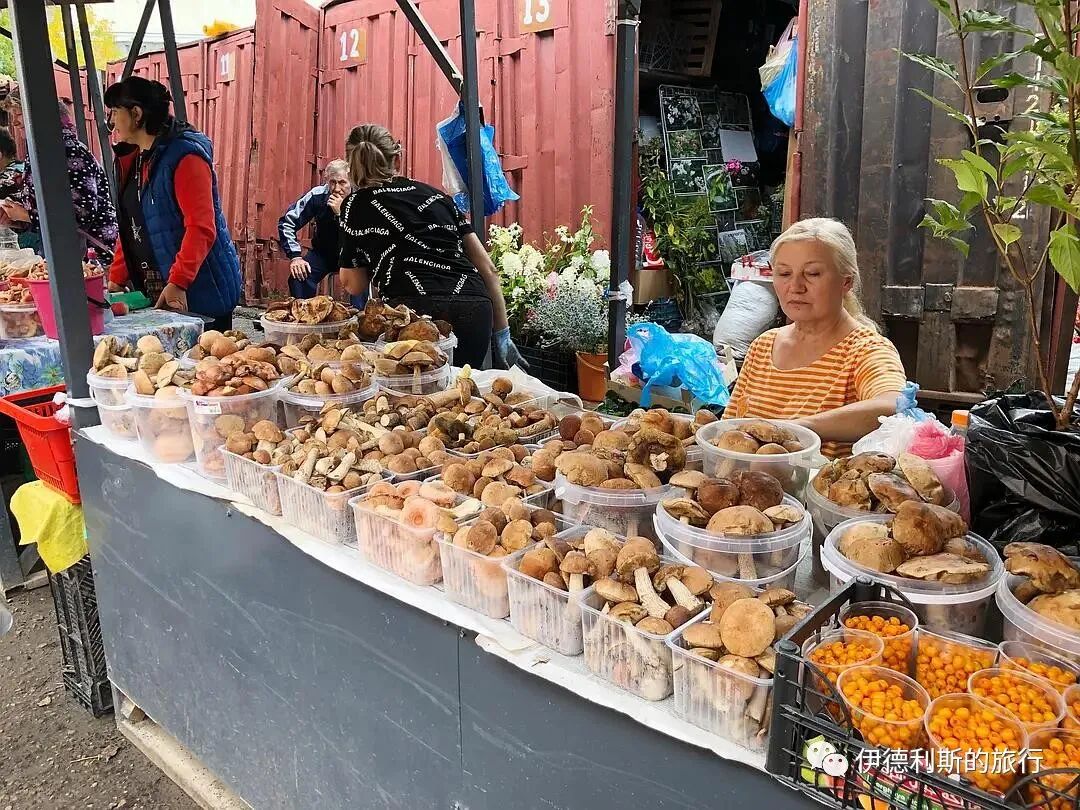
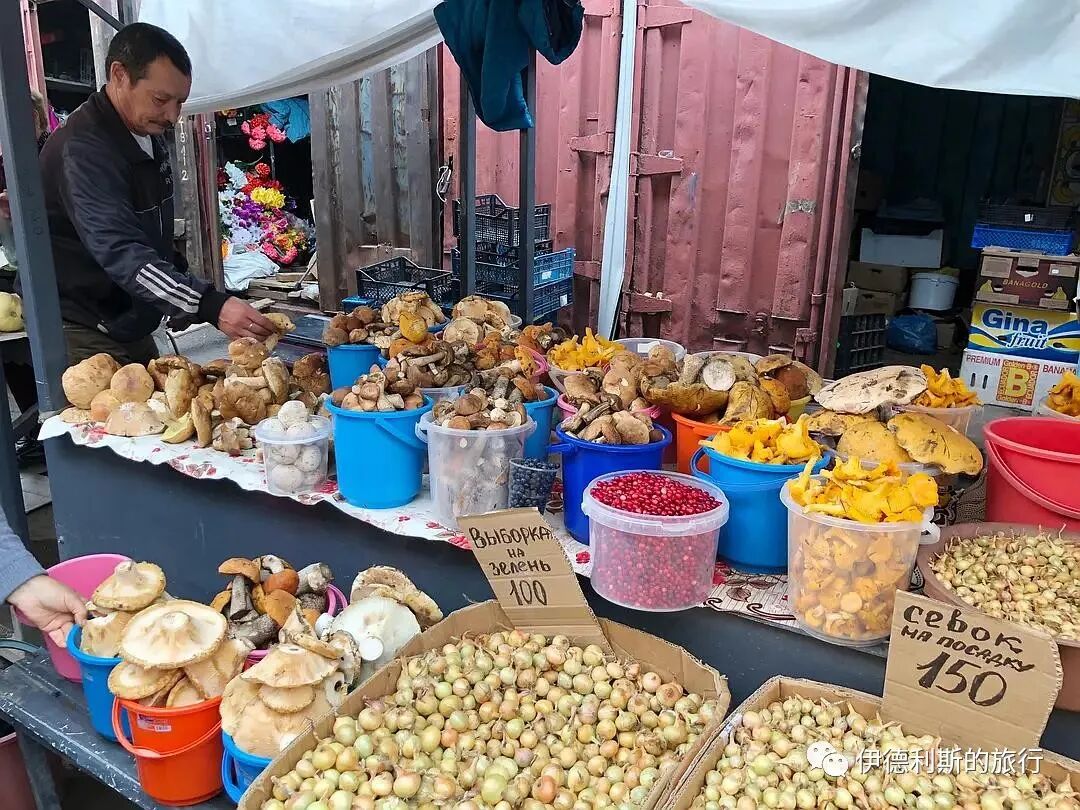
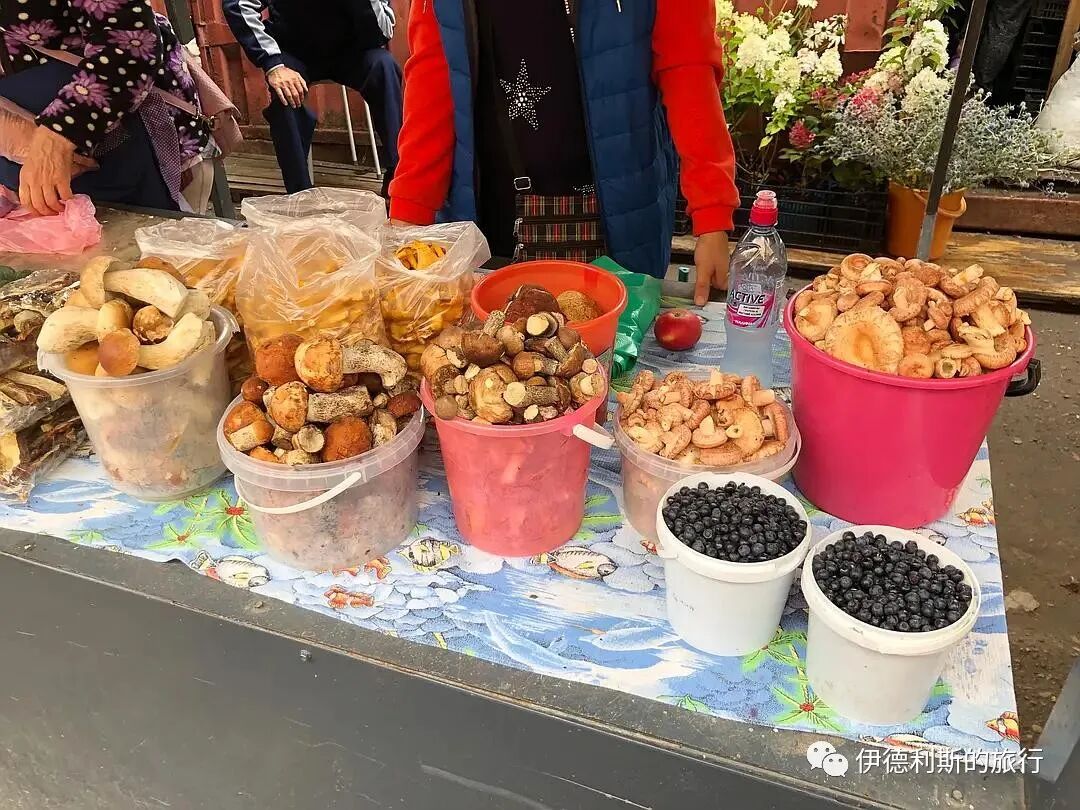
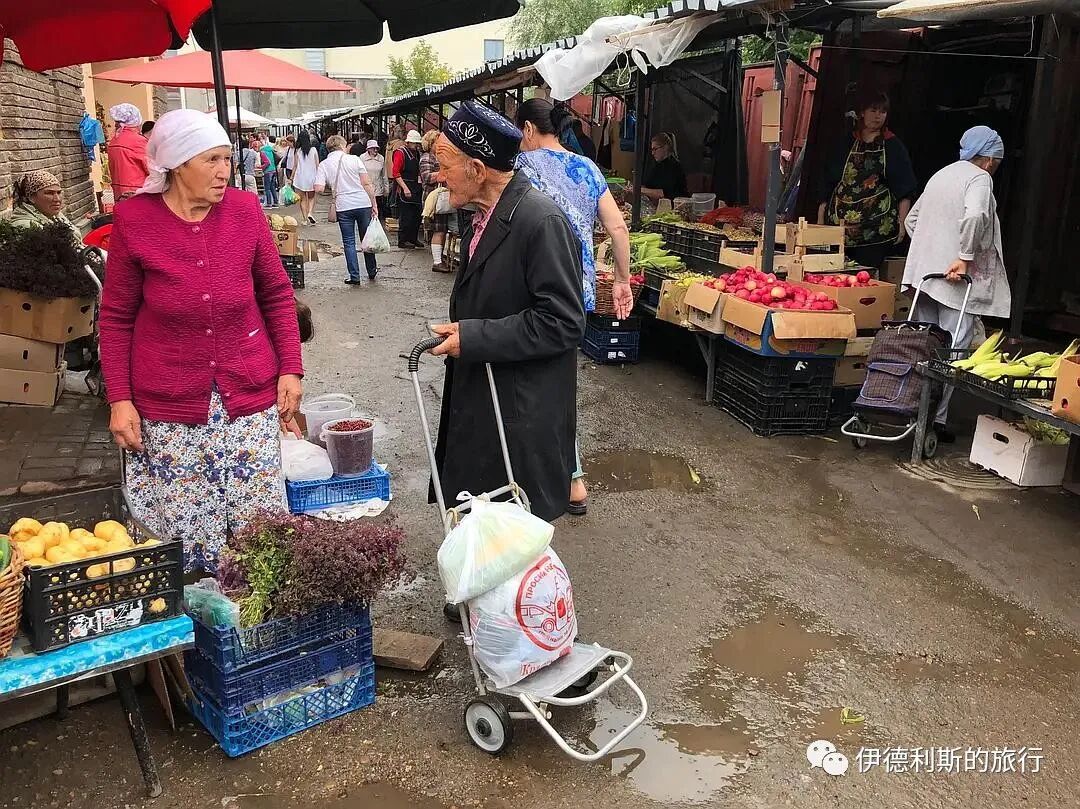
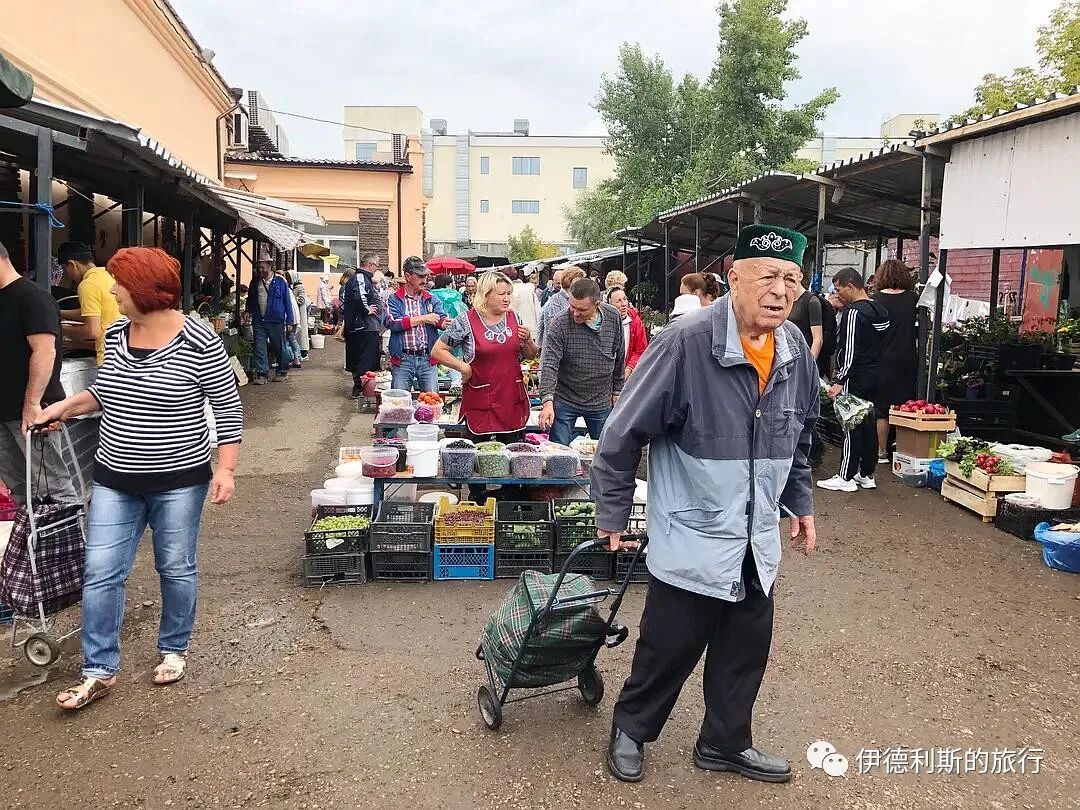
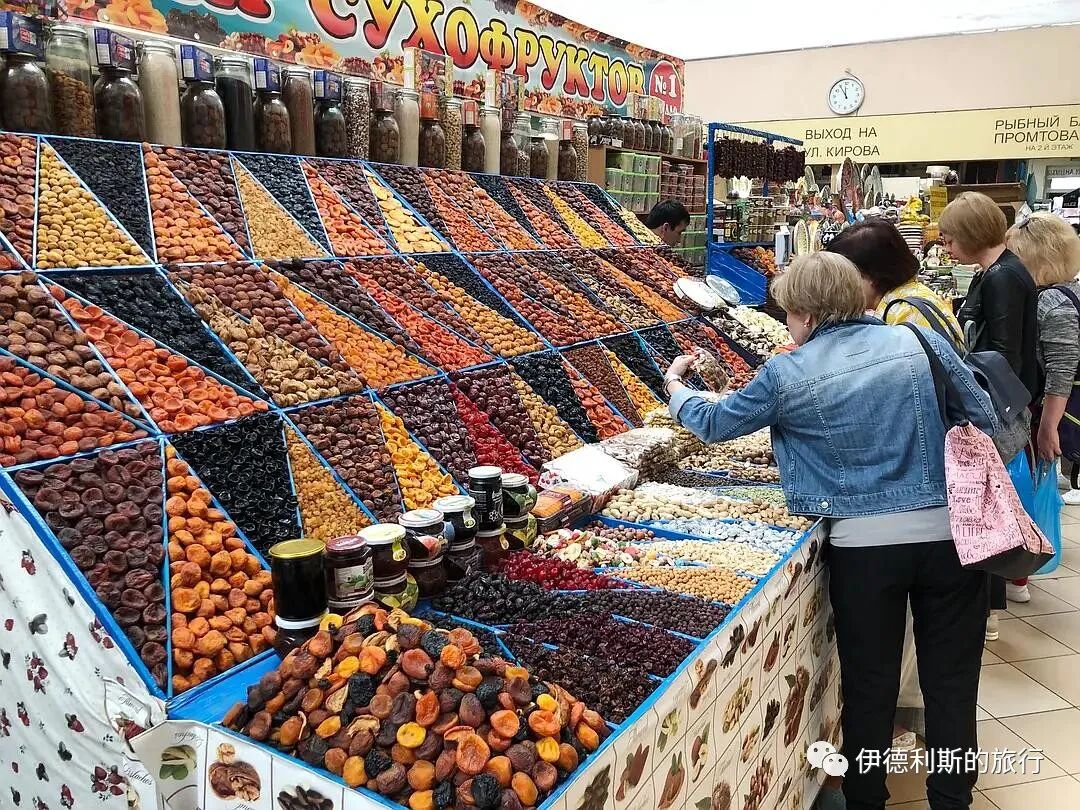
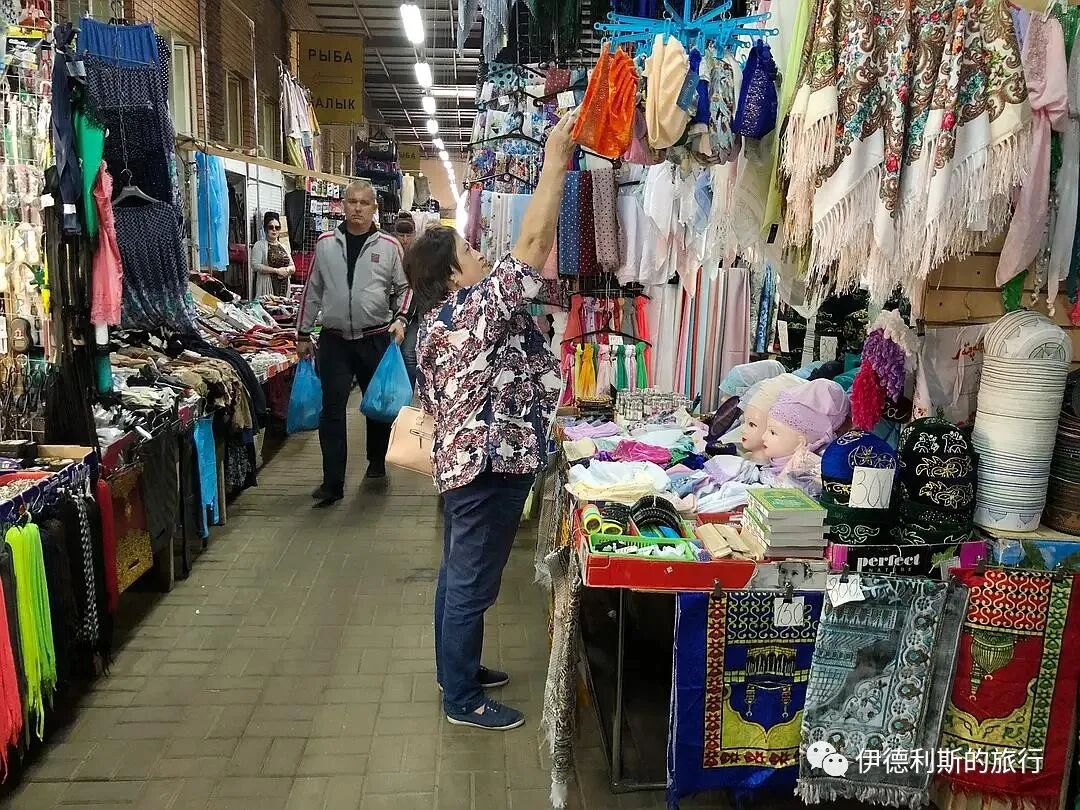
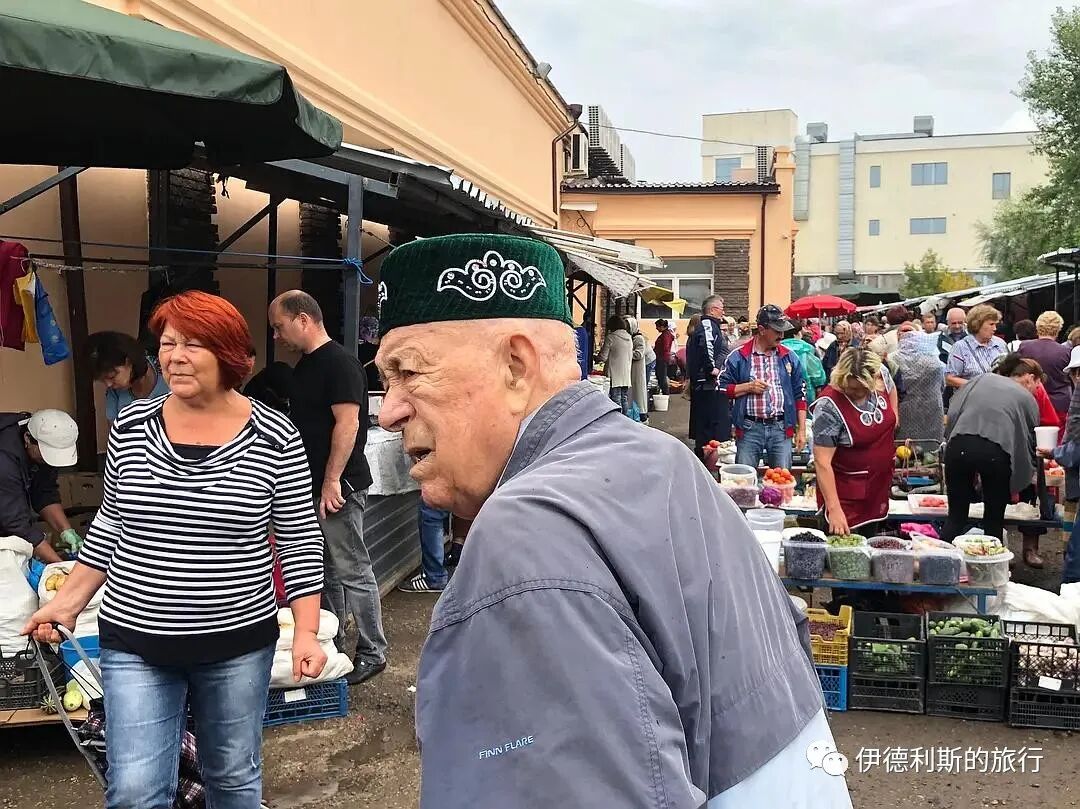
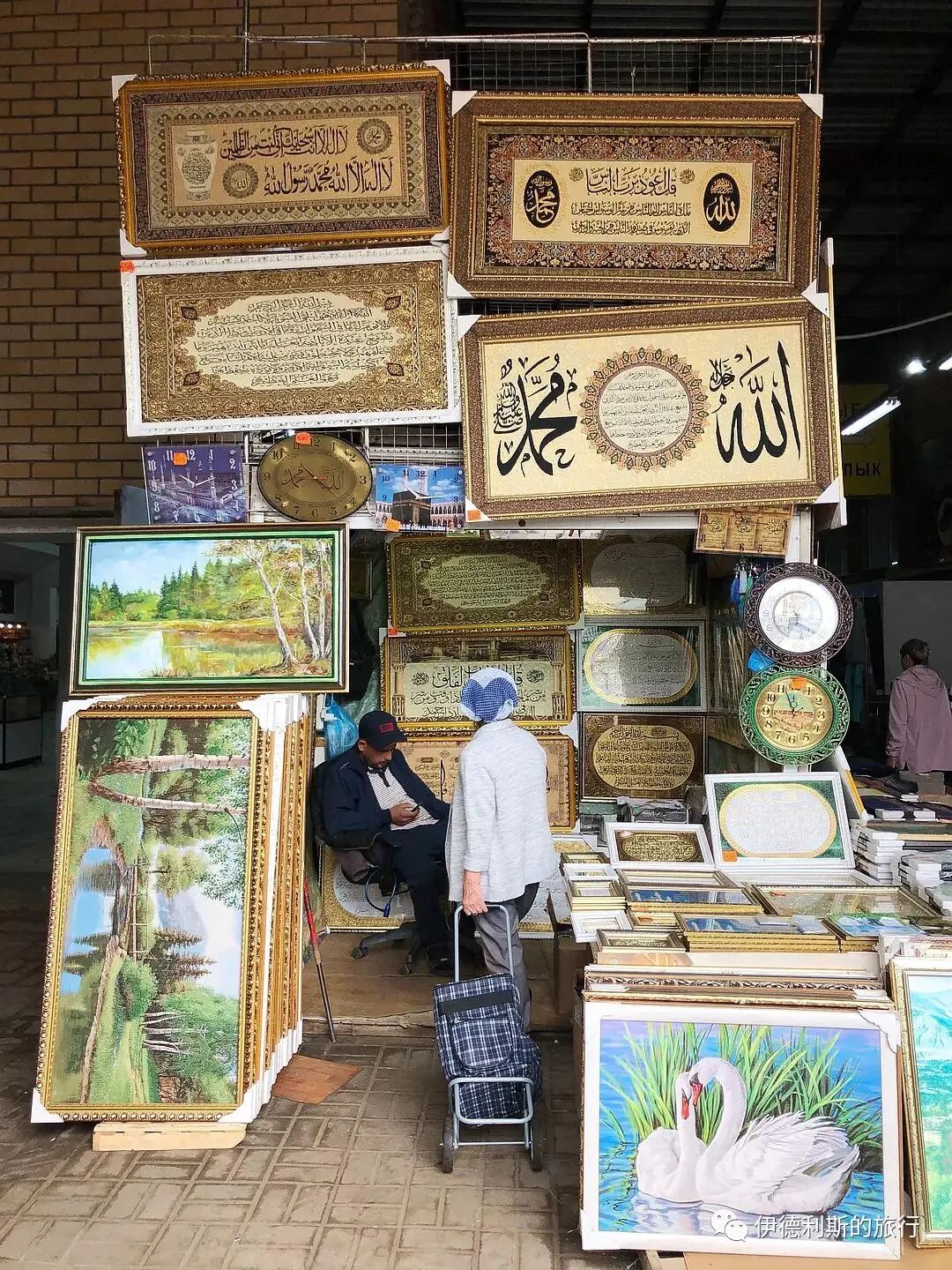
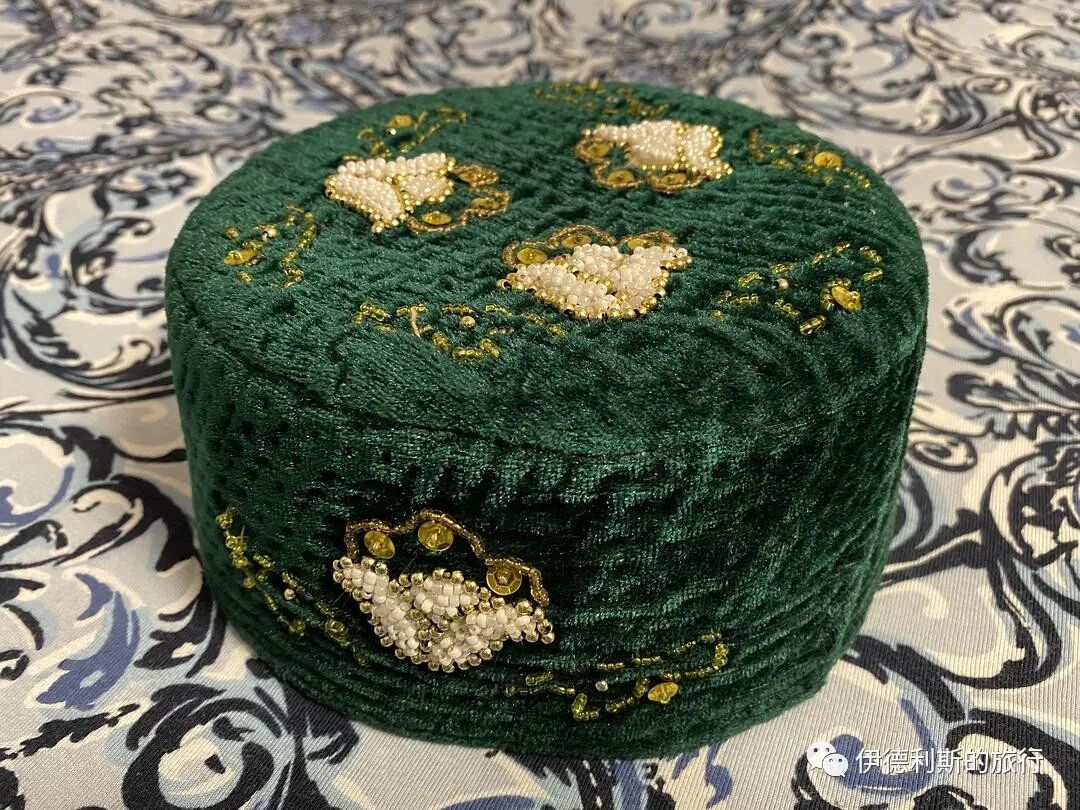
Tatar round hat bought at the Central Market.
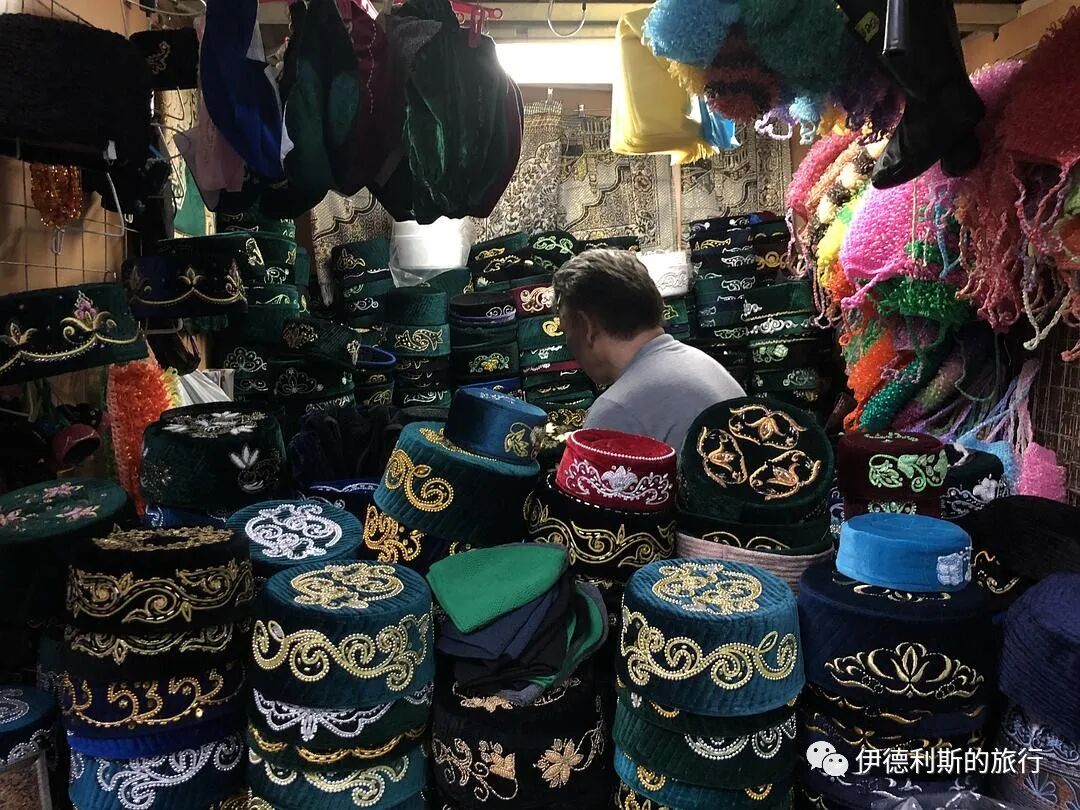
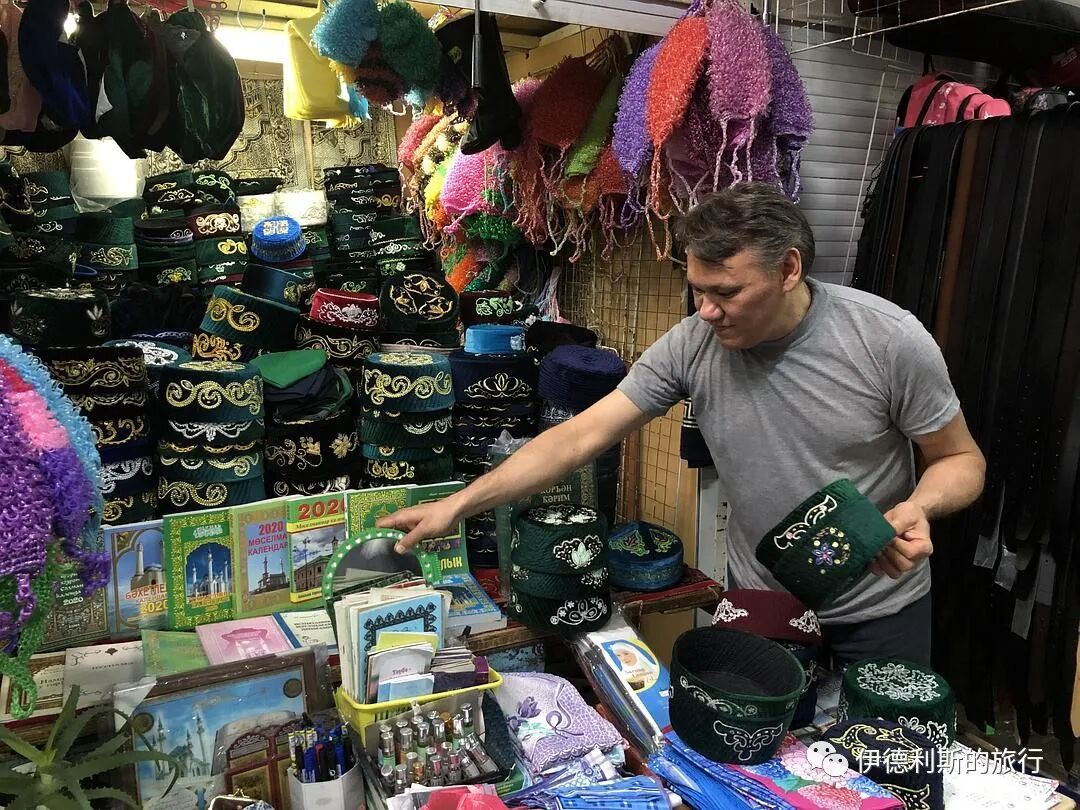
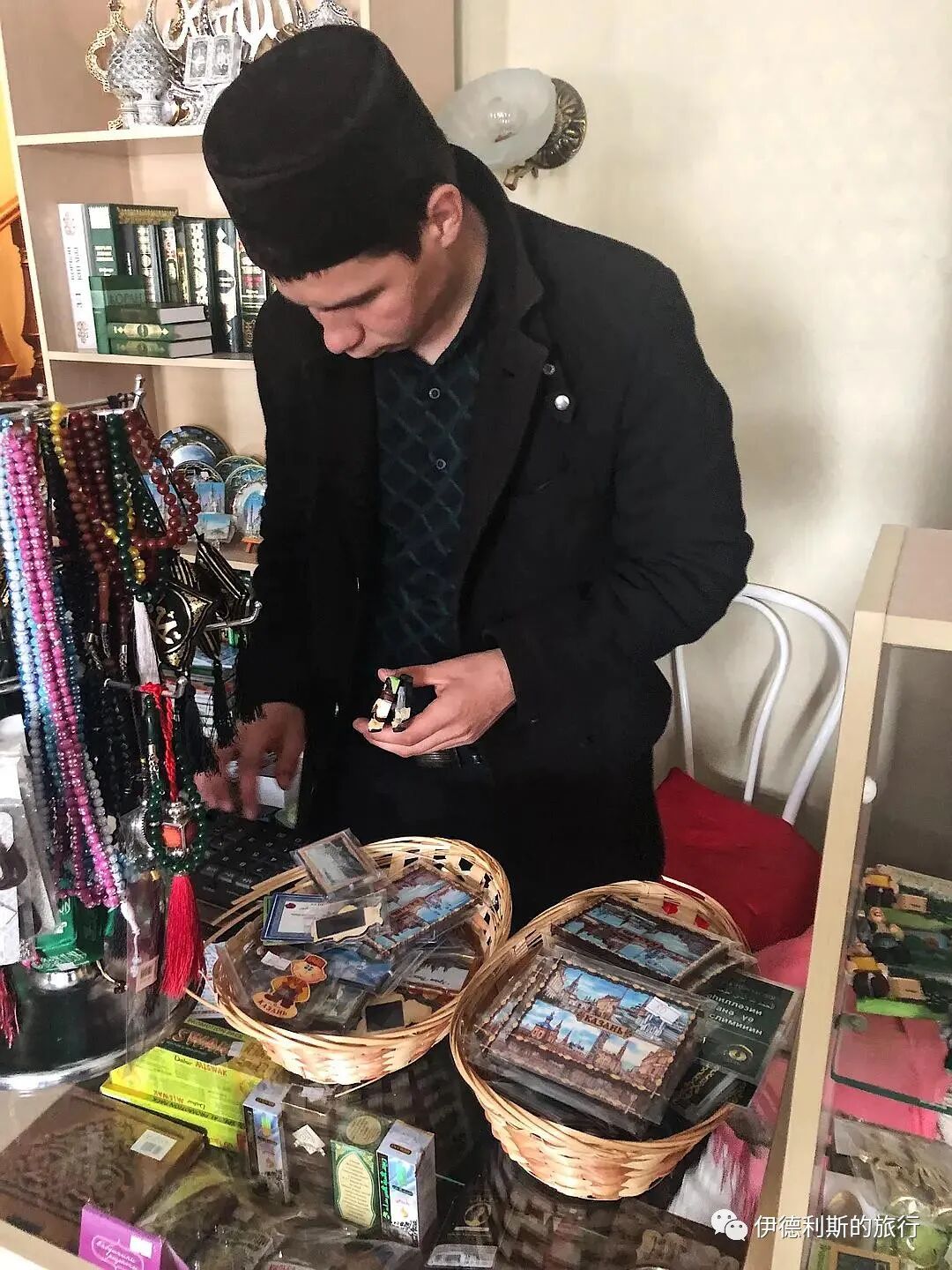
Small shop in the mosque.
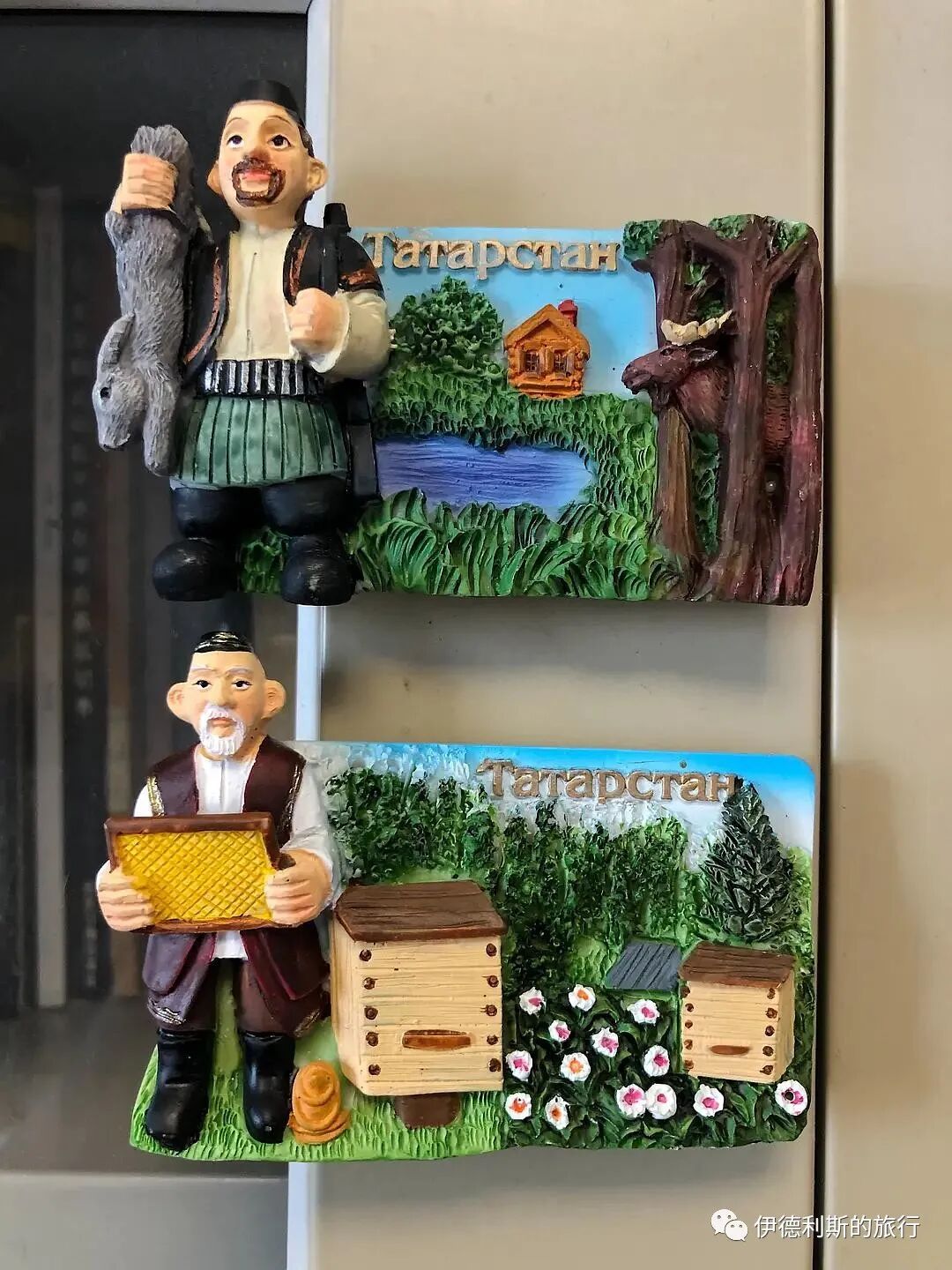
Two Tatar magnets bought at the Märcani Mosque, showing the rural life of the Volga Tatars, one hunting rabbits and the other keeping bees.
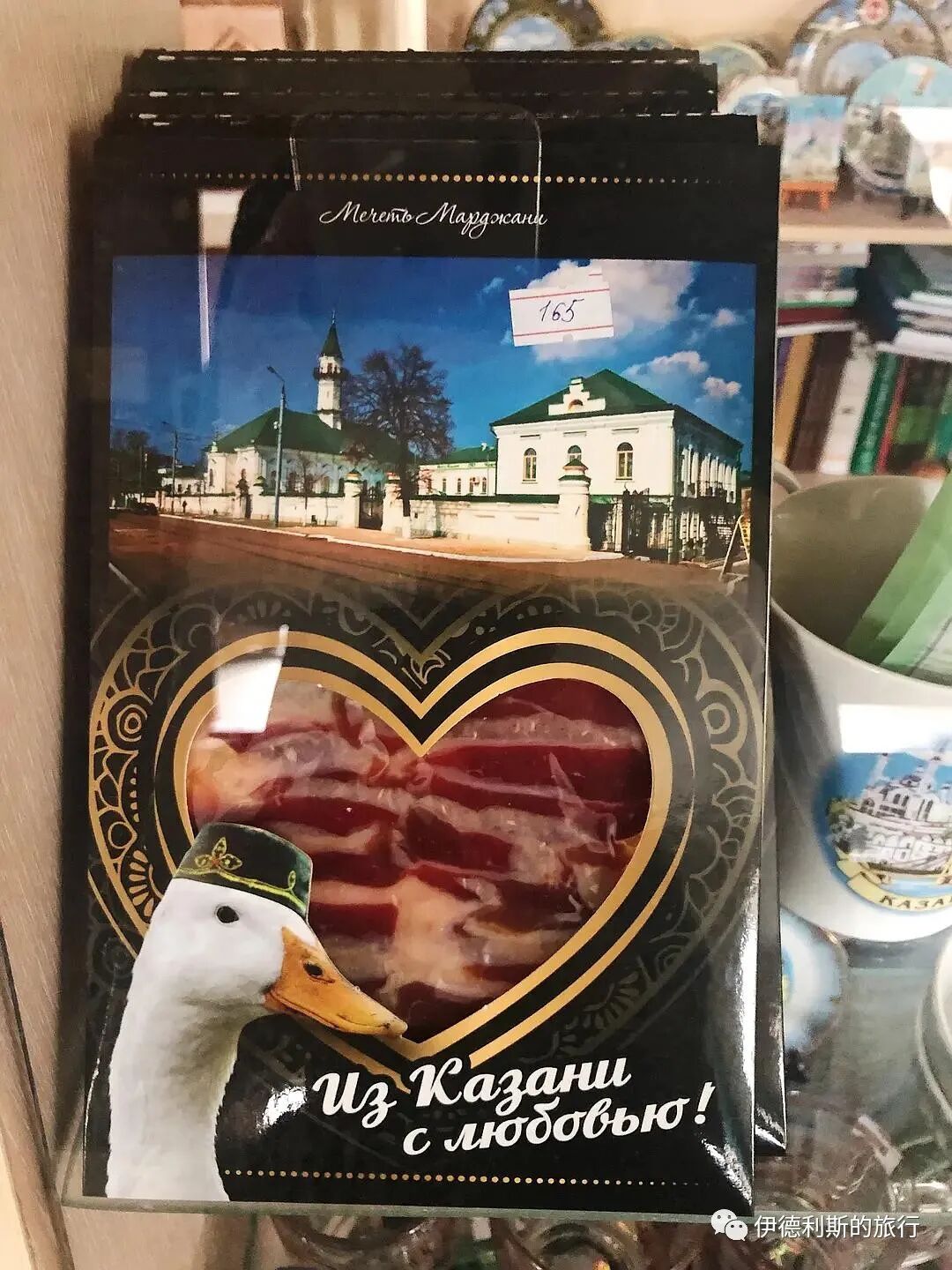
Goose meat sold in the mosque; smoked goose meat and smoked horse meat are specialty delicacies of the Kazan Tatars.
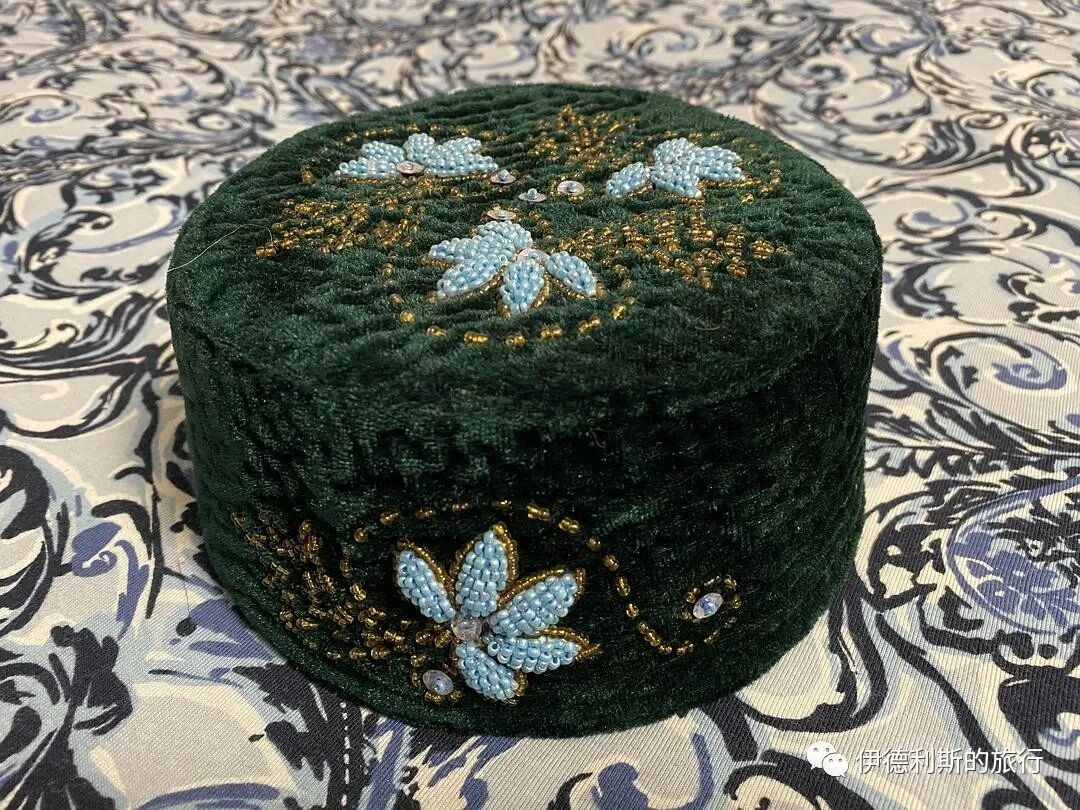
Tubetei (Tyubetey), a hat of the Kazan Tatars, bought at the shop of the Nurulla Mosque.
Tatars in Kazan: Mosques, Muslim Heritage and City Life (Part 2)
Articles • ali2007fr posted the article • 0 comments • 161 views • 2026-05-17 07:35
Summary: This travel note introduces Tatars in Kazan: Mosques, Muslim Heritage and City Life (Part 2). Finally, sharing some Tatar wooden houses and historical buildings in the Old Tatar historical district. It is useful for readers interested in Kazan Travel, Tatar Muslims, Islamic Heritage.
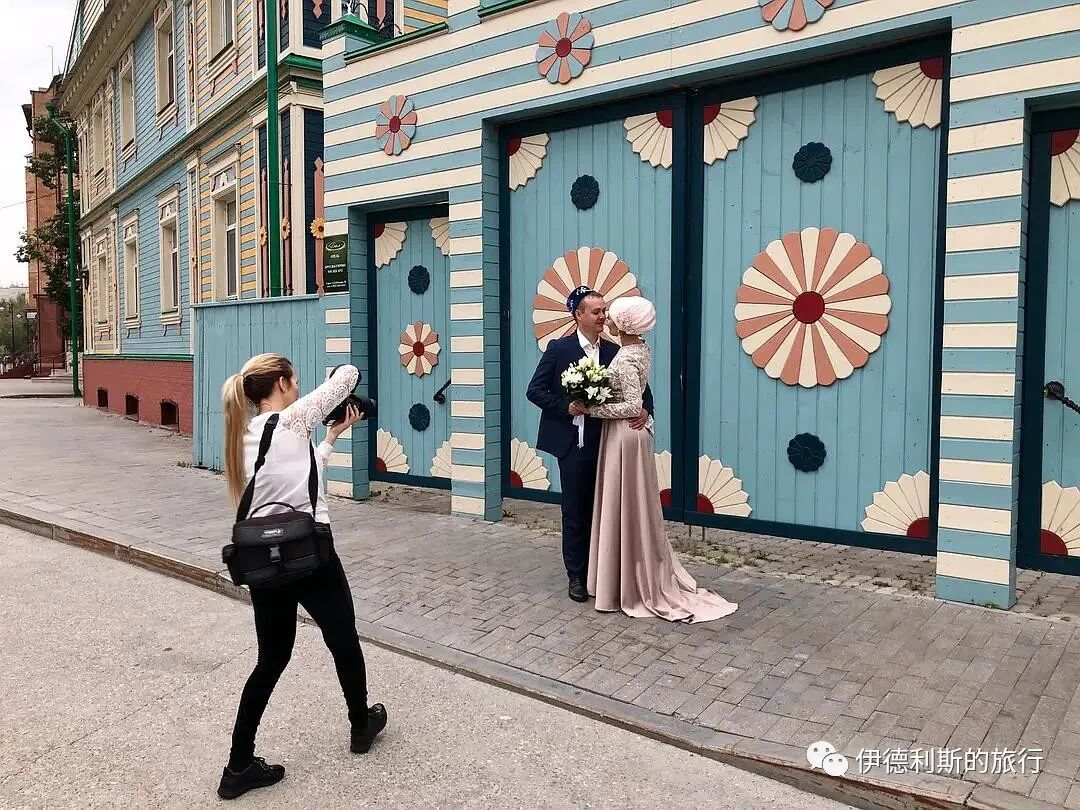
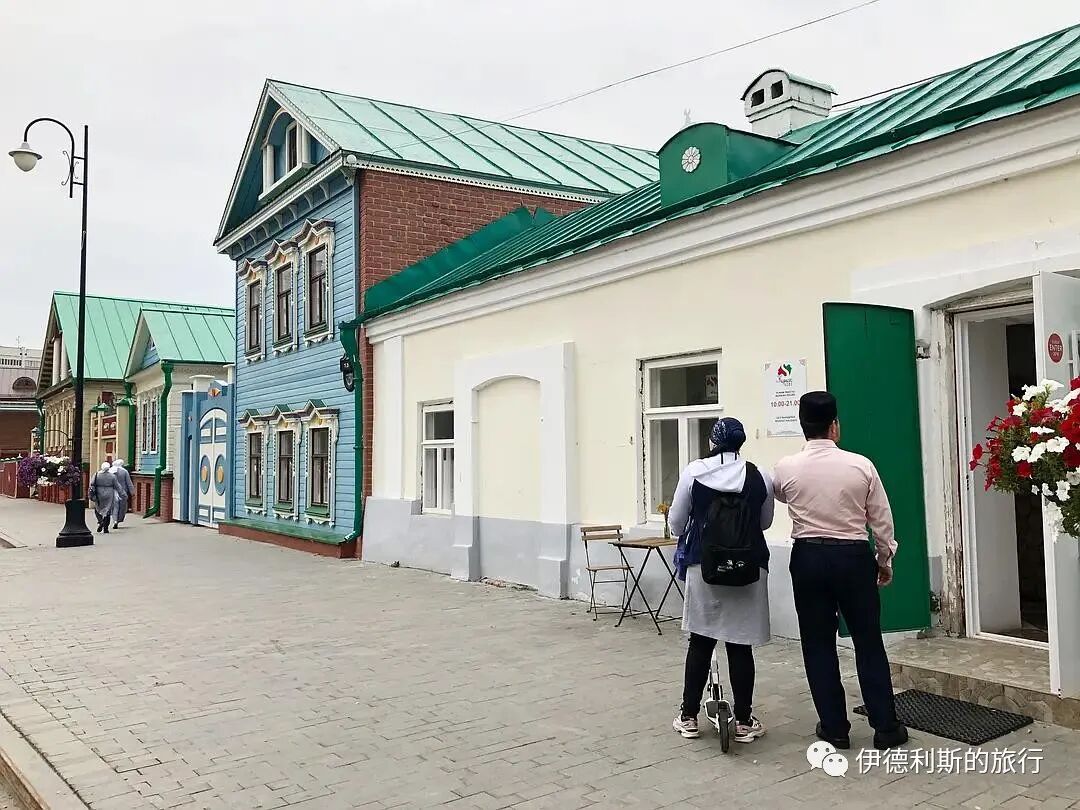
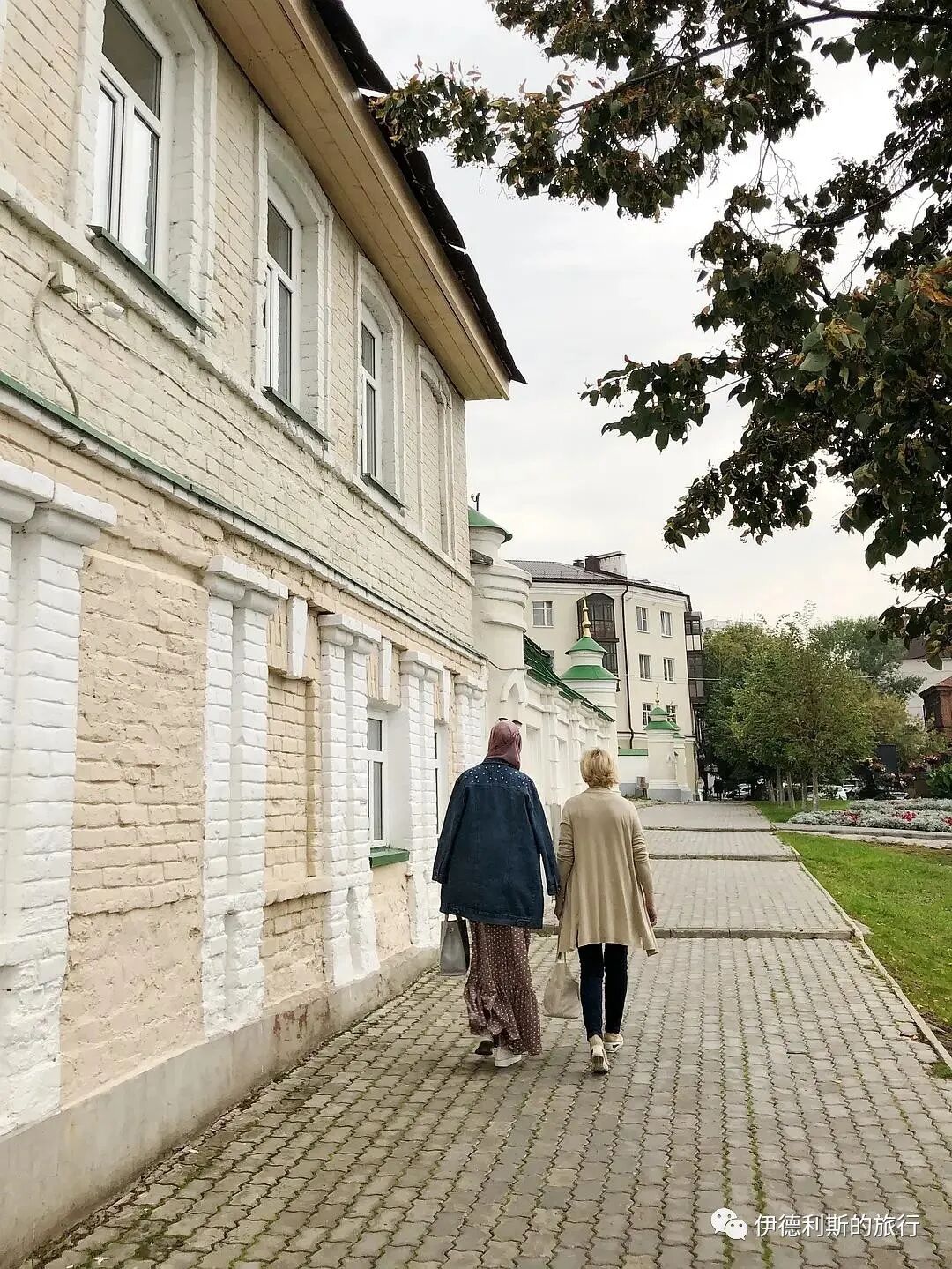
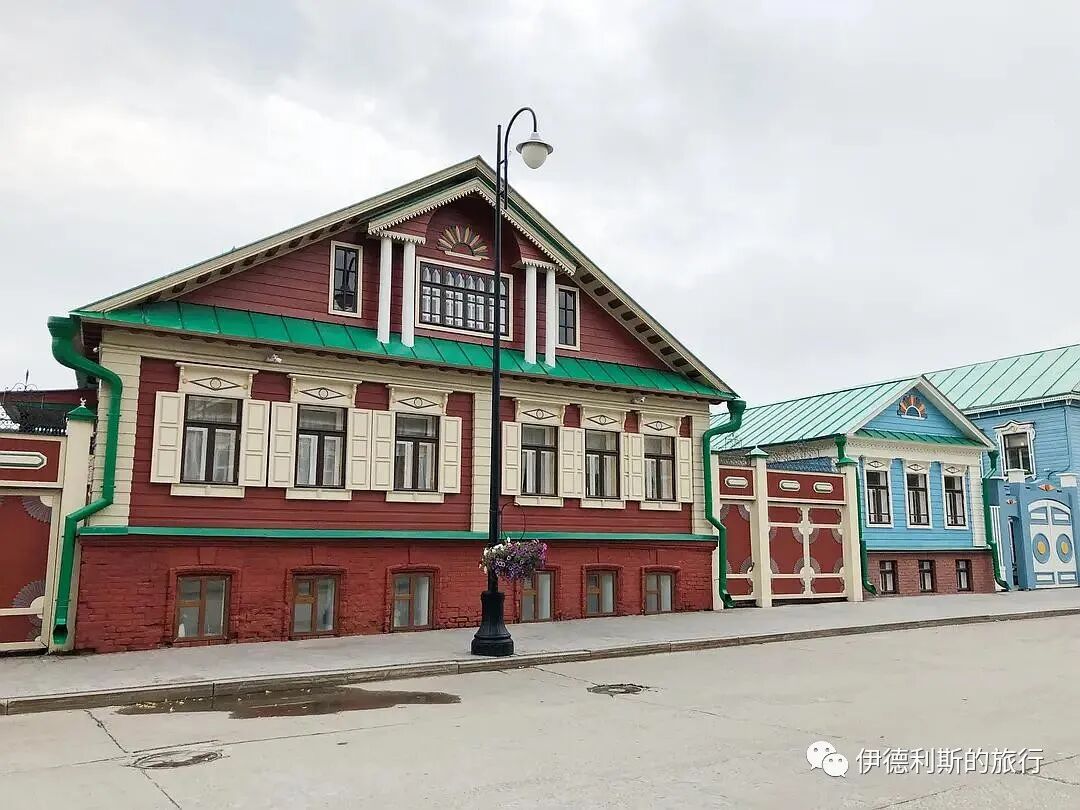
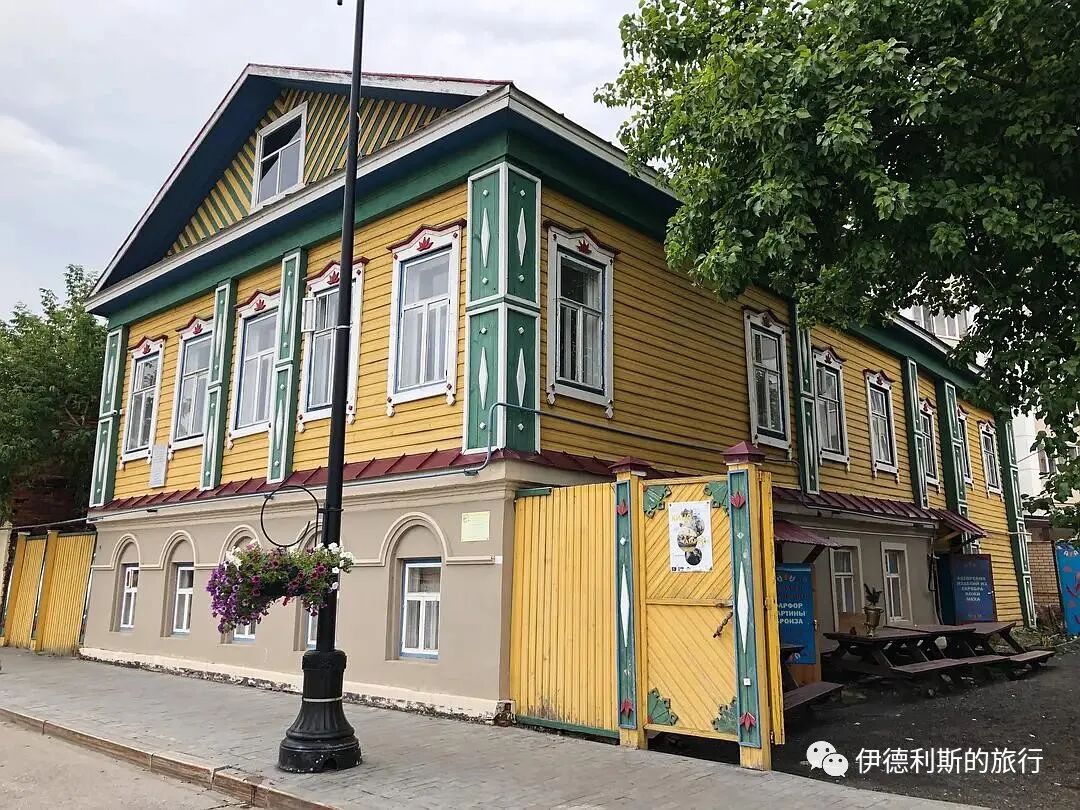
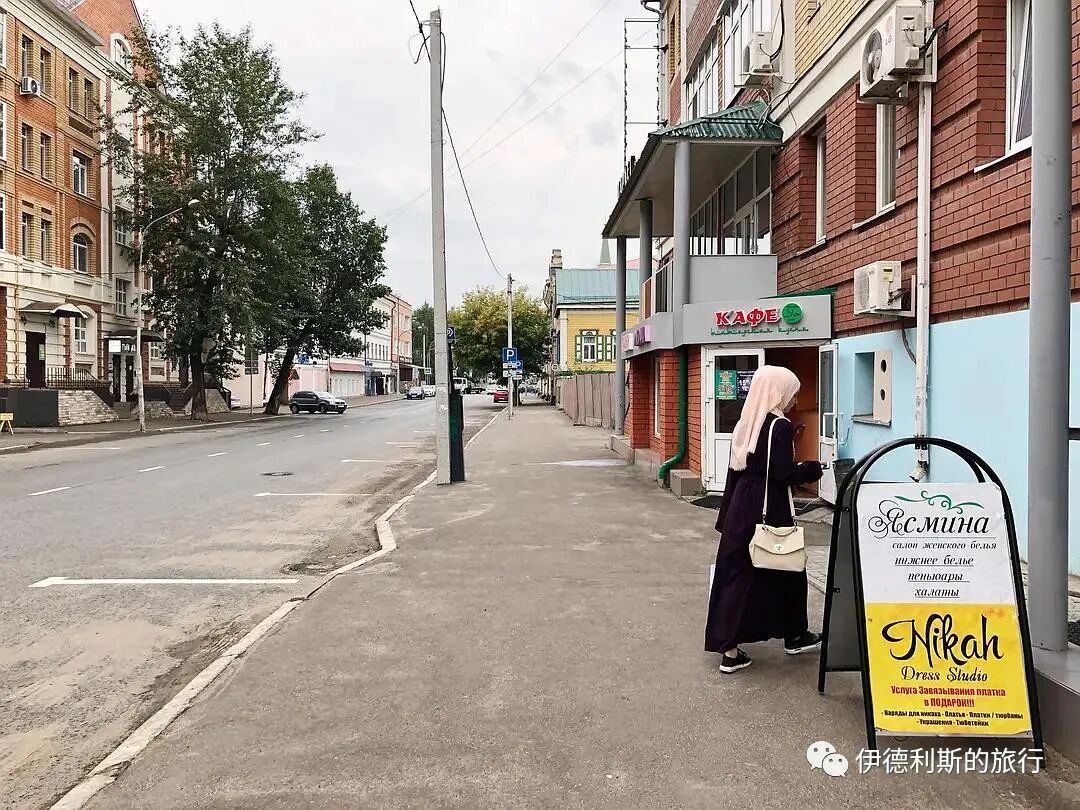
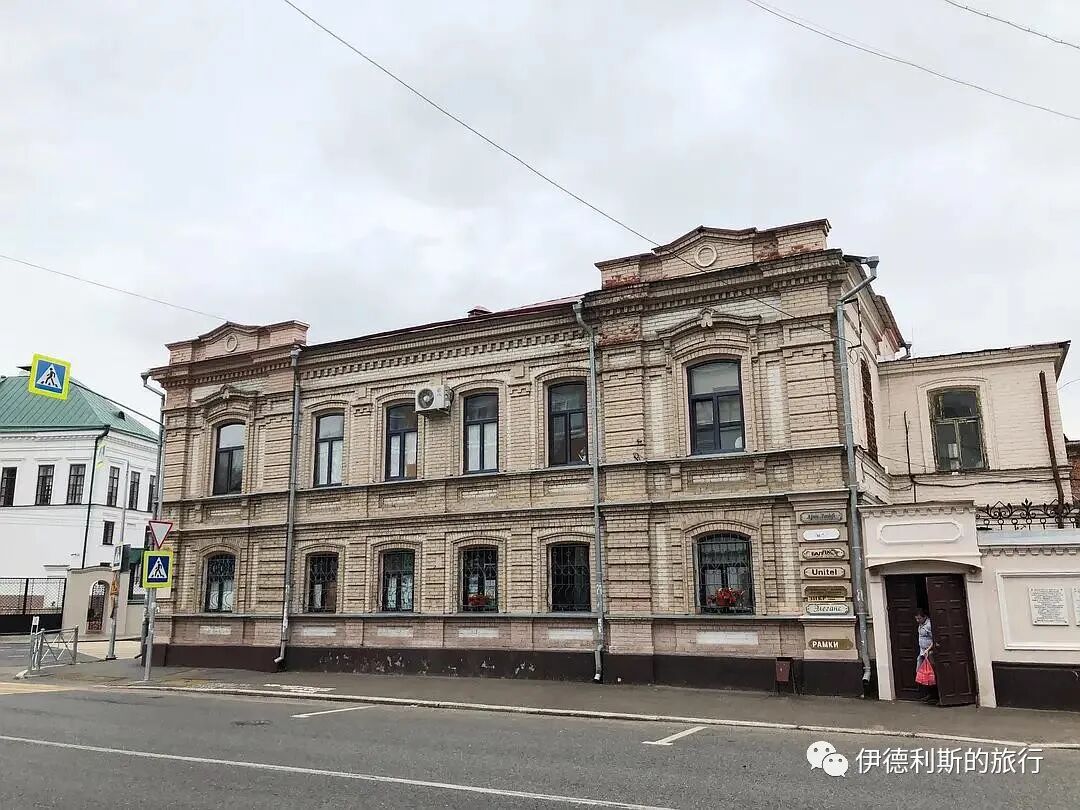
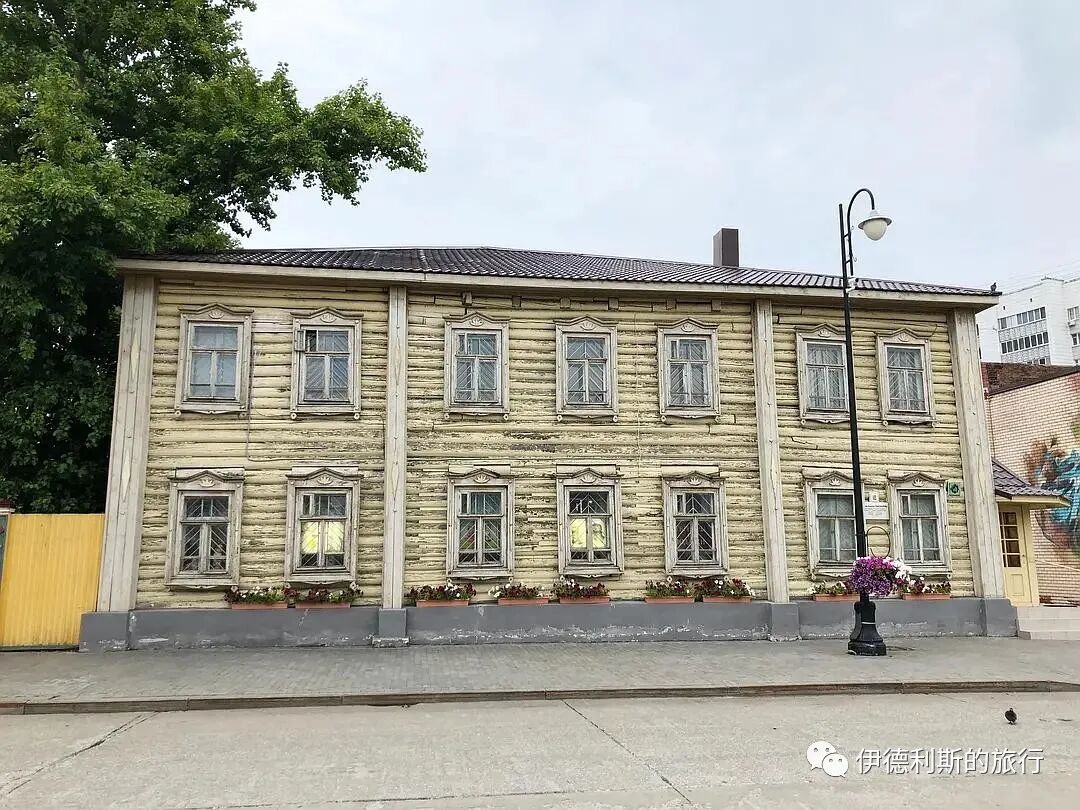
Street view of the Old Tatar historical district.
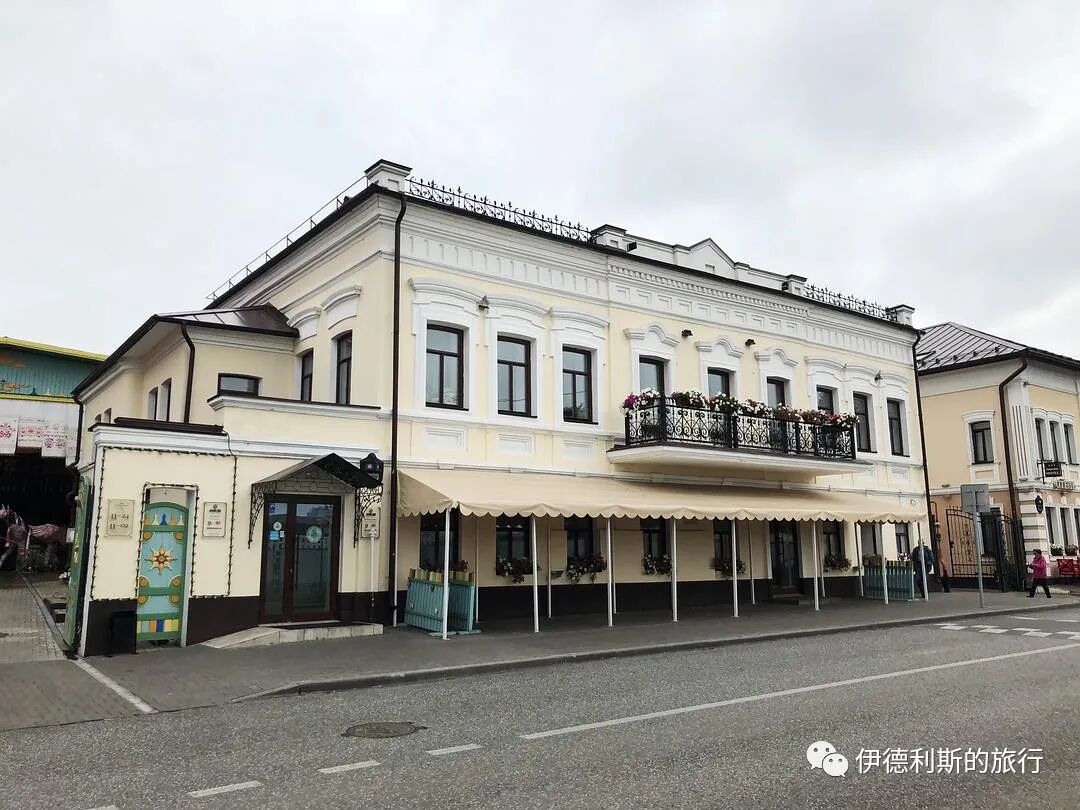
Finally, sharing some Tatar wooden houses and historical buildings in the Old Tatar historical district. view all
Summary: This travel note introduces Tatars in Kazan: Mosques, Muslim Heritage and City Life (Part 2). Finally, sharing some Tatar wooden houses and historical buildings in the Old Tatar historical district. It is useful for readers interested in Kazan Travel, Tatar Muslims, Islamic Heritage.
Street view of the Old Tatar historical district.
Finally, sharing some Tatar wooden houses and historical buildings in the Old Tatar historical district.
Jumu'ah at Moscow's Tatar Historical Mosque: Muslim Heritage in Russia
Articles • ali2007fr posted the article • 0 comments • 195 views • 2026-05-17 07:35
Summary: This travel note introduces Jumu'ah at Moscow's Tatar Historical Mosque: Muslim Heritage in Russia. Tatars from the Golden Horde began settling in Moscow as early as the 14th century. It is useful for readers interested in Moscow Mosque, Tatar Muslims, Jumu'ah.
Tatars from the Golden Horde began settling in Moscow as early as the 14th century. In 1571, the Crimean Tatars burned down almost the entire city of Moscow except for the Kremlin, and the early Tatar settlements were destroyed in an instant. In the early 17th century, with the establishment of the Romanov dynasty, the city of Moscow flourished again, and many Tatars from the Volga River and steppe regions came to trade. The Tatar community (Tatarskaya Sloboda) located south of the Moskva River, opposite the Kremlin, was officially formed, and the community's main street, Tatarskaya Street, was first mentioned in documents in 1682. The center of the Moscow Tatar community is the "Historical Mosque."
Historical Mosque of the Tatar community: 1823.
On a Friday at noon, I performed Jumu'ah (Friday prayer) at the Historical Mosque in Moscow's Tatar community and ate dates from the mosque.
The Tatar community mosque (mecheti v Tatarskoy slobode) is now called the "Historical Mosque (Istoricheskoy mecheti)." The earliest records of the mosque can be traced back to 1712, and it was also mentioned in the 1744 census. Due to the Moscow plague in the 1770s, the mosque's owner and congregants passed away one after another. The mosque was sold to a merchant and was eventually destroyed by fire when Napoleon withdrew from Moscow in 1812. After this, religious activities were conducted in the homes of local Tatar merchants.
After the old mosque was destroyed, Tatar Muslim merchants in Moscow repeatedly applied to build a new mosque, but were all refused. It was not until 1823 that Tatar merchant Nazarbay Khashalov was finally approved to build a mosque on Bolshaya Tatarskaya Street, on the condition that it could not be named a "mosque (mecheti)" and could not have the appearance of a mosque. Therefore, the mosque building constructed at that time looked almost the same as the surrounding houses.
A diagram of the original mosque.
Between 1833 and 1867, the Imam of the mosque was Rafek Bekbulatovich Ageev. Under his efforts, the Muslim community in Moscow gradually improved, and his home was also the first Islamic school in Moscow. The Imam of the mosque between 1867 and 1913 was Khairetdin Rafekovich Ageev. He graduated from a madrasa (Islamic school) in Kazan, was proficient in 8 languages, taught Islamic knowledge and the Tatar language to military cadets for many years, and was also a translator for the Armory.
In the mid-to-late 19th century, as the number of Muslims in Moscow continued to increase, many people could only pray outside the mosque during Jumu'ah, which was very cold, especially in winter. In 1881, Tsar Alexander II approved the mosque to have the appearance of a religious building. Therefore, in 1882, the mosque was expanded under the direction of architect Dmitry Pevnitsky. The new mosque was expanded on both the east and west facades and a minaret was added. After the expansion, it could accommodate 1,500 people.
The mosque in 1883 after reconstruction.
The Imam of the mosque from 1914 to 1937 was Abdulla Hasanovich Shamsutdinov. He was a Qasim Tatar who studied at an Islamic madrasa in Bukhara and had served as an Imam in Yining, Xinjiang. In 1914, he presided over the opening of a new Islamic madrasa at the mosque and helped the Moscow Muslim Charitable Society become active, making the Moscow Muslim community more united and organized. In the early 1920s, he also began working on translating the Quran into the Tatar language.
On April 29, 1936, the Imam and his wife were arrested on charges of participating in "anti-Soviet activities" due to a "conspiracy of religious leaders." On February 10, 1937, the Imam was executed by firing squad for being accused of treason, and his wife died in the interrogation room of the NKVD (People's Commissariat for Internal Affairs).
In 1939, the mosque was forced to close. During the Soviet era, the mosque was occupied by a printing house and several other departments in succession. Between 1944 and 1947, Moscow Muslims tried to reclaim the mosque, but were ultimately unsuccessful. In 1967, the mosque's minaret was demolished.
The mosque after the minaret was demolished.
The mosque after the minaret was demolished.
After the 1980s, the elders of the Tatar community repeatedly requested the return of the mosque. However, since the early 1980s, the art engraving association printing workshop that occupied the mosque had been protesting, so the return process was delayed until it was finally returned to the Muslims in 1991.
In 1992, the mosque was renovated and reopened in 1993. In 1997, the mosque was renovated again, becoming what it is today.
Eating samsa (baked meat buns) with tea at the Historical Mosque before Jumu'ah. Nowadays, most of the people who come to the Historical Mosque for Jumu'ah are Muslims from Central Asia and the Caucasus.
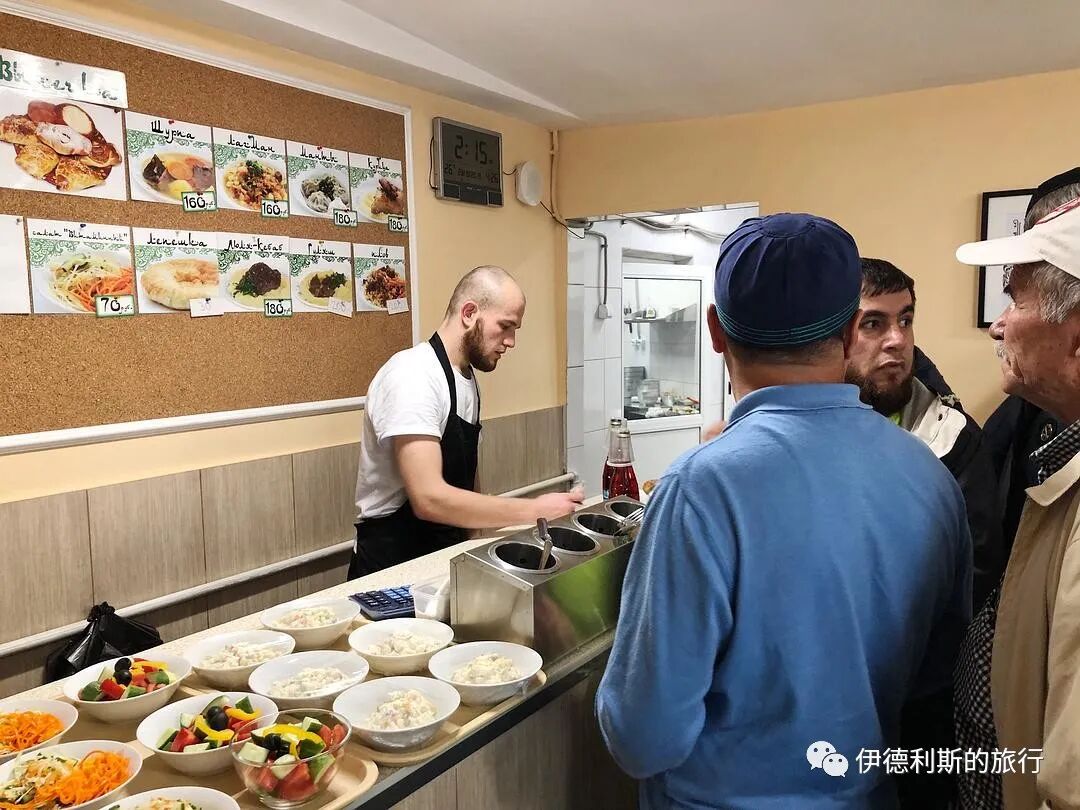
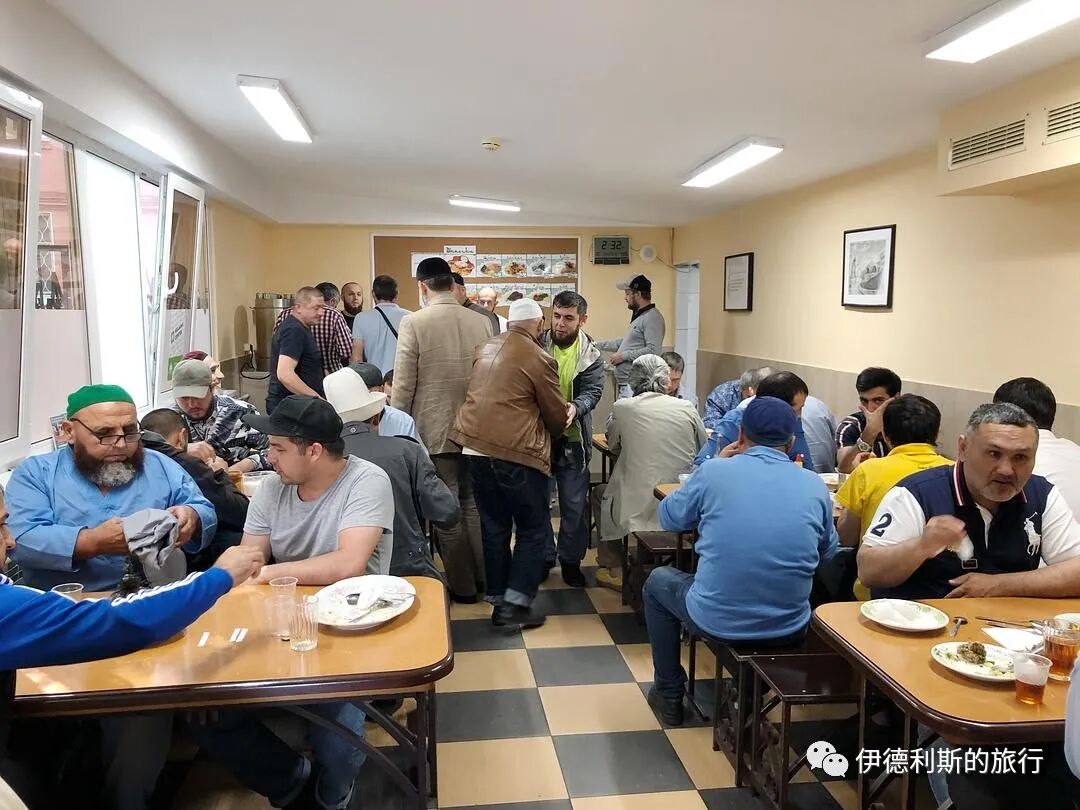
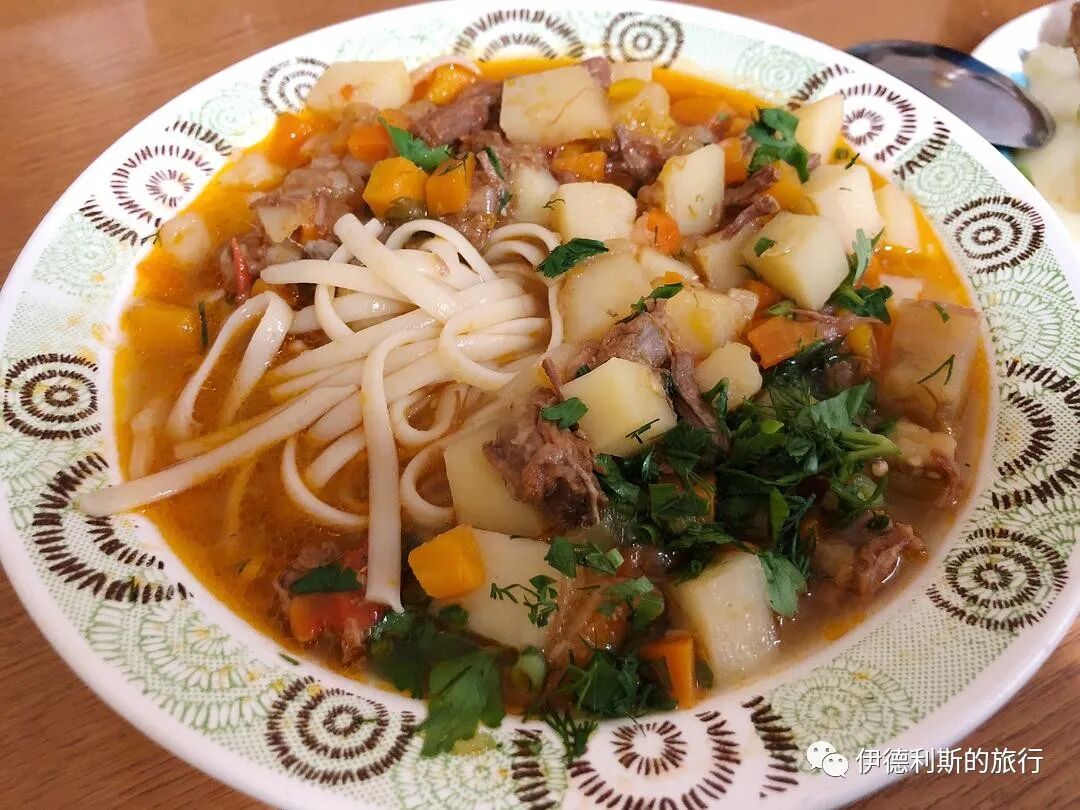
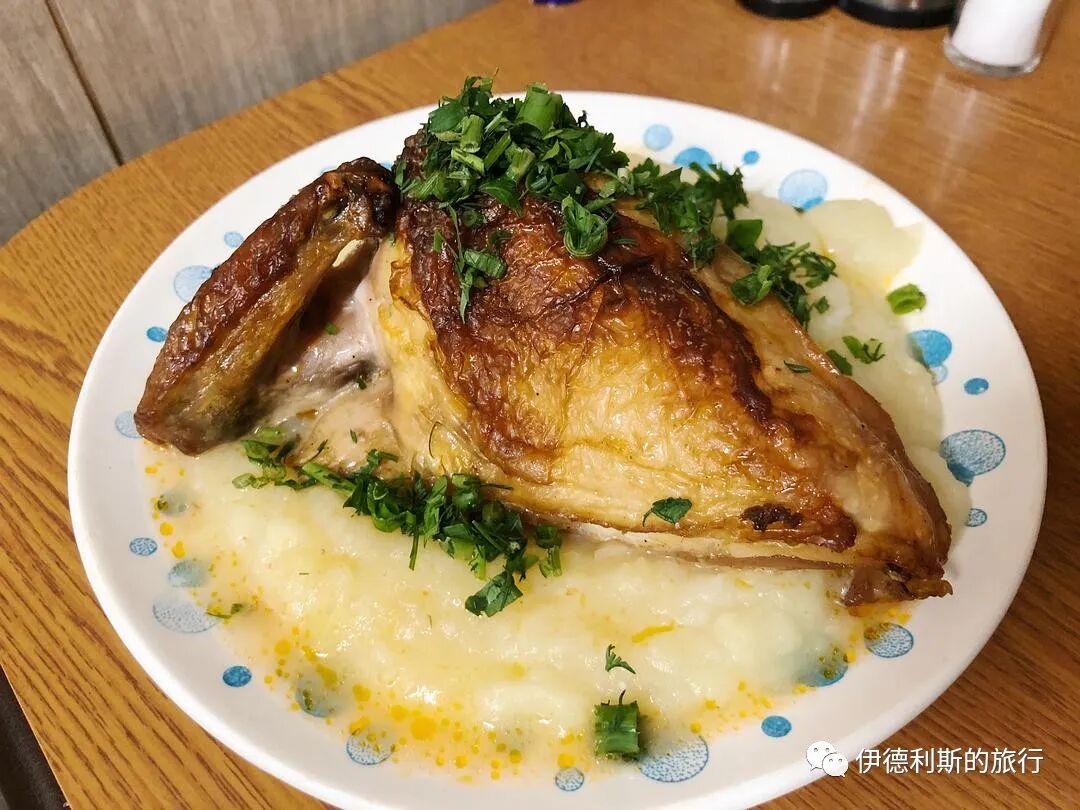
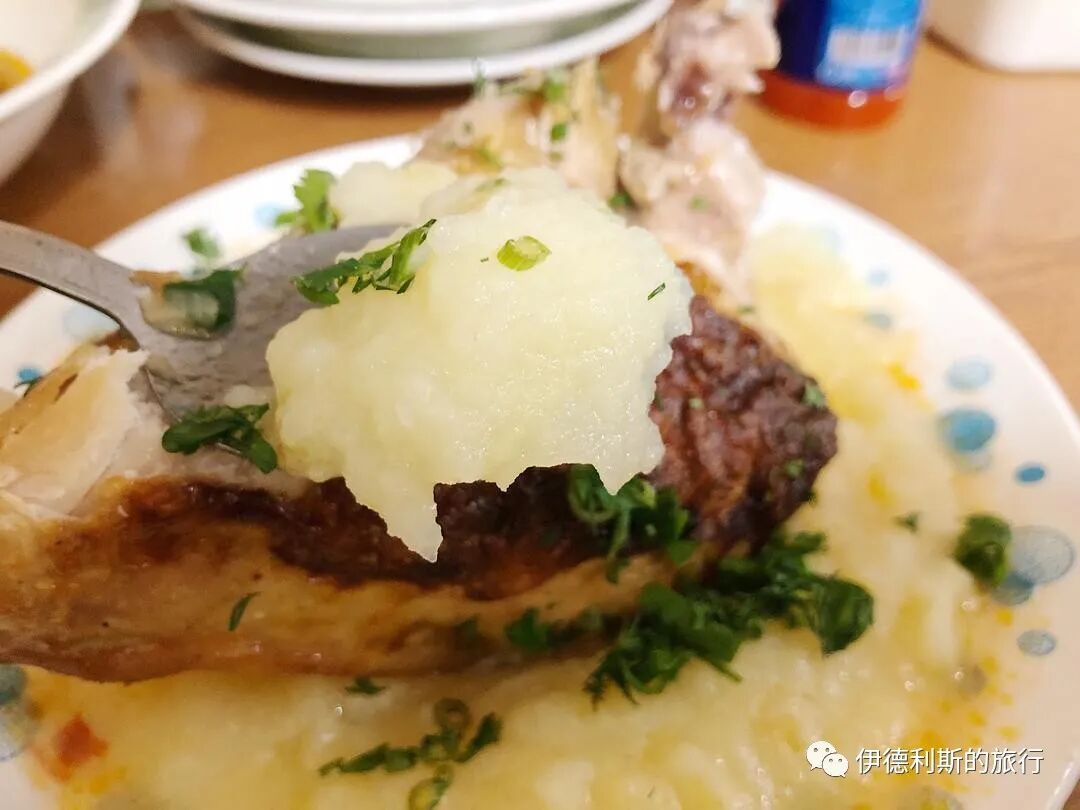
After Jumu'ah prayers, I ate lagman (hand-pulled noodles) and roast chicken at the restaurant in the Historical Mosque. The atmosphere here is very good and lively.
An uncle is peeling a pomegranate.
Then I walked around the Islamic goods store upstairs, which sells Tatar hats called Tubetei (traditional skullcaps).
Kazan Tea Bar.
There is a Tatar restaurant in the historic Tatar community called Kazan Tea Bar, which is also the center for Kazan cultural activities in Moscow and often organizes various Tatar cultural events.
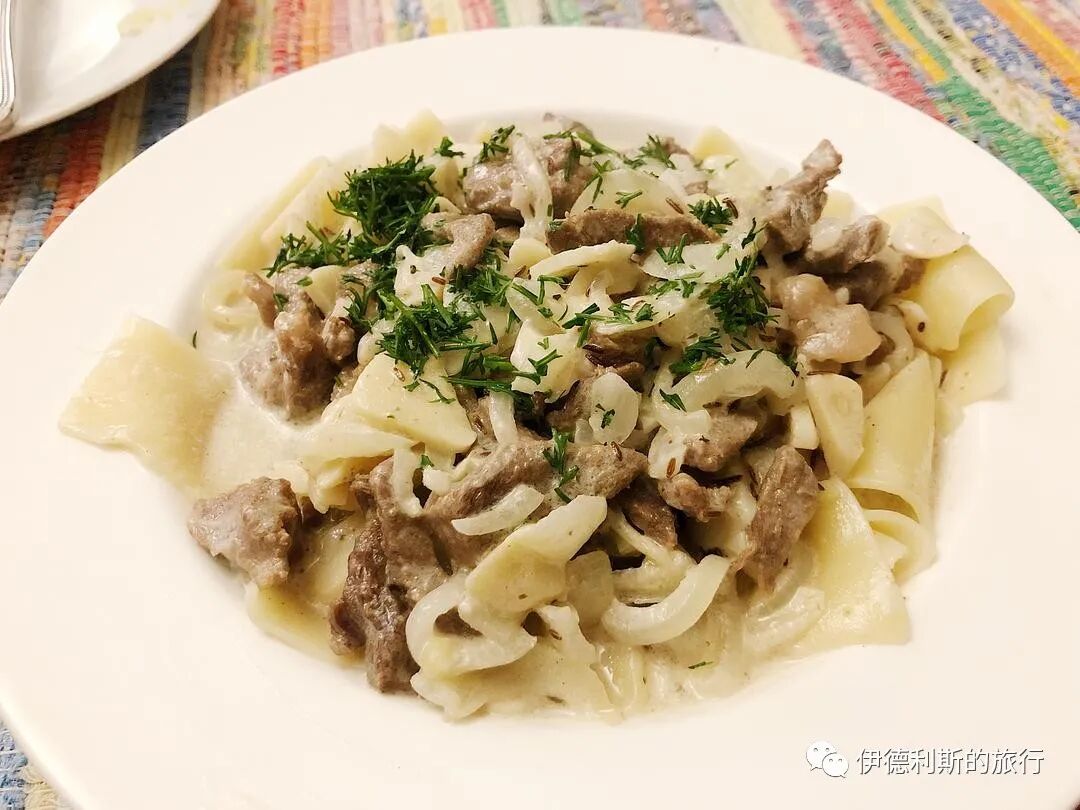
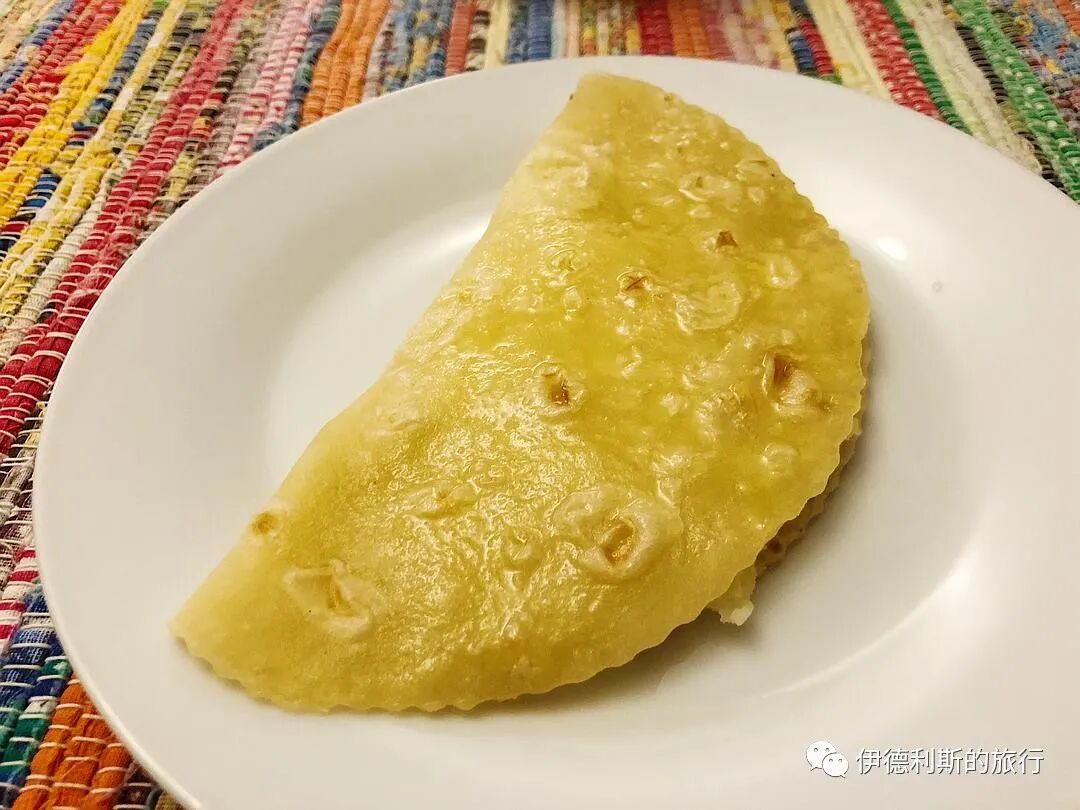
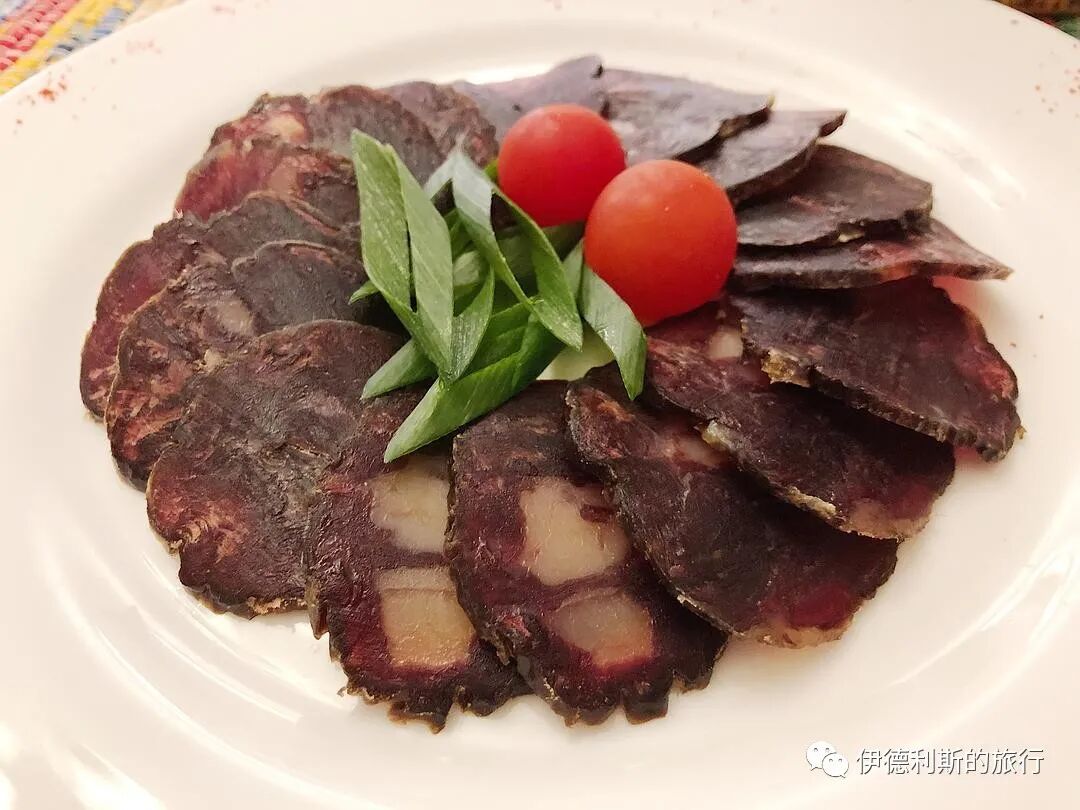
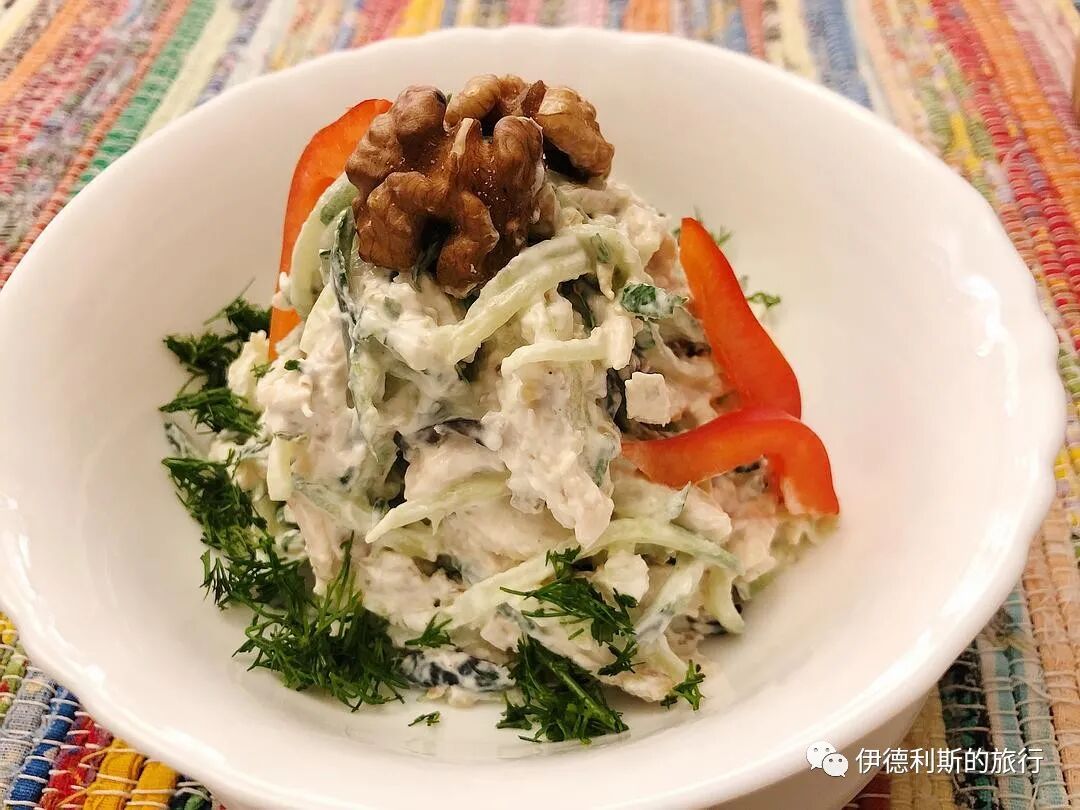
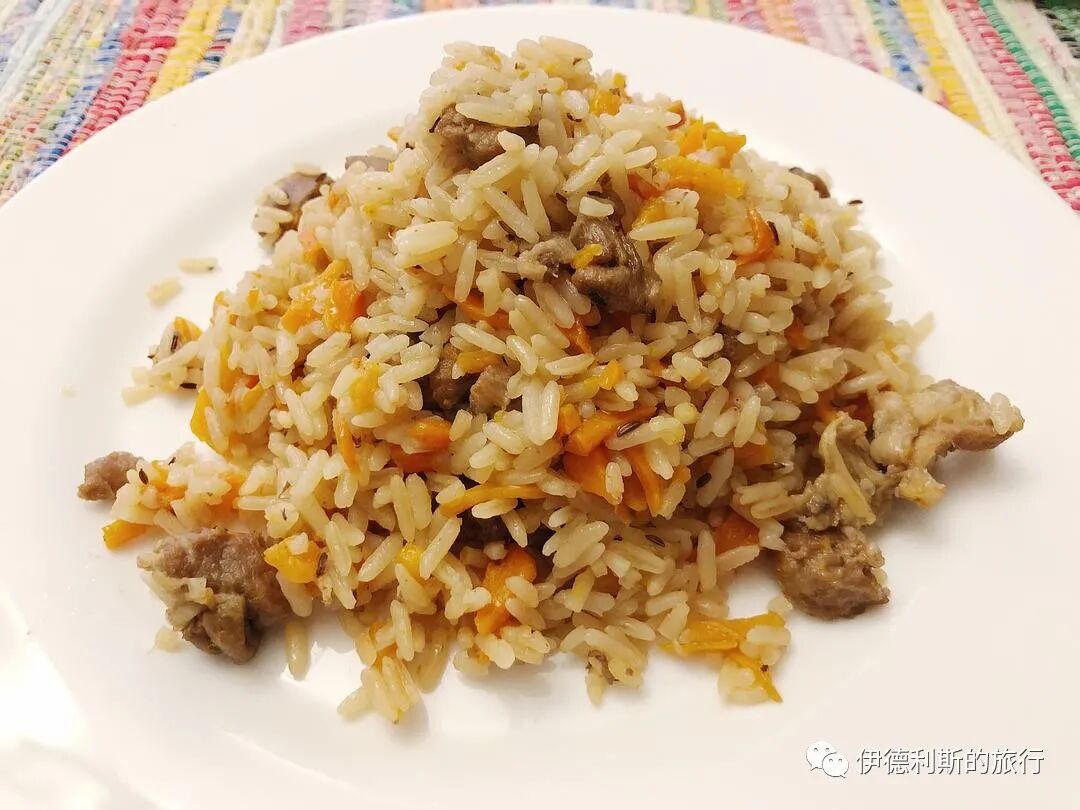
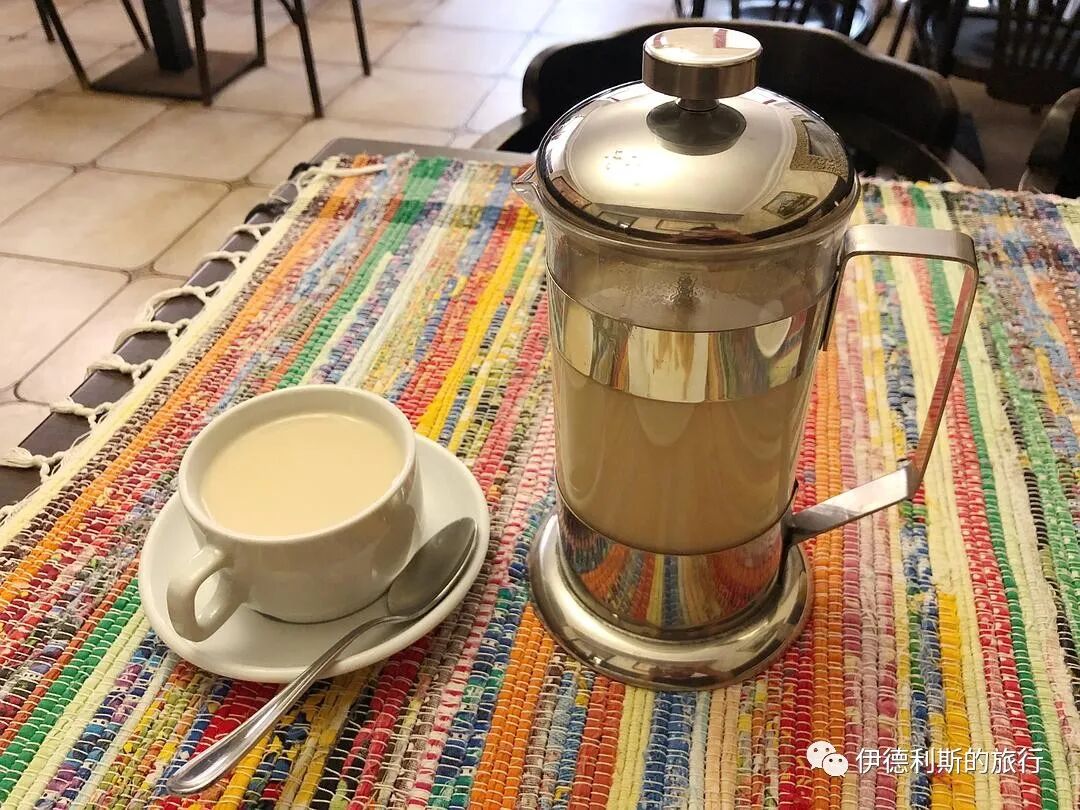
I ate Beshbarmak (boiled meat with noodles), Kystyby (flatbread with filling), Tatar-style Kazy (horse meat sausage), plov (pilaf), Kazan chicken salad, and Tatar milk tea inside. Tatar milk tea is made of black tea + green tea + thyme + linden leaf + chamomile + oregano + mint leaf + sage.
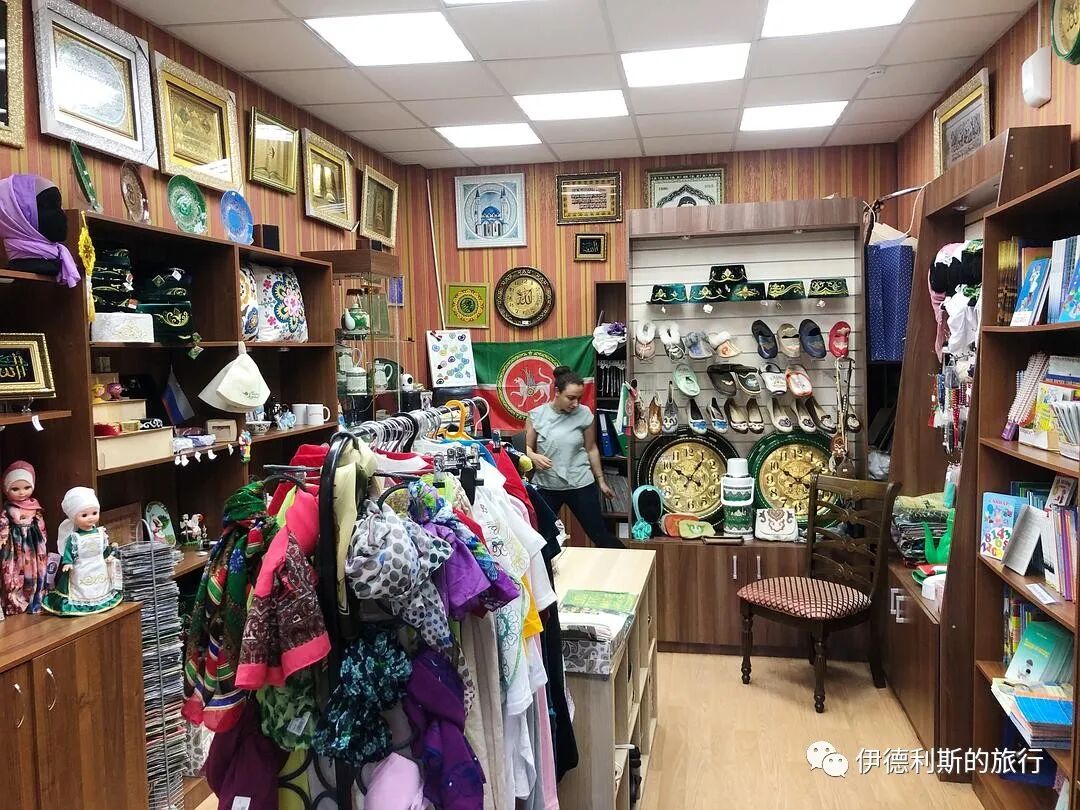
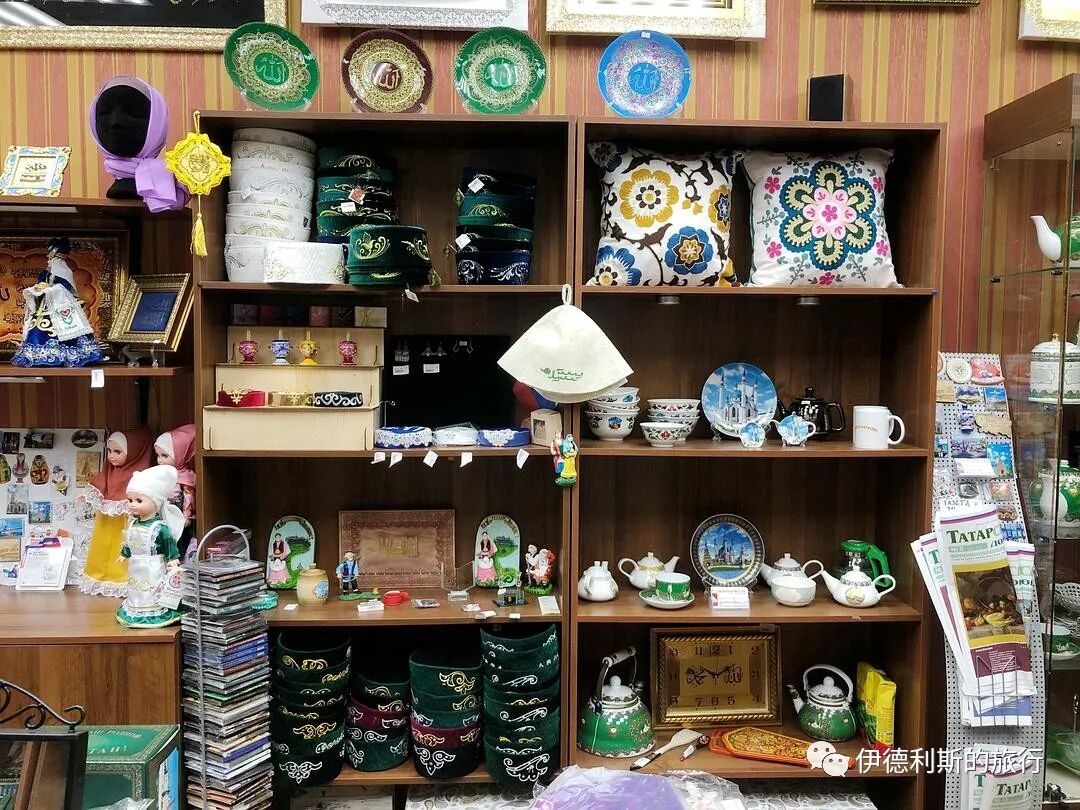
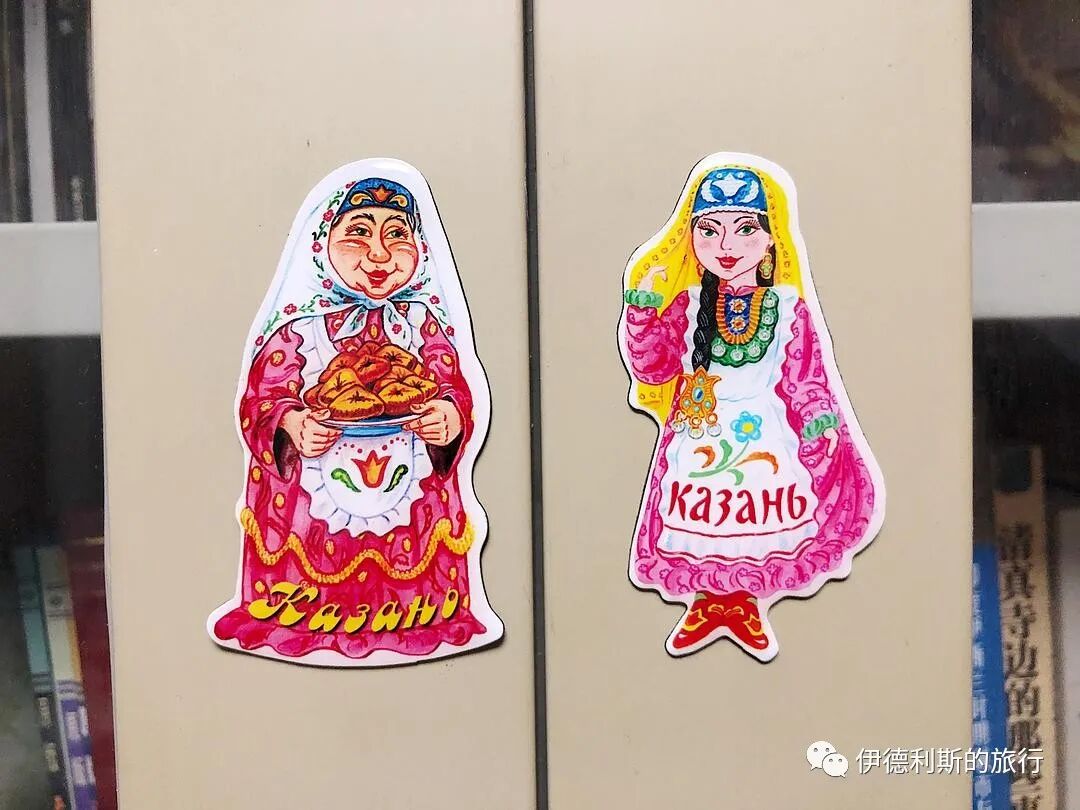
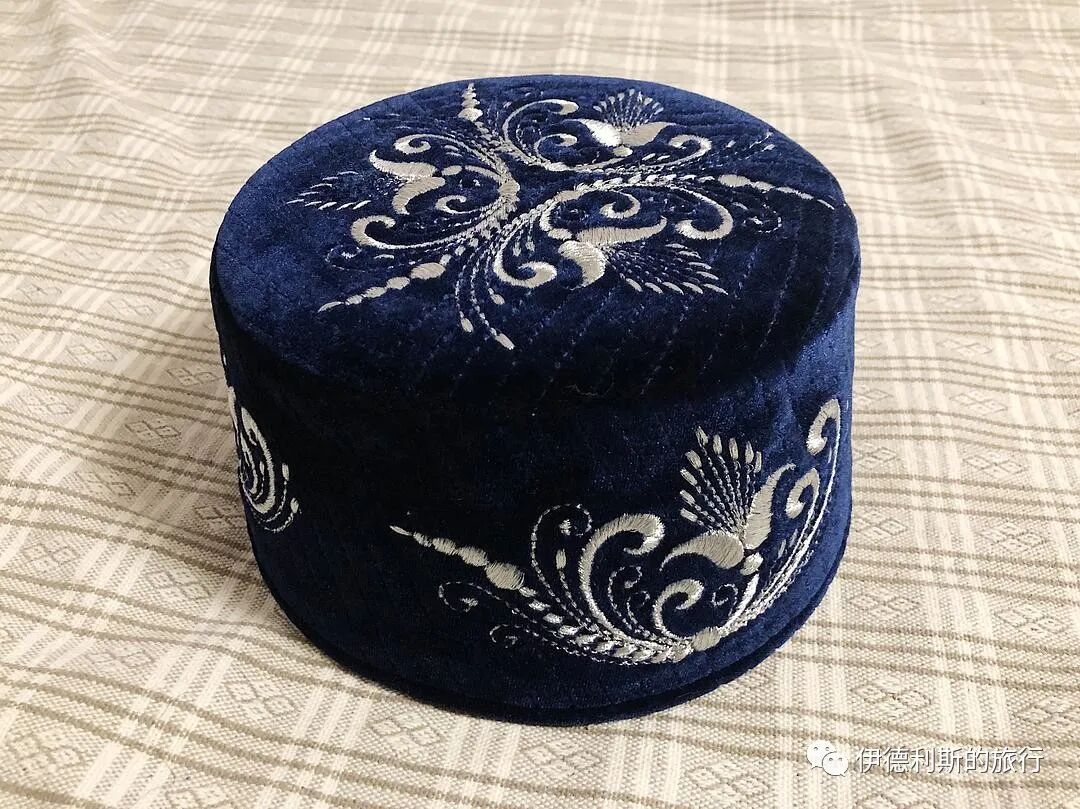
Next to the Kazan Tea Bar is a shop selling Kazan Tatar souvenirs. I bought two Kazan Tatar female magnets and a Tubetei (traditional skullcap) worn by Kazan Tatars. view all
Summary: This travel note introduces Jumu'ah at Moscow's Tatar Historical Mosque: Muslim Heritage in Russia. Tatars from the Golden Horde began settling in Moscow as early as the 14th century. It is useful for readers interested in Moscow Mosque, Tatar Muslims, Jumu'ah.
Tatars from the Golden Horde began settling in Moscow as early as the 14th century. In 1571, the Crimean Tatars burned down almost the entire city of Moscow except for the Kremlin, and the early Tatar settlements were destroyed in an instant. In the early 17th century, with the establishment of the Romanov dynasty, the city of Moscow flourished again, and many Tatars from the Volga River and steppe regions came to trade. The Tatar community (Tatarskaya Sloboda) located south of the Moskva River, opposite the Kremlin, was officially formed, and the community's main street, Tatarskaya Street, was first mentioned in documents in 1682. The center of the Moscow Tatar community is the "Historical Mosque."
Historical Mosque of the Tatar community: 1823.
On a Friday at noon, I performed Jumu'ah (Friday prayer) at the Historical Mosque in Moscow's Tatar community and ate dates from the mosque.
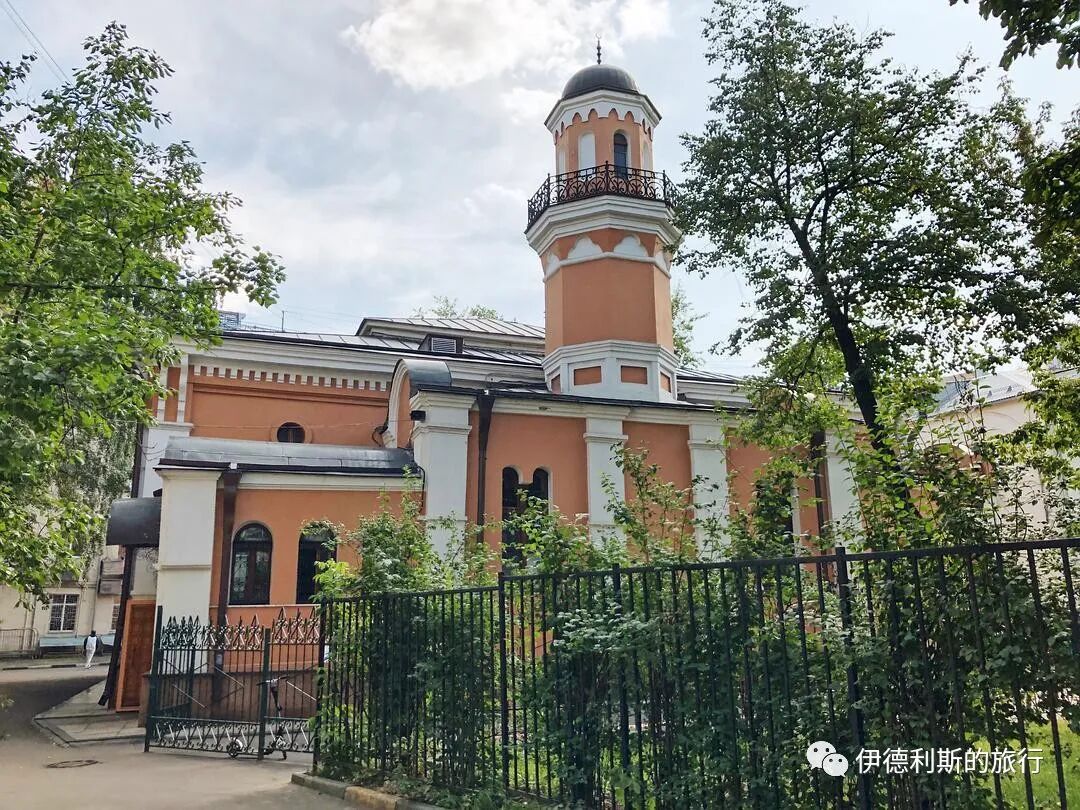
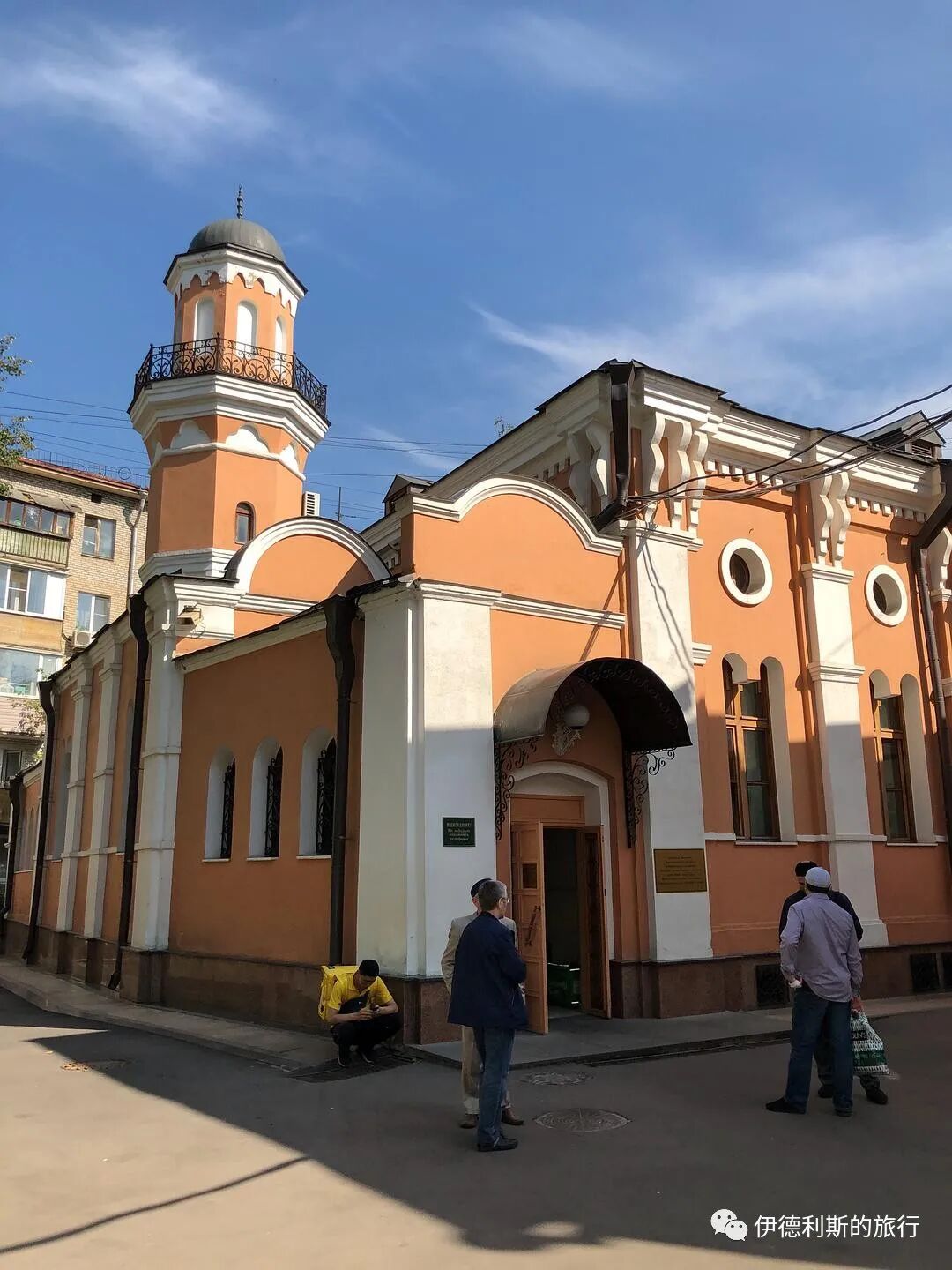
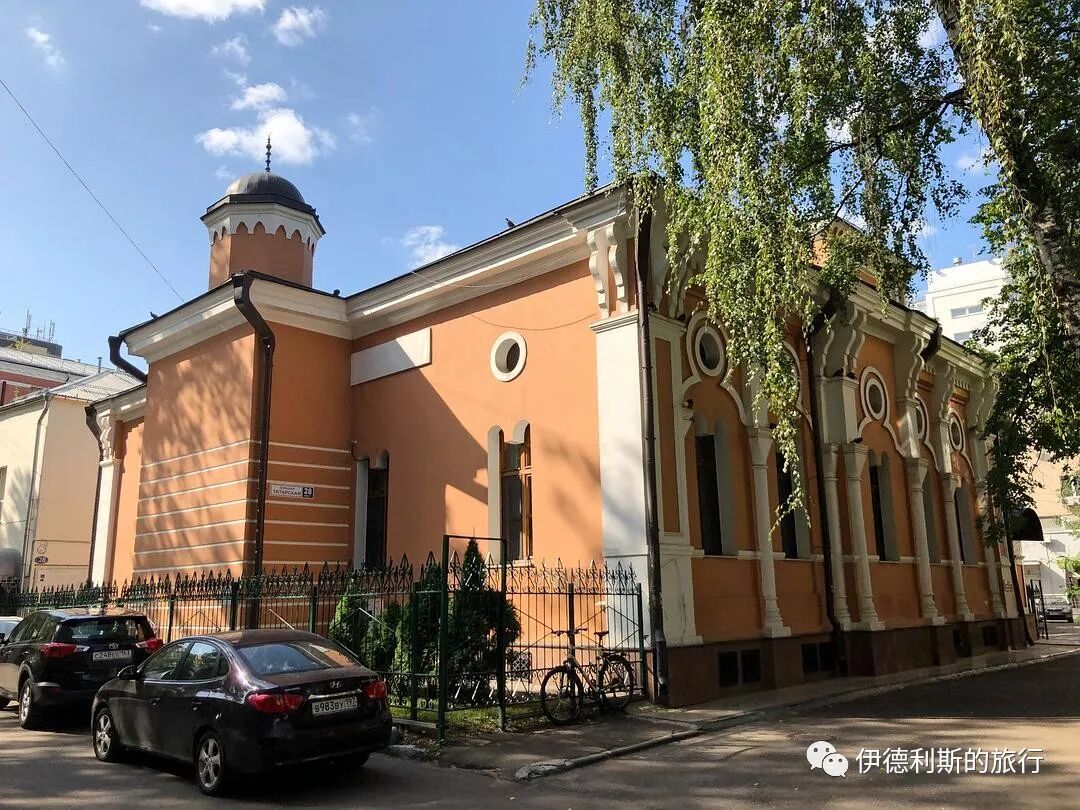
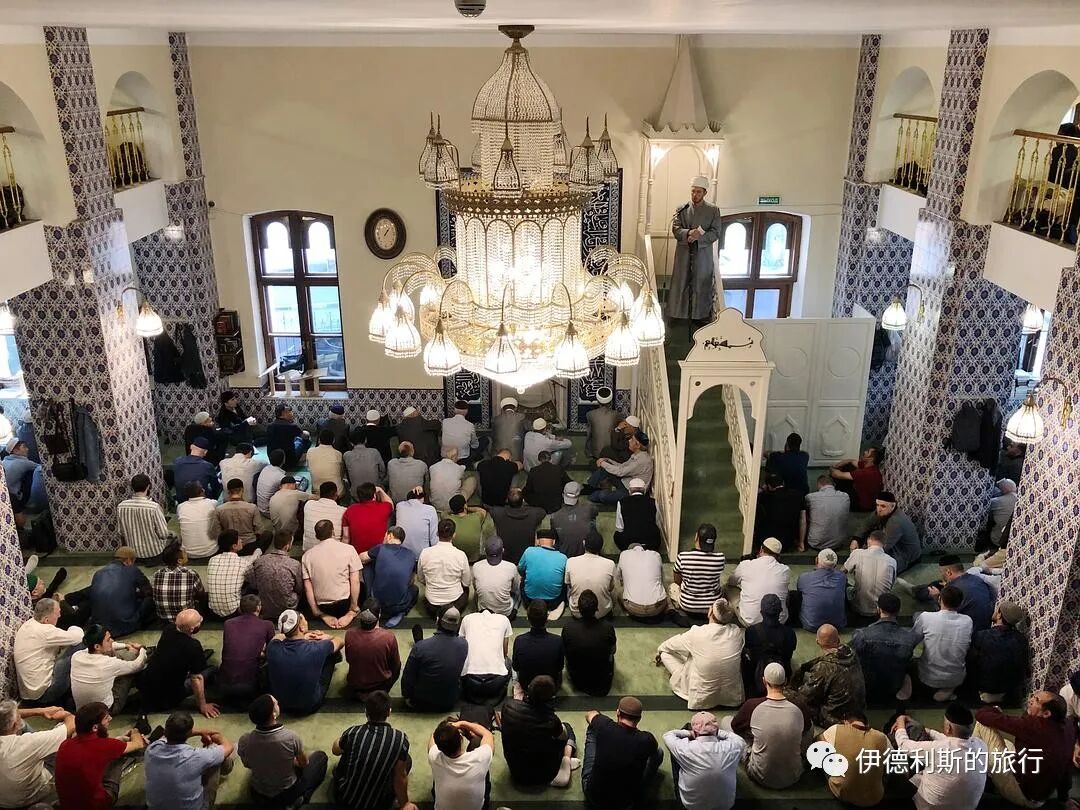
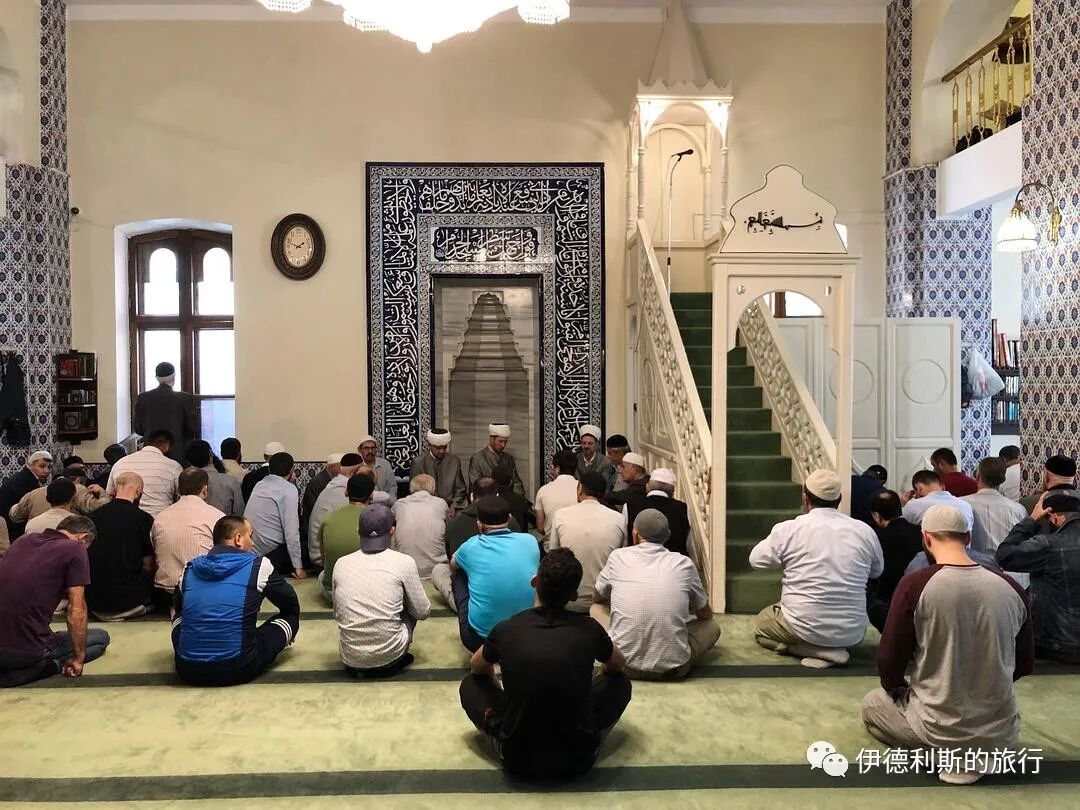
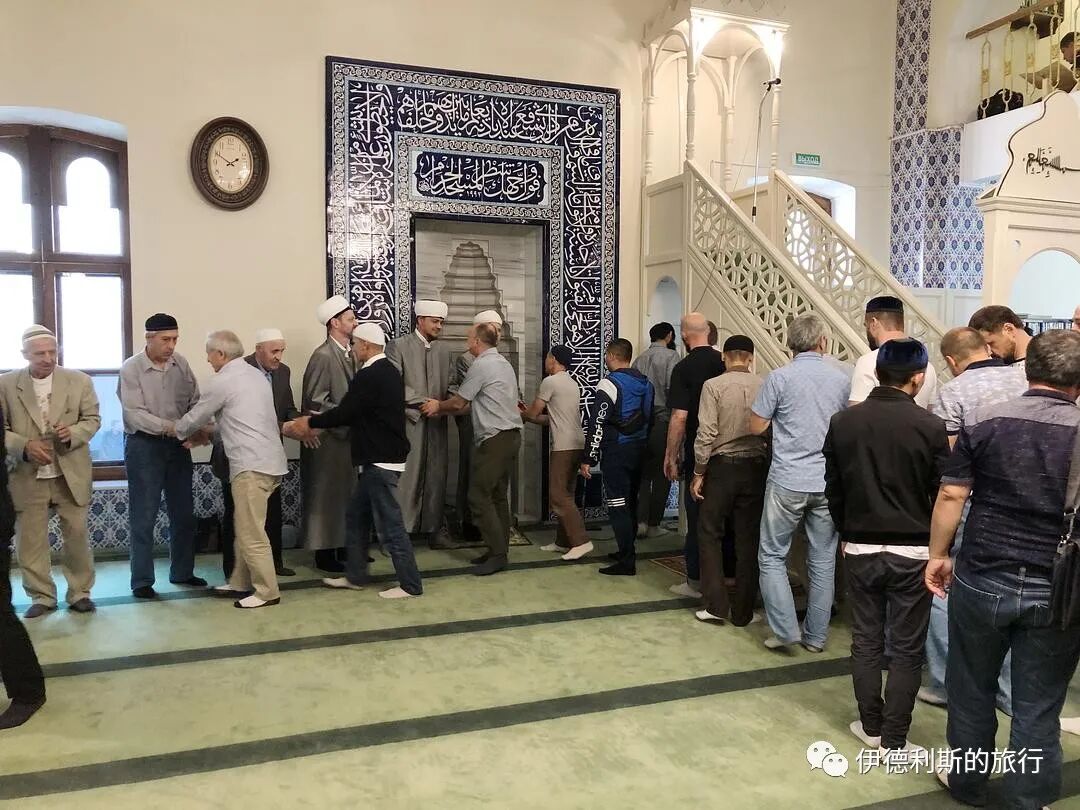
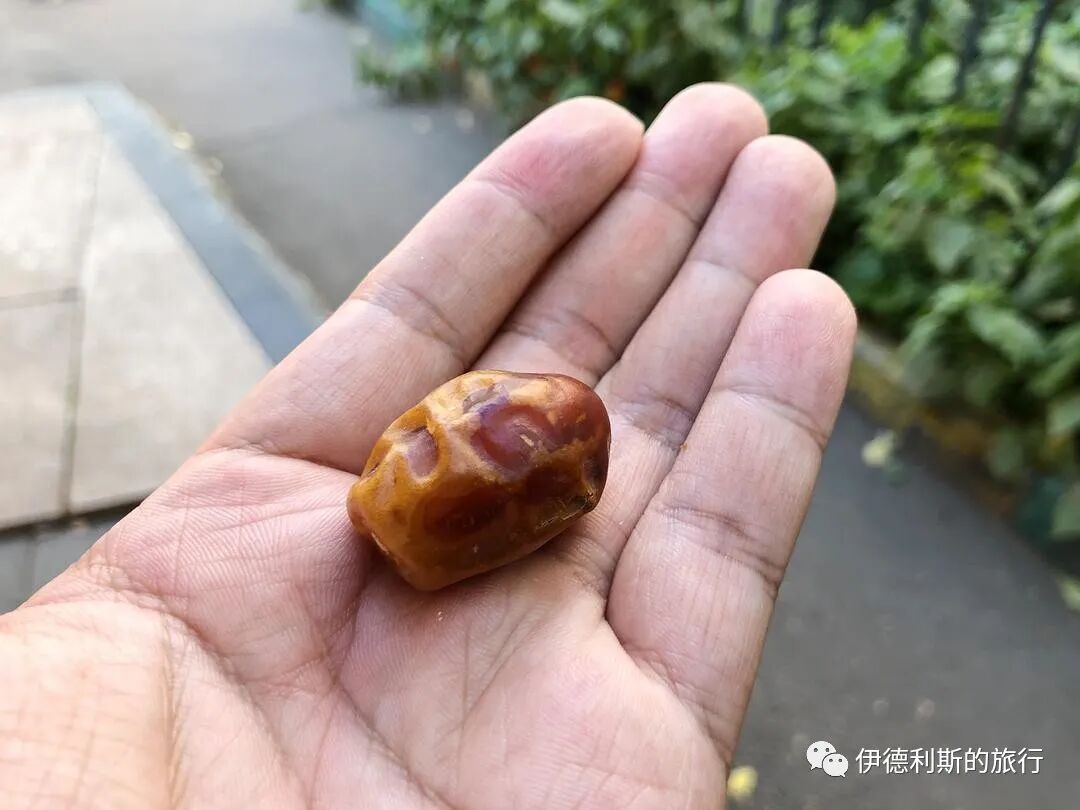
The Tatar community mosque (mecheti v Tatarskoy slobode) is now called the "Historical Mosque (Istoricheskoy mecheti)." The earliest records of the mosque can be traced back to 1712, and it was also mentioned in the 1744 census. Due to the Moscow plague in the 1770s, the mosque's owner and congregants passed away one after another. The mosque was sold to a merchant and was eventually destroyed by fire when Napoleon withdrew from Moscow in 1812. After this, religious activities were conducted in the homes of local Tatar merchants.
After the old mosque was destroyed, Tatar Muslim merchants in Moscow repeatedly applied to build a new mosque, but were all refused. It was not until 1823 that Tatar merchant Nazarbay Khashalov was finally approved to build a mosque on Bolshaya Tatarskaya Street, on the condition that it could not be named a "mosque (mecheti)" and could not have the appearance of a mosque. Therefore, the mosque building constructed at that time looked almost the same as the surrounding houses.
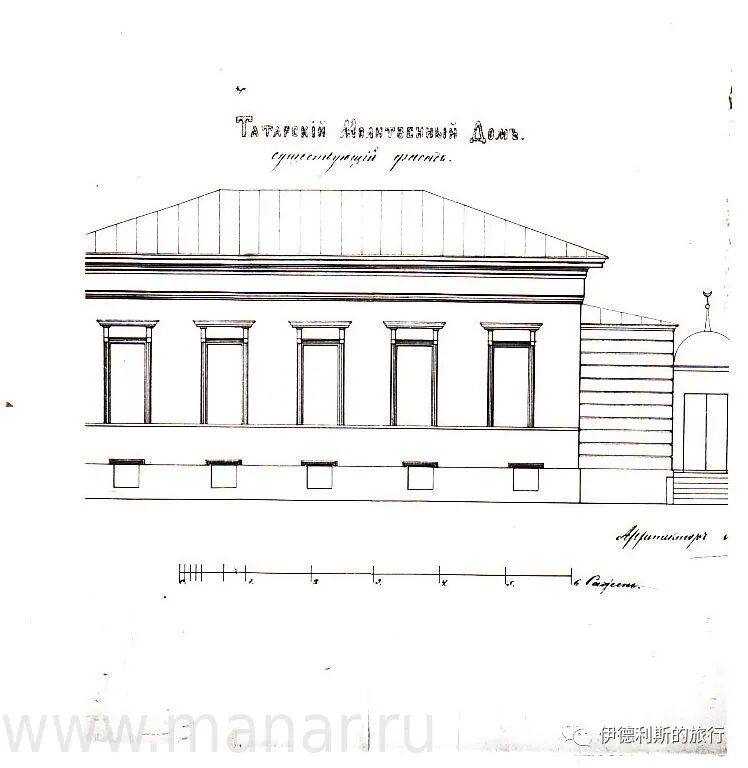
A diagram of the original mosque.
Between 1833 and 1867, the Imam of the mosque was Rafek Bekbulatovich Ageev. Under his efforts, the Muslim community in Moscow gradually improved, and his home was also the first Islamic school in Moscow. The Imam of the mosque between 1867 and 1913 was Khairetdin Rafekovich Ageev. He graduated from a madrasa (Islamic school) in Kazan, was proficient in 8 languages, taught Islamic knowledge and the Tatar language to military cadets for many years, and was also a translator for the Armory.
In the mid-to-late 19th century, as the number of Muslims in Moscow continued to increase, many people could only pray outside the mosque during Jumu'ah, which was very cold, especially in winter. In 1881, Tsar Alexander II approved the mosque to have the appearance of a religious building. Therefore, in 1882, the mosque was expanded under the direction of architect Dmitry Pevnitsky. The new mosque was expanded on both the east and west facades and a minaret was added. After the expansion, it could accommodate 1,500 people.
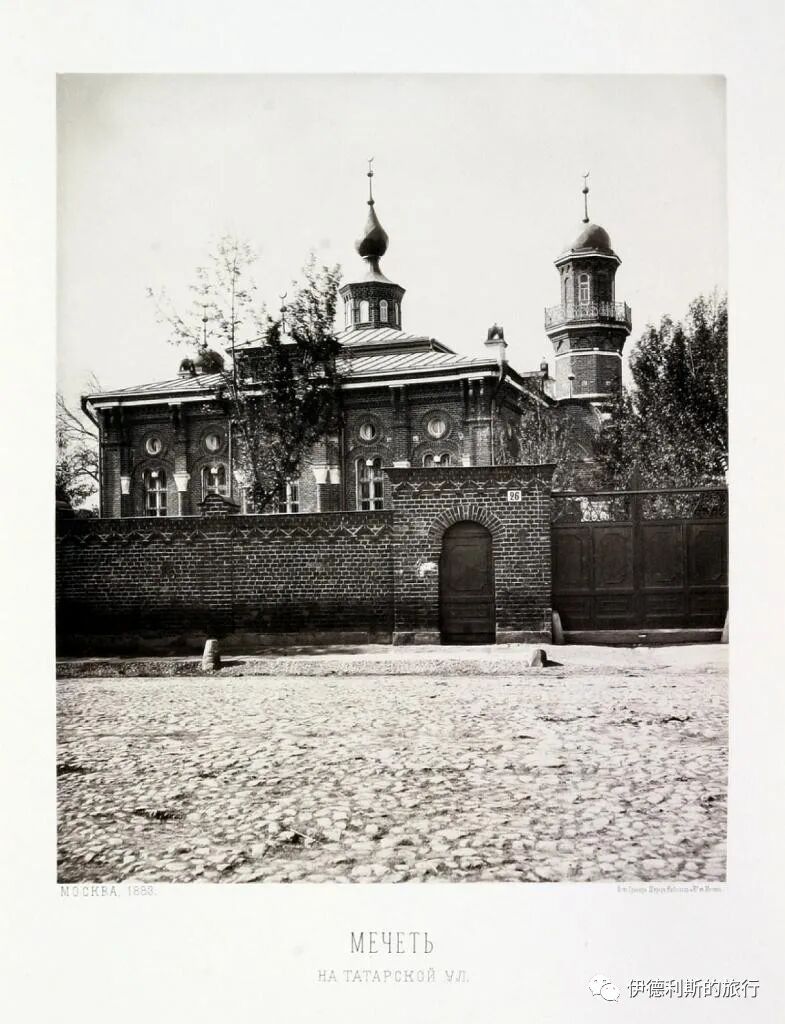
The mosque in 1883 after reconstruction.
The Imam of the mosque from 1914 to 1937 was Abdulla Hasanovich Shamsutdinov. He was a Qasim Tatar who studied at an Islamic madrasa in Bukhara and had served as an Imam in Yining, Xinjiang. In 1914, he presided over the opening of a new Islamic madrasa at the mosque and helped the Moscow Muslim Charitable Society become active, making the Moscow Muslim community more united and organized. In the early 1920s, he also began working on translating the Quran into the Tatar language.
On April 29, 1936, the Imam and his wife were arrested on charges of participating in "anti-Soviet activities" due to a "conspiracy of religious leaders." On February 10, 1937, the Imam was executed by firing squad for being accused of treason, and his wife died in the interrogation room of the NKVD (People's Commissariat for Internal Affairs).
In 1939, the mosque was forced to close. During the Soviet era, the mosque was occupied by a printing house and several other departments in succession. Between 1944 and 1947, Moscow Muslims tried to reclaim the mosque, but were ultimately unsuccessful. In 1967, the mosque's minaret was demolished.
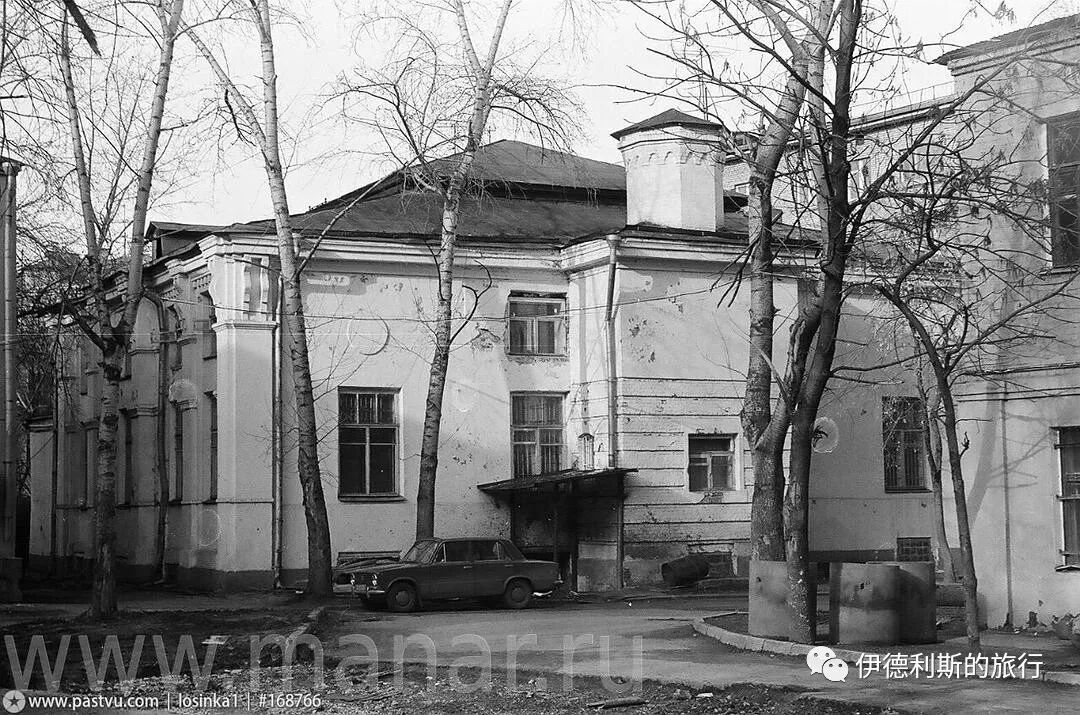
The mosque after the minaret was demolished.
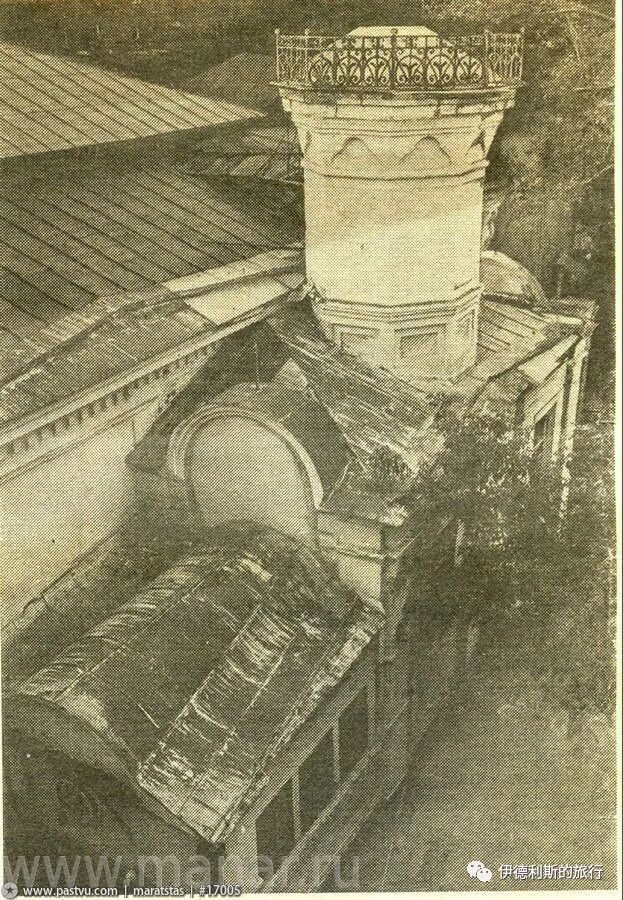
The mosque after the minaret was demolished.
After the 1980s, the elders of the Tatar community repeatedly requested the return of the mosque. However, since the early 1980s, the art engraving association printing workshop that occupied the mosque had been protesting, so the return process was delayed until it was finally returned to the Muslims in 1991.
In 1992, the mosque was renovated and reopened in 1993. In 1997, the mosque was renovated again, becoming what it is today.
Eating samsa (baked meat buns) with tea at the Historical Mosque before Jumu'ah. Nowadays, most of the people who come to the Historical Mosque for Jumu'ah are Muslims from Central Asia and the Caucasus.
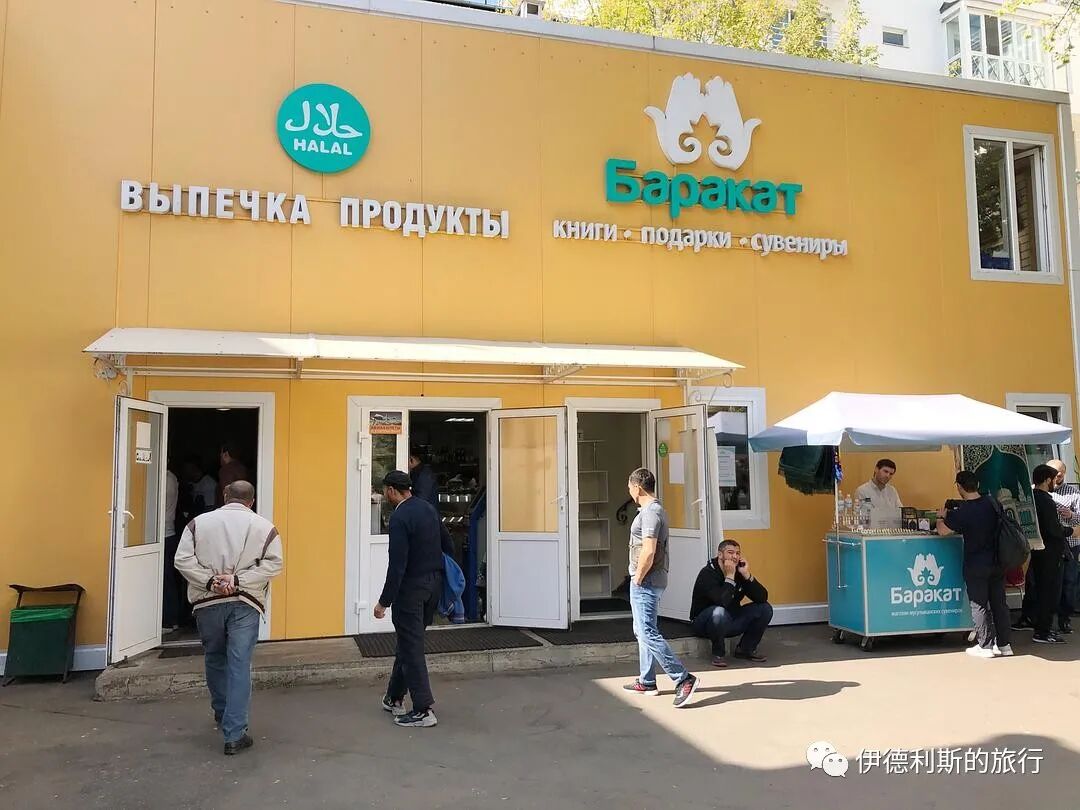
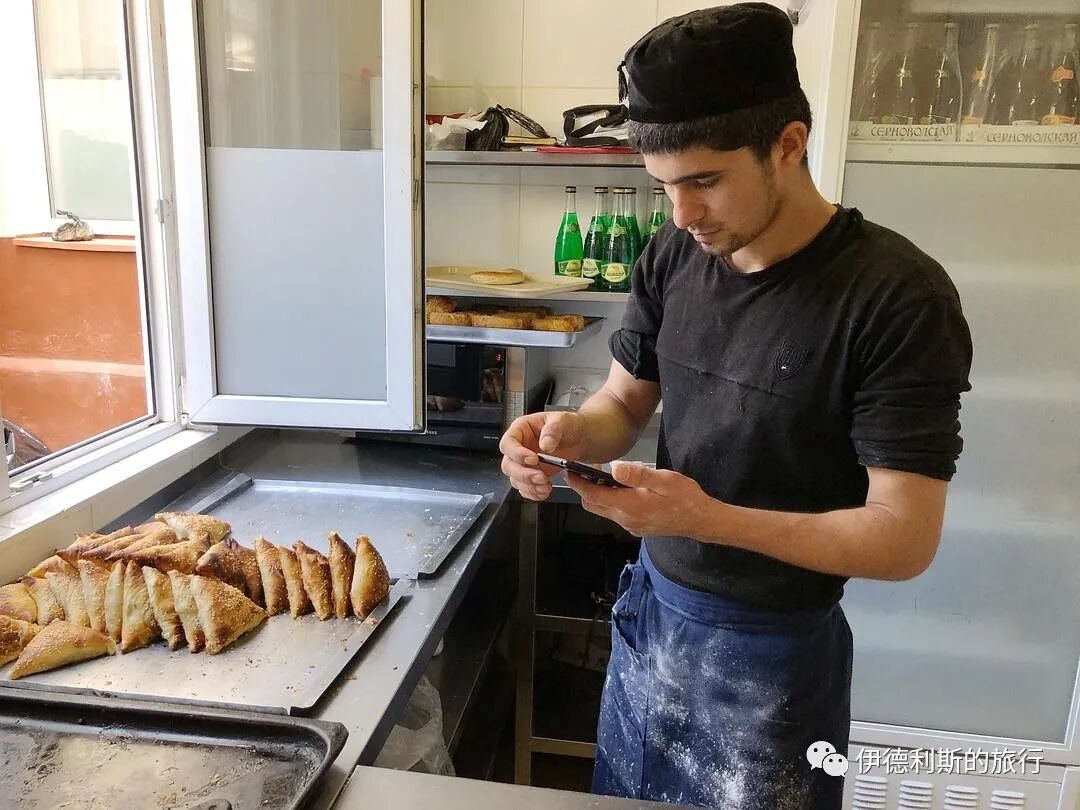
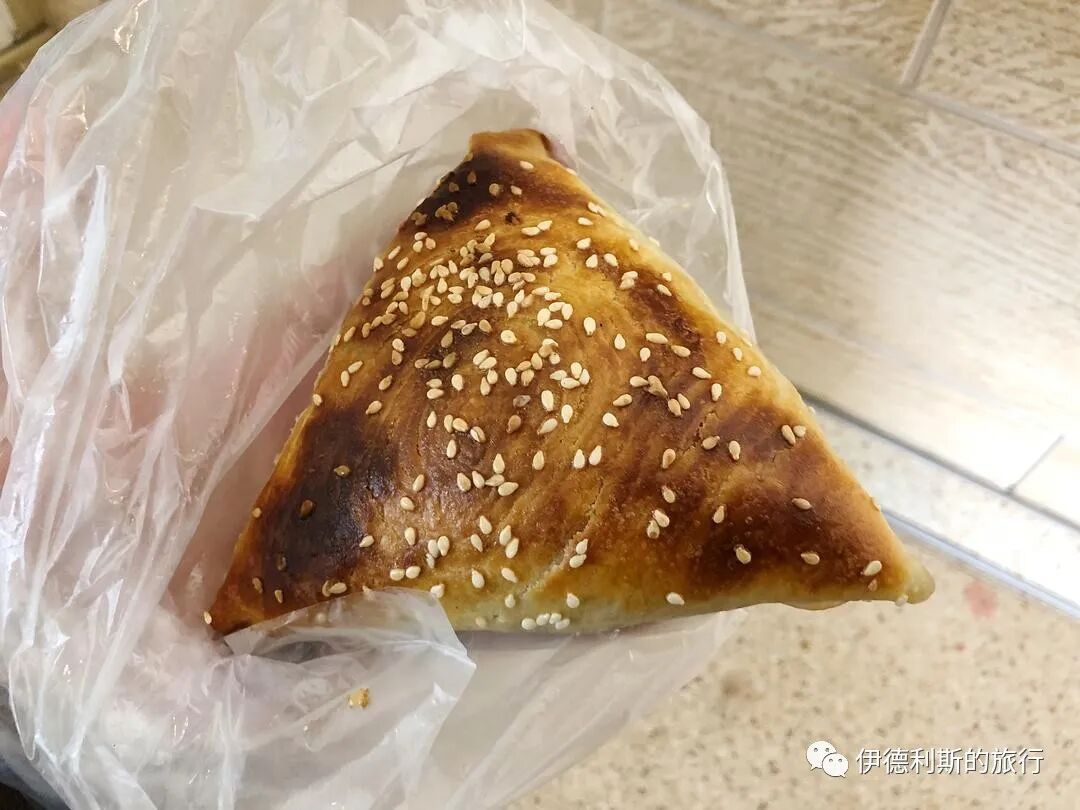
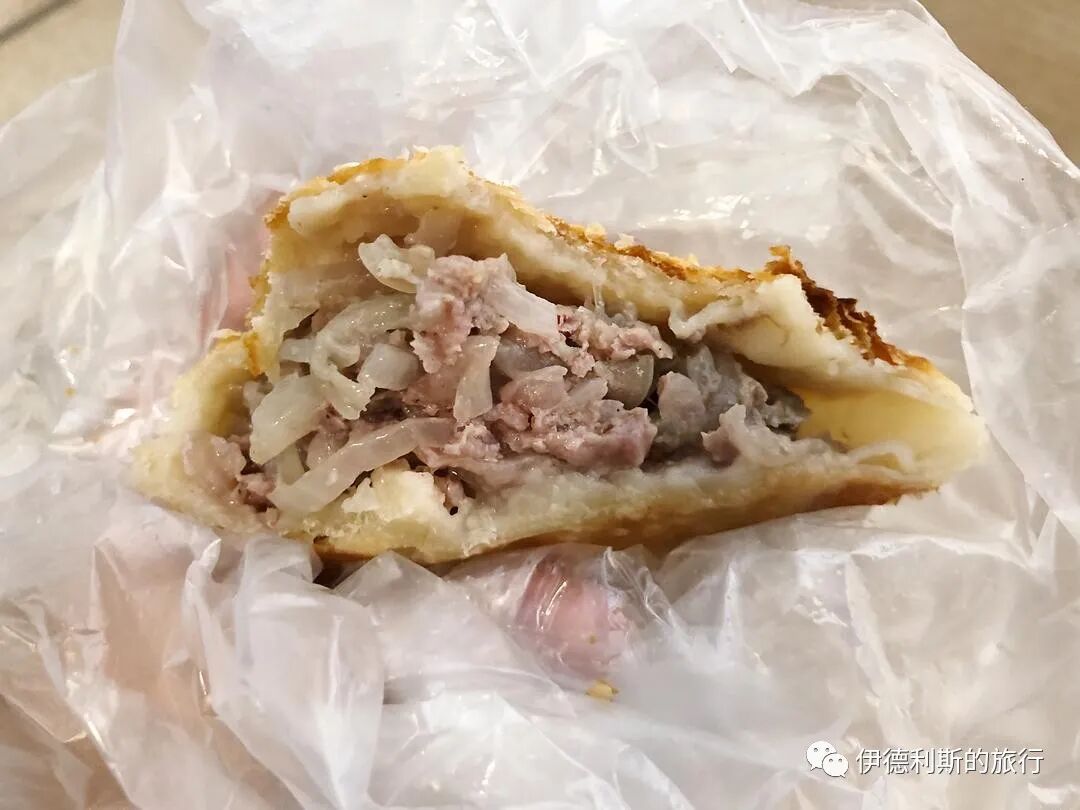

After Jumu'ah prayers, I ate lagman (hand-pulled noodles) and roast chicken at the restaurant in the Historical Mosque. The atmosphere here is very good and lively.
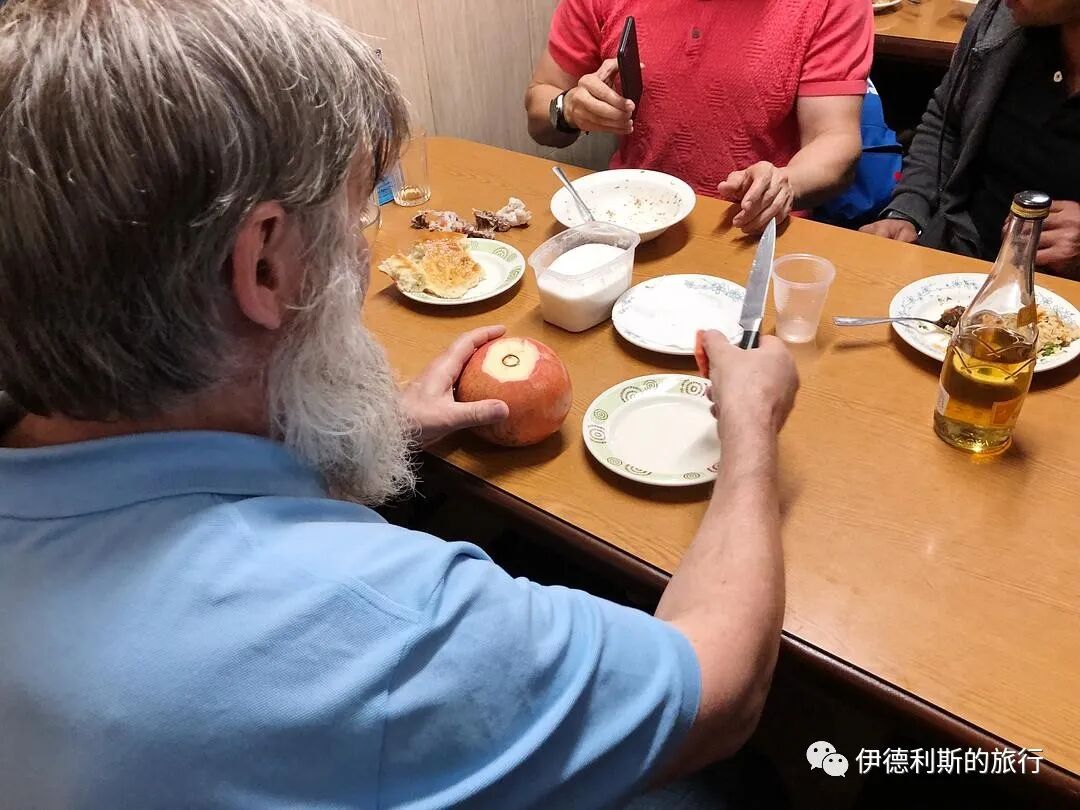
An uncle is peeling a pomegranate.
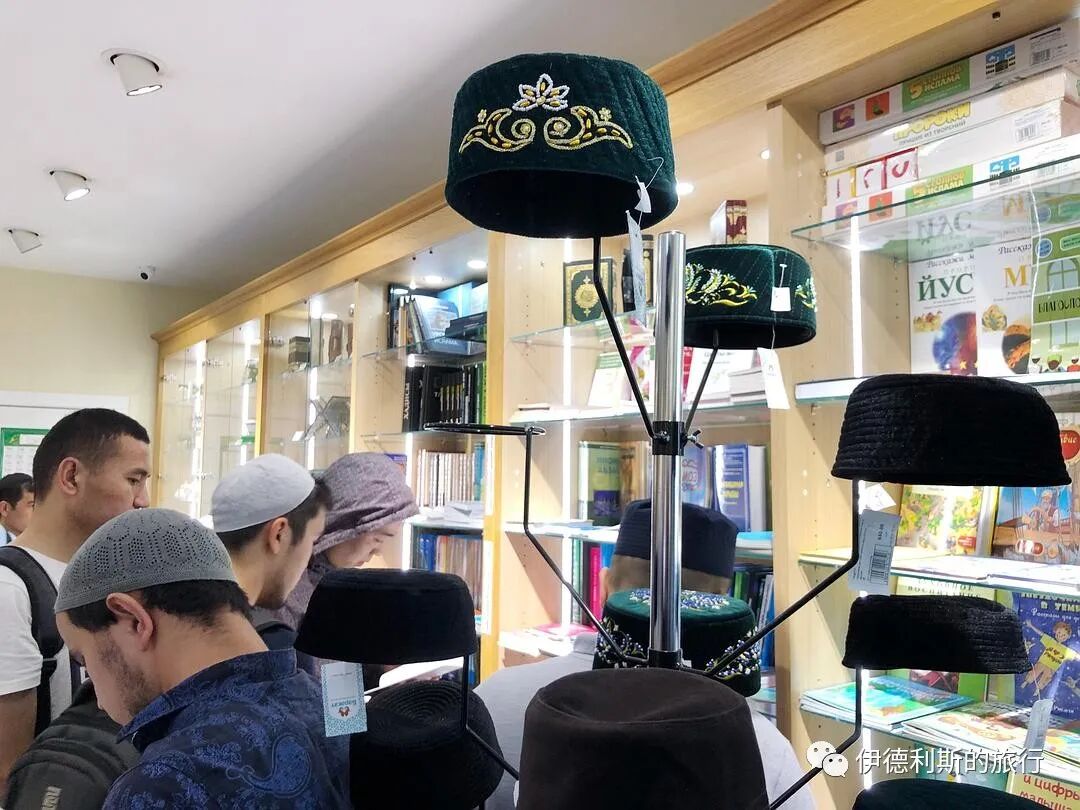
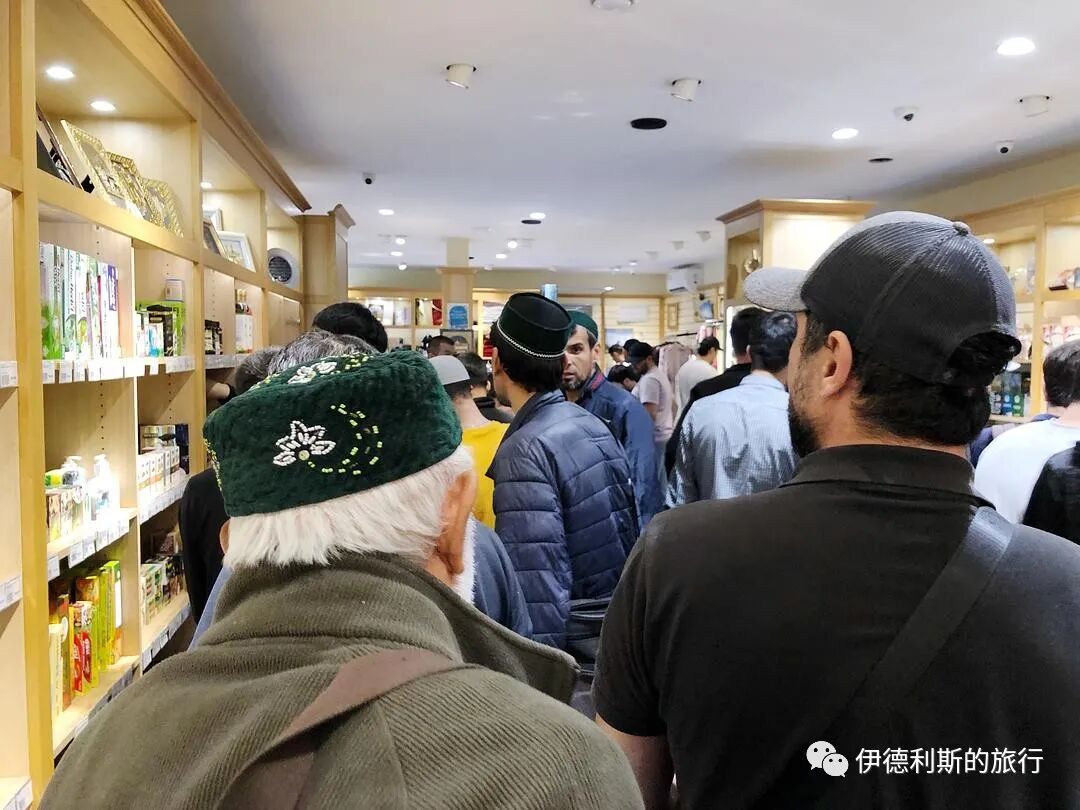
Then I walked around the Islamic goods store upstairs, which sells Tatar hats called Tubetei (traditional skullcaps).
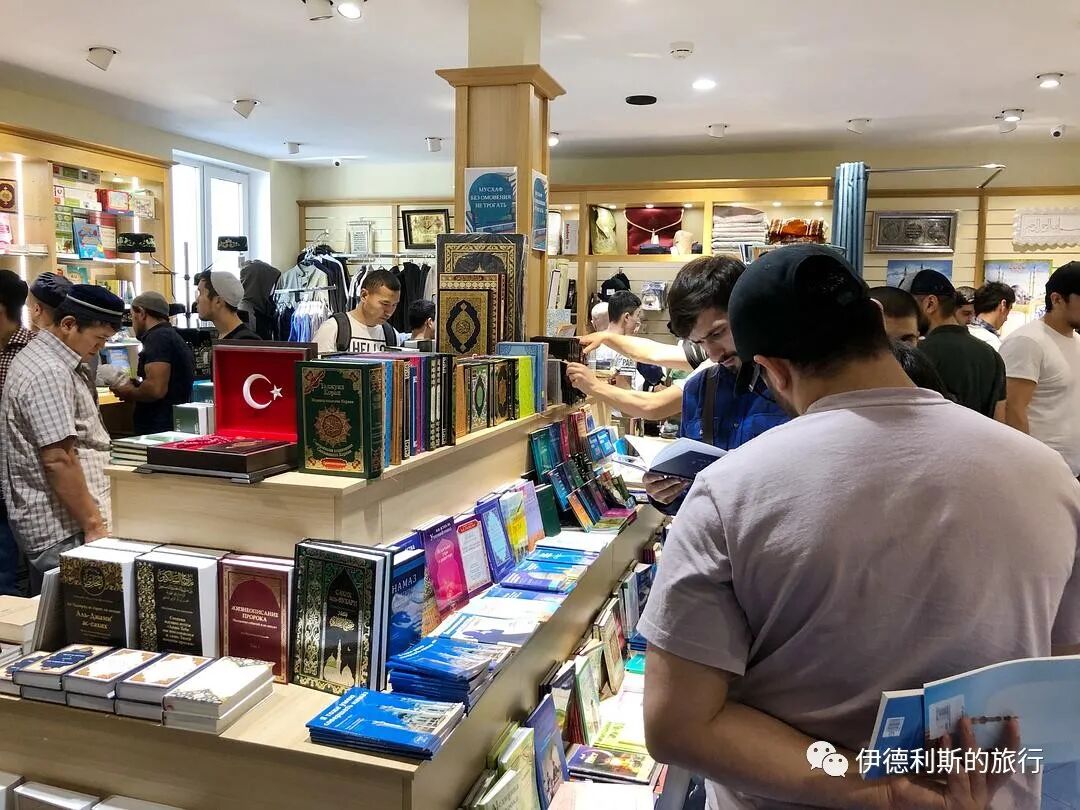
Kazan Tea Bar.
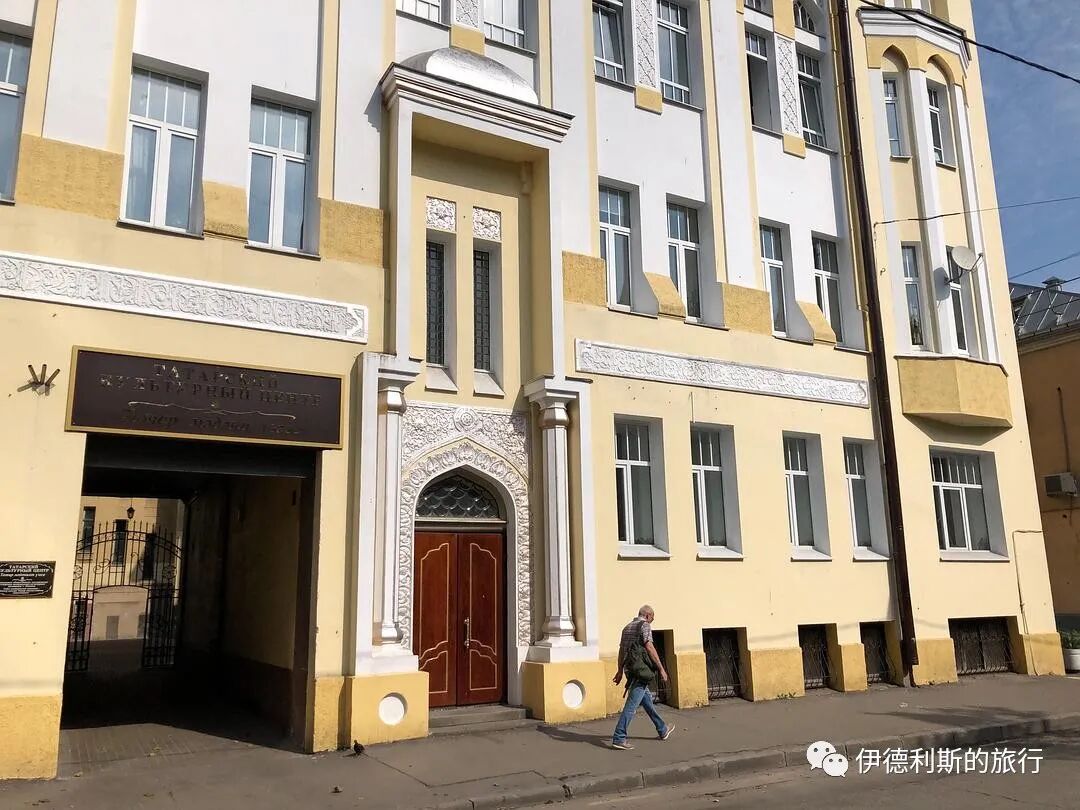
There is a Tatar restaurant in the historic Tatar community called Kazan Tea Bar, which is also the center for Kazan cultural activities in Moscow and often organizes various Tatar cultural events.
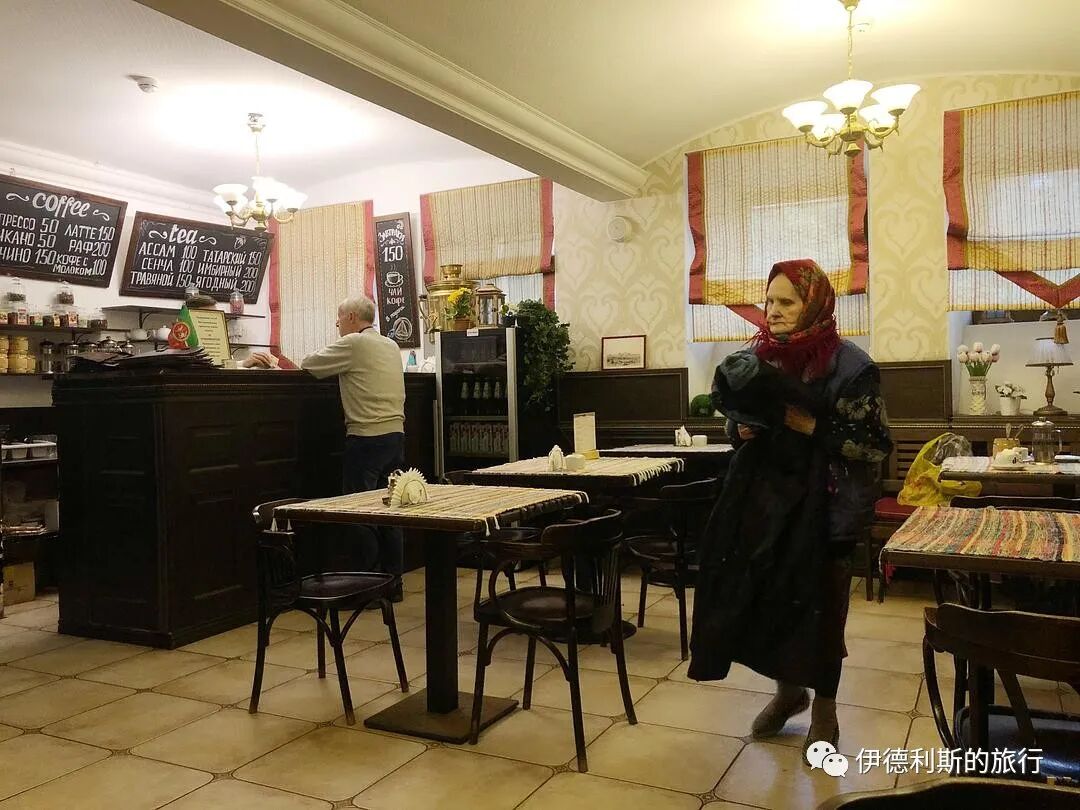
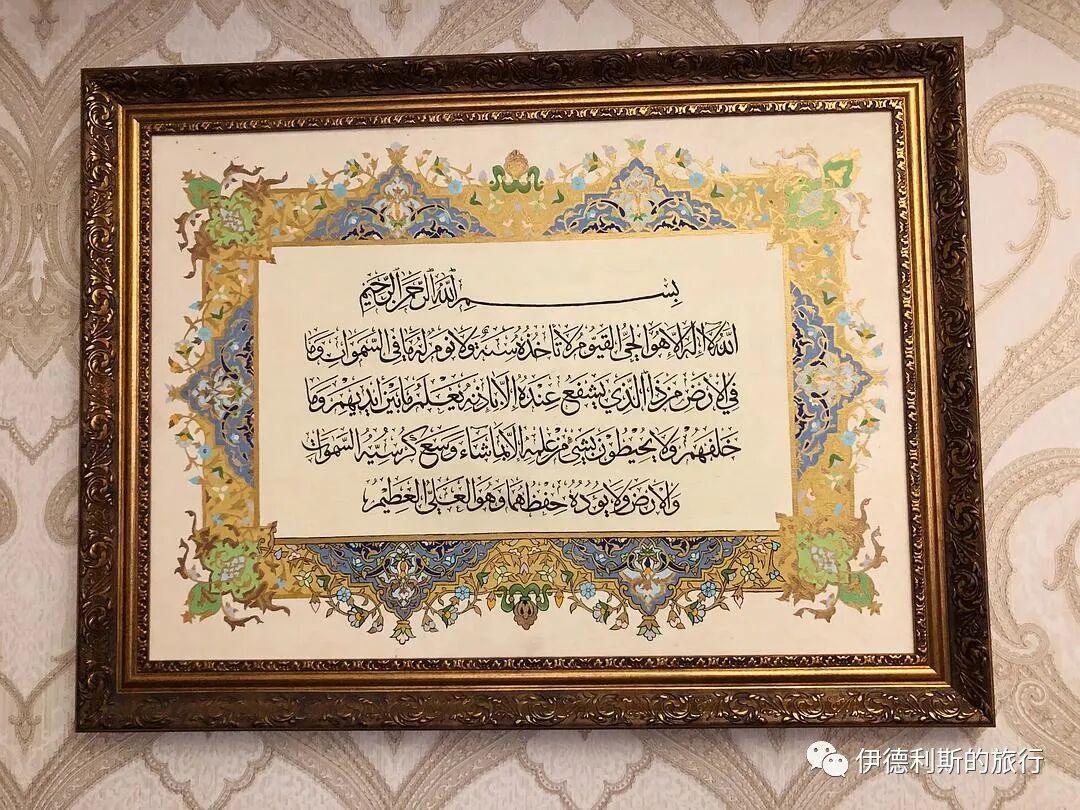
I ate Beshbarmak (boiled meat with noodles), Kystyby (flatbread with filling), Tatar-style Kazy (horse meat sausage), plov (pilaf), Kazan chicken salad, and Tatar milk tea inside. Tatar milk tea is made of black tea + green tea + thyme + linden leaf + chamomile + oregano + mint leaf + sage.
Next to the Kazan Tea Bar is a shop selling Kazan Tatar souvenirs. I bought two Kazan Tatar female magnets and a Tubetei (traditional skullcap) worn by Kazan Tatars.
Thirteen Traditional Mosques of the Tatar People in Kazan, Russia
Articles • ali2007fr posted the article • 0 comments • 242 views • 2026-05-16 23:50
Summary: This travel note introduces Thirteen Traditional Mosques of the Tatar People in Kazan, Russia. In 1552, Ivan the Terrible conquered the Khanate of Kazan, massacred most of the Tatars in the city of Kazan, and all mosques in the city were demolished. It is useful for readers interested in Kazan Mosques, Tatar Muslims, Islamic Heritage.
In 1552, Ivan the Terrible conquered the Khanate of Kazan, massacred most of the Tatars in the city of Kazan, and all mosques in the city were demolished. In 1556, Russia rebuilt the city of Kazan and settled 7,000 Russians in the city, while the remaining Tatars, besides being forced to convert to Christianity, were forcibly relocated to various settlements far from the city. After this, some Tatars serving Russia gradually settled by Lake Kaban in the southwestern suburbs of Kazan, and later some Tatar merchants and craftsmen also moved there, gradually forming the Old Tatar Quarter (Staro-Tatarskaya Sloboda). However, during this period, Kazan never had an official mosque.
Before the 18th century, most of the buildings in Kazan were made of wood and were highly prone to fire. During the reign of Catherine the Great (reigned 1762-1796), the reconstruction of Kazan using brick and stone began.
In 1770, more than 200 years after the fall of Kazan, the first brick mosque was completed with the approval of Catherine the Great, and from then on, the Kazan Tatars had an official mosque again. In the 160 years between 1770 and 1930, Tatar merchants built many mosques in Kazan centered around the Old Tatar Quarter, 12 of which have survived to this day. The mosques of this period combined traditional Tatar architecture with architectural styles such as Baroque, Classicism, and Eclecticism to form a unique Kazan Tatar mosque architectural style.
In 1930, Stalin ordered the closure of mosques. Except for the earliest built Marjani Mosque, the other 11 mosques in Kazan were closed and converted for other uses, many mosque buildings were damaged, and the minarets were demolished. It was not until after the late 1980s that these mosques were gradually returned to the Kazan Tatar Muslims.
In August 2019, I visited Kazan and Moscow and recorded thirteen traditional Kazan Tatar mosques.
1. Marjani Mosque: 1770
2. Apanay Mosque: 1771
3. Galeevskaya Mosque: 1801
4. İske Taş Mosque: 1802
5. White Mosque: 1805
6. Pink Mosque: 1808
7. Blue Mosque: 1819
8. Nurulla Mosque: 1849
9. Soltan Mosque: 1868
10. Bornay Mosque: 1872
11. Azimov Mosque: 1890
12. Zakabannaya Mosque: 1926
13. Historical Mosque of the Moscow Tatar Community: 1823
1. Marjani Mosque: 1770
The Marjani Mosque was built between 1766 and 1770 with the permission of Catherine the Great, and it was the first brick mosque built in Kazan after Russia destroyed the Khanate of Kazan in 1552. This mosque is the oldest existing mosque in Tatarstan and the only mosque in Kazan that was not closed during the Soviet era.
According to a legend, after Catherine the Great approved the construction of a mosque in Kazan, the Christian leaders of Kazan believed that the mosque would be built taller than the churches, so they submitted a petition to Catherine the Great requesting that the mosque be prohibited from building a tall minaret. Catherine the Great replied, 'I am the Tsar of the Russian land, but the sky is not under my jurisdiction.' In the end, the mosque was successfully built.
The mosque is located in the Old Tatar Quarter (Staro-Tatarskaya Sloboda) by Lake Kaban. It is a typical Kazan Tatar mosque style formed by the fusion of traditional Tatar style and Baroque style. It is said that the architect was Vasily Kaftyrev. The interior of the mosque adopts the 'Petersburg' Baroque style. Merchant İ.Ğ. Yunısov donated the construction of the staircase in 1861 and expanded the mihrab in 1863. At that time, the mosque was named Yunısovs' Mosque after his family. In 1885, merchant Z.Ğosmanov donated the reconstruction of the minaret. In 1887, merchants W.Ğizzätullin and M. Wälişin added decorative balconies to the minaret.
The current name of the mosque comes from the Tatar scholar Şihabetdin Märcani, who served as the imam of the mosque from 1850 to 1889.
There is an exhibition hall inside the mosque with an old photo album recording the former appearance of the Kazan Tatar Muslims.
The two Tatar magnets bought at the Märcani Mosque show the rural life of the Volga Tatars, one hunting rabbits and the other beekeeping.
The goose meat sold in the mosque, smoked goose meat, and smoked horse meat are all specialty delicacies of the Kazan Tatars.
2. Apanay Mosque: 1771
The Apanay (Apanaevskaya) Mosque was the second mosque approved by Catherine the Great to be built in Kazan, and it was donated by the merchant Apanaev between 1768 and 1771. The mosque architecture is a fusion of traditional Tatar style and 'Moscow' Baroque style. In 1872, architect P. I. Romanov expanded the second floor of the mosque. In 1882, the mosque built a brick wall and a shop. In 1887, the shop was expanded to the second floor.
The mosque was closed in 1930, the minaret was demolished, and it later became a kindergarten. The mosque reopened after 1995, and the minaret was rebuilt in 2011.
The imam of the mosque
3. Galeevskaya Mosque: 1801
The Galeevskaya Mosque was built with funds donated by merchant Musa Mamyashev between 1798 and 1801. The mosque was originally in the early Classicist architectural style of the late 18th century, and was expanded twice in the late Classicist style in 1882 and 1897.
The most famous imam of the mosque was Galimjan Galeev (1857-1921), who was a Tatar educator, reformer, and politician. Galimjan graduated from the famous Mir-Arab Madrasa in Bukhara and began serving as the imam of the Galeevskaya Mosque in 1882. He founded the Muhammadiya Madrasa at the mosque, teaching mathematics, geography, Russian, and other secular subjects. It became the most important new-style Tatar school at the time, cultivating a large number of Tatar elites and educators.
The mosque was closed in the 1930s, the minaret was demolished, and it was designated as an architectural monument in 1981. By 1992, the mosque contained a hotel, a collective farm house, and various public facilities. After 1998, it became the school building of the Russian Islamic University and the girls' dormitory of the Muhammadiya Madrasa. After restoration in 2015, the mosque reopened.
4. İske Taş Mosque: 1802
İske Taş is also called the Boulder Mosque, built in 1802 with a donation from merchant Ğabdulla Ütämişev. Legend has it that this mosque was built on the site of a cemetery for soldiers who sacrificed their lives defending the city of Kazan in 1552, and the marker of the cemetery was an ancient boulder (zur iske taş).
The mosque was rebuilt in the Classicist style by Alexander Schmidt in 1830, and its three-story minaret resembles the minarets of mosques in the ancient Bolghar and Kasimov regions of the Tatars.
According to the decision of the Central Executive Committee of the Tatar Autonomous Soviet Socialist Republic in the late 1930s, the mosque was closed and later converted into a school and warehouse, and was not returned to the Muslims until 1994.
5. White Mosque: 1805
The White Mosque was built between 1801 and 1805. Similar to the İske Taş Mosque built in the same period, its exterior is in the Classicist style. The mosque was closed in 1929 and converted into a school and fur workshop. In the 1930s, the minaret was demolished, and the eastern and southern parts of the main hall were rebuilt. The mosque became an architectural monument in 1960 and was returned to the Muslims in 2004, but it is still not open.
6. Pink Mosque: 1808
The Pink (Rozovaya) Mosque was built in 1808 with a donation from merchant Musa Apanaev and was the Islamic center of the Novaya Tatarskaya Sloboda area of Kazan. The mosque was closed in 1931 and reopened in 1991, by which time the Novaya Tatarskaya Sloboda had become an industrial zone. Today, it is the Kazan Higher Muslim Islamic Madrasa.
7. Blue Mosque: 1819
The Blue (Zangar) Mosque was built between 1815 and 1819 with funds donated by merchant Akhmet Aitov-Zamanov, and the architect was Alexander Schmidt. Bolshaya Meshchanskaya Street was once the residence of the poorest residents of the Old Tatar Quarter, and the residents here built a wooden mosque in 1778. In 1815, the original wooden mosque was moved to another village, and the current brick mosque in the Classicist style was built here.
The mosque was expanded twice in 1864 and 1907. The mosque was closed in 1932, the minaret was demolished, and it was converted into housing. It reopened in 1993, and the minaret was rebuilt in 2009.
8. Nurulla Mosque: 1849
The Nurulla Mosque was built between 1845 and 1849 with a donation from merchant Ğ. M. Yunısov, featuring a minaret in the ancient Volga Bolghar style and a dome in the Middle Eastern style.
The mosque is part of a series of supporting buildings around the Sennoy Bazaar. The Sennoy Bazaar was the trade center of the Old Tatar Quarter of Kazan in the 18th and 19th centuries. At that time, the mosque was mainly used by Tatar merchants who came to the Sennoy Bazaar to do business, and it was initially named Sennobazarnaya Mosque after the bazaar.
The mosque was closed in 1929 and converted into apartments and offices, during which time the minaret was destroyed. It was not returned to the Muslims until 1992 and was renamed Nurulla Mosque. The minaret was restored between 1990 and 1995.
The Tubetei (Тюбетей) hat of the Kazan Tatars bought at the shop of the Nurulla Mosque
9. Soltan Mosque: 1868
The Soltan Mosque was built in 1868 with a donation from Tatar merchant Zigansha Usmanov. The area where the mosque is located is called Zabulachye, which means behind the Bulak Canal. During the Kazan Khanate period, this was outside the city and had a settlement called Kuraisheva Sloboda. After Ivan the Terrible conquered Kazan in 1552, this place remained a Tatar settlement, but it was gradually surrounded by Russian settlements, and churches began to be built right next to the mosque.
In the 19th century, Tatar merchant Cihanşa Ğosmanov was determined to build a mosque here that was more beautiful than the church next to it. The mosque was completed in 1868, and to commemorate him, people called the mosque Ğosmanov Mosque or Cihanşa Mosque.
At first, the walls of the mosque were red, so it was also called the Red Mosque. Now the mosque is called the Soltan Mosque, which is to commemorate Zigansha's son, Sultan Abdulgaziz Usmanov, who continued to take care of the local community after his father's death.
The mosque was closed in 1931, and later the minaret was destroyed. It became an architectural monument in 1980. The minaret was rebuilt in 1990, and it reopened in 1994.
10. Bornay Mosque: 1872
The Bornay (Burnaevskaya) Mosque was built in 1872 with funds donated by Tatar merchant Mukhametsadyk Burnayev, and the architect was Peter Romanov.
The mosque is located in the Old Tatar Quarter behind Lake Kaban. In 1799, Tatar merchant Salikh Mustafin built a wooden mosque here. Initially, the mosque was built for the students of the Apanaev Madrasa, and later the surrounding residents also began to use it. Unfortunately, the mosque was later destroyed by fire. In 1872, Tatar merchant Mukhametsadyk Burnayev donated funds to build the current brick mosque on the basis of the burned-down wooden mosque and named it after himself.
The mosque is in the national romantic eclectic style, blending Russian and Tatar architectural decorations. In 1895, shortly before Burnayev's death, a magnificent minaret was designed and built by architects Fyodor Malinovsky and Lev Khrshonovich.
The mosque was closed in 1930, but fortunately, the minaret was preserved, and it reopened in 1994.
11. Azimov Mosque: 1890
The Azimov Mosque was built between 1887 and 1890 with funds donated by Tatar merchant Mortaza Äcimev. The mosque was built in the national romantic eclectic style and is known as the most beautiful mosque in Kazan.
The place where the mosque is located is called Pleten (wicker fence), located between the Old Tatar Quarter and the New Tatar Quarter. In 1851, Tatar merchant Mustafa Azimov built a wooden mosque here. Between 1887 and 1890, his son Murtaza Azimov donated funds to build the current brick mosque and named it after them. Because many Muslim workers from the soap factory lived in the Pleten area, it is also called Zavodskaya (Factory Mosque).
The mosque was closed in 1930 and occupied by a school until it was returned to the Muslims in 1989 and opened in 1992.
12. Zakabannaya Mosque: 1926
The Zakabannaya Mosque is also called the 'Mosque of the 1000th Anniversary of the Adoption of Islam', built between 1924 and 1926 to commemorate the 1000th anniversary of the Volga Bolghars' conversion to Islam in 922 AD. Stalin personally approved the construction of the mosque, which was designed by architect A. E. Pechnikov in 1914 and built with private donations.
The mosque was closed in 1930 and reopened in 1991. It was the last mosque built in Kazan before Stalin ordered the closure of mosques in 1930.
13. Historical Mosque of the Moscow Tatar Community: 1823
Moscow has had Tatars from the Golden Horde settling there since the 14th century. In 1571, the Crimean Tatars burned down almost the entire city of Moscow except for the Kremlin, and the early Tatar settlements were destroyed in one fell swoop. At the beginning of the 17th century, with the establishment of the Romanov dynasty, the city of Moscow became prosperous again, and many Tatars from the Volga and steppe regions came to do business. The Tatar community (Татарской слободе) located south of the Moskva River, opposite the Kremlin, was formally formed, and the main road of the community, Tatarskaya Street, was first mentioned in documents in 1682. And the center of the Moscow Tatar community is the 'Historical Mosque'.
The Tatar community mosque (мечети в Татарской слободе) is now called the 'Historical Mosque (Исторической мечети)'. The earliest records of the mosque can be traced back to 1712, and it was also mentioned in the 1744 census. Due to the plague epidemic in Moscow in the 1770s, the owner and congregants of the mosque passed away one after another. The mosque was sold to a merchant and was eventually destroyed by fire when Napoleon withdrew from Moscow in 1812. After that, religious activities were moved to the homes of local Tatar merchants.
After the old mosque was destroyed, the Tatar Muslim merchants in Moscow kept applying to build a new mosque, but they were all rejected. Until 1823, Tatar merchant Nazarbay Khashalov was finally approved to build a mosque on Bolshaya Tatarskaya Street, provided that it could not be named 'mosque (мечети)' and could not have the appearance of a mosque. Therefore, the mosque building built at that time was almost the same as the surrounding houses.
Schematic diagram of the original mosque
Between 1833 and 1867, the imam of the mosque was Rafek Bekbulatovich Ageev. Under his efforts, the Muslim community in Moscow gradually improved, and his home was also the earliest Islamic school in Moscow. Between 1867 and 1913, the imam of the mosque was Khairetdin Rafekovich Ageev, who graduated from a madrasa in Kazan, was proficient in 8 languages, taught Islamic knowledge and the Tatar language to military cadets for many years, and was also a translator for the Armory.
In the mid-to-late 19th century, due to the increasing number of Muslims in Moscow, many people could only pray outside the mosque on Fridays, especially in the cold winter. In 1881, Tsar Alexander II approved the mosque to have the appearance of a religious building. Therefore, in 1882, the mosque was expanded under the direction of architect Dmitry Pevnitsky. The new mosque was expanded on both the east and west facades and a minaret was added. After the expansion, it could accommodate 1,500 people.
The mosque in 1883 after reconstruction
The imam of the mosque between 1914 and 1937 was Abdulla Hasanovich Shamsutdinov. He was a Kasimov Tatar who studied at an Islamic madrasa in Bukhara and had served as an imam in Yining, Xinjiang. In 1914, he presided over the opening of a new Islamic madrasa at the mosque and helped the Moscow Muslim Charitable Society become active, making the Moscow Muslim community more united and organized. In the early 1920s, he also began to translate the Quran into the Tatar language.
On April 29, 1936, the imam and his wife were arrested on charges of participating in 'anti-Soviet activities' due to the 'Duma leadership conspiracy case'. On February 10, 1937, the imam was shot for being accused of treason, and his wife died in the torture chamber of the NKVD.
In 1939, the mosque was forced to close. During the Soviet era, the mosque was successively occupied by a printing house and several departments. Between 1944 and 1947, Moscow Muslims tried to get the mosque back, but were ultimately unsuccessful. In 1967, the minaret of the mosque was demolished.
After the 1980s, the elders of the Tatar community repeatedly demanded the return of the mosque. However, since the early 1980s, the printing workshop of the Art Carving Association that occupied the mosque had been protesting, and the return process was delayed until it was finally returned to the Muslims in 1991.
In 1992, the mosque was restored and reopened in 1993. In 1997, the mosque was restored again and became what it is today.
The mosque after the minaret was demolished
The mosque after the minaret was demolished view all
Summary: This travel note introduces Thirteen Traditional Mosques of the Tatar People in Kazan, Russia. In 1552, Ivan the Terrible conquered the Khanate of Kazan, massacred most of the Tatars in the city of Kazan, and all mosques in the city were demolished. It is useful for readers interested in Kazan Mosques, Tatar Muslims, Islamic Heritage.
In 1552, Ivan the Terrible conquered the Khanate of Kazan, massacred most of the Tatars in the city of Kazan, and all mosques in the city were demolished. In 1556, Russia rebuilt the city of Kazan and settled 7,000 Russians in the city, while the remaining Tatars, besides being forced to convert to Christianity, were forcibly relocated to various settlements far from the city. After this, some Tatars serving Russia gradually settled by Lake Kaban in the southwestern suburbs of Kazan, and later some Tatar merchants and craftsmen also moved there, gradually forming the Old Tatar Quarter (Staro-Tatarskaya Sloboda). However, during this period, Kazan never had an official mosque.
Before the 18th century, most of the buildings in Kazan were made of wood and were highly prone to fire. During the reign of Catherine the Great (reigned 1762-1796), the reconstruction of Kazan using brick and stone began.
In 1770, more than 200 years after the fall of Kazan, the first brick mosque was completed with the approval of Catherine the Great, and from then on, the Kazan Tatars had an official mosque again. In the 160 years between 1770 and 1930, Tatar merchants built many mosques in Kazan centered around the Old Tatar Quarter, 12 of which have survived to this day. The mosques of this period combined traditional Tatar architecture with architectural styles such as Baroque, Classicism, and Eclecticism to form a unique Kazan Tatar mosque architectural style.
In 1930, Stalin ordered the closure of mosques. Except for the earliest built Marjani Mosque, the other 11 mosques in Kazan were closed and converted for other uses, many mosque buildings were damaged, and the minarets were demolished. It was not until after the late 1980s that these mosques were gradually returned to the Kazan Tatar Muslims.
In August 2019, I visited Kazan and Moscow and recorded thirteen traditional Kazan Tatar mosques.
1. Marjani Mosque: 1770
2. Apanay Mosque: 1771
3. Galeevskaya Mosque: 1801
4. İske Taş Mosque: 1802
5. White Mosque: 1805
6. Pink Mosque: 1808
7. Blue Mosque: 1819
8. Nurulla Mosque: 1849
9. Soltan Mosque: 1868
10. Bornay Mosque: 1872
11. Azimov Mosque: 1890
12. Zakabannaya Mosque: 1926
13. Historical Mosque of the Moscow Tatar Community: 1823
1. Marjani Mosque: 1770
The Marjani Mosque was built between 1766 and 1770 with the permission of Catherine the Great, and it was the first brick mosque built in Kazan after Russia destroyed the Khanate of Kazan in 1552. This mosque is the oldest existing mosque in Tatarstan and the only mosque in Kazan that was not closed during the Soviet era.
According to a legend, after Catherine the Great approved the construction of a mosque in Kazan, the Christian leaders of Kazan believed that the mosque would be built taller than the churches, so they submitted a petition to Catherine the Great requesting that the mosque be prohibited from building a tall minaret. Catherine the Great replied, 'I am the Tsar of the Russian land, but the sky is not under my jurisdiction.' In the end, the mosque was successfully built.
The mosque is located in the Old Tatar Quarter (Staro-Tatarskaya Sloboda) by Lake Kaban. It is a typical Kazan Tatar mosque style formed by the fusion of traditional Tatar style and Baroque style. It is said that the architect was Vasily Kaftyrev. The interior of the mosque adopts the 'Petersburg' Baroque style. Merchant İ.Ğ. Yunısov donated the construction of the staircase in 1861 and expanded the mihrab in 1863. At that time, the mosque was named Yunısovs' Mosque after his family. In 1885, merchant Z.Ğosmanov donated the reconstruction of the minaret. In 1887, merchants W.Ğizzätullin and M. Wälişin added decorative balconies to the minaret.
The current name of the mosque comes from the Tatar scholar Şihabetdin Märcani, who served as the imam of the mosque from 1850 to 1889.
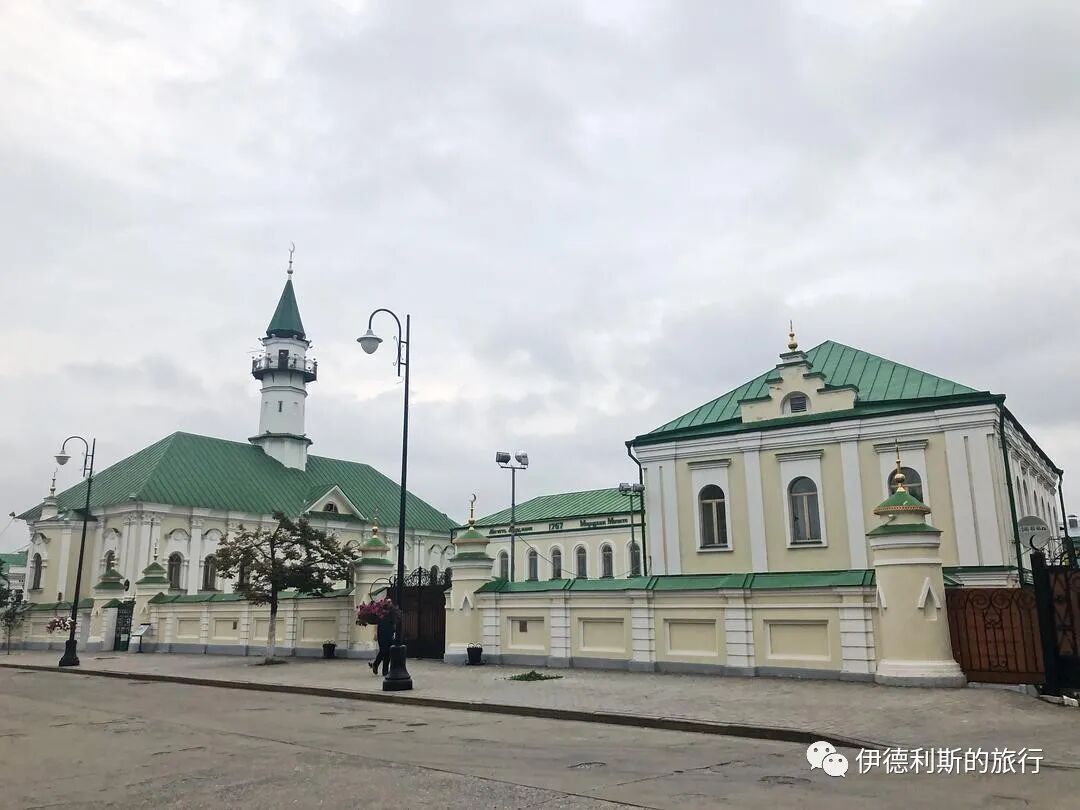
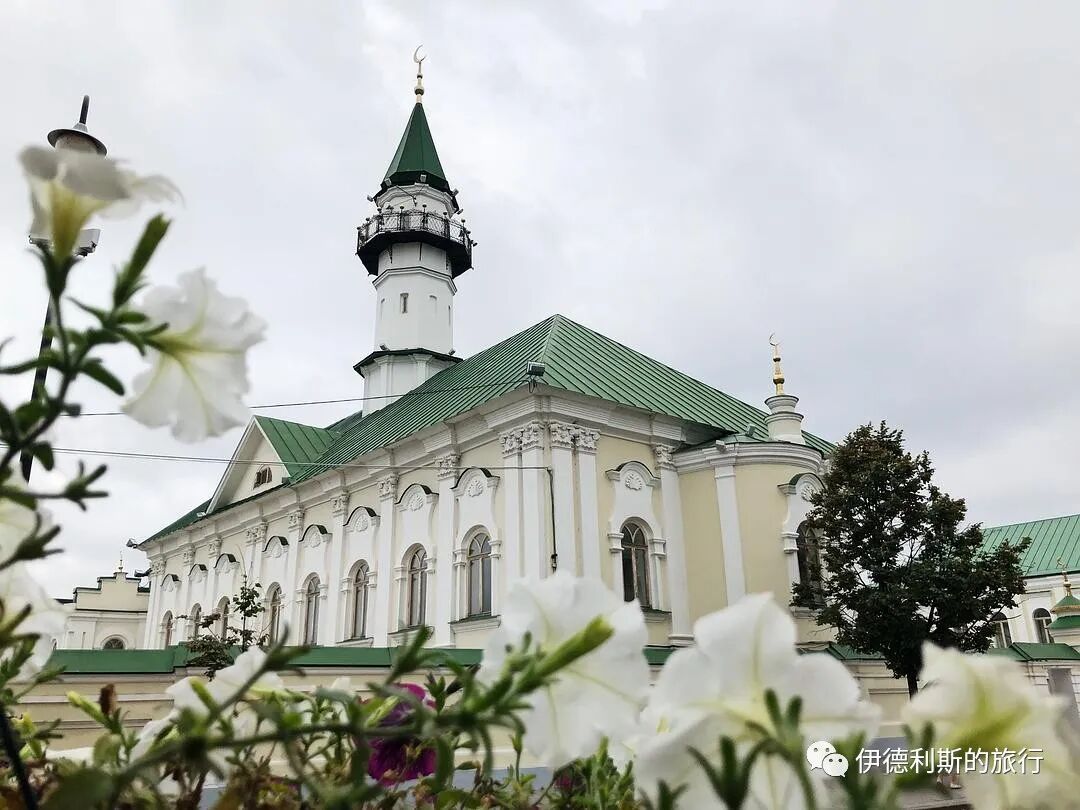
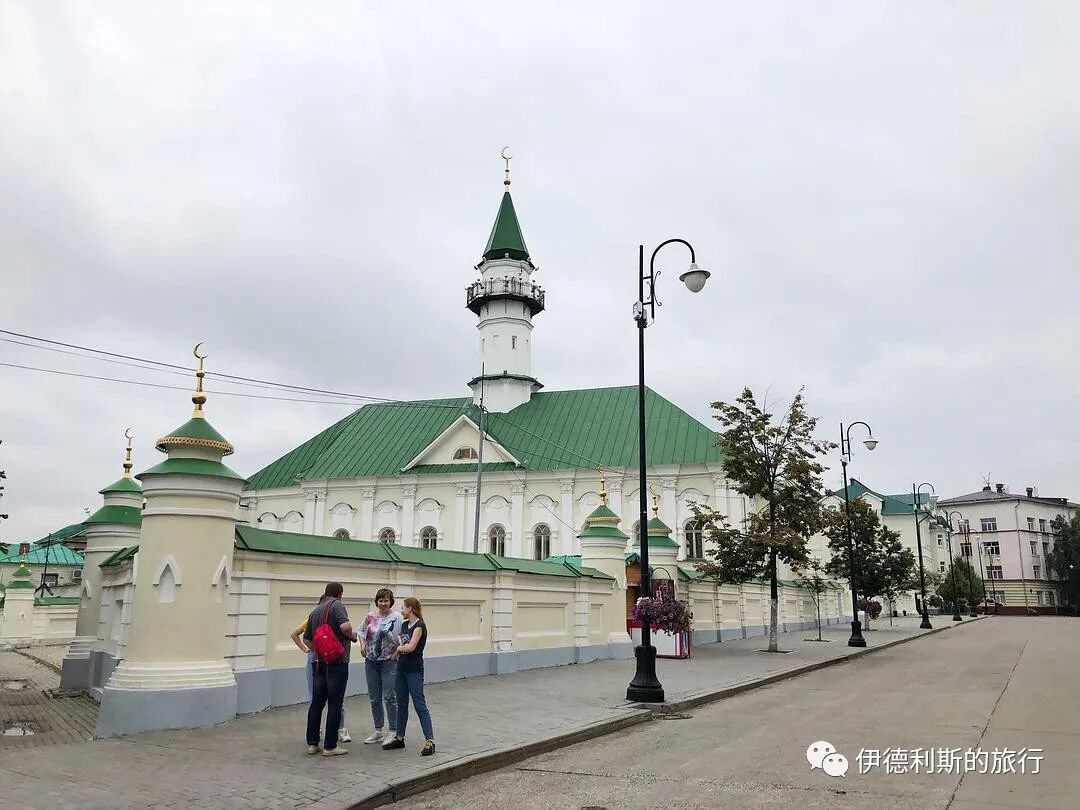
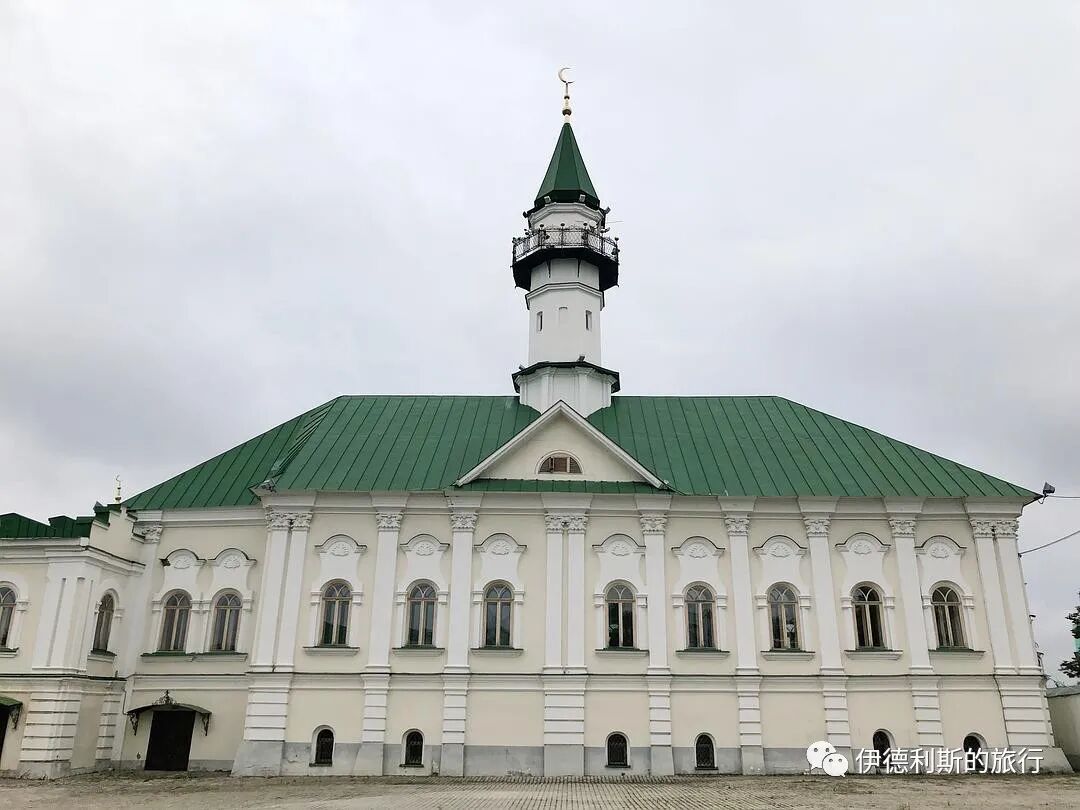
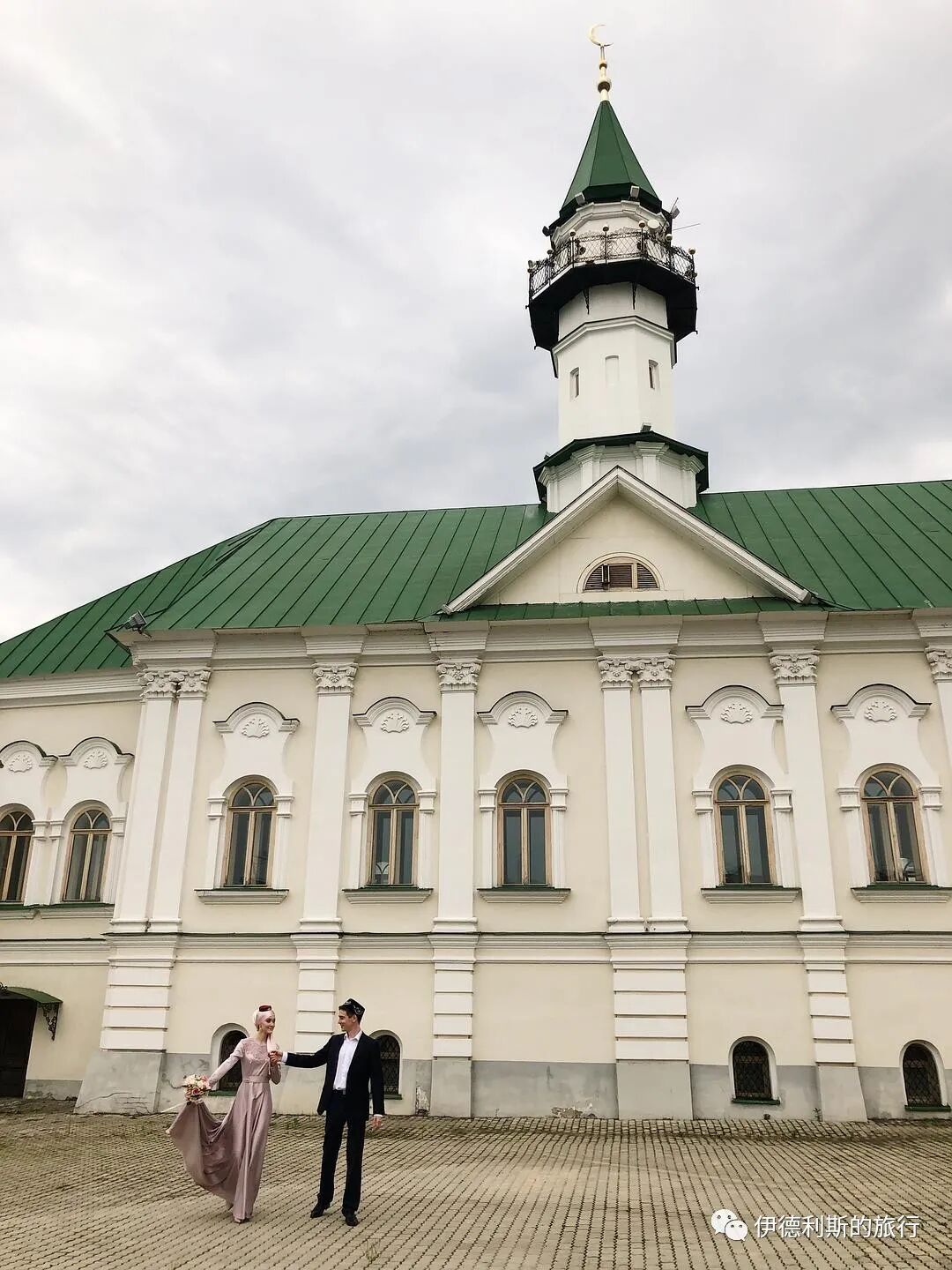
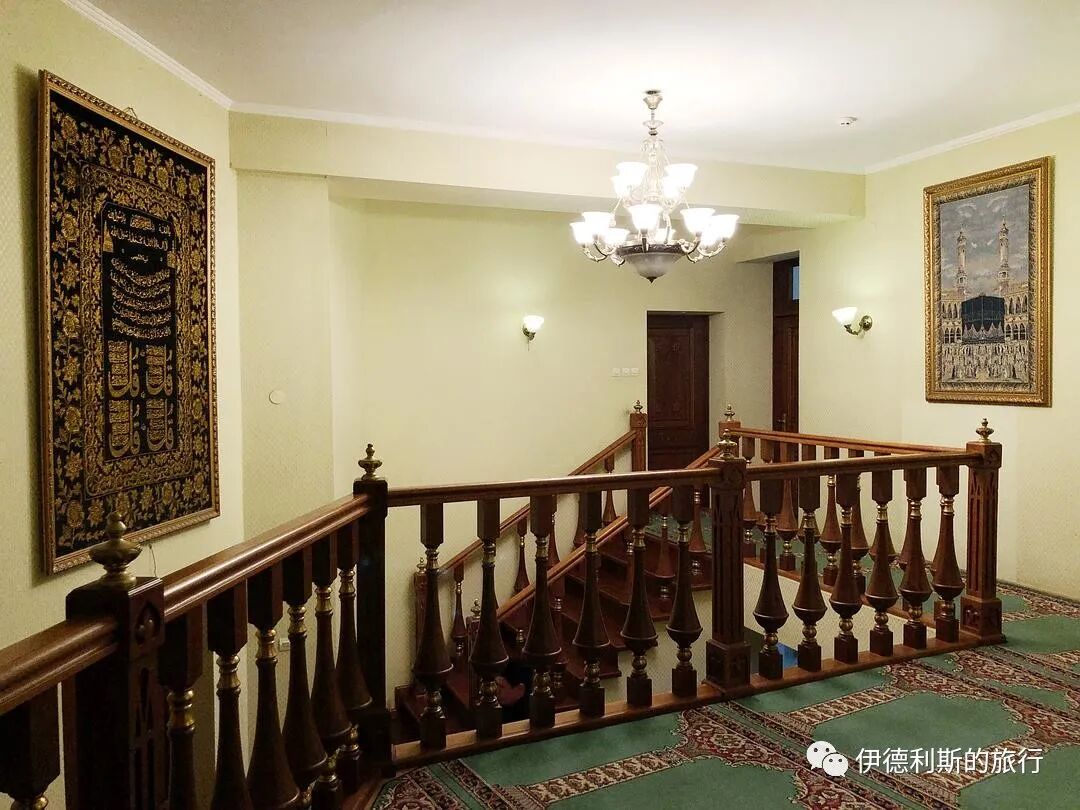
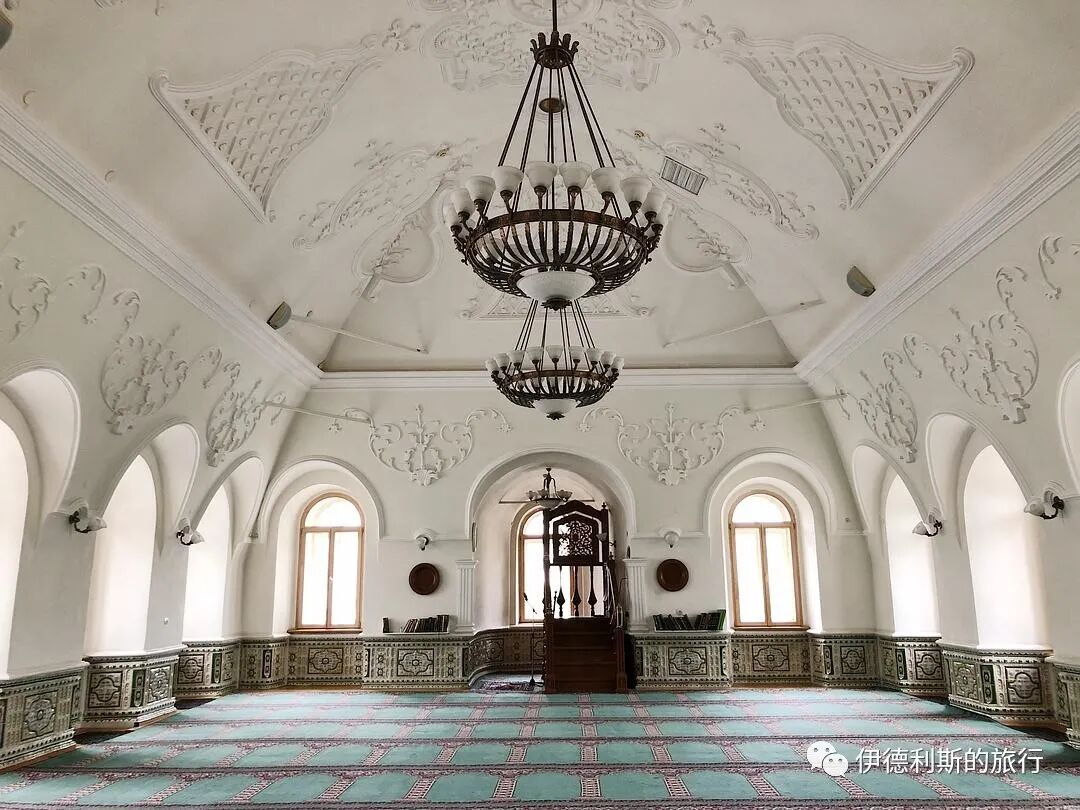
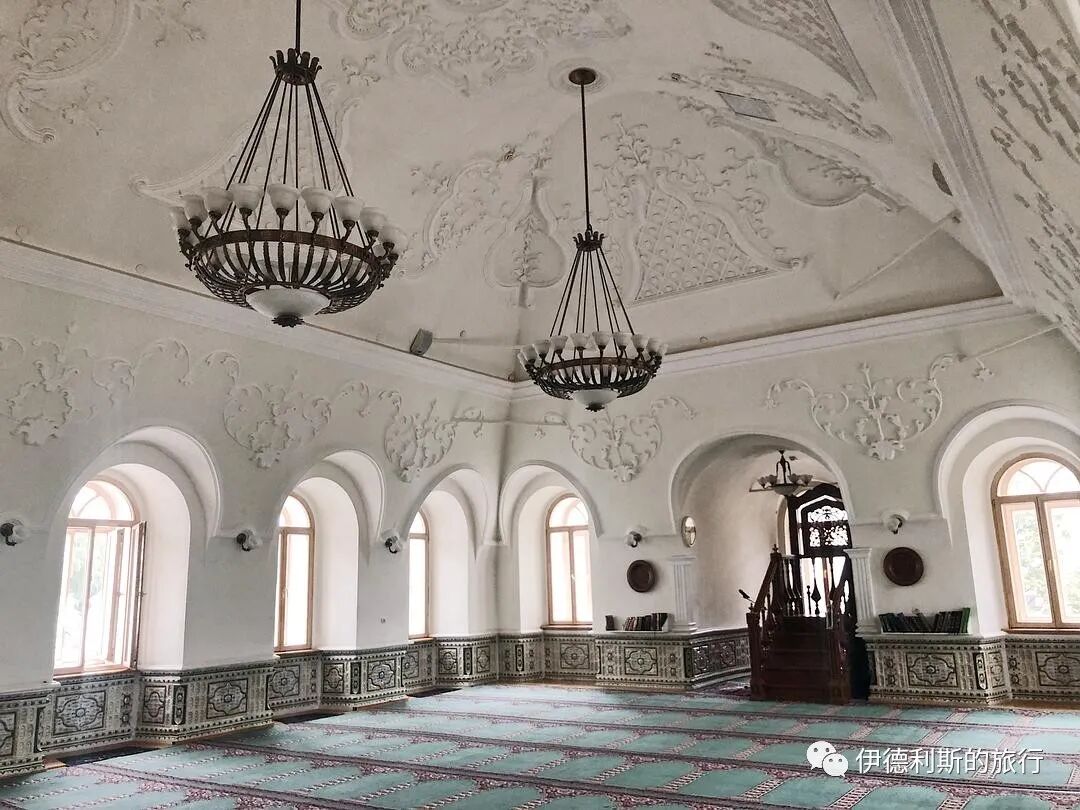
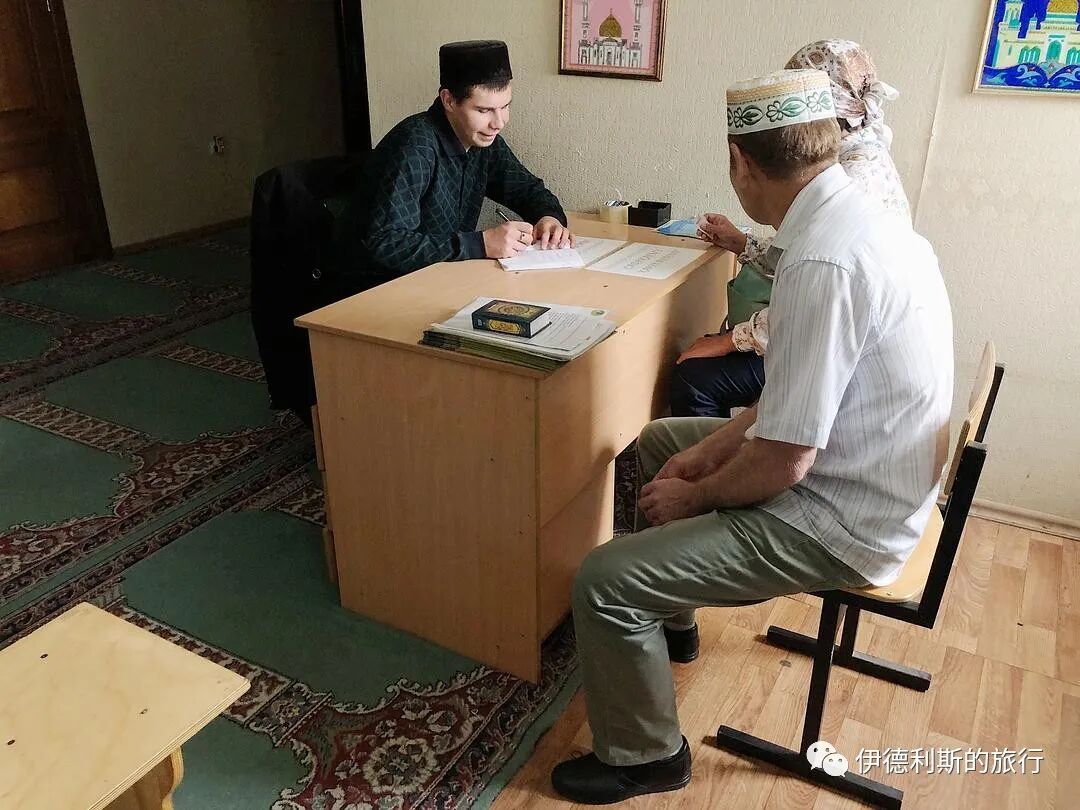
There is an exhibition hall inside the mosque with an old photo album recording the former appearance of the Kazan Tatar Muslims.
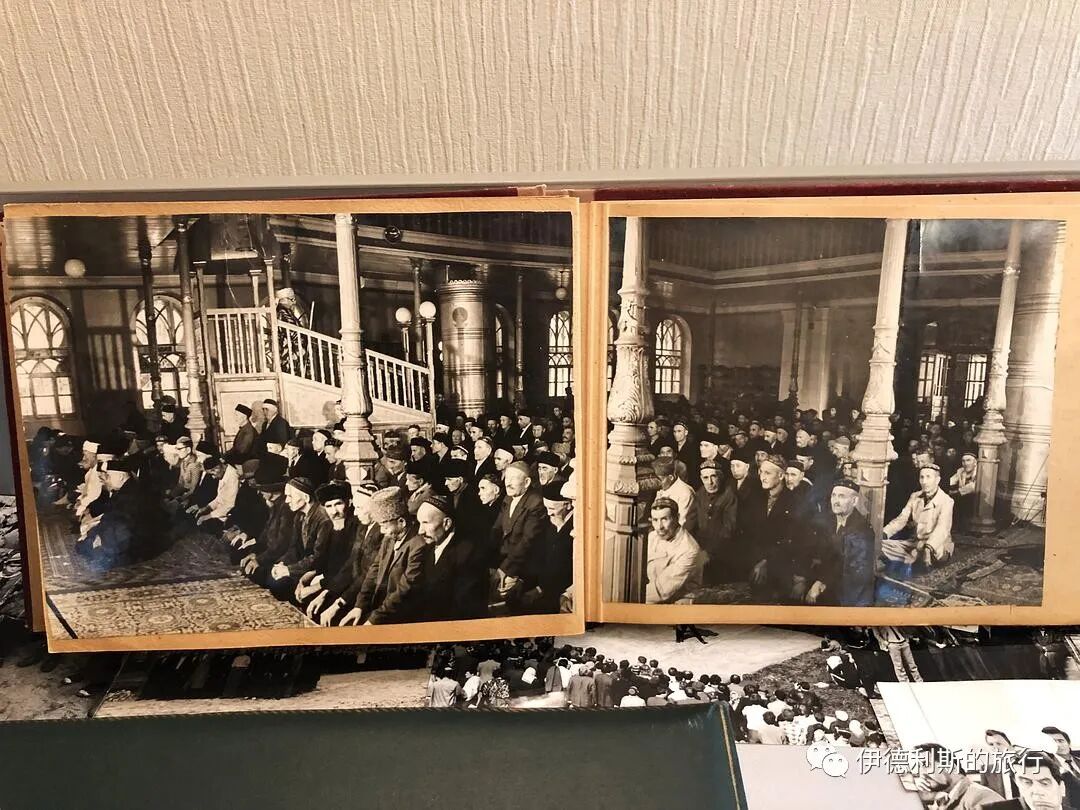
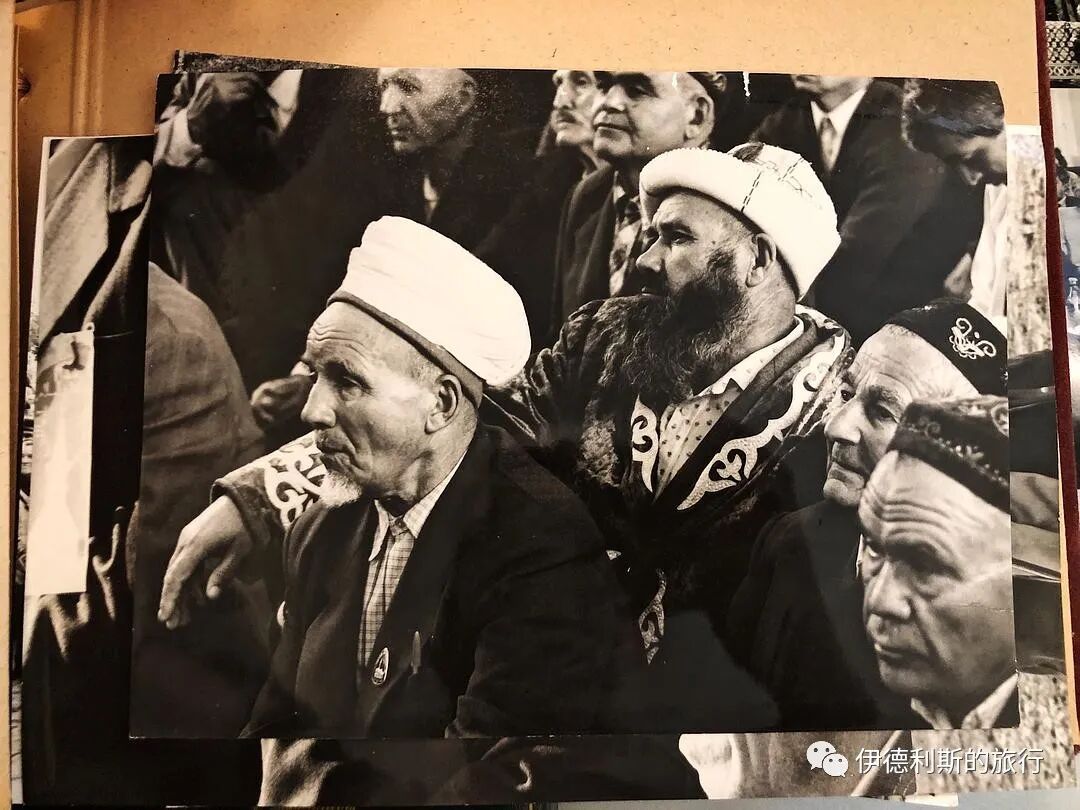
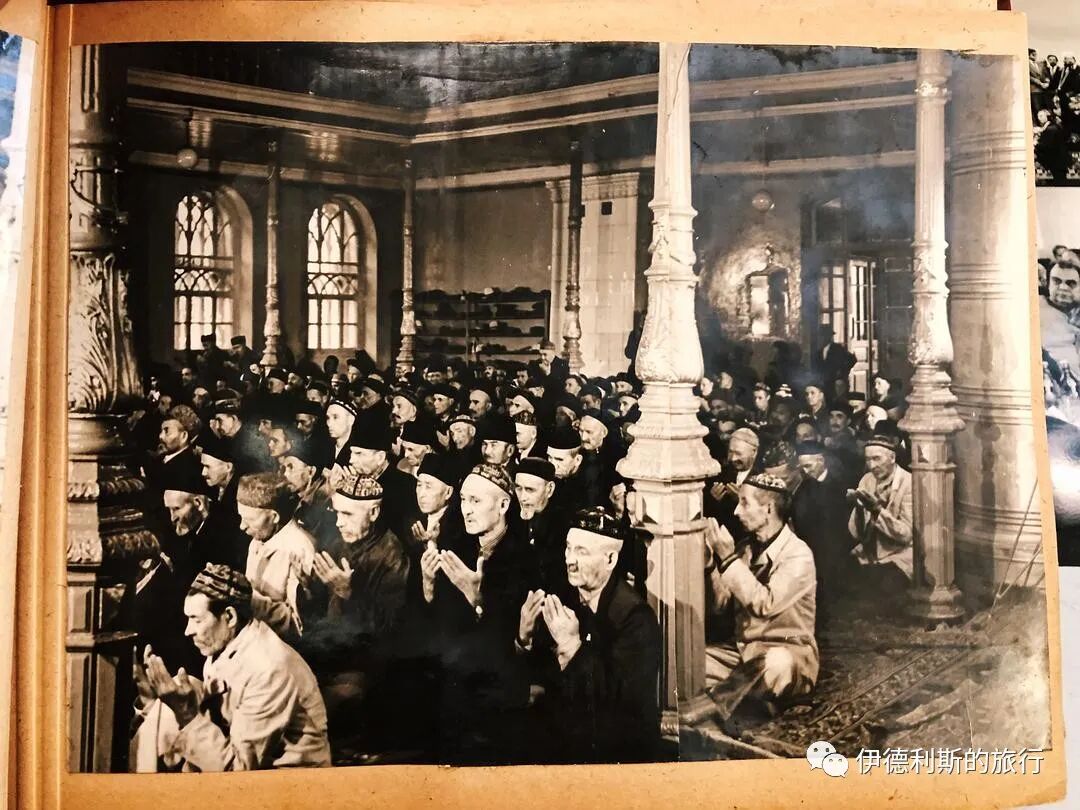
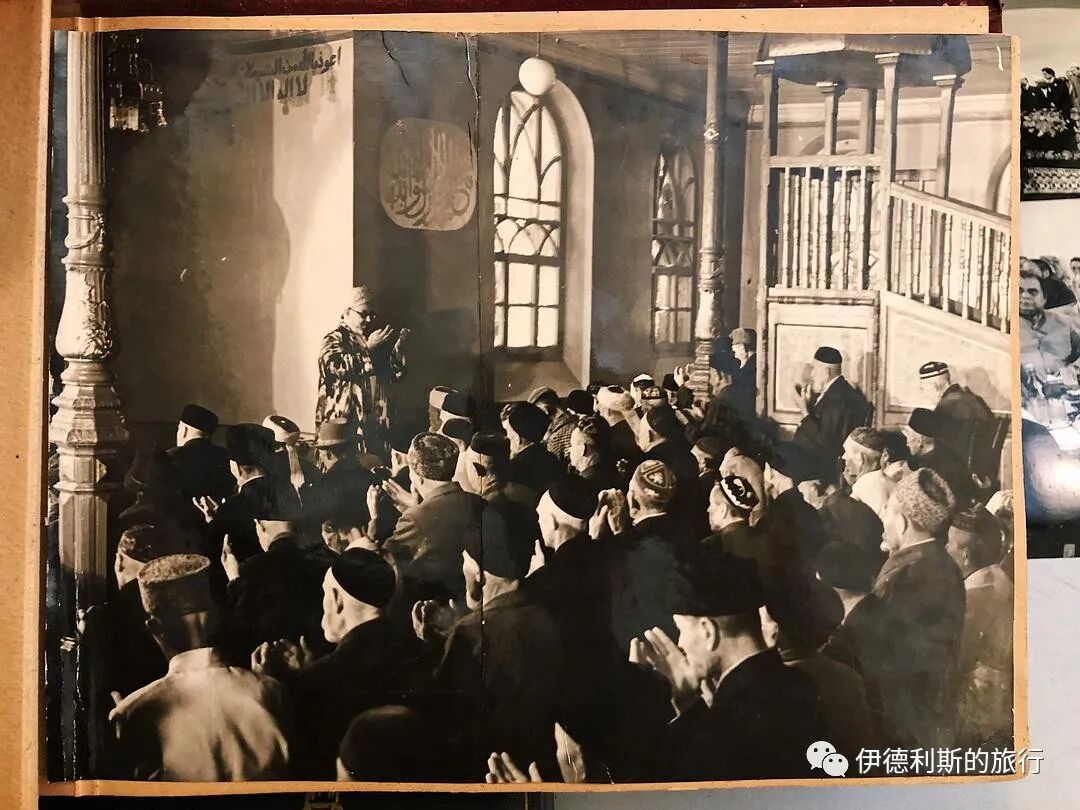
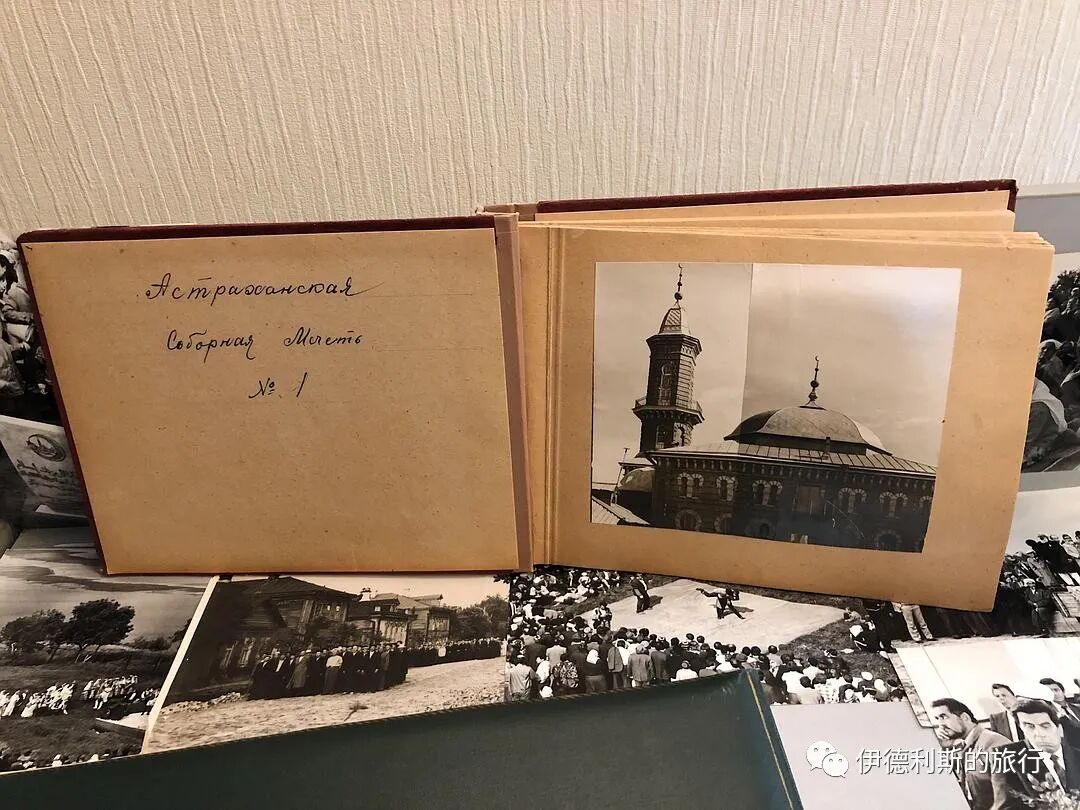
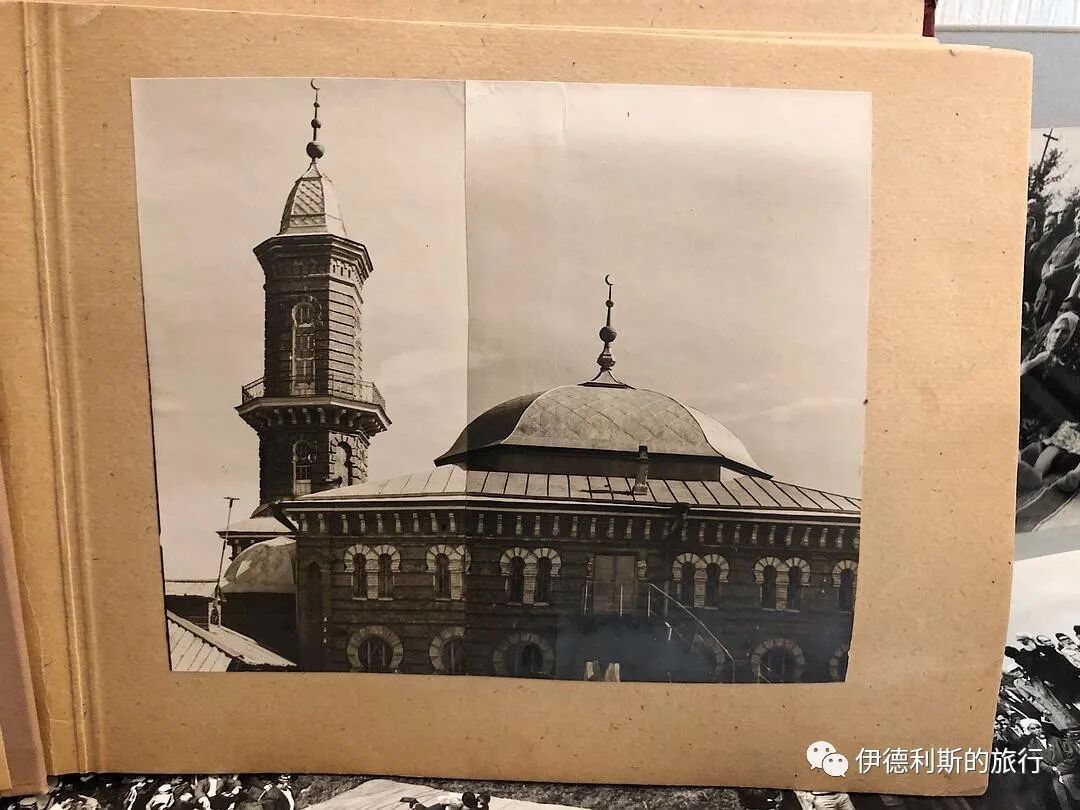
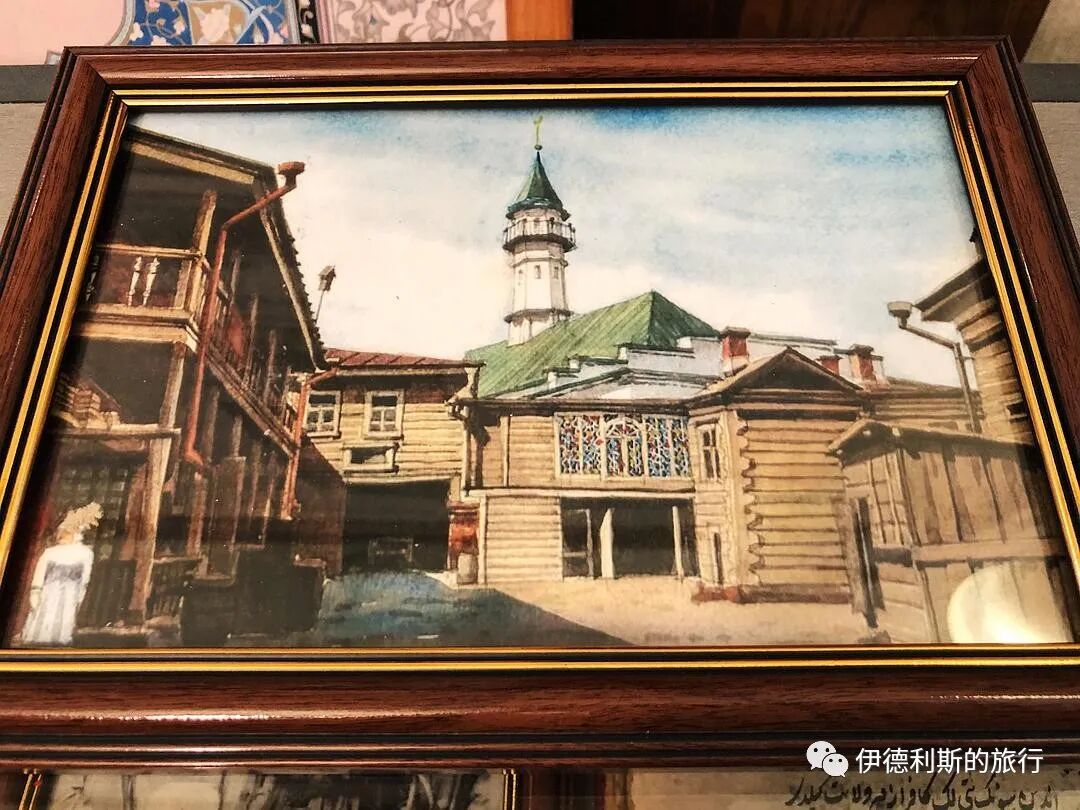
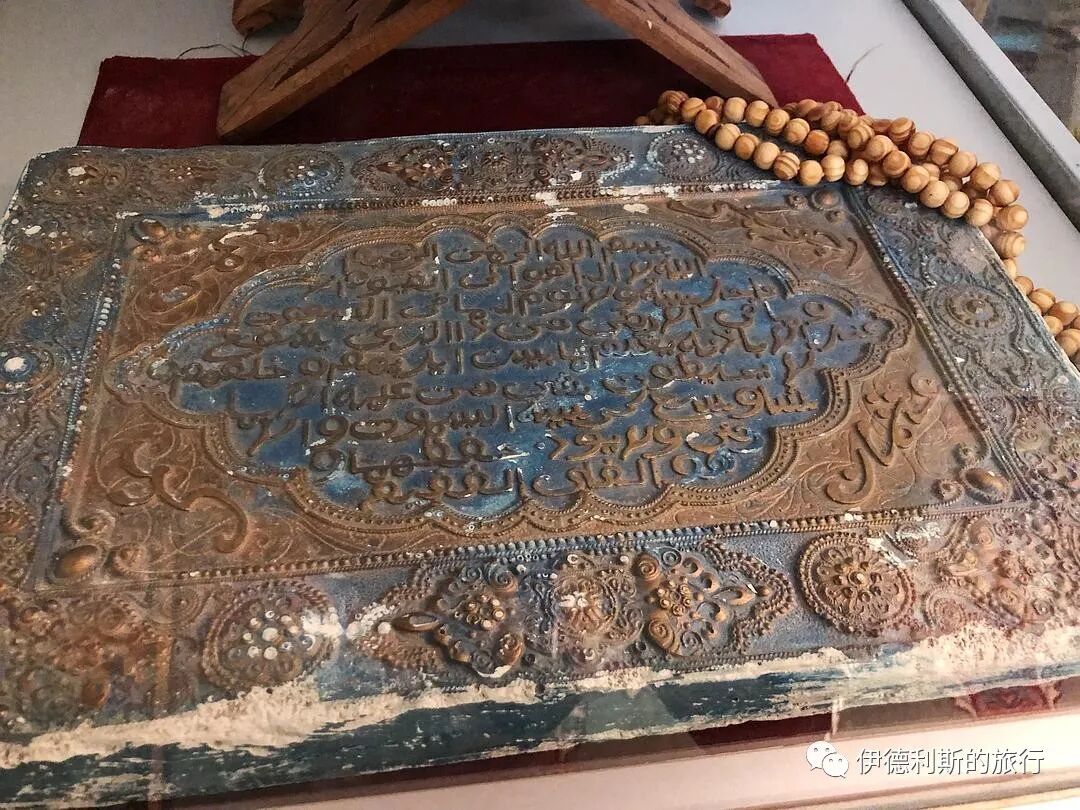
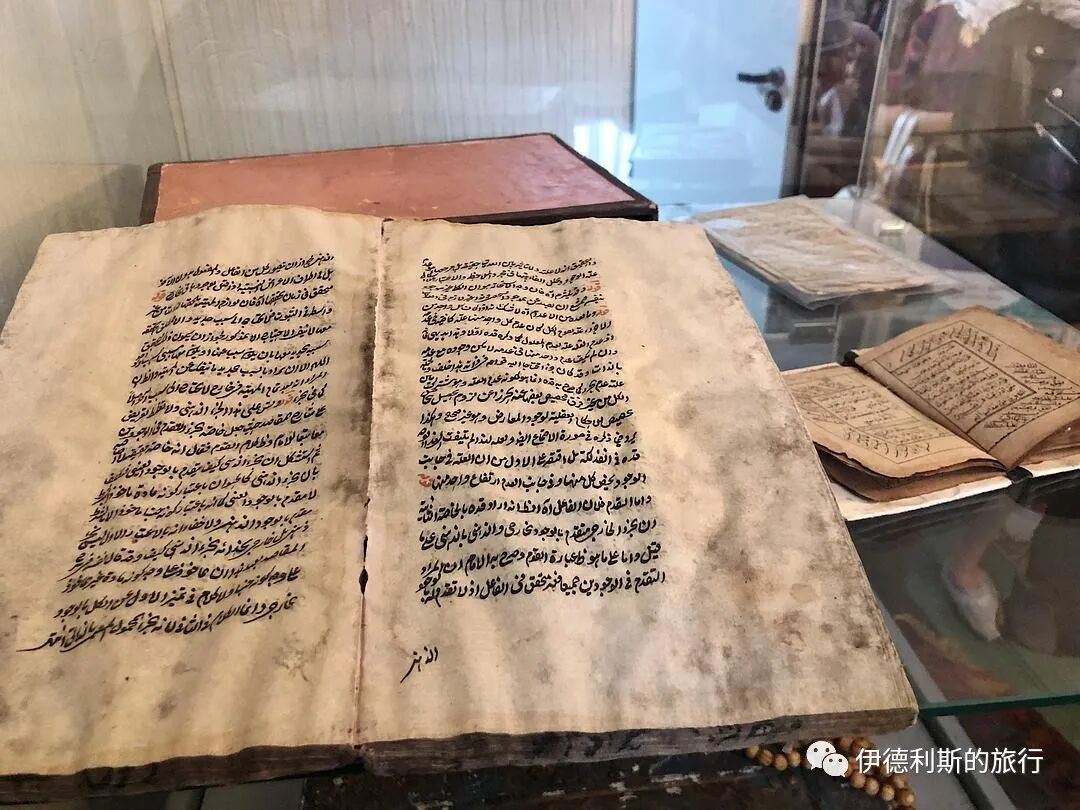
The two Tatar magnets bought at the Märcani Mosque show the rural life of the Volga Tatars, one hunting rabbits and the other beekeeping.
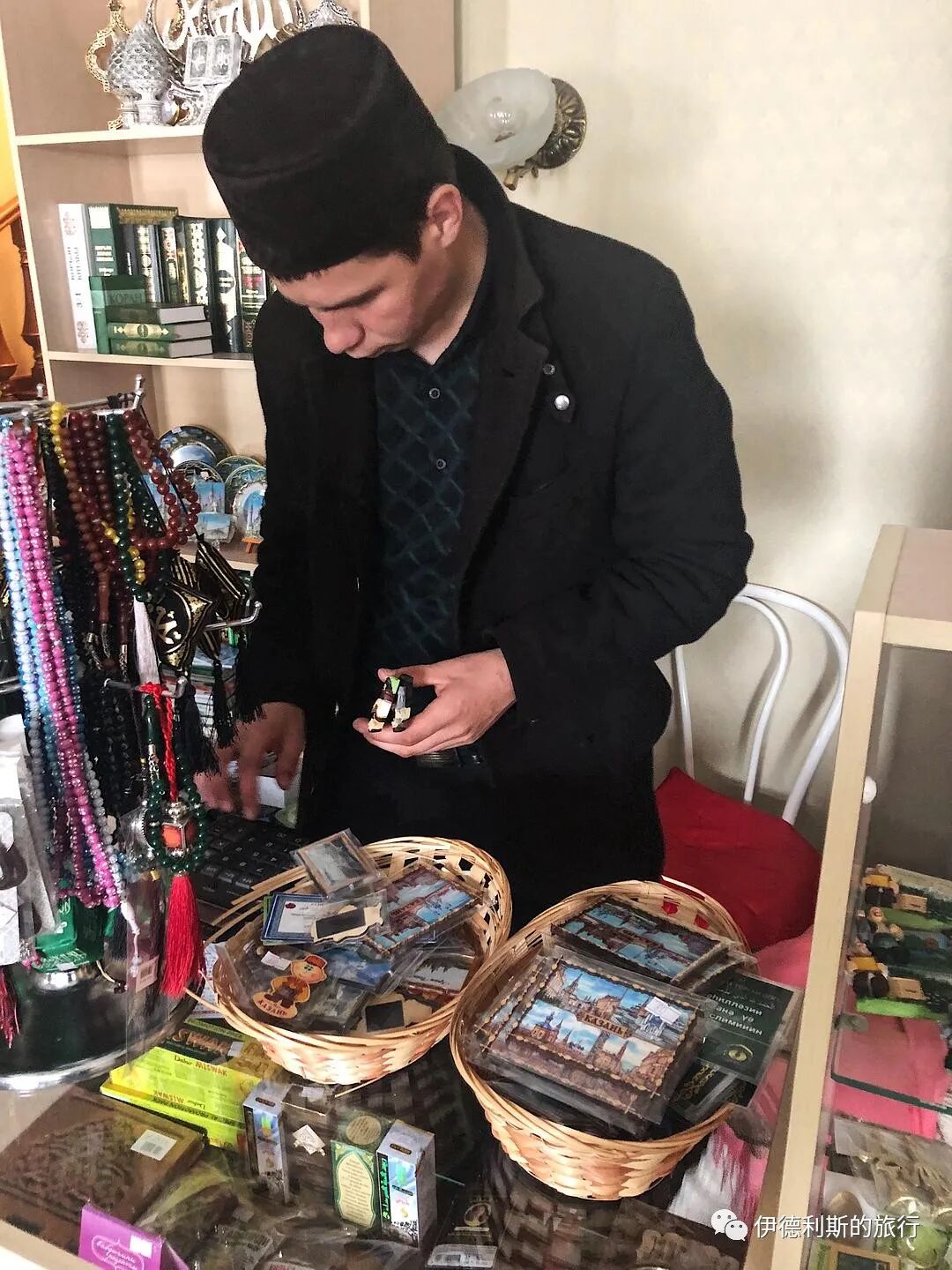
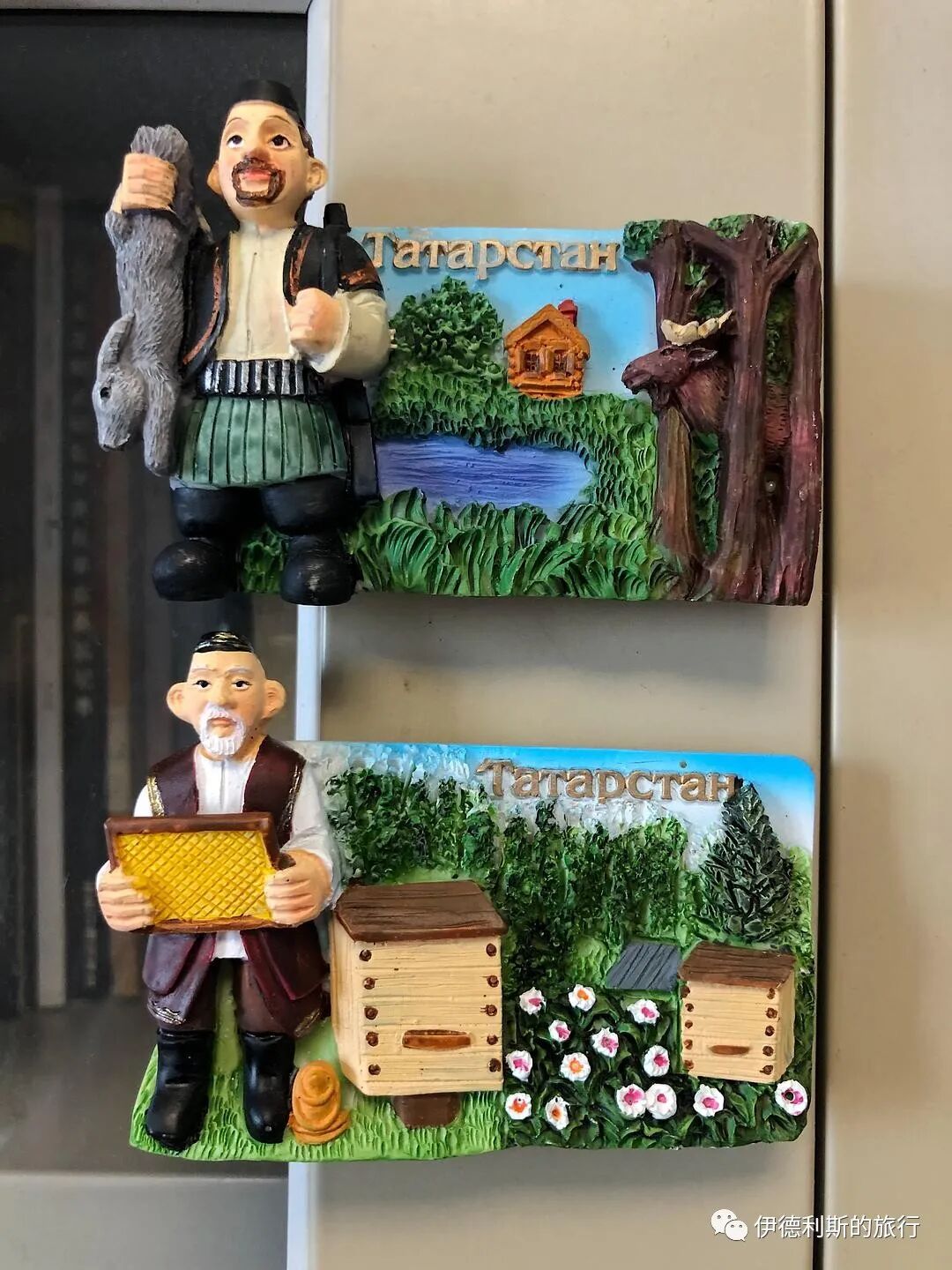
The goose meat sold in the mosque, smoked goose meat, and smoked horse meat are all specialty delicacies of the Kazan Tatars.
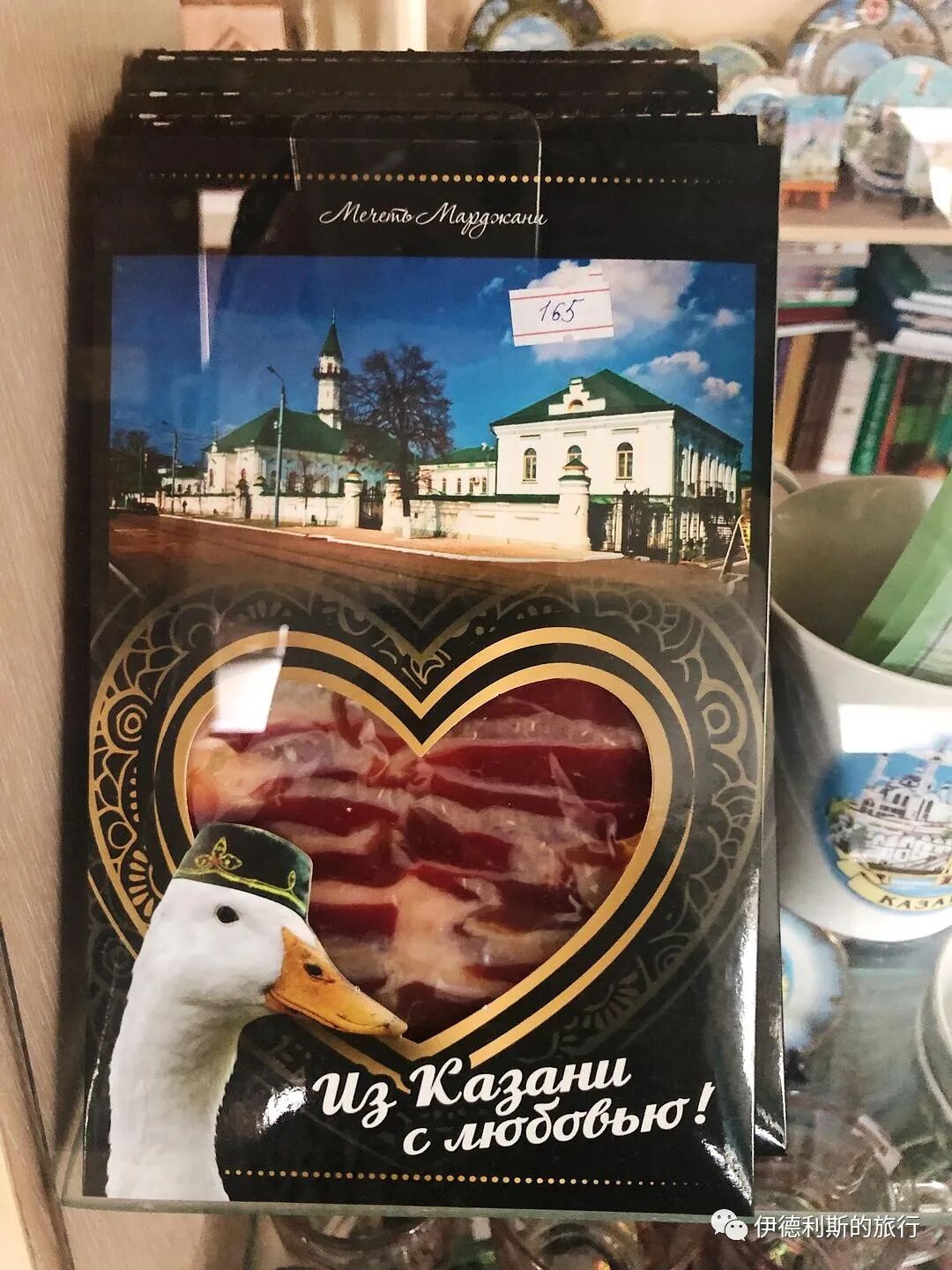
2. Apanay Mosque: 1771
The Apanay (Apanaevskaya) Mosque was the second mosque approved by Catherine the Great to be built in Kazan, and it was donated by the merchant Apanaev between 1768 and 1771. The mosque architecture is a fusion of traditional Tatar style and 'Moscow' Baroque style. In 1872, architect P. I. Romanov expanded the second floor of the mosque. In 1882, the mosque built a brick wall and a shop. In 1887, the shop was expanded to the second floor.
The mosque was closed in 1930, the minaret was demolished, and it later became a kindergarten. The mosque reopened after 1995, and the minaret was rebuilt in 2011.
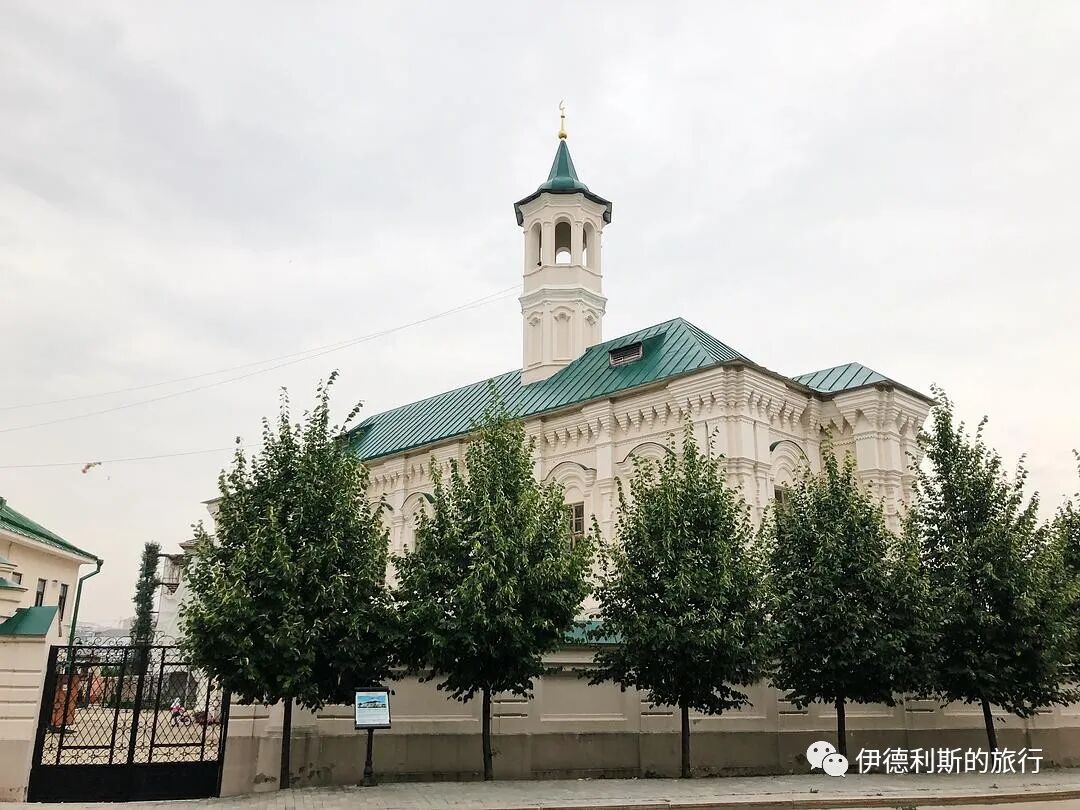
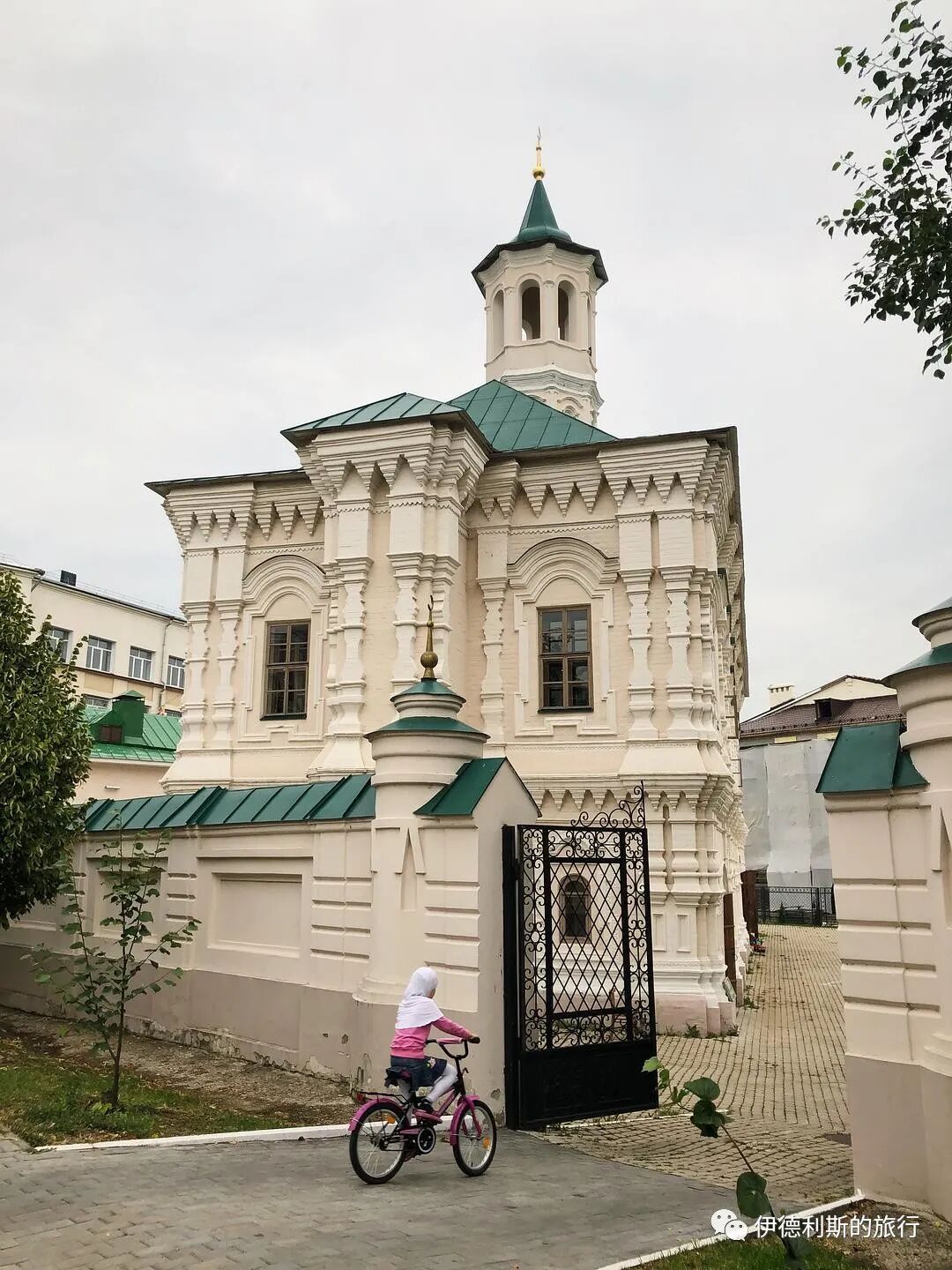
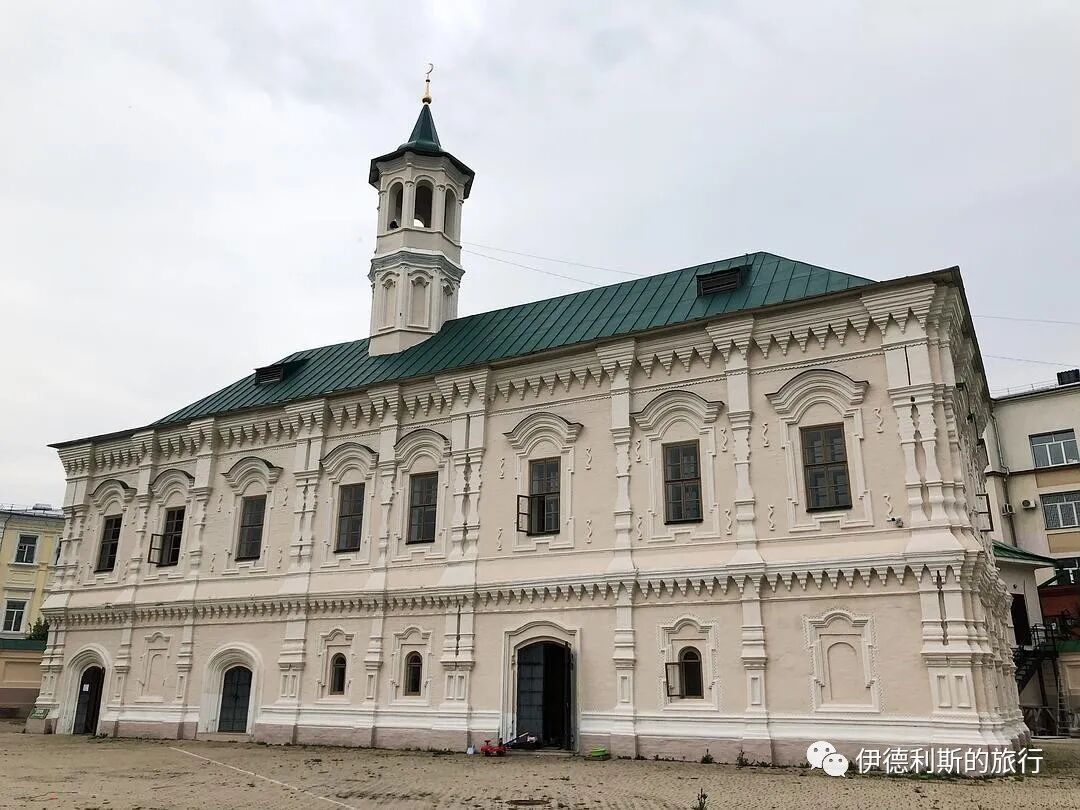
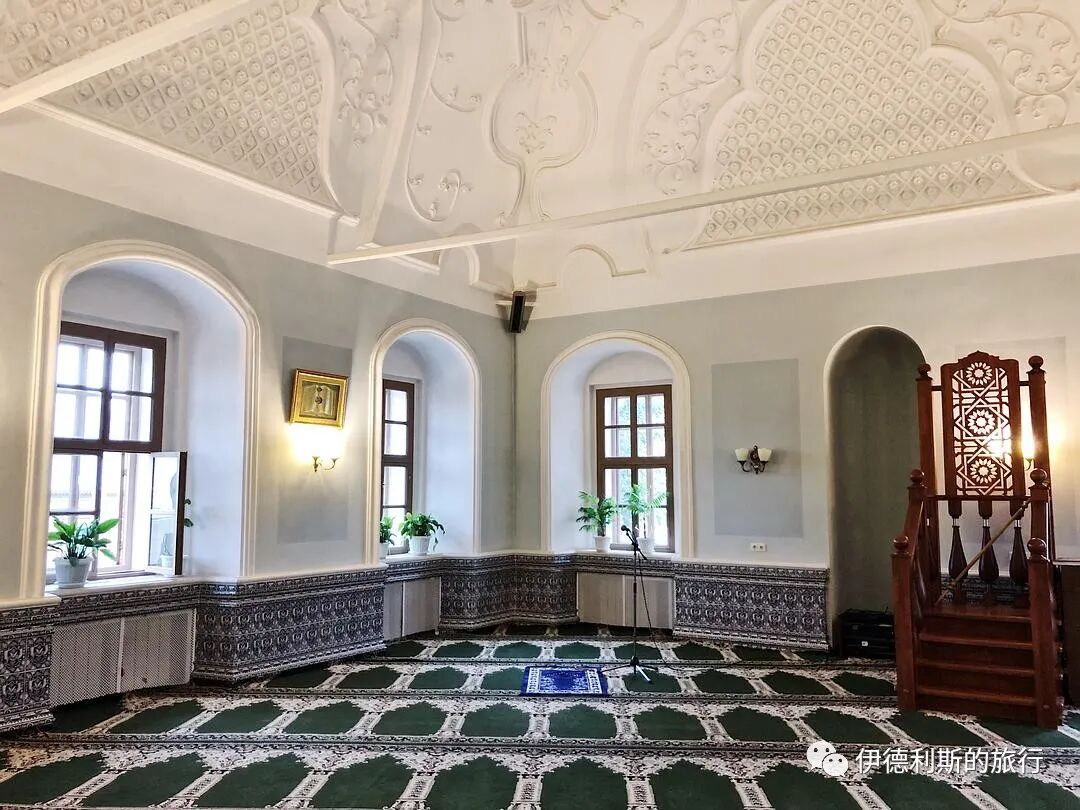
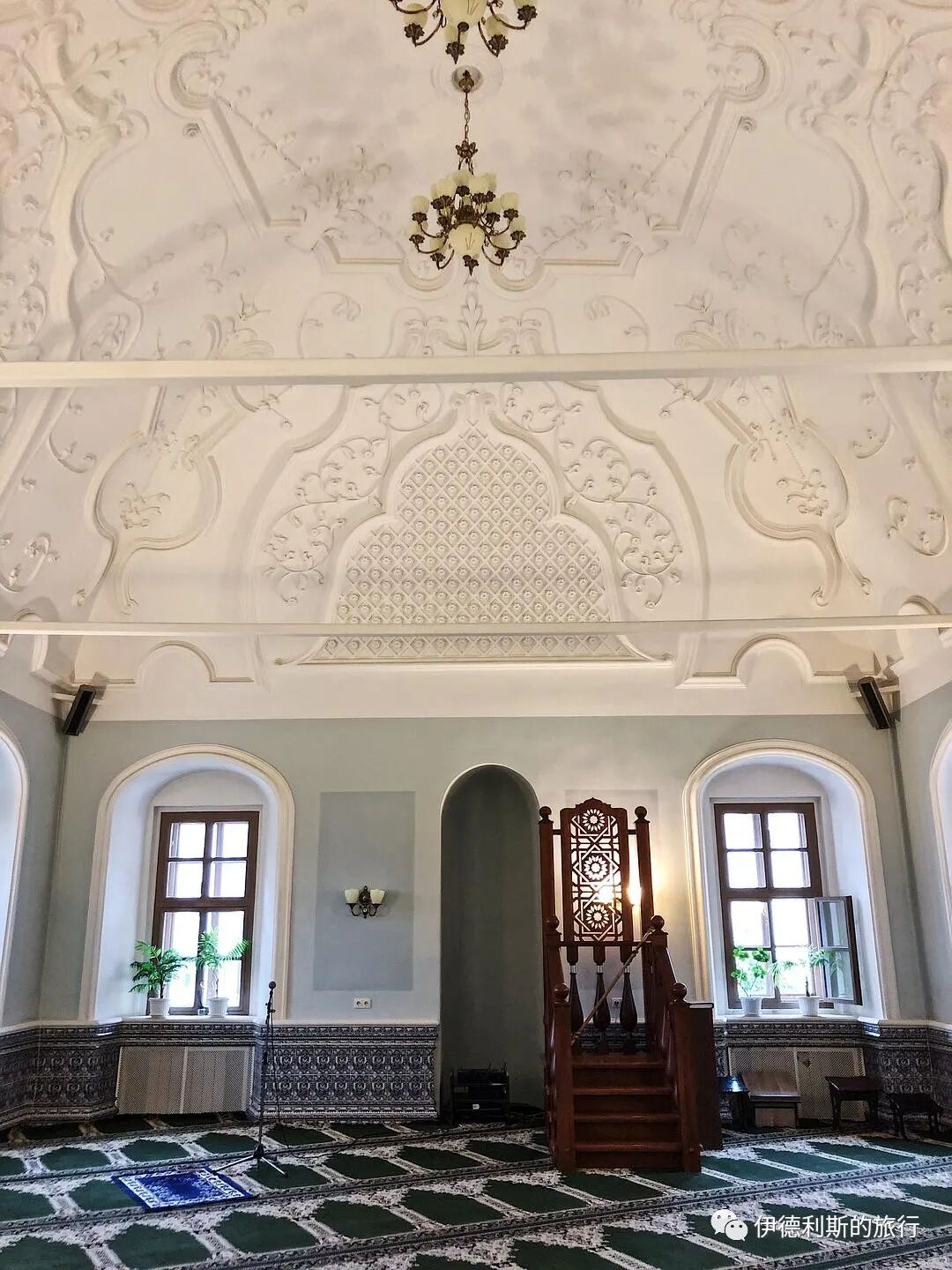
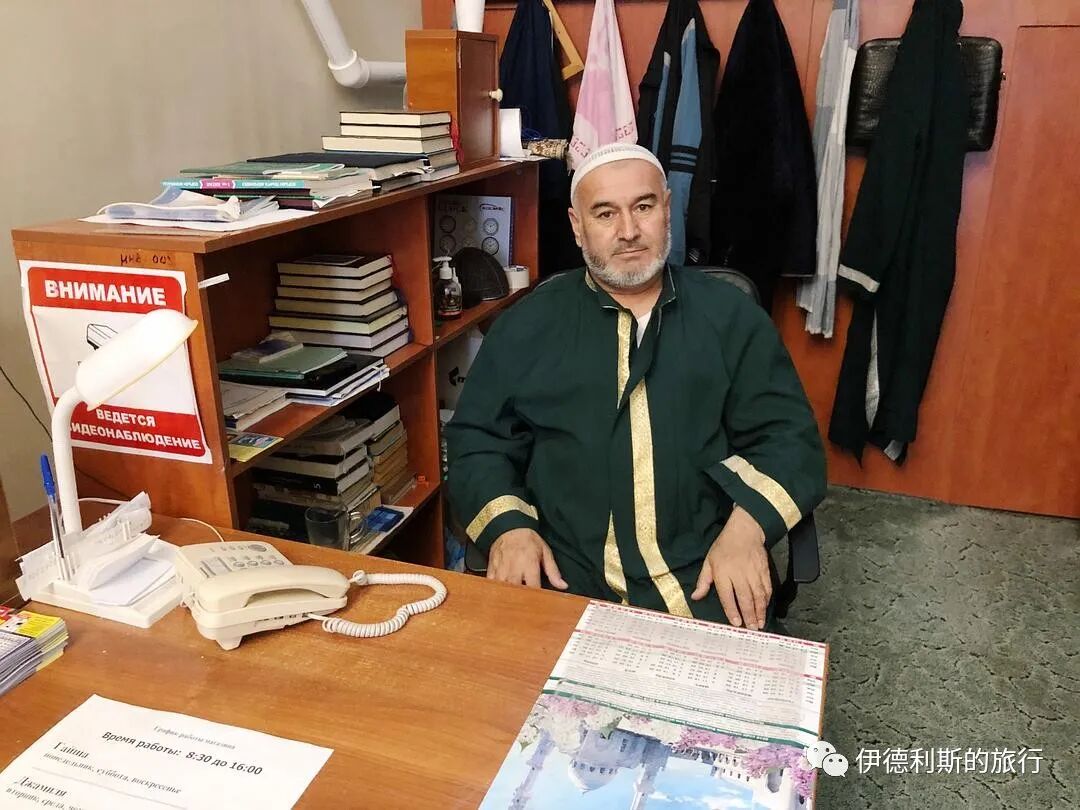
The imam of the mosque
3. Galeevskaya Mosque: 1801
The Galeevskaya Mosque was built with funds donated by merchant Musa Mamyashev between 1798 and 1801. The mosque was originally in the early Classicist architectural style of the late 18th century, and was expanded twice in the late Classicist style in 1882 and 1897.
The most famous imam of the mosque was Galimjan Galeev (1857-1921), who was a Tatar educator, reformer, and politician. Galimjan graduated from the famous Mir-Arab Madrasa in Bukhara and began serving as the imam of the Galeevskaya Mosque in 1882. He founded the Muhammadiya Madrasa at the mosque, teaching mathematics, geography, Russian, and other secular subjects. It became the most important new-style Tatar school at the time, cultivating a large number of Tatar elites and educators.
The mosque was closed in the 1930s, the minaret was demolished, and it was designated as an architectural monument in 1981. By 1992, the mosque contained a hotel, a collective farm house, and various public facilities. After 1998, it became the school building of the Russian Islamic University and the girls' dormitory of the Muhammadiya Madrasa. After restoration in 2015, the mosque reopened.
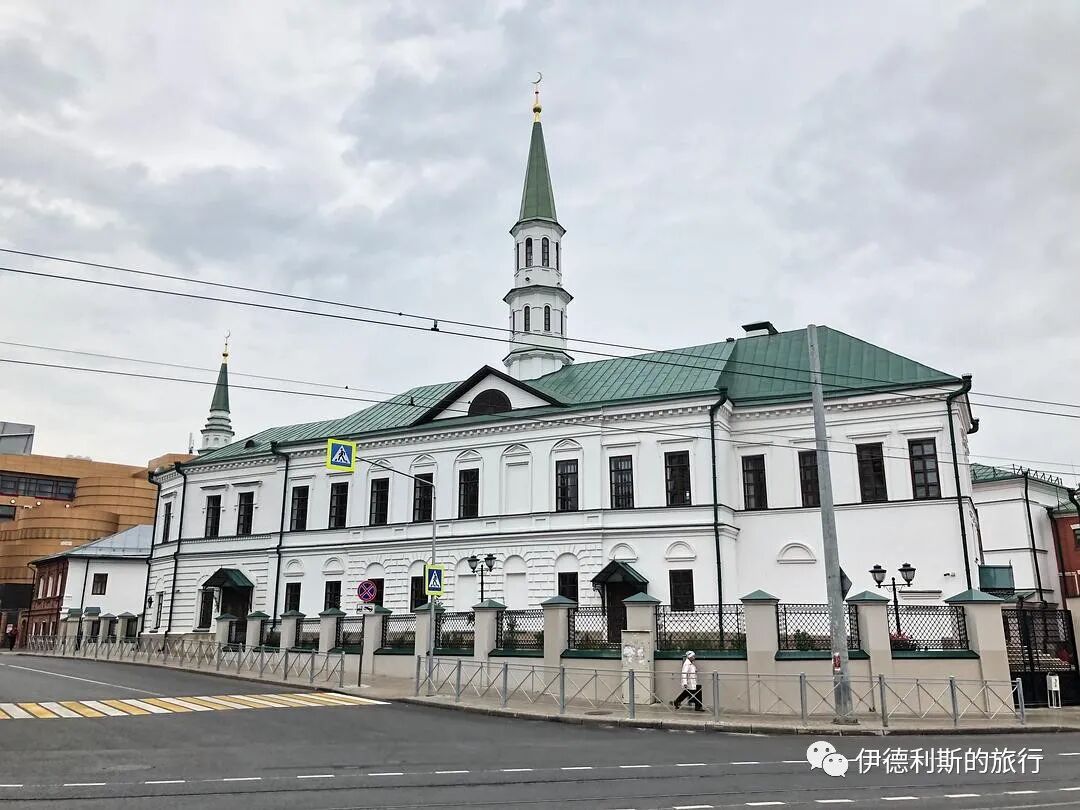
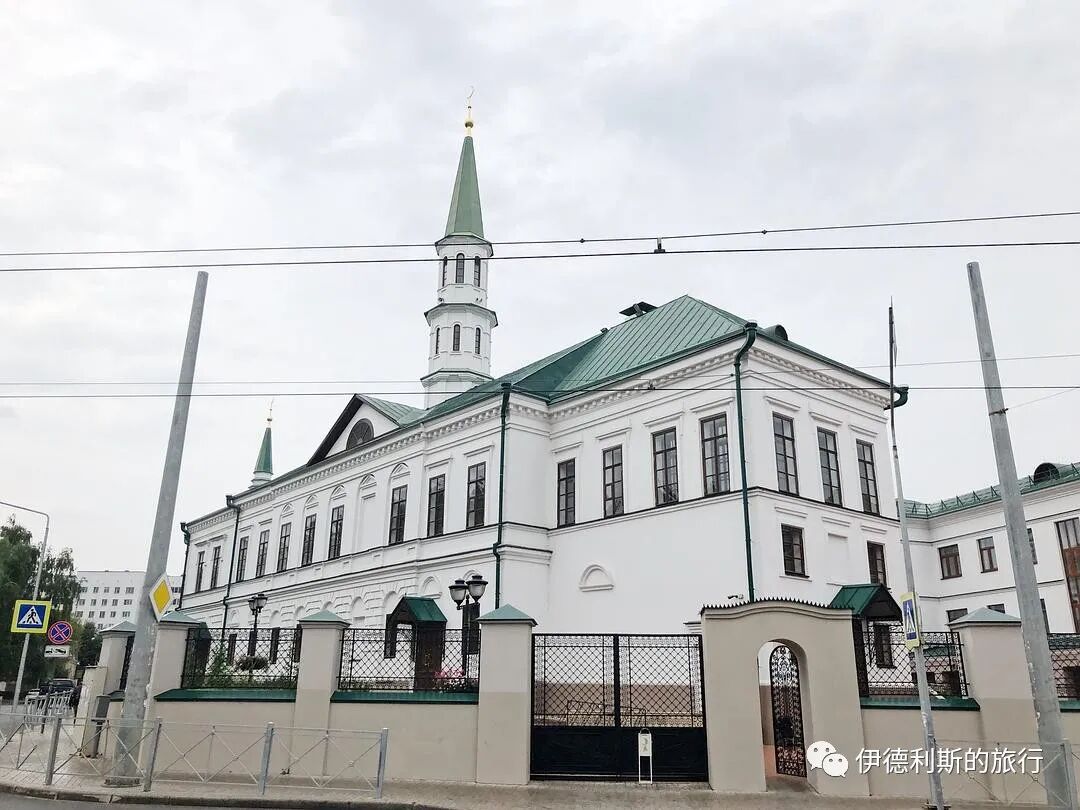
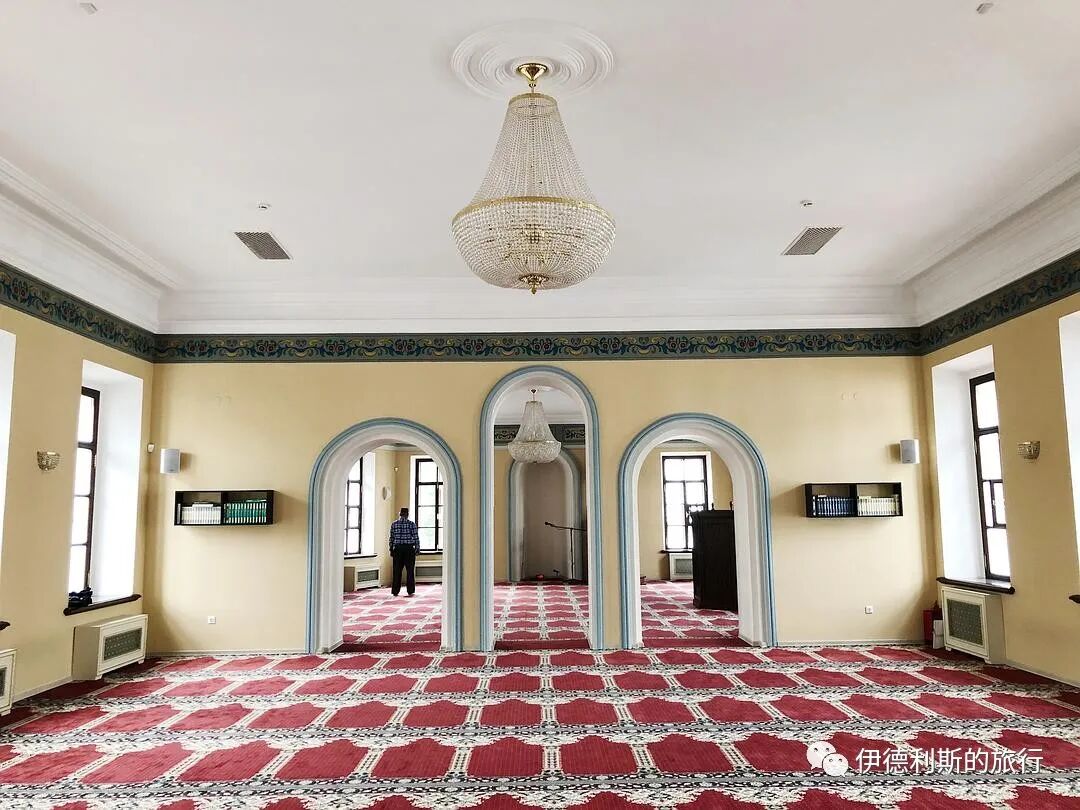
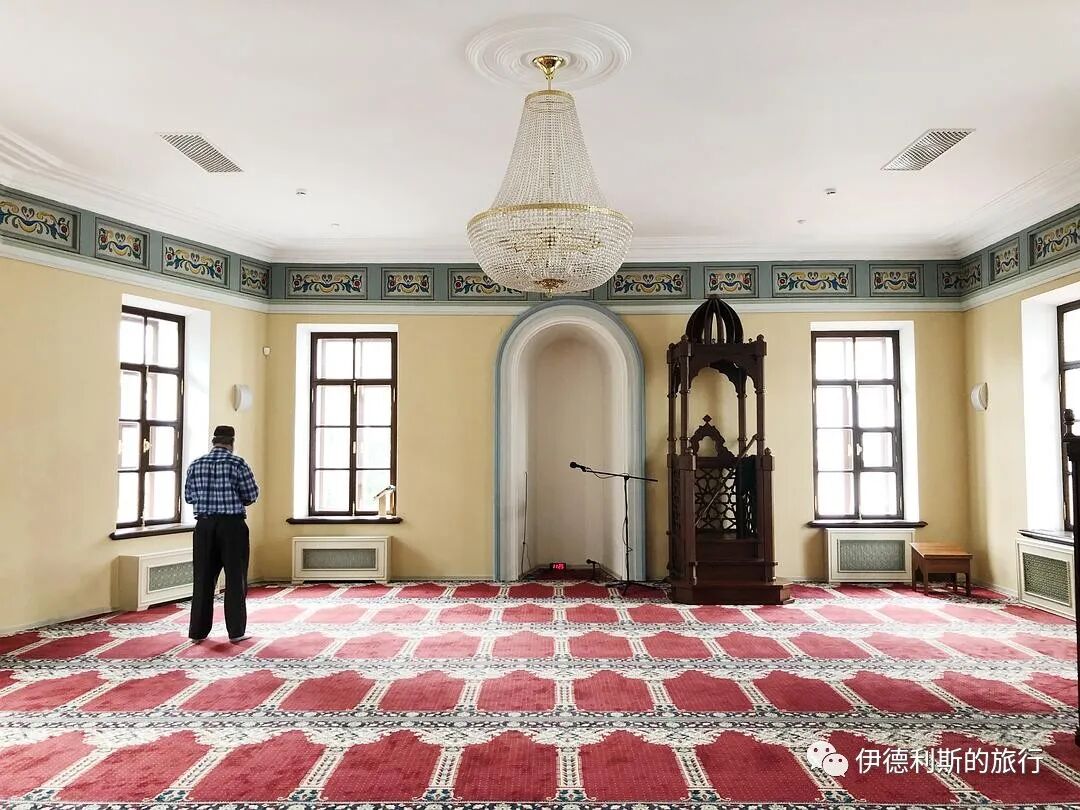
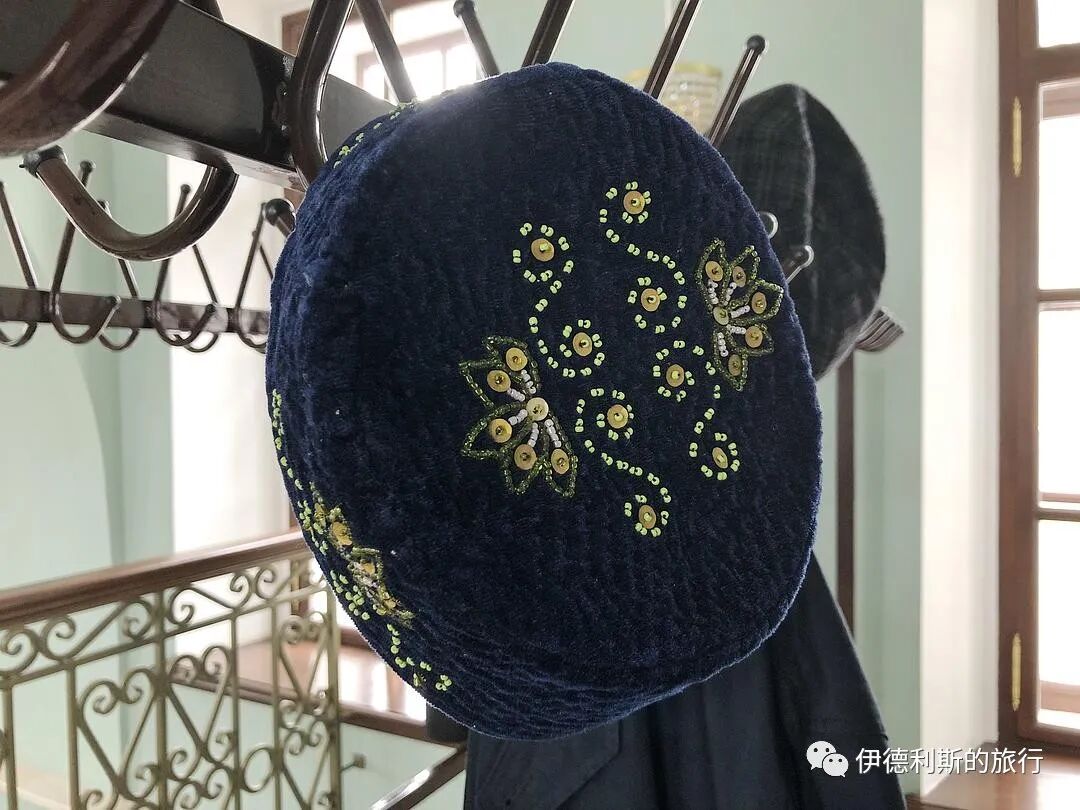
4. İske Taş Mosque: 1802
İske Taş is also called the Boulder Mosque, built in 1802 with a donation from merchant Ğabdulla Ütämişev. Legend has it that this mosque was built on the site of a cemetery for soldiers who sacrificed their lives defending the city of Kazan in 1552, and the marker of the cemetery was an ancient boulder (zur iske taş).
The mosque was rebuilt in the Classicist style by Alexander Schmidt in 1830, and its three-story minaret resembles the minarets of mosques in the ancient Bolghar and Kasimov regions of the Tatars.
According to the decision of the Central Executive Committee of the Tatar Autonomous Soviet Socialist Republic in the late 1930s, the mosque was closed and later converted into a school and warehouse, and was not returned to the Muslims until 1994.
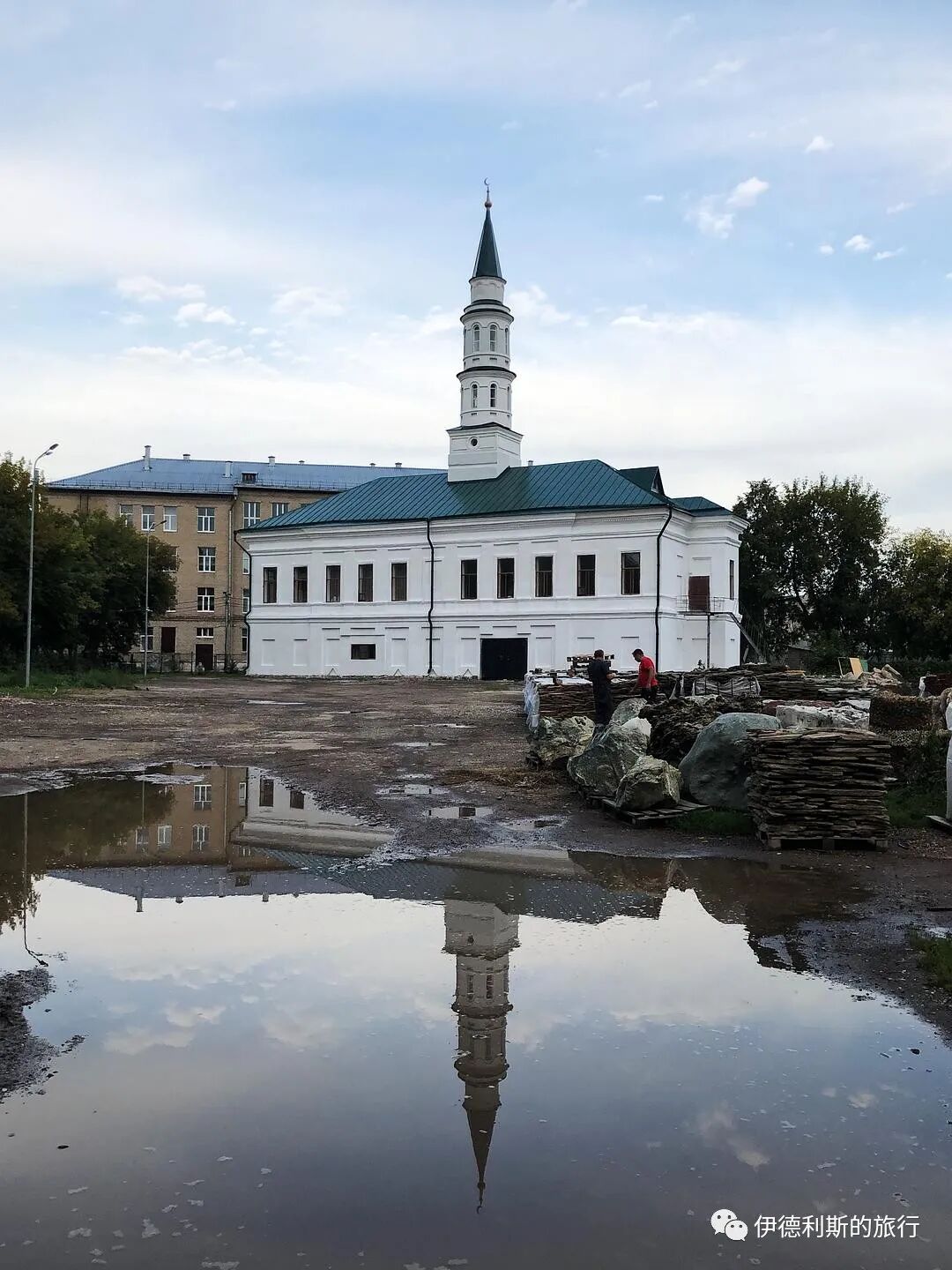
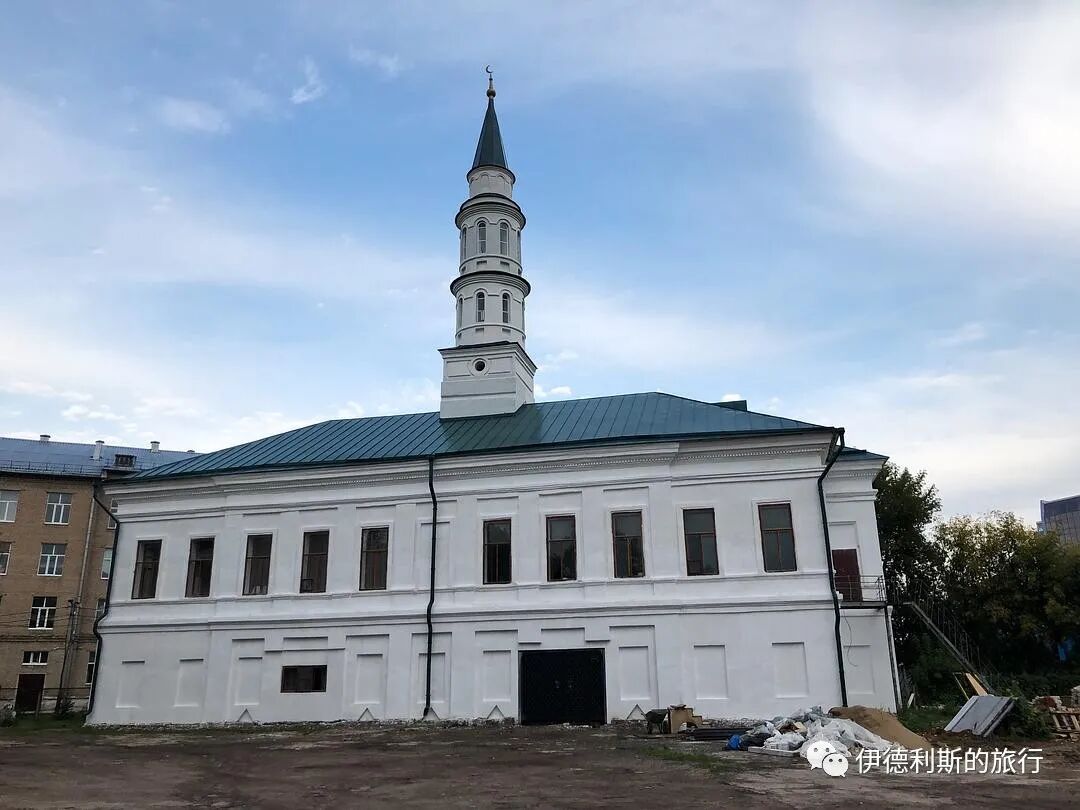
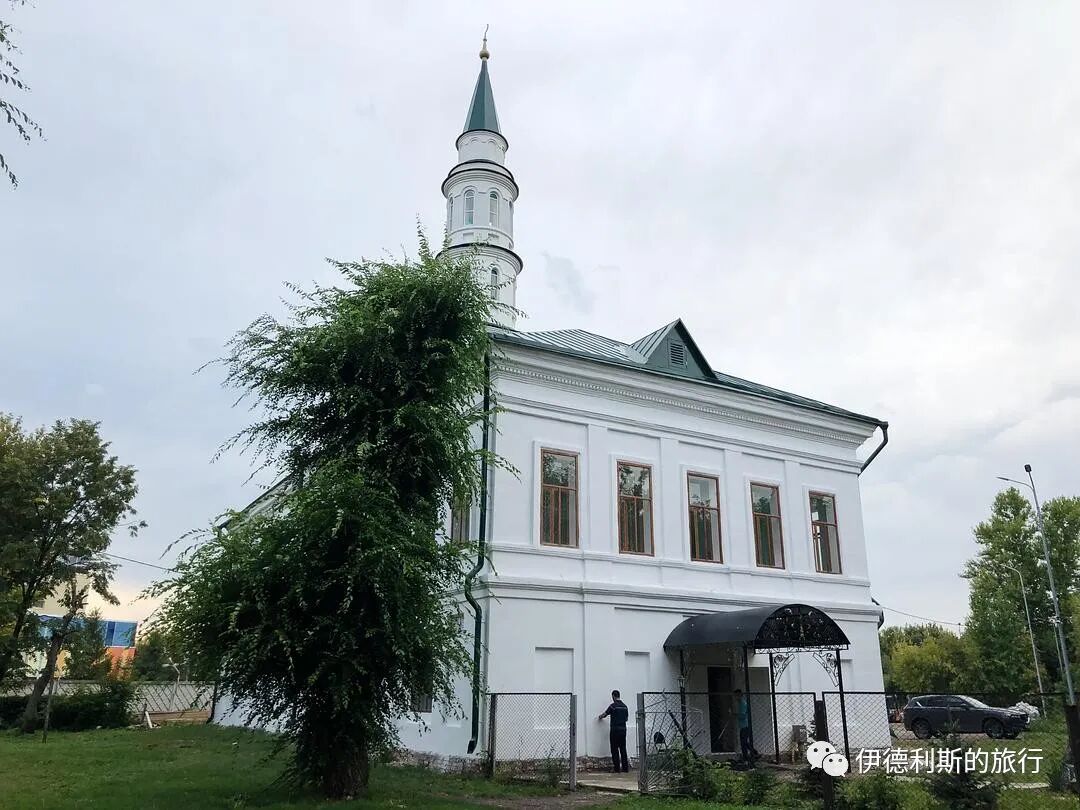
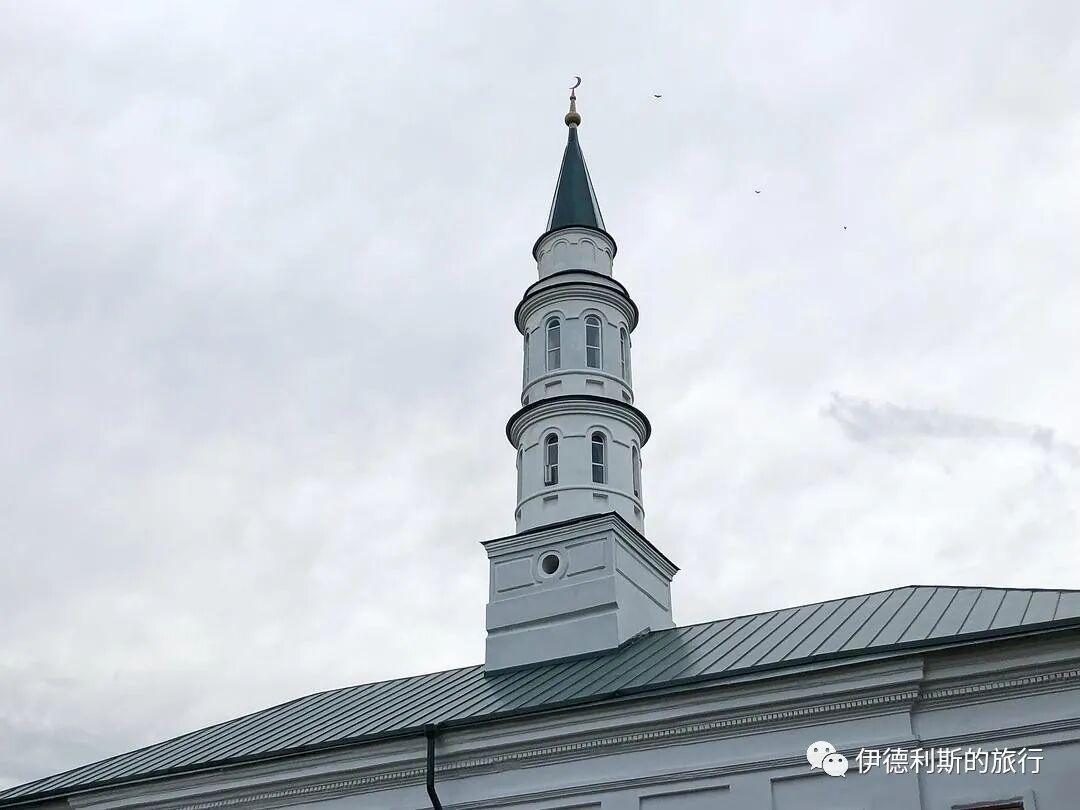
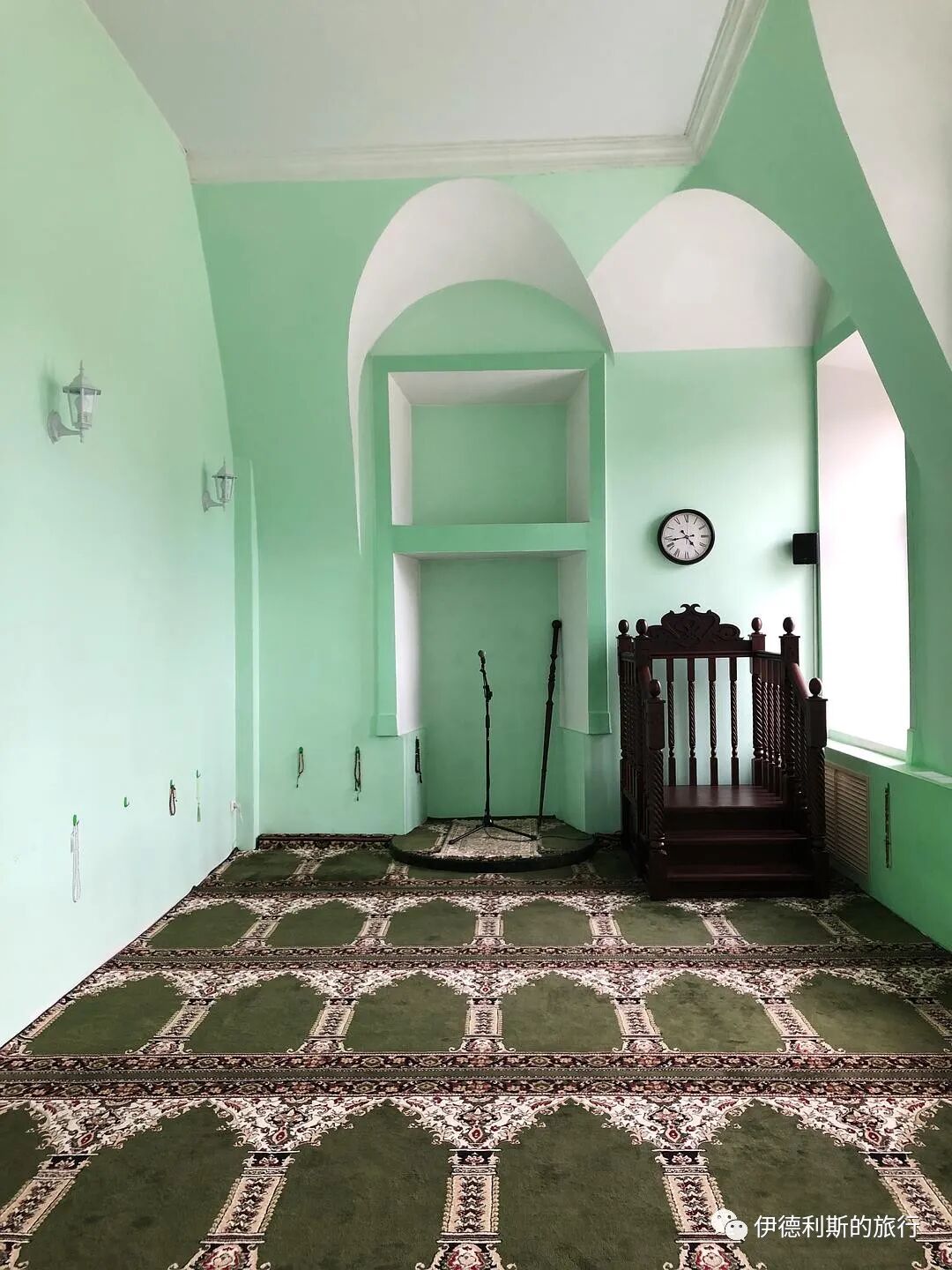
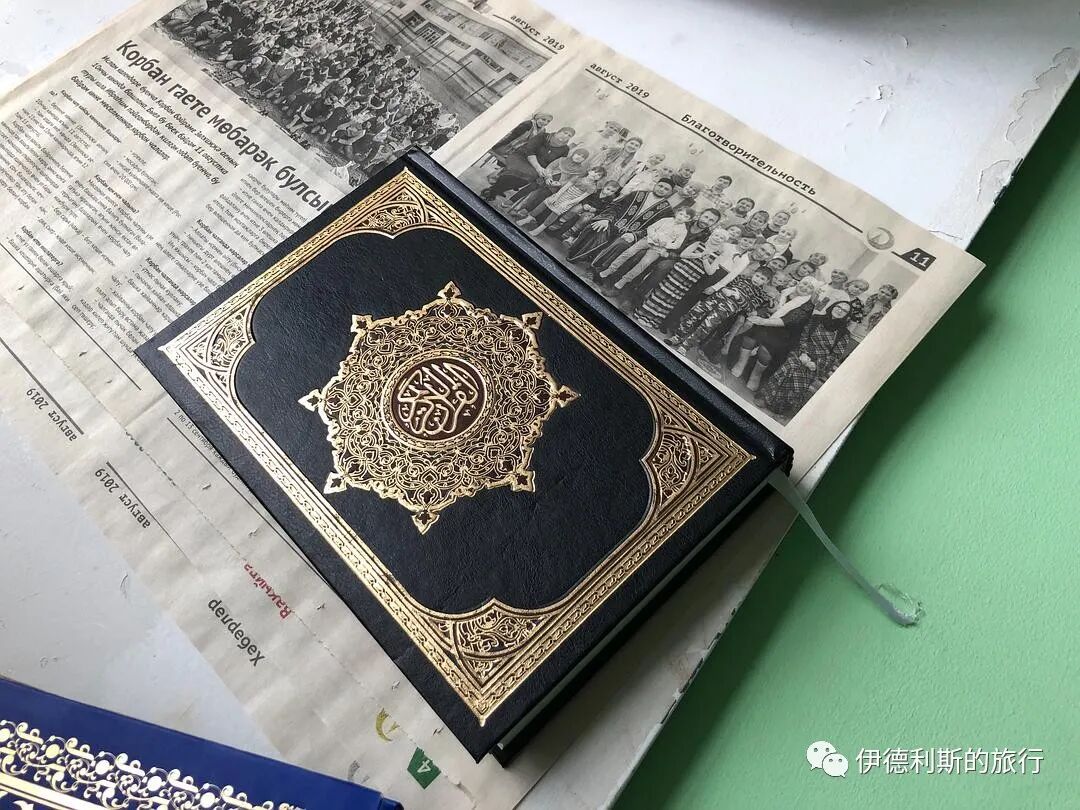
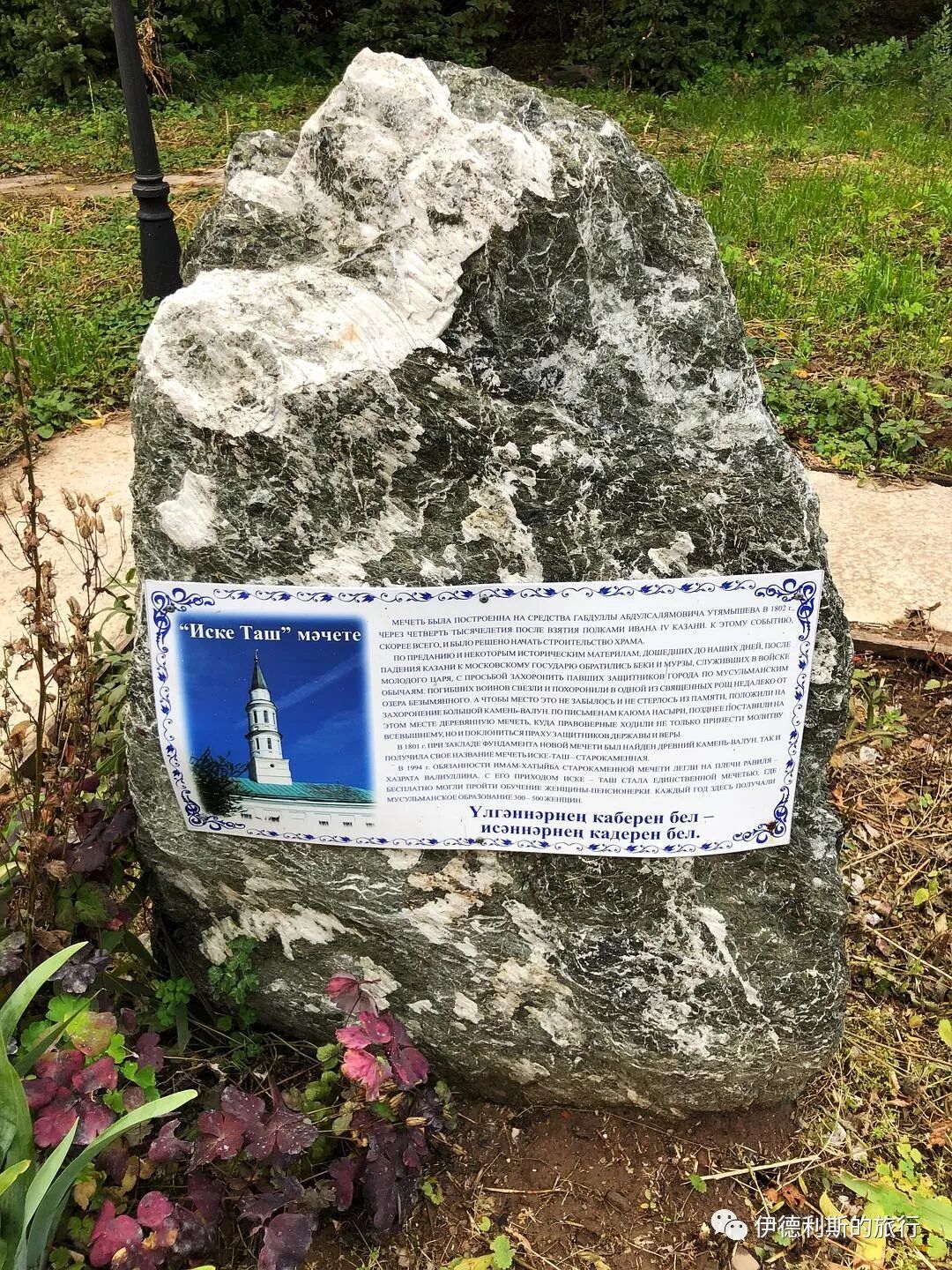
5. White Mosque: 1805
The White Mosque was built between 1801 and 1805. Similar to the İske Taş Mosque built in the same period, its exterior is in the Classicist style. The mosque was closed in 1929 and converted into a school and fur workshop. In the 1930s, the minaret was demolished, and the eastern and southern parts of the main hall were rebuilt. The mosque became an architectural monument in 1960 and was returned to the Muslims in 2004, but it is still not open.
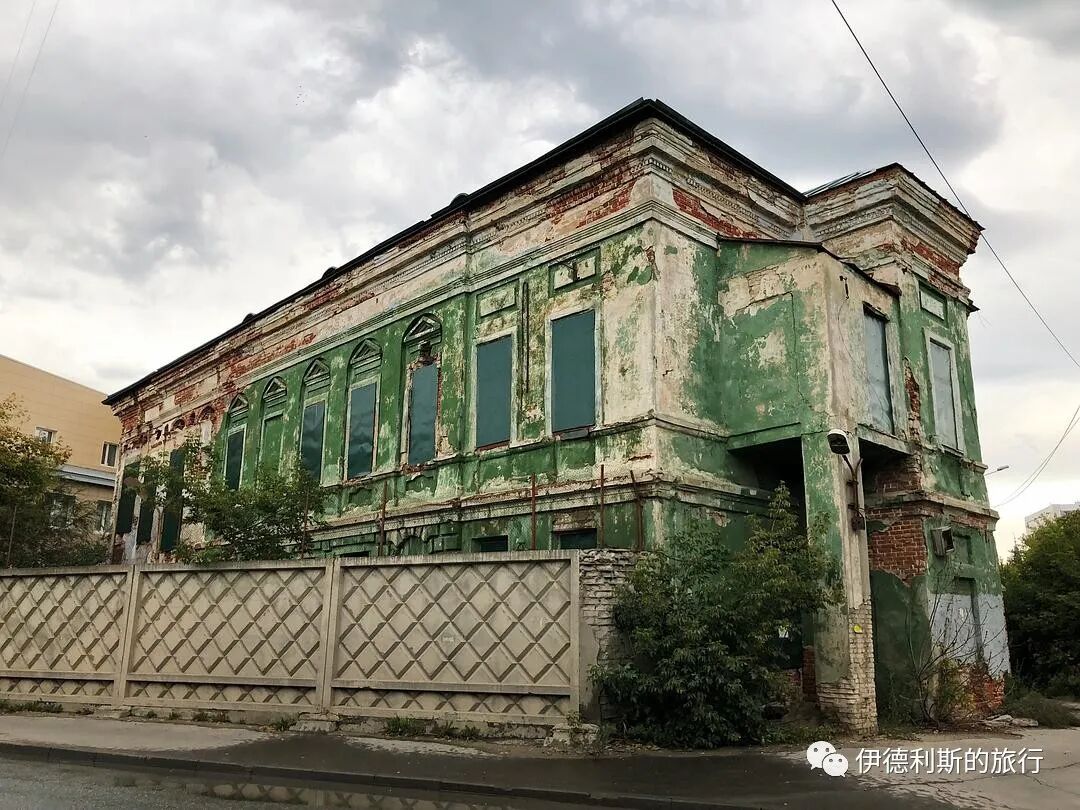
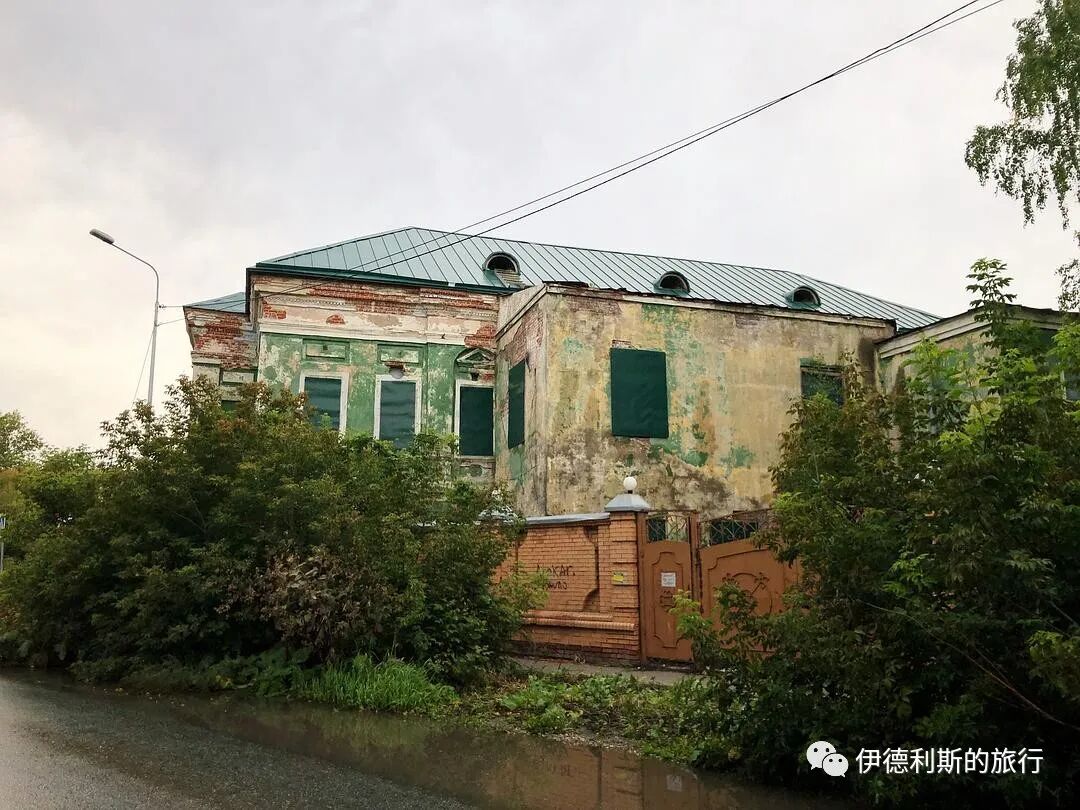
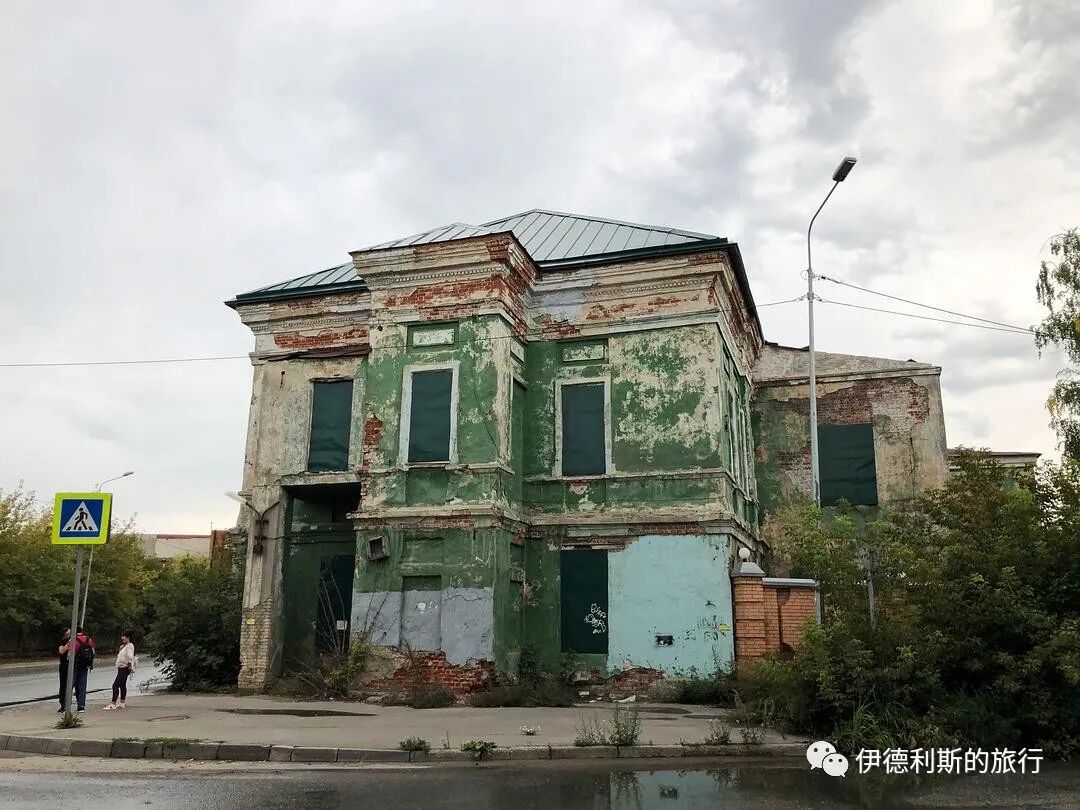
6. Pink Mosque: 1808
The Pink (Rozovaya) Mosque was built in 1808 with a donation from merchant Musa Apanaev and was the Islamic center of the Novaya Tatarskaya Sloboda area of Kazan. The mosque was closed in 1931 and reopened in 1991, by which time the Novaya Tatarskaya Sloboda had become an industrial zone. Today, it is the Kazan Higher Muslim Islamic Madrasa.
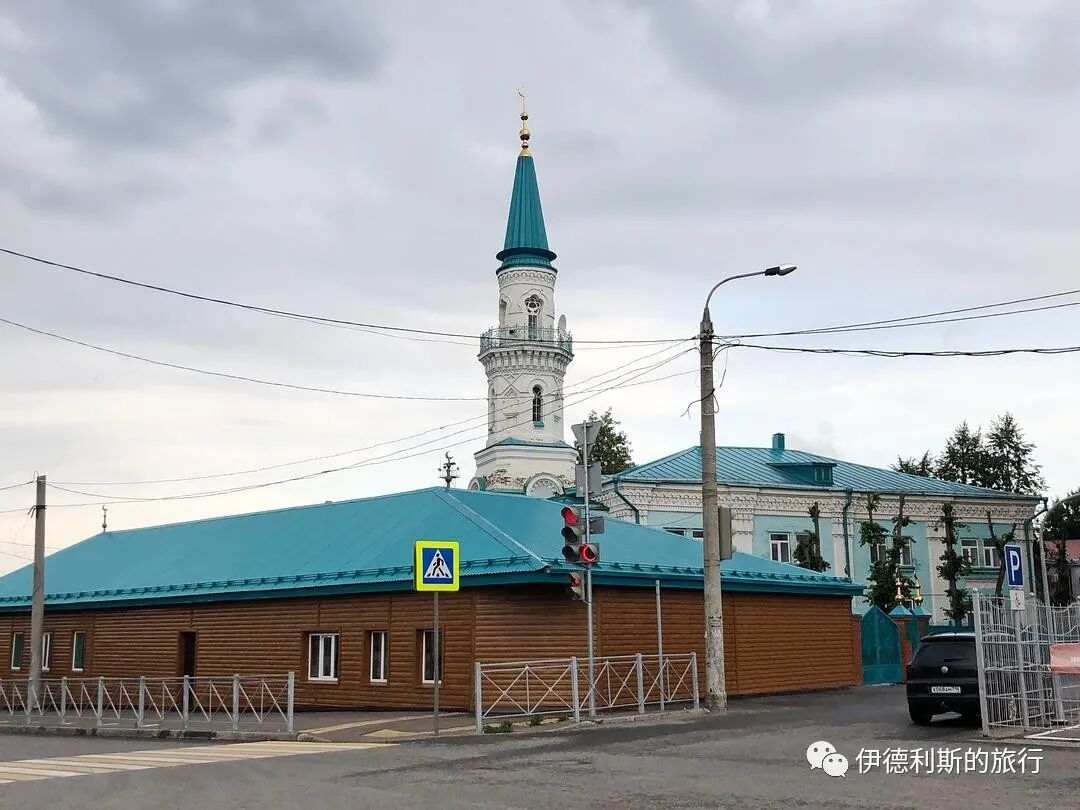
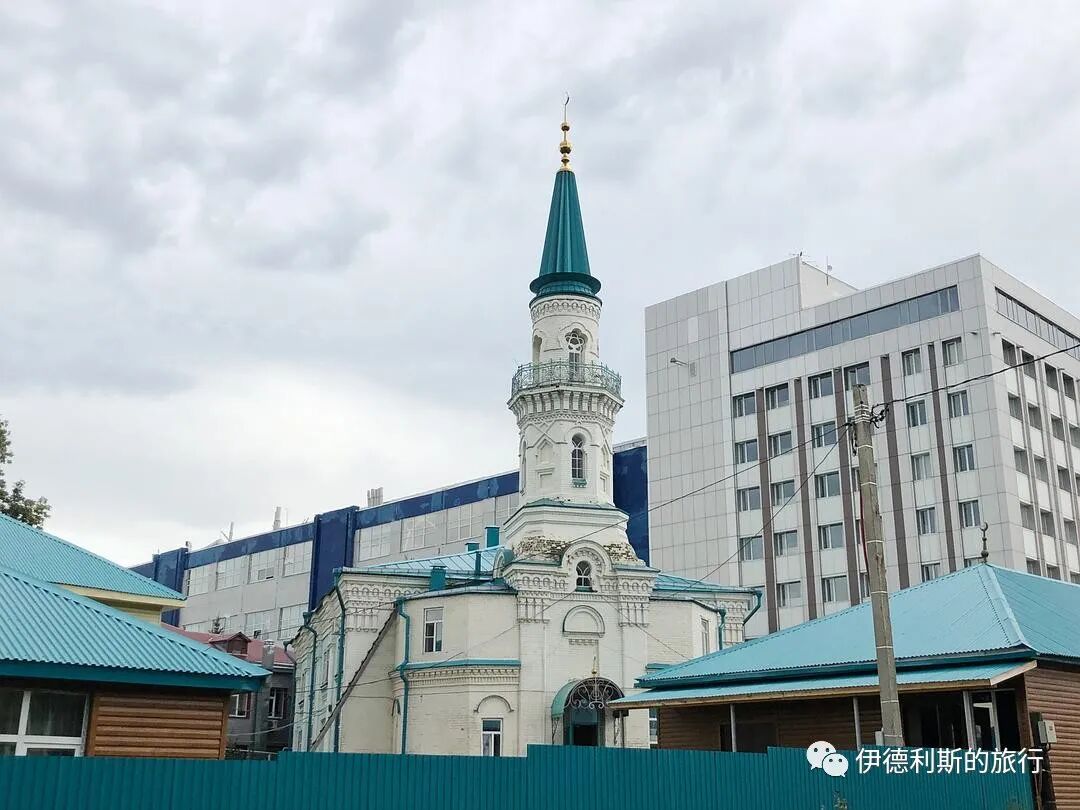
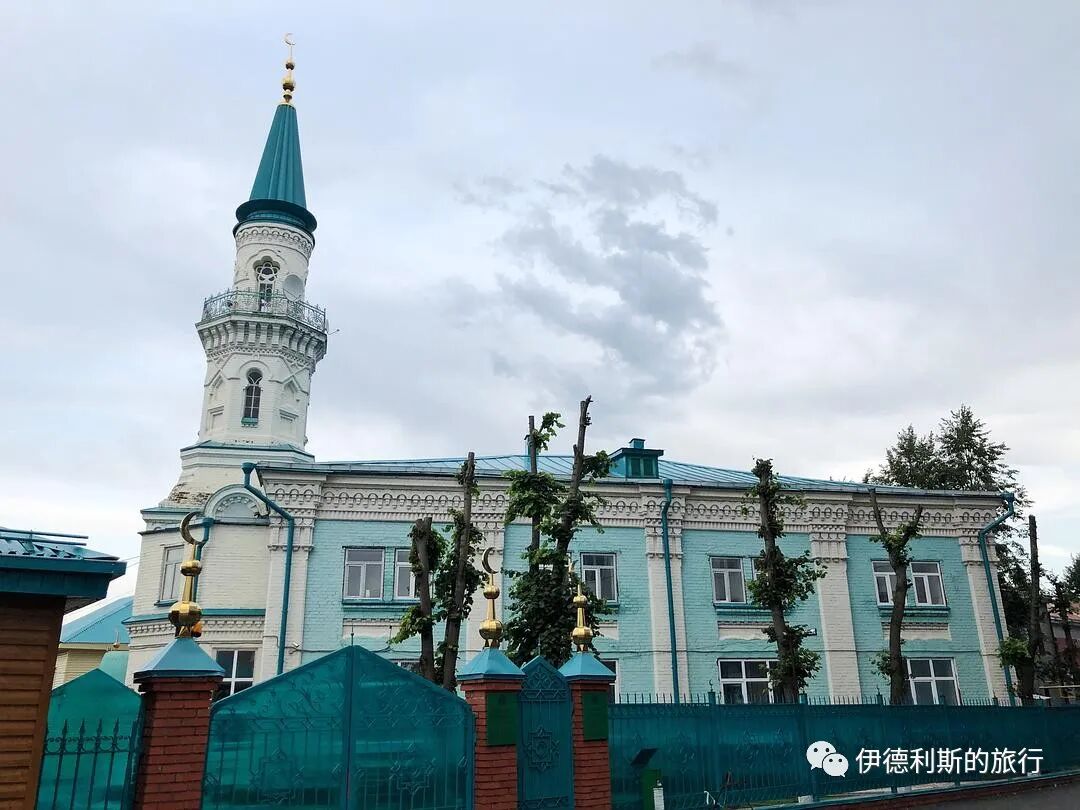
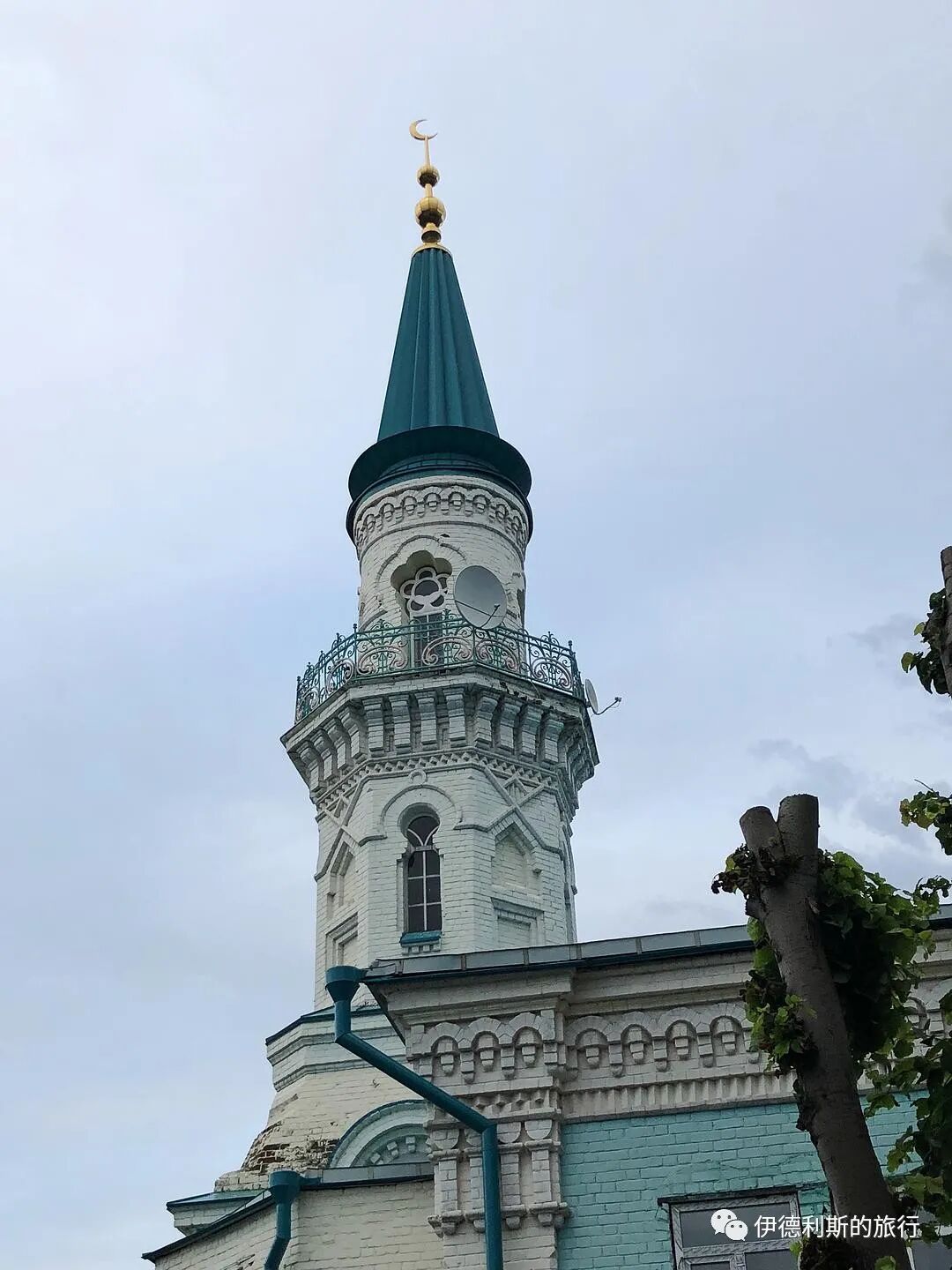
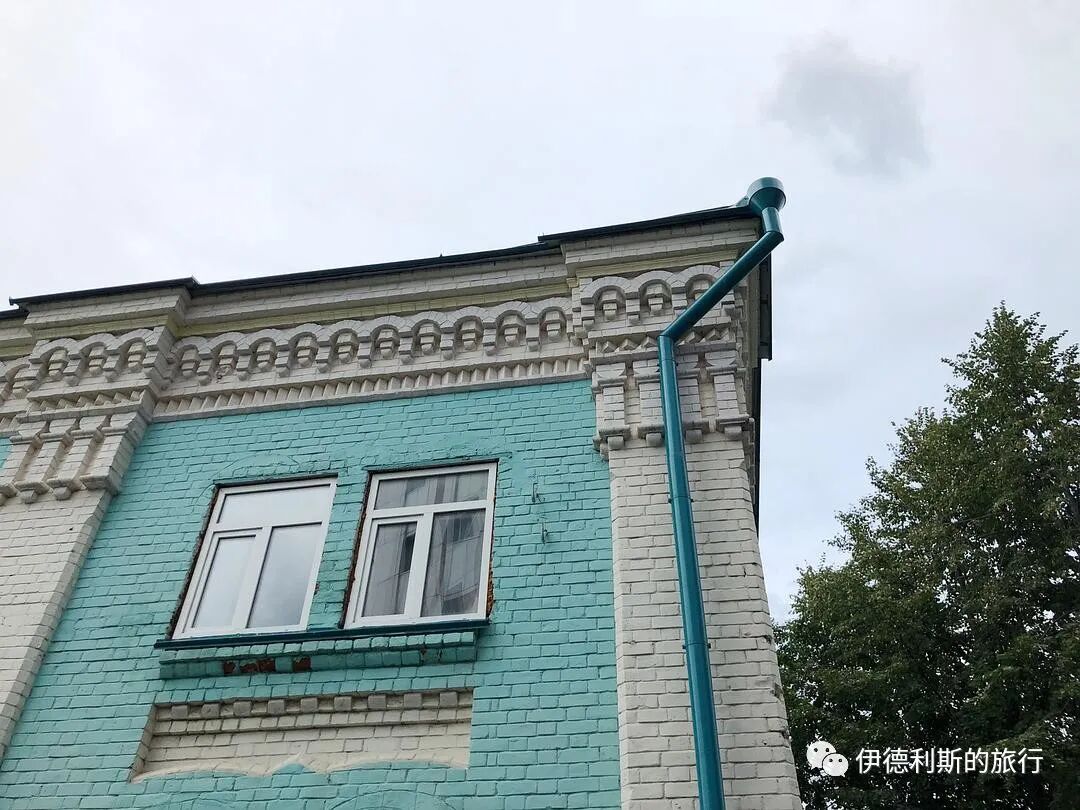
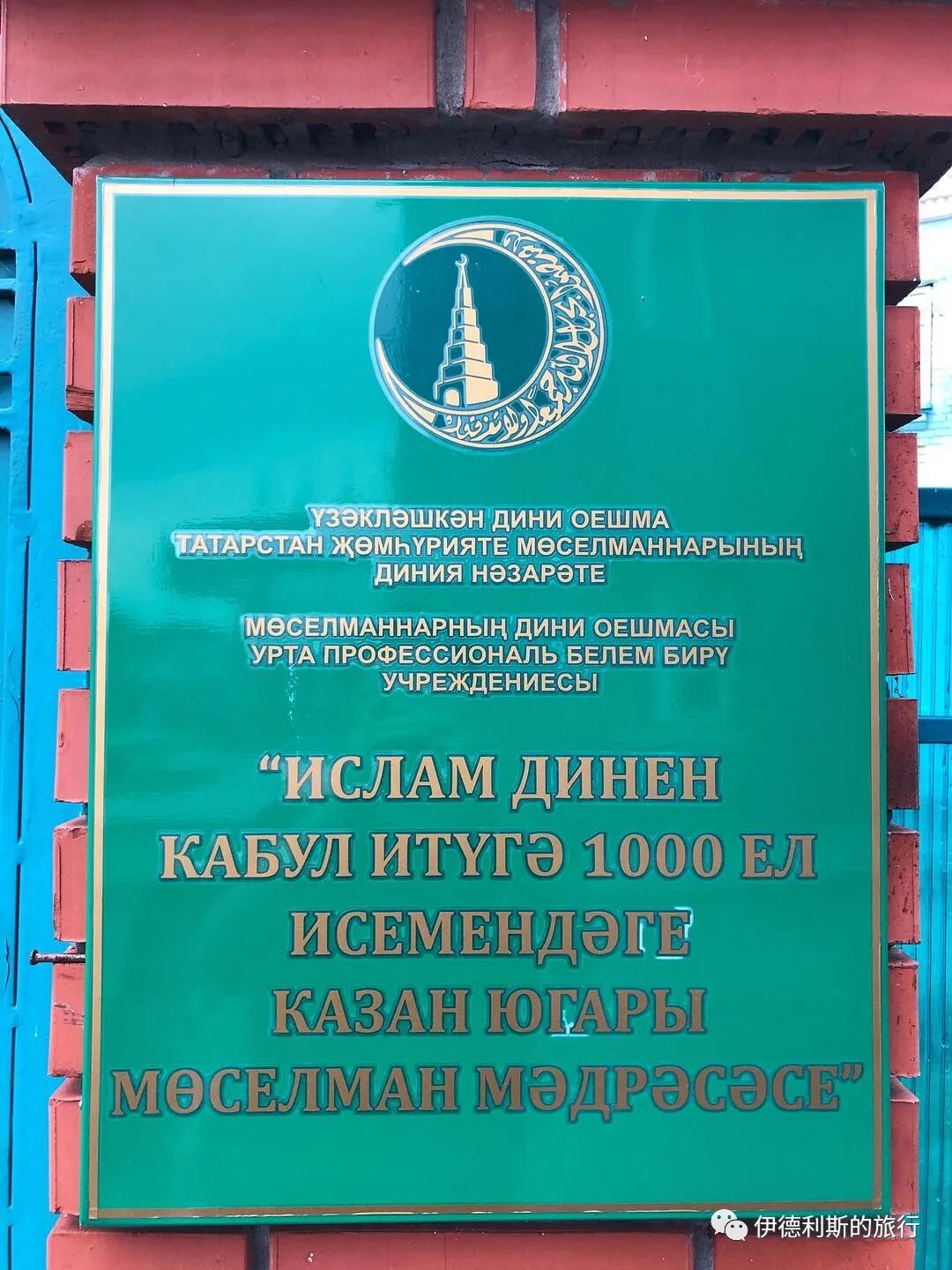
7. Blue Mosque: 1819
The Blue (Zangar) Mosque was built between 1815 and 1819 with funds donated by merchant Akhmet Aitov-Zamanov, and the architect was Alexander Schmidt. Bolshaya Meshchanskaya Street was once the residence of the poorest residents of the Old Tatar Quarter, and the residents here built a wooden mosque in 1778. In 1815, the original wooden mosque was moved to another village, and the current brick mosque in the Classicist style was built here.
The mosque was expanded twice in 1864 and 1907. The mosque was closed in 1932, the minaret was demolished, and it was converted into housing. It reopened in 1993, and the minaret was rebuilt in 2009.
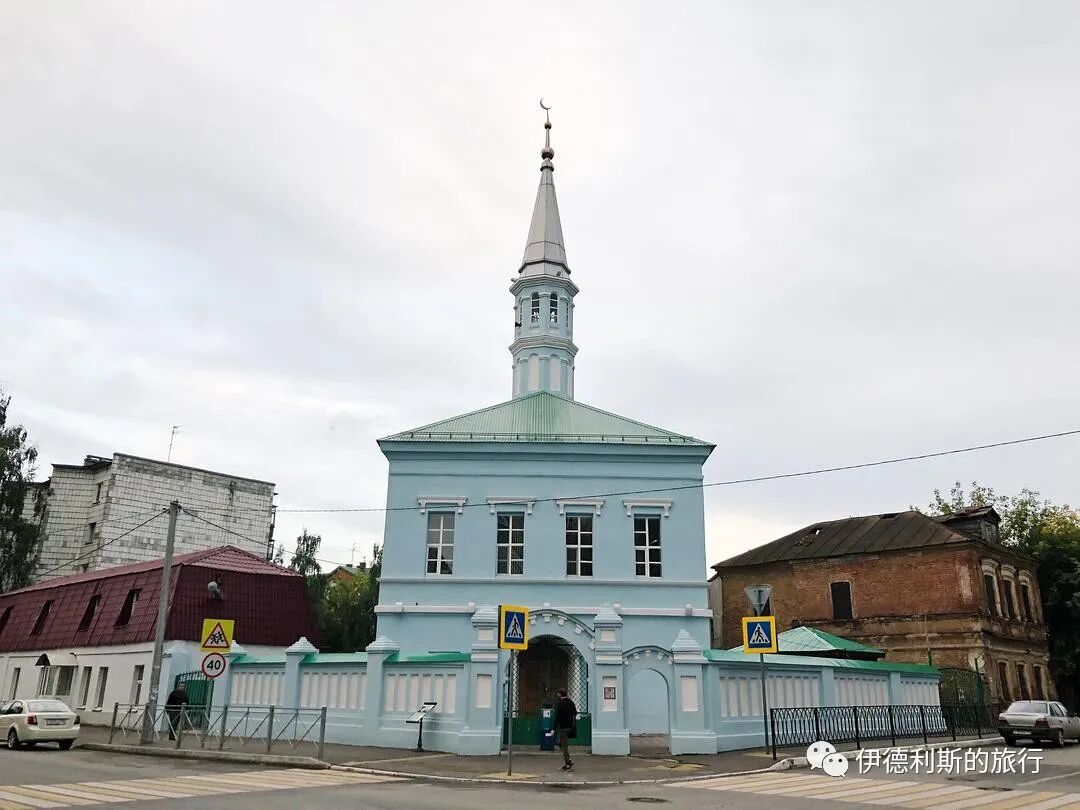
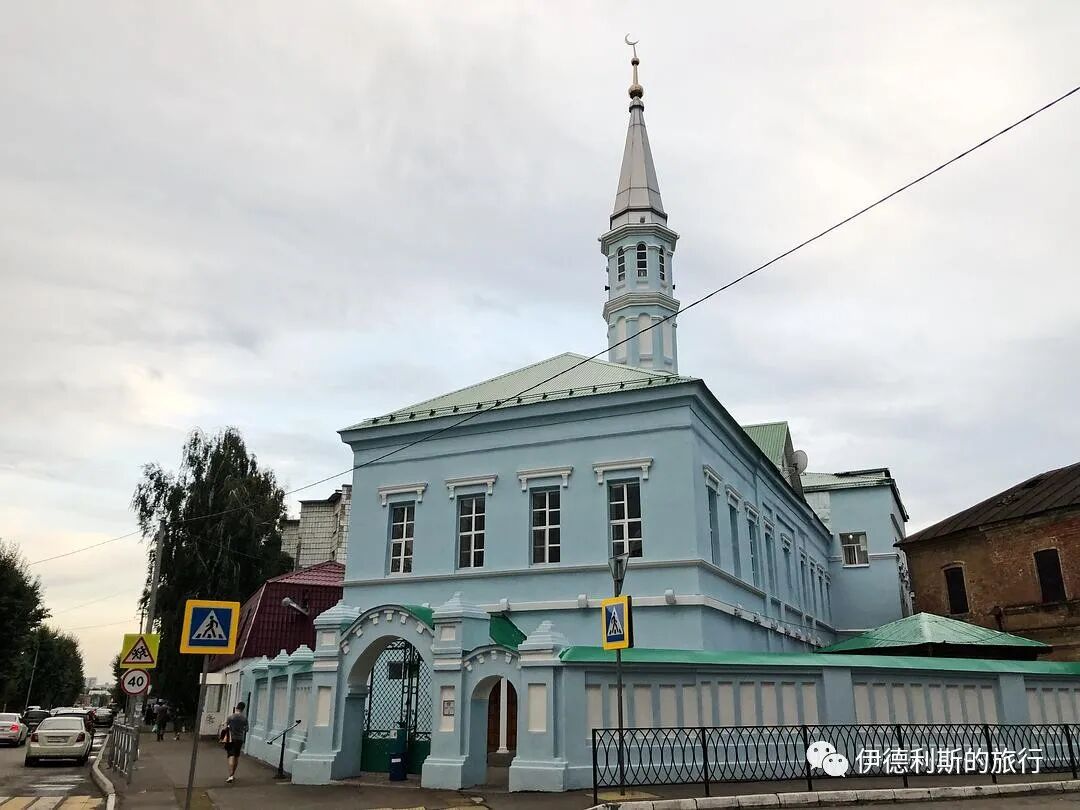
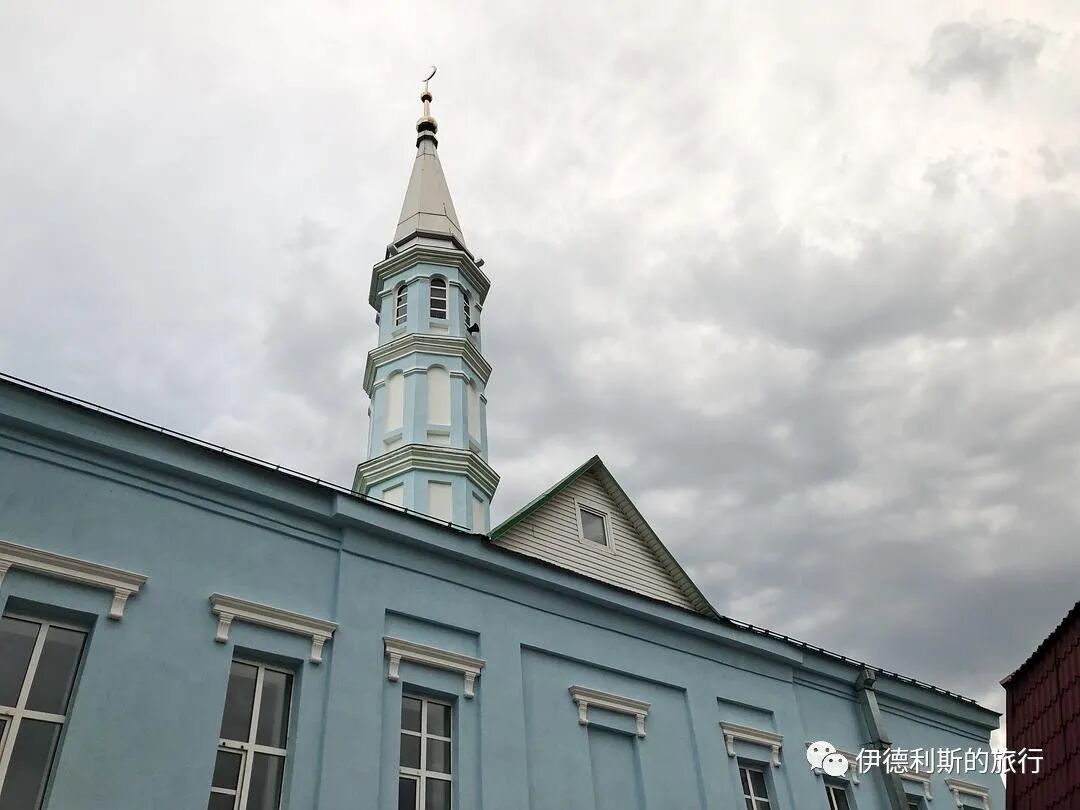
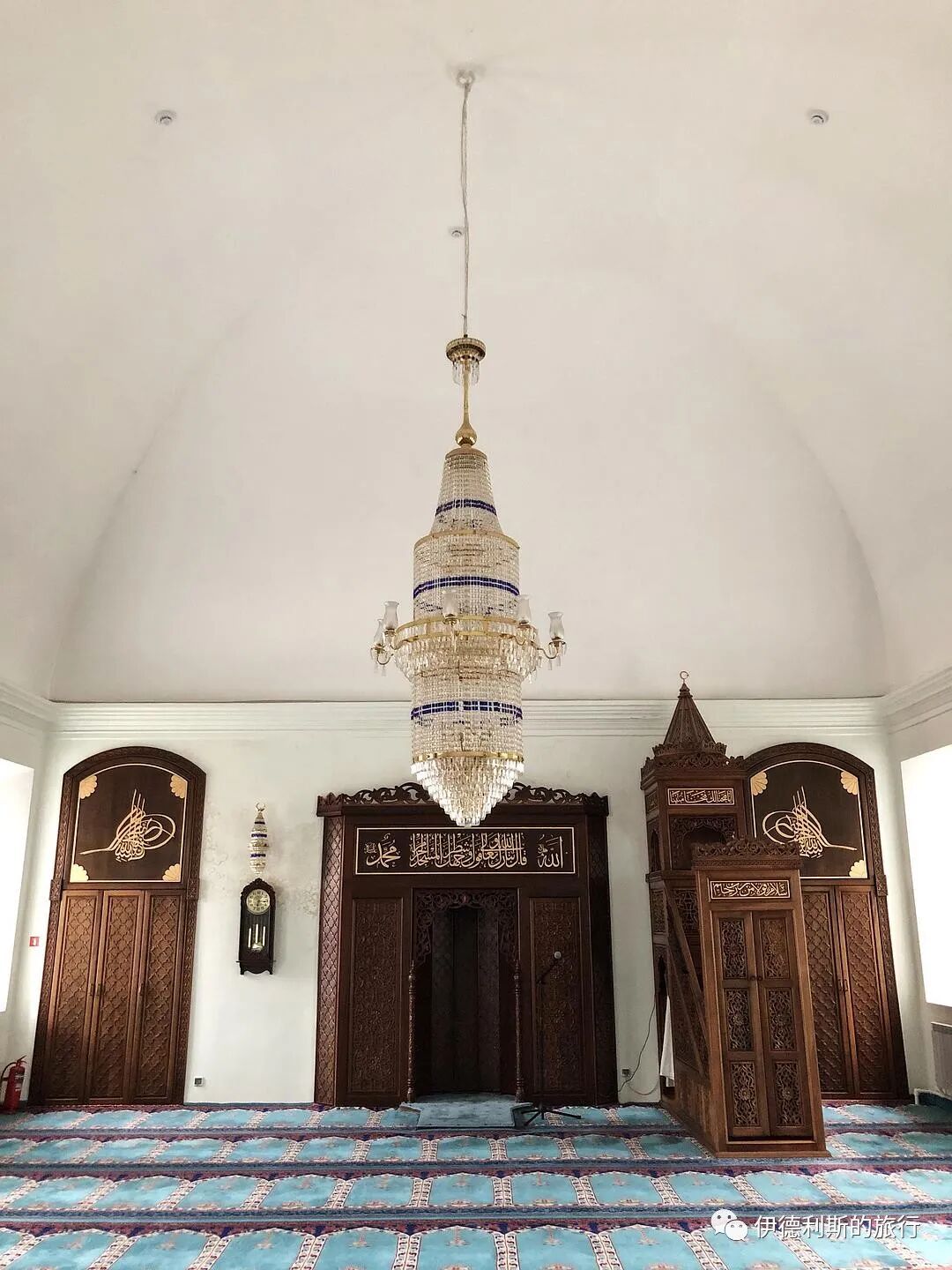
8. Nurulla Mosque: 1849
The Nurulla Mosque was built between 1845 and 1849 with a donation from merchant Ğ. M. Yunısov, featuring a minaret in the ancient Volga Bolghar style and a dome in the Middle Eastern style.
The mosque is part of a series of supporting buildings around the Sennoy Bazaar. The Sennoy Bazaar was the trade center of the Old Tatar Quarter of Kazan in the 18th and 19th centuries. At that time, the mosque was mainly used by Tatar merchants who came to the Sennoy Bazaar to do business, and it was initially named Sennobazarnaya Mosque after the bazaar.
The mosque was closed in 1929 and converted into apartments and offices, during which time the minaret was destroyed. It was not returned to the Muslims until 1992 and was renamed Nurulla Mosque. The minaret was restored between 1990 and 1995.
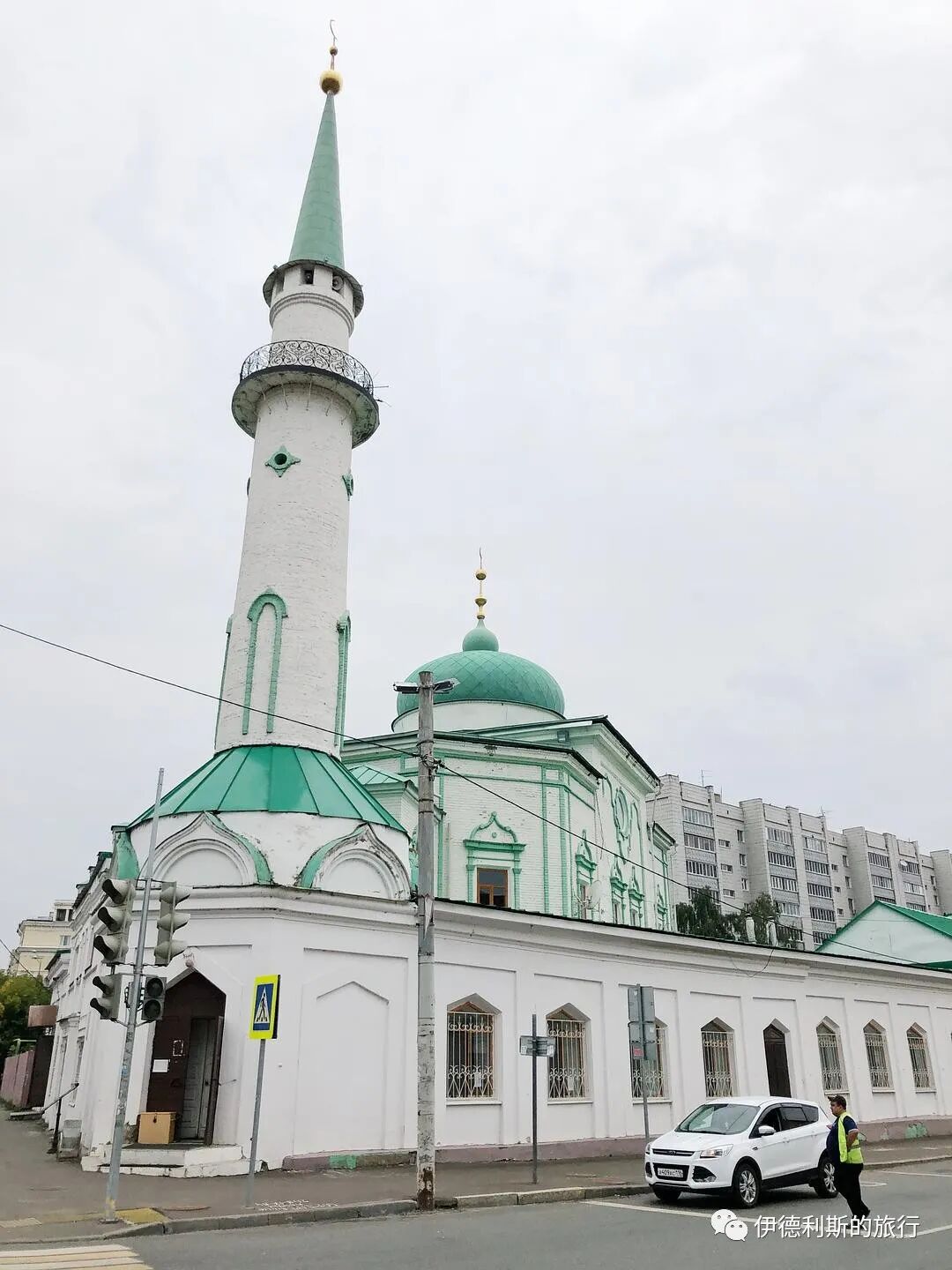
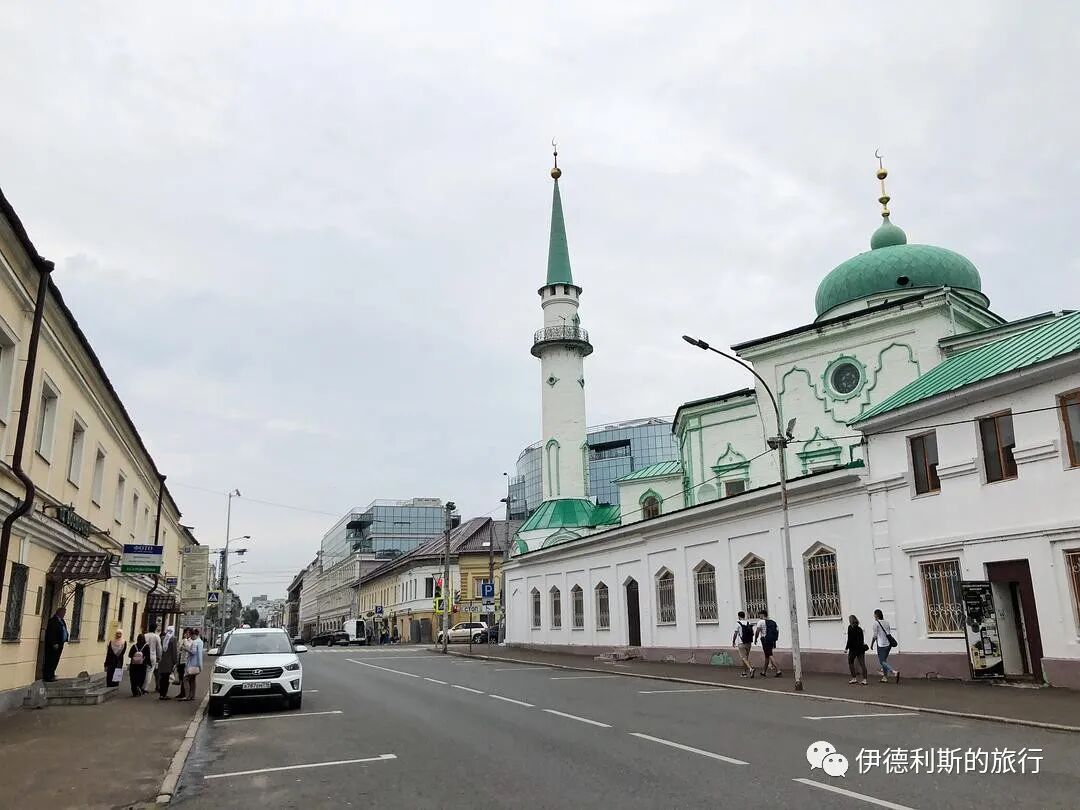
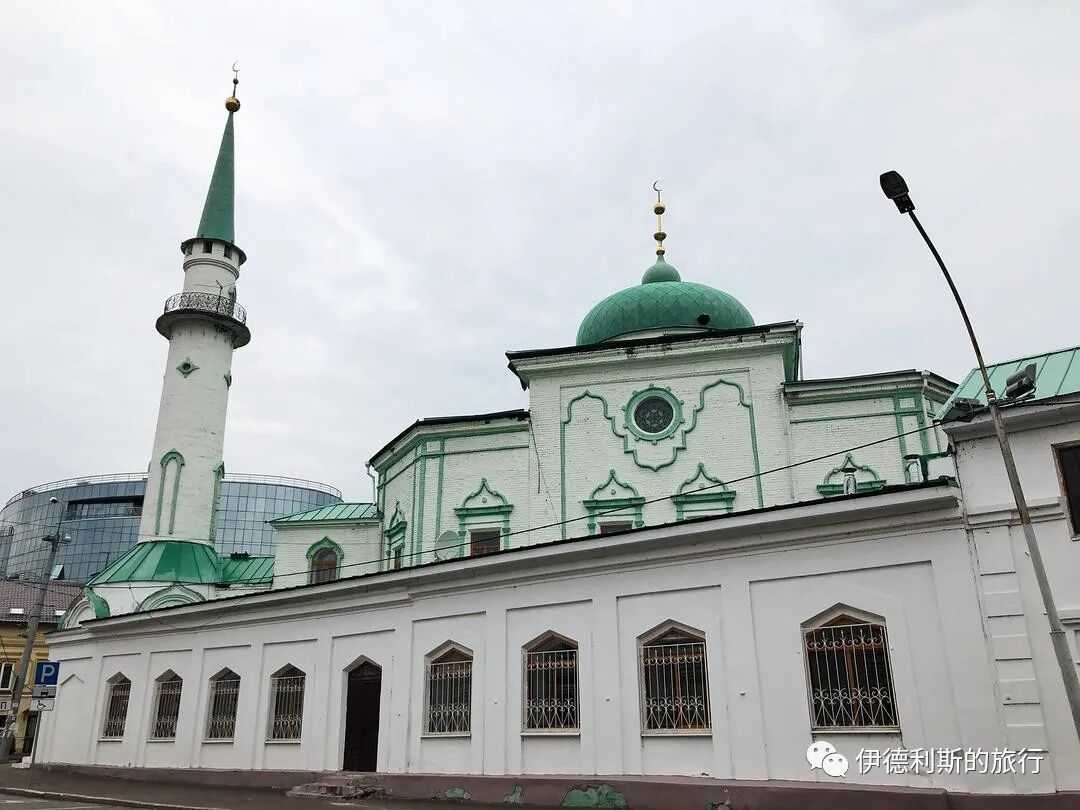
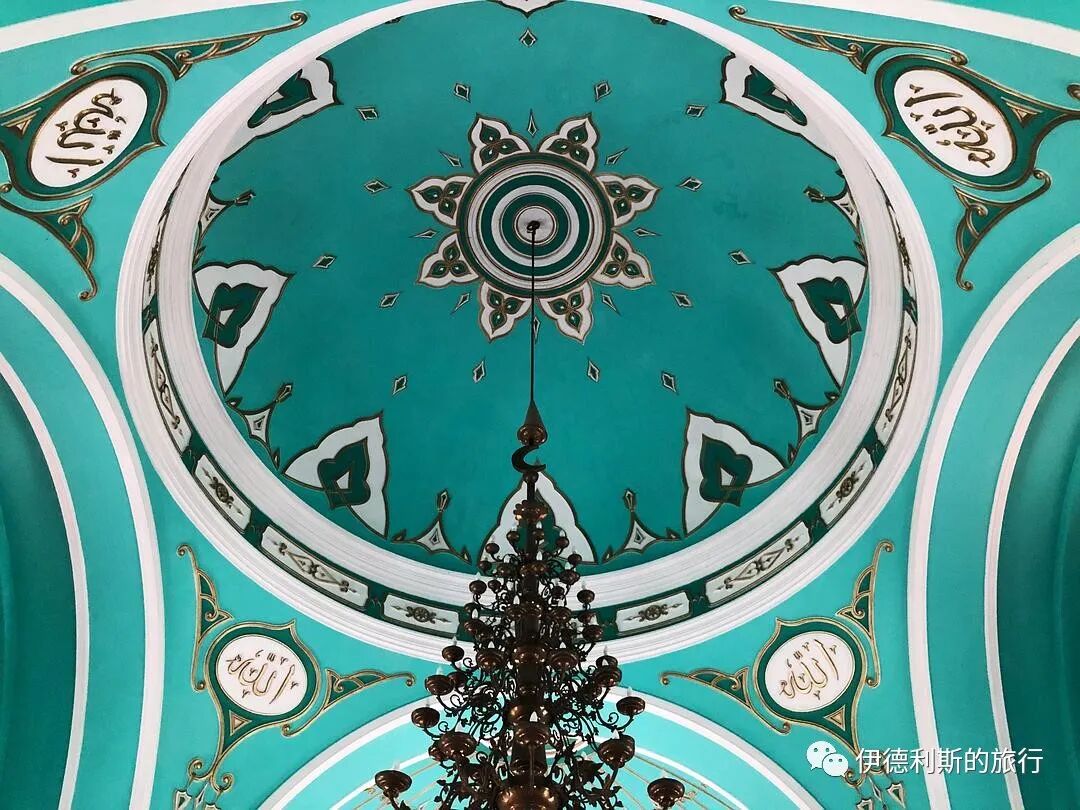
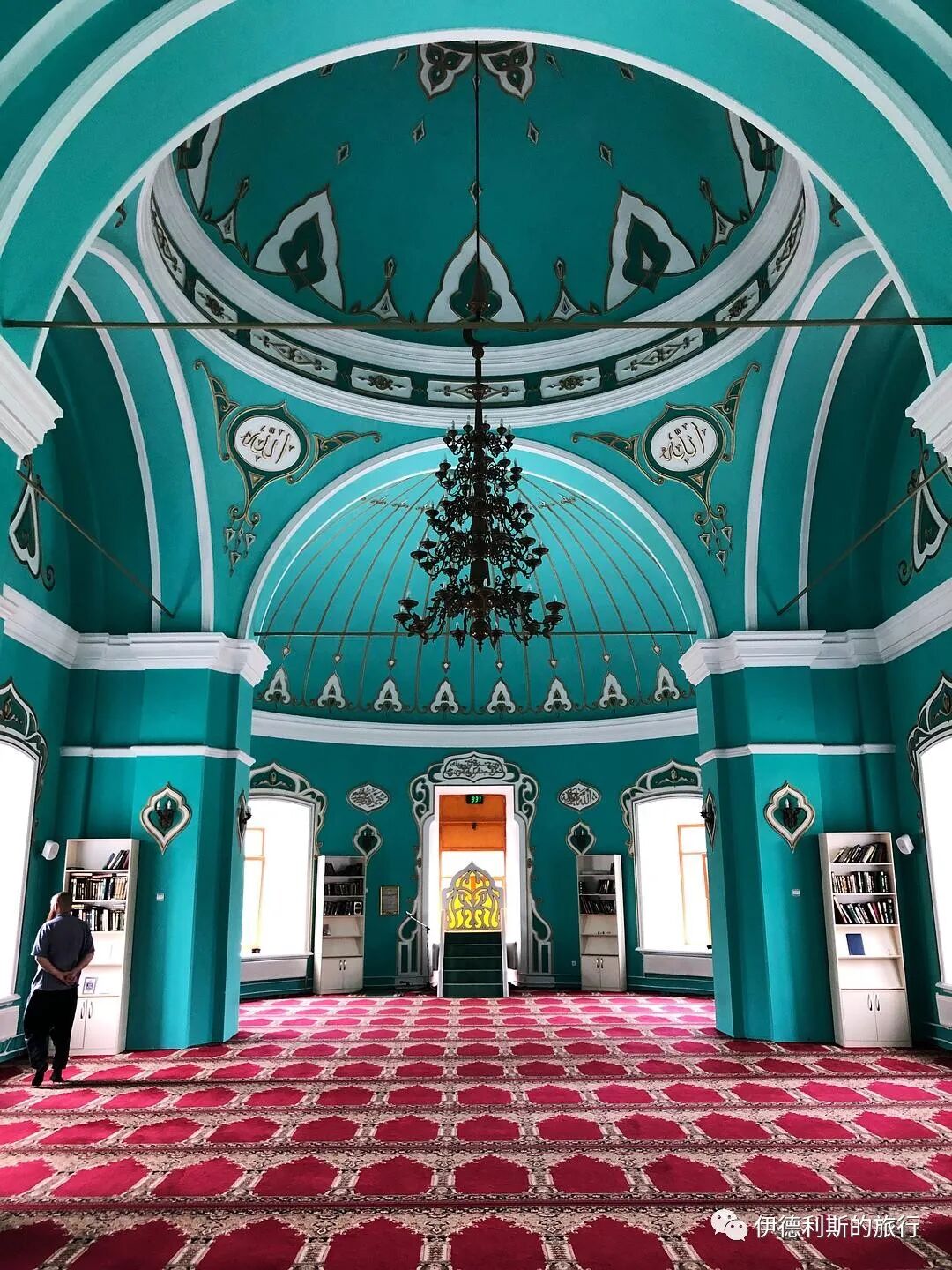
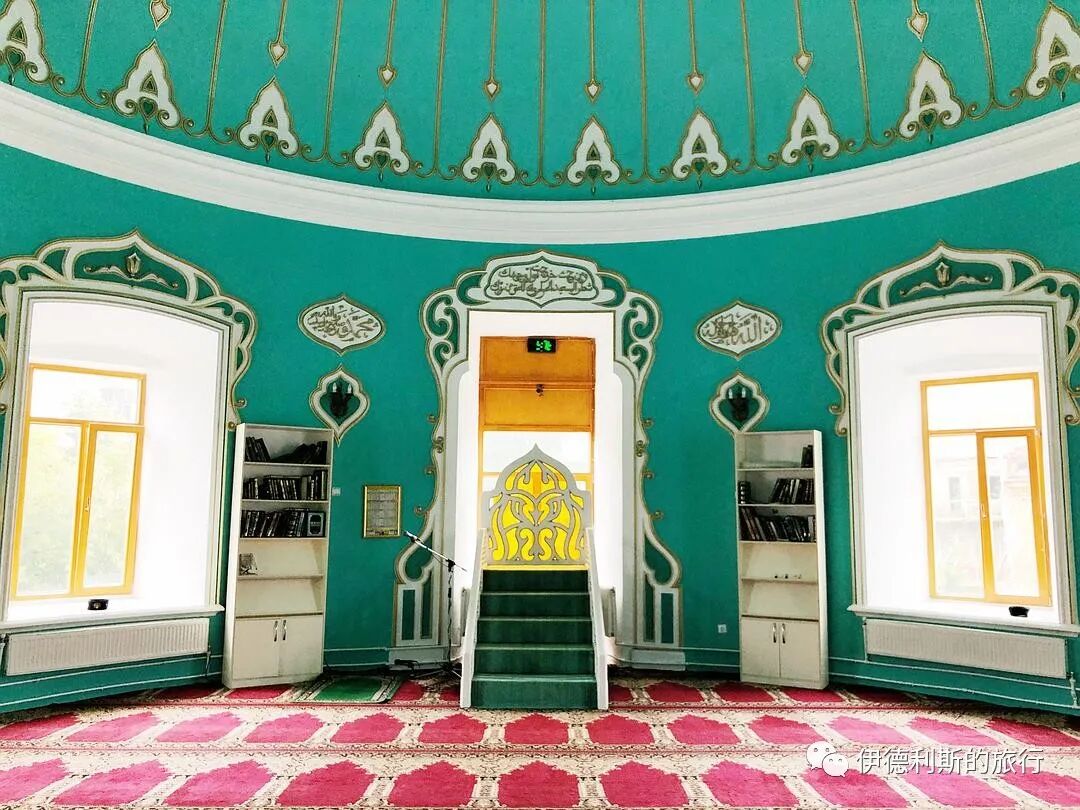
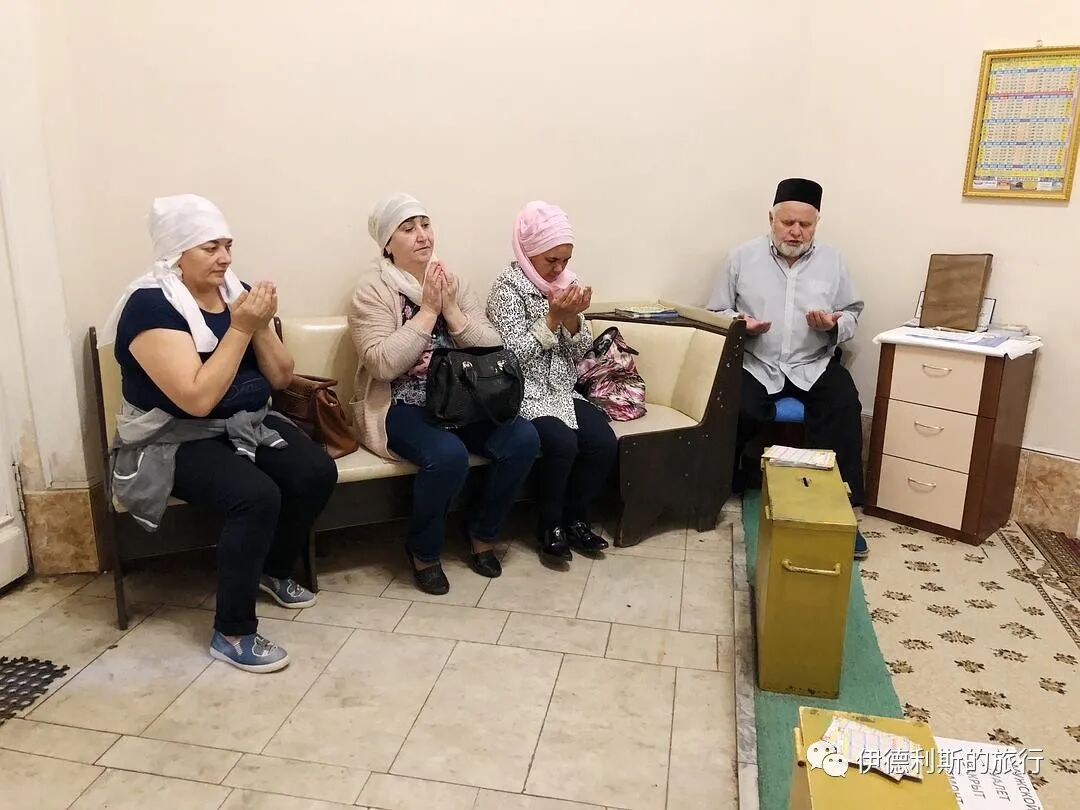
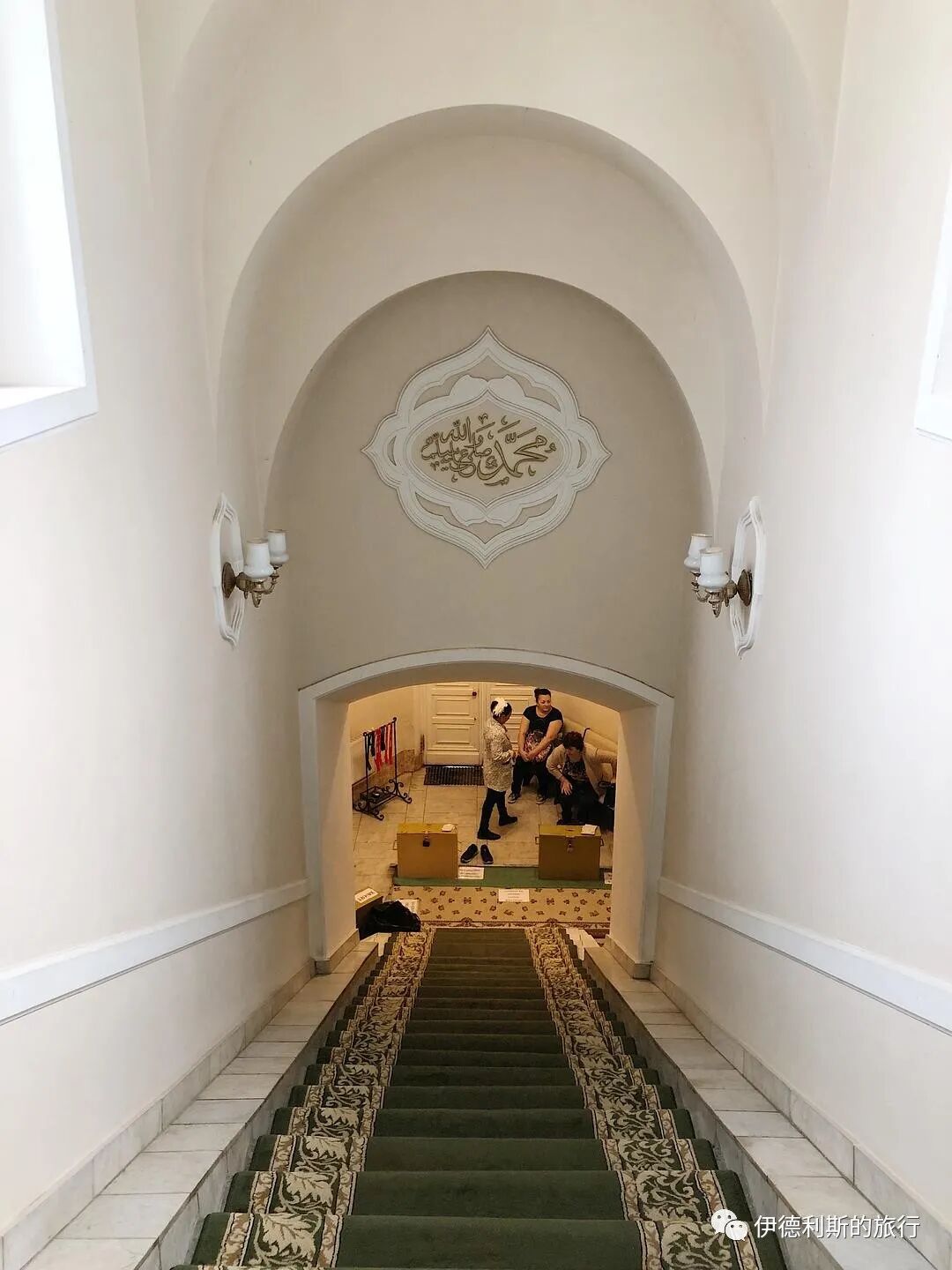
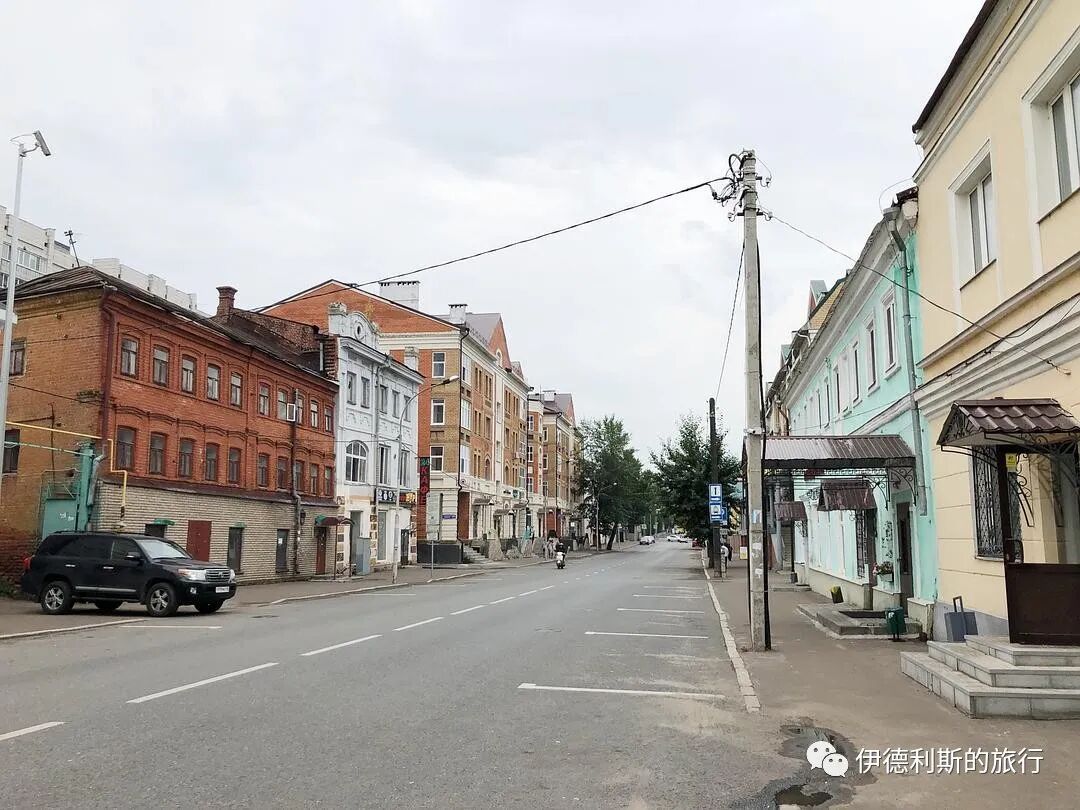
The Tubetei (Тюбетей) hat of the Kazan Tatars bought at the shop of the Nurulla Mosque
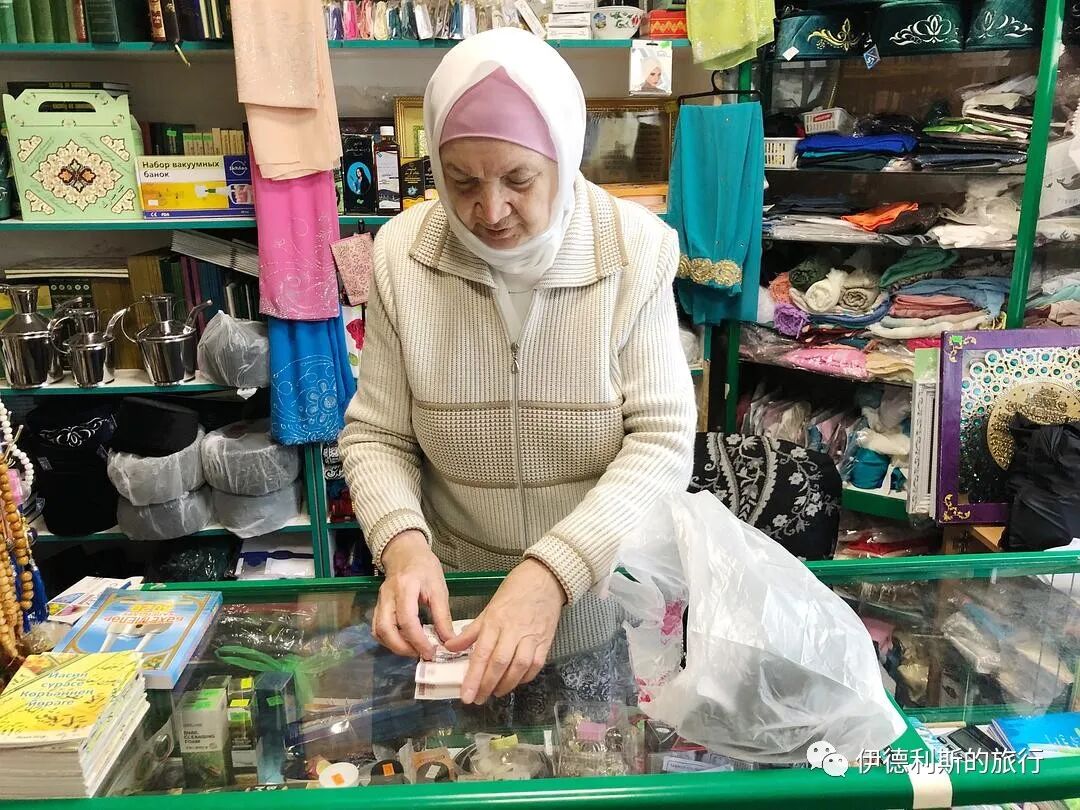
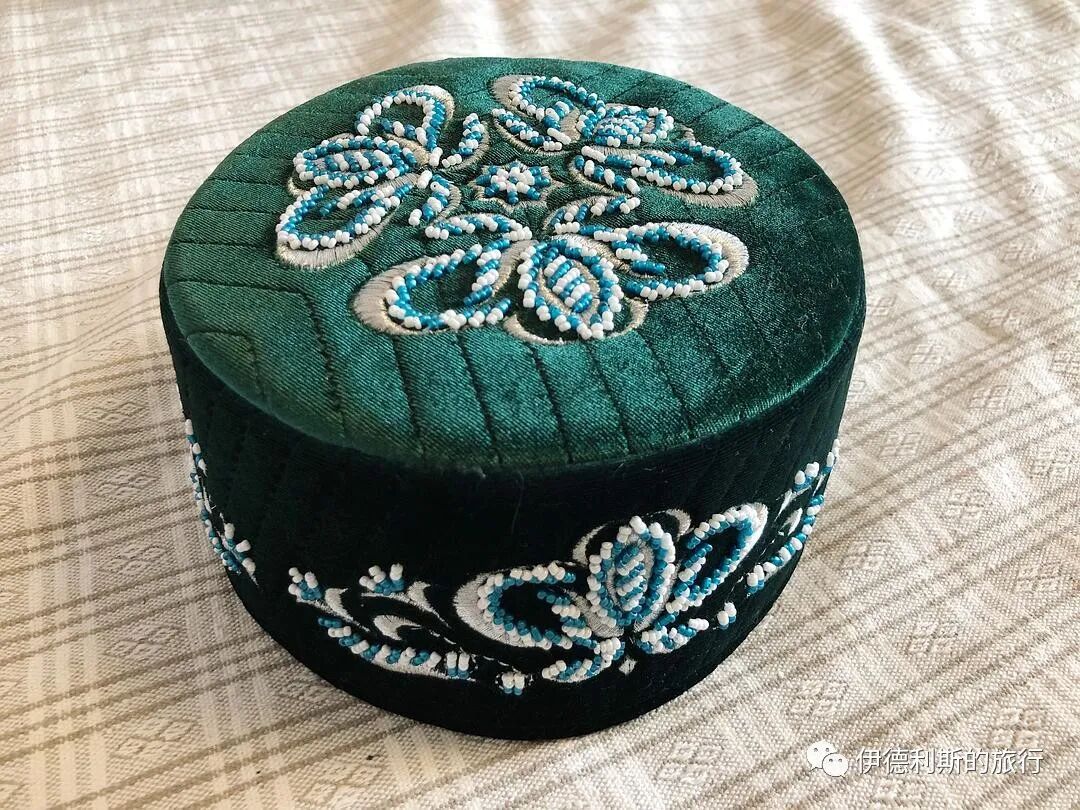
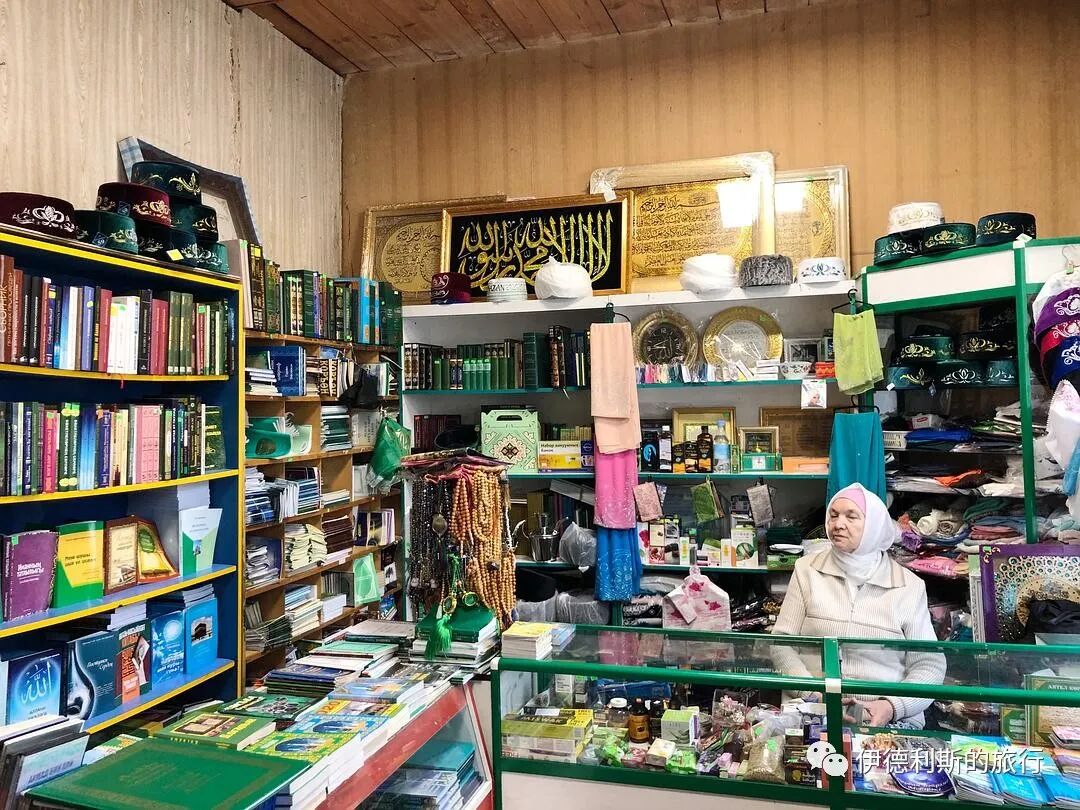
9. Soltan Mosque: 1868
The Soltan Mosque was built in 1868 with a donation from Tatar merchant Zigansha Usmanov. The area where the mosque is located is called Zabulachye, which means behind the Bulak Canal. During the Kazan Khanate period, this was outside the city and had a settlement called Kuraisheva Sloboda. After Ivan the Terrible conquered Kazan in 1552, this place remained a Tatar settlement, but it was gradually surrounded by Russian settlements, and churches began to be built right next to the mosque.
In the 19th century, Tatar merchant Cihanşa Ğosmanov was determined to build a mosque here that was more beautiful than the church next to it. The mosque was completed in 1868, and to commemorate him, people called the mosque Ğosmanov Mosque or Cihanşa Mosque.
At first, the walls of the mosque were red, so it was also called the Red Mosque. Now the mosque is called the Soltan Mosque, which is to commemorate Zigansha's son, Sultan Abdulgaziz Usmanov, who continued to take care of the local community after his father's death.
The mosque was closed in 1931, and later the minaret was destroyed. It became an architectural monument in 1980. The minaret was rebuilt in 1990, and it reopened in 1994.
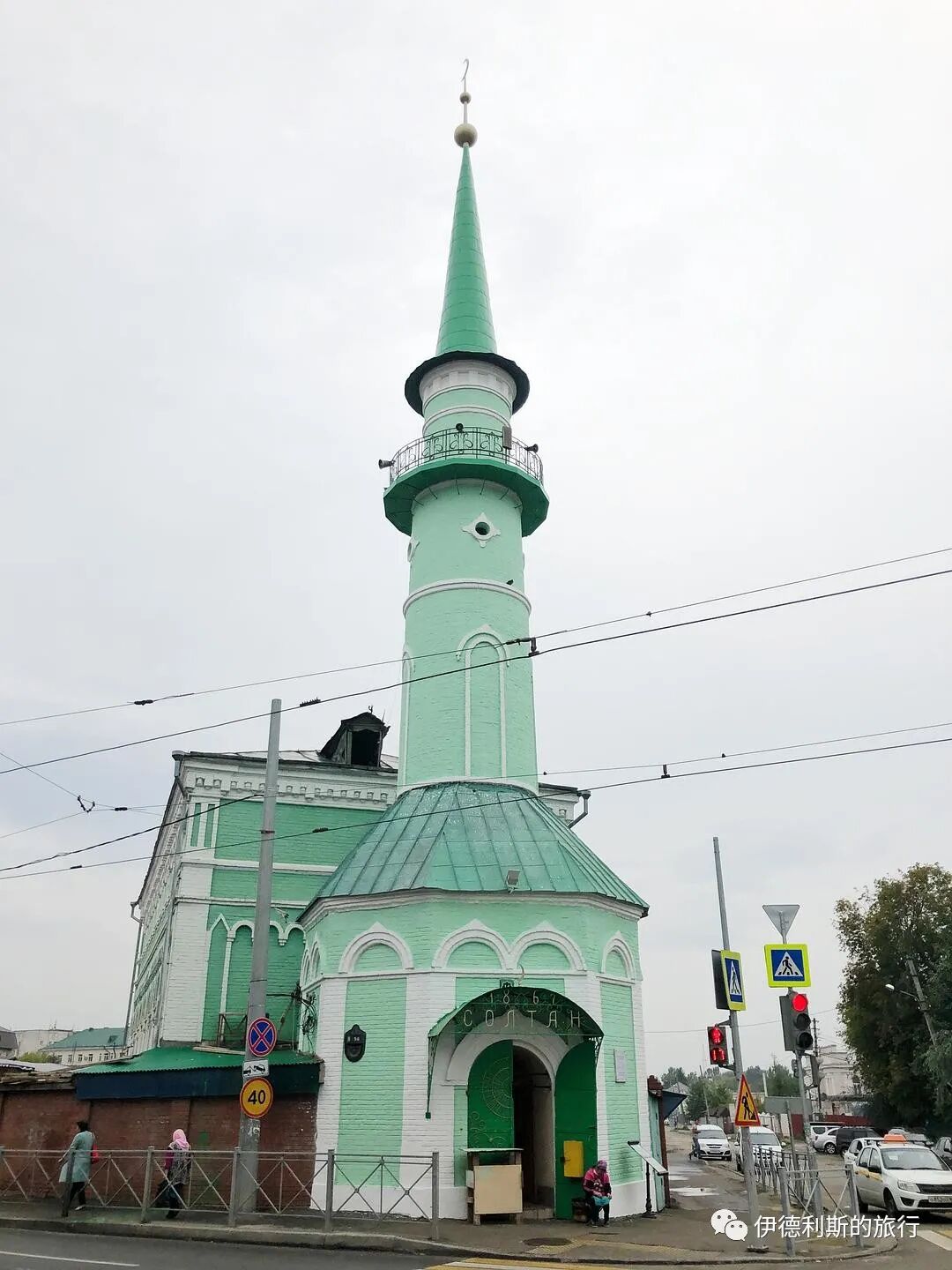
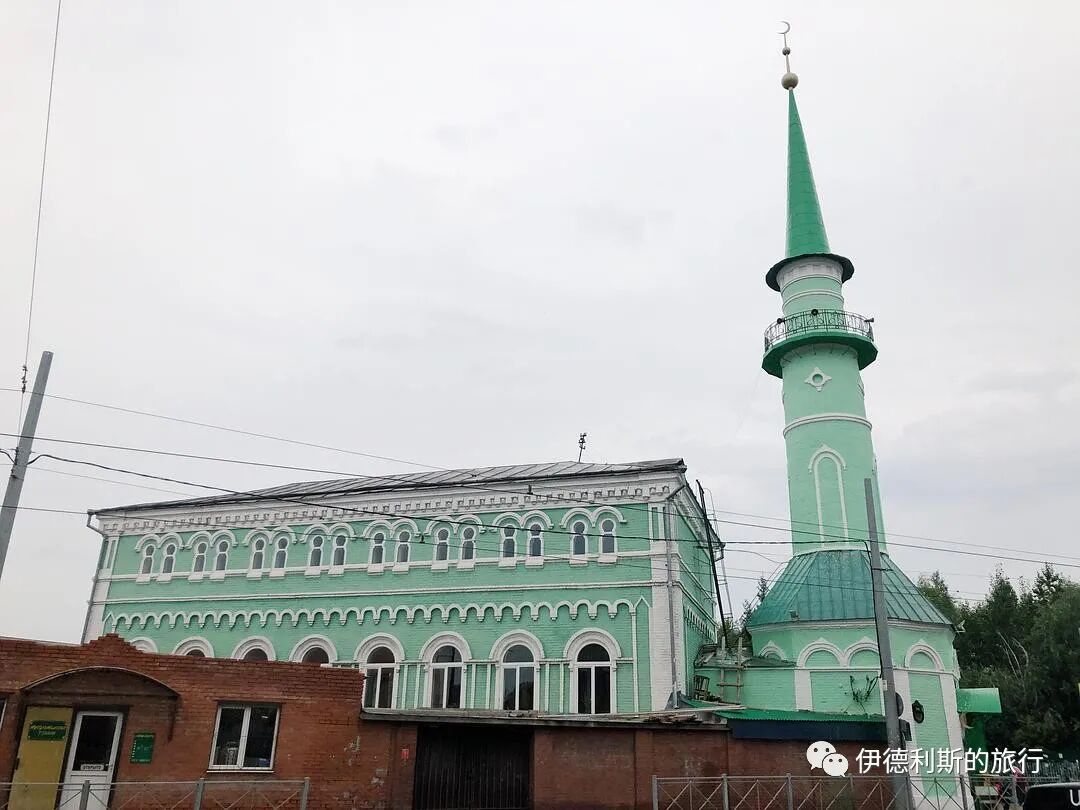
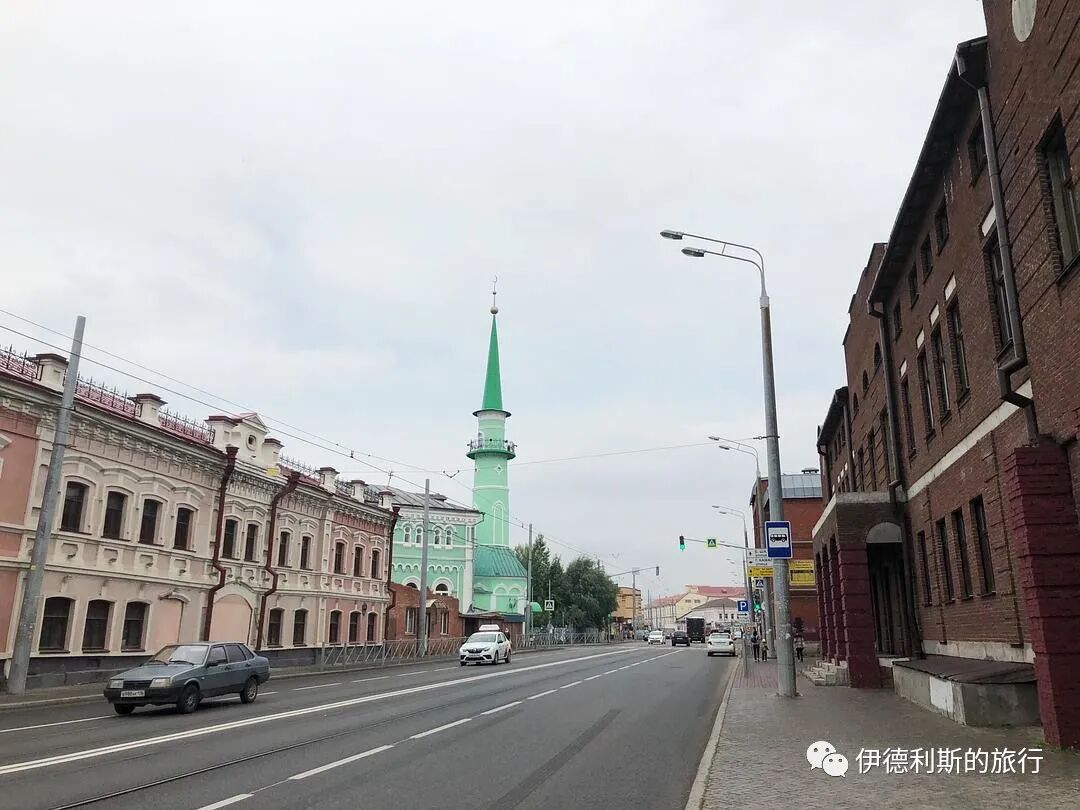
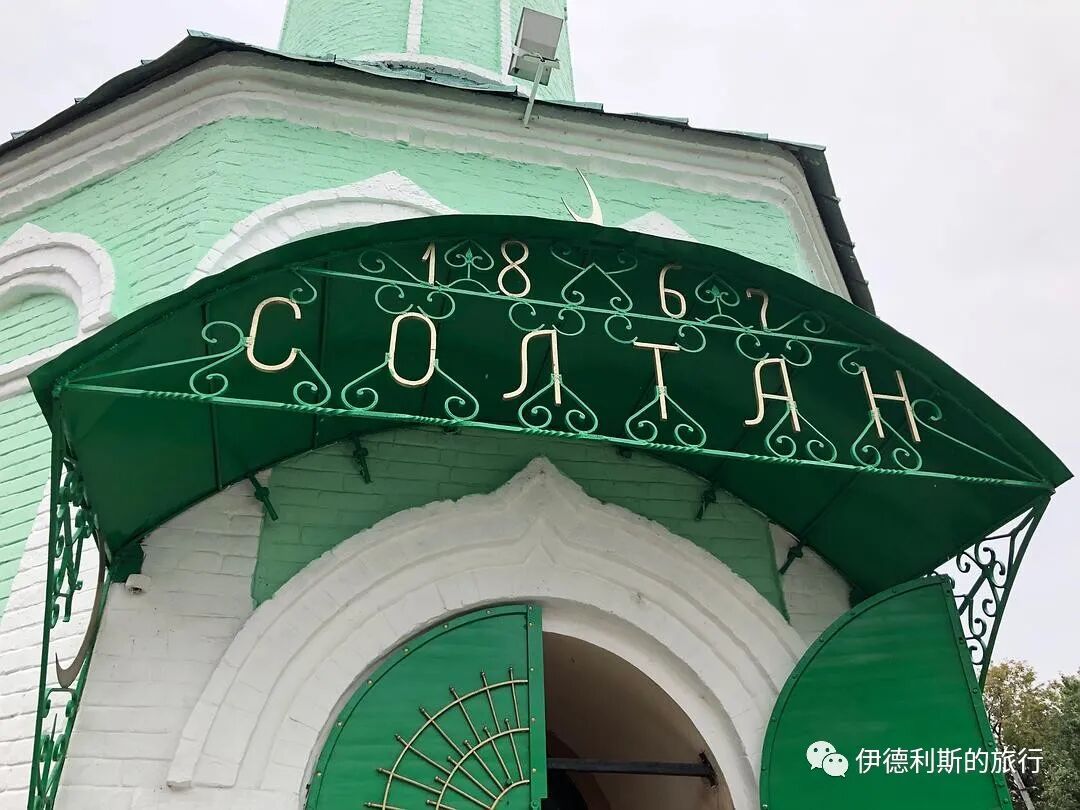
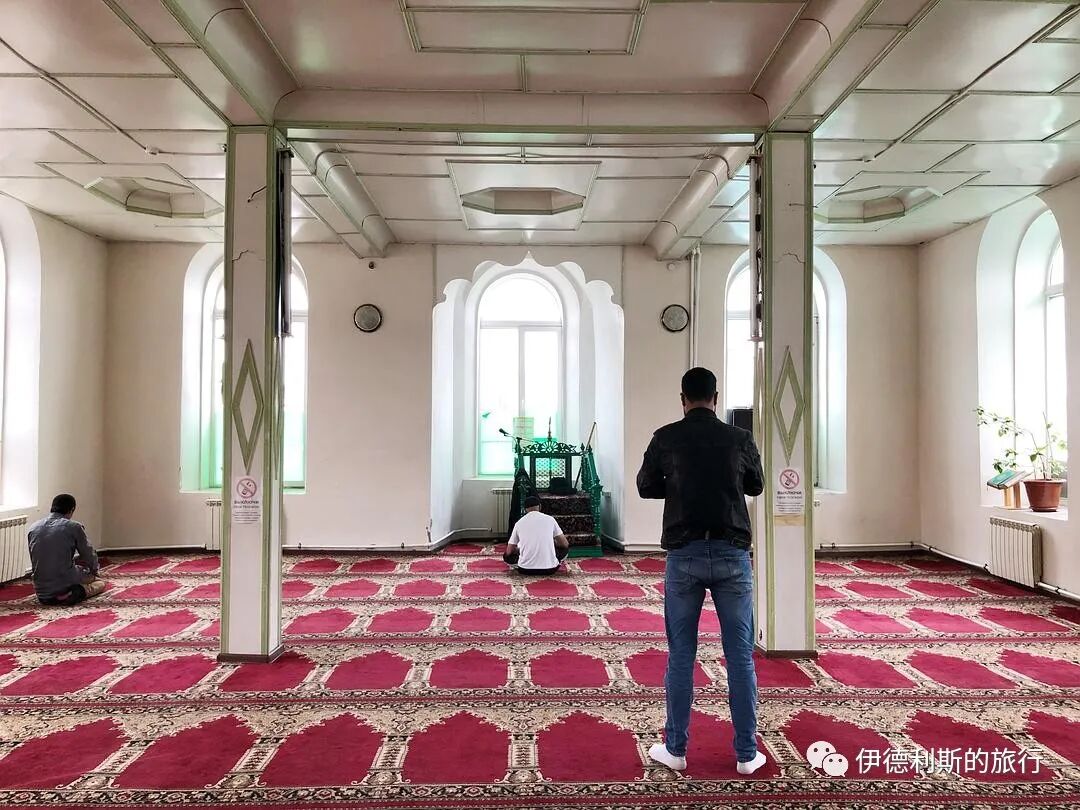
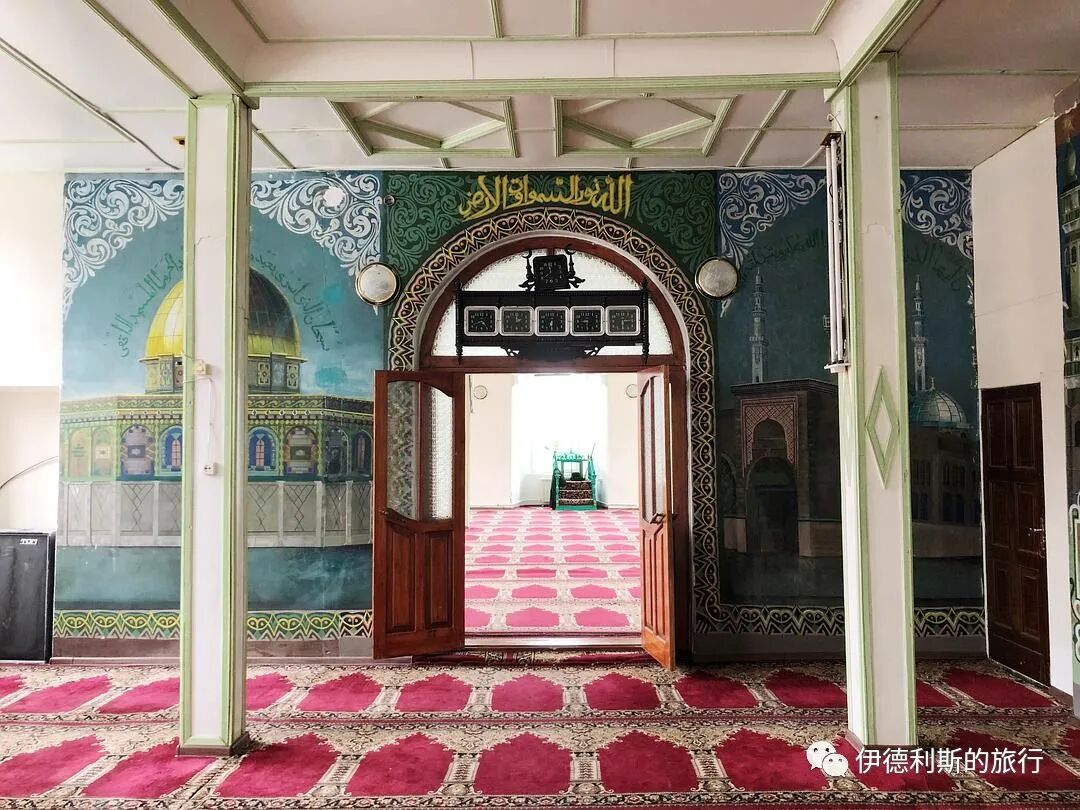
10. Bornay Mosque: 1872
The Bornay (Burnaevskaya) Mosque was built in 1872 with funds donated by Tatar merchant Mukhametsadyk Burnayev, and the architect was Peter Romanov.
The mosque is located in the Old Tatar Quarter behind Lake Kaban. In 1799, Tatar merchant Salikh Mustafin built a wooden mosque here. Initially, the mosque was built for the students of the Apanaev Madrasa, and later the surrounding residents also began to use it. Unfortunately, the mosque was later destroyed by fire. In 1872, Tatar merchant Mukhametsadyk Burnayev donated funds to build the current brick mosque on the basis of the burned-down wooden mosque and named it after himself.
The mosque is in the national romantic eclectic style, blending Russian and Tatar architectural decorations. In 1895, shortly before Burnayev's death, a magnificent minaret was designed and built by architects Fyodor Malinovsky and Lev Khrshonovich.
The mosque was closed in 1930, but fortunately, the minaret was preserved, and it reopened in 1994.
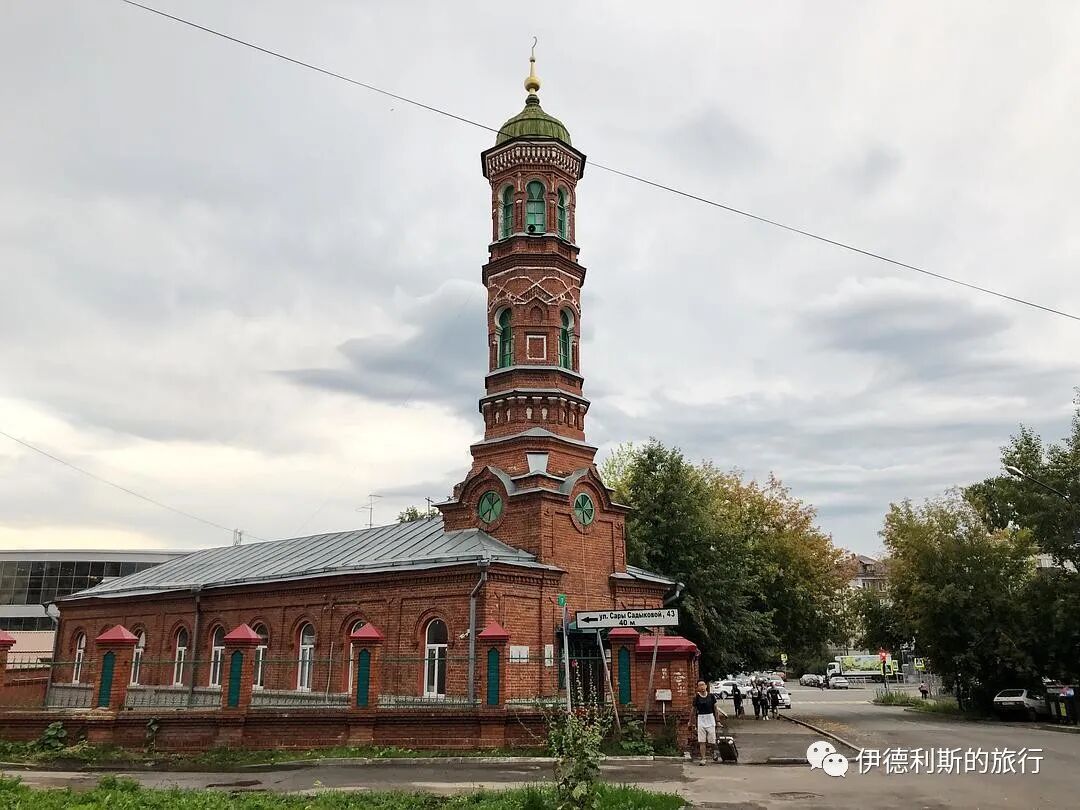
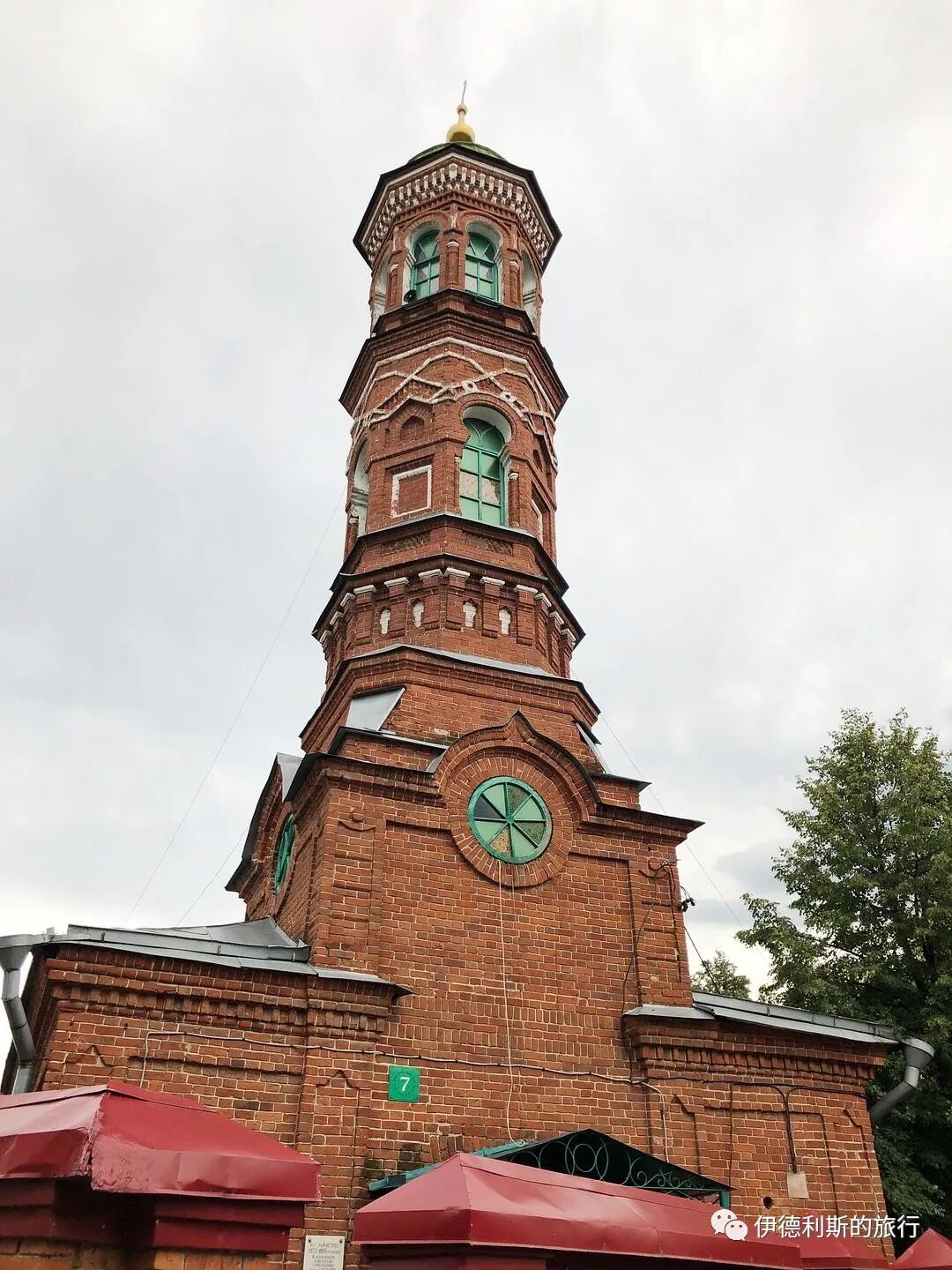
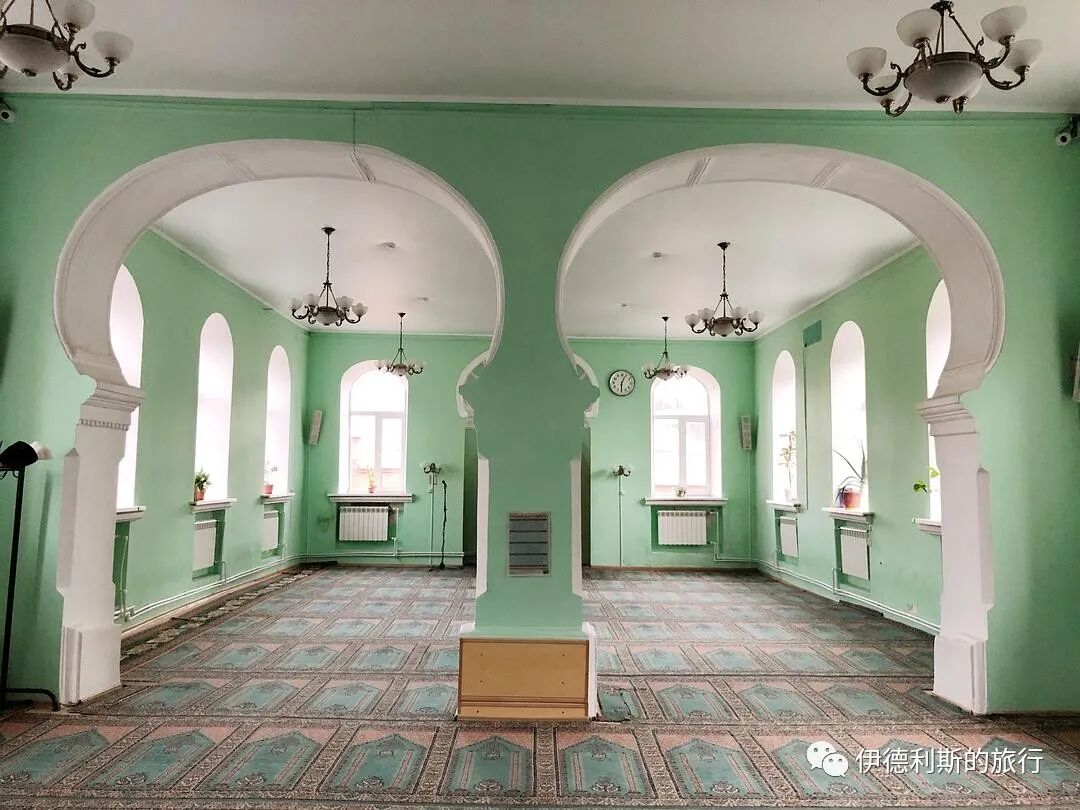
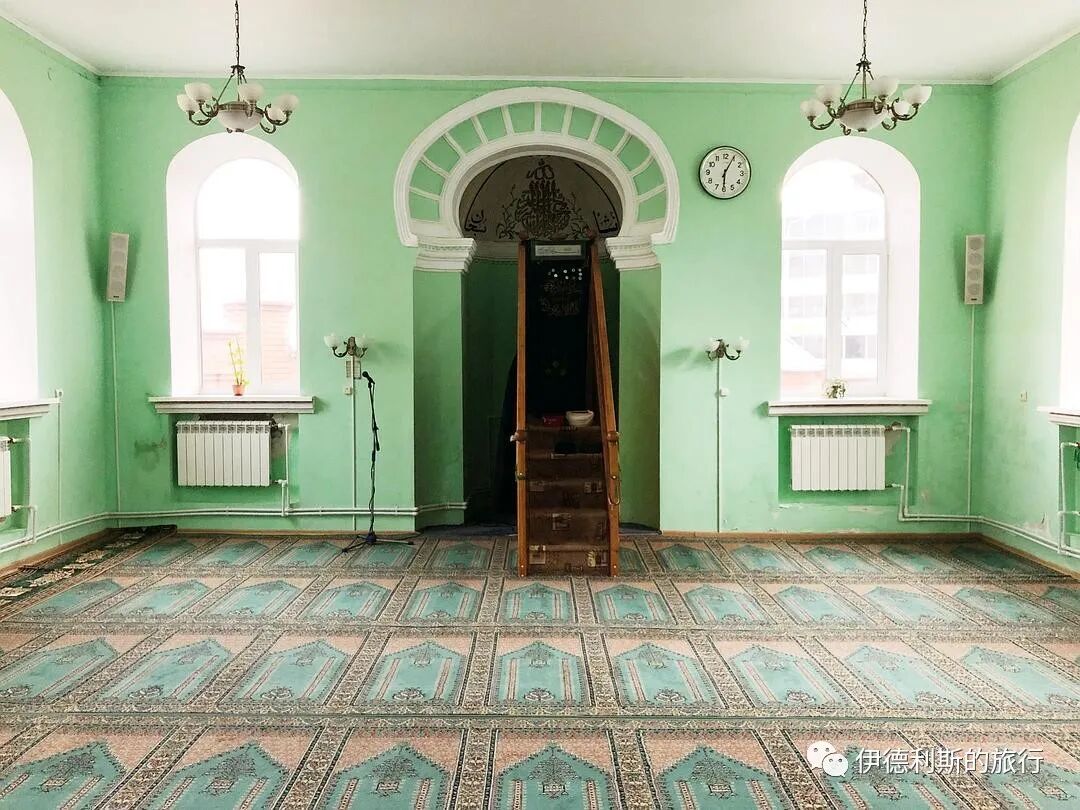
11. Azimov Mosque: 1890
The Azimov Mosque was built between 1887 and 1890 with funds donated by Tatar merchant Mortaza Äcimev. The mosque was built in the national romantic eclectic style and is known as the most beautiful mosque in Kazan.
The place where the mosque is located is called Pleten (wicker fence), located between the Old Tatar Quarter and the New Tatar Quarter. In 1851, Tatar merchant Mustafa Azimov built a wooden mosque here. Between 1887 and 1890, his son Murtaza Azimov donated funds to build the current brick mosque and named it after them. Because many Muslim workers from the soap factory lived in the Pleten area, it is also called Zavodskaya (Factory Mosque).
The mosque was closed in 1930 and occupied by a school until it was returned to the Muslims in 1989 and opened in 1992.
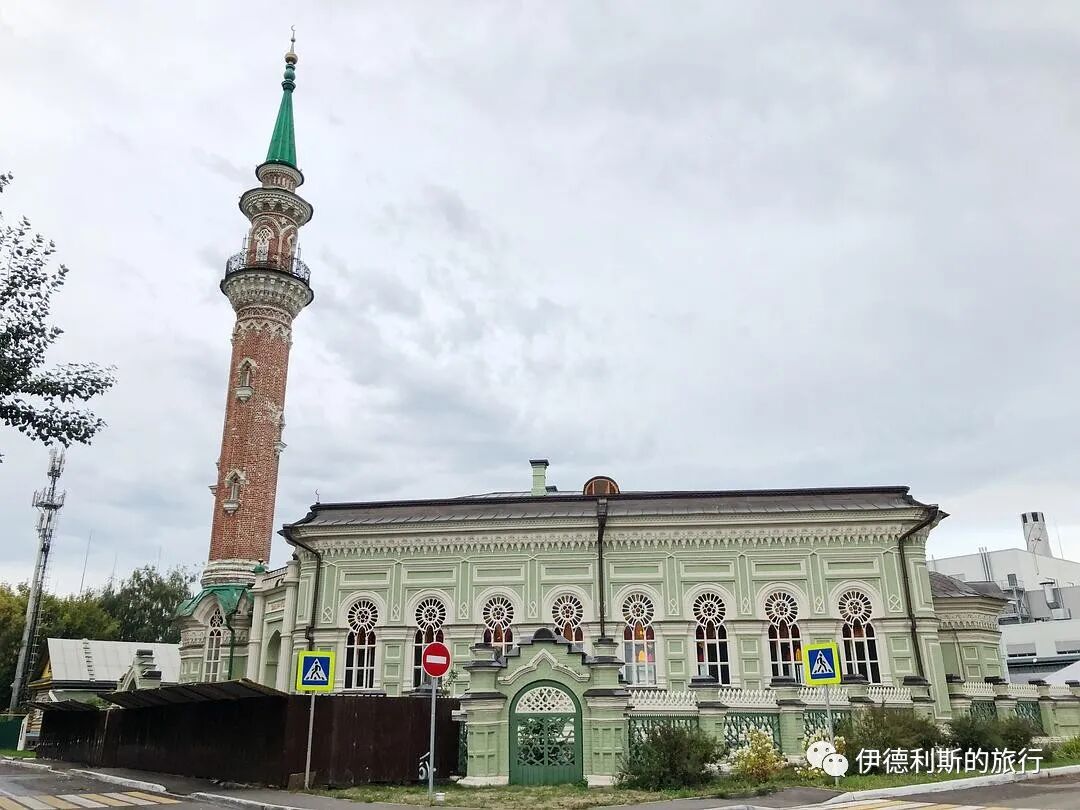
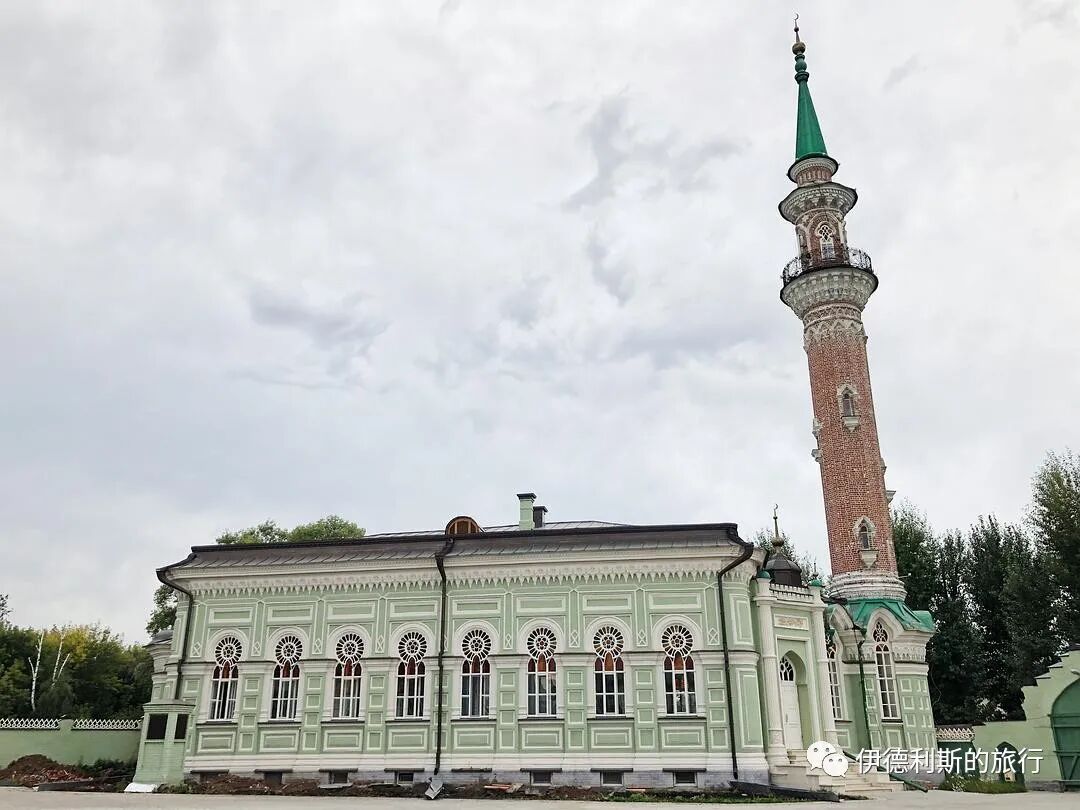
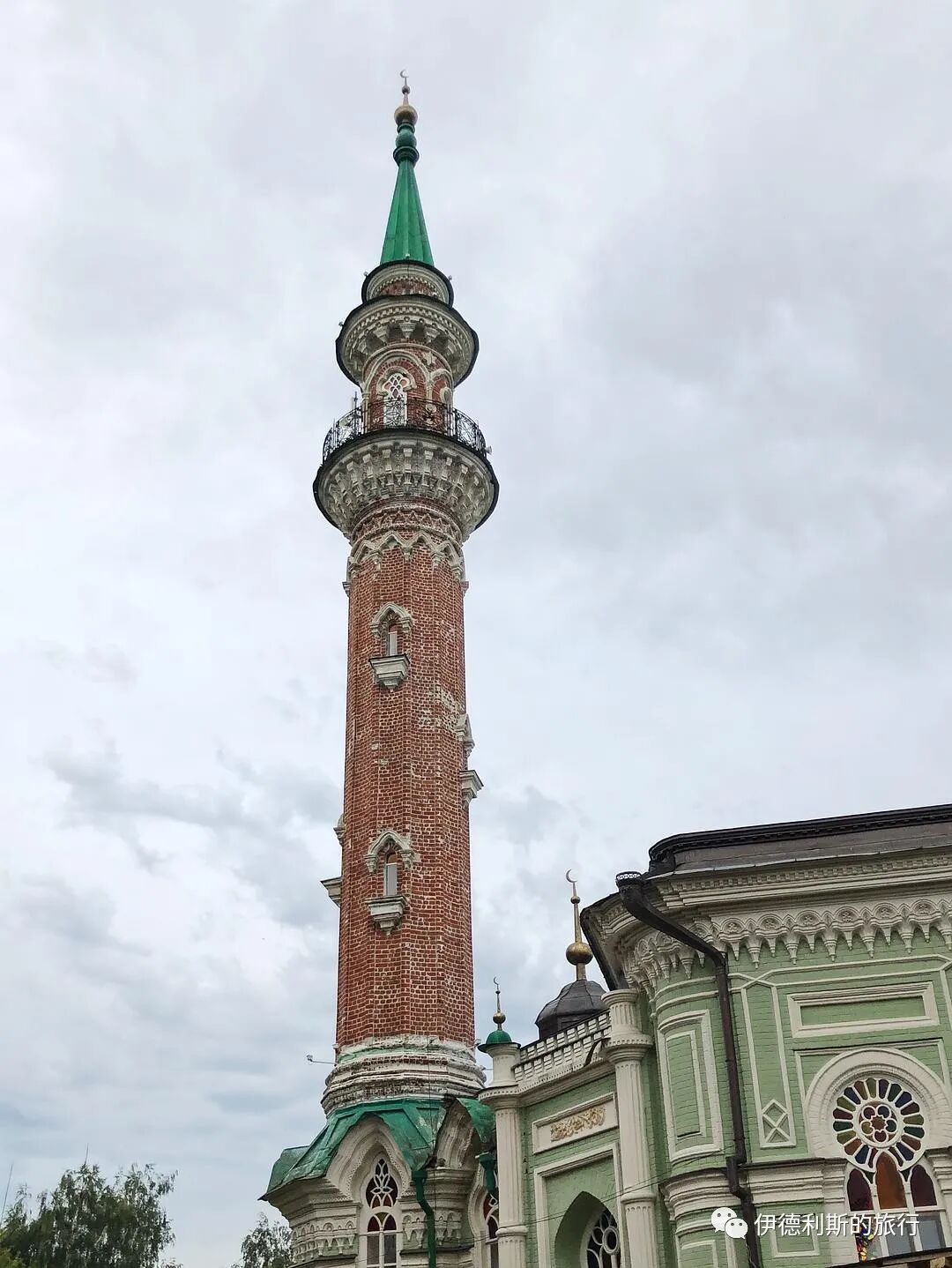
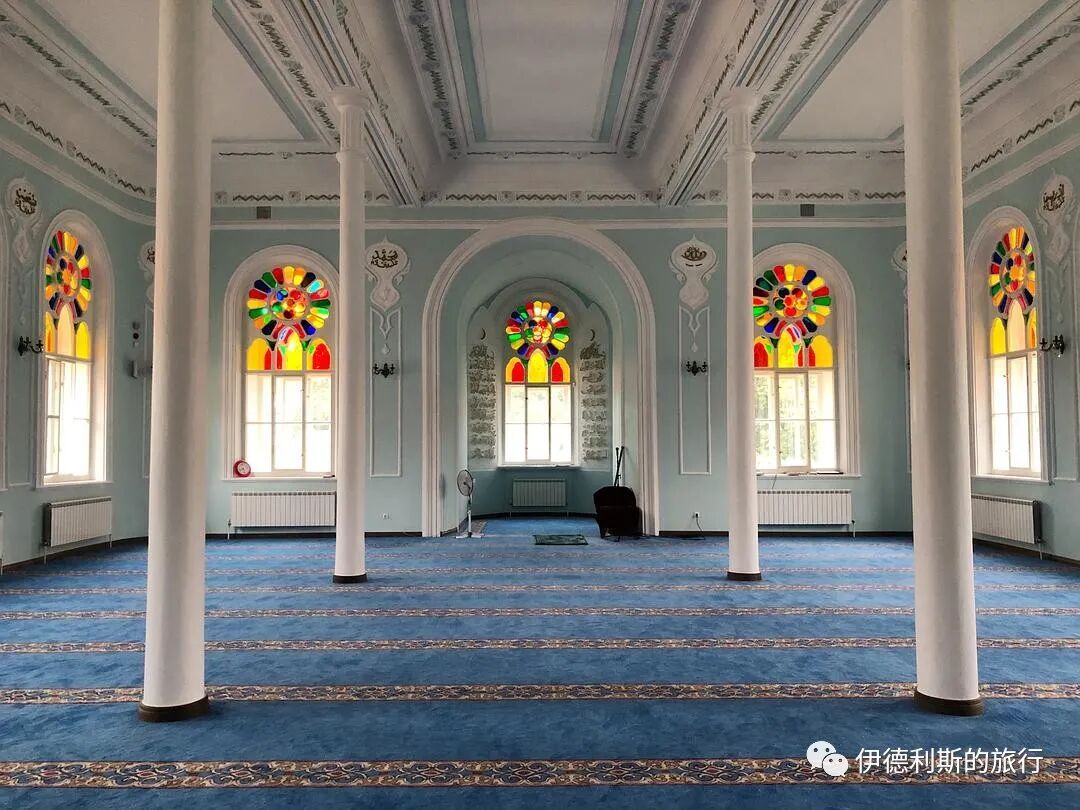
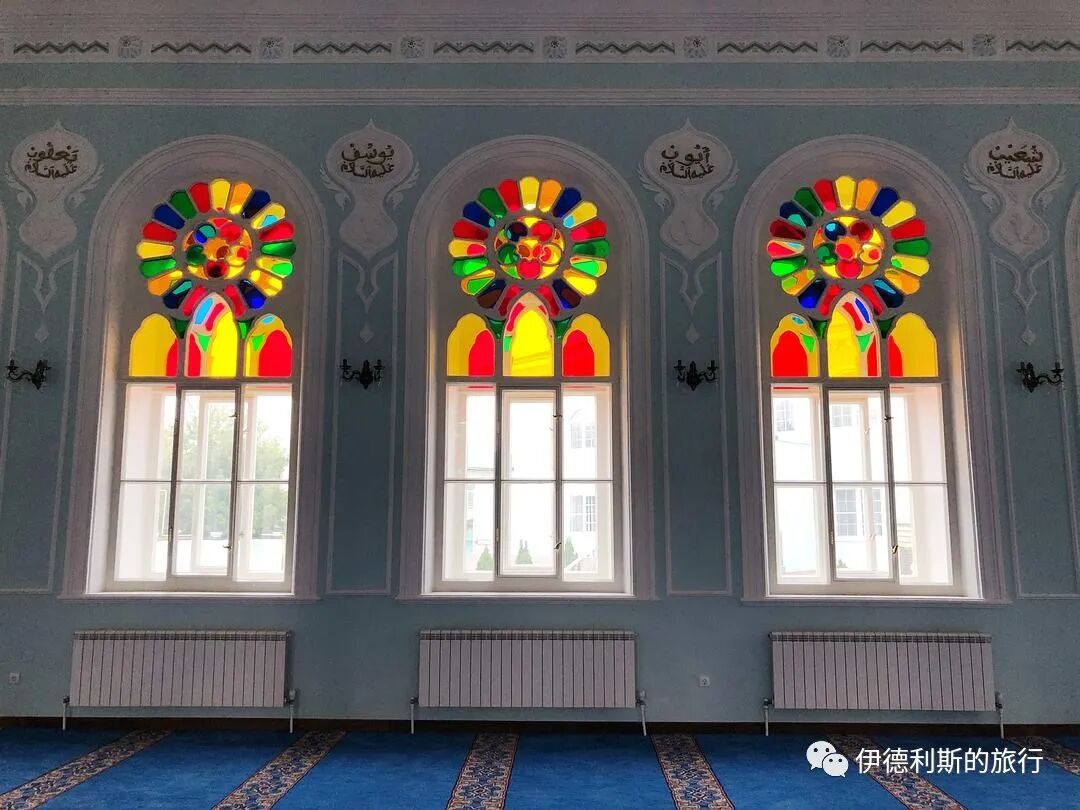
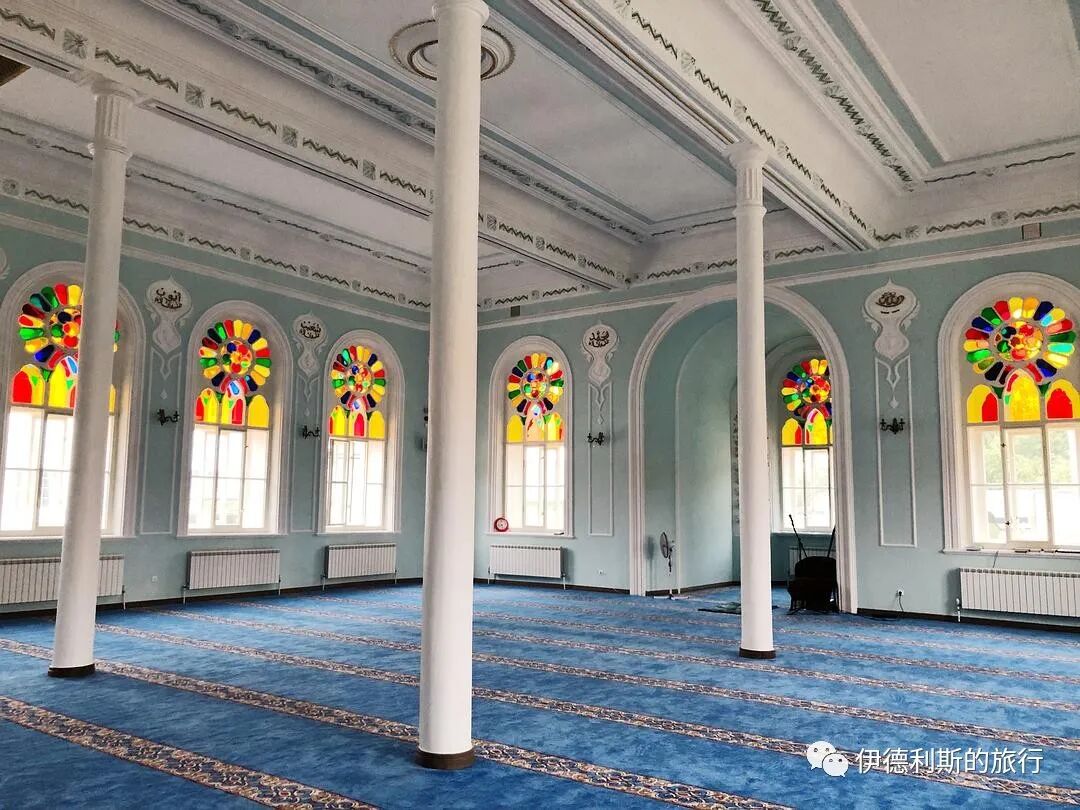
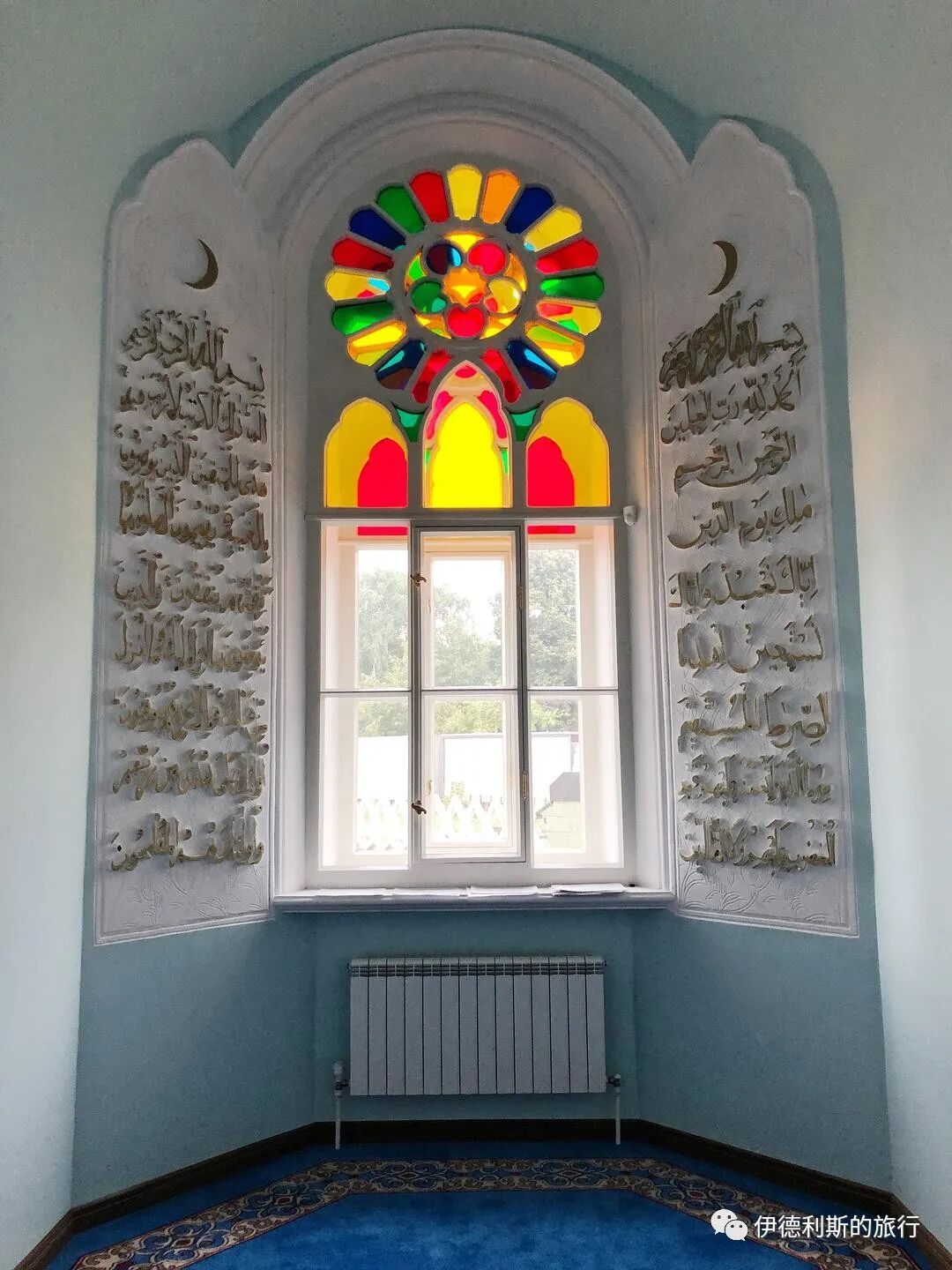
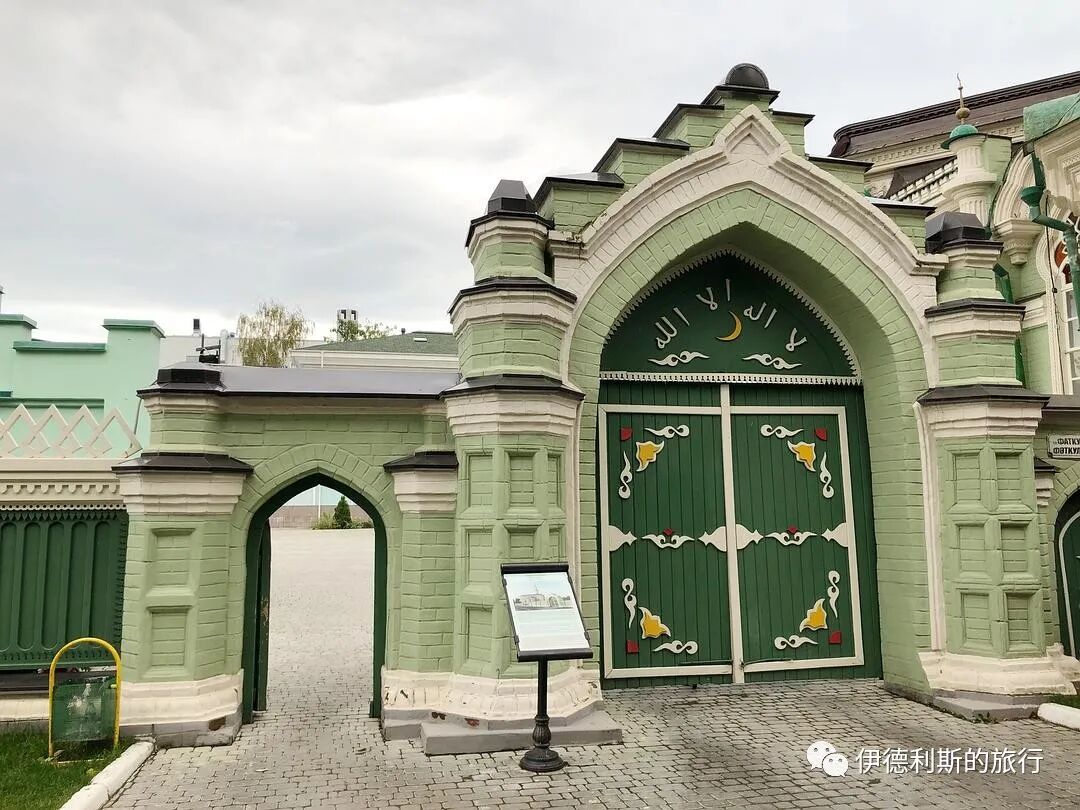
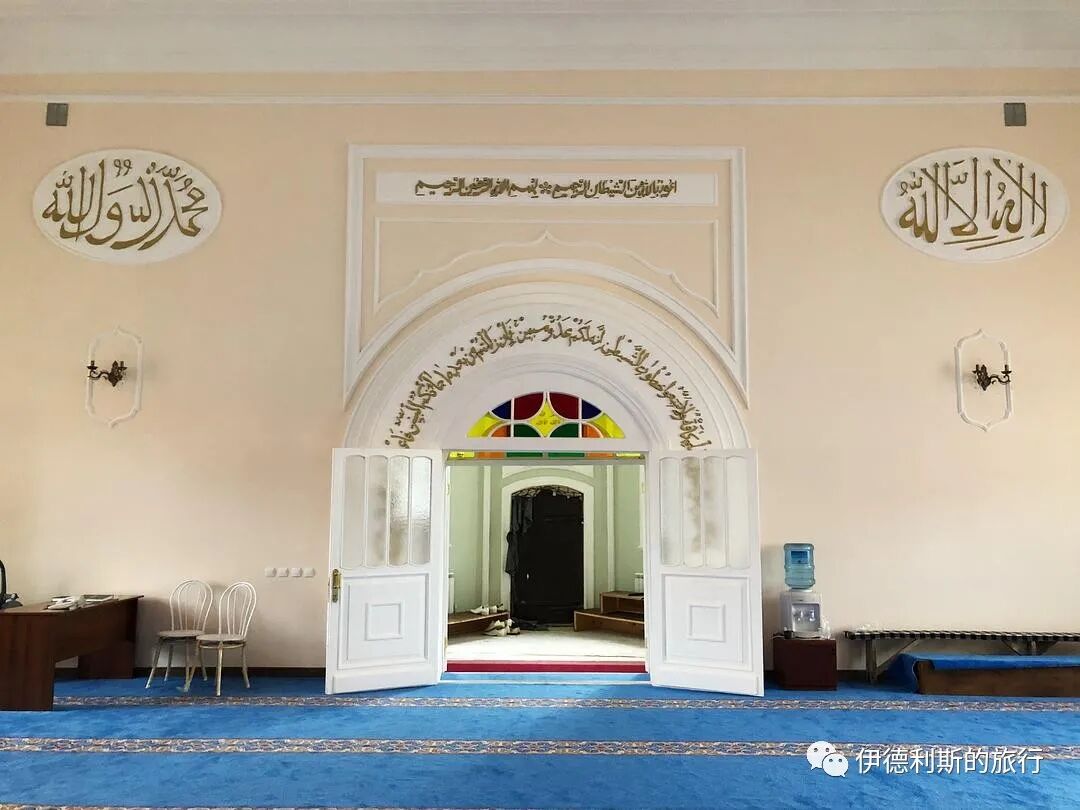
12. Zakabannaya Mosque: 1926
The Zakabannaya Mosque is also called the 'Mosque of the 1000th Anniversary of the Adoption of Islam', built between 1924 and 1926 to commemorate the 1000th anniversary of the Volga Bolghars' conversion to Islam in 922 AD. Stalin personally approved the construction of the mosque, which was designed by architect A. E. Pechnikov in 1914 and built with private donations.
The mosque was closed in 1930 and reopened in 1991. It was the last mosque built in Kazan before Stalin ordered the closure of mosques in 1930.
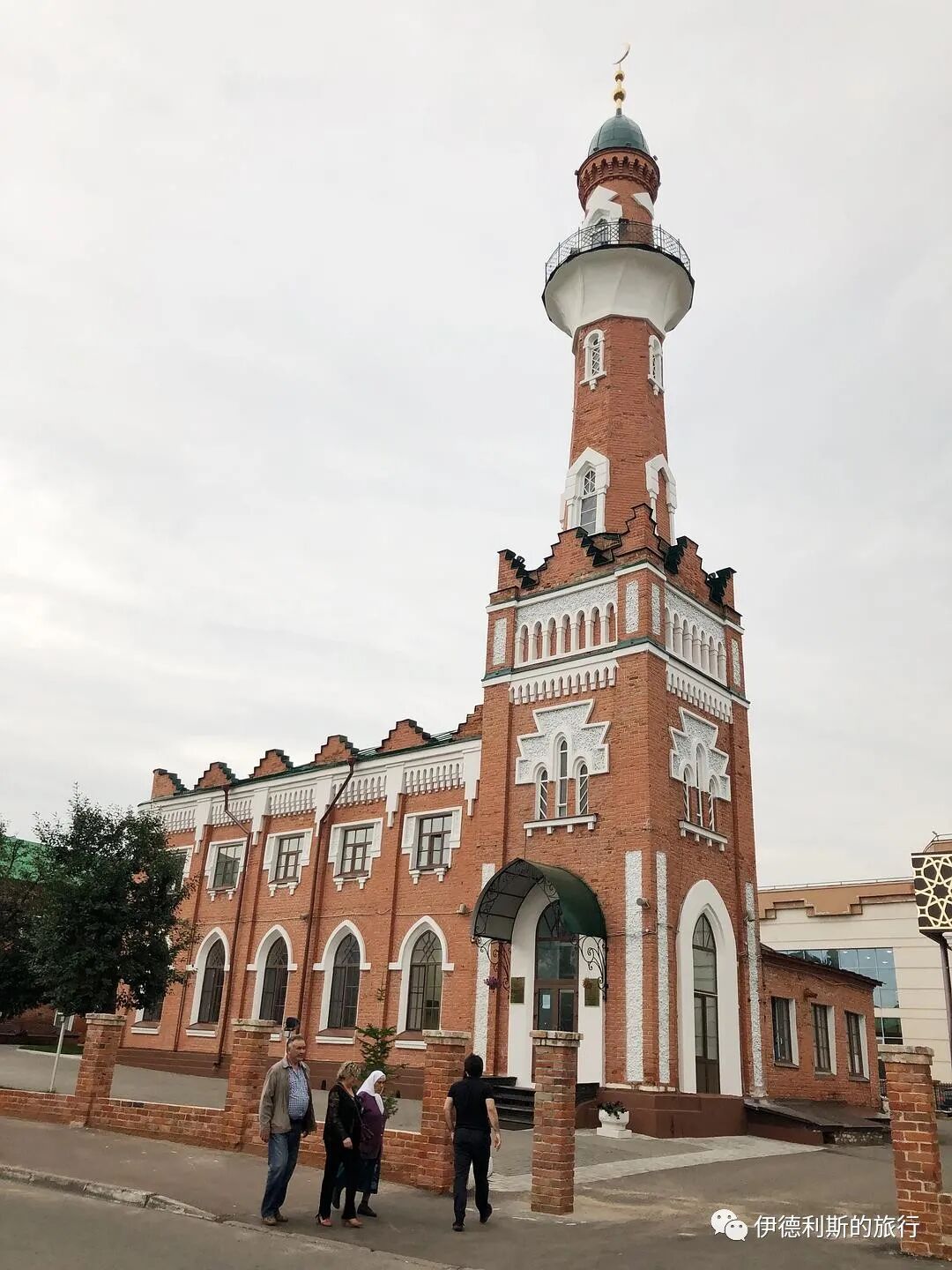
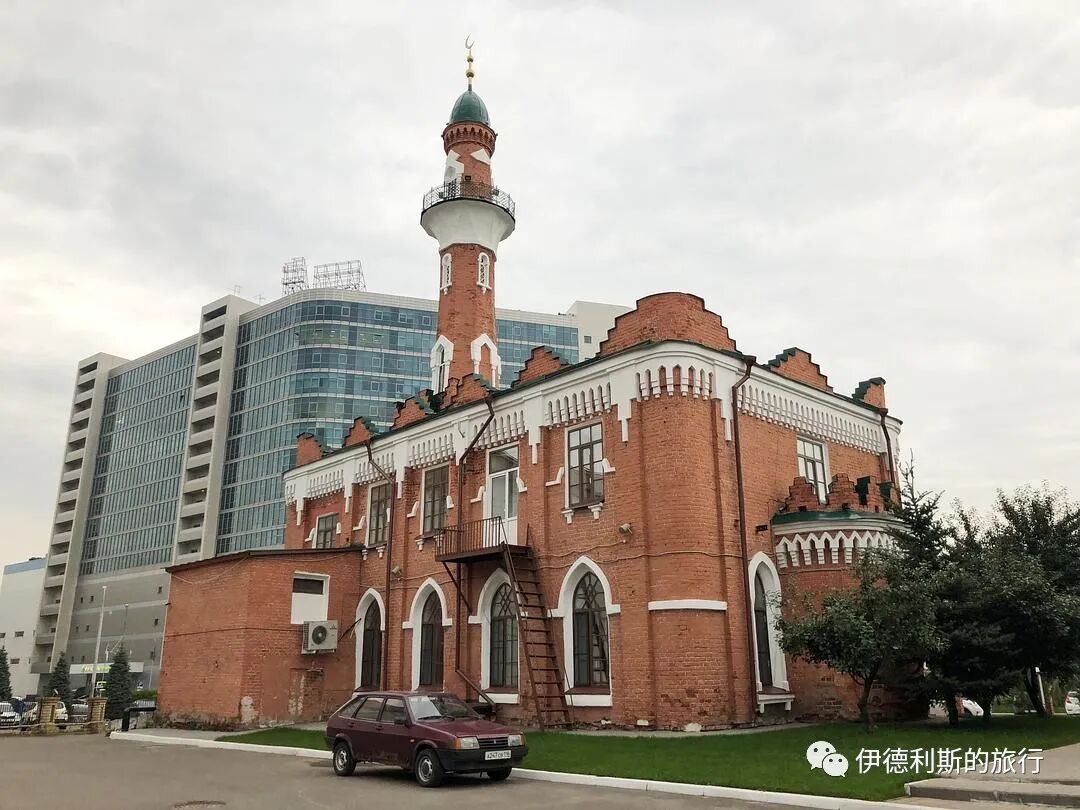
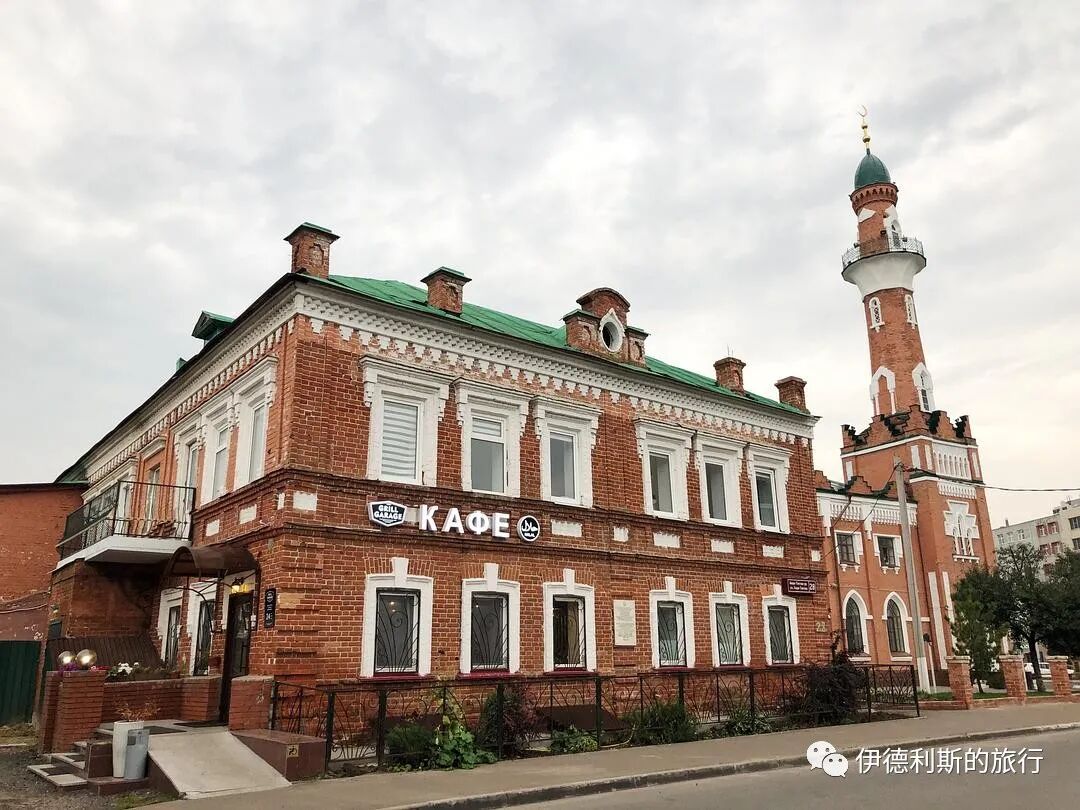
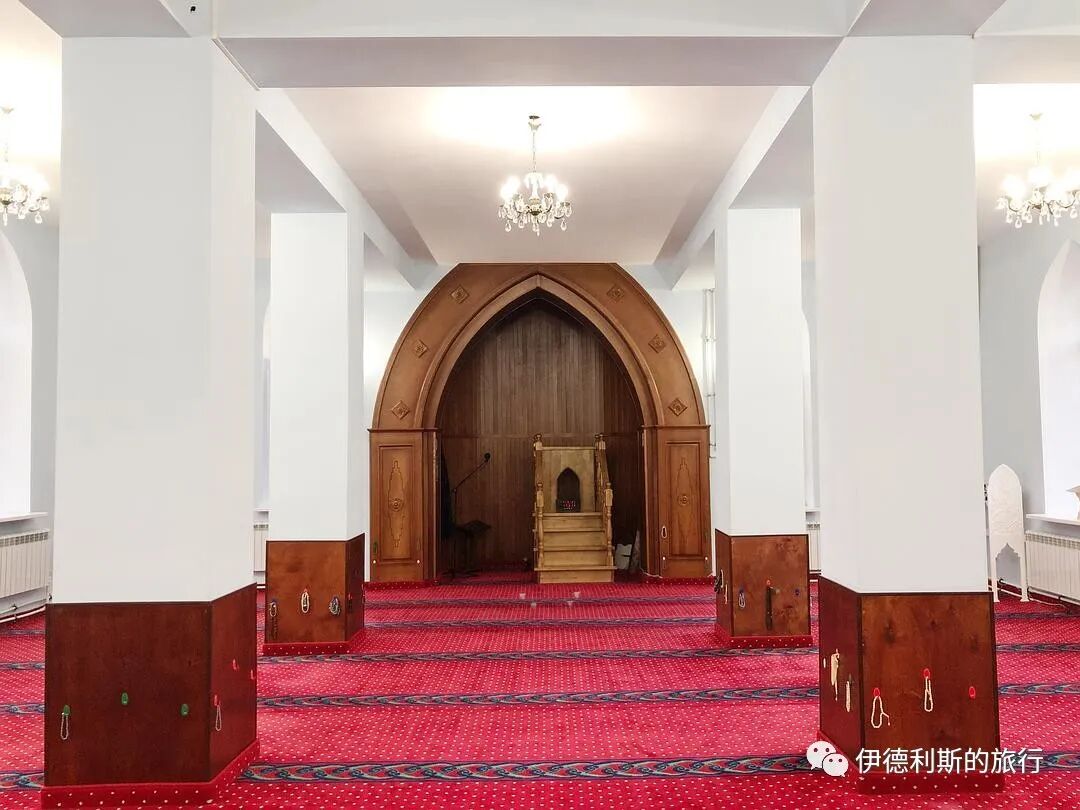
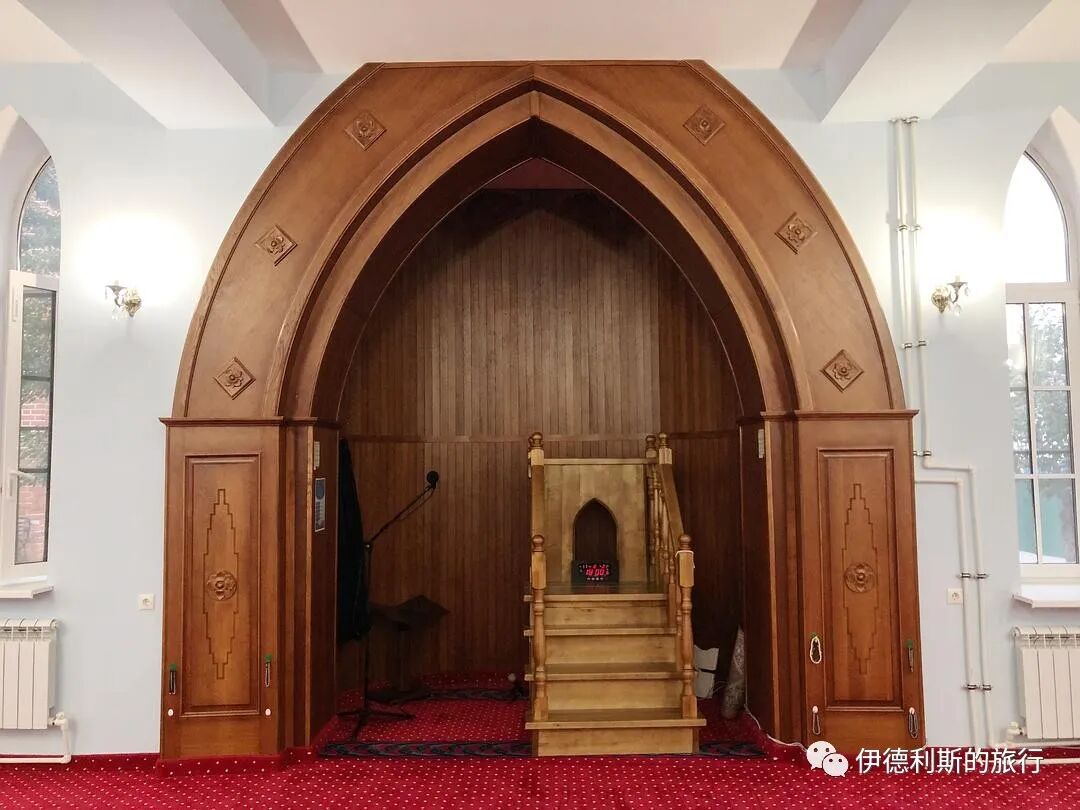
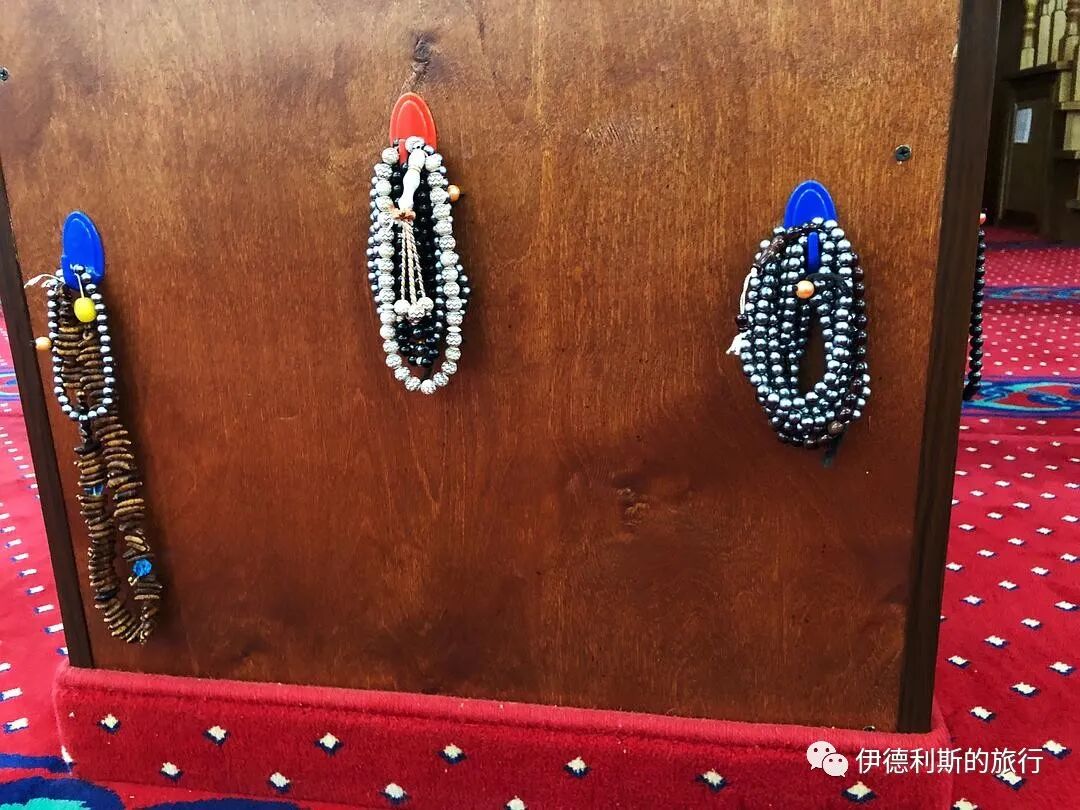
13. Historical Mosque of the Moscow Tatar Community: 1823
Moscow has had Tatars from the Golden Horde settling there since the 14th century. In 1571, the Crimean Tatars burned down almost the entire city of Moscow except for the Kremlin, and the early Tatar settlements were destroyed in one fell swoop. At the beginning of the 17th century, with the establishment of the Romanov dynasty, the city of Moscow became prosperous again, and many Tatars from the Volga and steppe regions came to do business. The Tatar community (Татарской слободе) located south of the Moskva River, opposite the Kremlin, was formally formed, and the main road of the community, Tatarskaya Street, was first mentioned in documents in 1682. And the center of the Moscow Tatar community is the 'Historical Mosque'.
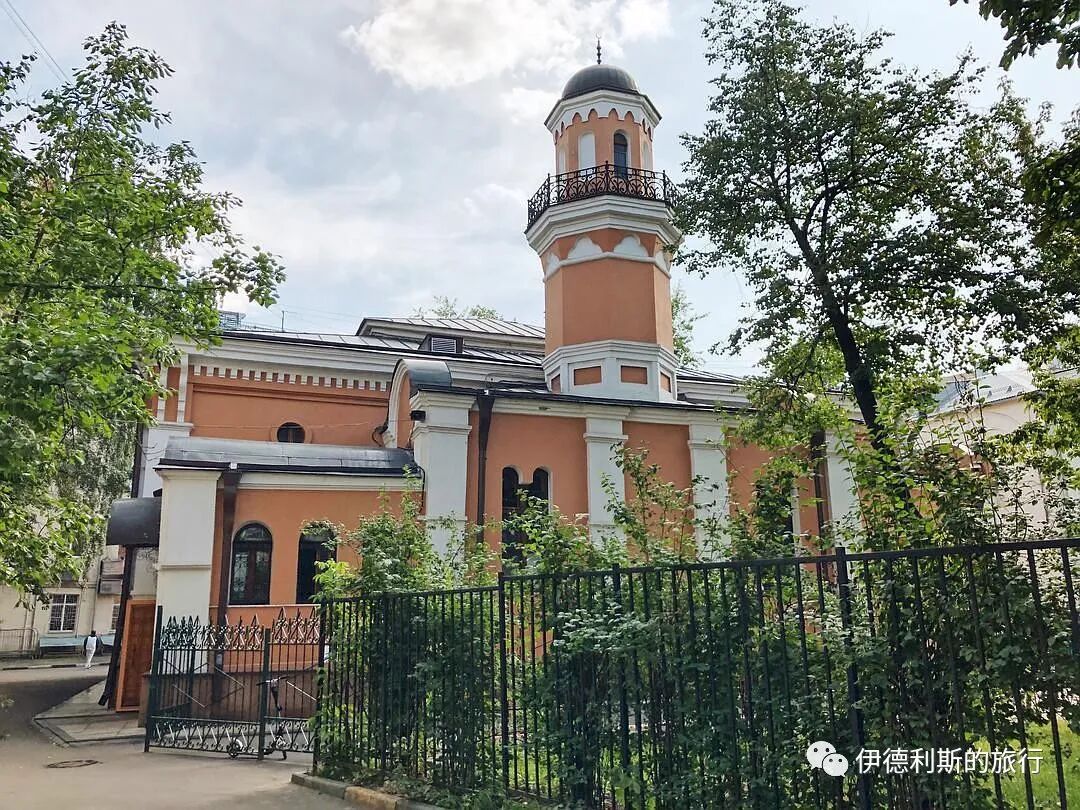
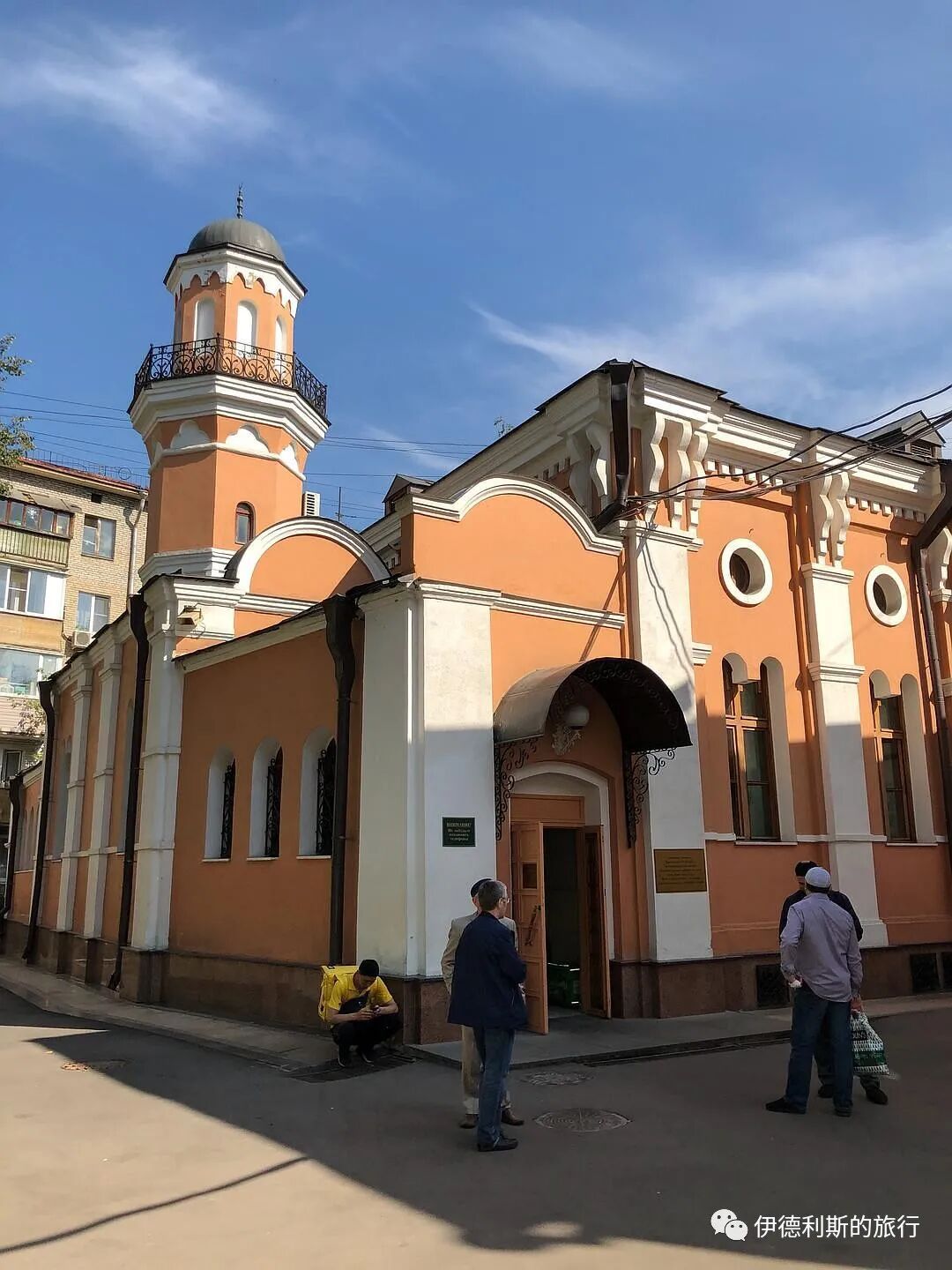
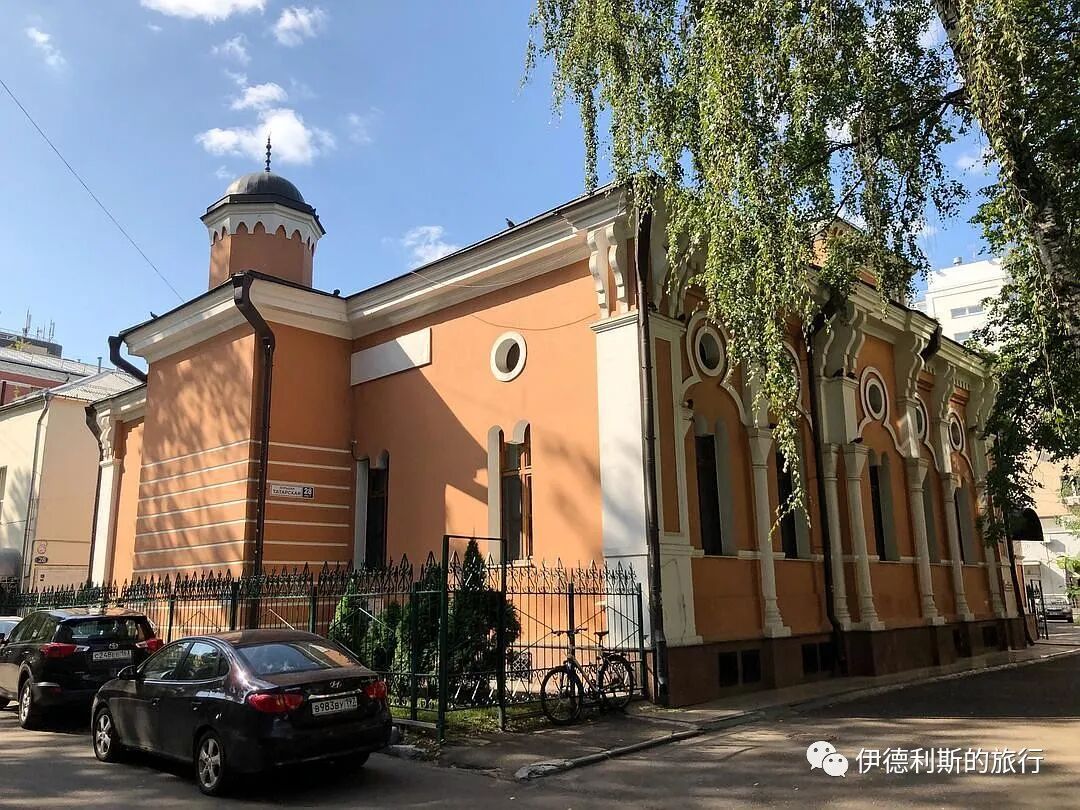
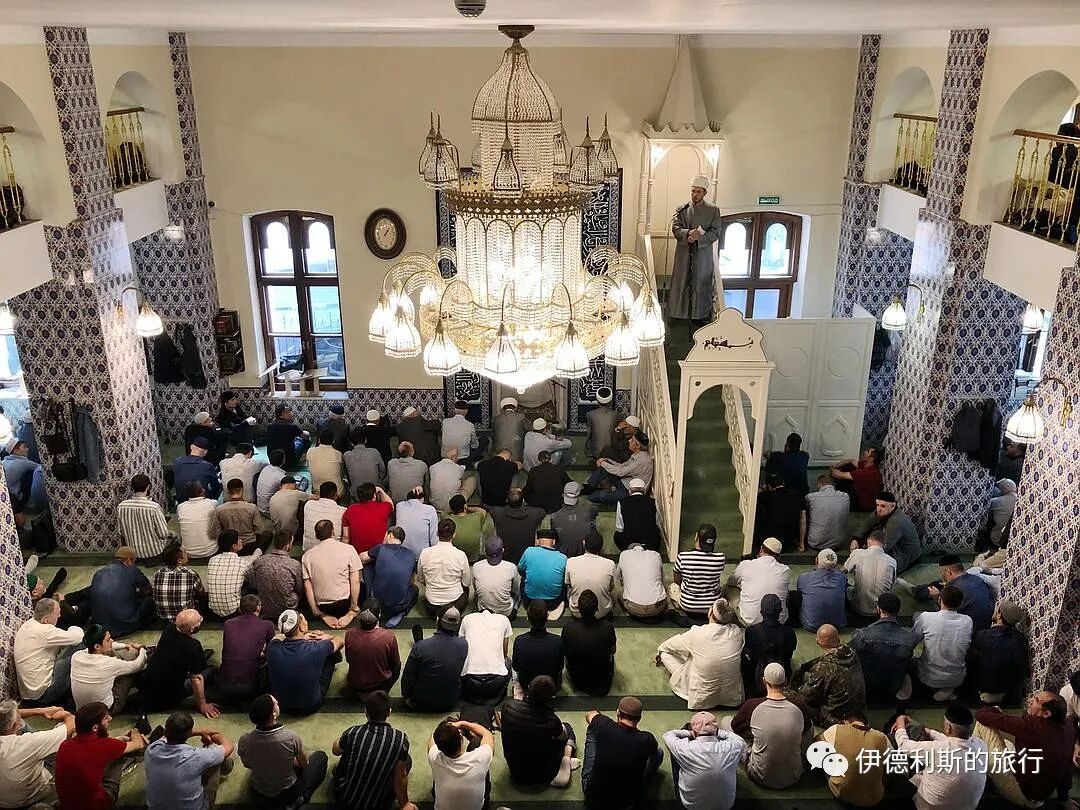
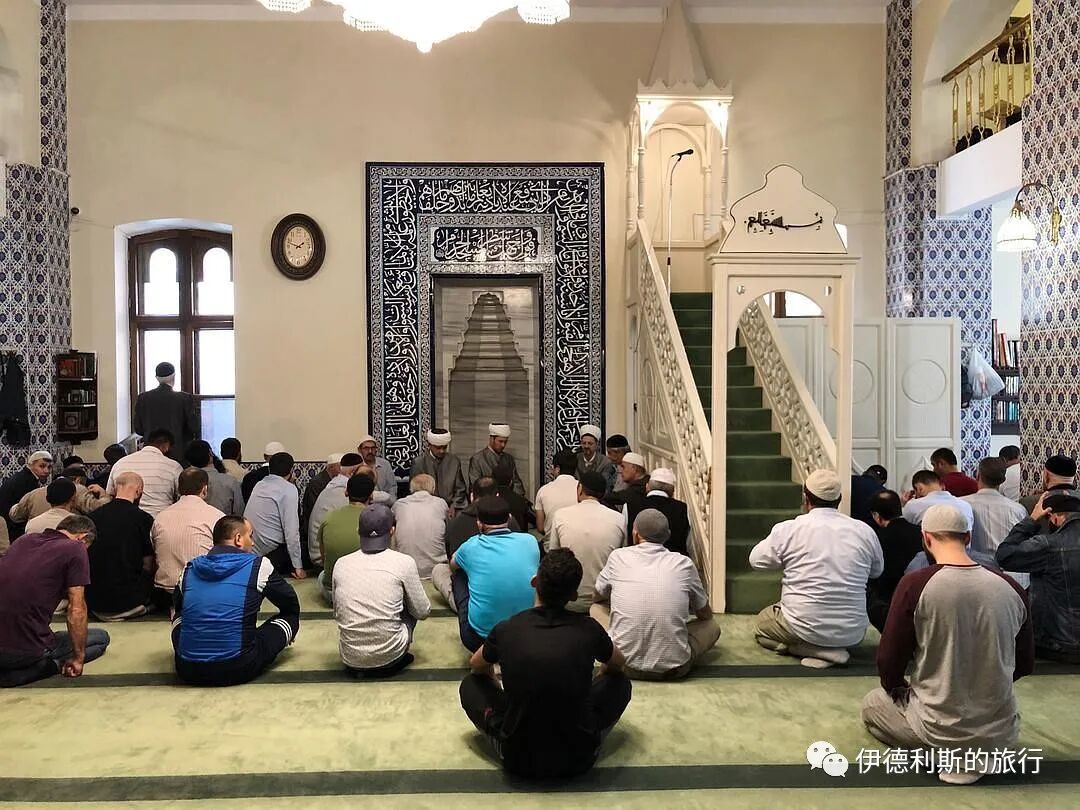
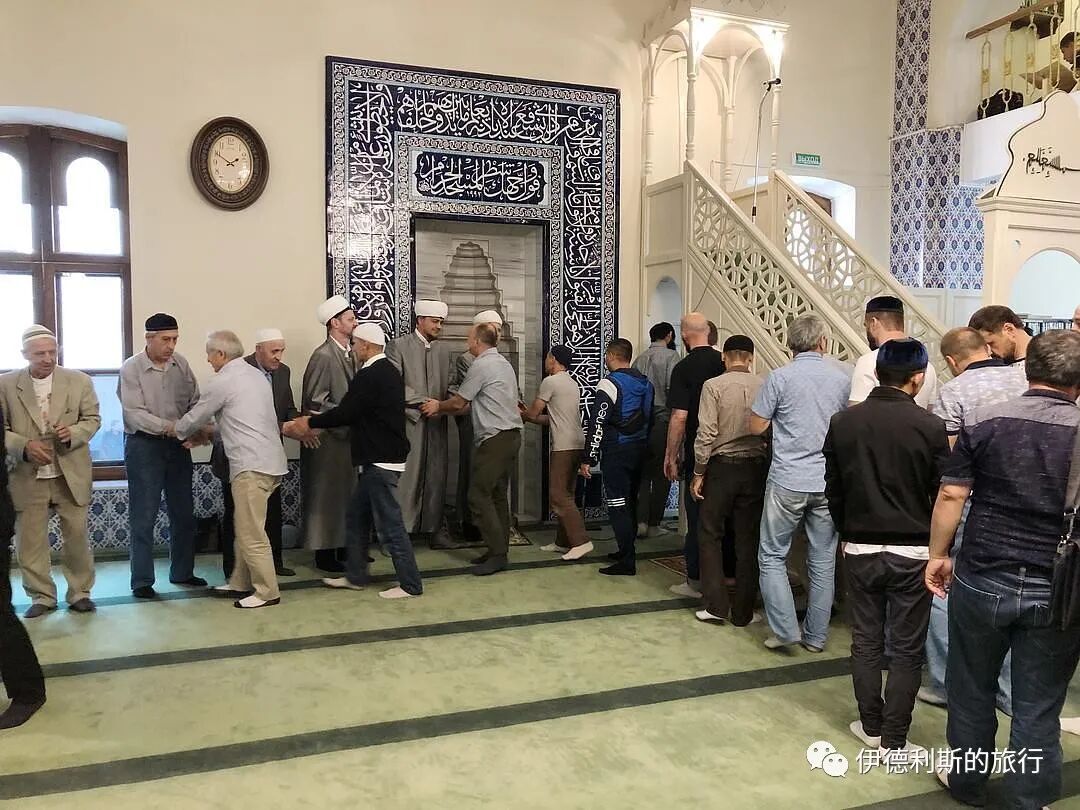
The Tatar community mosque (мечети в Татарской слободе) is now called the 'Historical Mosque (Исторической мечети)'. The earliest records of the mosque can be traced back to 1712, and it was also mentioned in the 1744 census. Due to the plague epidemic in Moscow in the 1770s, the owner and congregants of the mosque passed away one after another. The mosque was sold to a merchant and was eventually destroyed by fire when Napoleon withdrew from Moscow in 1812. After that, religious activities were moved to the homes of local Tatar merchants.
After the old mosque was destroyed, the Tatar Muslim merchants in Moscow kept applying to build a new mosque, but they were all rejected. Until 1823, Tatar merchant Nazarbay Khashalov was finally approved to build a mosque on Bolshaya Tatarskaya Street, provided that it could not be named 'mosque (мечети)' and could not have the appearance of a mosque. Therefore, the mosque building built at that time was almost the same as the surrounding houses.
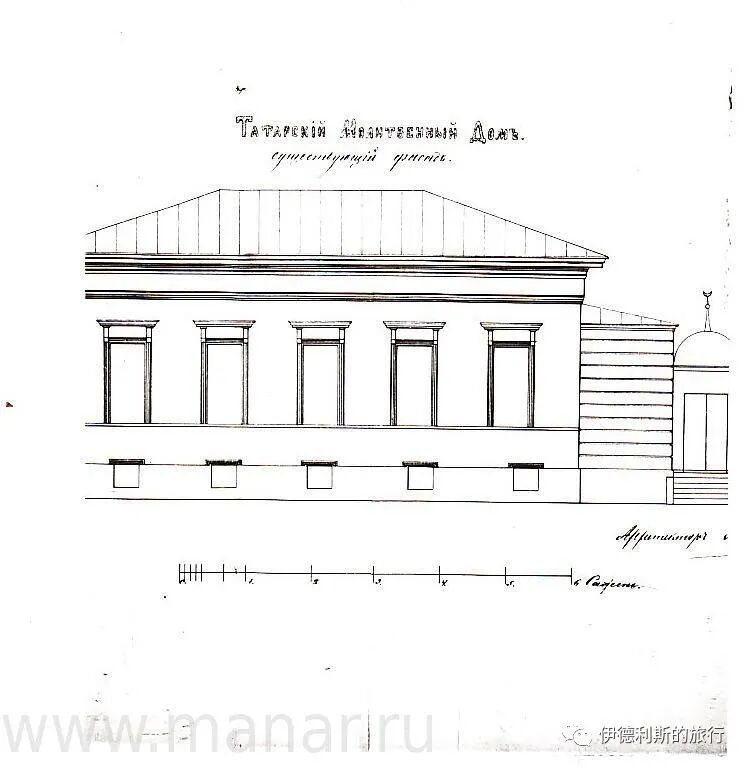
Schematic diagram of the original mosque
Between 1833 and 1867, the imam of the mosque was Rafek Bekbulatovich Ageev. Under his efforts, the Muslim community in Moscow gradually improved, and his home was also the earliest Islamic school in Moscow. Between 1867 and 1913, the imam of the mosque was Khairetdin Rafekovich Ageev, who graduated from a madrasa in Kazan, was proficient in 8 languages, taught Islamic knowledge and the Tatar language to military cadets for many years, and was also a translator for the Armory.
In the mid-to-late 19th century, due to the increasing number of Muslims in Moscow, many people could only pray outside the mosque on Fridays, especially in the cold winter. In 1881, Tsar Alexander II approved the mosque to have the appearance of a religious building. Therefore, in 1882, the mosque was expanded under the direction of architect Dmitry Pevnitsky. The new mosque was expanded on both the east and west facades and a minaret was added. After the expansion, it could accommodate 1,500 people.
The mosque in 1883 after reconstruction
The imam of the mosque between 1914 and 1937 was Abdulla Hasanovich Shamsutdinov. He was a Kasimov Tatar who studied at an Islamic madrasa in Bukhara and had served as an imam in Yining, Xinjiang. In 1914, he presided over the opening of a new Islamic madrasa at the mosque and helped the Moscow Muslim Charitable Society become active, making the Moscow Muslim community more united and organized. In the early 1920s, he also began to translate the Quran into the Tatar language.
On April 29, 1936, the imam and his wife were arrested on charges of participating in 'anti-Soviet activities' due to the 'Duma leadership conspiracy case'. On February 10, 1937, the imam was shot for being accused of treason, and his wife died in the torture chamber of the NKVD.
In 1939, the mosque was forced to close. During the Soviet era, the mosque was successively occupied by a printing house and several departments. Between 1944 and 1947, Moscow Muslims tried to get the mosque back, but were ultimately unsuccessful. In 1967, the minaret of the mosque was demolished.
After the 1980s, the elders of the Tatar community repeatedly demanded the return of the mosque. However, since the early 1980s, the printing workshop of the Art Carving Association that occupied the mosque had been protesting, and the return process was delayed until it was finally returned to the Muslims in 1991.
In 1992, the mosque was restored and reopened in 1993. In 1997, the mosque was restored again and became what it is today.
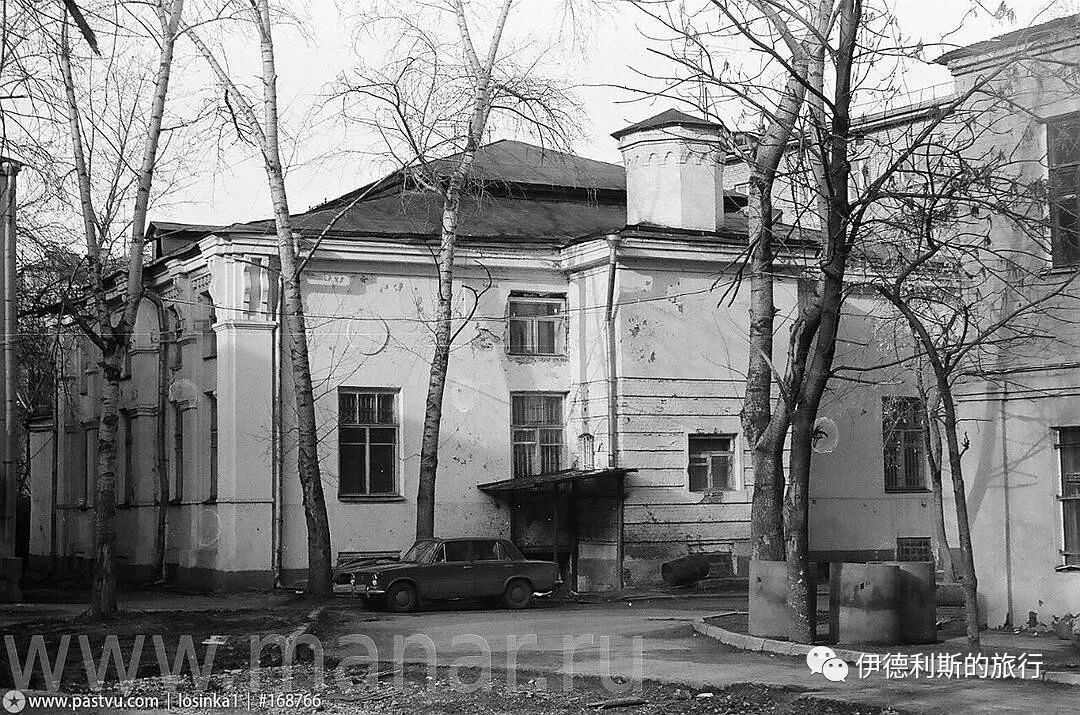
The mosque after the minaret was demolished
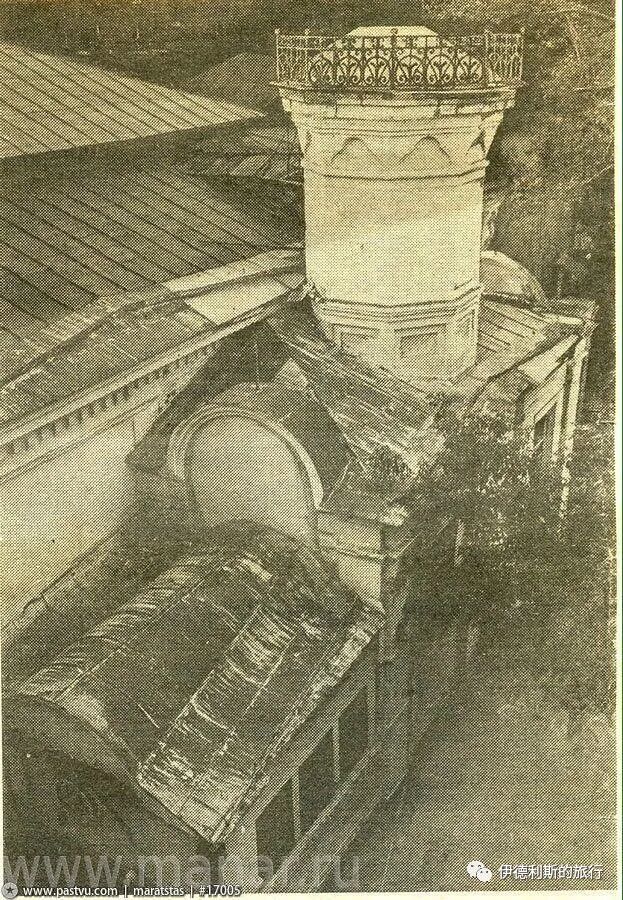
The mosque after the minaret was demolished
Halal Travel Guide: Harbin — Tatar Mosque, Muslim History and Heritage
Articles • ali2007fr posted the article • 0 comments • 138 views • 2026-05-19 03:46
Summary: Harbin Tatar Mosque preserves part of the citys Muslim history, tied to Tatar migration, old neighborhoods, and religious life in northeast China. This article follows the story of the mosque and its community memory while keeping the original photos and facts in order.
After Russia occupied Vladivostok in 1860, they began planning a railway across the Qing Dynasty to reach this Pacific port more quickly. In 1896, Li Hongzhang signed the Secret Treaty of Alliance between the Qing Empire and the Russian Empire, naming the line the Great Qing Eastern Railway (Dongqing Railway). After 1920, it was renamed the Chinese Eastern Railway (Zhongdong Railway).
Construction of the Chinese Eastern Railway began in August 1897 with Harbin as the center, and it officially opened to traffic in 1903. During this time, many Tatars from Russia came to the railway line to make a living. They opened small shops, and after earning some money, other Tatars followed them there.
As the center of the Chinese Eastern Railway, Tatars began settling in Harbin in 1901 and built the first wooden mosque that same year. As the Tatar population grew, they rebuilt a brick mosque in 1906. In 1907, they hired İnayetullah Seli Ahmed as imam. He ordered books and magazines from Russia and opened the first Tatar community library.
Imam İnayetullah also served as the principal of the Harbin Tatar Elementary School. The school taught religious knowledge and general subjects, and offered courses in the Tatar and Russian languages. Teachers at the school included the Tatar poet and playwright Husain Gabdyush, who was actively involved in theatrical productions for the Harbin troupe during the 1920s and 1930s. Another teacher, Madina (Asyakaeva) Seliahmet, was a former instructor of higher women's natural science courses in Saint Petersburg. After immigrating to Harbin, she married the younger brother of Imam İnayetullah.
After the October Revolution broke out in 1917, the number of Tatars immigrating to Harbin increased, reaching over a thousand in the 1920s. Most of them made a living through the fur, textile, and clothing trades. To commemorate the 1,000th anniversary of the conversion of their ancestors, the Volga Bulgars, to the faith in 922 AD, the Tatars in Harbin decided to build a new mosque. Construction of the new mosque began in 1923 under the leadership of Imam İnayetullah, but work stopped in September 1924 when the imam passed away. After that, construction stalled due to political instability and poor financial management by the Harbin Tatar Religious and National Association. In 1936, the new imam, Münir Hasibullah, traveled throughout all the Tatar settlements in the Far East to collect donations (niyat), finally allowing the Millennium Mosque to be officially completed and opened on October 8, 1937.
An old photograph of the Harbin Tatar Mosque taken in 1940, now held in the Waseda University Library, preserves a precious image of the Tatars during Friday prayer (Jumu'ah).
Additionally, the author of the book The Harbin Files, Mara Moustafine, is of Tatar-Jewish-Russian descent and spent her childhood in Harbin. The book writes that her grandfather, Mukhammedzhan Mustafin, originally lived in a village near Kazan in the middle reaches of the Volga River. He came to Harbin in 1920 to work as an electrician and repairman for wealthy people and large companies. Every Friday, Mukhammedzhan went to the Harbin Tatar mosque to perform Jumu'ah. He was an active member of the Harbin Tatar community and served on the community association board for several years. Every year during Eid al-Adha (Qurban Festival), Mukhammedzhan would take his son Alimzhan to the mosque to perform Eid prayers, and then they would go to watch the traditional Tatar horse racing held at the Harbin racecourse.
After the Soviet Union marched into Northeast China in 1945, the Tatars who had immigrated to Harbin to escape the Soviet Union faced harsh treatment. Over the next 10 years, most chose to immigrate to the United States, Canada, and Turkey, while some, like Mara Mustafin's family, immigrated to Australia. By 1960, there were fewer than five Tatars left in Harbin, and the Harbin Tatar community was declared dissolved.
Further reading:
Specialty pastries of the Kazan Tatars
Kazan Kremlin and the National Museum of the Republic of Tatarstan
Tatars in the city of Kazan
Performing Jumu'ah at the Historical Mosque of the Tatars in Moscow
Thirteen traditional mosques of the Kazan Tatars in Russia view all
Summary: Harbin Tatar Mosque preserves part of the citys Muslim history, tied to Tatar migration, old neighborhoods, and religious life in northeast China. This article follows the story of the mosque and its community memory while keeping the original photos and facts in order.
After Russia occupied Vladivostok in 1860, they began planning a railway across the Qing Dynasty to reach this Pacific port more quickly. In 1896, Li Hongzhang signed the Secret Treaty of Alliance between the Qing Empire and the Russian Empire, naming the line the Great Qing Eastern Railway (Dongqing Railway). After 1920, it was renamed the Chinese Eastern Railway (Zhongdong Railway).
Construction of the Chinese Eastern Railway began in August 1897 with Harbin as the center, and it officially opened to traffic in 1903. During this time, many Tatars from Russia came to the railway line to make a living. They opened small shops, and after earning some money, other Tatars followed them there.
As the center of the Chinese Eastern Railway, Tatars began settling in Harbin in 1901 and built the first wooden mosque that same year. As the Tatar population grew, they rebuilt a brick mosque in 1906. In 1907, they hired İnayetullah Seli Ahmed as imam. He ordered books and magazines from Russia and opened the first Tatar community library.
Imam İnayetullah also served as the principal of the Harbin Tatar Elementary School. The school taught religious knowledge and general subjects, and offered courses in the Tatar and Russian languages. Teachers at the school included the Tatar poet and playwright Husain Gabdyush, who was actively involved in theatrical productions for the Harbin troupe during the 1920s and 1930s. Another teacher, Madina (Asyakaeva) Seliahmet, was a former instructor of higher women's natural science courses in Saint Petersburg. After immigrating to Harbin, she married the younger brother of Imam İnayetullah.
After the October Revolution broke out in 1917, the number of Tatars immigrating to Harbin increased, reaching over a thousand in the 1920s. Most of them made a living through the fur, textile, and clothing trades. To commemorate the 1,000th anniversary of the conversion of their ancestors, the Volga Bulgars, to the faith in 922 AD, the Tatars in Harbin decided to build a new mosque. Construction of the new mosque began in 1923 under the leadership of Imam İnayetullah, but work stopped in September 1924 when the imam passed away. After that, construction stalled due to political instability and poor financial management by the Harbin Tatar Religious and National Association. In 1936, the new imam, Münir Hasibullah, traveled throughout all the Tatar settlements in the Far East to collect donations (niyat), finally allowing the Millennium Mosque to be officially completed and opened on October 8, 1937.
An old photograph of the Harbin Tatar Mosque taken in 1940, now held in the Waseda University Library, preserves a precious image of the Tatars during Friday prayer (Jumu'ah).
Additionally, the author of the book The Harbin Files, Mara Moustafine, is of Tatar-Jewish-Russian descent and spent her childhood in Harbin. The book writes that her grandfather, Mukhammedzhan Mustafin, originally lived in a village near Kazan in the middle reaches of the Volga River. He came to Harbin in 1920 to work as an electrician and repairman for wealthy people and large companies. Every Friday, Mukhammedzhan went to the Harbin Tatar mosque to perform Jumu'ah. He was an active member of the Harbin Tatar community and served on the community association board for several years. Every year during Eid al-Adha (Qurban Festival), Mukhammedzhan would take his son Alimzhan to the mosque to perform Eid prayers, and then they would go to watch the traditional Tatar horse racing held at the Harbin racecourse.
After the Soviet Union marched into Northeast China in 1945, the Tatars who had immigrated to Harbin to escape the Soviet Union faced harsh treatment. Over the next 10 years, most chose to immigrate to the United States, Canada, and Turkey, while some, like Mara Mustafin's family, immigrated to Australia. By 1960, there were fewer than five Tatars left in Harbin, and the Harbin Tatar community was declared dissolved.
Further reading:
Specialty pastries of the Kazan Tatars
Kazan Kremlin and the National Museum of the Republic of Tatarstan
Tatars in the city of Kazan
Performing Jumu'ah at the Historical Mosque of the Tatars in Moscow
Thirteen traditional mosques of the Kazan Tatars in Russia
Bolgar on the Volga: A Thousand-Year Muslim Capital and Tatar Heritage
Articles • ali2007fr posted the article • 0 comments • 152 views • 2026-05-17 08:19
Summary: This travel note introduces Bolgar on the Volga: A Thousand-Year Muslim Capital and Tatar Heritage. The ancient city of Bolghar is located on the banks of the Volga River, south of Kazan, the capital of Tatarstan, and was the capital of Volga Bulgaria in the 10th and 11th centuries. It is useful for readers interested in Bolgar Travel, Tatar Muslims, Islamic Heritage.
The ancient city of Bolghar is located on the banks of the Volga River, south of Kazan, the capital of Tatarstan, and was the capital of Volga Bulgaria in the 10th and 11th centuries. The Volga Bulgars accepted Islam in 922, and this year marks exactly the 1100th anniversary.
Before the Crusades, the city of Bolghar was an important trade hub between Europe and Asia, and one of the wealthiest cities in the Islamic world at that time. In 1236, the Mongol army led by Batu Khan launched an expedition to Europe, completely destroying Volga Bulgaria and the city of Bolghar. After this, the city of Bolghar was rebuilt into an important economic, commercial, cultural, and religious center of the Golden Horde. Under the influence of the Bolghars, the Mongol rulers of the Golden Horde also began to believe in Islam, building a series of mosques, minarets, and Muslim mausoleums in the city. Coupled with secular palaces and bathhouses, most of the existing ruins in the city of Bolghar belong to this period.
After the decline of the Golden Horde, the ancient city of Bolghar remained a religious center for Muslims until the mid-16th century. After Ivan the Terrible of Russia conquered the Khanate of Kazan in 1552, the ancient city fell into complete decline.
After the 18th century, the center of the ancient city was occupied by the Orthodox Church; an Orthodox church was built on the site of the Great Mosque, and Muslim mausoleums were converted into chapels and wine cellars. Due to the construction of monasteries and surrounding villages, the architectural ruins within the ancient city decreased rapidly. In the early 18th century, there were more than 70 buildings within the ancient city ruins, including 9 minarets, but only 1 minaret has been preserved to this day.
During the Soviet era, because they could not travel to Mecca, Muslims in Tatarstan and other parts of the Soviet Union chose to travel to the ancient city of Bolghar for a "minor Hajj" (pilgrimage).
Today, the ancient city of Bolghar holds an important place in the hearts of the Volga Tatars, who view the Volga Bulgars as one of their ancestors and consider the ancient city of Bolghar their historical and religious capital. In 2014, the ancient city of Bolghar was included in the UNESCO World Heritage List.
Table of Contents
I. Arrival
1. Volga River Speedboat
2. Bolghar Pier
3. Tatar Snack Bar
II. Great Mosque Architectural Complex
1. Great Mosque
2. Great Minaret
3. Eastern Mausoleum
4. Northern Mausoleum
5. Khan's Palace
6. Eastern House
III. Black House
IV. Khan's Mausoleum and Small Minaret
1. Khan's Mausoleum
2. Small Minaret
V. White House
VI. Small Tombs
VII. Southern Small City
VIII. Unearthed Artifacts
I. Arrival
1. Volga River Speedboat
The most convenient and interesting way to travel from Kazan to the ancient city of Bolghar is to take a Volga River speedboat from the Kazan pier. For information on the Kazan pier, you can visit the website https://douc.cc/1vFyDm; tickets can only be purchased on-site. The lady at the ticket window does not speak English, but you just need to show her the destination and date of the boat trip translated into Russian, and she will gesture to ask if you want a one-way or round-trip ticket; you can just gesture for a round-trip.
I bought a ticket departing from Kazan at 8:00 AM, arriving in Bolghar around 10:00 AM, and returning at 3:40 PM, arriving back in Kazan around 5:40 PM, leaving me with five hours and forty minutes to stay. Many of the passengers on the boat are middle-aged and elderly tour groups, with a small number of individual tourists.
The boat travels on the Volga River, and at its widest point, you can barely see the opposite bank. It is very windy on the boat, which is quite exhilarating.
2. Bolghar Pier
The boat did not stop at the entrance of the Bolghar Civilization Museum as written in the Lonely Planet Russia volume, but instead stopped at the Bolghar Pier to the west; from the pier, you still need to take a vehicle to the heritage area of the ancient city.
Bolghar Pier is a quiet little pier with a great atmosphere; waiting for the boat here on the return trip felt like being in a Russian movie.
3. Tatar Snack Bar
There are some souvenir shops and snack bars around the ancient city ruins area. I ate pilaf and the traditional Volga Tatar pie elesh (a savory pastry) at this Volga Tatar traditional fast-food chain Tubatay (Тюбетей). Elesh is made with sour cream and yeast dough, and the filling is chicken, potatoes, and onions.
II. Great Mosque Architectural Complex
After the Golden Horde rebuilt the city of Bolghar in the 13th century, they built a series of buildings centered on the Great Mosque.
1. Great Mosque
The Great Mosque is the most important architectural ruin of the ancient city of Bolghar preserved from the Golden Horde era, and it was the city center of Bolghar in the 13th and 14th centuries, featuring the typical architectural style of the Golden Horde period.
The Great Mosque is made of limestone, 34 meters long and 32 meters wide, with 20 columns and a wooden gable roof. The walls are plastered on all four sides and reinforced with buttresses. On the north side of the mosque, there is an arched gate and a minaret, and on the south side, there is a mihrab (a niche in the wall of a mosque that indicates the direction of Mecca) with exquisite carvings. The Great Mosque was renovated in the early 14th century, and corner towers were added in the 1440s.
The Great Mosque underwent three archaeological excavations in 1892, 1915, and 1946, and two restorations in 1964-1966 and 2003-2005. The limestone walls were covered with a protective material, the ground was paved with white flooring, walkways were set up, and drainage ditches were built.
2. Great Minaret
There used to be a 24-meter-high Great Minaret on the north side of the Bolghar Great Mosque, which collapsed in 1841, and the stone materials were taken away by locals. When Kazan University professor I. Berezin passed through Bolghar in 1846, he saw several stone carvings with Quranic verses on the site of the Great Minaret.
Based on a series of 18th and 19th-century graphic materials, the Great Minaret was rebuilt in 2000.
3. Eastern Mausoleum
The Eastern Mausoleum is located on the east side of the Great Mosque and was built in the 1330s during the Golden Horde period, when the Great Mosque underwent its second renovation and the central square of the ancient city of Bolghar was further developed.
The Northern Mausoleum was originally the family mausoleum of the Bolghar noble Burashbeks, and later became the Church of St. Nicholas in the early 18th century, with an onion dome and a cross added.
Archaeological excavations in 1964-1966 and 1991 unearthed 7 tombs from the Golden Horde period in the mausoleum. The roof was damaged by a strong wind in 1965, and the mausoleum was restored in 1967-1968.
The tombstone with an inscription in the mausoleum came from Sabar-llchzhi, the daughter of Prince Burash; it was discovered during the renovation of the Church of St. Nicholas between 1889 and 1890, and was transported to Kazan in 1994. A replica is currently on display in the mausoleum.
4. Northern Mausoleum
The Northern Mausoleum is located on the north side of the Great Mosque and, like the Eastern Mausoleum, was built in the 1330s during the Golden Horde period.
The Northern Mausoleum was originally a family mausoleum for Bolghar nobles and later became the cellar of a monastery in the early 18th century. Two archaeological excavations were conducted here in 1964 and 1966, and partial restoration was carried out between 1968 and 1969.
When I visited, the interior of the mausoleum was not open, so I only saw the exterior.
5. Khan's Palace
The Khan's Palace is located east of the Great Mosque and was built in the mid-13th century during the early Golden Horde period. Since 1994, more than 1,000 square meters of archaeological excavations have been conducted, and 30% of the coins unearthed belong to the period between 1240 and 1259.
6. Eastern House
The Eastern House is the ruin of a public bathhouse built in the 1290s during the Golden Horde period, and it is the earliest and largest public bathhouse ruin existing in the ancient city of Bolghar. The entire bathhouse consists of three parts; the central space includes a heated changing room, a central cross-shaped hall, and four bathrooms. The western space includes a heated changing room and a boiler room; the boiler room consists of a furnace and two hot air ducts. The eastern space consists of a boiler with three air ducts.
From 1984 to 1992, a series of archaeological excavations were conducted on the bathhouse. From the unearthed coins, it is known that the bathhouse was used from approximately the 1290s to the 1340s.
III. Black House
The Black House was built in the mid-14th century during the Golden Horde period and is constructed of white limestone. The Black House is the only 14th-century civil building in the ancient city that has been preserved to this day; its specific purpose remains undetermined, but it is speculated to have been a courthouse or a pilgrim hostel. Archaeological excavations were conducted here twice in 1957 and 1966, and it was discovered that there used to be a veranda built around the building.
IV. Khan's Mausoleum and Small Minaret
The Small Minaret and the Khan's Mausoleum are located 500 meters south of the Great Mosque architectural complex.
1. Khan's Mausoleum
The Khan's Mausoleum was built in the early 14th century during the Golden Horde period; before this, there was a stone bathhouse here. The mausoleum was rebuilt in the mid-14th century. There are 8 tombs inside the mausoleum, some with tombstones. The archaeological monument was studied in 1968.
Protection and partial restoration were carried out in 1971, 1990, and 2006, respectively.
2. Small Minaret
The Small Minaret was built in the late 14th century during the Golden Horde period; it is similar in shape to the Great Minaret of the Great Mosque and is the only minaret in the ancient city that has been preserved to this day. Two archaeological excavations were conducted here in 1914 and 1968-1969, and it was repaired between 1968 and 1970.
V. White House
The White House is located 250 meters southeast of the Black House; it is a public bathhouse built in the 1340s during the Golden Horde period and was abandoned in the 1460s.
The bathhouse consists of several rectangular spaces of different sizes; the cross-shaped central hall once had a dome, and the ruins of the washing area consisting of pools, fountains, and soap rooms have been preserved, where you can clearly see the network of heating pipes, sewage, and well water facilities underneath.
The bathhouse was heated by two circular furnaces, which were also covered by domes; the furnaces and air ducts were made of sandstone, and the causeway under the furnaces was made of limestone.
The White House as seen today is how it looked after restoration and protection in 2011.
VI. Small Tombs
There are several tombs from the mid-14th to early 15th century Golden Horde period scattered throughout the ancient city of Bolghar. These tombs were archaeologically excavated between the 1970s and 1980s.
VII. Southern Small City
Outside the south gate of the ancient city of Bolghar, there is a small city ruin from the 13th to 14th century Golden Horde period; it is speculated that this was built to strengthen the defense of the south gate of Bolghar city.
VIII. Unearthed Artifacts
The Bolghar Civilization Museum displays artifacts from the Golden Horde period unearthed from the ancient city of Bolghar, where you can see artifacts with Chinese and Iranian styles.
Finally, here are some photos of the ancient city scenery. view all
Summary: This travel note introduces Bolgar on the Volga: A Thousand-Year Muslim Capital and Tatar Heritage. The ancient city of Bolghar is located on the banks of the Volga River, south of Kazan, the capital of Tatarstan, and was the capital of Volga Bulgaria in the 10th and 11th centuries. It is useful for readers interested in Bolgar Travel, Tatar Muslims, Islamic Heritage.
The ancient city of Bolghar is located on the banks of the Volga River, south of Kazan, the capital of Tatarstan, and was the capital of Volga Bulgaria in the 10th and 11th centuries. The Volga Bulgars accepted Islam in 922, and this year marks exactly the 1100th anniversary.
Before the Crusades, the city of Bolghar was an important trade hub between Europe and Asia, and one of the wealthiest cities in the Islamic world at that time. In 1236, the Mongol army led by Batu Khan launched an expedition to Europe, completely destroying Volga Bulgaria and the city of Bolghar. After this, the city of Bolghar was rebuilt into an important economic, commercial, cultural, and religious center of the Golden Horde. Under the influence of the Bolghars, the Mongol rulers of the Golden Horde also began to believe in Islam, building a series of mosques, minarets, and Muslim mausoleums in the city. Coupled with secular palaces and bathhouses, most of the existing ruins in the city of Bolghar belong to this period.
After the decline of the Golden Horde, the ancient city of Bolghar remained a religious center for Muslims until the mid-16th century. After Ivan the Terrible of Russia conquered the Khanate of Kazan in 1552, the ancient city fell into complete decline.
After the 18th century, the center of the ancient city was occupied by the Orthodox Church; an Orthodox church was built on the site of the Great Mosque, and Muslim mausoleums were converted into chapels and wine cellars. Due to the construction of monasteries and surrounding villages, the architectural ruins within the ancient city decreased rapidly. In the early 18th century, there were more than 70 buildings within the ancient city ruins, including 9 minarets, but only 1 minaret has been preserved to this day.
During the Soviet era, because they could not travel to Mecca, Muslims in Tatarstan and other parts of the Soviet Union chose to travel to the ancient city of Bolghar for a "minor Hajj" (pilgrimage).
Today, the ancient city of Bolghar holds an important place in the hearts of the Volga Tatars, who view the Volga Bulgars as one of their ancestors and consider the ancient city of Bolghar their historical and religious capital. In 2014, the ancient city of Bolghar was included in the UNESCO World Heritage List.
Table of Contents
I. Arrival
1. Volga River Speedboat
2. Bolghar Pier
3. Tatar Snack Bar
II. Great Mosque Architectural Complex
1. Great Mosque
2. Great Minaret
3. Eastern Mausoleum
4. Northern Mausoleum
5. Khan's Palace
6. Eastern House
III. Black House
IV. Khan's Mausoleum and Small Minaret
1. Khan's Mausoleum
2. Small Minaret
V. White House
VI. Small Tombs
VII. Southern Small City
VIII. Unearthed Artifacts
I. Arrival
1. Volga River Speedboat
The most convenient and interesting way to travel from Kazan to the ancient city of Bolghar is to take a Volga River speedboat from the Kazan pier. For information on the Kazan pier, you can visit the website https://douc.cc/1vFyDm; tickets can only be purchased on-site. The lady at the ticket window does not speak English, but you just need to show her the destination and date of the boat trip translated into Russian, and she will gesture to ask if you want a one-way or round-trip ticket; you can just gesture for a round-trip.
I bought a ticket departing from Kazan at 8:00 AM, arriving in Bolghar around 10:00 AM, and returning at 3:40 PM, arriving back in Kazan around 5:40 PM, leaving me with five hours and forty minutes to stay. Many of the passengers on the boat are middle-aged and elderly tour groups, with a small number of individual tourists.
The boat travels on the Volga River, and at its widest point, you can barely see the opposite bank. It is very windy on the boat, which is quite exhilarating.
2. Bolghar Pier
The boat did not stop at the entrance of the Bolghar Civilization Museum as written in the Lonely Planet Russia volume, but instead stopped at the Bolghar Pier to the west; from the pier, you still need to take a vehicle to the heritage area of the ancient city.
Bolghar Pier is a quiet little pier with a great atmosphere; waiting for the boat here on the return trip felt like being in a Russian movie.
3. Tatar Snack Bar
There are some souvenir shops and snack bars around the ancient city ruins area. I ate pilaf and the traditional Volga Tatar pie elesh (a savory pastry) at this Volga Tatar traditional fast-food chain Tubatay (Тюбетей). Elesh is made with sour cream and yeast dough, and the filling is chicken, potatoes, and onions.
II. Great Mosque Architectural Complex
After the Golden Horde rebuilt the city of Bolghar in the 13th century, they built a series of buildings centered on the Great Mosque.
1. Great Mosque
The Great Mosque is the most important architectural ruin of the ancient city of Bolghar preserved from the Golden Horde era, and it was the city center of Bolghar in the 13th and 14th centuries, featuring the typical architectural style of the Golden Horde period.
The Great Mosque is made of limestone, 34 meters long and 32 meters wide, with 20 columns and a wooden gable roof. The walls are plastered on all four sides and reinforced with buttresses. On the north side of the mosque, there is an arched gate and a minaret, and on the south side, there is a mihrab (a niche in the wall of a mosque that indicates the direction of Mecca) with exquisite carvings. The Great Mosque was renovated in the early 14th century, and corner towers were added in the 1440s.
The Great Mosque underwent three archaeological excavations in 1892, 1915, and 1946, and two restorations in 1964-1966 and 2003-2005. The limestone walls were covered with a protective material, the ground was paved with white flooring, walkways were set up, and drainage ditches were built.
2. Great Minaret
There used to be a 24-meter-high Great Minaret on the north side of the Bolghar Great Mosque, which collapsed in 1841, and the stone materials were taken away by locals. When Kazan University professor I. Berezin passed through Bolghar in 1846, he saw several stone carvings with Quranic verses on the site of the Great Minaret.
Based on a series of 18th and 19th-century graphic materials, the Great Minaret was rebuilt in 2000.
3. Eastern Mausoleum
The Eastern Mausoleum is located on the east side of the Great Mosque and was built in the 1330s during the Golden Horde period, when the Great Mosque underwent its second renovation and the central square of the ancient city of Bolghar was further developed.
The Northern Mausoleum was originally the family mausoleum of the Bolghar noble Burashbeks, and later became the Church of St. Nicholas in the early 18th century, with an onion dome and a cross added.
Archaeological excavations in 1964-1966 and 1991 unearthed 7 tombs from the Golden Horde period in the mausoleum. The roof was damaged by a strong wind in 1965, and the mausoleum was restored in 1967-1968.
The tombstone with an inscription in the mausoleum came from Sabar-llchzhi, the daughter of Prince Burash; it was discovered during the renovation of the Church of St. Nicholas between 1889 and 1890, and was transported to Kazan in 1994. A replica is currently on display in the mausoleum.
4. Northern Mausoleum
The Northern Mausoleum is located on the north side of the Great Mosque and, like the Eastern Mausoleum, was built in the 1330s during the Golden Horde period.
The Northern Mausoleum was originally a family mausoleum for Bolghar nobles and later became the cellar of a monastery in the early 18th century. Two archaeological excavations were conducted here in 1964 and 1966, and partial restoration was carried out between 1968 and 1969.
When I visited, the interior of the mausoleum was not open, so I only saw the exterior.
5. Khan's Palace
The Khan's Palace is located east of the Great Mosque and was built in the mid-13th century during the early Golden Horde period. Since 1994, more than 1,000 square meters of archaeological excavations have been conducted, and 30% of the coins unearthed belong to the period between 1240 and 1259.
6. Eastern House
The Eastern House is the ruin of a public bathhouse built in the 1290s during the Golden Horde period, and it is the earliest and largest public bathhouse ruin existing in the ancient city of Bolghar. The entire bathhouse consists of three parts; the central space includes a heated changing room, a central cross-shaped hall, and four bathrooms. The western space includes a heated changing room and a boiler room; the boiler room consists of a furnace and two hot air ducts. The eastern space consists of a boiler with three air ducts.
From 1984 to 1992, a series of archaeological excavations were conducted on the bathhouse. From the unearthed coins, it is known that the bathhouse was used from approximately the 1290s to the 1340s.
III. Black House
The Black House was built in the mid-14th century during the Golden Horde period and is constructed of white limestone. The Black House is the only 14th-century civil building in the ancient city that has been preserved to this day; its specific purpose remains undetermined, but it is speculated to have been a courthouse or a pilgrim hostel. Archaeological excavations were conducted here twice in 1957 and 1966, and it was discovered that there used to be a veranda built around the building.
IV. Khan's Mausoleum and Small Minaret
The Small Minaret and the Khan's Mausoleum are located 500 meters south of the Great Mosque architectural complex.
1. Khan's Mausoleum
The Khan's Mausoleum was built in the early 14th century during the Golden Horde period; before this, there was a stone bathhouse here. The mausoleum was rebuilt in the mid-14th century. There are 8 tombs inside the mausoleum, some with tombstones. The archaeological monument was studied in 1968.
Protection and partial restoration were carried out in 1971, 1990, and 2006, respectively.
2. Small Minaret
The Small Minaret was built in the late 14th century during the Golden Horde period; it is similar in shape to the Great Minaret of the Great Mosque and is the only minaret in the ancient city that has been preserved to this day. Two archaeological excavations were conducted here in 1914 and 1968-1969, and it was repaired between 1968 and 1970.
V. White House
The White House is located 250 meters southeast of the Black House; it is a public bathhouse built in the 1340s during the Golden Horde period and was abandoned in the 1460s.
The bathhouse consists of several rectangular spaces of different sizes; the cross-shaped central hall once had a dome, and the ruins of the washing area consisting of pools, fountains, and soap rooms have been preserved, where you can clearly see the network of heating pipes, sewage, and well water facilities underneath.
The bathhouse was heated by two circular furnaces, which were also covered by domes; the furnaces and air ducts were made of sandstone, and the causeway under the furnaces was made of limestone.
The White House as seen today is how it looked after restoration and protection in 2011.
VI. Small Tombs
There are several tombs from the mid-14th to early 15th century Golden Horde period scattered throughout the ancient city of Bolghar. These tombs were archaeologically excavated between the 1970s and 1980s.
VII. Southern Small City
Outside the south gate of the ancient city of Bolghar, there is a small city ruin from the 13th to 14th century Golden Horde period; it is speculated that this was built to strengthen the defense of the south gate of Bolghar city.
VIII. Unearthed Artifacts
The Bolghar Civilization Museum displays artifacts from the Golden Horde period unearthed from the ancient city of Bolghar, where you can see artifacts with Chinese and Iranian styles.
Finally, here are some photos of the ancient city scenery.
Tatars in Kazan: Mosques, Muslim Heritage and City Life (Part 1)
Articles • ali2007fr posted the article • 0 comments • 176 views • 2026-05-17 07:35
Summary: This travel note introduces Tatars in Kazan: Mosques, Muslim Heritage and City Life (Part 1). As the former capital of the Kazan Khanate, the city of Kazan was completely destroyed after being conquered by Ivan the Terrible in 1552. It is useful for readers interested in Kazan Travel, Tatar Muslims, Islamic Heritage.
As the former capital of the Kazan Khanate, the city of Kazan was completely destroyed after being conquered by Ivan the Terrible in 1552. In 1556, the Russians built a new city of Kazan, settling 7,000 Russians within it, while the remaining Tatars settled on the banks of Lake Kaban to the southwest of the city, gradually forming the Old Tatar Quarter (Staro-Tatarskaya Sloboda).
The early Old Tatar Quarter consisted of wooden buildings, which were very prone to fires. During the reign of Catherine the Great (reigned 1762-1796), the city of Kazan was rebuilt using brick and stone, gradually forming the current appearance of the Old Tatar historical district.
The scope of the Old Tatar Quarter in Kazan.
Although part of the district was converted into an industrial zone during the Soviet era, the current Old Tatar historical district still covers 88 hectares and preserves 75 historical buildings from the 18th to the 20th centuries, including mosques in the traditional Tatar style, mansions of wealthy Tatar merchants, and theaters. I have previously shared the 13 historical buildings of traditional-style mosques preserved in the community (see "Traditional Mosques of the Kazan Tatars"), and this time I will share my experience of eating and exploring in the Old Tatar historical district.
Tatarskaya Usadba (Tatar Manor).
This time I stayed in a traditional Tatar manor on the banks of Lake Kaban, which was originally the residence of the 19th-century Tatar merchant Khamit Sabitov. The manor offers both accommodation and dining. Because I did not book their main meals in advance, I only had breakfast, which was also in the traditional Tatar style.
Bekken, a Tatar specialty pie, is made with sour cream dough and filled with cabbage and egg.
Sochni cake with frosting and Pirozhki (Eastern European stuffed buns).
Tatar cultural festival "Pechen Bazar" (Hay Market).
I was very lucky to attend the Tatar cultural festival "Pechen Bazar" (Hay Market) in Kazan this time. The festival was held on the banks of Lake Kaban for two days, August 17th and 18th, with various Tatar designers, poets, musicians, and filmmakers showcasing and sharing their work; it was especially lively.
First, I will share what I ate at the festival. The first stall was traditional Tatar tea. You could see many ingredients in the tea, such as thyme, linden leaves, chamomile flowers, oregano leaves, mint leaves, and sage. You could also see the uncle throwing pine cones directly into the tea stove, which was especially fragrant.
I really like the drawing on the cup, it is Tatar trendy!
This stall sold traditional Tatar desserts, which are a bit like Turkish desserts and go very well with tea.
This stall sold jam.
I ate cakes made by Tatar girls and also drank lemonade.
Stalls with various Tatar snacks.
Many Tatar artisans also came this time.
I bought two wooden puppets made by a Tatar brother; they are images of Tatar youth.
A Tatar youth is making Arabic calligraphy on the spot with thread.
A Tatar auntie was selling headpieces for Kazan Tatar women, decorated with pearls, which looked very beautiful.
A stall selling honey. This festival invited some Tatars living in the countryside to sell the honey, cheese, and sausages they made themselves, which was also very interesting.
I bought three hats at the festival. The first felt hat (VOYLOCHNAYA TYUBETEYKA) came from a Tatar brand that makes leather and wool felt products, which is quite interesting. And the two girls in the picture below are dressed so beautifully!
The second hat stall; I really should have bought this traditional Tatar vest at that time.
The third hat stall.
A stall at the festival selling traditional Kazan Tatar flower hats, and also selling traditional Kazan Tatar clothing; I was very tempted.
Live music performance; on the right, you can see the traditional Tatar house where I stayed.
The uncle is an architect who builds mosques, sharing how to build a mosque.
A young Tatar female poet is reading poetry.
The clothing worn by the host is the formal wear of urban Kazan Tatars in the early 20th century.
It was a live demonstration on how to tie a headscarf. I took a look and it was quite complicated, requiring many steps.
The dessert stall with the longest queue at the entire festival.
This stall is a Tatar creative brand that follows a sweet Islamic style.
A stall selling books on Tatar culture.
In the evening, they were showing a documentary about the Kazan Tatars, but unfortunately, I couldn't understand it.
Chak-Chak Museum.
The Chak-Chak Museum in Kazan is one of the most intuitive places to experience traditional Tatar culture. The museum itself is located in a Tatar wooden house in the Kazan Tatar historical district, and the interior well restores the home decor of a traditional Tatar family, which is especially atmospheric. If there are 6 people, they can teach you how to make Chak-Chak on the spot. Because I was alone, I booked a tasting and guided tour on the official website (https://www.muzeino.ru/), and the museum staff will email you to confirm whether to use English or Russian.
The experience that day was great. After arriving at the museum at the appointed time, a Tatar lady with fluent English was already waiting for me. The whole process was really like being a guest in a Tatar home. The lady told me various Tatar legends, daily customs, and cultural traditions, and then explained in detail the production process of the national dessert, Chak-Chak.
Chak-Chak is very similar to Sachima (a sweet fried dough treat). It is made by mixing flour with milk and eggs, deep-frying it, and then pouring honey over it. Chak-Chak is popular in Tatarstan and Bashkortostan. It is said to have originated from the ancient Bulgar Khanate. In addition, there are similar desserts among the Kazakh, Kyrgyz, and Uzbek people. Chak-Chak is an important food at Kazan Tatar weddings. In the past, every Kazan Tatar woman had to learn how to make Chak-Chak, usually taught by a mother to her daughter or a grandmother to her granddaughter.
Afterwards, the Tatar lady made me some Tatar tea and, while letting me taste traditional Tatar desserts, told me about Tatar clothing, silver jewelry, embroidery, and other handicrafts. We had a very happy chat.
The museum before restoration.
Magnets bought at the museum.
Dom Tatarskoi Kulinarii (House of Tatar Cuisine).
When I was in Kazan, I ate at the famous traditional Tatar restaurant Dom Tatarskoi Kulinarii (House of Tatar Cuisine) on Bauman Pedestrian Street. The restaurant opened in 1969. The founder was Yunus Akhmetzyanov, a Tatar cuisine expert and author of "Dishes of Tatar cuisine," who remained the head chef until 1984.
It is a pity that the horse sausage was sold out when I went, so I ordered another type of beef sausage called "Kuchmeche Kolbasasy," which contains heart, liver, and lung in addition to meat. I also ordered a Bulgar stewed lamb, which is placed in parchment paper and served with roasted apples, honey, and crushed nuts. Bulgar is an ancient millennium-old capital in Tatarstan and the spiritual home of the Kazan Tatars.
For soup, I ordered Tatar Azu (Tatar beef casserole soup), and also drank sea buckthorn tea, which contained honey and cinnamon in addition to sea buckthorn.
Teatr Natsionalnoi Kukhni (Tatar Restaurant).
In the evening, I ate at the restaurant Teatr Natsionalnoi Kukhni in another Tatar manor on the banks of Lake Kaban, which was once the residence of the wealthy Tatar merchant Bikmukhametov. I ordered horse meat salad, pumpkin cream soup with dried apricots and cream cheese, and stewed fresh horse meat, Kullama. Kullama is the Tatar version of the Kazakh national dish Beshbarmak (five-finger stew).
Tubatay Fast Food Restaurant.
Tubatay (Tyubetey) is a fast-food restaurant that sells traditional Tatar dishes, and there is also a branch in the ancient city of Bulgar. "Tubatay" means the characteristic round hat of the Tatars.
I ordered Manti (steamed dumplings), a specialty meat pie Belesh (made with sour cream dough and filled with beef, potatoes, and onions), Tatar clear soup dumplings Pilmen served with sour cream Smetana, and Tatar tea.
Large Tatar specialty halal supermarket.
Next to where I stayed, there was a large Tatar specialty halal supermarket. The variety of traditional Tatar desserts was dazzling, so I bought some to eat back at my accommodation.
The Kazan Tatar version of horse sausage; the horse meat flavor is much stronger than the Uzbek way of making horse sausage.
Kumis (fermented mare's milk), which is more sour than the Kazakh version.
It is called Smetannik, which means sour cream. The outside is made of butter dough (Sdobnoye testo), and the middle is sour cream, which is super delicious.
This nut cake is called Oriental dessert (vostochnaya sladost).
Central Market.
The Central Market in Kazan, where mushrooms are sold in the summer.
Tatar round hat bought at the Central Market.
Small shop in the mosque.
Two Tatar magnets bought at the Märcani Mosque, showing the rural life of the Volga Tatars, one hunting rabbits and the other keeping bees.
Goose meat sold in the mosque; smoked goose meat and smoked horse meat are specialty delicacies of the Kazan Tatars.
Tubetei (Tyubetey), a hat of the Kazan Tatars, bought at the shop of the Nurulla Mosque. view all
Summary: This travel note introduces Tatars in Kazan: Mosques, Muslim Heritage and City Life (Part 1). As the former capital of the Kazan Khanate, the city of Kazan was completely destroyed after being conquered by Ivan the Terrible in 1552. It is useful for readers interested in Kazan Travel, Tatar Muslims, Islamic Heritage.
As the former capital of the Kazan Khanate, the city of Kazan was completely destroyed after being conquered by Ivan the Terrible in 1552. In 1556, the Russians built a new city of Kazan, settling 7,000 Russians within it, while the remaining Tatars settled on the banks of Lake Kaban to the southwest of the city, gradually forming the Old Tatar Quarter (Staro-Tatarskaya Sloboda).
The early Old Tatar Quarter consisted of wooden buildings, which were very prone to fires. During the reign of Catherine the Great (reigned 1762-1796), the city of Kazan was rebuilt using brick and stone, gradually forming the current appearance of the Old Tatar historical district.
The scope of the Old Tatar Quarter in Kazan.
Although part of the district was converted into an industrial zone during the Soviet era, the current Old Tatar historical district still covers 88 hectares and preserves 75 historical buildings from the 18th to the 20th centuries, including mosques in the traditional Tatar style, mansions of wealthy Tatar merchants, and theaters. I have previously shared the 13 historical buildings of traditional-style mosques preserved in the community (see "Traditional Mosques of the Kazan Tatars"), and this time I will share my experience of eating and exploring in the Old Tatar historical district.
Tatarskaya Usadba (Tatar Manor).
This time I stayed in a traditional Tatar manor on the banks of Lake Kaban, which was originally the residence of the 19th-century Tatar merchant Khamit Sabitov. The manor offers both accommodation and dining. Because I did not book their main meals in advance, I only had breakfast, which was also in the traditional Tatar style.
Bekken, a Tatar specialty pie, is made with sour cream dough and filled with cabbage and egg.
Sochni cake with frosting and Pirozhki (Eastern European stuffed buns).
Tatar cultural festival "Pechen Bazar" (Hay Market).
I was very lucky to attend the Tatar cultural festival "Pechen Bazar" (Hay Market) in Kazan this time. The festival was held on the banks of Lake Kaban for two days, August 17th and 18th, with various Tatar designers, poets, musicians, and filmmakers showcasing and sharing their work; it was especially lively.
First, I will share what I ate at the festival. The first stall was traditional Tatar tea. You could see many ingredients in the tea, such as thyme, linden leaves, chamomile flowers, oregano leaves, mint leaves, and sage. You could also see the uncle throwing pine cones directly into the tea stove, which was especially fragrant.
I really like the drawing on the cup, it is Tatar trendy!
This stall sold traditional Tatar desserts, which are a bit like Turkish desserts and go very well with tea.
This stall sold jam.
I ate cakes made by Tatar girls and also drank lemonade.
Stalls with various Tatar snacks.
Many Tatar artisans also came this time.
I bought two wooden puppets made by a Tatar brother; they are images of Tatar youth.
A Tatar youth is making Arabic calligraphy on the spot with thread.
A Tatar auntie was selling headpieces for Kazan Tatar women, decorated with pearls, which looked very beautiful.
A stall selling honey. This festival invited some Tatars living in the countryside to sell the honey, cheese, and sausages they made themselves, which was also very interesting.
I bought three hats at the festival. The first felt hat (VOYLOCHNAYA TYUBETEYKA) came from a Tatar brand that makes leather and wool felt products, which is quite interesting. And the two girls in the picture below are dressed so beautifully!
The second hat stall; I really should have bought this traditional Tatar vest at that time.
The third hat stall.
A stall at the festival selling traditional Kazan Tatar flower hats, and also selling traditional Kazan Tatar clothing; I was very tempted.
Live music performance; on the right, you can see the traditional Tatar house where I stayed.
The uncle is an architect who builds mosques, sharing how to build a mosque.
A young Tatar female poet is reading poetry.
The clothing worn by the host is the formal wear of urban Kazan Tatars in the early 20th century.
It was a live demonstration on how to tie a headscarf. I took a look and it was quite complicated, requiring many steps.
The dessert stall with the longest queue at the entire festival.
This stall is a Tatar creative brand that follows a sweet Islamic style.
A stall selling books on Tatar culture.
In the evening, they were showing a documentary about the Kazan Tatars, but unfortunately, I couldn't understand it.
Chak-Chak Museum.
The Chak-Chak Museum in Kazan is one of the most intuitive places to experience traditional Tatar culture. The museum itself is located in a Tatar wooden house in the Kazan Tatar historical district, and the interior well restores the home decor of a traditional Tatar family, which is especially atmospheric. If there are 6 people, they can teach you how to make Chak-Chak on the spot. Because I was alone, I booked a tasting and guided tour on the official website (https://www.muzeino.ru/), and the museum staff will email you to confirm whether to use English or Russian.
The experience that day was great. After arriving at the museum at the appointed time, a Tatar lady with fluent English was already waiting for me. The whole process was really like being a guest in a Tatar home. The lady told me various Tatar legends, daily customs, and cultural traditions, and then explained in detail the production process of the national dessert, Chak-Chak.
Chak-Chak is very similar to Sachima (a sweet fried dough treat). It is made by mixing flour with milk and eggs, deep-frying it, and then pouring honey over it. Chak-Chak is popular in Tatarstan and Bashkortostan. It is said to have originated from the ancient Bulgar Khanate. In addition, there are similar desserts among the Kazakh, Kyrgyz, and Uzbek people. Chak-Chak is an important food at Kazan Tatar weddings. In the past, every Kazan Tatar woman had to learn how to make Chak-Chak, usually taught by a mother to her daughter or a grandmother to her granddaughter.
Afterwards, the Tatar lady made me some Tatar tea and, while letting me taste traditional Tatar desserts, told me about Tatar clothing, silver jewelry, embroidery, and other handicrafts. We had a very happy chat.
The museum before restoration.
Magnets bought at the museum.
Dom Tatarskoi Kulinarii (House of Tatar Cuisine).
When I was in Kazan, I ate at the famous traditional Tatar restaurant Dom Tatarskoi Kulinarii (House of Tatar Cuisine) on Bauman Pedestrian Street. The restaurant opened in 1969. The founder was Yunus Akhmetzyanov, a Tatar cuisine expert and author of "Dishes of Tatar cuisine," who remained the head chef until 1984.
It is a pity that the horse sausage was sold out when I went, so I ordered another type of beef sausage called "Kuchmeche Kolbasasy," which contains heart, liver, and lung in addition to meat. I also ordered a Bulgar stewed lamb, which is placed in parchment paper and served with roasted apples, honey, and crushed nuts. Bulgar is an ancient millennium-old capital in Tatarstan and the spiritual home of the Kazan Tatars.
For soup, I ordered Tatar Azu (Tatar beef casserole soup), and also drank sea buckthorn tea, which contained honey and cinnamon in addition to sea buckthorn.
Teatr Natsionalnoi Kukhni (Tatar Restaurant).
In the evening, I ate at the restaurant Teatr Natsionalnoi Kukhni in another Tatar manor on the banks of Lake Kaban, which was once the residence of the wealthy Tatar merchant Bikmukhametov. I ordered horse meat salad, pumpkin cream soup with dried apricots and cream cheese, and stewed fresh horse meat, Kullama. Kullama is the Tatar version of the Kazakh national dish Beshbarmak (five-finger stew).
Tubatay Fast Food Restaurant.
Tubatay (Tyubetey) is a fast-food restaurant that sells traditional Tatar dishes, and there is also a branch in the ancient city of Bulgar. "Tubatay" means the characteristic round hat of the Tatars.
I ordered Manti (steamed dumplings), a specialty meat pie Belesh (made with sour cream dough and filled with beef, potatoes, and onions), Tatar clear soup dumplings Pilmen served with sour cream Smetana, and Tatar tea.
Large Tatar specialty halal supermarket.
Next to where I stayed, there was a large Tatar specialty halal supermarket. The variety of traditional Tatar desserts was dazzling, so I bought some to eat back at my accommodation.
The Kazan Tatar version of horse sausage; the horse meat flavor is much stronger than the Uzbek way of making horse sausage.
Kumis (fermented mare's milk), which is more sour than the Kazakh version.
It is called Smetannik, which means sour cream. The outside is made of butter dough (Sdobnoye testo), and the middle is sour cream, which is super delicious.
This nut cake is called Oriental dessert (vostochnaya sladost).
Central Market.
The Central Market in Kazan, where mushrooms are sold in the summer.
Tatar round hat bought at the Central Market.
Small shop in the mosque.
Two Tatar magnets bought at the Märcani Mosque, showing the rural life of the Volga Tatars, one hunting rabbits and the other keeping bees.
Goose meat sold in the mosque; smoked goose meat and smoked horse meat are specialty delicacies of the Kazan Tatars.
Tubetei (Tyubetey), a hat of the Kazan Tatars, bought at the shop of the Nurulla Mosque.
Tatars in Kazan: Mosques, Muslim Heritage and City Life (Part 2)
Articles • ali2007fr posted the article • 0 comments • 161 views • 2026-05-17 07:35
Summary: This travel note introduces Tatars in Kazan: Mosques, Muslim Heritage and City Life (Part 2). Finally, sharing some Tatar wooden houses and historical buildings in the Old Tatar historical district. It is useful for readers interested in Kazan Travel, Tatar Muslims, Islamic Heritage.
Street view of the Old Tatar historical district.
Finally, sharing some Tatar wooden houses and historical buildings in the Old Tatar historical district. view all
Summary: This travel note introduces Tatars in Kazan: Mosques, Muslim Heritage and City Life (Part 2). Finally, sharing some Tatar wooden houses and historical buildings in the Old Tatar historical district. It is useful for readers interested in Kazan Travel, Tatar Muslims, Islamic Heritage.
Street view of the Old Tatar historical district.
Finally, sharing some Tatar wooden houses and historical buildings in the Old Tatar historical district.
Jumu'ah at Moscow's Tatar Historical Mosque: Muslim Heritage in Russia
Articles • ali2007fr posted the article • 0 comments • 195 views • 2026-05-17 07:35
Summary: This travel note introduces Jumu'ah at Moscow's Tatar Historical Mosque: Muslim Heritage in Russia. Tatars from the Golden Horde began settling in Moscow as early as the 14th century. It is useful for readers interested in Moscow Mosque, Tatar Muslims, Jumu'ah.
Tatars from the Golden Horde began settling in Moscow as early as the 14th century. In 1571, the Crimean Tatars burned down almost the entire city of Moscow except for the Kremlin, and the early Tatar settlements were destroyed in an instant. In the early 17th century, with the establishment of the Romanov dynasty, the city of Moscow flourished again, and many Tatars from the Volga River and steppe regions came to trade. The Tatar community (Tatarskaya Sloboda) located south of the Moskva River, opposite the Kremlin, was officially formed, and the community's main street, Tatarskaya Street, was first mentioned in documents in 1682. The center of the Moscow Tatar community is the "Historical Mosque."
Historical Mosque of the Tatar community: 1823.
On a Friday at noon, I performed Jumu'ah (Friday prayer) at the Historical Mosque in Moscow's Tatar community and ate dates from the mosque.
The Tatar community mosque (mecheti v Tatarskoy slobode) is now called the "Historical Mosque (Istoricheskoy mecheti)." The earliest records of the mosque can be traced back to 1712, and it was also mentioned in the 1744 census. Due to the Moscow plague in the 1770s, the mosque's owner and congregants passed away one after another. The mosque was sold to a merchant and was eventually destroyed by fire when Napoleon withdrew from Moscow in 1812. After this, religious activities were conducted in the homes of local Tatar merchants.
After the old mosque was destroyed, Tatar Muslim merchants in Moscow repeatedly applied to build a new mosque, but were all refused. It was not until 1823 that Tatar merchant Nazarbay Khashalov was finally approved to build a mosque on Bolshaya Tatarskaya Street, on the condition that it could not be named a "mosque (mecheti)" and could not have the appearance of a mosque. Therefore, the mosque building constructed at that time looked almost the same as the surrounding houses.
A diagram of the original mosque.
Between 1833 and 1867, the Imam of the mosque was Rafek Bekbulatovich Ageev. Under his efforts, the Muslim community in Moscow gradually improved, and his home was also the first Islamic school in Moscow. The Imam of the mosque between 1867 and 1913 was Khairetdin Rafekovich Ageev. He graduated from a madrasa (Islamic school) in Kazan, was proficient in 8 languages, taught Islamic knowledge and the Tatar language to military cadets for many years, and was also a translator for the Armory.
In the mid-to-late 19th century, as the number of Muslims in Moscow continued to increase, many people could only pray outside the mosque during Jumu'ah, which was very cold, especially in winter. In 1881, Tsar Alexander II approved the mosque to have the appearance of a religious building. Therefore, in 1882, the mosque was expanded under the direction of architect Dmitry Pevnitsky. The new mosque was expanded on both the east and west facades and a minaret was added. After the expansion, it could accommodate 1,500 people.
The mosque in 1883 after reconstruction.
The Imam of the mosque from 1914 to 1937 was Abdulla Hasanovich Shamsutdinov. He was a Qasim Tatar who studied at an Islamic madrasa in Bukhara and had served as an Imam in Yining, Xinjiang. In 1914, he presided over the opening of a new Islamic madrasa at the mosque and helped the Moscow Muslim Charitable Society become active, making the Moscow Muslim community more united and organized. In the early 1920s, he also began working on translating the Quran into the Tatar language.
On April 29, 1936, the Imam and his wife were arrested on charges of participating in "anti-Soviet activities" due to a "conspiracy of religious leaders." On February 10, 1937, the Imam was executed by firing squad for being accused of treason, and his wife died in the interrogation room of the NKVD (People's Commissariat for Internal Affairs).
In 1939, the mosque was forced to close. During the Soviet era, the mosque was occupied by a printing house and several other departments in succession. Between 1944 and 1947, Moscow Muslims tried to reclaim the mosque, but were ultimately unsuccessful. In 1967, the mosque's minaret was demolished.
The mosque after the minaret was demolished.
The mosque after the minaret was demolished.
After the 1980s, the elders of the Tatar community repeatedly requested the return of the mosque. However, since the early 1980s, the art engraving association printing workshop that occupied the mosque had been protesting, so the return process was delayed until it was finally returned to the Muslims in 1991.
In 1992, the mosque was renovated and reopened in 1993. In 1997, the mosque was renovated again, becoming what it is today.
Eating samsa (baked meat buns) with tea at the Historical Mosque before Jumu'ah. Nowadays, most of the people who come to the Historical Mosque for Jumu'ah are Muslims from Central Asia and the Caucasus.
After Jumu'ah prayers, I ate lagman (hand-pulled noodles) and roast chicken at the restaurant in the Historical Mosque. The atmosphere here is very good and lively.
An uncle is peeling a pomegranate.
Then I walked around the Islamic goods store upstairs, which sells Tatar hats called Tubetei (traditional skullcaps).
Kazan Tea Bar.
There is a Tatar restaurant in the historic Tatar community called Kazan Tea Bar, which is also the center for Kazan cultural activities in Moscow and often organizes various Tatar cultural events.
I ate Beshbarmak (boiled meat with noodles), Kystyby (flatbread with filling), Tatar-style Kazy (horse meat sausage), plov (pilaf), Kazan chicken salad, and Tatar milk tea inside. Tatar milk tea is made of black tea + green tea + thyme + linden leaf + chamomile + oregano + mint leaf + sage.
Next to the Kazan Tea Bar is a shop selling Kazan Tatar souvenirs. I bought two Kazan Tatar female magnets and a Tubetei (traditional skullcap) worn by Kazan Tatars. view all
Summary: This travel note introduces Jumu'ah at Moscow's Tatar Historical Mosque: Muslim Heritage in Russia. Tatars from the Golden Horde began settling in Moscow as early as the 14th century. It is useful for readers interested in Moscow Mosque, Tatar Muslims, Jumu'ah.
Tatars from the Golden Horde began settling in Moscow as early as the 14th century. In 1571, the Crimean Tatars burned down almost the entire city of Moscow except for the Kremlin, and the early Tatar settlements were destroyed in an instant. In the early 17th century, with the establishment of the Romanov dynasty, the city of Moscow flourished again, and many Tatars from the Volga River and steppe regions came to trade. The Tatar community (Tatarskaya Sloboda) located south of the Moskva River, opposite the Kremlin, was officially formed, and the community's main street, Tatarskaya Street, was first mentioned in documents in 1682. The center of the Moscow Tatar community is the "Historical Mosque."
Historical Mosque of the Tatar community: 1823.
On a Friday at noon, I performed Jumu'ah (Friday prayer) at the Historical Mosque in Moscow's Tatar community and ate dates from the mosque.
The Tatar community mosque (mecheti v Tatarskoy slobode) is now called the "Historical Mosque (Istoricheskoy mecheti)." The earliest records of the mosque can be traced back to 1712, and it was also mentioned in the 1744 census. Due to the Moscow plague in the 1770s, the mosque's owner and congregants passed away one after another. The mosque was sold to a merchant and was eventually destroyed by fire when Napoleon withdrew from Moscow in 1812. After this, religious activities were conducted in the homes of local Tatar merchants.
After the old mosque was destroyed, Tatar Muslim merchants in Moscow repeatedly applied to build a new mosque, but were all refused. It was not until 1823 that Tatar merchant Nazarbay Khashalov was finally approved to build a mosque on Bolshaya Tatarskaya Street, on the condition that it could not be named a "mosque (mecheti)" and could not have the appearance of a mosque. Therefore, the mosque building constructed at that time looked almost the same as the surrounding houses.
A diagram of the original mosque.
Between 1833 and 1867, the Imam of the mosque was Rafek Bekbulatovich Ageev. Under his efforts, the Muslim community in Moscow gradually improved, and his home was also the first Islamic school in Moscow. The Imam of the mosque between 1867 and 1913 was Khairetdin Rafekovich Ageev. He graduated from a madrasa (Islamic school) in Kazan, was proficient in 8 languages, taught Islamic knowledge and the Tatar language to military cadets for many years, and was also a translator for the Armory.
In the mid-to-late 19th century, as the number of Muslims in Moscow continued to increase, many people could only pray outside the mosque during Jumu'ah, which was very cold, especially in winter. In 1881, Tsar Alexander II approved the mosque to have the appearance of a religious building. Therefore, in 1882, the mosque was expanded under the direction of architect Dmitry Pevnitsky. The new mosque was expanded on both the east and west facades and a minaret was added. After the expansion, it could accommodate 1,500 people.
The mosque in 1883 after reconstruction.
The Imam of the mosque from 1914 to 1937 was Abdulla Hasanovich Shamsutdinov. He was a Qasim Tatar who studied at an Islamic madrasa in Bukhara and had served as an Imam in Yining, Xinjiang. In 1914, he presided over the opening of a new Islamic madrasa at the mosque and helped the Moscow Muslim Charitable Society become active, making the Moscow Muslim community more united and organized. In the early 1920s, he also began working on translating the Quran into the Tatar language.
On April 29, 1936, the Imam and his wife were arrested on charges of participating in "anti-Soviet activities" due to a "conspiracy of religious leaders." On February 10, 1937, the Imam was executed by firing squad for being accused of treason, and his wife died in the interrogation room of the NKVD (People's Commissariat for Internal Affairs).
In 1939, the mosque was forced to close. During the Soviet era, the mosque was occupied by a printing house and several other departments in succession. Between 1944 and 1947, Moscow Muslims tried to reclaim the mosque, but were ultimately unsuccessful. In 1967, the mosque's minaret was demolished.
The mosque after the minaret was demolished.
The mosque after the minaret was demolished.
After the 1980s, the elders of the Tatar community repeatedly requested the return of the mosque. However, since the early 1980s, the art engraving association printing workshop that occupied the mosque had been protesting, so the return process was delayed until it was finally returned to the Muslims in 1991.
In 1992, the mosque was renovated and reopened in 1993. In 1997, the mosque was renovated again, becoming what it is today.
Eating samsa (baked meat buns) with tea at the Historical Mosque before Jumu'ah. Nowadays, most of the people who come to the Historical Mosque for Jumu'ah are Muslims from Central Asia and the Caucasus.
After Jumu'ah prayers, I ate lagman (hand-pulled noodles) and roast chicken at the restaurant in the Historical Mosque. The atmosphere here is very good and lively.
An uncle is peeling a pomegranate.
Then I walked around the Islamic goods store upstairs, which sells Tatar hats called Tubetei (traditional skullcaps).
Kazan Tea Bar.
There is a Tatar restaurant in the historic Tatar community called Kazan Tea Bar, which is also the center for Kazan cultural activities in Moscow and often organizes various Tatar cultural events.
I ate Beshbarmak (boiled meat with noodles), Kystyby (flatbread with filling), Tatar-style Kazy (horse meat sausage), plov (pilaf), Kazan chicken salad, and Tatar milk tea inside. Tatar milk tea is made of black tea + green tea + thyme + linden leaf + chamomile + oregano + mint leaf + sage.
Next to the Kazan Tea Bar is a shop selling Kazan Tatar souvenirs. I bought two Kazan Tatar female magnets and a Tubetei (traditional skullcap) worn by Kazan Tatars.
Thirteen Traditional Mosques of the Tatar People in Kazan, Russia
Articles • ali2007fr posted the article • 0 comments • 242 views • 2026-05-16 23:50
Summary: This travel note introduces Thirteen Traditional Mosques of the Tatar People in Kazan, Russia. In 1552, Ivan the Terrible conquered the Khanate of Kazan, massacred most of the Tatars in the city of Kazan, and all mosques in the city were demolished. It is useful for readers interested in Kazan Mosques, Tatar Muslims, Islamic Heritage.
In 1552, Ivan the Terrible conquered the Khanate of Kazan, massacred most of the Tatars in the city of Kazan, and all mosques in the city were demolished. In 1556, Russia rebuilt the city of Kazan and settled 7,000 Russians in the city, while the remaining Tatars, besides being forced to convert to Christianity, were forcibly relocated to various settlements far from the city. After this, some Tatars serving Russia gradually settled by Lake Kaban in the southwestern suburbs of Kazan, and later some Tatar merchants and craftsmen also moved there, gradually forming the Old Tatar Quarter (Staro-Tatarskaya Sloboda). However, during this period, Kazan never had an official mosque.
Before the 18th century, most of the buildings in Kazan were made of wood and were highly prone to fire. During the reign of Catherine the Great (reigned 1762-1796), the reconstruction of Kazan using brick and stone began.
In 1770, more than 200 years after the fall of Kazan, the first brick mosque was completed with the approval of Catherine the Great, and from then on, the Kazan Tatars had an official mosque again. In the 160 years between 1770 and 1930, Tatar merchants built many mosques in Kazan centered around the Old Tatar Quarter, 12 of which have survived to this day. The mosques of this period combined traditional Tatar architecture with architectural styles such as Baroque, Classicism, and Eclecticism to form a unique Kazan Tatar mosque architectural style.
In 1930, Stalin ordered the closure of mosques. Except for the earliest built Marjani Mosque, the other 11 mosques in Kazan were closed and converted for other uses, many mosque buildings were damaged, and the minarets were demolished. It was not until after the late 1980s that these mosques were gradually returned to the Kazan Tatar Muslims.
In August 2019, I visited Kazan and Moscow and recorded thirteen traditional Kazan Tatar mosques.
1. Marjani Mosque: 1770
2. Apanay Mosque: 1771
3. Galeevskaya Mosque: 1801
4. İske Taş Mosque: 1802
5. White Mosque: 1805
6. Pink Mosque: 1808
7. Blue Mosque: 1819
8. Nurulla Mosque: 1849
9. Soltan Mosque: 1868
10. Bornay Mosque: 1872
11. Azimov Mosque: 1890
12. Zakabannaya Mosque: 1926
13. Historical Mosque of the Moscow Tatar Community: 1823
1. Marjani Mosque: 1770
The Marjani Mosque was built between 1766 and 1770 with the permission of Catherine the Great, and it was the first brick mosque built in Kazan after Russia destroyed the Khanate of Kazan in 1552. This mosque is the oldest existing mosque in Tatarstan and the only mosque in Kazan that was not closed during the Soviet era.
According to a legend, after Catherine the Great approved the construction of a mosque in Kazan, the Christian leaders of Kazan believed that the mosque would be built taller than the churches, so they submitted a petition to Catherine the Great requesting that the mosque be prohibited from building a tall minaret. Catherine the Great replied, 'I am the Tsar of the Russian land, but the sky is not under my jurisdiction.' In the end, the mosque was successfully built.
The mosque is located in the Old Tatar Quarter (Staro-Tatarskaya Sloboda) by Lake Kaban. It is a typical Kazan Tatar mosque style formed by the fusion of traditional Tatar style and Baroque style. It is said that the architect was Vasily Kaftyrev. The interior of the mosque adopts the 'Petersburg' Baroque style. Merchant İ.Ğ. Yunısov donated the construction of the staircase in 1861 and expanded the mihrab in 1863. At that time, the mosque was named Yunısovs' Mosque after his family. In 1885, merchant Z.Ğosmanov donated the reconstruction of the minaret. In 1887, merchants W.Ğizzätullin and M. Wälişin added decorative balconies to the minaret.
The current name of the mosque comes from the Tatar scholar Şihabetdin Märcani, who served as the imam of the mosque from 1850 to 1889.
There is an exhibition hall inside the mosque with an old photo album recording the former appearance of the Kazan Tatar Muslims.
The two Tatar magnets bought at the Märcani Mosque show the rural life of the Volga Tatars, one hunting rabbits and the other beekeeping.
The goose meat sold in the mosque, smoked goose meat, and smoked horse meat are all specialty delicacies of the Kazan Tatars.
2. Apanay Mosque: 1771
The Apanay (Apanaevskaya) Mosque was the second mosque approved by Catherine the Great to be built in Kazan, and it was donated by the merchant Apanaev between 1768 and 1771. The mosque architecture is a fusion of traditional Tatar style and 'Moscow' Baroque style. In 1872, architect P. I. Romanov expanded the second floor of the mosque. In 1882, the mosque built a brick wall and a shop. In 1887, the shop was expanded to the second floor.
The mosque was closed in 1930, the minaret was demolished, and it later became a kindergarten. The mosque reopened after 1995, and the minaret was rebuilt in 2011.
The imam of the mosque
3. Galeevskaya Mosque: 1801
The Galeevskaya Mosque was built with funds donated by merchant Musa Mamyashev between 1798 and 1801. The mosque was originally in the early Classicist architectural style of the late 18th century, and was expanded twice in the late Classicist style in 1882 and 1897.
The most famous imam of the mosque was Galimjan Galeev (1857-1921), who was a Tatar educator, reformer, and politician. Galimjan graduated from the famous Mir-Arab Madrasa in Bukhara and began serving as the imam of the Galeevskaya Mosque in 1882. He founded the Muhammadiya Madrasa at the mosque, teaching mathematics, geography, Russian, and other secular subjects. It became the most important new-style Tatar school at the time, cultivating a large number of Tatar elites and educators.
The mosque was closed in the 1930s, the minaret was demolished, and it was designated as an architectural monument in 1981. By 1992, the mosque contained a hotel, a collective farm house, and various public facilities. After 1998, it became the school building of the Russian Islamic University and the girls' dormitory of the Muhammadiya Madrasa. After restoration in 2015, the mosque reopened.
4. İske Taş Mosque: 1802
İske Taş is also called the Boulder Mosque, built in 1802 with a donation from merchant Ğabdulla Ütämişev. Legend has it that this mosque was built on the site of a cemetery for soldiers who sacrificed their lives defending the city of Kazan in 1552, and the marker of the cemetery was an ancient boulder (zur iske taş).
The mosque was rebuilt in the Classicist style by Alexander Schmidt in 1830, and its three-story minaret resembles the minarets of mosques in the ancient Bolghar and Kasimov regions of the Tatars.
According to the decision of the Central Executive Committee of the Tatar Autonomous Soviet Socialist Republic in the late 1930s, the mosque was closed and later converted into a school and warehouse, and was not returned to the Muslims until 1994.
5. White Mosque: 1805
The White Mosque was built between 1801 and 1805. Similar to the İske Taş Mosque built in the same period, its exterior is in the Classicist style. The mosque was closed in 1929 and converted into a school and fur workshop. In the 1930s, the minaret was demolished, and the eastern and southern parts of the main hall were rebuilt. The mosque became an architectural monument in 1960 and was returned to the Muslims in 2004, but it is still not open.
6. Pink Mosque: 1808
The Pink (Rozovaya) Mosque was built in 1808 with a donation from merchant Musa Apanaev and was the Islamic center of the Novaya Tatarskaya Sloboda area of Kazan. The mosque was closed in 1931 and reopened in 1991, by which time the Novaya Tatarskaya Sloboda had become an industrial zone. Today, it is the Kazan Higher Muslim Islamic Madrasa.
7. Blue Mosque: 1819
The Blue (Zangar) Mosque was built between 1815 and 1819 with funds donated by merchant Akhmet Aitov-Zamanov, and the architect was Alexander Schmidt. Bolshaya Meshchanskaya Street was once the residence of the poorest residents of the Old Tatar Quarter, and the residents here built a wooden mosque in 1778. In 1815, the original wooden mosque was moved to another village, and the current brick mosque in the Classicist style was built here.
The mosque was expanded twice in 1864 and 1907. The mosque was closed in 1932, the minaret was demolished, and it was converted into housing. It reopened in 1993, and the minaret was rebuilt in 2009.
8. Nurulla Mosque: 1849
The Nurulla Mosque was built between 1845 and 1849 with a donation from merchant Ğ. M. Yunısov, featuring a minaret in the ancient Volga Bolghar style and a dome in the Middle Eastern style.
The mosque is part of a series of supporting buildings around the Sennoy Bazaar. The Sennoy Bazaar was the trade center of the Old Tatar Quarter of Kazan in the 18th and 19th centuries. At that time, the mosque was mainly used by Tatar merchants who came to the Sennoy Bazaar to do business, and it was initially named Sennobazarnaya Mosque after the bazaar.
The mosque was closed in 1929 and converted into apartments and offices, during which time the minaret was destroyed. It was not returned to the Muslims until 1992 and was renamed Nurulla Mosque. The minaret was restored between 1990 and 1995.
The Tubetei (Тюбетей) hat of the Kazan Tatars bought at the shop of the Nurulla Mosque
9. Soltan Mosque: 1868
The Soltan Mosque was built in 1868 with a donation from Tatar merchant Zigansha Usmanov. The area where the mosque is located is called Zabulachye, which means behind the Bulak Canal. During the Kazan Khanate period, this was outside the city and had a settlement called Kuraisheva Sloboda. After Ivan the Terrible conquered Kazan in 1552, this place remained a Tatar settlement, but it was gradually surrounded by Russian settlements, and churches began to be built right next to the mosque.
In the 19th century, Tatar merchant Cihanşa Ğosmanov was determined to build a mosque here that was more beautiful than the church next to it. The mosque was completed in 1868, and to commemorate him, people called the mosque Ğosmanov Mosque or Cihanşa Mosque.
At first, the walls of the mosque were red, so it was also called the Red Mosque. Now the mosque is called the Soltan Mosque, which is to commemorate Zigansha's son, Sultan Abdulgaziz Usmanov, who continued to take care of the local community after his father's death.
The mosque was closed in 1931, and later the minaret was destroyed. It became an architectural monument in 1980. The minaret was rebuilt in 1990, and it reopened in 1994.
10. Bornay Mosque: 1872
The Bornay (Burnaevskaya) Mosque was built in 1872 with funds donated by Tatar merchant Mukhametsadyk Burnayev, and the architect was Peter Romanov.
The mosque is located in the Old Tatar Quarter behind Lake Kaban. In 1799, Tatar merchant Salikh Mustafin built a wooden mosque here. Initially, the mosque was built for the students of the Apanaev Madrasa, and later the surrounding residents also began to use it. Unfortunately, the mosque was later destroyed by fire. In 1872, Tatar merchant Mukhametsadyk Burnayev donated funds to build the current brick mosque on the basis of the burned-down wooden mosque and named it after himself.
The mosque is in the national romantic eclectic style, blending Russian and Tatar architectural decorations. In 1895, shortly before Burnayev's death, a magnificent minaret was designed and built by architects Fyodor Malinovsky and Lev Khrshonovich.
The mosque was closed in 1930, but fortunately, the minaret was preserved, and it reopened in 1994.
11. Azimov Mosque: 1890
The Azimov Mosque was built between 1887 and 1890 with funds donated by Tatar merchant Mortaza Äcimev. The mosque was built in the national romantic eclectic style and is known as the most beautiful mosque in Kazan.
The place where the mosque is located is called Pleten (wicker fence), located between the Old Tatar Quarter and the New Tatar Quarter. In 1851, Tatar merchant Mustafa Azimov built a wooden mosque here. Between 1887 and 1890, his son Murtaza Azimov donated funds to build the current brick mosque and named it after them. Because many Muslim workers from the soap factory lived in the Pleten area, it is also called Zavodskaya (Factory Mosque).
The mosque was closed in 1930 and occupied by a school until it was returned to the Muslims in 1989 and opened in 1992.
12. Zakabannaya Mosque: 1926
The Zakabannaya Mosque is also called the 'Mosque of the 1000th Anniversary of the Adoption of Islam', built between 1924 and 1926 to commemorate the 1000th anniversary of the Volga Bolghars' conversion to Islam in 922 AD. Stalin personally approved the construction of the mosque, which was designed by architect A. E. Pechnikov in 1914 and built with private donations.
The mosque was closed in 1930 and reopened in 1991. It was the last mosque built in Kazan before Stalin ordered the closure of mosques in 1930.
13. Historical Mosque of the Moscow Tatar Community: 1823
Moscow has had Tatars from the Golden Horde settling there since the 14th century. In 1571, the Crimean Tatars burned down almost the entire city of Moscow except for the Kremlin, and the early Tatar settlements were destroyed in one fell swoop. At the beginning of the 17th century, with the establishment of the Romanov dynasty, the city of Moscow became prosperous again, and many Tatars from the Volga and steppe regions came to do business. The Tatar community (Татарской слободе) located south of the Moskva River, opposite the Kremlin, was formally formed, and the main road of the community, Tatarskaya Street, was first mentioned in documents in 1682. And the center of the Moscow Tatar community is the 'Historical Mosque'.
The Tatar community mosque (мечети в Татарской слободе) is now called the 'Historical Mosque (Исторической мечети)'. The earliest records of the mosque can be traced back to 1712, and it was also mentioned in the 1744 census. Due to the plague epidemic in Moscow in the 1770s, the owner and congregants of the mosque passed away one after another. The mosque was sold to a merchant and was eventually destroyed by fire when Napoleon withdrew from Moscow in 1812. After that, religious activities were moved to the homes of local Tatar merchants.
After the old mosque was destroyed, the Tatar Muslim merchants in Moscow kept applying to build a new mosque, but they were all rejected. Until 1823, Tatar merchant Nazarbay Khashalov was finally approved to build a mosque on Bolshaya Tatarskaya Street, provided that it could not be named 'mosque (мечети)' and could not have the appearance of a mosque. Therefore, the mosque building built at that time was almost the same as the surrounding houses.
Schematic diagram of the original mosque
Between 1833 and 1867, the imam of the mosque was Rafek Bekbulatovich Ageev. Under his efforts, the Muslim community in Moscow gradually improved, and his home was also the earliest Islamic school in Moscow. Between 1867 and 1913, the imam of the mosque was Khairetdin Rafekovich Ageev, who graduated from a madrasa in Kazan, was proficient in 8 languages, taught Islamic knowledge and the Tatar language to military cadets for many years, and was also a translator for the Armory.
In the mid-to-late 19th century, due to the increasing number of Muslims in Moscow, many people could only pray outside the mosque on Fridays, especially in the cold winter. In 1881, Tsar Alexander II approved the mosque to have the appearance of a religious building. Therefore, in 1882, the mosque was expanded under the direction of architect Dmitry Pevnitsky. The new mosque was expanded on both the east and west facades and a minaret was added. After the expansion, it could accommodate 1,500 people.
The mosque in 1883 after reconstruction
The imam of the mosque between 1914 and 1937 was Abdulla Hasanovich Shamsutdinov. He was a Kasimov Tatar who studied at an Islamic madrasa in Bukhara and had served as an imam in Yining, Xinjiang. In 1914, he presided over the opening of a new Islamic madrasa at the mosque and helped the Moscow Muslim Charitable Society become active, making the Moscow Muslim community more united and organized. In the early 1920s, he also began to translate the Quran into the Tatar language.
On April 29, 1936, the imam and his wife were arrested on charges of participating in 'anti-Soviet activities' due to the 'Duma leadership conspiracy case'. On February 10, 1937, the imam was shot for being accused of treason, and his wife died in the torture chamber of the NKVD.
In 1939, the mosque was forced to close. During the Soviet era, the mosque was successively occupied by a printing house and several departments. Between 1944 and 1947, Moscow Muslims tried to get the mosque back, but were ultimately unsuccessful. In 1967, the minaret of the mosque was demolished.
After the 1980s, the elders of the Tatar community repeatedly demanded the return of the mosque. However, since the early 1980s, the printing workshop of the Art Carving Association that occupied the mosque had been protesting, and the return process was delayed until it was finally returned to the Muslims in 1991.
In 1992, the mosque was restored and reopened in 1993. In 1997, the mosque was restored again and became what it is today.
The mosque after the minaret was demolished
The mosque after the minaret was demolished view all
Summary: This travel note introduces Thirteen Traditional Mosques of the Tatar People in Kazan, Russia. In 1552, Ivan the Terrible conquered the Khanate of Kazan, massacred most of the Tatars in the city of Kazan, and all mosques in the city were demolished. It is useful for readers interested in Kazan Mosques, Tatar Muslims, Islamic Heritage.
In 1552, Ivan the Terrible conquered the Khanate of Kazan, massacred most of the Tatars in the city of Kazan, and all mosques in the city were demolished. In 1556, Russia rebuilt the city of Kazan and settled 7,000 Russians in the city, while the remaining Tatars, besides being forced to convert to Christianity, were forcibly relocated to various settlements far from the city. After this, some Tatars serving Russia gradually settled by Lake Kaban in the southwestern suburbs of Kazan, and later some Tatar merchants and craftsmen also moved there, gradually forming the Old Tatar Quarter (Staro-Tatarskaya Sloboda). However, during this period, Kazan never had an official mosque.
Before the 18th century, most of the buildings in Kazan were made of wood and were highly prone to fire. During the reign of Catherine the Great (reigned 1762-1796), the reconstruction of Kazan using brick and stone began.
In 1770, more than 200 years after the fall of Kazan, the first brick mosque was completed with the approval of Catherine the Great, and from then on, the Kazan Tatars had an official mosque again. In the 160 years between 1770 and 1930, Tatar merchants built many mosques in Kazan centered around the Old Tatar Quarter, 12 of which have survived to this day. The mosques of this period combined traditional Tatar architecture with architectural styles such as Baroque, Classicism, and Eclecticism to form a unique Kazan Tatar mosque architectural style.
In 1930, Stalin ordered the closure of mosques. Except for the earliest built Marjani Mosque, the other 11 mosques in Kazan were closed and converted for other uses, many mosque buildings were damaged, and the minarets were demolished. It was not until after the late 1980s that these mosques were gradually returned to the Kazan Tatar Muslims.
In August 2019, I visited Kazan and Moscow and recorded thirteen traditional Kazan Tatar mosques.
1. Marjani Mosque: 1770
2. Apanay Mosque: 1771
3. Galeevskaya Mosque: 1801
4. İske Taş Mosque: 1802
5. White Mosque: 1805
6. Pink Mosque: 1808
7. Blue Mosque: 1819
8. Nurulla Mosque: 1849
9. Soltan Mosque: 1868
10. Bornay Mosque: 1872
11. Azimov Mosque: 1890
12. Zakabannaya Mosque: 1926
13. Historical Mosque of the Moscow Tatar Community: 1823
1. Marjani Mosque: 1770
The Marjani Mosque was built between 1766 and 1770 with the permission of Catherine the Great, and it was the first brick mosque built in Kazan after Russia destroyed the Khanate of Kazan in 1552. This mosque is the oldest existing mosque in Tatarstan and the only mosque in Kazan that was not closed during the Soviet era.
According to a legend, after Catherine the Great approved the construction of a mosque in Kazan, the Christian leaders of Kazan believed that the mosque would be built taller than the churches, so they submitted a petition to Catherine the Great requesting that the mosque be prohibited from building a tall minaret. Catherine the Great replied, 'I am the Tsar of the Russian land, but the sky is not under my jurisdiction.' In the end, the mosque was successfully built.
The mosque is located in the Old Tatar Quarter (Staro-Tatarskaya Sloboda) by Lake Kaban. It is a typical Kazan Tatar mosque style formed by the fusion of traditional Tatar style and Baroque style. It is said that the architect was Vasily Kaftyrev. The interior of the mosque adopts the 'Petersburg' Baroque style. Merchant İ.Ğ. Yunısov donated the construction of the staircase in 1861 and expanded the mihrab in 1863. At that time, the mosque was named Yunısovs' Mosque after his family. In 1885, merchant Z.Ğosmanov donated the reconstruction of the minaret. In 1887, merchants W.Ğizzätullin and M. Wälişin added decorative balconies to the minaret.
The current name of the mosque comes from the Tatar scholar Şihabetdin Märcani, who served as the imam of the mosque from 1850 to 1889.
There is an exhibition hall inside the mosque with an old photo album recording the former appearance of the Kazan Tatar Muslims.
The two Tatar magnets bought at the Märcani Mosque show the rural life of the Volga Tatars, one hunting rabbits and the other beekeeping.
The goose meat sold in the mosque, smoked goose meat, and smoked horse meat are all specialty delicacies of the Kazan Tatars.
2. Apanay Mosque: 1771
The Apanay (Apanaevskaya) Mosque was the second mosque approved by Catherine the Great to be built in Kazan, and it was donated by the merchant Apanaev between 1768 and 1771. The mosque architecture is a fusion of traditional Tatar style and 'Moscow' Baroque style. In 1872, architect P. I. Romanov expanded the second floor of the mosque. In 1882, the mosque built a brick wall and a shop. In 1887, the shop was expanded to the second floor.
The mosque was closed in 1930, the minaret was demolished, and it later became a kindergarten. The mosque reopened after 1995, and the minaret was rebuilt in 2011.
The imam of the mosque
3. Galeevskaya Mosque: 1801
The Galeevskaya Mosque was built with funds donated by merchant Musa Mamyashev between 1798 and 1801. The mosque was originally in the early Classicist architectural style of the late 18th century, and was expanded twice in the late Classicist style in 1882 and 1897.
The most famous imam of the mosque was Galimjan Galeev (1857-1921), who was a Tatar educator, reformer, and politician. Galimjan graduated from the famous Mir-Arab Madrasa in Bukhara and began serving as the imam of the Galeevskaya Mosque in 1882. He founded the Muhammadiya Madrasa at the mosque, teaching mathematics, geography, Russian, and other secular subjects. It became the most important new-style Tatar school at the time, cultivating a large number of Tatar elites and educators.
The mosque was closed in the 1930s, the minaret was demolished, and it was designated as an architectural monument in 1981. By 1992, the mosque contained a hotel, a collective farm house, and various public facilities. After 1998, it became the school building of the Russian Islamic University and the girls' dormitory of the Muhammadiya Madrasa. After restoration in 2015, the mosque reopened.
4. İske Taş Mosque: 1802
İske Taş is also called the Boulder Mosque, built in 1802 with a donation from merchant Ğabdulla Ütämişev. Legend has it that this mosque was built on the site of a cemetery for soldiers who sacrificed their lives defending the city of Kazan in 1552, and the marker of the cemetery was an ancient boulder (zur iske taş).
The mosque was rebuilt in the Classicist style by Alexander Schmidt in 1830, and its three-story minaret resembles the minarets of mosques in the ancient Bolghar and Kasimov regions of the Tatars.
According to the decision of the Central Executive Committee of the Tatar Autonomous Soviet Socialist Republic in the late 1930s, the mosque was closed and later converted into a school and warehouse, and was not returned to the Muslims until 1994.
5. White Mosque: 1805
The White Mosque was built between 1801 and 1805. Similar to the İske Taş Mosque built in the same period, its exterior is in the Classicist style. The mosque was closed in 1929 and converted into a school and fur workshop. In the 1930s, the minaret was demolished, and the eastern and southern parts of the main hall were rebuilt. The mosque became an architectural monument in 1960 and was returned to the Muslims in 2004, but it is still not open.
6. Pink Mosque: 1808
The Pink (Rozovaya) Mosque was built in 1808 with a donation from merchant Musa Apanaev and was the Islamic center of the Novaya Tatarskaya Sloboda area of Kazan. The mosque was closed in 1931 and reopened in 1991, by which time the Novaya Tatarskaya Sloboda had become an industrial zone. Today, it is the Kazan Higher Muslim Islamic Madrasa.
7. Blue Mosque: 1819
The Blue (Zangar) Mosque was built between 1815 and 1819 with funds donated by merchant Akhmet Aitov-Zamanov, and the architect was Alexander Schmidt. Bolshaya Meshchanskaya Street was once the residence of the poorest residents of the Old Tatar Quarter, and the residents here built a wooden mosque in 1778. In 1815, the original wooden mosque was moved to another village, and the current brick mosque in the Classicist style was built here.
The mosque was expanded twice in 1864 and 1907. The mosque was closed in 1932, the minaret was demolished, and it was converted into housing. It reopened in 1993, and the minaret was rebuilt in 2009.
8. Nurulla Mosque: 1849
The Nurulla Mosque was built between 1845 and 1849 with a donation from merchant Ğ. M. Yunısov, featuring a minaret in the ancient Volga Bolghar style and a dome in the Middle Eastern style.
The mosque is part of a series of supporting buildings around the Sennoy Bazaar. The Sennoy Bazaar was the trade center of the Old Tatar Quarter of Kazan in the 18th and 19th centuries. At that time, the mosque was mainly used by Tatar merchants who came to the Sennoy Bazaar to do business, and it was initially named Sennobazarnaya Mosque after the bazaar.
The mosque was closed in 1929 and converted into apartments and offices, during which time the minaret was destroyed. It was not returned to the Muslims until 1992 and was renamed Nurulla Mosque. The minaret was restored between 1990 and 1995.
The Tubetei (Тюбетей) hat of the Kazan Tatars bought at the shop of the Nurulla Mosque
9. Soltan Mosque: 1868
The Soltan Mosque was built in 1868 with a donation from Tatar merchant Zigansha Usmanov. The area where the mosque is located is called Zabulachye, which means behind the Bulak Canal. During the Kazan Khanate period, this was outside the city and had a settlement called Kuraisheva Sloboda. After Ivan the Terrible conquered Kazan in 1552, this place remained a Tatar settlement, but it was gradually surrounded by Russian settlements, and churches began to be built right next to the mosque.
In the 19th century, Tatar merchant Cihanşa Ğosmanov was determined to build a mosque here that was more beautiful than the church next to it. The mosque was completed in 1868, and to commemorate him, people called the mosque Ğosmanov Mosque or Cihanşa Mosque.
At first, the walls of the mosque were red, so it was also called the Red Mosque. Now the mosque is called the Soltan Mosque, which is to commemorate Zigansha's son, Sultan Abdulgaziz Usmanov, who continued to take care of the local community after his father's death.
The mosque was closed in 1931, and later the minaret was destroyed. It became an architectural monument in 1980. The minaret was rebuilt in 1990, and it reopened in 1994.
10. Bornay Mosque: 1872
The Bornay (Burnaevskaya) Mosque was built in 1872 with funds donated by Tatar merchant Mukhametsadyk Burnayev, and the architect was Peter Romanov.
The mosque is located in the Old Tatar Quarter behind Lake Kaban. In 1799, Tatar merchant Salikh Mustafin built a wooden mosque here. Initially, the mosque was built for the students of the Apanaev Madrasa, and later the surrounding residents also began to use it. Unfortunately, the mosque was later destroyed by fire. In 1872, Tatar merchant Mukhametsadyk Burnayev donated funds to build the current brick mosque on the basis of the burned-down wooden mosque and named it after himself.
The mosque is in the national romantic eclectic style, blending Russian and Tatar architectural decorations. In 1895, shortly before Burnayev's death, a magnificent minaret was designed and built by architects Fyodor Malinovsky and Lev Khrshonovich.
The mosque was closed in 1930, but fortunately, the minaret was preserved, and it reopened in 1994.
11. Azimov Mosque: 1890
The Azimov Mosque was built between 1887 and 1890 with funds donated by Tatar merchant Mortaza Äcimev. The mosque was built in the national romantic eclectic style and is known as the most beautiful mosque in Kazan.
The place where the mosque is located is called Pleten (wicker fence), located between the Old Tatar Quarter and the New Tatar Quarter. In 1851, Tatar merchant Mustafa Azimov built a wooden mosque here. Between 1887 and 1890, his son Murtaza Azimov donated funds to build the current brick mosque and named it after them. Because many Muslim workers from the soap factory lived in the Pleten area, it is also called Zavodskaya (Factory Mosque).
The mosque was closed in 1930 and occupied by a school until it was returned to the Muslims in 1989 and opened in 1992.
12. Zakabannaya Mosque: 1926
The Zakabannaya Mosque is also called the 'Mosque of the 1000th Anniversary of the Adoption of Islam', built between 1924 and 1926 to commemorate the 1000th anniversary of the Volga Bolghars' conversion to Islam in 922 AD. Stalin personally approved the construction of the mosque, which was designed by architect A. E. Pechnikov in 1914 and built with private donations.
The mosque was closed in 1930 and reopened in 1991. It was the last mosque built in Kazan before Stalin ordered the closure of mosques in 1930.
13. Historical Mosque of the Moscow Tatar Community: 1823
Moscow has had Tatars from the Golden Horde settling there since the 14th century. In 1571, the Crimean Tatars burned down almost the entire city of Moscow except for the Kremlin, and the early Tatar settlements were destroyed in one fell swoop. At the beginning of the 17th century, with the establishment of the Romanov dynasty, the city of Moscow became prosperous again, and many Tatars from the Volga and steppe regions came to do business. The Tatar community (Татарской слободе) located south of the Moskva River, opposite the Kremlin, was formally formed, and the main road of the community, Tatarskaya Street, was first mentioned in documents in 1682. And the center of the Moscow Tatar community is the 'Historical Mosque'.
The Tatar community mosque (мечети в Татарской слободе) is now called the 'Historical Mosque (Исторической мечети)'. The earliest records of the mosque can be traced back to 1712, and it was also mentioned in the 1744 census. Due to the plague epidemic in Moscow in the 1770s, the owner and congregants of the mosque passed away one after another. The mosque was sold to a merchant and was eventually destroyed by fire when Napoleon withdrew from Moscow in 1812. After that, religious activities were moved to the homes of local Tatar merchants.
After the old mosque was destroyed, the Tatar Muslim merchants in Moscow kept applying to build a new mosque, but they were all rejected. Until 1823, Tatar merchant Nazarbay Khashalov was finally approved to build a mosque on Bolshaya Tatarskaya Street, provided that it could not be named 'mosque (мечети)' and could not have the appearance of a mosque. Therefore, the mosque building built at that time was almost the same as the surrounding houses.
Schematic diagram of the original mosque
Between 1833 and 1867, the imam of the mosque was Rafek Bekbulatovich Ageev. Under his efforts, the Muslim community in Moscow gradually improved, and his home was also the earliest Islamic school in Moscow. Between 1867 and 1913, the imam of the mosque was Khairetdin Rafekovich Ageev, who graduated from a madrasa in Kazan, was proficient in 8 languages, taught Islamic knowledge and the Tatar language to military cadets for many years, and was also a translator for the Armory.
In the mid-to-late 19th century, due to the increasing number of Muslims in Moscow, many people could only pray outside the mosque on Fridays, especially in the cold winter. In 1881, Tsar Alexander II approved the mosque to have the appearance of a religious building. Therefore, in 1882, the mosque was expanded under the direction of architect Dmitry Pevnitsky. The new mosque was expanded on both the east and west facades and a minaret was added. After the expansion, it could accommodate 1,500 people.
The mosque in 1883 after reconstruction
The imam of the mosque between 1914 and 1937 was Abdulla Hasanovich Shamsutdinov. He was a Kasimov Tatar who studied at an Islamic madrasa in Bukhara and had served as an imam in Yining, Xinjiang. In 1914, he presided over the opening of a new Islamic madrasa at the mosque and helped the Moscow Muslim Charitable Society become active, making the Moscow Muslim community more united and organized. In the early 1920s, he also began to translate the Quran into the Tatar language.
On April 29, 1936, the imam and his wife were arrested on charges of participating in 'anti-Soviet activities' due to the 'Duma leadership conspiracy case'. On February 10, 1937, the imam was shot for being accused of treason, and his wife died in the torture chamber of the NKVD.
In 1939, the mosque was forced to close. During the Soviet era, the mosque was successively occupied by a printing house and several departments. Between 1944 and 1947, Moscow Muslims tried to get the mosque back, but were ultimately unsuccessful. In 1967, the minaret of the mosque was demolished.
After the 1980s, the elders of the Tatar community repeatedly demanded the return of the mosque. However, since the early 1980s, the printing workshop of the Art Carving Association that occupied the mosque had been protesting, and the return process was delayed until it was finally returned to the Muslims in 1991.
In 1992, the mosque was restored and reopened in 1993. In 1997, the mosque was restored again and became what it is today.
The mosque after the minaret was demolished
The mosque after the minaret was demolished