
[Jialing River Muslims] the Declining Ancient Town of Yankou
Reposted from the web
Summary: This travel note introduces [Jialing River Muslims] the Declining Ancient Town of Yankou. Wusheng Yankou Ancient Town is located on the banks of the Jialing River between Nanchong and Chongqing, and is an important Hui settlement along the Jialing River. It is useful for readers interested in Jialing River, Muslim Travel, Ancient Town.
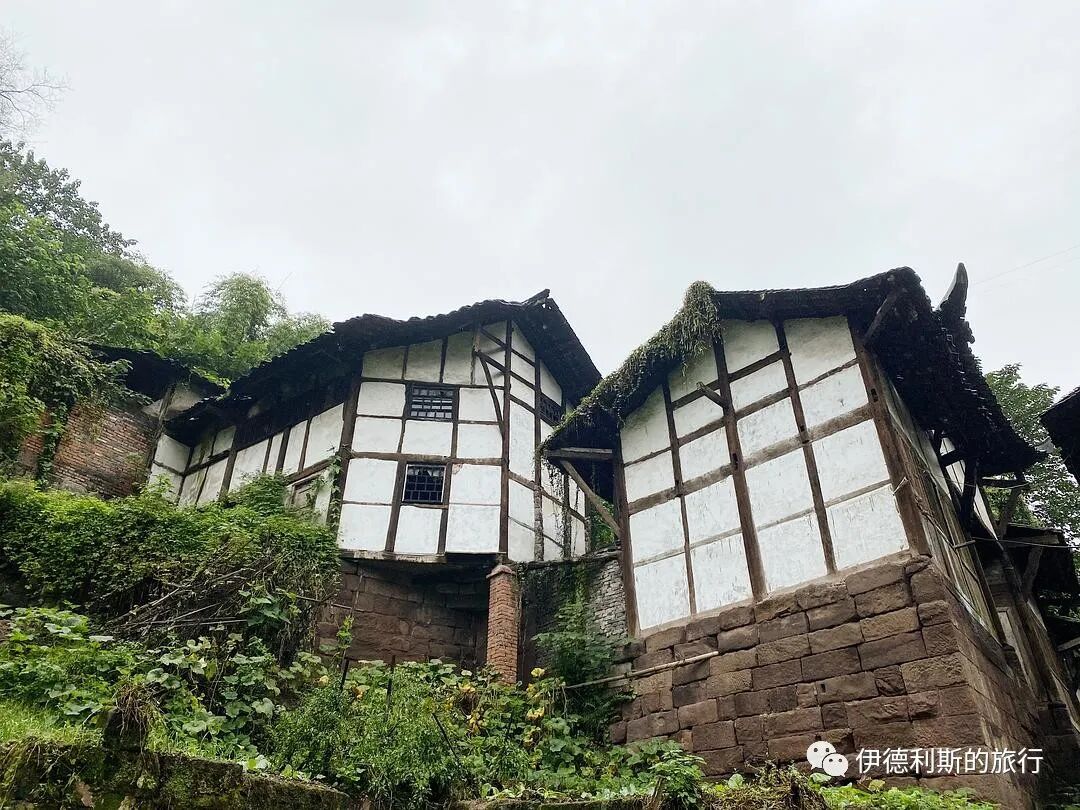
Wusheng Yankou Ancient Town is located on the banks of the Jialing River between Nanchong and Chongqing, and is an important Hui settlement along the Jialing River.
Huguang filled Sichuan" in the late Ming and early Qing dynasties, a Hui Muslim family surnamed Ma from Shaoyang, Hunan, was the first to settle in Wusheng during the Shunzhi period. During the Yongzheng period, Hui Muslims surnamed Huang from Changde, Hunan, also came to Wusheng. These were the two main Hui families in Wusheng.
The Hui Muslims of Wusheng first settled and farmed in Guba Village in the northern suburbs. During the Kangxi and Qianlong periods, with the commercial development of Yankou Town, most of the Hui Muslims of Wusheng moved to Yankou Town to make a living by opening halal beef restaurants, slaughtering cattle, and engaging in various industries and commerce.
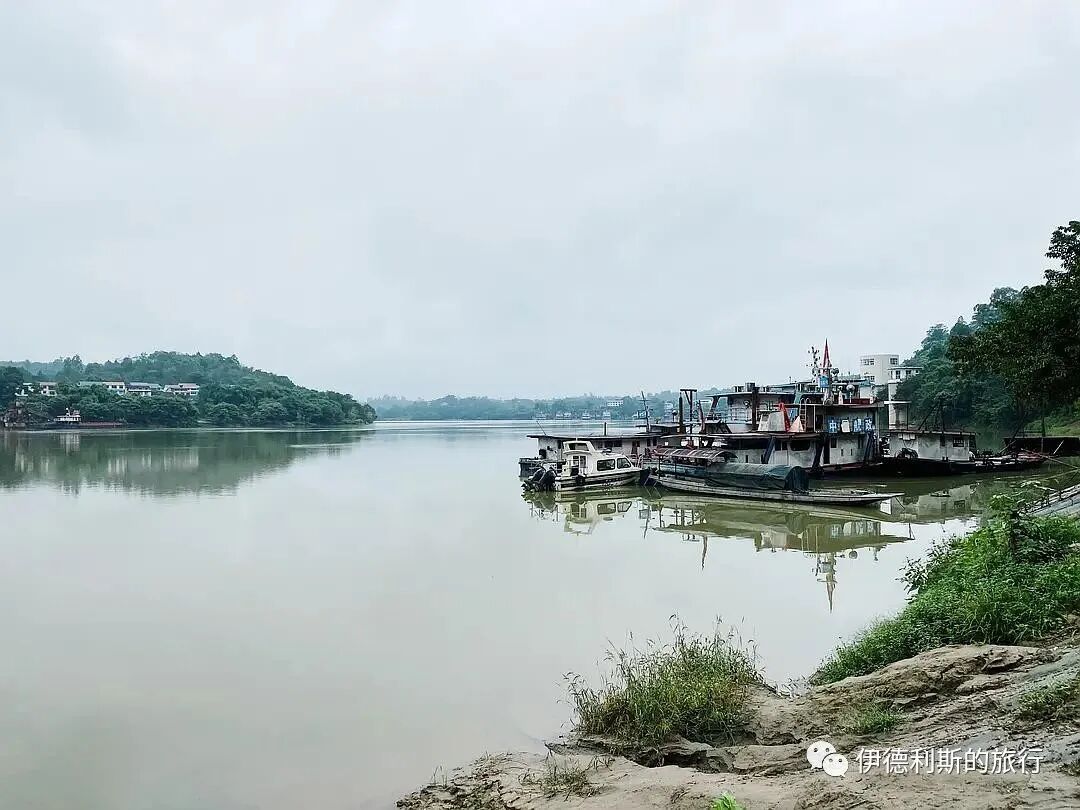
The ancient pier at the entrance of Yankou Town, which was once an important transportation hub on the Jialing River.
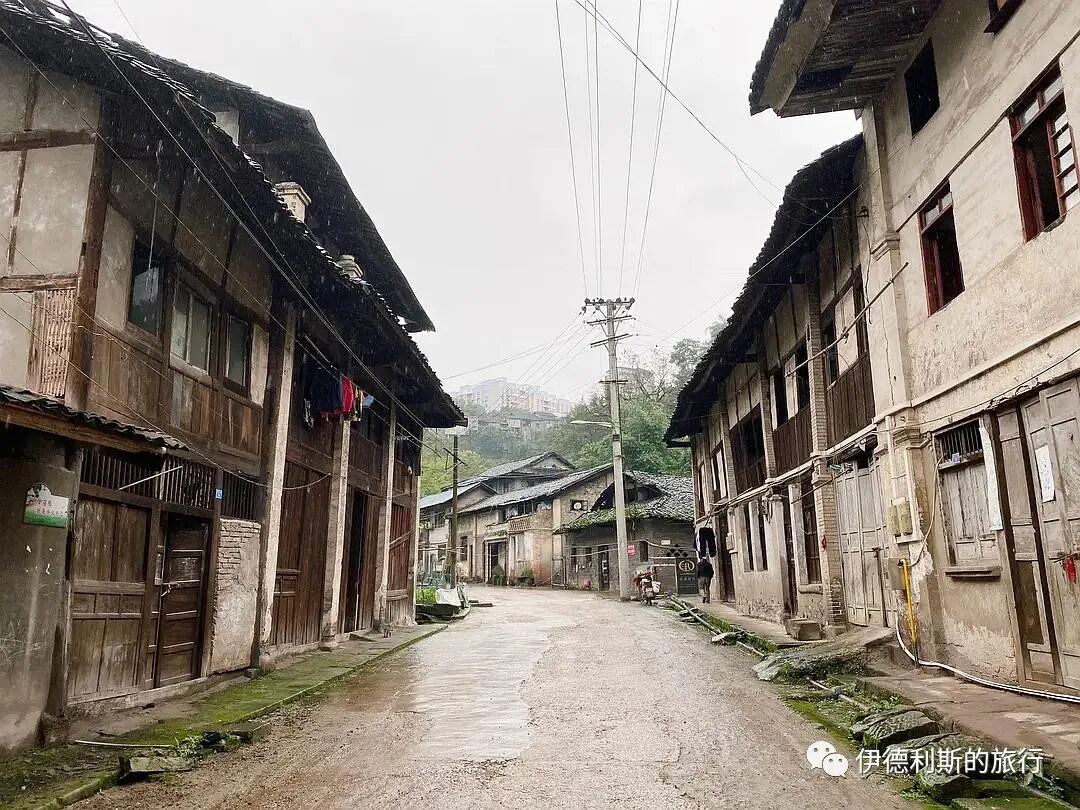
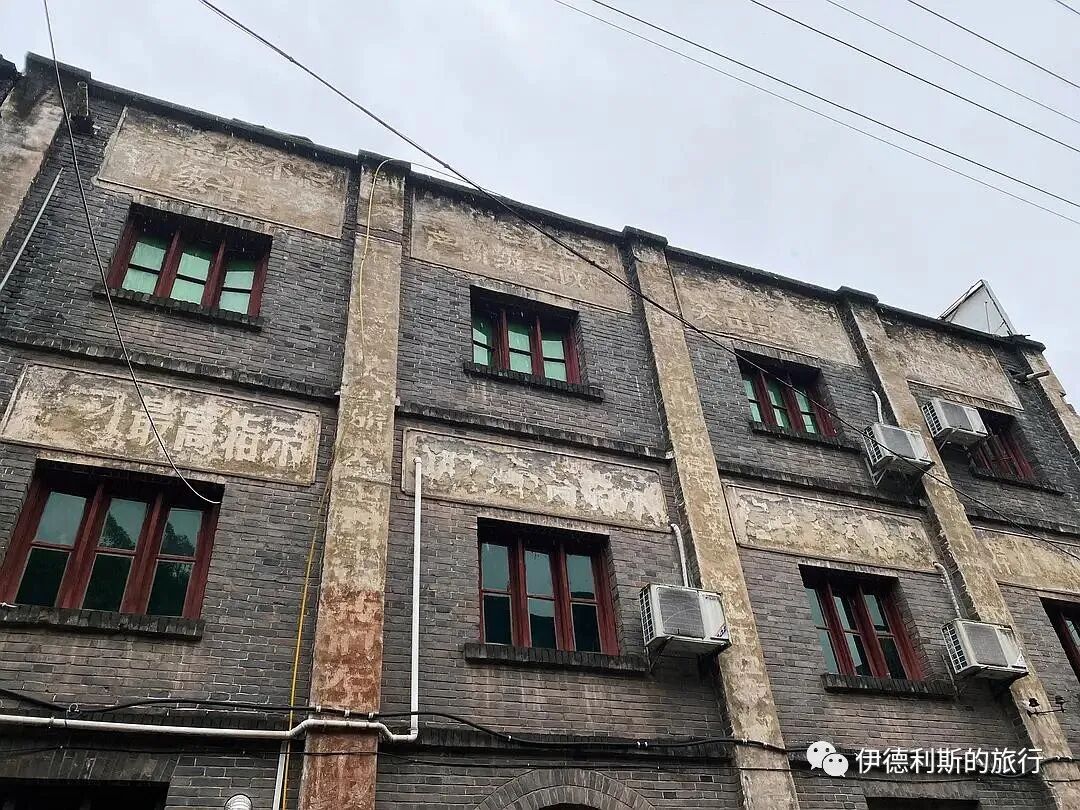
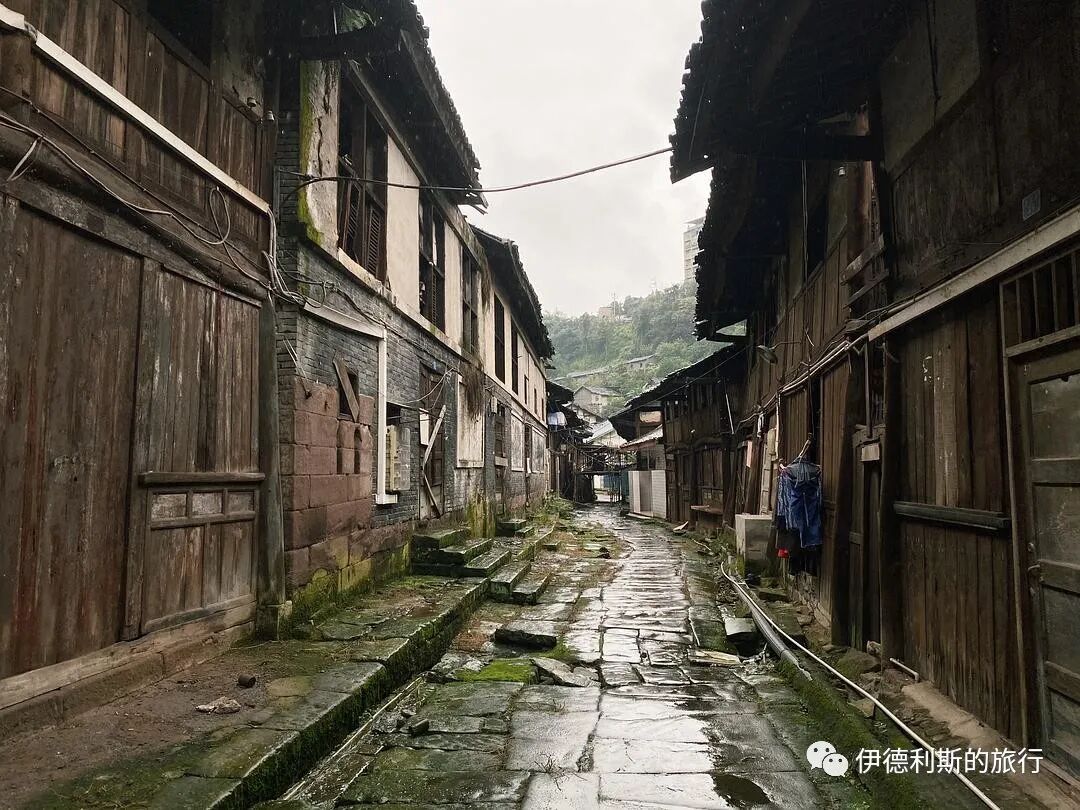
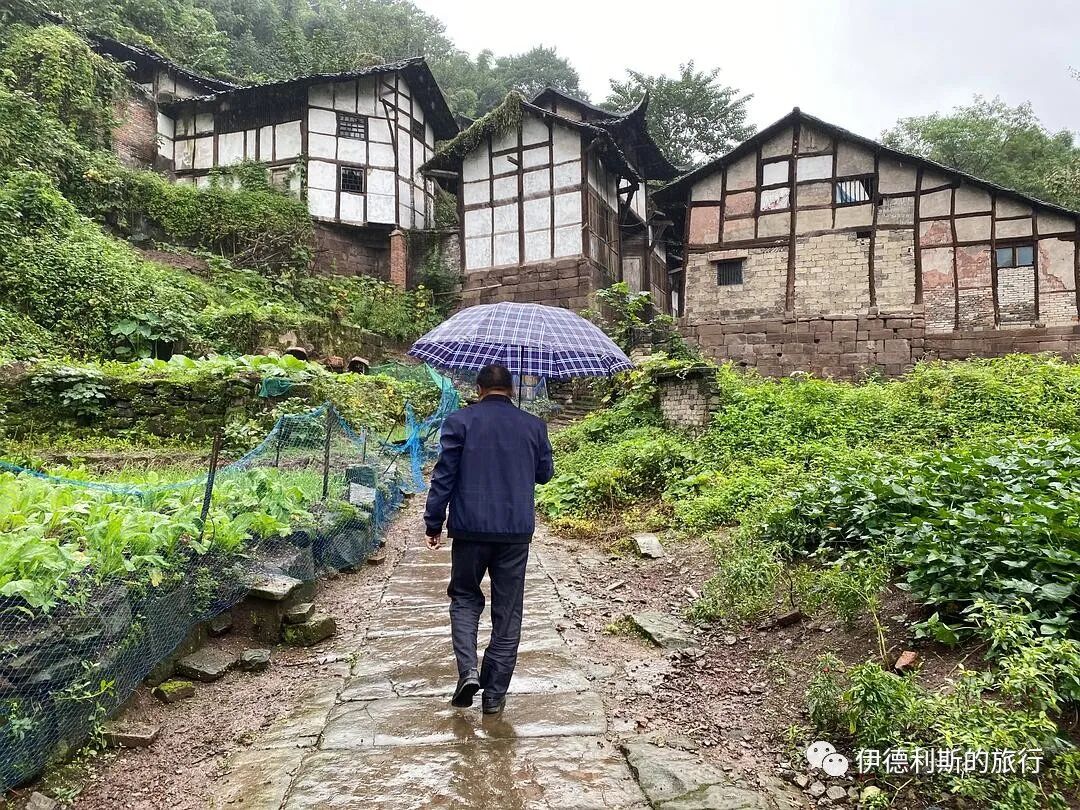
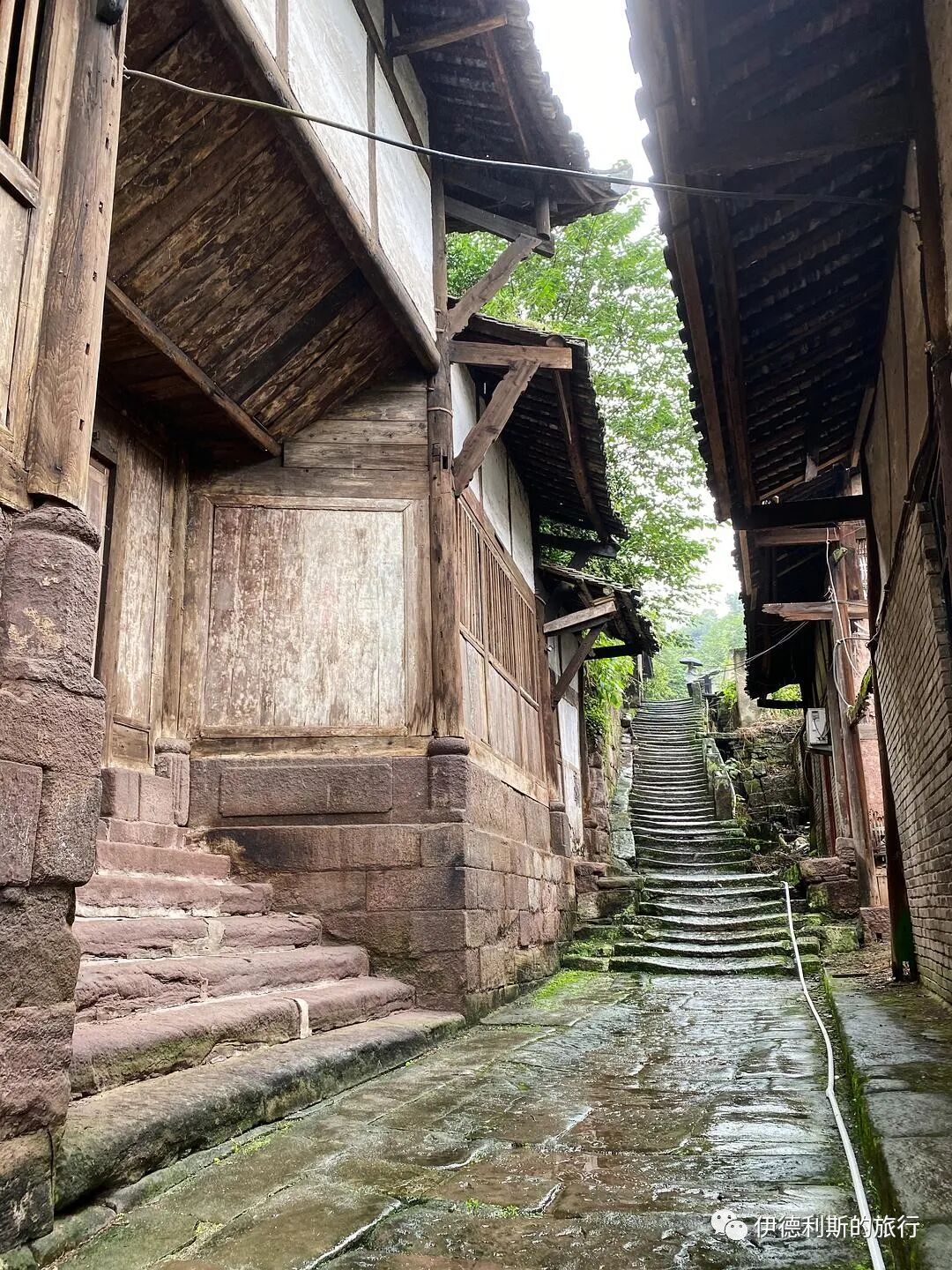
Guoshi Street, the main street of Yankou Town, where time seems to have frozen.
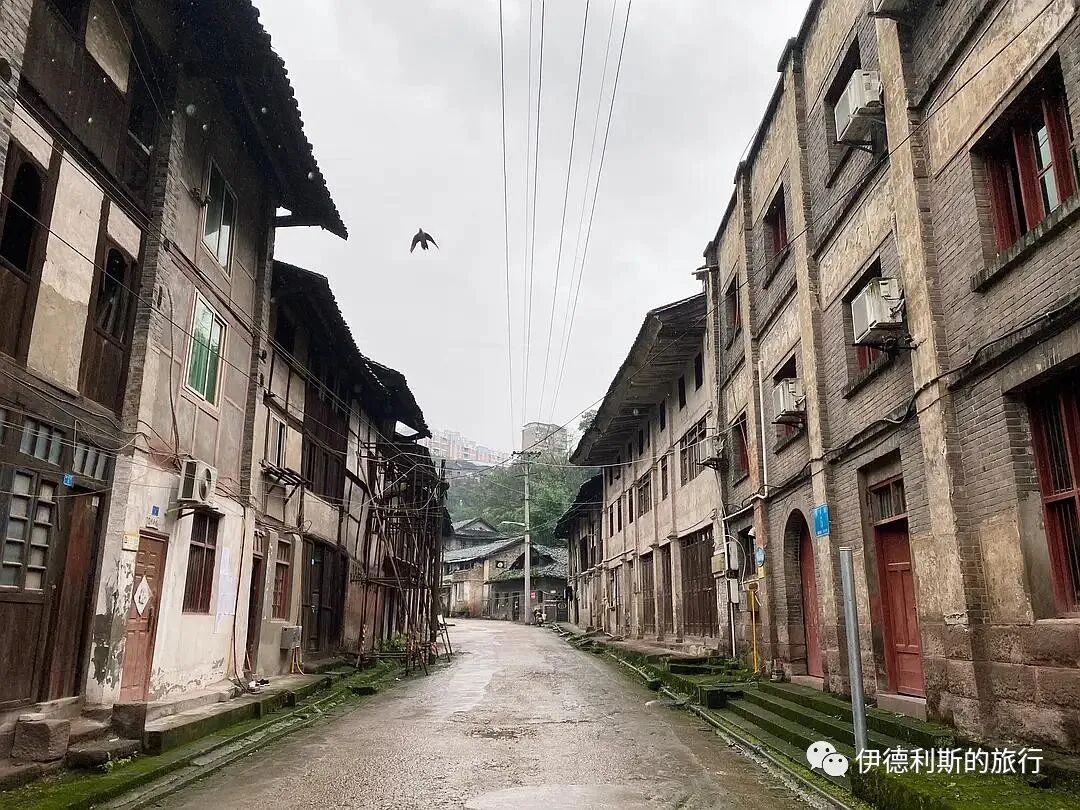
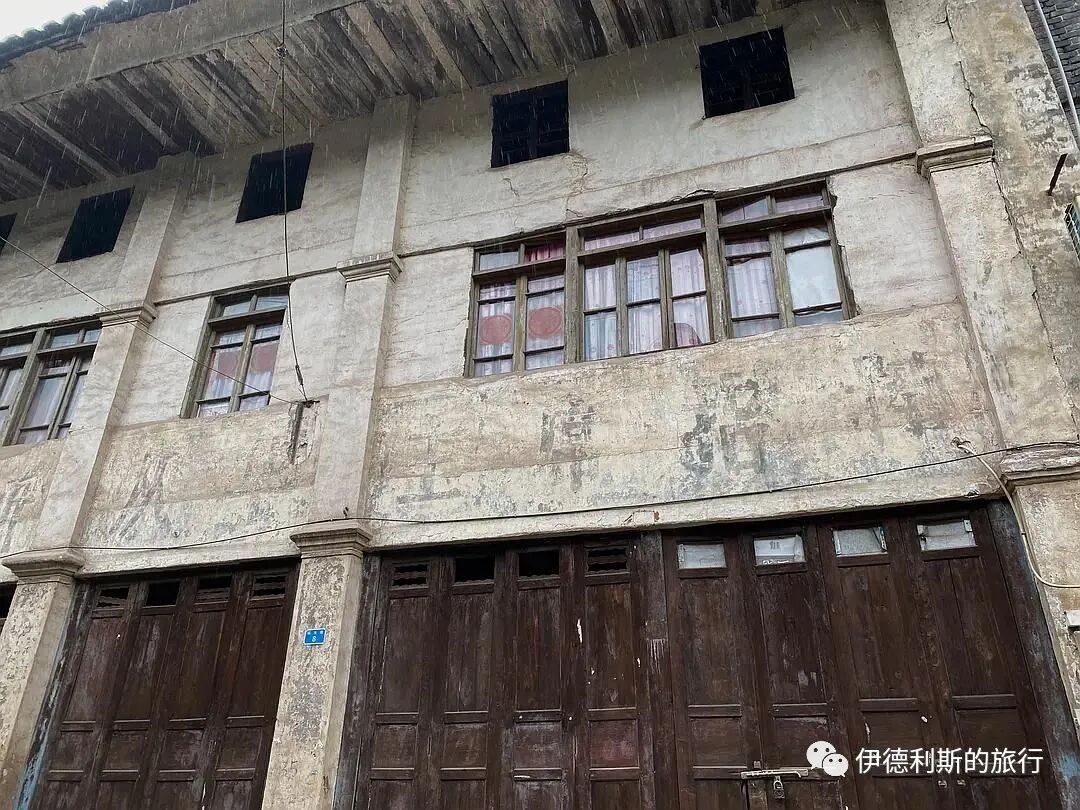
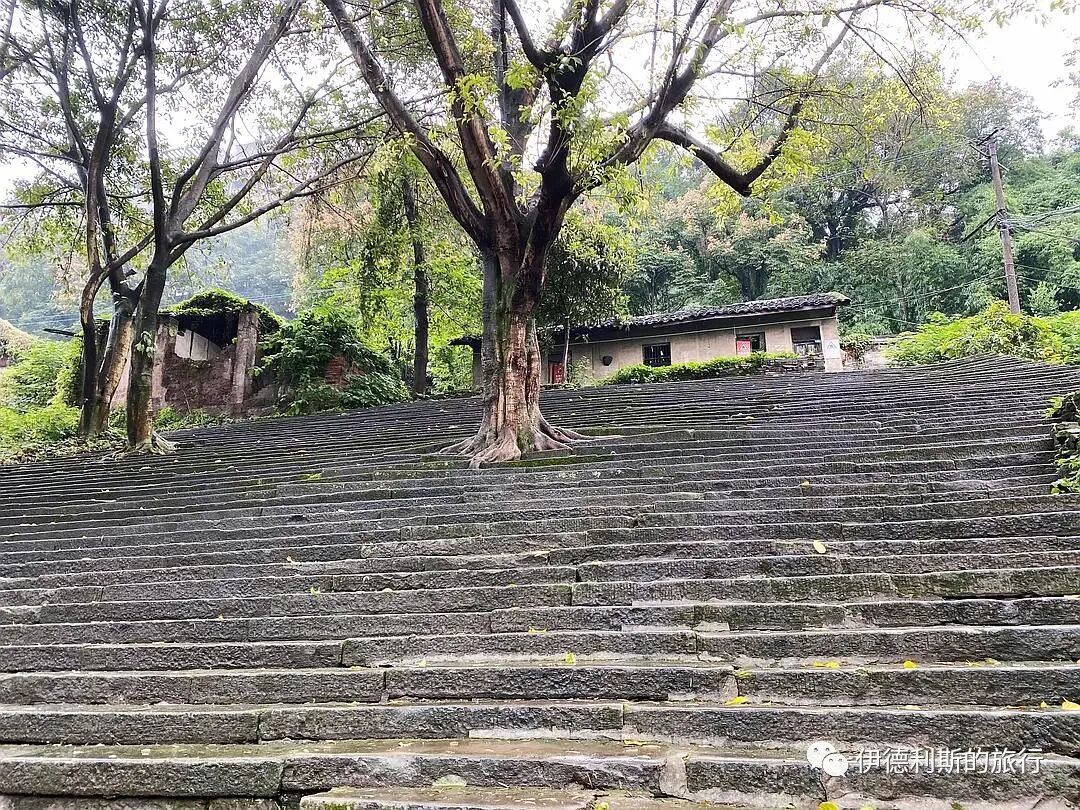
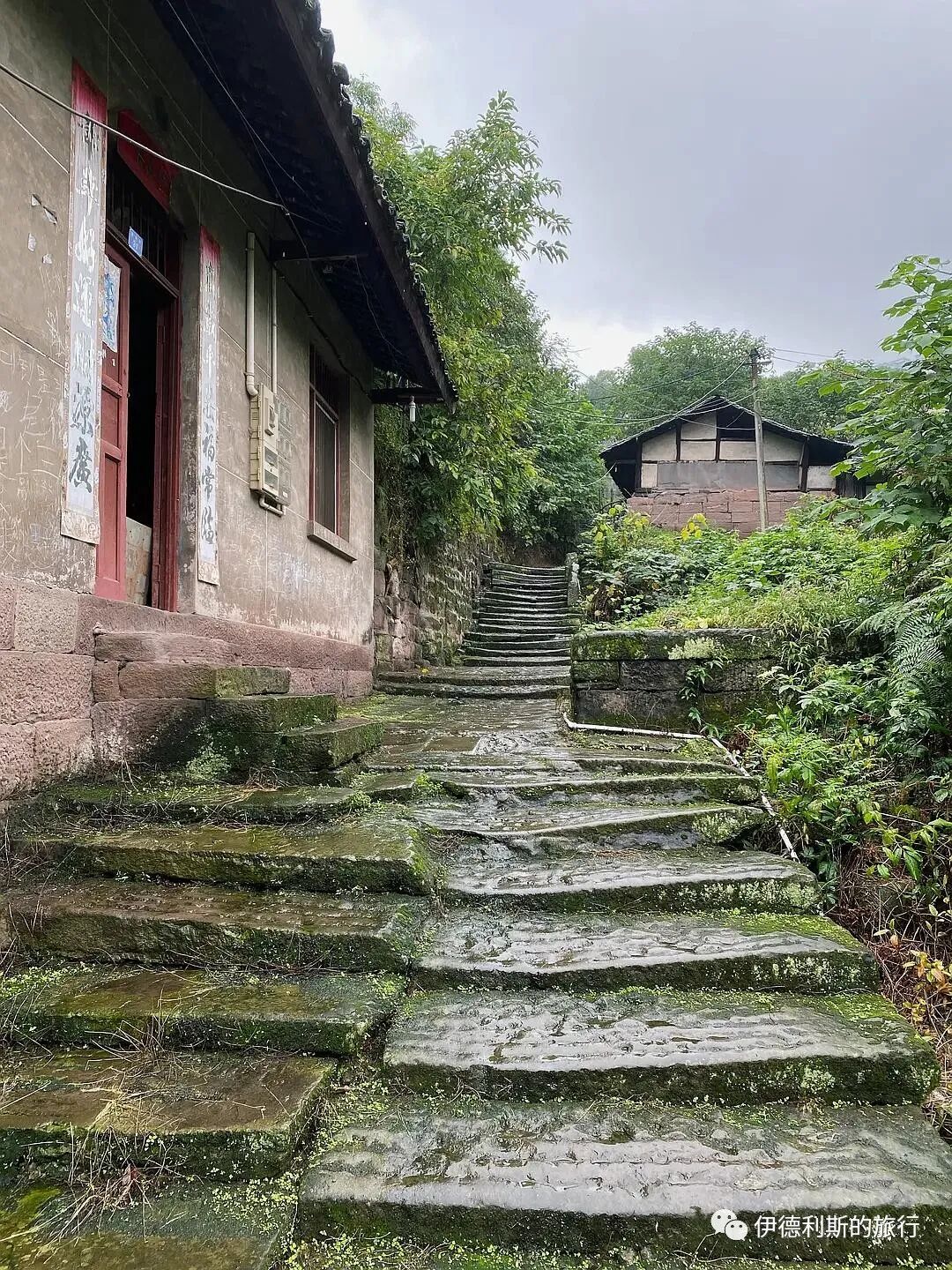
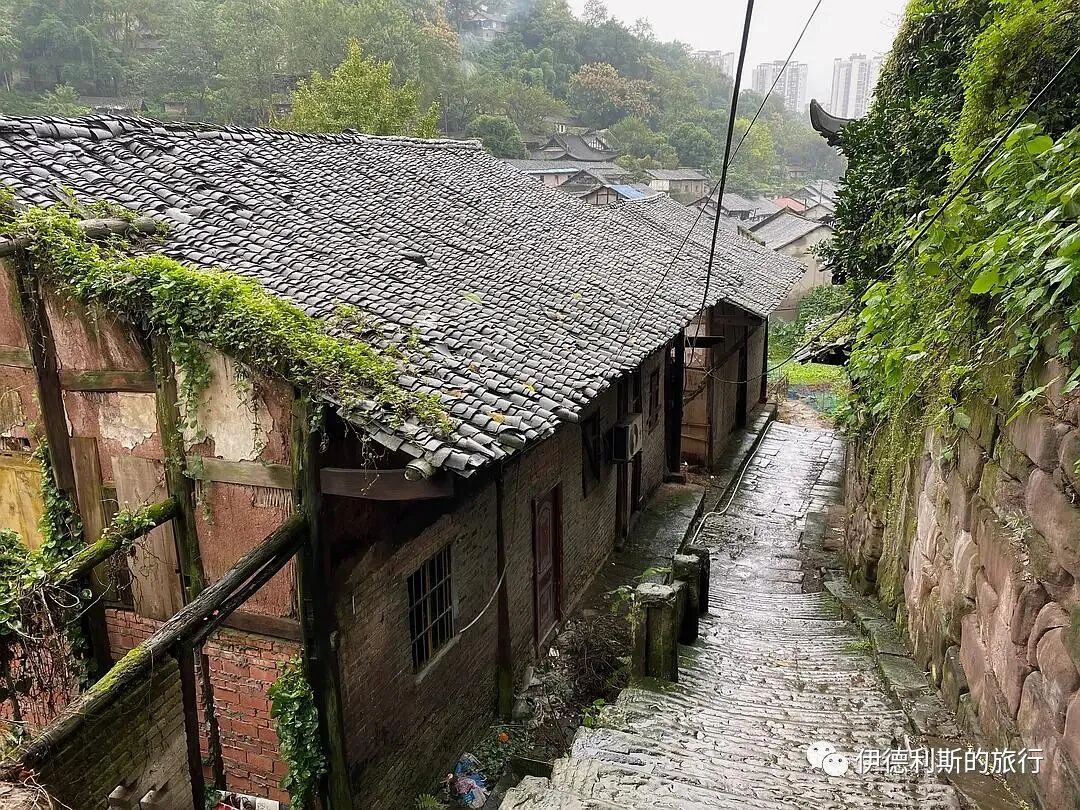
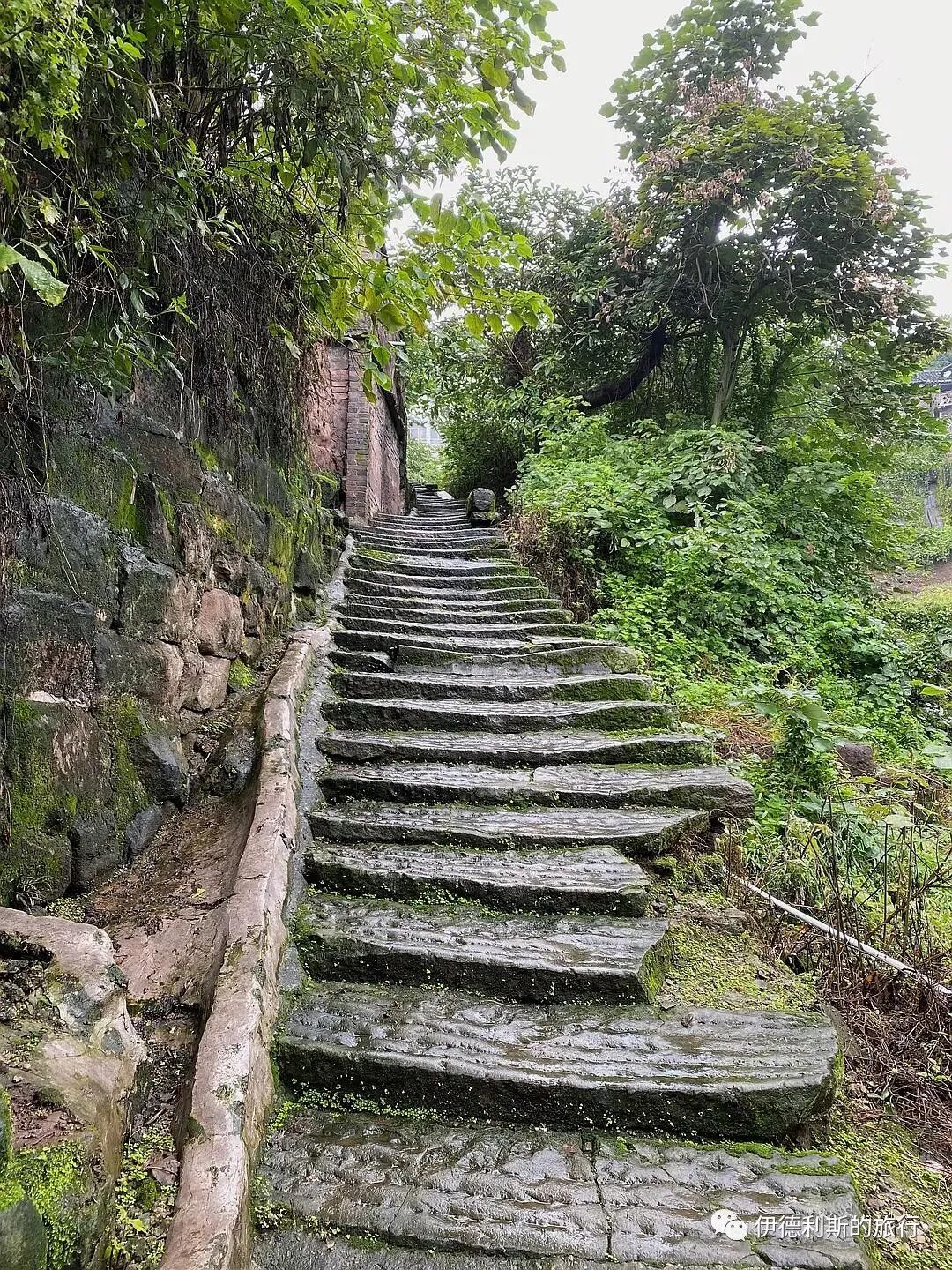
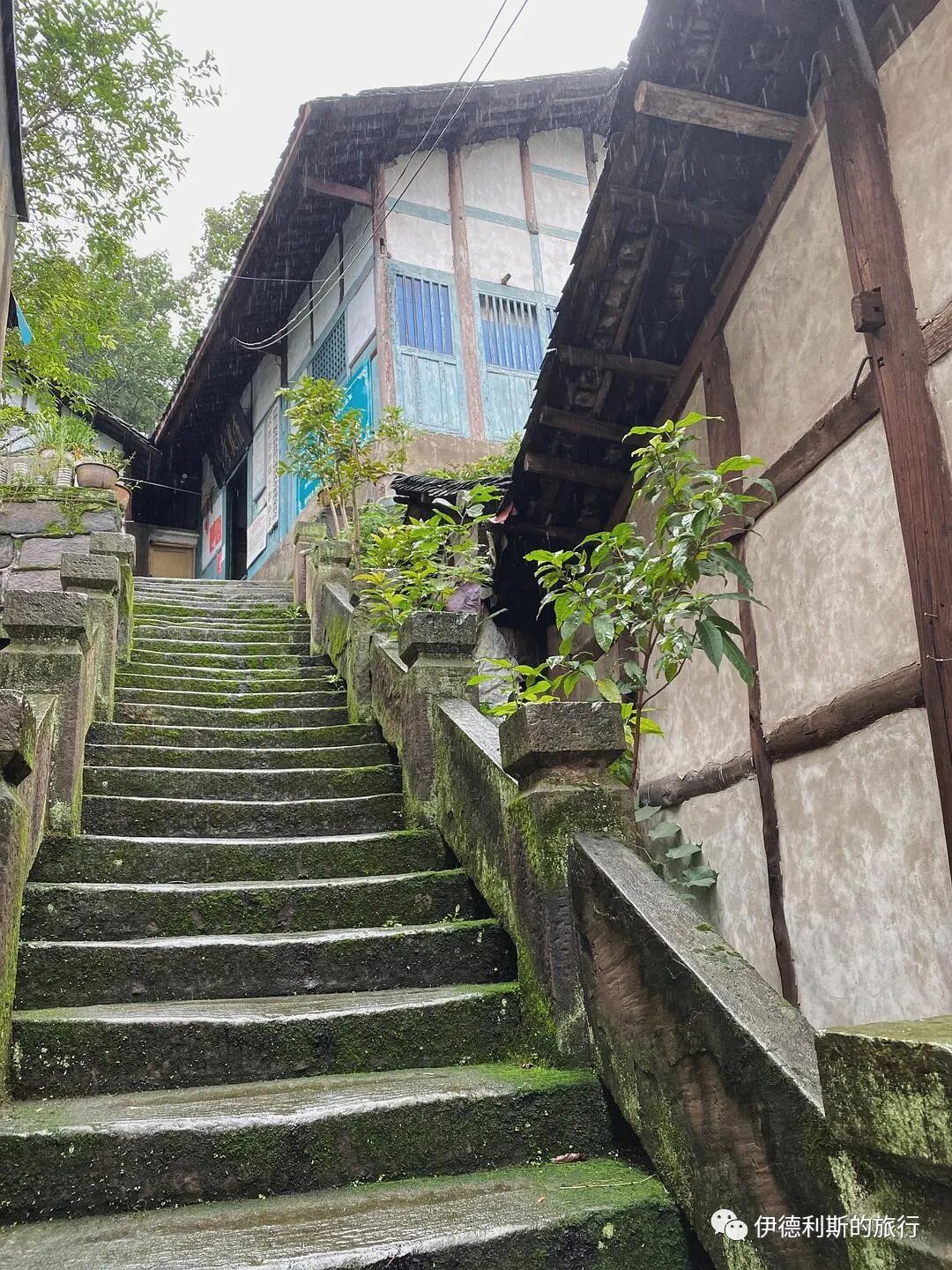
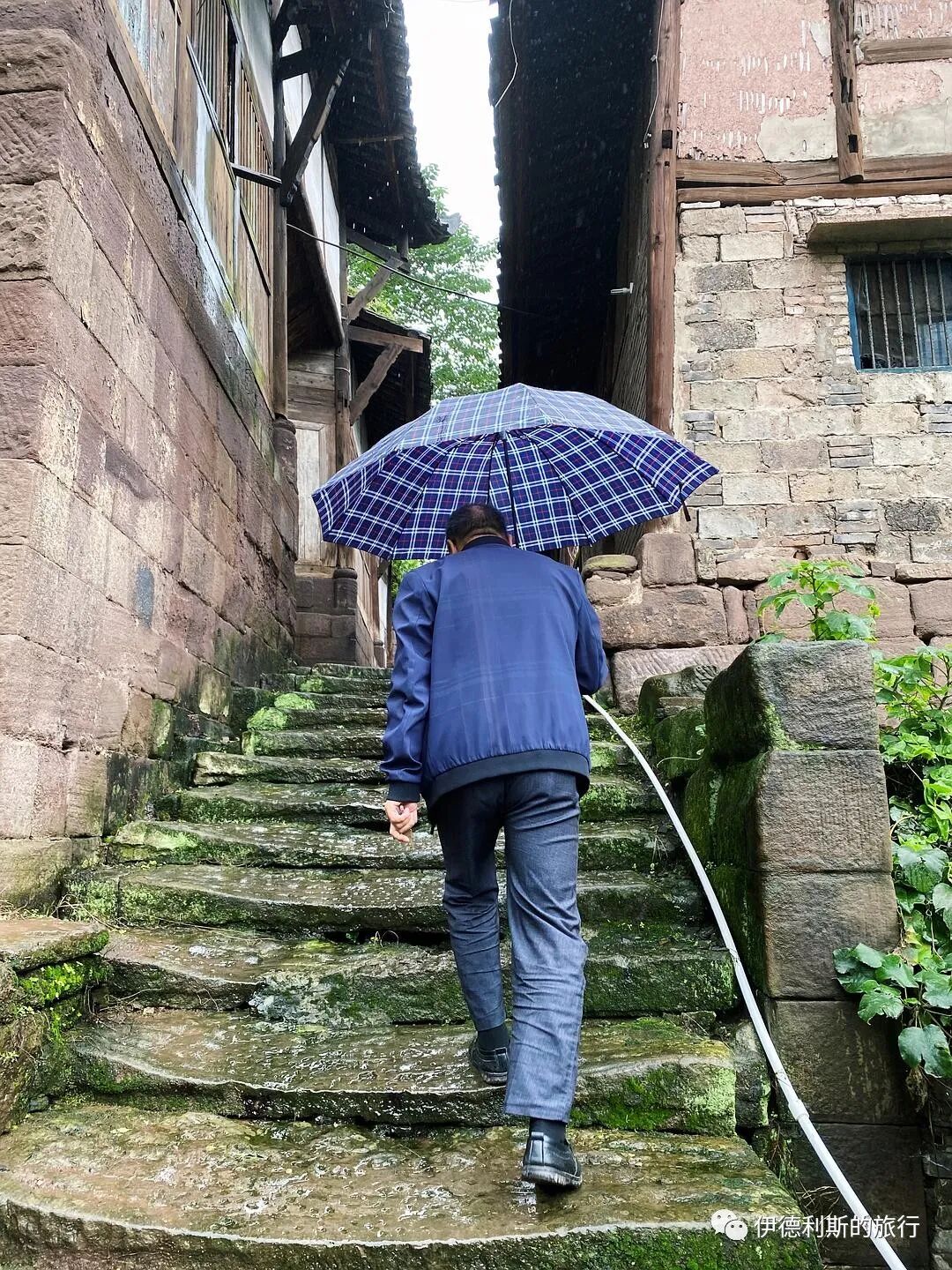
Various stone steps in Yankou Town. Yankou Town preserves a large number of bluestone steps, which are important historical witnesses.
Majiya Mosque
After the Hui Muslims settled in Wusheng in the early Qing Dynasty, they built a mosque in their initial settlement, Guba Village. After the Hui Muslims of Wusheng concentrated in Yankou Town in the mid-Qing Dynasty, the Ma family funded the purchase of a mansion built by the Muslim Zhang family in 1778 (the 43rd year of Qianlong's reign). It was converted into a mosque in 1819 (the 24th year of Jiaqing's reign) and took its current form after renovations in 1828 (the 8th year of Daoguang's reign).
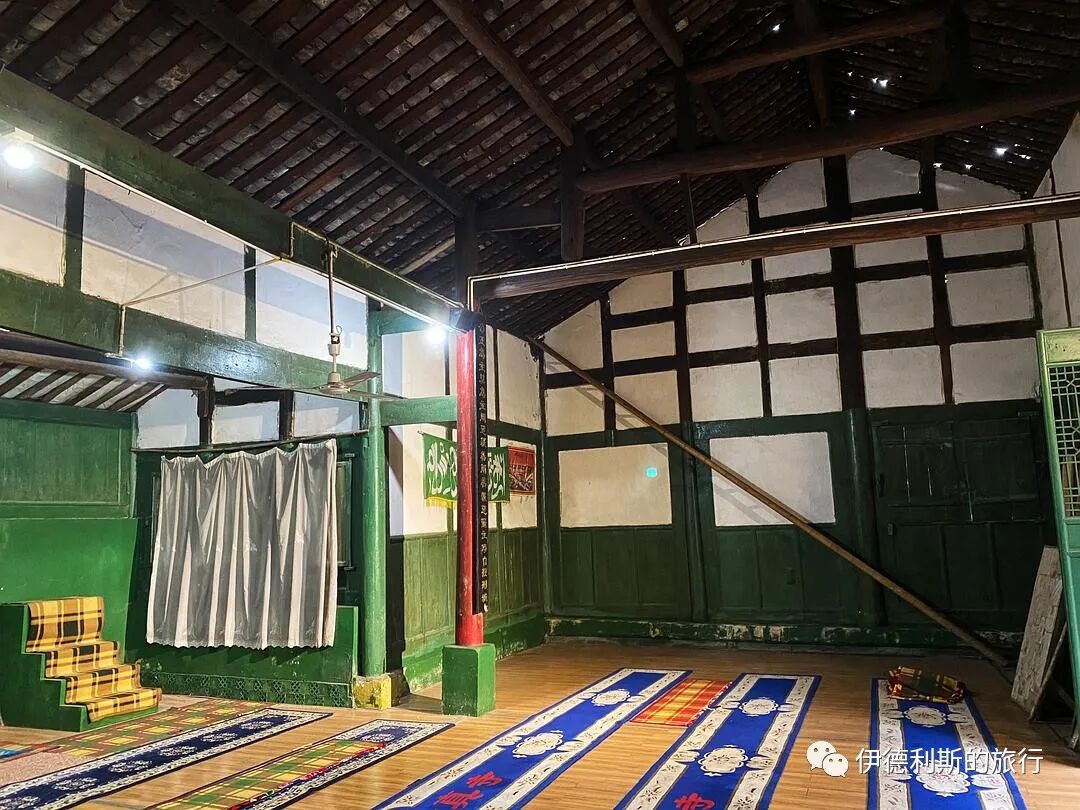
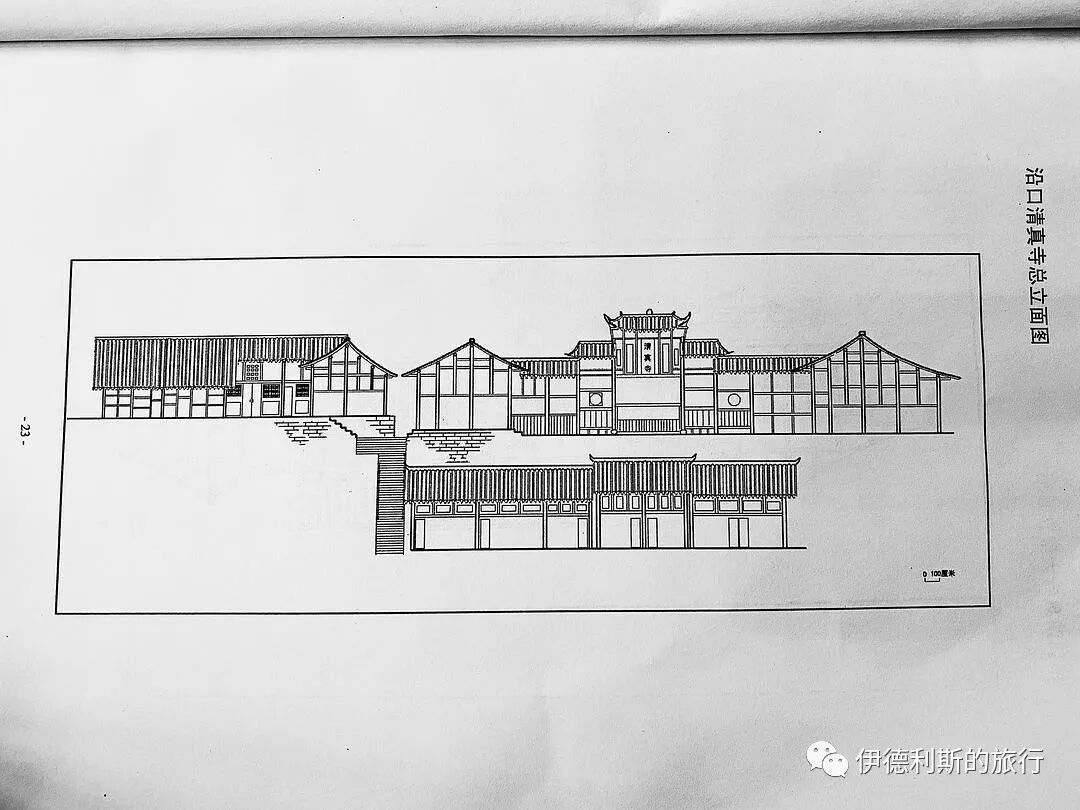
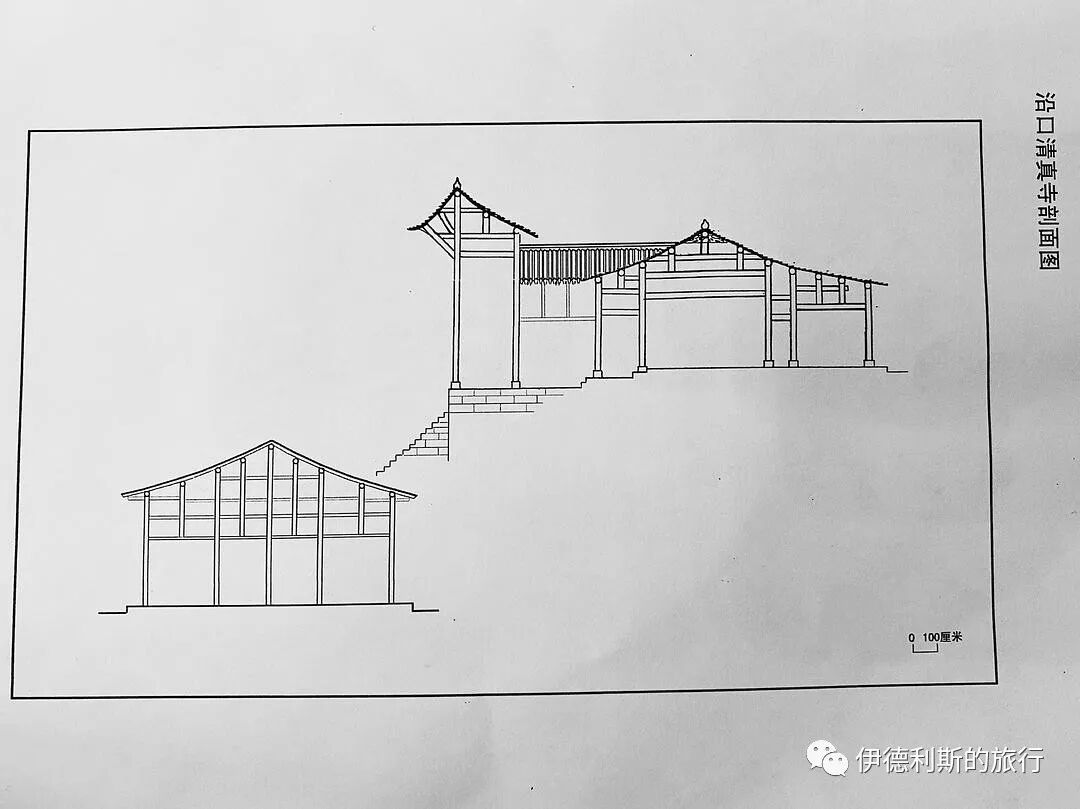
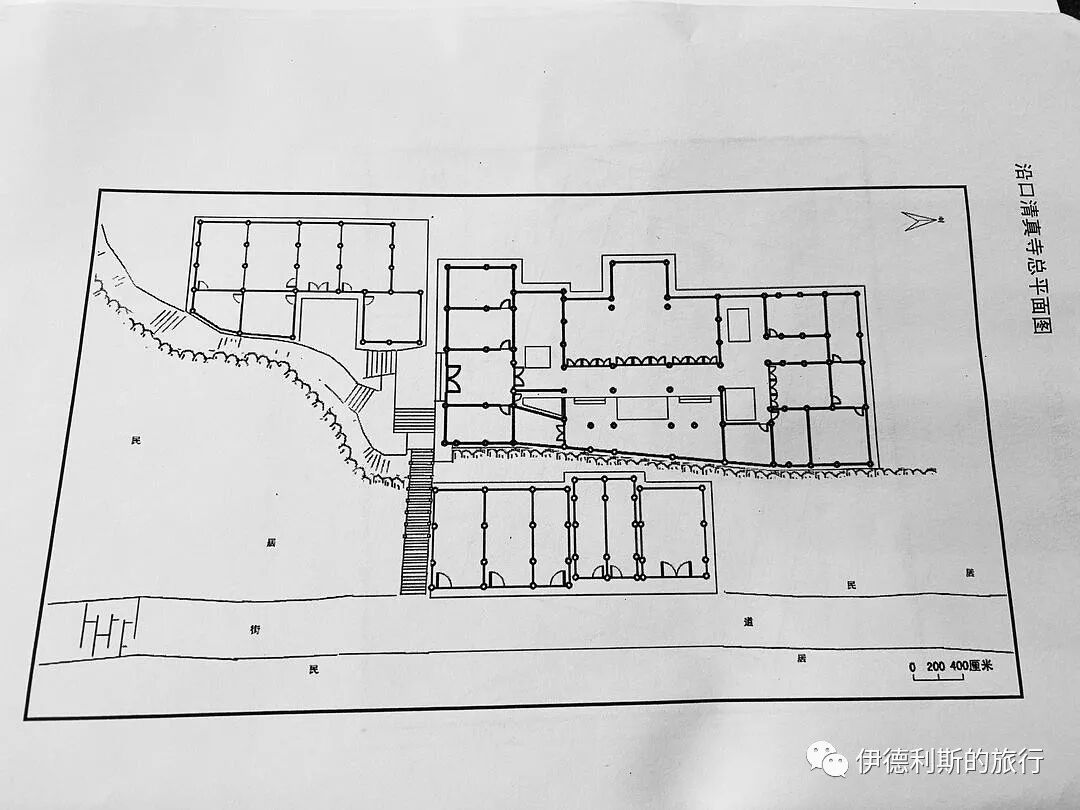
The architecture of Majiya Mosque is very distinctive. The entire mosque is built against the mountain and is surrounded by a main hall, north and south wing rooms, a scripture hall, and a water room, enclosing five courtyards. The courtyards are filled with green plants. Facing the main hall is a 10-meter-high archway with a plaque inscribed with "Mosque." It appears to be the mountain gate, but the gate is actually a cliff, and it can only be seen from the opposite mountainside. The real main entrance is on the south side, connected to Banbian Street by an ancient stone staircase.
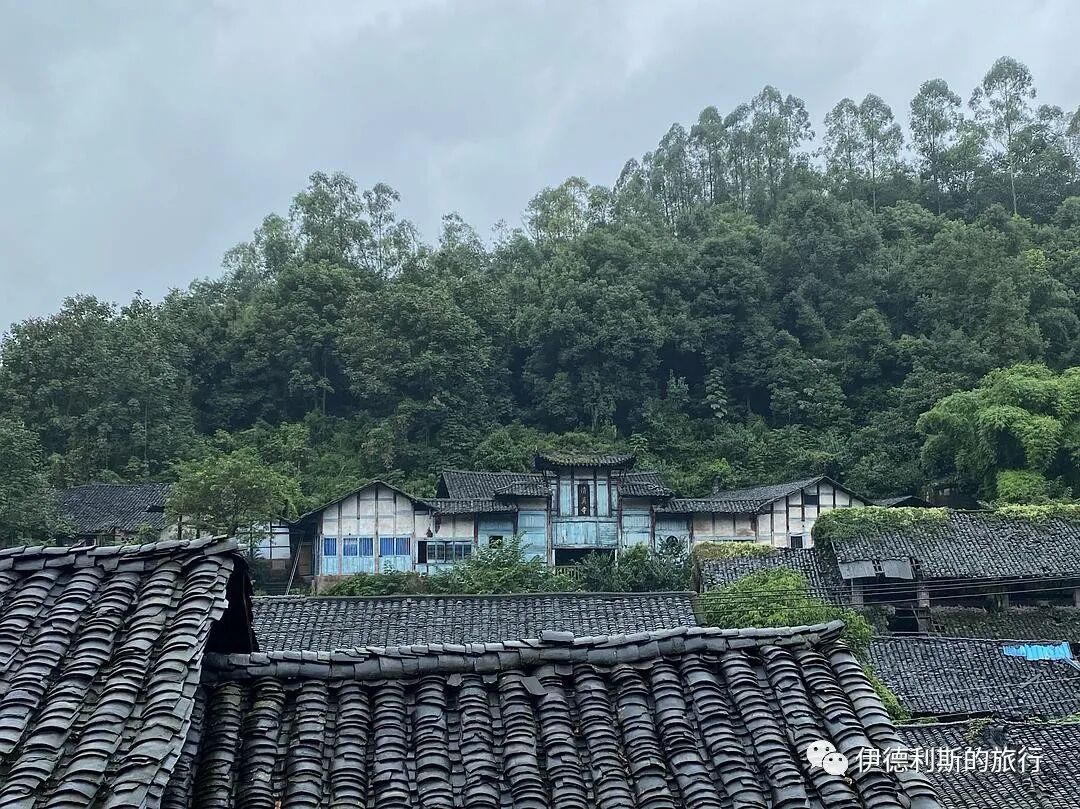
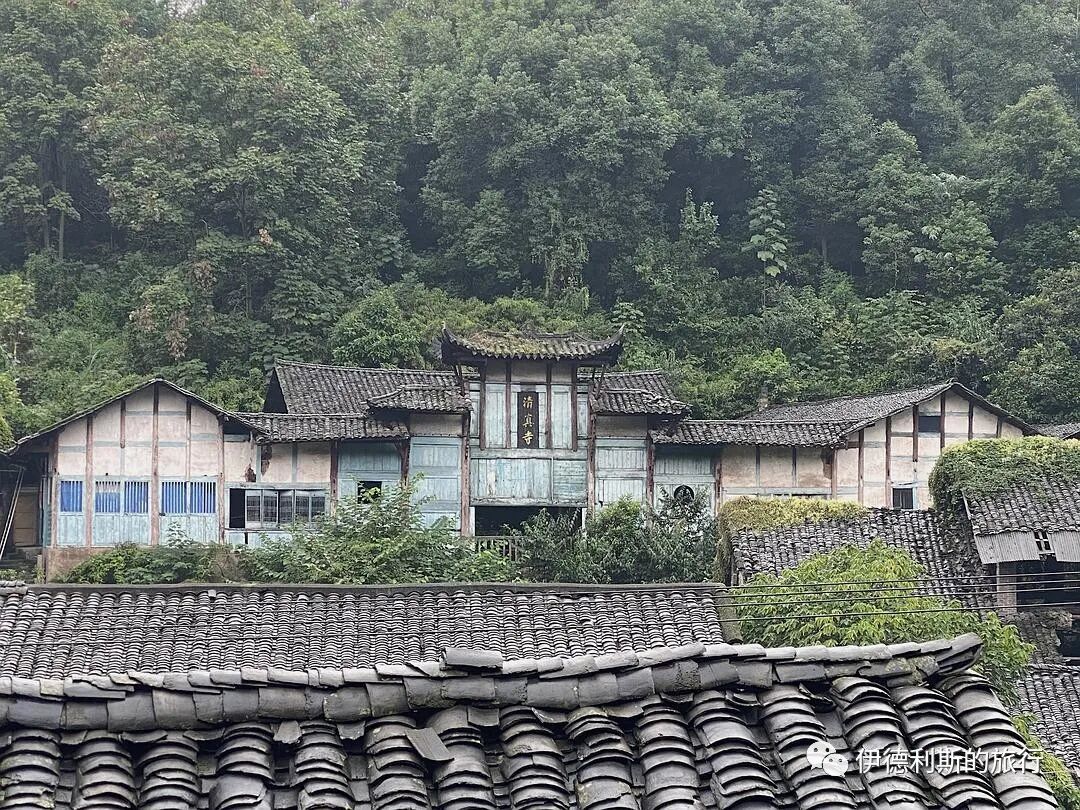
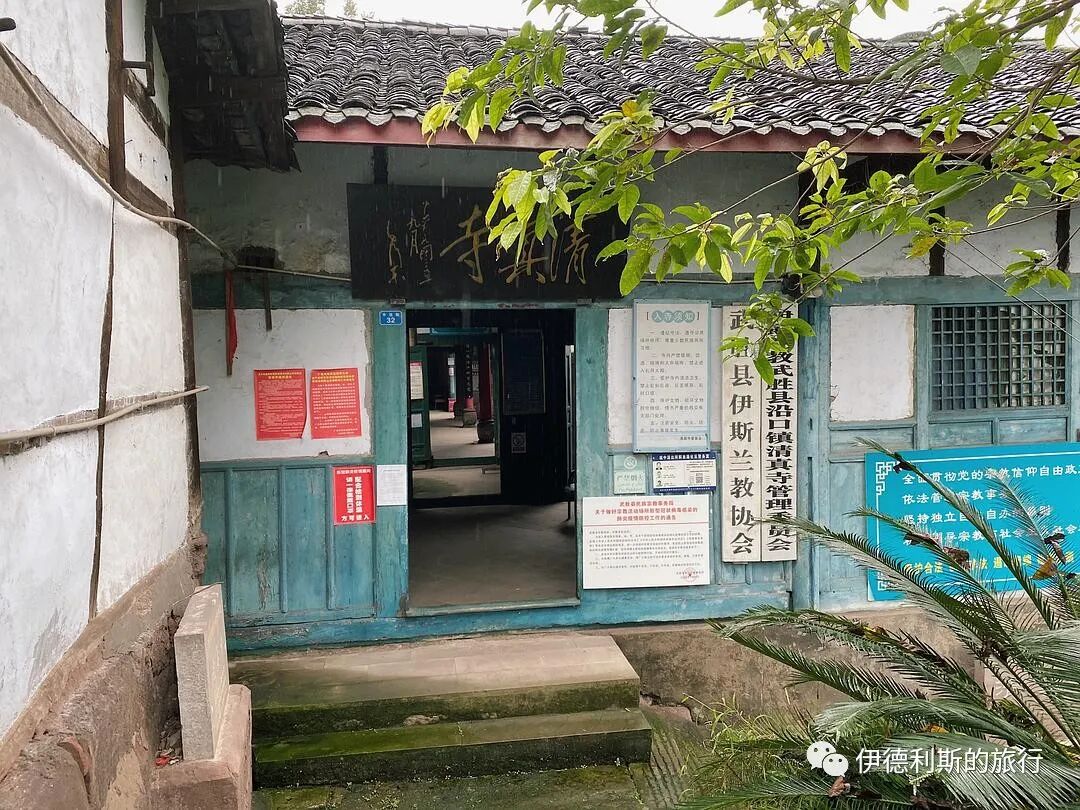
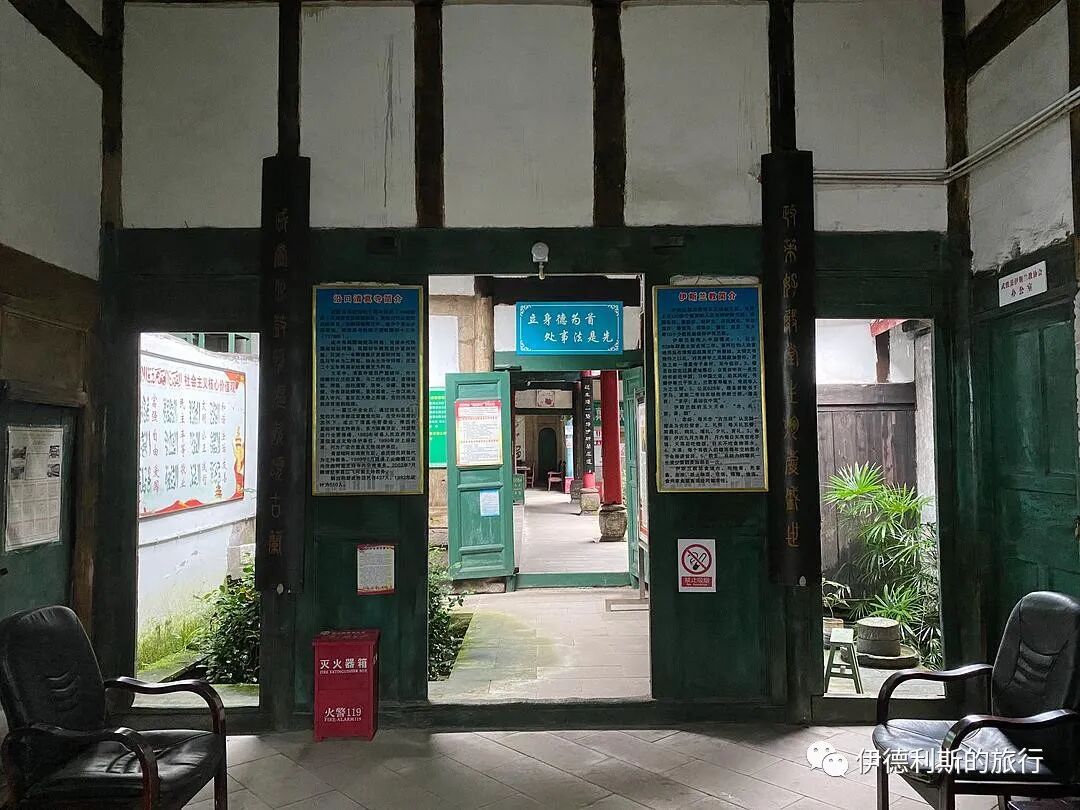
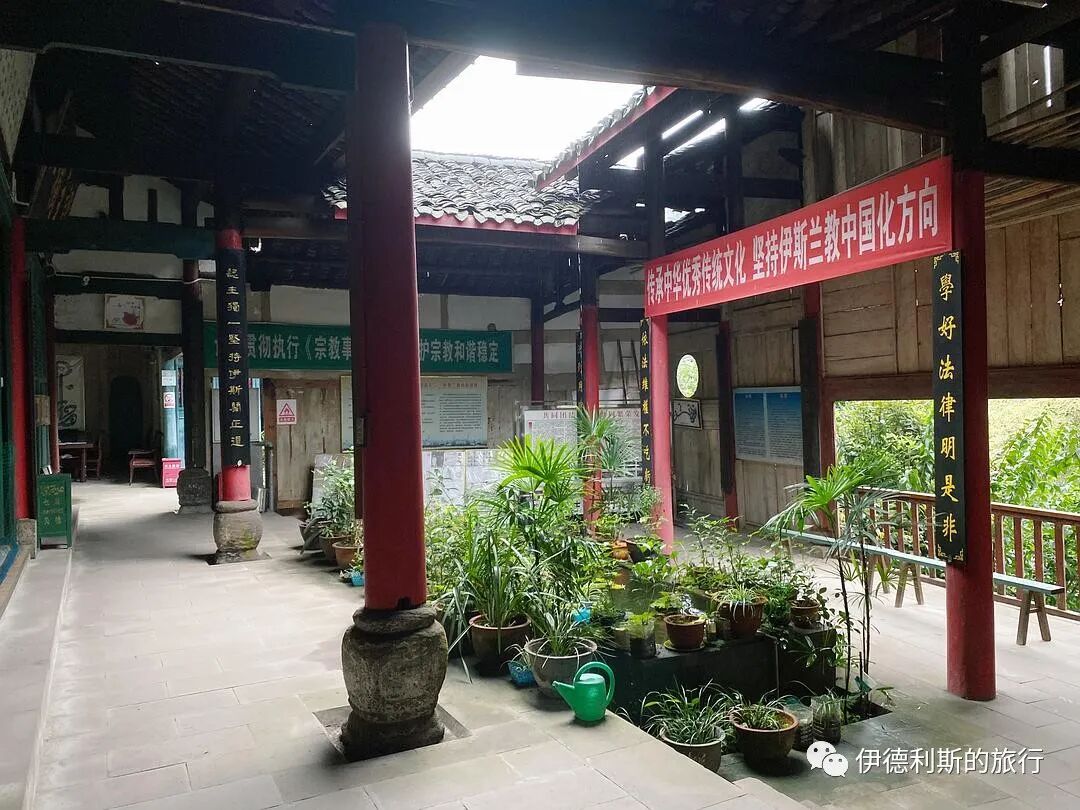
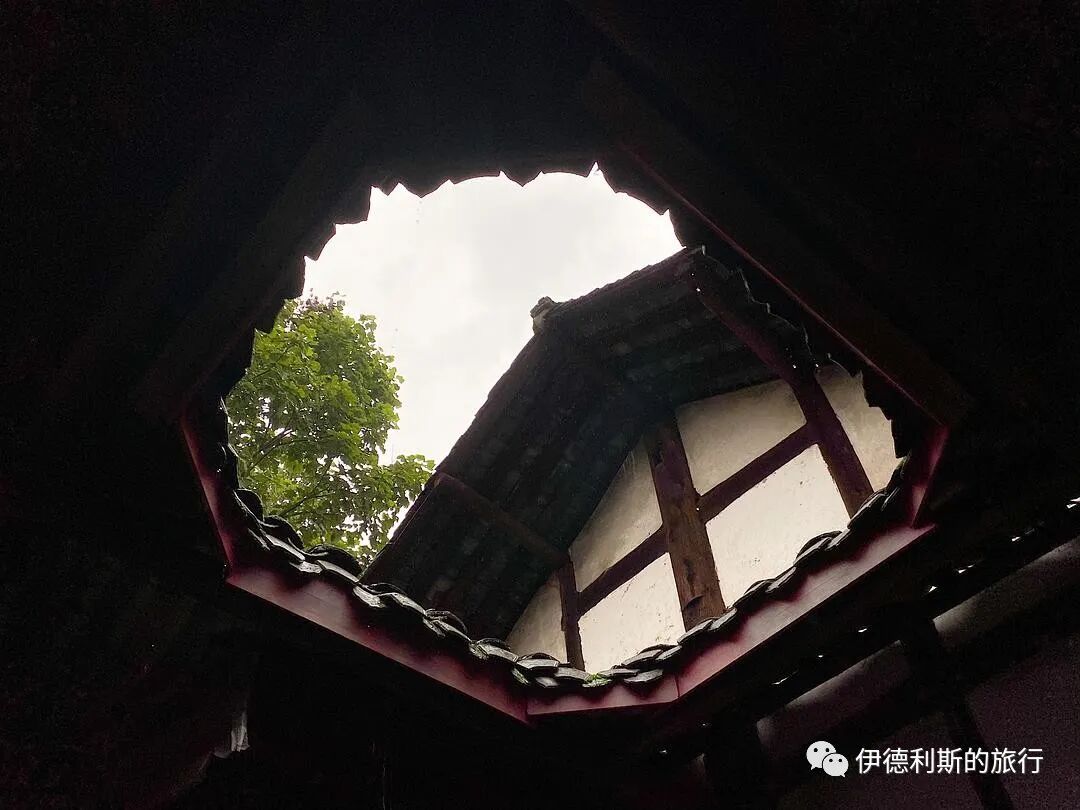
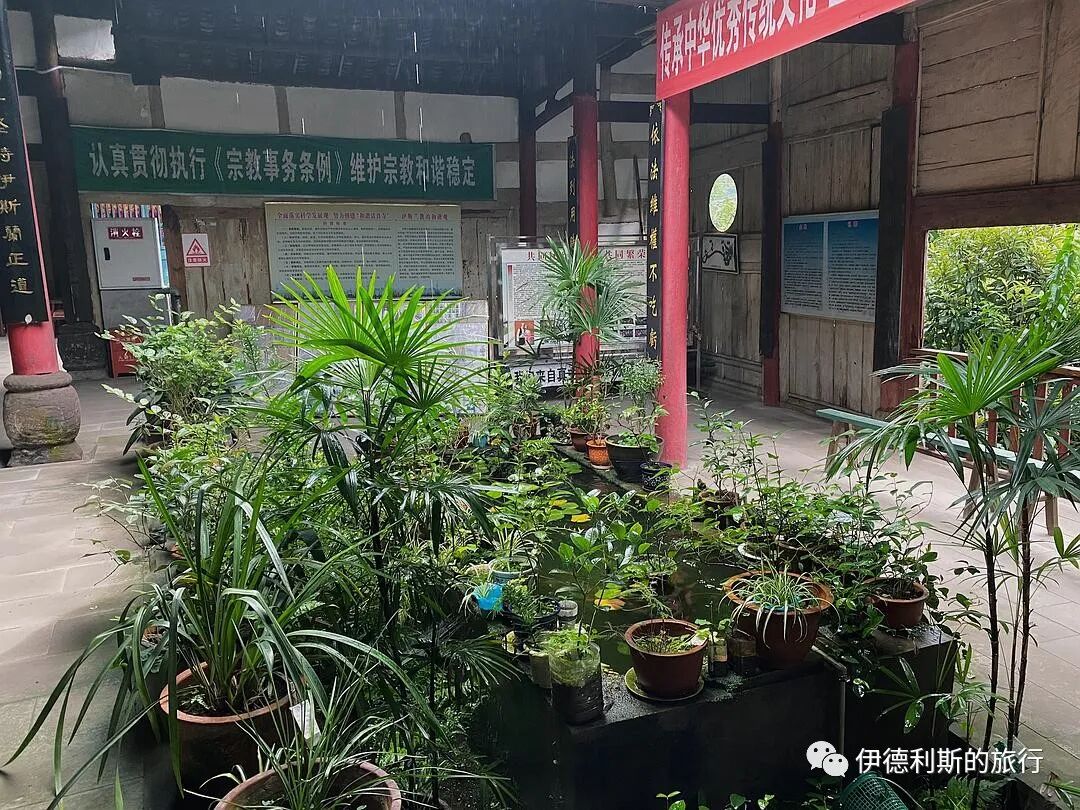
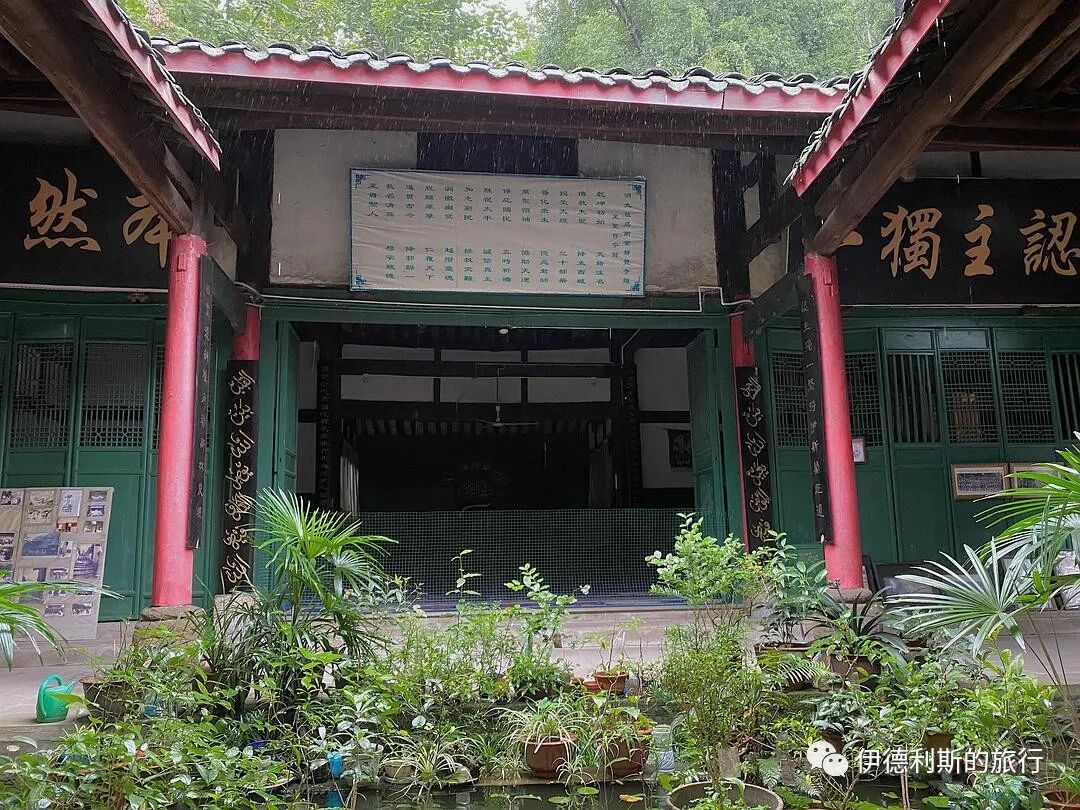
The main hall of Majiya Mosque is 10 meters deep. The mihrab features Arabic calligraphy in a brush style, which is very rare.
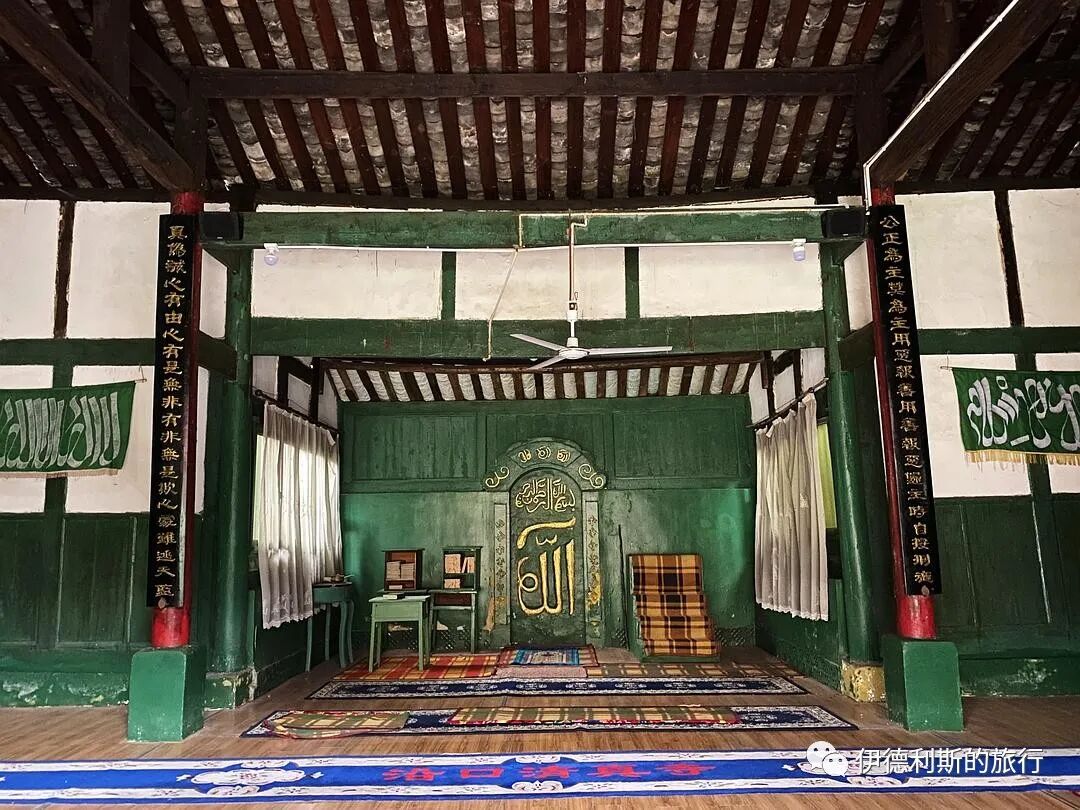
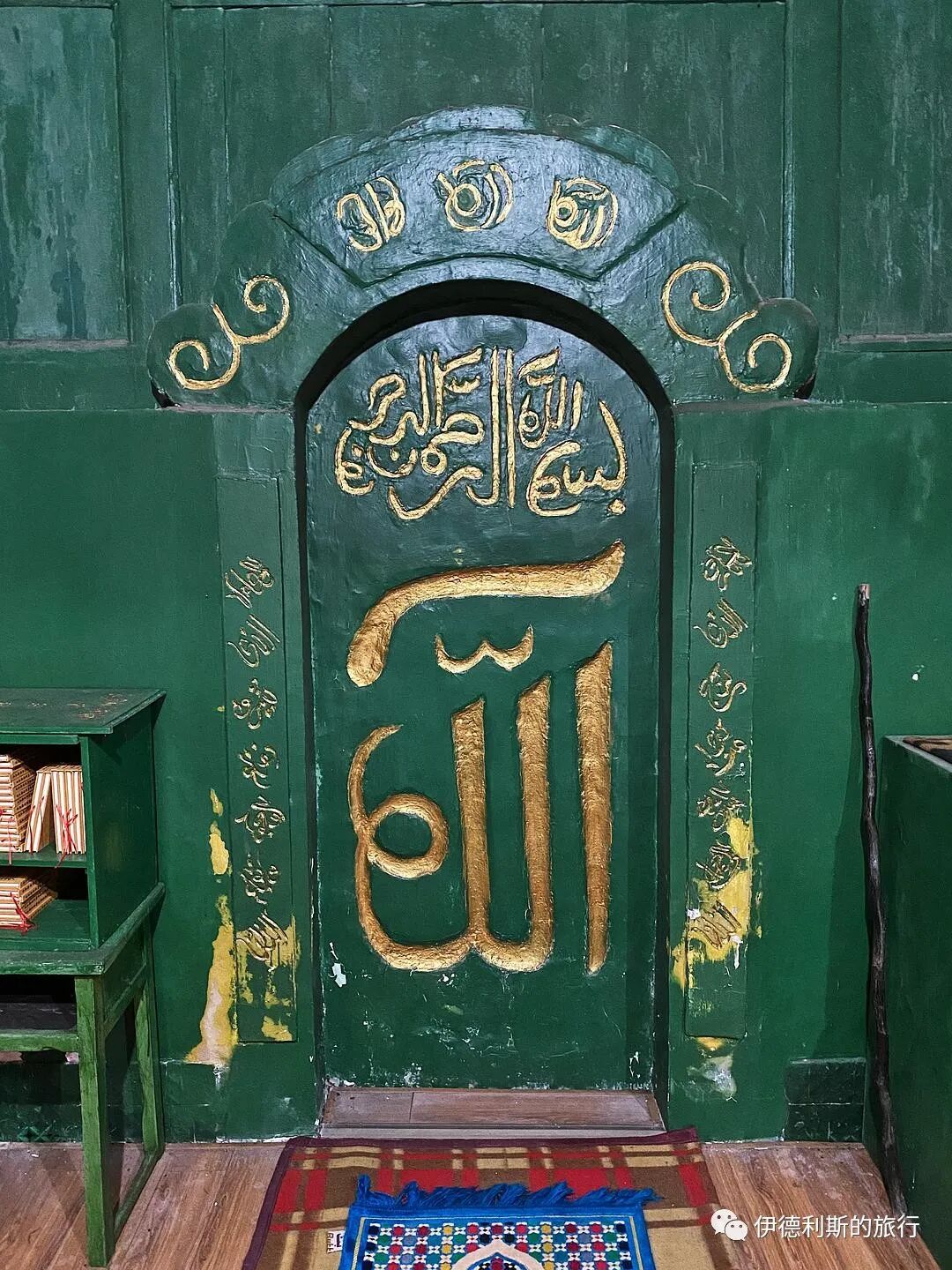
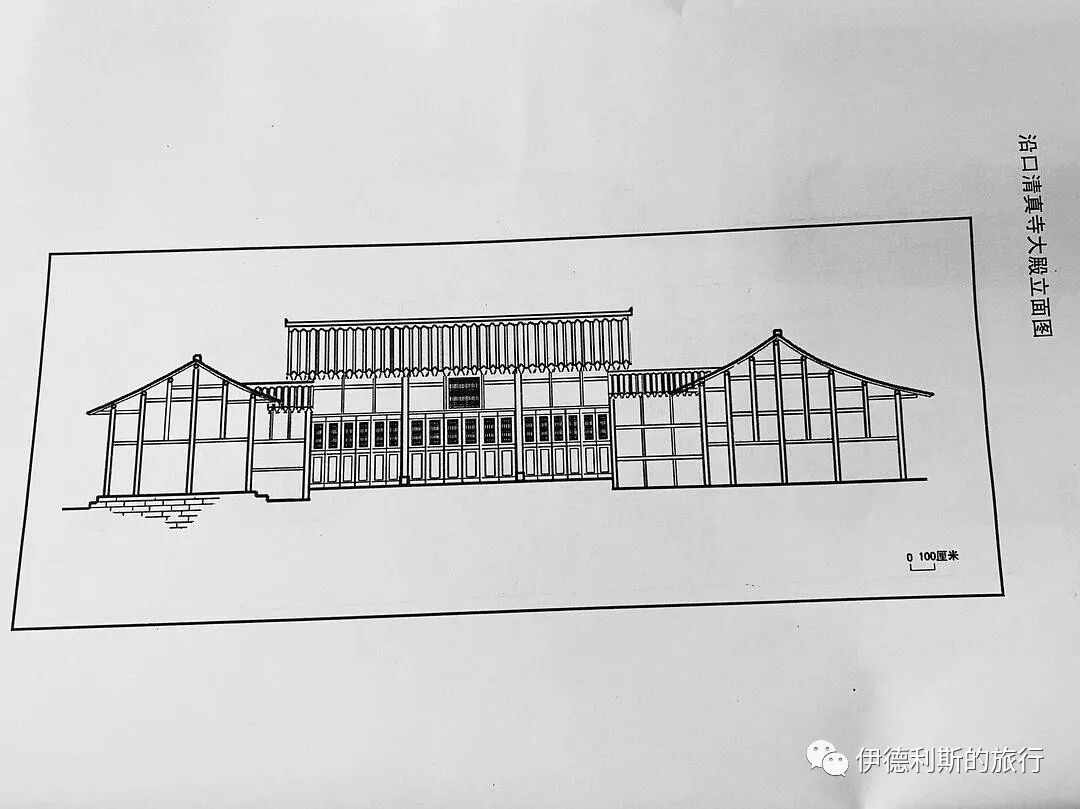
A survey map of Majiya Mosque.
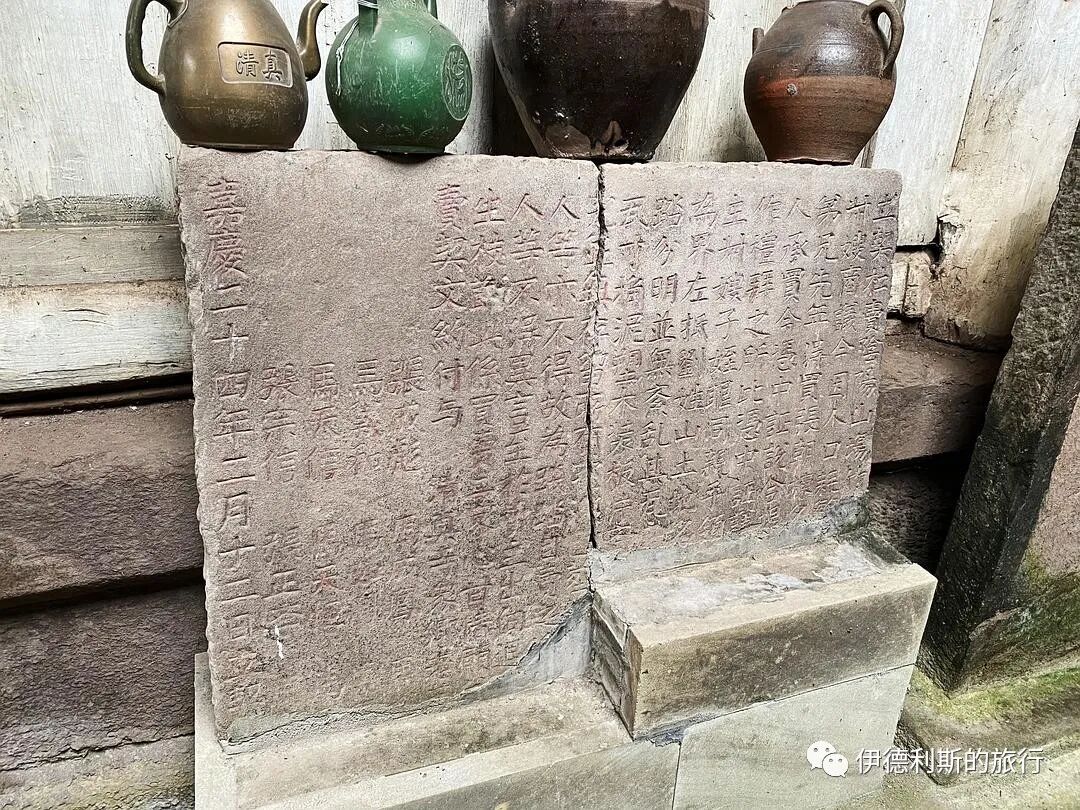
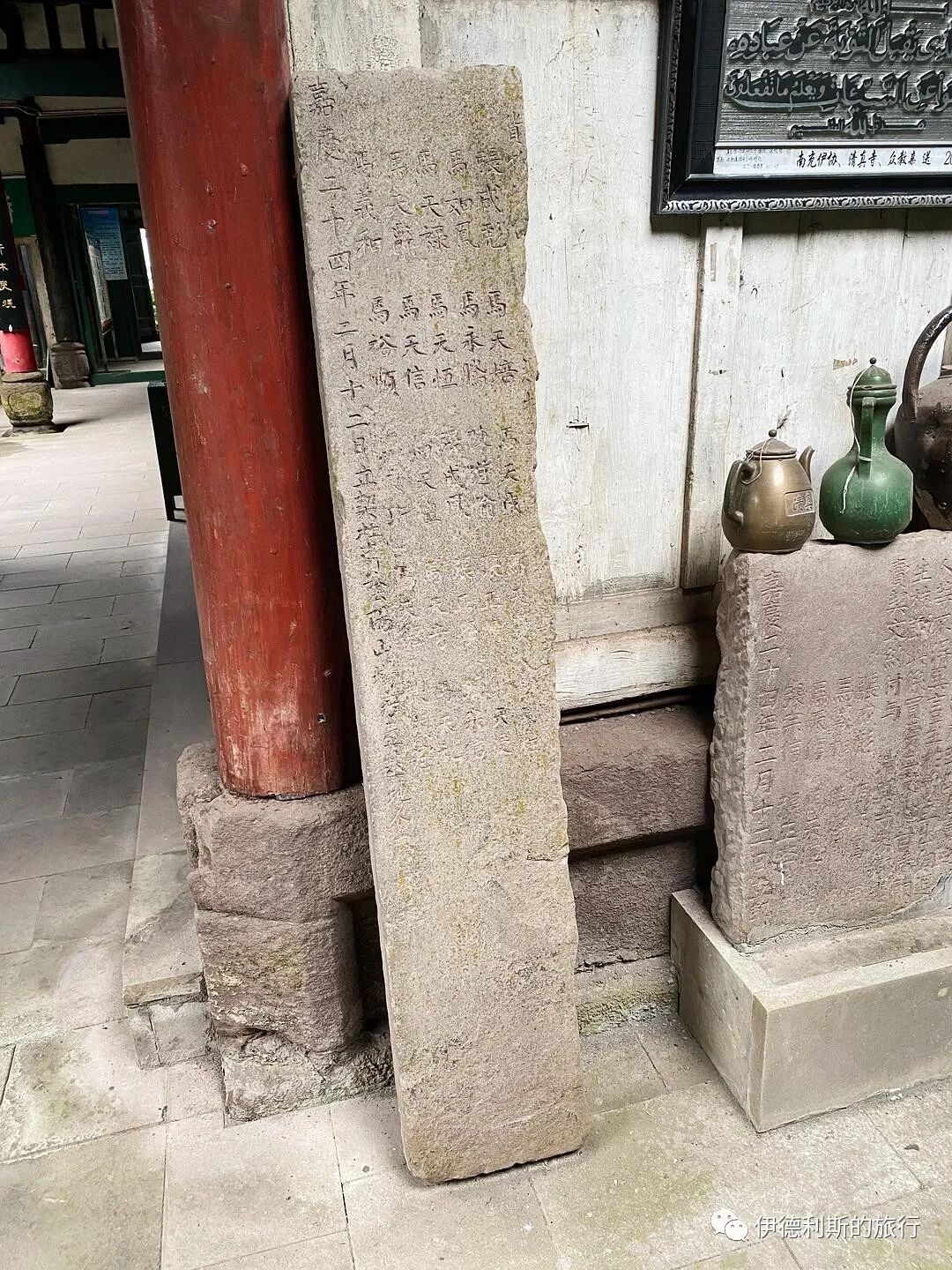
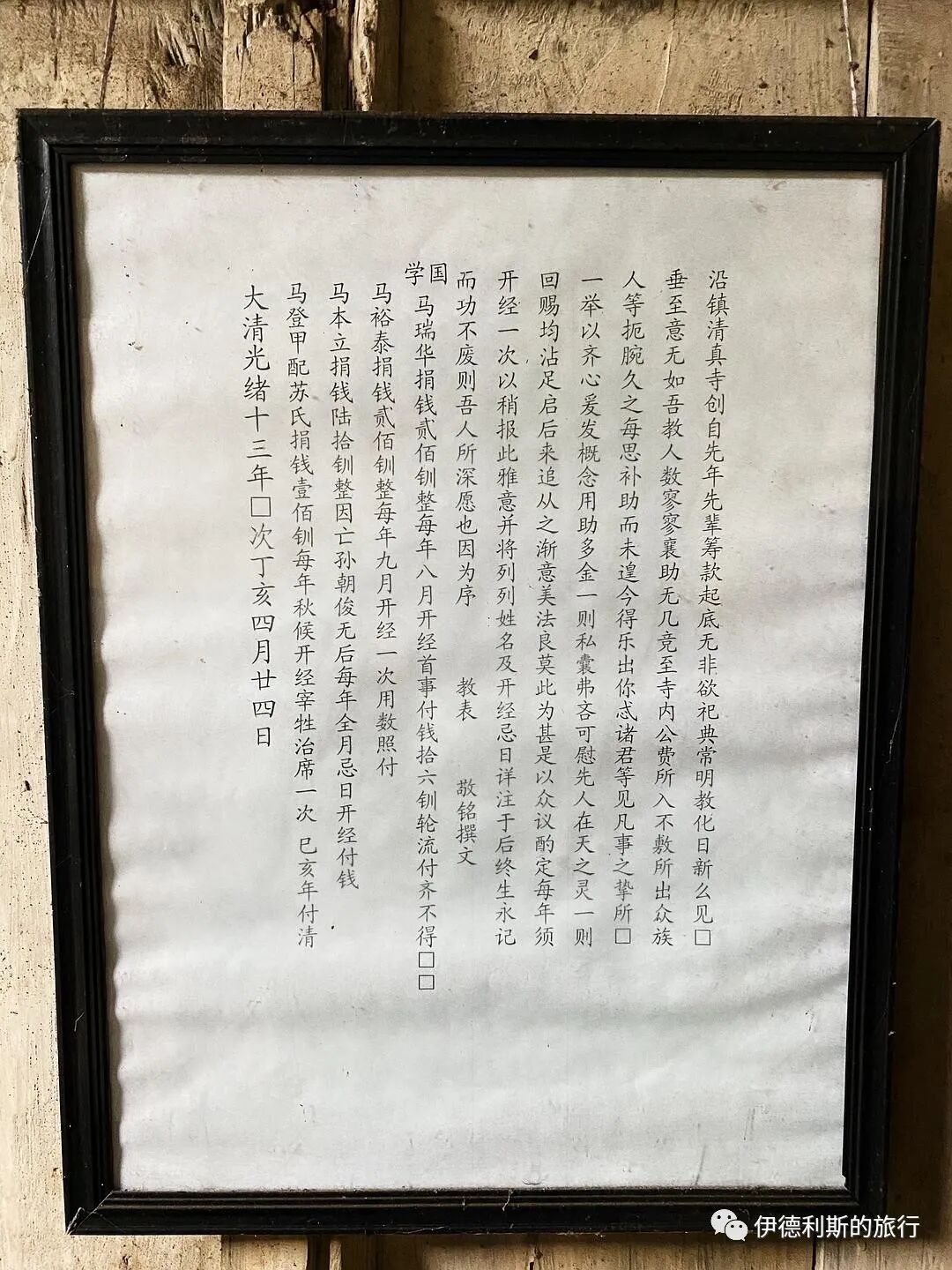
Several stone steles are preserved in the mosque, including the contract for the Ma family's purchase of the house from the Zhang family and the construction of the mosque in the 24th year of Jiaqing's reign, the stone sand rice from the Ma family's tomb from the 9th year of Xianfeng unearthed during urban construction, and a stele commemorating the Ma family's donation in the 13th year of Guangxu's reign.
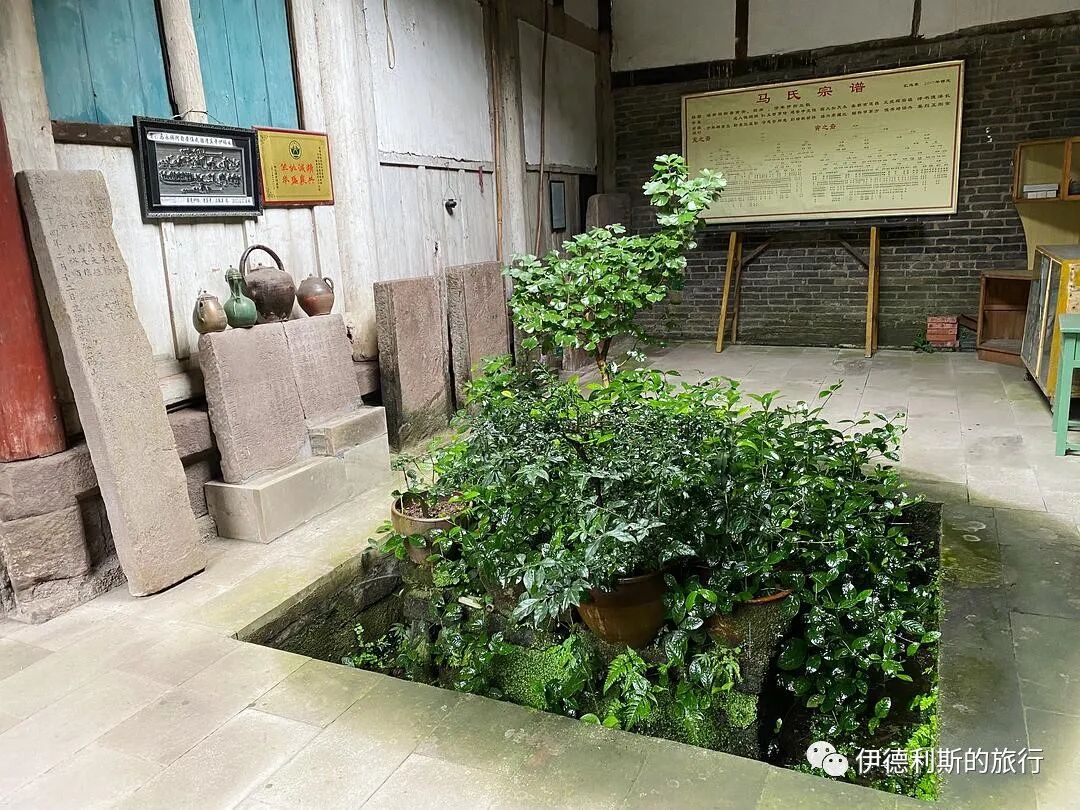
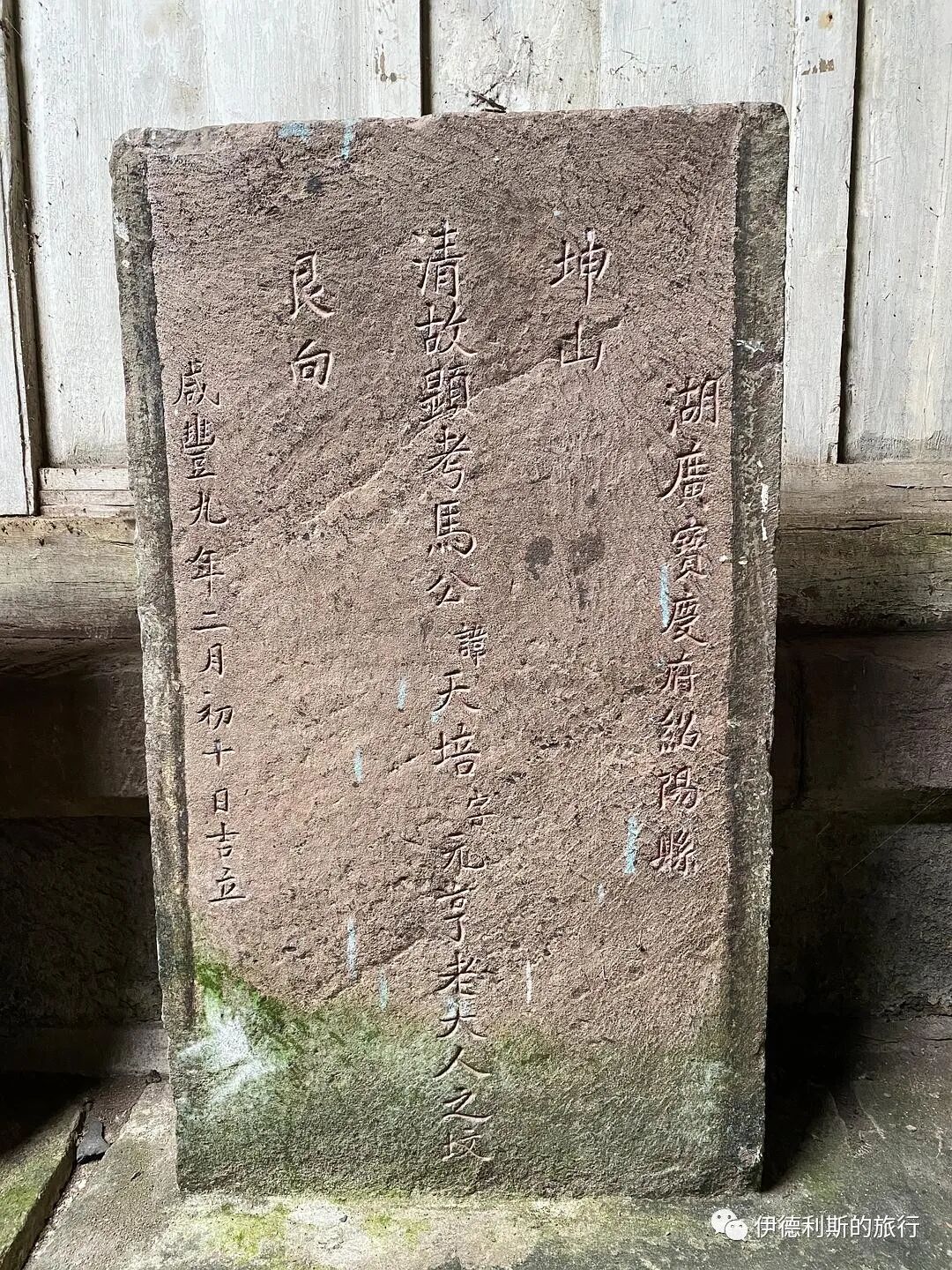
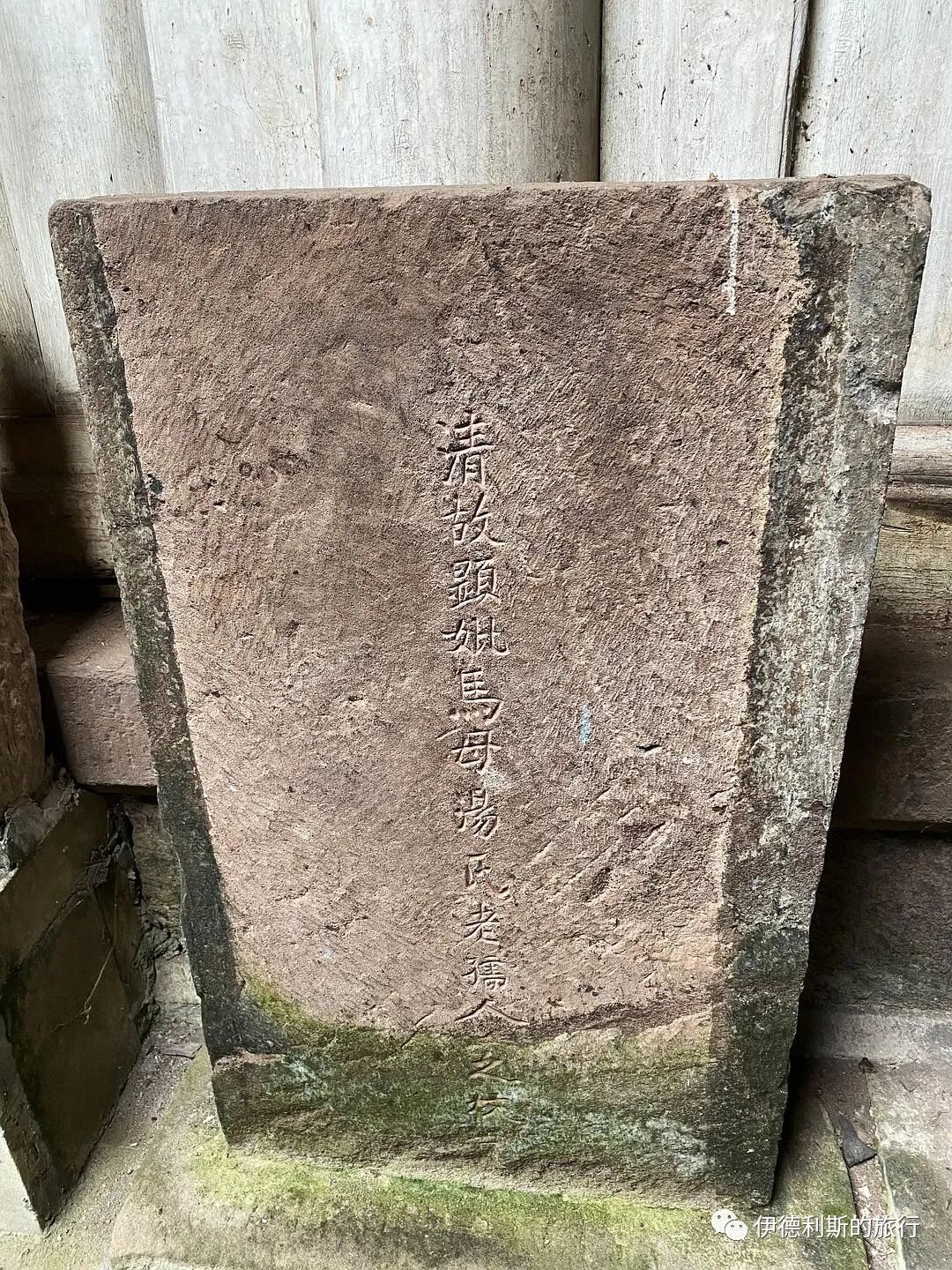
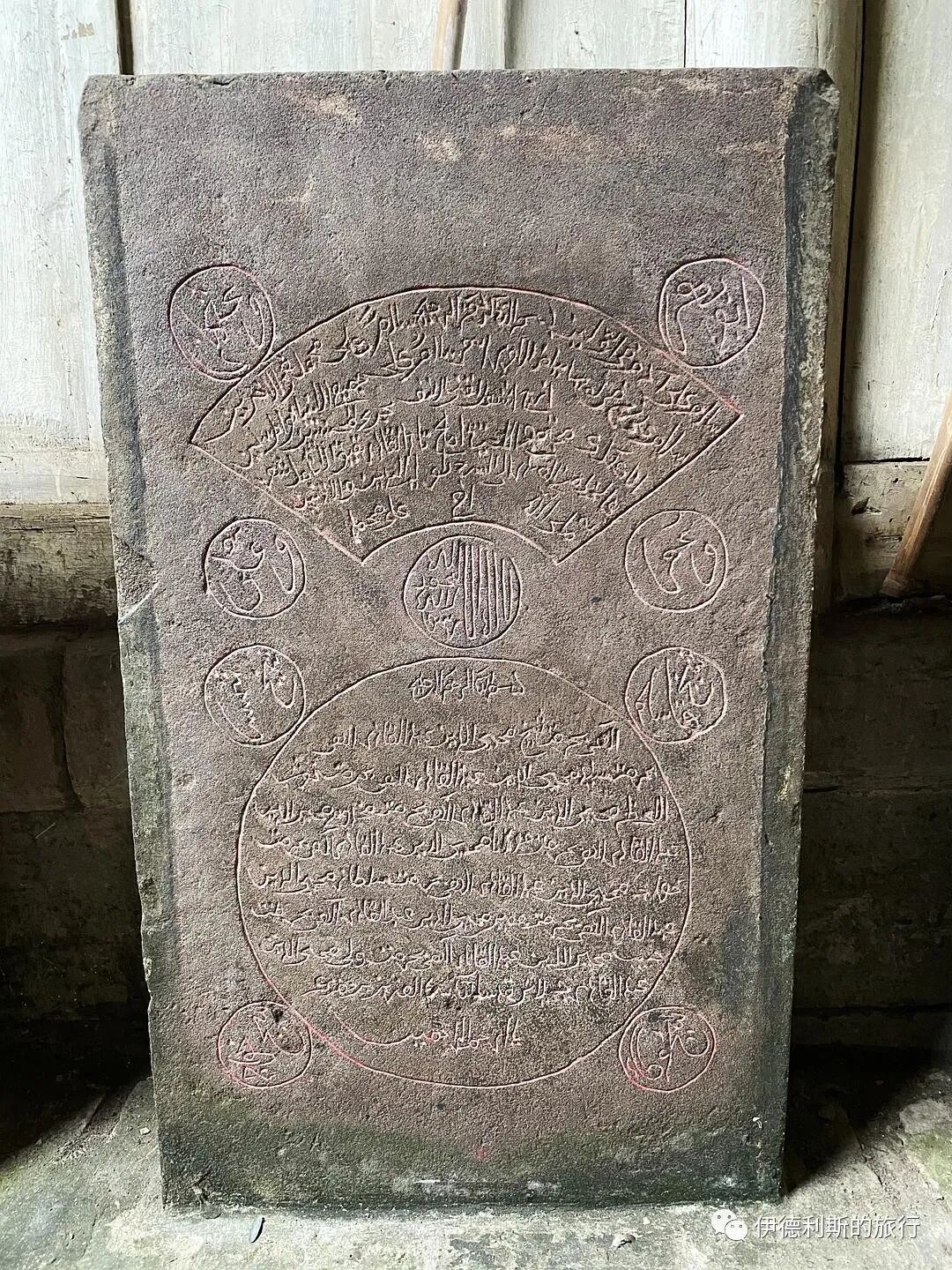
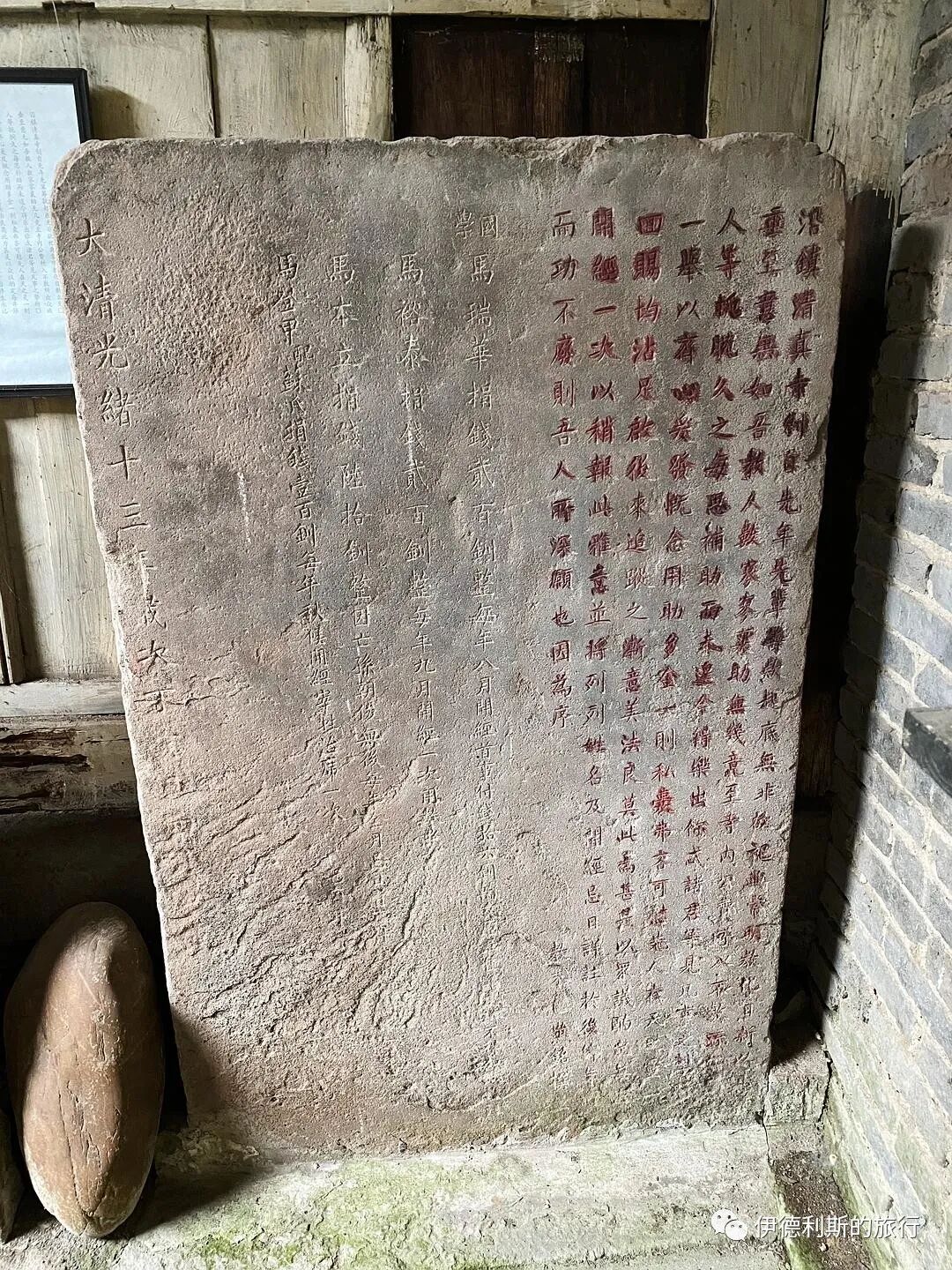
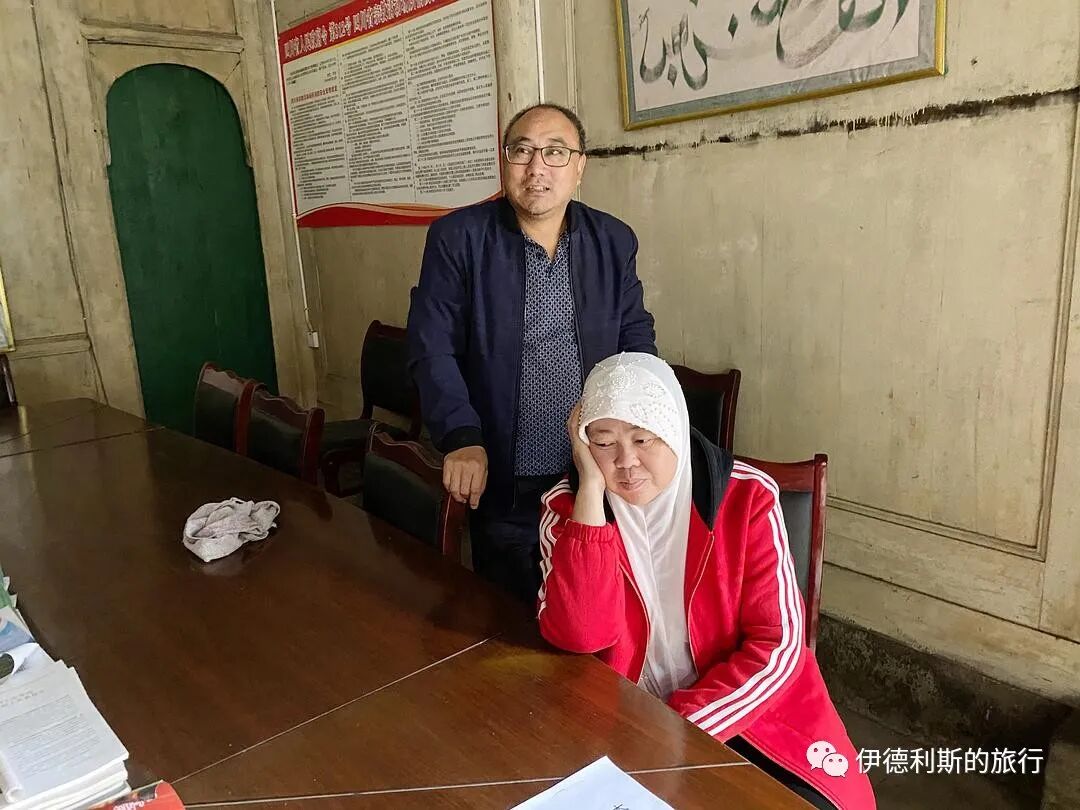
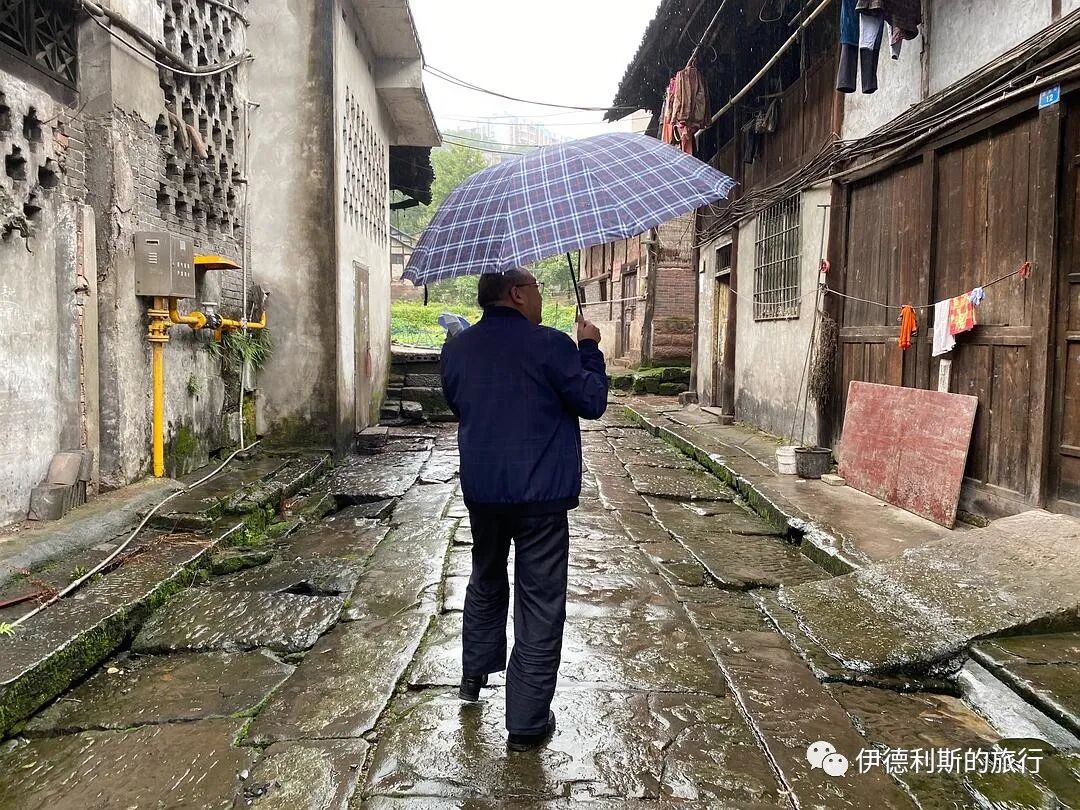
The current imam of Majiya Mosque is Imam Ma Wuxing, who was invited from Xichang in 2018. Imam Ma warmly received us, explained the history of the mosque, and took us on a tour of the ancient town. Banbian Street in front of Majiya Mosque was once mostly inhabited by Hui Muslims, who ran various shops here. After the decline of Jialing River shipping, the ancient town also declined. After the elderly Hui Muslims living on Banbian Street passed away, their properties became mosque property because their children were unwilling to live in the ancient town or had no children.
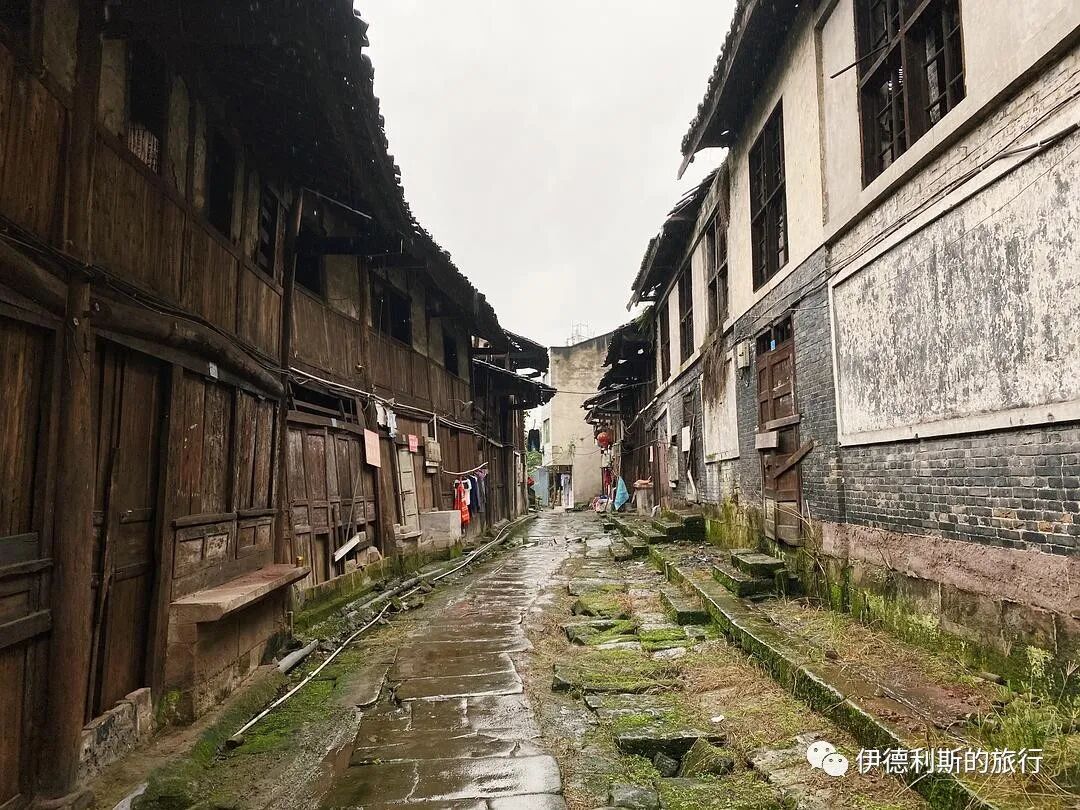
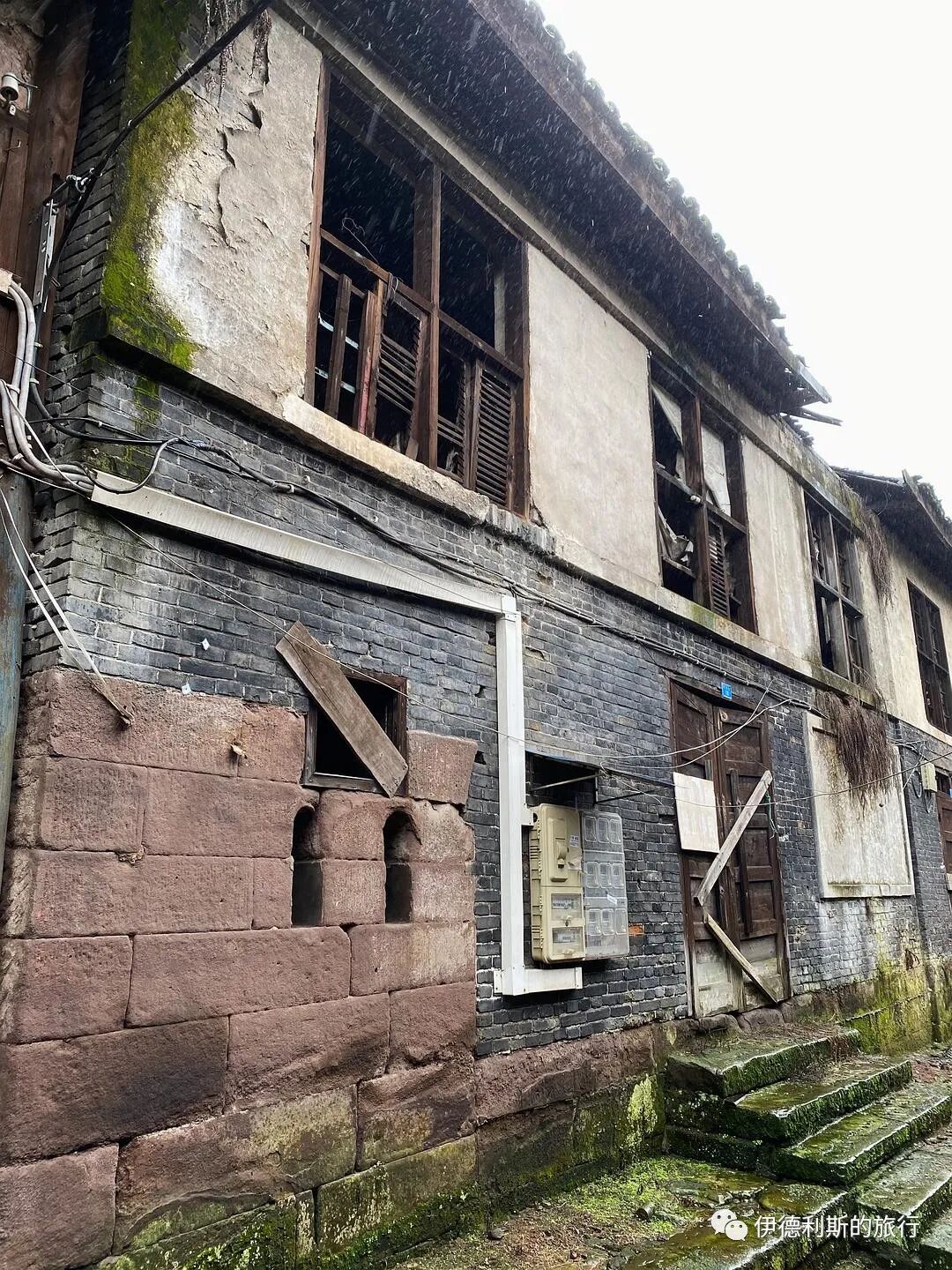
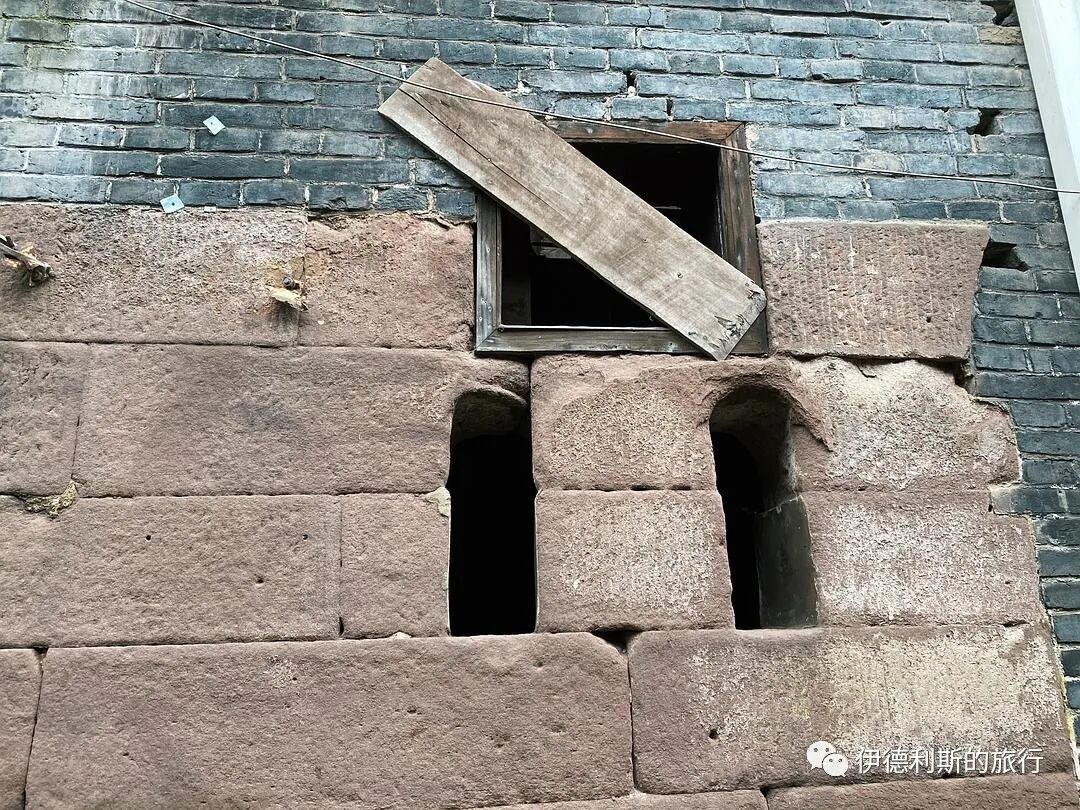
The former cinema, those two stone holes were the ticket windows.
Huangjia Mosque
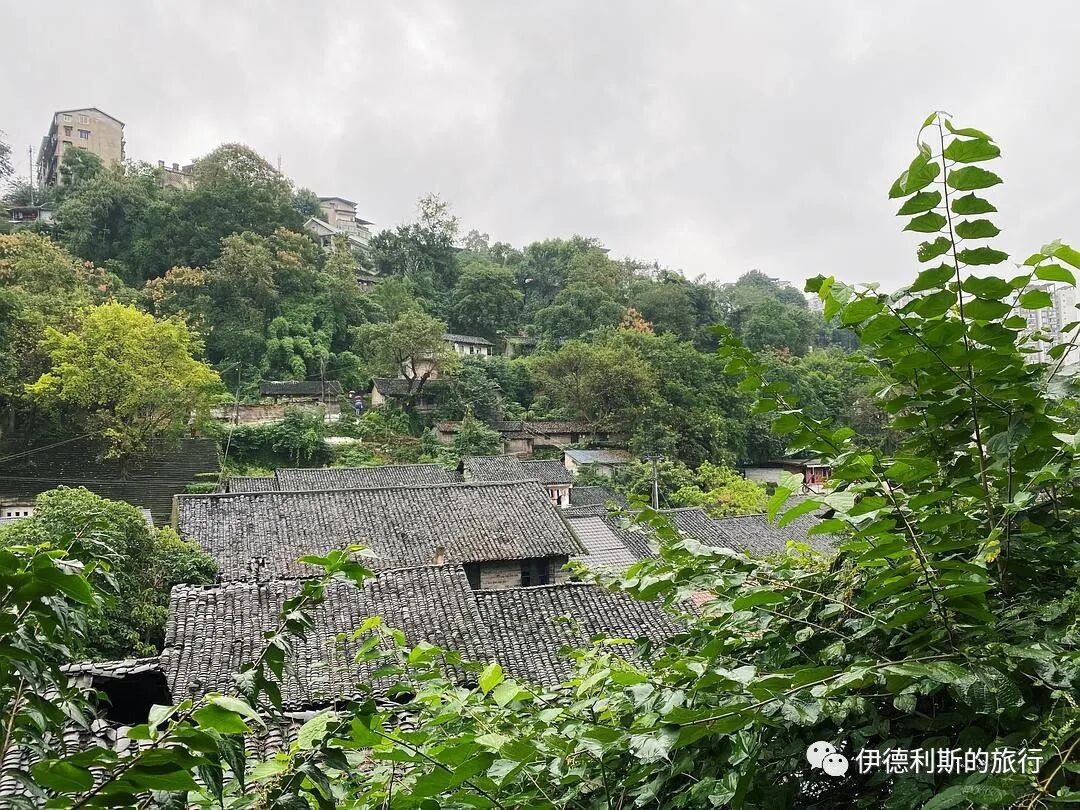
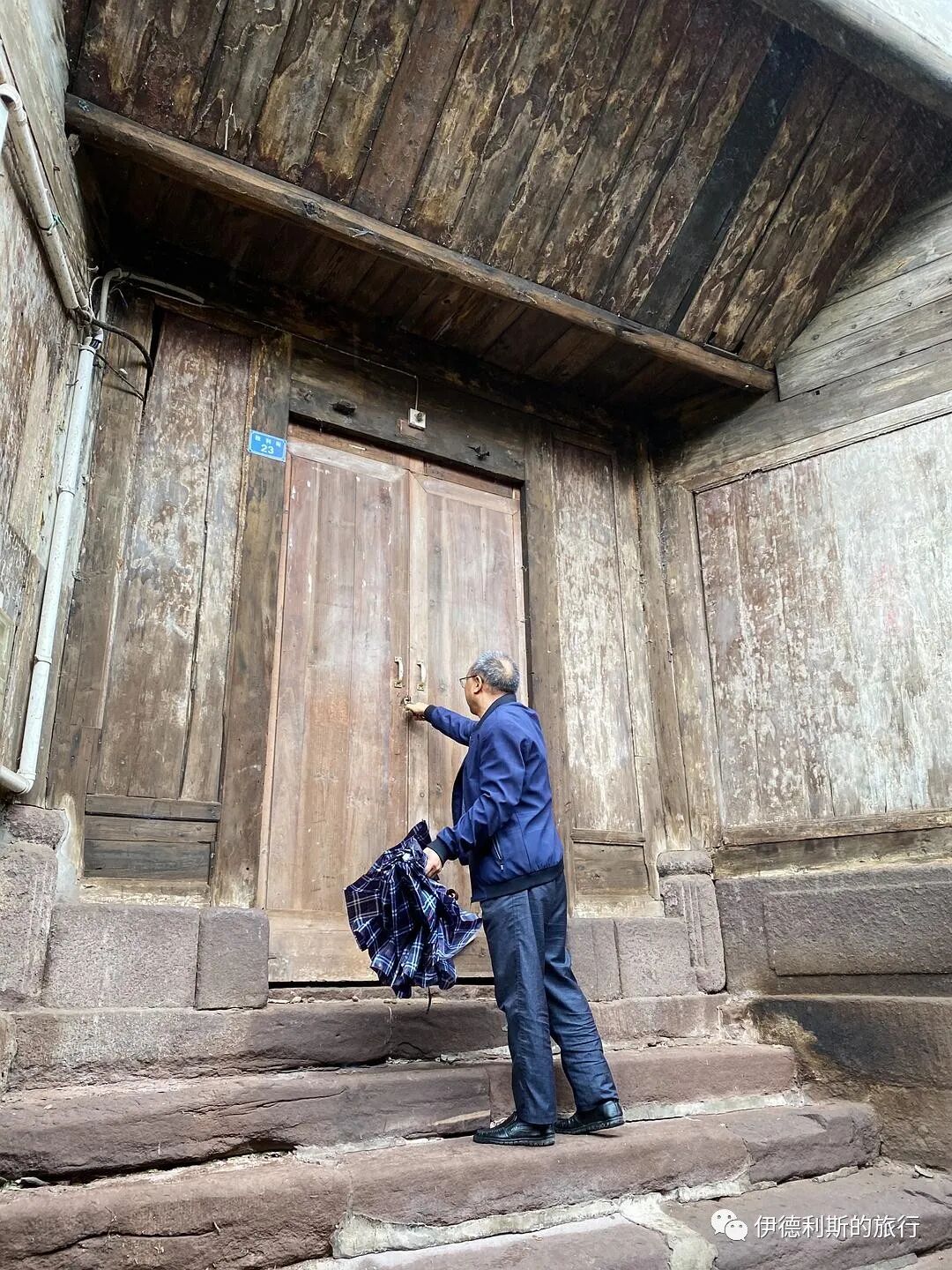
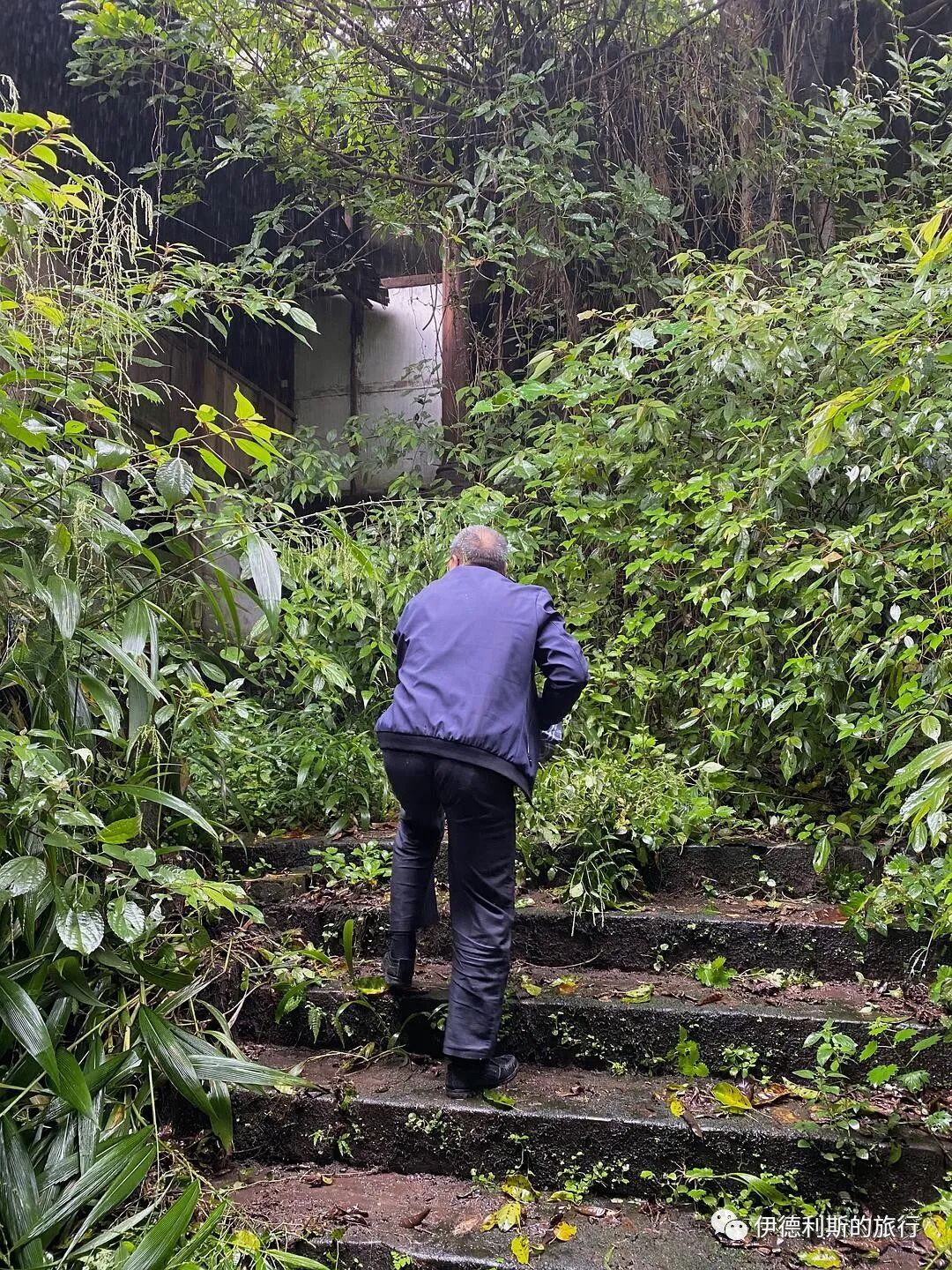
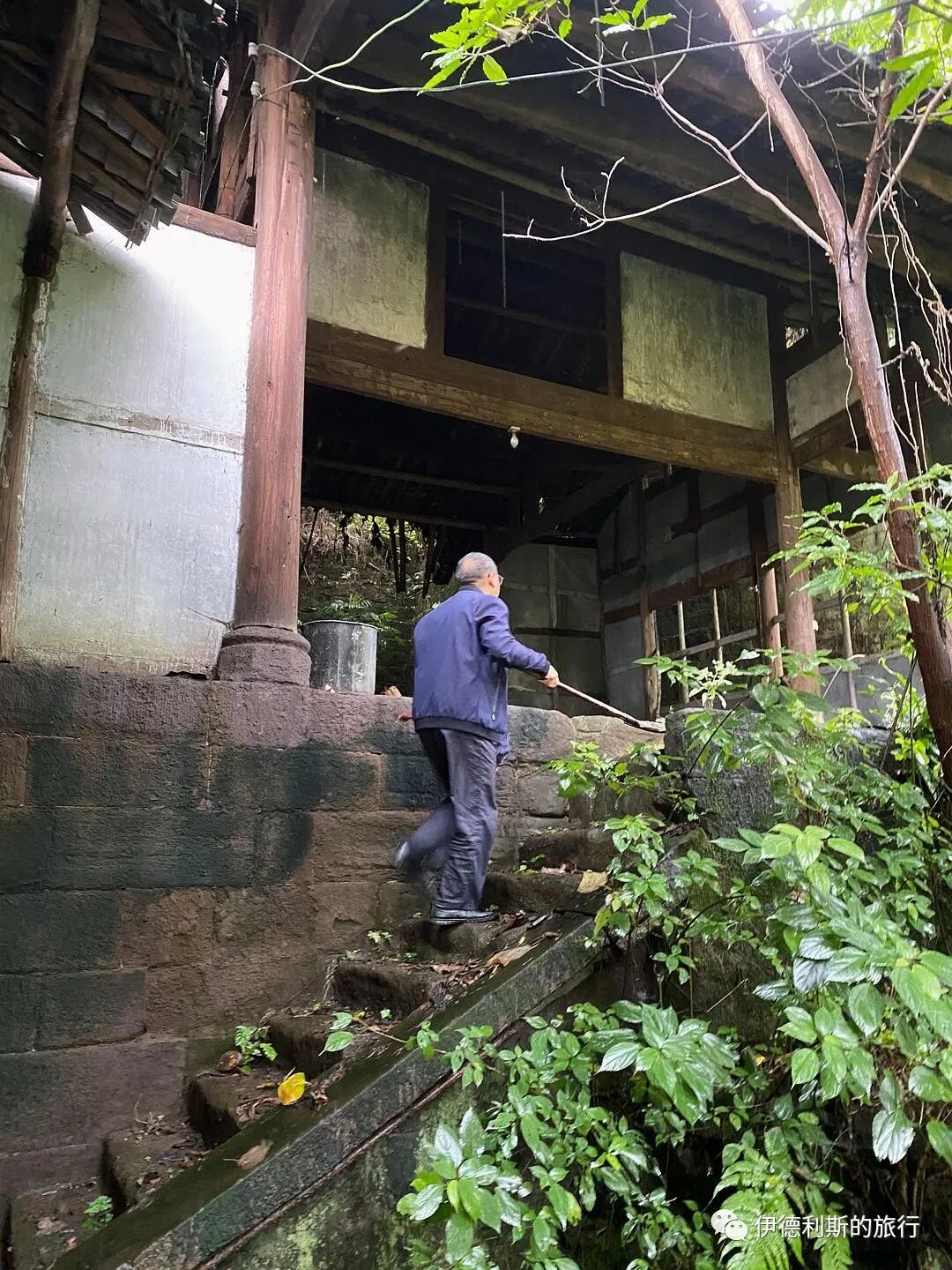
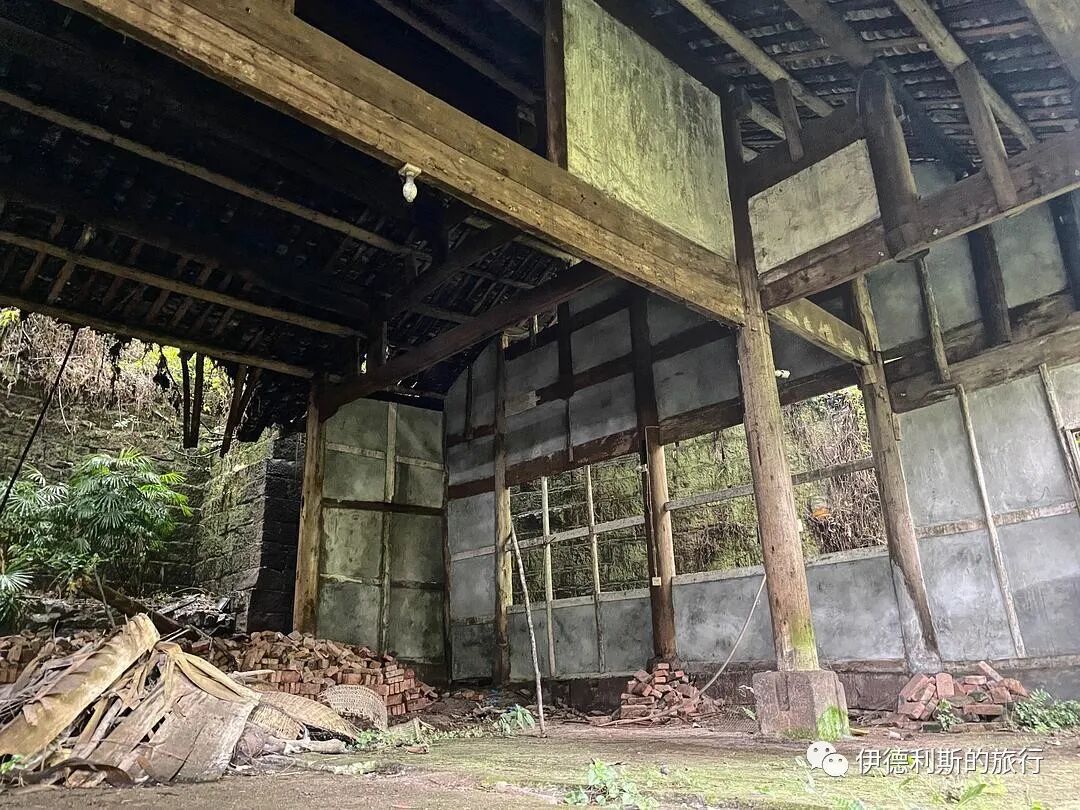
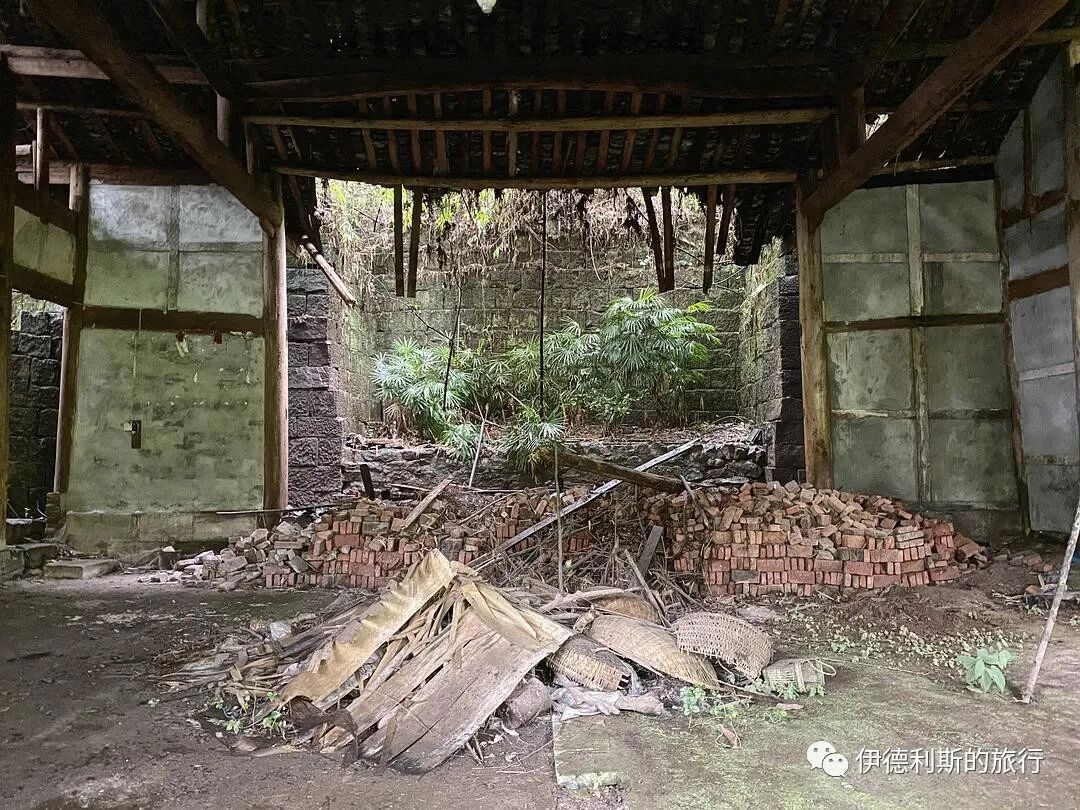
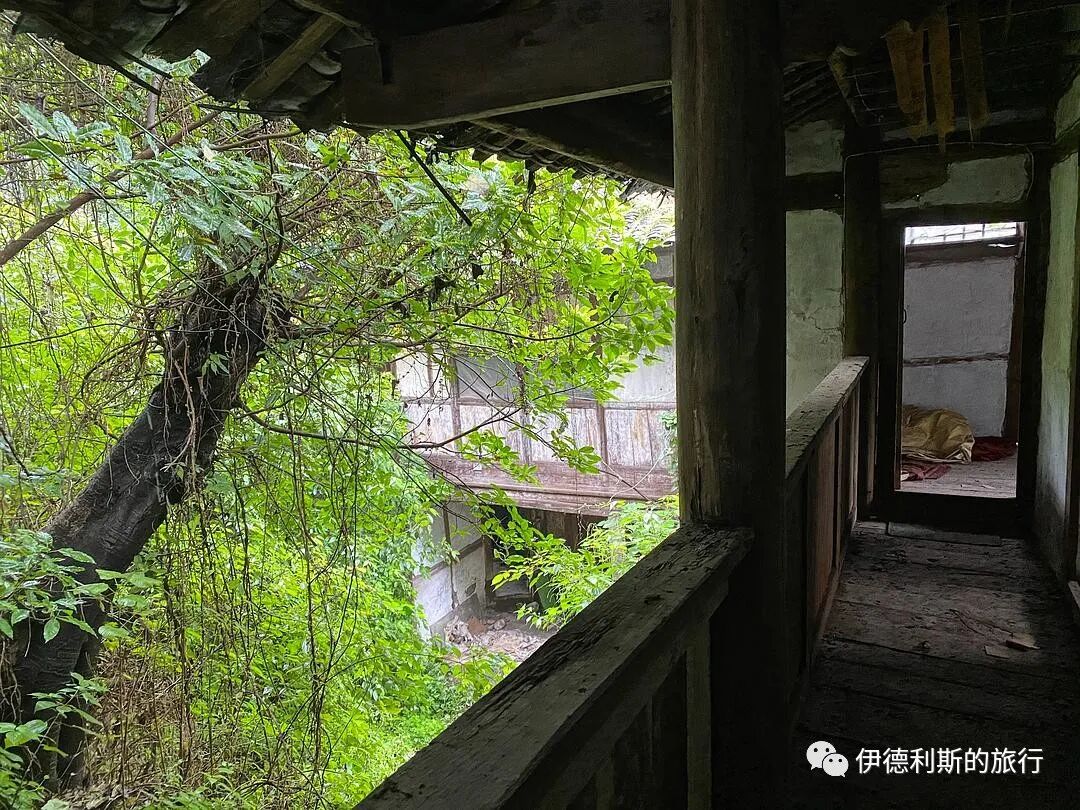
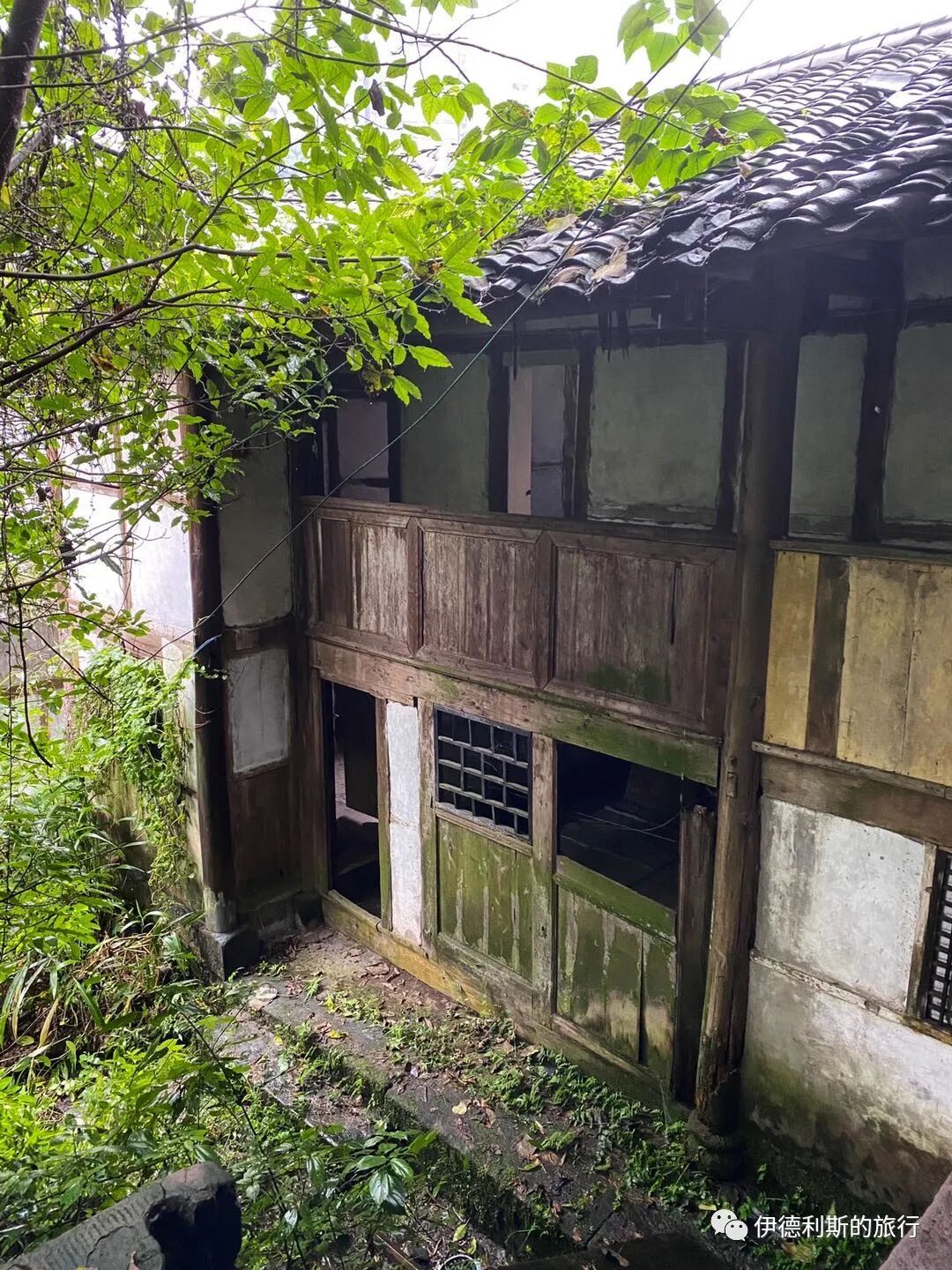
Imam Ma took us to another abandoned mosque in Yankou Town, Huangjia Mosque. After Majiya Mosque opened in 1819, the Huang family Hui Muslims also prayed at Majiya Mosque. In 1893, the Huang family Hui Muslims relocated the mosque in Guba Village, northern suburbs, to Shengli Street, not far north of Majiya Mosque. It was subsequently called Huangjia Mosque. Huangjia Mosque is also built against the mountain, with a main hall, north and south side halls, and a mountain gate forming a courtyard. According to Imam Ma, Huangjia Mosque was actually not used after its completion, and the Huang family continued to pray at Majiya Mosque.
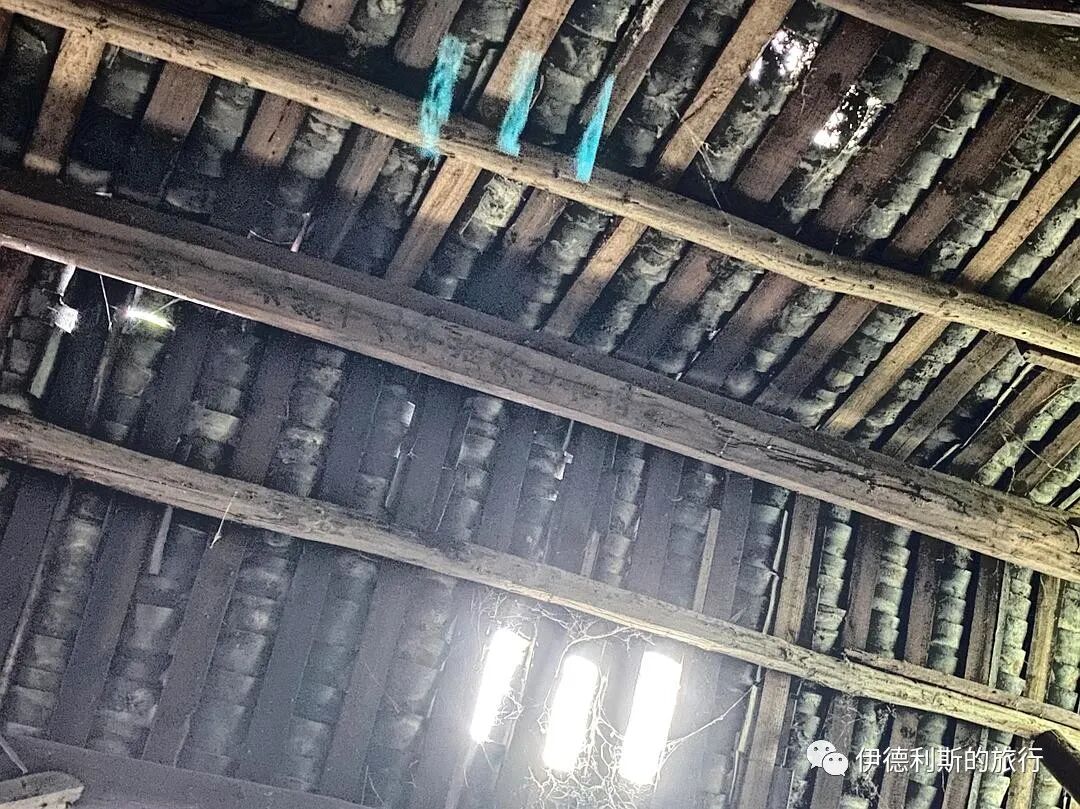
In 1946, Imam Huang Xianjian of Nanchong Mosque established Wusheng Ethnic Primary School at Huangjia Mosque, and it was used as school buildings for a long time thereafter. After the ethnic primary school moved, Huangjia Mosque gradually fell into disrepair. Now the north side hall has collapsed, and the main hall has also partially collapsed.
The inscription from the 19th year of Guangxu can be clearly seen.
Summary: This travel note introduces [Jialing River Muslims] the Declining Ancient Town of Yankou. Wusheng Yankou Ancient Town is located on the banks of the Jialing River between Nanchong and Chongqing, and is an important Hui settlement along the Jialing River. It is useful for readers interested in Jialing River, Muslim Travel, Ancient Town.
Wusheng Yankou Ancient Town is located on the banks of the Jialing River between Nanchong and Chongqing, and is an important Hui settlement along the Jialing River.
Huguang filled Sichuan" in the late Ming and early Qing dynasties, a Hui Muslim family surnamed Ma from Shaoyang, Hunan, was the first to settle in Wusheng during the Shunzhi period. During the Yongzheng period, Hui Muslims surnamed Huang from Changde, Hunan, also came to Wusheng. These were the two main Hui families in Wusheng.
The Hui Muslims of Wusheng first settled and farmed in Guba Village in the northern suburbs. During the Kangxi and Qianlong periods, with the commercial development of Yankou Town, most of the Hui Muslims of Wusheng moved to Yankou Town to make a living by opening halal beef restaurants, slaughtering cattle, and engaging in various industries and commerce.
The ancient pier at the entrance of Yankou Town, which was once an important transportation hub on the Jialing River.
Guoshi Street, the main street of Yankou Town, where time seems to have frozen.
Various stone steps in Yankou Town. Yankou Town preserves a large number of bluestone steps, which are important historical witnesses.
Majiya Mosque
After the Hui Muslims settled in Wusheng in the early Qing Dynasty, they built a mosque in their initial settlement, Guba Village. After the Hui Muslims of Wusheng concentrated in Yankou Town in the mid-Qing Dynasty, the Ma family funded the purchase of a mansion built by the Muslim Zhang family in 1778 (the 43rd year of Qianlong's reign). It was converted into a mosque in 1819 (the 24th year of Jiaqing's reign) and took its current form after renovations in 1828 (the 8th year of Daoguang's reign).
The architecture of Majiya Mosque is very distinctive. The entire mosque is built against the mountain and is surrounded by a main hall, north and south wing rooms, a scripture hall, and a water room, enclosing five courtyards. The courtyards are filled with green plants. Facing the main hall is a 10-meter-high archway with a plaque inscribed with "Mosque." It appears to be the mountain gate, but the gate is actually a cliff, and it can only be seen from the opposite mountainside. The real main entrance is on the south side, connected to Banbian Street by an ancient stone staircase.
The main hall of Majiya Mosque is 10 meters deep. The mihrab features Arabic calligraphy in a brush style, which is very rare.
A survey map of Majiya Mosque.
Several stone steles are preserved in the mosque, including the contract for the Ma family's purchase of the house from the Zhang family and the construction of the mosque in the 24th year of Jiaqing's reign, the stone sand rice from the Ma family's tomb from the 9th year of Xianfeng unearthed during urban construction, and a stele commemorating the Ma family's donation in the 13th year of Guangxu's reign.
The current imam of Majiya Mosque is Imam Ma Wuxing, who was invited from Xichang in 2018. Imam Ma warmly received us, explained the history of the mosque, and took us on a tour of the ancient town. Banbian Street in front of Majiya Mosque was once mostly inhabited by Hui Muslims, who ran various shops here. After the decline of Jialing River shipping, the ancient town also declined. After the elderly Hui Muslims living on Banbian Street passed away, their properties became mosque property because their children were unwilling to live in the ancient town or had no children.
The former cinema, those two stone holes were the ticket windows.
Huangjia Mosque
Imam Ma took us to another abandoned mosque in Yankou Town, Huangjia Mosque. After Majiya Mosque opened in 1819, the Huang family Hui Muslims also prayed at Majiya Mosque. In 1893, the Huang family Hui Muslims relocated the mosque in Guba Village, northern suburbs, to Shengli Street, not far north of Majiya Mosque. It was subsequently called Huangjia Mosque. Huangjia Mosque is also built against the mountain, with a main hall, north and south side halls, and a mountain gate forming a courtyard. According to Imam Ma, Huangjia Mosque was actually not used after its completion, and the Huang family continued to pray at Majiya Mosque.
In 1946, Imam Huang Xianjian of Nanchong Mosque established Wusheng Ethnic Primary School at Huangjia Mosque, and it was used as school buildings for a long time thereafter. After the ethnic primary school moved, Huangjia Mosque gradually fell into disrepair. Now the north side hall has collapsed, and the main hall has also partially collapsed.
The inscription from the 19th year of Guangxu can be clearly seen.
