
Timur's Hometown - Shahrisabz
Reposted from the web
Summary: This travel note introduces Timur's Hometown - Shahrisabz. Shahrisabz, formerly known as Kesh, is located south of Samarkand on the main route to Afghanistan. It is useful for readers interested in Uzbekistan Travel, Timurid History, Muslim Heritage.
Shahrisabz, formerly known as Kesh, is located south of Samarkand on the main route to Afghanistan. Kesh was originally a city founded by the Sogdians and was the capital of the state of Shi of the Nine Sogdian States. After the Mongol conquest of Central Asia in 1225, the Barlas tribe followed Genghis Khan's son Chagatai to establish the Chagatai Khanate and settled in the Kesh area.
In 1346, the last khan of Chagatai, Qazan Sultan, was killed, and the Chagatai Khanate fell into division, leading to wars of annexation among the tribes. In 1360, Tughlugh Timur, the founding great khan of the Eastern Chagatai Khanate, led his army on a western campaign. The original Barlas tribal leaders of Kesh fled upon hearing the news, while the collateral noble Amir Timur defected to the Eastern Chagatai Khanate and was granted Kesh. After 10 years of campaigning, Timur finally unified the entire Transoxiana region in 1370 and established the Timurid dynasty as the protector of the Chagatai khans.
After the establishment of the Timurid dynasty, Timur renamed his hometown Kesh to Shahrisabz, which means "green city" in Persian. Shahrisabz became an important city second only to Samarkand in status, with prosperous development in trade, handicrafts, arts, and sciences. Timur built a huge palace and family mausoleum here, many of which are preserved to this day. After Timur's death, his grandson Ulugh Beg continued to develop Shahrisabz, building a grand mosque and new mausoleums in the city.
Table of Contents
I. Crossing the Snow Mountains
II. North City Wall: 1378
III. Ak Saray - Timur's Summer Palace: 1380-1404
IV. Dorus Saodat Complex - Timurid Family Tombs: 1380-1404
1. Jahangir's Mausoleum
2. Timur's Mausoleum
V. Dorut Tilavat Complex - Timurid Family Religious Sanctuary: 14th-15th Centuries
1. Shams ud-Din Kulal's Mausoleum: 1374
2. Gumbazi Seidon: 1437
3. Kok Gumbaz Mosque: 1435
VI. Chubin Madrasah - Museum of Timurid History and Material Culture
VII. Later Buildings
1. Koba Madrasah - 16th Century
2. Domed Bazaar: Late 17th Century
3. Malik Ajdar Mosque: Late 19th Century
I. Crossing the Snow Mountains
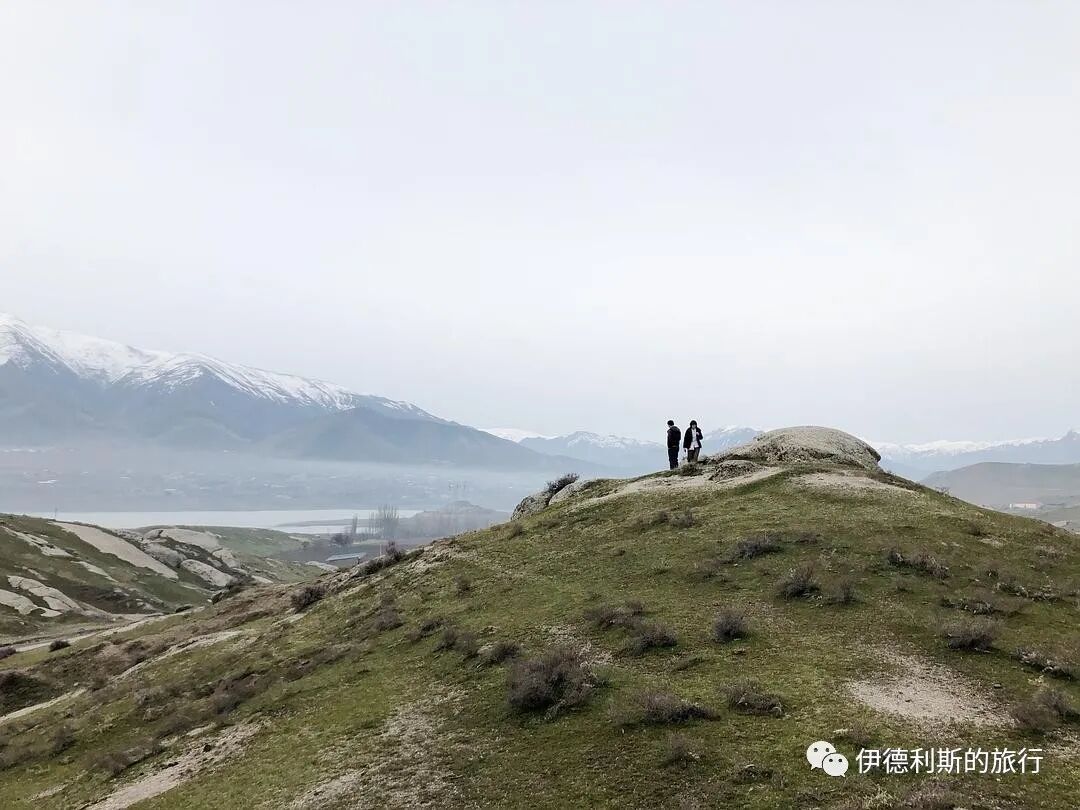
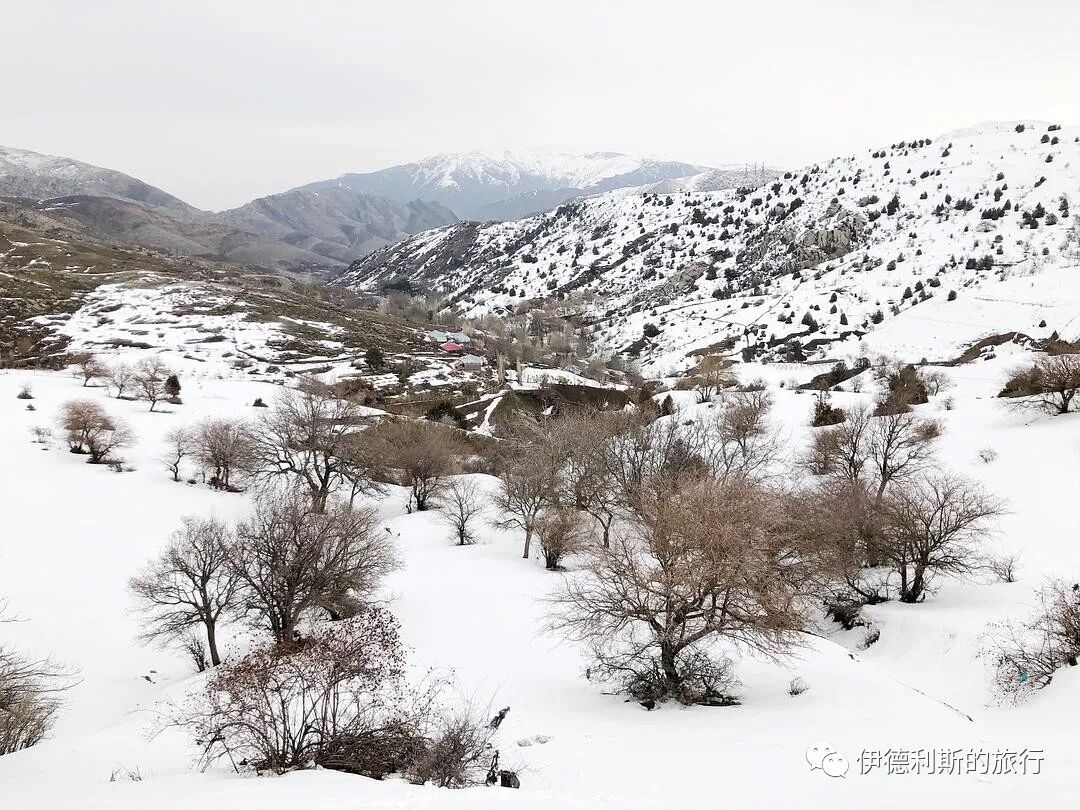
The location for hiring a car from Samarkand to Shahrisabz is at the entrance of the Registon supermarket at the crossroads southeast of Registan. The round trip costs about 200 RMB, the one-way journey of 90 kilometers takes 1 hour, and it involves crossing a pass at an altitude of 1788 meters. This pass may be temporarily closed during winter snow.
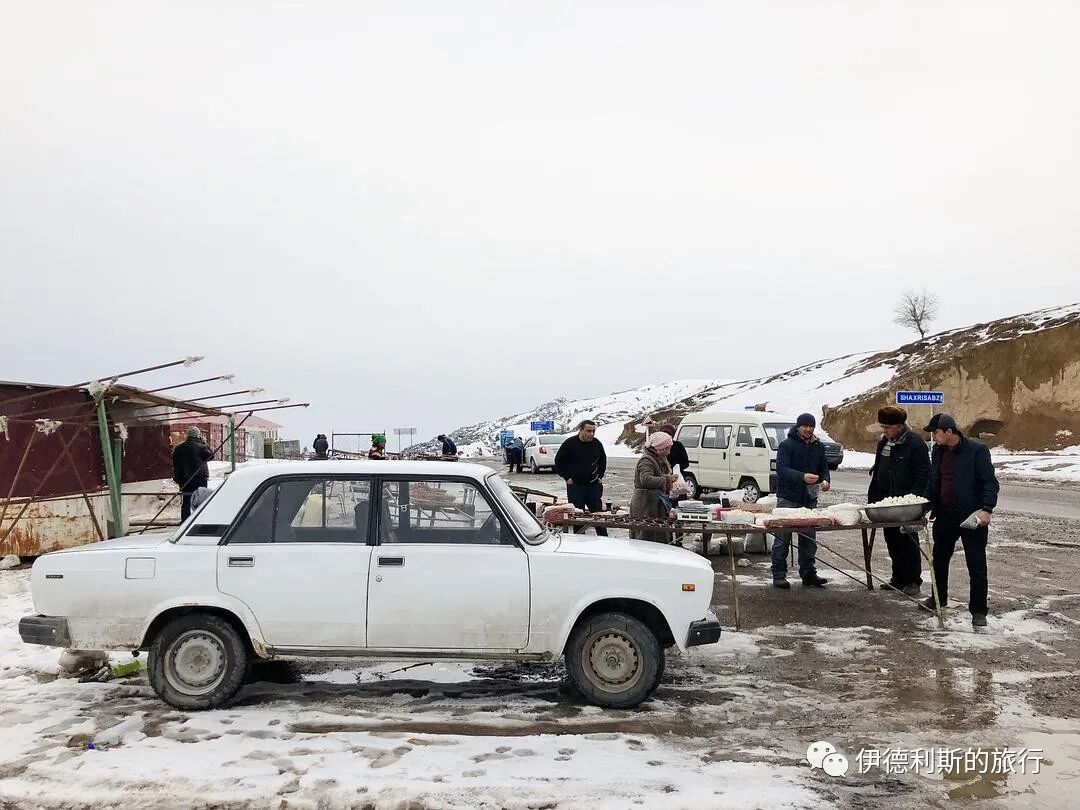
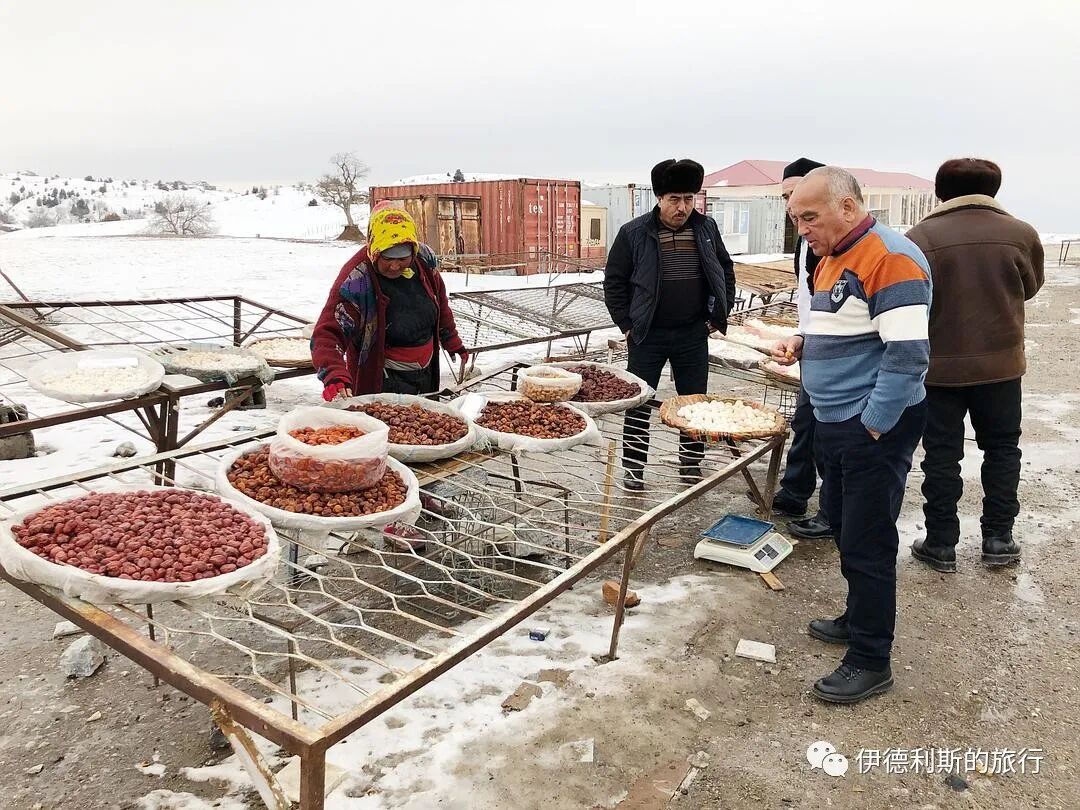
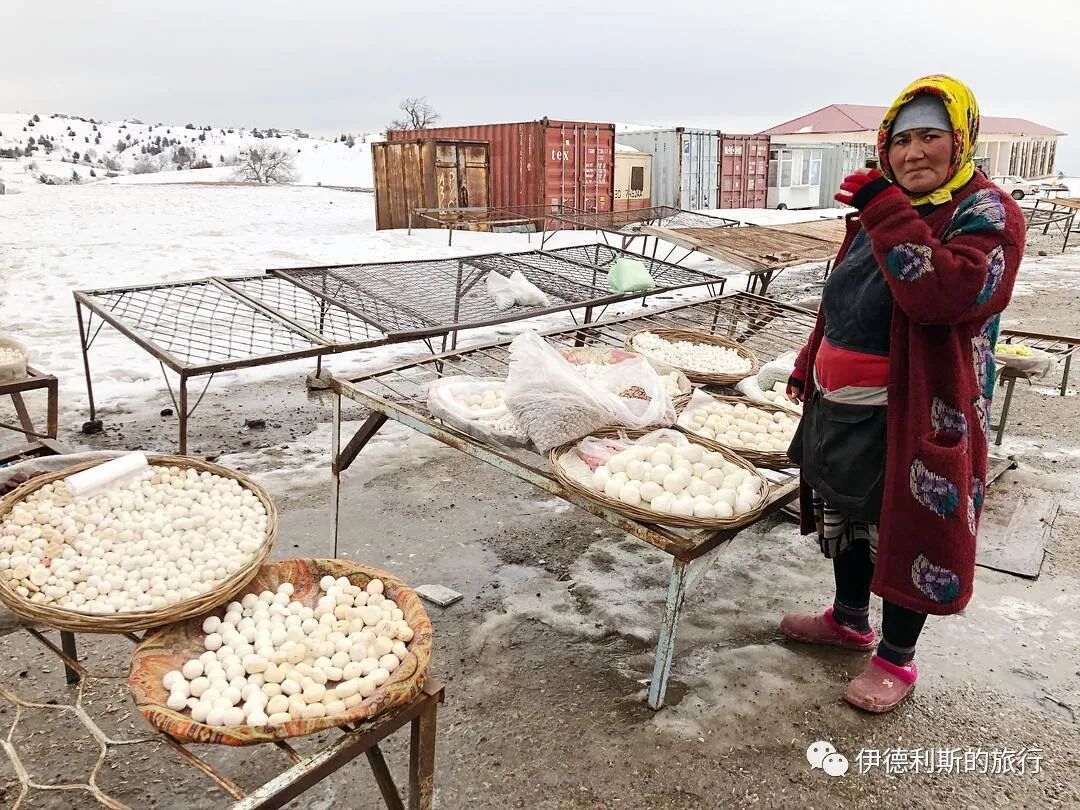
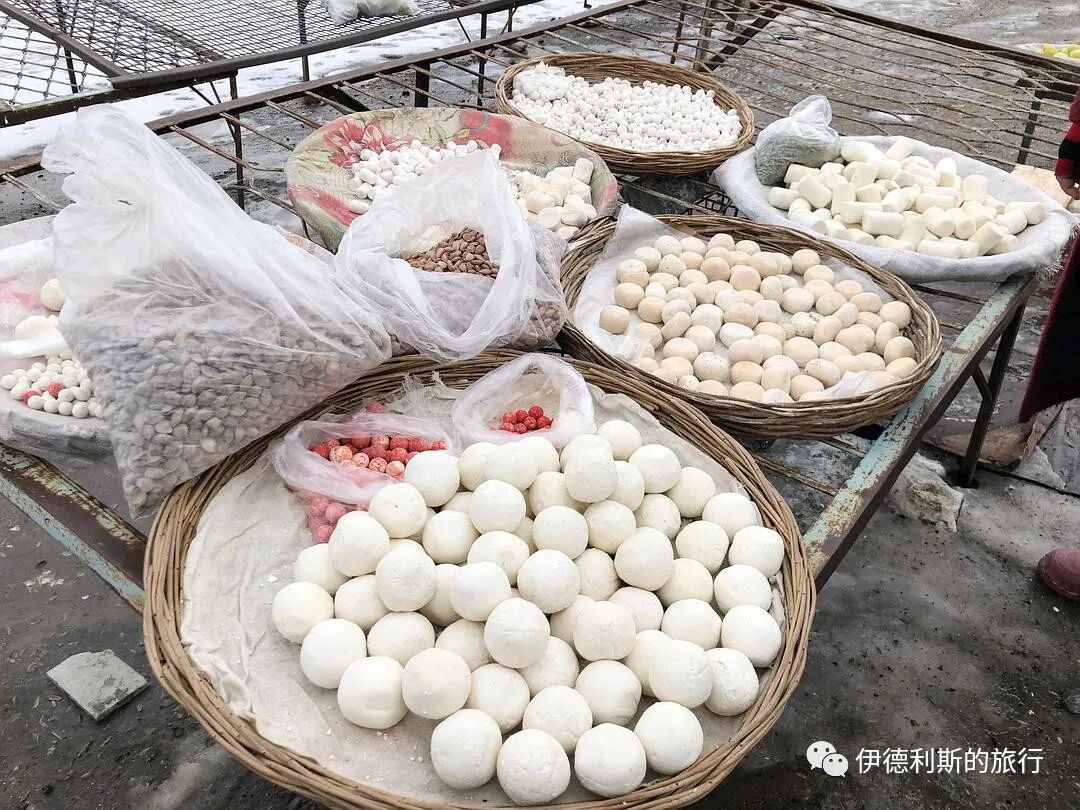
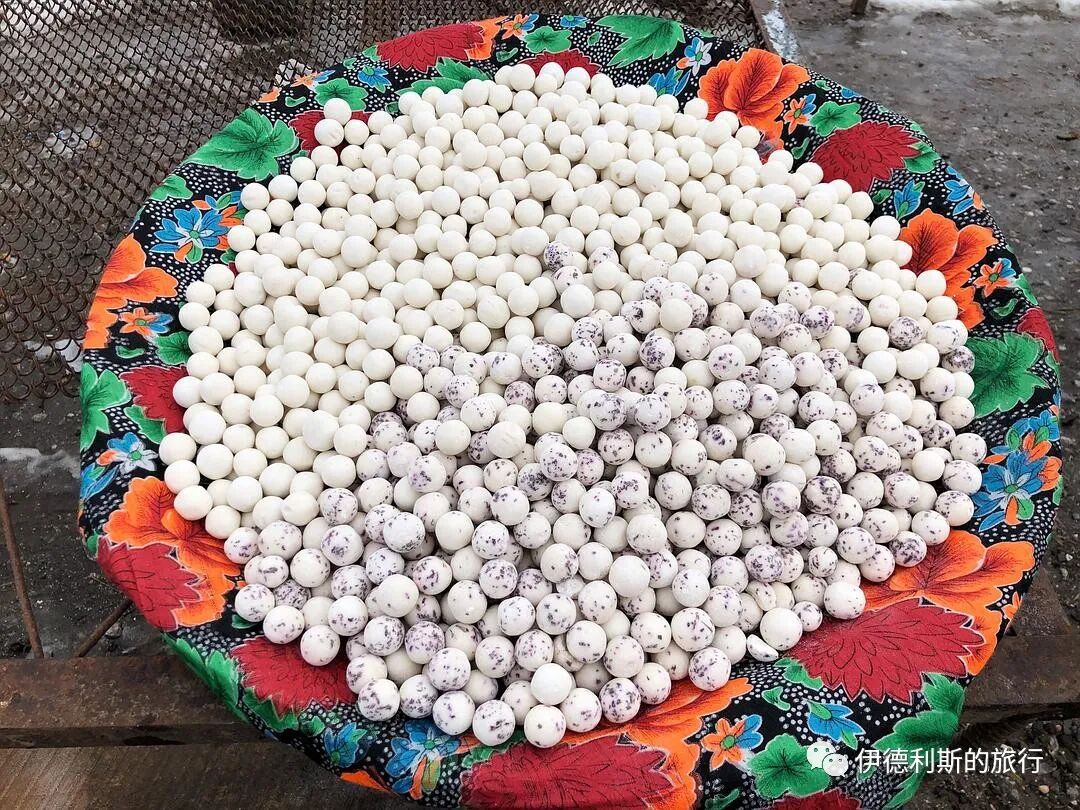
There are stalls selling dried curd snacks at the pass. I tasted one, and it was super sour. Sour food lovers would like it!
II. North City Wall: 1378
After a 1-hour journey, the car stopped outside the north gate of Shahrisabz, and we began our tour of the city.
In 1378, Timur expanded the city walls of Shahrisabz. The newly built rammed earth city wall is 8 meters thick and 11 meters high, with a bastion every 50 meters. There was once a moat outside the wall. During the 18th and 19th centuries, this city wall withstood multiple sieges, as Shahrisabz waged several wars to resist the rule of the Emir of Bukhara.
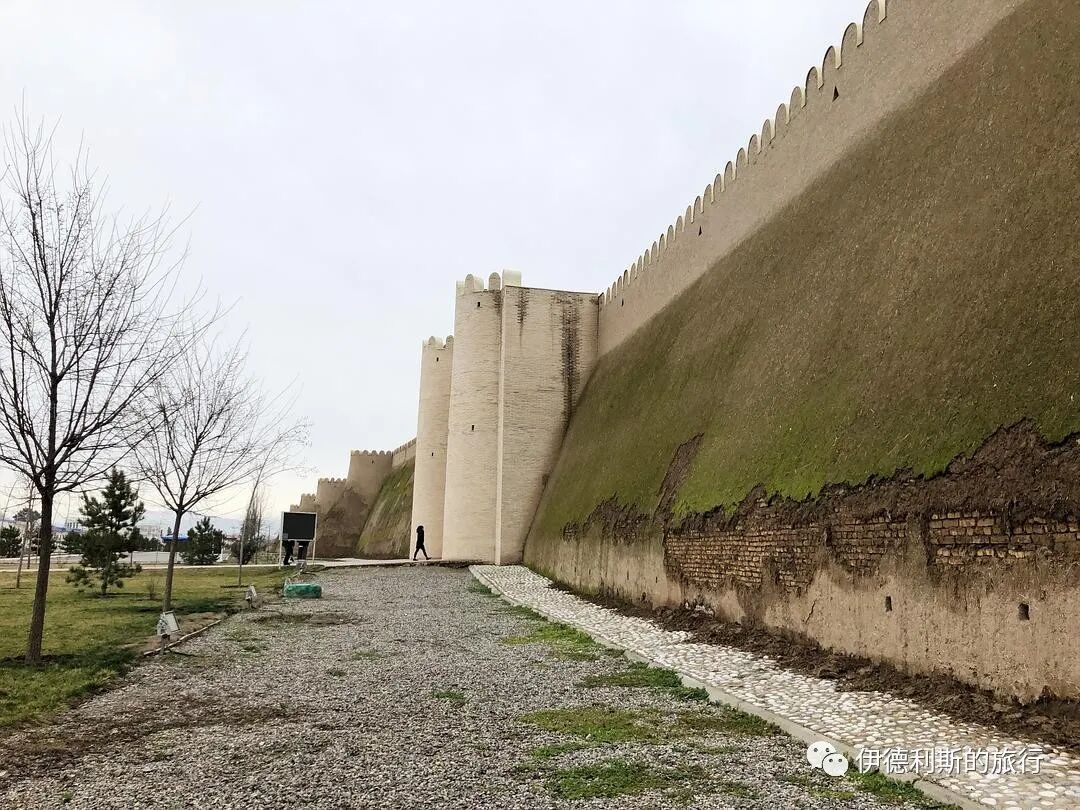
The restored North City Wall
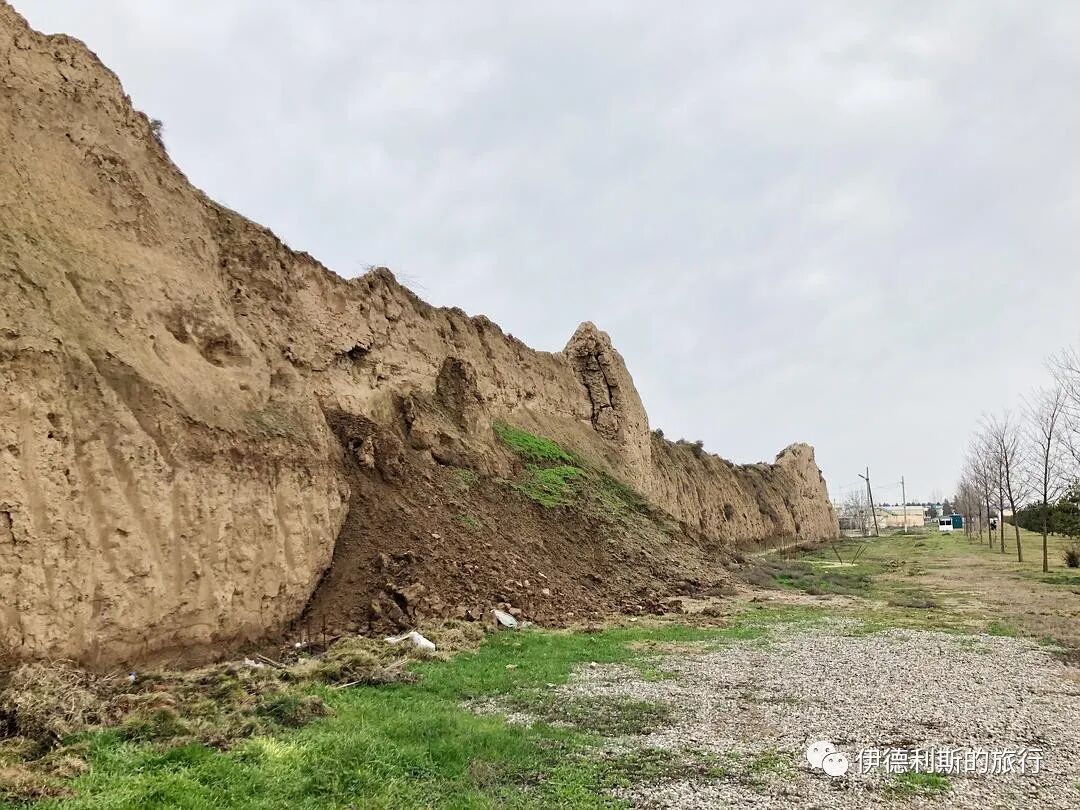
Unrestored rammed earth remains of the North City Wall
III. Ak Saray - Timur's Summer Palace: 1380-1404
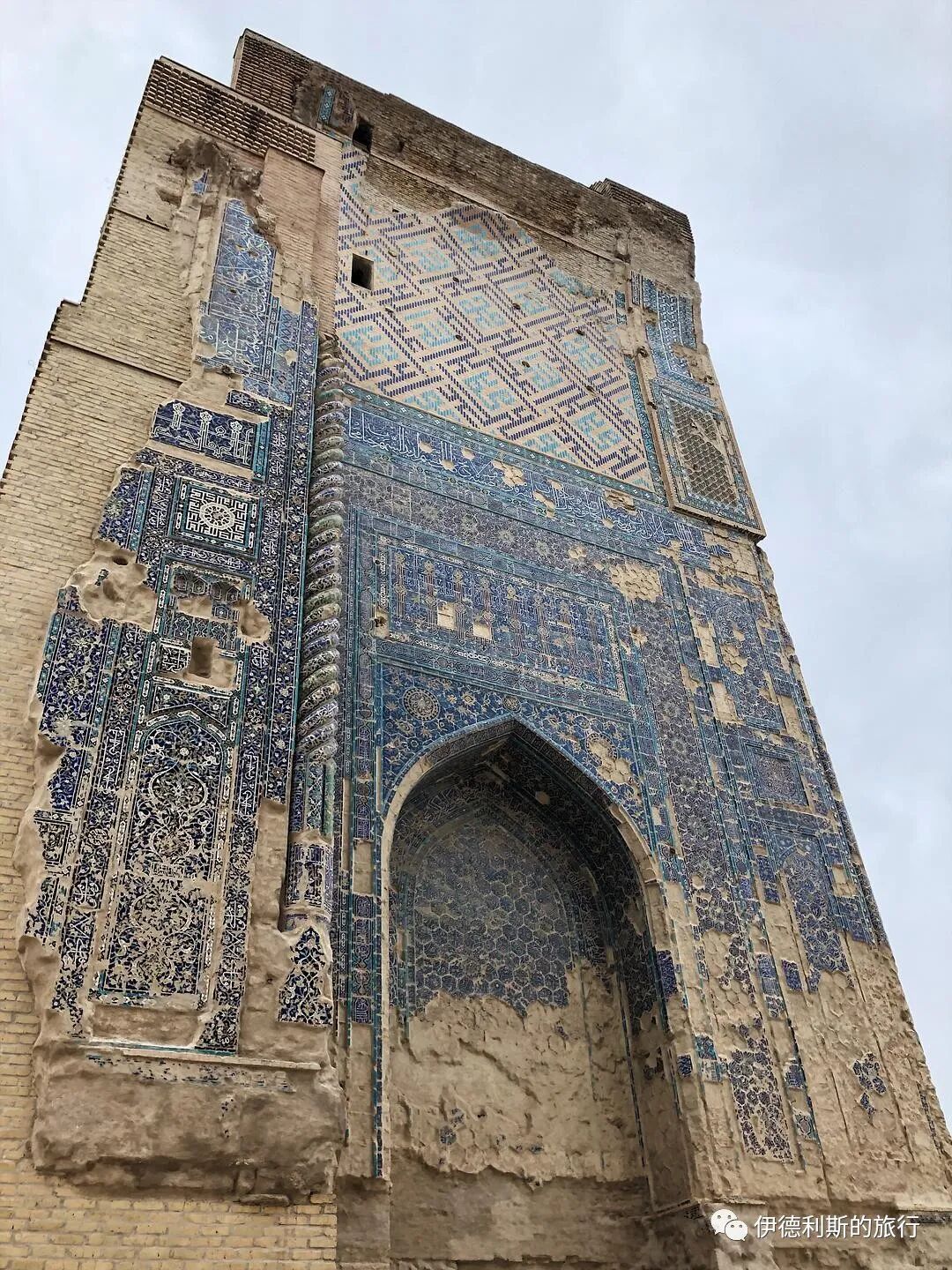
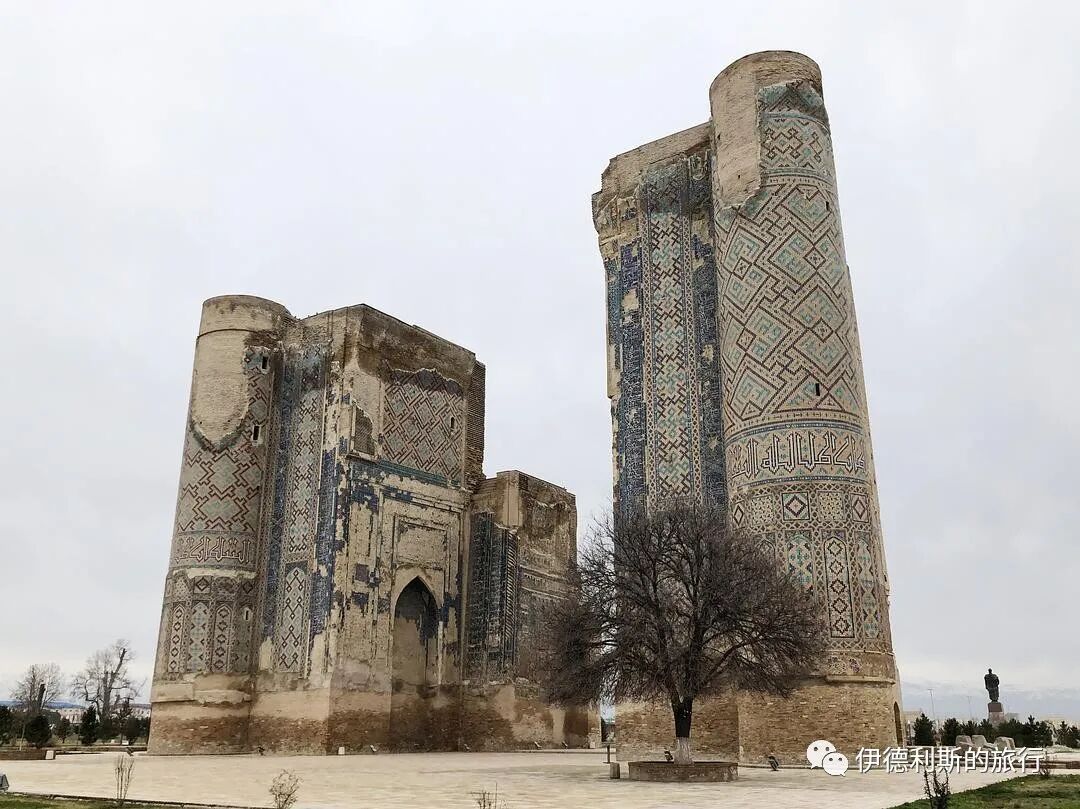
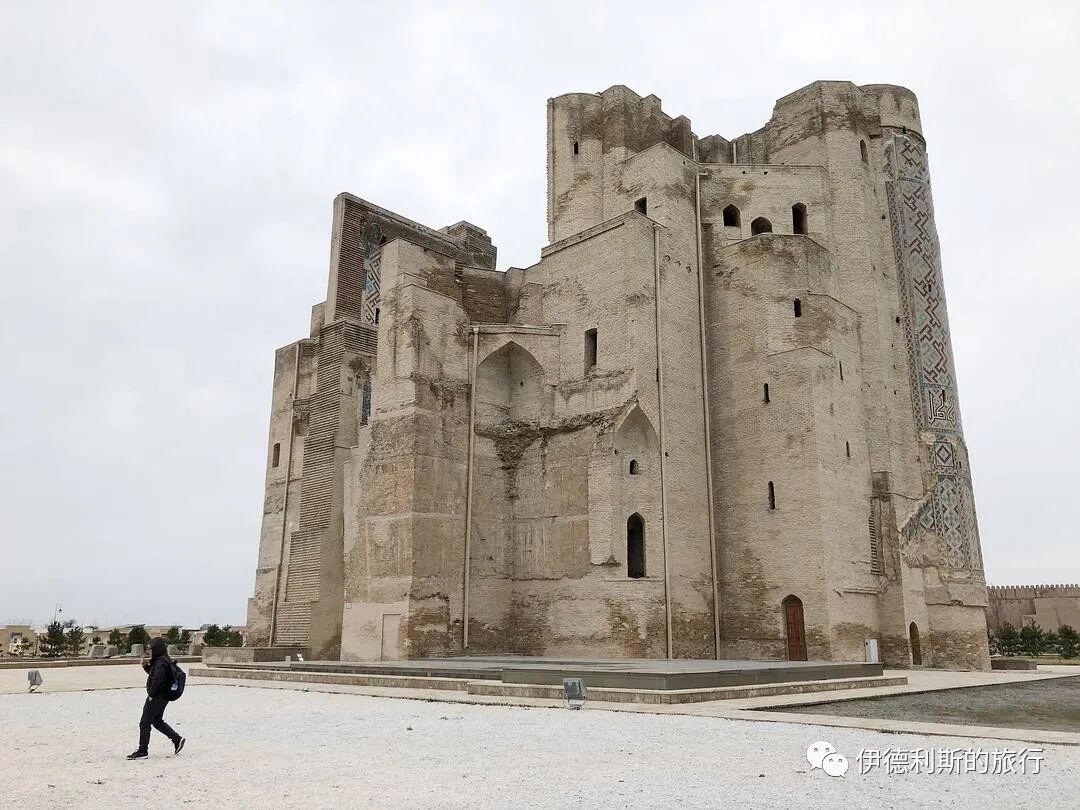
Ak Saray (White Palace) is the ruins of Timur's summer palace, located inside the north gate of Shahrisabz. After Timur conquered Khwarazm in 1379, he brought many Khwarazmian craftsmen to Shahrisabz and officially began construction of his summer palace in the spring of 1380.
By 1396, the main structure of Ak Saray had been completed after 16 years of construction, while the exterior decoration was not finally finished until shortly before Timur's death in 1404. Based on the existing structure, the main gate of Ak Saray may have been as high as 50 meters, with minarets on both sides exceeding 65 meters (currently 38 meters remain), which is 1.5 times the height of the Kalyan Minaret in Bukhara. In addition to Khwarazmian craftsmen, many craftsmen from Transoxiana and Iran also participated in the construction. The name of Mohammed Jusufat Tebrizi, a craftsman from Tabriz, Iran, is repeated twice on the mosaic decoration of the main gate. In addition, the gate bears the inscription: "If you doubt our greatness, look at our buildings!" In addition, the gate bears the inscription:
In 1404, Clavijo, the ambassador of Castile, Spain, visited Ak Saray. According to his memoirs, behind the palace gate was a courtyard 300 paces wide, enclosed by two layers of residential areas. To the west of the courtyard was a mosque, to the south was the reception hall, and there was a mosaic-decorated pool in the middle of the courtyard. The reception hall was painted gold and blue, covered with tiles, the ceilings were gilded, and the main gate was inlaid with the coat of arms of a lion and a sun.
Legend has it that Ak Saray was ordered to be demolished by Abdullah Khan II, the last khan of the Shaybanid dynasty of the Khanate of Bukhara, at the end of the 16th century. However, it is more likely that the palace was gradually dismantled by local residents who took bricks to build their homes. It is said that bricks from the palace were used in half of the old city's houses.
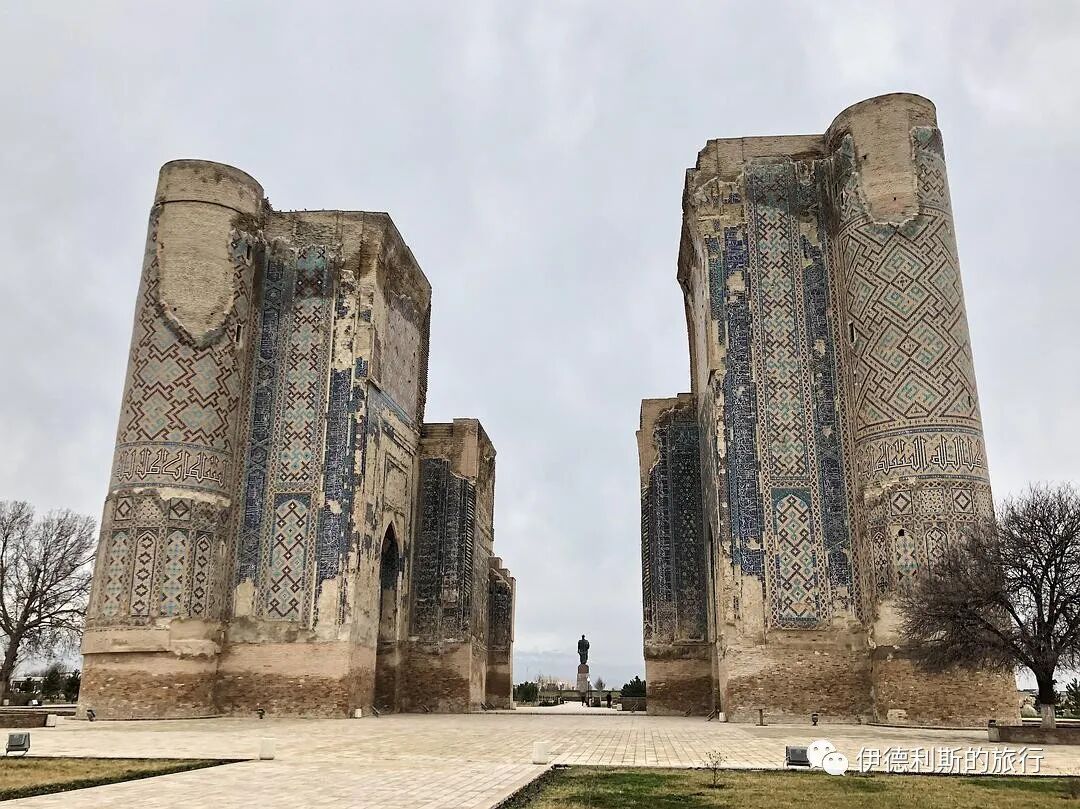
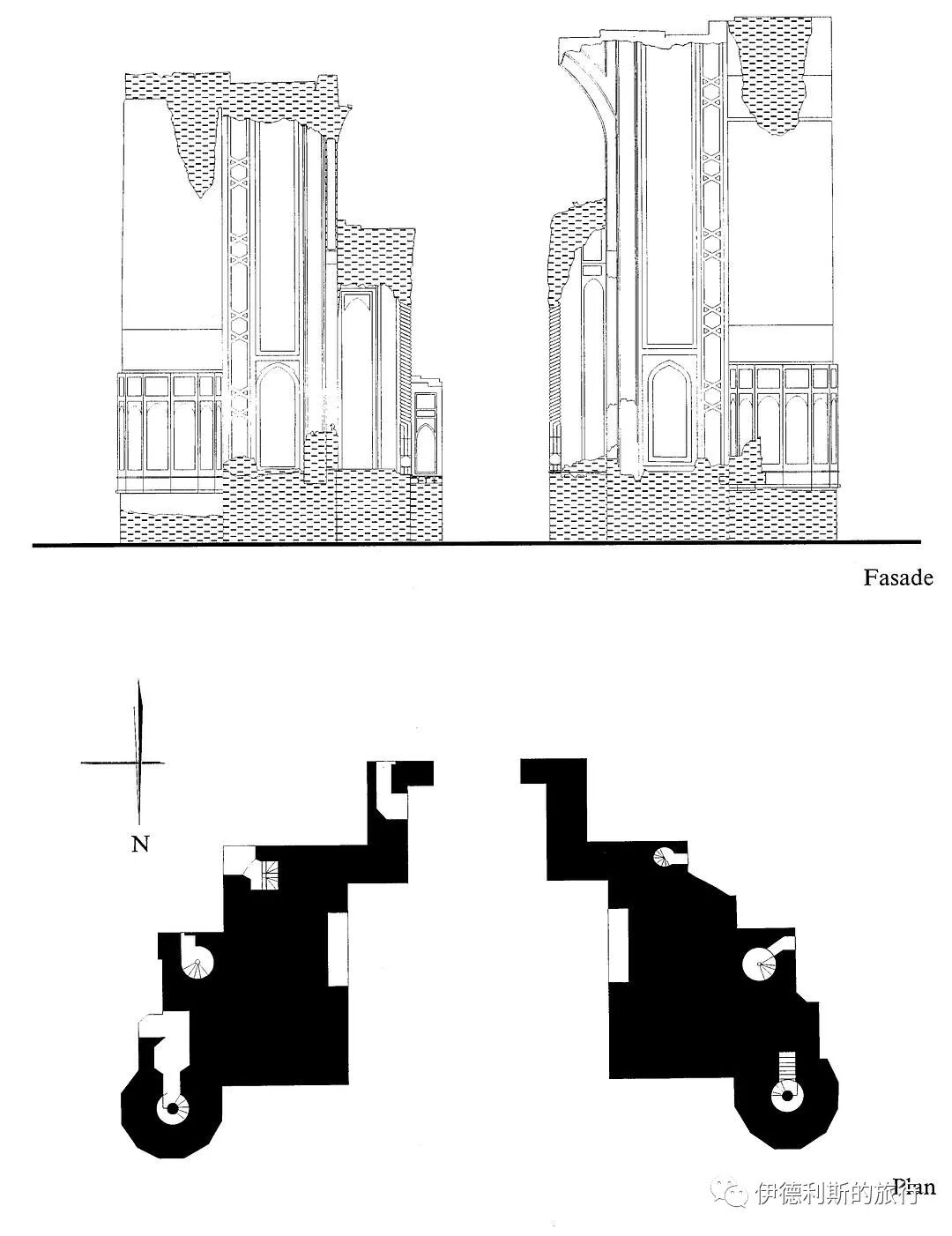
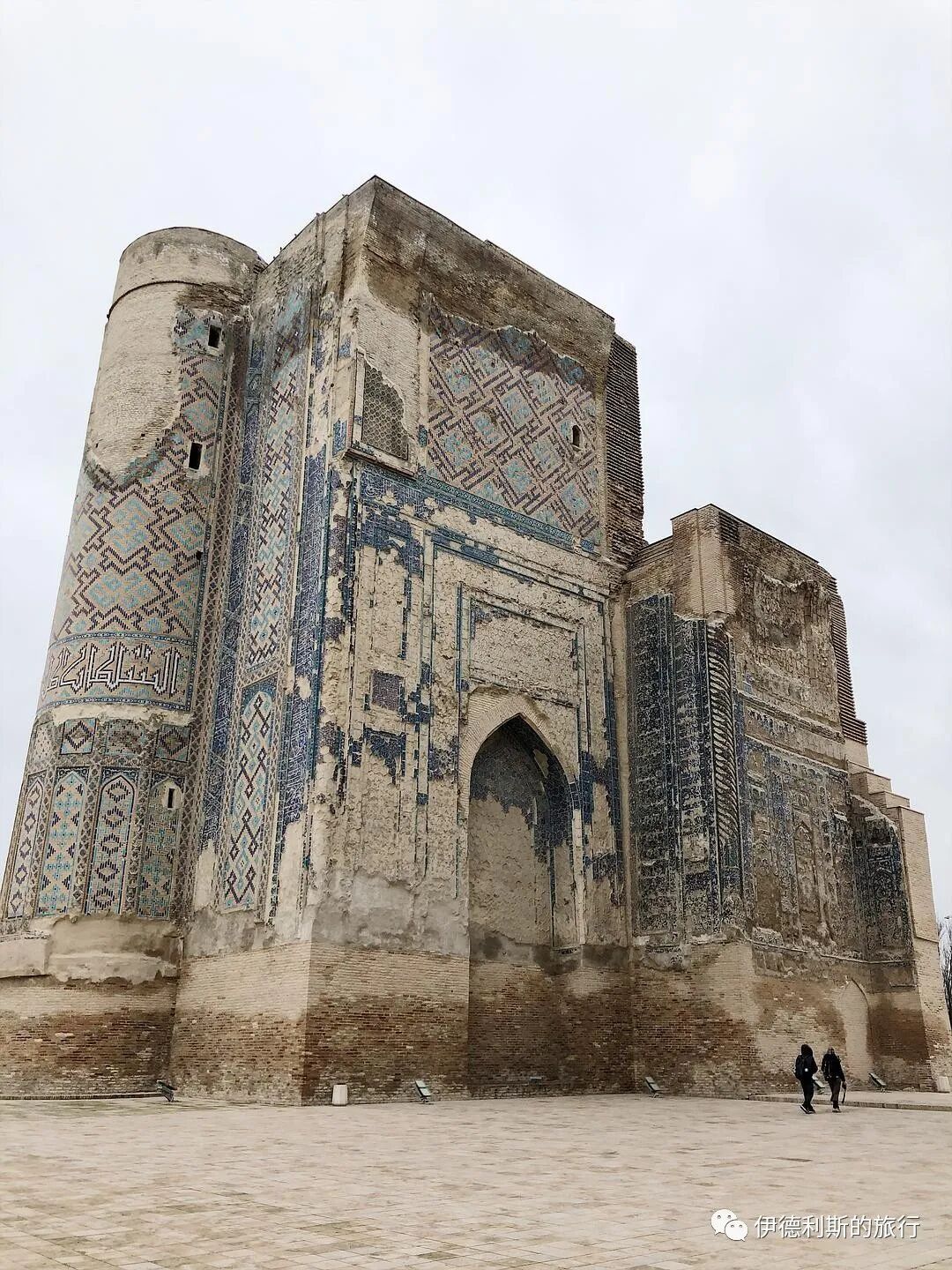
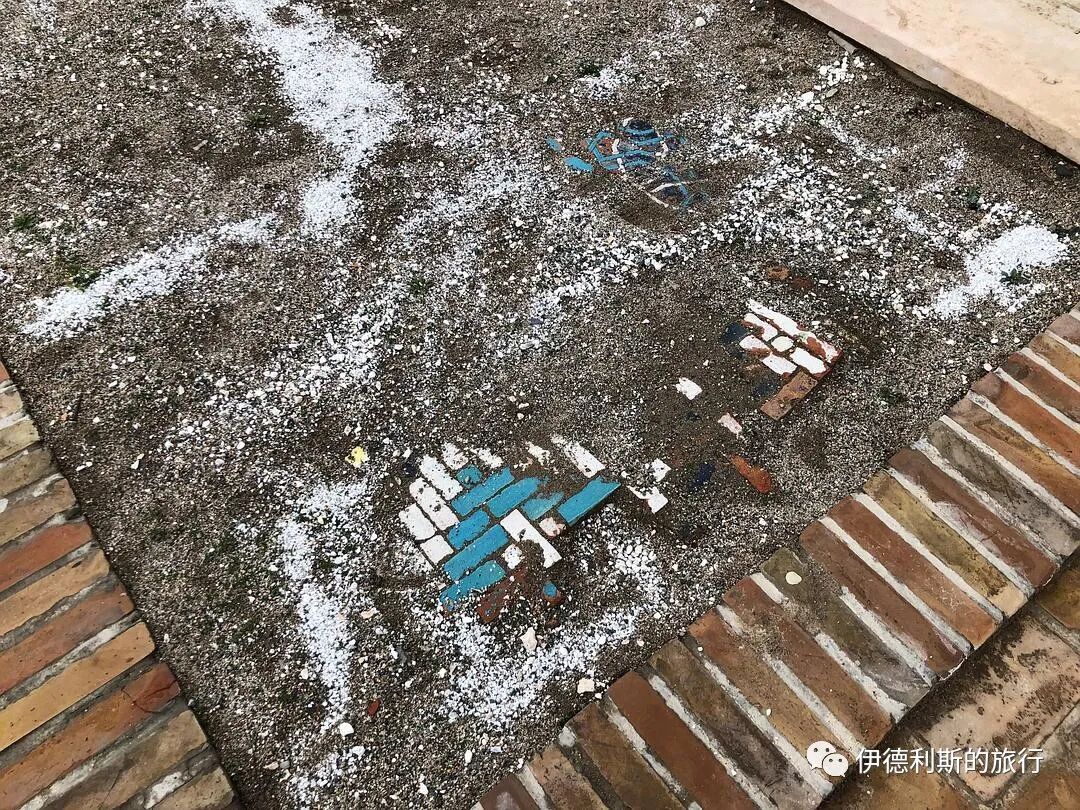
Between 1973 and 1975, the Soviet Union conducted archaeological excavations of the palace ruins south of Ak Saray, unearthing a large number of architectural decorations, marble carvings, and mosaic tiles, as well as remains of richly decorated floors.
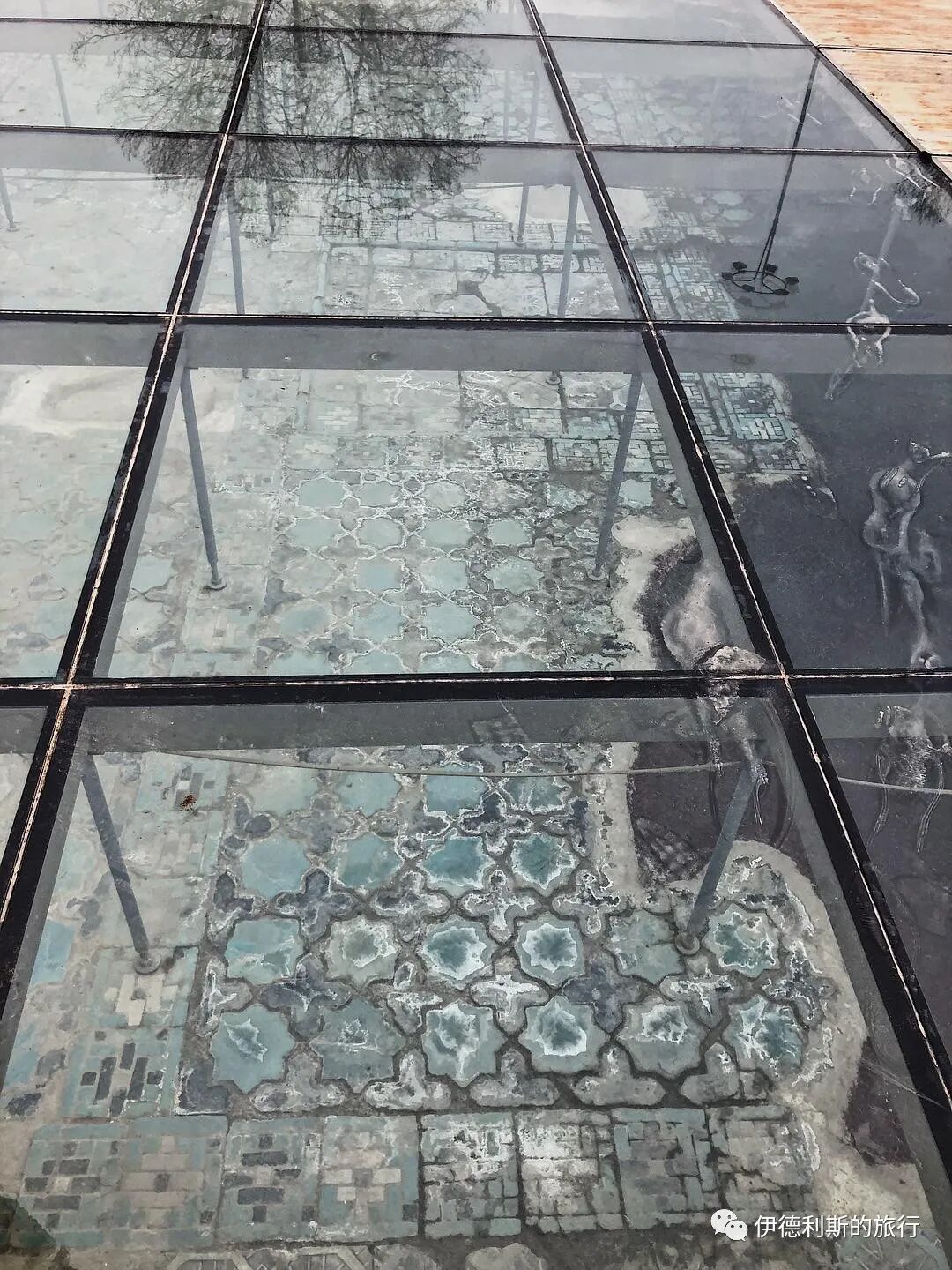
IV. Dorus Saodat Complex - Timurid Family Tombs: 1380-1404
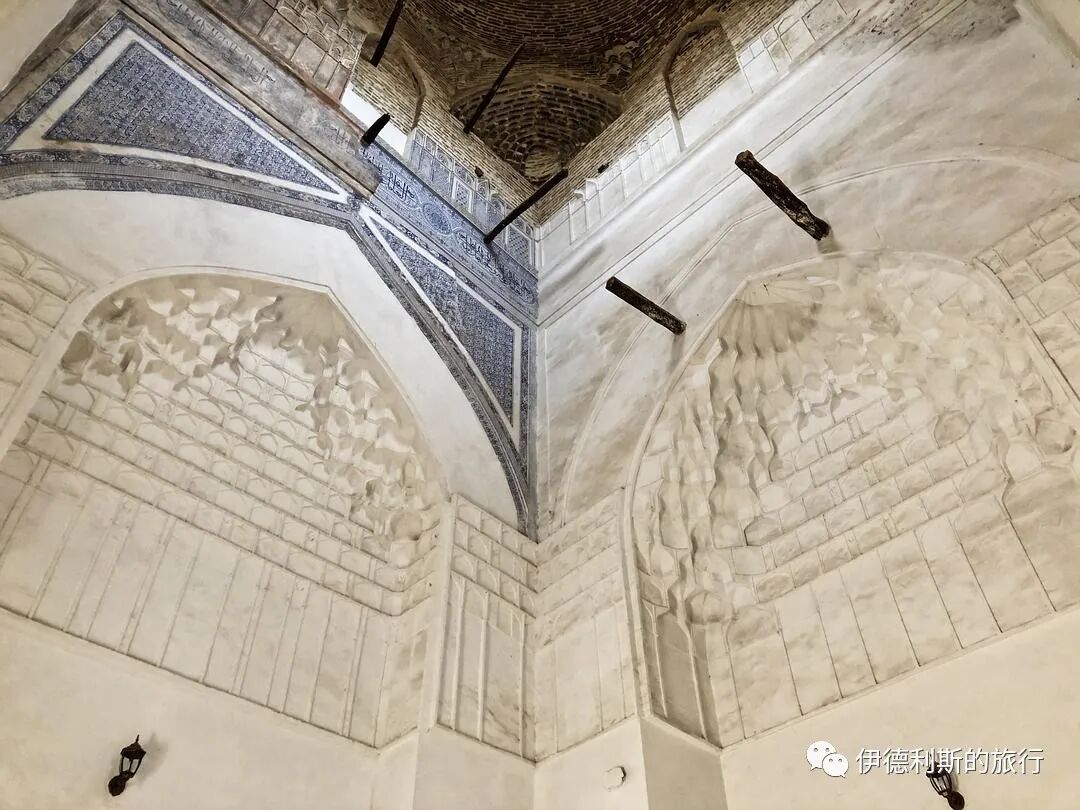
Dorus Saodat is located south of Shahrisabz and is a mausoleum complex built by Timur for his family. Construction began in 1380, almost simultaneously with Timur's summer palace, Ak Saray.
After Dorus Saodat was completed, Jahangir Mirza, Timur's beloved son who died in 1376, was reburied here. In 1394, Timur's other son, Umar Shaikh Mirza I, was also buried here.
1. Jahangir's Mausoleum
Jahangir was Timur's most beloved son and heir. In 1368, Qamar ud-Din of the Dughlat tribe of the Chagatai Mongols launched a rebellion and ruled the Eastern Chagatai Khanate. After this, Timur launched multiple campaigns to conquer the Eastern Chagatai Khanate. In June 1375, Jahangir, as the vanguard, heavily defeated Qamar ud-Din's main forces and pursued them into the mountains near Kashgar, capturing Tuman Agha, Qamar ud-Din's wife, and Dilshad Agha, his daughter, achieving a great victory.
In 1376, Jahangir died of illness at the age of 19. Timur was heartbroken by the loss of his beloved son and even halted his military operations. Timur temporarily buried his beloved son in his hometown of Shahrisabz and later built a magnificent mausoleum for him.
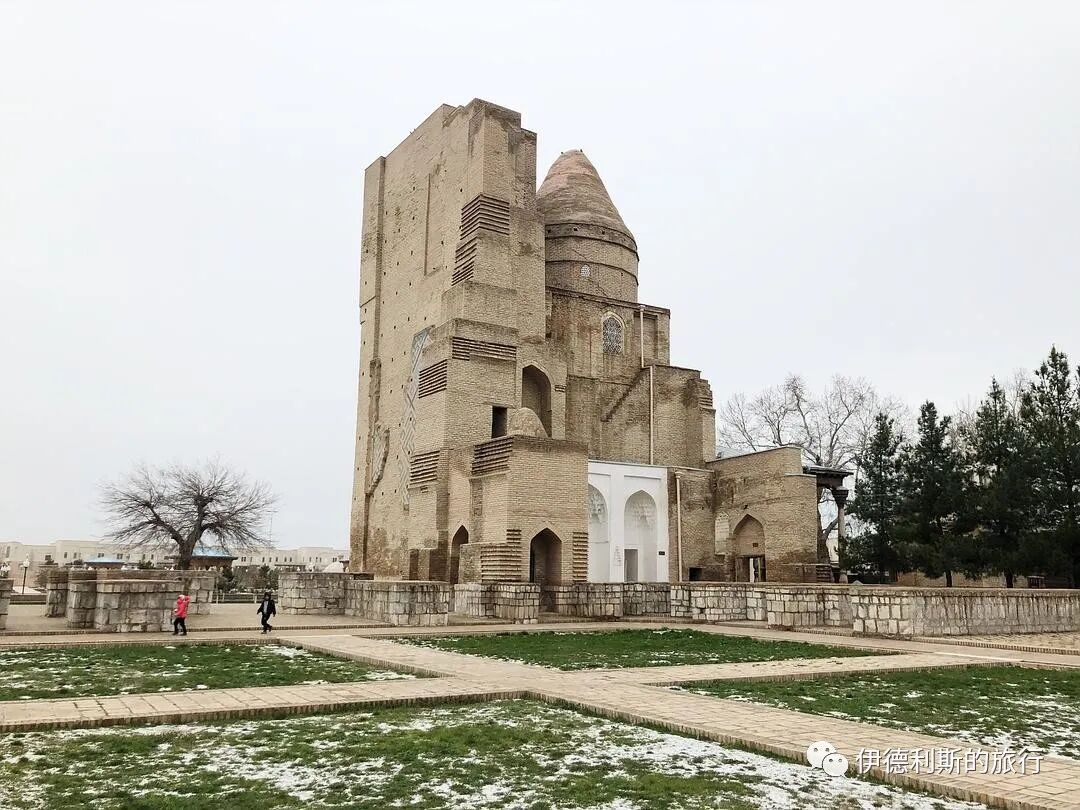
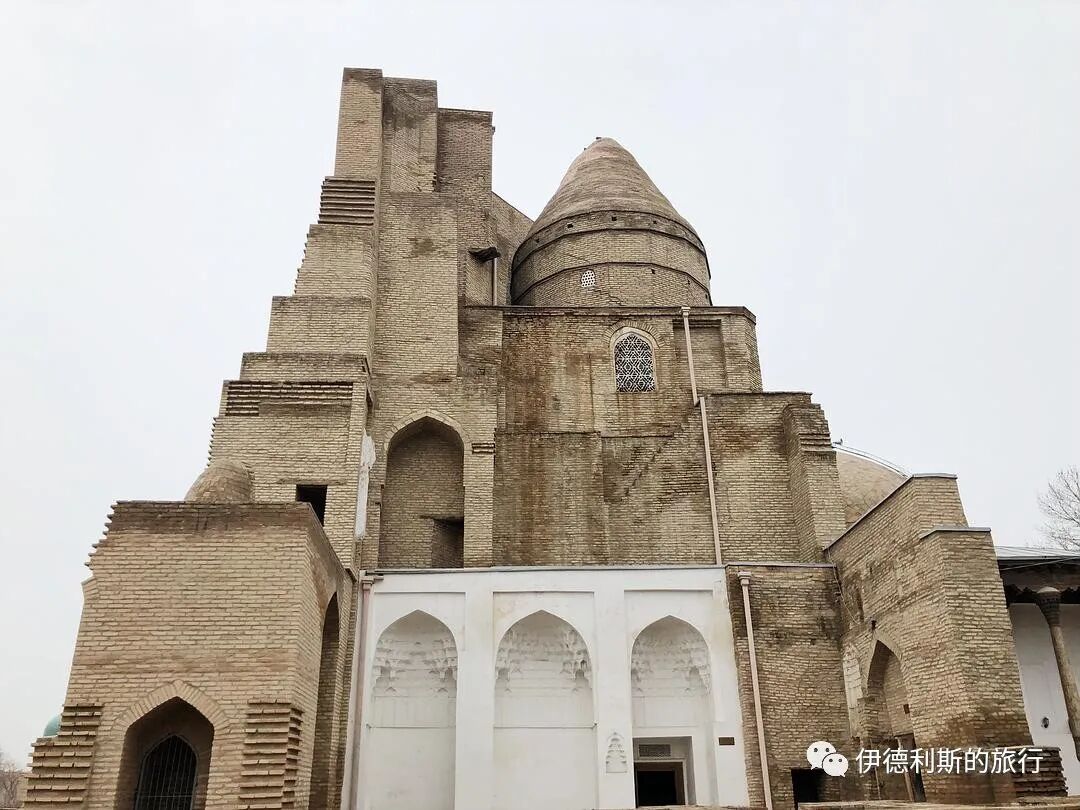
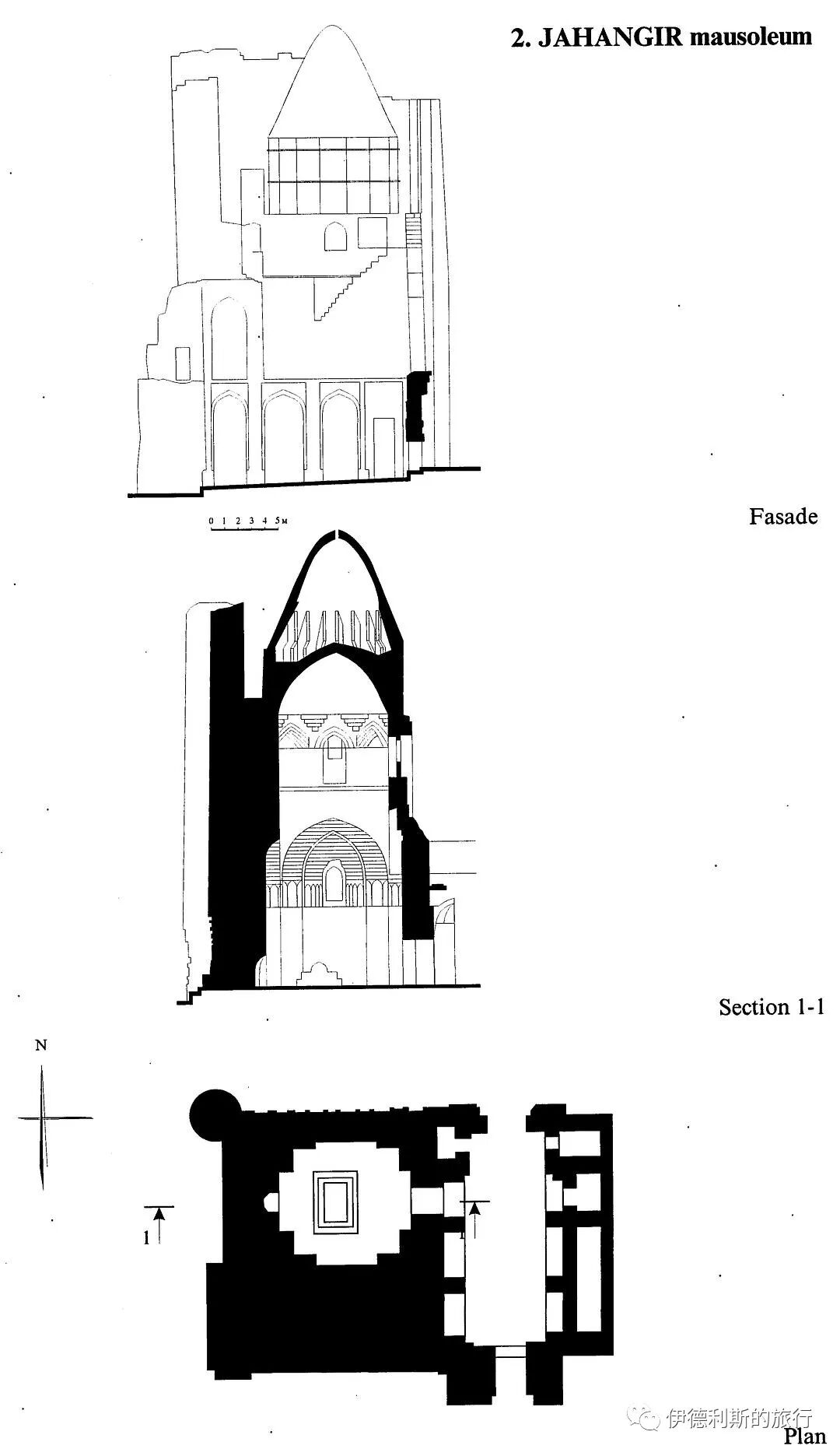
Umar Shaikh Mirza I was another son of Timur. There is no clear evidence as to who was older between him and Jahangir. Umar Shaikh was an excellent military officer who followed his father on campaigns. In 1376, at the age of 20, he was appointed governor of Fergana.
In 1388, Tokhtamysh, the great khan of the Golden Horde, and Qamar ud-Din, the ruler of the Eastern Chagatai Khanate, attacked the Timurid dynasty from both sides, from Bukhara and Fergana respectively. Umar Shaikh was ordered to block the Eastern Chagatai army in Fergana and quickly defeated his opponents. That winter, Umar Shaikh again defeated the Golden Horde army led by Great Khan Tokhtamysh.
In 1391, Timur and Tokhtamysh clashed in the famous Battle of the Kondurcha River near the Volga River. Umar Shaikh was in command of Timur's left flank. During the battle, Umar Shaikh was almost defeated due to initial hesitation, but ultimately Timur himself, leading the army from the rear, defeated Tokhtamysh, and a large number of the Golden Horde army was routed and killed. The death toll in this battle is estimated to have reached 100,000.
In 1393, Timur destroyed the Muzaffarid dynasty in Persia and subsequently appointed Umar Shaikh as the governor of the Fars region of Persia. A year later, in 1394, Timur ordered Umar Shaikh to return to his side. While passing a castle near Baghdad, Umar Shaikh was killed by an arrow. It is said that Timur showed no emotion upon hearing of his son's death.
After Umar Shaikh's death, his body was transported back to his hometown of Shahrisabz and buried alongside his brother Jahangir.
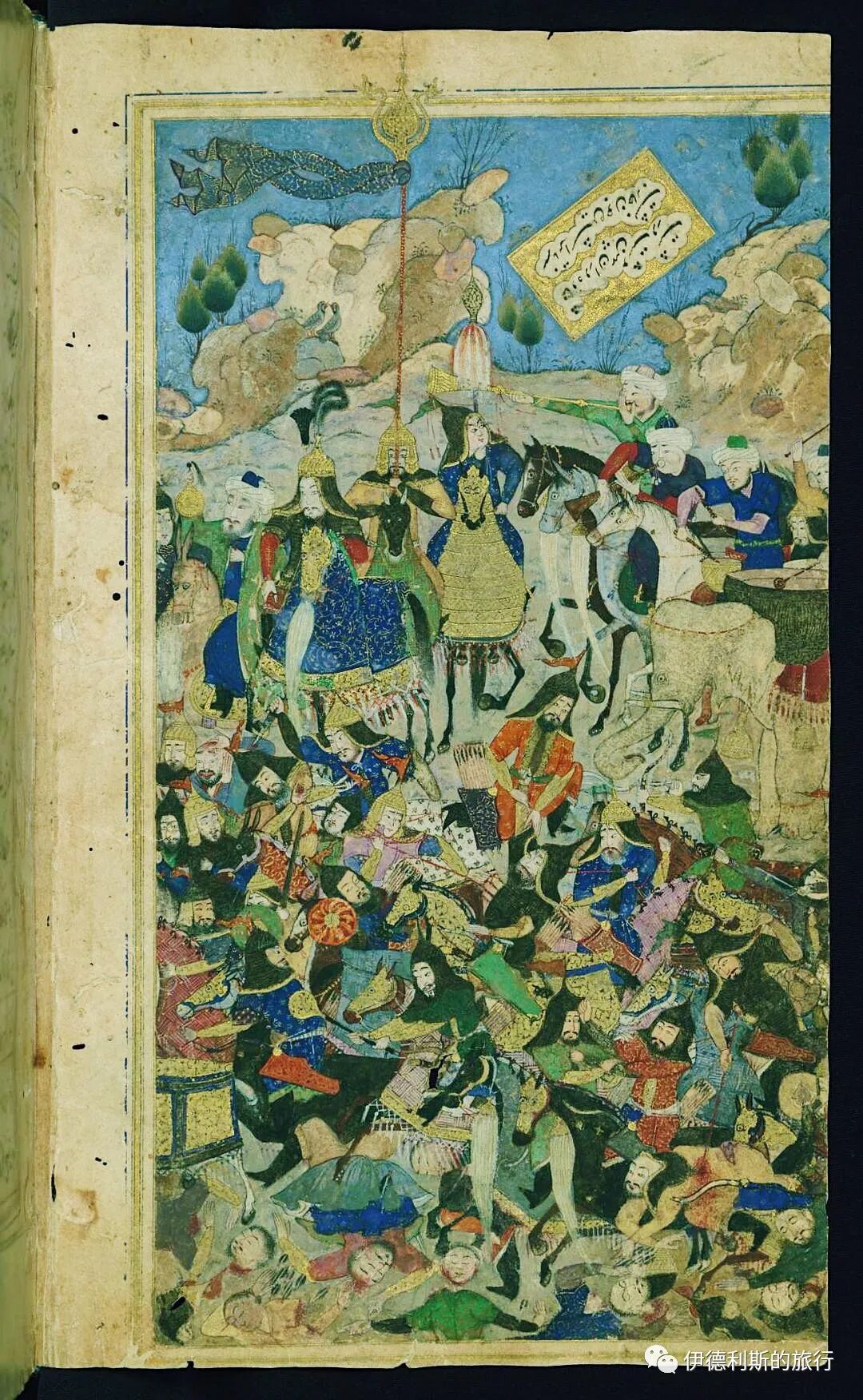
Timur and Tokhtamysh in the decisive battle, painted by Pir 'Ali al-Jami of the Safavid dynasty of Persia in the 16th century
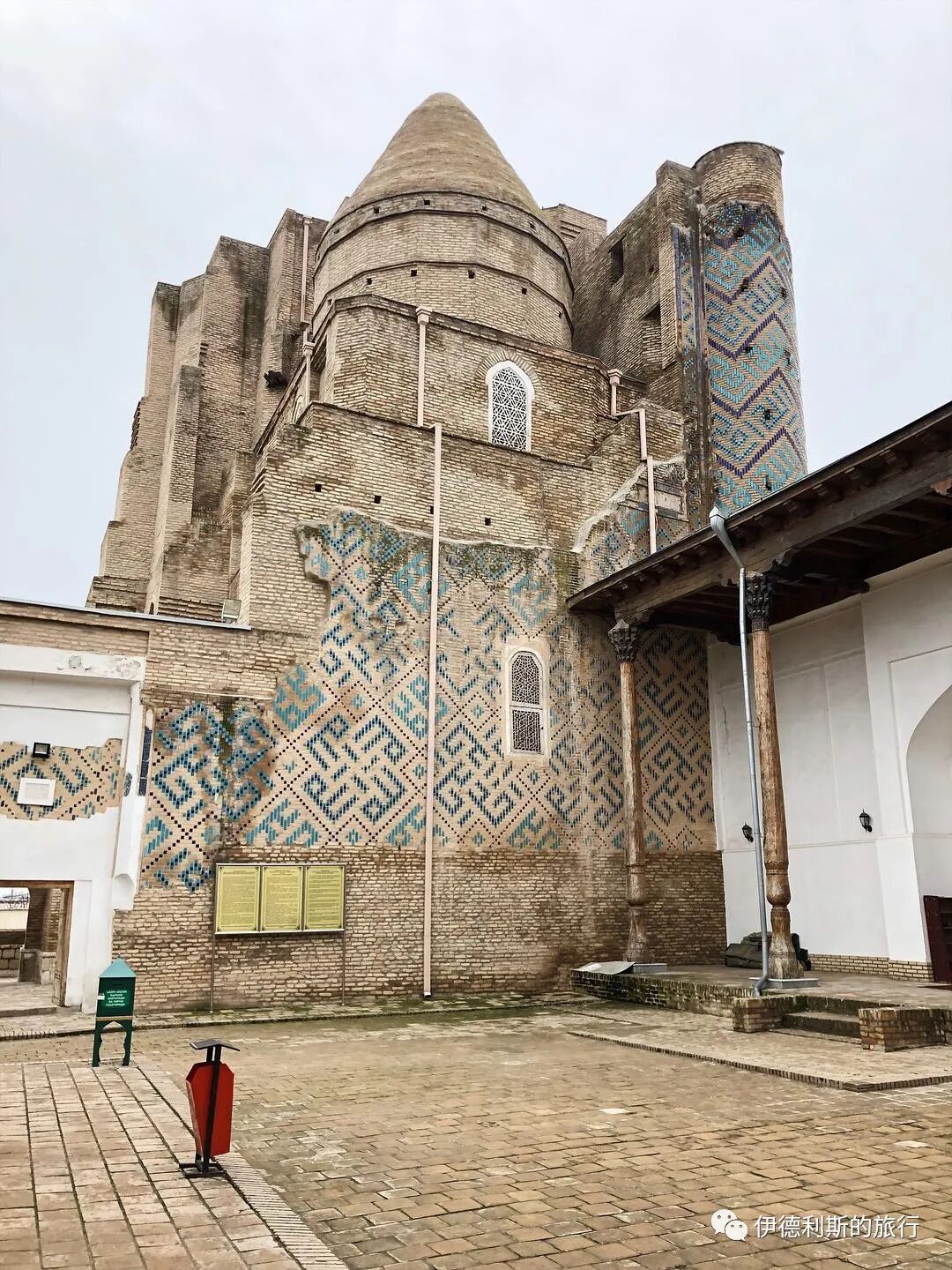
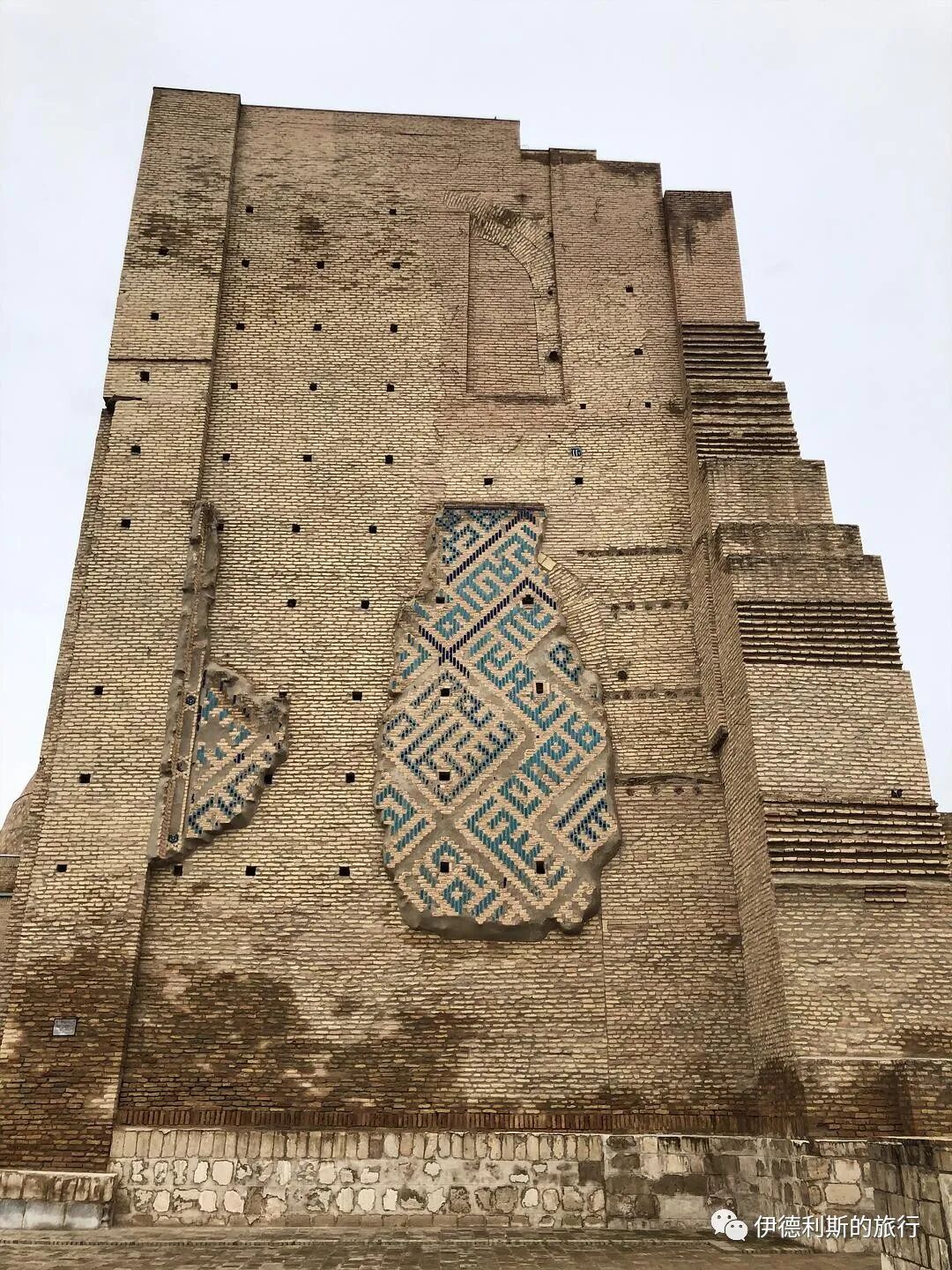
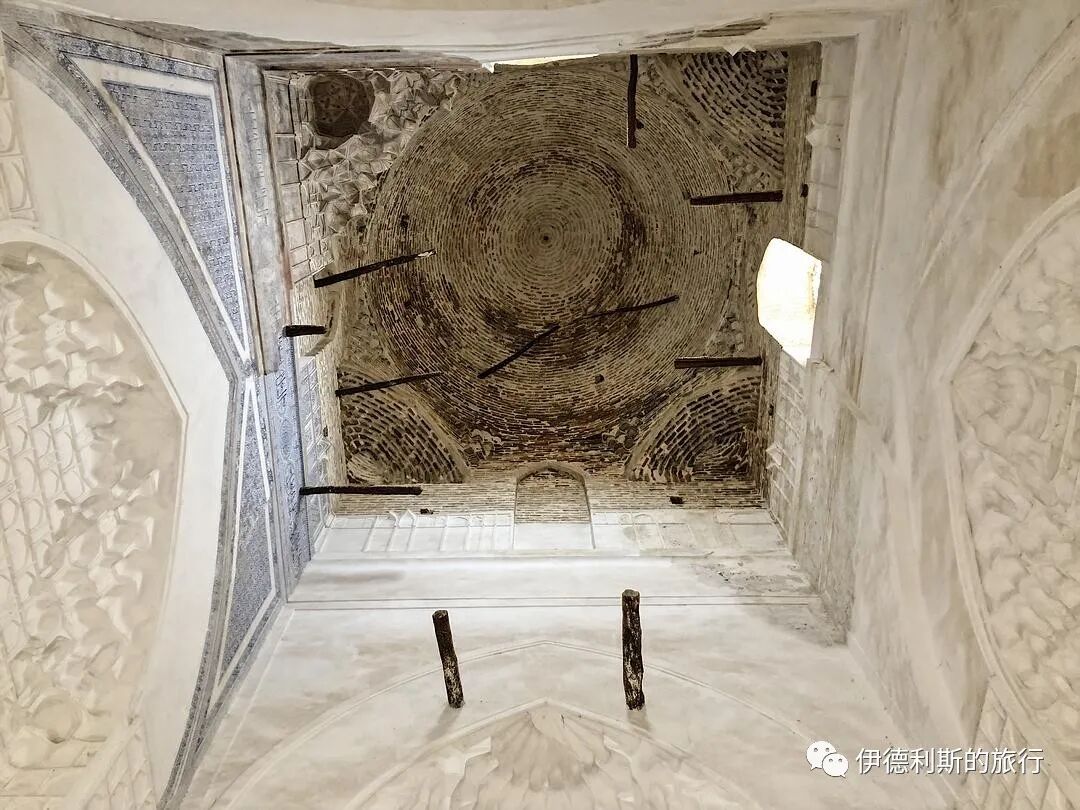
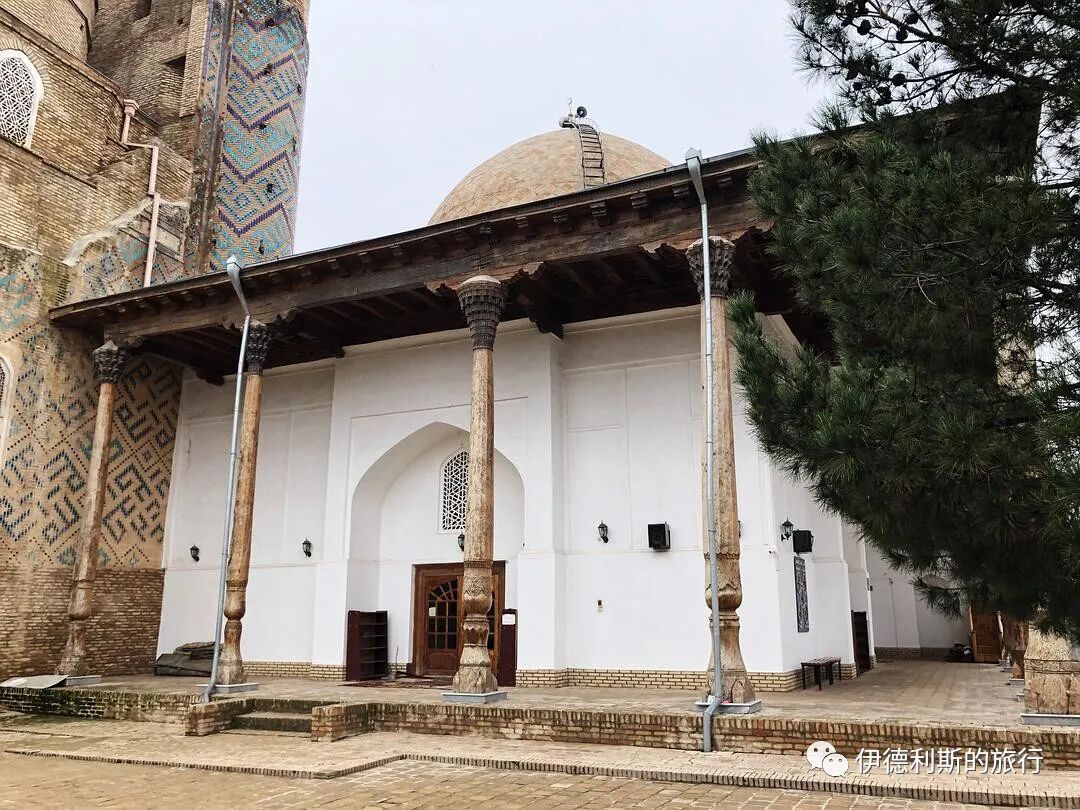
Next to the tomb is a mosque built in the late 19th and early 20th centuries.
2. Timur's Mausoleum
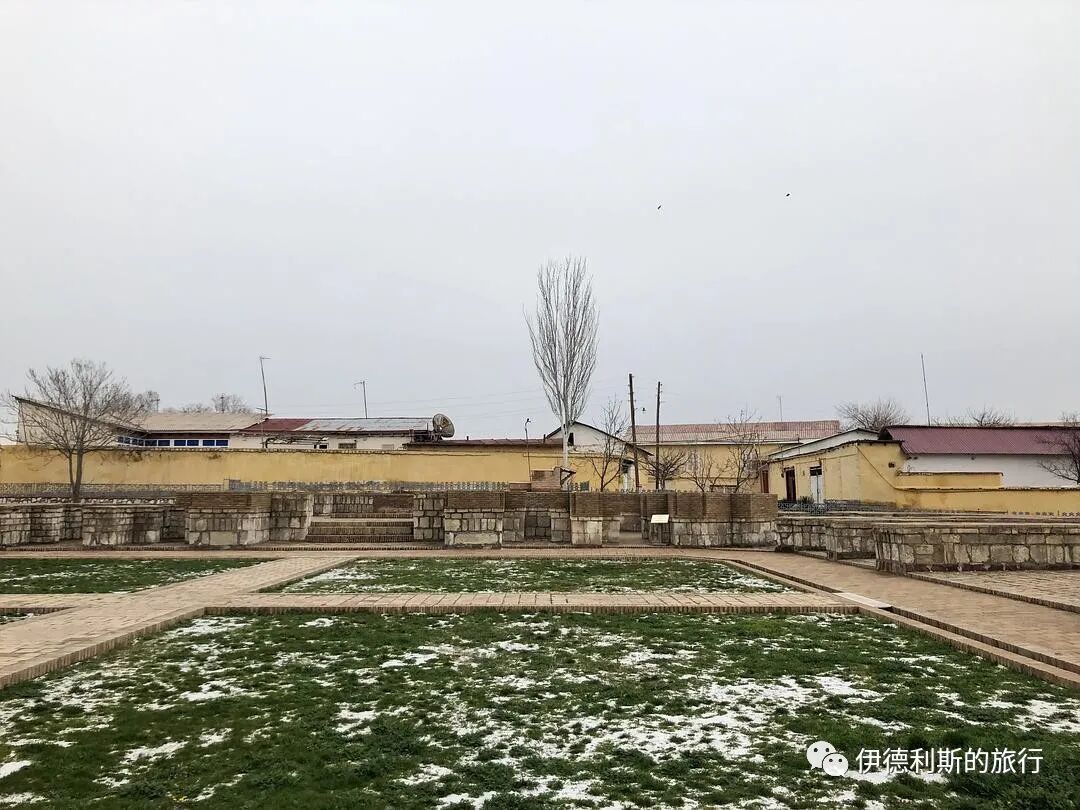
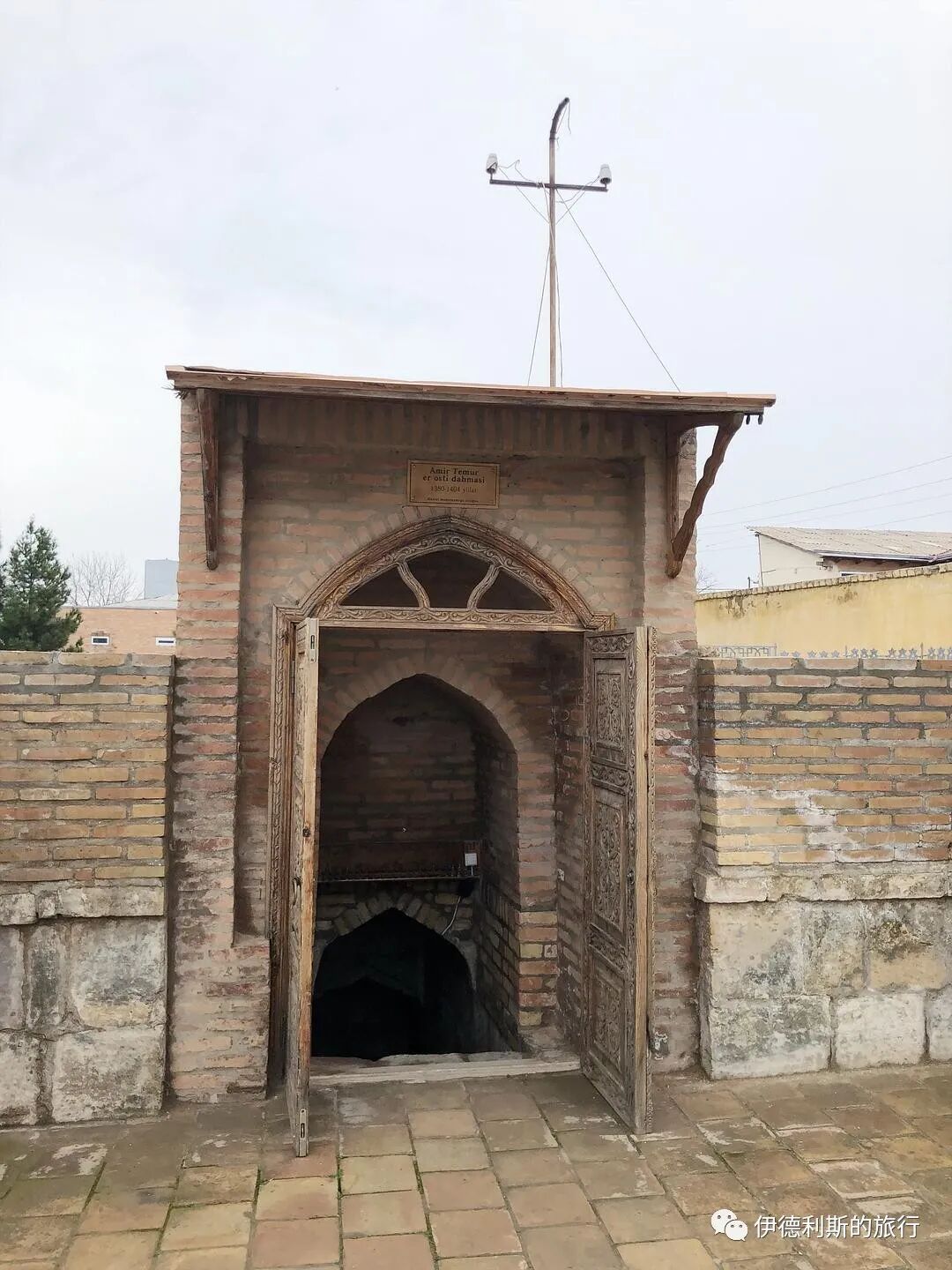
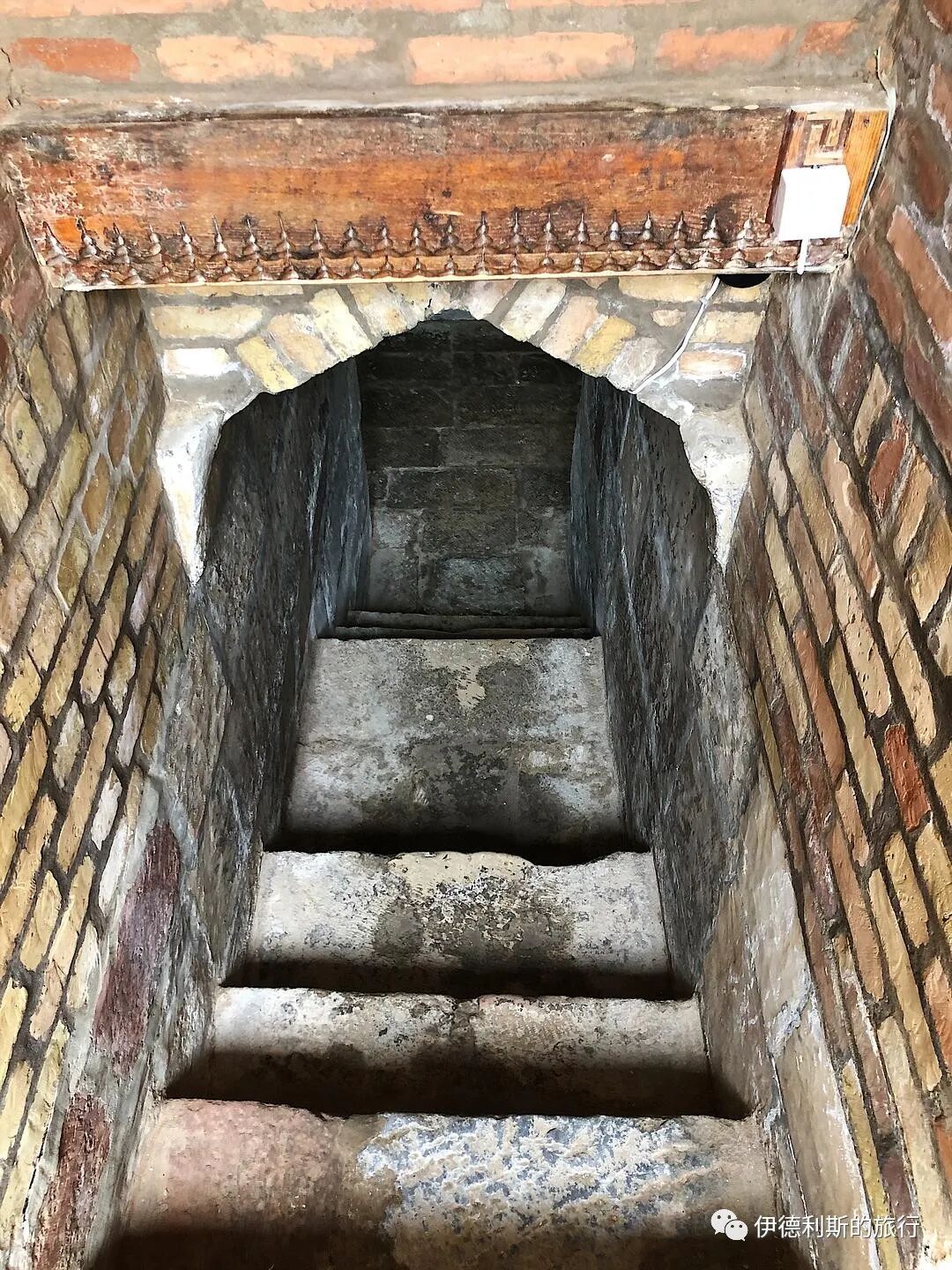
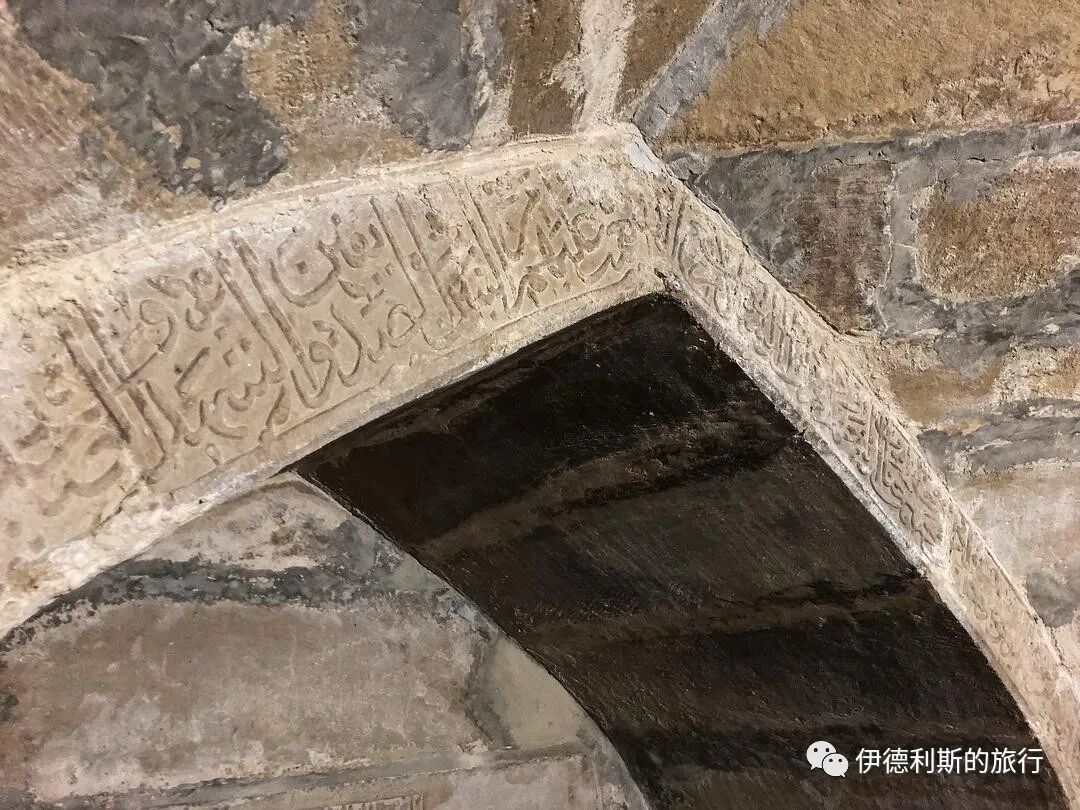
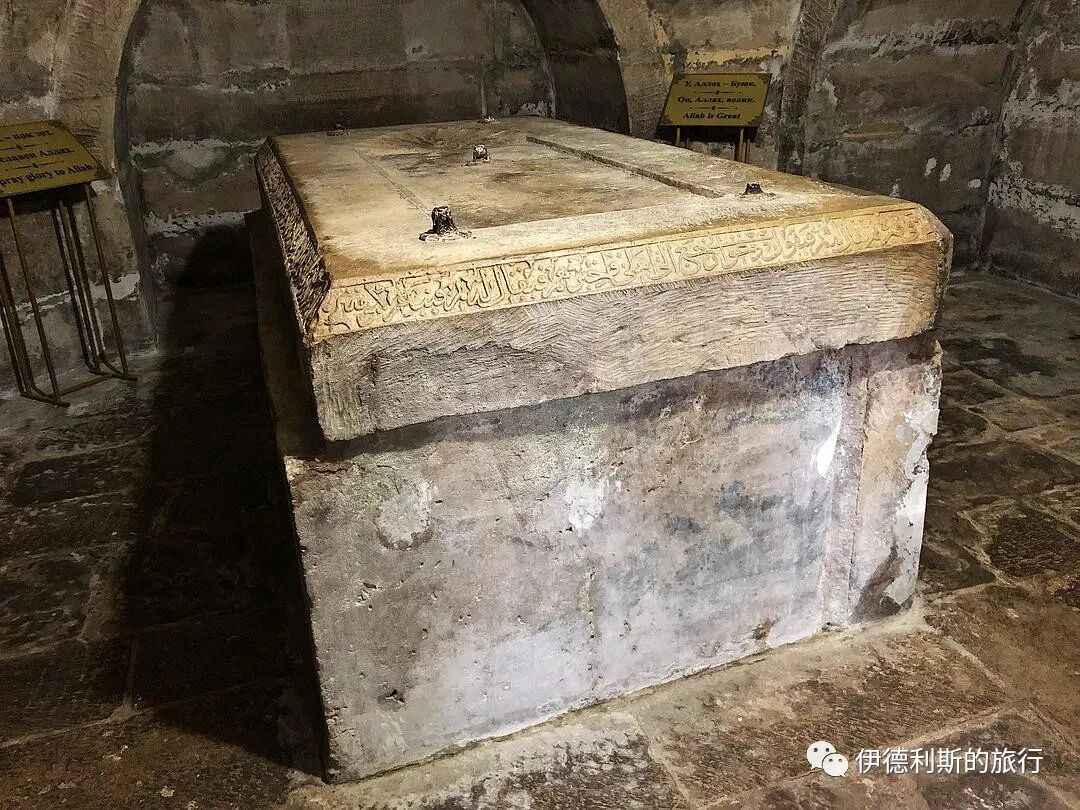
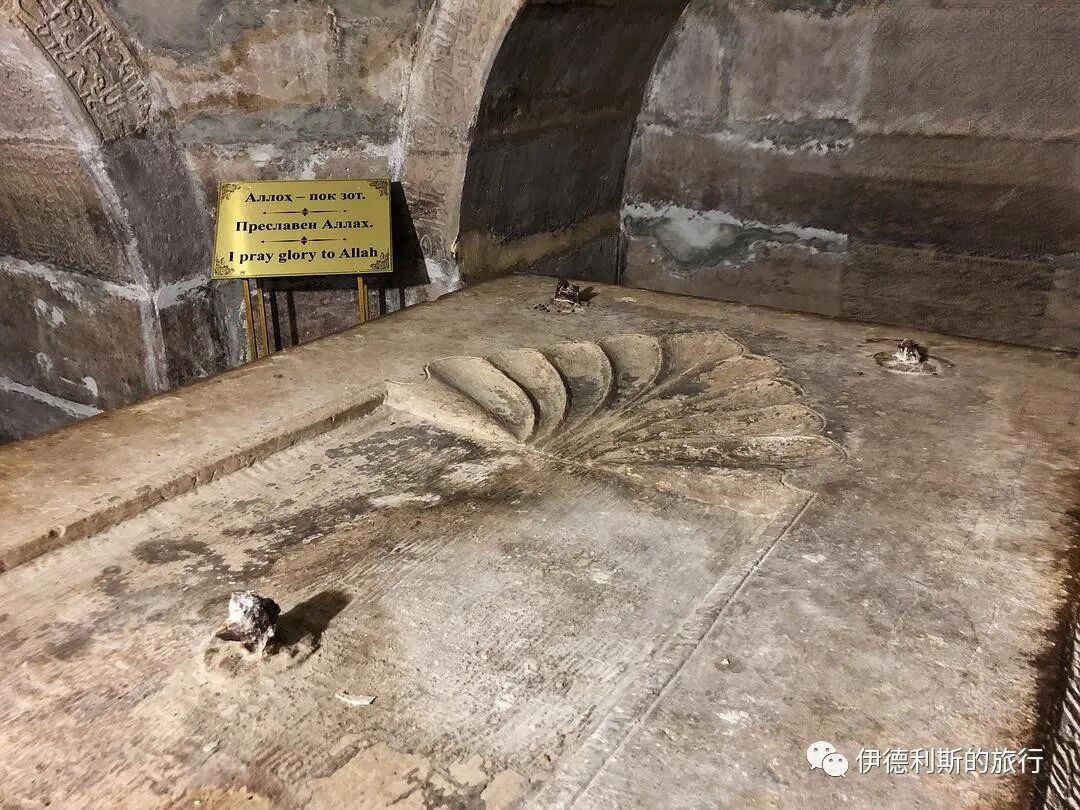
In 1943, Soviet archaeologists discovered another underground mausoleum next to the tomb of Jahangir, Timur's son. The sarcophagus in the tomb chamber bore Timur's name, suggesting this might be the mausoleum Timur had built for himself in his hometown during his lifetime. However, Timur was actually buried in Samarkand. Archaeologists found two bodies in the tomb whose identities remain unknown to this day.
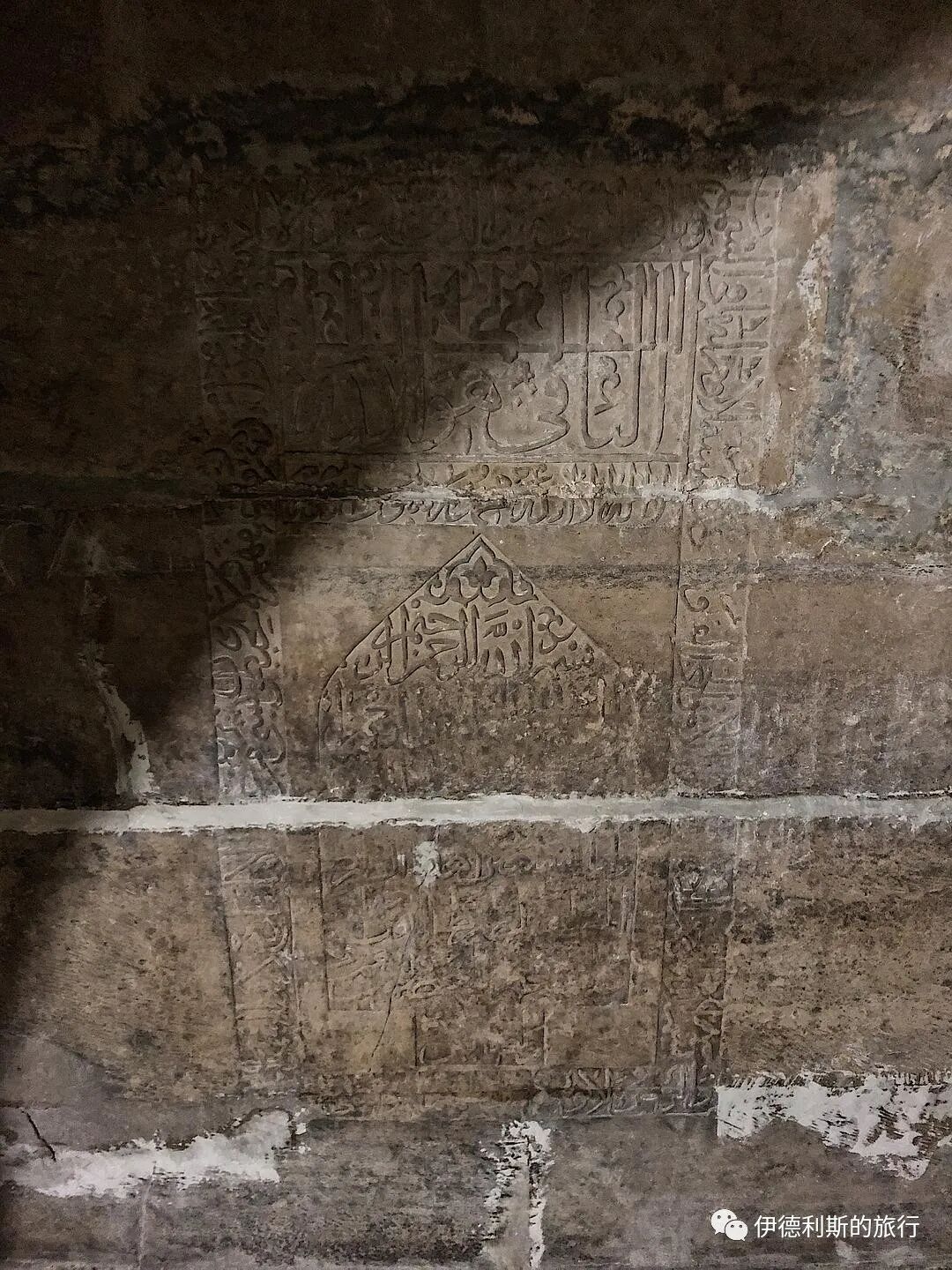
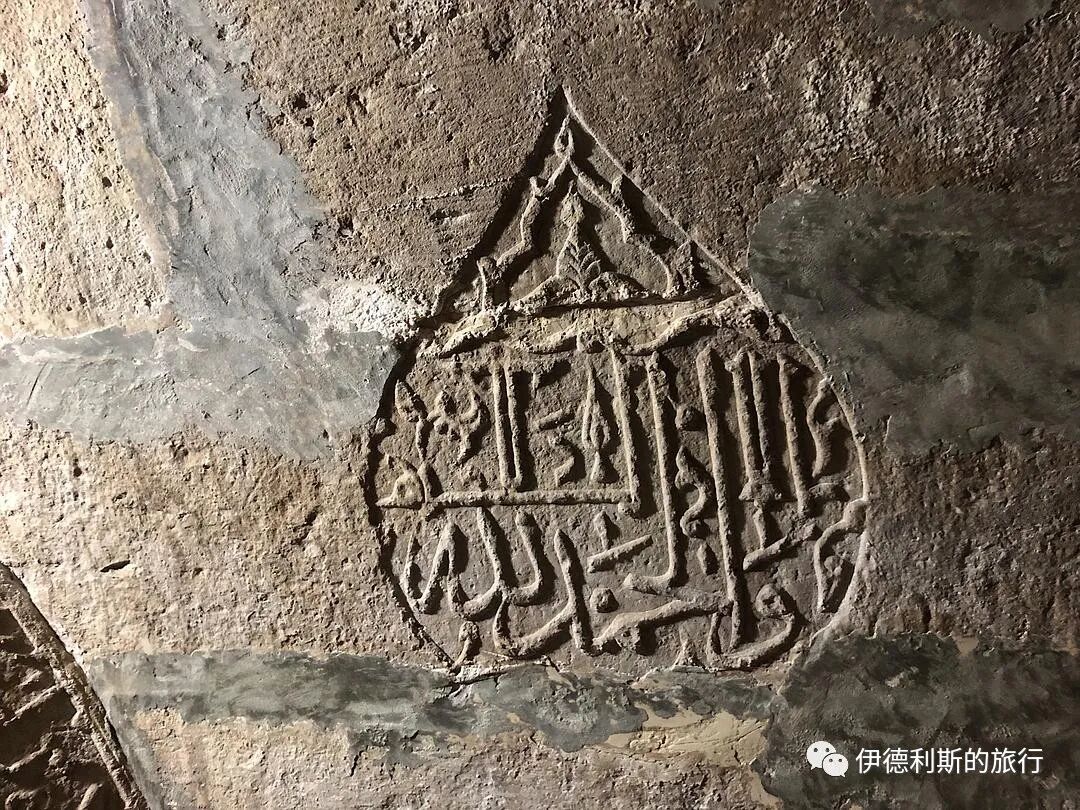
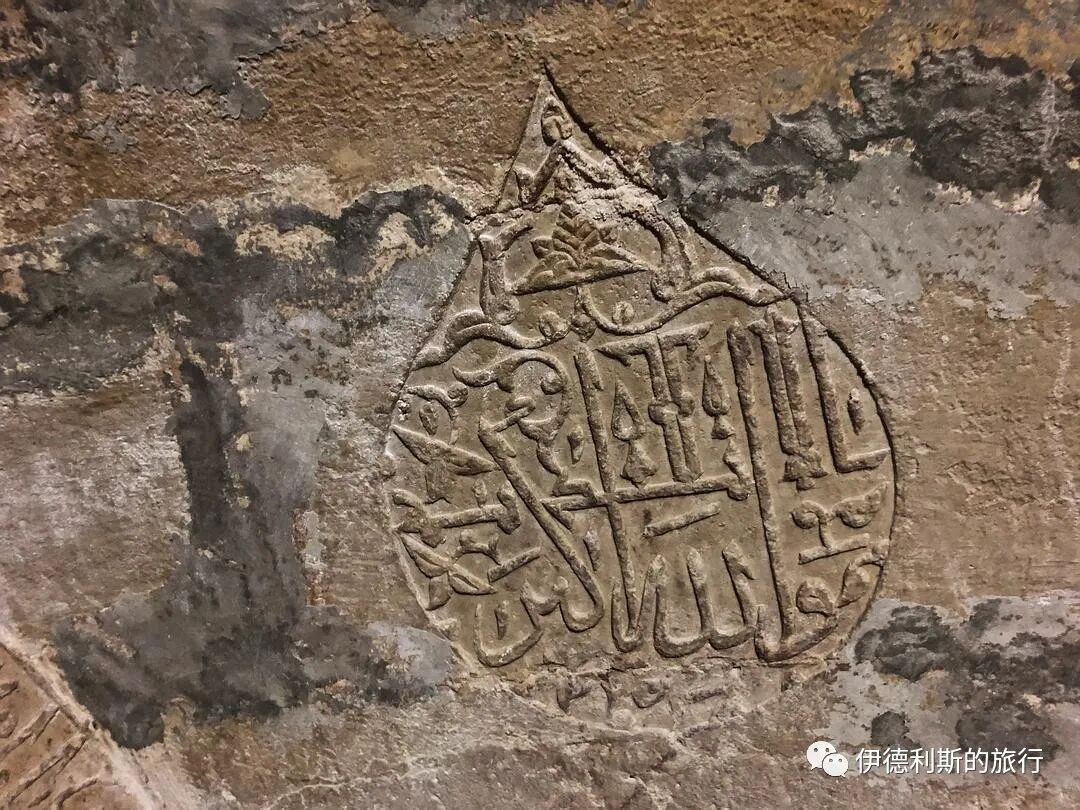
V. Dorut Tilavat Complex - Timurid Family Religious Sanctuary: 14th-15th Centuries
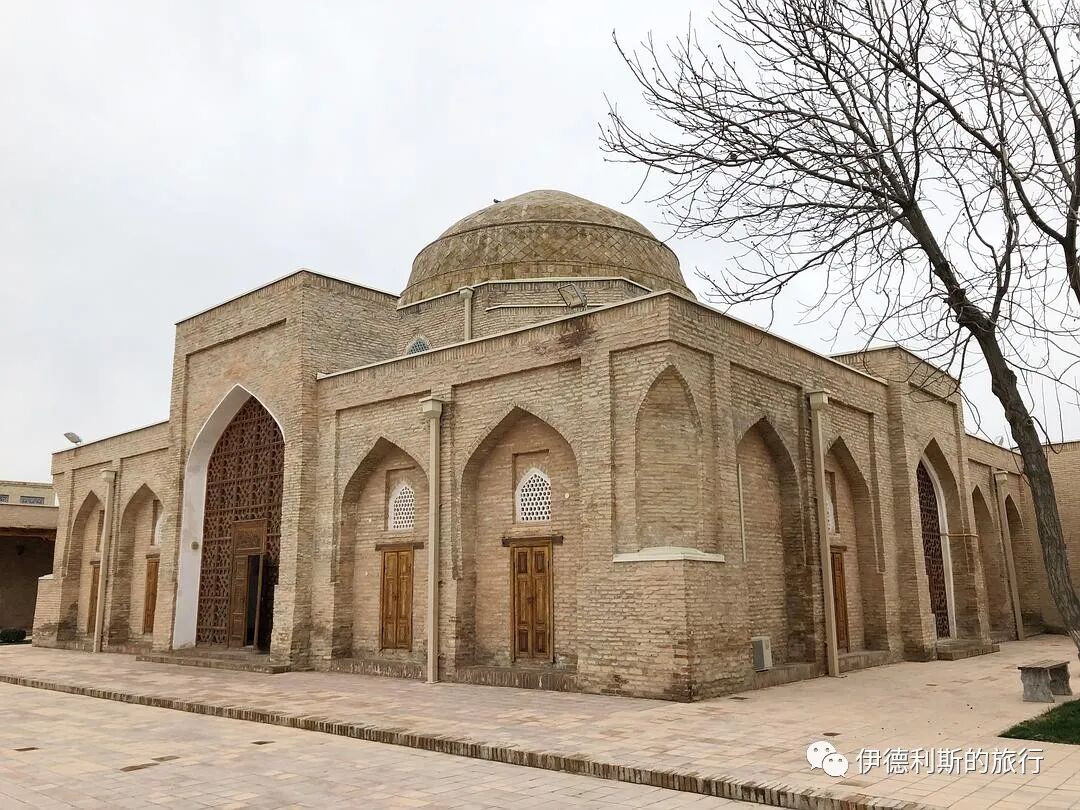
The Dorut Tilavat complex is located south of Shahrisabz. It was originally a madrasah for the Sufi scholar Shams ud-Din Kulal and later became the religious center of Shahrisabz. It contains a mausoleum built by Timur in 1374 for his spiritual mentor, and it is said that Timur also buried his father there. In 1437, Timur's grandson Ulugh Beg, aiming to develop this place into a religious center, built new family mausoleums and a grand mosque.
1. Shams ud-Din Kulal's Mausoleum: 1374
Shams ud-Din Kulal, known as Sheikh Kulal, was a Sufi scholar from Bukhara. He preached in Shahrisabz for a long time and established the Dorut Tilavat madrasah south of the city. Due to Sheikh Kulal's profound knowledge, he gradually became the spiritual mentor of Timur's Barlas tribe and was highly respected by Timur's father, Turghai. Later, his grandson Amir Kulal also became Timur's spiritual mentor.
After Sheikh Kulal's death, he was buried within the Dorut Tilavat madrasah. In 1360, after Timur's father passed away, Timur requested Amir Kulal, Sheikh Kulal's grandson, to bury his father Turghai next to Sheikh Kulal. However, Amir Kulal refused this request. In 1370, Amir Kulal died, and in the same year, Timur established the Timurid dynasty. In the first year of Timur's reign, he began expanding Sheikh Kulal's mausoleum and also moved his father's remains to be buried next to Sheikh Kulal. The main structure was officially completed in 1374.
In fact, it was not until the latter half of the 20th century that this was identified as Sheikh Kulal's mausoleum, and there is no direct evidence. In the 20th century, only the walls, several marble tombstones, and a wooden door were original, and they bore no information about the tomb's occupant. In 1950, a flat ceiling was added to the mausoleum, and in 1996, the ceiling was restored, along with the damaged dome and tombstone.
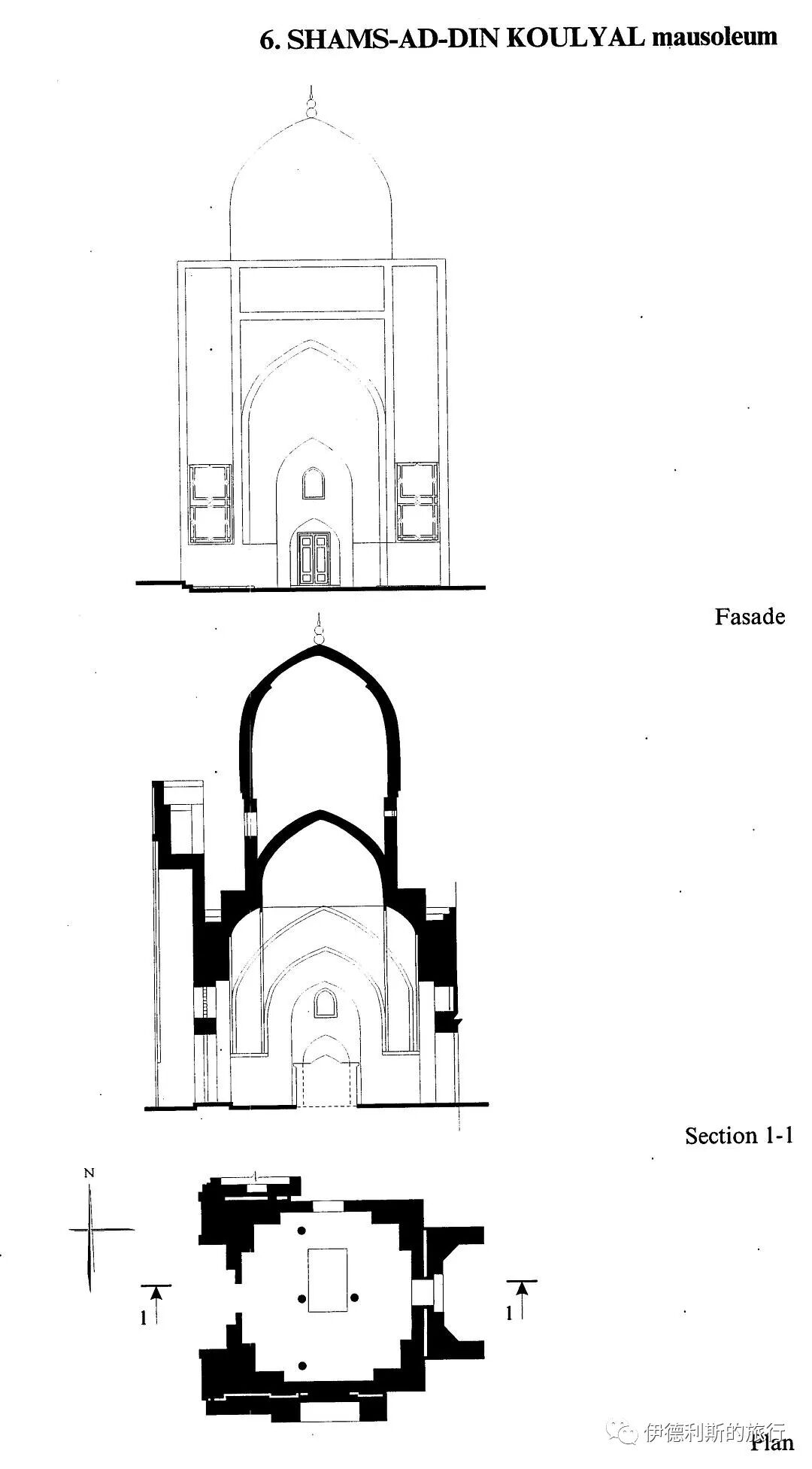
2. Gumbazi Seidon: 1437
After Timur's death in 1405, his son Shah Rukh inherited the eastern part of the empire. Shah Rukh moved the capital of the Timurid Empire from Samarkand to Herat, Afghanistan, while allowing his son Ulugh Beg to rule the Transoxiana region.
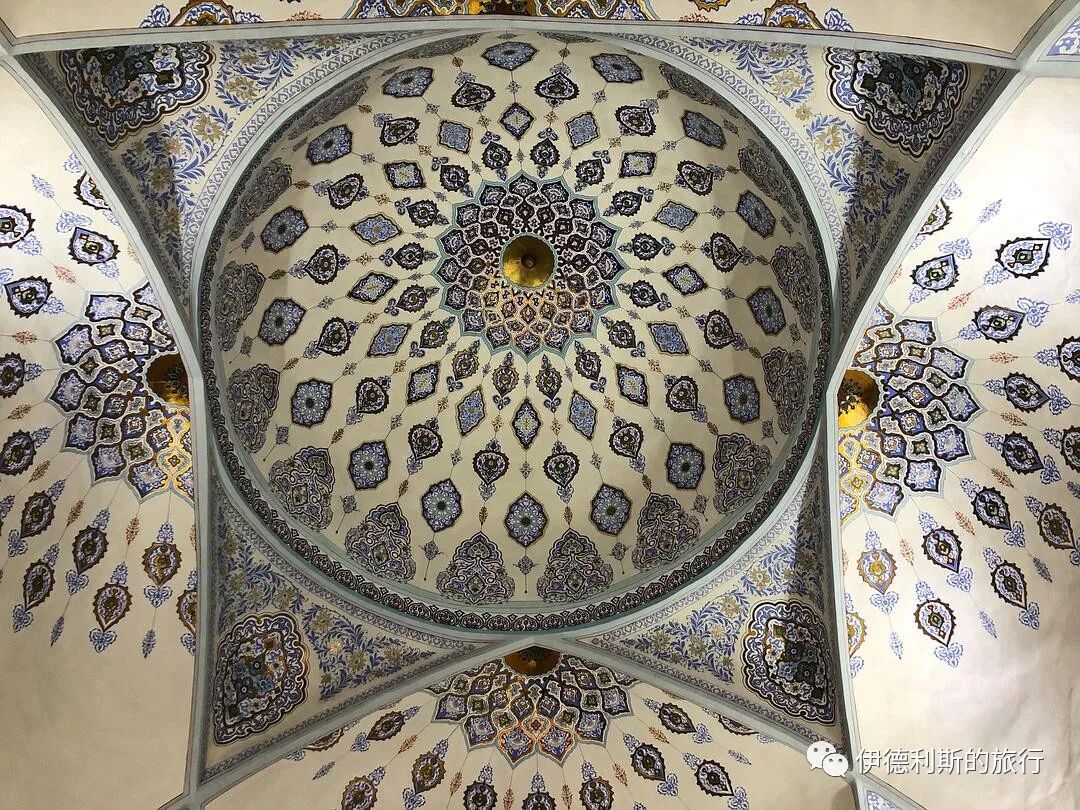
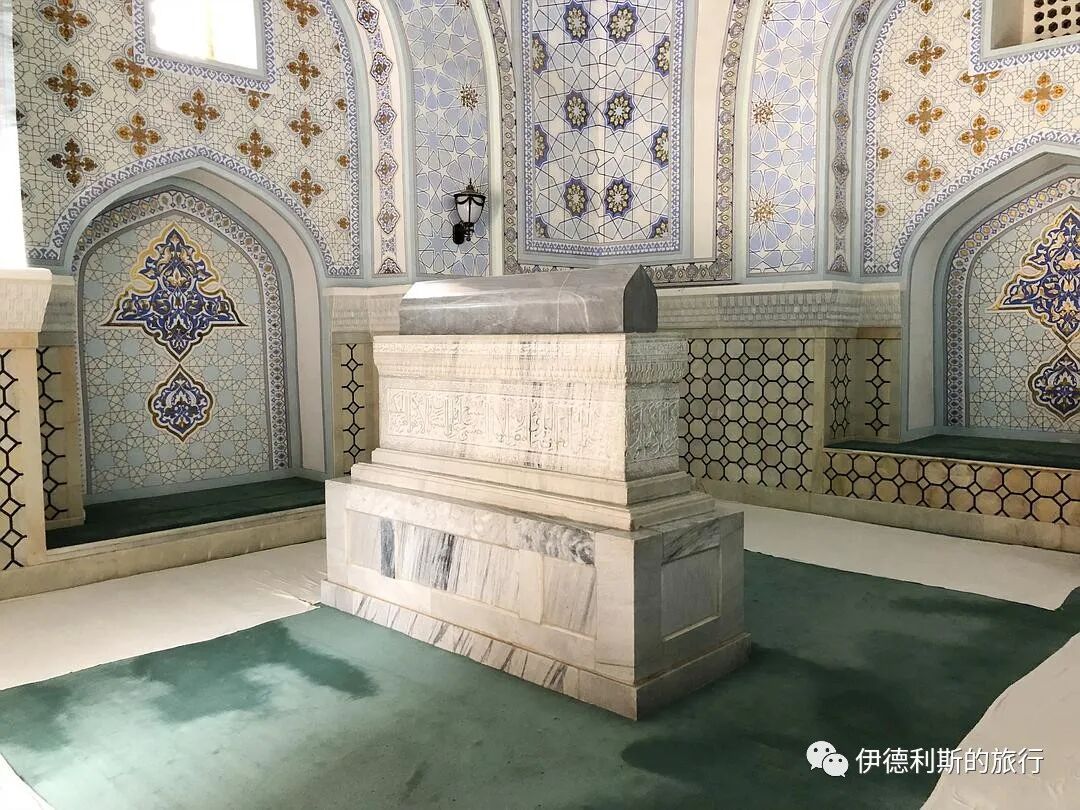
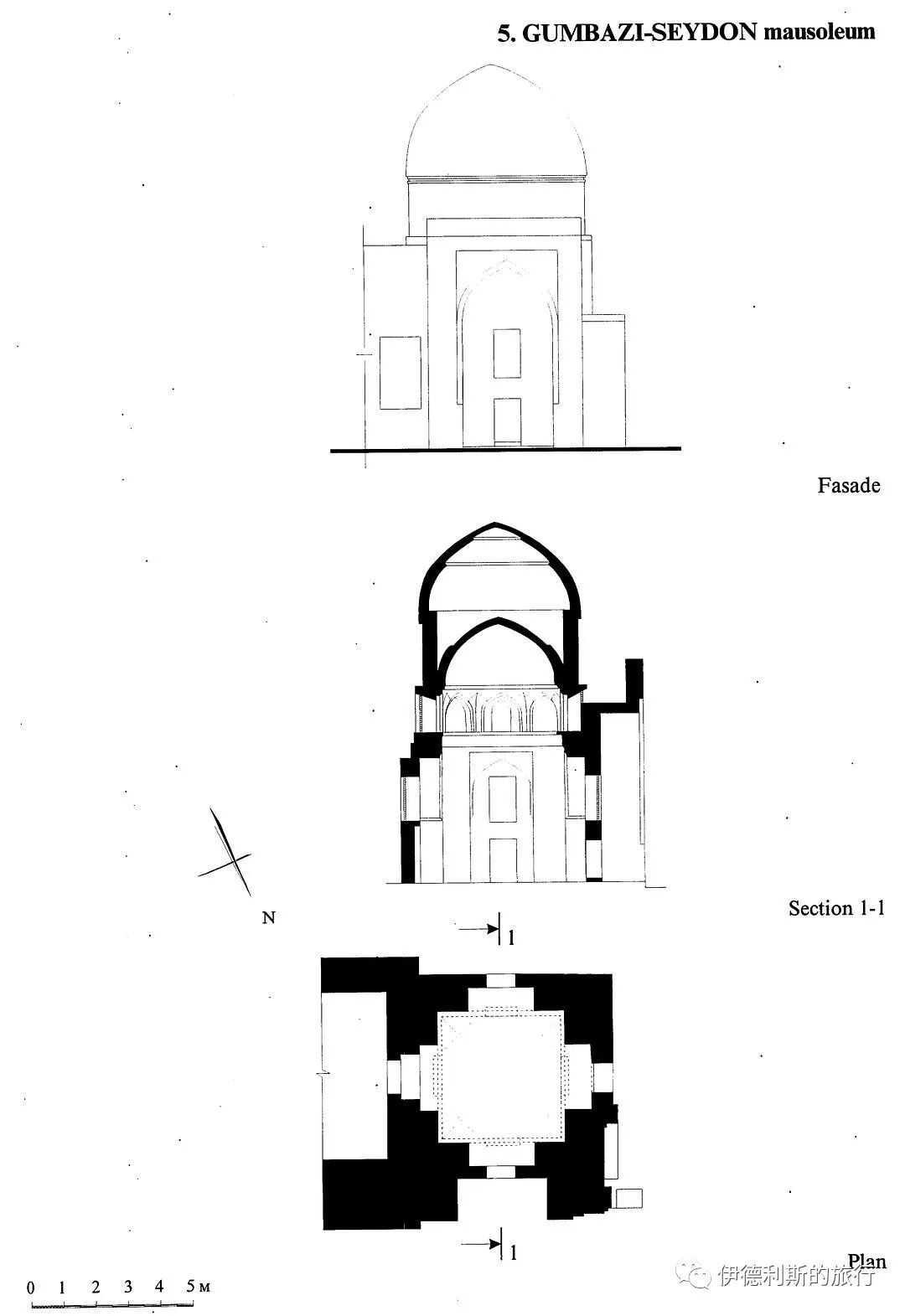
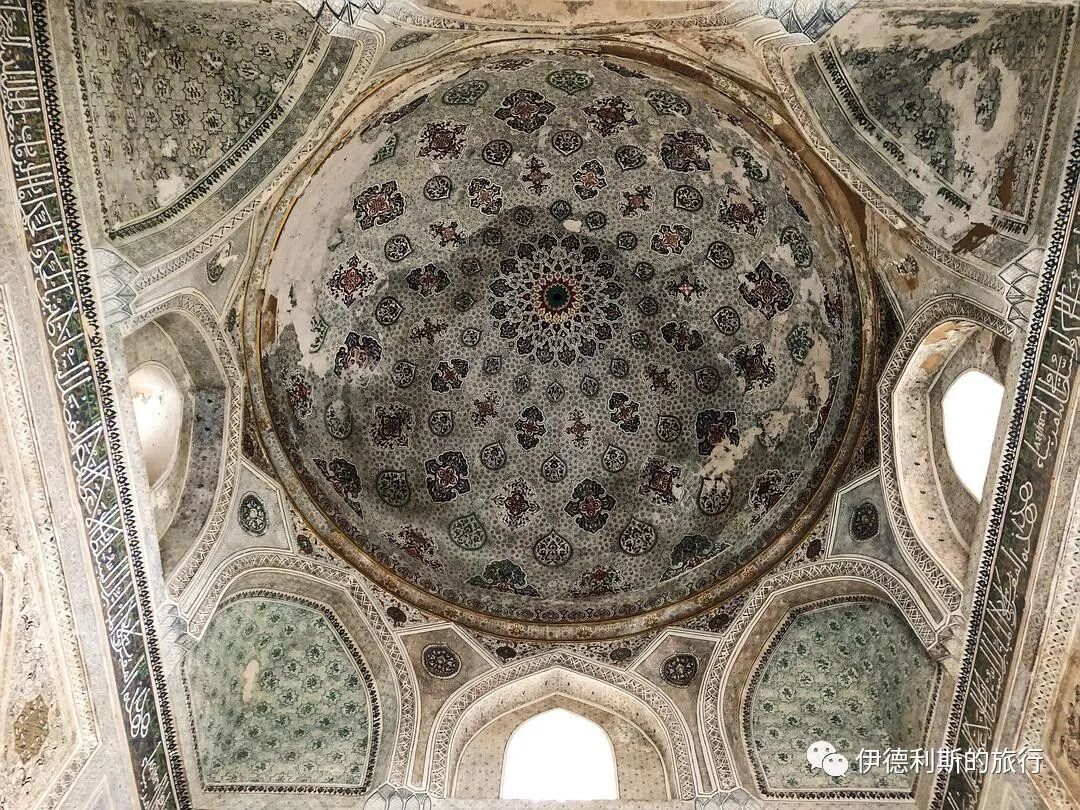
As the "holy city" of the Timurid Empire, Ulugh Beg frequently visited Shahrisabz and wished to build a religious center in the city. In 1437, Ulugh Beg built a new mausoleum adjacent to Sheikh Kulal's tomb. Subsequently, respected Sufi masters were buried there. The most important of these Sufi masters was called Termez seyids, hence this mausoleum is also known as "Gumbazi Seidon" (Dome of the Seyids).
After the 17th century, a Khanaka (Sufi lodge) was built next to the mausoleum, and the passage to the mausoleum was sealed. This lodge was demolished in the mid-20th century. In 1973, the damaged dome of the mausoleum was restored, and in 1996, the interior murals were restored and preserved.
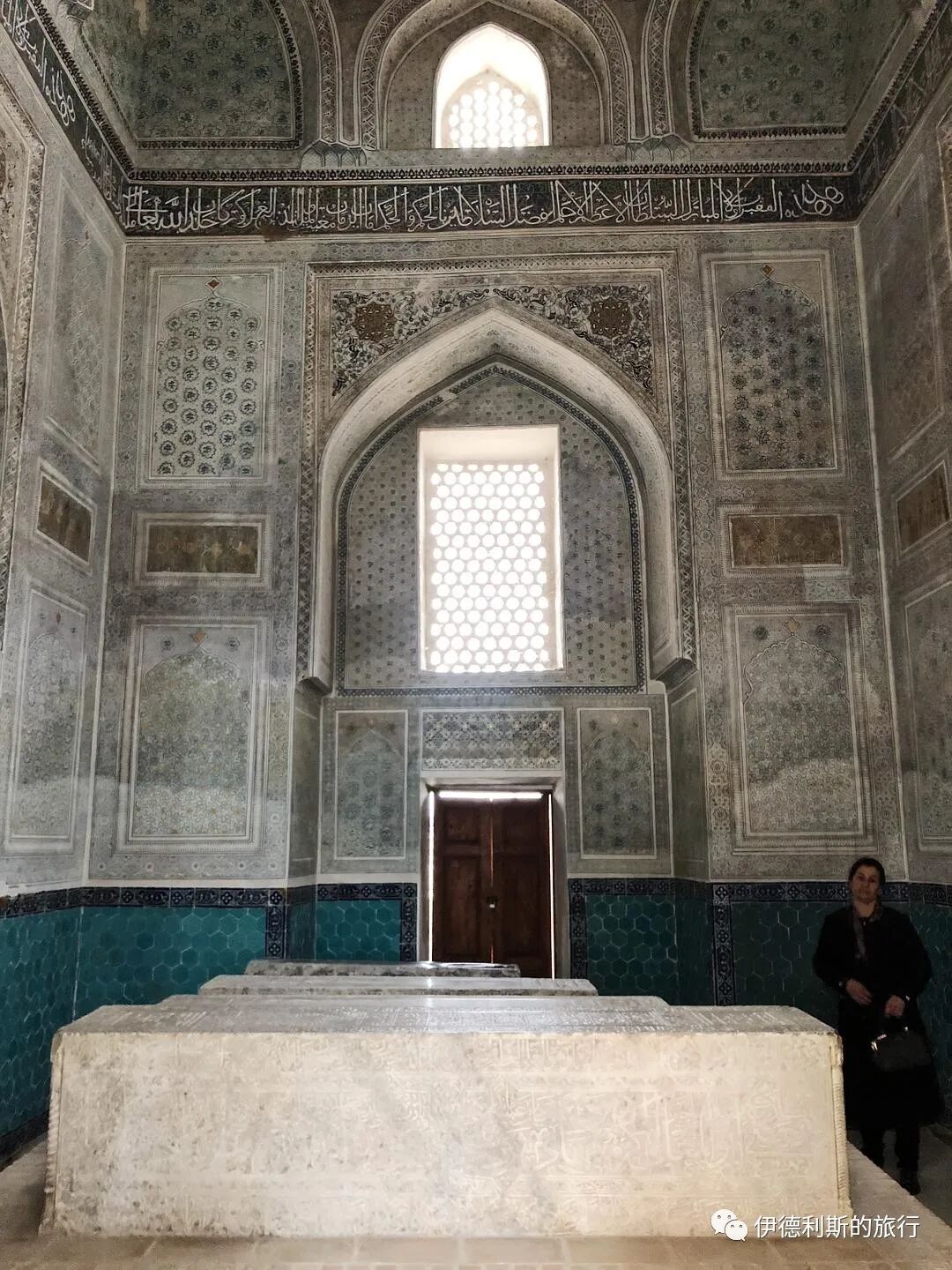
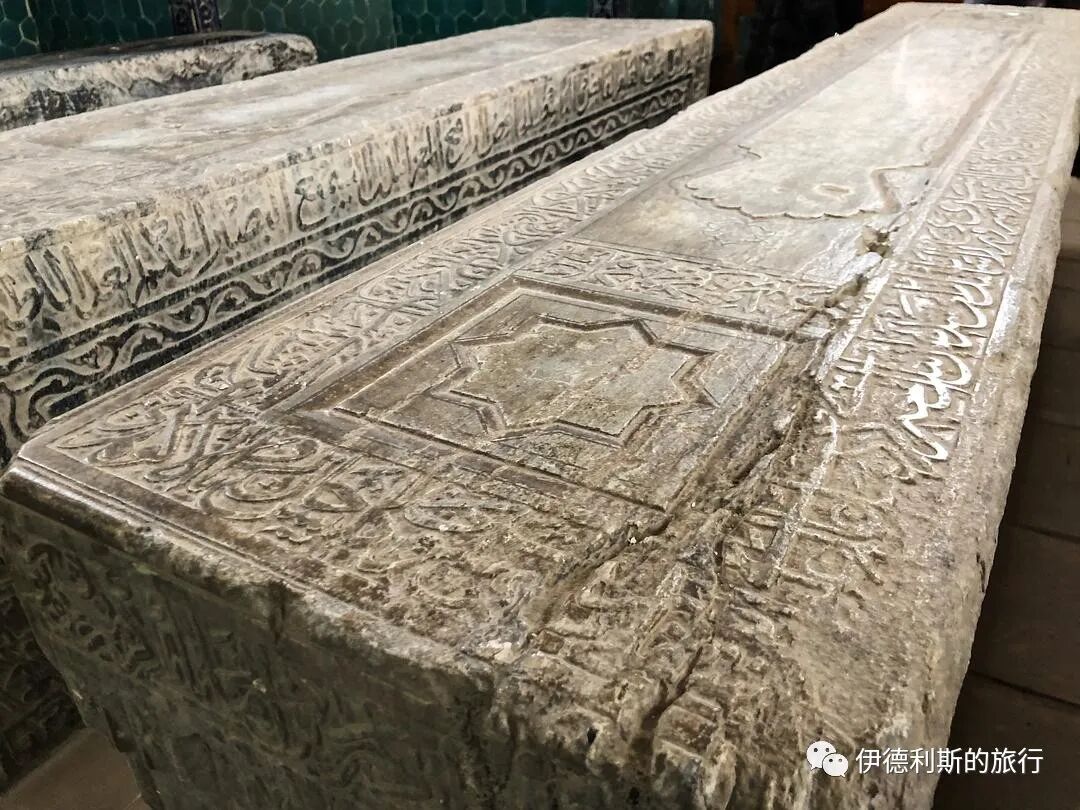
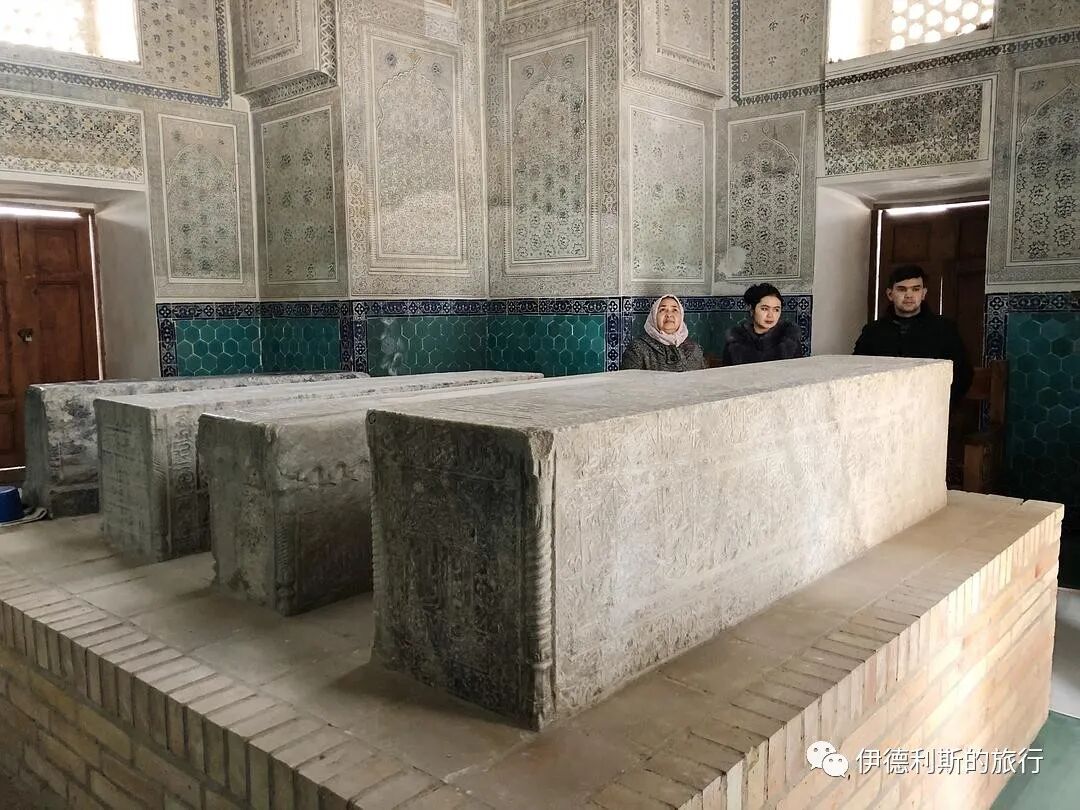
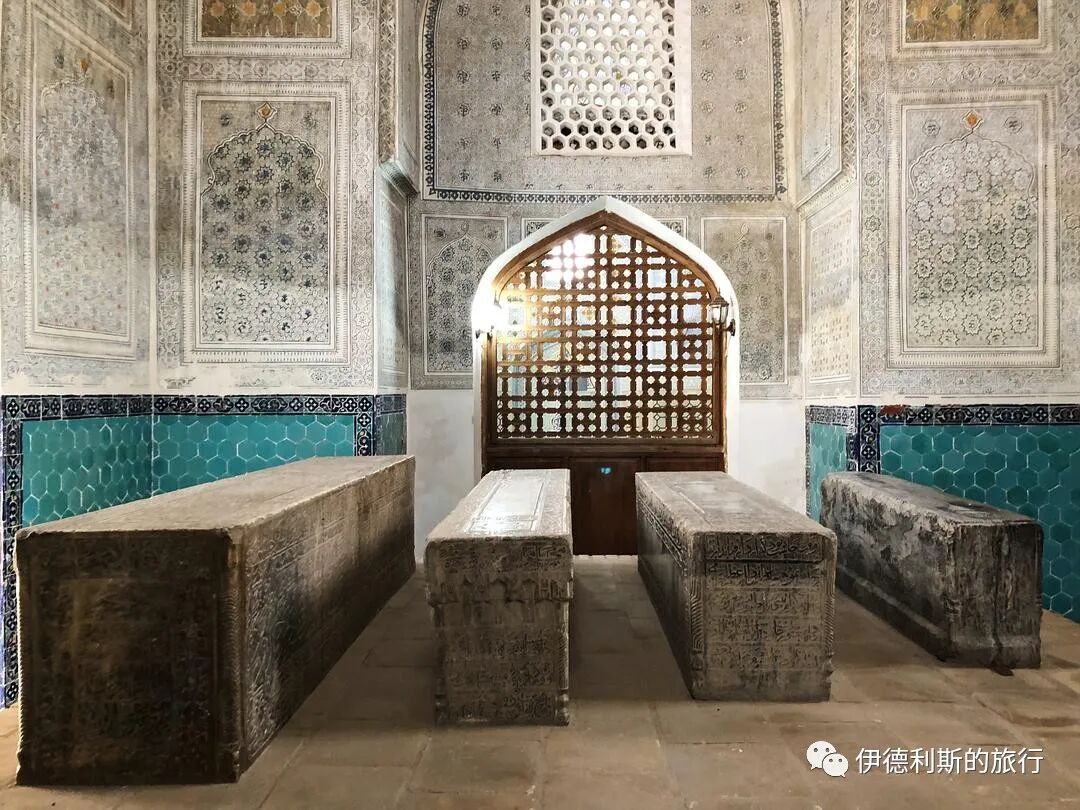
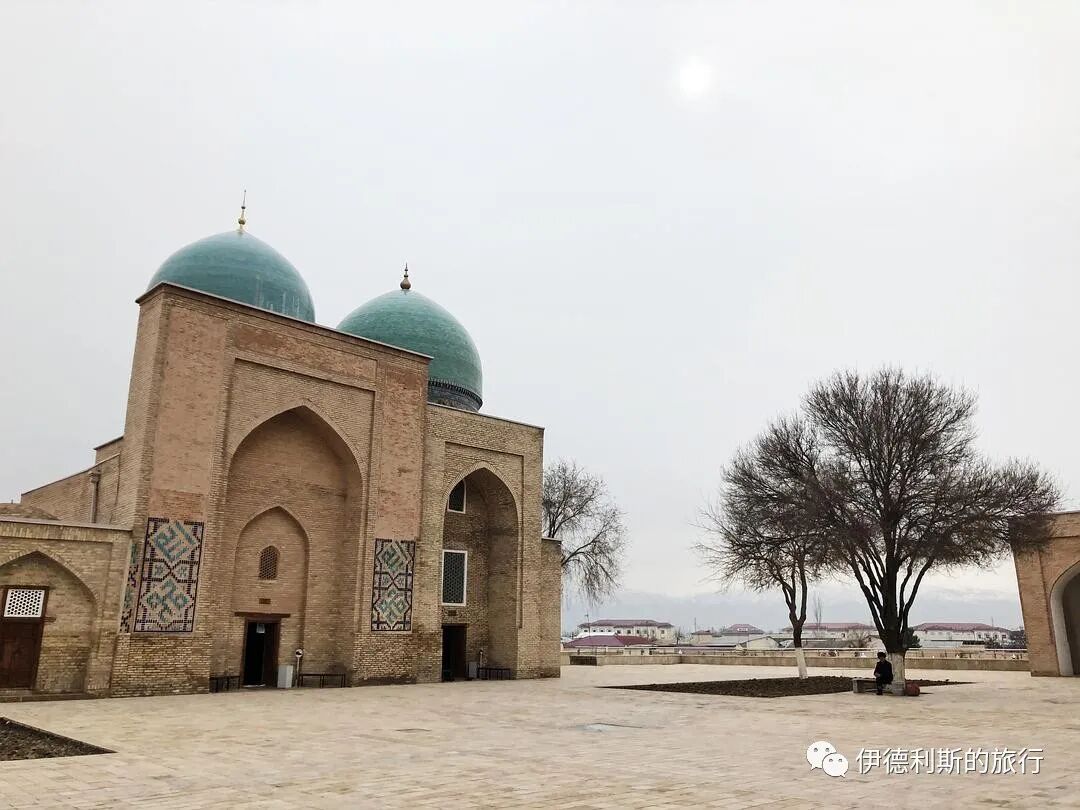
On the left is Shams ud-Din Kulal's Mausoleum, and on the right is Gumbazi Seidon.
3. Kok Gumbaz Mosque: 1435
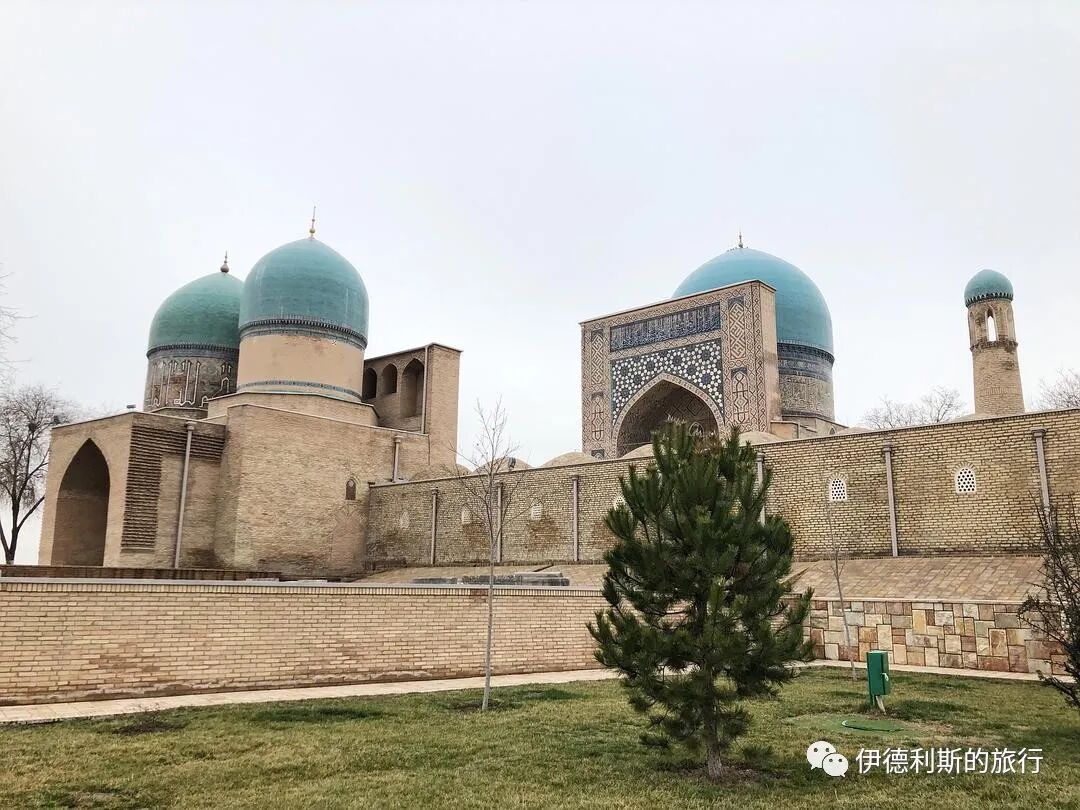
In addition to the mausoleums, Ulugh Beg also built the main Friday mosque of Shahrisabz, Kok Gumbaz (Blue Dome), next to Kulal's tomb. This mosque is said to have been built on the foundation of an ancient Karakhanid mosque. To increase the prayer space, 40-domed corridors were built on both sides of the main hall of the mosque.
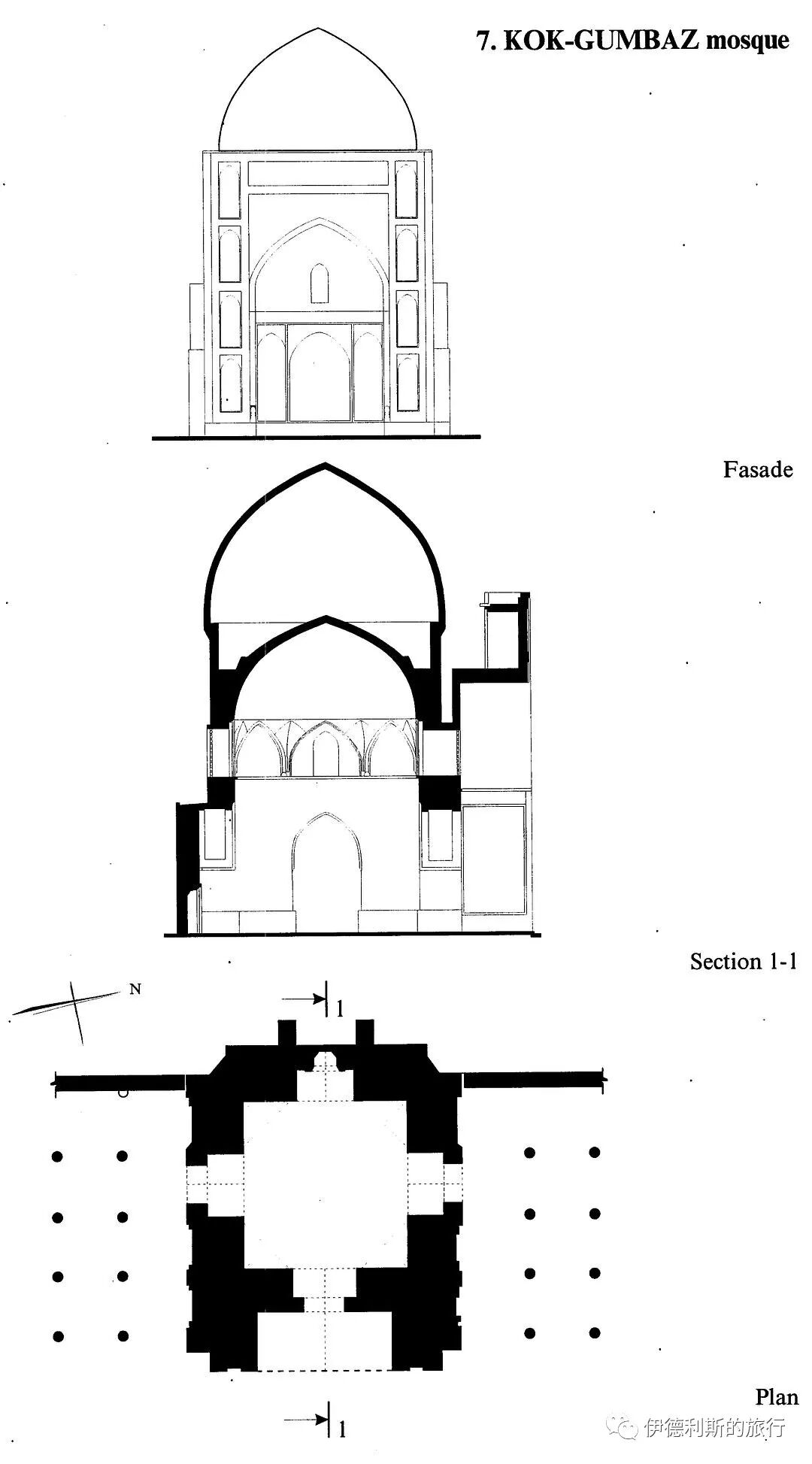
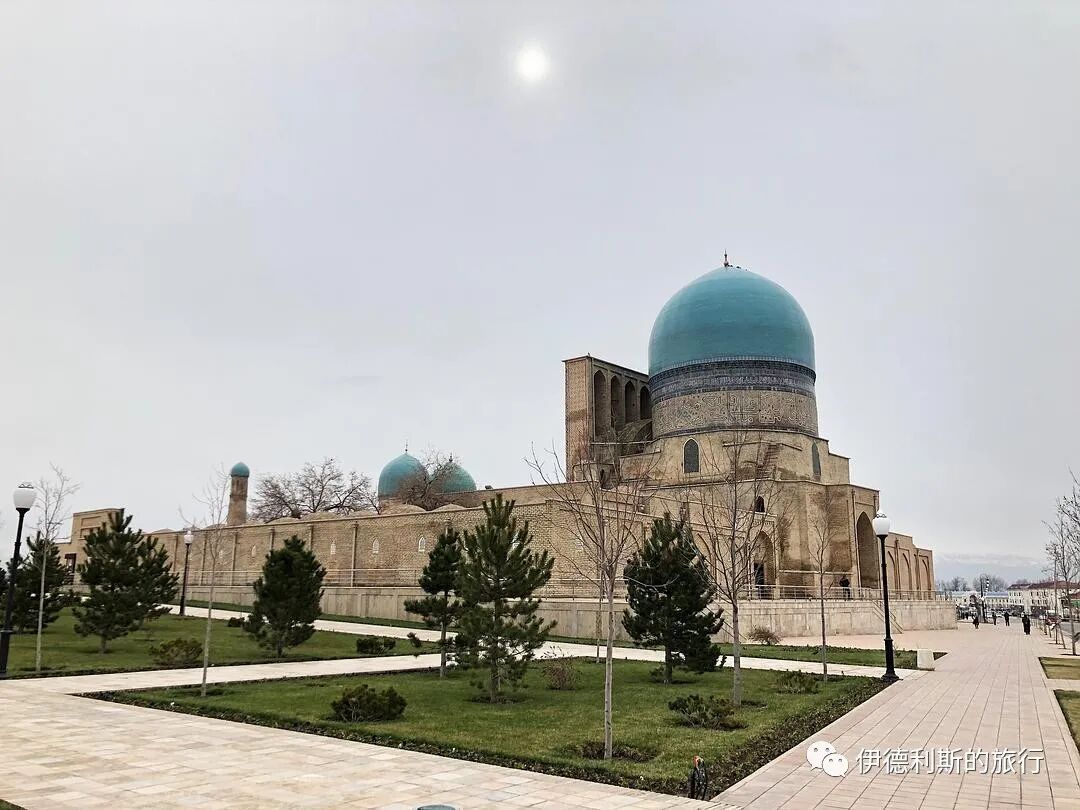
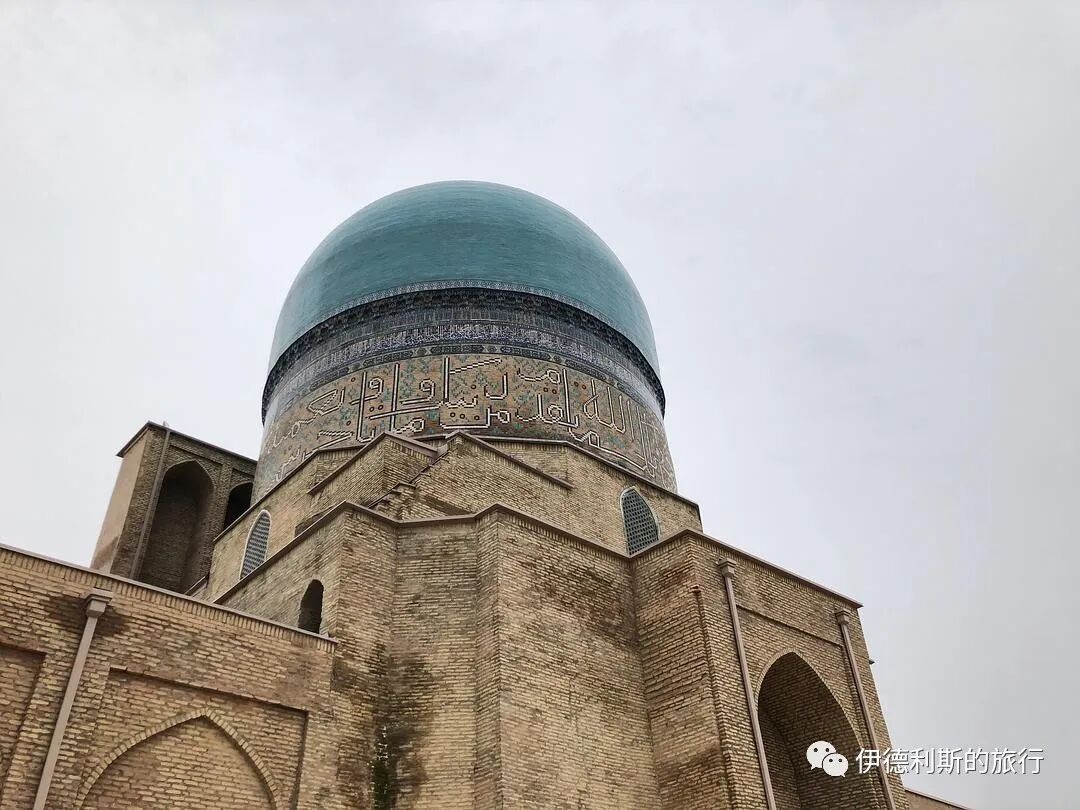
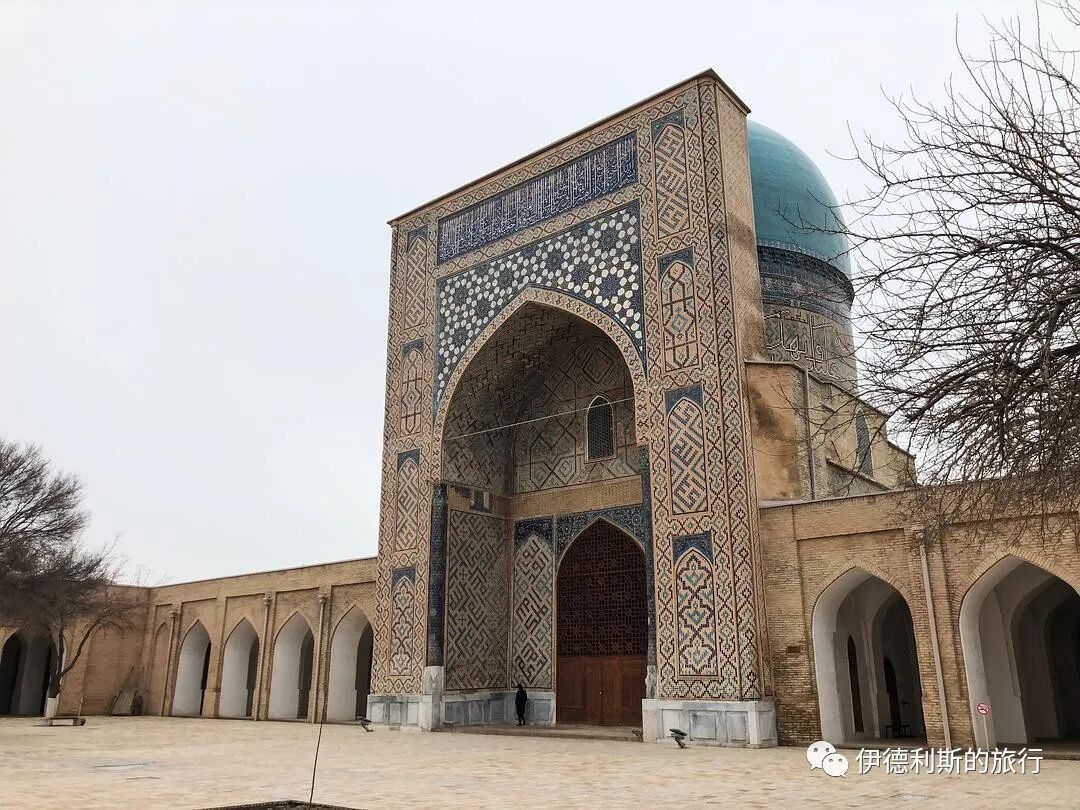
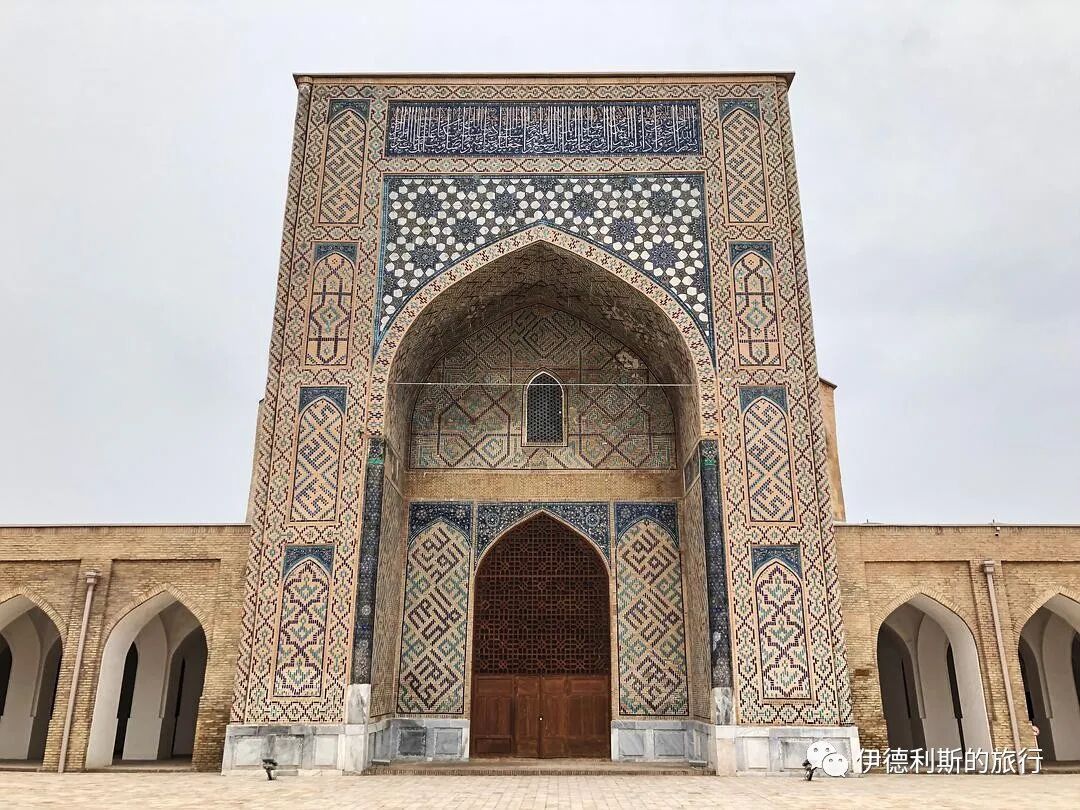
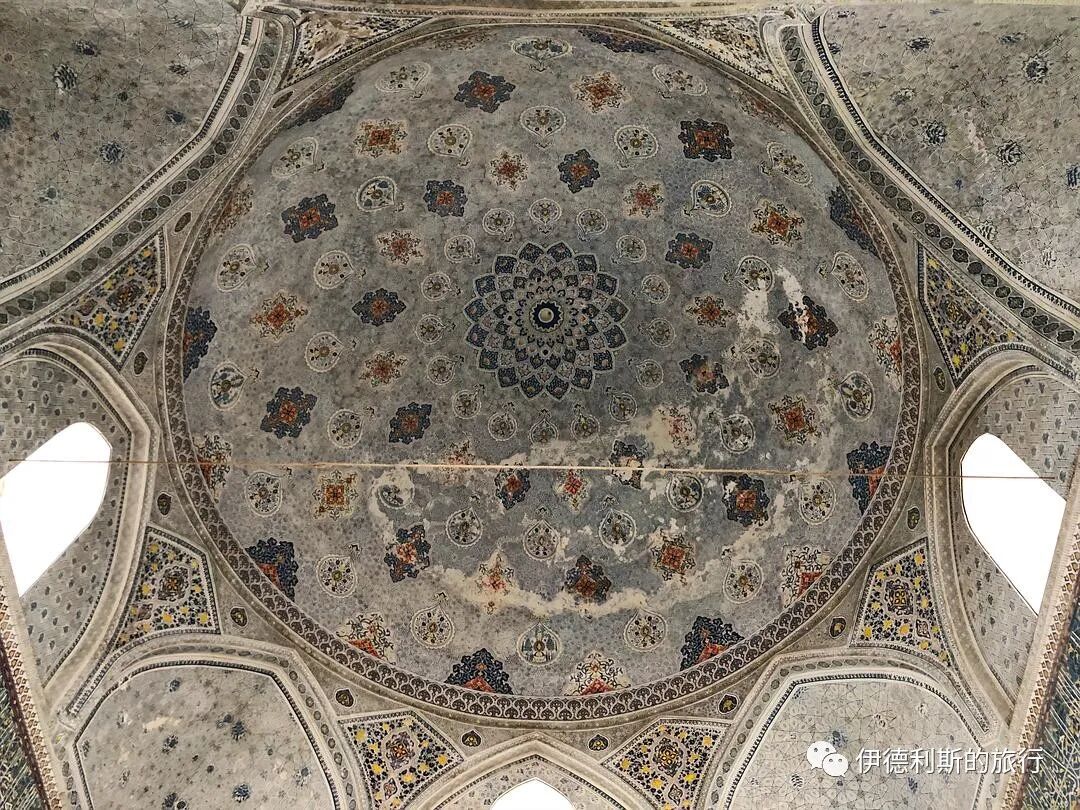
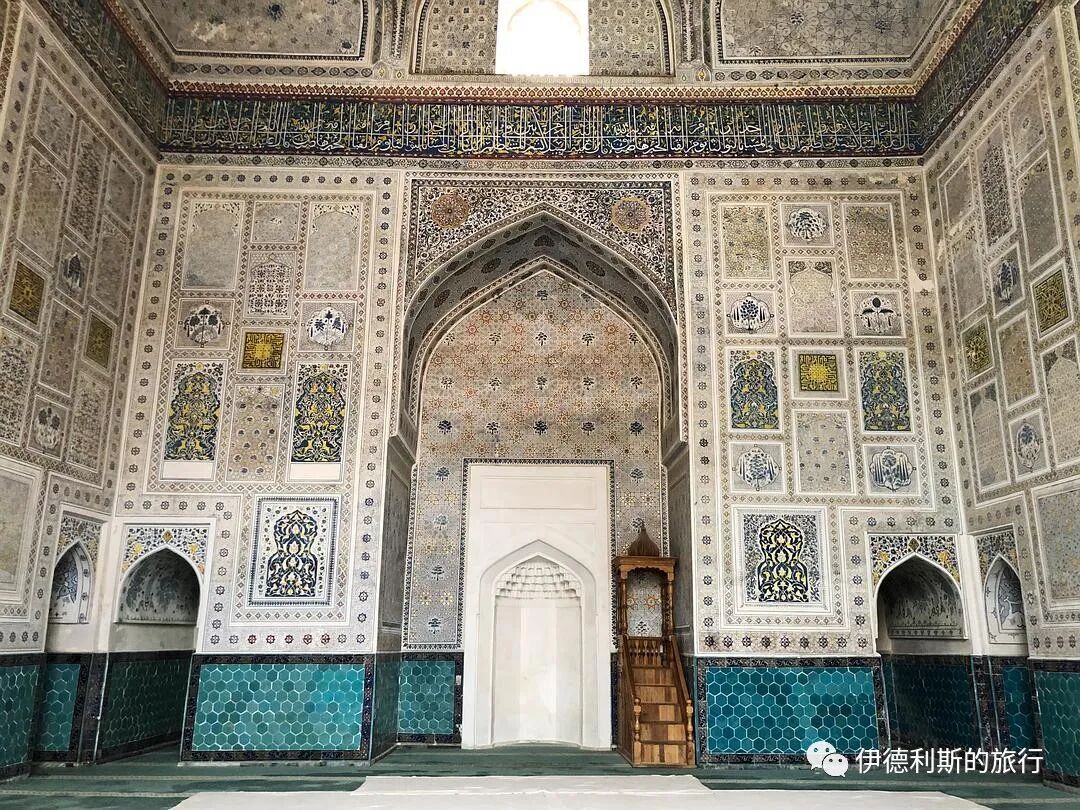
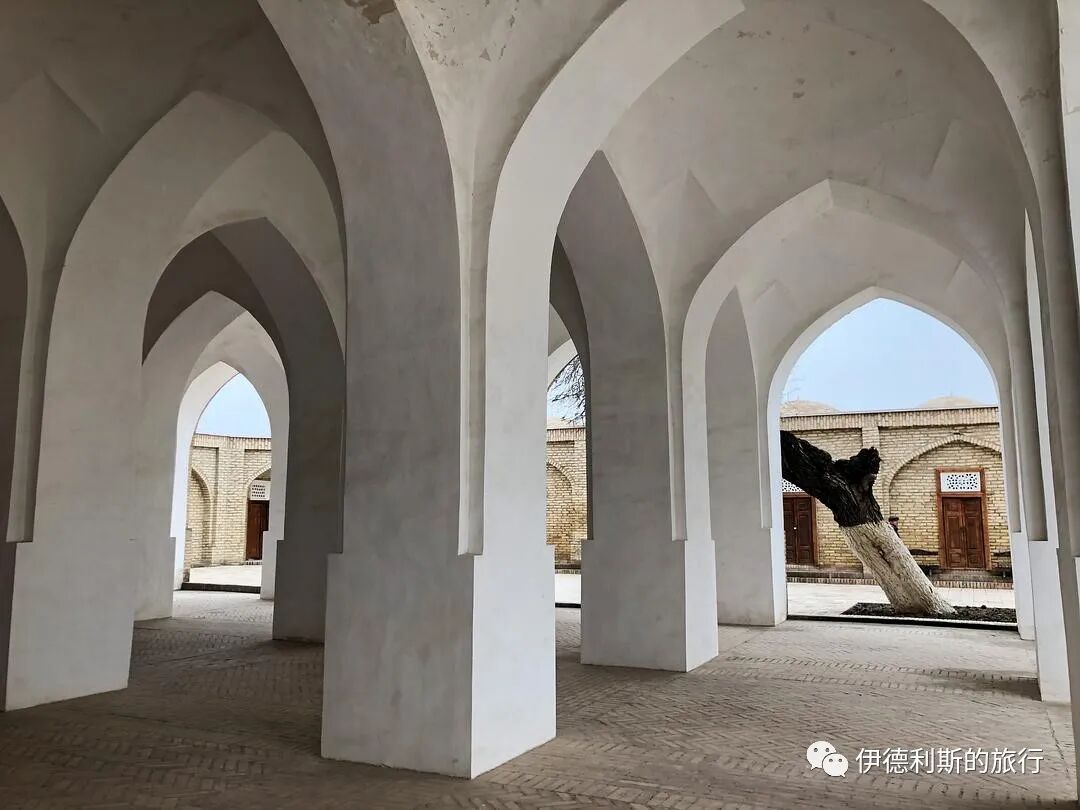
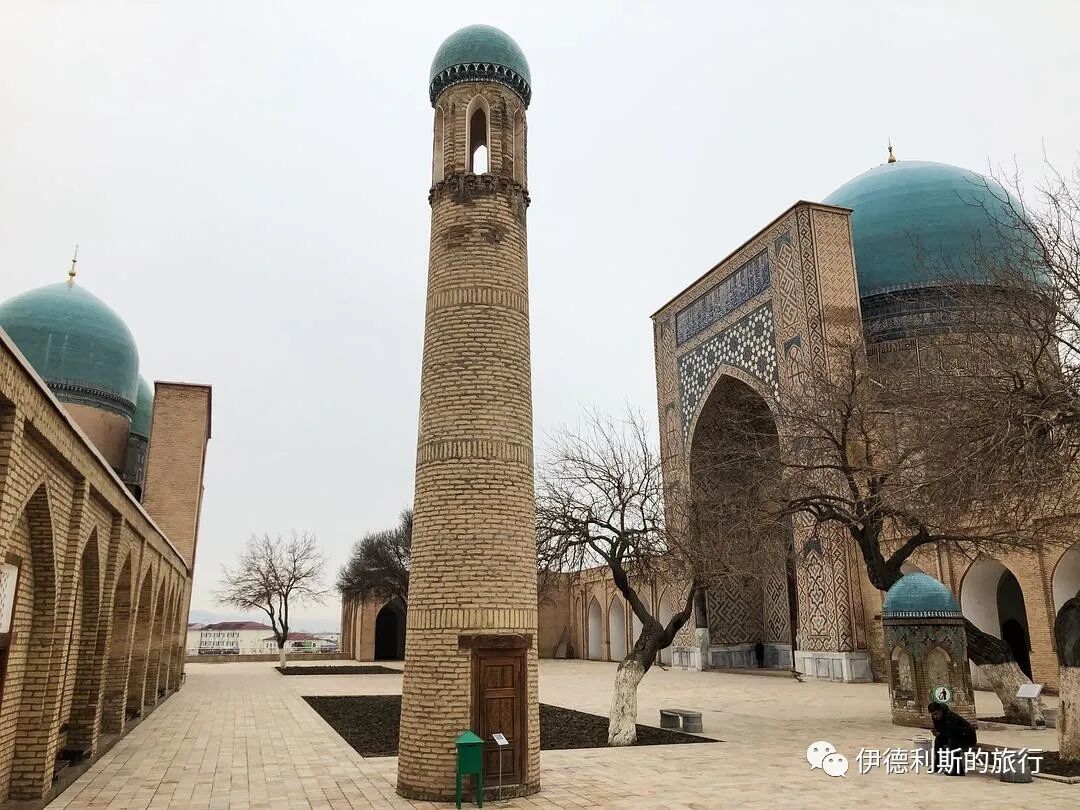
In the 19th century, a small minaret was added to the courtyard, but by then, the domes of both the mosque and the mausoleum had collapsed. In 1976, the facade of the mosque was restored, and between 1994 and 1996, the interior murals were restored and preserved.
VI. Chubin Madrasah - Museum of Timurid History and Material Culture
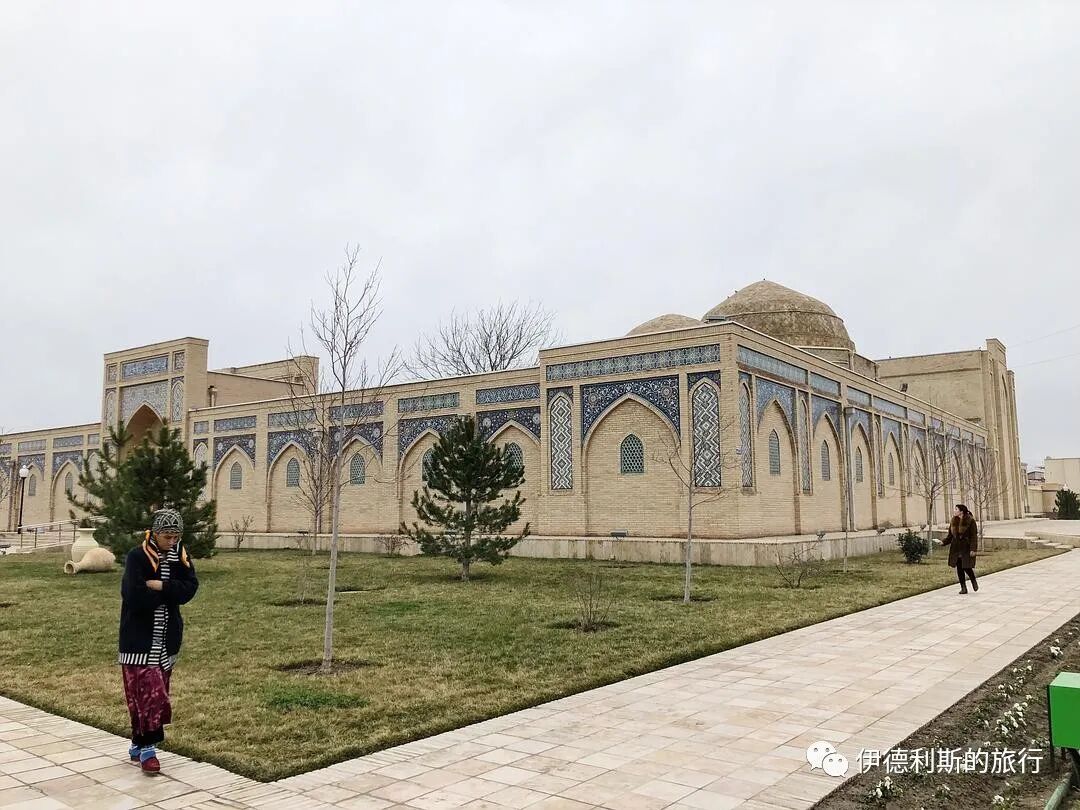
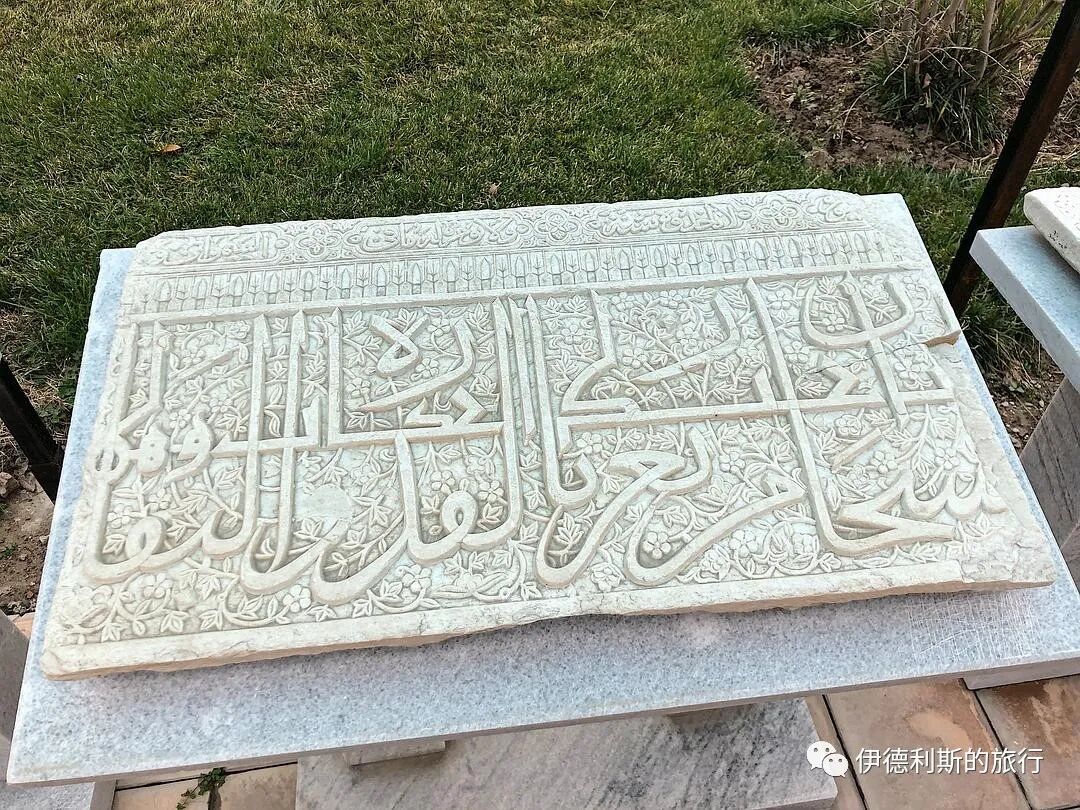
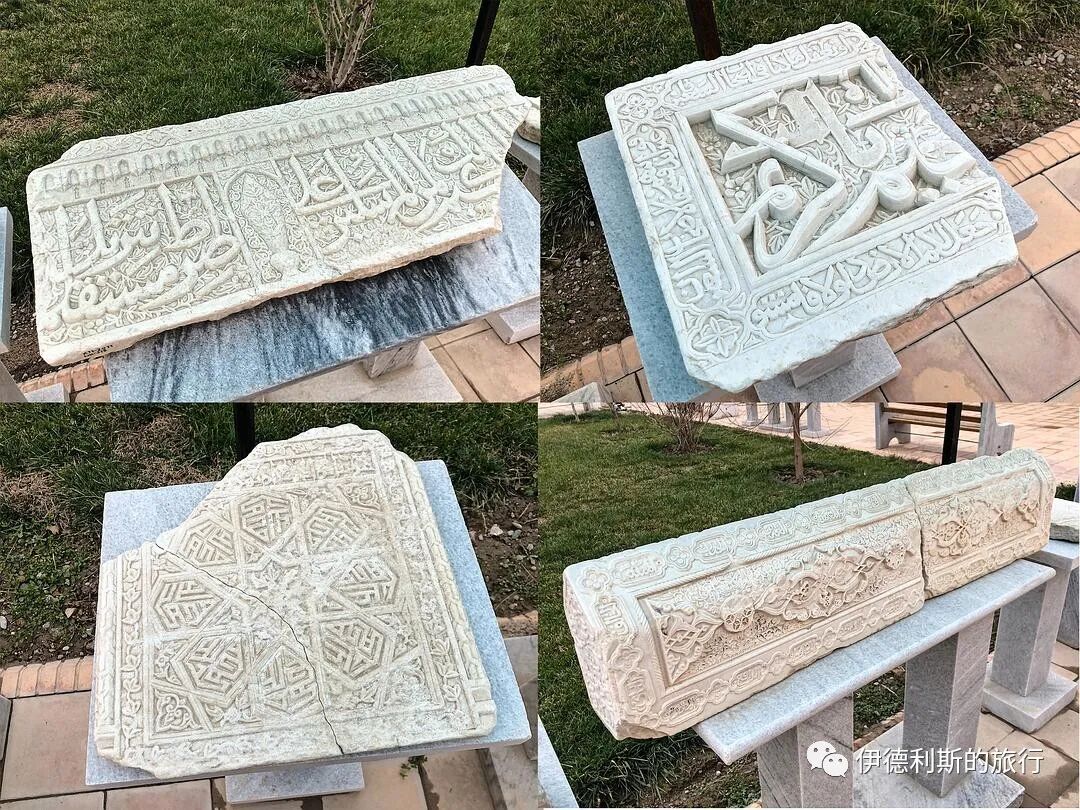
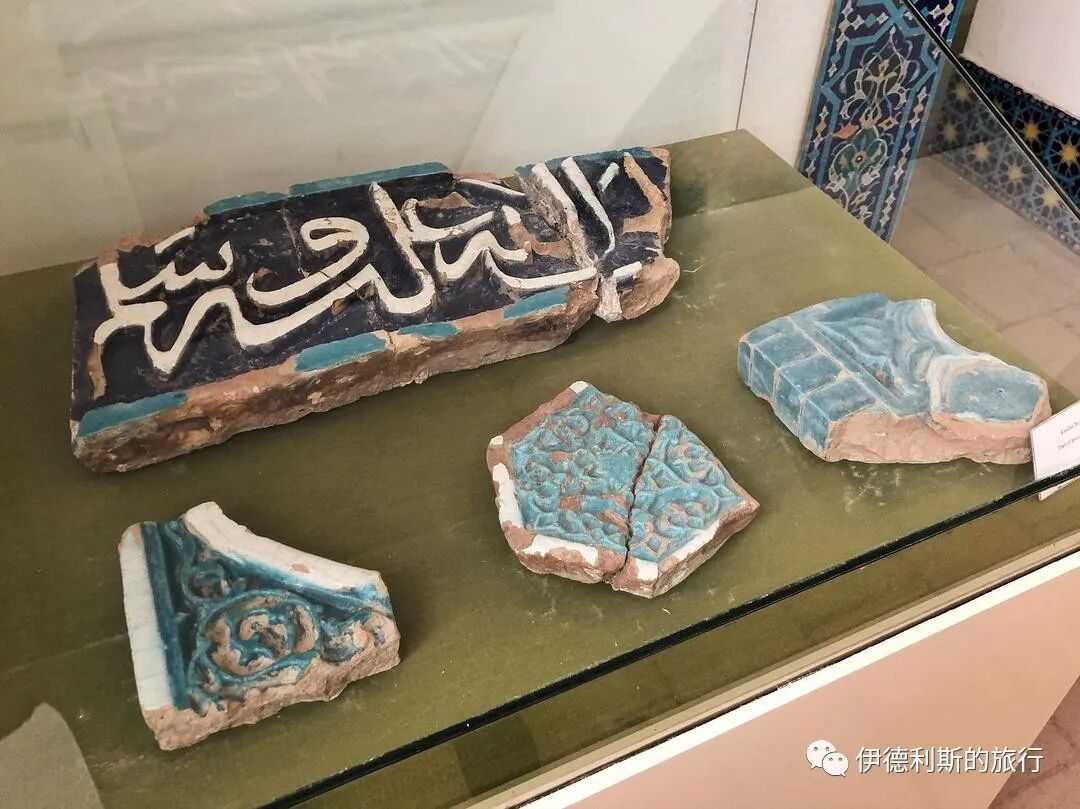
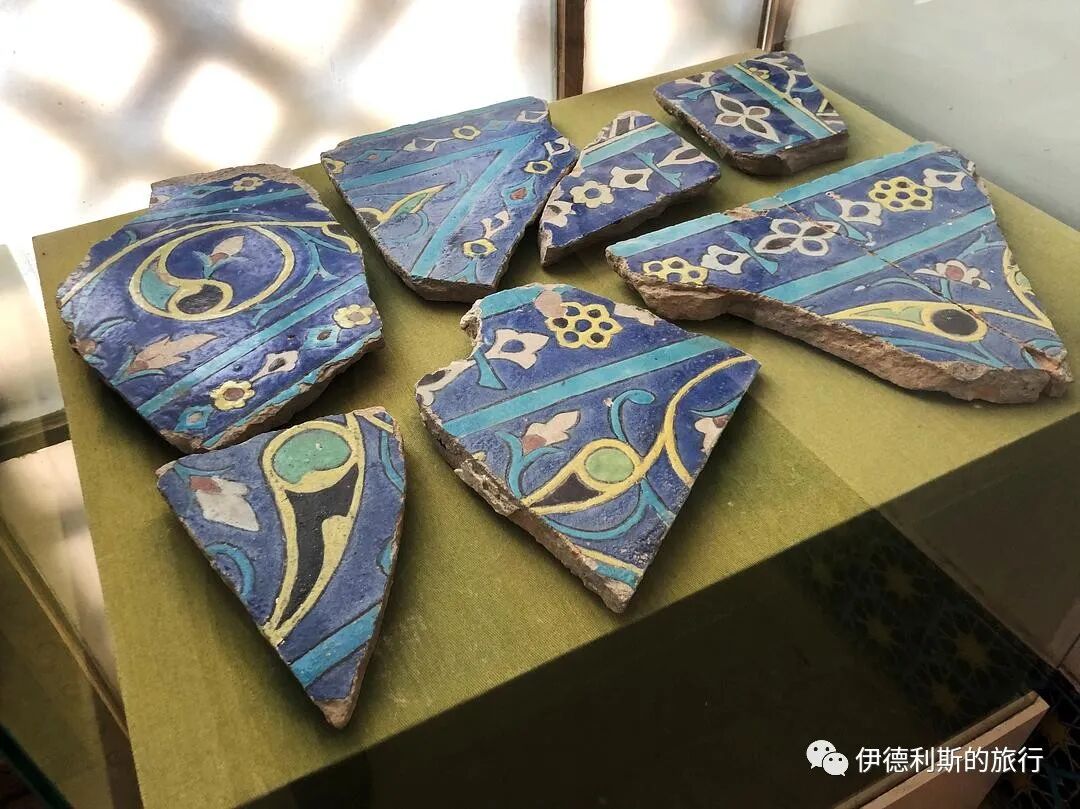
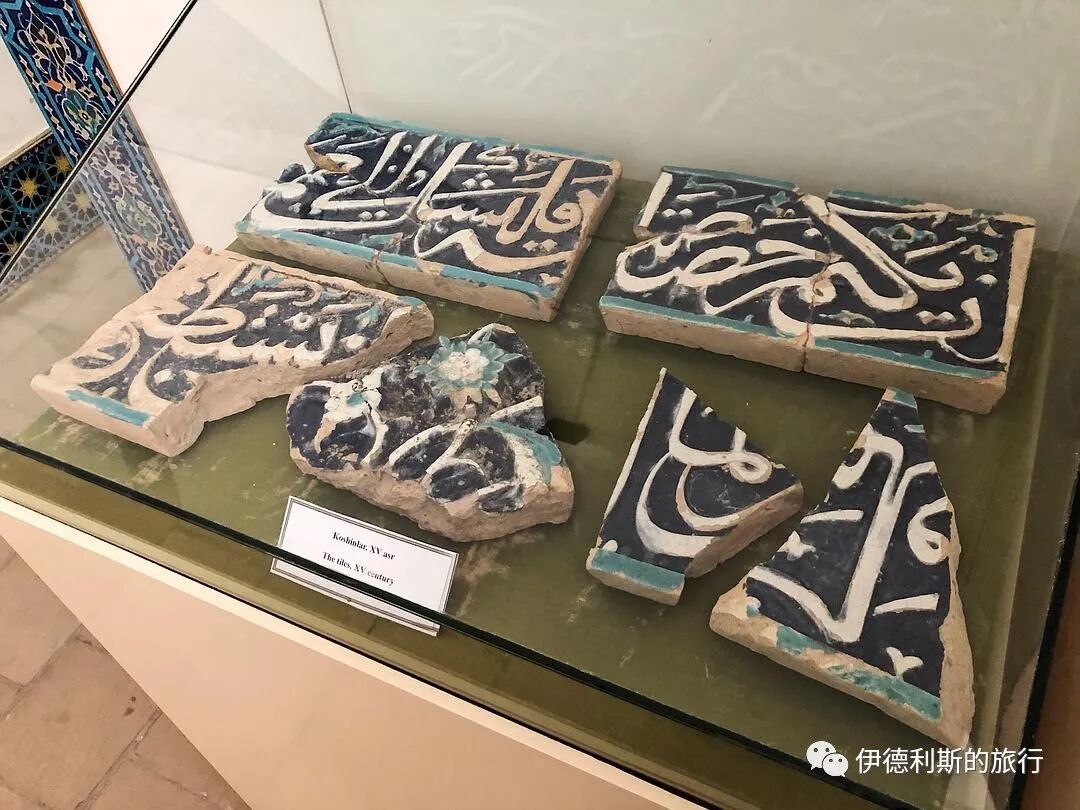
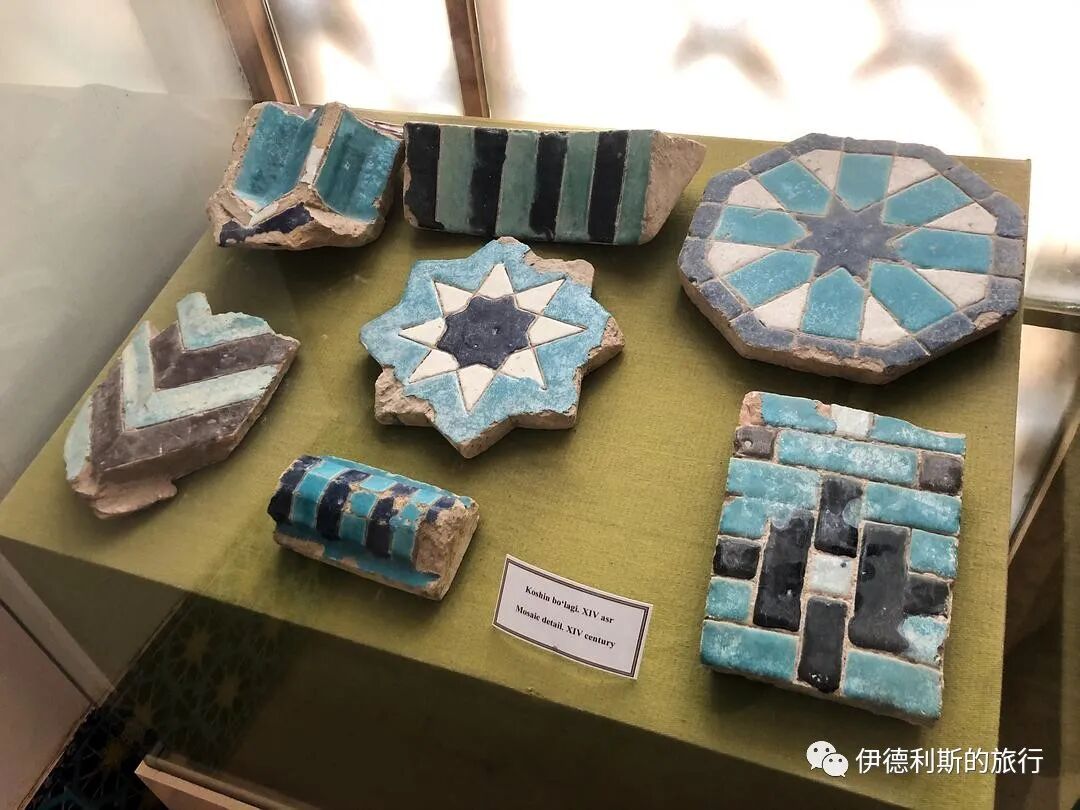
In 1996, marking the 660th anniversary of Timur's birth, the former site of the Chubin Madrasah in Shahrisabz was converted into the Museum of Timurid History and Material Culture, exhibiting many artifacts from the Timurid era unearthed during archaeological excavations in the ancient city.
VII. Later Buildings
1. Koba Madrasah - 16th Century
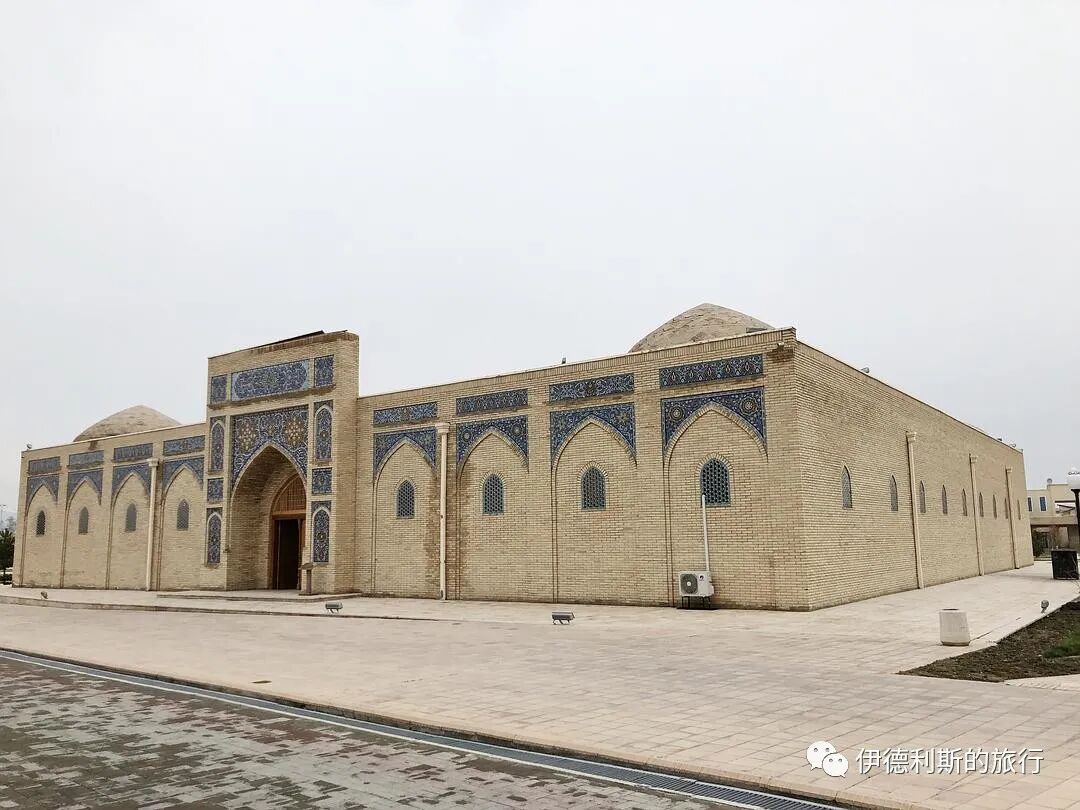
The Koba madrasah was built in the 16th century and has now been converted into a restaurant for tourists.
2. Domed Bazaar: Late 17th Century
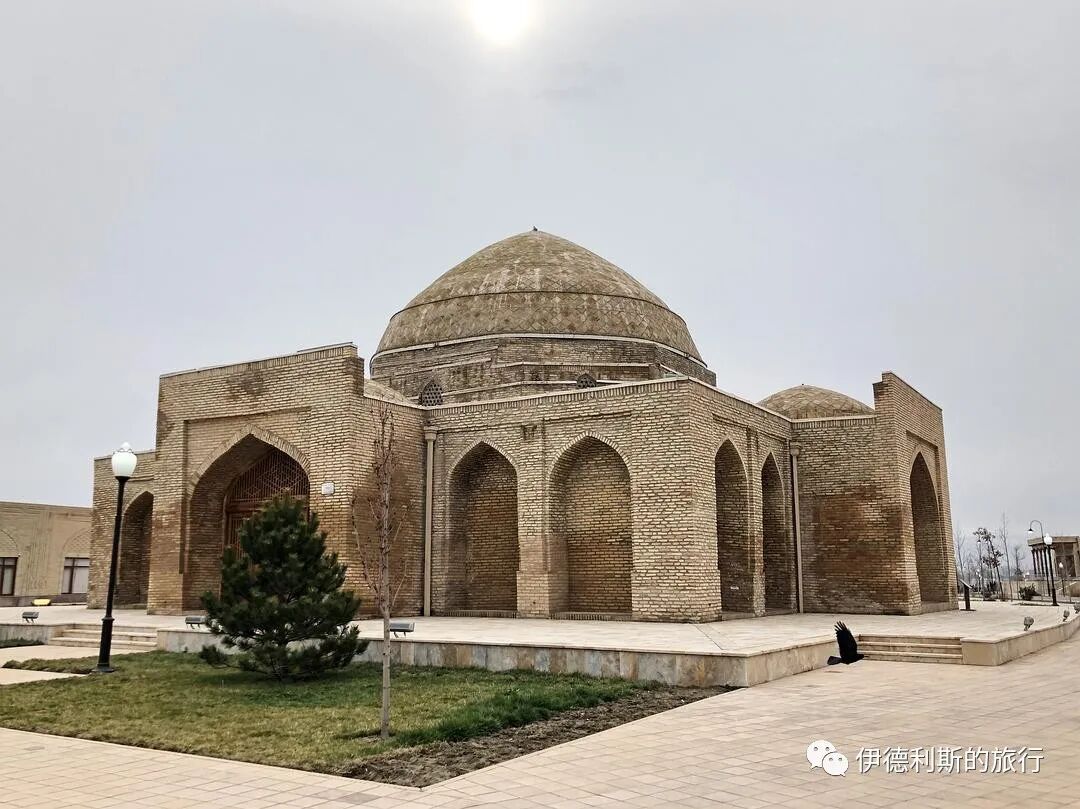
At the intersection of the two main roads in Shahrisabz is the Chorsu (Domed Bazaar), rebuilt on the site of an original market in the late 17th century, in a typical Khanate of Bukhara style. Until a few years ago, this was a bustling market bazaar, but due to the government's efforts to turn the ancient city into a tourist attraction, all residential buildings were demolished to create a plaza, and the bazaar disappeared. Currently, the domed bazaar has become a souvenir shop. It was not open when I visited because it was the off-season.
3. Malik Ajdar Mosque: Late 19th Century
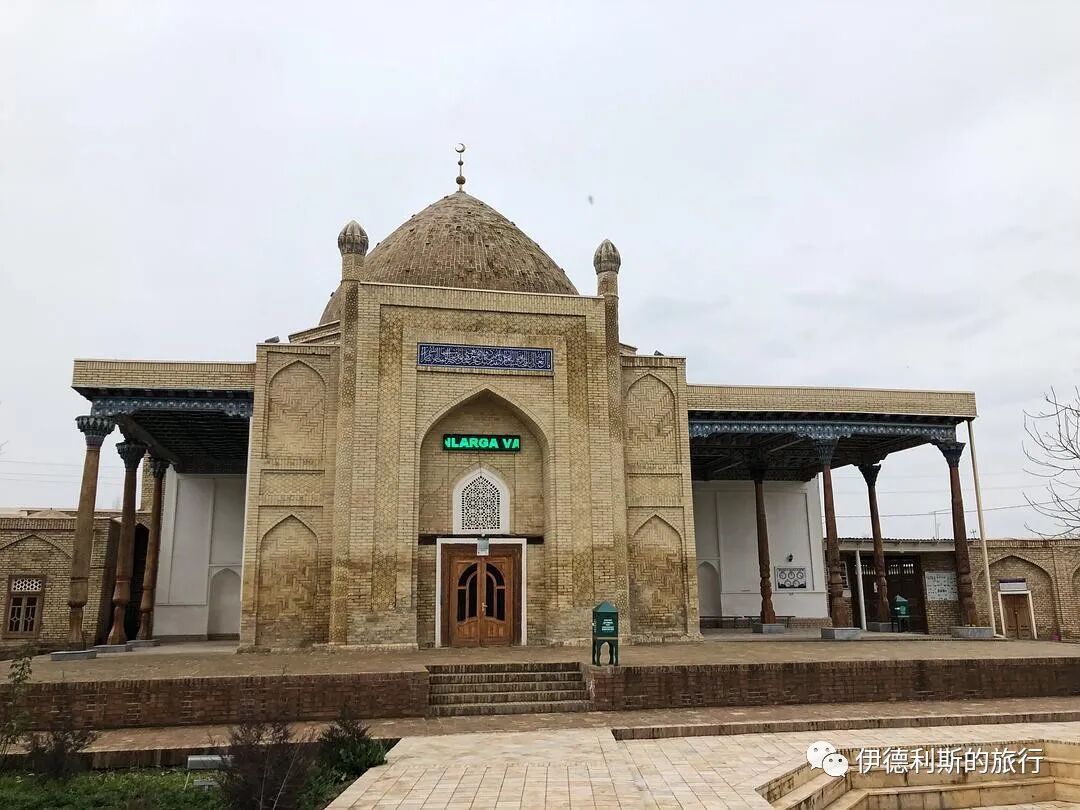
The Malik Ajdar Mosque is a typical 19th-century mosque in the area. The main hall is used for winter prayers and is heated by stoves. The adjacent shaded area is used for summer prayers.
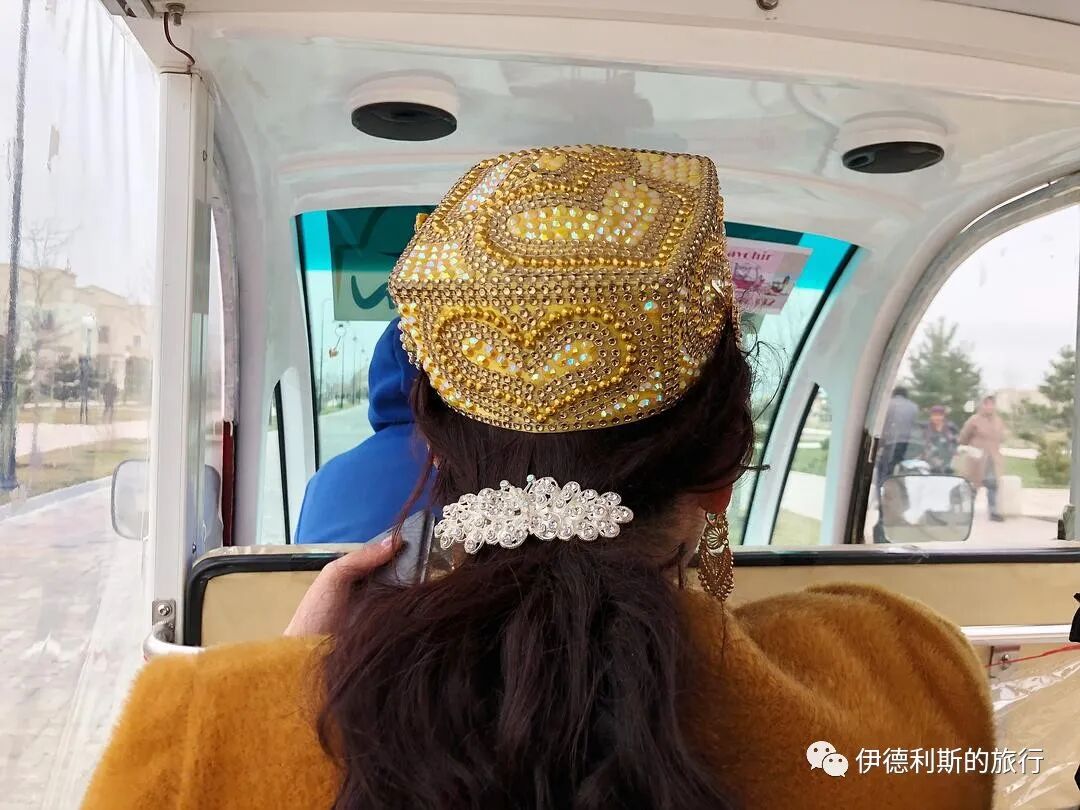
After the tour, we took a tourist vehicle back to the north gate.
Summary: This travel note introduces Timur's Hometown - Shahrisabz. Shahrisabz, formerly known as Kesh, is located south of Samarkand on the main route to Afghanistan. It is useful for readers interested in Uzbekistan Travel, Timurid History, Muslim Heritage.
Shahrisabz, formerly known as Kesh, is located south of Samarkand on the main route to Afghanistan. Kesh was originally a city founded by the Sogdians and was the capital of the state of Shi of the Nine Sogdian States. After the Mongol conquest of Central Asia in 1225, the Barlas tribe followed Genghis Khan's son Chagatai to establish the Chagatai Khanate and settled in the Kesh area.
In 1346, the last khan of Chagatai, Qazan Sultan, was killed, and the Chagatai Khanate fell into division, leading to wars of annexation among the tribes. In 1360, Tughlugh Timur, the founding great khan of the Eastern Chagatai Khanate, led his army on a western campaign. The original Barlas tribal leaders of Kesh fled upon hearing the news, while the collateral noble Amir Timur defected to the Eastern Chagatai Khanate and was granted Kesh. After 10 years of campaigning, Timur finally unified the entire Transoxiana region in 1370 and established the Timurid dynasty as the protector of the Chagatai khans.
After the establishment of the Timurid dynasty, Timur renamed his hometown Kesh to Shahrisabz, which means "green city" in Persian. Shahrisabz became an important city second only to Samarkand in status, with prosperous development in trade, handicrafts, arts, and sciences. Timur built a huge palace and family mausoleum here, many of which are preserved to this day. After Timur's death, his grandson Ulugh Beg continued to develop Shahrisabz, building a grand mosque and new mausoleums in the city.
Table of Contents
I. Crossing the Snow Mountains
II. North City Wall: 1378
III. Ak Saray - Timur's Summer Palace: 1380-1404
IV. Dorus Saodat Complex - Timurid Family Tombs: 1380-1404
1. Jahangir's Mausoleum
2. Timur's Mausoleum
V. Dorut Tilavat Complex - Timurid Family Religious Sanctuary: 14th-15th Centuries
1. Shams ud-Din Kulal's Mausoleum: 1374
2. Gumbazi Seidon: 1437
3. Kok Gumbaz Mosque: 1435
VI. Chubin Madrasah - Museum of Timurid History and Material Culture
VII. Later Buildings
1. Koba Madrasah - 16th Century
2. Domed Bazaar: Late 17th Century
3. Malik Ajdar Mosque: Late 19th Century
I. Crossing the Snow Mountains
The location for hiring a car from Samarkand to Shahrisabz is at the entrance of the Registon supermarket at the crossroads southeast of Registan. The round trip costs about 200 RMB, the one-way journey of 90 kilometers takes 1 hour, and it involves crossing a pass at an altitude of 1788 meters. This pass may be temporarily closed during winter snow.
There are stalls selling dried curd snacks at the pass. I tasted one, and it was super sour. Sour food lovers would like it!
II. North City Wall: 1378
After a 1-hour journey, the car stopped outside the north gate of Shahrisabz, and we began our tour of the city.
In 1378, Timur expanded the city walls of Shahrisabz. The newly built rammed earth city wall is 8 meters thick and 11 meters high, with a bastion every 50 meters. There was once a moat outside the wall. During the 18th and 19th centuries, this city wall withstood multiple sieges, as Shahrisabz waged several wars to resist the rule of the Emir of Bukhara.
The restored North City Wall
Unrestored rammed earth remains of the North City Wall
III. Ak Saray - Timur's Summer Palace: 1380-1404
Ak Saray (White Palace) is the ruins of Timur's summer palace, located inside the north gate of Shahrisabz. After Timur conquered Khwarazm in 1379, he brought many Khwarazmian craftsmen to Shahrisabz and officially began construction of his summer palace in the spring of 1380.
By 1396, the main structure of Ak Saray had been completed after 16 years of construction, while the exterior decoration was not finally finished until shortly before Timur's death in 1404. Based on the existing structure, the main gate of Ak Saray may have been as high as 50 meters, with minarets on both sides exceeding 65 meters (currently 38 meters remain), which is 1.5 times the height of the Kalyan Minaret in Bukhara. In addition to Khwarazmian craftsmen, many craftsmen from Transoxiana and Iran also participated in the construction. The name of Mohammed Jusufat Tebrizi, a craftsman from Tabriz, Iran, is repeated twice on the mosaic decoration of the main gate. In addition, the gate bears the inscription: "If you doubt our greatness, look at our buildings!" In addition, the gate bears the inscription:
In 1404, Clavijo, the ambassador of Castile, Spain, visited Ak Saray. According to his memoirs, behind the palace gate was a courtyard 300 paces wide, enclosed by two layers of residential areas. To the west of the courtyard was a mosque, to the south was the reception hall, and there was a mosaic-decorated pool in the middle of the courtyard. The reception hall was painted gold and blue, covered with tiles, the ceilings were gilded, and the main gate was inlaid with the coat of arms of a lion and a sun.
Legend has it that Ak Saray was ordered to be demolished by Abdullah Khan II, the last khan of the Shaybanid dynasty of the Khanate of Bukhara, at the end of the 16th century. However, it is more likely that the palace was gradually dismantled by local residents who took bricks to build their homes. It is said that bricks from the palace were used in half of the old city's houses.
Between 1973 and 1975, the Soviet Union conducted archaeological excavations of the palace ruins south of Ak Saray, unearthing a large number of architectural decorations, marble carvings, and mosaic tiles, as well as remains of richly decorated floors.
IV. Dorus Saodat Complex - Timurid Family Tombs: 1380-1404
Dorus Saodat is located south of Shahrisabz and is a mausoleum complex built by Timur for his family. Construction began in 1380, almost simultaneously with Timur's summer palace, Ak Saray.
After Dorus Saodat was completed, Jahangir Mirza, Timur's beloved son who died in 1376, was reburied here. In 1394, Timur's other son, Umar Shaikh Mirza I, was also buried here.
1. Jahangir's Mausoleum
Jahangir was Timur's most beloved son and heir. In 1368, Qamar ud-Din of the Dughlat tribe of the Chagatai Mongols launched a rebellion and ruled the Eastern Chagatai Khanate. After this, Timur launched multiple campaigns to conquer the Eastern Chagatai Khanate. In June 1375, Jahangir, as the vanguard, heavily defeated Qamar ud-Din's main forces and pursued them into the mountains near Kashgar, capturing Tuman Agha, Qamar ud-Din's wife, and Dilshad Agha, his daughter, achieving a great victory.
In 1376, Jahangir died of illness at the age of 19. Timur was heartbroken by the loss of his beloved son and even halted his military operations. Timur temporarily buried his beloved son in his hometown of Shahrisabz and later built a magnificent mausoleum for him.
Umar Shaikh Mirza I was another son of Timur. There is no clear evidence as to who was older between him and Jahangir. Umar Shaikh was an excellent military officer who followed his father on campaigns. In 1376, at the age of 20, he was appointed governor of Fergana.
In 1388, Tokhtamysh, the great khan of the Golden Horde, and Qamar ud-Din, the ruler of the Eastern Chagatai Khanate, attacked the Timurid dynasty from both sides, from Bukhara and Fergana respectively. Umar Shaikh was ordered to block the Eastern Chagatai army in Fergana and quickly defeated his opponents. That winter, Umar Shaikh again defeated the Golden Horde army led by Great Khan Tokhtamysh.
In 1391, Timur and Tokhtamysh clashed in the famous Battle of the Kondurcha River near the Volga River. Umar Shaikh was in command of Timur's left flank. During the battle, Umar Shaikh was almost defeated due to initial hesitation, but ultimately Timur himself, leading the army from the rear, defeated Tokhtamysh, and a large number of the Golden Horde army was routed and killed. The death toll in this battle is estimated to have reached 100,000.
In 1393, Timur destroyed the Muzaffarid dynasty in Persia and subsequently appointed Umar Shaikh as the governor of the Fars region of Persia. A year later, in 1394, Timur ordered Umar Shaikh to return to his side. While passing a castle near Baghdad, Umar Shaikh was killed by an arrow. It is said that Timur showed no emotion upon hearing of his son's death.
After Umar Shaikh's death, his body was transported back to his hometown of Shahrisabz and buried alongside his brother Jahangir.
Timur and Tokhtamysh in the decisive battle, painted by Pir 'Ali al-Jami of the Safavid dynasty of Persia in the 16th century
Next to the tomb is a mosque built in the late 19th and early 20th centuries.
2. Timur's Mausoleum
In 1943, Soviet archaeologists discovered another underground mausoleum next to the tomb of Jahangir, Timur's son. The sarcophagus in the tomb chamber bore Timur's name, suggesting this might be the mausoleum Timur had built for himself in his hometown during his lifetime. However, Timur was actually buried in Samarkand. Archaeologists found two bodies in the tomb whose identities remain unknown to this day.
V. Dorut Tilavat Complex - Timurid Family Religious Sanctuary: 14th-15th Centuries
The Dorut Tilavat complex is located south of Shahrisabz. It was originally a madrasah for the Sufi scholar Shams ud-Din Kulal and later became the religious center of Shahrisabz. It contains a mausoleum built by Timur in 1374 for his spiritual mentor, and it is said that Timur also buried his father there. In 1437, Timur's grandson Ulugh Beg, aiming to develop this place into a religious center, built new family mausoleums and a grand mosque.
1. Shams ud-Din Kulal's Mausoleum: 1374
Shams ud-Din Kulal, known as Sheikh Kulal, was a Sufi scholar from Bukhara. He preached in Shahrisabz for a long time and established the Dorut Tilavat madrasah south of the city. Due to Sheikh Kulal's profound knowledge, he gradually became the spiritual mentor of Timur's Barlas tribe and was highly respected by Timur's father, Turghai. Later, his grandson Amir Kulal also became Timur's spiritual mentor.
After Sheikh Kulal's death, he was buried within the Dorut Tilavat madrasah. In 1360, after Timur's father passed away, Timur requested Amir Kulal, Sheikh Kulal's grandson, to bury his father Turghai next to Sheikh Kulal. However, Amir Kulal refused this request. In 1370, Amir Kulal died, and in the same year, Timur established the Timurid dynasty. In the first year of Timur's reign, he began expanding Sheikh Kulal's mausoleum and also moved his father's remains to be buried next to Sheikh Kulal. The main structure was officially completed in 1374.
In fact, it was not until the latter half of the 20th century that this was identified as Sheikh Kulal's mausoleum, and there is no direct evidence. In the 20th century, only the walls, several marble tombstones, and a wooden door were original, and they bore no information about the tomb's occupant. In 1950, a flat ceiling was added to the mausoleum, and in 1996, the ceiling was restored, along with the damaged dome and tombstone.
2. Gumbazi Seidon: 1437
After Timur's death in 1405, his son Shah Rukh inherited the eastern part of the empire. Shah Rukh moved the capital of the Timurid Empire from Samarkand to Herat, Afghanistan, while allowing his son Ulugh Beg to rule the Transoxiana region.
As the "holy city" of the Timurid Empire, Ulugh Beg frequently visited Shahrisabz and wished to build a religious center in the city. In 1437, Ulugh Beg built a new mausoleum adjacent to Sheikh Kulal's tomb. Subsequently, respected Sufi masters were buried there. The most important of these Sufi masters was called Termez seyids, hence this mausoleum is also known as "Gumbazi Seidon" (Dome of the Seyids).
After the 17th century, a Khanaka (Sufi lodge) was built next to the mausoleum, and the passage to the mausoleum was sealed. This lodge was demolished in the mid-20th century. In 1973, the damaged dome of the mausoleum was restored, and in 1996, the interior murals were restored and preserved.
On the left is Shams ud-Din Kulal's Mausoleum, and on the right is Gumbazi Seidon.
3. Kok Gumbaz Mosque: 1435
In addition to the mausoleums, Ulugh Beg also built the main Friday mosque of Shahrisabz, Kok Gumbaz (Blue Dome), next to Kulal's tomb. This mosque is said to have been built on the foundation of an ancient Karakhanid mosque. To increase the prayer space, 40-domed corridors were built on both sides of the main hall of the mosque.
In the 19th century, a small minaret was added to the courtyard, but by then, the domes of both the mosque and the mausoleum had collapsed. In 1976, the facade of the mosque was restored, and between 1994 and 1996, the interior murals were restored and preserved.
VI. Chubin Madrasah - Museum of Timurid History and Material Culture
In 1996, marking the 660th anniversary of Timur's birth, the former site of the Chubin Madrasah in Shahrisabz was converted into the Museum of Timurid History and Material Culture, exhibiting many artifacts from the Timurid era unearthed during archaeological excavations in the ancient city.
VII. Later Buildings
1. Koba Madrasah - 16th Century
The Koba madrasah was built in the 16th century and has now been converted into a restaurant for tourists.
2. Domed Bazaar: Late 17th Century
At the intersection of the two main roads in Shahrisabz is the Chorsu (Domed Bazaar), rebuilt on the site of an original market in the late 17th century, in a typical Khanate of Bukhara style. Until a few years ago, this was a bustling market bazaar, but due to the government's efforts to turn the ancient city into a tourist attraction, all residential buildings were demolished to create a plaza, and the bazaar disappeared. Currently, the domed bazaar has become a souvenir shop. It was not open when I visited because it was the off-season.
3. Malik Ajdar Mosque: Late 19th Century
The Malik Ajdar Mosque is a typical 19th-century mosque in the area. The main hall is used for winter prayers and is heated by stoves. The adjacent shaded area is used for summer prayers.
After the tour, we took a tourist vehicle back to the north gate.
