
Twenty Traditional Mosques in Dali (Part 2)
Reposted from the web
Summary: This travel note introduces Twenty Traditional Mosques in Dali (Part 2). 16. Donglianhua Mosque: 1921. It is useful for readers interested in Dali Mosques, Chinese Muslims, Muslim Travel.
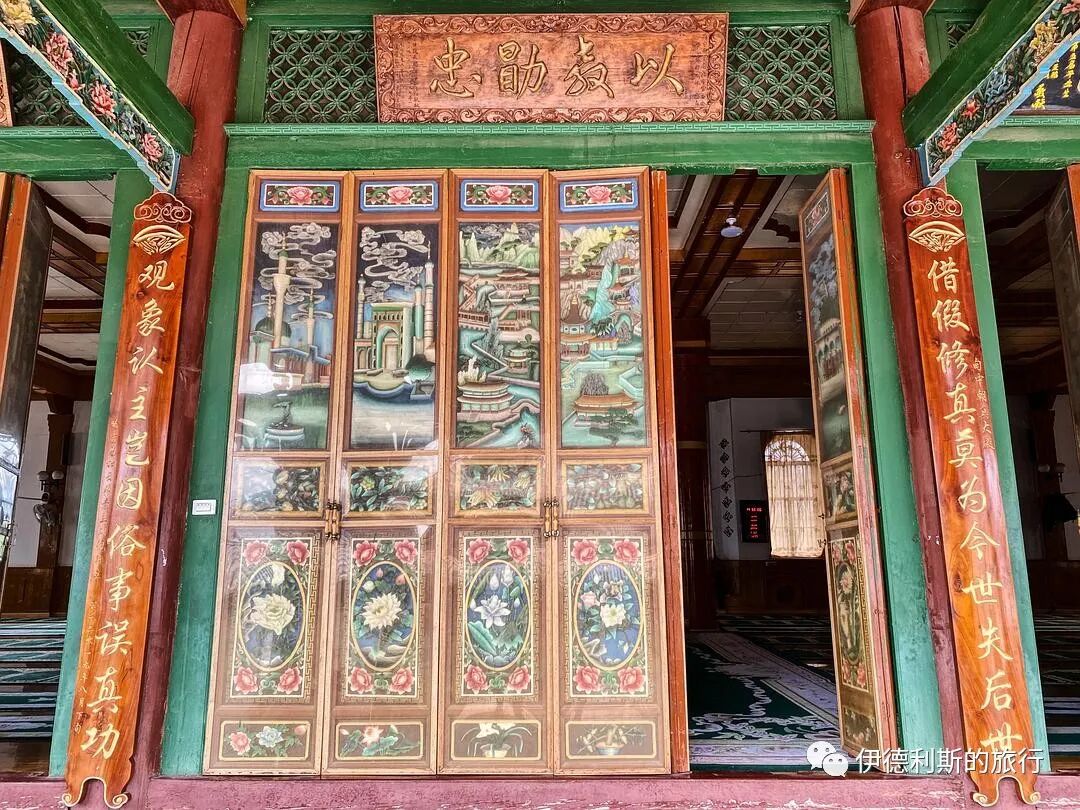
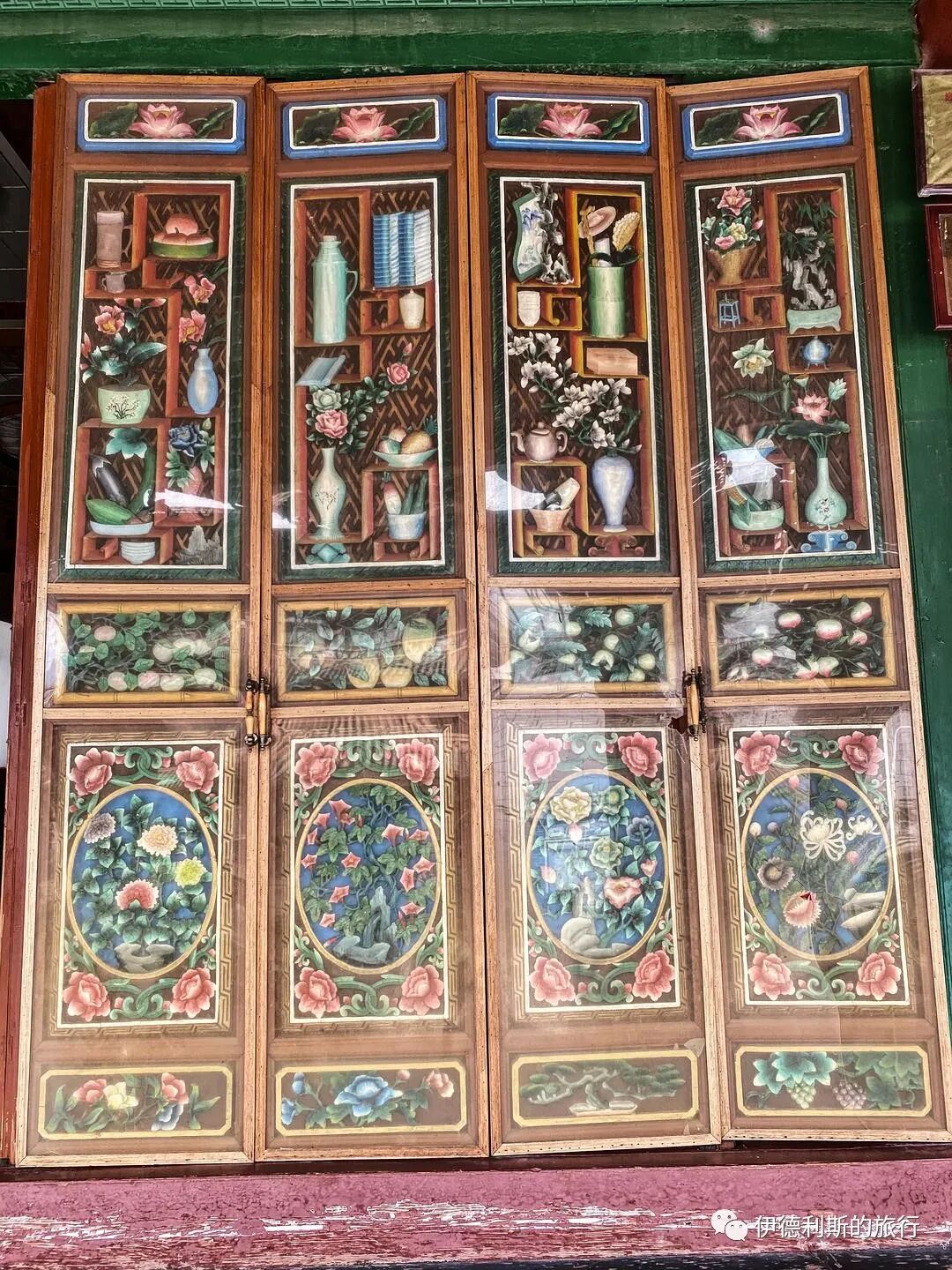
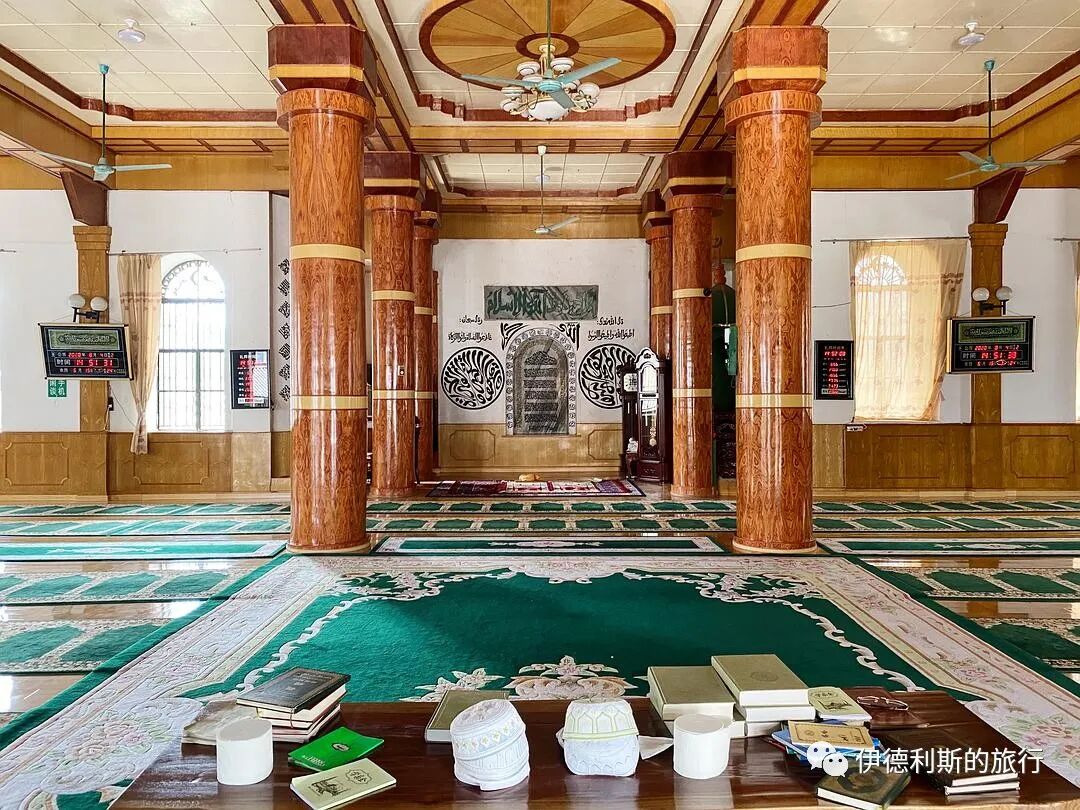
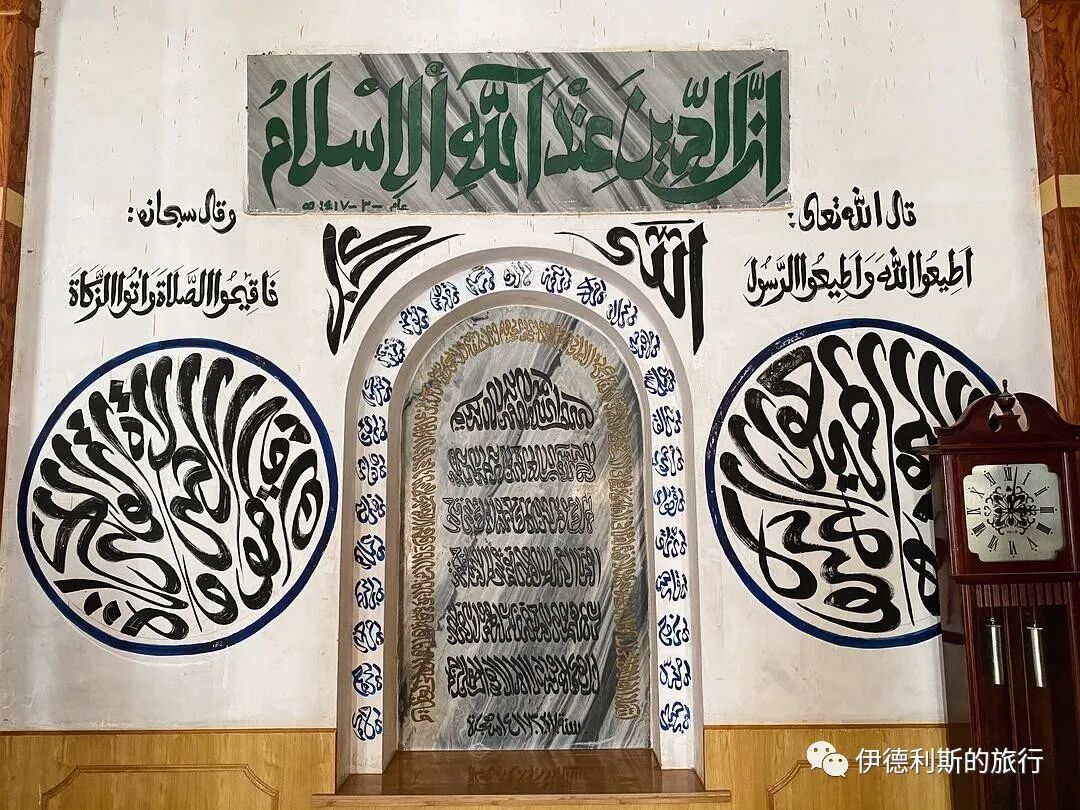
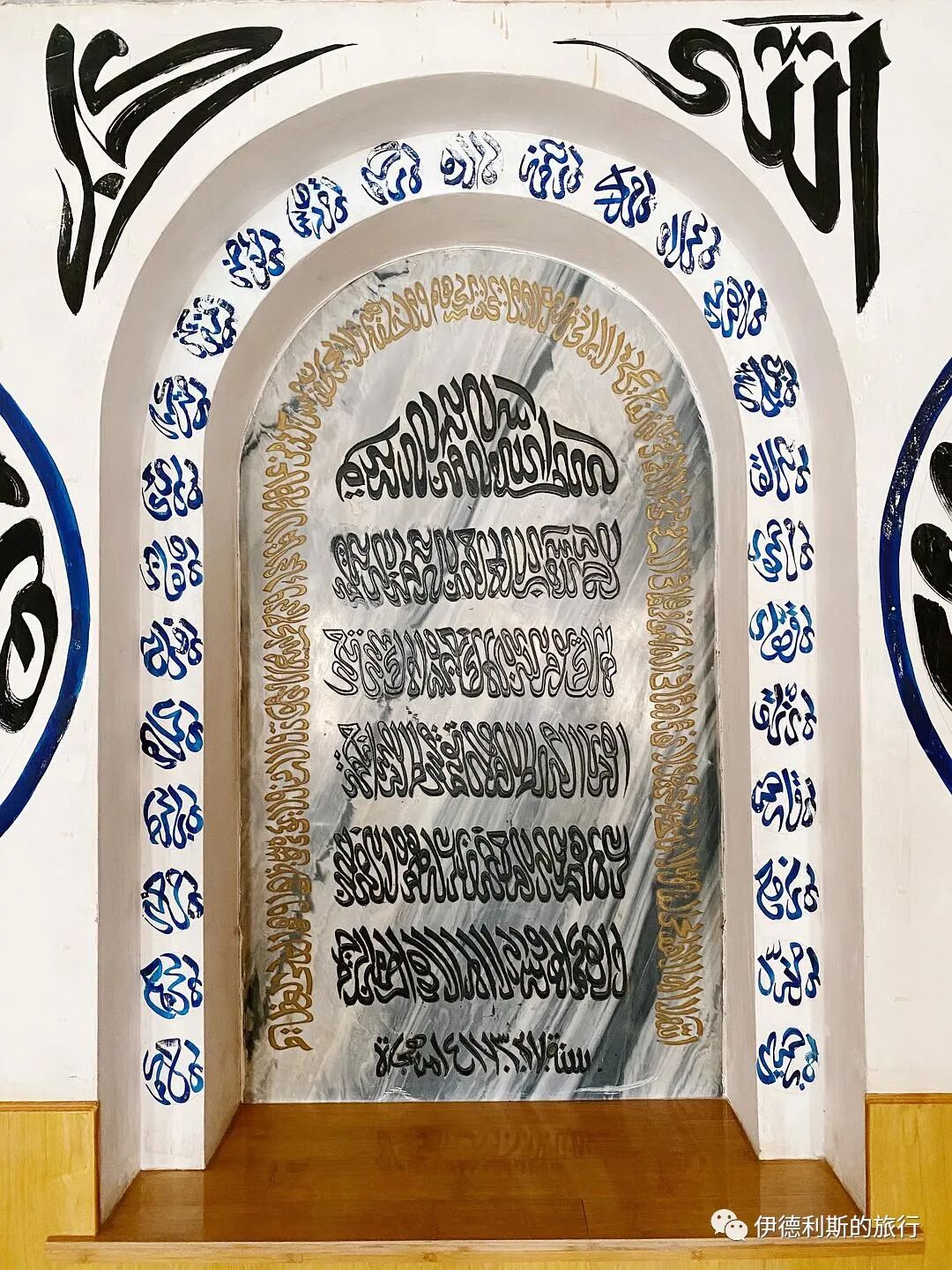
16. Donglianhua Mosque: 1921
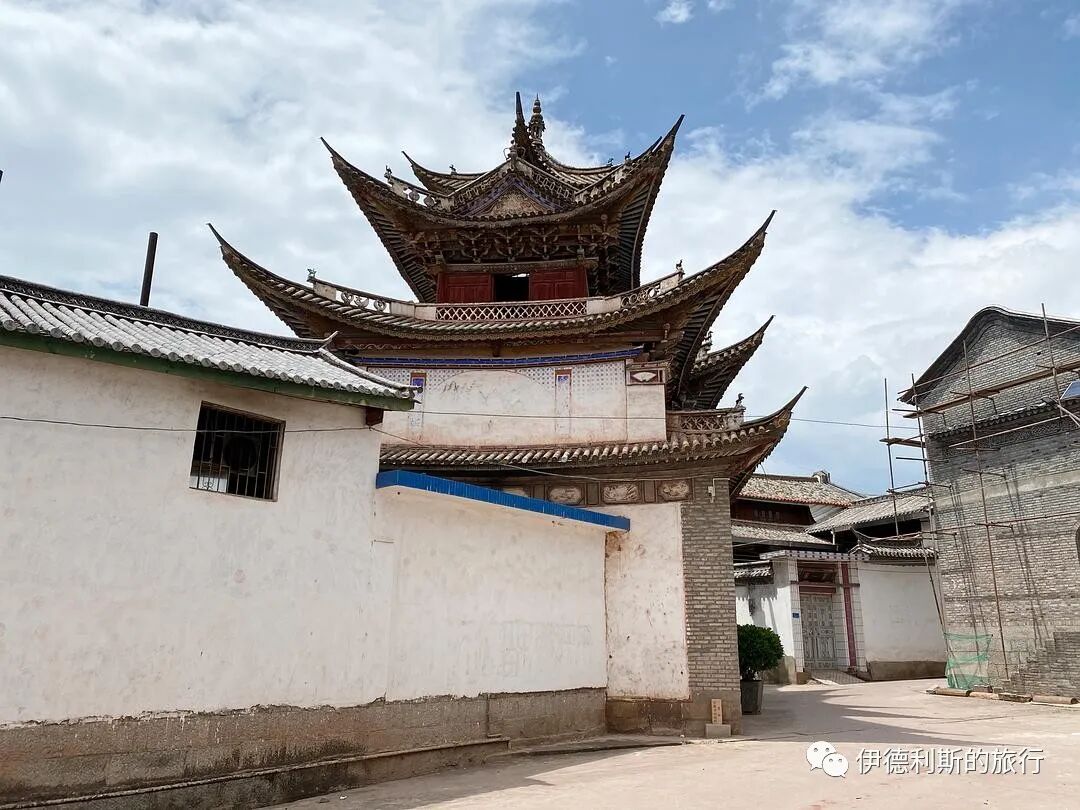
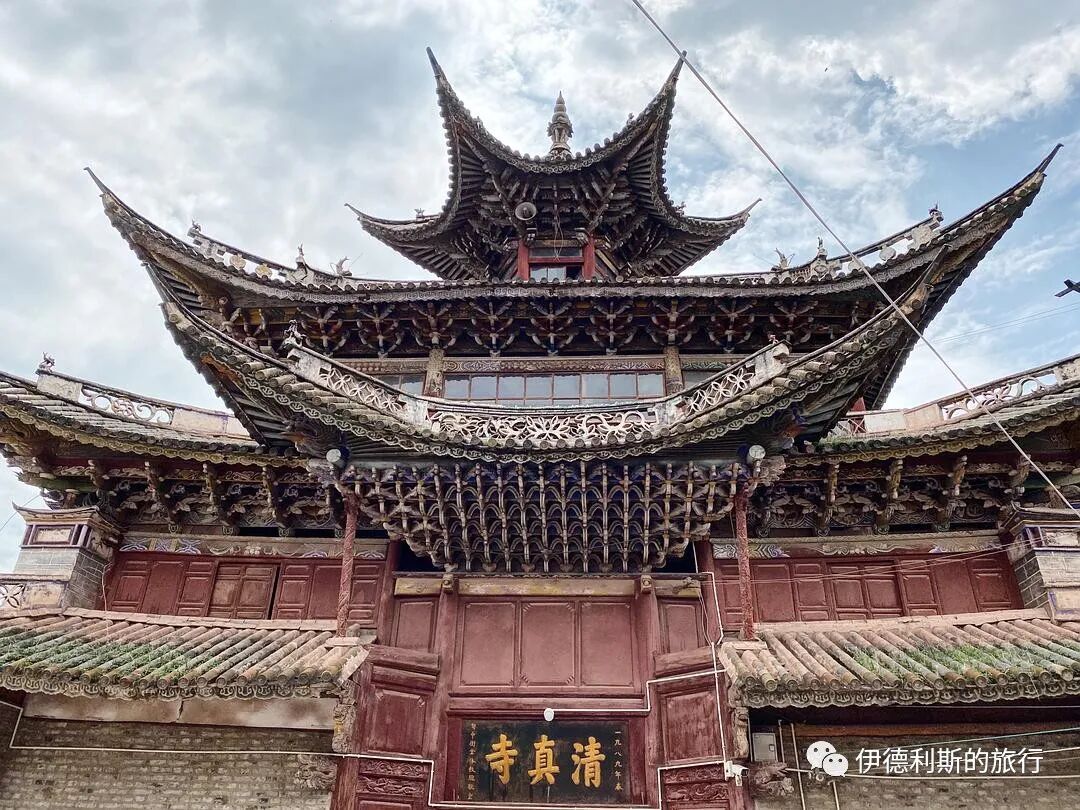
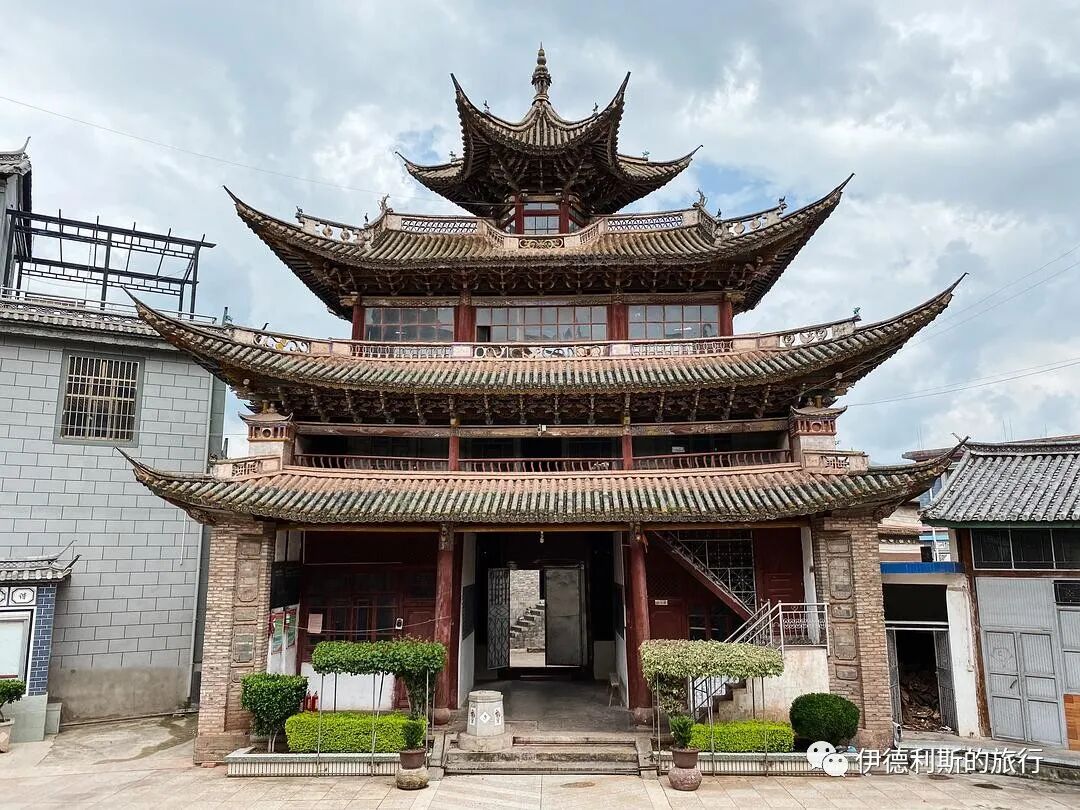
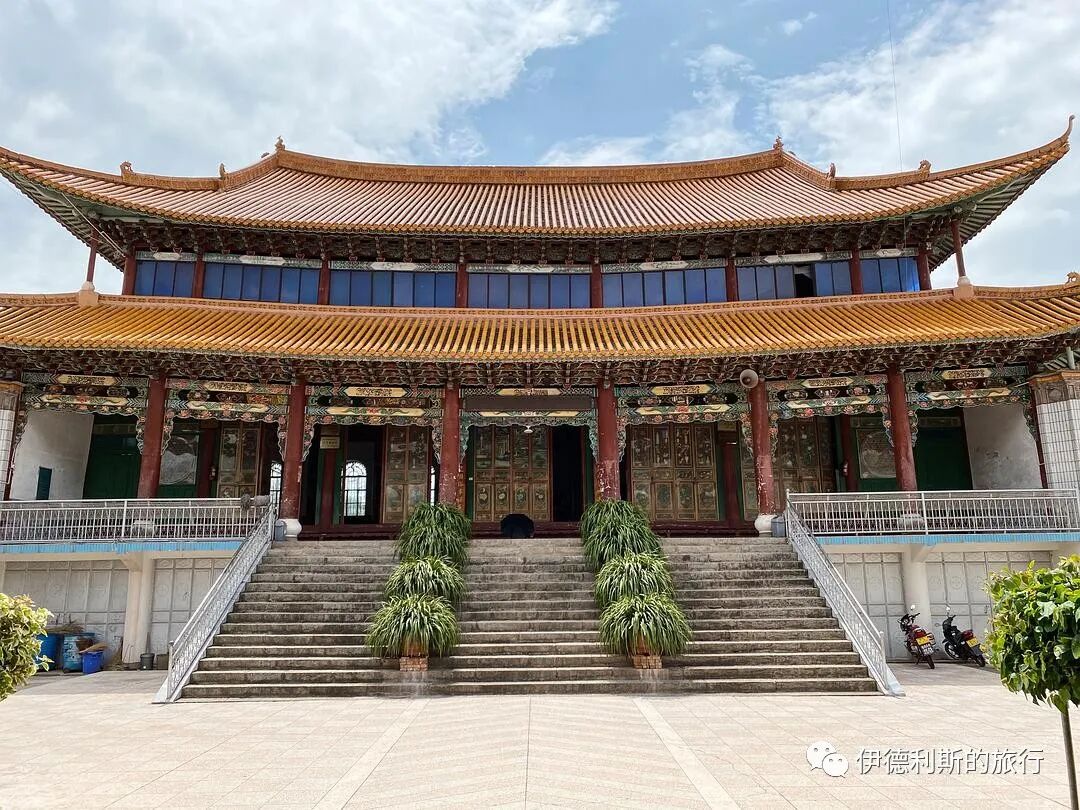
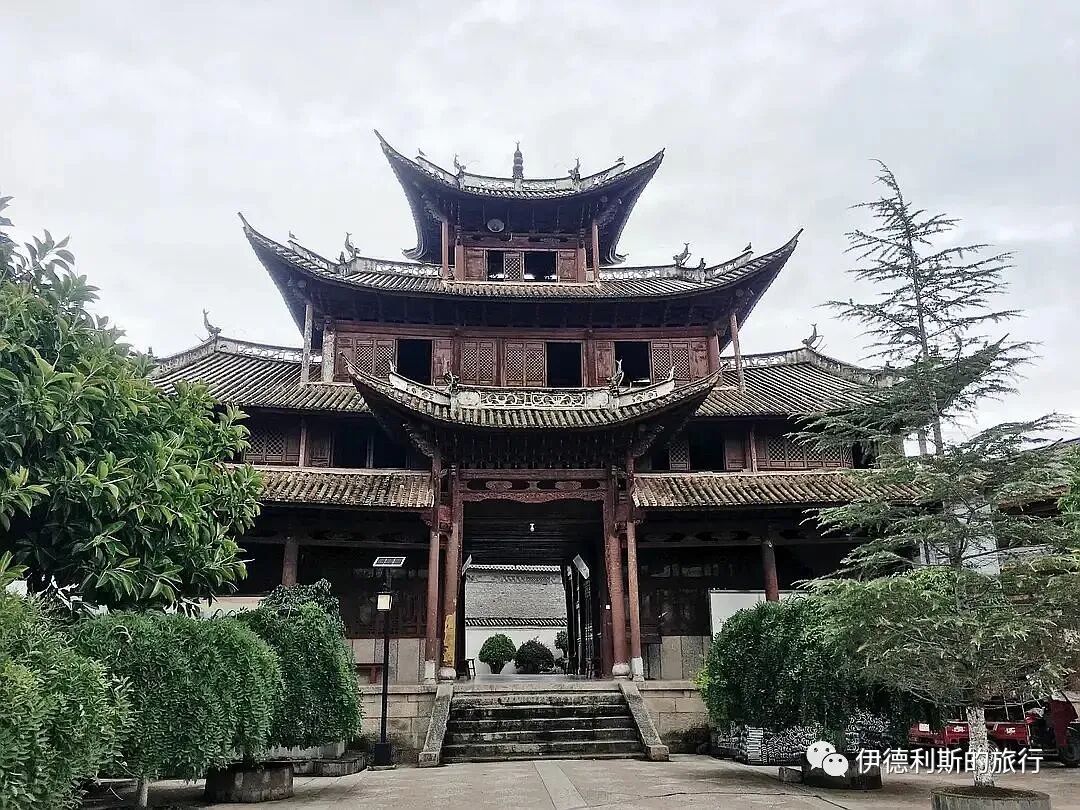
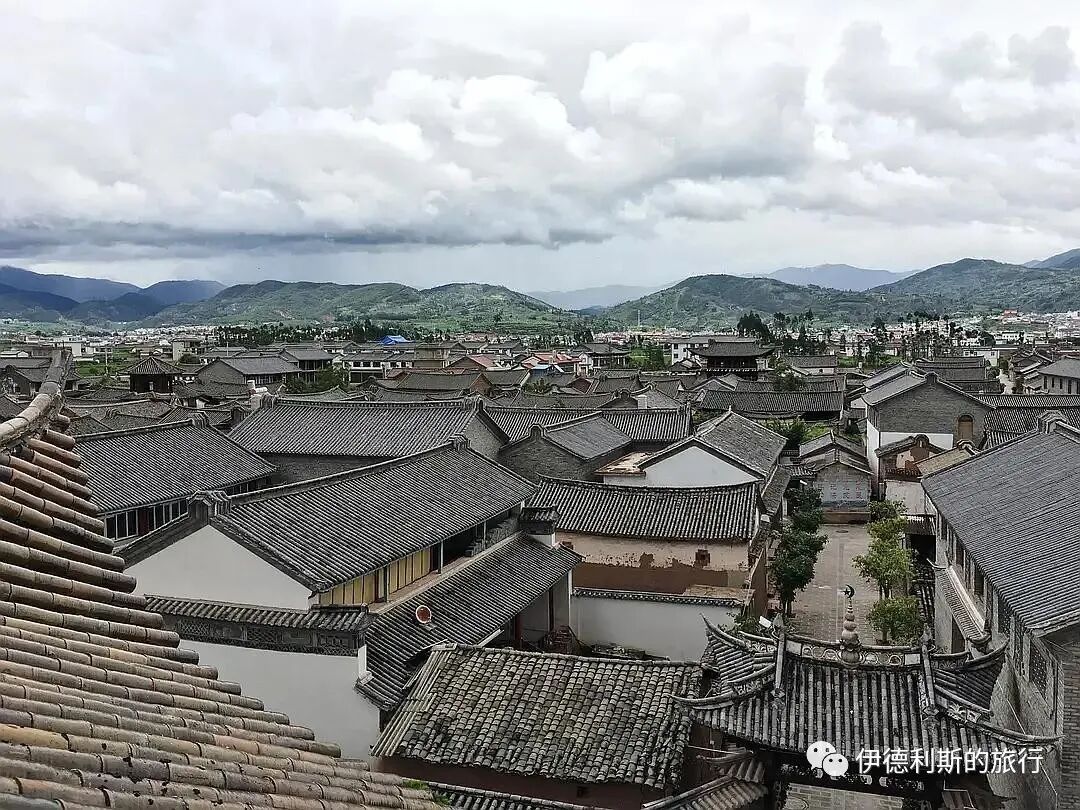
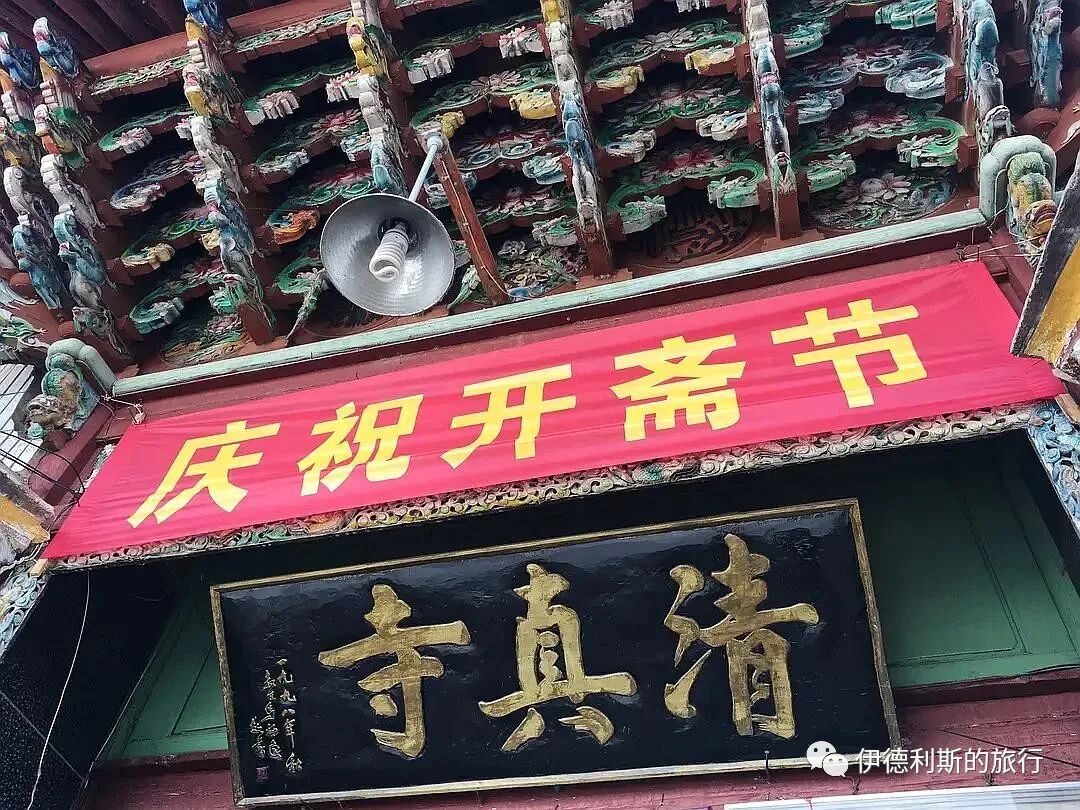
Donglianhua Mosque was first built during the Qing Dynasty and was expanded twice in 1921 and 1987. From east to west, the mosque consists of the main gate, the minaret, and the prayer hall, with the minaret dividing the courtyard into two parts.
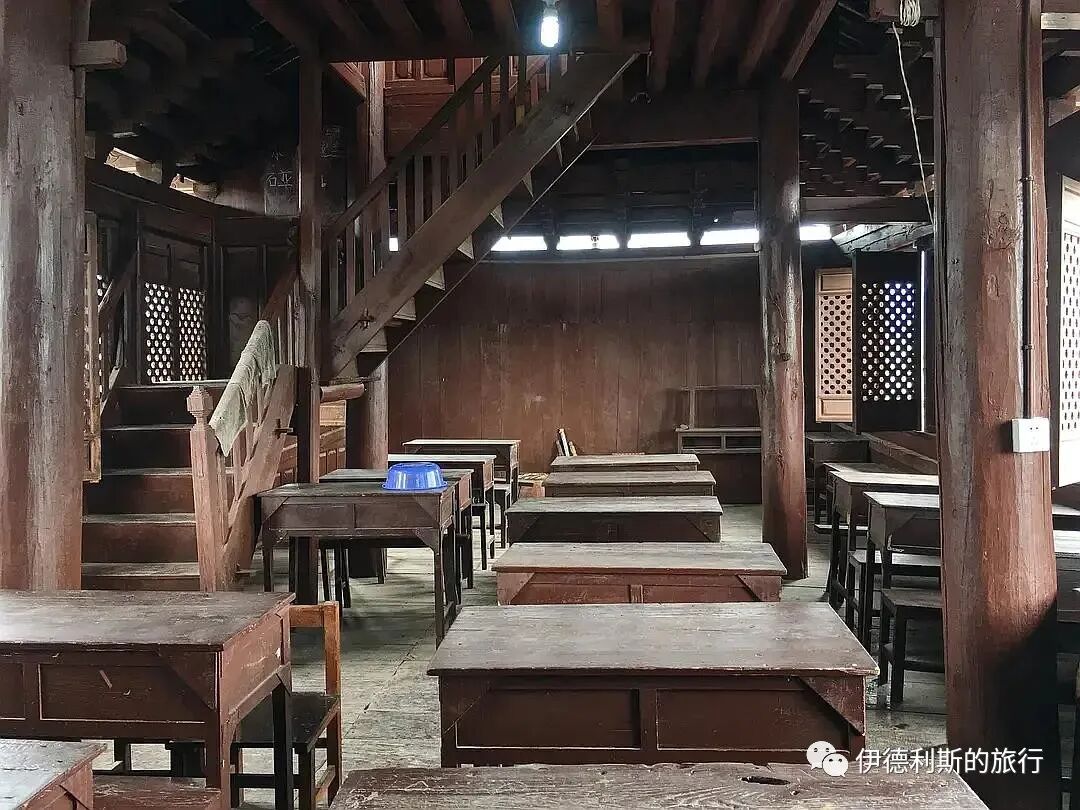
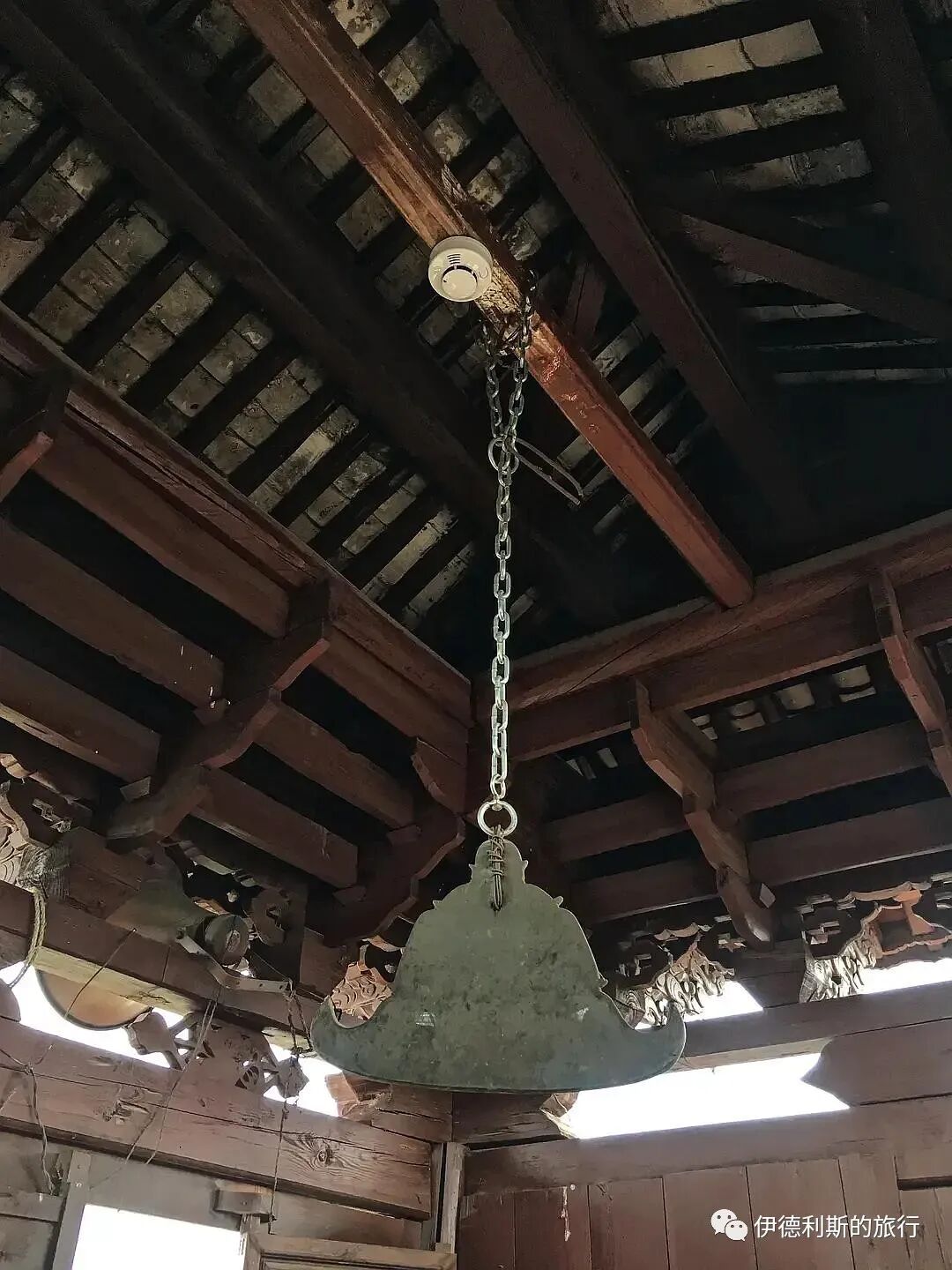
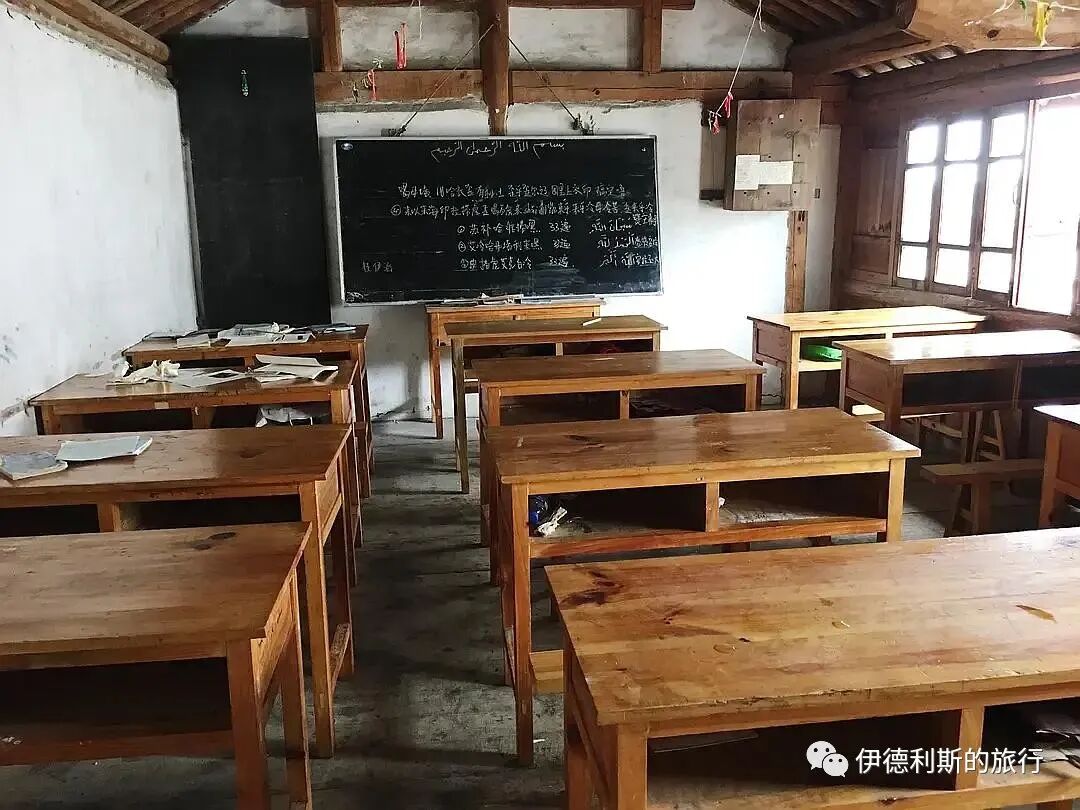
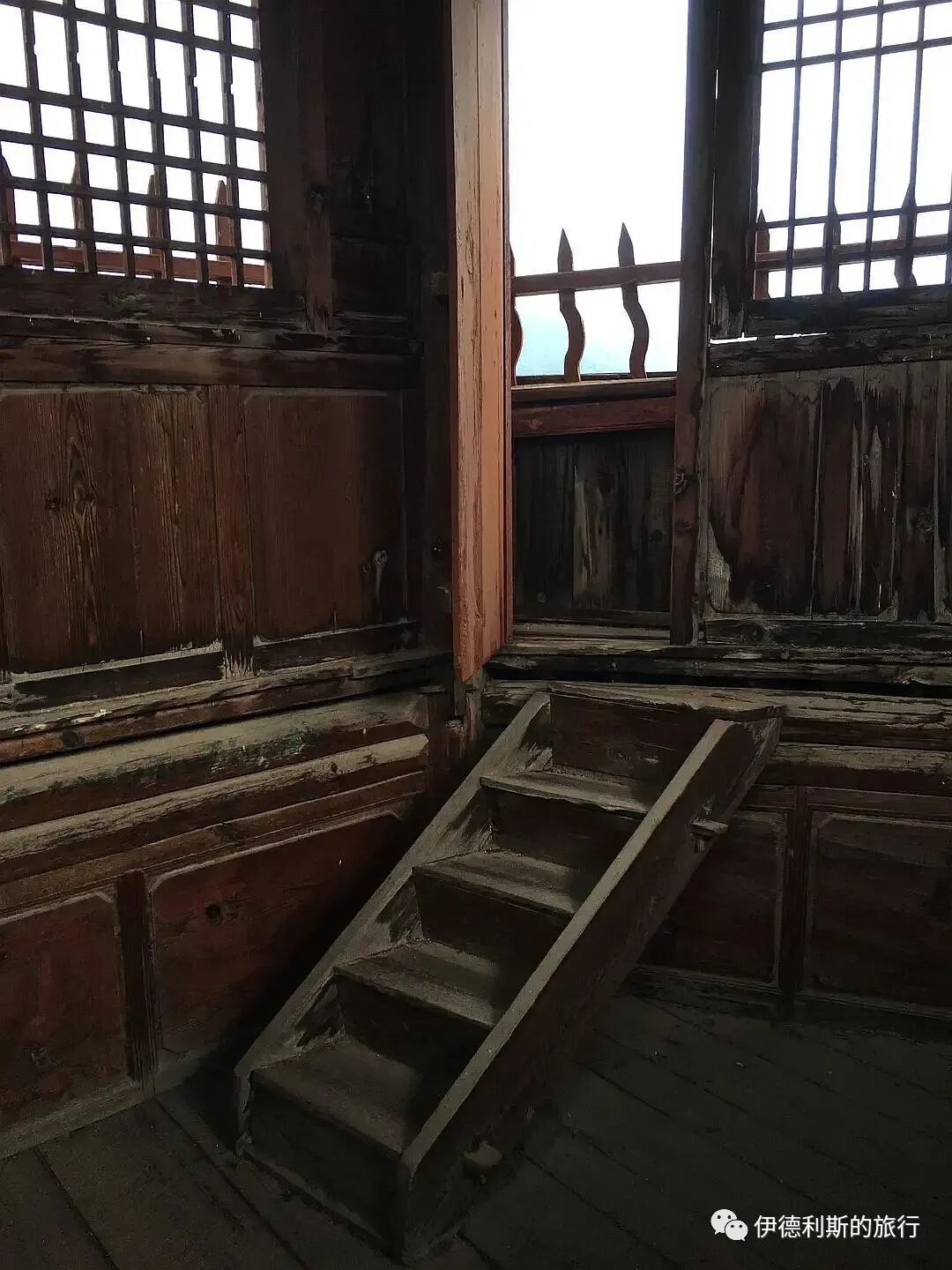
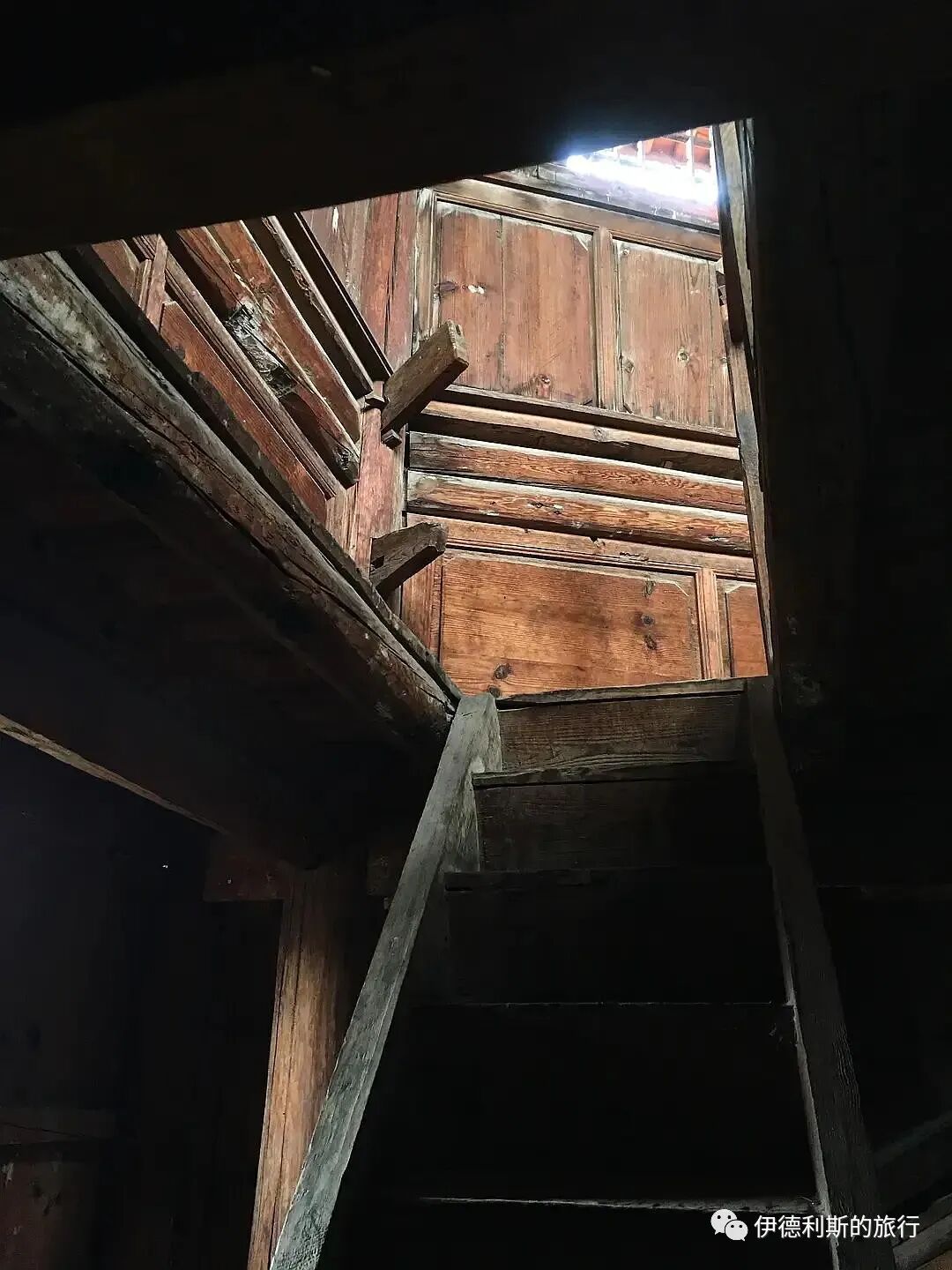
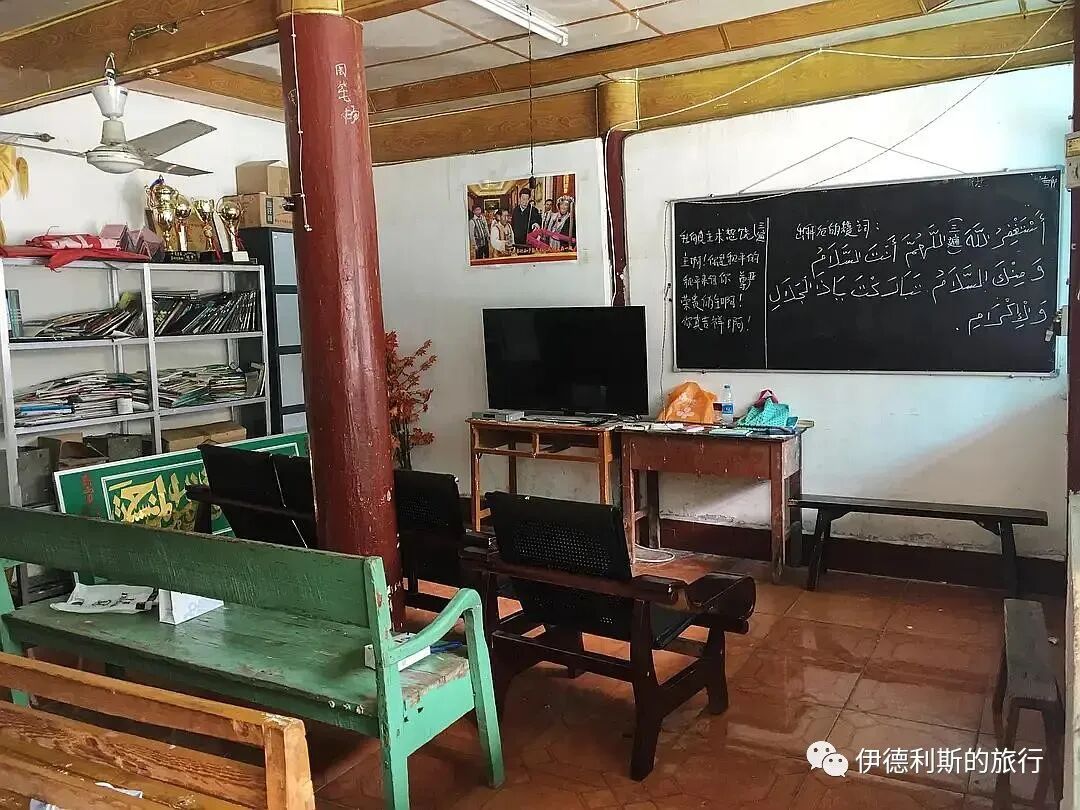
The minaret was raised to four stories in 1987, with a five-five-three-one structure; the first, second, and third floors are classrooms for holiday study groups, and the fourth floor is the place for calling the adhan.
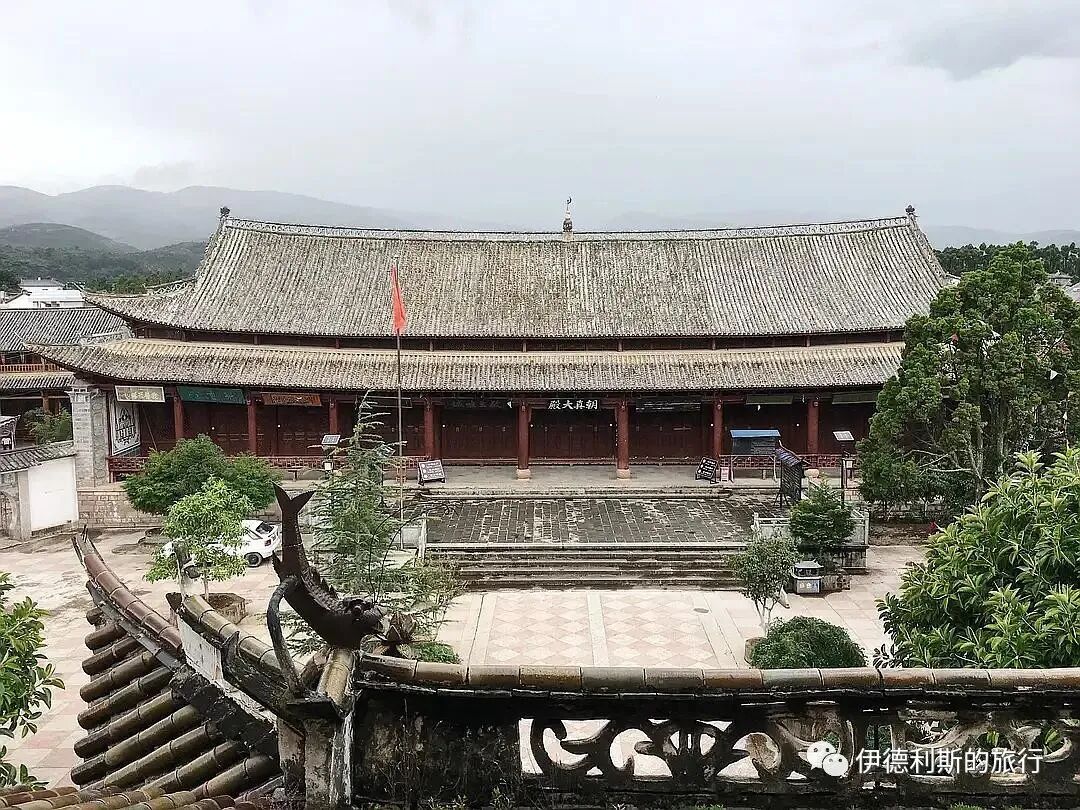
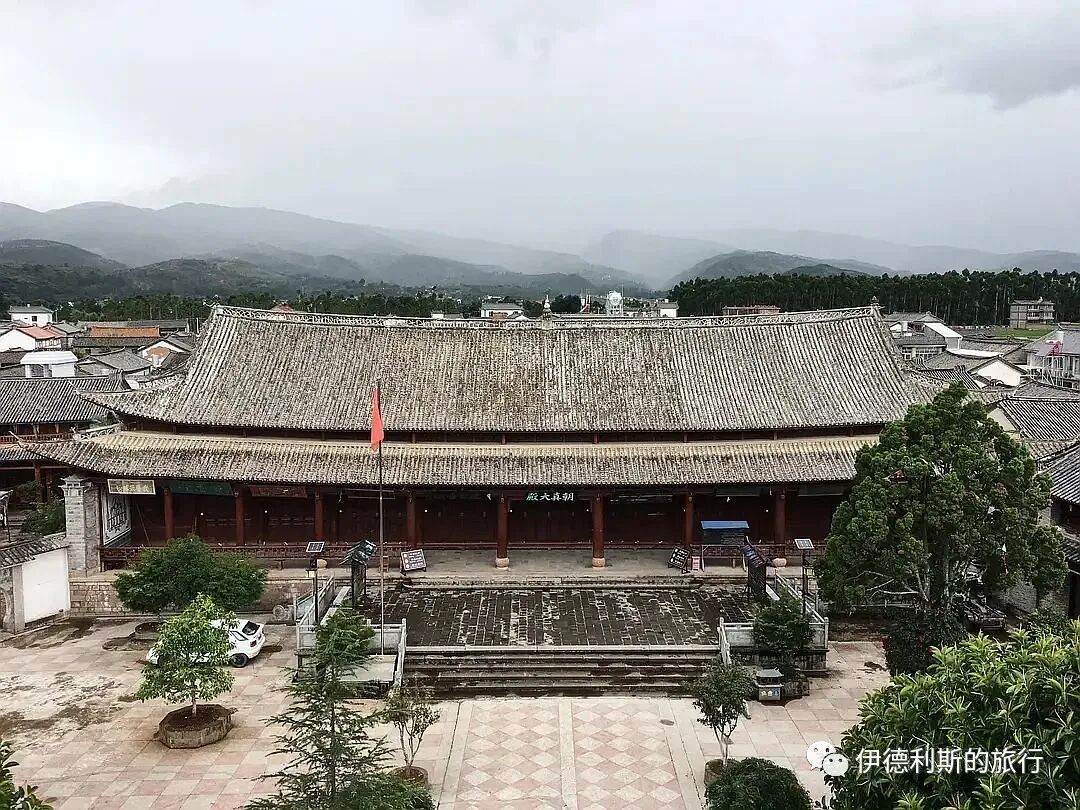
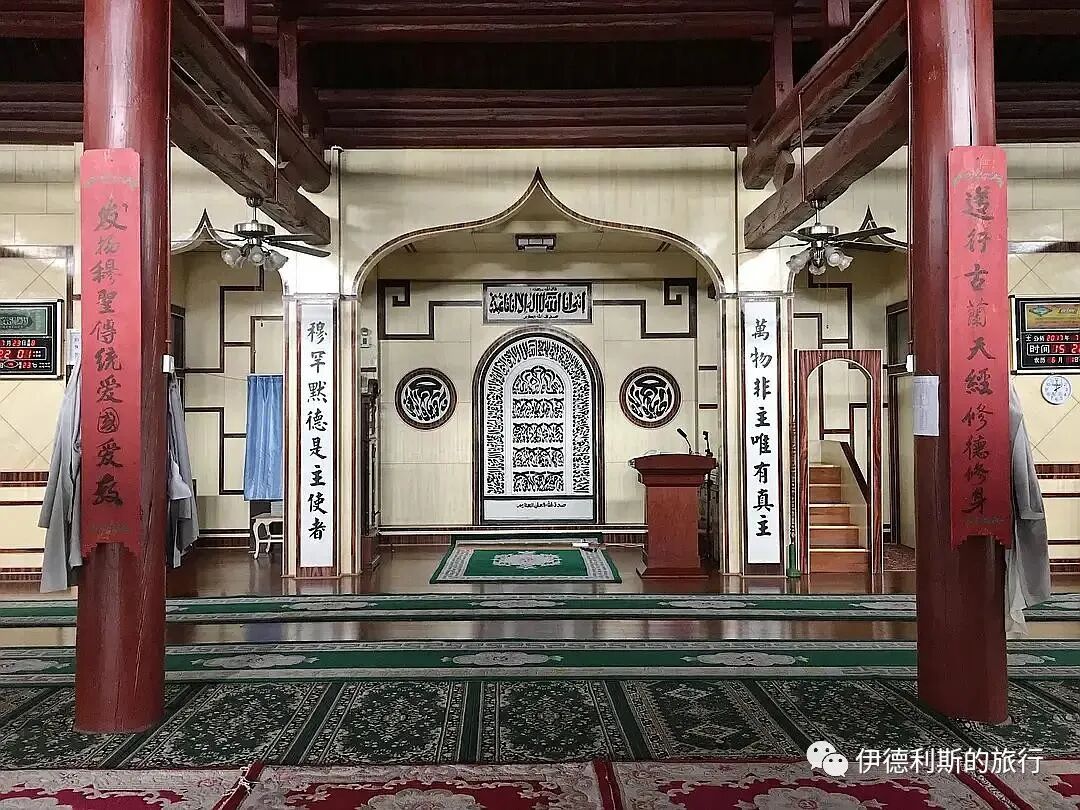
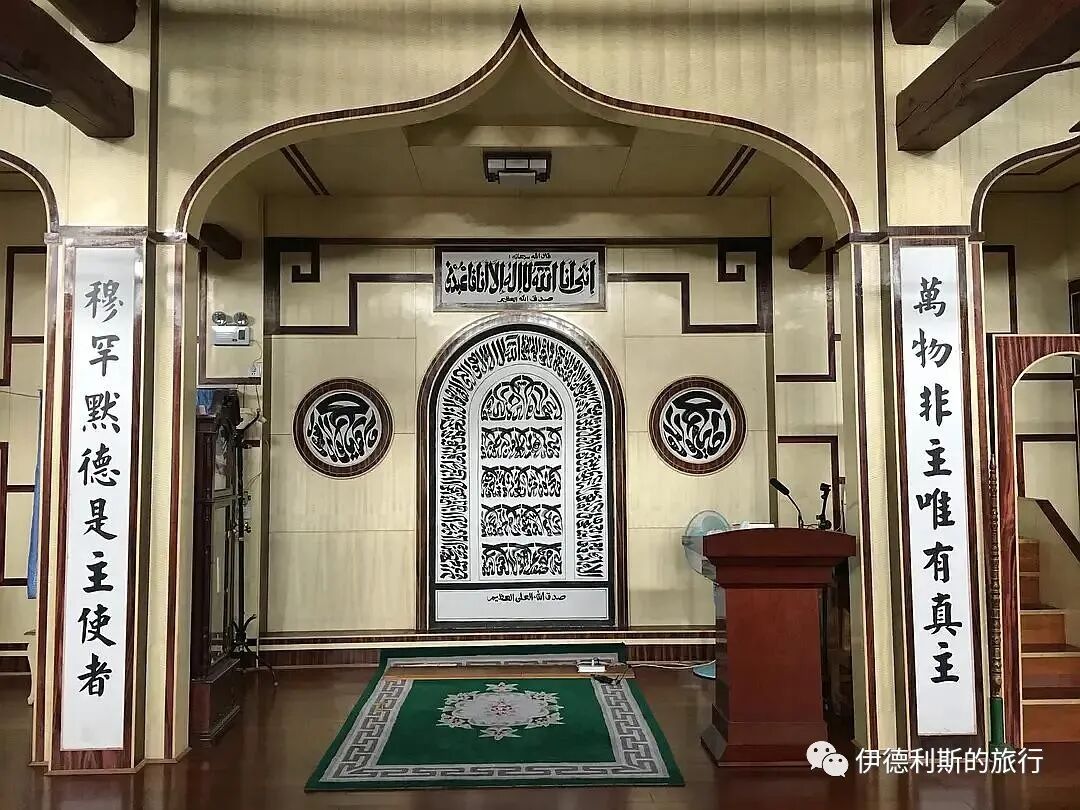
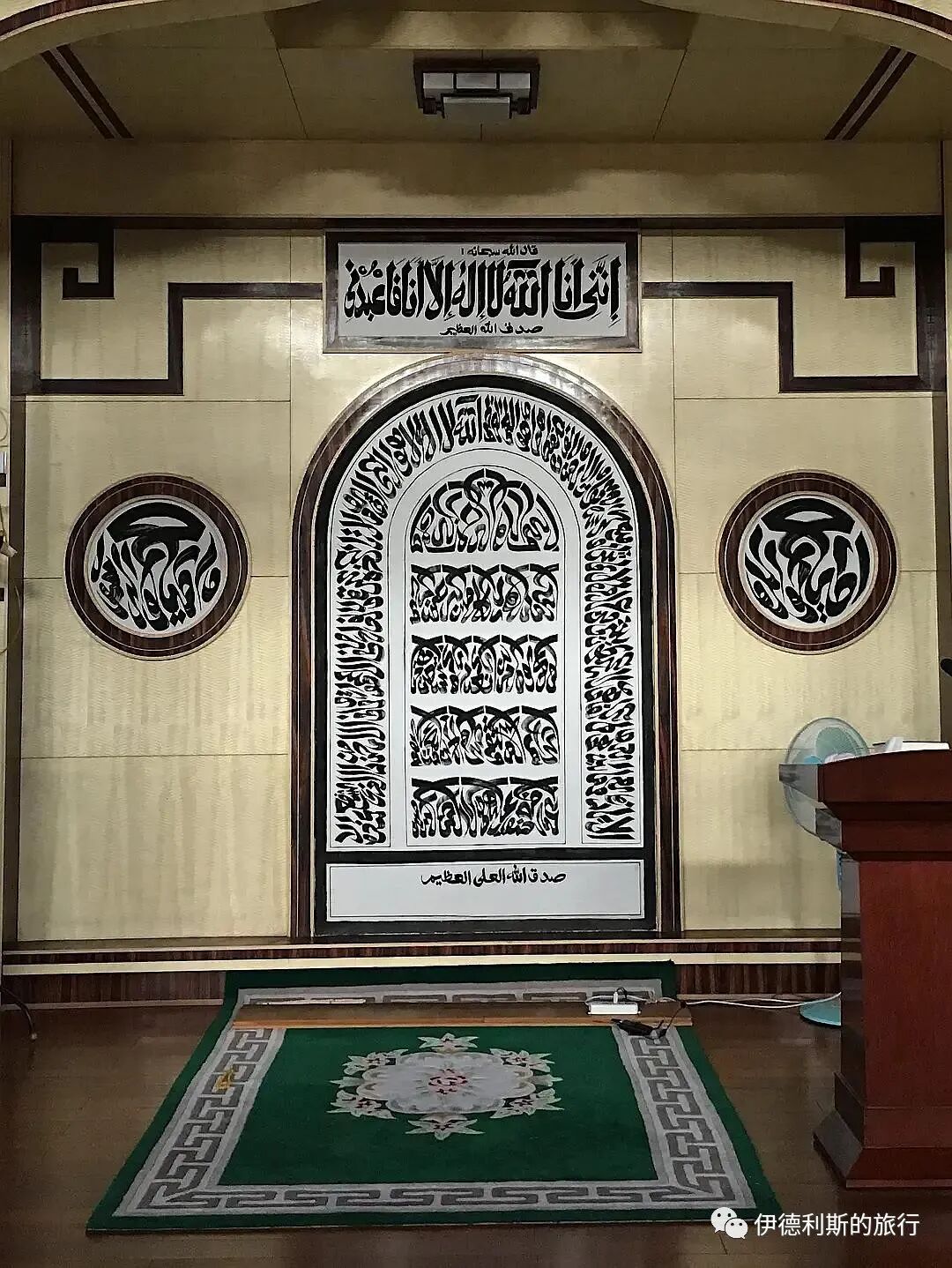
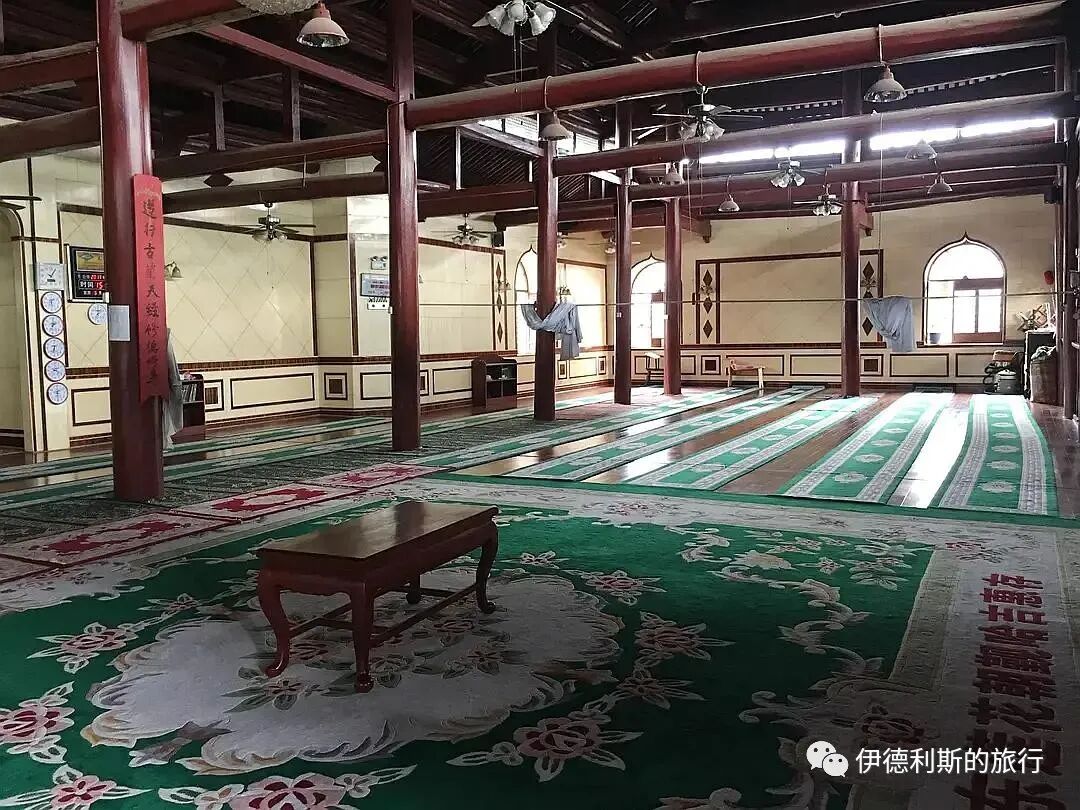
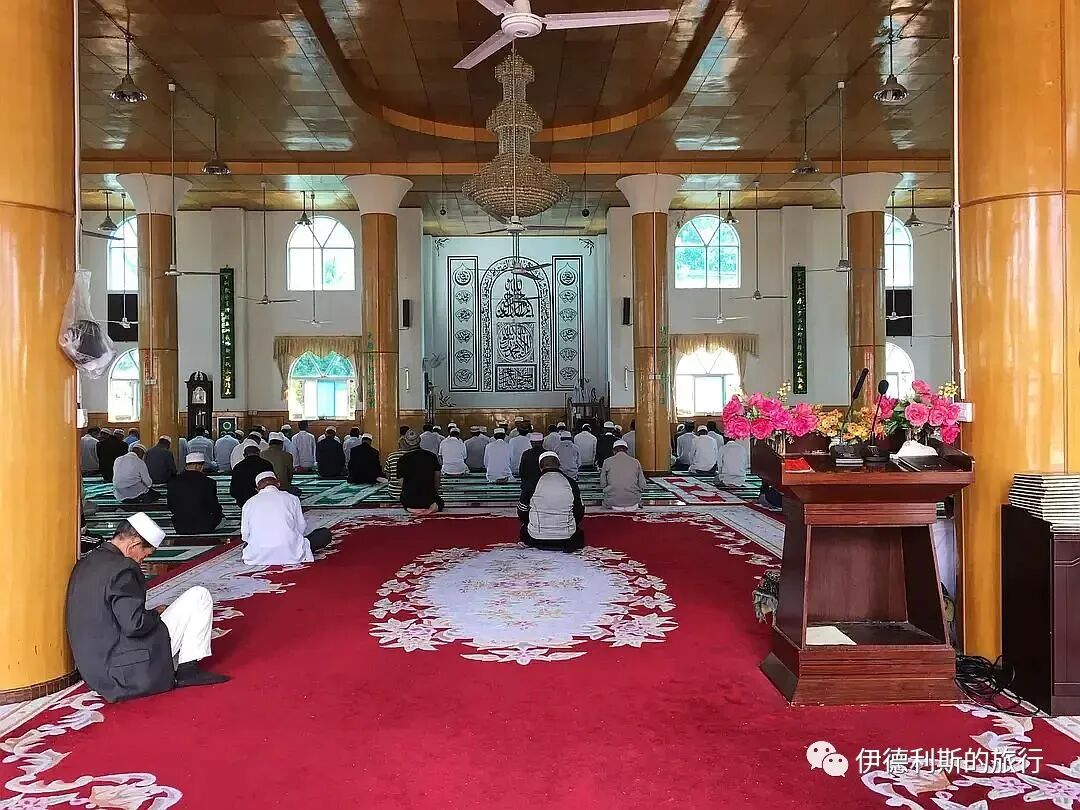
The main hall was expanded into a five-by-seven bay structure in 1921, and in 1987, it was further expanded into a nine-by-eleven bay structure. The mihrab features traditional Arabic calligraphy in the distinctive Yunnan style.
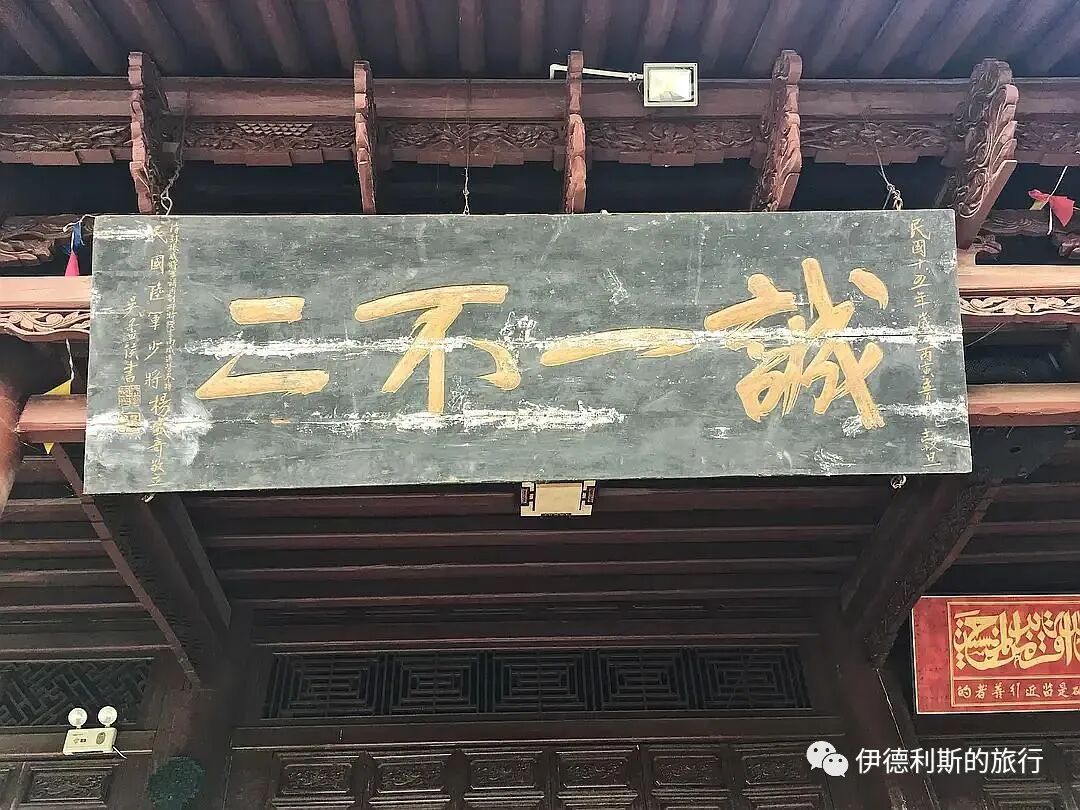
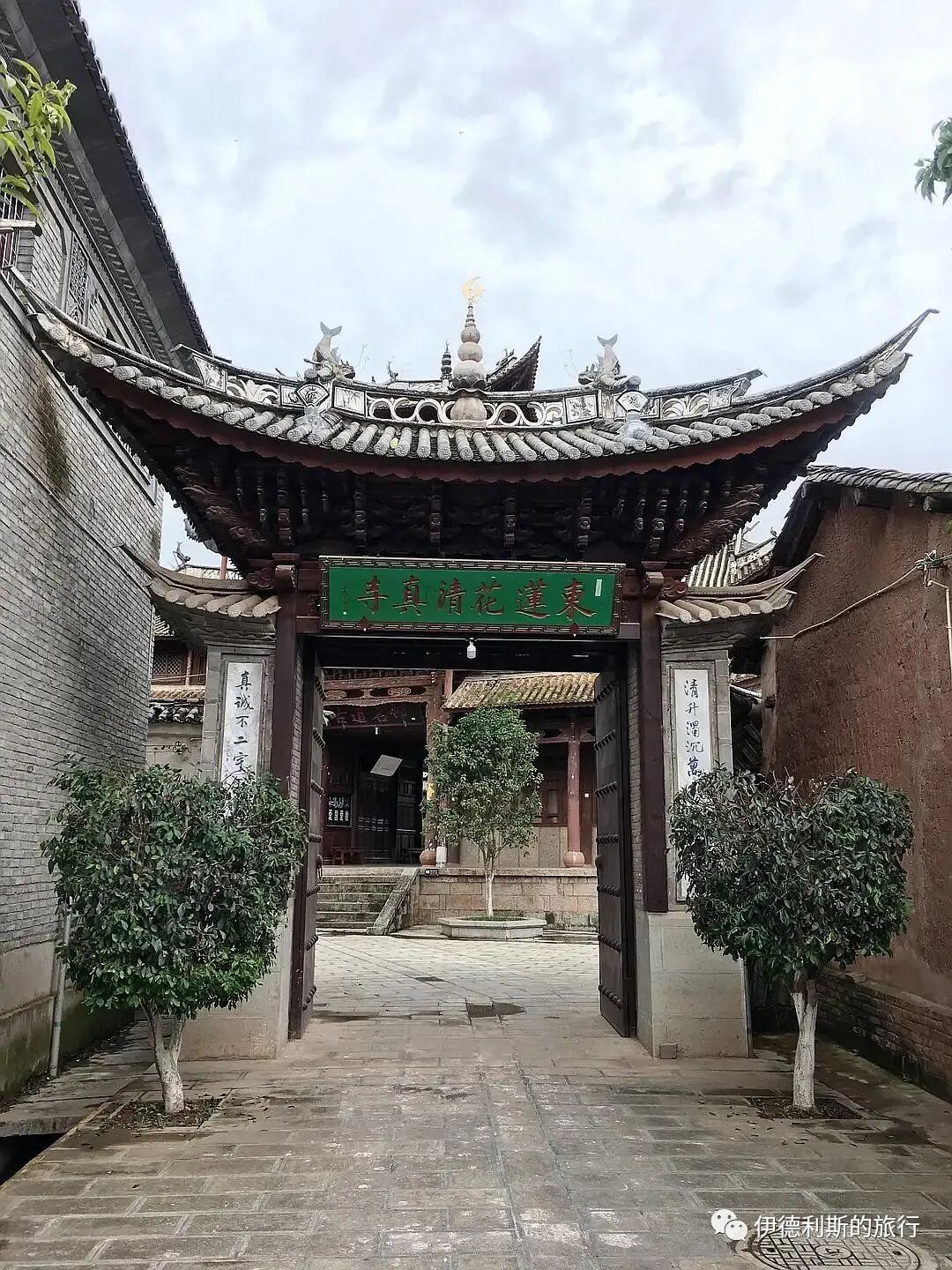
Main gate
2. Dali City
1. Keli Village Mosque: 1908
The main hall of the Keli Village Mosque in Xizhou Town was rebuilt in 1908, with a significant portion of the funding coming from overseas Chinese in Myanmar. Keli Village Mosque is a famous 'hometown of overseas Chinese'; historically, it had powerful horse caravans that traveled throughout Yunnan province to places like Kunming, Simao, and Zhongdian, and connected southward to cities in Myanmar such as Mandalay, Mawlamyine, and Lashio. Since the late Qing Dynasty and the Republic of China era, hundreds of households from Keli Village have migrated to Myanmar, and the Chinese mosque in Yangon's Chinatown has often been led by imams from Keli Village.
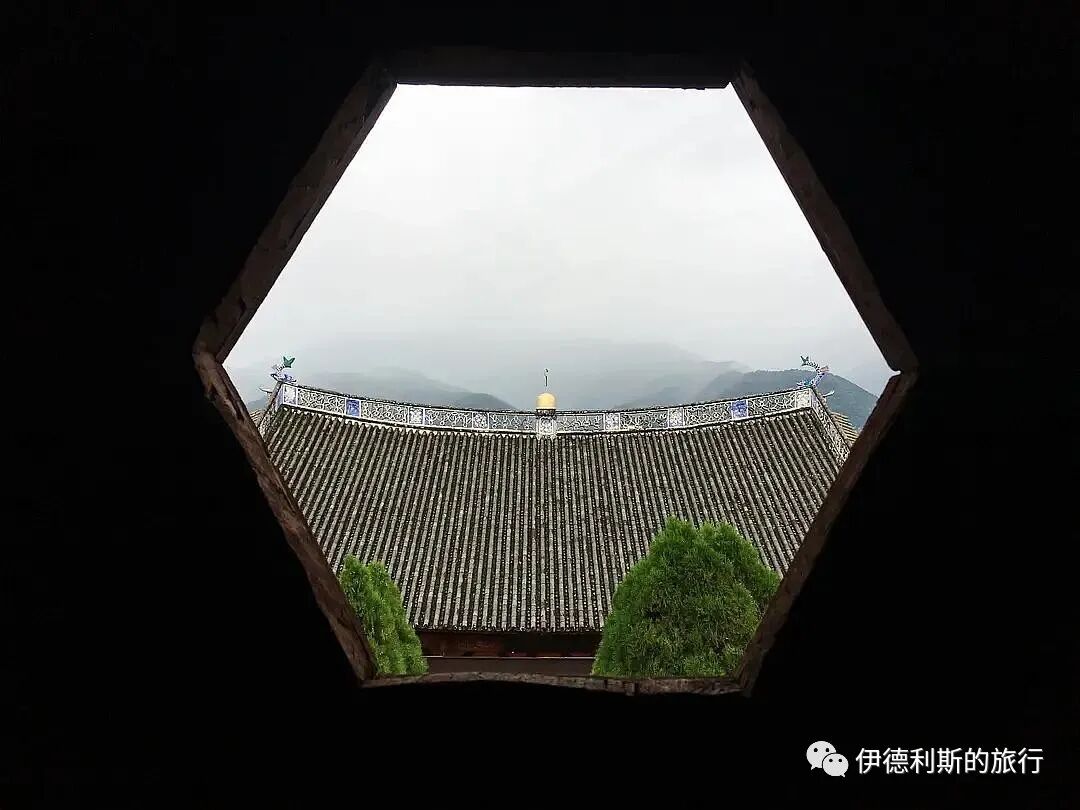
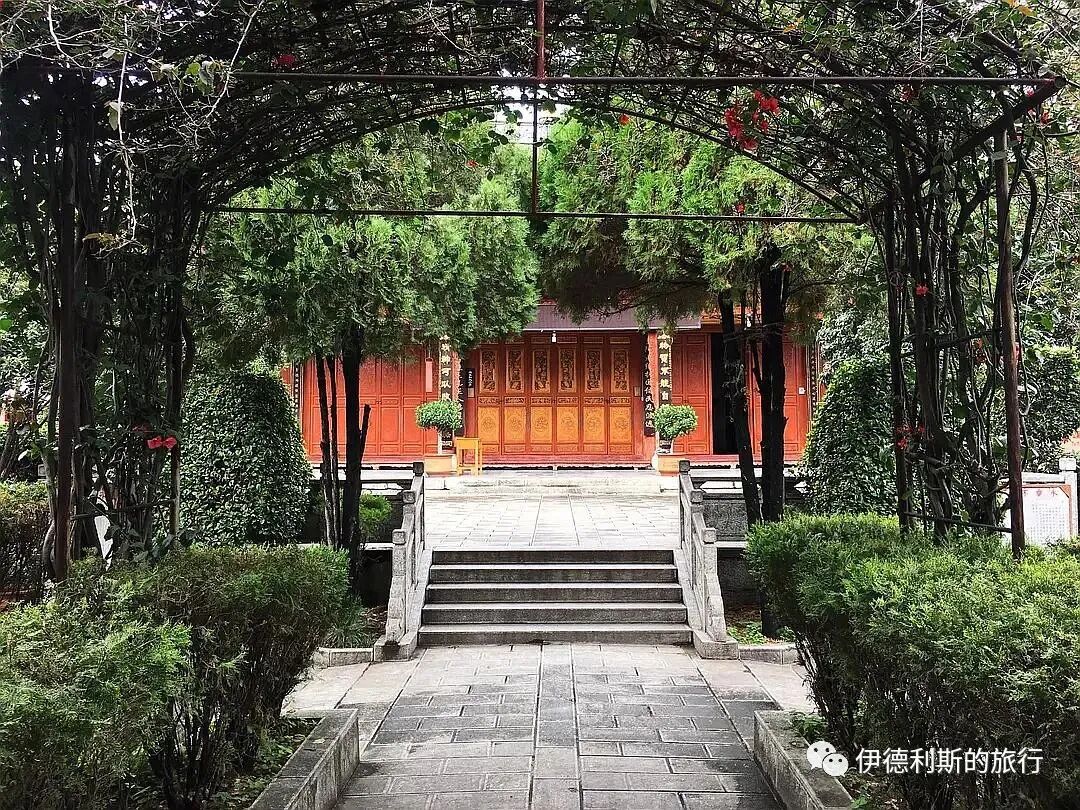
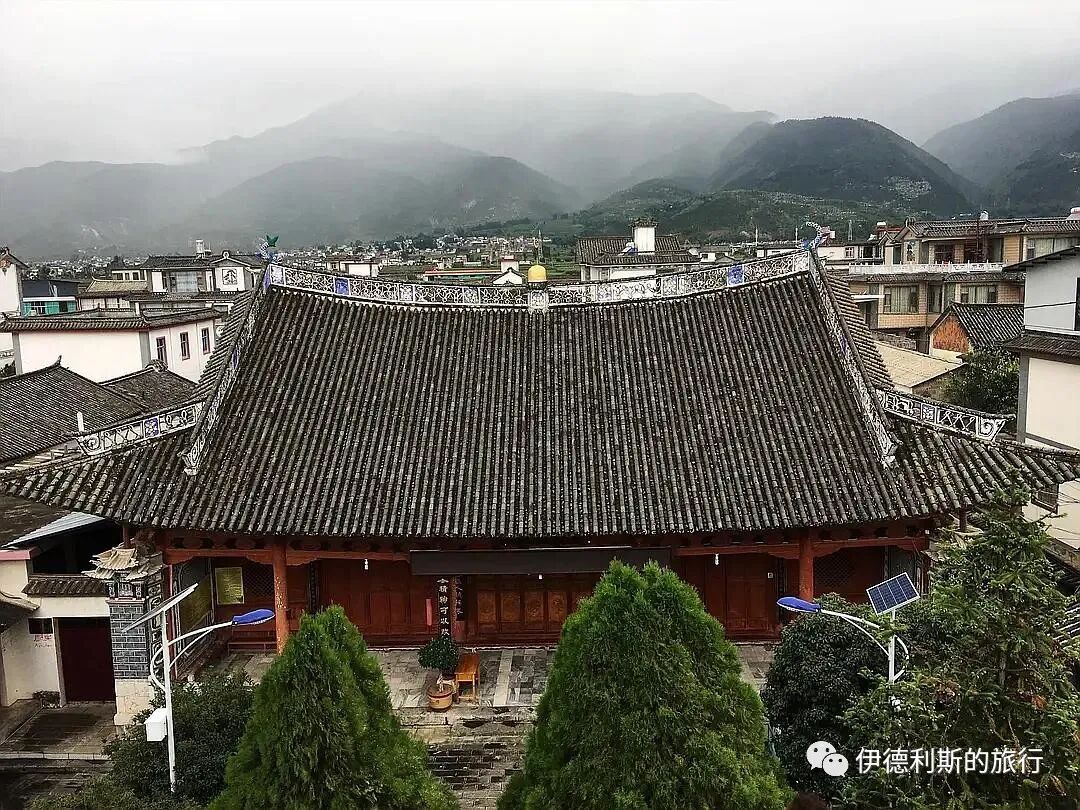
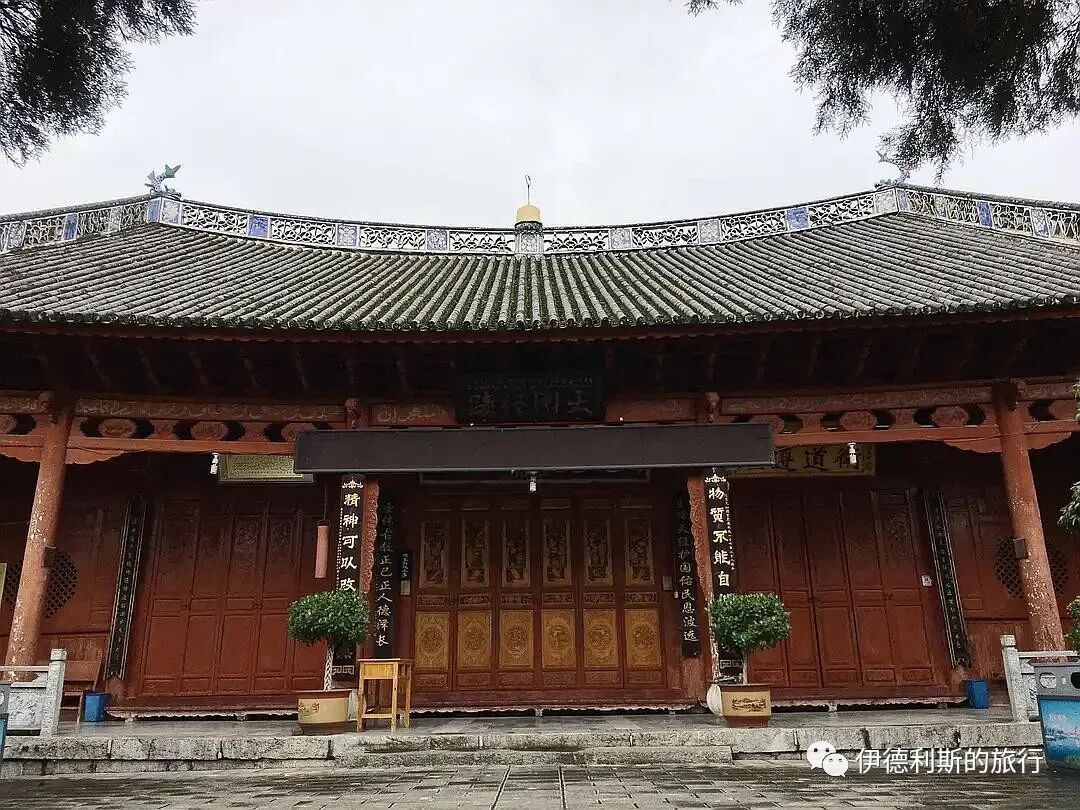
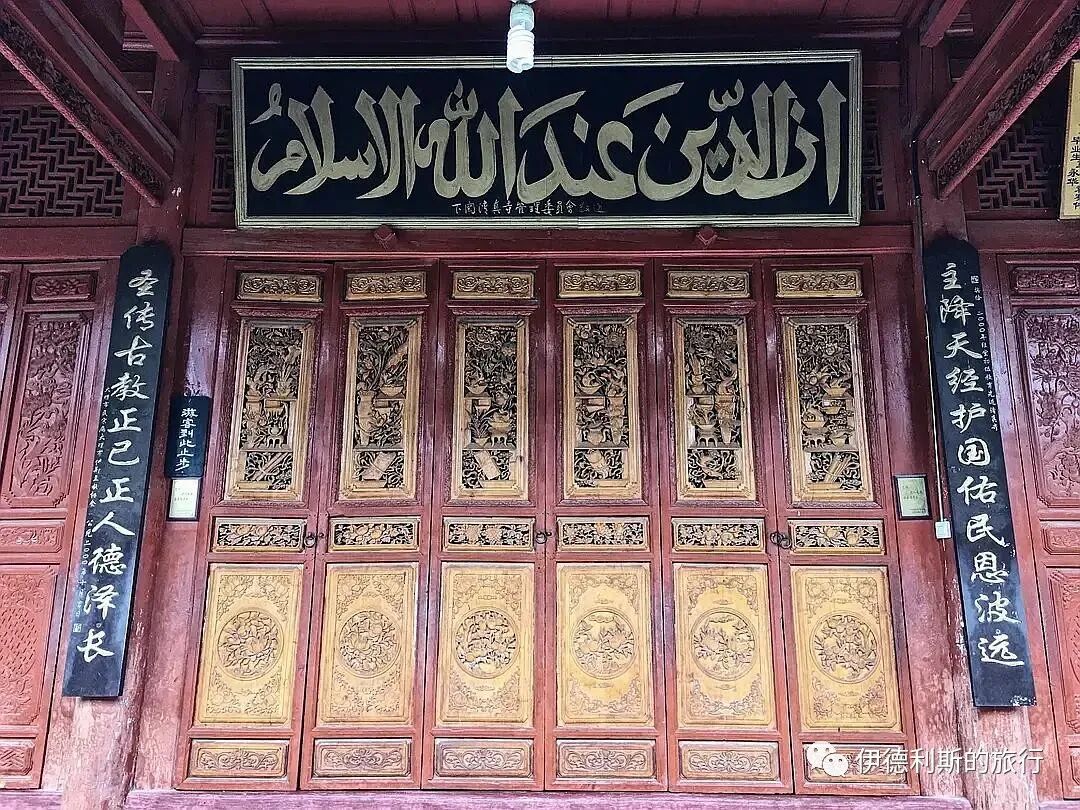
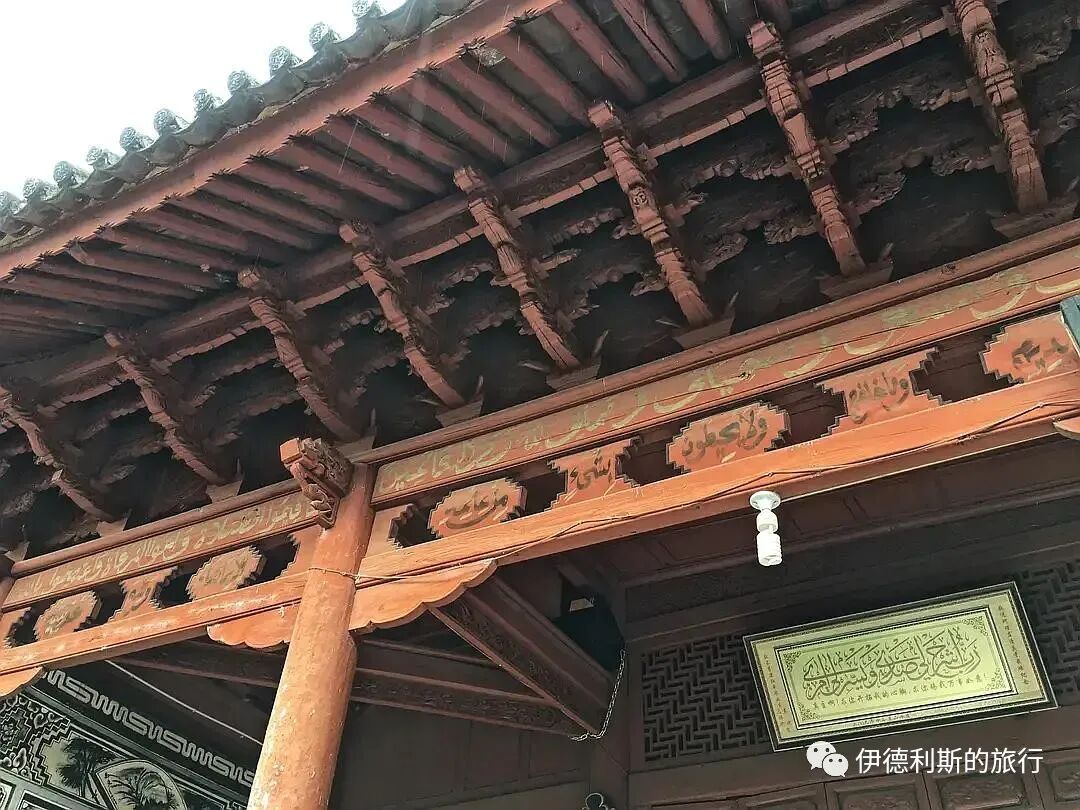
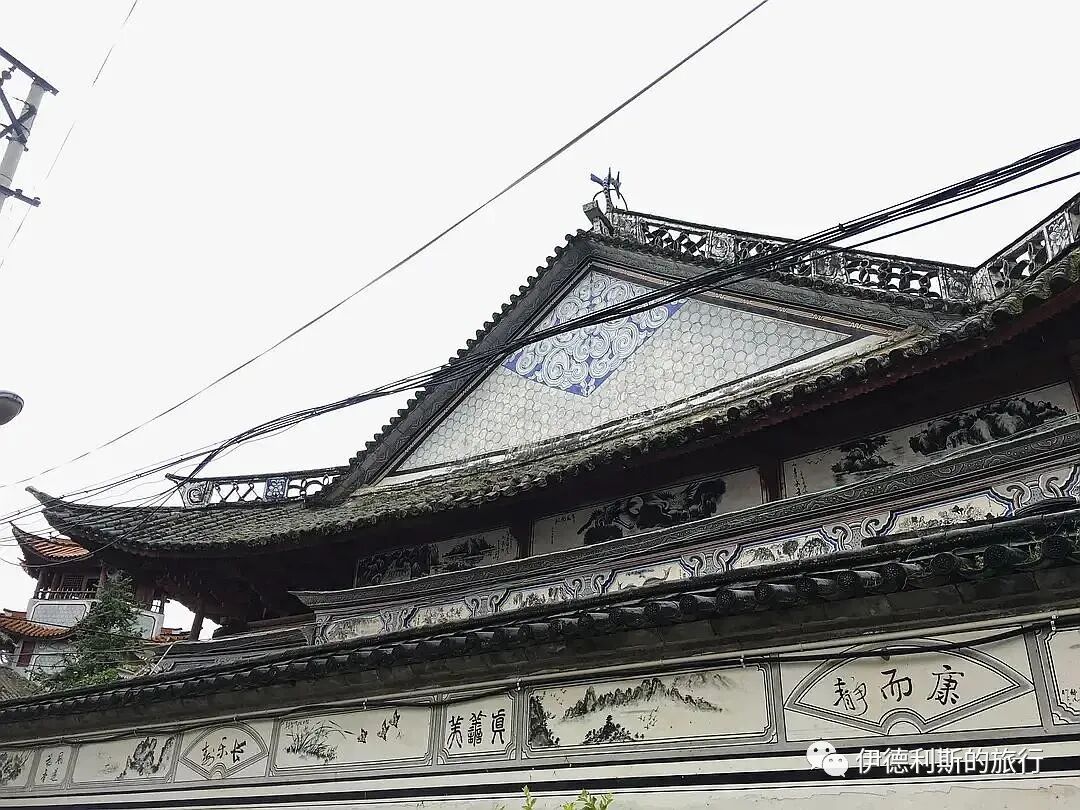
The minaret and side rooms were rebuilt in 1926, with funding provided not only by local community members and overseas Chinese in Myanmar, but also by surrounding Bai villagers and various merchants. Back then, the north side room was where Ma Yin'an and his son Ma Xin taught Islamic studies, training a group of Imams for western Yunnan and even the Tibetan region. The south side room hired Bai intellectual Yang Handing to teach Chinese studies. Today, the minaret and side rooms are still used as classrooms for study groups.
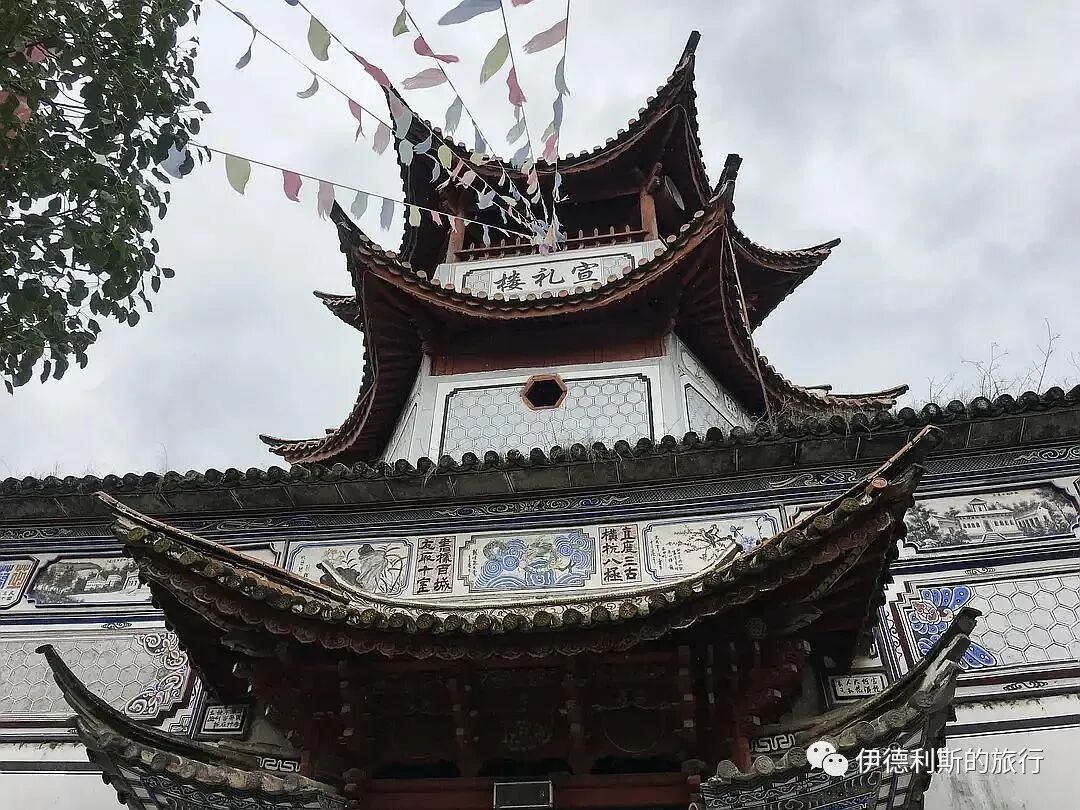
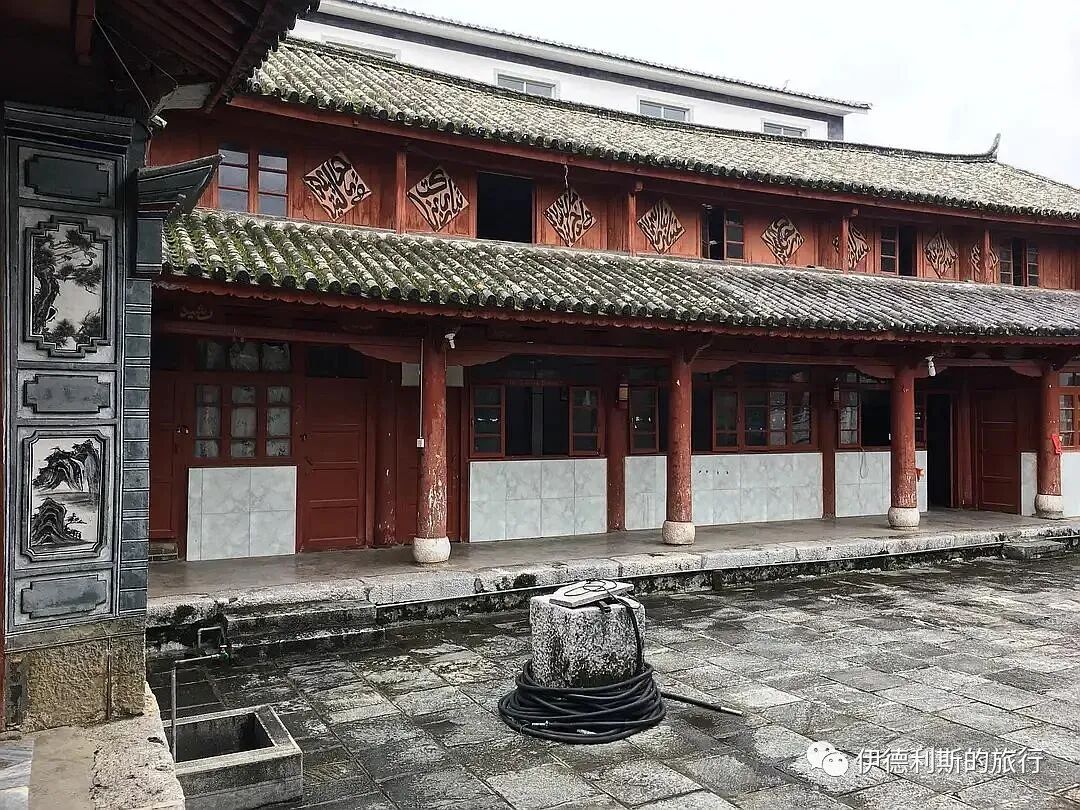
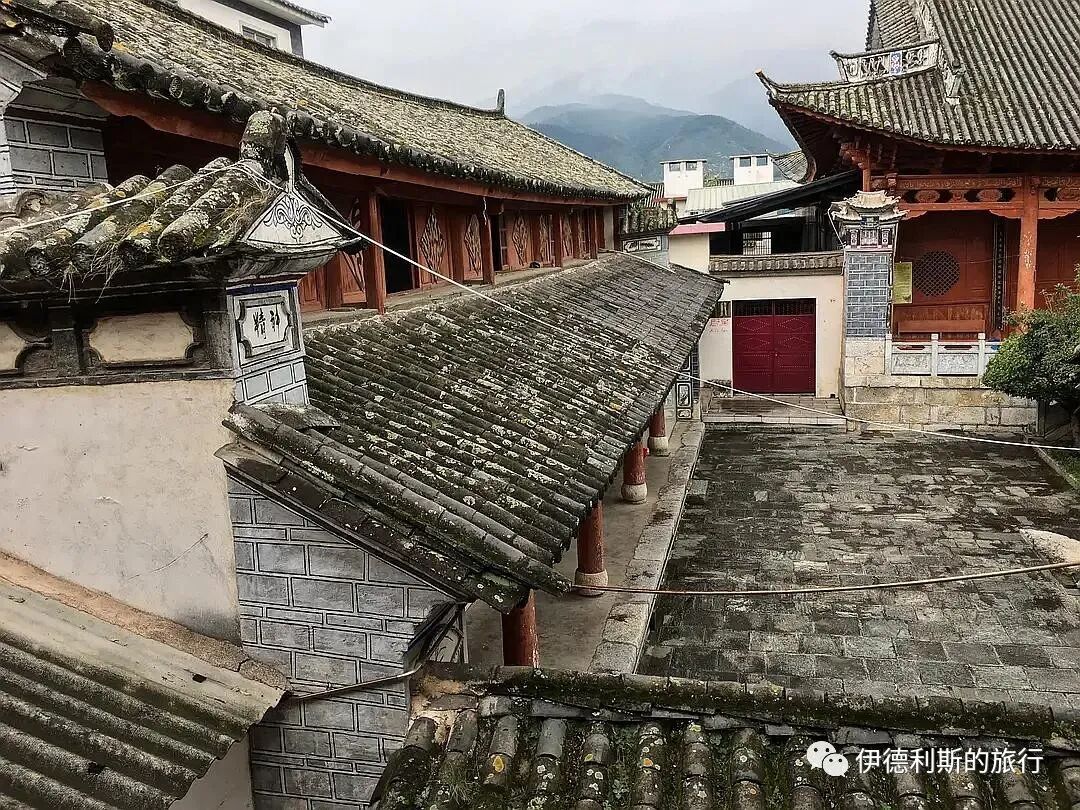
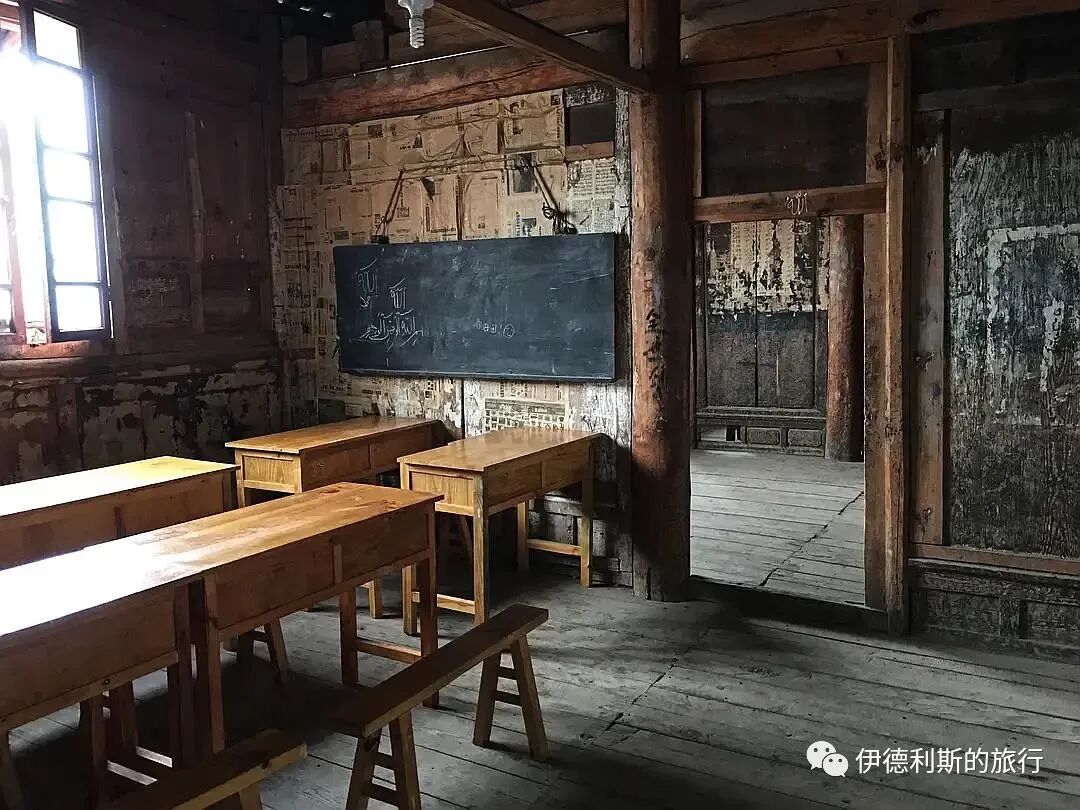
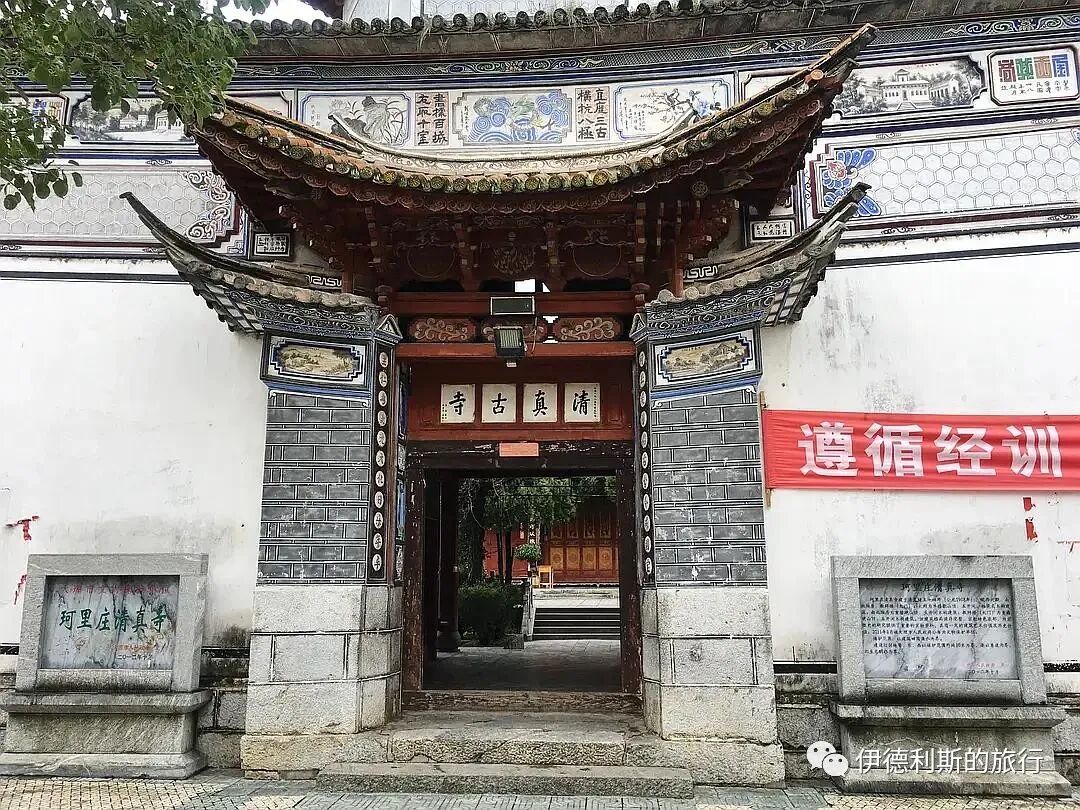
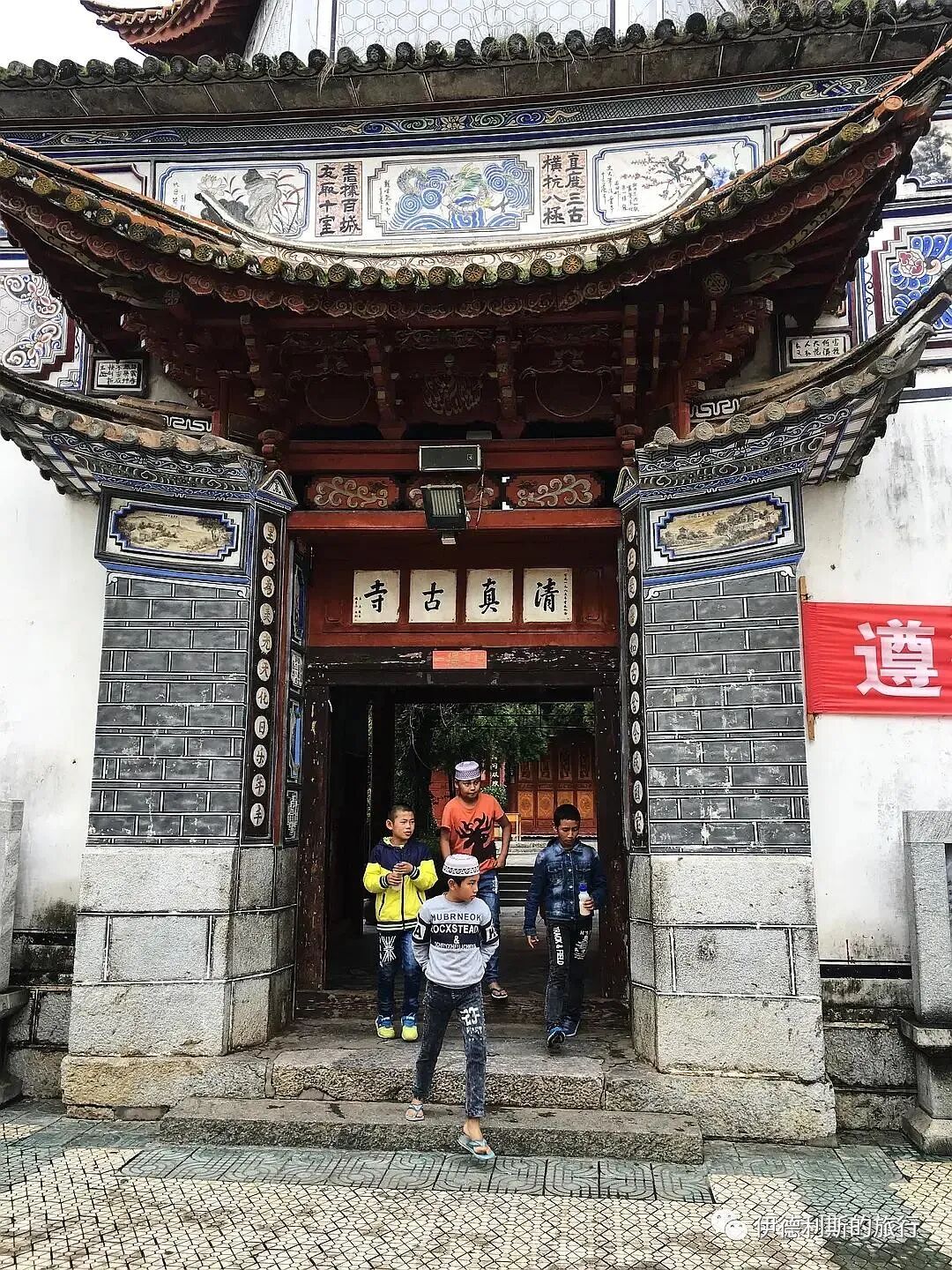
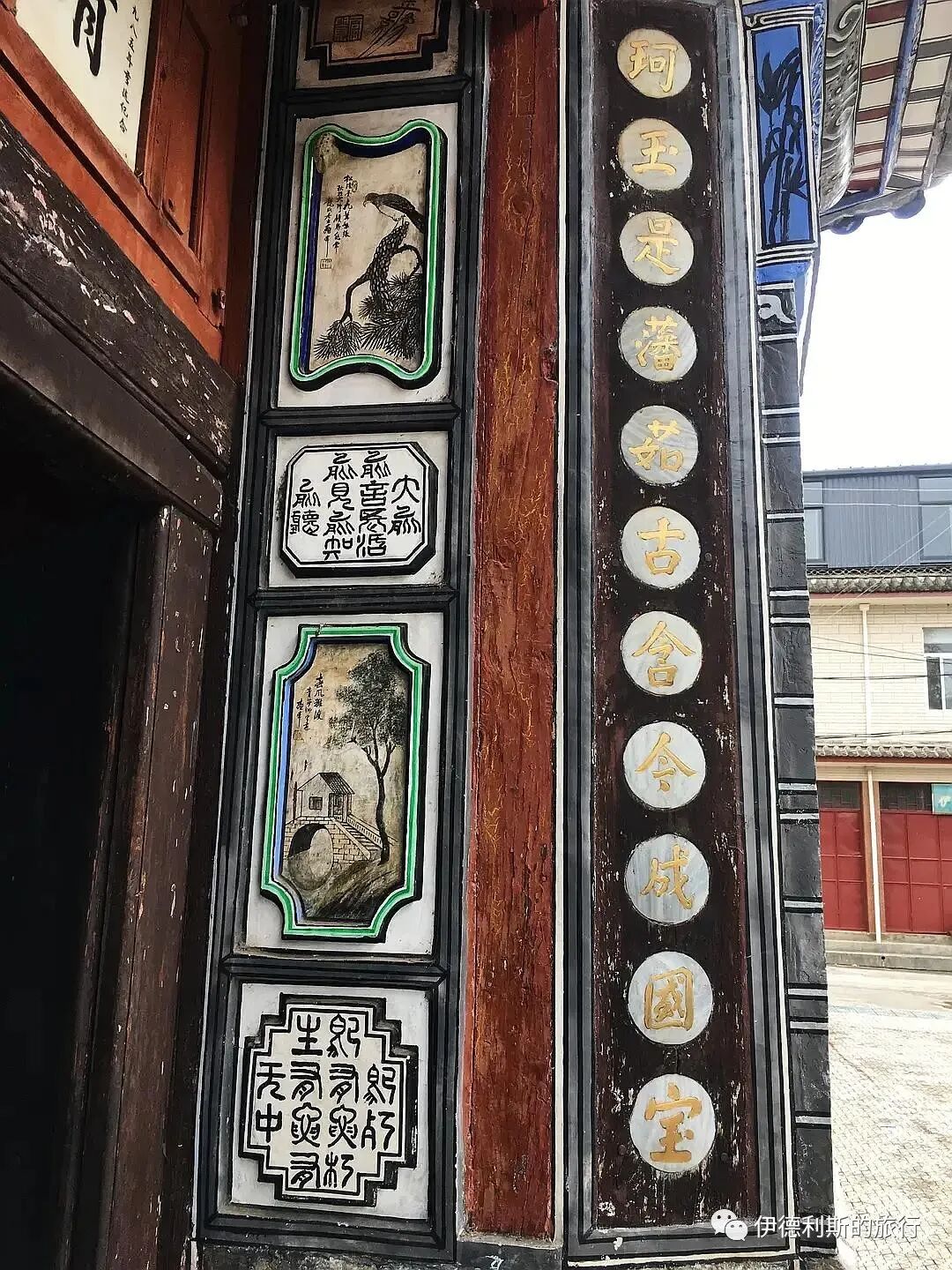
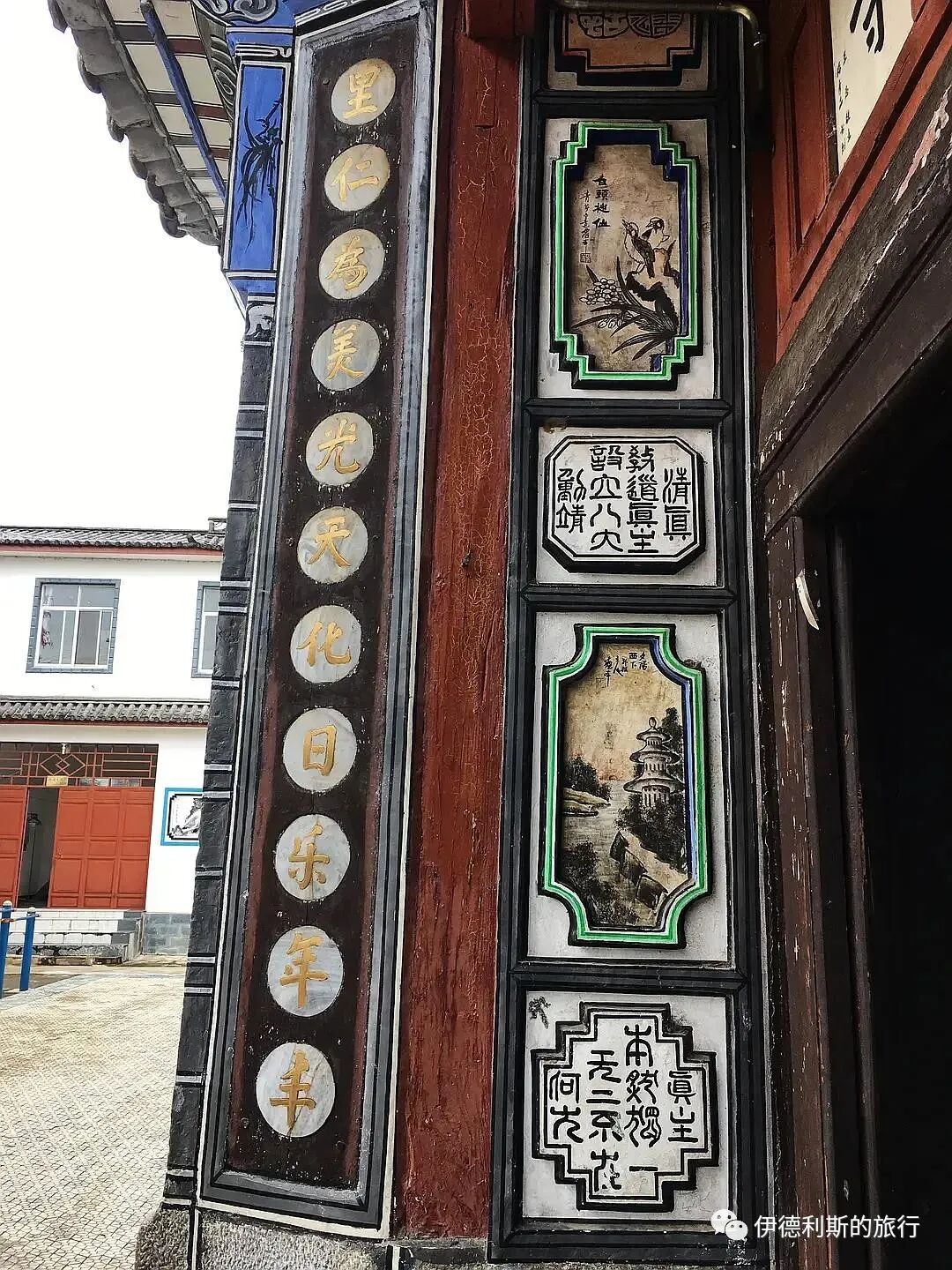
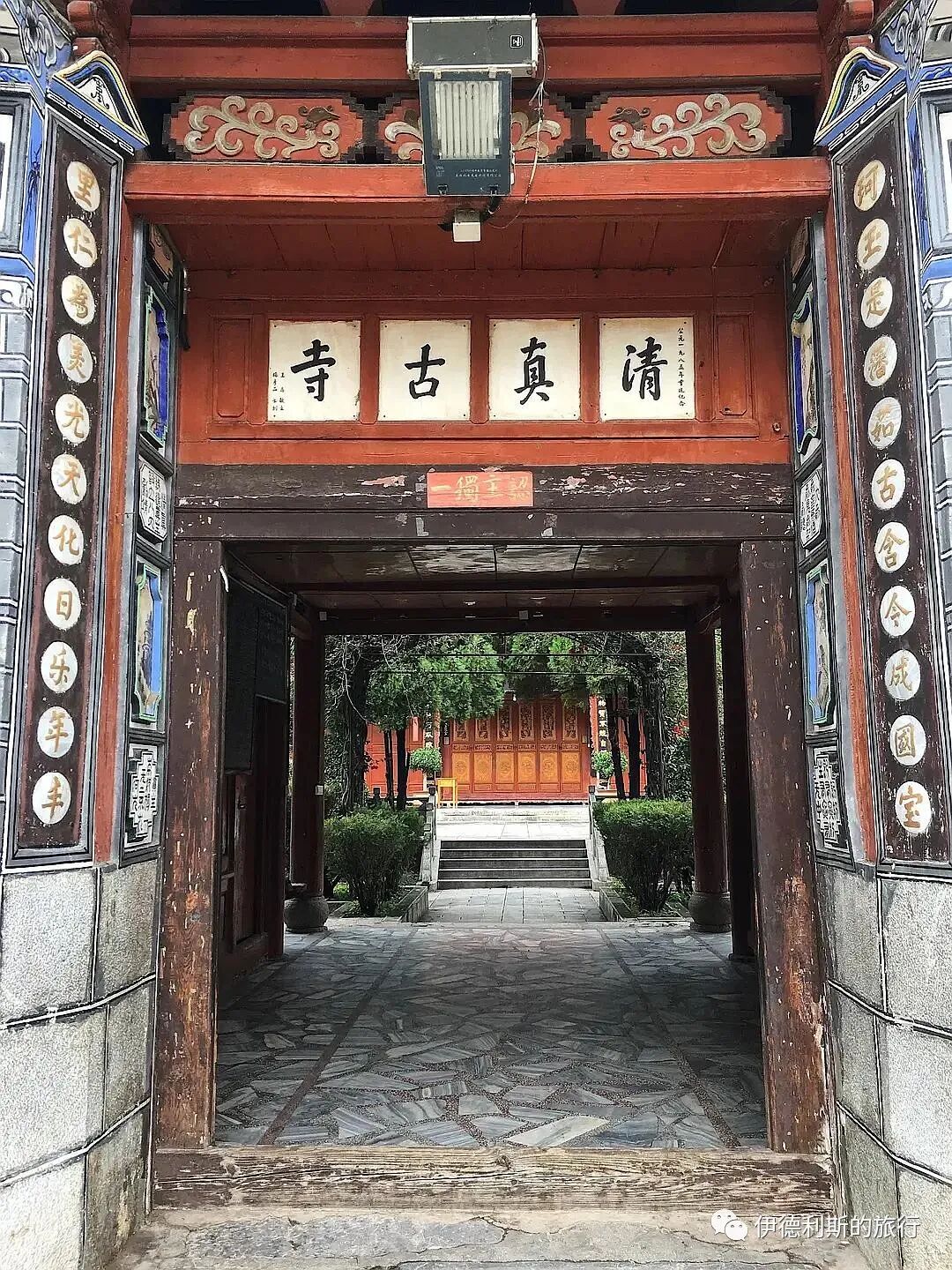
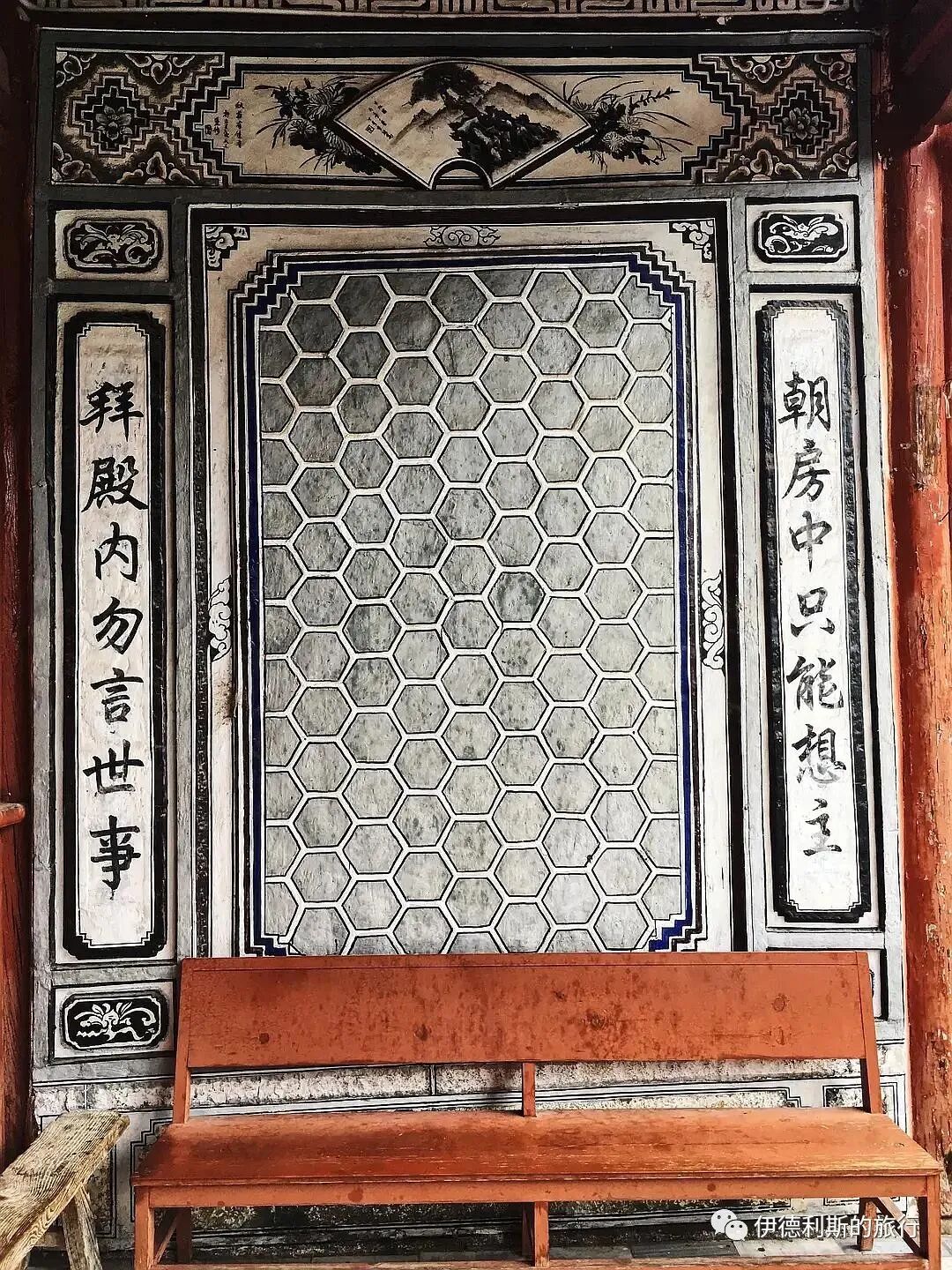
The main gate of the mosque can be said to be a representative of the traditional Dali style of mosque architecture.
3. Eryuan County
1. Sanmei Mosque: 1908
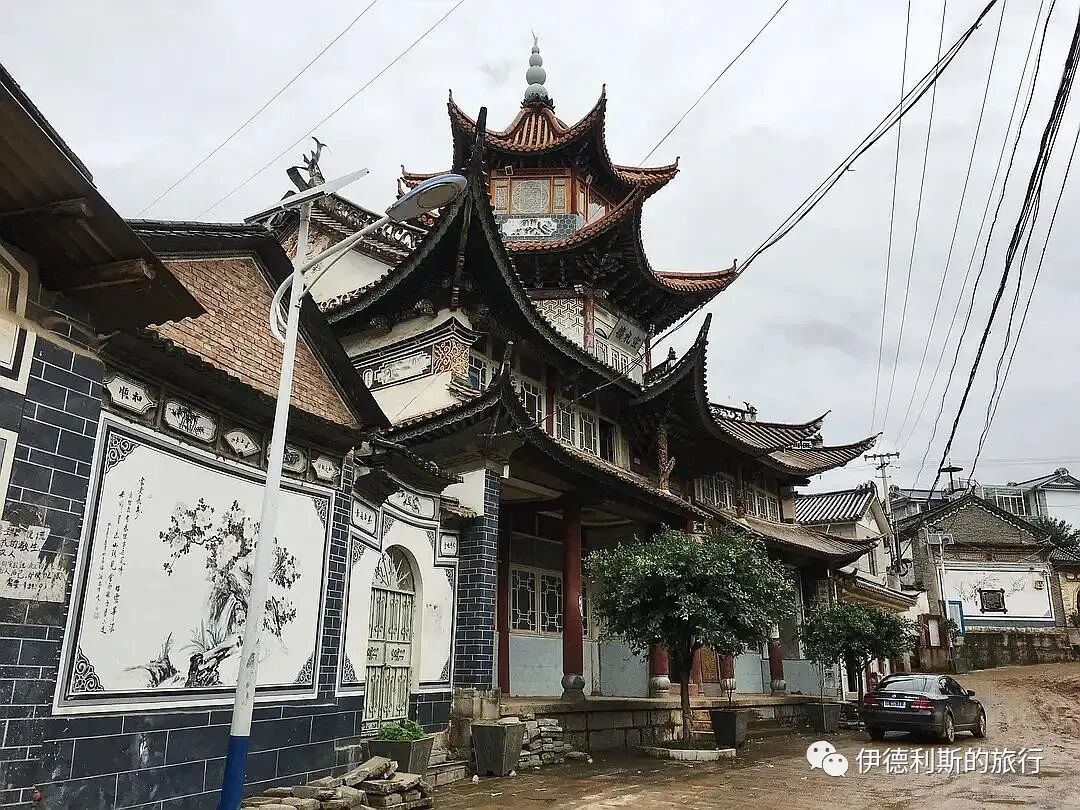
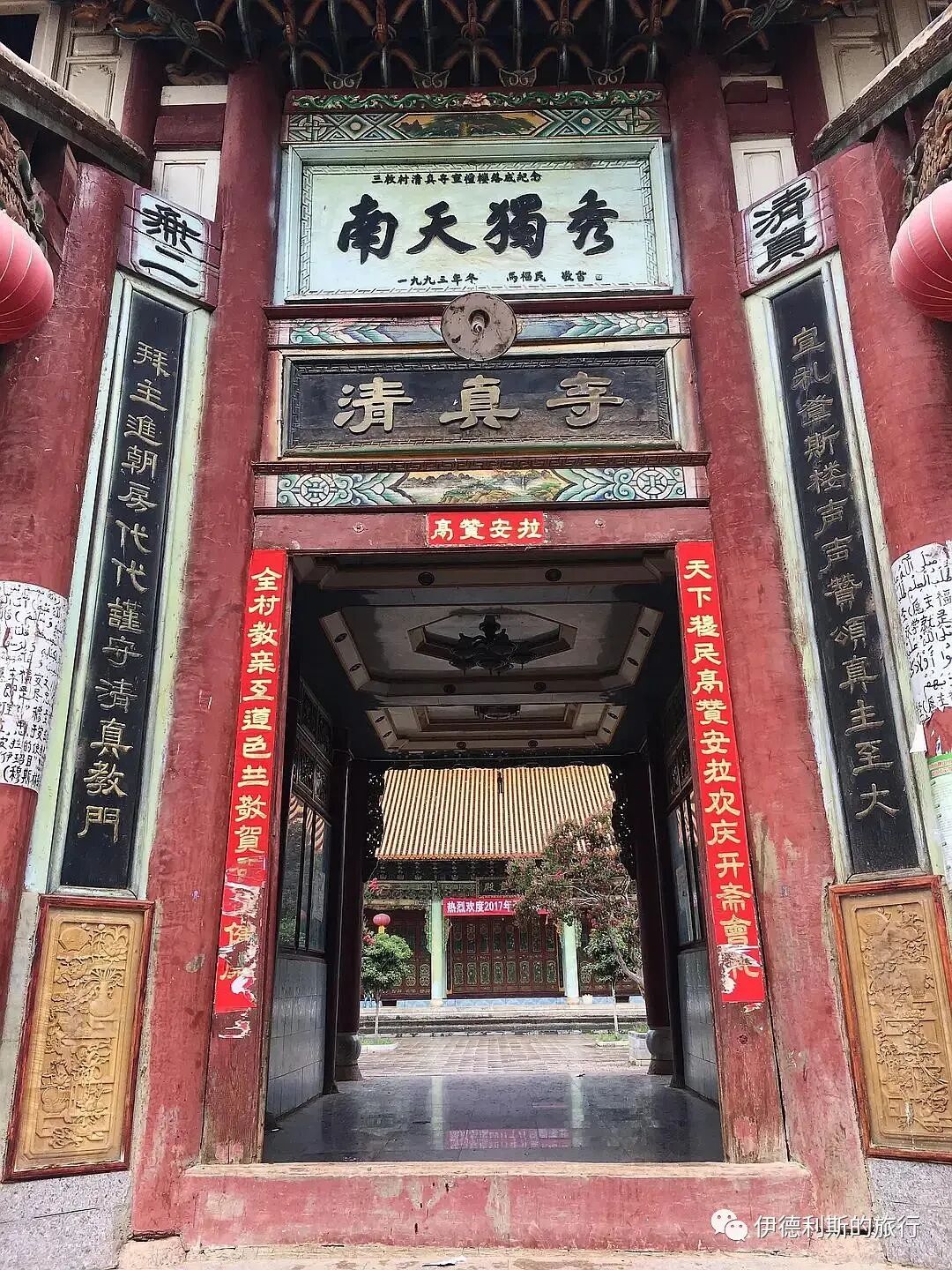
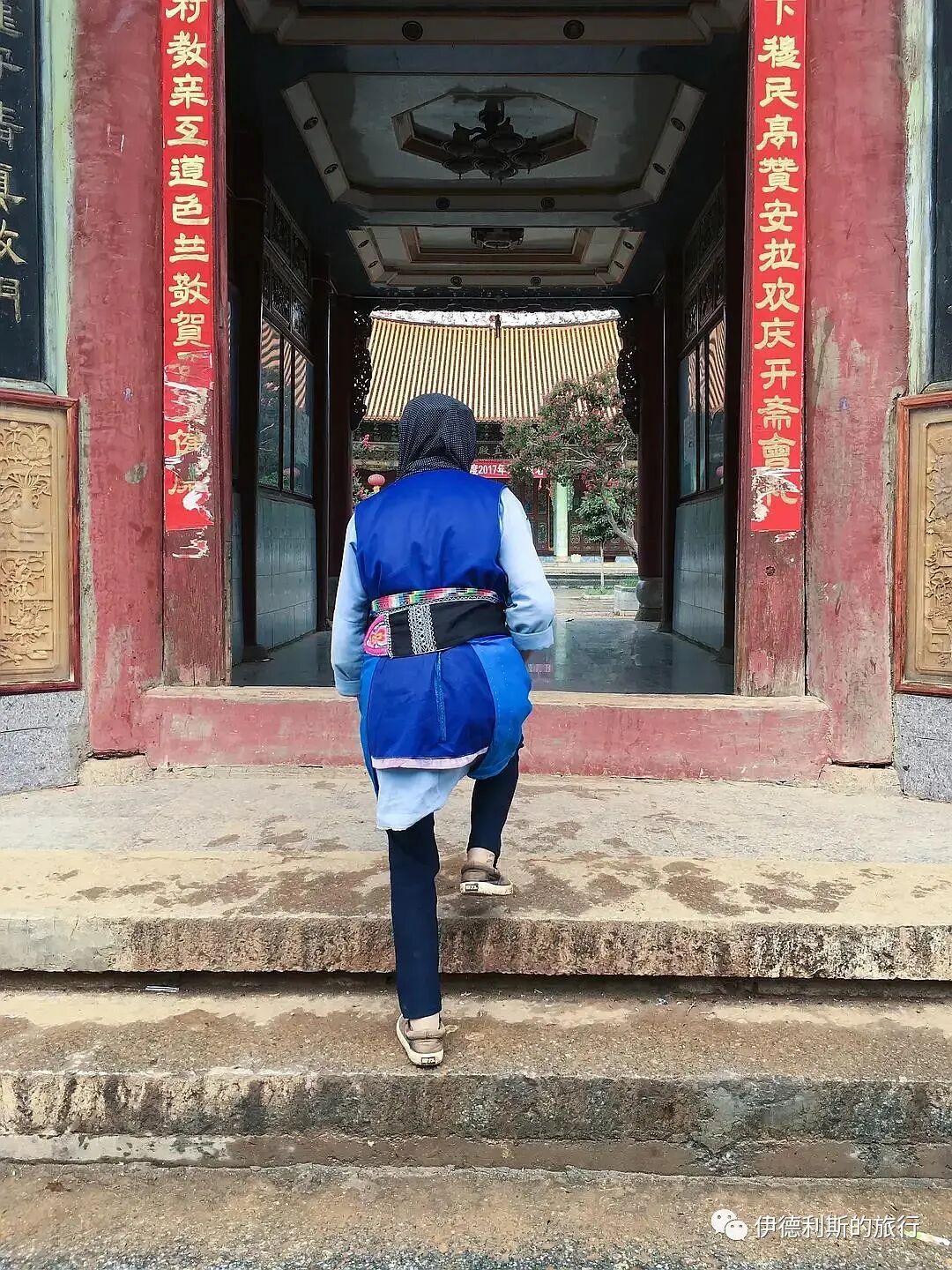
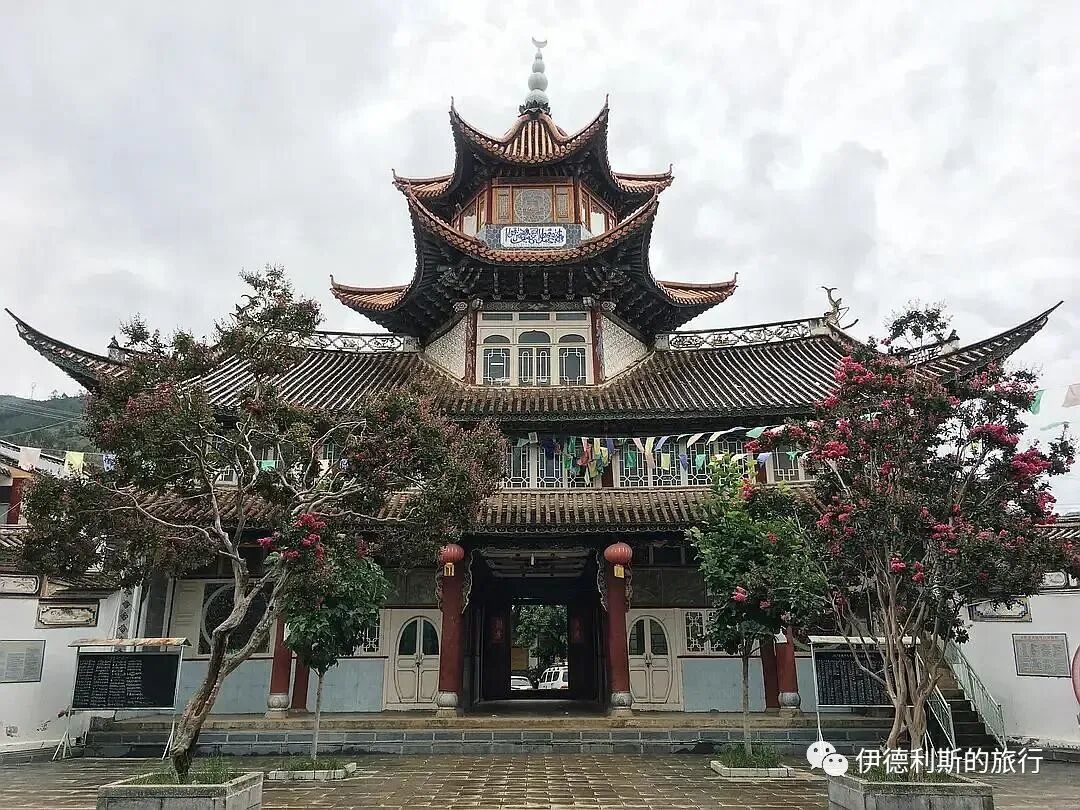
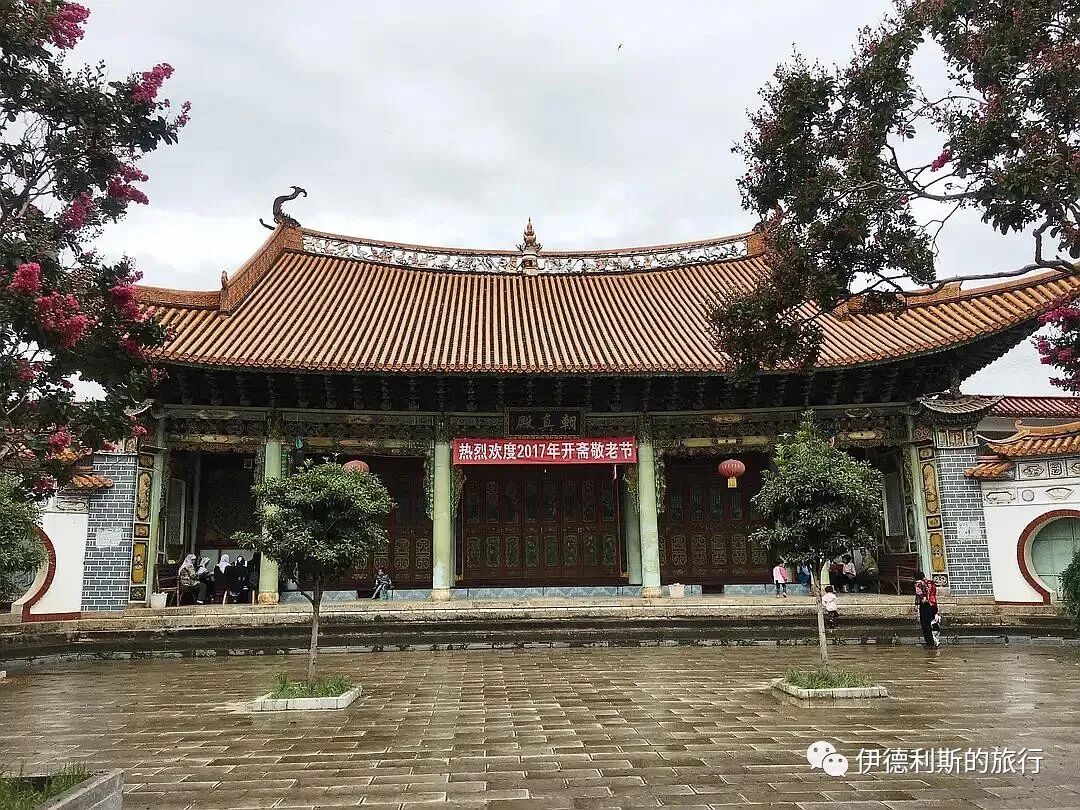
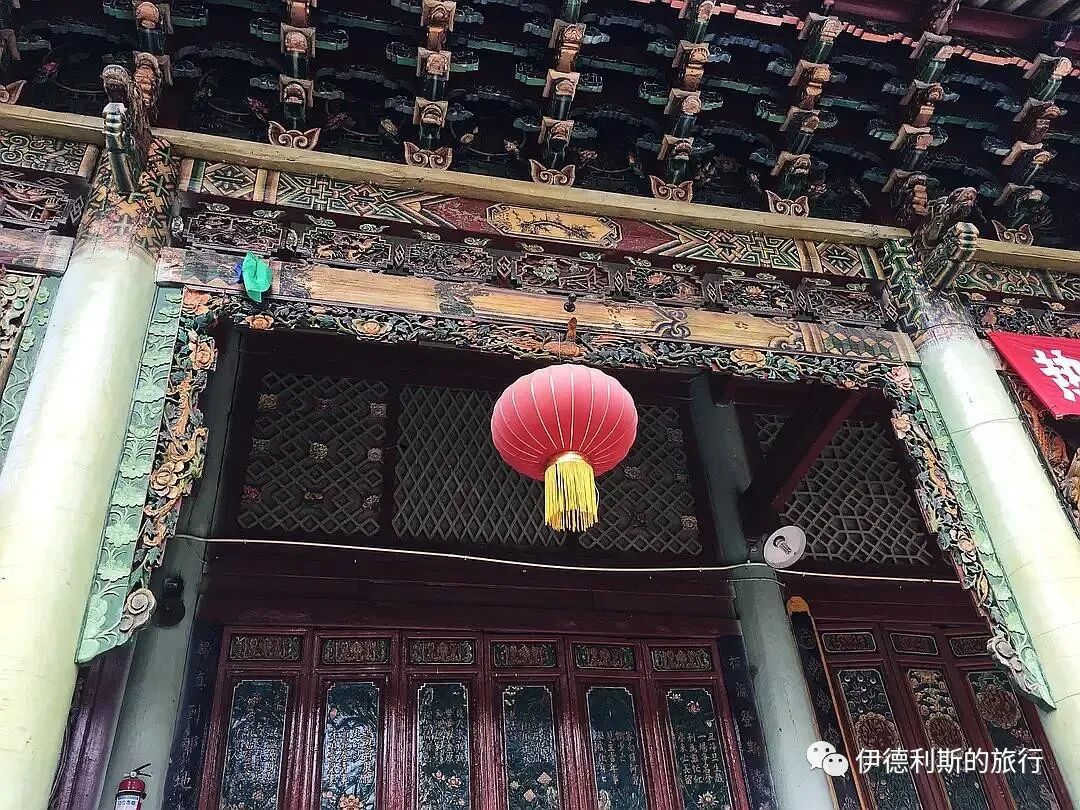
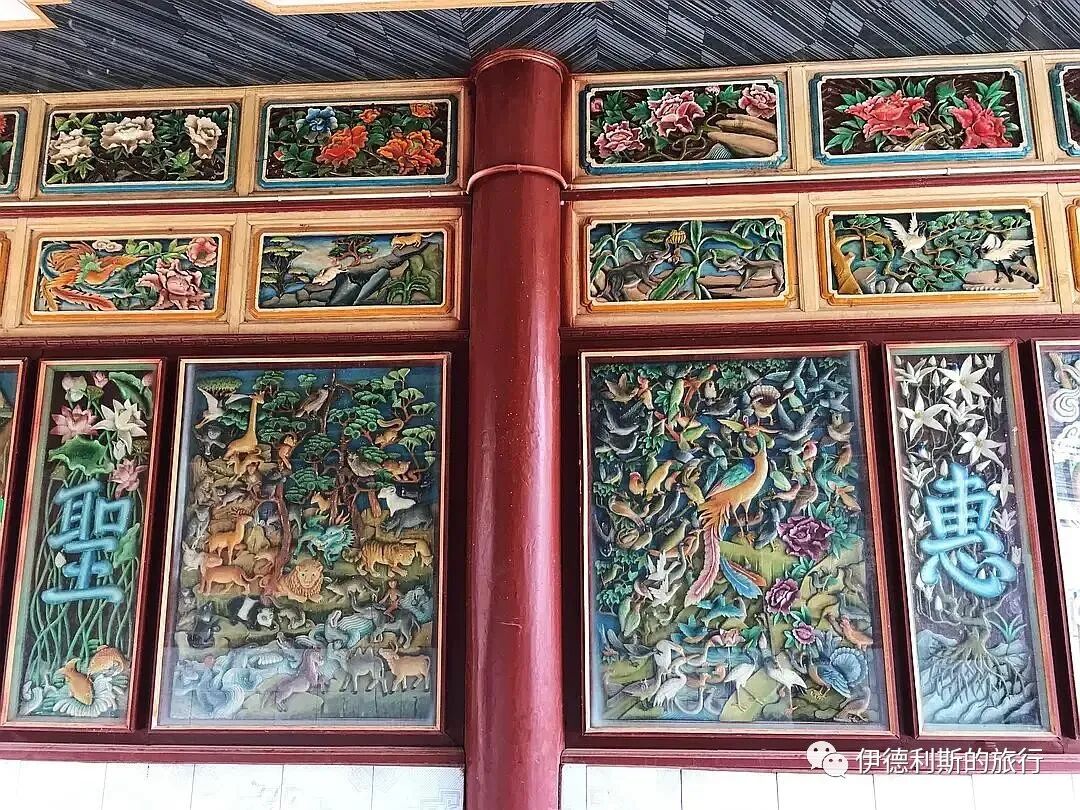
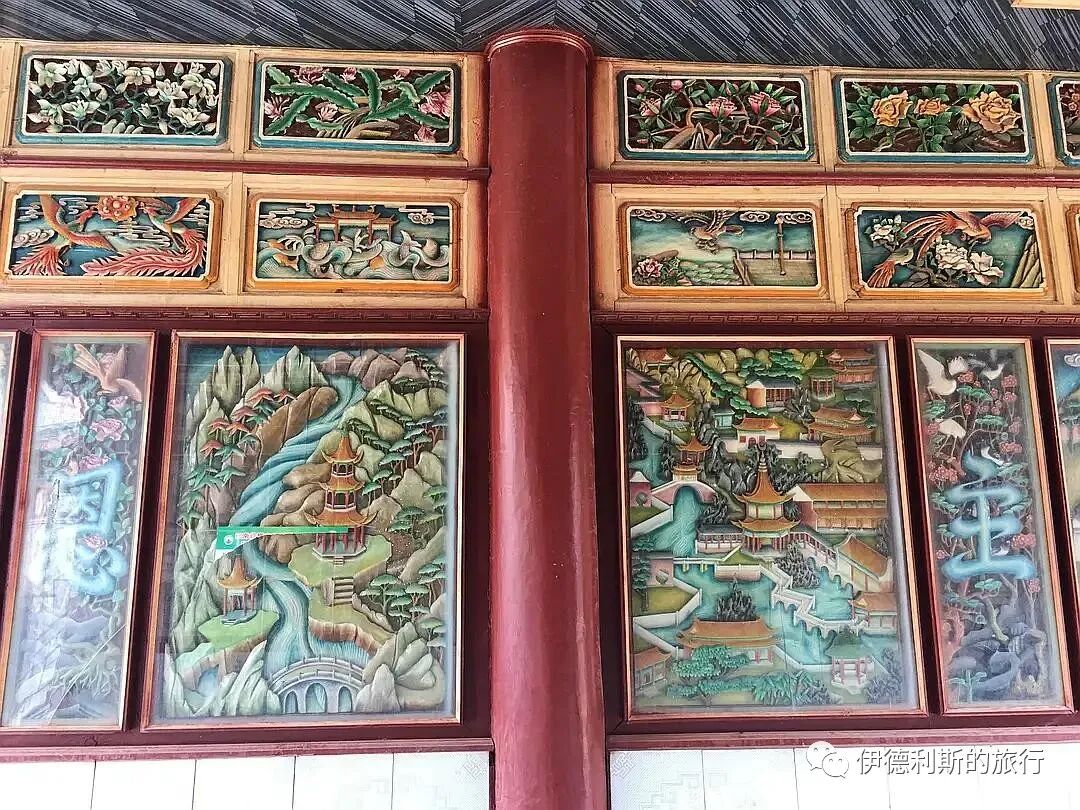
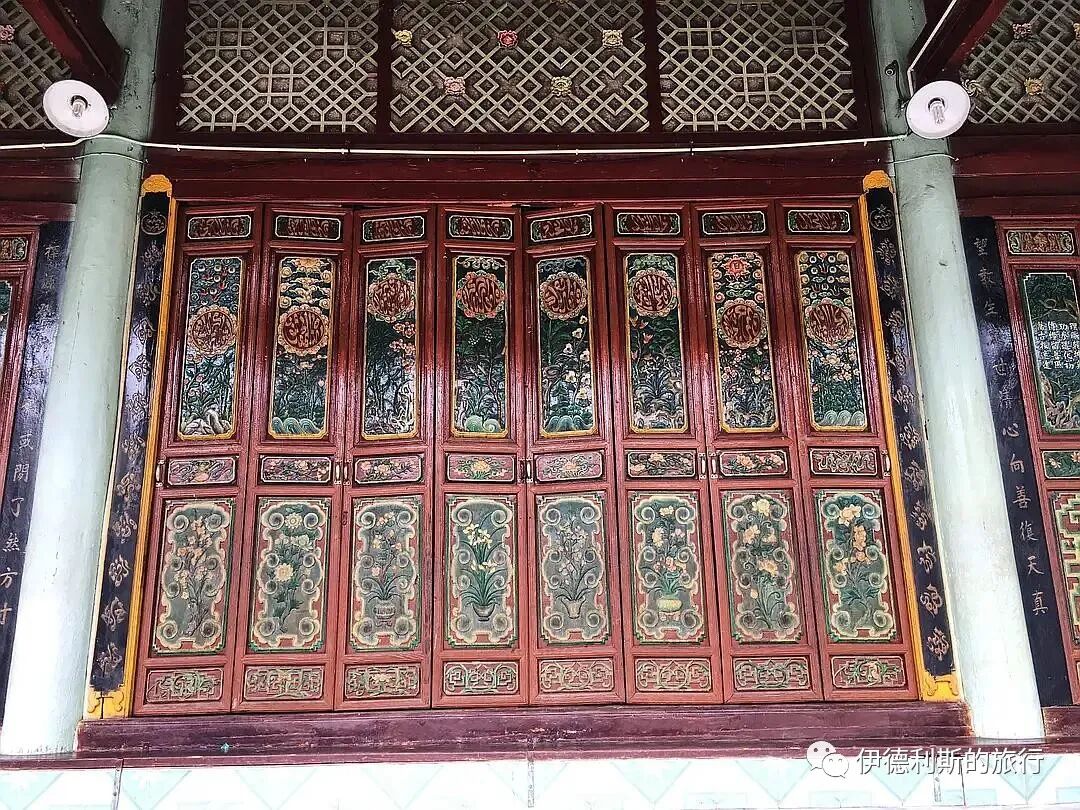
The three mosques on the Dengchuan Basin were built in 1908. The Hui people here speak the Bai language and wear Bai clothing, and their architectural style is also very similar to that of the Bai people, so they are called "Bai Hui" by the outside world.
2. Jiming Mosque
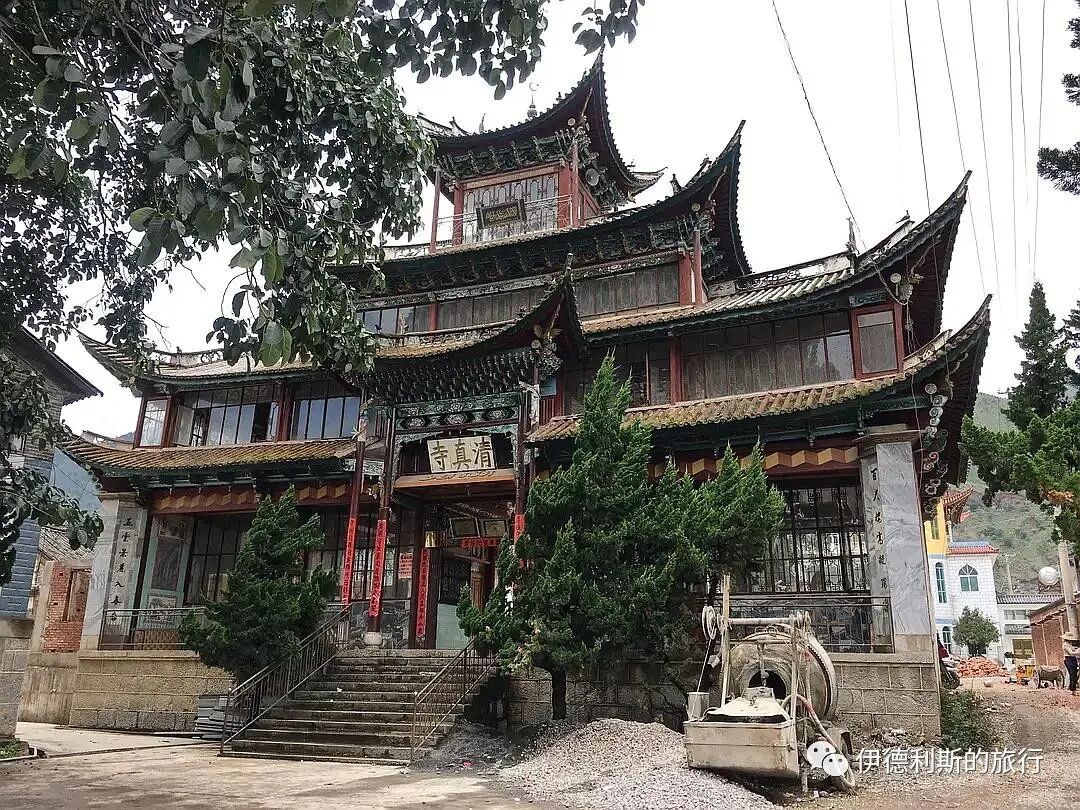
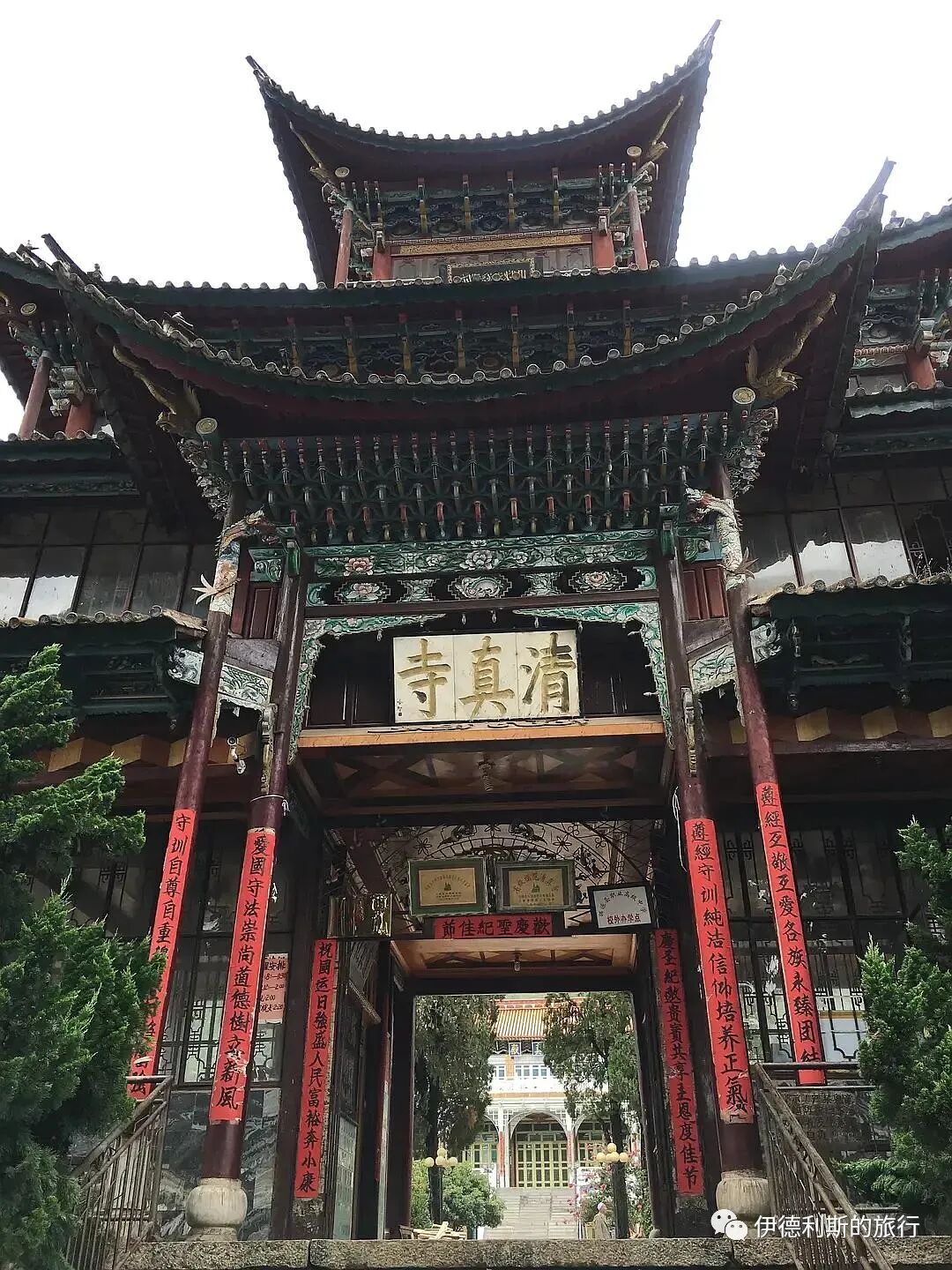
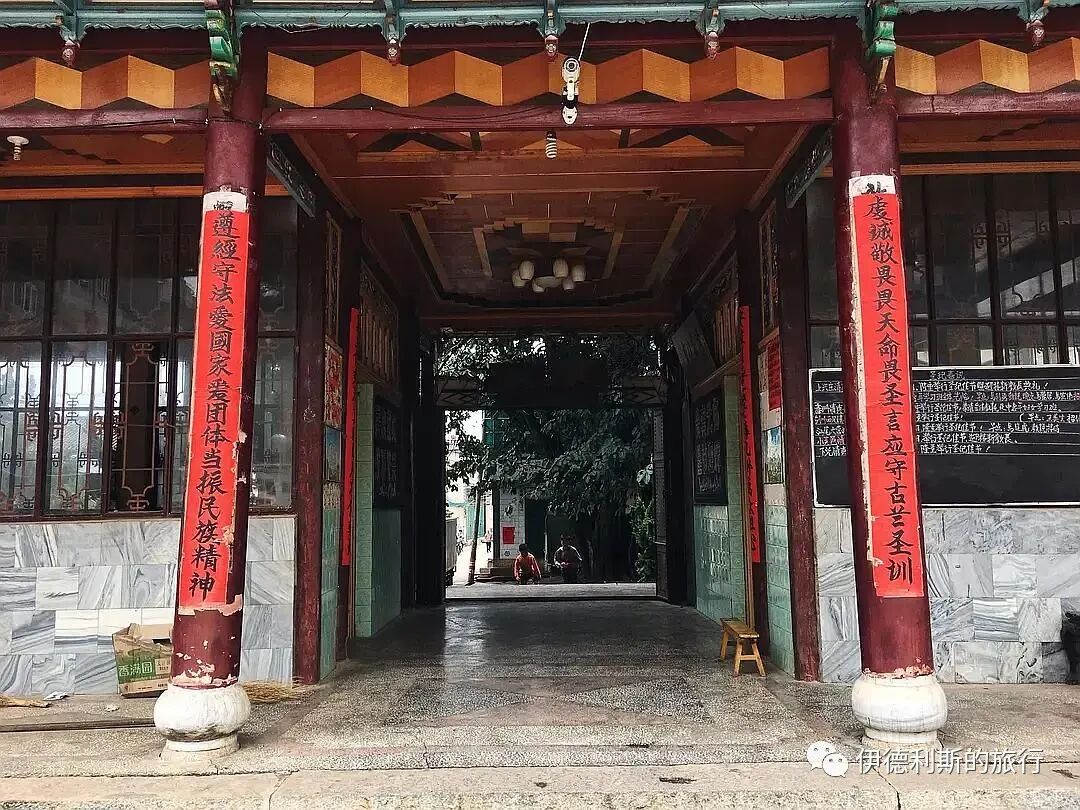
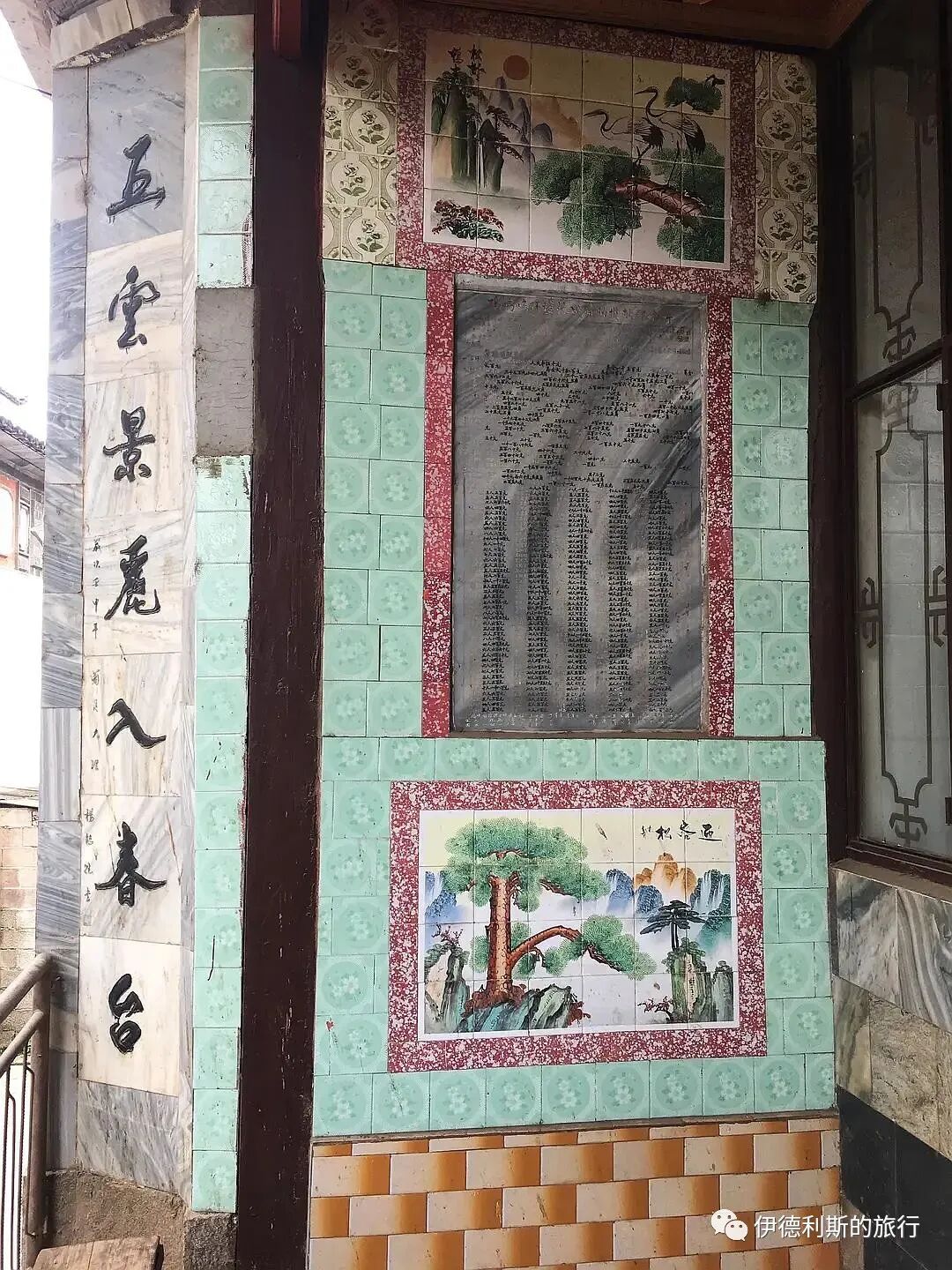
The two neighborhoods where the Jiming Mosque and Shipang Mosque are located on the Dengchuan Basin are the areas with the highest concentration of the so-called "Bai Hui" people. Jiming Mosque was built in 1894, and the current minaret was built in 1992. When I visited, it was undergoing renovations.
3. Shipang Mosque
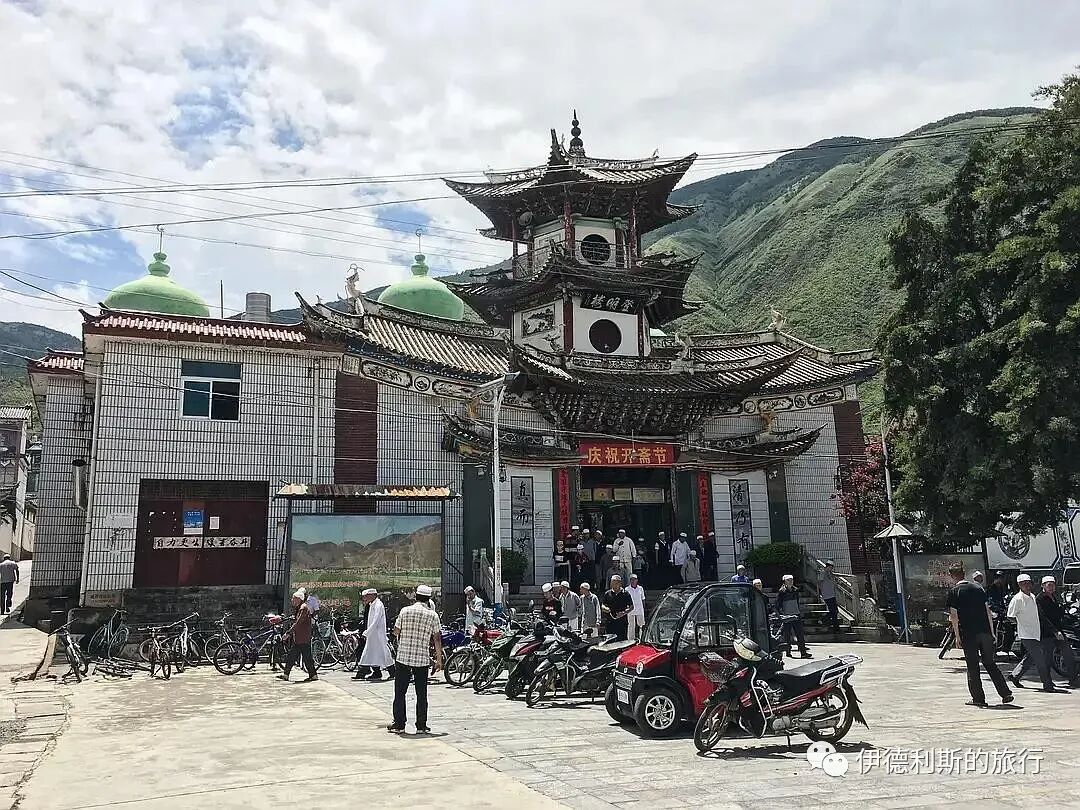
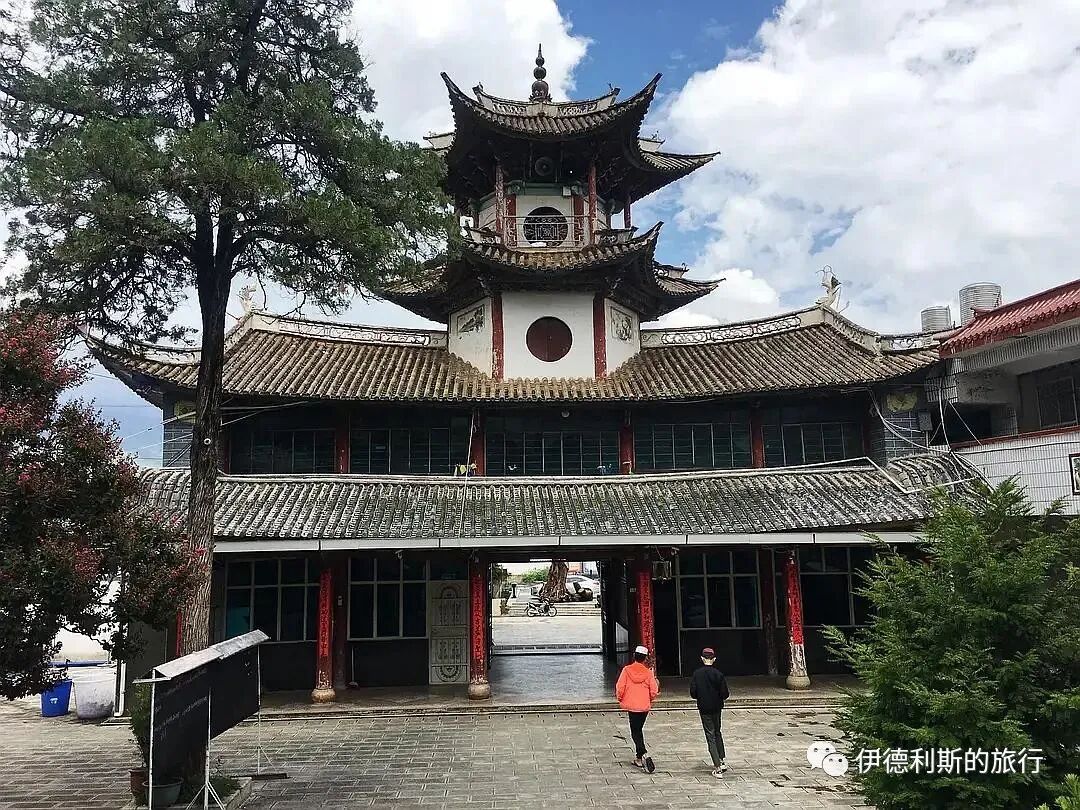
The Sepang Mosque was built in 1896, and the minaret was built in 1920.
Summary: This travel note introduces Twenty Traditional Mosques in Dali (Part 2). 16. Donglianhua Mosque: 1921. It is useful for readers interested in Dali Mosques, Chinese Muslims, Muslim Travel.
16. Donglianhua Mosque: 1921
Donglianhua Mosque was first built during the Qing Dynasty and was expanded twice in 1921 and 1987. From east to west, the mosque consists of the main gate, the minaret, and the prayer hall, with the minaret dividing the courtyard into two parts.
The minaret was raised to four stories in 1987, with a five-five-three-one structure; the first, second, and third floors are classrooms for holiday study groups, and the fourth floor is the place for calling the adhan.
The main hall was expanded into a five-by-seven bay structure in 1921, and in 1987, it was further expanded into a nine-by-eleven bay structure. The mihrab features traditional Arabic calligraphy in the distinctive Yunnan style.
Main gate
2. Dali City
1. Keli Village Mosque: 1908
The main hall of the Keli Village Mosque in Xizhou Town was rebuilt in 1908, with a significant portion of the funding coming from overseas Chinese in Myanmar. Keli Village Mosque is a famous 'hometown of overseas Chinese'; historically, it had powerful horse caravans that traveled throughout Yunnan province to places like Kunming, Simao, and Zhongdian, and connected southward to cities in Myanmar such as Mandalay, Mawlamyine, and Lashio. Since the late Qing Dynasty and the Republic of China era, hundreds of households from Keli Village have migrated to Myanmar, and the Chinese mosque in Yangon's Chinatown has often been led by imams from Keli Village.
The minaret and side rooms were rebuilt in 1926, with funding provided not only by local community members and overseas Chinese in Myanmar, but also by surrounding Bai villagers and various merchants. Back then, the north side room was where Ma Yin'an and his son Ma Xin taught Islamic studies, training a group of Imams for western Yunnan and even the Tibetan region. The south side room hired Bai intellectual Yang Handing to teach Chinese studies. Today, the minaret and side rooms are still used as classrooms for study groups.
The main gate of the mosque can be said to be a representative of the traditional Dali style of mosque architecture.
3. Eryuan County
1. Sanmei Mosque: 1908
The three mosques on the Dengchuan Basin were built in 1908. The Hui people here speak the Bai language and wear Bai clothing, and their architectural style is also very similar to that of the Bai people, so they are called "Bai Hui" by the outside world.
2. Jiming Mosque
The two neighborhoods where the Jiming Mosque and Shipang Mosque are located on the Dengchuan Basin are the areas with the highest concentration of the so-called "Bai Hui" people. Jiming Mosque was built in 1894, and the current minaret was built in 1992. When I visited, it was undergoing renovations.
3. Shipang Mosque
The Sepang Mosque was built in 1896, and the minaret was built in 1920.
