

Dali Mosques
A Foodie & Traveler's Guide to Yunnan Hui Muslim Culture, Mosques, and Community Life in Dali
Articles • Hasan09 posted the article • 0 comments • 1 views • 1 hours ago
Heartfelt Notes from Dali's Hui Quarter: The Unseen Chain of Tradition and the Daily Faith of Elderly Muslims in the Colorful South
Abstract:
Documenting the deep emotional touchpoints experienced while living among local Hui Muslims during my time in Dali. Through the unpretentious, middle-path words and actions of Dali's Hui elders, we explore the spiritual bond passed down through generations that tightly links human hearts and faith, showcasing the genuine hospitality where 'there are no outsiders here.'
Living as a traveler in Dali for nearly a month now, Yunnan isn't unfamiliar to me. My school days as a teenager left an imprint on my soul, and several years of teaching later on forged an unbreakable bond with this land.
This land is brimming with blessings. For outsiders, life here moves at a slow pace with clear blue skies, white clouds, fresh air, a pleasant climate, and down-to-earth folkways, making it a dream destination.
For me, looking past the environment, what has always drawn me in is the intrinsic spirit of this land—an invisible chain of tradition tying human hearts tightly to Islam, especially in some of the elders. Perhaps they aren't highly educated, and they never graduated from a madrasa (Islamic school), but their adherence radiates sincere devotion.
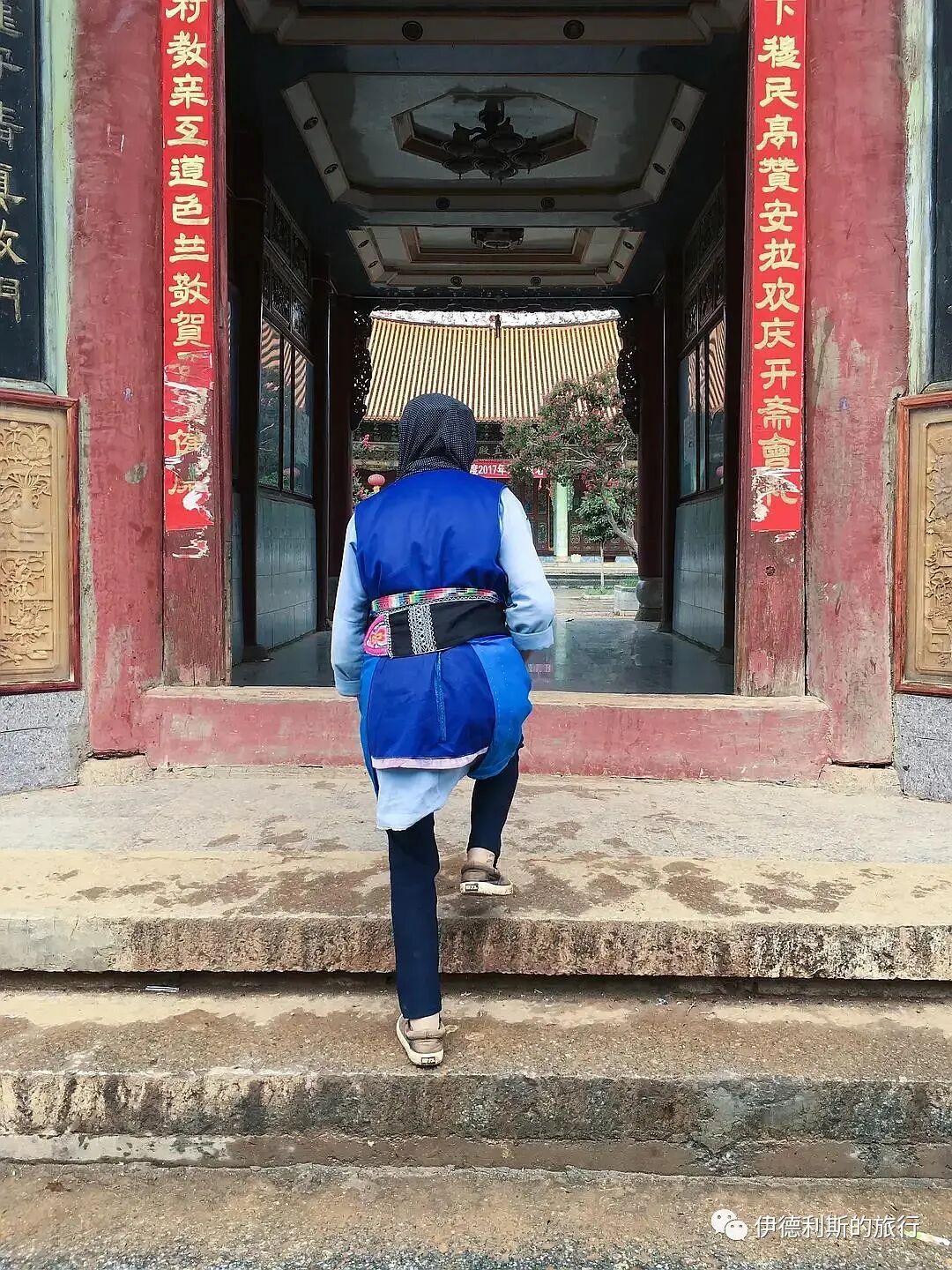
(Two elders holding hands and supporting each other on the way home after prayer)
An uncle from Henan who traveled with us said, 'Back home in my village, going to the mosque for namaz (formal daily prayers) is a struggle; my heart is full of reluctance, and I fear the judgment of worldly eyes.' But here, there's so much momentum driving you to the mosque, and every prayer brings immense joy to the soul. Even though his legs and feet aren't great, he always arrives half an hour early just to sit and wait—even that feels like a treat.
This is the most direct takeaway: whether a community's religious life is thriving or not, outsiders are the best judges because the spiritual experience it delivers is real. If a place is no good, people develop a craving to 'escape this place' and can't bear to stay a single second.
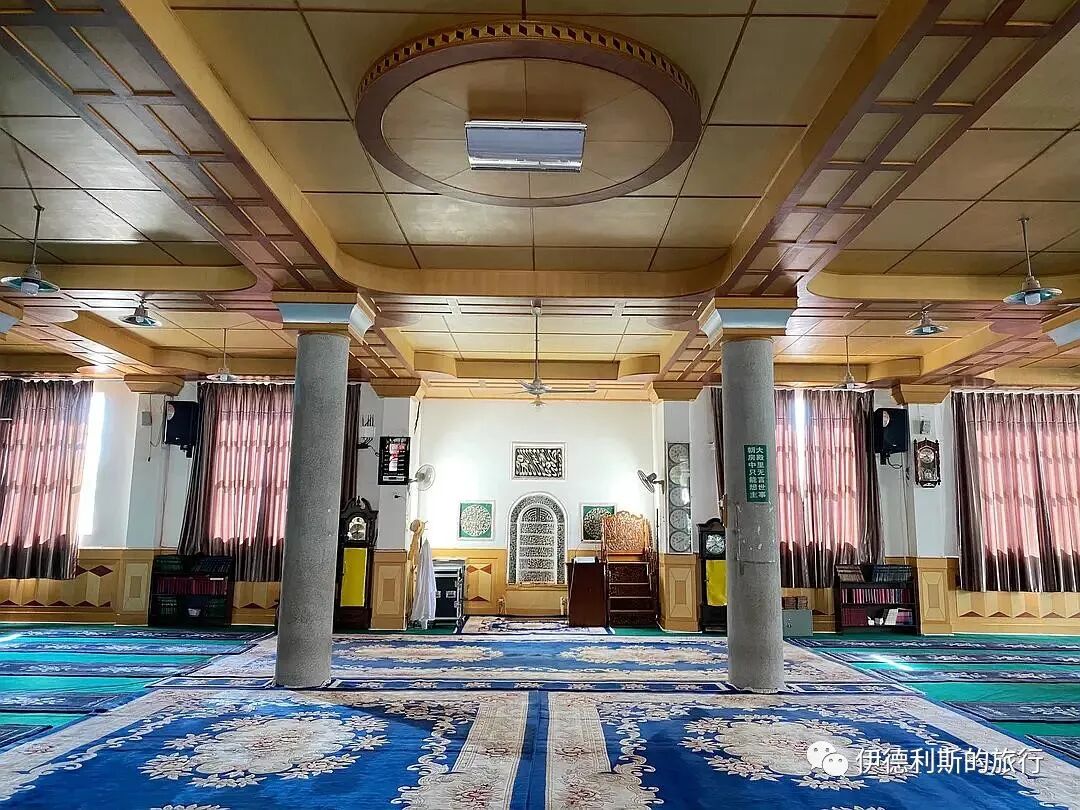
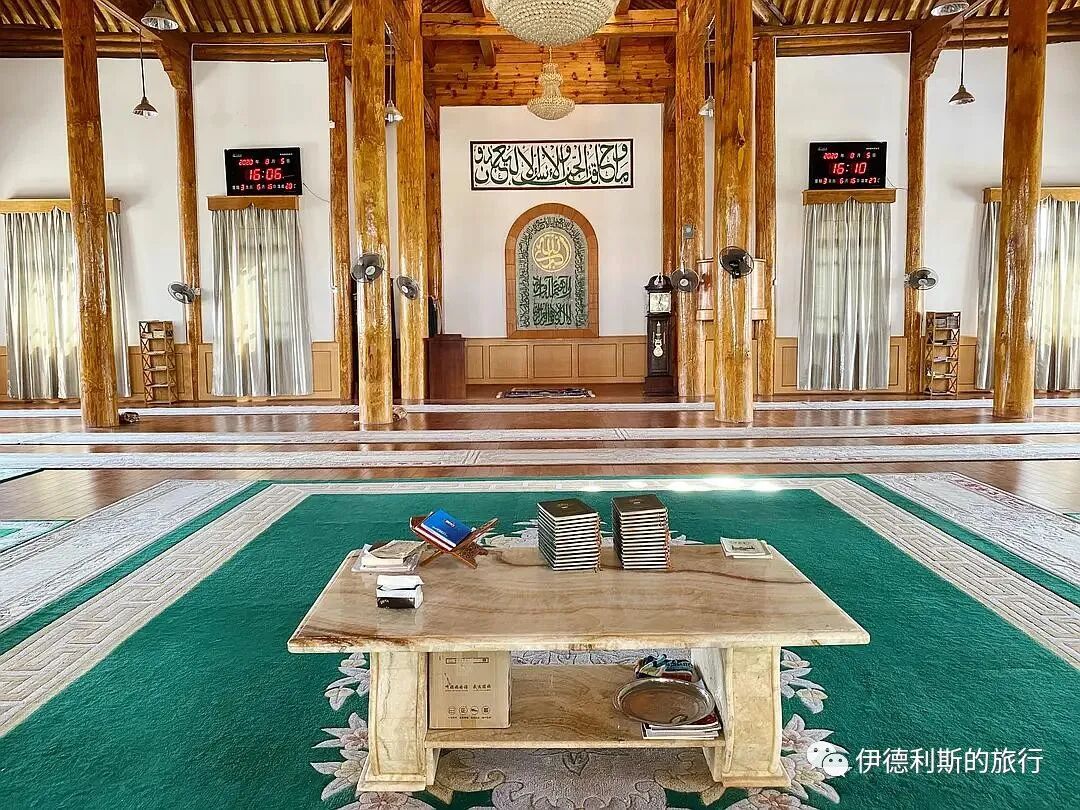
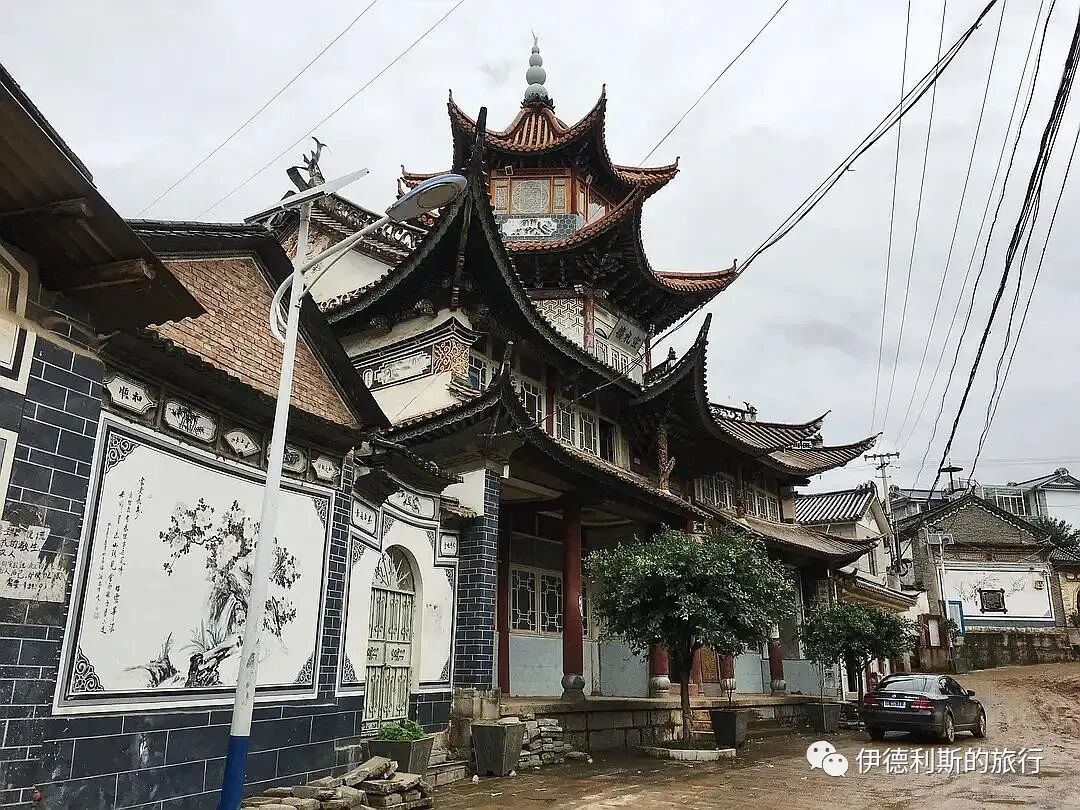
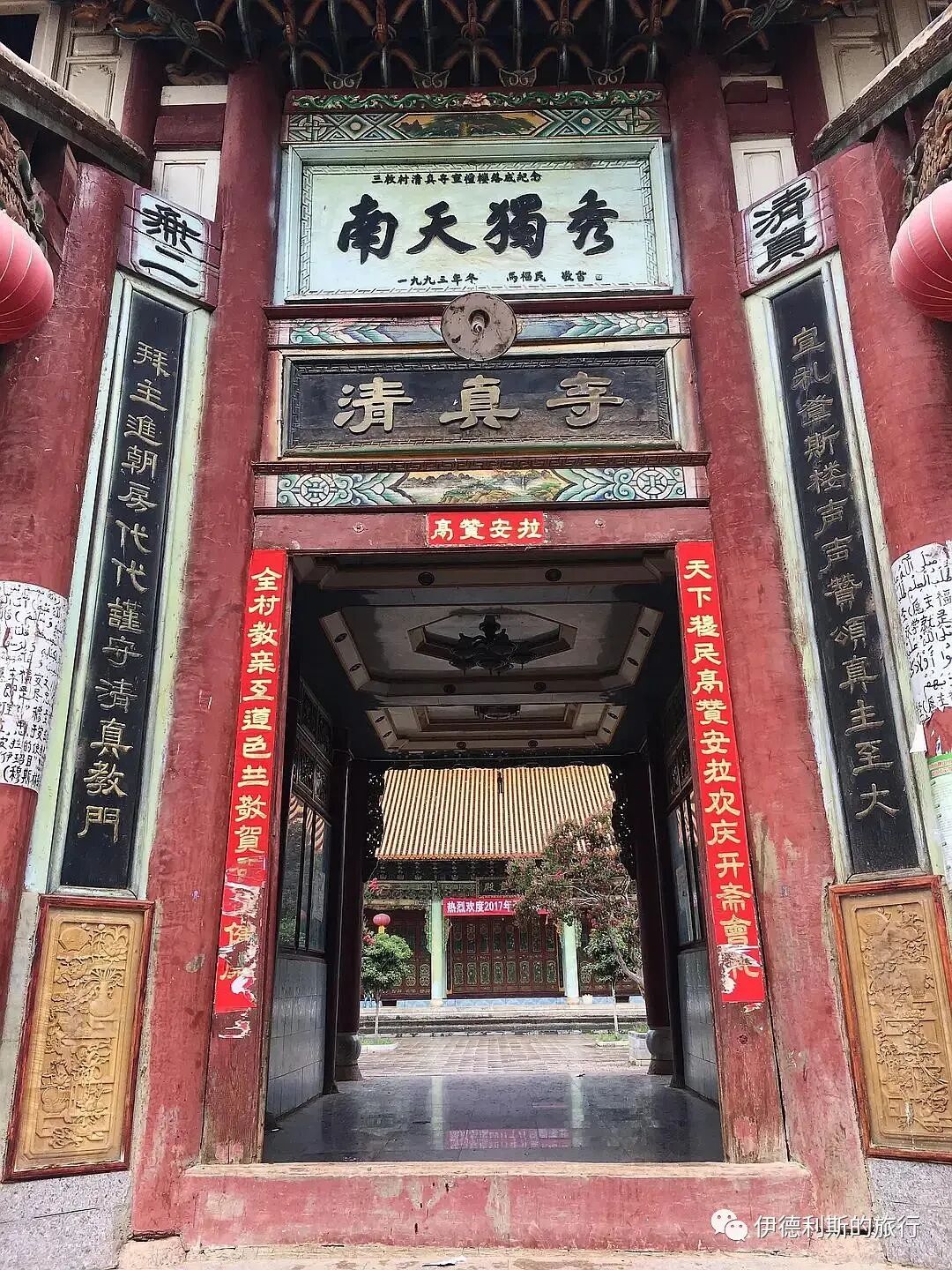
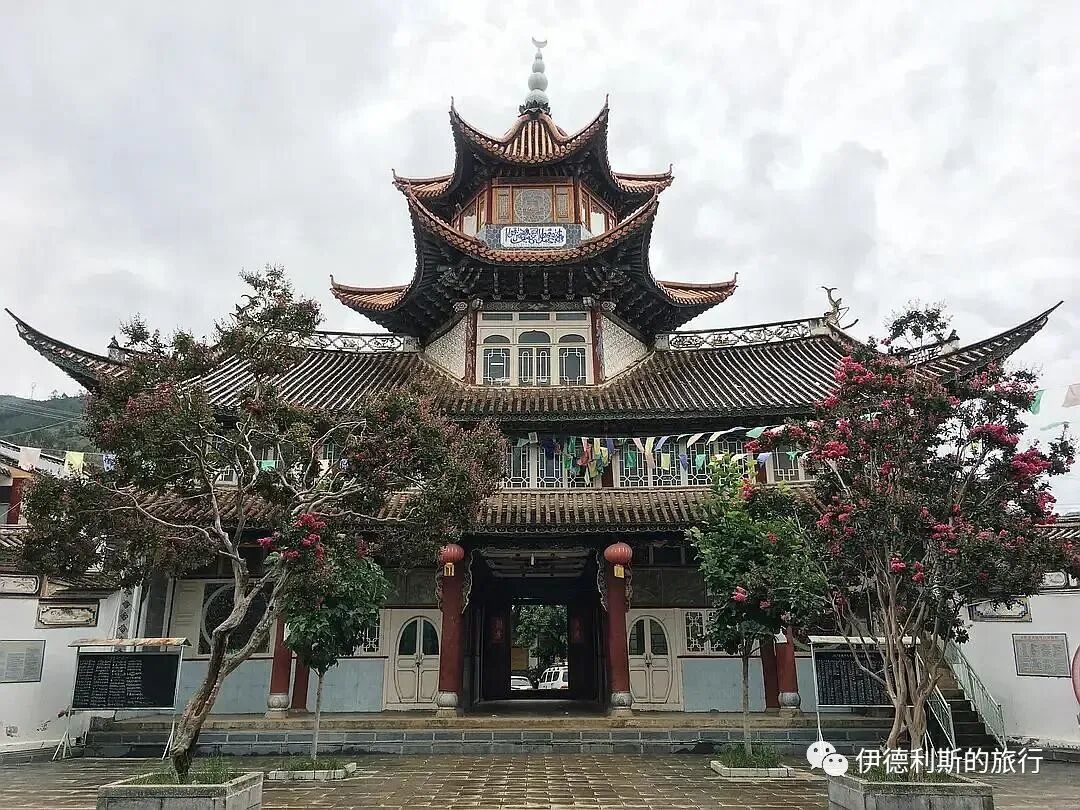
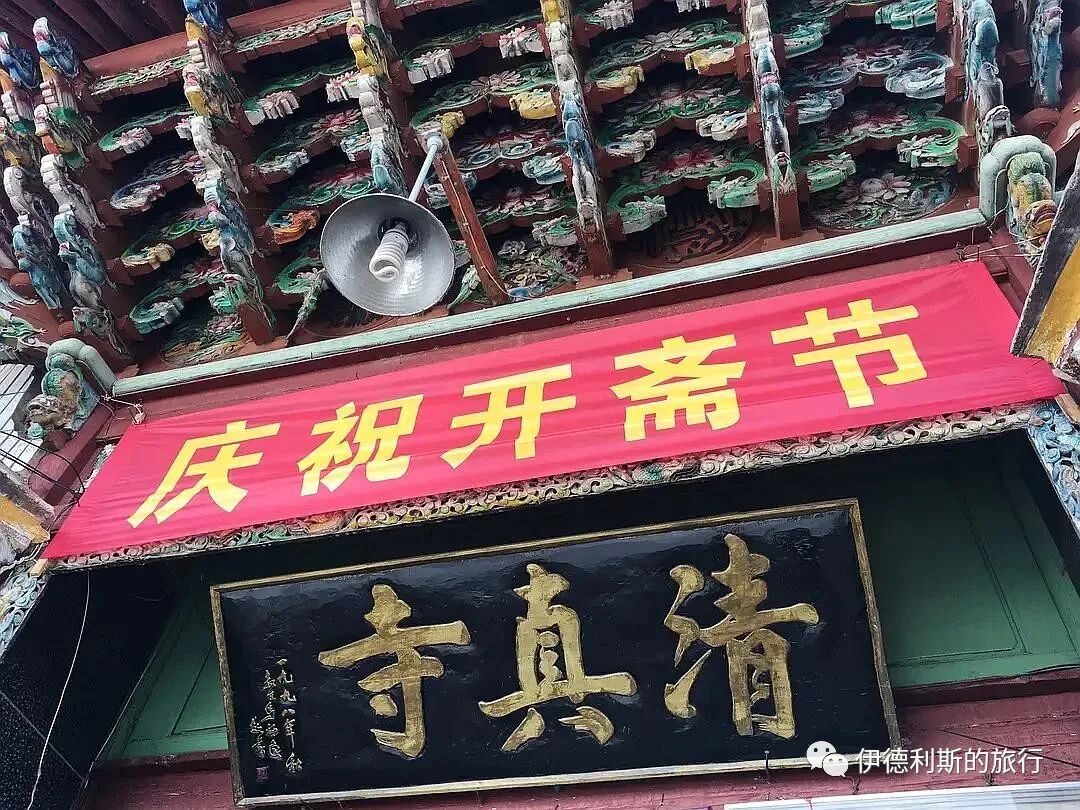
(The mosque where I am staying)
Most mosques in Yunnan practice the Gedimu (traditional Hanafi) tradition, and the village where I live is no exception. After the sunnat (recommended) and fard (obligatory) prayers, they recite Surah Ya-Sin, the Guoquan Zhang, Tawbah (repentance), and Salawat (praising the Prophet) in the local dialect, which sounds remarkably distinct and special.
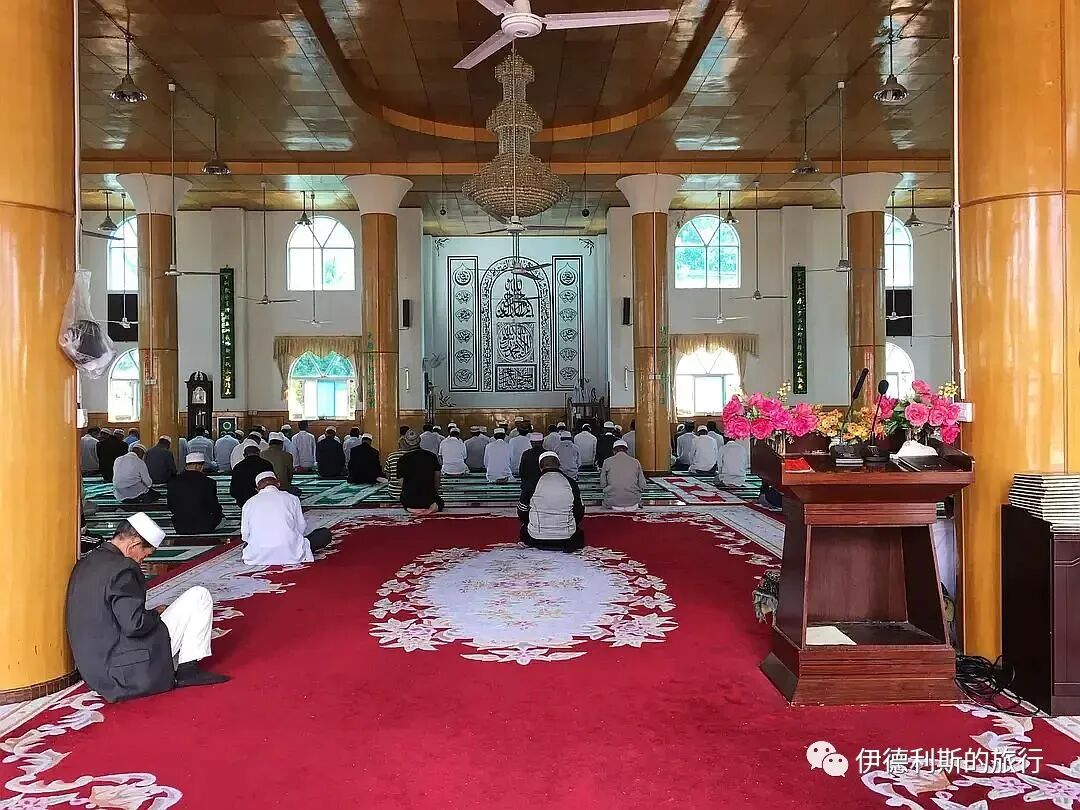
Every single prayer, the moment the adhan (call to prayer) sounds, people rise to their feet, listen with solemn reverence, and eagerly line up in ranks. From my observation, the worshippers here are intensely dignified. When the prayer ends, almost everyone stays to make dua before leaving the hall. Inside the main prayer hall, virtually no one scrolls through their phones; they either sit quietly or recite the Quran, and you hear zero loud chatter—achieving a true sanctuary of prayer.
Even when chatting casually, they avoid the sacred space of the main hall, choosing instead to sit in a circle outside the mosque gates, laughing and bantering. Their manners exude the very etiquette of the deen (religion).
After every prayer, on the walk back to my lodging, elderly folks always greet me with palpable warmth. When spirits are high, they'll enthusiastically invite you to their homes for tea and treat you to a casual meal. The deen dissolves regional differences; even in a strange land, you never feel like an outsider...
According to locals, if someone passes away, out of empathy for the grieving family, relatives all pitch in to help prepare meals for the guests and host them on behalf of the bereaved. At that moment, the grieving family is emotionally vulnerable, and extending care to their hearts is precisely what Islam encourages:
As the Prophet said: 'You are only given victory and provision because of your weak ones.'
Unlike the Central Plains region, if there is a janazah (funeral prayer), people actively participate to seek forgiveness for the deceased. The grieving family gives a small gift of hadiydh (charity/donation) to everyone attending the funeral as an act of charity, dedicating the spiritual reward (thawab) to the deceased to ease their condition in the grave. This form of mutual aid binds people's hearts together in the most meaningful way, making believers feel much more like a unified community rather than isolated individuals who have nothing to do with one another.
Just as the Prophet said: 'The believers in their mutual kindness, compassion, and sympathy are just like one body. When any limb aches, the whole body responds to it with sleeplessness and fever.' — Sahih Muslim
Of course, just like the struggles elsewhere, those practicing the deen here are mostly older folks. The youth have gone out for work or are running small businesses nearby, making it tough for them to balance religious life. Due to special factors, children cannot step foot inside the mosque for formal religious education. Yet, decades of religious foundation in Yunnan owe a huge debt of gratitude to the early emphasis on foundational faith education for children. Moreover, this educational system is remarkably mature—early childhood upbringing combined with two to three years of mosque scripture study after middle or high school allows iman (faith) to take deep root in the soul. This is a unique hallmark of Yunnan's jingtang jiaoyu (traditional mosque-based education), where classical Islamic scholars laid a profound foundation for widespread education.
The transmission of the deen has completed its relay race in the older generation. In their simple way, they have earnestly lived out the spirit of the deen and fulfilled the mission of their era. But today, the shocks of the modern era are dismantling tradition and tearing apart this lineage, leaving an obvious generational fault line standing right in the middle of our times.
What happens next? That is the test of this era. What kind of report card we will submit is not for us to judge, but one day in the future, someone will look back and evaluate people of our era just as I am evaluating the elders of this one. view all
Heartfelt Notes from Dali's Hui Quarter: The Unseen Chain of Tradition and the Daily Faith of Elderly Muslims in the Colorful South
Abstract:
Documenting the deep emotional touchpoints experienced while living among local Hui Muslims during my time in Dali. Through the unpretentious, middle-path words and actions of Dali's Hui elders, we explore the spiritual bond passed down through generations that tightly links human hearts and faith, showcasing the genuine hospitality where 'there are no outsiders here.'
Living as a traveler in Dali for nearly a month now, Yunnan isn't unfamiliar to me. My school days as a teenager left an imprint on my soul, and several years of teaching later on forged an unbreakable bond with this land.
This land is brimming with blessings. For outsiders, life here moves at a slow pace with clear blue skies, white clouds, fresh air, a pleasant climate, and down-to-earth folkways, making it a dream destination.
For me, looking past the environment, what has always drawn me in is the intrinsic spirit of this land—an invisible chain of tradition tying human hearts tightly to Islam, especially in some of the elders. Perhaps they aren't highly educated, and they never graduated from a madrasa (Islamic school), but their adherence radiates sincere devotion.
(Two elders holding hands and supporting each other on the way home after prayer)

An uncle from Henan who traveled with us said, 'Back home in my village, going to the mosque for namaz (formal daily prayers) is a struggle; my heart is full of reluctance, and I fear the judgment of worldly eyes.' But here, there's so much momentum driving you to the mosque, and every prayer brings immense joy to the soul. Even though his legs and feet aren't great, he always arrives half an hour early just to sit and wait—even that feels like a treat.
This is the most direct takeaway: whether a community's religious life is thriving or not, outsiders are the best judges because the spiritual experience it delivers is real. If a place is no good, people develop a craving to 'escape this place' and can't bear to stay a single second.
(The mosque where I am staying)
Most mosques in Yunnan practice the Gedimu (traditional Hanafi) tradition, and the village where I live is no exception. After the sunnat (recommended) and fard (obligatory) prayers, they recite Surah Ya-Sin, the Guoquan Zhang, Tawbah (repentance), and Salawat (praising the Prophet) in the local dialect, which sounds remarkably distinct and special.
Every single prayer, the moment the adhan (call to prayer) sounds, people rise to their feet, listen with solemn reverence, and eagerly line up in ranks. From my observation, the worshippers here are intensely dignified. When the prayer ends, almost everyone stays to make dua before leaving the hall. Inside the main prayer hall, virtually no one scrolls through their phones; they either sit quietly or recite the Quran, and you hear zero loud chatter—achieving a true sanctuary of prayer.
Even when chatting casually, they avoid the sacred space of the main hall, choosing instead to sit in a circle outside the mosque gates, laughing and bantering. Their manners exude the very etiquette of the deen (religion).
After every prayer, on the walk back to my lodging, elderly folks always greet me with palpable warmth. When spirits are high, they'll enthusiastically invite you to their homes for tea and treat you to a casual meal. The deen dissolves regional differences; even in a strange land, you never feel like an outsider...

According to locals, if someone passes away, out of empathy for the grieving family, relatives all pitch in to help prepare meals for the guests and host them on behalf of the bereaved. At that moment, the grieving family is emotionally vulnerable, and extending care to their hearts is precisely what Islam encourages:
As the Prophet said: 'You are only given victory and provision because of your weak ones.'
Unlike the Central Plains region, if there is a janazah (funeral prayer), people actively participate to seek forgiveness for the deceased. The grieving family gives a small gift of hadiydh (charity/donation) to everyone attending the funeral as an act of charity, dedicating the spiritual reward (thawab) to the deceased to ease their condition in the grave. This form of mutual aid binds people's hearts together in the most meaningful way, making believers feel much more like a unified community rather than isolated individuals who have nothing to do with one another.
Just as the Prophet said: 'The believers in their mutual kindness, compassion, and sympathy are just like one body. When any limb aches, the whole body responds to it with sleeplessness and fever.' — Sahih Muslim
Of course, just like the struggles elsewhere, those practicing the deen here are mostly older folks. The youth have gone out for work or are running small businesses nearby, making it tough for them to balance religious life. Due to special factors, children cannot step foot inside the mosque for formal religious education. Yet, decades of religious foundation in Yunnan owe a huge debt of gratitude to the early emphasis on foundational faith education for children. Moreover, this educational system is remarkably mature—early childhood upbringing combined with two to three years of mosque scripture study after middle or high school allows iman (faith) to take deep root in the soul. This is a unique hallmark of Yunnan's jingtang jiaoyu (traditional mosque-based education), where classical Islamic scholars laid a profound foundation for widespread education.
The transmission of the deen has completed its relay race in the older generation. In their simple way, they have earnestly lived out the spirit of the deen and fulfilled the mission of their era. But today, the shocks of the modern era are dismantling tradition and tearing apart this lineage, leaving an obvious generational fault line standing right in the middle of our times.
What happens next? That is the test of this era. What kind of report card we will submit is not for us to judge, but one day in the future, someone will look back and evaluate people of our era just as I am evaluating the elders of this one.
Halal Travel Guide: Weishan, Dali — Ancient Mosques and Hui Muslim Heritage
Articles • ali2007fr posted the article • 0 comments • 176 views • 2026-05-19 02:59
Summary: Weishan in Dali, Yunnan, has old mosques and Hui Muslim communities tied to local history, mountain roads, and everyday mosque life. This account closes the 2023 Dali route with visits to ancient mosques, local streets, and community scenes while preserving the original photos and order.
On January 30, I rode an electric scooter from Xiaguan in Dali to Weishan. This is my third visit to Weishan, following trips in 2017 and 2020. My main goal was to visit several mosques I missed during my first two trips.
During my first two trips to Weishan, I visited 20 traditional mosques in Dali, 16 of which were in Weishan. I wrote about them in my article, "Twenty Traditional Mosques in Dali." This time, I visited 5 new mosques in Weishan, bringing my total to 21 traditional mosques visited in the area.
1. Xincun Mosque
2. Chenjia Mosque
3. Xishulong Mosque
4. Shangxi Lianhua Mosque
5. Xiaxi Lianhua Mosque
6. Dong Lianhua Mosque
7. Sanjiacun Mosque
Riding an electric scooter from Xiaguan in Dali to Weishan was probably the most challenging route of my Dali cycling trips. The trip there included 17 kilometers of continuous downhill riding with crosswinds. I had to keep my eyes on the road and my hands on the brakes the whole time without relaxing. Dali also has a large temperature difference between day and night in winter. It was quite cold in the mountains in the morning, but it warmed up as soon as the sun came out at noon.
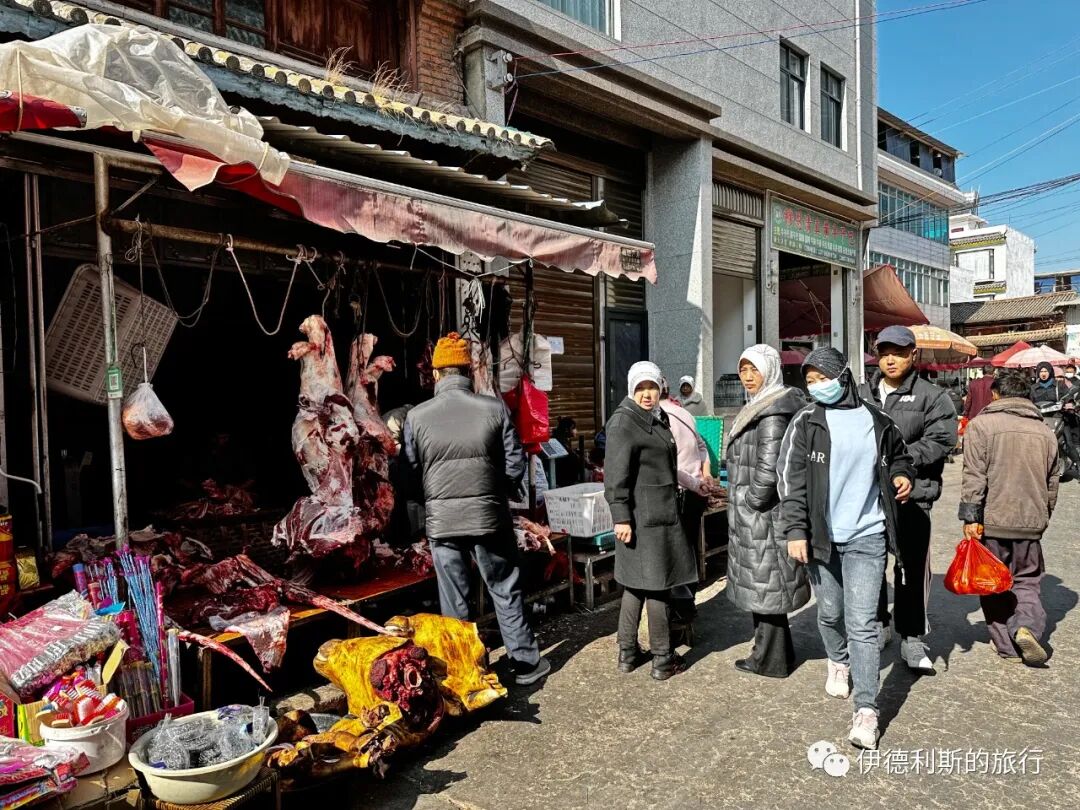
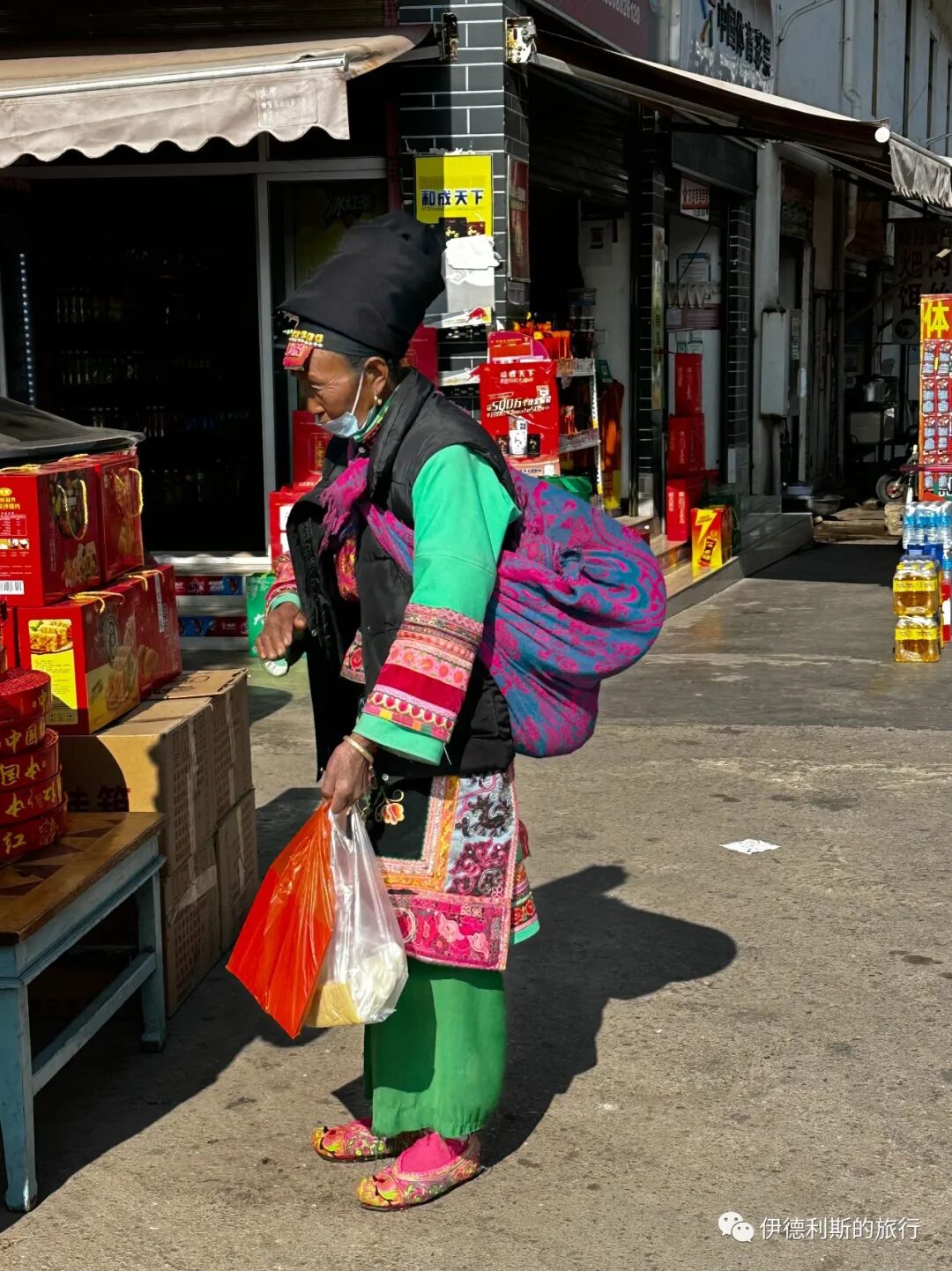
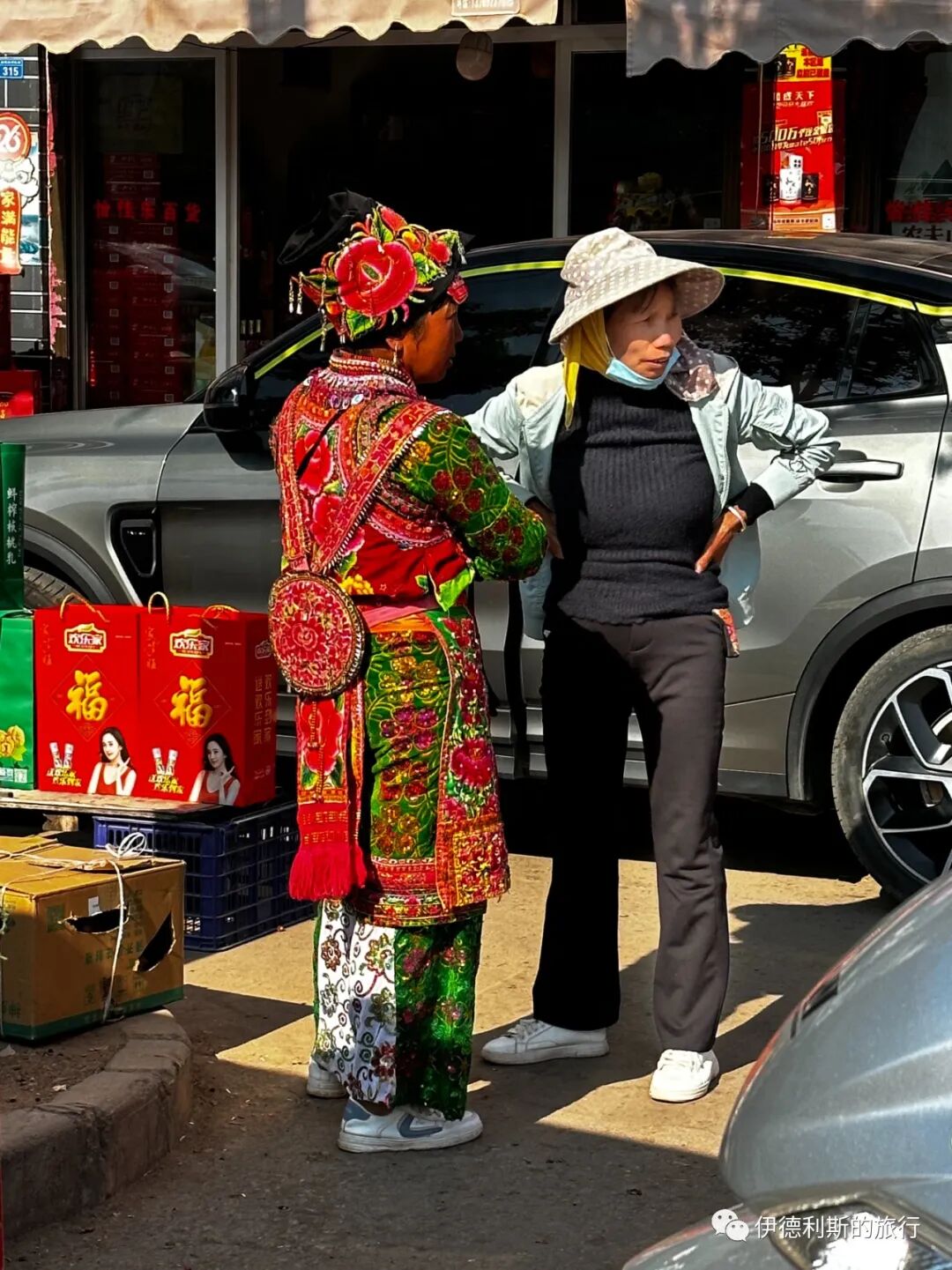
I didn't dare take any photos while crossing the mountains and only took out my phone once I reached Yongjian Town. This was my third time visiting the market on Hedi Street, and it was still very lively. The Yi ethnic aunties here wore bright, colorful clothes, which looked very different from the Yi clothing I saw in the Daliang Mountains a few days ago.
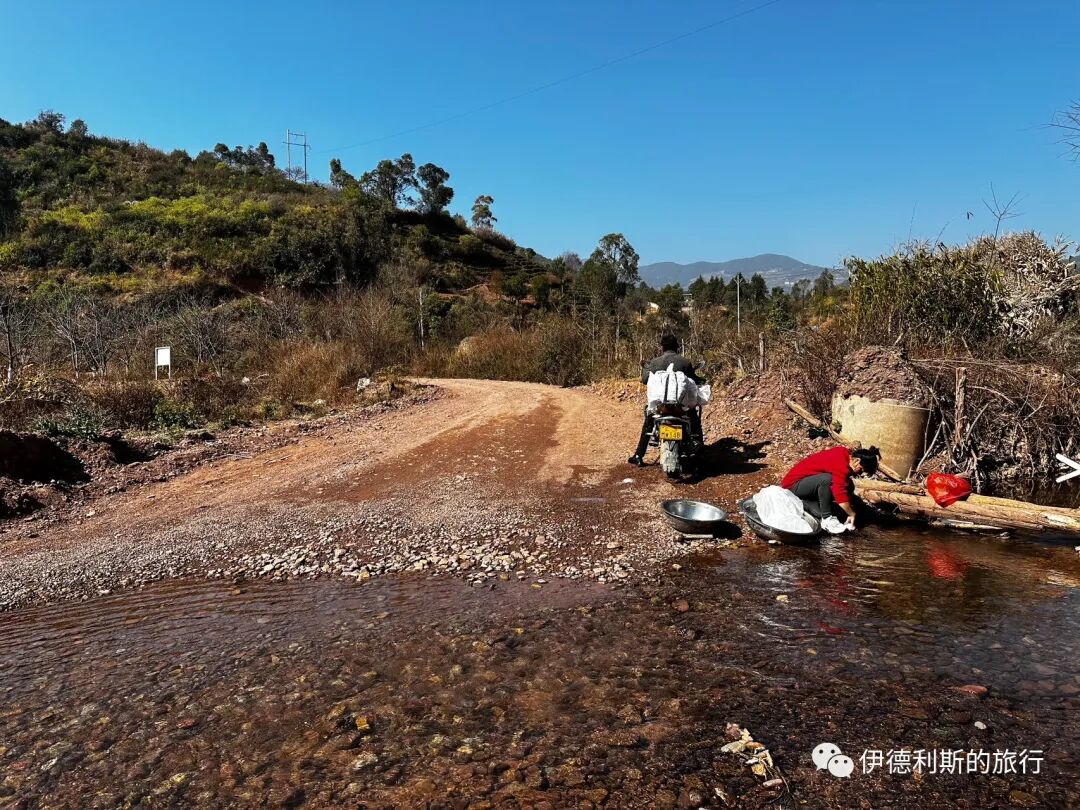
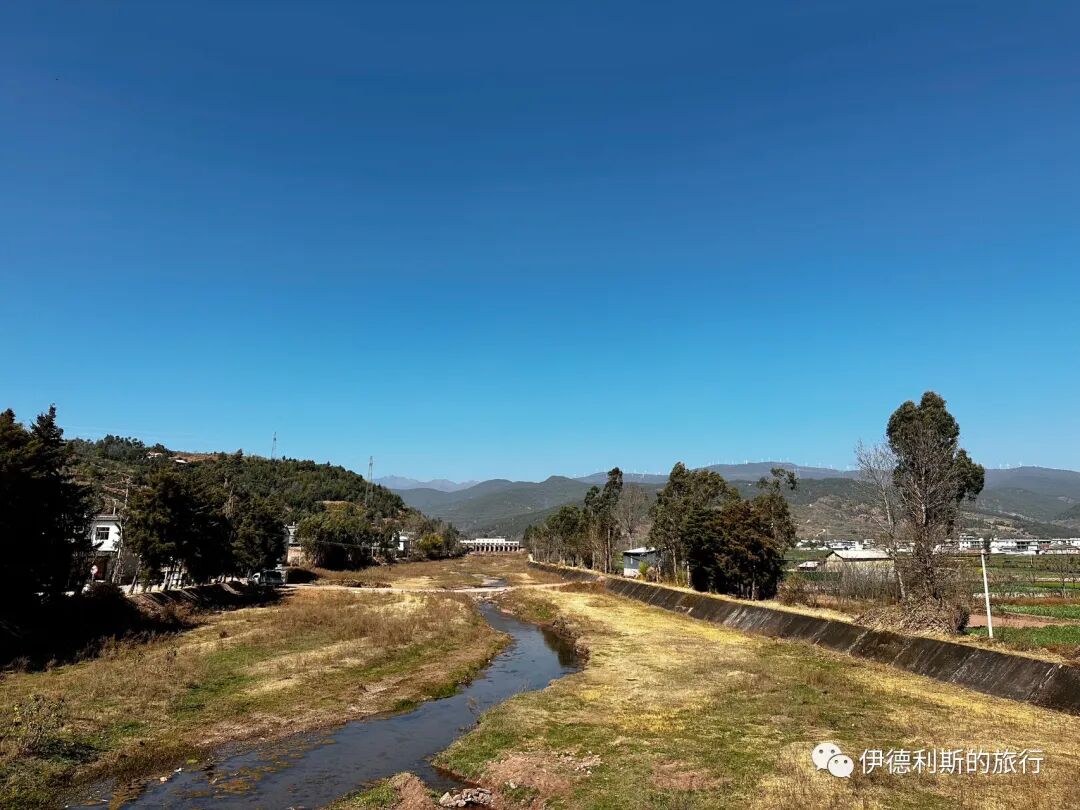
Riding my scooter through the villages of Yongjian Town to visit old mosques, the pastoral scenery along the way was refreshing. However, riding on country roads sometimes leads to unexpected situations. On my way to Xincun, the furthest Hui Muslim village in Yongjian Town, the road was suddenly cut off by a small, clear river where villagers were washing clothes and shoes. I didn't have time to enjoy the scenery because I was immediately worried. Taking another route meant going all the way back, which would waste a lot of time, but I had no experience riding a bike through water and was afraid I would slip and fall into the river with my bike. After a moment of hesitation, I decided to ride into the river. My bike shot into the middle of the river, and I lost control, heading straight toward the woman who was washing her shoes by the bank. I quickly put my foot down and pushed hard to steer the bike back in the right direction.
I made it across the river, but the shoe and sock on the foot I used to steady myself were completely soaked. Luckily, the midday sun in Dali was very strong, so I let my sock dry while I kept riding, and it was dry in no time.
Xincun Mosque
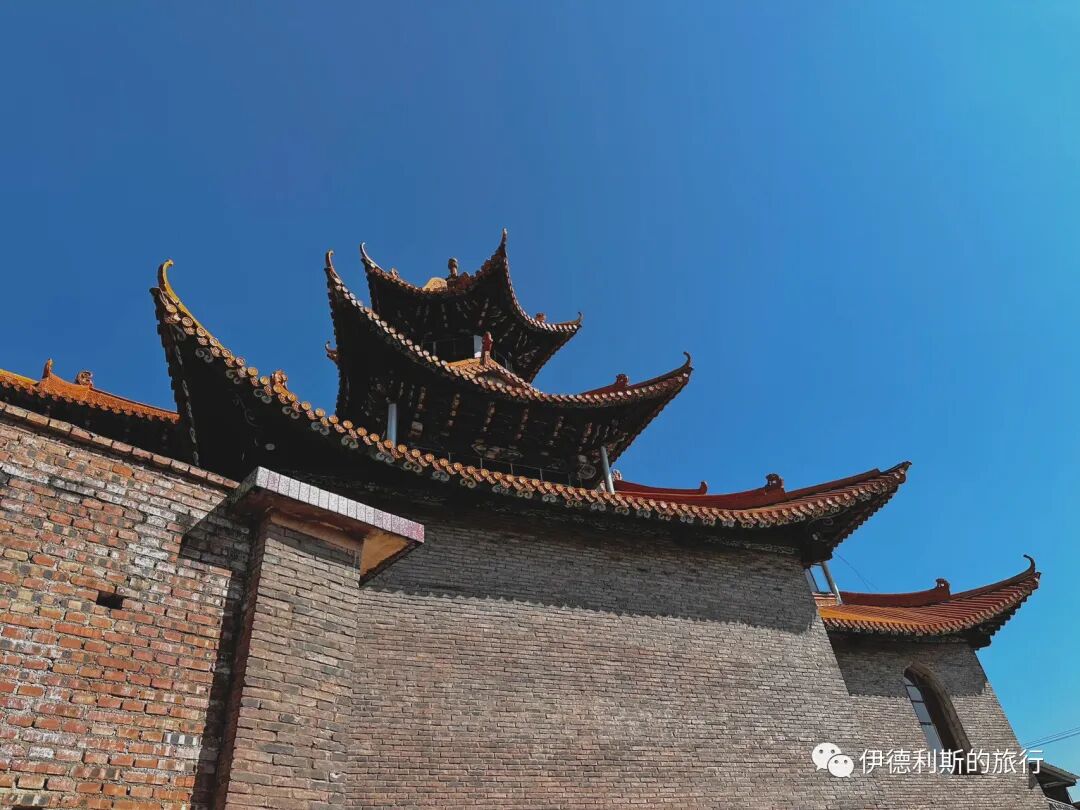
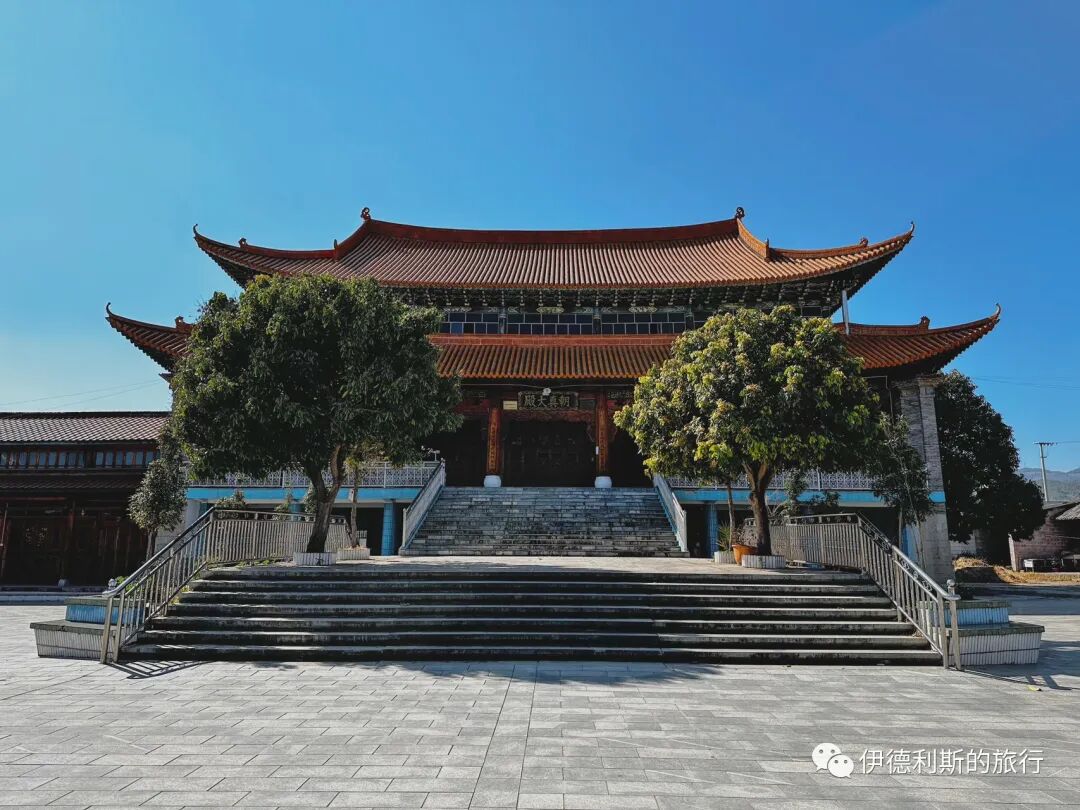
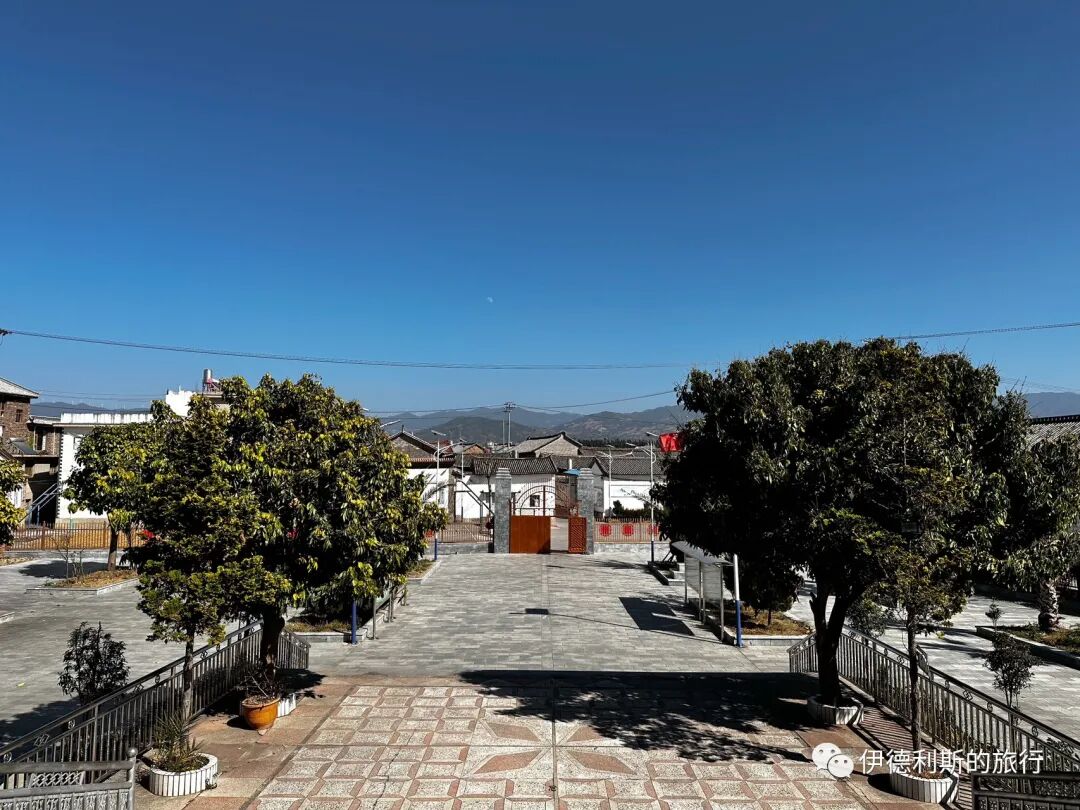
I first visited Xincun Mosque, which sits on a hillside at the far northwest end of the Weishan Basin. Xincun is known as the first Hui Muslim village at the source of the Red River, with a rushing river in front and lush greenery behind, making for a beautiful setting. The founding date of Xincun Mosque is unknown; it was destroyed in 1872 (the 11th year of the Tongzhi reign), rebuilt during the Guangxu reign, and the main hall was rebuilt again in 1994. The current main hall features a double-eave hip-and-gable roof and still maintains the traditional architectural style of the Dali region.
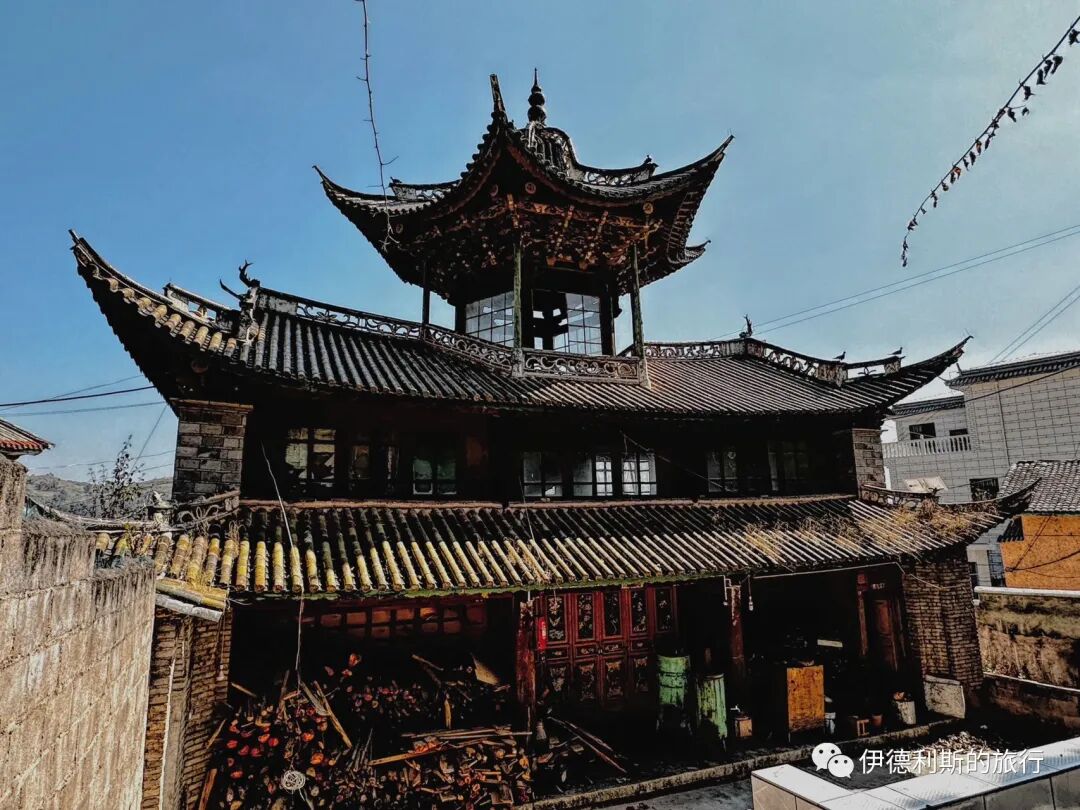
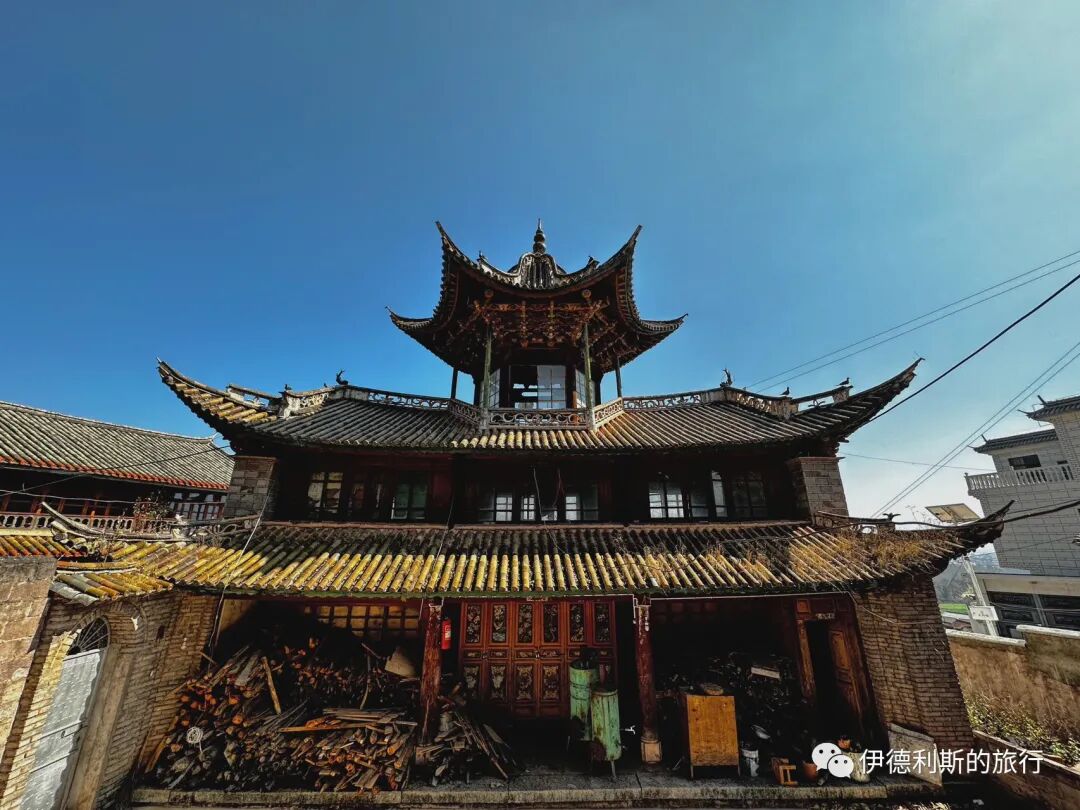
The minaret of Xincun Mosque was rebuilt in 1988 and has a hexagonal pointed roof. The following photos show the scenery in the village.
Hardworking fellow Muslims.
Chen Family Mosque (Chenjia Si)
I rode my bike from Xincun to the Chen Family Mosque northwest of Xishulong Village. I missed this mosque when I visited Xishulong Village in 2020. The Chen Family Mosque was built by the Chen family of Xishulong Village. Its original construction date is unknown. The ancestors of the Chen family moved here from Shaanxi, settling down after several moves.
The Chen Family Mosque was rebuilt in 1902 (the 28th year of the Guangxu reign) and expanded into its current structure in 1987. It sits near the mountains and water, offering beautiful scenery.
Xishulong Mosque
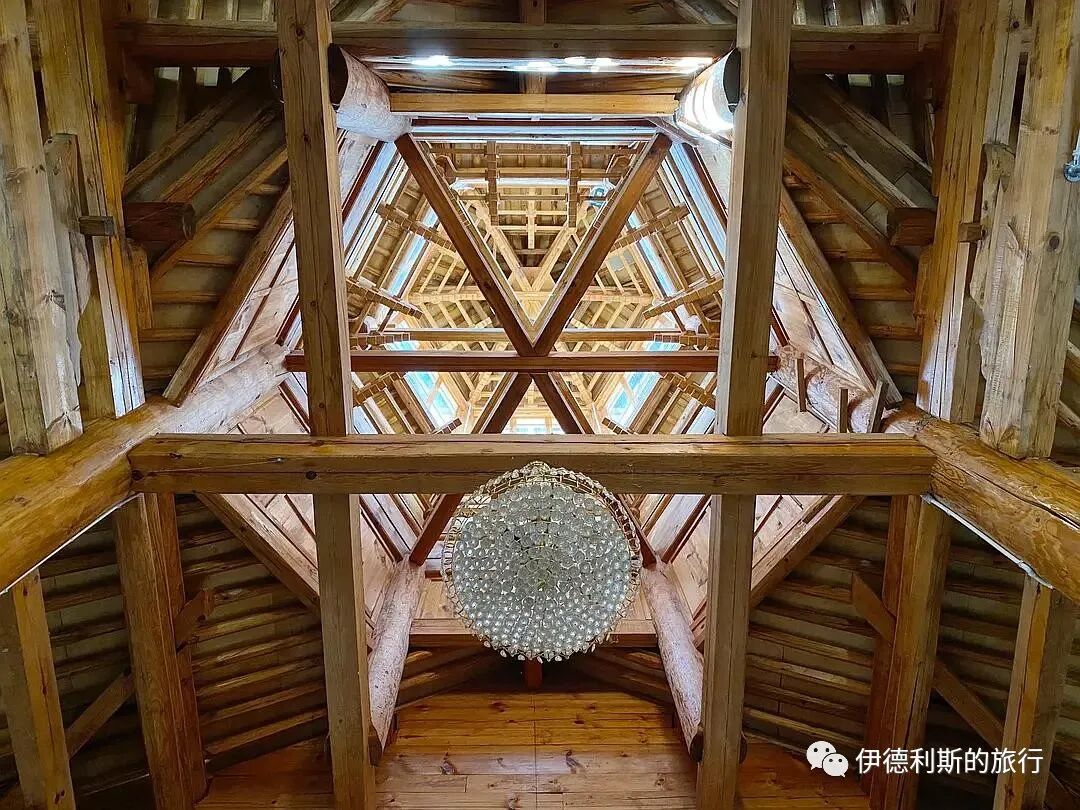
I performed the noon namaz at Xishulong Mosque. I visited Xishulong Mosque once in 2020, and this is my second time here. The original construction date of Xishulong Mosque is unknown. It was rebuilt in 1902 (the 28th year of the Guangxu reign) and rebuilt again in 1990 into its current form. The main hall has a double-eaved hip-and-gable roof with a unique hexagonal pavilion in the center of the roof ridge.
Shangxi Lianhua Mosque
I rode south from Xishulong Village to Shangxi Lianhua Village to visit the Shangxi Lianhua Mosque. The original construction date of Shangxi Lianhua Mosque is unknown. It was destroyed in 1872 (the 11th year of the Tongzhi reign) and later rebuilt and expanded several times into its current structure.
Xiaxi Lianhua Mosque
I traveled from Shangxi Lianhua Mosque to Xiaxi Lianhua Mosque. The original construction date of Xiaxi Lianhua Mosque is also unknown. It was destroyed in 1872 (the 11th year of the Tongzhi reign), rebuilt in 1925, and later rebuilt again into its current structure.
Dong Lianhua Mosque
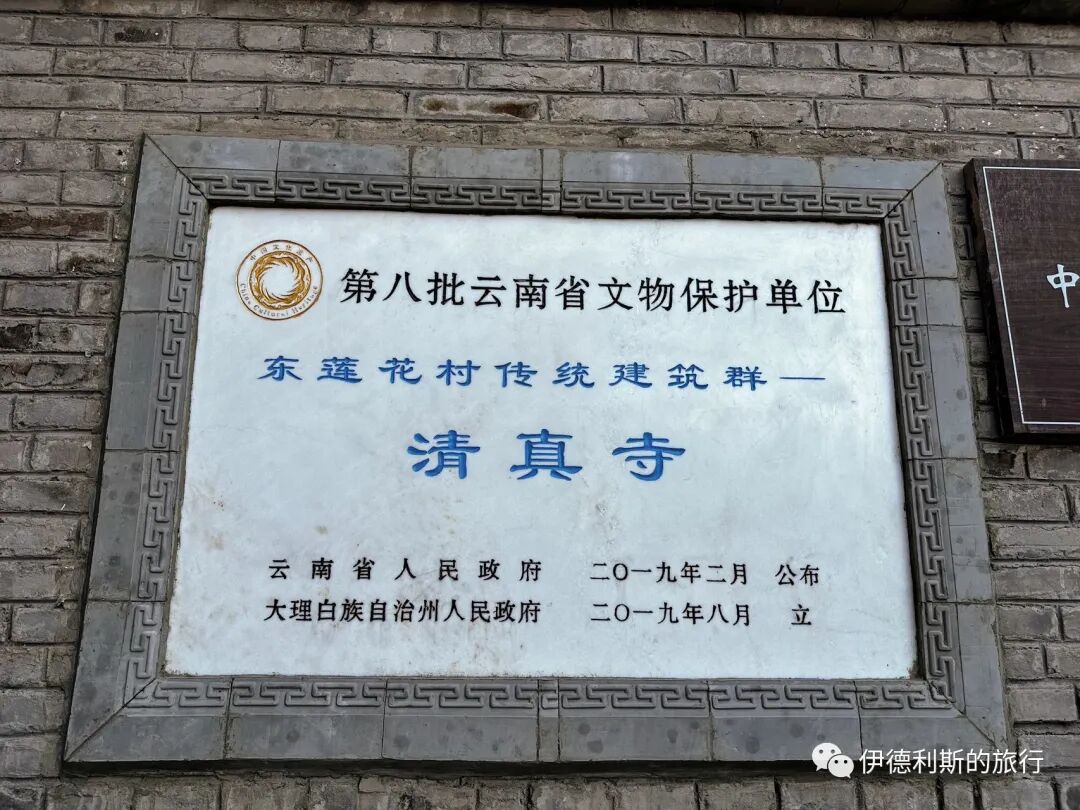
I traveled from Xiaxi Lotus Mosque (Xiaxi Lianhua Si) to Donglianhua Village, the best-preserved village in Weishan. I visited three Ma family courtyards, which I wrote about in 'The Three Hui Muslim Caravan Courtyards of Donglianhua Village, Weishan, Dali,' and then I visited the Donglianhua Mosque.
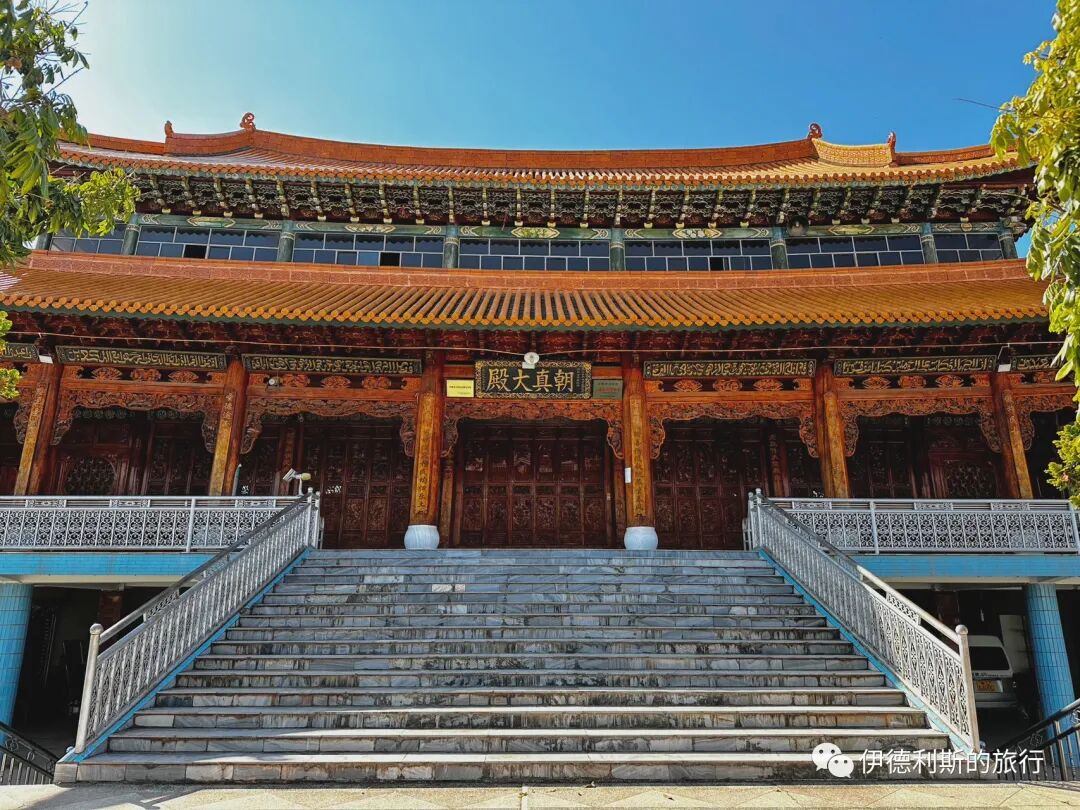
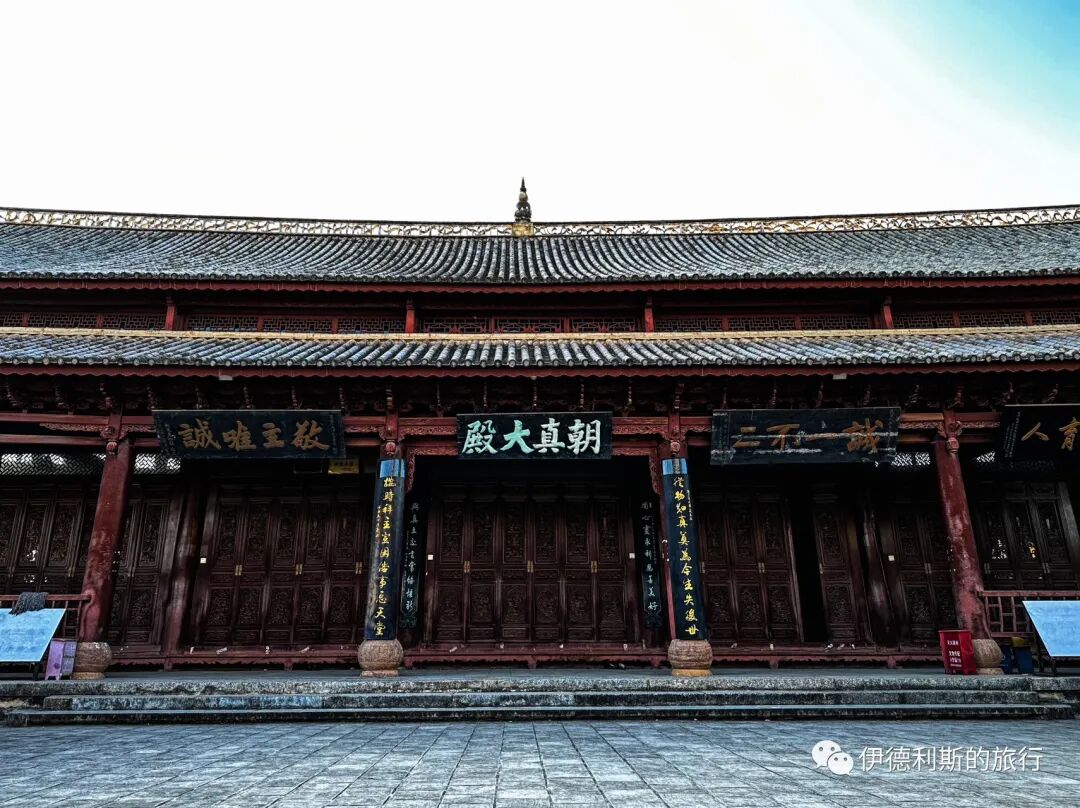
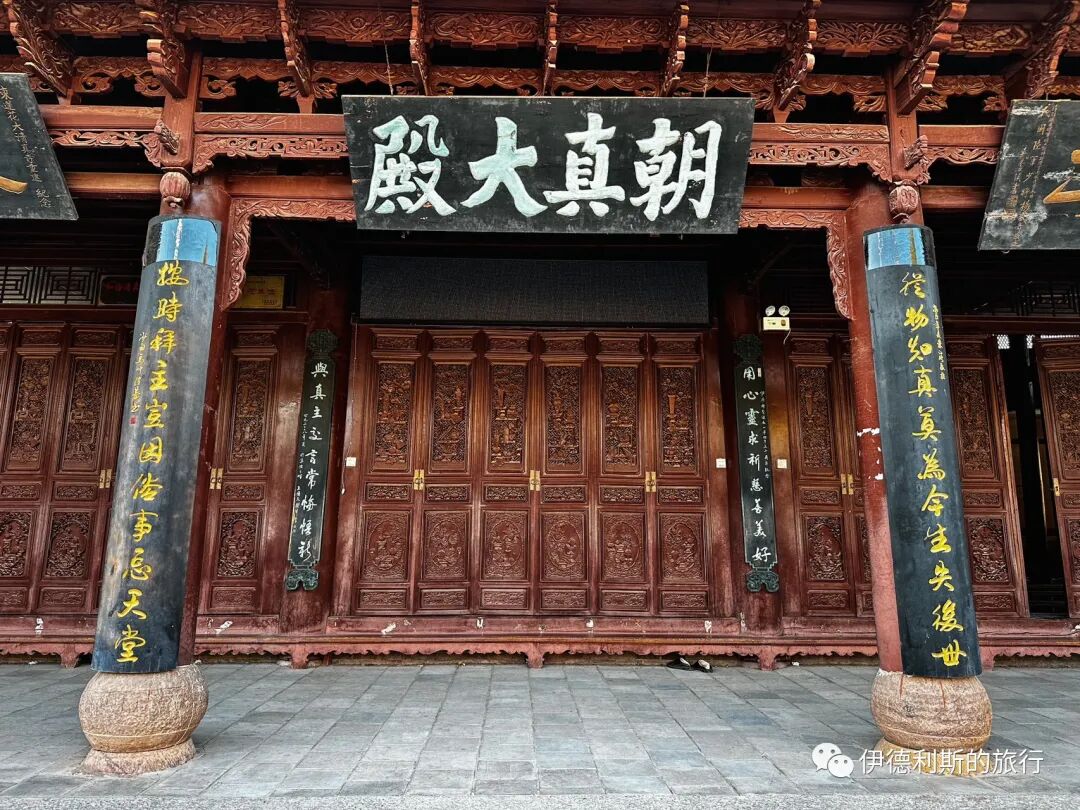
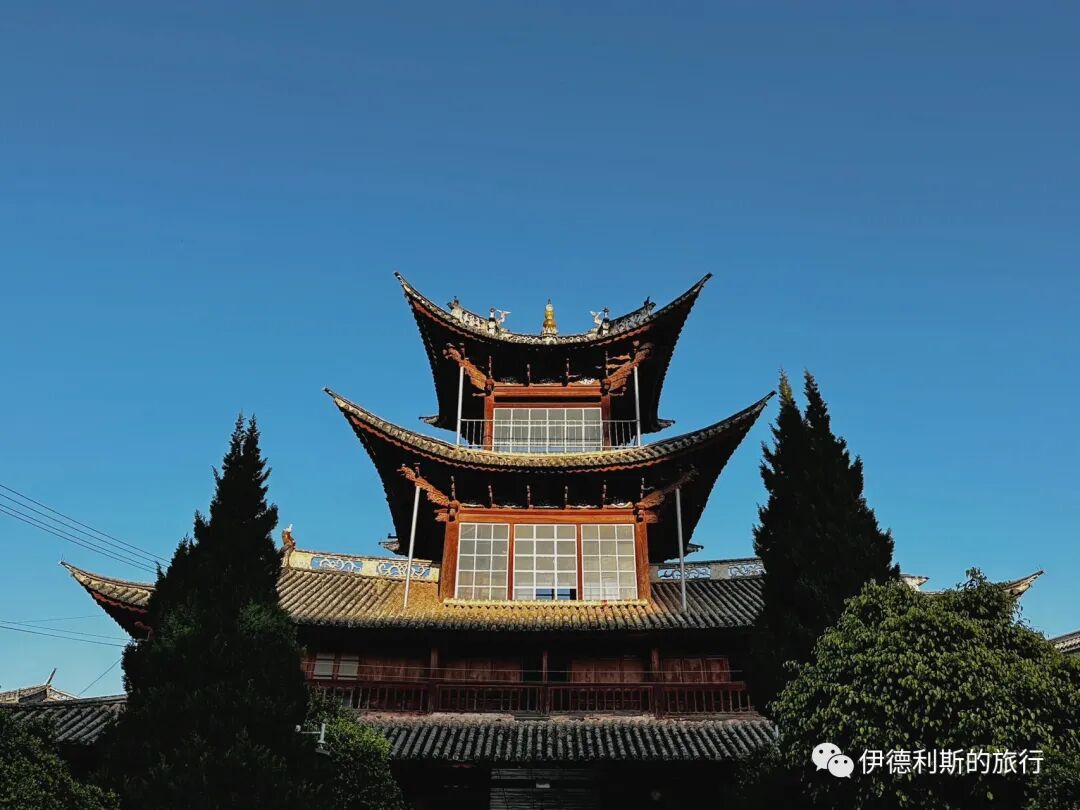
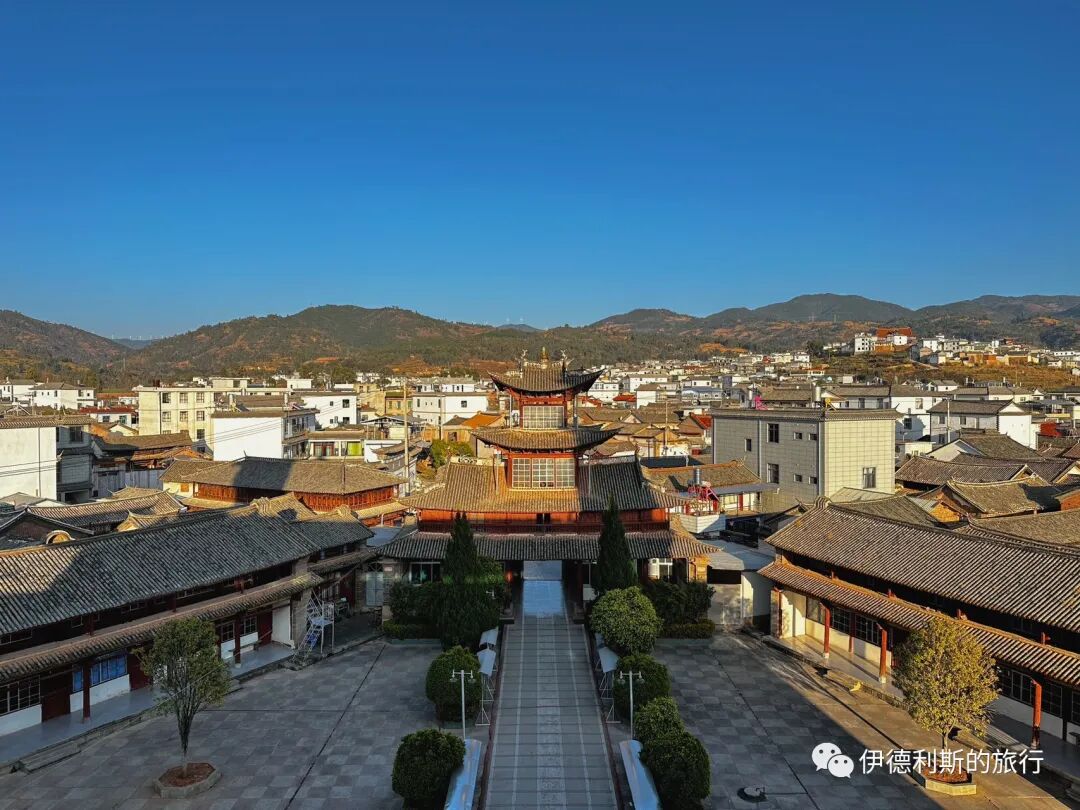
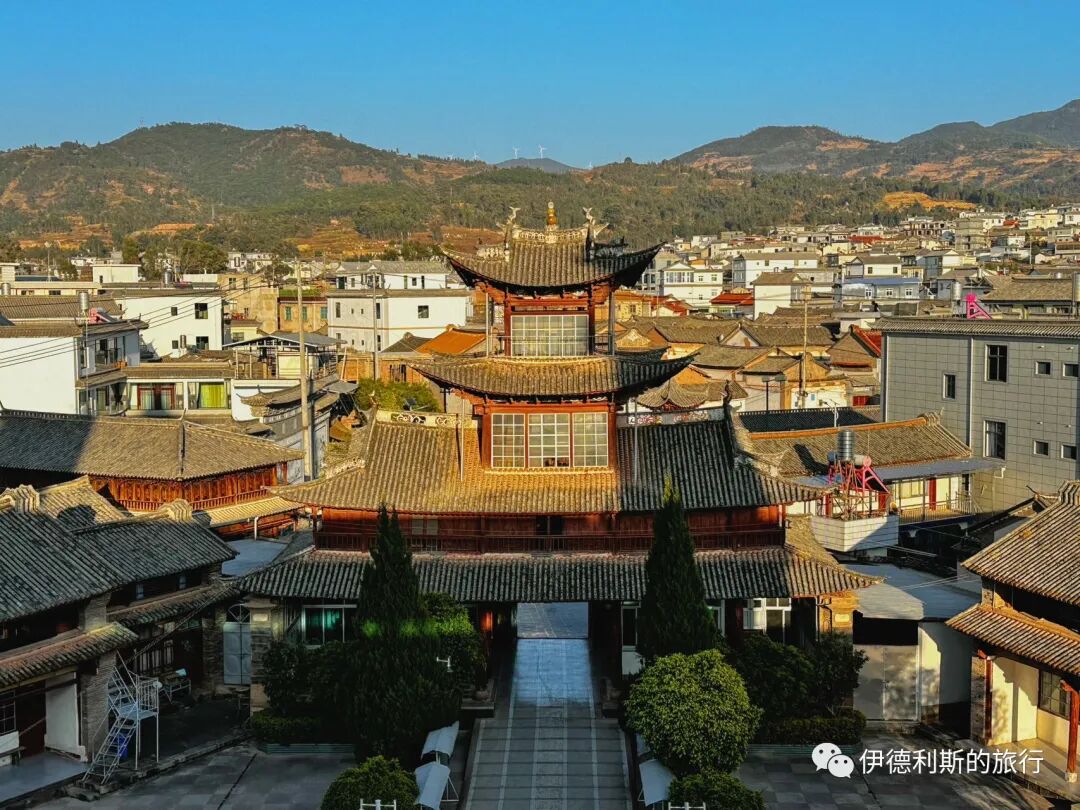
Donglianhua Mosque was first built during the Qing Dynasty and was expanded twice, in 1921 and 1987. The mosque layout runs from east to west, featuring the main gate, the minaret, and the main prayer hall (Chaozhen Dian). The minaret divides the courtyard into two sections.
The minaret was raised to four stories in 1987, following a five-five-three-one structural design. The first three floors serve as classrooms for holiday study groups, while the fourth floor is where the adhan is called.
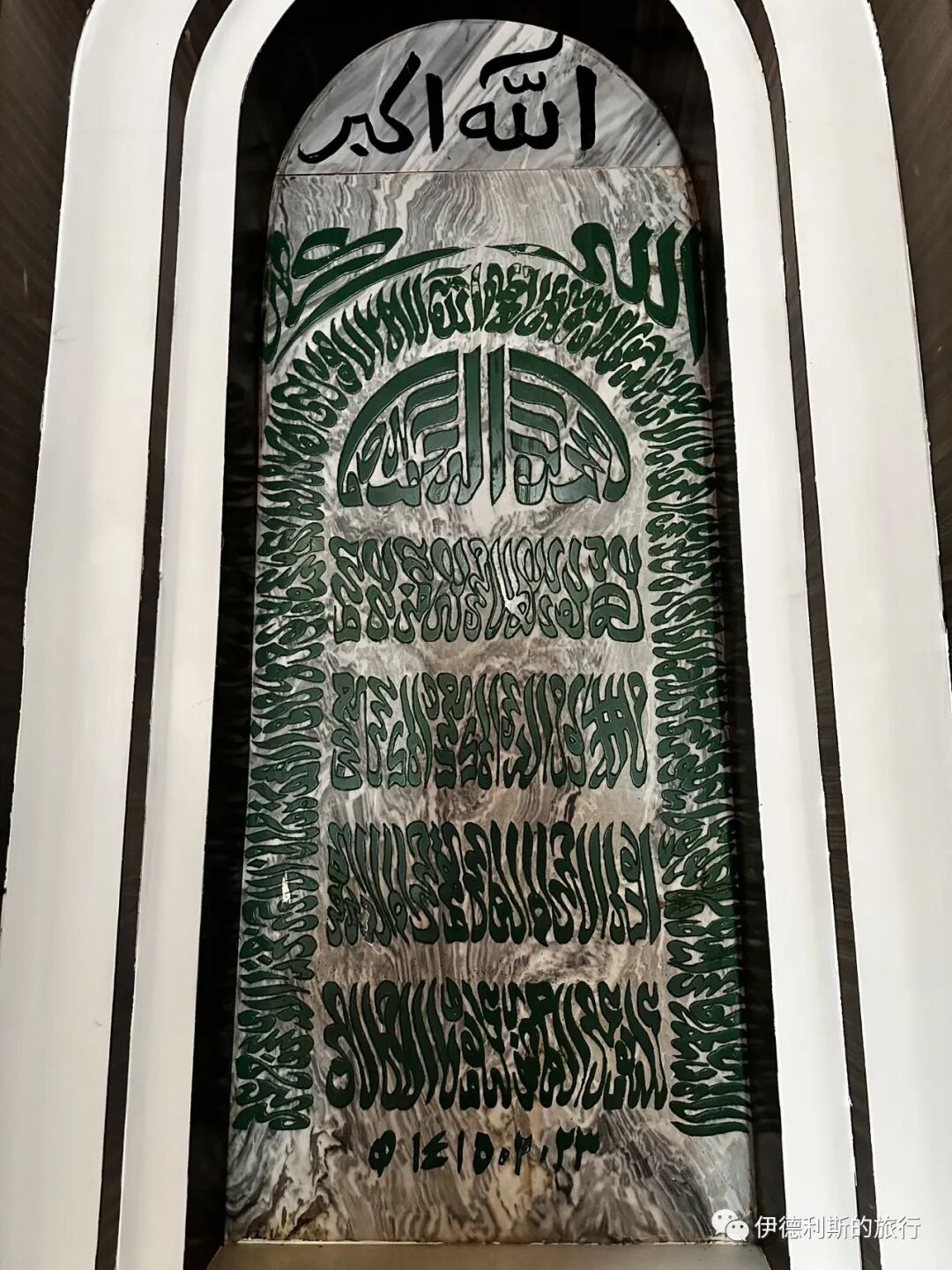
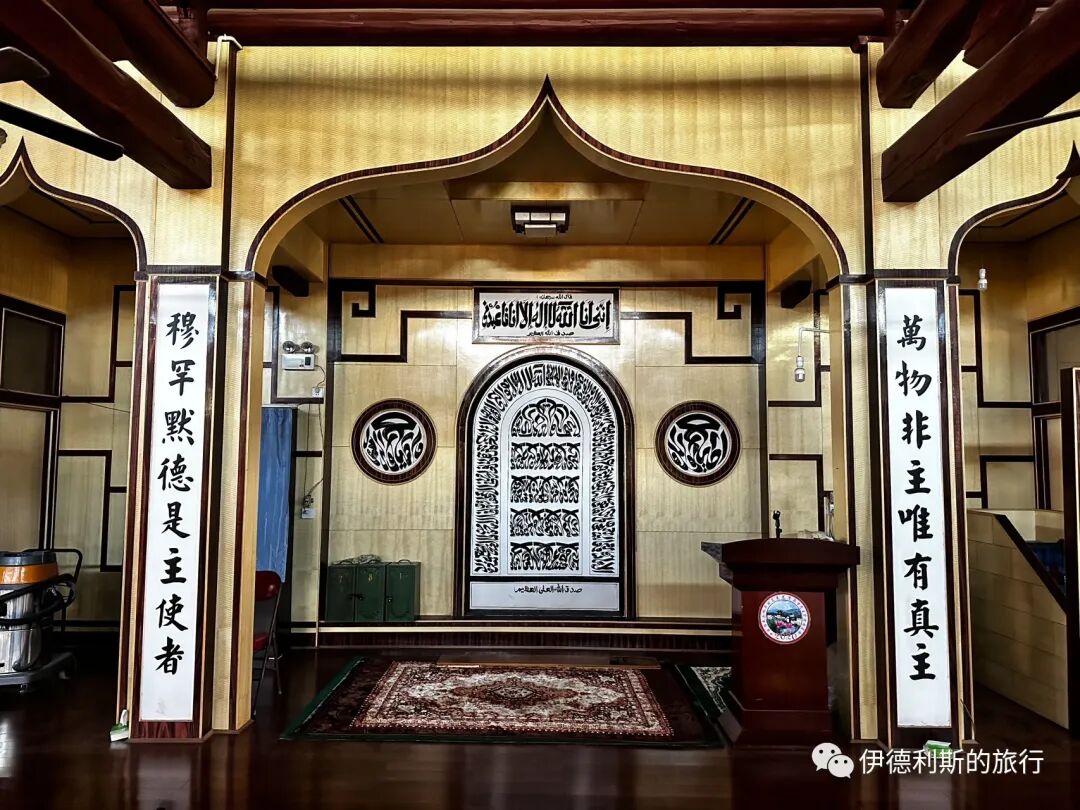
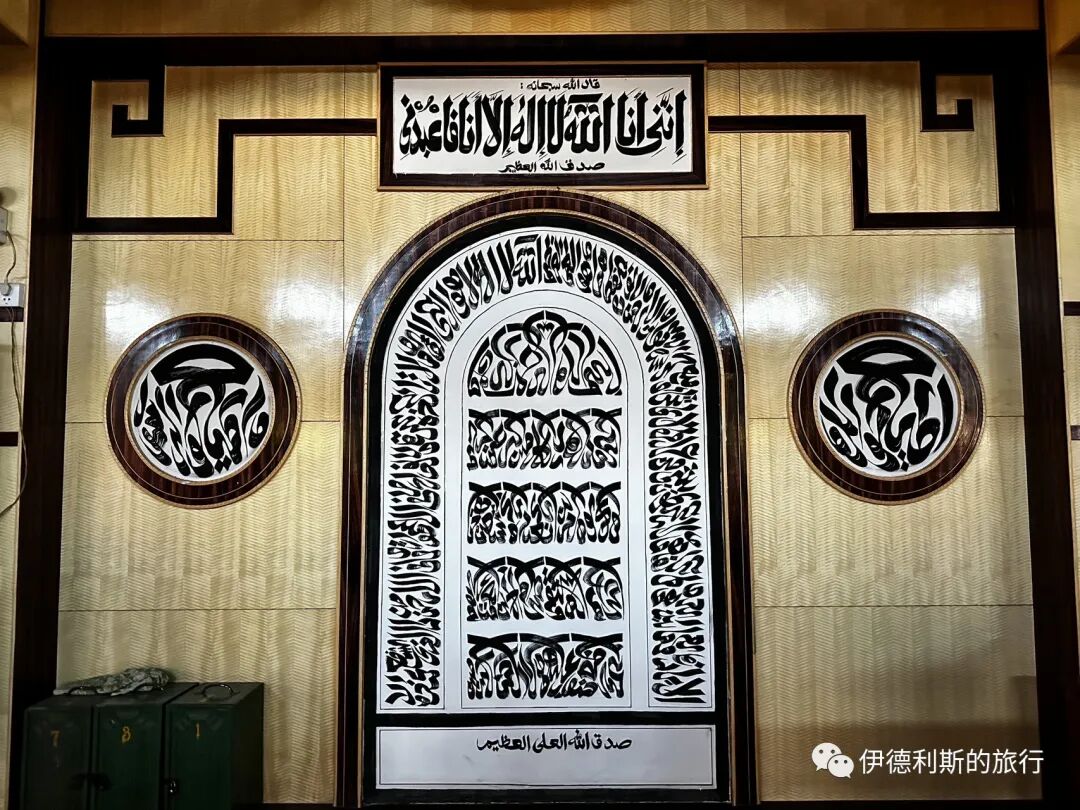
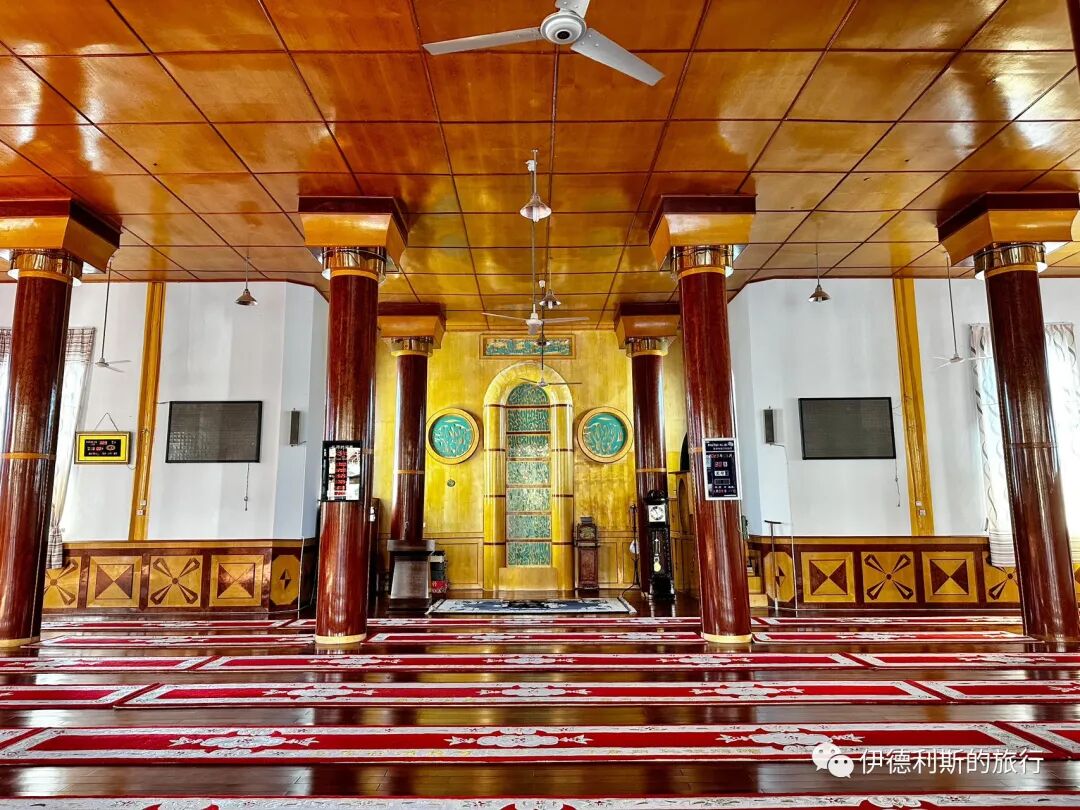
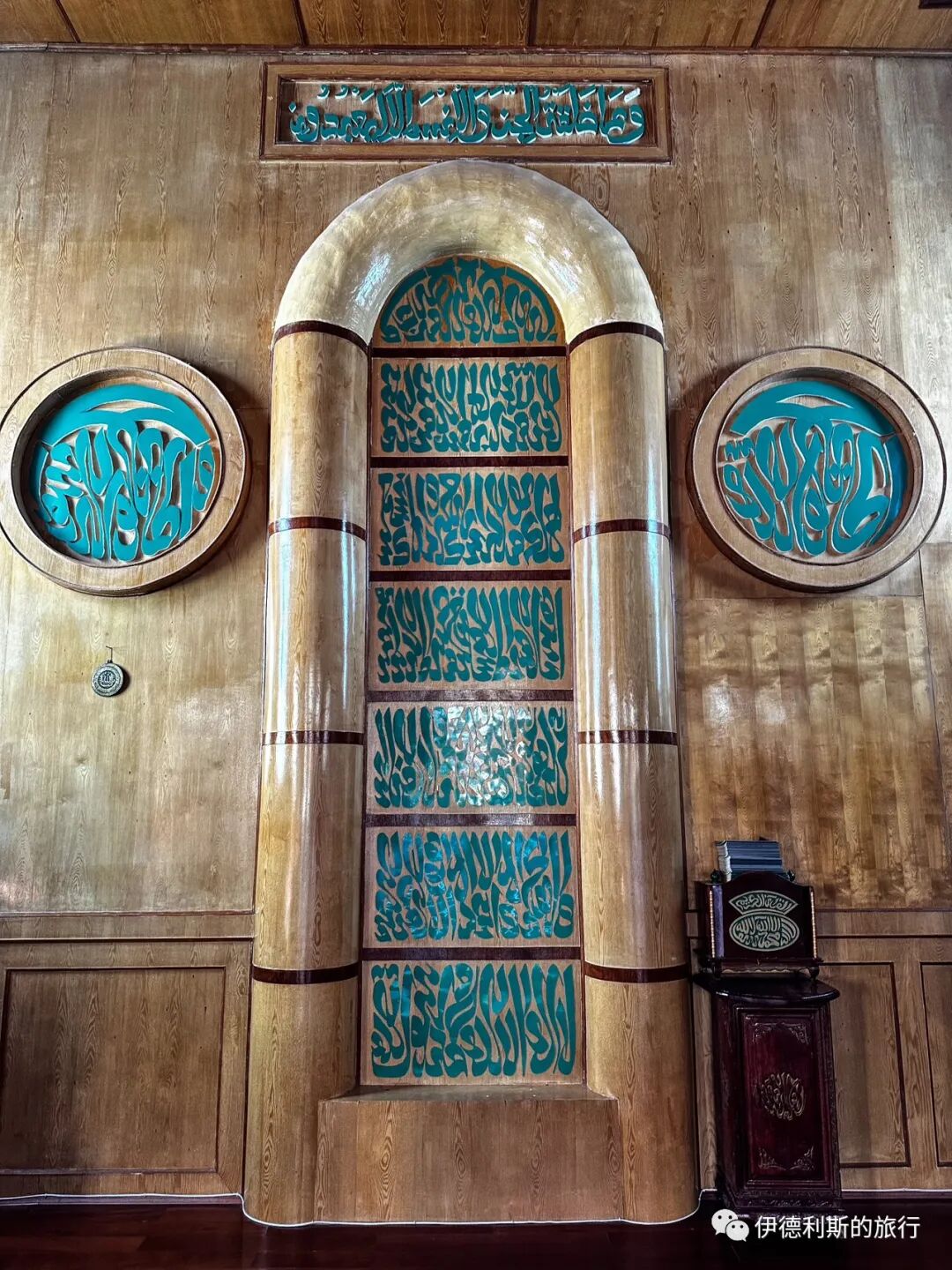
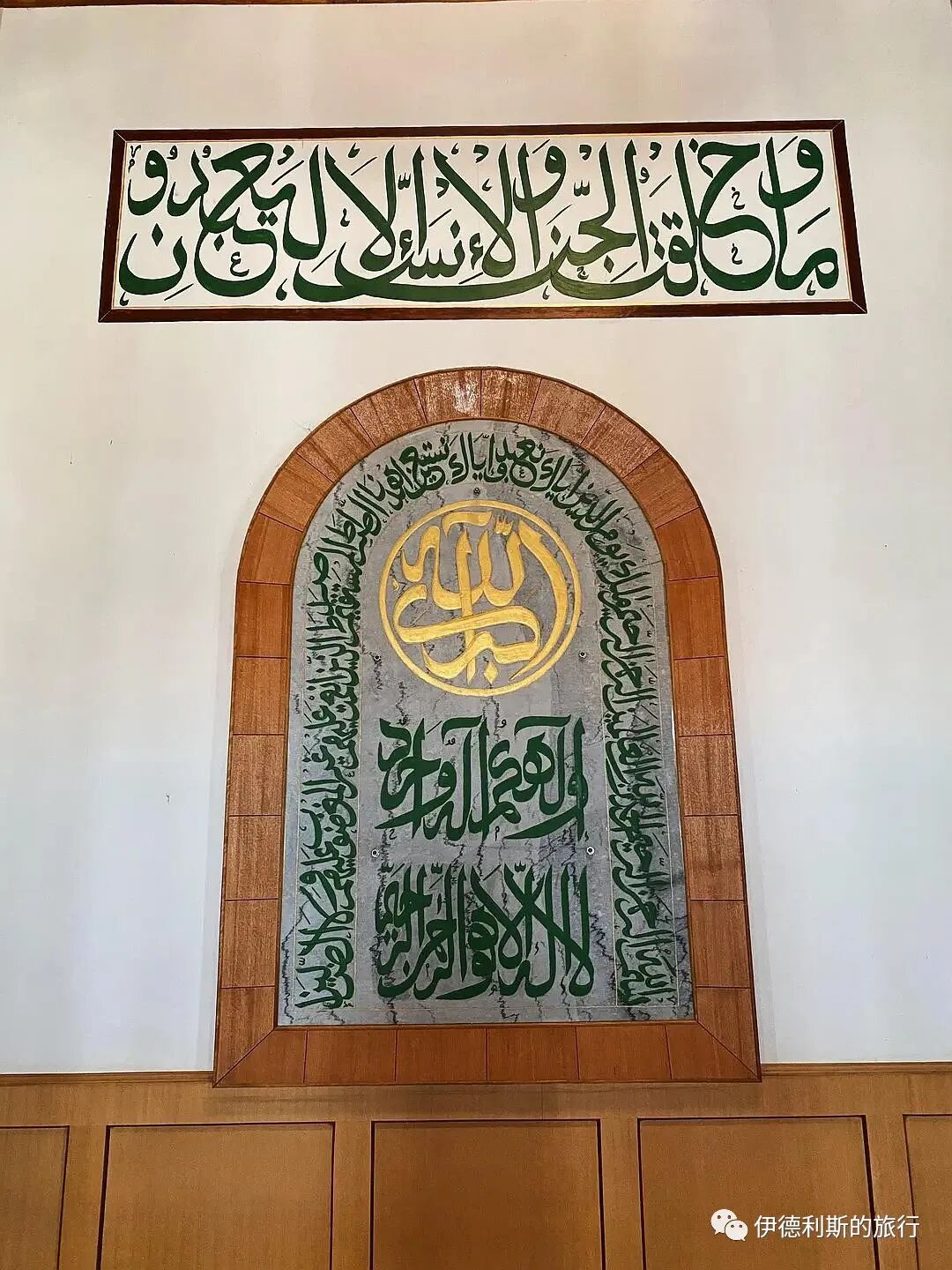
The main prayer hall was expanded in 1921 into a five-bay by seven-bay structure, and it was expanded again in 1987 into a nine-bay by eleven-bay structure. The mihrab features traditional Arabic calligraphy in the classic Yunnan style.
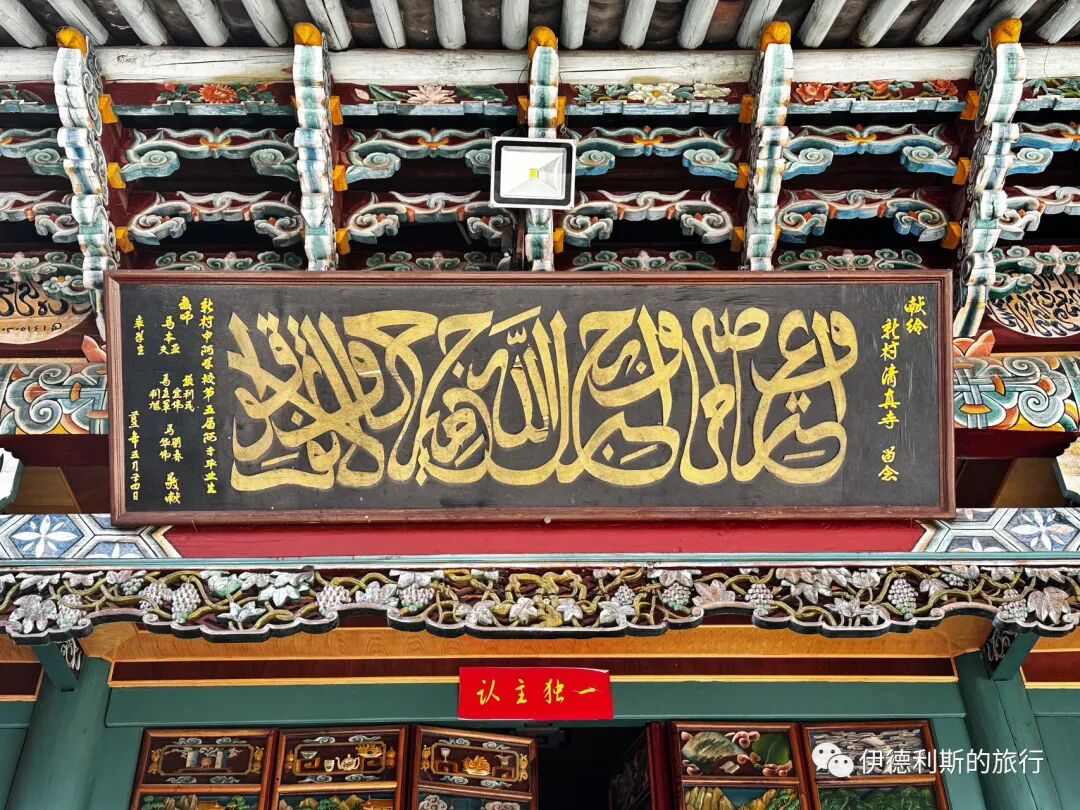
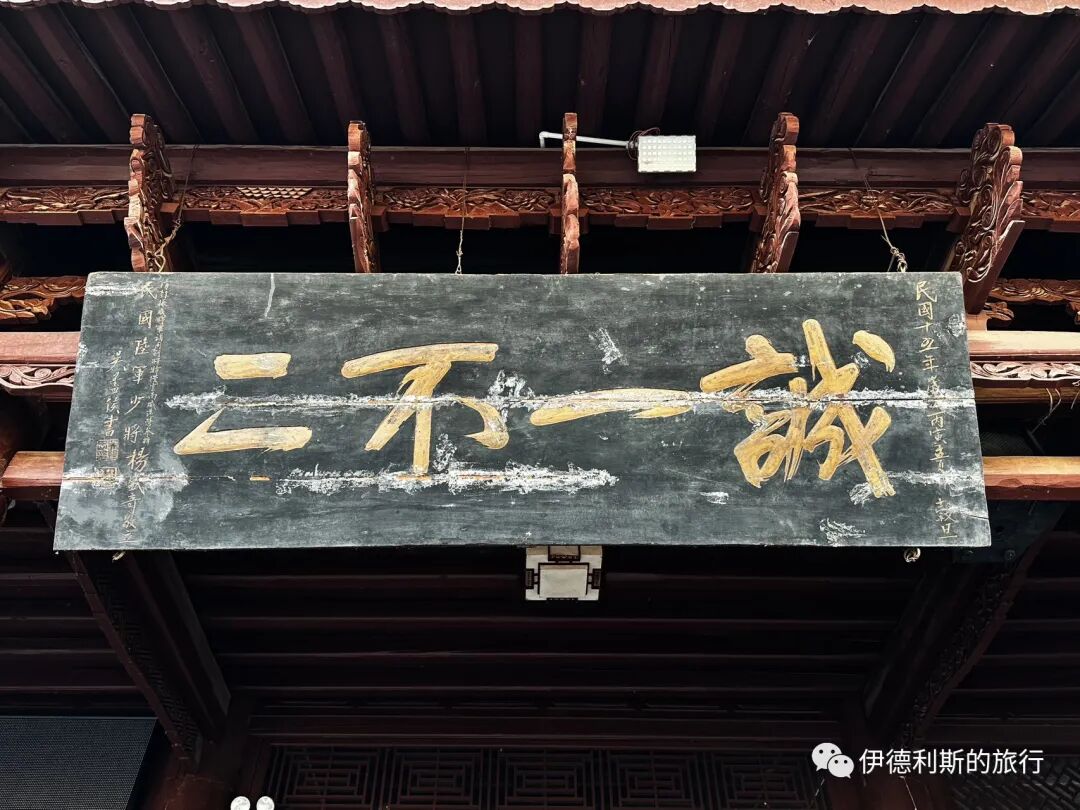
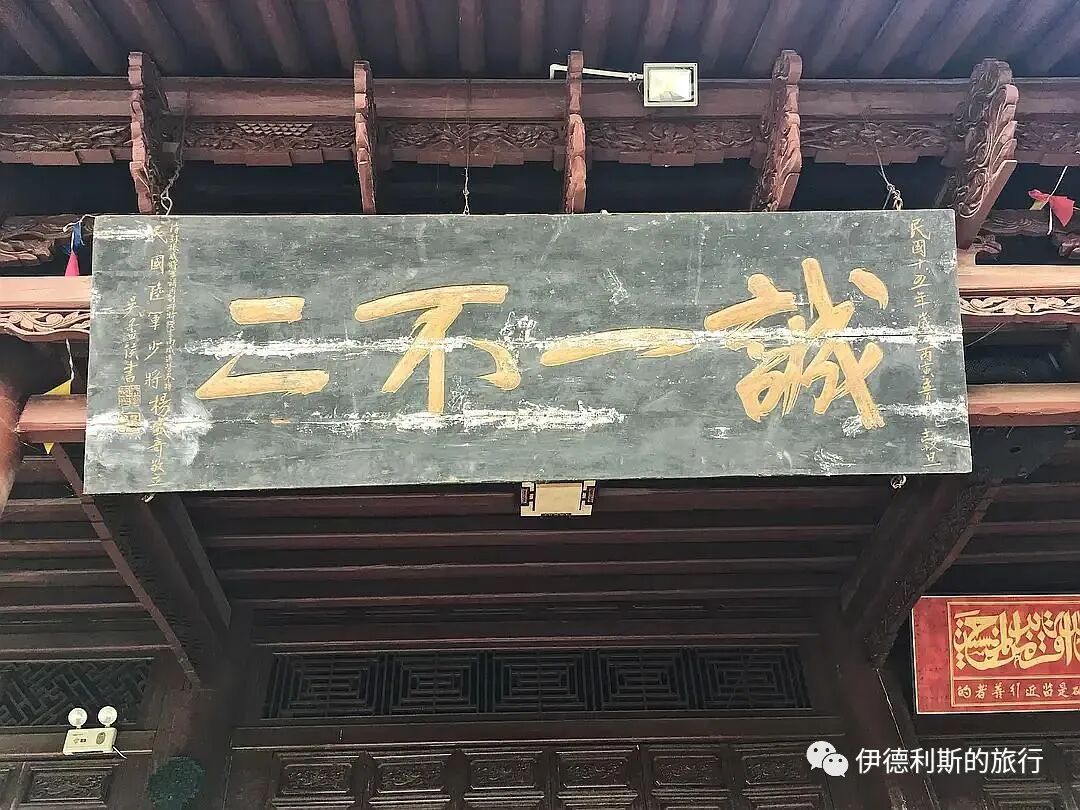
In front of the main prayer hall hangs a plaque inscribed with 'Cheng Yi Bu Er' (Sincerity is Unique), which was presented by Major General Yang Shengqi in 1926. General Yang Shengqi was close friends with Ma Ruji, a major caravan leader in Donglianhua. In 1926, he traveled from Kunming to visit Ma Ruji in Donglianhua and presented this plaque to the mosque.
Sanjia Village Mosque
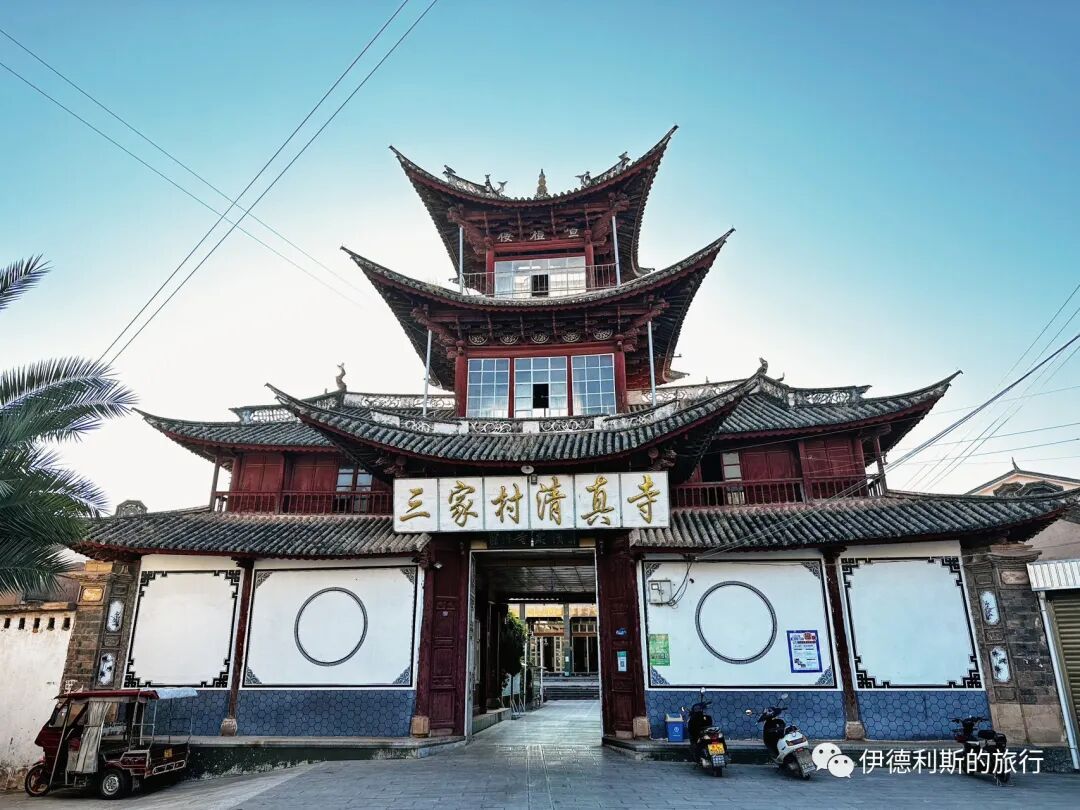
Finally, I visited the Sanjia Village Mosque. Sanjia Village was originally called Saijia Village. The Sai family were descendants of Masuh, the fifth son of Sayyid Ajjal Shams al-Din Omar. They moved from Daweigeng and Xiaweigeng villages in the mid-Ming Dynasty to establish Saijia Village. Later, many Hui Muslims with other surnames moved here, making it one of the larger Hui Muslim villages in the Yongjian Basin. During the Tongzhi reign, the entire village of over 3,500 people was killed. Later, three families returned to settle here, so the name was changed to Sanjia (Three Families) Village.
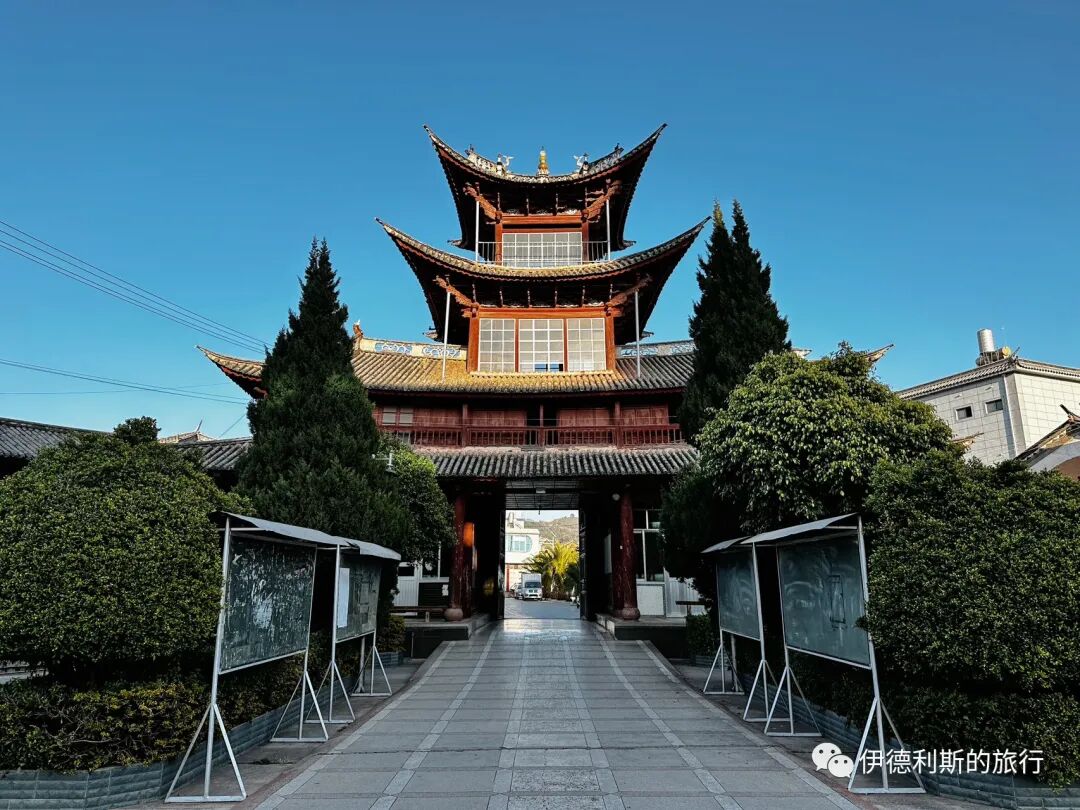
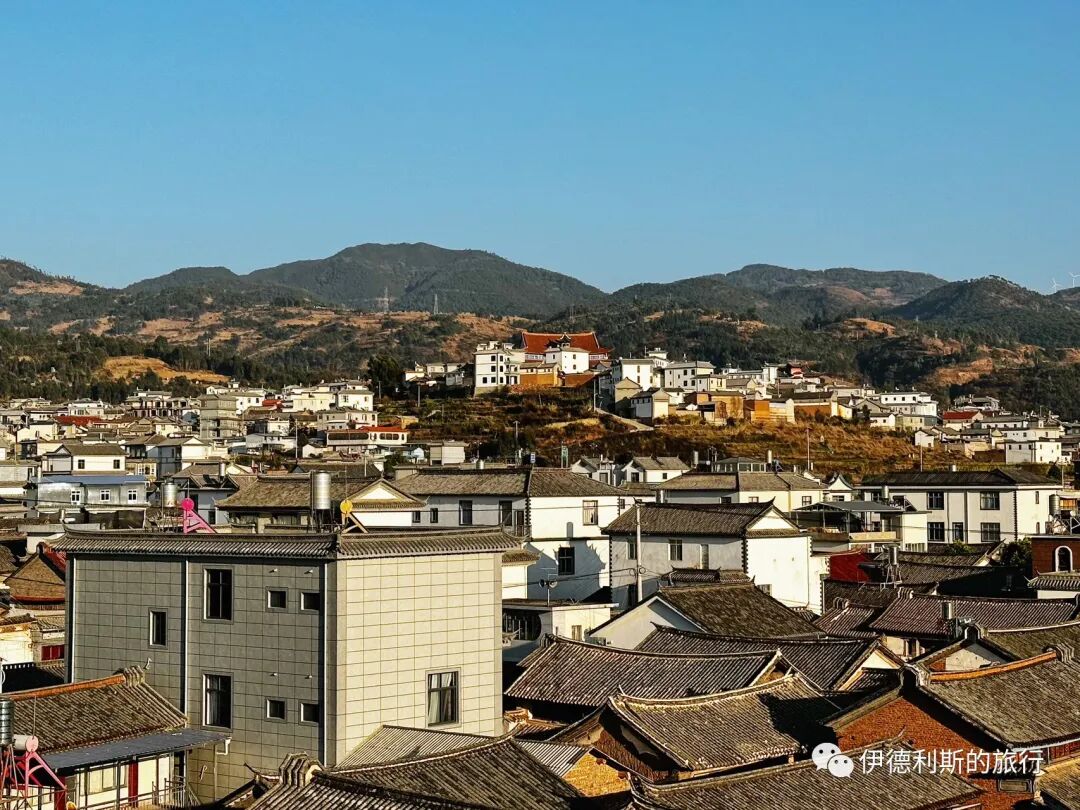
The current main prayer hall of the Sanjia Village Mosque was rebuilt in 1997, and from the top, you can look out over the scenery of the Yongjian Basin. The setting sun shone down, making the Yongjian Basin glow with a beautiful golden light. view all
Summary: Weishan in Dali, Yunnan, has old mosques and Hui Muslim communities tied to local history, mountain roads, and everyday mosque life. This account closes the 2023 Dali route with visits to ancient mosques, local streets, and community scenes while preserving the original photos and order.
On January 30, I rode an electric scooter from Xiaguan in Dali to Weishan. This is my third visit to Weishan, following trips in 2017 and 2020. My main goal was to visit several mosques I missed during my first two trips.
During my first two trips to Weishan, I visited 20 traditional mosques in Dali, 16 of which were in Weishan. I wrote about them in my article, "Twenty Traditional Mosques in Dali." This time, I visited 5 new mosques in Weishan, bringing my total to 21 traditional mosques visited in the area.
1. Xincun Mosque
2. Chenjia Mosque
3. Xishulong Mosque
4. Shangxi Lianhua Mosque
5. Xiaxi Lianhua Mosque
6. Dong Lianhua Mosque
7. Sanjiacun Mosque
Riding an electric scooter from Xiaguan in Dali to Weishan was probably the most challenging route of my Dali cycling trips. The trip there included 17 kilometers of continuous downhill riding with crosswinds. I had to keep my eyes on the road and my hands on the brakes the whole time without relaxing. Dali also has a large temperature difference between day and night in winter. It was quite cold in the mountains in the morning, but it warmed up as soon as the sun came out at noon.
I didn't dare take any photos while crossing the mountains and only took out my phone once I reached Yongjian Town. This was my third time visiting the market on Hedi Street, and it was still very lively. The Yi ethnic aunties here wore bright, colorful clothes, which looked very different from the Yi clothing I saw in the Daliang Mountains a few days ago.
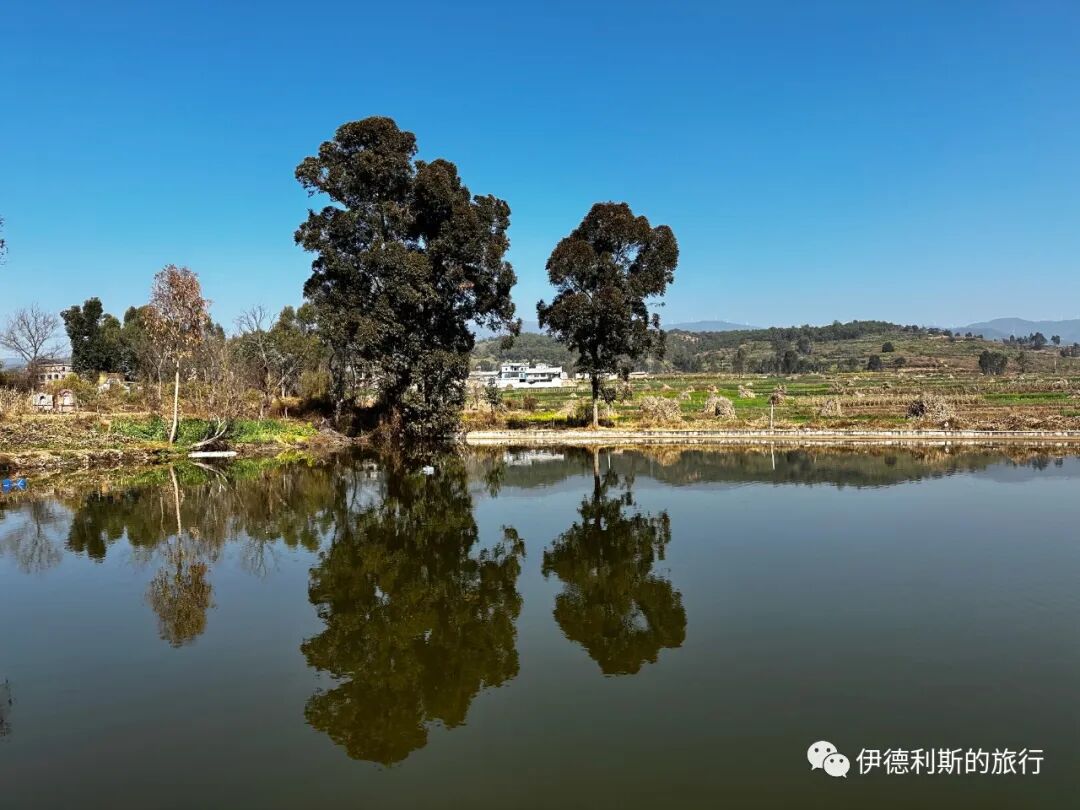
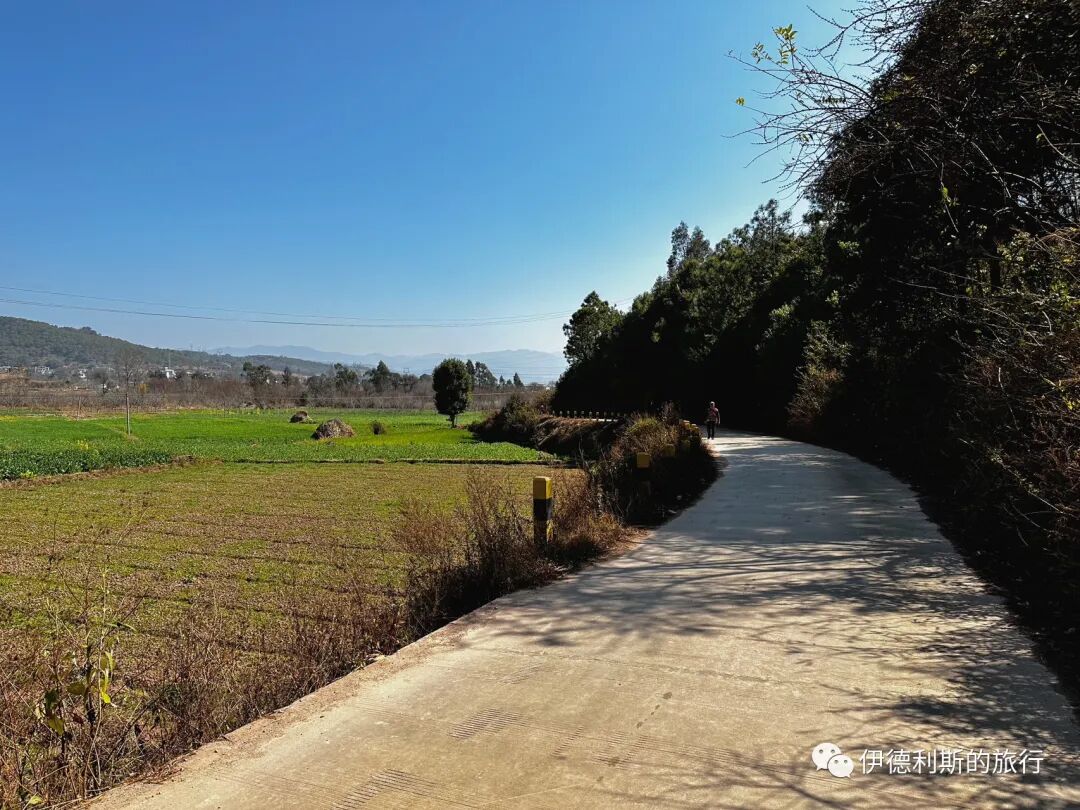
Riding my scooter through the villages of Yongjian Town to visit old mosques, the pastoral scenery along the way was refreshing. However, riding on country roads sometimes leads to unexpected situations. On my way to Xincun, the furthest Hui Muslim village in Yongjian Town, the road was suddenly cut off by a small, clear river where villagers were washing clothes and shoes. I didn't have time to enjoy the scenery because I was immediately worried. Taking another route meant going all the way back, which would waste a lot of time, but I had no experience riding a bike through water and was afraid I would slip and fall into the river with my bike. After a moment of hesitation, I decided to ride into the river. My bike shot into the middle of the river, and I lost control, heading straight toward the woman who was washing her shoes by the bank. I quickly put my foot down and pushed hard to steer the bike back in the right direction.
I made it across the river, but the shoe and sock on the foot I used to steady myself were completely soaked. Luckily, the midday sun in Dali was very strong, so I let my sock dry while I kept riding, and it was dry in no time.
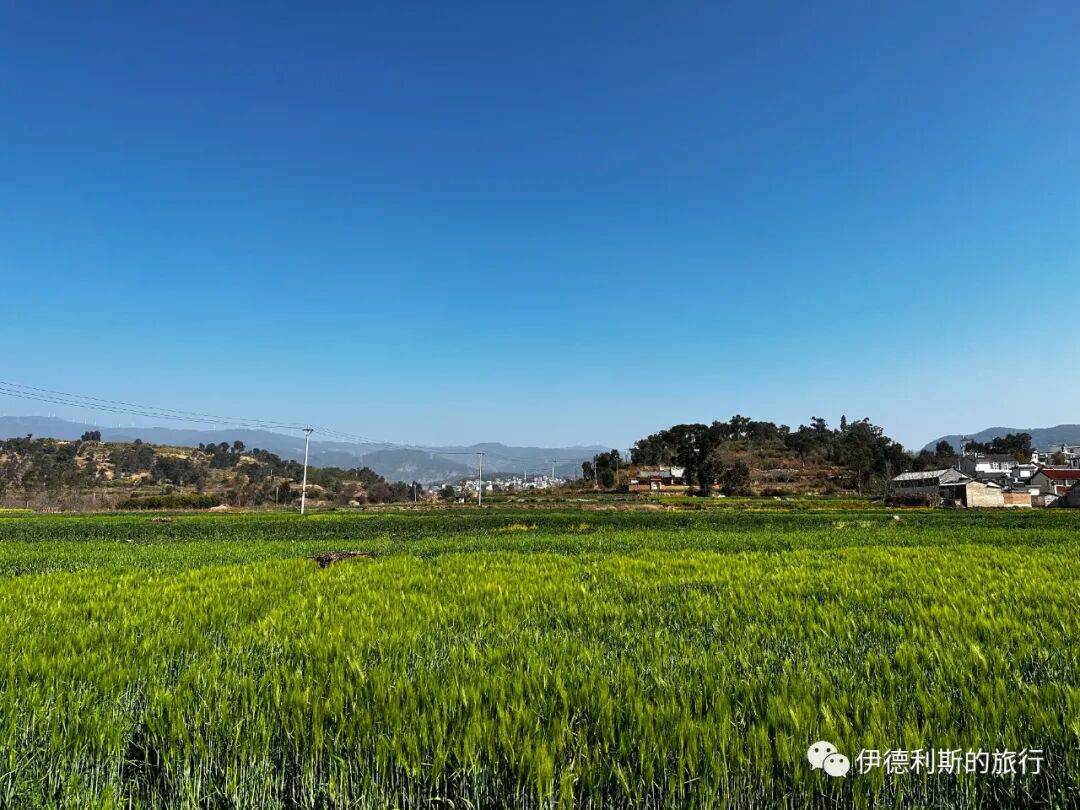
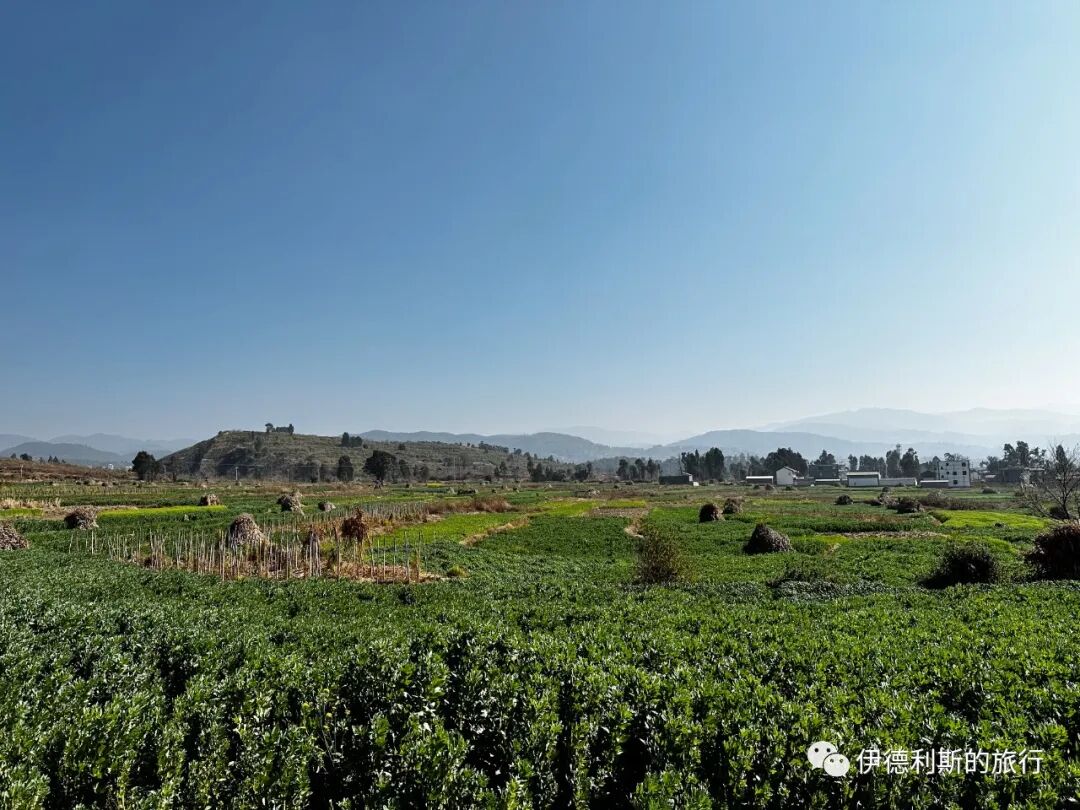
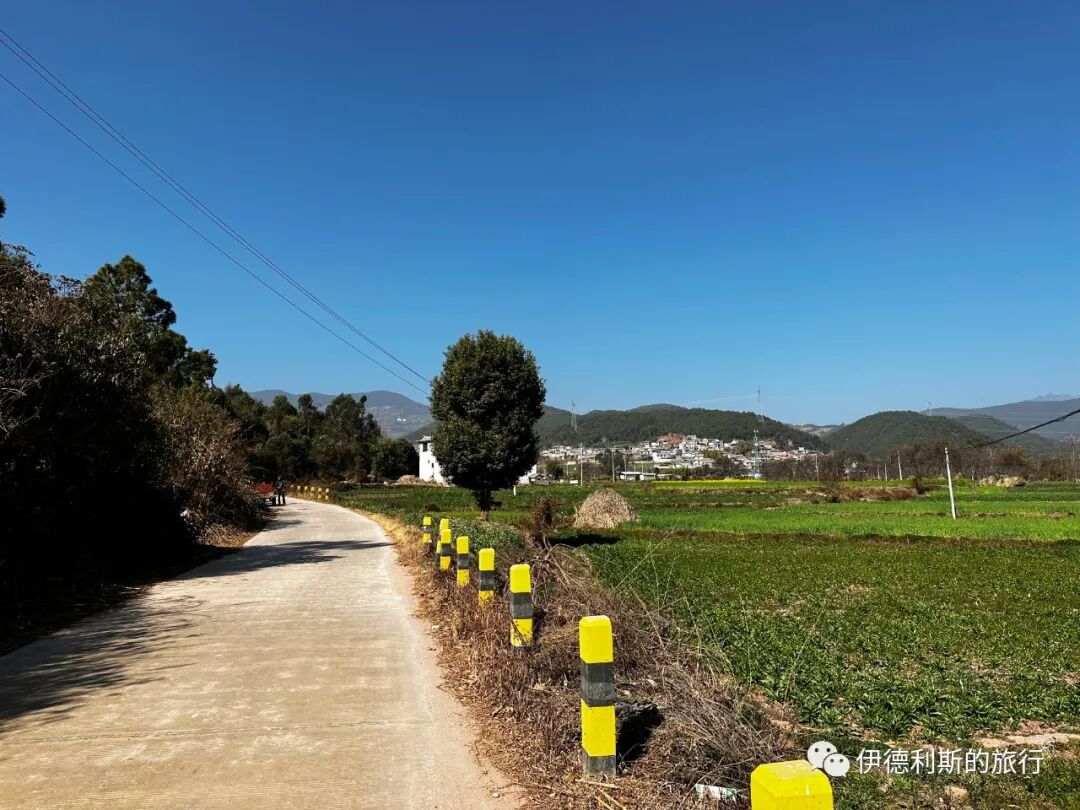
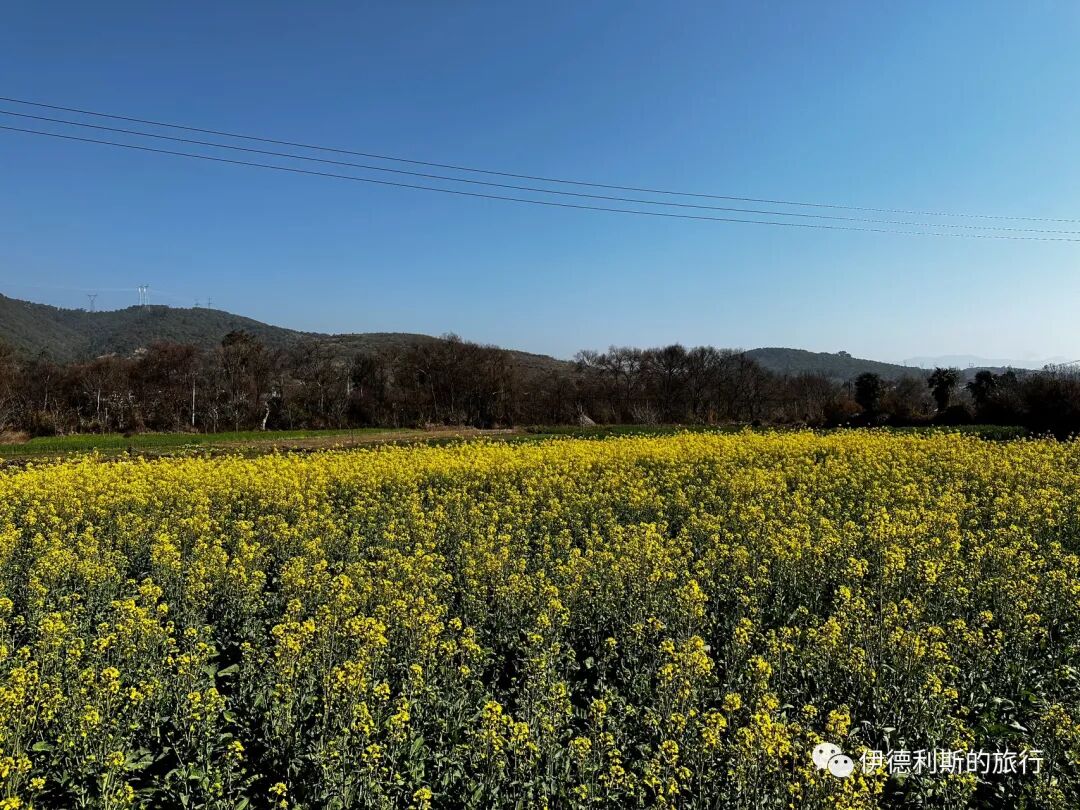
Xincun Mosque
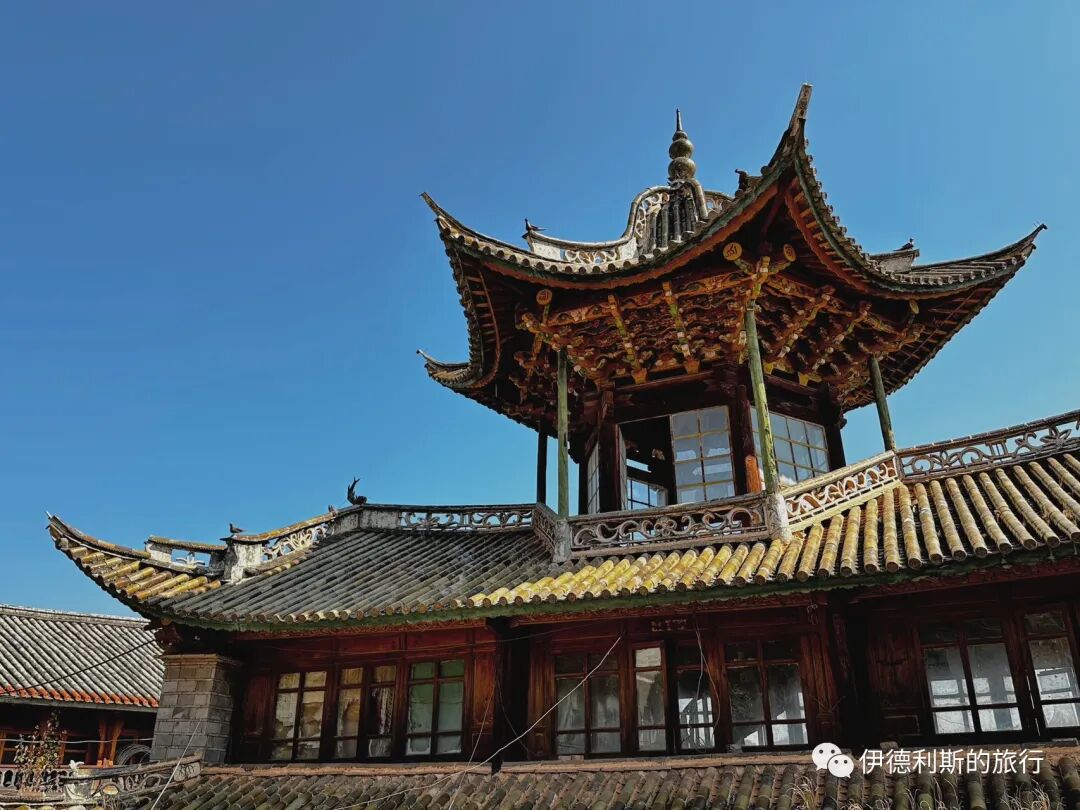
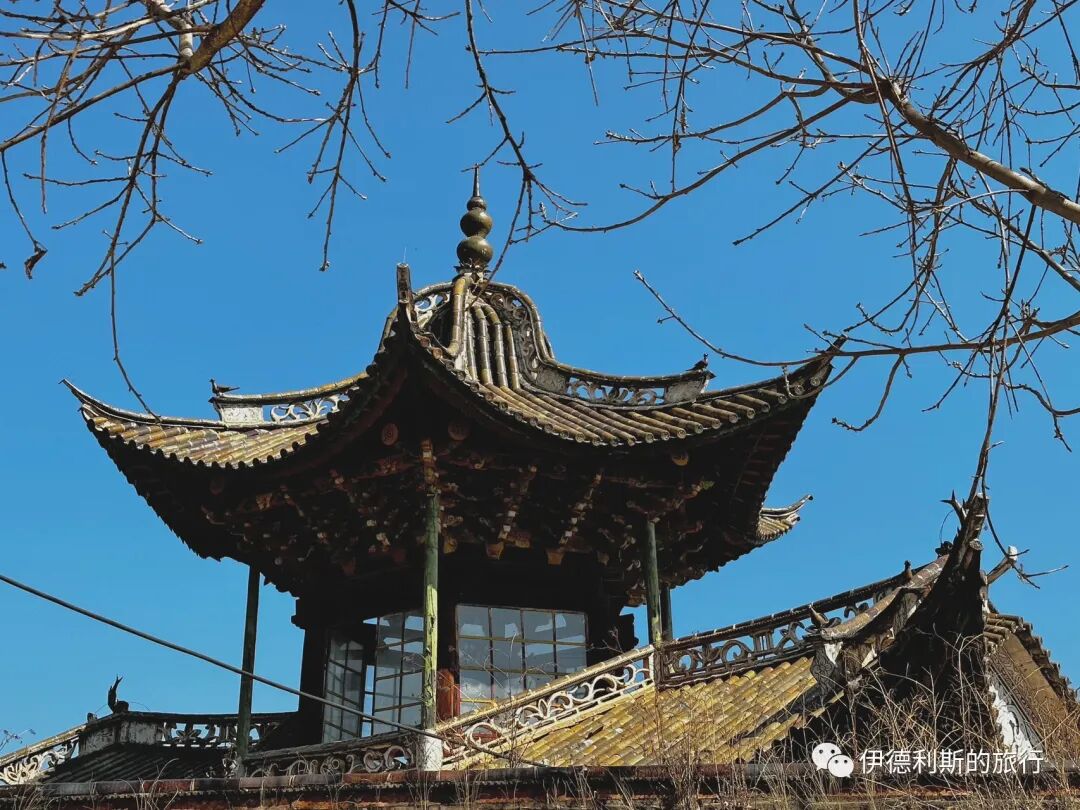
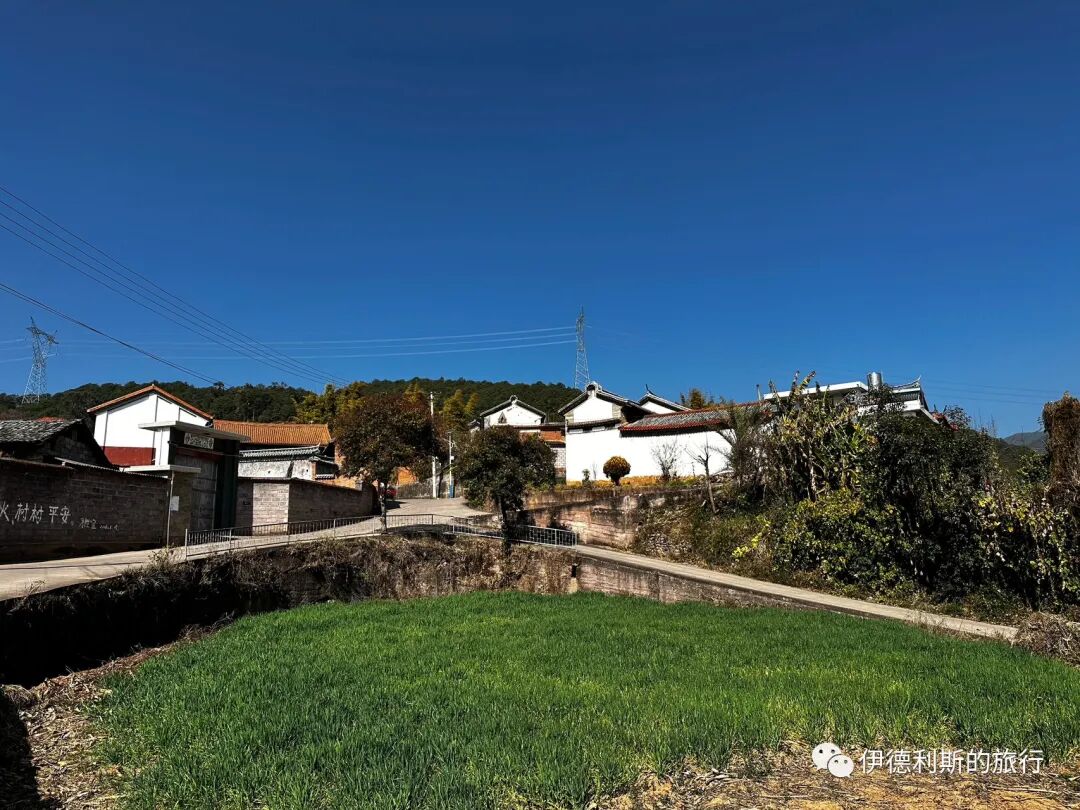
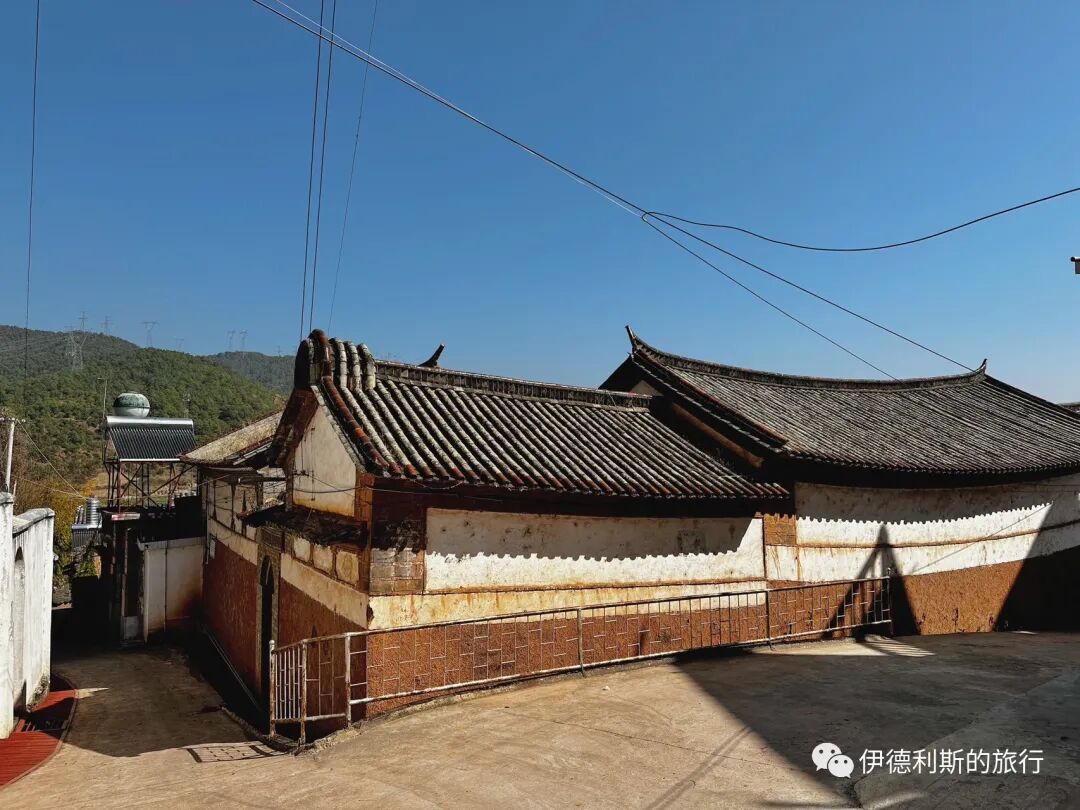
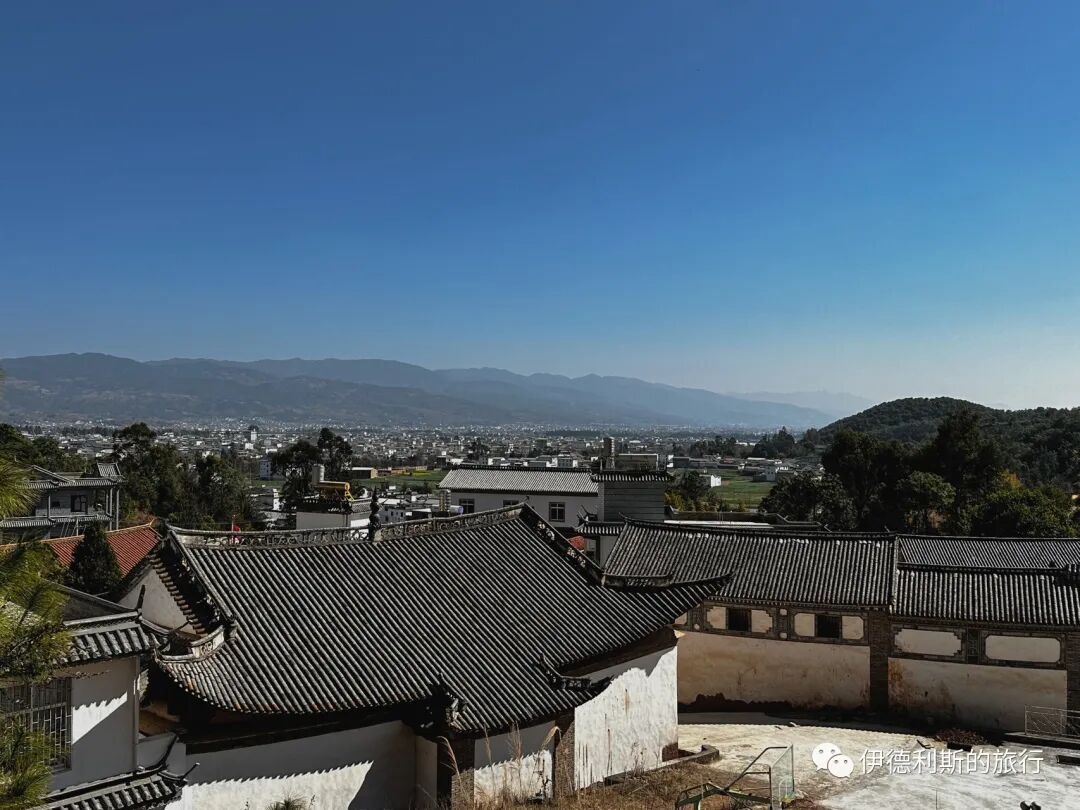
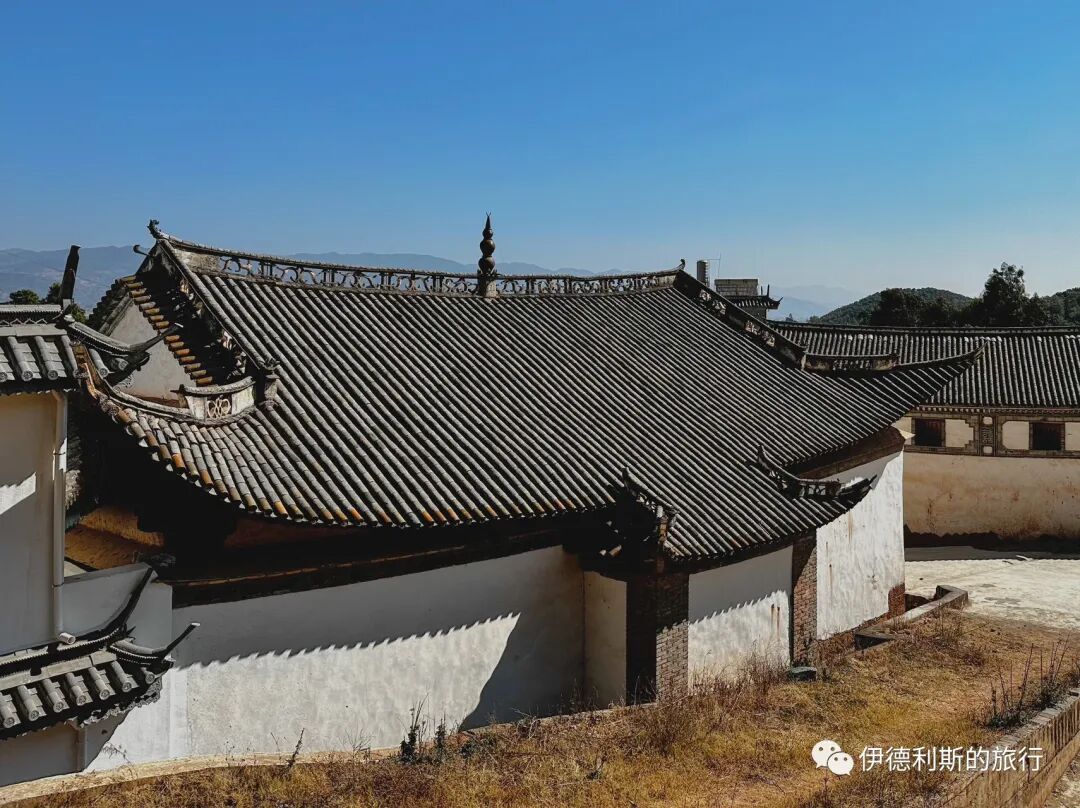
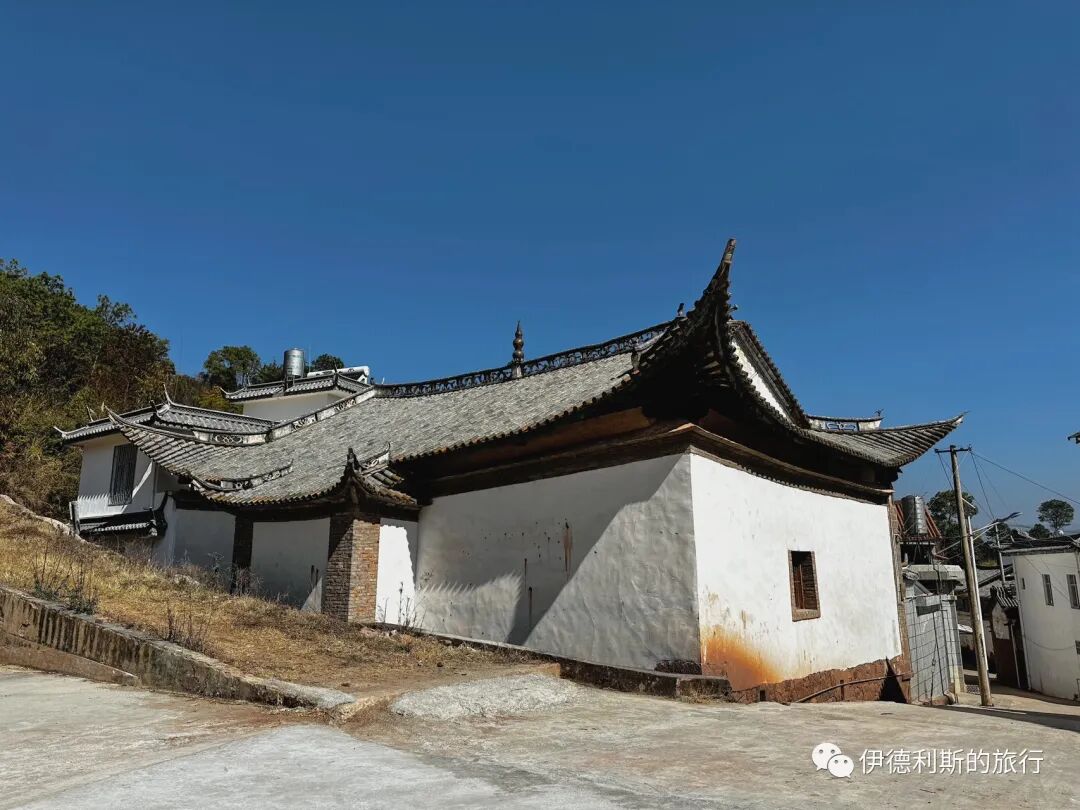
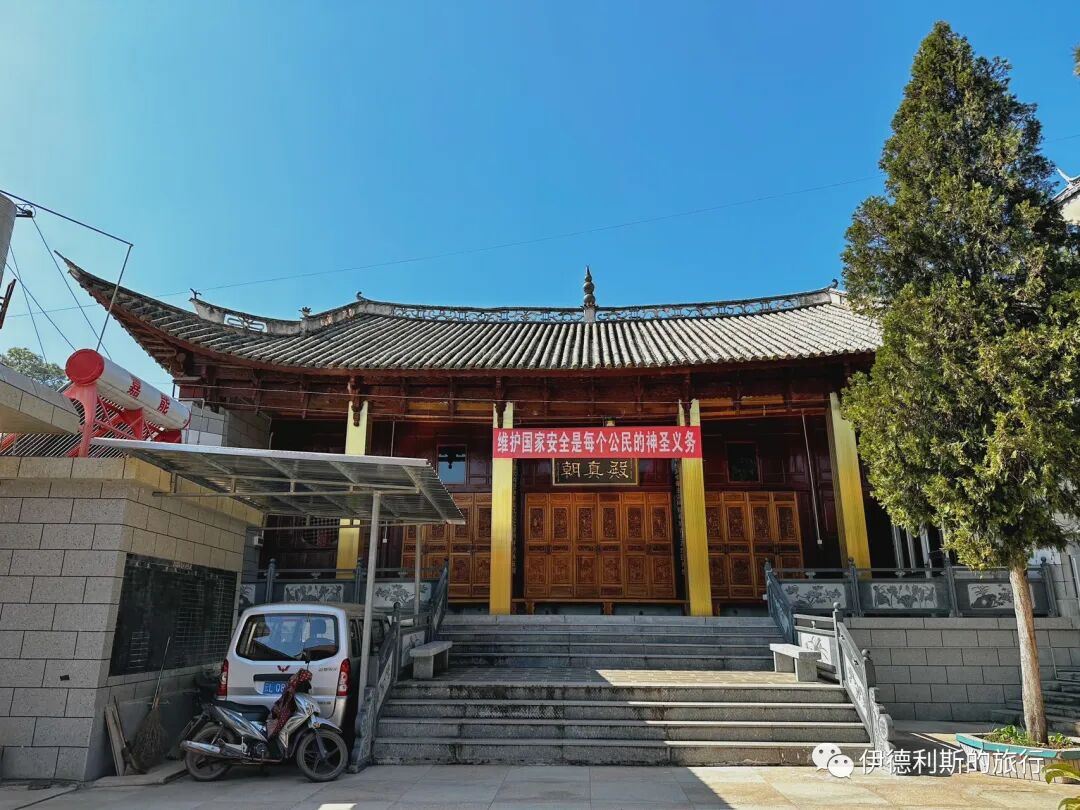
I first visited Xincun Mosque, which sits on a hillside at the far northwest end of the Weishan Basin. Xincun is known as the first Hui Muslim village at the source of the Red River, with a rushing river in front and lush greenery behind, making for a beautiful setting. The founding date of Xincun Mosque is unknown; it was destroyed in 1872 (the 11th year of the Tongzhi reign), rebuilt during the Guangxu reign, and the main hall was rebuilt again in 1994. The current main hall features a double-eave hip-and-gable roof and still maintains the traditional architectural style of the Dali region.
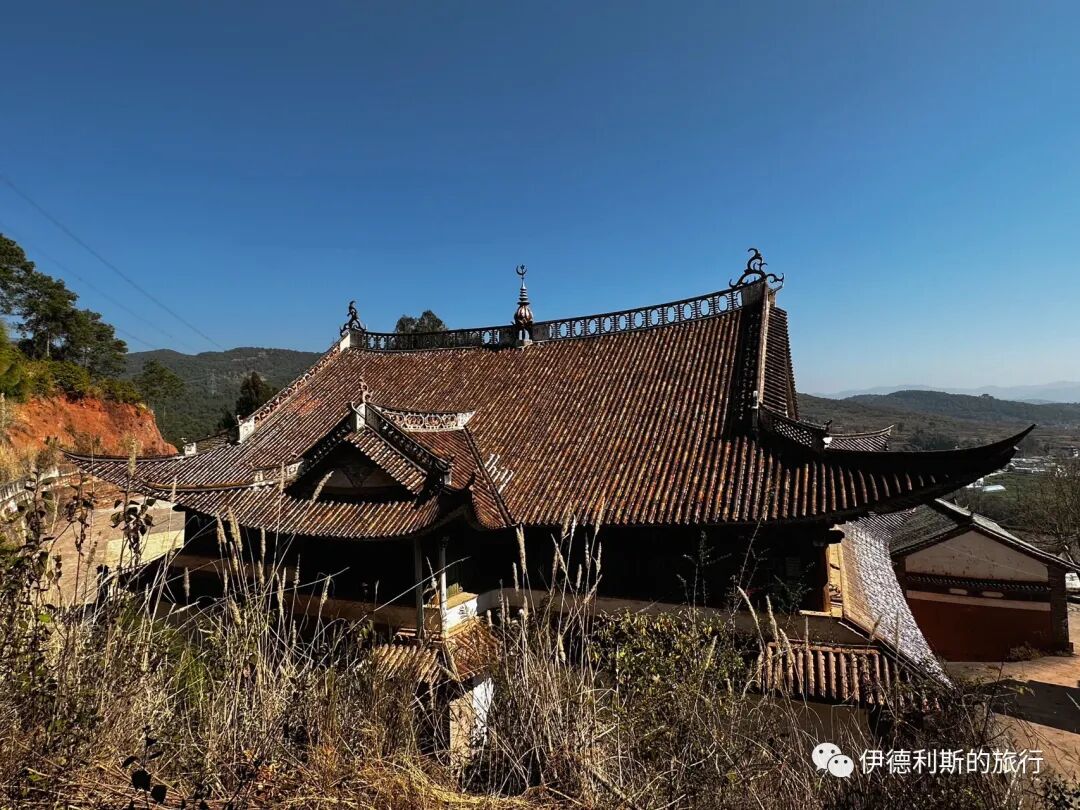
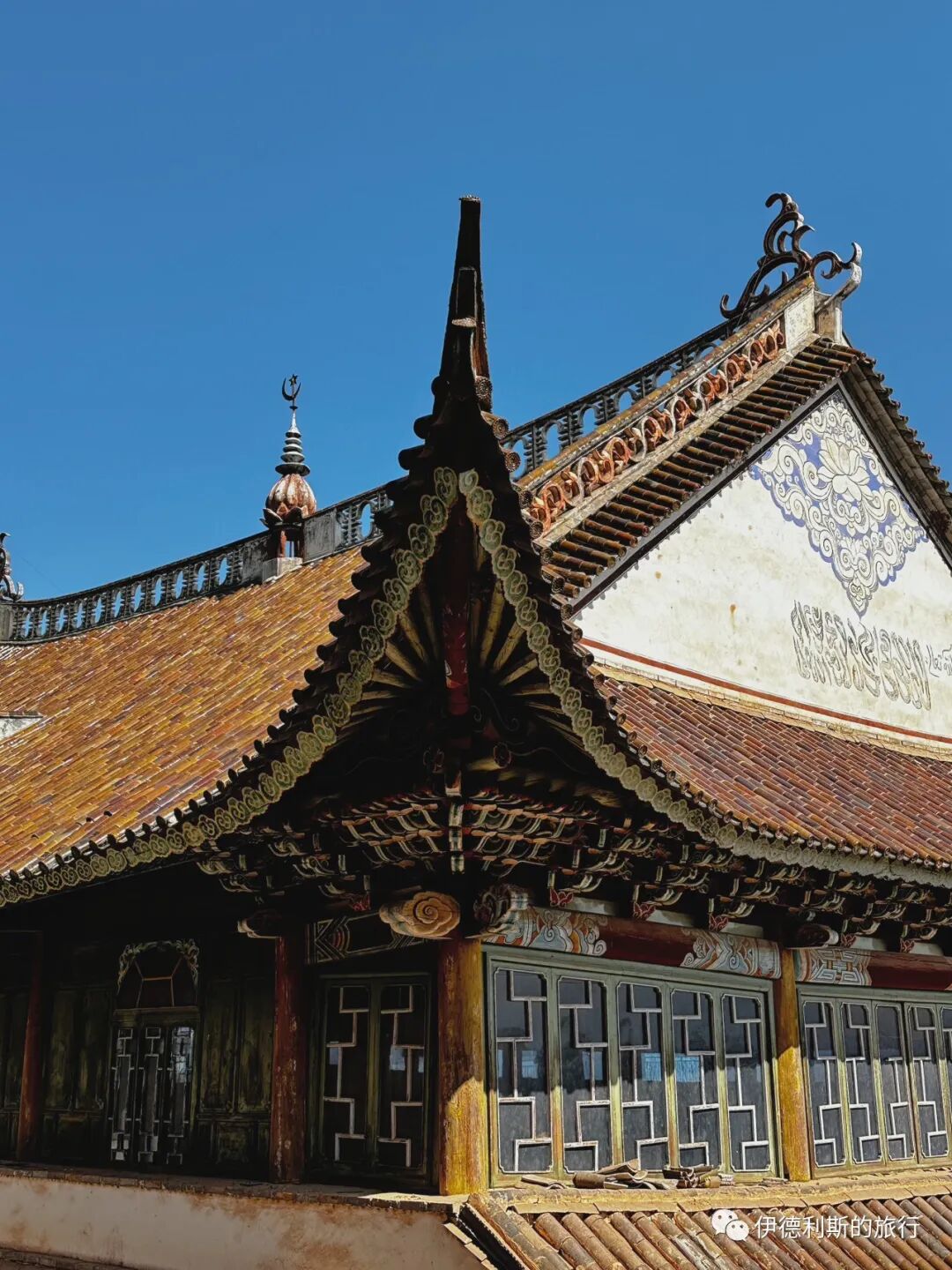
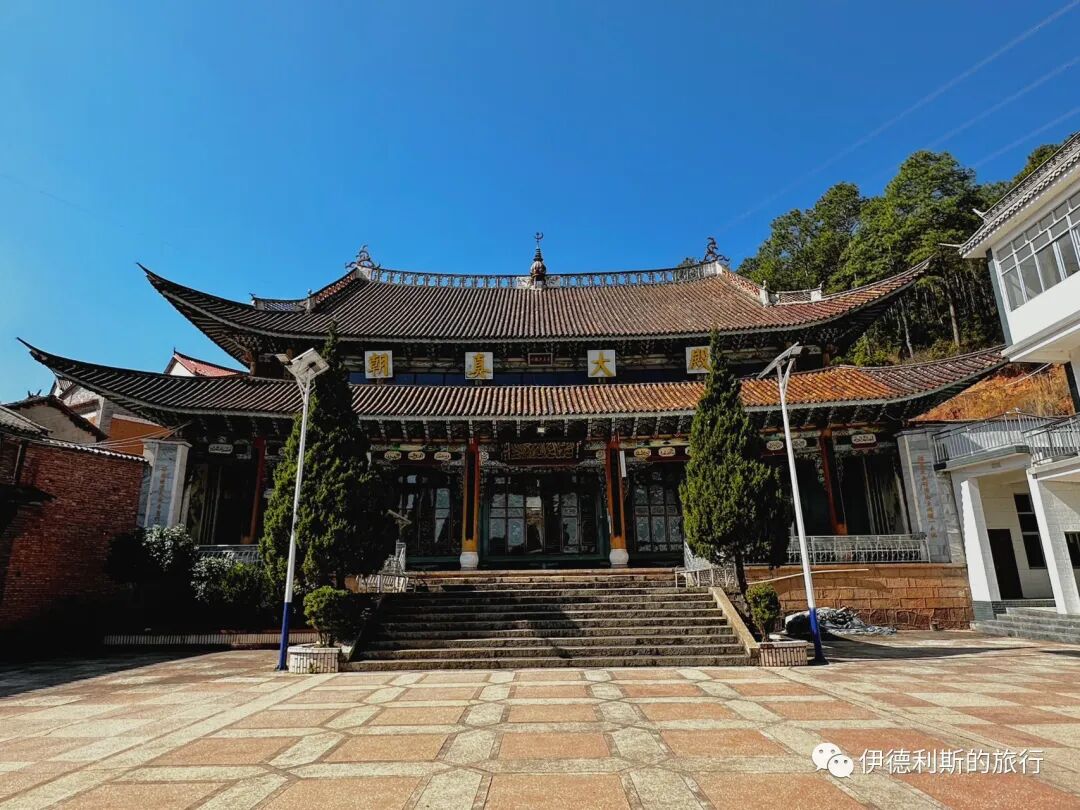
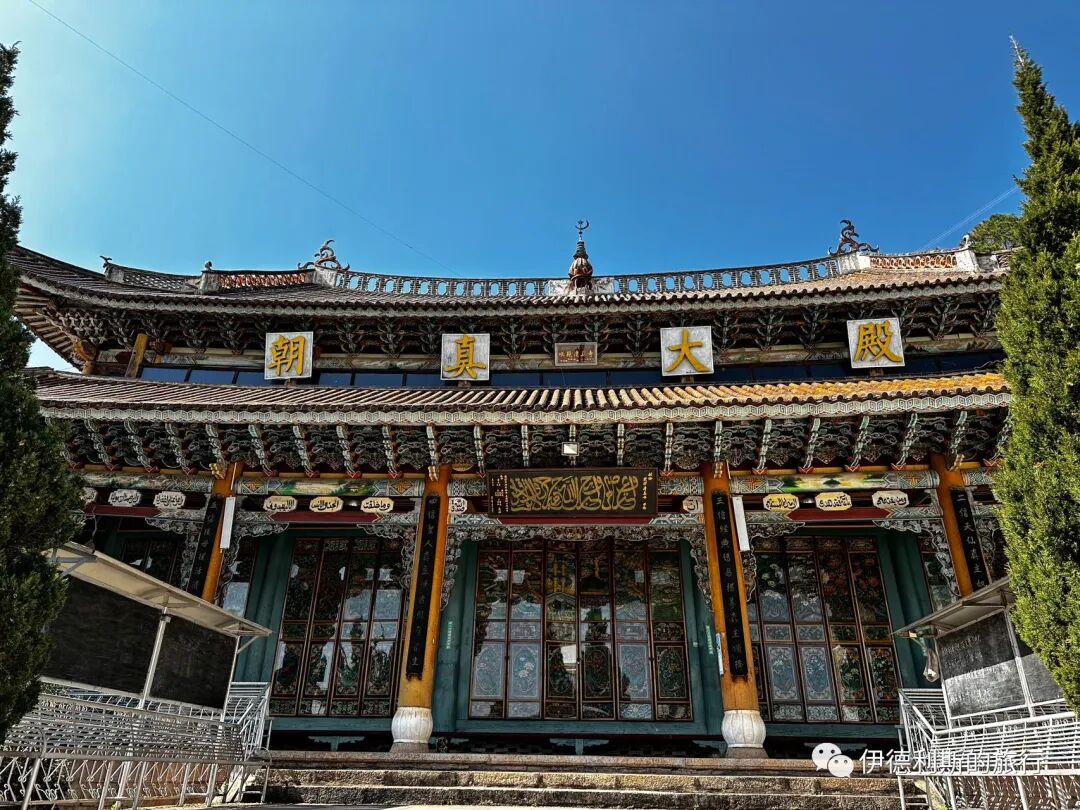
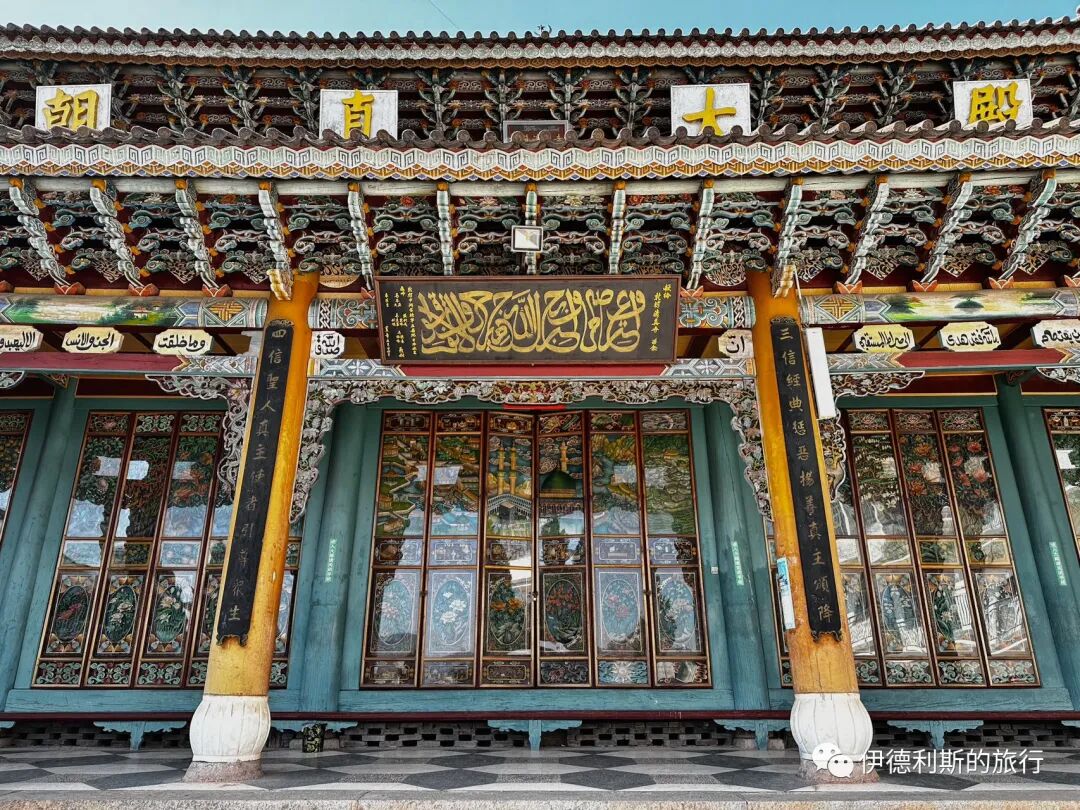
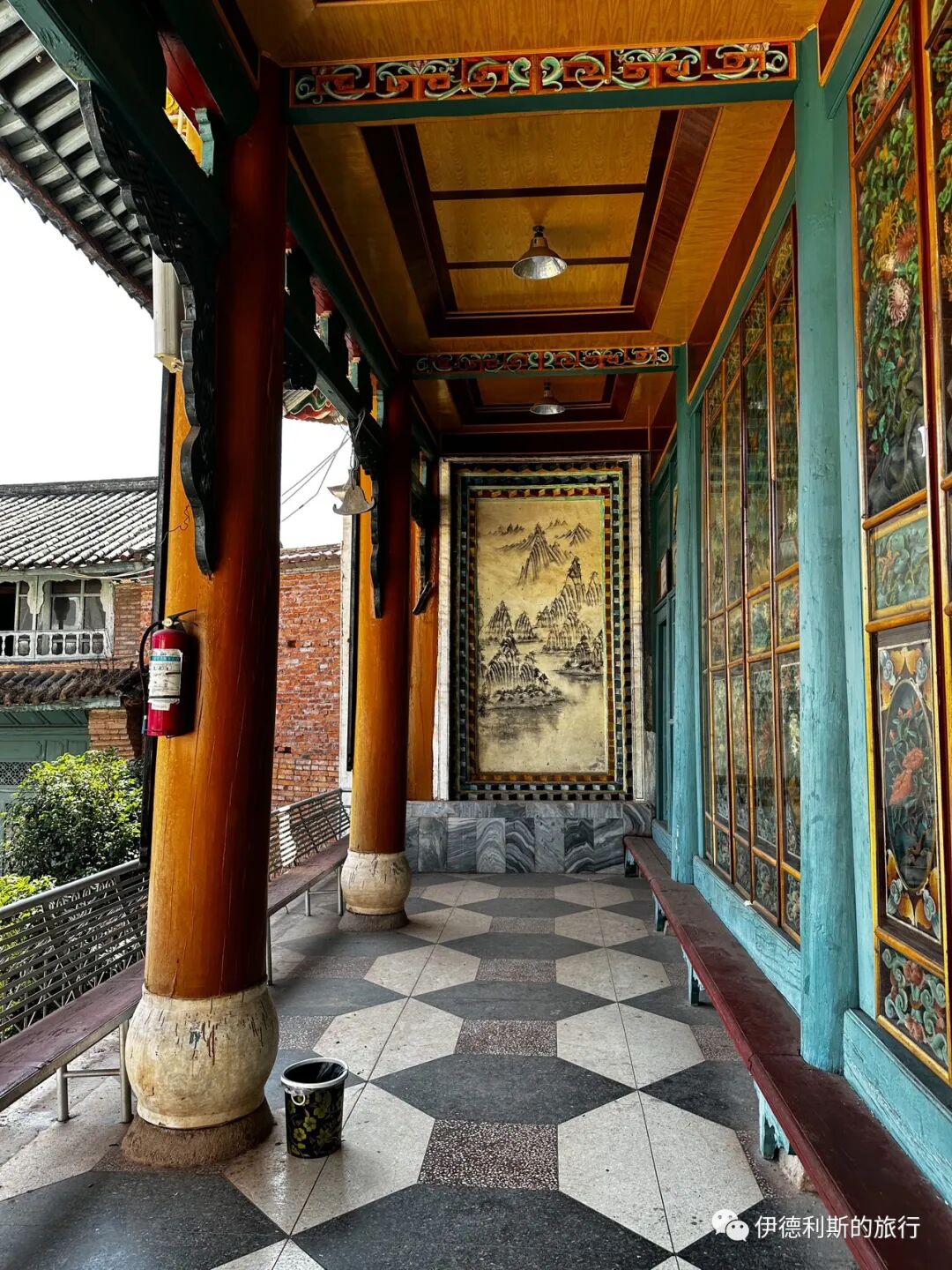
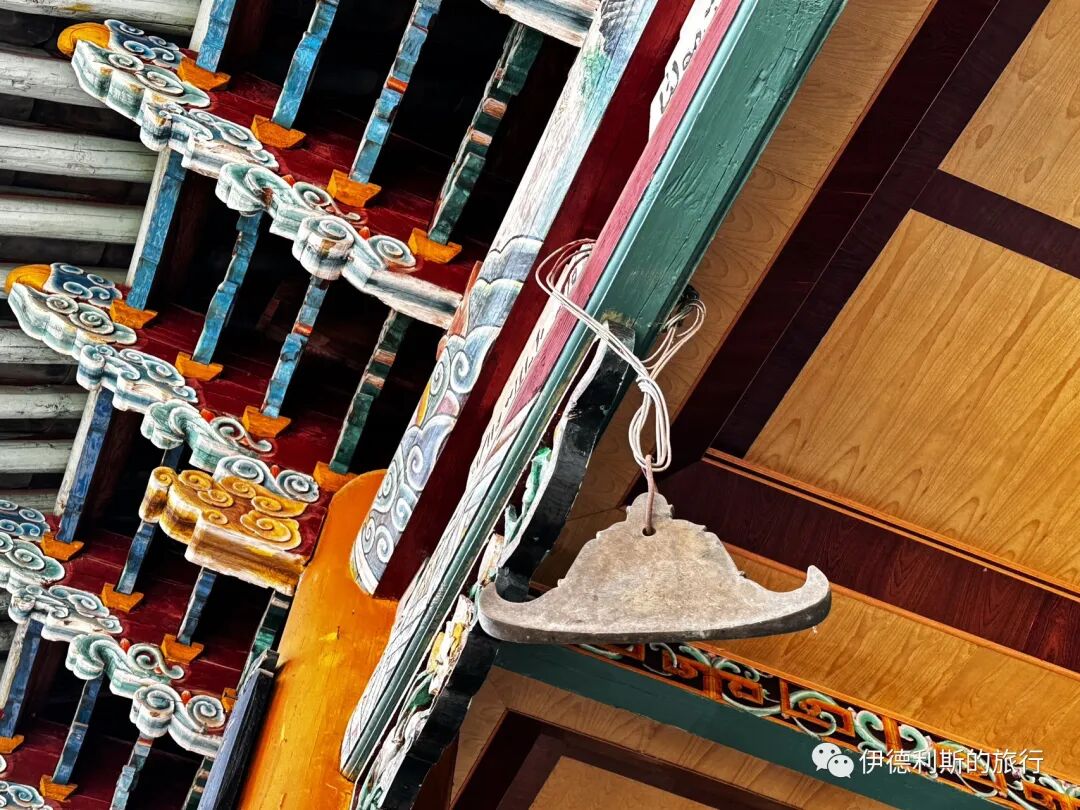
The minaret of Xincun Mosque was rebuilt in 1988 and has a hexagonal pointed roof. The following photos show the scenery in the village.
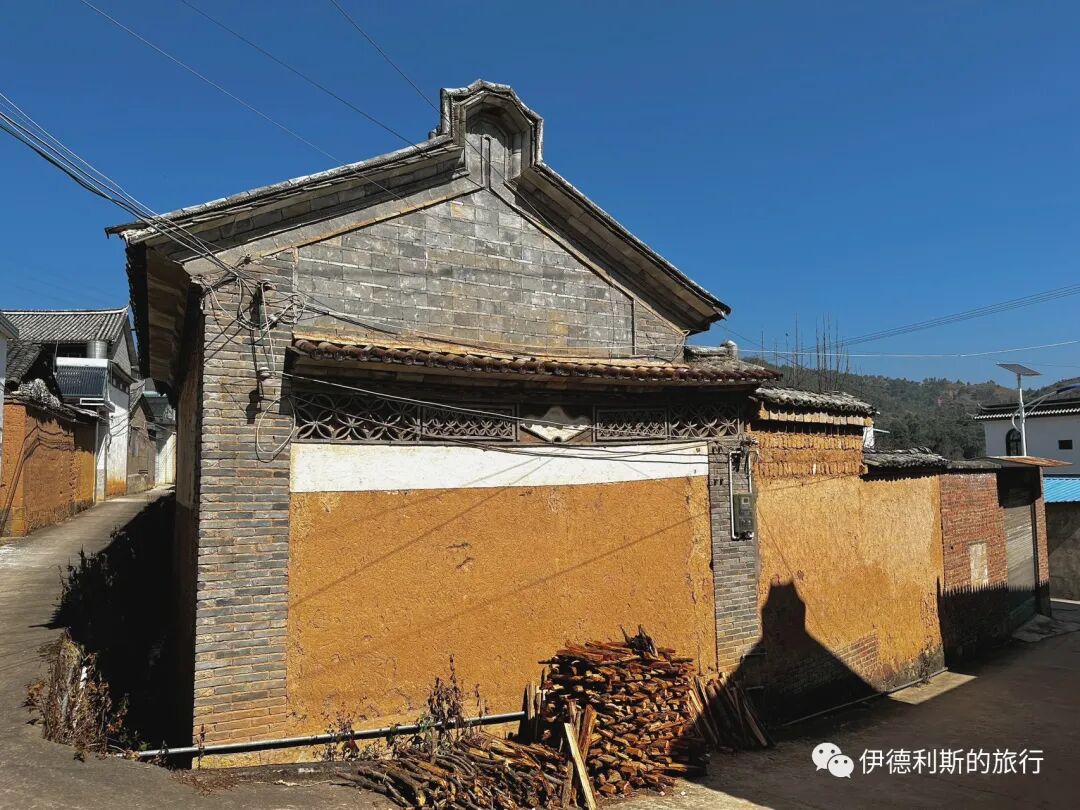
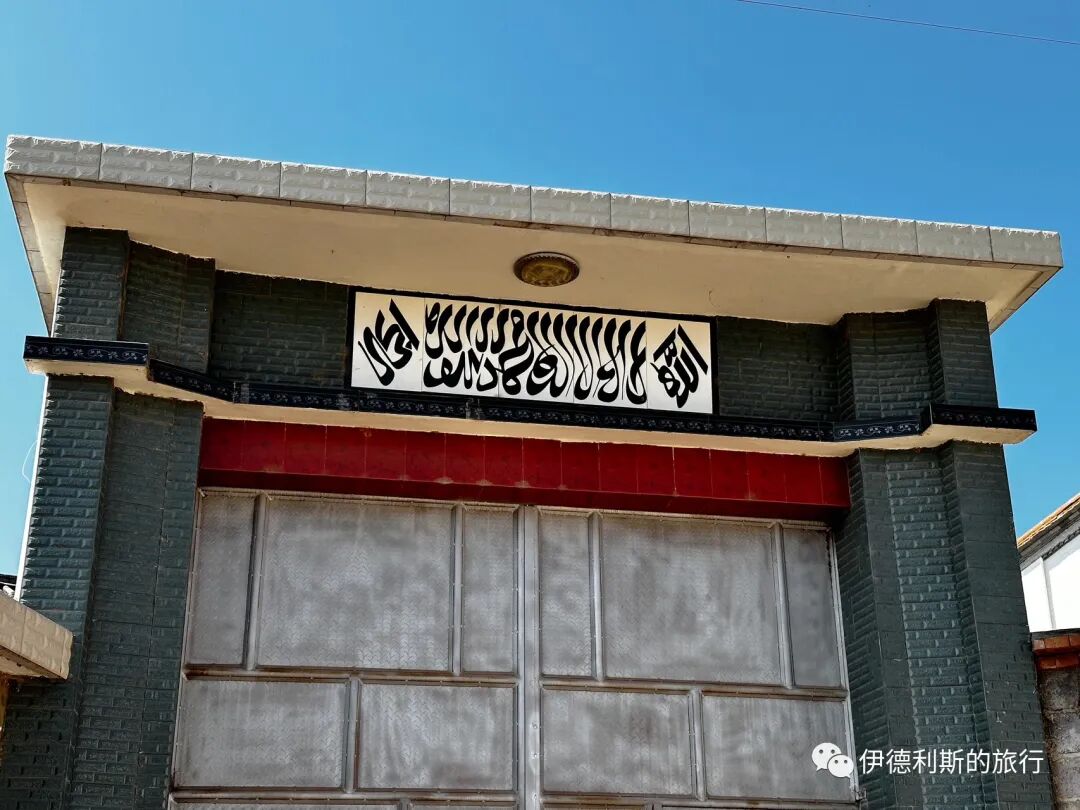
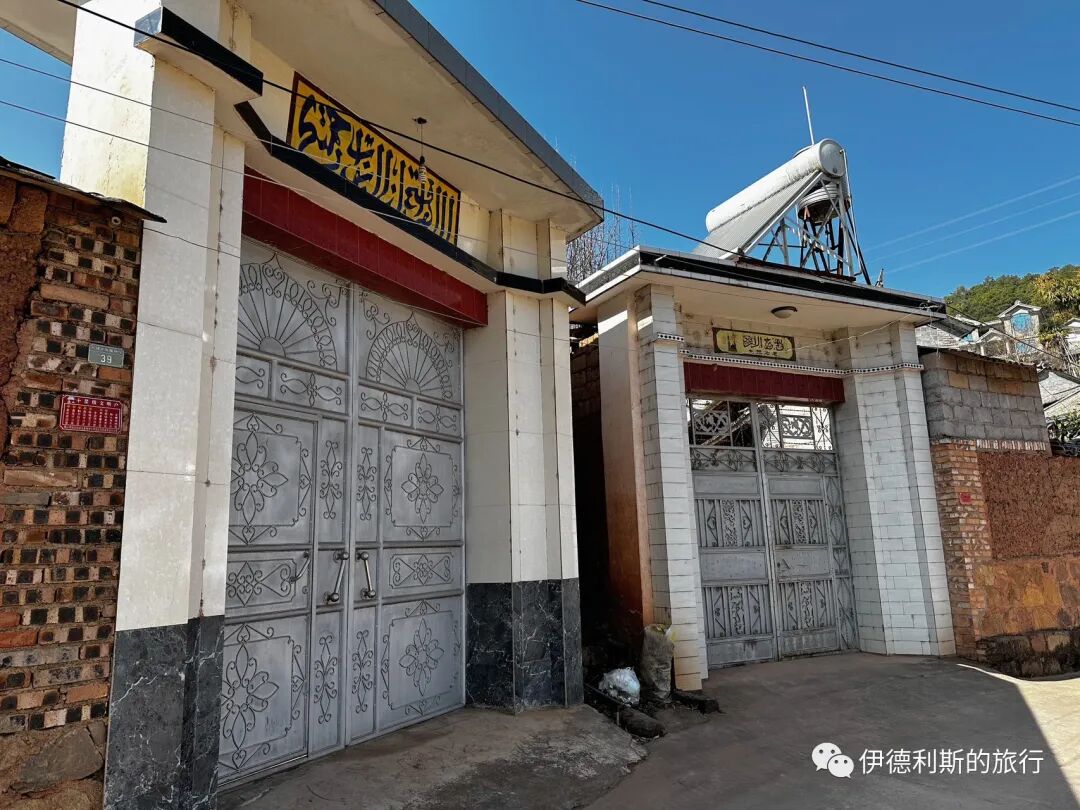
Hardworking fellow Muslims.
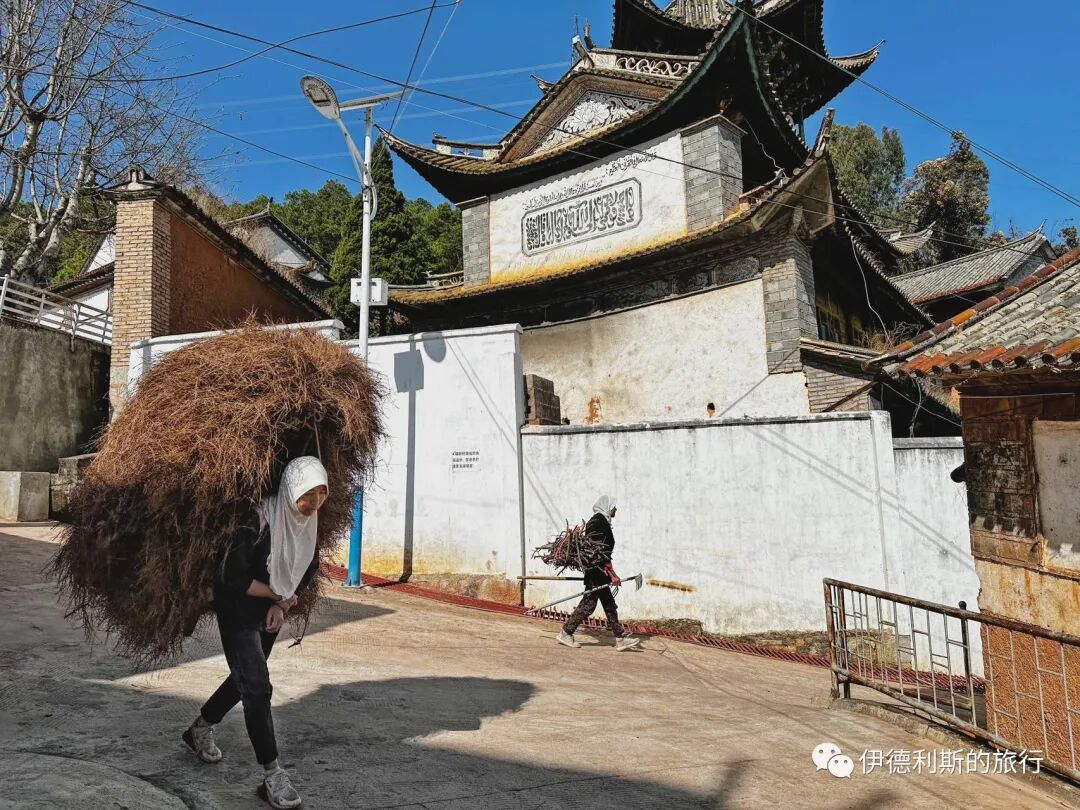
Chen Family Mosque (Chenjia Si)
I rode my bike from Xincun to the Chen Family Mosque northwest of Xishulong Village. I missed this mosque when I visited Xishulong Village in 2020. The Chen Family Mosque was built by the Chen family of Xishulong Village. Its original construction date is unknown. The ancestors of the Chen family moved here from Shaanxi, settling down after several moves.
The Chen Family Mosque was rebuilt in 1902 (the 28th year of the Guangxu reign) and expanded into its current structure in 1987. It sits near the mountains and water, offering beautiful scenery.
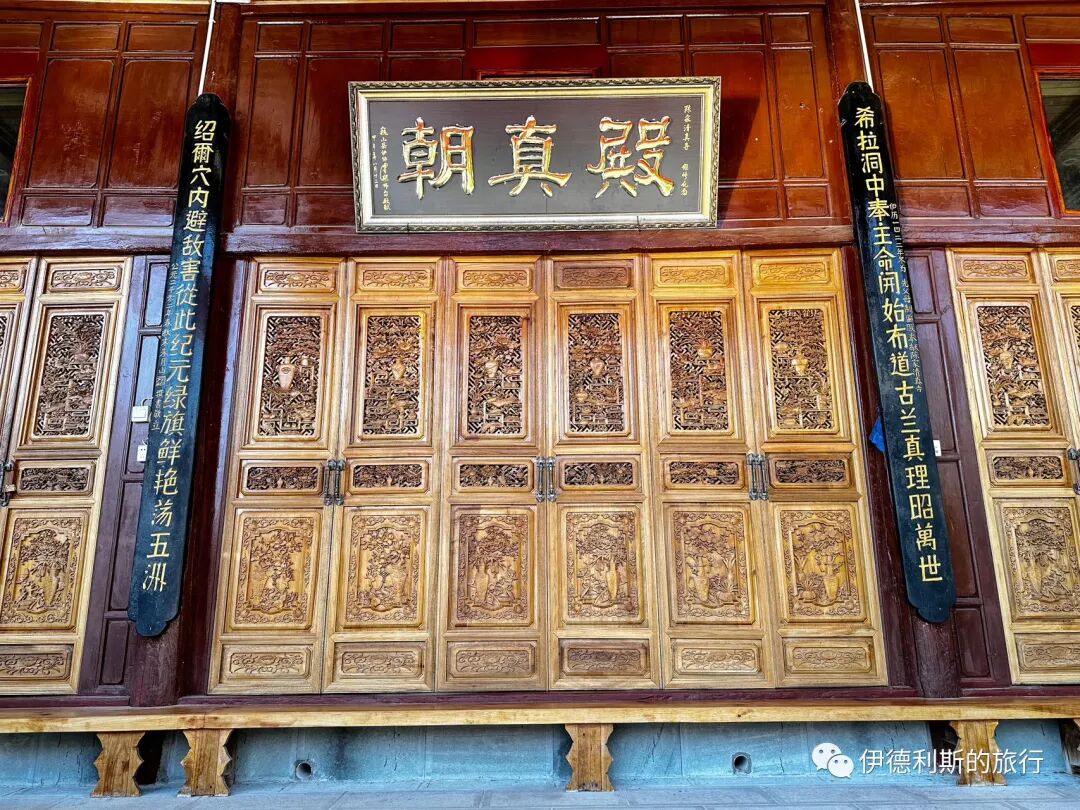
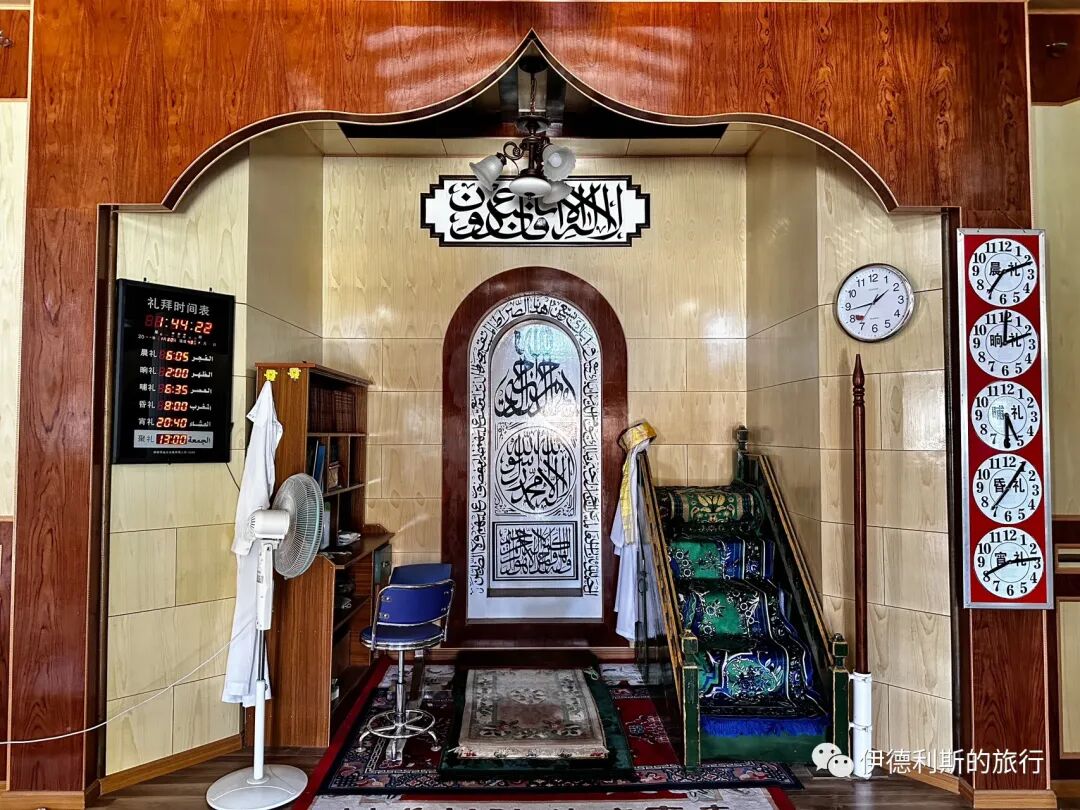
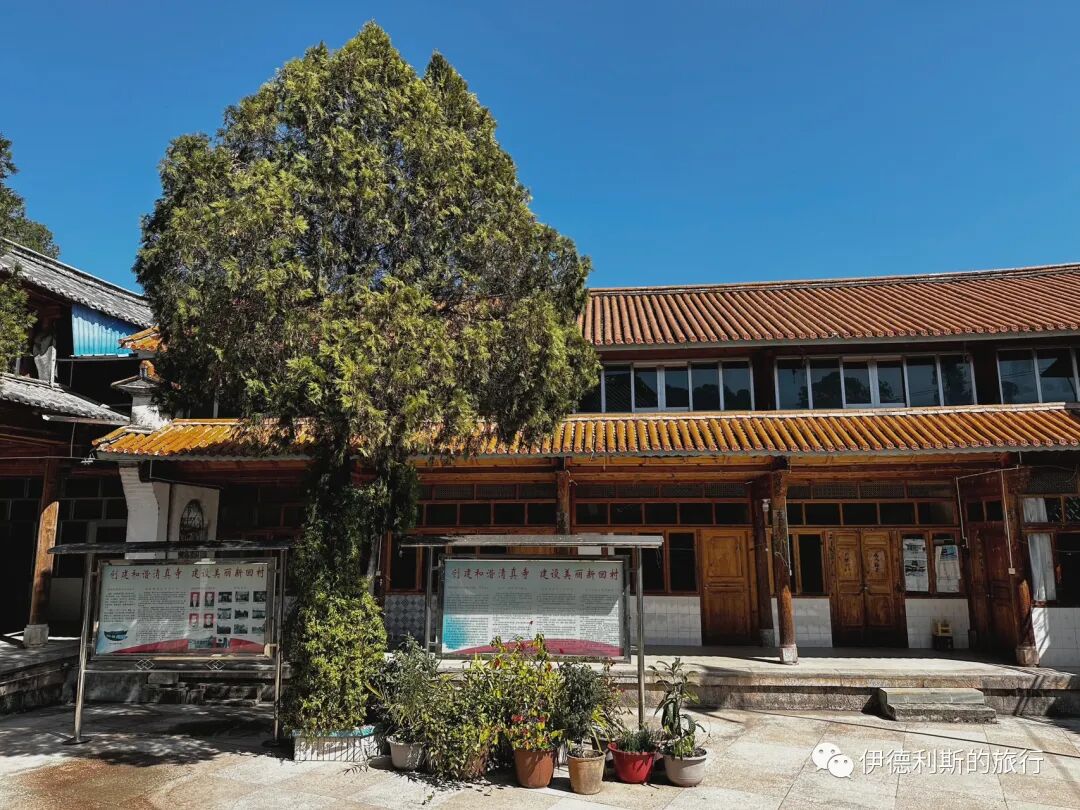
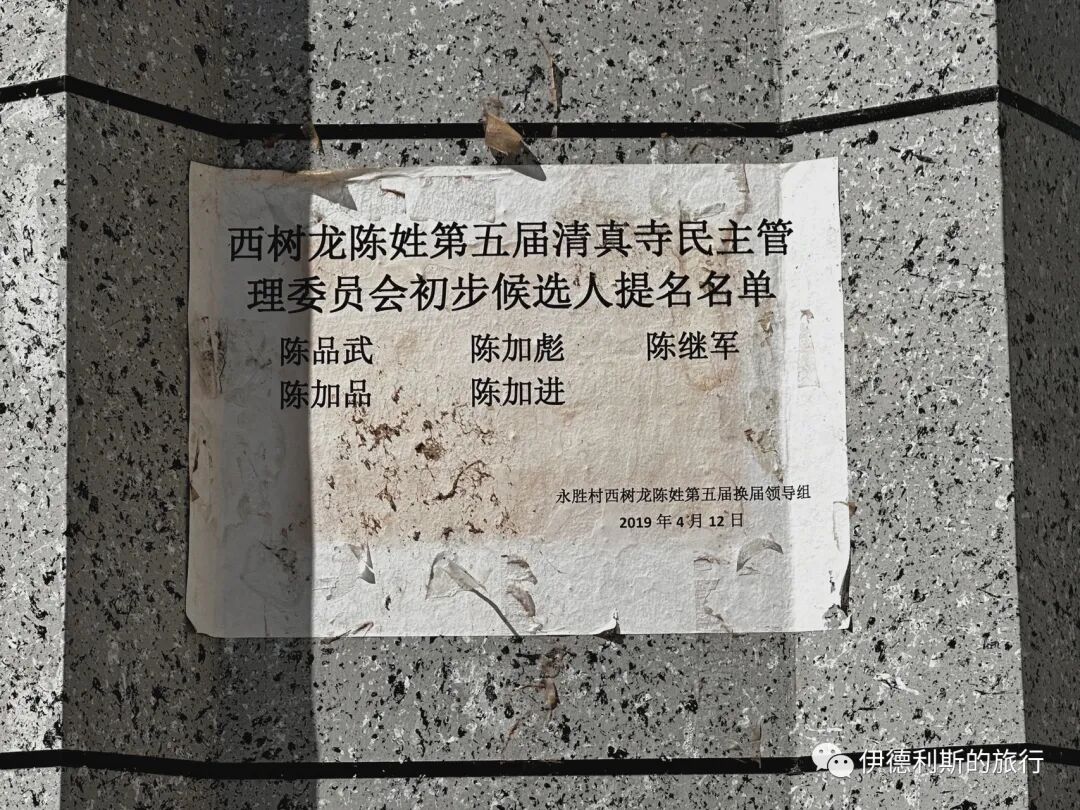
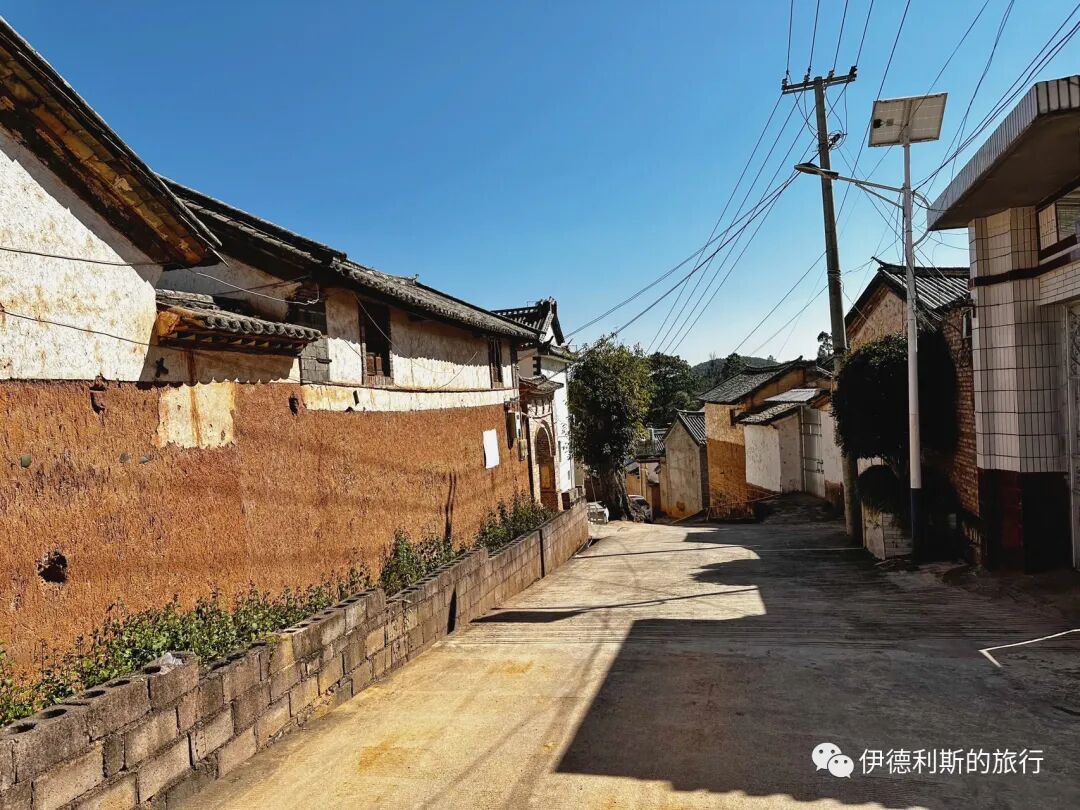
Xishulong Mosque
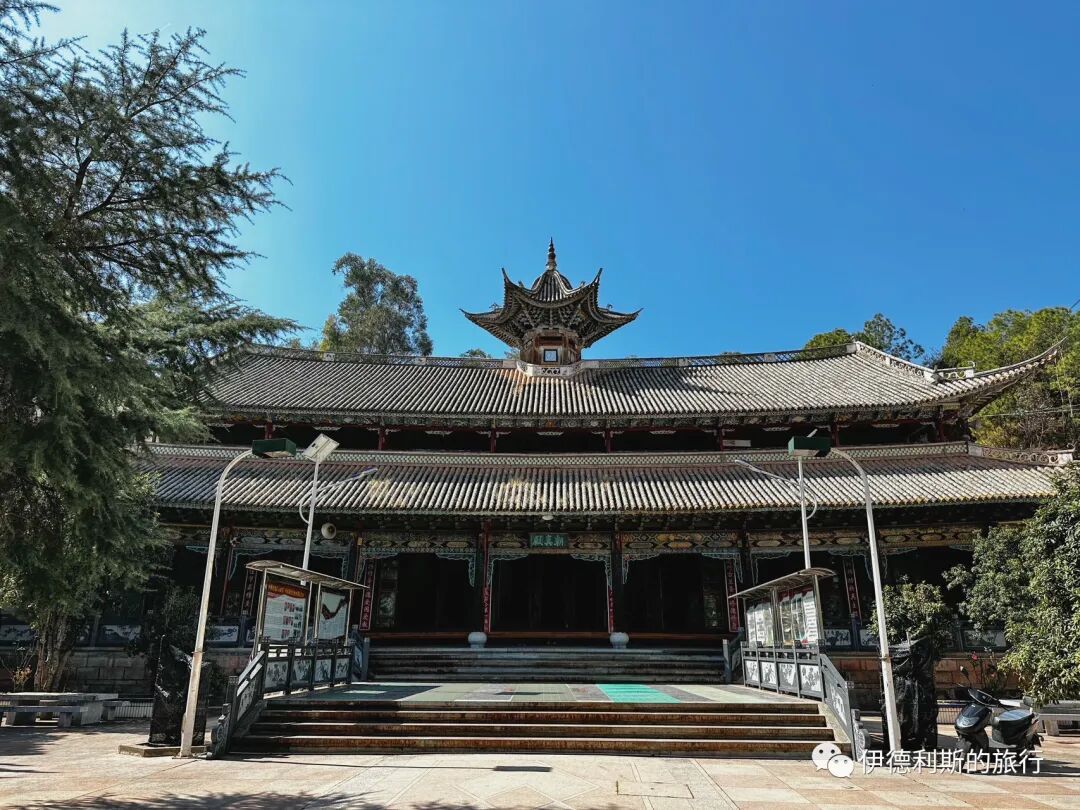
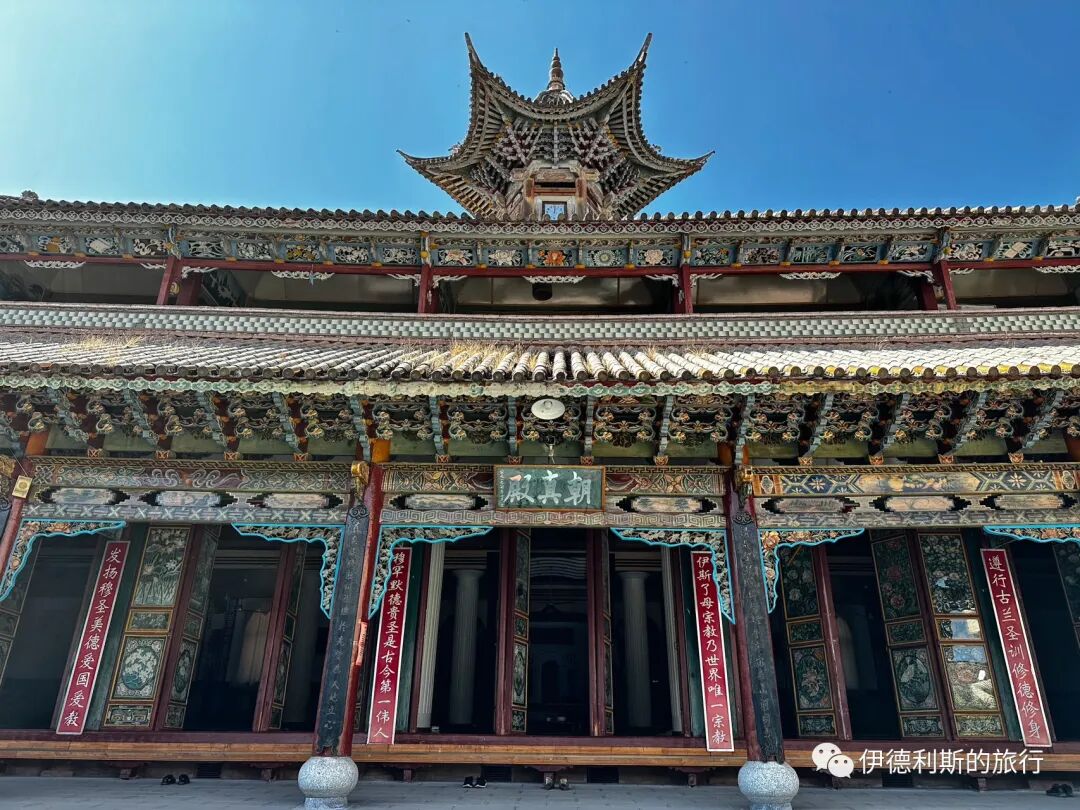
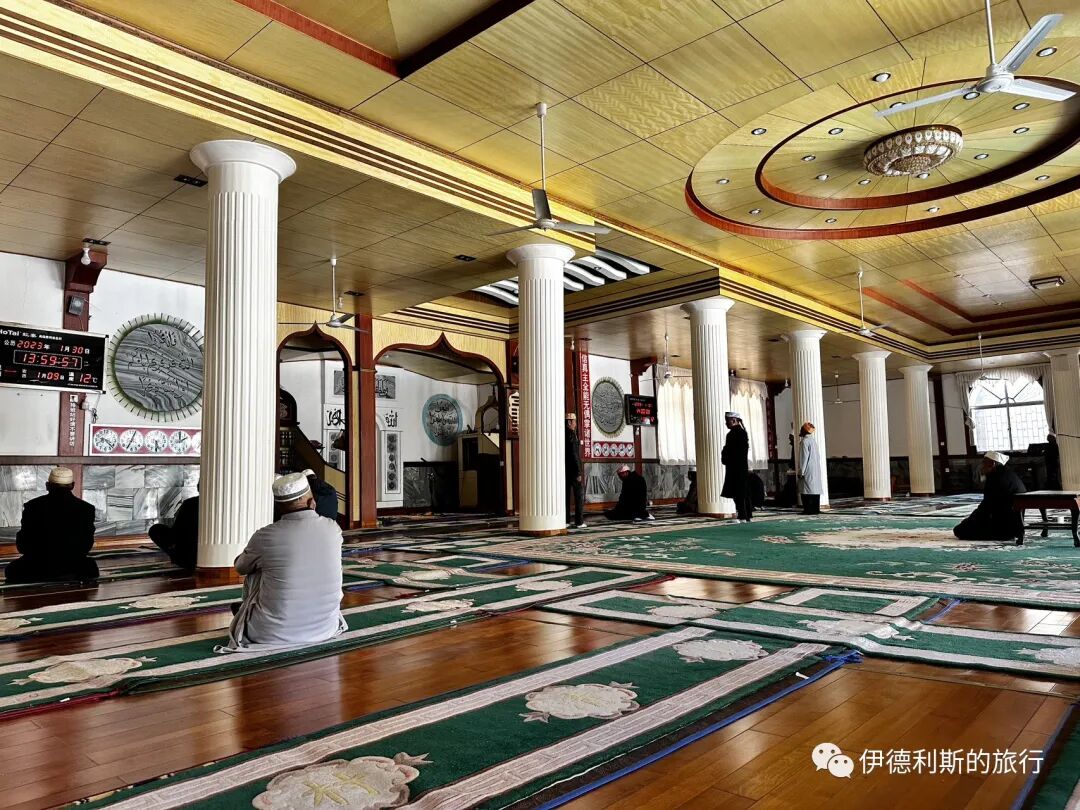
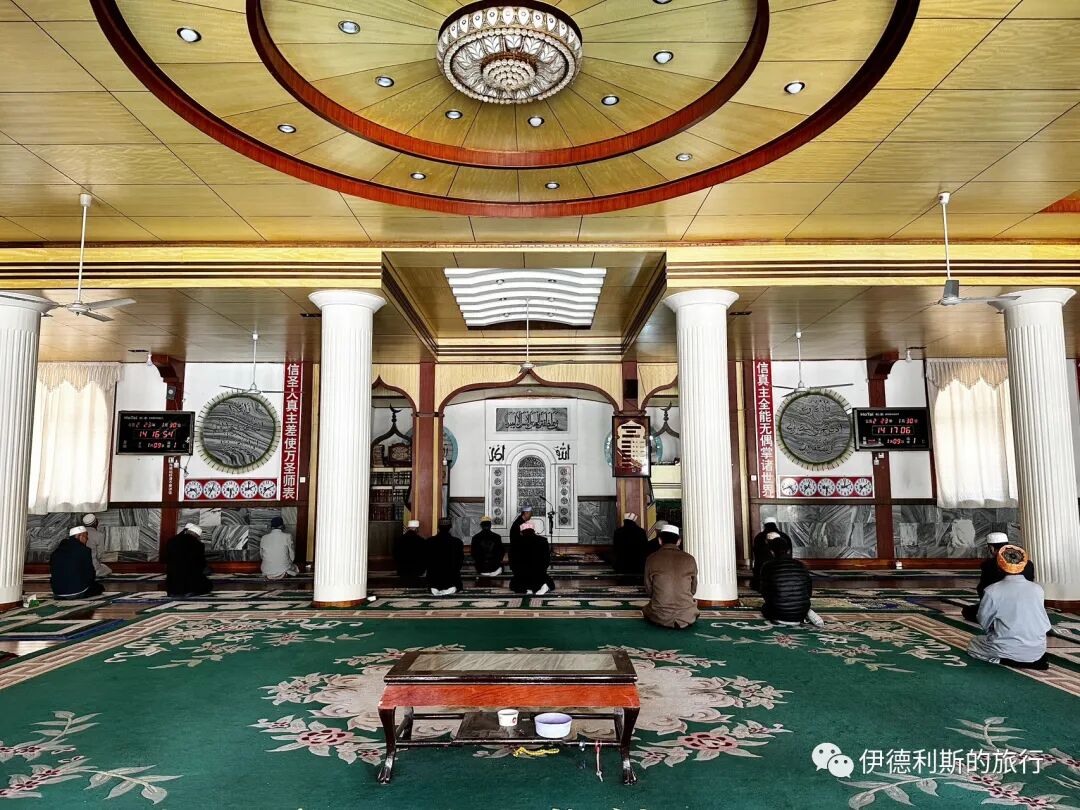
I performed the noon namaz at Xishulong Mosque. I visited Xishulong Mosque once in 2020, and this is my second time here. The original construction date of Xishulong Mosque is unknown. It was rebuilt in 1902 (the 28th year of the Guangxu reign) and rebuilt again in 1990 into its current form. The main hall has a double-eaved hip-and-gable roof with a unique hexagonal pavilion in the center of the roof ridge.
Shangxi Lianhua Mosque
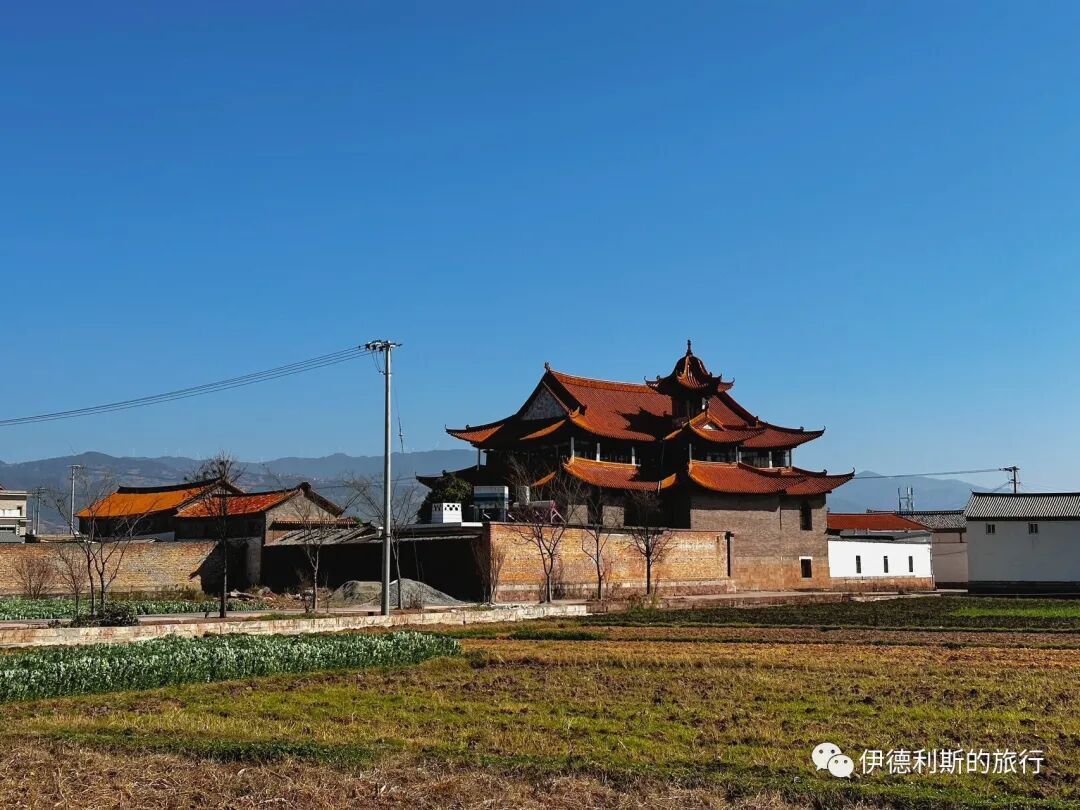
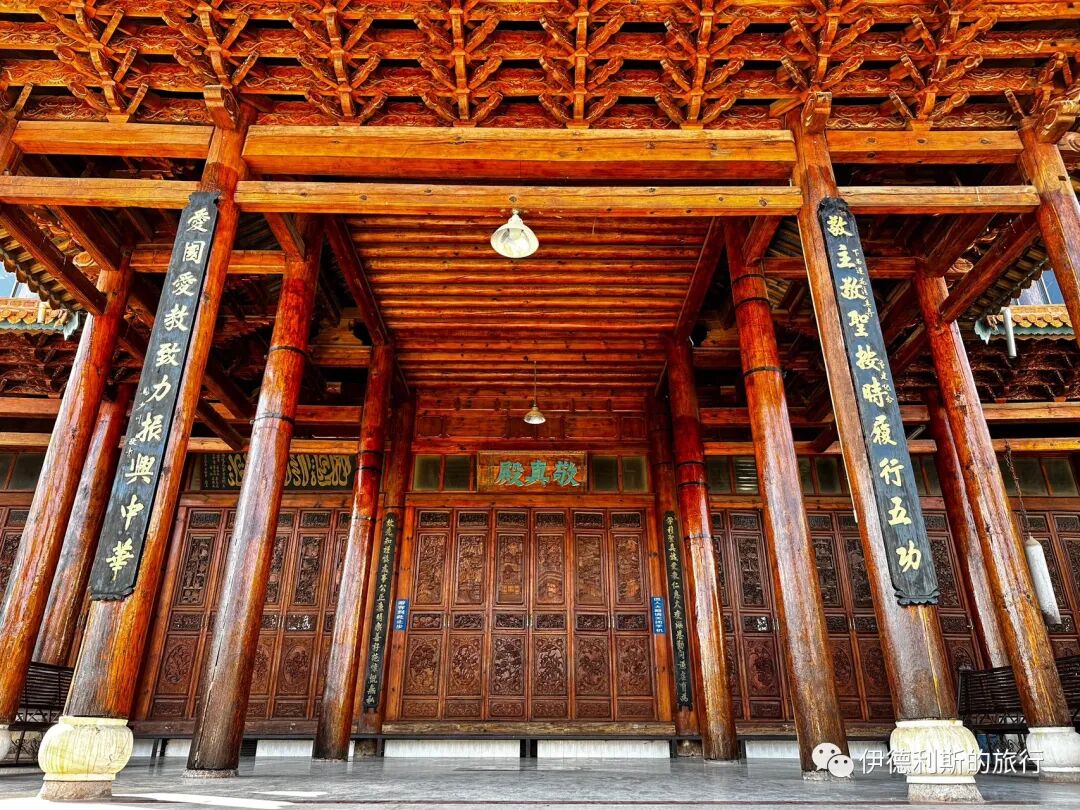
I rode south from Xishulong Village to Shangxi Lianhua Village to visit the Shangxi Lianhua Mosque. The original construction date of Shangxi Lianhua Mosque is unknown. It was destroyed in 1872 (the 11th year of the Tongzhi reign) and later rebuilt and expanded several times into its current structure.
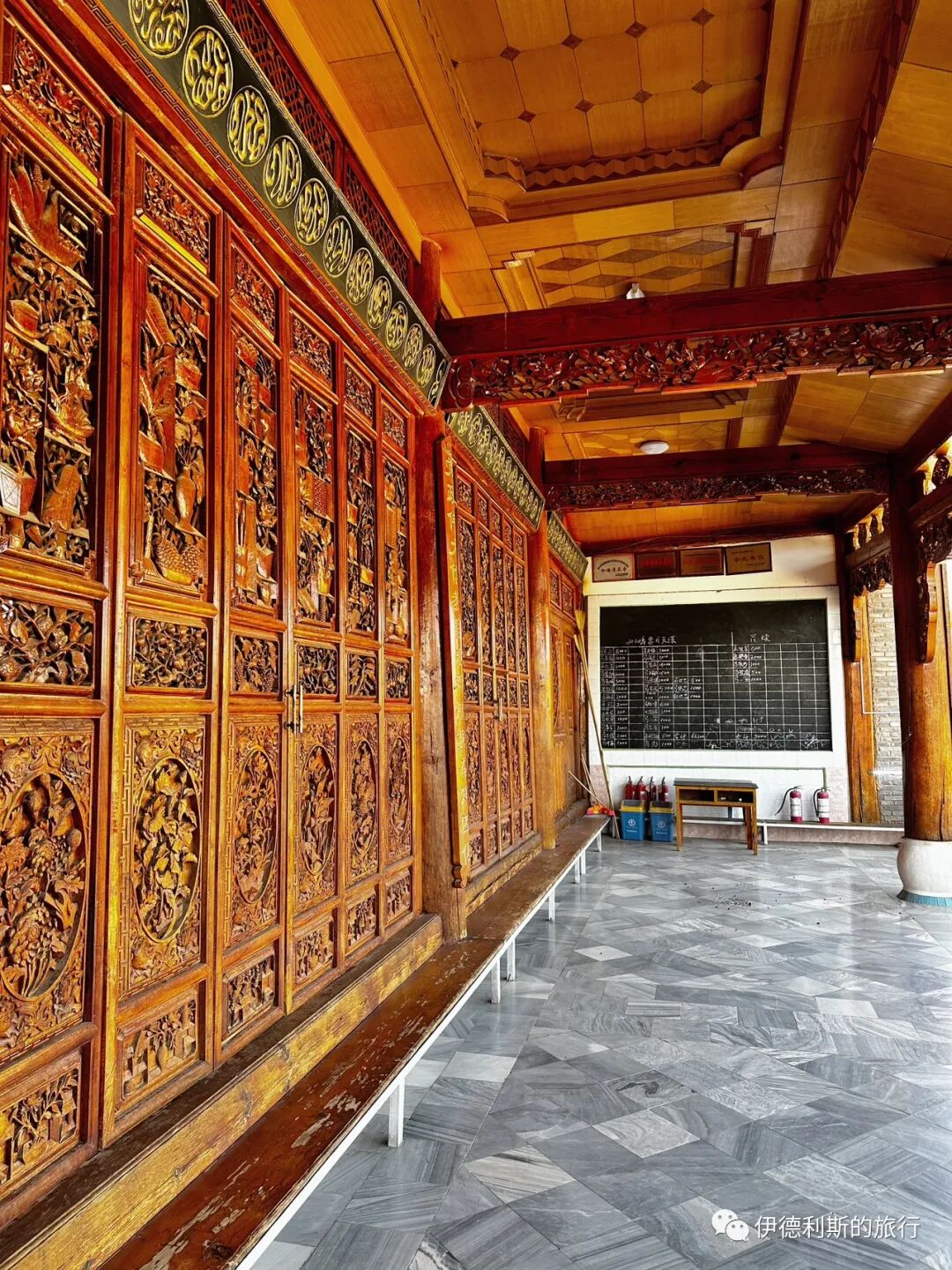
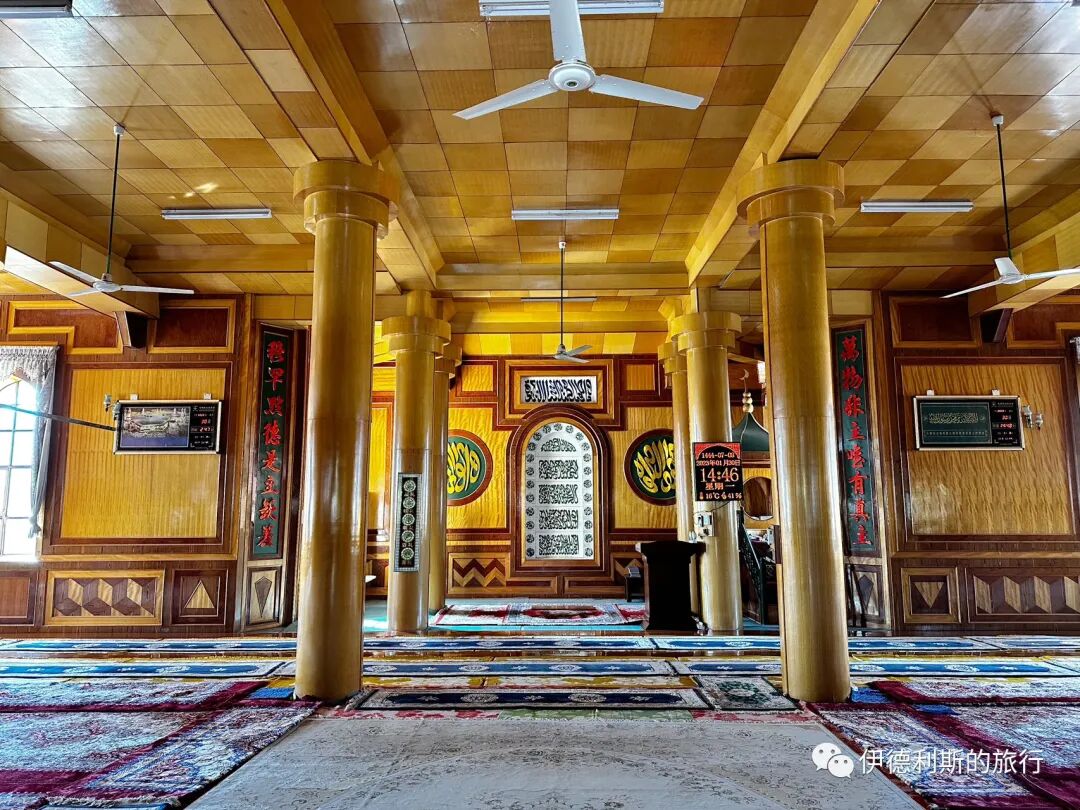
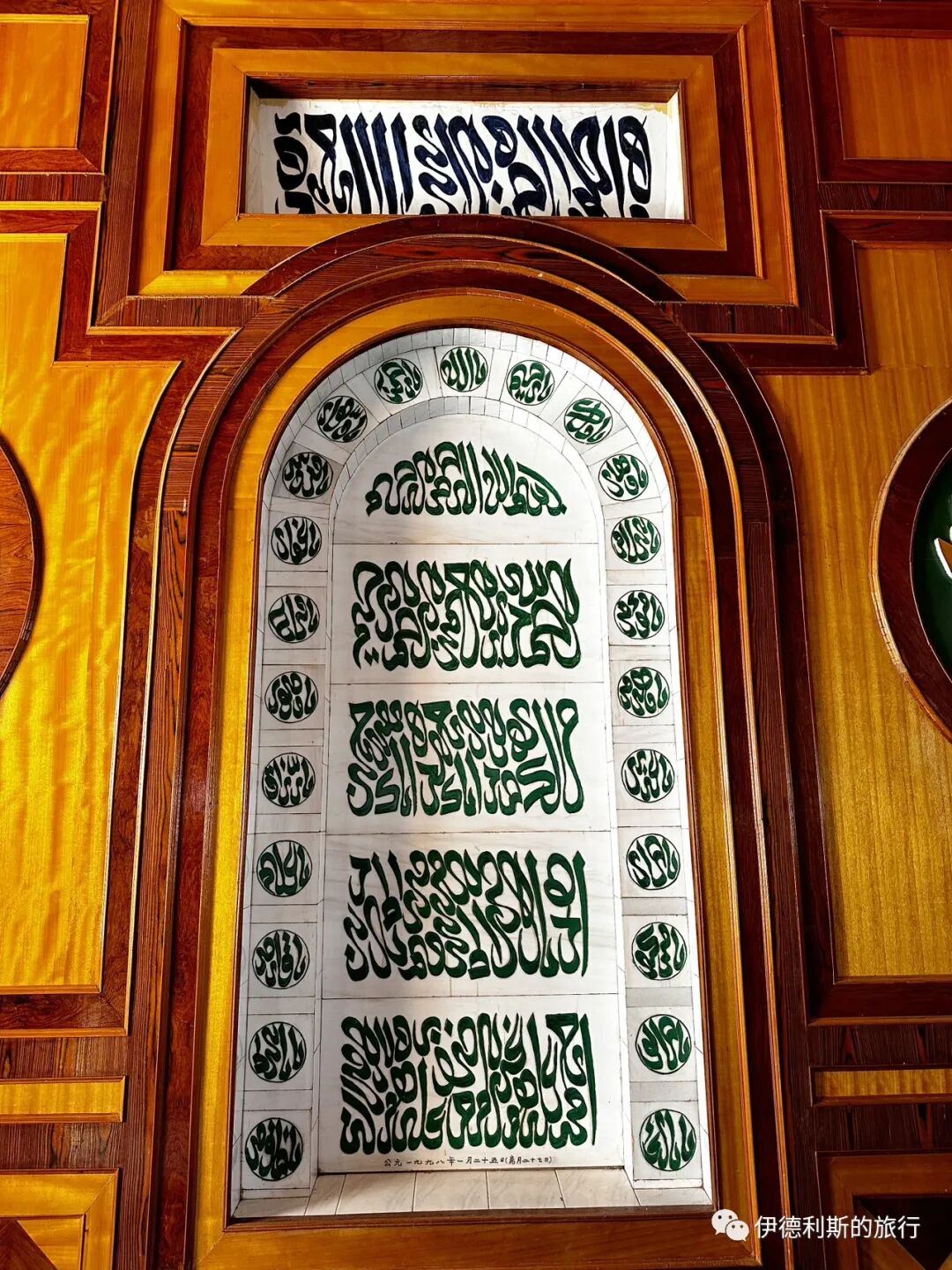
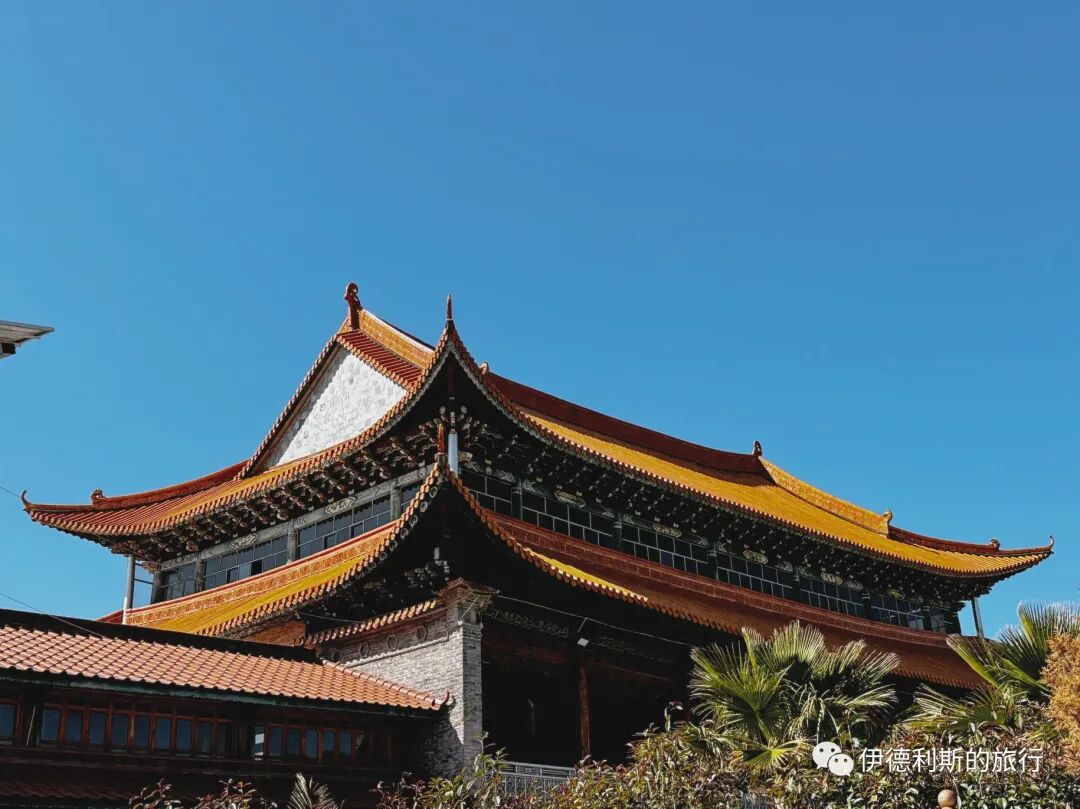
Xiaxi Lianhua Mosque
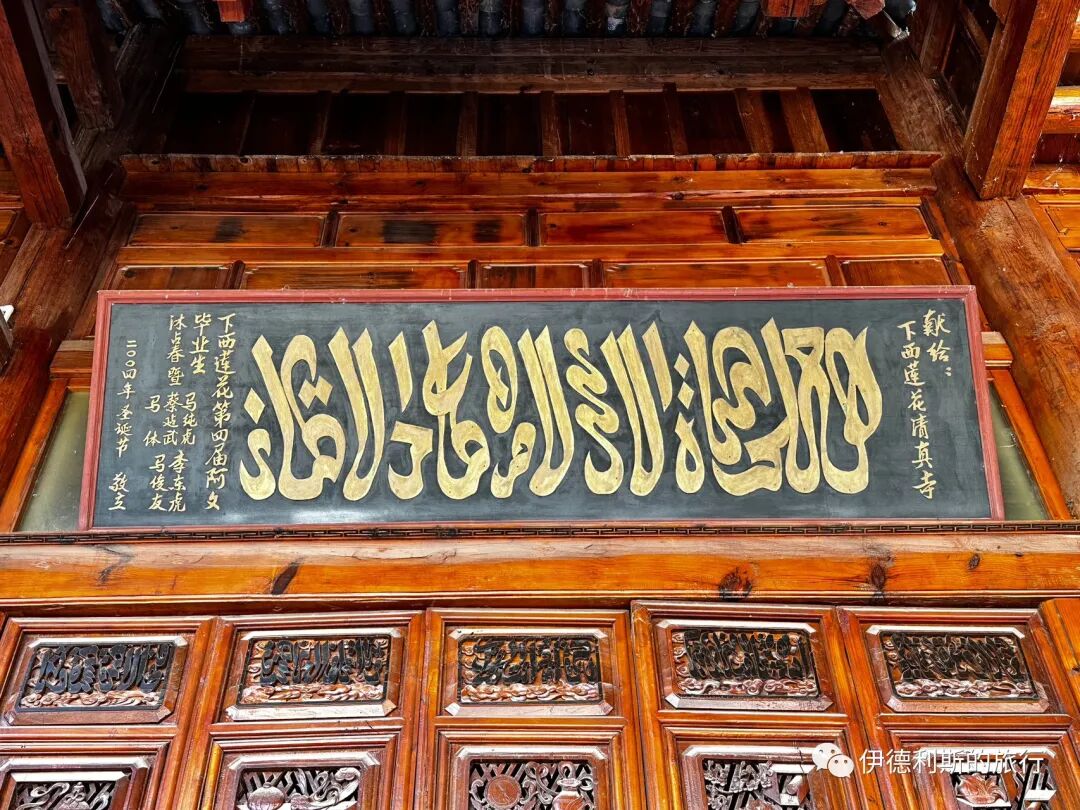
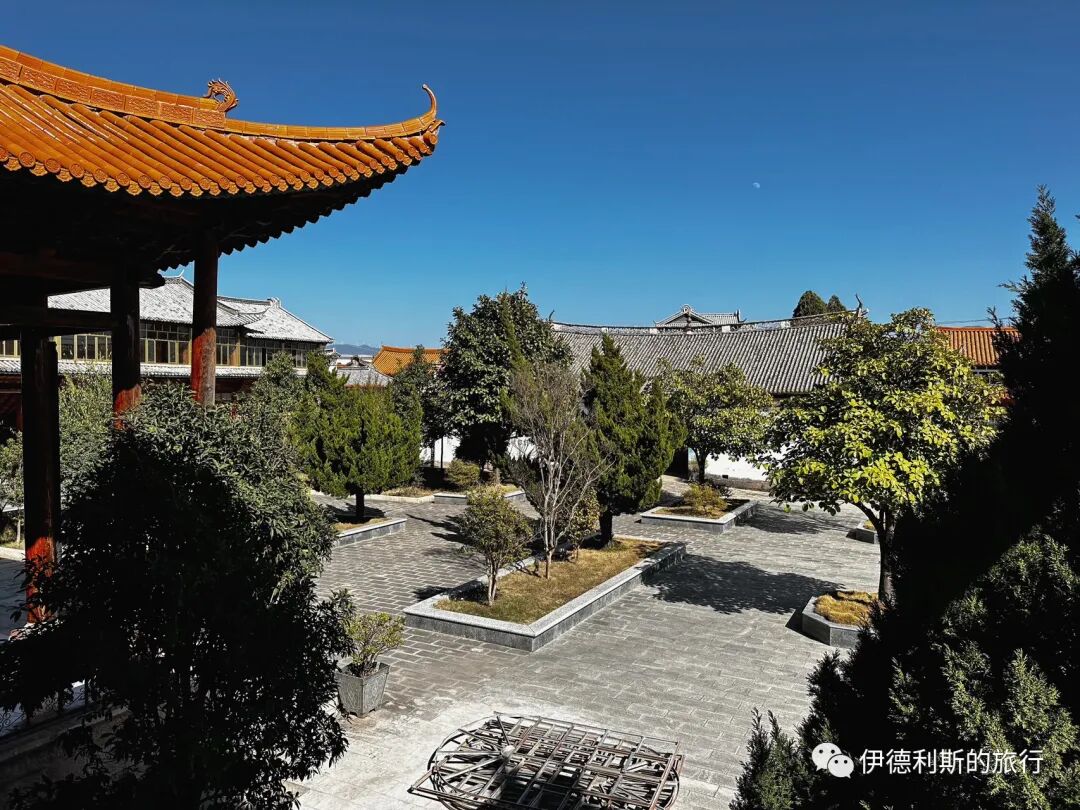
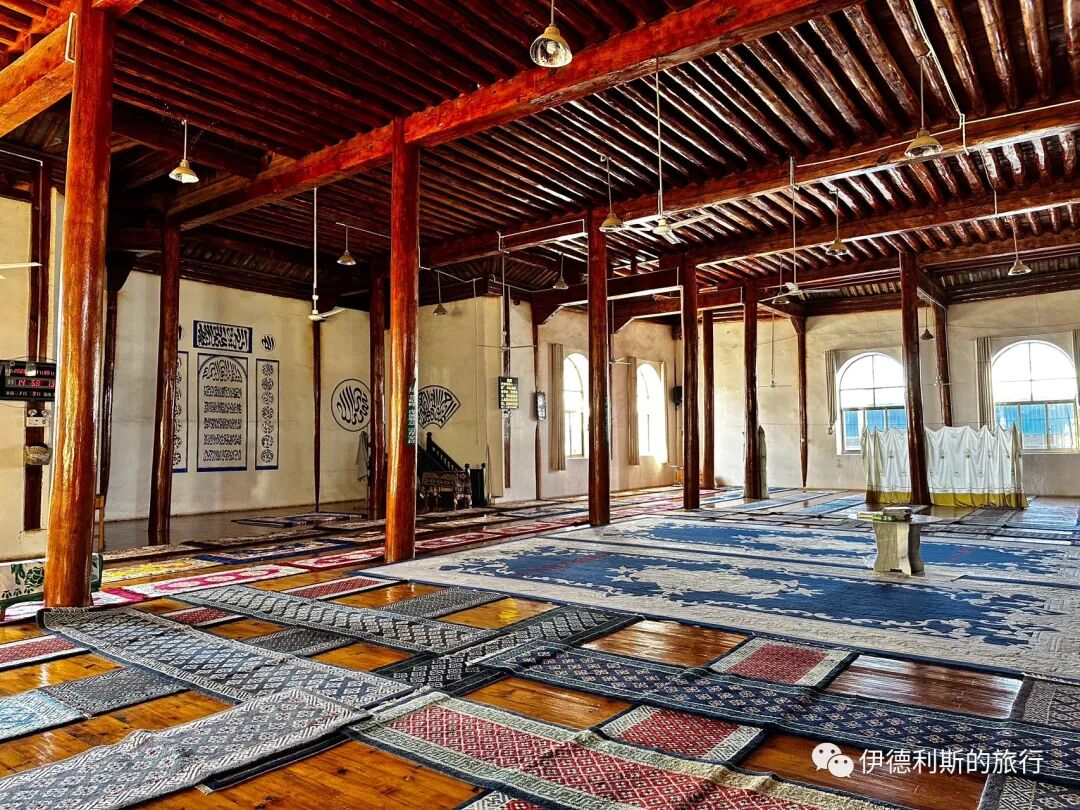
I traveled from Shangxi Lianhua Mosque to Xiaxi Lianhua Mosque. The original construction date of Xiaxi Lianhua Mosque is also unknown. It was destroyed in 1872 (the 11th year of the Tongzhi reign), rebuilt in 1925, and later rebuilt again into its current structure.
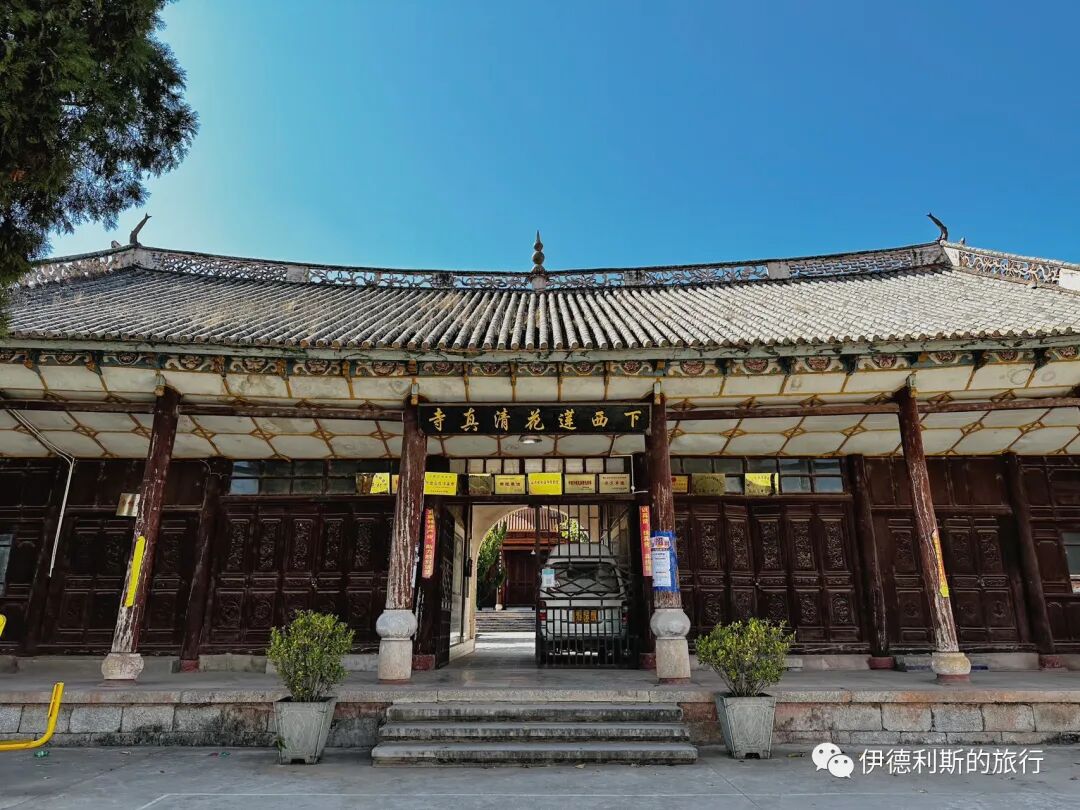
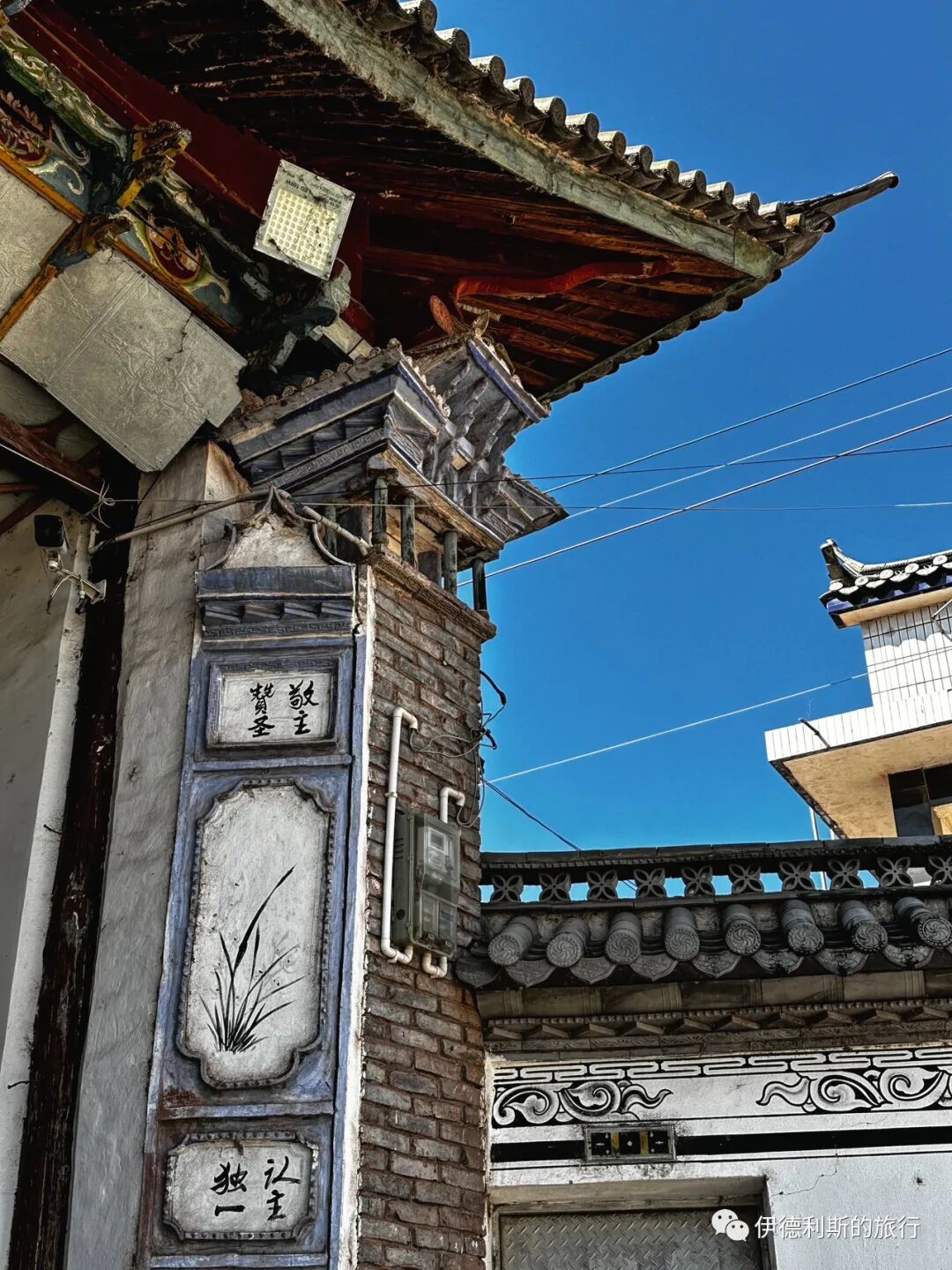
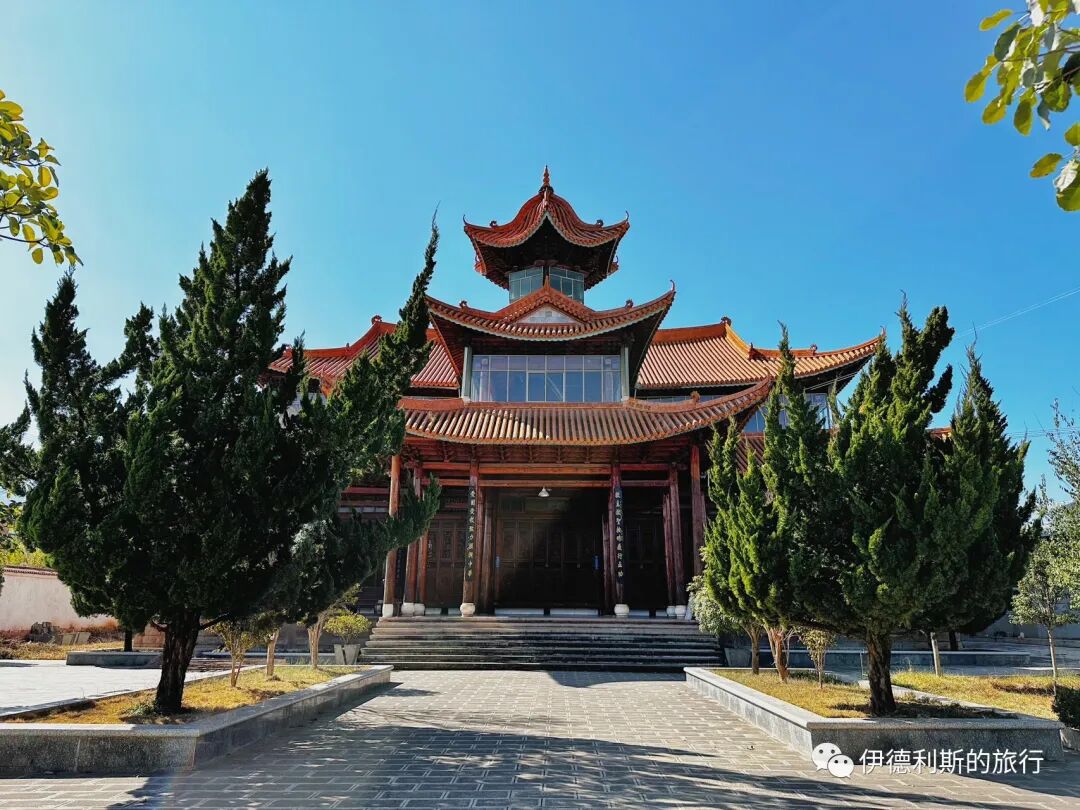
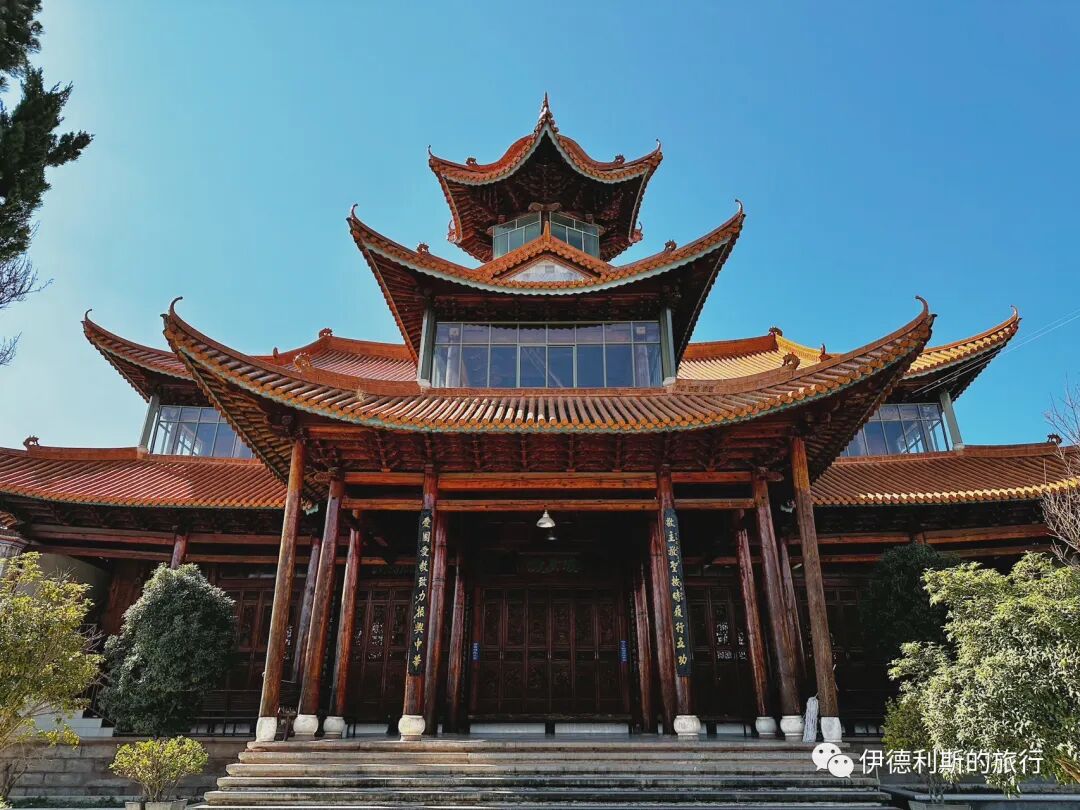
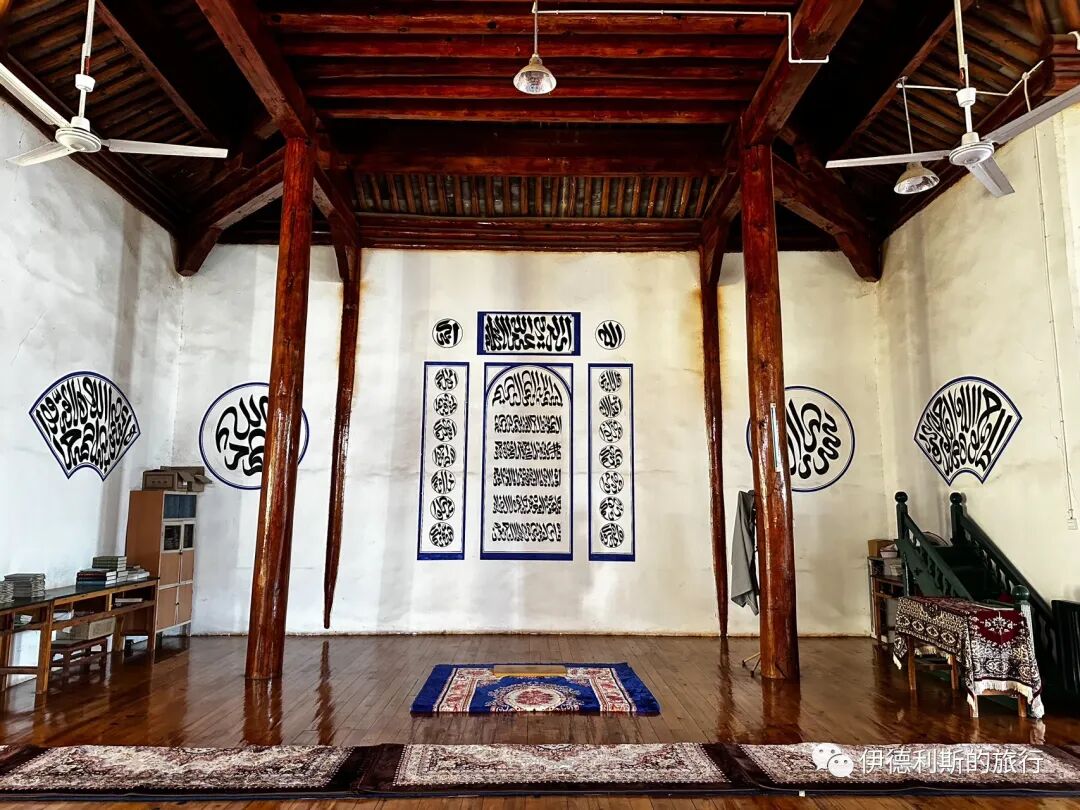
Dong Lianhua Mosque
I traveled from Xiaxi Lotus Mosque (Xiaxi Lianhua Si) to Donglianhua Village, the best-preserved village in Weishan. I visited three Ma family courtyards, which I wrote about in 'The Three Hui Muslim Caravan Courtyards of Donglianhua Village, Weishan, Dali,' and then I visited the Donglianhua Mosque.
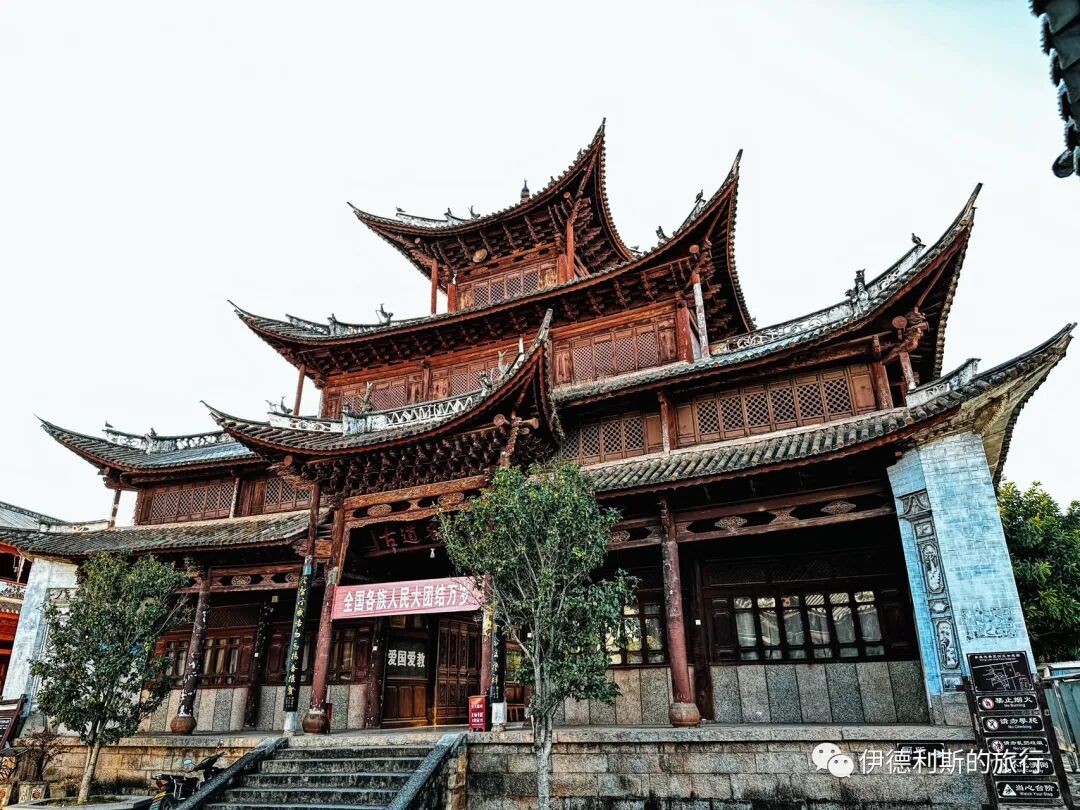
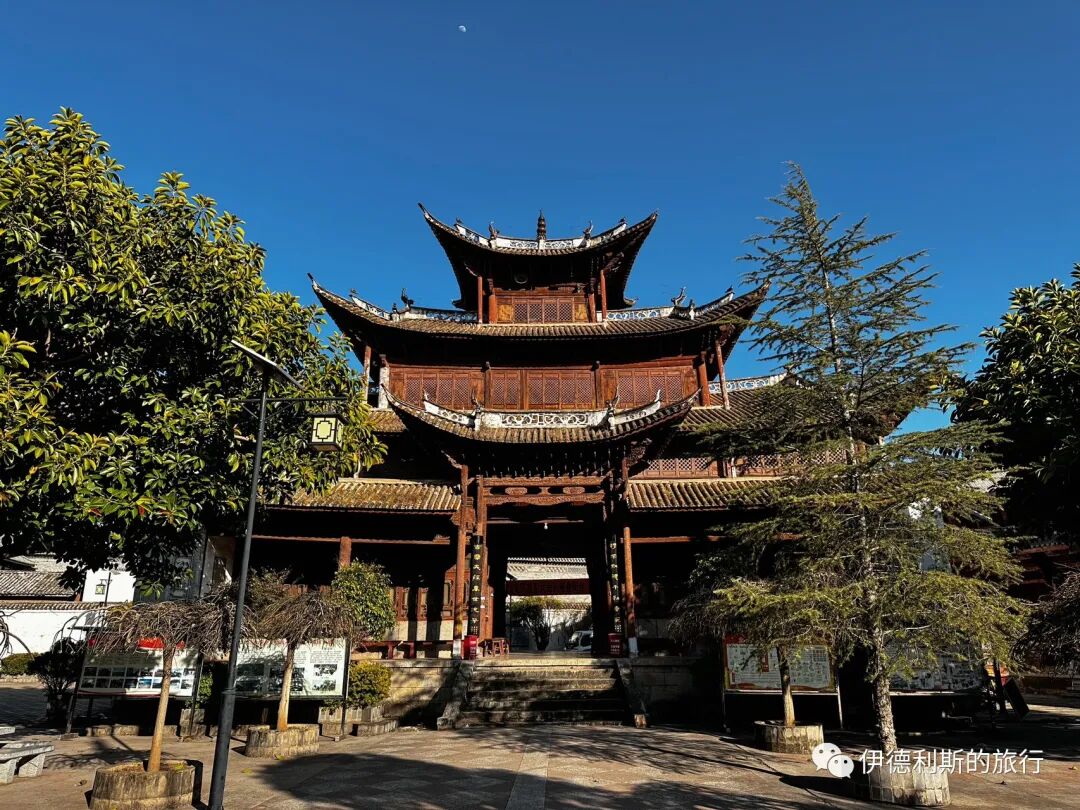
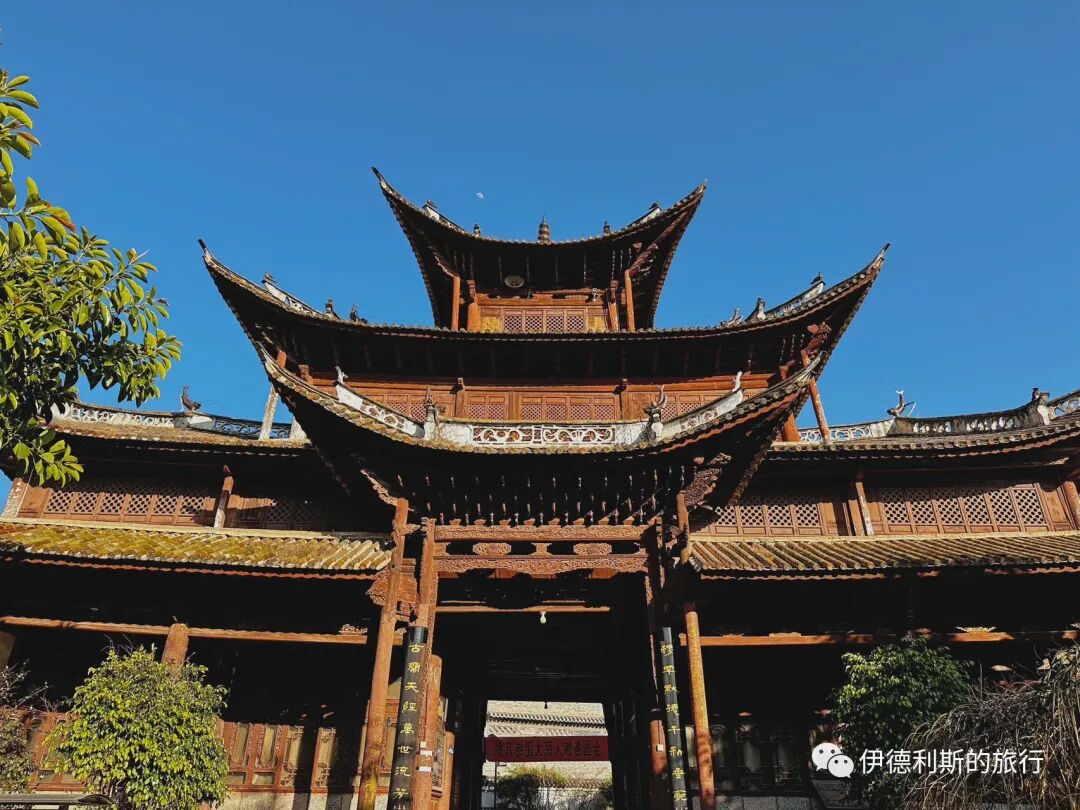
Donglianhua Mosque was first built during the Qing Dynasty and was expanded twice, in 1921 and 1987. The mosque layout runs from east to west, featuring the main gate, the minaret, and the main prayer hall (Chaozhen Dian). The minaret divides the courtyard into two sections.
The minaret was raised to four stories in 1987, following a five-five-three-one structural design. The first three floors serve as classrooms for holiday study groups, while the fourth floor is where the adhan is called.
The main prayer hall was expanded in 1921 into a five-bay by seven-bay structure, and it was expanded again in 1987 into a nine-bay by eleven-bay structure. The mihrab features traditional Arabic calligraphy in the classic Yunnan style.
In front of the main prayer hall hangs a plaque inscribed with 'Cheng Yi Bu Er' (Sincerity is Unique), which was presented by Major General Yang Shengqi in 1926. General Yang Shengqi was close friends with Ma Ruji, a major caravan leader in Donglianhua. In 1926, he traveled from Kunming to visit Ma Ruji in Donglianhua and presented this plaque to the mosque.
Sanjia Village Mosque
Finally, I visited the Sanjia Village Mosque. Sanjia Village was originally called Saijia Village. The Sai family were descendants of Masuh, the fifth son of Sayyid Ajjal Shams al-Din Omar. They moved from Daweigeng and Xiaweigeng villages in the mid-Ming Dynasty to establish Saijia Village. Later, many Hui Muslims with other surnames moved here, making it one of the larger Hui Muslim villages in the Yongjian Basin. During the Tongzhi reign, the entire village of over 3,500 people was killed. Later, three families returned to settle here, so the name was changed to Sanjia (Three Families) Village.
The current main prayer hall of the Sanjia Village Mosque was rebuilt in 1997, and from the top, you can look out over the scenery of the Yongjian Basin. The setting sun shone down, making the Yongjian Basin glow with a beautiful golden light.
Halal Travel Guide: Dali, Yunnan — Binju Mosque and Hui Muslim Heritage
Articles • ali2007fr posted the article • 0 comments • 184 views • 2026-05-19 02:48
Summary: Binju Mosque in Dali, Yunnan, is part of the local Hui Muslim landscape and carries the everyday history of a Muslim community in western Yunnan. This travel note follows the mosque visit through its original facts, photos, and observations.
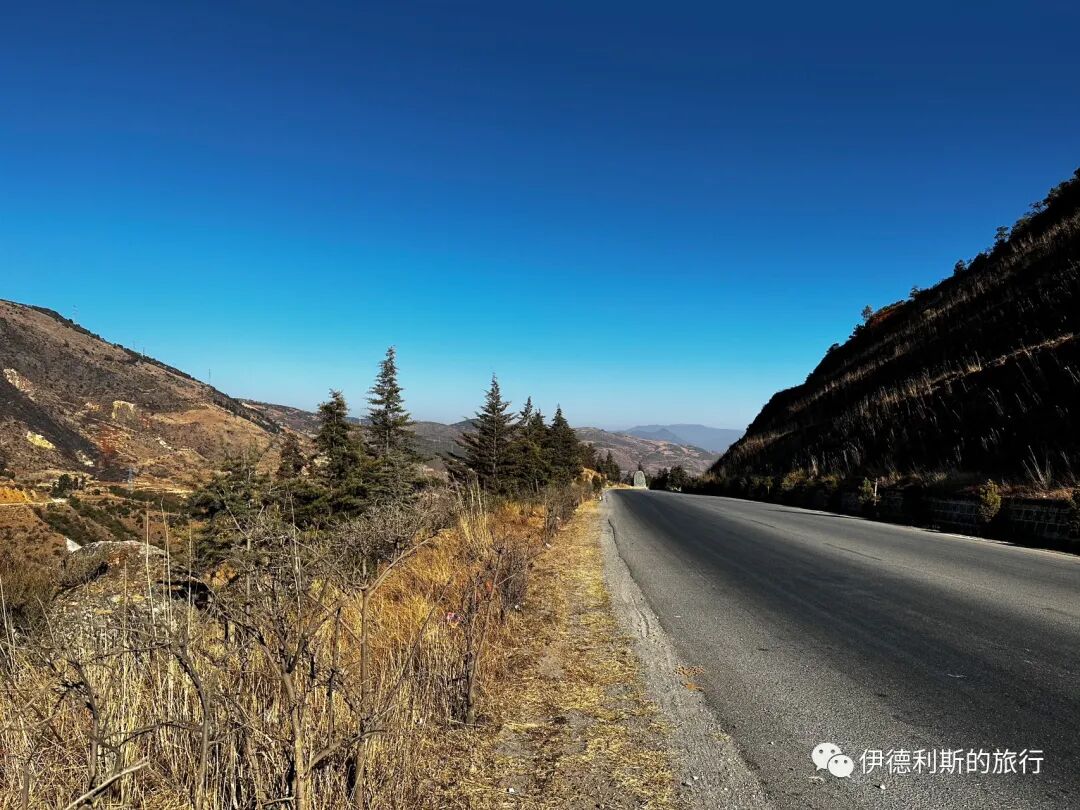
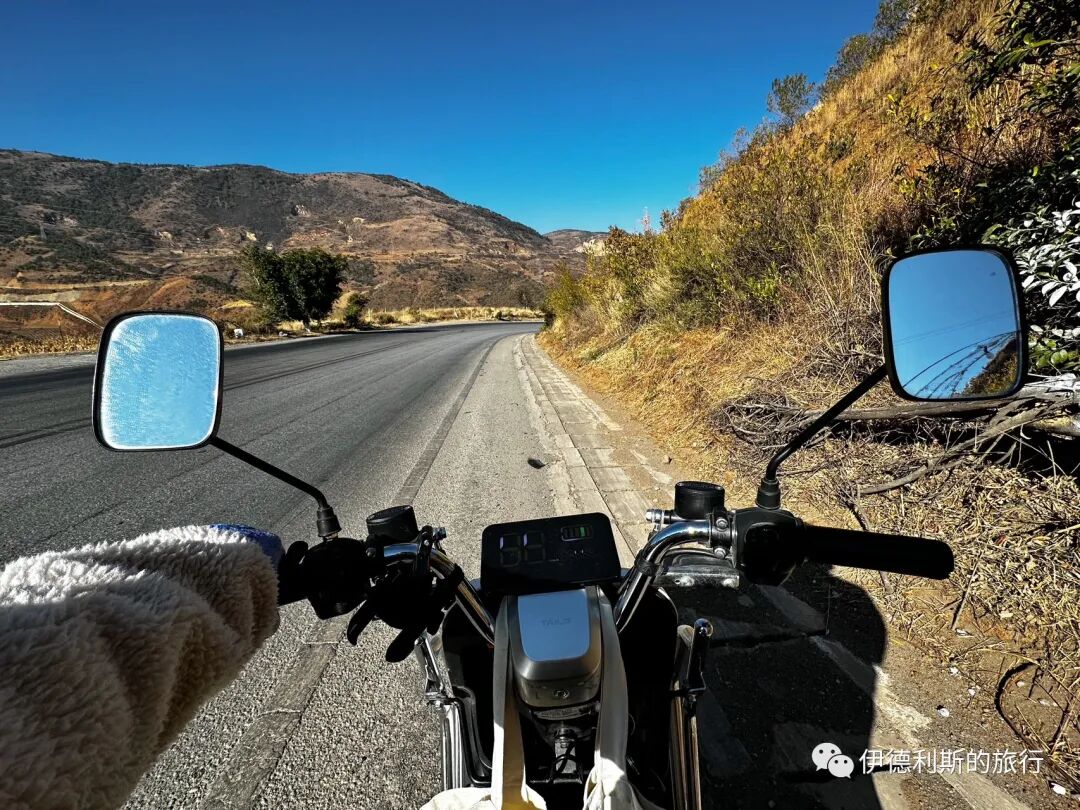
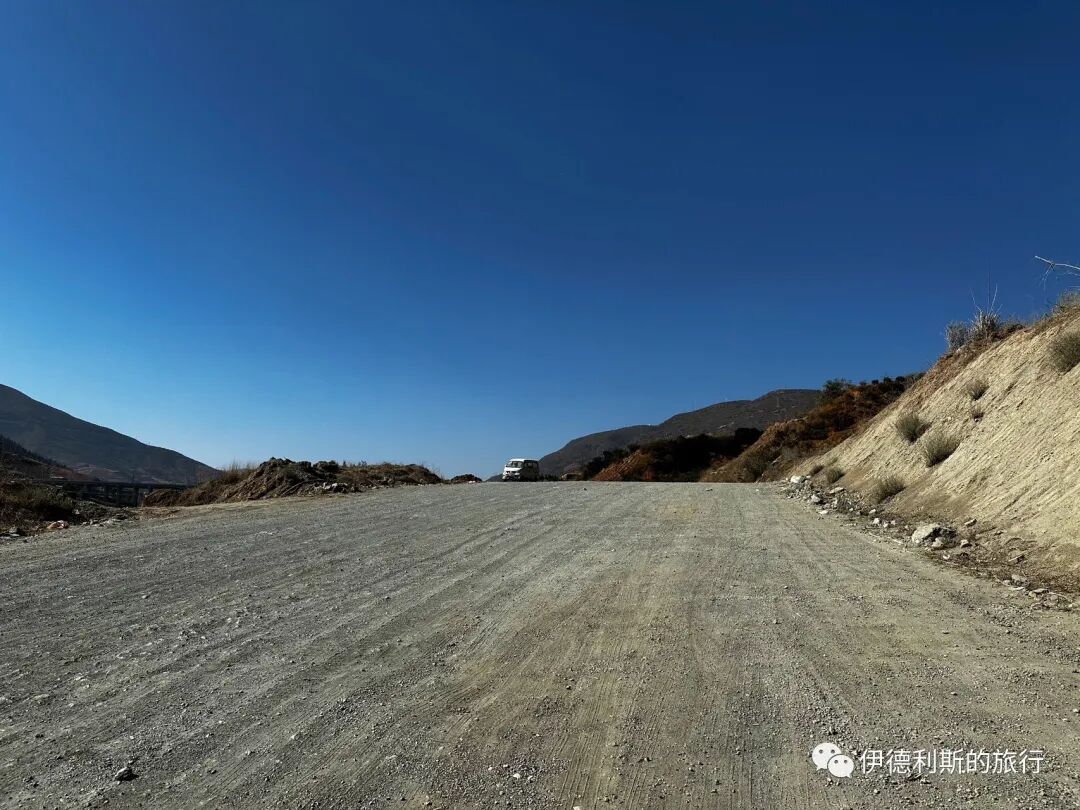
On January 31, 2023, I rode an electric scooter from Xiaguan in Dali to Binju Town. The sky was bright blue the whole way, and the valley was filled with lush green farmland where people worked hard. The photos I took look just like landscape paintings.
The mountain road here is not very steep, making for a comfortable ride, though there is a short section marked as a geological hazard zone with gravel left behind by a landslide.
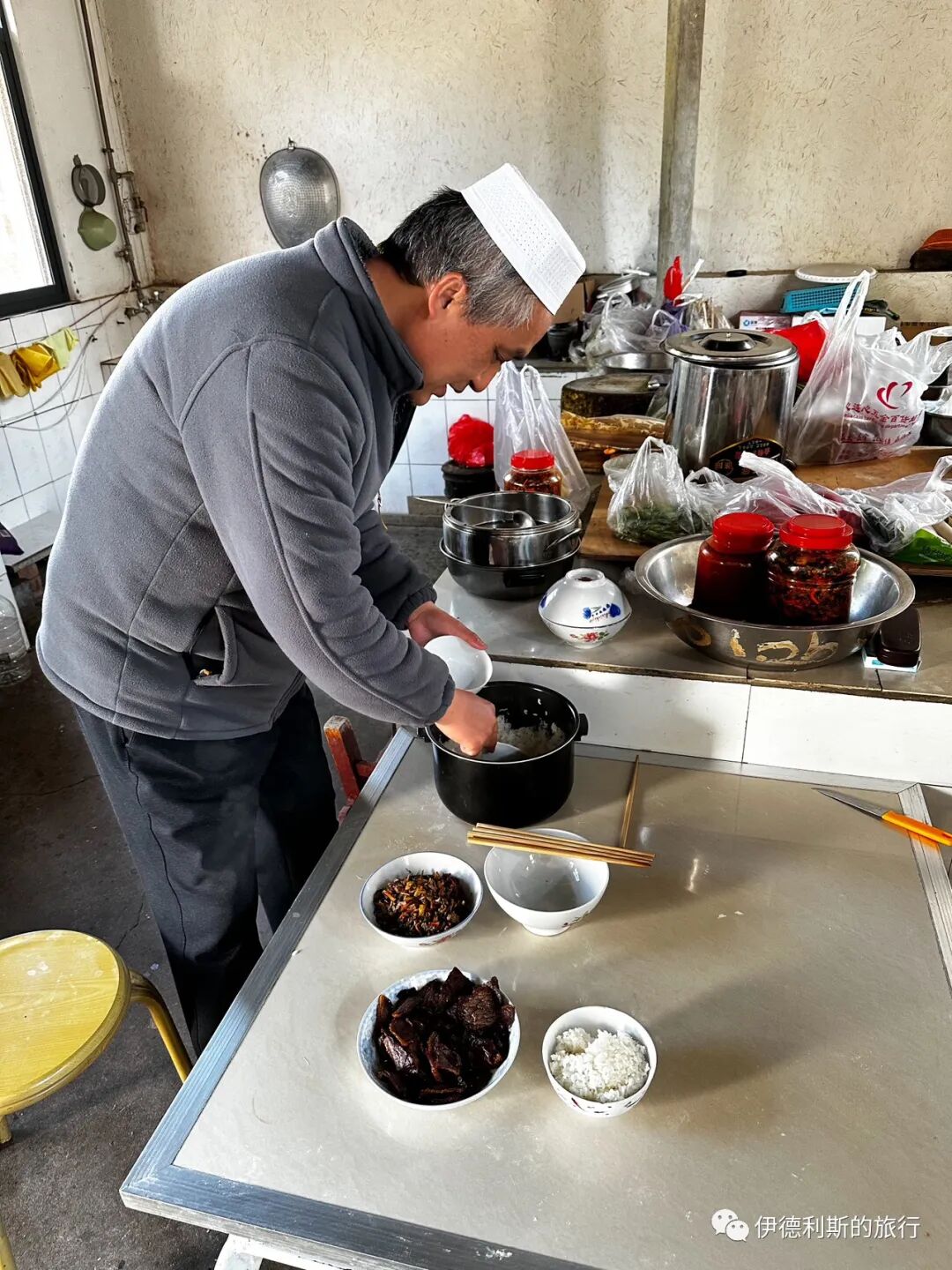
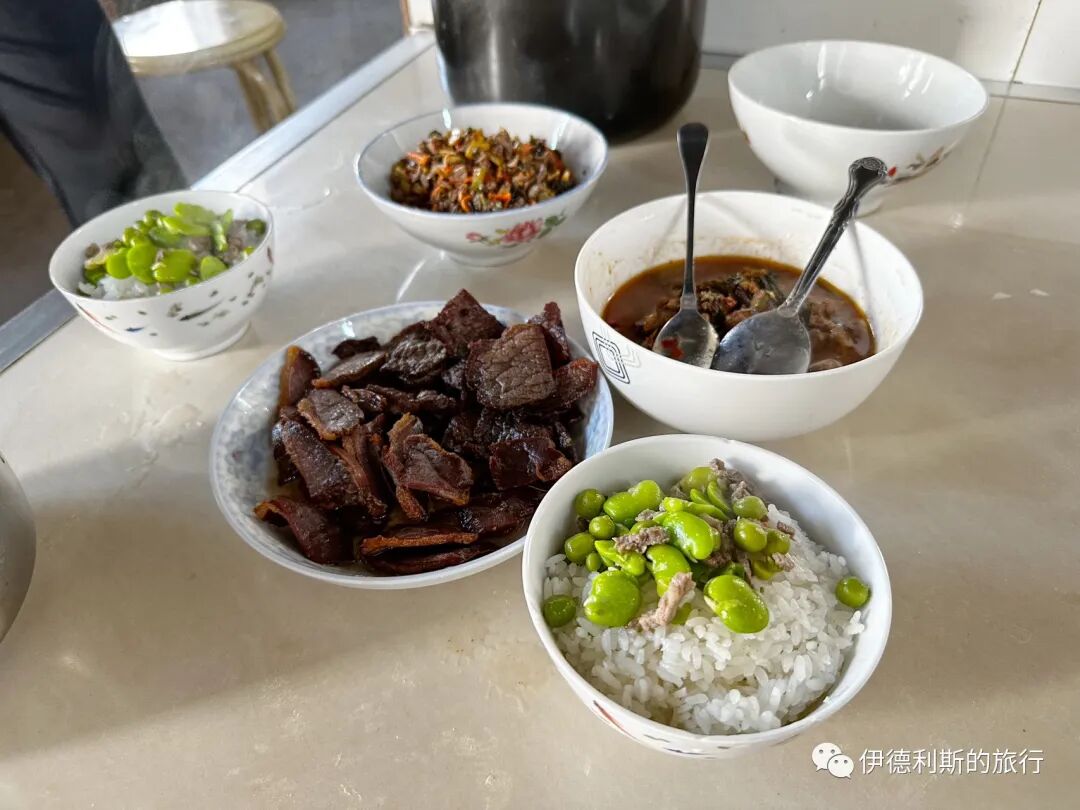
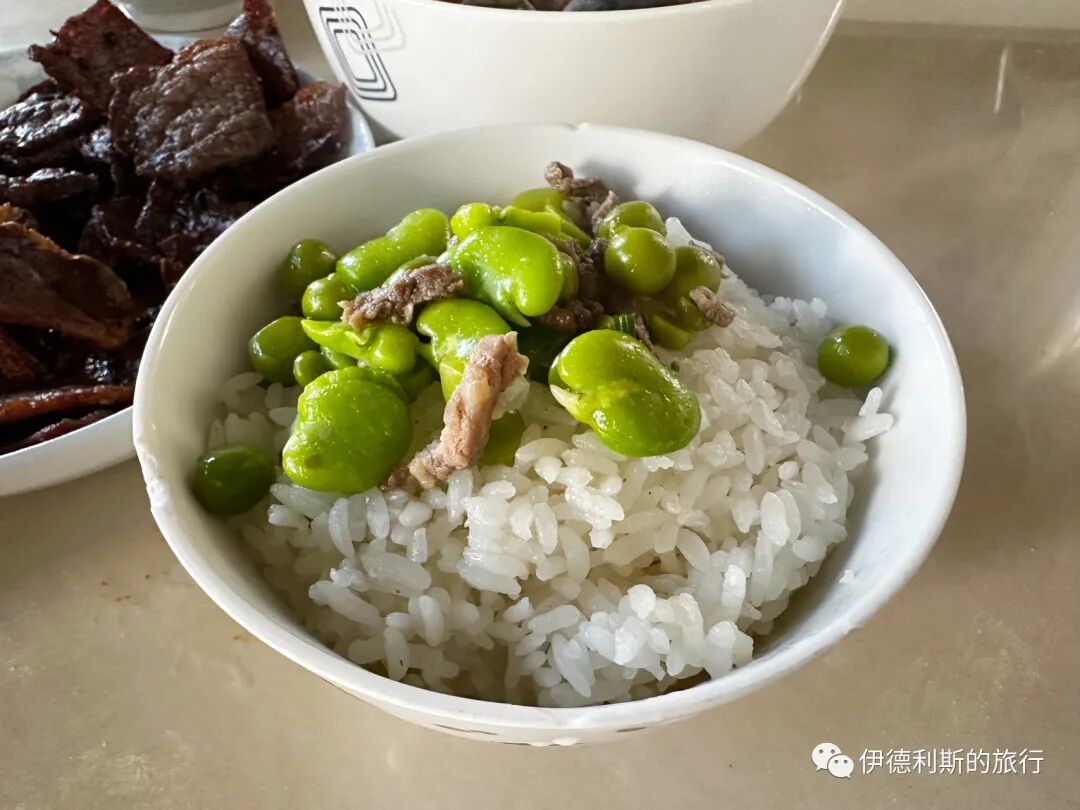
After riding 50 kilometers, I arrived in Binju Town. Wusuo’s family hosted me at the mosque with dried beef (niuganba), stir-stir-fried meat with pickled vegetables (suancai chaorou), stir-stir-fried meat with broad beans (candou chaorou), and fish with pickled vegetables (suancai yu). I really love the home-cooked meals of Yunnan’s Hui Muslims.
Every Tuesday is the big market day in Binju Town, and Wusuo’s family sells fried dough cakes (youxiang) there. The fried dough cakes (youxiang) in Yunnan are sweet and taste great even when eaten plain.
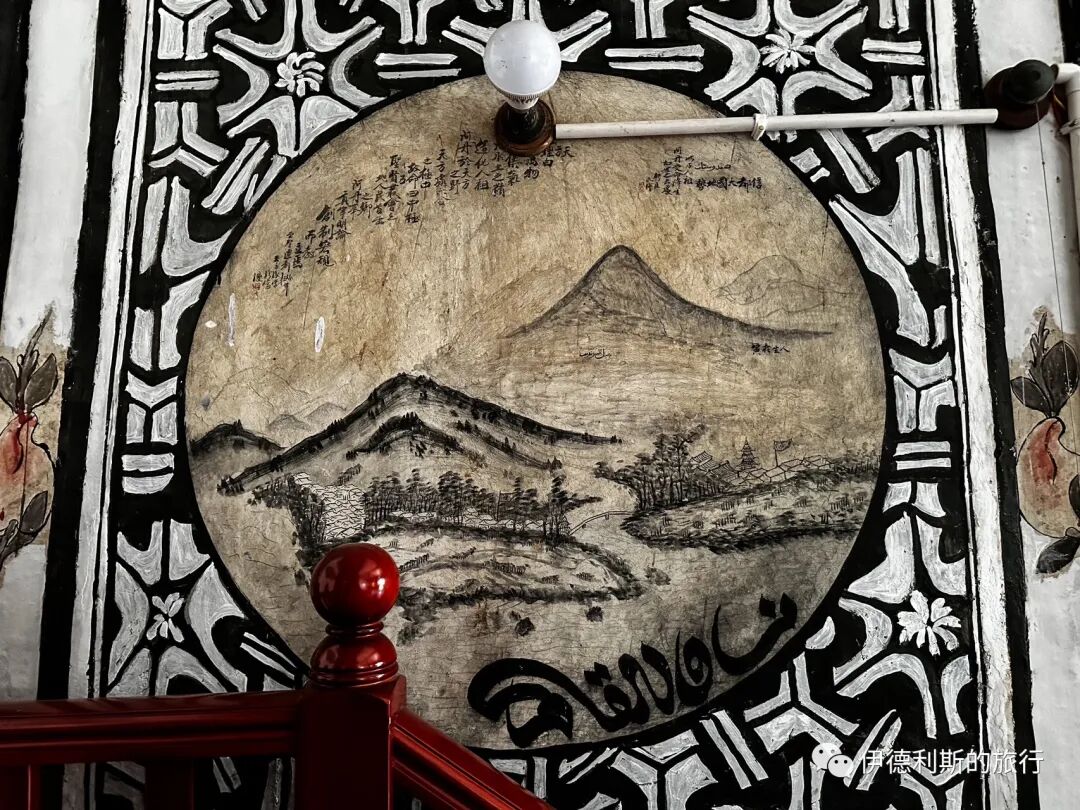
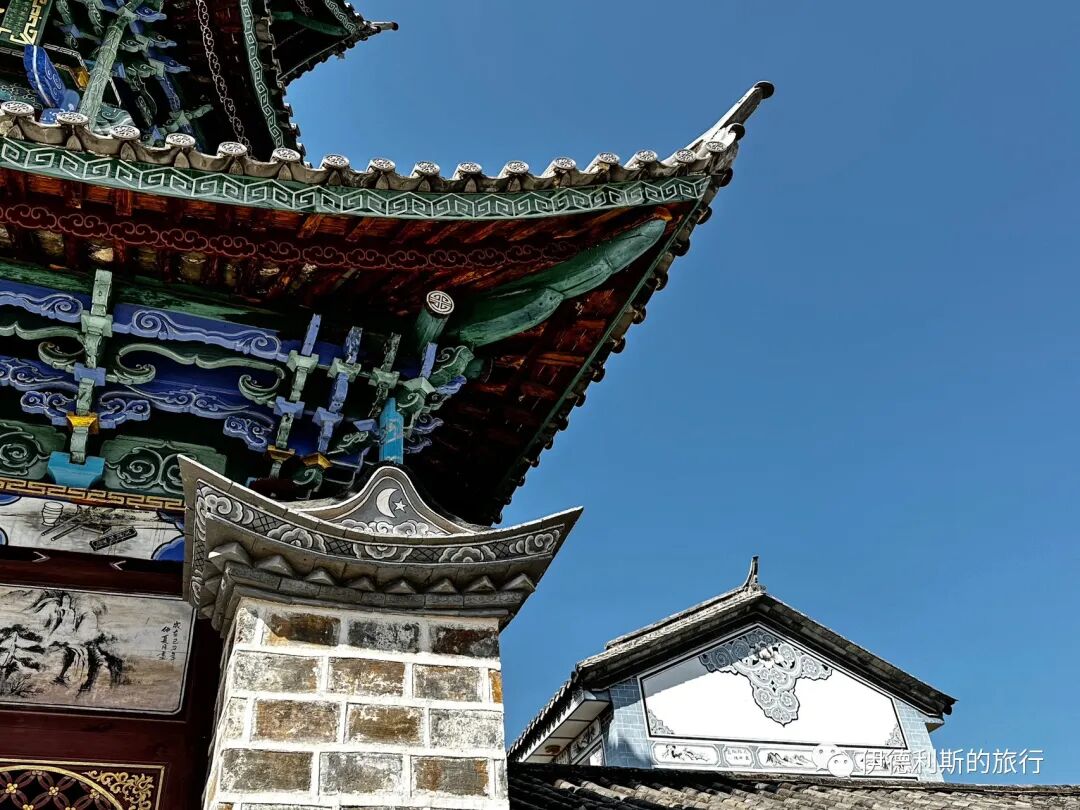
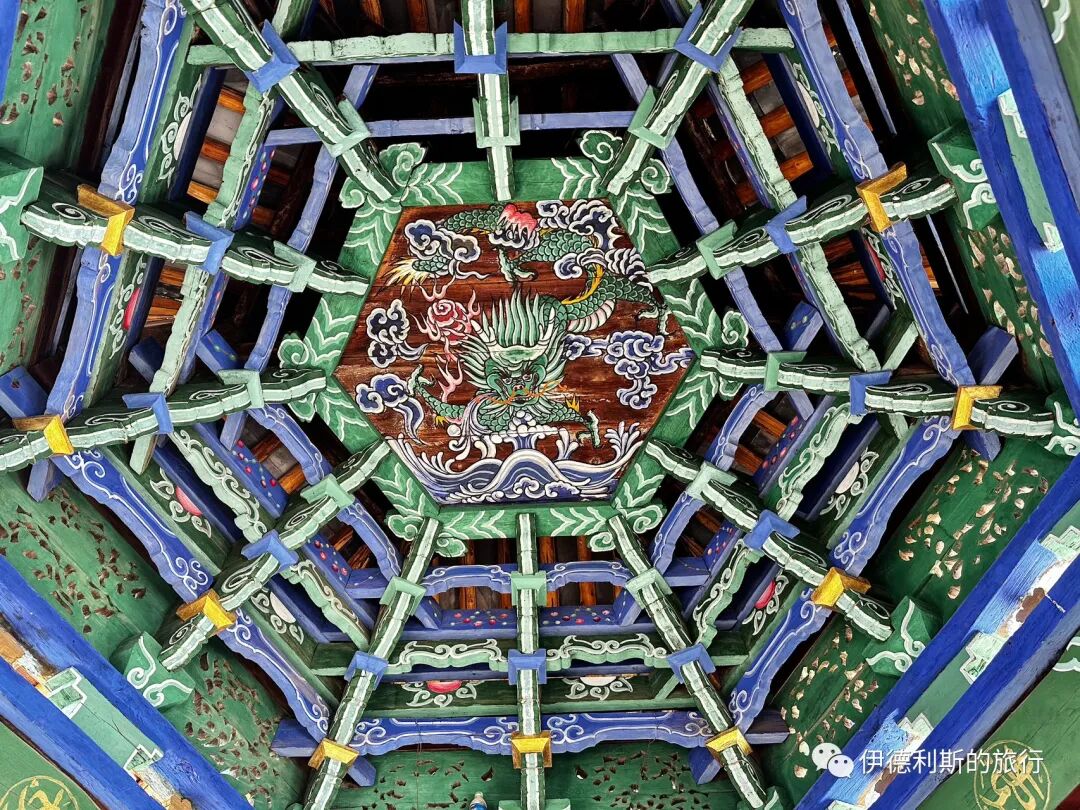
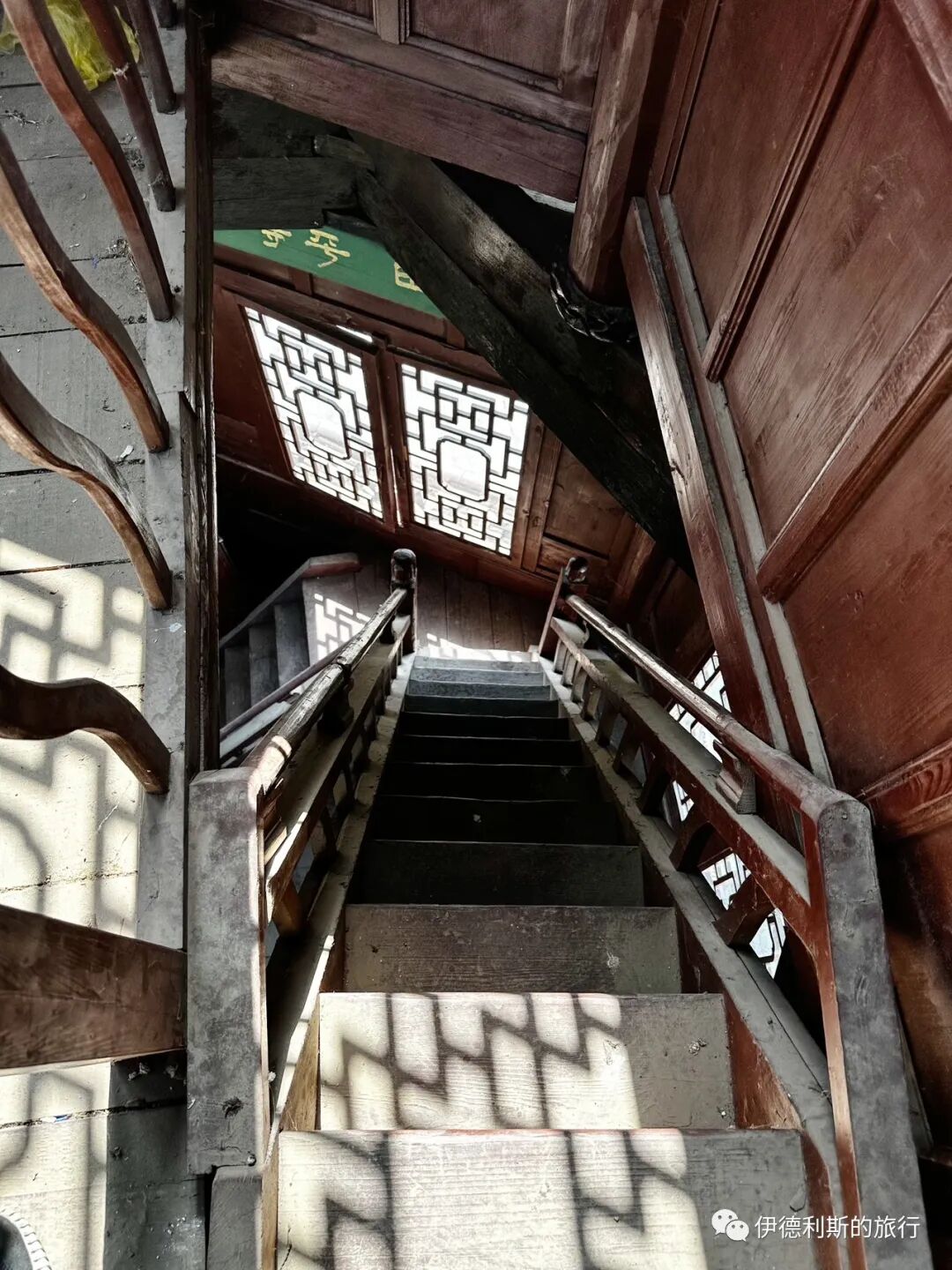
Binju Mosque was first built in the mid-Qing Dynasty, destroyed during the Tongzhi reign, and rebuilt in 1923. This is a history shared by most old mosques in Yunnan. The existing main hall with its gabled and hipped roof (xieshanding) is a century old and features typical Dali-style architecture. It preserves precious calligraphy and murals from the Republic of China era.
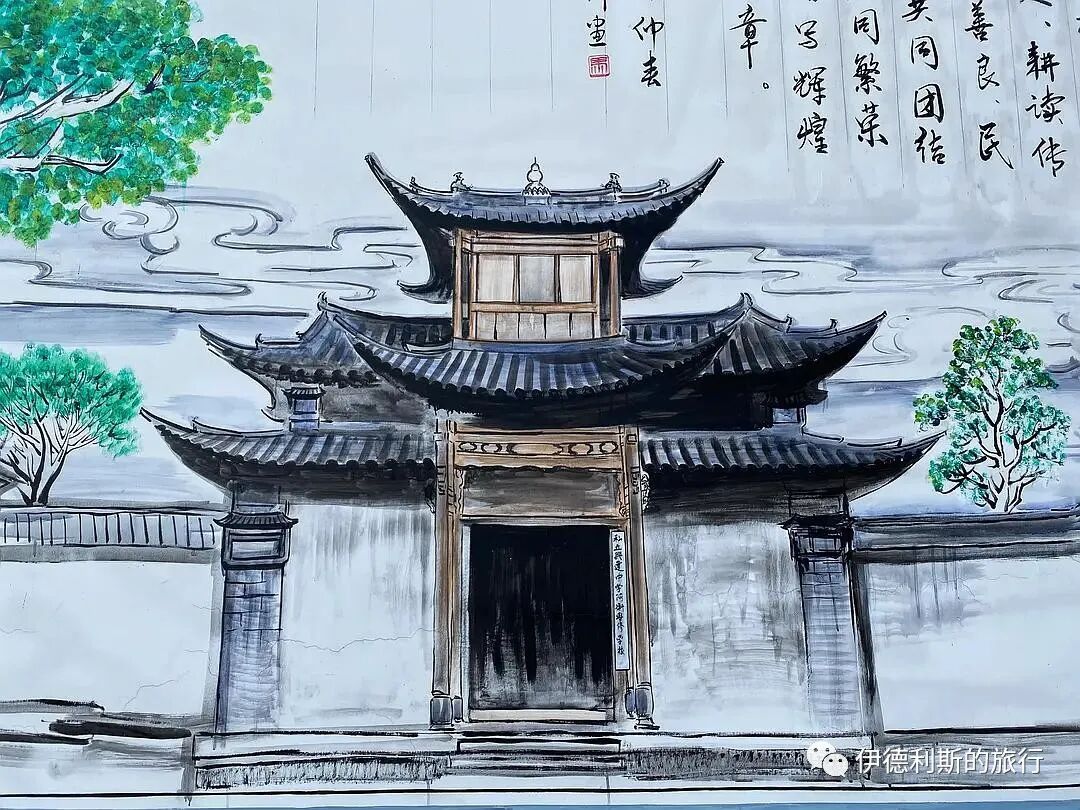
The birthplace of the Prophet Adam is depicted here using the style of traditional landscape painting.
The mosque’s three-tiered, pointed-roof minaret was rebuilt between 1993 and 1994, but it still keeps the traditional architectural style of the Dali region and is very beautiful.
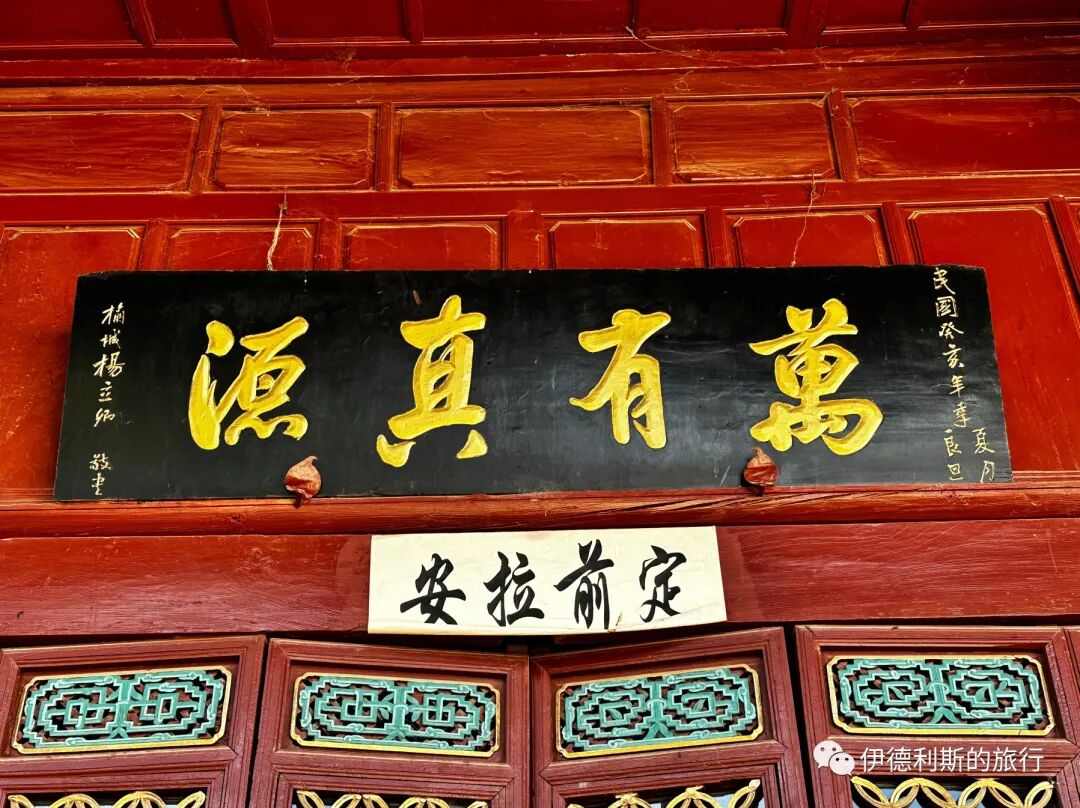
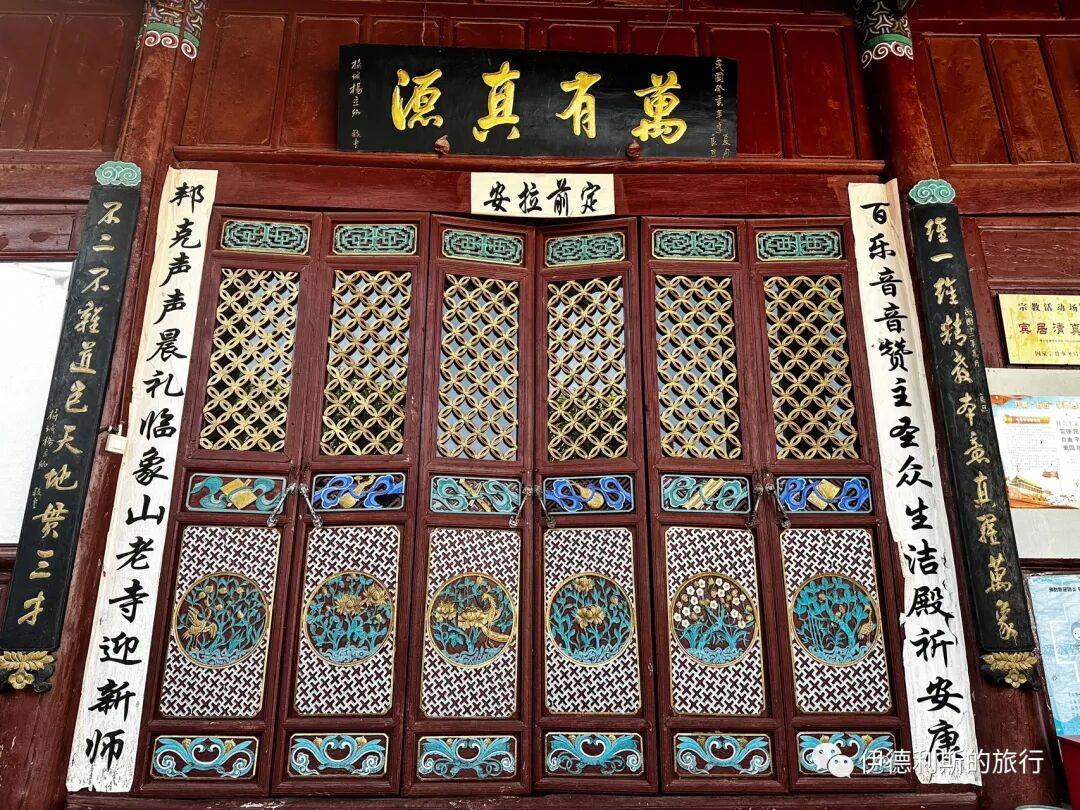
The mosque still keeps the plaques and couplets inscribed during the 1923 reconstruction, which is very rare.
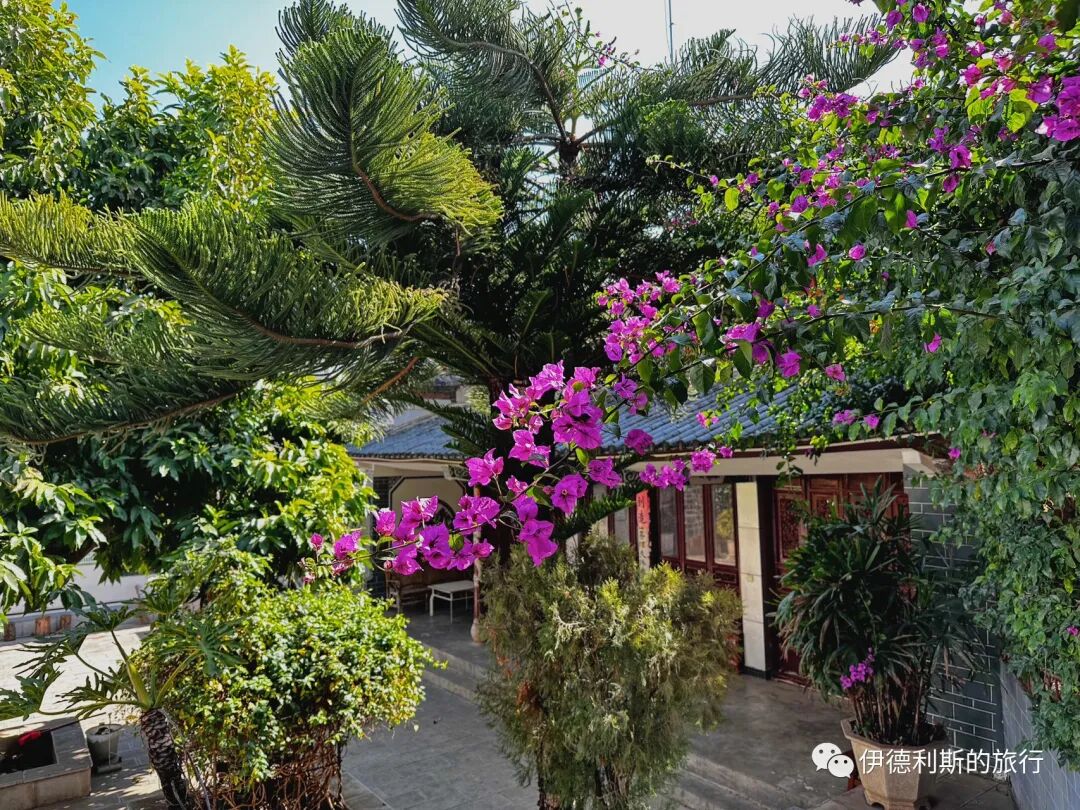
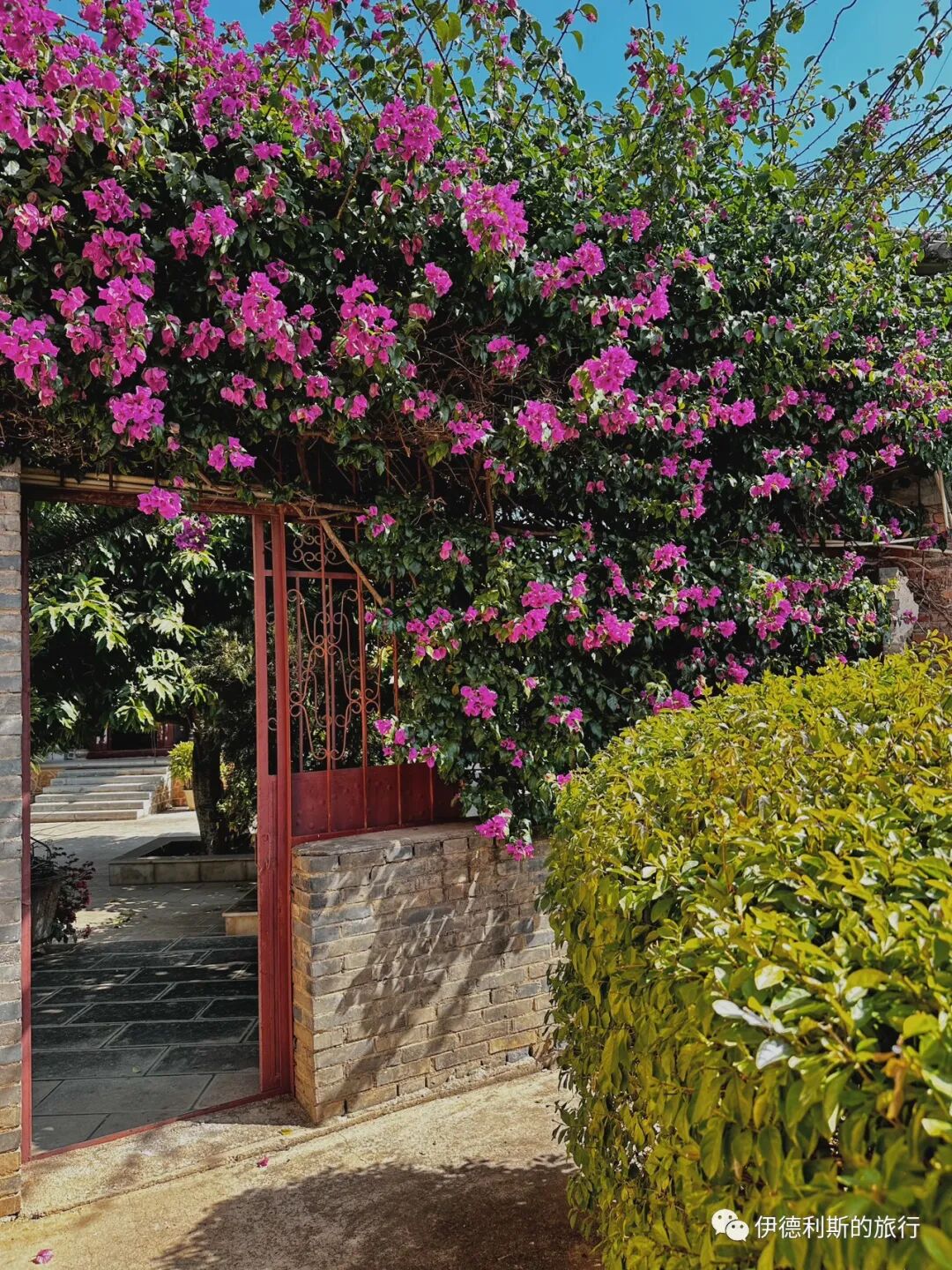
The environment inside the mosque is also very nice, with flowers in full bloom and lush greenery.
An old street is still preserved behind the mosque, but most young people have moved away, leaving mostly elderly residents behind.
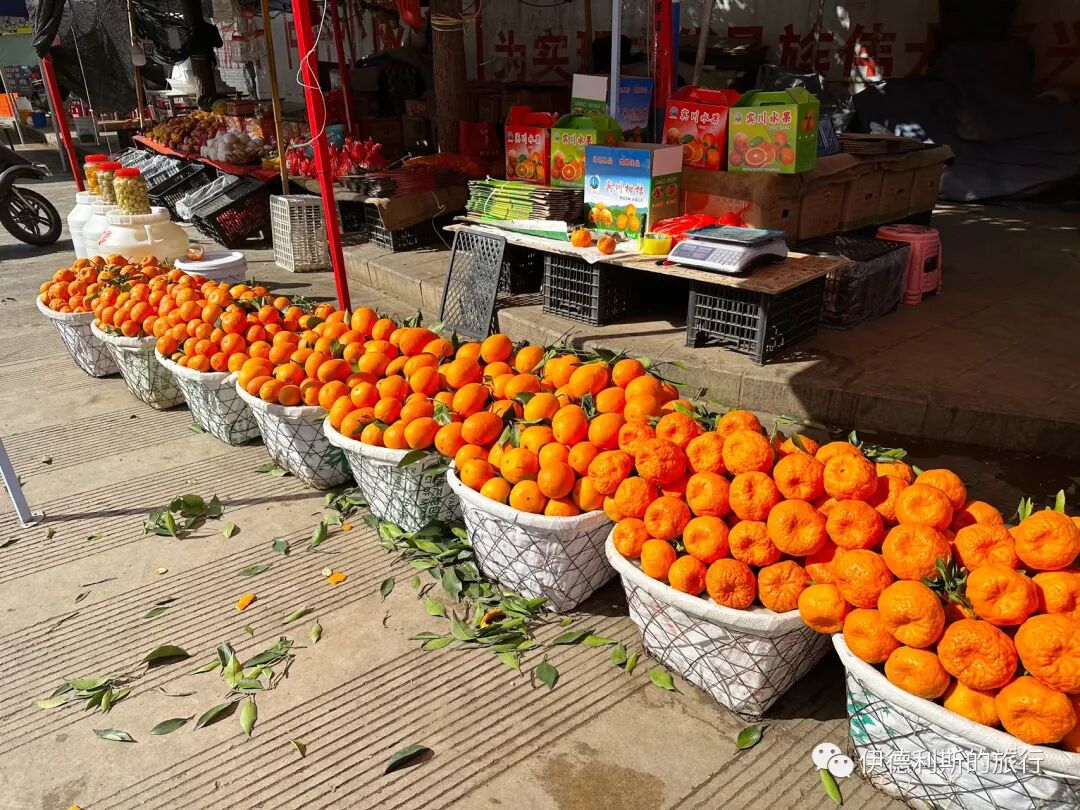
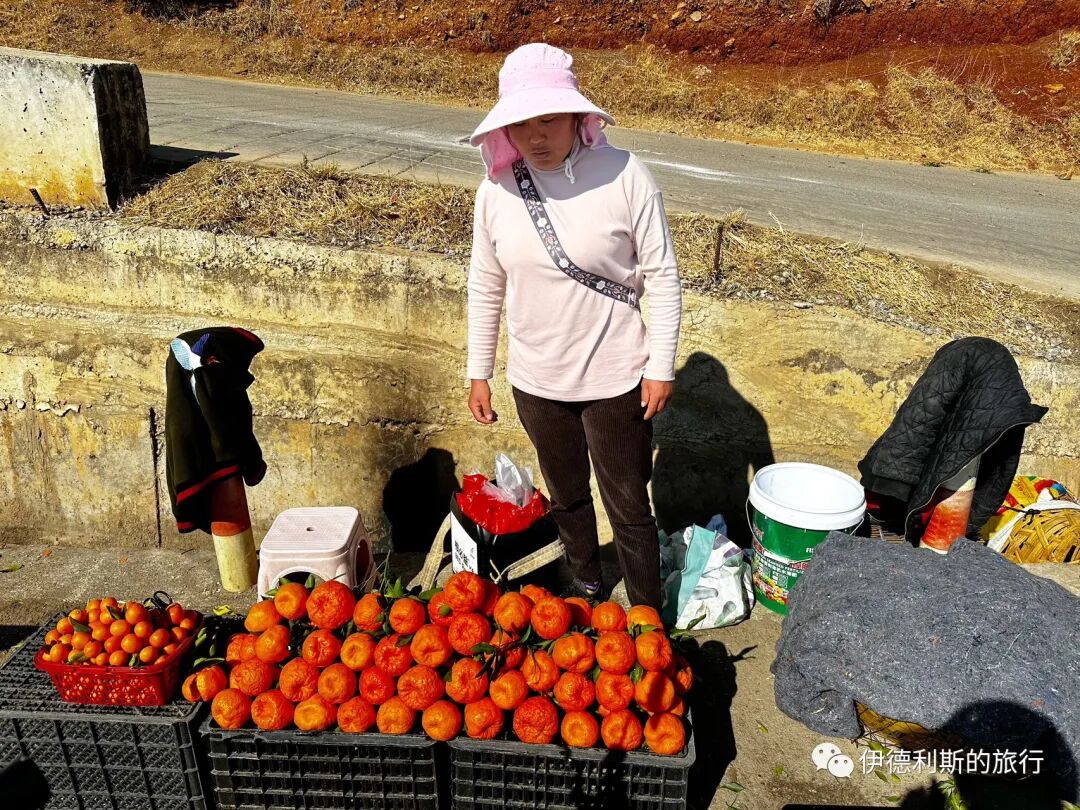
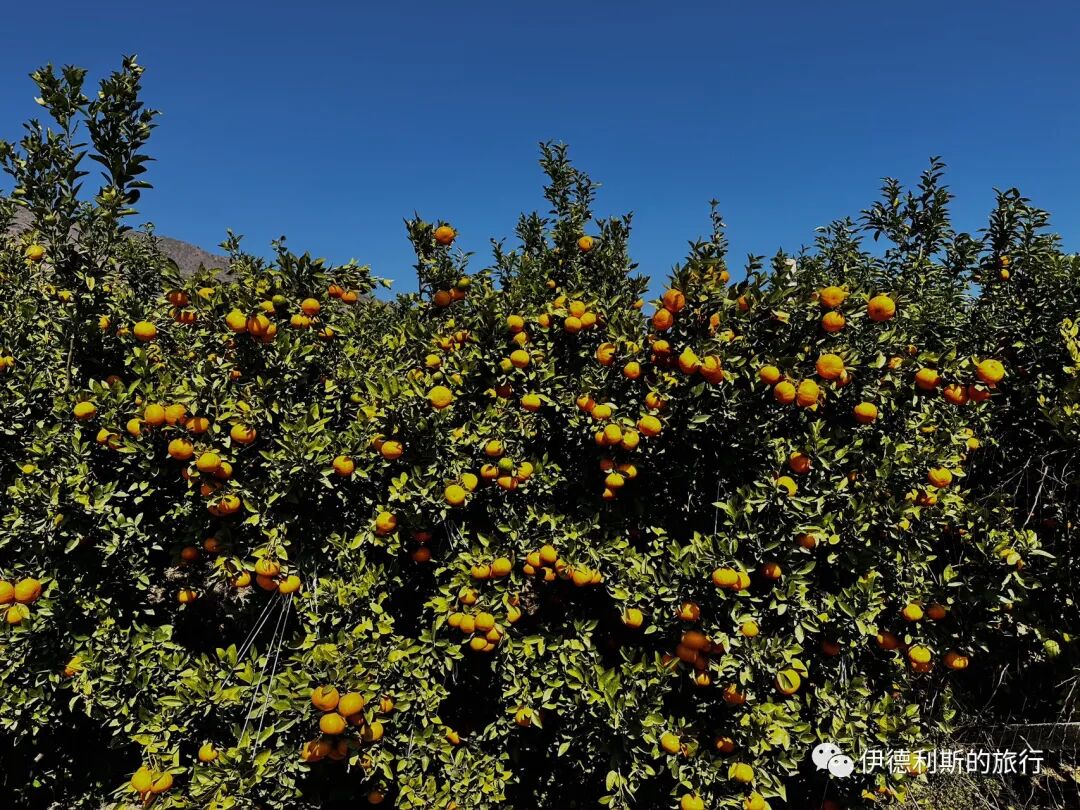
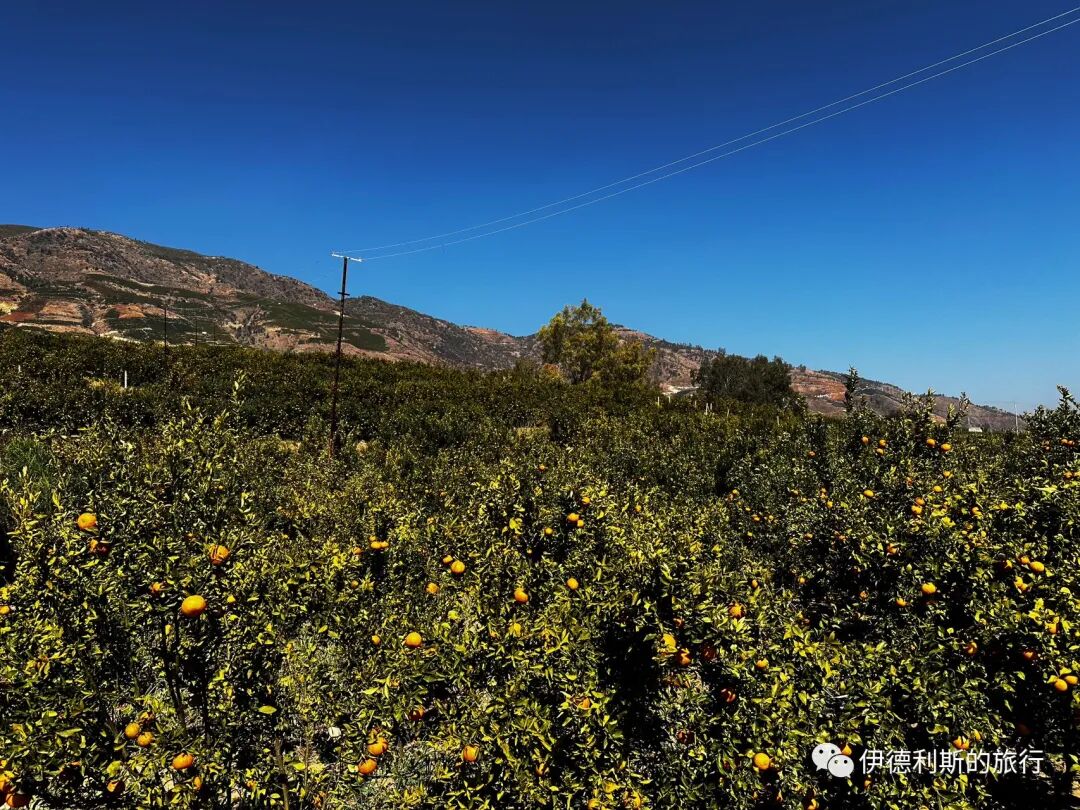
On the ride back from Binchuan Town to Xiaguan, the mountains and fields were covered in mandarin oranges (penggan), which looked beautiful in their bright yellow color. Many people from the orange orchards sell them right by the side of the road. I asked which ones were the sweetest, bought some to eat on the road, and they tasted quite good. view all
Summary: Binju Mosque in Dali, Yunnan, is part of the local Hui Muslim landscape and carries the everyday history of a Muslim community in western Yunnan. This travel note follows the mosque visit through its original facts, photos, and observations.
On January 31, 2023, I rode an electric scooter from Xiaguan in Dali to Binju Town. The sky was bright blue the whole way, and the valley was filled with lush green farmland where people worked hard. The photos I took look just like landscape paintings.
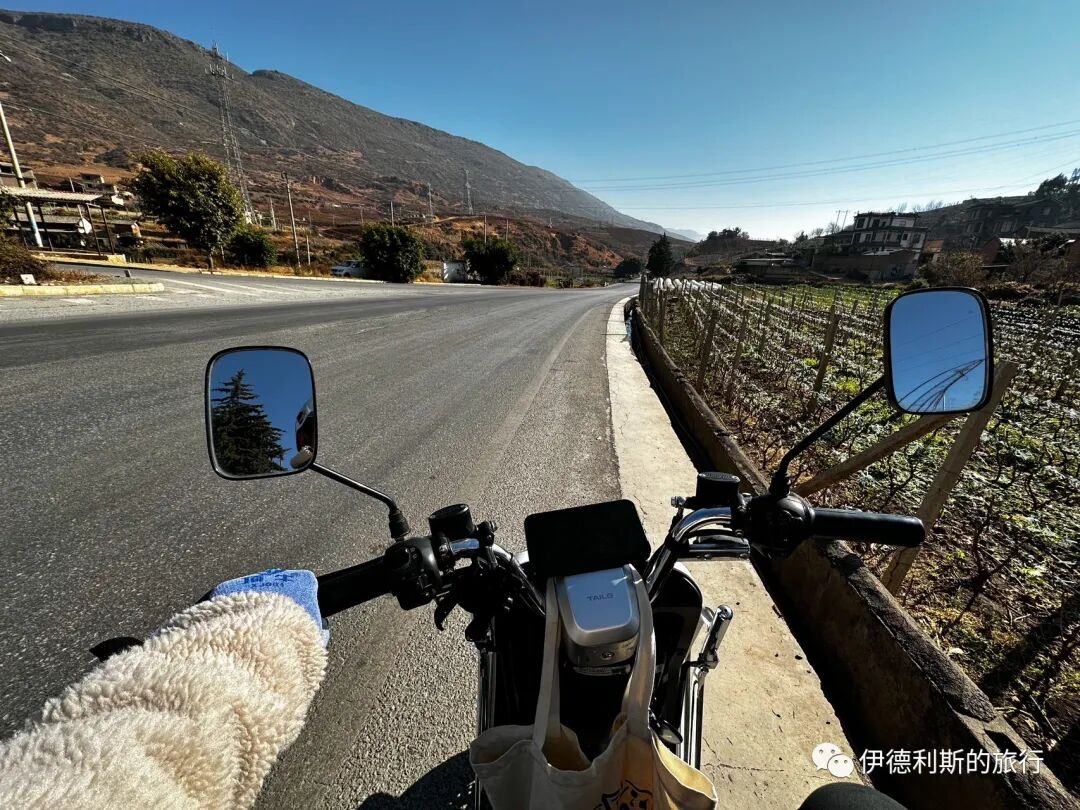
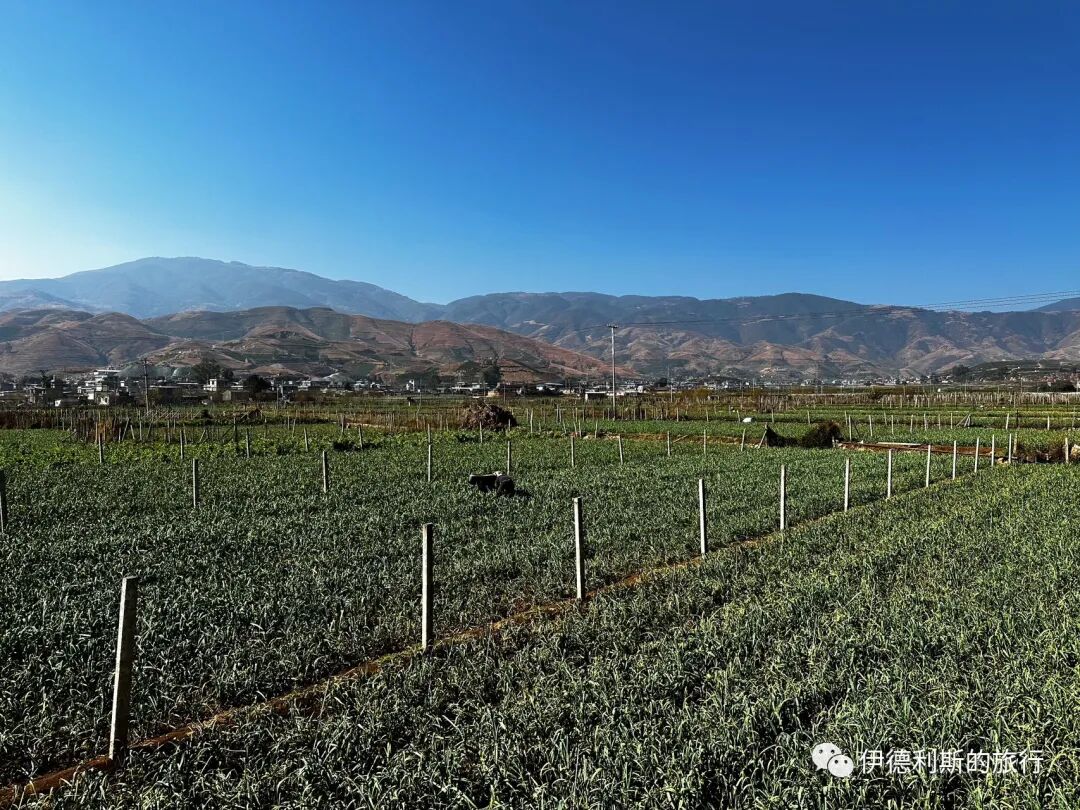
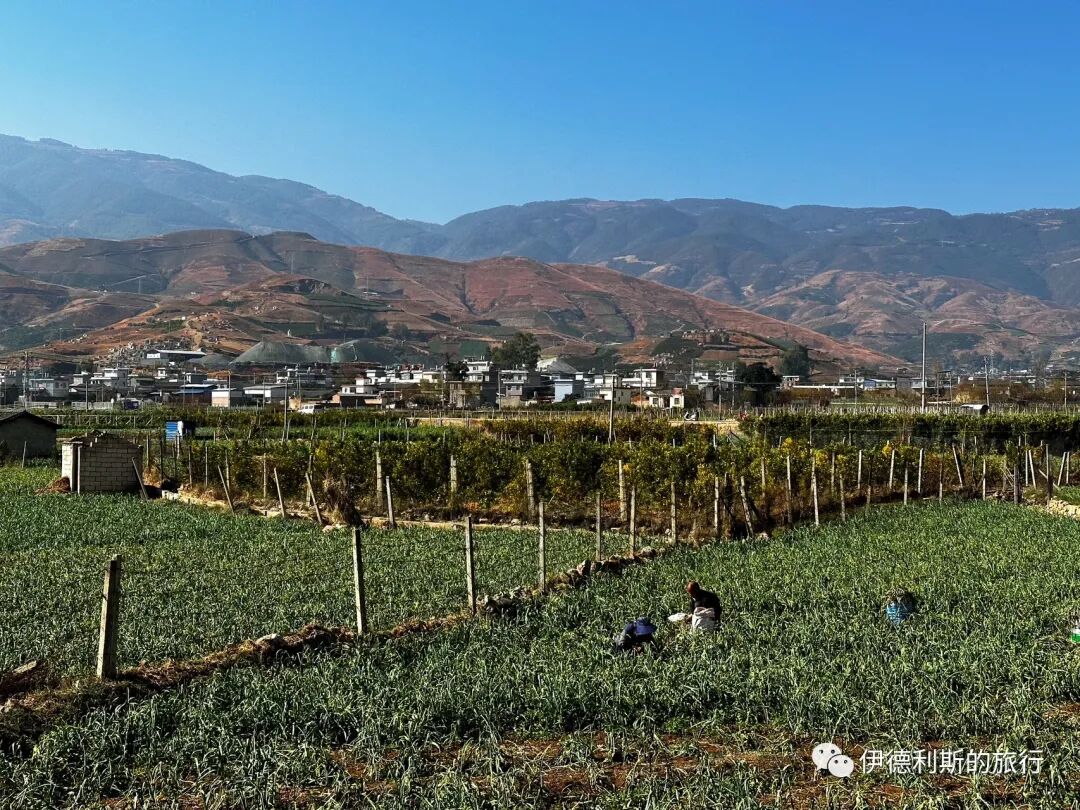
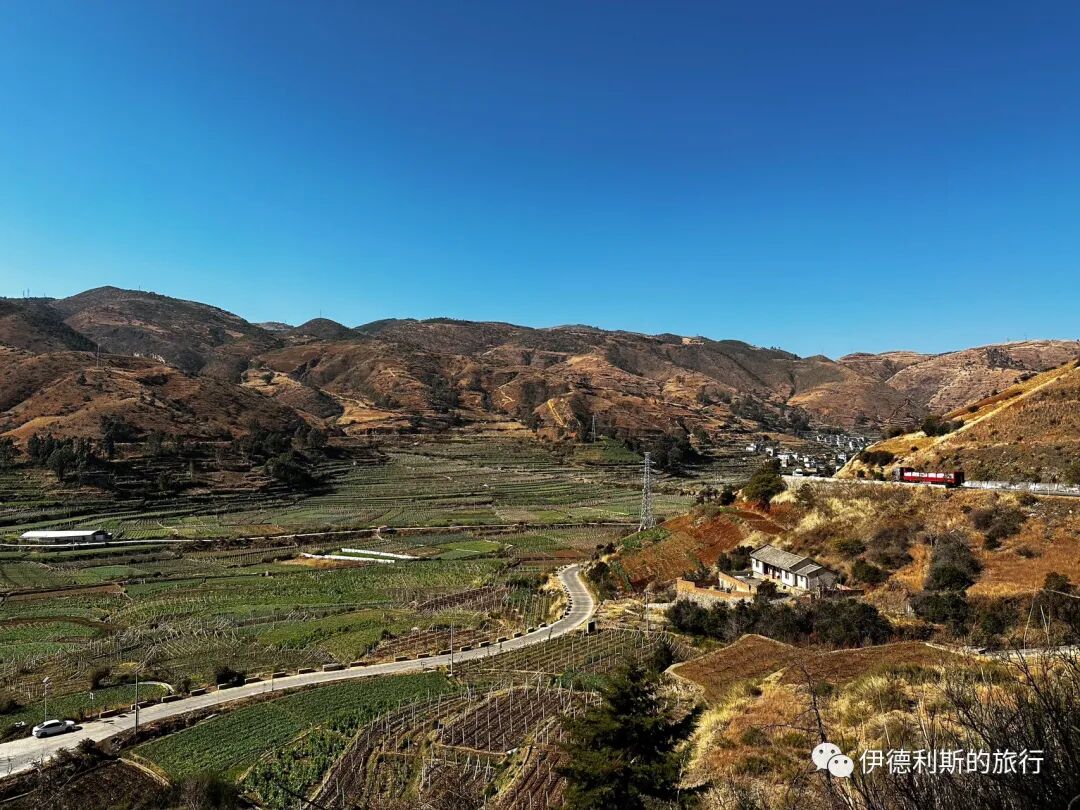
The mountain road here is not very steep, making for a comfortable ride, though there is a short section marked as a geological hazard zone with gravel left behind by a landslide.
After riding 50 kilometers, I arrived in Binju Town. Wusuo’s family hosted me at the mosque with dried beef (niuganba), stir-stir-fried meat with pickled vegetables (suancai chaorou), stir-stir-fried meat with broad beans (candou chaorou), and fish with pickled vegetables (suancai yu). I really love the home-cooked meals of Yunnan’s Hui Muslims.
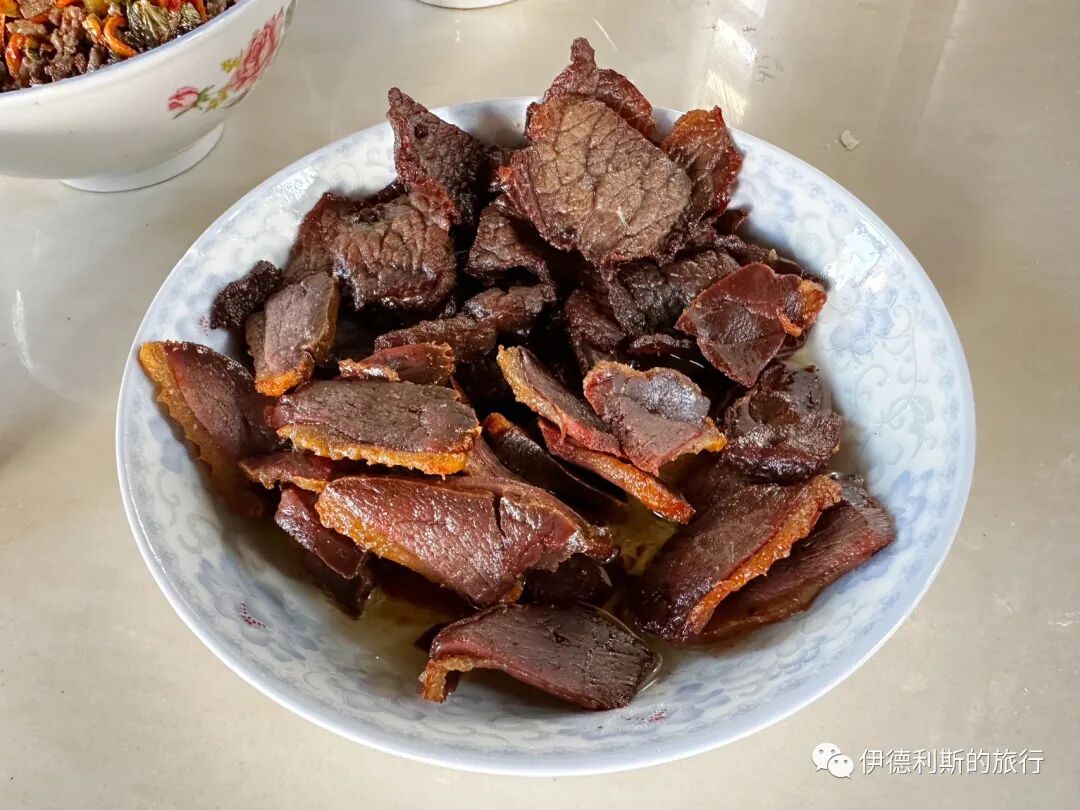
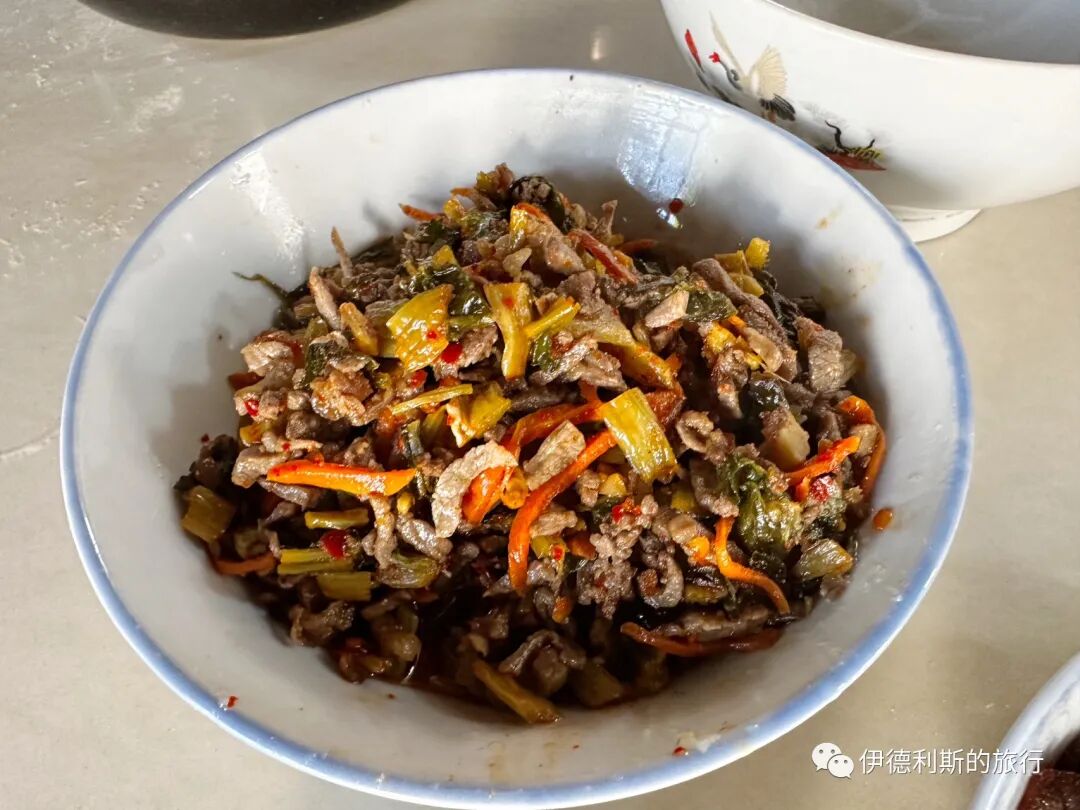
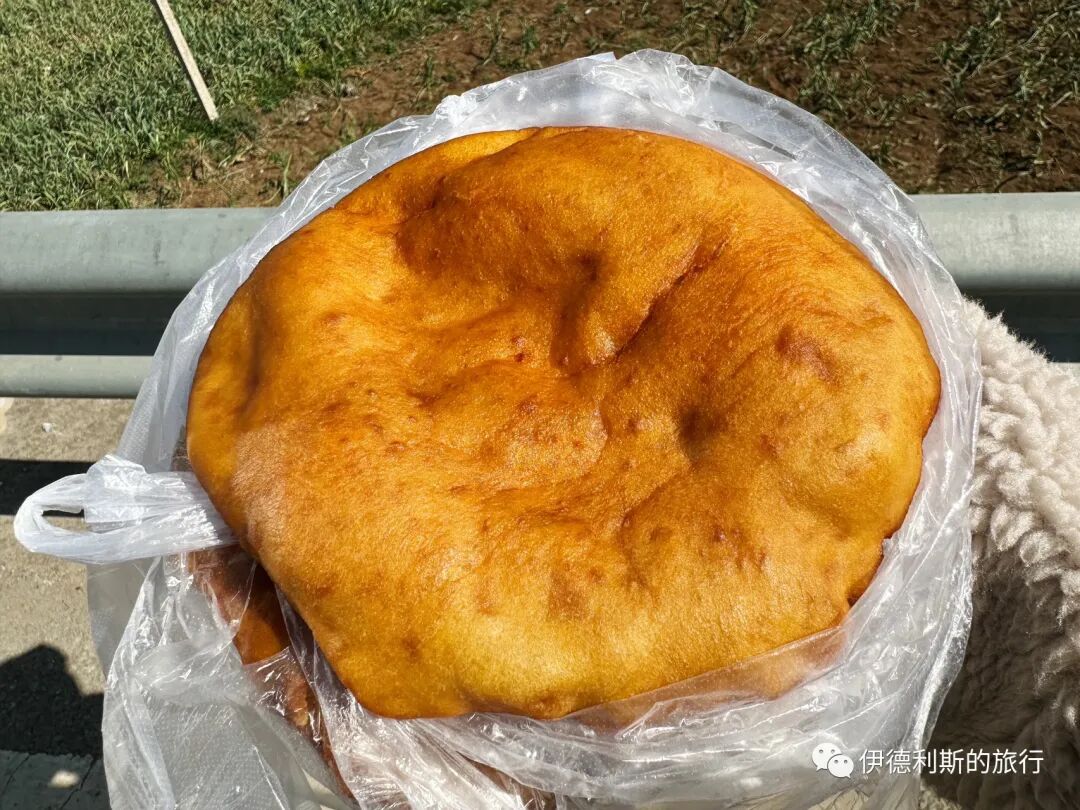
Every Tuesday is the big market day in Binju Town, and Wusuo’s family sells fried dough cakes (youxiang) there. The fried dough cakes (youxiang) in Yunnan are sweet and taste great even when eaten plain.
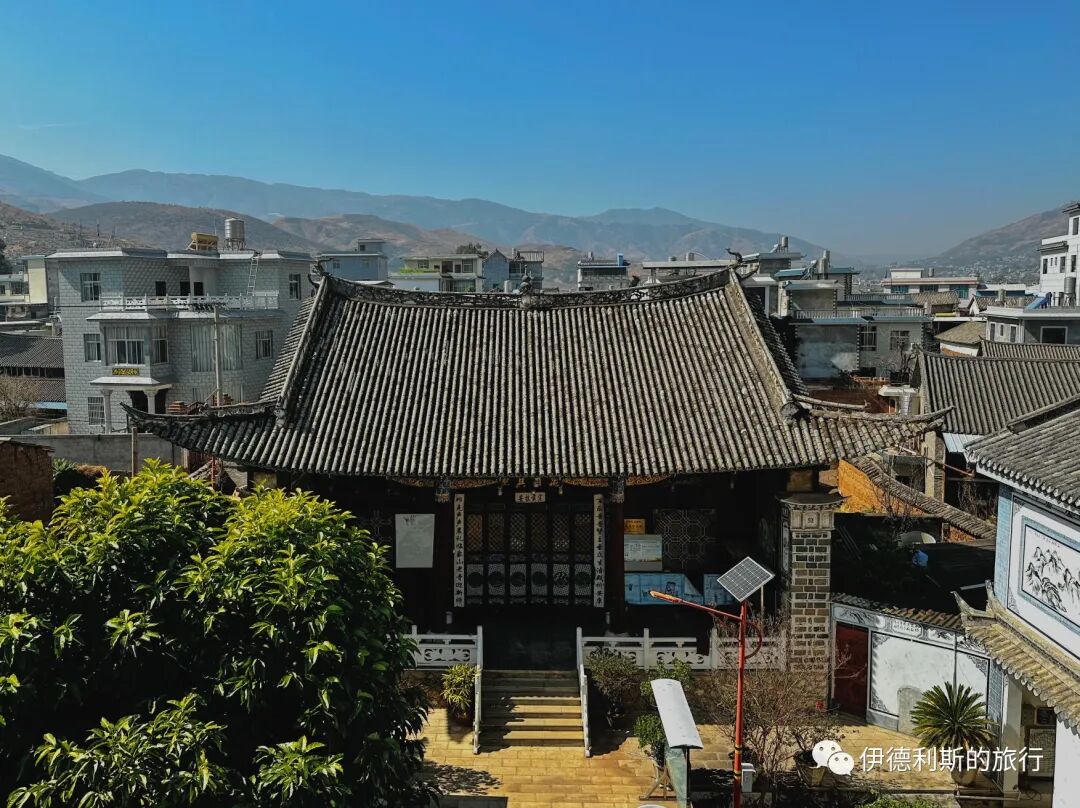
Binju Mosque was first built in the mid-Qing Dynasty, destroyed during the Tongzhi reign, and rebuilt in 1923. This is a history shared by most old mosques in Yunnan. The existing main hall with its gabled and hipped roof (xieshanding) is a century old and features typical Dali-style architecture. It preserves precious calligraphy and murals from the Republic of China era.
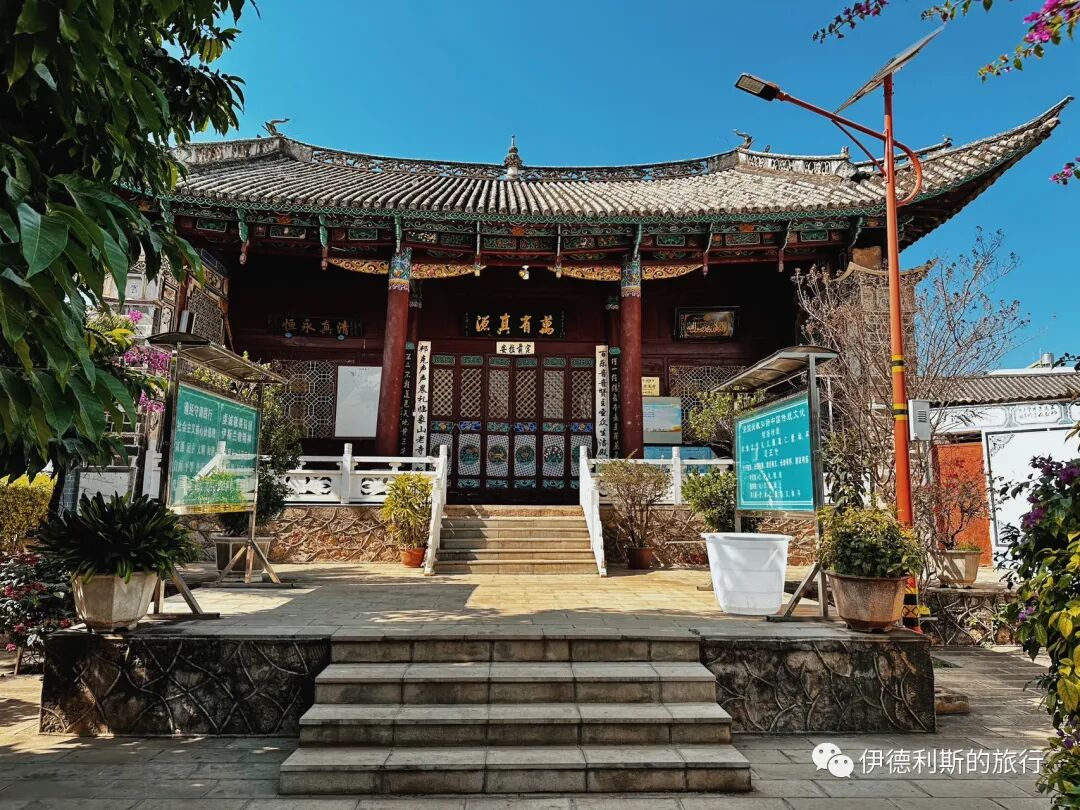
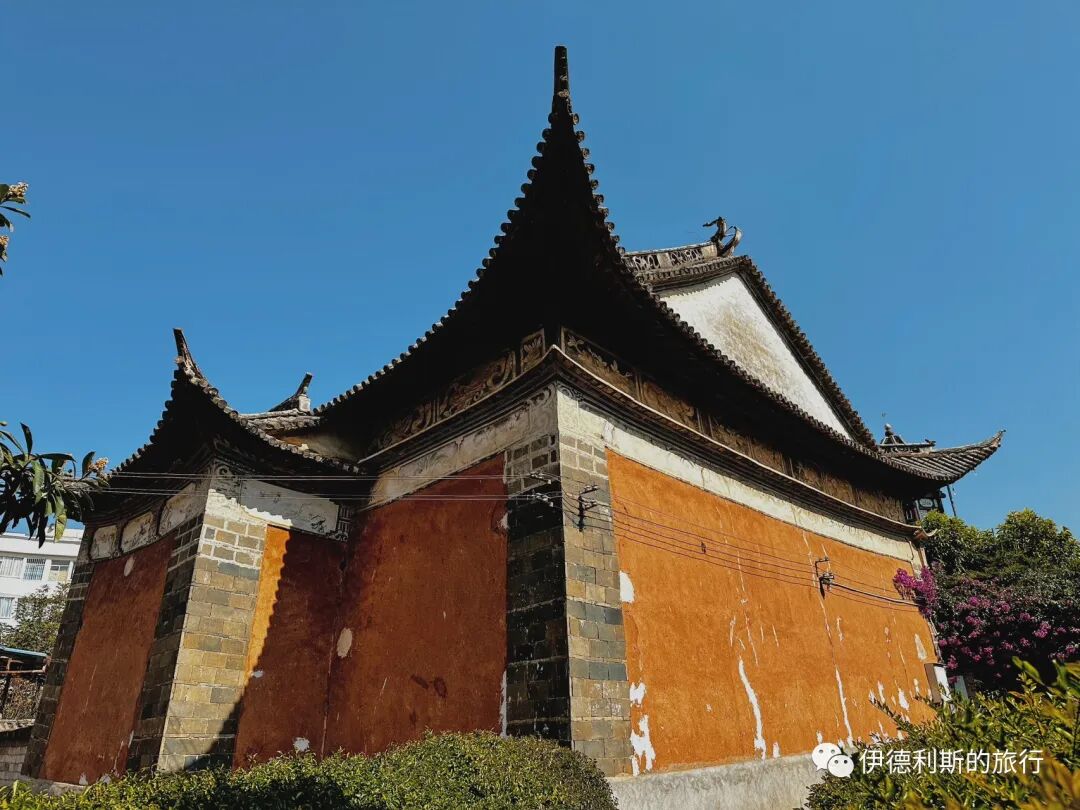
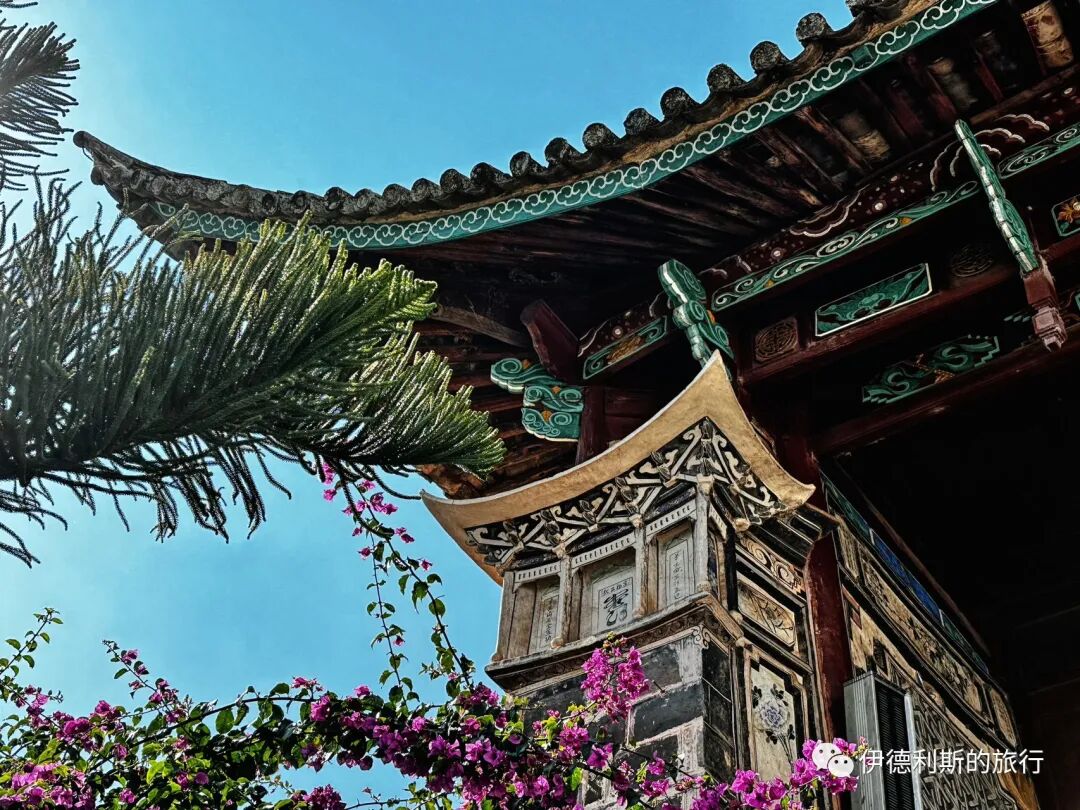
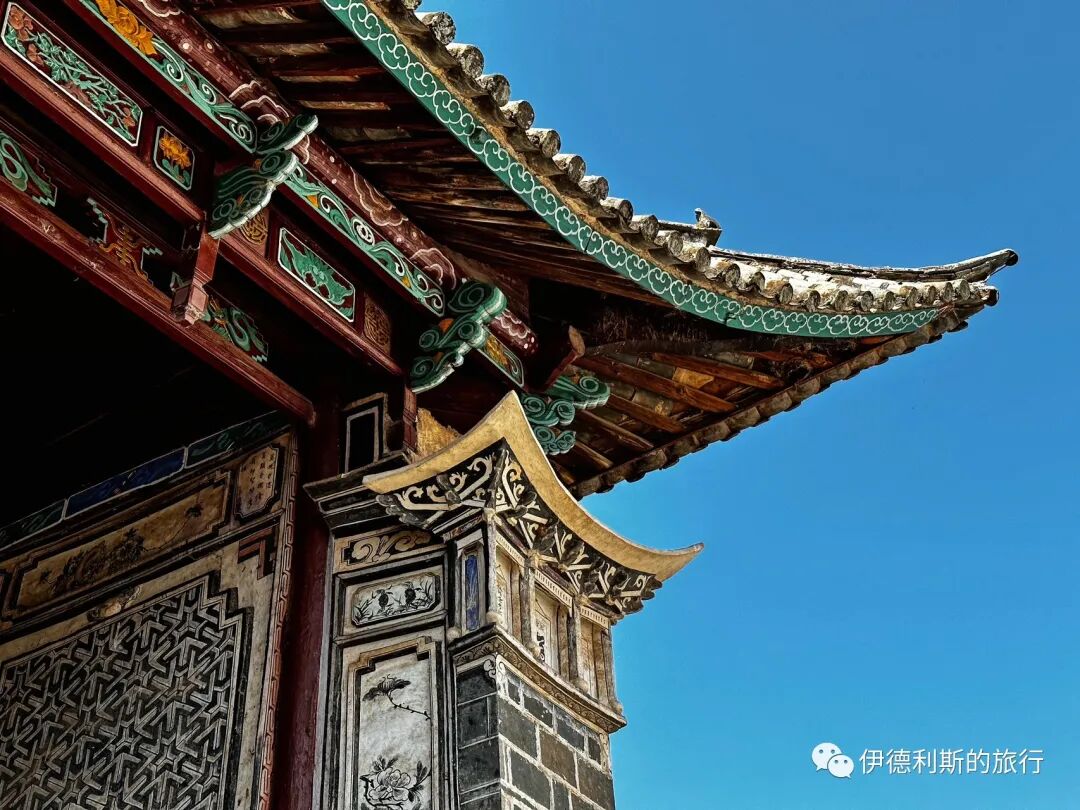
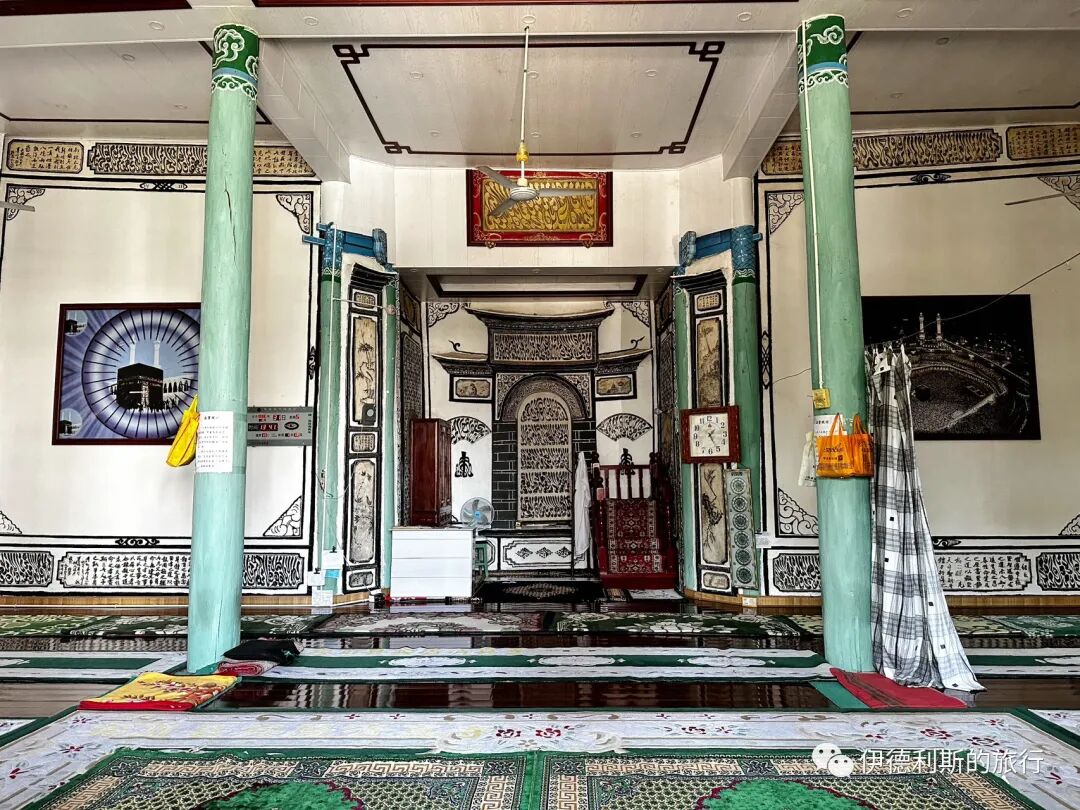
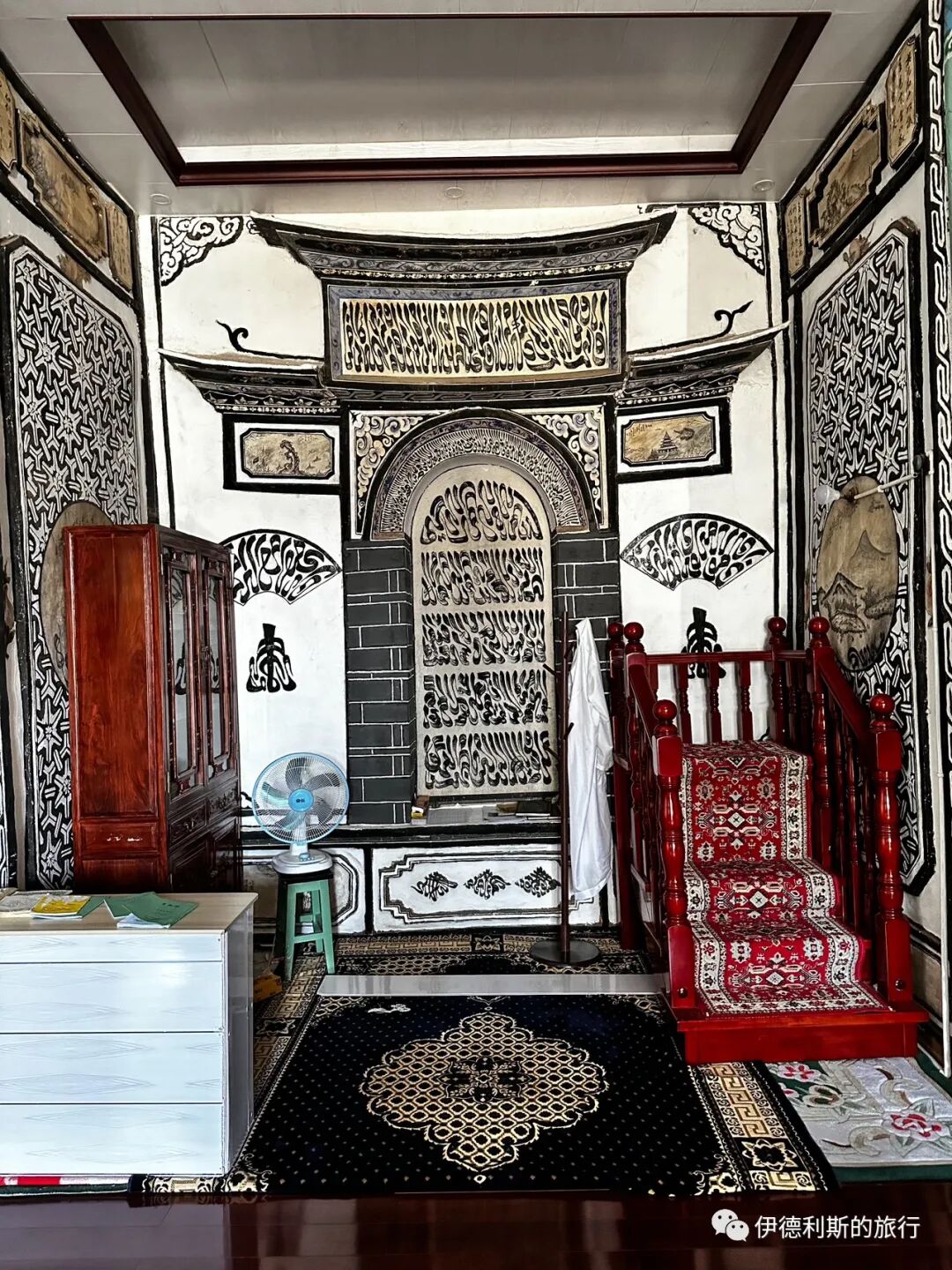
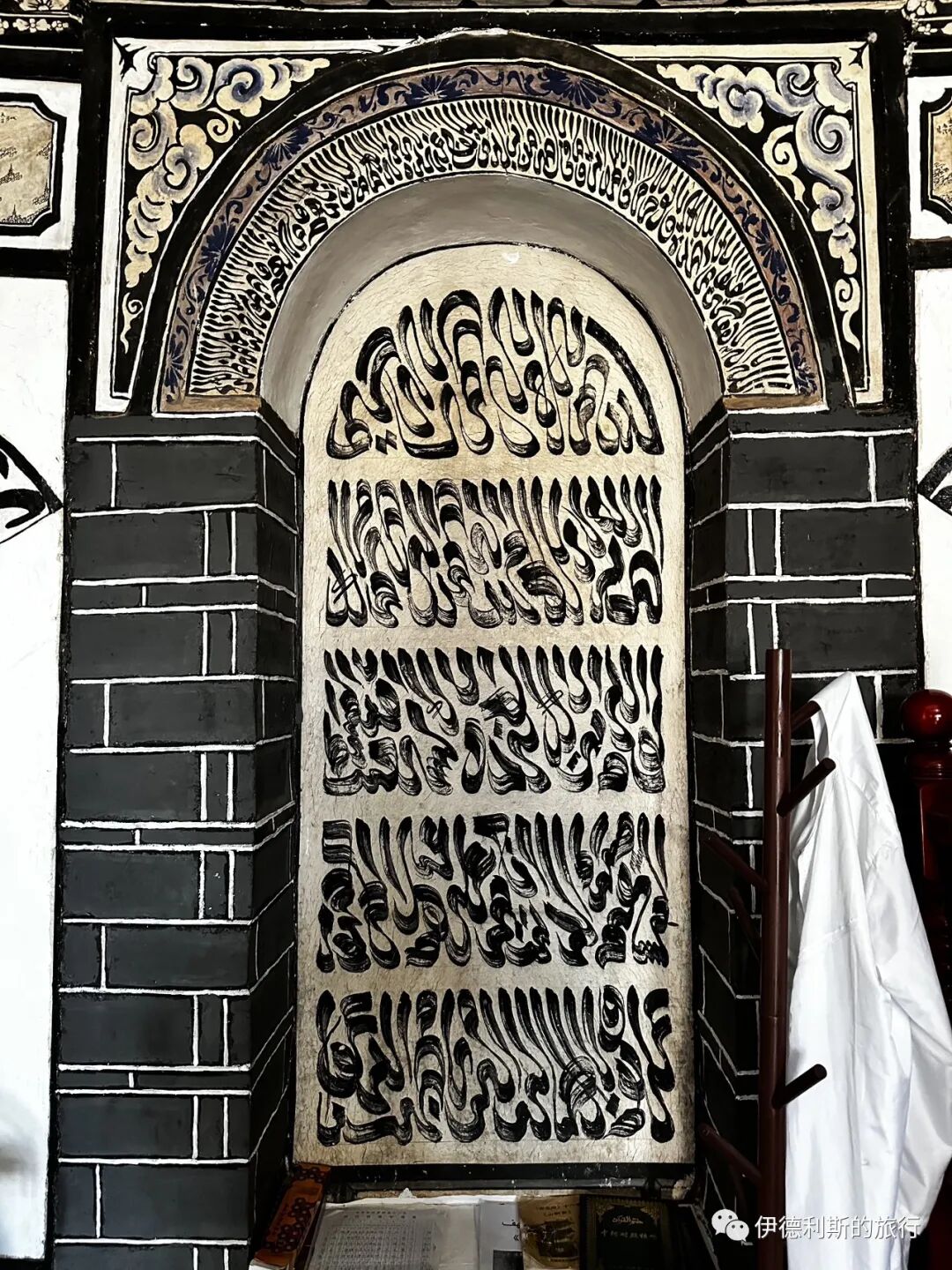
The birthplace of the Prophet Adam is depicted here using the style of traditional landscape painting.
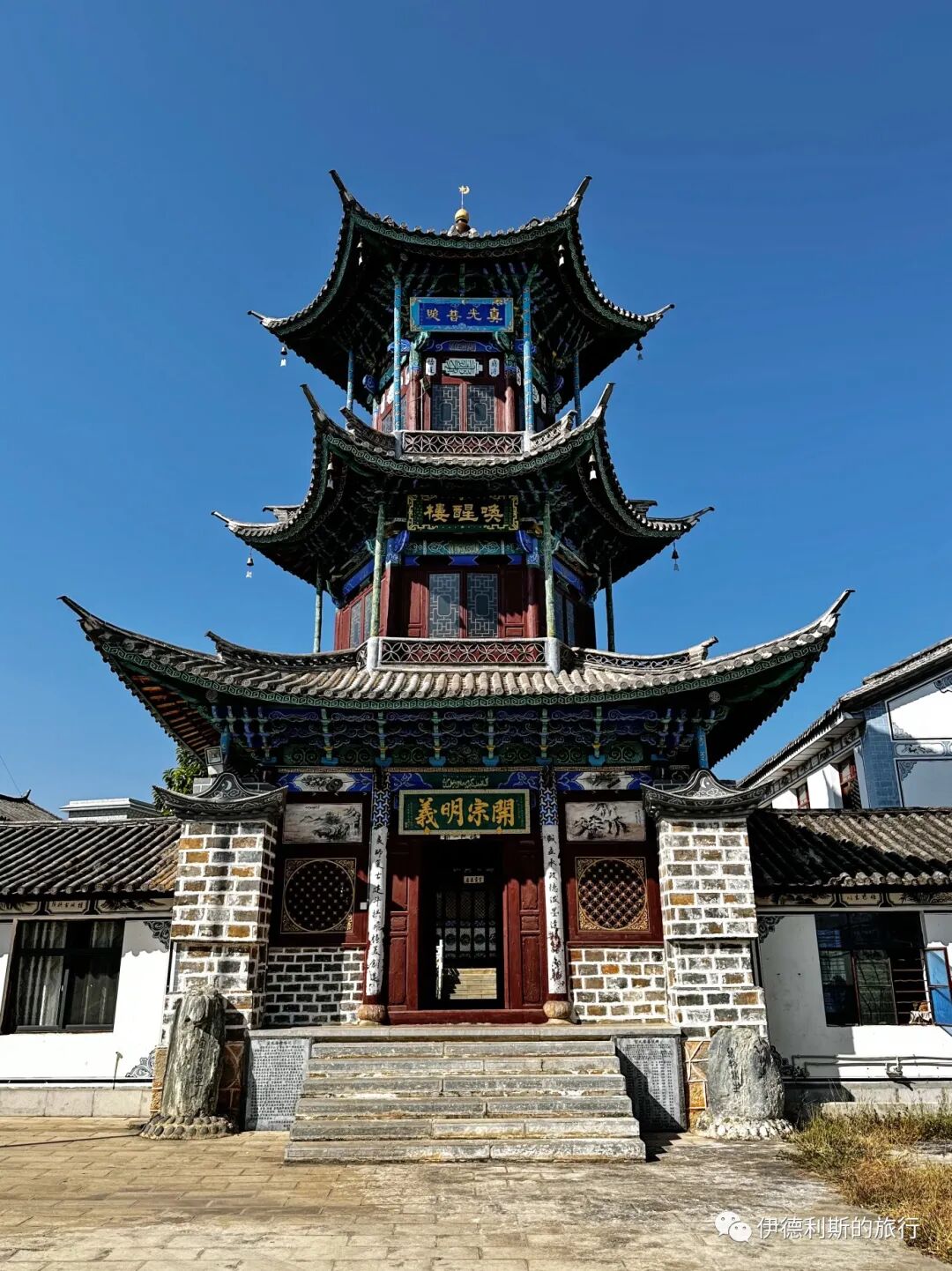
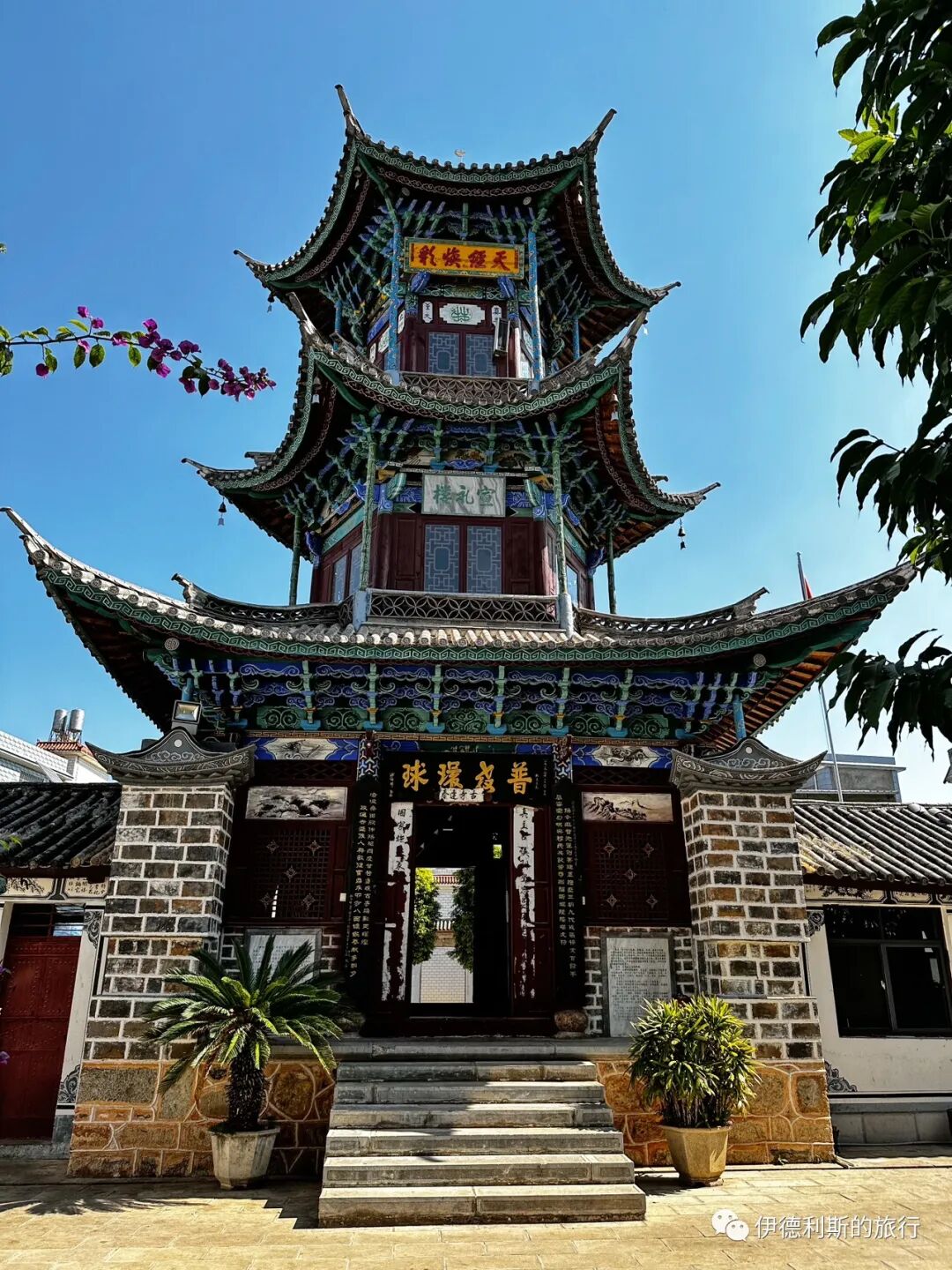
The mosque’s three-tiered, pointed-roof minaret was rebuilt between 1993 and 1994, but it still keeps the traditional architectural style of the Dali region and is very beautiful.
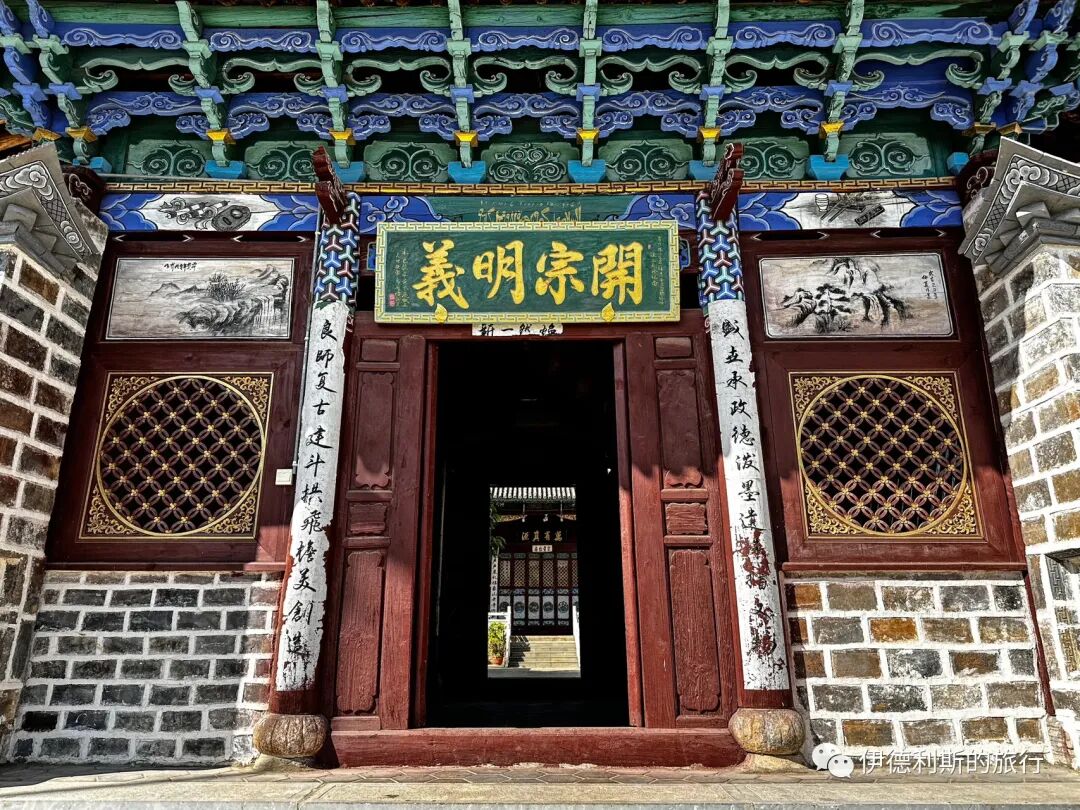
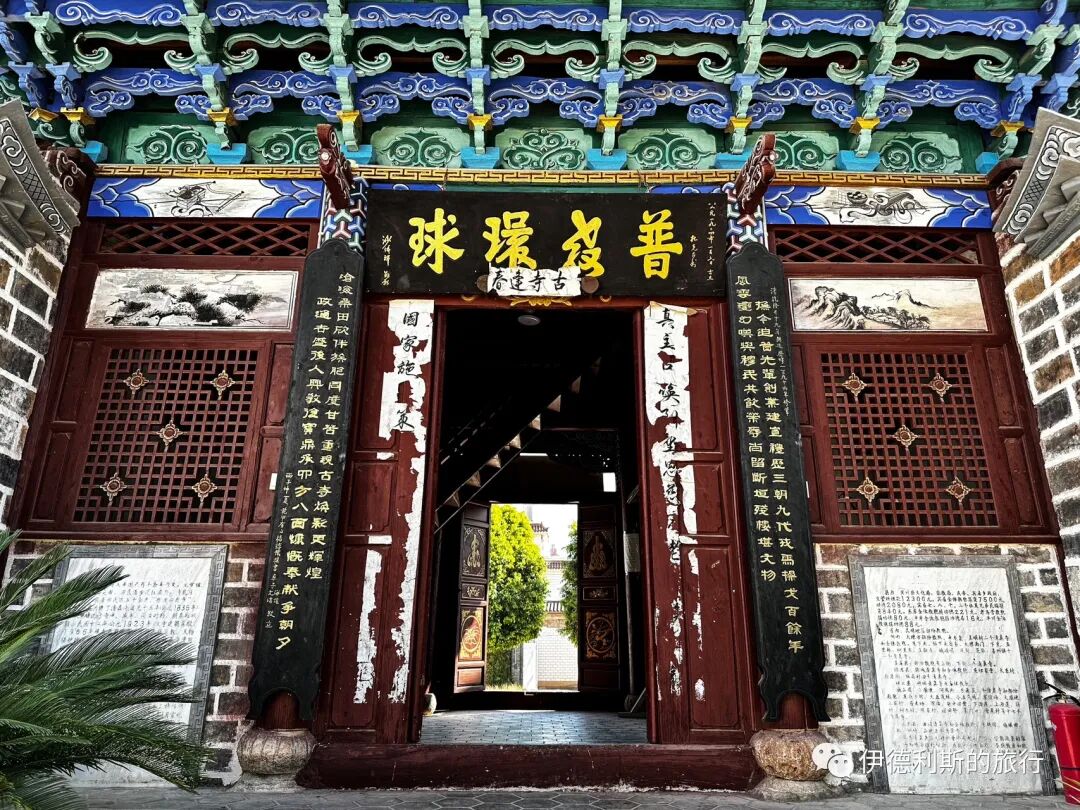
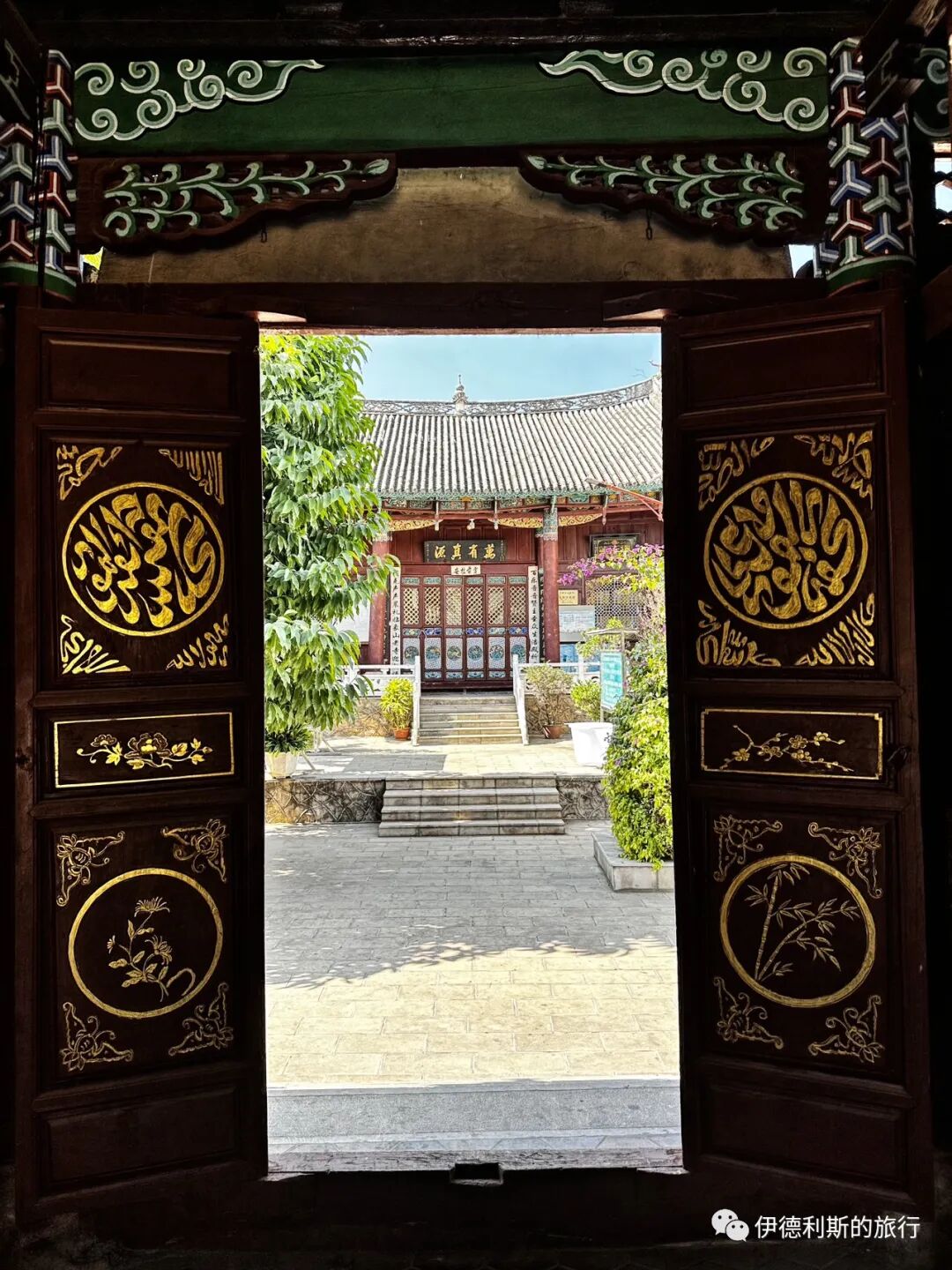
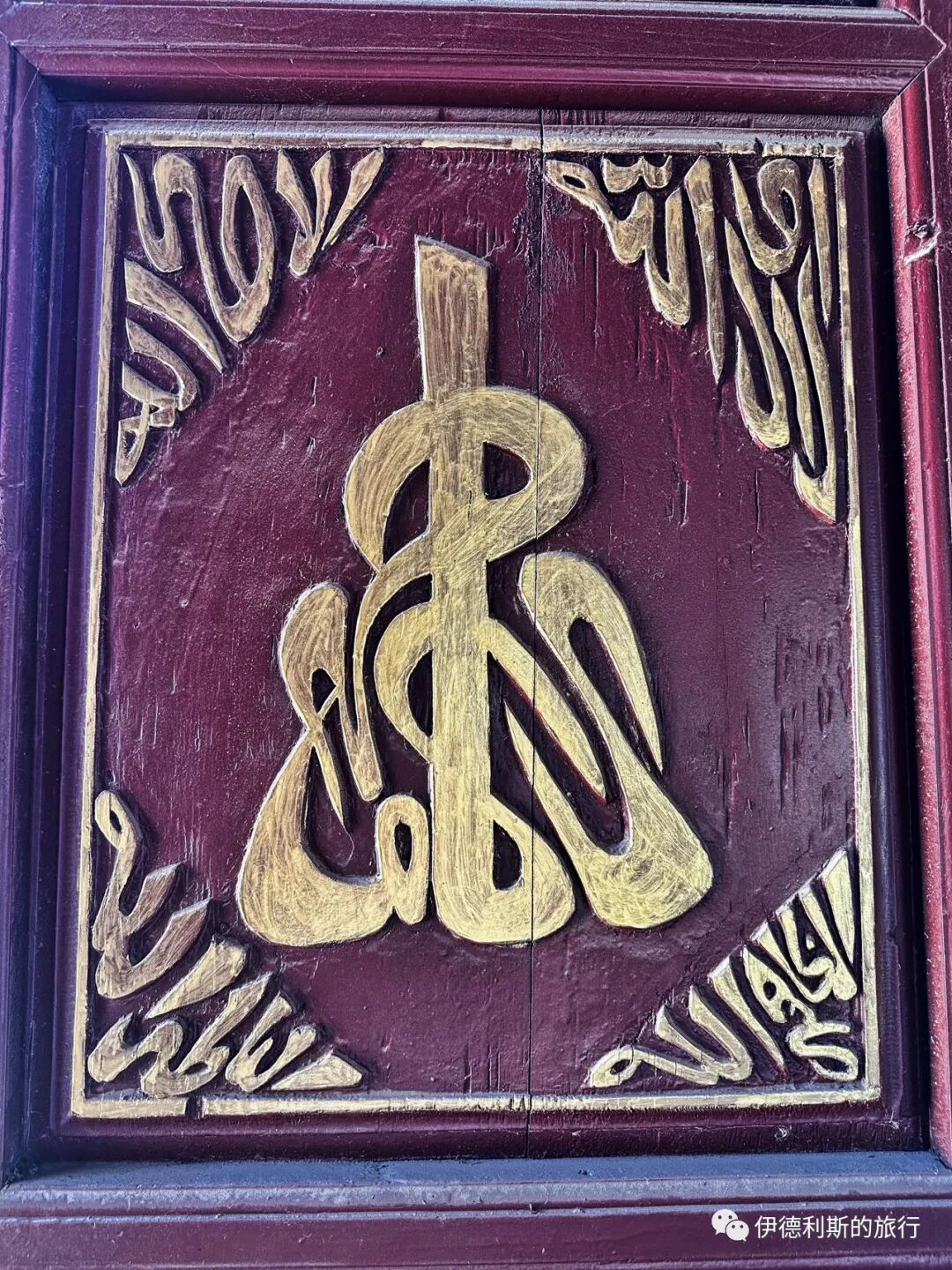
The mosque still keeps the plaques and couplets inscribed during the 1923 reconstruction, which is very rare.
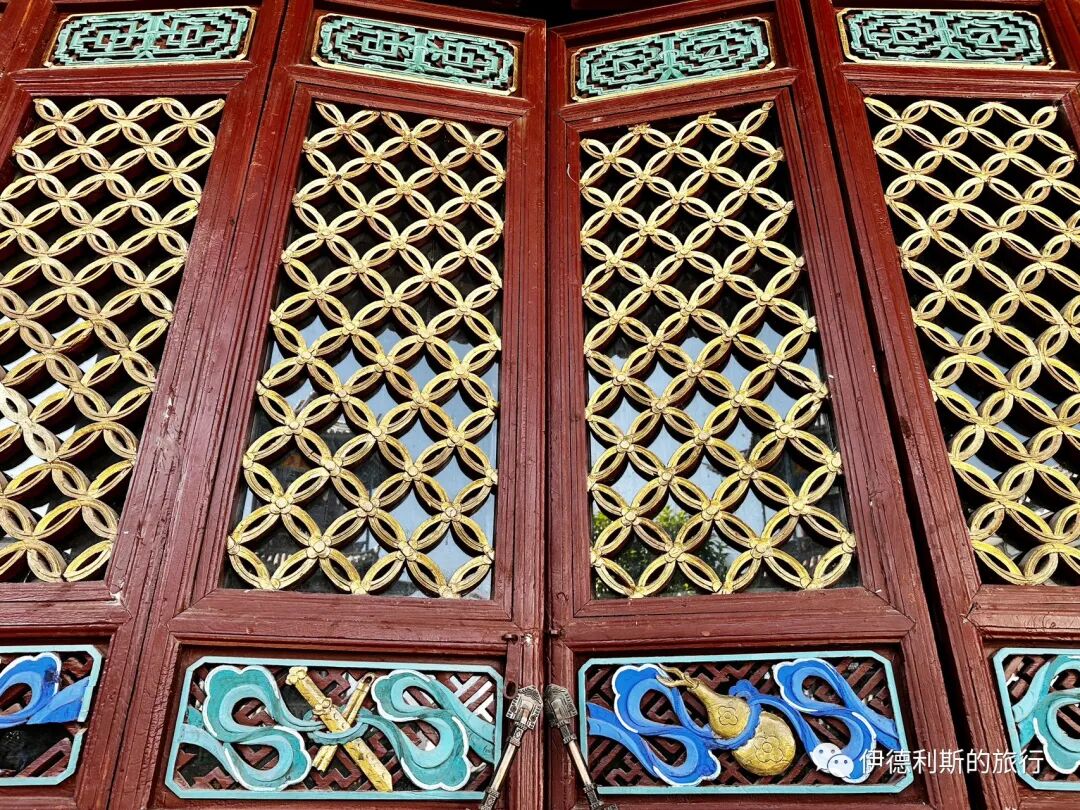
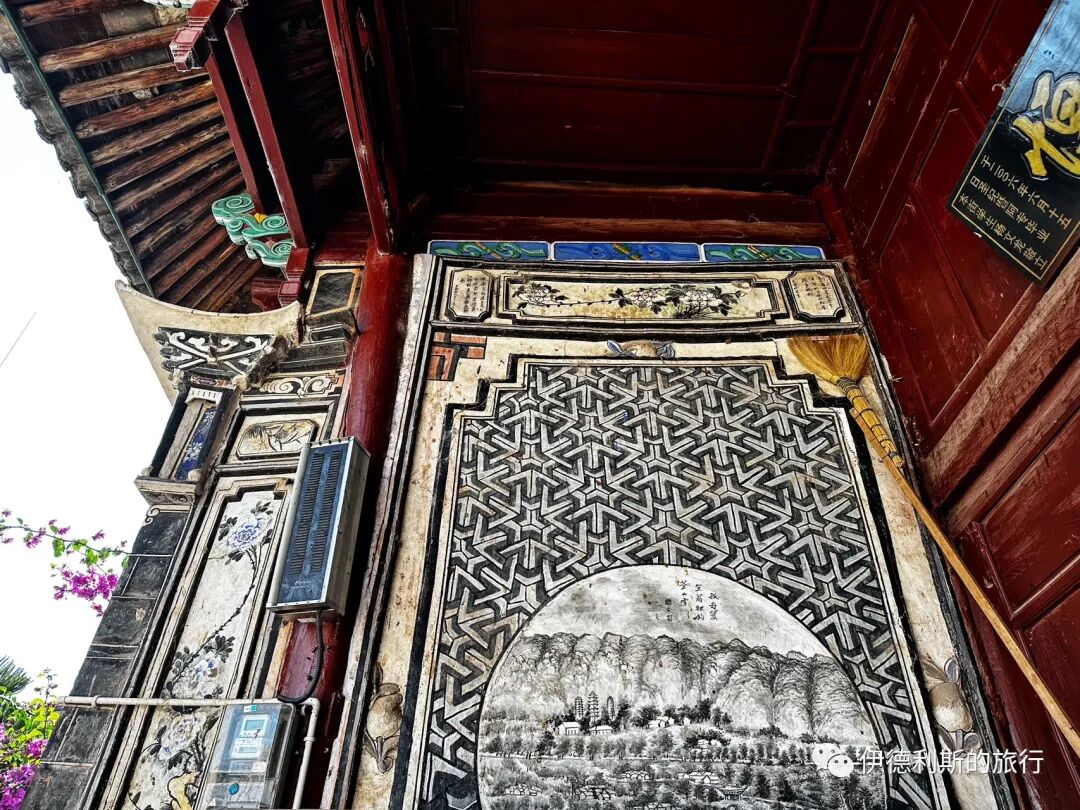
The environment inside the mosque is also very nice, with flowers in full bloom and lush greenery.
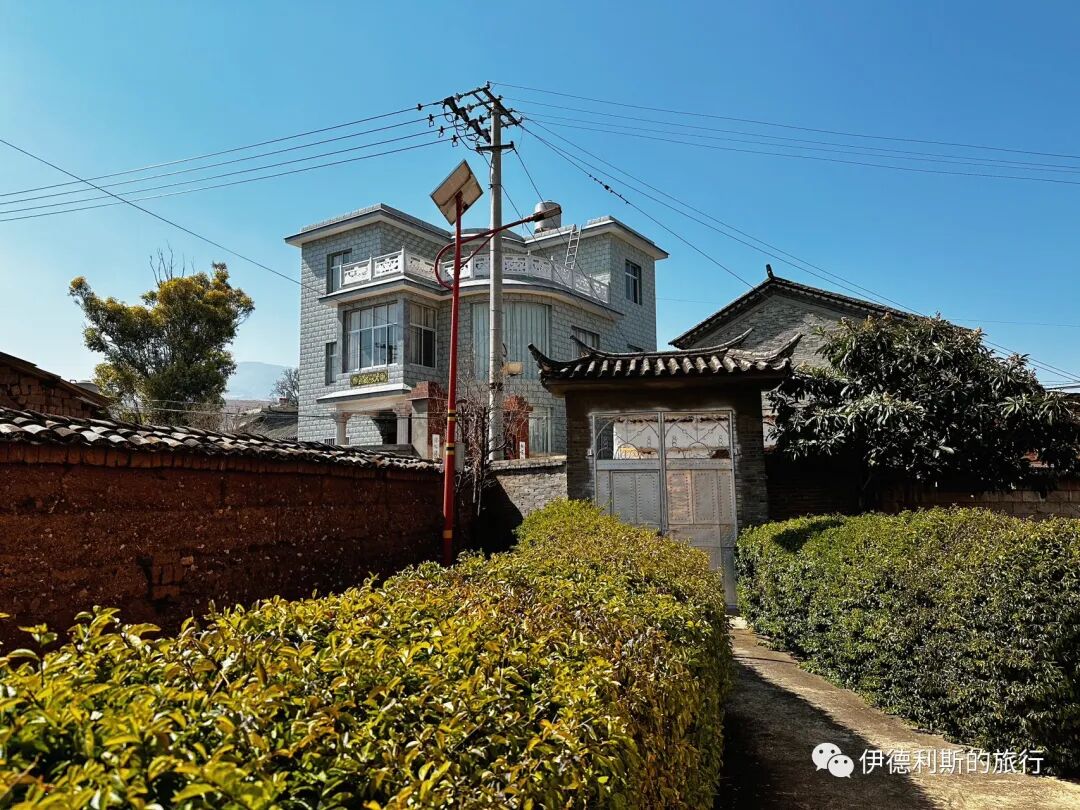
An old street is still preserved behind the mosque, but most young people have moved away, leaving mostly elderly residents behind.
On the ride back from Binchuan Town to Xiaguan, the mountains and fields were covered in mandarin oranges (penggan), which looked beautiful in their bright yellow color. Many people from the orange orchards sell them right by the side of the road. I asked which ones were the sweetest, bought some to eat on the road, and they tasted quite good.
Halal Travel Guide: Dali Fengyi — Fengming Mosque and Clay Pot Rice Noodles
Articles • ali2007fr posted the article • 0 comments • 173 views • 2026-05-19 02:48
Summary: Fengyi Ancient Town in Dali is home to Fengming Mosque and a local Hui Muslim food scene shaped by Yunnan streets and everyday community life. This account covers the mosque visit and clay pot rice noodles while keeping the original sequence and images.
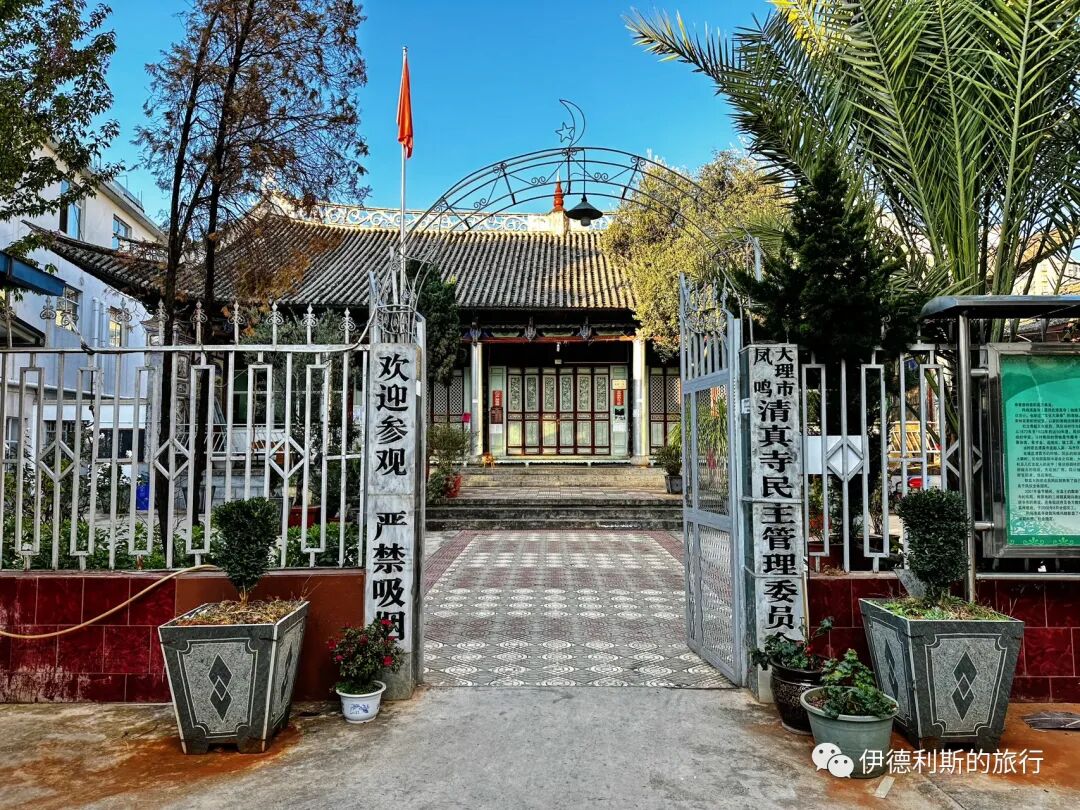
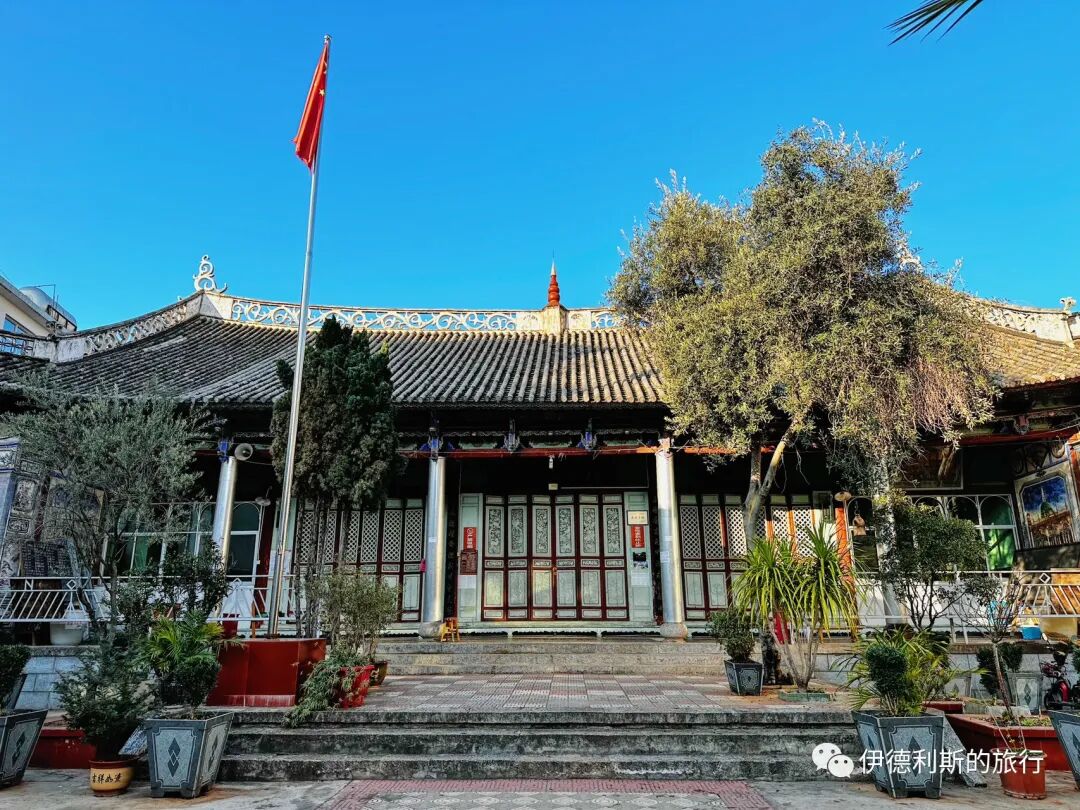
I rode my bike 10 kilometers east from Xiaguan in Dali to reach the ancient town of Fengyi, where I visited the century-old Fengming Mosque.
As the seat of Zhaozhou since the Yuan Dynasty, Fengyi Town has long been home to Hui Muslims, who built an old mosque on South Street. After 1872, the Hui Muslims of Fengyi died or fled, and the South Street mosque was burned down. For the next 50 years, the few remaining Hui Muslims in Fengyi could only perform their worship at the home of Mu Benren on West Street. At that time, the second floor of the Mu family home was the prayer room, while the first floor served as a scripture hall where a teacher (laoshi) named Luo Wusuo from Zhihua taught the scriptures.
During this period, the Hui Muslims of Fengyi kept raising money to rebuild their mosque. Finally, Yang Chaozhu, who had served as a military commander in Guangxi, asked the Fengyi county magistrate for help, bought land from the Wu family in Yaojia Lane, and worked with local community leaders to fund and build the Fengming Mosque in 1922. After 2001, the main prayer hall (Chaozhen Dian) was expanded from three rooms to five, giving it the appearance it has today.
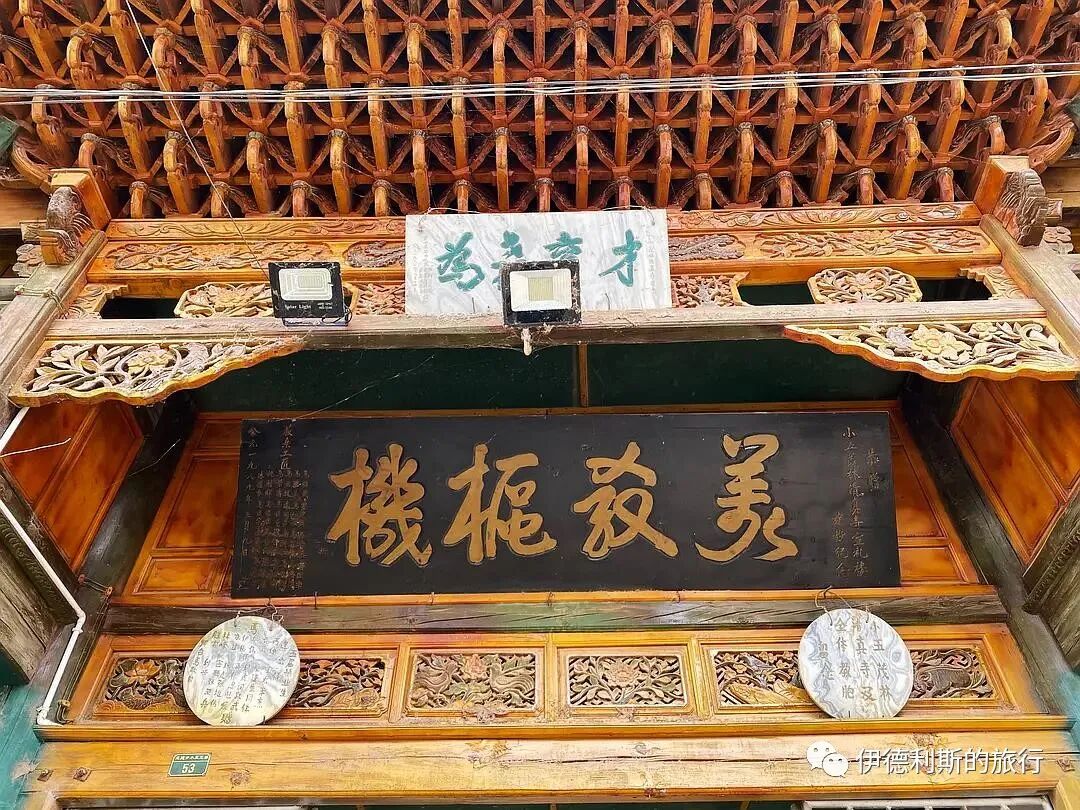
The plaque inscribed with the words "Zhong Gu Yi Xi" was donated by Ding Guotai from Shaanxi when the mosque was built in 1922.
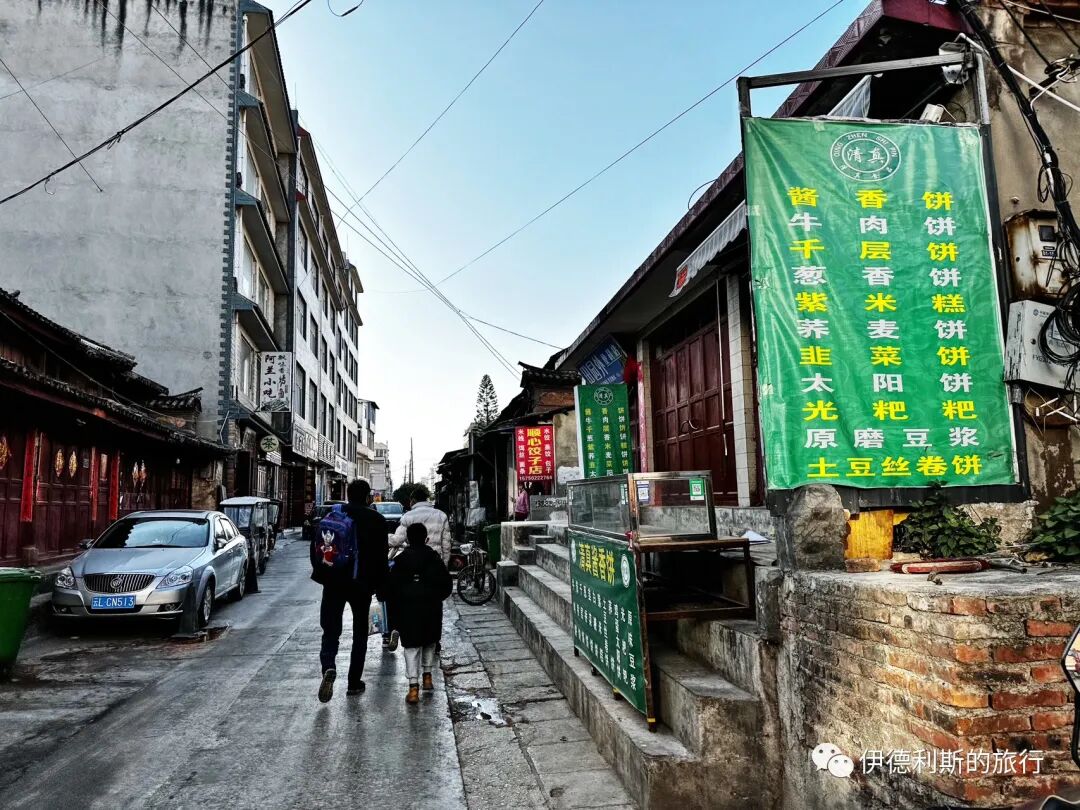
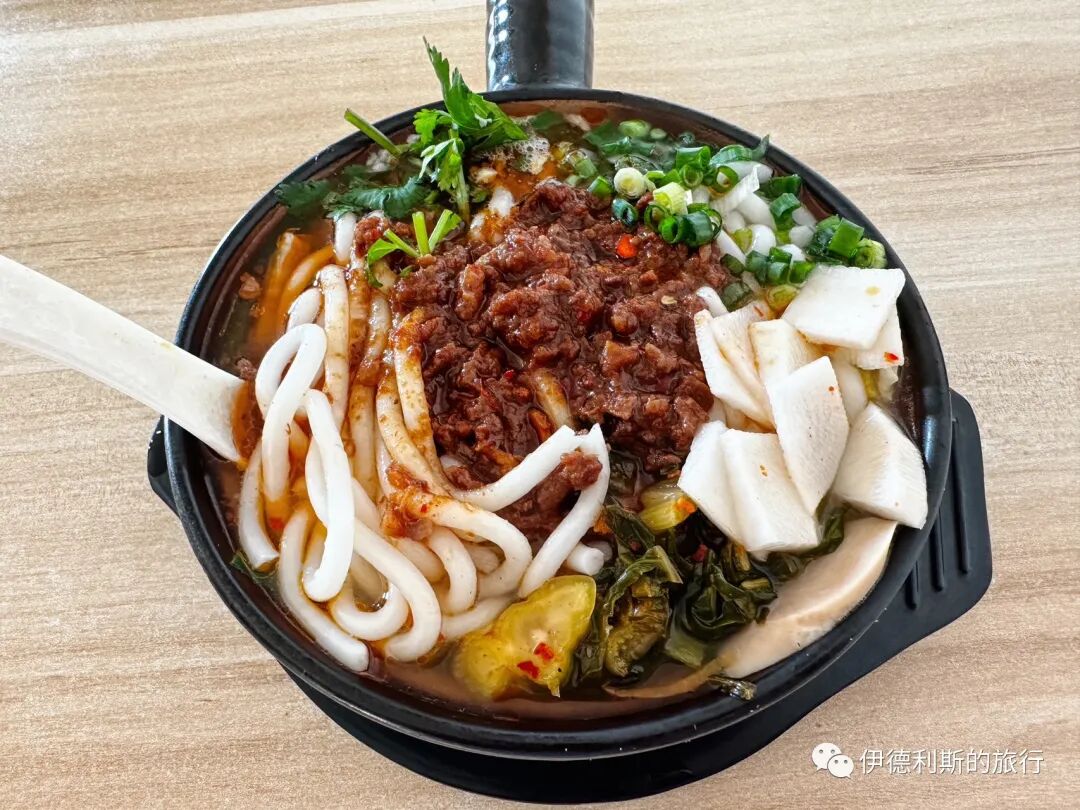
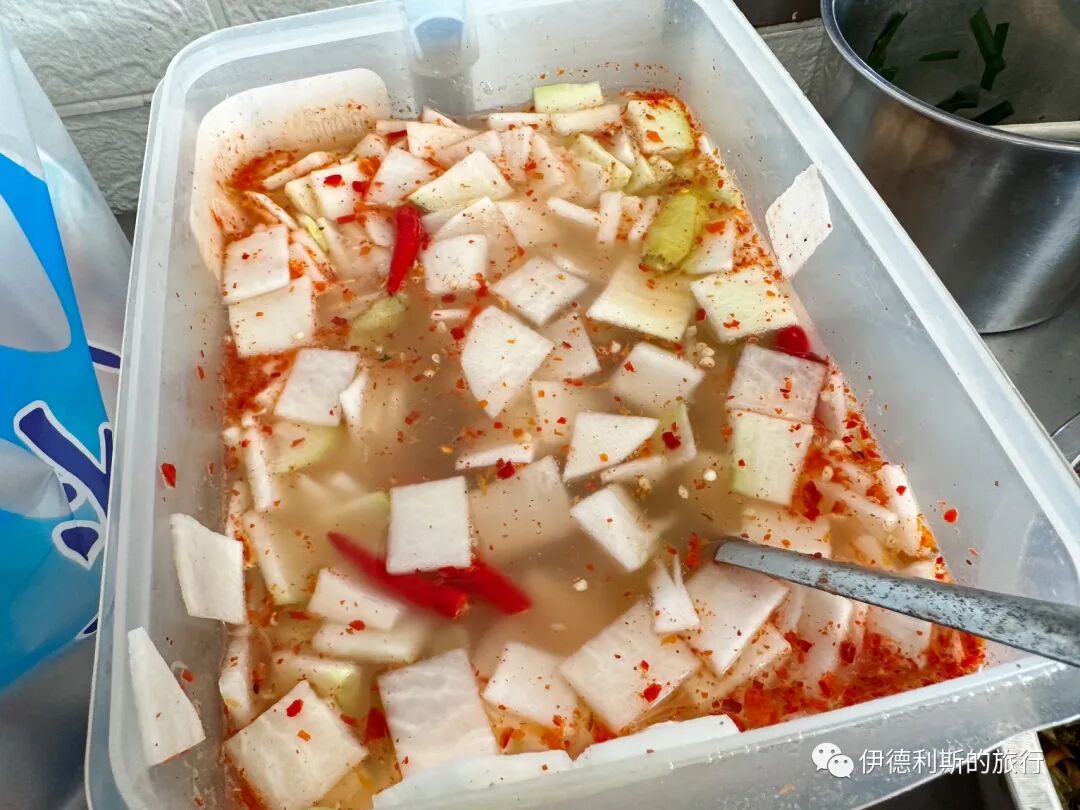
While walking around the ancient town of Fengyi, I ate a bowl of clay pot rice noodles (shaguo mixian) served with the local staple side dish of pickled radish. view all
Summary: Fengyi Ancient Town in Dali is home to Fengming Mosque and a local Hui Muslim food scene shaped by Yunnan streets and everyday community life. This account covers the mosque visit and clay pot rice noodles while keeping the original sequence and images.
I rode my bike 10 kilometers east from Xiaguan in Dali to reach the ancient town of Fengyi, where I visited the century-old Fengming Mosque.
As the seat of Zhaozhou since the Yuan Dynasty, Fengyi Town has long been home to Hui Muslims, who built an old mosque on South Street. After 1872, the Hui Muslims of Fengyi died or fled, and the South Street mosque was burned down. For the next 50 years, the few remaining Hui Muslims in Fengyi could only perform their worship at the home of Mu Benren on West Street. At that time, the second floor of the Mu family home was the prayer room, while the first floor served as a scripture hall where a teacher (laoshi) named Luo Wusuo from Zhihua taught the scriptures.
During this period, the Hui Muslims of Fengyi kept raising money to rebuild their mosque. Finally, Yang Chaozhu, who had served as a military commander in Guangxi, asked the Fengyi county magistrate for help, bought land from the Wu family in Yaojia Lane, and worked with local community leaders to fund and build the Fengming Mosque in 1922. After 2001, the main prayer hall (Chaozhen Dian) was expanded from three rooms to five, giving it the appearance it has today.
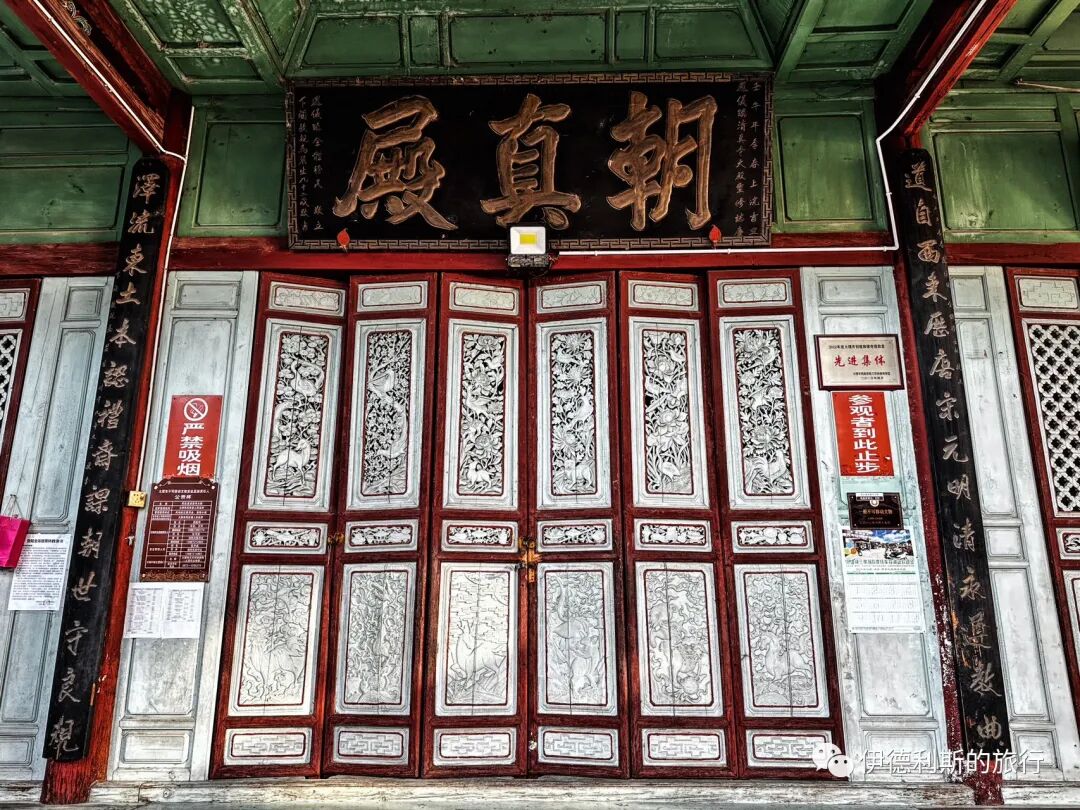
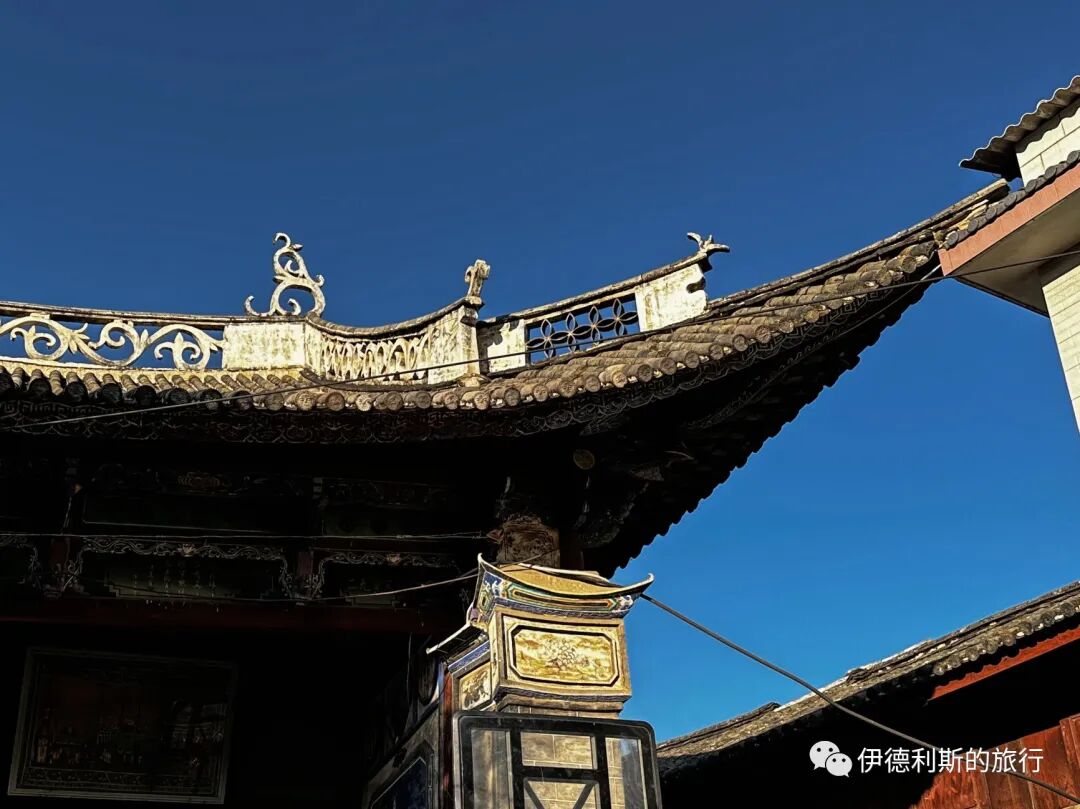
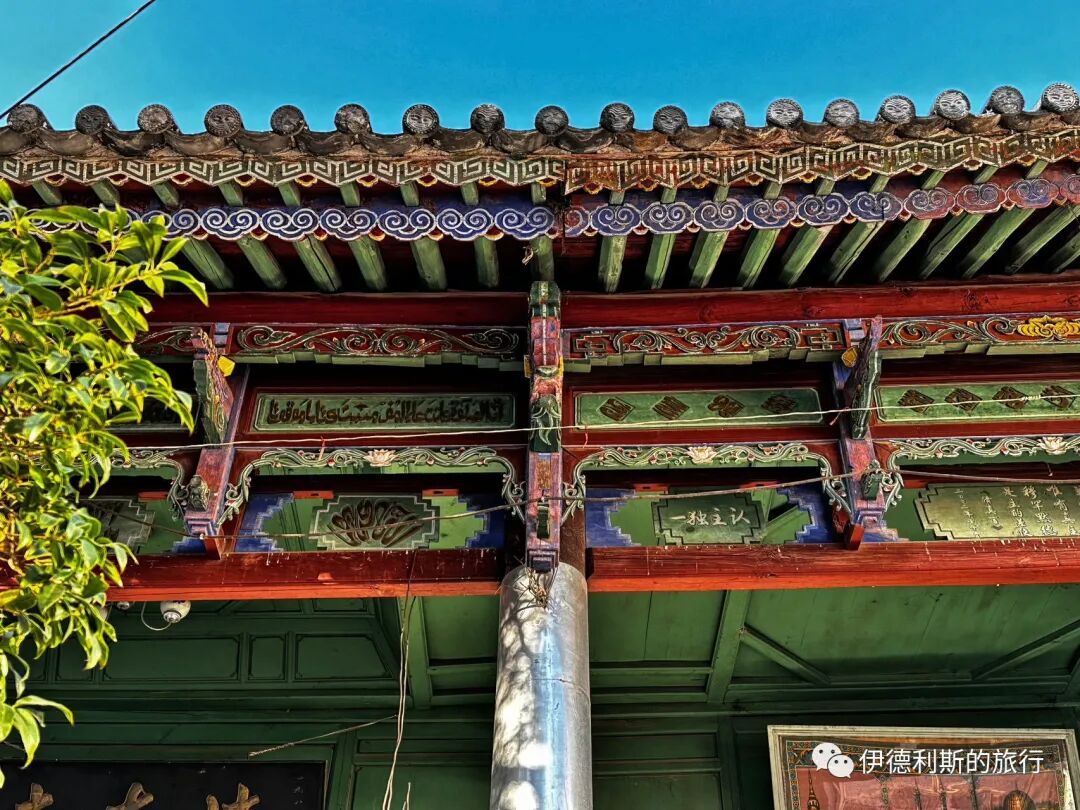
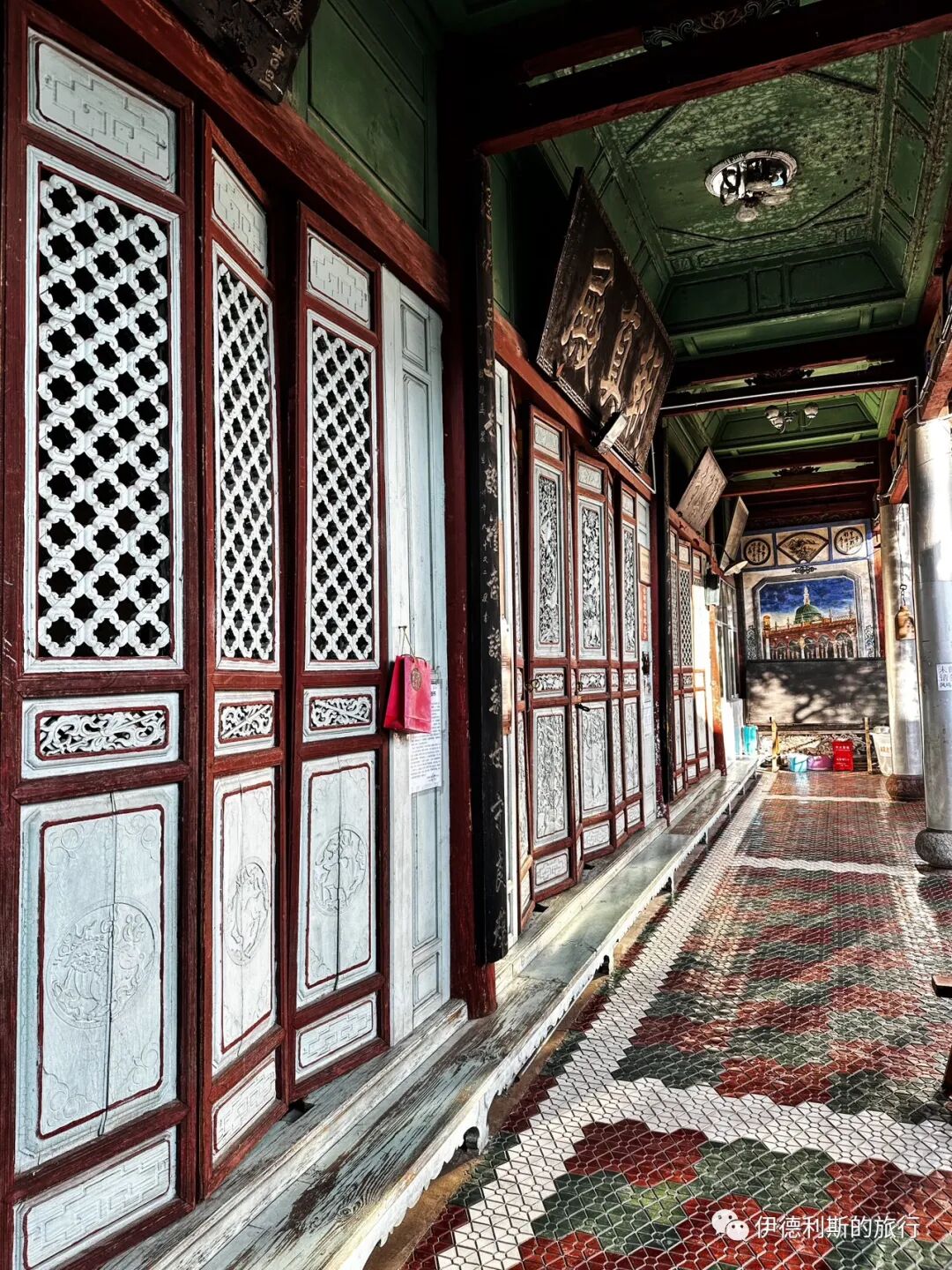
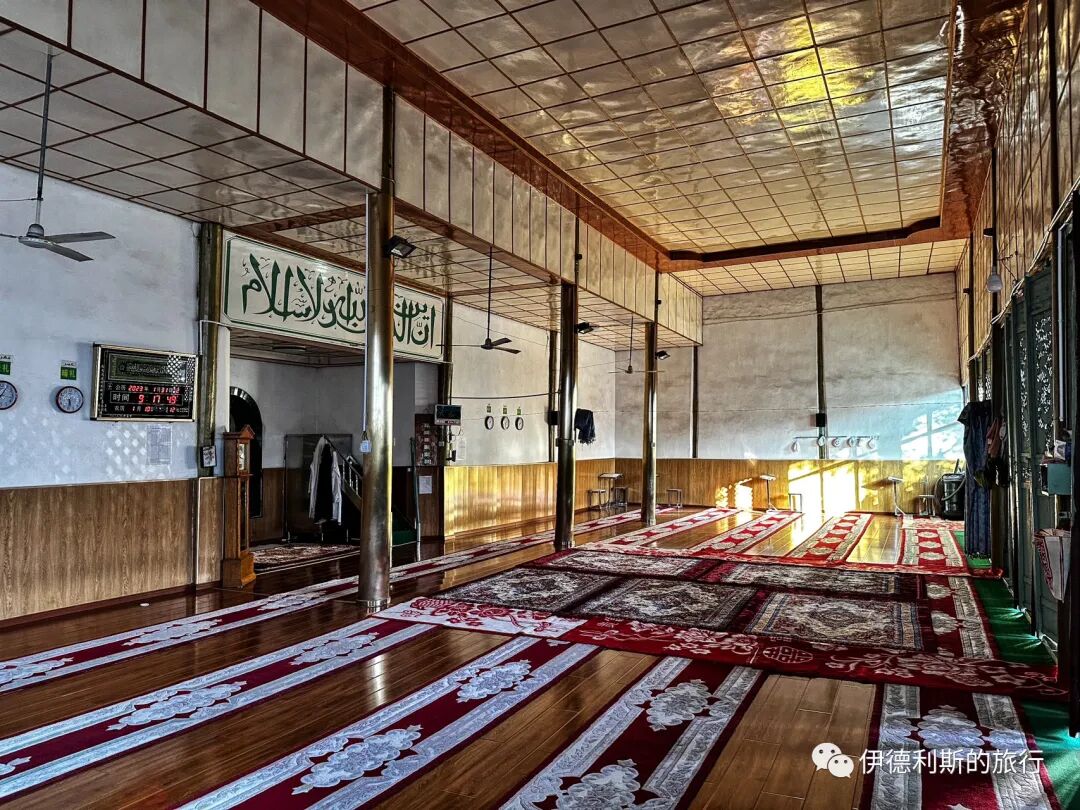
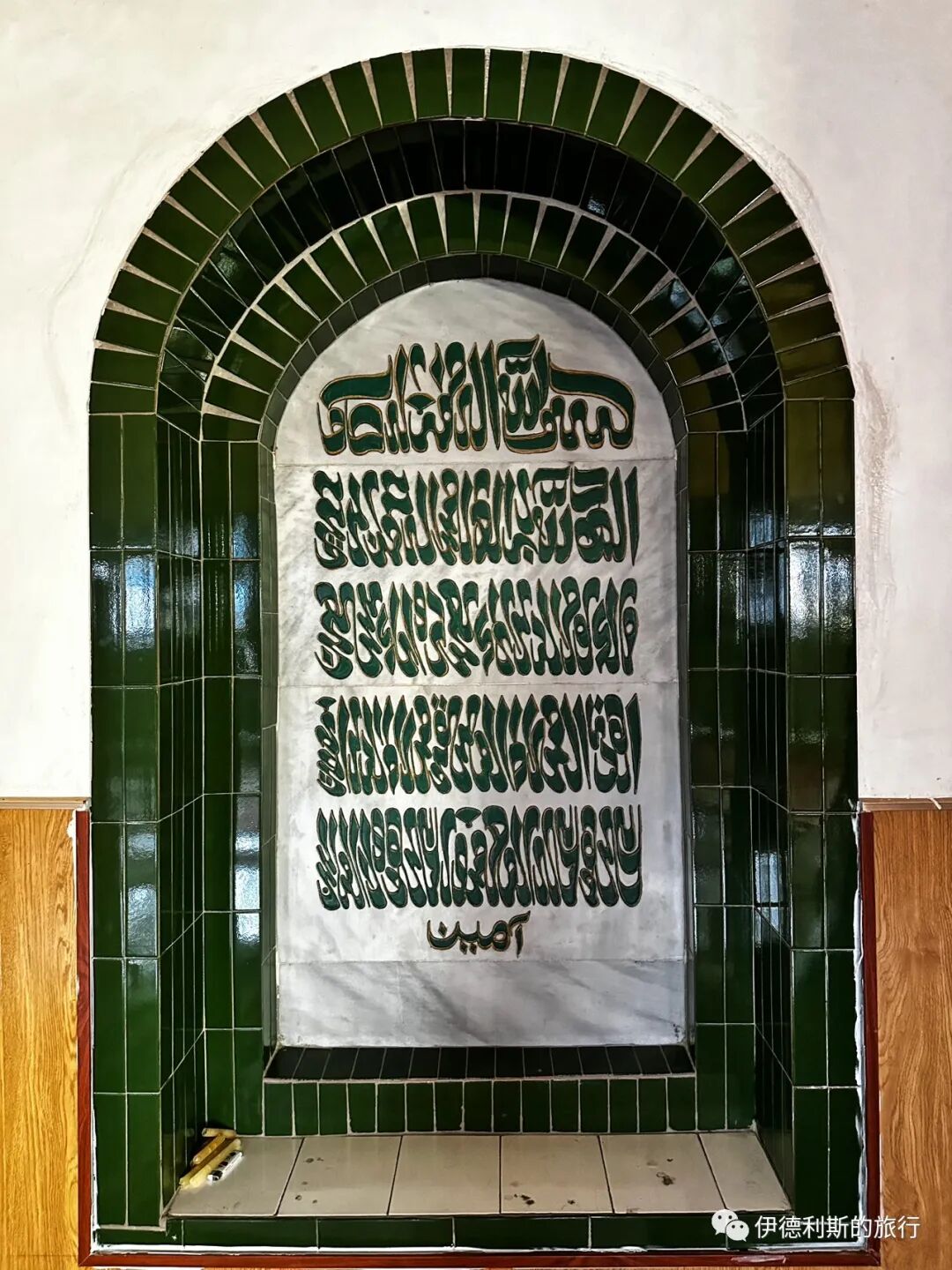
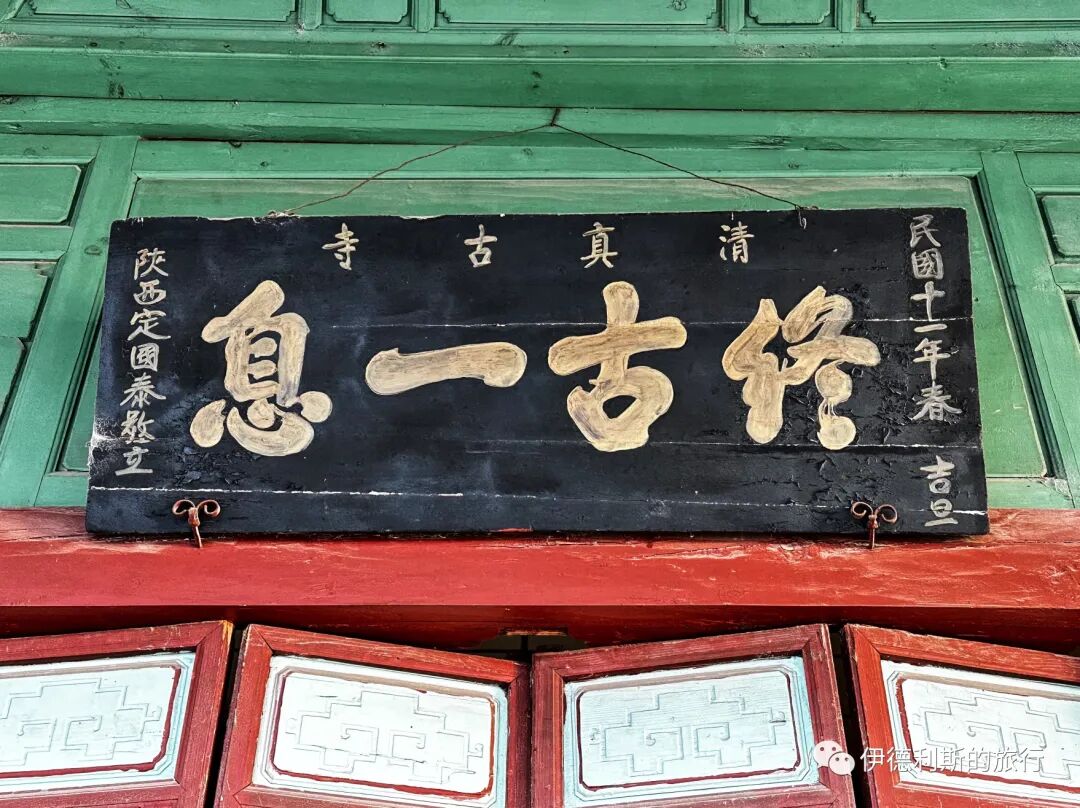
The plaque inscribed with the words "Zhong Gu Yi Xi" was donated by Ding Guotai from Shaanxi when the mosque was built in 1922.
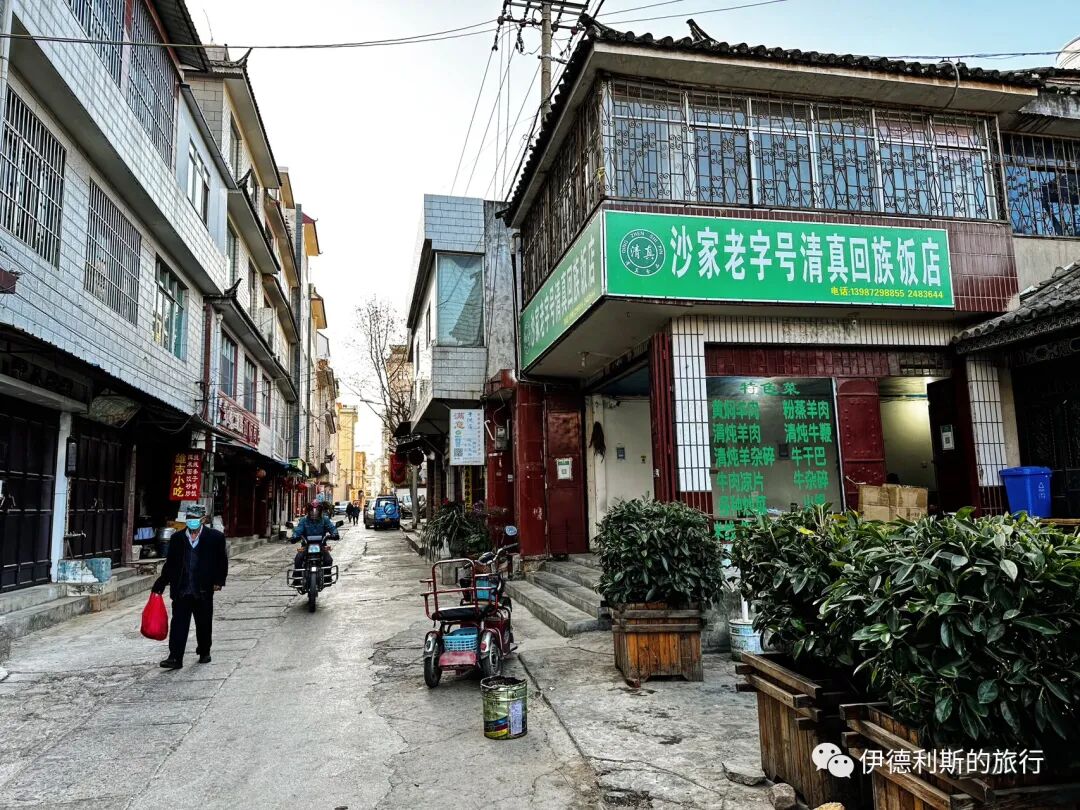
While walking around the ancient town of Fengyi, I ate a bowl of clay pot rice noodles (shaguo mixian) served with the local staple side dish of pickled radish.
Halal Travel Guide: Dali Xiaguan — Century-Old Mosque Lane and Halal Food
Articles • ali2007fr posted the article • 0 comments • 177 views • 2026-05-18 20:36
Summary: Dali Xiaguan — Century-Old Mosque Lane and Halal Food is presented here as a firsthand travel account in clear English, beginning with this scene: On the afternoon of January 28, I took a train from Miyi County in Panzhihua, Sichuan, to Xiaguan in Dali, starting my third trip to Dali. The account keeps its focus on Dali Mosques, Xiaguan Food, Yunnan Muslims while preserving the names, places, food, and historical details from the Chinese source.
On the afternoon of January 28, I took a train from Miyi County in Panzhihua, Sichuan, to Xiaguan in Dali, starting my third trip to Dali. This time I visited Binju, Yangbi, Fengyi, and Weishan, where I visited mosques and tasted halal food. I also carefully explored the Hui Muslim neighborhood around Wenming Street and West Street in Xiaguan to learn about the history of the Xiaguan Mosque.
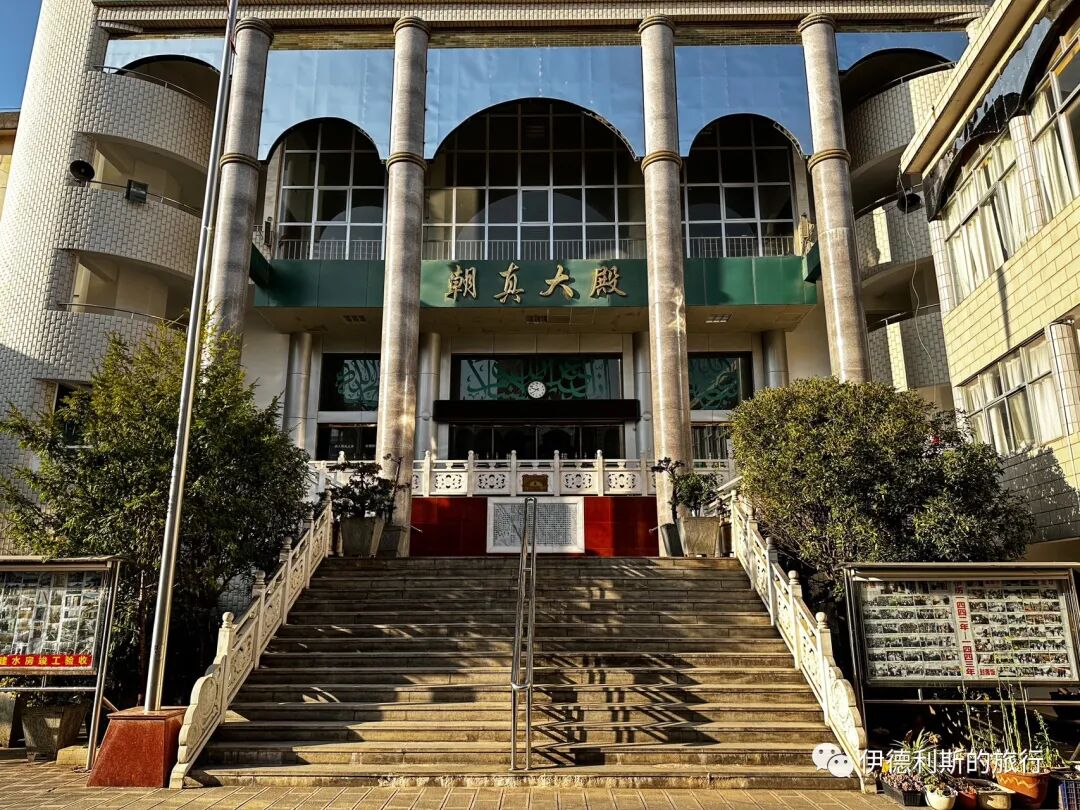
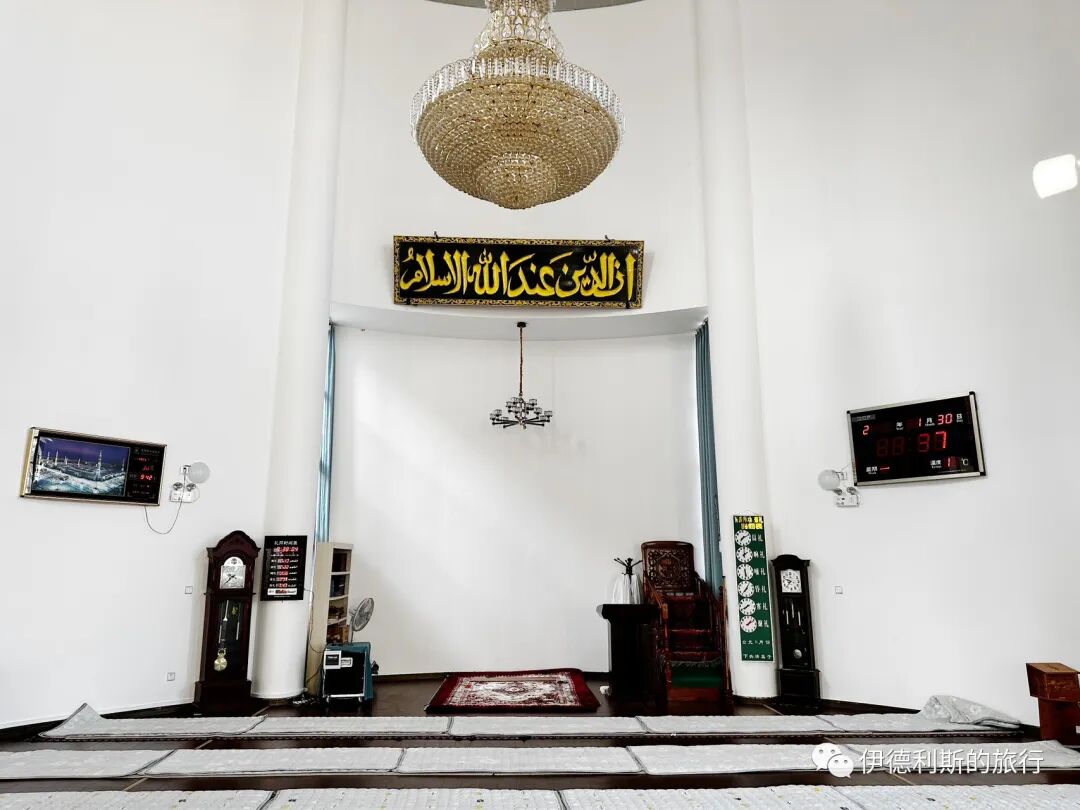
As a key town in western Yunnan, Xiaguan was once home to many Hui Muslims and had three ancient mosques: the Yidianhong Mosque (Upper Mosque), Yulong Mosque (Middle Mosque), and Caiyuan Mosque (Lower Mosque). However, after the hardships during the Tongzhi reign, the Hui Muslims of Xiaguan died or fled, and all three ancient mosques were destroyed.
It was not until the middle of the Guangxu reign that the Qing government's pacification policy encouraged some surviving Hui Muslims to return to Xiaguan. Later, more Hui Muslims came to Xiaguan for business and gradually settled in the Yulong Pass (Xiaguan) area and outside the pass.
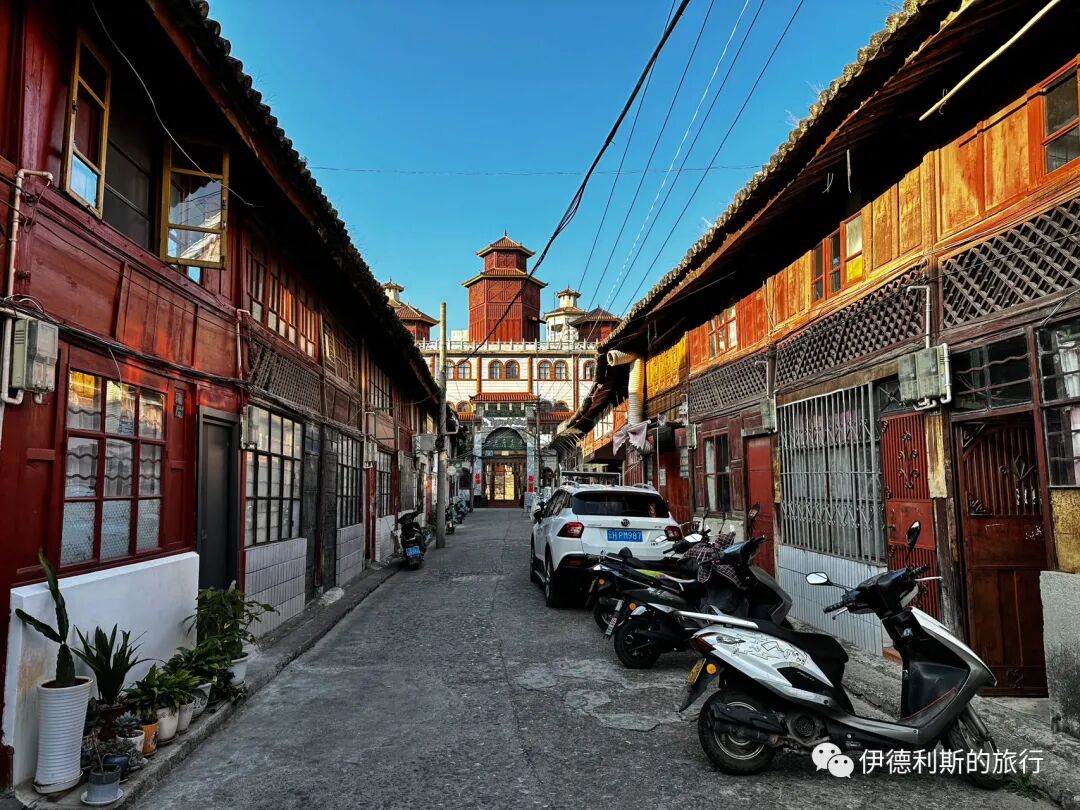
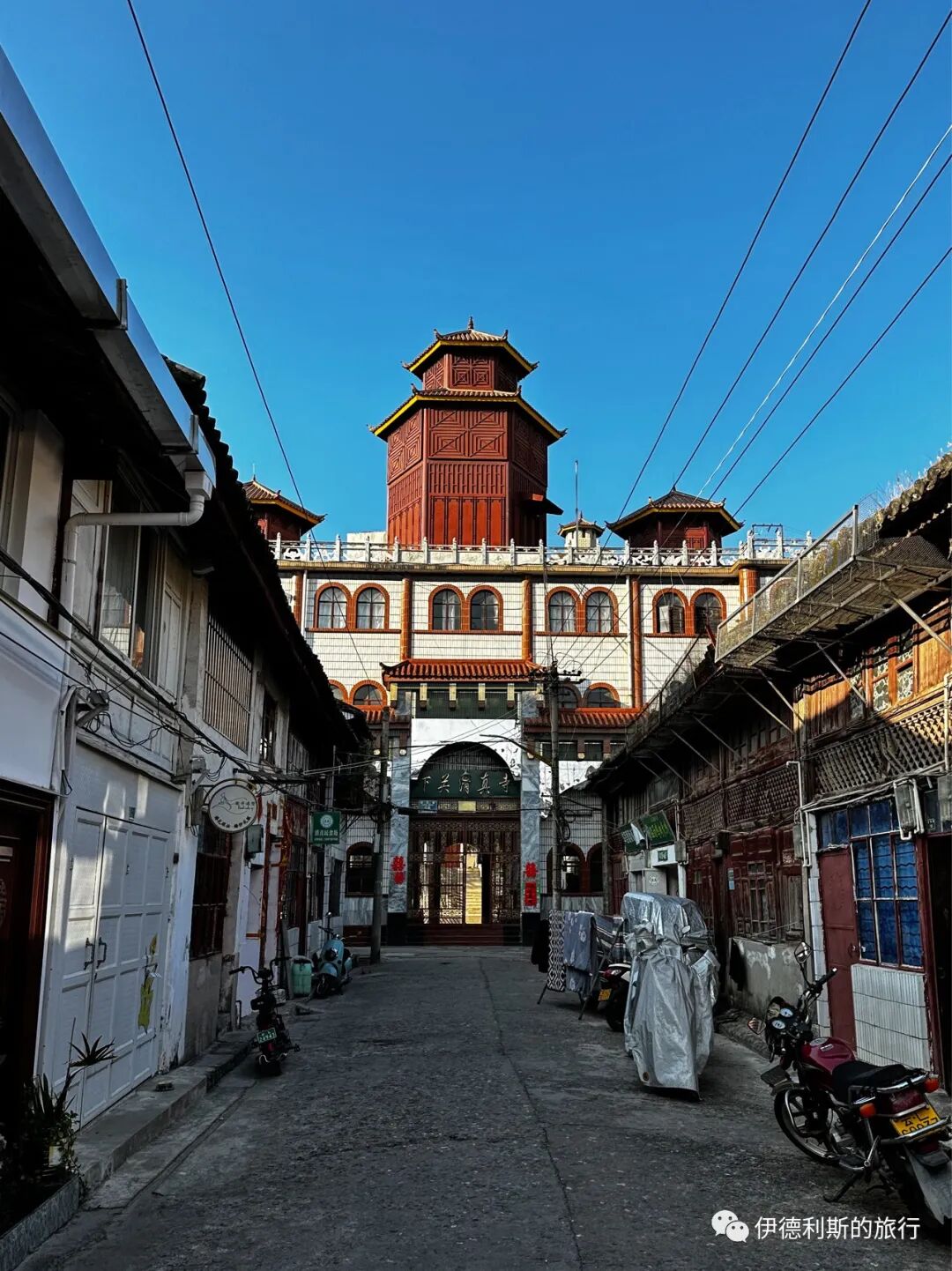
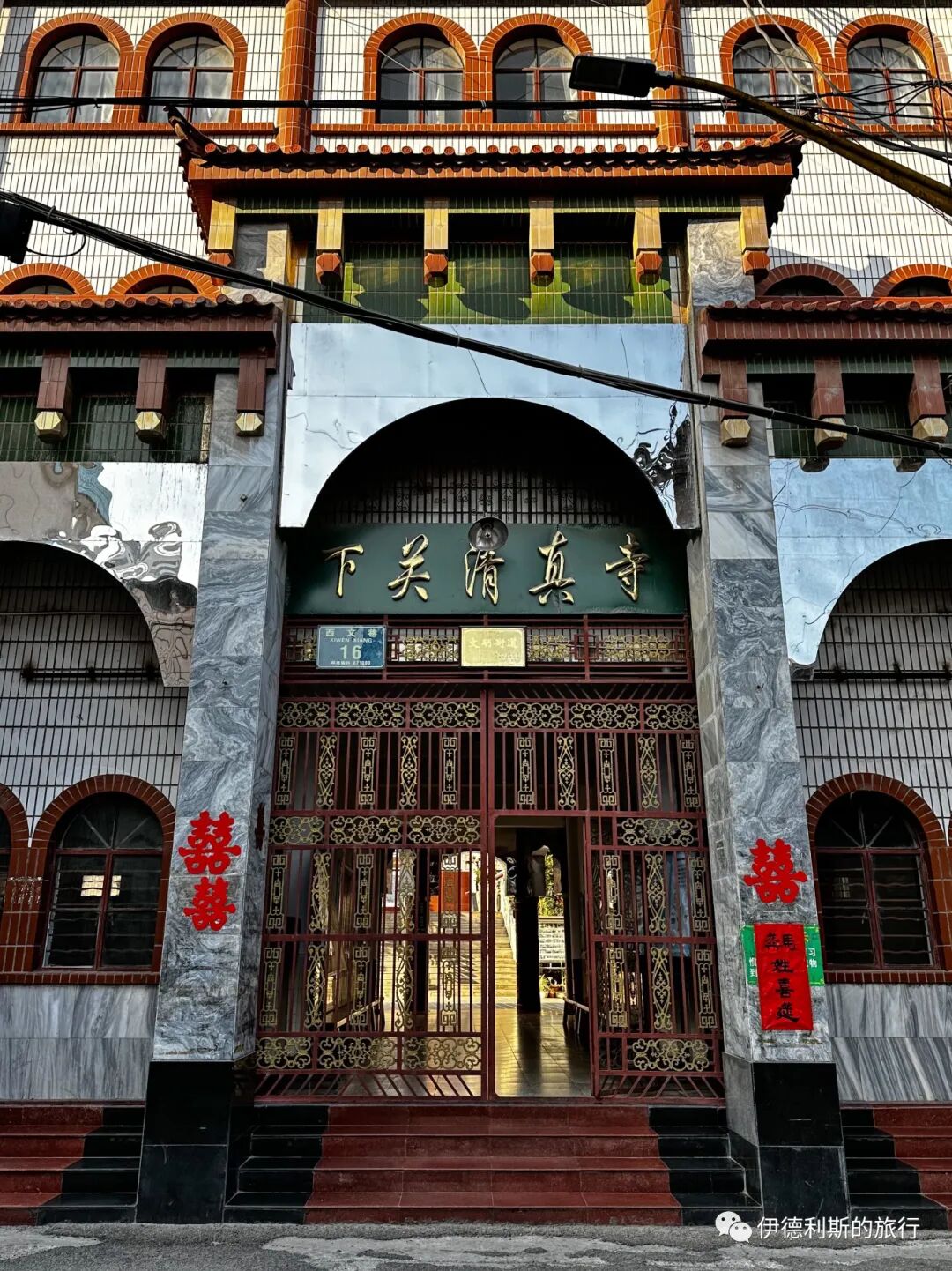
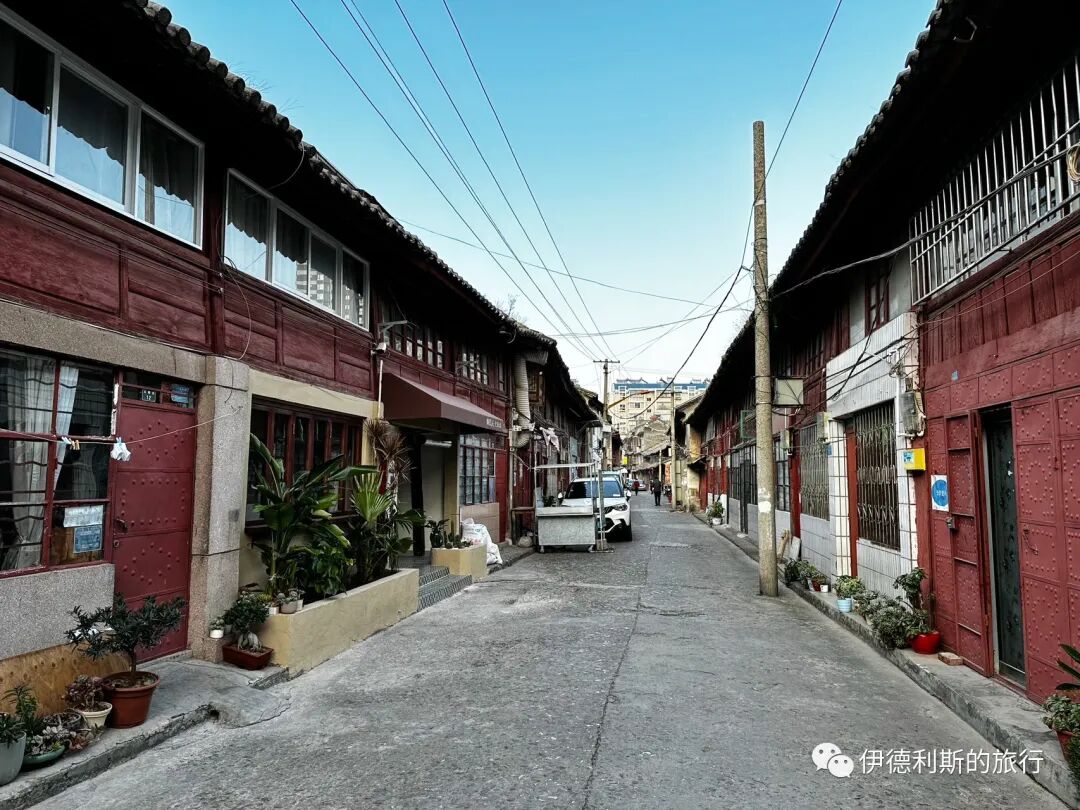
In 1915, led by Ma Yulong and over ten others, the Hui Muslims of Xiaguan worked together to build the current Xiaguan Mosque. They also built a new street in front of the mosque, commonly known as Hui Street, which is now Wenming Street. This established the layout of the Xiaguan mosque district.
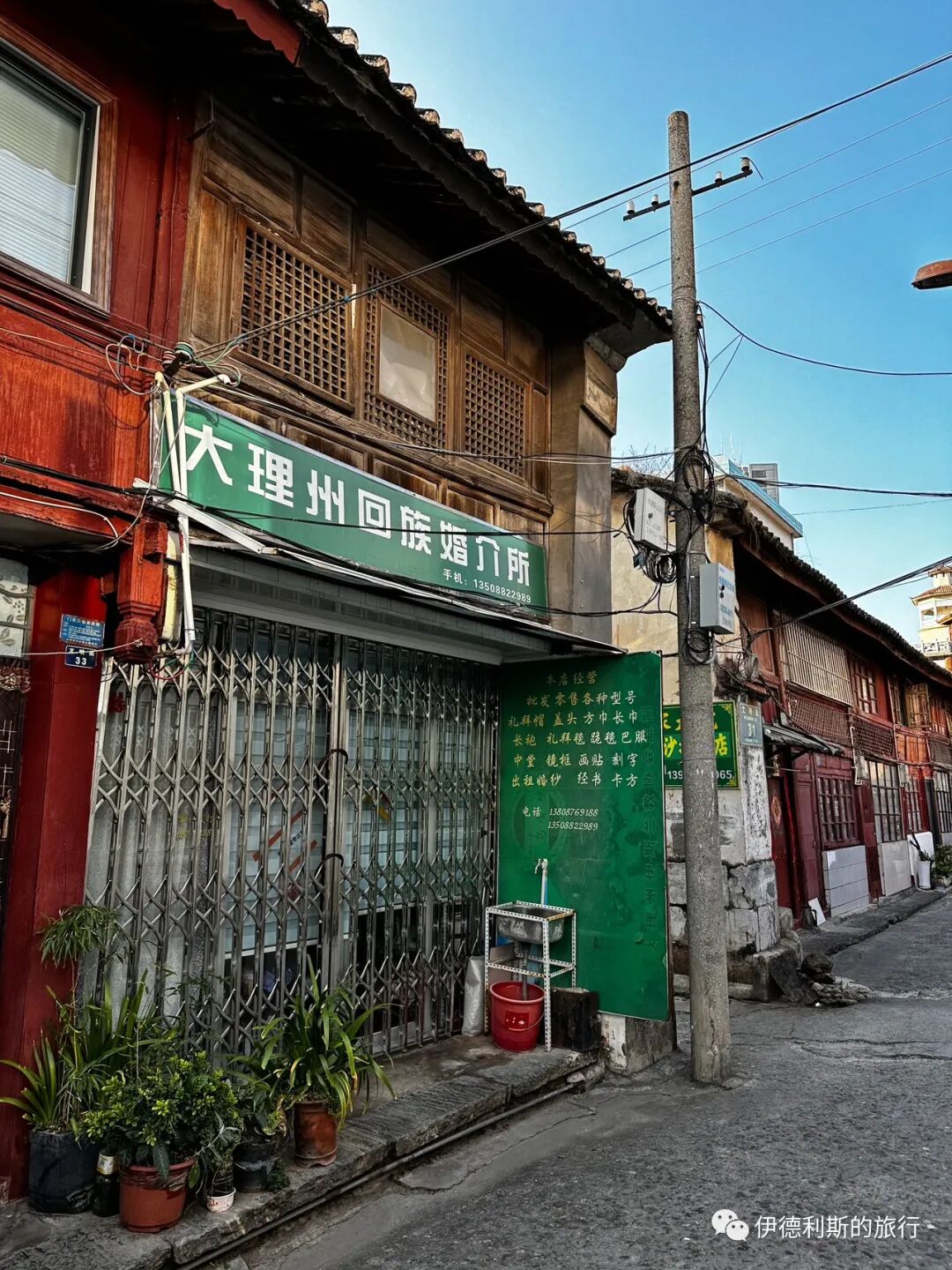
The current Xiaguan Mosque was rebuilt in 2004. Many Hui Muslims still live in the surrounding Wenming Street and West Street areas, where there are many halal restaurants.
This year, I noticed signs on some shop walls saying "rectification in use," and I wonder if there is a new plan for this area.
For my 2020 Dali trip, see "Eating and Visiting Halal Spots in Dali Xiaguan and Weishan" and "The Twenty Traditional Mosques of Dali."
Sha Family Courtyard
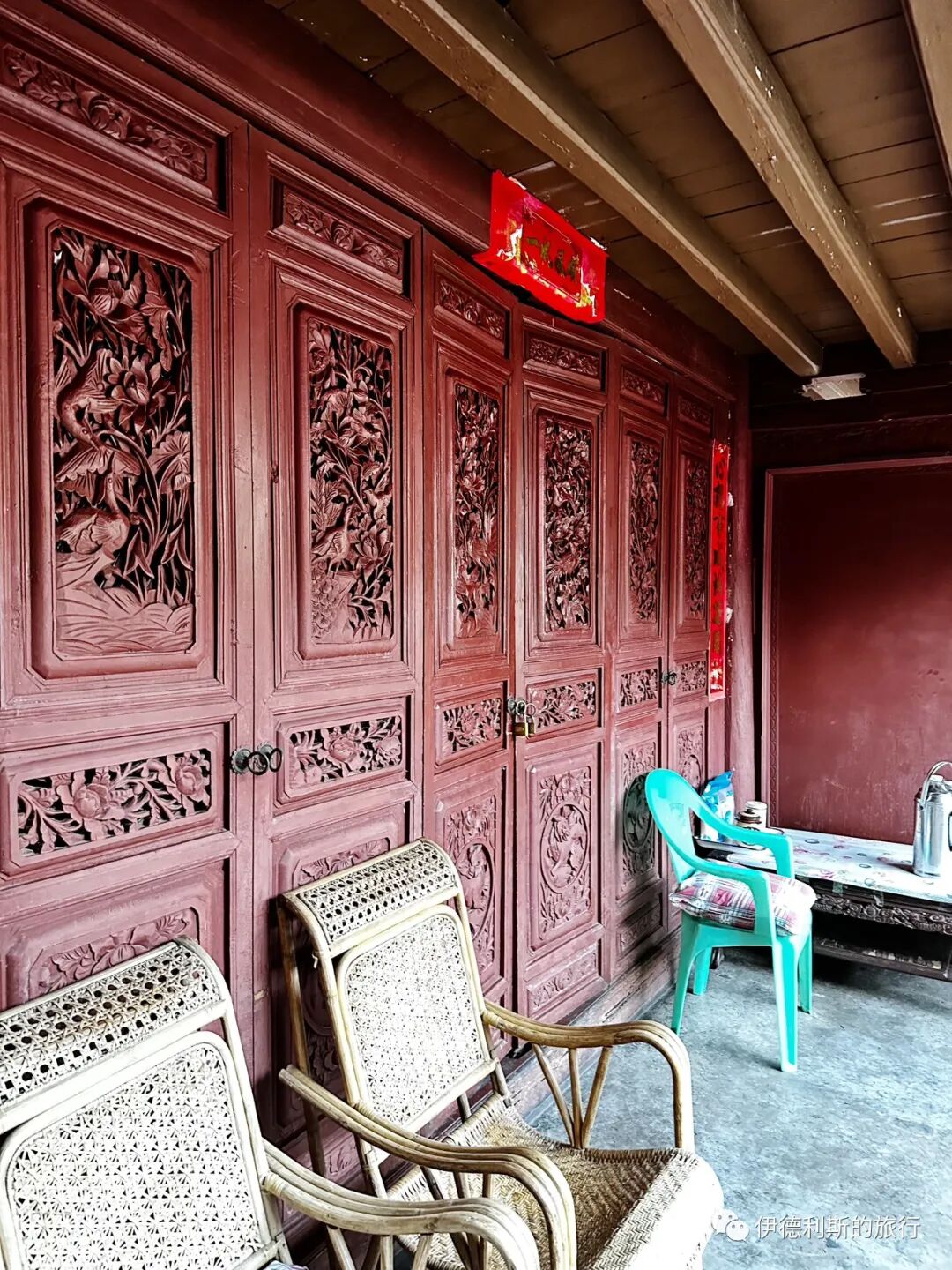
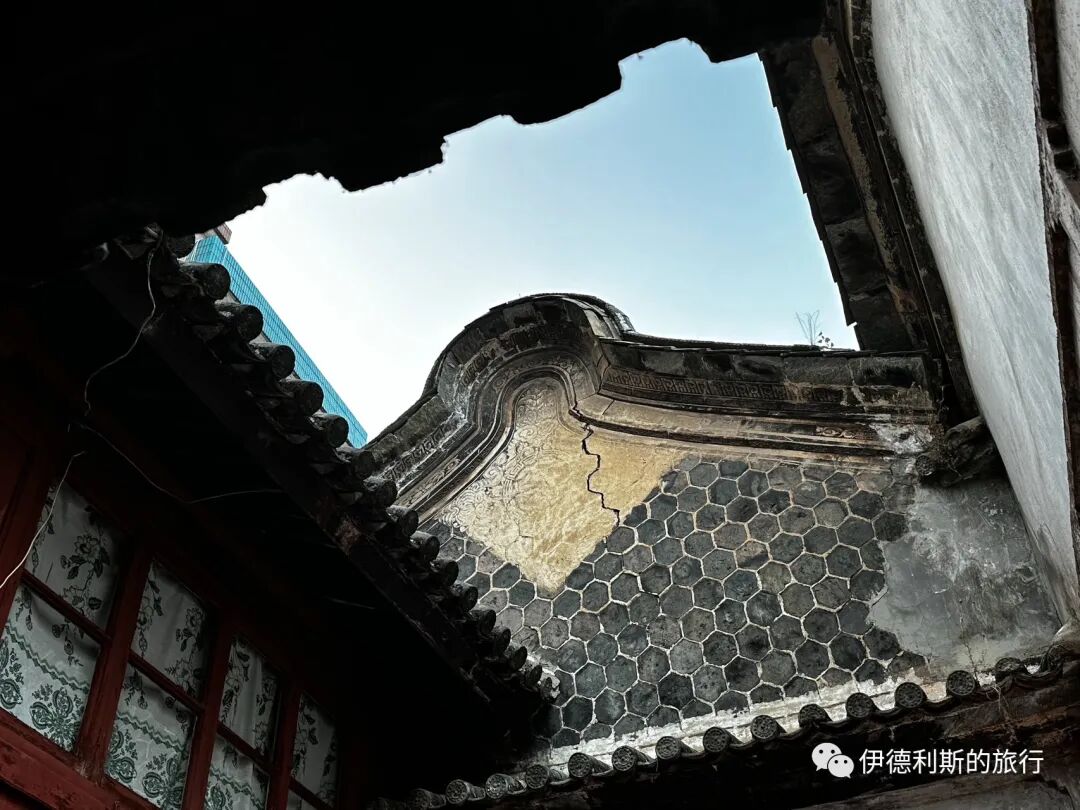
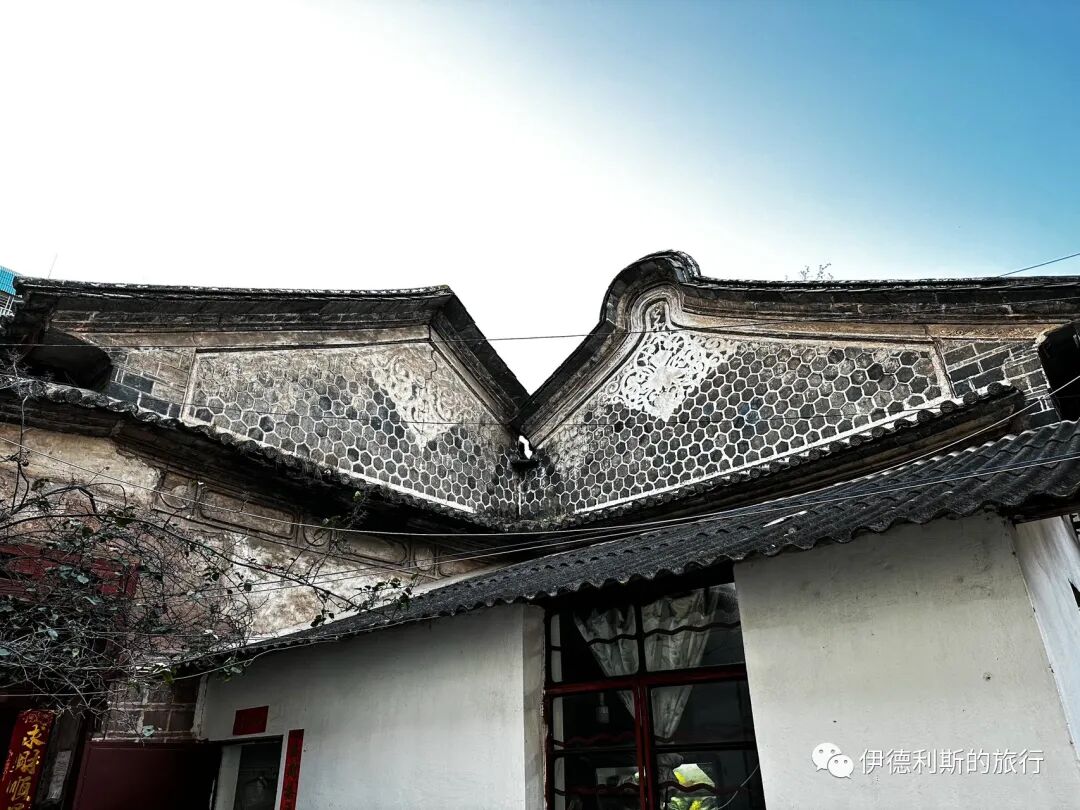
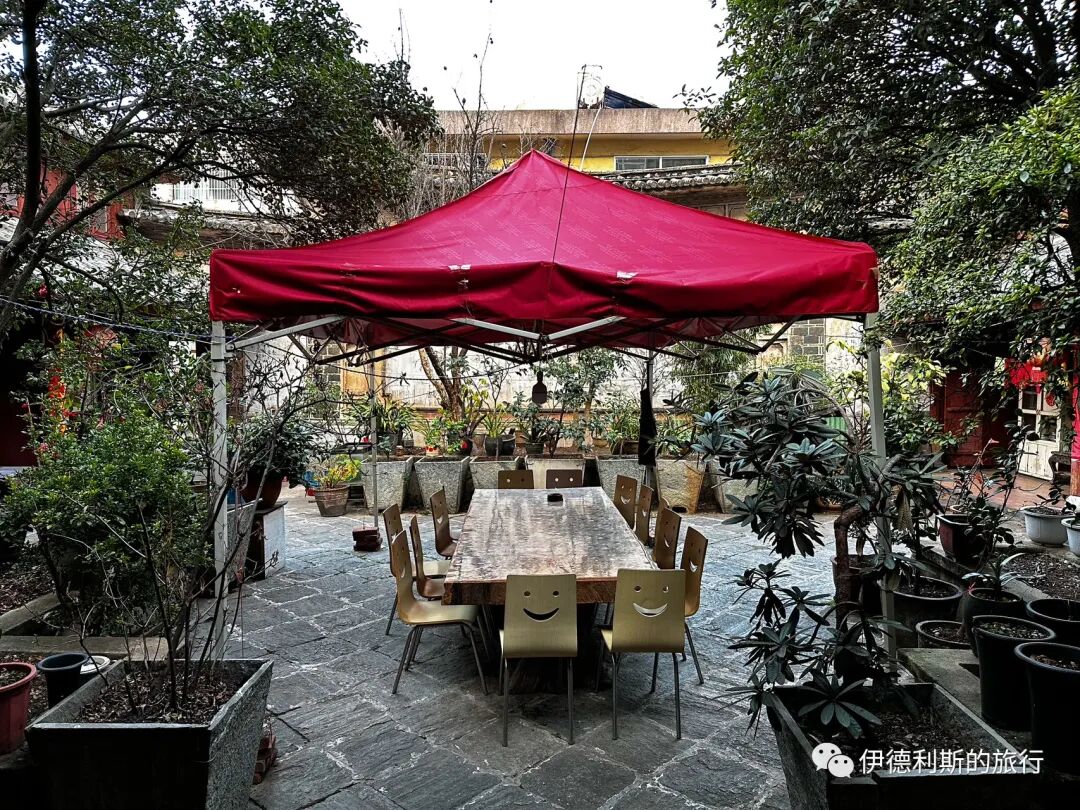
Today, many old Hui Muslim houses are still preserved around the Xiaguan Mosque, the most notable being the Sha Family Courtyard, which is over 110 years old. Fortunately, the descendants of the Sha family still live in the courtyard and run the Shajie Restaurant. You can enjoy a meal while experiencing the charm of this century-old Hui Muslim courtyard.
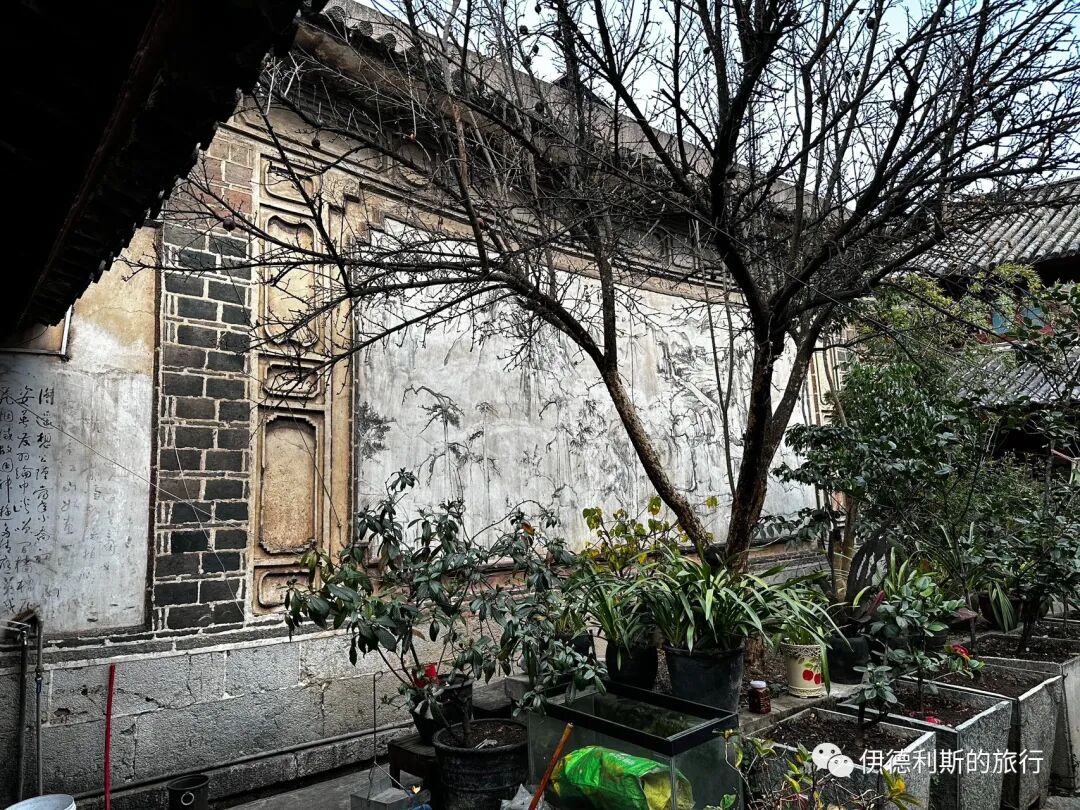
The Sha Family Courtyard follows the traditional Dali "three houses and one screen wall" (sanfang yizhaobi) layout, a style used by many local Bai, Han, and Hui Muslim families. The "three houses and one screen wall" layout means the main house and the east and west wing rooms are all two-story, three-room structures, with a large screen wall facing the main house.
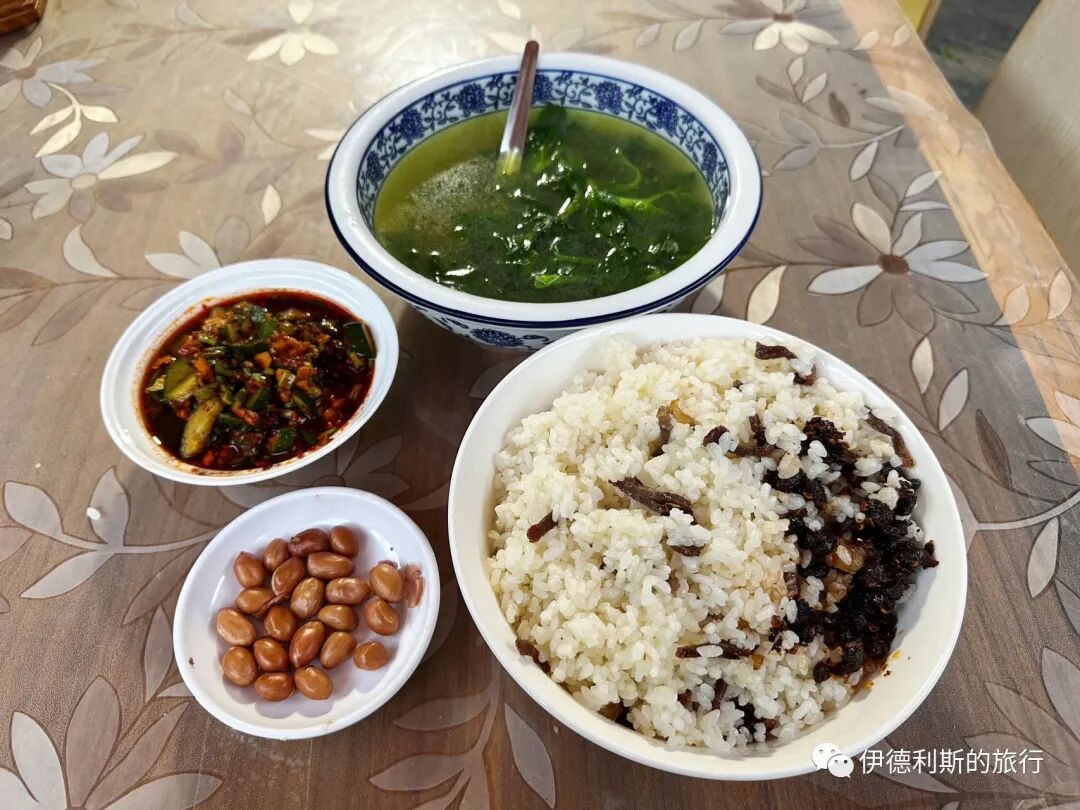
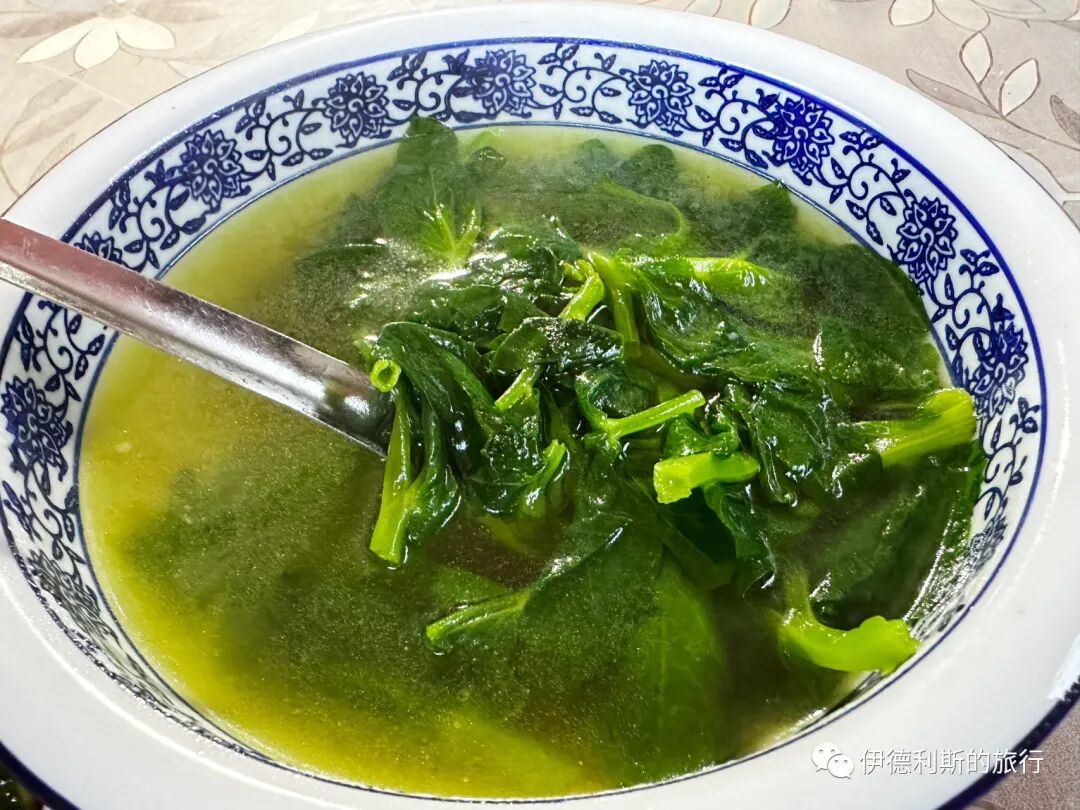
I ate the most home-style Yunnan Hui Muslim food here: beef jerky rice (niu ganba fan) and pea sprout soup with pickled cucumbers. The Sha family is very welcoming, and it really doesn't feel like a restaurant; it feels like stepping into the daily life of the Hui Muslims in Xiaguan.
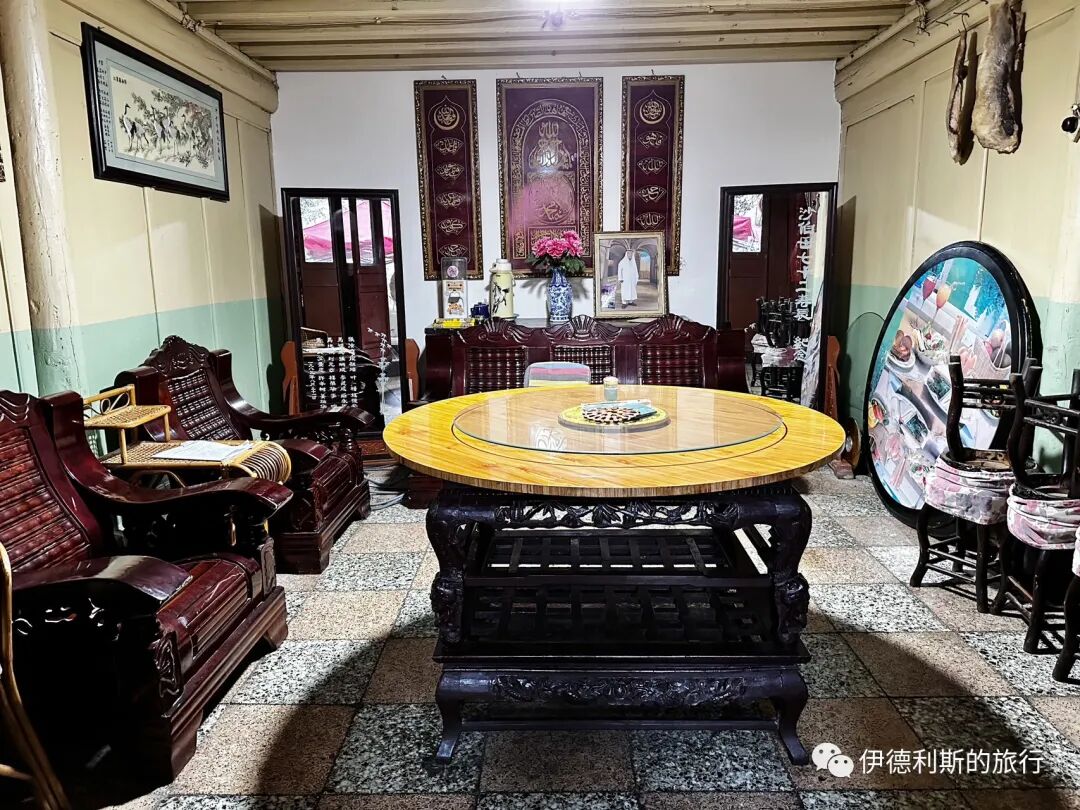
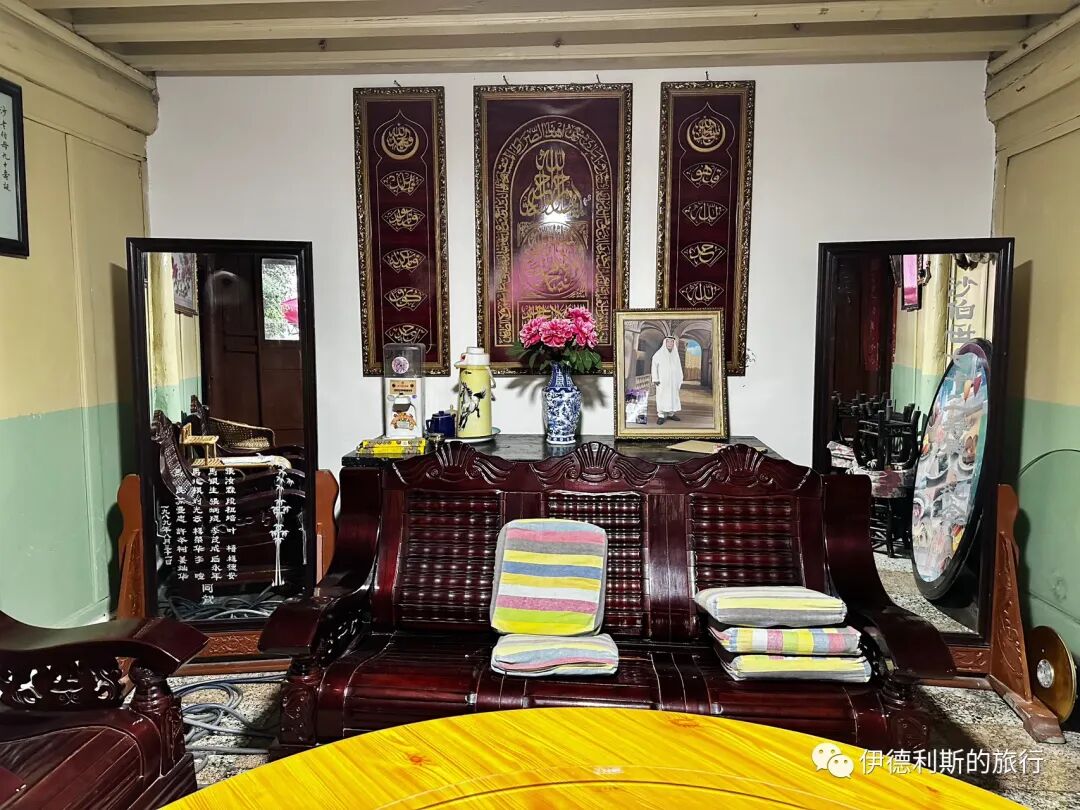
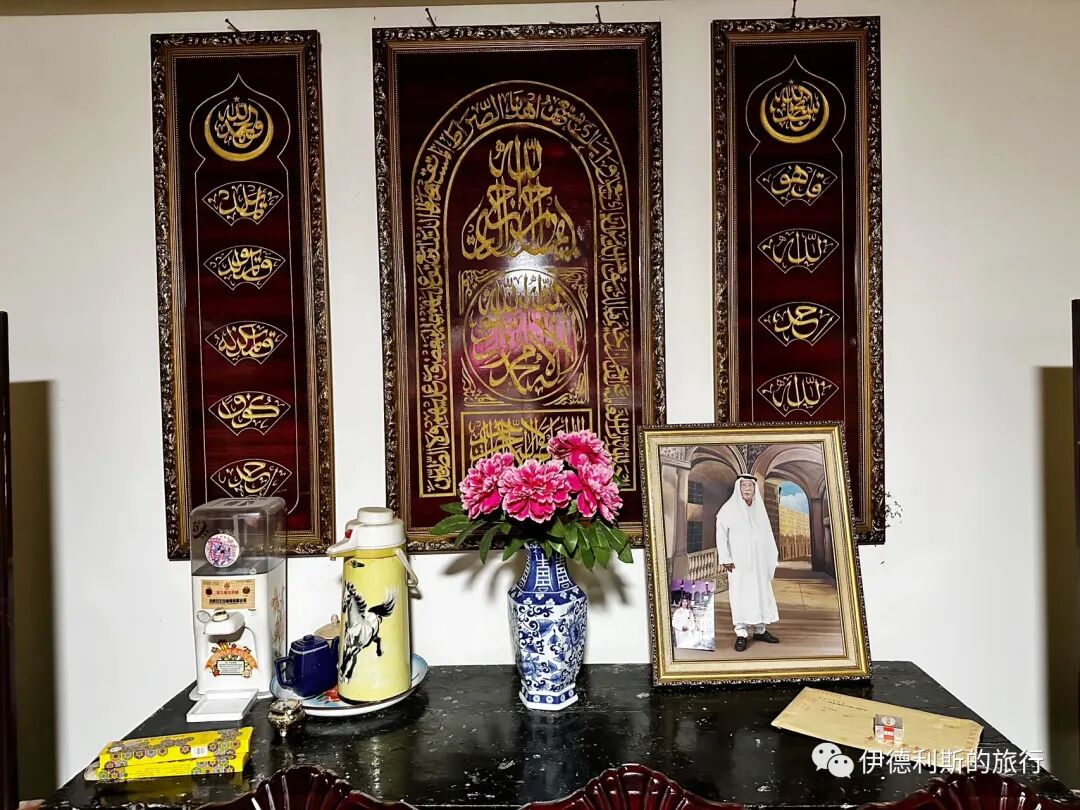
Inside the west wing of the Sha Family Courtyard, the middle room is a living room decorated with traditional calligraphy in the style of Weishan, Dali. The grandfather of the Sha family watches TV here in the evenings. On both sides are bedrooms, which have pictures of Mecca (tianfang tu) hanging inside.
Inside the north room, besides the calligraphy, there are photos of the Sha family from different periods, as well as gifts from Mrs. Sha's 80th and 90th birthday celebrations.
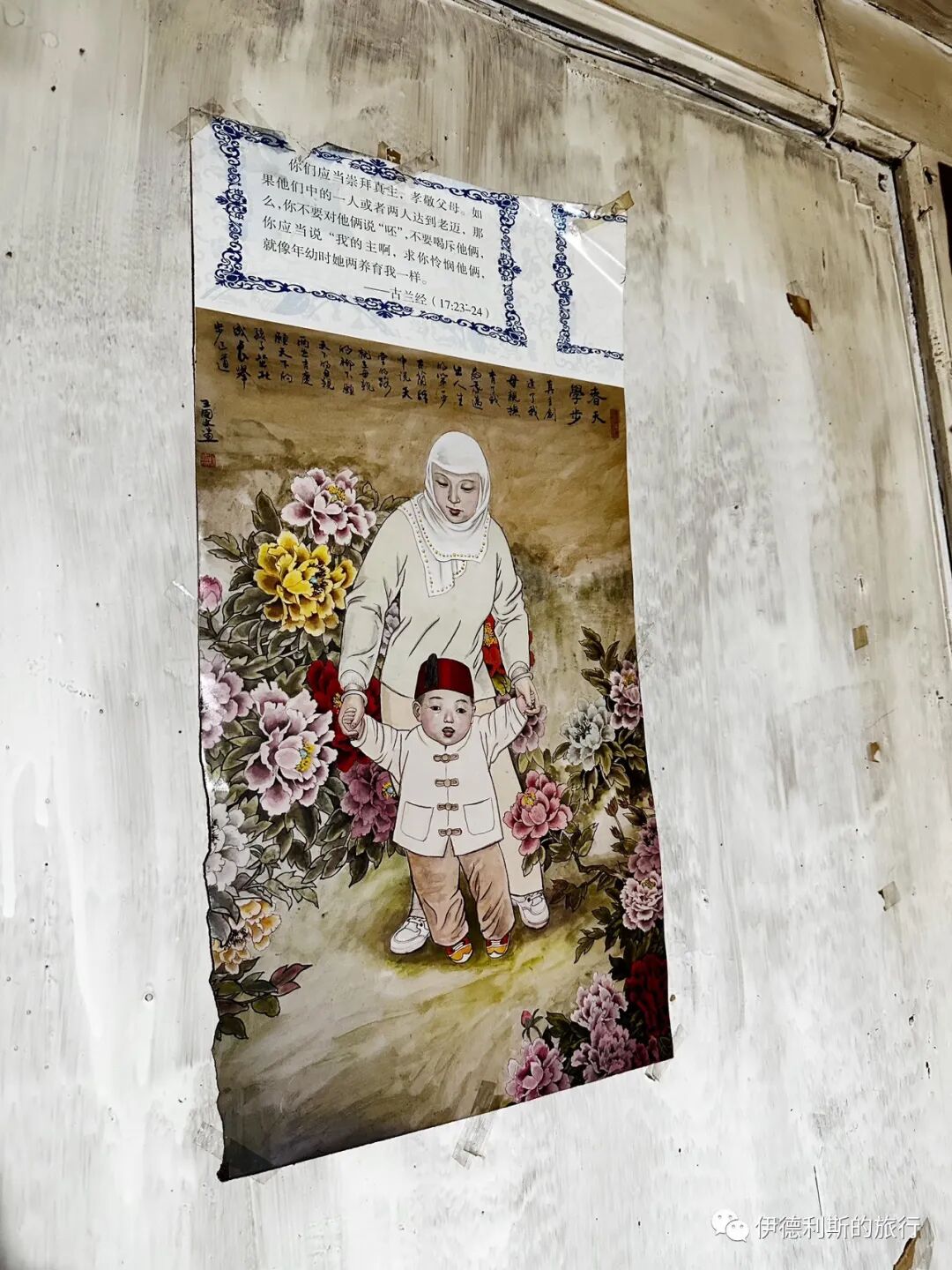
On the wall is a painting by the Yunnan Hui Muslim artist Wang Guowen Haji, featuring a little boy wearing an Ottoman fez hat. This is very interesting, and I suspect it relates to the Yunnan Islamic Progress Association organizing students to study at Al-Azhar University in Egypt after 1931. In 1829, the Ottoman Empire implemented a hat reform, ordering officials to stop wearing turbans and wear fez hats instead. The fez hat then became popular in Egypt under Ottoman rule.
Wenming Street
Wenming Street faces the Xiaguan Mosque, and there are many halal restaurants on the street.
In 2020, I ate braised meat rice noodles (menrou mixian) at this Renji shop.
Then I ate braised meat rice strips (menrou ersi) at this Baiweixuan shop; rice strips are firmer than rice noodles.
West Street
West Street is south of Wenming Street and also has many halal restaurants.
In the morning, I ate thick pea flour (xi doufen) with fried dough sticks (youtiao) and brown sugar boiled eggs at Ma Haibo's snack shop. Boss Ma is from Yongping County, Dali, which is the westernmost mountainous county in Dali, with the Lancang River just to the west.
The freshly fried dough sticks are crispy, and they taste great when dipped in the thick pea flour. The brown sugar boiled eggs have a warming feeling, making them perfect for breakfast.
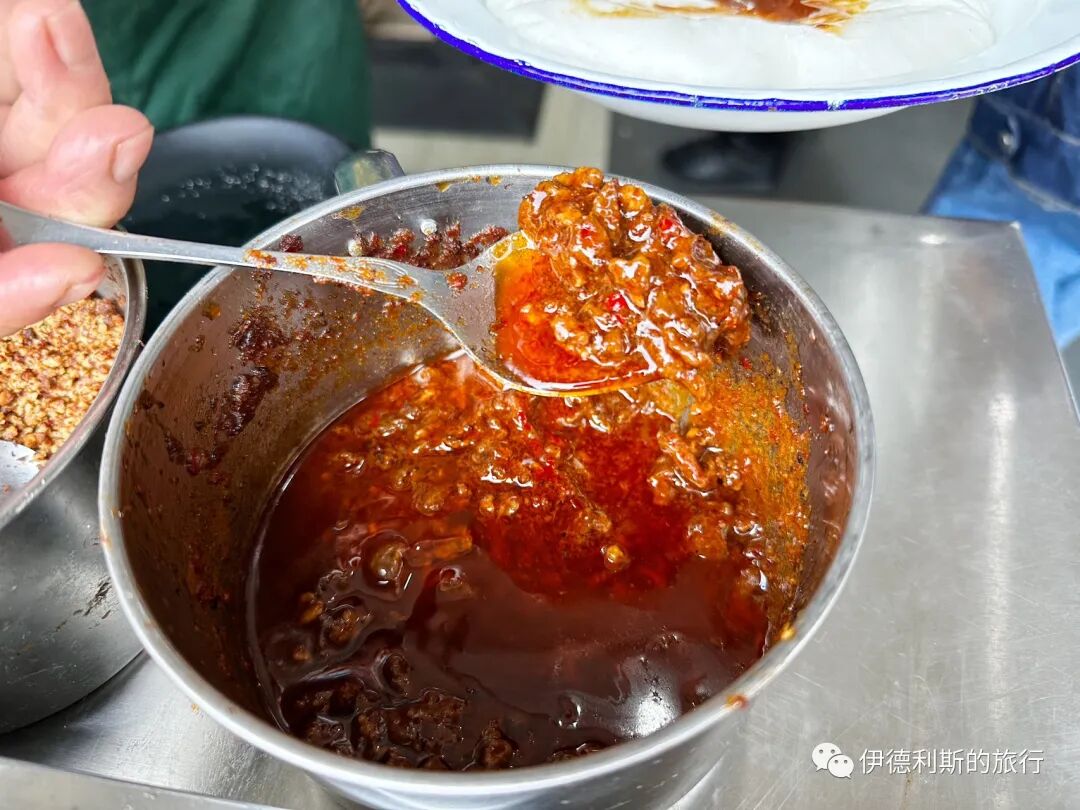
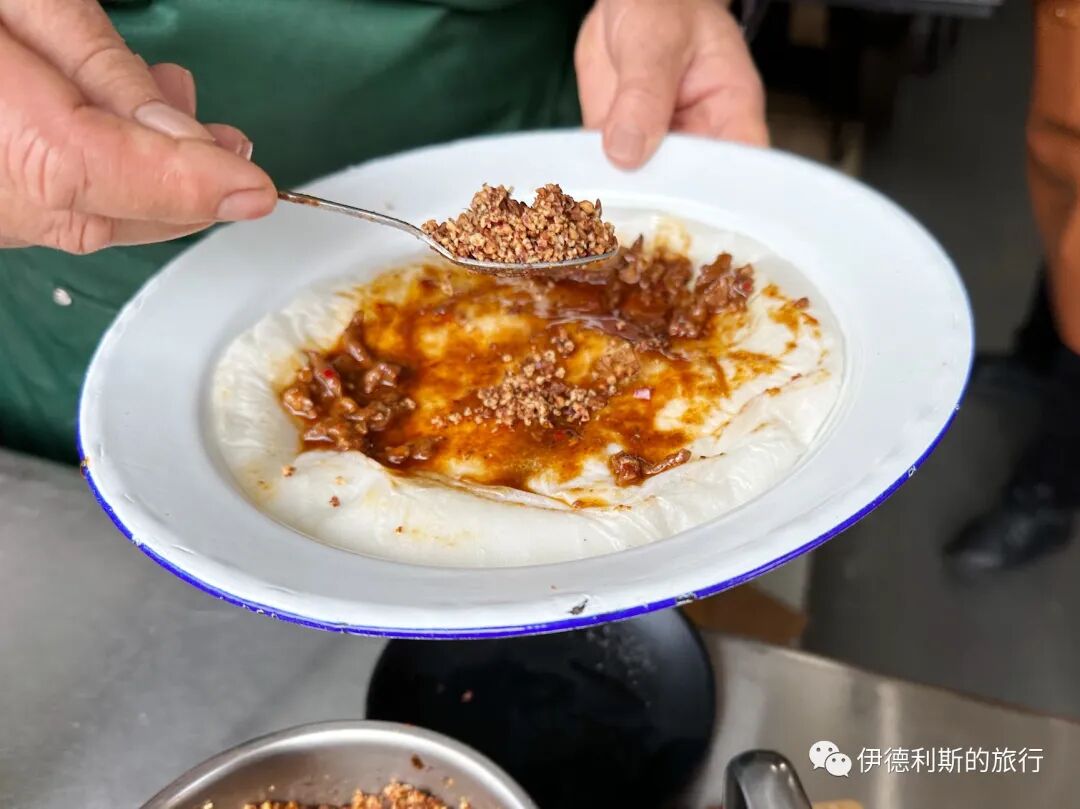
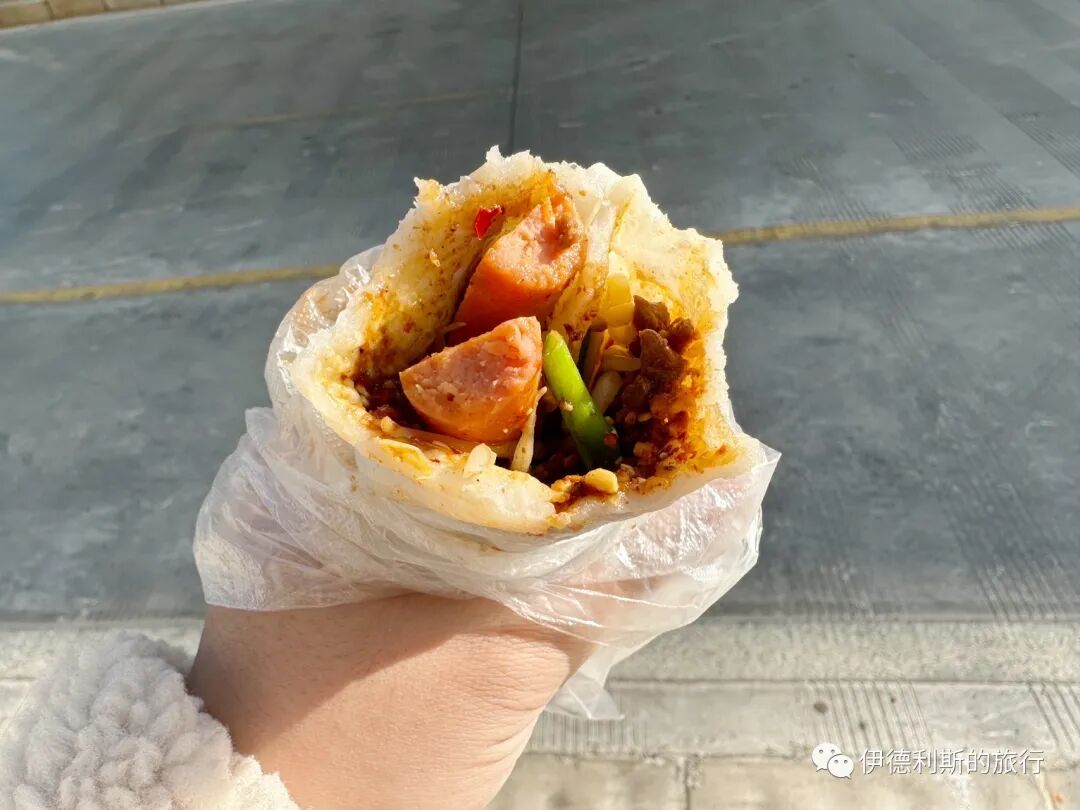
The beef sauce rice cakes (erkua) made by local Hui Muslims on West Street come with different sauces, so you can have them sweet or spicy. The neighborhood kids love them. It is also very convenient to pack some rice cakes (erkua) to eat on the road when you get hungry.
Zhengyang Times Square
Zhengyang Times Square is right across from Wenming Street. It has many halal restaurants and is especially lively at night.
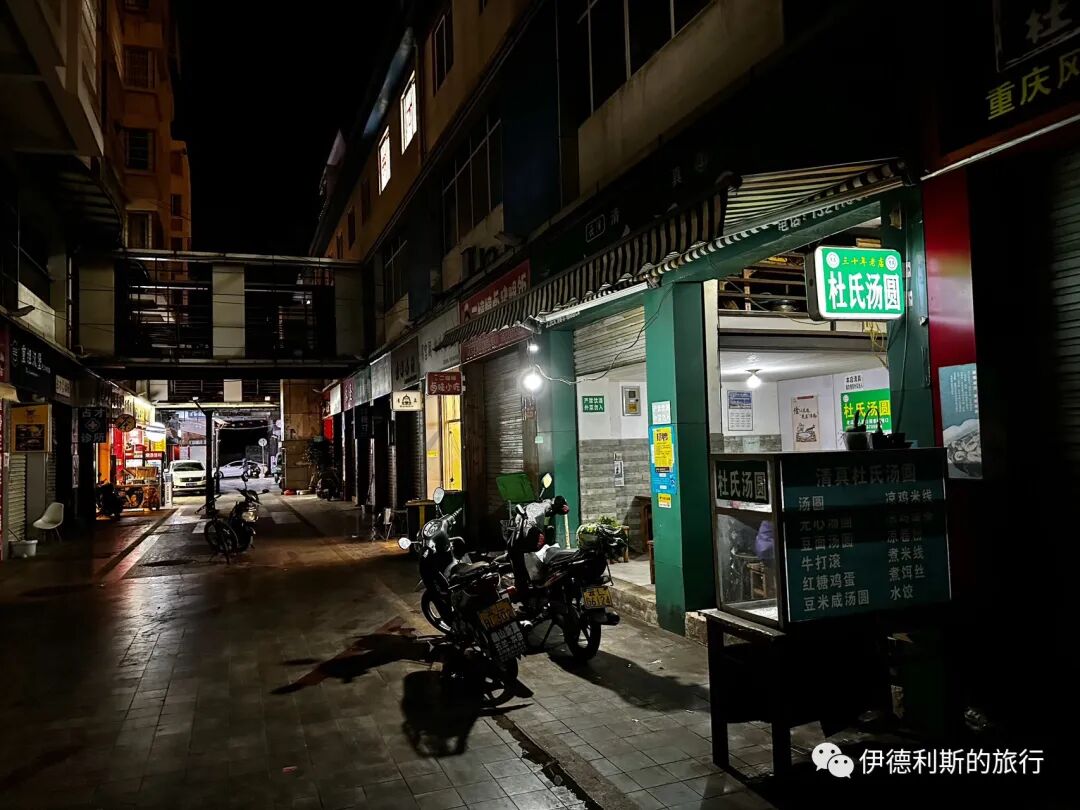
At night, I ate beef-covered rice balls (niudagun) and savory bean-flour soup dumplings (ganba doumian xiantangyuan) at Du's Tangyuan shop in Zhengyang Times Square. Yunnan has a really rich variety of rice balls (tangyuan), both sweet and savory. Beef-covered rice balls (niudagun) are made by rolling the rice balls in roasted soybean flour and adding maltose or rose jam. Their shop stays open until night, and it is mostly locals who come to eat here.
At a street stall in Zhengyang Times Square, I had a pineapple-flavored Burmese flatbread (Palata). Palata comes from the Indian flatbread Paratha. After it reached Burma, sugar was added to make it a snack. Hui Muslim caravans from Yunnan brought this snack back to their hometown, where it became known as tossed flatbread (shuaishou baba).
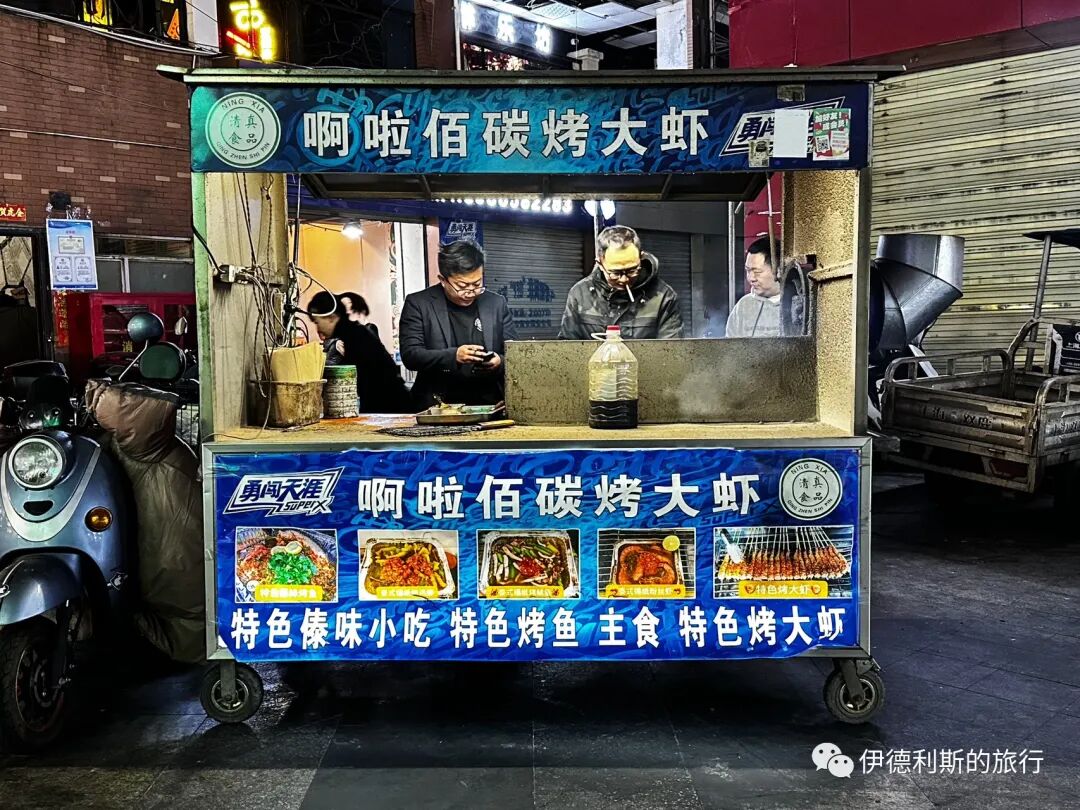
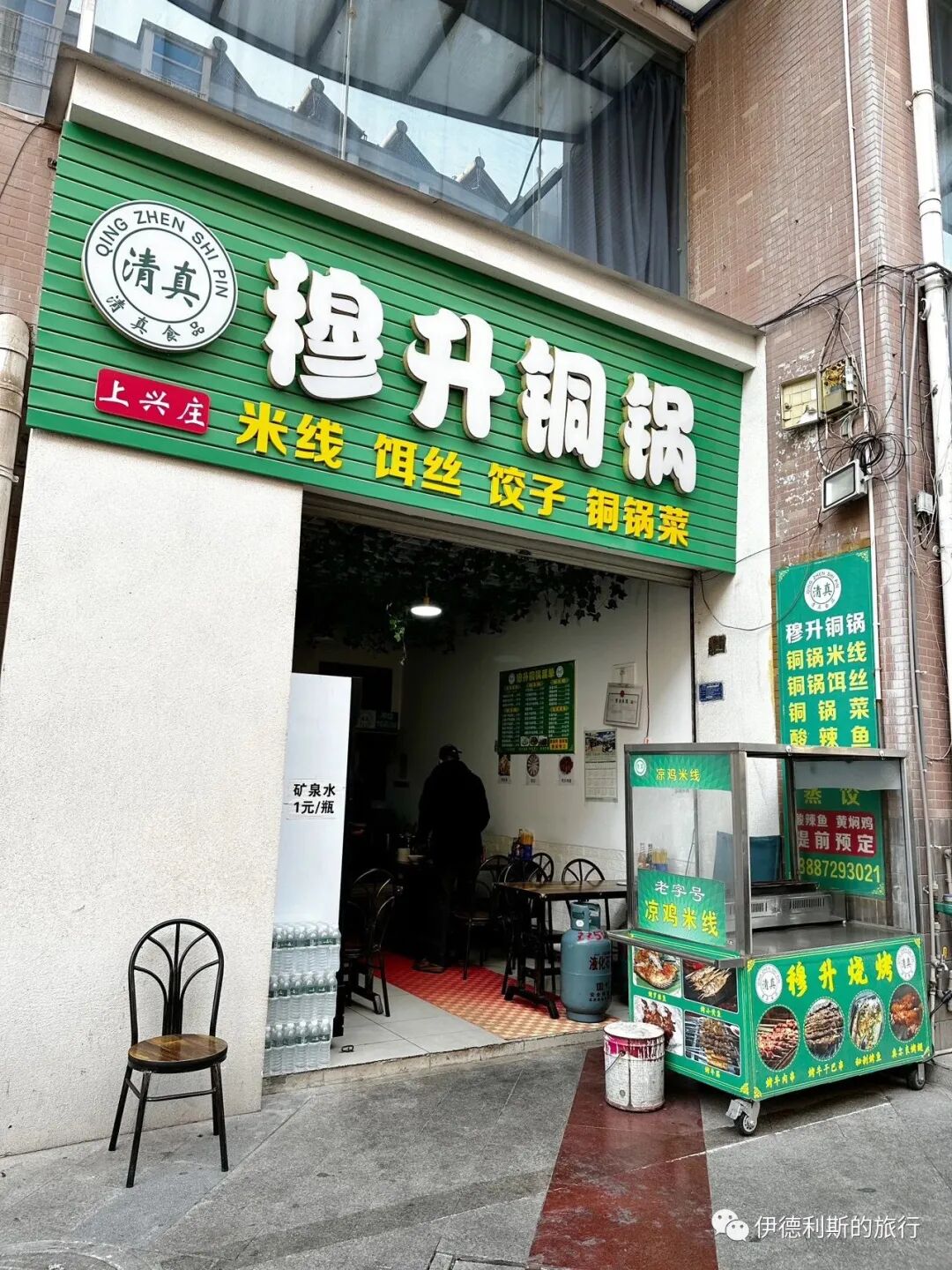
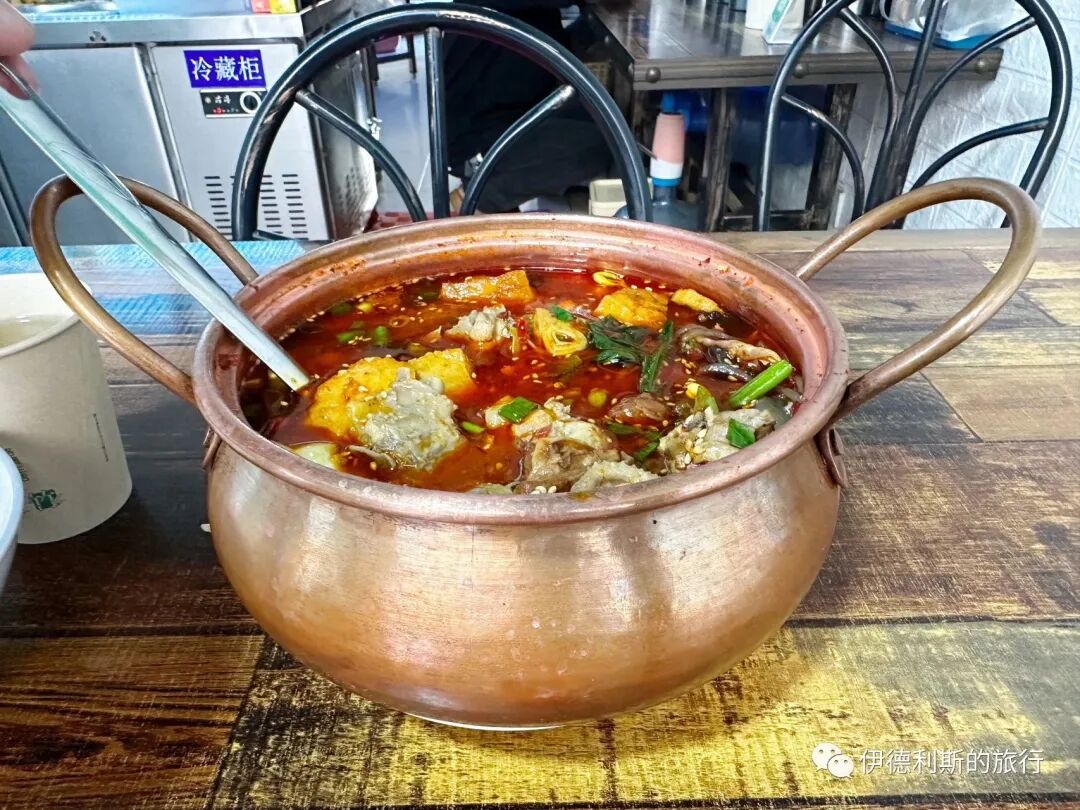
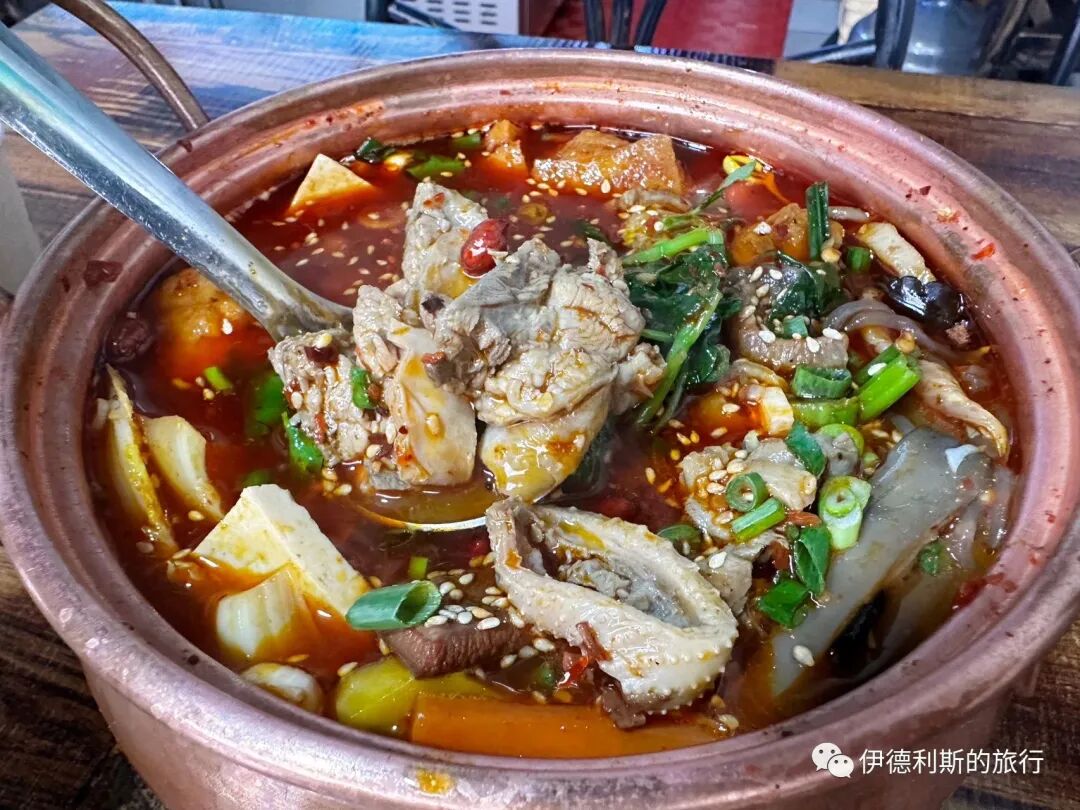
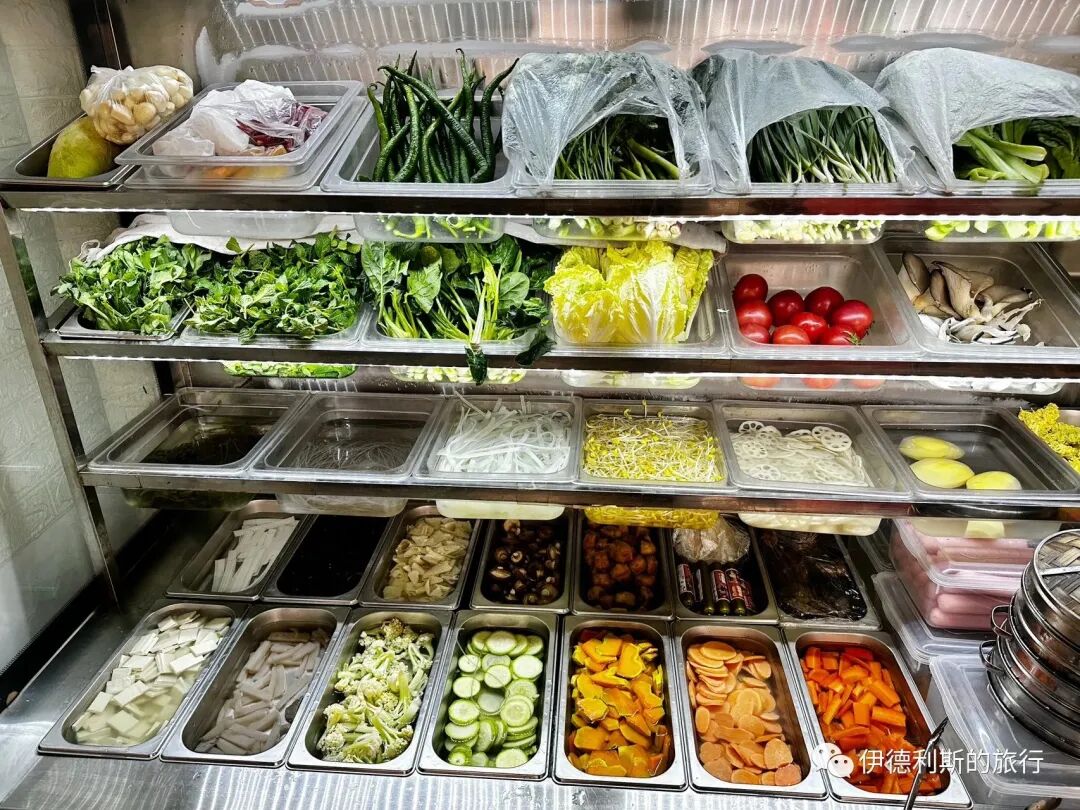
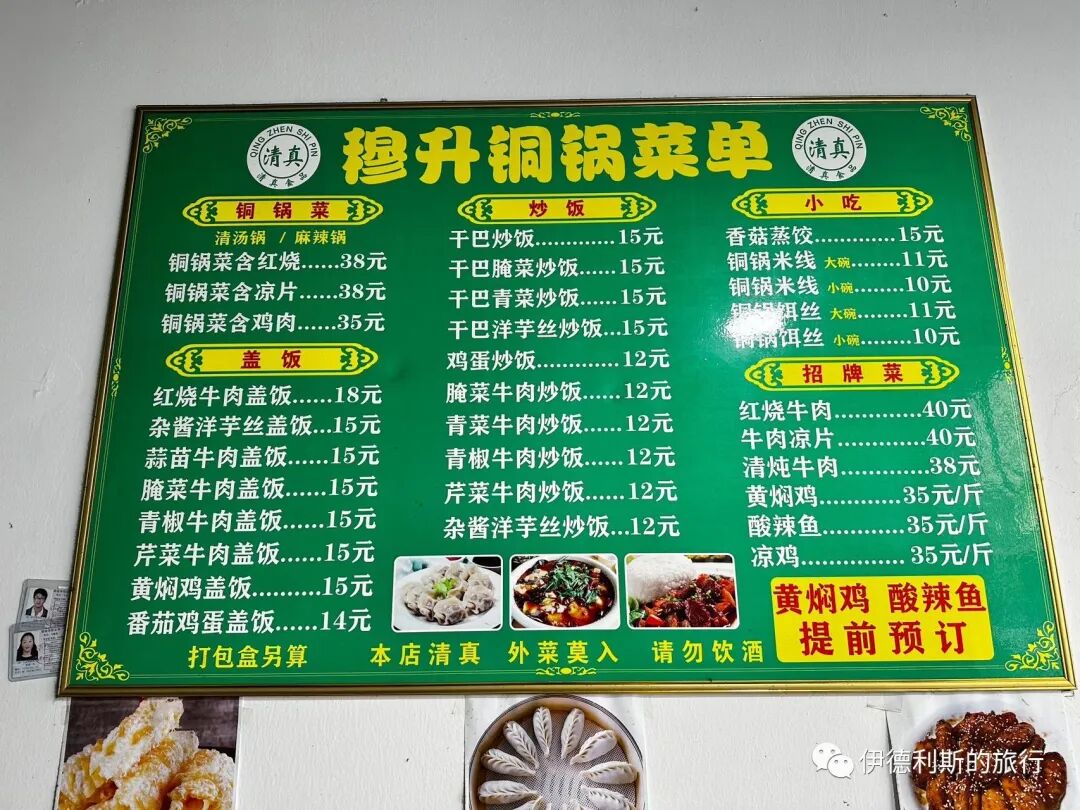
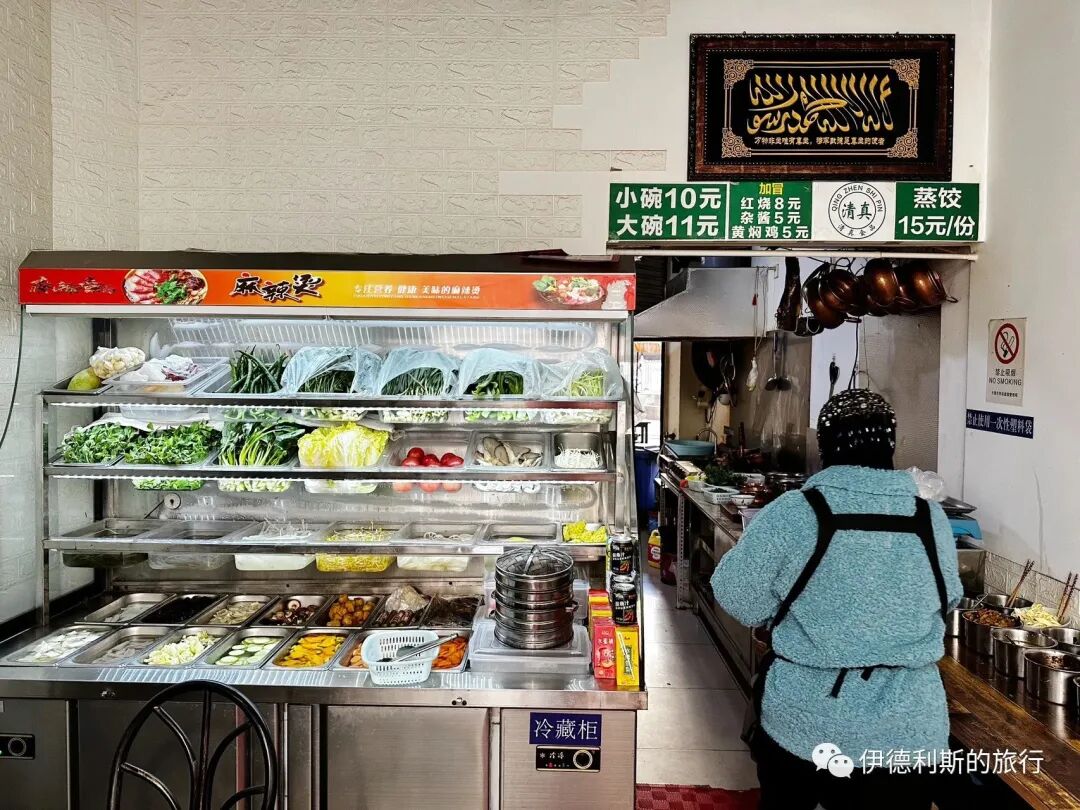
I had a copper pot stew (guoguocai) at Musheng Copper Pot. The owners are Hui Muslims from Xingzhuang in Xizhou Town, Dali. It is a beautiful Hui Muslim village located under Canglang Peak by Erhai Lake.
Copper pot stew (guoguocai) is similar to spicy hot pot (malatang) where you pick your own vegetables, but they do not weigh them. Unlike spicy hot pot (malatang), copper pot stew (guoguocai) is cooked in a small copper pot. You also add a topping of classic Yunnan Hui Muslim dishes like braised meat, cold-sliced meat, or yellow-braised chicken, and eat it with rice.
I ordered the mild spicy version, but it was on a completely different level than the mild spicy in Beijing. It made my nose run, my eyes water, and my lips feel like they were being electrocuted. Next time, I will honestly stick to the clear broth, but for those friends (dost) who love spicy food, I still recommend trying the spicy pot base!
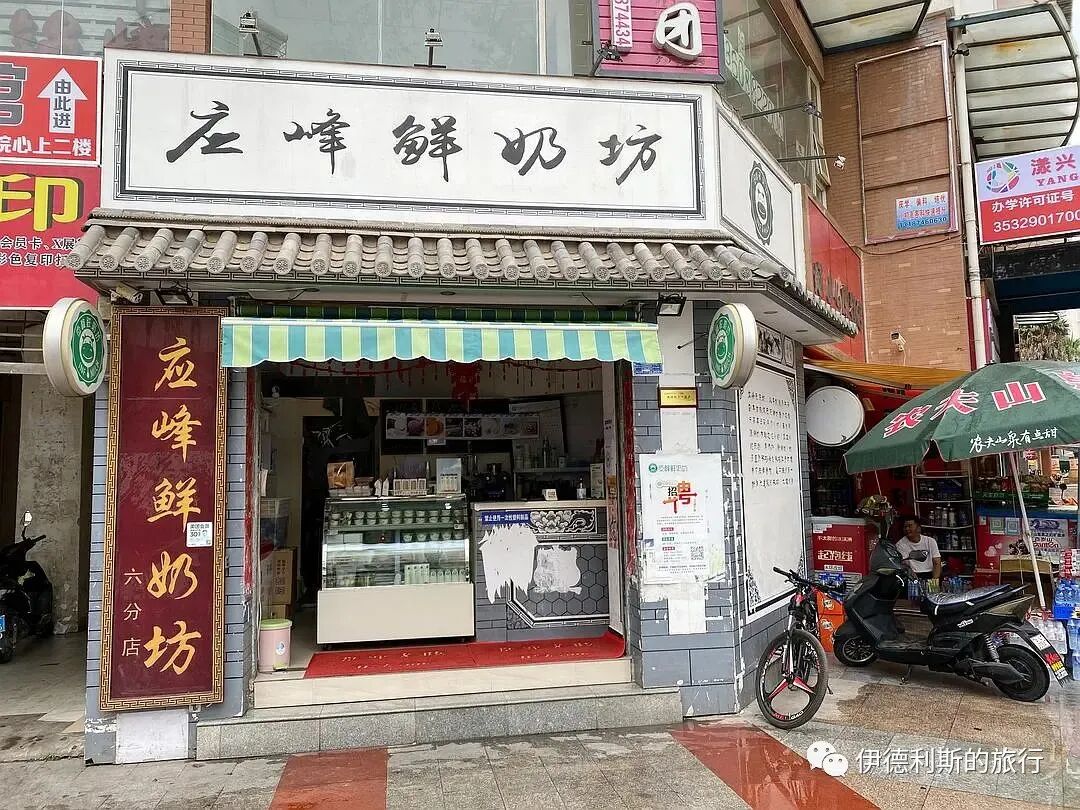
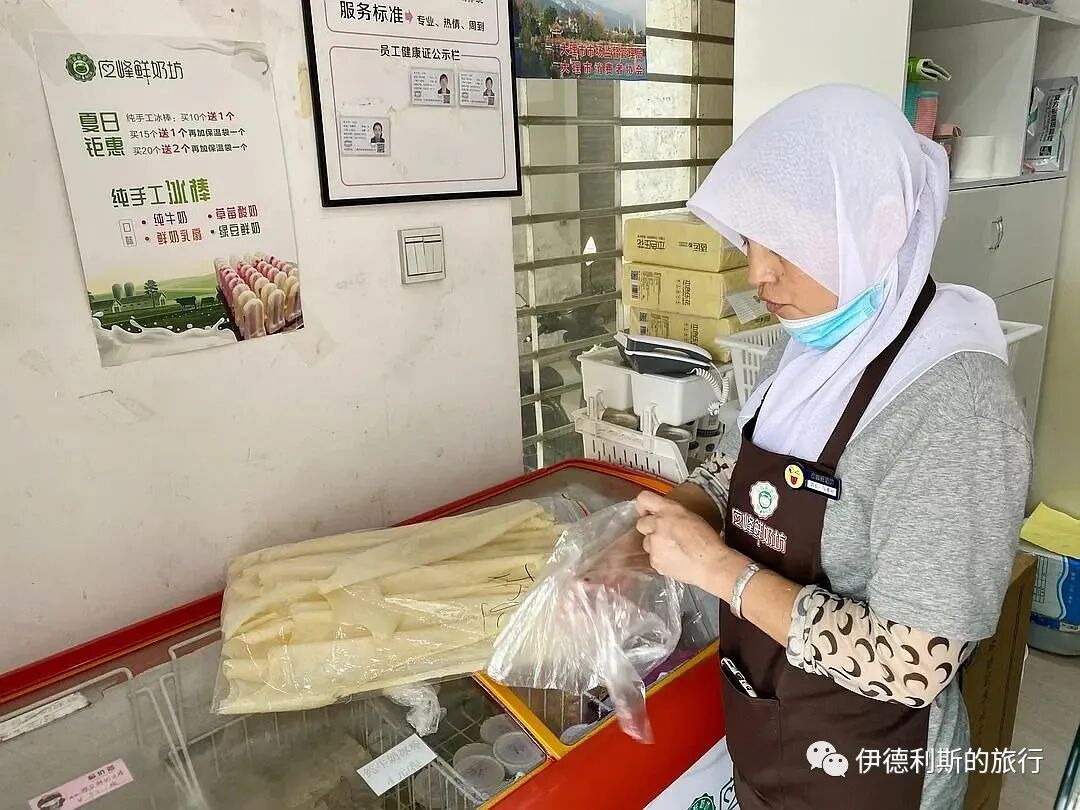
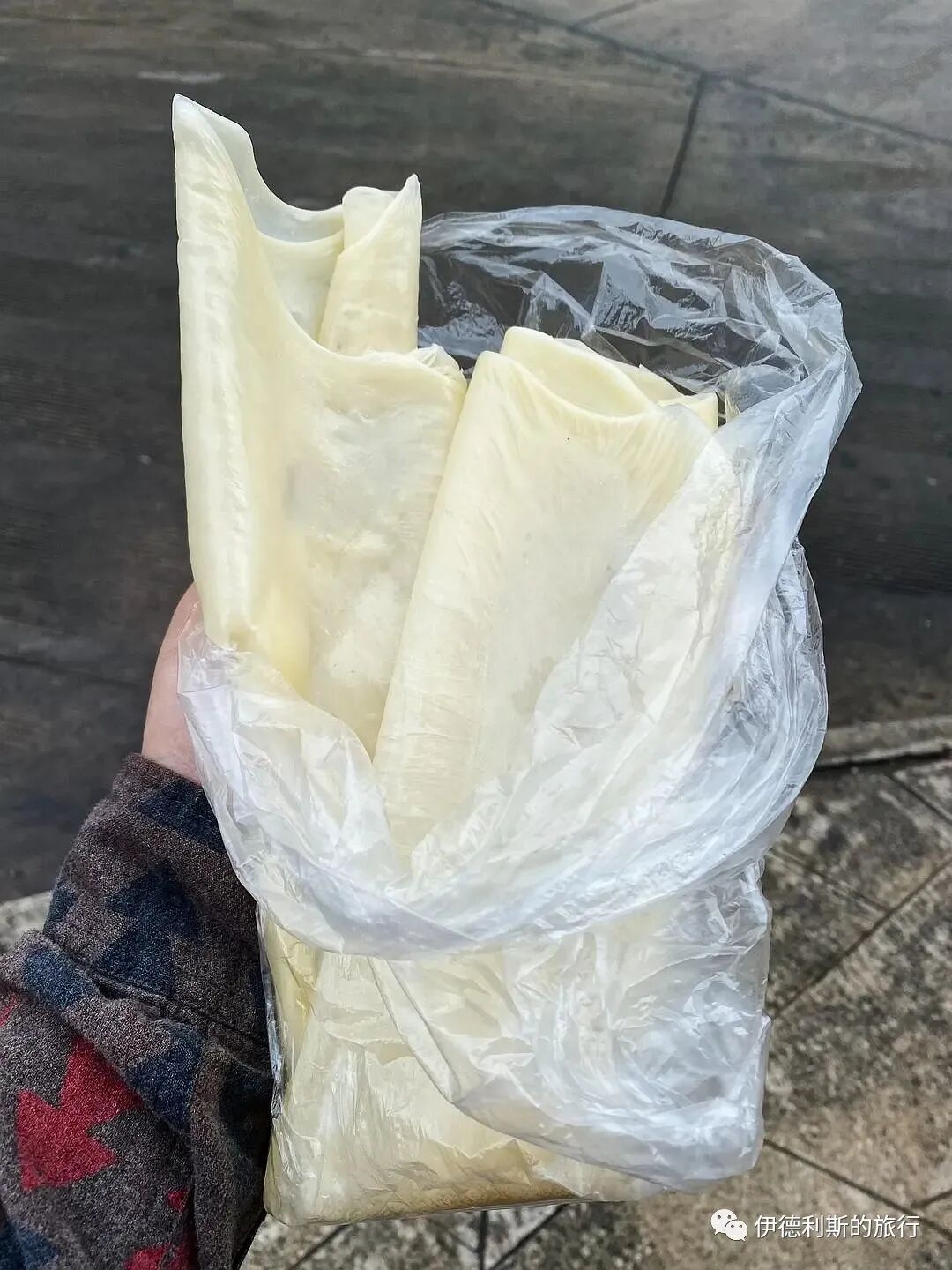
I bought some milk fans (rufan) at a fresh milk shop at the corner of Zhengyang Times Square in 2020.
Outside the Hui Muslim Street
Besides the Hui Muslim street around Xiaguan Mosque, there are many other halal restaurants in other parts of Xiaguan. I will share a few more here.
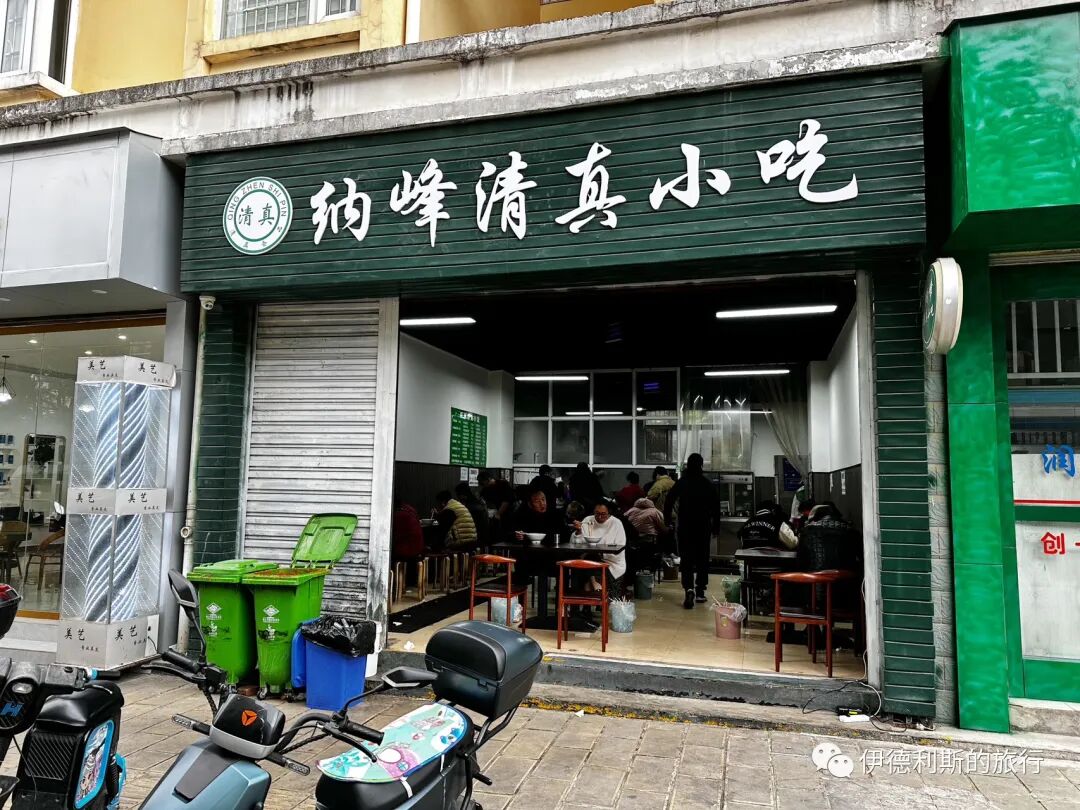
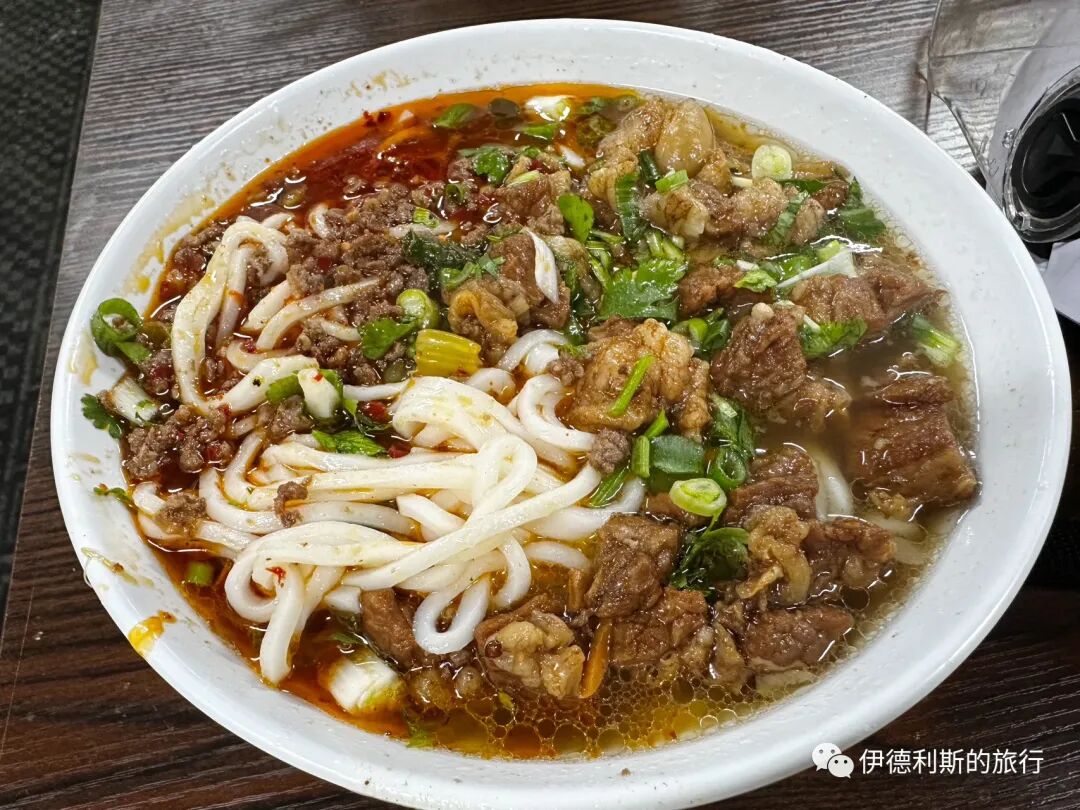
Nafeng Halal Snack Shop is an old place where locals eat. I ordered a bowl of minced meat rice noodles (ersi) with a braised meat topping. The texture of the rice noodles (ersi) is softer and not as chewy as rice noodles (mixian).
At night, I had a late-night snack at Plato Zhaotong Specialty Small Meat Skewers next to Dali Station.
Their service is quite good; as soon as you sit down, they bring you tea and melon seeds. At first, I ordered Zhaotong small meat skewers, fermented tofu (baojiang doufu), and roasted potatoes. The Zhaotong small meat skewers are truly mini. Each skewer is just one bite, mostly to savor the flavor. The fermented tofu (baojiang doufu) is very tender. They added a lot of fish mint (zhe'ergen) to enhance the flavor, and there was charcoal fire underneath.
After eating these, I still wanted more. I checked their menu, which was really rich and quite bold, so with the encouragement of my friends (dostani) in the group, I ordered beef brain and roasted grasshoppers, which I had never eaten before. The texture of the brain is actually a bit like fermented tofu (baojiang doufu), and it tasted quite good. I had always wanted to try grasshoppers as a food mentioned in the teachings, and this time I finally did. It looked a bit hard to eat at first, but once I actually ate it, I felt it was acceptable. It was roasted very crispy and felt a bit like eating shrimp.
You can find halal restaurants from all over Dali in the Renmin South Road area west of Xingsheng Bus Station. In 2020, I bought braised dishes made by Hui Muslims from Weishan Huihuideng at the market on Renmin South Road.
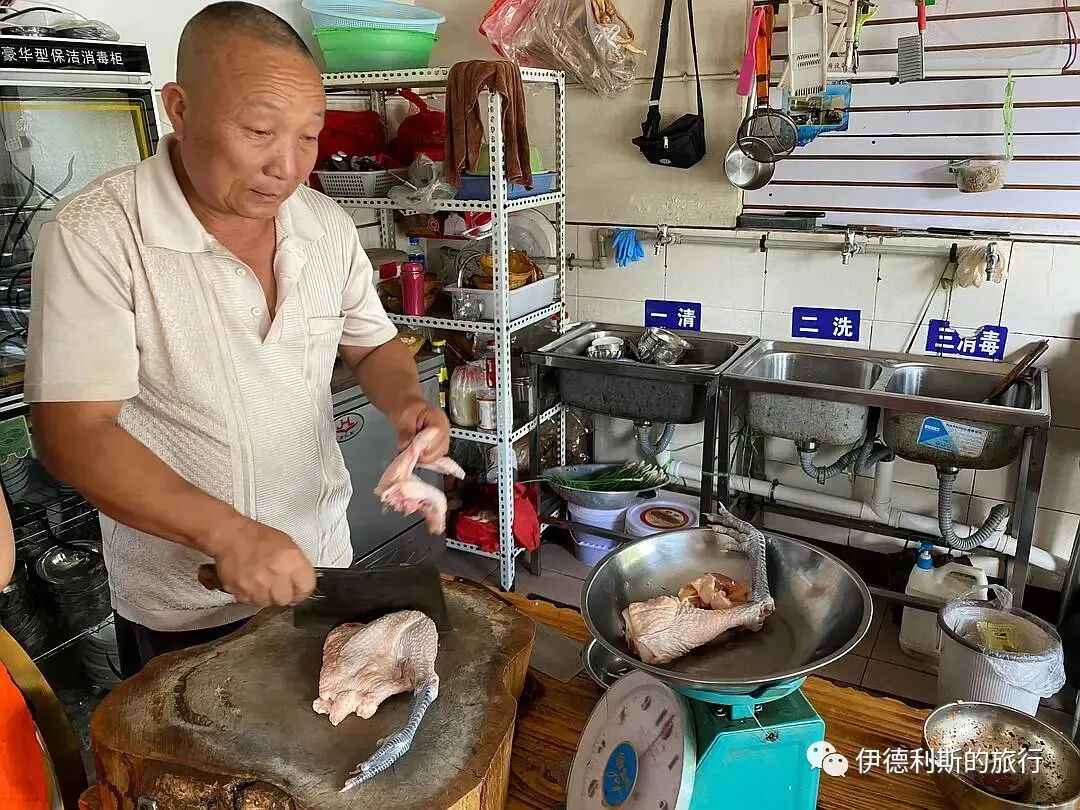
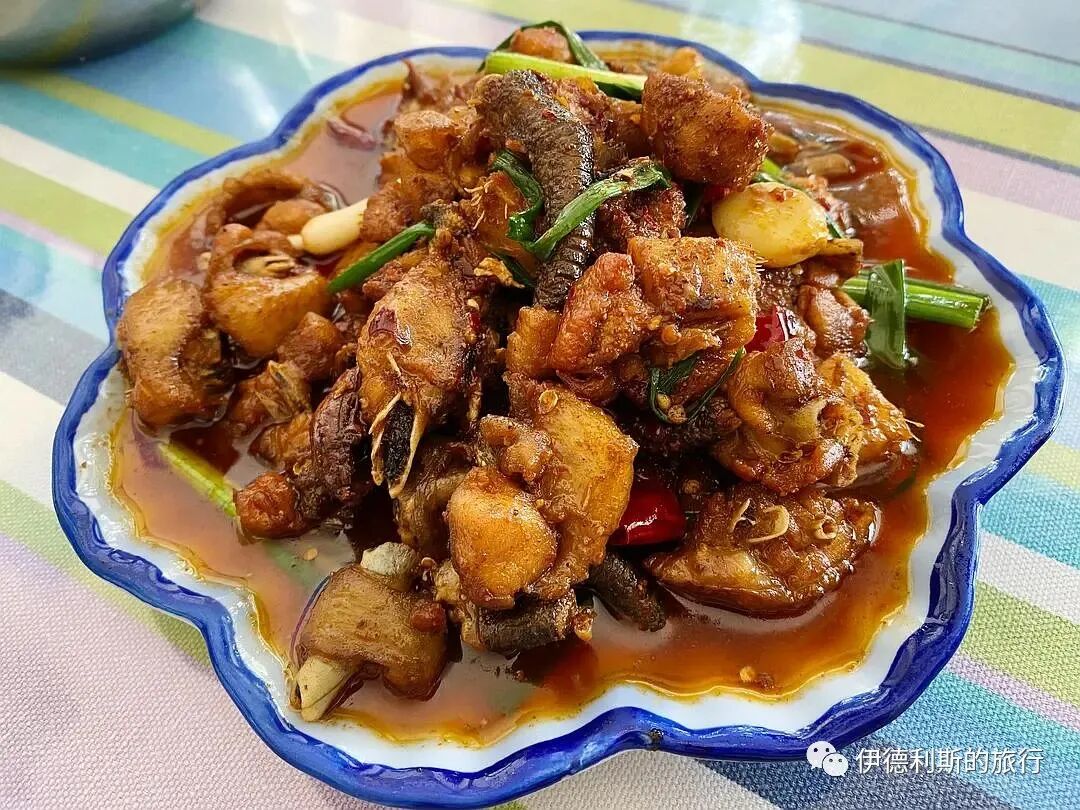
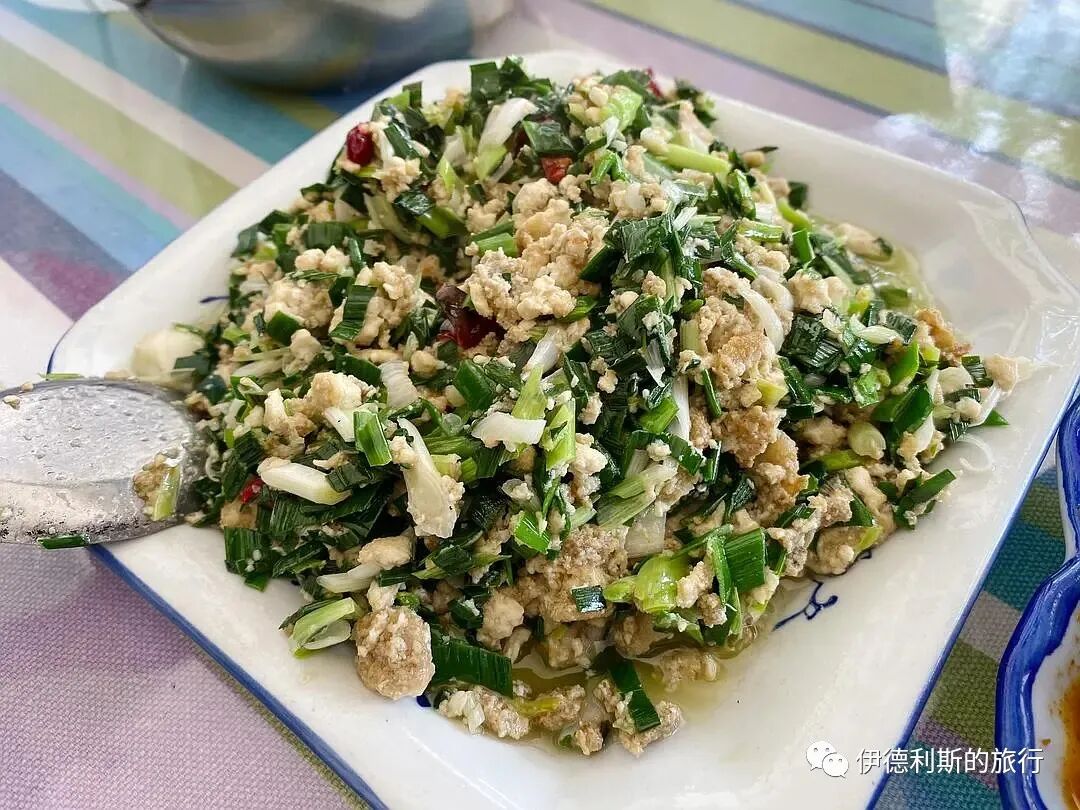
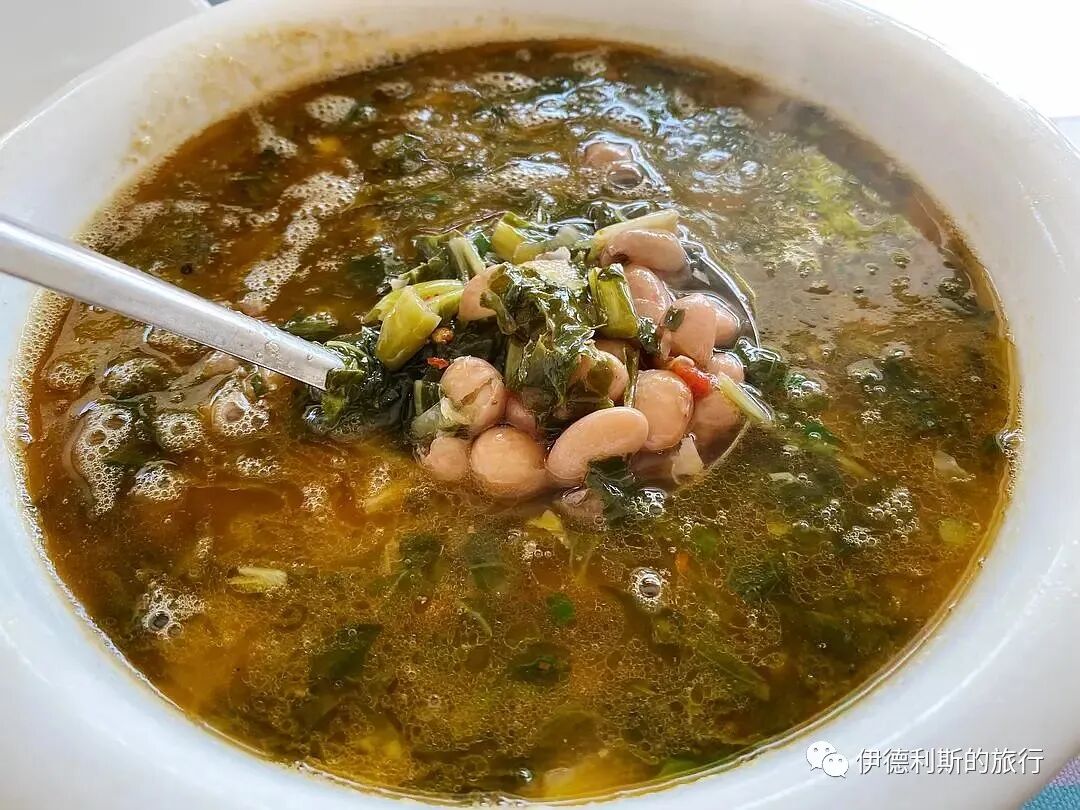
In 2020, I visited a restaurant on Renmin South Road run by Hui Muslims from Yongping County, Dali. I ate the local Yongping specialty, yellow-braised papaya chicken (huangmen mugua ji). The black-footed free-range chicken was excellent, and the papaya juice gave it a nice sour taste. I also had fermented bean curd (mei doufu) stir-fried with garlic sprouts and pickled vegetable red bean soup. These red beans were different from the kind we usually eat.
Spring travels in 2023:
On January 23, I left Macau and visited the Macau mosque known as the Moor Garden (Moluoyuan), where I ate delicious Indonesian Javanese food (see "Moor Garden and Indonesian Food in Macau"). On January 25, I arrived in Guangzhou, visited friends (dost), and ate various halal foods (see "Hui Muslim Oil Cakes and Yemeni Food in Guangzhou").
At noon, I performed namaz at the Huaisheng Mosque, then went to visit the Ancient Tombs of the Worthies (see "Huaisheng Mosque and the Ancient Tombs of the Worthies in Guangzhou").
In the afternoon, I prayed the afternoon prayer (asr) at Haopan Mosque and the sunset prayer (maghrib) at Xiaodongying Mosque (see "Visiting Haopan Mosque and Xiaodongying Mosque in Guangzhou").
On the morning of January 26, I took a train from Guangzhou to Zhaoqing, visited two mosques, and ate halal Cantonese food (see "Halal Roast Goose and Starfruit at the Mosque in Zhaoqing, Guangdong").
On the morning of January 27, I flew from Guangzhou to Xichang, Sichuan. I performed Jumu'ah at the Xichang city mosque, visited the West Mosque and the East Mosque, and ate Xichang rice noodles (see "Performing Jumu'ah and Eating Rice Noodles in Xichang, Sichuan").
On January 28, I took a high-speed train south to Miyi County in Panzhihua, Sichuan. I visited the beautiful Hui Muslim village of Tianba and performed namaz at the old Tianba mosque. I also enjoyed a delicious meal at a local farmhouse restaurant (see "The Beautiful Hui Village Deep in the Mountains—Tianba, Miyi, Sichuan"). view all
Summary: Dali Xiaguan — Century-Old Mosque Lane and Halal Food is presented here as a firsthand travel account in clear English, beginning with this scene: On the afternoon of January 28, I took a train from Miyi County in Panzhihua, Sichuan, to Xiaguan in Dali, starting my third trip to Dali. The account keeps its focus on Dali Mosques, Xiaguan Food, Yunnan Muslims while preserving the names, places, food, and historical details from the Chinese source.
On the afternoon of January 28, I took a train from Miyi County in Panzhihua, Sichuan, to Xiaguan in Dali, starting my third trip to Dali. This time I visited Binju, Yangbi, Fengyi, and Weishan, where I visited mosques and tasted halal food. I also carefully explored the Hui Muslim neighborhood around Wenming Street and West Street in Xiaguan to learn about the history of the Xiaguan Mosque.
As a key town in western Yunnan, Xiaguan was once home to many Hui Muslims and had three ancient mosques: the Yidianhong Mosque (Upper Mosque), Yulong Mosque (Middle Mosque), and Caiyuan Mosque (Lower Mosque). However, after the hardships during the Tongzhi reign, the Hui Muslims of Xiaguan died or fled, and all three ancient mosques were destroyed.
It was not until the middle of the Guangxu reign that the Qing government's pacification policy encouraged some surviving Hui Muslims to return to Xiaguan. Later, more Hui Muslims came to Xiaguan for business and gradually settled in the Yulong Pass (Xiaguan) area and outside the pass.
In 1915, led by Ma Yulong and over ten others, the Hui Muslims of Xiaguan worked together to build the current Xiaguan Mosque. They also built a new street in front of the mosque, commonly known as Hui Street, which is now Wenming Street. This established the layout of the Xiaguan mosque district.
The current Xiaguan Mosque was rebuilt in 2004. Many Hui Muslims still live in the surrounding Wenming Street and West Street areas, where there are many halal restaurants.
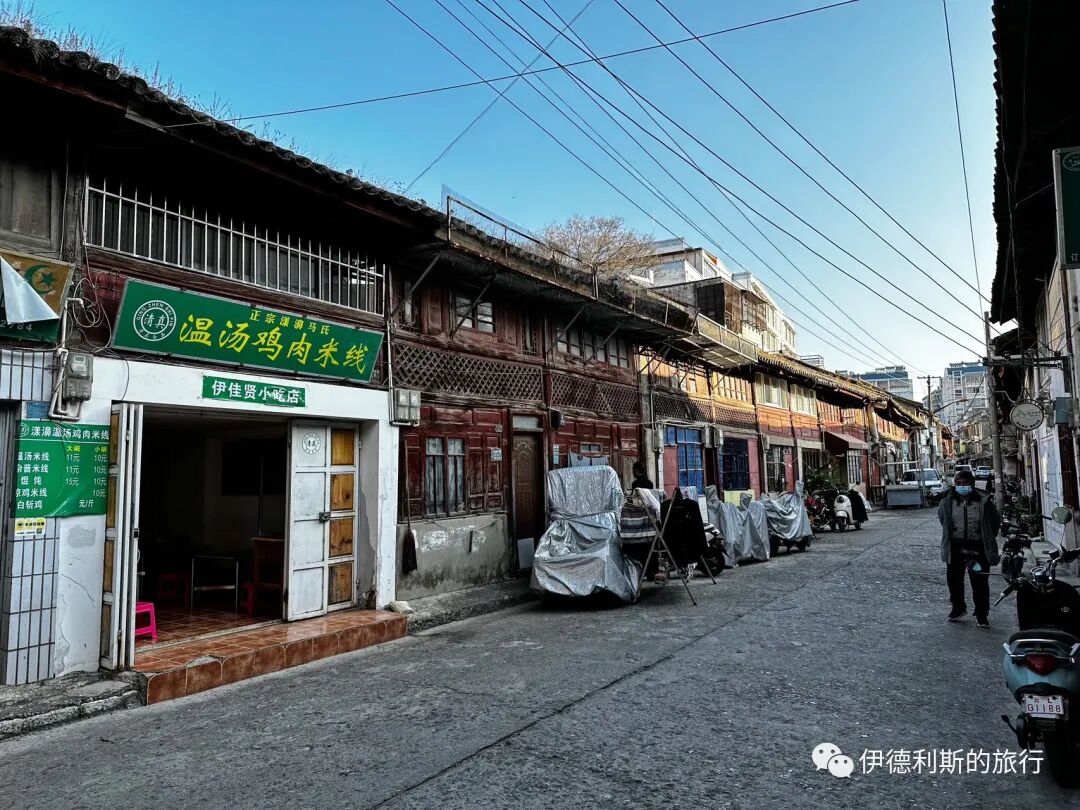
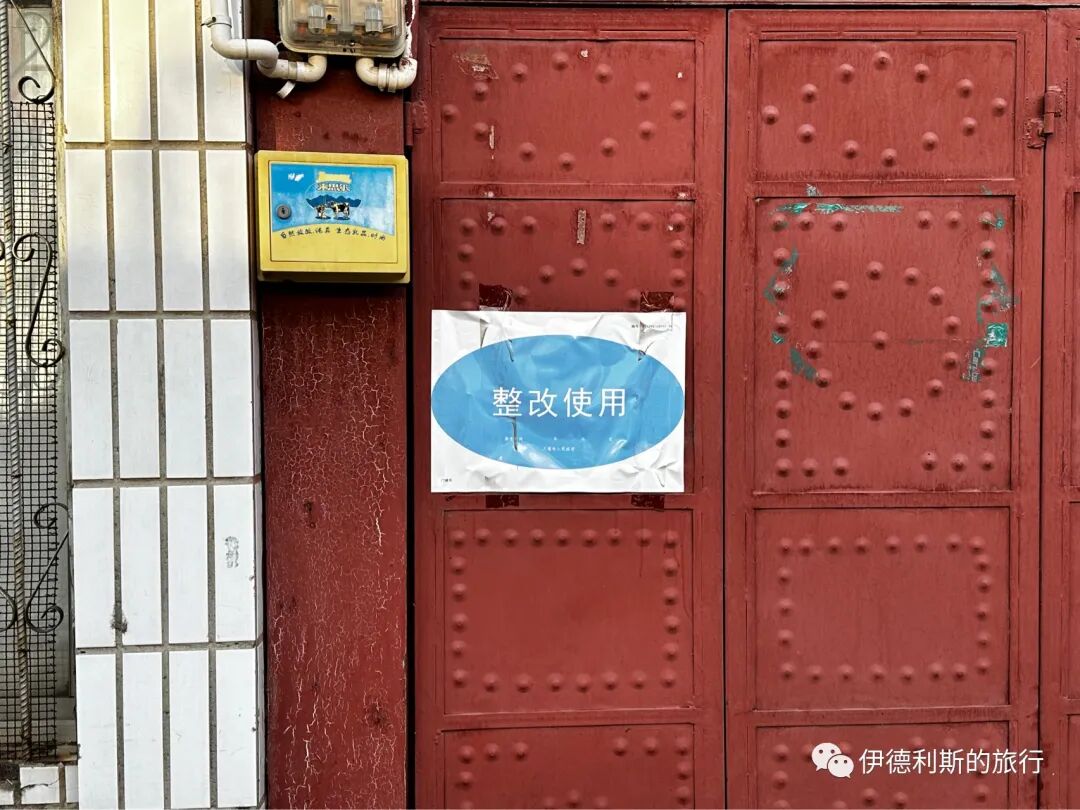
This year, I noticed signs on some shop walls saying "rectification in use," and I wonder if there is a new plan for this area.
For my 2020 Dali trip, see "Eating and Visiting Halal Spots in Dali Xiaguan and Weishan" and "The Twenty Traditional Mosques of Dali."
Sha Family Courtyard
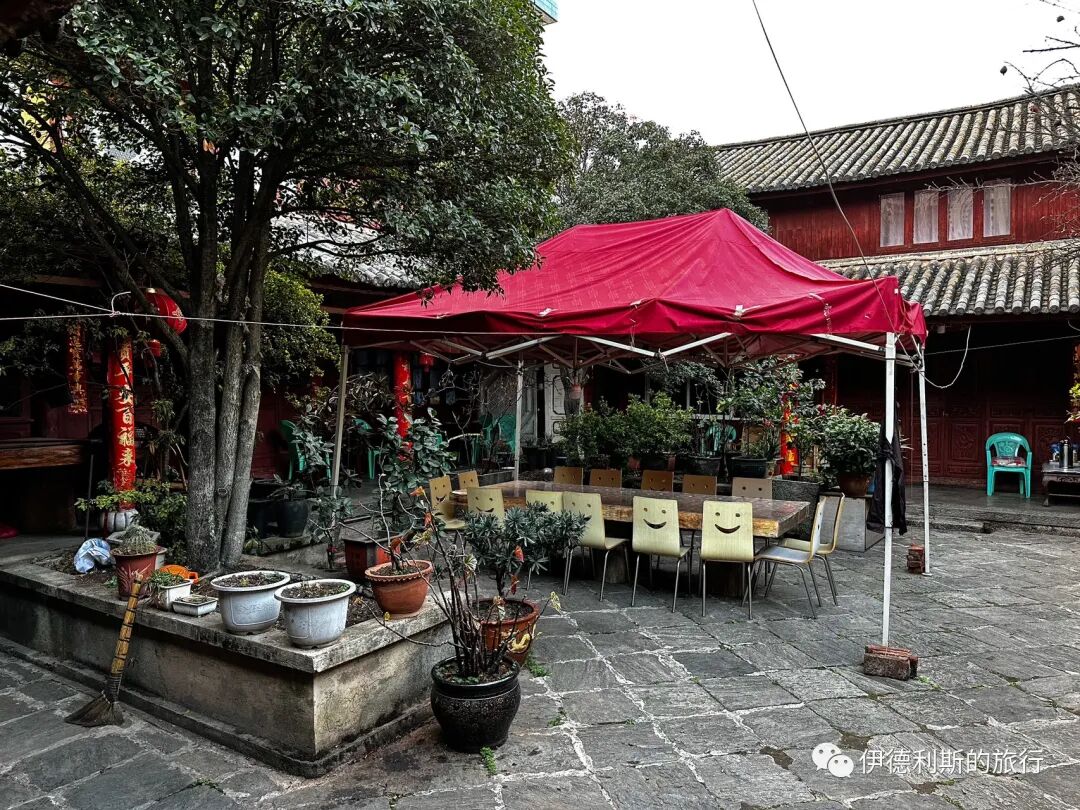
Today, many old Hui Muslim houses are still preserved around the Xiaguan Mosque, the most notable being the Sha Family Courtyard, which is over 110 years old. Fortunately, the descendants of the Sha family still live in the courtyard and run the Shajie Restaurant. You can enjoy a meal while experiencing the charm of this century-old Hui Muslim courtyard.
The Sha Family Courtyard follows the traditional Dali "three houses and one screen wall" (sanfang yizhaobi) layout, a style used by many local Bai, Han, and Hui Muslim families. The "three houses and one screen wall" layout means the main house and the east and west wing rooms are all two-story, three-room structures, with a large screen wall facing the main house.
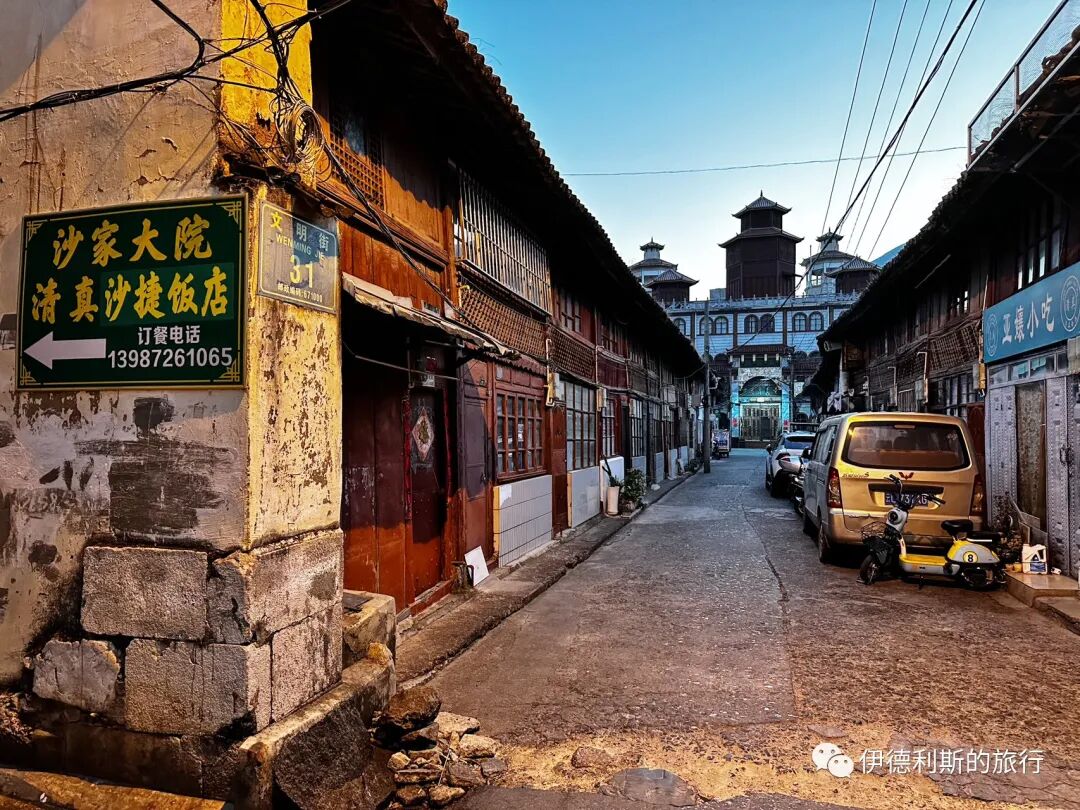
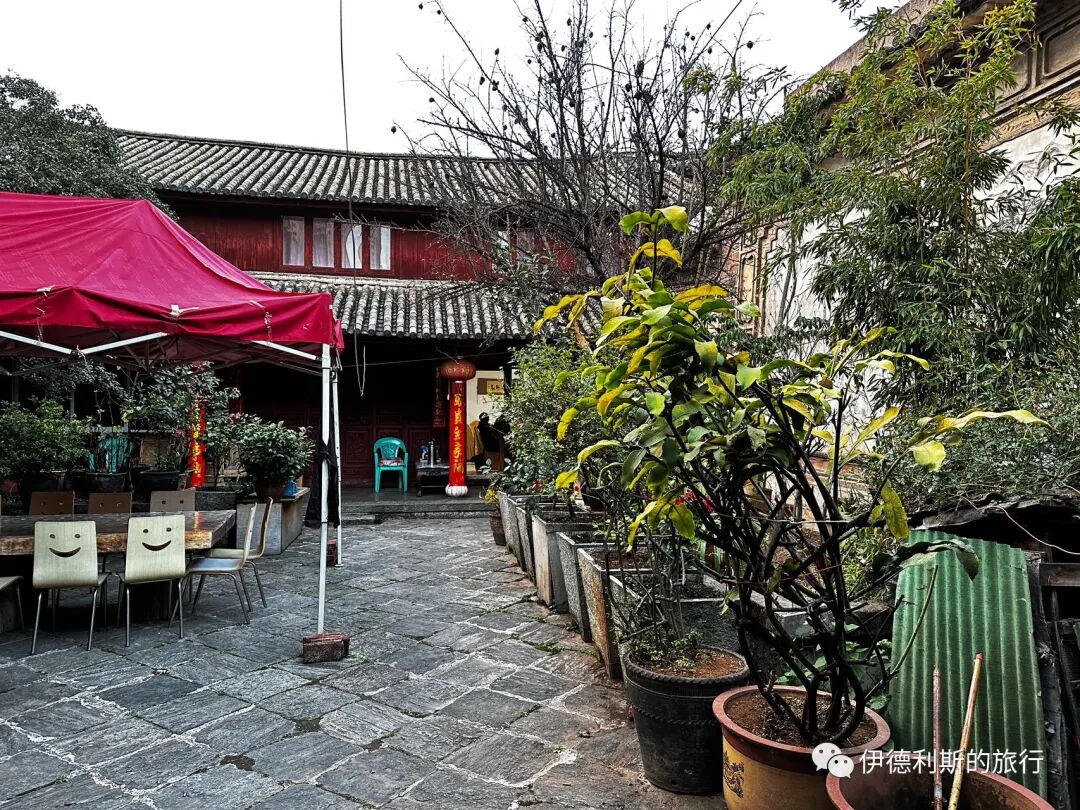
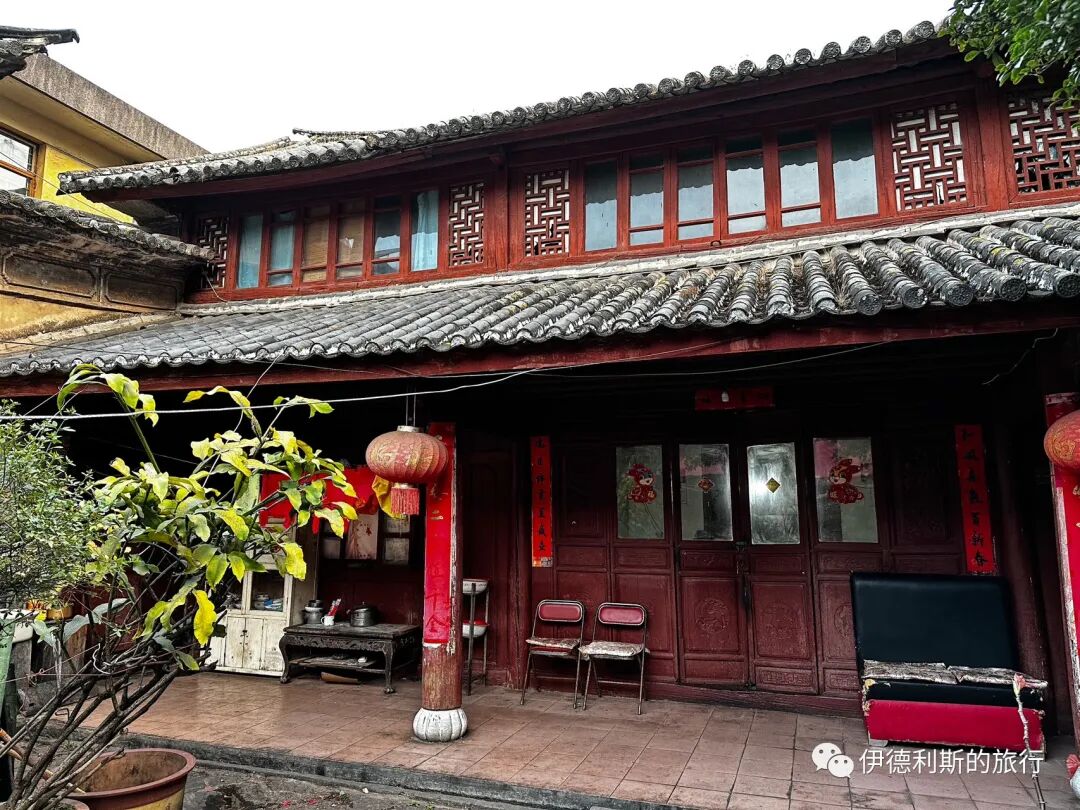
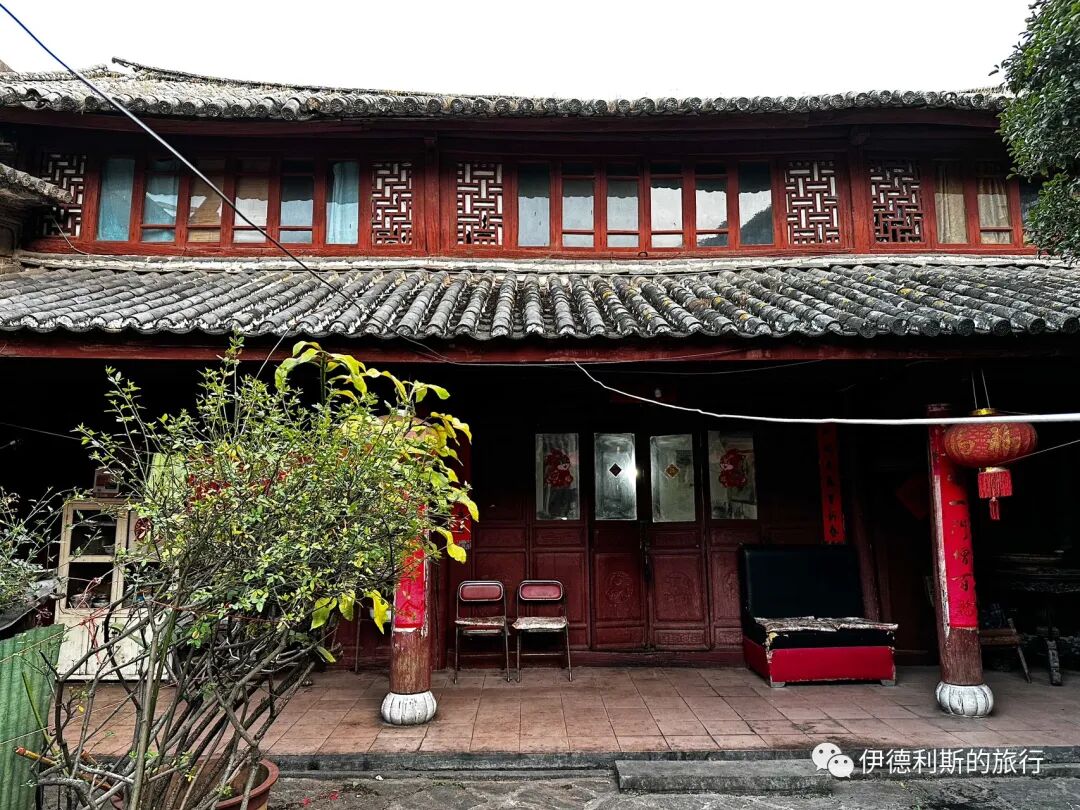
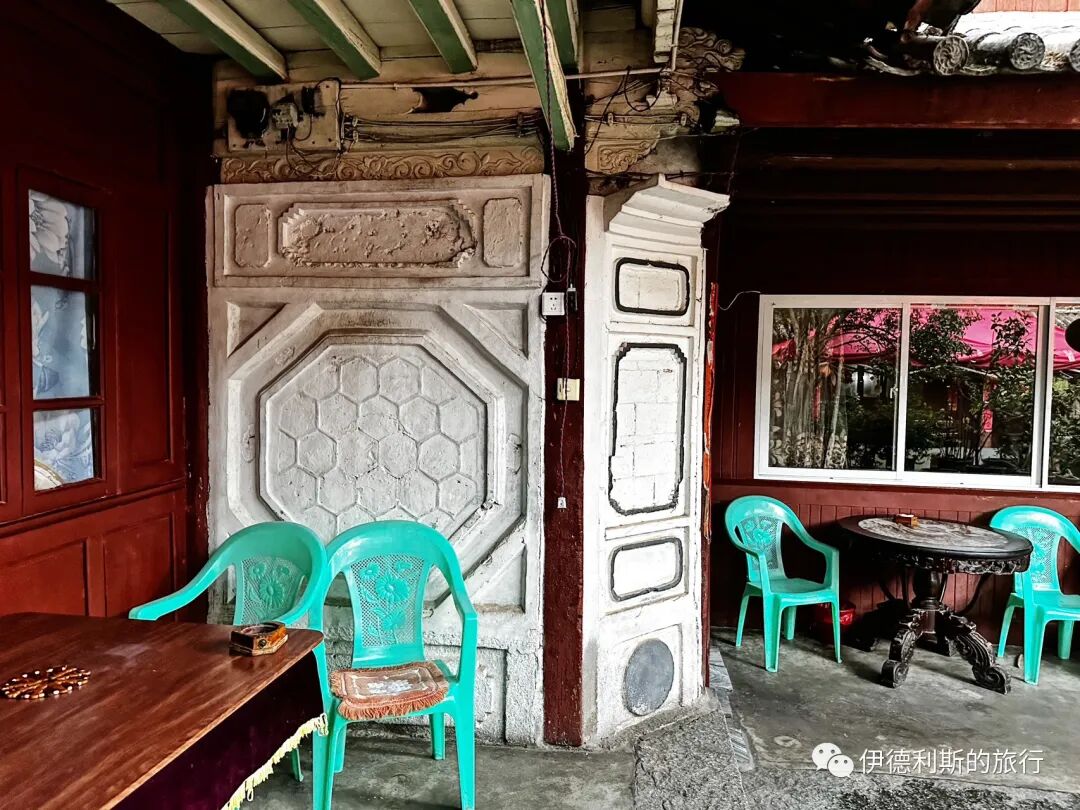
I ate the most home-style Yunnan Hui Muslim food here: beef jerky rice (niu ganba fan) and pea sprout soup with pickled cucumbers. The Sha family is very welcoming, and it really doesn't feel like a restaurant; it feels like stepping into the daily life of the Hui Muslims in Xiaguan.
Inside the west wing of the Sha Family Courtyard, the middle room is a living room decorated with traditional calligraphy in the style of Weishan, Dali. The grandfather of the Sha family watches TV here in the evenings. On both sides are bedrooms, which have pictures of Mecca (tianfang tu) hanging inside.
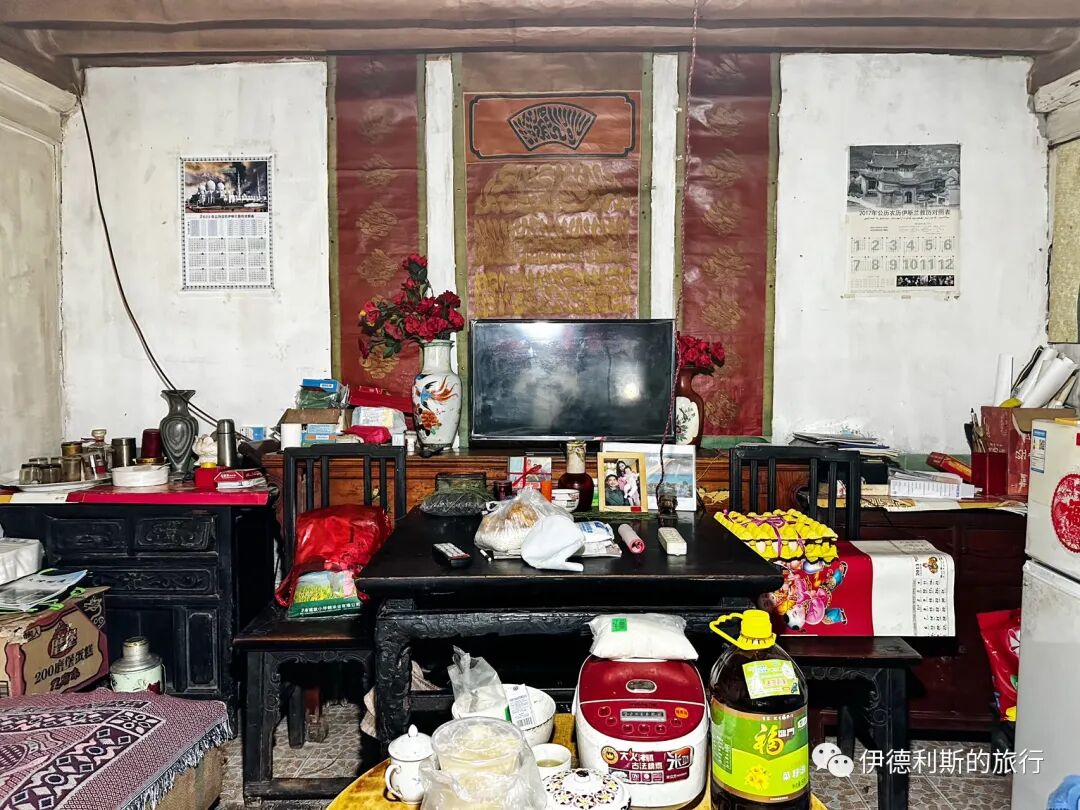
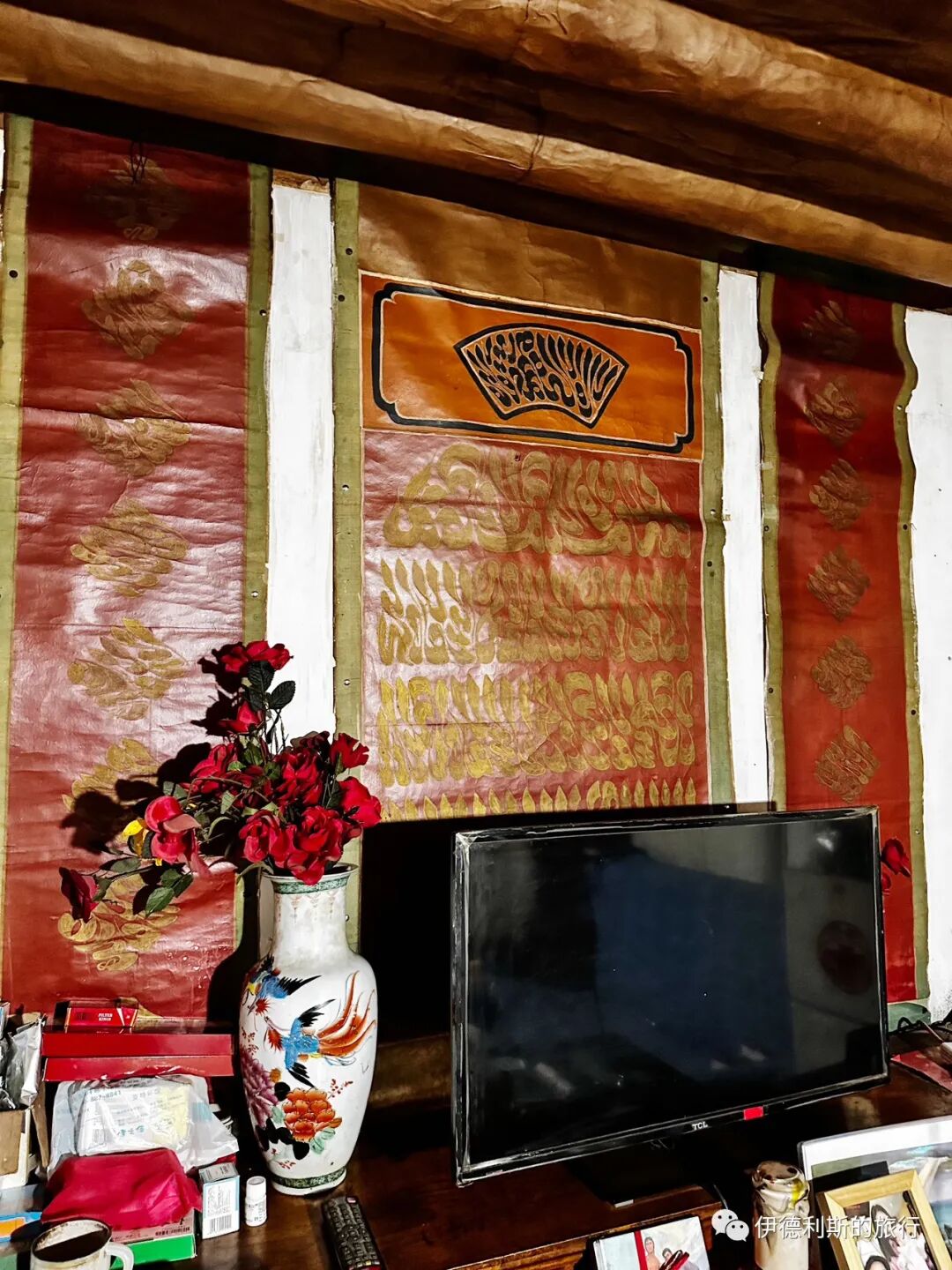
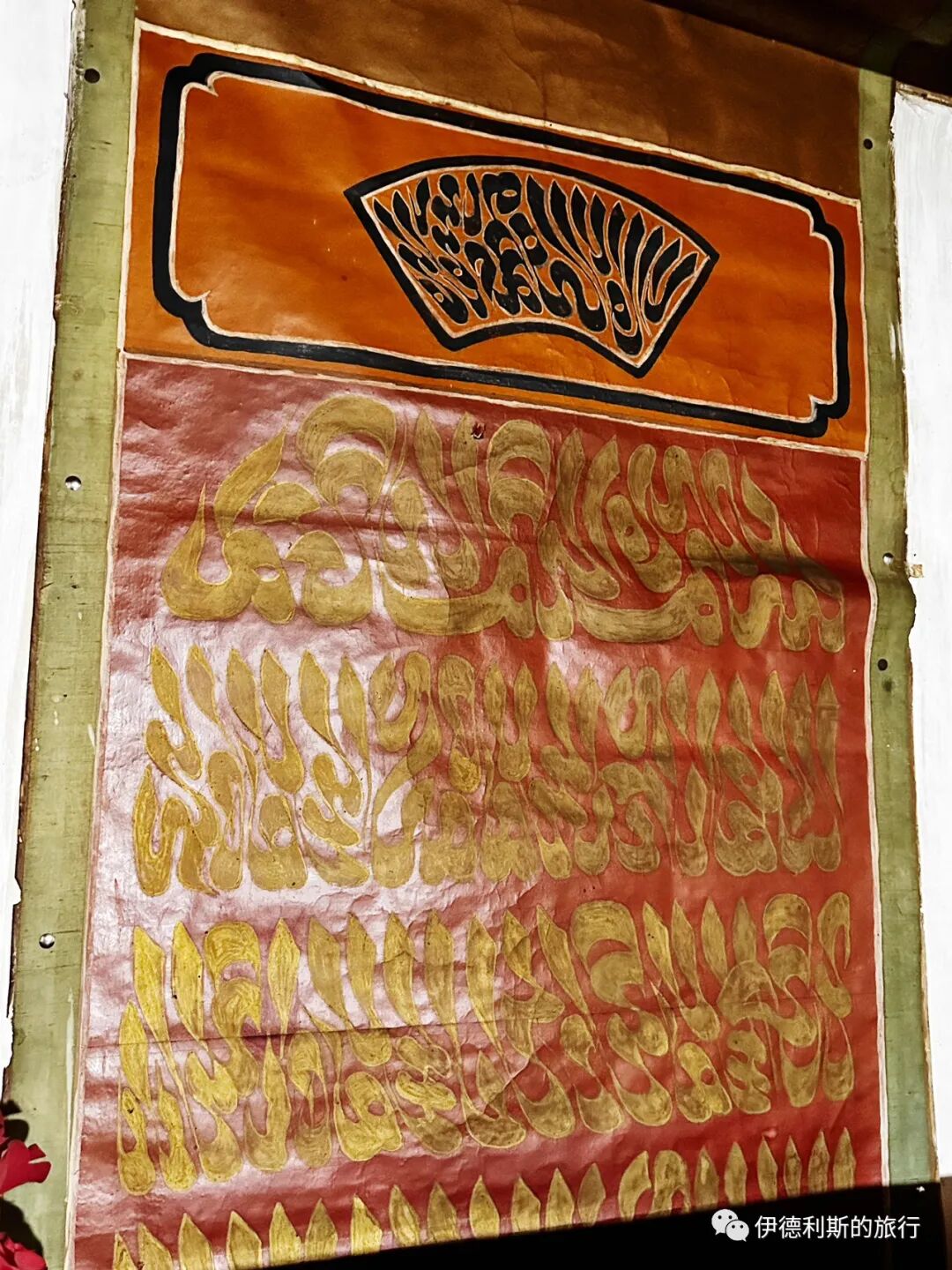
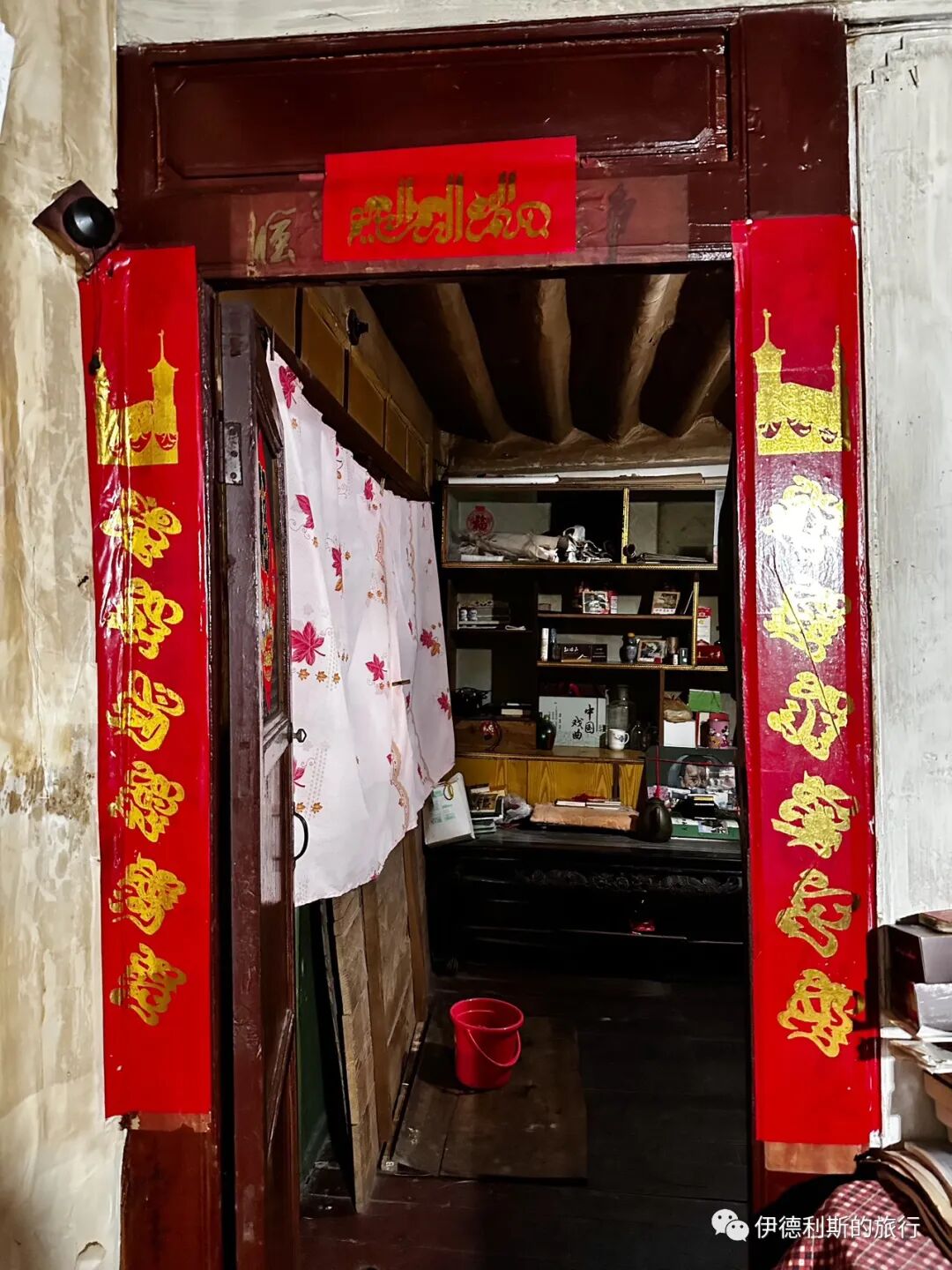
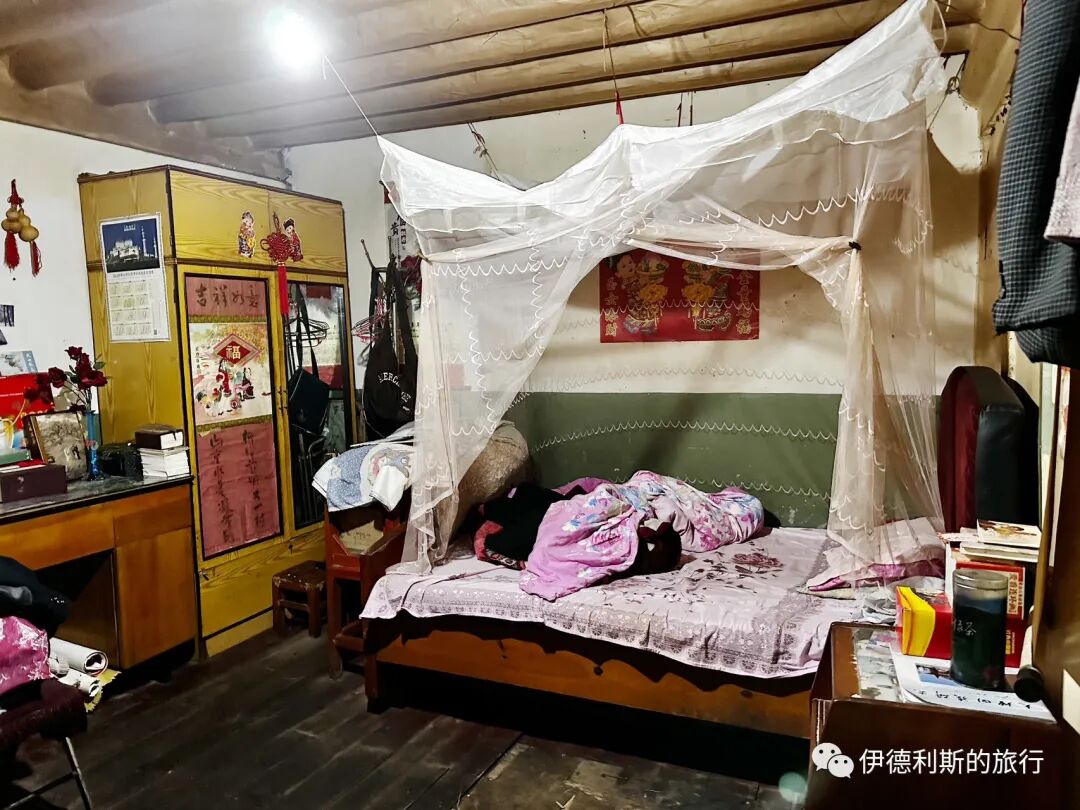
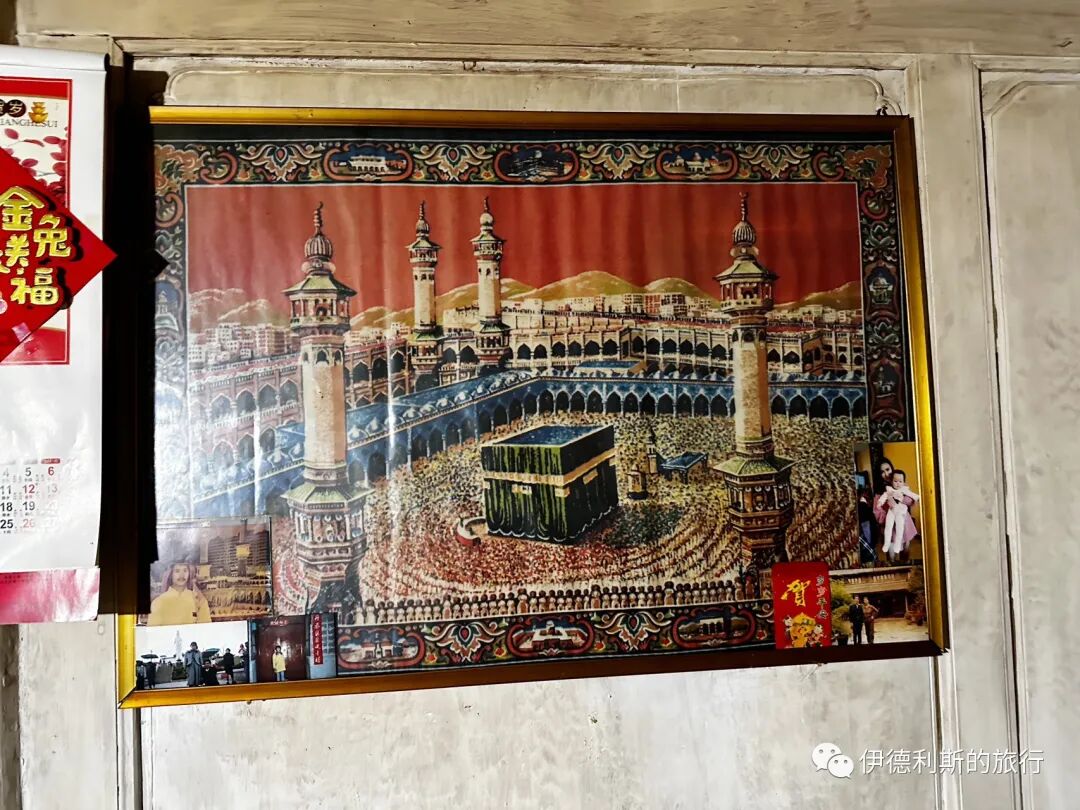
Inside the north room, besides the calligraphy, there are photos of the Sha family from different periods, as well as gifts from Mrs. Sha's 80th and 90th birthday celebrations.
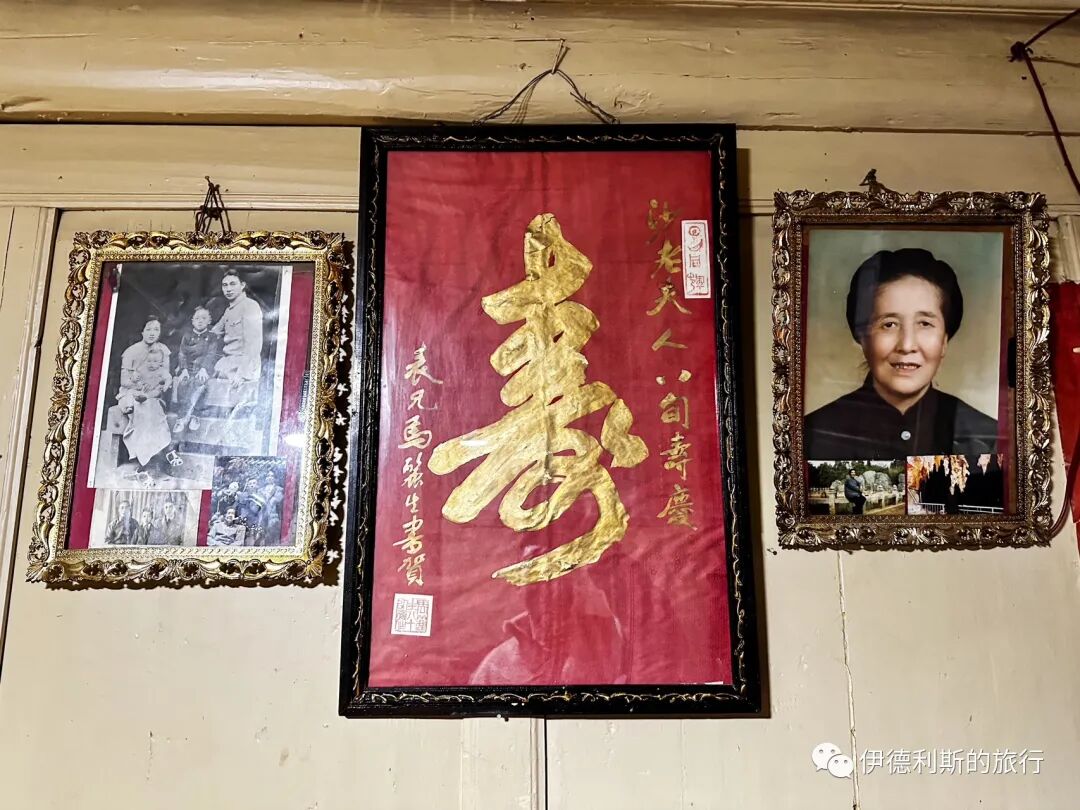
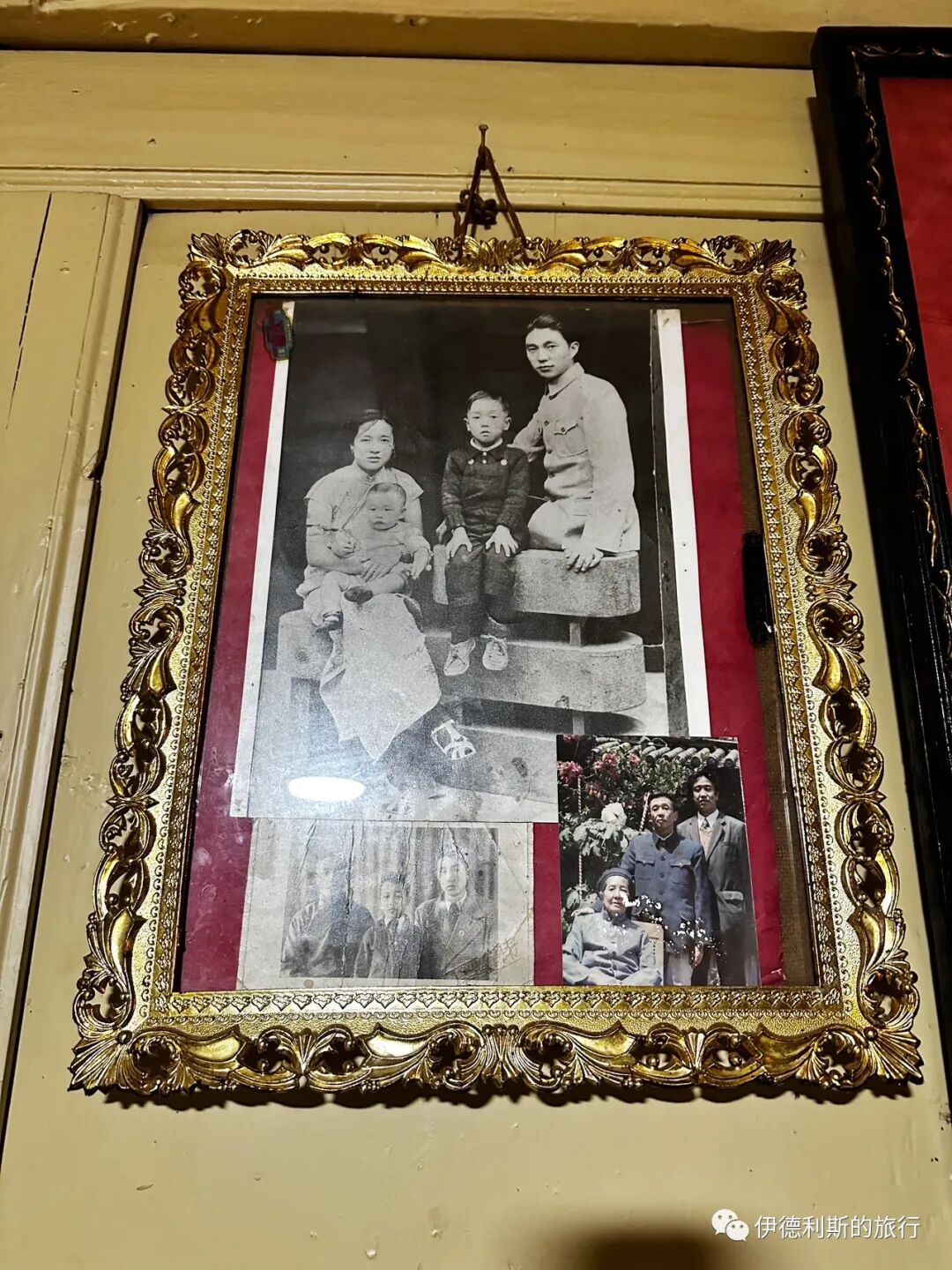
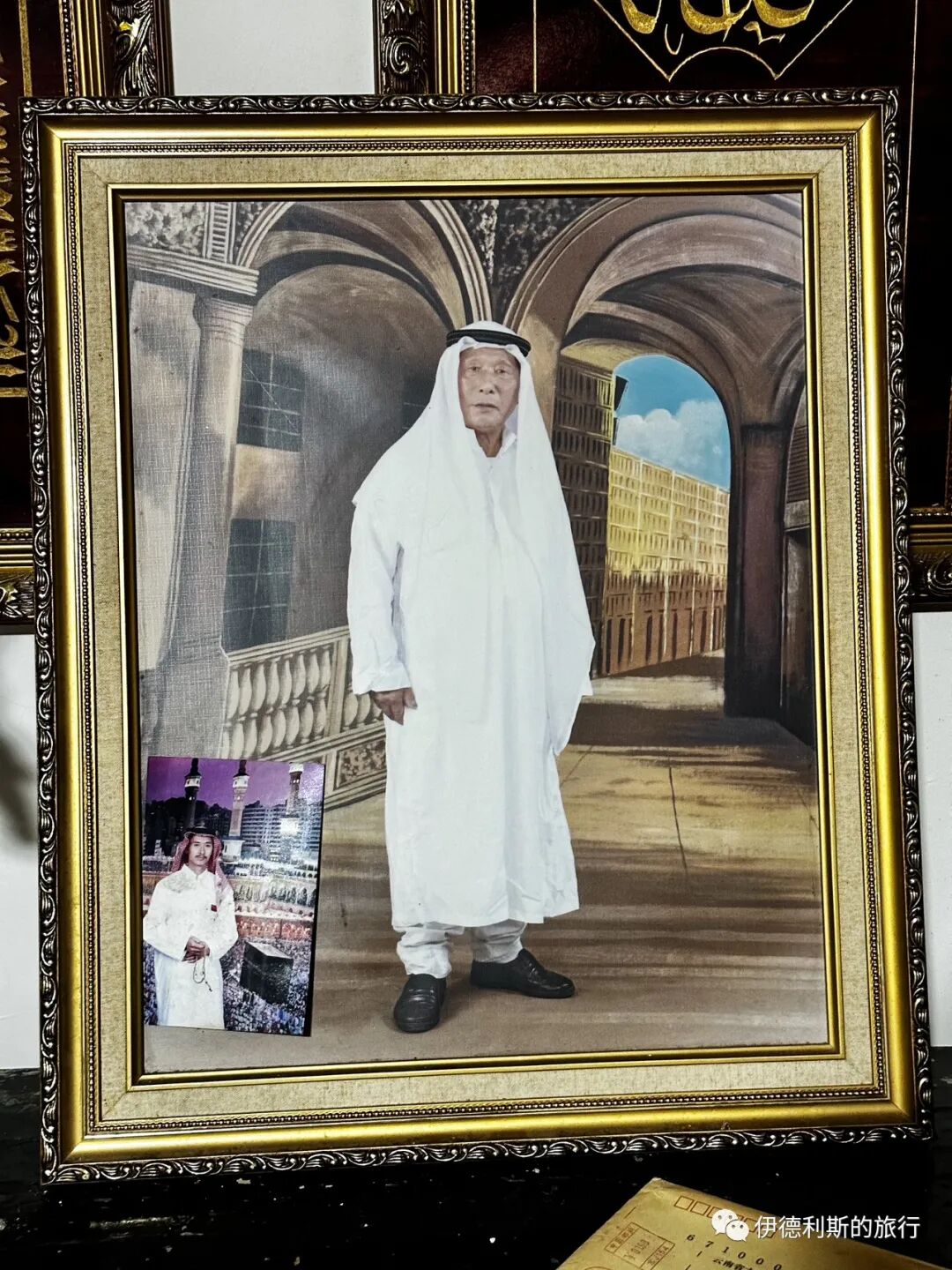
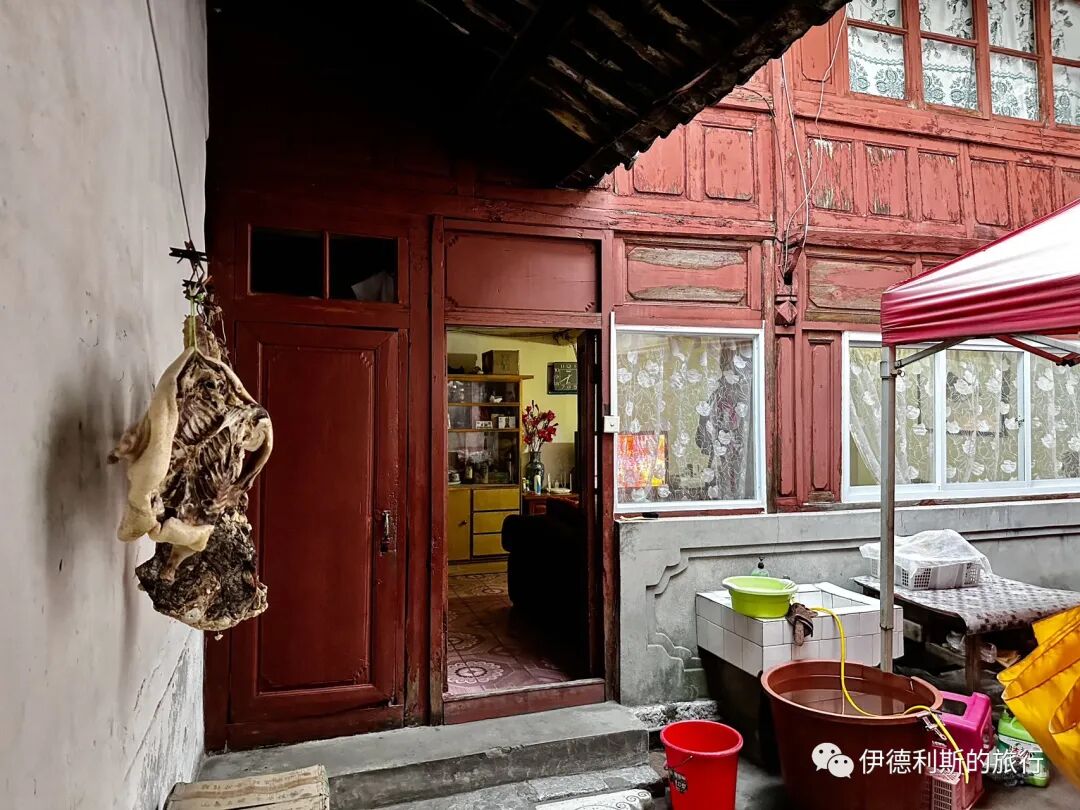
On the wall is a painting by the Yunnan Hui Muslim artist Wang Guowen Haji, featuring a little boy wearing an Ottoman fez hat. This is very interesting, and I suspect it relates to the Yunnan Islamic Progress Association organizing students to study at Al-Azhar University in Egypt after 1931. In 1829, the Ottoman Empire implemented a hat reform, ordering officials to stop wearing turbans and wear fez hats instead. The fez hat then became popular in Egypt under Ottoman rule.
Wenming Street
Wenming Street faces the Xiaguan Mosque, and there are many halal restaurants on the street.
In 2020, I ate braised meat rice noodles (menrou mixian) at this Renji shop.
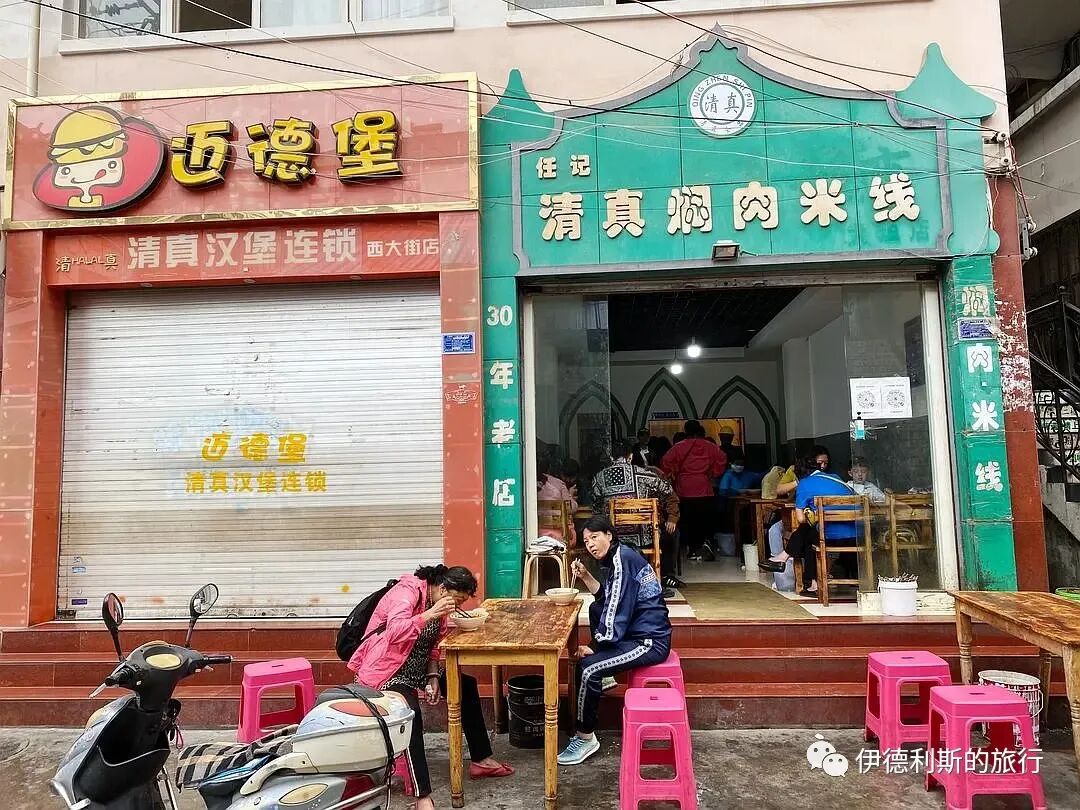
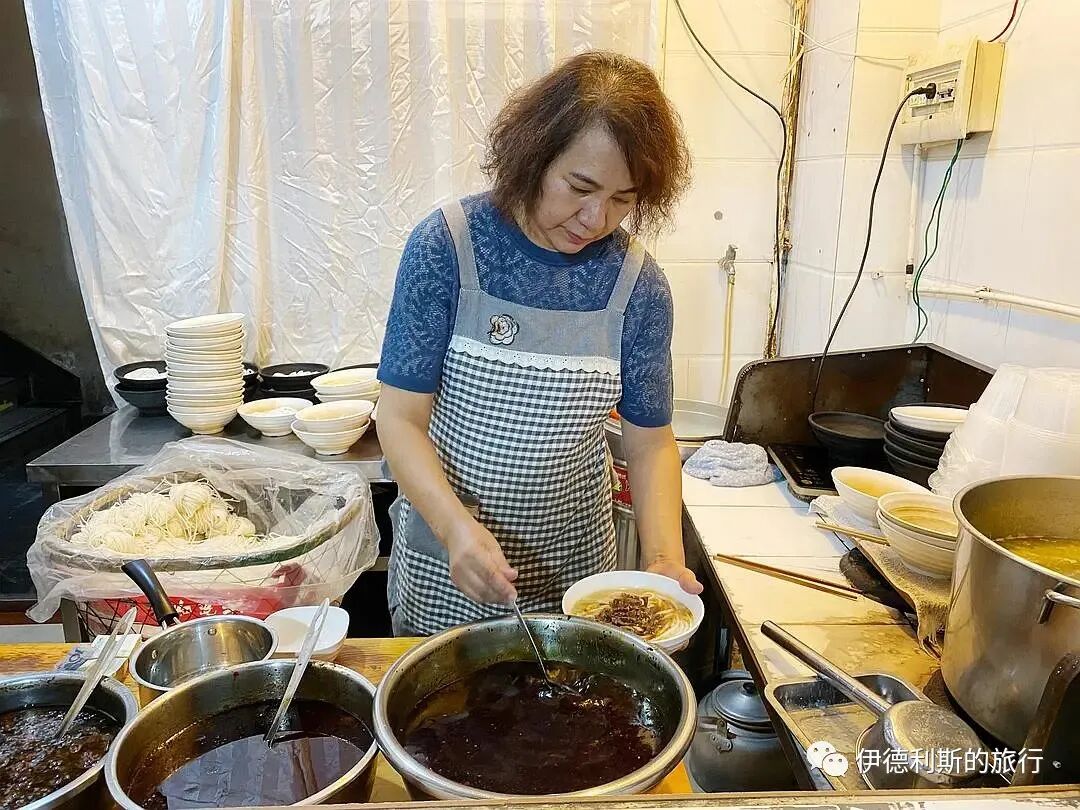
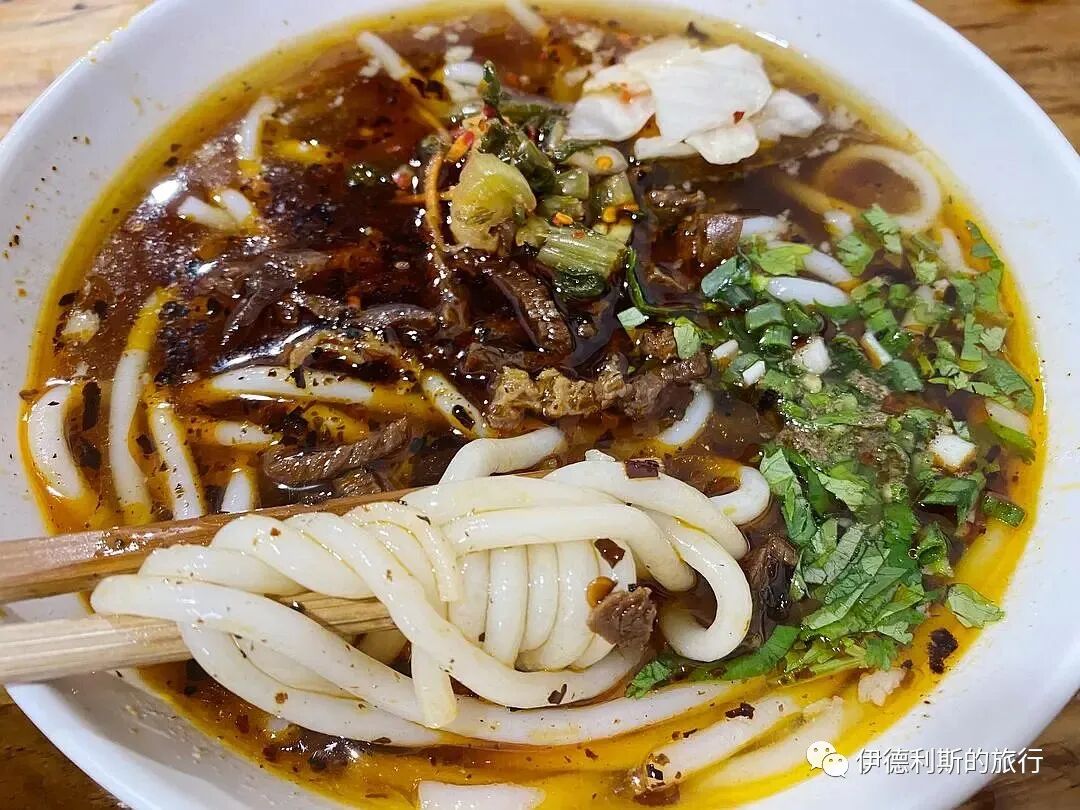
Then I ate braised meat rice strips (menrou ersi) at this Baiweixuan shop; rice strips are firmer than rice noodles.
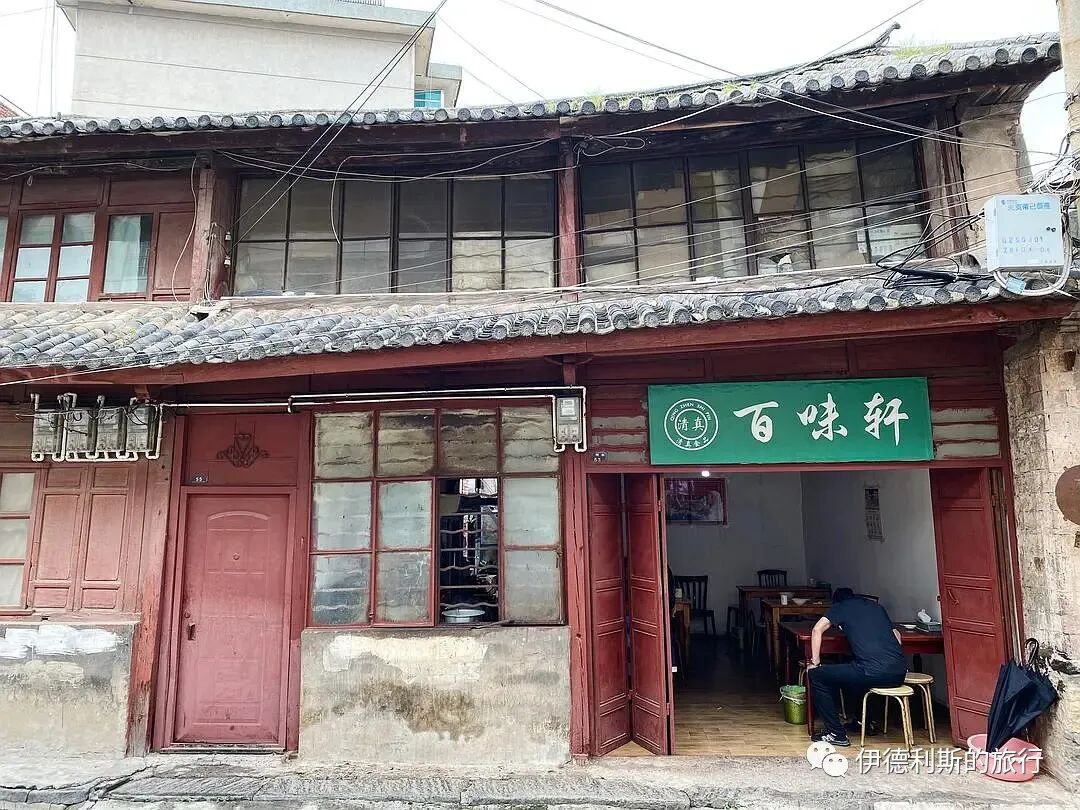
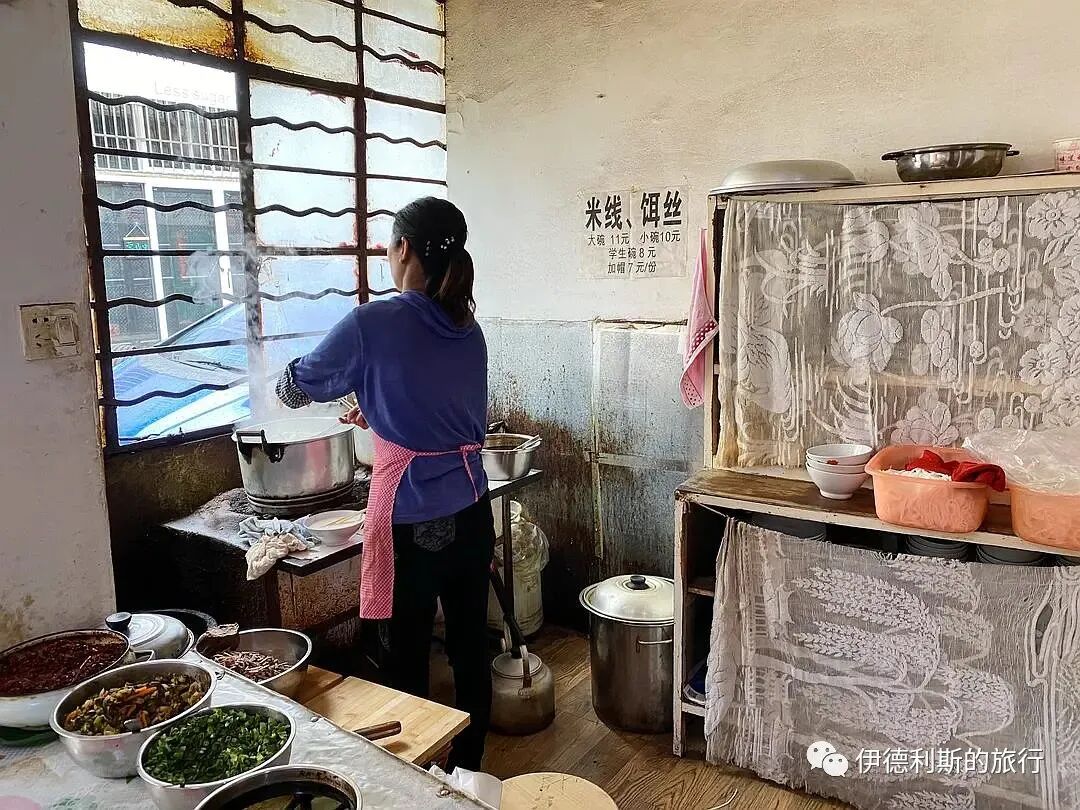
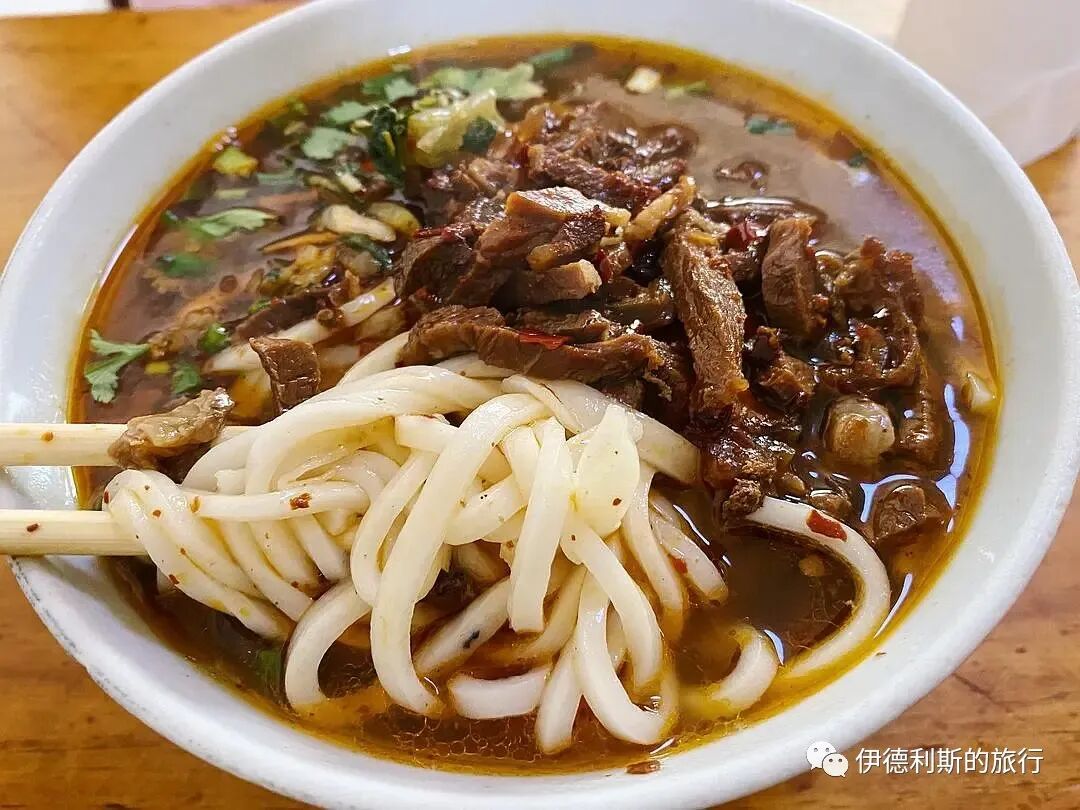
West Street
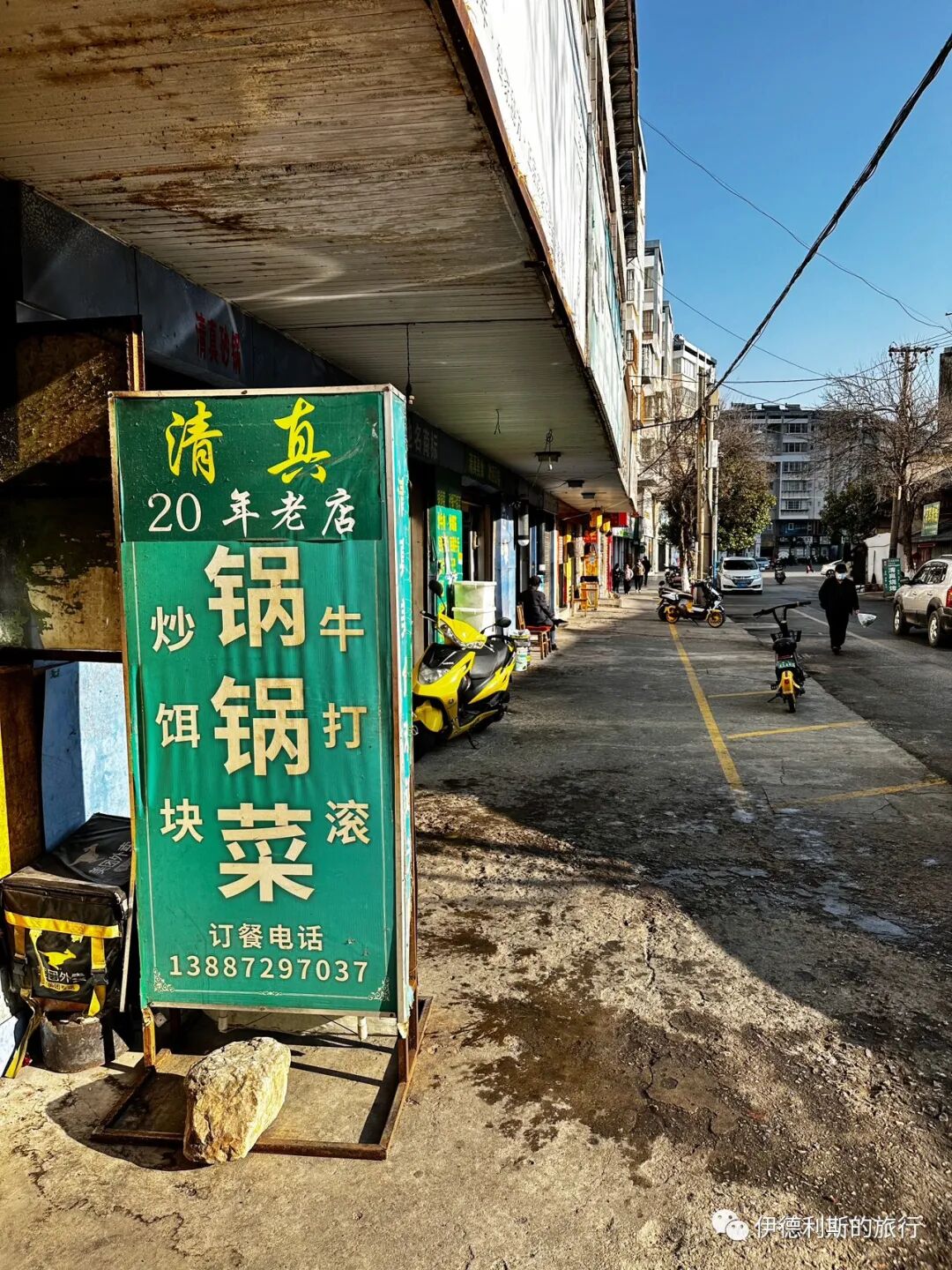
West Street is south of Wenming Street and also has many halal restaurants.
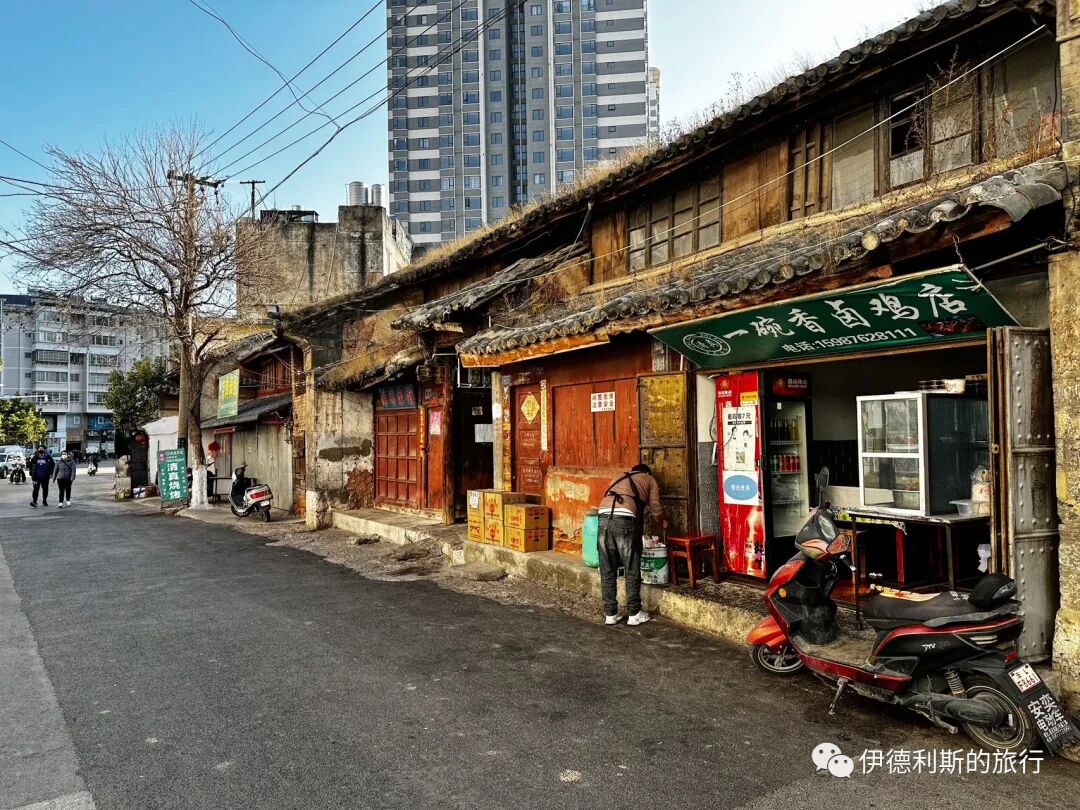
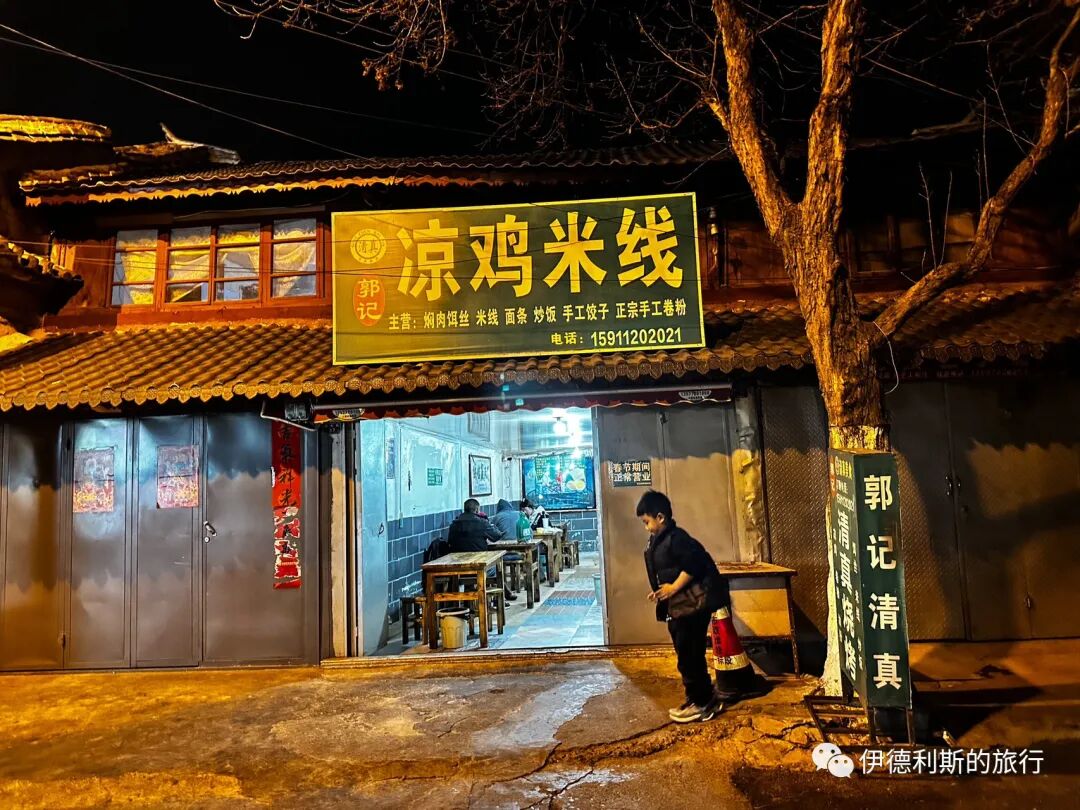
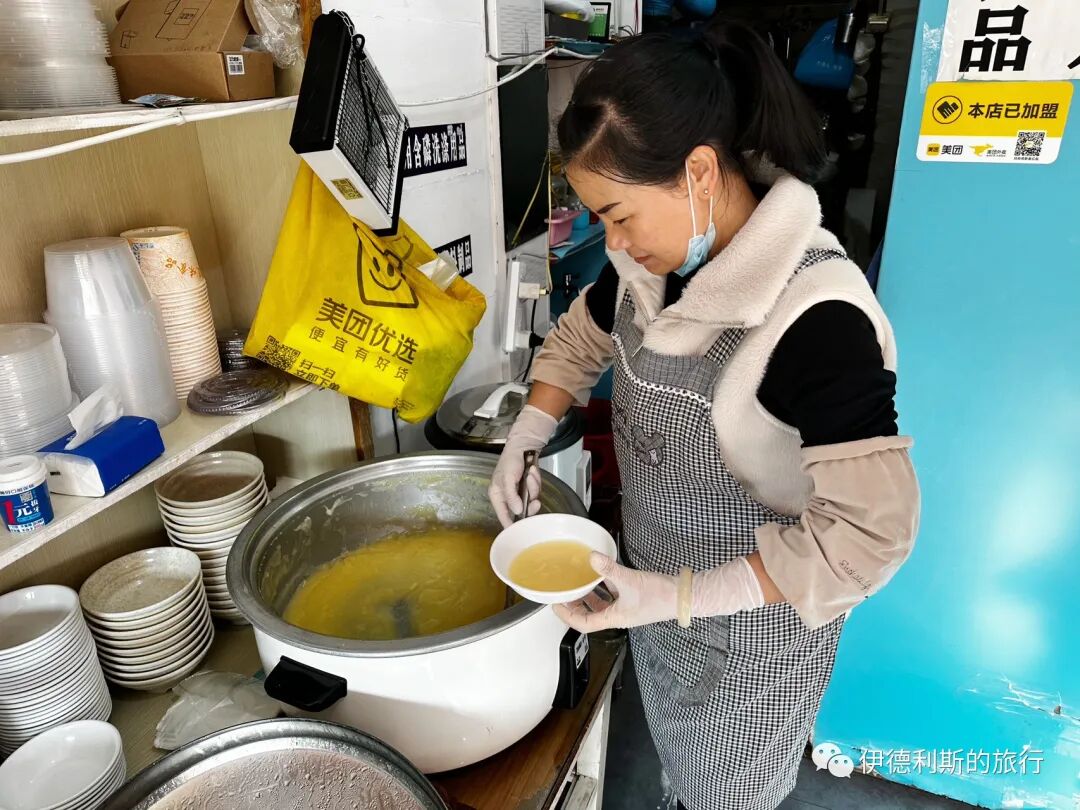
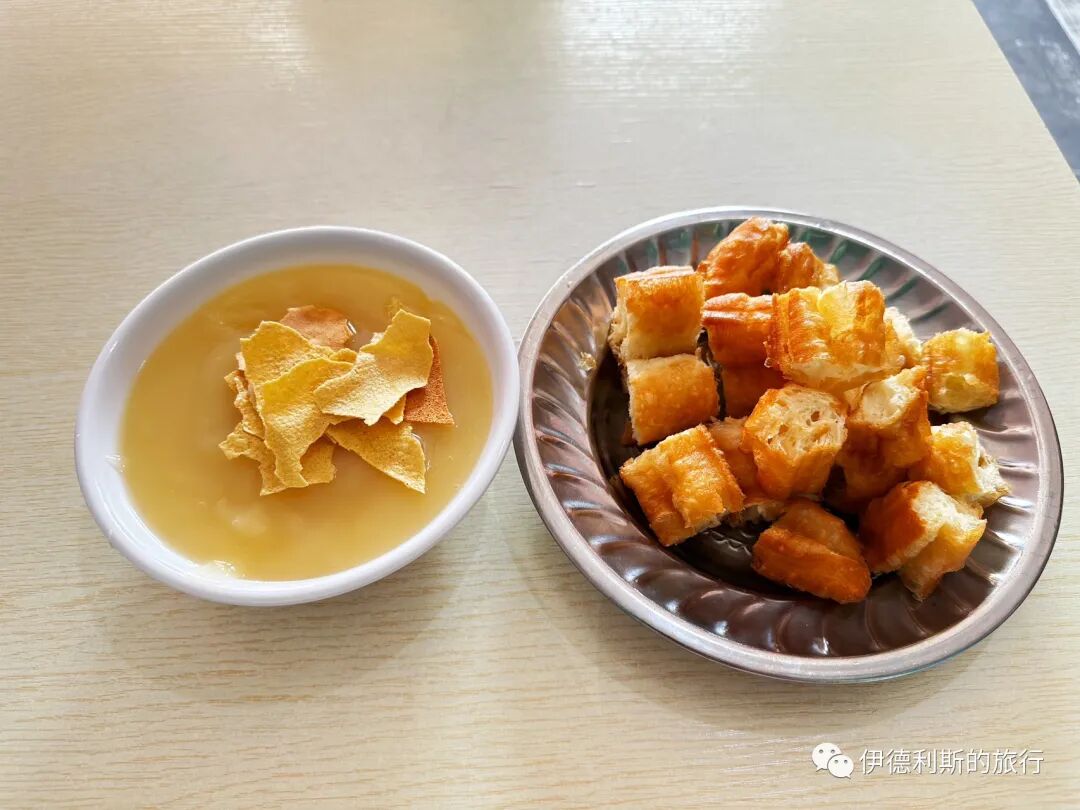
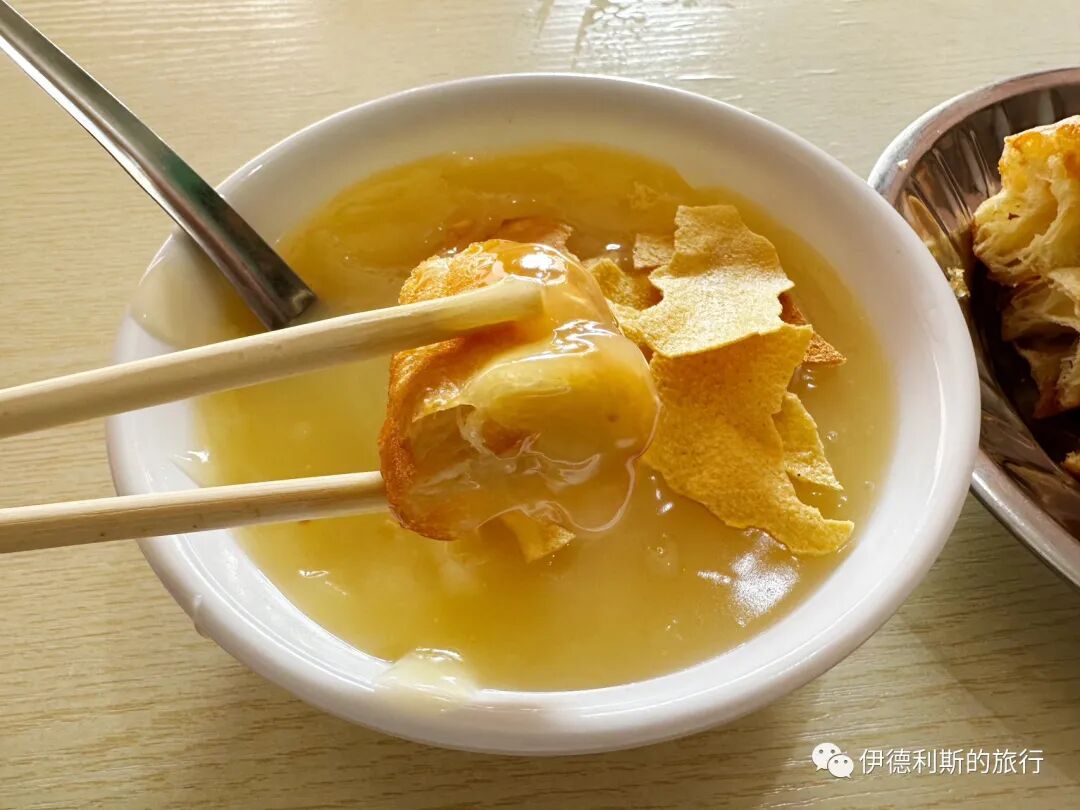
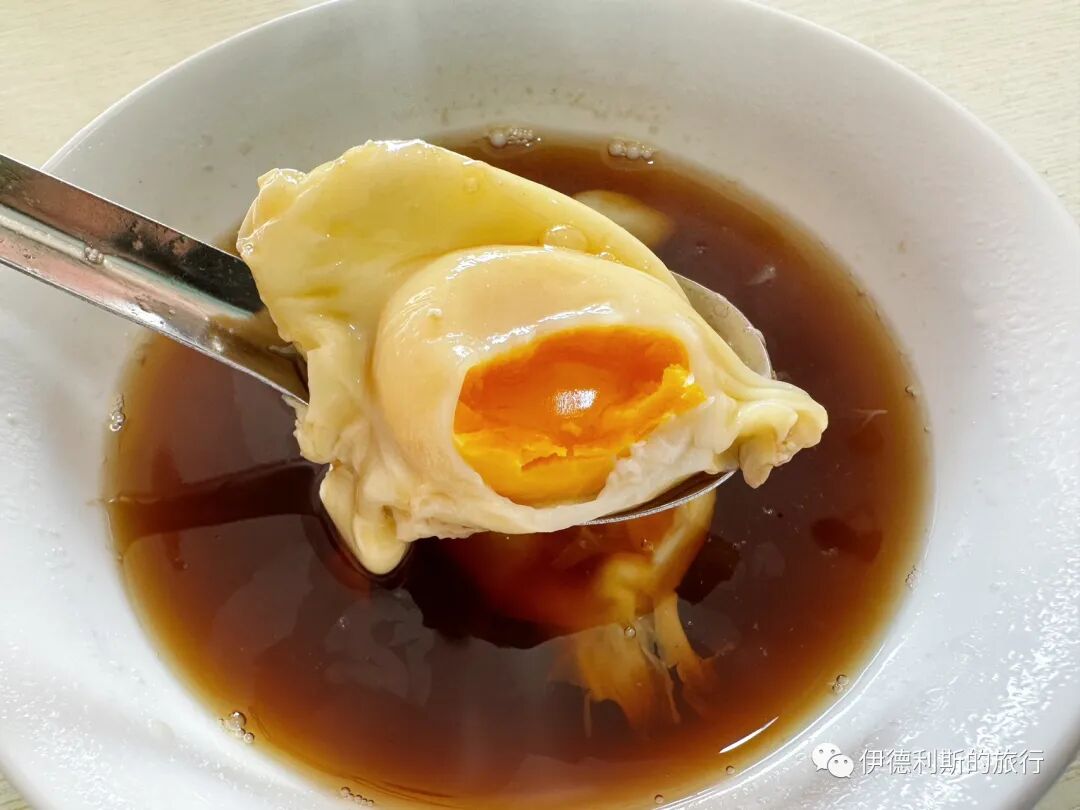
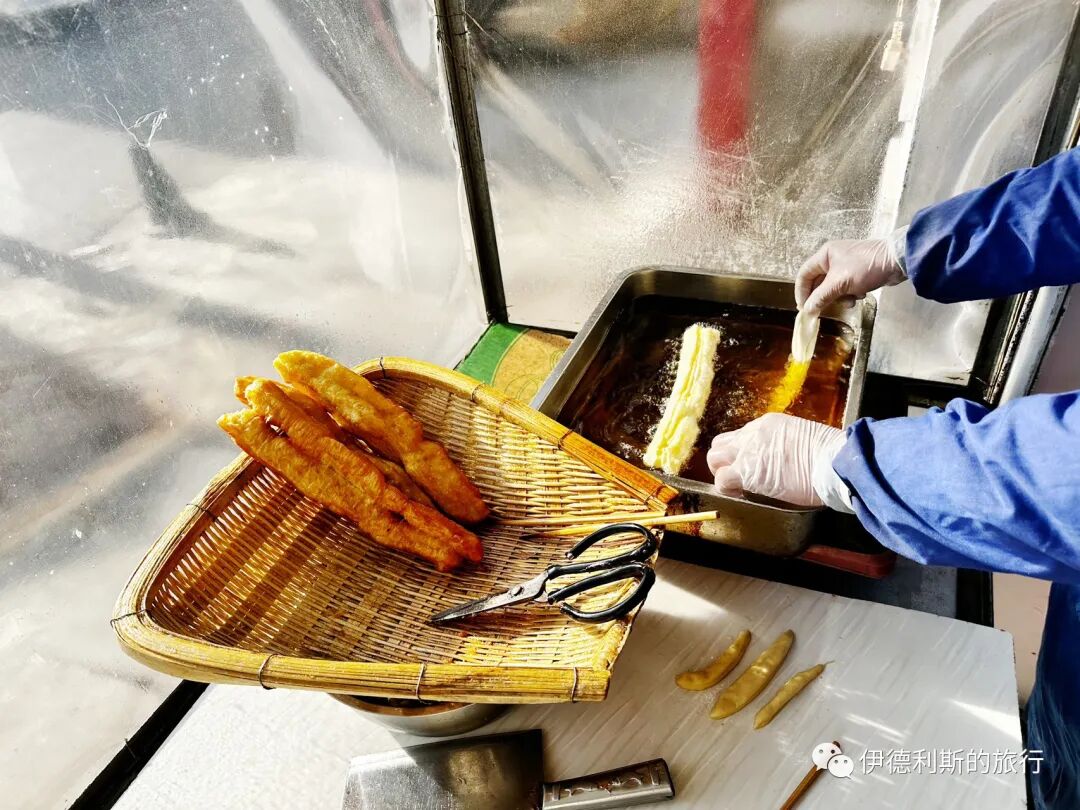
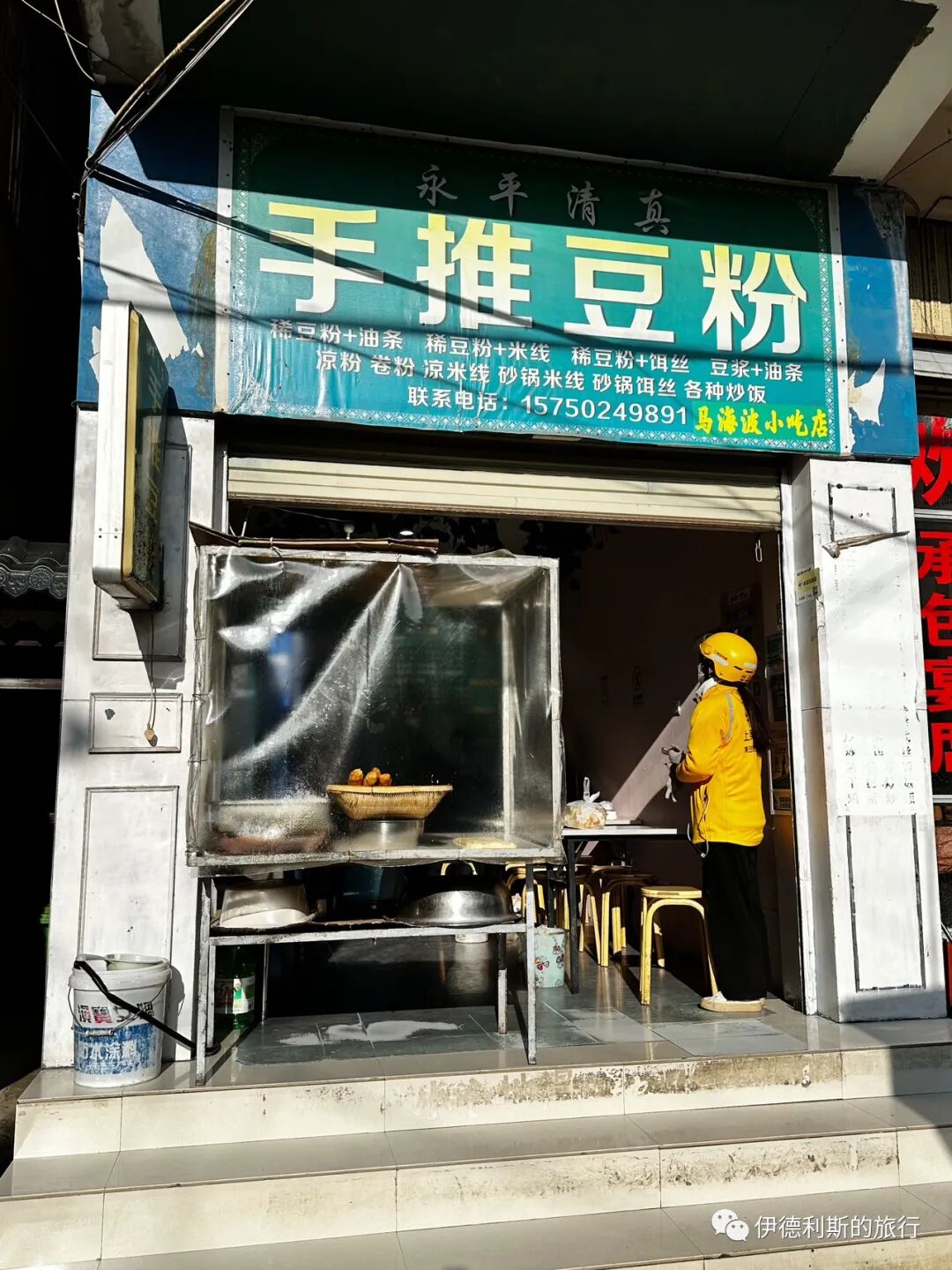
In the morning, I ate thick pea flour (xi doufen) with fried dough sticks (youtiao) and brown sugar boiled eggs at Ma Haibo's snack shop. Boss Ma is from Yongping County, Dali, which is the westernmost mountainous county in Dali, with the Lancang River just to the west.
The freshly fried dough sticks are crispy, and they taste great when dipped in the thick pea flour. The brown sugar boiled eggs have a warming feeling, making them perfect for breakfast.
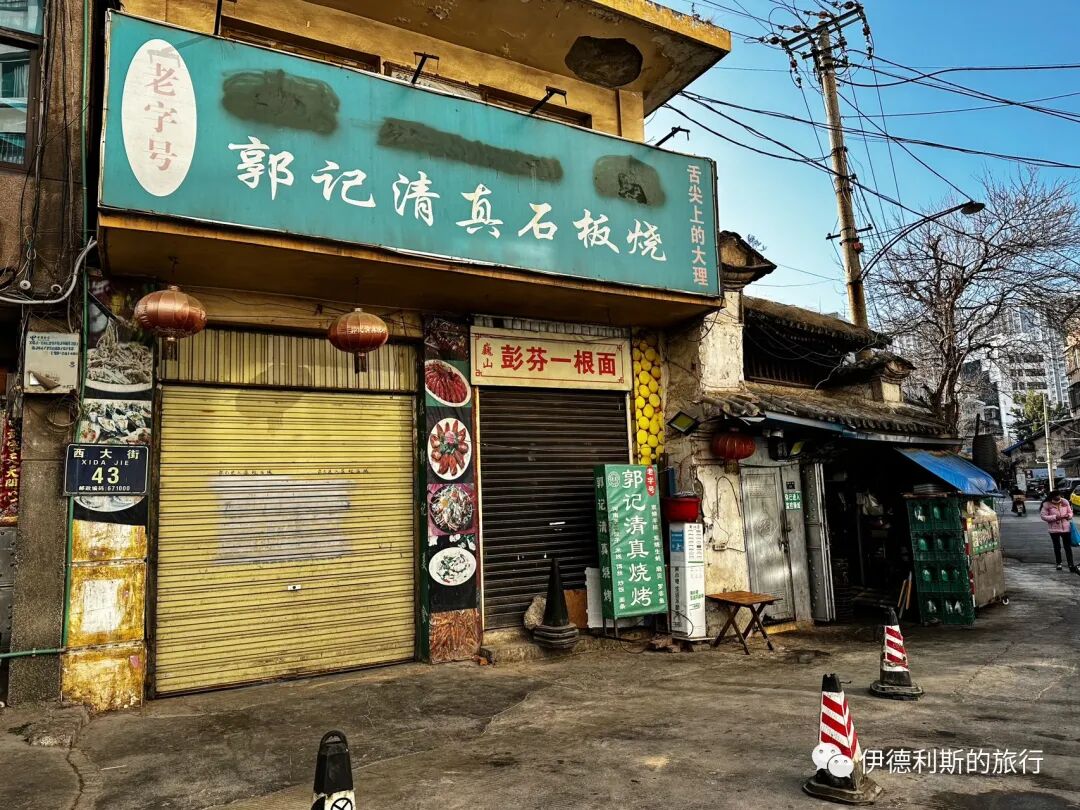
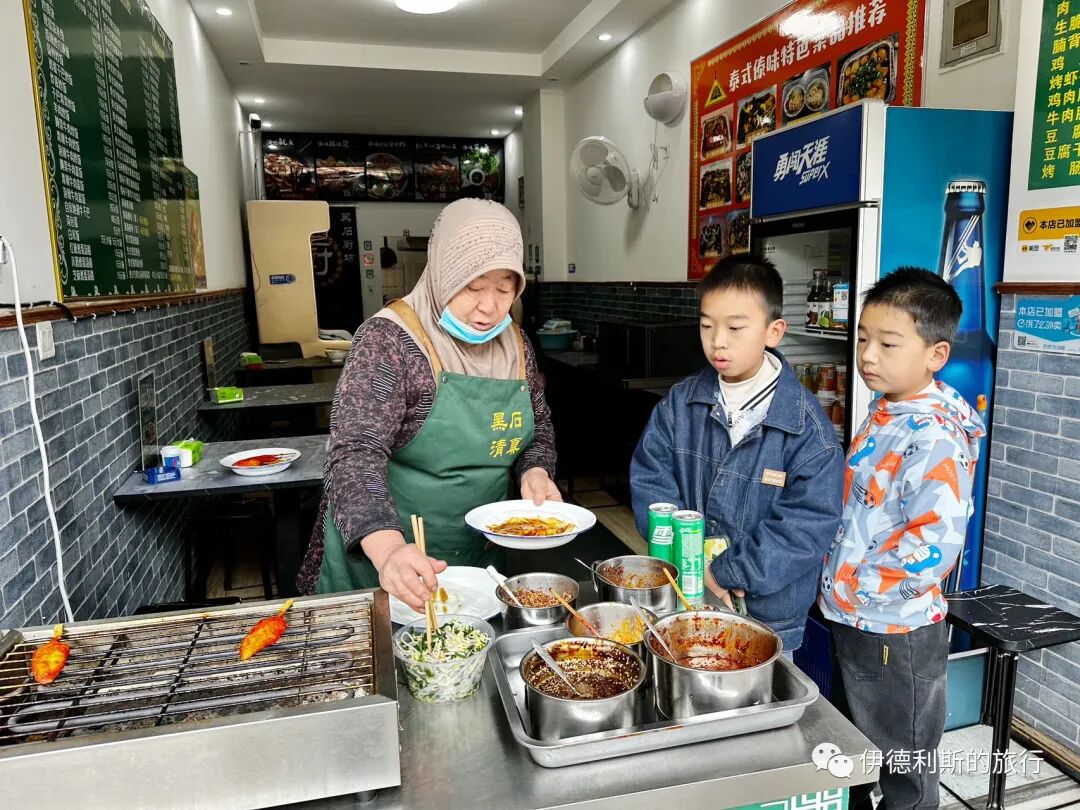
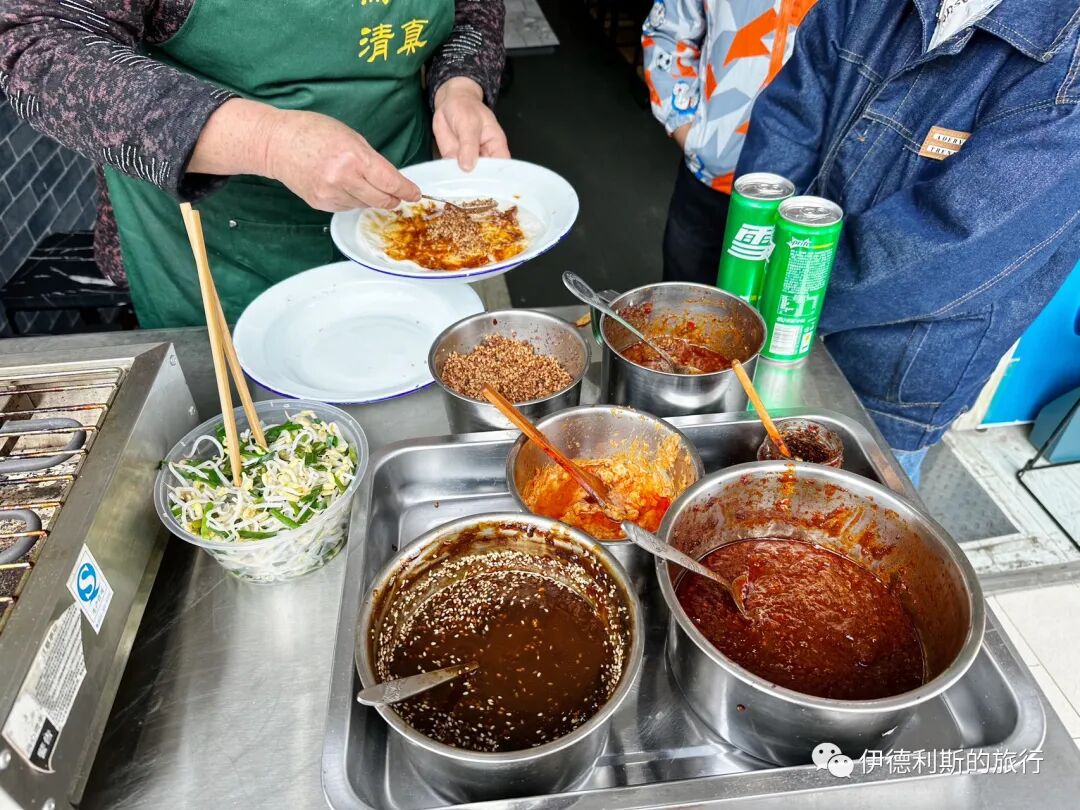
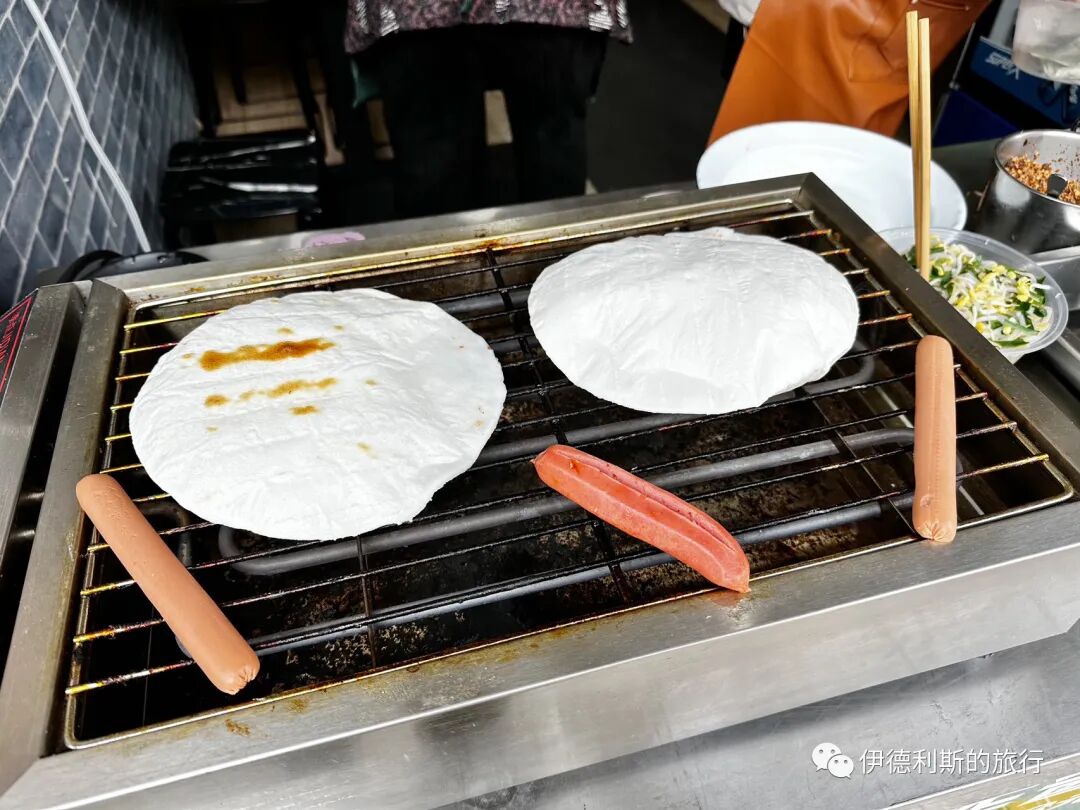
The beef sauce rice cakes (erkua) made by local Hui Muslims on West Street come with different sauces, so you can have them sweet or spicy. The neighborhood kids love them. It is also very convenient to pack some rice cakes (erkua) to eat on the road when you get hungry.
Zhengyang Times Square
Zhengyang Times Square is right across from Wenming Street. It has many halal restaurants and is especially lively at night.
At night, I ate beef-covered rice balls (niudagun) and savory bean-flour soup dumplings (ganba doumian xiantangyuan) at Du's Tangyuan shop in Zhengyang Times Square. Yunnan has a really rich variety of rice balls (tangyuan), both sweet and savory. Beef-covered rice balls (niudagun) are made by rolling the rice balls in roasted soybean flour and adding maltose or rose jam. Their shop stays open until night, and it is mostly locals who come to eat here.
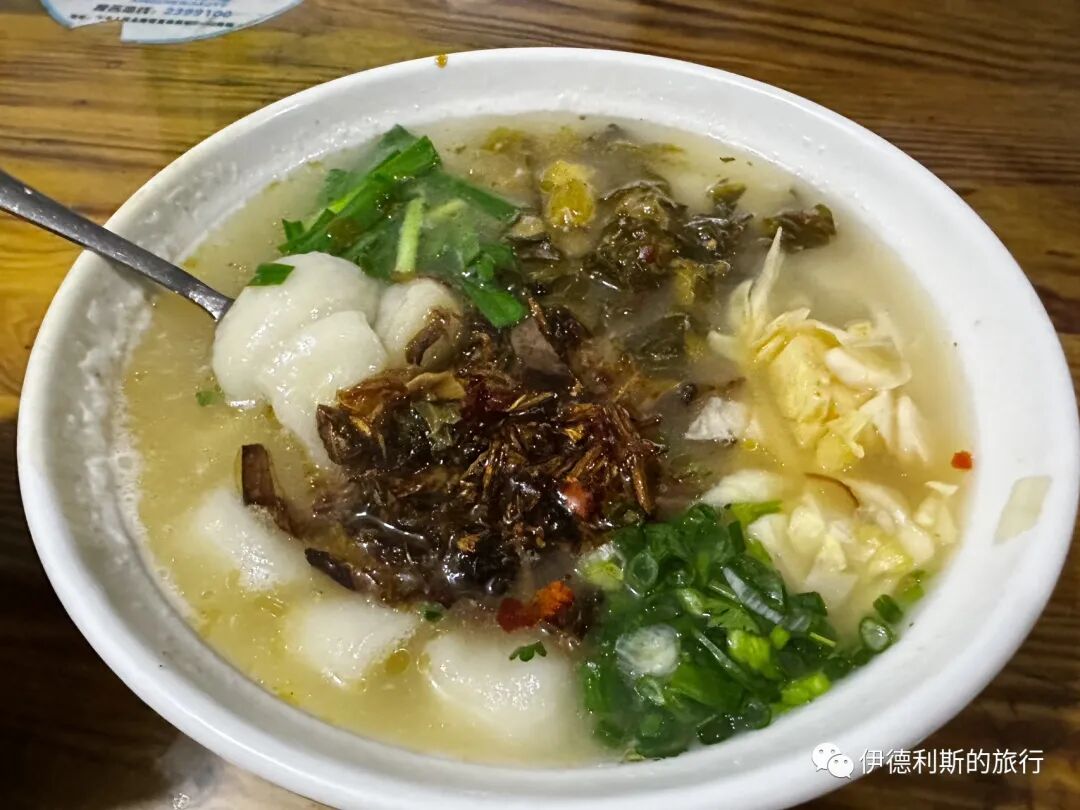
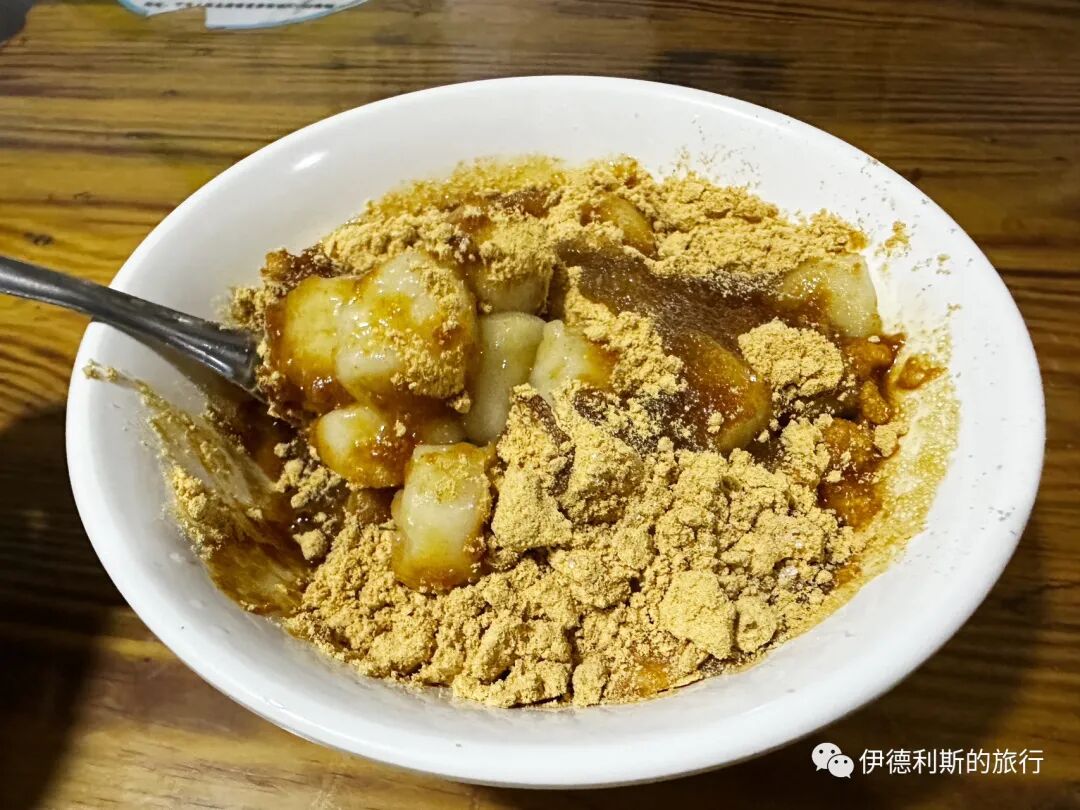
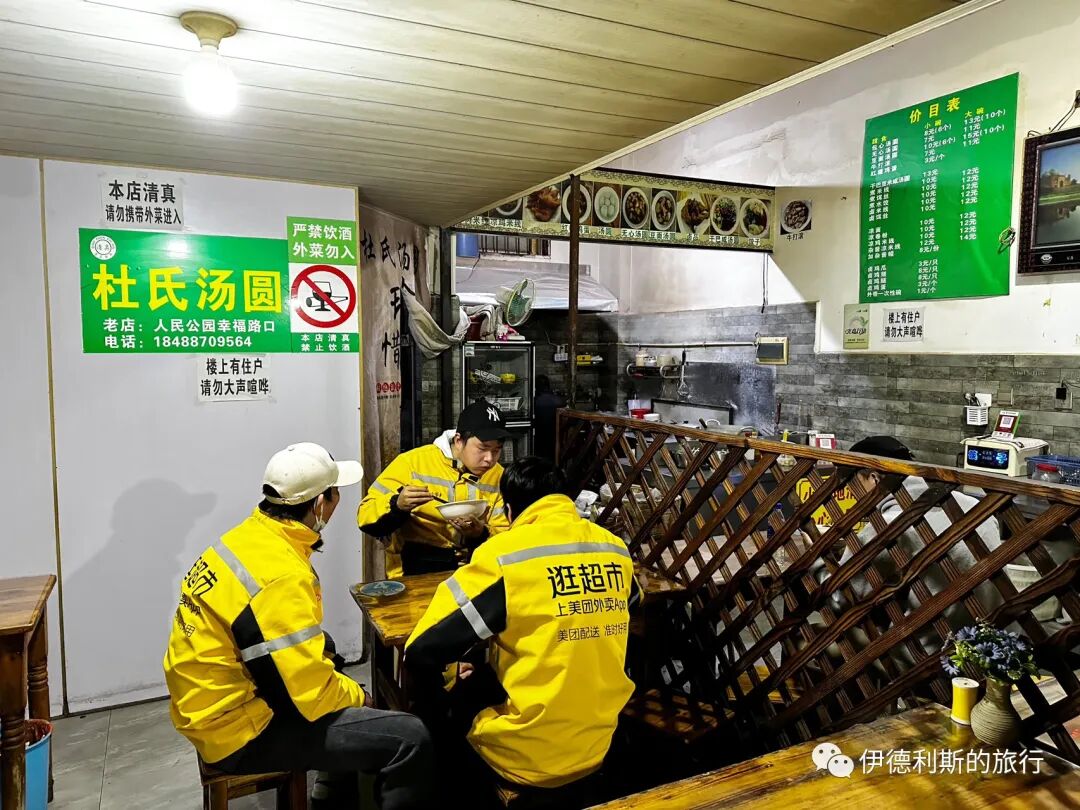
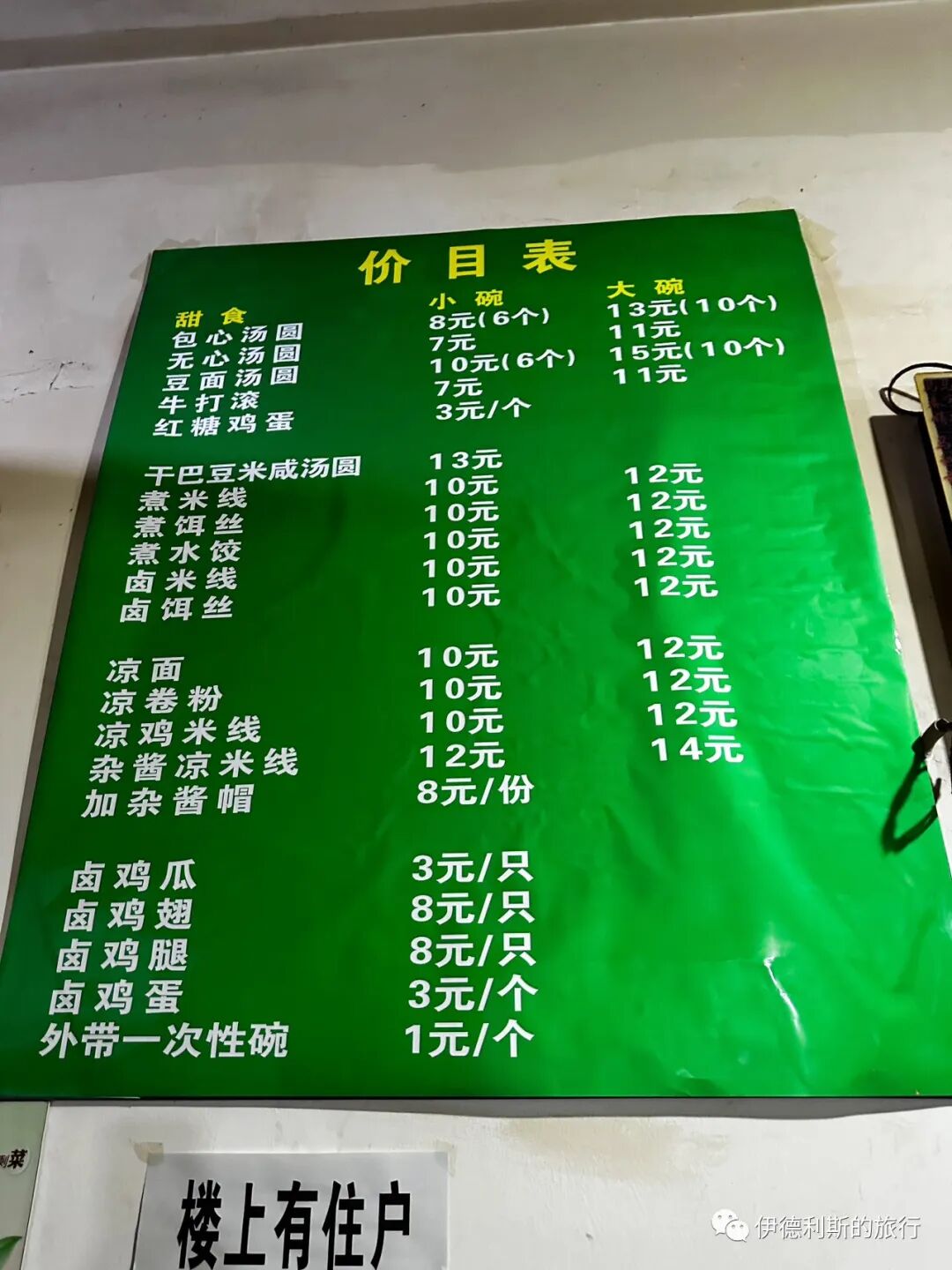
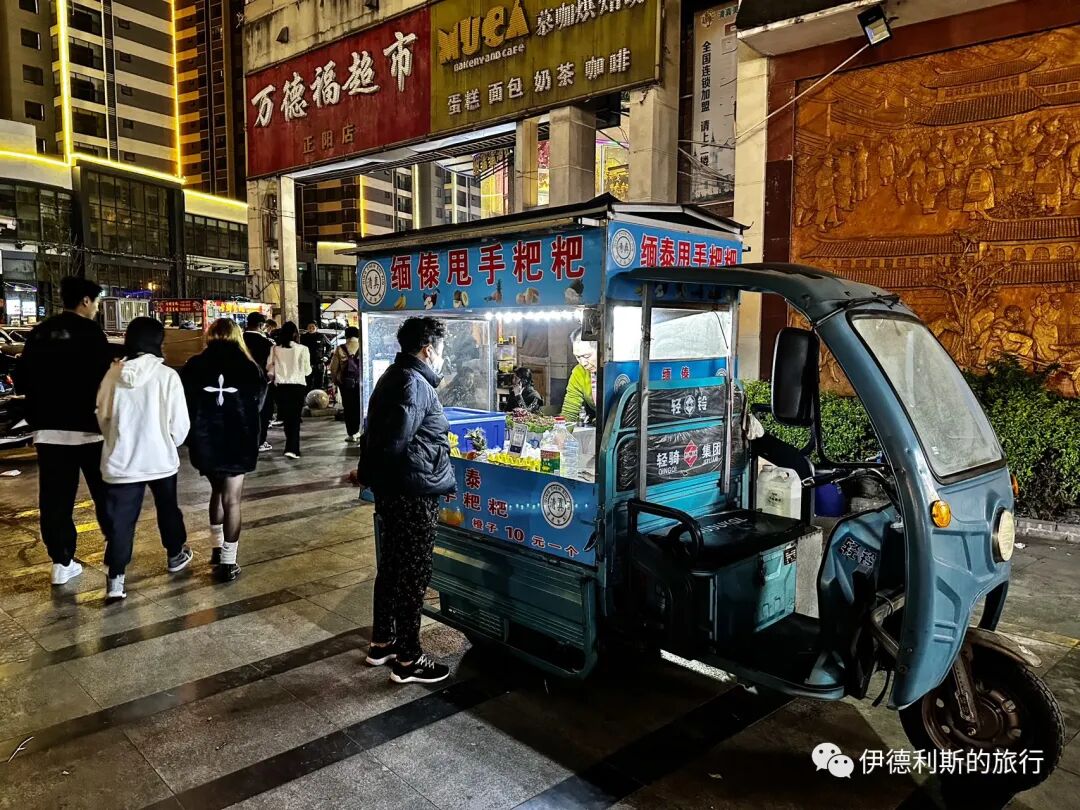
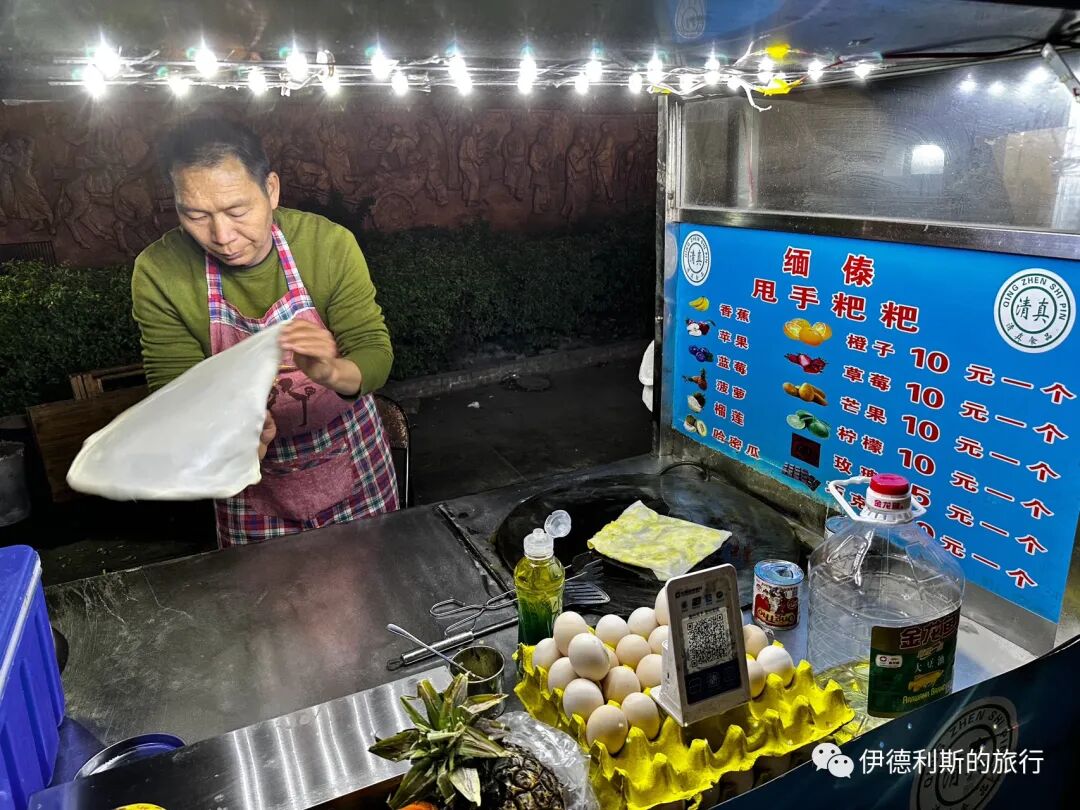
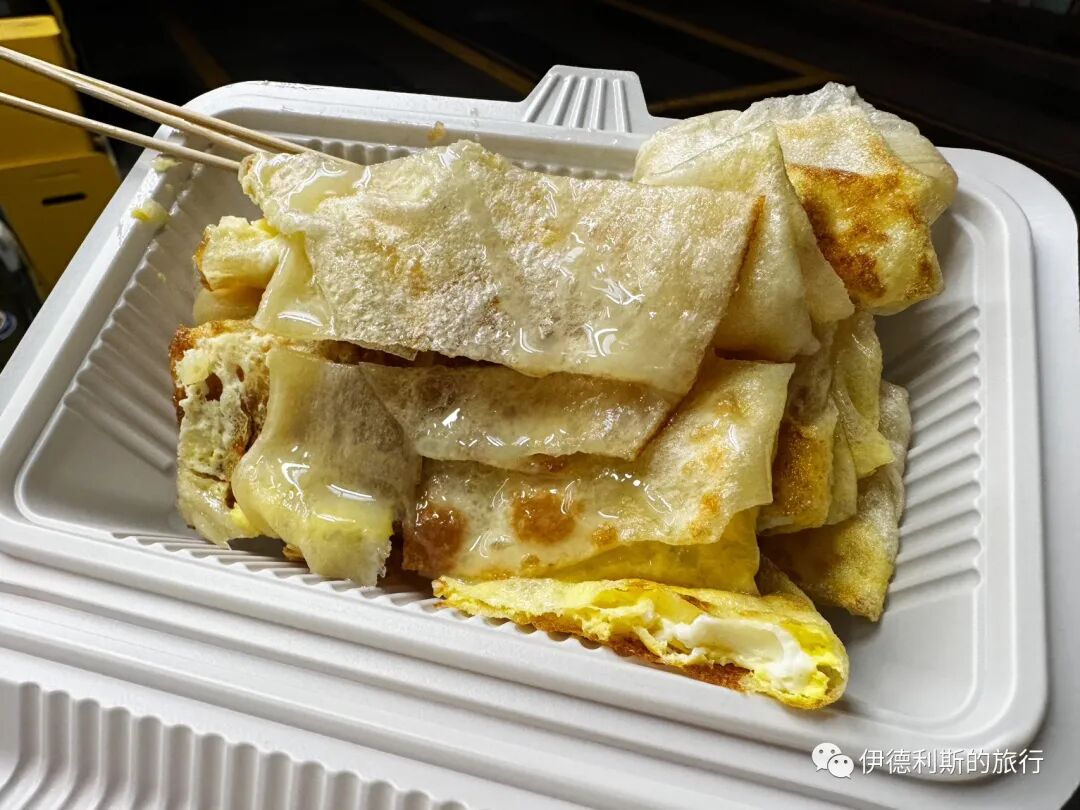
At a street stall in Zhengyang Times Square, I had a pineapple-flavored Burmese flatbread (Palata). Palata comes from the Indian flatbread Paratha. After it reached Burma, sugar was added to make it a snack. Hui Muslim caravans from Yunnan brought this snack back to their hometown, where it became known as tossed flatbread (shuaishou baba).
I had a copper pot stew (guoguocai) at Musheng Copper Pot. The owners are Hui Muslims from Xingzhuang in Xizhou Town, Dali. It is a beautiful Hui Muslim village located under Canglang Peak by Erhai Lake.
Copper pot stew (guoguocai) is similar to spicy hot pot (malatang) where you pick your own vegetables, but they do not weigh them. Unlike spicy hot pot (malatang), copper pot stew (guoguocai) is cooked in a small copper pot. You also add a topping of classic Yunnan Hui Muslim dishes like braised meat, cold-sliced meat, or yellow-braised chicken, and eat it with rice.
I ordered the mild spicy version, but it was on a completely different level than the mild spicy in Beijing. It made my nose run, my eyes water, and my lips feel like they were being electrocuted. Next time, I will honestly stick to the clear broth, but for those friends (dost) who love spicy food, I still recommend trying the spicy pot base!
I bought some milk fans (rufan) at a fresh milk shop at the corner of Zhengyang Times Square in 2020.
Outside the Hui Muslim Street
Besides the Hui Muslim street around Xiaguan Mosque, there are many other halal restaurants in other parts of Xiaguan. I will share a few more here.
Nafeng Halal Snack Shop is an old place where locals eat. I ordered a bowl of minced meat rice noodles (ersi) with a braised meat topping. The texture of the rice noodles (ersi) is softer and not as chewy as rice noodles (mixian).
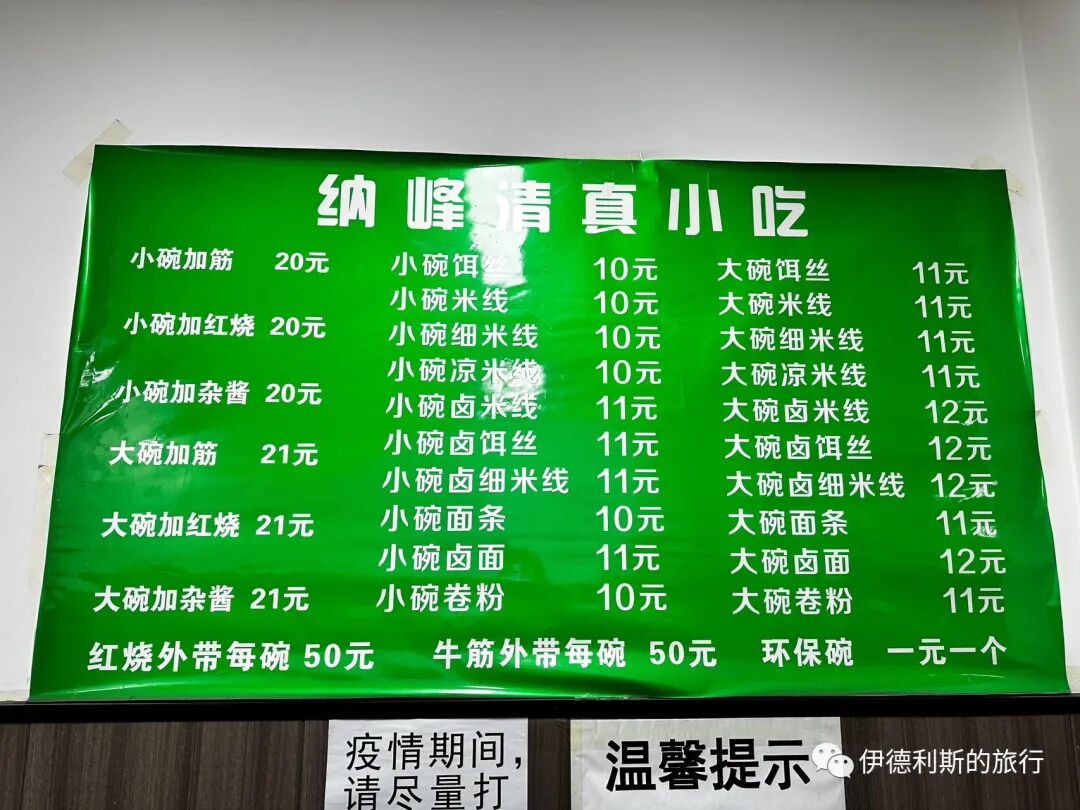
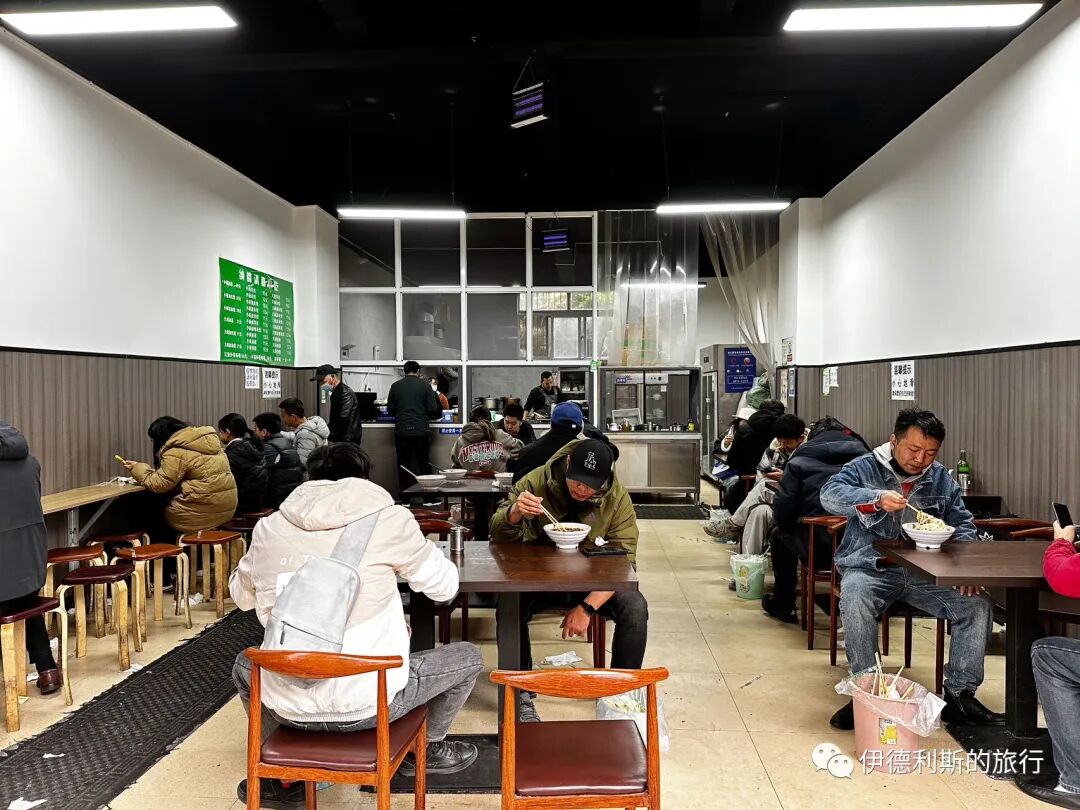
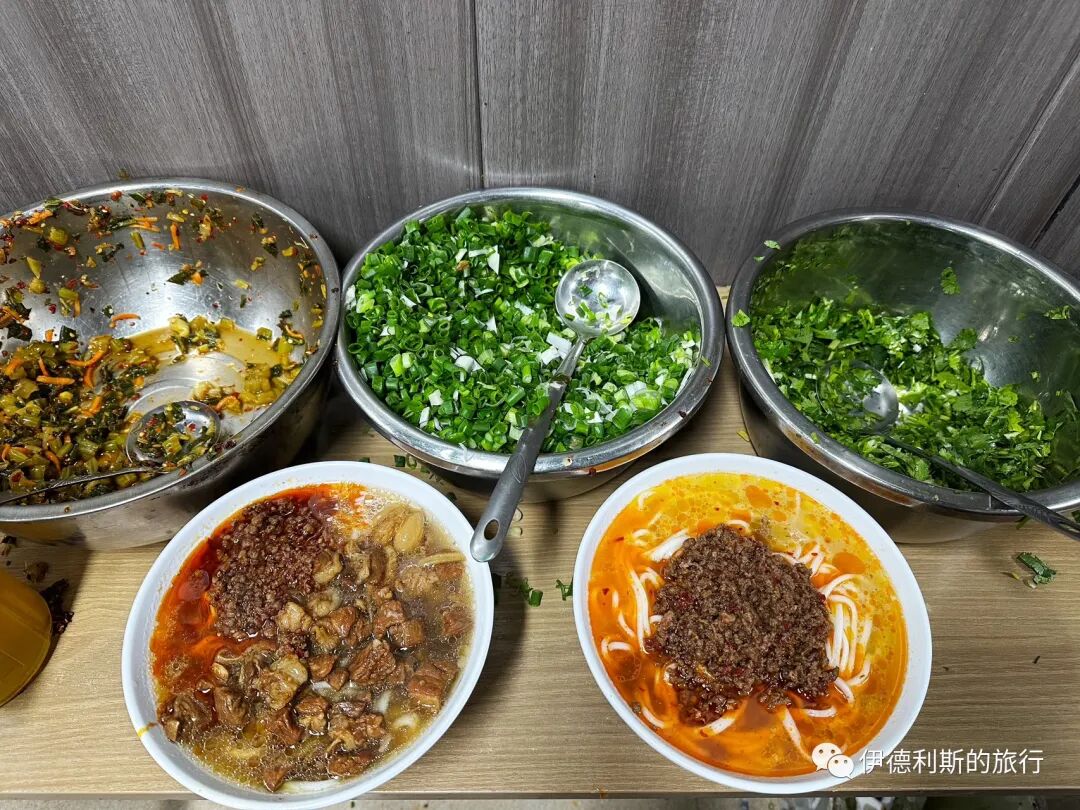
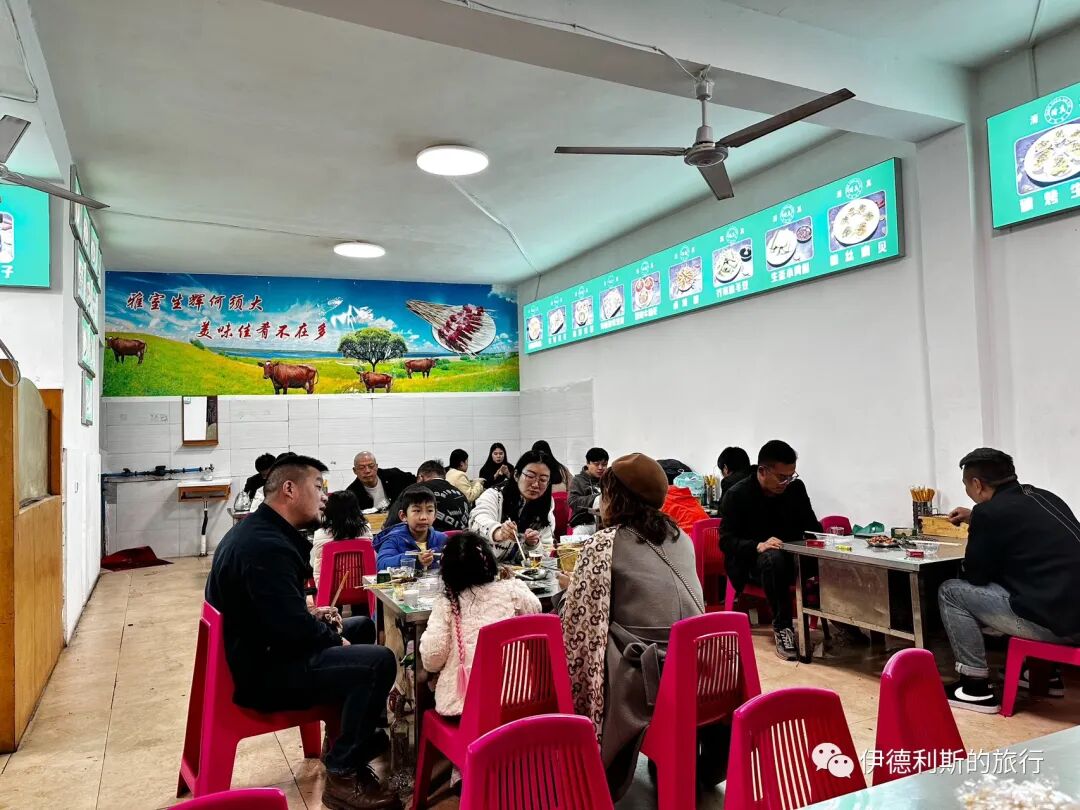
At night, I had a late-night snack at Plato Zhaotong Specialty Small Meat Skewers next to Dali Station.
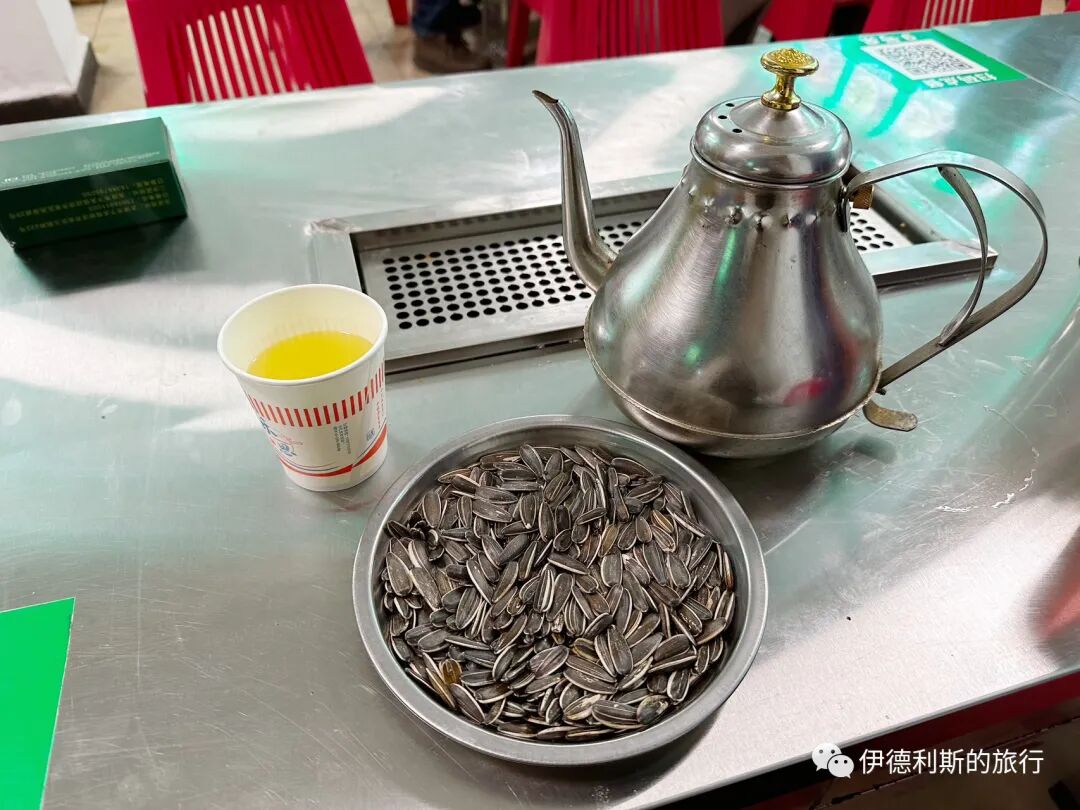
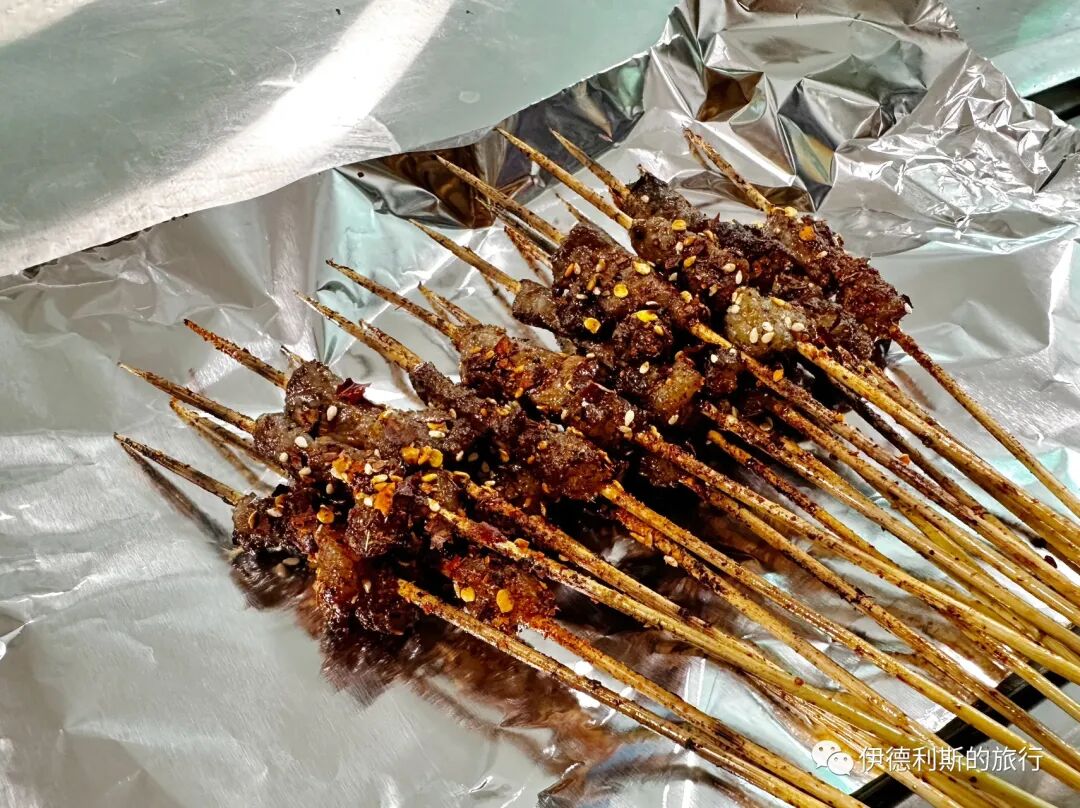
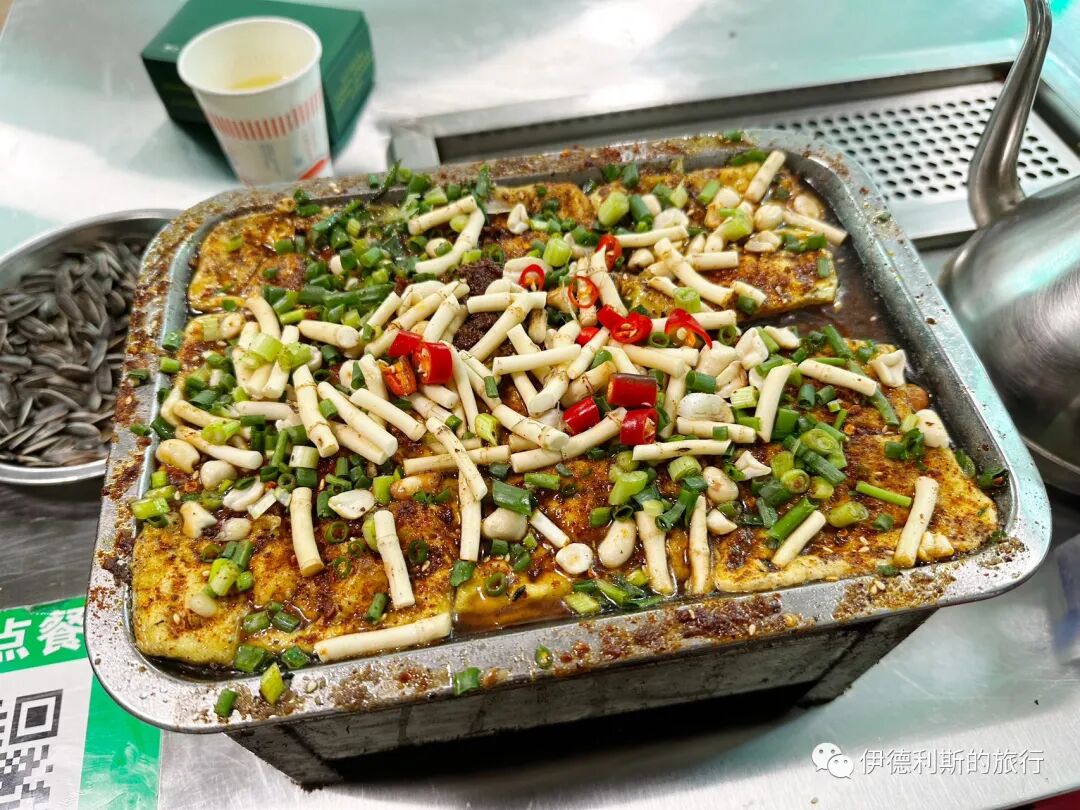
Their service is quite good; as soon as you sit down, they bring you tea and melon seeds. At first, I ordered Zhaotong small meat skewers, fermented tofu (baojiang doufu), and roasted potatoes. The Zhaotong small meat skewers are truly mini. Each skewer is just one bite, mostly to savor the flavor. The fermented tofu (baojiang doufu) is very tender. They added a lot of fish mint (zhe'ergen) to enhance the flavor, and there was charcoal fire underneath.
After eating these, I still wanted more. I checked their menu, which was really rich and quite bold, so with the encouragement of my friends (dostani) in the group, I ordered beef brain and roasted grasshoppers, which I had never eaten before. The texture of the brain is actually a bit like fermented tofu (baojiang doufu), and it tasted quite good. I had always wanted to try grasshoppers as a food mentioned in the teachings, and this time I finally did. It looked a bit hard to eat at first, but once I actually ate it, I felt it was acceptable. It was roasted very crispy and felt a bit like eating shrimp.
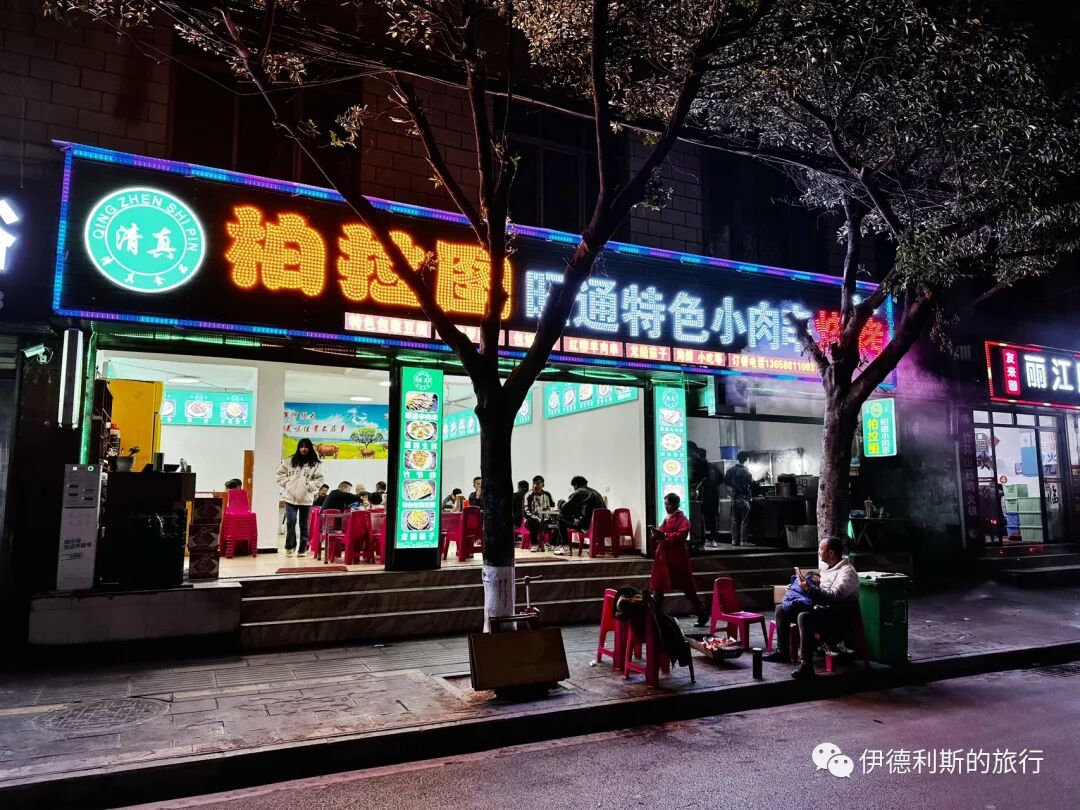
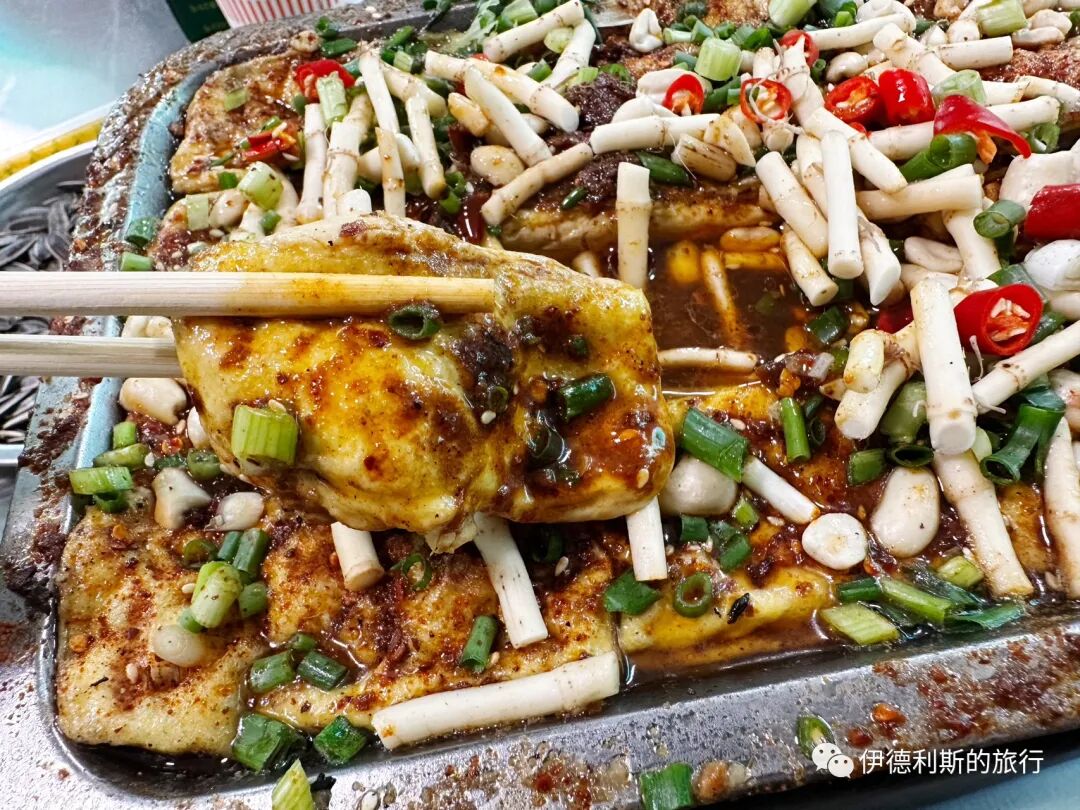
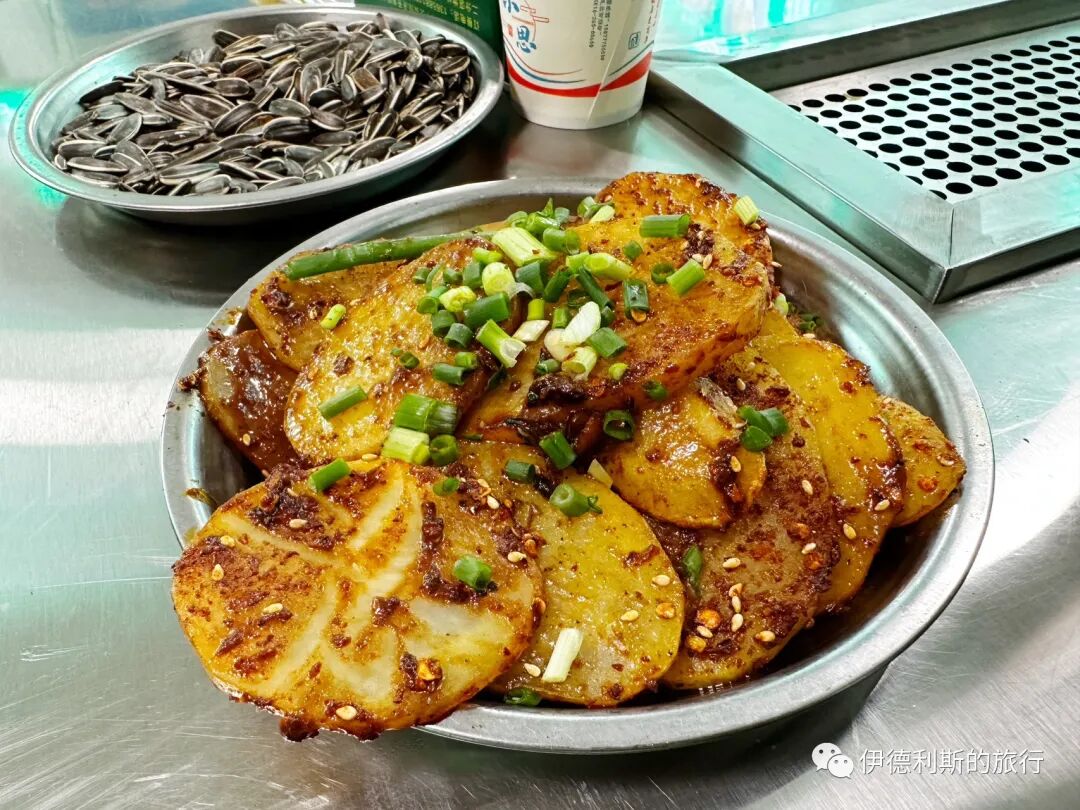
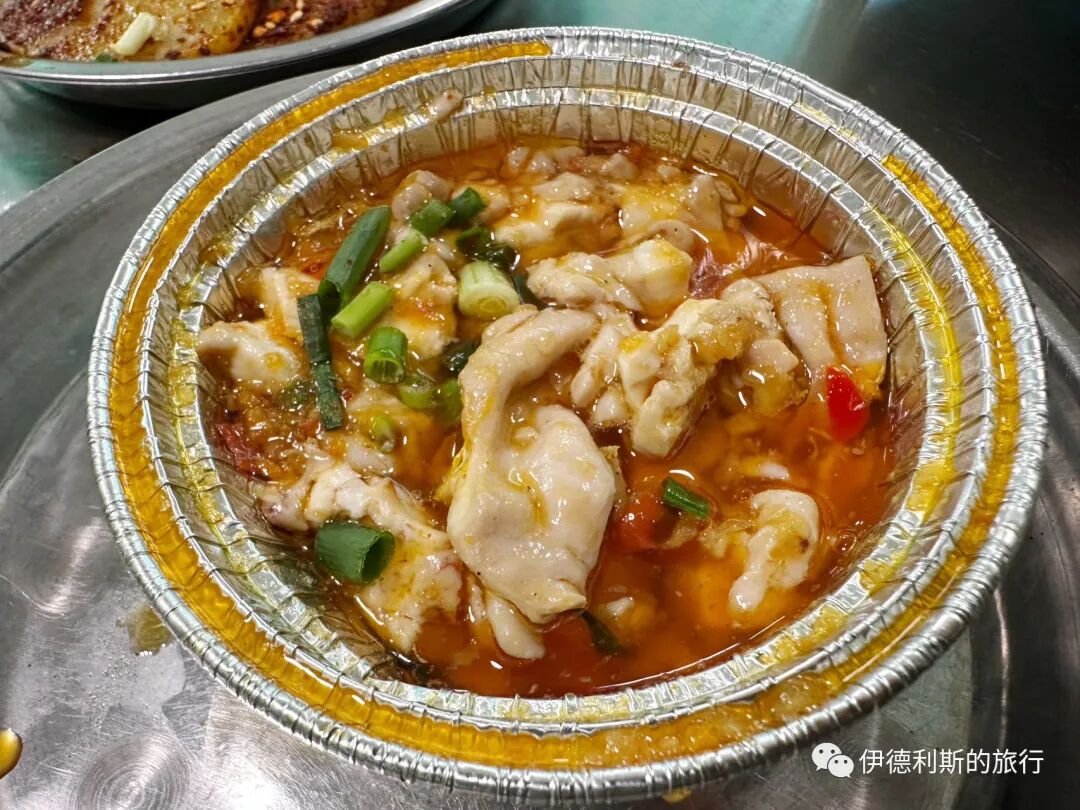
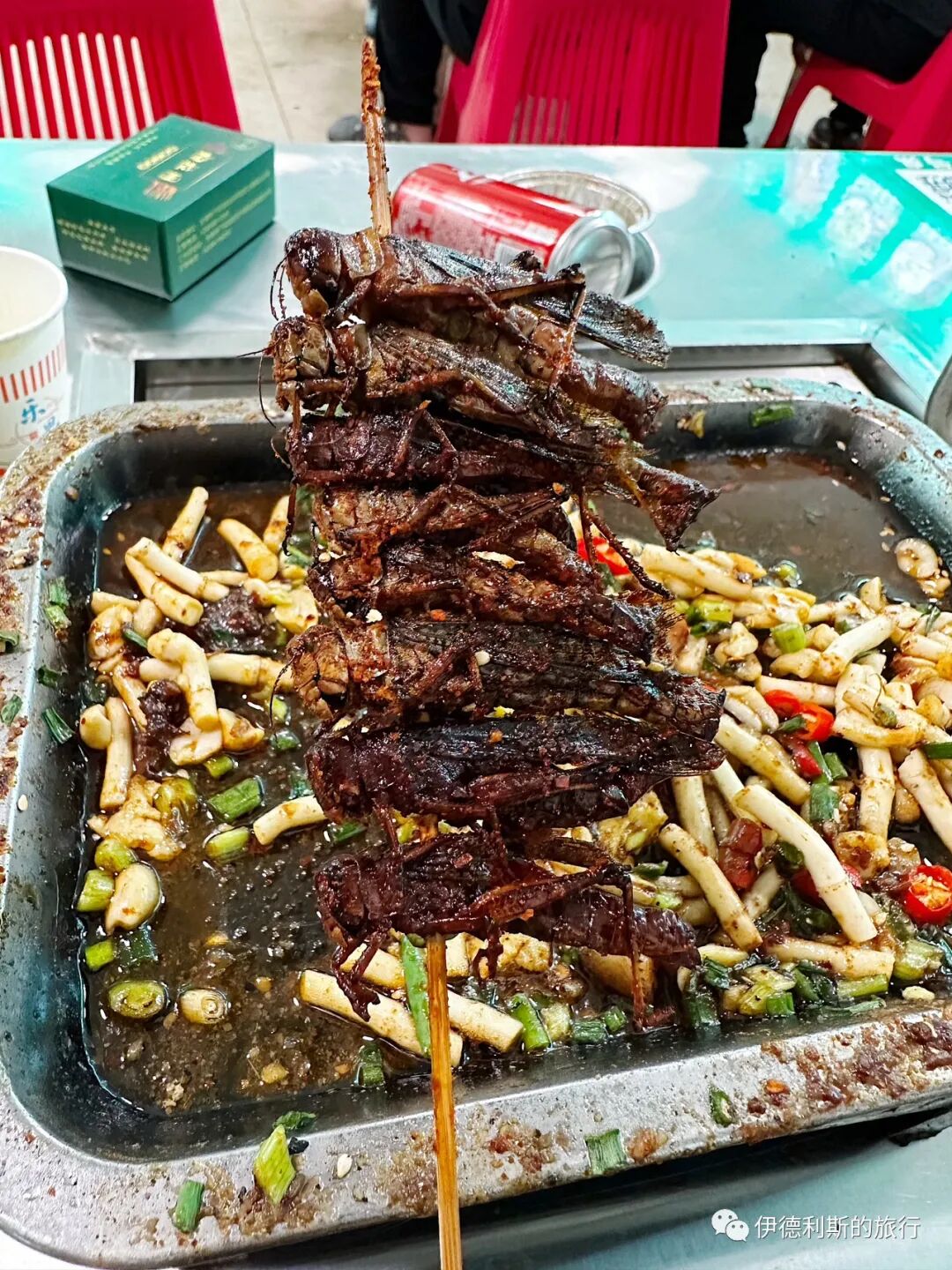
You can find halal restaurants from all over Dali in the Renmin South Road area west of Xingsheng Bus Station. In 2020, I bought braised dishes made by Hui Muslims from Weishan Huihuideng at the market on Renmin South Road.
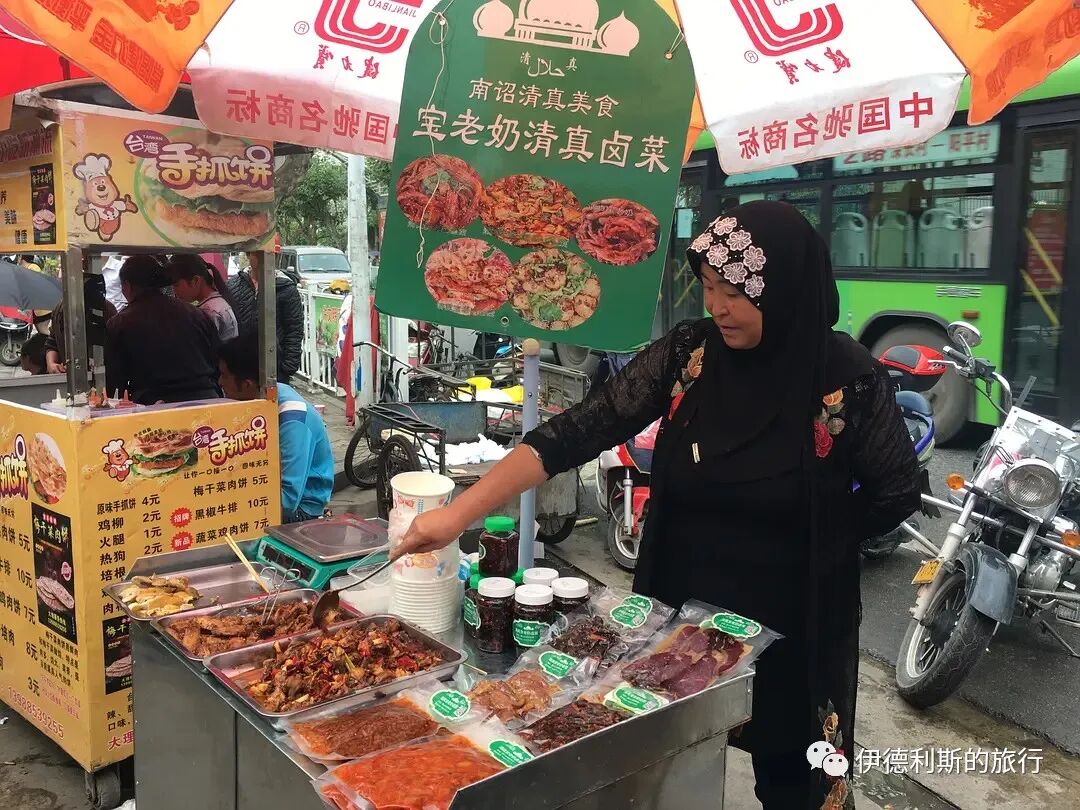
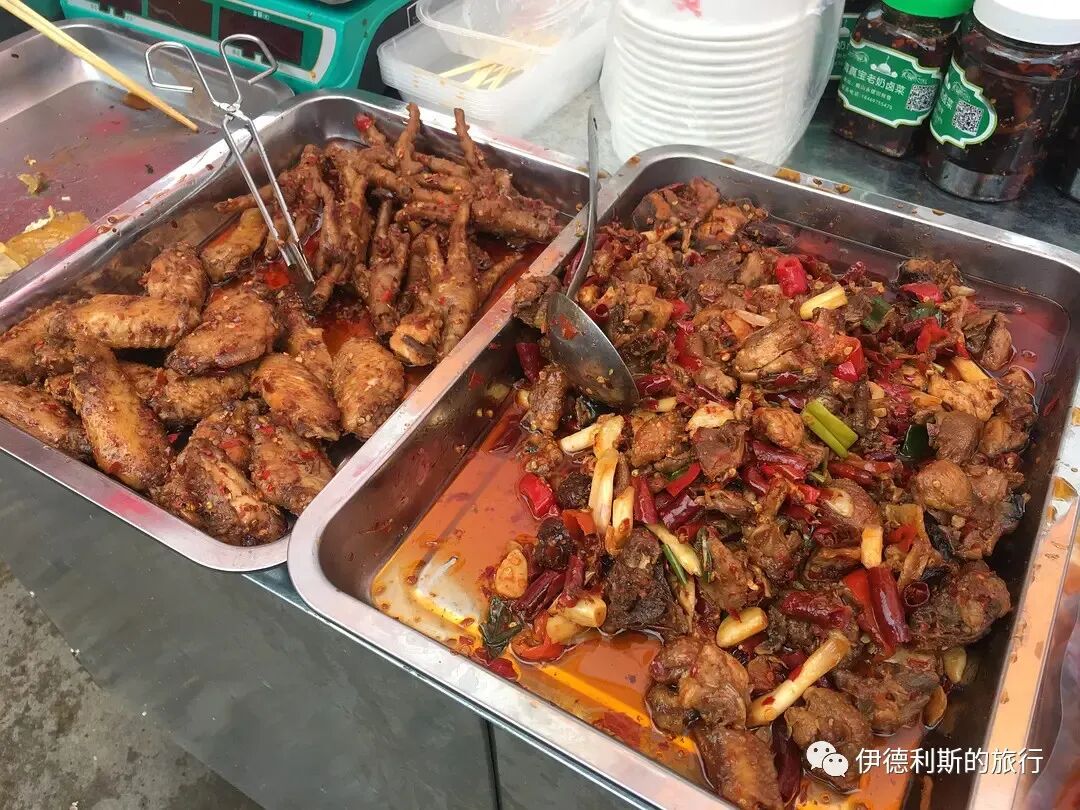
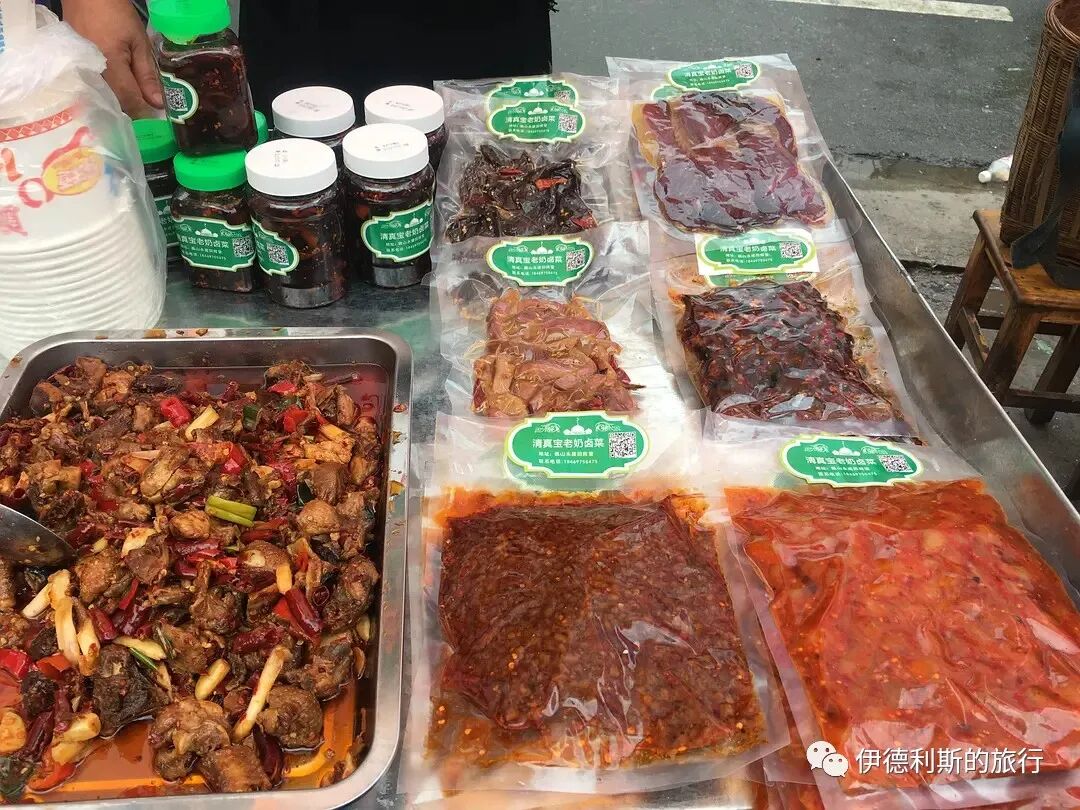
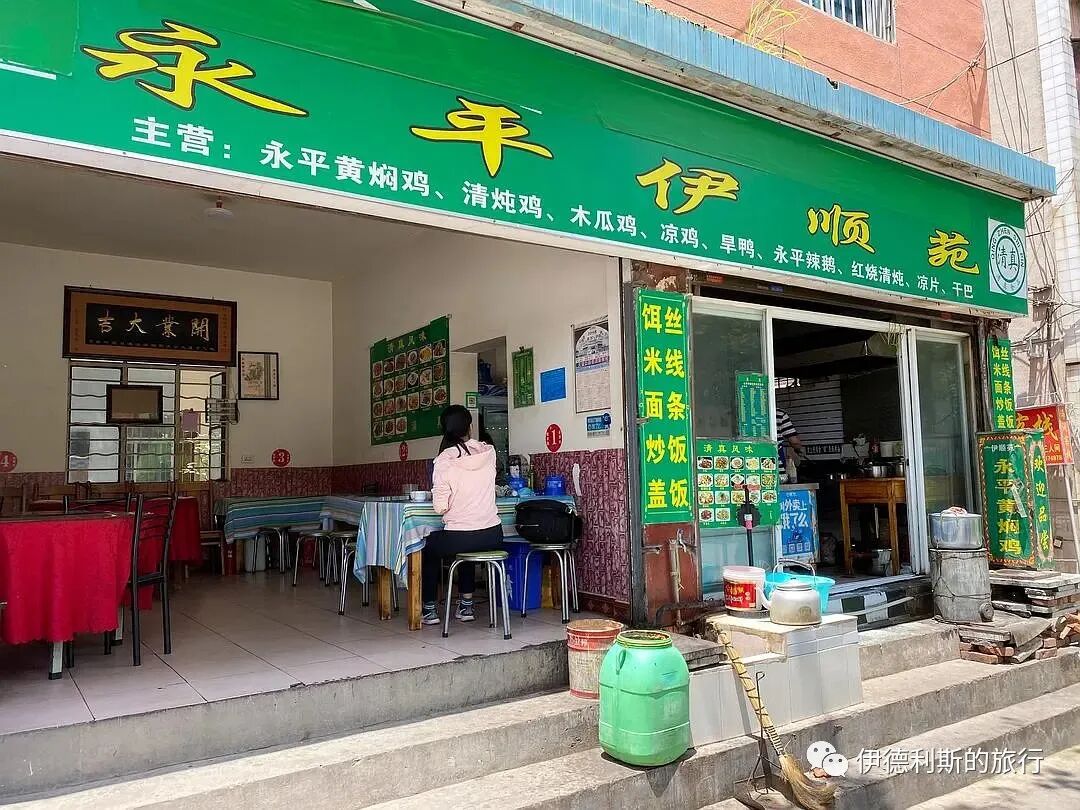
In 2020, I visited a restaurant on Renmin South Road run by Hui Muslims from Yongping County, Dali. I ate the local Yongping specialty, yellow-braised papaya chicken (huangmen mugua ji). The black-footed free-range chicken was excellent, and the papaya juice gave it a nice sour taste. I also had fermented bean curd (mei doufu) stir-fried with garlic sprouts and pickled vegetable red bean soup. These red beans were different from the kind we usually eat.
Spring travels in 2023:
On January 23, I left Macau and visited the Macau mosque known as the Moor Garden (Moluoyuan), where I ate delicious Indonesian Javanese food (see "Moor Garden and Indonesian Food in Macau"). On January 25, I arrived in Guangzhou, visited friends (dost), and ate various halal foods (see "Hui Muslim Oil Cakes and Yemeni Food in Guangzhou").
At noon, I performed namaz at the Huaisheng Mosque, then went to visit the Ancient Tombs of the Worthies (see "Huaisheng Mosque and the Ancient Tombs of the Worthies in Guangzhou").
In the afternoon, I prayed the afternoon prayer (asr) at Haopan Mosque and the sunset prayer (maghrib) at Xiaodongying Mosque (see "Visiting Haopan Mosque and Xiaodongying Mosque in Guangzhou").
On the morning of January 26, I took a train from Guangzhou to Zhaoqing, visited two mosques, and ate halal Cantonese food (see "Halal Roast Goose and Starfruit at the Mosque in Zhaoqing, Guangdong").
On the morning of January 27, I flew from Guangzhou to Xichang, Sichuan. I performed Jumu'ah at the Xichang city mosque, visited the West Mosque and the East Mosque, and ate Xichang rice noodles (see "Performing Jumu'ah and Eating Rice Noodles in Xichang, Sichuan").
On January 28, I took a high-speed train south to Miyi County in Panzhihua, Sichuan. I visited the beautiful Hui Muslim village of Tianba and performed namaz at the old Tianba mosque. I also enjoyed a delicious meal at a local farmhouse restaurant (see "The Beautiful Hui Village Deep in the Mountains—Tianba, Miyi, Sichuan").
Twenty Traditional Mosques in Dali (Part 1)
Articles • ali2007fr posted the article • 0 comments • 277 views • 2026-05-17 00:18
Summary: This travel note introduces Twenty Traditional Mosques in Dali (Part 1). I traveled to Dali twice, in July 2017 and August 2020, and visited 20 traditional mosques there. It is useful for readers interested in Dali Mosques, Chinese Muslims, Muslim Travel.
I traveled to Dali twice, in July 2017 and August 2020, and visited 20 traditional mosques there. The mosques in Dali are very distinctive, strongly influenced by the traditional architectural arts of the local Bai and Han ethnic groups. It is commendable that although they underwent large-scale reconstruction in the 1980s and 1990s, the new mosques still follow the traditional architectural style, only with an increased scale. In particular, the more than twenty Hui villages around Yongjian Town in Weishan County preserve what I believe to be the densest concentration of traditional mosque architecture in Yunnan, and it is worth a visit for anyone interested in traditional mosque architectural art.
1. Weishan County
1. Dingjiachang Mosque
2. Xiaowumaolin Mosque
3. Dawumao Mosque
4. Baisha Village Mosque
5. Xiaoweigeng Mosque
6. Yanqichang Mosque
7. Daweigeng Mosque
8. Xishulong Mosque
9. Qingmenkou Mosque: 1906
10. Huihui Mosque: 1944
11. Hedi Street Mosque
12. Maminchang Ma Family Mosque
13. Mami Chang Mi Family Mosque
14. Shenhe Village Mosque: 1946
15. Dianzhong Huiying Mosque
16. Donglianhua Mosque: 1921, 87 years
2. Dali City
1. Keli Village Mosque: 1908
3. Eryuan County
1. Sanmei Mosque: 1908
2. Jiming Mosque
3. Shipang Mosque
1. Weishan County
1. Dingjiachang Mosque
The Dingjiachang Mosque in Weishan County was rebuilt in 1995.
2. Xiaowumaolin Mosque
The main prayer hall was rebuilt in 1976, and the minaret was built in 1989.
3. Dawumao Mosque
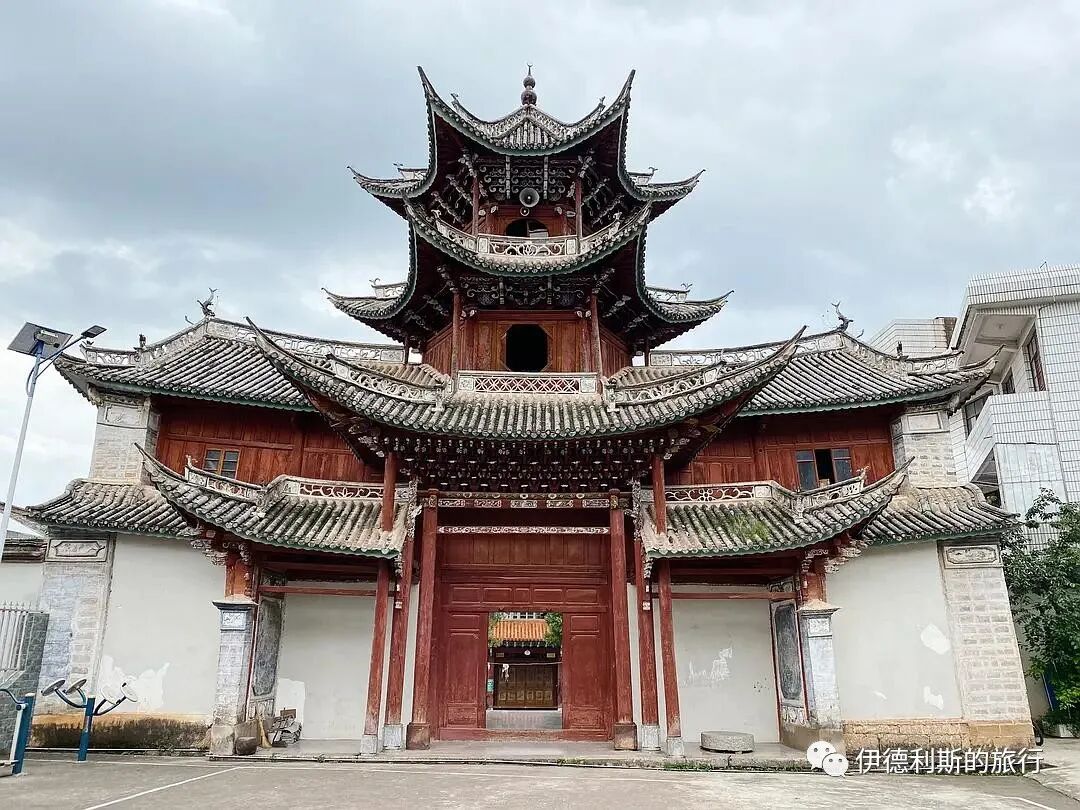
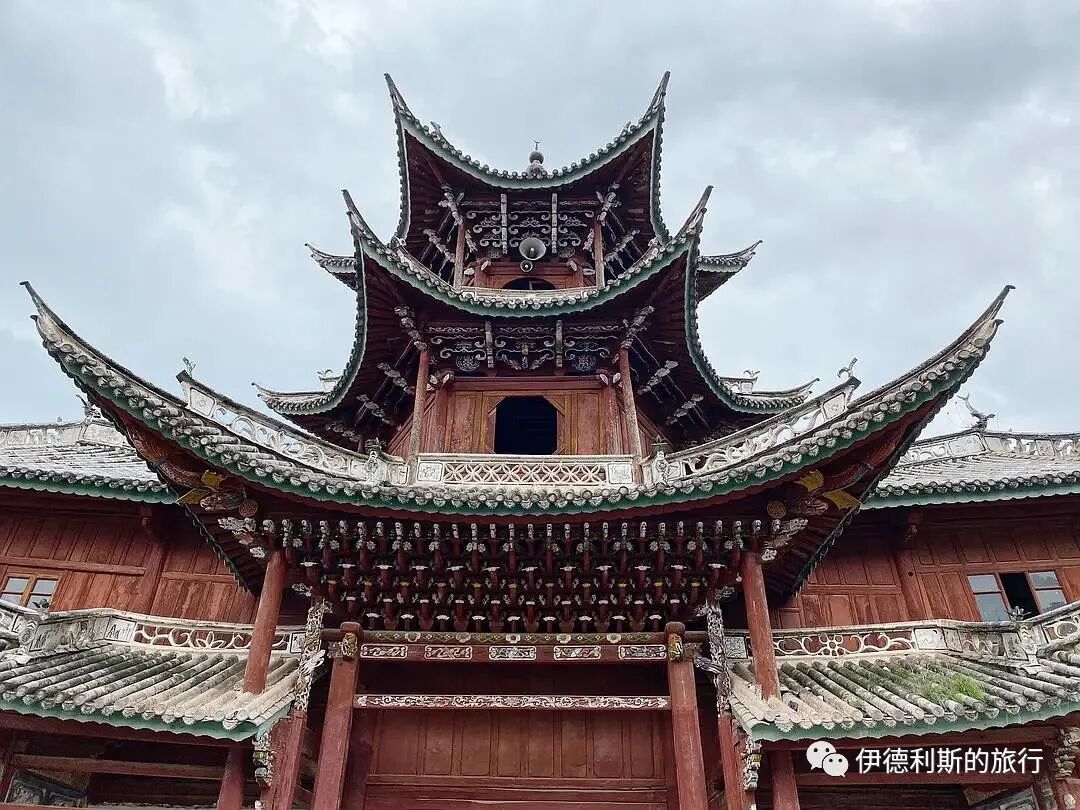
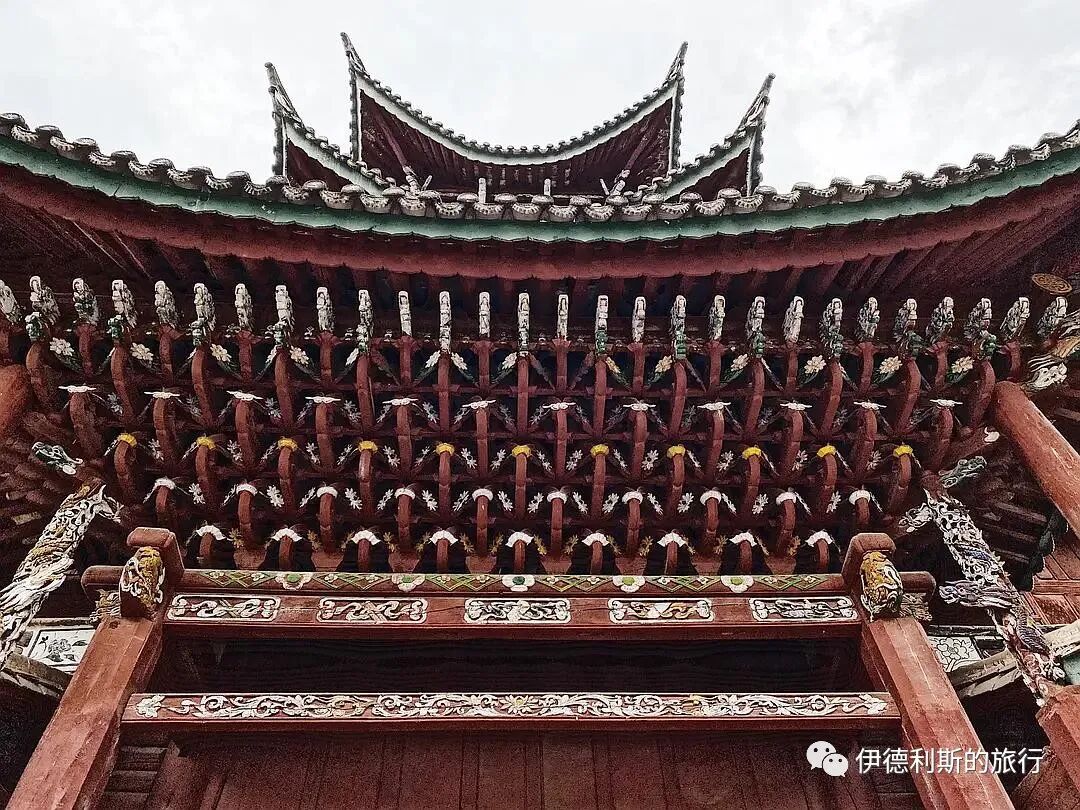
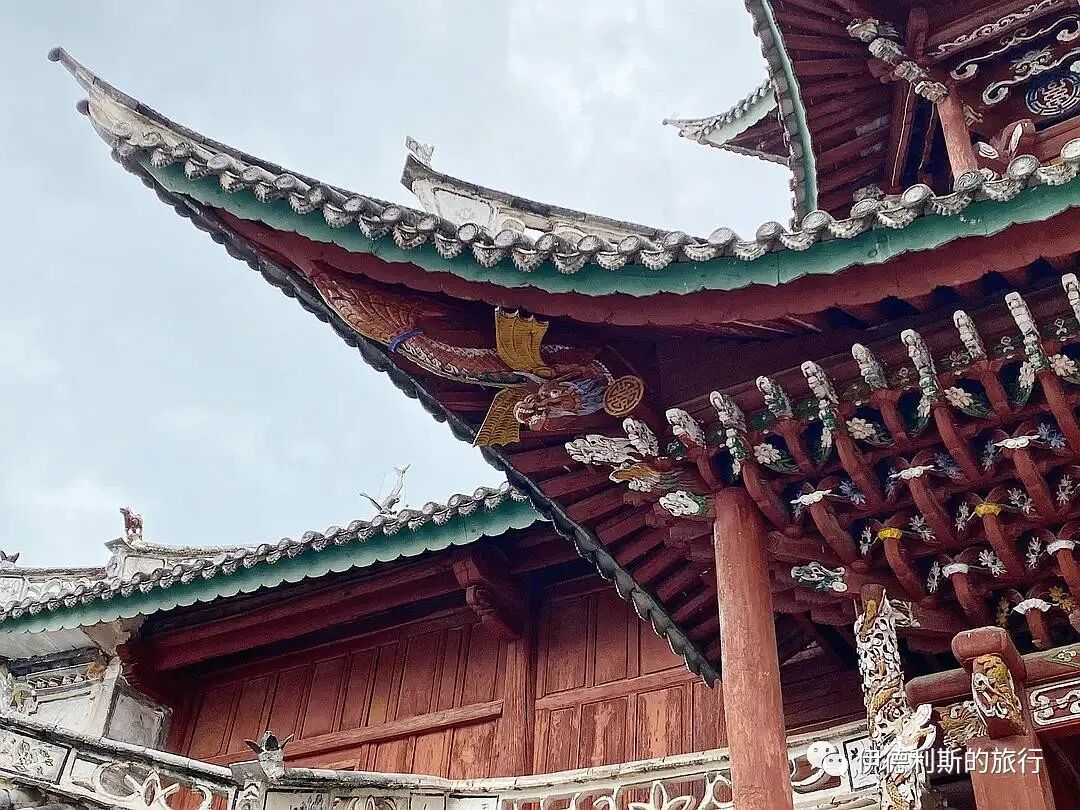
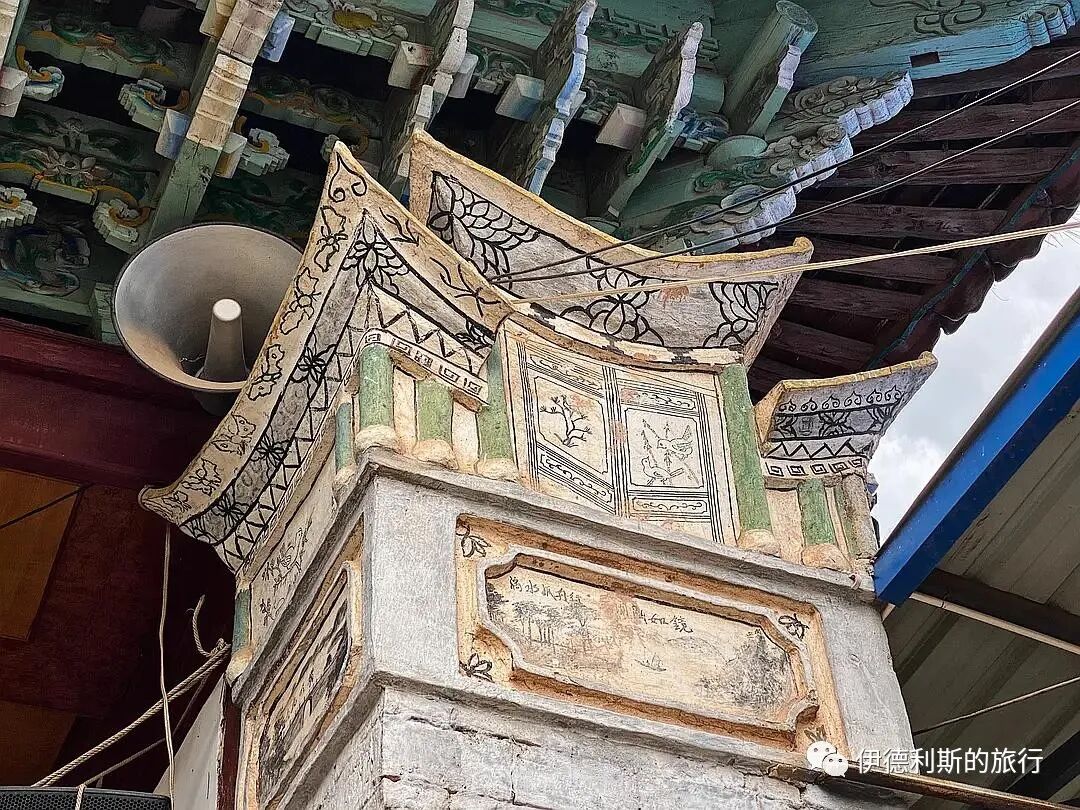
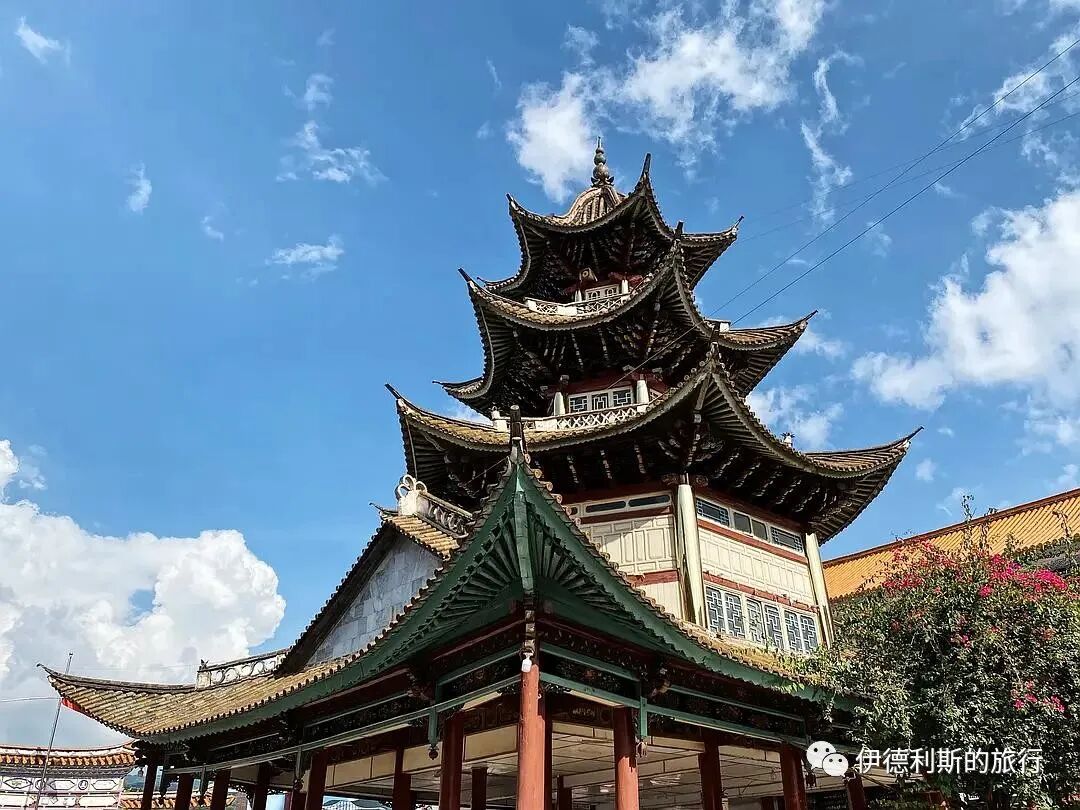
The minaret was built in 1988 and is a very typical example of Dali traditional style. This building is a masterpiece by the carpenter Ma Shaowu from Xiaowumaolin, who was a famous mosque architect in the Weishan area.
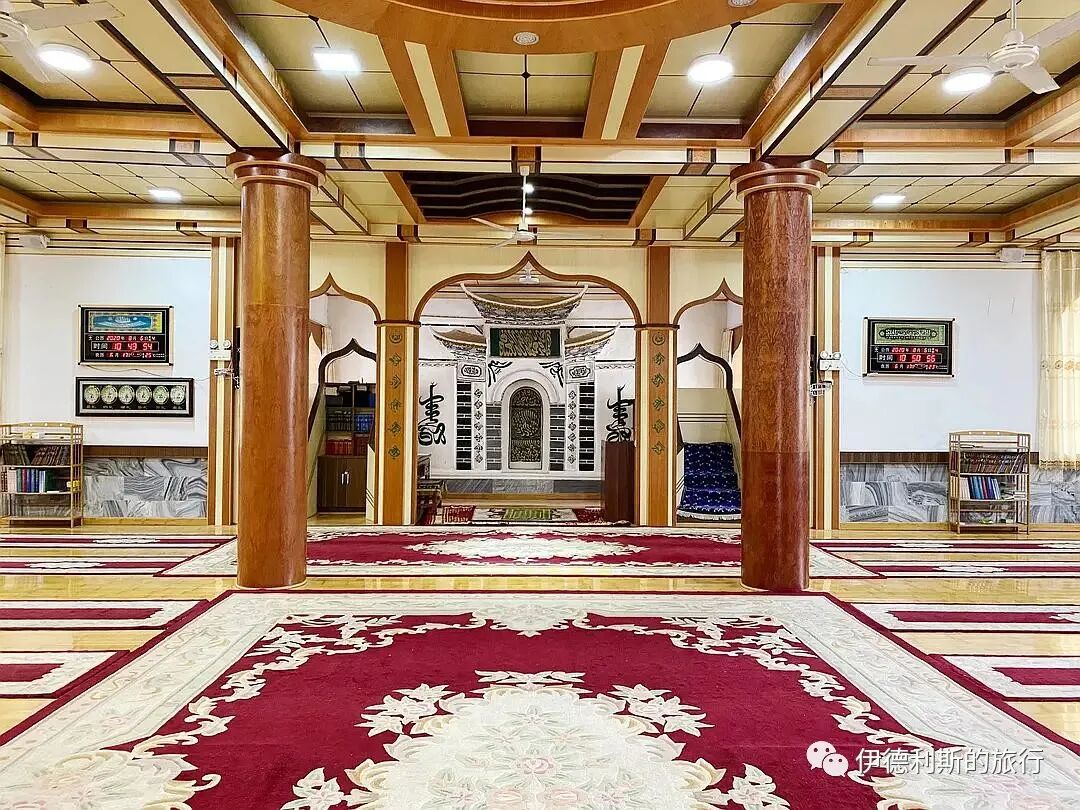
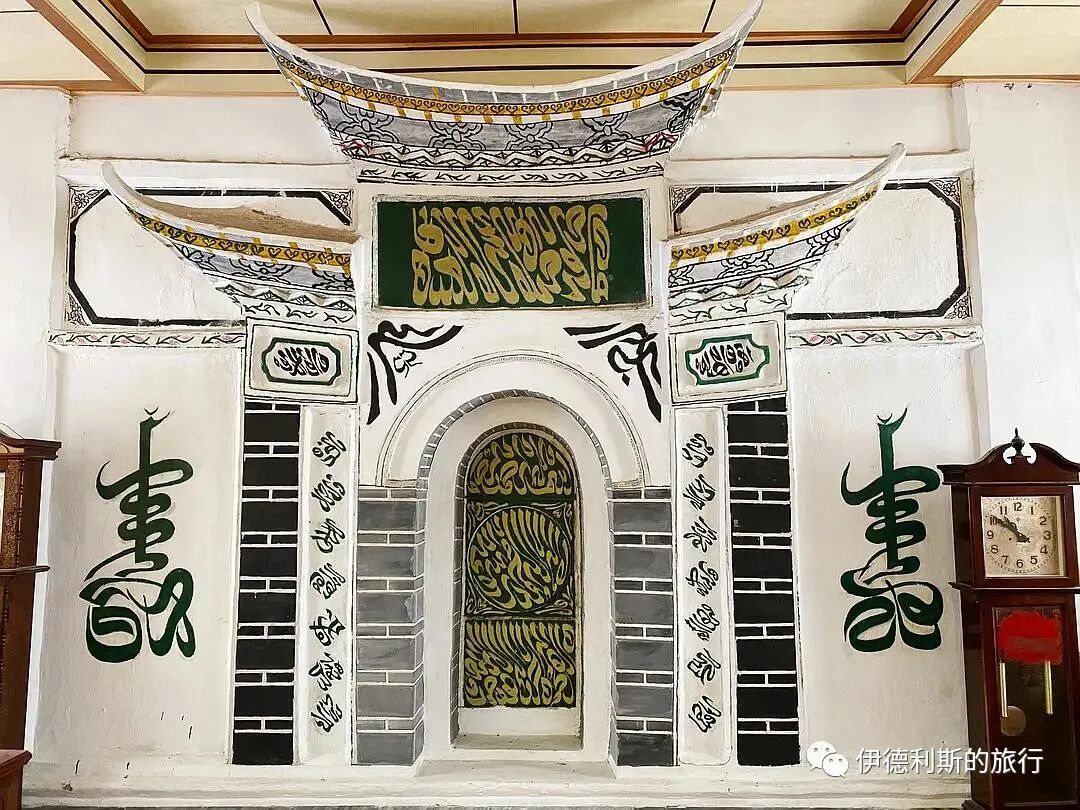
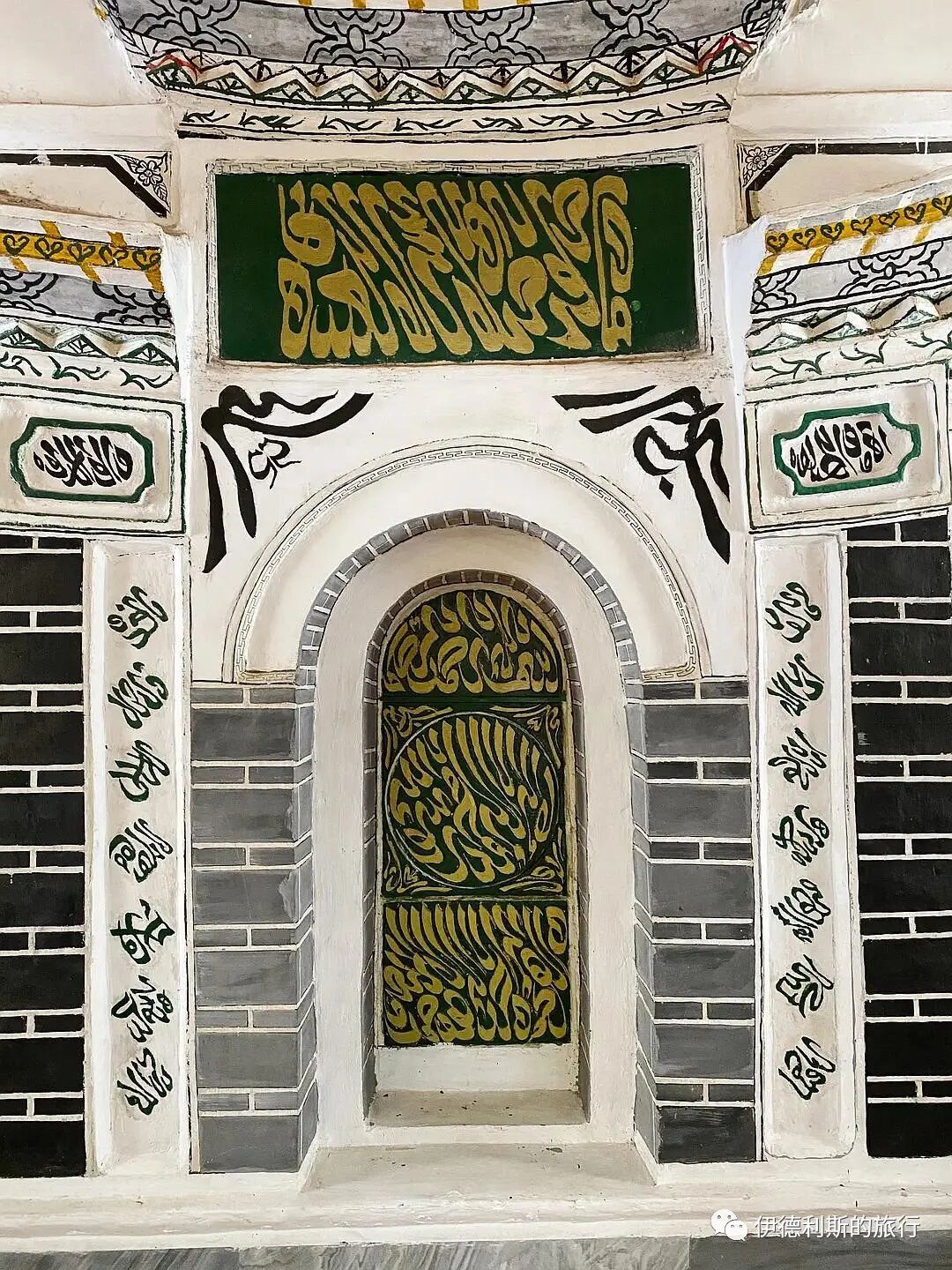
The main hall was rebuilt in 1982, and the mihrab inside is traditional and beautiful.
4. Baisha Village Mosque
The main prayer hall was rebuilt in 1987, and the minaret was built in 1993.
5. Xiaoweigeng Mosque
The minaret of Xiaoweigeng. Many minarets were locked during this trip, but I was lucky enough to climb this one.
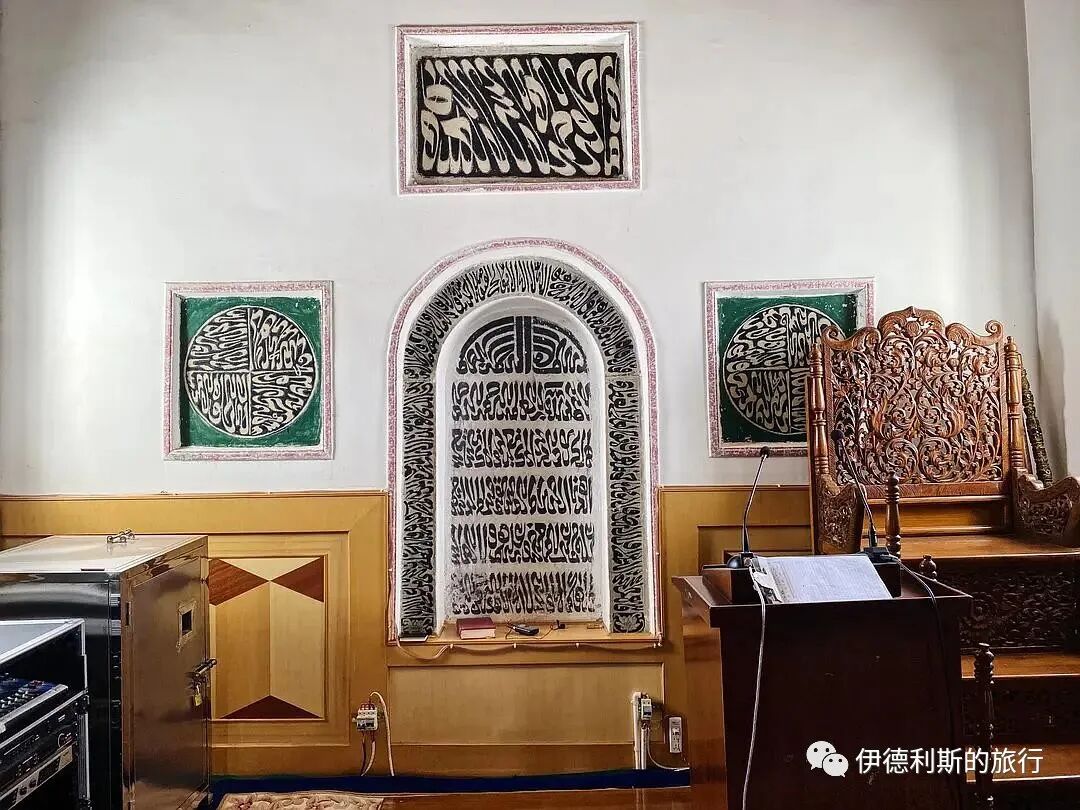
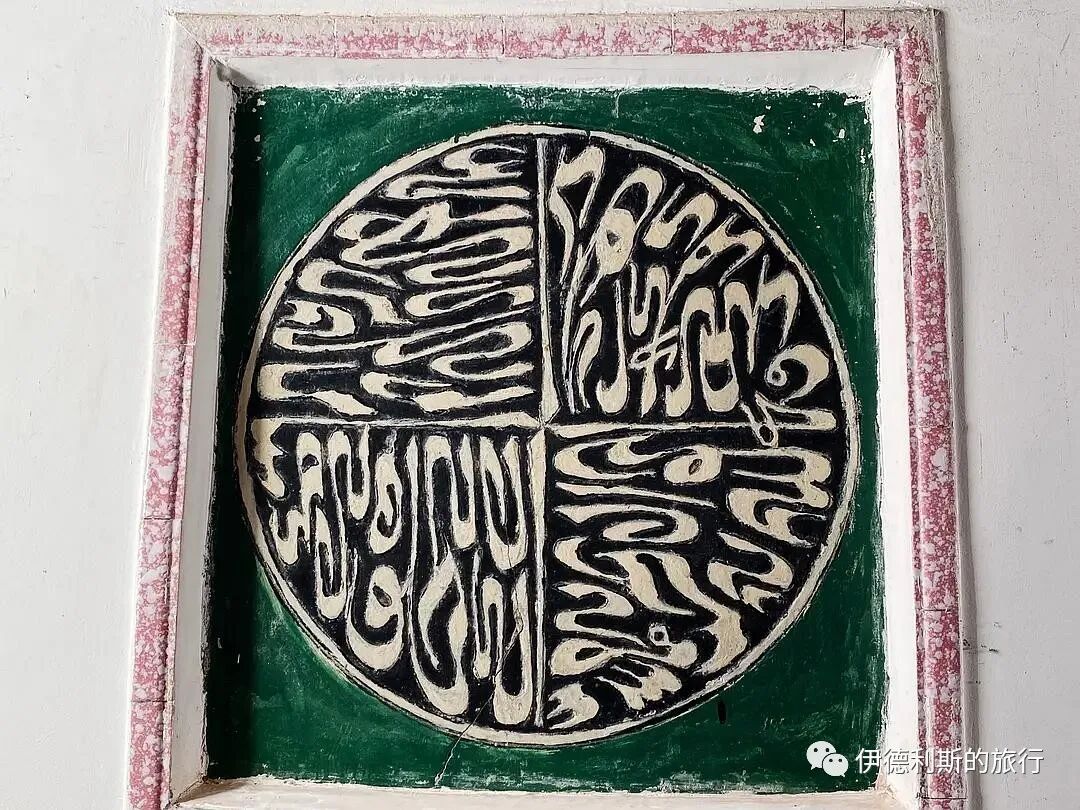
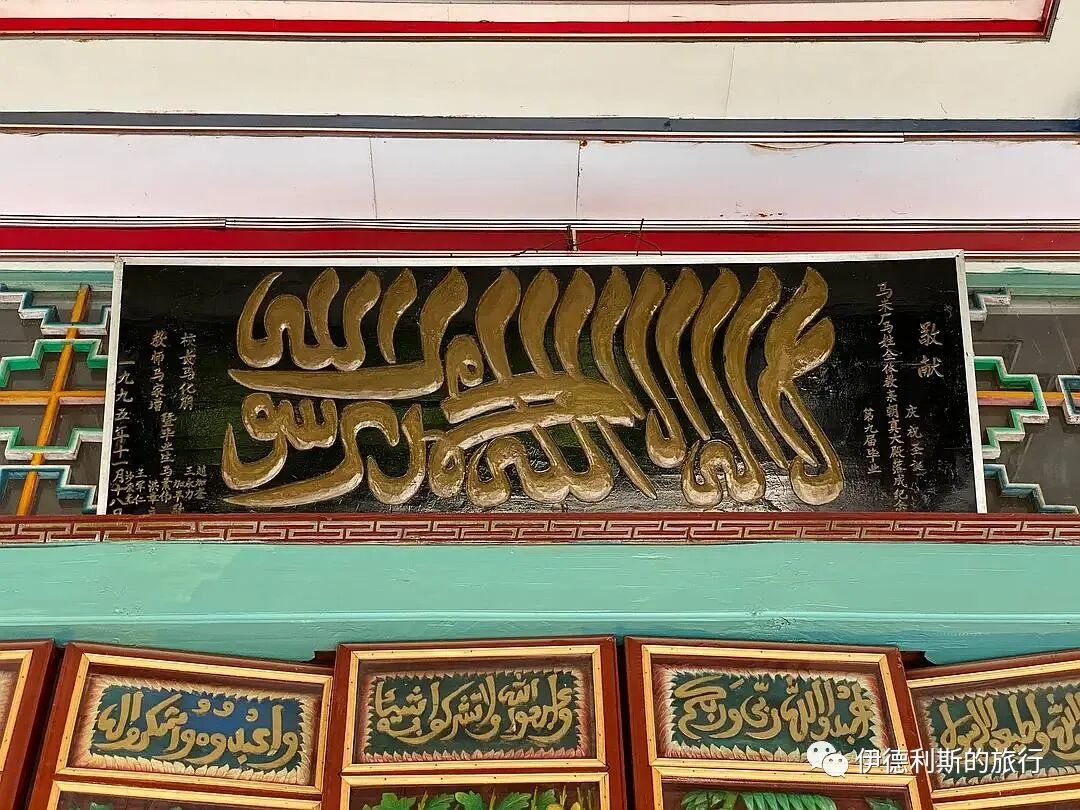
The main hall was rebuilt in 1990, and the Weishan-style traditional Yunnan Arabic calligraphy on the mihrab is very beautiful.
6. Yanqichang Mosque
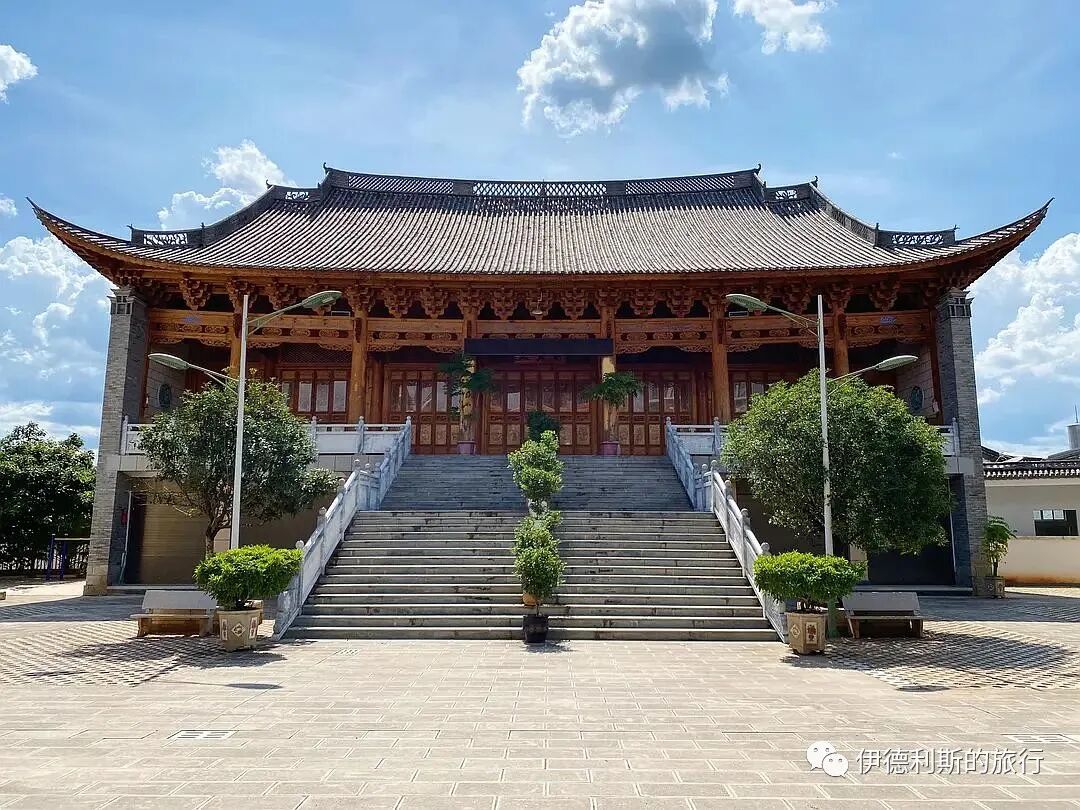
The main prayer hall was rebuilt in 2014. Since the 21st century, mosques built in Weishan County prefer to place the main prayer hall on the second floor.
7. Daweigeng Mosque
The main hall was rebuilt in 1990, and the minaret was first built in 1944. The builder of the main hall was Master Luo Jiajing from Xiatian'er Mountain in Weishan County.
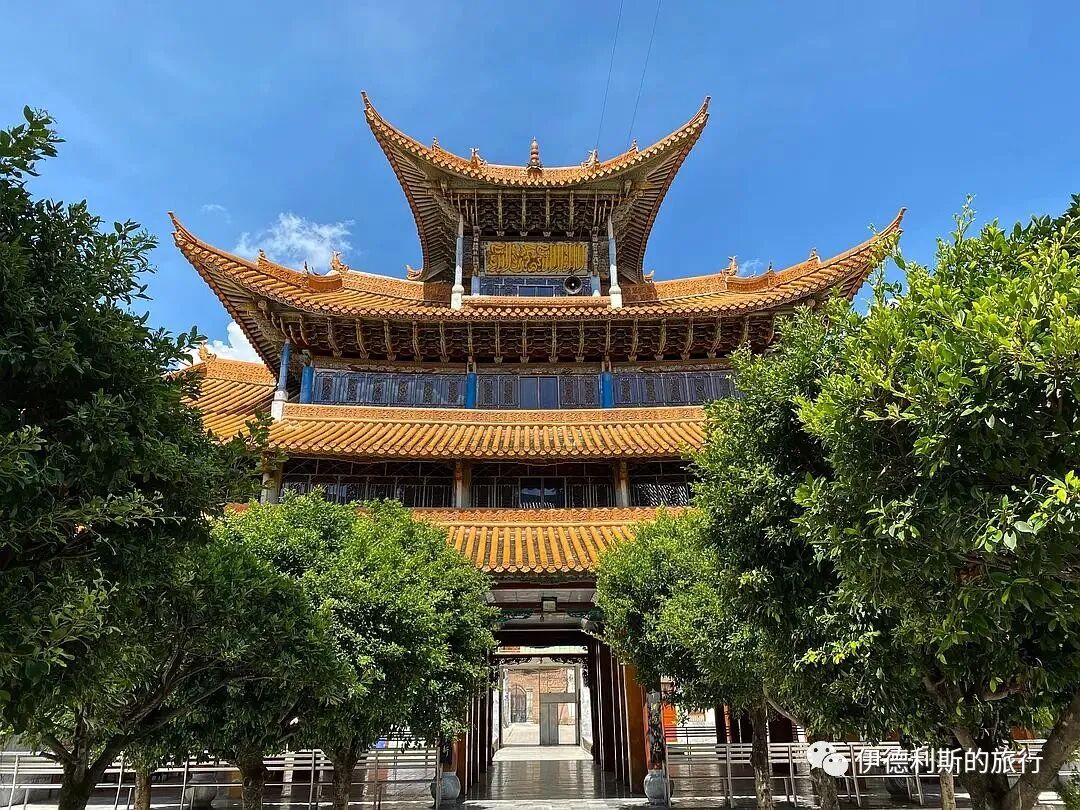
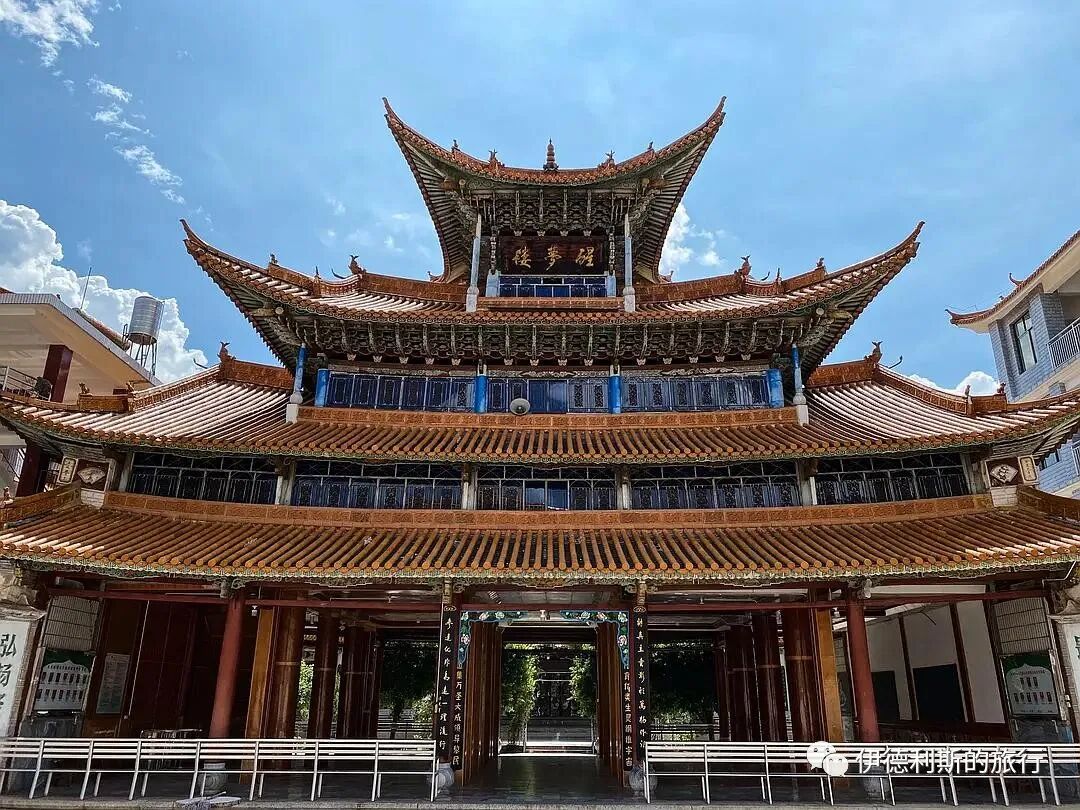
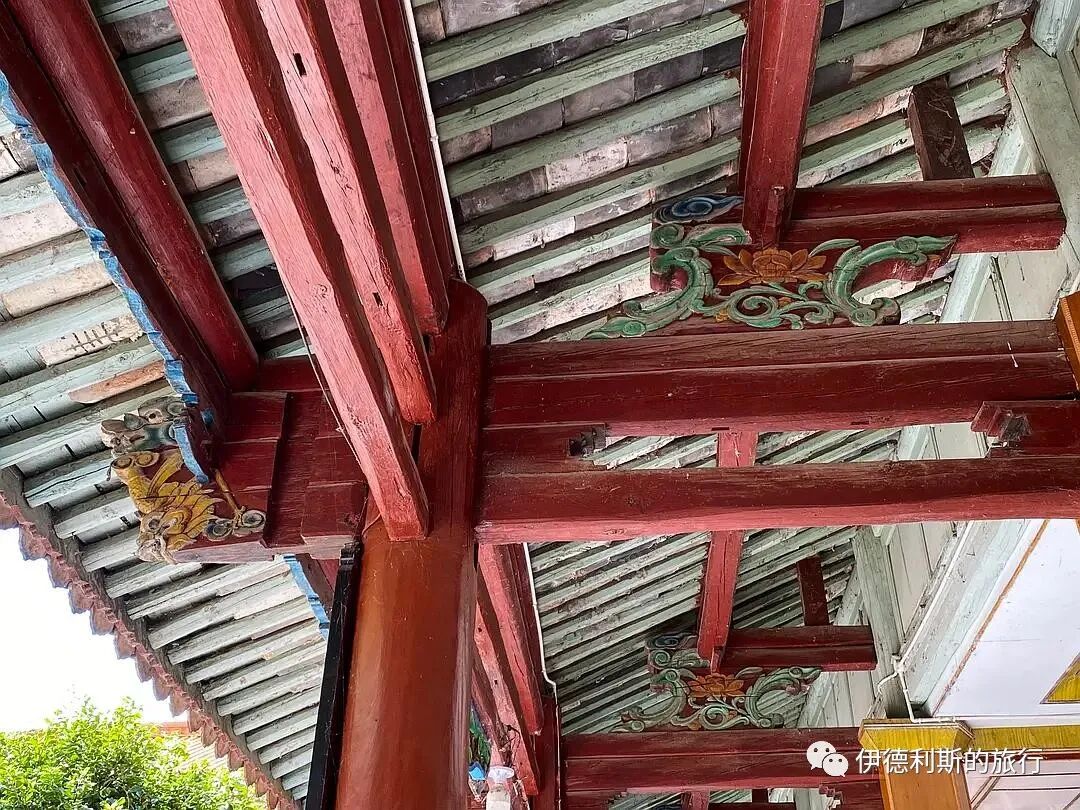
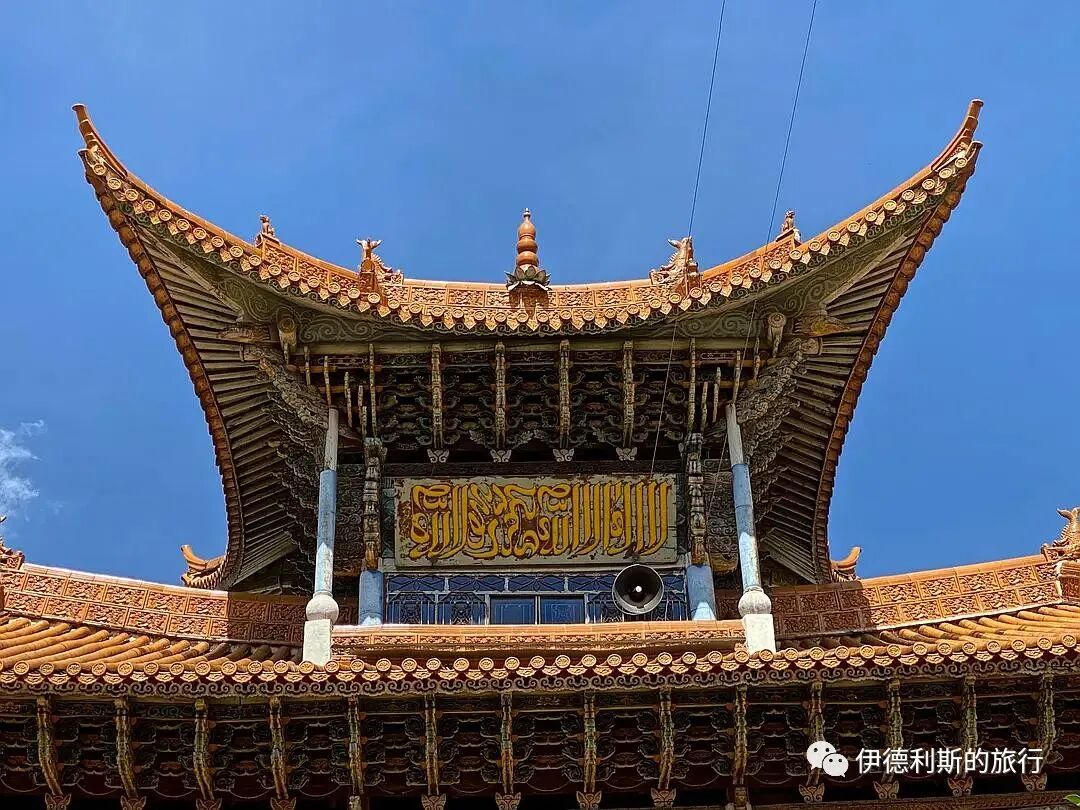
8. Xishulong Mosque
The main hall was rebuilt in 1990.
9. Qingmenkou Mosque: 1906
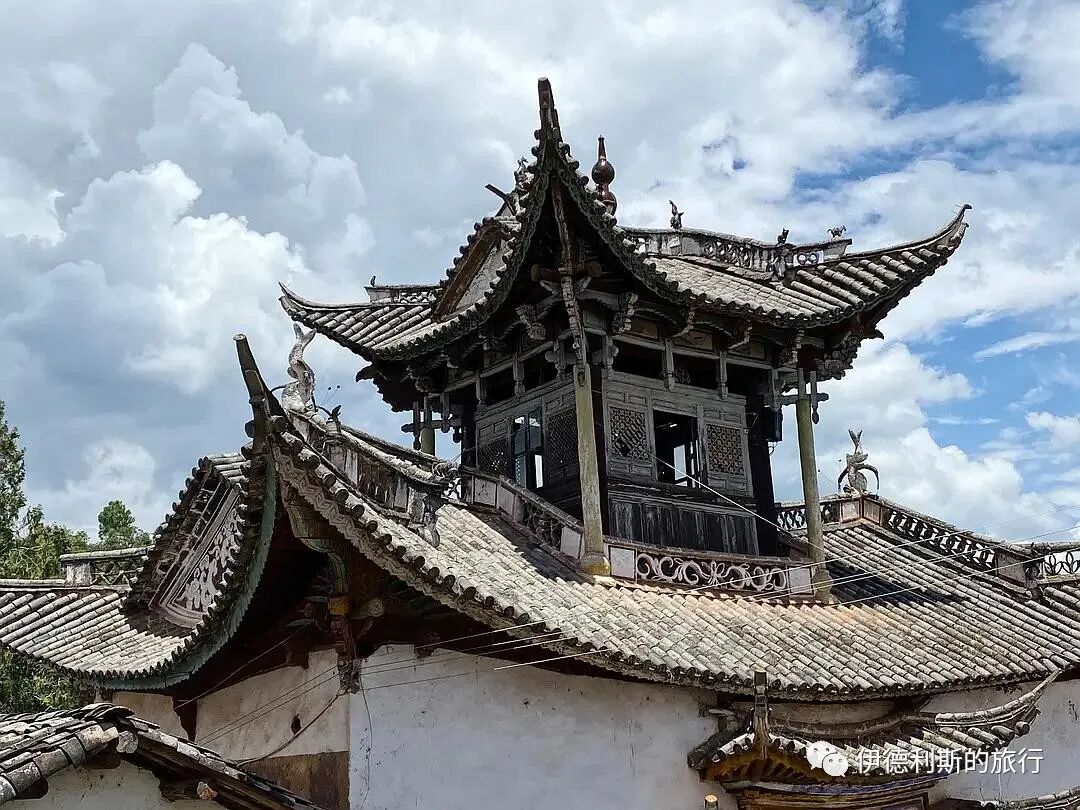
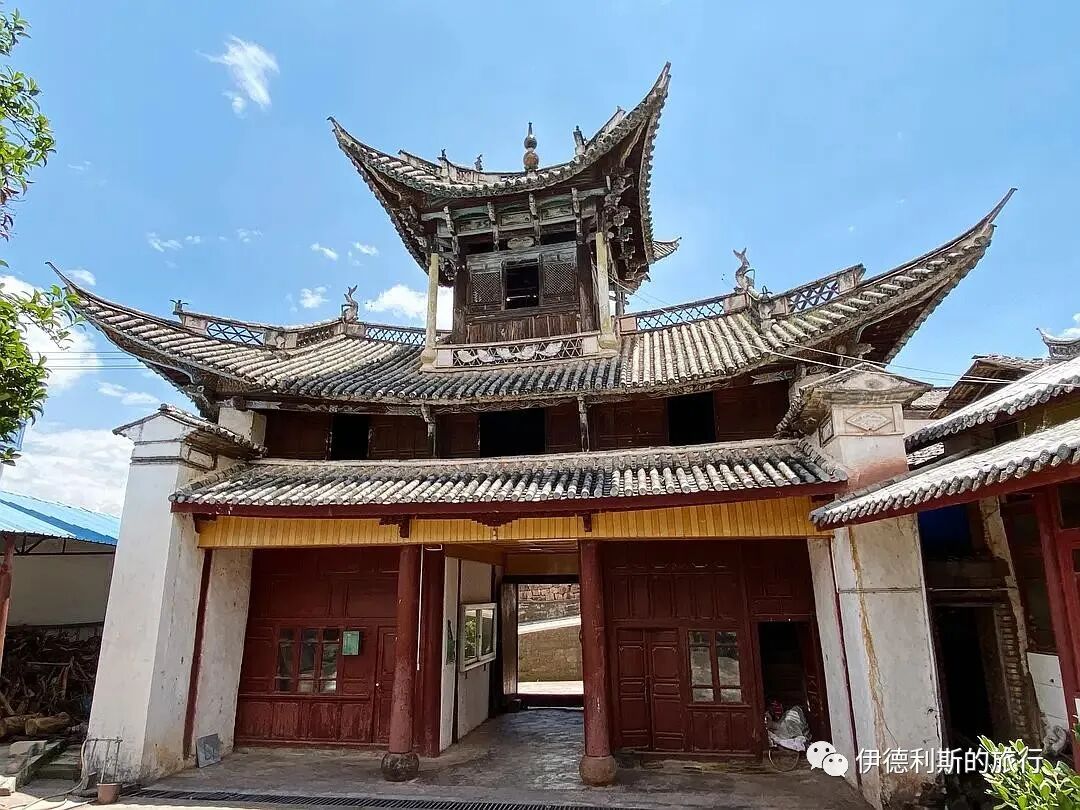
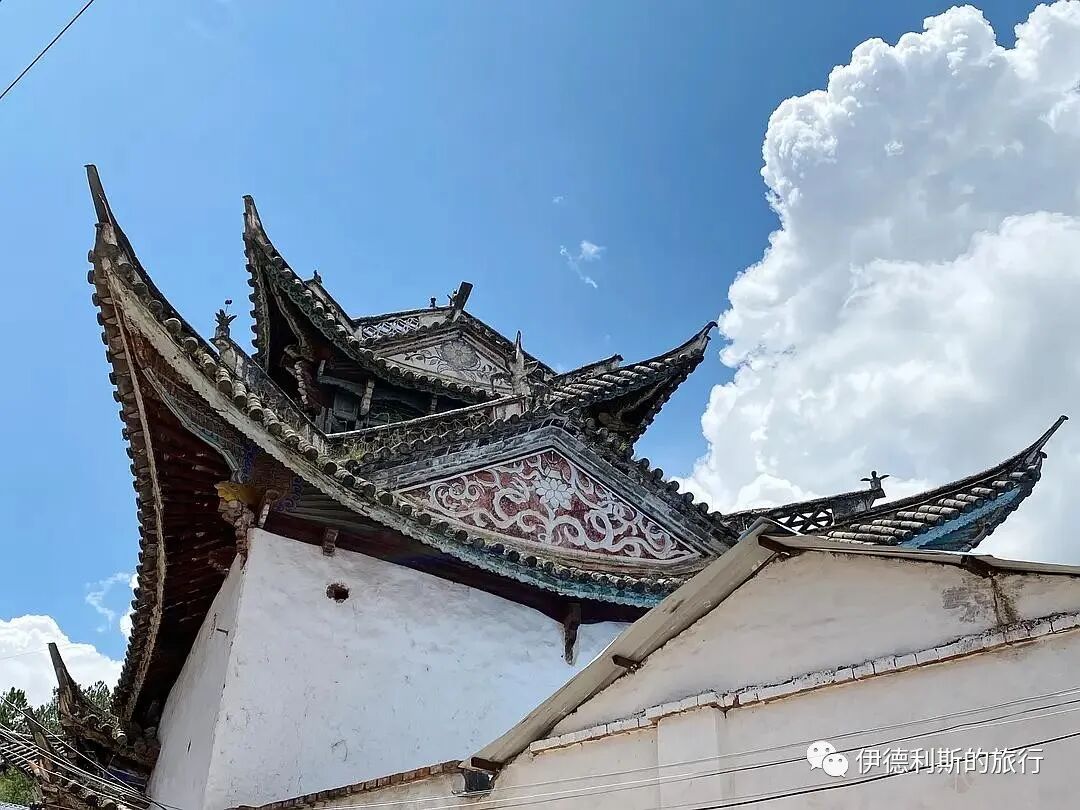
Because of its relatively remote location, the minaret built in 1906 has been preserved to this day, which is very rare.
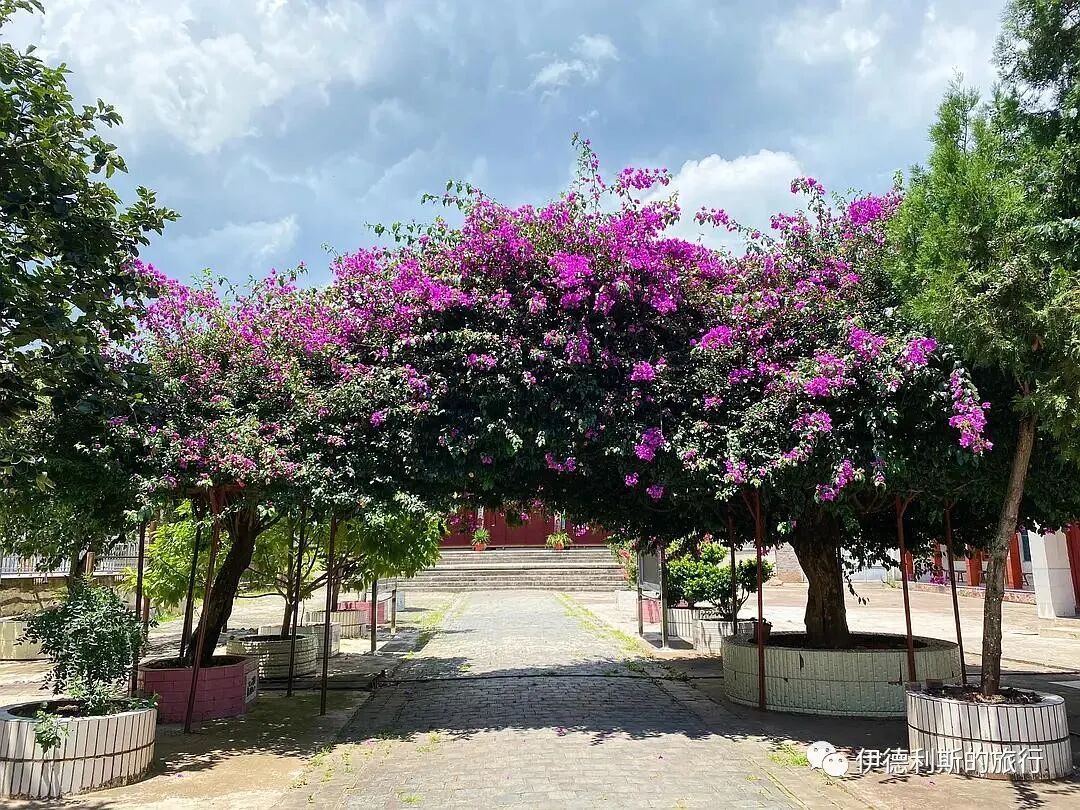
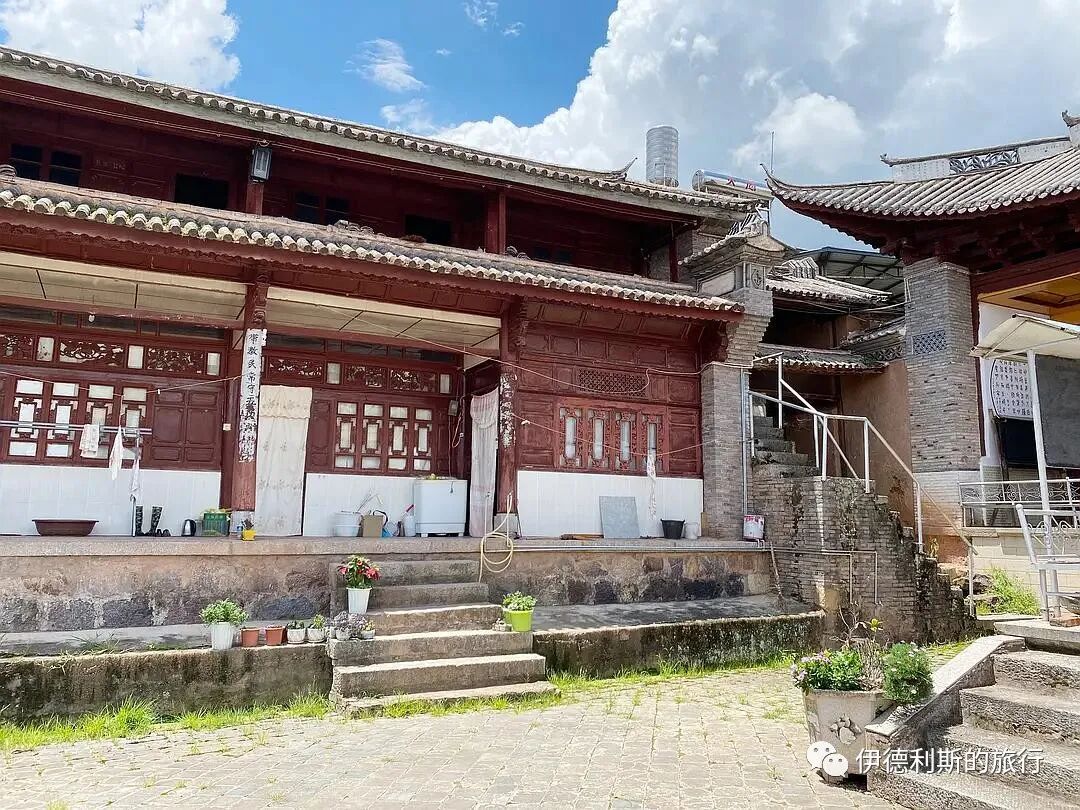
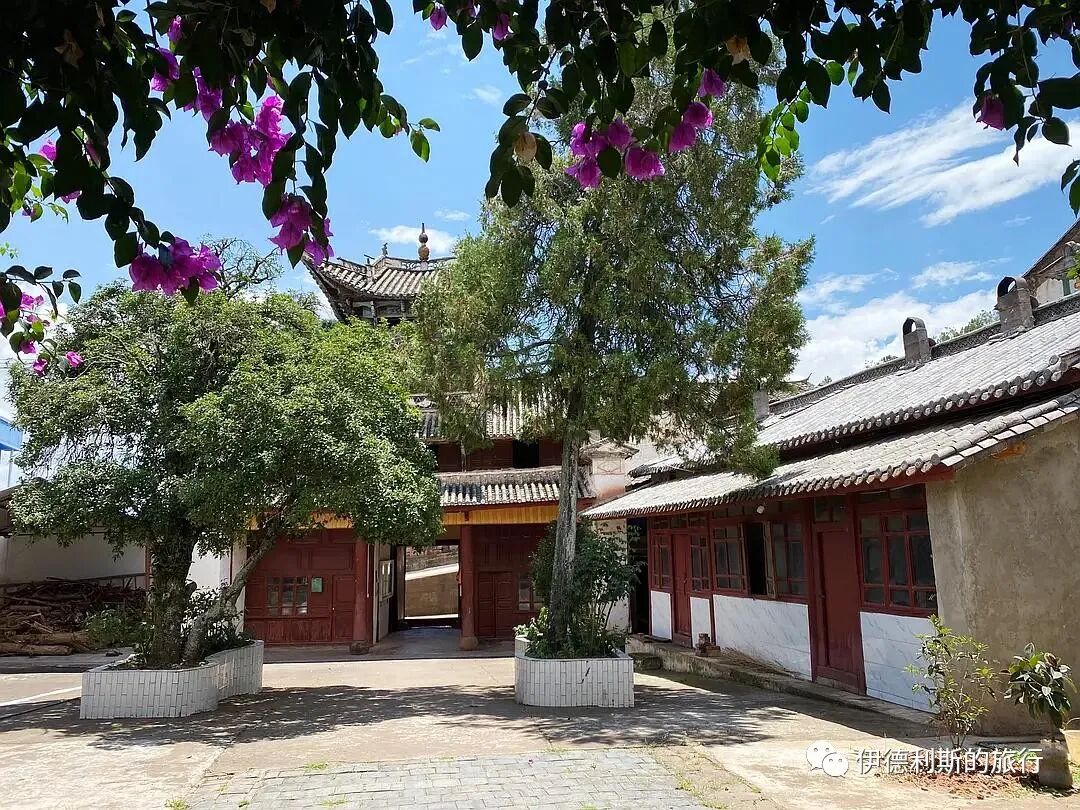
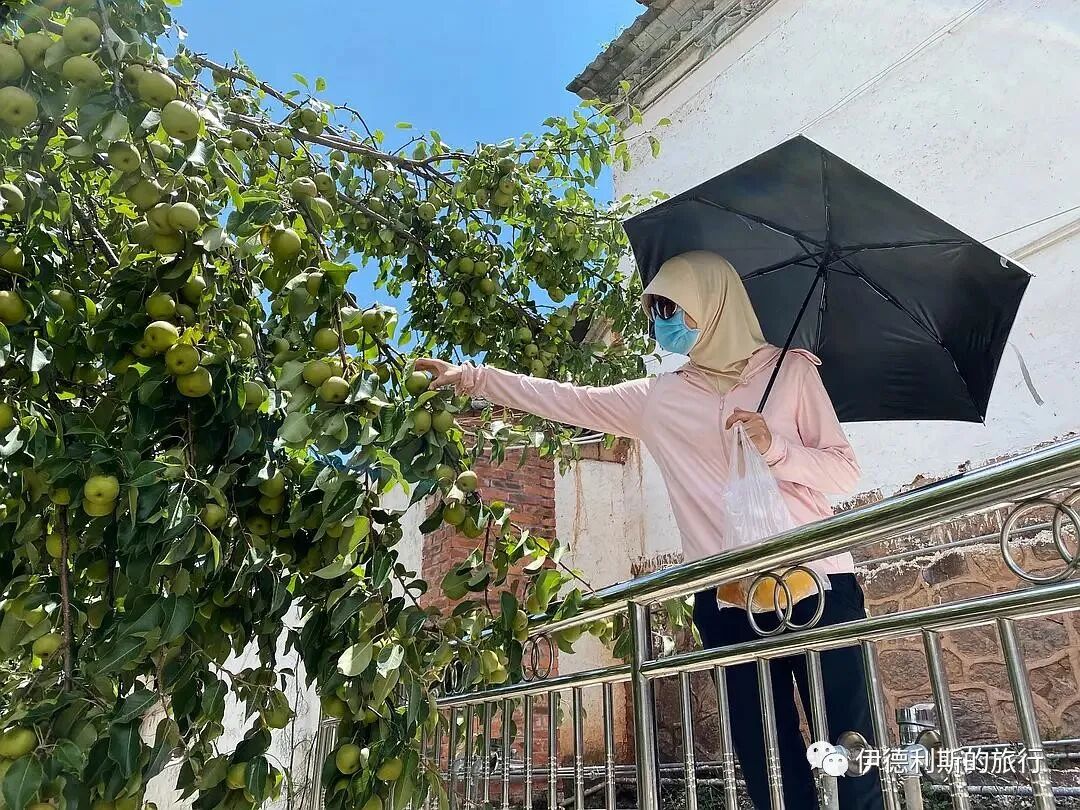
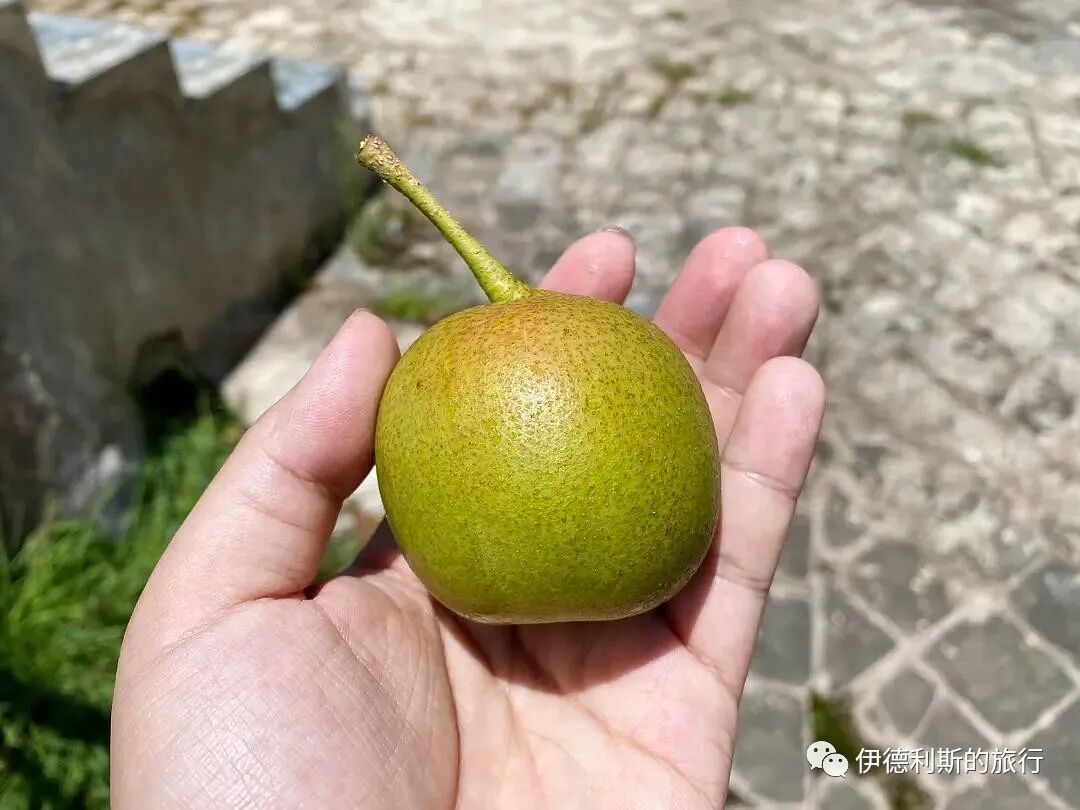
The main hall was rebuilt in 1983, and the pears in the mosque are delicious.
10. Huihui Mosque: 1944
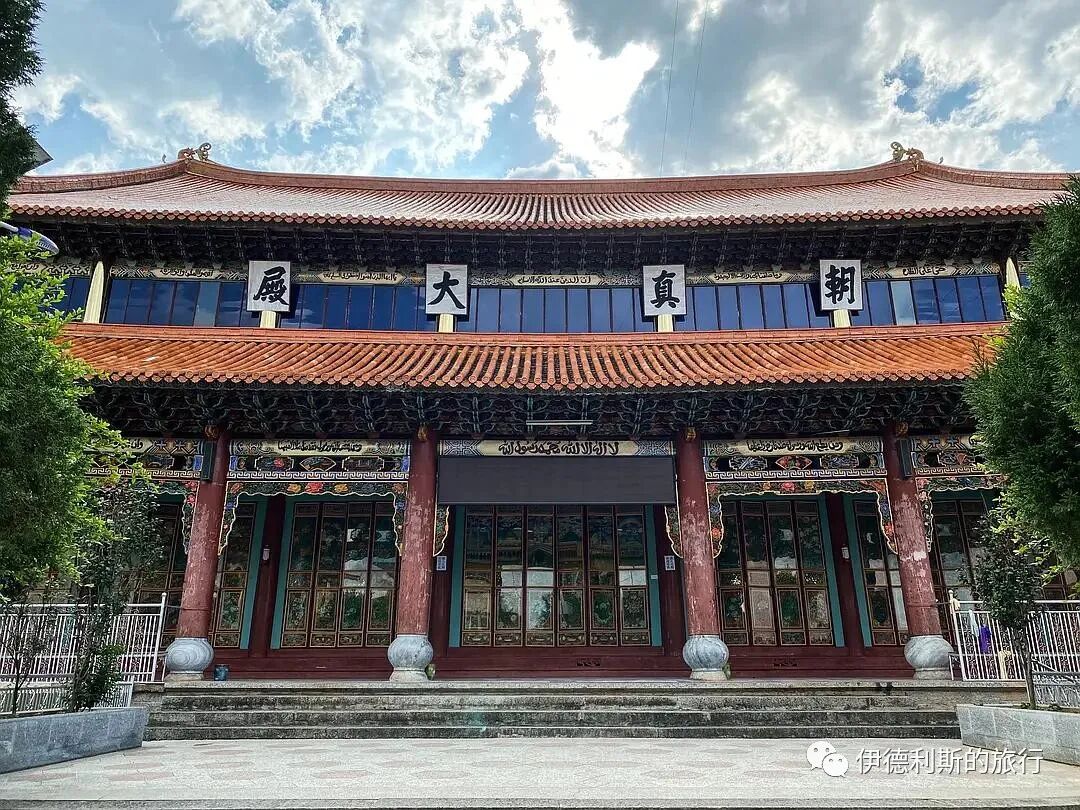
The front part of the main hall is a reinforced concrete structure built in 1993, while the back part is a wooden structure built in 1944; therefore, it looks like a new mosque from the front and an old mosque from the back.
There is an interesting story about the Huihui Deng Mosque. In the 1960s, when the Workers' Propaganda Team moved into Huihui Deng, the local people wrote a slogan on the mosque wall in the popular language of the time: 'Whoever dares to oppose M-Z-X's ethnic policy will have their dog head smashed.' The Workers' Propaganda Team was very annoyed, but they could not openly oppose it, so they had to write a quote from M-Z-D next to the slogan: 'The national question is, in essence, a question of class struggle.'
11. Hedi Street Mosque
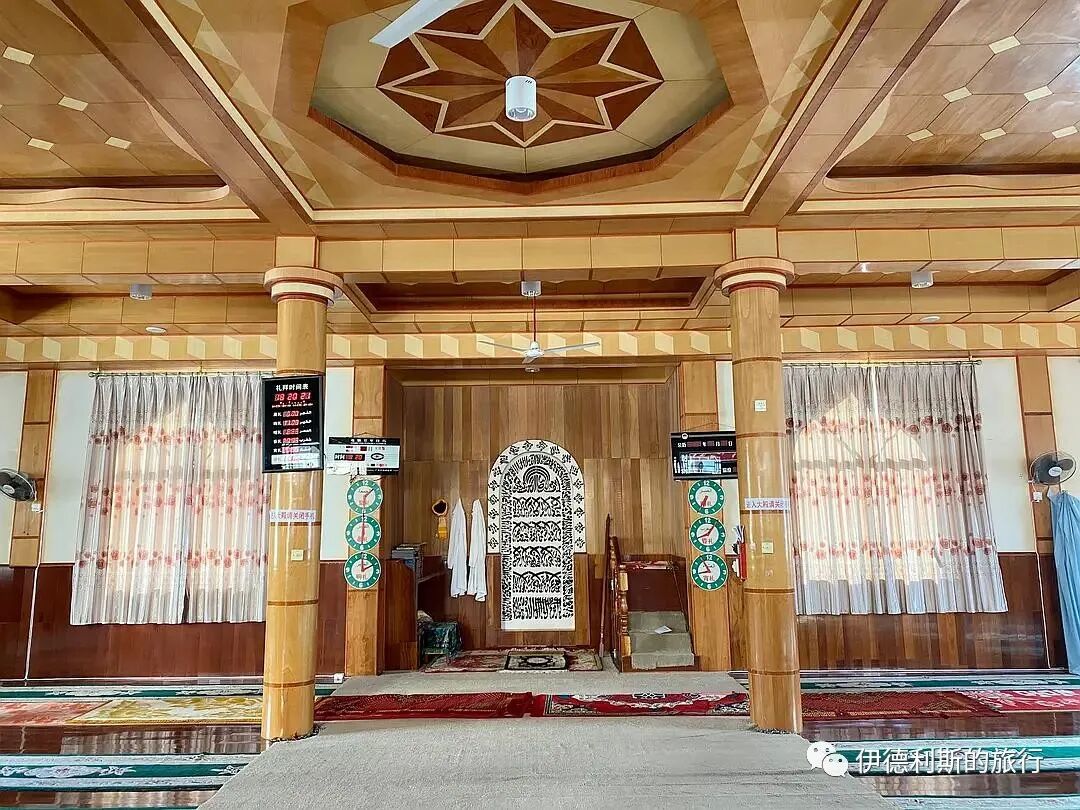
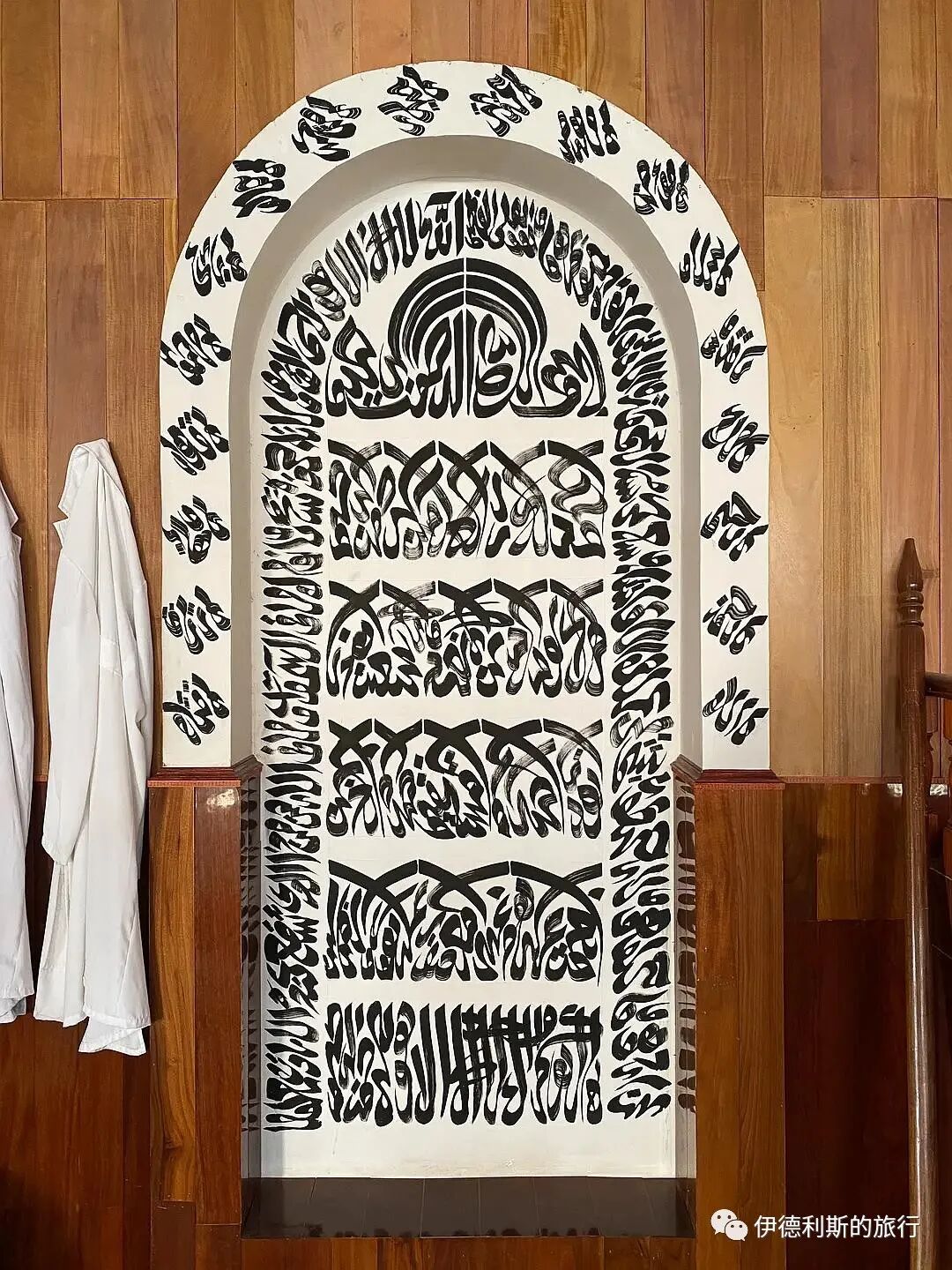
The current mosque is newly built, but the mihrab features traditional Yunnan-style Arabic calligraphy in the Weishan style.
12. Maminchang Ma Family Mosque
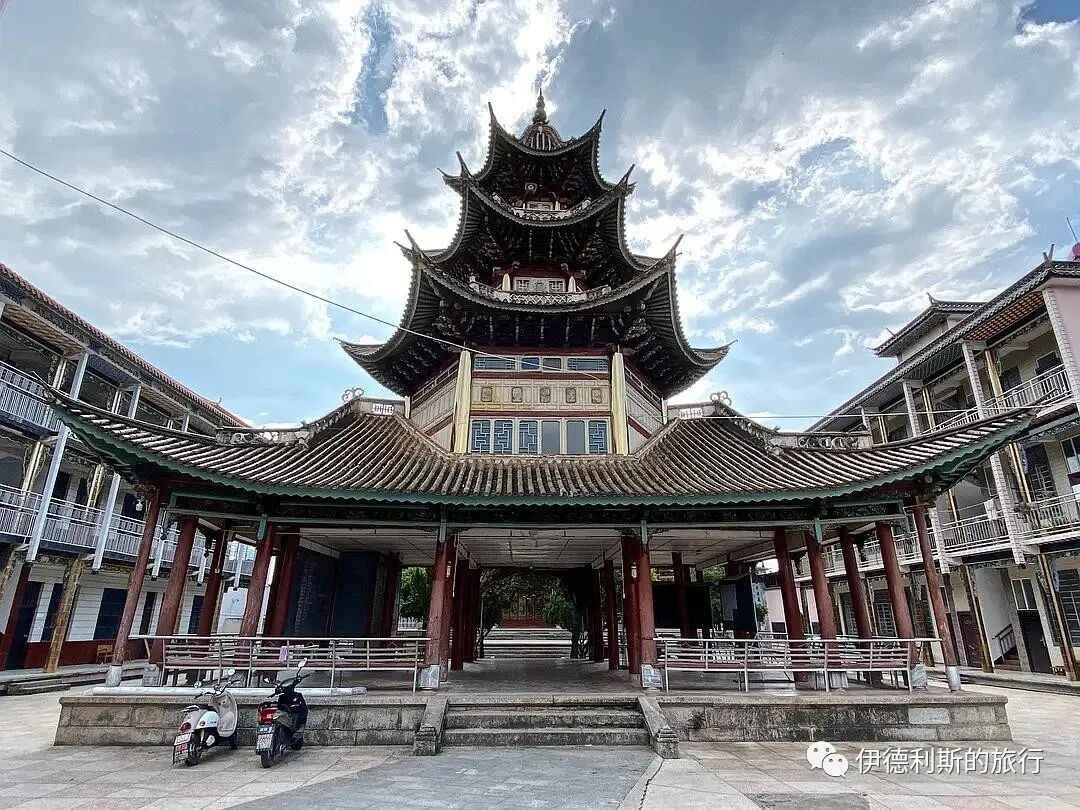
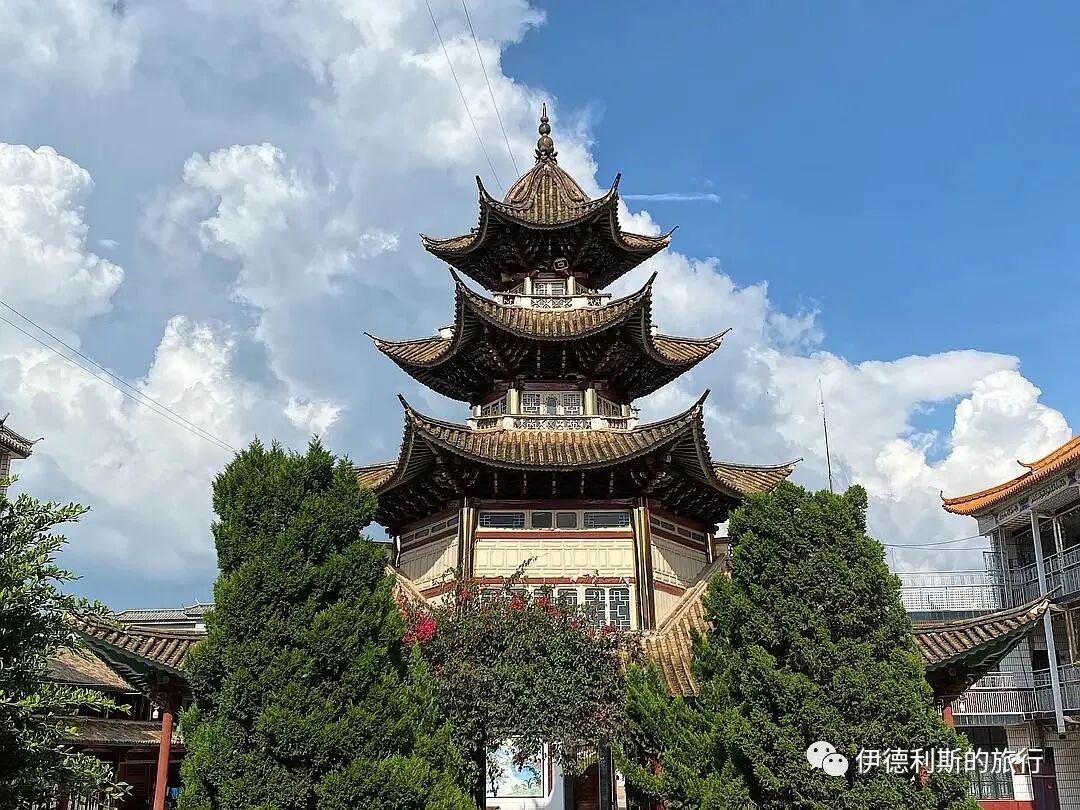
The main prayer hall was rebuilt in 1996, and the minaret was rebuilt in 1991.
13. Mami Chang Mi Family Mosque
The mosque is on a hillside, overlooking the surrounding scenery.
14. Shenhe Village Mosque: 1946
The main prayer hall was rebuilt in 1995, and the minaret was built in 1946.
15. Dianzhong Huiying Mosque
The main prayer hall was rebuilt in 1995, and the minaret was built in 1990. view all
Summary: This travel note introduces Twenty Traditional Mosques in Dali (Part 1). I traveled to Dali twice, in July 2017 and August 2020, and visited 20 traditional mosques there. It is useful for readers interested in Dali Mosques, Chinese Muslims, Muslim Travel.
I traveled to Dali twice, in July 2017 and August 2020, and visited 20 traditional mosques there. The mosques in Dali are very distinctive, strongly influenced by the traditional architectural arts of the local Bai and Han ethnic groups. It is commendable that although they underwent large-scale reconstruction in the 1980s and 1990s, the new mosques still follow the traditional architectural style, only with an increased scale. In particular, the more than twenty Hui villages around Yongjian Town in Weishan County preserve what I believe to be the densest concentration of traditional mosque architecture in Yunnan, and it is worth a visit for anyone interested in traditional mosque architectural art.
1. Weishan County
1. Dingjiachang Mosque
2. Xiaowumaolin Mosque
3. Dawumao Mosque
4. Baisha Village Mosque
5. Xiaoweigeng Mosque
6. Yanqichang Mosque
7. Daweigeng Mosque
8. Xishulong Mosque
9. Qingmenkou Mosque: 1906
10. Huihui Mosque: 1944
11. Hedi Street Mosque
12. Maminchang Ma Family Mosque
13. Mami Chang Mi Family Mosque
14. Shenhe Village Mosque: 1946
15. Dianzhong Huiying Mosque
16. Donglianhua Mosque: 1921, 87 years
2. Dali City
1. Keli Village Mosque: 1908
3. Eryuan County
1. Sanmei Mosque: 1908
2. Jiming Mosque
3. Shipang Mosque
1. Weishan County
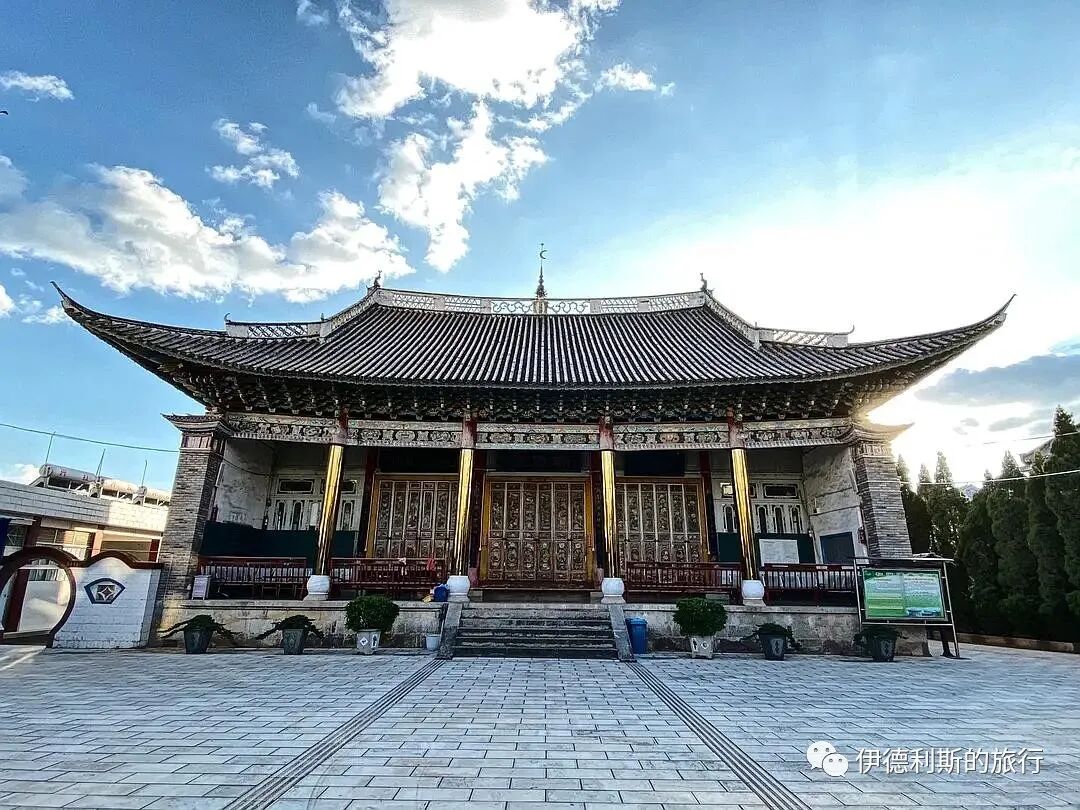
1. Dingjiachang Mosque
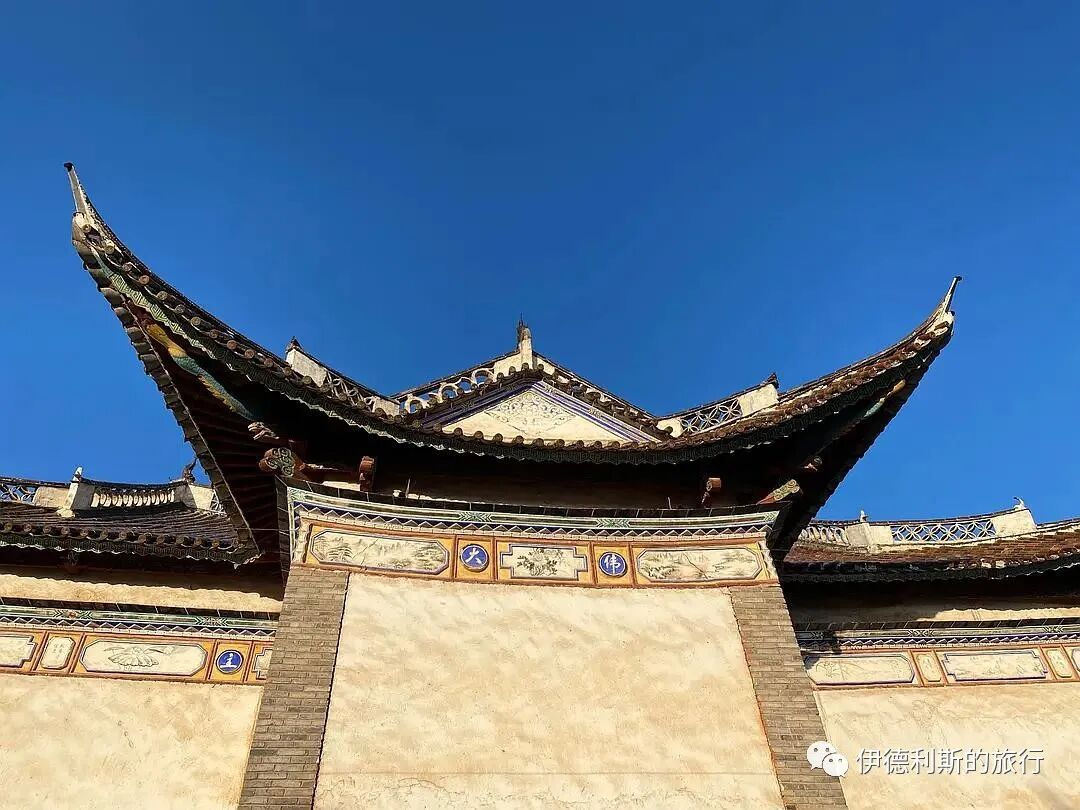
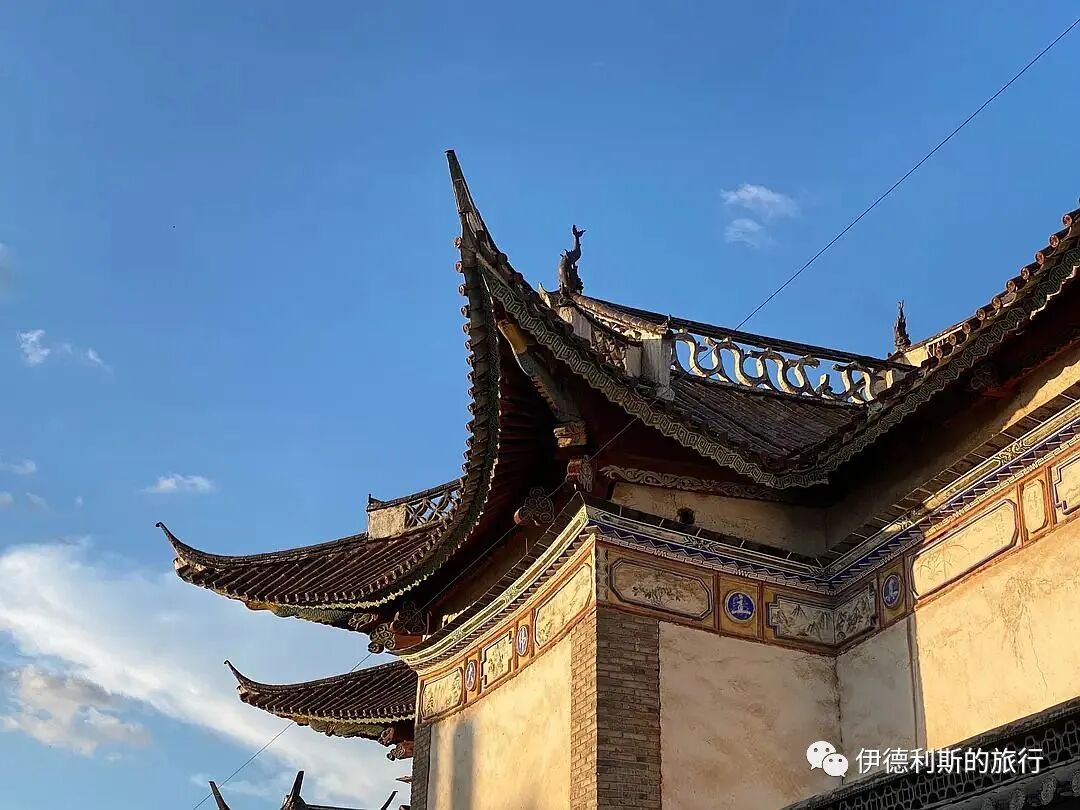
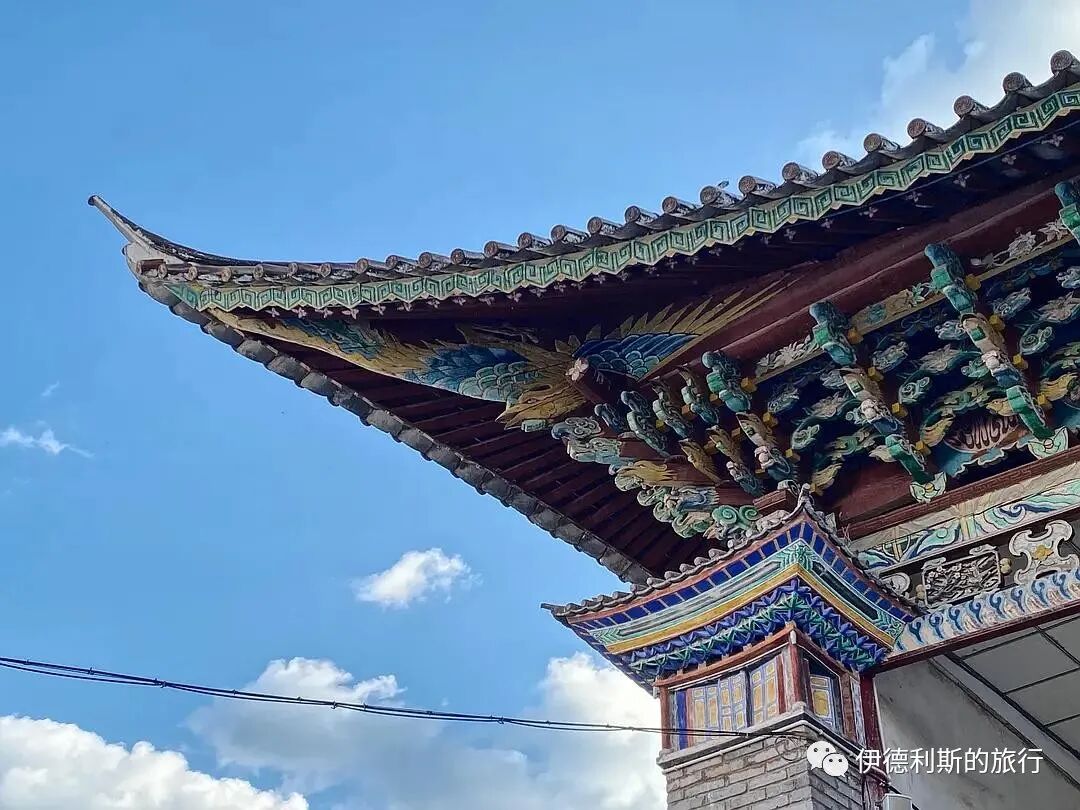
The Dingjiachang Mosque in Weishan County was rebuilt in 1995.
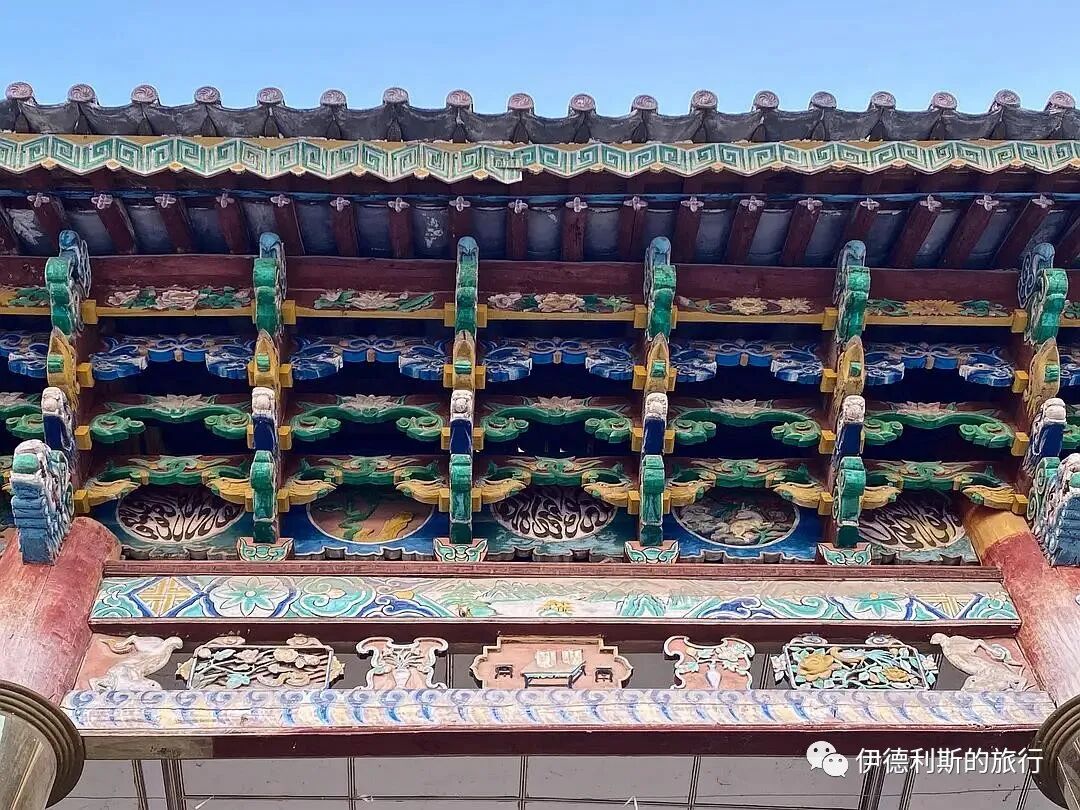
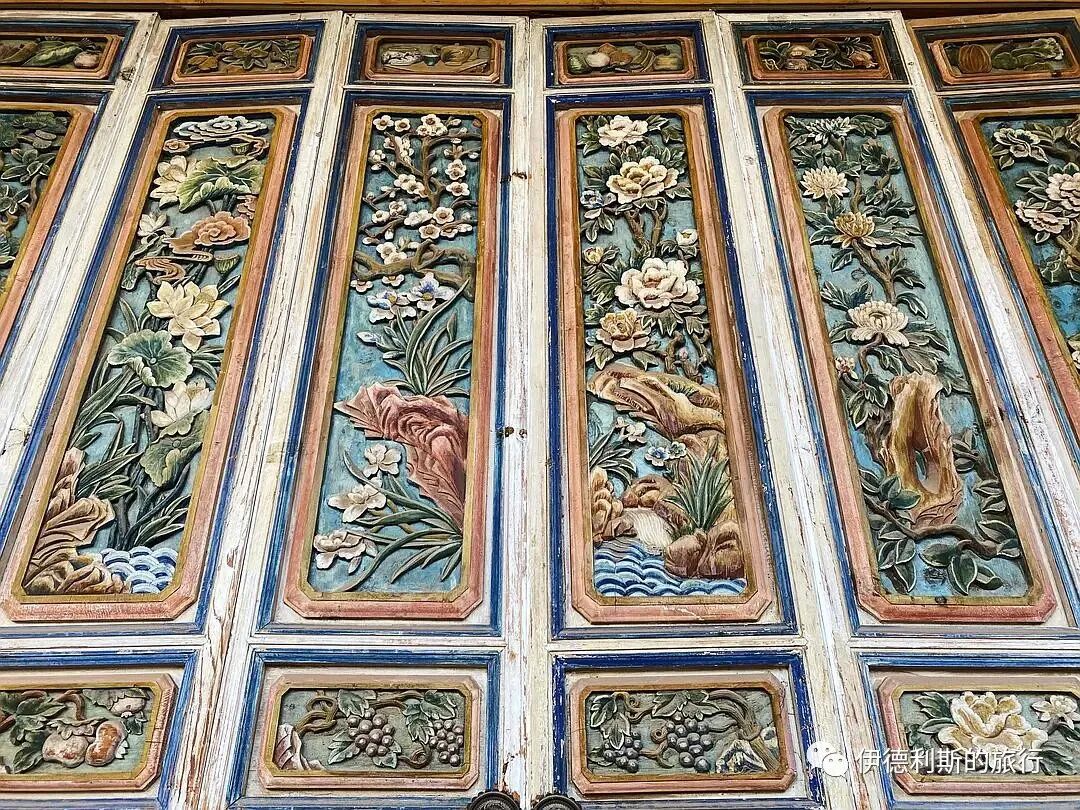
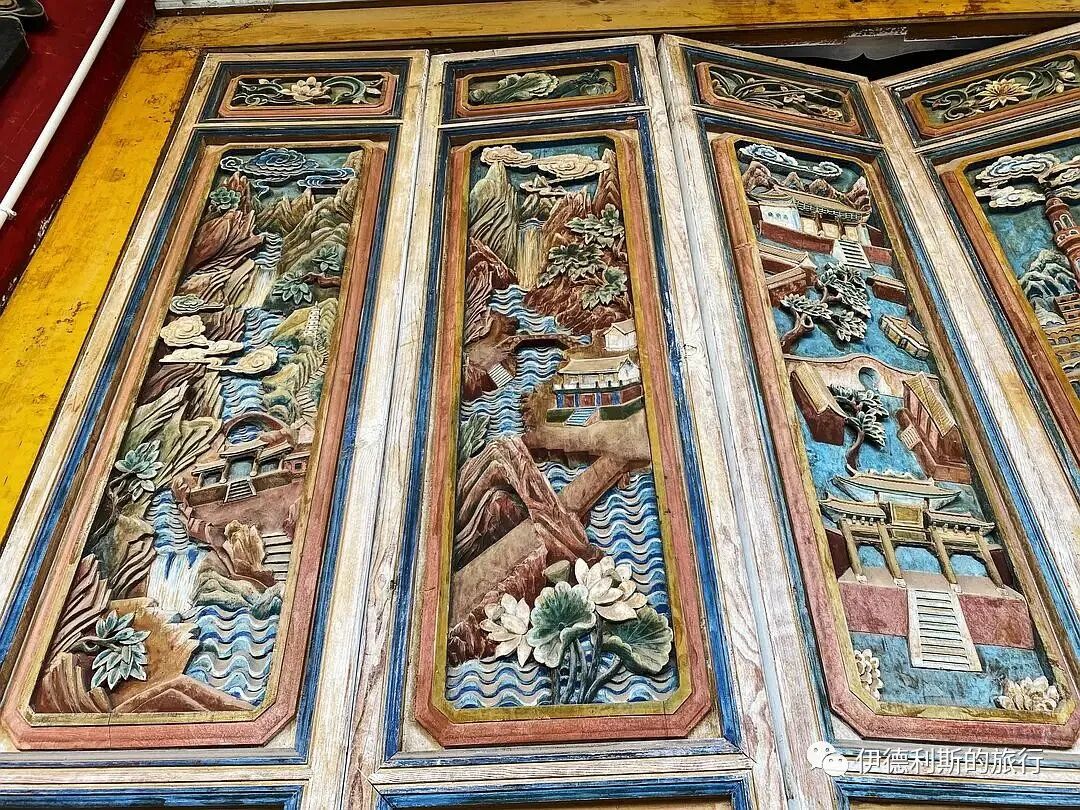
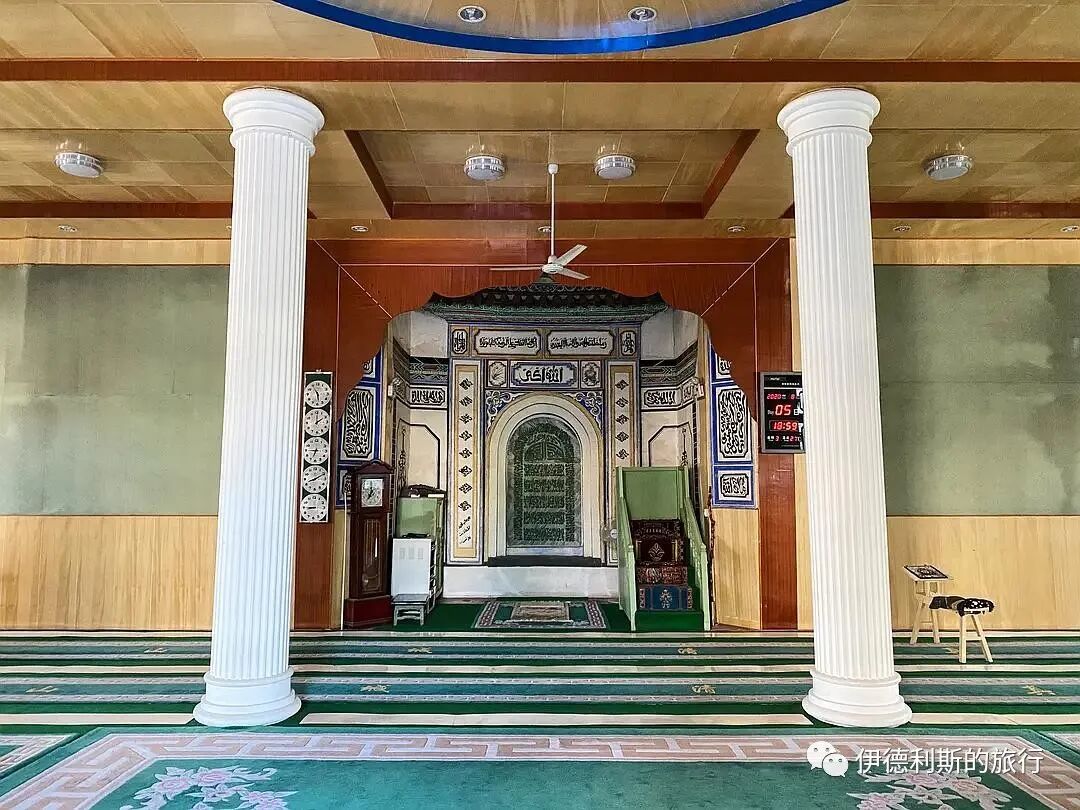
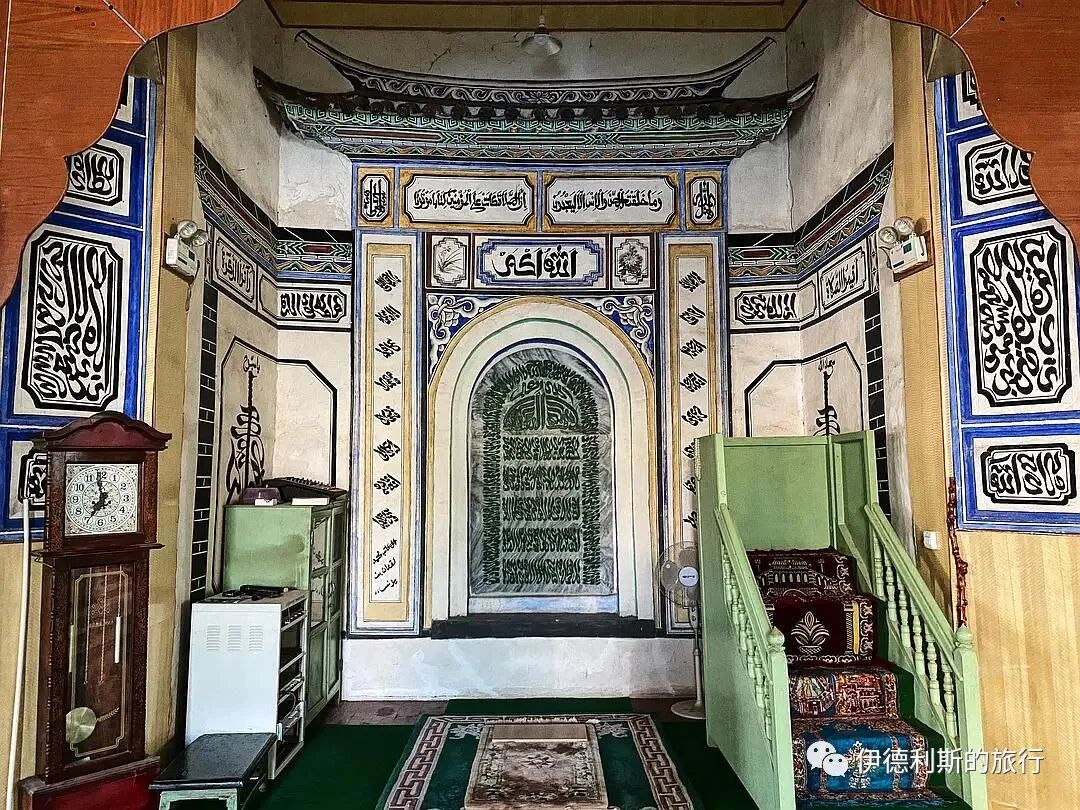
2. Xiaowumaolin Mosque
The main prayer hall was rebuilt in 1976, and the minaret was built in 1989.
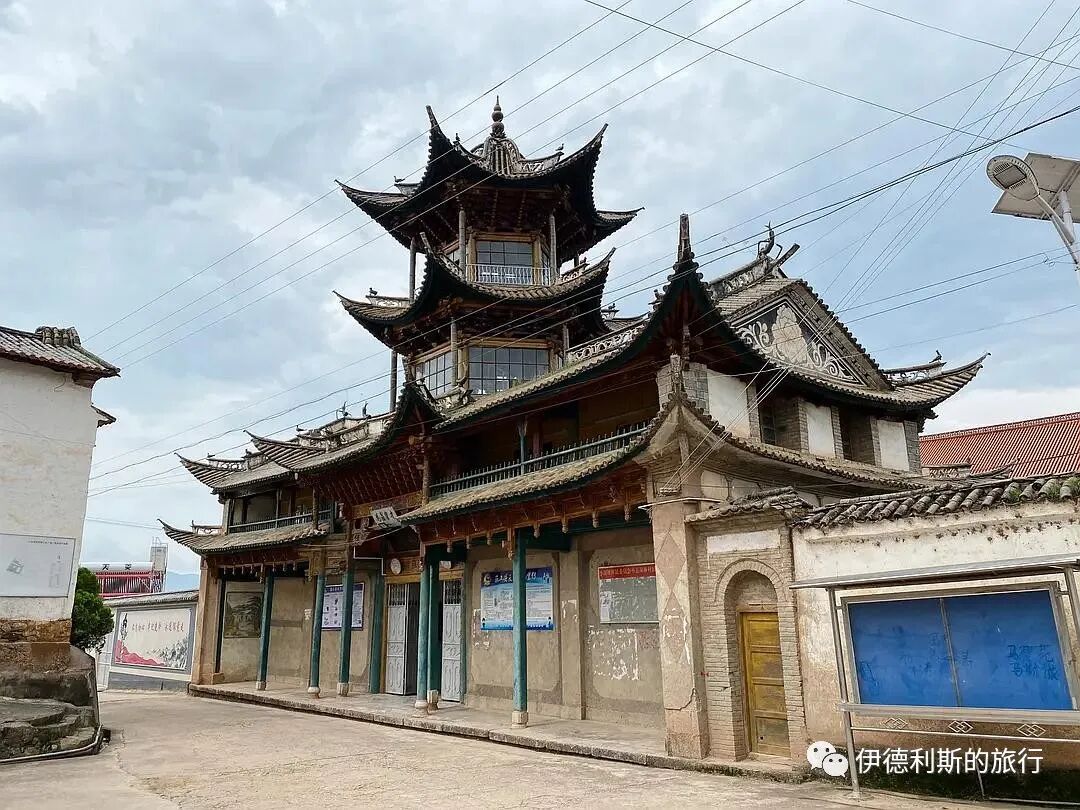
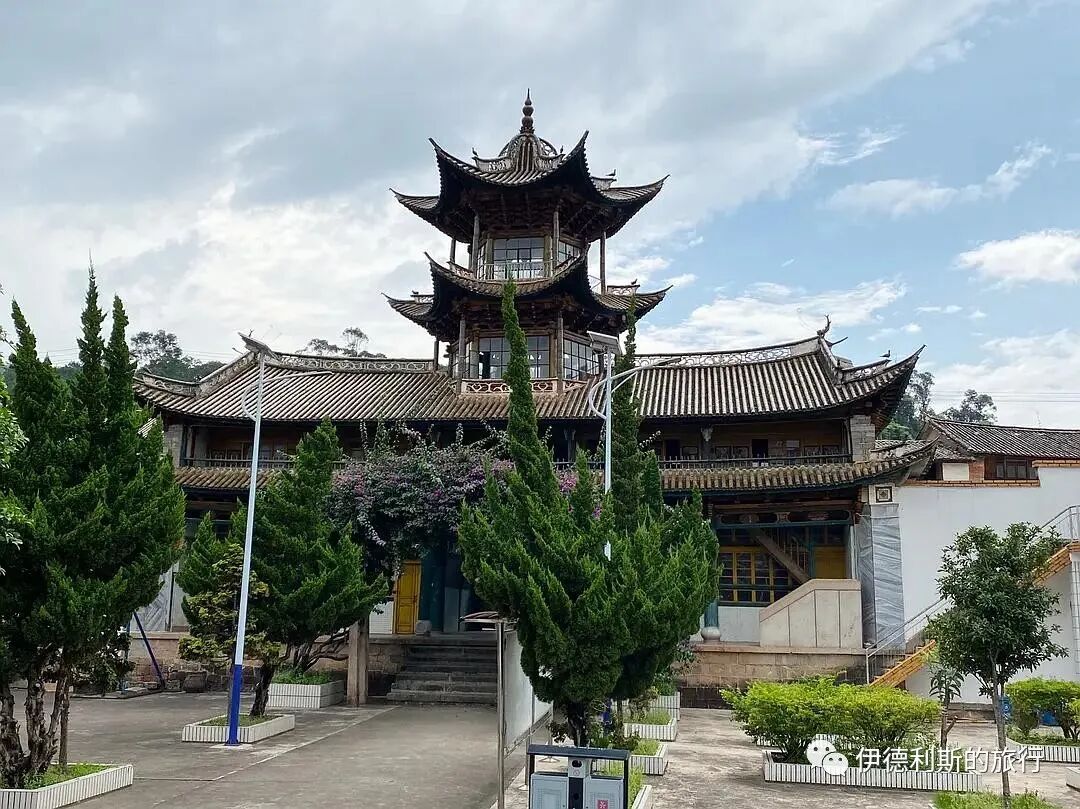
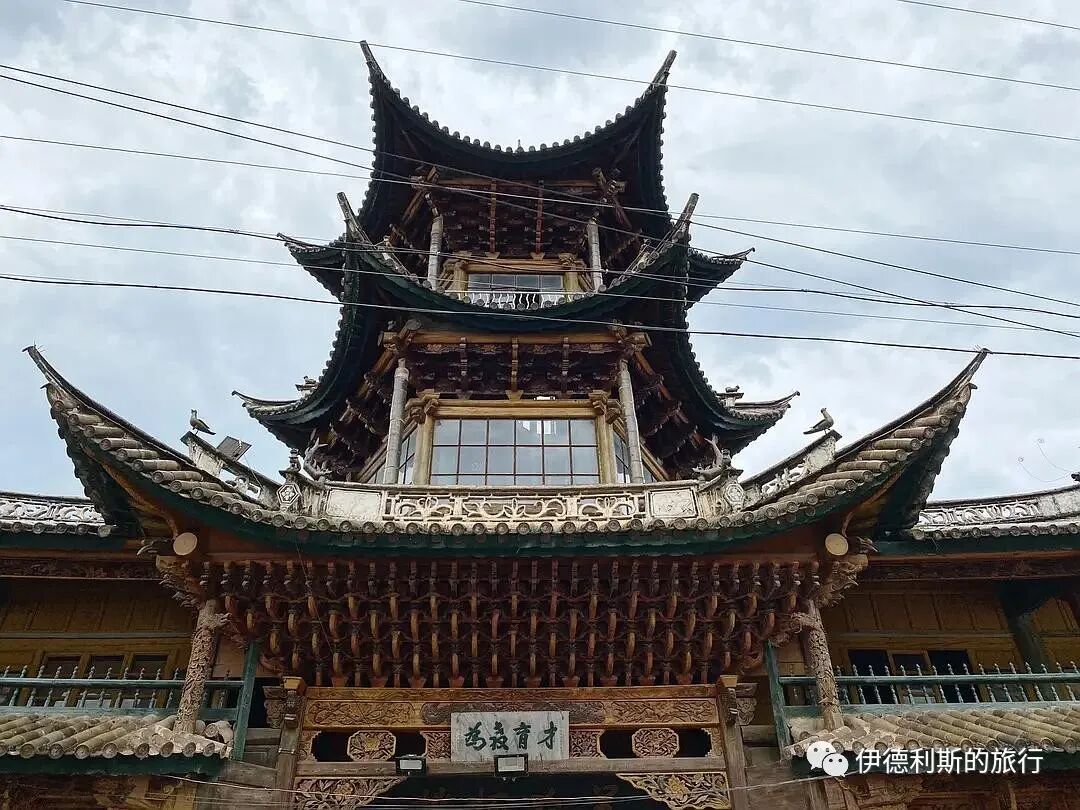
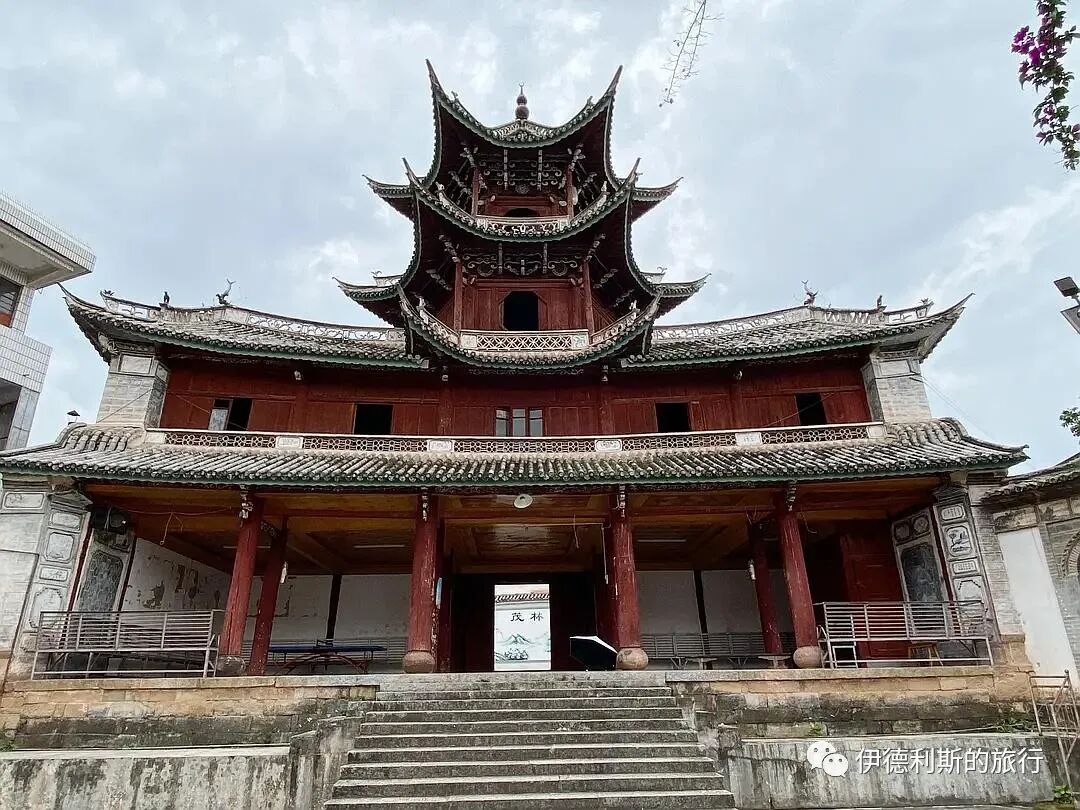
3. Dawumao Mosque
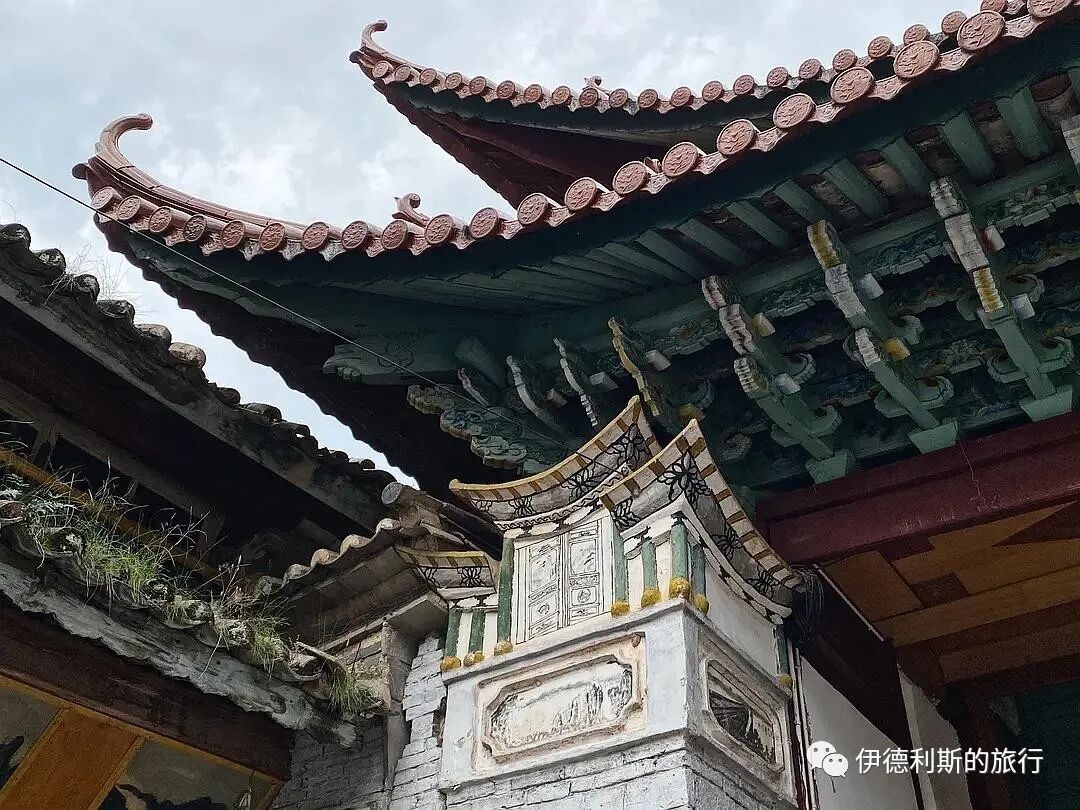
The minaret was built in 1988 and is a very typical example of Dali traditional style. This building is a masterpiece by the carpenter Ma Shaowu from Xiaowumaolin, who was a famous mosque architect in the Weishan area.
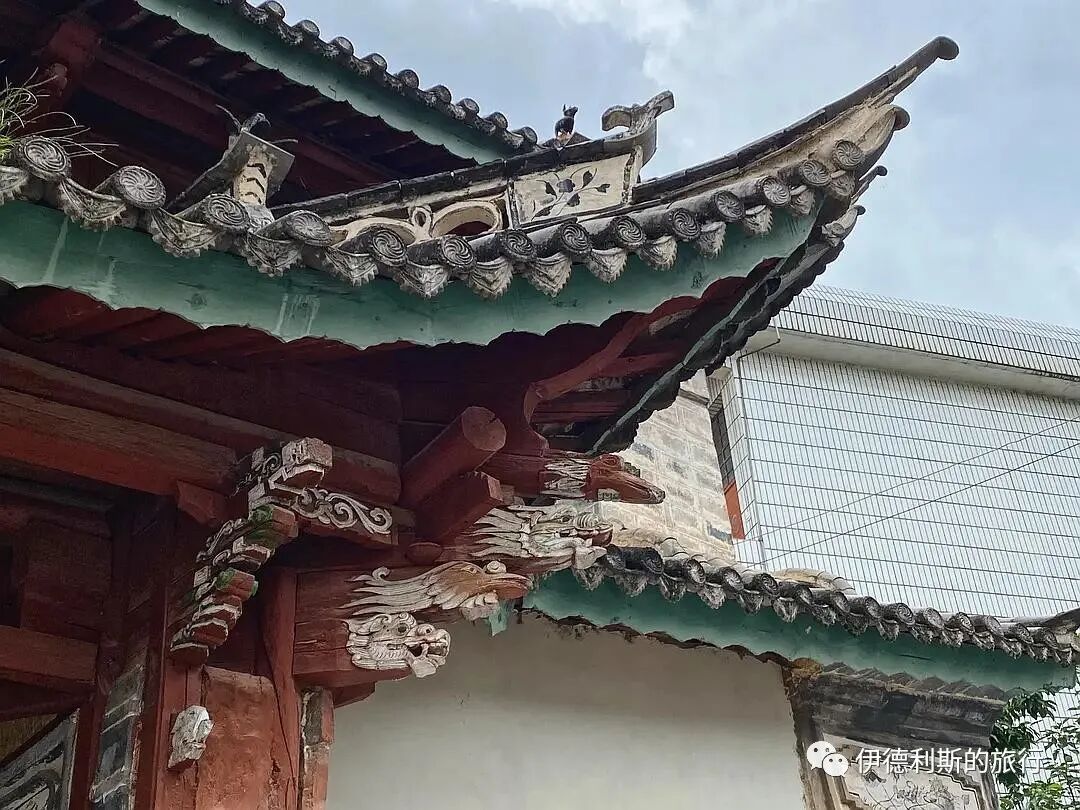
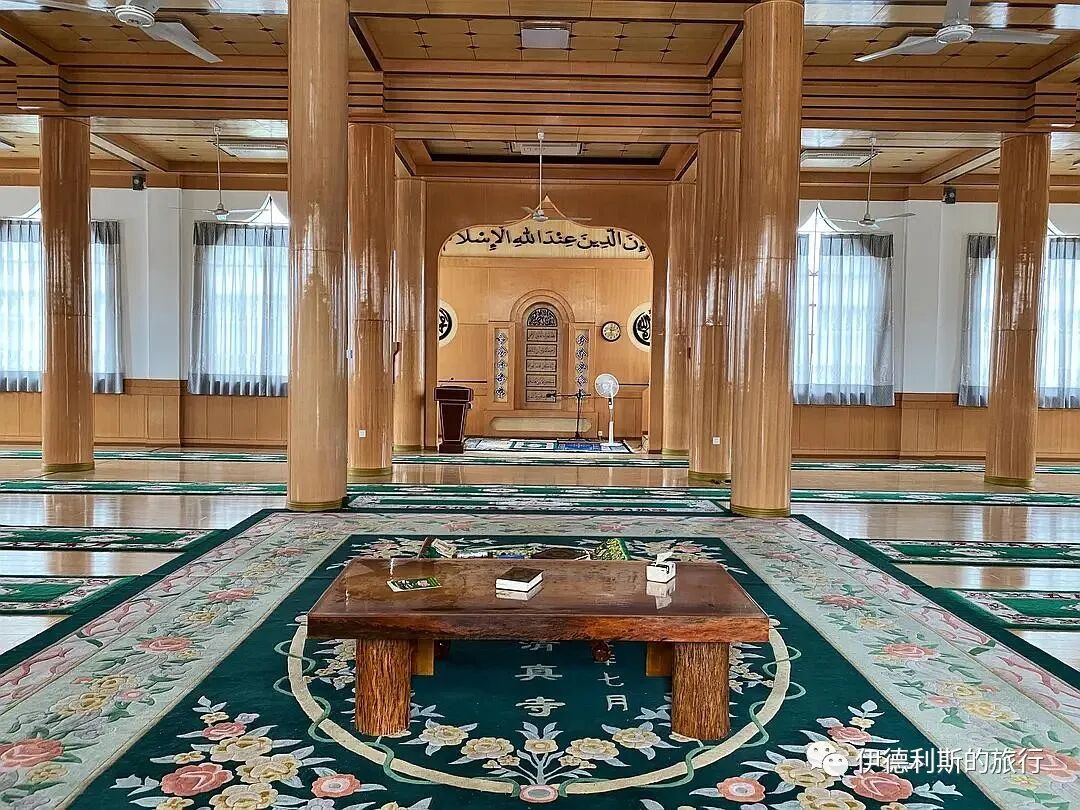
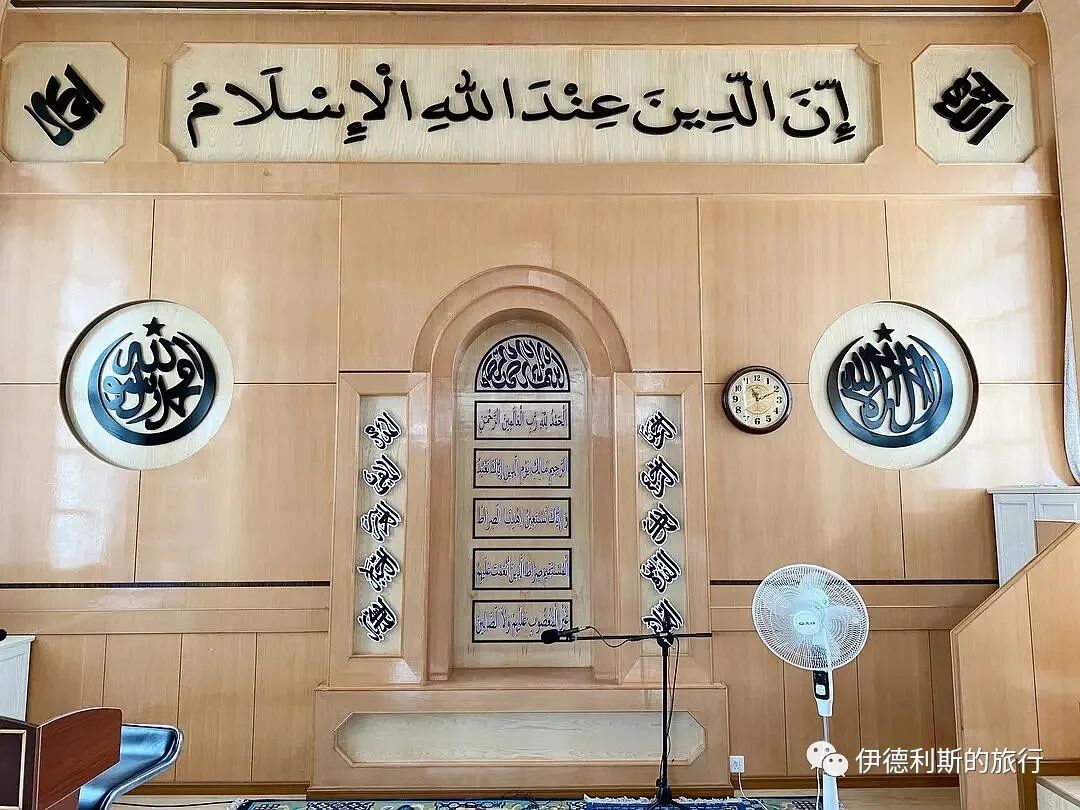
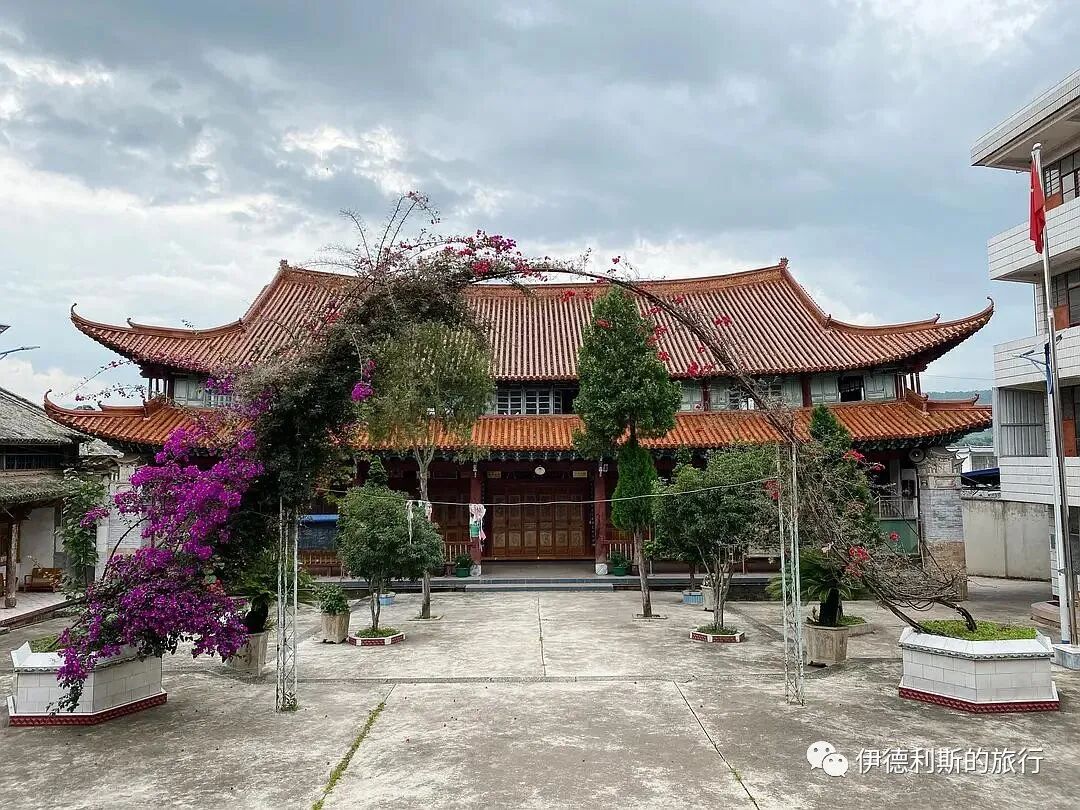
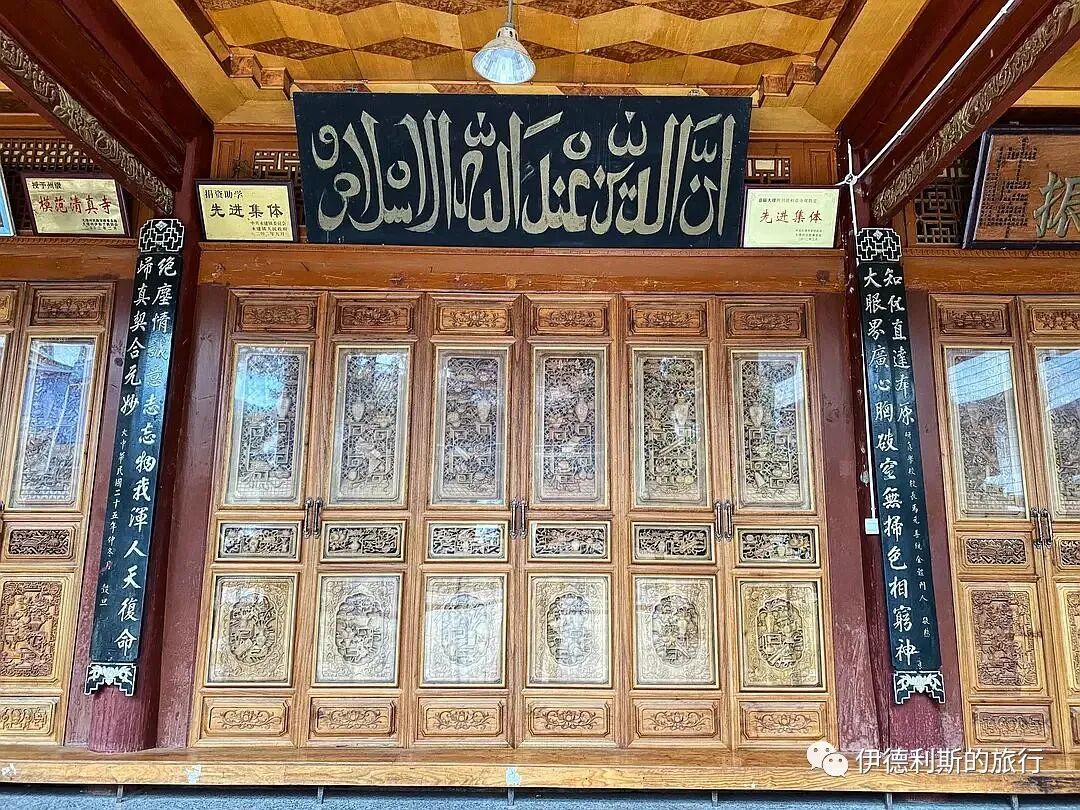
The main hall was rebuilt in 1982, and the mihrab inside is traditional and beautiful.
4. Baisha Village Mosque
The main prayer hall was rebuilt in 1987, and the minaret was built in 1993.
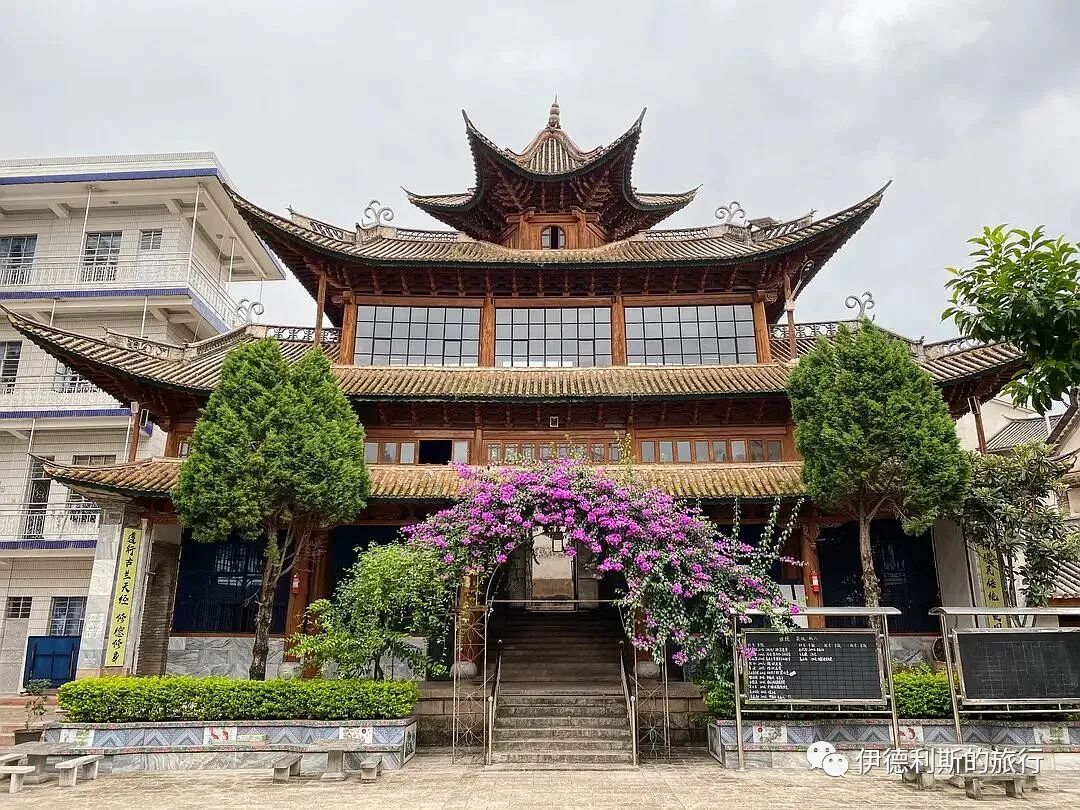
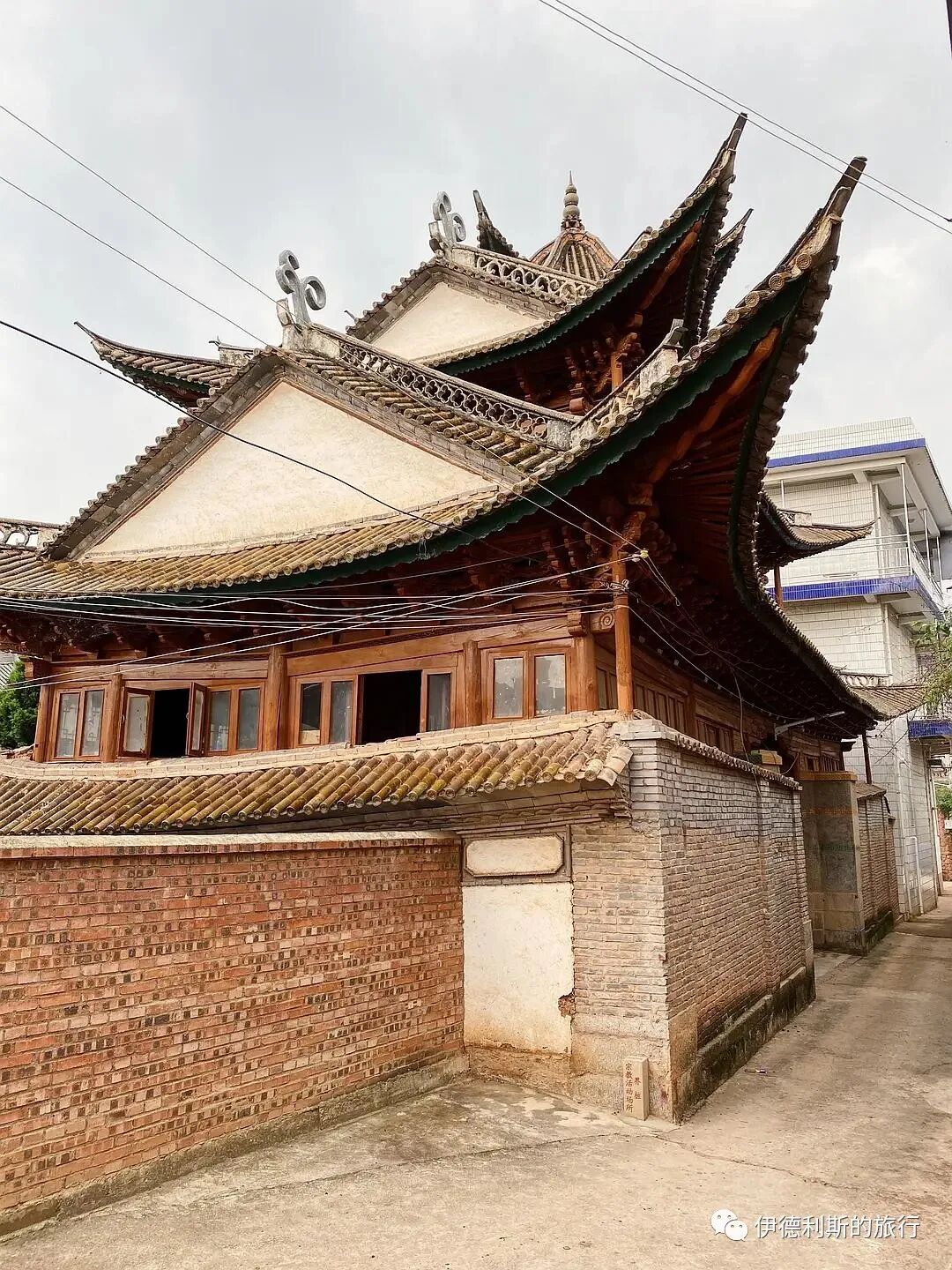
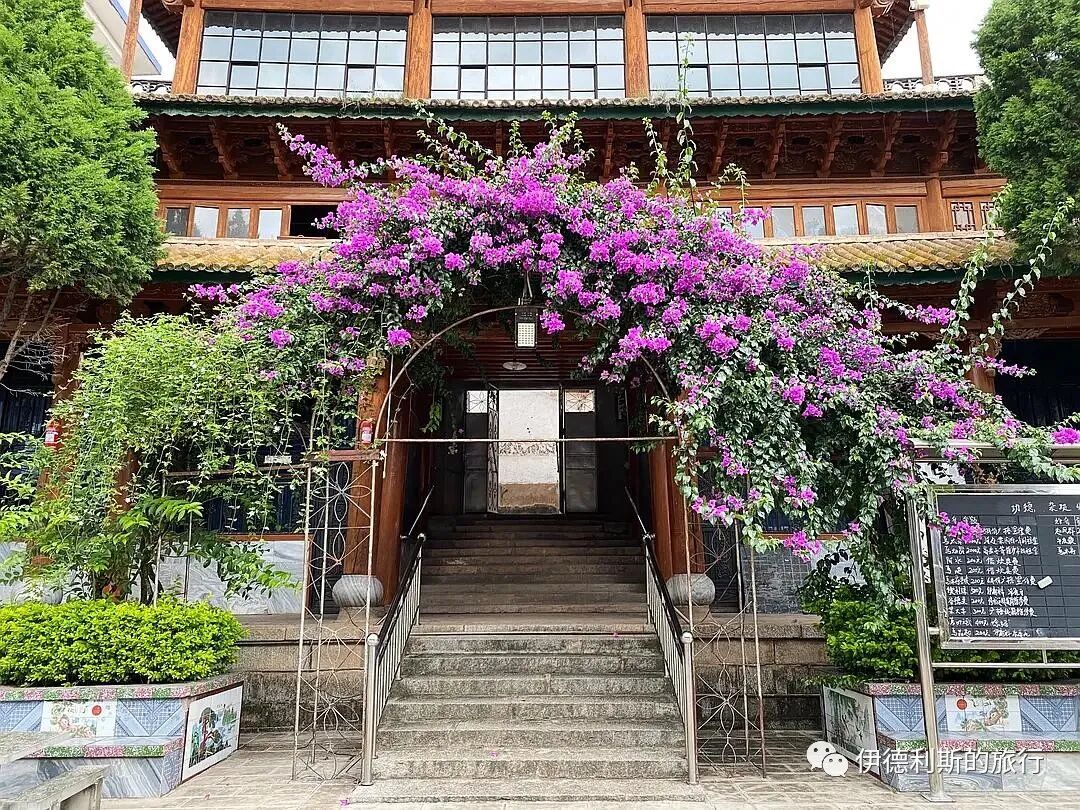
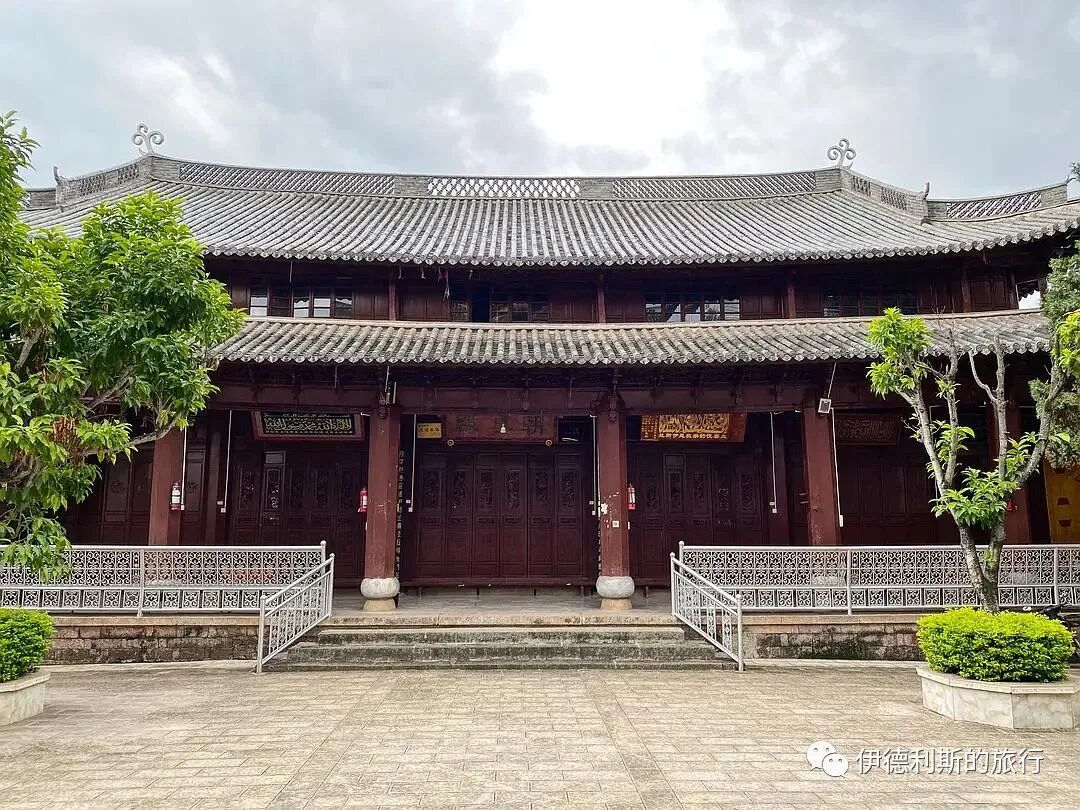
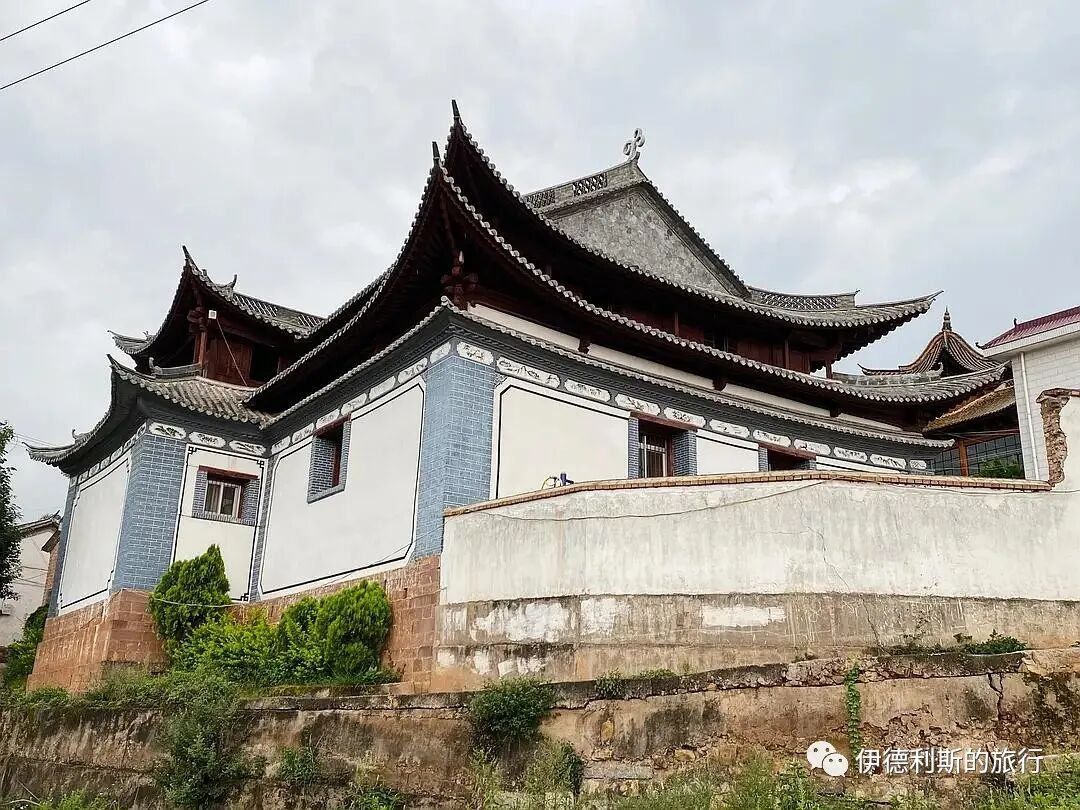
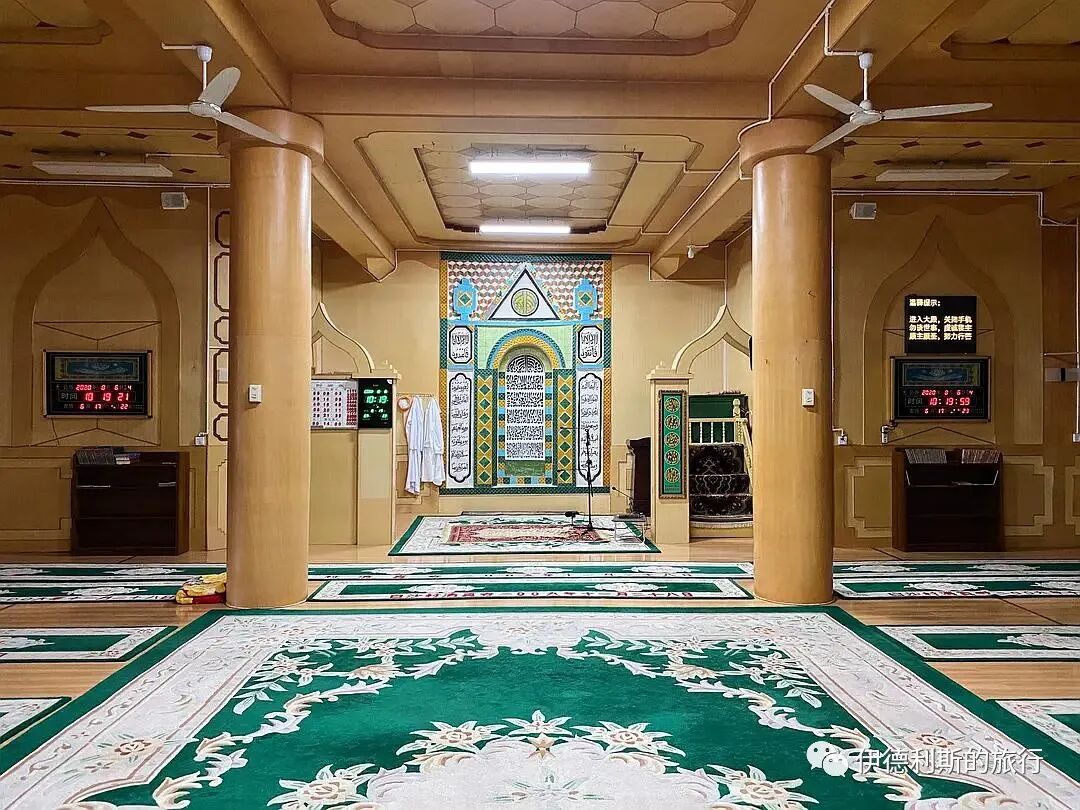
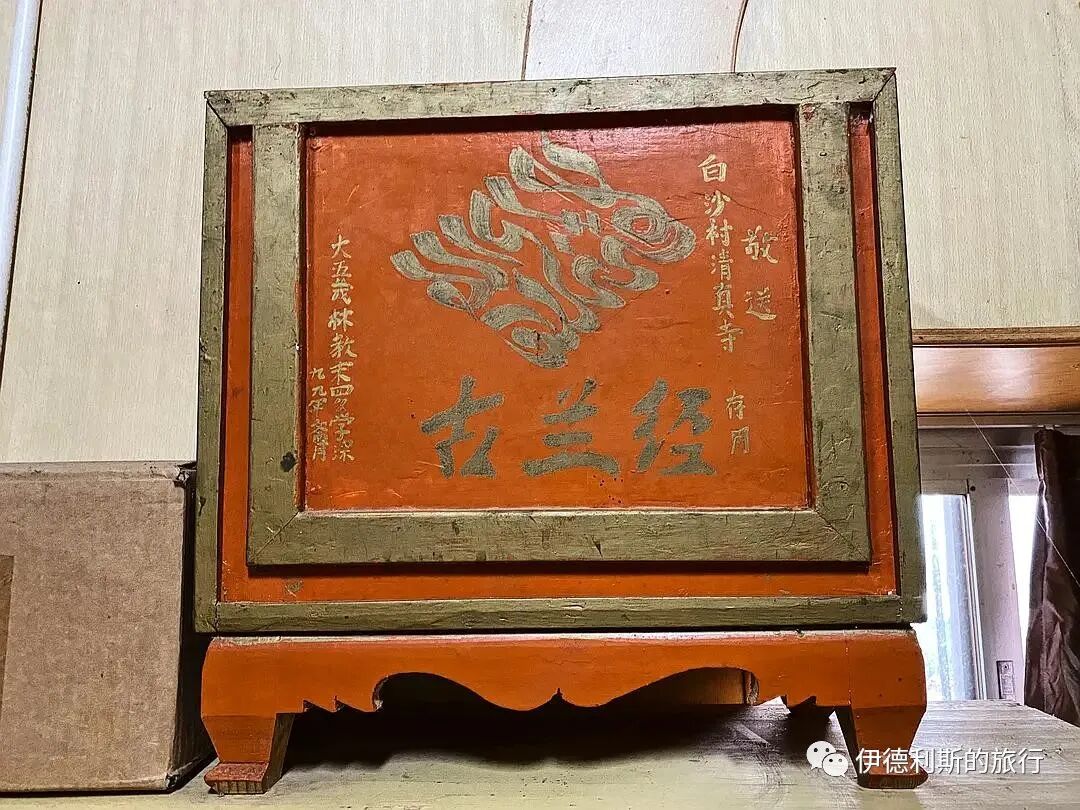
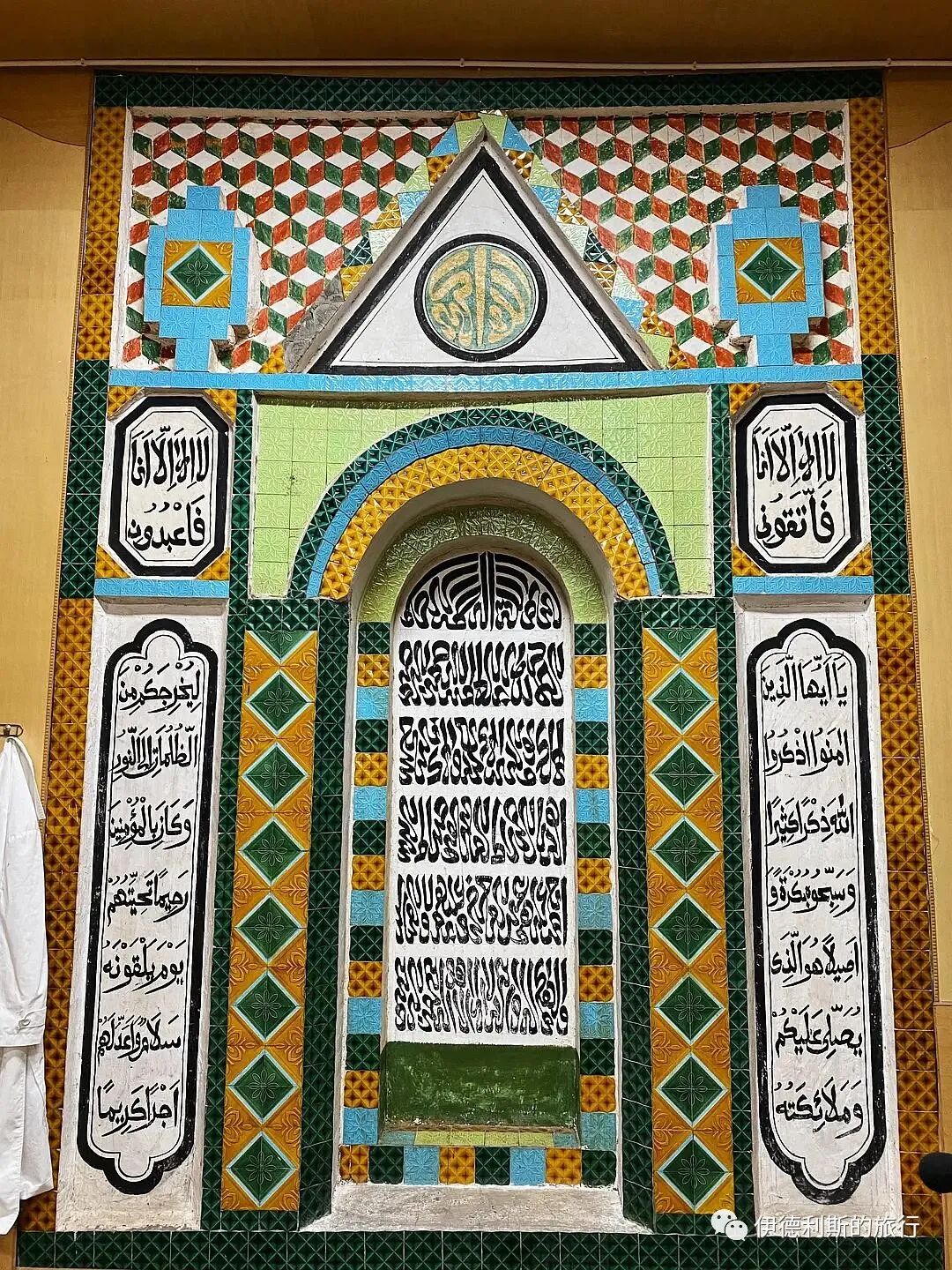
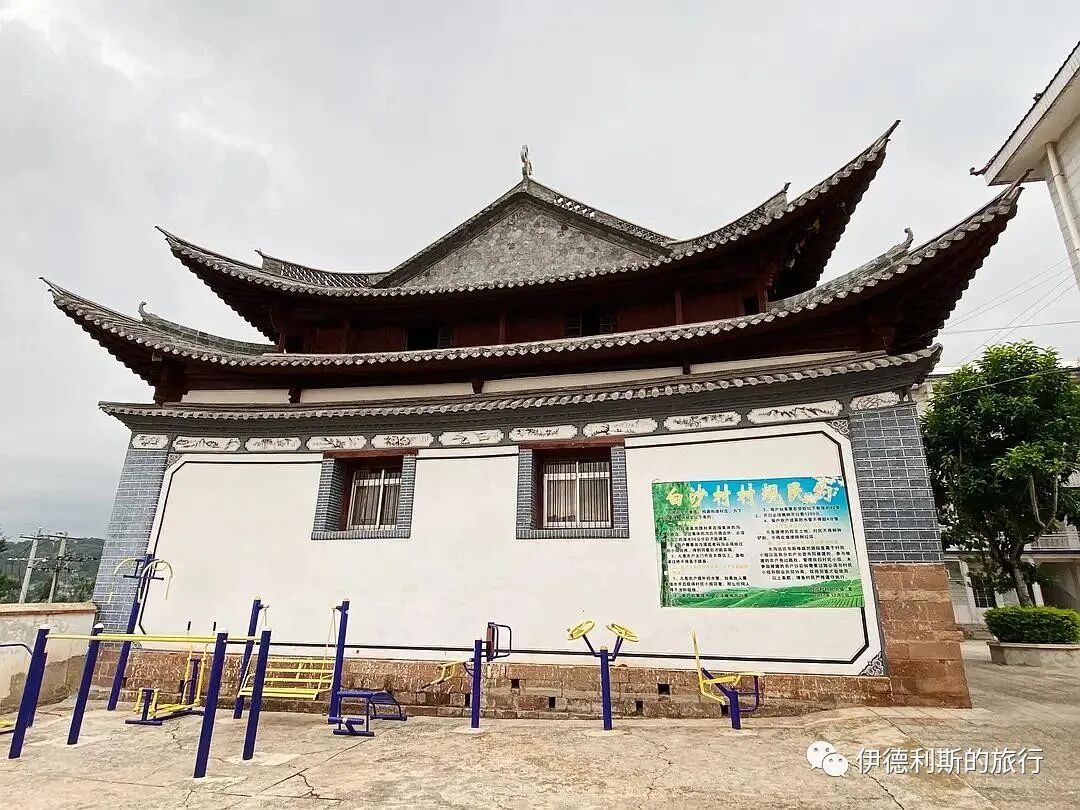
5. Xiaoweigeng Mosque
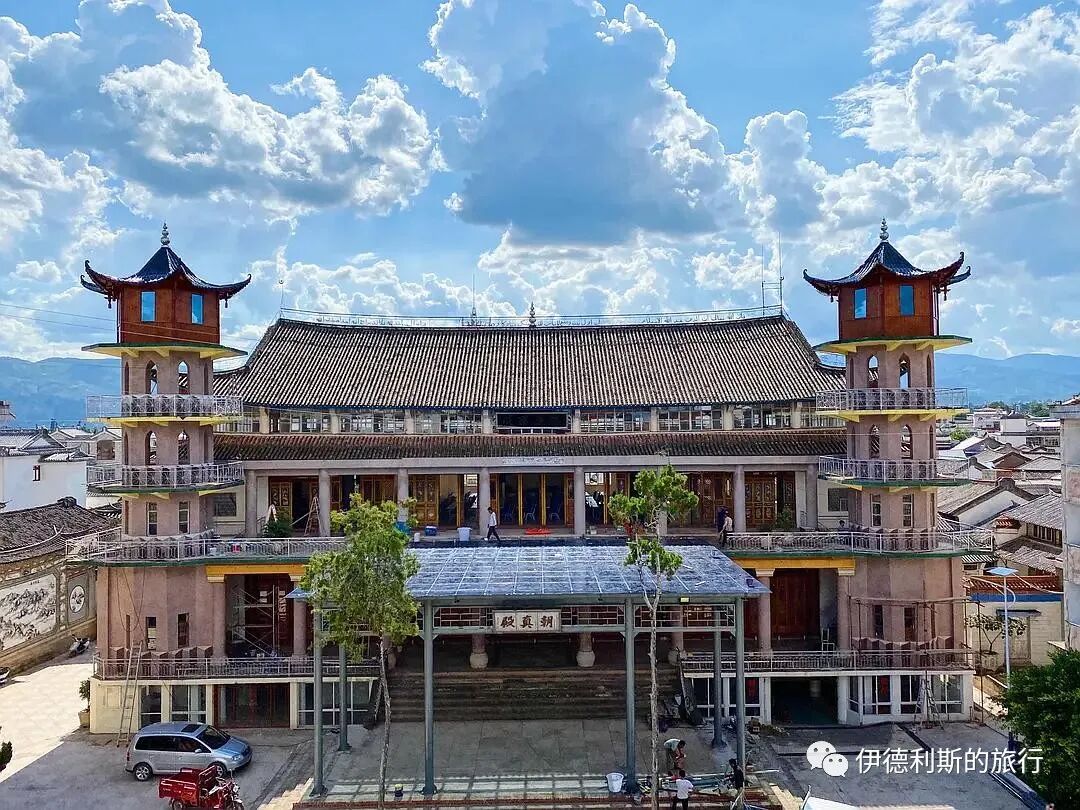
The minaret of Xiaoweigeng. Many minarets were locked during this trip, but I was lucky enough to climb this one.
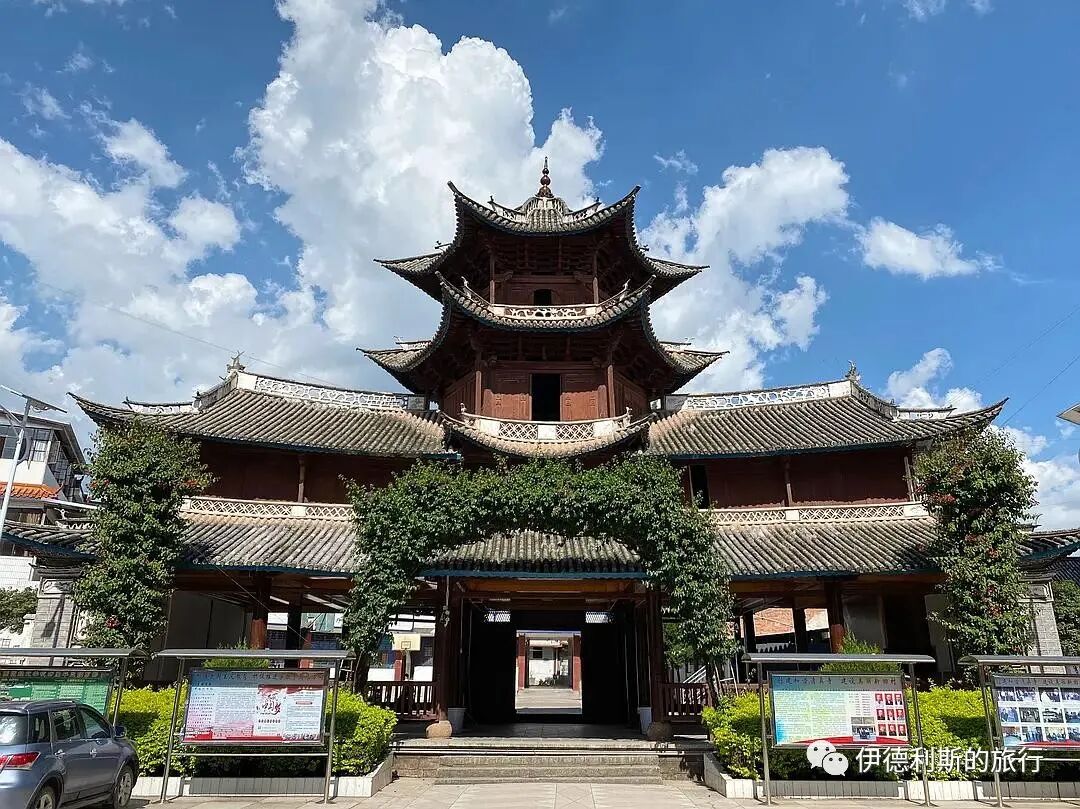
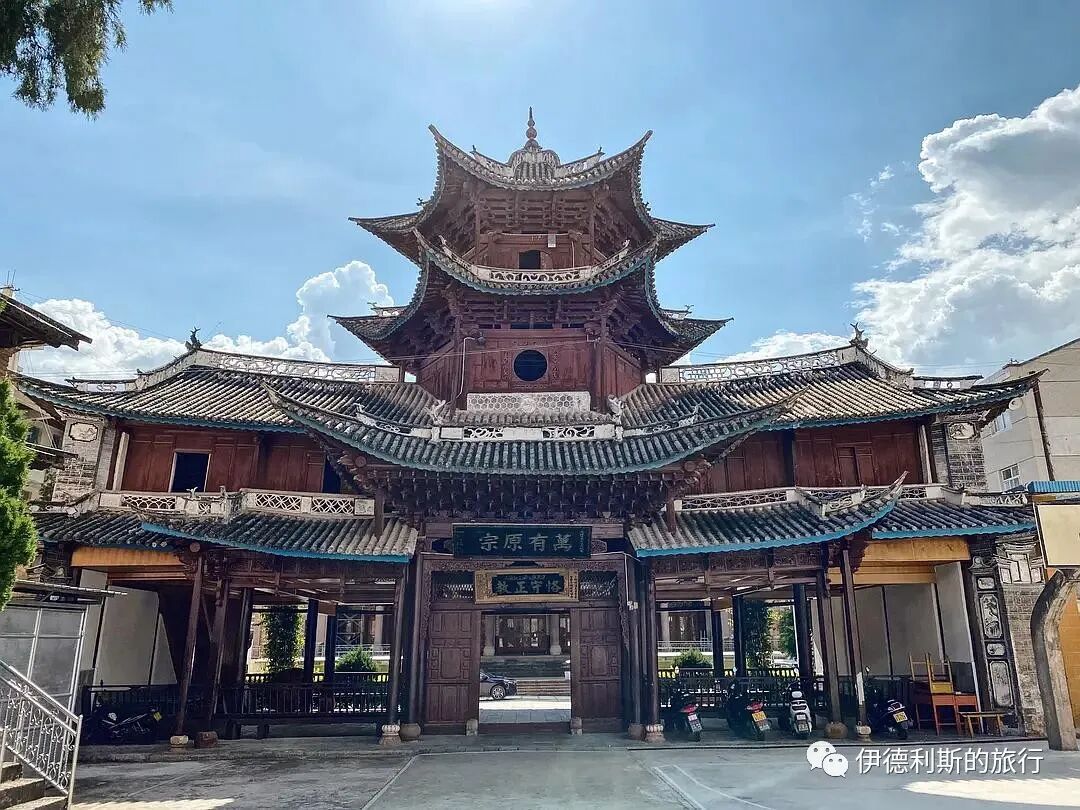
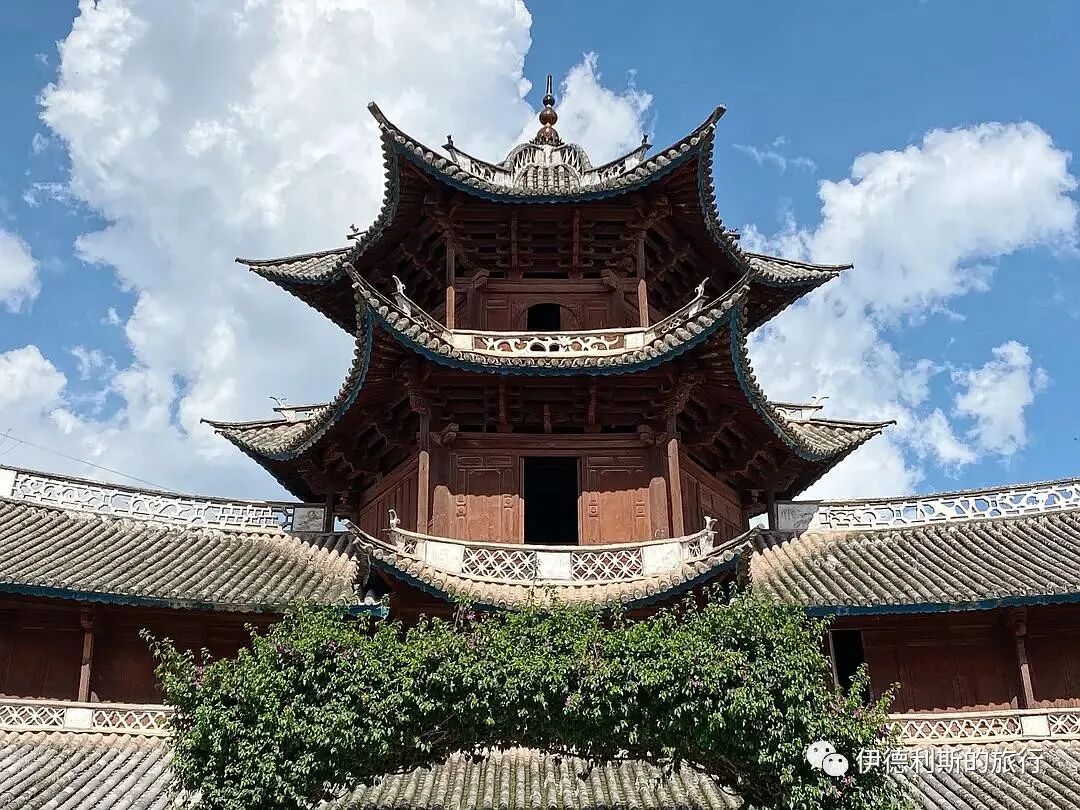
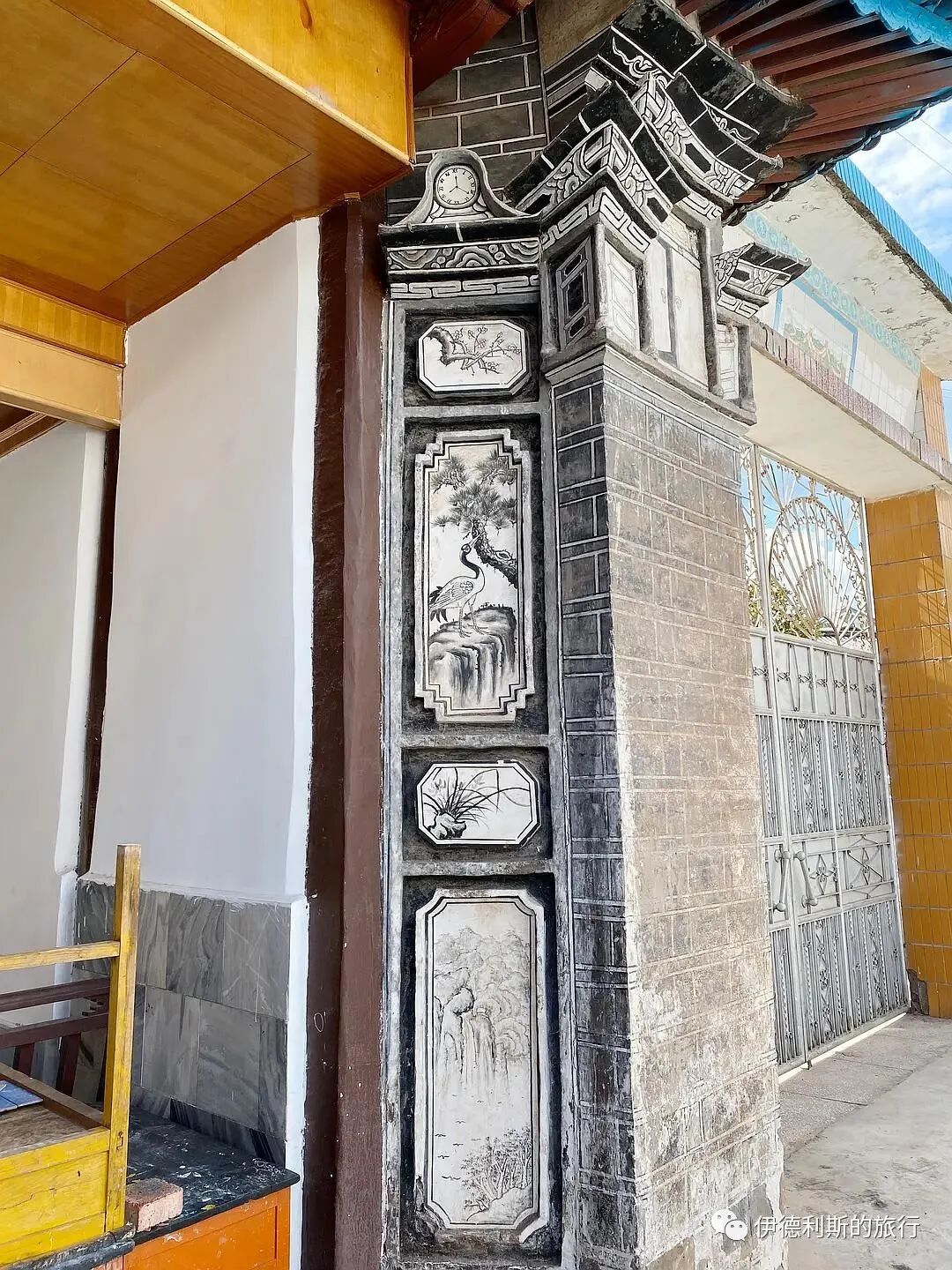
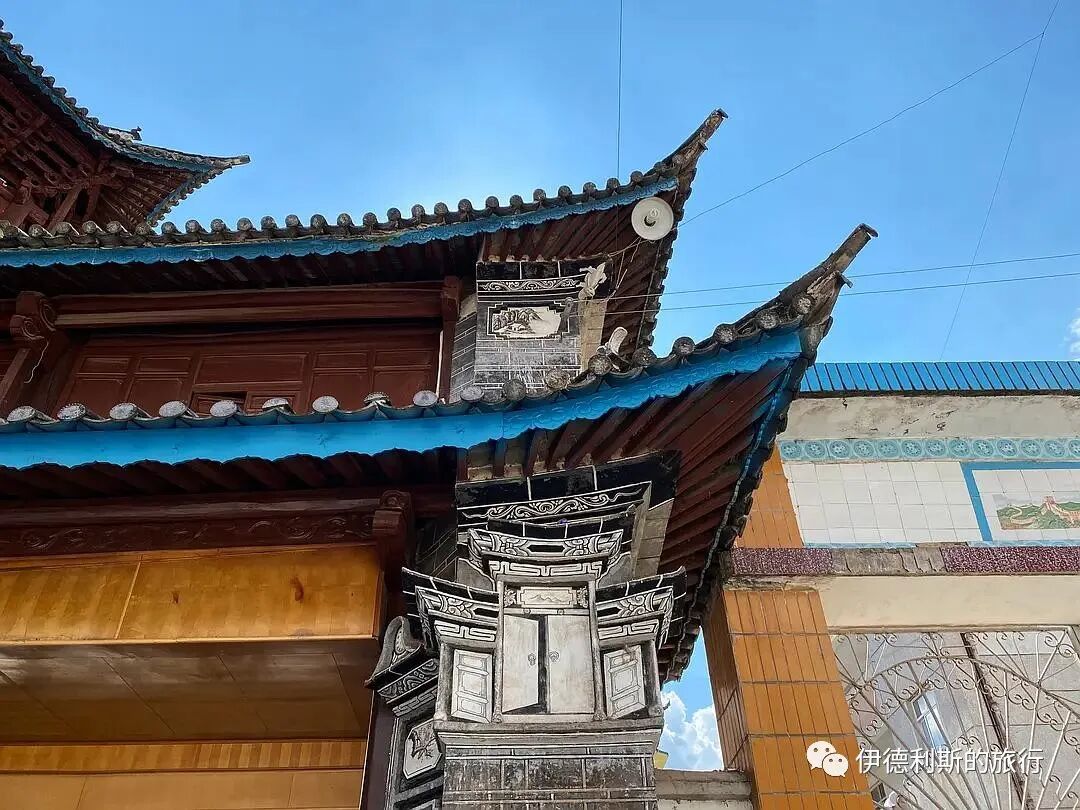
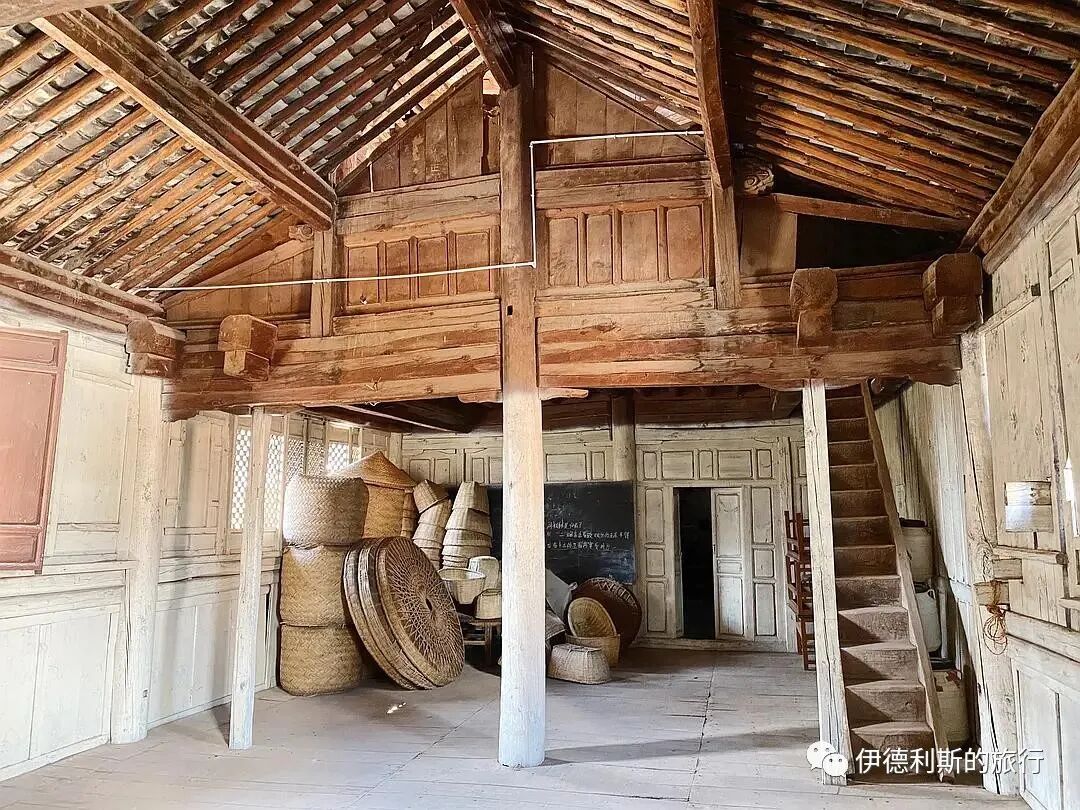
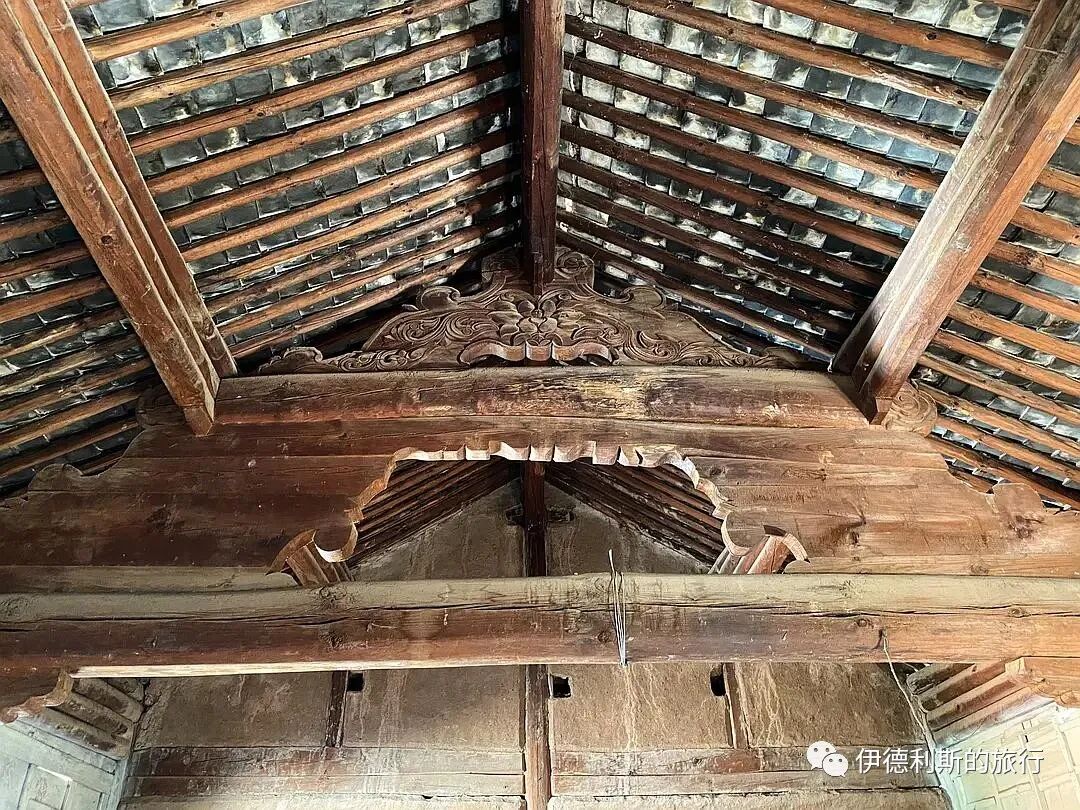
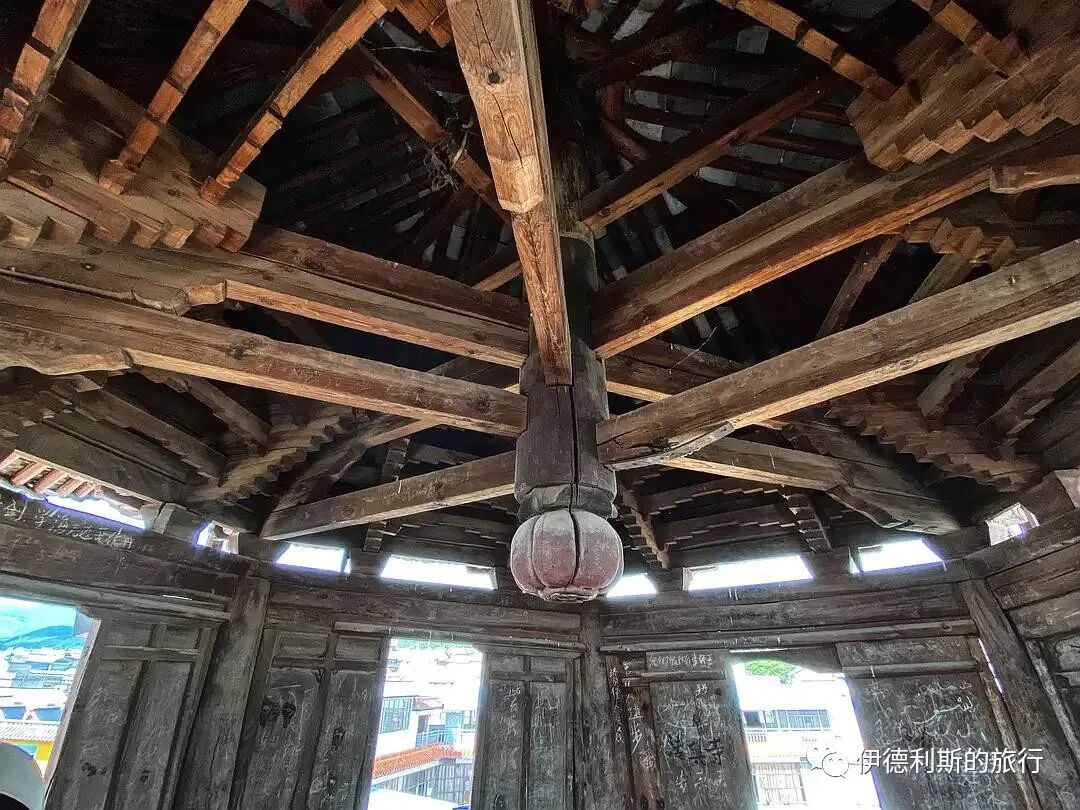
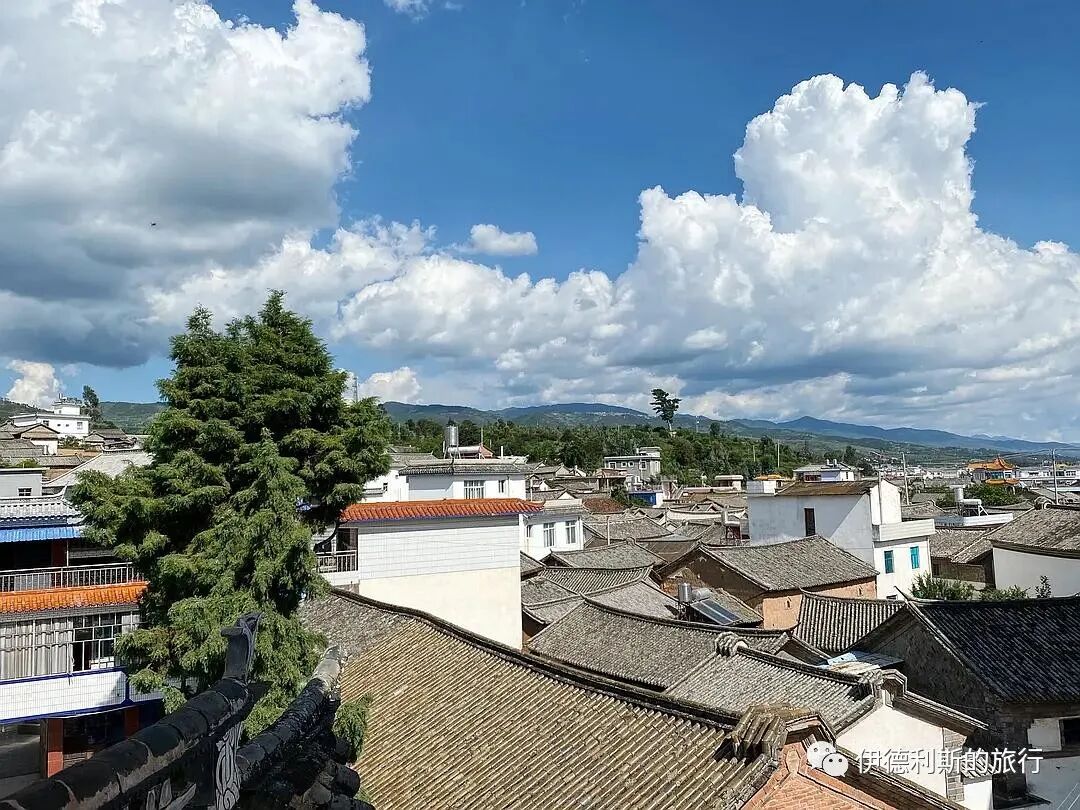
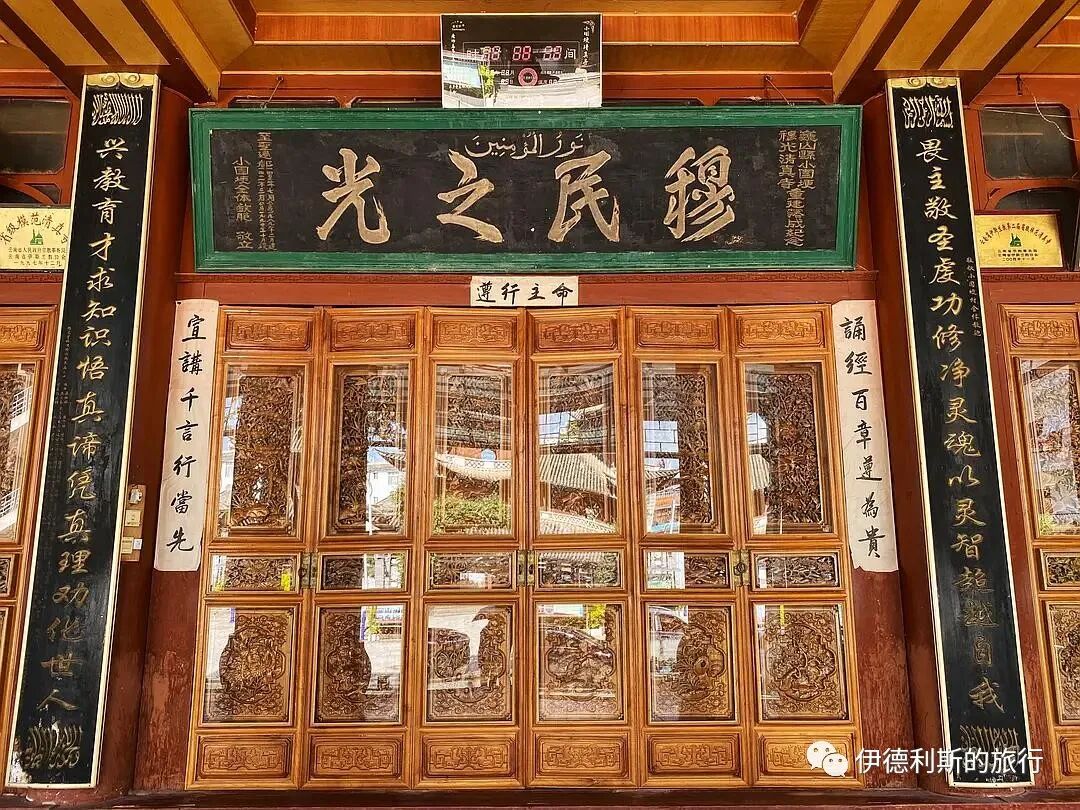
The main hall was rebuilt in 1990, and the Weishan-style traditional Yunnan Arabic calligraphy on the mihrab is very beautiful.
6. Yanqichang Mosque
The main prayer hall was rebuilt in 2014. Since the 21st century, mosques built in Weishan County prefer to place the main prayer hall on the second floor.
7. Daweigeng Mosque
The main hall was rebuilt in 1990, and the minaret was first built in 1944. The builder of the main hall was Master Luo Jiajing from Xiatian'er Mountain in Weishan County.
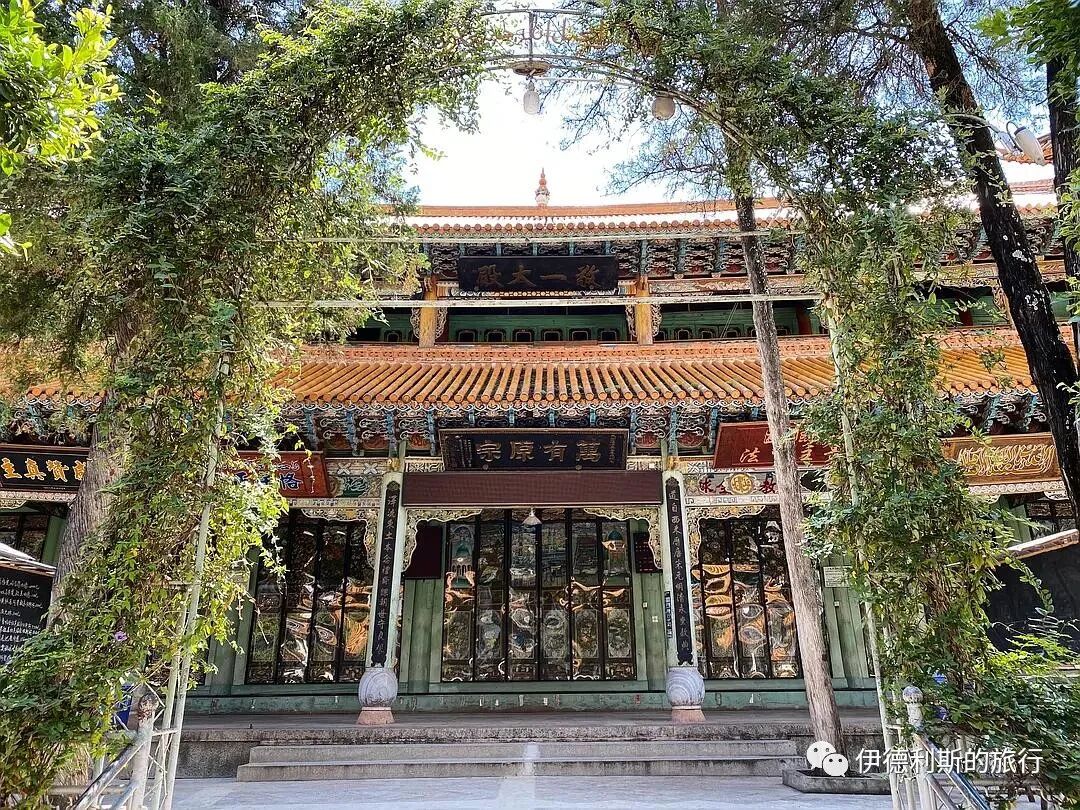
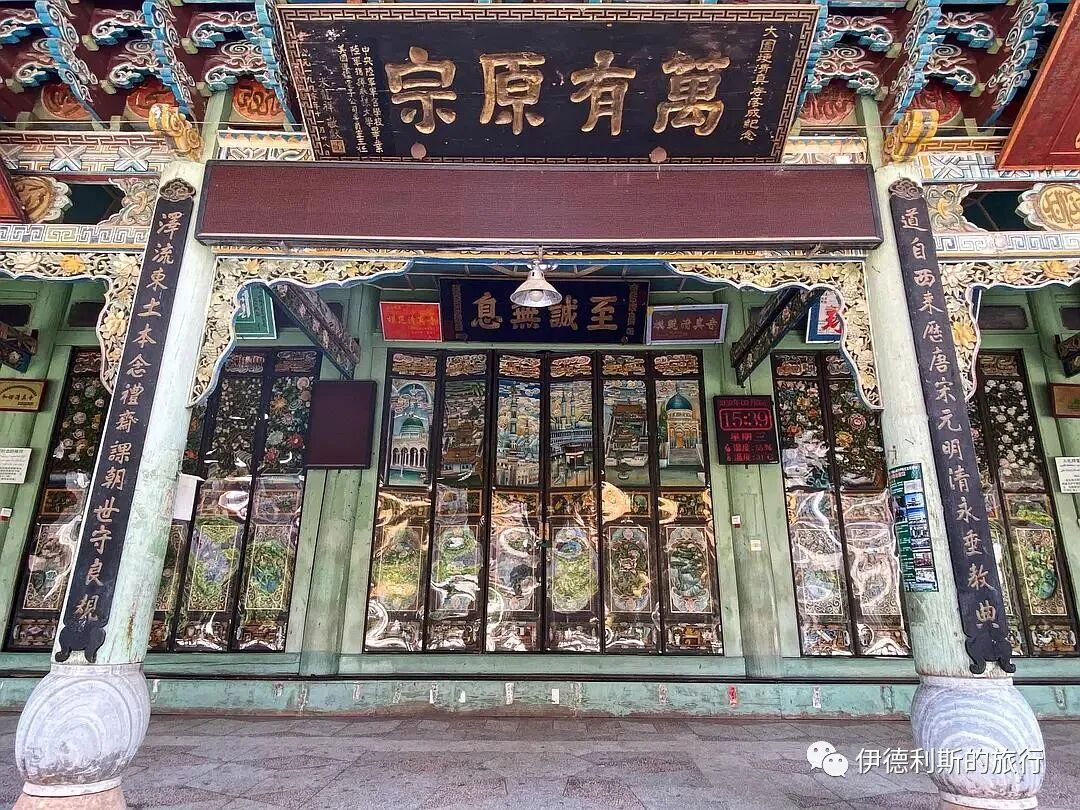
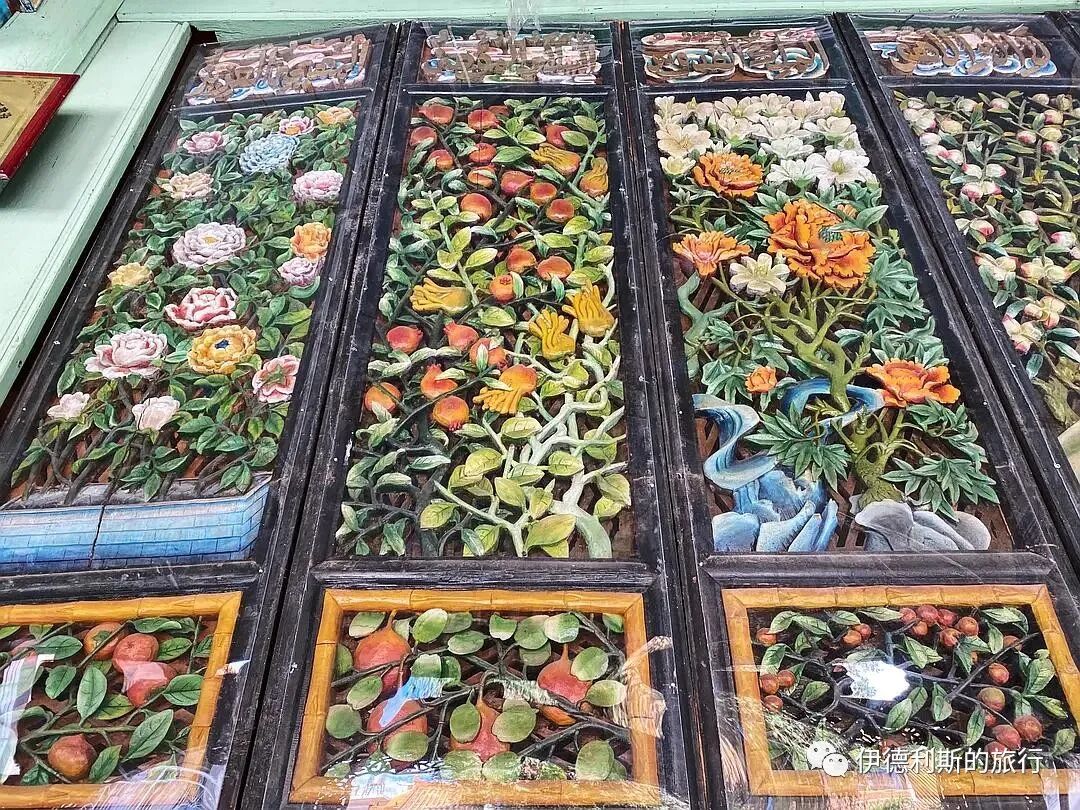
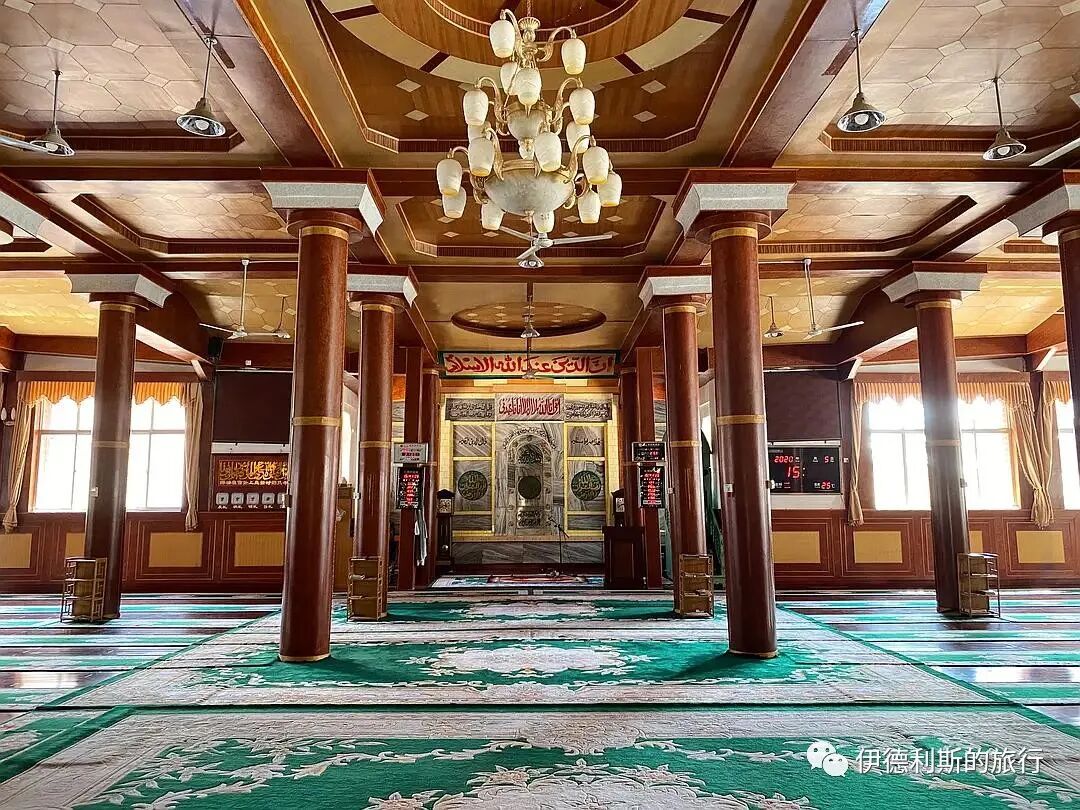
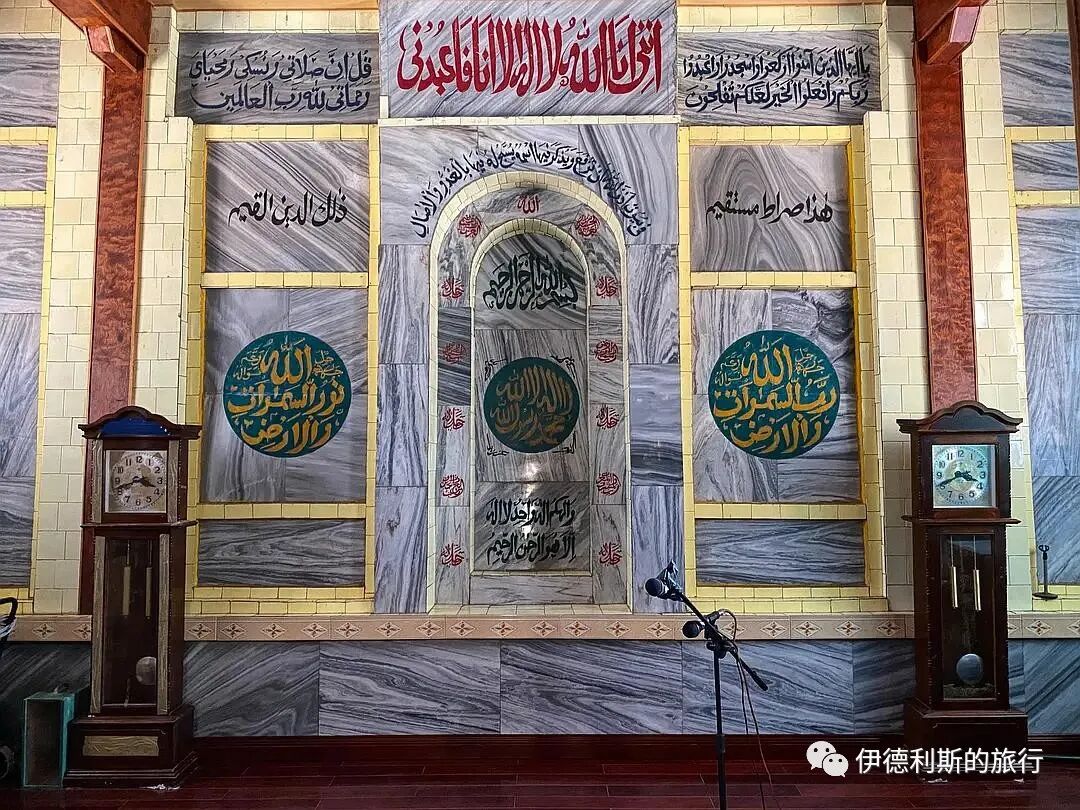
8. Xishulong Mosque
The main hall was rebuilt in 1990.
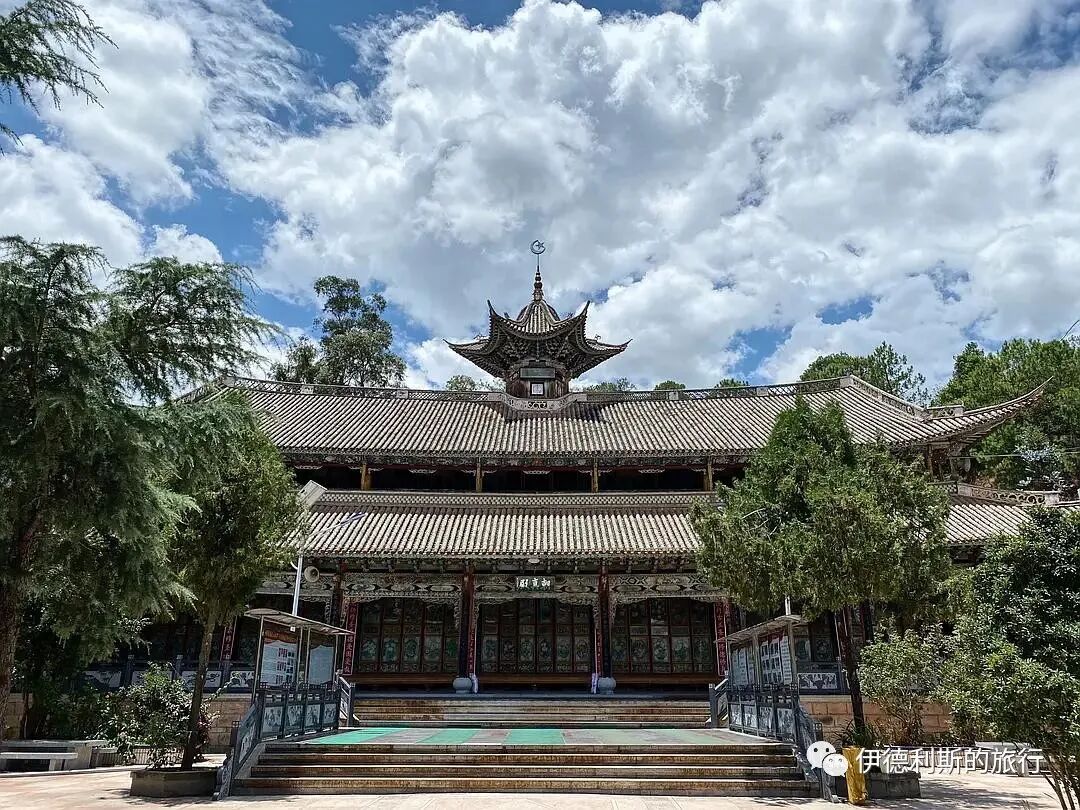
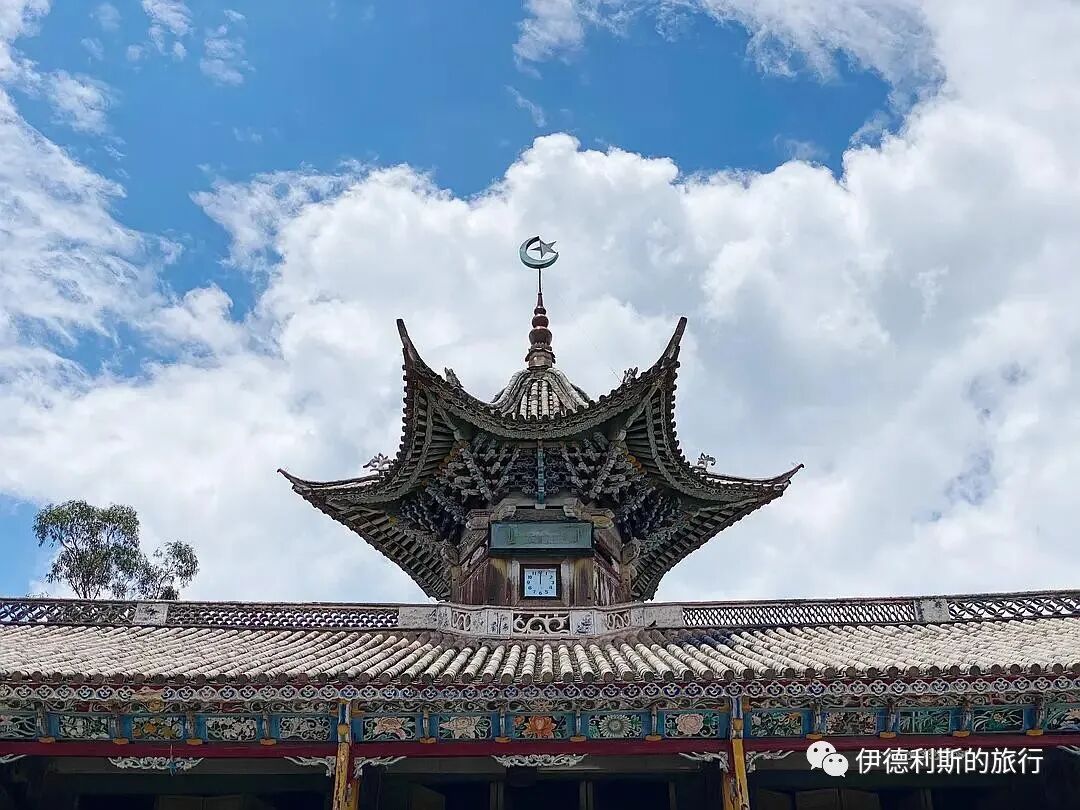
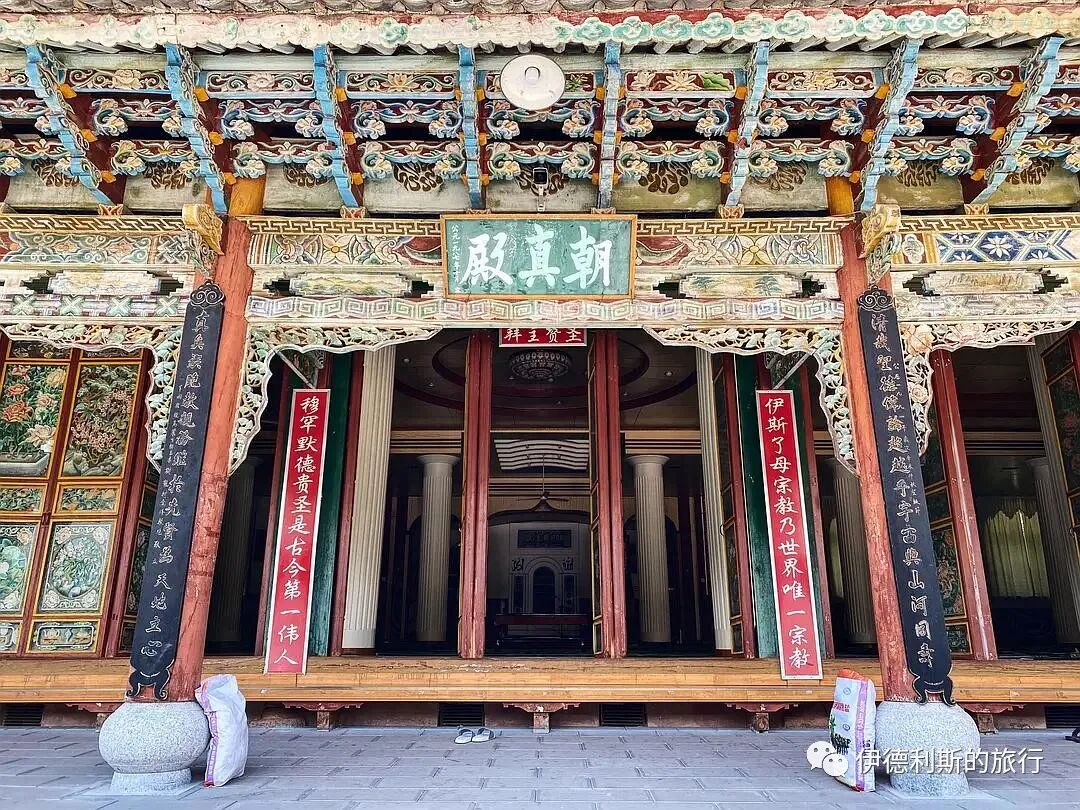
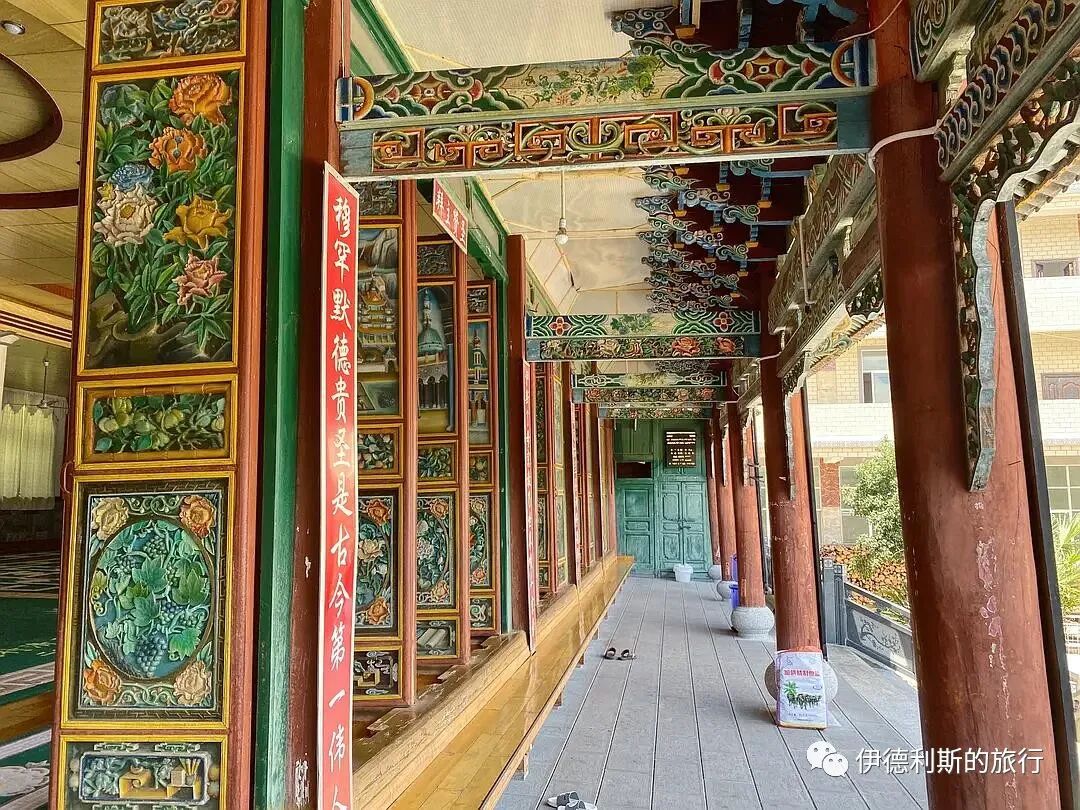
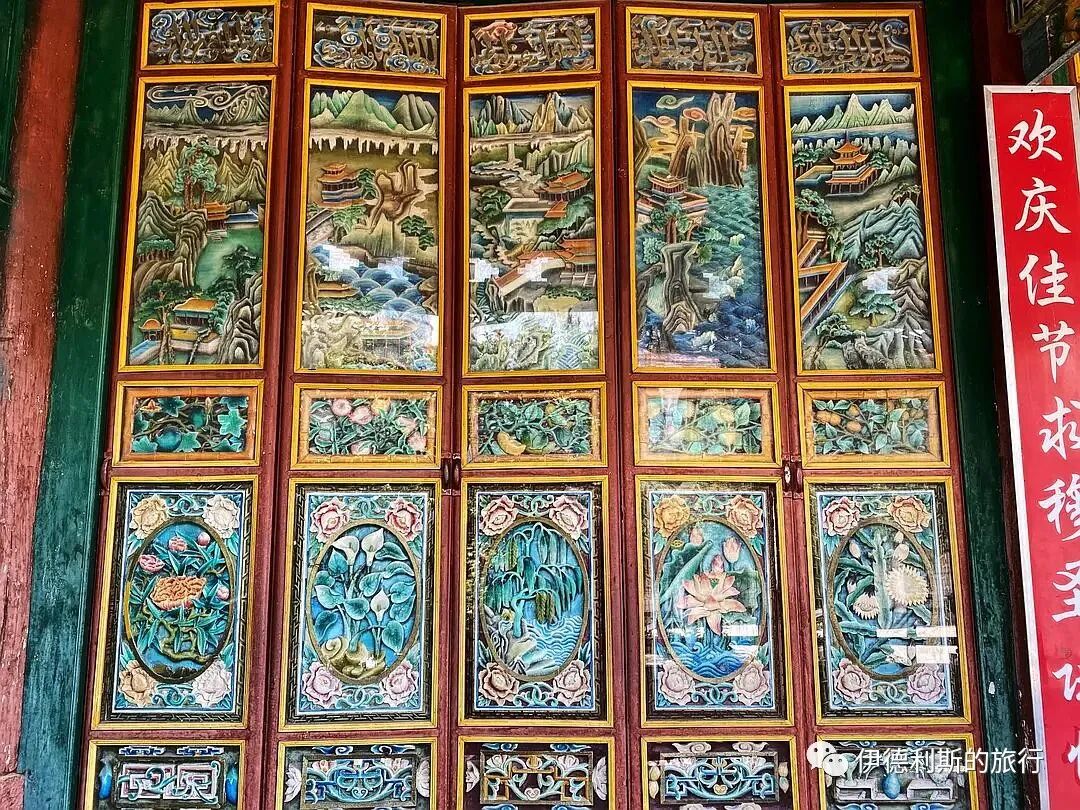
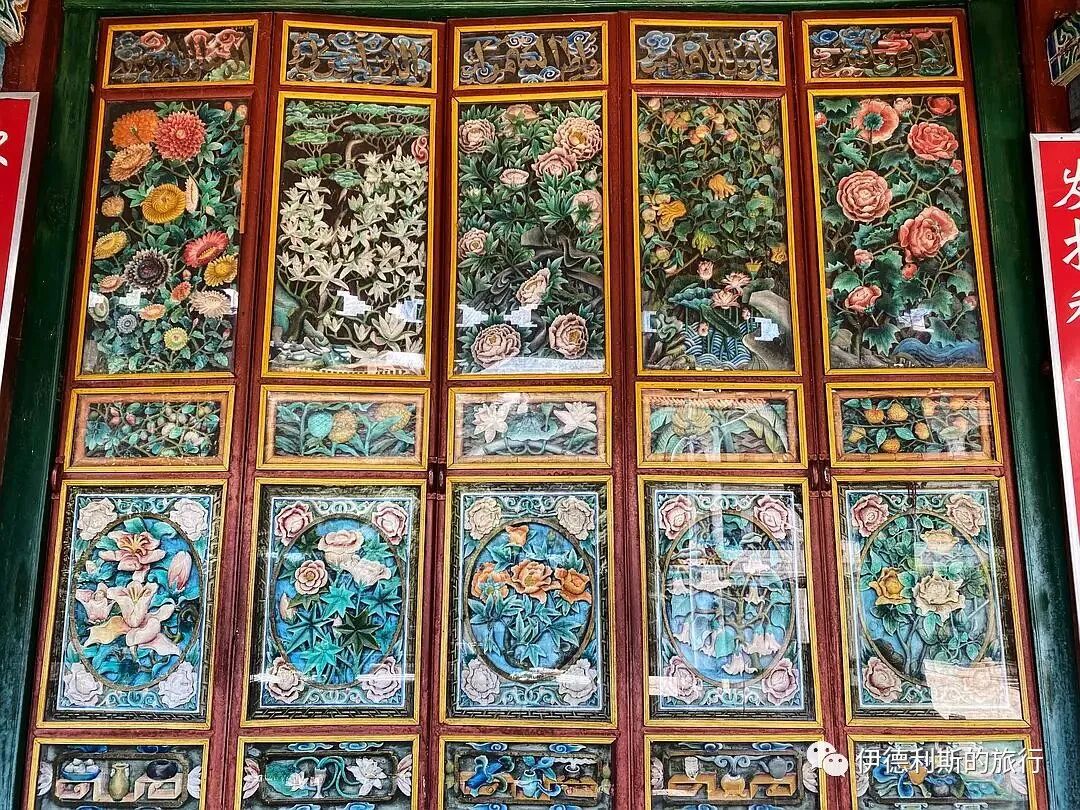
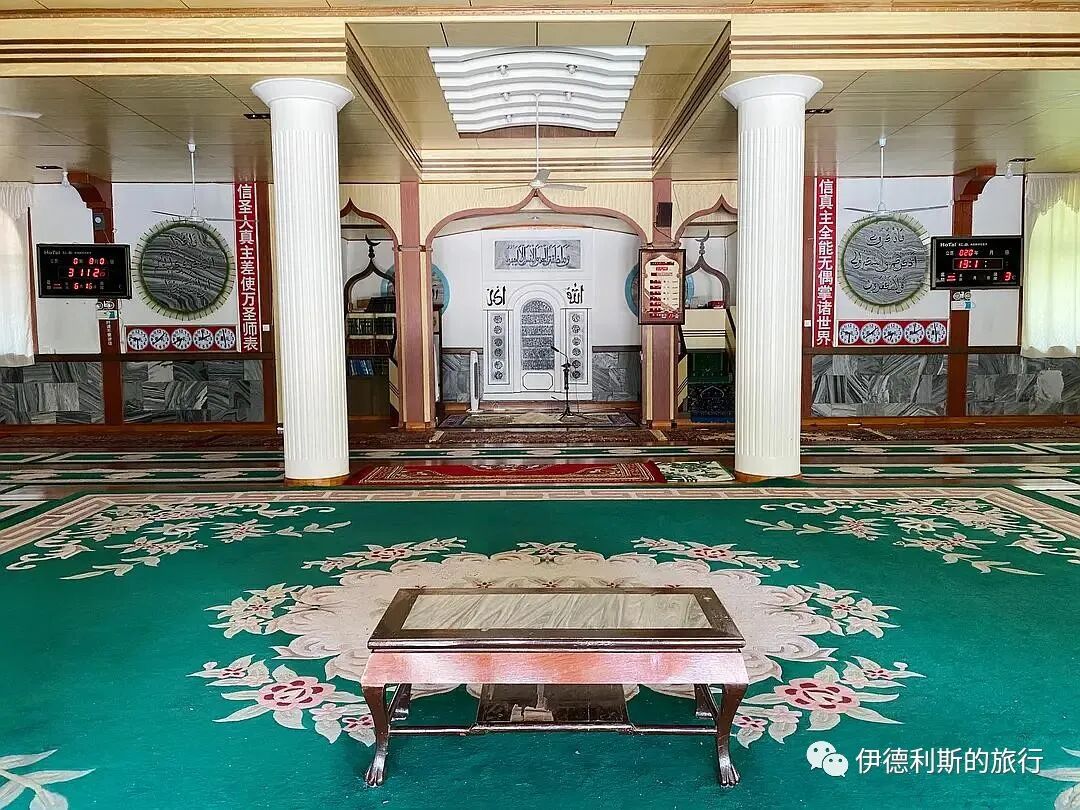
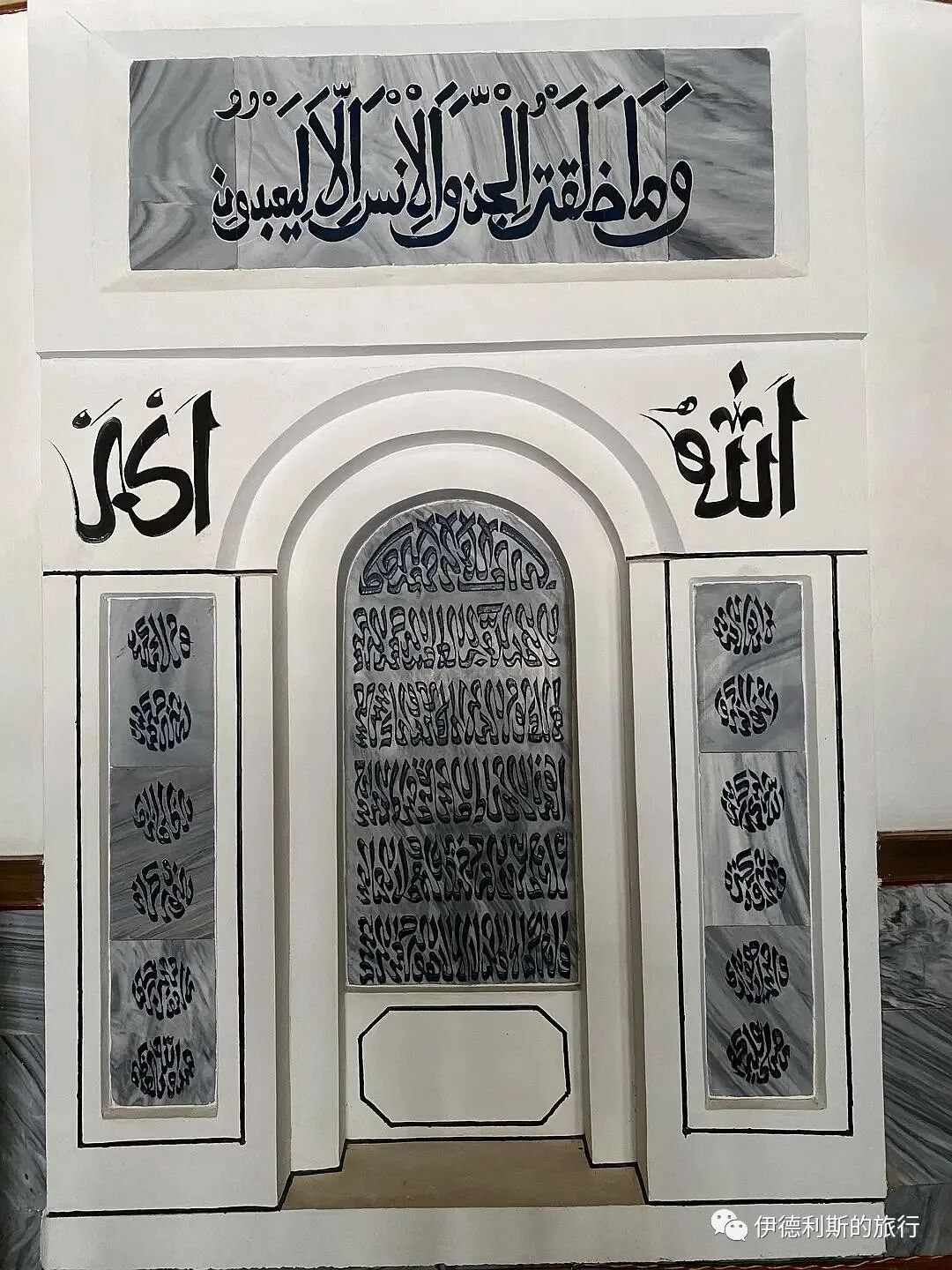
9. Qingmenkou Mosque: 1906
Because of its relatively remote location, the minaret built in 1906 has been preserved to this day, which is very rare.
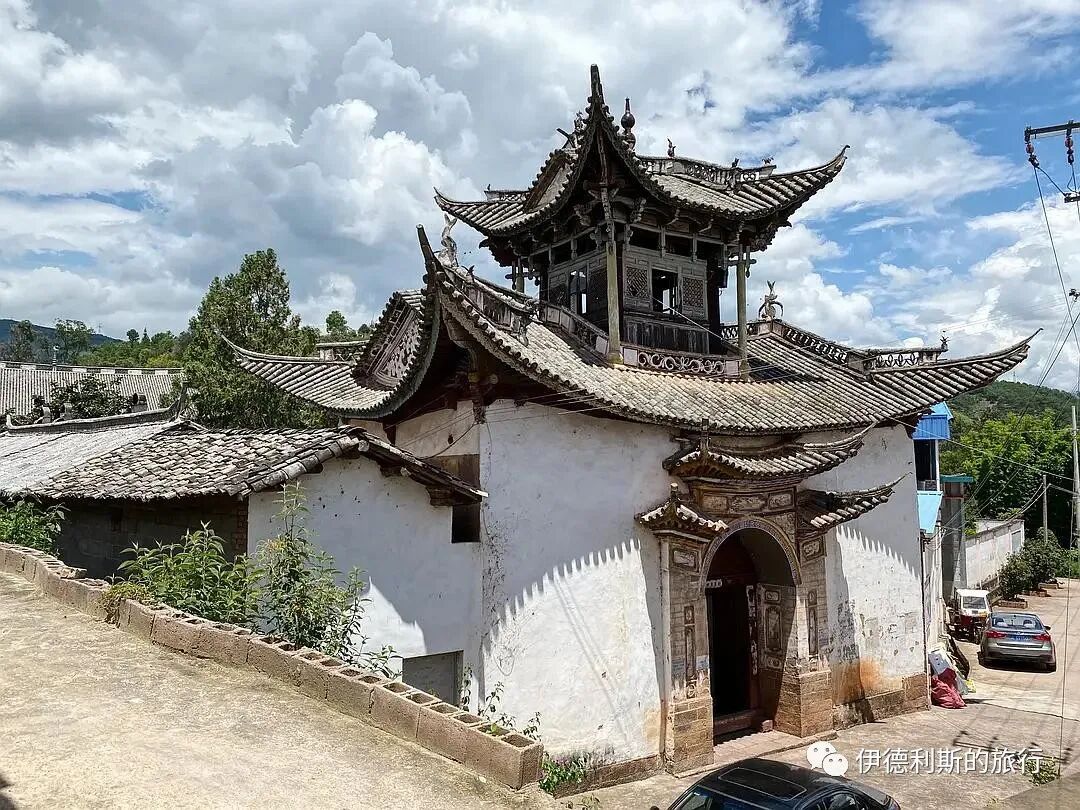
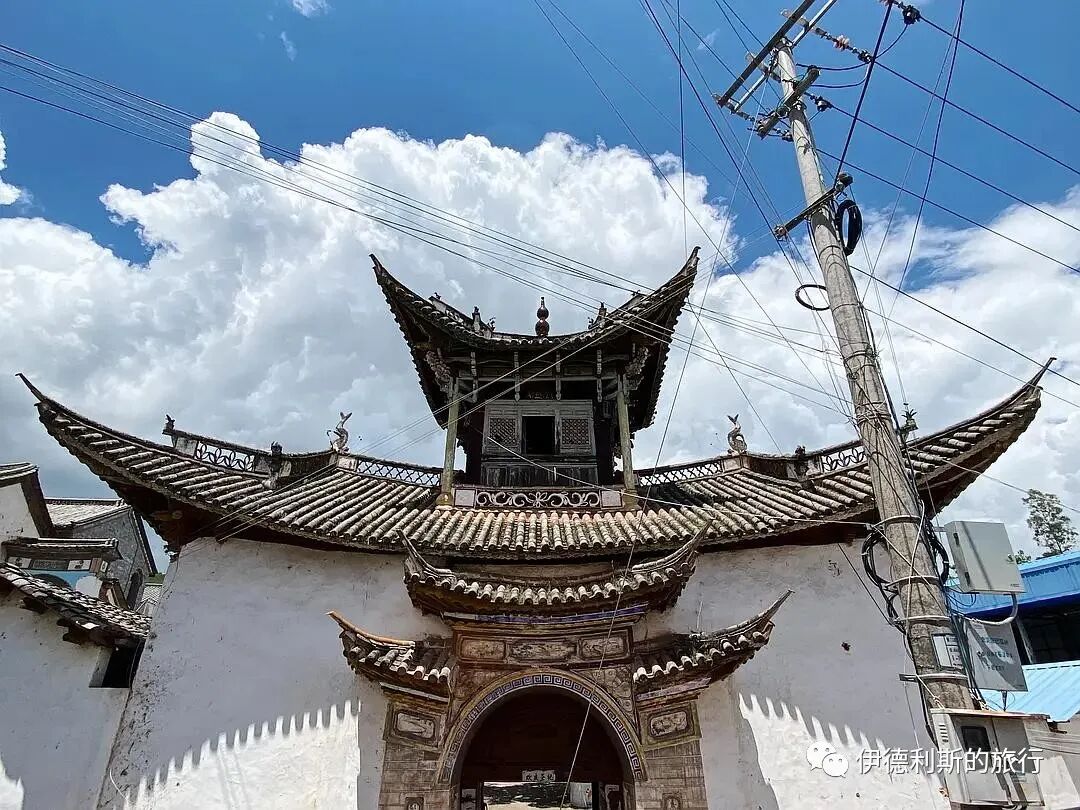
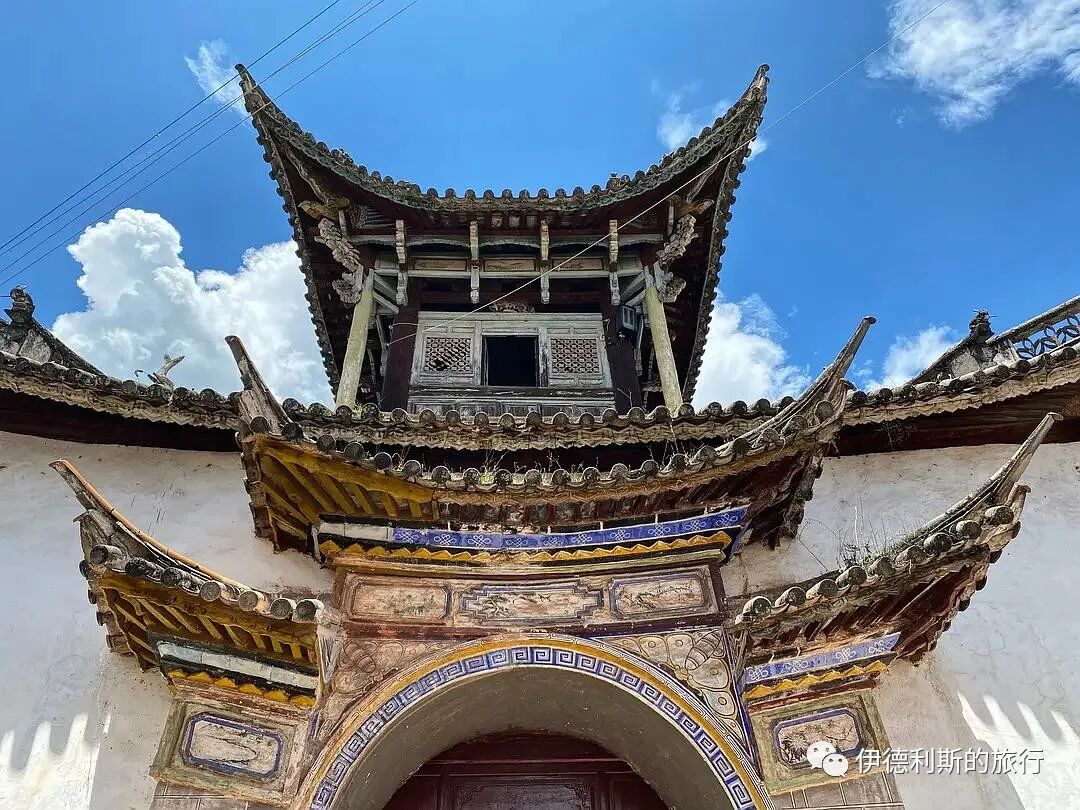
The main hall was rebuilt in 1983, and the pears in the mosque are delicious.
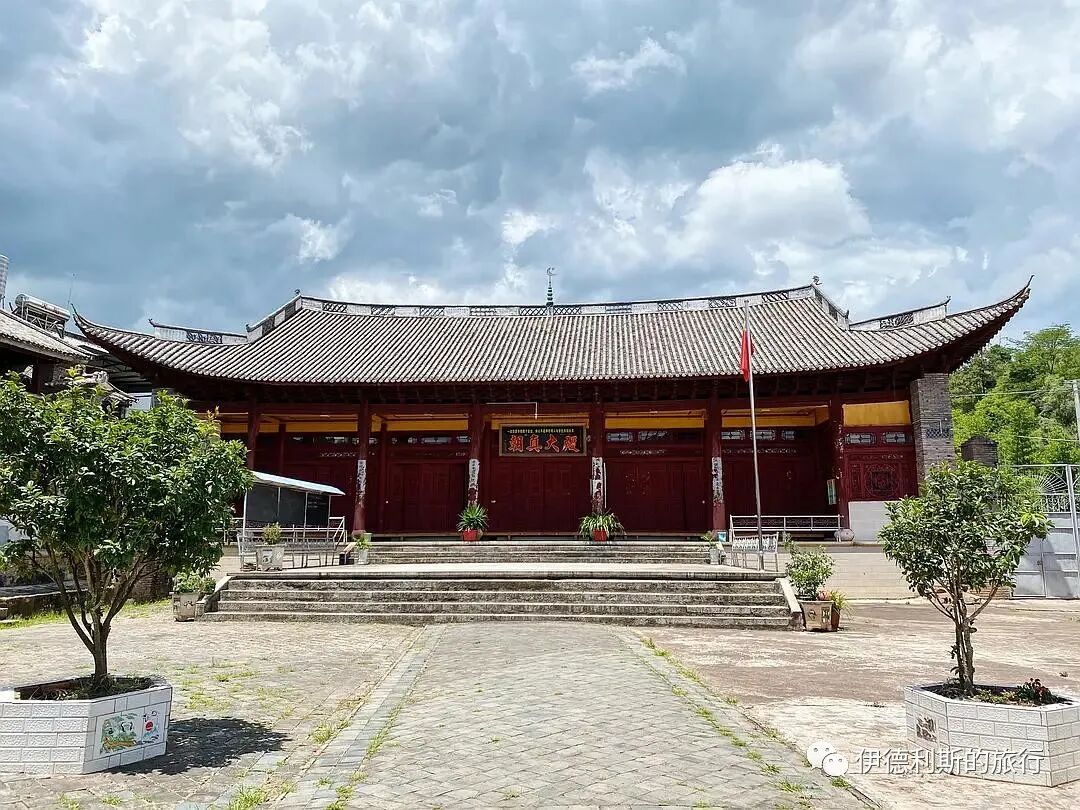
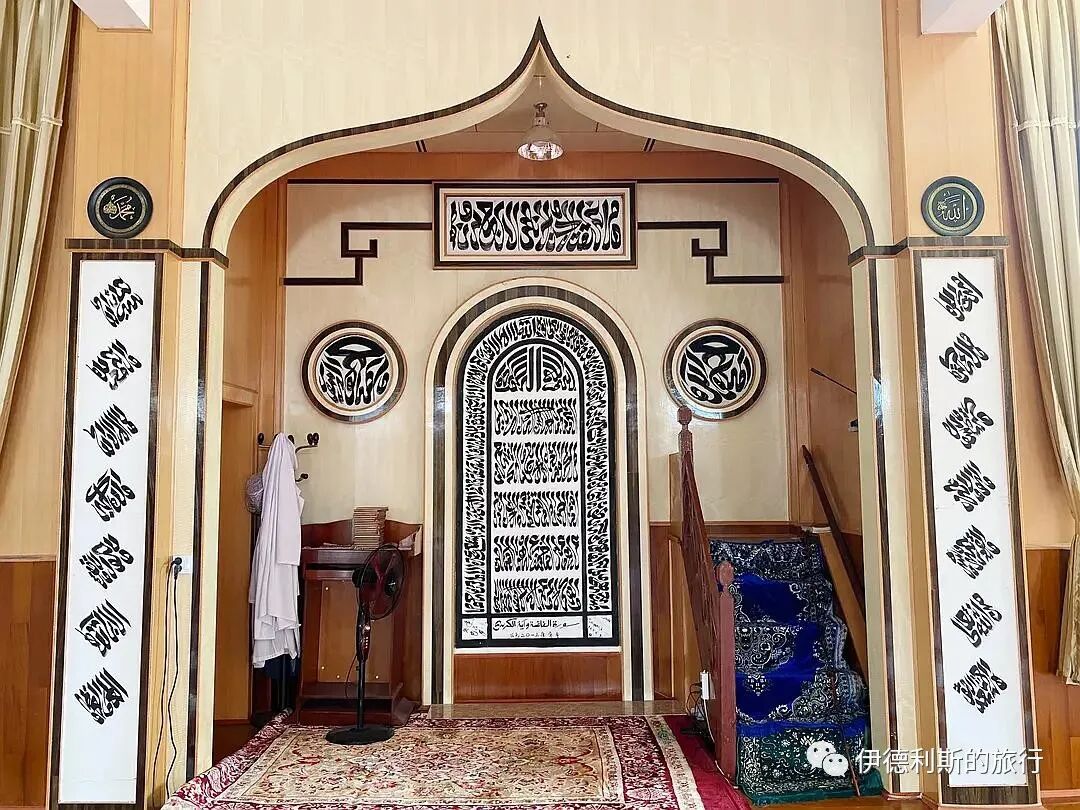
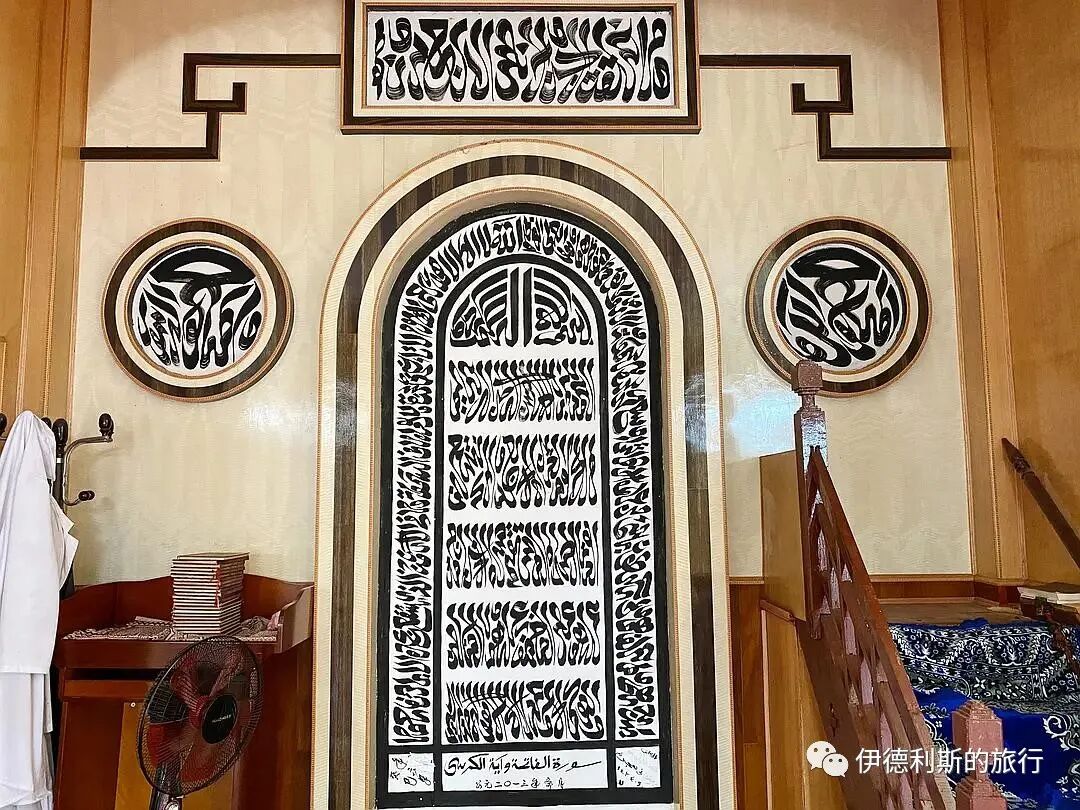
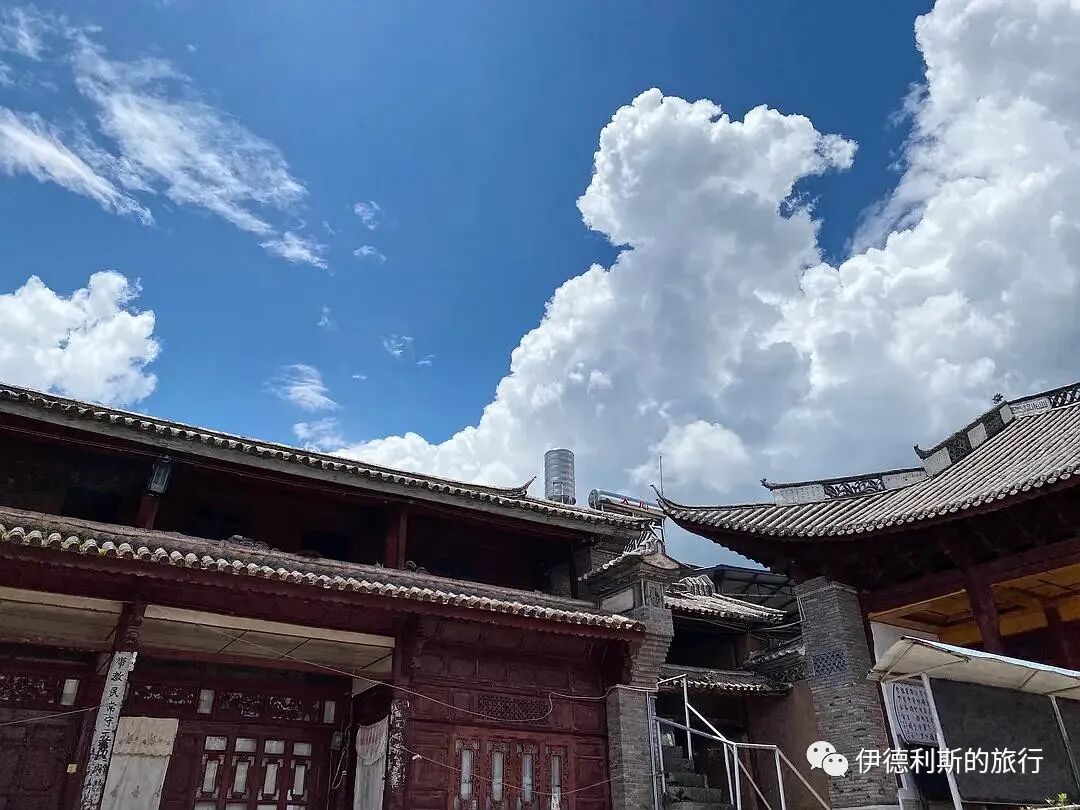
10. Huihui Mosque: 1944
The front part of the main hall is a reinforced concrete structure built in 1993, while the back part is a wooden structure built in 1944; therefore, it looks like a new mosque from the front and an old mosque from the back.
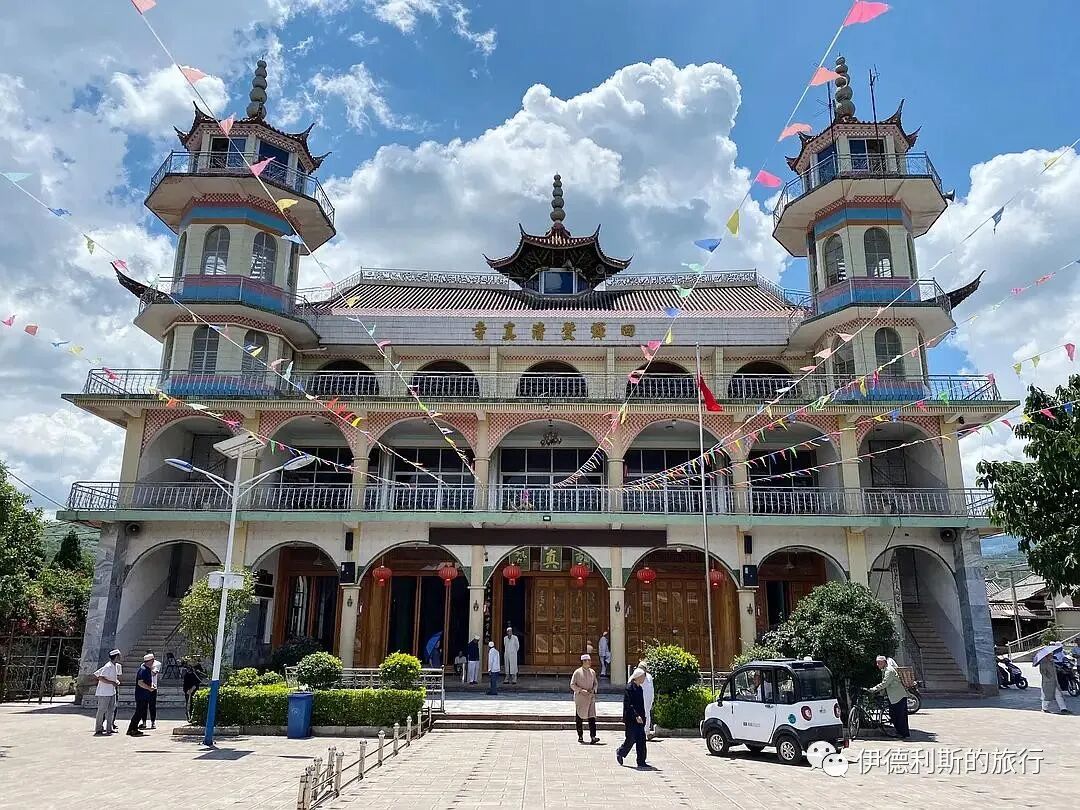
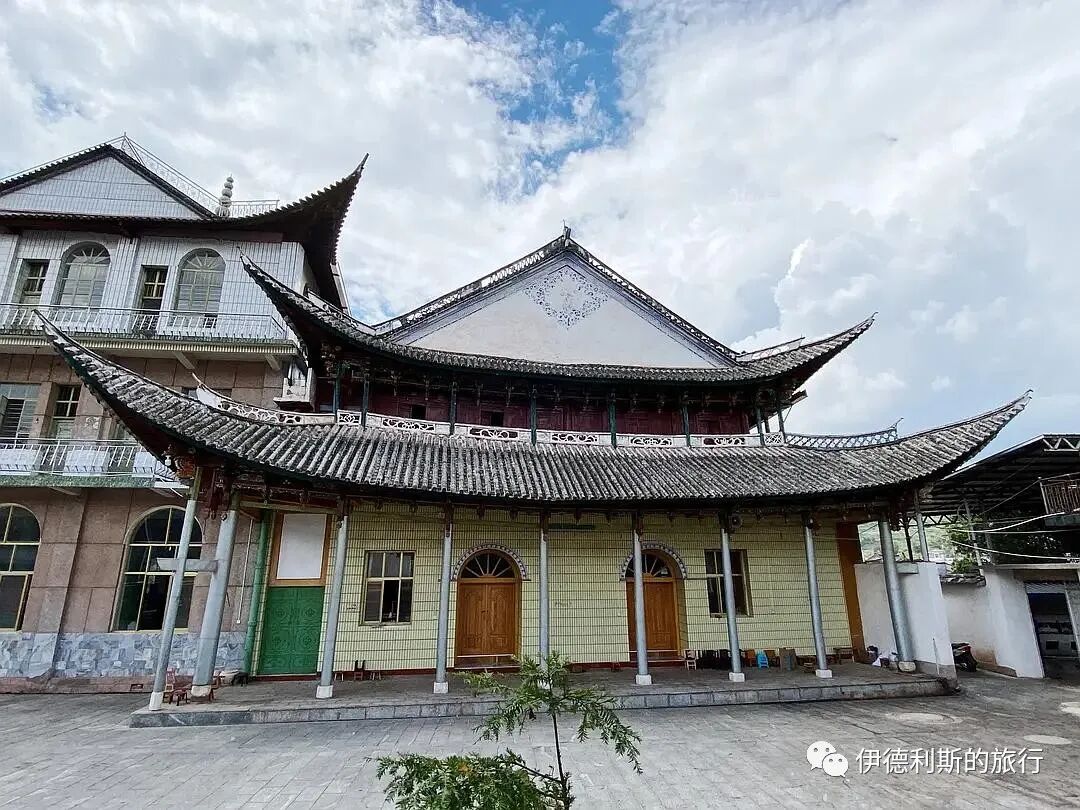
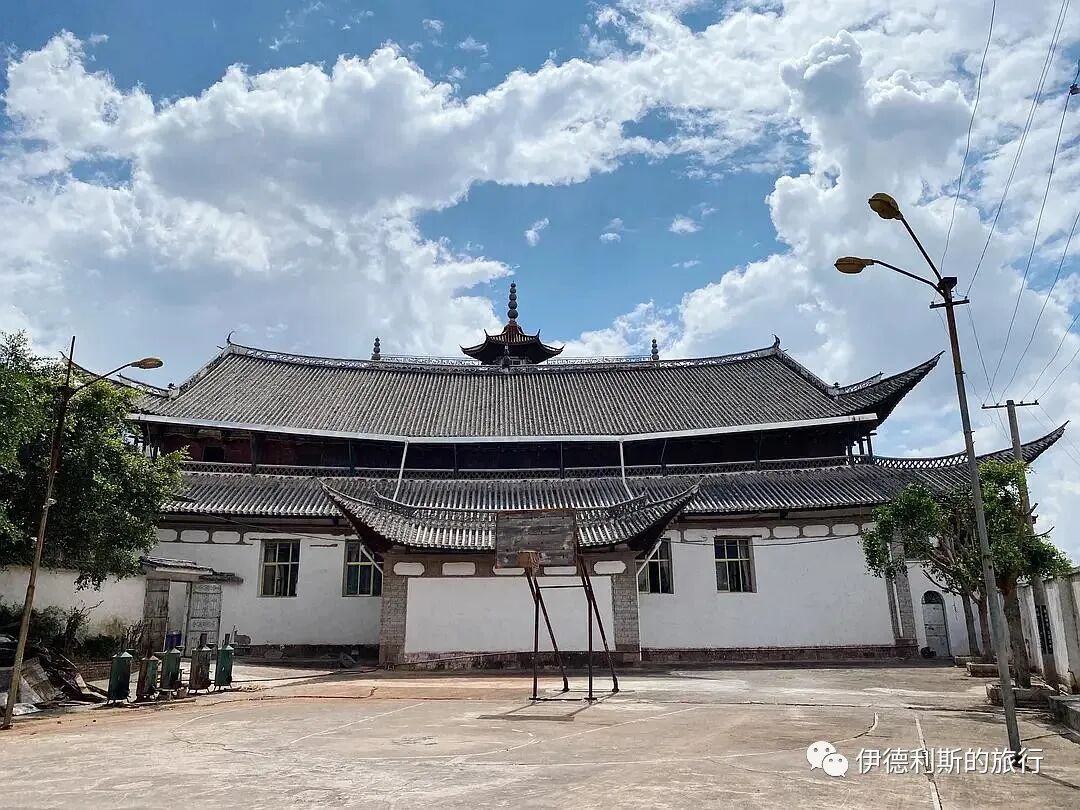
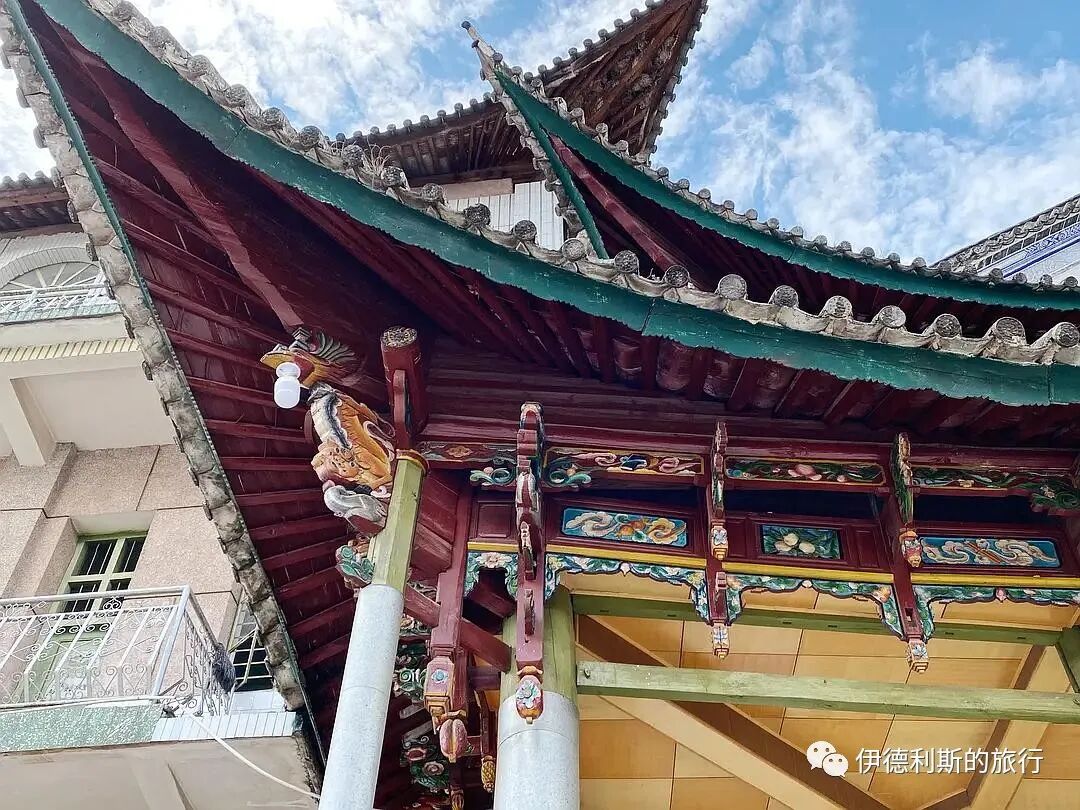
There is an interesting story about the Huihui Deng Mosque. In the 1960s, when the Workers' Propaganda Team moved into Huihui Deng, the local people wrote a slogan on the mosque wall in the popular language of the time: 'Whoever dares to oppose M-Z-X's ethnic policy will have their dog head smashed.' The Workers' Propaganda Team was very annoyed, but they could not openly oppose it, so they had to write a quote from M-Z-D next to the slogan: 'The national question is, in essence, a question of class struggle.'
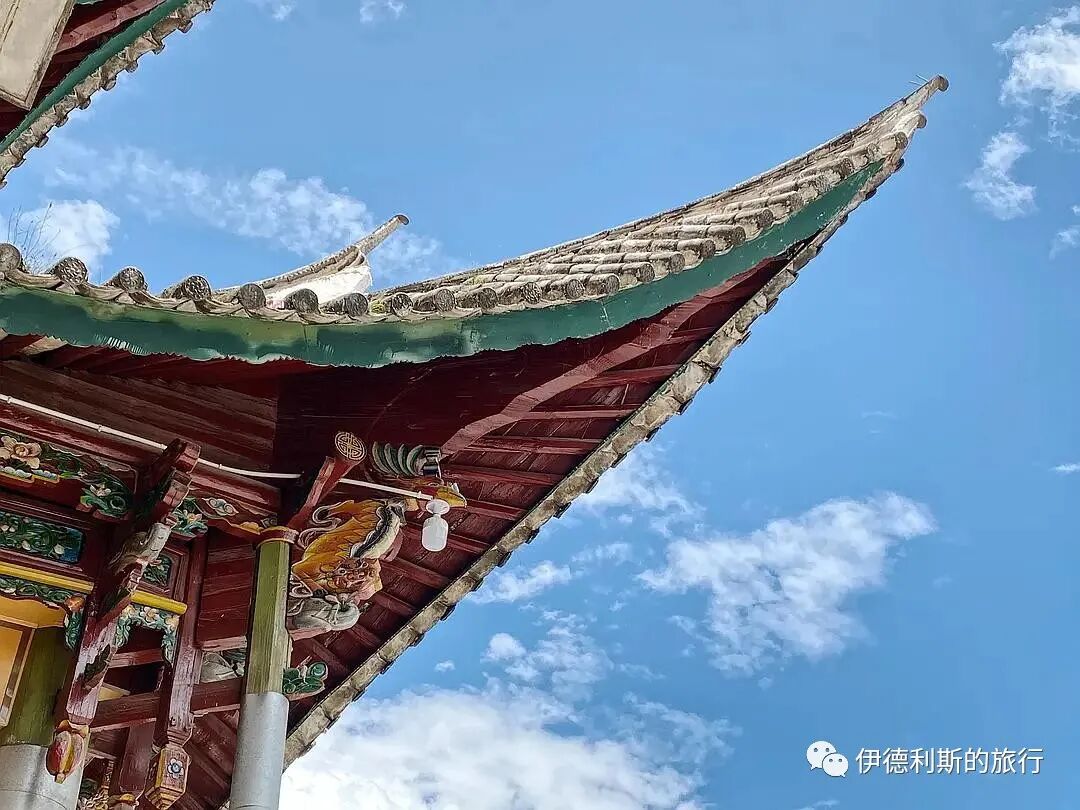
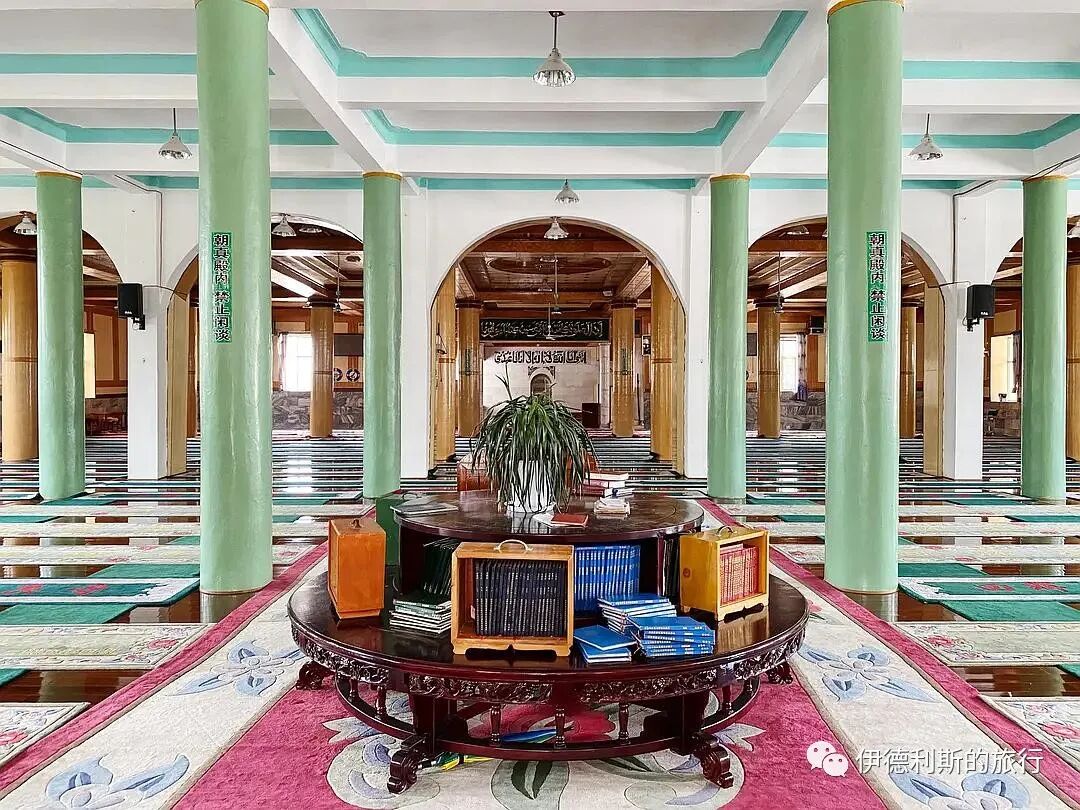
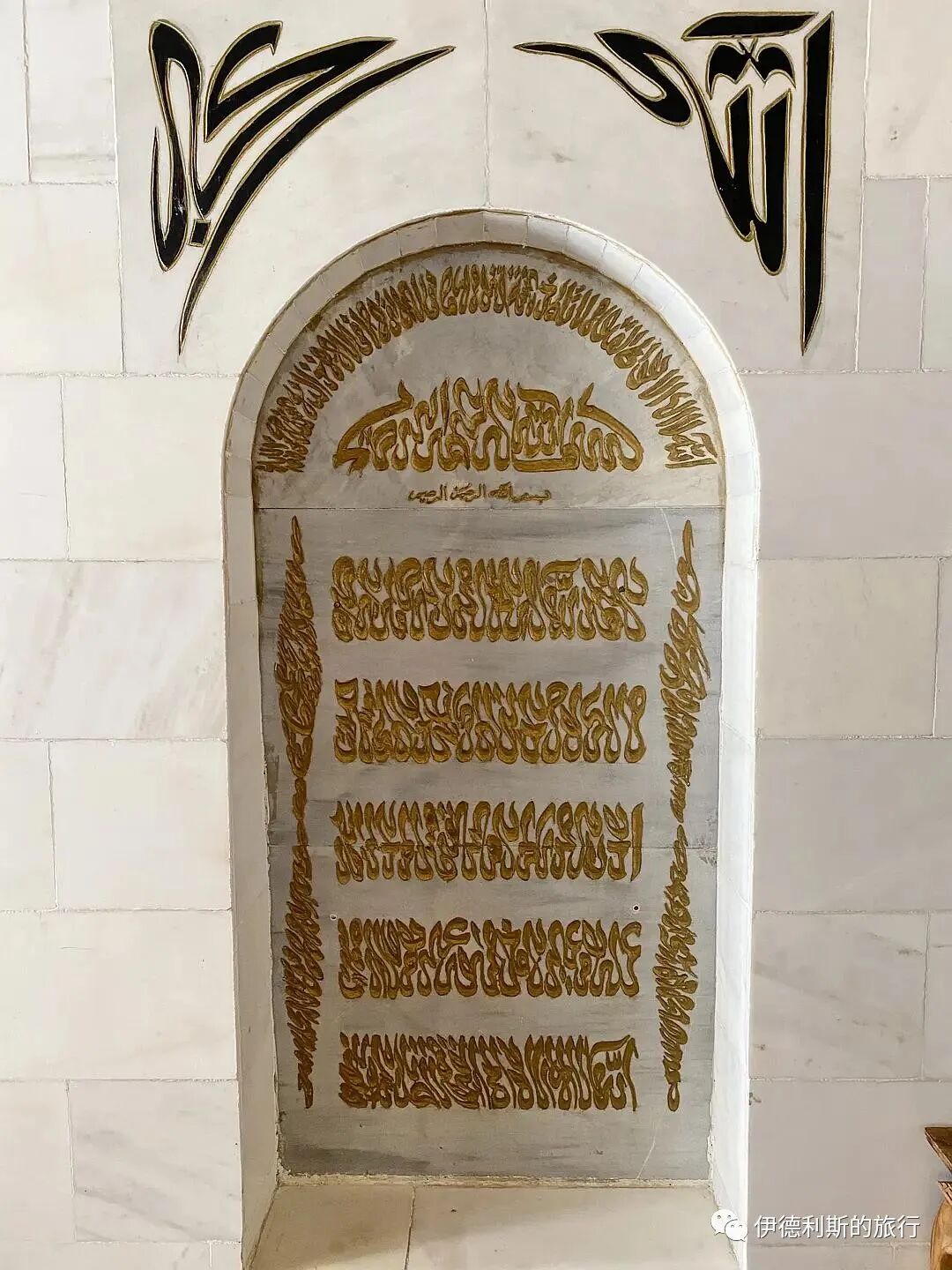
11. Hedi Street Mosque
The current mosque is newly built, but the mihrab features traditional Yunnan-style Arabic calligraphy in the Weishan style.
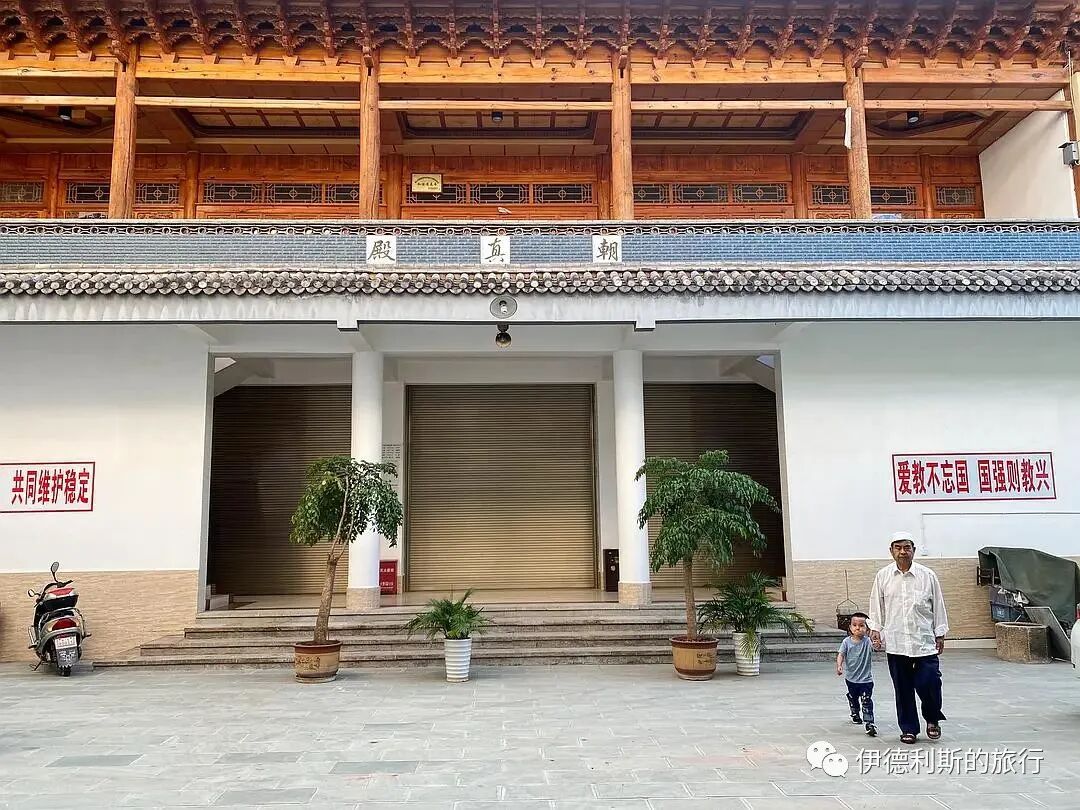
12. Maminchang Ma Family Mosque
The main prayer hall was rebuilt in 1996, and the minaret was rebuilt in 1991.
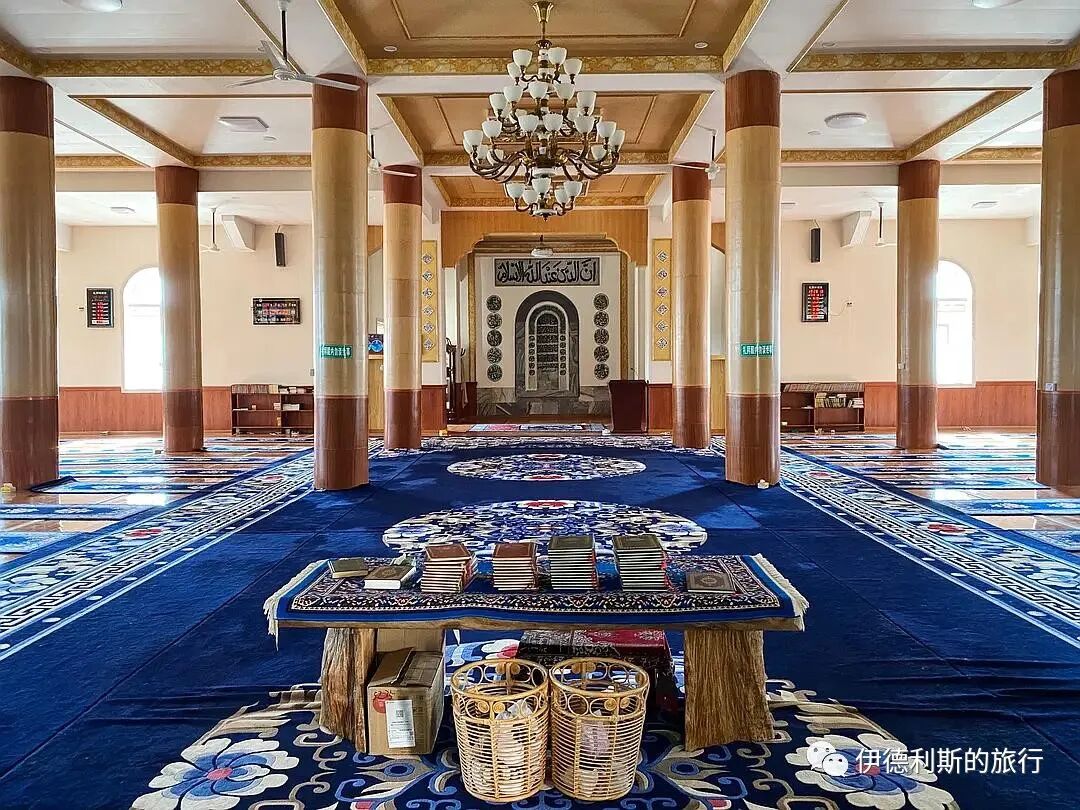
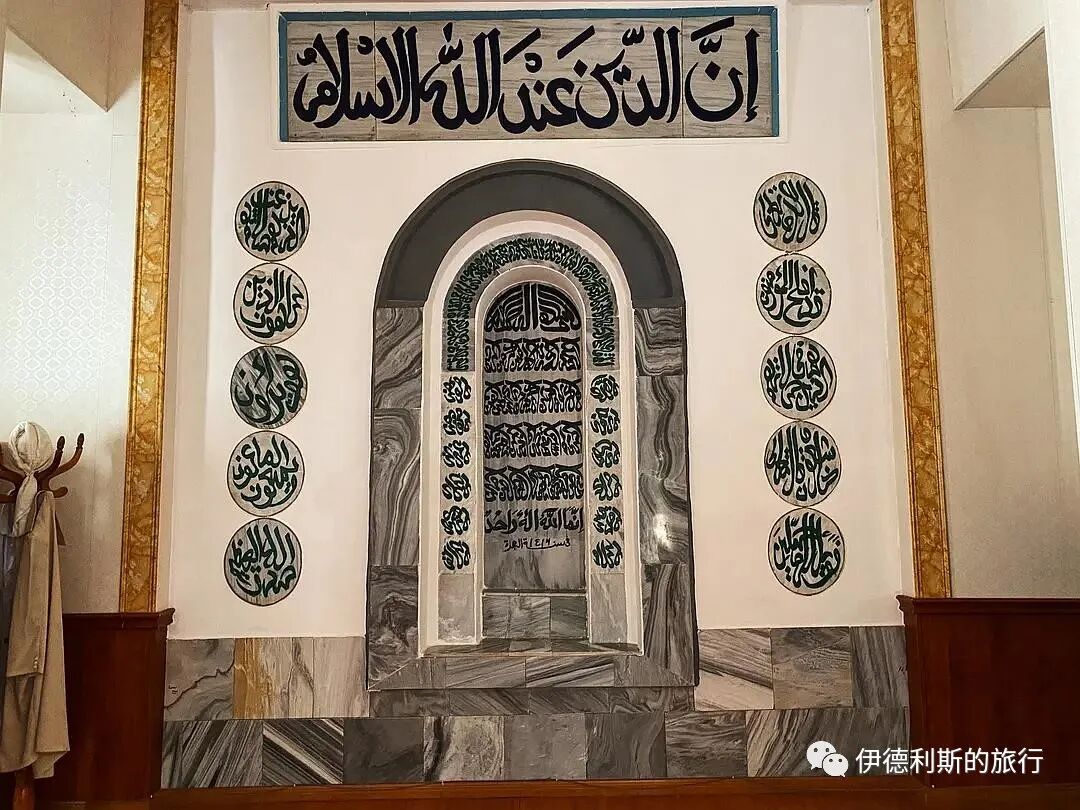
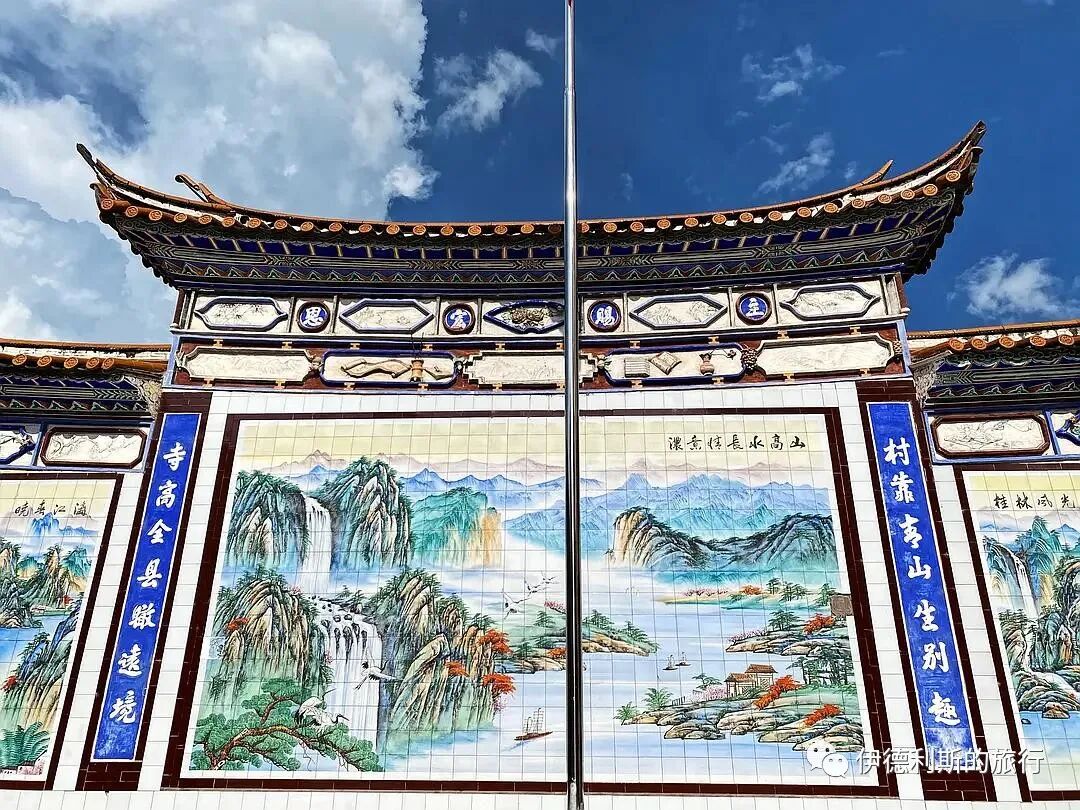
13. Mami Chang Mi Family Mosque
The mosque is on a hillside, overlooking the surrounding scenery.
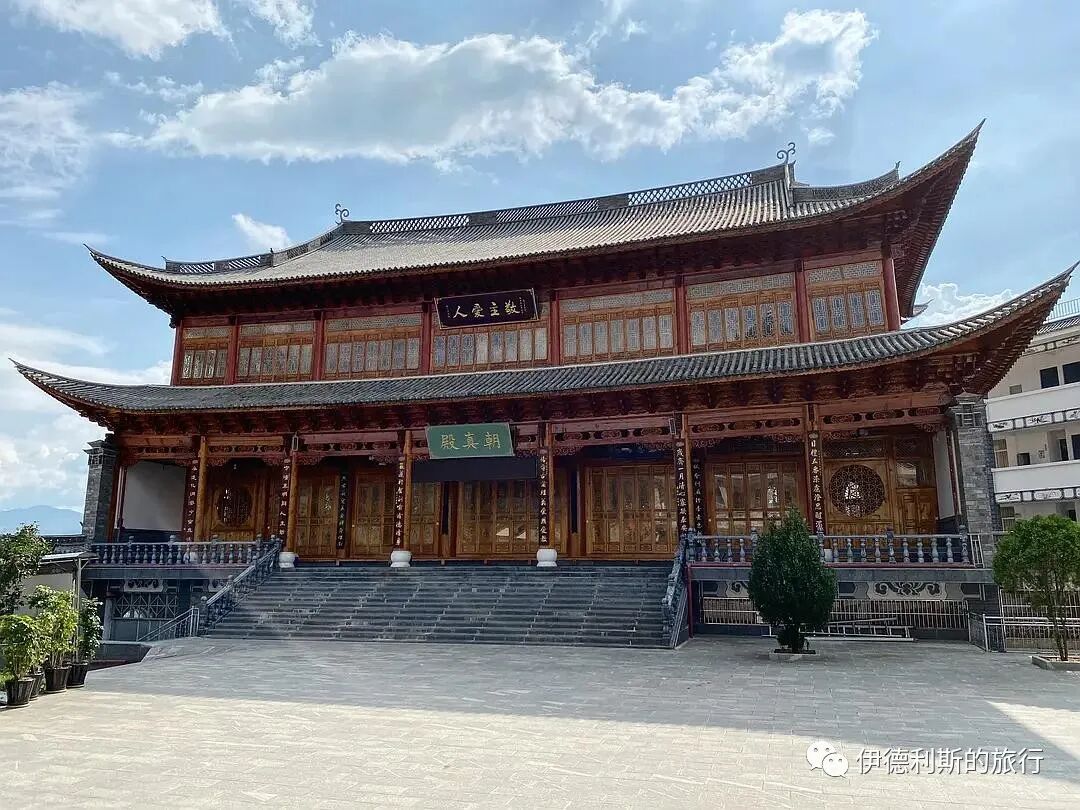
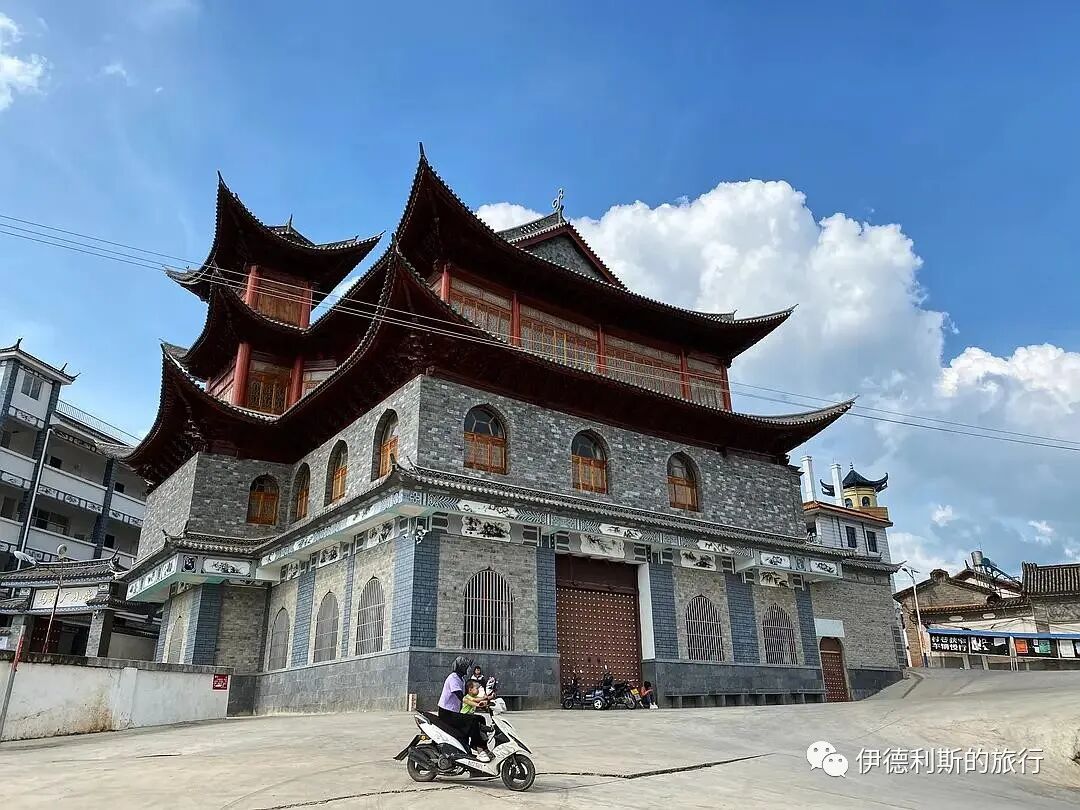
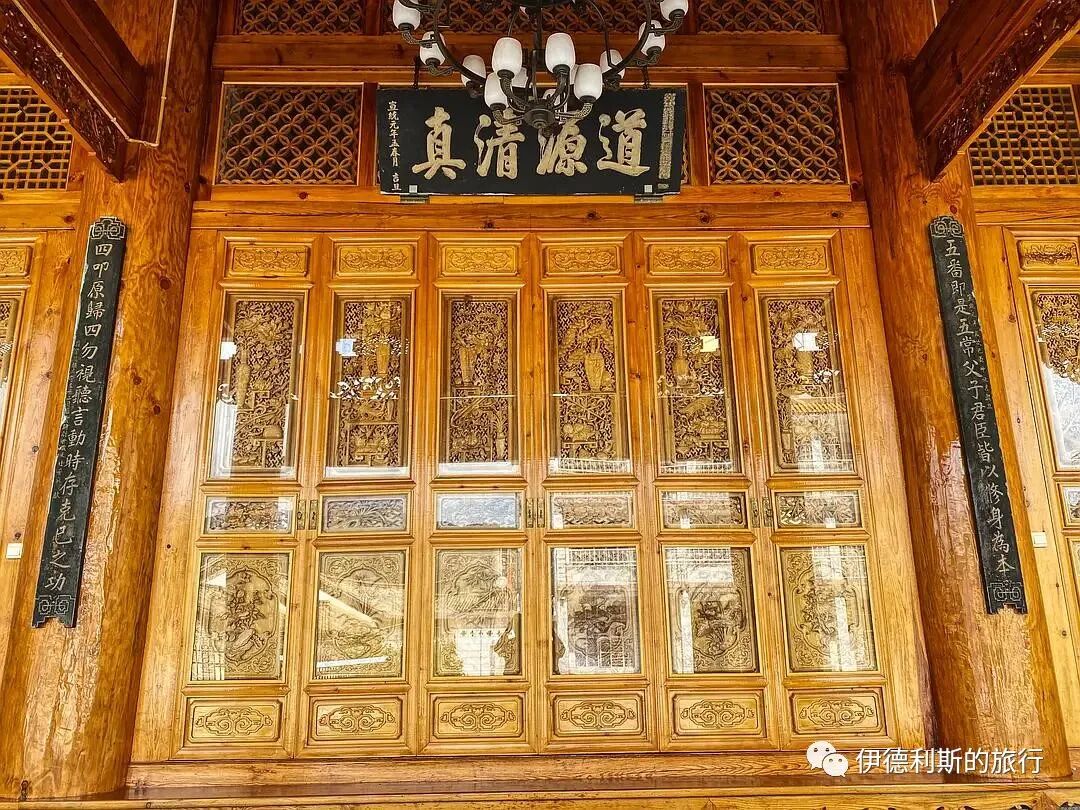
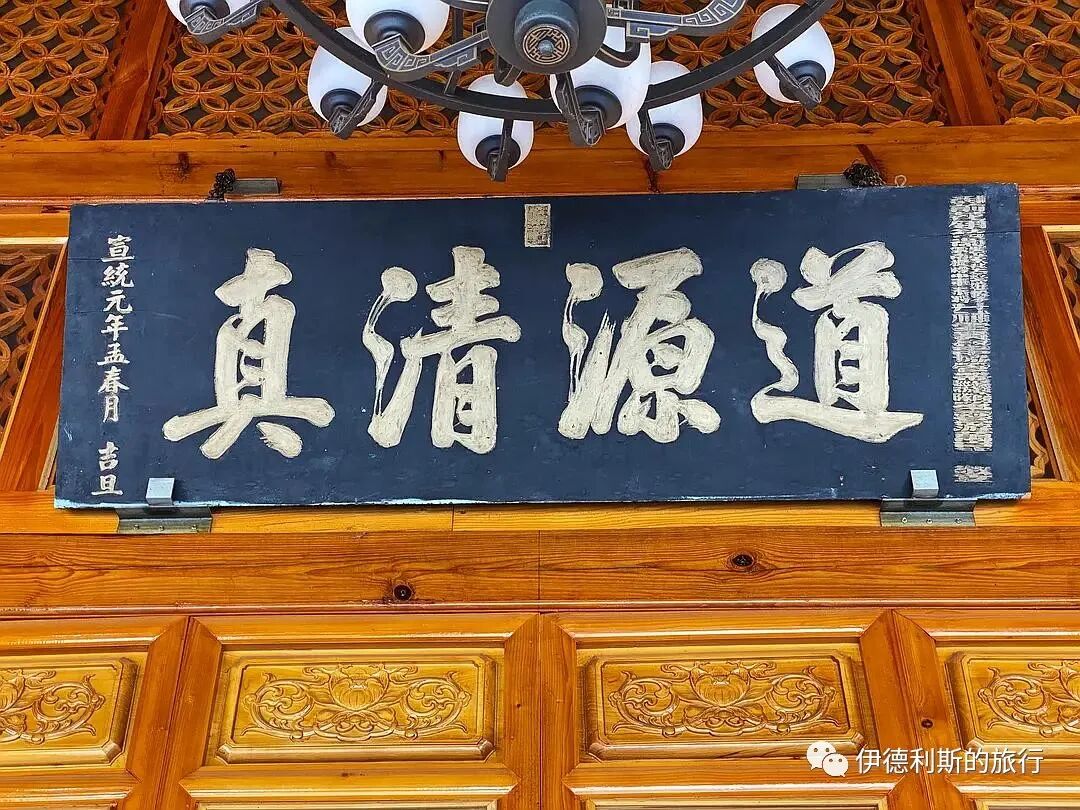
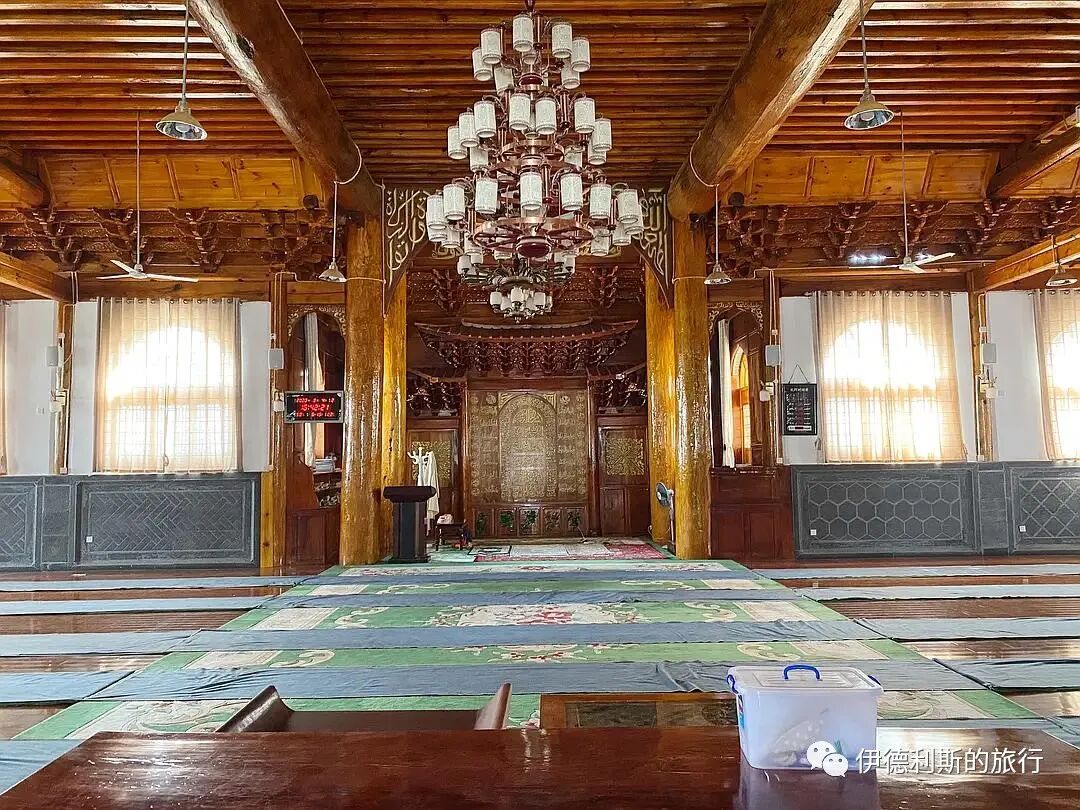
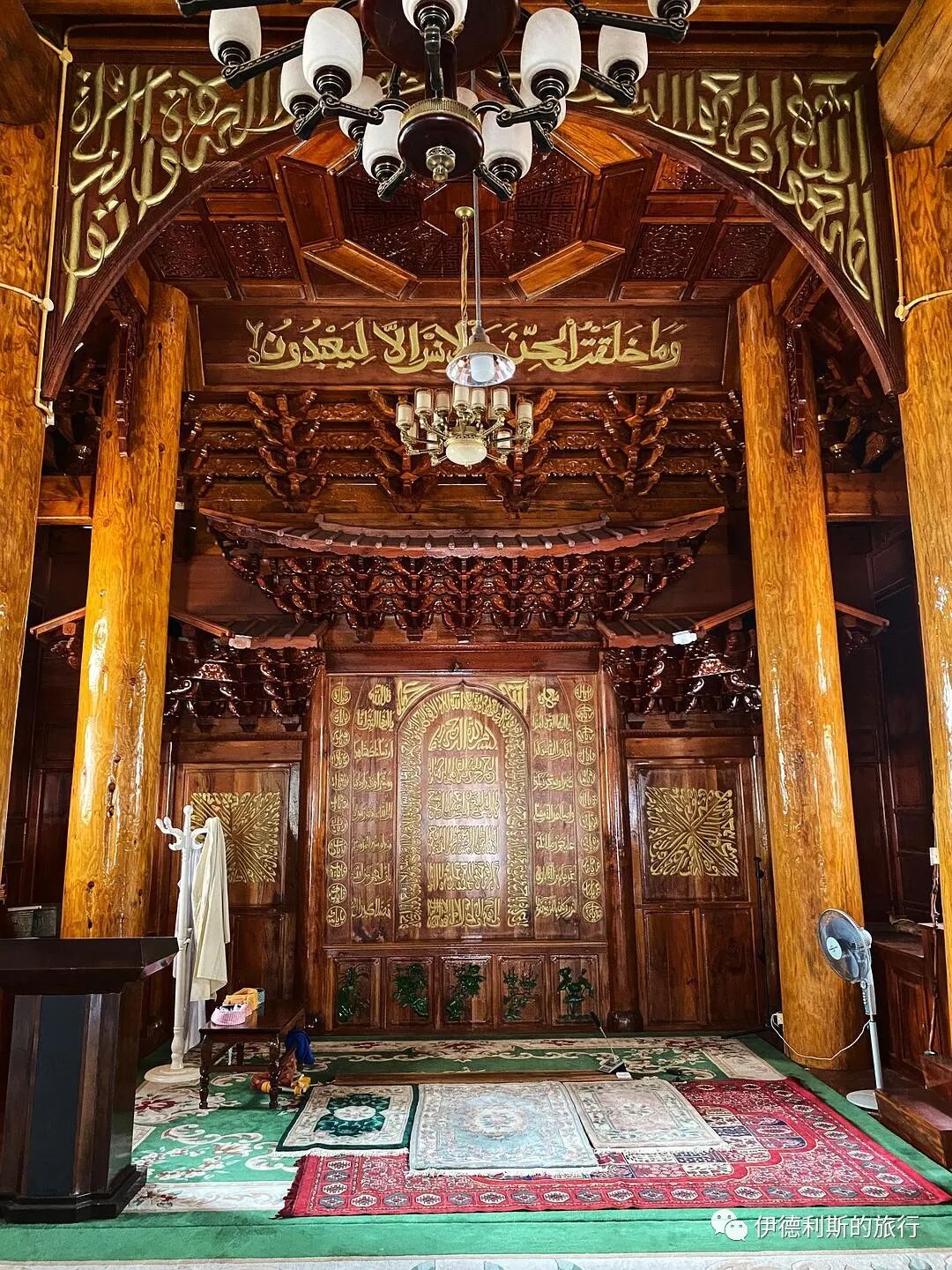
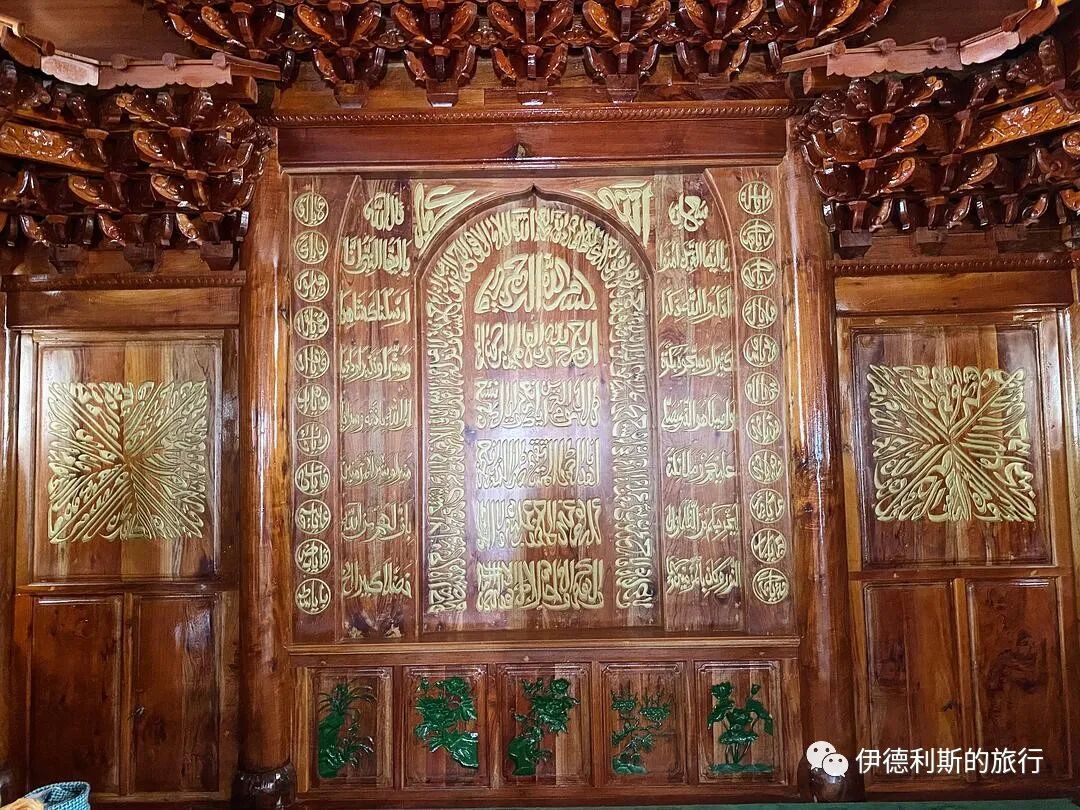
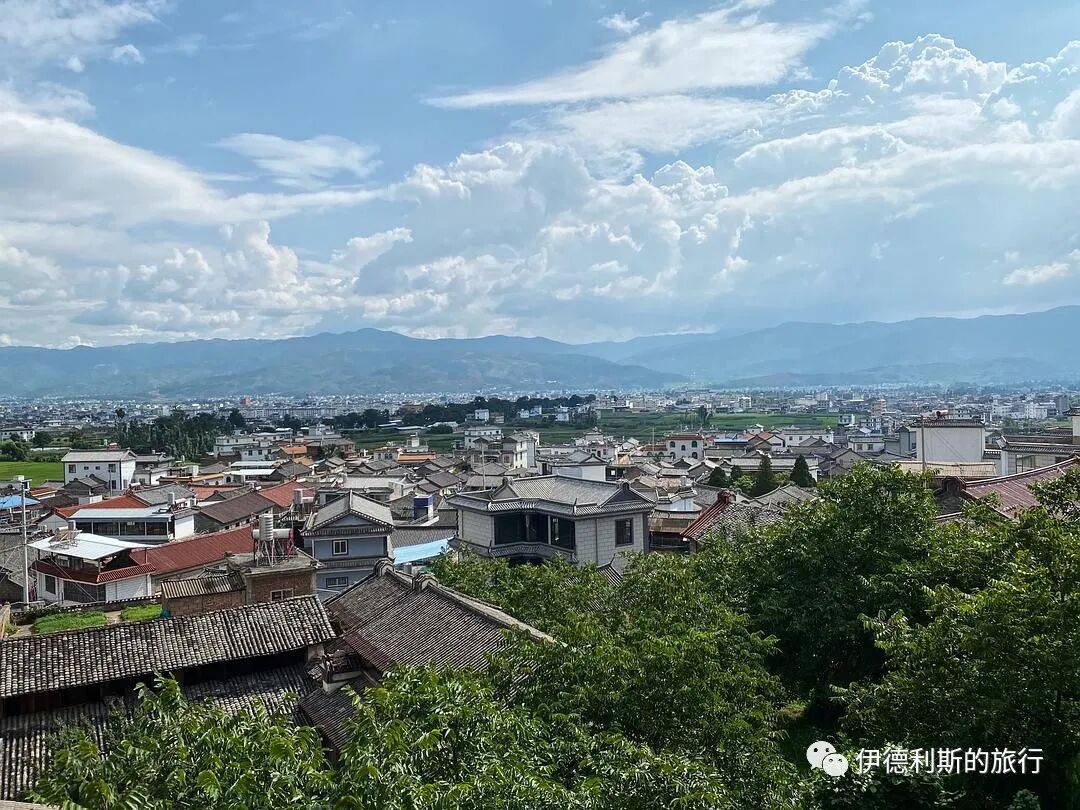
14. Shenhe Village Mosque: 1946
The main prayer hall was rebuilt in 1995, and the minaret was built in 1946.
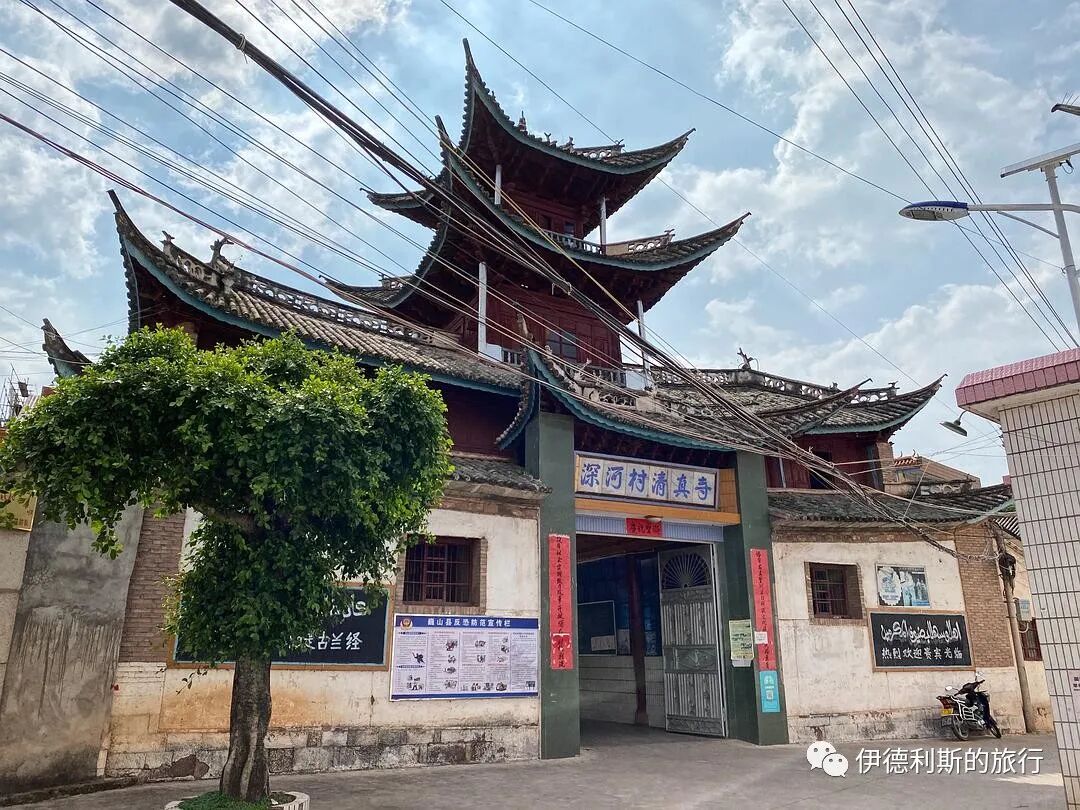
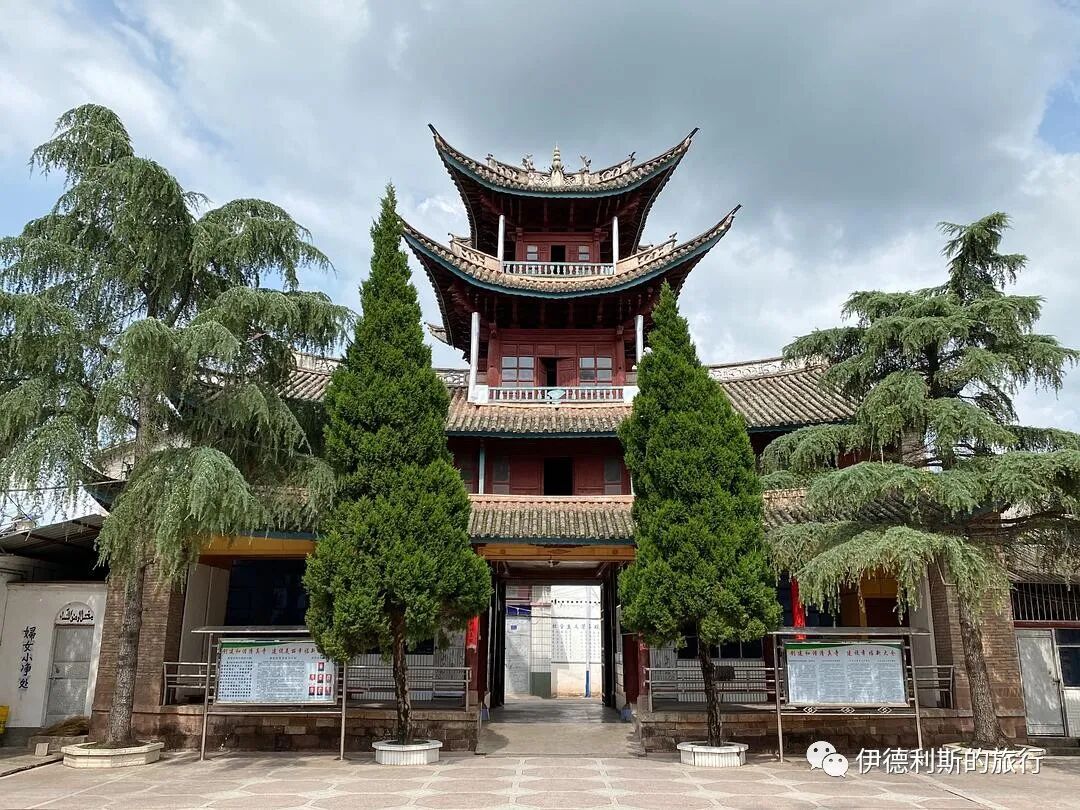
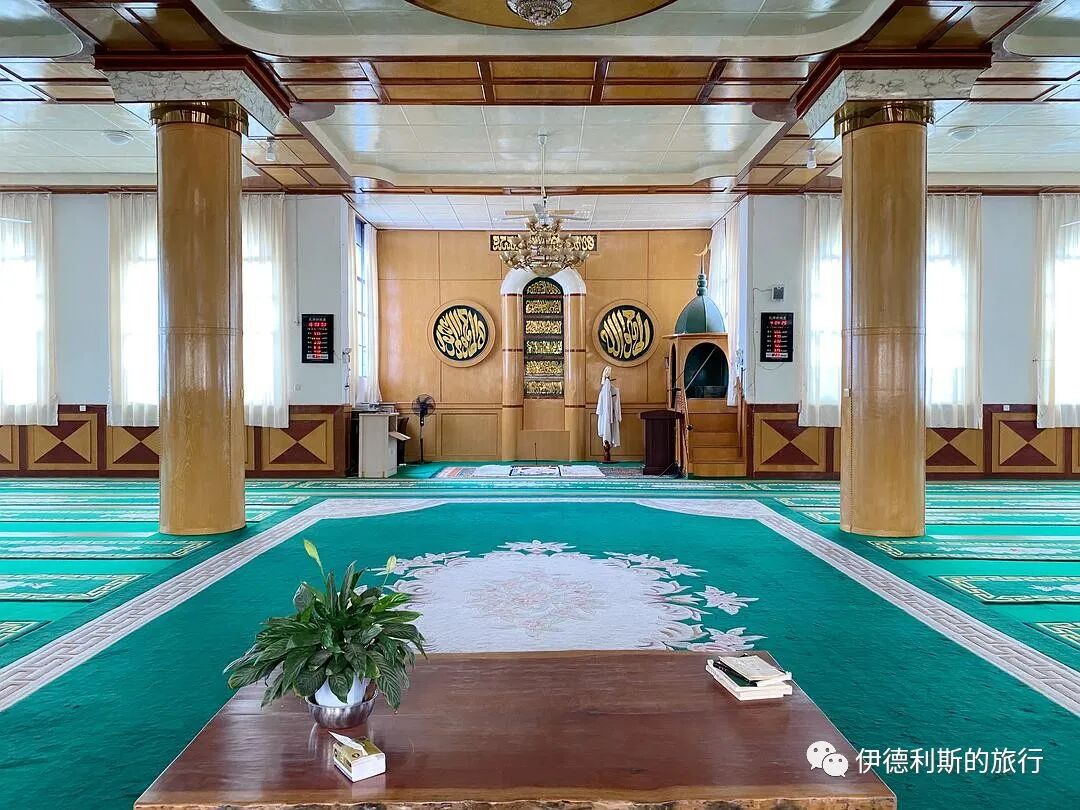
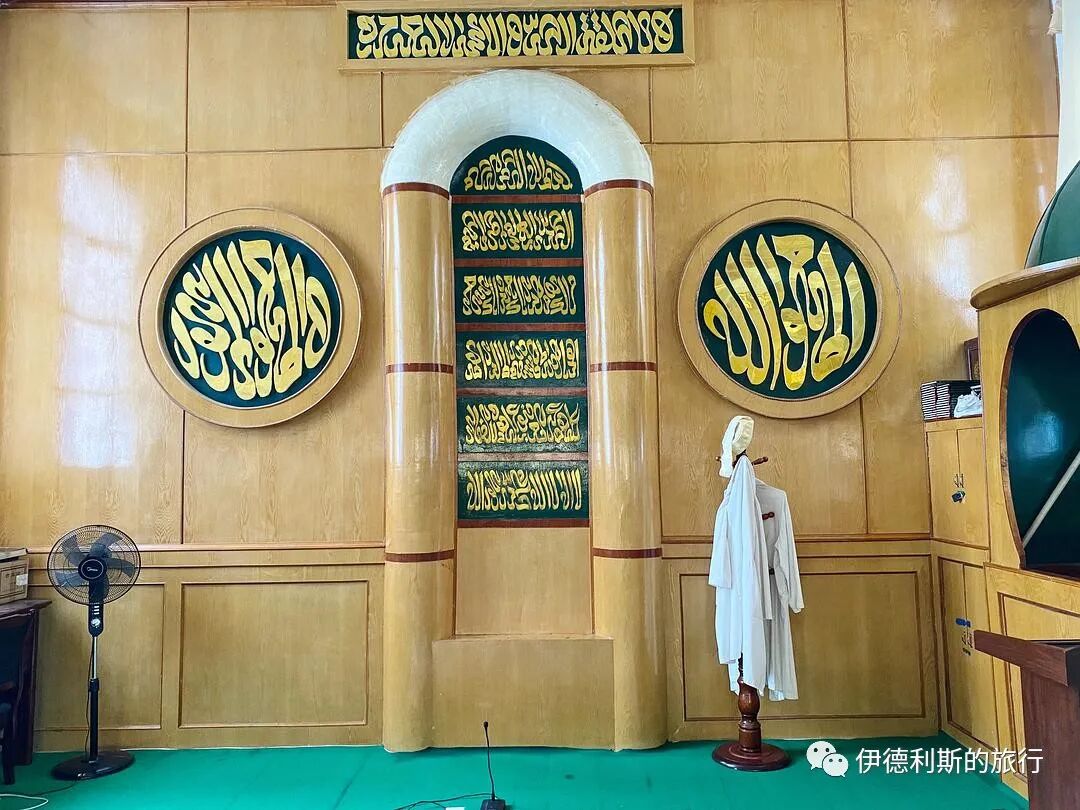
15. Dianzhong Huiying Mosque
The main prayer hall was rebuilt in 1995, and the minaret was built in 1990.
Twenty Traditional Mosques in Dali (Part 2)
Articles • ali2007fr posted the article • 0 comments • 248 views • 2026-05-17 00:18
Summary: This travel note introduces Twenty Traditional Mosques in Dali (Part 2). 16. Donglianhua Mosque: 1921. It is useful for readers interested in Dali Mosques, Chinese Muslims, Muslim Travel.
16. Donglianhua Mosque: 1921
Donglianhua Mosque was first built during the Qing Dynasty and was expanded twice in 1921 and 1987. From east to west, the mosque consists of the main gate, the minaret, and the prayer hall, with the minaret dividing the courtyard into two parts.
The minaret was raised to four stories in 1987, with a five-five-three-one structure; the first, second, and third floors are classrooms for holiday study groups, and the fourth floor is the place for calling the adhan.
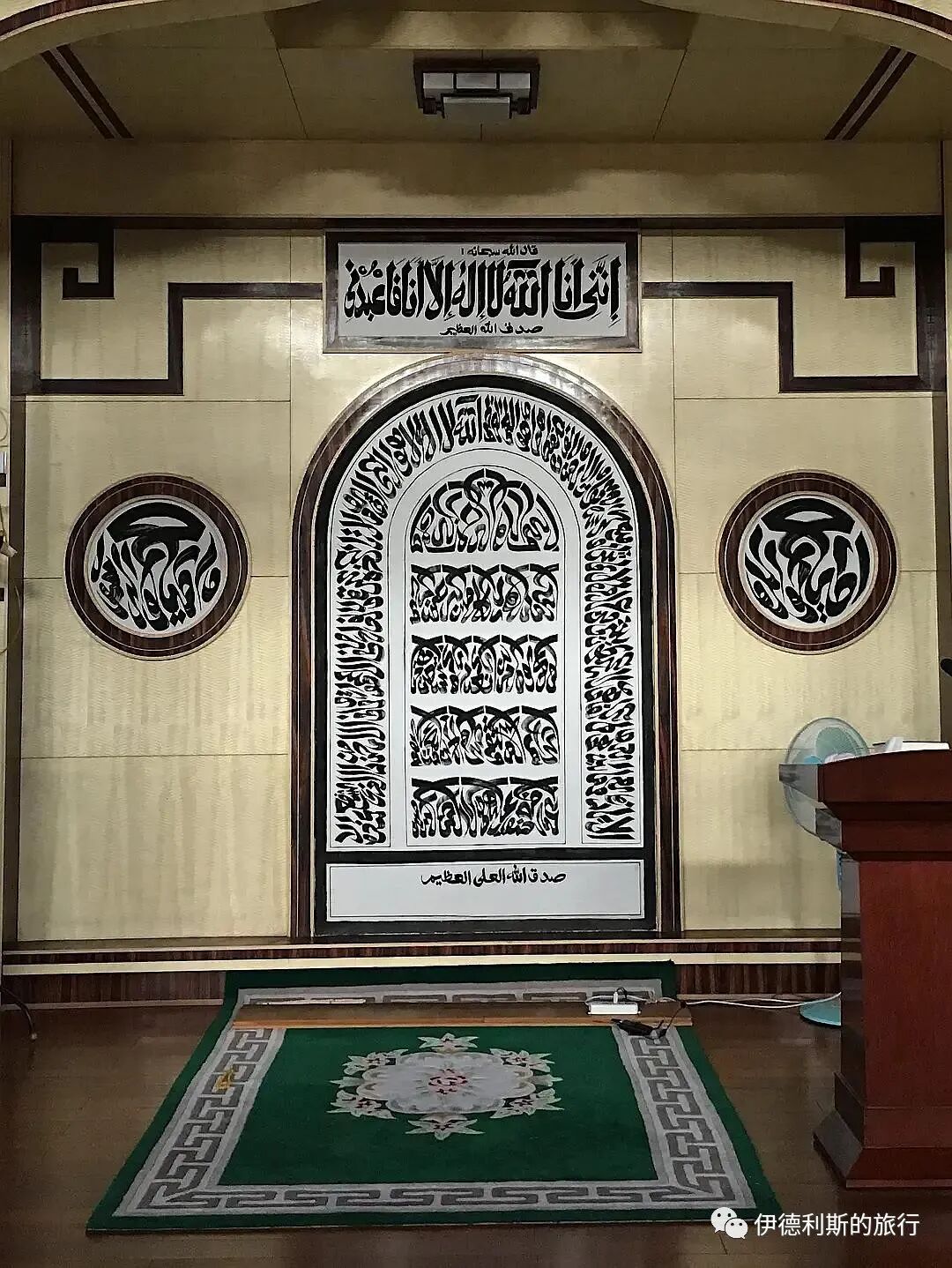
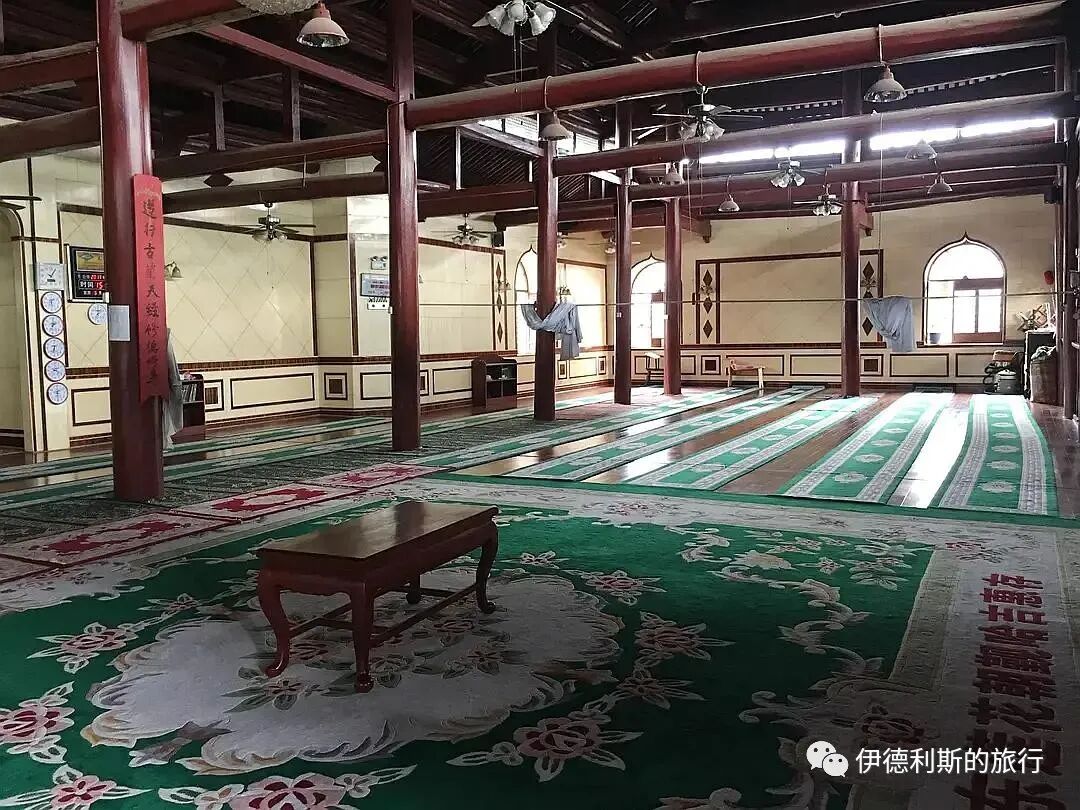
The main hall was expanded into a five-by-seven bay structure in 1921, and in 1987, it was further expanded into a nine-by-eleven bay structure. The mihrab features traditional Arabic calligraphy in the distinctive Yunnan style.
Main gate
2. Dali City
1. Keli Village Mosque: 1908
The main hall of the Keli Village Mosque in Xizhou Town was rebuilt in 1908, with a significant portion of the funding coming from overseas Chinese in Myanmar. Keli Village Mosque is a famous 'hometown of overseas Chinese'; historically, it had powerful horse caravans that traveled throughout Yunnan province to places like Kunming, Simao, and Zhongdian, and connected southward to cities in Myanmar such as Mandalay, Mawlamyine, and Lashio. Since the late Qing Dynasty and the Republic of China era, hundreds of households from Keli Village have migrated to Myanmar, and the Chinese mosque in Yangon's Chinatown has often been led by imams from Keli Village.
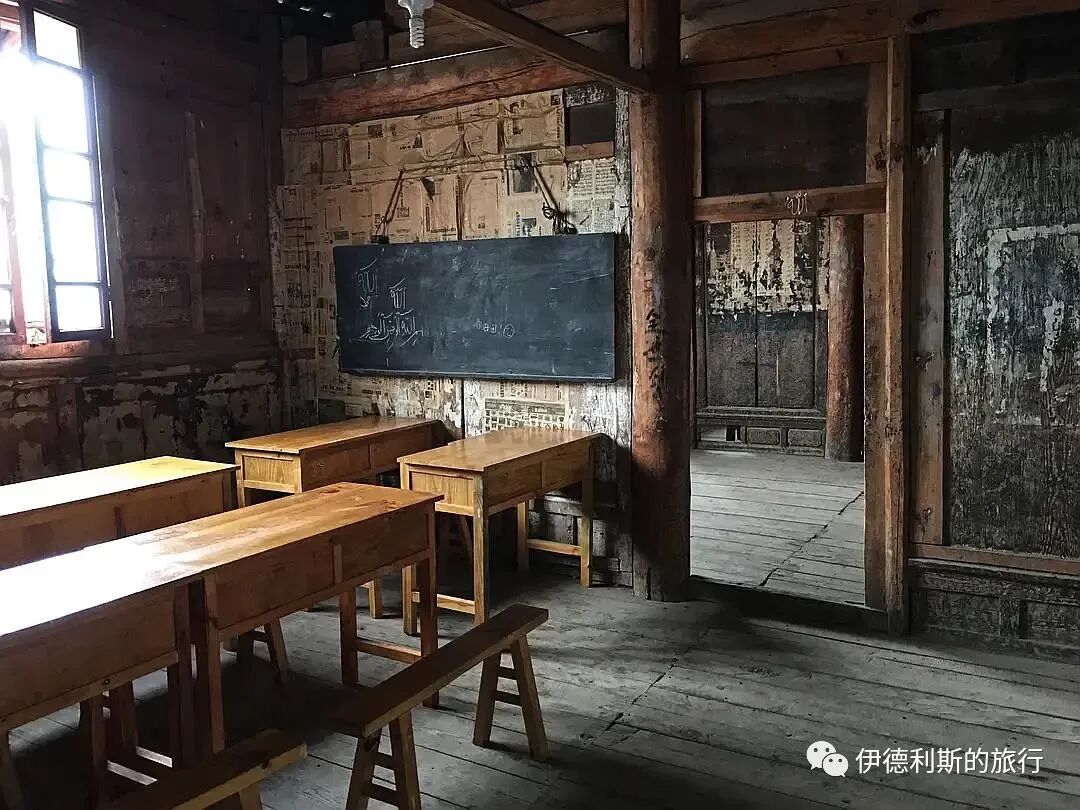
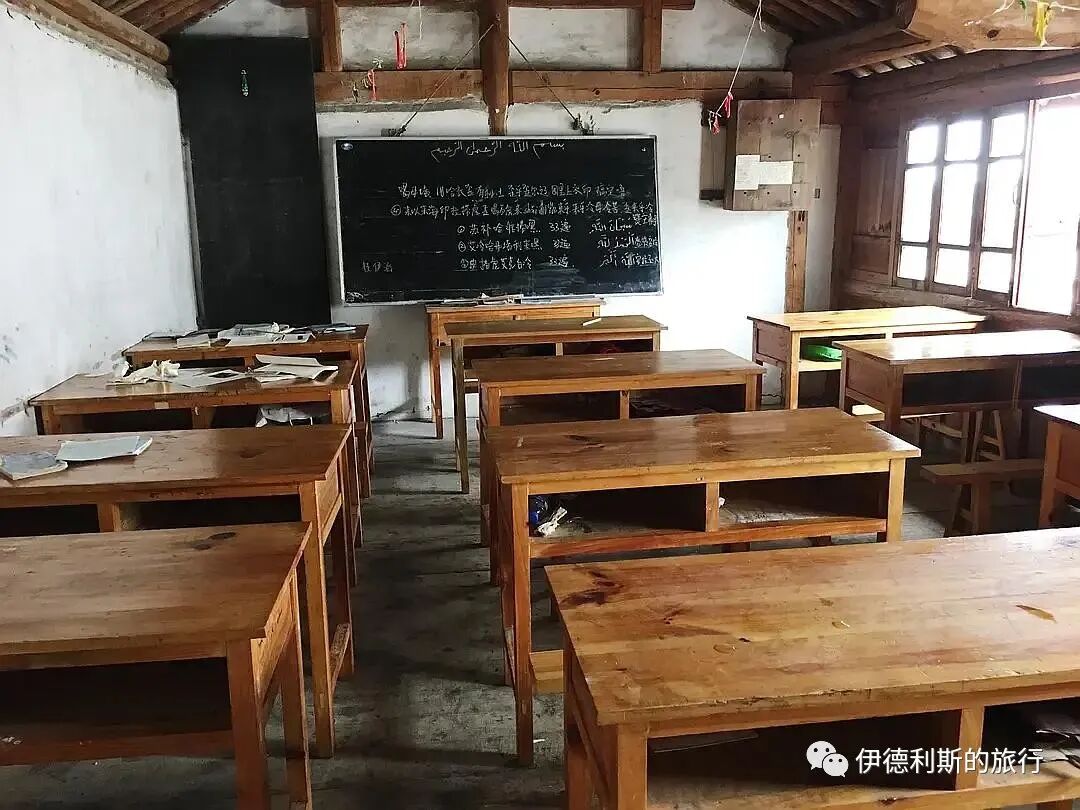
The minaret and side rooms were rebuilt in 1926, with funding provided not only by local community members and overseas Chinese in Myanmar, but also by surrounding Bai villagers and various merchants. Back then, the north side room was where Ma Yin'an and his son Ma Xin taught Islamic studies, training a group of Imams for western Yunnan and even the Tibetan region. The south side room hired Bai intellectual Yang Handing to teach Chinese studies. Today, the minaret and side rooms are still used as classrooms for study groups.
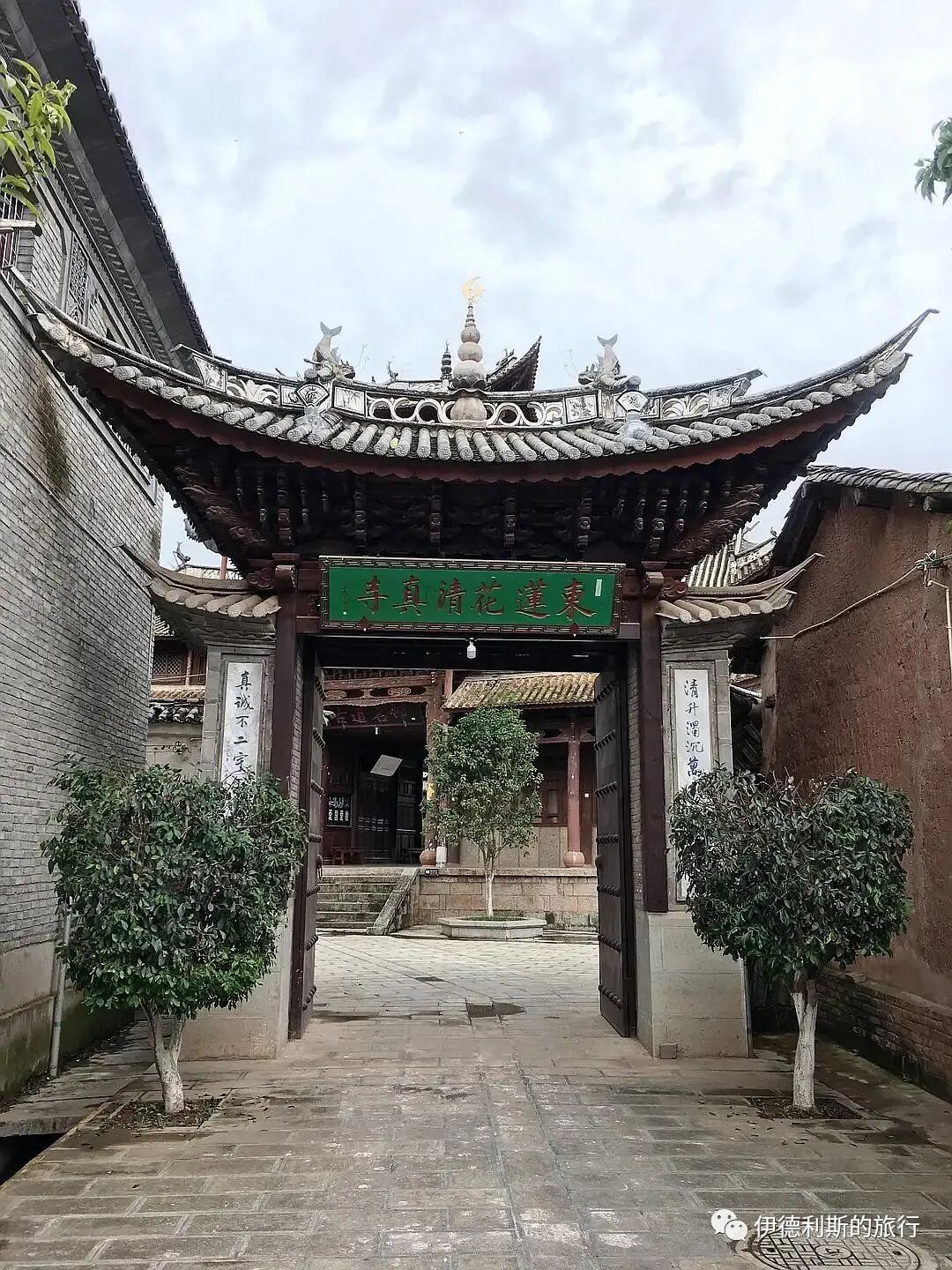
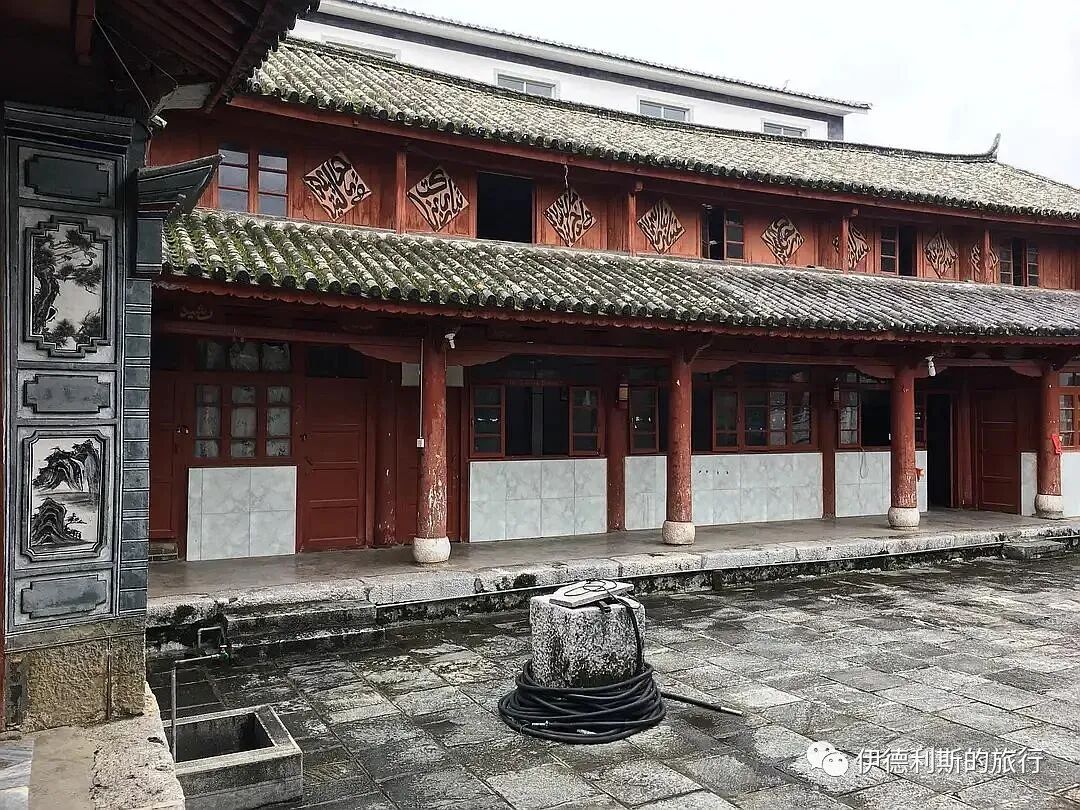
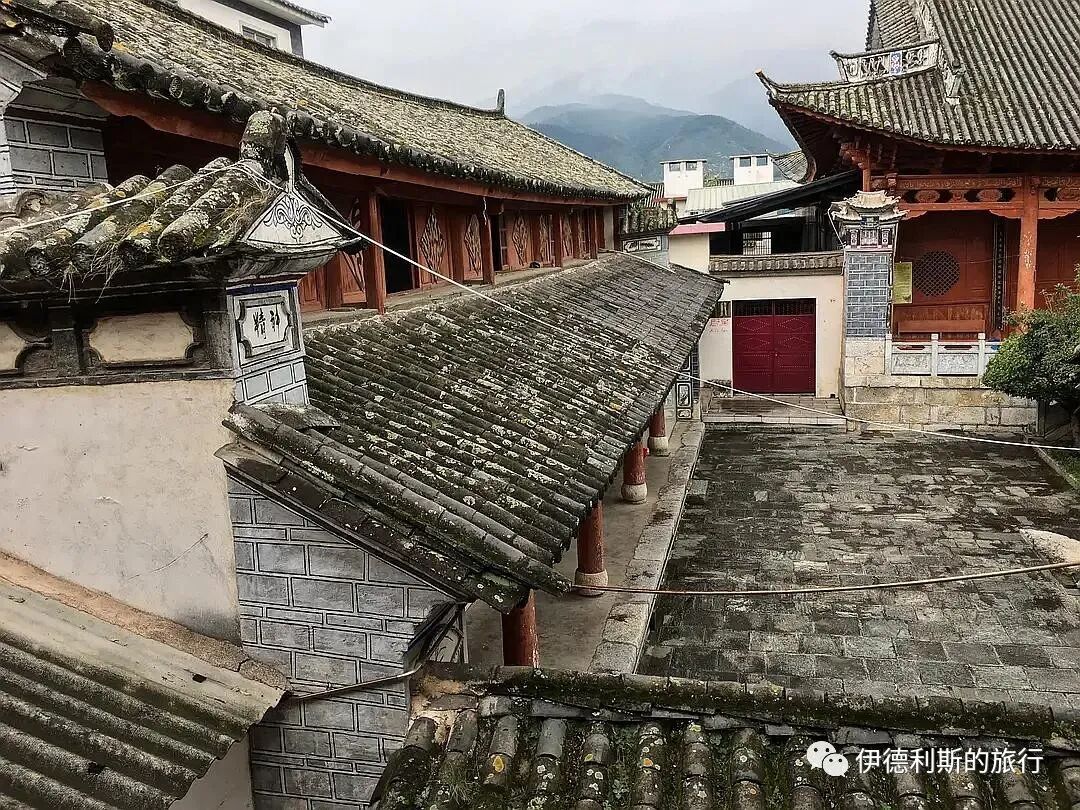
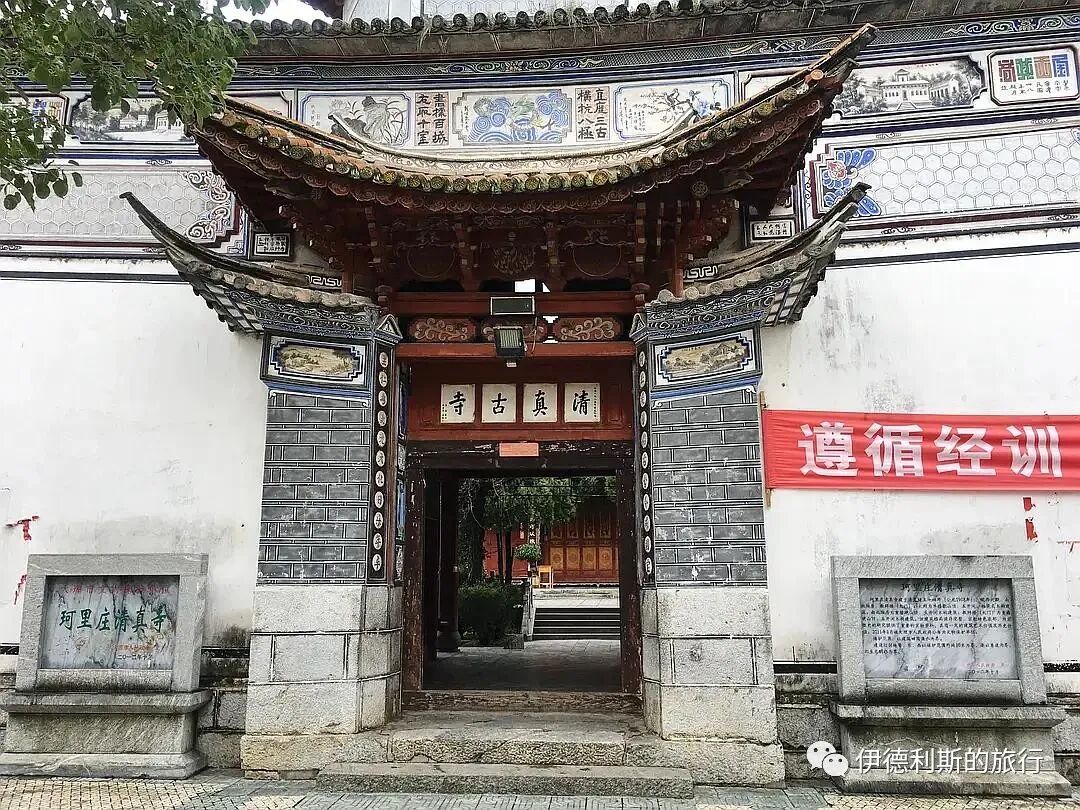
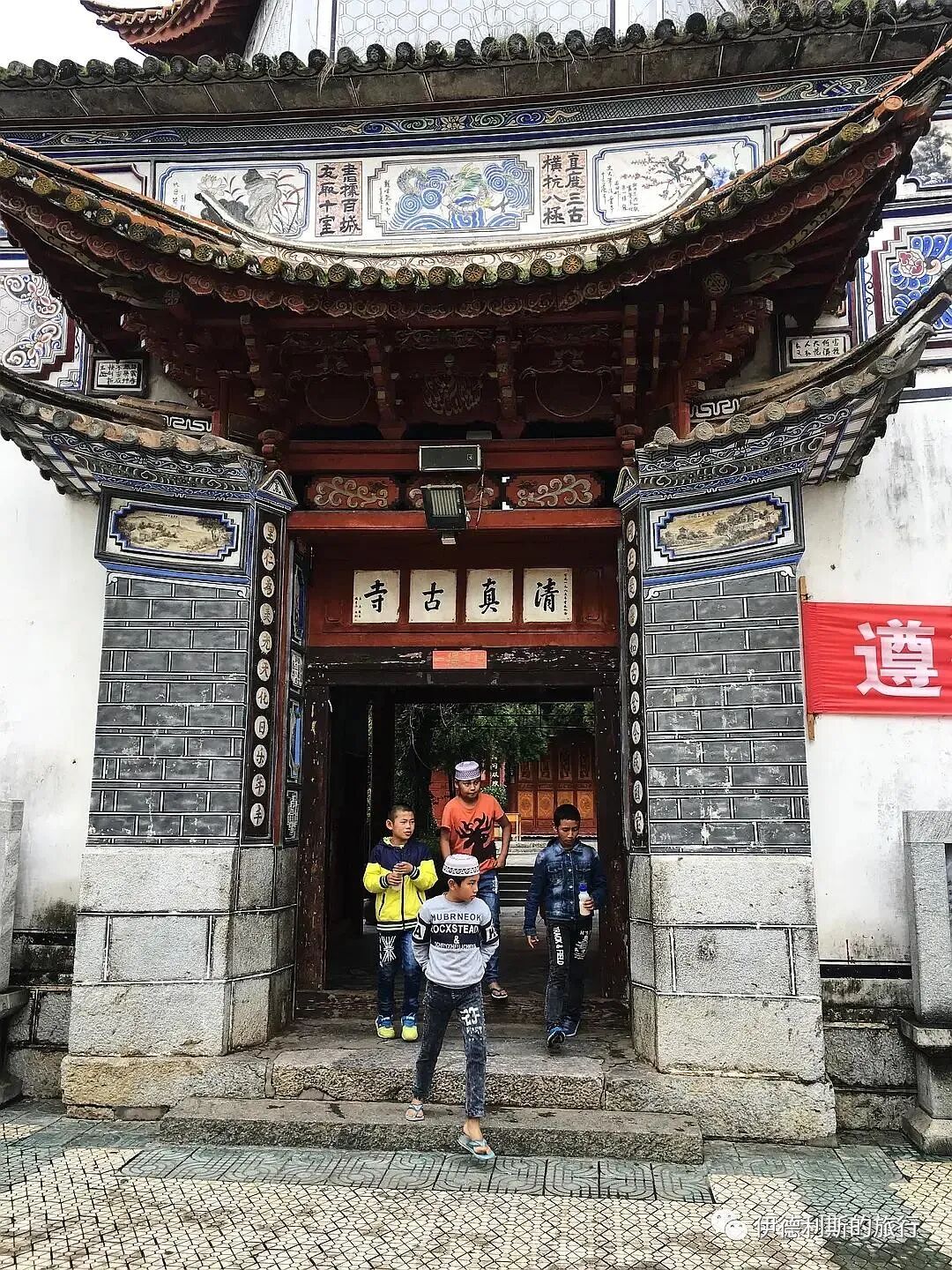
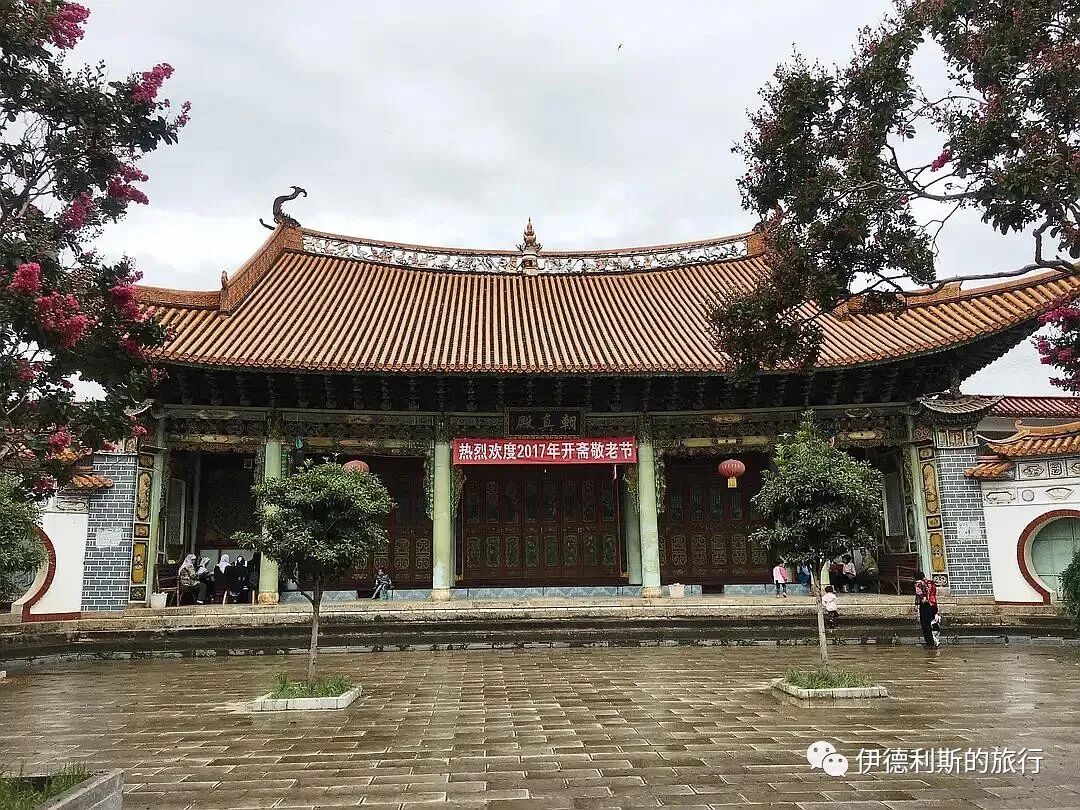
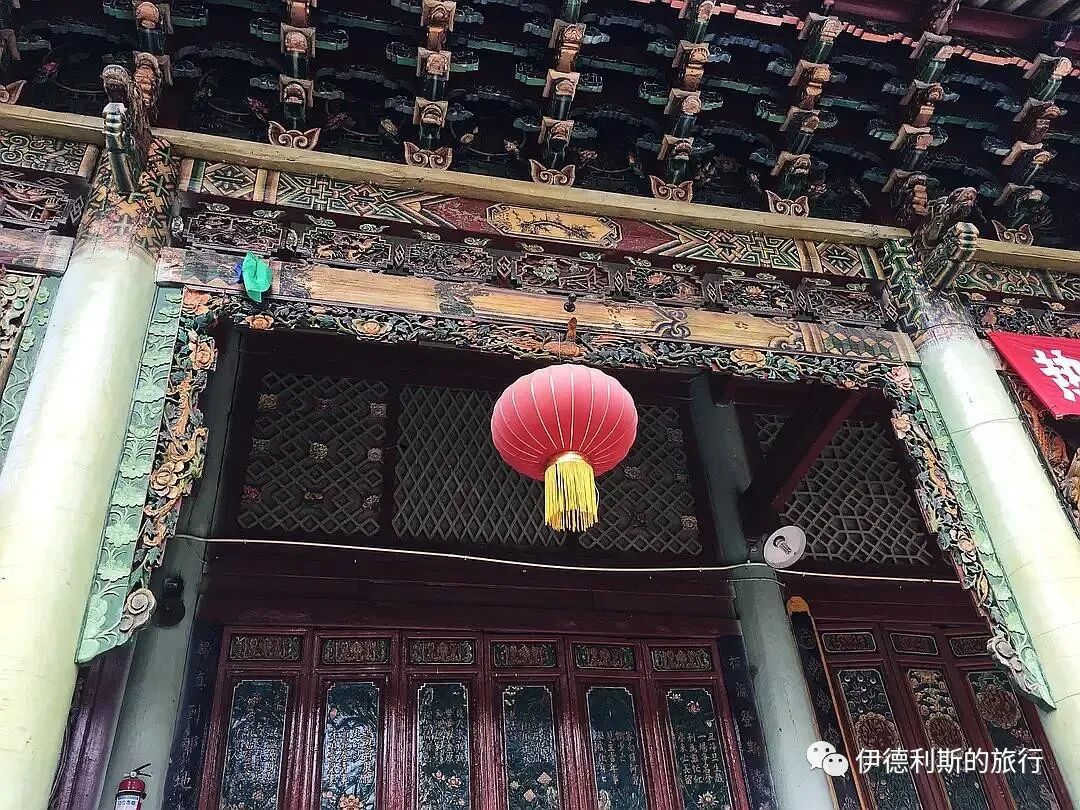
The main gate of the mosque can be said to be a representative of the traditional Dali style of mosque architecture.
3. Eryuan County
1. Sanmei Mosque: 1908
The three mosques on the Dengchuan Basin were built in 1908. The Hui people here speak the Bai language and wear Bai clothing, and their architectural style is also very similar to that of the Bai people, so they are called "Bai Hui" by the outside world.
2. Jiming Mosque
The two neighborhoods where the Jiming Mosque and Shipang Mosque are located on the Dengchuan Basin are the areas with the highest concentration of the so-called "Bai Hui" people. Jiming Mosque was built in 1894, and the current minaret was built in 1992. When I visited, it was undergoing renovations.
3. Shipang Mosque
The Sepang Mosque was built in 1896, and the minaret was built in 1920. view all
Summary: This travel note introduces Twenty Traditional Mosques in Dali (Part 2). 16. Donglianhua Mosque: 1921. It is useful for readers interested in Dali Mosques, Chinese Muslims, Muslim Travel.
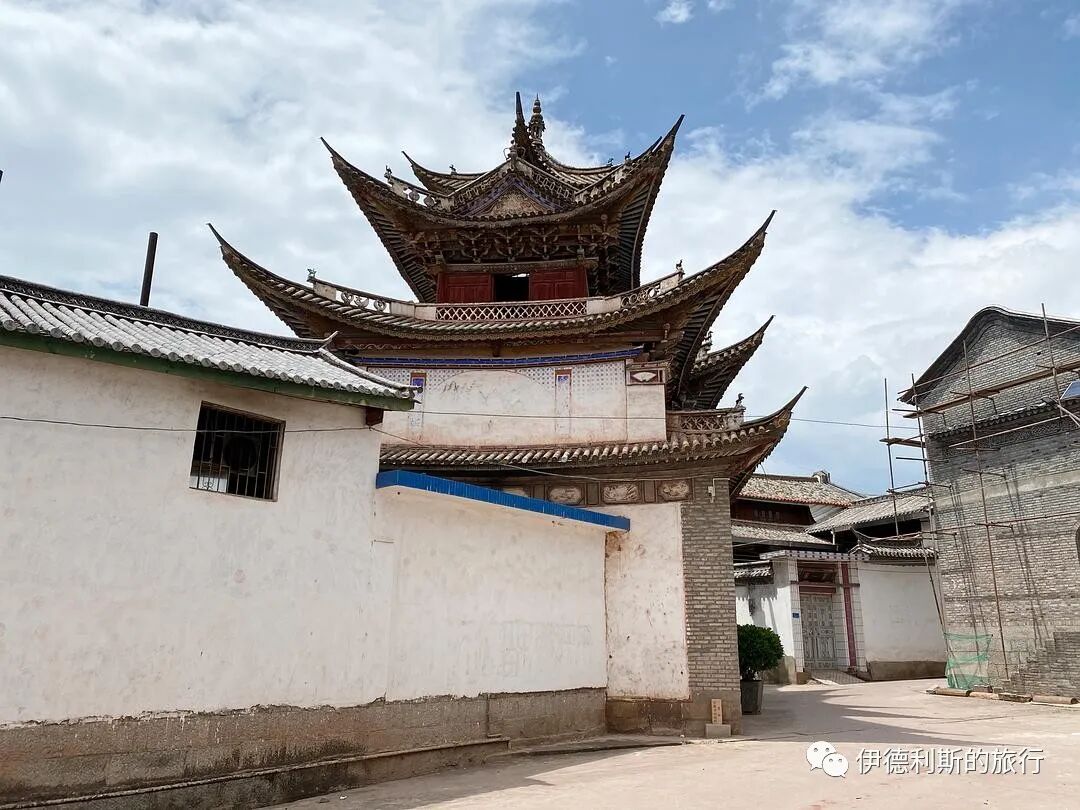
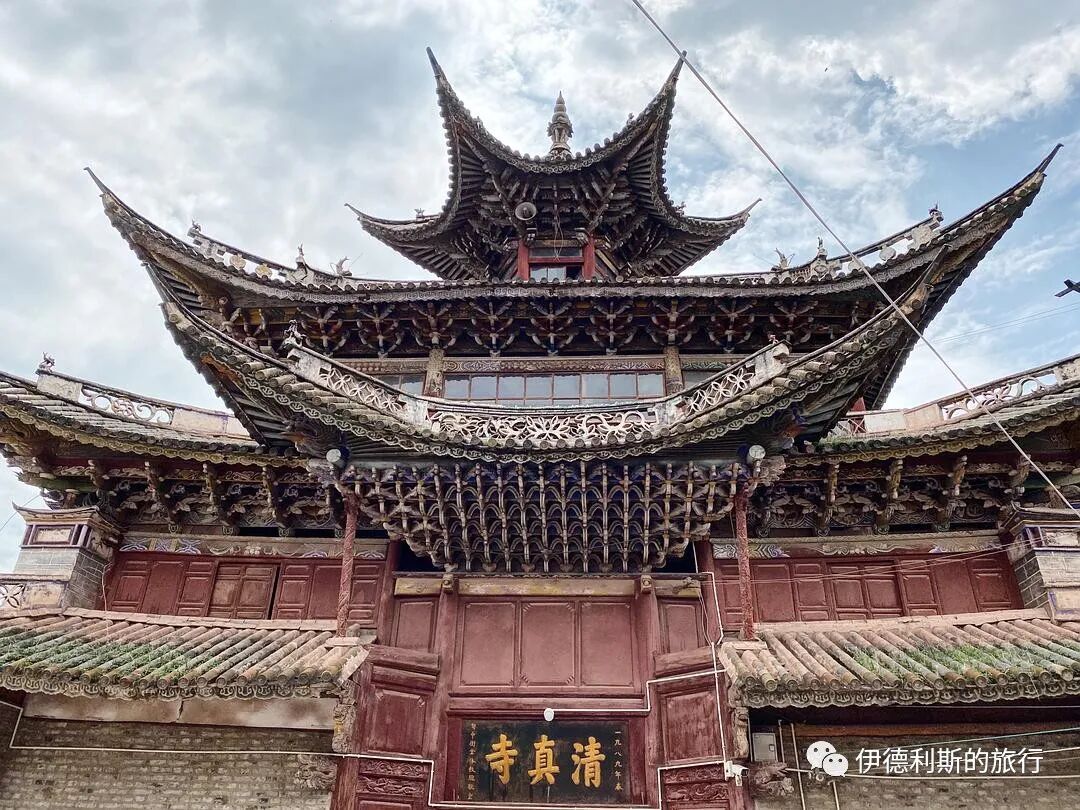
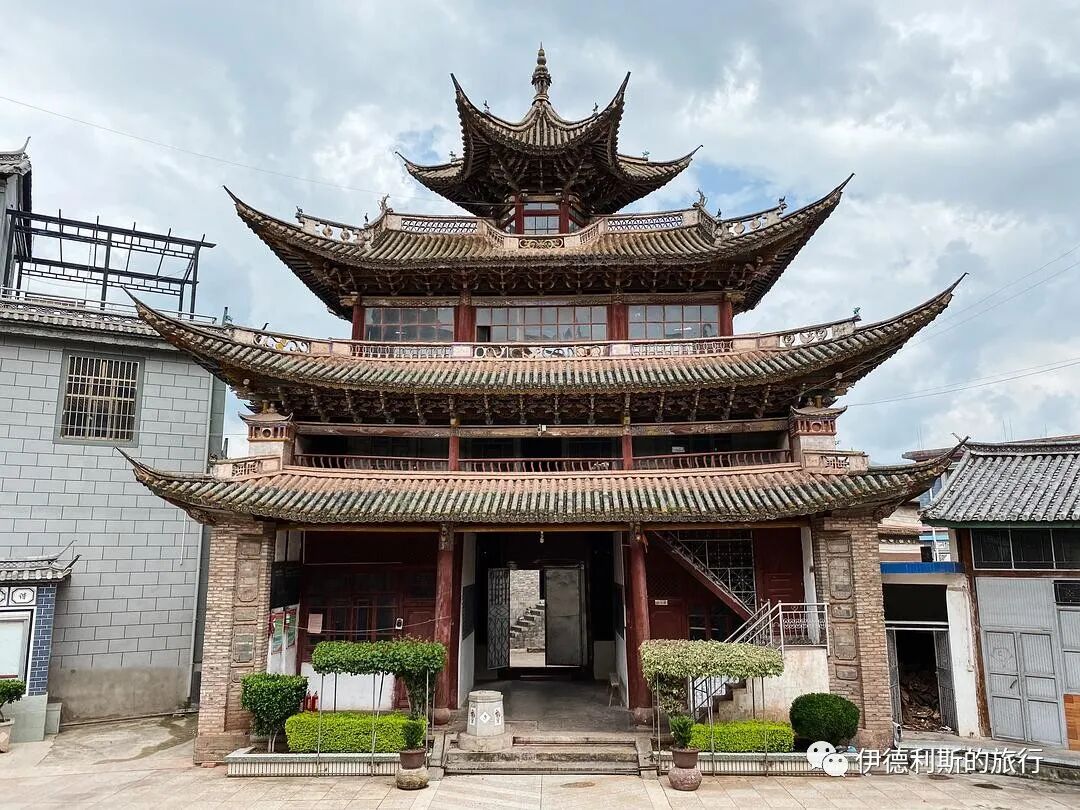
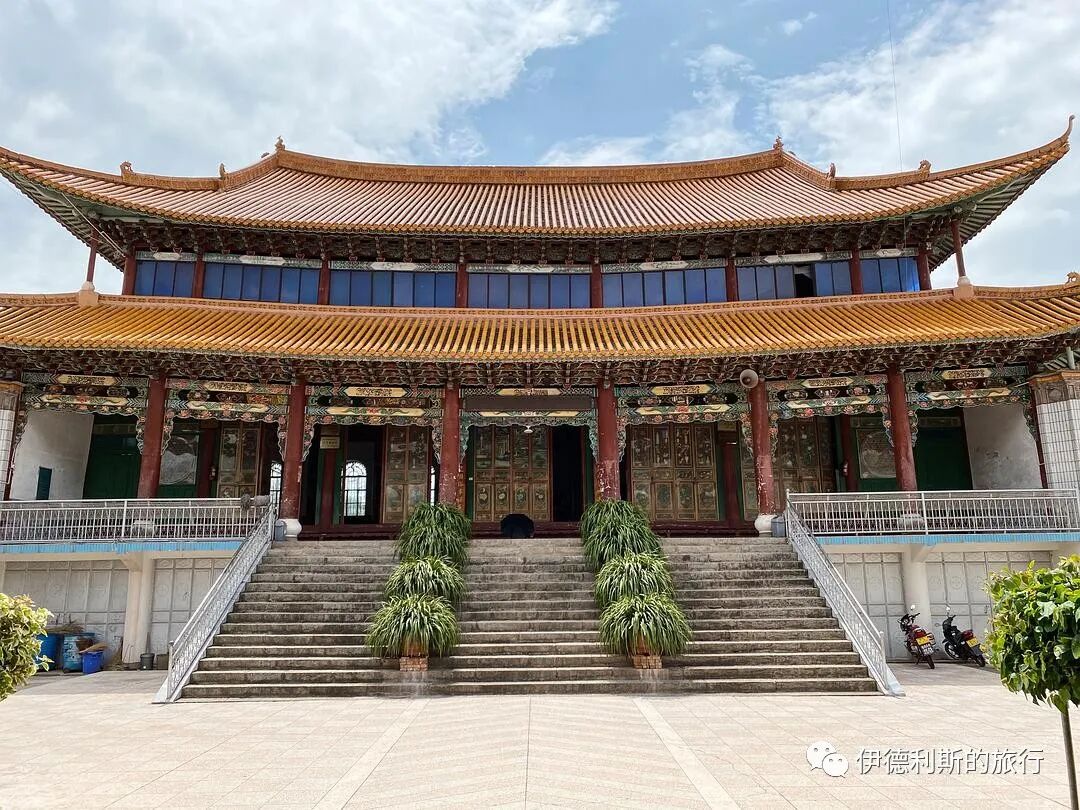
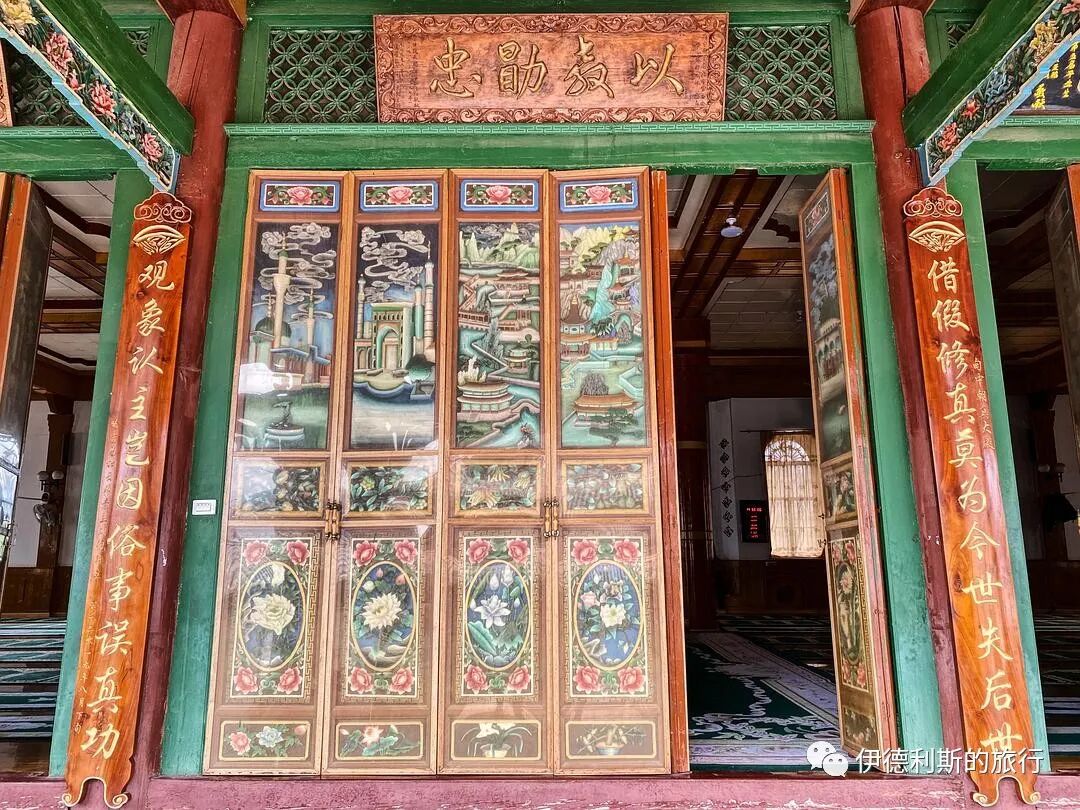
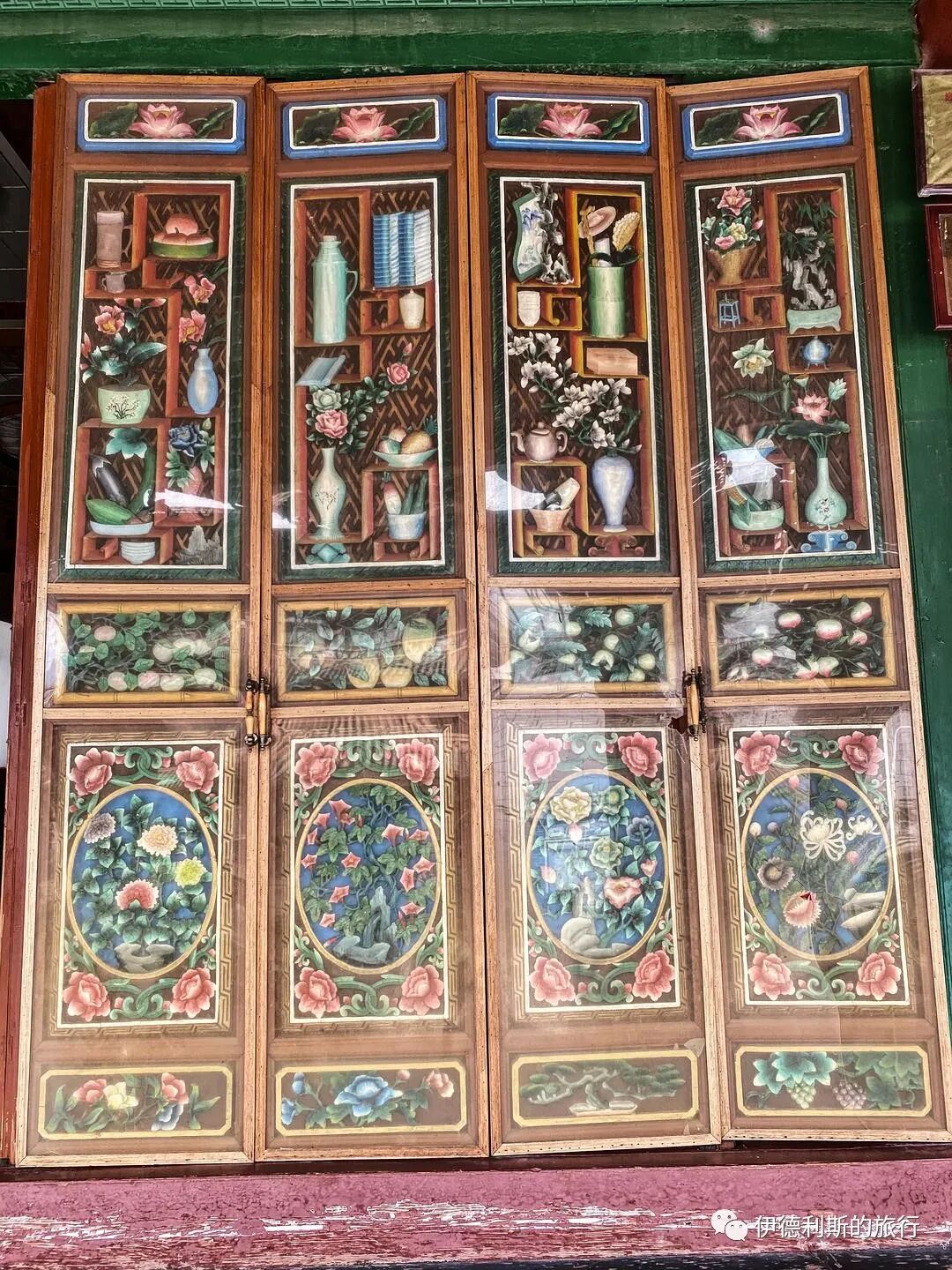
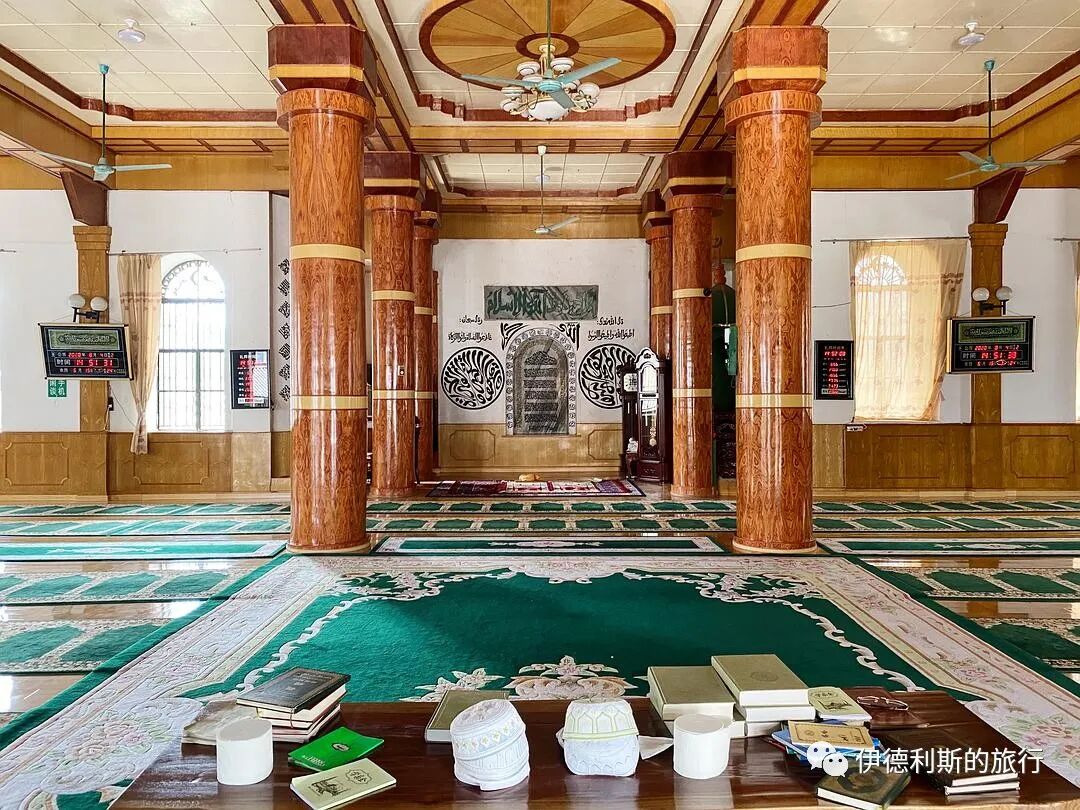
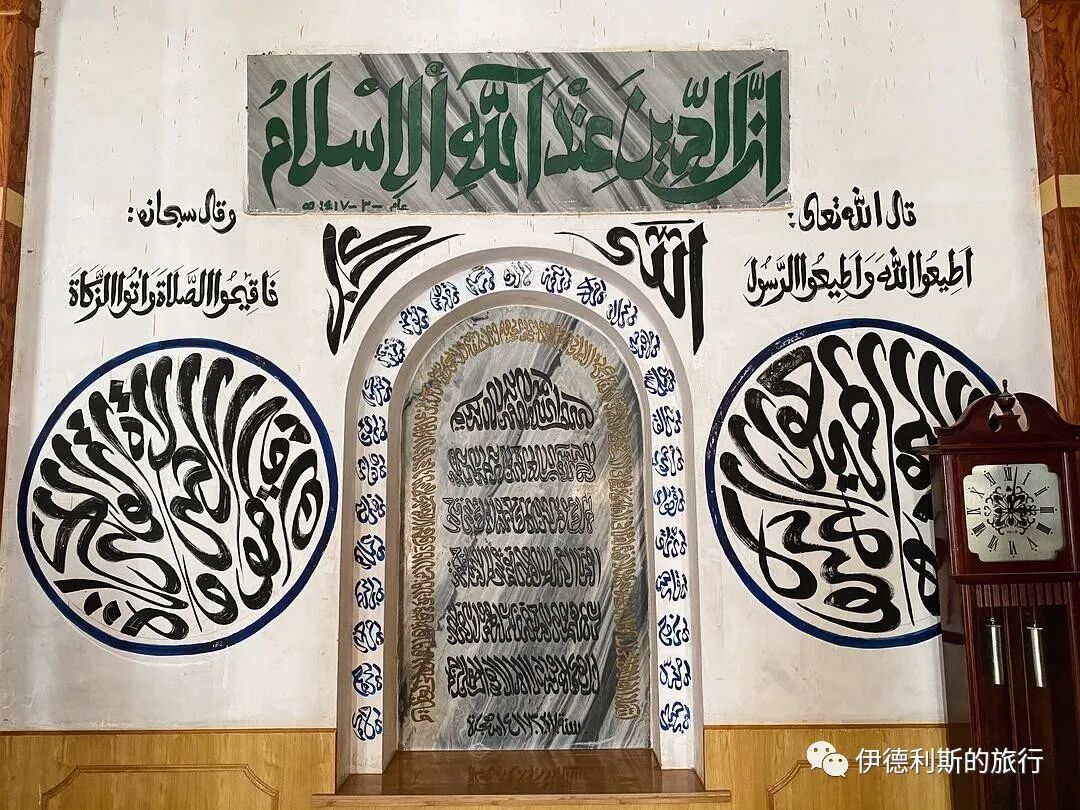
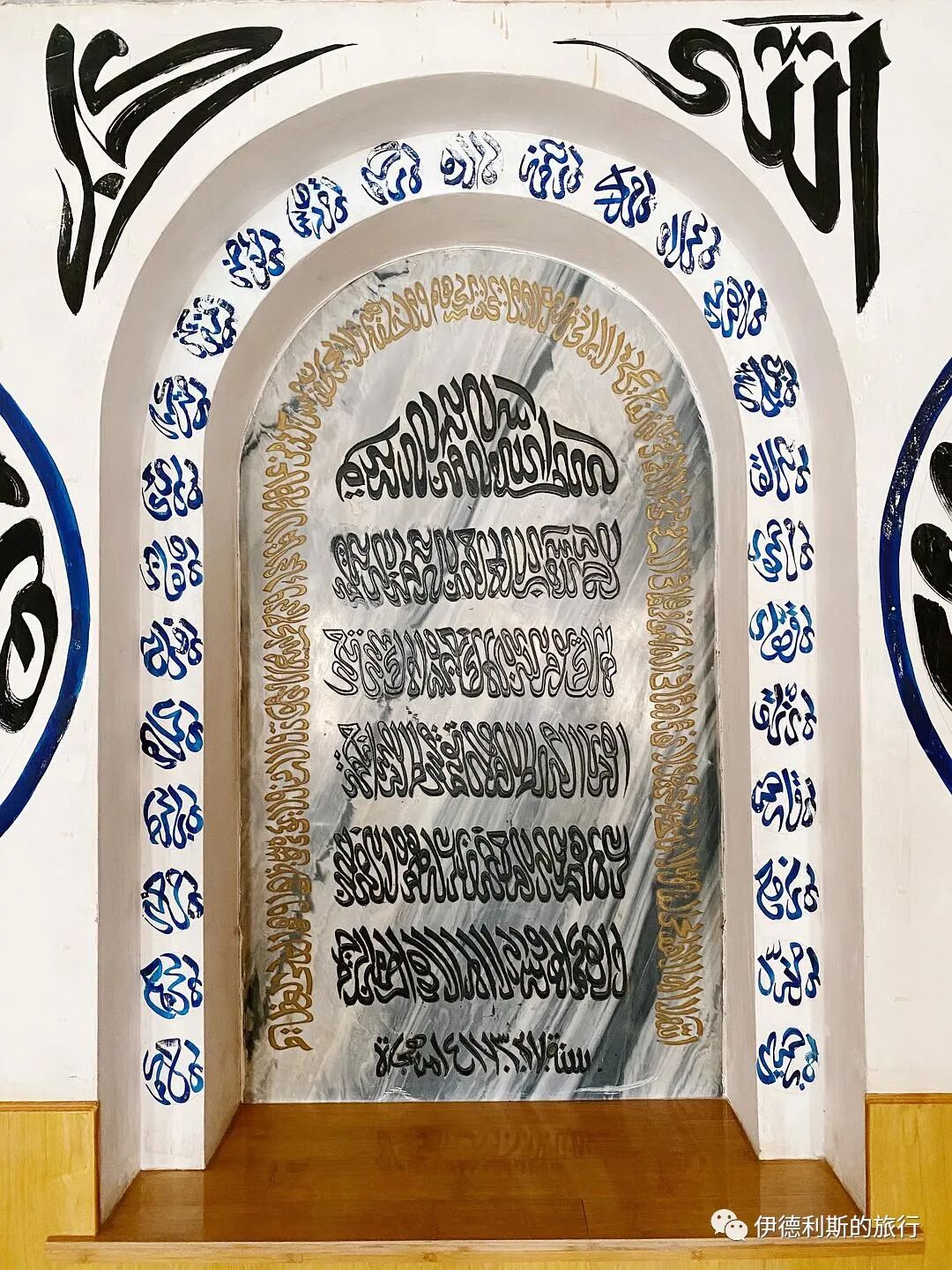
16. Donglianhua Mosque: 1921
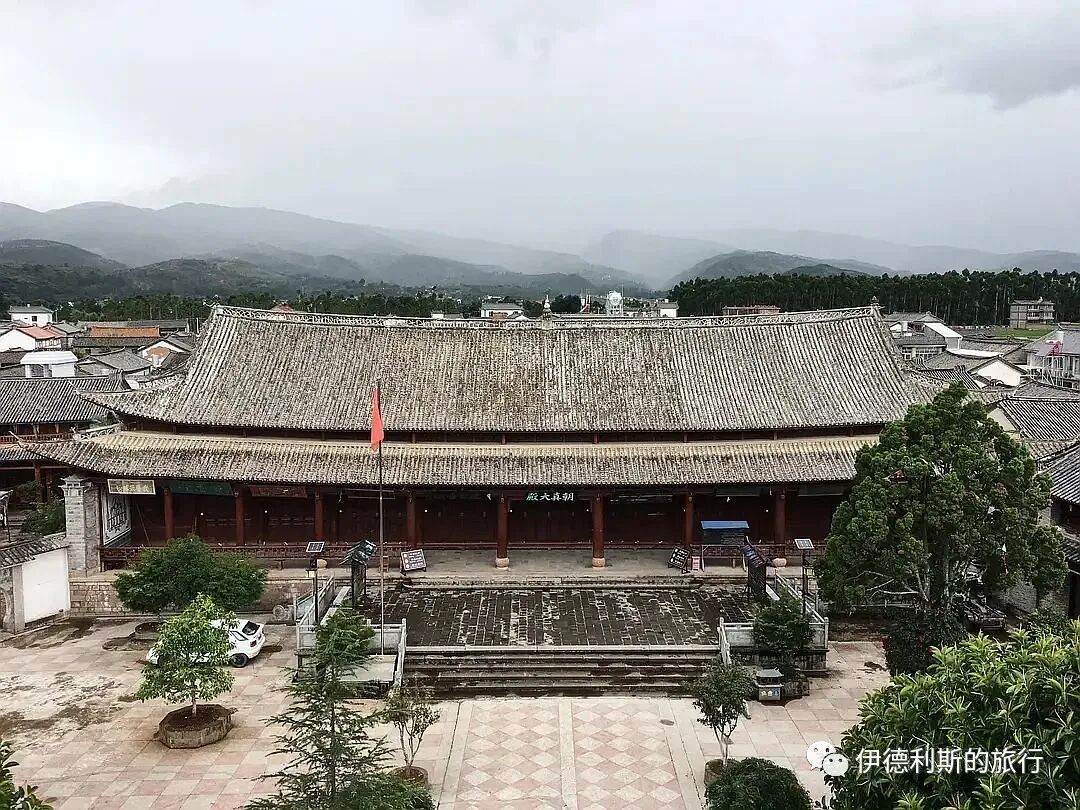
Donglianhua Mosque was first built during the Qing Dynasty and was expanded twice in 1921 and 1987. From east to west, the mosque consists of the main gate, the minaret, and the prayer hall, with the minaret dividing the courtyard into two parts.
The minaret was raised to four stories in 1987, with a five-five-three-one structure; the first, second, and third floors are classrooms for holiday study groups, and the fourth floor is the place for calling the adhan.
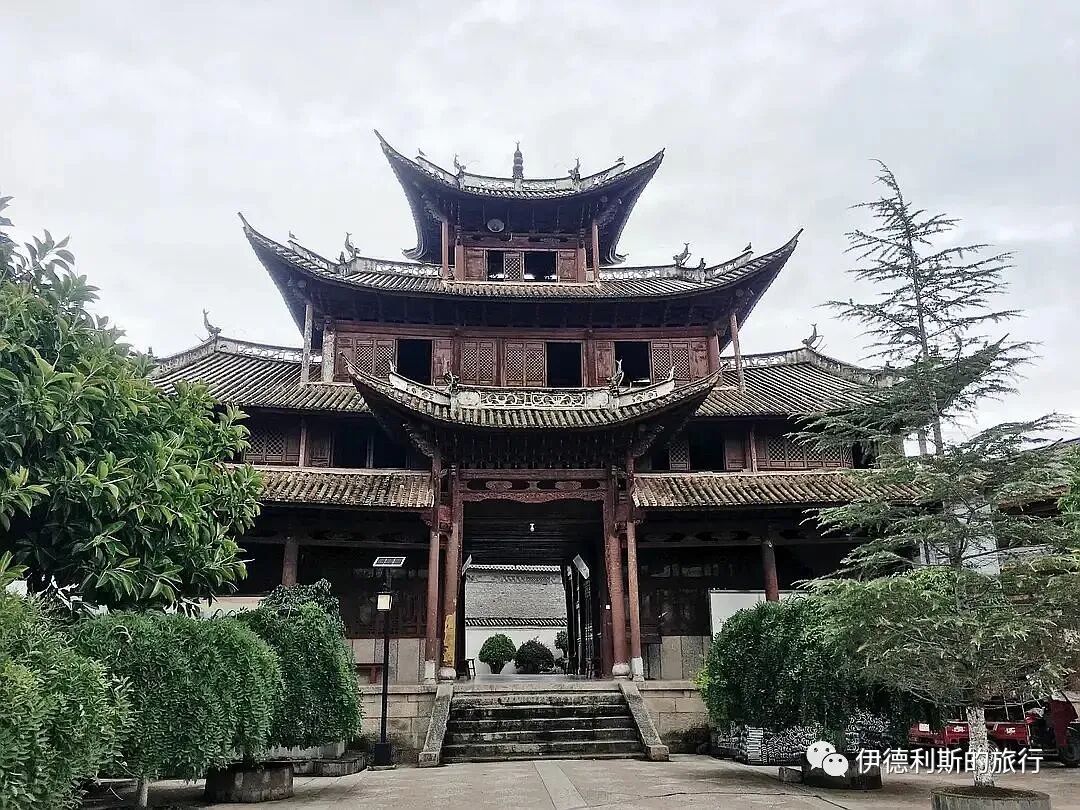
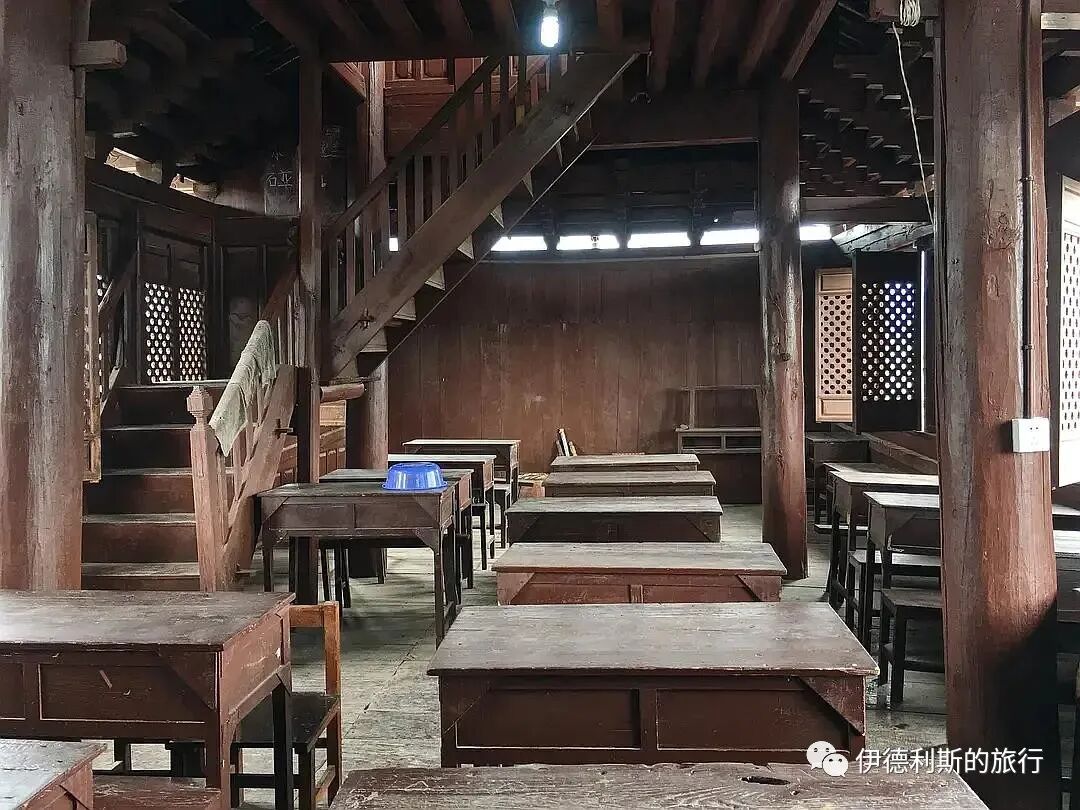
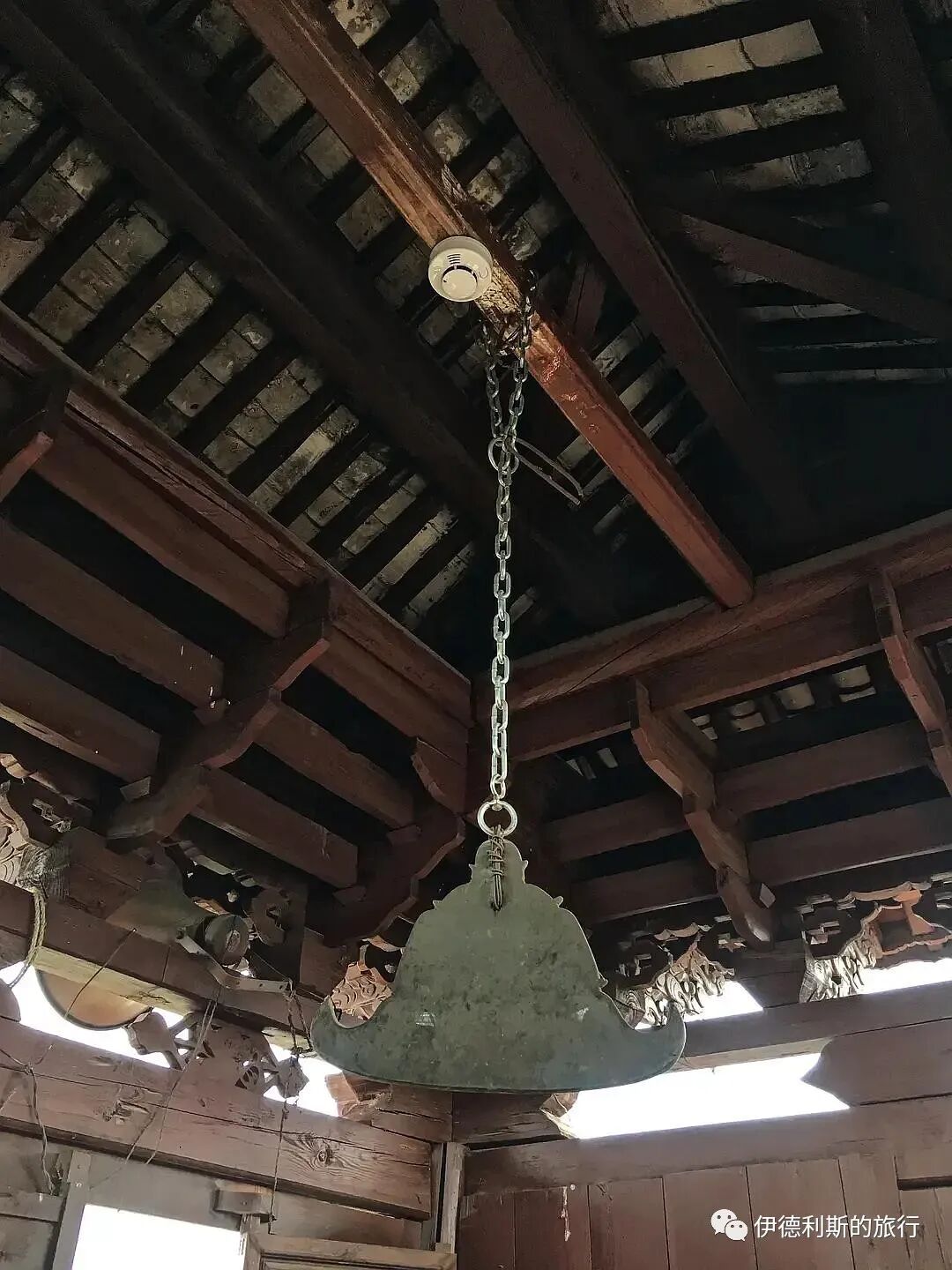
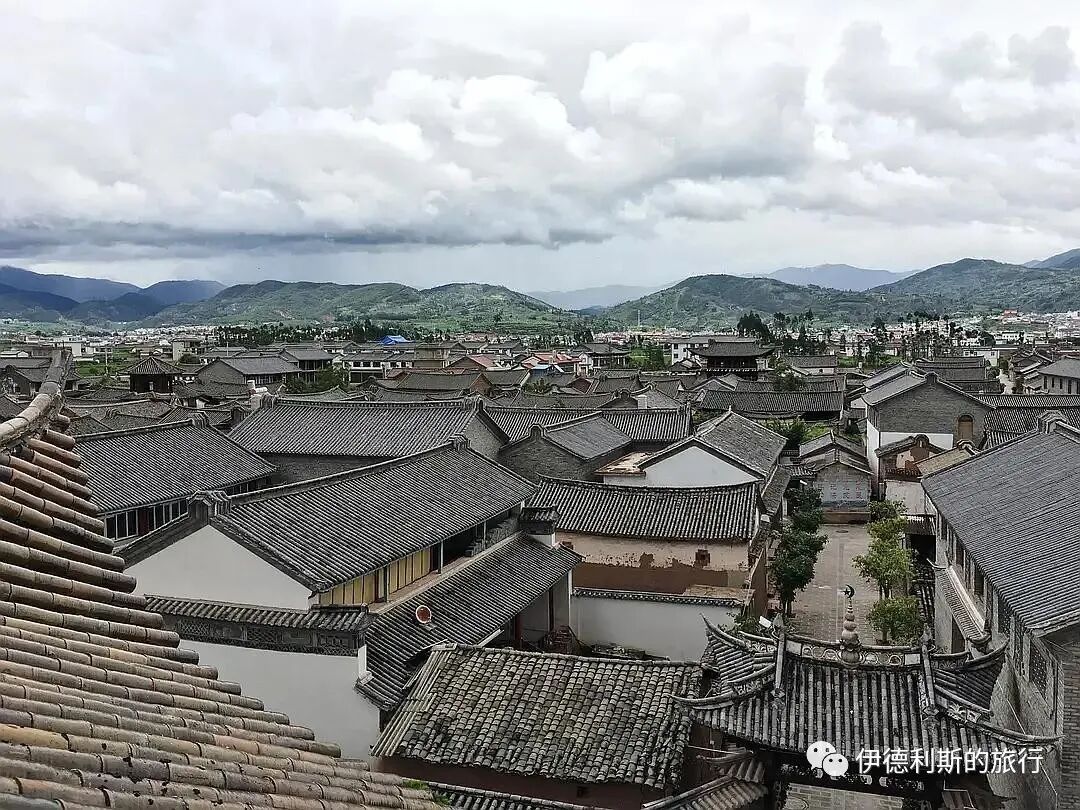
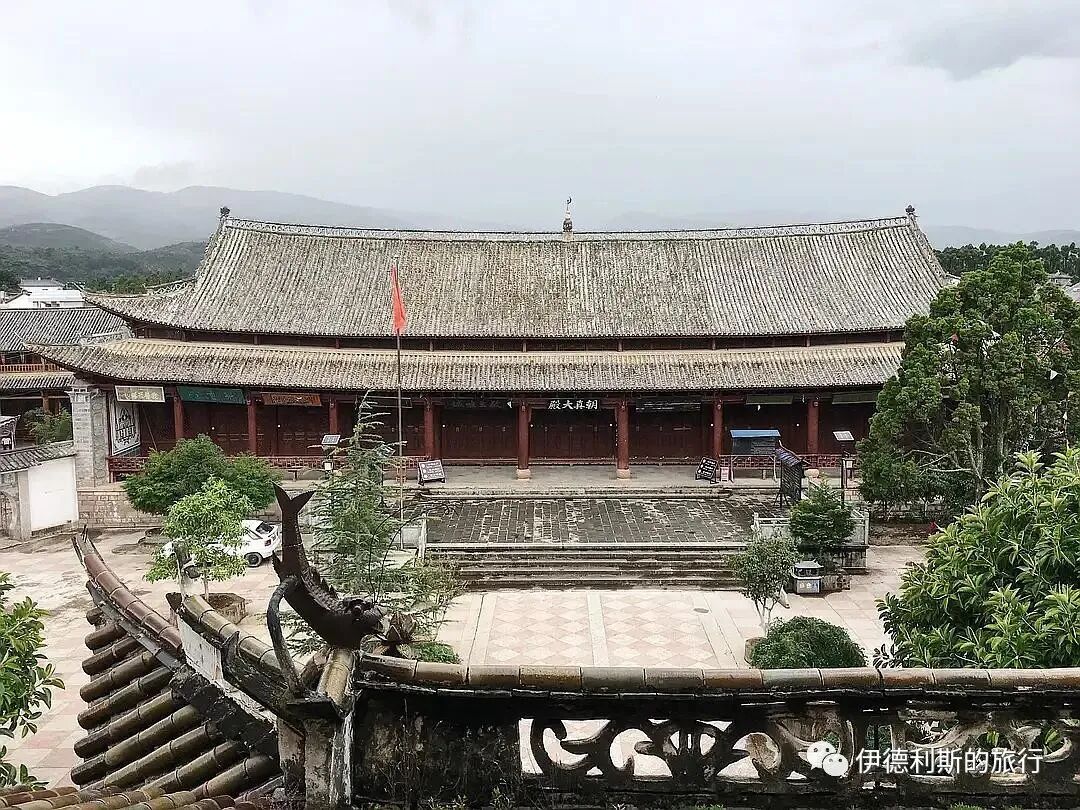
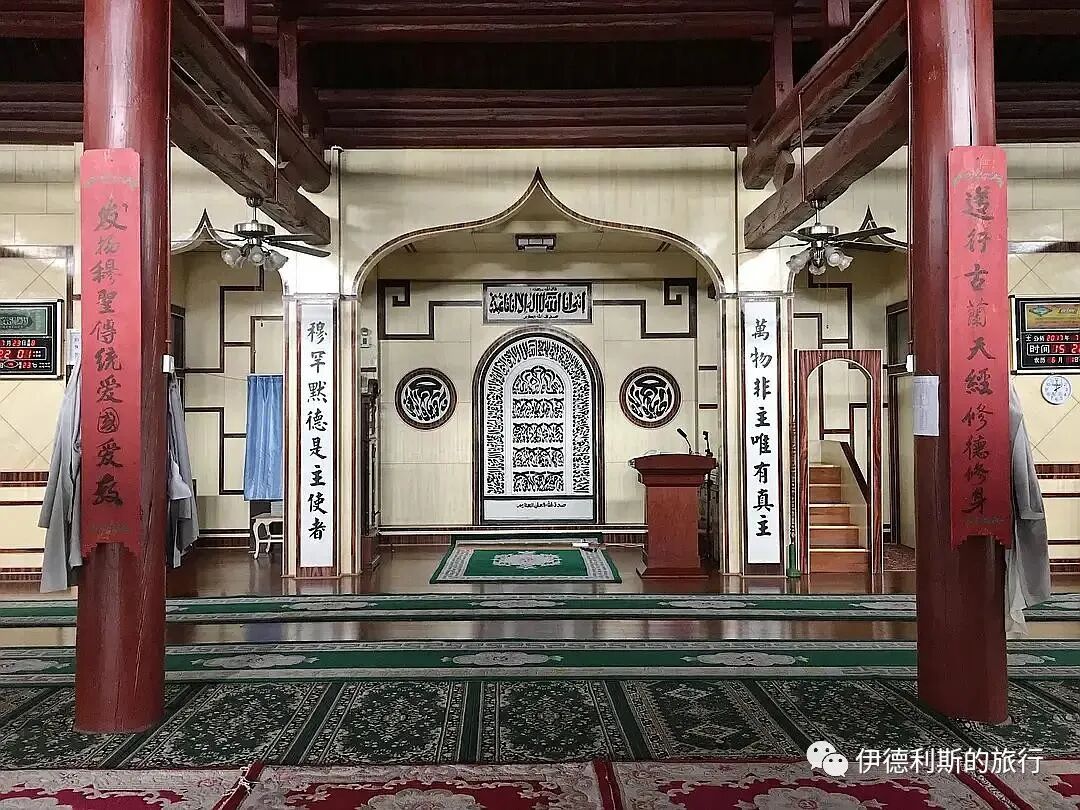
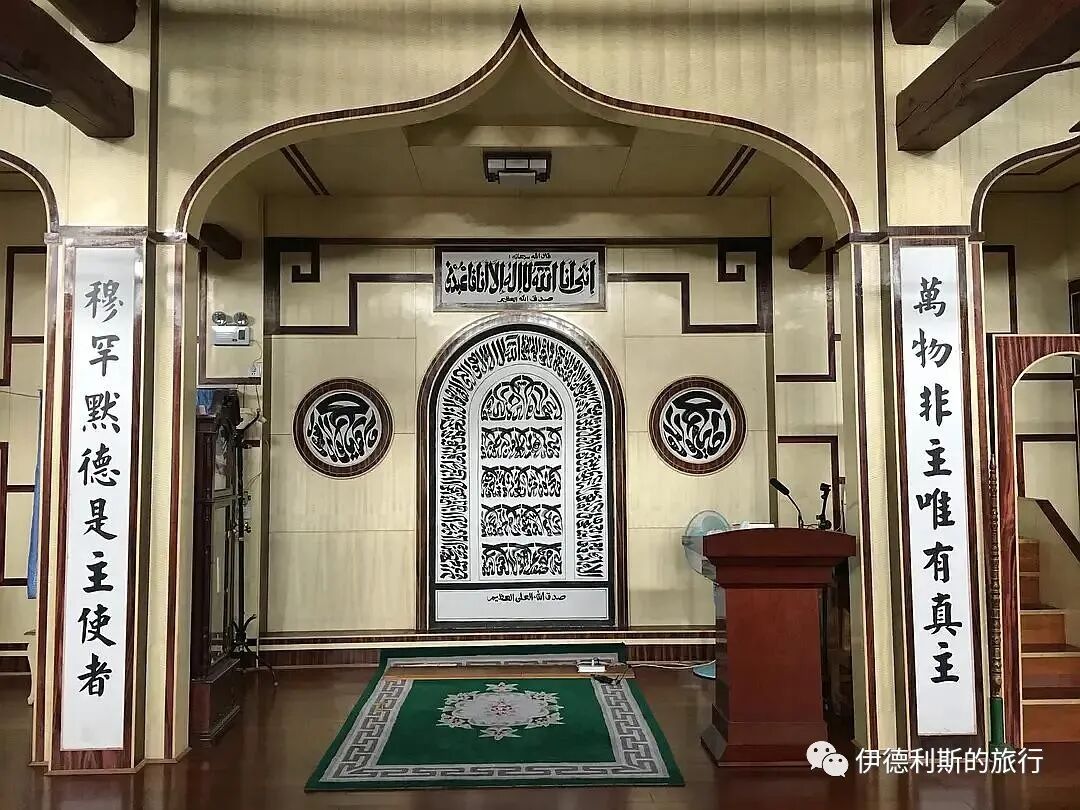
The main hall was expanded into a five-by-seven bay structure in 1921, and in 1987, it was further expanded into a nine-by-eleven bay structure. The mihrab features traditional Arabic calligraphy in the distinctive Yunnan style.
Main gate
2. Dali City
1. Keli Village Mosque: 1908
The main hall of the Keli Village Mosque in Xizhou Town was rebuilt in 1908, with a significant portion of the funding coming from overseas Chinese in Myanmar. Keli Village Mosque is a famous 'hometown of overseas Chinese'; historically, it had powerful horse caravans that traveled throughout Yunnan province to places like Kunming, Simao, and Zhongdian, and connected southward to cities in Myanmar such as Mandalay, Mawlamyine, and Lashio. Since the late Qing Dynasty and the Republic of China era, hundreds of households from Keli Village have migrated to Myanmar, and the Chinese mosque in Yangon's Chinatown has often been led by imams from Keli Village.
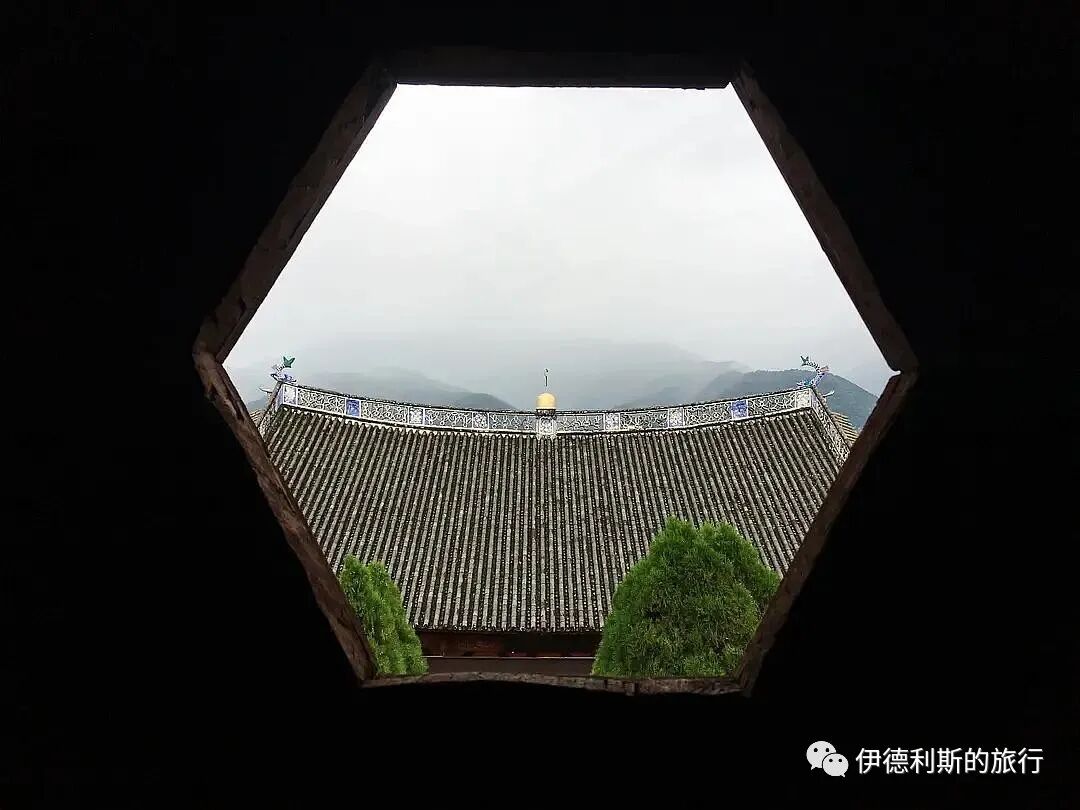
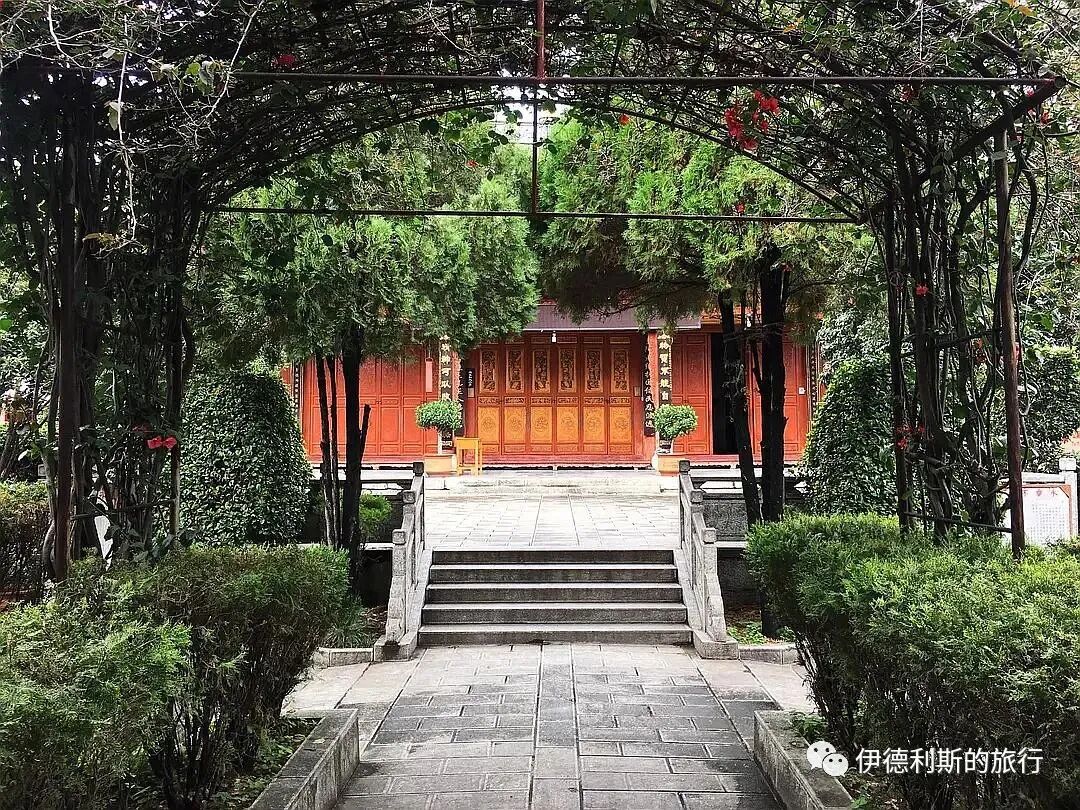
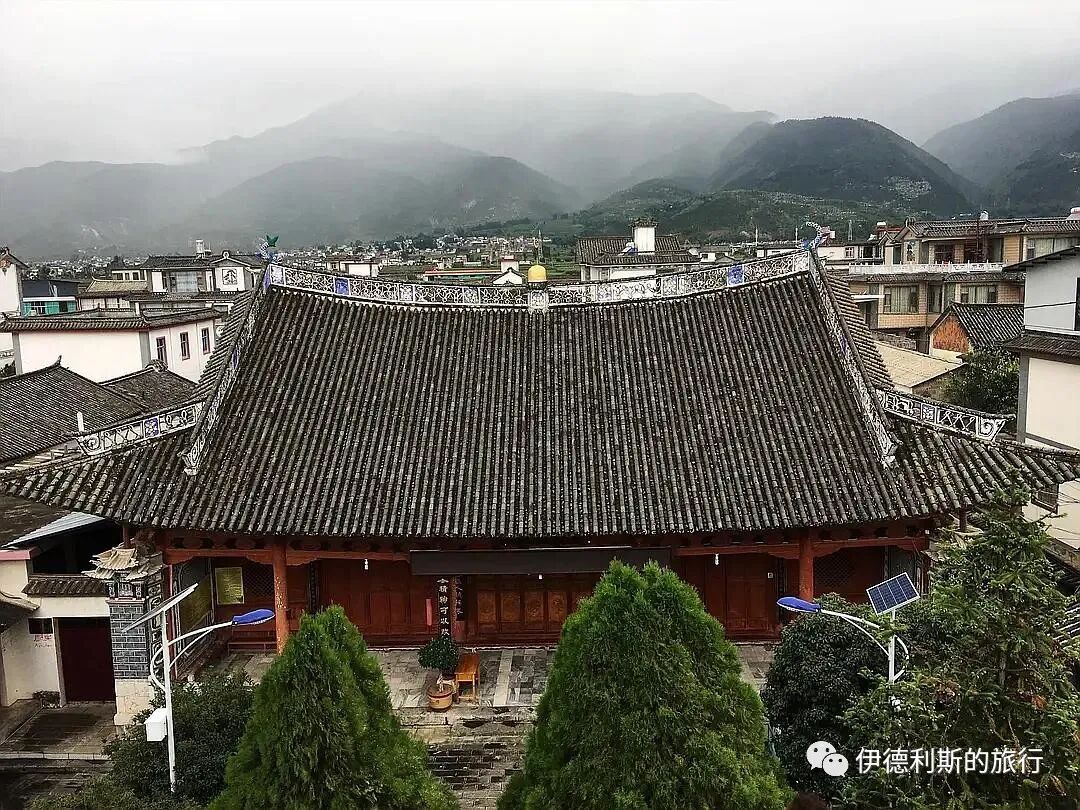
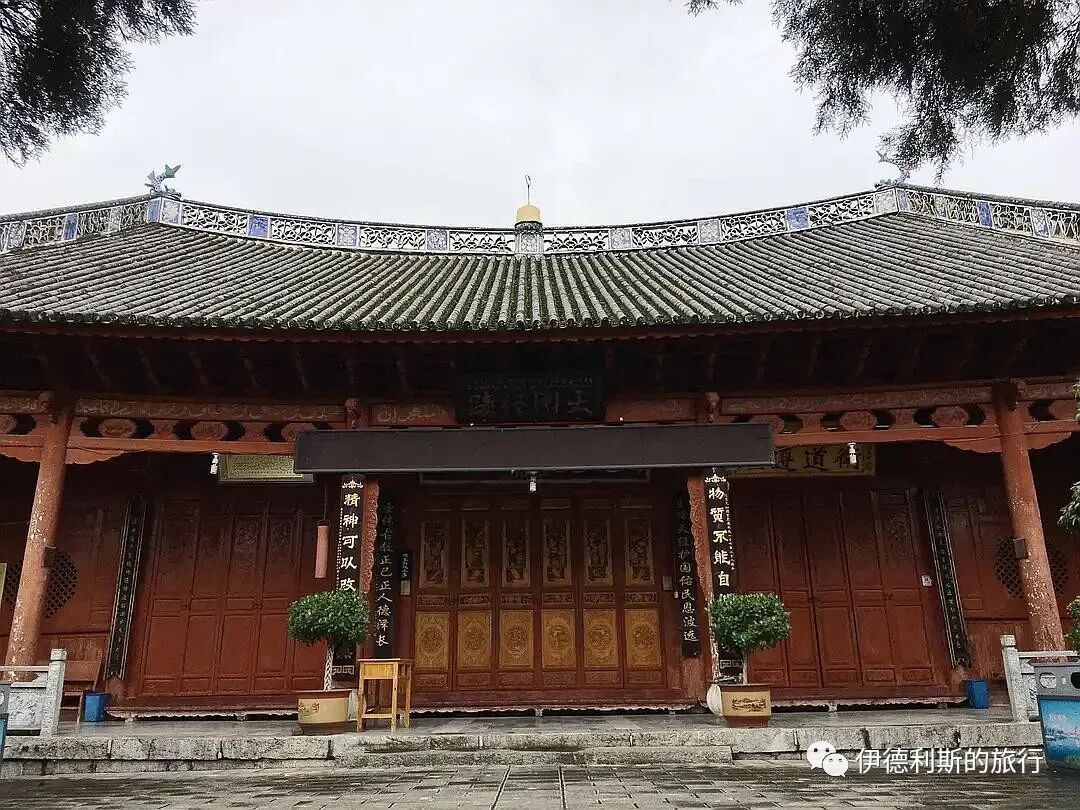
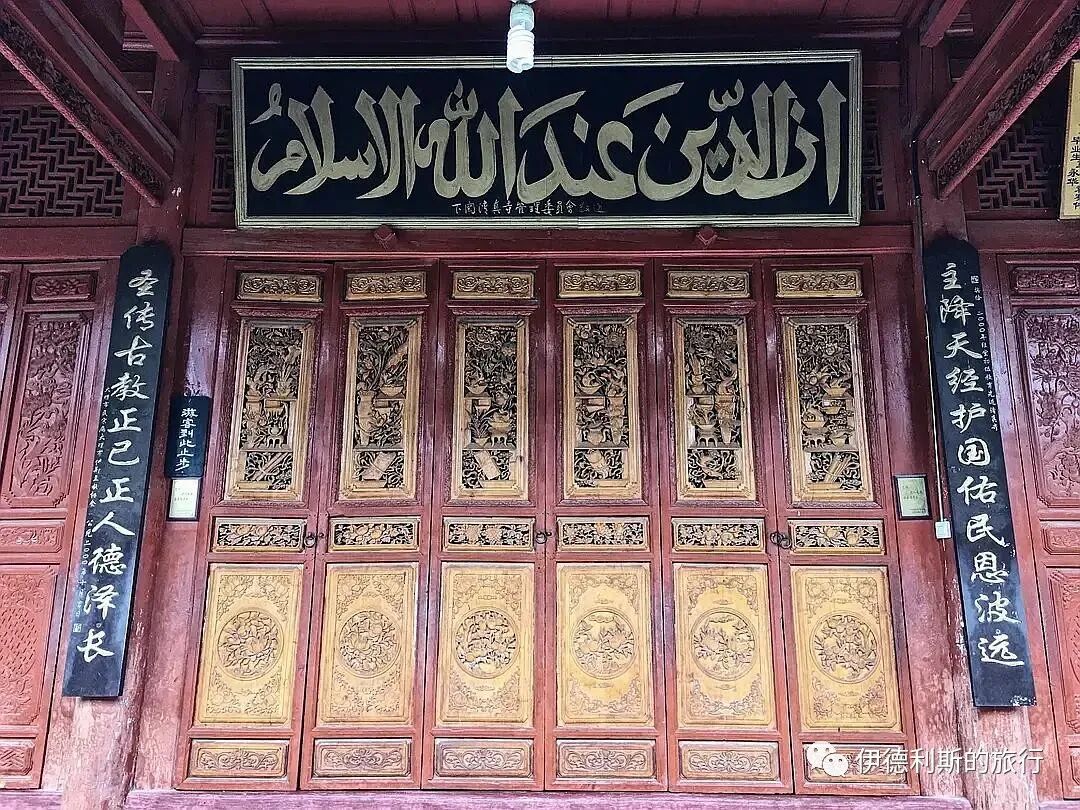
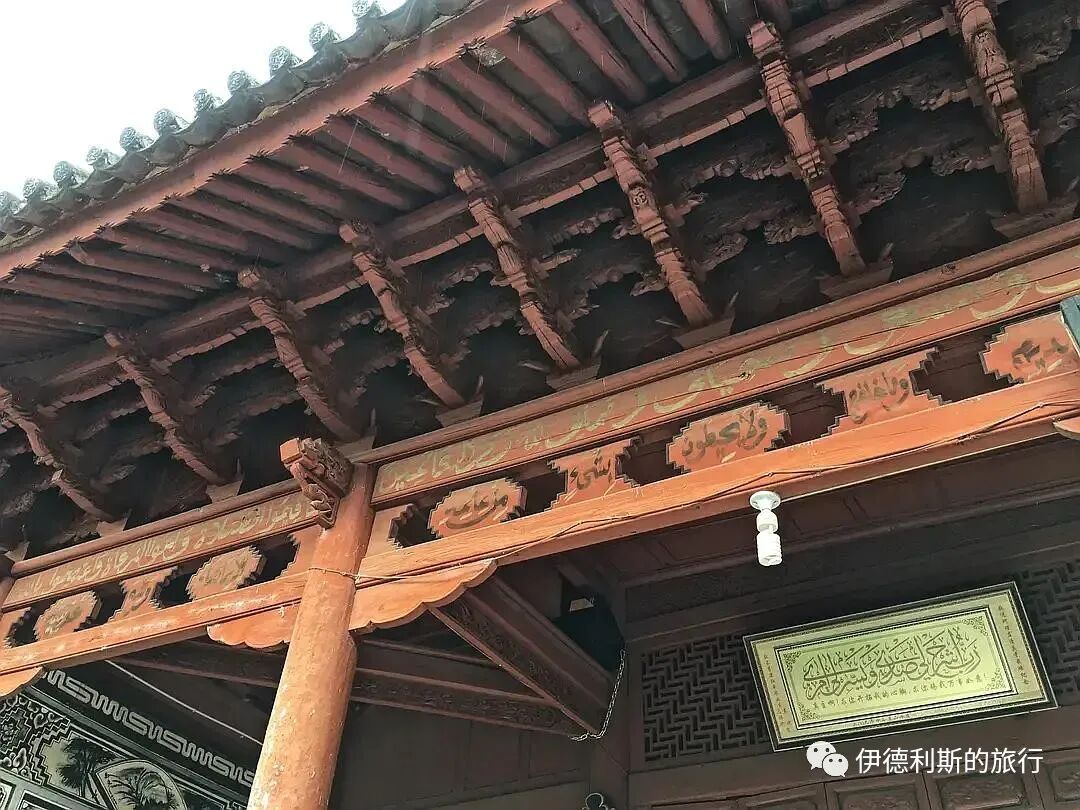
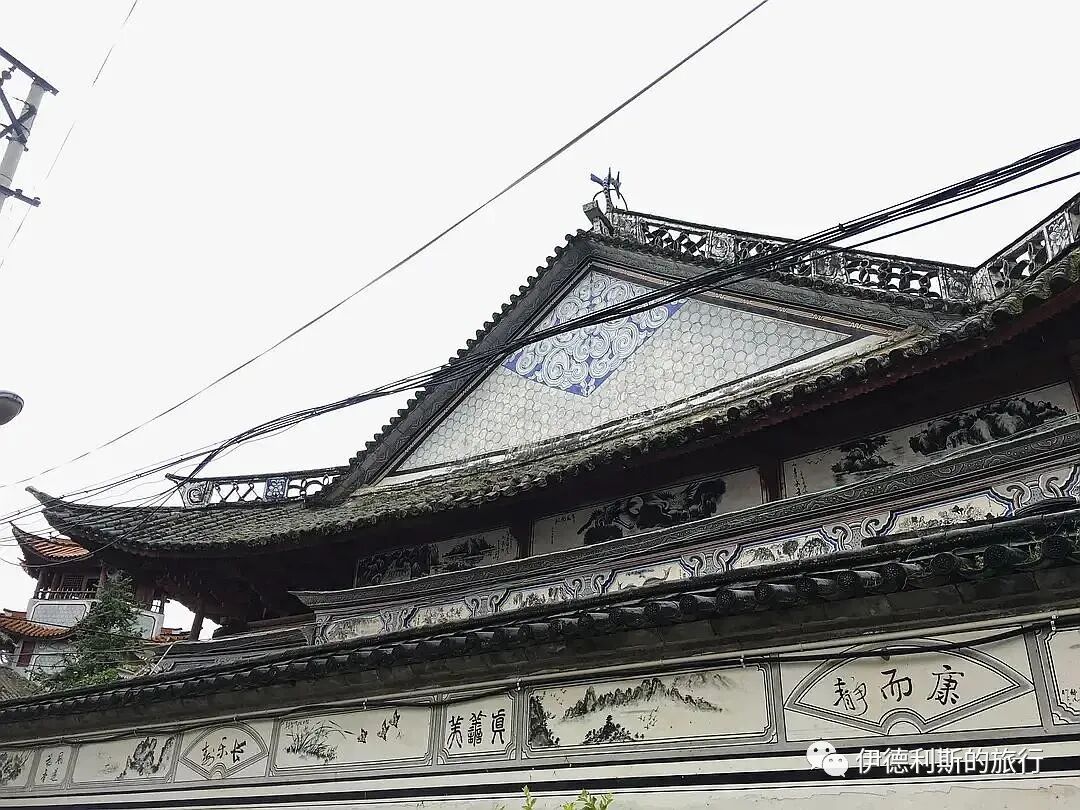
The minaret and side rooms were rebuilt in 1926, with funding provided not only by local community members and overseas Chinese in Myanmar, but also by surrounding Bai villagers and various merchants. Back then, the north side room was where Ma Yin'an and his son Ma Xin taught Islamic studies, training a group of Imams for western Yunnan and even the Tibetan region. The south side room hired Bai intellectual Yang Handing to teach Chinese studies. Today, the minaret and side rooms are still used as classrooms for study groups.
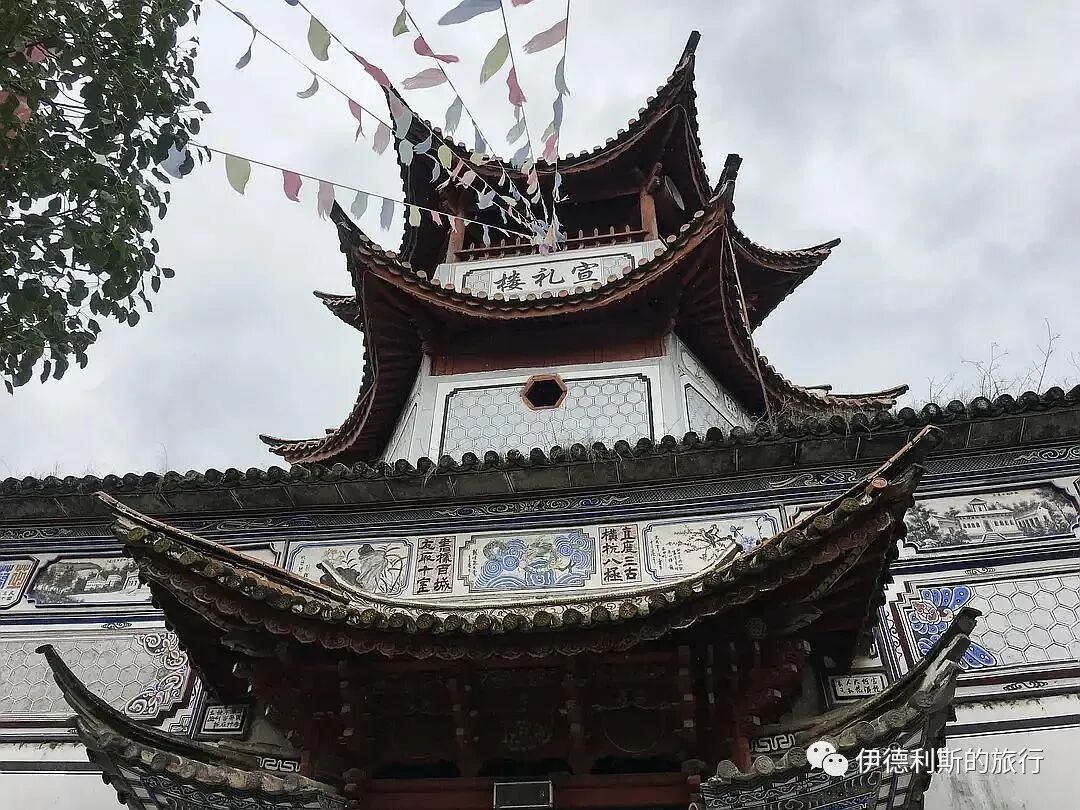
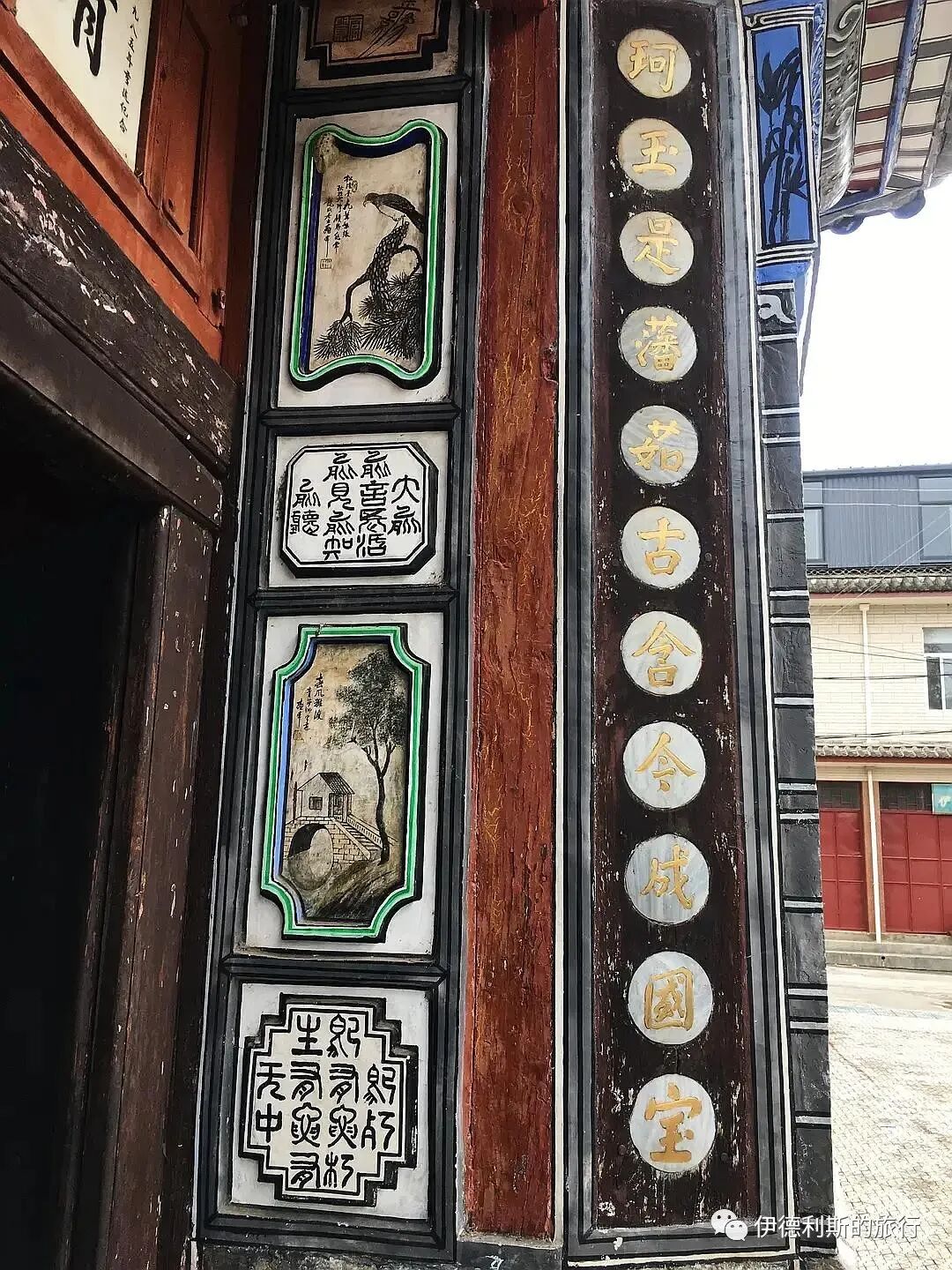
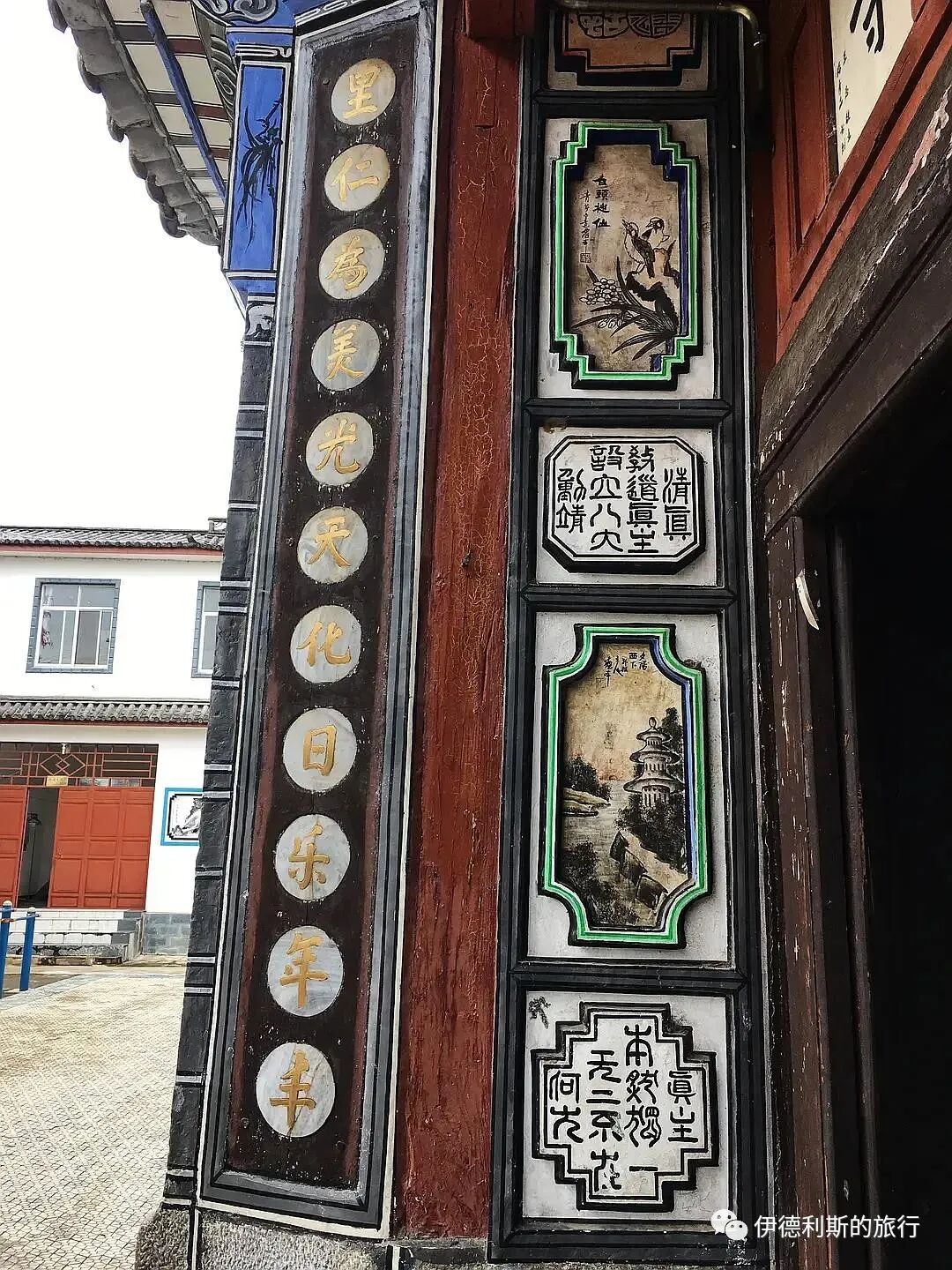
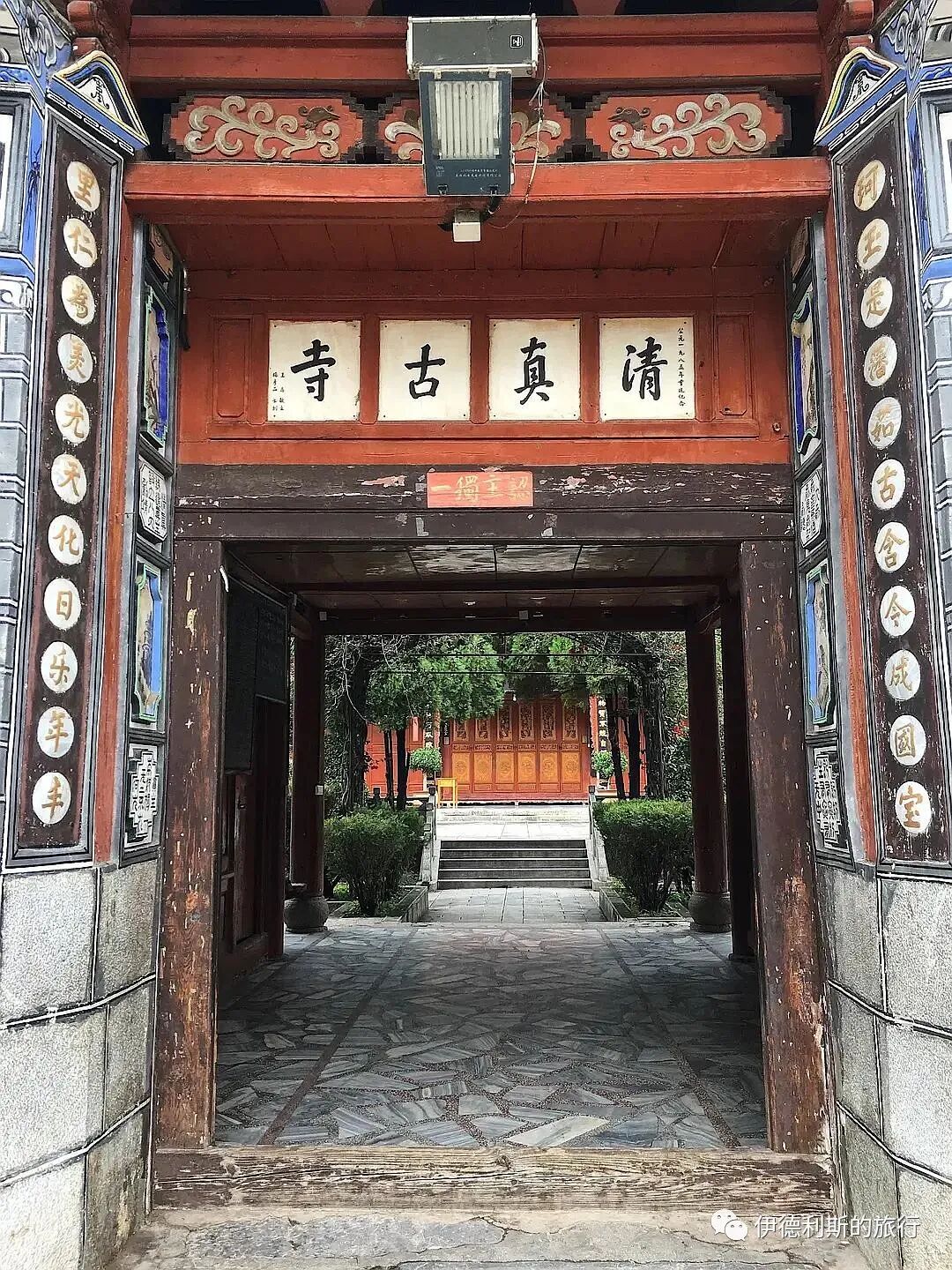
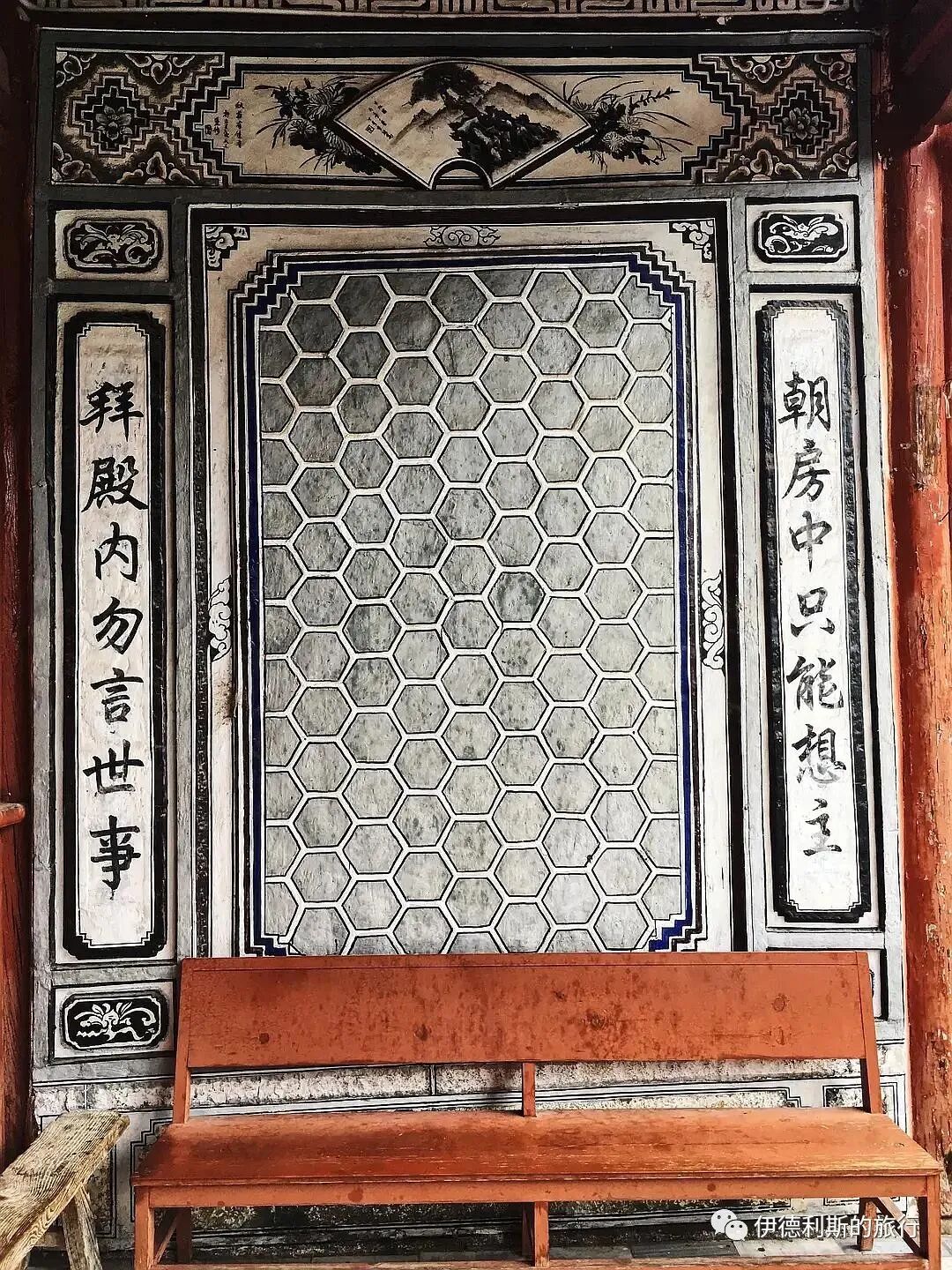
The main gate of the mosque can be said to be a representative of the traditional Dali style of mosque architecture.
3. Eryuan County
1. Sanmei Mosque: 1908
The three mosques on the Dengchuan Basin were built in 1908. The Hui people here speak the Bai language and wear Bai clothing, and their architectural style is also very similar to that of the Bai people, so they are called "Bai Hui" by the outside world.
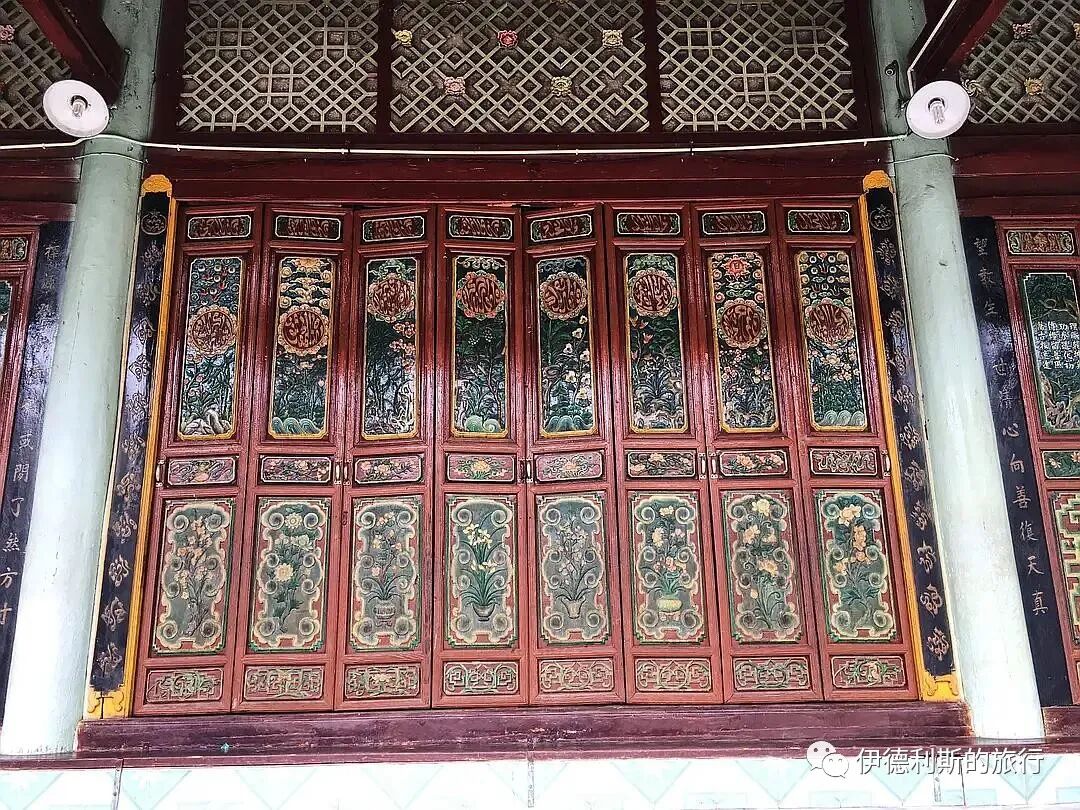
2. Jiming Mosque
The two neighborhoods where the Jiming Mosque and Shipang Mosque are located on the Dengchuan Basin are the areas with the highest concentration of the so-called "Bai Hui" people. Jiming Mosque was built in 1894, and the current minaret was built in 1992. When I visited, it was undergoing renovations.
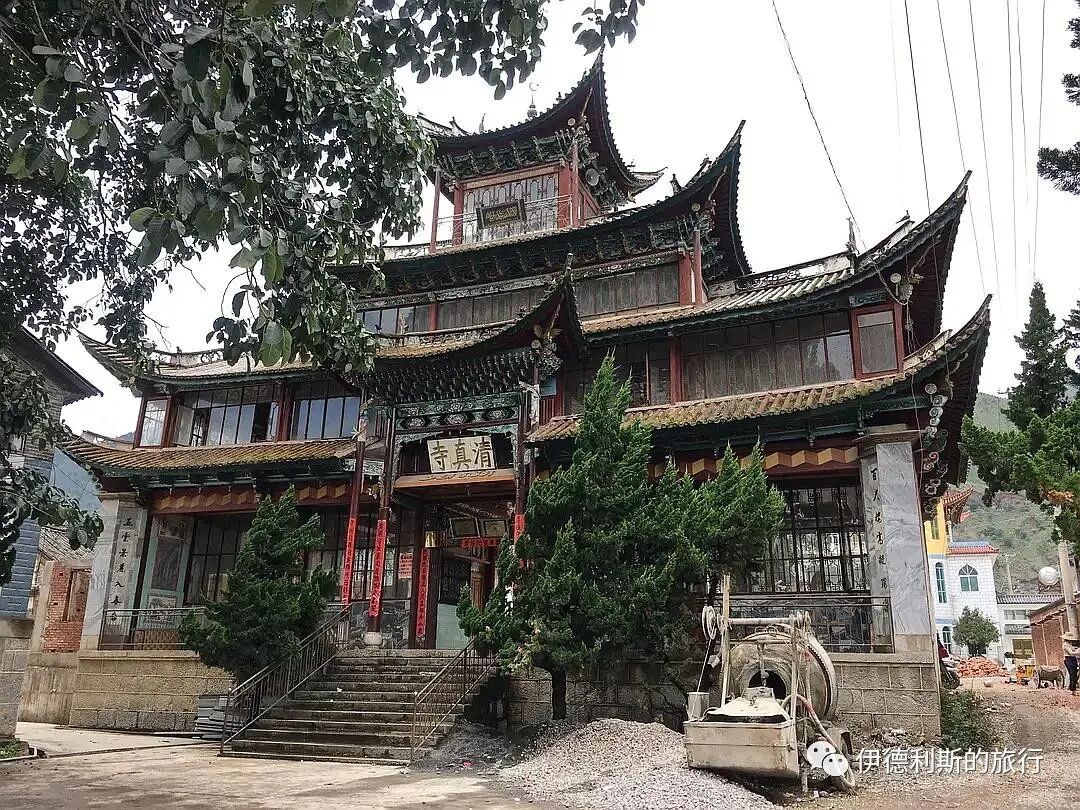
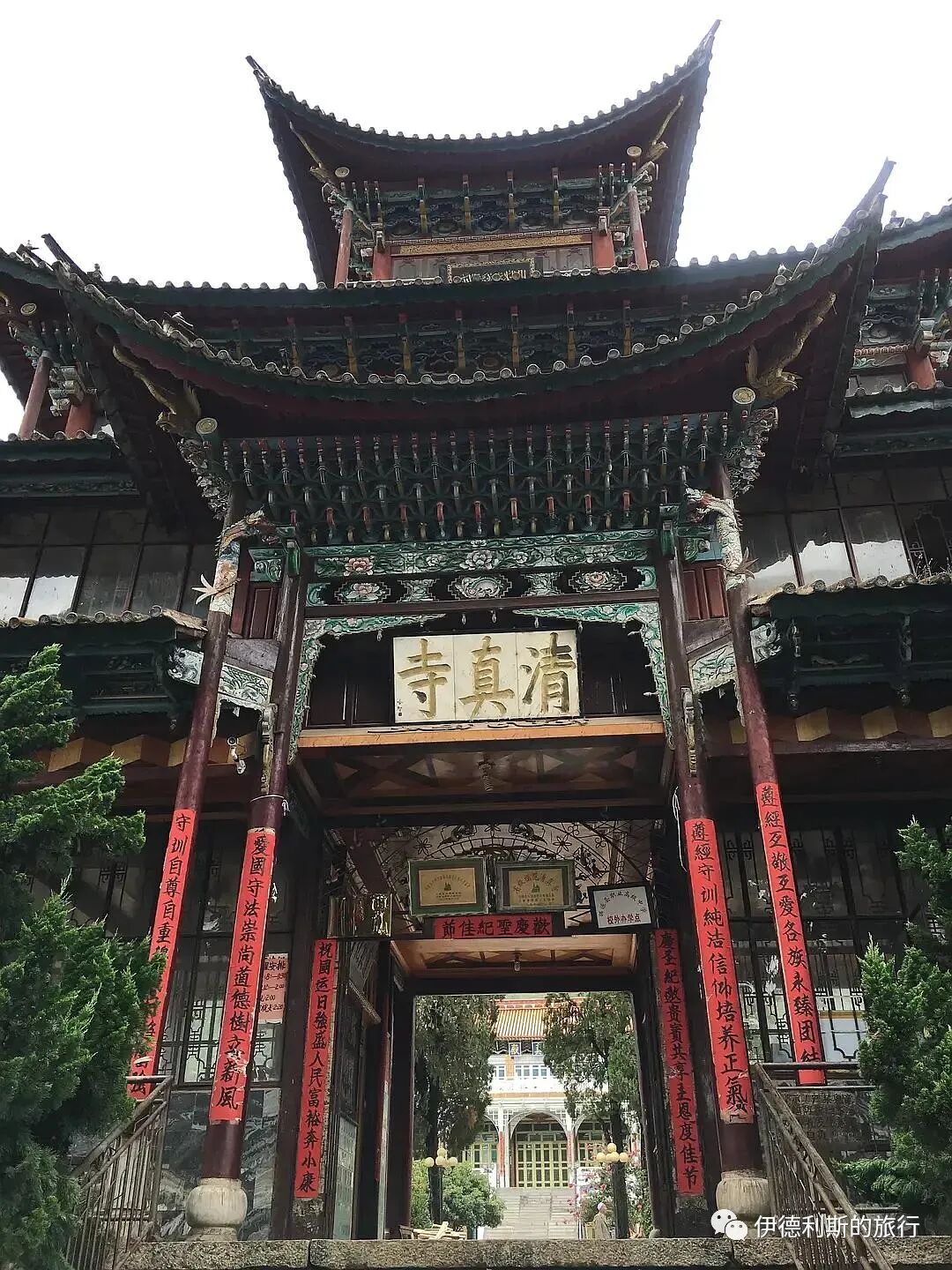
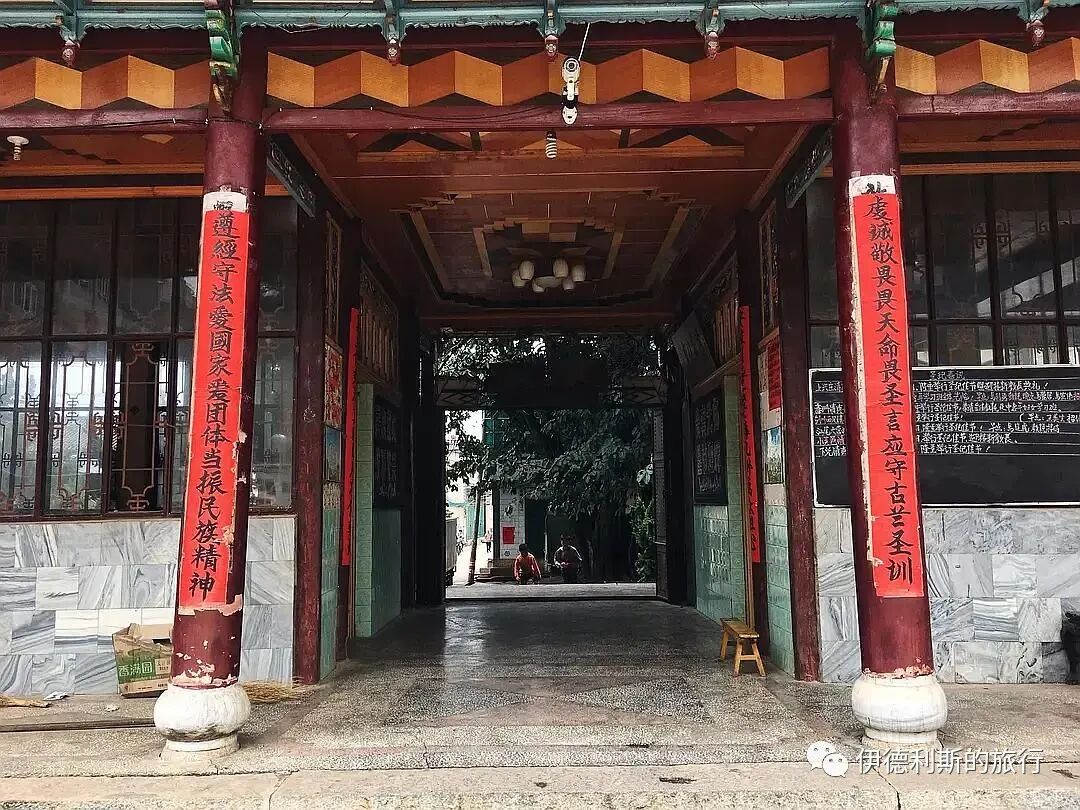
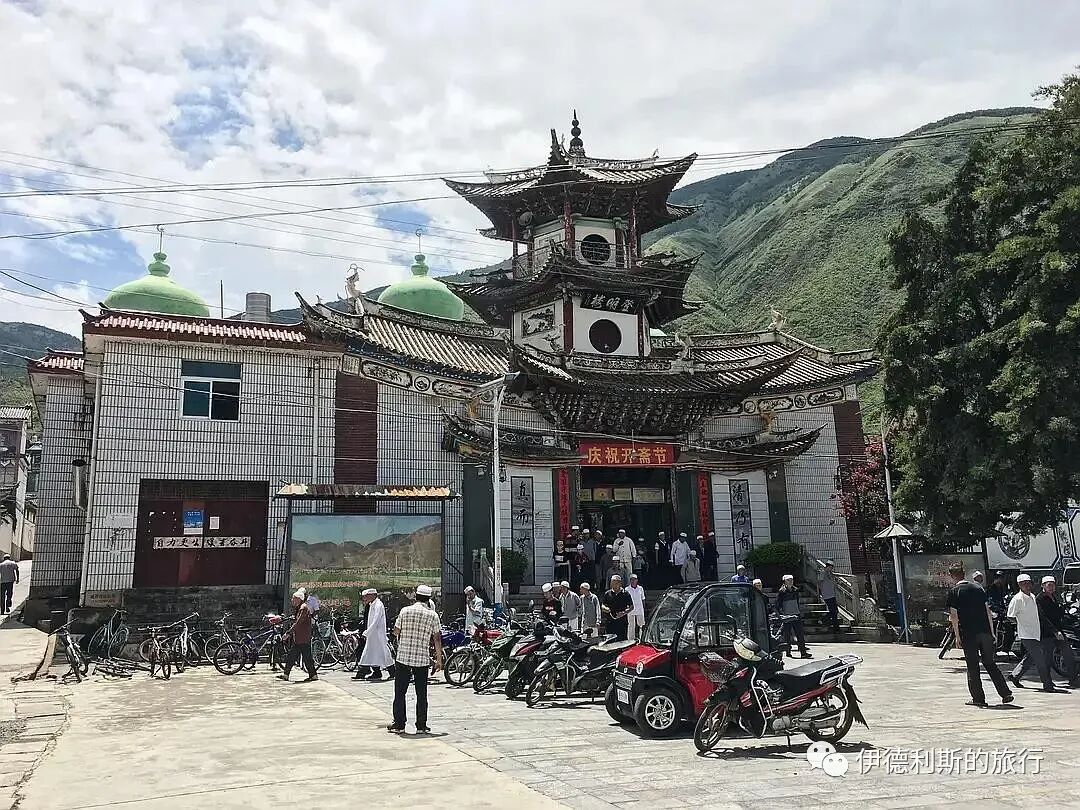
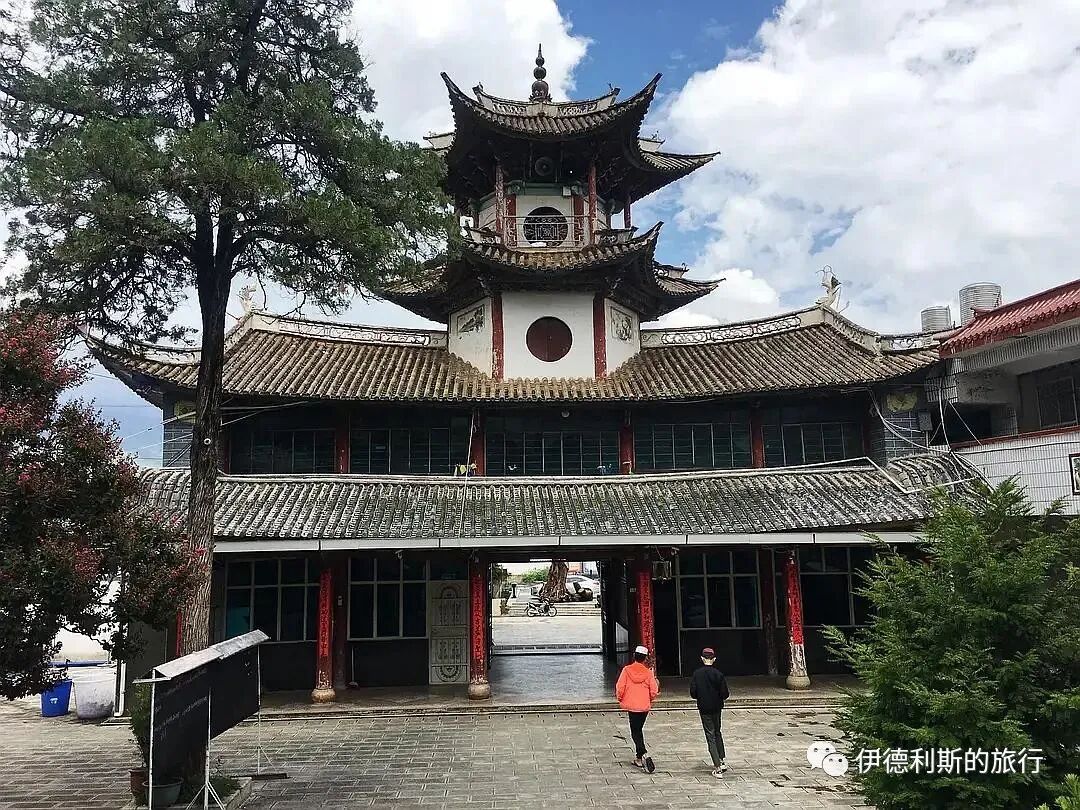
3. Shipang Mosque
The Sepang Mosque was built in 1896, and the minaret was built in 1920.
A Foodie & Traveler's Guide to Yunnan Hui Muslim Culture, Mosques, and Community Life in Dali
Articles • Hasan09 posted the article • 0 comments • 1 views • 1 hours ago
Heartfelt Notes from Dali's Hui Quarter: The Unseen Chain of Tradition and the Daily Faith of Elderly Muslims in the Colorful South
Abstract:
Documenting the deep emotional touchpoints experienced while living among local Hui Muslims during my time in Dali. Through the unpretentious, middle-path words and actions of Dali's Hui elders, we explore the spiritual bond passed down through generations that tightly links human hearts and faith, showcasing the genuine hospitality where 'there are no outsiders here.'
Living as a traveler in Dali for nearly a month now, Yunnan isn't unfamiliar to me. My school days as a teenager left an imprint on my soul, and several years of teaching later on forged an unbreakable bond with this land.
This land is brimming with blessings. For outsiders, life here moves at a slow pace with clear blue skies, white clouds, fresh air, a pleasant climate, and down-to-earth folkways, making it a dream destination.
For me, looking past the environment, what has always drawn me in is the intrinsic spirit of this land—an invisible chain of tradition tying human hearts tightly to Islam, especially in some of the elders. Perhaps they aren't highly educated, and they never graduated from a madrasa (Islamic school), but their adherence radiates sincere devotion.
(Two elders holding hands and supporting each other on the way home after prayer)
An uncle from Henan who traveled with us said, 'Back home in my village, going to the mosque for namaz (formal daily prayers) is a struggle; my heart is full of reluctance, and I fear the judgment of worldly eyes.' But here, there's so much momentum driving you to the mosque, and every prayer brings immense joy to the soul. Even though his legs and feet aren't great, he always arrives half an hour early just to sit and wait—even that feels like a treat.
This is the most direct takeaway: whether a community's religious life is thriving or not, outsiders are the best judges because the spiritual experience it delivers is real. If a place is no good, people develop a craving to 'escape this place' and can't bear to stay a single second.
(The mosque where I am staying)
Most mosques in Yunnan practice the Gedimu (traditional Hanafi) tradition, and the village where I live is no exception. After the sunnat (recommended) and fard (obligatory) prayers, they recite Surah Ya-Sin, the Guoquan Zhang, Tawbah (repentance), and Salawat (praising the Prophet) in the local dialect, which sounds remarkably distinct and special.
Every single prayer, the moment the adhan (call to prayer) sounds, people rise to their feet, listen with solemn reverence, and eagerly line up in ranks. From my observation, the worshippers here are intensely dignified. When the prayer ends, almost everyone stays to make dua before leaving the hall. Inside the main prayer hall, virtually no one scrolls through their phones; they either sit quietly or recite the Quran, and you hear zero loud chatter—achieving a true sanctuary of prayer.
Even when chatting casually, they avoid the sacred space of the main hall, choosing instead to sit in a circle outside the mosque gates, laughing and bantering. Their manners exude the very etiquette of the deen (religion).
After every prayer, on the walk back to my lodging, elderly folks always greet me with palpable warmth. When spirits are high, they'll enthusiastically invite you to their homes for tea and treat you to a casual meal. The deen dissolves regional differences; even in a strange land, you never feel like an outsider...
According to locals, if someone passes away, out of empathy for the grieving family, relatives all pitch in to help prepare meals for the guests and host them on behalf of the bereaved. At that moment, the grieving family is emotionally vulnerable, and extending care to their hearts is precisely what Islam encourages:
As the Prophet said: 'You are only given victory and provision because of your weak ones.'
Unlike the Central Plains region, if there is a janazah (funeral prayer), people actively participate to seek forgiveness for the deceased. The grieving family gives a small gift of hadiydh (charity/donation) to everyone attending the funeral as an act of charity, dedicating the spiritual reward (thawab) to the deceased to ease their condition in the grave. This form of mutual aid binds people's hearts together in the most meaningful way, making believers feel much more like a unified community rather than isolated individuals who have nothing to do with one another.
Just as the Prophet said: 'The believers in their mutual kindness, compassion, and sympathy are just like one body. When any limb aches, the whole body responds to it with sleeplessness and fever.' — Sahih Muslim
Of course, just like the struggles elsewhere, those practicing the deen here are mostly older folks. The youth have gone out for work or are running small businesses nearby, making it tough for them to balance religious life. Due to special factors, children cannot step foot inside the mosque for formal religious education. Yet, decades of religious foundation in Yunnan owe a huge debt of gratitude to the early emphasis on foundational faith education for children. Moreover, this educational system is remarkably mature—early childhood upbringing combined with two to three years of mosque scripture study after middle or high school allows iman (faith) to take deep root in the soul. This is a unique hallmark of Yunnan's jingtang jiaoyu (traditional mosque-based education), where classical Islamic scholars laid a profound foundation for widespread education.
The transmission of the deen has completed its relay race in the older generation. In their simple way, they have earnestly lived out the spirit of the deen and fulfilled the mission of their era. But today, the shocks of the modern era are dismantling tradition and tearing apart this lineage, leaving an obvious generational fault line standing right in the middle of our times.
What happens next? That is the test of this era. What kind of report card we will submit is not for us to judge, but one day in the future, someone will look back and evaluate people of our era just as I am evaluating the elders of this one. view all
Heartfelt Notes from Dali's Hui Quarter: The Unseen Chain of Tradition and the Daily Faith of Elderly Muslims in the Colorful South
Abstract:
Documenting the deep emotional touchpoints experienced while living among local Hui Muslims during my time in Dali. Through the unpretentious, middle-path words and actions of Dali's Hui elders, we explore the spiritual bond passed down through generations that tightly links human hearts and faith, showcasing the genuine hospitality where 'there are no outsiders here.'
Living as a traveler in Dali for nearly a month now, Yunnan isn't unfamiliar to me. My school days as a teenager left an imprint on my soul, and several years of teaching later on forged an unbreakable bond with this land.
This land is brimming with blessings. For outsiders, life here moves at a slow pace with clear blue skies, white clouds, fresh air, a pleasant climate, and down-to-earth folkways, making it a dream destination.
For me, looking past the environment, what has always drawn me in is the intrinsic spirit of this land—an invisible chain of tradition tying human hearts tightly to Islam, especially in some of the elders. Perhaps they aren't highly educated, and they never graduated from a madrasa (Islamic school), but their adherence radiates sincere devotion.
(Two elders holding hands and supporting each other on the way home after prayer)
An uncle from Henan who traveled with us said, 'Back home in my village, going to the mosque for namaz (formal daily prayers) is a struggle; my heart is full of reluctance, and I fear the judgment of worldly eyes.' But here, there's so much momentum driving you to the mosque, and every prayer brings immense joy to the soul. Even though his legs and feet aren't great, he always arrives half an hour early just to sit and wait—even that feels like a treat.
This is the most direct takeaway: whether a community's religious life is thriving or not, outsiders are the best judges because the spiritual experience it delivers is real. If a place is no good, people develop a craving to 'escape this place' and can't bear to stay a single second.
(The mosque where I am staying)
Most mosques in Yunnan practice the Gedimu (traditional Hanafi) tradition, and the village where I live is no exception. After the sunnat (recommended) and fard (obligatory) prayers, they recite Surah Ya-Sin, the Guoquan Zhang, Tawbah (repentance), and Salawat (praising the Prophet) in the local dialect, which sounds remarkably distinct and special.
Every single prayer, the moment the adhan (call to prayer) sounds, people rise to their feet, listen with solemn reverence, and eagerly line up in ranks. From my observation, the worshippers here are intensely dignified. When the prayer ends, almost everyone stays to make dua before leaving the hall. Inside the main prayer hall, virtually no one scrolls through their phones; they either sit quietly or recite the Quran, and you hear zero loud chatter—achieving a true sanctuary of prayer.
Even when chatting casually, they avoid the sacred space of the main hall, choosing instead to sit in a circle outside the mosque gates, laughing and bantering. Their manners exude the very etiquette of the deen (religion).
After every prayer, on the walk back to my lodging, elderly folks always greet me with palpable warmth. When spirits are high, they'll enthusiastically invite you to their homes for tea and treat you to a casual meal. The deen dissolves regional differences; even in a strange land, you never feel like an outsider...
According to locals, if someone passes away, out of empathy for the grieving family, relatives all pitch in to help prepare meals for the guests and host them on behalf of the bereaved. At that moment, the grieving family is emotionally vulnerable, and extending care to their hearts is precisely what Islam encourages:
As the Prophet said: 'You are only given victory and provision because of your weak ones.'
Unlike the Central Plains region, if there is a janazah (funeral prayer), people actively participate to seek forgiveness for the deceased. The grieving family gives a small gift of hadiydh (charity/donation) to everyone attending the funeral as an act of charity, dedicating the spiritual reward (thawab) to the deceased to ease their condition in the grave. This form of mutual aid binds people's hearts together in the most meaningful way, making believers feel much more like a unified community rather than isolated individuals who have nothing to do with one another.
Just as the Prophet said: 'The believers in their mutual kindness, compassion, and sympathy are just like one body. When any limb aches, the whole body responds to it with sleeplessness and fever.' — Sahih Muslim
Of course, just like the struggles elsewhere, those practicing the deen here are mostly older folks. The youth have gone out for work or are running small businesses nearby, making it tough for them to balance religious life. Due to special factors, children cannot step foot inside the mosque for formal religious education. Yet, decades of religious foundation in Yunnan owe a huge debt of gratitude to the early emphasis on foundational faith education for children. Moreover, this educational system is remarkably mature—early childhood upbringing combined with two to three years of mosque scripture study after middle or high school allows iman (faith) to take deep root in the soul. This is a unique hallmark of Yunnan's jingtang jiaoyu (traditional mosque-based education), where classical Islamic scholars laid a profound foundation for widespread education.
The transmission of the deen has completed its relay race in the older generation. In their simple way, they have earnestly lived out the spirit of the deen and fulfilled the mission of their era. But today, the shocks of the modern era are dismantling tradition and tearing apart this lineage, leaving an obvious generational fault line standing right in the middle of our times.
What happens next? That is the test of this era. What kind of report card we will submit is not for us to judge, but one day in the future, someone will look back and evaluate people of our era just as I am evaluating the elders of this one.
Halal Travel Guide: Weishan, Dali — Ancient Mosques and Hui Muslim Heritage
Articles • ali2007fr posted the article • 0 comments • 176 views • 2026-05-19 02:59
Summary: Weishan in Dali, Yunnan, has old mosques and Hui Muslim communities tied to local history, mountain roads, and everyday mosque life. This account closes the 2023 Dali route with visits to ancient mosques, local streets, and community scenes while preserving the original photos and order.
On January 30, I rode an electric scooter from Xiaguan in Dali to Weishan. This is my third visit to Weishan, following trips in 2017 and 2020. My main goal was to visit several mosques I missed during my first two trips.
During my first two trips to Weishan, I visited 20 traditional mosques in Dali, 16 of which were in Weishan. I wrote about them in my article, "Twenty Traditional Mosques in Dali." This time, I visited 5 new mosques in Weishan, bringing my total to 21 traditional mosques visited in the area.
1. Xincun Mosque
2. Chenjia Mosque
3. Xishulong Mosque
4. Shangxi Lianhua Mosque
5. Xiaxi Lianhua Mosque
6. Dong Lianhua Mosque
7. Sanjiacun Mosque
Riding an electric scooter from Xiaguan in Dali to Weishan was probably the most challenging route of my Dali cycling trips. The trip there included 17 kilometers of continuous downhill riding with crosswinds. I had to keep my eyes on the road and my hands on the brakes the whole time without relaxing. Dali also has a large temperature difference between day and night in winter. It was quite cold in the mountains in the morning, but it warmed up as soon as the sun came out at noon.
I didn't dare take any photos while crossing the mountains and only took out my phone once I reached Yongjian Town. This was my third time visiting the market on Hedi Street, and it was still very lively. The Yi ethnic aunties here wore bright, colorful clothes, which looked very different from the Yi clothing I saw in the Daliang Mountains a few days ago.
Riding my scooter through the villages of Yongjian Town to visit old mosques, the pastoral scenery along the way was refreshing. However, riding on country roads sometimes leads to unexpected situations. On my way to Xincun, the furthest Hui Muslim village in Yongjian Town, the road was suddenly cut off by a small, clear river where villagers were washing clothes and shoes. I didn't have time to enjoy the scenery because I was immediately worried. Taking another route meant going all the way back, which would waste a lot of time, but I had no experience riding a bike through water and was afraid I would slip and fall into the river with my bike. After a moment of hesitation, I decided to ride into the river. My bike shot into the middle of the river, and I lost control, heading straight toward the woman who was washing her shoes by the bank. I quickly put my foot down and pushed hard to steer the bike back in the right direction.
I made it across the river, but the shoe and sock on the foot I used to steady myself were completely soaked. Luckily, the midday sun in Dali was very strong, so I let my sock dry while I kept riding, and it was dry in no time.
Xincun Mosque
I first visited Xincun Mosque, which sits on a hillside at the far northwest end of the Weishan Basin. Xincun is known as the first Hui Muslim village at the source of the Red River, with a rushing river in front and lush greenery behind, making for a beautiful setting. The founding date of Xincun Mosque is unknown; it was destroyed in 1872 (the 11th year of the Tongzhi reign), rebuilt during the Guangxu reign, and the main hall was rebuilt again in 1994. The current main hall features a double-eave hip-and-gable roof and still maintains the traditional architectural style of the Dali region.
The minaret of Xincun Mosque was rebuilt in 1988 and has a hexagonal pointed roof. The following photos show the scenery in the village.
Hardworking fellow Muslims.
Chen Family Mosque (Chenjia Si)
I rode my bike from Xincun to the Chen Family Mosque northwest of Xishulong Village. I missed this mosque when I visited Xishulong Village in 2020. The Chen Family Mosque was built by the Chen family of Xishulong Village. Its original construction date is unknown. The ancestors of the Chen family moved here from Shaanxi, settling down after several moves.
The Chen Family Mosque was rebuilt in 1902 (the 28th year of the Guangxu reign) and expanded into its current structure in 1987. It sits near the mountains and water, offering beautiful scenery.
Xishulong Mosque
I performed the noon namaz at Xishulong Mosque. I visited Xishulong Mosque once in 2020, and this is my second time here. The original construction date of Xishulong Mosque is unknown. It was rebuilt in 1902 (the 28th year of the Guangxu reign) and rebuilt again in 1990 into its current form. The main hall has a double-eaved hip-and-gable roof with a unique hexagonal pavilion in the center of the roof ridge.
Shangxi Lianhua Mosque
I rode south from Xishulong Village to Shangxi Lianhua Village to visit the Shangxi Lianhua Mosque. The original construction date of Shangxi Lianhua Mosque is unknown. It was destroyed in 1872 (the 11th year of the Tongzhi reign) and later rebuilt and expanded several times into its current structure.
Xiaxi Lianhua Mosque
I traveled from Shangxi Lianhua Mosque to Xiaxi Lianhua Mosque. The original construction date of Xiaxi Lianhua Mosque is also unknown. It was destroyed in 1872 (the 11th year of the Tongzhi reign), rebuilt in 1925, and later rebuilt again into its current structure.
Dong Lianhua Mosque
I traveled from Xiaxi Lotus Mosque (Xiaxi Lianhua Si) to Donglianhua Village, the best-preserved village in Weishan. I visited three Ma family courtyards, which I wrote about in 'The Three Hui Muslim Caravan Courtyards of Donglianhua Village, Weishan, Dali,' and then I visited the Donglianhua Mosque.
Donglianhua Mosque was first built during the Qing Dynasty and was expanded twice, in 1921 and 1987. The mosque layout runs from east to west, featuring the main gate, the minaret, and the main prayer hall (Chaozhen Dian). The minaret divides the courtyard into two sections.
The minaret was raised to four stories in 1987, following a five-five-three-one structural design. The first three floors serve as classrooms for holiday study groups, while the fourth floor is where the adhan is called.
The main prayer hall was expanded in 1921 into a five-bay by seven-bay structure, and it was expanded again in 1987 into a nine-bay by eleven-bay structure. The mihrab features traditional Arabic calligraphy in the classic Yunnan style.
In front of the main prayer hall hangs a plaque inscribed with 'Cheng Yi Bu Er' (Sincerity is Unique), which was presented by Major General Yang Shengqi in 1926. General Yang Shengqi was close friends with Ma Ruji, a major caravan leader in Donglianhua. In 1926, he traveled from Kunming to visit Ma Ruji in Donglianhua and presented this plaque to the mosque.
Sanjia Village Mosque
Finally, I visited the Sanjia Village Mosque. Sanjia Village was originally called Saijia Village. The Sai family were descendants of Masuh, the fifth son of Sayyid Ajjal Shams al-Din Omar. They moved from Daweigeng and Xiaweigeng villages in the mid-Ming Dynasty to establish Saijia Village. Later, many Hui Muslims with other surnames moved here, making it one of the larger Hui Muslim villages in the Yongjian Basin. During the Tongzhi reign, the entire village of over 3,500 people was killed. Later, three families returned to settle here, so the name was changed to Sanjia (Three Families) Village.
The current main prayer hall of the Sanjia Village Mosque was rebuilt in 1997, and from the top, you can look out over the scenery of the Yongjian Basin. The setting sun shone down, making the Yongjian Basin glow with a beautiful golden light. view all
Summary: Weishan in Dali, Yunnan, has old mosques and Hui Muslim communities tied to local history, mountain roads, and everyday mosque life. This account closes the 2023 Dali route with visits to ancient mosques, local streets, and community scenes while preserving the original photos and order.
On January 30, I rode an electric scooter from Xiaguan in Dali to Weishan. This is my third visit to Weishan, following trips in 2017 and 2020. My main goal was to visit several mosques I missed during my first two trips.
During my first two trips to Weishan, I visited 20 traditional mosques in Dali, 16 of which were in Weishan. I wrote about them in my article, "Twenty Traditional Mosques in Dali." This time, I visited 5 new mosques in Weishan, bringing my total to 21 traditional mosques visited in the area.
1. Xincun Mosque
2. Chenjia Mosque
3. Xishulong Mosque
4. Shangxi Lianhua Mosque
5. Xiaxi Lianhua Mosque
6. Dong Lianhua Mosque
7. Sanjiacun Mosque
Riding an electric scooter from Xiaguan in Dali to Weishan was probably the most challenging route of my Dali cycling trips. The trip there included 17 kilometers of continuous downhill riding with crosswinds. I had to keep my eyes on the road and my hands on the brakes the whole time without relaxing. Dali also has a large temperature difference between day and night in winter. It was quite cold in the mountains in the morning, but it warmed up as soon as the sun came out at noon.
I didn't dare take any photos while crossing the mountains and only took out my phone once I reached Yongjian Town. This was my third time visiting the market on Hedi Street, and it was still very lively. The Yi ethnic aunties here wore bright, colorful clothes, which looked very different from the Yi clothing I saw in the Daliang Mountains a few days ago.
Riding my scooter through the villages of Yongjian Town to visit old mosques, the pastoral scenery along the way was refreshing. However, riding on country roads sometimes leads to unexpected situations. On my way to Xincun, the furthest Hui Muslim village in Yongjian Town, the road was suddenly cut off by a small, clear river where villagers were washing clothes and shoes. I didn't have time to enjoy the scenery because I was immediately worried. Taking another route meant going all the way back, which would waste a lot of time, but I had no experience riding a bike through water and was afraid I would slip and fall into the river with my bike. After a moment of hesitation, I decided to ride into the river. My bike shot into the middle of the river, and I lost control, heading straight toward the woman who was washing her shoes by the bank. I quickly put my foot down and pushed hard to steer the bike back in the right direction.
I made it across the river, but the shoe and sock on the foot I used to steady myself were completely soaked. Luckily, the midday sun in Dali was very strong, so I let my sock dry while I kept riding, and it was dry in no time.
Xincun Mosque
I first visited Xincun Mosque, which sits on a hillside at the far northwest end of the Weishan Basin. Xincun is known as the first Hui Muslim village at the source of the Red River, with a rushing river in front and lush greenery behind, making for a beautiful setting. The founding date of Xincun Mosque is unknown; it was destroyed in 1872 (the 11th year of the Tongzhi reign), rebuilt during the Guangxu reign, and the main hall was rebuilt again in 1994. The current main hall features a double-eave hip-and-gable roof and still maintains the traditional architectural style of the Dali region.
The minaret of Xincun Mosque was rebuilt in 1988 and has a hexagonal pointed roof. The following photos show the scenery in the village.
Hardworking fellow Muslims.
Chen Family Mosque (Chenjia Si)
I rode my bike from Xincun to the Chen Family Mosque northwest of Xishulong Village. I missed this mosque when I visited Xishulong Village in 2020. The Chen Family Mosque was built by the Chen family of Xishulong Village. Its original construction date is unknown. The ancestors of the Chen family moved here from Shaanxi, settling down after several moves.
The Chen Family Mosque was rebuilt in 1902 (the 28th year of the Guangxu reign) and expanded into its current structure in 1987. It sits near the mountains and water, offering beautiful scenery.
Xishulong Mosque
I performed the noon namaz at Xishulong Mosque. I visited Xishulong Mosque once in 2020, and this is my second time here. The original construction date of Xishulong Mosque is unknown. It was rebuilt in 1902 (the 28th year of the Guangxu reign) and rebuilt again in 1990 into its current form. The main hall has a double-eaved hip-and-gable roof with a unique hexagonal pavilion in the center of the roof ridge.
Shangxi Lianhua Mosque
I rode south from Xishulong Village to Shangxi Lianhua Village to visit the Shangxi Lianhua Mosque. The original construction date of Shangxi Lianhua Mosque is unknown. It was destroyed in 1872 (the 11th year of the Tongzhi reign) and later rebuilt and expanded several times into its current structure.
Xiaxi Lianhua Mosque
I traveled from Shangxi Lianhua Mosque to Xiaxi Lianhua Mosque. The original construction date of Xiaxi Lianhua Mosque is also unknown. It was destroyed in 1872 (the 11th year of the Tongzhi reign), rebuilt in 1925, and later rebuilt again into its current structure.
Dong Lianhua Mosque
I traveled from Xiaxi Lotus Mosque (Xiaxi Lianhua Si) to Donglianhua Village, the best-preserved village in Weishan. I visited three Ma family courtyards, which I wrote about in 'The Three Hui Muslim Caravan Courtyards of Donglianhua Village, Weishan, Dali,' and then I visited the Donglianhua Mosque.
Donglianhua Mosque was first built during the Qing Dynasty and was expanded twice, in 1921 and 1987. The mosque layout runs from east to west, featuring the main gate, the minaret, and the main prayer hall (Chaozhen Dian). The minaret divides the courtyard into two sections.
The minaret was raised to four stories in 1987, following a five-five-three-one structural design. The first three floors serve as classrooms for holiday study groups, while the fourth floor is where the adhan is called.
The main prayer hall was expanded in 1921 into a five-bay by seven-bay structure, and it was expanded again in 1987 into a nine-bay by eleven-bay structure. The mihrab features traditional Arabic calligraphy in the classic Yunnan style.
In front of the main prayer hall hangs a plaque inscribed with 'Cheng Yi Bu Er' (Sincerity is Unique), which was presented by Major General Yang Shengqi in 1926. General Yang Shengqi was close friends with Ma Ruji, a major caravan leader in Donglianhua. In 1926, he traveled from Kunming to visit Ma Ruji in Donglianhua and presented this plaque to the mosque.
Sanjia Village Mosque
Finally, I visited the Sanjia Village Mosque. Sanjia Village was originally called Saijia Village. The Sai family were descendants of Masuh, the fifth son of Sayyid Ajjal Shams al-Din Omar. They moved from Daweigeng and Xiaweigeng villages in the mid-Ming Dynasty to establish Saijia Village. Later, many Hui Muslims with other surnames moved here, making it one of the larger Hui Muslim villages in the Yongjian Basin. During the Tongzhi reign, the entire village of over 3,500 people was killed. Later, three families returned to settle here, so the name was changed to Sanjia (Three Families) Village.
The current main prayer hall of the Sanjia Village Mosque was rebuilt in 1997, and from the top, you can look out over the scenery of the Yongjian Basin. The setting sun shone down, making the Yongjian Basin glow with a beautiful golden light.
Halal Travel Guide: Dali, Yunnan — Binju Mosque and Hui Muslim Heritage
Articles • ali2007fr posted the article • 0 comments • 184 views • 2026-05-19 02:48
Summary: Binju Mosque in Dali, Yunnan, is part of the local Hui Muslim landscape and carries the everyday history of a Muslim community in western Yunnan. This travel note follows the mosque visit through its original facts, photos, and observations.
On January 31, 2023, I rode an electric scooter from Xiaguan in Dali to Binju Town. The sky was bright blue the whole way, and the valley was filled with lush green farmland where people worked hard. The photos I took look just like landscape paintings.
The mountain road here is not very steep, making for a comfortable ride, though there is a short section marked as a geological hazard zone with gravel left behind by a landslide.
After riding 50 kilometers, I arrived in Binju Town. Wusuo’s family hosted me at the mosque with dried beef (niuganba), stir-stir-fried meat with pickled vegetables (suancai chaorou), stir-stir-fried meat with broad beans (candou chaorou), and fish with pickled vegetables (suancai yu). I really love the home-cooked meals of Yunnan’s Hui Muslims.
Every Tuesday is the big market day in Binju Town, and Wusuo’s family sells fried dough cakes (youxiang) there. The fried dough cakes (youxiang) in Yunnan are sweet and taste great even when eaten plain.
Binju Mosque was first built in the mid-Qing Dynasty, destroyed during the Tongzhi reign, and rebuilt in 1923. This is a history shared by most old mosques in Yunnan. The existing main hall with its gabled and hipped roof (xieshanding) is a century old and features typical Dali-style architecture. It preserves precious calligraphy and murals from the Republic of China era.
The birthplace of the Prophet Adam is depicted here using the style of traditional landscape painting.
The mosque’s three-tiered, pointed-roof minaret was rebuilt between 1993 and 1994, but it still keeps the traditional architectural style of the Dali region and is very beautiful.
The mosque still keeps the plaques and couplets inscribed during the 1923 reconstruction, which is very rare.
The environment inside the mosque is also very nice, with flowers in full bloom and lush greenery.
An old street is still preserved behind the mosque, but most young people have moved away, leaving mostly elderly residents behind.
On the ride back from Binchuan Town to Xiaguan, the mountains and fields were covered in mandarin oranges (penggan), which looked beautiful in their bright yellow color. Many people from the orange orchards sell them right by the side of the road. I asked which ones were the sweetest, bought some to eat on the road, and they tasted quite good. view all
Summary: Binju Mosque in Dali, Yunnan, is part of the local Hui Muslim landscape and carries the everyday history of a Muslim community in western Yunnan. This travel note follows the mosque visit through its original facts, photos, and observations.
On January 31, 2023, I rode an electric scooter from Xiaguan in Dali to Binju Town. The sky was bright blue the whole way, and the valley was filled with lush green farmland where people worked hard. The photos I took look just like landscape paintings.
The mountain road here is not very steep, making for a comfortable ride, though there is a short section marked as a geological hazard zone with gravel left behind by a landslide.
After riding 50 kilometers, I arrived in Binju Town. Wusuo’s family hosted me at the mosque with dried beef (niuganba), stir-stir-fried meat with pickled vegetables (suancai chaorou), stir-stir-fried meat with broad beans (candou chaorou), and fish with pickled vegetables (suancai yu). I really love the home-cooked meals of Yunnan’s Hui Muslims.
Every Tuesday is the big market day in Binju Town, and Wusuo’s family sells fried dough cakes (youxiang) there. The fried dough cakes (youxiang) in Yunnan are sweet and taste great even when eaten plain.
Binju Mosque was first built in the mid-Qing Dynasty, destroyed during the Tongzhi reign, and rebuilt in 1923. This is a history shared by most old mosques in Yunnan. The existing main hall with its gabled and hipped roof (xieshanding) is a century old and features typical Dali-style architecture. It preserves precious calligraphy and murals from the Republic of China era.
The birthplace of the Prophet Adam is depicted here using the style of traditional landscape painting.
The mosque’s three-tiered, pointed-roof minaret was rebuilt between 1993 and 1994, but it still keeps the traditional architectural style of the Dali region and is very beautiful.
The mosque still keeps the plaques and couplets inscribed during the 1923 reconstruction, which is very rare.
The environment inside the mosque is also very nice, with flowers in full bloom and lush greenery.
An old street is still preserved behind the mosque, but most young people have moved away, leaving mostly elderly residents behind.
On the ride back from Binchuan Town to Xiaguan, the mountains and fields were covered in mandarin oranges (penggan), which looked beautiful in their bright yellow color. Many people from the orange orchards sell them right by the side of the road. I asked which ones were the sweetest, bought some to eat on the road, and they tasted quite good.
Halal Travel Guide: Dali Fengyi — Fengming Mosque and Clay Pot Rice Noodles
Articles • ali2007fr posted the article • 0 comments • 173 views • 2026-05-19 02:48
Summary: Fengyi Ancient Town in Dali is home to Fengming Mosque and a local Hui Muslim food scene shaped by Yunnan streets and everyday community life. This account covers the mosque visit and clay pot rice noodles while keeping the original sequence and images.
I rode my bike 10 kilometers east from Xiaguan in Dali to reach the ancient town of Fengyi, where I visited the century-old Fengming Mosque.
As the seat of Zhaozhou since the Yuan Dynasty, Fengyi Town has long been home to Hui Muslims, who built an old mosque on South Street. After 1872, the Hui Muslims of Fengyi died or fled, and the South Street mosque was burned down. For the next 50 years, the few remaining Hui Muslims in Fengyi could only perform their worship at the home of Mu Benren on West Street. At that time, the second floor of the Mu family home was the prayer room, while the first floor served as a scripture hall where a teacher (laoshi) named Luo Wusuo from Zhihua taught the scriptures.
During this period, the Hui Muslims of Fengyi kept raising money to rebuild their mosque. Finally, Yang Chaozhu, who had served as a military commander in Guangxi, asked the Fengyi county magistrate for help, bought land from the Wu family in Yaojia Lane, and worked with local community leaders to fund and build the Fengming Mosque in 1922. After 2001, the main prayer hall (Chaozhen Dian) was expanded from three rooms to five, giving it the appearance it has today.
The plaque inscribed with the words "Zhong Gu Yi Xi" was donated by Ding Guotai from Shaanxi when the mosque was built in 1922.
While walking around the ancient town of Fengyi, I ate a bowl of clay pot rice noodles (shaguo mixian) served with the local staple side dish of pickled radish. view all
Summary: Fengyi Ancient Town in Dali is home to Fengming Mosque and a local Hui Muslim food scene shaped by Yunnan streets and everyday community life. This account covers the mosque visit and clay pot rice noodles while keeping the original sequence and images.
I rode my bike 10 kilometers east from Xiaguan in Dali to reach the ancient town of Fengyi, where I visited the century-old Fengming Mosque.
As the seat of Zhaozhou since the Yuan Dynasty, Fengyi Town has long been home to Hui Muslims, who built an old mosque on South Street. After 1872, the Hui Muslims of Fengyi died or fled, and the South Street mosque was burned down. For the next 50 years, the few remaining Hui Muslims in Fengyi could only perform their worship at the home of Mu Benren on West Street. At that time, the second floor of the Mu family home was the prayer room, while the first floor served as a scripture hall where a teacher (laoshi) named Luo Wusuo from Zhihua taught the scriptures.
During this period, the Hui Muslims of Fengyi kept raising money to rebuild their mosque. Finally, Yang Chaozhu, who had served as a military commander in Guangxi, asked the Fengyi county magistrate for help, bought land from the Wu family in Yaojia Lane, and worked with local community leaders to fund and build the Fengming Mosque in 1922. After 2001, the main prayer hall (Chaozhen Dian) was expanded from three rooms to five, giving it the appearance it has today.
The plaque inscribed with the words "Zhong Gu Yi Xi" was donated by Ding Guotai from Shaanxi when the mosque was built in 1922.
While walking around the ancient town of Fengyi, I ate a bowl of clay pot rice noodles (shaguo mixian) served with the local staple side dish of pickled radish.
Halal Travel Guide: Dali Xiaguan — Century-Old Mosque Lane and Halal Food
Articles • ali2007fr posted the article • 0 comments • 177 views • 2026-05-18 20:36
Summary: Dali Xiaguan — Century-Old Mosque Lane and Halal Food is presented here as a firsthand travel account in clear English, beginning with this scene: On the afternoon of January 28, I took a train from Miyi County in Panzhihua, Sichuan, to Xiaguan in Dali, starting my third trip to Dali. The account keeps its focus on Dali Mosques, Xiaguan Food, Yunnan Muslims while preserving the names, places, food, and historical details from the Chinese source.
On the afternoon of January 28, I took a train from Miyi County in Panzhihua, Sichuan, to Xiaguan in Dali, starting my third trip to Dali. This time I visited Binju, Yangbi, Fengyi, and Weishan, where I visited mosques and tasted halal food. I also carefully explored the Hui Muslim neighborhood around Wenming Street and West Street in Xiaguan to learn about the history of the Xiaguan Mosque.
As a key town in western Yunnan, Xiaguan was once home to many Hui Muslims and had three ancient mosques: the Yidianhong Mosque (Upper Mosque), Yulong Mosque (Middle Mosque), and Caiyuan Mosque (Lower Mosque). However, after the hardships during the Tongzhi reign, the Hui Muslims of Xiaguan died or fled, and all three ancient mosques were destroyed.
It was not until the middle of the Guangxu reign that the Qing government's pacification policy encouraged some surviving Hui Muslims to return to Xiaguan. Later, more Hui Muslims came to Xiaguan for business and gradually settled in the Yulong Pass (Xiaguan) area and outside the pass.
In 1915, led by Ma Yulong and over ten others, the Hui Muslims of Xiaguan worked together to build the current Xiaguan Mosque. They also built a new street in front of the mosque, commonly known as Hui Street, which is now Wenming Street. This established the layout of the Xiaguan mosque district.
The current Xiaguan Mosque was rebuilt in 2004. Many Hui Muslims still live in the surrounding Wenming Street and West Street areas, where there are many halal restaurants.
This year, I noticed signs on some shop walls saying "rectification in use," and I wonder if there is a new plan for this area.
For my 2020 Dali trip, see "Eating and Visiting Halal Spots in Dali Xiaguan and Weishan" and "The Twenty Traditional Mosques of Dali."
Sha Family Courtyard
Today, many old Hui Muslim houses are still preserved around the Xiaguan Mosque, the most notable being the Sha Family Courtyard, which is over 110 years old. Fortunately, the descendants of the Sha family still live in the courtyard and run the Shajie Restaurant. You can enjoy a meal while experiencing the charm of this century-old Hui Muslim courtyard.
The Sha Family Courtyard follows the traditional Dali "three houses and one screen wall" (sanfang yizhaobi) layout, a style used by many local Bai, Han, and Hui Muslim families. The "three houses and one screen wall" layout means the main house and the east and west wing rooms are all two-story, three-room structures, with a large screen wall facing the main house.
I ate the most home-style Yunnan Hui Muslim food here: beef jerky rice (niu ganba fan) and pea sprout soup with pickled cucumbers. The Sha family is very welcoming, and it really doesn't feel like a restaurant; it feels like stepping into the daily life of the Hui Muslims in Xiaguan.
Inside the west wing of the Sha Family Courtyard, the middle room is a living room decorated with traditional calligraphy in the style of Weishan, Dali. The grandfather of the Sha family watches TV here in the evenings. On both sides are bedrooms, which have pictures of Mecca (tianfang tu) hanging inside.
Inside the north room, besides the calligraphy, there are photos of the Sha family from different periods, as well as gifts from Mrs. Sha's 80th and 90th birthday celebrations.
On the wall is a painting by the Yunnan Hui Muslim artist Wang Guowen Haji, featuring a little boy wearing an Ottoman fez hat. This is very interesting, and I suspect it relates to the Yunnan Islamic Progress Association organizing students to study at Al-Azhar University in Egypt after 1931. In 1829, the Ottoman Empire implemented a hat reform, ordering officials to stop wearing turbans and wear fez hats instead. The fez hat then became popular in Egypt under Ottoman rule.
Wenming Street
Wenming Street faces the Xiaguan Mosque, and there are many halal restaurants on the street.
In 2020, I ate braised meat rice noodles (menrou mixian) at this Renji shop.
Then I ate braised meat rice strips (menrou ersi) at this Baiweixuan shop; rice strips are firmer than rice noodles.
West Street
West Street is south of Wenming Street and also has many halal restaurants.
In the morning, I ate thick pea flour (xi doufen) with fried dough sticks (youtiao) and brown sugar boiled eggs at Ma Haibo's snack shop. Boss Ma is from Yongping County, Dali, which is the westernmost mountainous county in Dali, with the Lancang River just to the west.
The freshly fried dough sticks are crispy, and they taste great when dipped in the thick pea flour. The brown sugar boiled eggs have a warming feeling, making them perfect for breakfast.
The beef sauce rice cakes (erkua) made by local Hui Muslims on West Street come with different sauces, so you can have them sweet or spicy. The neighborhood kids love them. It is also very convenient to pack some rice cakes (erkua) to eat on the road when you get hungry.
Zhengyang Times Square
Zhengyang Times Square is right across from Wenming Street. It has many halal restaurants and is especially lively at night.
At night, I ate beef-covered rice balls (niudagun) and savory bean-flour soup dumplings (ganba doumian xiantangyuan) at Du's Tangyuan shop in Zhengyang Times Square. Yunnan has a really rich variety of rice balls (tangyuan), both sweet and savory. Beef-covered rice balls (niudagun) are made by rolling the rice balls in roasted soybean flour and adding maltose or rose jam. Their shop stays open until night, and it is mostly locals who come to eat here.
At a street stall in Zhengyang Times Square, I had a pineapple-flavored Burmese flatbread (Palata). Palata comes from the Indian flatbread Paratha. After it reached Burma, sugar was added to make it a snack. Hui Muslim caravans from Yunnan brought this snack back to their hometown, where it became known as tossed flatbread (shuaishou baba).
I had a copper pot stew (guoguocai) at Musheng Copper Pot. The owners are Hui Muslims from Xingzhuang in Xizhou Town, Dali. It is a beautiful Hui Muslim village located under Canglang Peak by Erhai Lake.
Copper pot stew (guoguocai) is similar to spicy hot pot (malatang) where you pick your own vegetables, but they do not weigh them. Unlike spicy hot pot (malatang), copper pot stew (guoguocai) is cooked in a small copper pot. You also add a topping of classic Yunnan Hui Muslim dishes like braised meat, cold-sliced meat, or yellow-braised chicken, and eat it with rice.
I ordered the mild spicy version, but it was on a completely different level than the mild spicy in Beijing. It made my nose run, my eyes water, and my lips feel like they were being electrocuted. Next time, I will honestly stick to the clear broth, but for those friends (dost) who love spicy food, I still recommend trying the spicy pot base!
I bought some milk fans (rufan) at a fresh milk shop at the corner of Zhengyang Times Square in 2020.
Outside the Hui Muslim Street
Besides the Hui Muslim street around Xiaguan Mosque, there are many other halal restaurants in other parts of Xiaguan. I will share a few more here.
Nafeng Halal Snack Shop is an old place where locals eat. I ordered a bowl of minced meat rice noodles (ersi) with a braised meat topping. The texture of the rice noodles (ersi) is softer and not as chewy as rice noodles (mixian).
At night, I had a late-night snack at Plato Zhaotong Specialty Small Meat Skewers next to Dali Station.
Their service is quite good; as soon as you sit down, they bring you tea and melon seeds. At first, I ordered Zhaotong small meat skewers, fermented tofu (baojiang doufu), and roasted potatoes. The Zhaotong small meat skewers are truly mini. Each skewer is just one bite, mostly to savor the flavor. The fermented tofu (baojiang doufu) is very tender. They added a lot of fish mint (zhe'ergen) to enhance the flavor, and there was charcoal fire underneath.
After eating these, I still wanted more. I checked their menu, which was really rich and quite bold, so with the encouragement of my friends (dostani) in the group, I ordered beef brain and roasted grasshoppers, which I had never eaten before. The texture of the brain is actually a bit like fermented tofu (baojiang doufu), and it tasted quite good. I had always wanted to try grasshoppers as a food mentioned in the teachings, and this time I finally did. It looked a bit hard to eat at first, but once I actually ate it, I felt it was acceptable. It was roasted very crispy and felt a bit like eating shrimp.
You can find halal restaurants from all over Dali in the Renmin South Road area west of Xingsheng Bus Station. In 2020, I bought braised dishes made by Hui Muslims from Weishan Huihuideng at the market on Renmin South Road.
In 2020, I visited a restaurant on Renmin South Road run by Hui Muslims from Yongping County, Dali. I ate the local Yongping specialty, yellow-braised papaya chicken (huangmen mugua ji). The black-footed free-range chicken was excellent, and the papaya juice gave it a nice sour taste. I also had fermented bean curd (mei doufu) stir-fried with garlic sprouts and pickled vegetable red bean soup. These red beans were different from the kind we usually eat.
Spring travels in 2023:
On January 23, I left Macau and visited the Macau mosque known as the Moor Garden (Moluoyuan), where I ate delicious Indonesian Javanese food (see "Moor Garden and Indonesian Food in Macau"). On January 25, I arrived in Guangzhou, visited friends (dost), and ate various halal foods (see "Hui Muslim Oil Cakes and Yemeni Food in Guangzhou").
At noon, I performed namaz at the Huaisheng Mosque, then went to visit the Ancient Tombs of the Worthies (see "Huaisheng Mosque and the Ancient Tombs of the Worthies in Guangzhou").
In the afternoon, I prayed the afternoon prayer (asr) at Haopan Mosque and the sunset prayer (maghrib) at Xiaodongying Mosque (see "Visiting Haopan Mosque and Xiaodongying Mosque in Guangzhou").
On the morning of January 26, I took a train from Guangzhou to Zhaoqing, visited two mosques, and ate halal Cantonese food (see "Halal Roast Goose and Starfruit at the Mosque in Zhaoqing, Guangdong").
On the morning of January 27, I flew from Guangzhou to Xichang, Sichuan. I performed Jumu'ah at the Xichang city mosque, visited the West Mosque and the East Mosque, and ate Xichang rice noodles (see "Performing Jumu'ah and Eating Rice Noodles in Xichang, Sichuan").
On January 28, I took a high-speed train south to Miyi County in Panzhihua, Sichuan. I visited the beautiful Hui Muslim village of Tianba and performed namaz at the old Tianba mosque. I also enjoyed a delicious meal at a local farmhouse restaurant (see "The Beautiful Hui Village Deep in the Mountains—Tianba, Miyi, Sichuan"). view all
Summary: Dali Xiaguan — Century-Old Mosque Lane and Halal Food is presented here as a firsthand travel account in clear English, beginning with this scene: On the afternoon of January 28, I took a train from Miyi County in Panzhihua, Sichuan, to Xiaguan in Dali, starting my third trip to Dali. The account keeps its focus on Dali Mosques, Xiaguan Food, Yunnan Muslims while preserving the names, places, food, and historical details from the Chinese source.
On the afternoon of January 28, I took a train from Miyi County in Panzhihua, Sichuan, to Xiaguan in Dali, starting my third trip to Dali. This time I visited Binju, Yangbi, Fengyi, and Weishan, where I visited mosques and tasted halal food. I also carefully explored the Hui Muslim neighborhood around Wenming Street and West Street in Xiaguan to learn about the history of the Xiaguan Mosque.
As a key town in western Yunnan, Xiaguan was once home to many Hui Muslims and had three ancient mosques: the Yidianhong Mosque (Upper Mosque), Yulong Mosque (Middle Mosque), and Caiyuan Mosque (Lower Mosque). However, after the hardships during the Tongzhi reign, the Hui Muslims of Xiaguan died or fled, and all three ancient mosques were destroyed.
It was not until the middle of the Guangxu reign that the Qing government's pacification policy encouraged some surviving Hui Muslims to return to Xiaguan. Later, more Hui Muslims came to Xiaguan for business and gradually settled in the Yulong Pass (Xiaguan) area and outside the pass.
In 1915, led by Ma Yulong and over ten others, the Hui Muslims of Xiaguan worked together to build the current Xiaguan Mosque. They also built a new street in front of the mosque, commonly known as Hui Street, which is now Wenming Street. This established the layout of the Xiaguan mosque district.
The current Xiaguan Mosque was rebuilt in 2004. Many Hui Muslims still live in the surrounding Wenming Street and West Street areas, where there are many halal restaurants.
This year, I noticed signs on some shop walls saying "rectification in use," and I wonder if there is a new plan for this area.
For my 2020 Dali trip, see "Eating and Visiting Halal Spots in Dali Xiaguan and Weishan" and "The Twenty Traditional Mosques of Dali."
Sha Family Courtyard
Today, many old Hui Muslim houses are still preserved around the Xiaguan Mosque, the most notable being the Sha Family Courtyard, which is over 110 years old. Fortunately, the descendants of the Sha family still live in the courtyard and run the Shajie Restaurant. You can enjoy a meal while experiencing the charm of this century-old Hui Muslim courtyard.
The Sha Family Courtyard follows the traditional Dali "three houses and one screen wall" (sanfang yizhaobi) layout, a style used by many local Bai, Han, and Hui Muslim families. The "three houses and one screen wall" layout means the main house and the east and west wing rooms are all two-story, three-room structures, with a large screen wall facing the main house.
I ate the most home-style Yunnan Hui Muslim food here: beef jerky rice (niu ganba fan) and pea sprout soup with pickled cucumbers. The Sha family is very welcoming, and it really doesn't feel like a restaurant; it feels like stepping into the daily life of the Hui Muslims in Xiaguan.
Inside the west wing of the Sha Family Courtyard, the middle room is a living room decorated with traditional calligraphy in the style of Weishan, Dali. The grandfather of the Sha family watches TV here in the evenings. On both sides are bedrooms, which have pictures of Mecca (tianfang tu) hanging inside.
Inside the north room, besides the calligraphy, there are photos of the Sha family from different periods, as well as gifts from Mrs. Sha's 80th and 90th birthday celebrations.
On the wall is a painting by the Yunnan Hui Muslim artist Wang Guowen Haji, featuring a little boy wearing an Ottoman fez hat. This is very interesting, and I suspect it relates to the Yunnan Islamic Progress Association organizing students to study at Al-Azhar University in Egypt after 1931. In 1829, the Ottoman Empire implemented a hat reform, ordering officials to stop wearing turbans and wear fez hats instead. The fez hat then became popular in Egypt under Ottoman rule.
Wenming Street
Wenming Street faces the Xiaguan Mosque, and there are many halal restaurants on the street.
In 2020, I ate braised meat rice noodles (menrou mixian) at this Renji shop.
Then I ate braised meat rice strips (menrou ersi) at this Baiweixuan shop; rice strips are firmer than rice noodles.
West Street
West Street is south of Wenming Street and also has many halal restaurants.
In the morning, I ate thick pea flour (xi doufen) with fried dough sticks (youtiao) and brown sugar boiled eggs at Ma Haibo's snack shop. Boss Ma is from Yongping County, Dali, which is the westernmost mountainous county in Dali, with the Lancang River just to the west.
The freshly fried dough sticks are crispy, and they taste great when dipped in the thick pea flour. The brown sugar boiled eggs have a warming feeling, making them perfect for breakfast.
The beef sauce rice cakes (erkua) made by local Hui Muslims on West Street come with different sauces, so you can have them sweet or spicy. The neighborhood kids love them. It is also very convenient to pack some rice cakes (erkua) to eat on the road when you get hungry.
Zhengyang Times Square
Zhengyang Times Square is right across from Wenming Street. It has many halal restaurants and is especially lively at night.
At night, I ate beef-covered rice balls (niudagun) and savory bean-flour soup dumplings (ganba doumian xiantangyuan) at Du's Tangyuan shop in Zhengyang Times Square. Yunnan has a really rich variety of rice balls (tangyuan), both sweet and savory. Beef-covered rice balls (niudagun) are made by rolling the rice balls in roasted soybean flour and adding maltose or rose jam. Their shop stays open until night, and it is mostly locals who come to eat here.
At a street stall in Zhengyang Times Square, I had a pineapple-flavored Burmese flatbread (Palata). Palata comes from the Indian flatbread Paratha. After it reached Burma, sugar was added to make it a snack. Hui Muslim caravans from Yunnan brought this snack back to their hometown, where it became known as tossed flatbread (shuaishou baba).
I had a copper pot stew (guoguocai) at Musheng Copper Pot. The owners are Hui Muslims from Xingzhuang in Xizhou Town, Dali. It is a beautiful Hui Muslim village located under Canglang Peak by Erhai Lake.
Copper pot stew (guoguocai) is similar to spicy hot pot (malatang) where you pick your own vegetables, but they do not weigh them. Unlike spicy hot pot (malatang), copper pot stew (guoguocai) is cooked in a small copper pot. You also add a topping of classic Yunnan Hui Muslim dishes like braised meat, cold-sliced meat, or yellow-braised chicken, and eat it with rice.
I ordered the mild spicy version, but it was on a completely different level than the mild spicy in Beijing. It made my nose run, my eyes water, and my lips feel like they were being electrocuted. Next time, I will honestly stick to the clear broth, but for those friends (dost) who love spicy food, I still recommend trying the spicy pot base!
I bought some milk fans (rufan) at a fresh milk shop at the corner of Zhengyang Times Square in 2020.
Outside the Hui Muslim Street
Besides the Hui Muslim street around Xiaguan Mosque, there are many other halal restaurants in other parts of Xiaguan. I will share a few more here.
Nafeng Halal Snack Shop is an old place where locals eat. I ordered a bowl of minced meat rice noodles (ersi) with a braised meat topping. The texture of the rice noodles (ersi) is softer and not as chewy as rice noodles (mixian).
At night, I had a late-night snack at Plato Zhaotong Specialty Small Meat Skewers next to Dali Station.
Their service is quite good; as soon as you sit down, they bring you tea and melon seeds. At first, I ordered Zhaotong small meat skewers, fermented tofu (baojiang doufu), and roasted potatoes. The Zhaotong small meat skewers are truly mini. Each skewer is just one bite, mostly to savor the flavor. The fermented tofu (baojiang doufu) is very tender. They added a lot of fish mint (zhe'ergen) to enhance the flavor, and there was charcoal fire underneath.
After eating these, I still wanted more. I checked their menu, which was really rich and quite bold, so with the encouragement of my friends (dostani) in the group, I ordered beef brain and roasted grasshoppers, which I had never eaten before. The texture of the brain is actually a bit like fermented tofu (baojiang doufu), and it tasted quite good. I had always wanted to try grasshoppers as a food mentioned in the teachings, and this time I finally did. It looked a bit hard to eat at first, but once I actually ate it, I felt it was acceptable. It was roasted very crispy and felt a bit like eating shrimp.
You can find halal restaurants from all over Dali in the Renmin South Road area west of Xingsheng Bus Station. In 2020, I bought braised dishes made by Hui Muslims from Weishan Huihuideng at the market on Renmin South Road.
In 2020, I visited a restaurant on Renmin South Road run by Hui Muslims from Yongping County, Dali. I ate the local Yongping specialty, yellow-braised papaya chicken (huangmen mugua ji). The black-footed free-range chicken was excellent, and the papaya juice gave it a nice sour taste. I also had fermented bean curd (mei doufu) stir-fried with garlic sprouts and pickled vegetable red bean soup. These red beans were different from the kind we usually eat.
Spring travels in 2023:
On January 23, I left Macau and visited the Macau mosque known as the Moor Garden (Moluoyuan), where I ate delicious Indonesian Javanese food (see "Moor Garden and Indonesian Food in Macau"). On January 25, I arrived in Guangzhou, visited friends (dost), and ate various halal foods (see "Hui Muslim Oil Cakes and Yemeni Food in Guangzhou").
At noon, I performed namaz at the Huaisheng Mosque, then went to visit the Ancient Tombs of the Worthies (see "Huaisheng Mosque and the Ancient Tombs of the Worthies in Guangzhou").
In the afternoon, I prayed the afternoon prayer (asr) at Haopan Mosque and the sunset prayer (maghrib) at Xiaodongying Mosque (see "Visiting Haopan Mosque and Xiaodongying Mosque in Guangzhou").
On the morning of January 26, I took a train from Guangzhou to Zhaoqing, visited two mosques, and ate halal Cantonese food (see "Halal Roast Goose and Starfruit at the Mosque in Zhaoqing, Guangdong").
On the morning of January 27, I flew from Guangzhou to Xichang, Sichuan. I performed Jumu'ah at the Xichang city mosque, visited the West Mosque and the East Mosque, and ate Xichang rice noodles (see "Performing Jumu'ah and Eating Rice Noodles in Xichang, Sichuan").
On January 28, I took a high-speed train south to Miyi County in Panzhihua, Sichuan. I visited the beautiful Hui Muslim village of Tianba and performed namaz at the old Tianba mosque. I also enjoyed a delicious meal at a local farmhouse restaurant (see "The Beautiful Hui Village Deep in the Mountains—Tianba, Miyi, Sichuan").
Twenty Traditional Mosques in Dali (Part 1)
Articles • ali2007fr posted the article • 0 comments • 277 views • 2026-05-17 00:18
Summary: This travel note introduces Twenty Traditional Mosques in Dali (Part 1). I traveled to Dali twice, in July 2017 and August 2020, and visited 20 traditional mosques there. It is useful for readers interested in Dali Mosques, Chinese Muslims, Muslim Travel.
I traveled to Dali twice, in July 2017 and August 2020, and visited 20 traditional mosques there. The mosques in Dali are very distinctive, strongly influenced by the traditional architectural arts of the local Bai and Han ethnic groups. It is commendable that although they underwent large-scale reconstruction in the 1980s and 1990s, the new mosques still follow the traditional architectural style, only with an increased scale. In particular, the more than twenty Hui villages around Yongjian Town in Weishan County preserve what I believe to be the densest concentration of traditional mosque architecture in Yunnan, and it is worth a visit for anyone interested in traditional mosque architectural art.
1. Weishan County
1. Dingjiachang Mosque
2. Xiaowumaolin Mosque
3. Dawumao Mosque
4. Baisha Village Mosque
5. Xiaoweigeng Mosque
6. Yanqichang Mosque
7. Daweigeng Mosque
8. Xishulong Mosque
9. Qingmenkou Mosque: 1906
10. Huihui Mosque: 1944
11. Hedi Street Mosque
12. Maminchang Ma Family Mosque
13. Mami Chang Mi Family Mosque
14. Shenhe Village Mosque: 1946
15. Dianzhong Huiying Mosque
16. Donglianhua Mosque: 1921, 87 years
2. Dali City
1. Keli Village Mosque: 1908
3. Eryuan County
1. Sanmei Mosque: 1908
2. Jiming Mosque
3. Shipang Mosque
1. Weishan County
1. Dingjiachang Mosque
The Dingjiachang Mosque in Weishan County was rebuilt in 1995.
2. Xiaowumaolin Mosque
The main prayer hall was rebuilt in 1976, and the minaret was built in 1989.
3. Dawumao Mosque
The minaret was built in 1988 and is a very typical example of Dali traditional style. This building is a masterpiece by the carpenter Ma Shaowu from Xiaowumaolin, who was a famous mosque architect in the Weishan area.
The main hall was rebuilt in 1982, and the mihrab inside is traditional and beautiful.
4. Baisha Village Mosque
The main prayer hall was rebuilt in 1987, and the minaret was built in 1993.
5. Xiaoweigeng Mosque
The minaret of Xiaoweigeng. Many minarets were locked during this trip, but I was lucky enough to climb this one.
The main hall was rebuilt in 1990, and the Weishan-style traditional Yunnan Arabic calligraphy on the mihrab is very beautiful.
6. Yanqichang Mosque
The main prayer hall was rebuilt in 2014. Since the 21st century, mosques built in Weishan County prefer to place the main prayer hall on the second floor.
7. Daweigeng Mosque
The main hall was rebuilt in 1990, and the minaret was first built in 1944. The builder of the main hall was Master Luo Jiajing from Xiatian'er Mountain in Weishan County.
8. Xishulong Mosque
The main hall was rebuilt in 1990.
9. Qingmenkou Mosque: 1906
Because of its relatively remote location, the minaret built in 1906 has been preserved to this day, which is very rare.
The main hall was rebuilt in 1983, and the pears in the mosque are delicious.
10. Huihui Mosque: 1944
The front part of the main hall is a reinforced concrete structure built in 1993, while the back part is a wooden structure built in 1944; therefore, it looks like a new mosque from the front and an old mosque from the back.
There is an interesting story about the Huihui Deng Mosque. In the 1960s, when the Workers' Propaganda Team moved into Huihui Deng, the local people wrote a slogan on the mosque wall in the popular language of the time: 'Whoever dares to oppose M-Z-X's ethnic policy will have their dog head smashed.' The Workers' Propaganda Team was very annoyed, but they could not openly oppose it, so they had to write a quote from M-Z-D next to the slogan: 'The national question is, in essence, a question of class struggle.'
11. Hedi Street Mosque
The current mosque is newly built, but the mihrab features traditional Yunnan-style Arabic calligraphy in the Weishan style.
12. Maminchang Ma Family Mosque
The main prayer hall was rebuilt in 1996, and the minaret was rebuilt in 1991.
13. Mami Chang Mi Family Mosque
The mosque is on a hillside, overlooking the surrounding scenery.
14. Shenhe Village Mosque: 1946
The main prayer hall was rebuilt in 1995, and the minaret was built in 1946.
15. Dianzhong Huiying Mosque
The main prayer hall was rebuilt in 1995, and the minaret was built in 1990. view all
Summary: This travel note introduces Twenty Traditional Mosques in Dali (Part 1). I traveled to Dali twice, in July 2017 and August 2020, and visited 20 traditional mosques there. It is useful for readers interested in Dali Mosques, Chinese Muslims, Muslim Travel.
I traveled to Dali twice, in July 2017 and August 2020, and visited 20 traditional mosques there. The mosques in Dali are very distinctive, strongly influenced by the traditional architectural arts of the local Bai and Han ethnic groups. It is commendable that although they underwent large-scale reconstruction in the 1980s and 1990s, the new mosques still follow the traditional architectural style, only with an increased scale. In particular, the more than twenty Hui villages around Yongjian Town in Weishan County preserve what I believe to be the densest concentration of traditional mosque architecture in Yunnan, and it is worth a visit for anyone interested in traditional mosque architectural art.
1. Weishan County
1. Dingjiachang Mosque
2. Xiaowumaolin Mosque
3. Dawumao Mosque
4. Baisha Village Mosque
5. Xiaoweigeng Mosque
6. Yanqichang Mosque
7. Daweigeng Mosque
8. Xishulong Mosque
9. Qingmenkou Mosque: 1906
10. Huihui Mosque: 1944
11. Hedi Street Mosque
12. Maminchang Ma Family Mosque
13. Mami Chang Mi Family Mosque
14. Shenhe Village Mosque: 1946
15. Dianzhong Huiying Mosque
16. Donglianhua Mosque: 1921, 87 years
2. Dali City
1. Keli Village Mosque: 1908
3. Eryuan County
1. Sanmei Mosque: 1908
2. Jiming Mosque
3. Shipang Mosque
1. Weishan County
1. Dingjiachang Mosque
The Dingjiachang Mosque in Weishan County was rebuilt in 1995.
2. Xiaowumaolin Mosque
The main prayer hall was rebuilt in 1976, and the minaret was built in 1989.
3. Dawumao Mosque
The minaret was built in 1988 and is a very typical example of Dali traditional style. This building is a masterpiece by the carpenter Ma Shaowu from Xiaowumaolin, who was a famous mosque architect in the Weishan area.
The main hall was rebuilt in 1982, and the mihrab inside is traditional and beautiful.
4. Baisha Village Mosque
The main prayer hall was rebuilt in 1987, and the minaret was built in 1993.
5. Xiaoweigeng Mosque
The minaret of Xiaoweigeng. Many minarets were locked during this trip, but I was lucky enough to climb this one.
The main hall was rebuilt in 1990, and the Weishan-style traditional Yunnan Arabic calligraphy on the mihrab is very beautiful.
6. Yanqichang Mosque
The main prayer hall was rebuilt in 2014. Since the 21st century, mosques built in Weishan County prefer to place the main prayer hall on the second floor.
7. Daweigeng Mosque
The main hall was rebuilt in 1990, and the minaret was first built in 1944. The builder of the main hall was Master Luo Jiajing from Xiatian'er Mountain in Weishan County.
8. Xishulong Mosque
The main hall was rebuilt in 1990.
9. Qingmenkou Mosque: 1906
Because of its relatively remote location, the minaret built in 1906 has been preserved to this day, which is very rare.
The main hall was rebuilt in 1983, and the pears in the mosque are delicious.
10. Huihui Mosque: 1944
The front part of the main hall is a reinforced concrete structure built in 1993, while the back part is a wooden structure built in 1944; therefore, it looks like a new mosque from the front and an old mosque from the back.
There is an interesting story about the Huihui Deng Mosque. In the 1960s, when the Workers' Propaganda Team moved into Huihui Deng, the local people wrote a slogan on the mosque wall in the popular language of the time: 'Whoever dares to oppose M-Z-X's ethnic policy will have their dog head smashed.' The Workers' Propaganda Team was very annoyed, but they could not openly oppose it, so they had to write a quote from M-Z-D next to the slogan: 'The national question is, in essence, a question of class struggle.'
11. Hedi Street Mosque
The current mosque is newly built, but the mihrab features traditional Yunnan-style Arabic calligraphy in the Weishan style.
12. Maminchang Ma Family Mosque
The main prayer hall was rebuilt in 1996, and the minaret was rebuilt in 1991.
13. Mami Chang Mi Family Mosque
The mosque is on a hillside, overlooking the surrounding scenery.
14. Shenhe Village Mosque: 1946
The main prayer hall was rebuilt in 1995, and the minaret was built in 1946.
15. Dianzhong Huiying Mosque
The main prayer hall was rebuilt in 1995, and the minaret was built in 1990.
Twenty Traditional Mosques in Dali (Part 2)
Articles • ali2007fr posted the article • 0 comments • 248 views • 2026-05-17 00:18
Summary: This travel note introduces Twenty Traditional Mosques in Dali (Part 2). 16. Donglianhua Mosque: 1921. It is useful for readers interested in Dali Mosques, Chinese Muslims, Muslim Travel.
16. Donglianhua Mosque: 1921
Donglianhua Mosque was first built during the Qing Dynasty and was expanded twice in 1921 and 1987. From east to west, the mosque consists of the main gate, the minaret, and the prayer hall, with the minaret dividing the courtyard into two parts.
The minaret was raised to four stories in 1987, with a five-five-three-one structure; the first, second, and third floors are classrooms for holiday study groups, and the fourth floor is the place for calling the adhan.
The main hall was expanded into a five-by-seven bay structure in 1921, and in 1987, it was further expanded into a nine-by-eleven bay structure. The mihrab features traditional Arabic calligraphy in the distinctive Yunnan style.
Main gate
2. Dali City
1. Keli Village Mosque: 1908
The main hall of the Keli Village Mosque in Xizhou Town was rebuilt in 1908, with a significant portion of the funding coming from overseas Chinese in Myanmar. Keli Village Mosque is a famous 'hometown of overseas Chinese'; historically, it had powerful horse caravans that traveled throughout Yunnan province to places like Kunming, Simao, and Zhongdian, and connected southward to cities in Myanmar such as Mandalay, Mawlamyine, and Lashio. Since the late Qing Dynasty and the Republic of China era, hundreds of households from Keli Village have migrated to Myanmar, and the Chinese mosque in Yangon's Chinatown has often been led by imams from Keli Village.
The minaret and side rooms were rebuilt in 1926, with funding provided not only by local community members and overseas Chinese in Myanmar, but also by surrounding Bai villagers and various merchants. Back then, the north side room was where Ma Yin'an and his son Ma Xin taught Islamic studies, training a group of Imams for western Yunnan and even the Tibetan region. The south side room hired Bai intellectual Yang Handing to teach Chinese studies. Today, the minaret and side rooms are still used as classrooms for study groups.
The main gate of the mosque can be said to be a representative of the traditional Dali style of mosque architecture.
3. Eryuan County
1. Sanmei Mosque: 1908
The three mosques on the Dengchuan Basin were built in 1908. The Hui people here speak the Bai language and wear Bai clothing, and their architectural style is also very similar to that of the Bai people, so they are called "Bai Hui" by the outside world.
2. Jiming Mosque
The two neighborhoods where the Jiming Mosque and Shipang Mosque are located on the Dengchuan Basin are the areas with the highest concentration of the so-called "Bai Hui" people. Jiming Mosque was built in 1894, and the current minaret was built in 1992. When I visited, it was undergoing renovations.
3. Shipang Mosque
The Sepang Mosque was built in 1896, and the minaret was built in 1920. view all
Summary: This travel note introduces Twenty Traditional Mosques in Dali (Part 2). 16. Donglianhua Mosque: 1921. It is useful for readers interested in Dali Mosques, Chinese Muslims, Muslim Travel.
16. Donglianhua Mosque: 1921
Donglianhua Mosque was first built during the Qing Dynasty and was expanded twice in 1921 and 1987. From east to west, the mosque consists of the main gate, the minaret, and the prayer hall, with the minaret dividing the courtyard into two parts.
The minaret was raised to four stories in 1987, with a five-five-three-one structure; the first, second, and third floors are classrooms for holiday study groups, and the fourth floor is the place for calling the adhan.
The main hall was expanded into a five-by-seven bay structure in 1921, and in 1987, it was further expanded into a nine-by-eleven bay structure. The mihrab features traditional Arabic calligraphy in the distinctive Yunnan style.
Main gate
2. Dali City
1. Keli Village Mosque: 1908
The main hall of the Keli Village Mosque in Xizhou Town was rebuilt in 1908, with a significant portion of the funding coming from overseas Chinese in Myanmar. Keli Village Mosque is a famous 'hometown of overseas Chinese'; historically, it had powerful horse caravans that traveled throughout Yunnan province to places like Kunming, Simao, and Zhongdian, and connected southward to cities in Myanmar such as Mandalay, Mawlamyine, and Lashio. Since the late Qing Dynasty and the Republic of China era, hundreds of households from Keli Village have migrated to Myanmar, and the Chinese mosque in Yangon's Chinatown has often been led by imams from Keli Village.
The minaret and side rooms were rebuilt in 1926, with funding provided not only by local community members and overseas Chinese in Myanmar, but also by surrounding Bai villagers and various merchants. Back then, the north side room was where Ma Yin'an and his son Ma Xin taught Islamic studies, training a group of Imams for western Yunnan and even the Tibetan region. The south side room hired Bai intellectual Yang Handing to teach Chinese studies. Today, the minaret and side rooms are still used as classrooms for study groups.
The main gate of the mosque can be said to be a representative of the traditional Dali style of mosque architecture.
3. Eryuan County
1. Sanmei Mosque: 1908
The three mosques on the Dengchuan Basin were built in 1908. The Hui people here speak the Bai language and wear Bai clothing, and their architectural style is also very similar to that of the Bai people, so they are called "Bai Hui" by the outside world.
2. Jiming Mosque
The two neighborhoods where the Jiming Mosque and Shipang Mosque are located on the Dengchuan Basin are the areas with the highest concentration of the so-called "Bai Hui" people. Jiming Mosque was built in 1894, and the current minaret was built in 1992. When I visited, it was undergoing renovations.
3. Shipang Mosque
The Sepang Mosque was built in 1896, and the minaret was built in 1920.