
Nine Traditional Mosques and Three Gongbei Shrines in Qinghai (Part 3)
Reposted from the web
Summary: This travel note introduces Nine Traditional Mosques and Three Gongbei Shrines in Qinghai (Part 3). Wall paintings in the kiln hall. It is useful for readers interested in Qinghai Mosques, Chinese Muslims, Muslim Heritage.
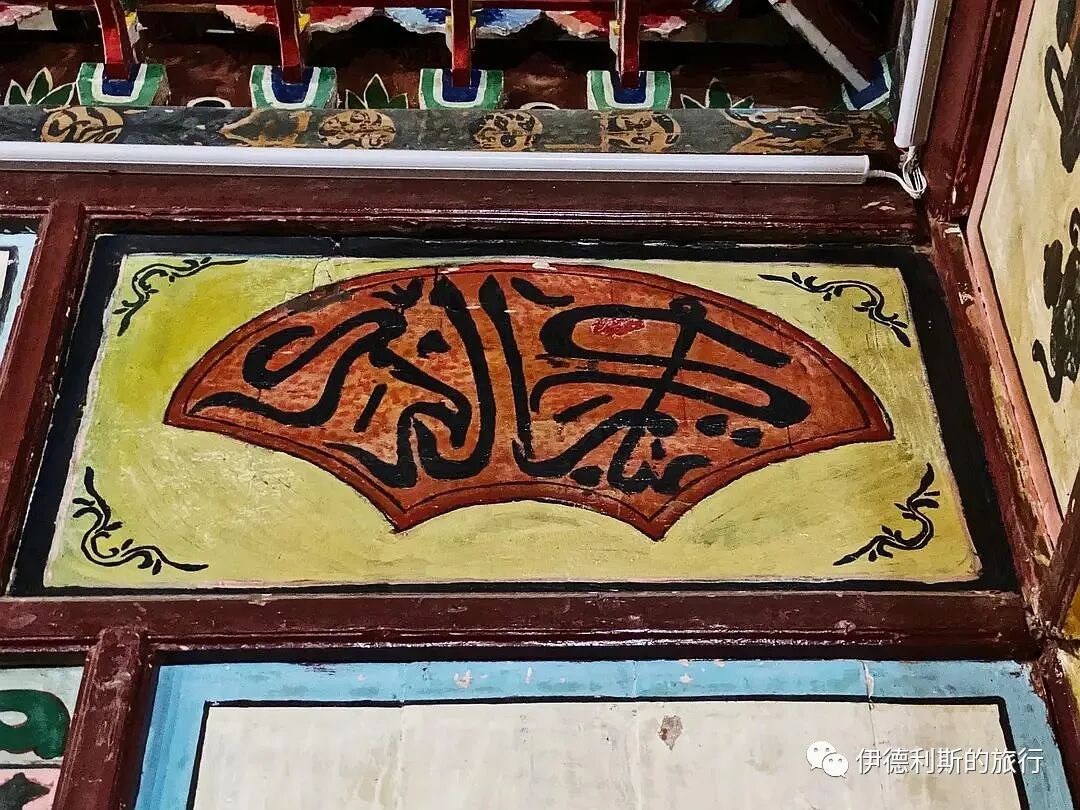
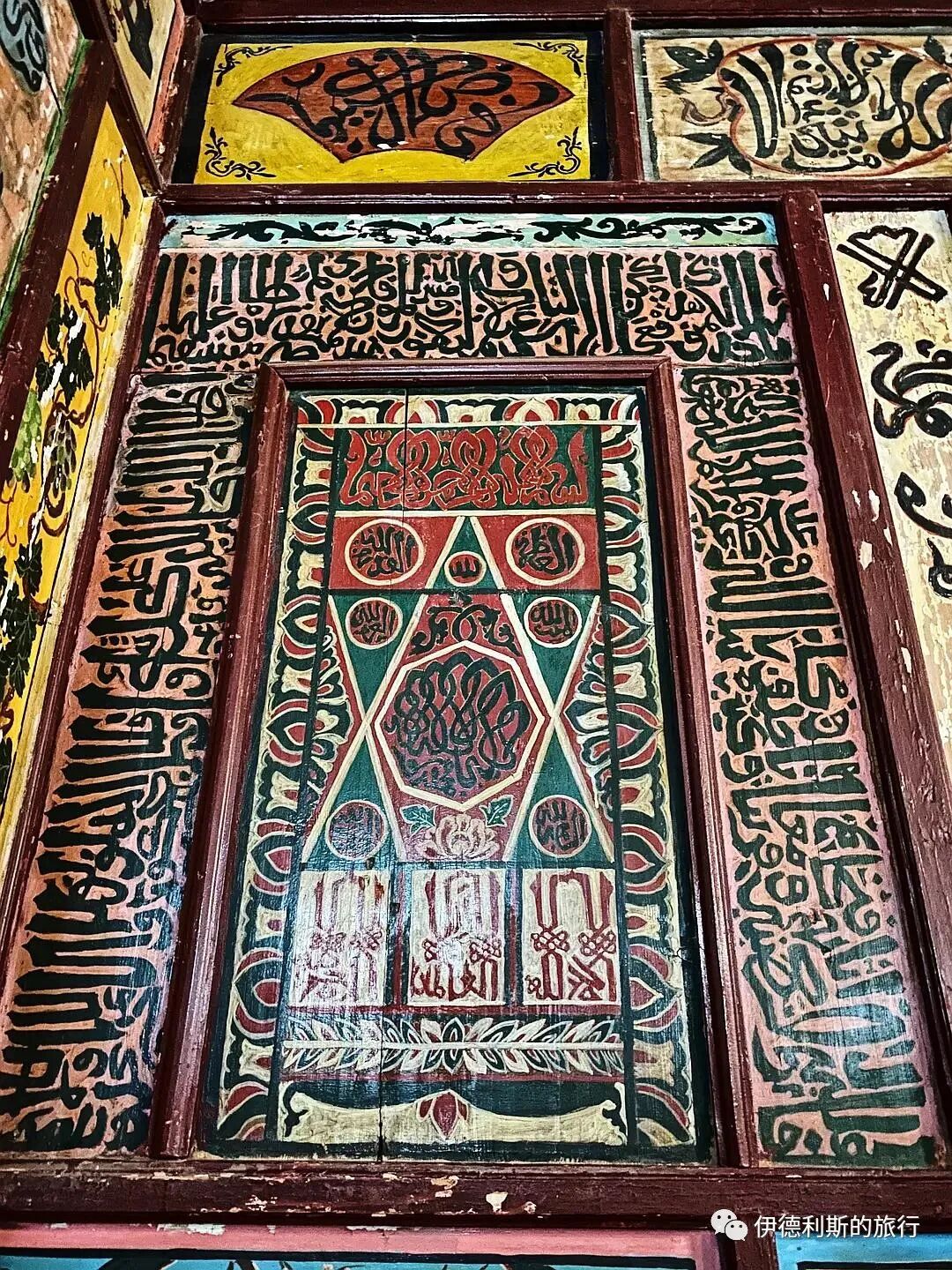
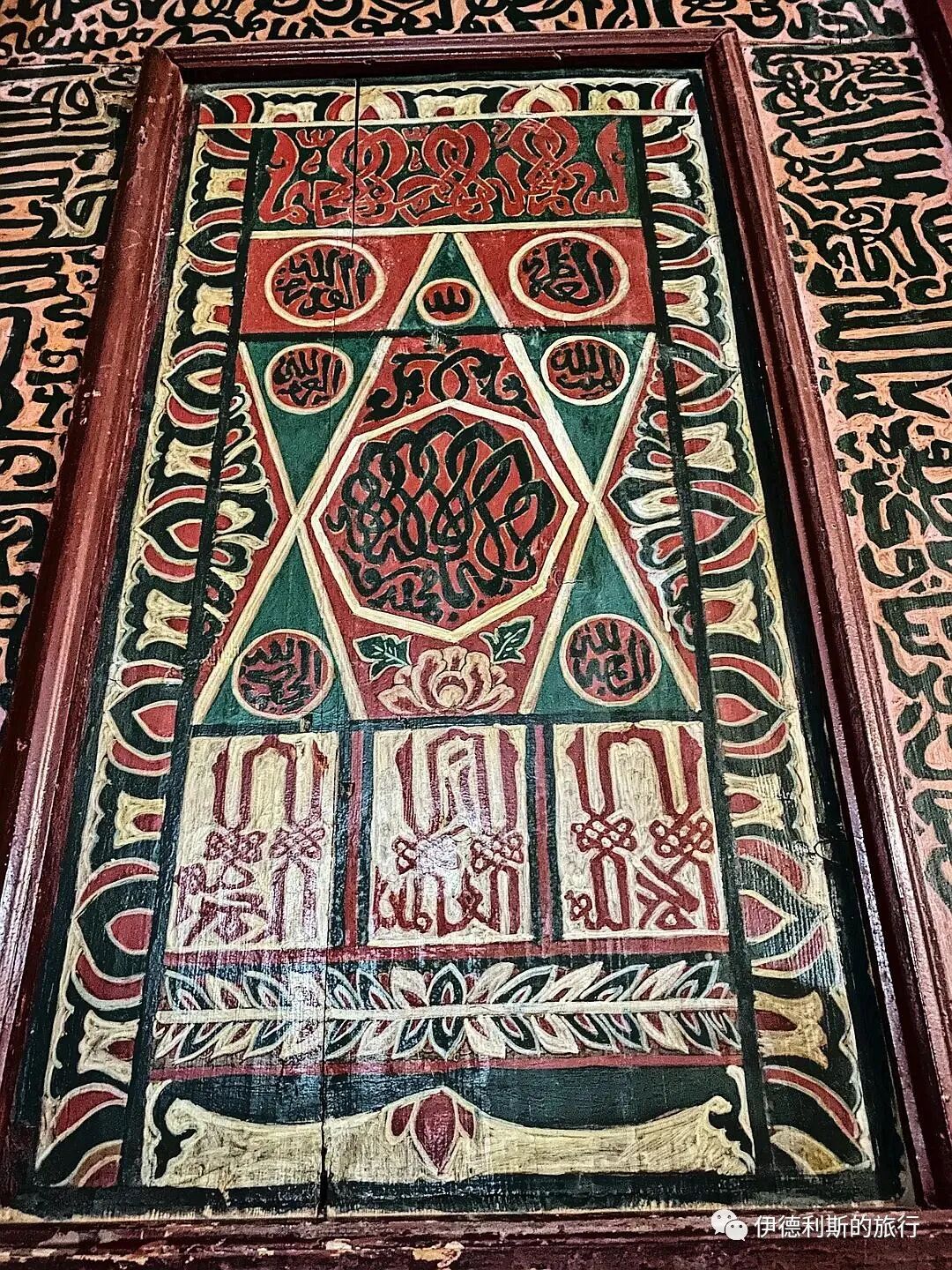
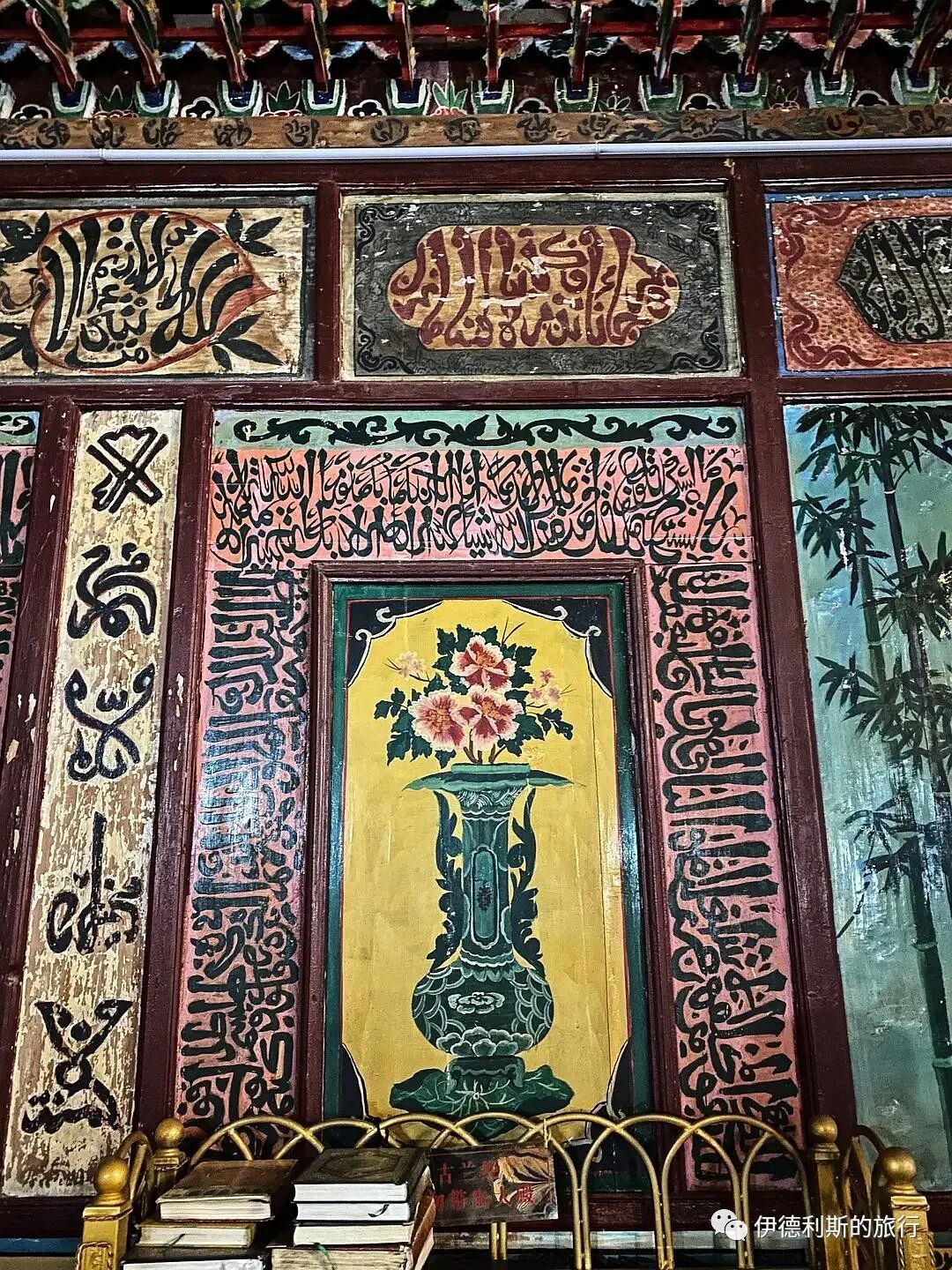
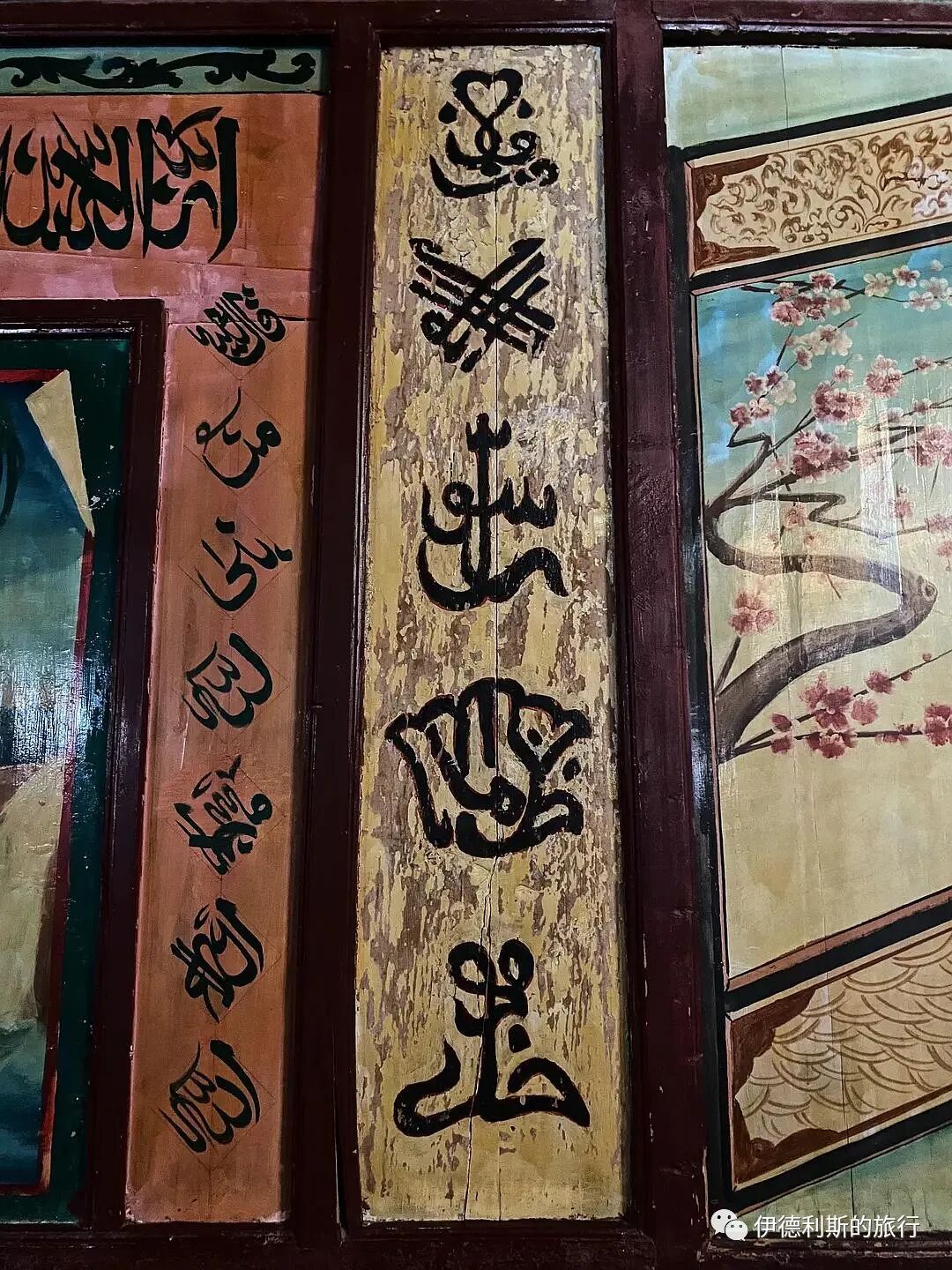
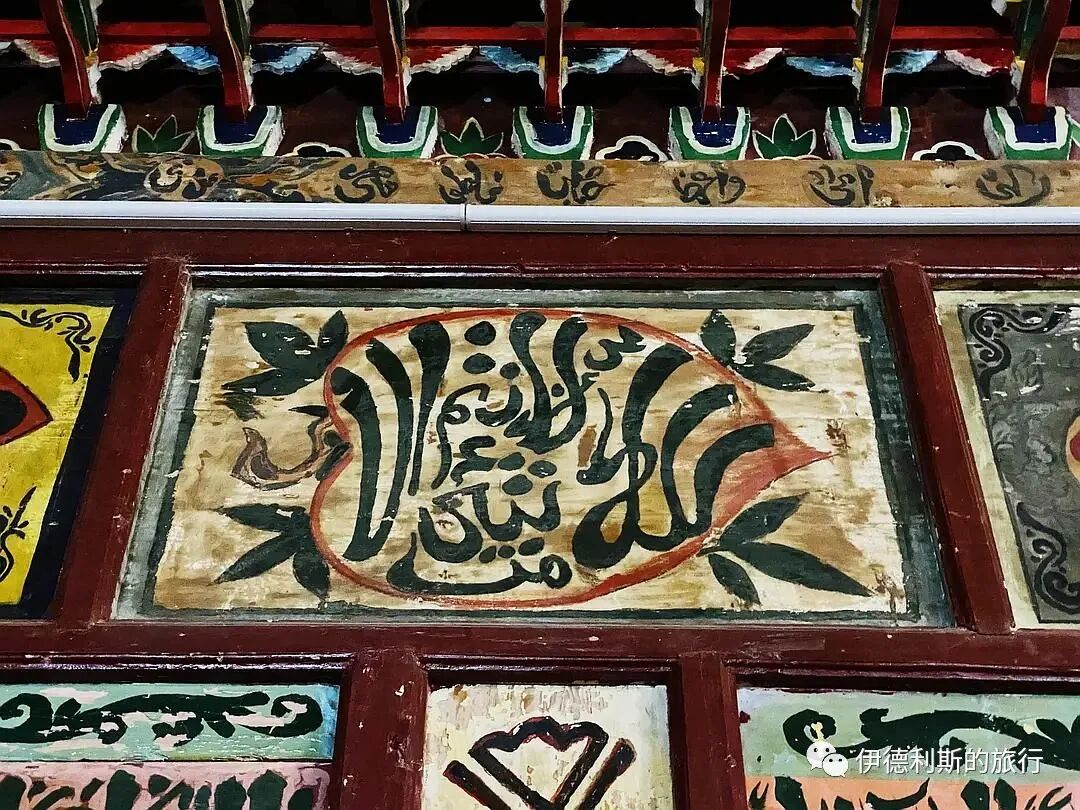
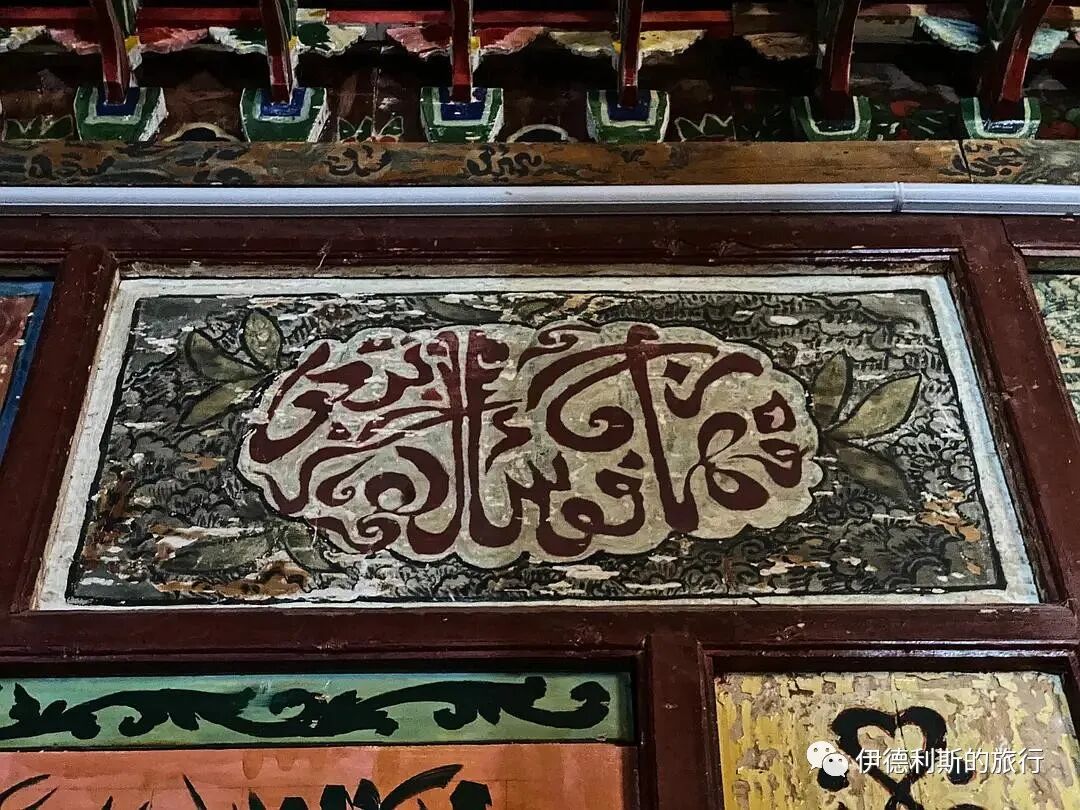
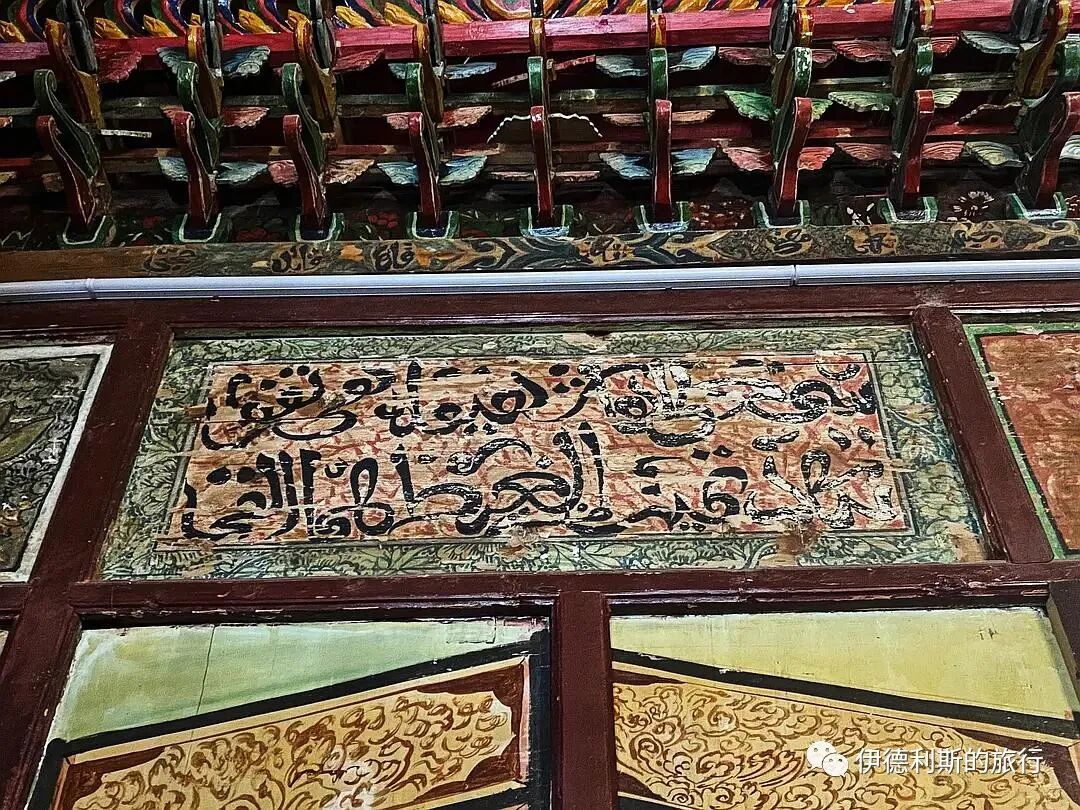
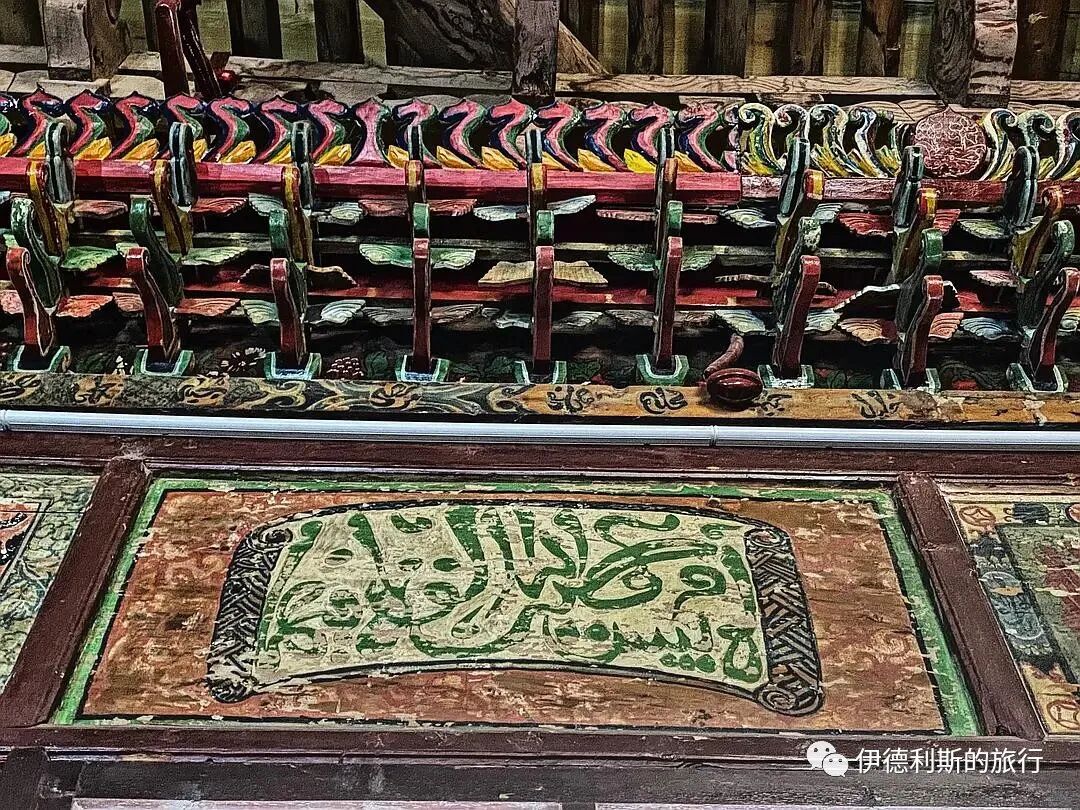
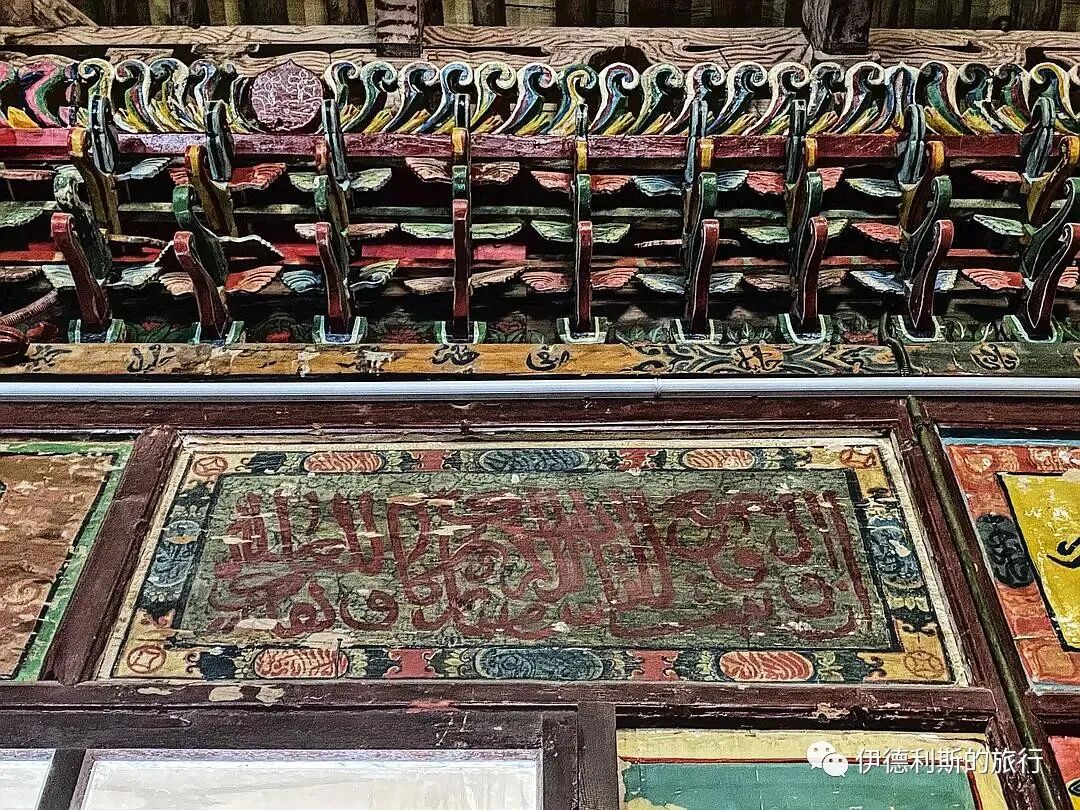
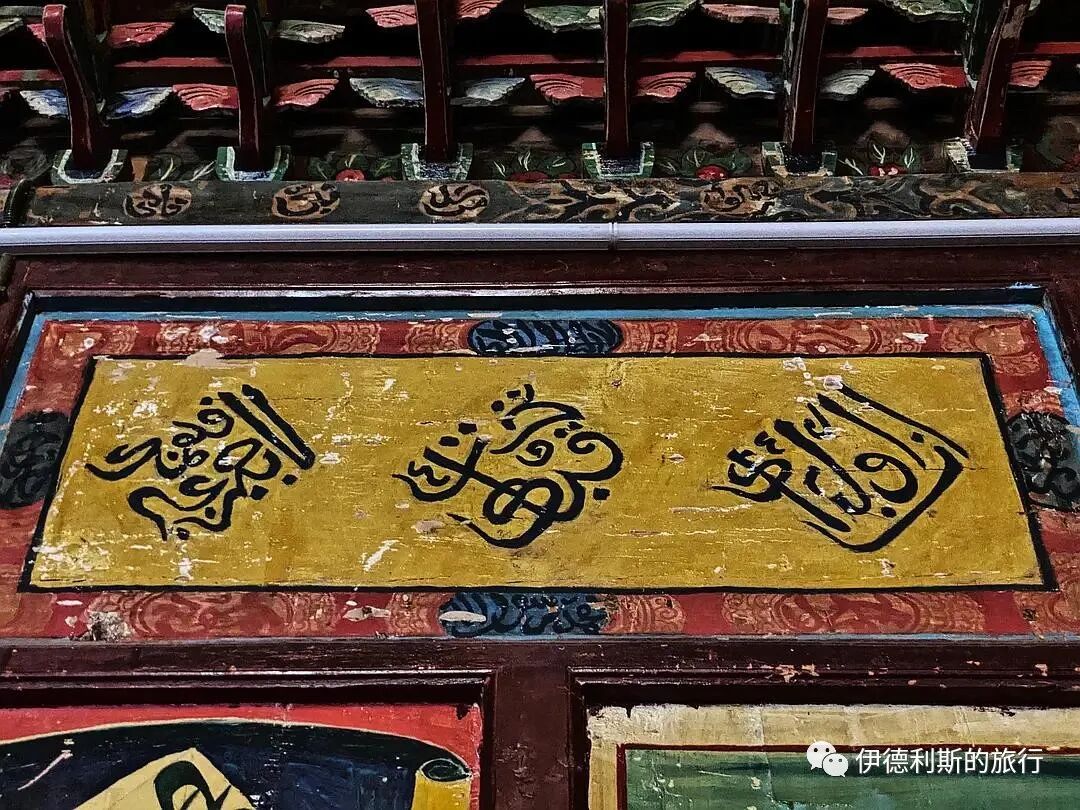
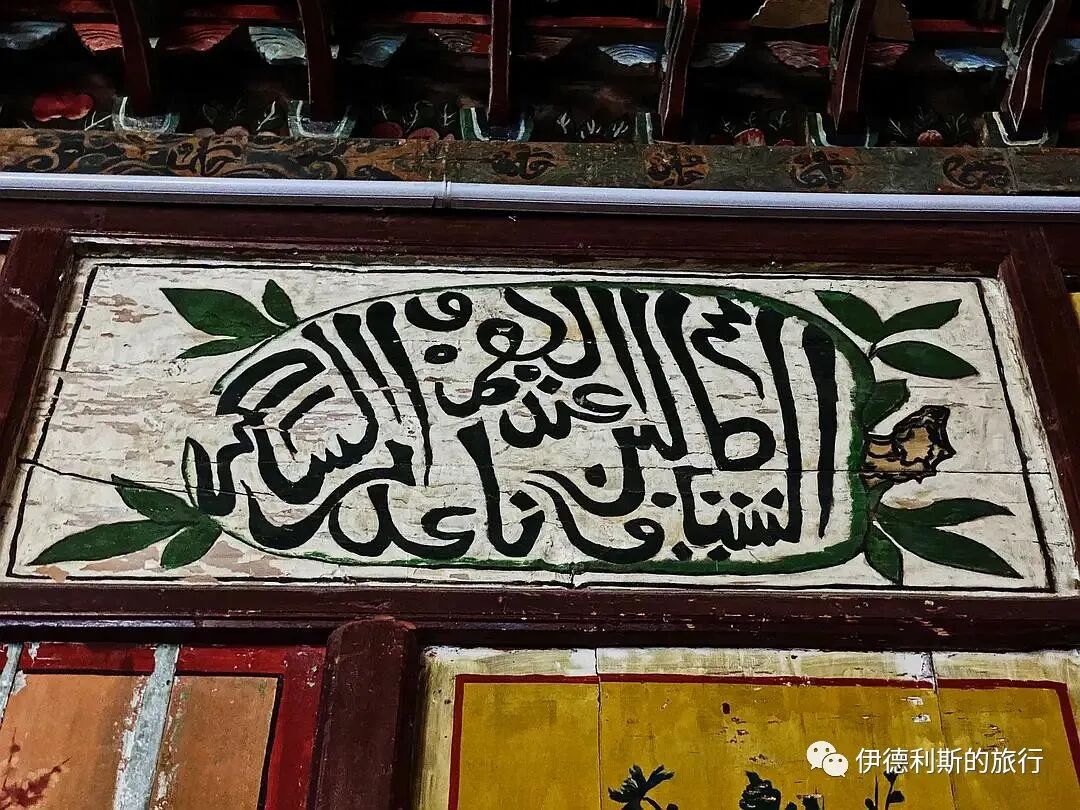
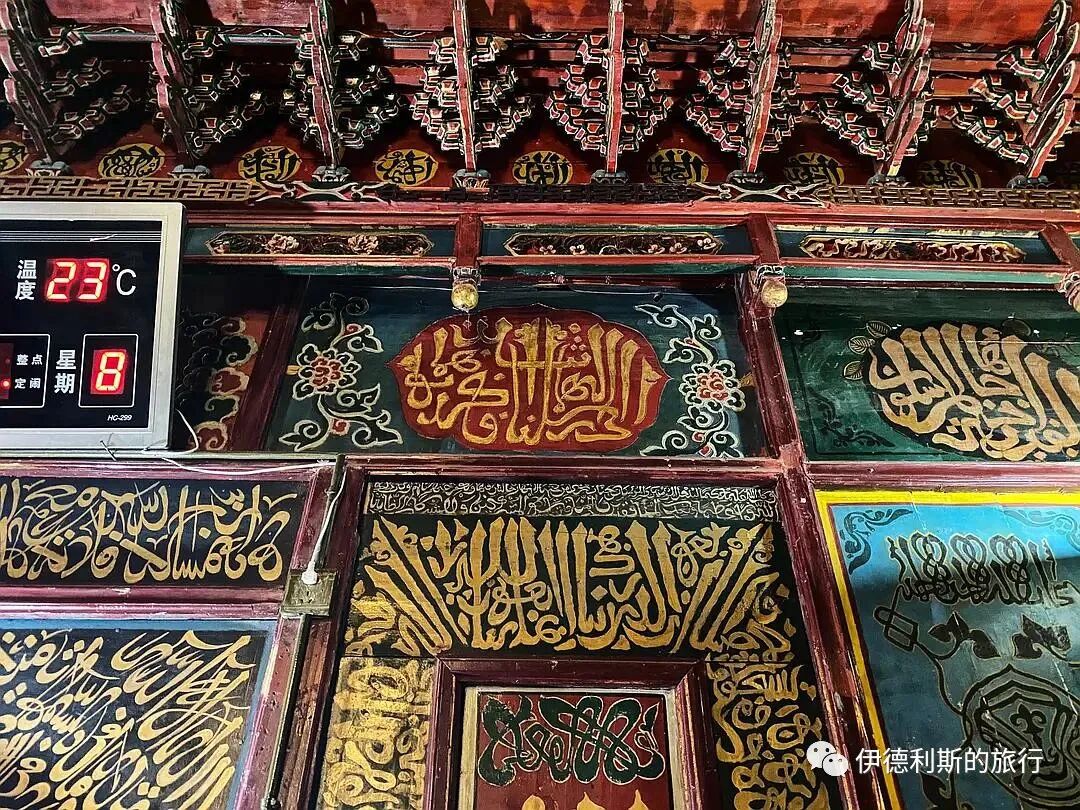
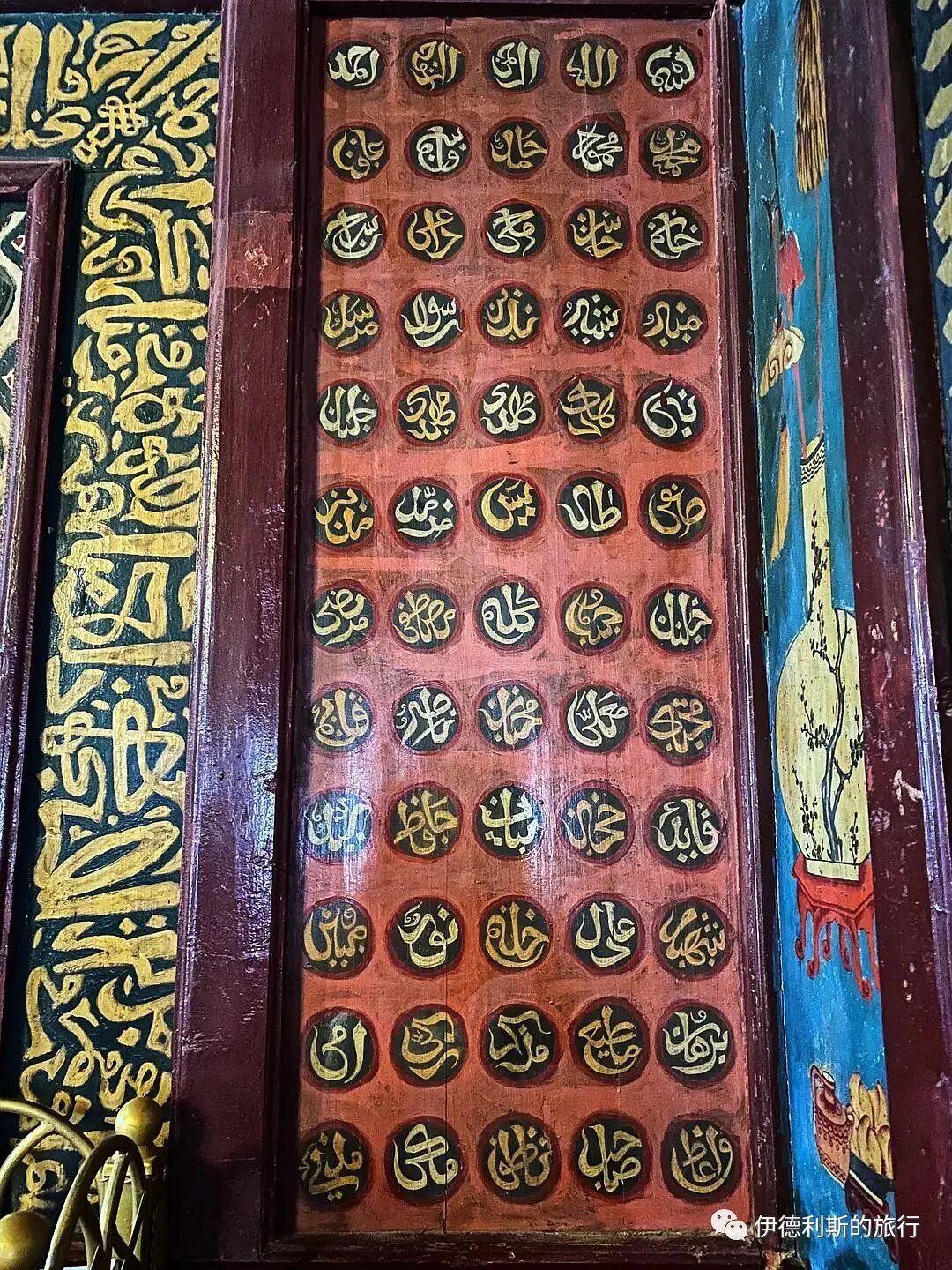
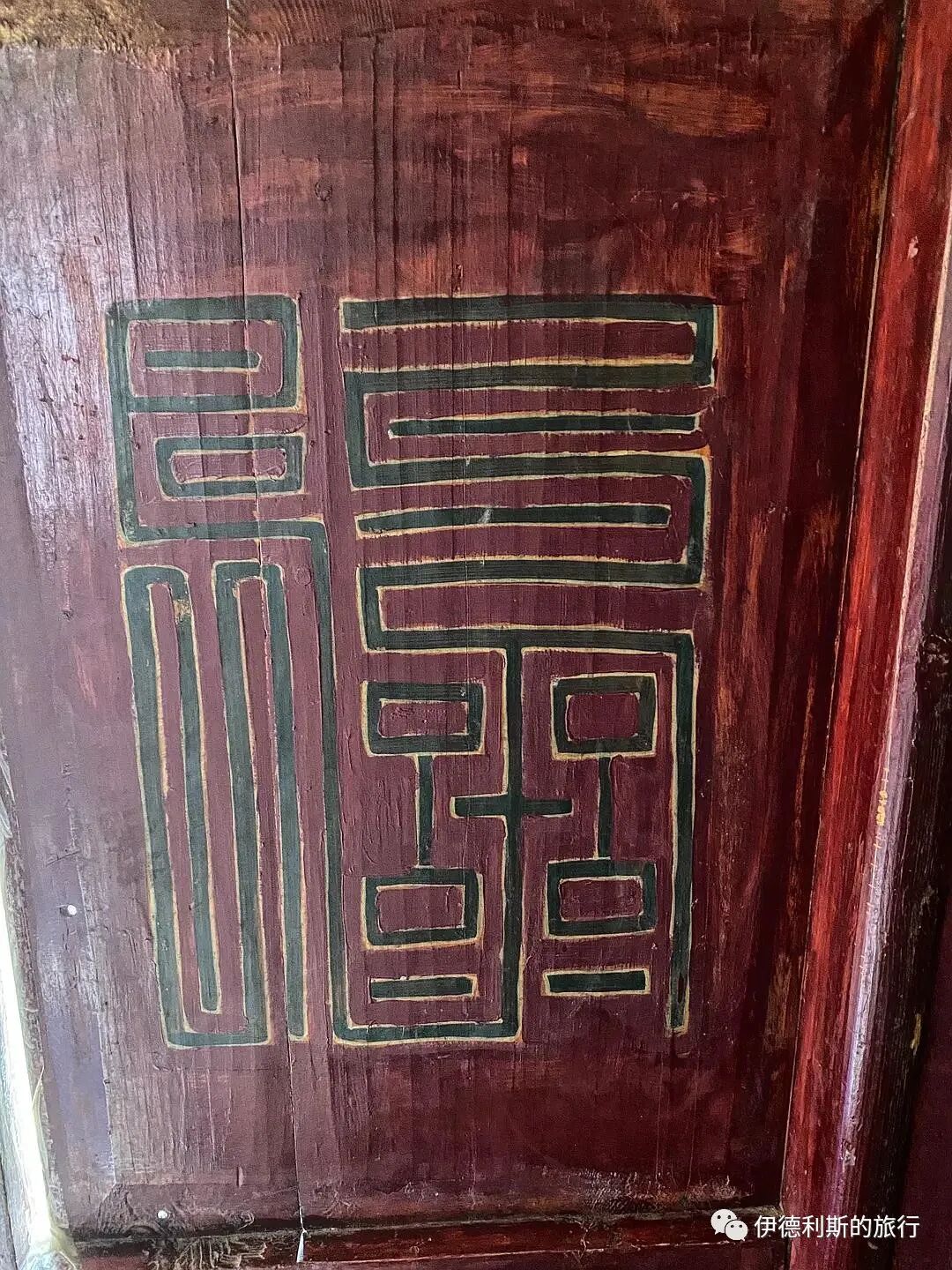
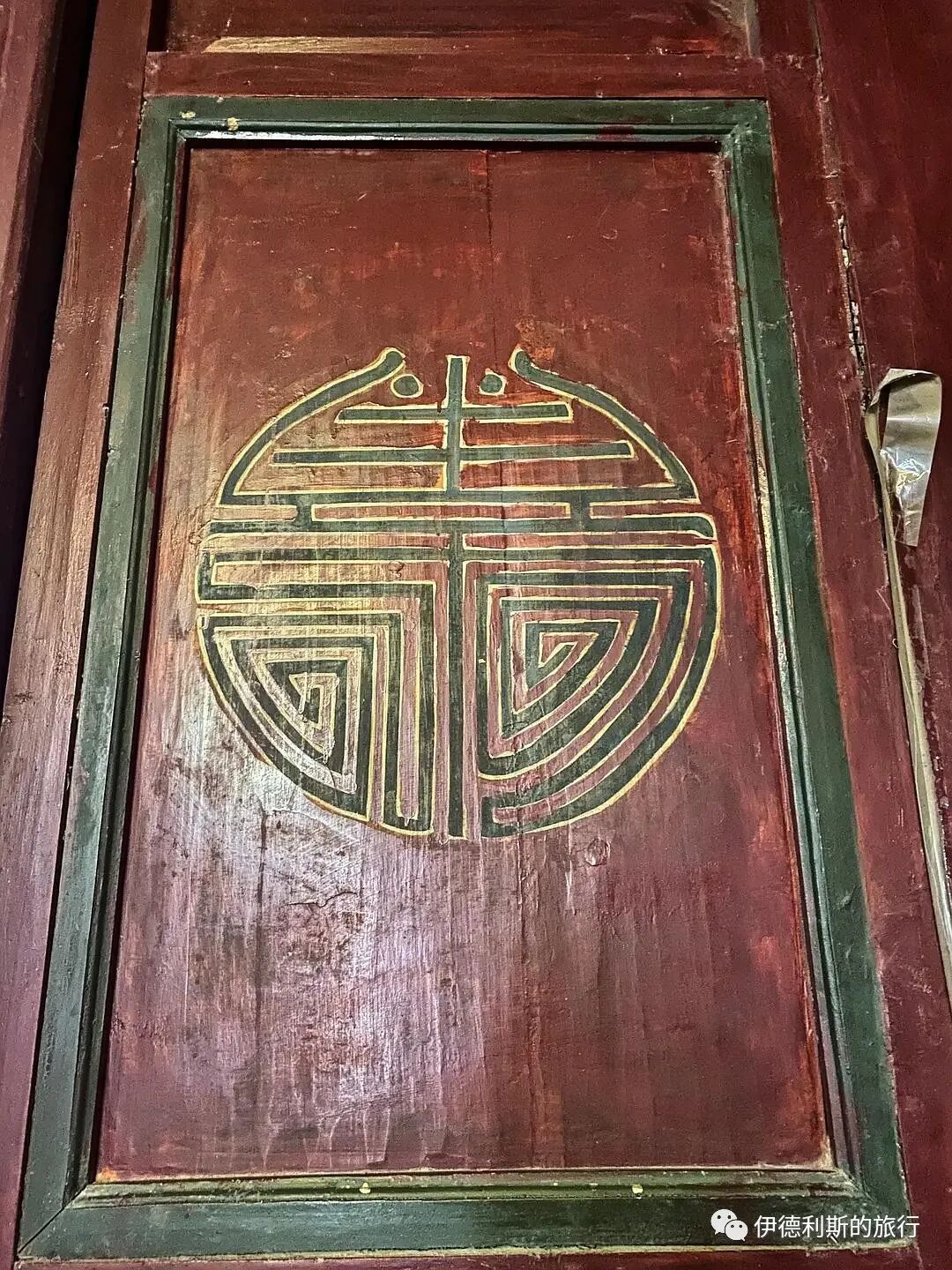
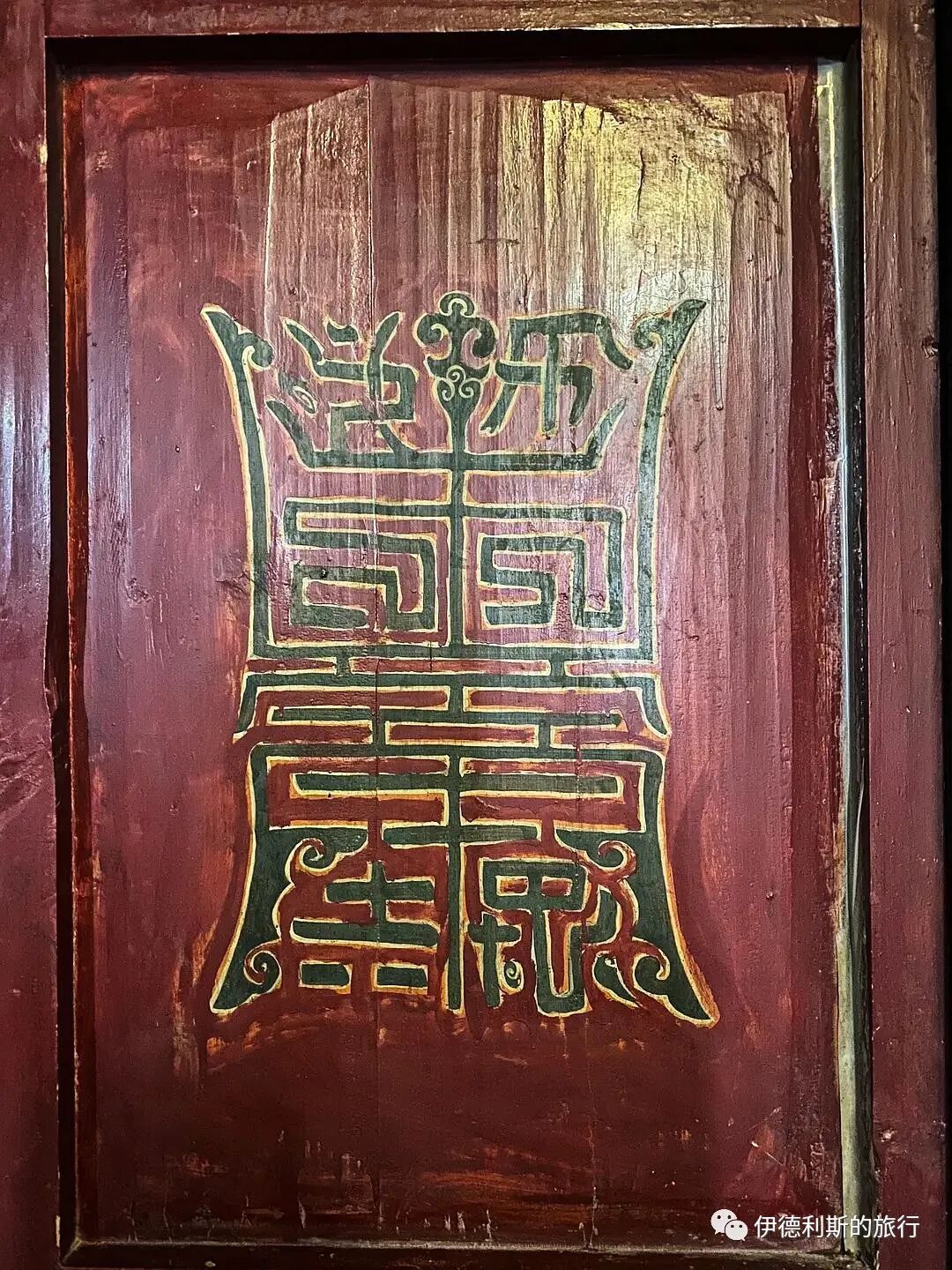
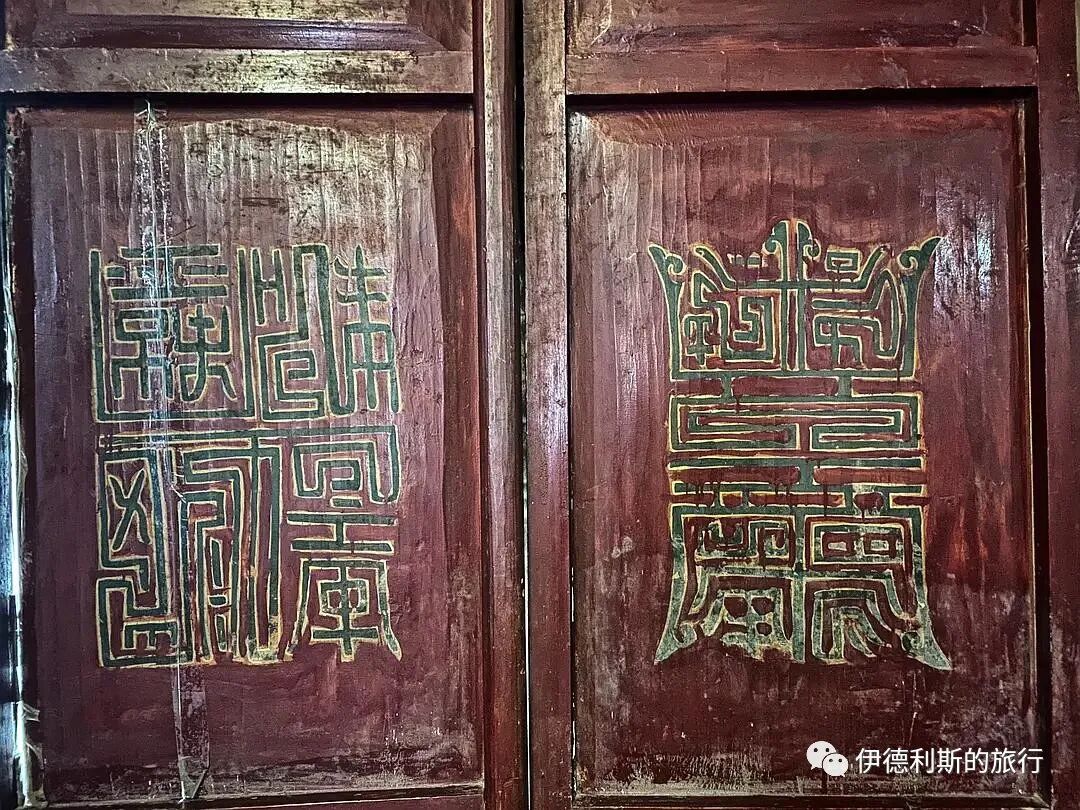
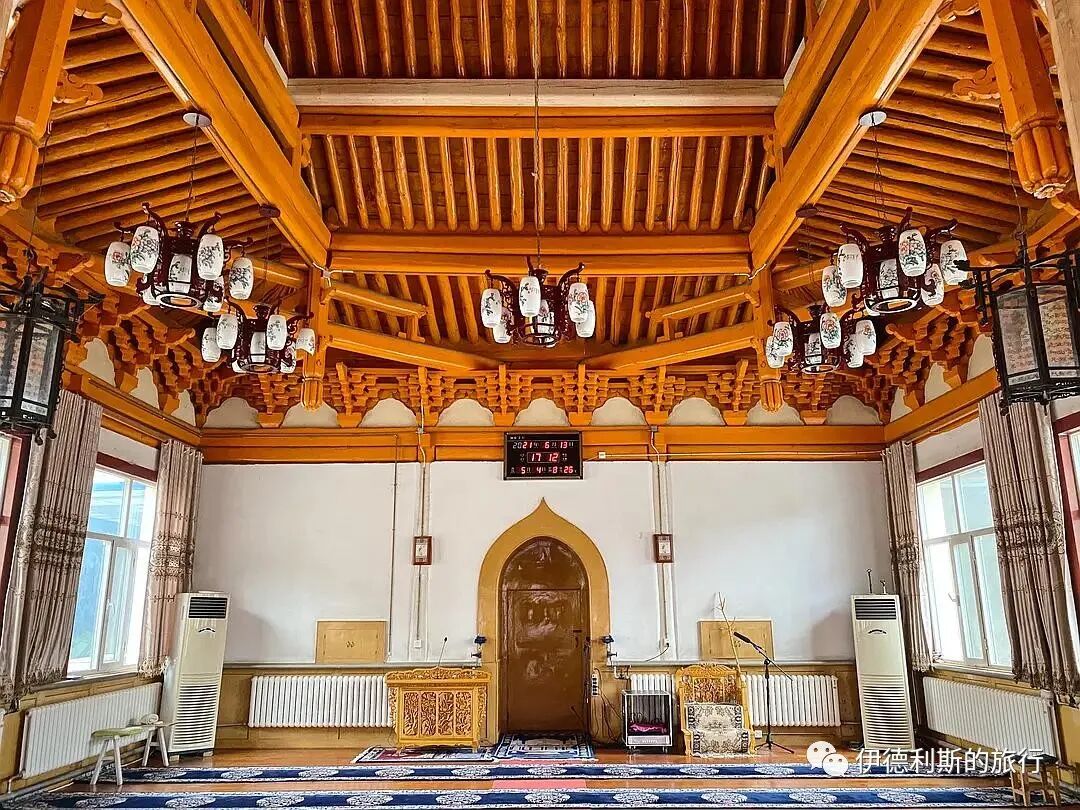
Wall paintings in the kiln hall.
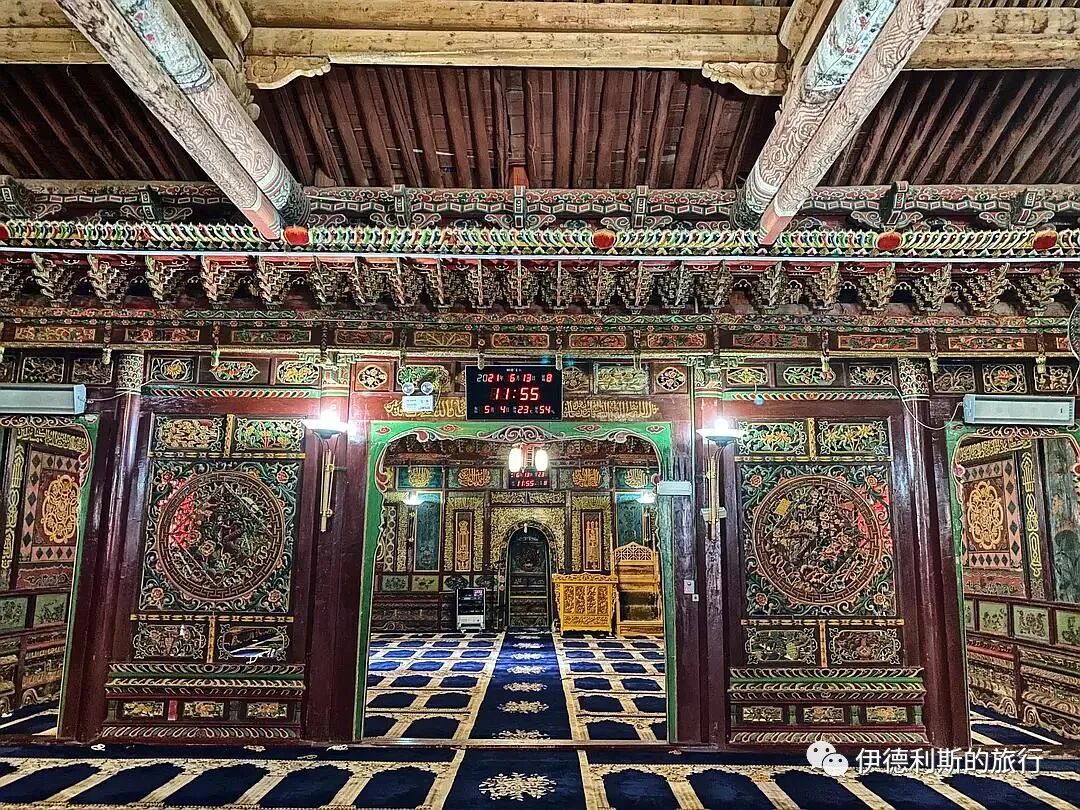
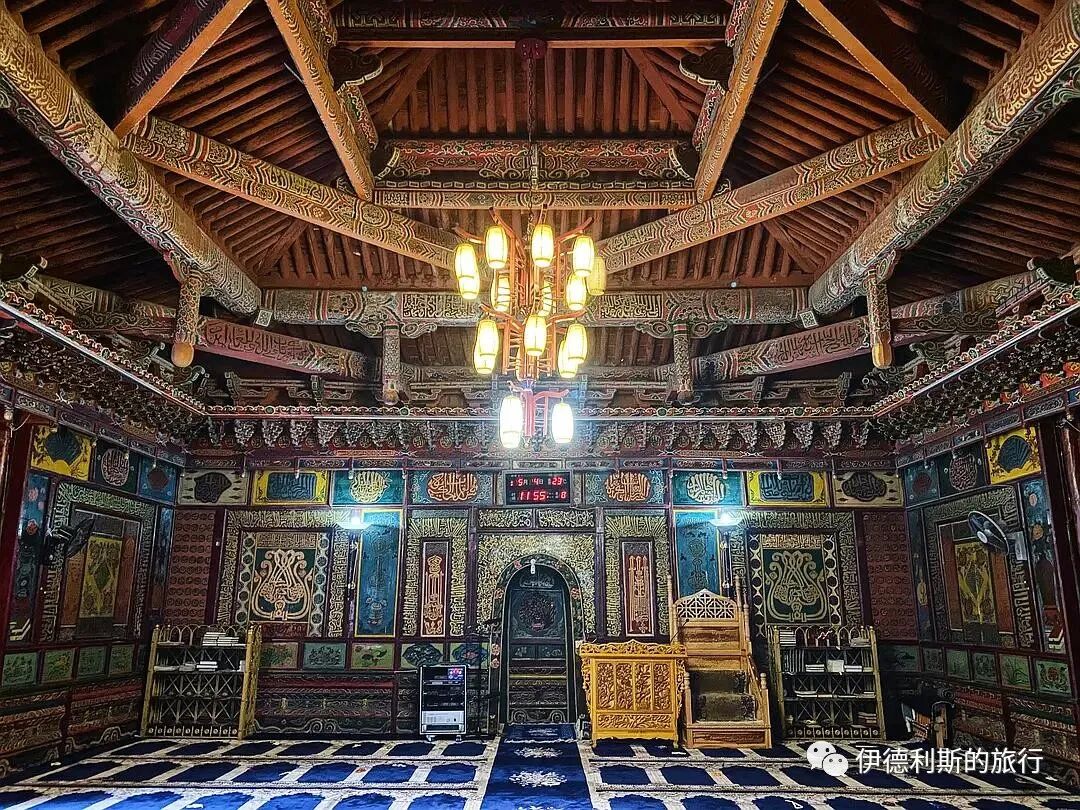
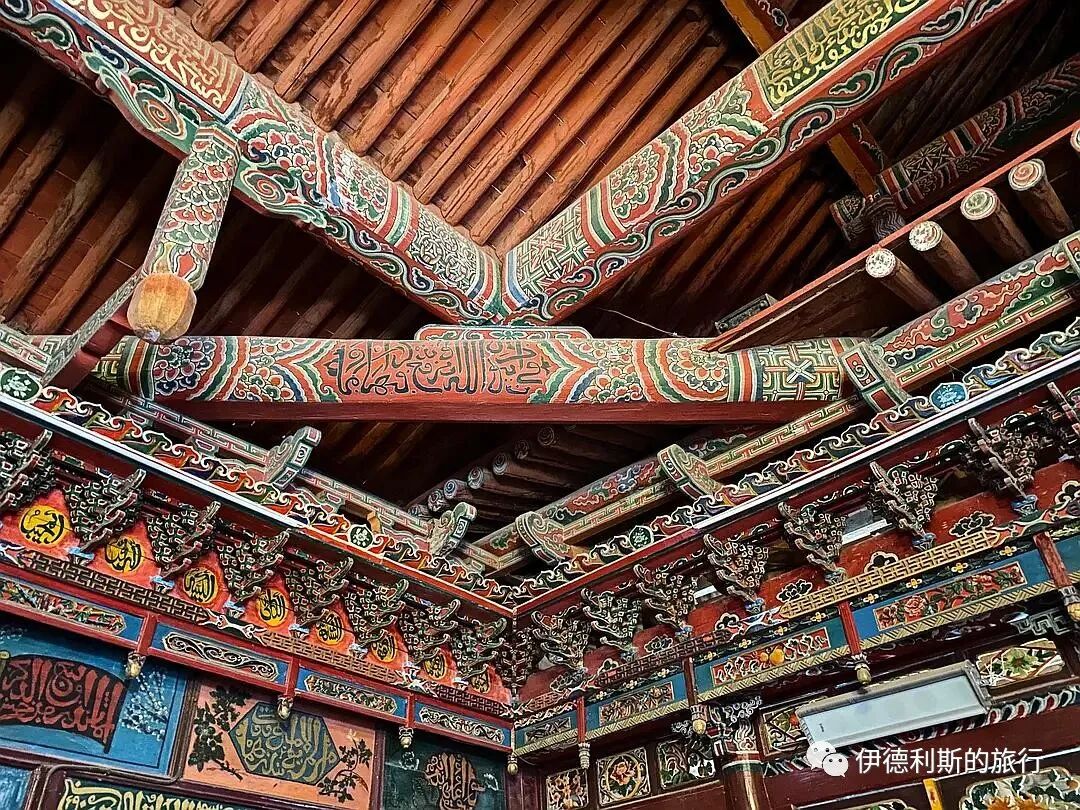
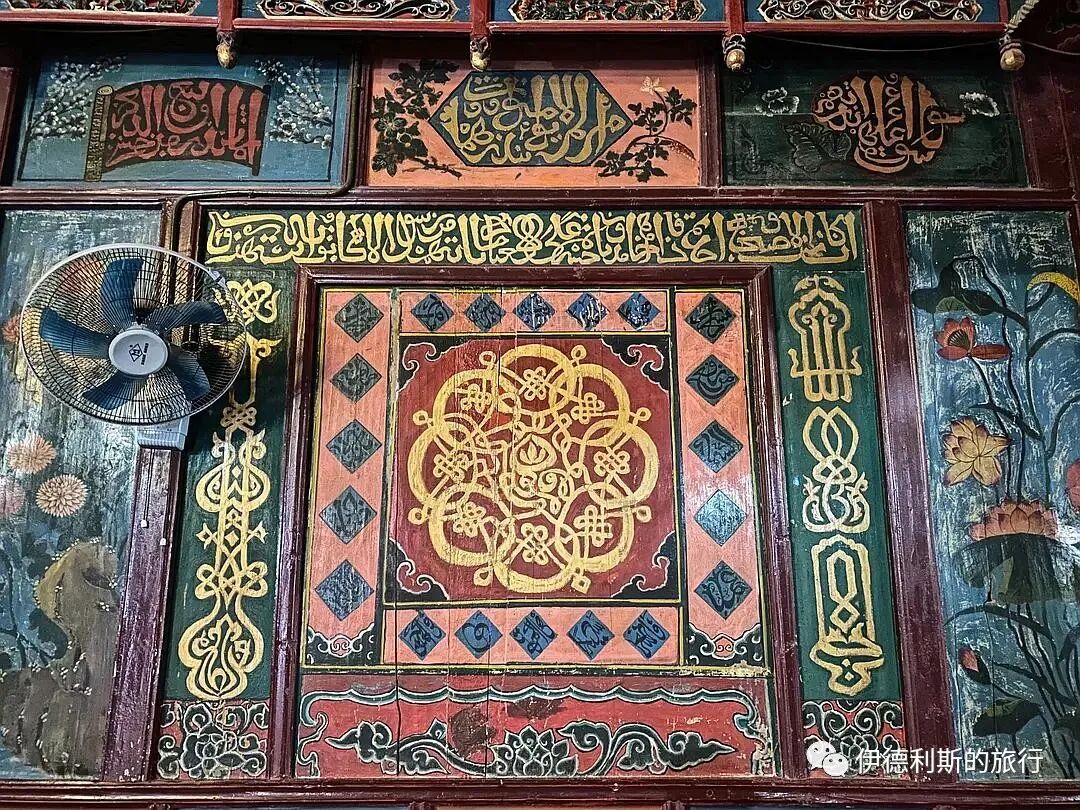
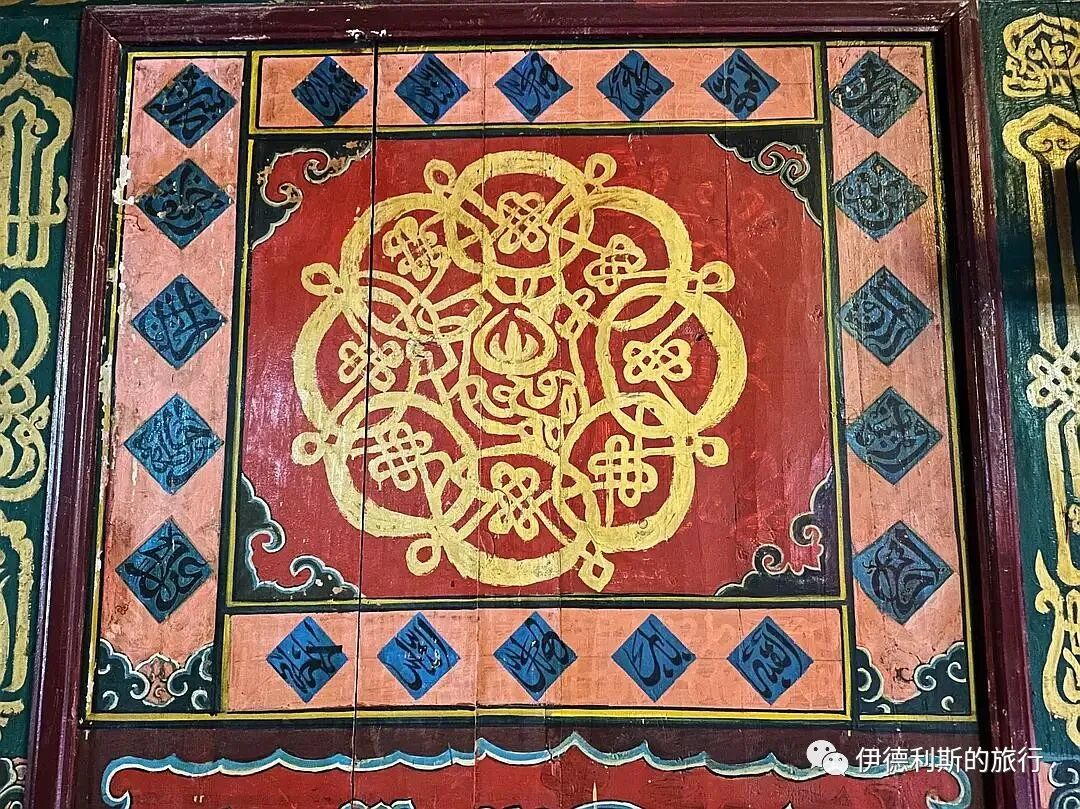
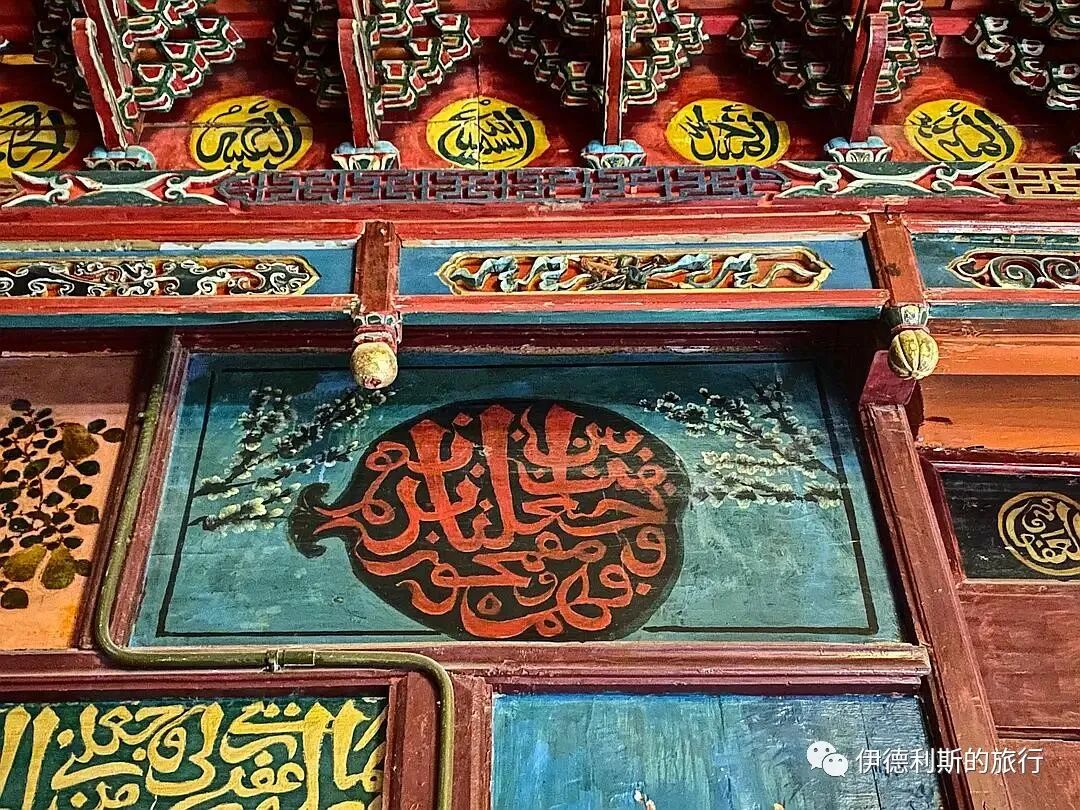
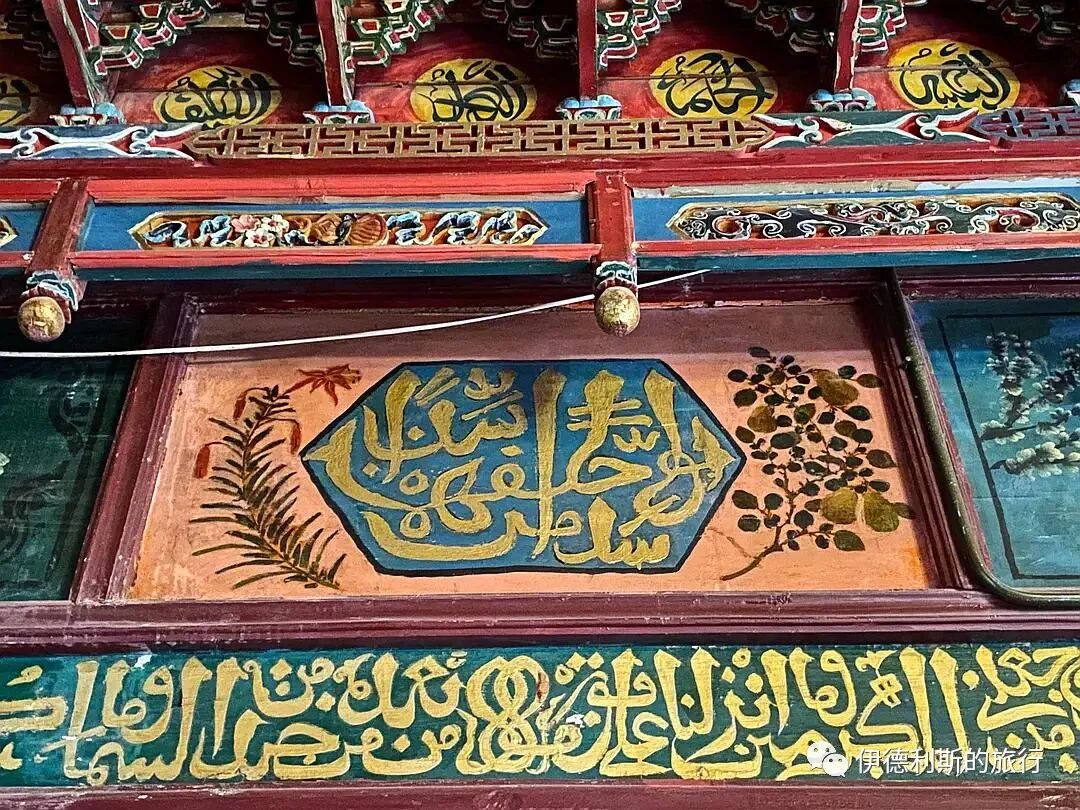
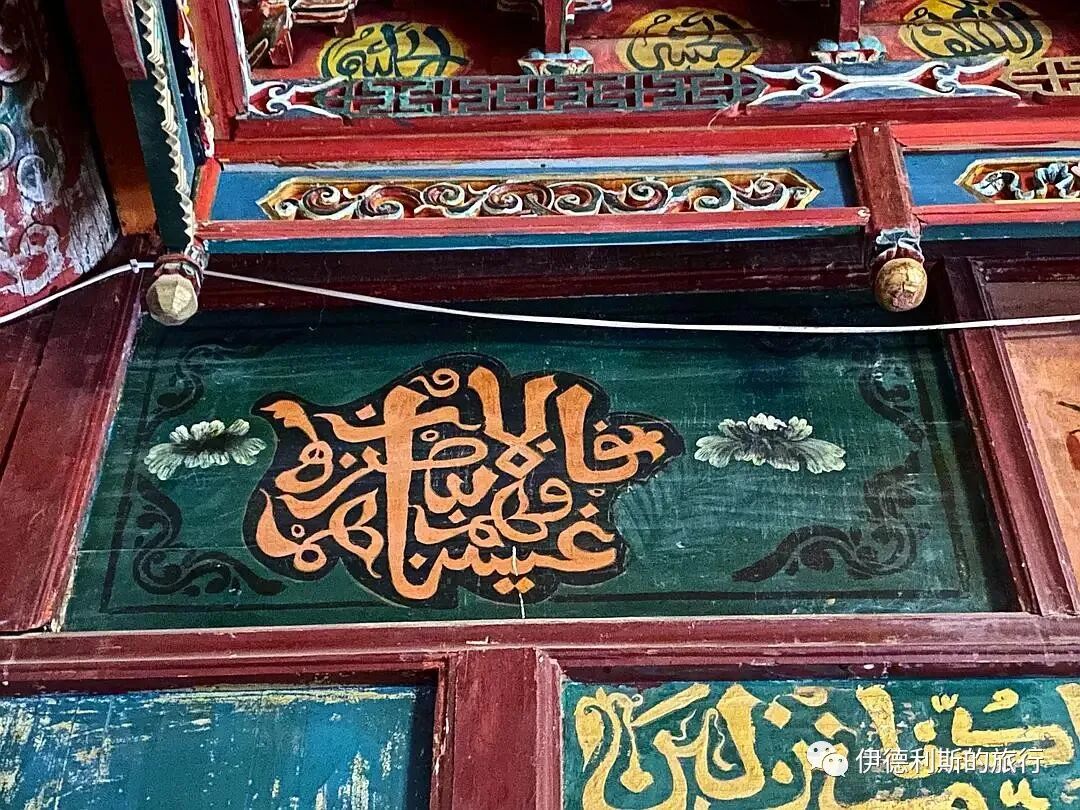
Mihrab niche
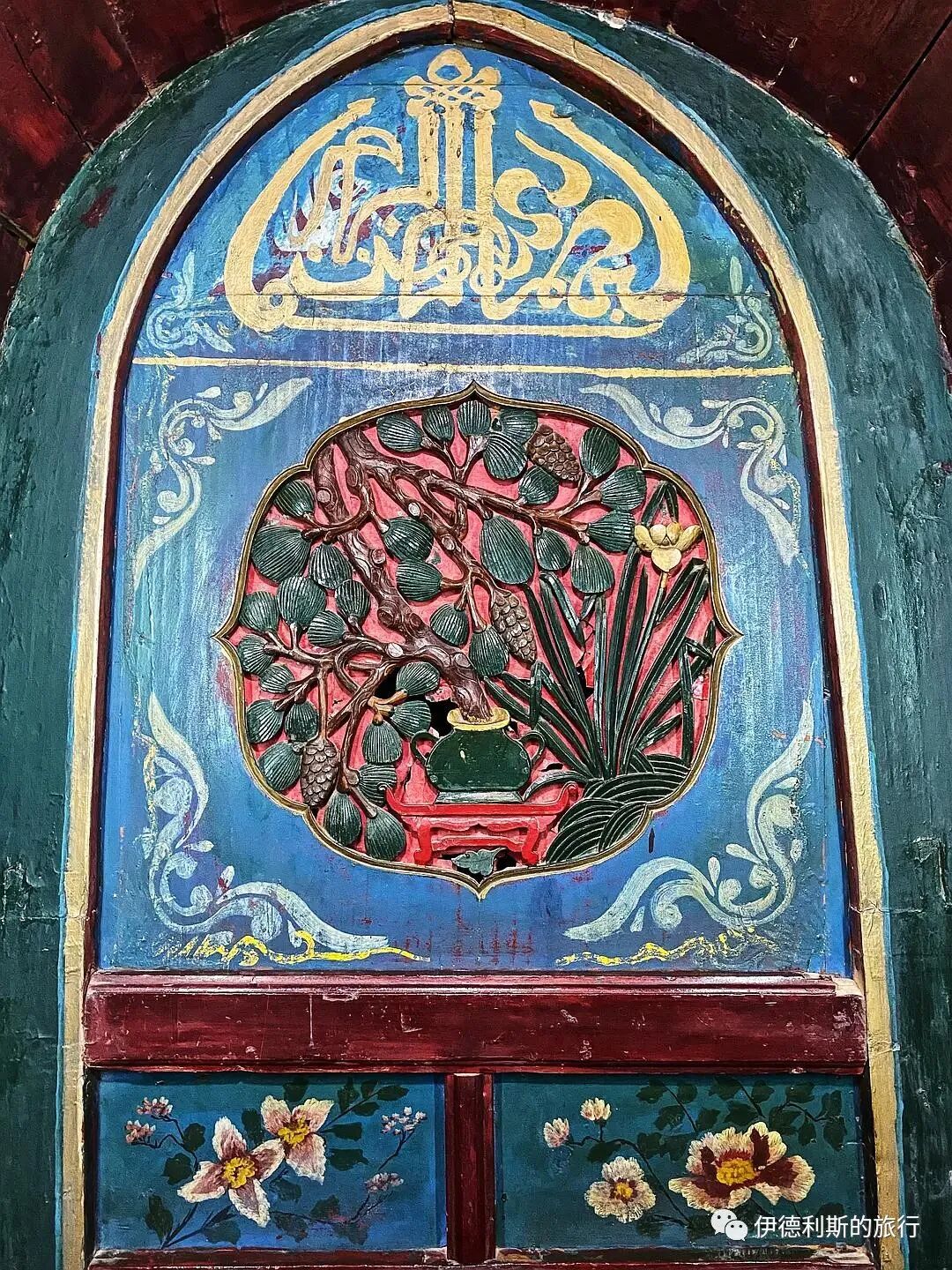
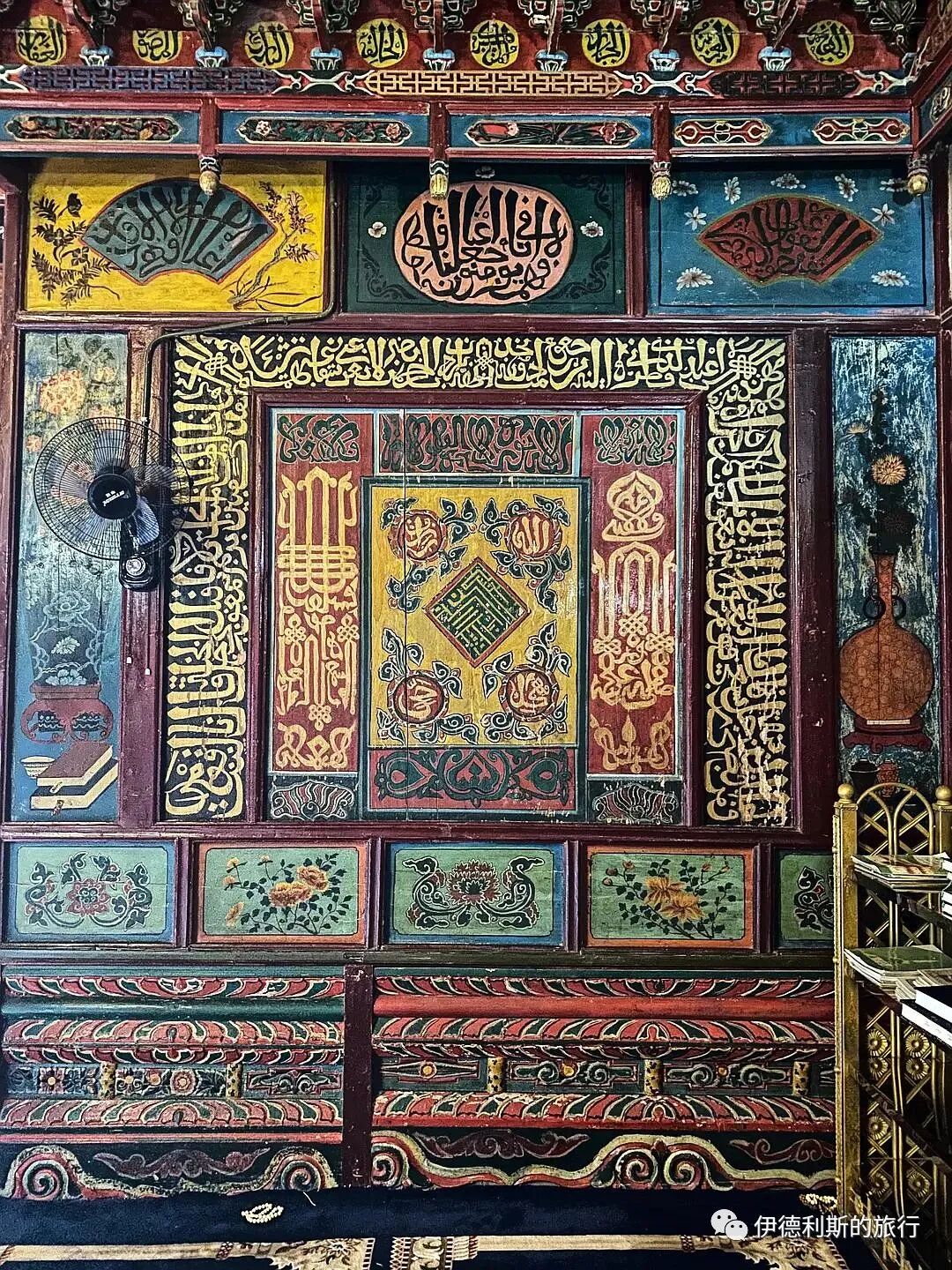
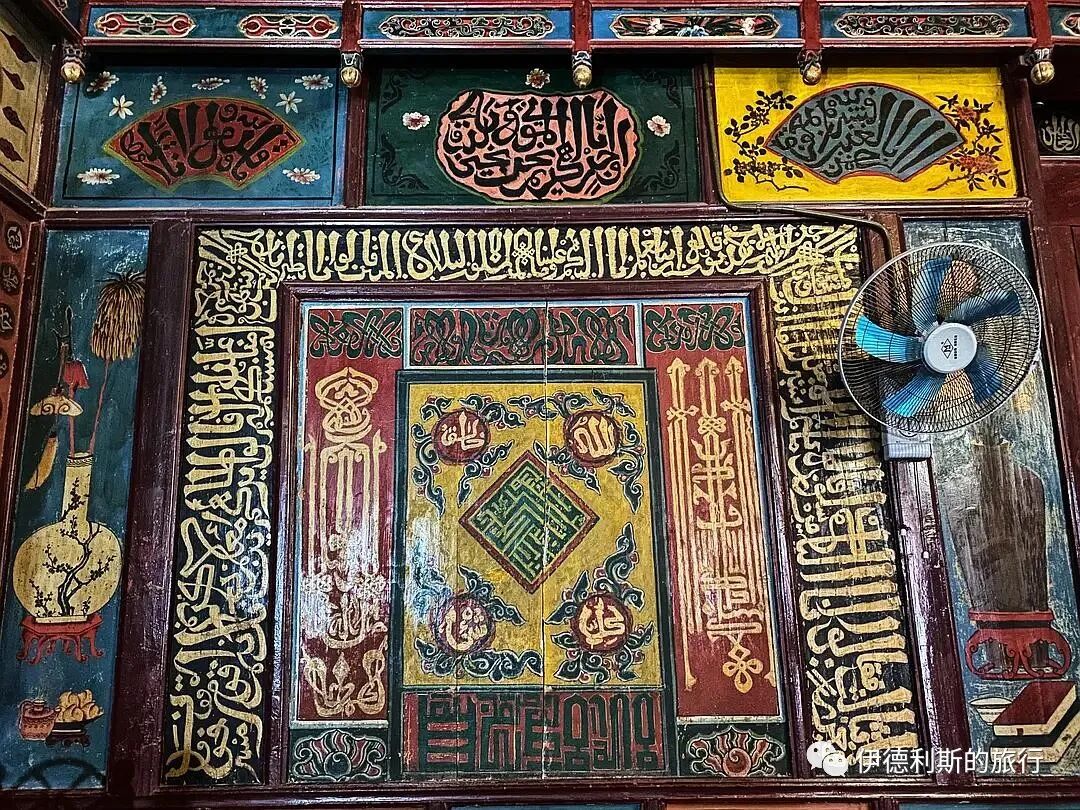
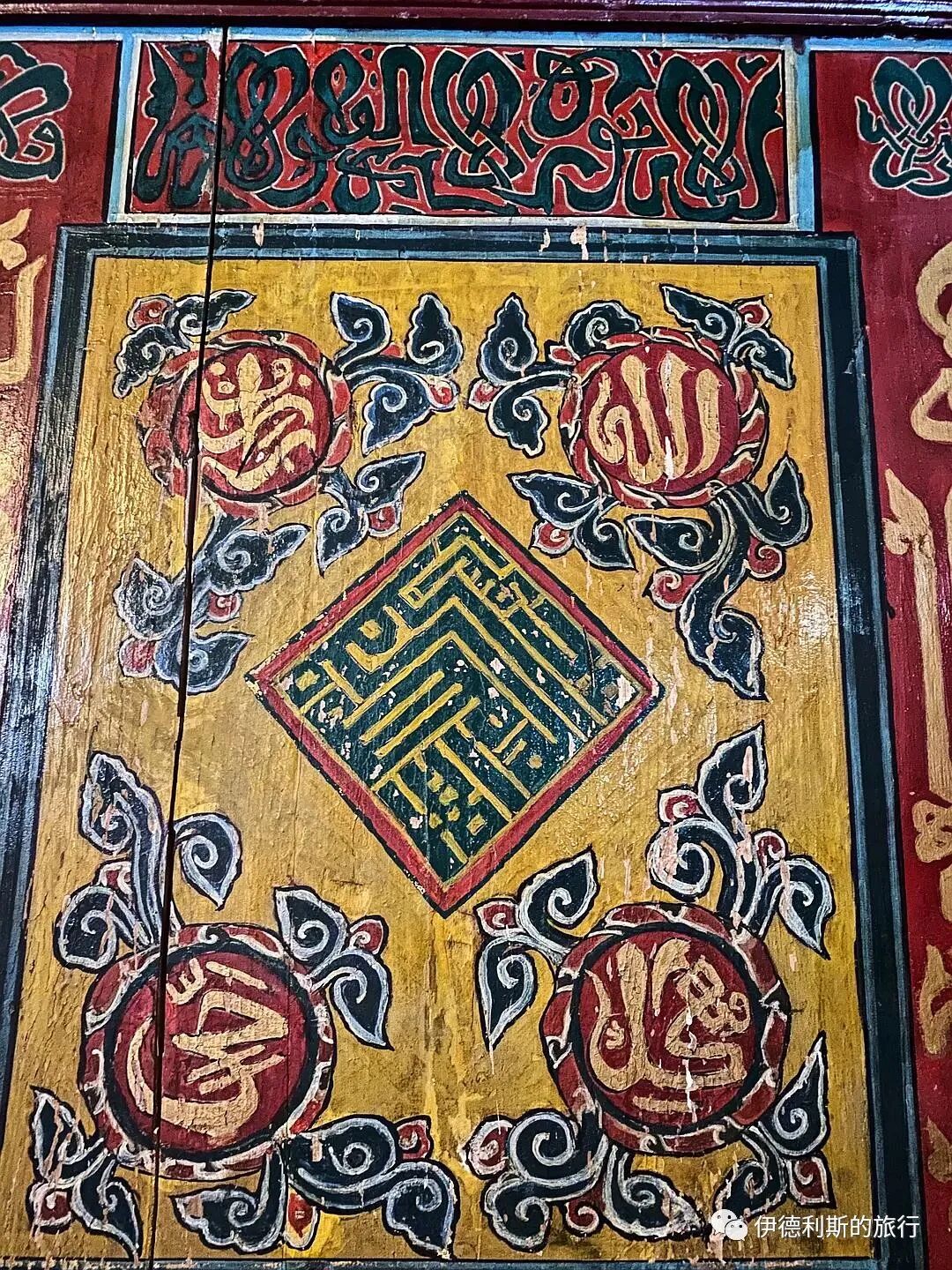
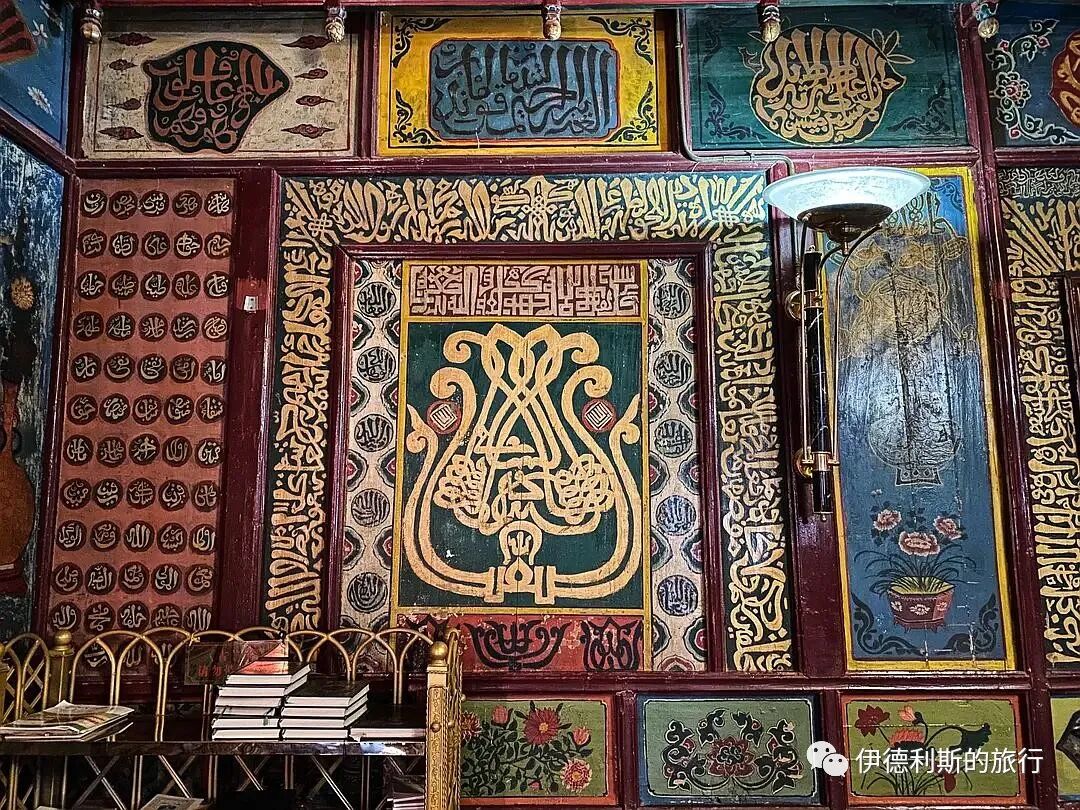
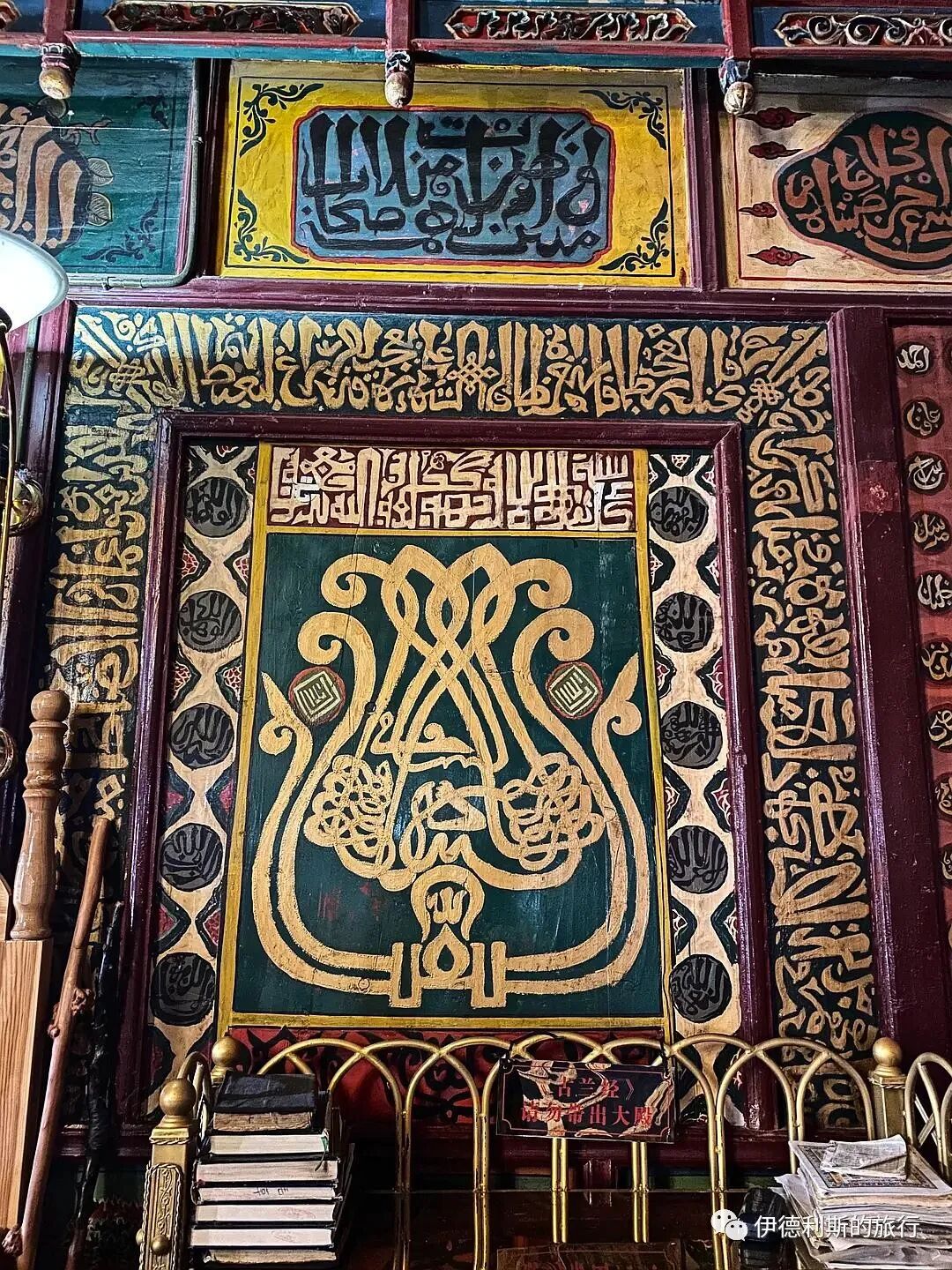
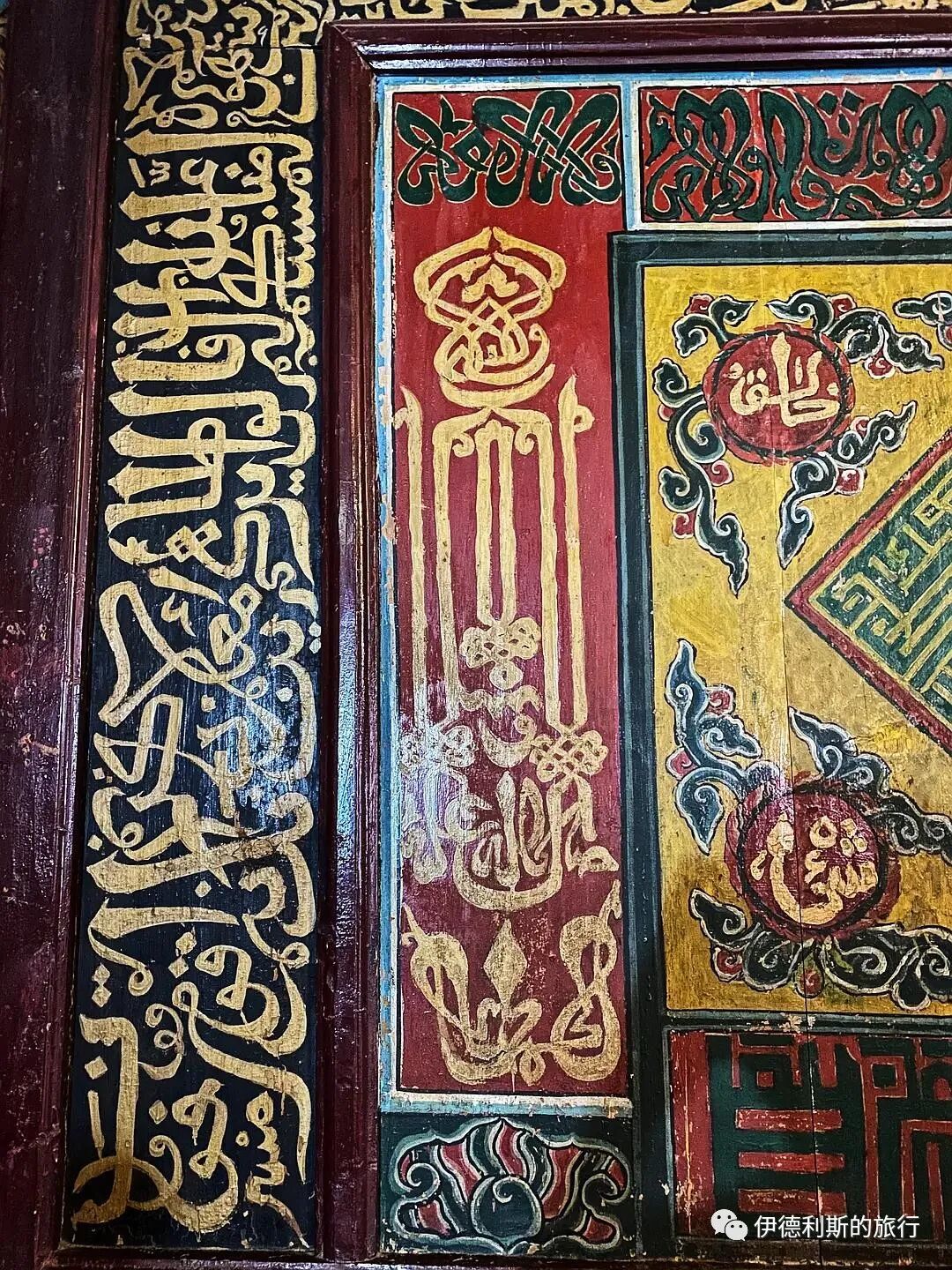
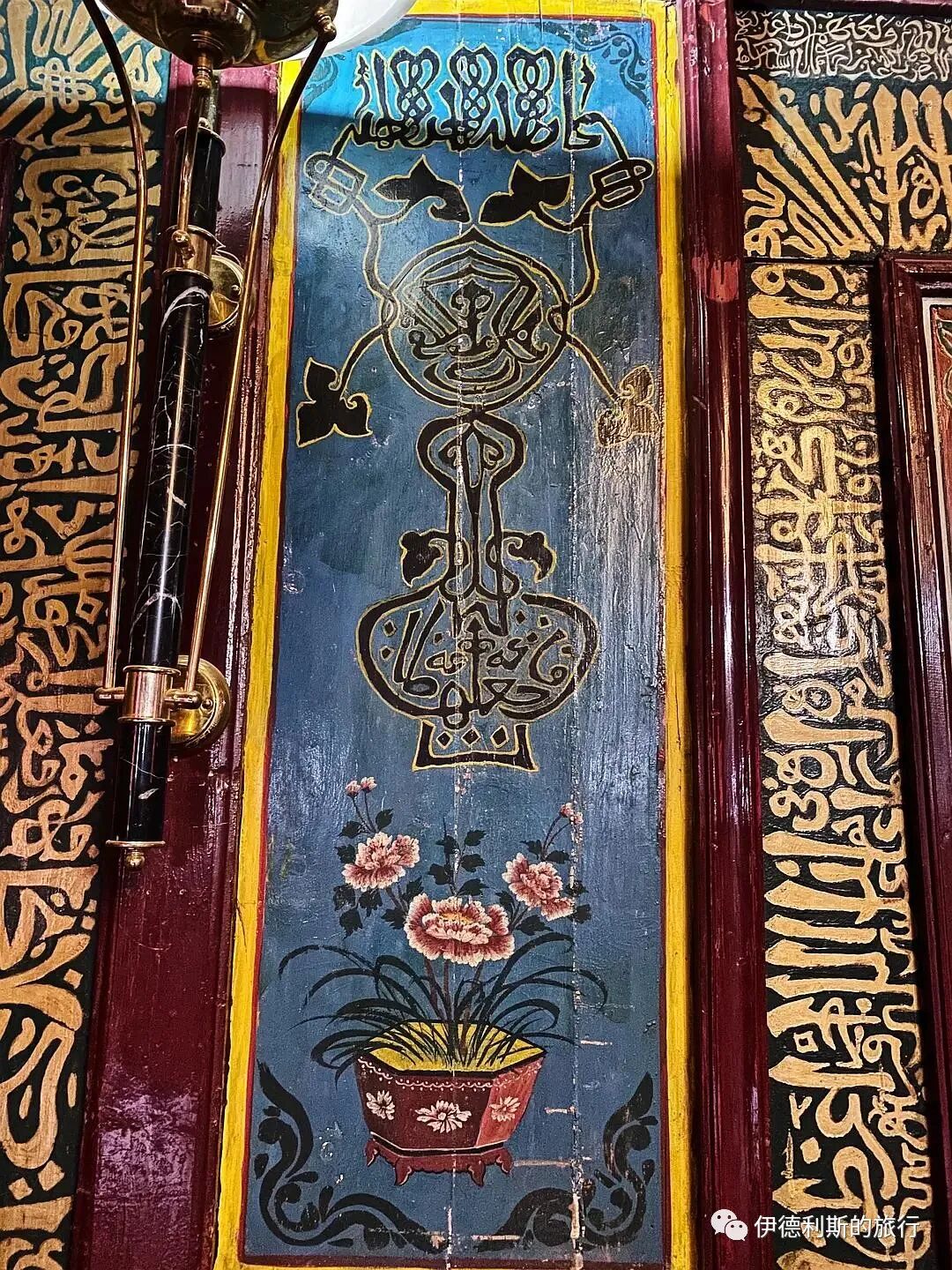
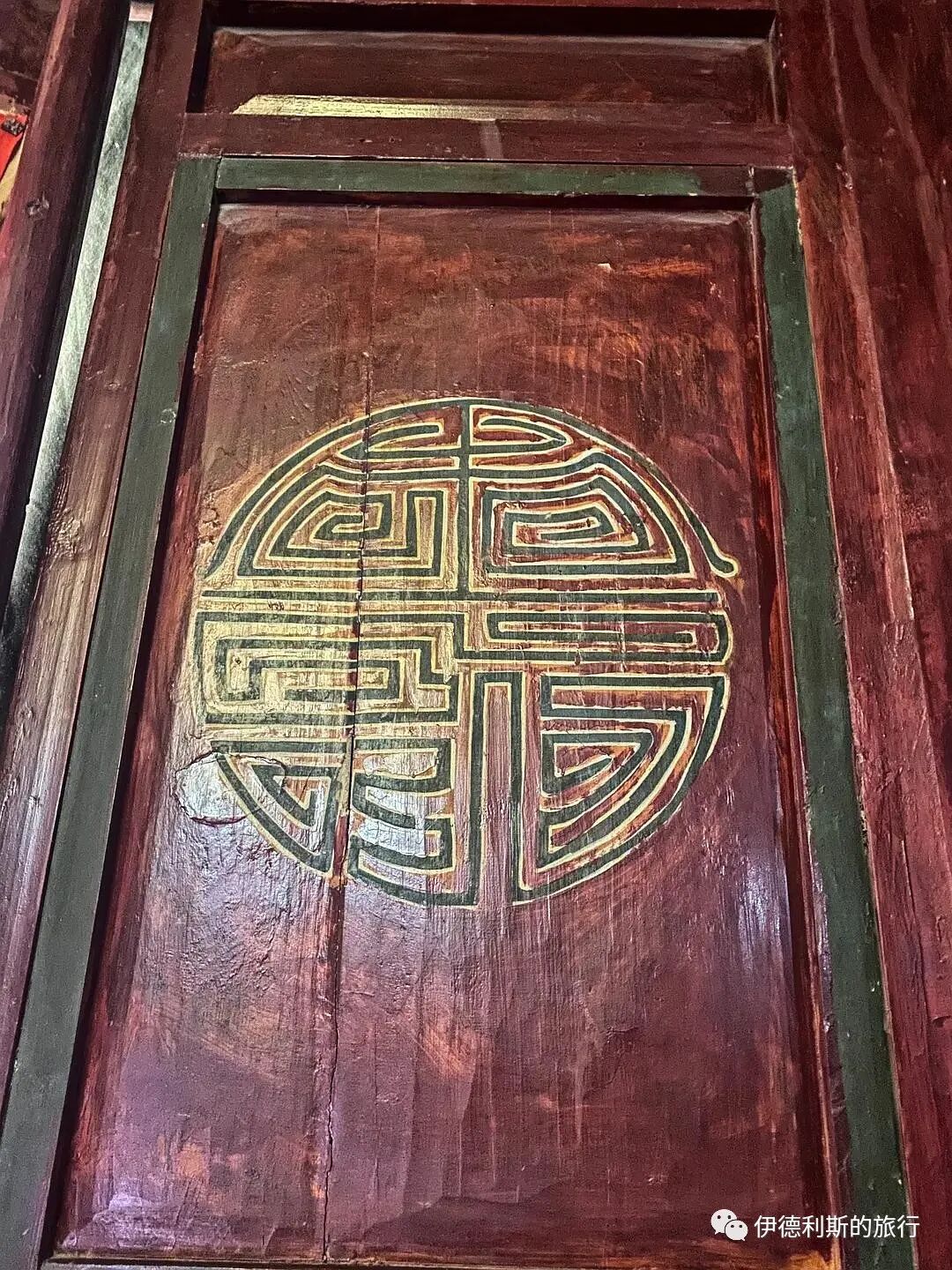
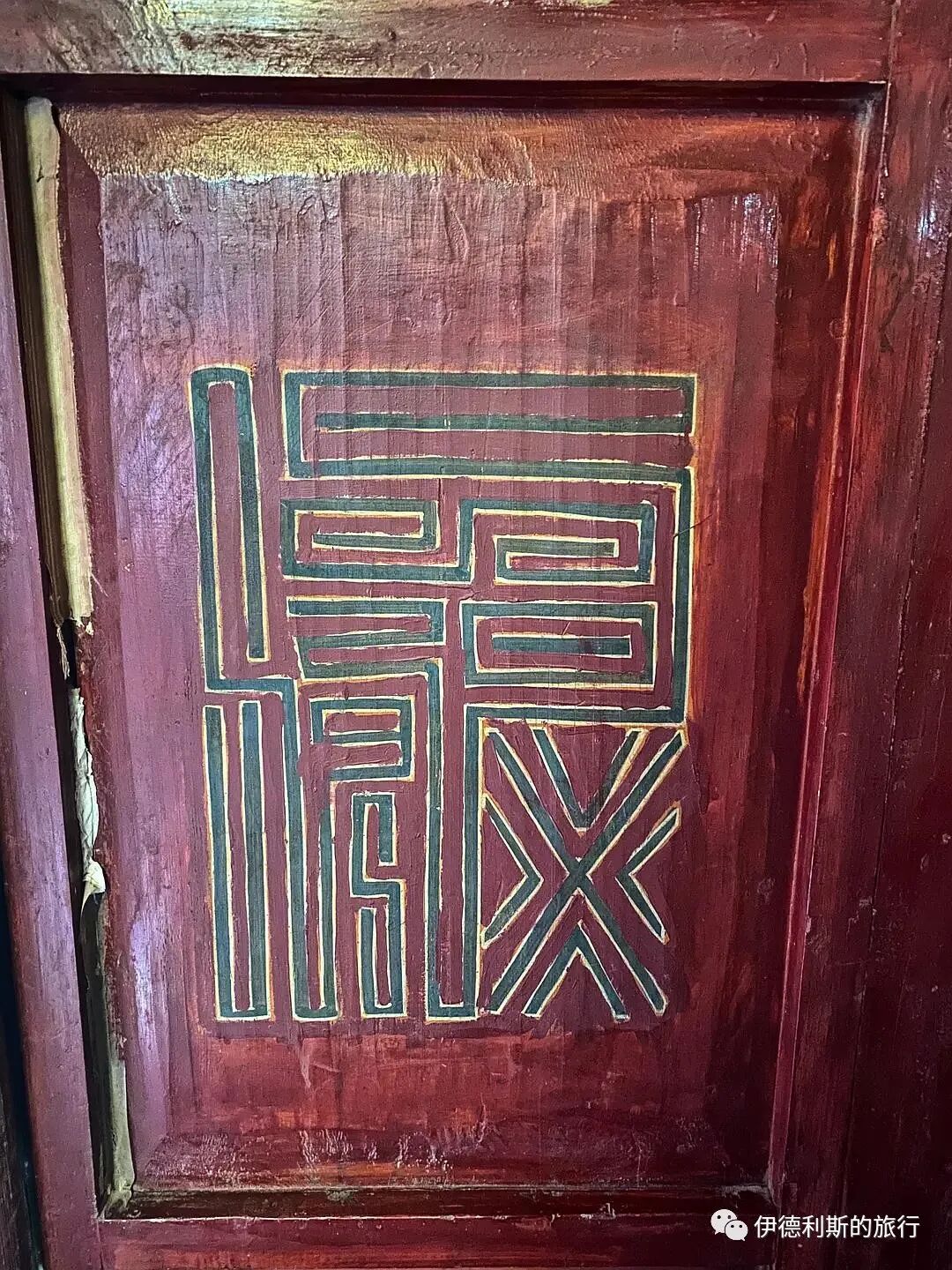
Seal script mural
8. Su Zhi Mosque
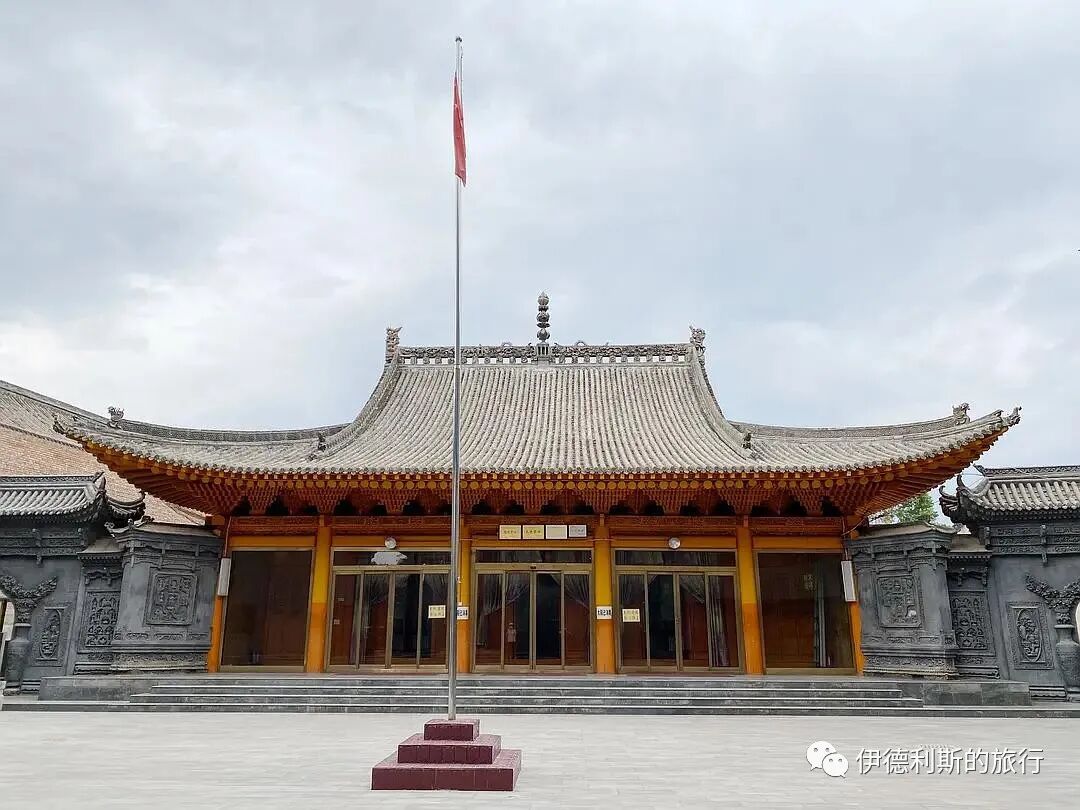
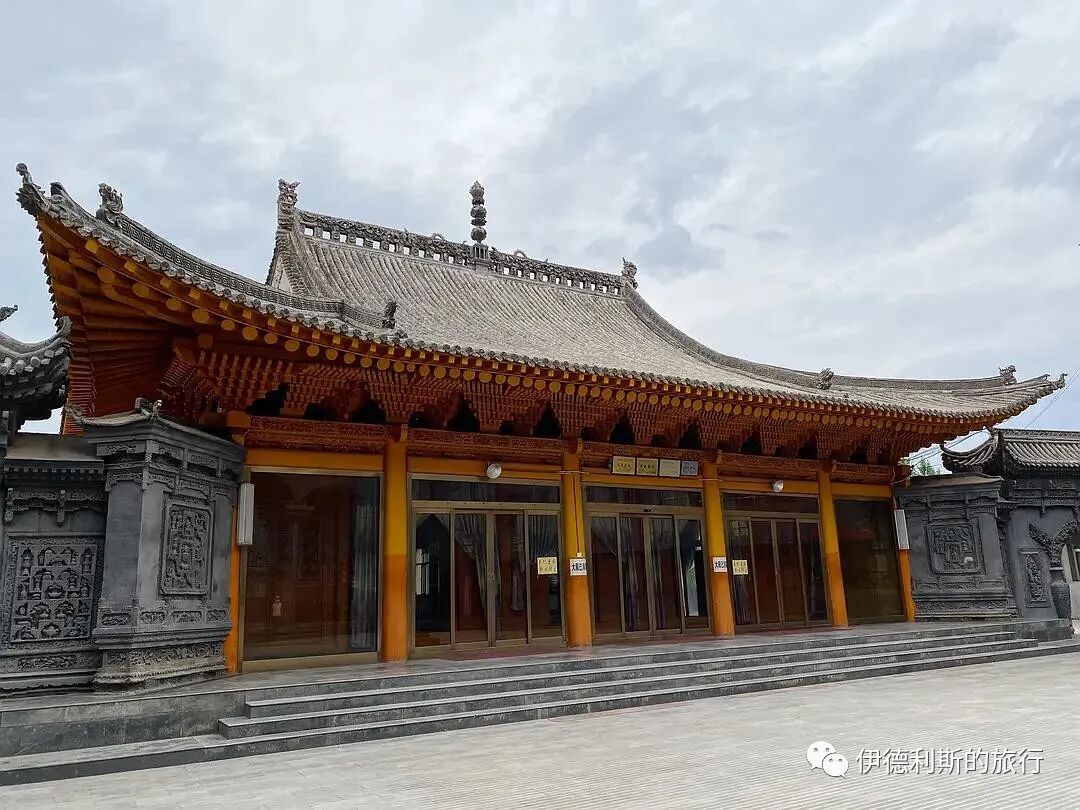
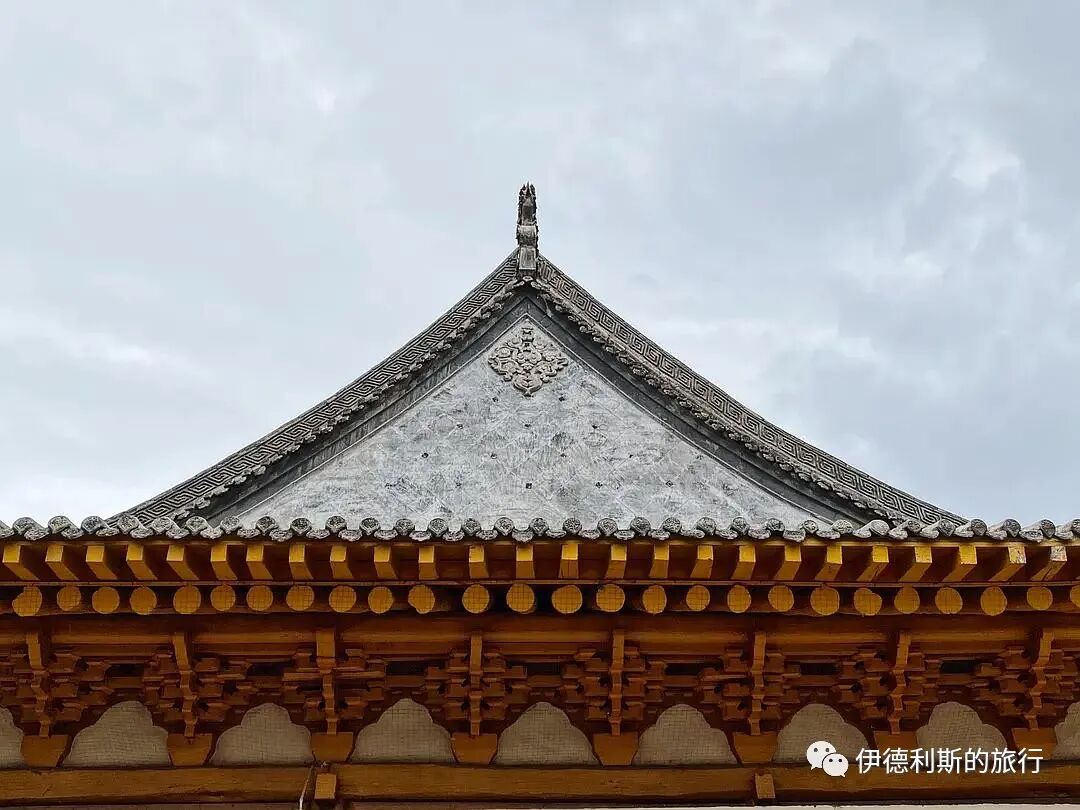
Suzhi Mosque in Xunhua County was first built in 1460 (the fourth year of the Tianshun reign of the Ming Dynasty) and expanded during the Qing Dynasty; it is the Haizi Mosque for the Salar people of the Suzhi area and is currently a cultural relic protection unit of Qinghai Province.
9. Ahetan Mosque
Although Ahetan Mosque in Hualong County is located north of the Yellow River in Hualong County, it is still a Salar mosque and, like Suzhi Mosque, belongs to the Suzhi Gong of the Salar Eight Gongs.
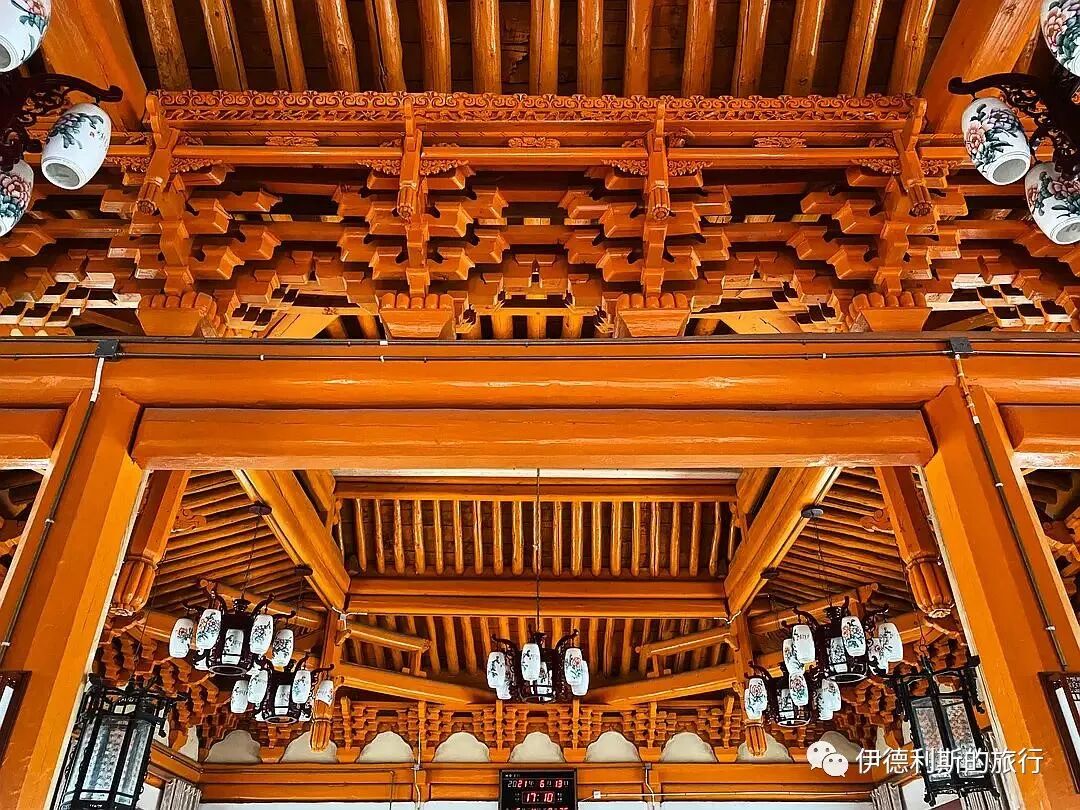
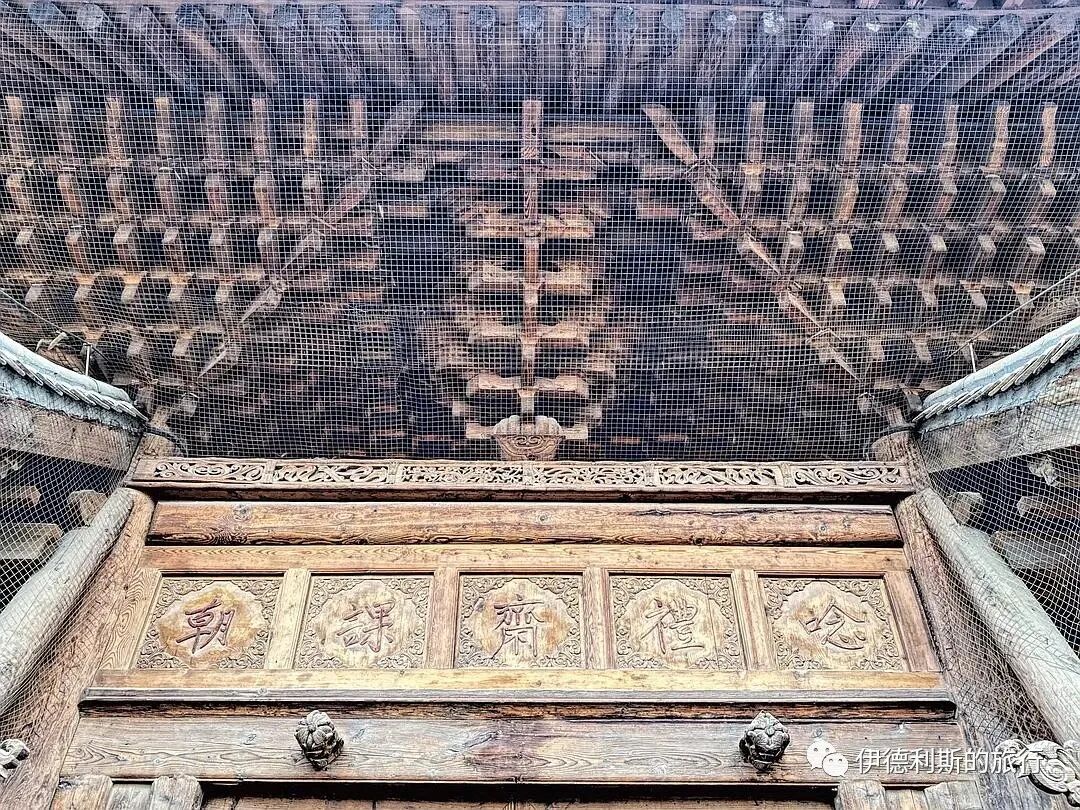
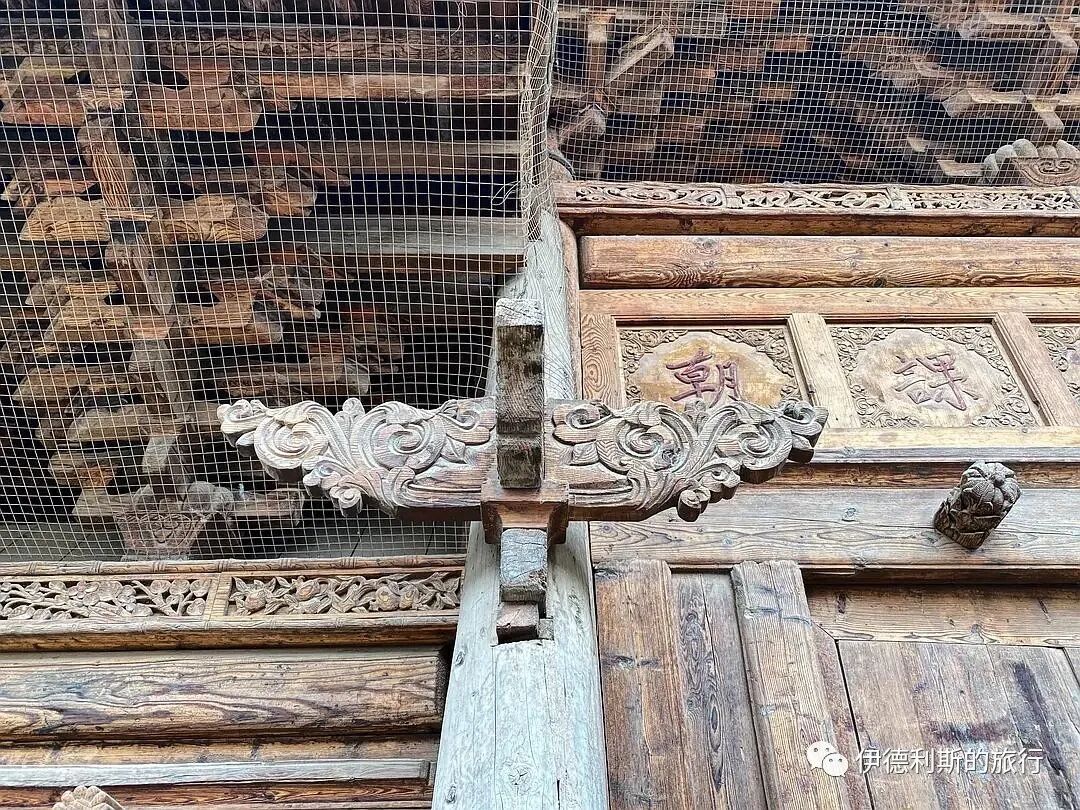
The mosque's three-bay, four-pillar, three-story hip-roof gate tower is 9 meters high, with the Five Pillars of Islam—Shahada, Salah, Zakat, Sawm, and Hajj—carved in the center, topped by a triangular arrangement of dougong brackets with nine steps and four cantilevered arms.
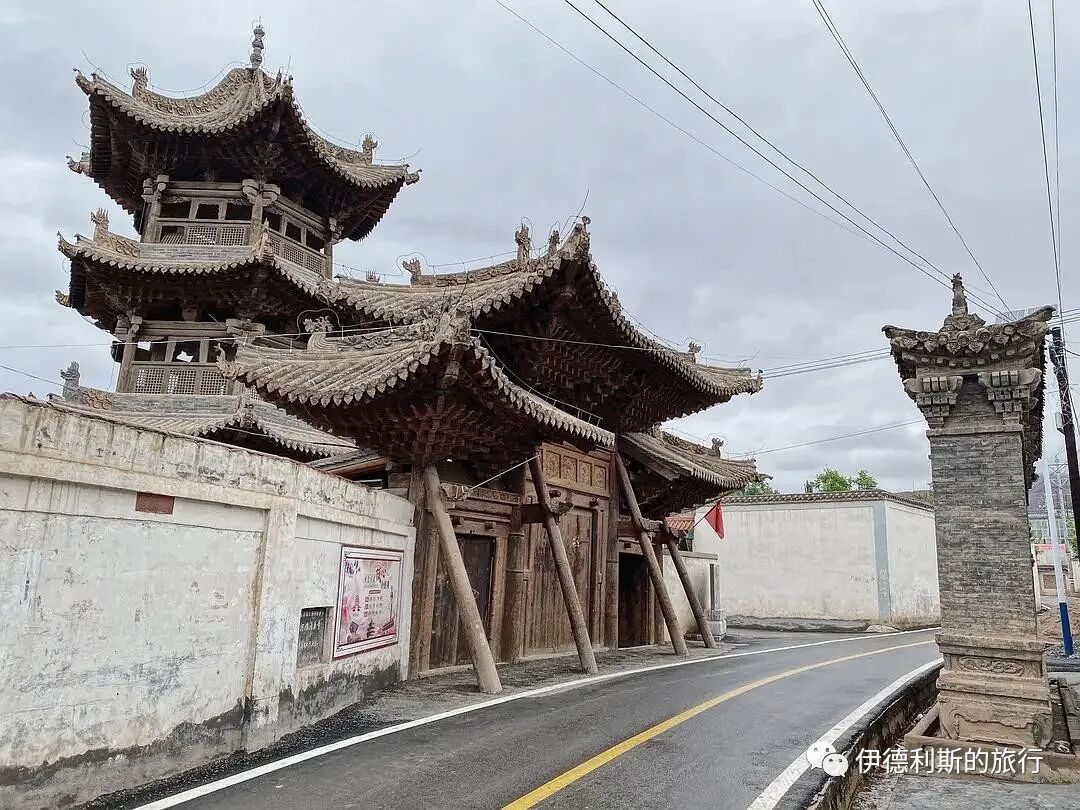
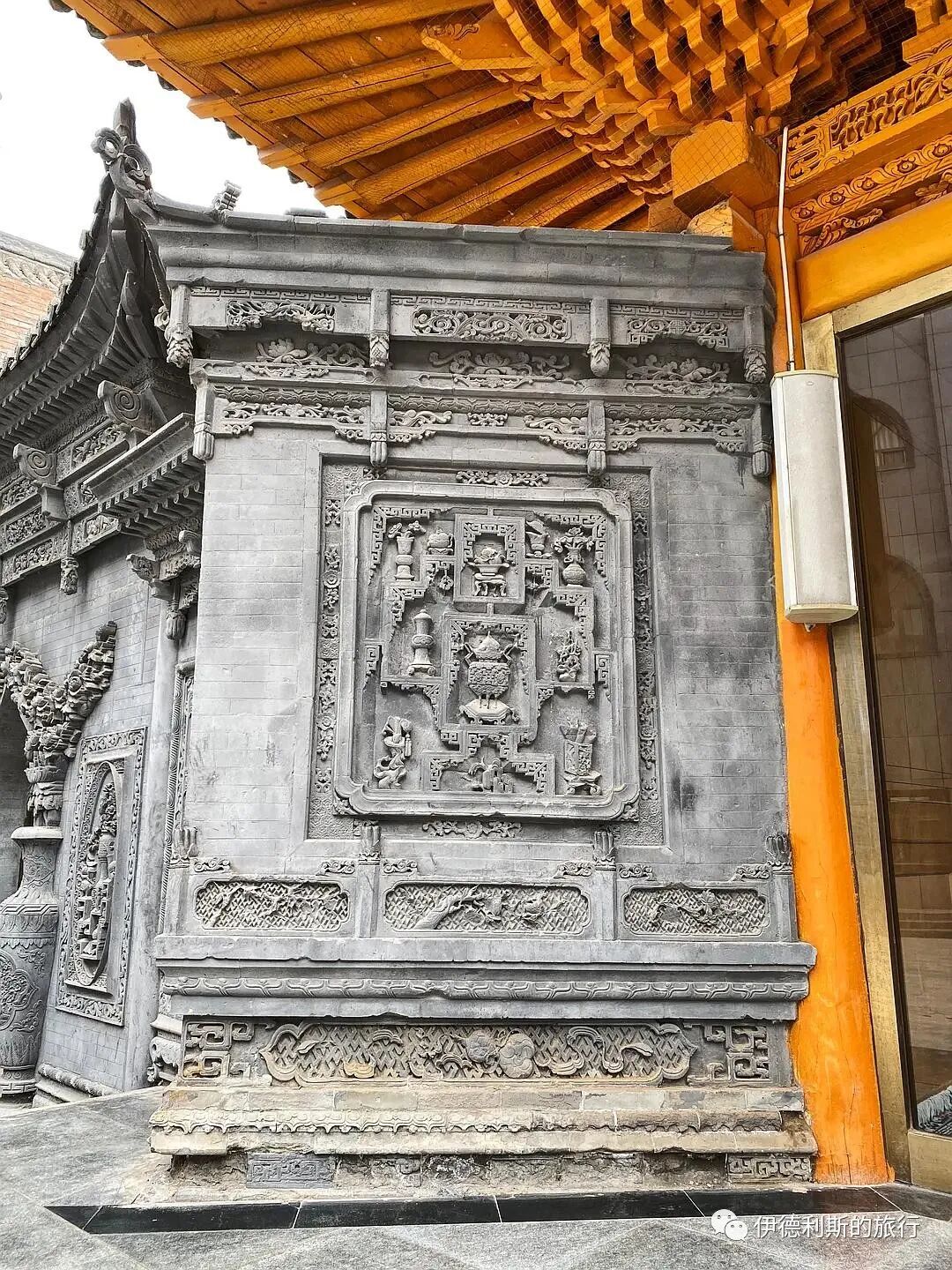
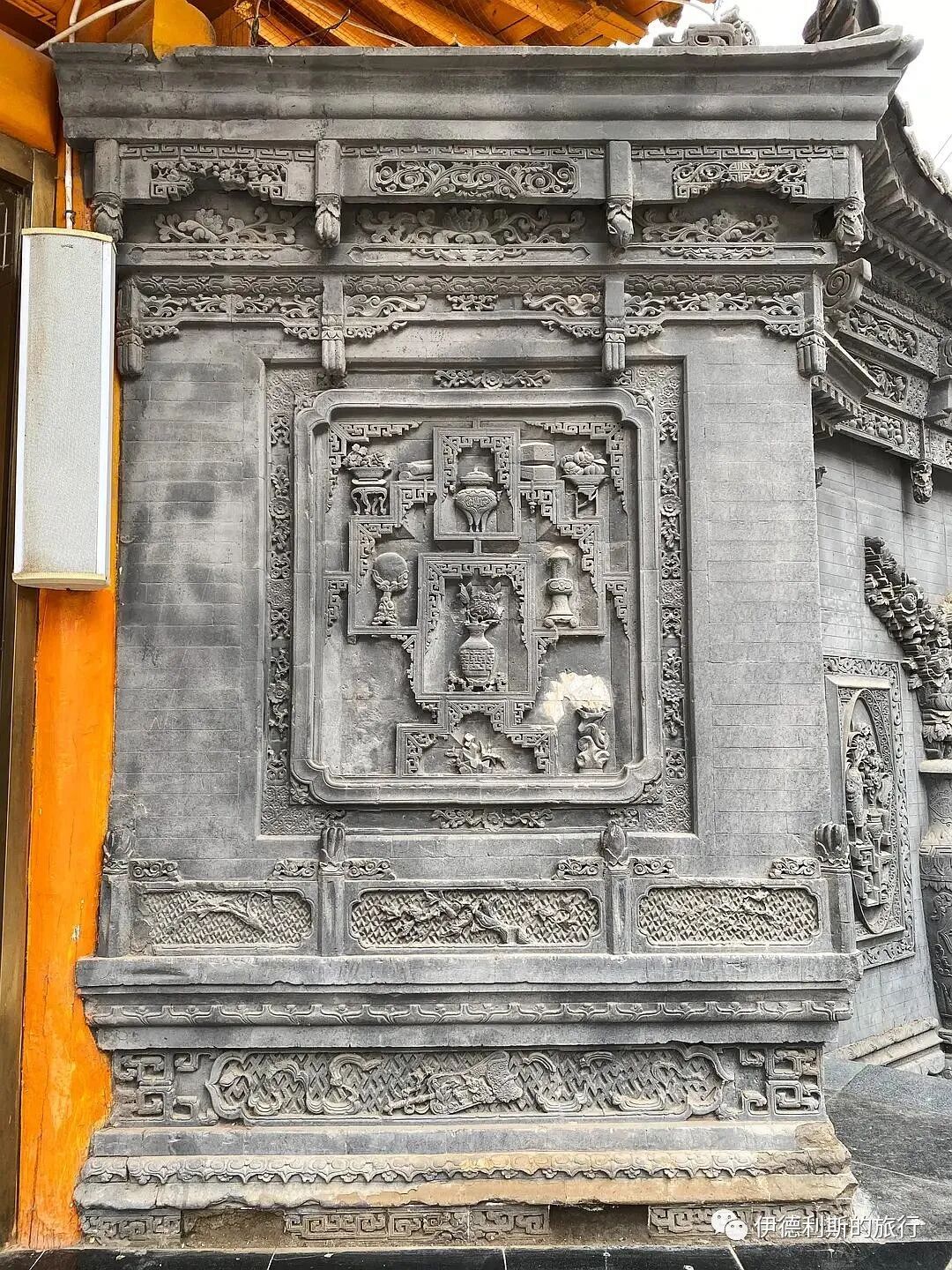
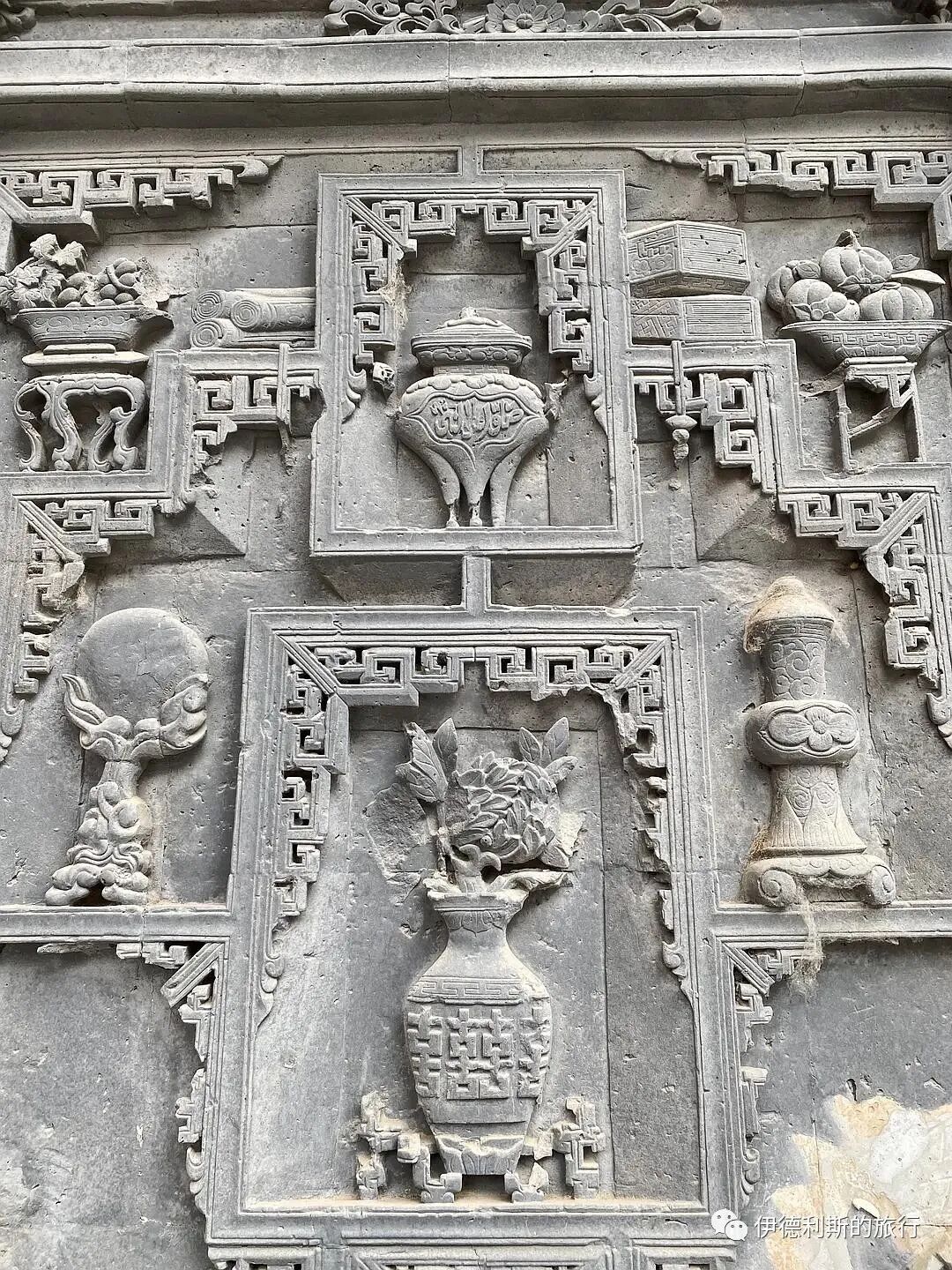
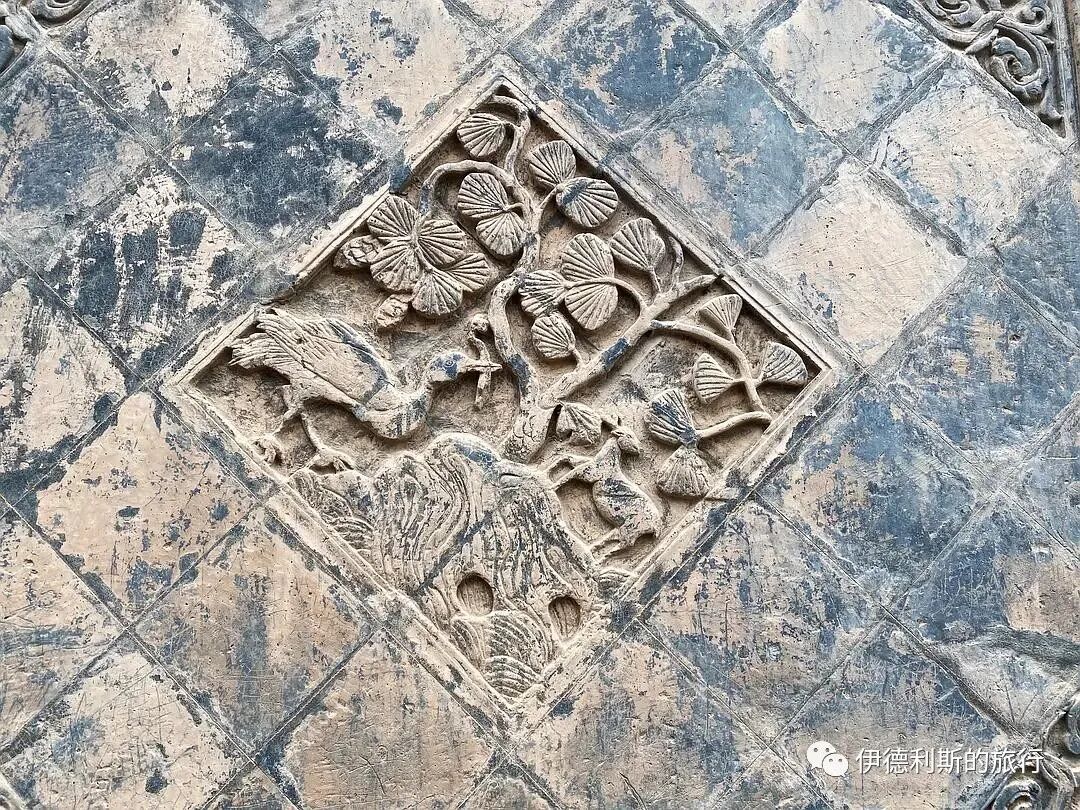
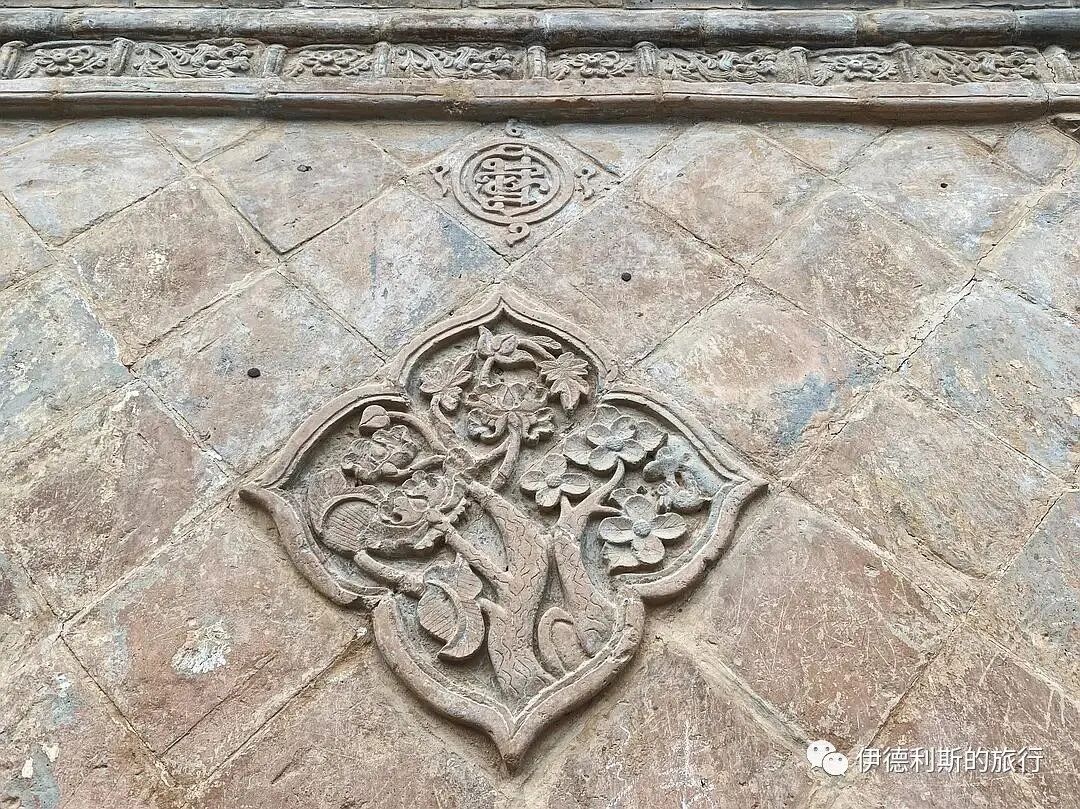
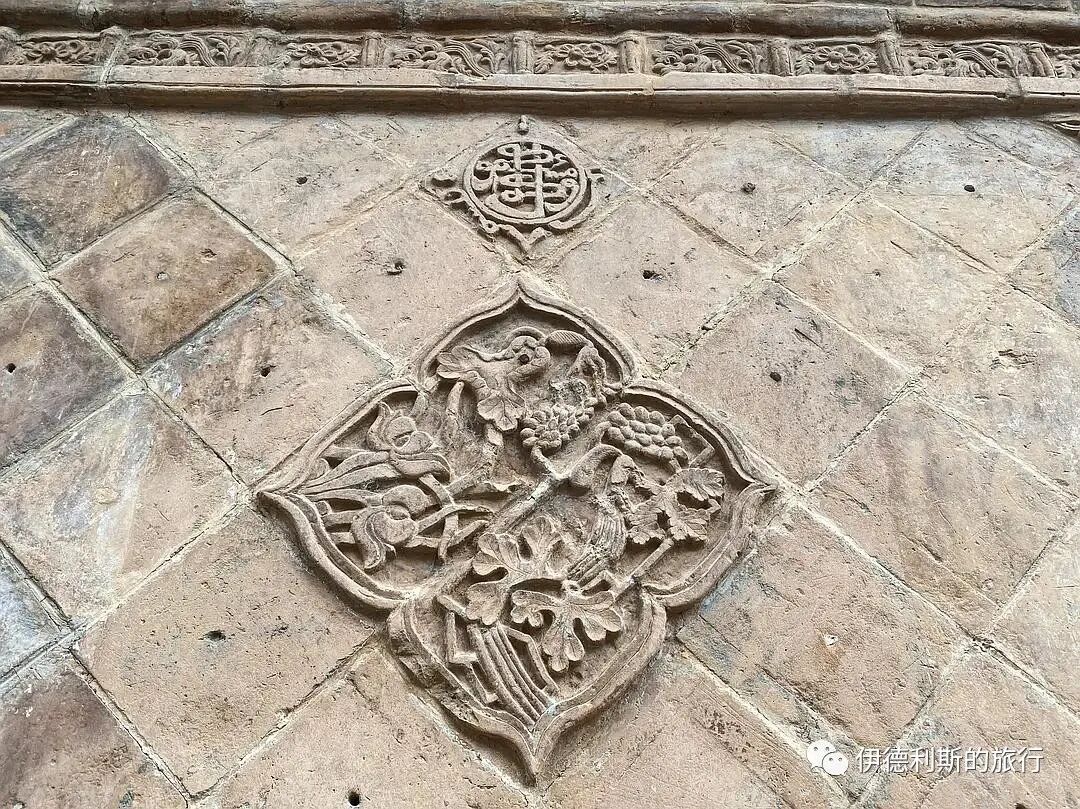
The brick-carved screen wall outside the gate tower.
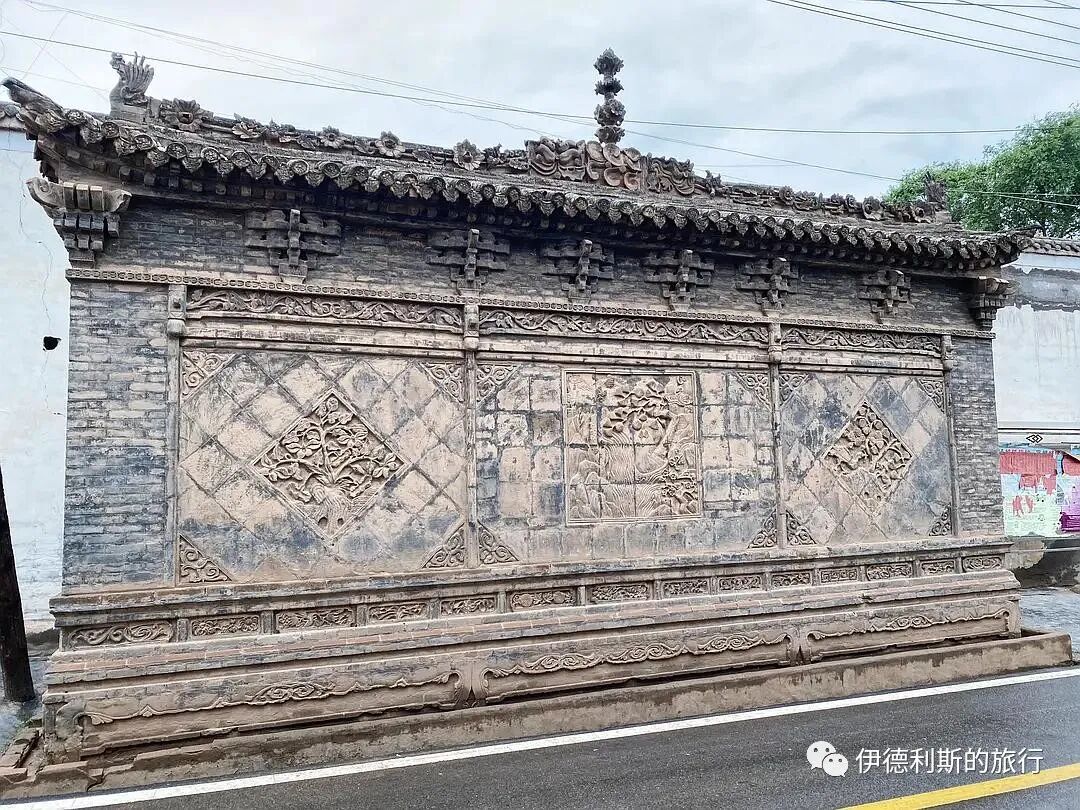
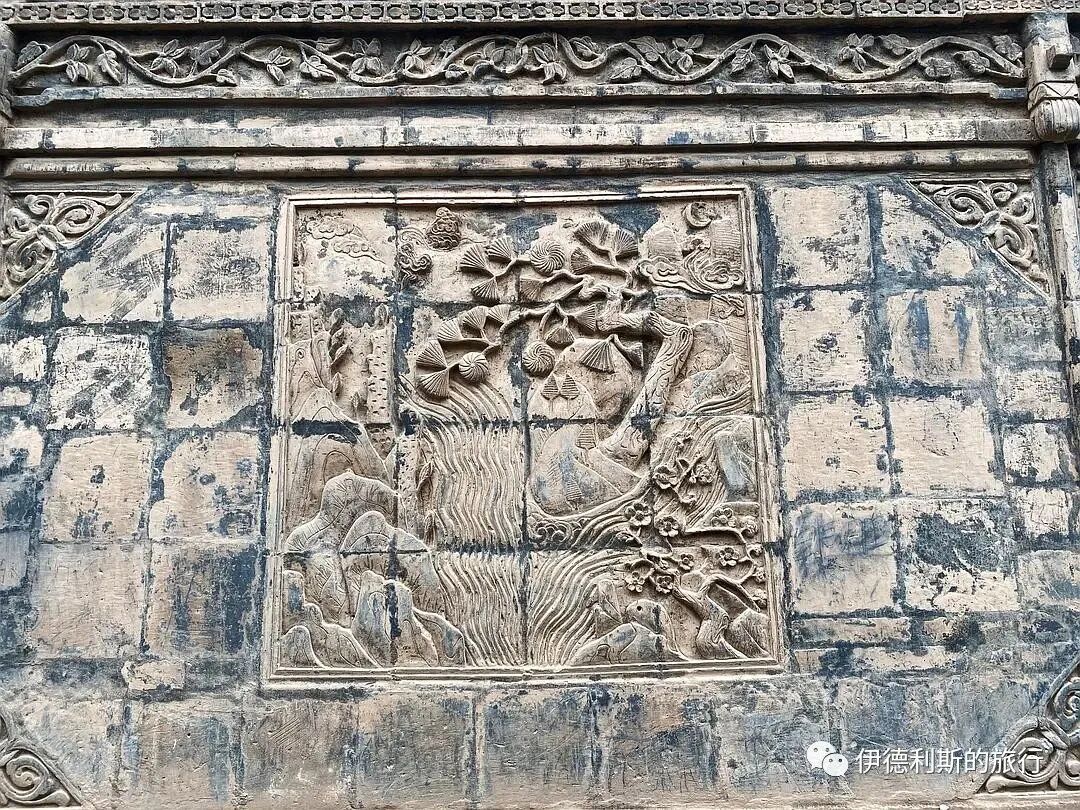
(Optional) Image description
Delete
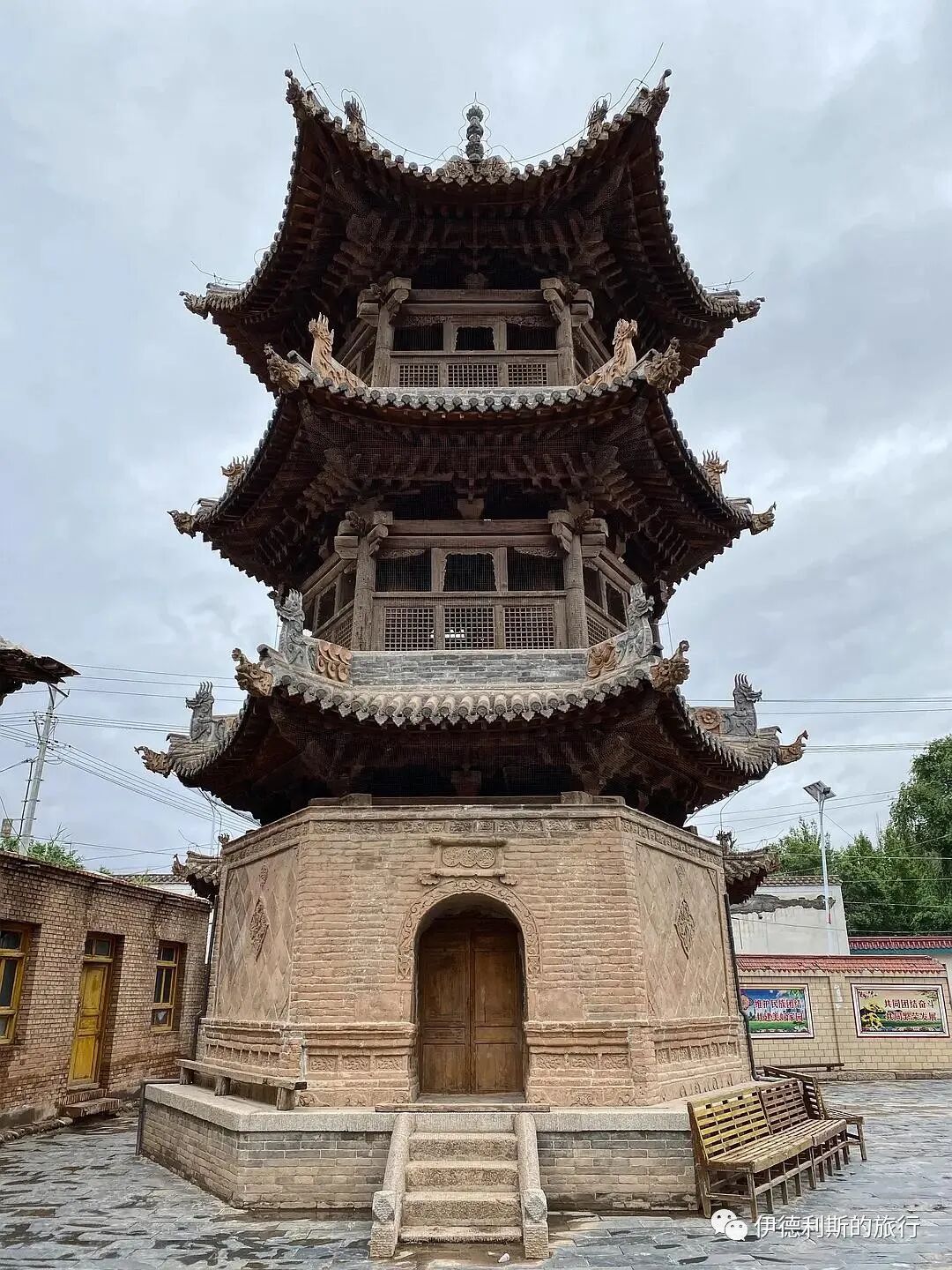
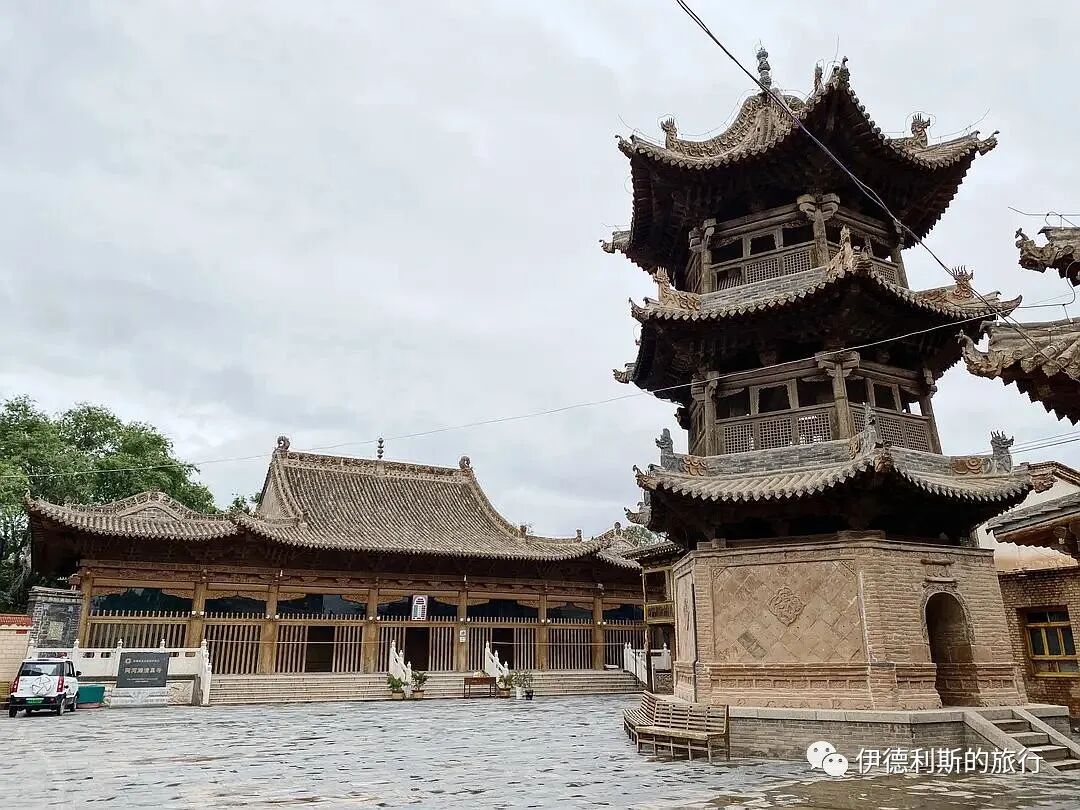
The 18-meter-high minaret has a brick base and a wooden pavilion on the upper level.
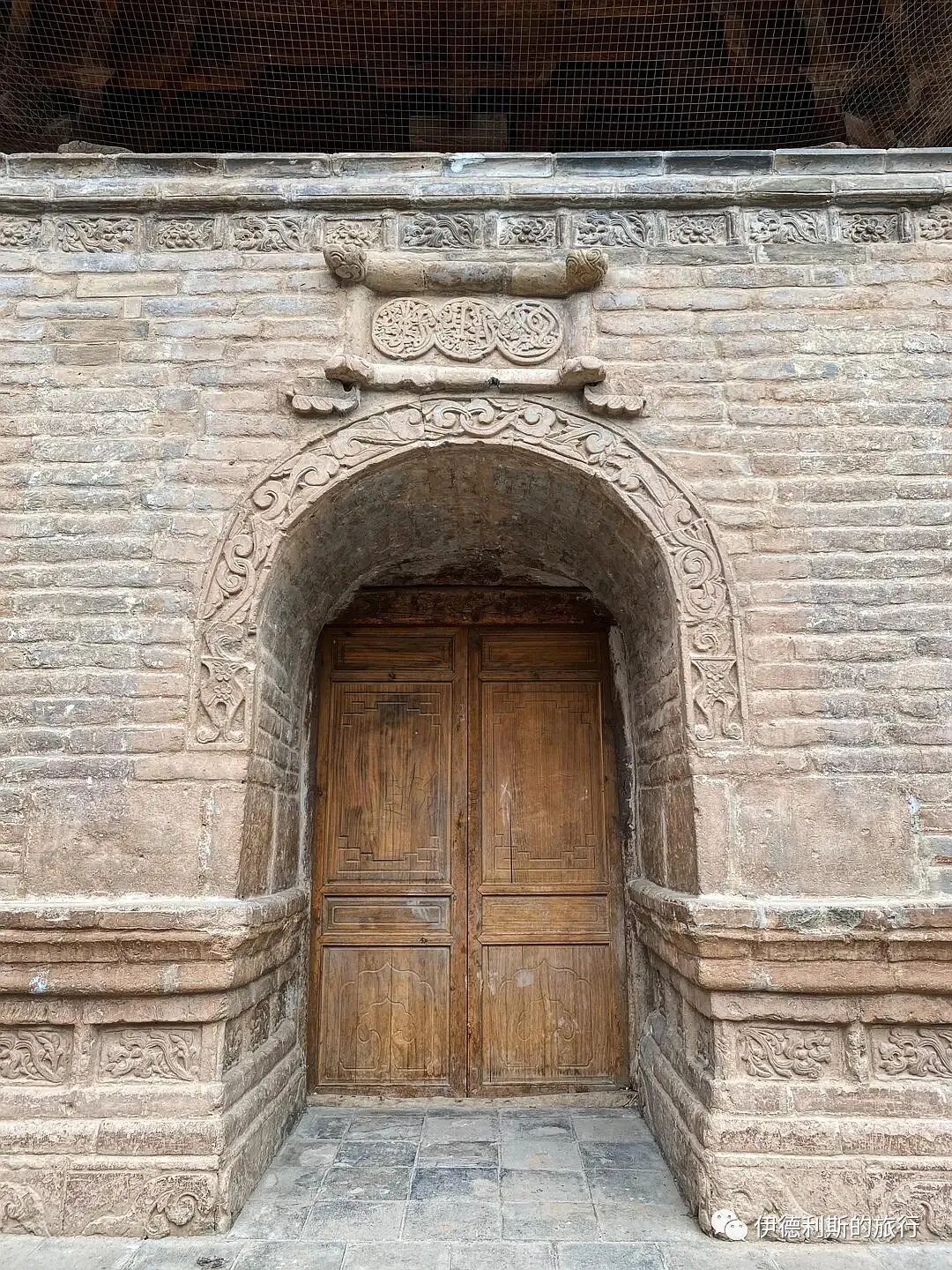
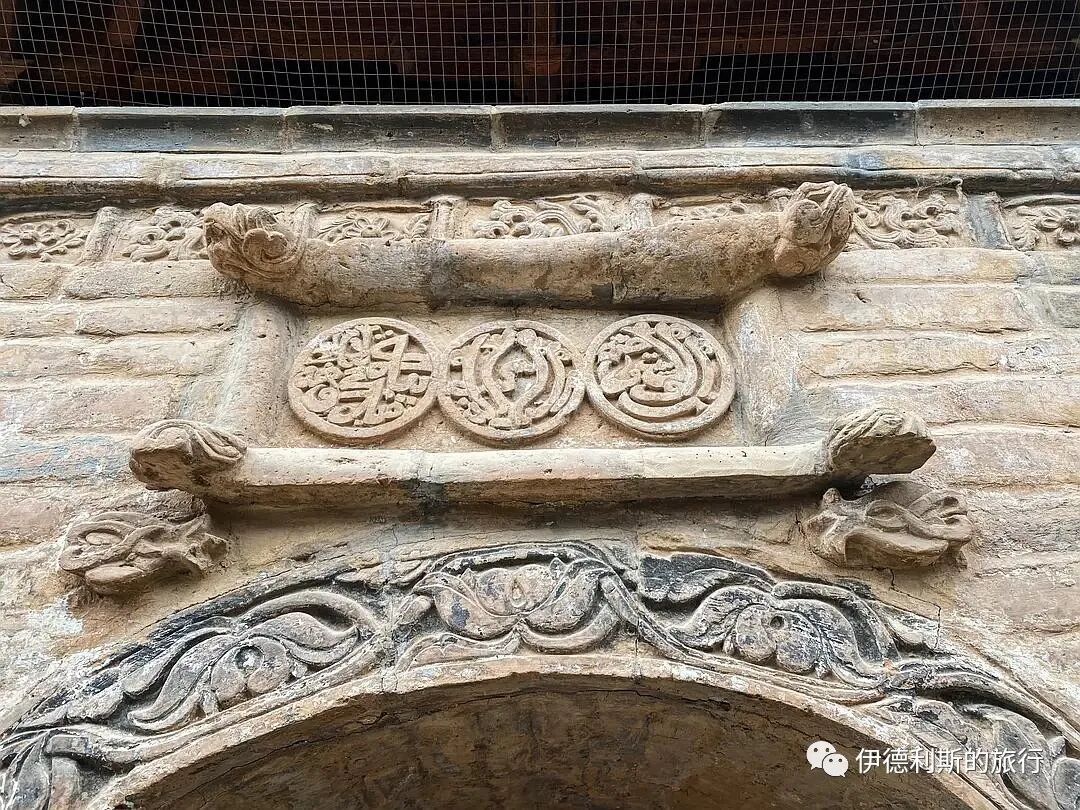
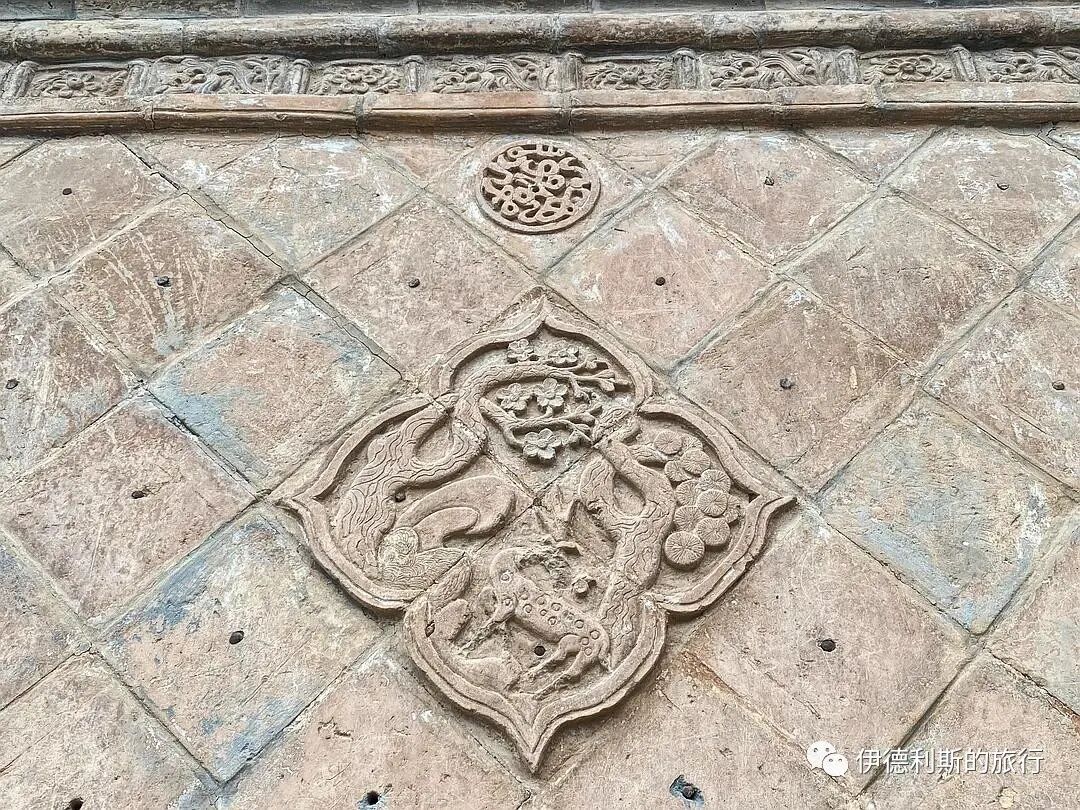
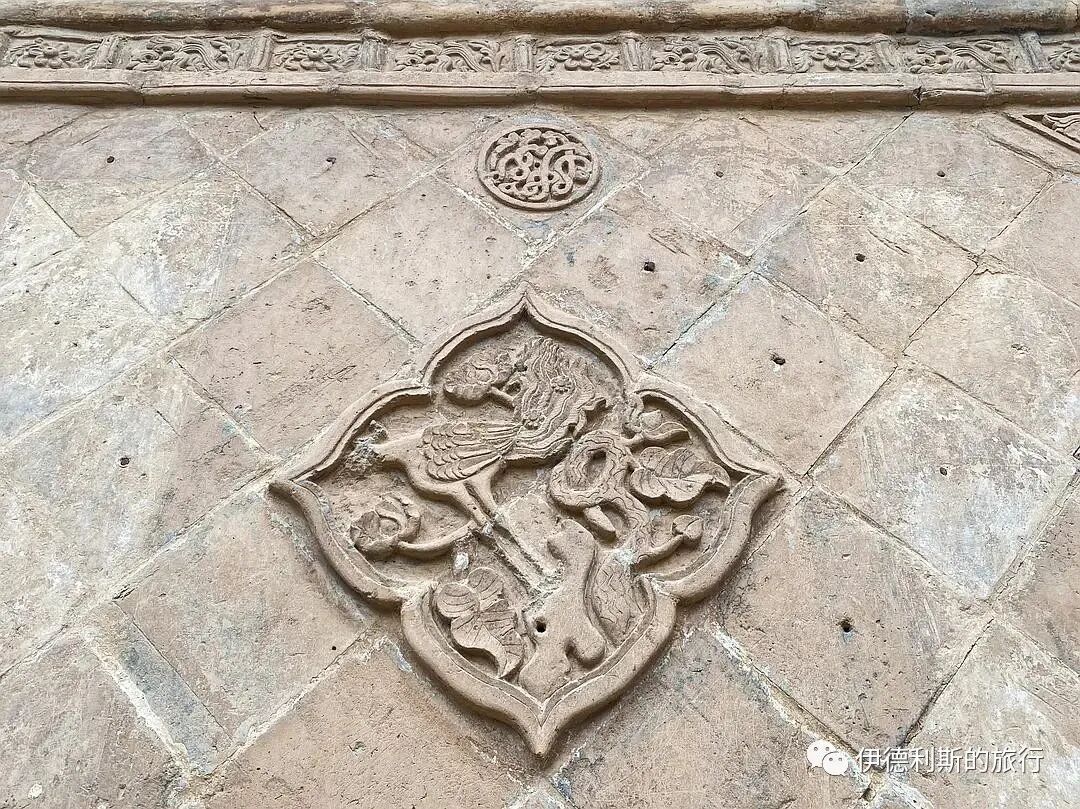
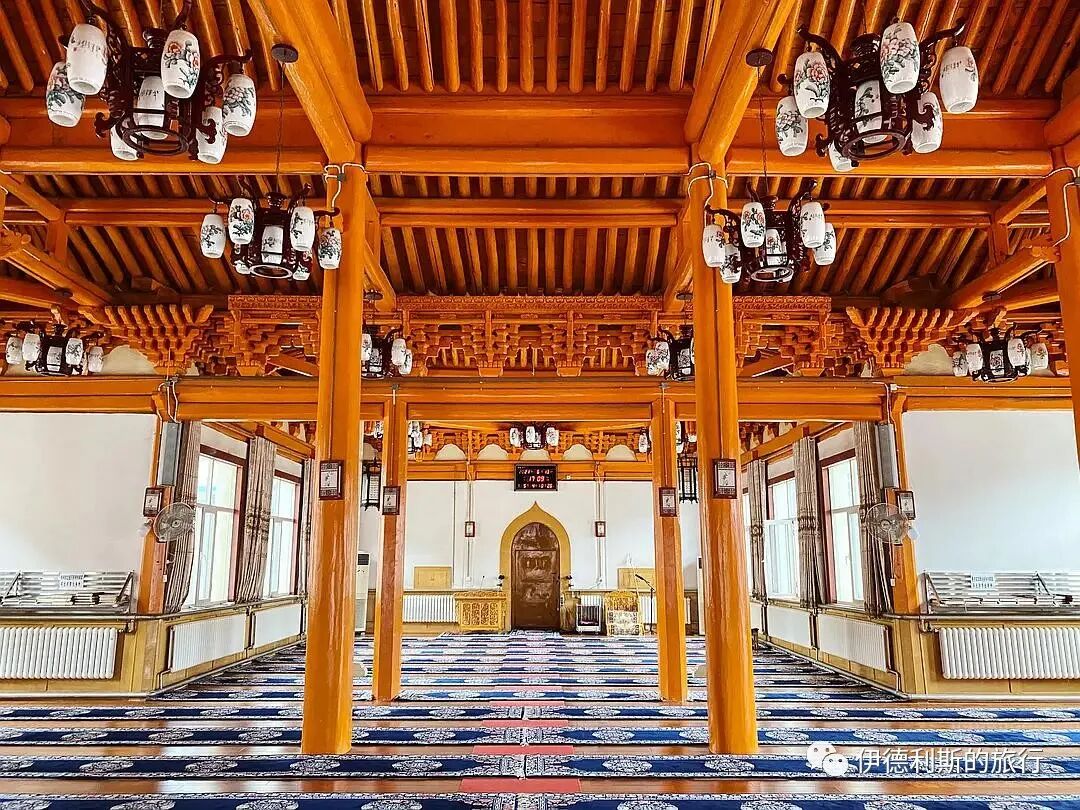
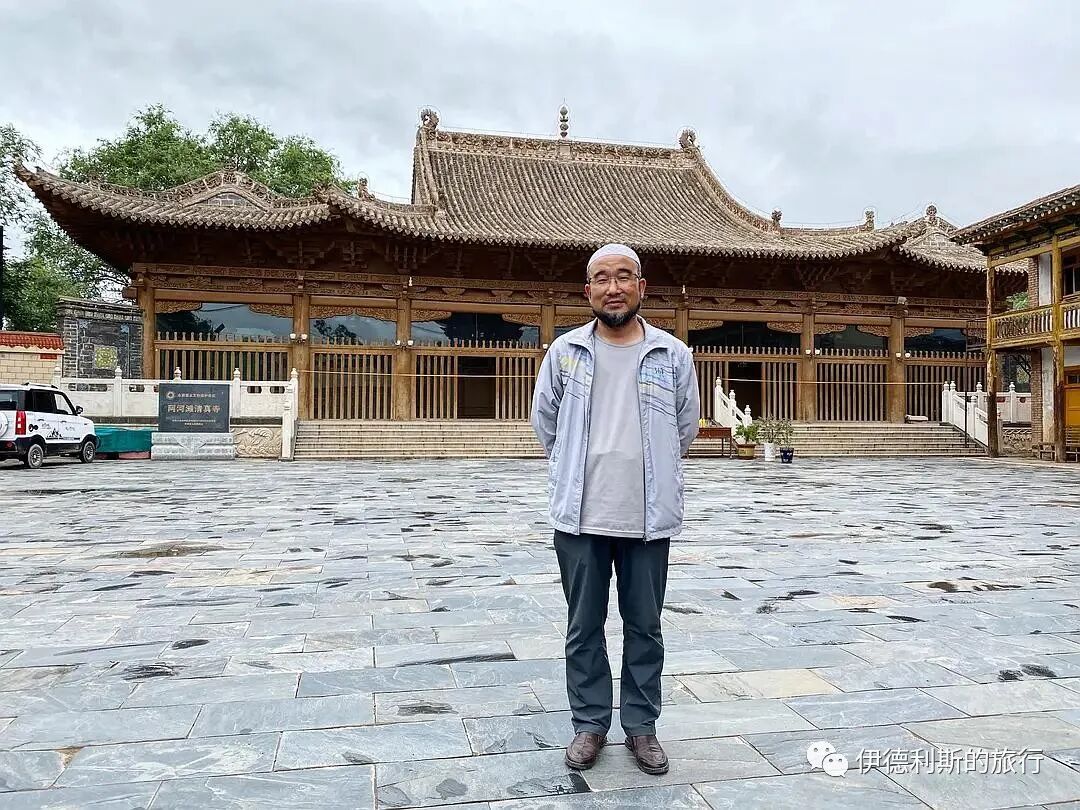
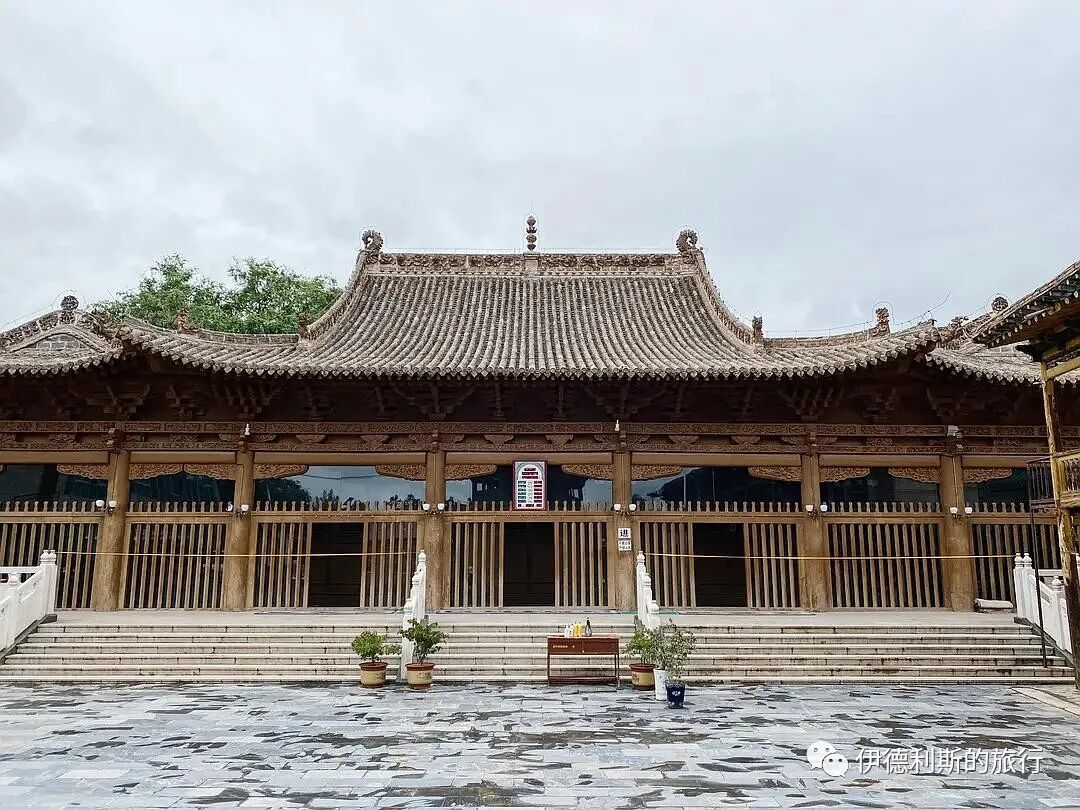
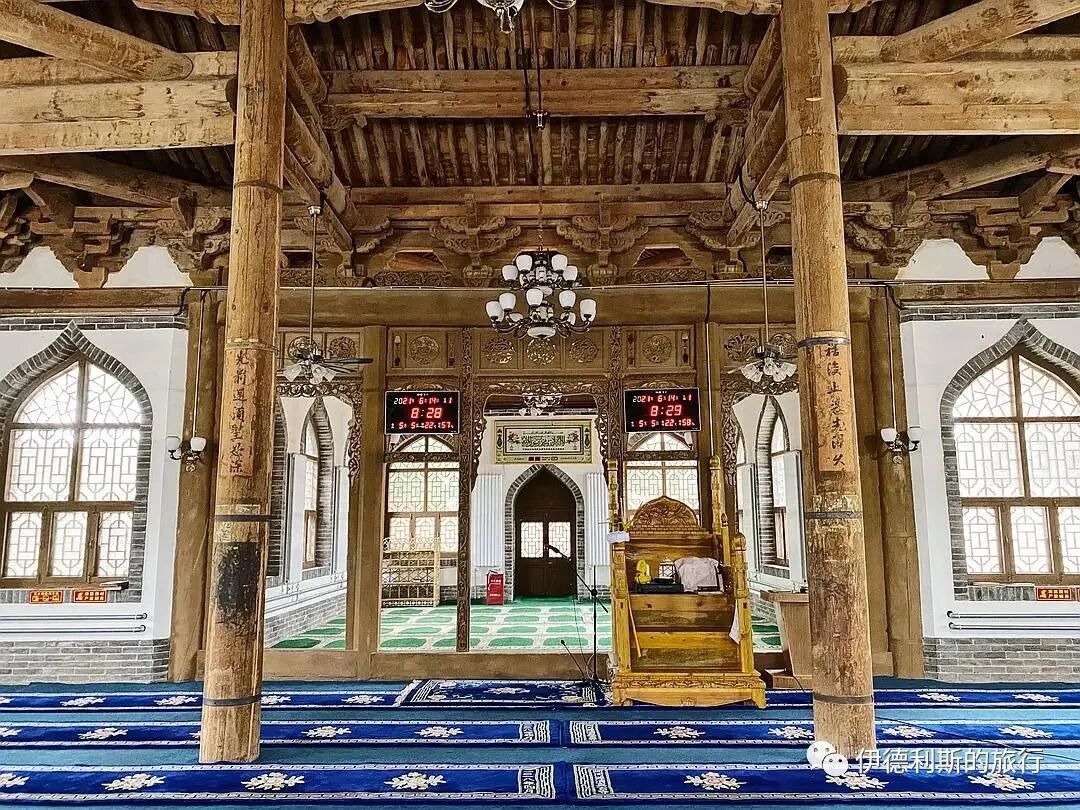
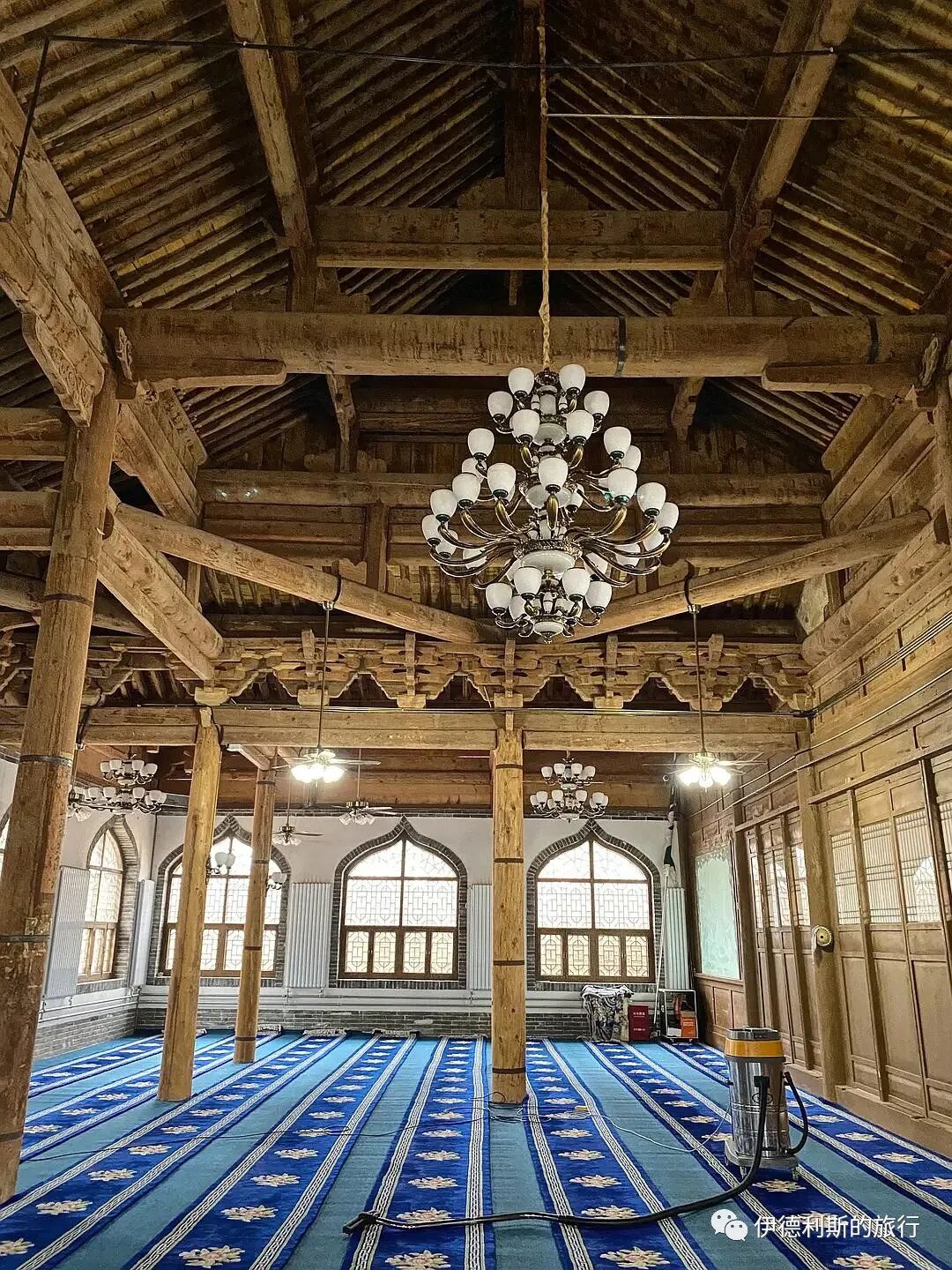
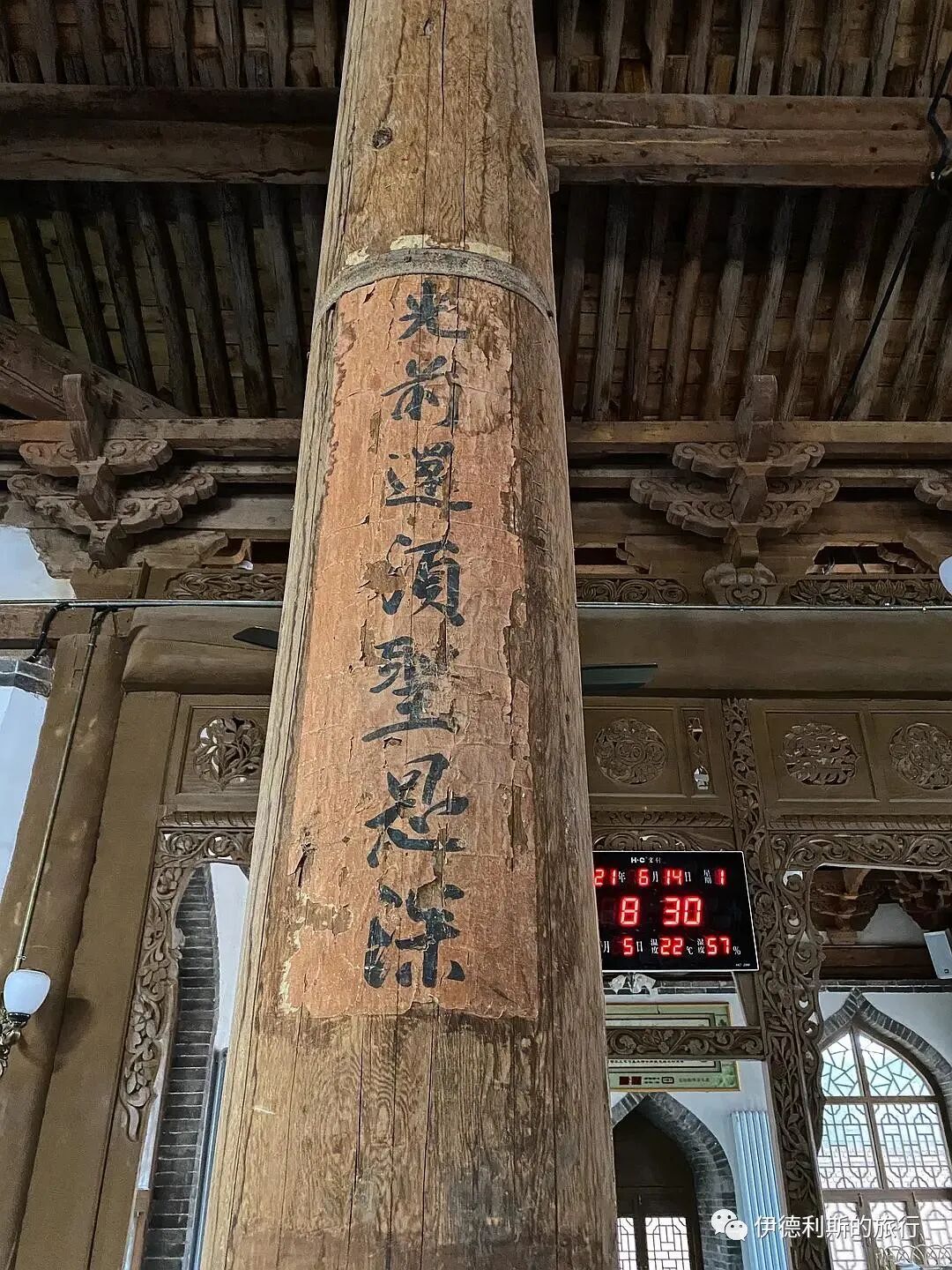
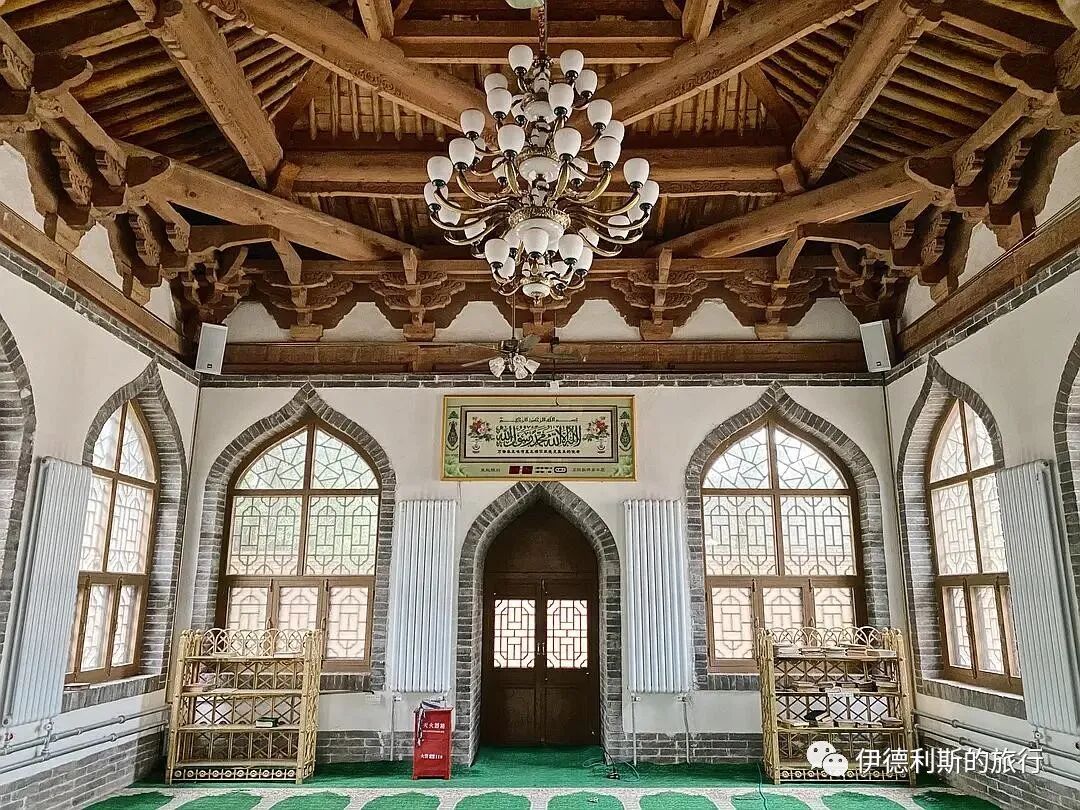
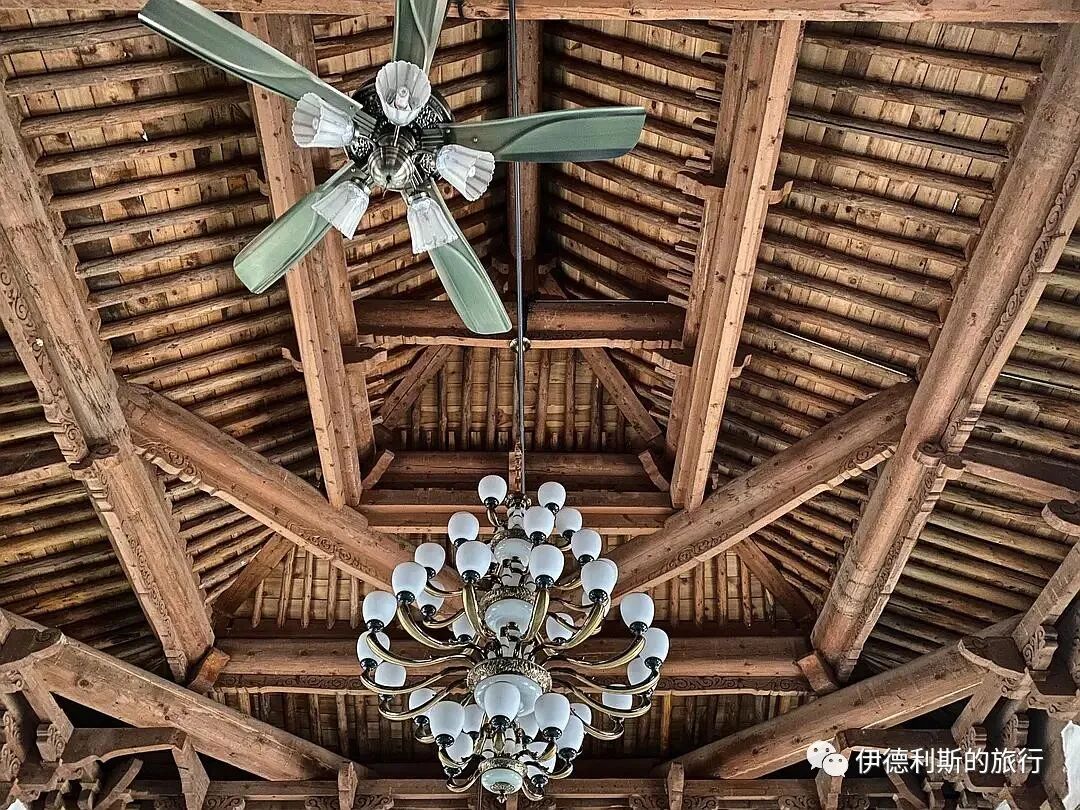
In the main hall of the mosque, we were warmly welcomed by the Imam.
Xia, Gongbei
1. Shangmajia Gongbei in Bazang Valley
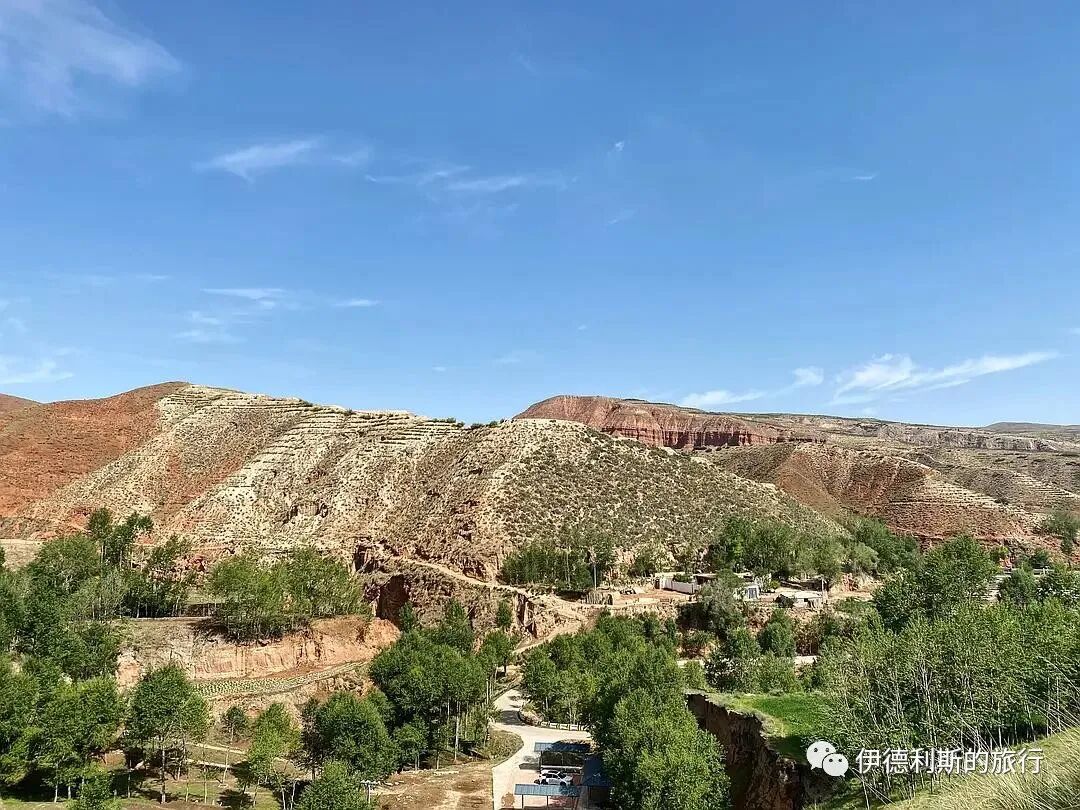
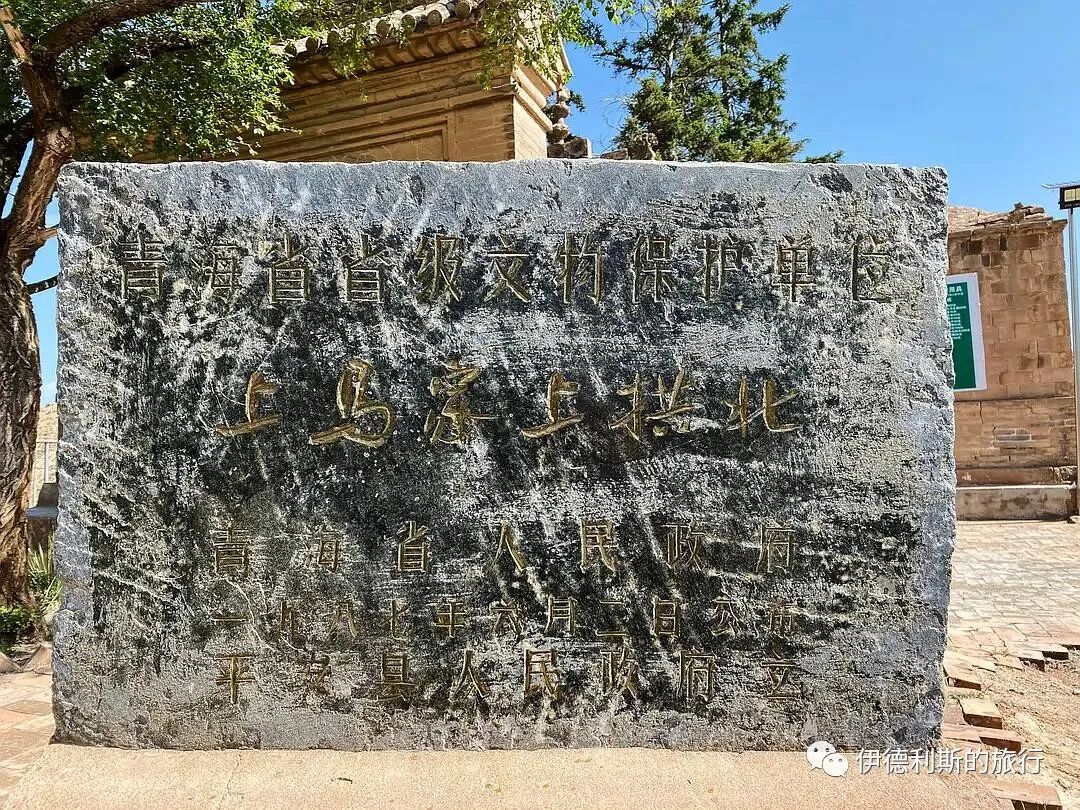
Shangmajia Shang Gongbei is located on the summit of Woniu Mountain in Bazanggou, Ping'an District, Haidong City, so it is also called Woniu Mountain Gongbei; it is the tomb of Ma Diangong (1643-1715) of the Hufeiye Xianmen Menhuan.
Ma Diangong is known as Ma Ahong Taiye and is a local from Shangma Village in Bazanggou. He was eager to learn from a young age, entering the Xining Dongguan Mosque at 7 to study, and at 24, he was appointed as the Imam of the Xining Beiguan Mosque after completing his religious training. During his time at the Beiguan Mosque, he was entrusted by Huazhe Abdullahi and Apak Khoja to teach the scriptures to Xian Meizhen (Zhuzi Taiye). After Xian Meizhen founded the Xianmen Menhuan, Ma Diangong became his Naib (deputy). Before Xian Meizhen returned to Allah, because his eldest son Xian Huazhe was still young, he entrusted him to Ma Diangong and asked him to preside over religious affairs.
During the reign of Emperor Qianlong of the Qing Dynasty, the third-generation Sheikh Xian Chengde (Grandfather Chuanli) built the Gongbei for Ma Diangong; it was destroyed in 1867 and rebuilt in the early years of the Guangxu reign under the leadership of the fourth master, Grandfather Xian Linqing.
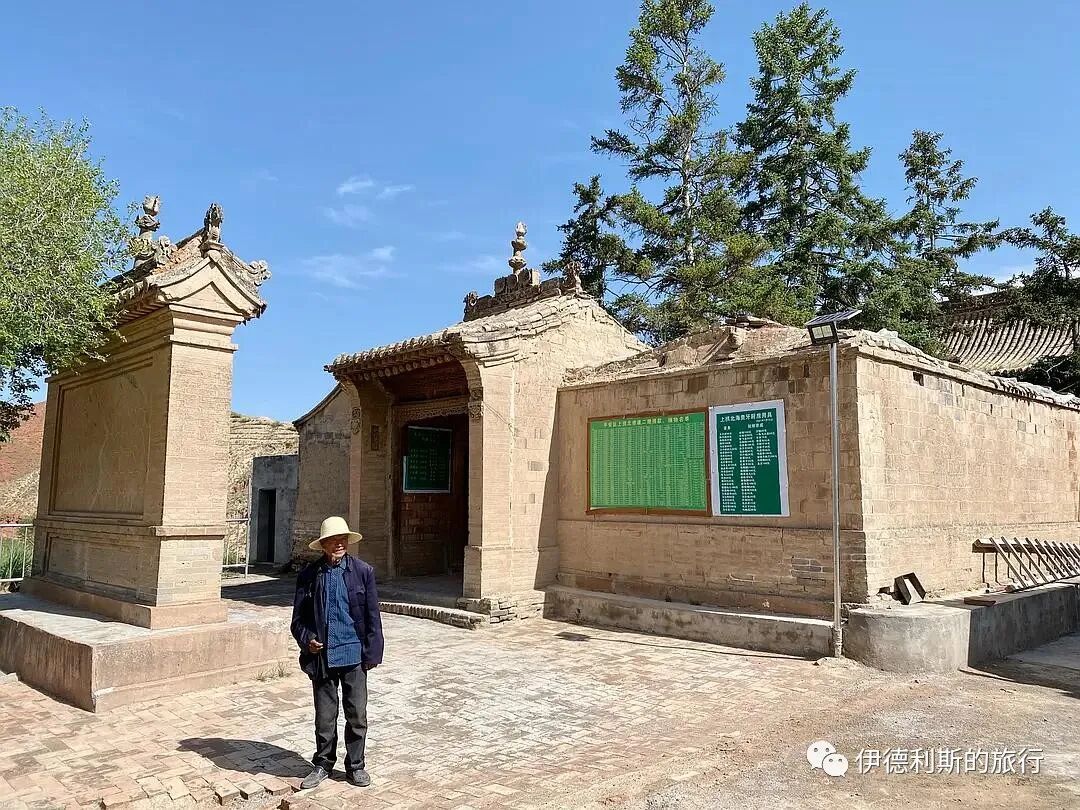
Today, the Gongbei preserves the two-courtyard layout from the Guangxu era very well and has been designated as a cultural relic protection unit of Qinghai Province.
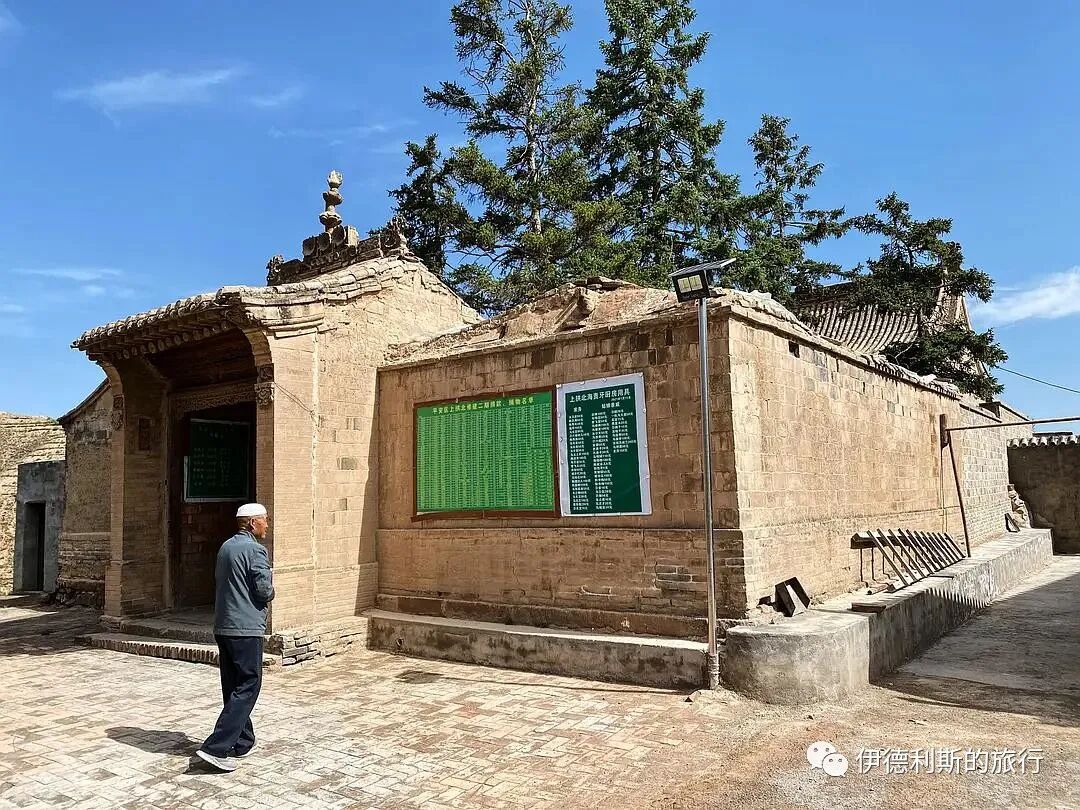
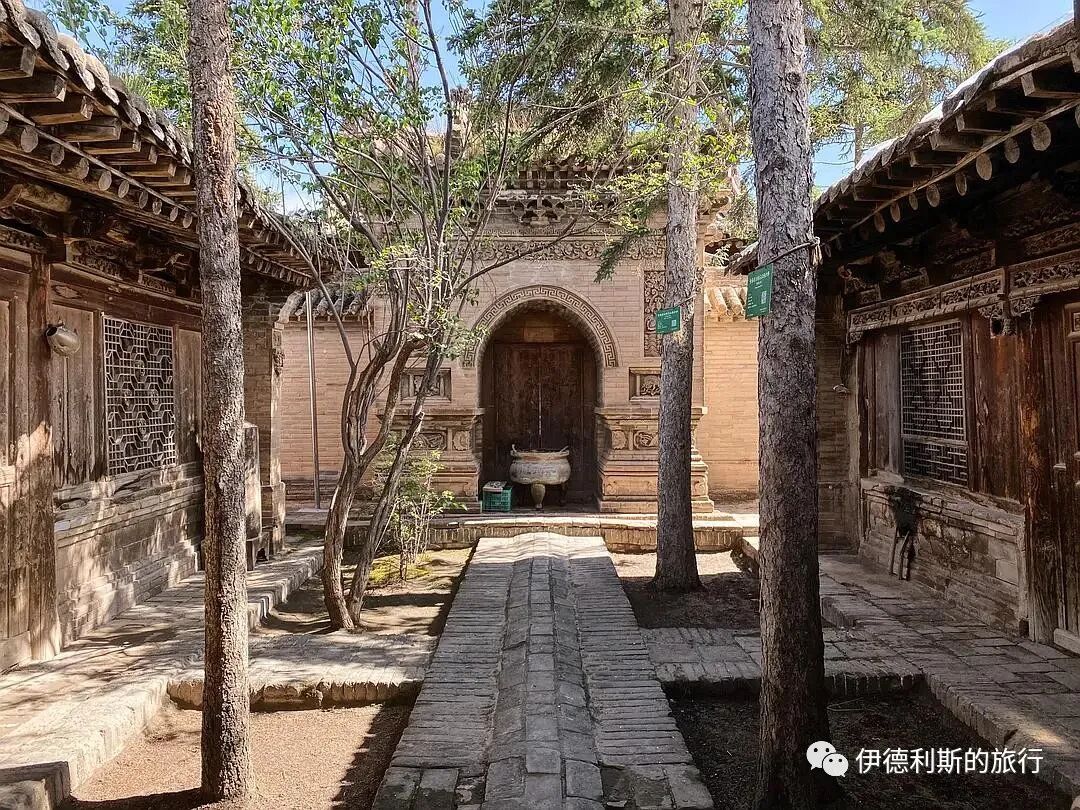
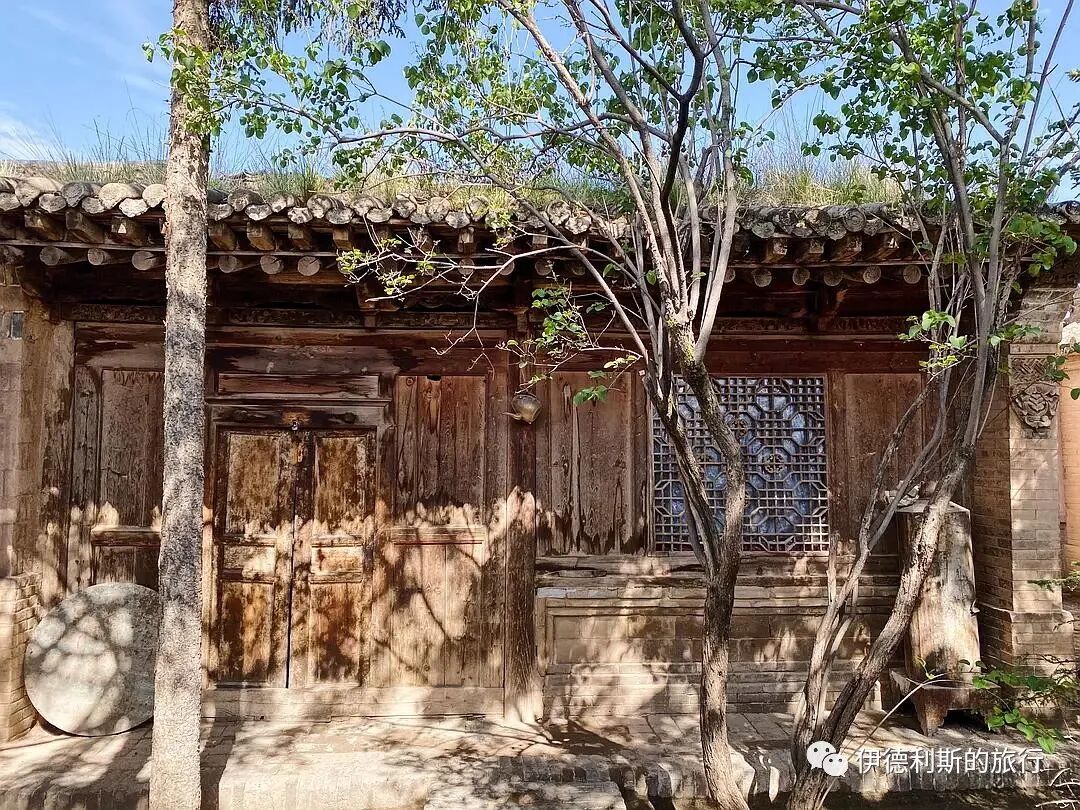
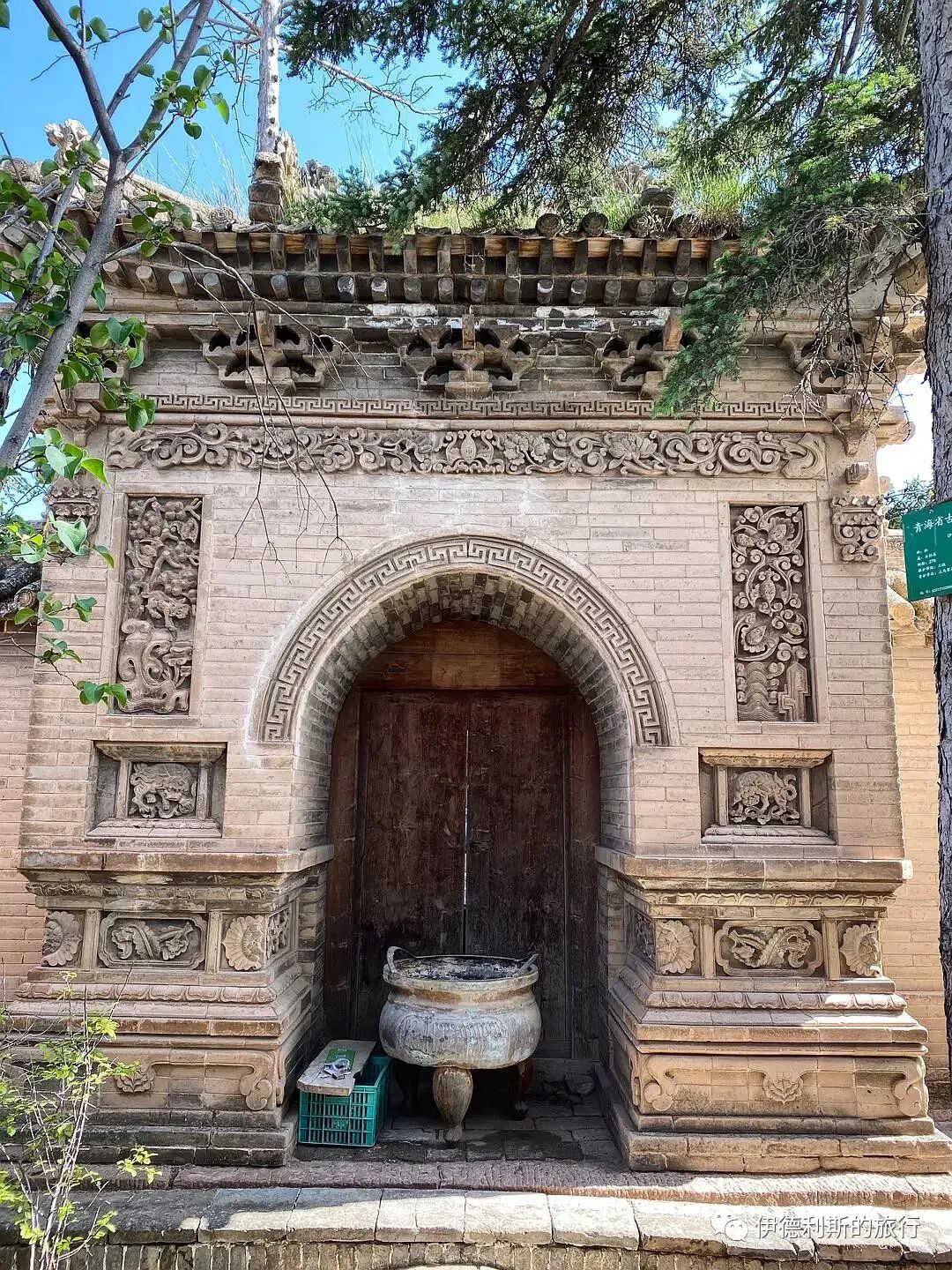
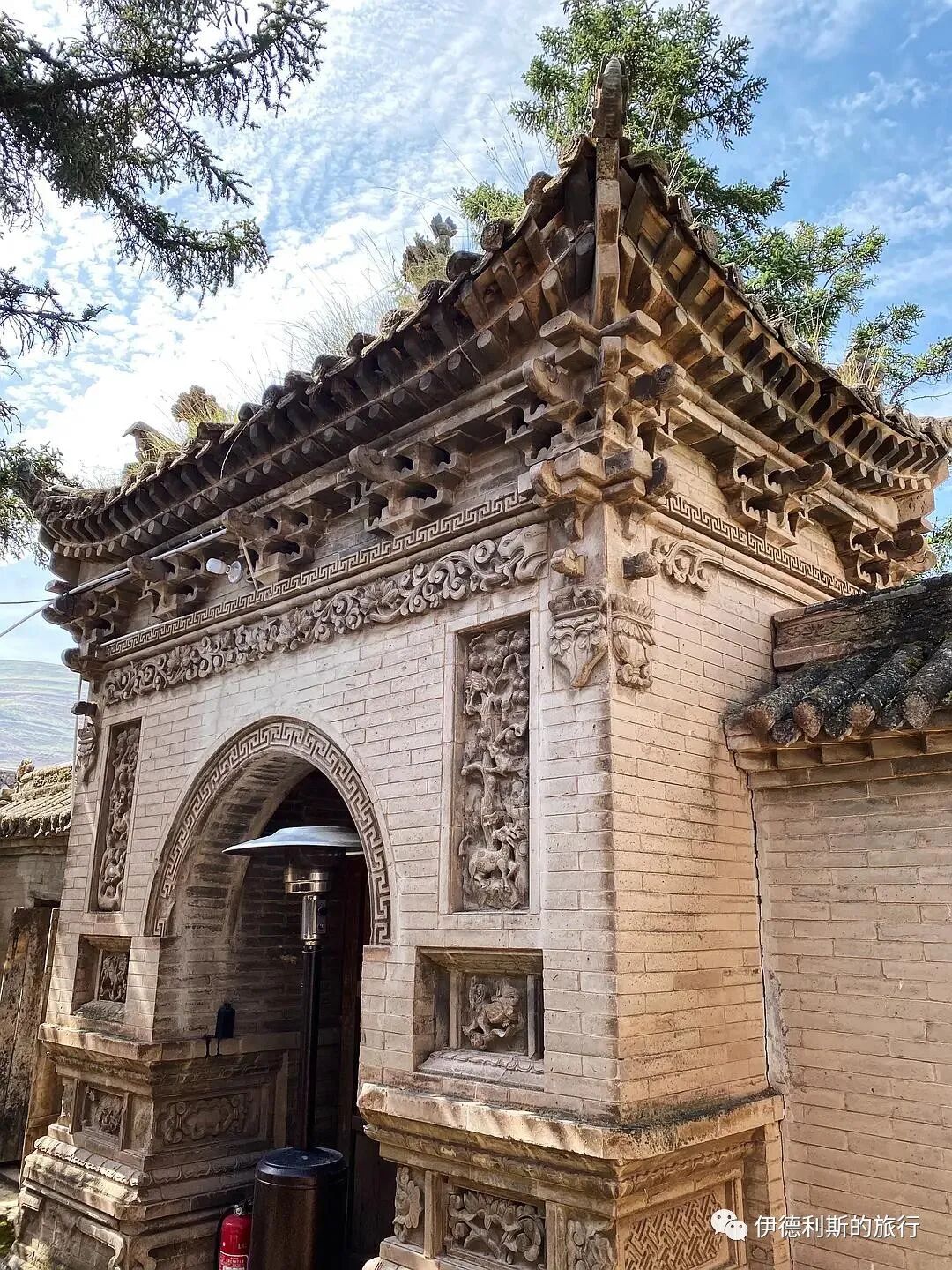
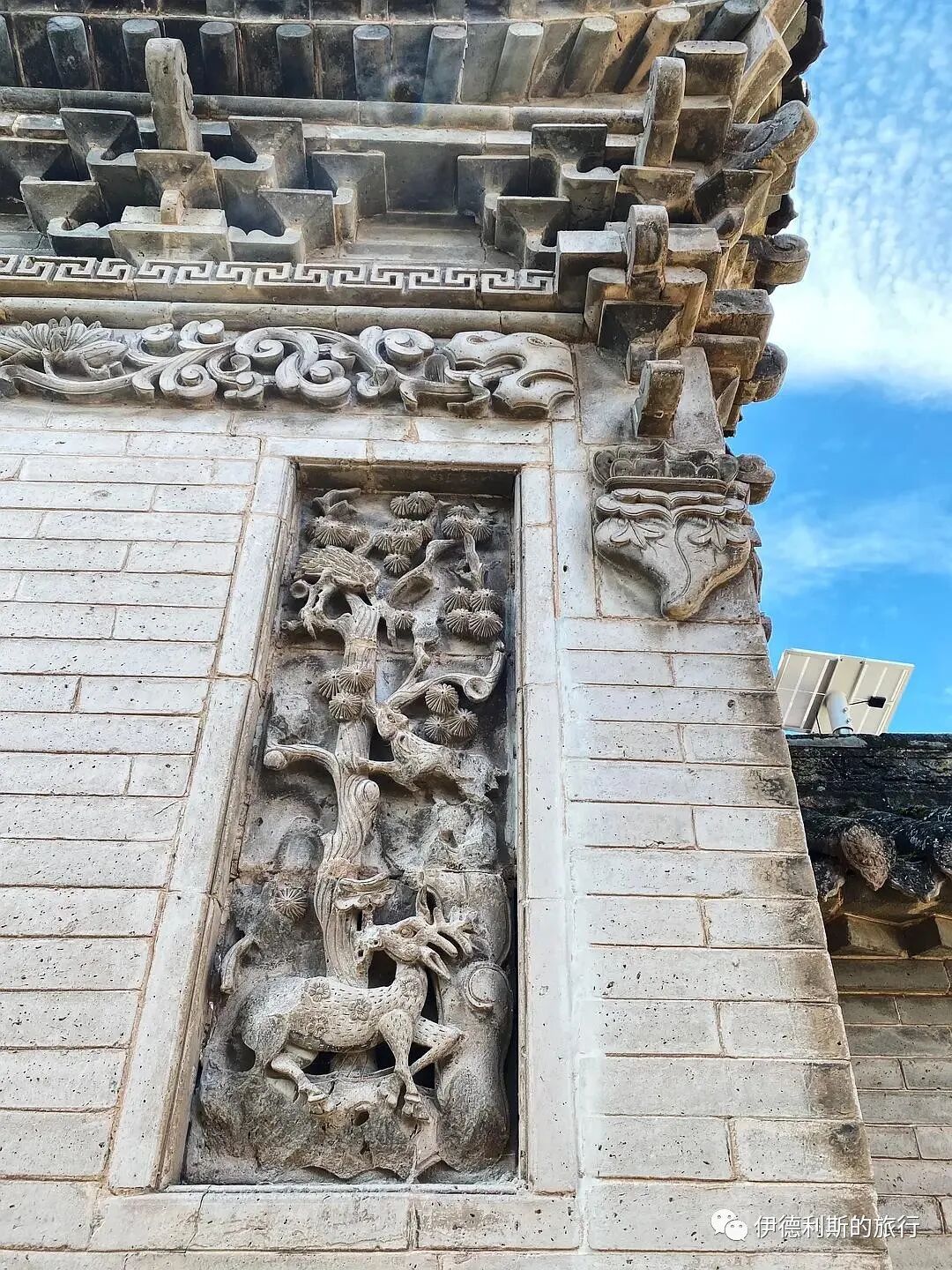
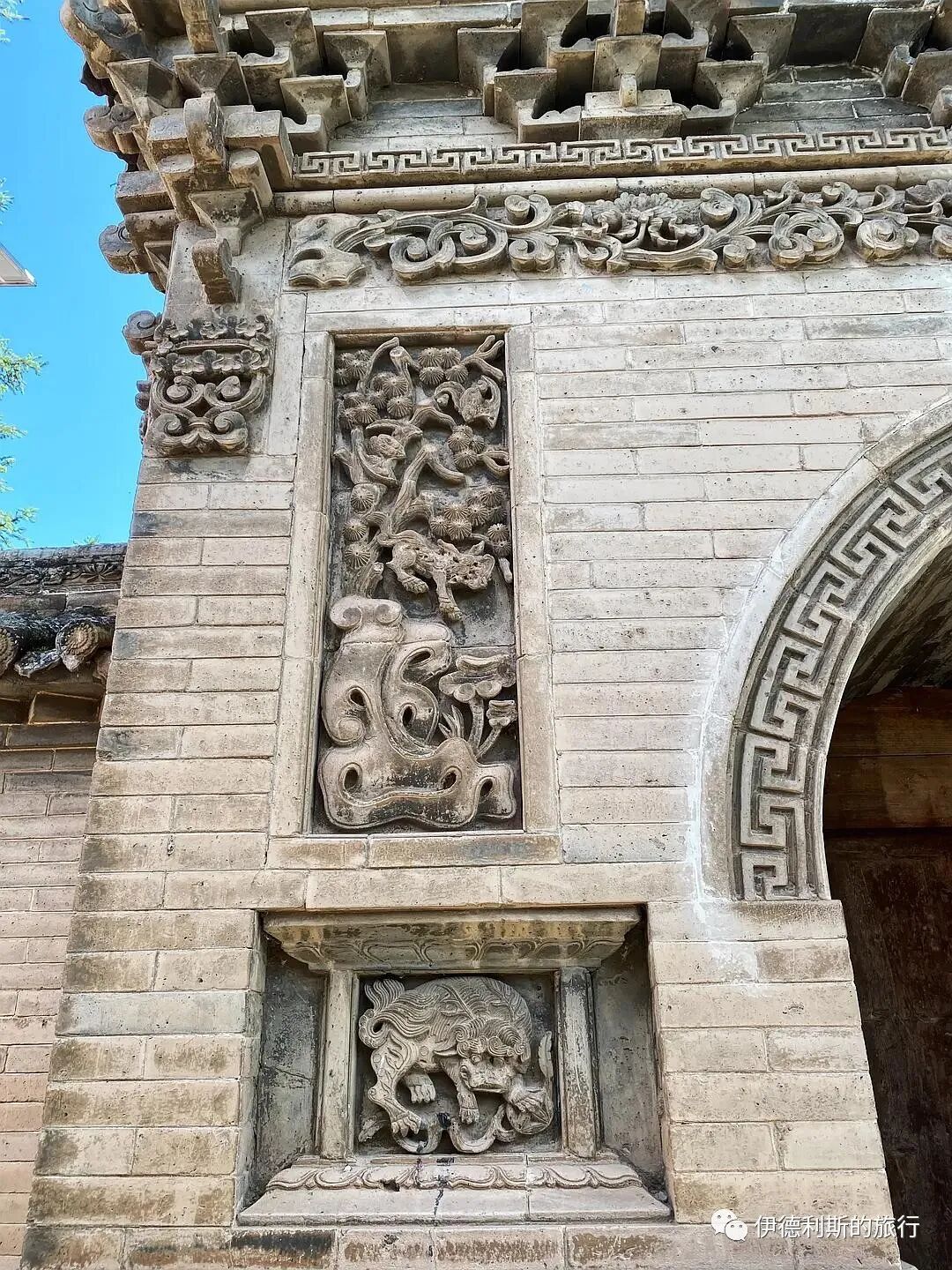
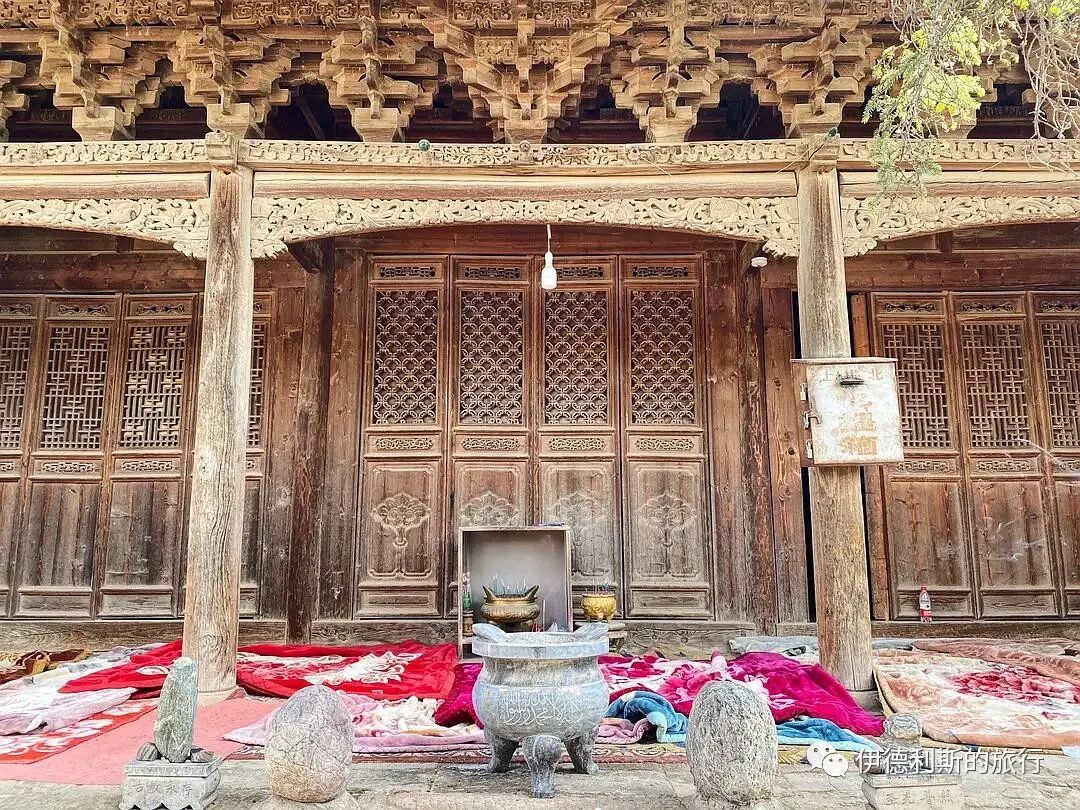
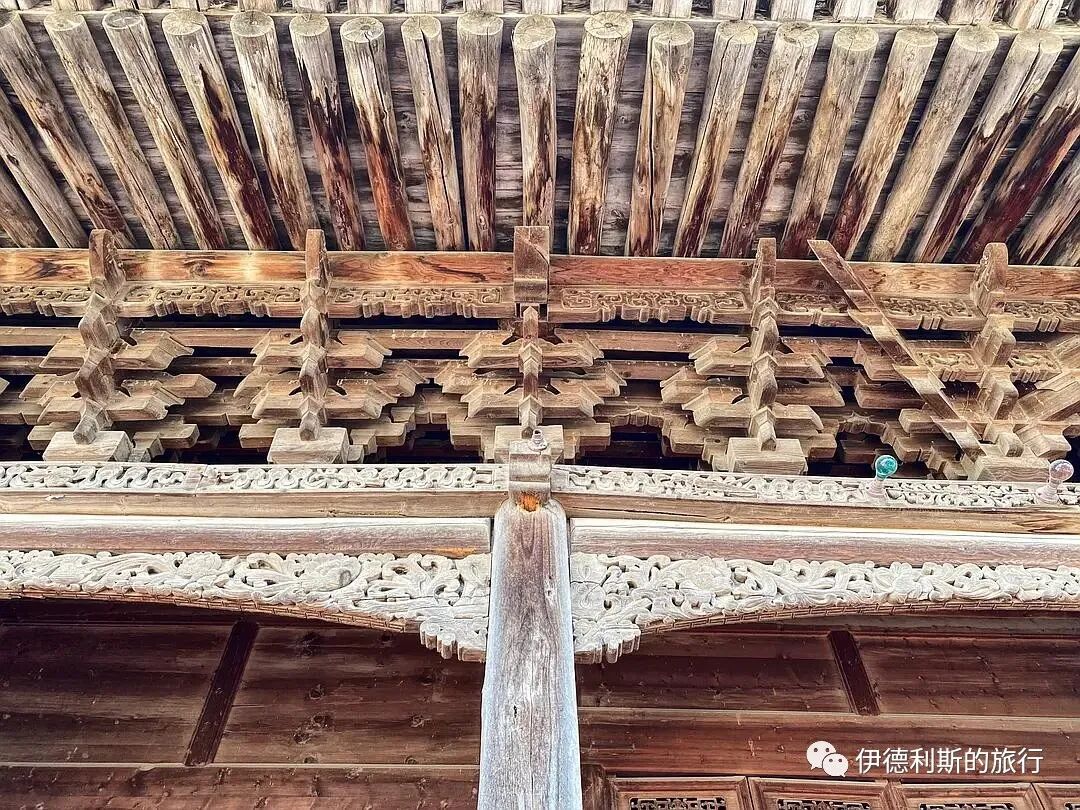
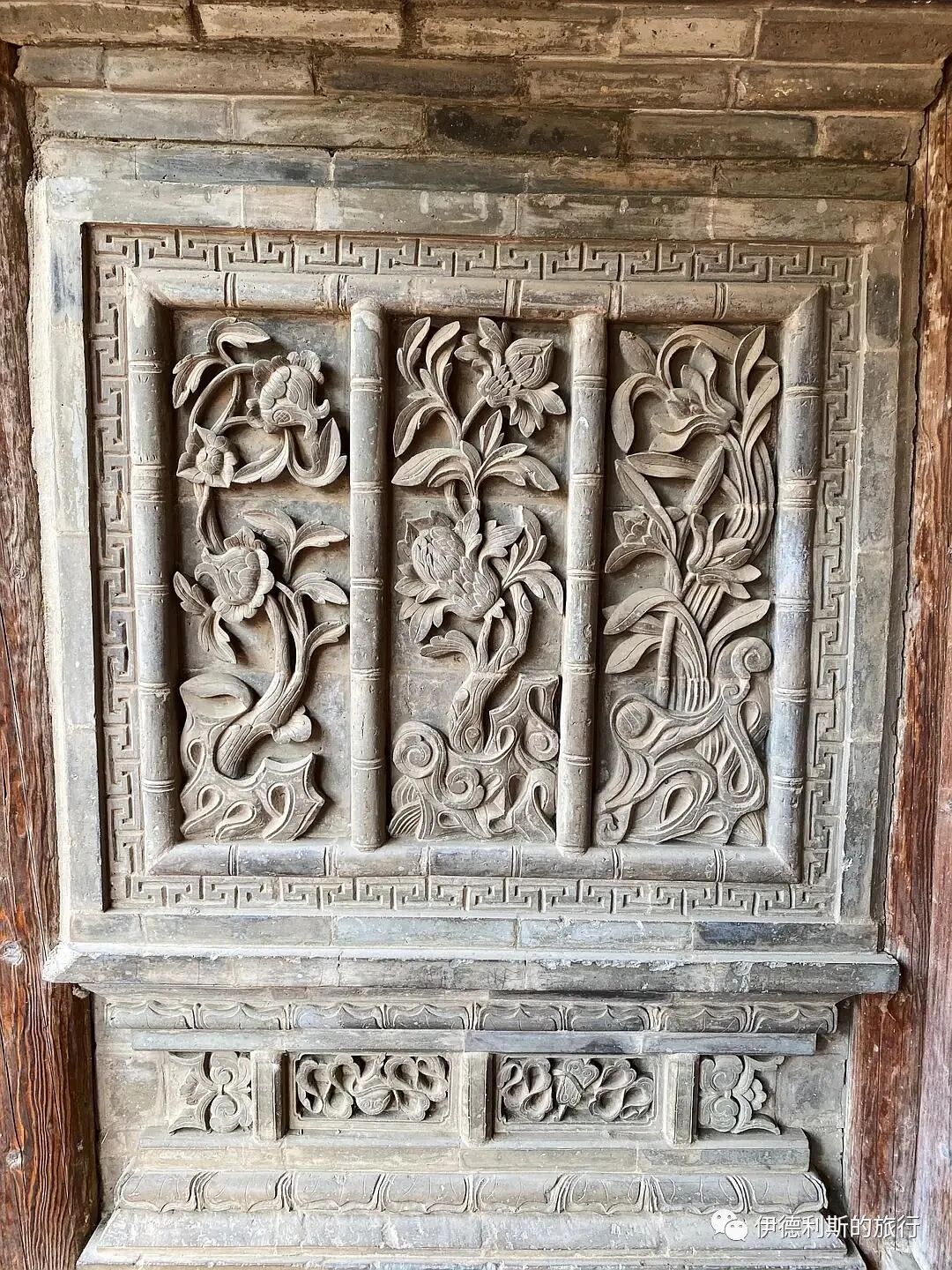
Pushing open the gate of the Gongbei, it feels as if you could step right into the Qing Dynasty; it has a very special atmosphere. The interior has not been over-restored at all, allowing you to appreciate the exquisite Qing Dynasty brick and wood carvings, and the elder guarding the Gongbei is also very warm and friendly. Although the entire Gongbei is built on a hilltop, it does not have the helmet-roofed tomb pavilion typical of renovated Gongbeis, but is instead a traditional courtyard, which gives it a unique charm.
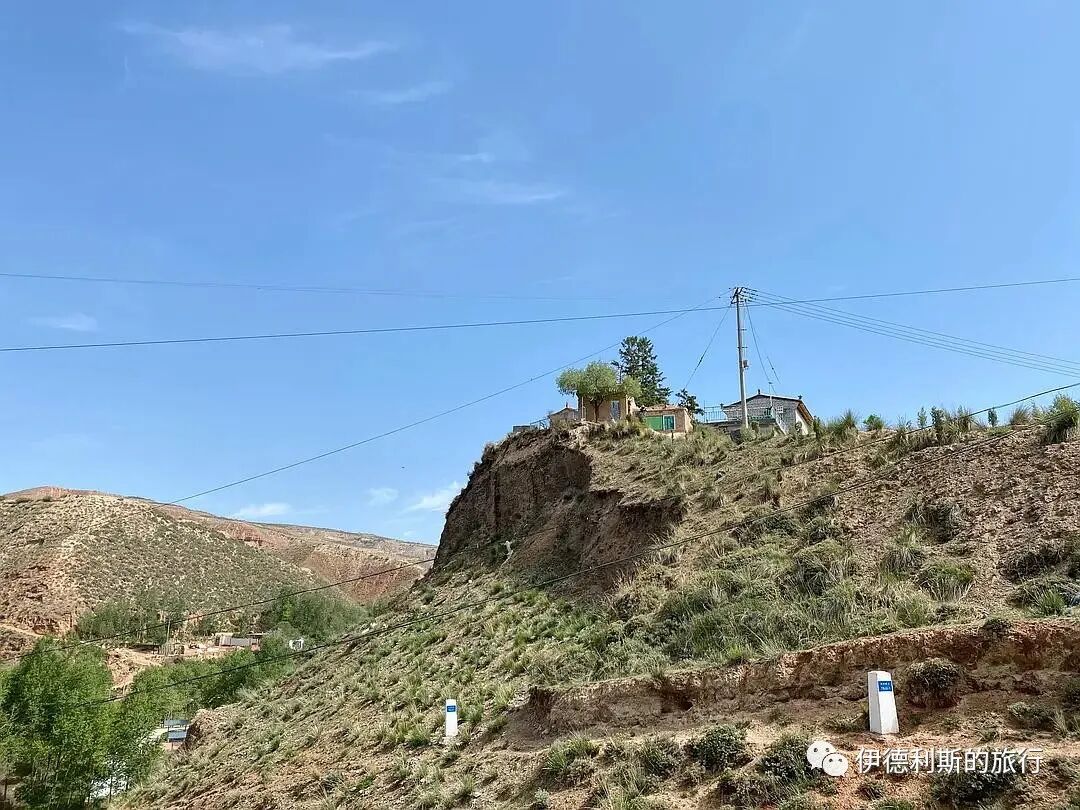
The mountain opposite
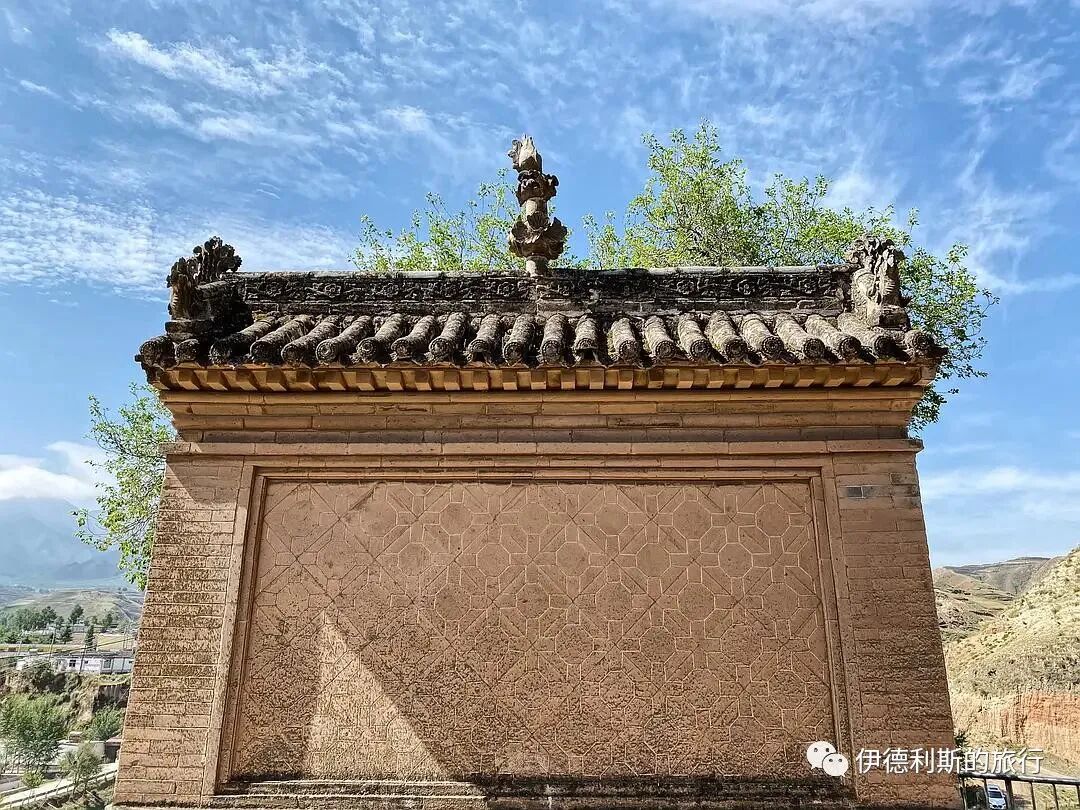
The screen wall outside the gate
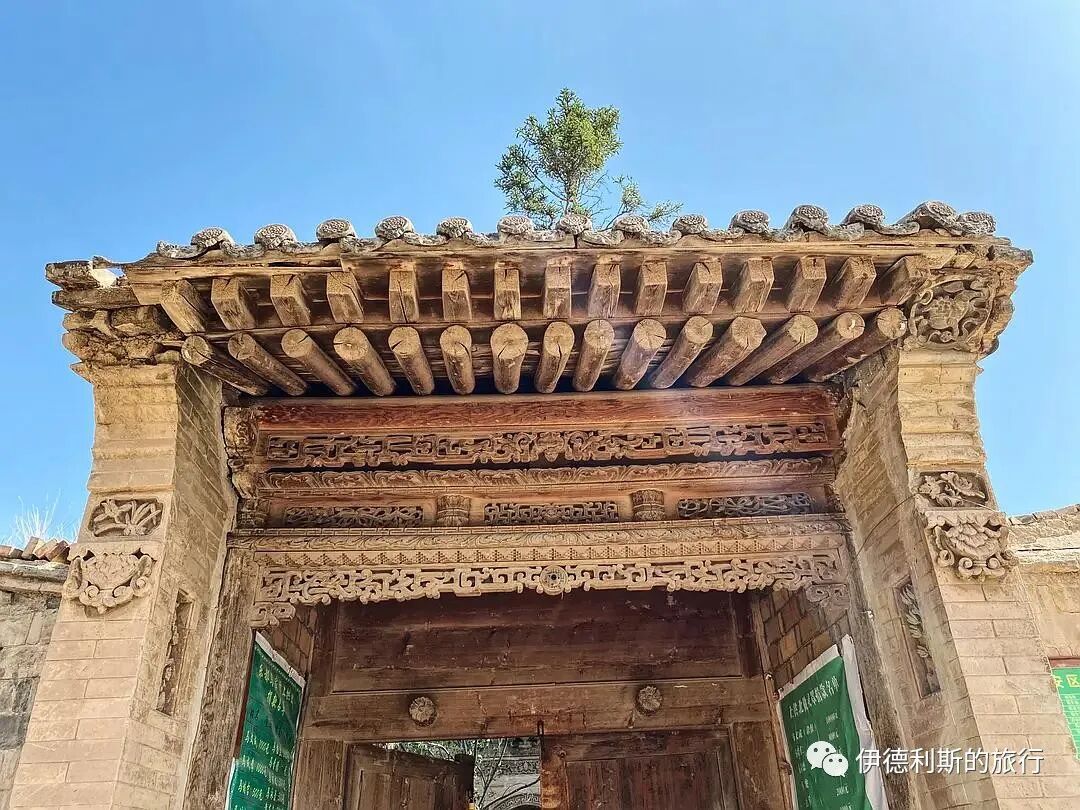
Main gate
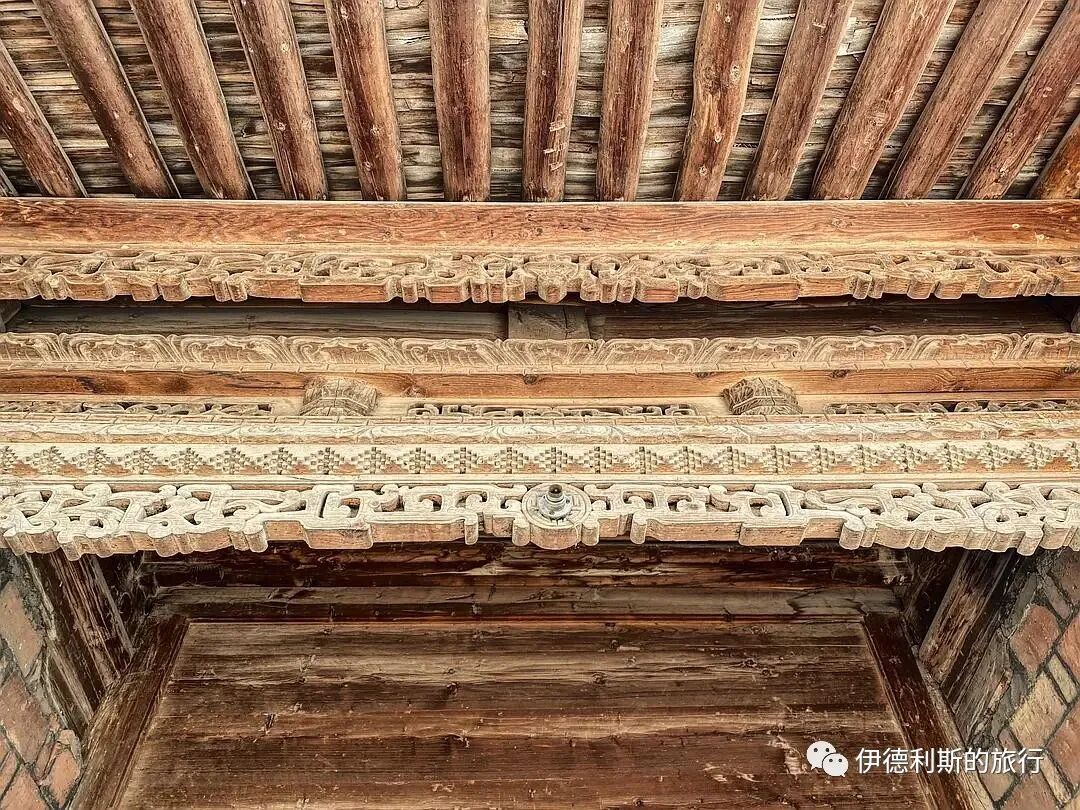
Looking at the main gate from inside
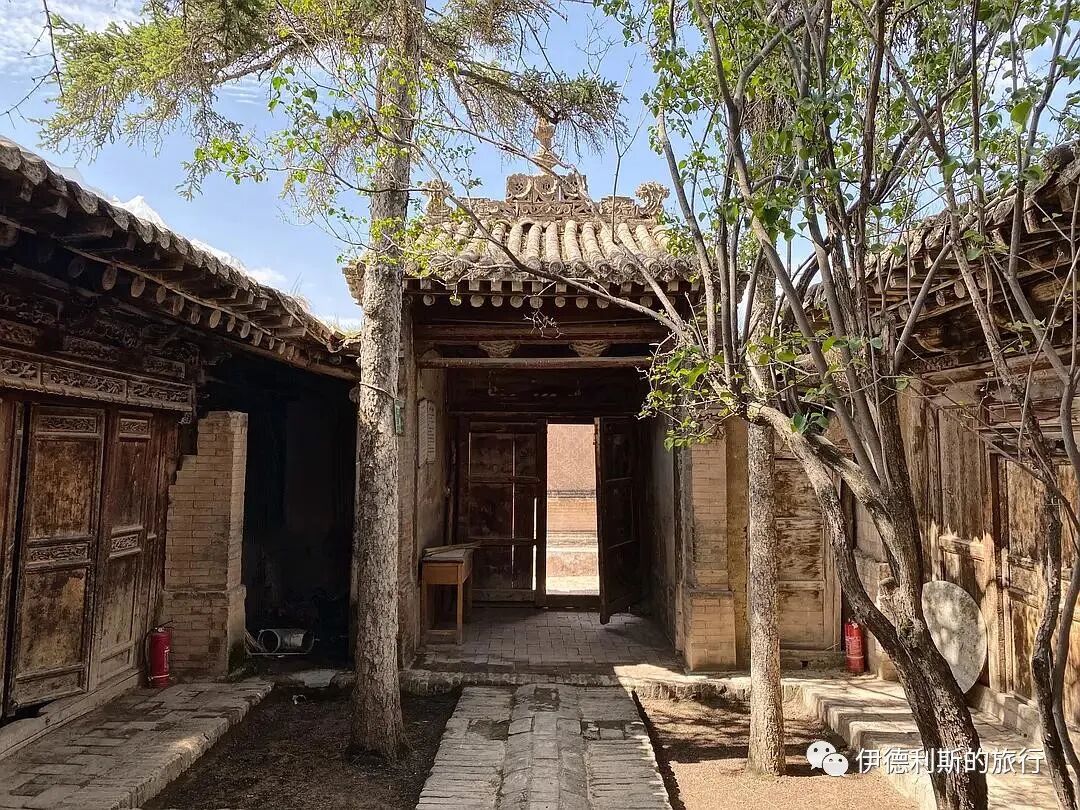
As soon as you enter the courtyard
The side rooms on both sides
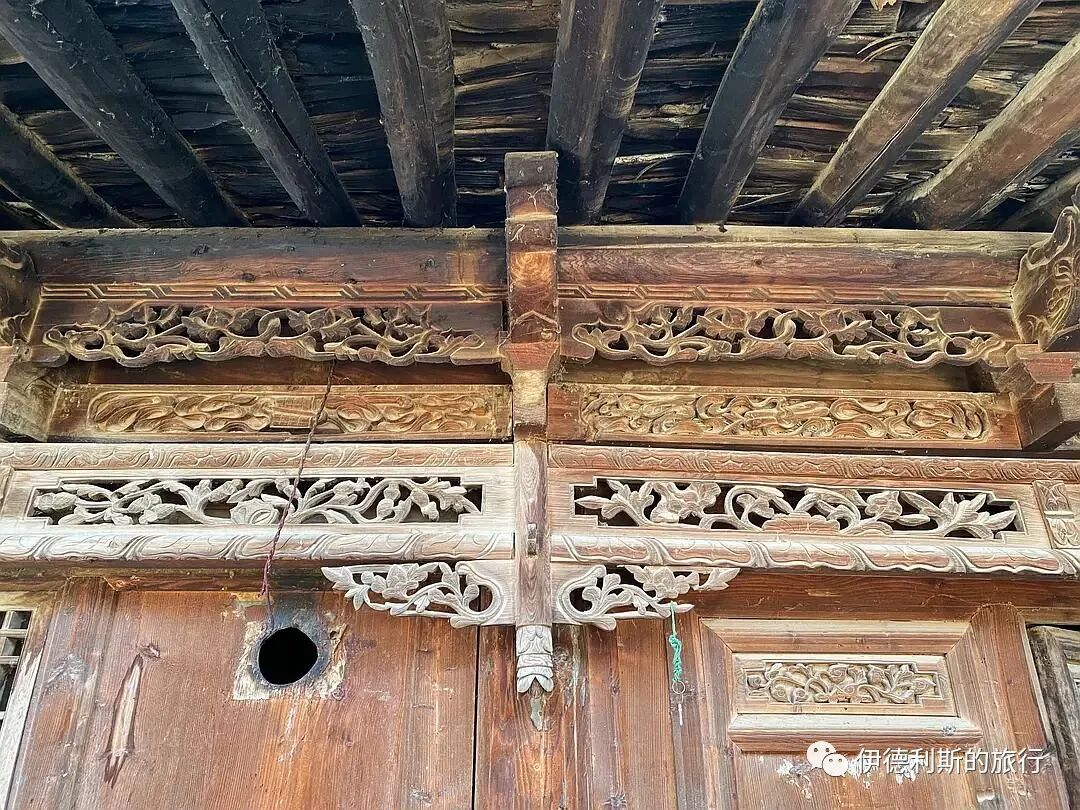
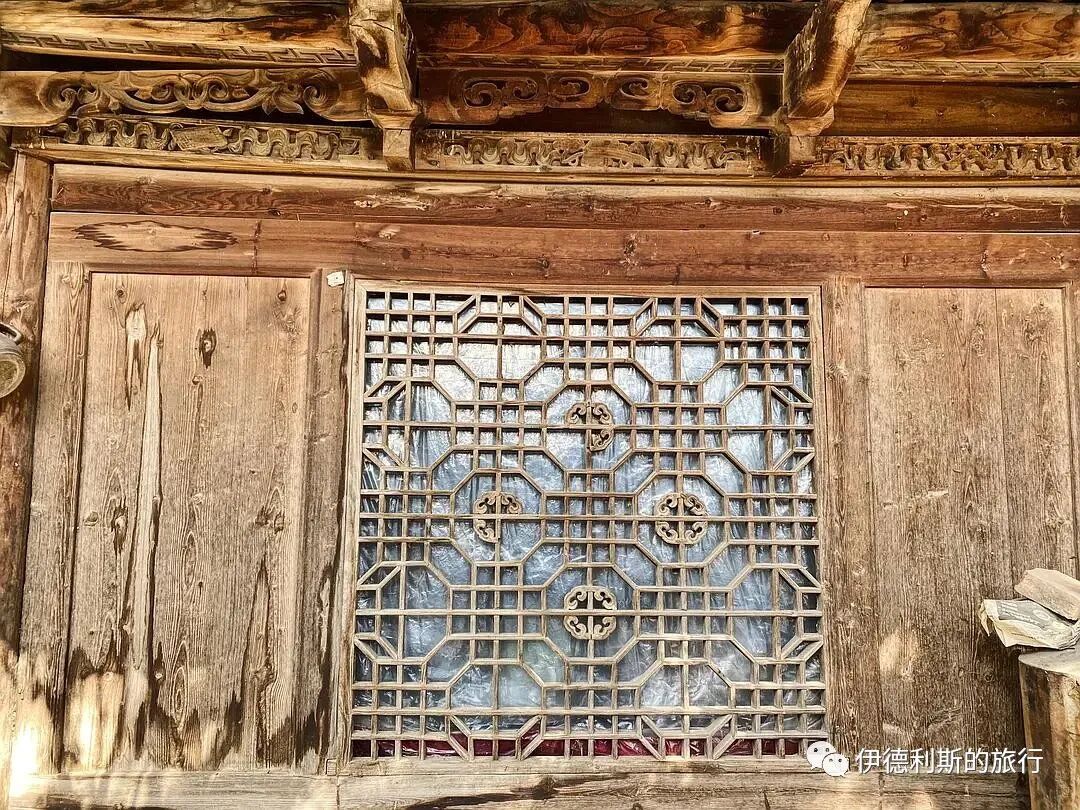
Second gate
Mausoleum
2. Shangmazhuang Gongbei in Bazanggou
The Xia-Gongbei of Shangmazhuang in Bazanggou, Ping'an District, Haidong City, is the Gongbei of Xian Chengde (known as Chuanli Taiye), the third-generation Sheikh of the Xianmen Menhuan of the Khufiyya order. Xian Chengde built this Gongbei during the Jiaqing reign, and shortly after its completion in 1812, Xian Chengde returned to Allah, and the followers buried him here. In 1895, the fifth-generation Sheikh of the Xianmen, Xian Linyuan, returned to Allah and was also buried in the Xia-Gongbei.
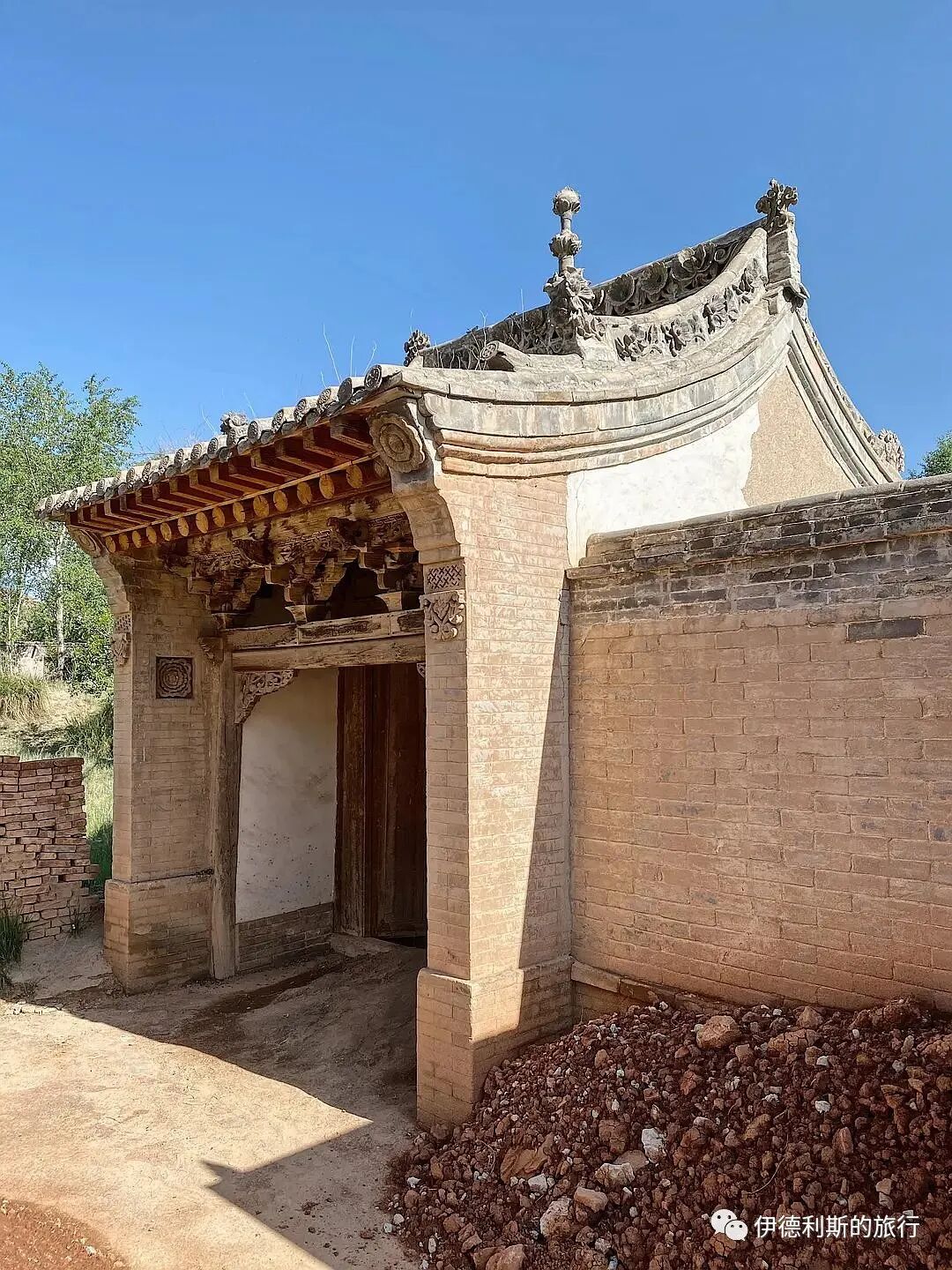
Like the Upper Gongbei, the Lower Gongbei is a cultural relic protection unit of Qinghai Province, and it also consists of two courtyards, one in front and one behind, but it is larger in scale than the Upper Gongbei. The front courtyard has been destroyed and only the main gate remains, but the back courtyard is very well preserved and is a masterpiece of Qing Dynasty brick carving art.
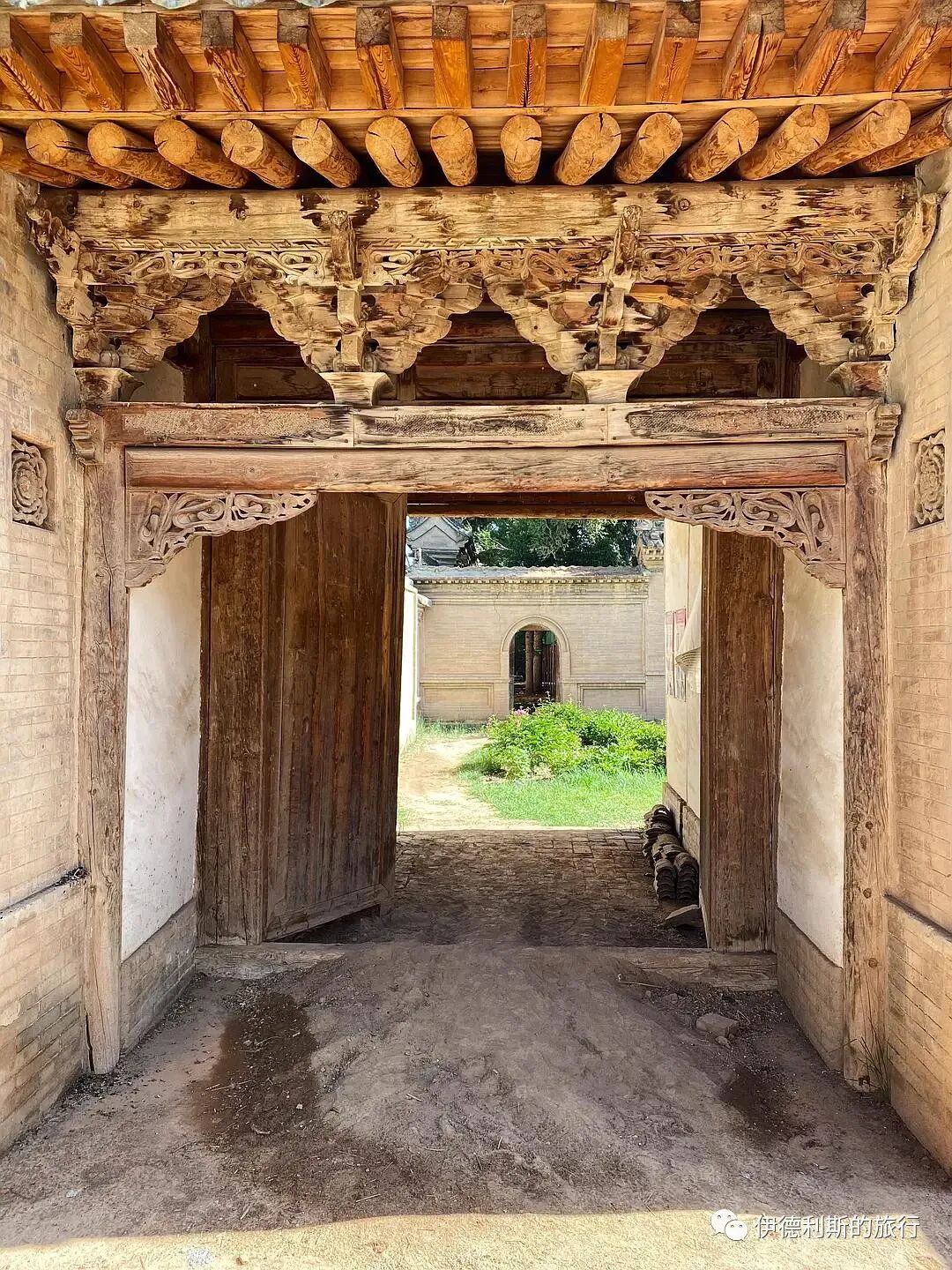
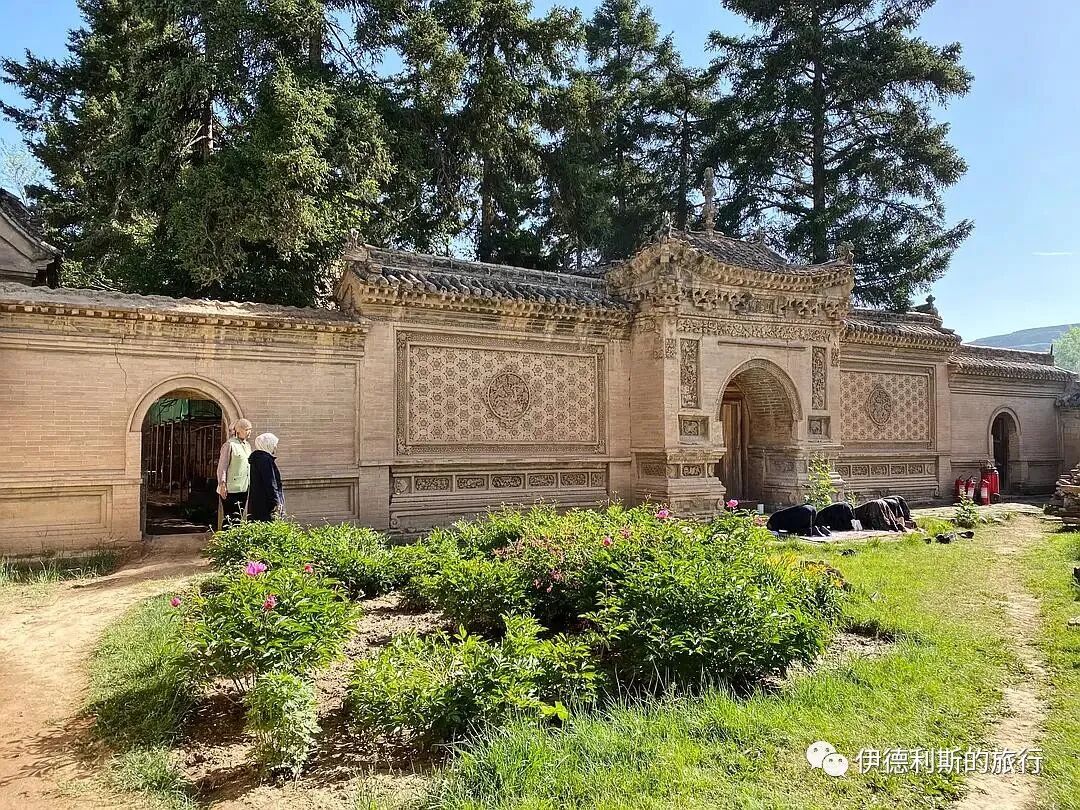
The front courtyard gate; after entering, you can see the ceremonial gate of the back courtyard. The ceremonial gate features brick-carved dougong, with the Tasmiya carved in the center and various flowers below it.
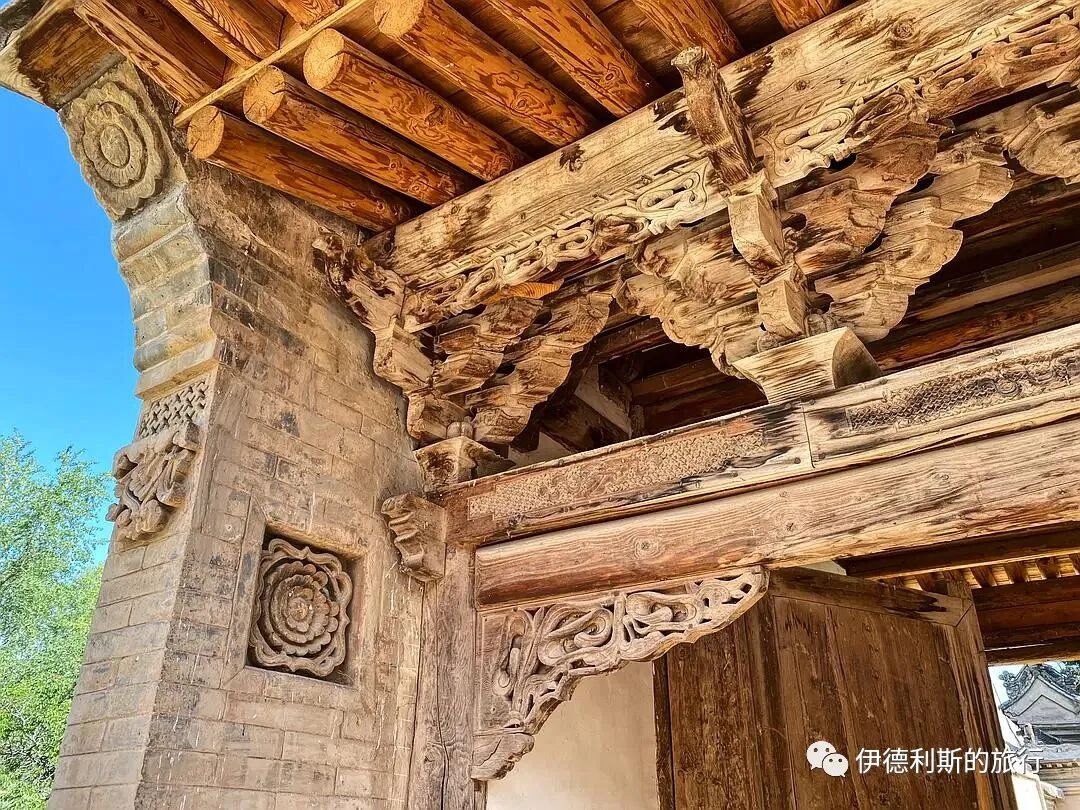
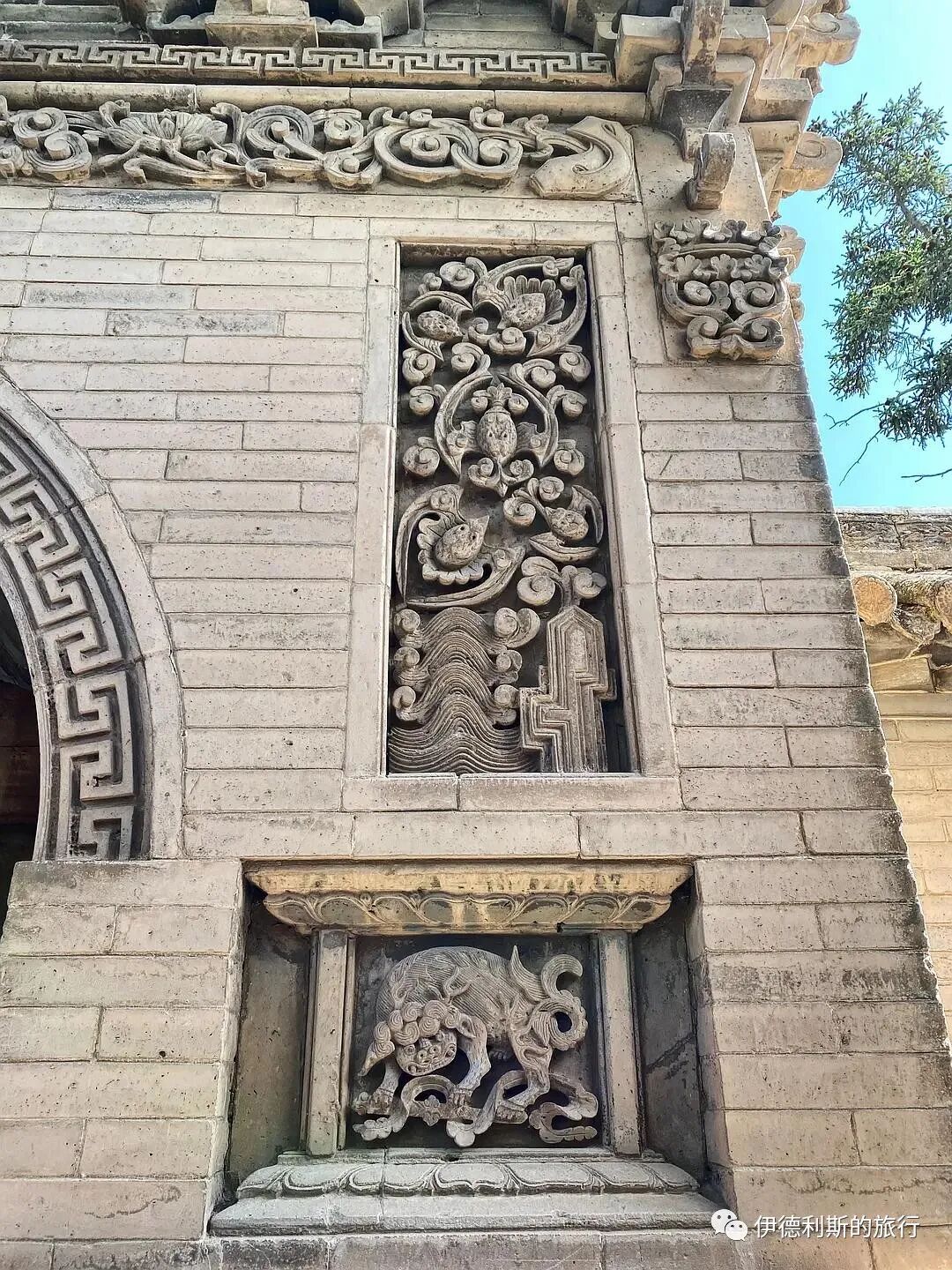
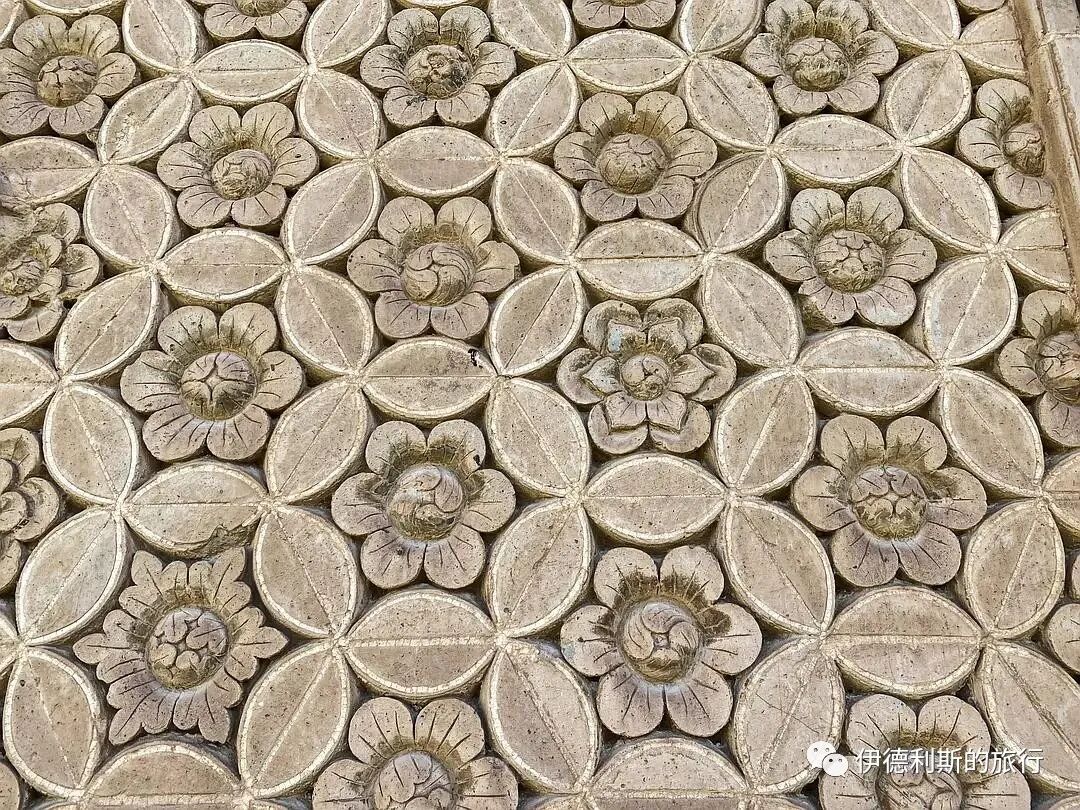
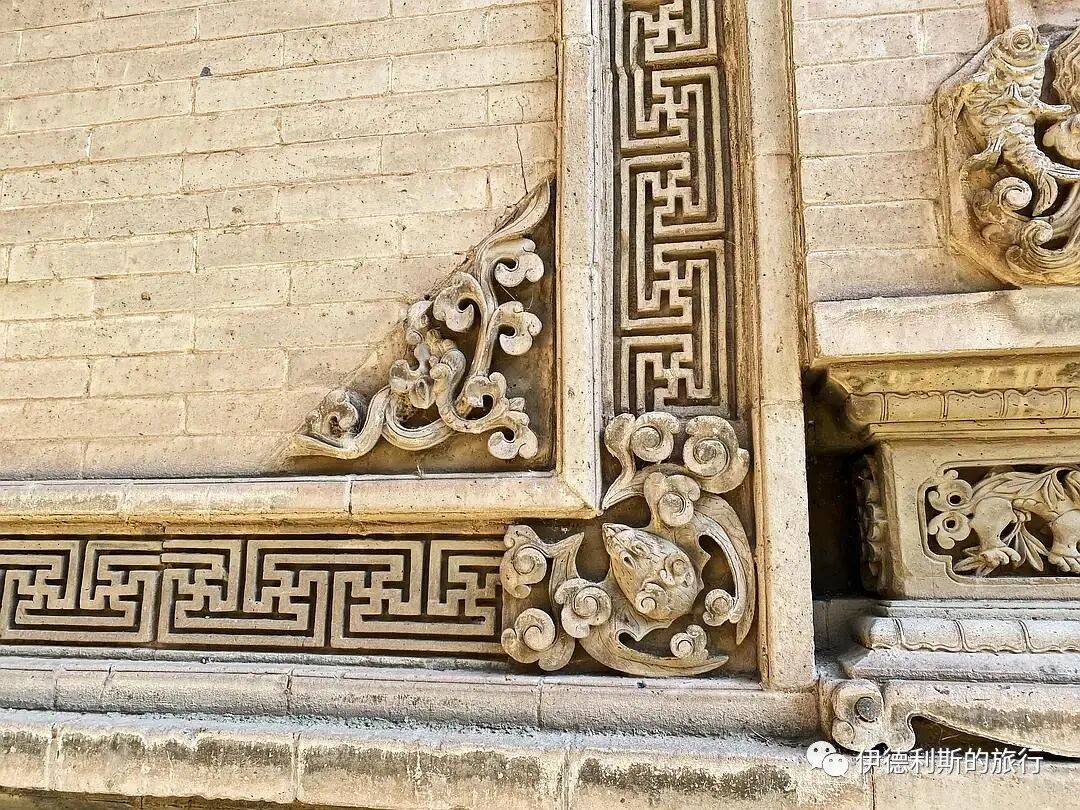
The screen walls on both sides are carved with numerous hydrangea petals, each with a unique shape. The center is carved with a 'Joyful News of Early Spring' pattern, surrounded by four bats. The Sumeru pedestal is carved with the Eight Immortals' emblems, as well as patterns of pomegranates, finger citrons, peonies, and lotus flowers.
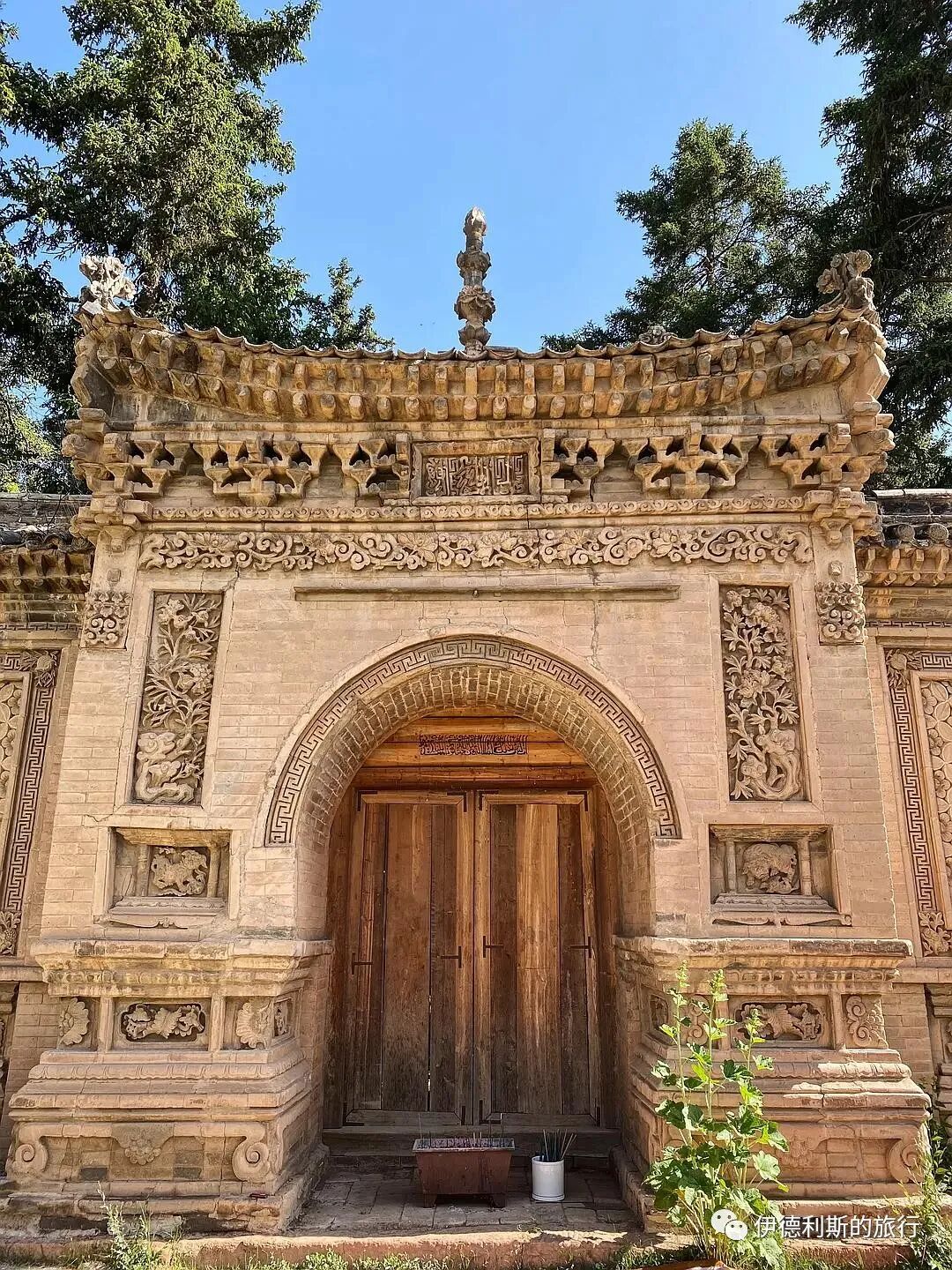
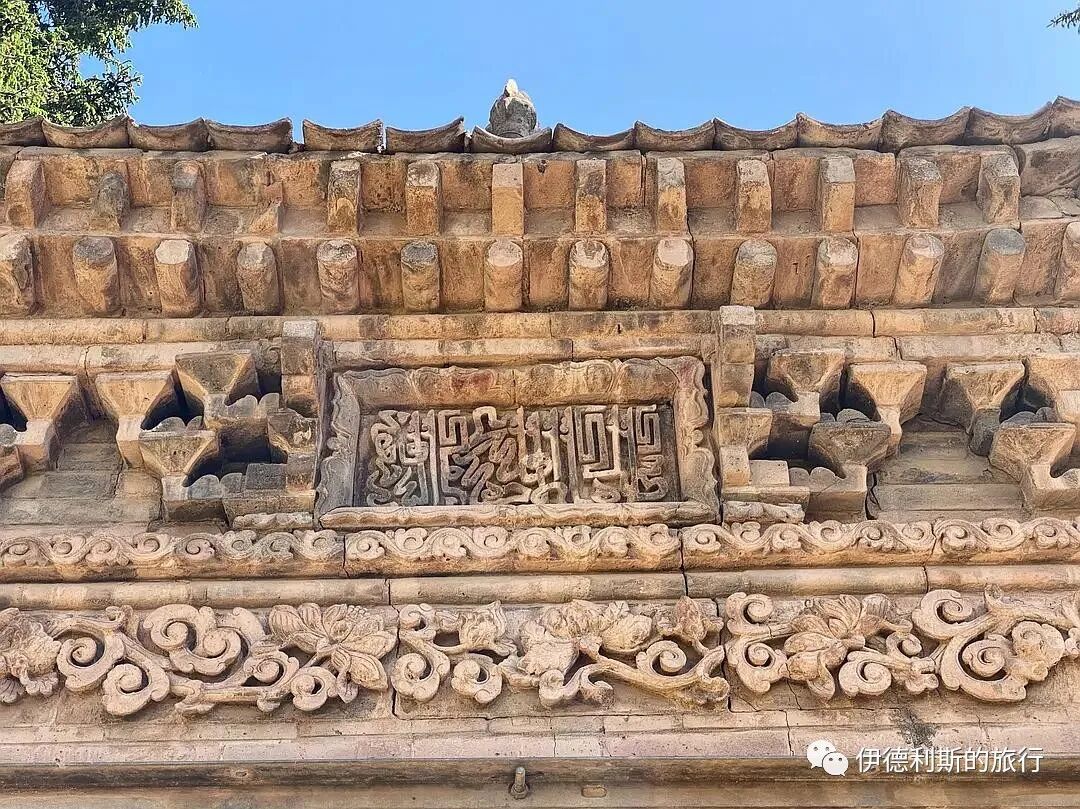
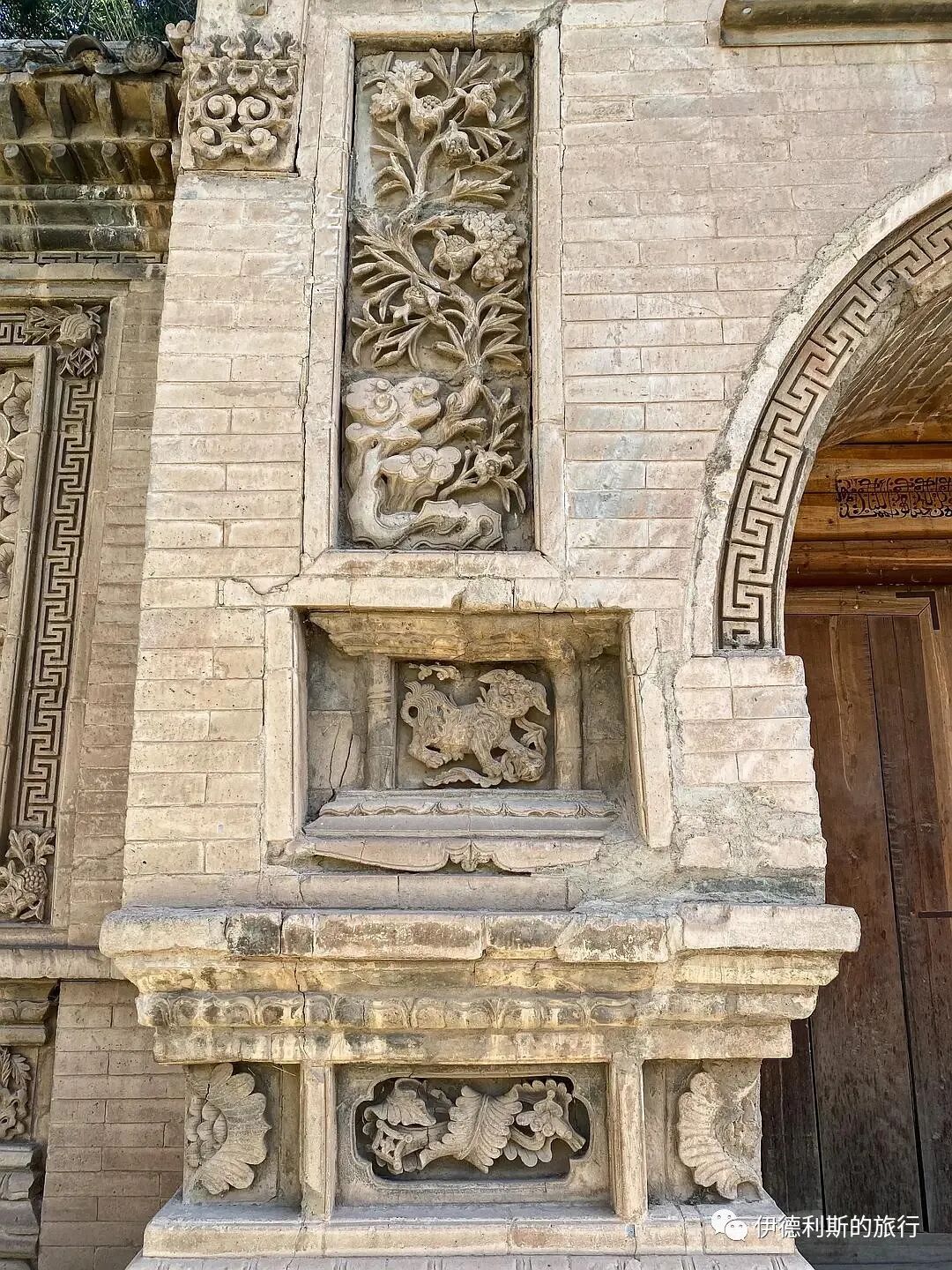
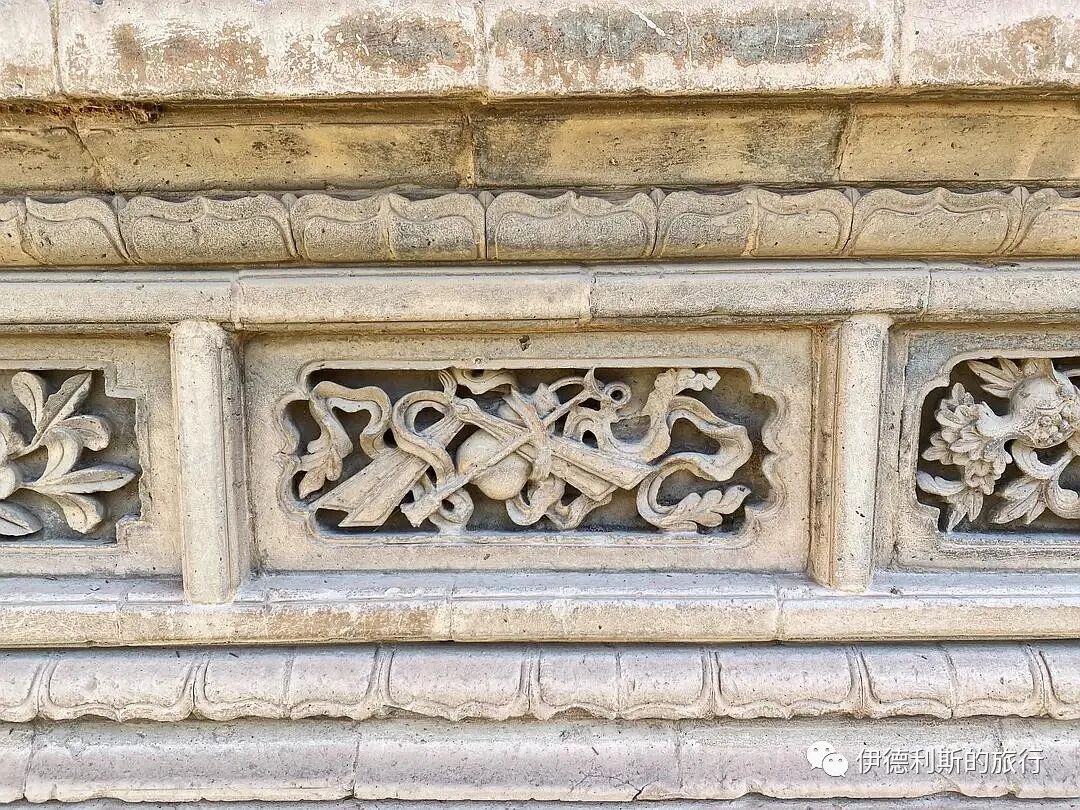
The brick carvings of pomegranates, peonies, the Eight Immortals' emblems, and hydrangea petals on the screen wall of the ceremonial gate. This hydrangea petal design is exactly the same as the one on the screen wall of the famous Hongshuiquan Mosque in Haidong.
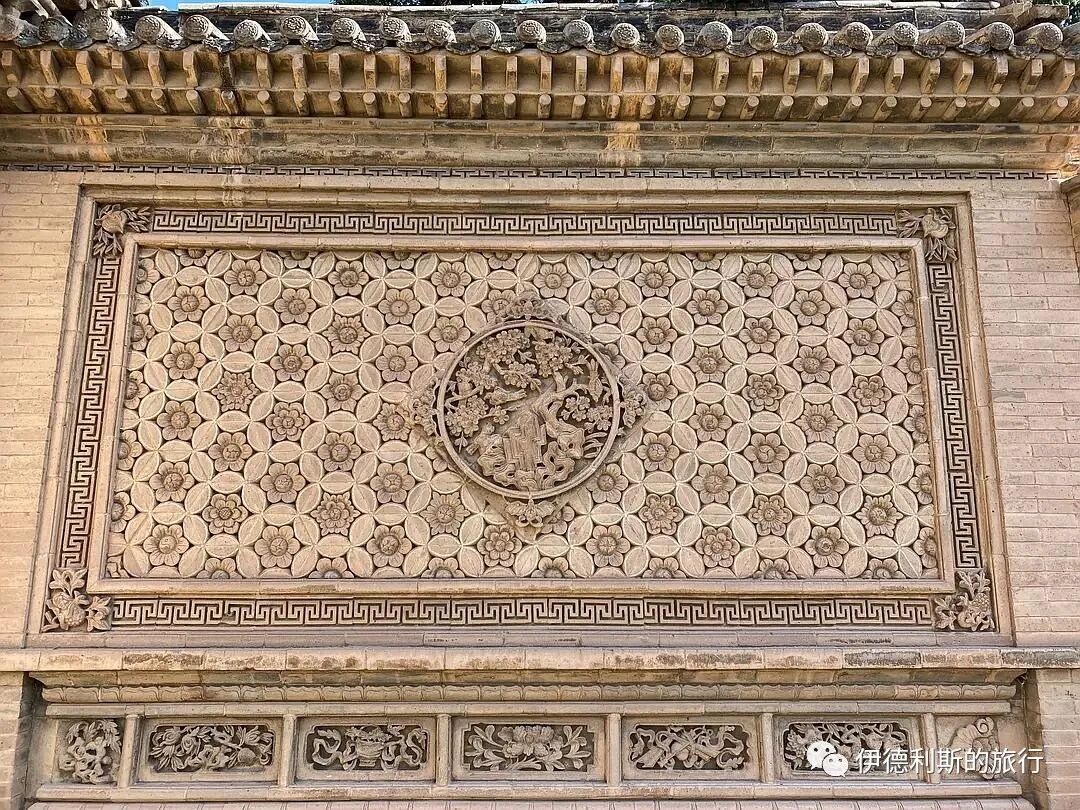
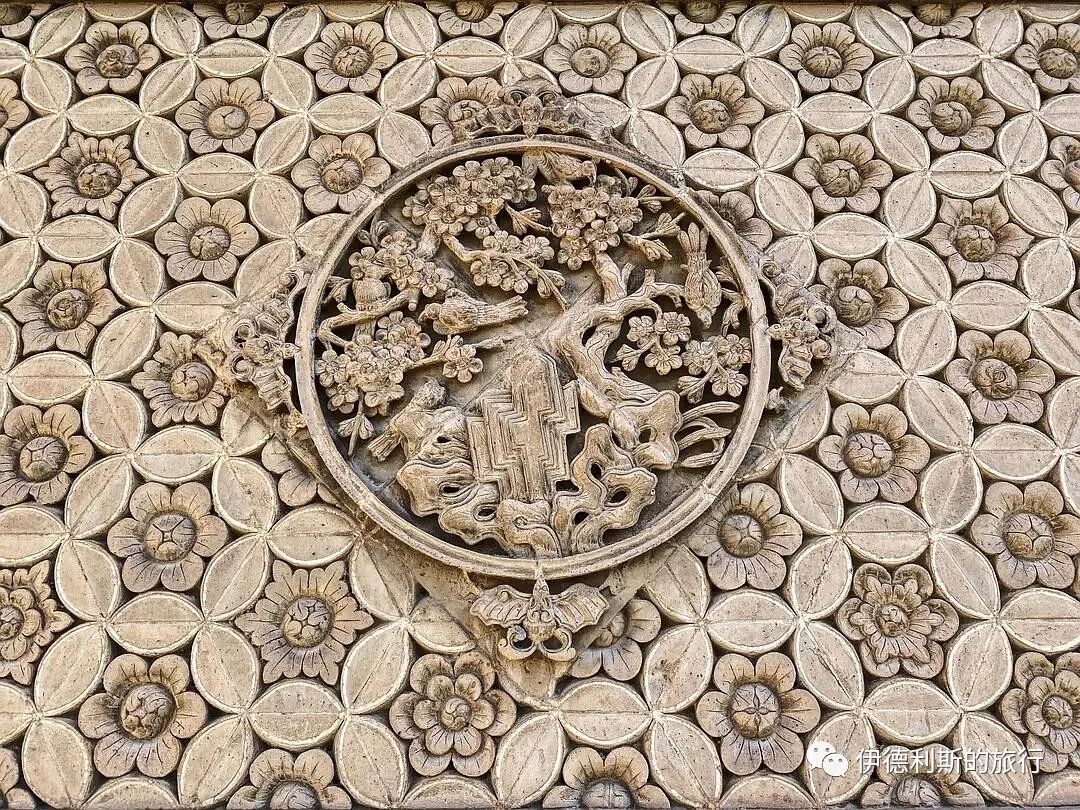
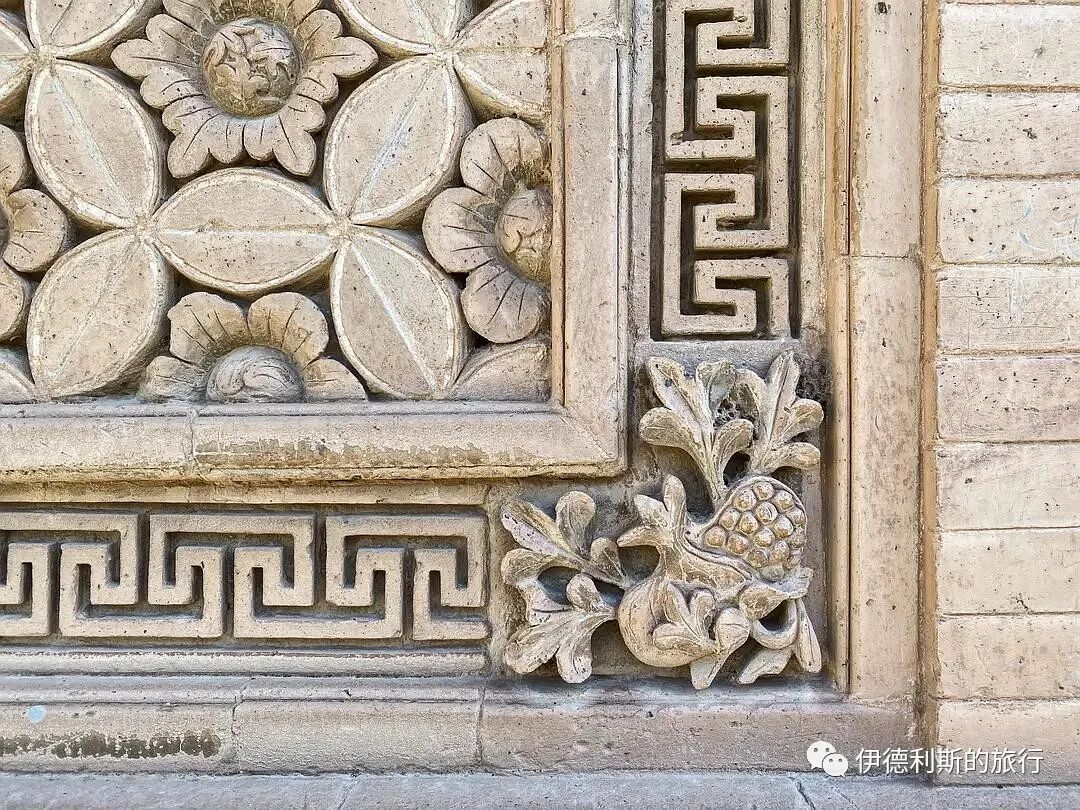
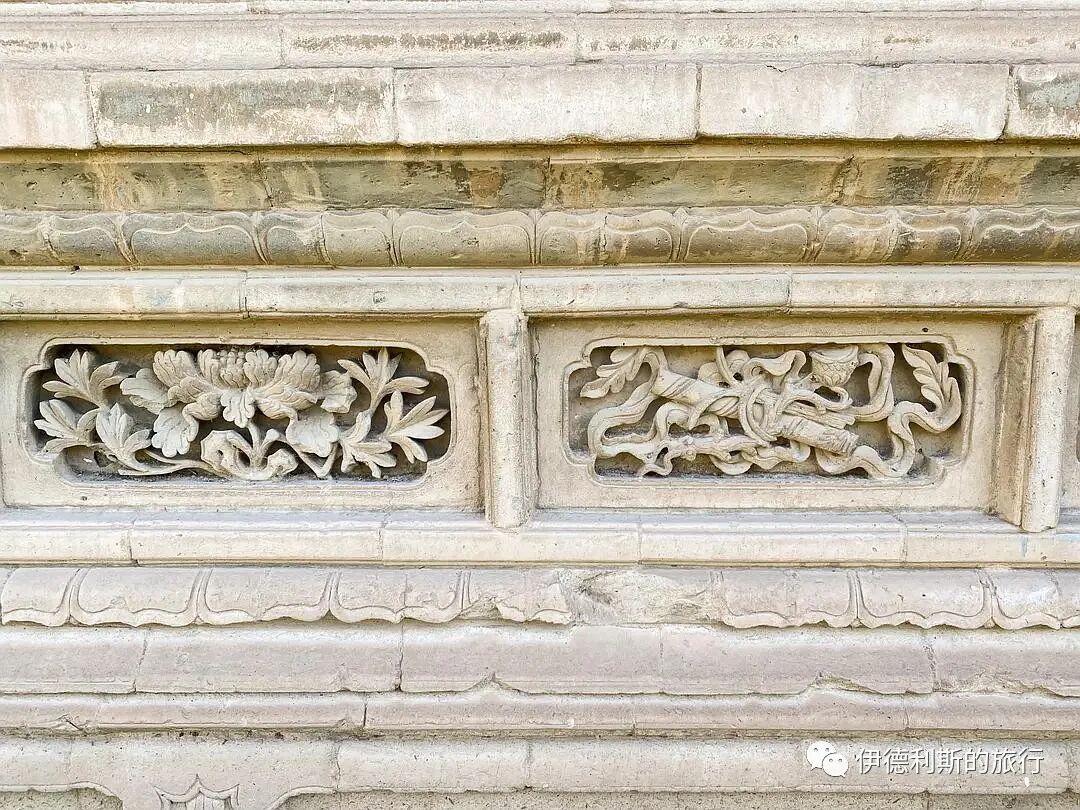
The north wall screen has brick-carved dougong brackets at the top and a gabled roof. The upper part of the central screen is carved with the four Chinese characters 'Can Xia Bi Luo', with Arabic calligraphy in the center, Arabic couplets on both sides, and brick carvings of carp leaping over the dragon gate at the bottom of the couplets. The centers of the side screens feature the Chinese character 'Shou' in seal script, along with the couplets: 'Riding the phoenix to fly to the pure land, transforming into a crane to return to the pure palace.' "
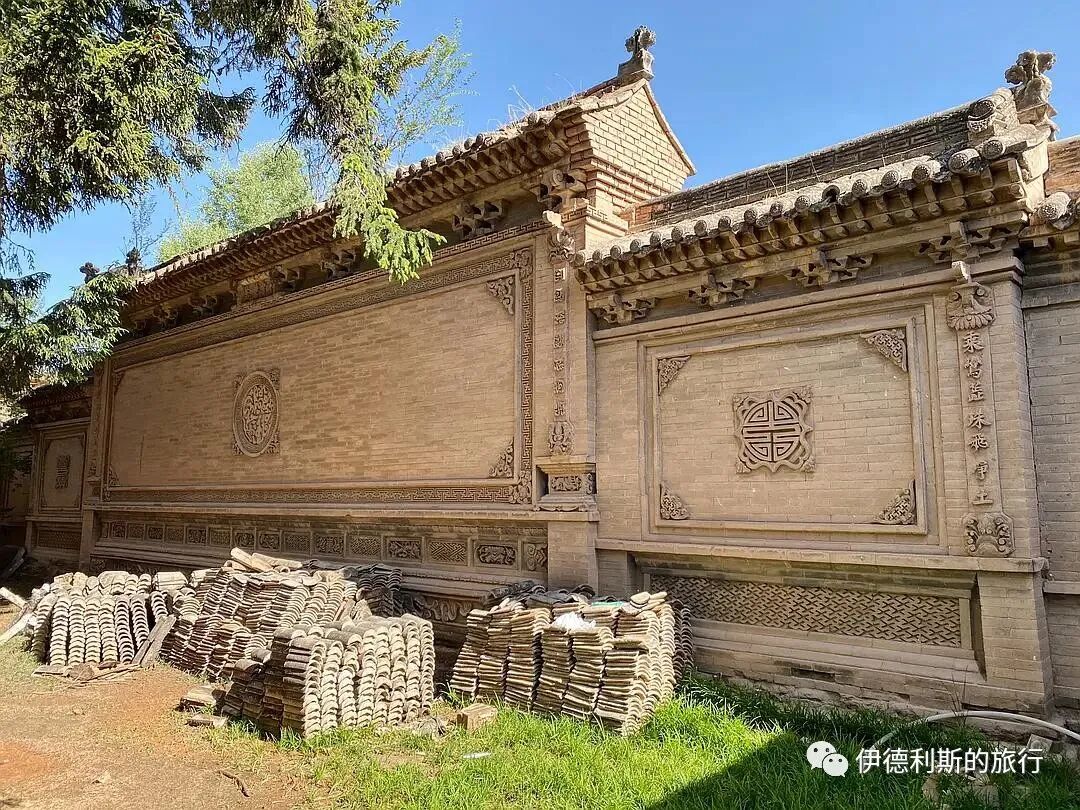
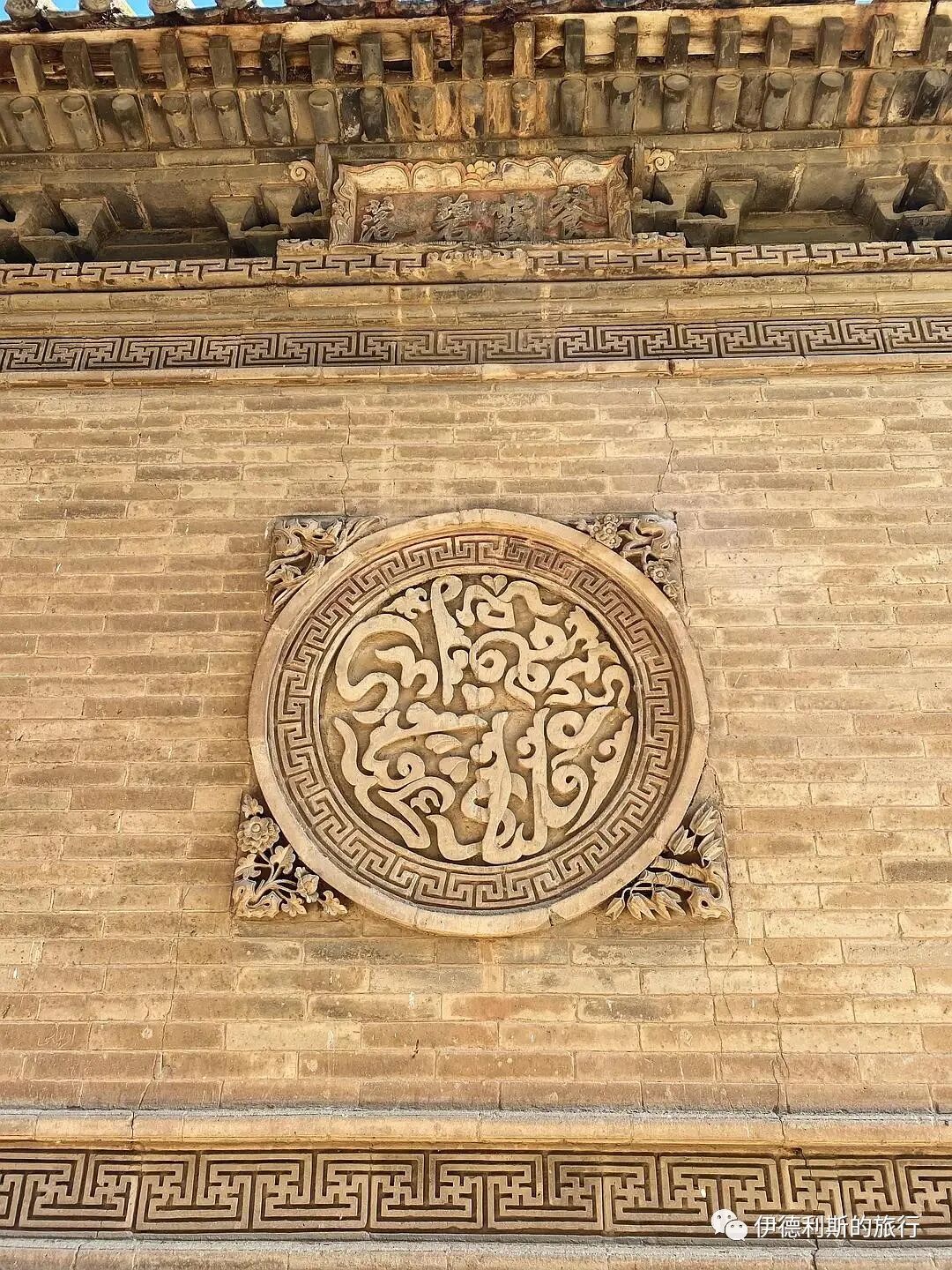
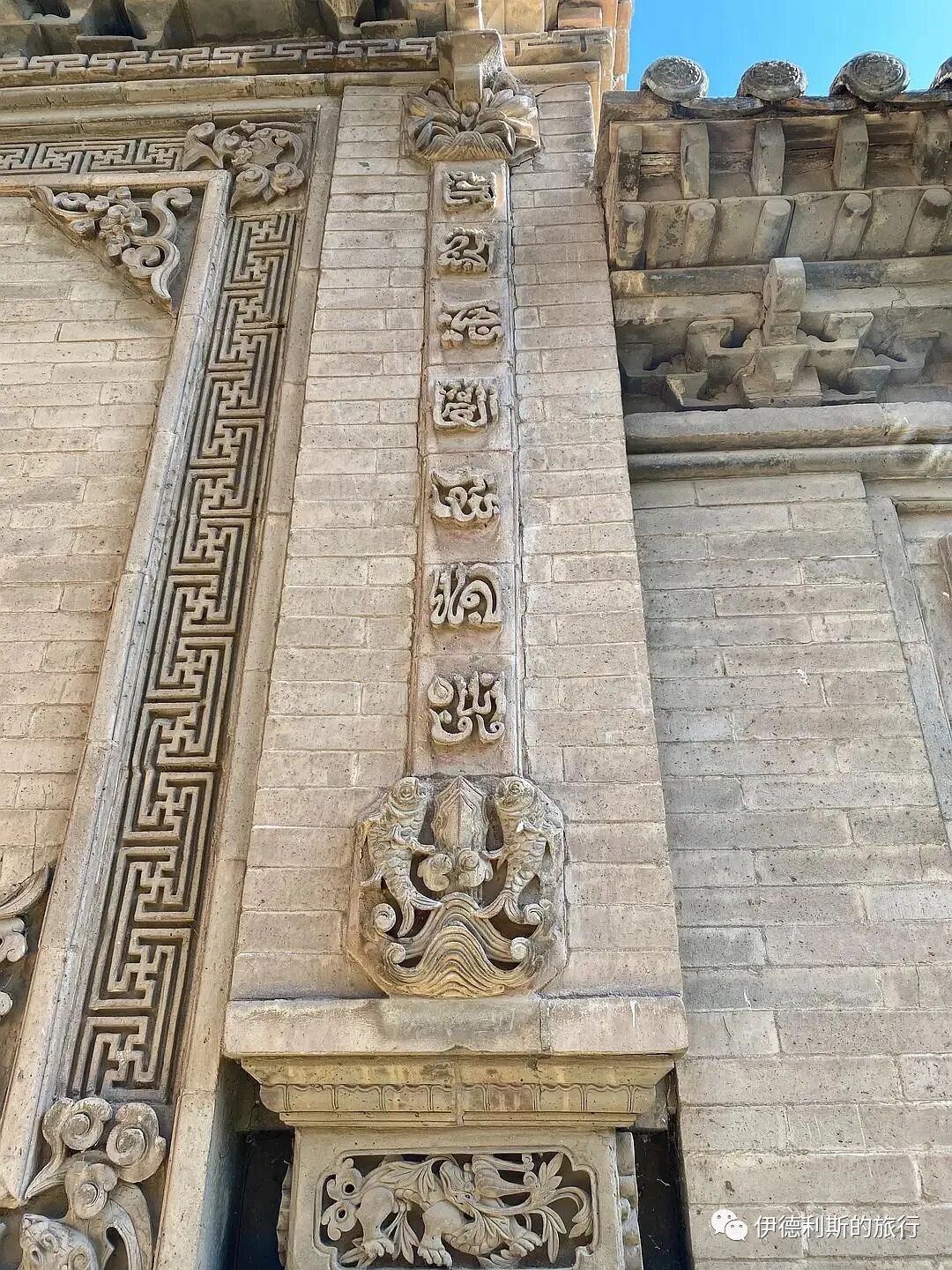
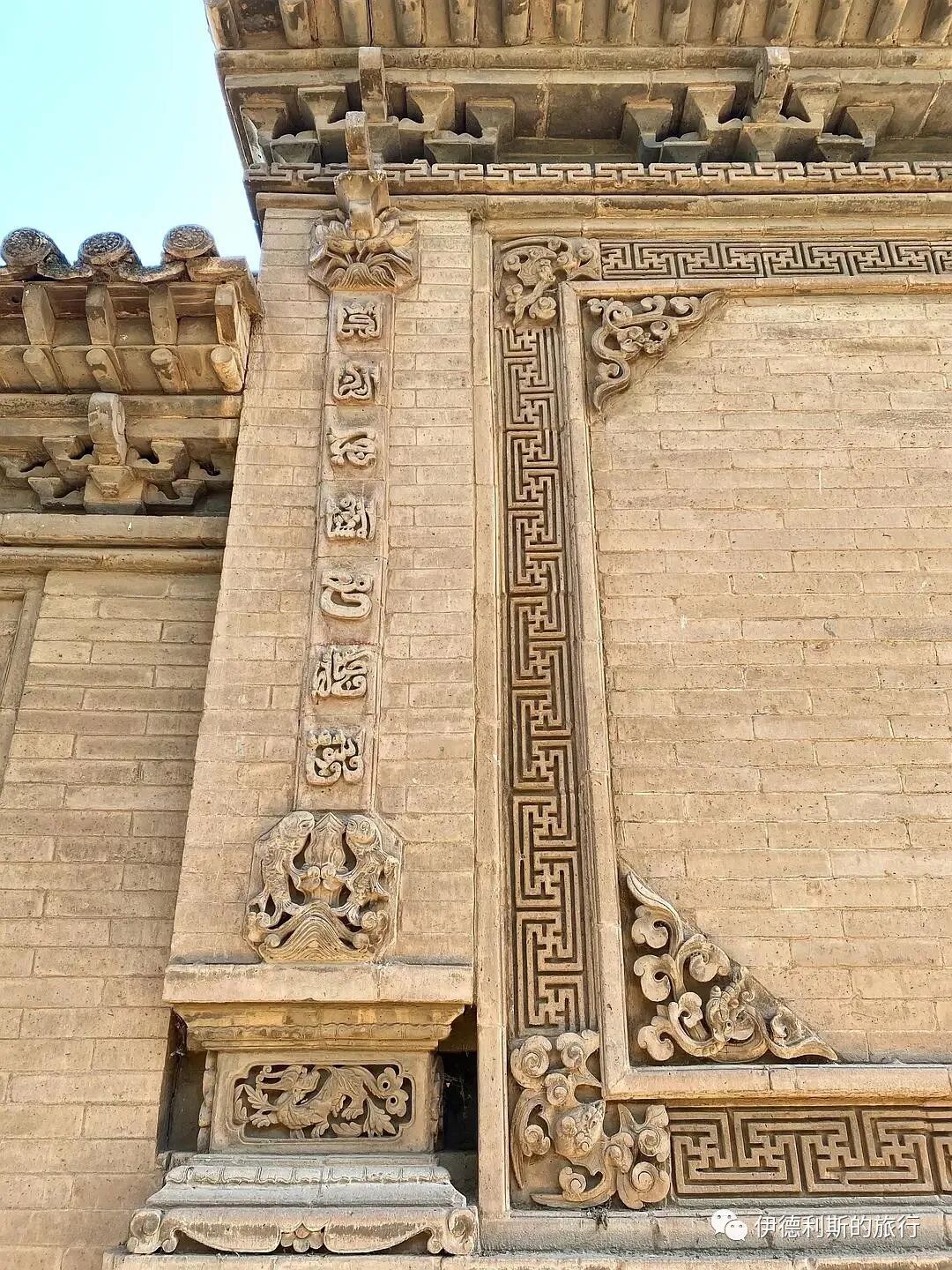
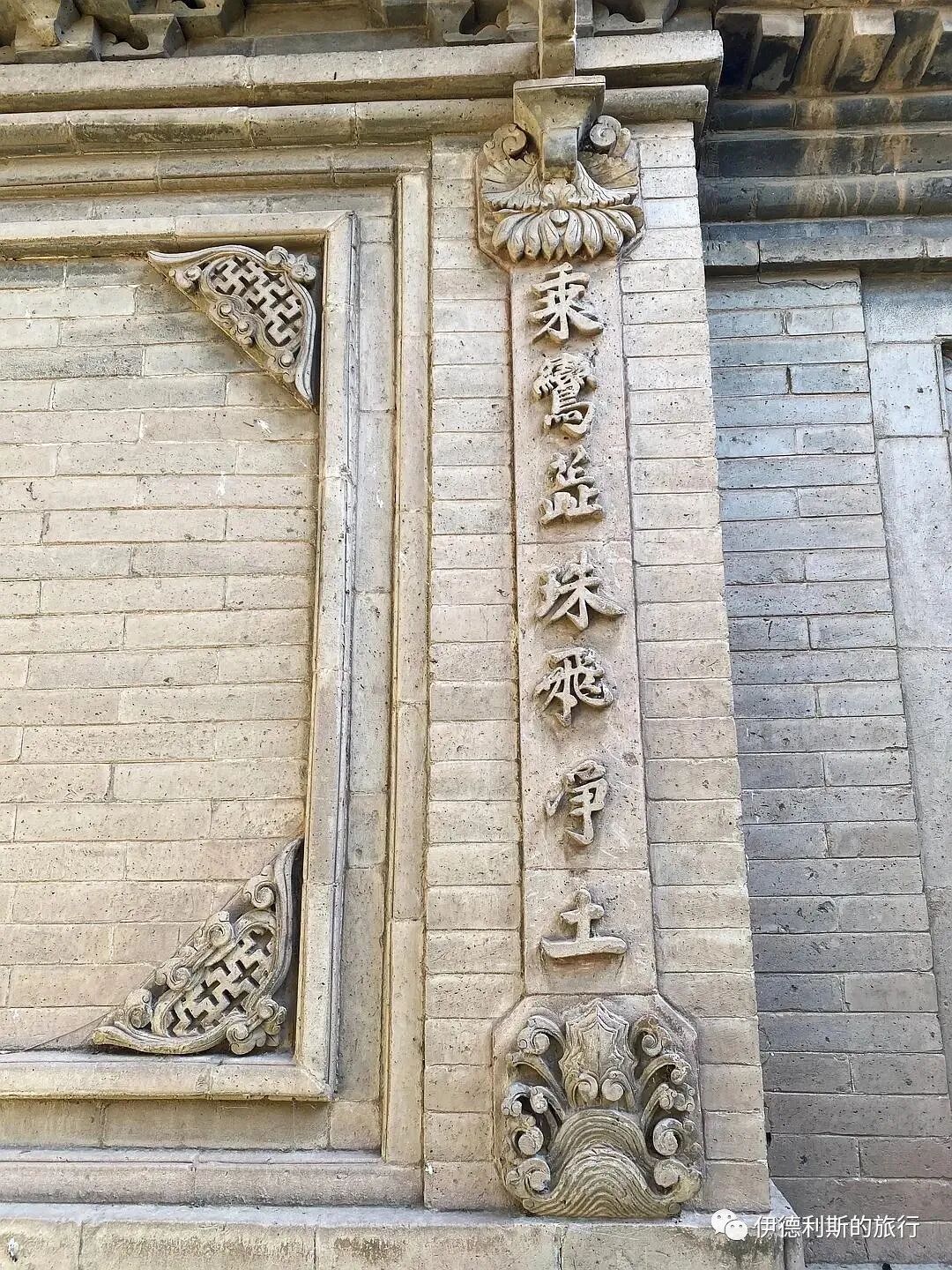
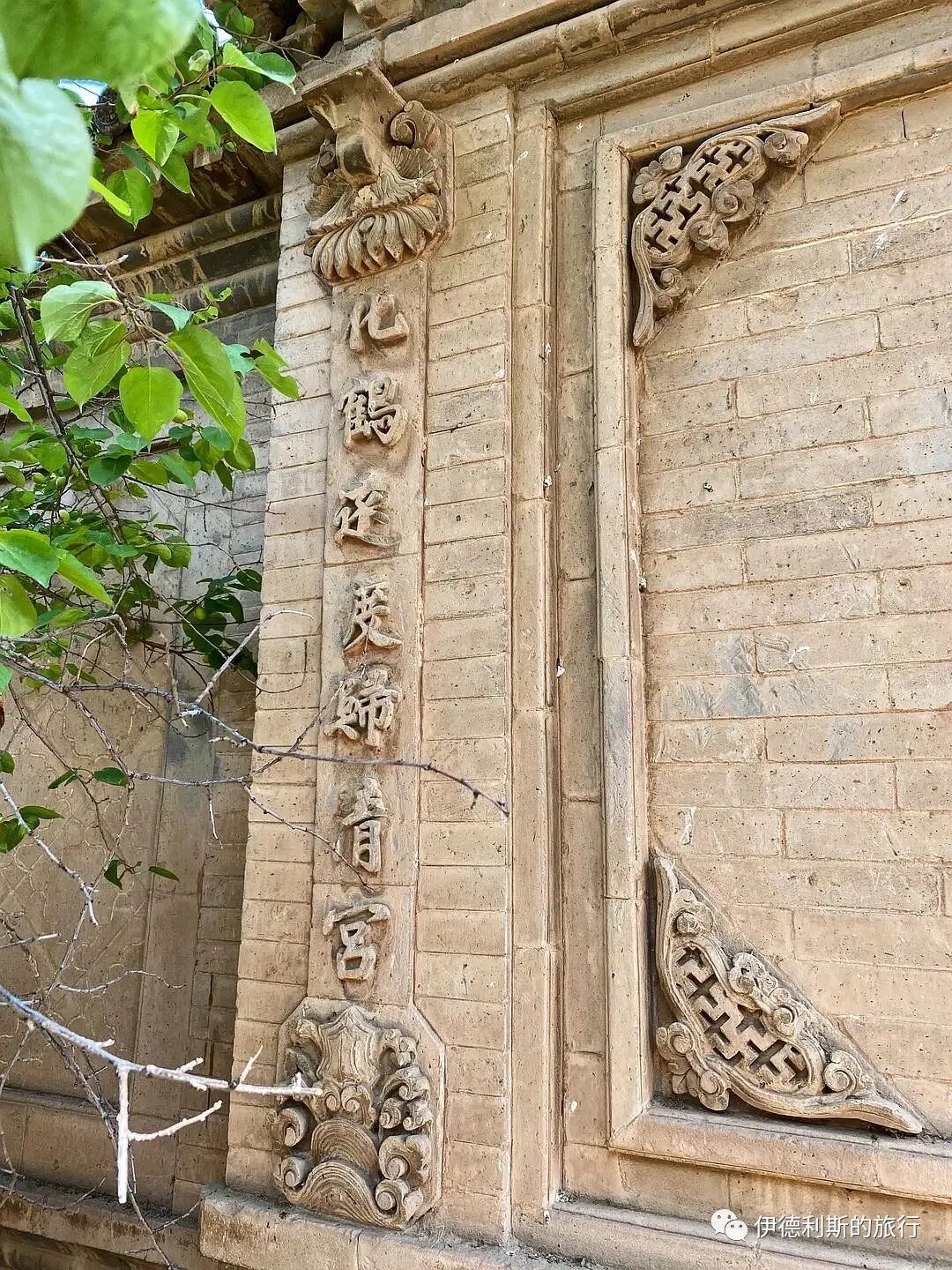
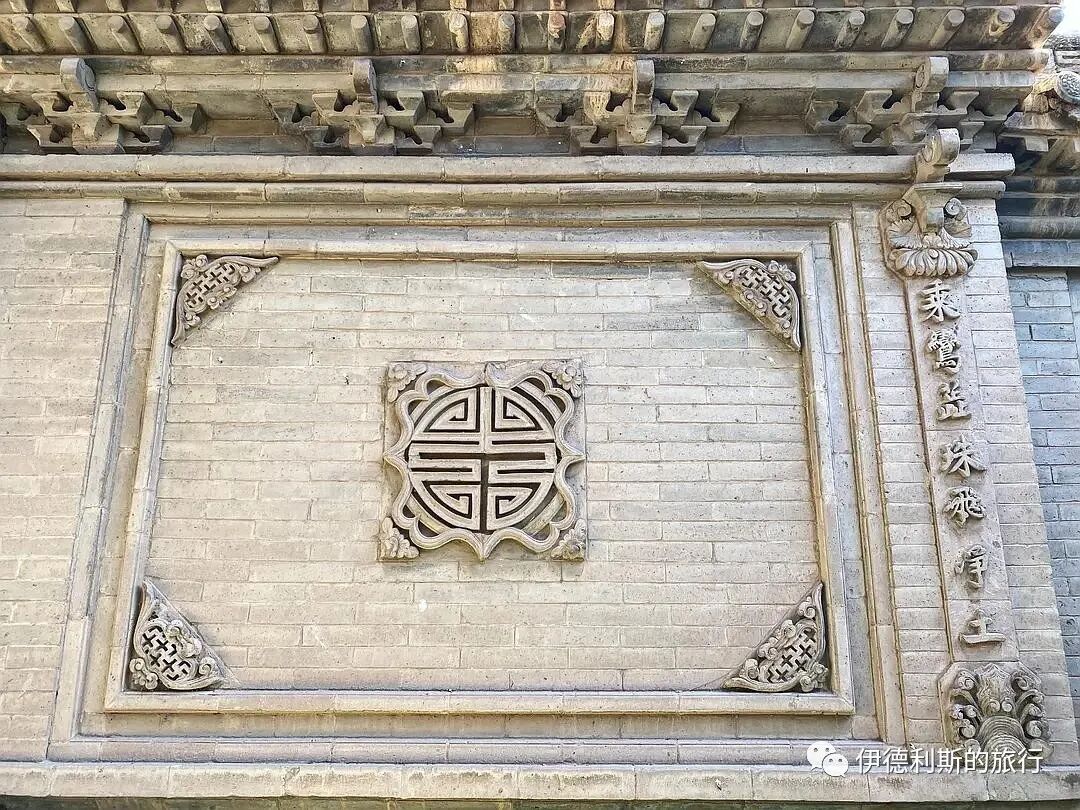
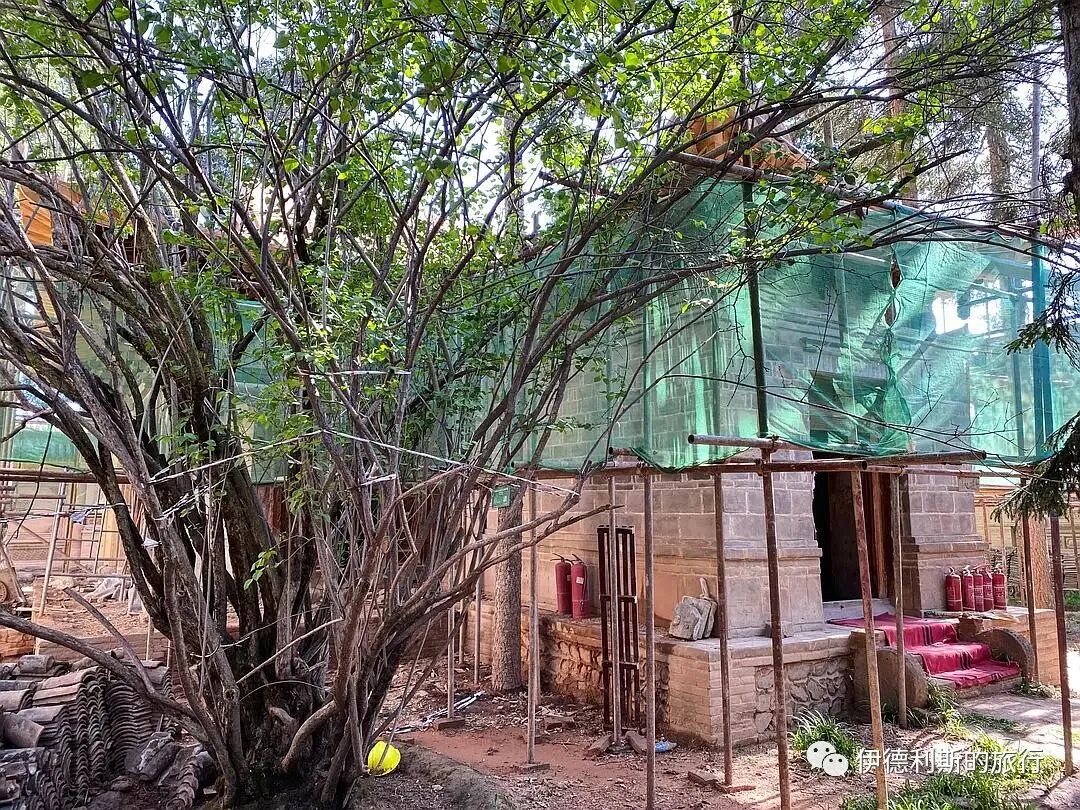
The main mausoleum is under renovation, and you can see the exquisite Arabic brick carvings and the removed roof tiles.
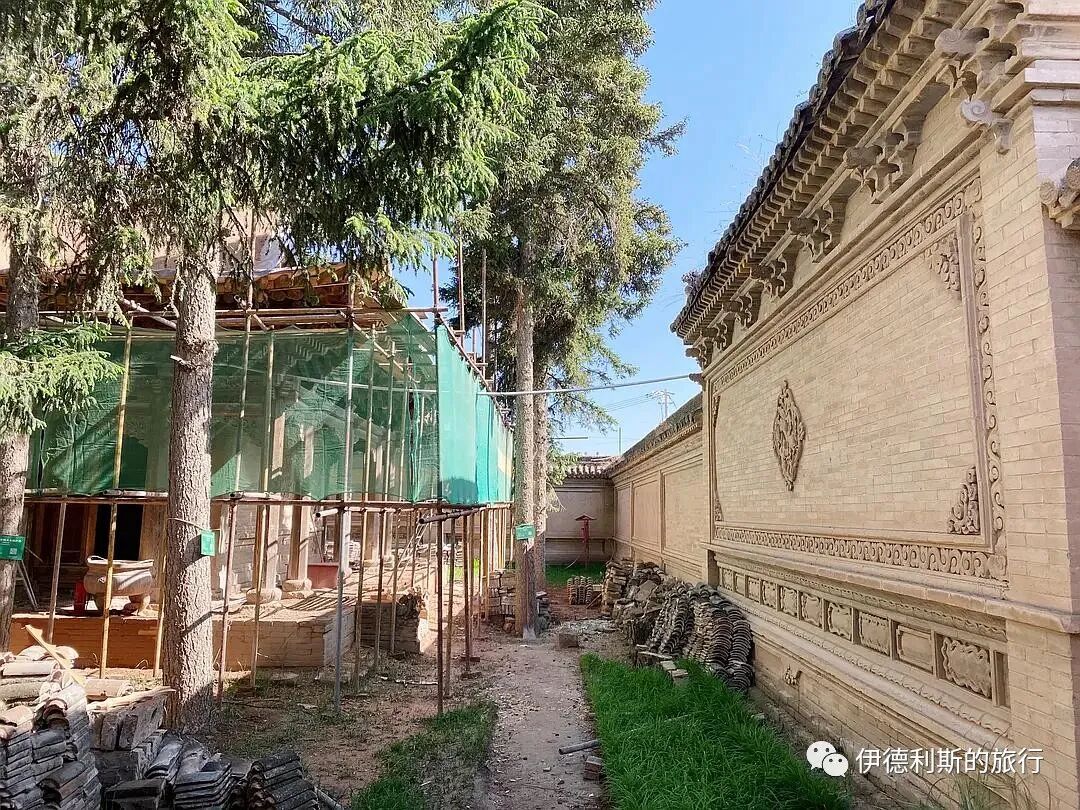
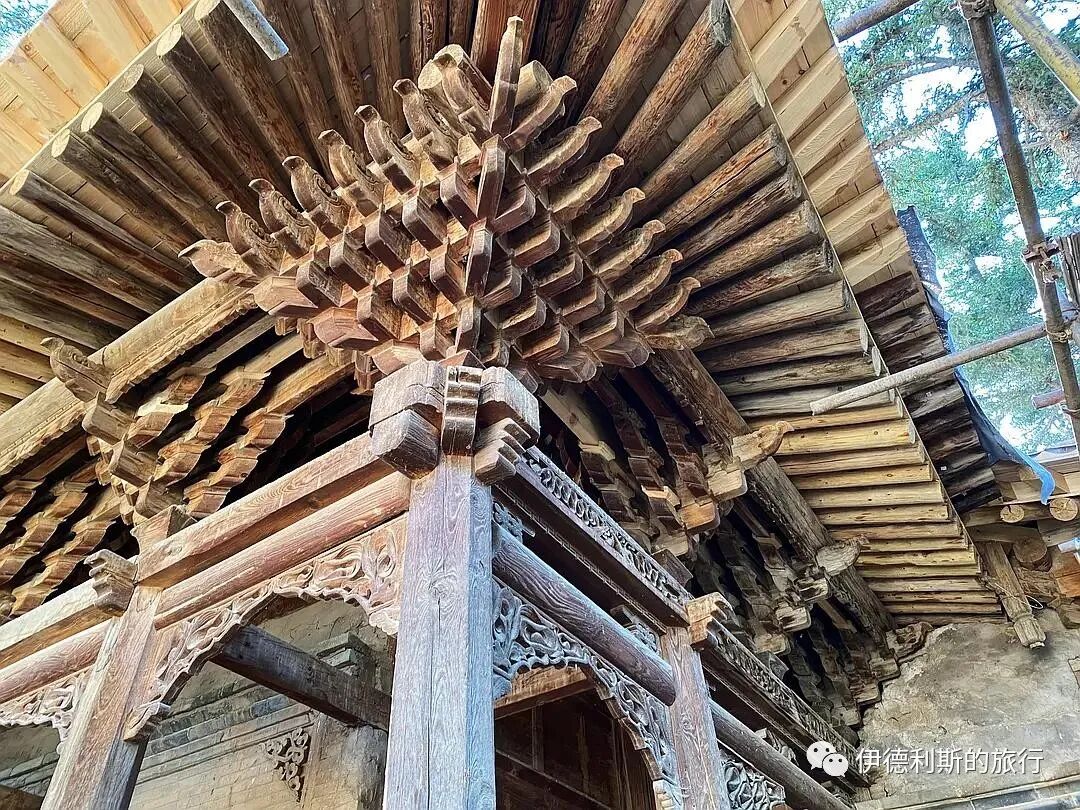
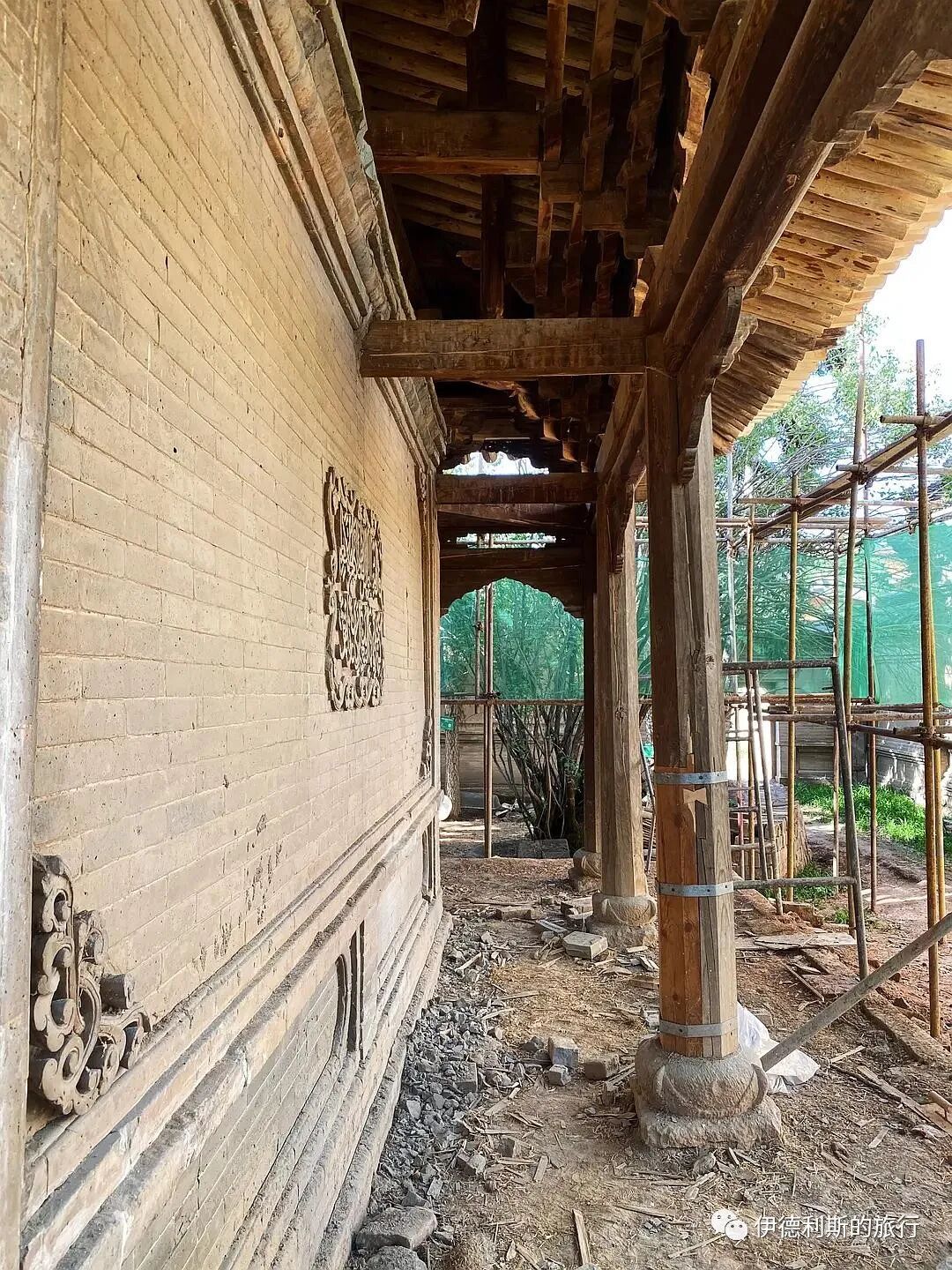
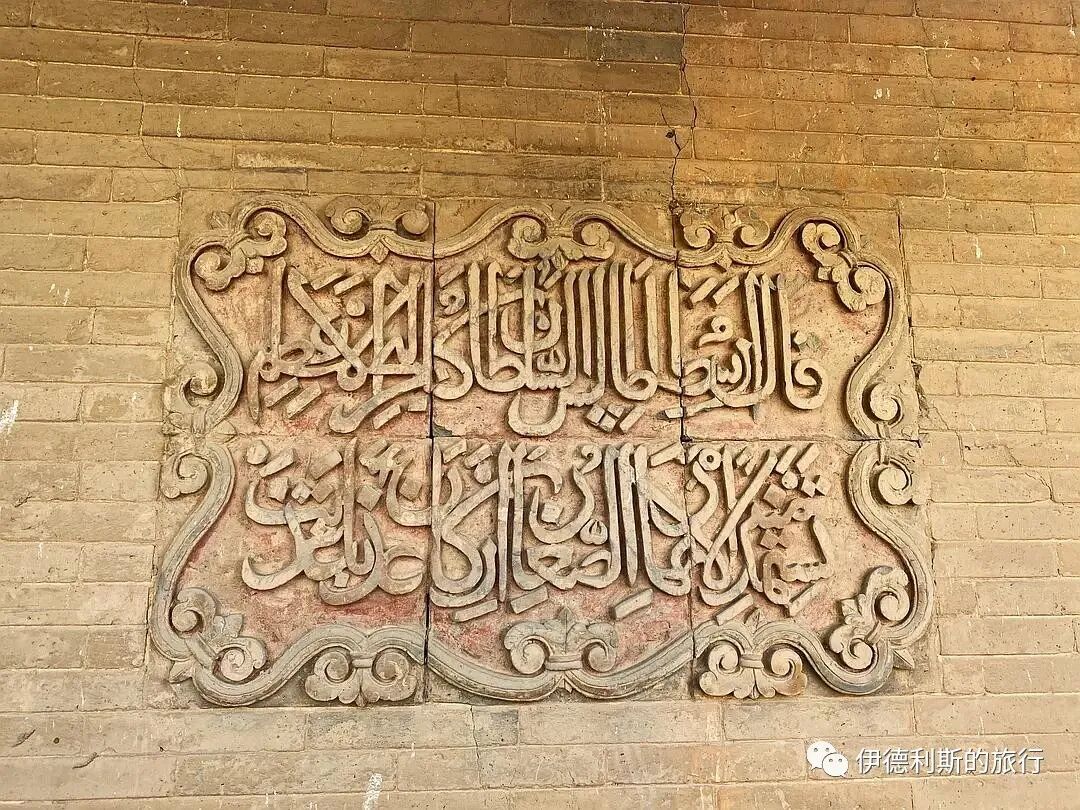
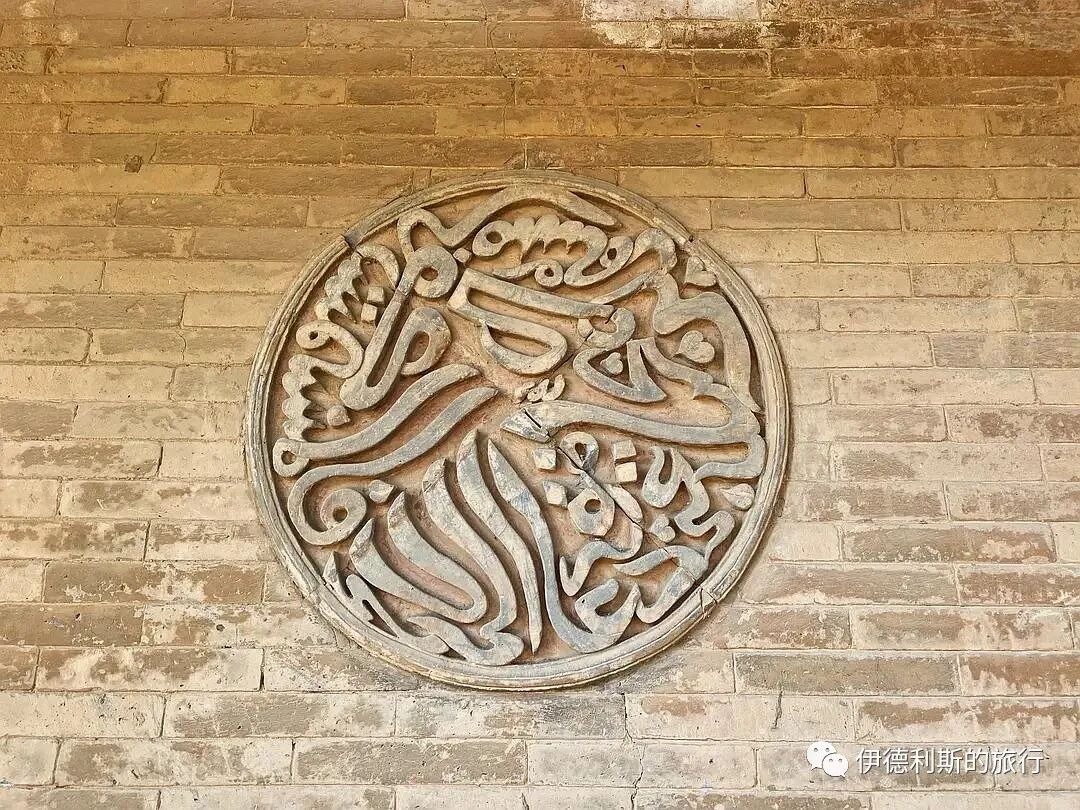
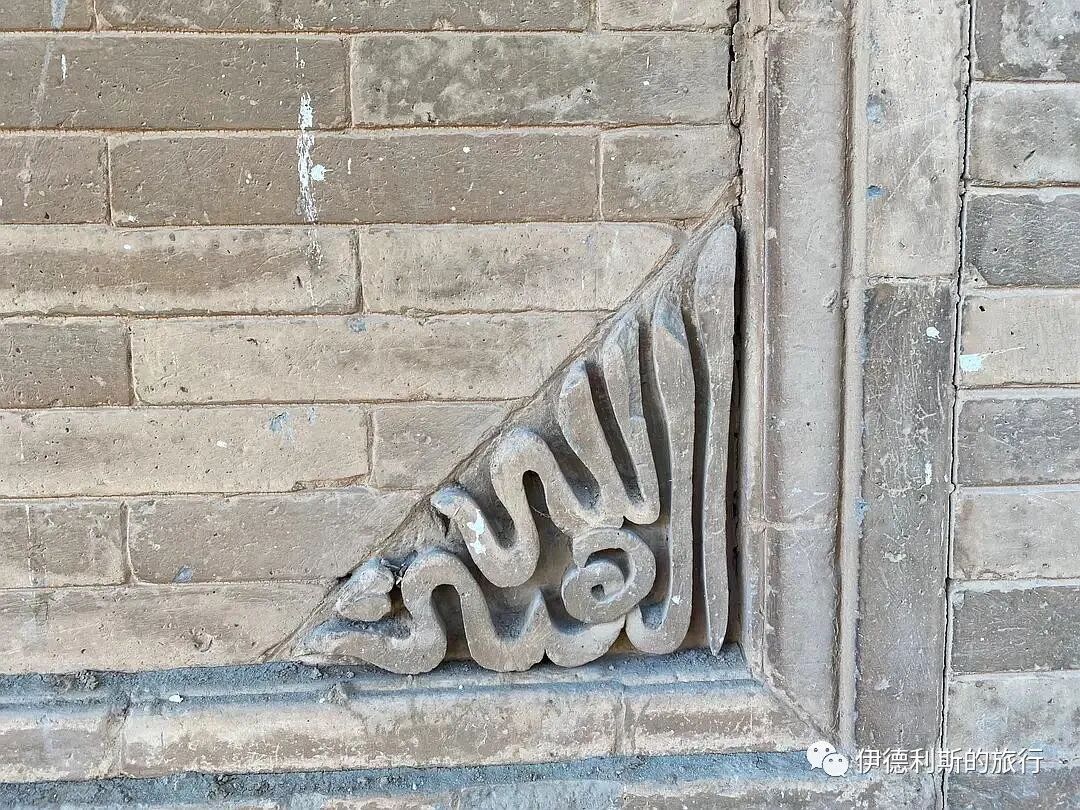
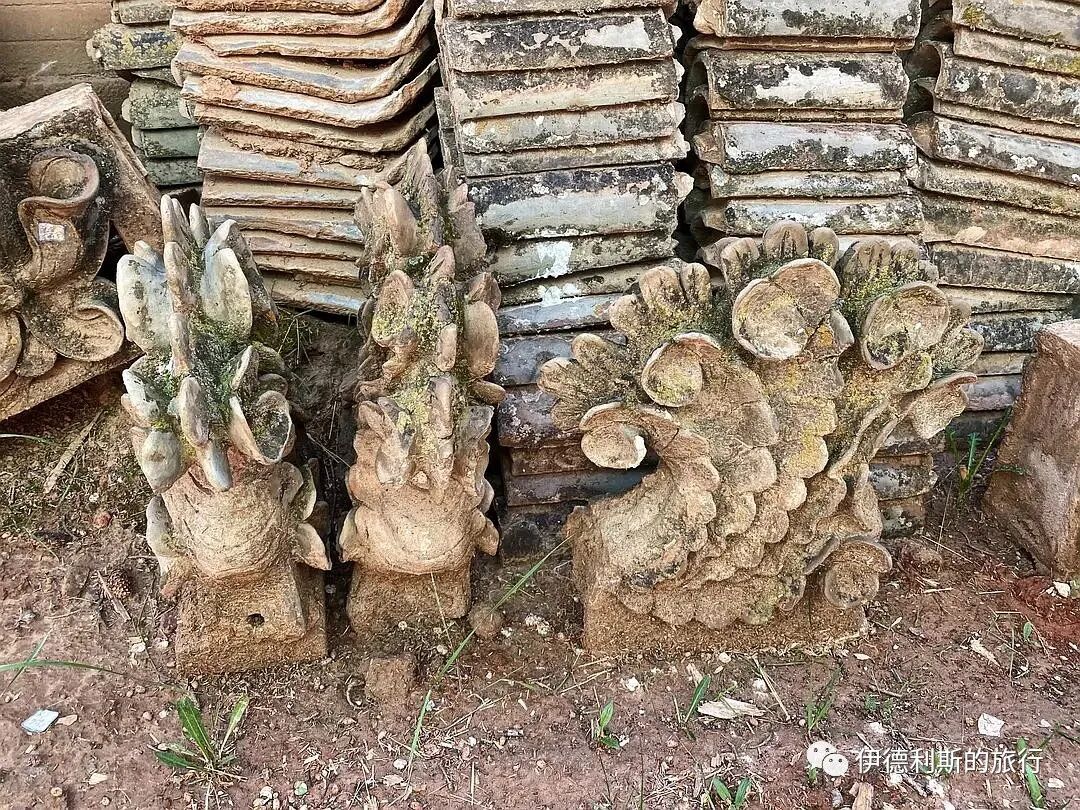
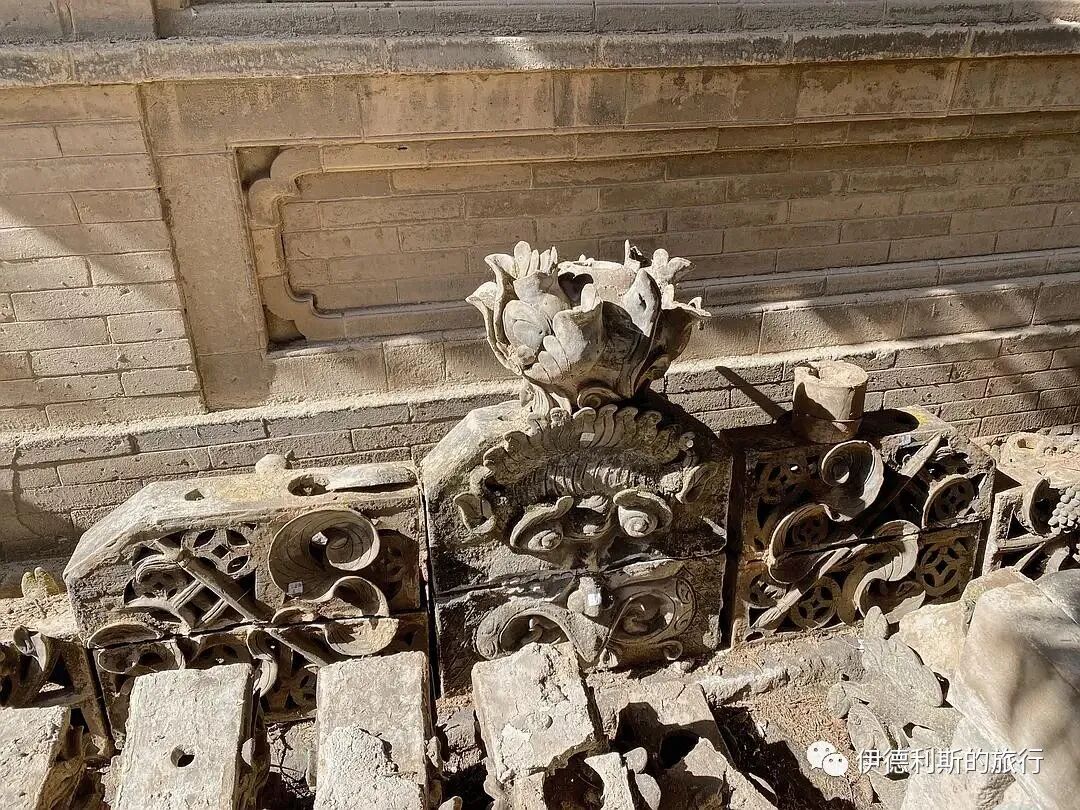
Various brick carvings on the screen wall.
"Rabbit guarding cabbage," where "cabbage" sounds like "hundreds of wealth," and rabbits are considered good at guarding wealth.
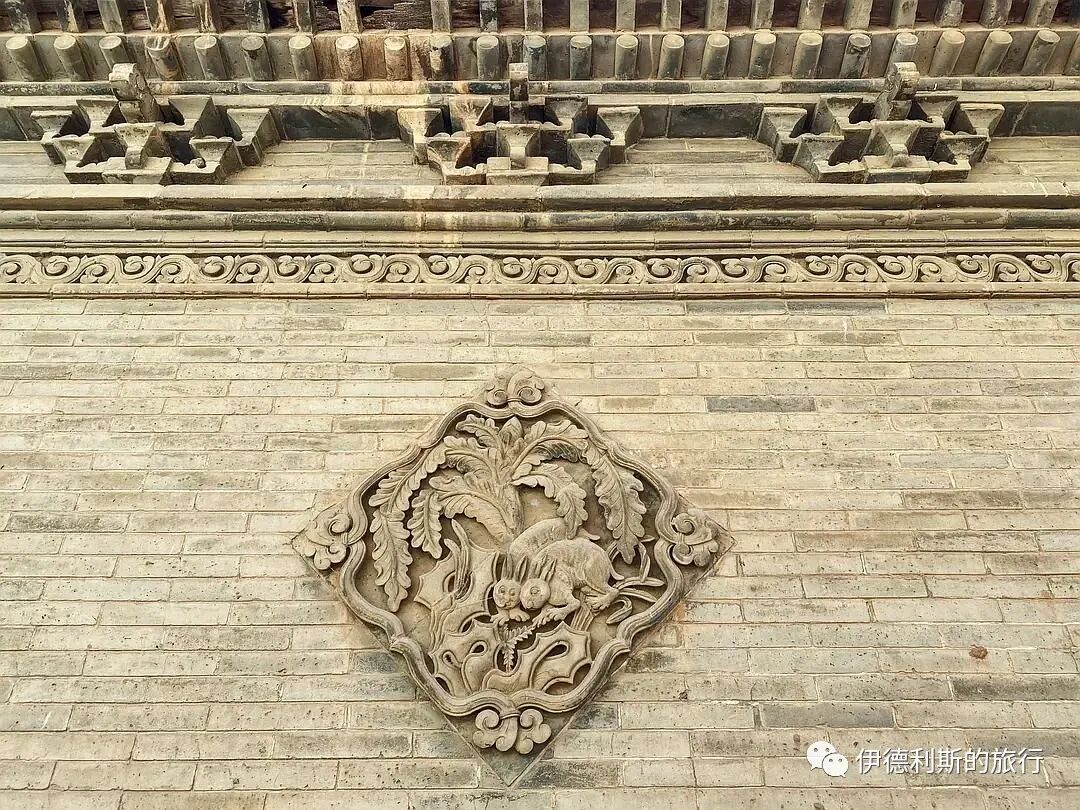
"A mouse stealing grapes," where the mouse represents "zi" (the first of the twelve earthly branches), symbolizes having many children and grandchildren.
Summary: This travel note introduces Nine Traditional Mosques and Three Gongbei Shrines in Qinghai (Part 3). Wall paintings in the kiln hall. It is useful for readers interested in Qinghai Mosques, Chinese Muslims, Muslim Heritage.
Wall paintings in the kiln hall.
Mihrab niche
Seal script mural
8. Su Zhi Mosque
Suzhi Mosque in Xunhua County was first built in 1460 (the fourth year of the Tianshun reign of the Ming Dynasty) and expanded during the Qing Dynasty; it is the Haizi Mosque for the Salar people of the Suzhi area and is currently a cultural relic protection unit of Qinghai Province.
9. Ahetan Mosque
Although Ahetan Mosque in Hualong County is located north of the Yellow River in Hualong County, it is still a Salar mosque and, like Suzhi Mosque, belongs to the Suzhi Gong of the Salar Eight Gongs.
The mosque's three-bay, four-pillar, three-story hip-roof gate tower is 9 meters high, with the Five Pillars of Islam—Shahada, Salah, Zakat, Sawm, and Hajj—carved in the center, topped by a triangular arrangement of dougong brackets with nine steps and four cantilevered arms.
The brick-carved screen wall outside the gate tower.
(Optional) Image description
Delete
The 18-meter-high minaret has a brick base and a wooden pavilion on the upper level.
In the main hall of the mosque, we were warmly welcomed by the Imam.
Xia, Gongbei
1. Shangmajia Gongbei in Bazang Valley
Shangmajia Shang Gongbei is located on the summit of Woniu Mountain in Bazanggou, Ping'an District, Haidong City, so it is also called Woniu Mountain Gongbei; it is the tomb of Ma Diangong (1643-1715) of the Hufeiye Xianmen Menhuan.
Ma Diangong is known as Ma Ahong Taiye and is a local from Shangma Village in Bazanggou. He was eager to learn from a young age, entering the Xining Dongguan Mosque at 7 to study, and at 24, he was appointed as the Imam of the Xining Beiguan Mosque after completing his religious training. During his time at the Beiguan Mosque, he was entrusted by Huazhe Abdullahi and Apak Khoja to teach the scriptures to Xian Meizhen (Zhuzi Taiye). After Xian Meizhen founded the Xianmen Menhuan, Ma Diangong became his Naib (deputy). Before Xian Meizhen returned to Allah, because his eldest son Xian Huazhe was still young, he entrusted him to Ma Diangong and asked him to preside over religious affairs.
During the reign of Emperor Qianlong of the Qing Dynasty, the third-generation Sheikh Xian Chengde (Grandfather Chuanli) built the Gongbei for Ma Diangong; it was destroyed in 1867 and rebuilt in the early years of the Guangxu reign under the leadership of the fourth master, Grandfather Xian Linqing.
Today, the Gongbei preserves the two-courtyard layout from the Guangxu era very well and has been designated as a cultural relic protection unit of Qinghai Province.
Pushing open the gate of the Gongbei, it feels as if you could step right into the Qing Dynasty; it has a very special atmosphere. The interior has not been over-restored at all, allowing you to appreciate the exquisite Qing Dynasty brick and wood carvings, and the elder guarding the Gongbei is also very warm and friendly. Although the entire Gongbei is built on a hilltop, it does not have the helmet-roofed tomb pavilion typical of renovated Gongbeis, but is instead a traditional courtyard, which gives it a unique charm.
The mountain opposite
The screen wall outside the gate
Main gate
Looking at the main gate from inside
As soon as you enter the courtyard
The side rooms on both sides
Second gate
Mausoleum
2. Shangmazhuang Gongbei in Bazanggou
The Xia-Gongbei of Shangmazhuang in Bazanggou, Ping'an District, Haidong City, is the Gongbei of Xian Chengde (known as Chuanli Taiye), the third-generation Sheikh of the Xianmen Menhuan of the Khufiyya order. Xian Chengde built this Gongbei during the Jiaqing reign, and shortly after its completion in 1812, Xian Chengde returned to Allah, and the followers buried him here. In 1895, the fifth-generation Sheikh of the Xianmen, Xian Linyuan, returned to Allah and was also buried in the Xia-Gongbei.
Like the Upper Gongbei, the Lower Gongbei is a cultural relic protection unit of Qinghai Province, and it also consists of two courtyards, one in front and one behind, but it is larger in scale than the Upper Gongbei. The front courtyard has been destroyed and only the main gate remains, but the back courtyard is very well preserved and is a masterpiece of Qing Dynasty brick carving art.
The front courtyard gate; after entering, you can see the ceremonial gate of the back courtyard. The ceremonial gate features brick-carved dougong, with the Tasmiya carved in the center and various flowers below it.
The screen walls on both sides are carved with numerous hydrangea petals, each with a unique shape. The center is carved with a 'Joyful News of Early Spring' pattern, surrounded by four bats. The Sumeru pedestal is carved with the Eight Immortals' emblems, as well as patterns of pomegranates, finger citrons, peonies, and lotus flowers.
The brick carvings of pomegranates, peonies, the Eight Immortals' emblems, and hydrangea petals on the screen wall of the ceremonial gate. This hydrangea petal design is exactly the same as the one on the screen wall of the famous Hongshuiquan Mosque in Haidong.
The north wall screen has brick-carved dougong brackets at the top and a gabled roof. The upper part of the central screen is carved with the four Chinese characters 'Can Xia Bi Luo', with Arabic calligraphy in the center, Arabic couplets on both sides, and brick carvings of carp leaping over the dragon gate at the bottom of the couplets. The centers of the side screens feature the Chinese character 'Shou' in seal script, along with the couplets: 'Riding the phoenix to fly to the pure land, transforming into a crane to return to the pure palace.' "
The main mausoleum is under renovation, and you can see the exquisite Arabic brick carvings and the removed roof tiles.
Various brick carvings on the screen wall.
"Rabbit guarding cabbage," where "cabbage" sounds like "hundreds of wealth," and rabbits are considered good at guarding wealth.
"A mouse stealing grapes," where the mouse represents "zi" (the first of the twelve earthly branches), symbolizes having many children and grandchildren.
