
Nine Traditional Mosques and Three Gongbei Shrines in Qinghai (Part 2)
Reposted from the web
Summary: This travel note introduces Nine Traditional Mosques and Three Gongbei Shrines in Qinghai (Part 2). Tashapo Mosque in Xunhua was first built in 1480 (the 16th year of the Chenghua reign of the Ming Dynasty) and rebuilt in 1755 (the 20th year of the Qianlong reign of the Qing Dynasty). It is useful for readers interested in Qinghai Mosques, Chinese Muslims, Muslim Heritage.
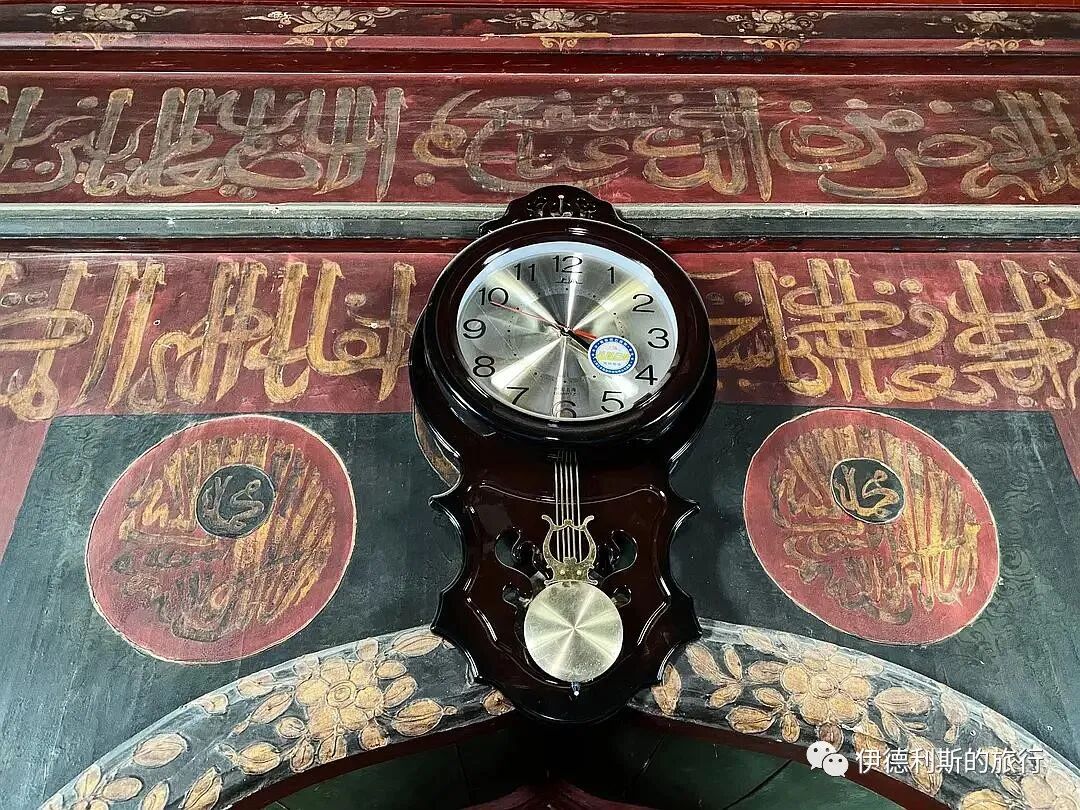
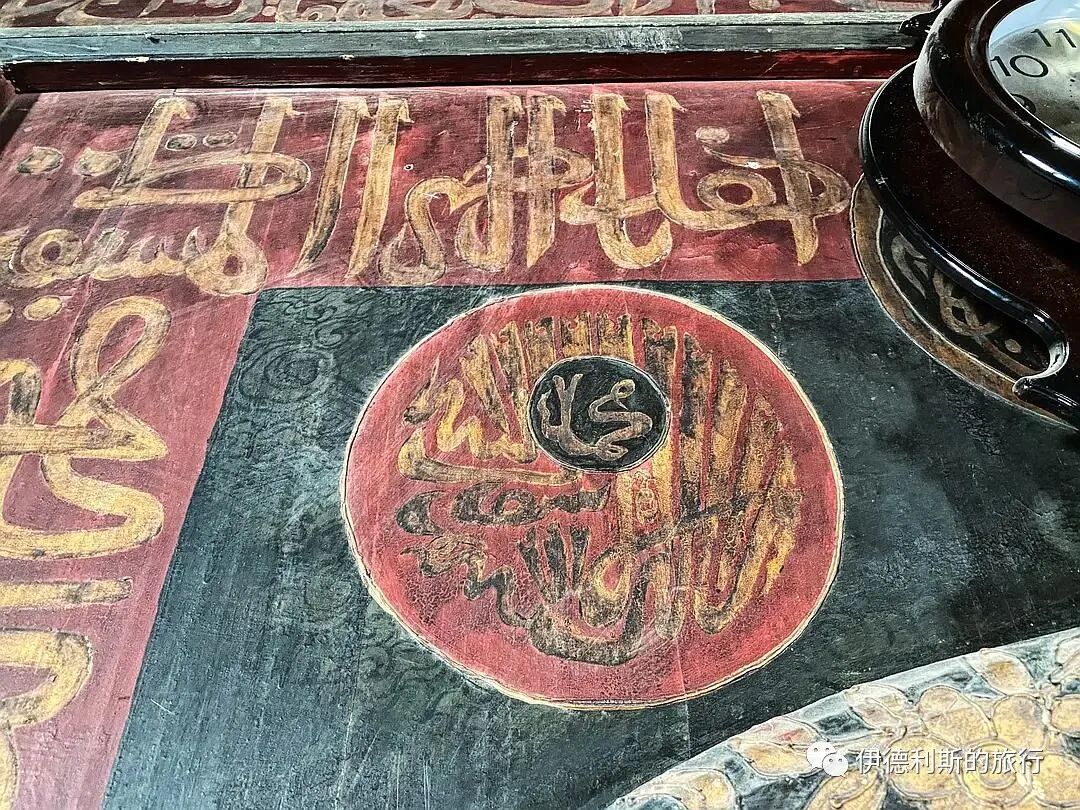
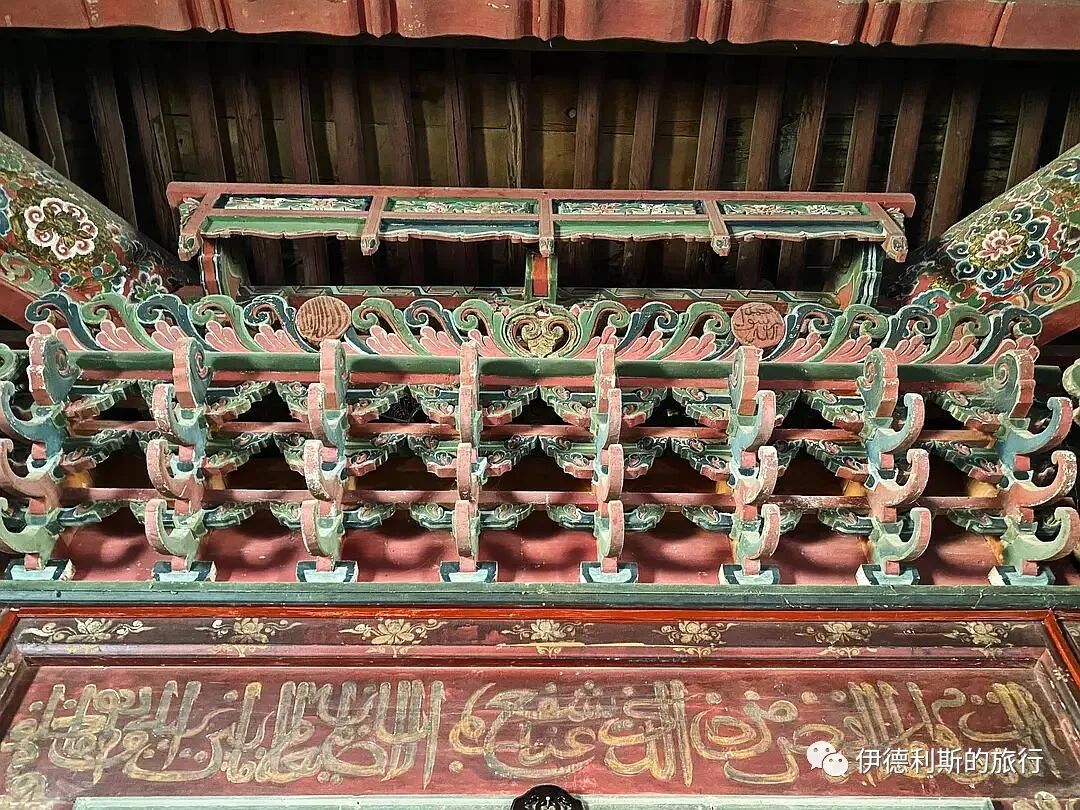
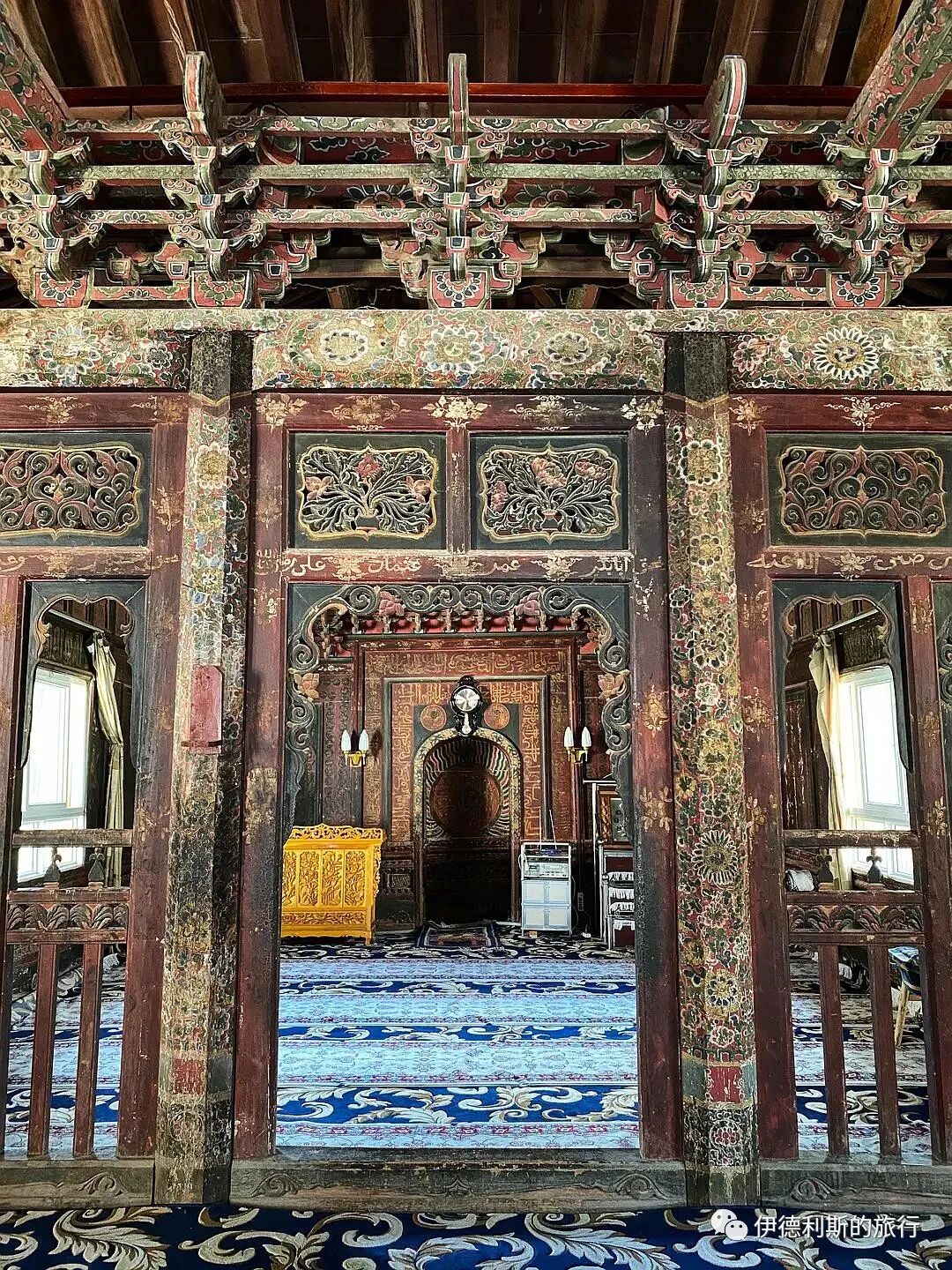
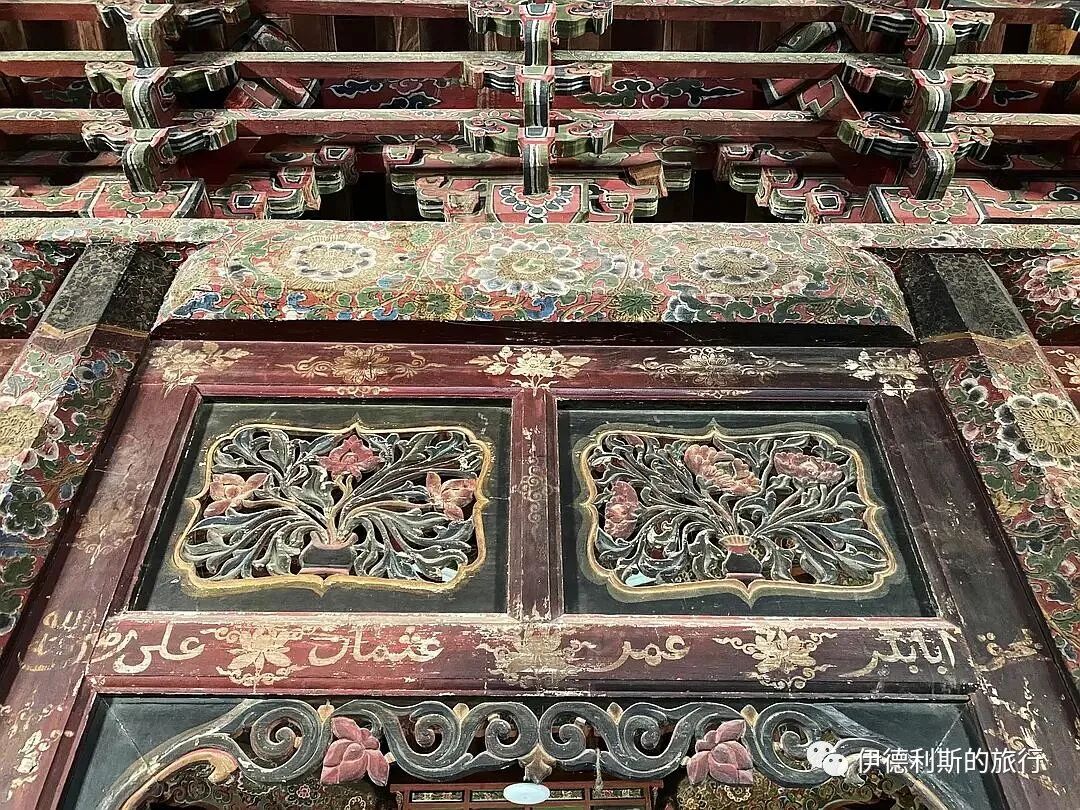
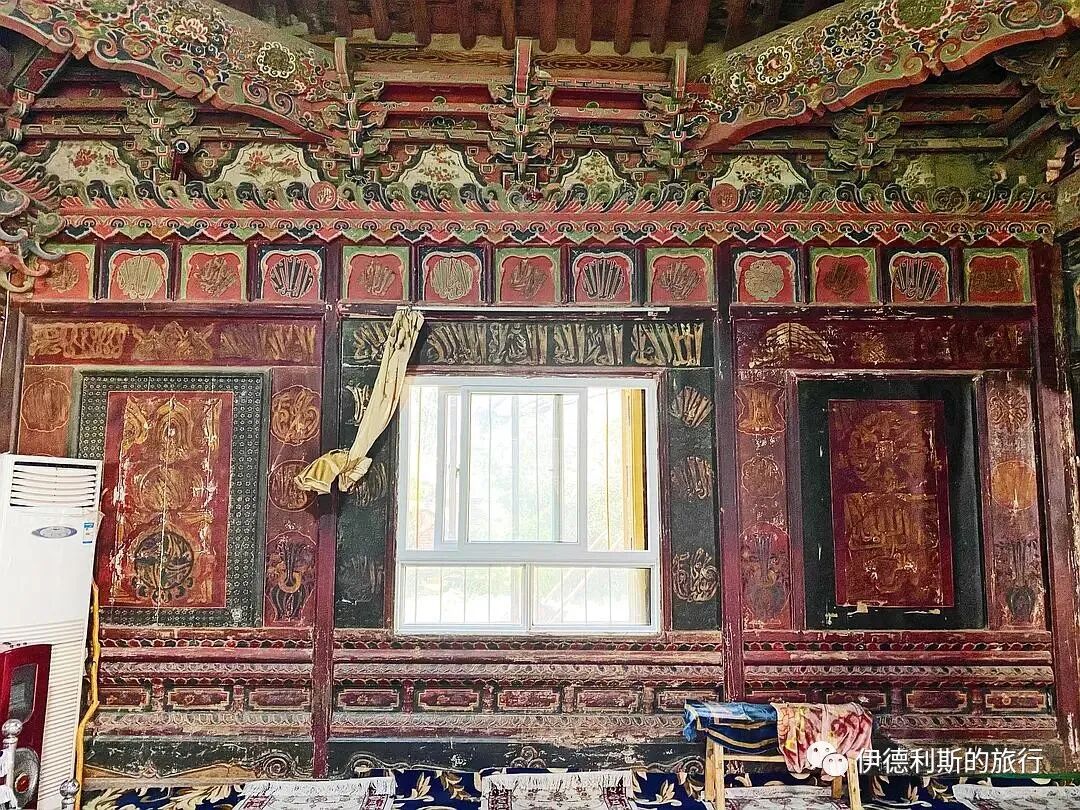
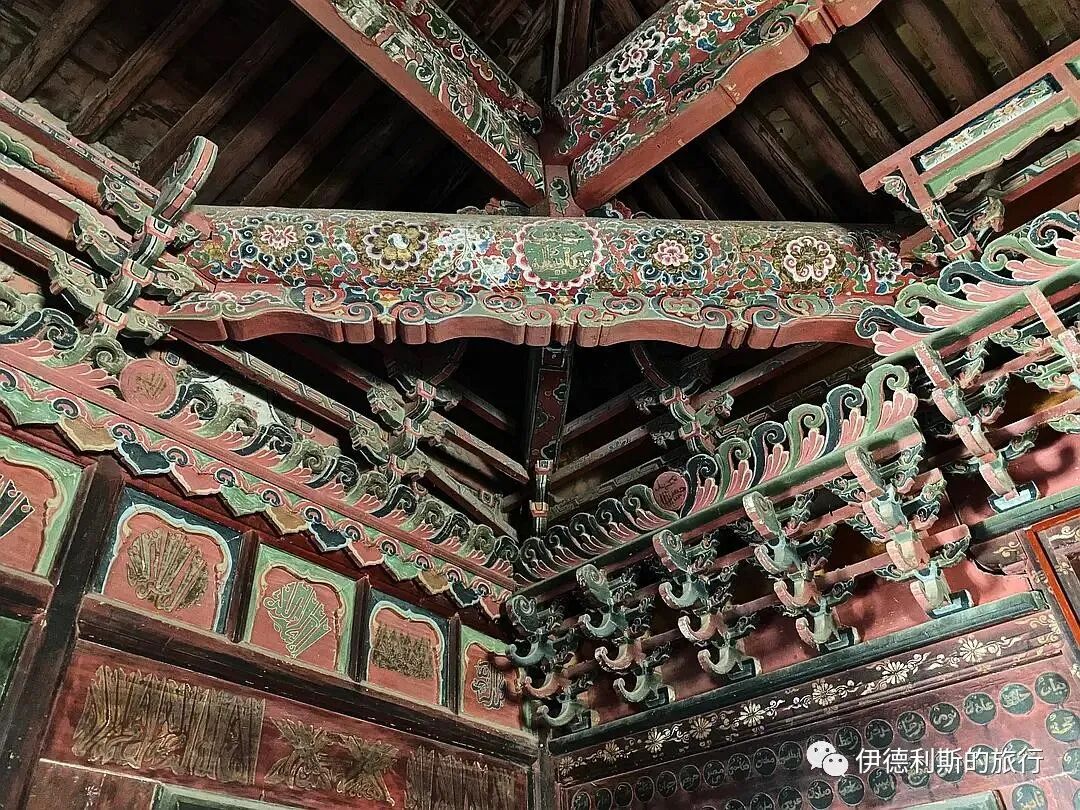
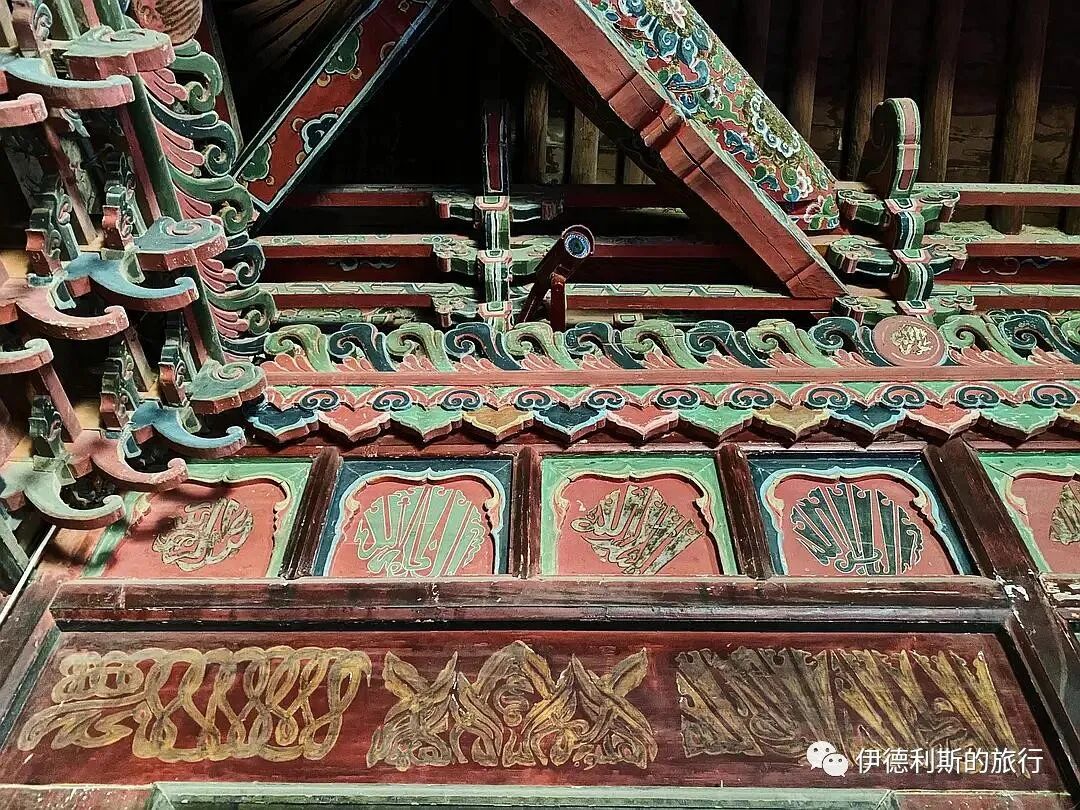
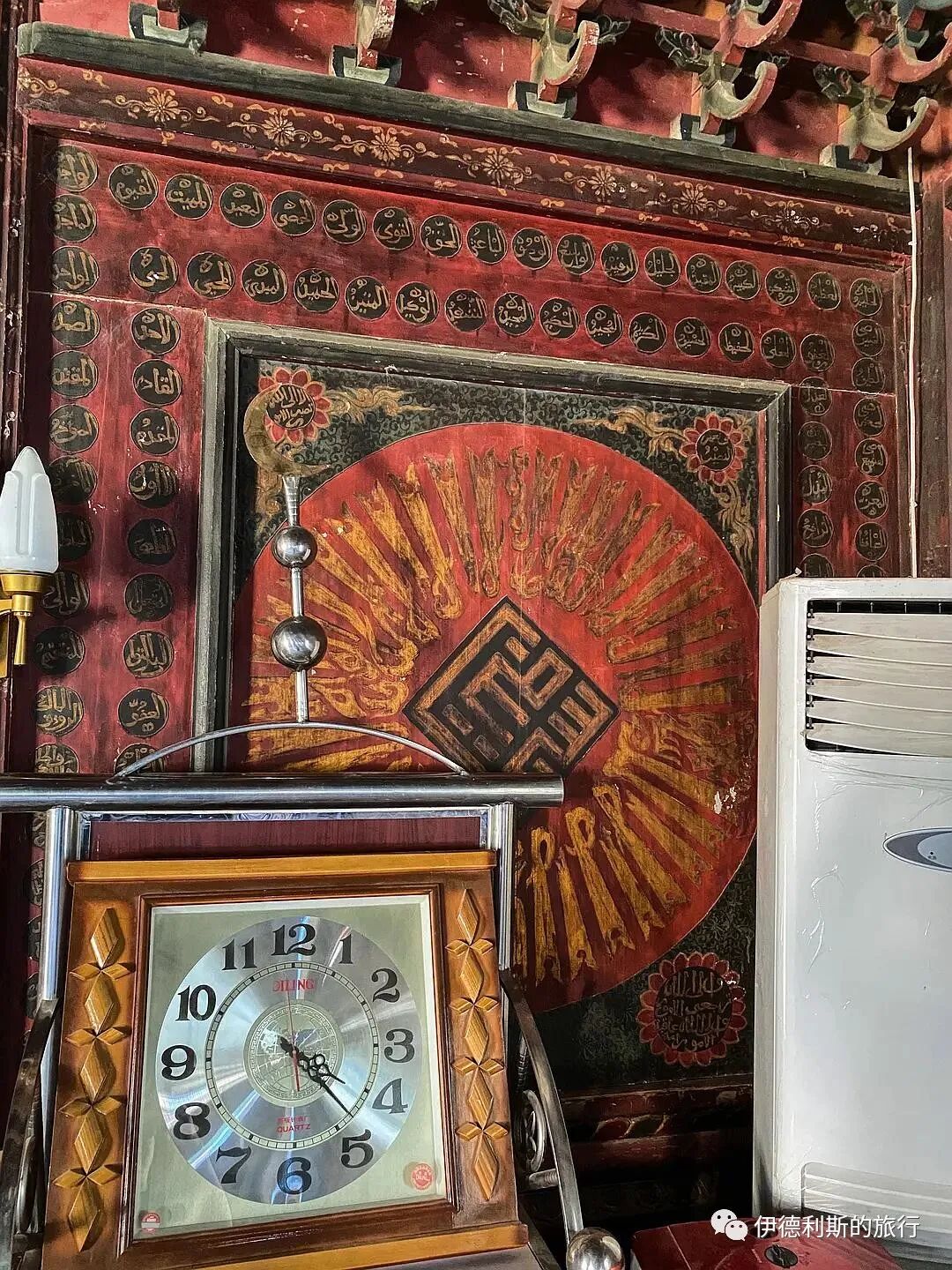
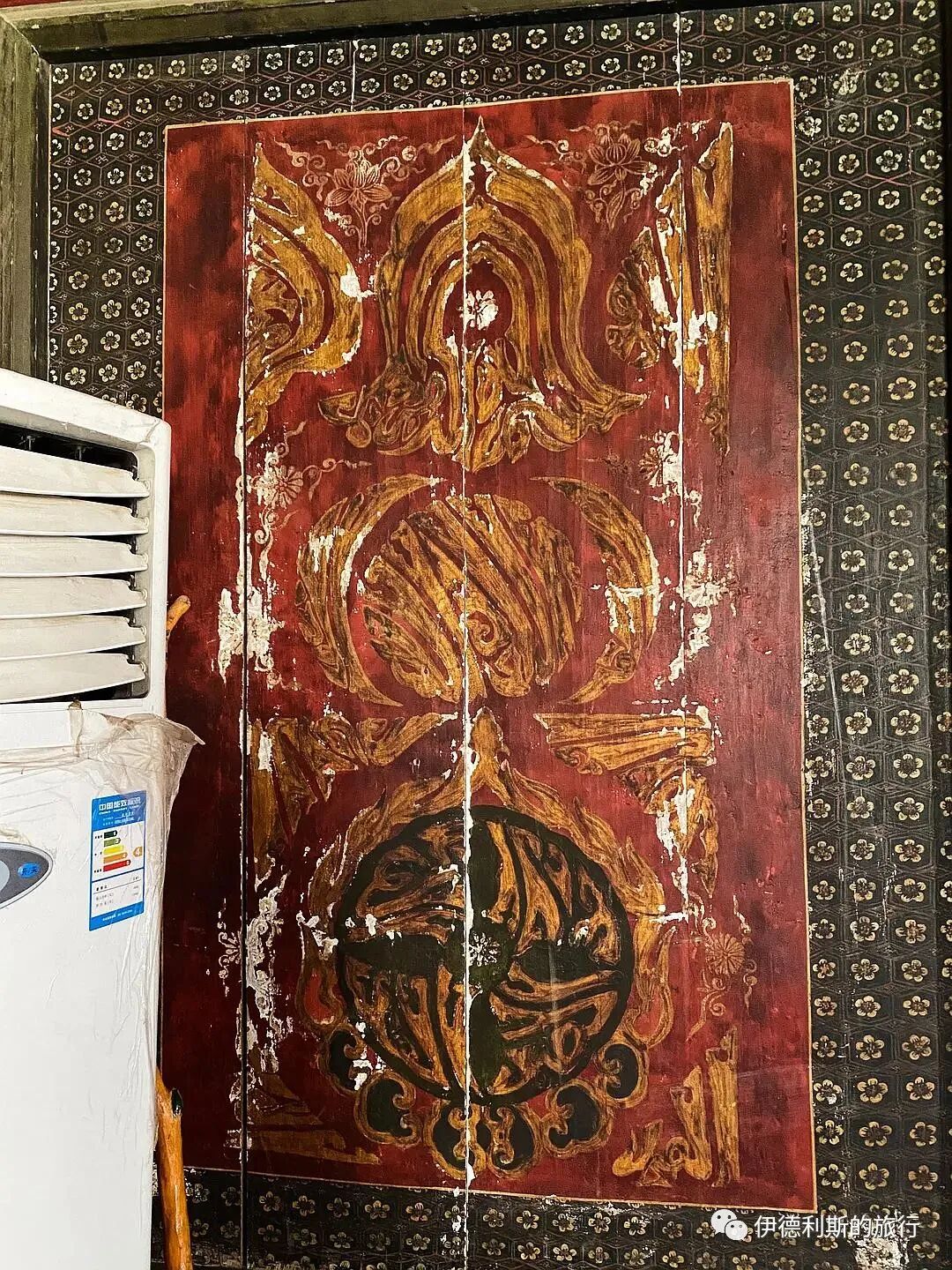
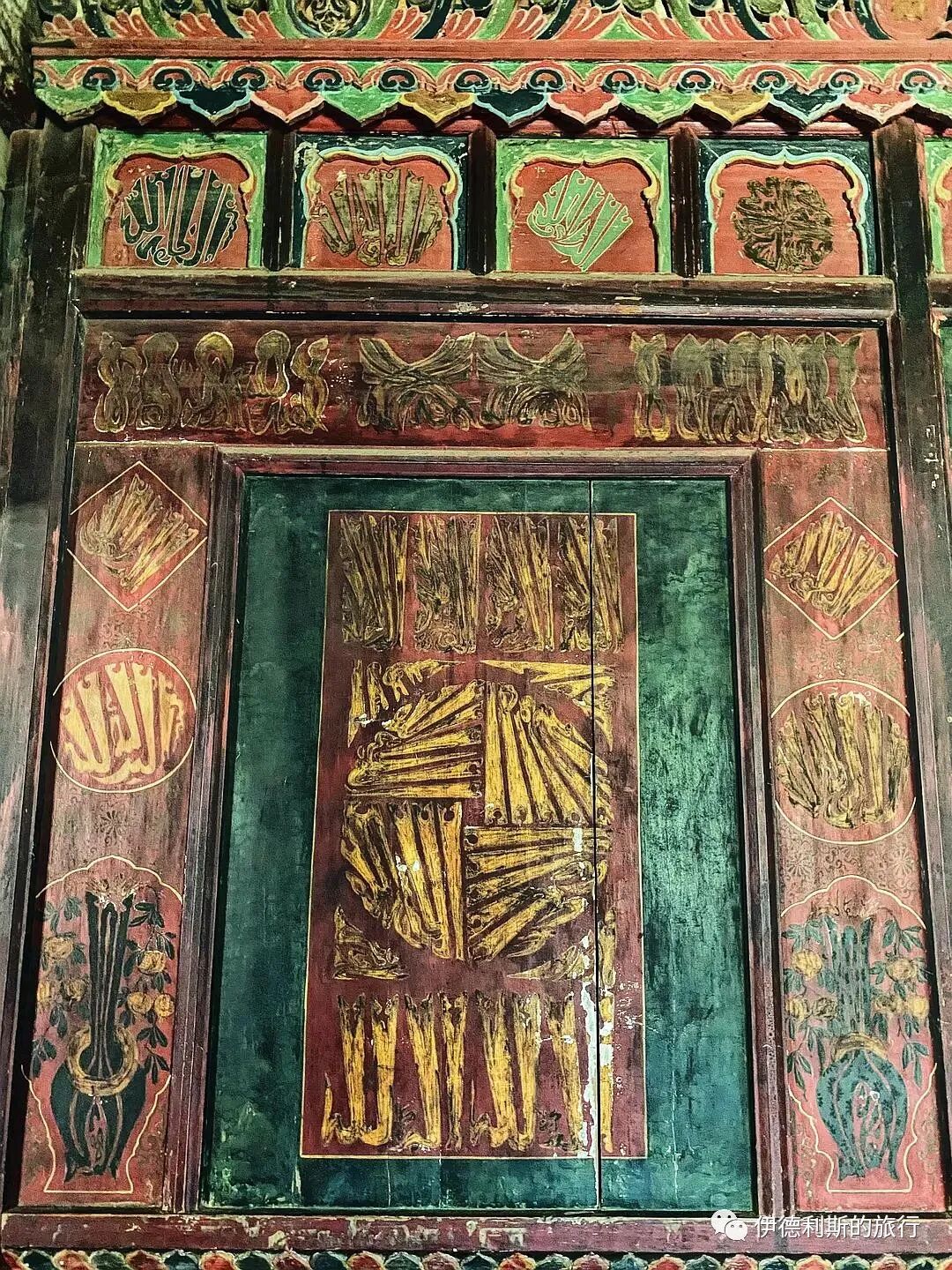
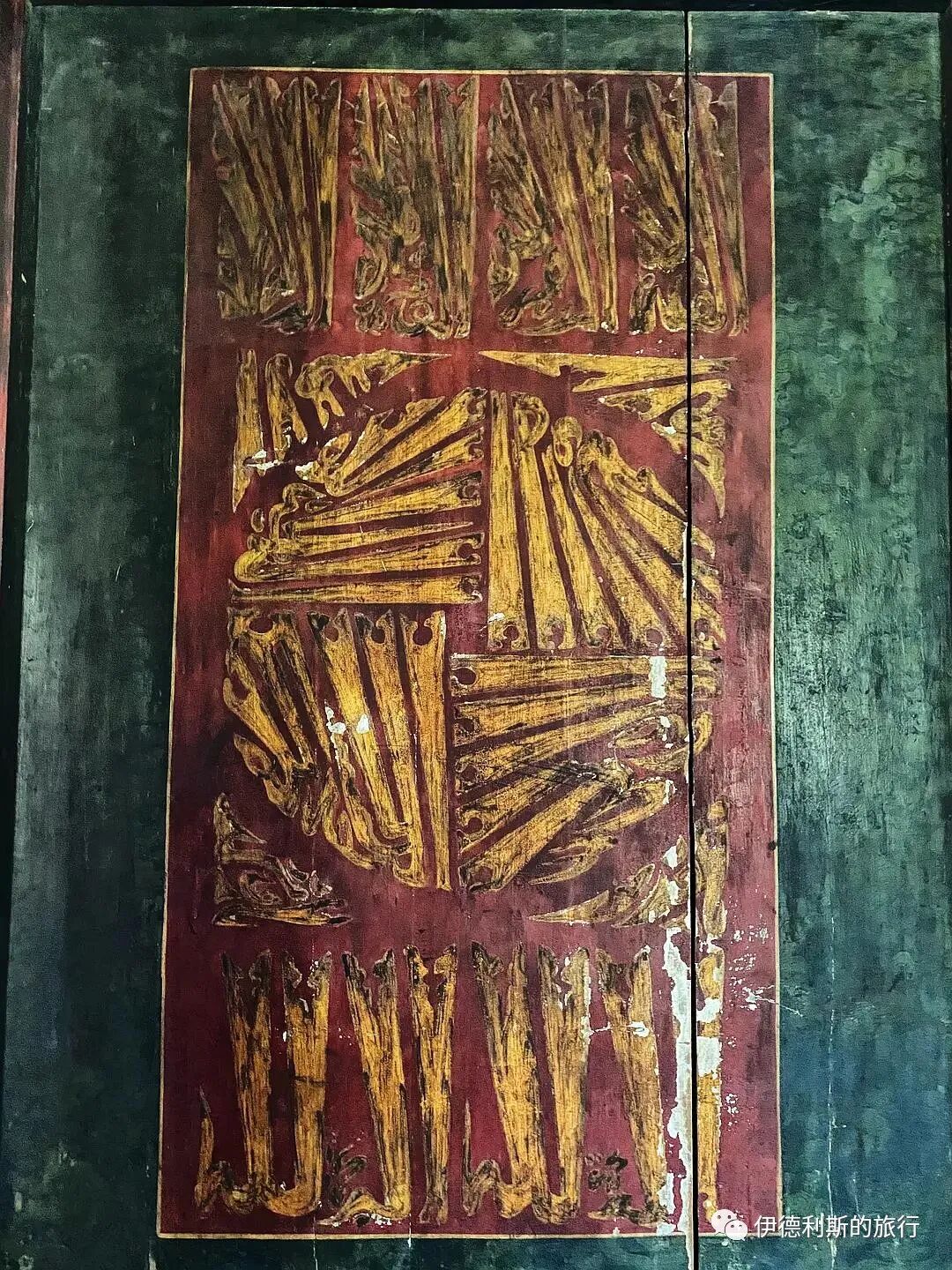
The combination of flowers, plants, and calligraphy
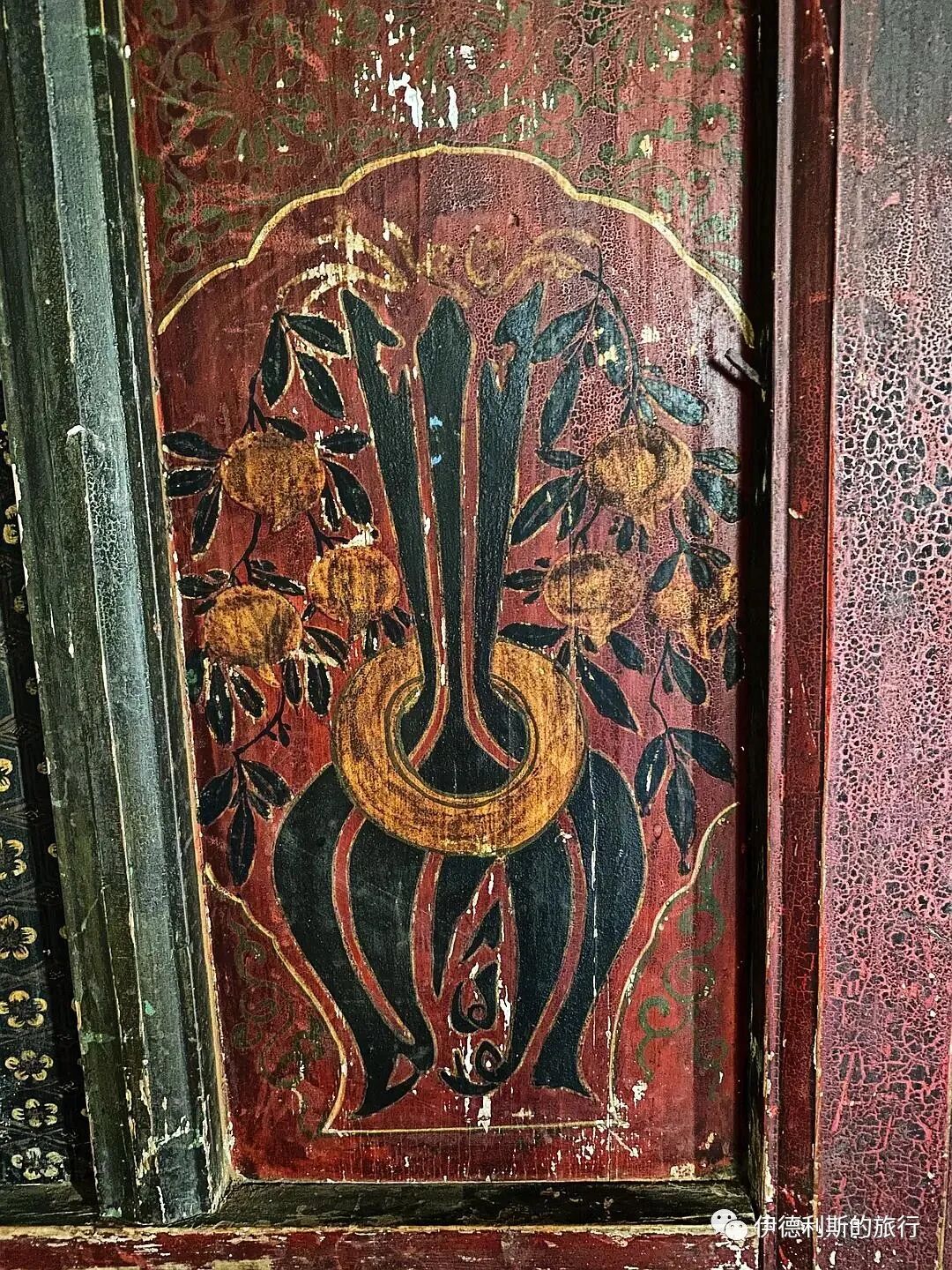
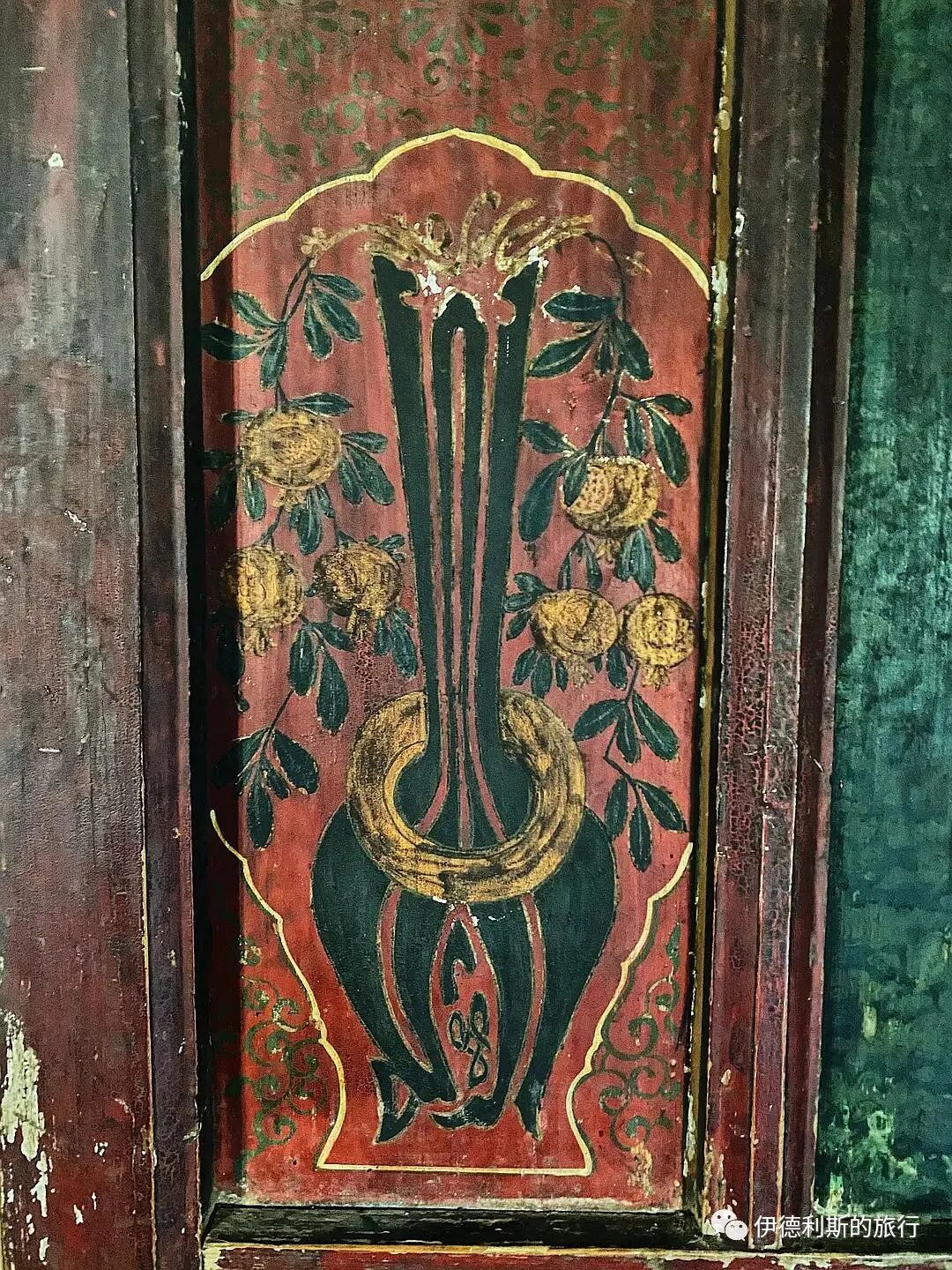
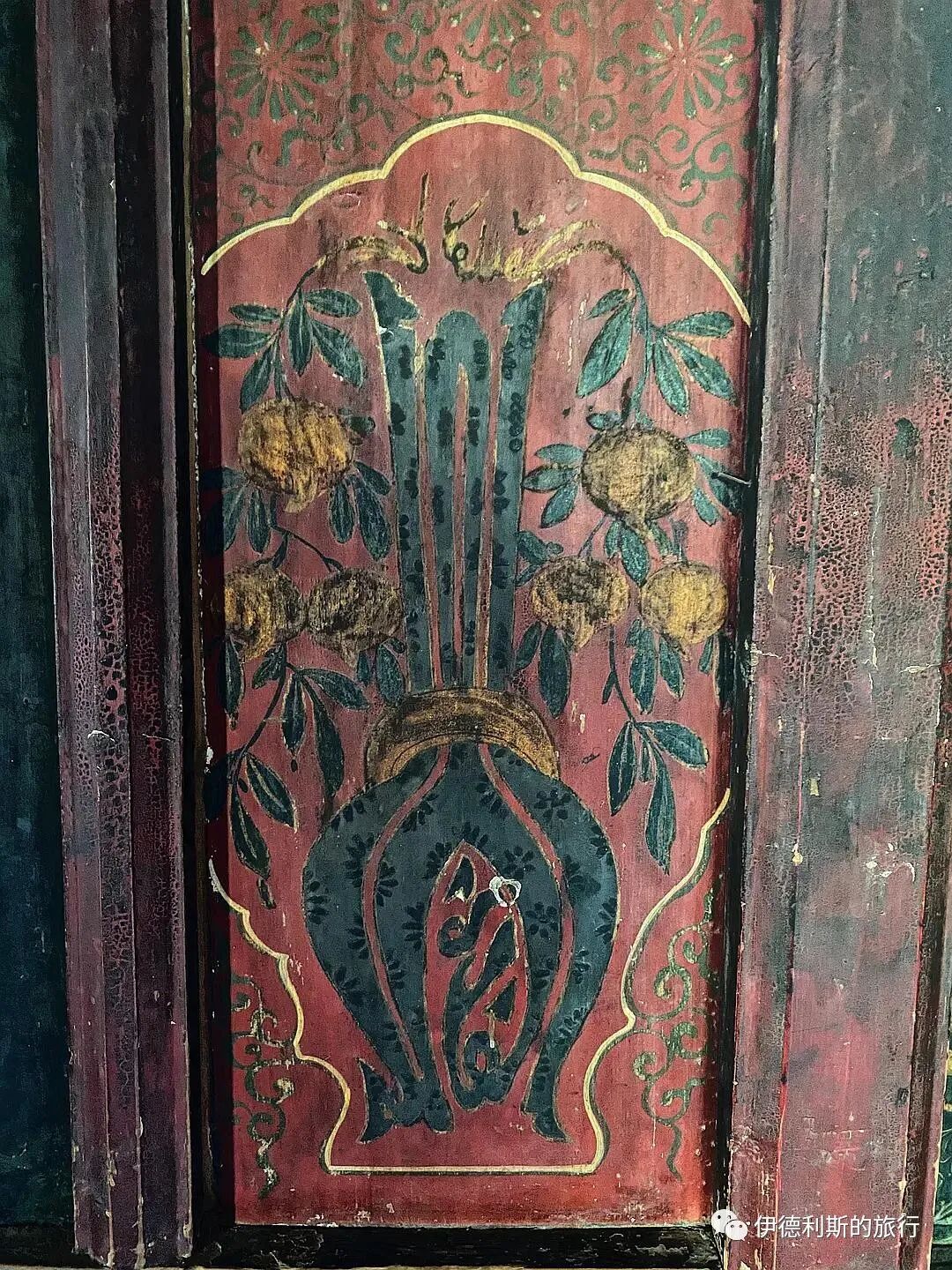
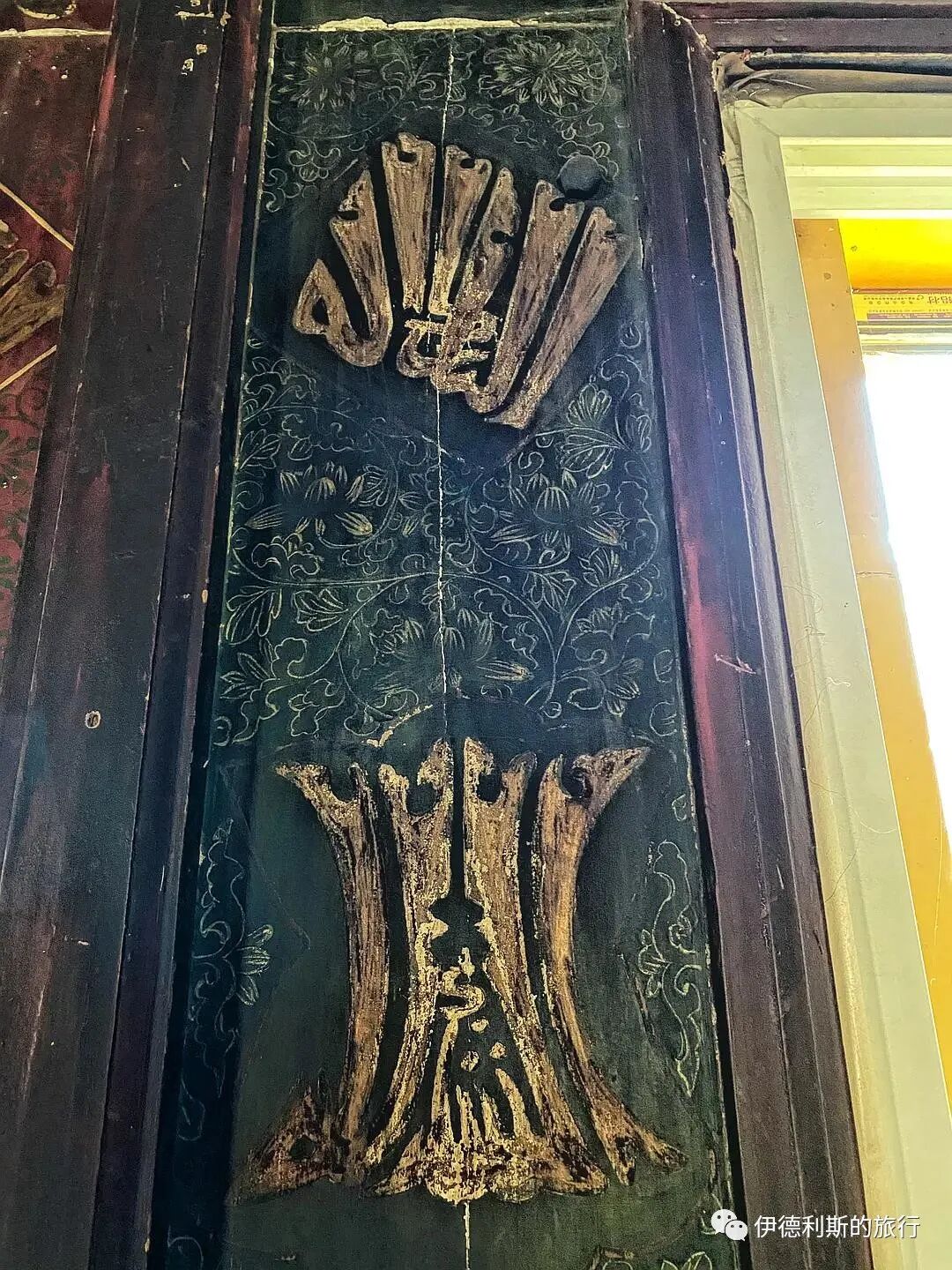
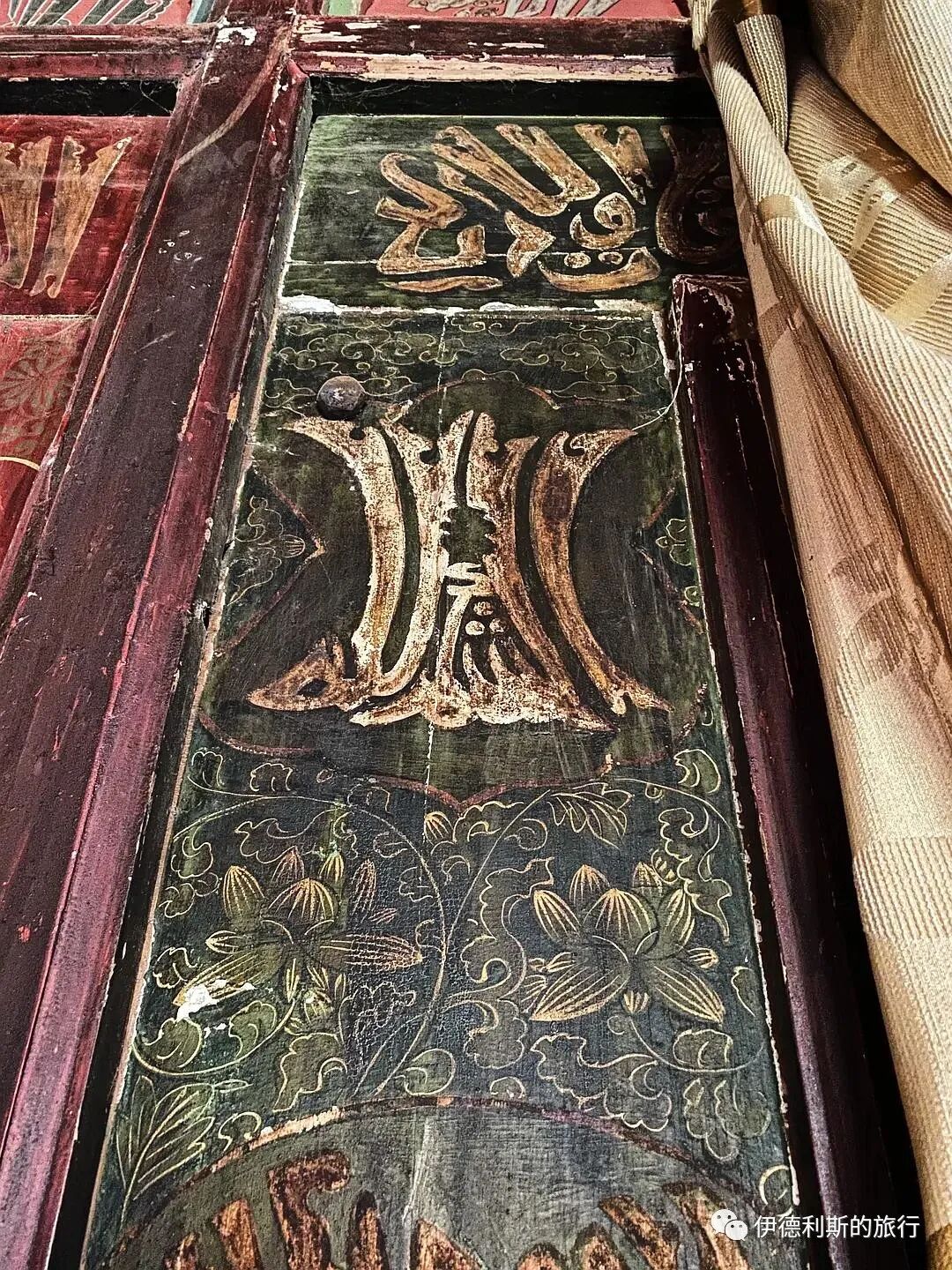
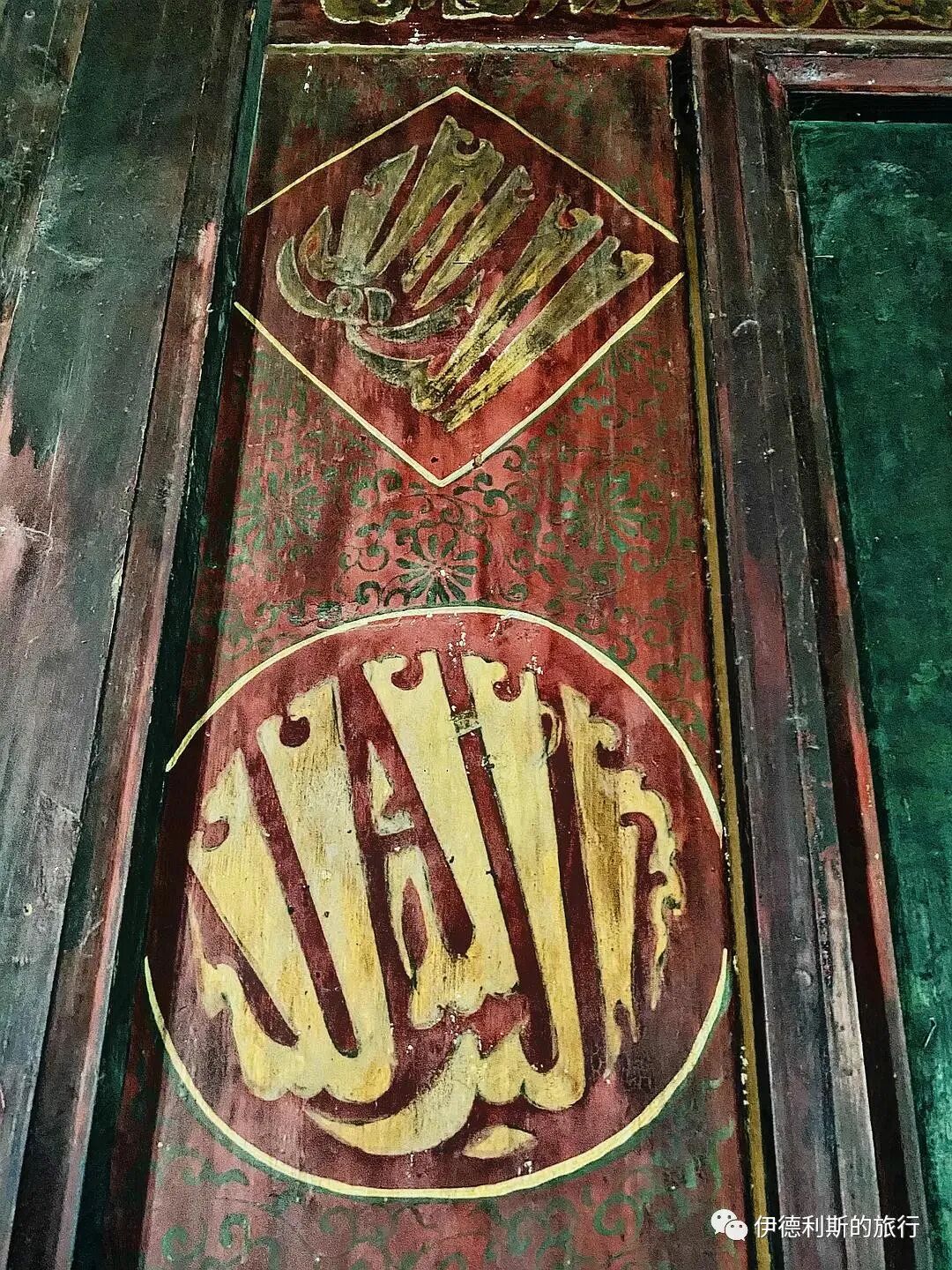
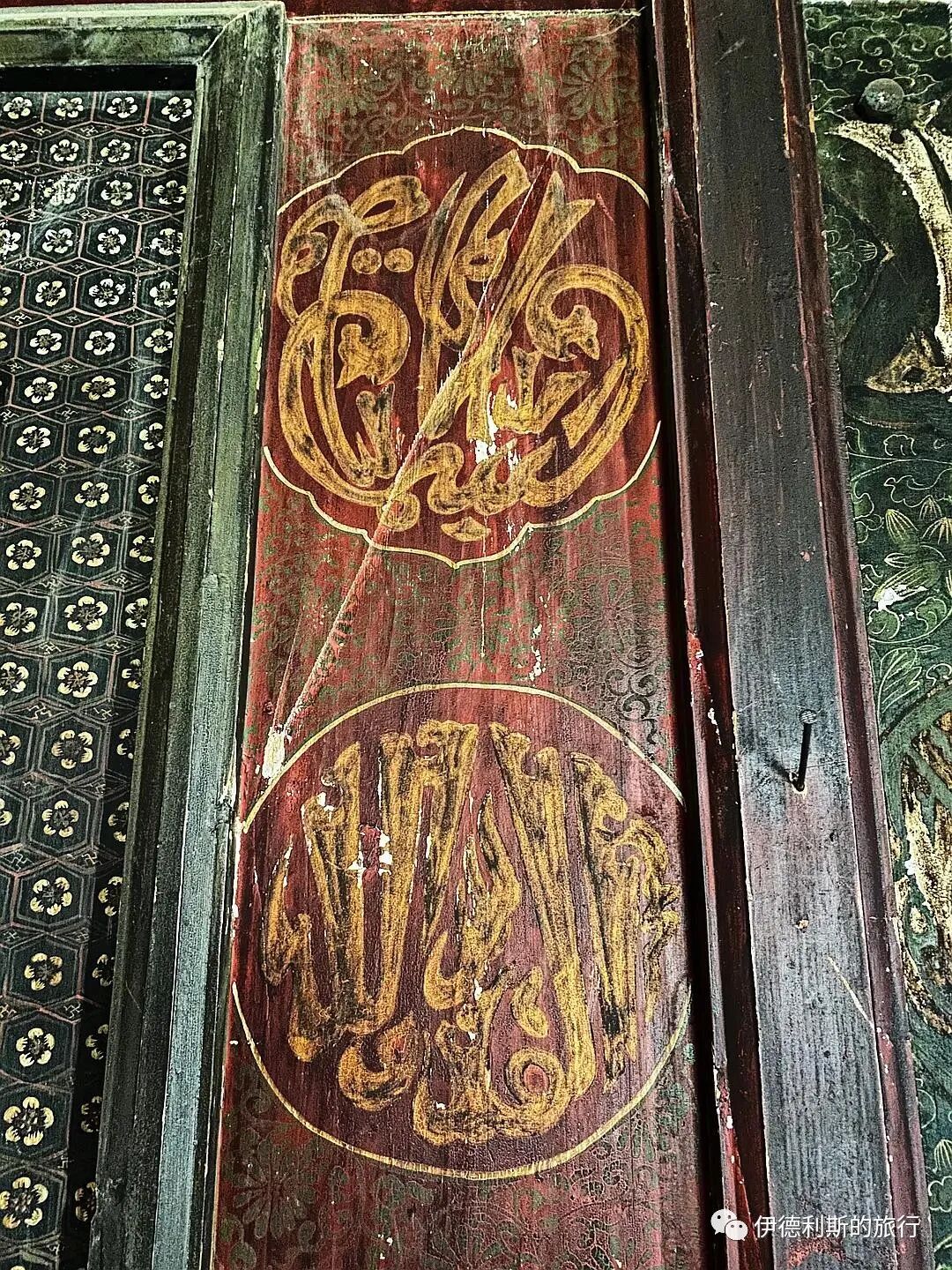
4. Tashapo Mosque
Tashapo Mosque in Xunhua was first built in 1480 (the 16th year of the Chenghua reign of the Ming Dynasty) and rebuilt in 1755 (the 20th year of the Qianlong reign of the Qing Dynasty).
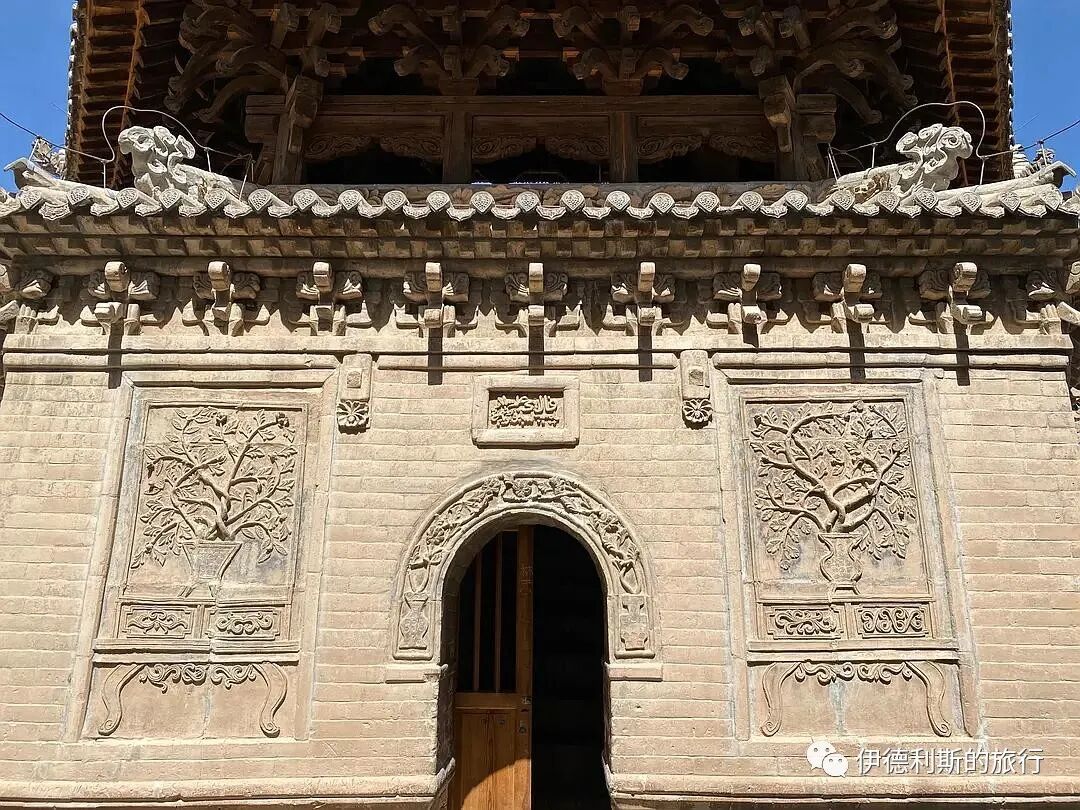
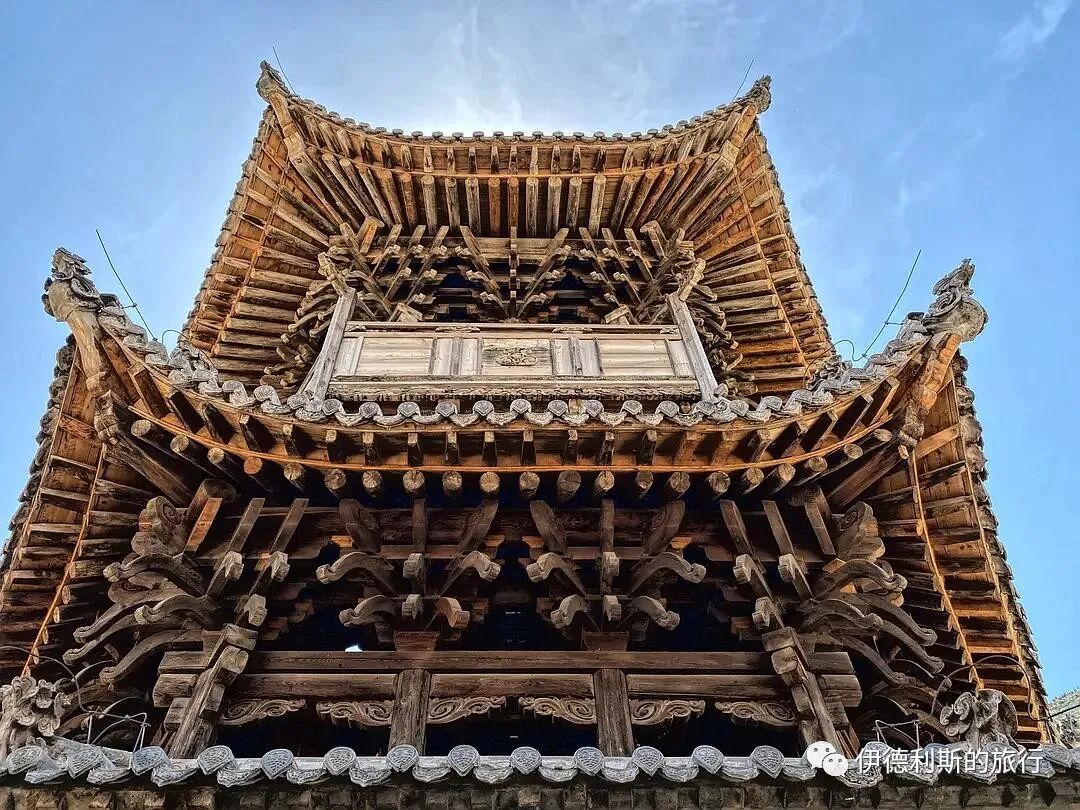
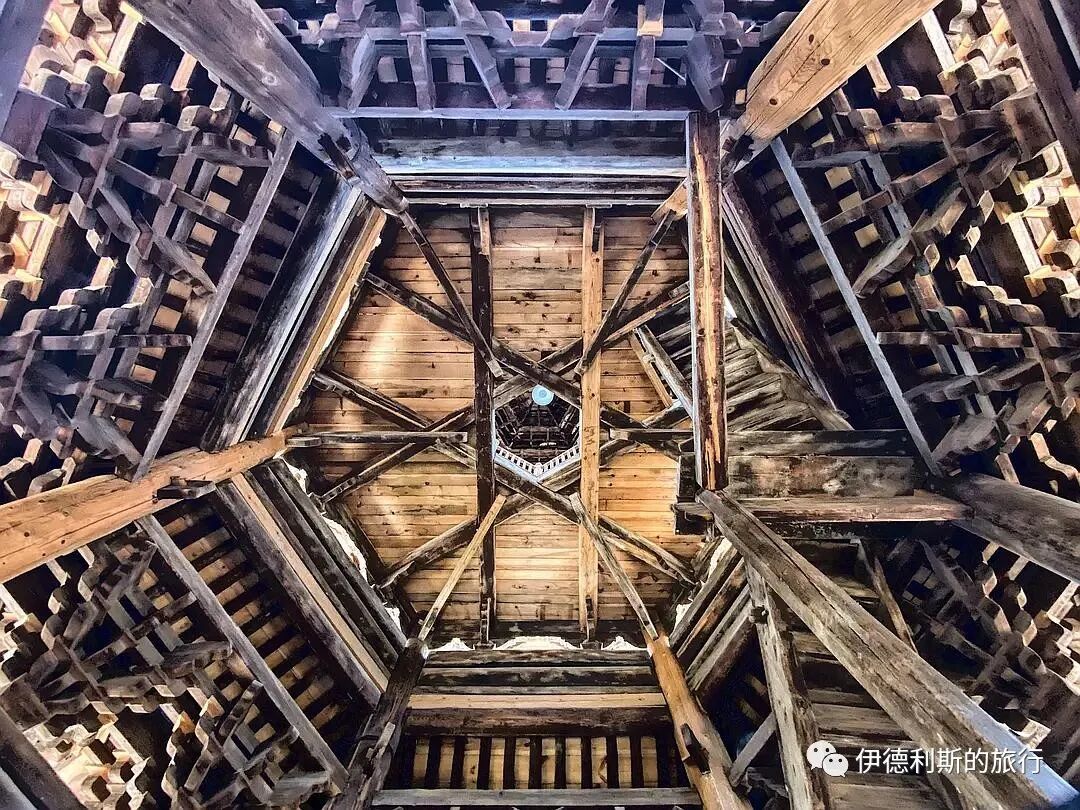
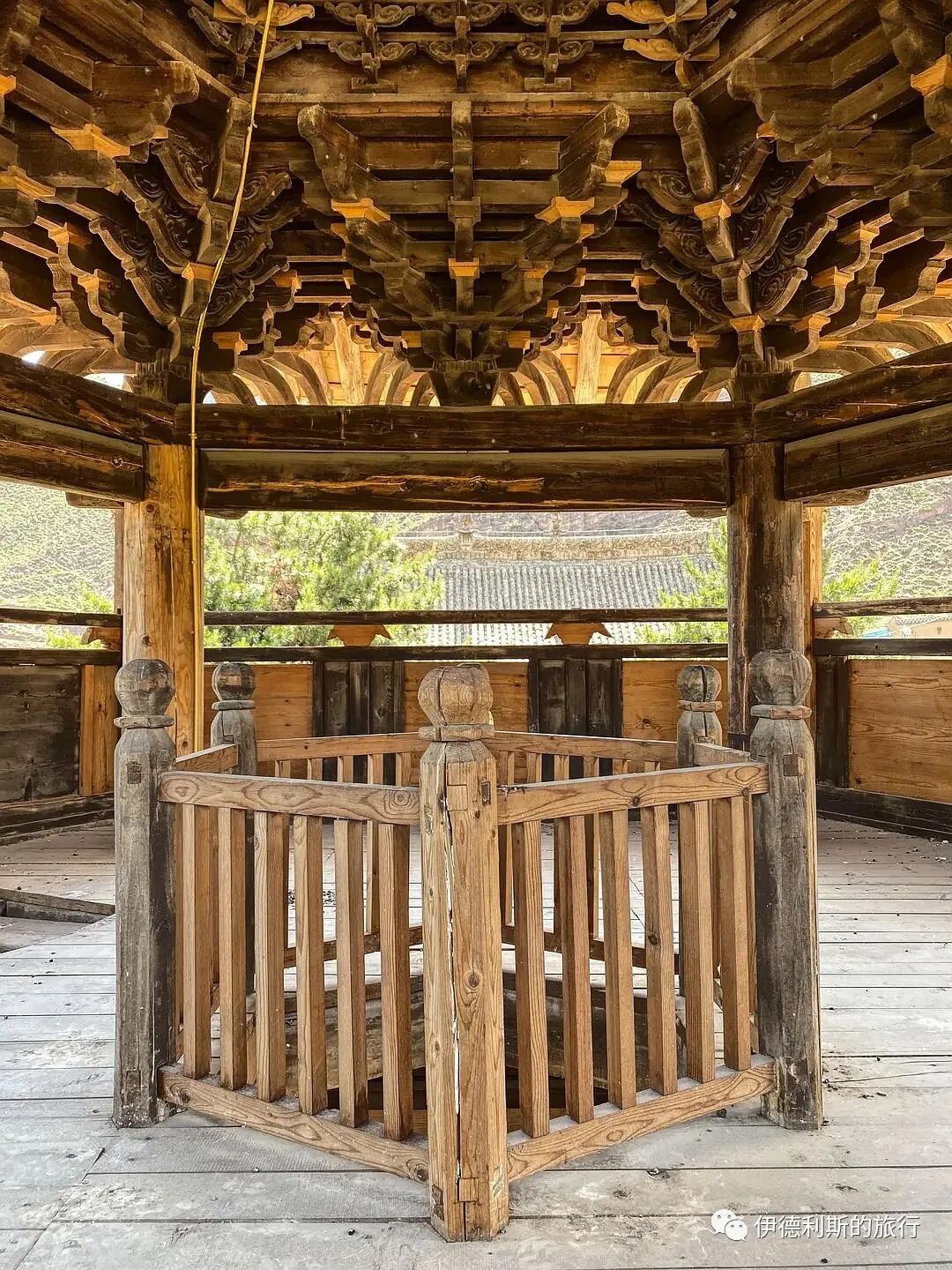
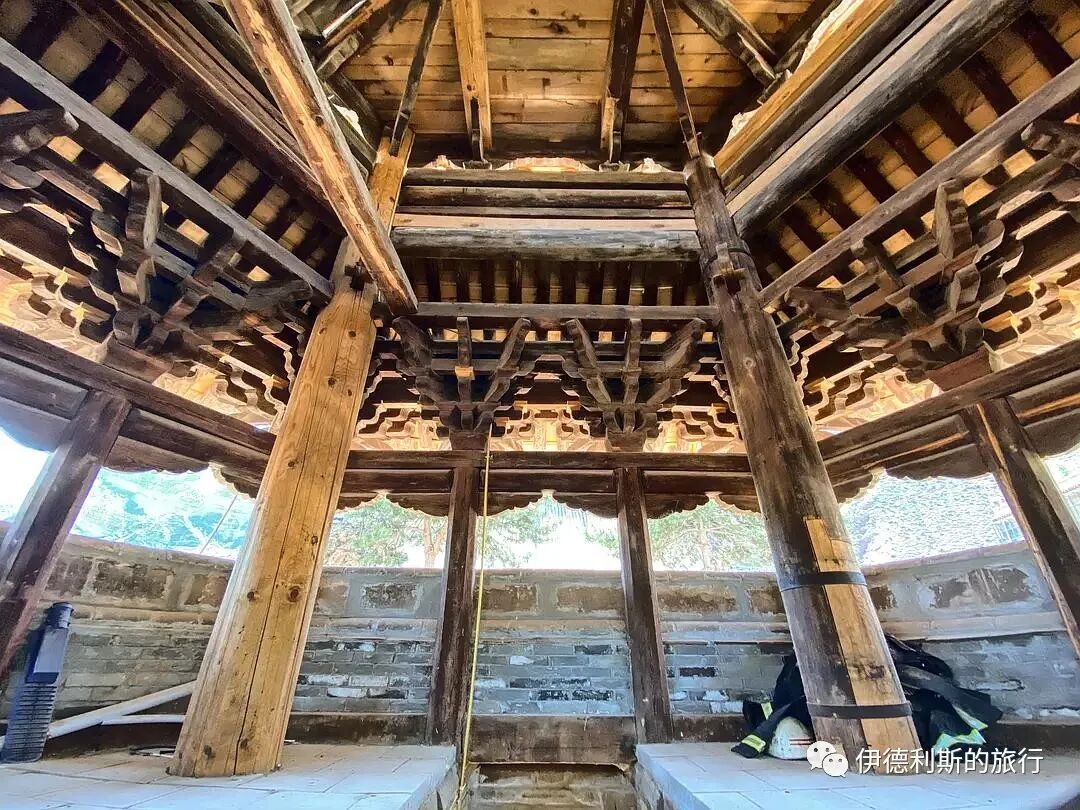
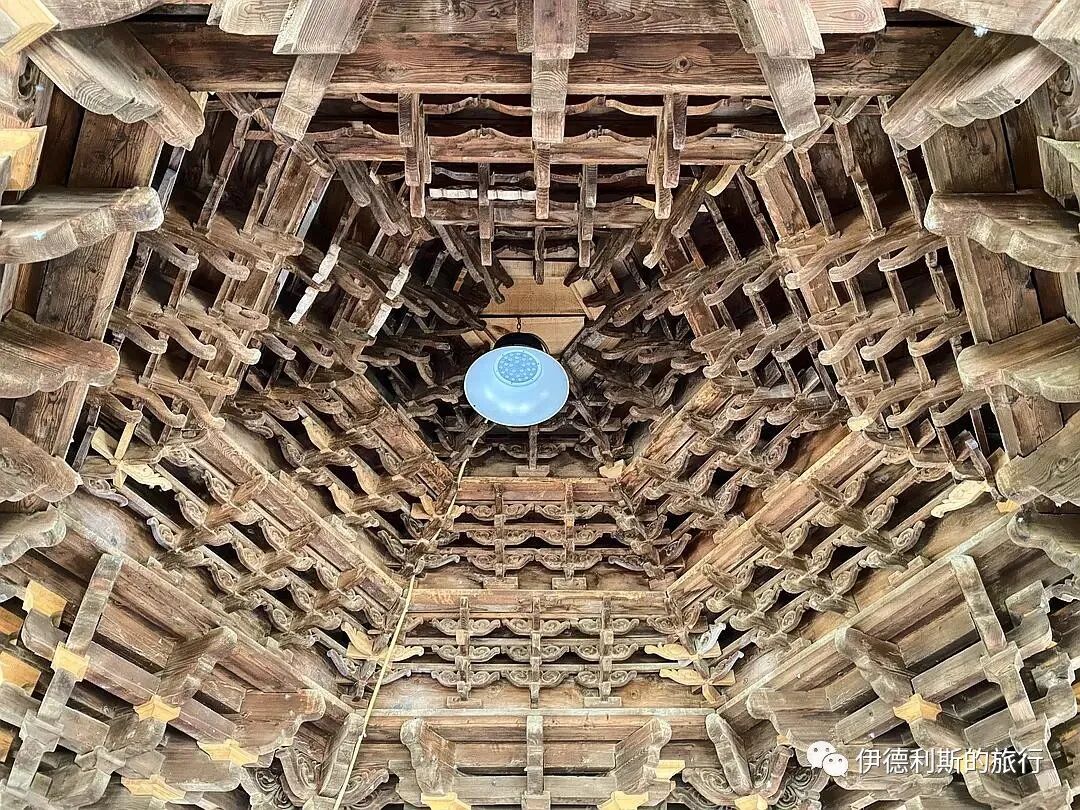
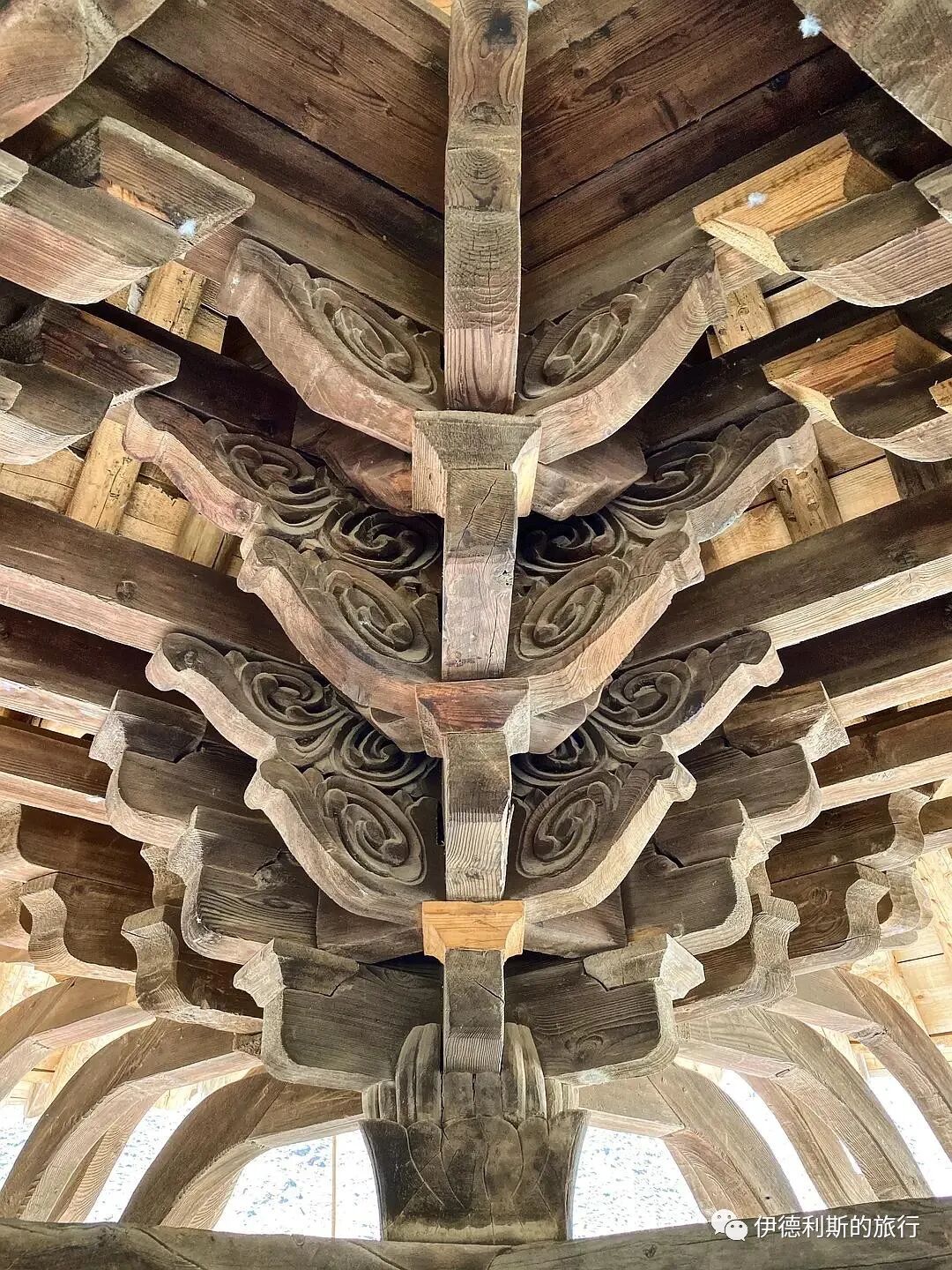
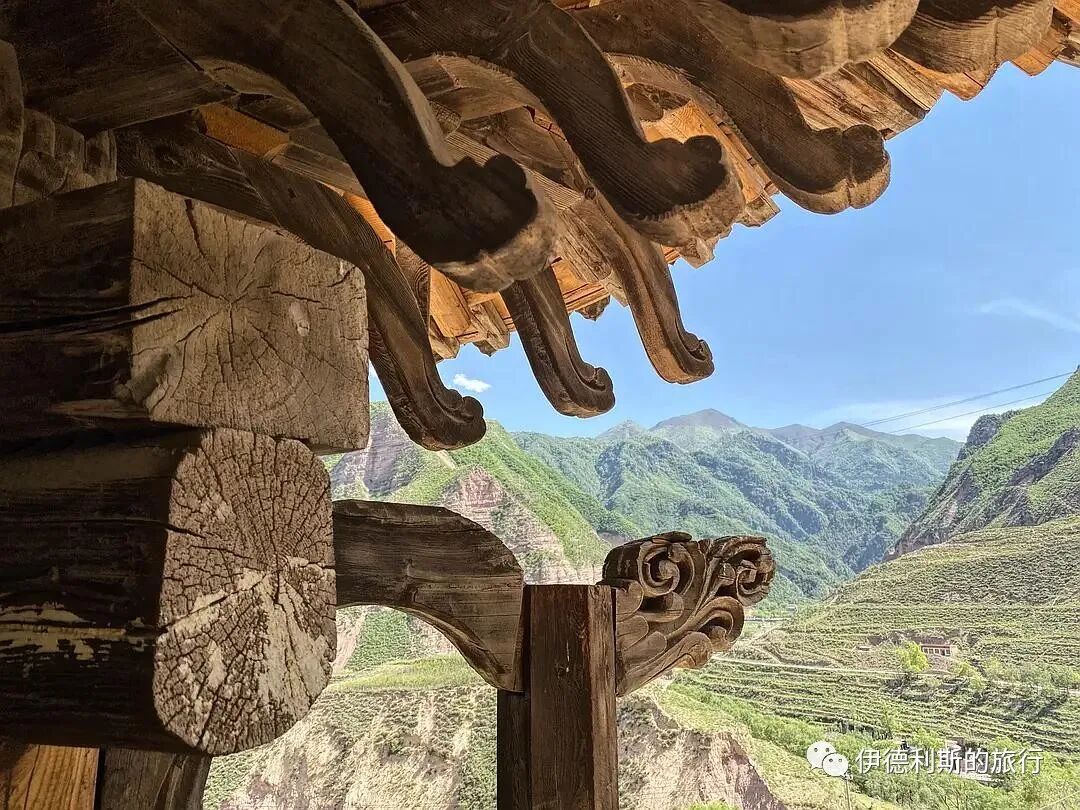
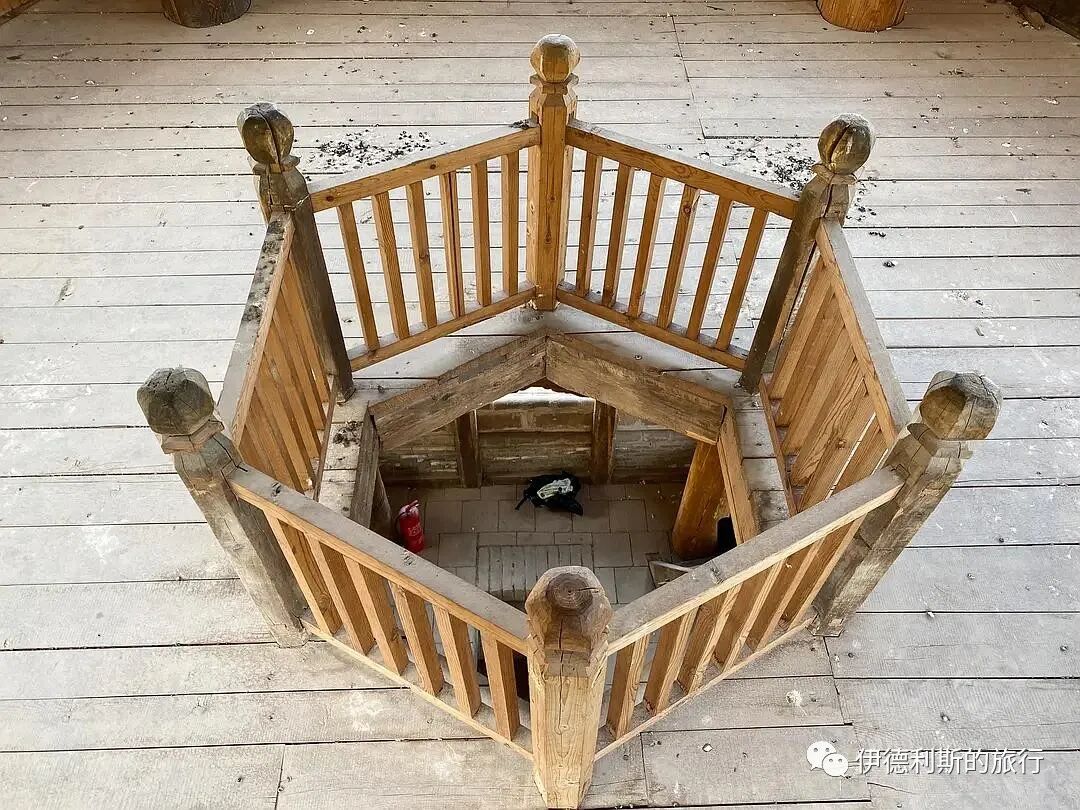
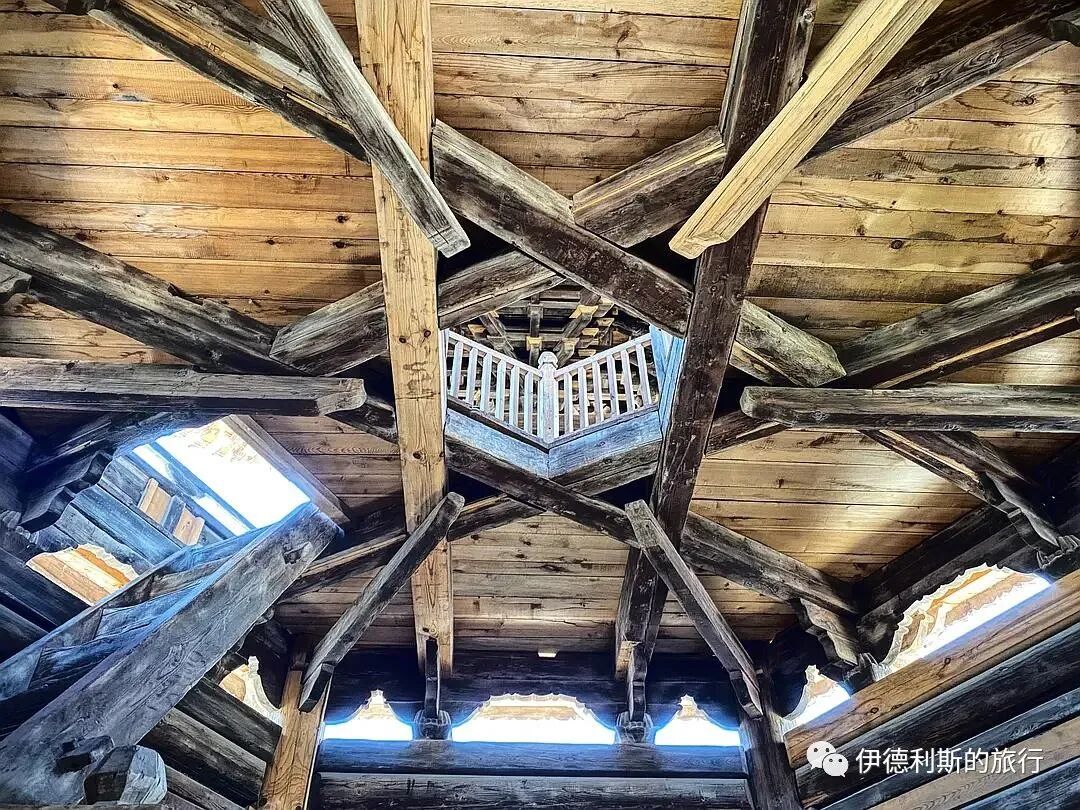
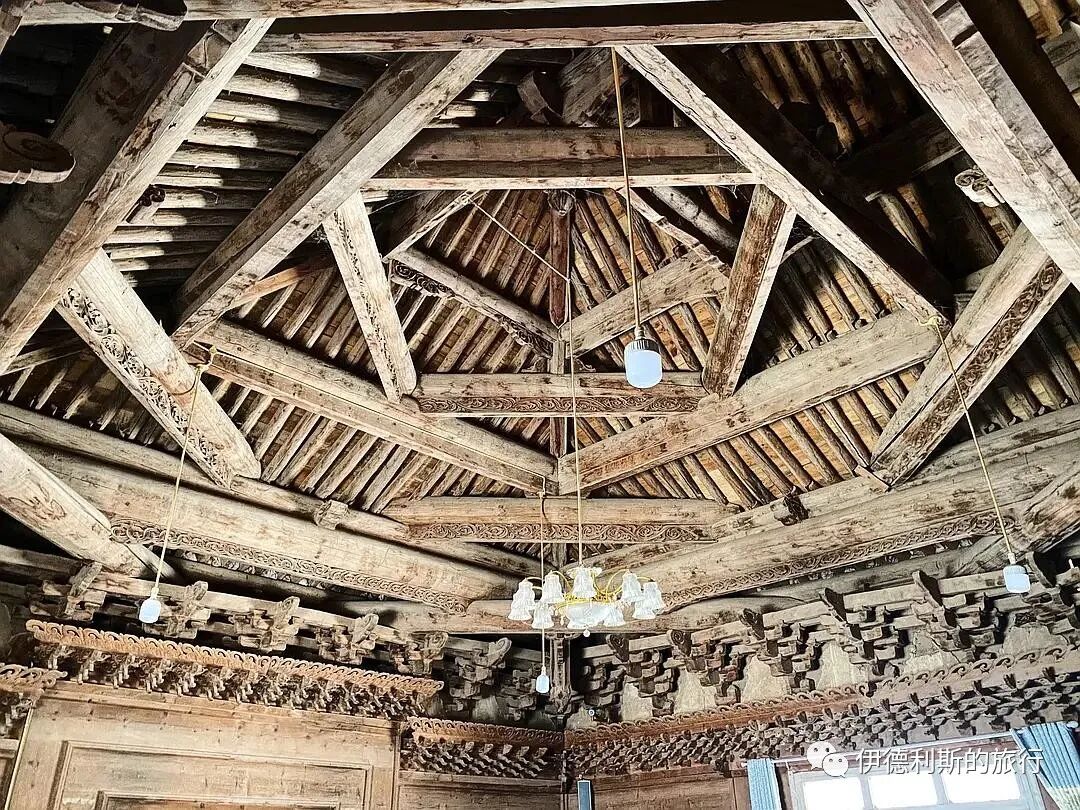
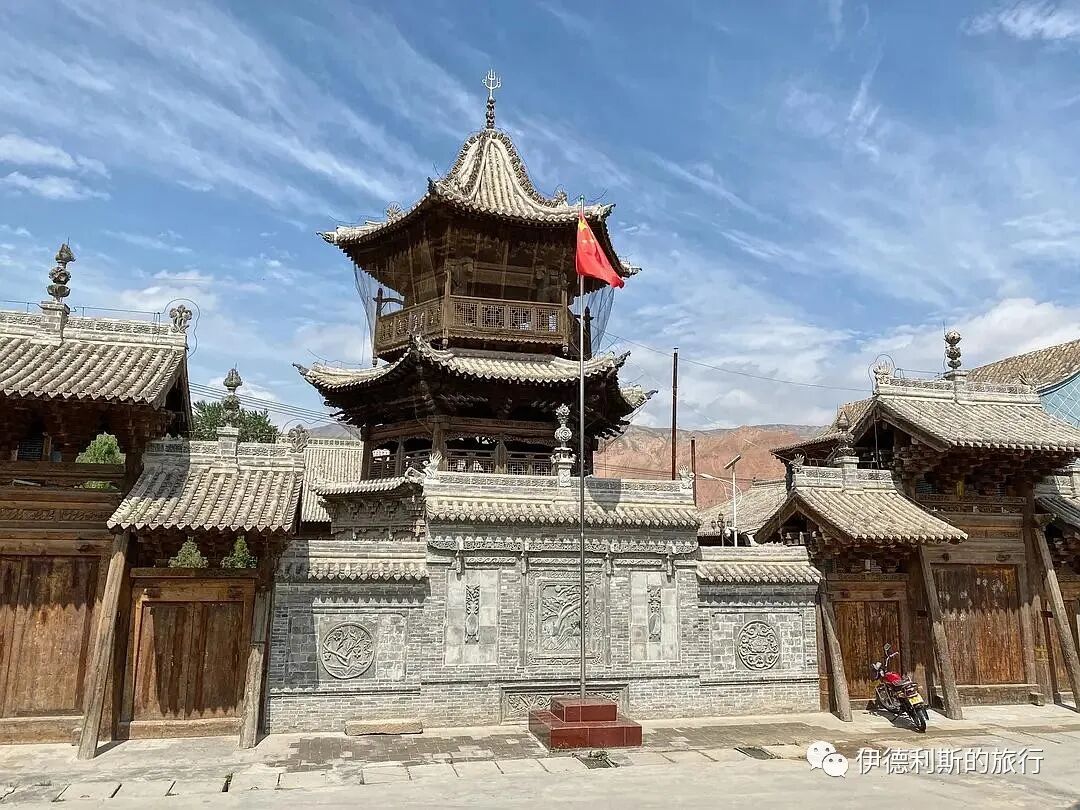
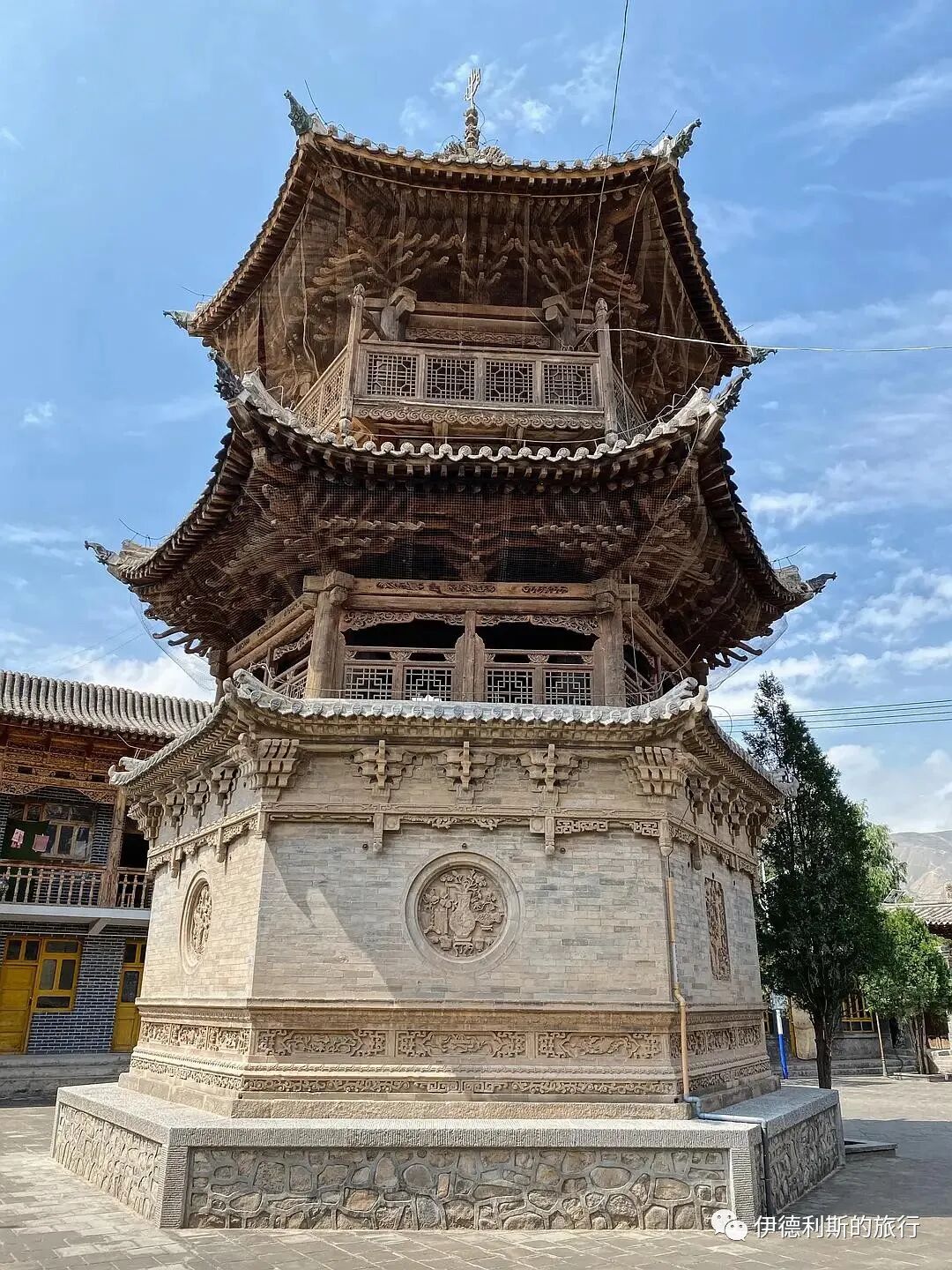
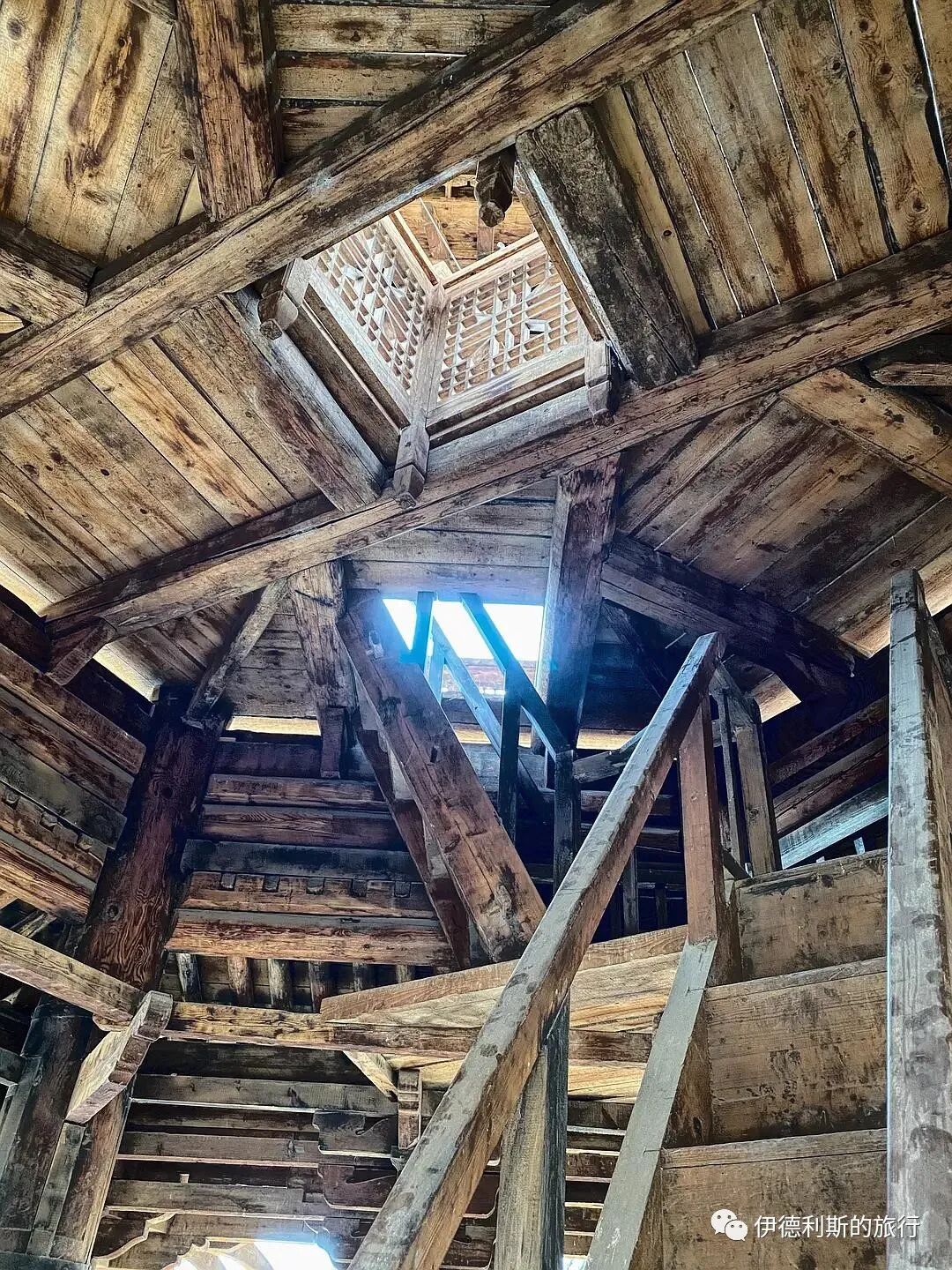
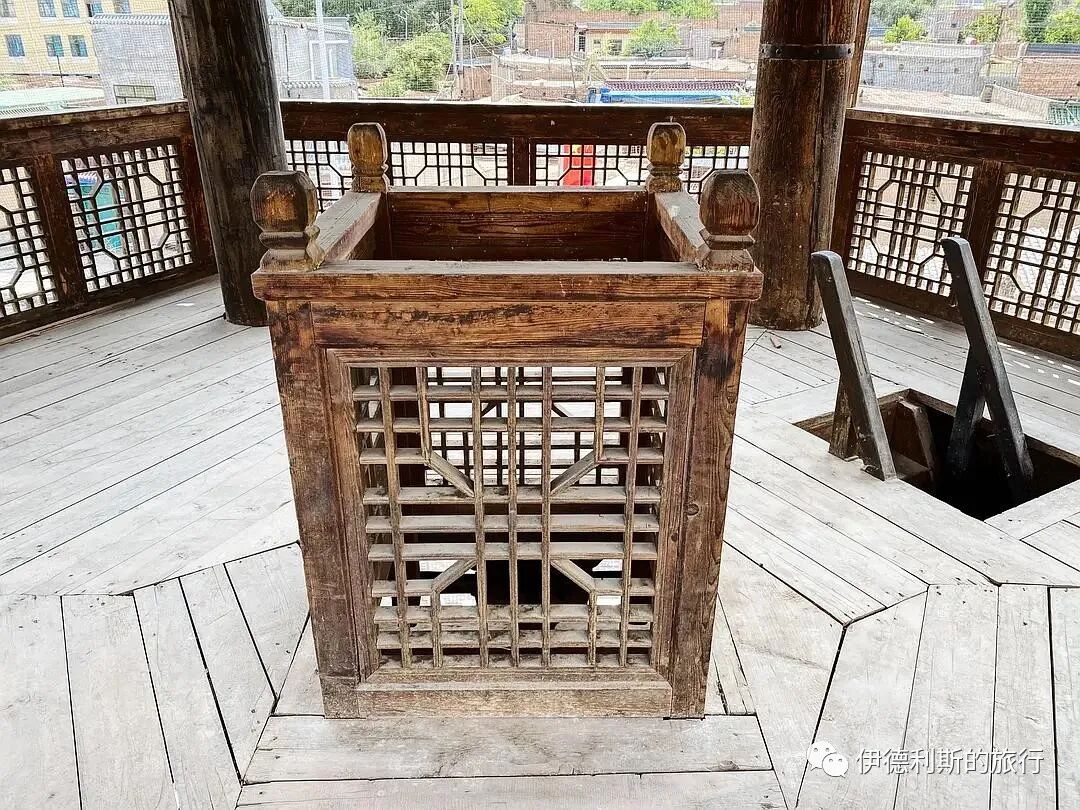
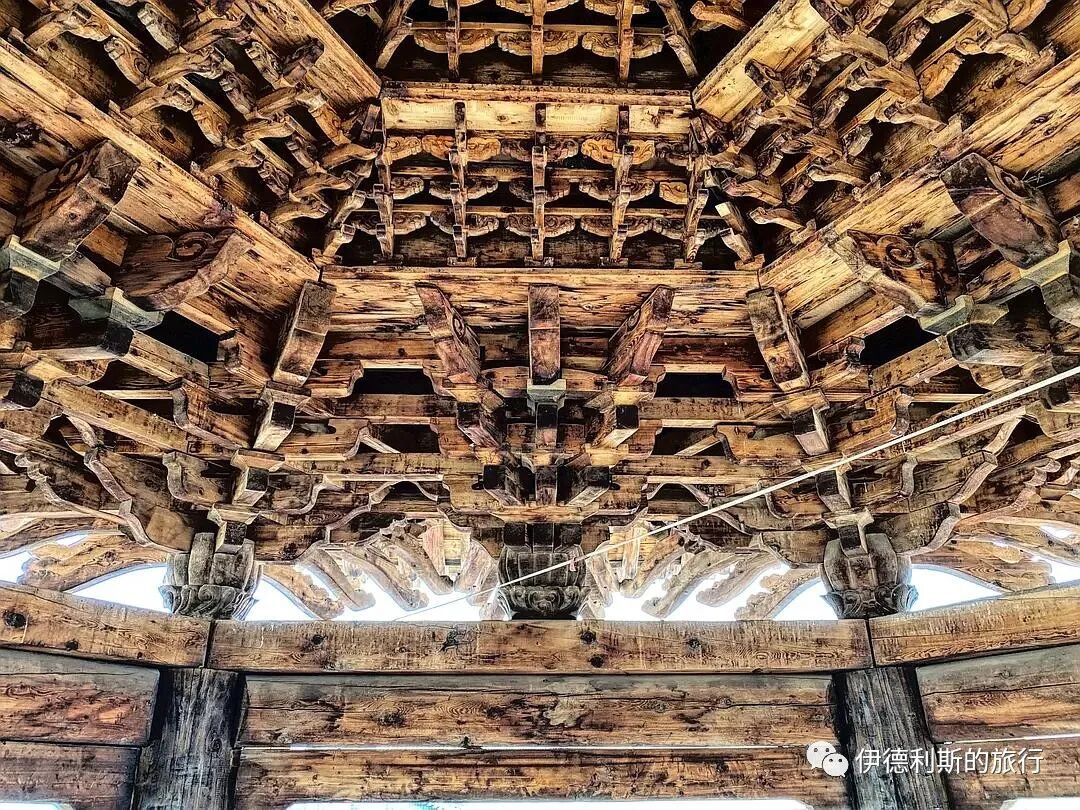
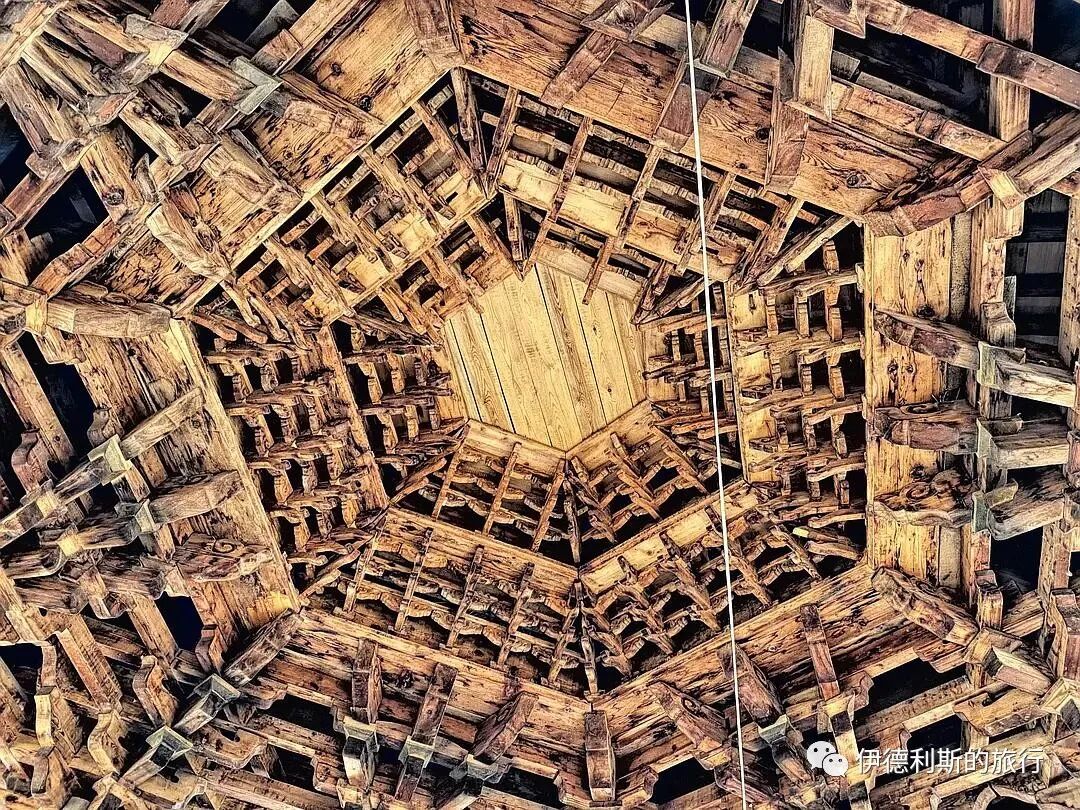
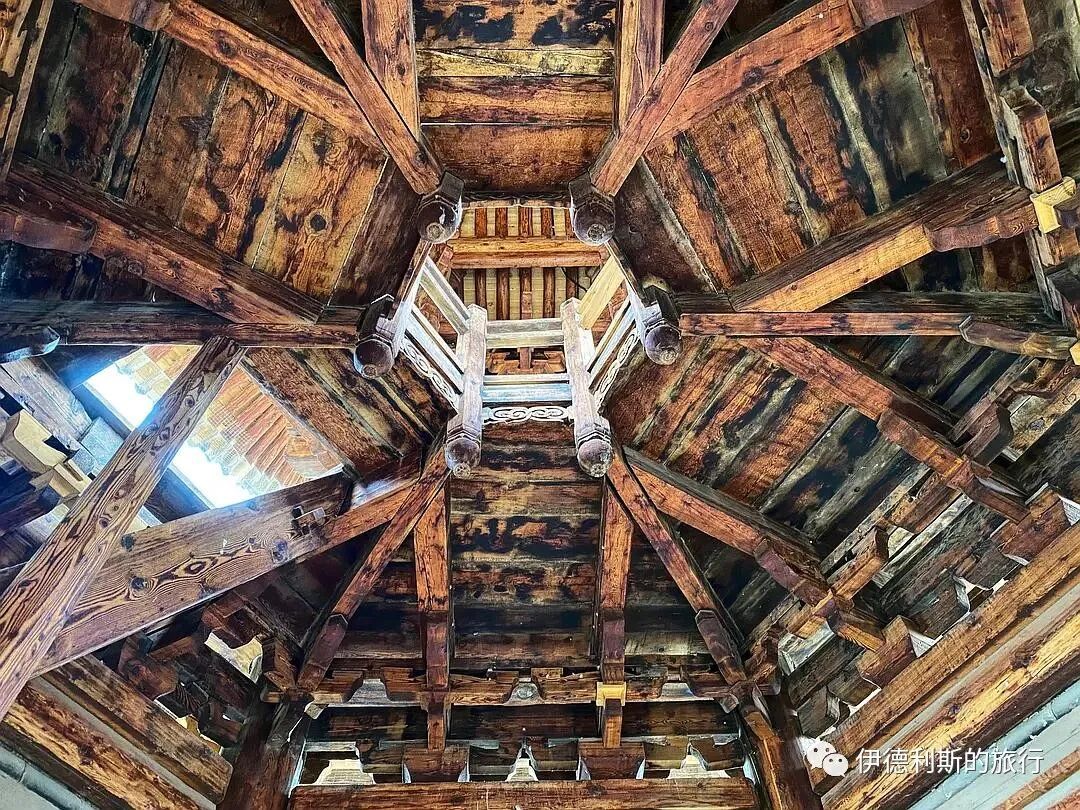
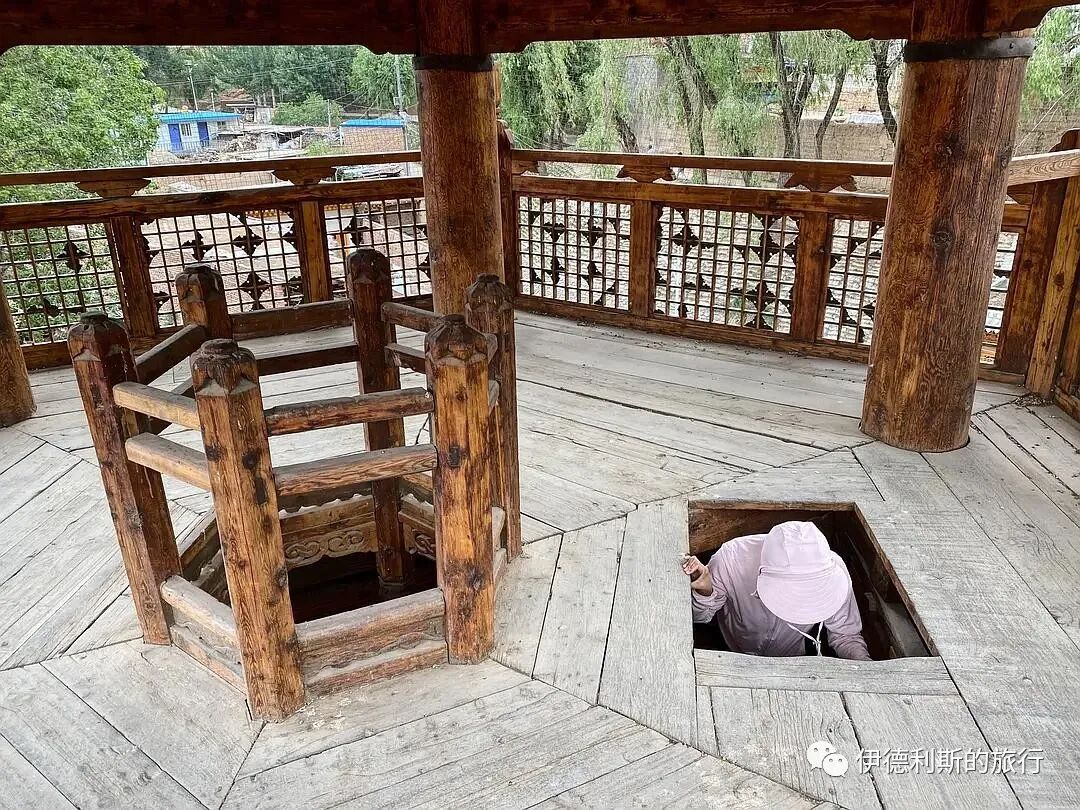
The base of the mosque's minaret is made of brick, while the upper part is a wooden pavilion with a double-eaved hexagonal spire. Inside, there is a hexagonal caisson ceiling that tapers layer by layer, which is very exquisite.
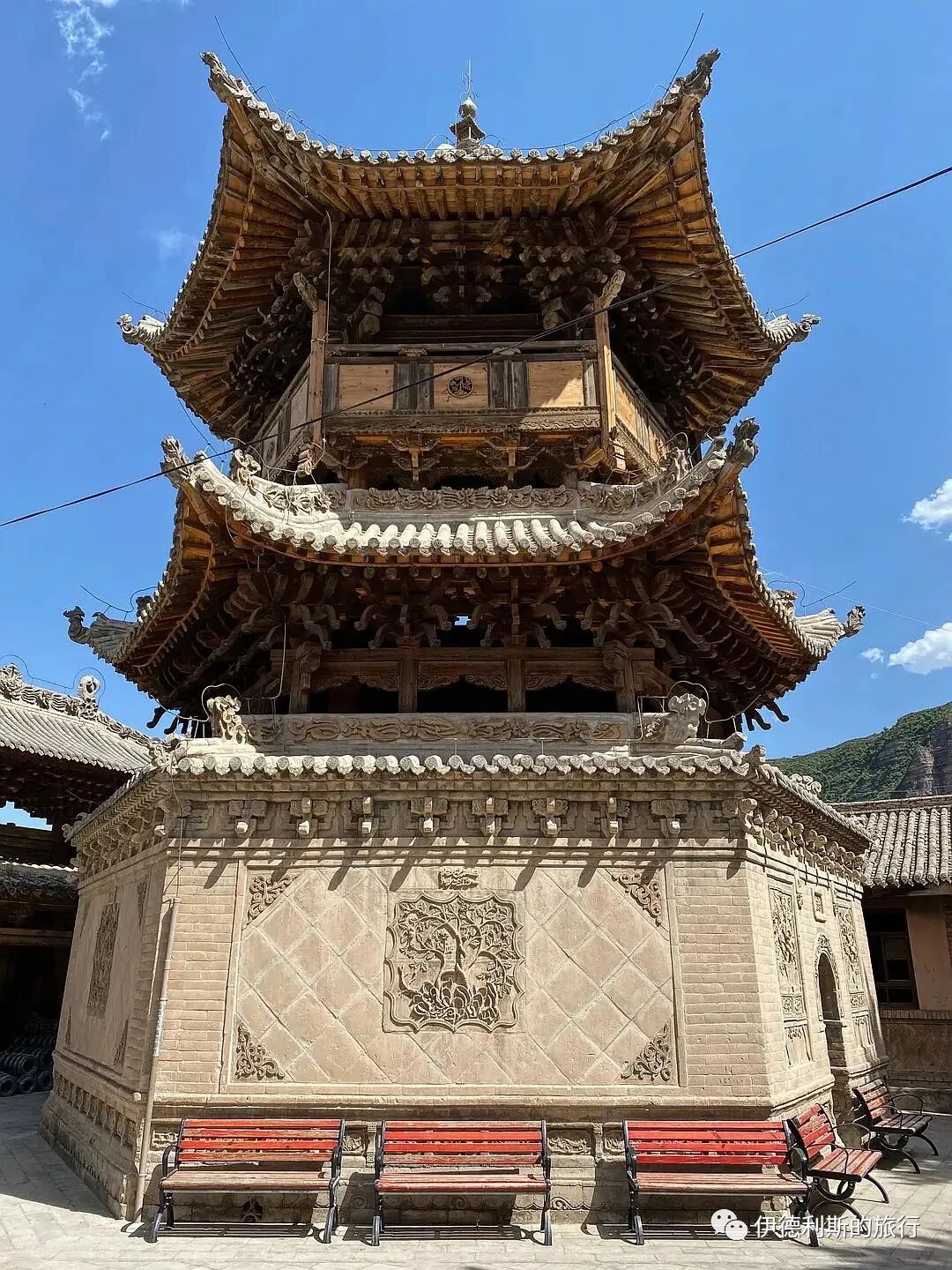
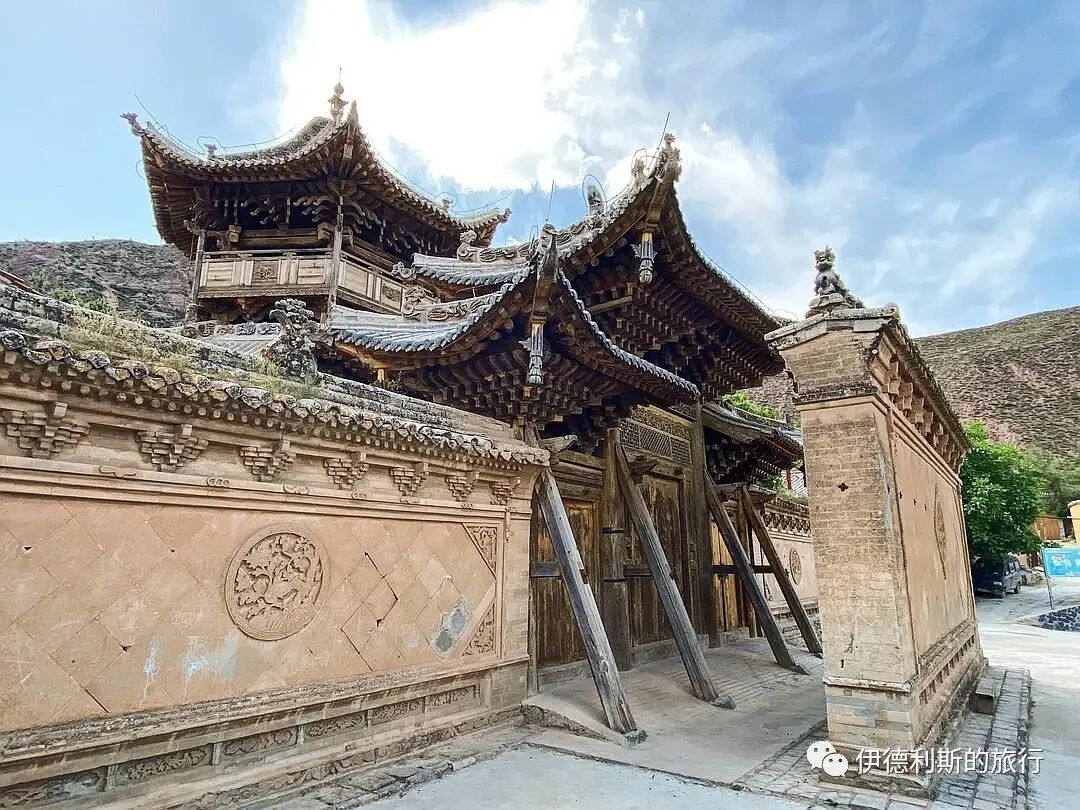
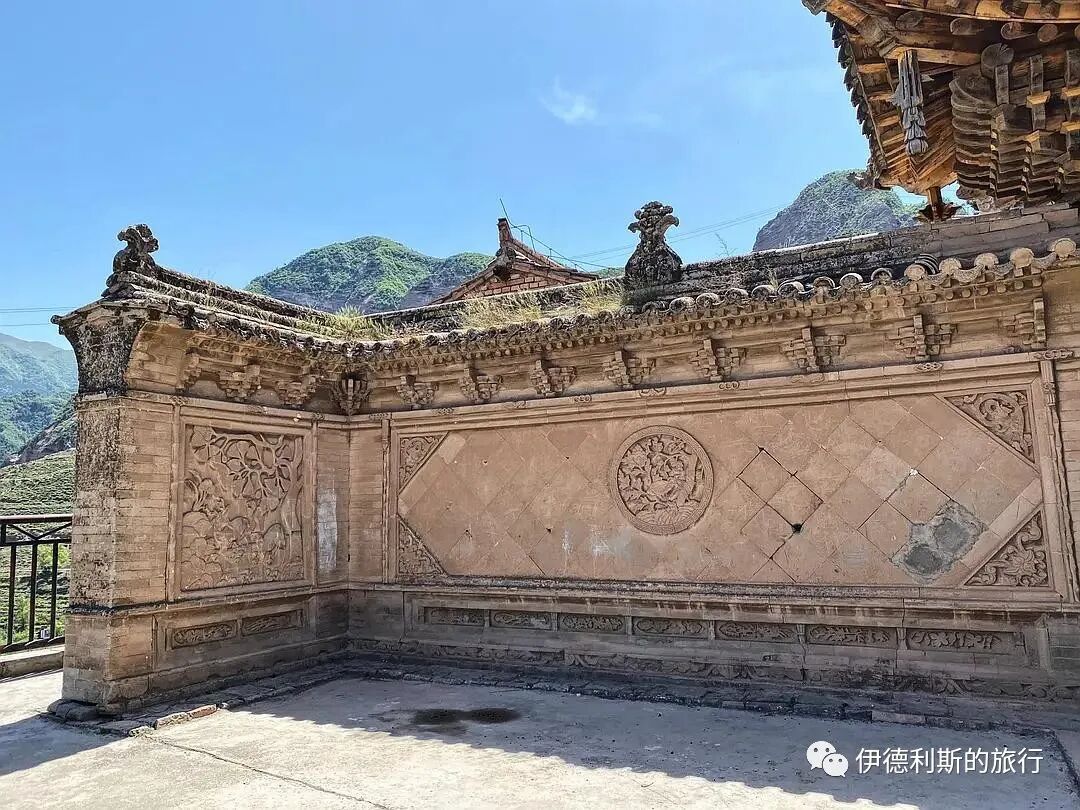
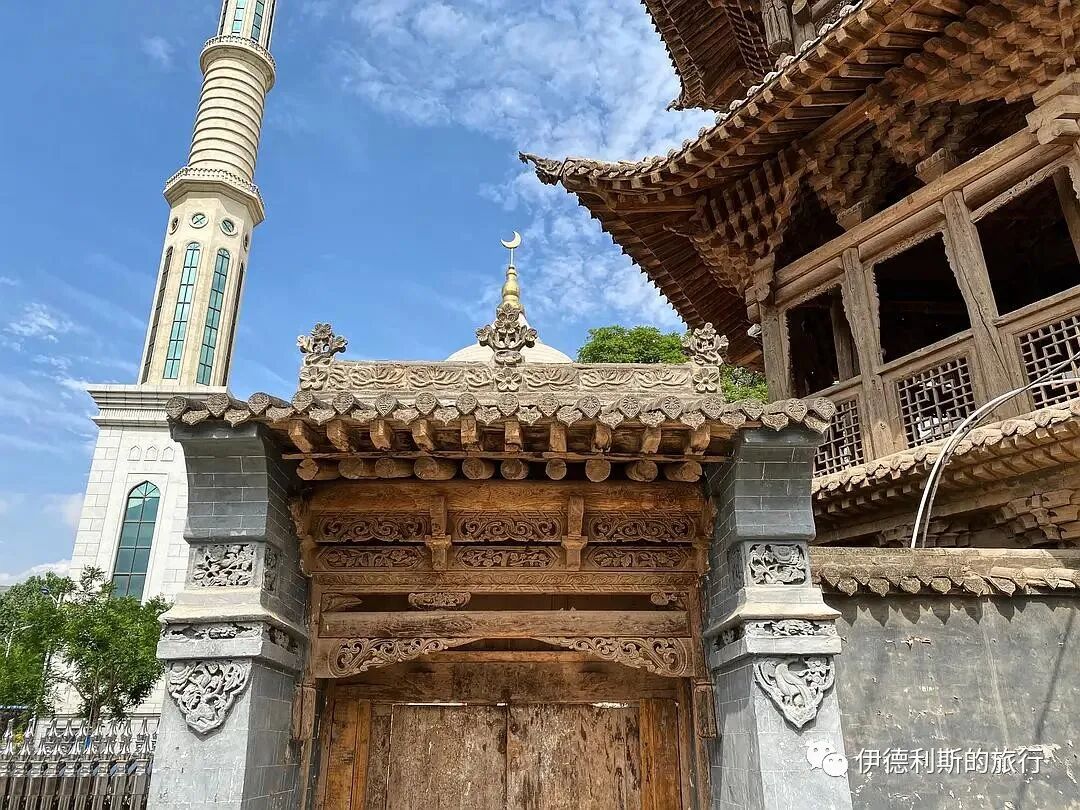
The gatehouse is a three-bay, three-story hip-roof structure, with grey brick splayed walls on both sides and a screen wall in front of the gate.
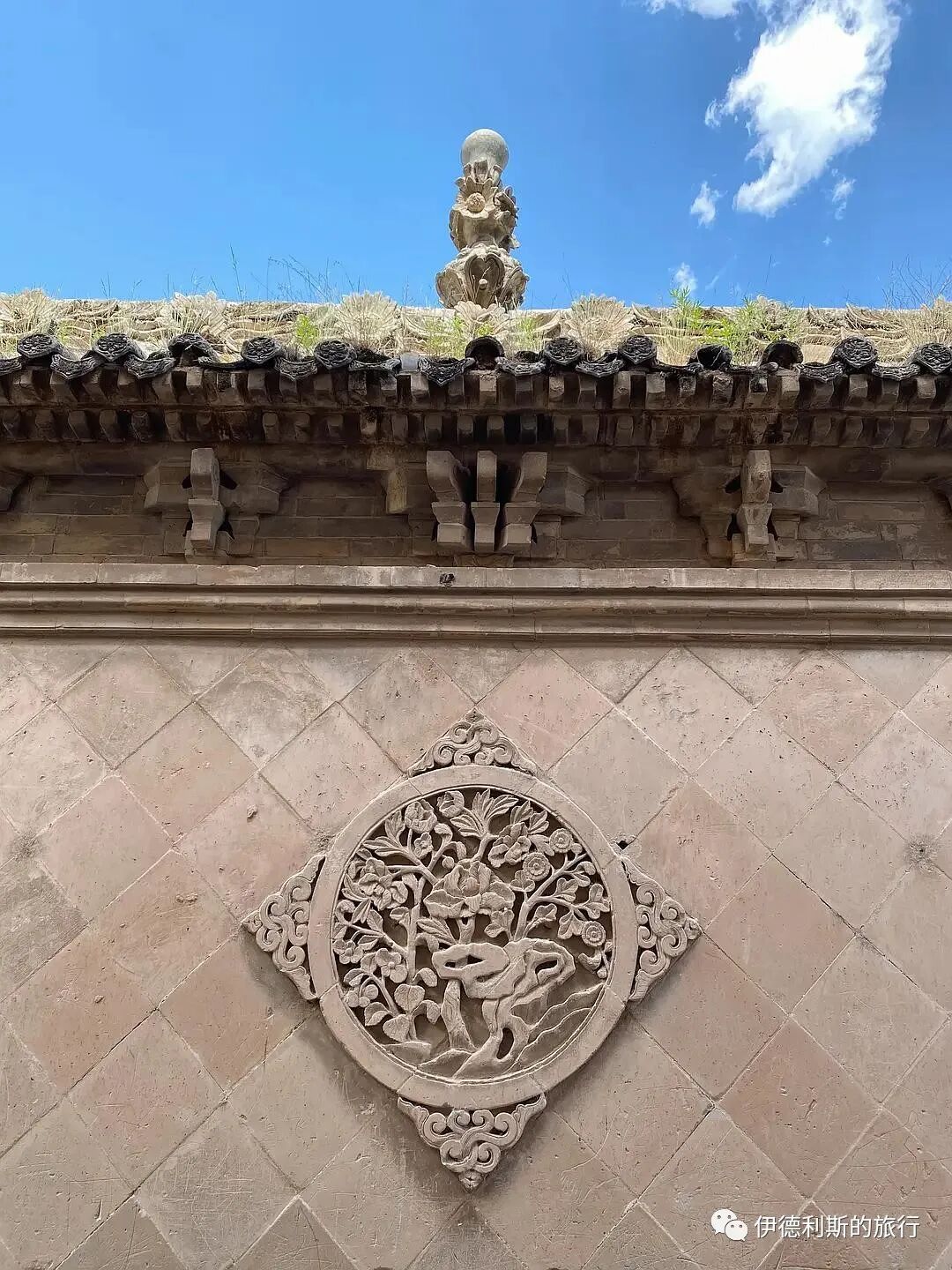
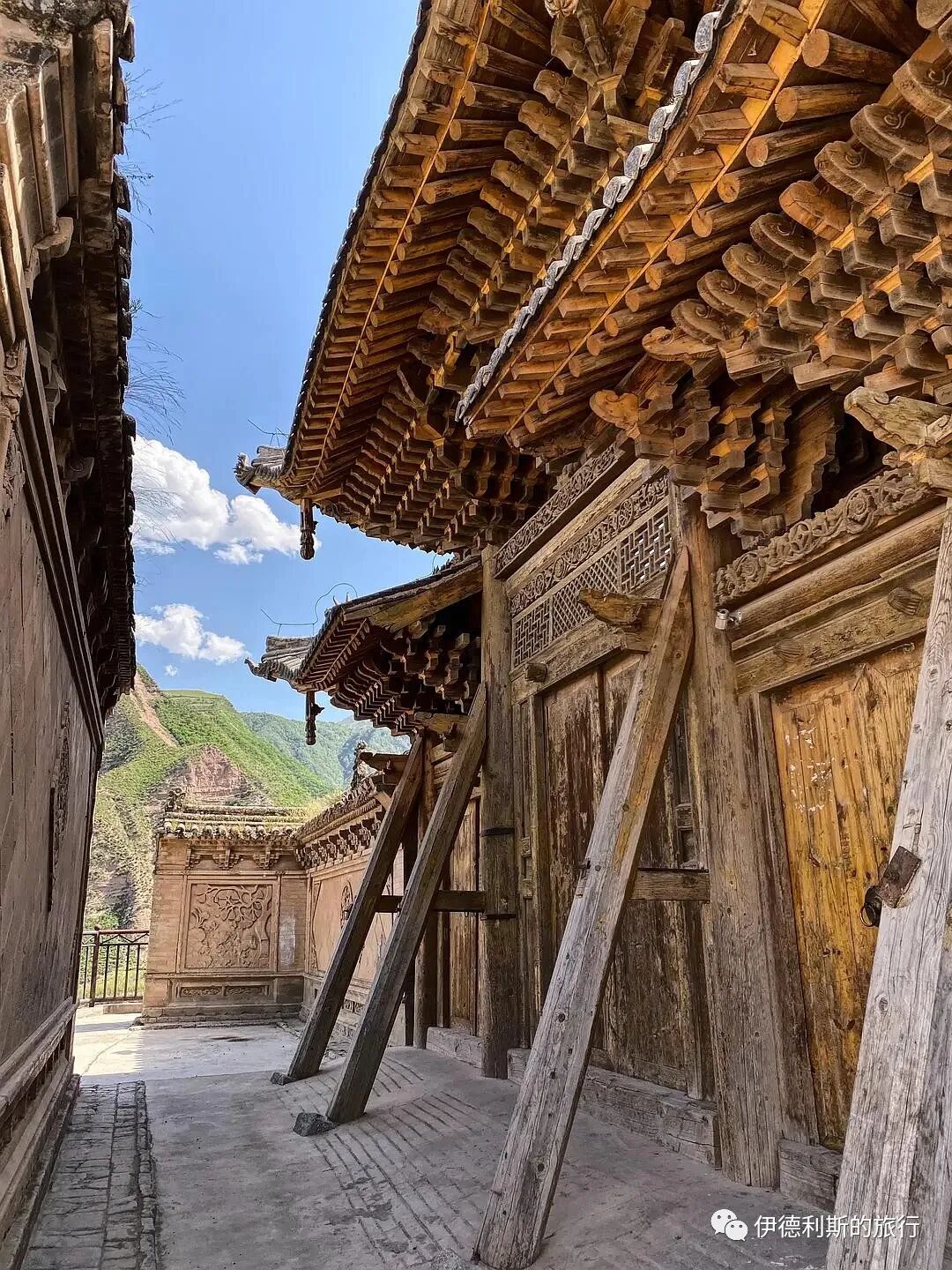
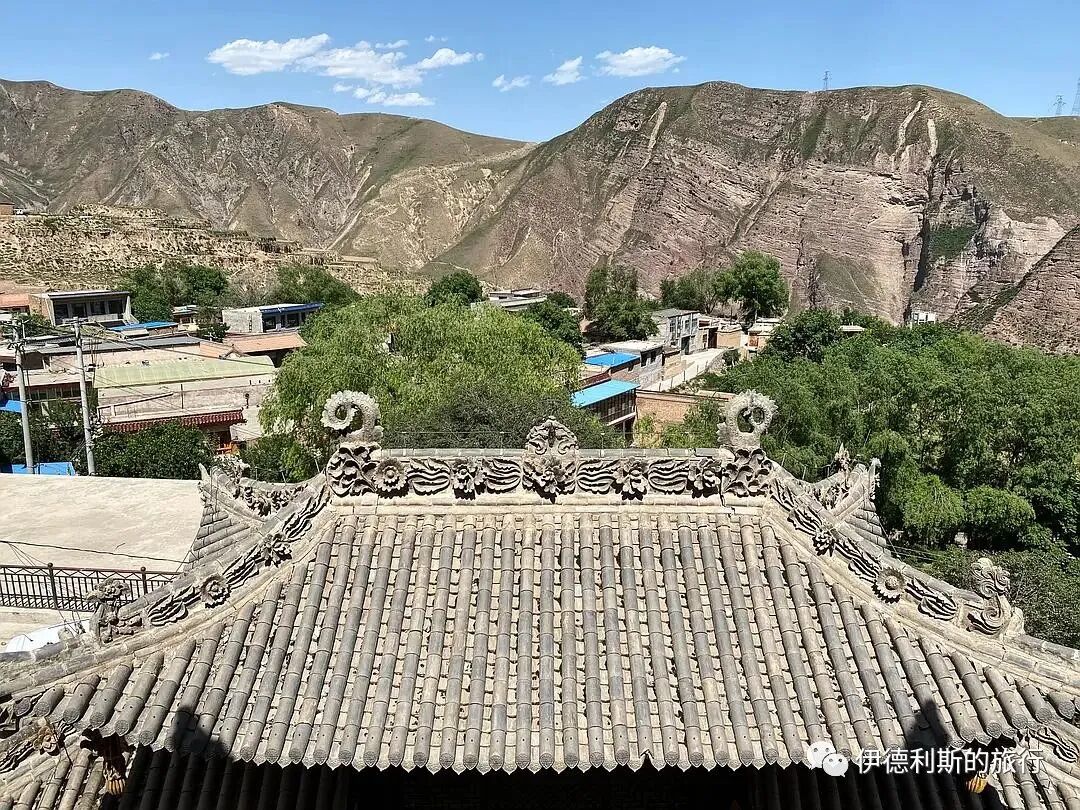
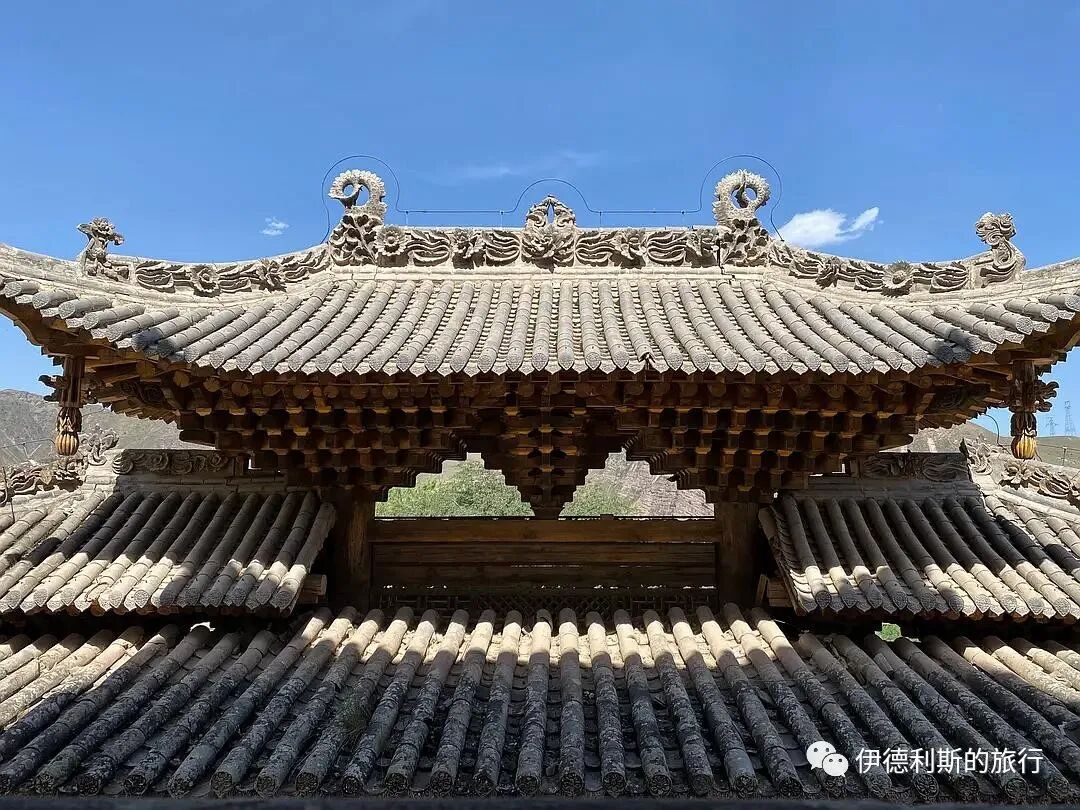
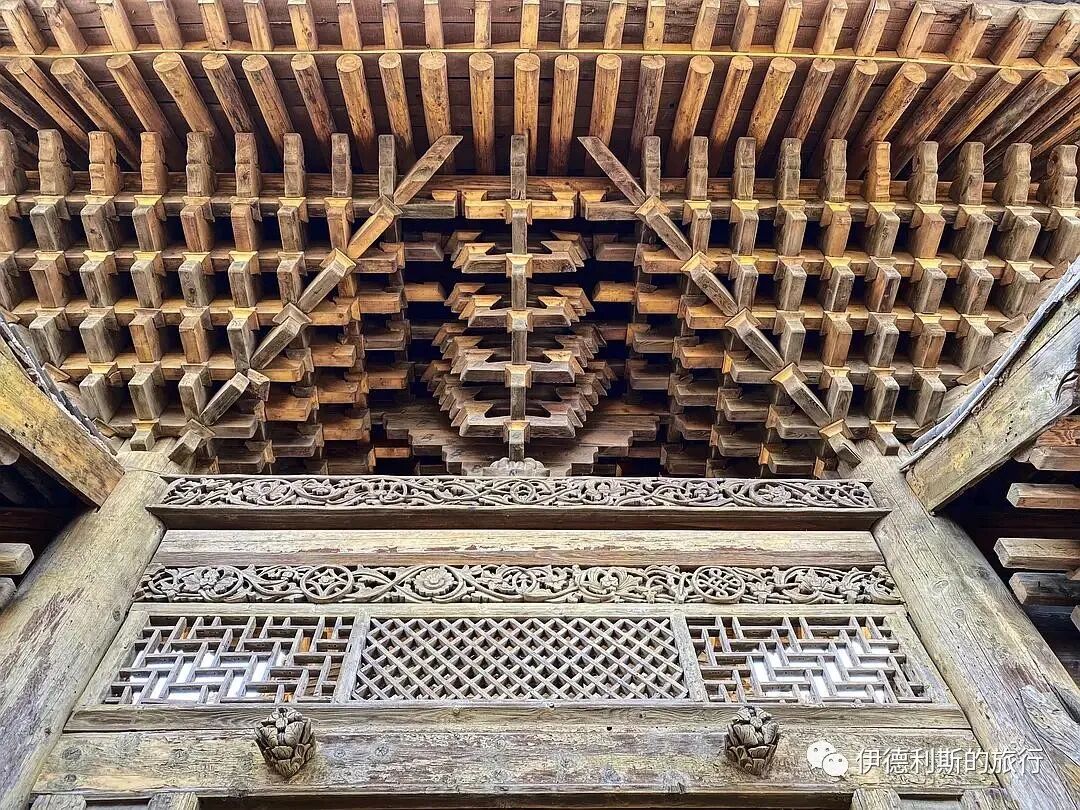
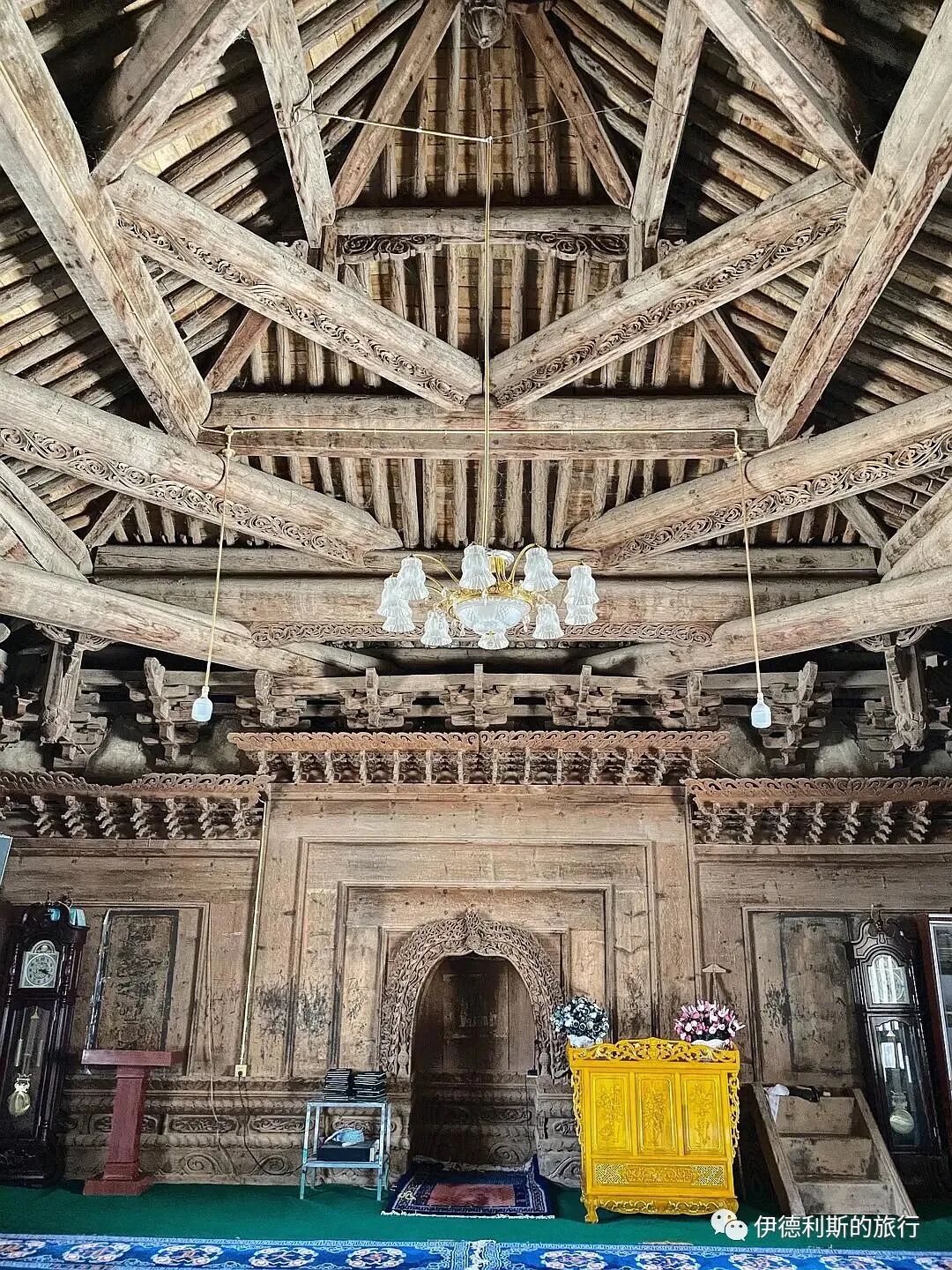
The main prayer hall of the mosque
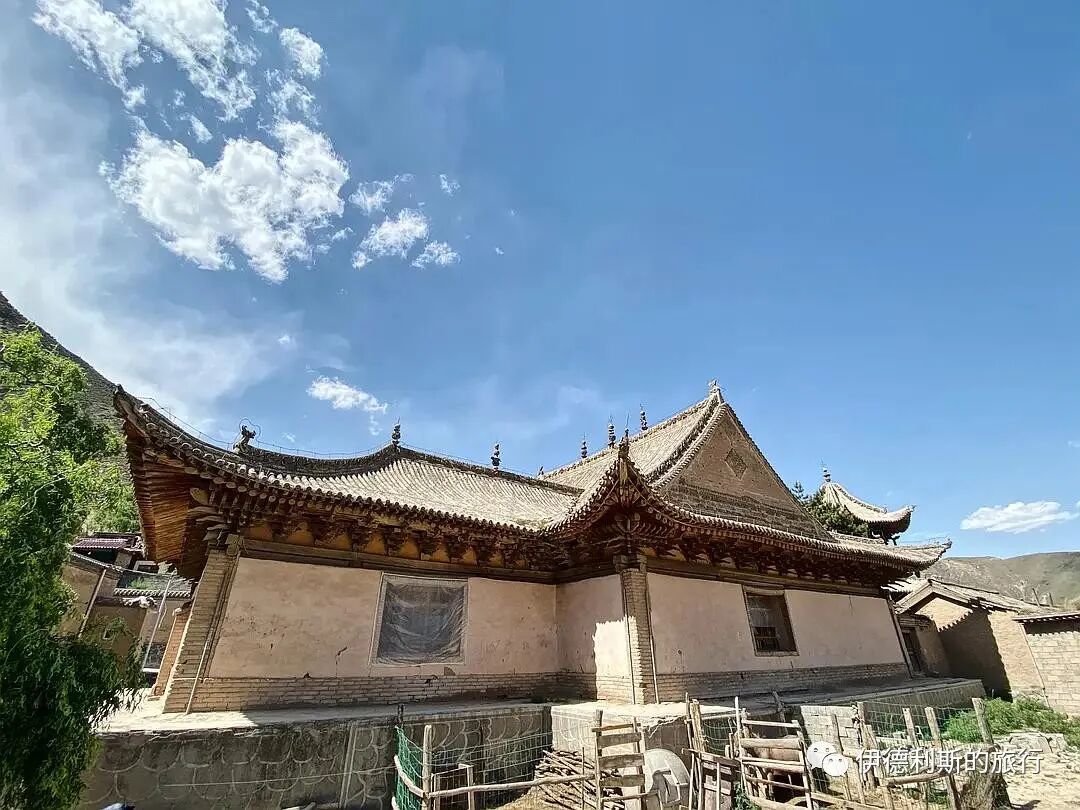
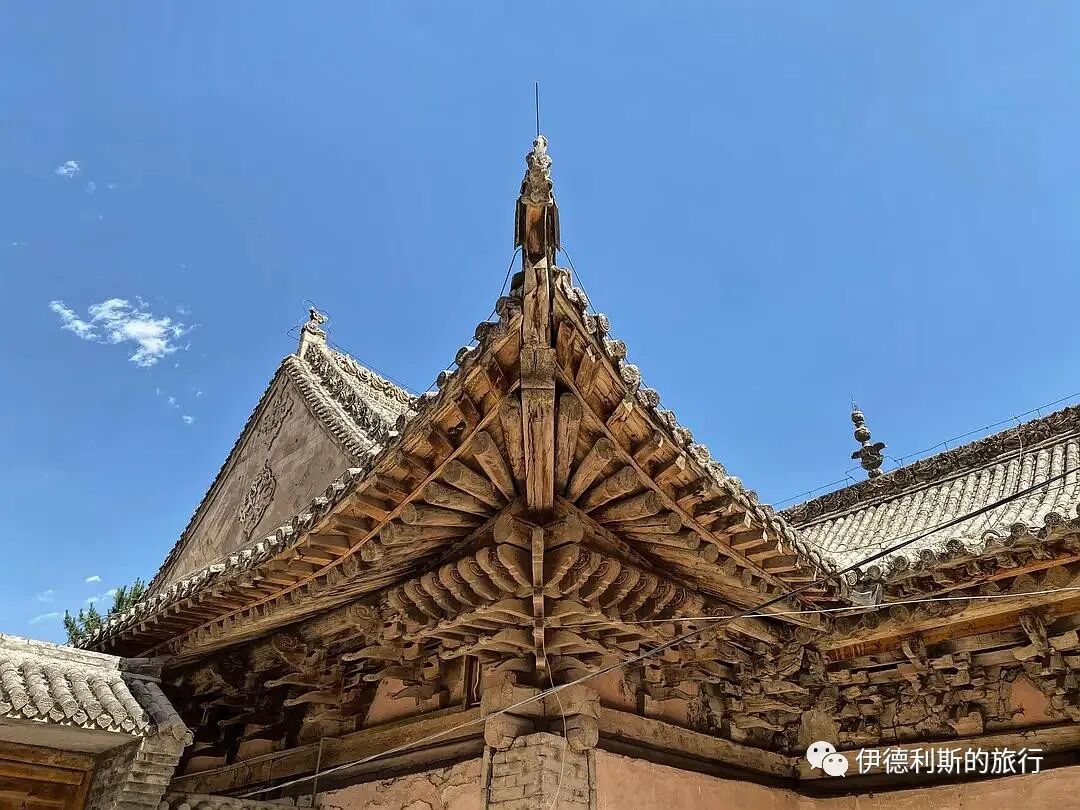
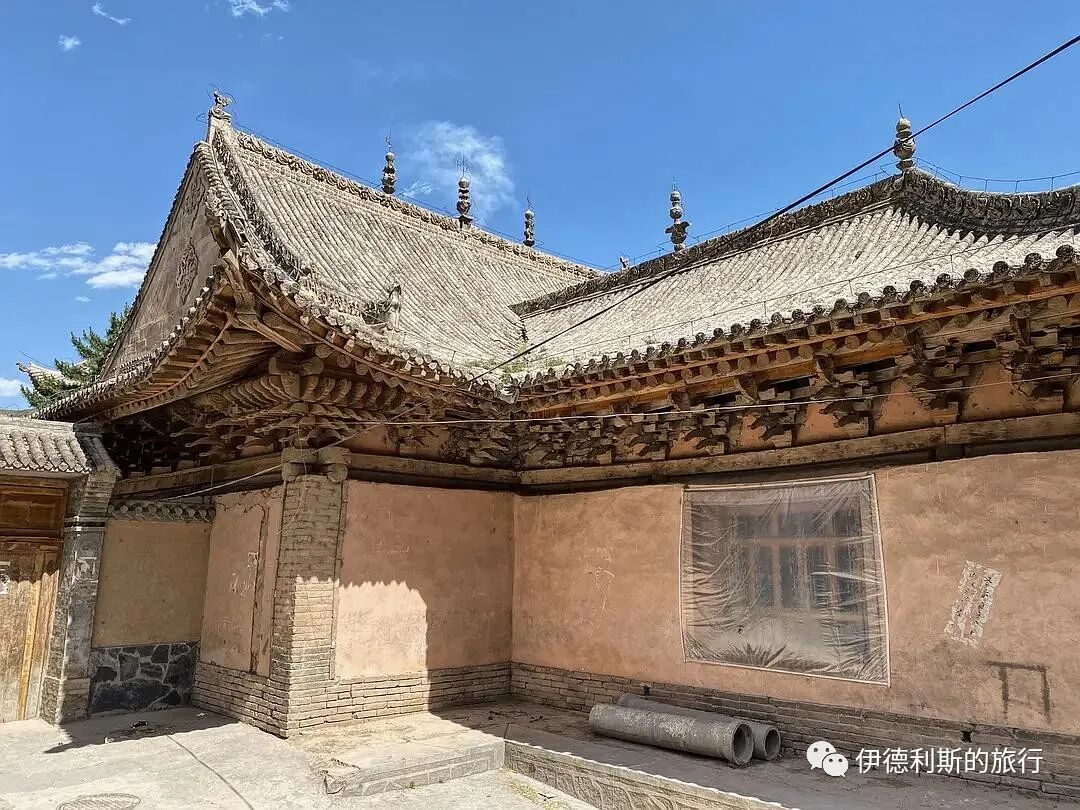
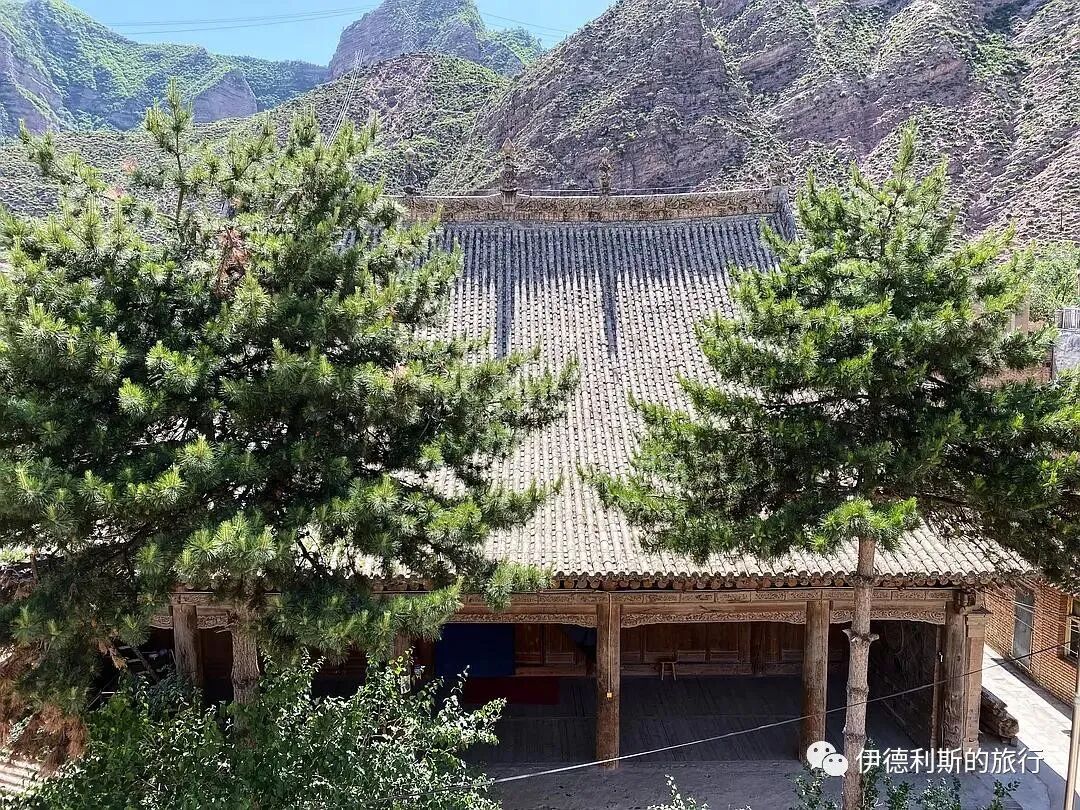
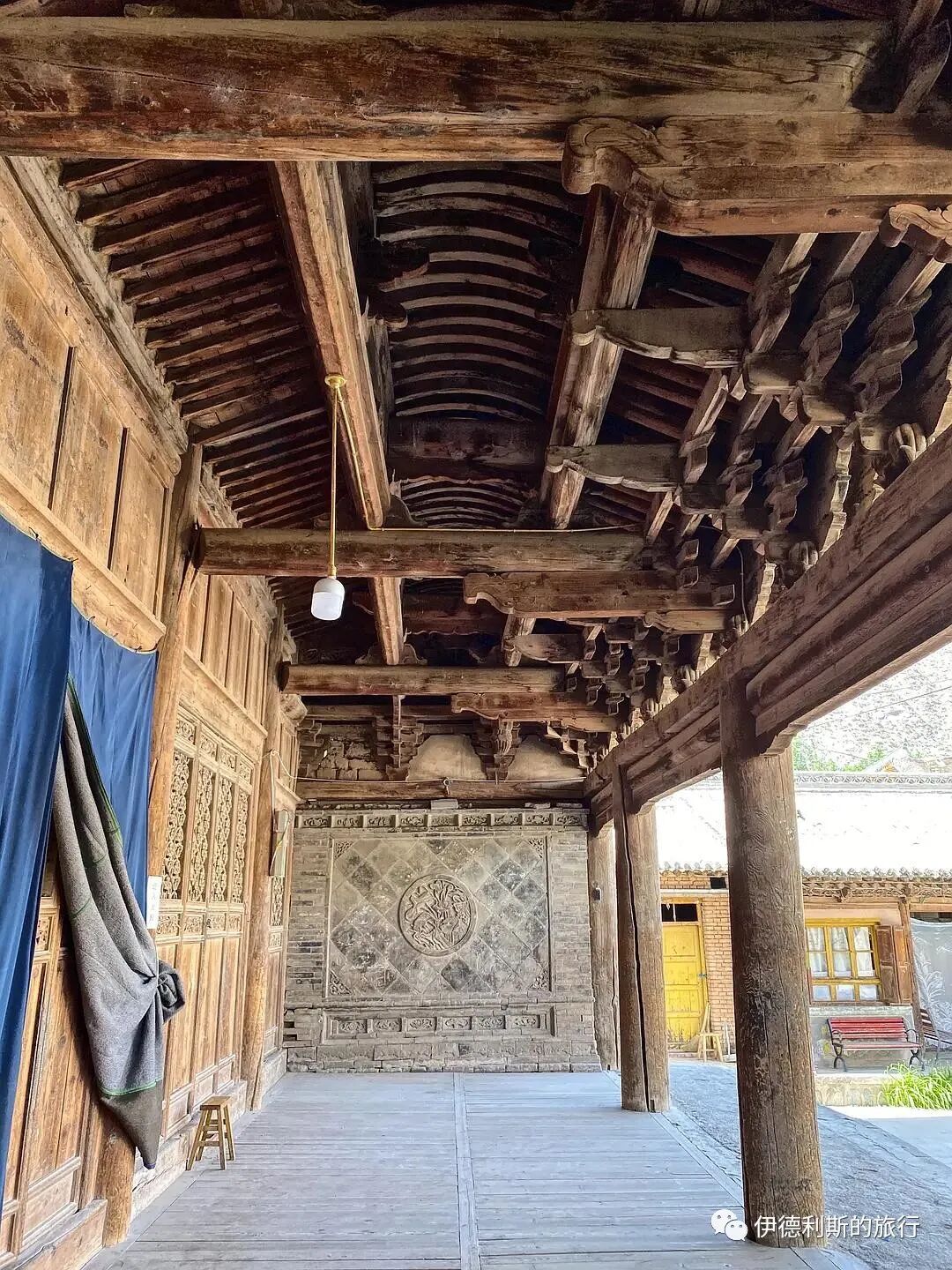
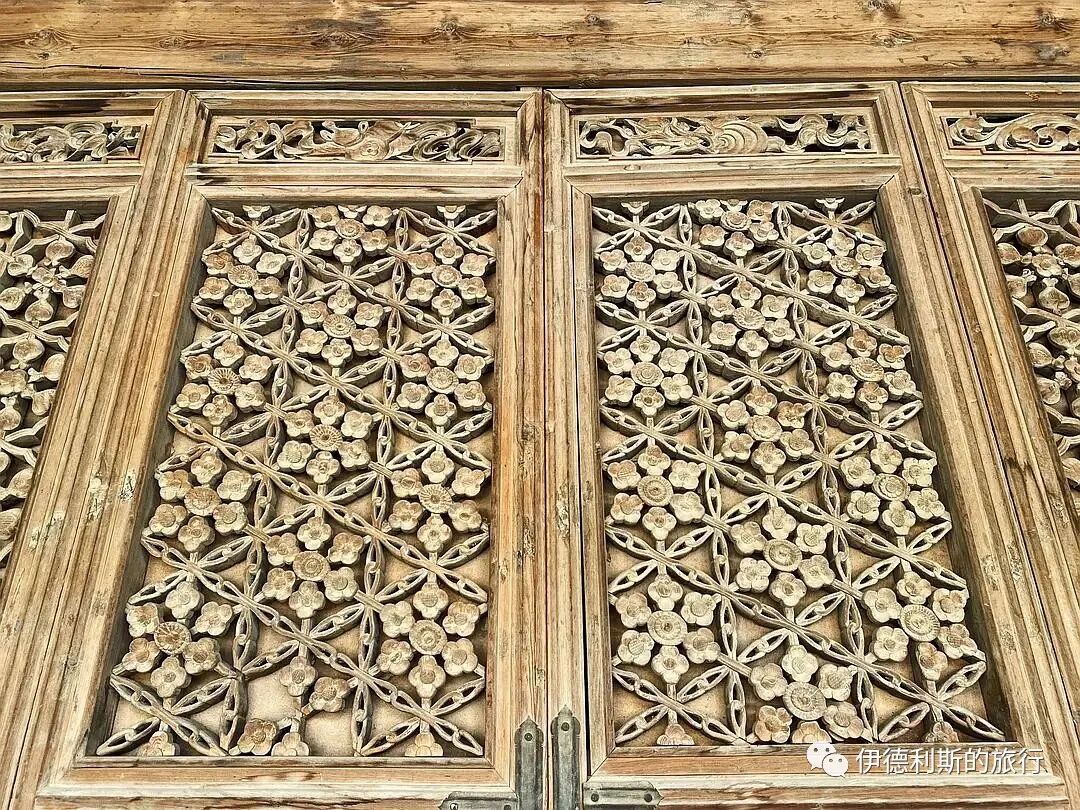
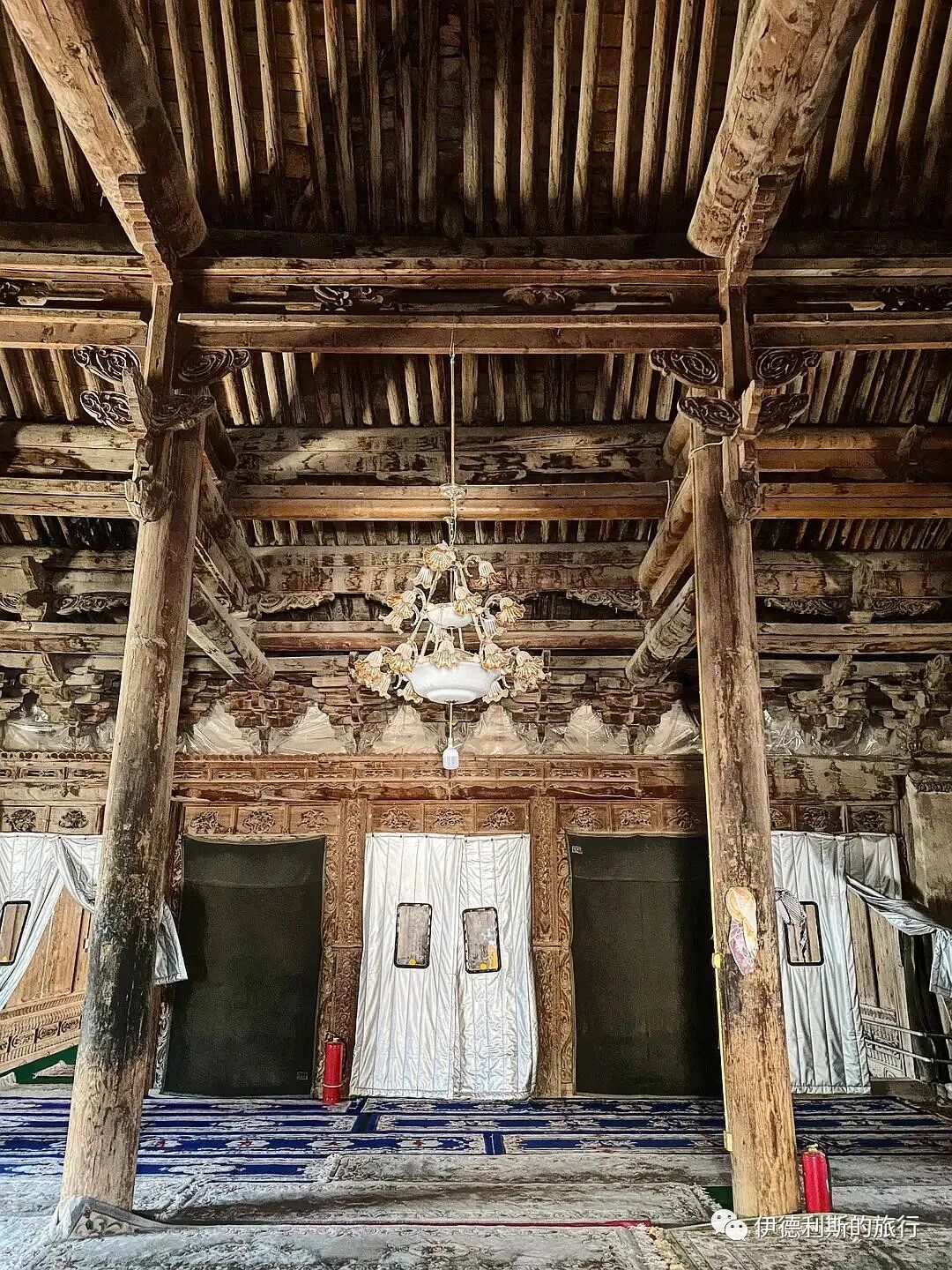
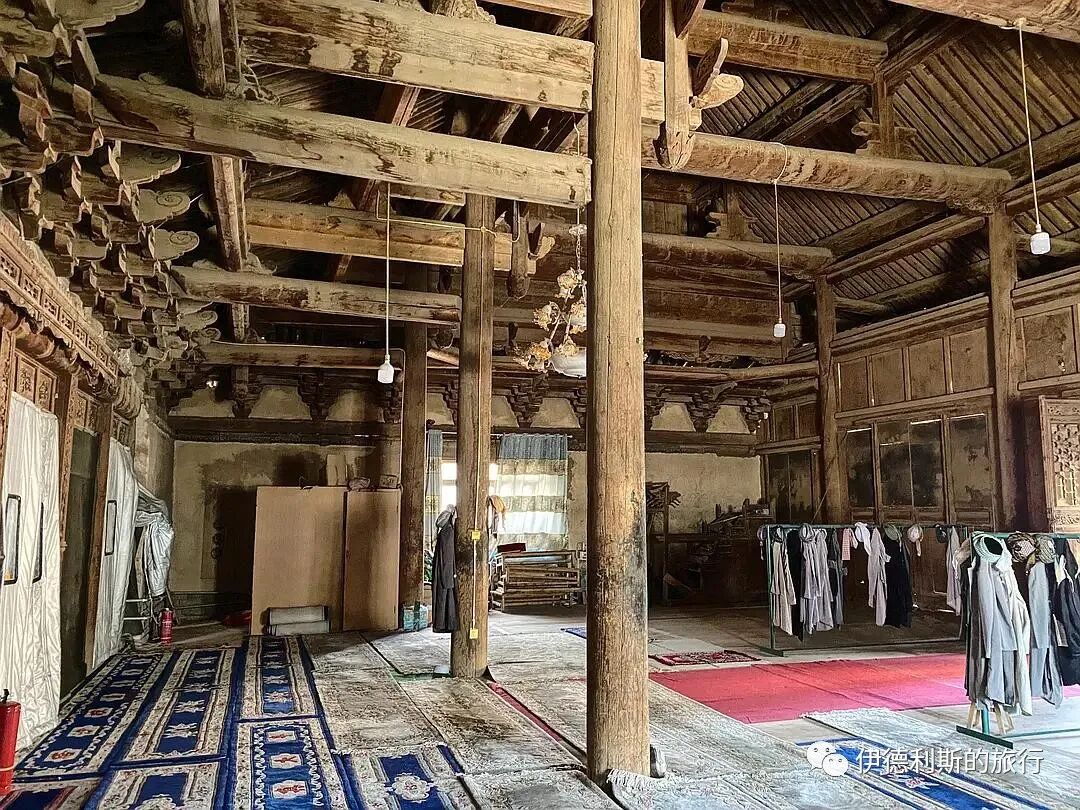
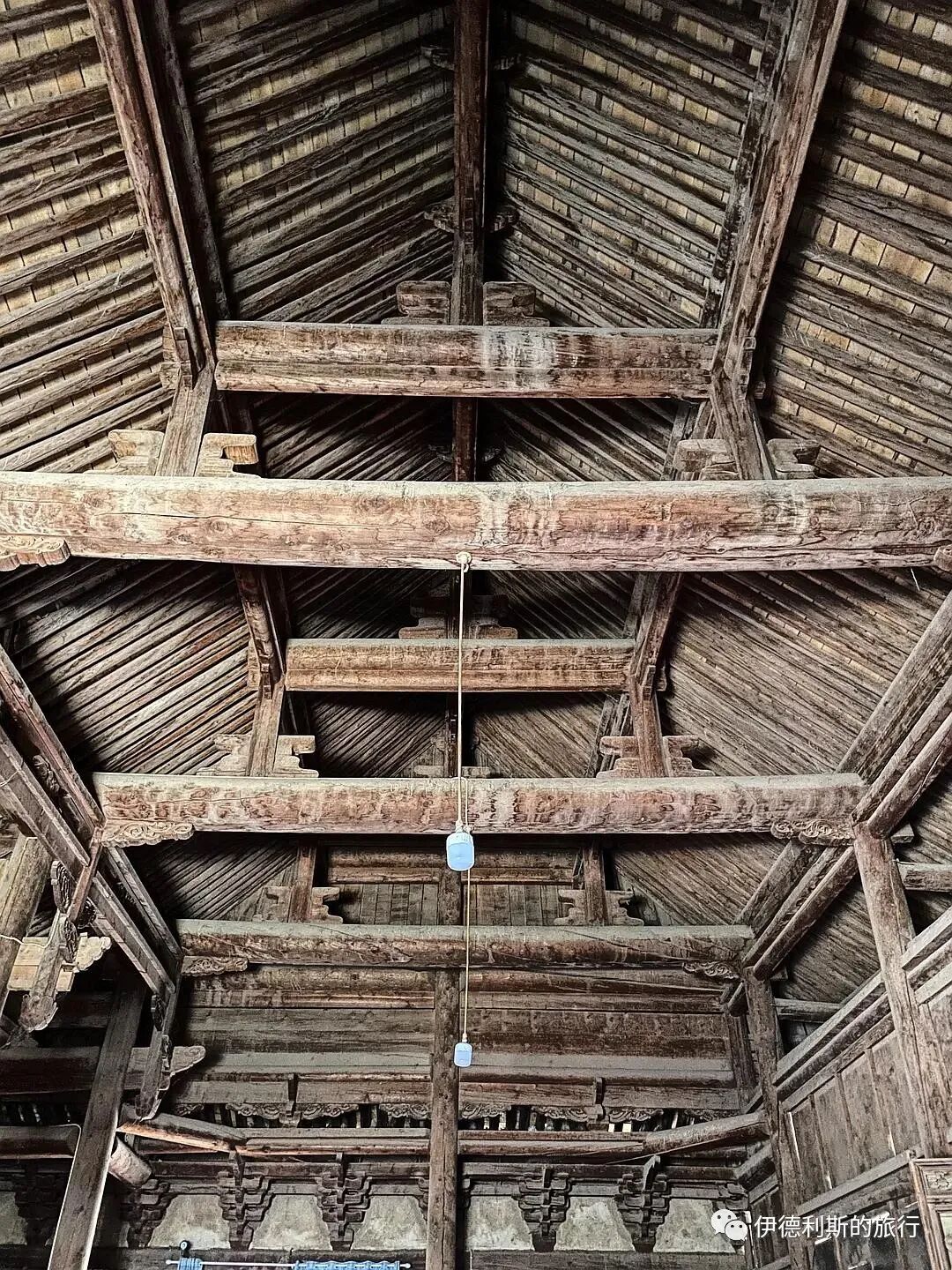
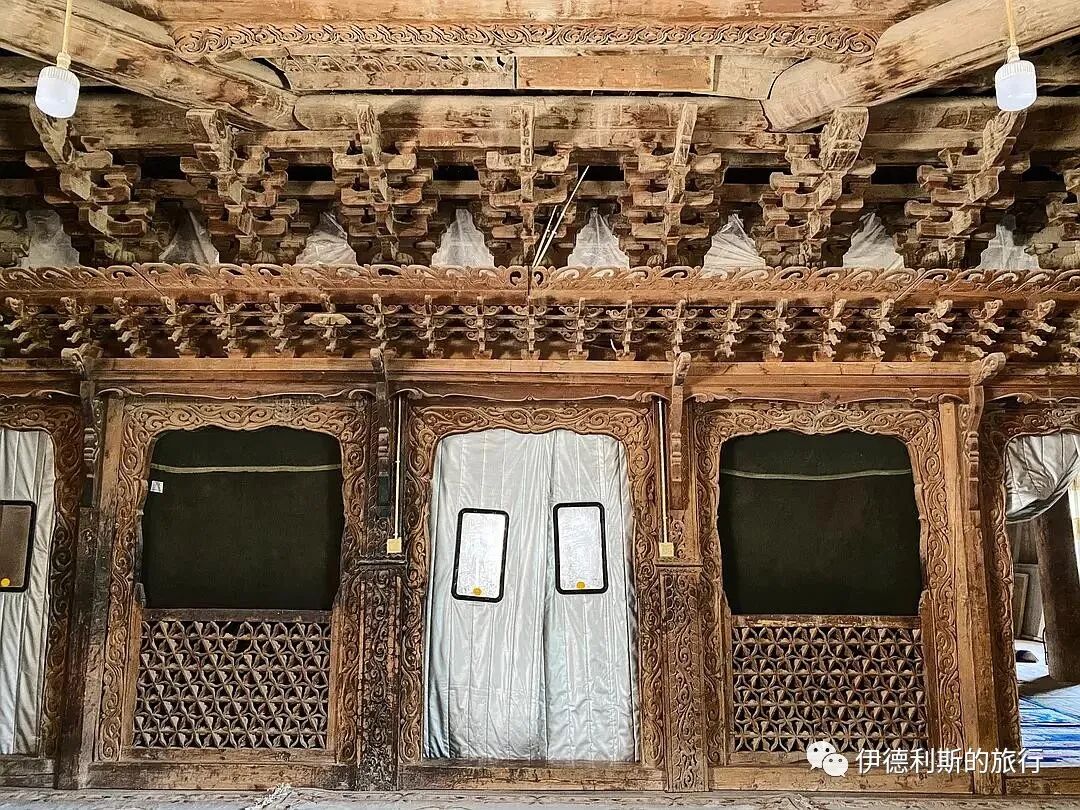
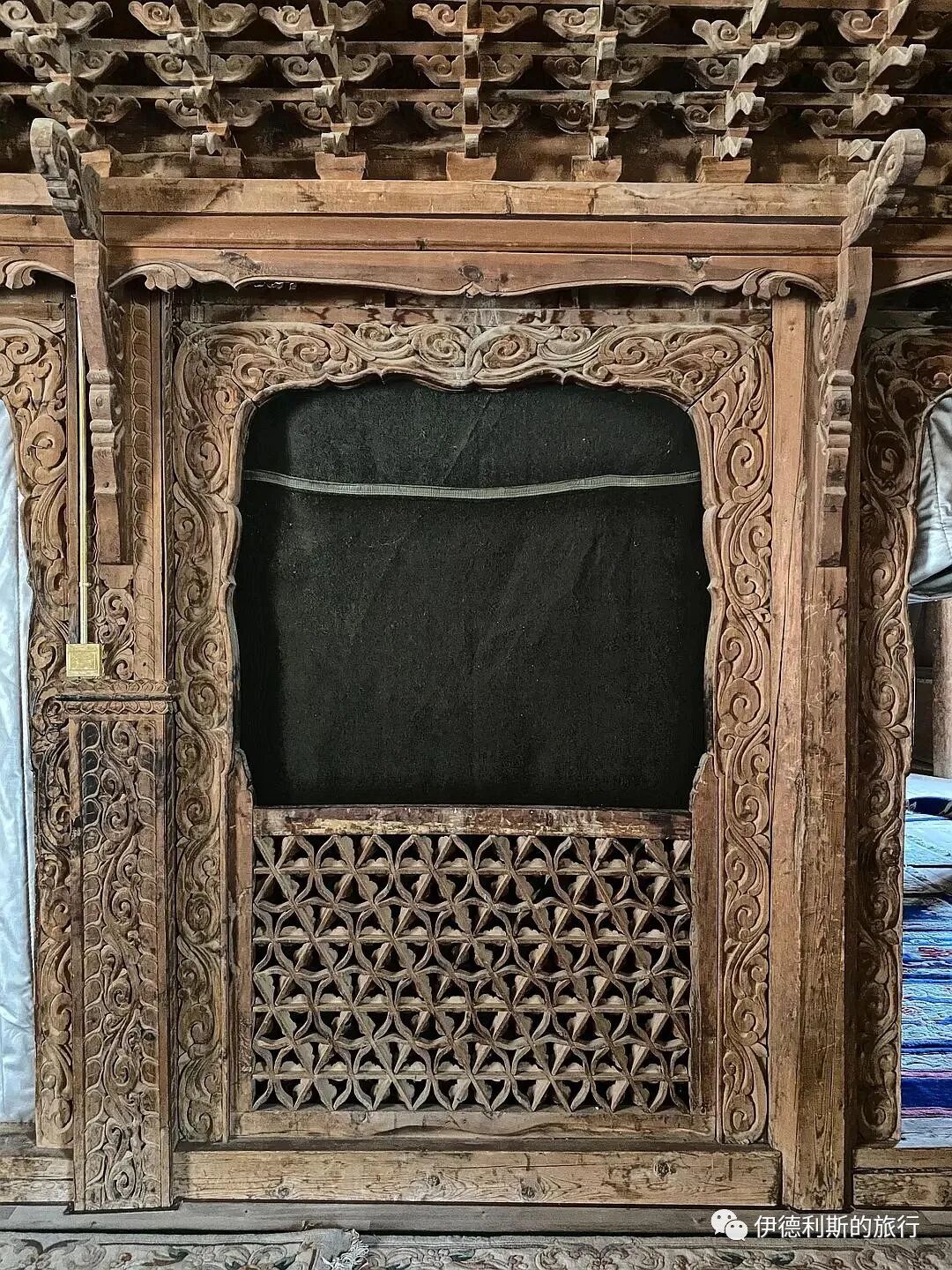
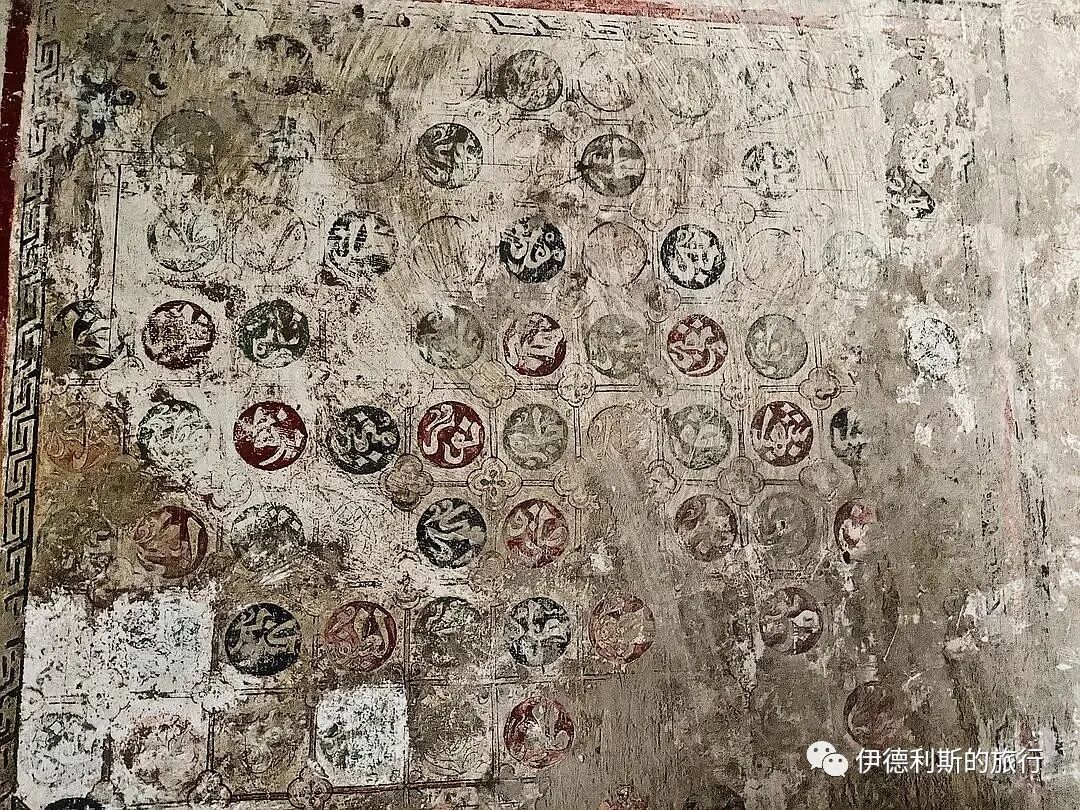
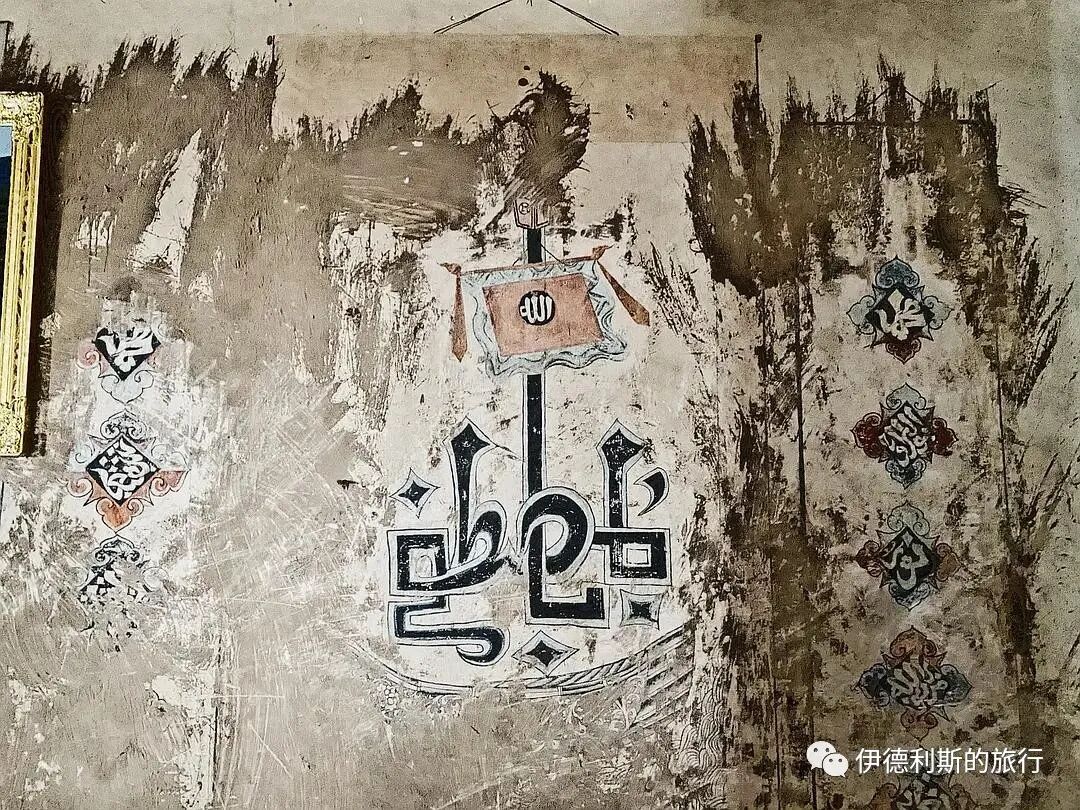
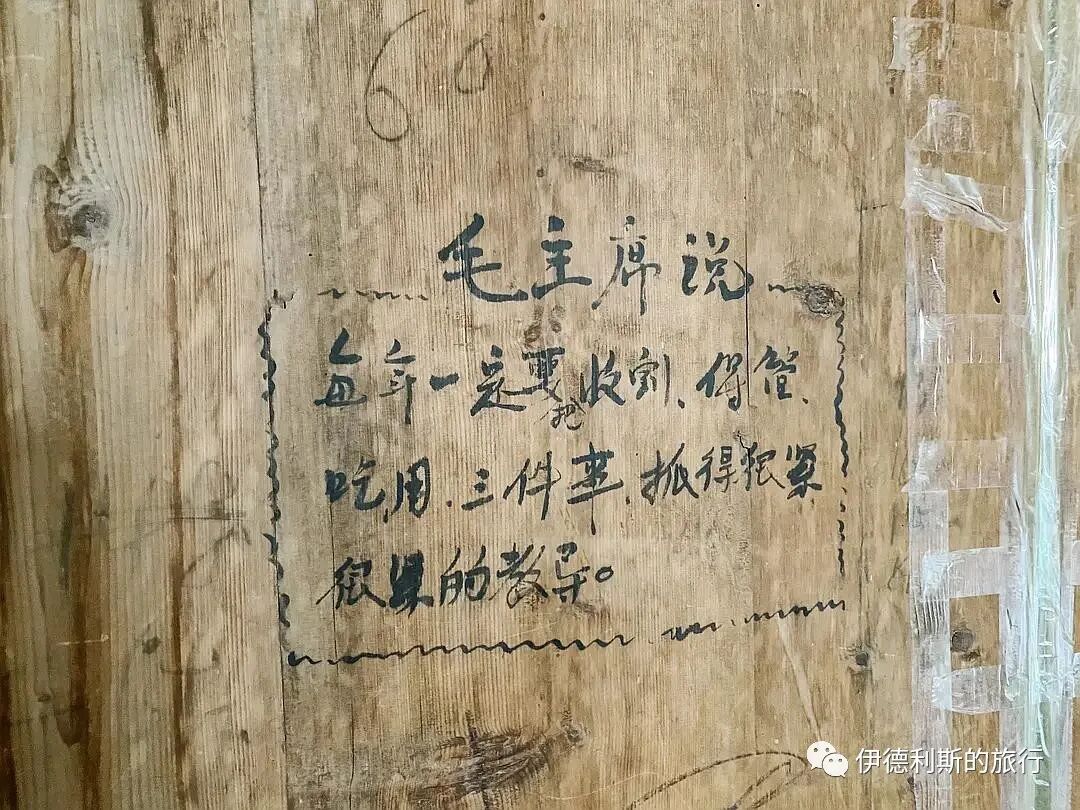
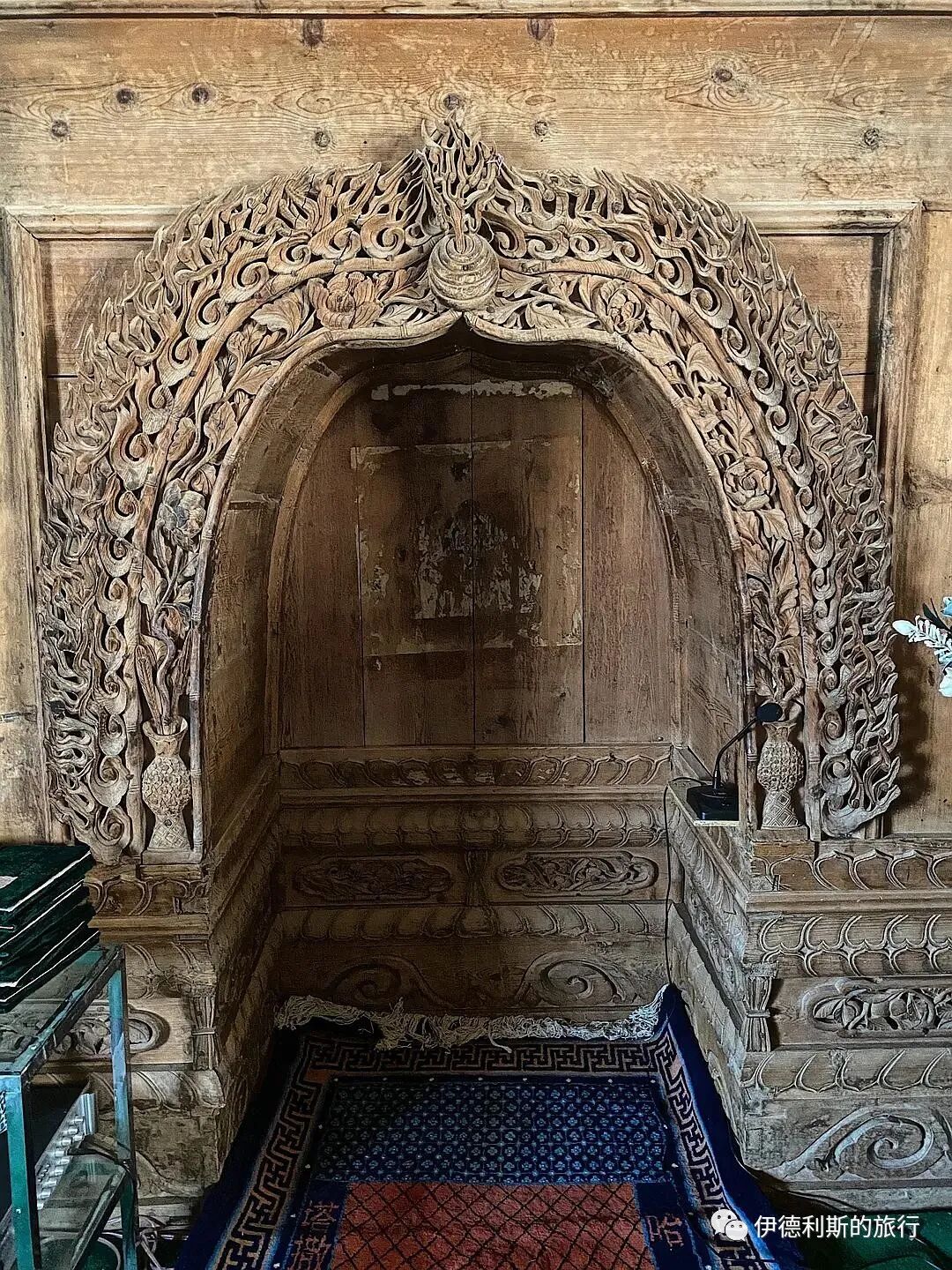
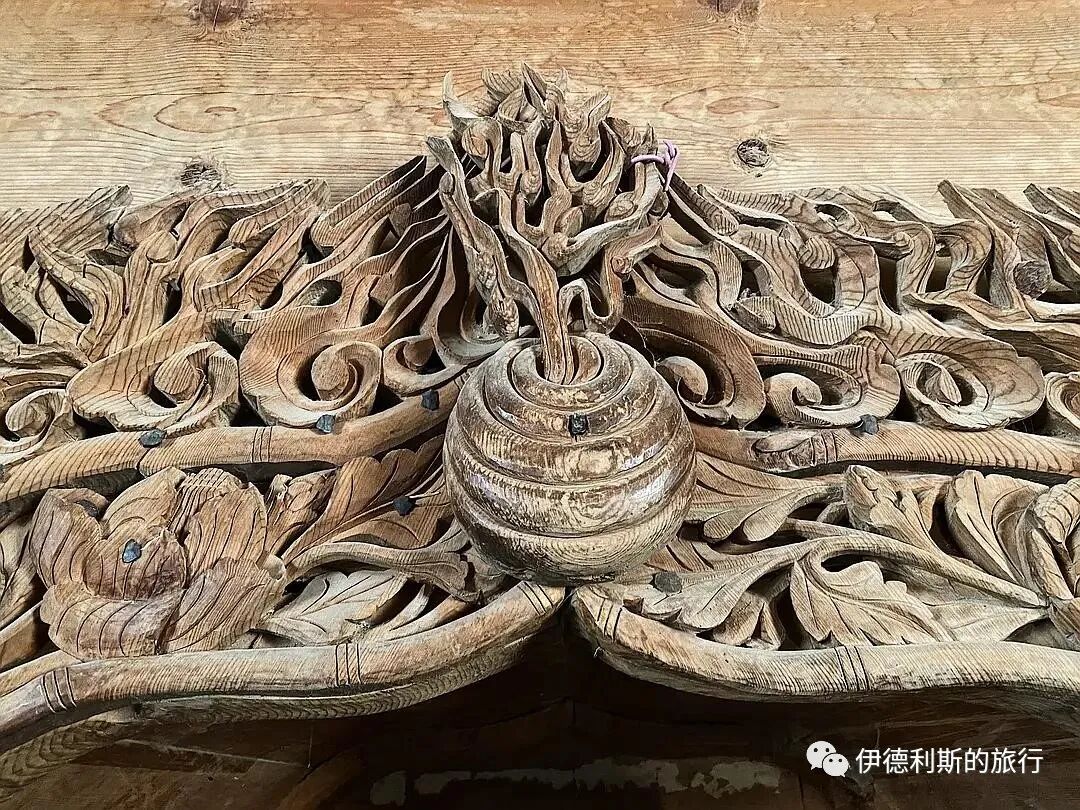
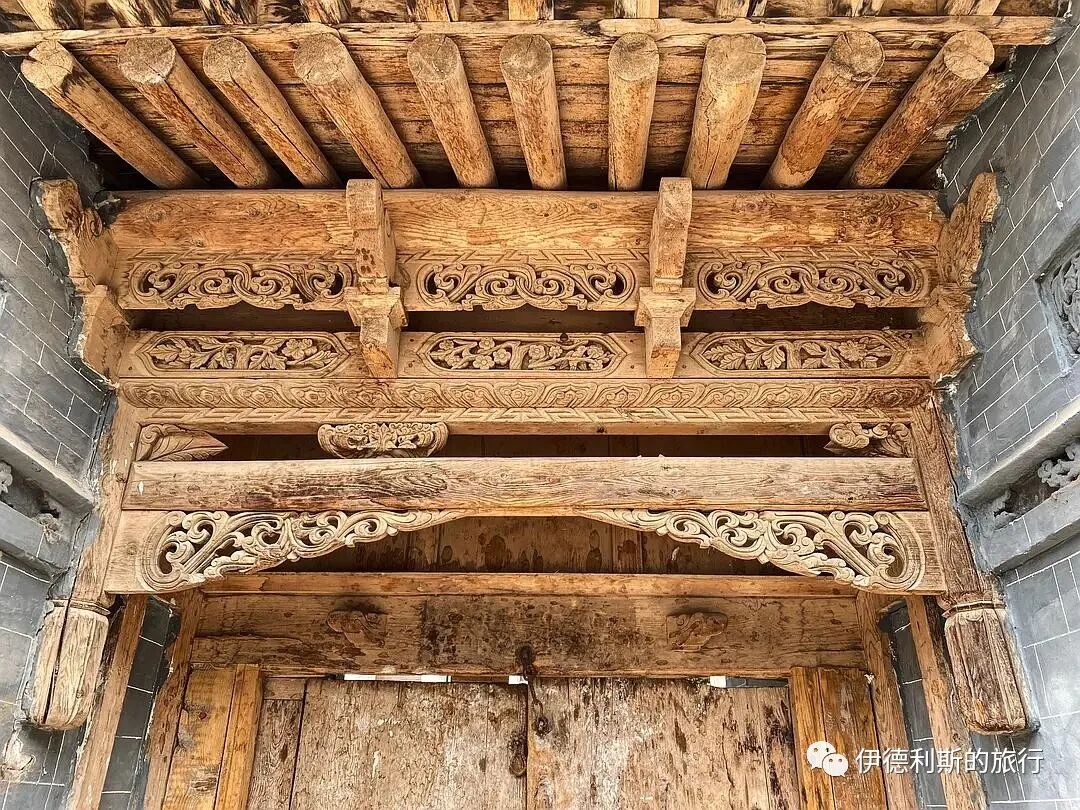
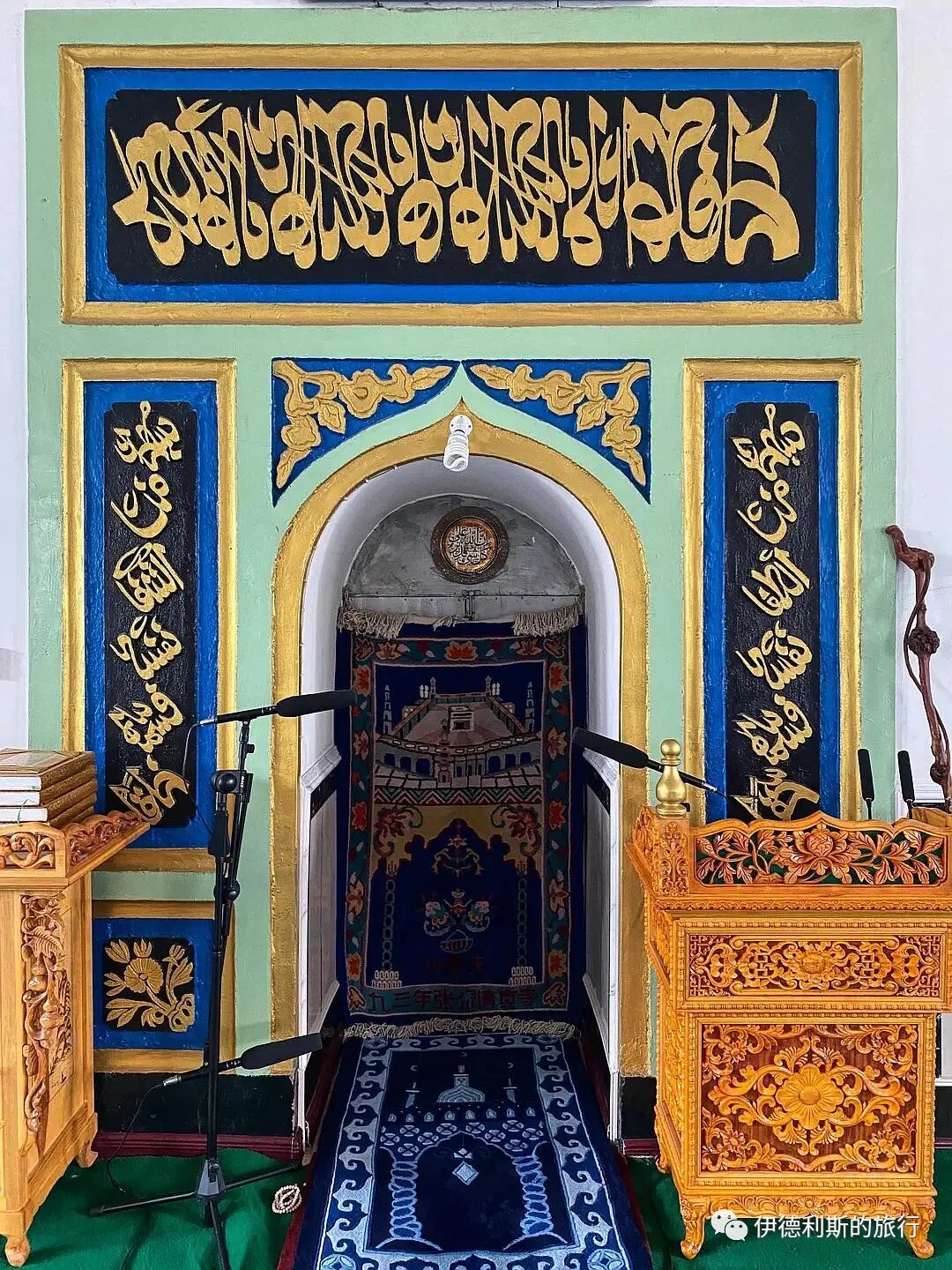
Inside the main hall, there are exquisite wood carvings. It is a great pity that only a very few parts of the murals have been preserved, and this is the first time I have seen quotations inside the main hall; previously, I had only seen them on the outer walls of the main hall.
5. Labian Mosque
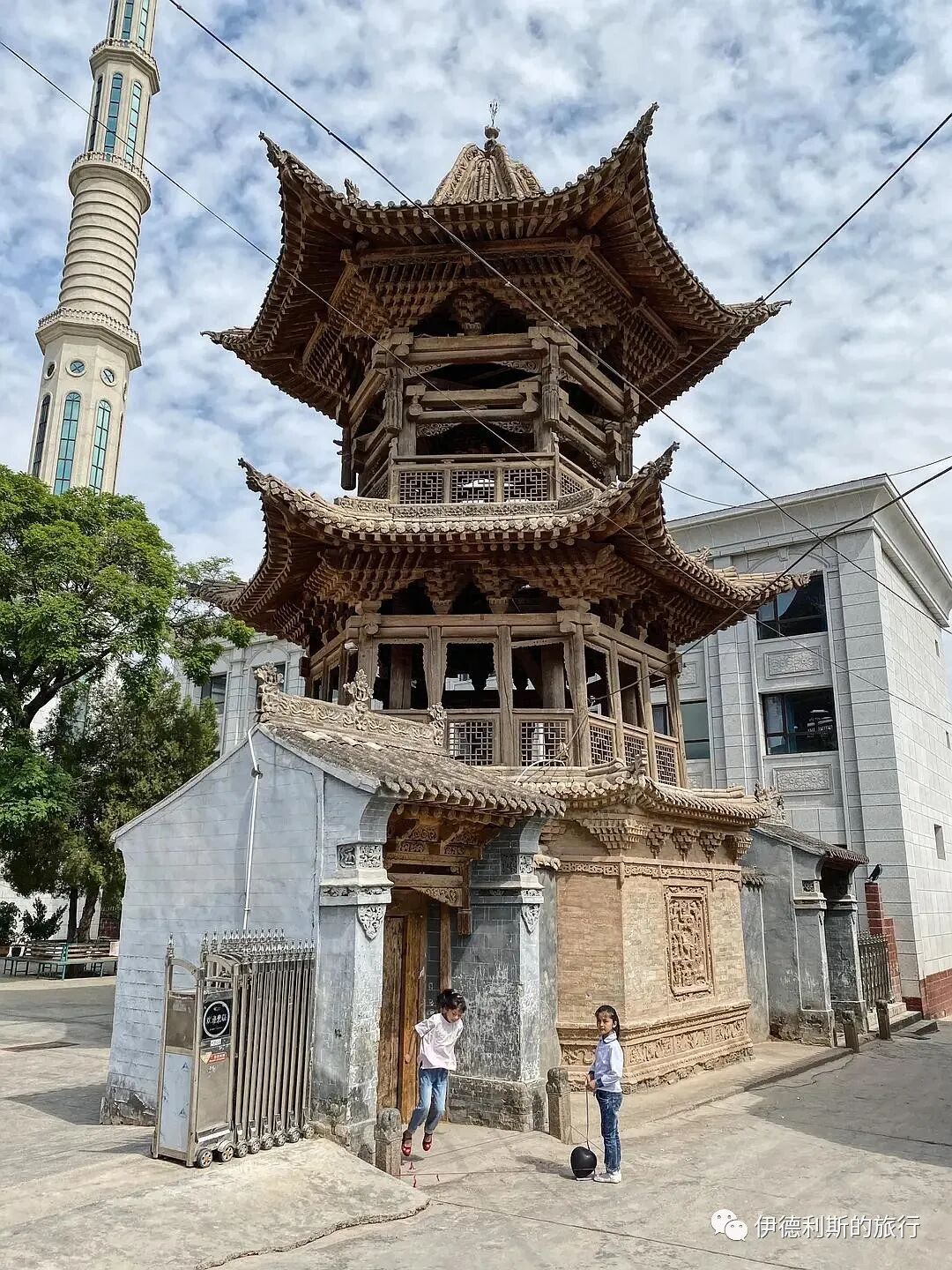
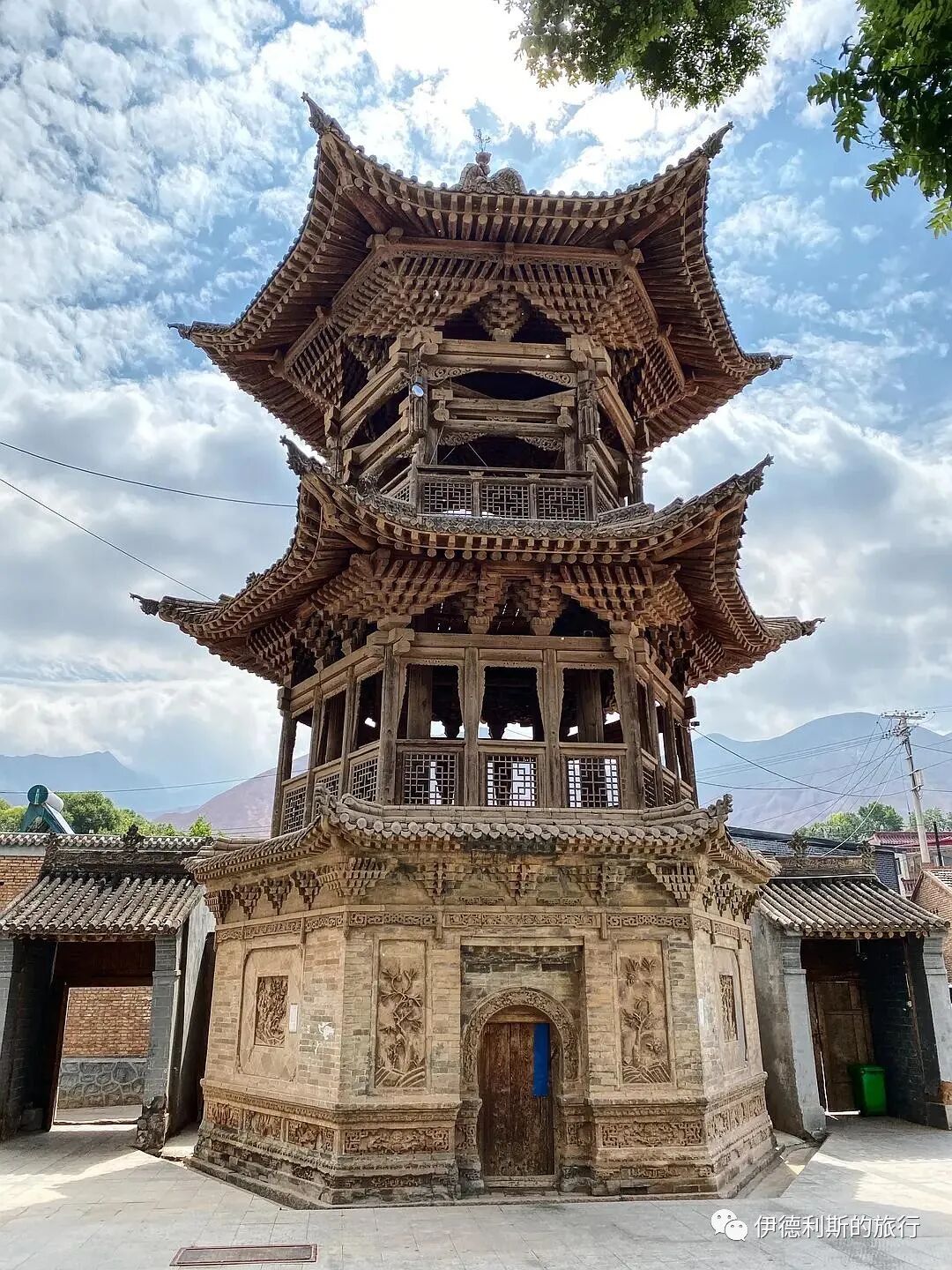
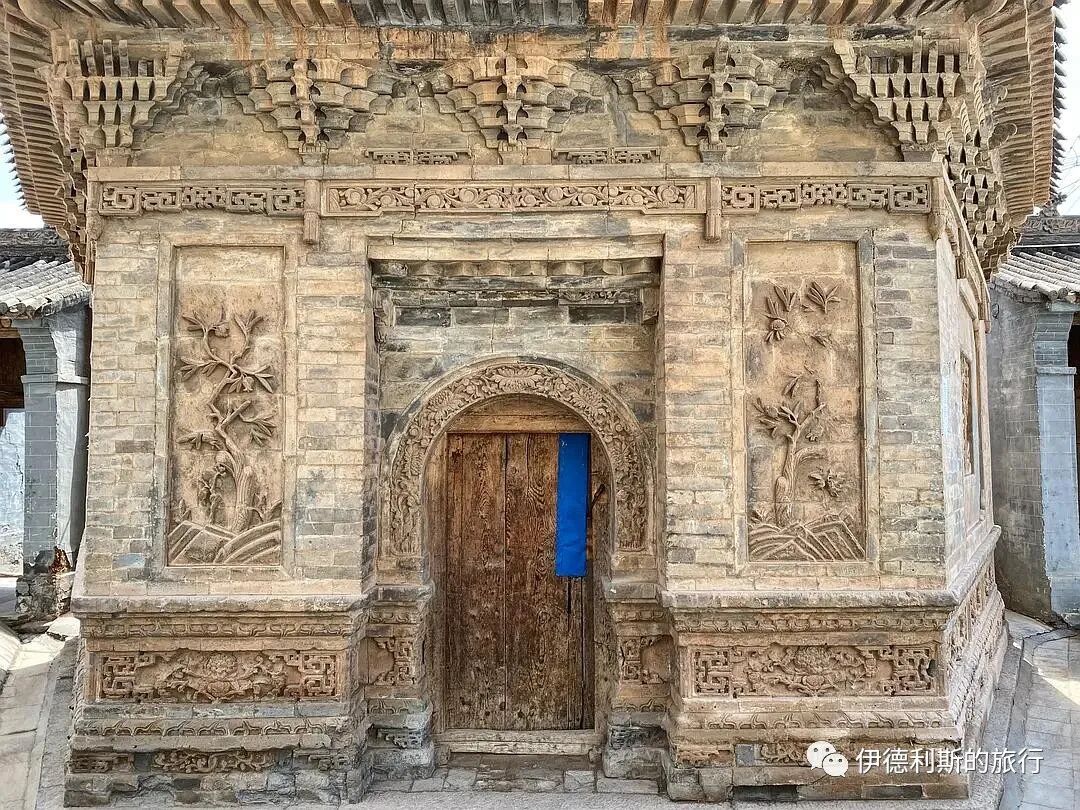
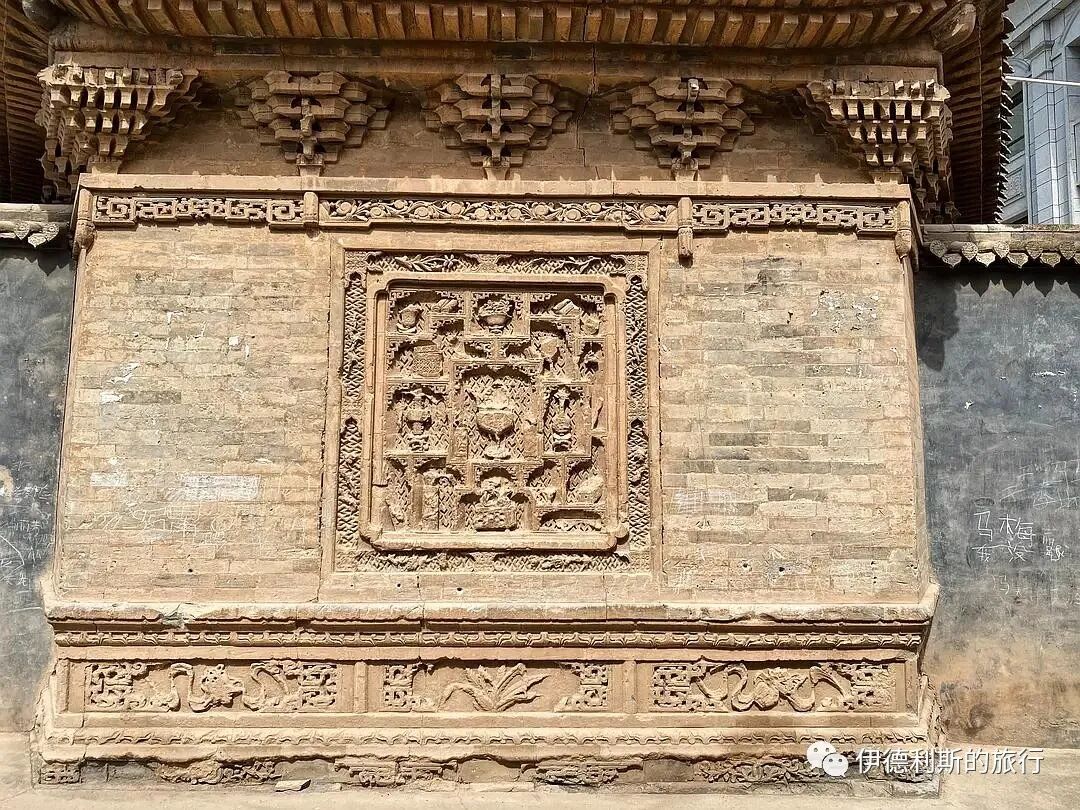
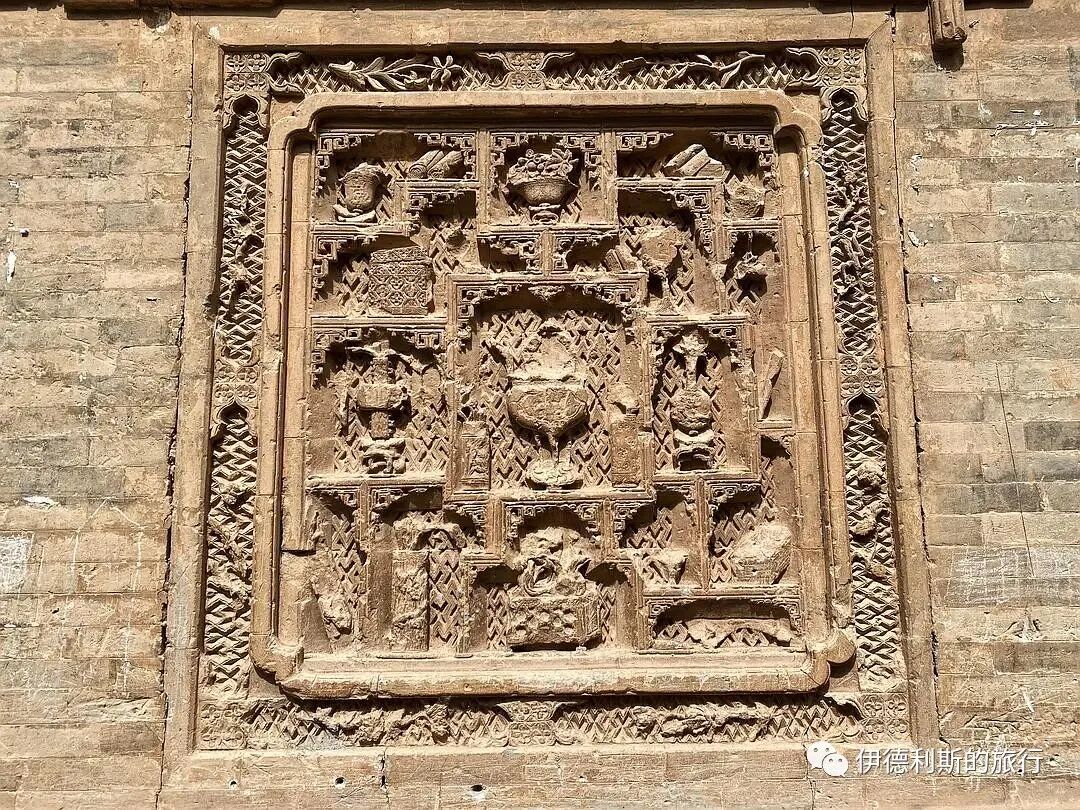
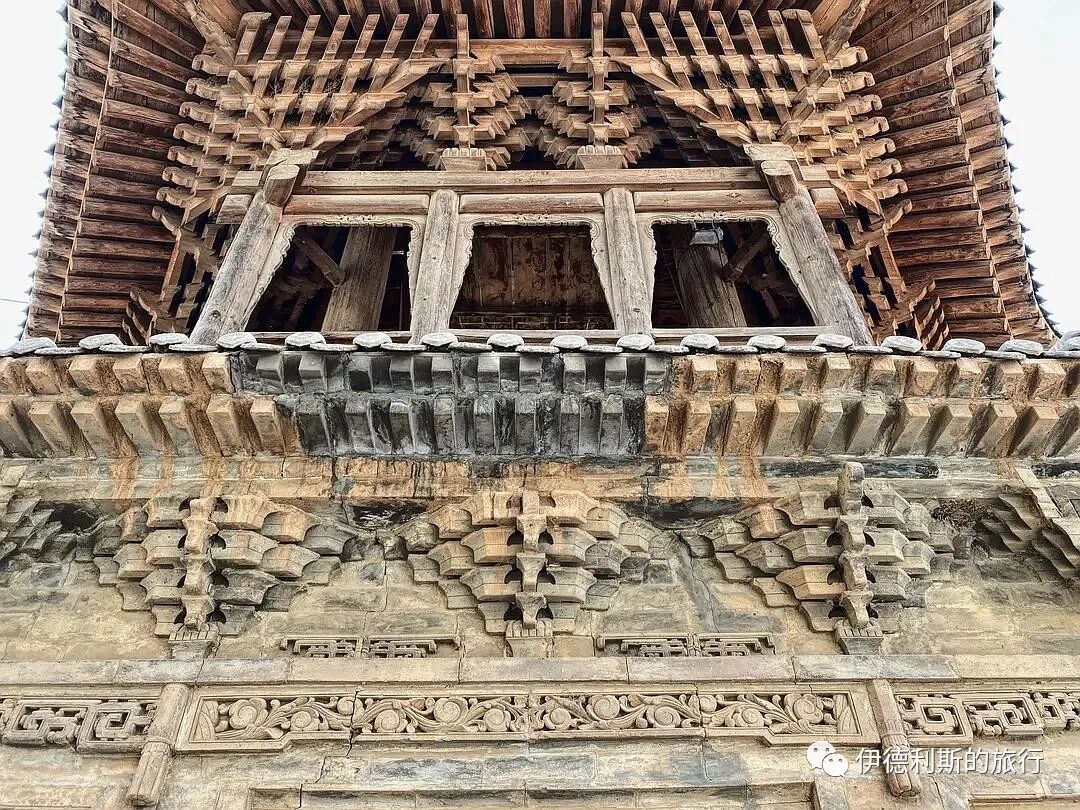
Labian Mosque in Xunhua County was first built during the Qianlong reign; the main hall was rebuilt in 2015, and only the minaret and the two side gate towers remain of the ancient architecture. The minaret is 18 meters high, with a brick-built lower level and a wooden pavilion on the upper level, featuring dougong brackets, upturned eaves, and a hexagonal spire.
6. Zhangga Mosque
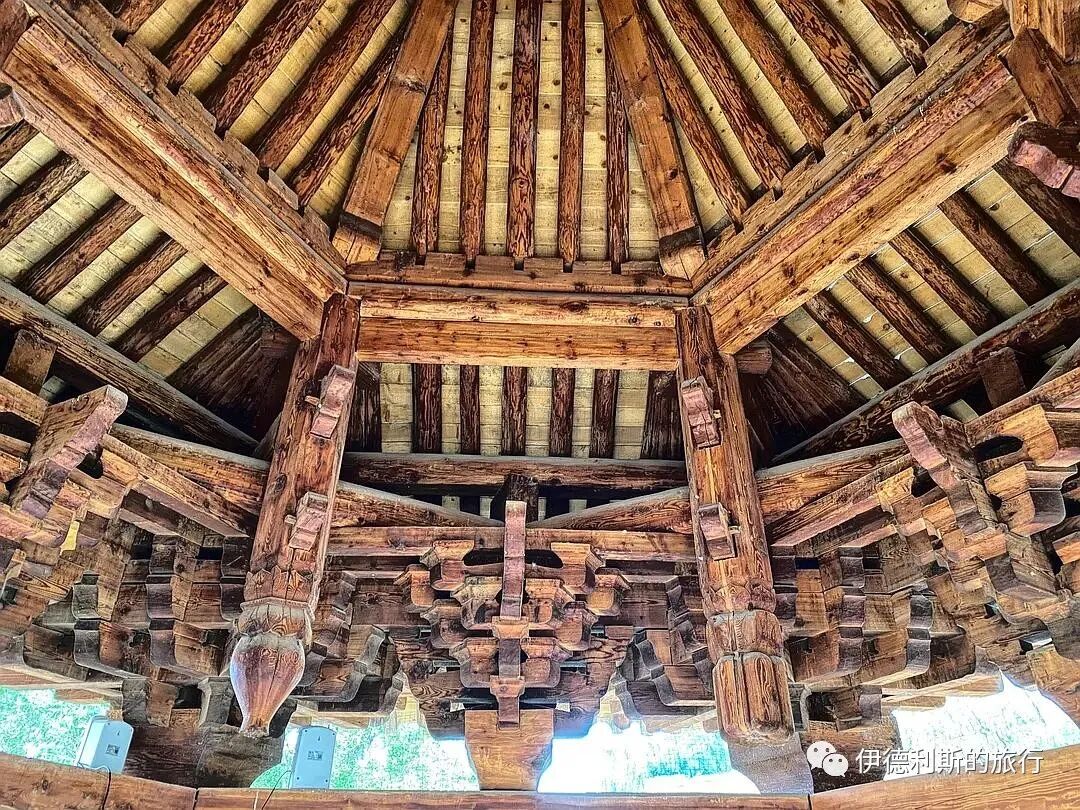
Zhangga Mosque in Xunhua County was first built in 1406 (the fourth year of the Yongle reign of the Ming Dynasty) and rebuilt during the Qing Dynasty. The minaret is 23 meters high, with a brick-built lower level and a wooden pavilion on the upper level, featuring a double-eaved hexagonal spire, and the top-level hexagonal caisson ceiling is formed by three layers of stacked dougong brackets in an inverted bucket shape.
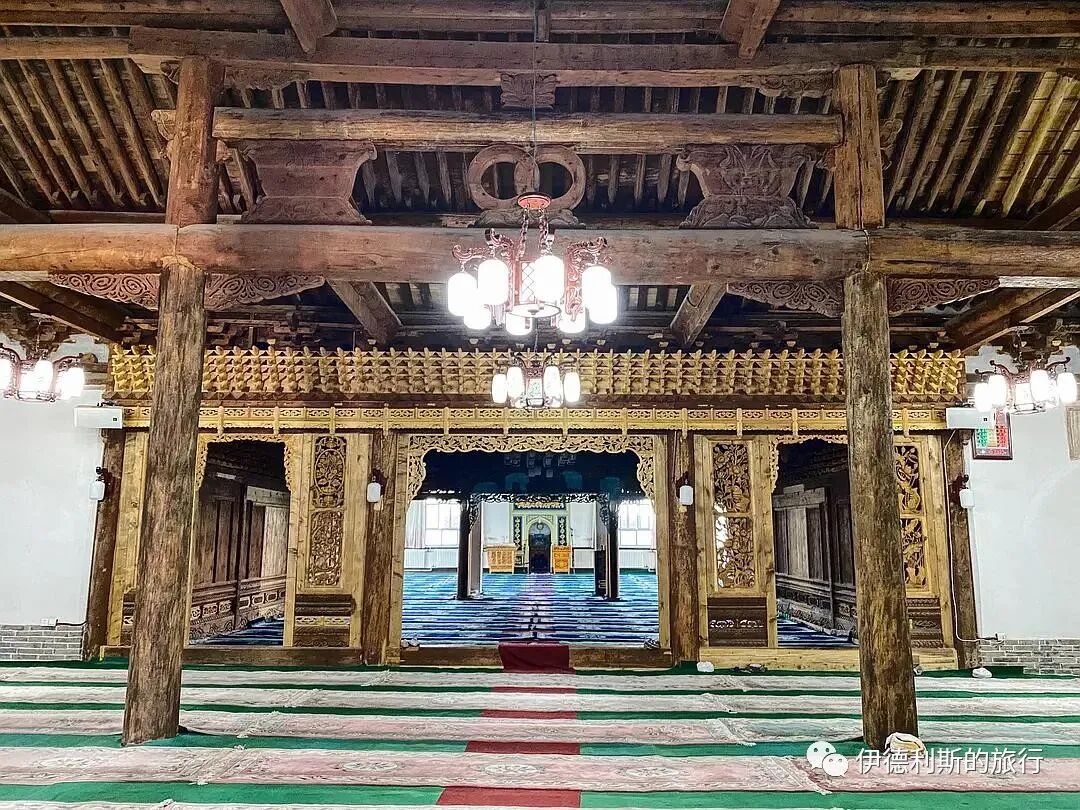
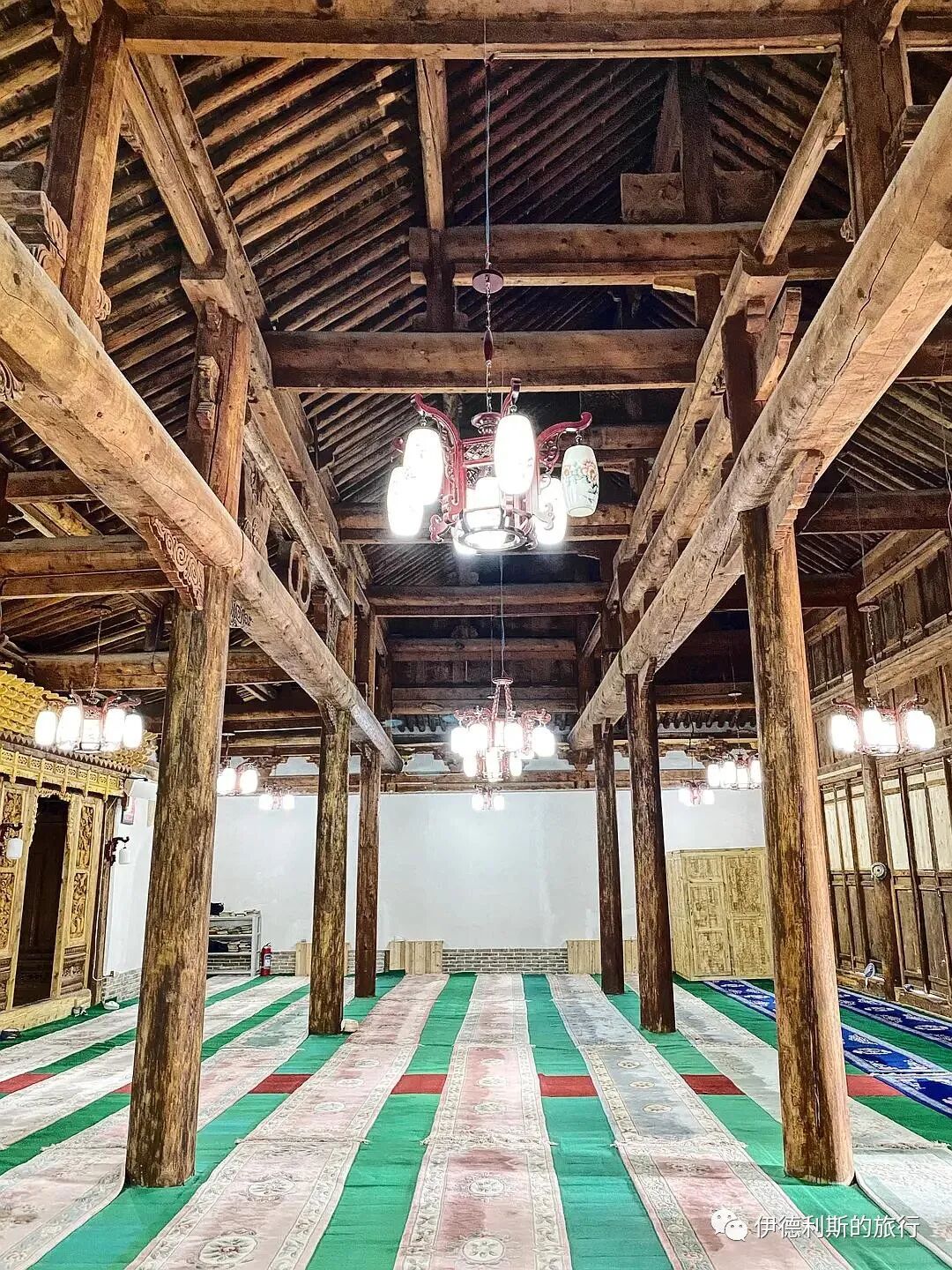
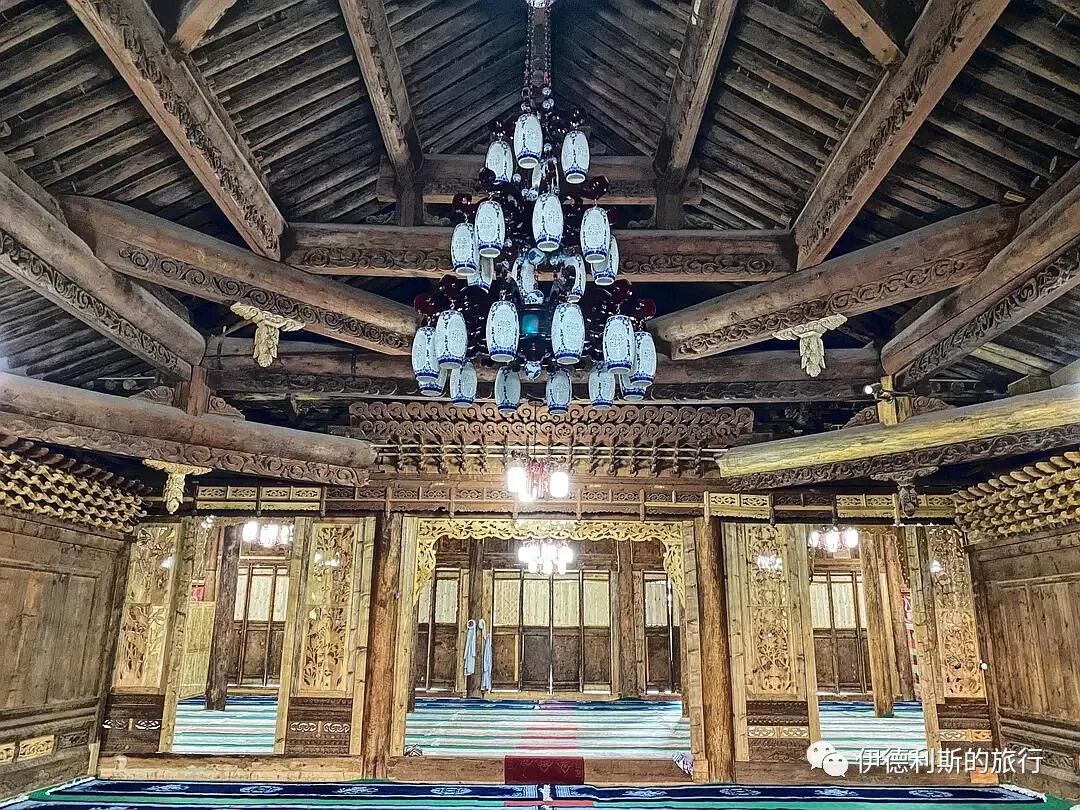
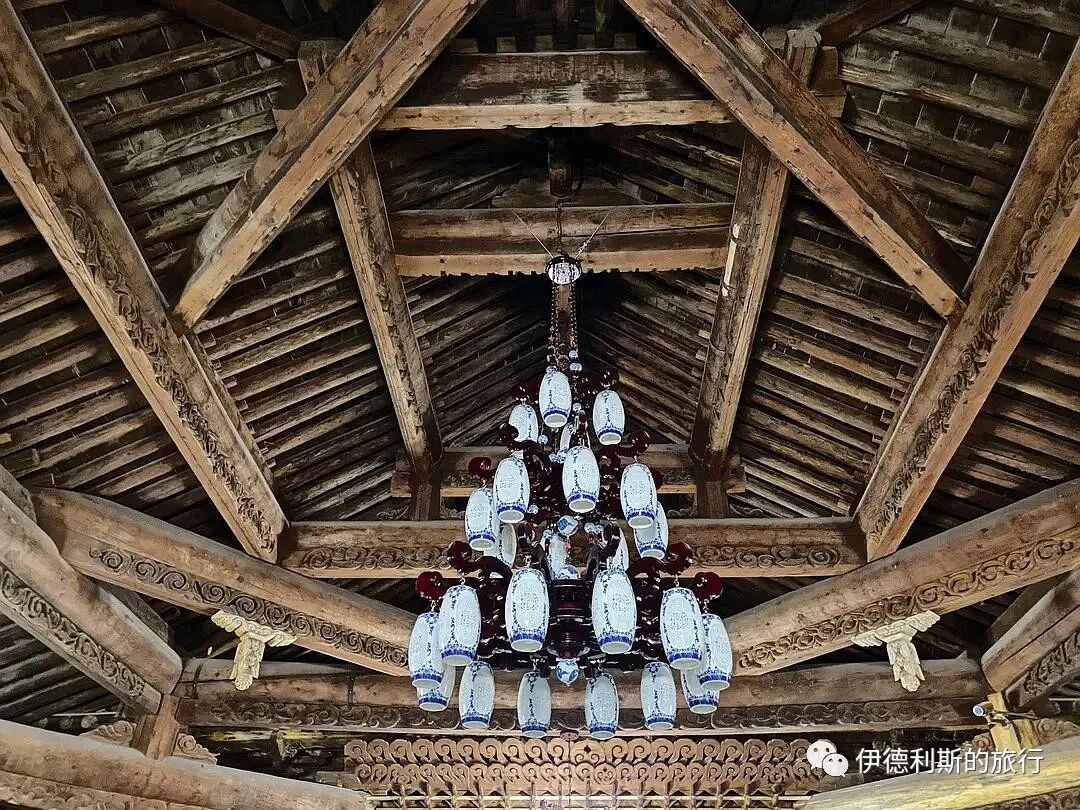
The main hall of the mosque, though it is a pity that much of the wooden structure has been renovated and replaced.
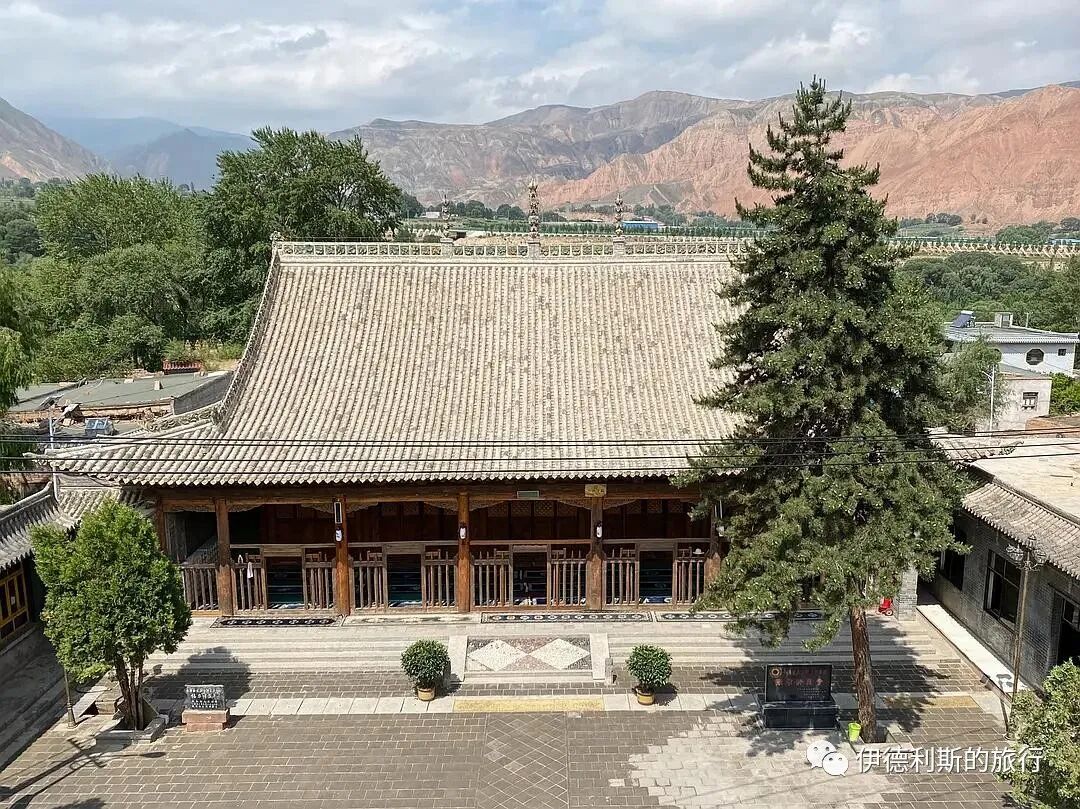
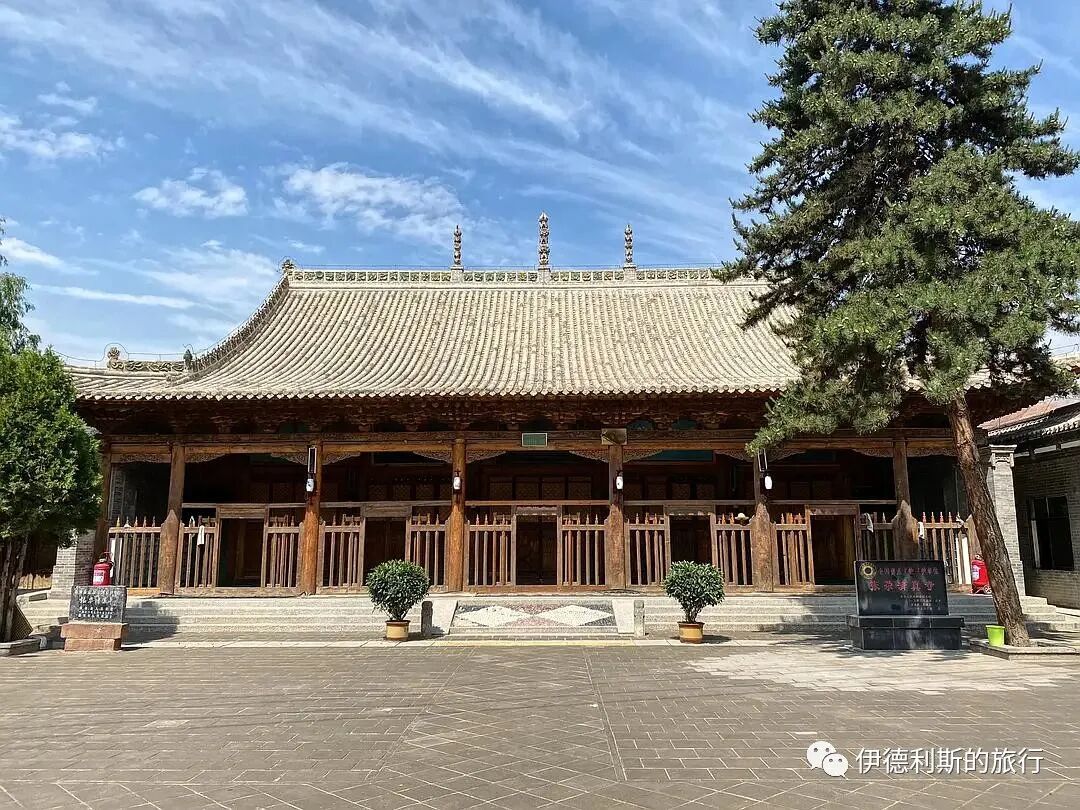
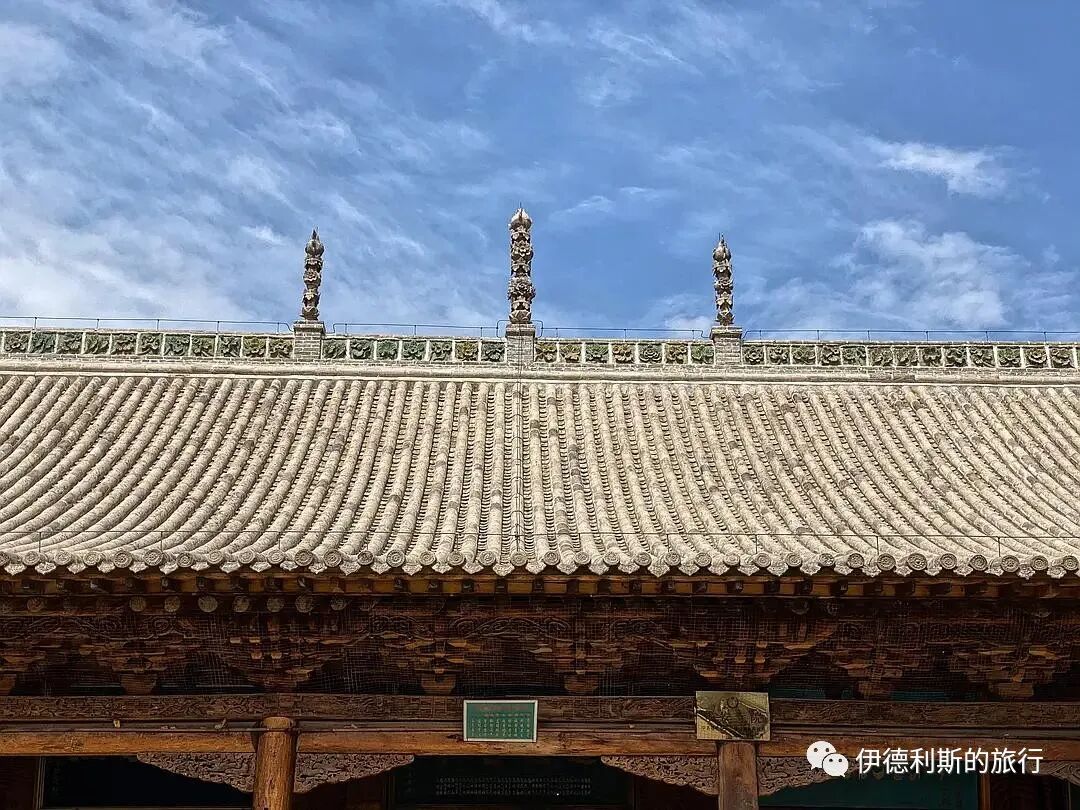
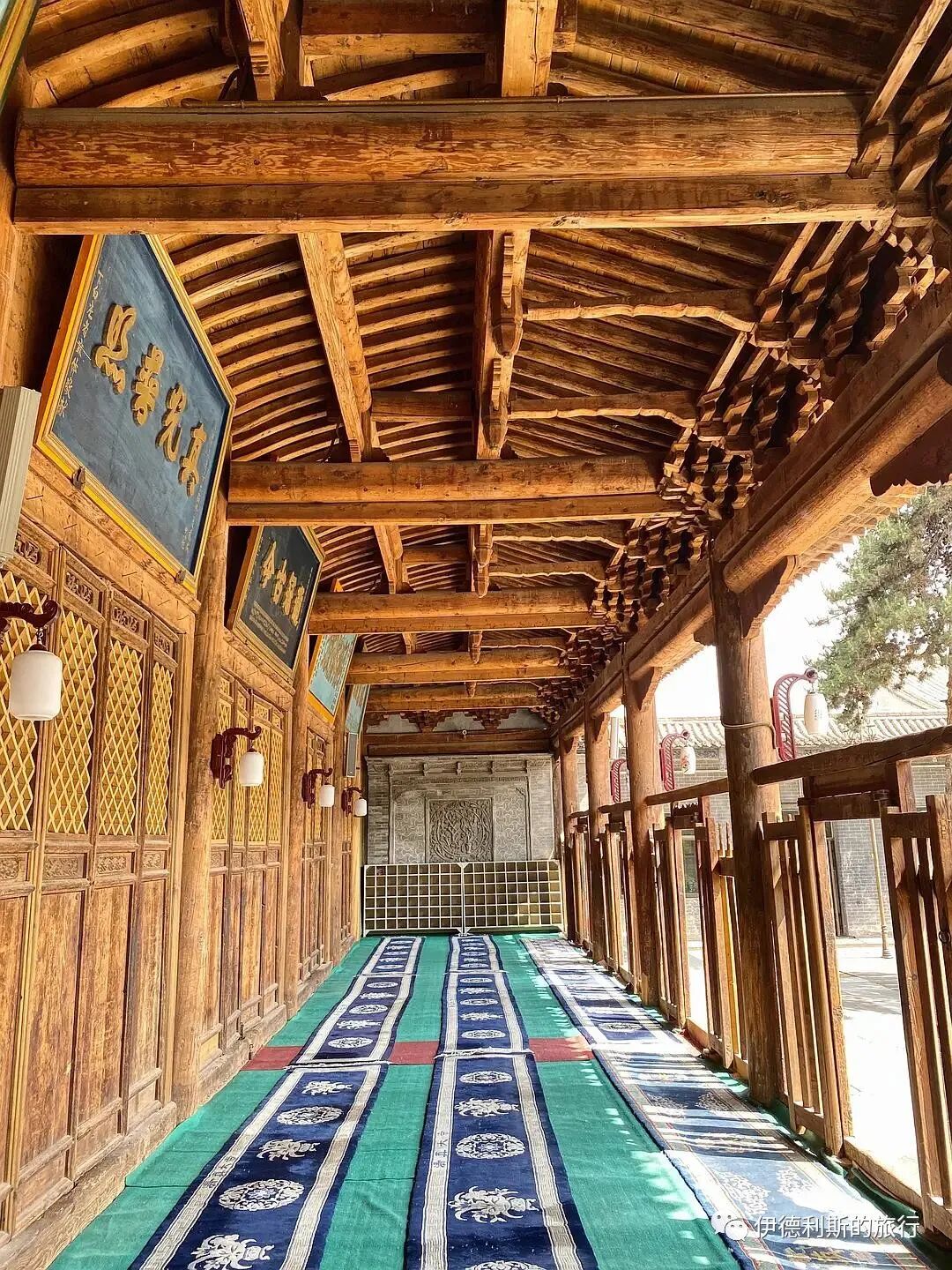
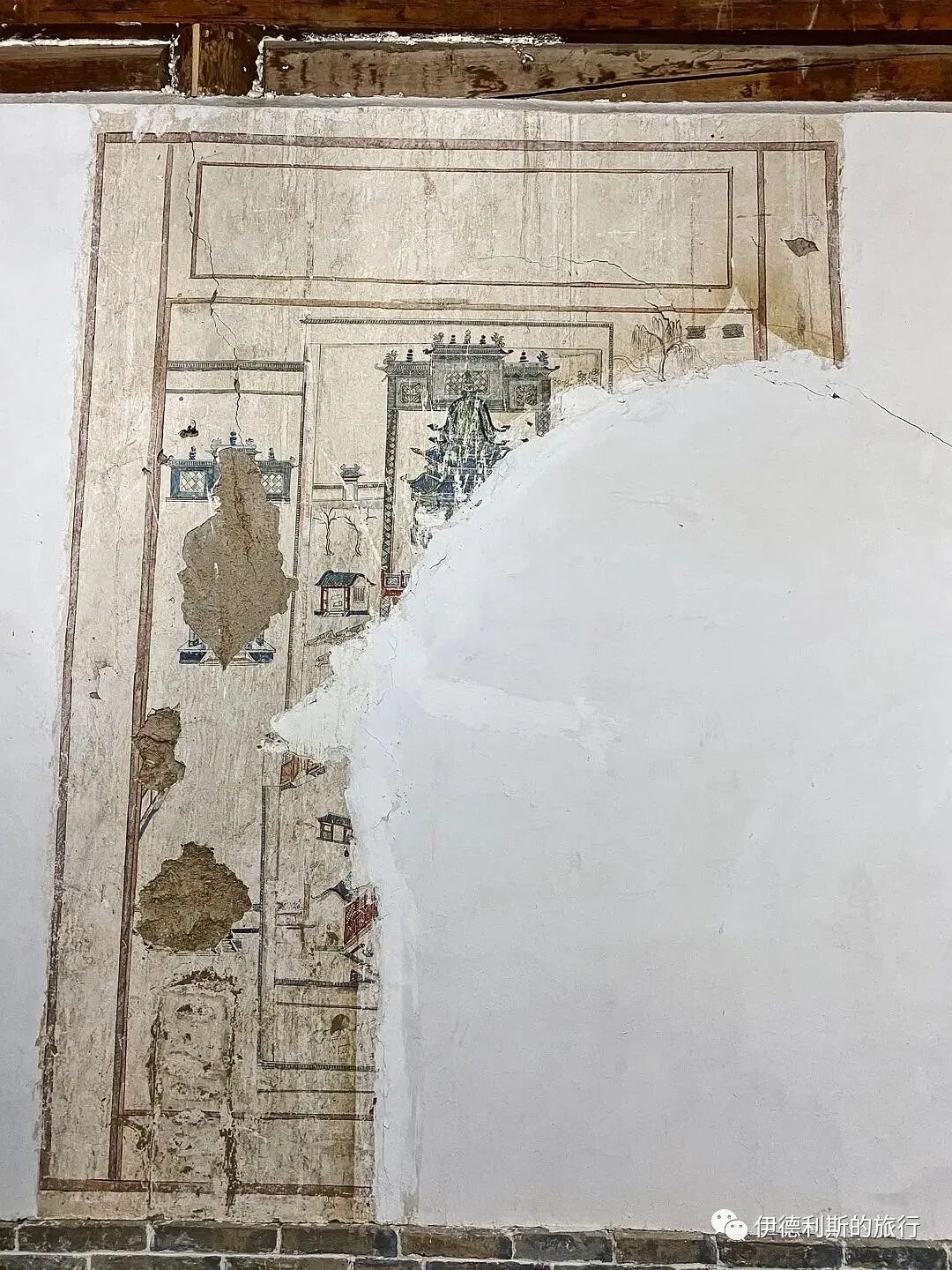
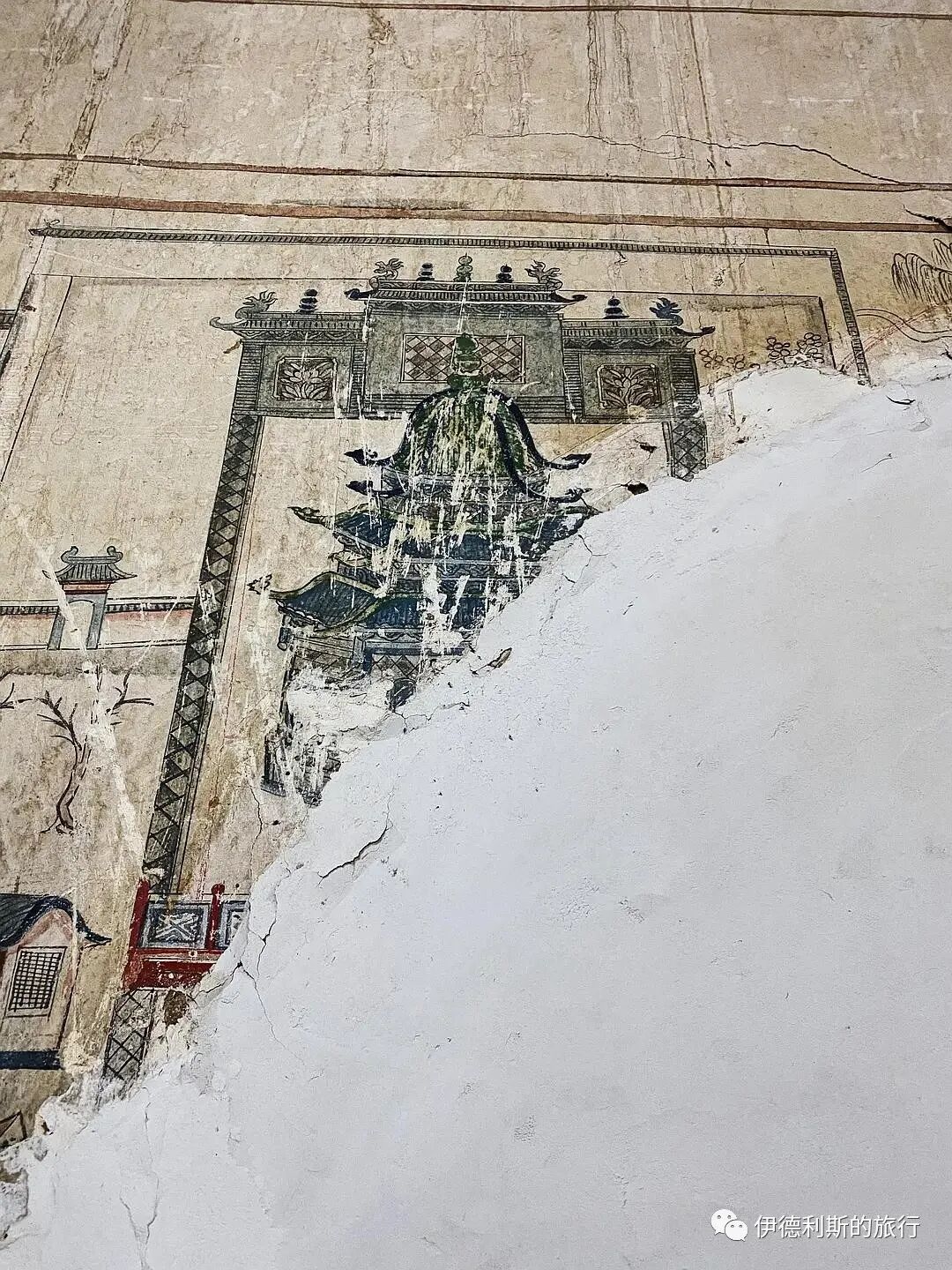
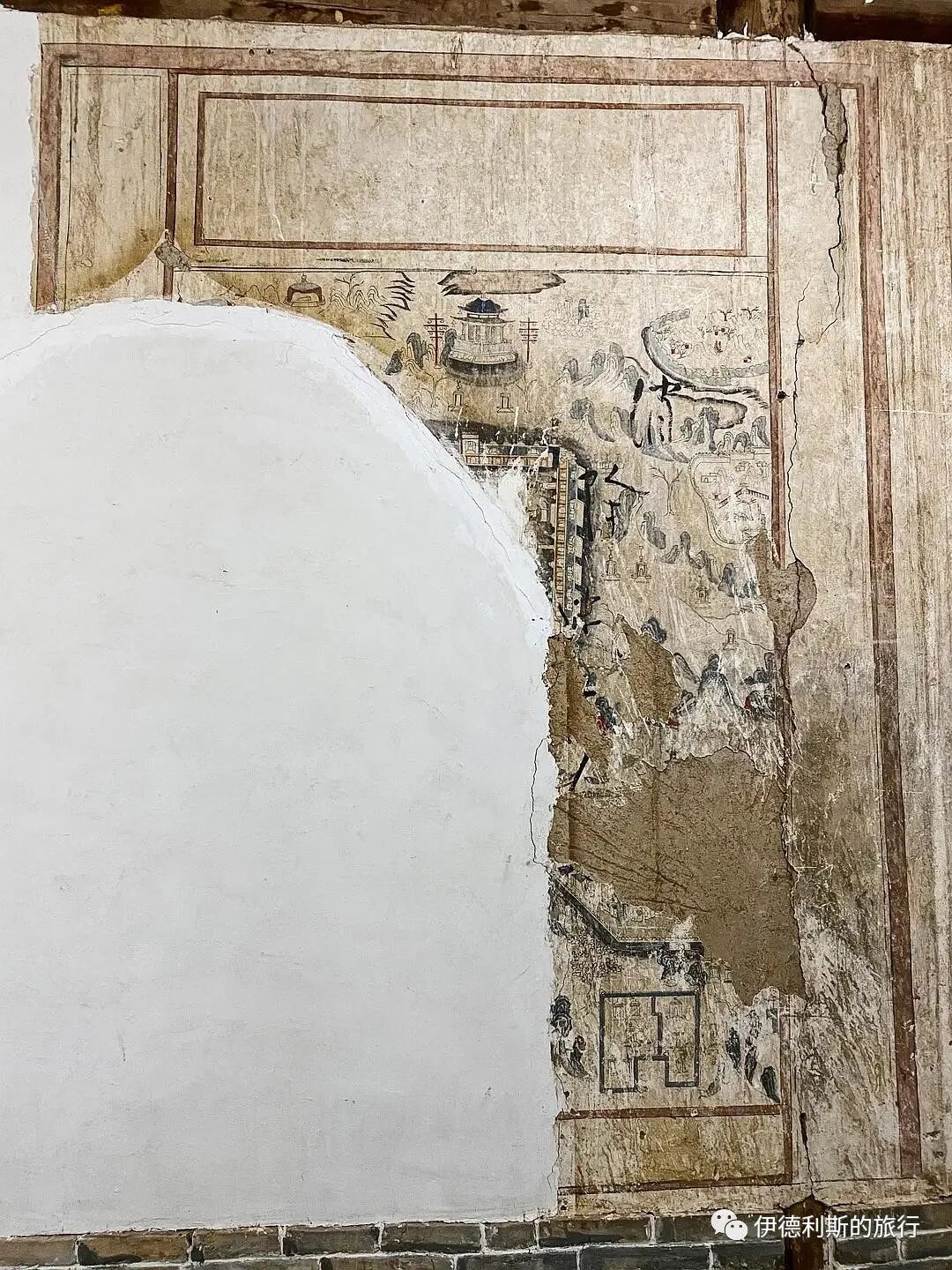
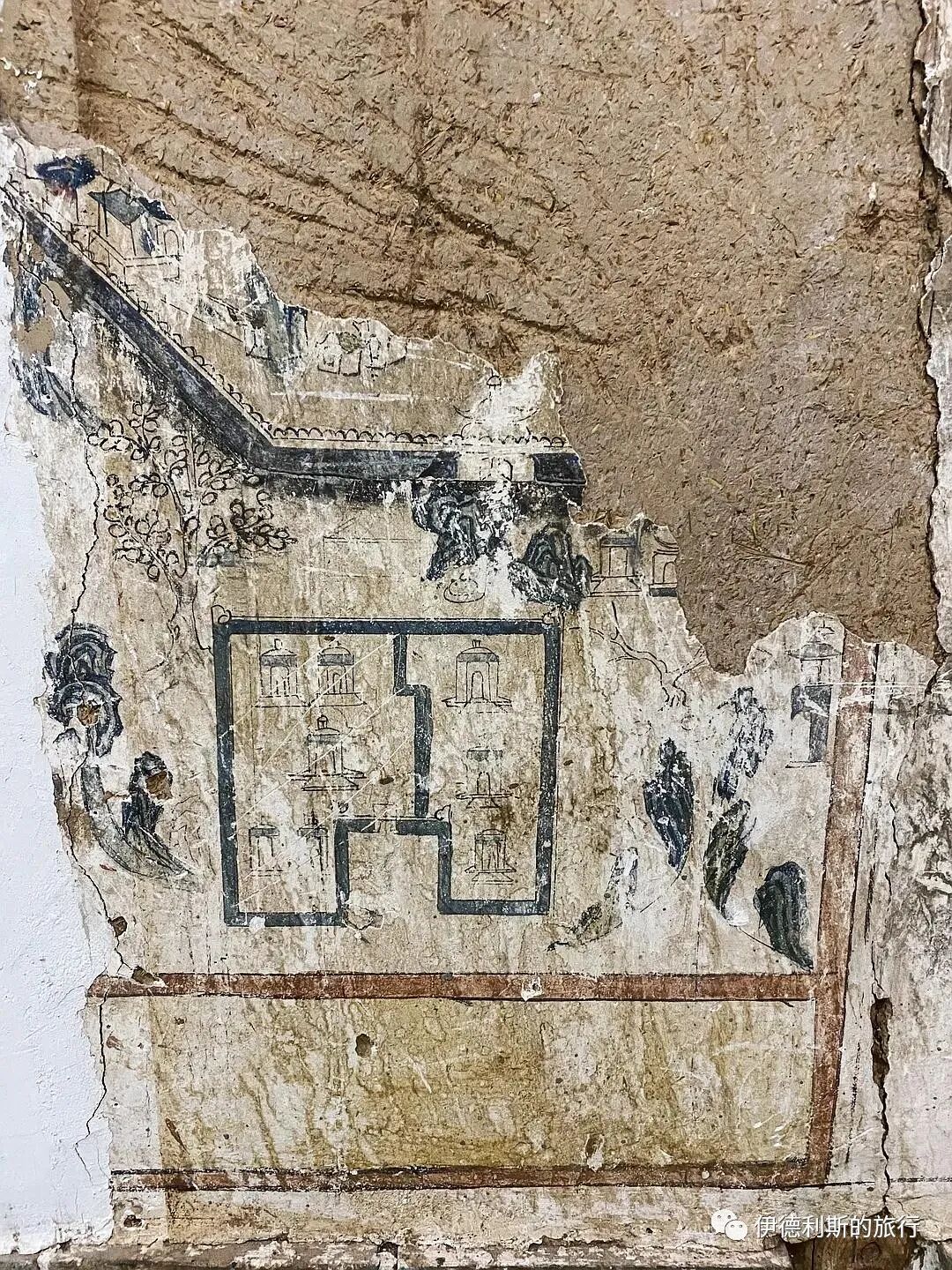
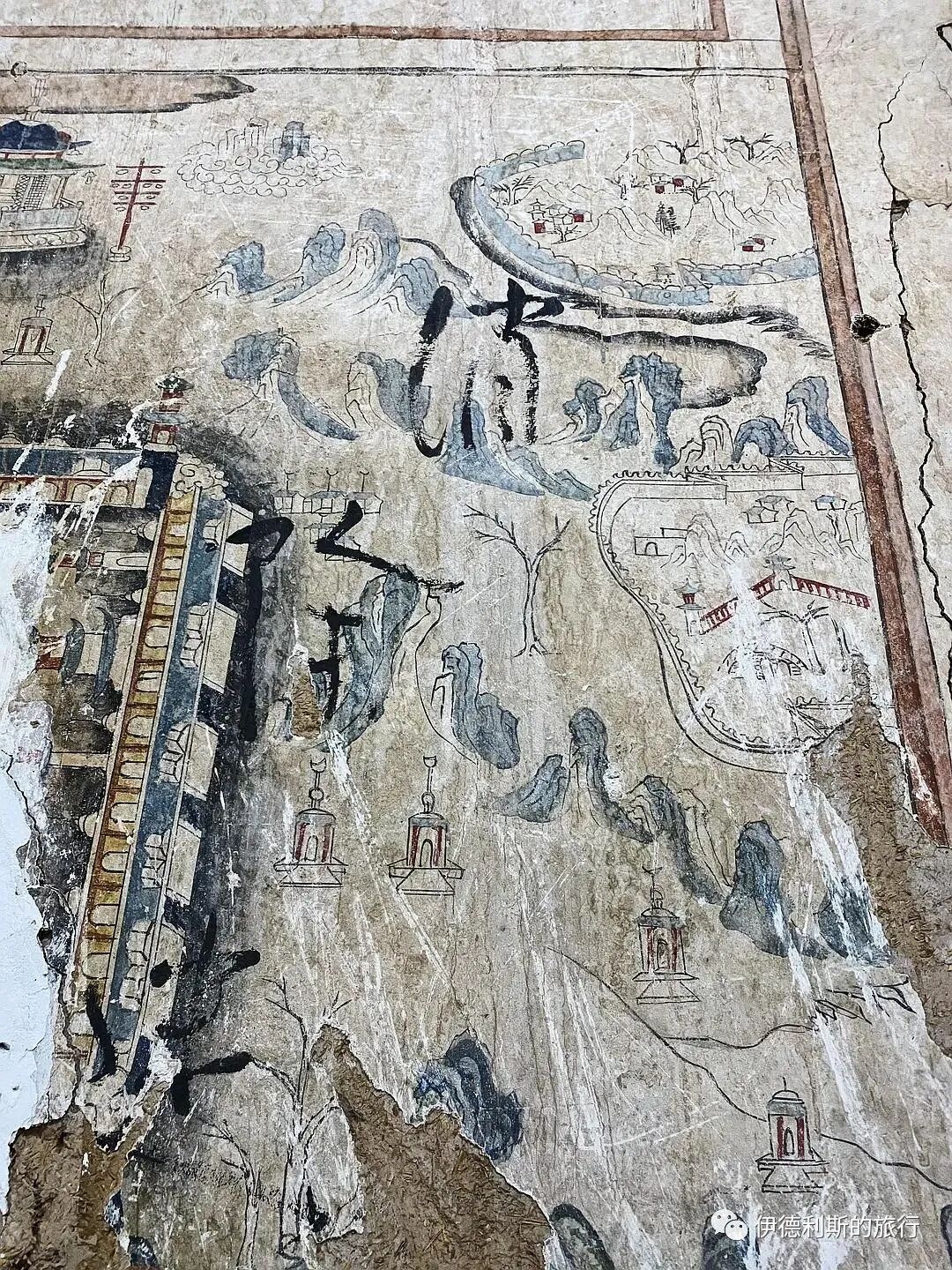
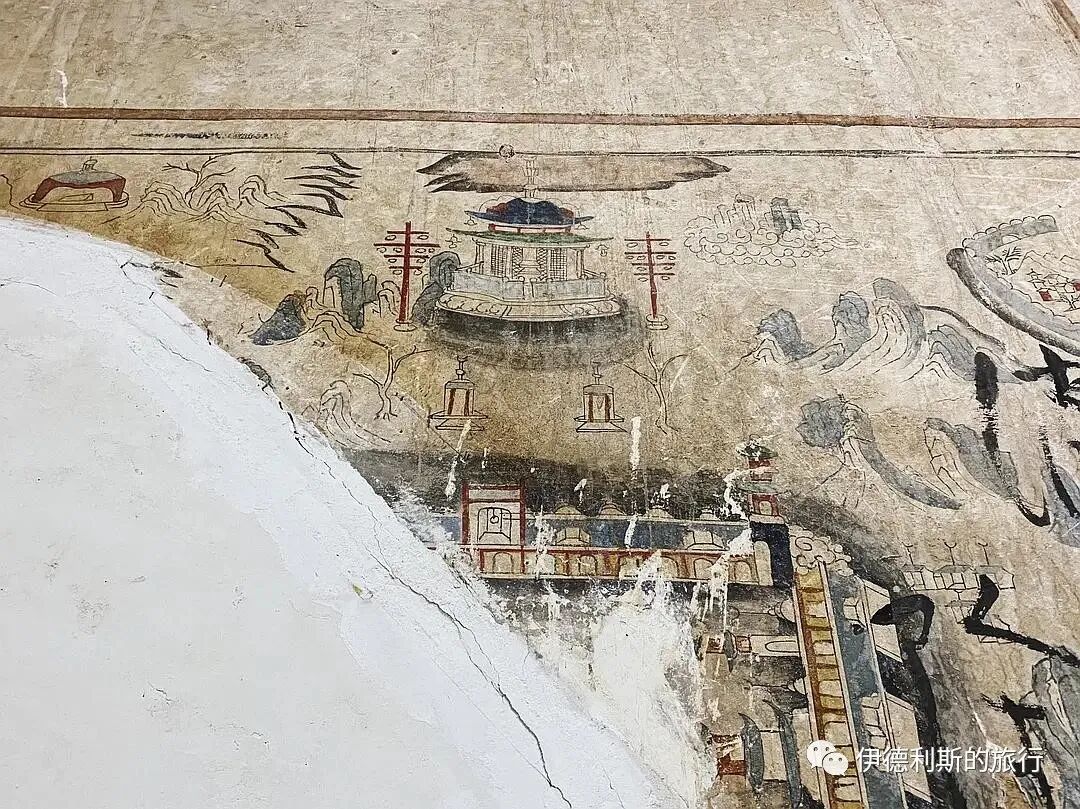
The murals remaining in the main hall depict Mecca using traditional Chinese painting techniques.
7. Kewa Mosque
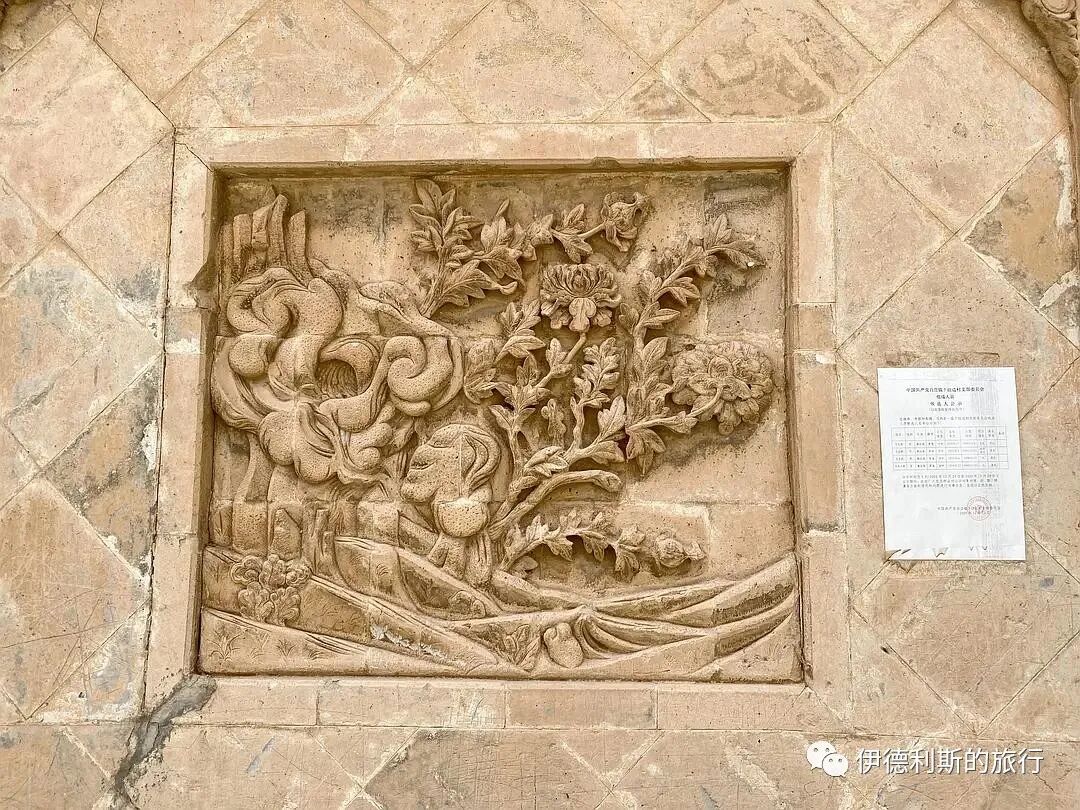
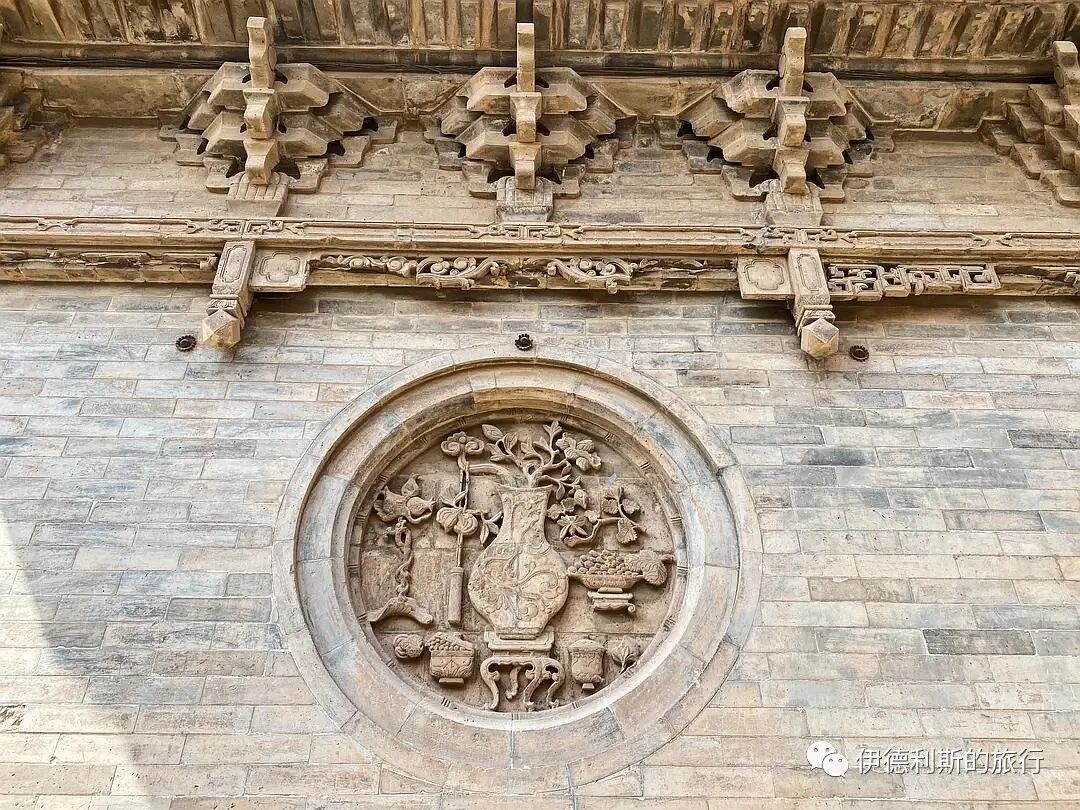
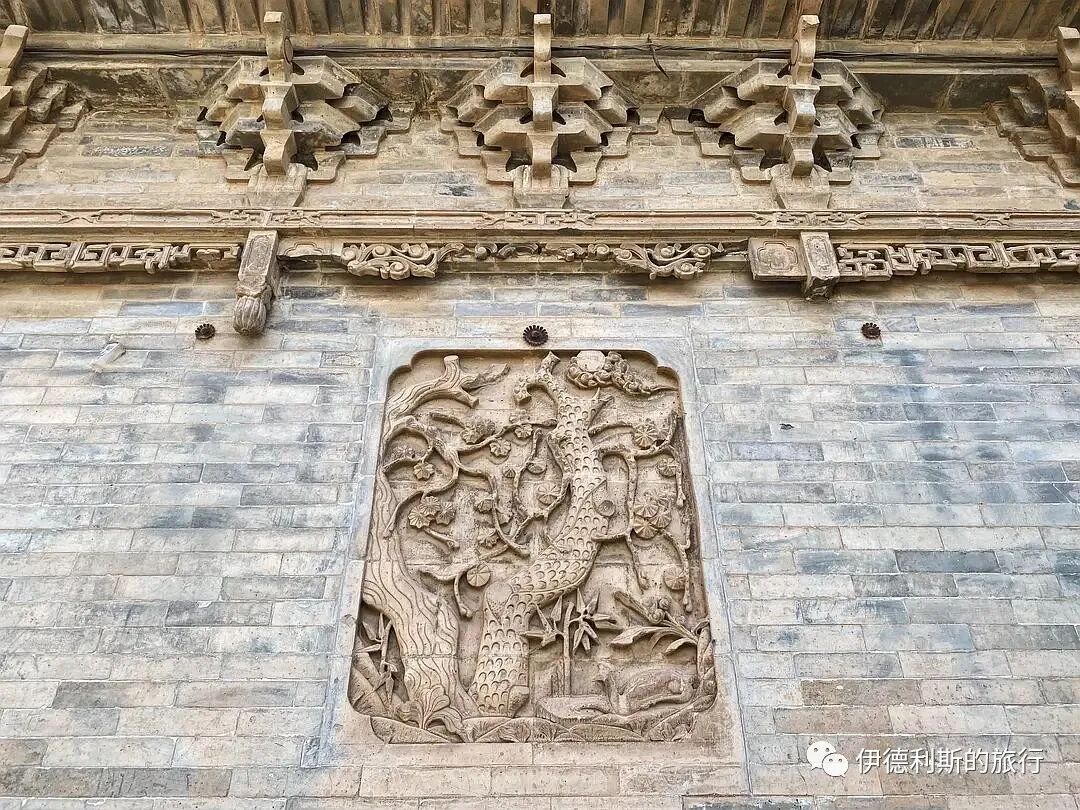
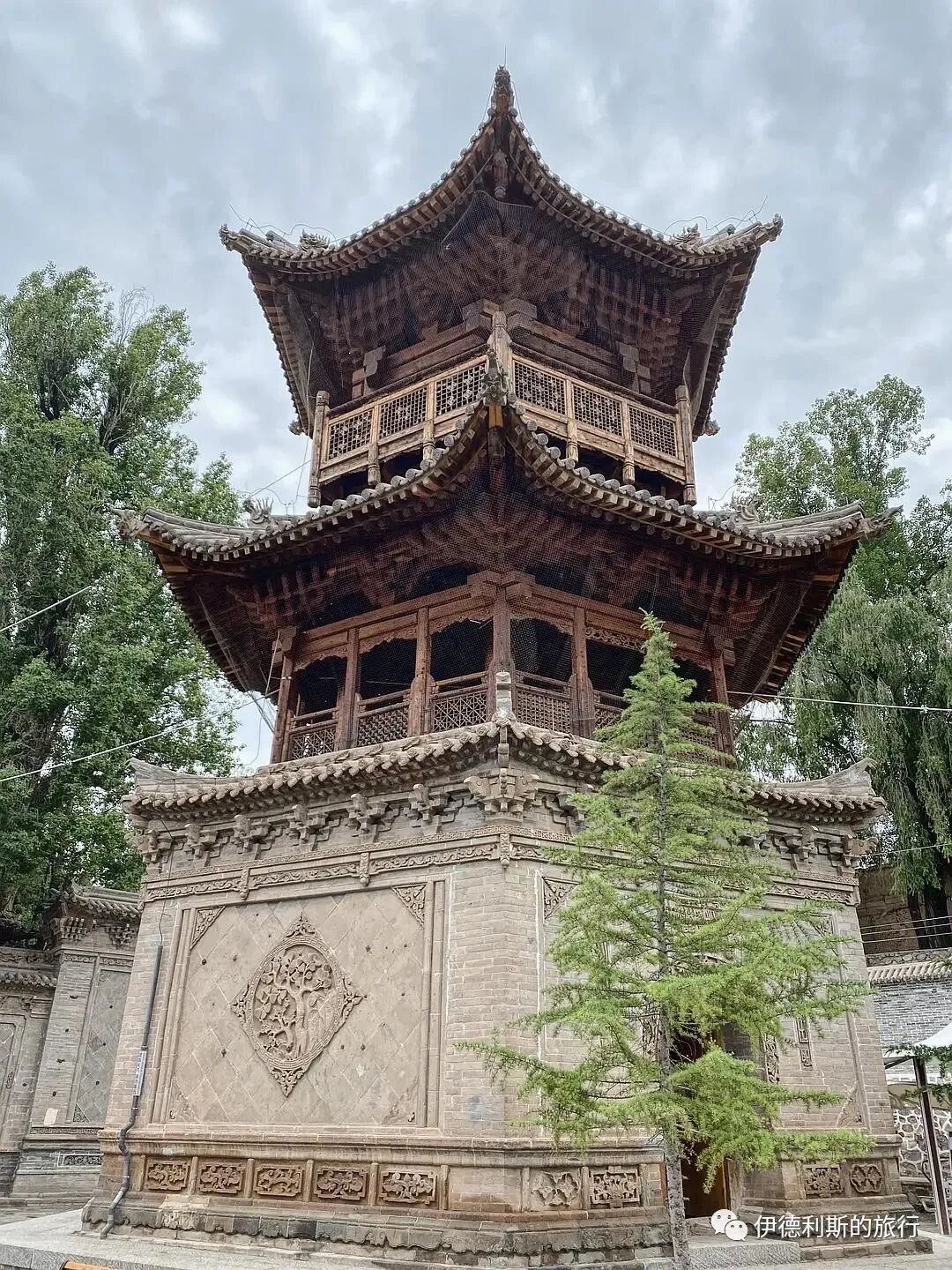
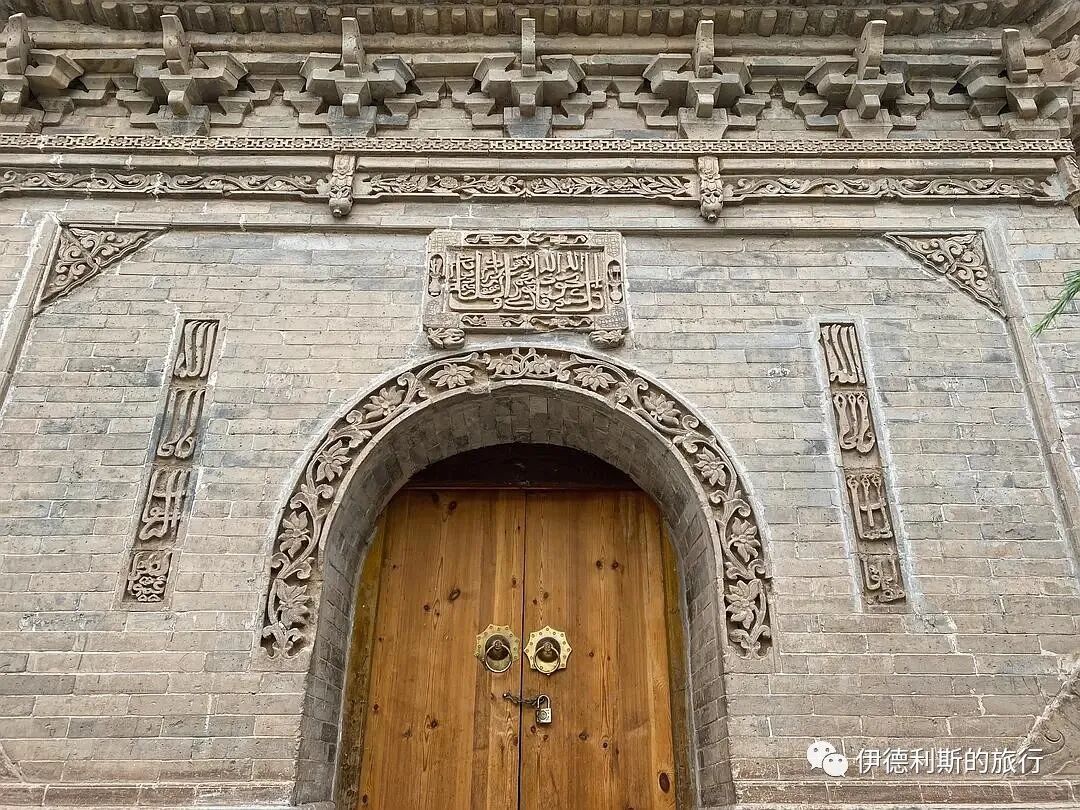
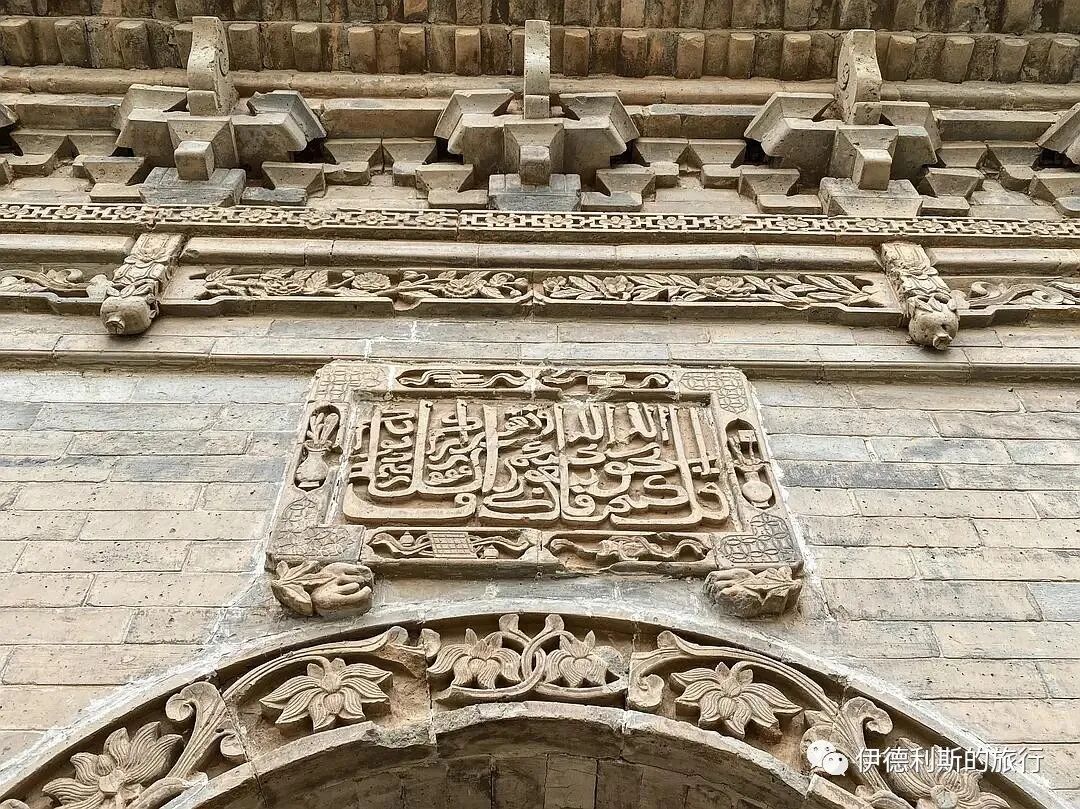
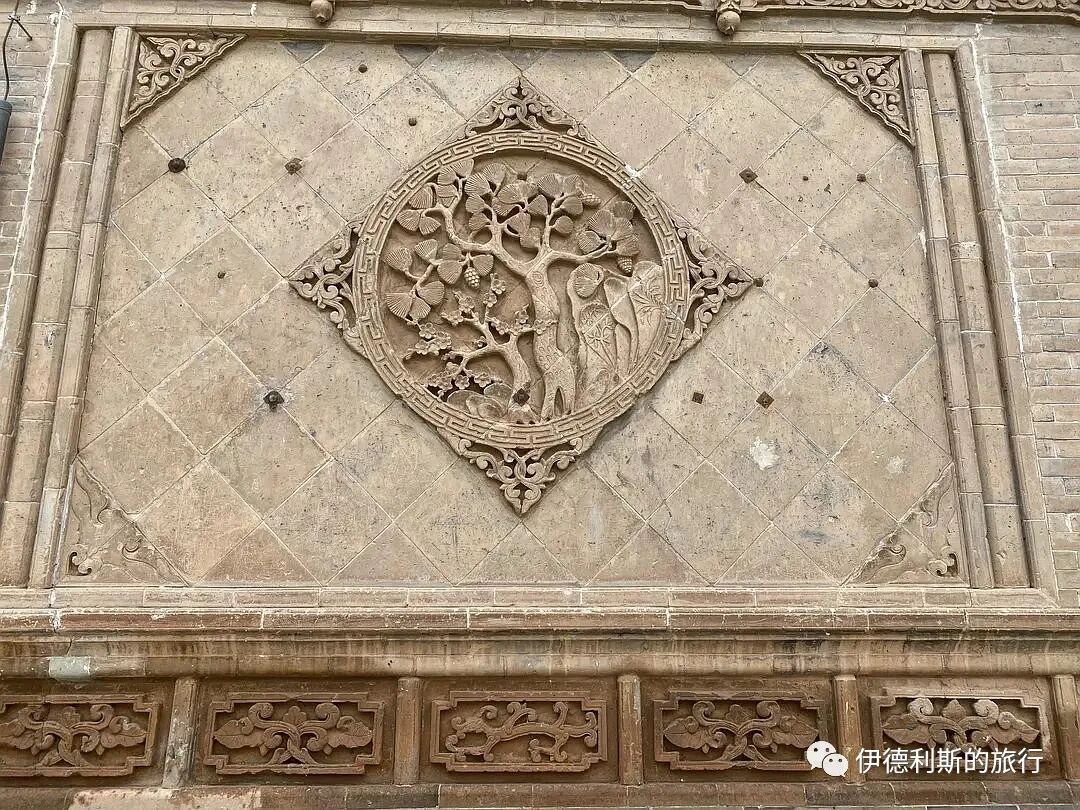
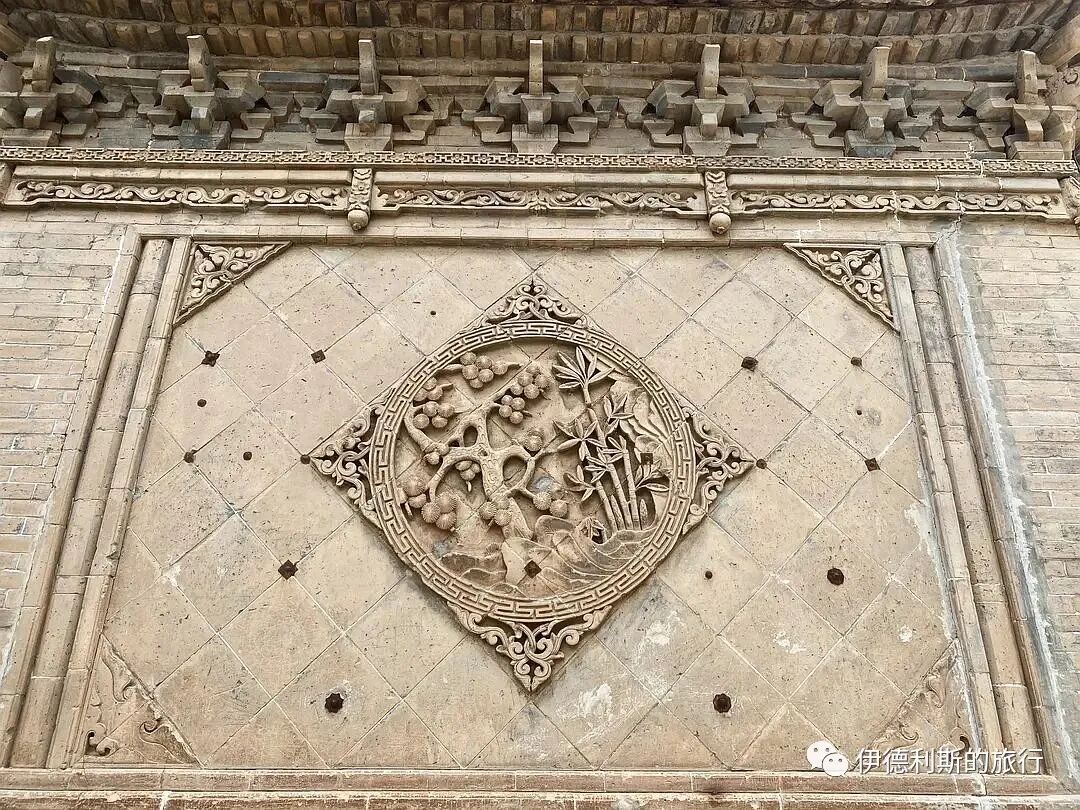
Kewa Mosque in Xunhua County was first built in 1403 (the first year of the Yongle reign of the Ming Dynasty) and expanded during the Qing Dynasty; it is the Hayit Mosque (Jumu'ah Mosque) for the Salar people's eight Gong and nine Gong groups. The lower level of the minaret is made of brick with exquisite calligraphy and landscape brick carvings, while the upper level is a wooden pavilion with a double-eaved hexagonal roof.
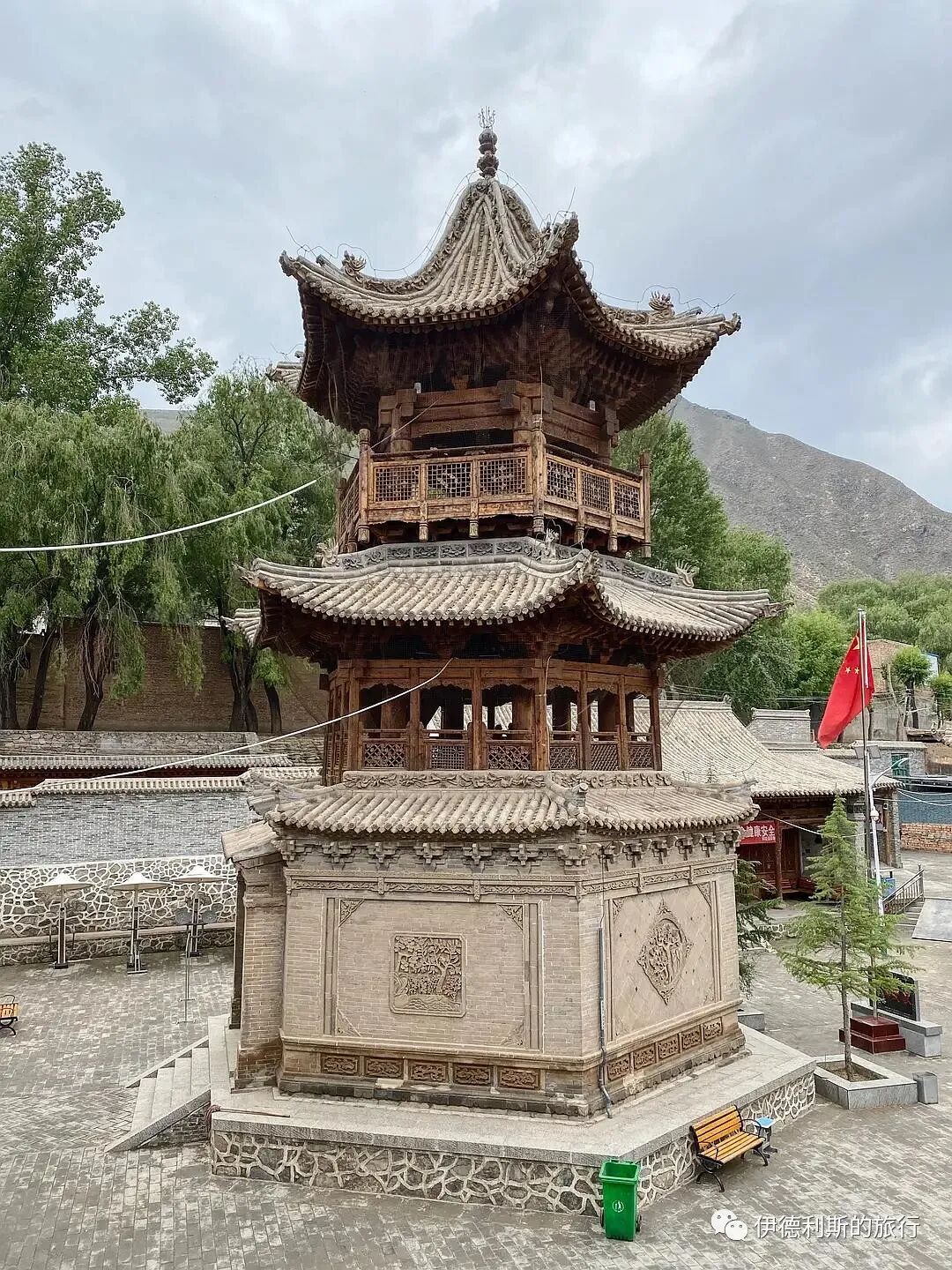
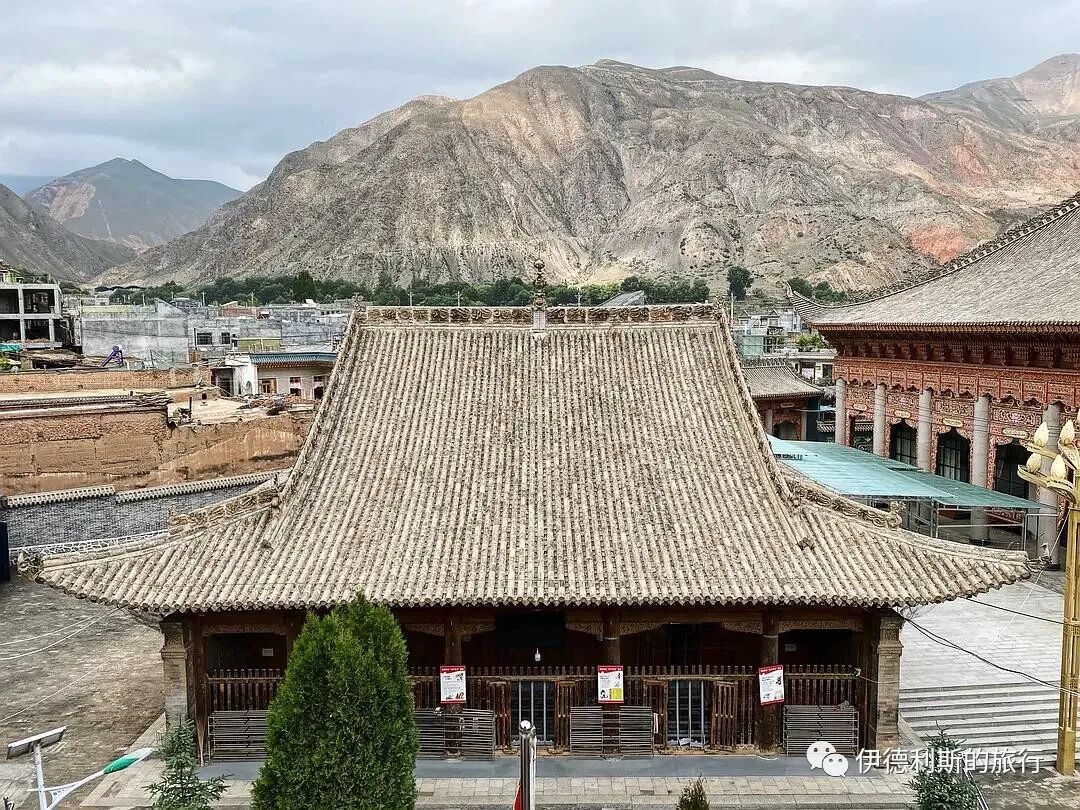
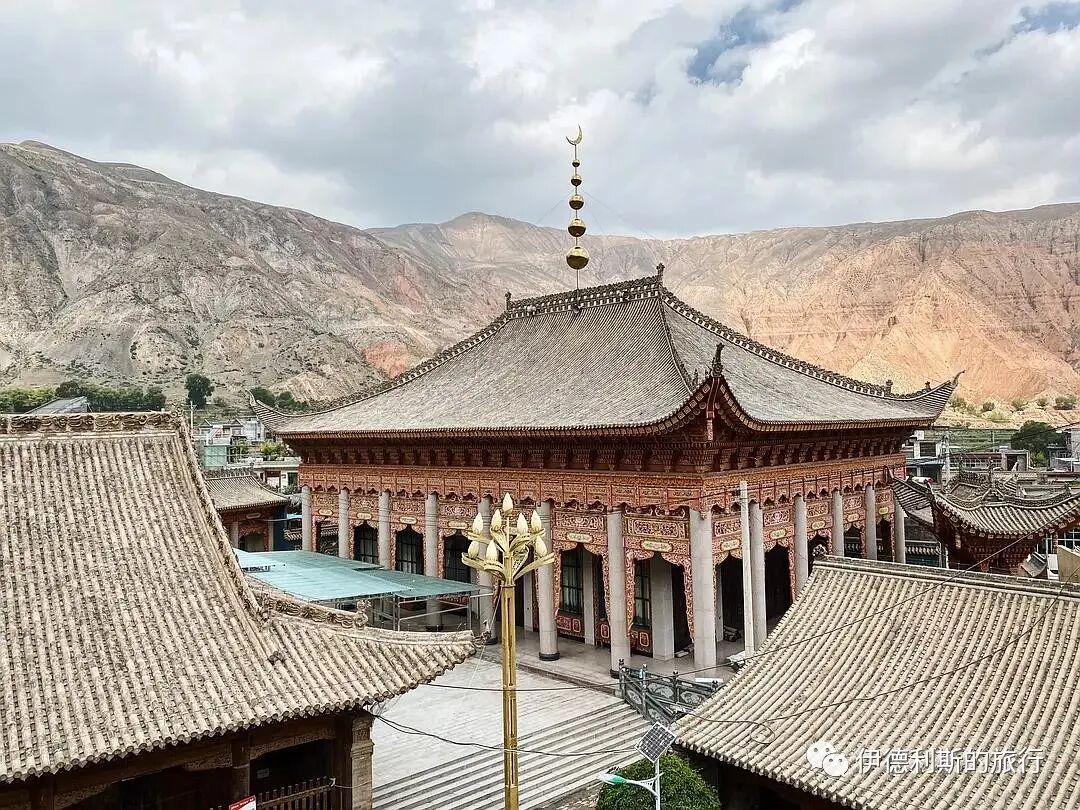
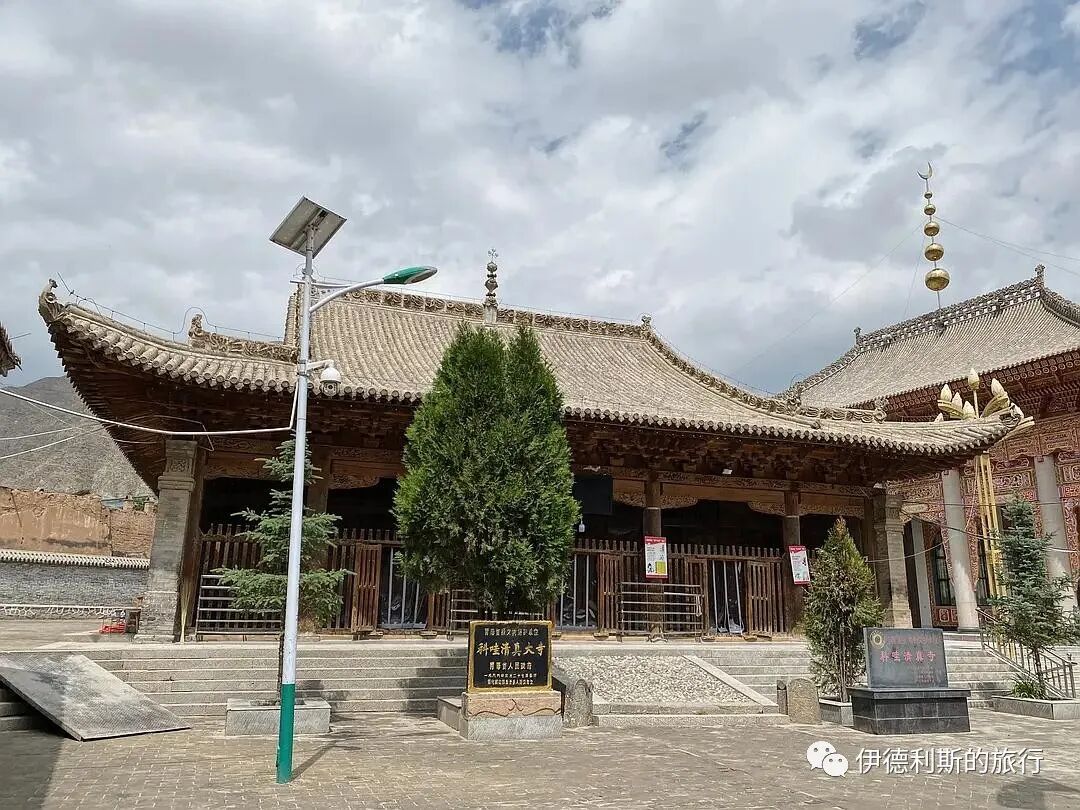
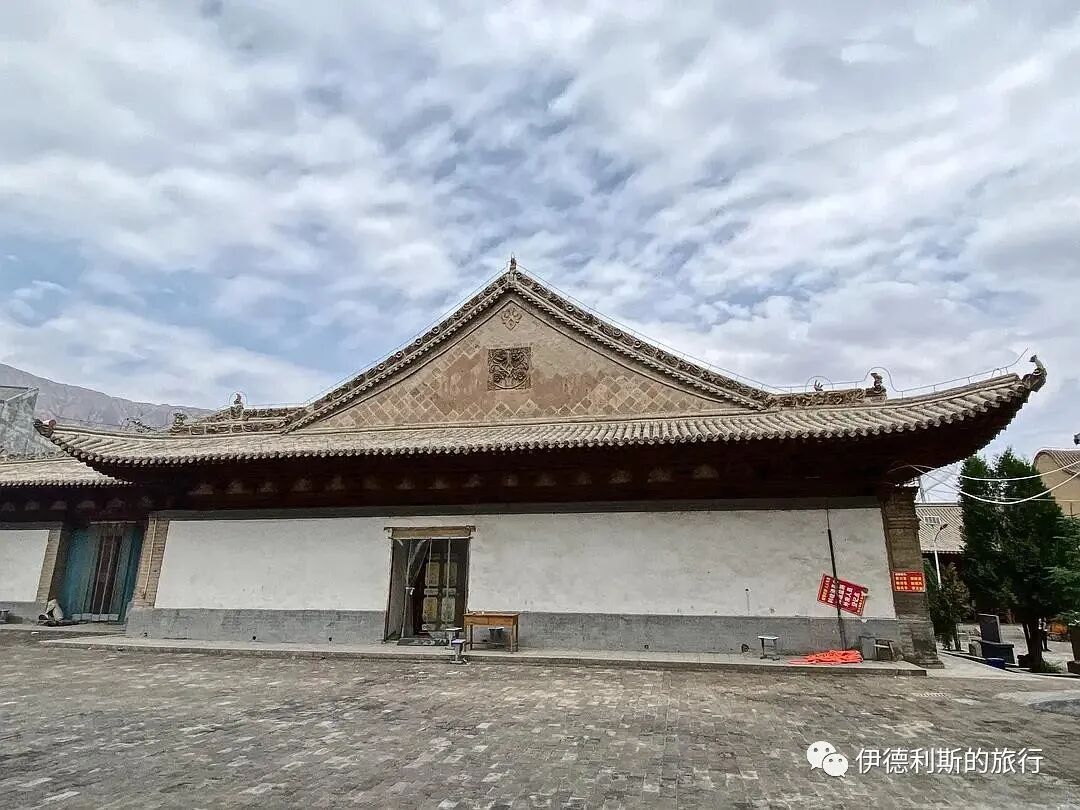
To the right of the main hall is a larger main hall that was newly built in the northern part of the complex in recent years. I believe this approach of building a new main hall next to the historic one is the best choice at this stage, as it meets the needs of religious activities while protecting the original historic building. However, this approach is still in the minority; most practices involve demolishing the original historic building and rebuilding a new one. It is only because the Kewa Mosque itself is a national-level cultural relic protection unit that it is impossible to demolish the historic building.
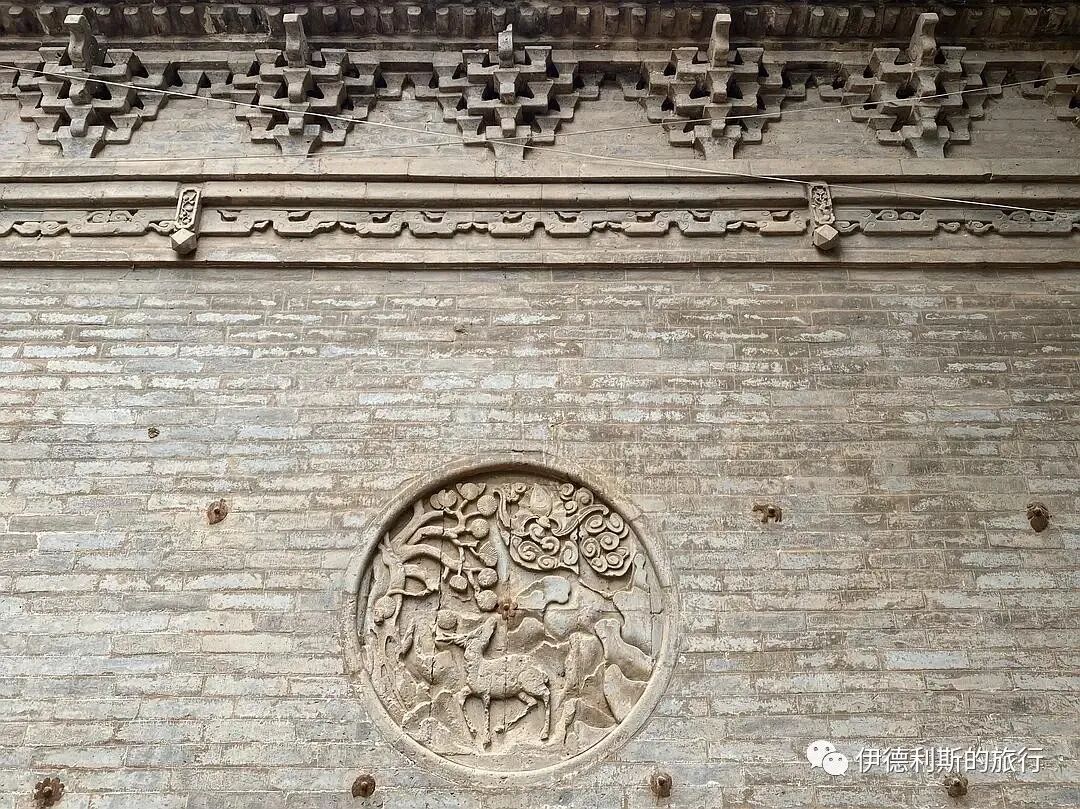
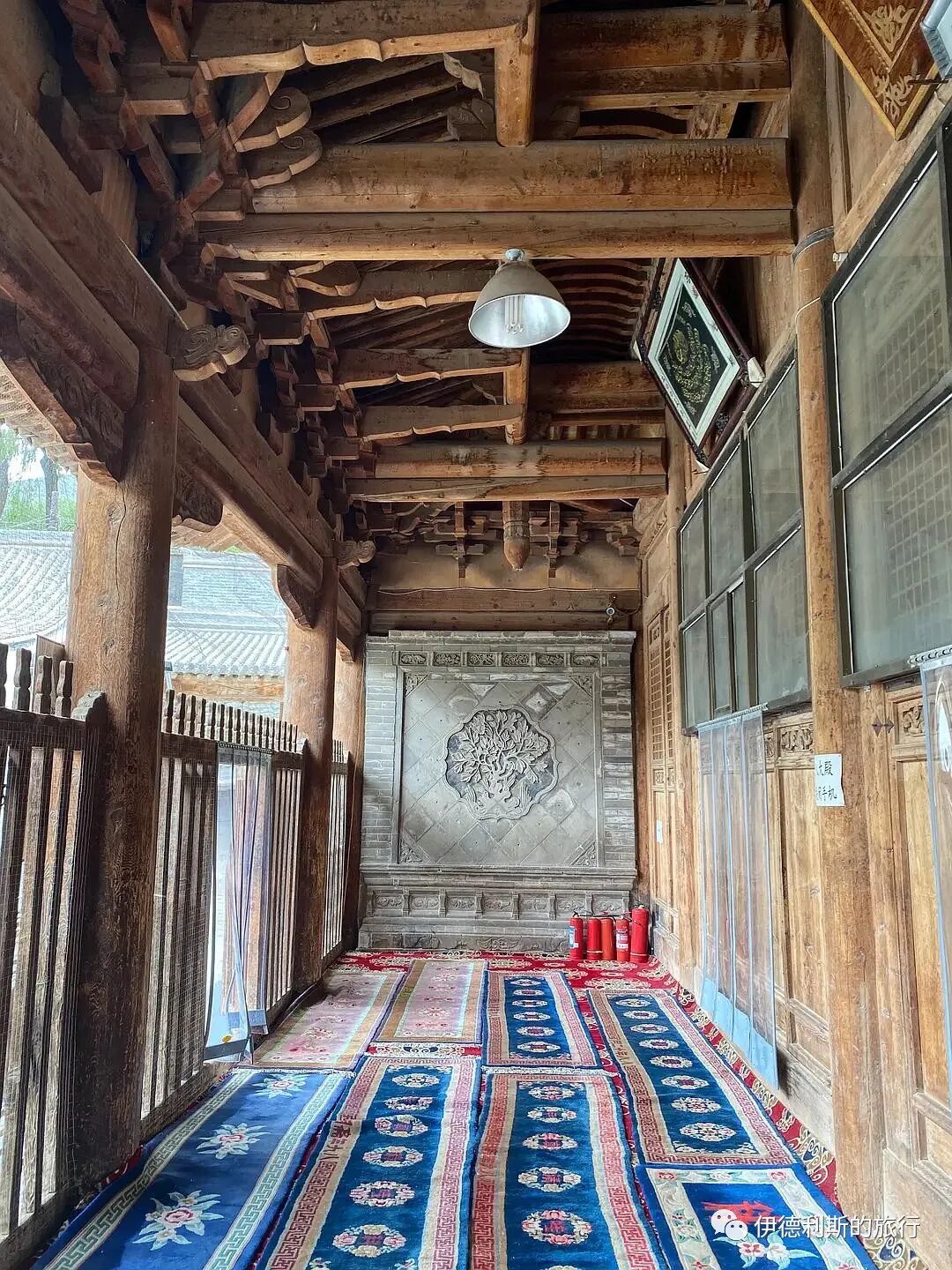
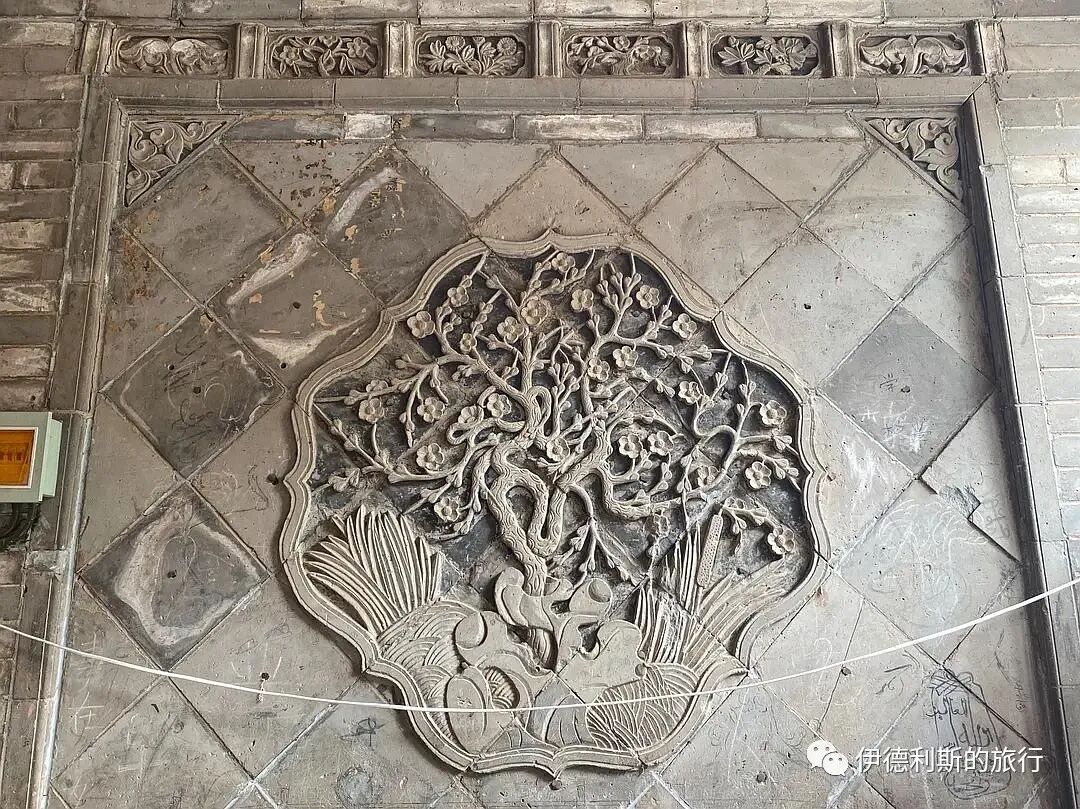
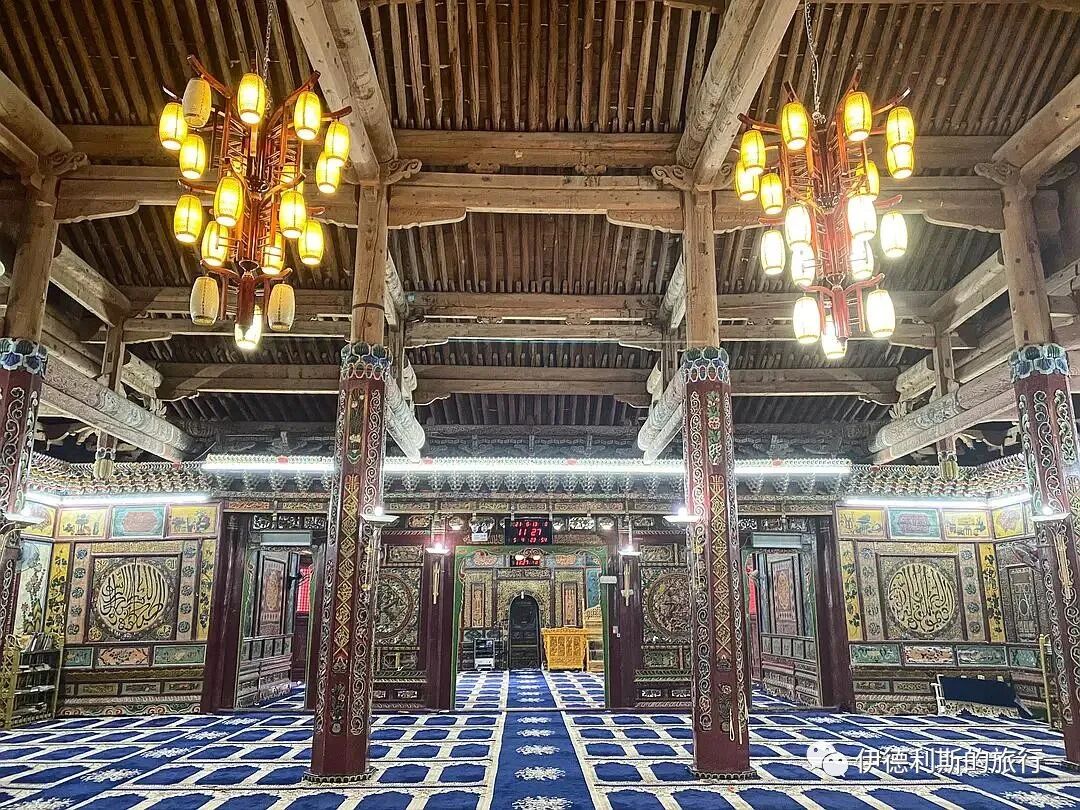
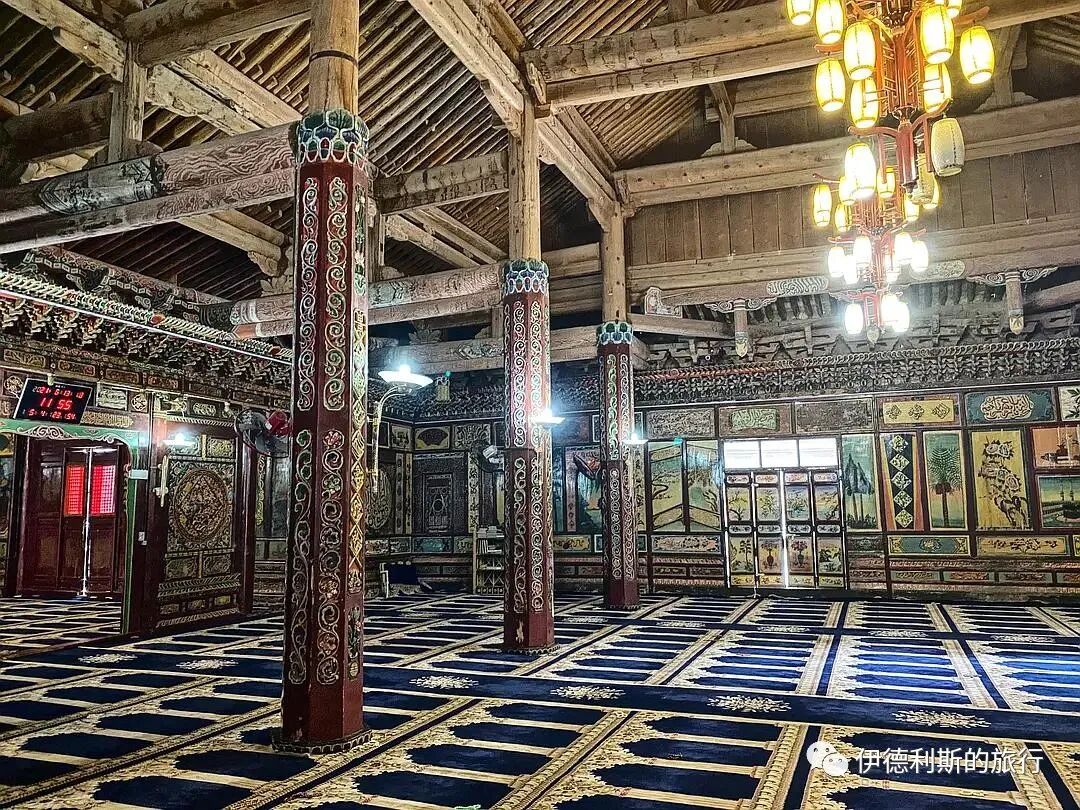
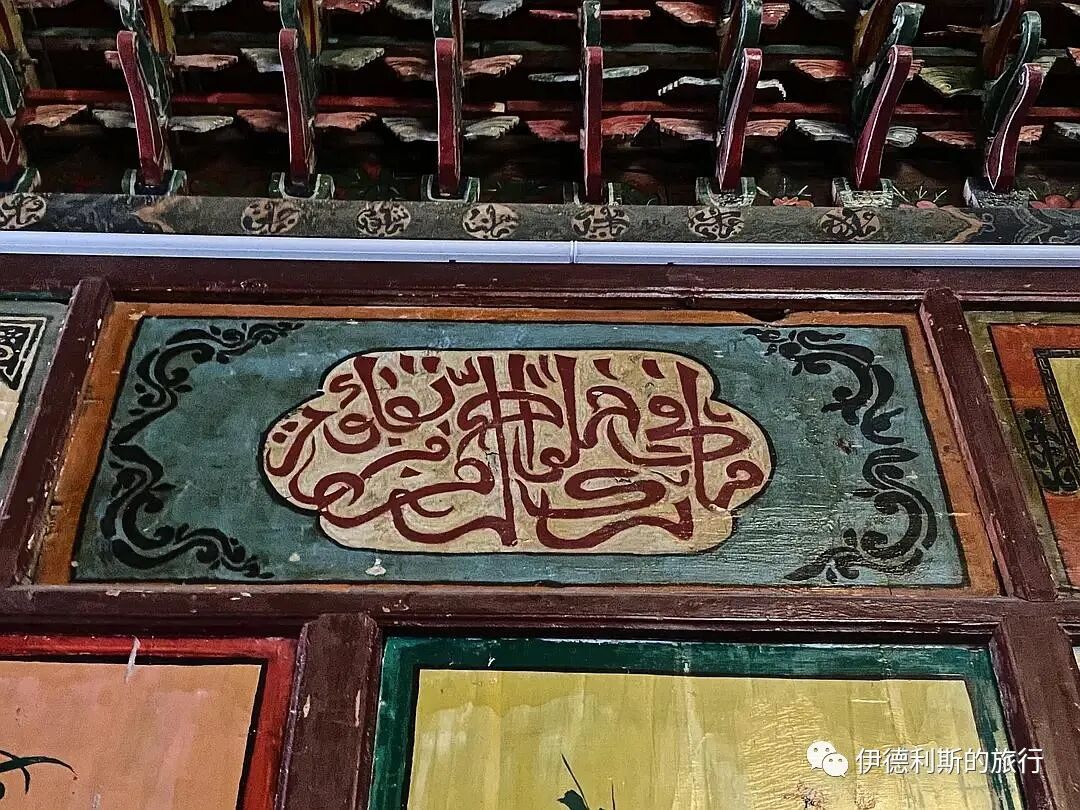
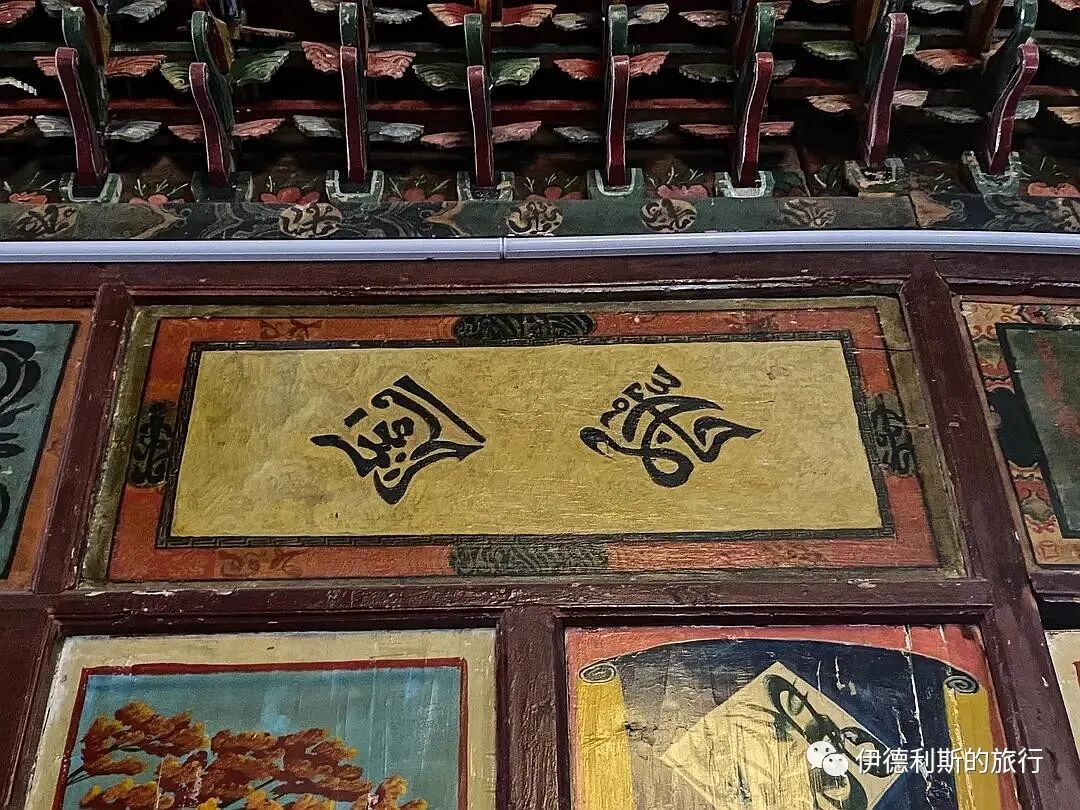
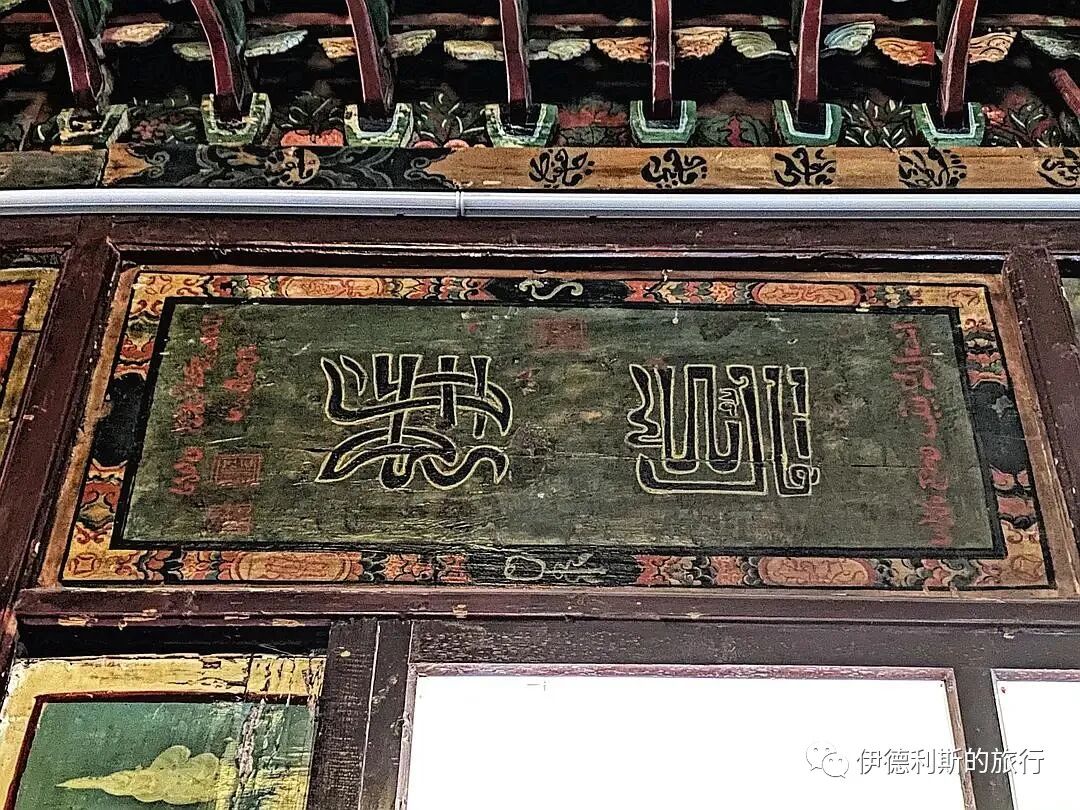
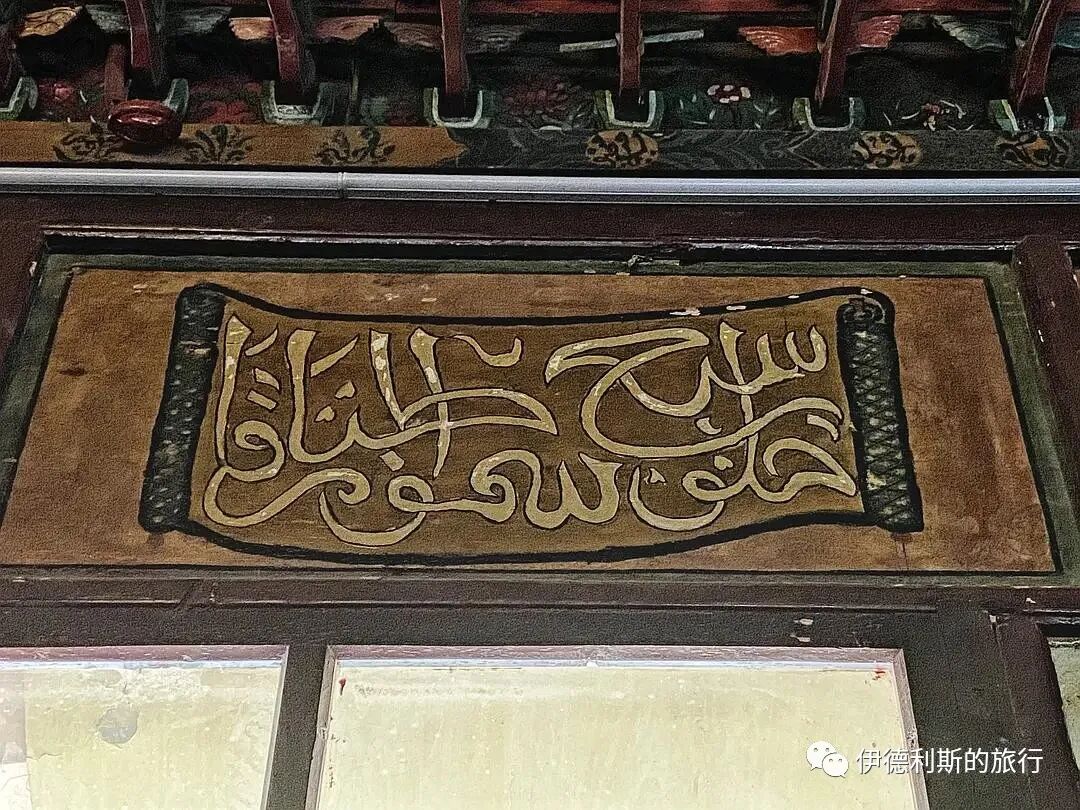
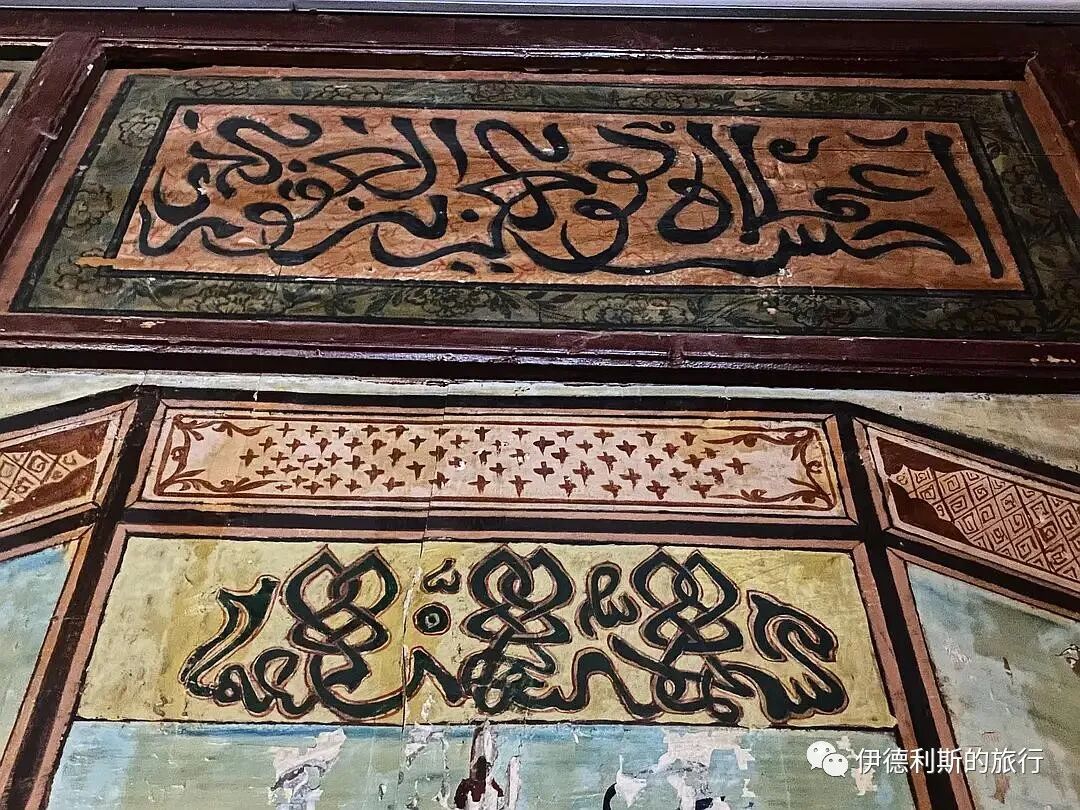
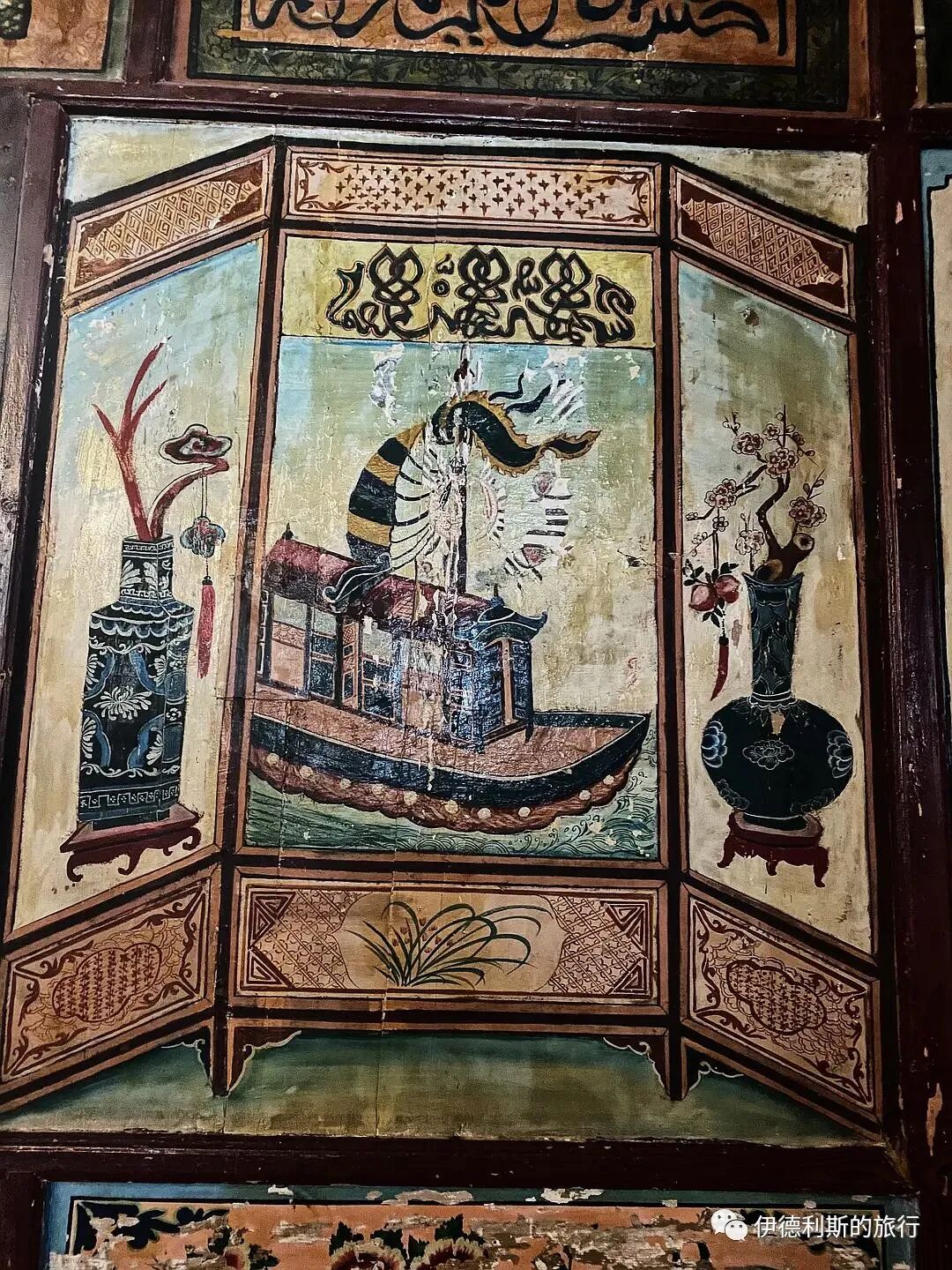
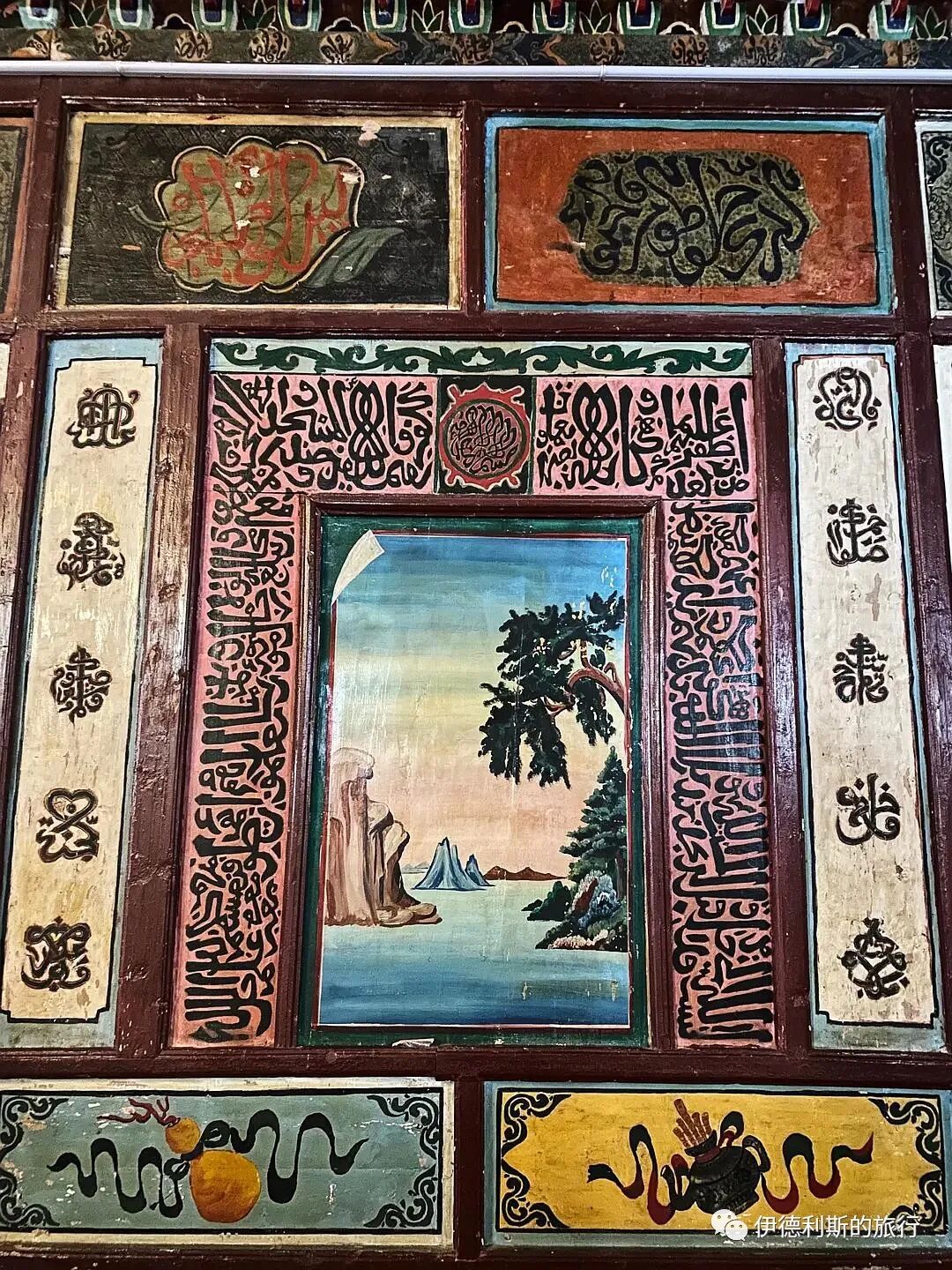
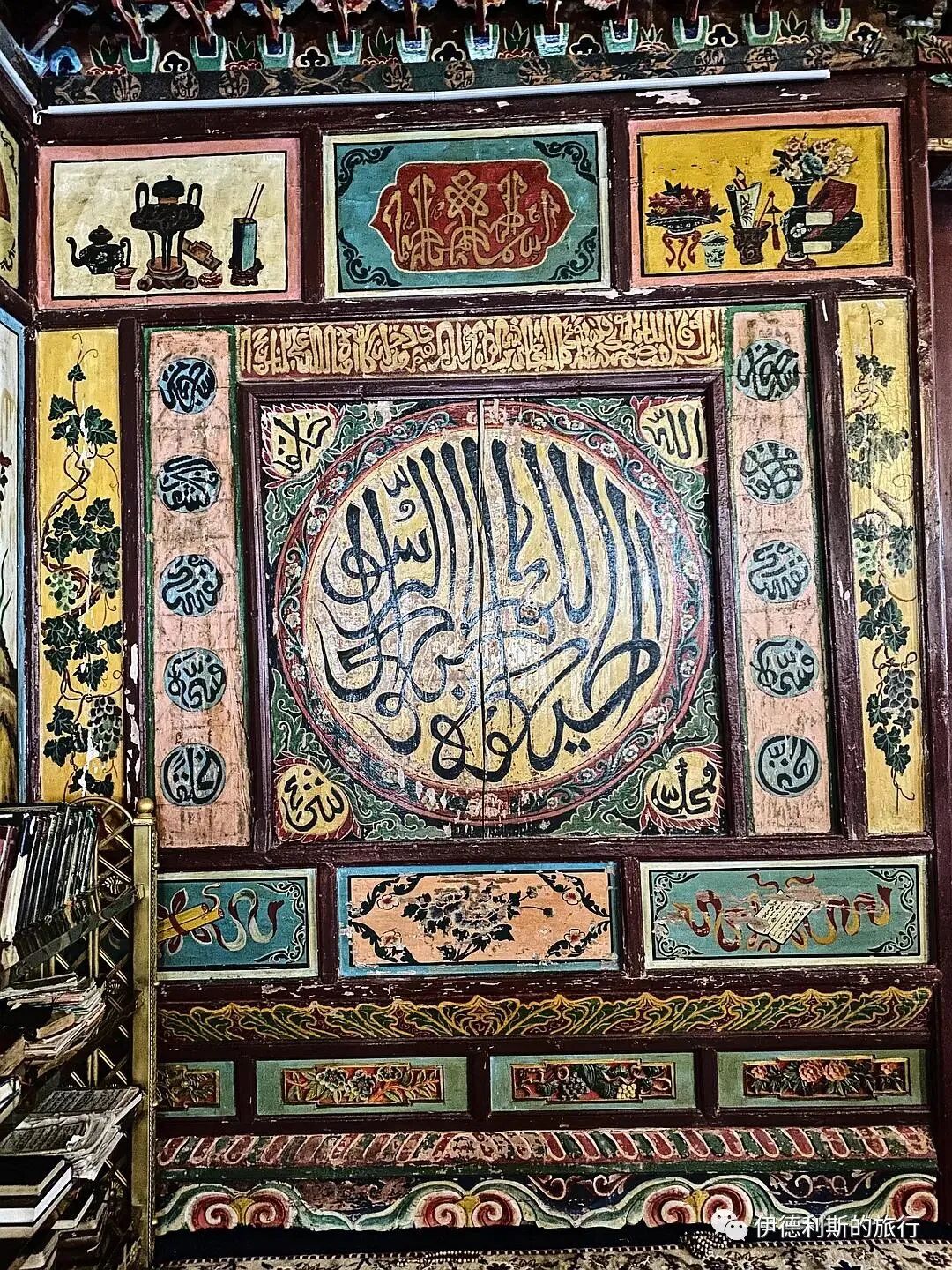
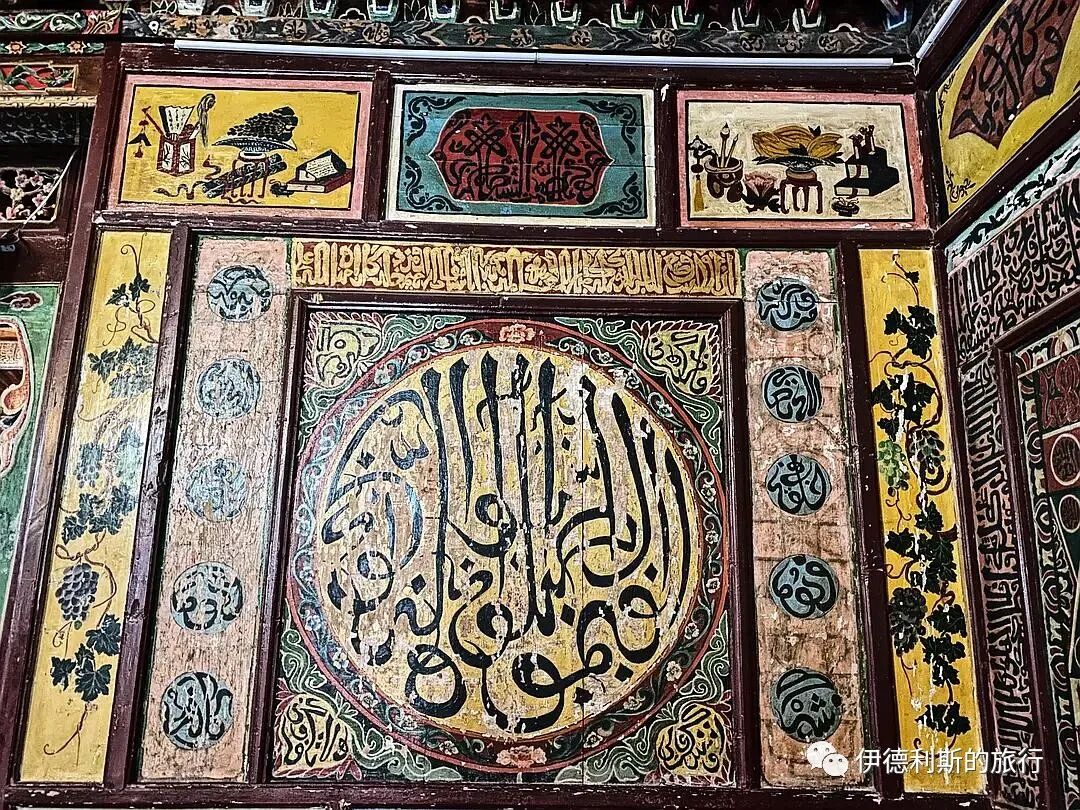
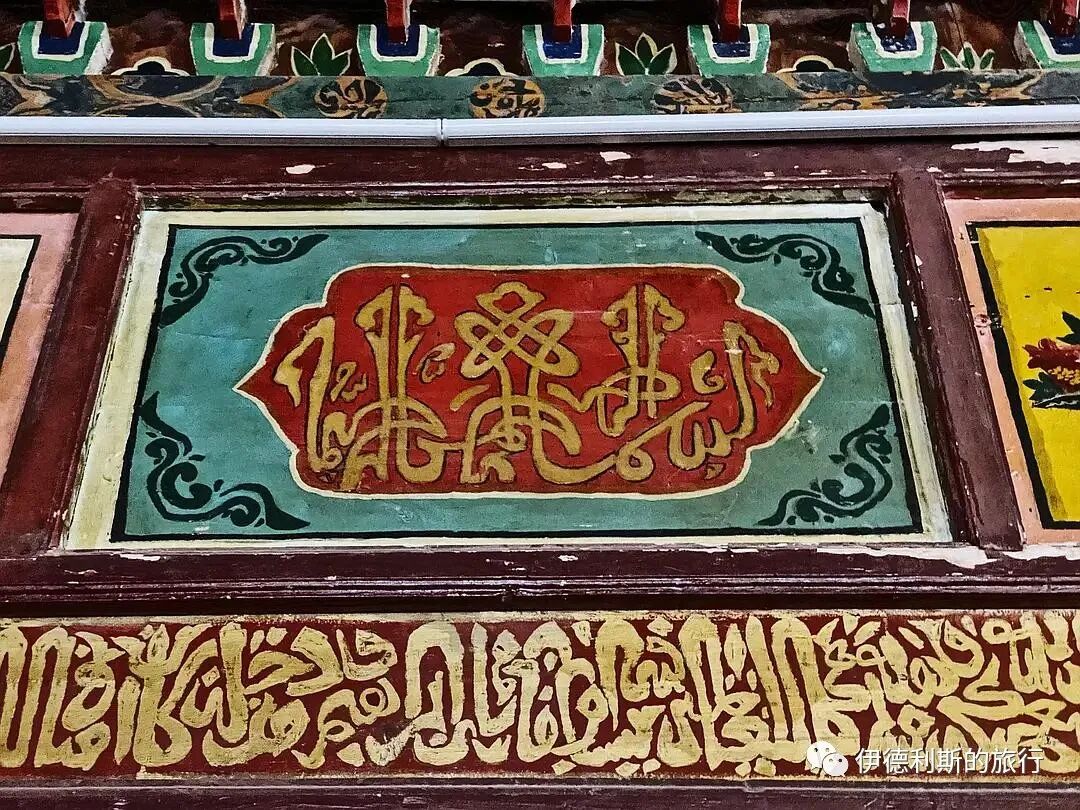
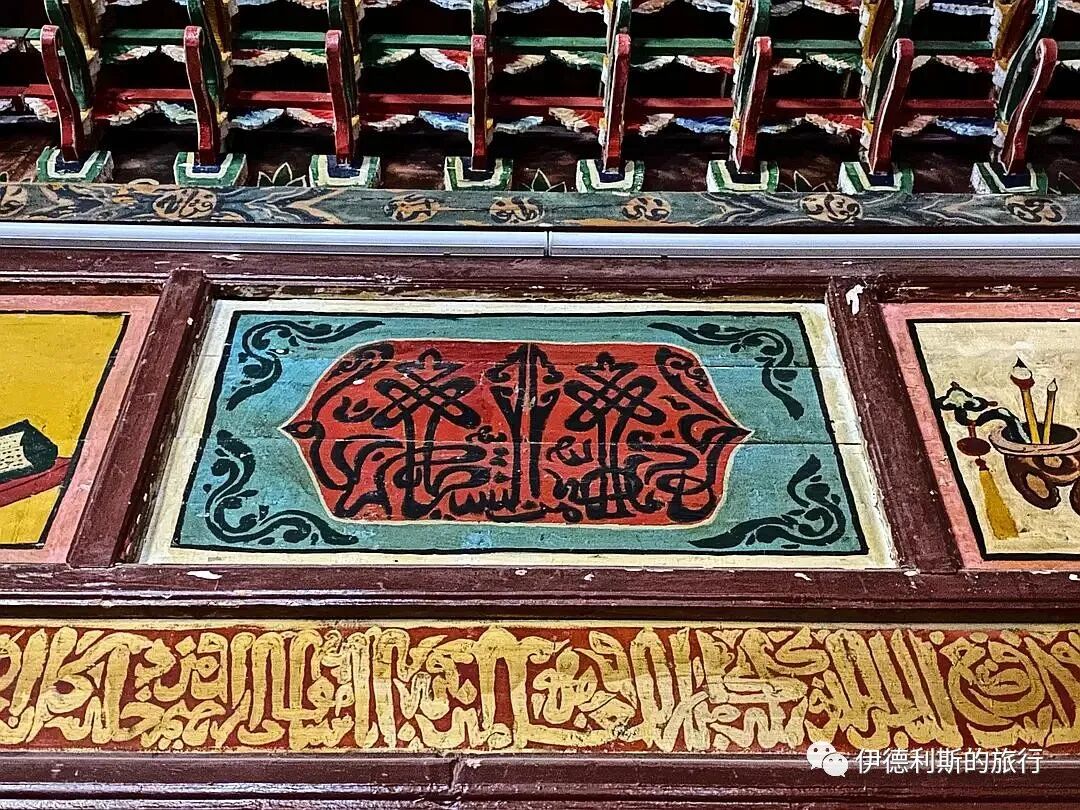
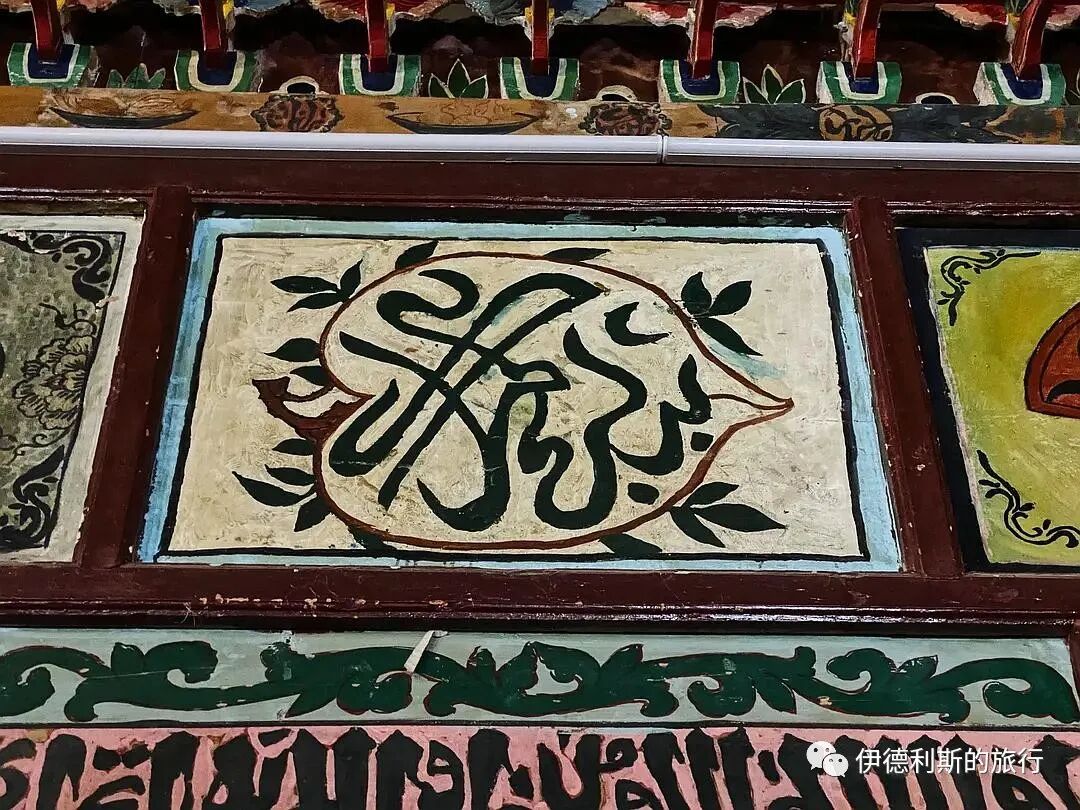
Kewa Mosque has the richest murals among traditional Salar mosques. Let me first share the murals on the south side of the main hall, which are all about Surahs.
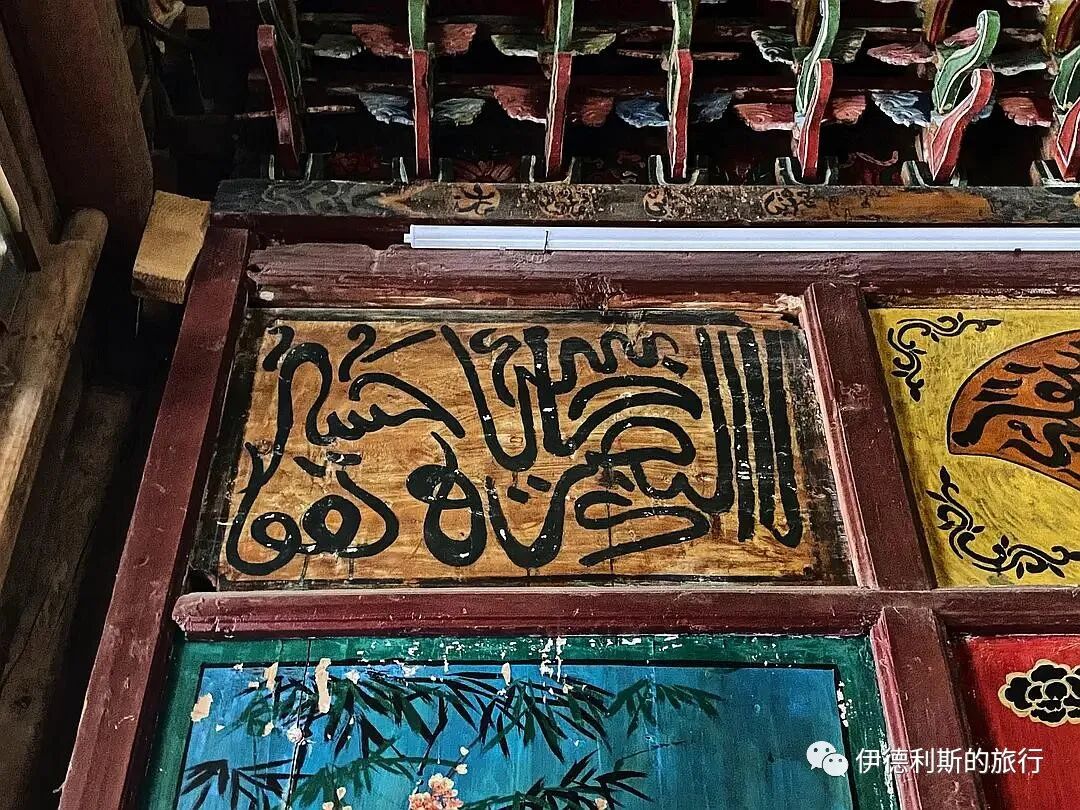
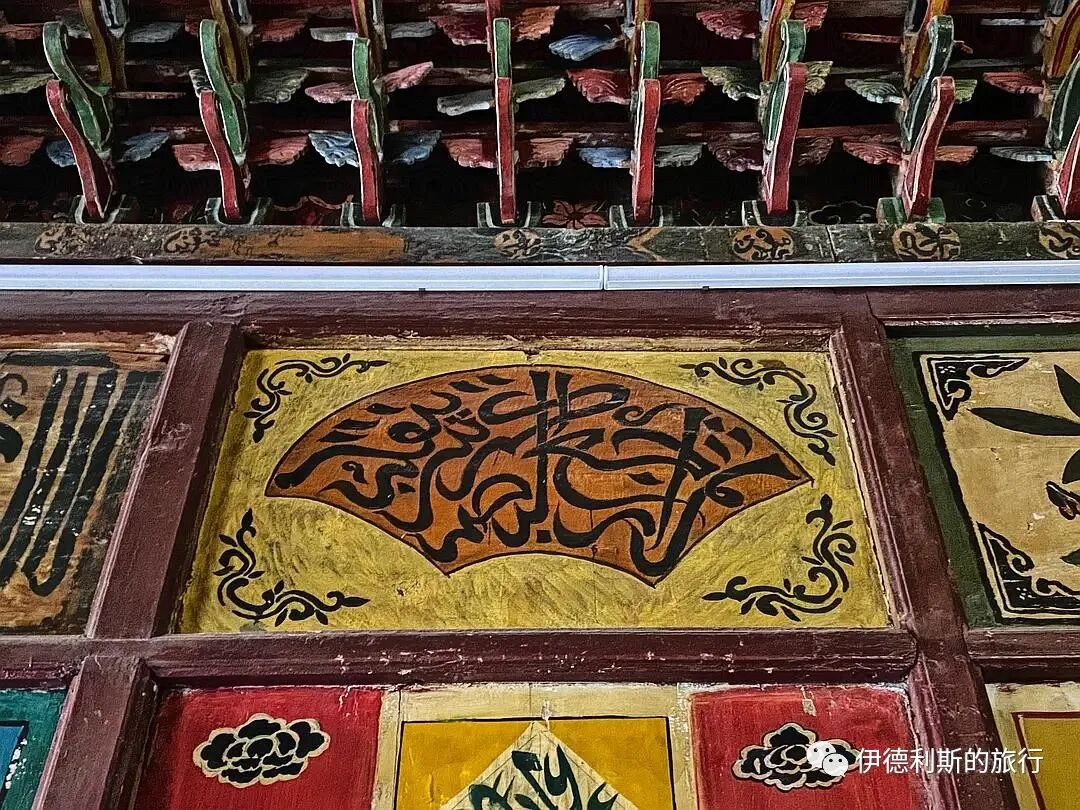
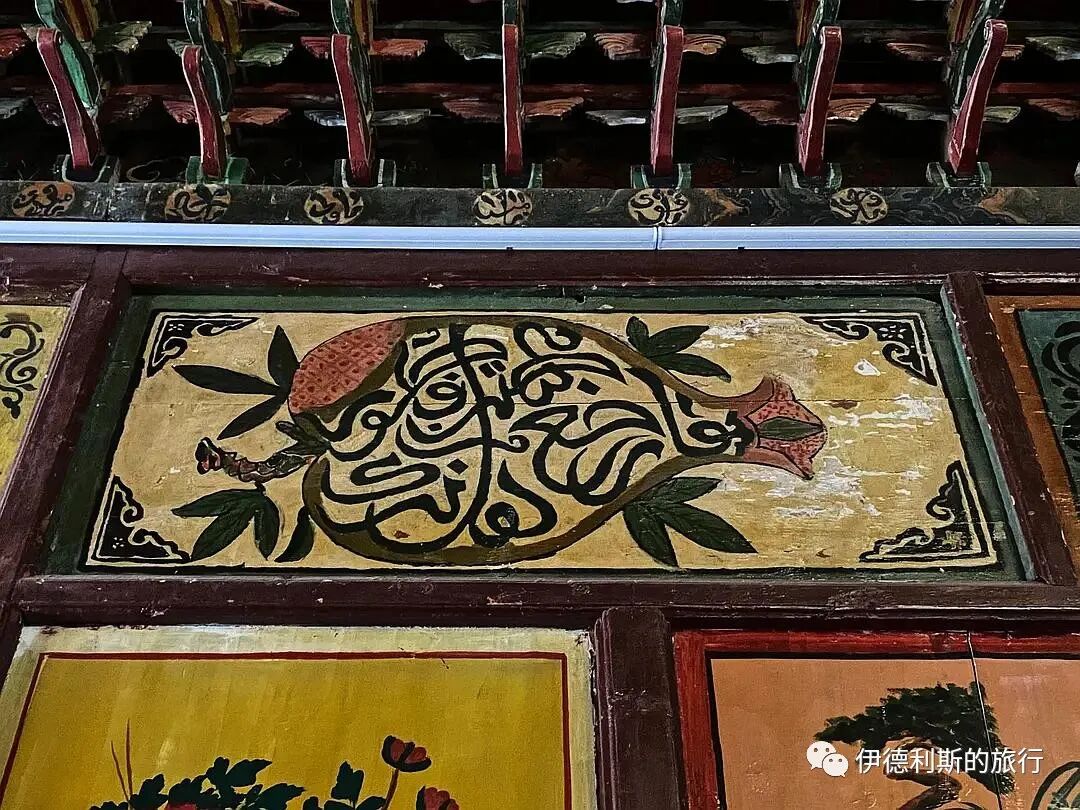
Summary: This travel note introduces Nine Traditional Mosques and Three Gongbei Shrines in Qinghai (Part 2). Tashapo Mosque in Xunhua was first built in 1480 (the 16th year of the Chenghua reign of the Ming Dynasty) and rebuilt in 1755 (the 20th year of the Qianlong reign of the Qing Dynasty). It is useful for readers interested in Qinghai Mosques, Chinese Muslims, Muslim Heritage.
The combination of flowers, plants, and calligraphy
4. Tashapo Mosque
Tashapo Mosque in Xunhua was first built in 1480 (the 16th year of the Chenghua reign of the Ming Dynasty) and rebuilt in 1755 (the 20th year of the Qianlong reign of the Qing Dynasty).
The base of the mosque's minaret is made of brick, while the upper part is a wooden pavilion with a double-eaved hexagonal spire. Inside, there is a hexagonal caisson ceiling that tapers layer by layer, which is very exquisite.
The gatehouse is a three-bay, three-story hip-roof structure, with grey brick splayed walls on both sides and a screen wall in front of the gate.
The main prayer hall of the mosque
Inside the main hall, there are exquisite wood carvings. It is a great pity that only a very few parts of the murals have been preserved, and this is the first time I have seen quotations inside the main hall; previously, I had only seen them on the outer walls of the main hall.
5. Labian Mosque
Labian Mosque in Xunhua County was first built during the Qianlong reign; the main hall was rebuilt in 2015, and only the minaret and the two side gate towers remain of the ancient architecture. The minaret is 18 meters high, with a brick-built lower level and a wooden pavilion on the upper level, featuring dougong brackets, upturned eaves, and a hexagonal spire.
6. Zhangga Mosque
Zhangga Mosque in Xunhua County was first built in 1406 (the fourth year of the Yongle reign of the Ming Dynasty) and rebuilt during the Qing Dynasty. The minaret is 23 meters high, with a brick-built lower level and a wooden pavilion on the upper level, featuring a double-eaved hexagonal spire, and the top-level hexagonal caisson ceiling is formed by three layers of stacked dougong brackets in an inverted bucket shape.
The main hall of the mosque, though it is a pity that much of the wooden structure has been renovated and replaced.
The murals remaining in the main hall depict Mecca using traditional Chinese painting techniques.
7. Kewa Mosque
Kewa Mosque in Xunhua County was first built in 1403 (the first year of the Yongle reign of the Ming Dynasty) and expanded during the Qing Dynasty; it is the Hayit Mosque (Jumu'ah Mosque) for the Salar people's eight Gong and nine Gong groups. The lower level of the minaret is made of brick with exquisite calligraphy and landscape brick carvings, while the upper level is a wooden pavilion with a double-eaved hexagonal roof.
To the right of the main hall is a larger main hall that was newly built in the northern part of the complex in recent years. I believe this approach of building a new main hall next to the historic one is the best choice at this stage, as it meets the needs of religious activities while protecting the original historic building. However, this approach is still in the minority; most practices involve demolishing the original historic building and rebuilding a new one. It is only because the Kewa Mosque itself is a national-level cultural relic protection unit that it is impossible to demolish the historic building.
Kewa Mosque has the richest murals among traditional Salar mosques. Let me first share the murals on the south side of the main hall, which are all about Surahs.
