
Nine Traditional Mosques and Three Gongbei Shrines in Qinghai (Part 1)
Reposted from the web
Summary: This travel note introduces Nine Traditional Mosques and Three Gongbei Shrines in Qinghai (Part 1). Hongshuiquan Mosque is located in Hongshuiquan Township, Ping'an District, Haidong City. It is useful for readers interested in Qinghai Mosques, Chinese Muslims, Muslim Heritage.
Above, mosque
1. Hongshuiquan Mosque
2. Qingshuihe East Mosque
3. Mengda Mosque
4. Tashapo Mosque
5. Labian Mosque
6. Zhangga Mosque
7. Kewa Mosque
8. Su Zhi Mosque
9. Ahetan Mosque
Xia, Gongbei
1. Shangmajia Gongbei in Bazang Valley
2. Bazanggou Shangmazhuang Gongbei
3. Jiezi Gongbei
Above, mosque
1. Hongshuiquan Mosque
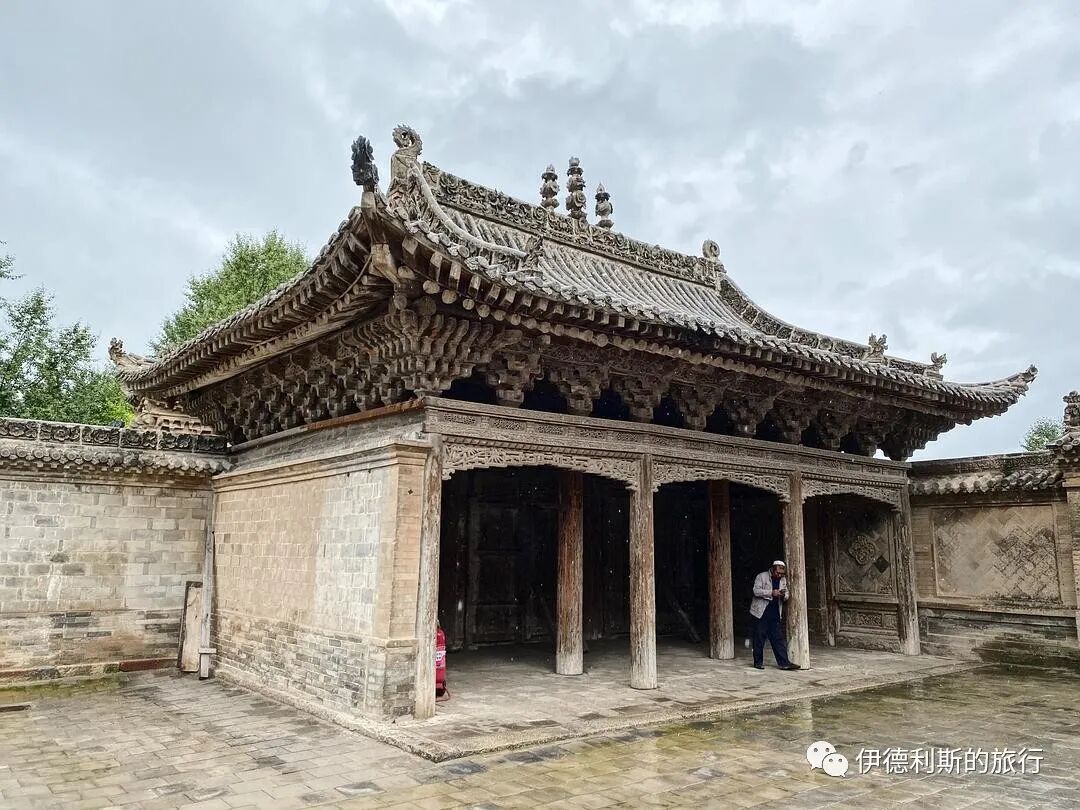
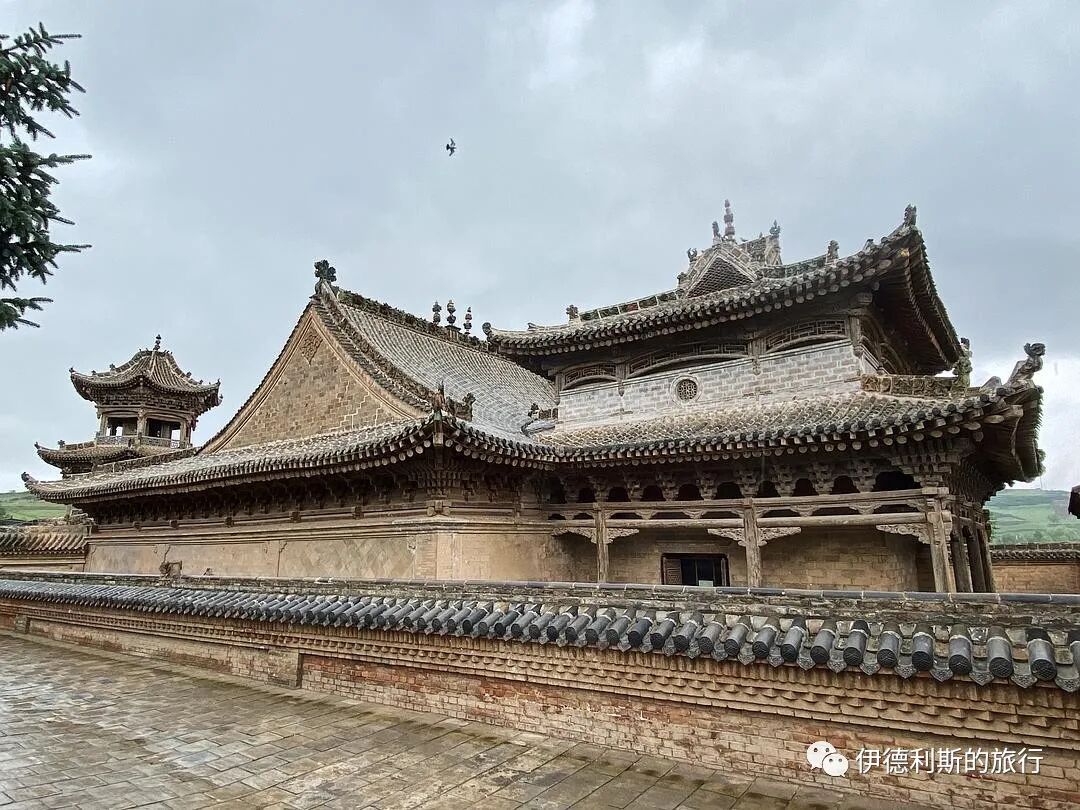
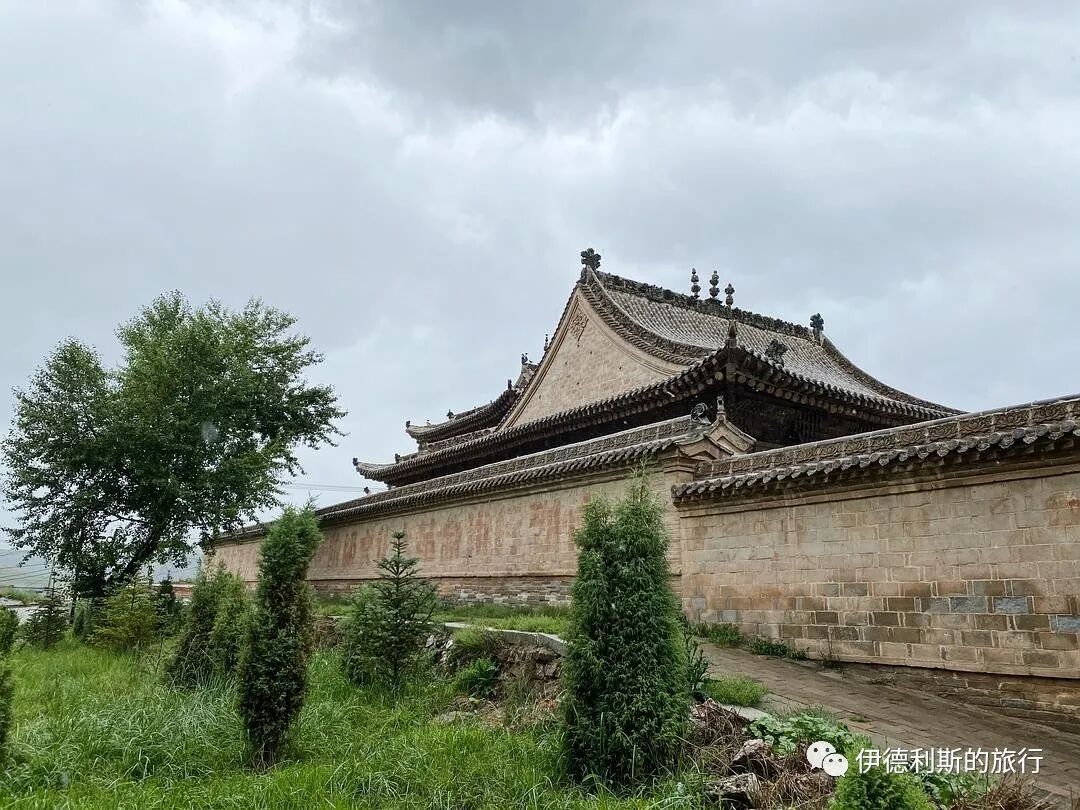
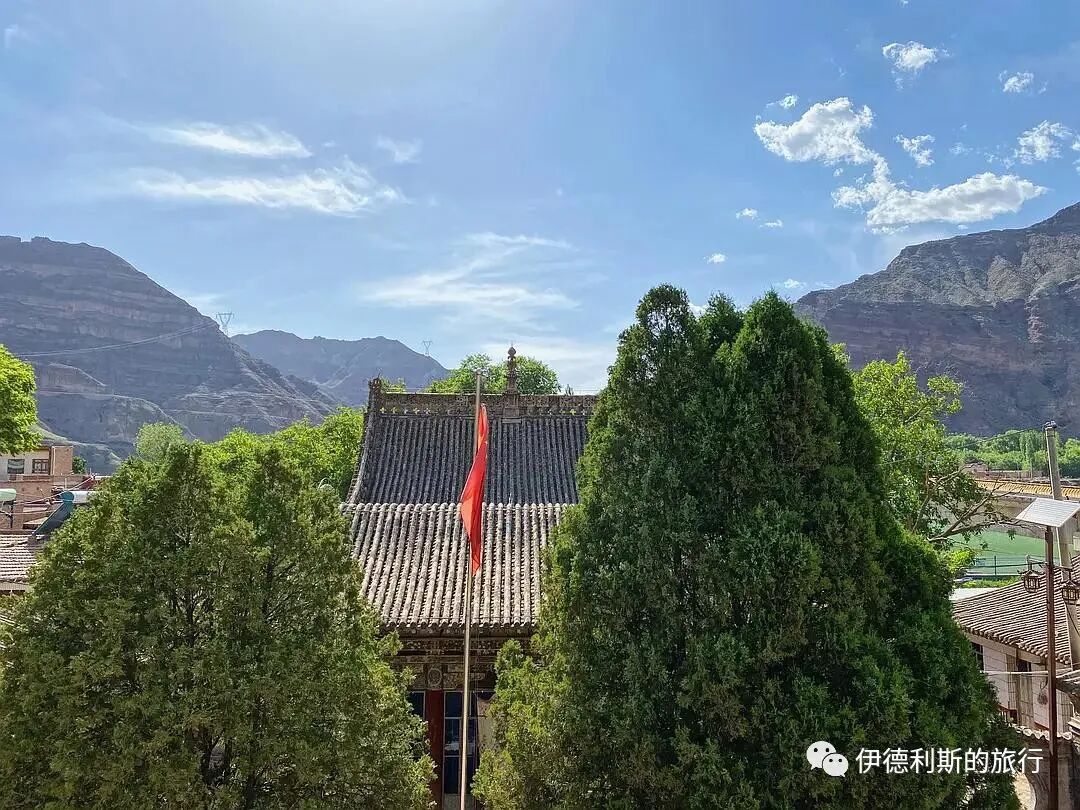
Hongshuiquan Mosque is located in Hongshuiquan Township, Ping'an District, Haidong City. The buildings preserved today are basically in the style of the Qianlong era, and I personally think it is the most beautiful ancient mosque in Qinghai.
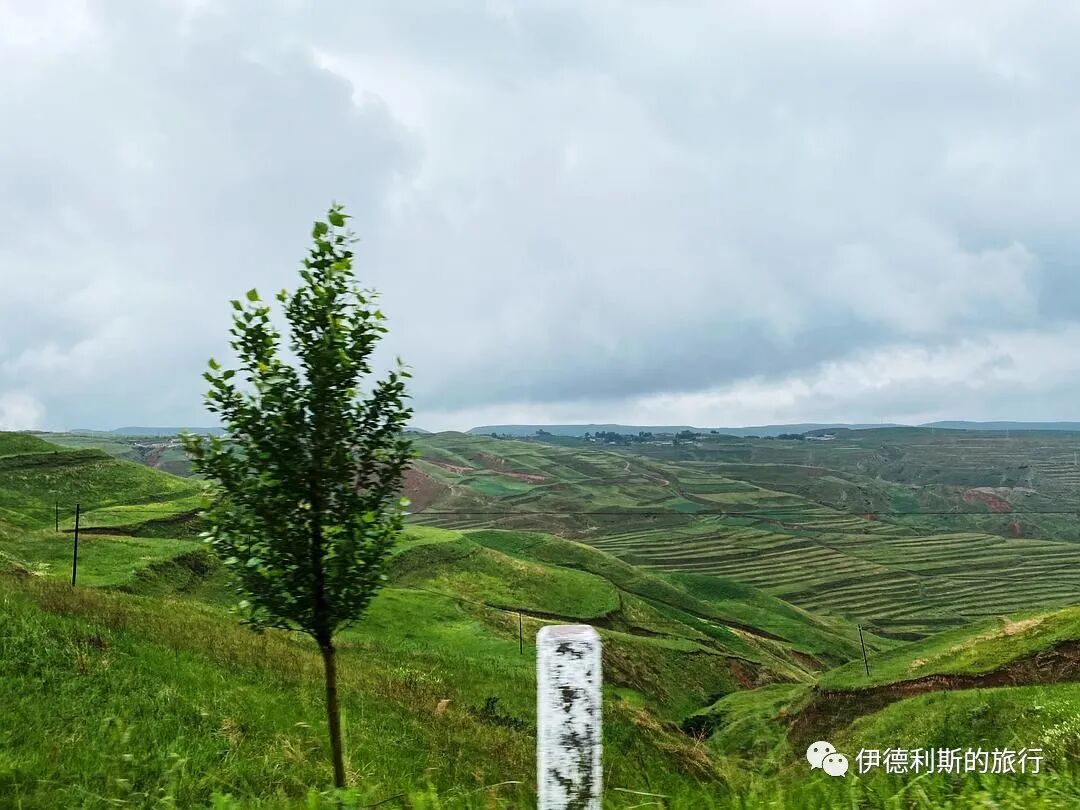
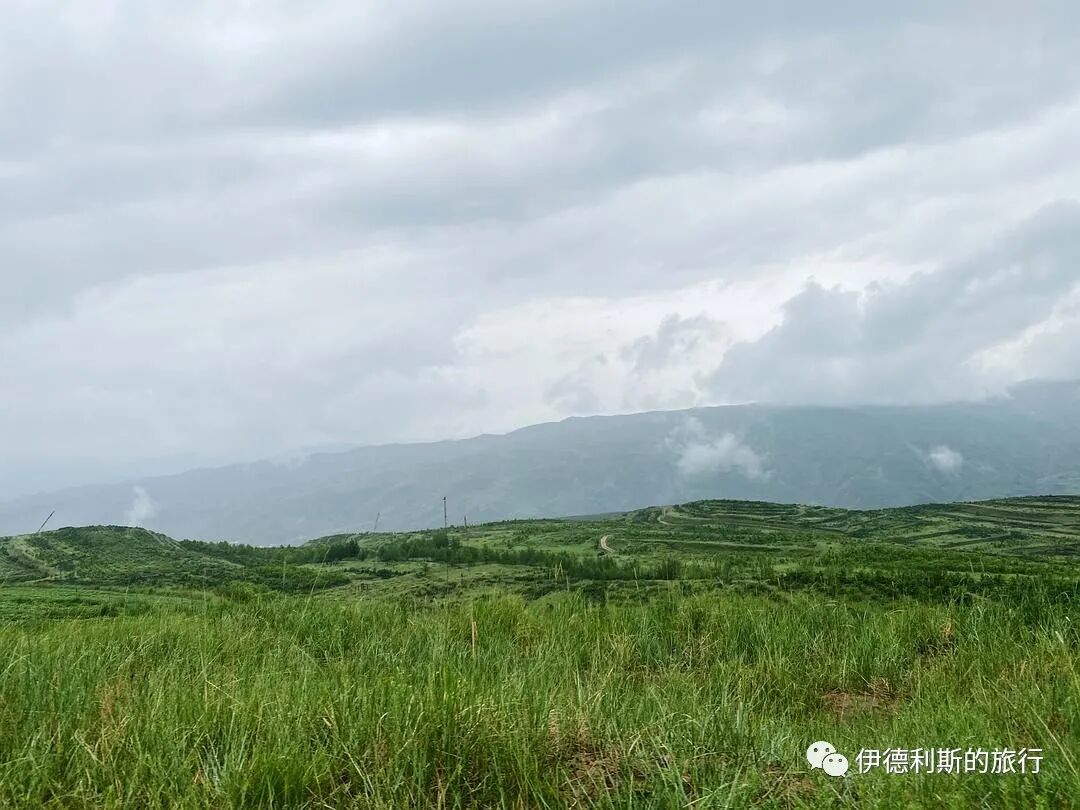
I took the early flight on Saturday from Beijing to Xining Airport, and called a Didi as soon as I got out. Although Hongshuiquan Mosque is less than 20 kilometers away from Xining Airport, the road is full of winding mountain paths, and with the rain, the drive felt a bit thrilling.
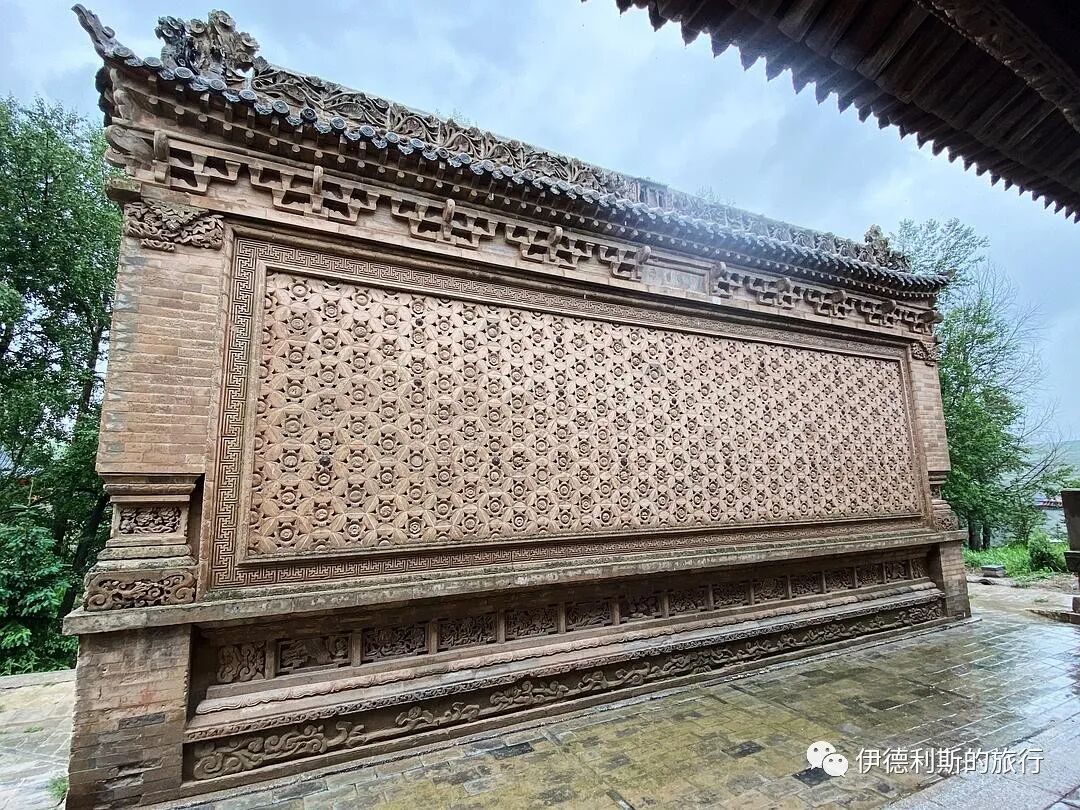
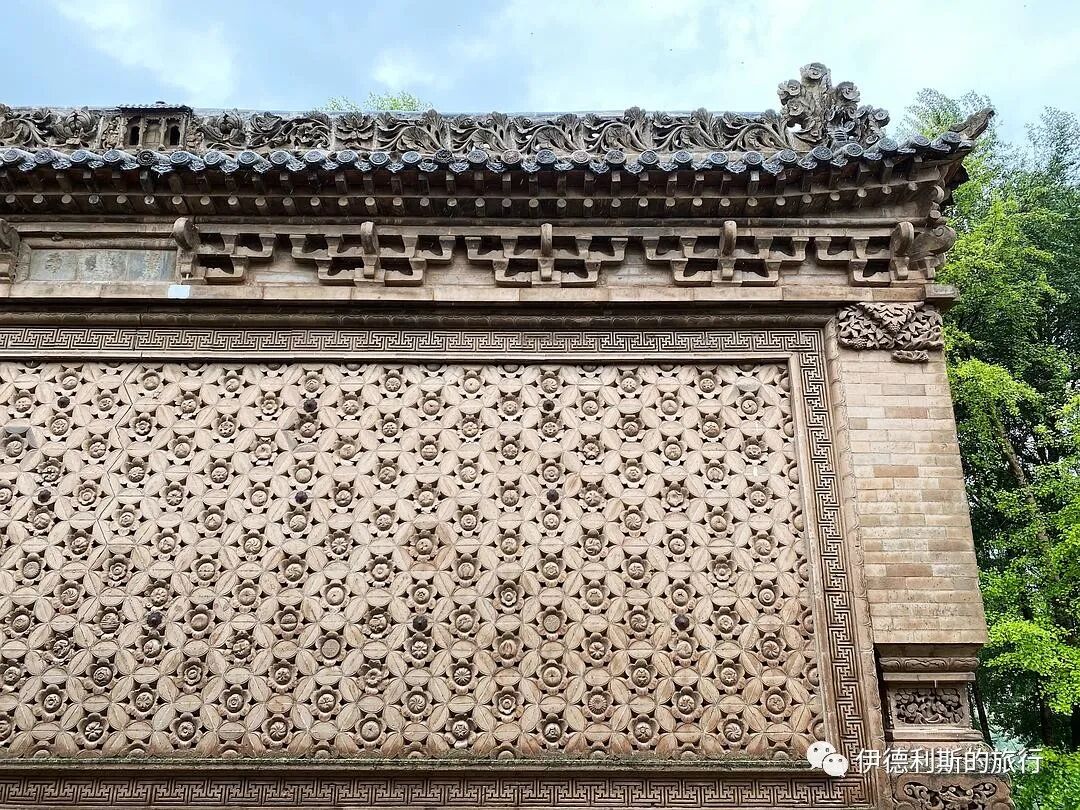
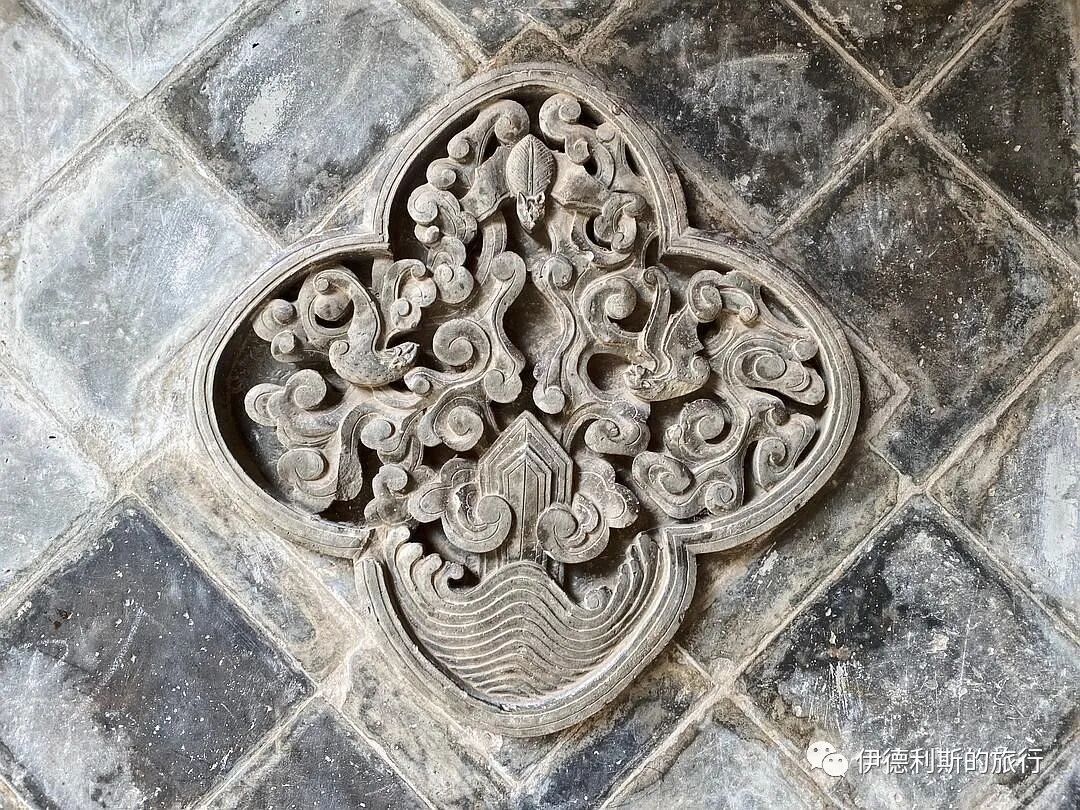
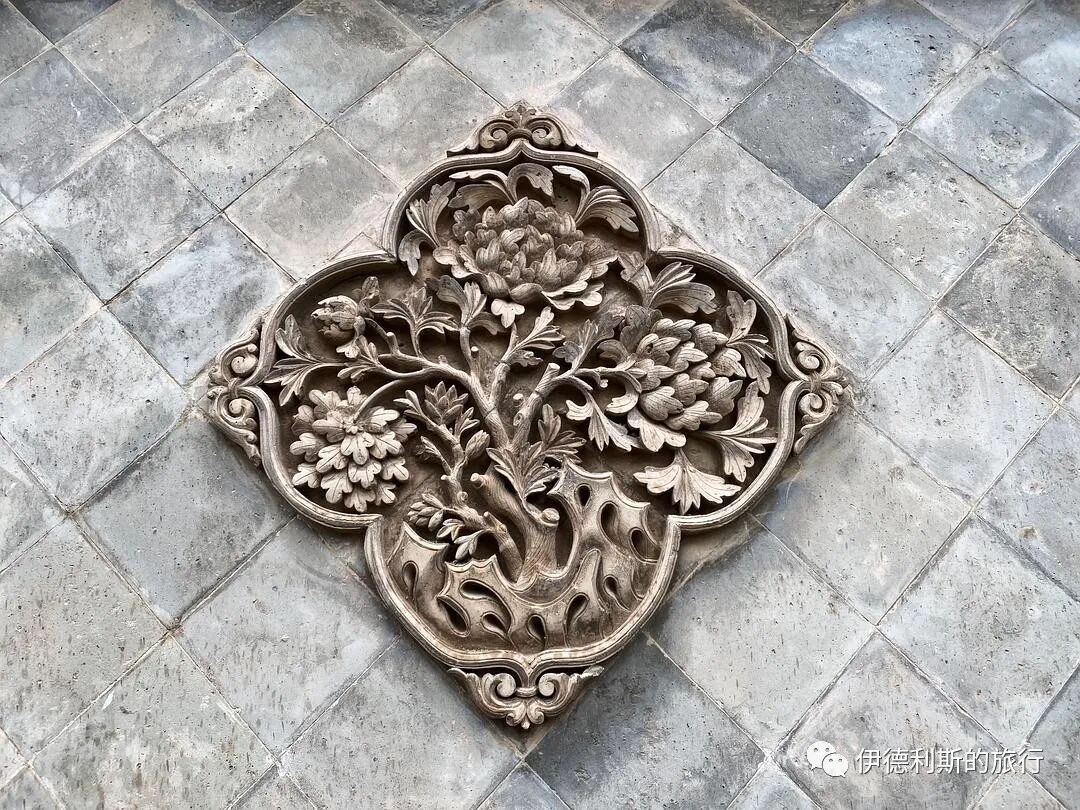
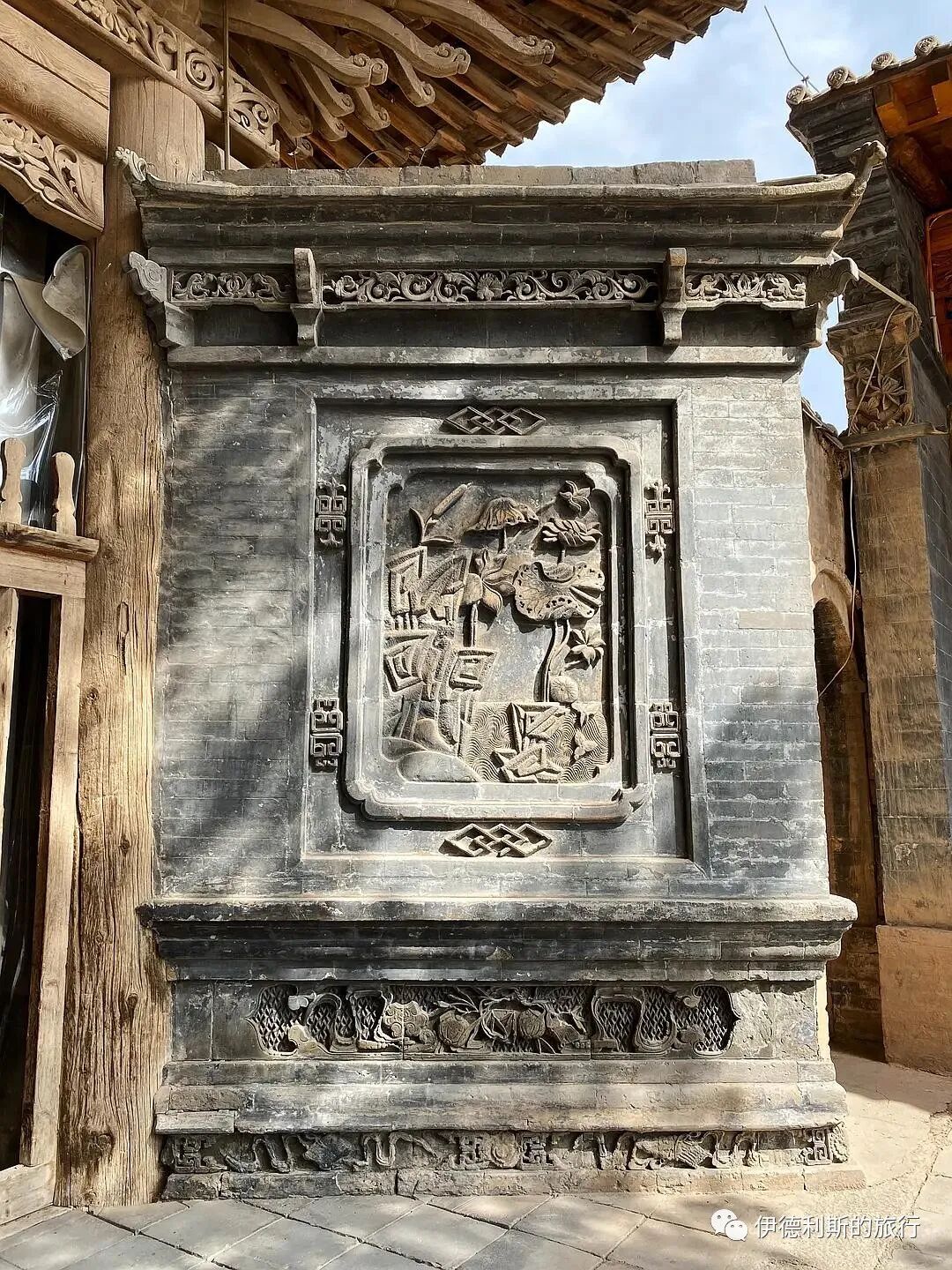
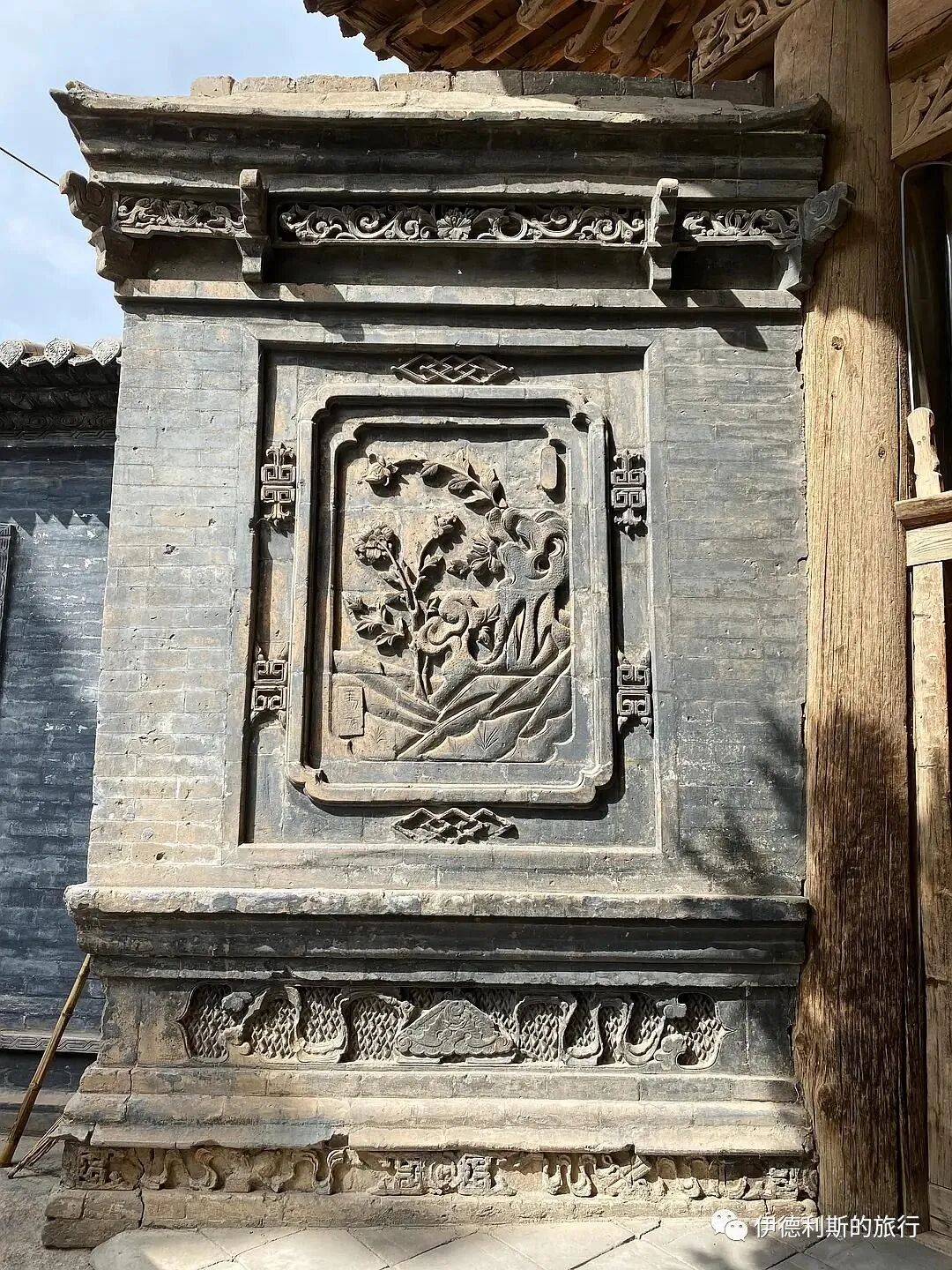
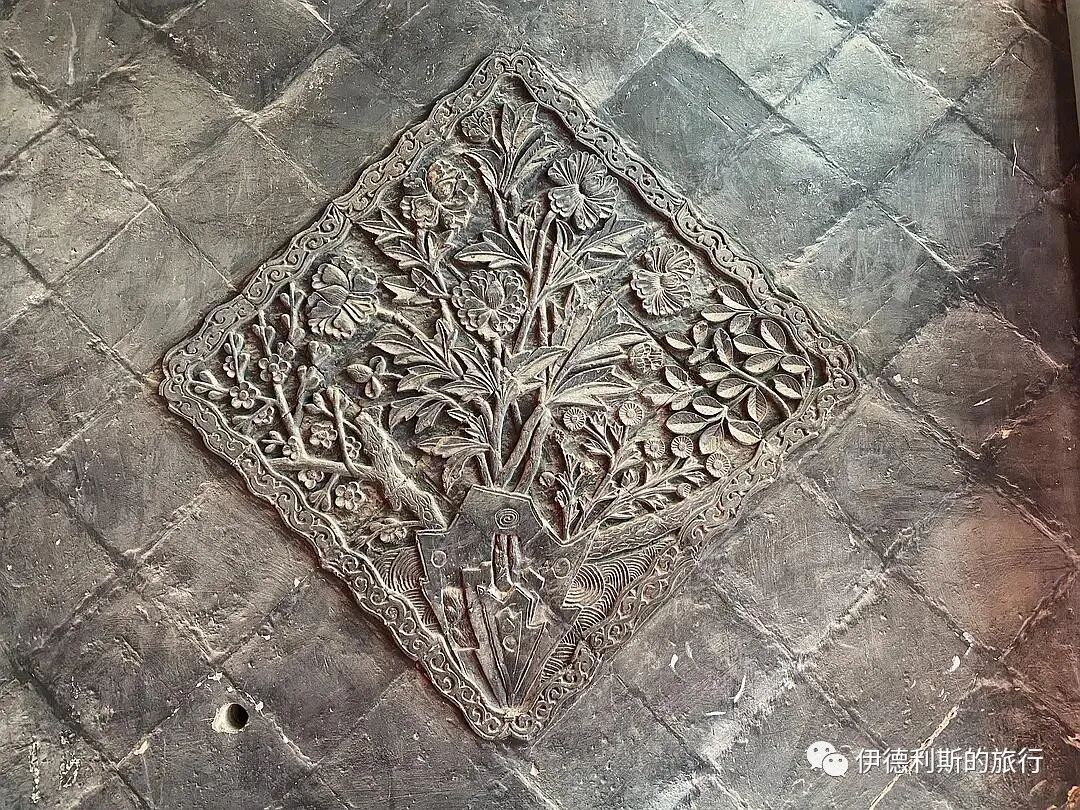
The mosque's screen wall is built from imitation wood blue bricks, and the side facing the main gate is carved with a 'Hundred Flowers Picture' made of 255 hydrangea petals, with each design being unique. The uncle who manages the mosque said that legend has it that when the mosque was being built, a lady steamed buns for the craftsmen every day, so the craftsmen carved the shapes of these buns onto it. The back of the screen wall features a large brick carving of 'Qilin and Phoenix Bringing Prosperity'.
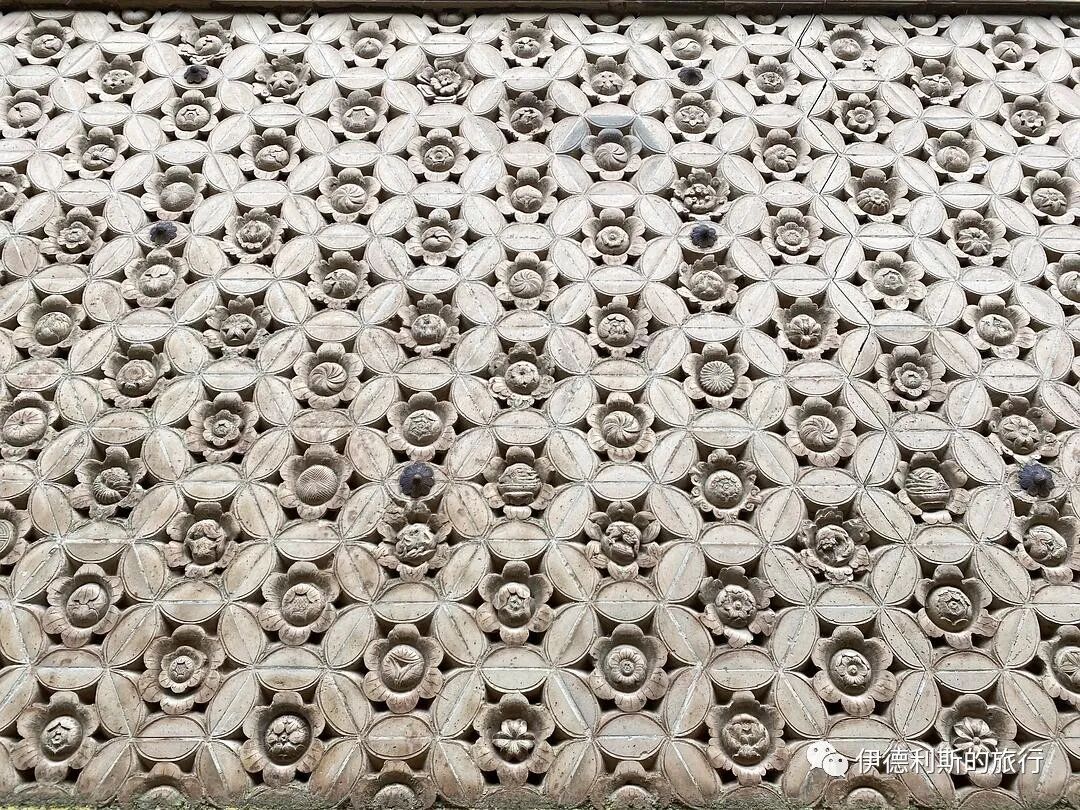
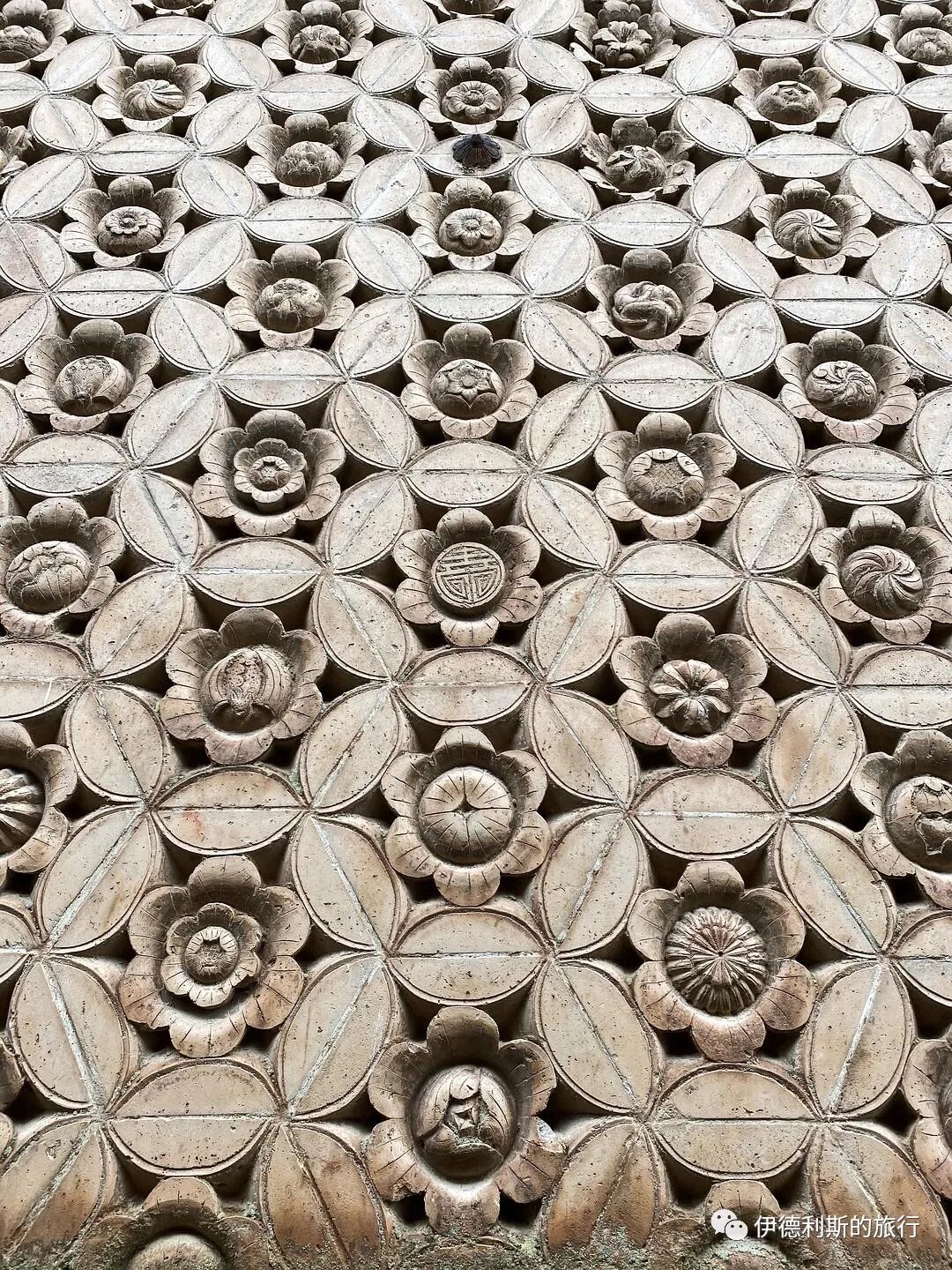
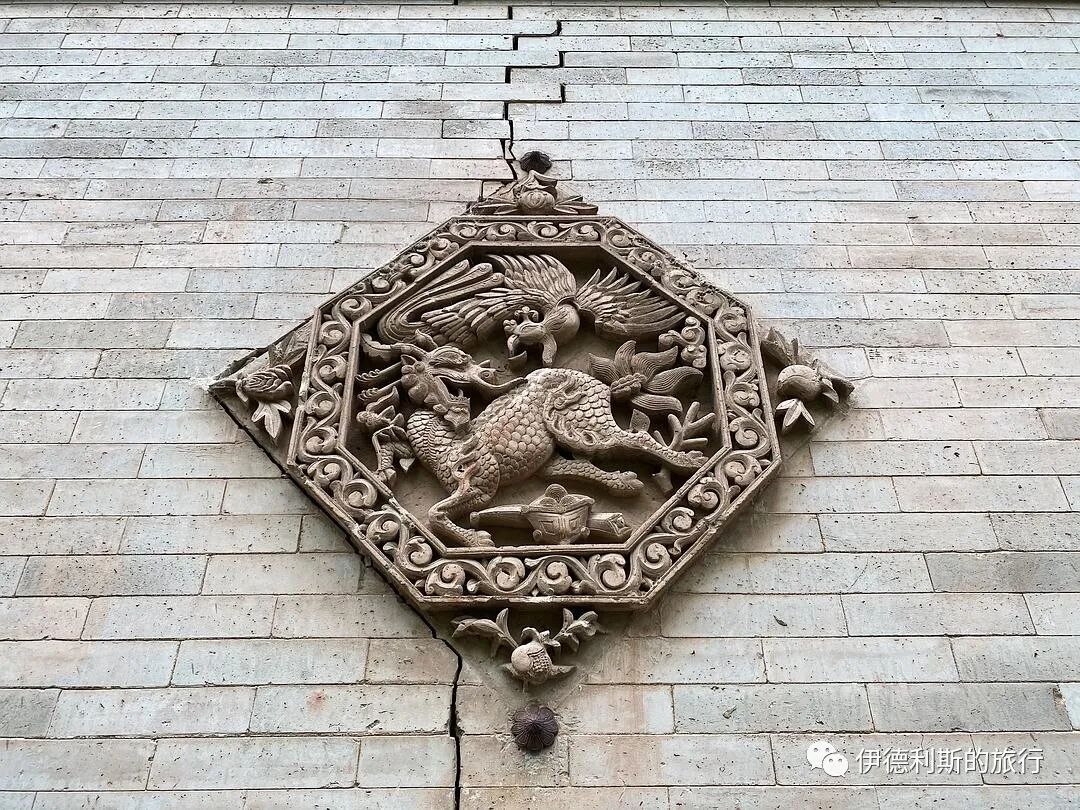
The unicorn and the phoenix bring good fortune
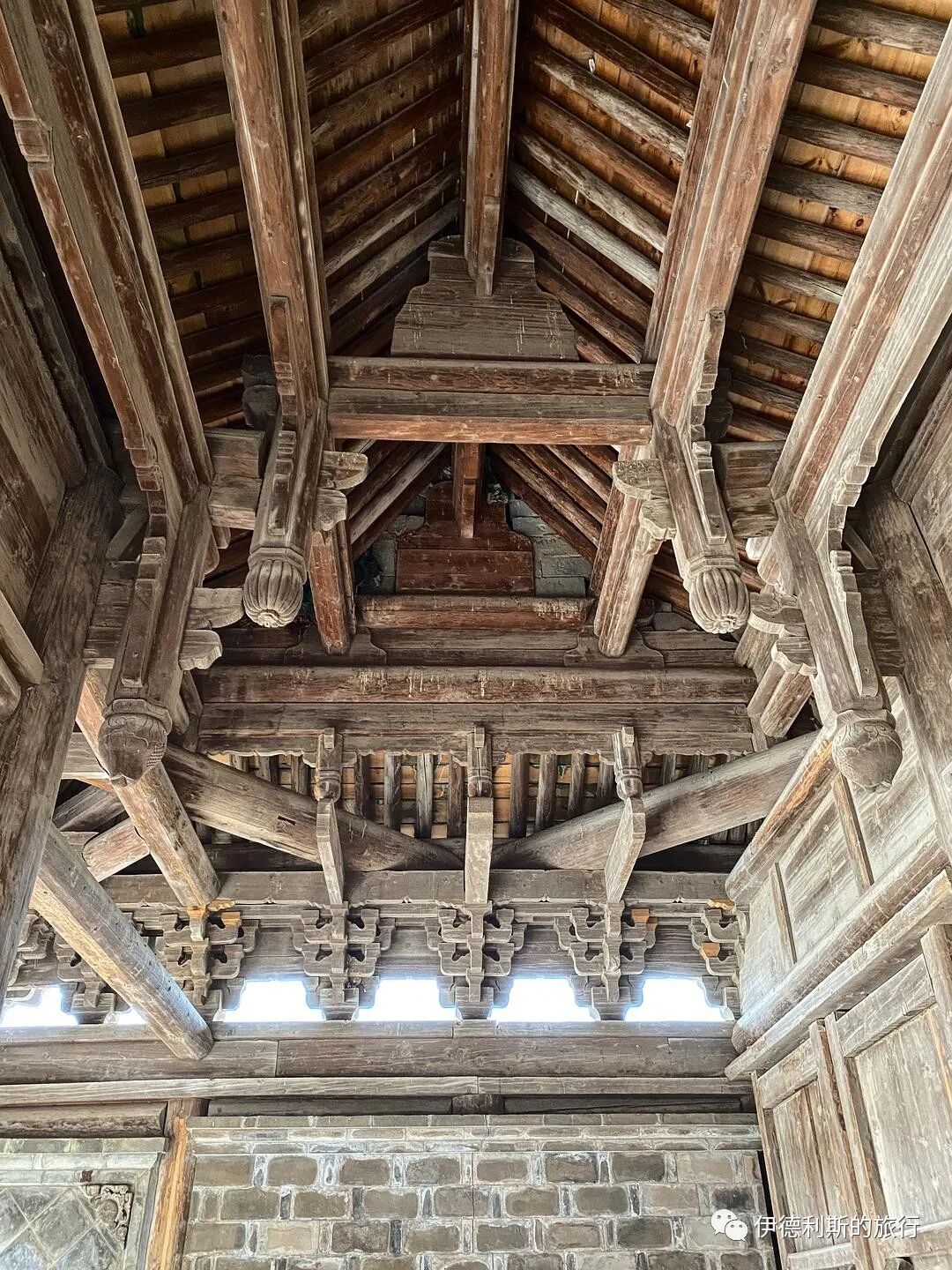
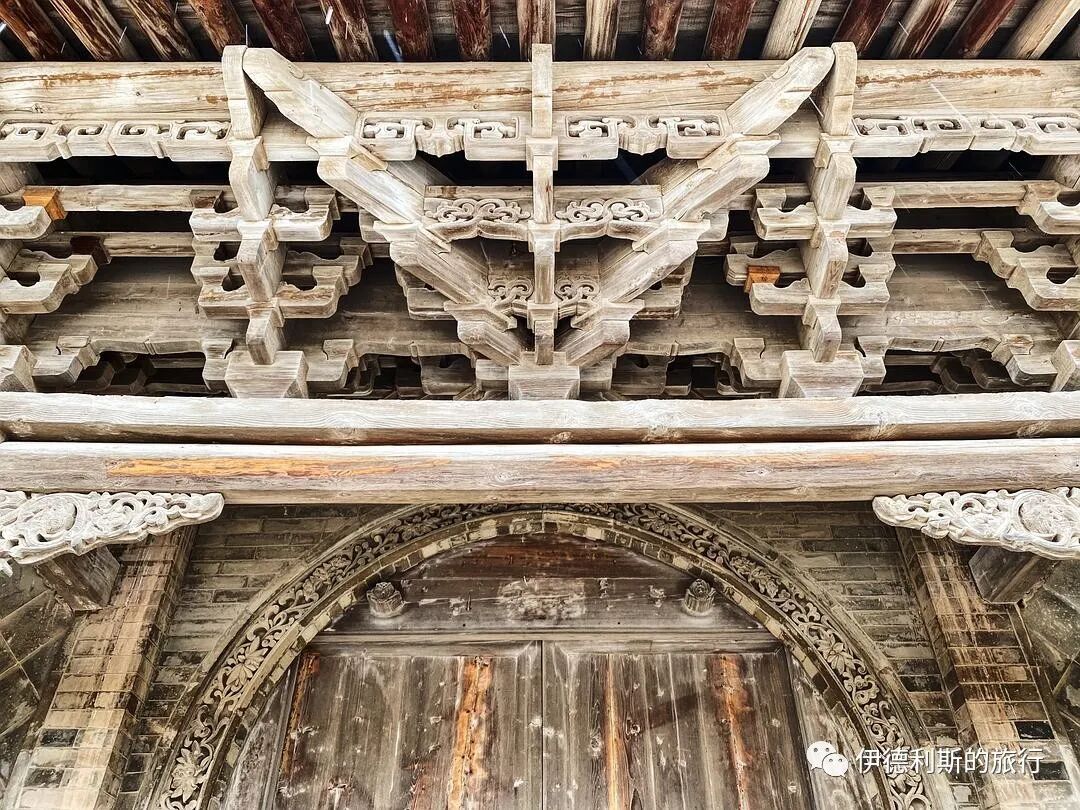
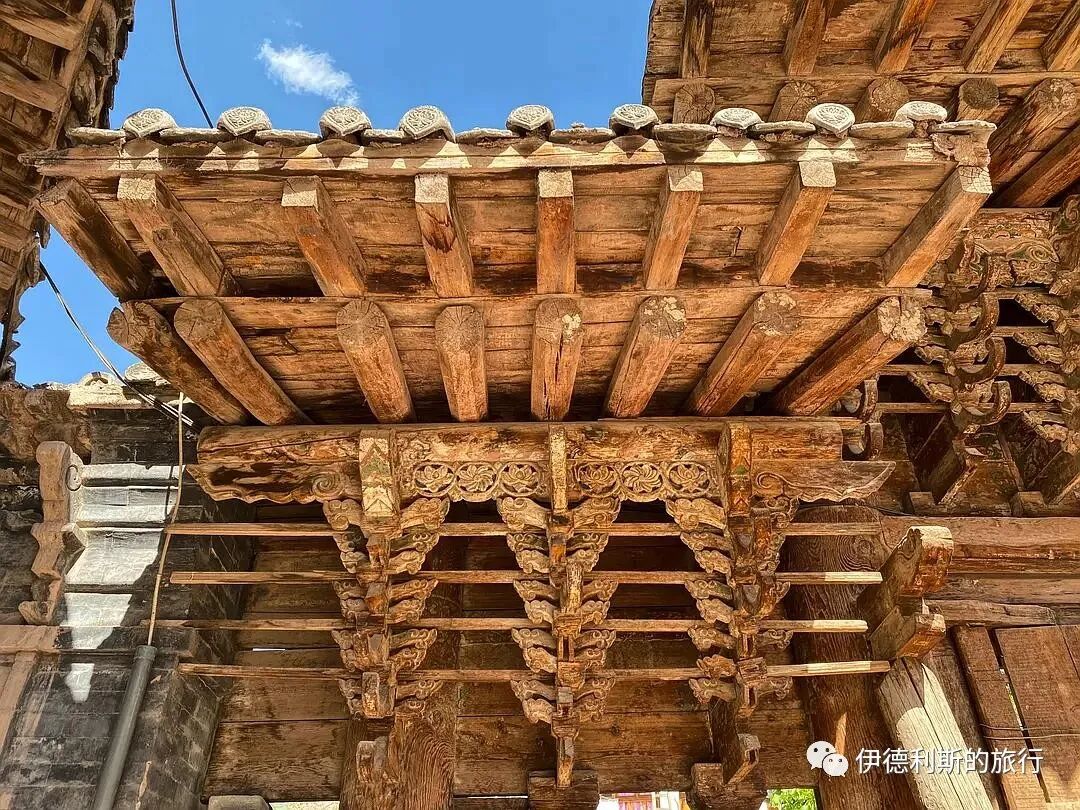
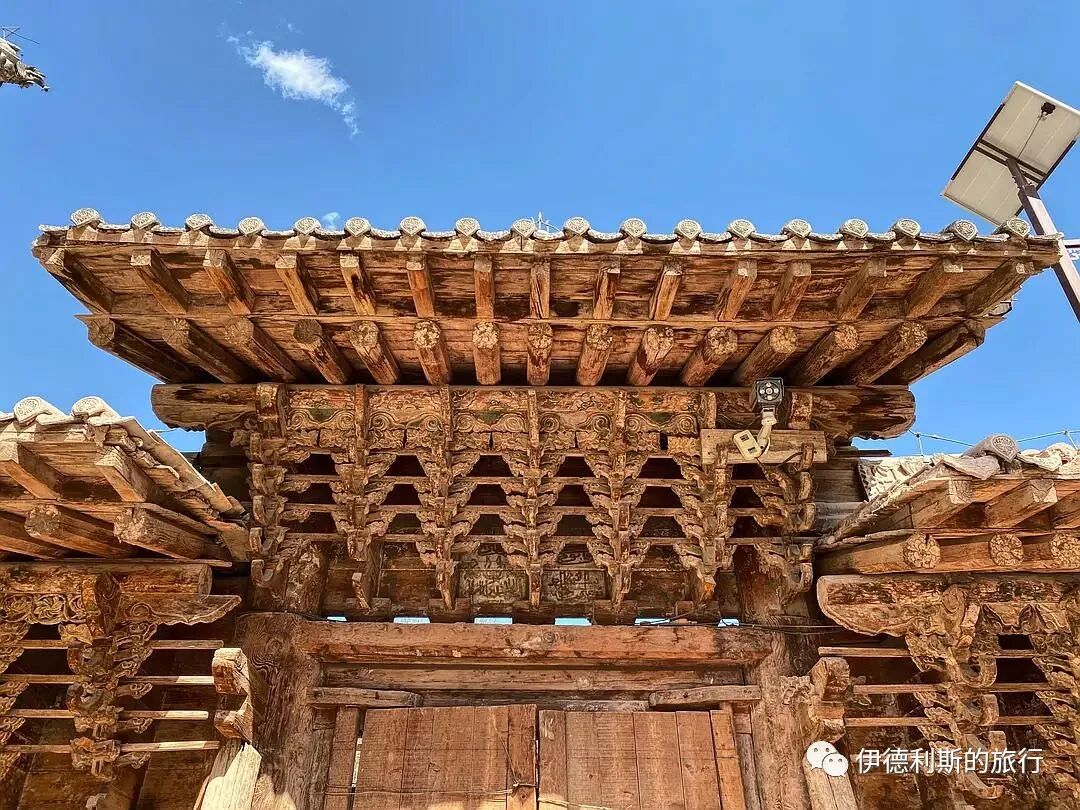
The main gate has a beamless structure, and the ceiling is built entirely by stacking and interlocking short crossbeams instead of using roof beams.
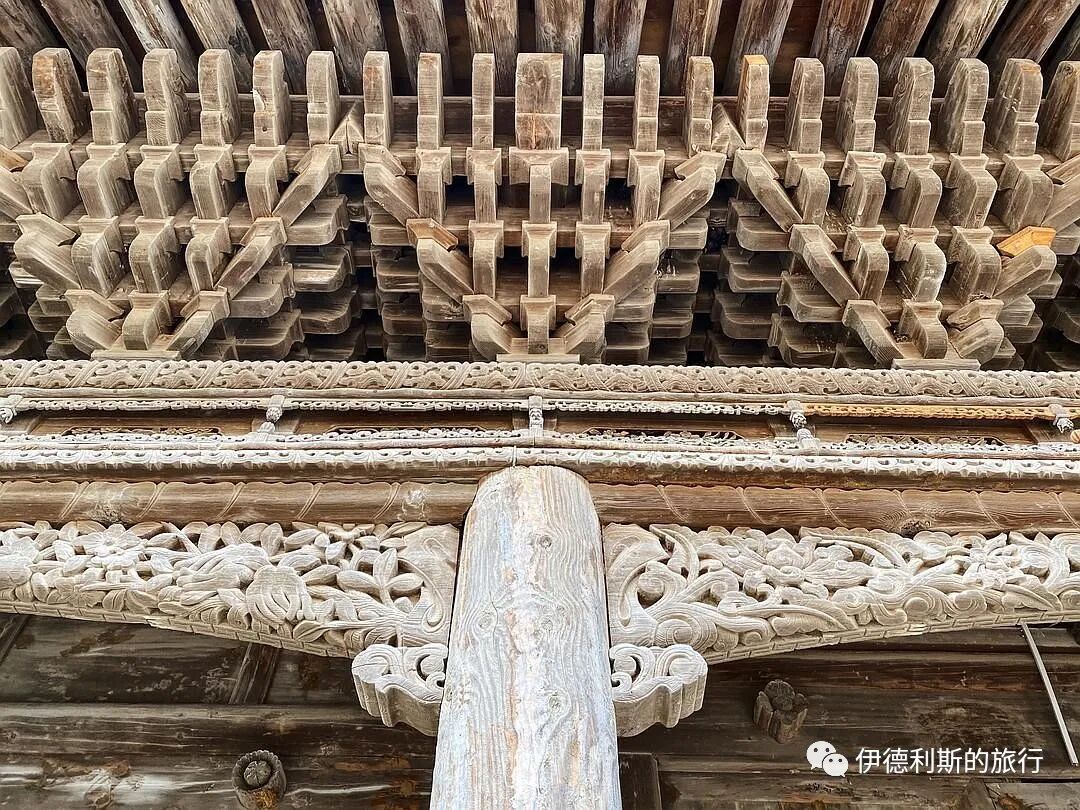
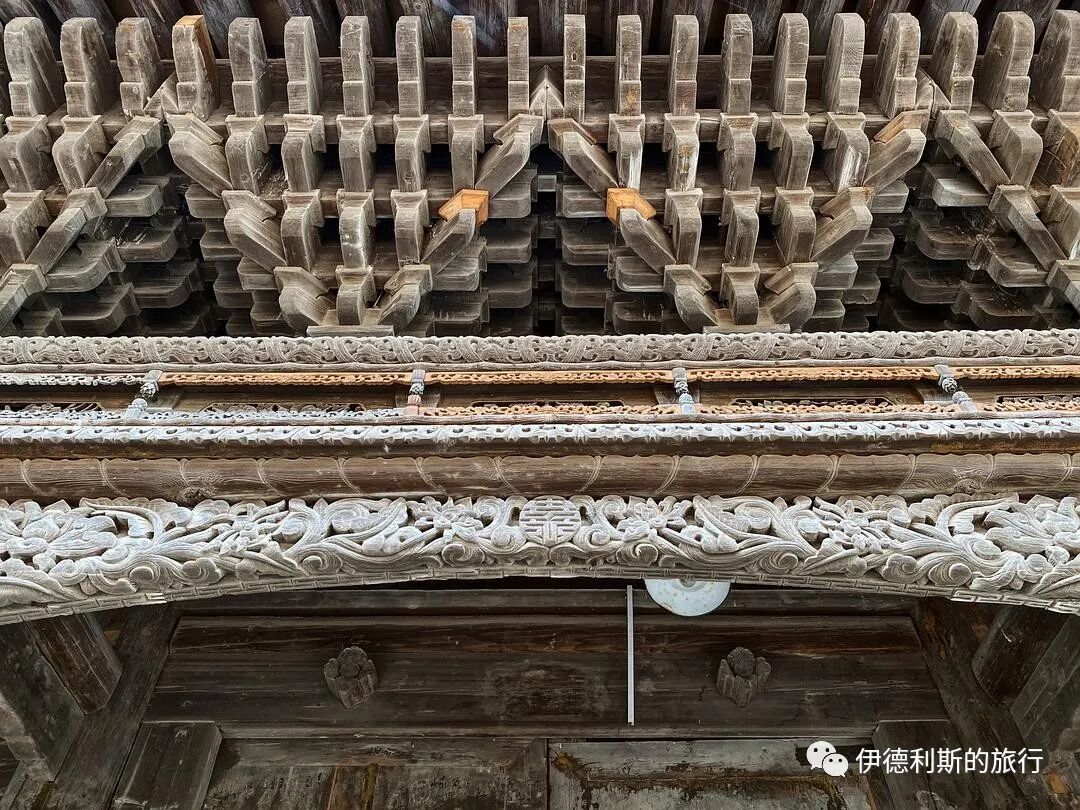
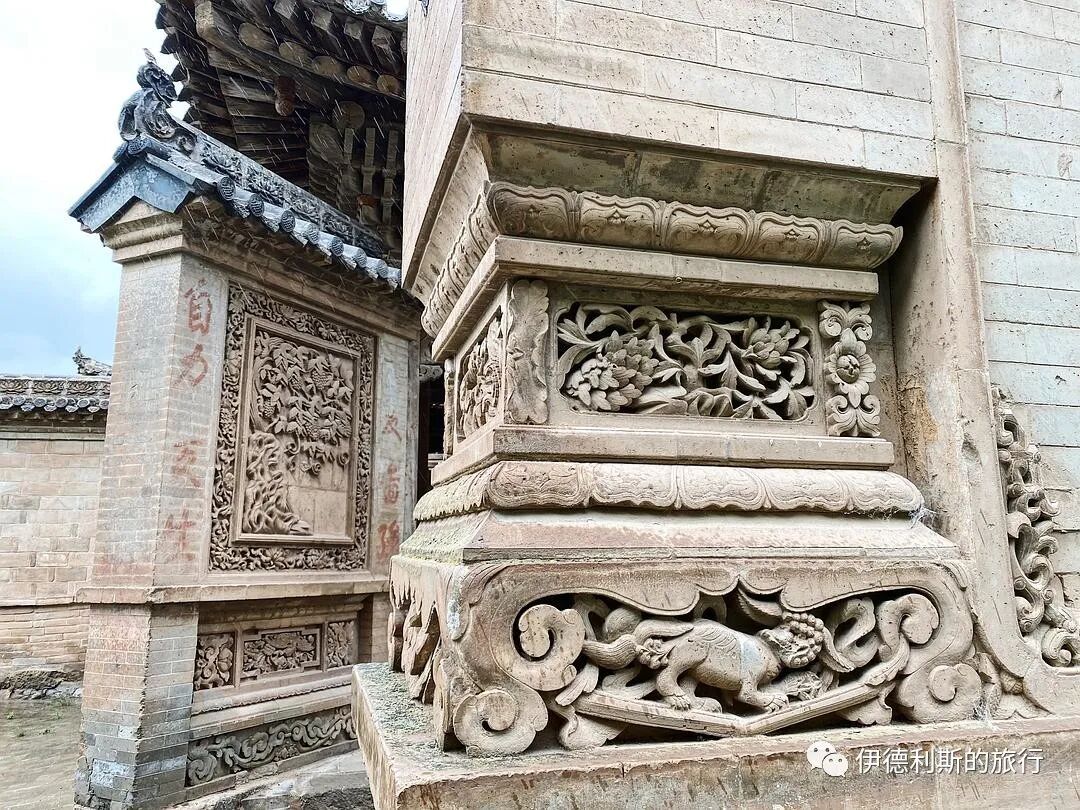
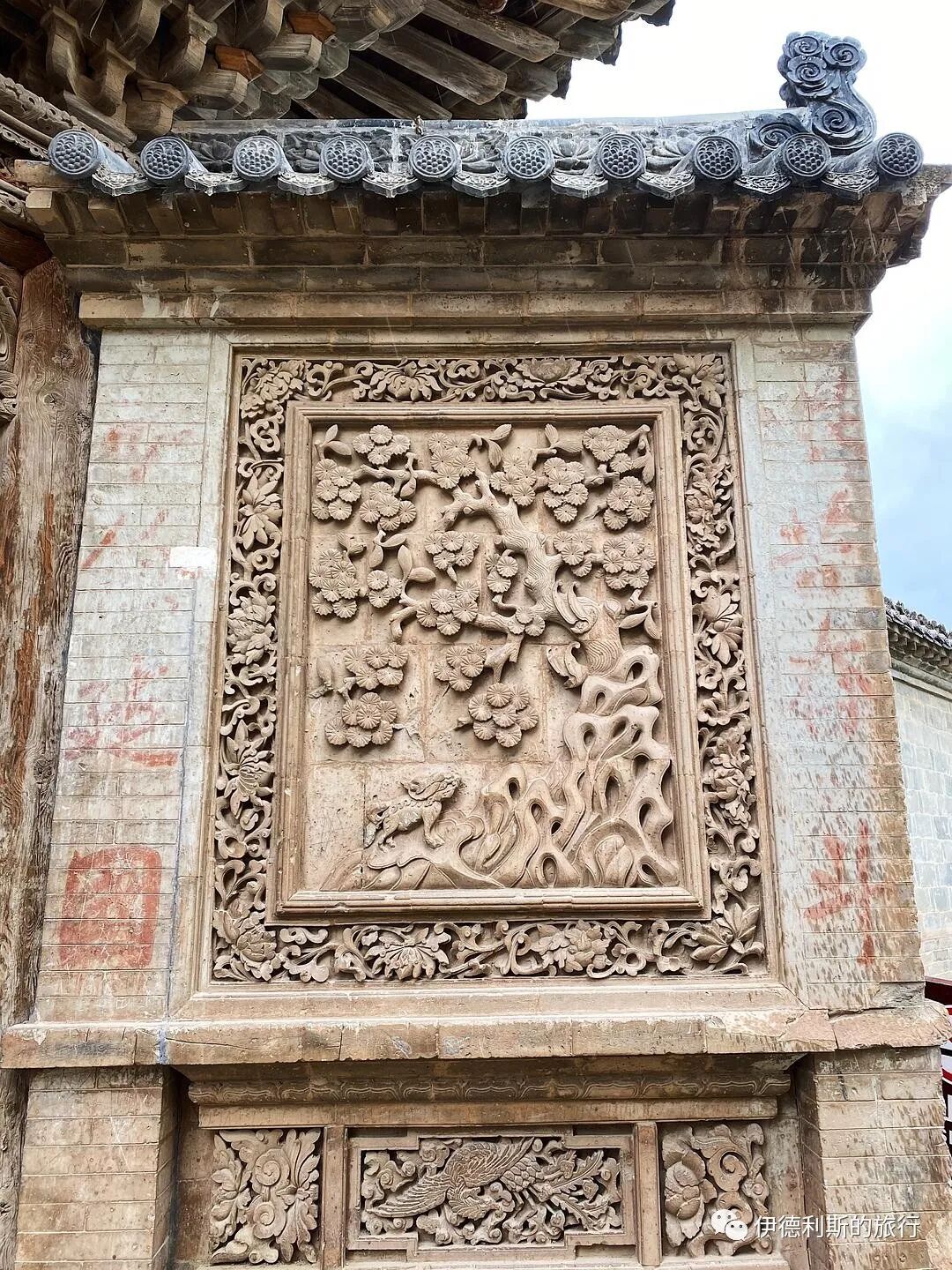
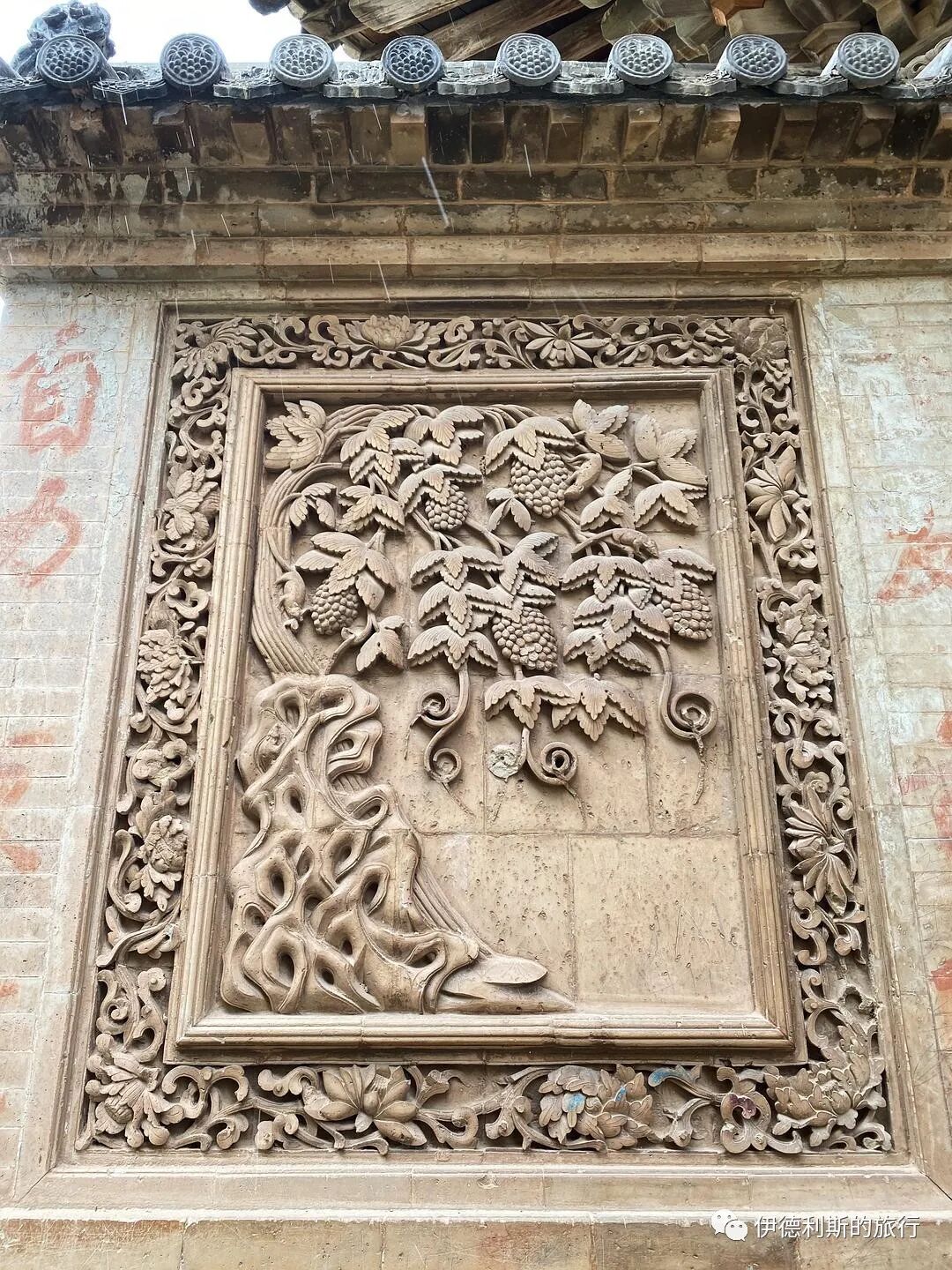
On the splayed walls to the left and right of the main gate are two large green brick carvings of 'mice stealing grapes' and 'a qilin with a pine tree,' created using the traditional single-layer high-relief brick carving technique. The mouse represents 'zi,' symbolizing many children and grandchildren. The pine tree sounds like 'song' (to send), symbolizing 'the qilin bringing a child.'
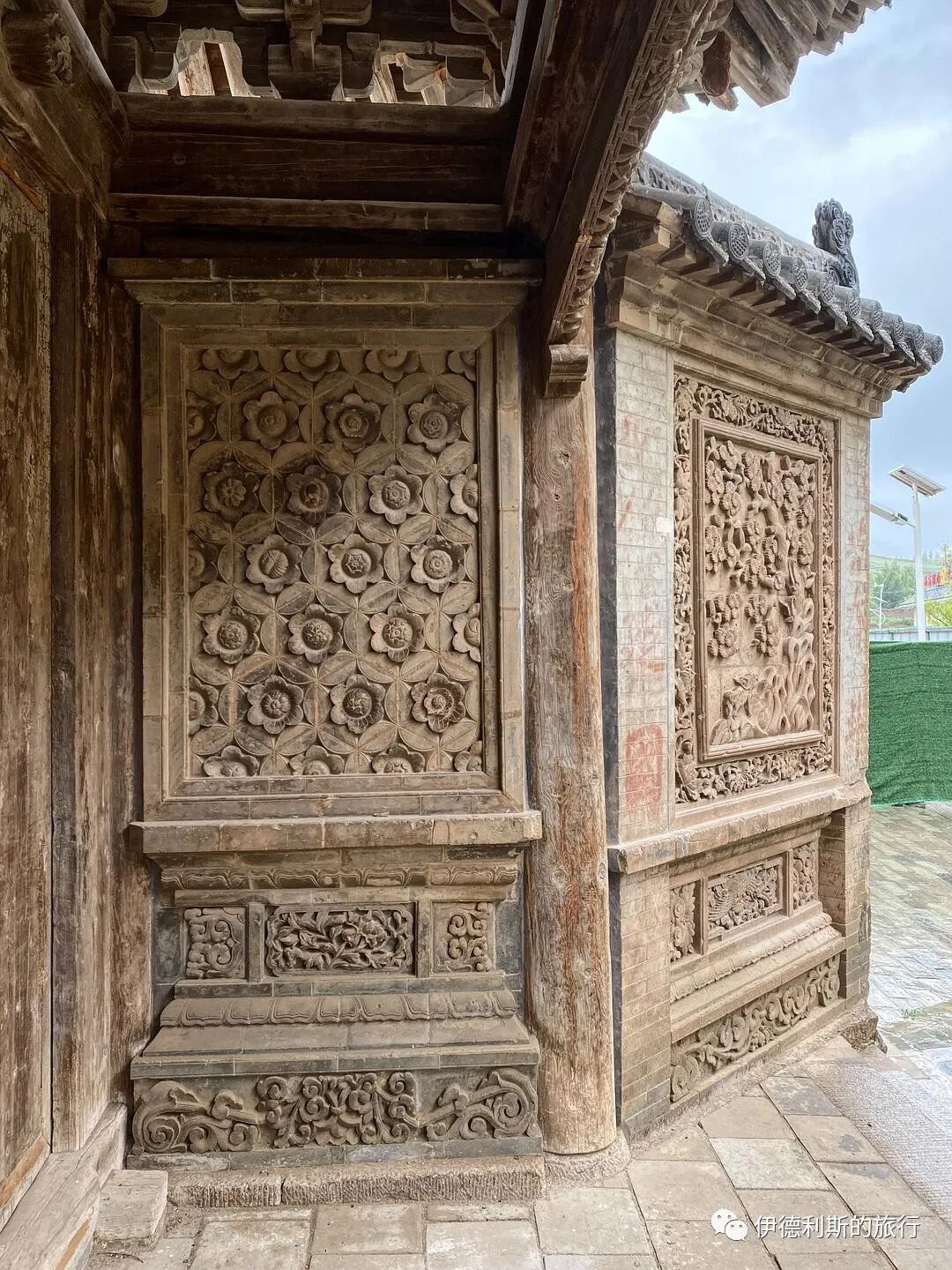
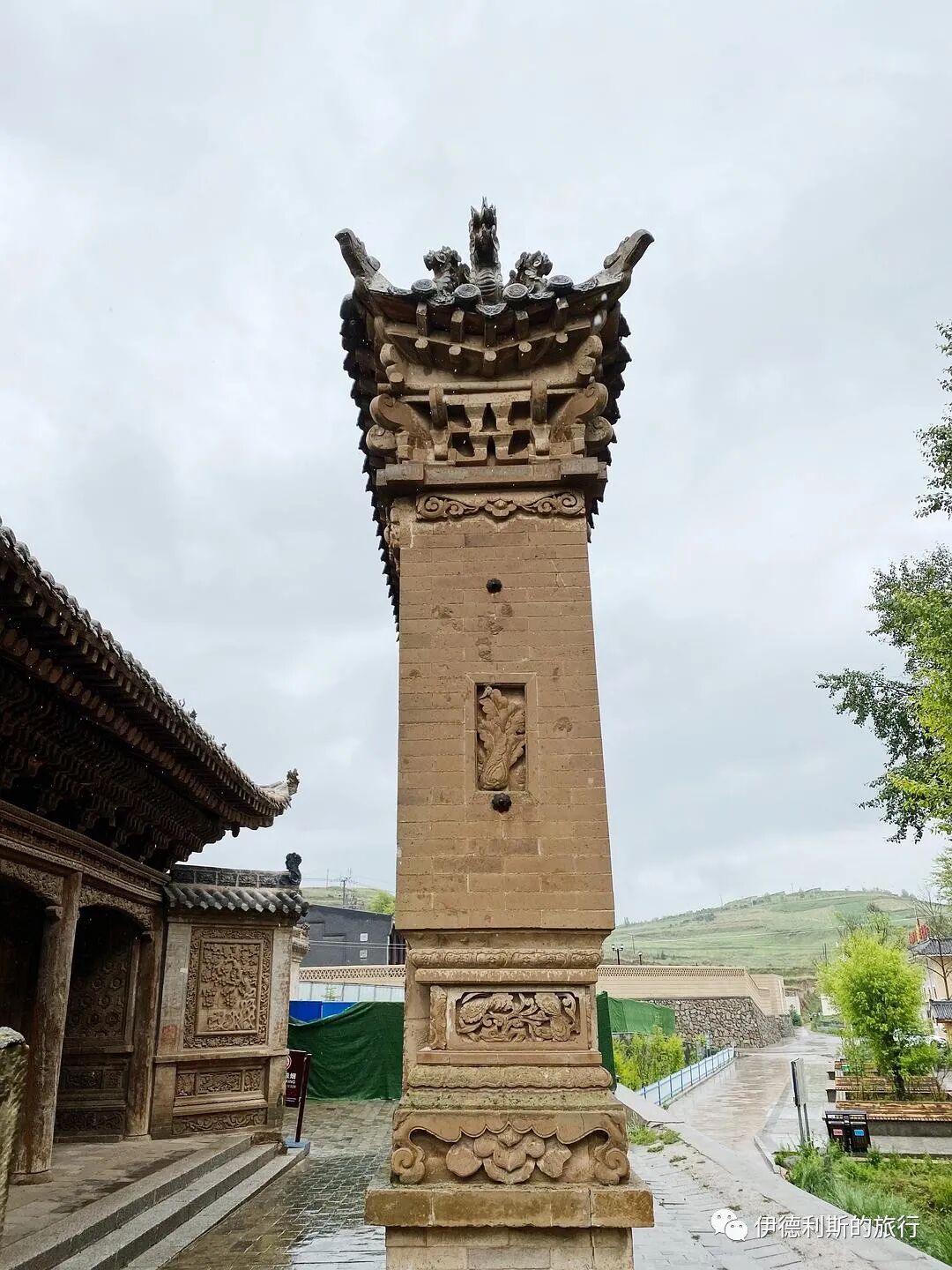
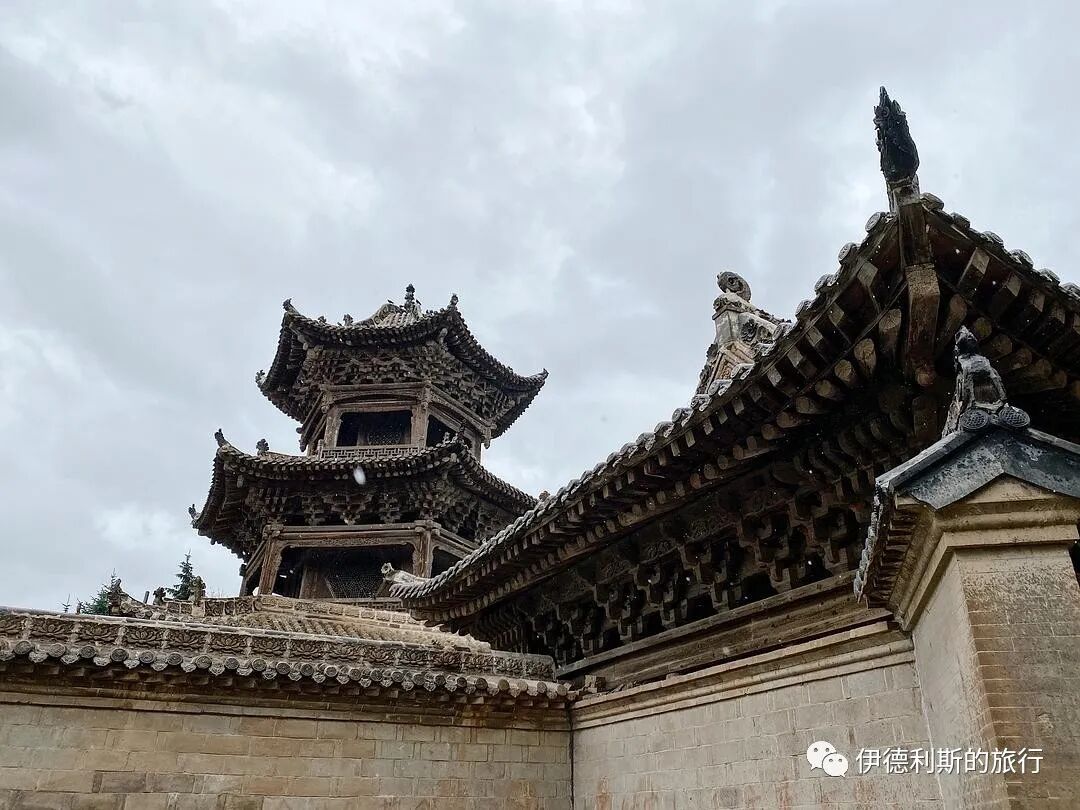
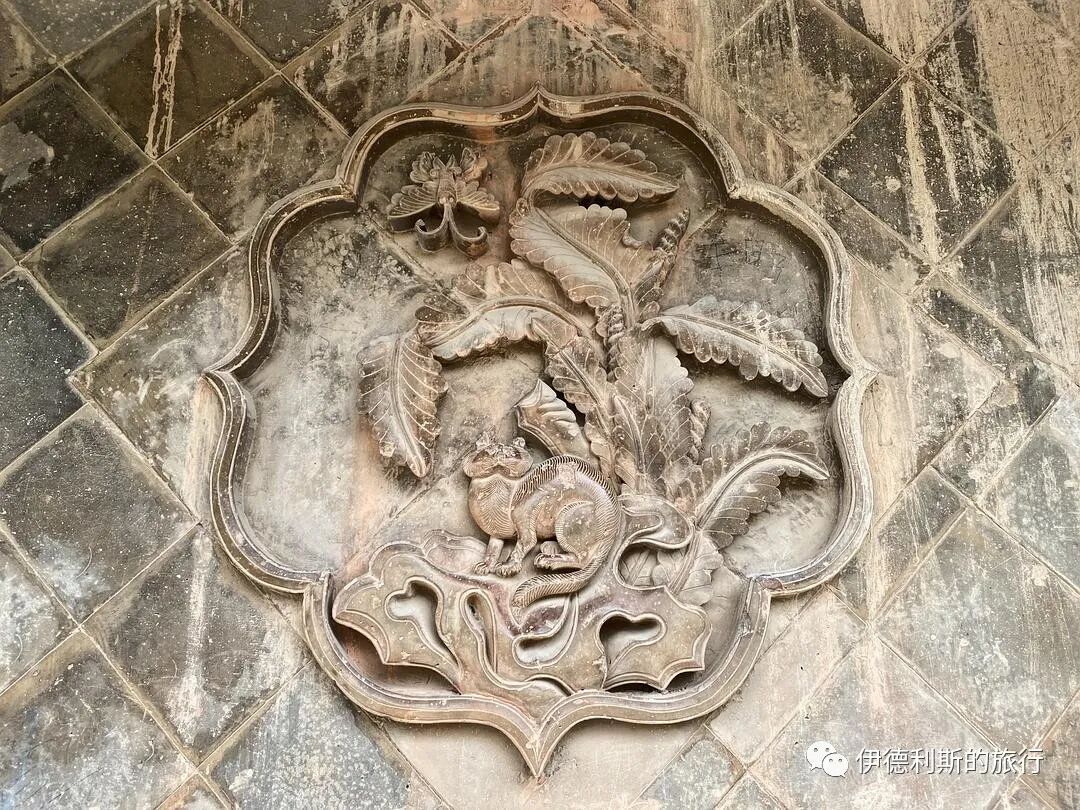
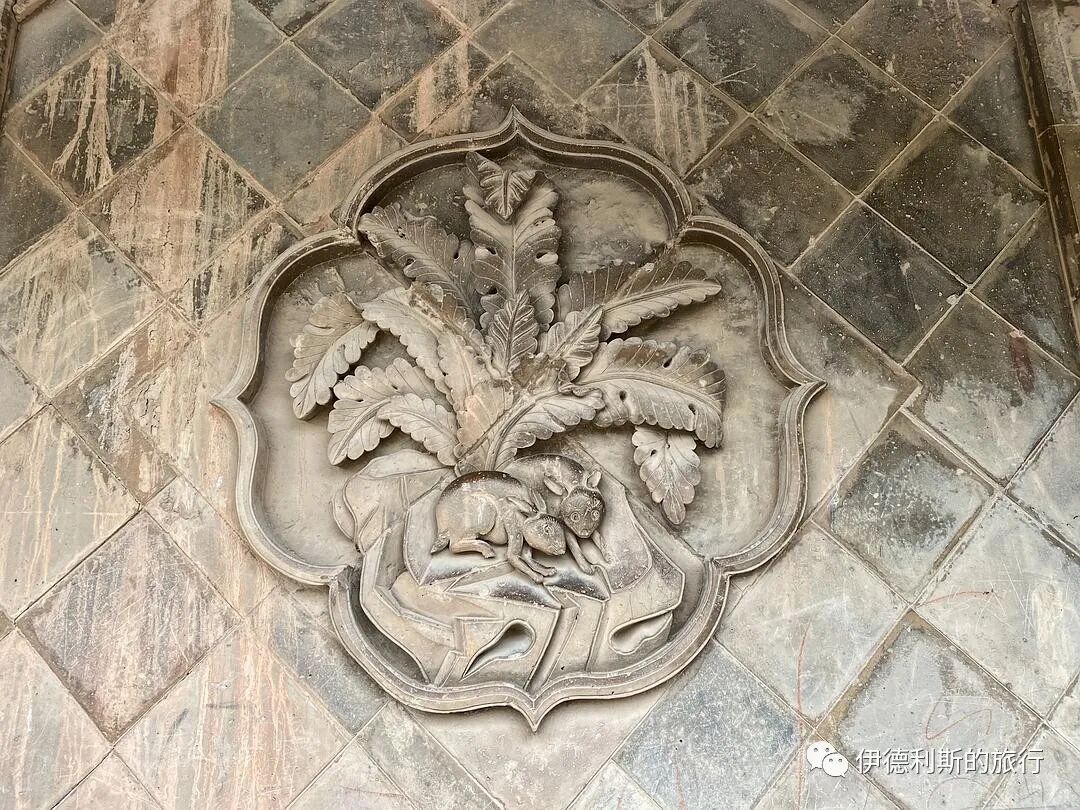
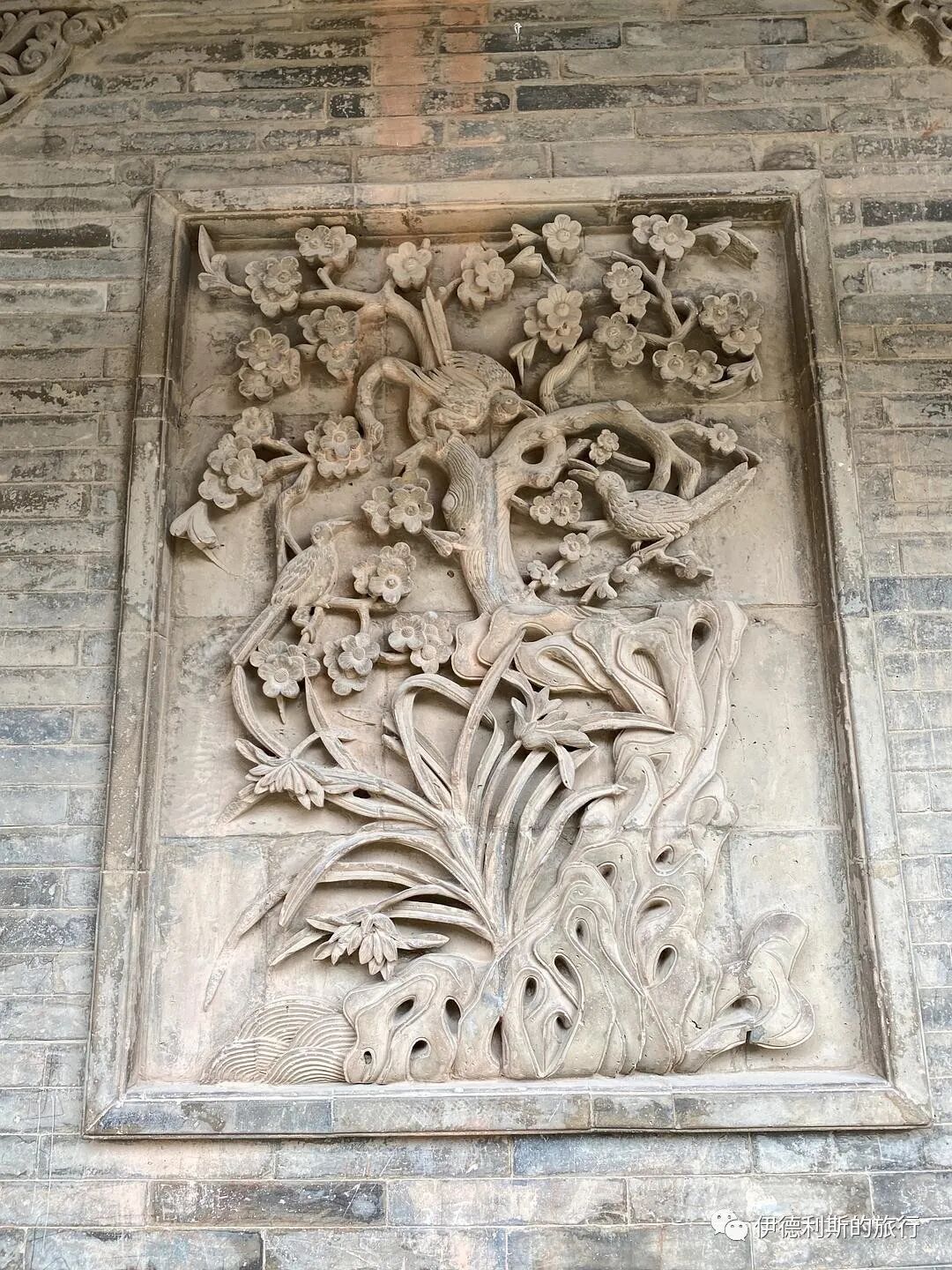
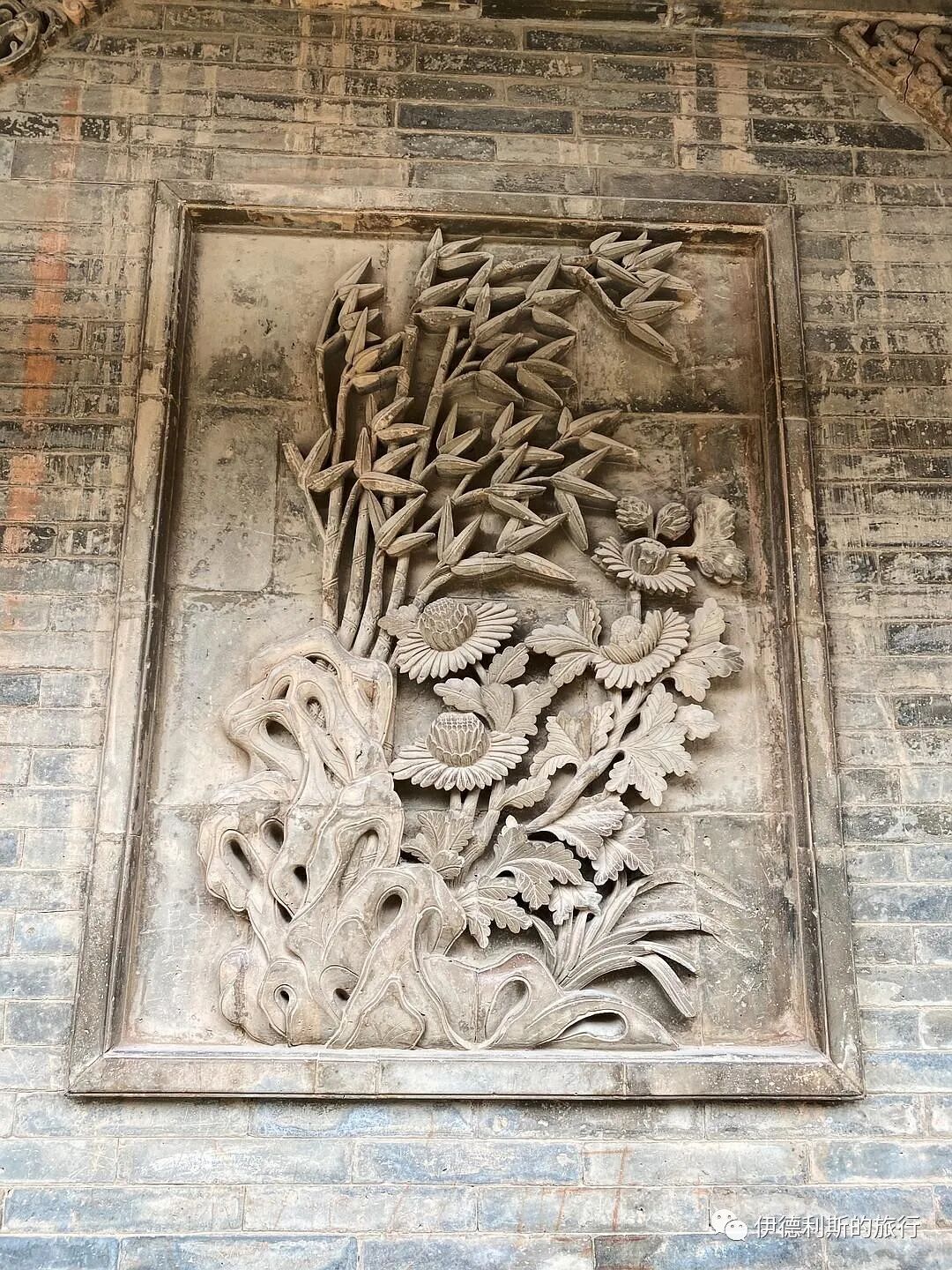
The Bangke Tower is a three-eaved, hexagonal, spire-roofed pavilion supported by two massive central pillars, with 12 surrounding pillars, a structure known as 'two men carrying mountains with twelve oxen'. The ground floor of the Bangke Tower features brick carvings of 'cats leaping and butterflies dancing', 'rabbits guarding cabbage', and 'plum blossoms, orchids, bamboo, and chrysanthemums', with a style somewhat similar to Shanxi brick carvings from the late Ming to early Qing dynasties. The words for 'cat' and 'butterfly' sound like 'taotie', symbolizing longevity. The word for 'cabbage' sounds like 'hundreds of wealth', and rabbits are considered good at guarding wealth.
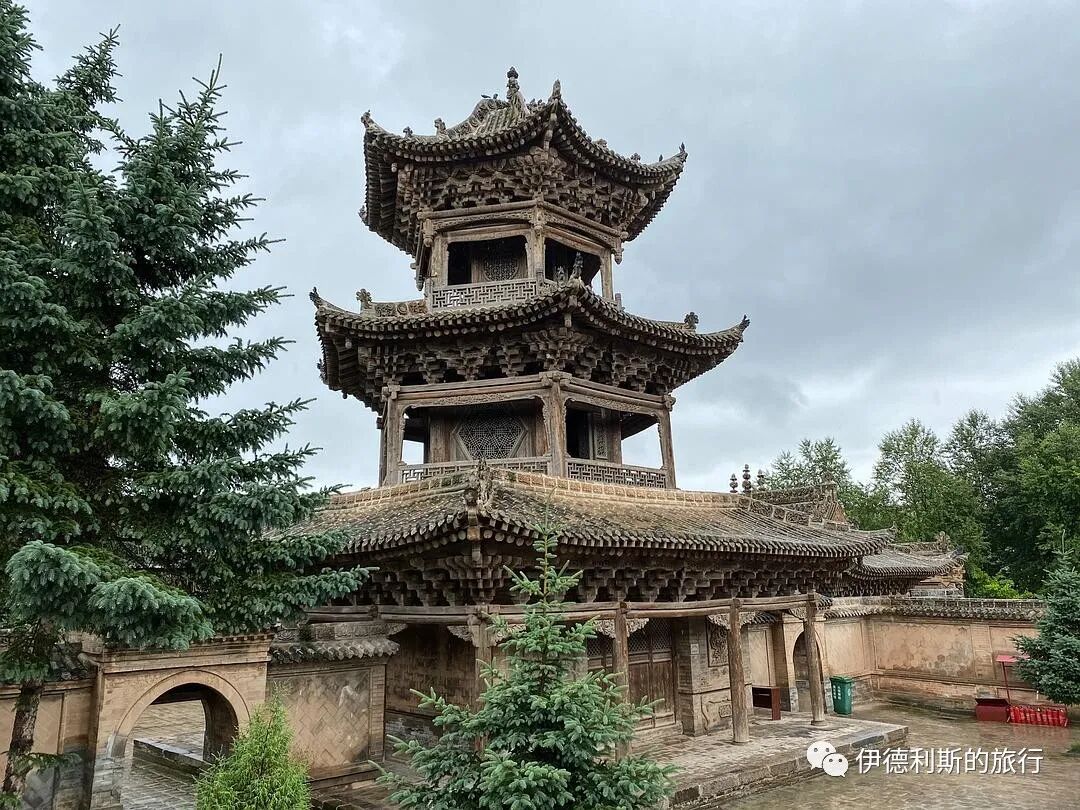
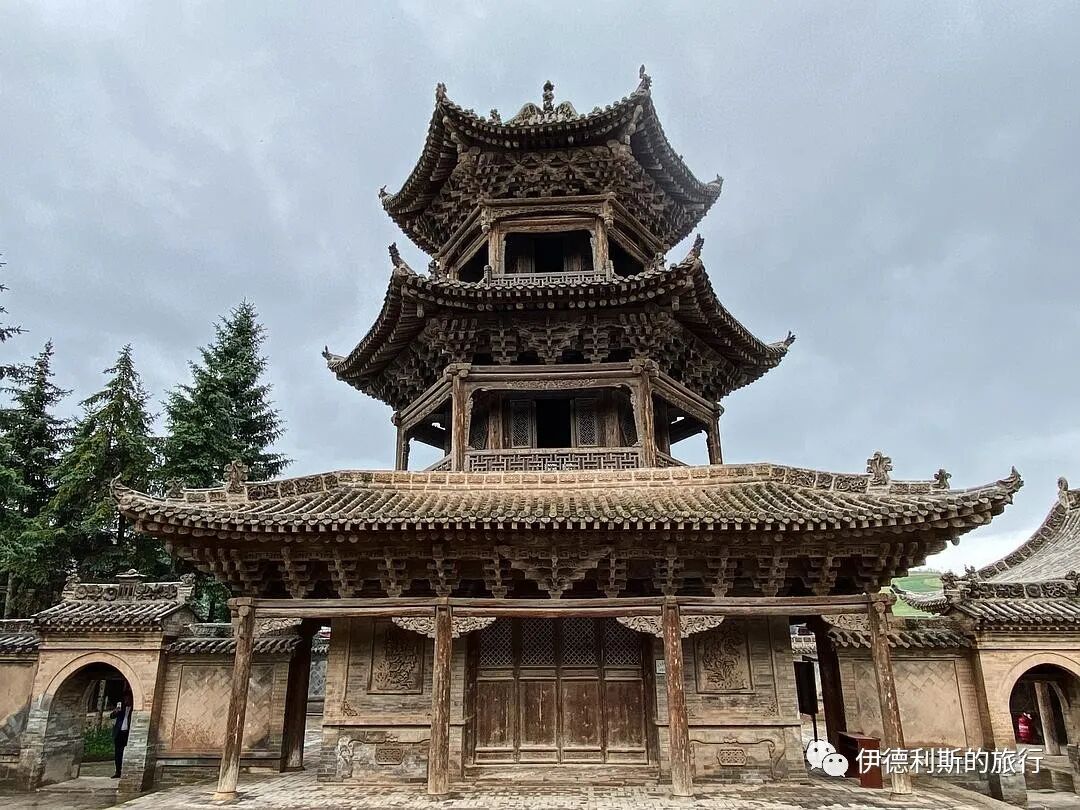
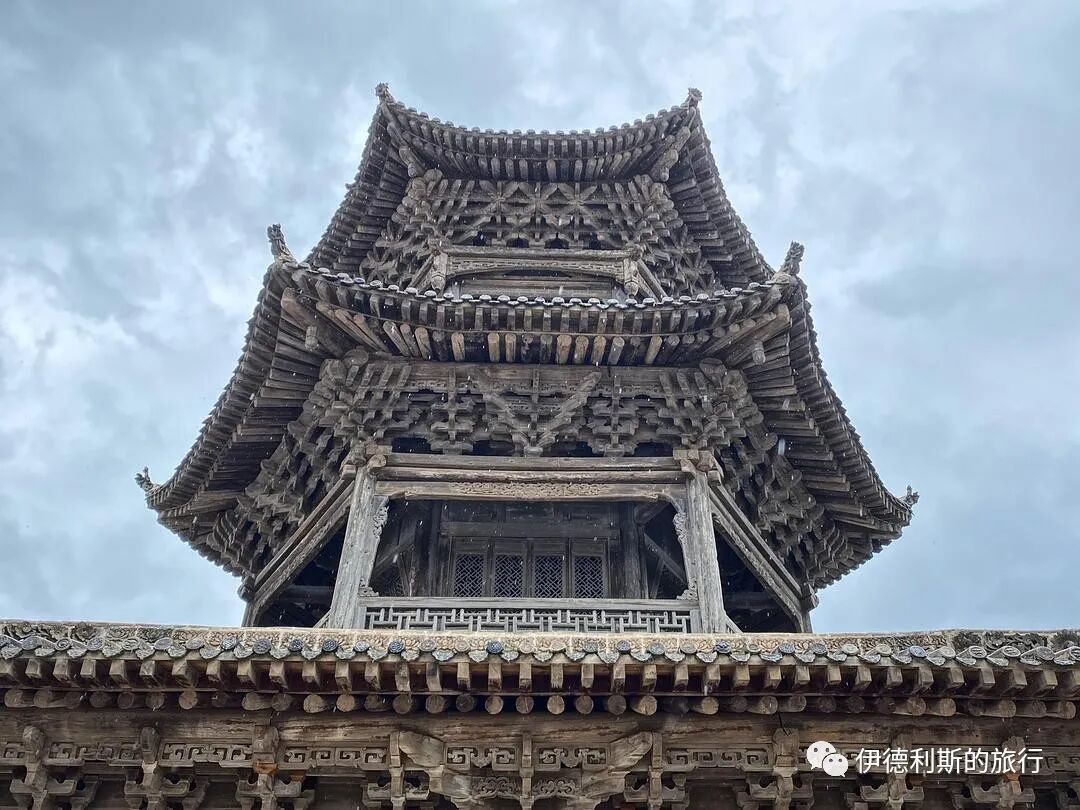
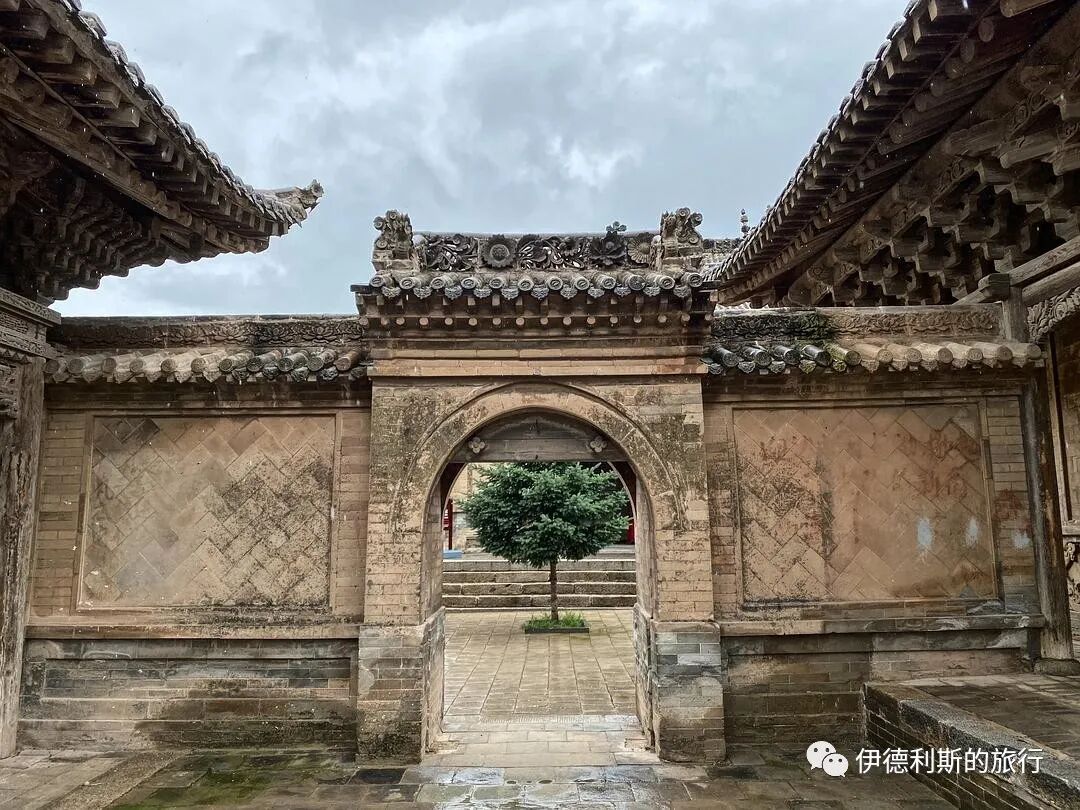
The mosque is divided into front and back courtyards by brick walls on both sides of the minaret.
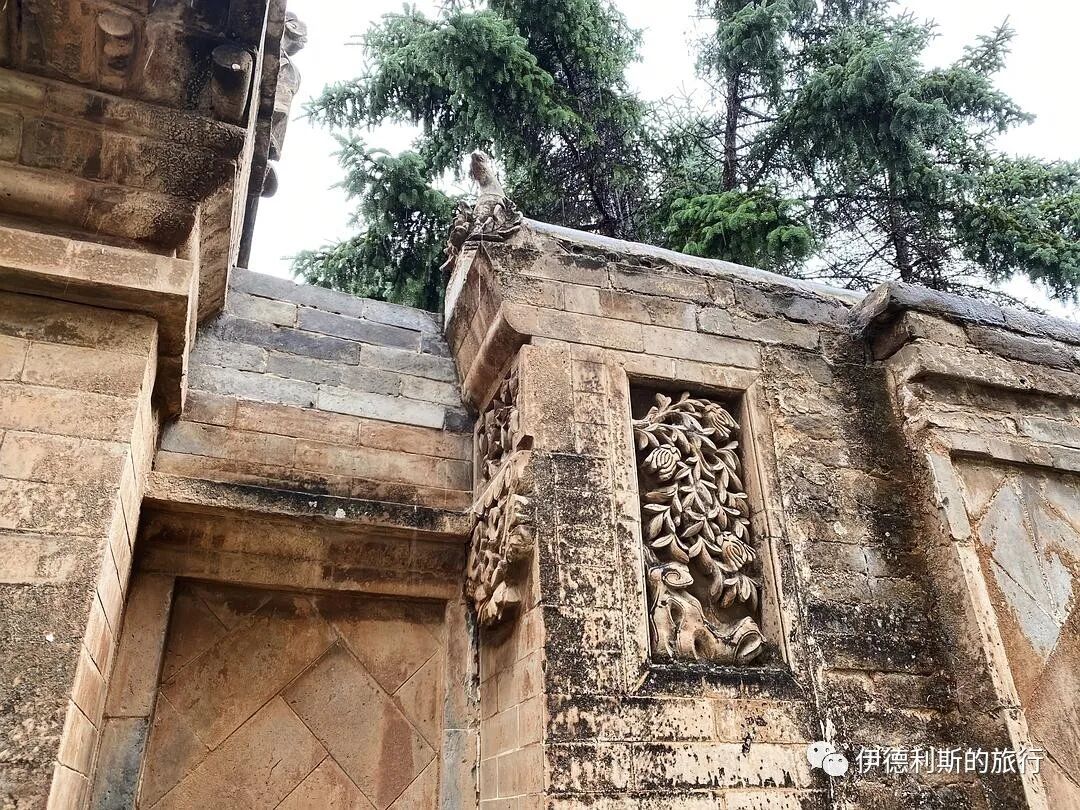
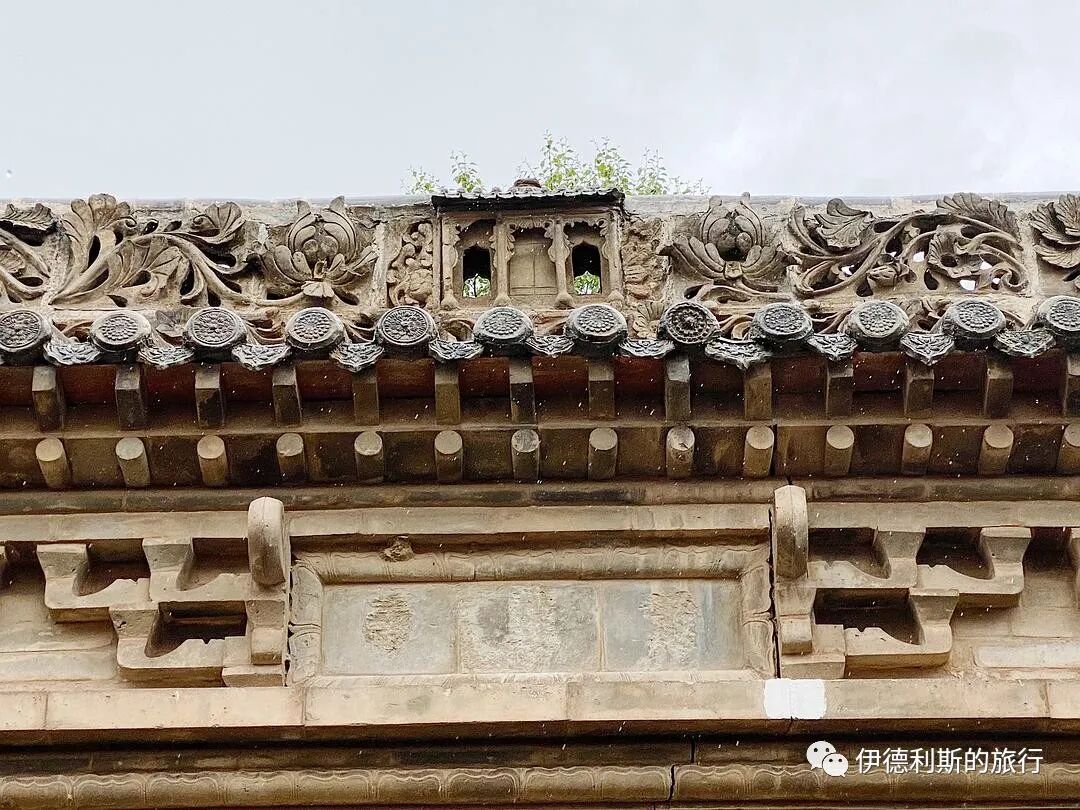
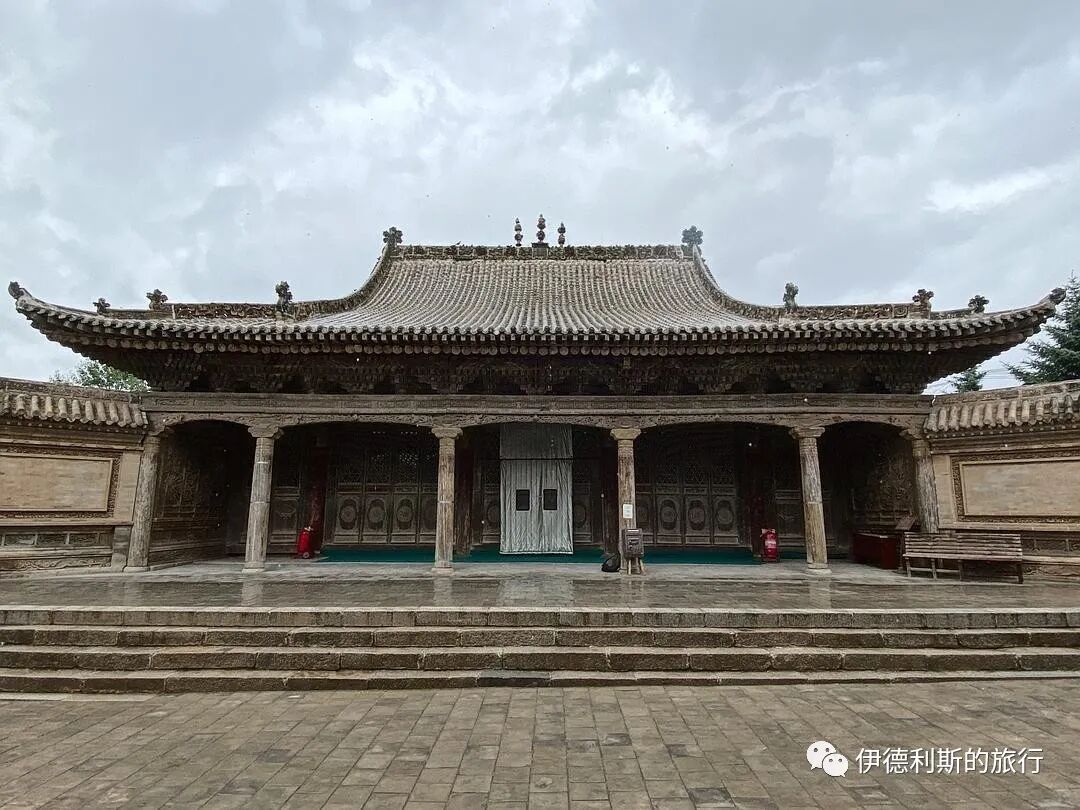
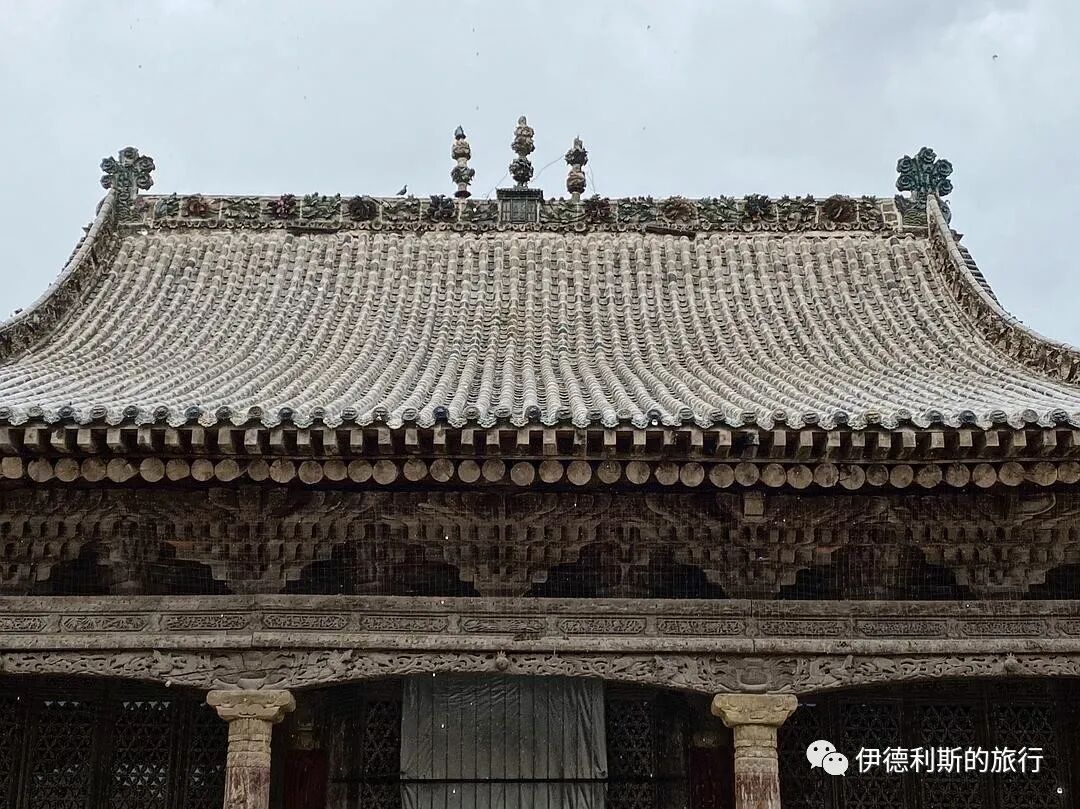
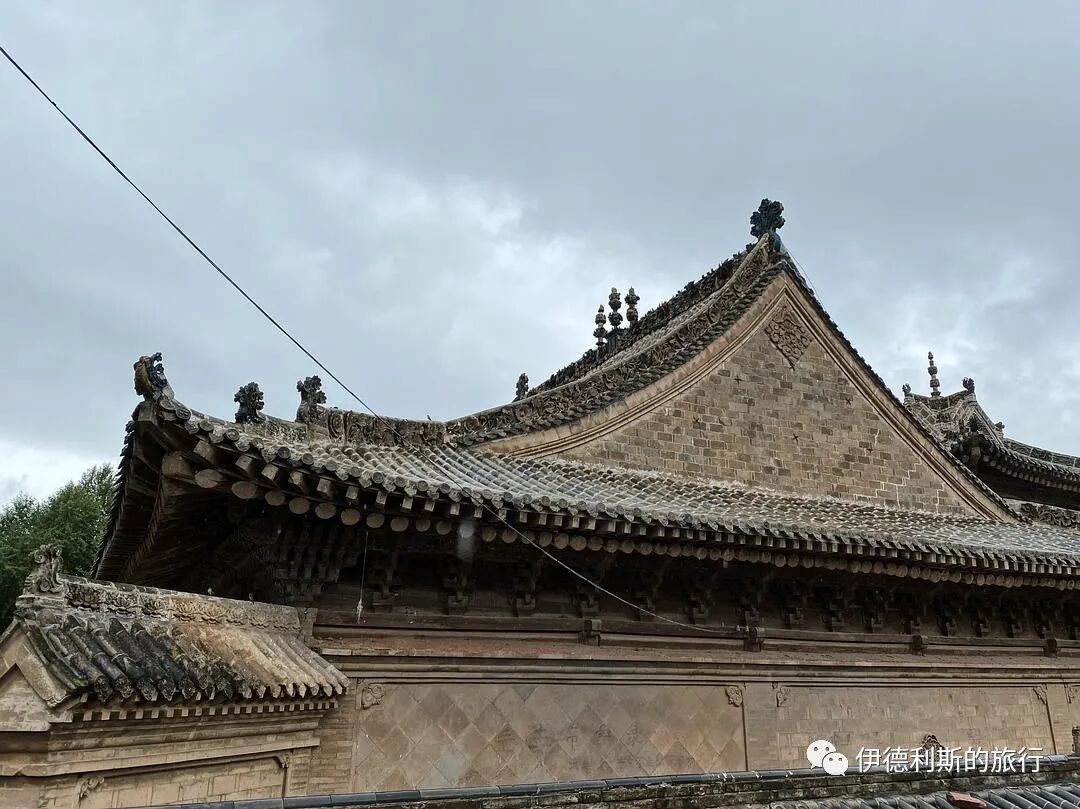
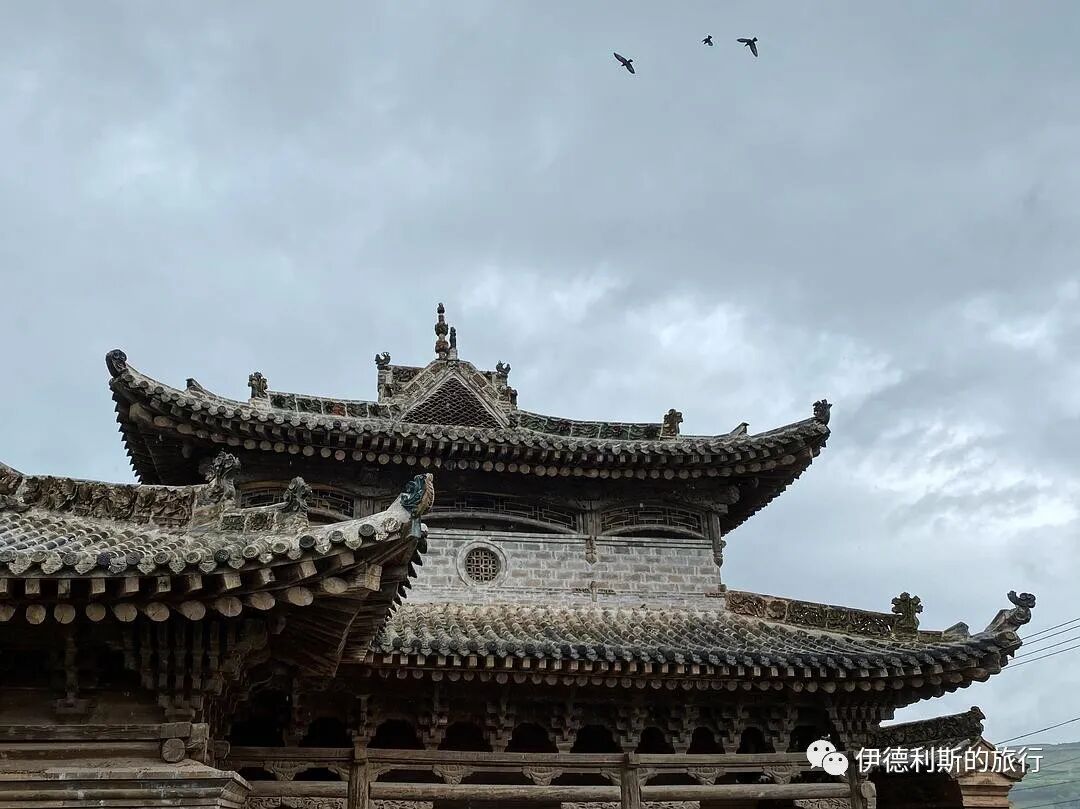
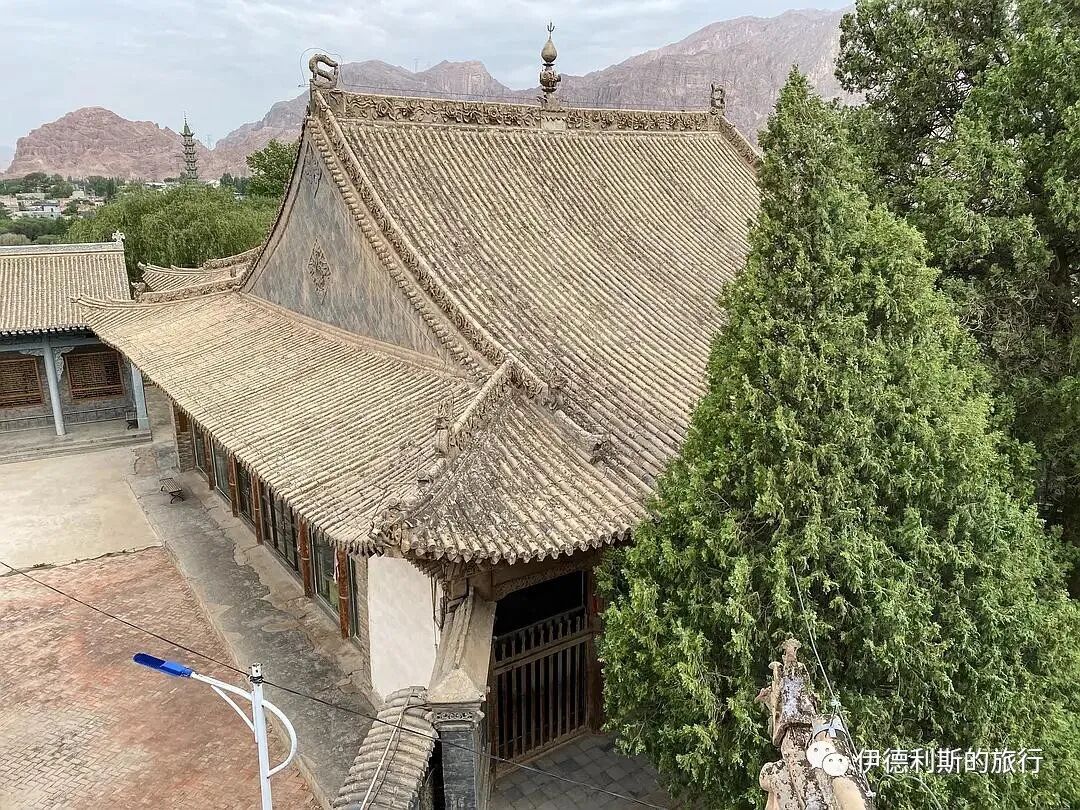
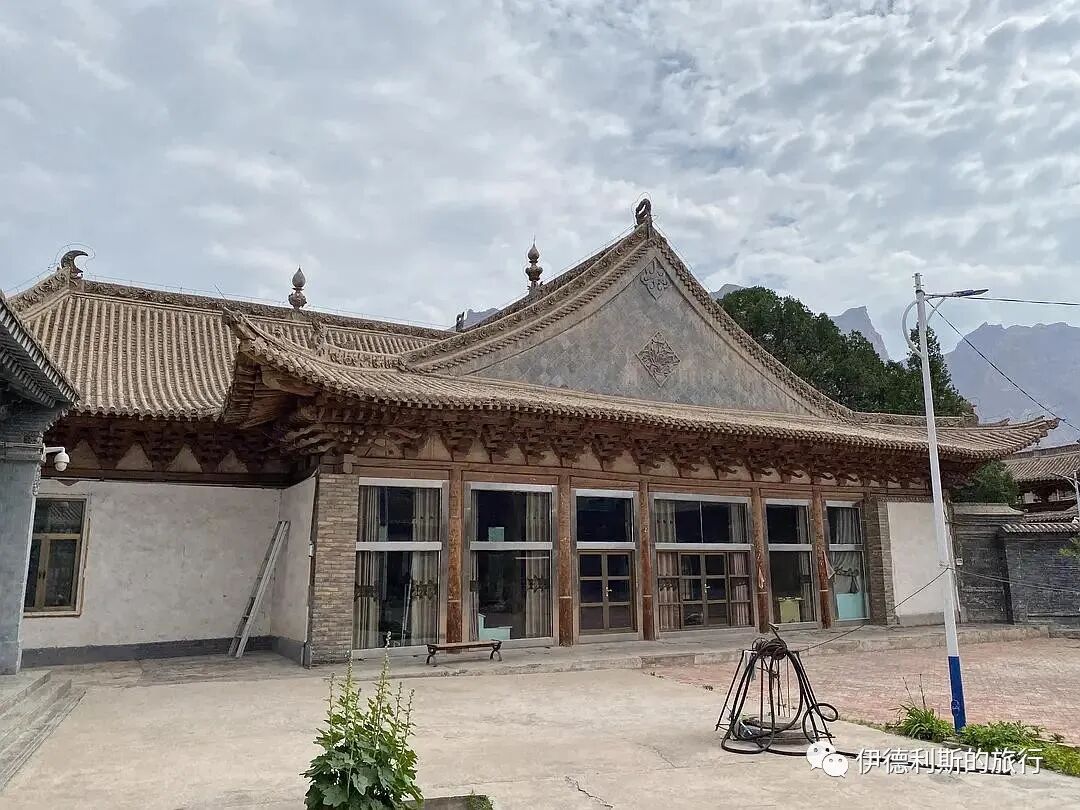
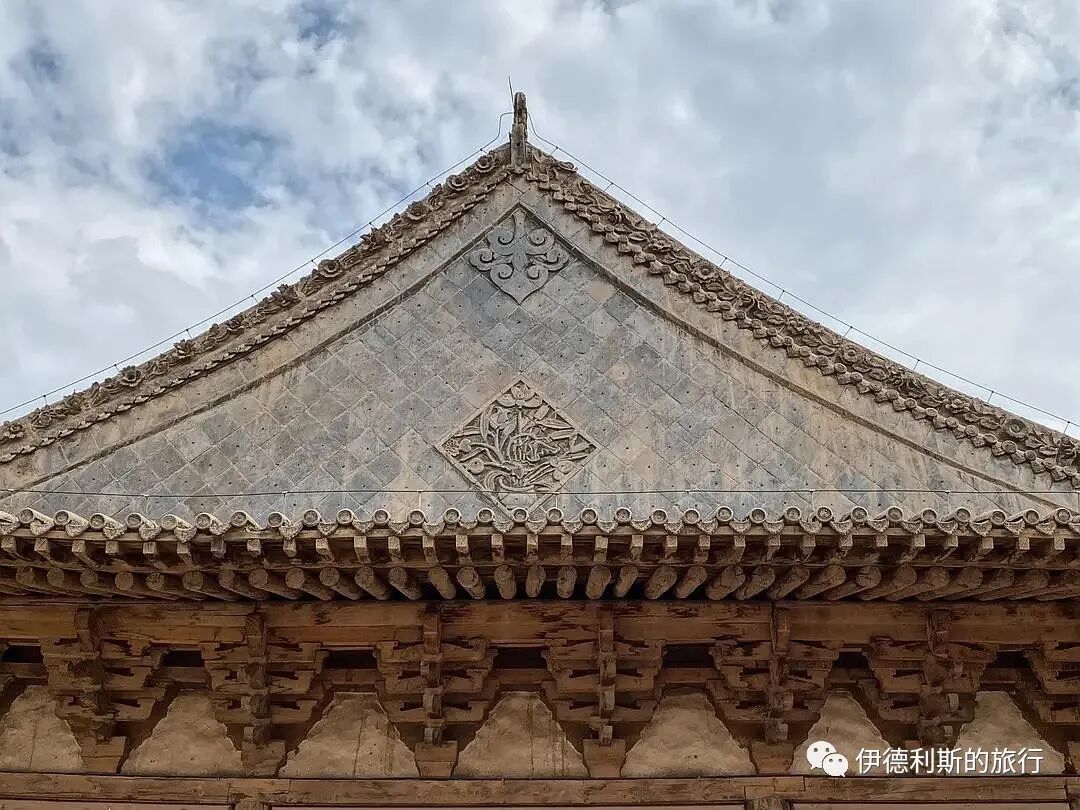
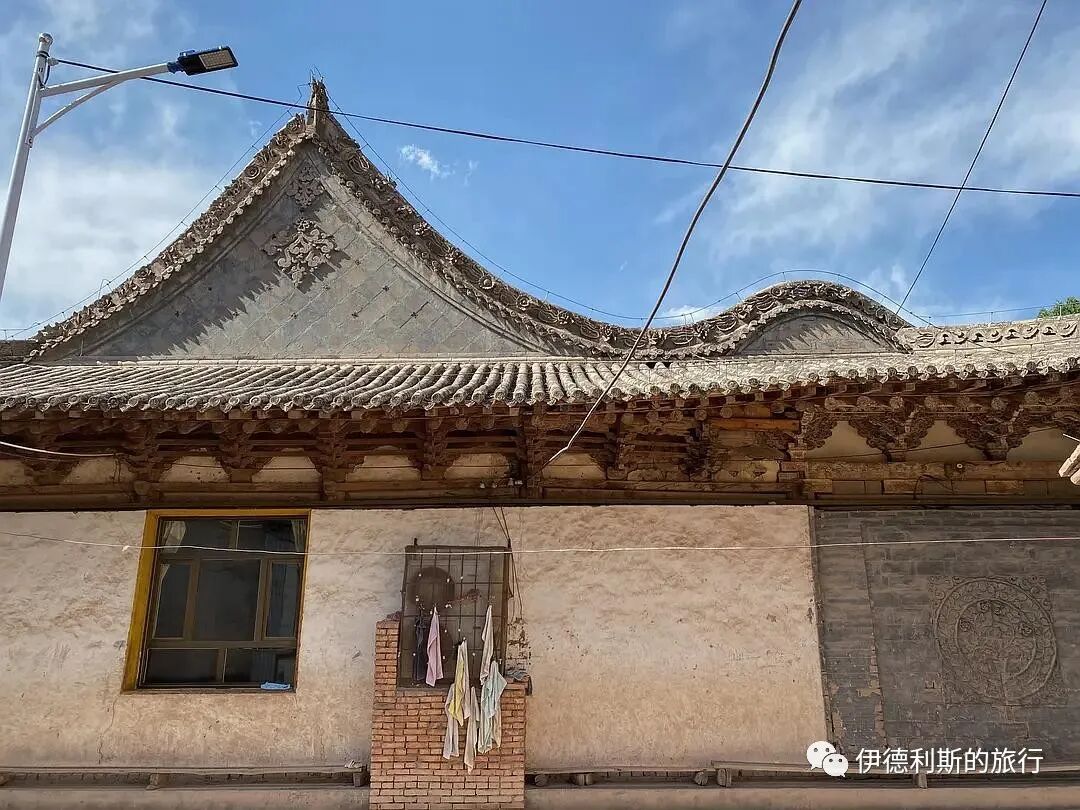
The main hall has a vaulted gable-and-hip roof and consists of three parts: the front porch, the main hall, and the rear kiln-style hall. The roof ridge of the main hall features openwork glazed brick carvings and architectural models of dougong-style halls, with ornaments inspired by the 'treasure vases' placed on the roof ridges of Tibetan Buddhist temples.
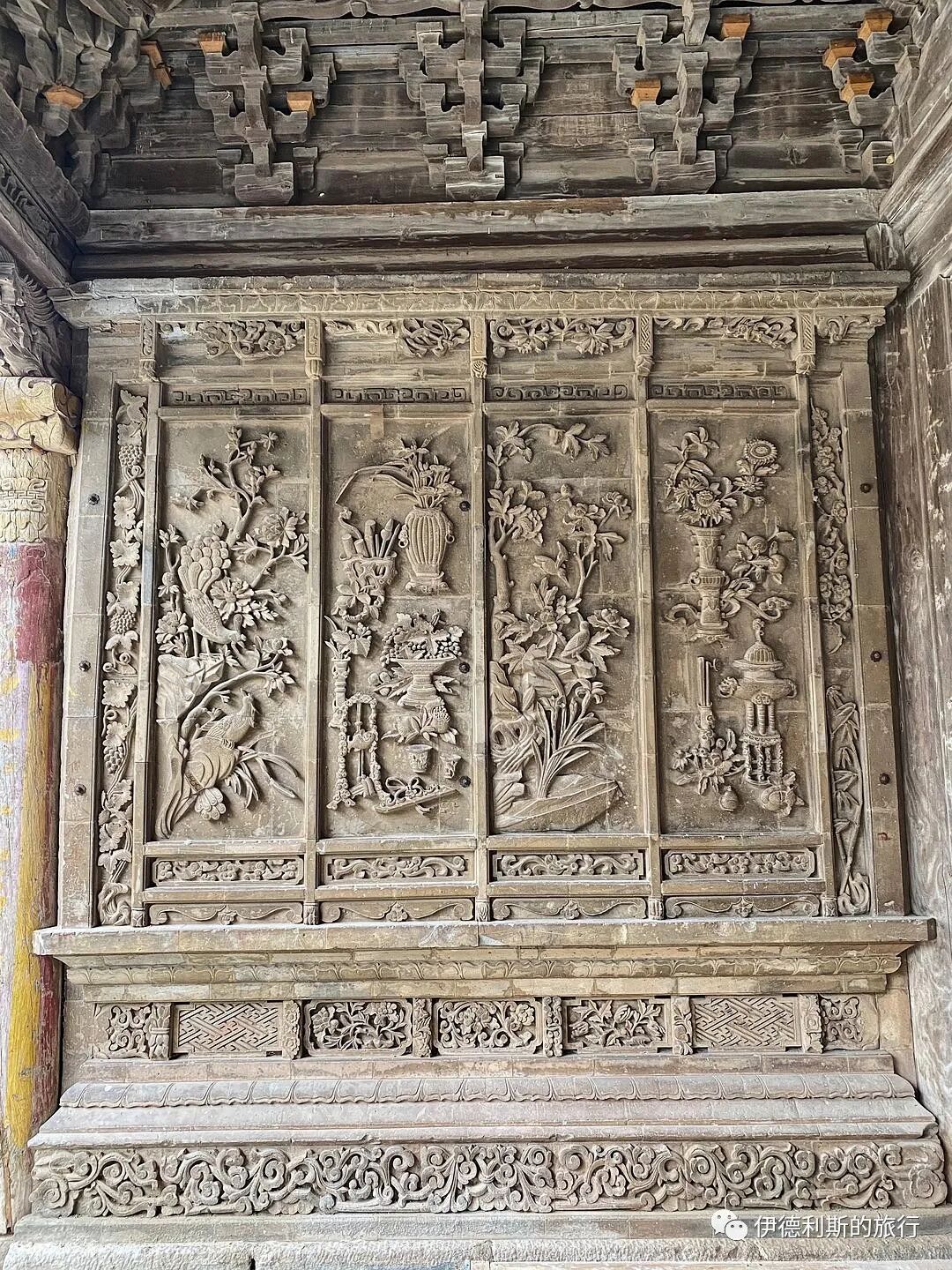
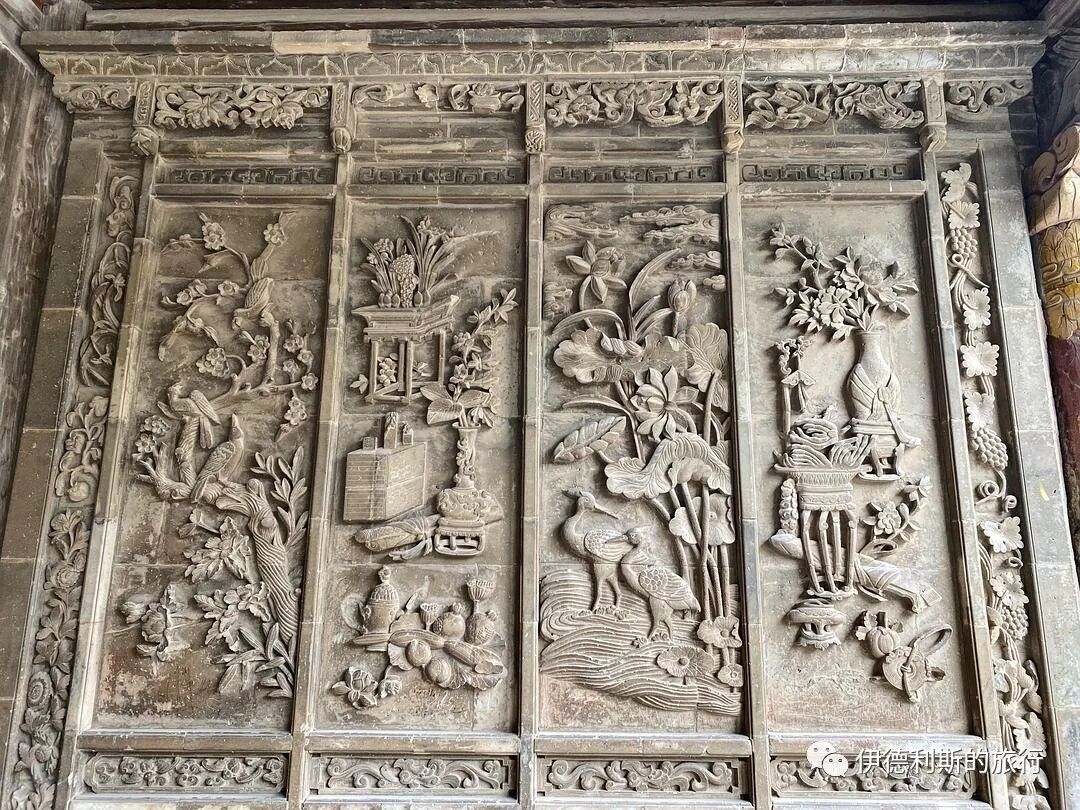
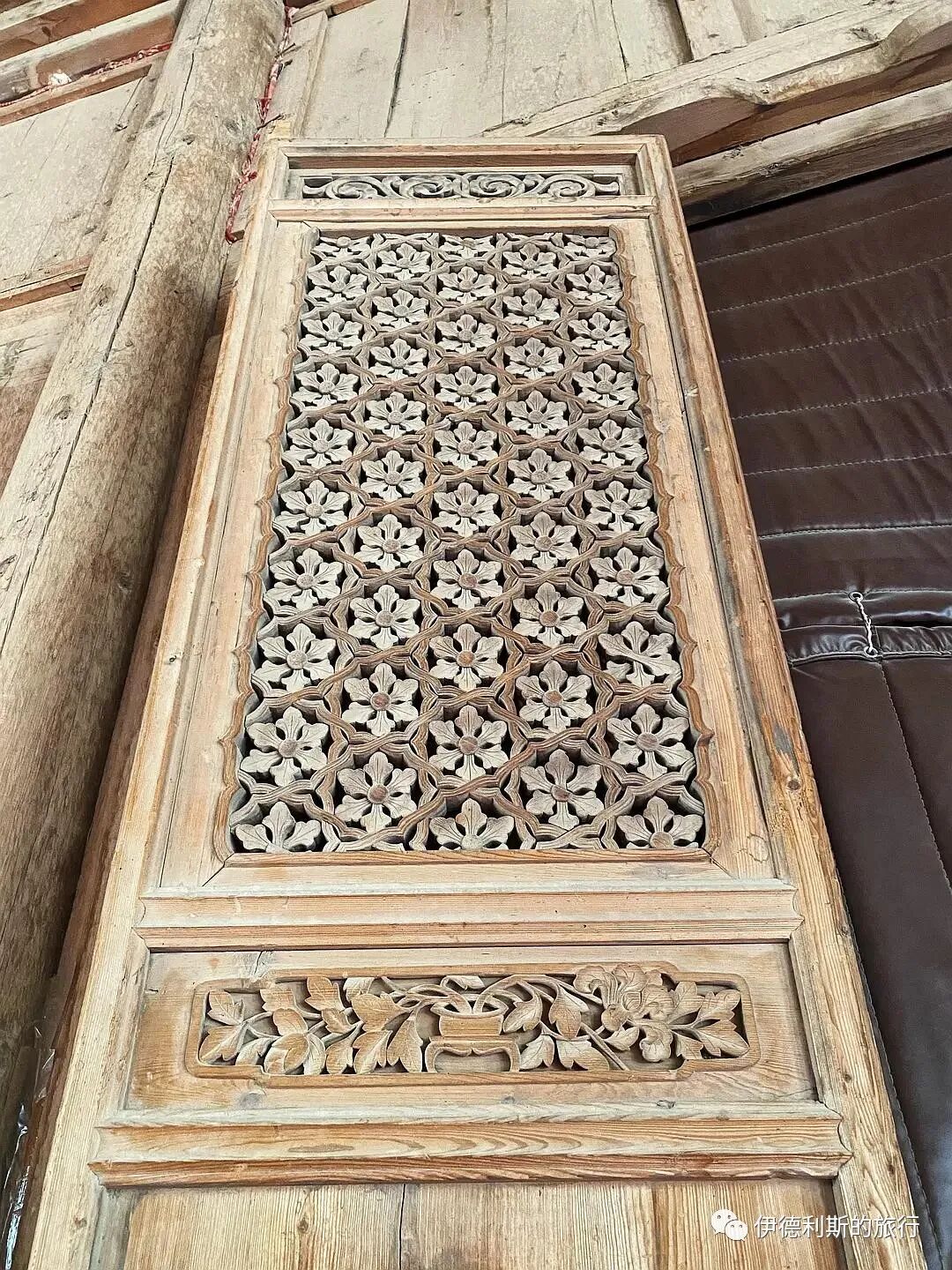
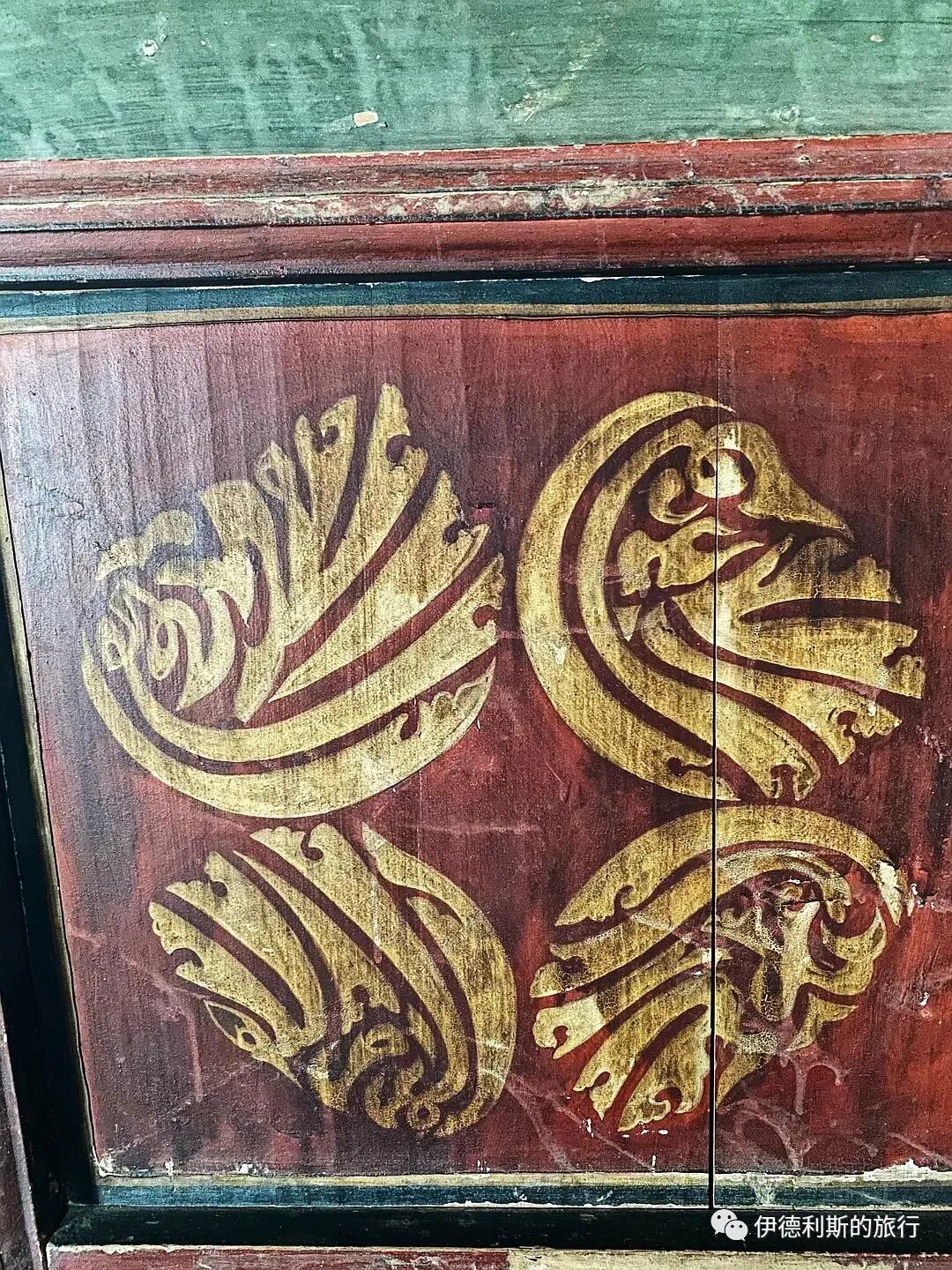
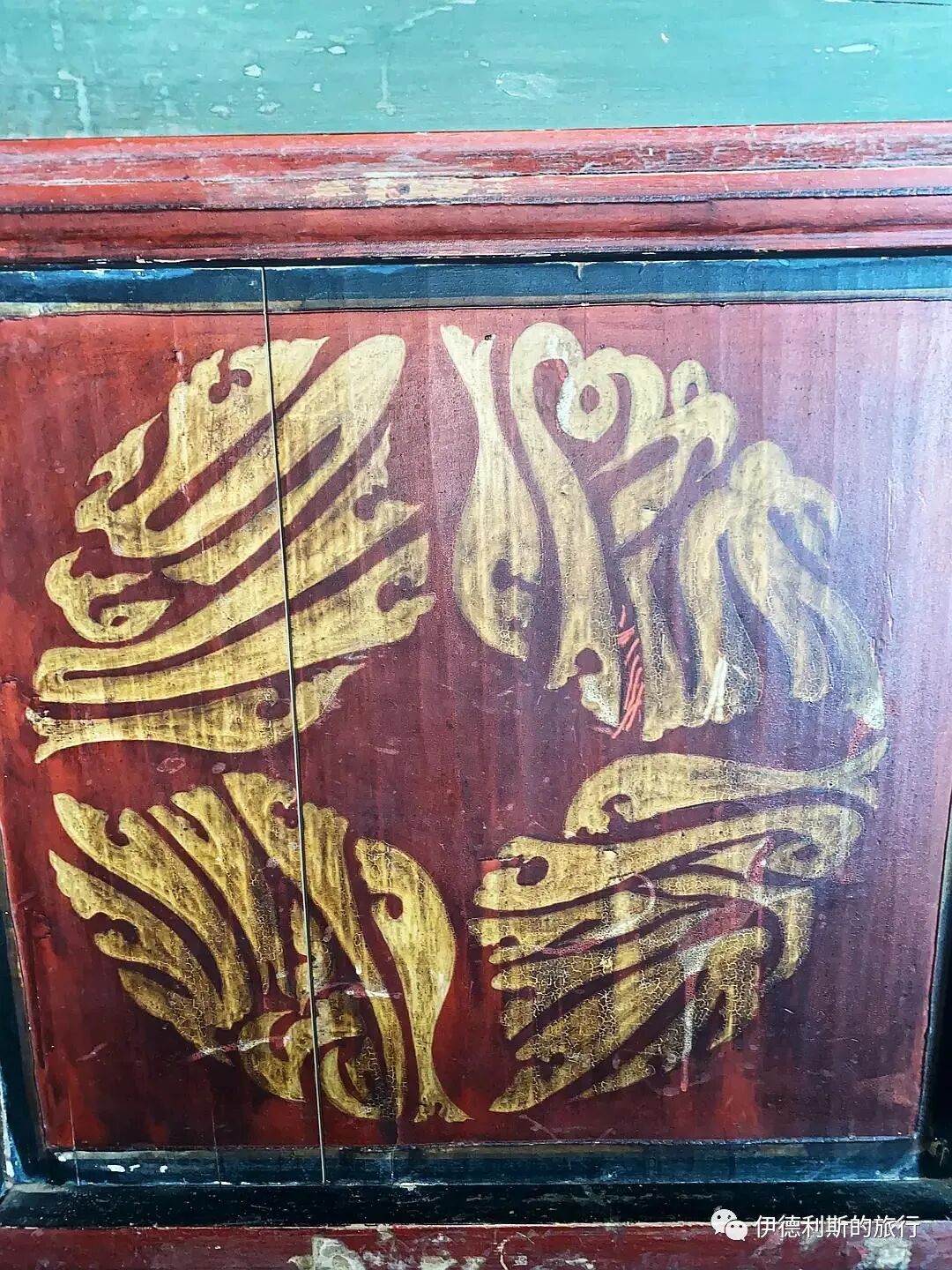
On both sides of the main hall, the eight-character screen panels are carved with patterns of 'peacocks playing with peonies', 'four arts and ruyi', 'bamboo and plum blossoms for double happiness', 'peace throughout the four seasons', 'jade hall and peace', 'joyful news of early spring', 'mandarin ducks playing in water', 'lotus flowers on a single stalk', and 'pomegranate bursting with a hundred seeds', as well as large seals, fish, conch shells, and various floral designs.
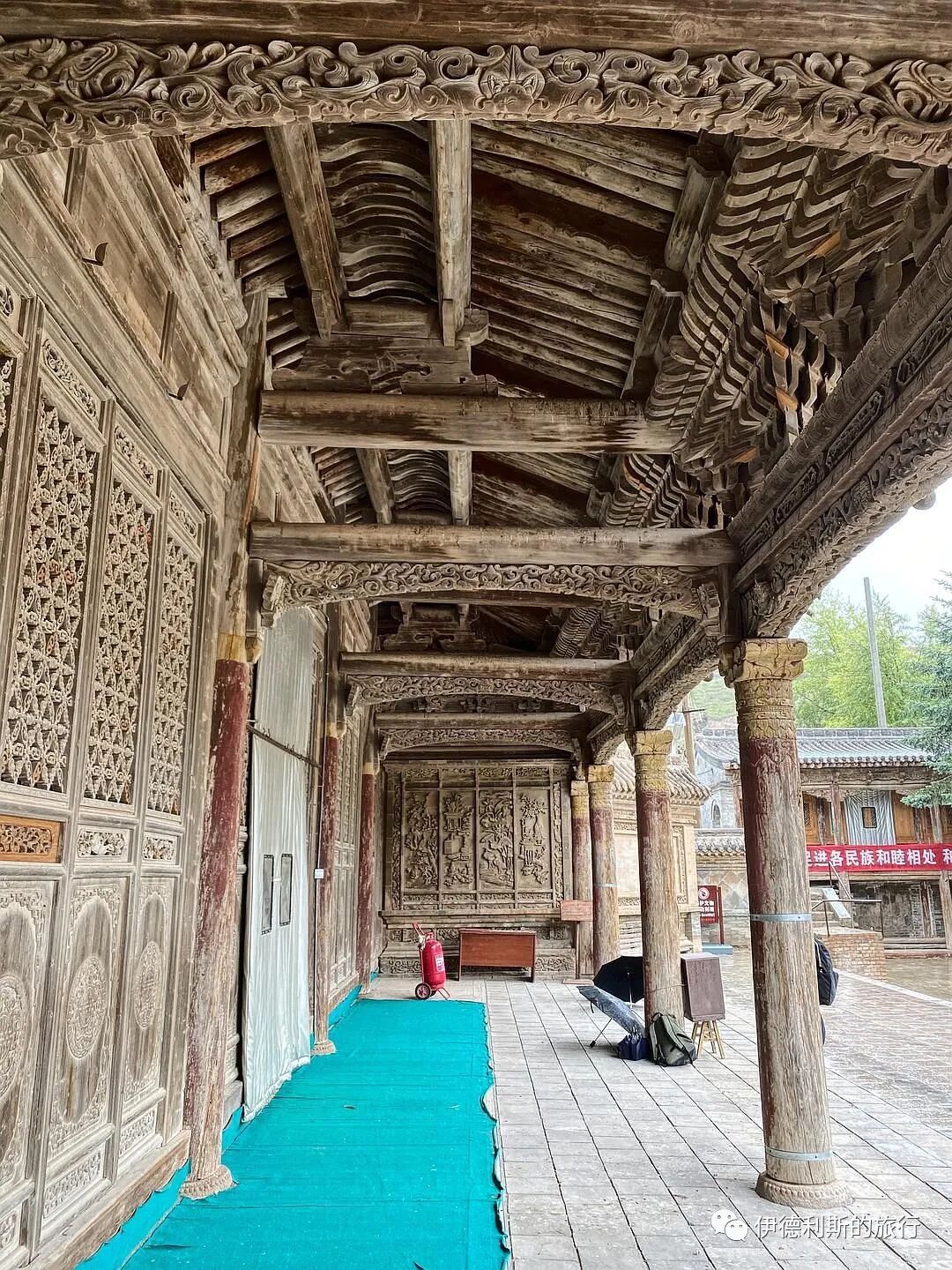
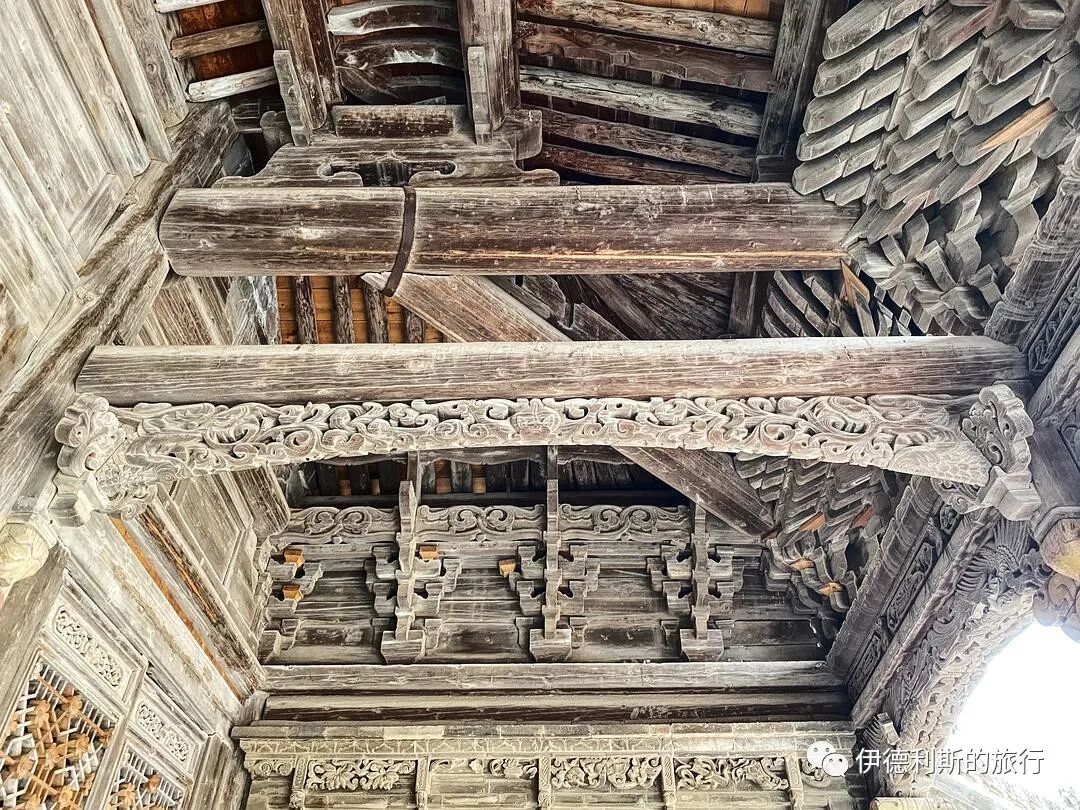
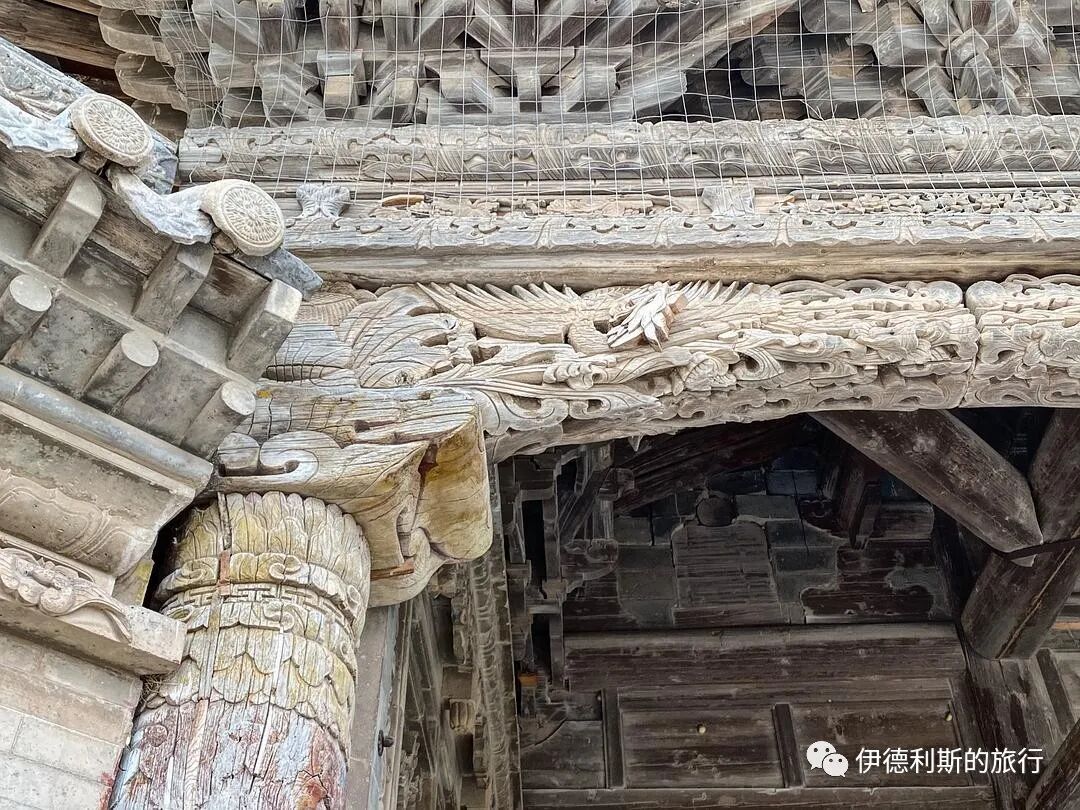
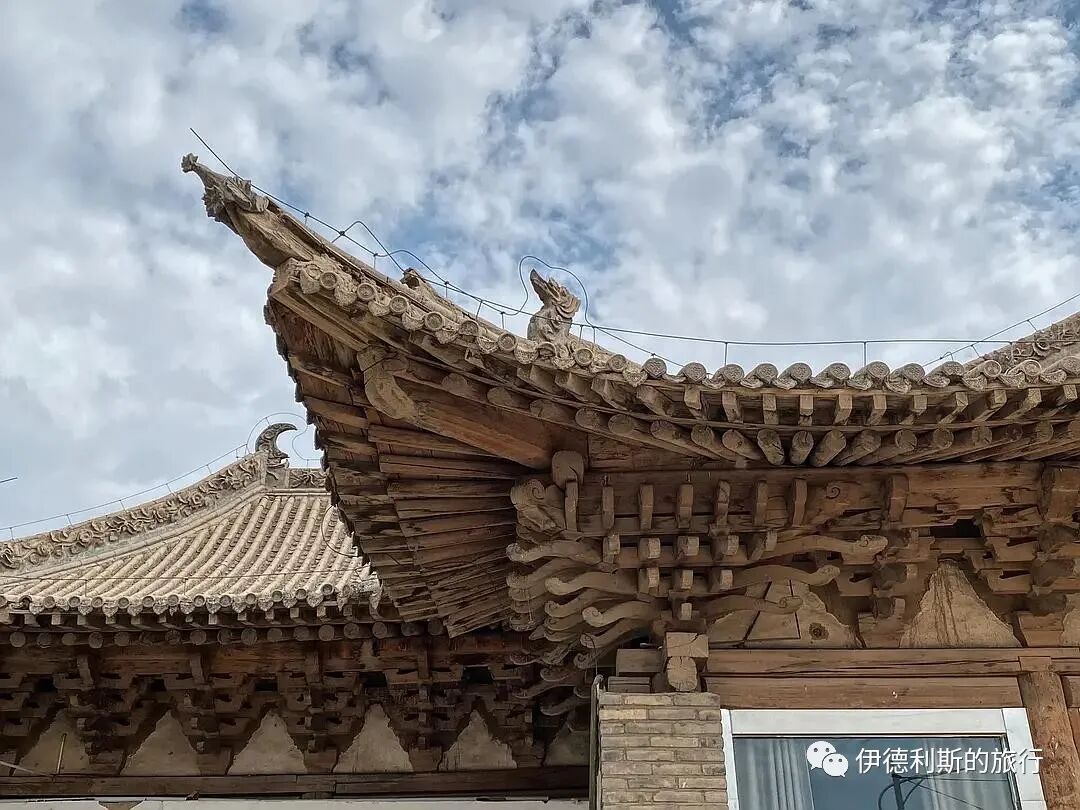
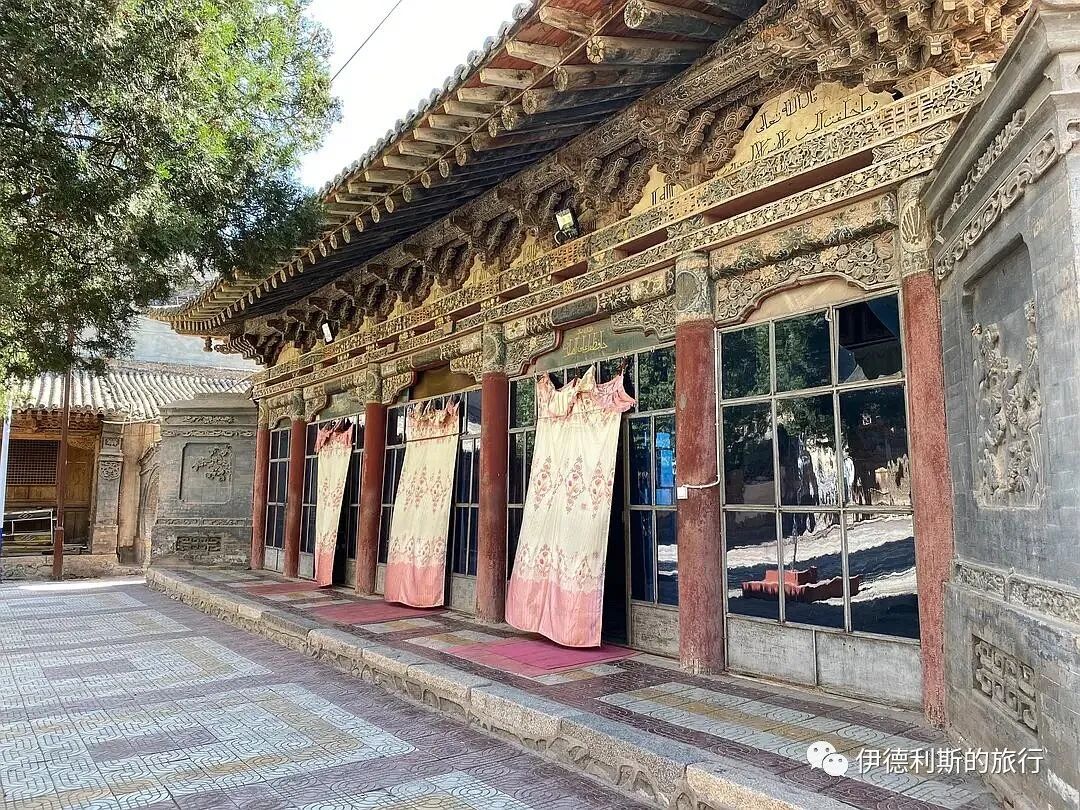
The front porch capitals use corbels to support the beam frame, which is in the Tibetan architectural style. The wooden carvings on the circular arch spandrels feature patterns such as 'two dragons playing with a pearl' and 'a dragon playing with a phoenix'. The wooden carvings at the junction of the eaves columns and inner columns feature 'dragon and tiger' patterns.
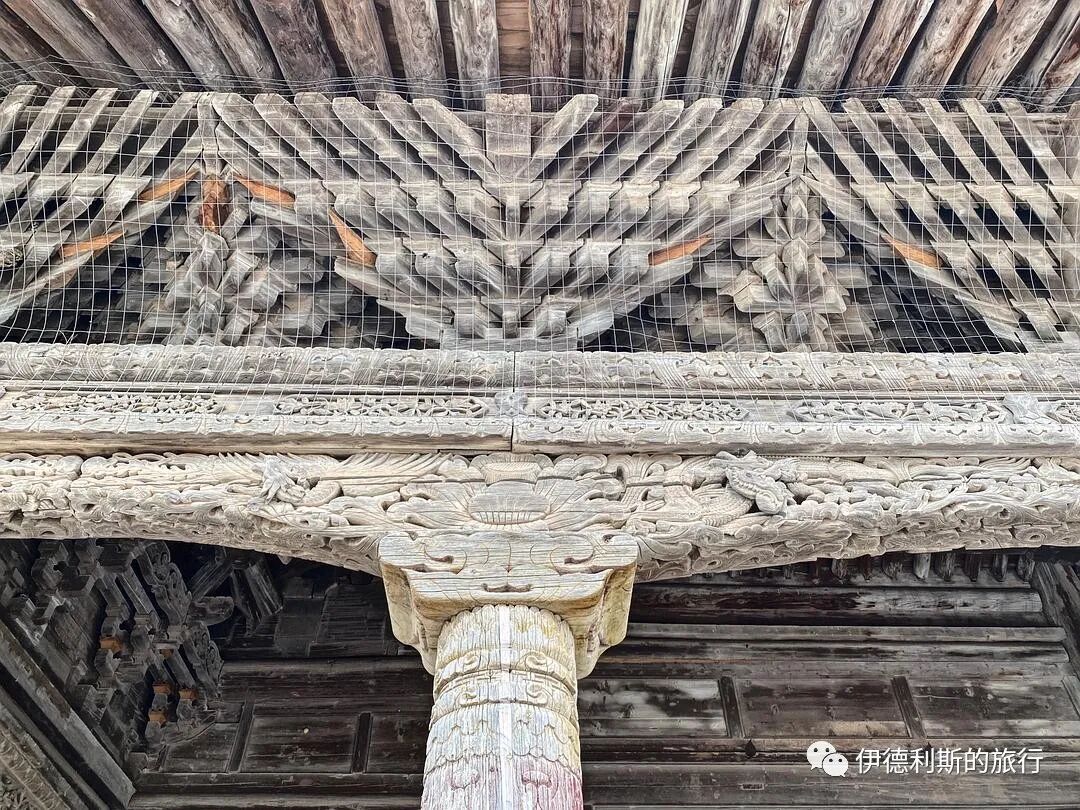
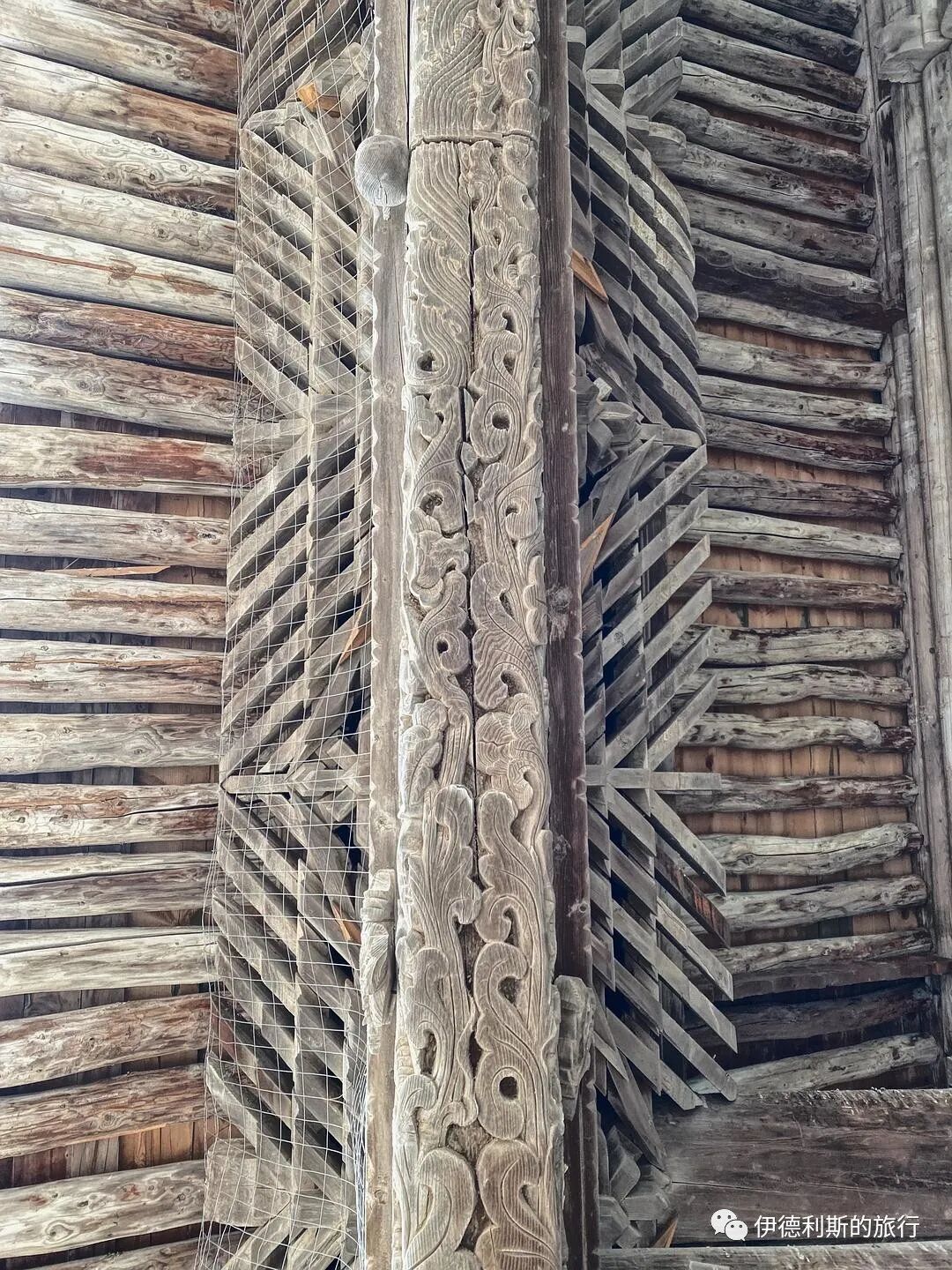
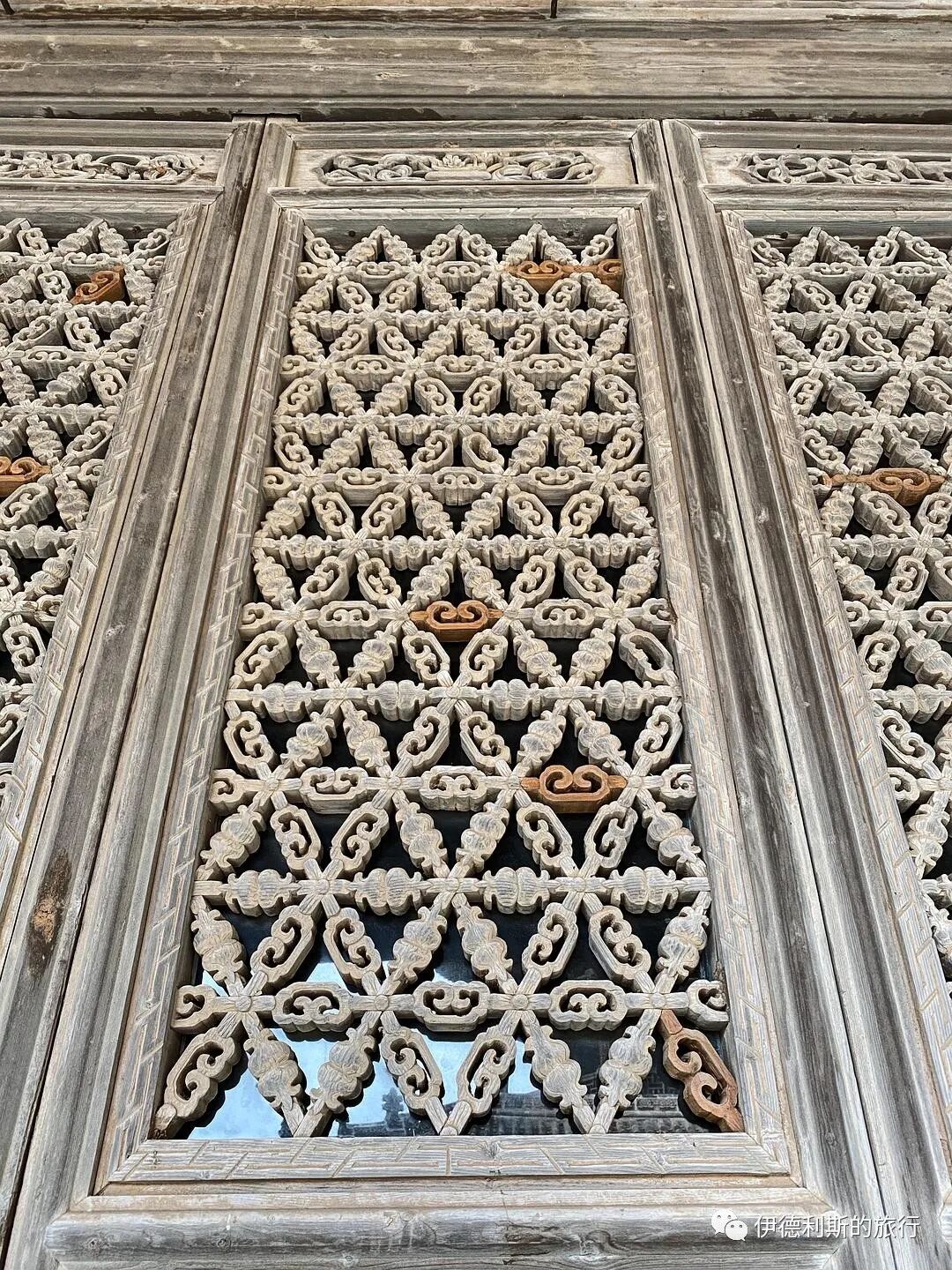
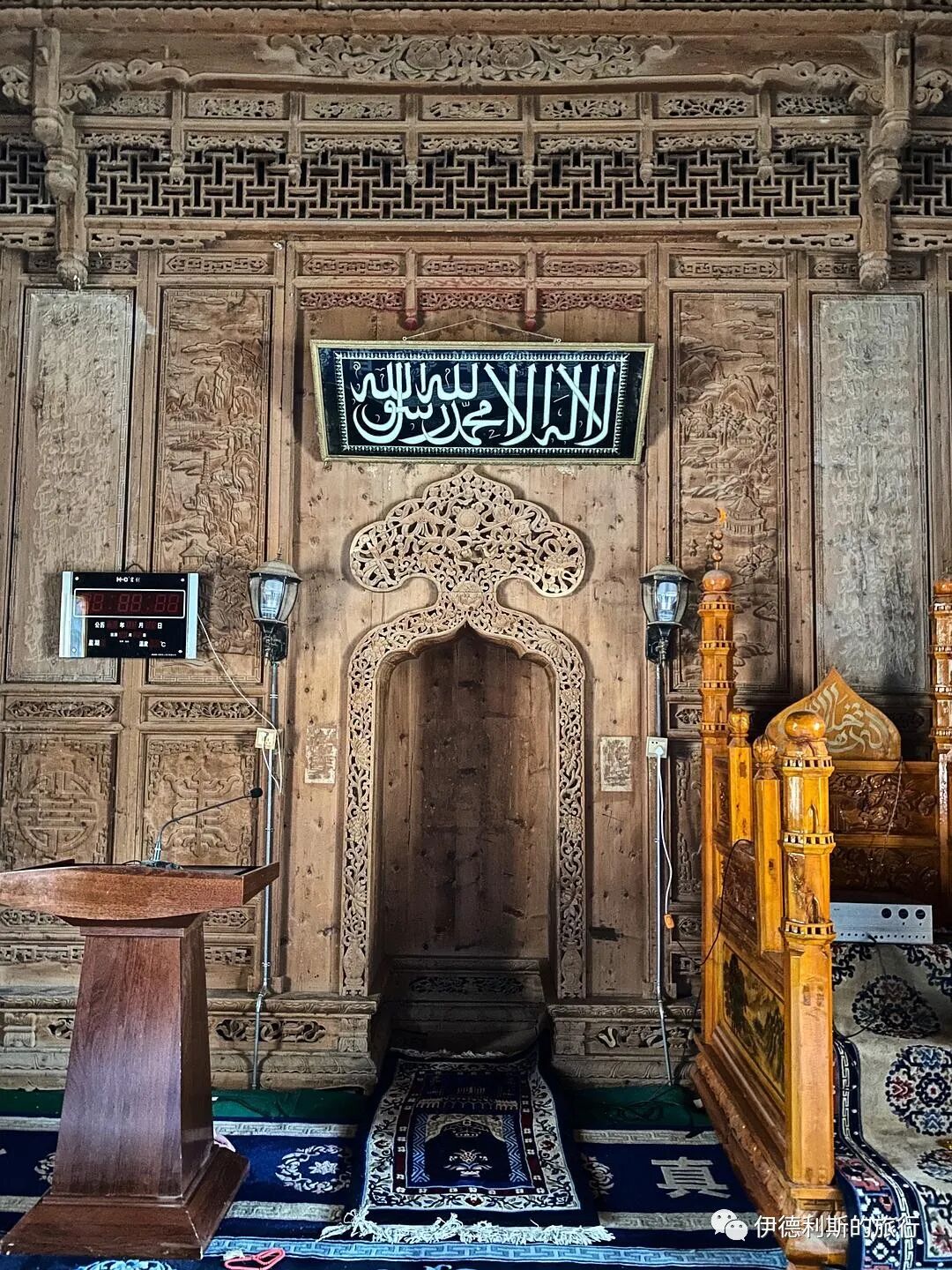
The rear hall is entirely made of wood carvings, with the upper part in the style of a celestial pavilion, featuring carved railings, partition doors, and dougong brackets. The caisson ceiling at the top resembles a giant open umbrella, commonly known as the 'heavenly canopy umbrella'.
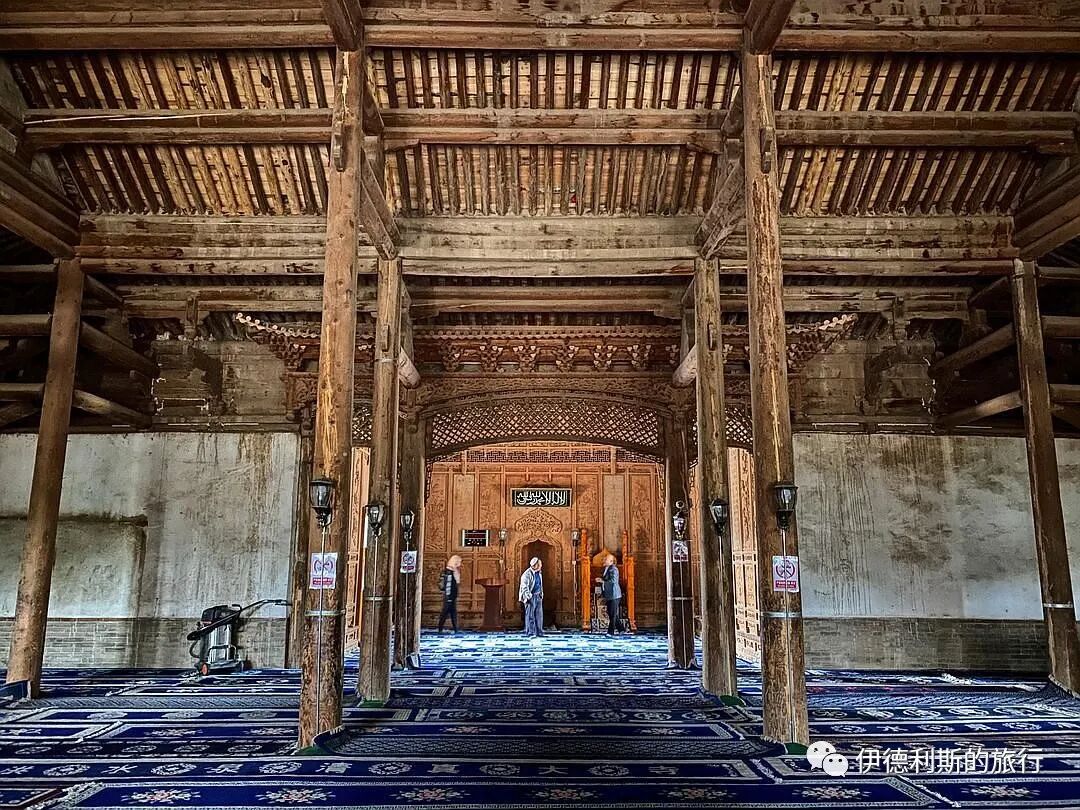
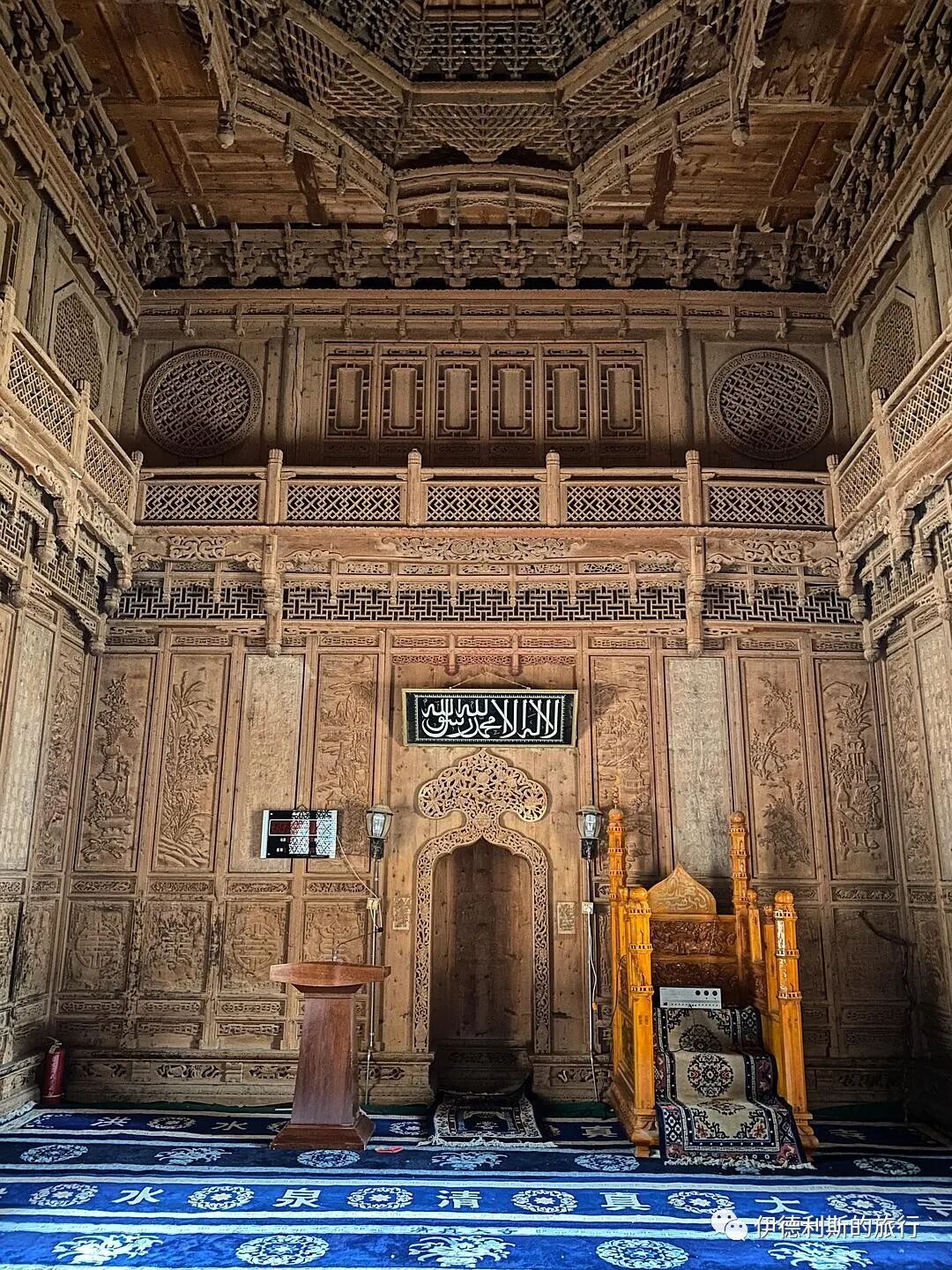
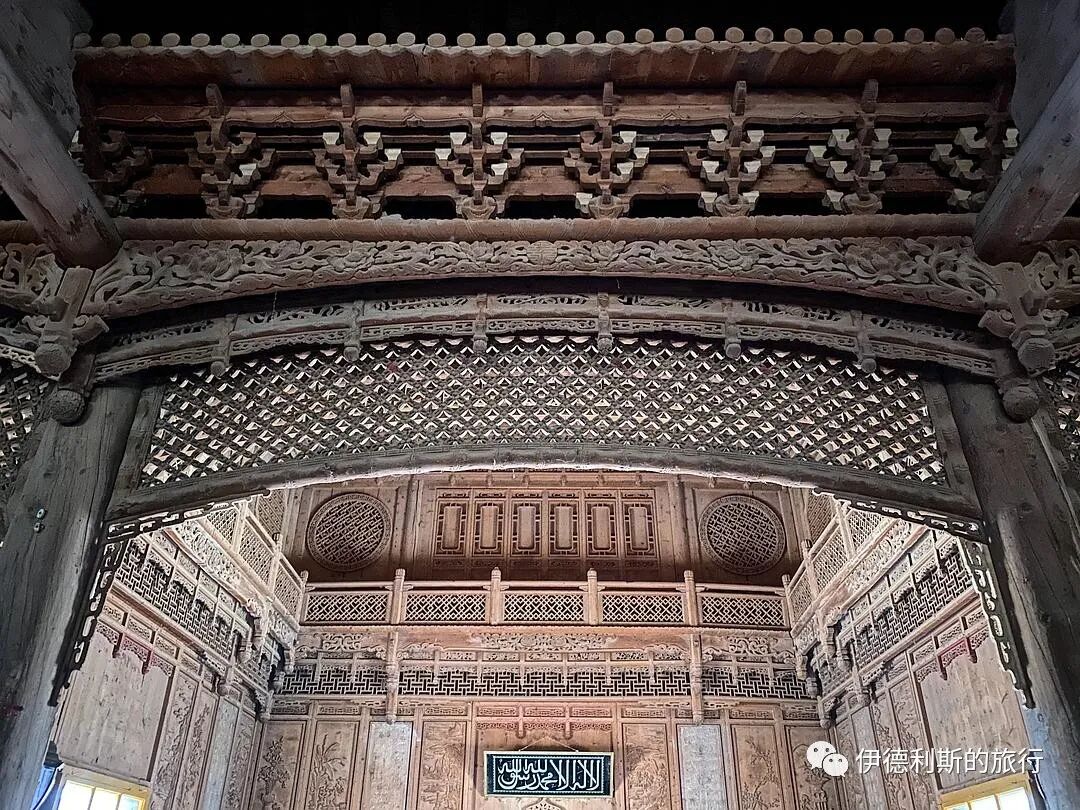
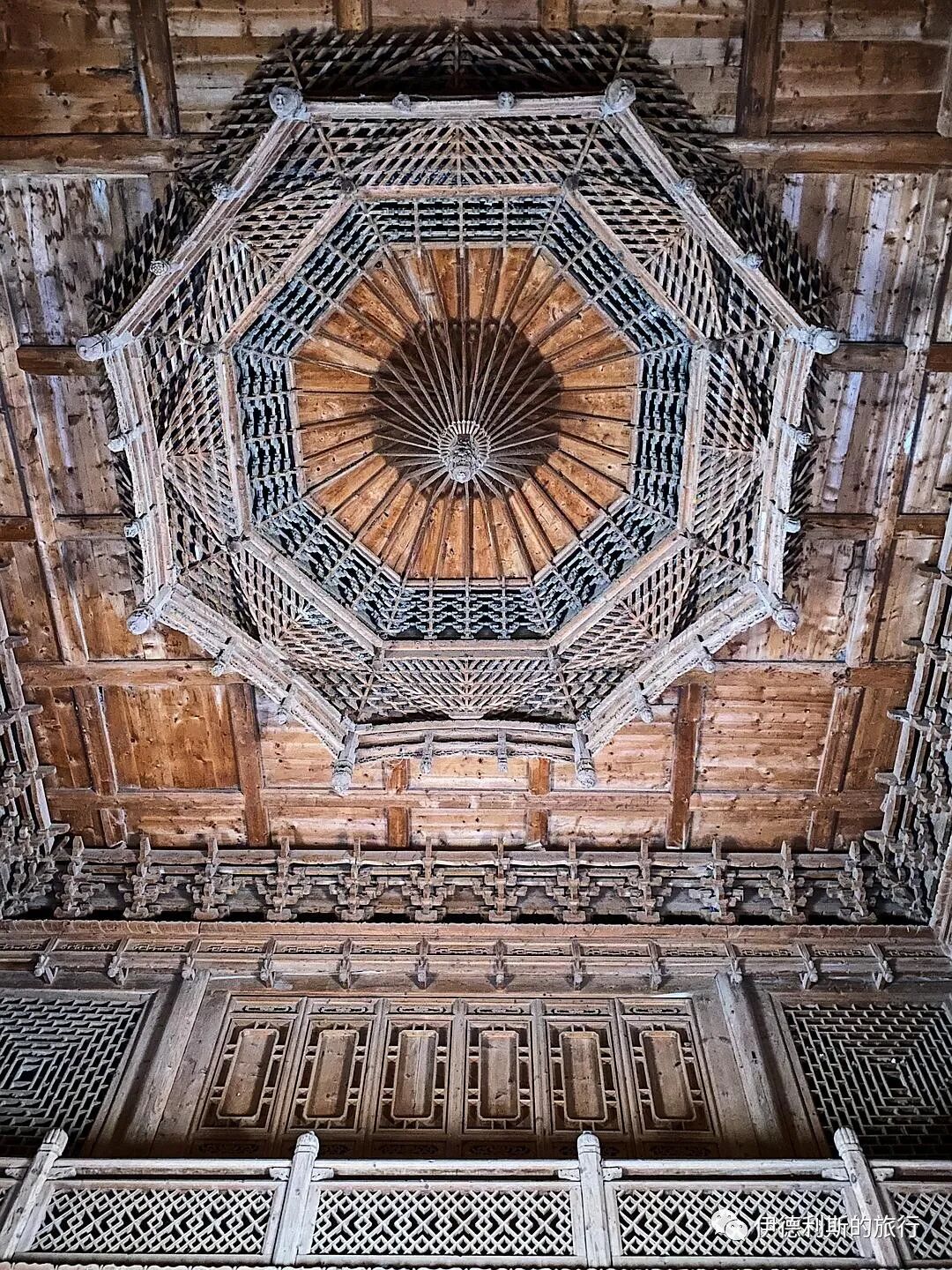
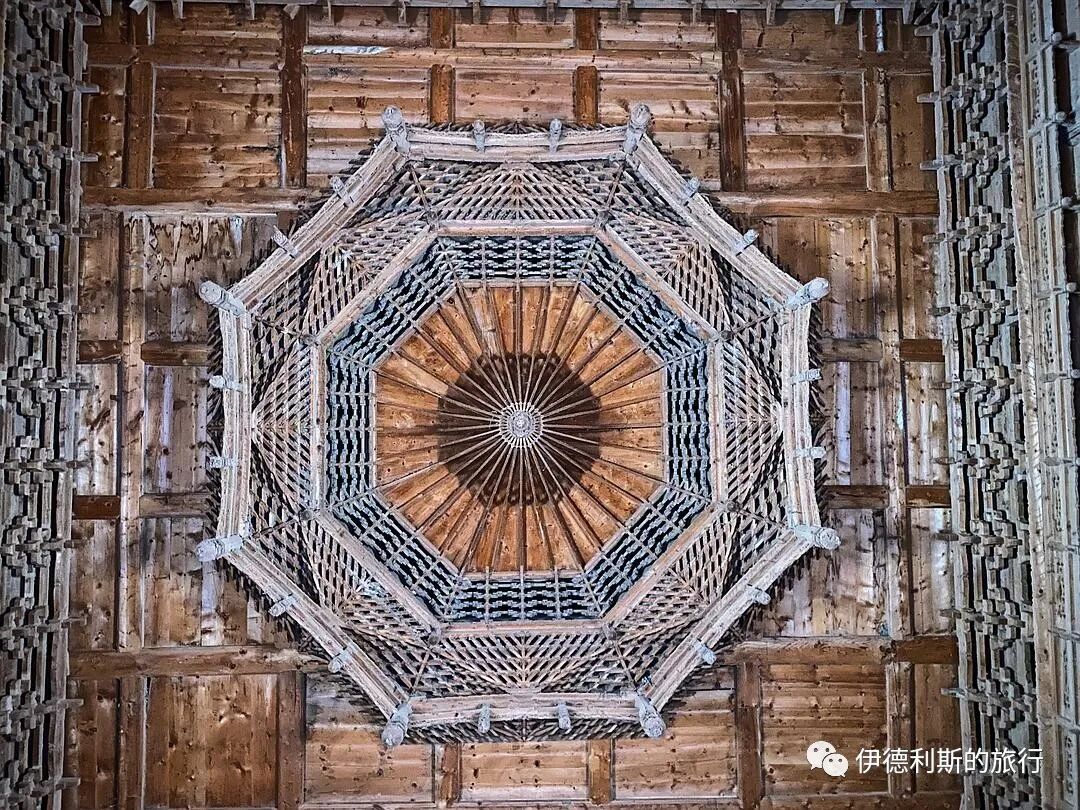
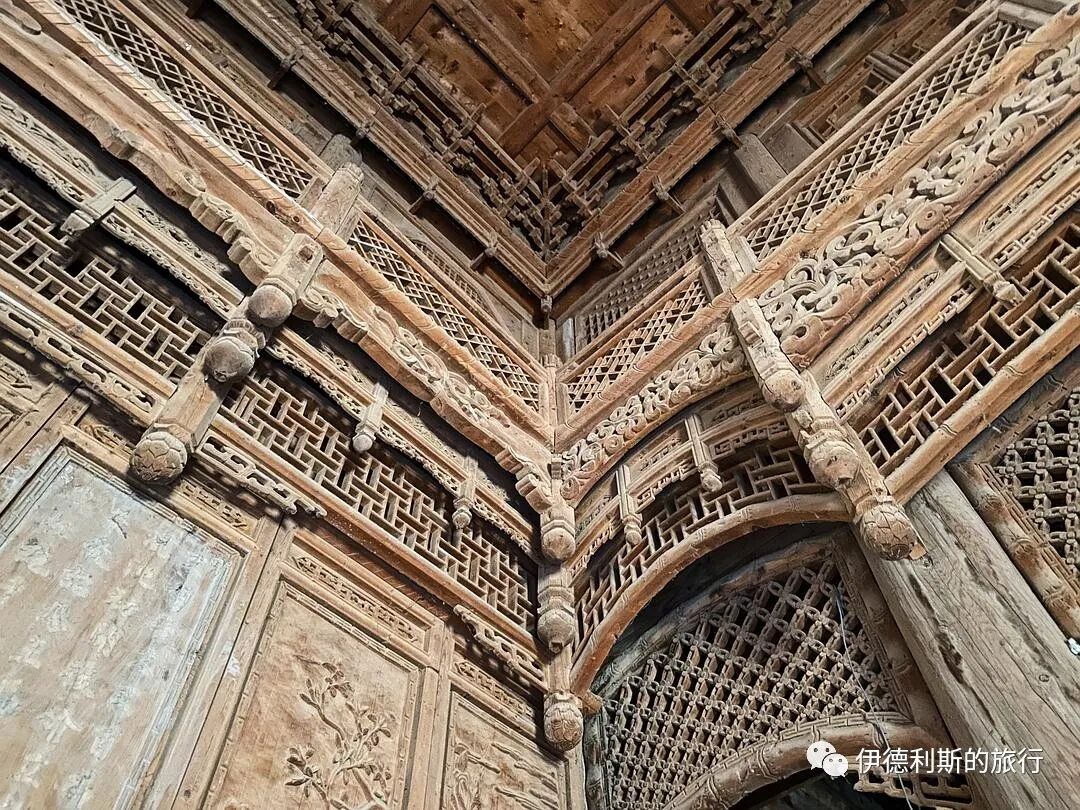
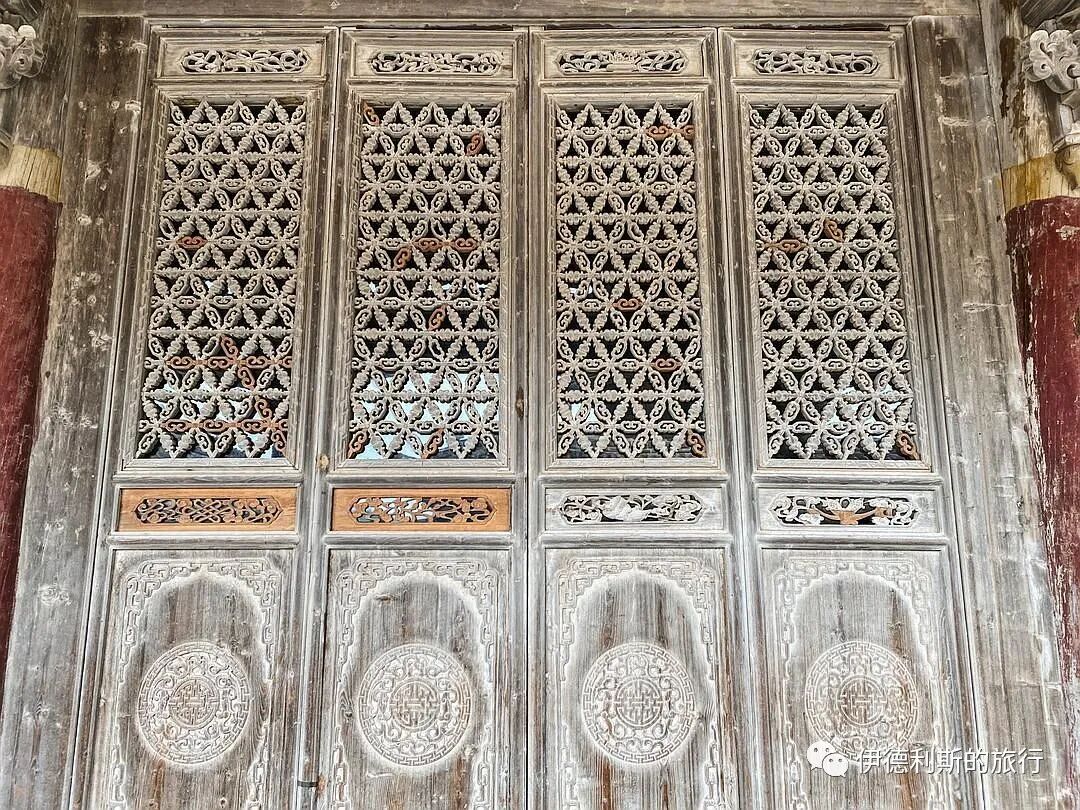
The lower part uses a partition screen design, carved with various landscapes, plants, and pavilions, but unfortunately, the Arabic wood carvings were destroyed during the Cultural Revolution. The door apron panels are entirely carved with the character 'Shou' (longevity) in different calligraphic styles.
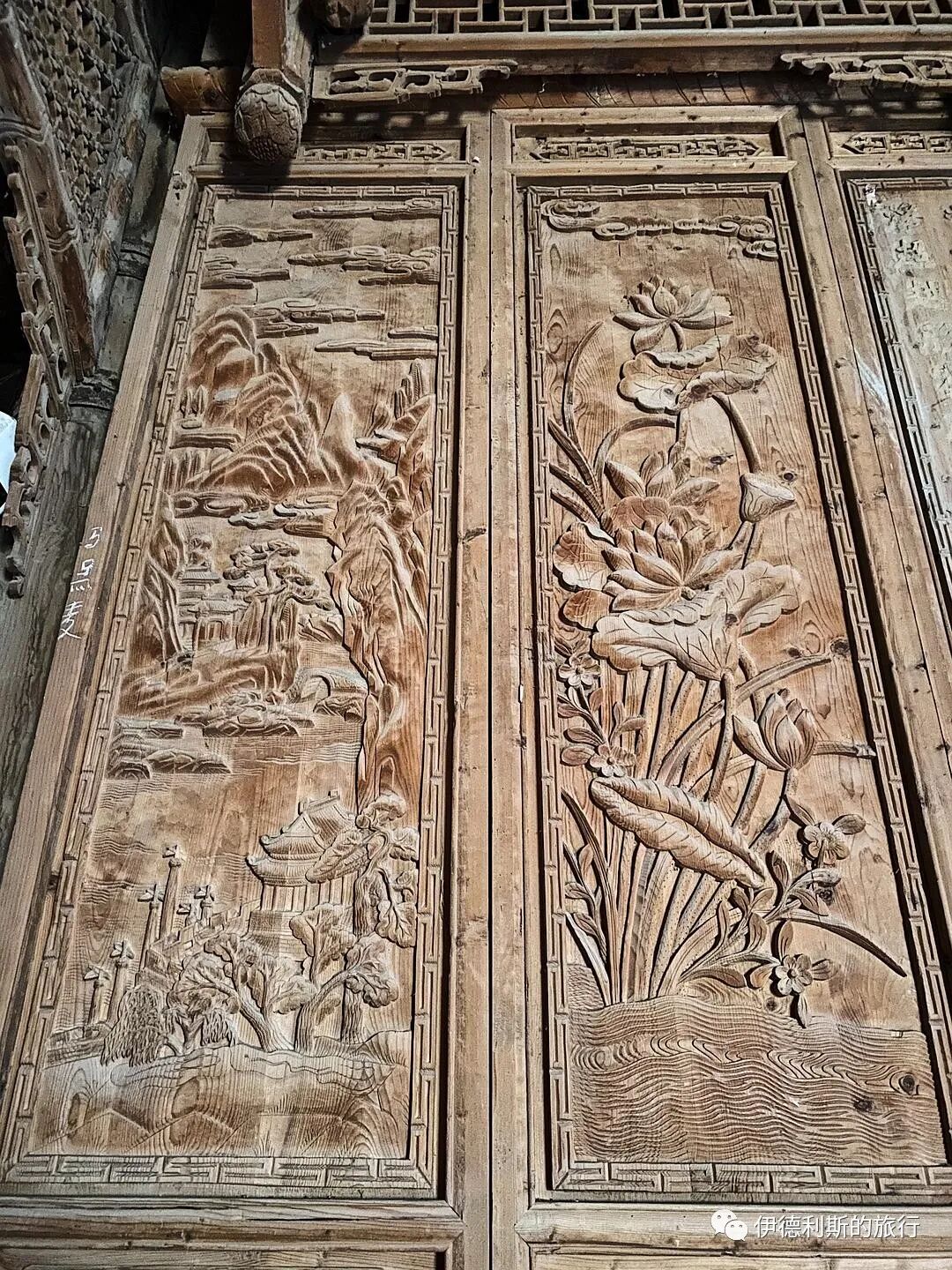
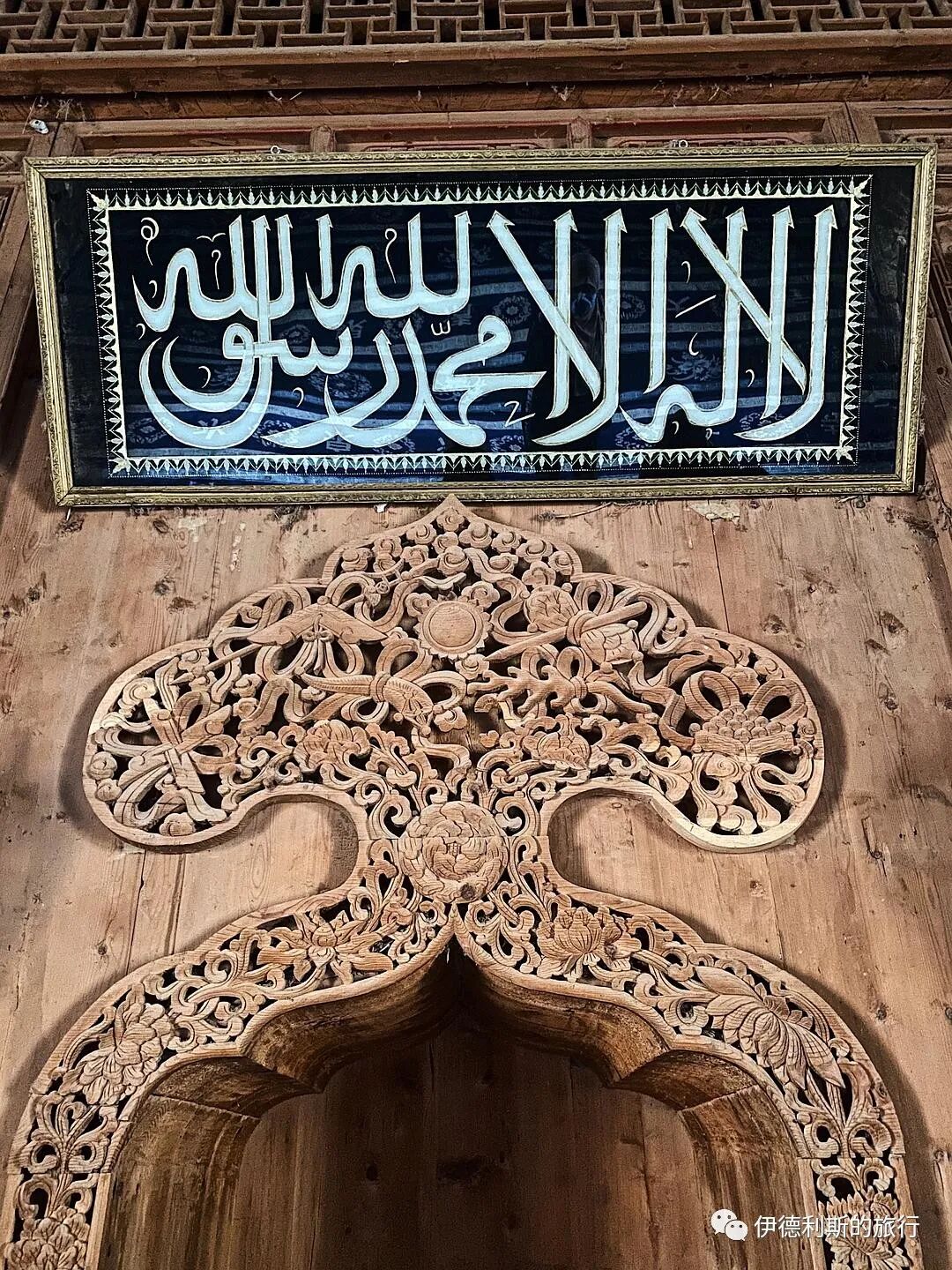
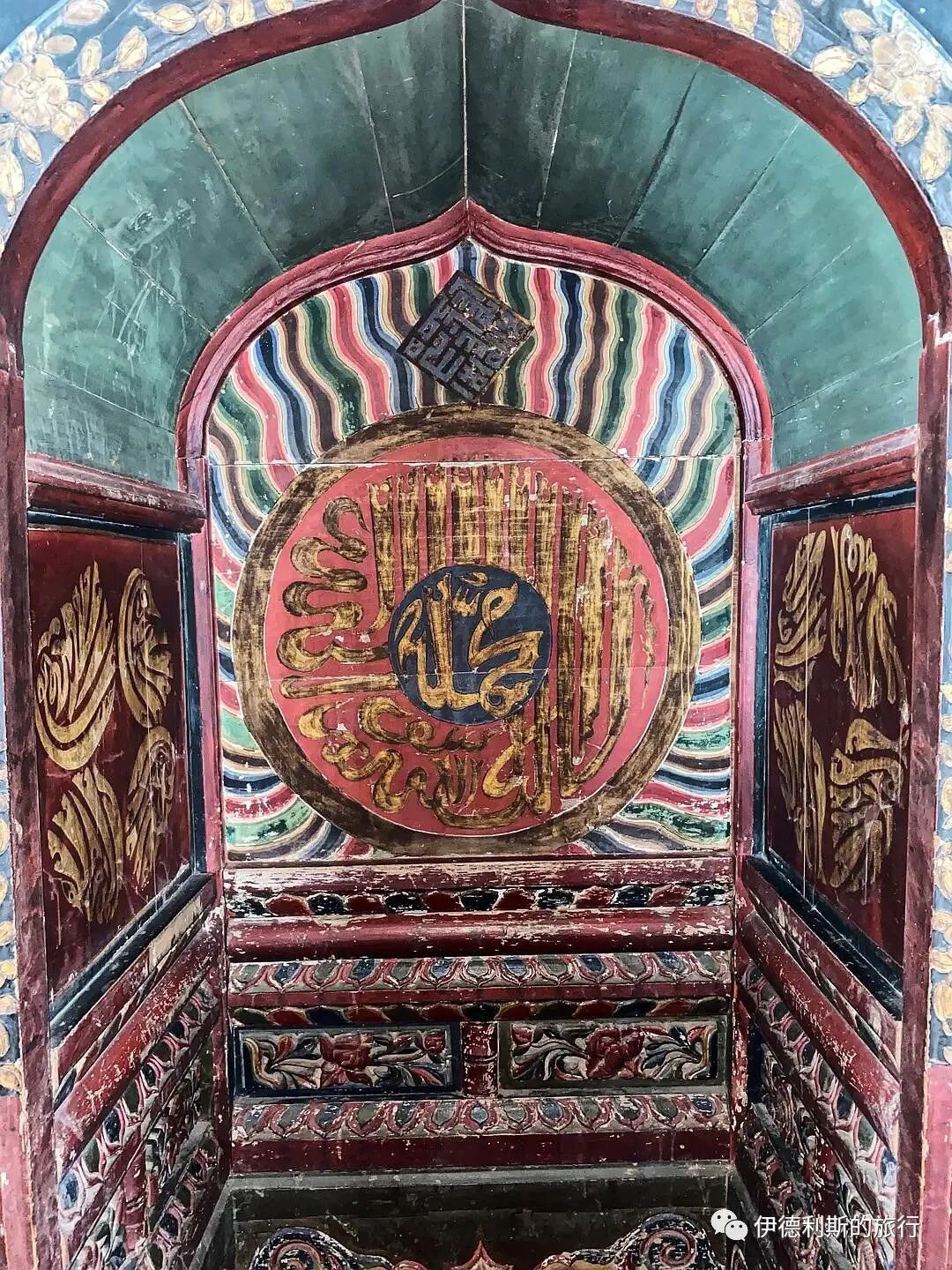
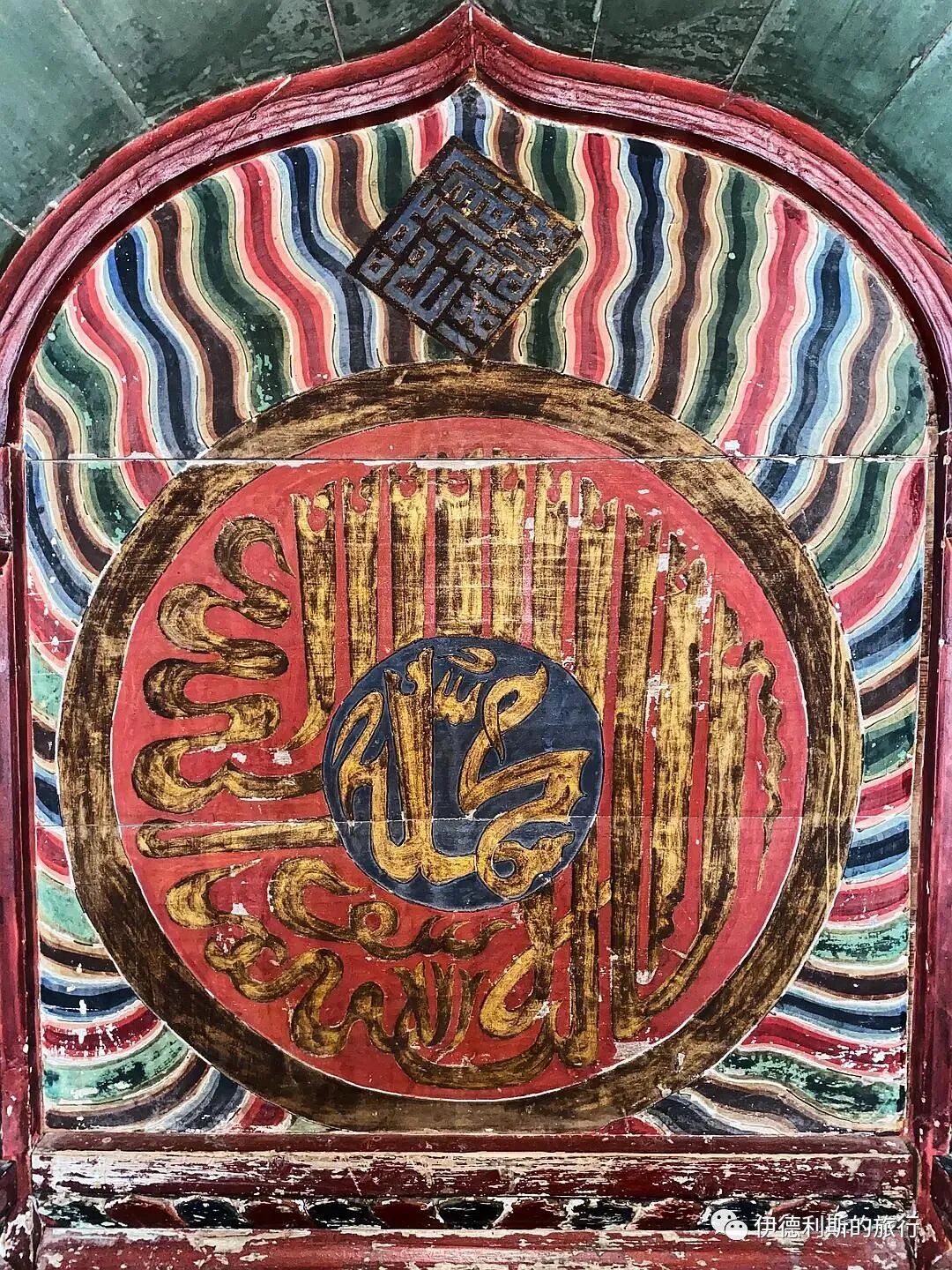
The mihrab niche is shaped like a vase. The mouth of the vase is carved with flowers, the petals feature some patterns of the Buddhist 'Eight Treasures', and the outer edges are carved with floral patterns.
2. Qingshuihe East Mosque
Qingshuihe East Mosque is located in Shangzhuang Village, Qingshui Township, Xunhua County. It is the Haizi Mosque (the main mosque) of the Salar Bagong Qingshui Gong, originally built in 1425 and rebuilt many times throughout the generations.
First, let's admire the 17-meter-high minaret, with its double-eaved hexagonal spire featuring exquisite brick and wood carvings.
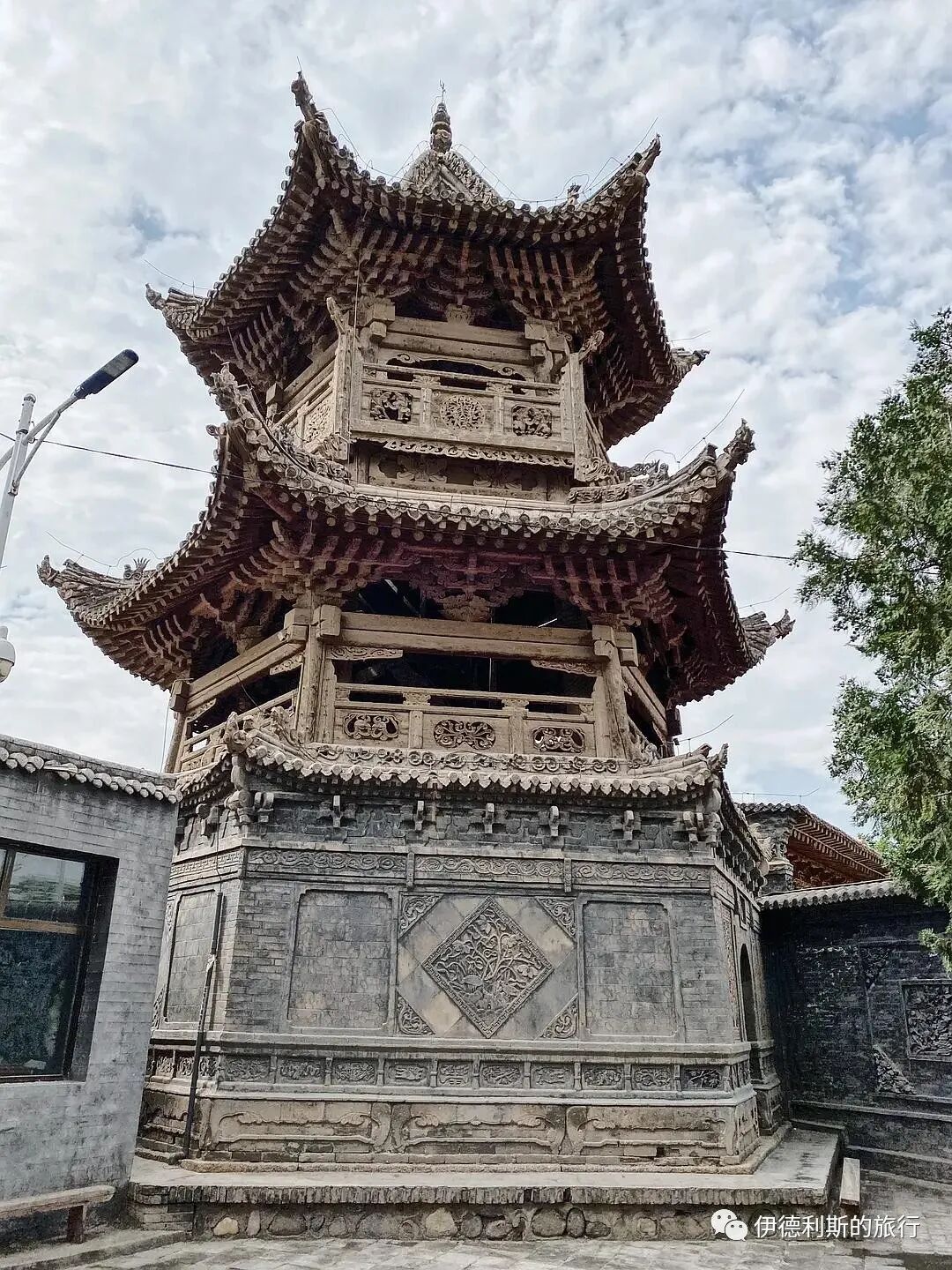
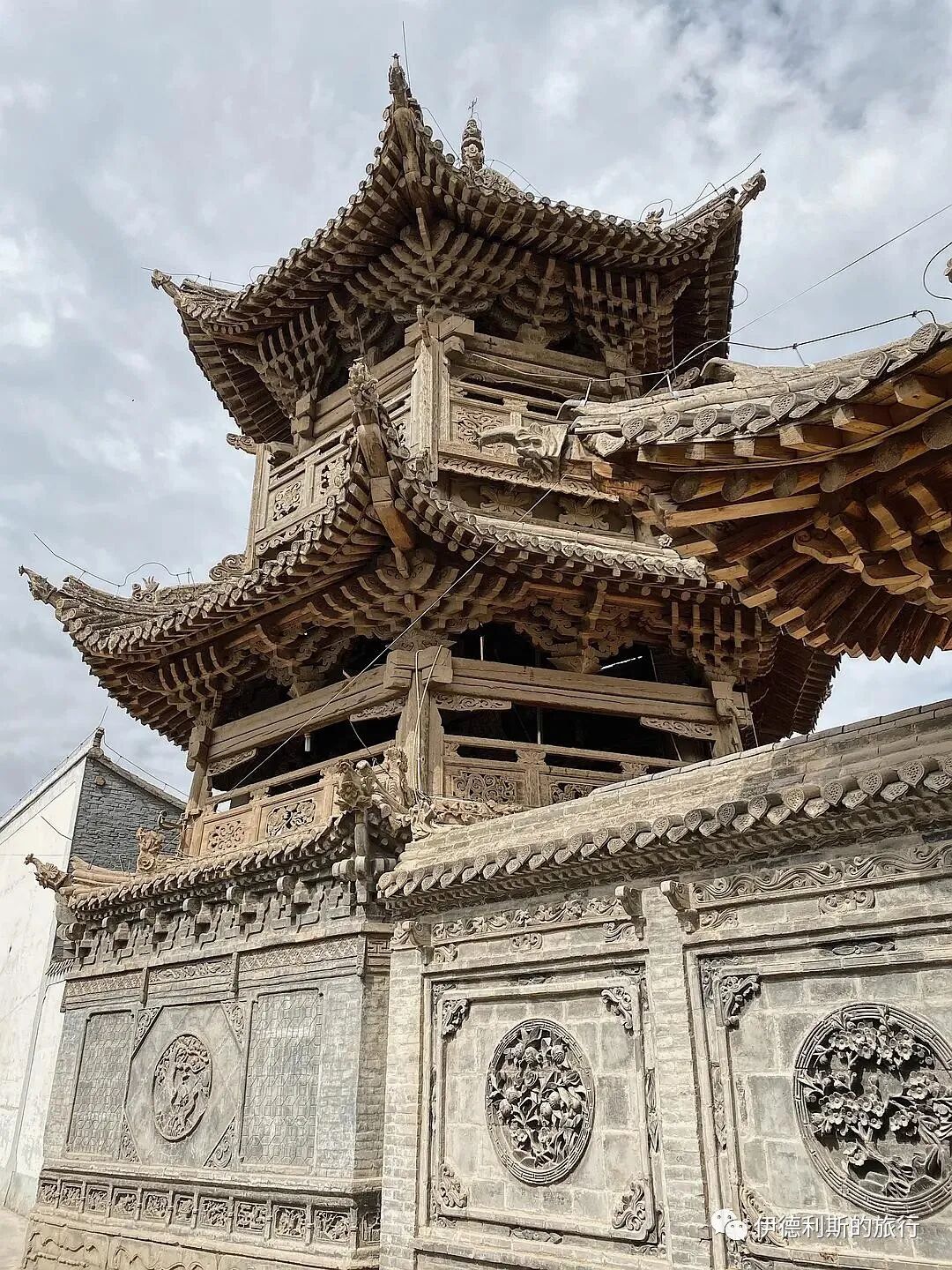
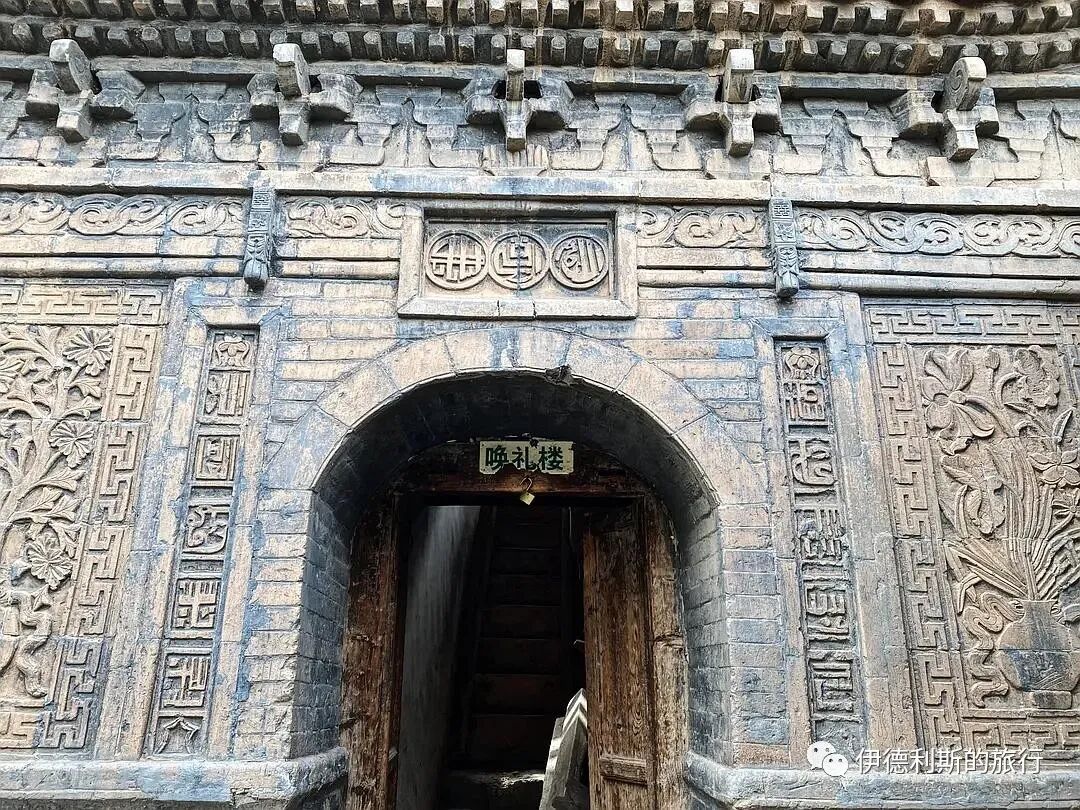
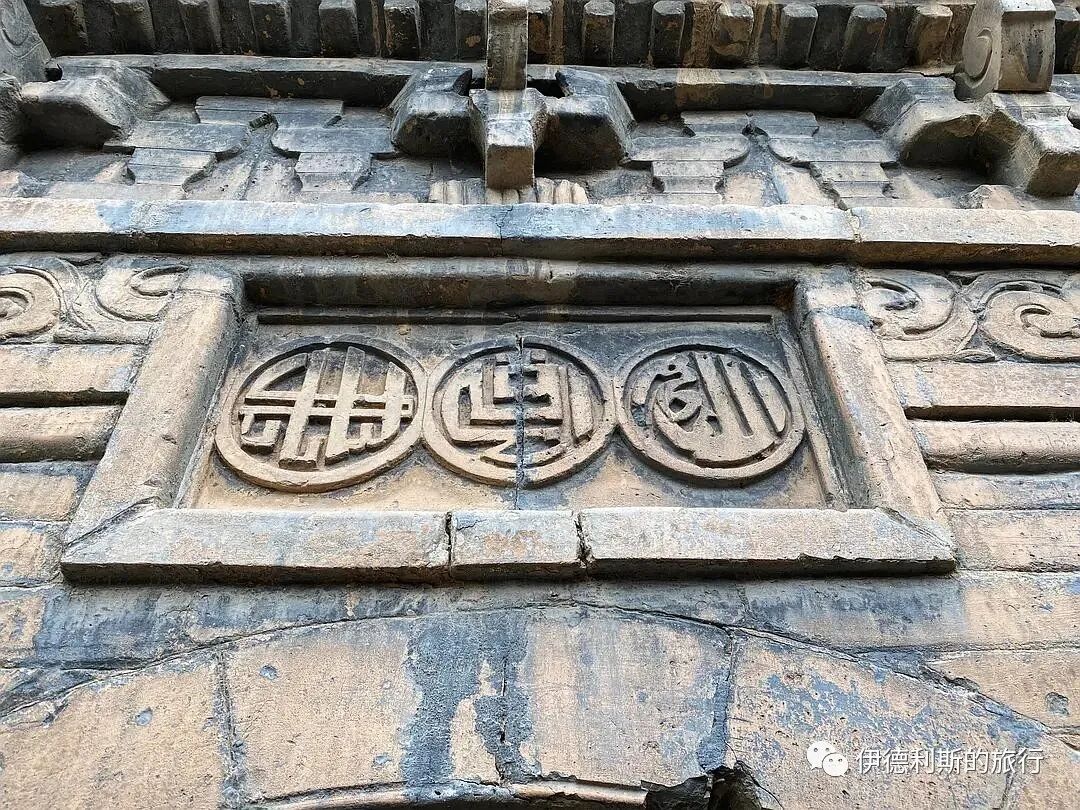
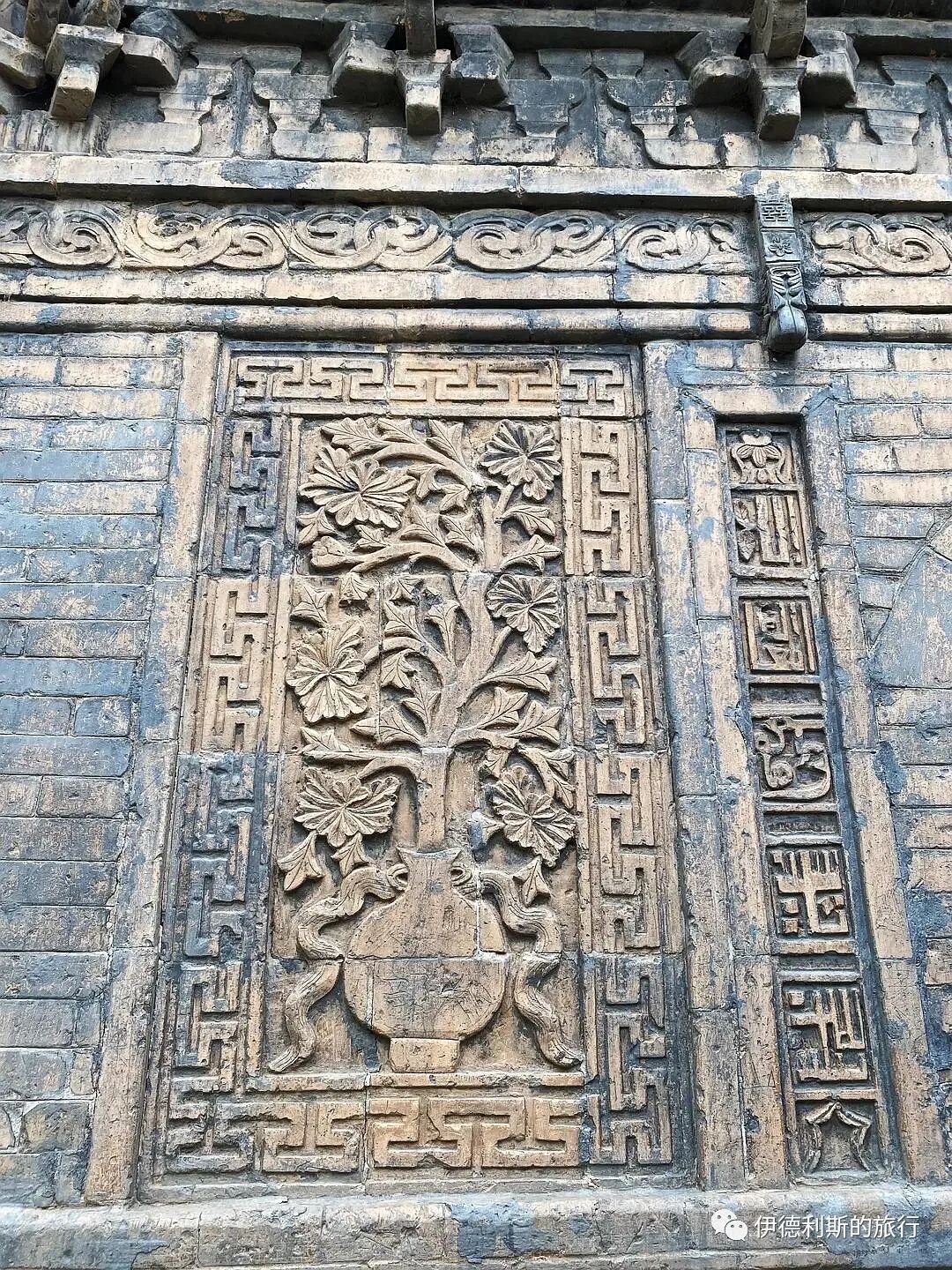
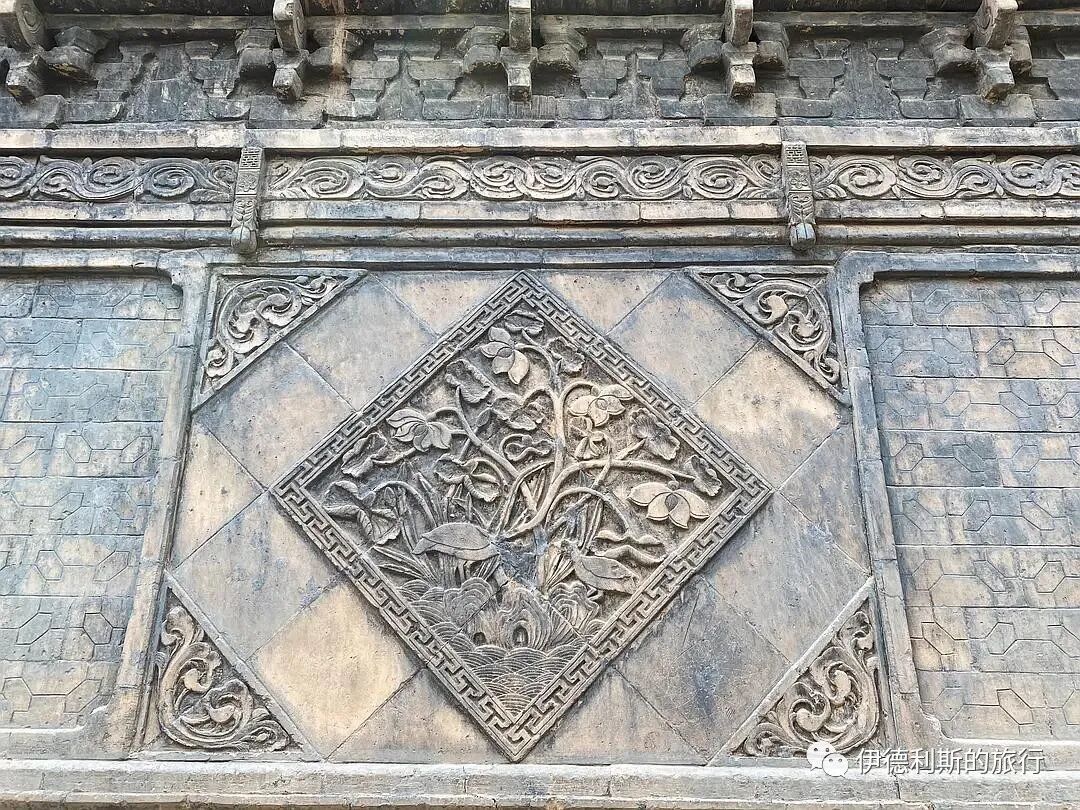
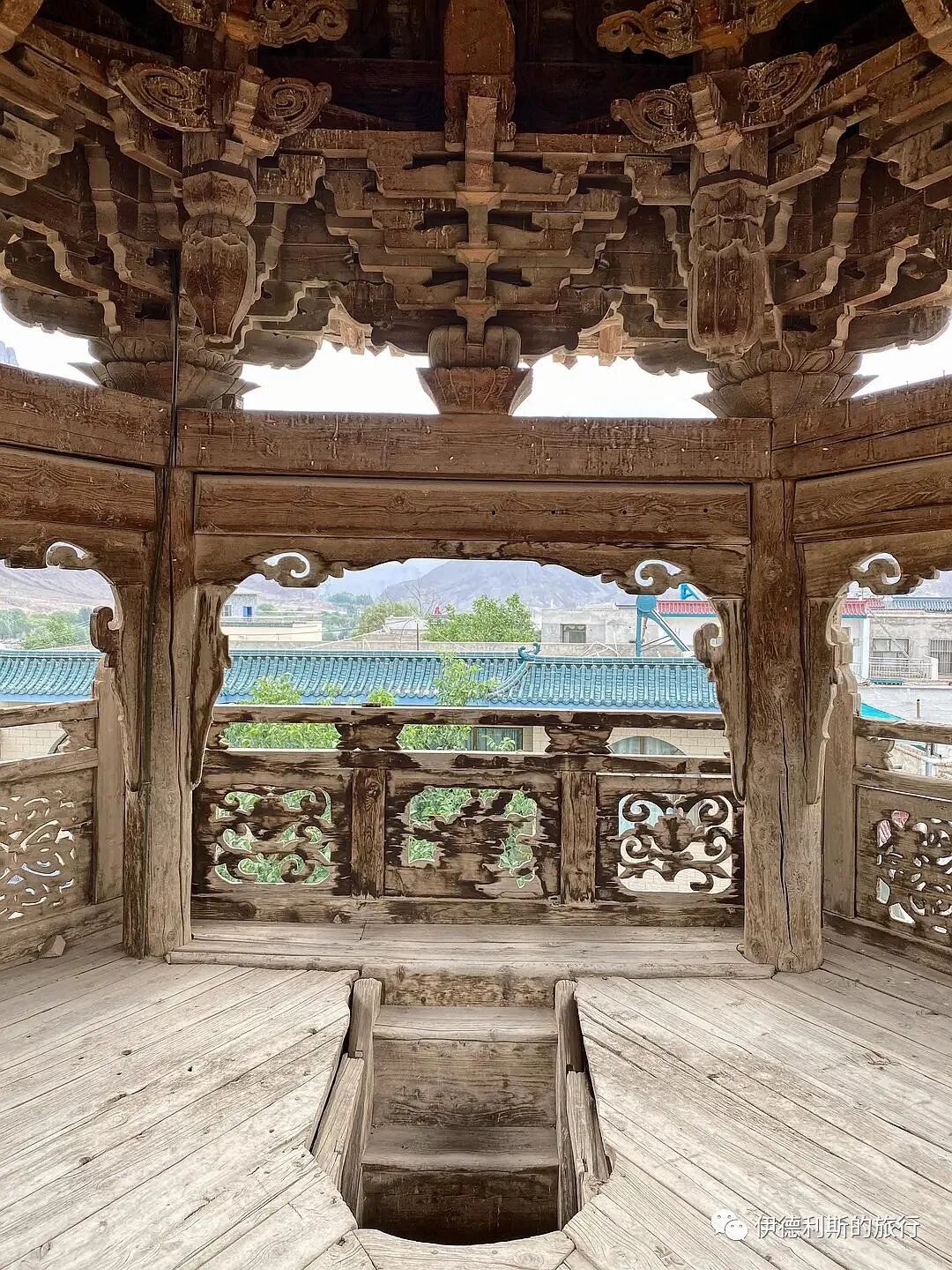
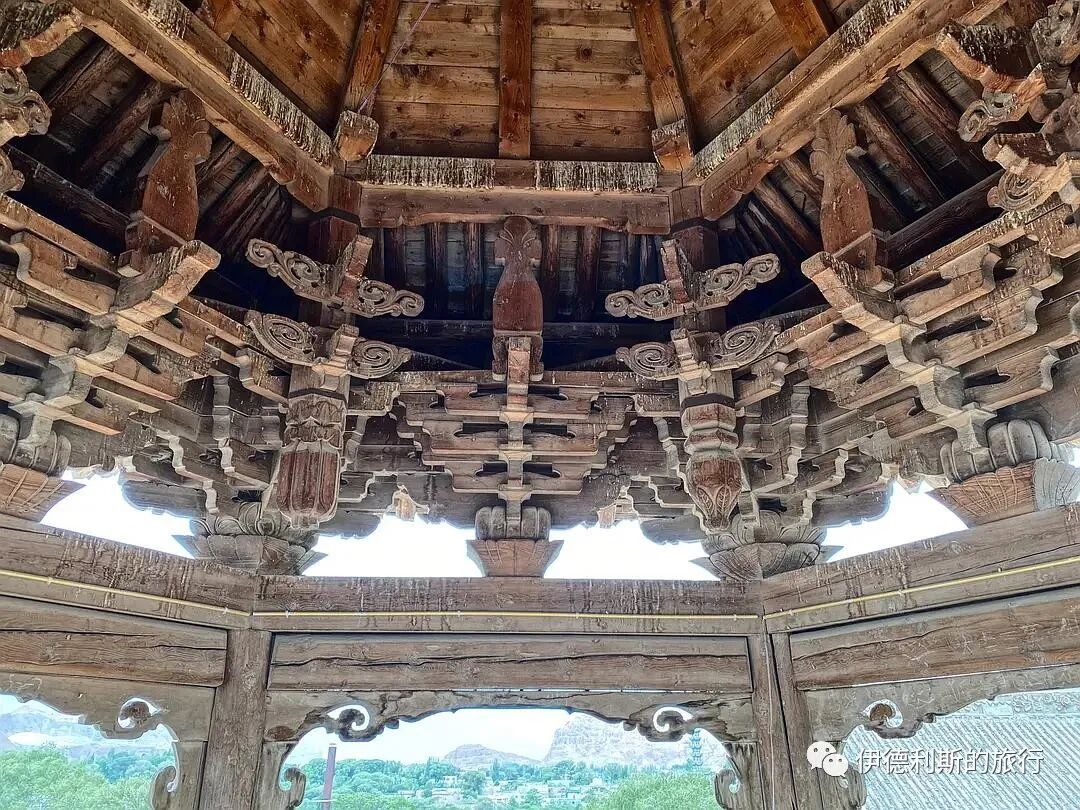
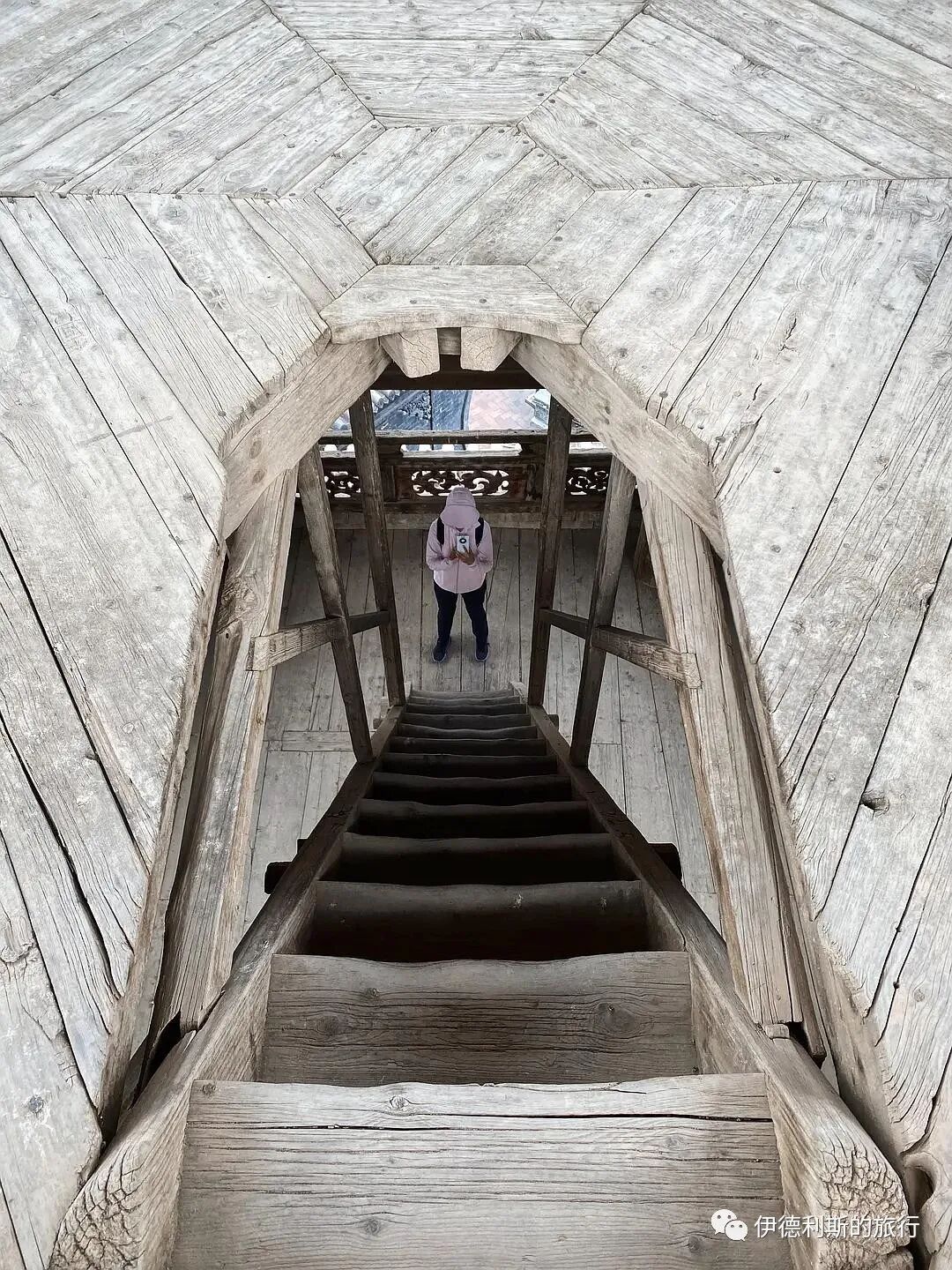
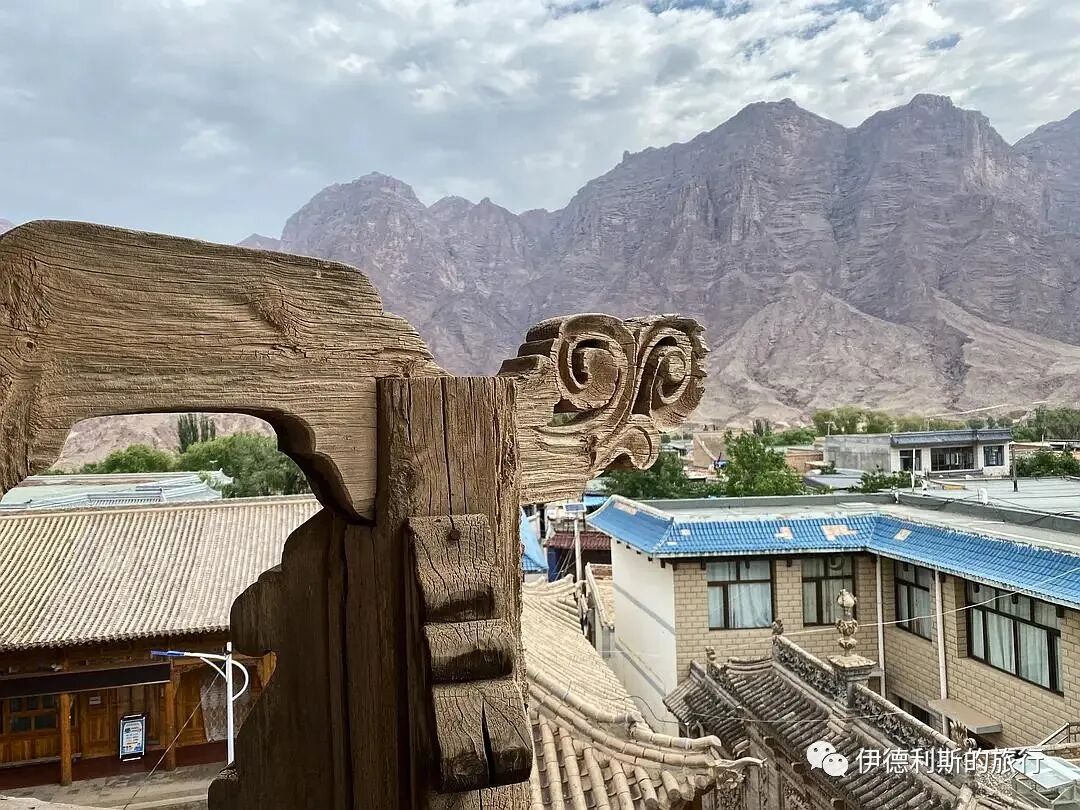
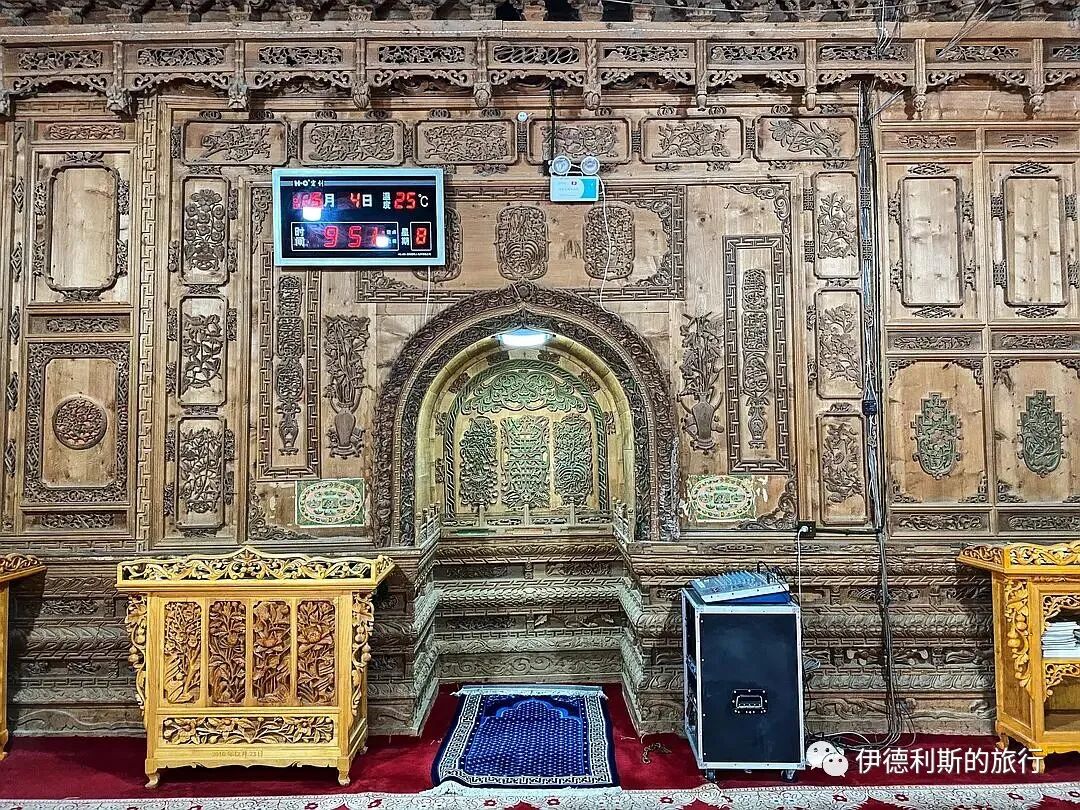
The main hall of the mosque features a ridge-top hip-and-gable roof with projecting dougong brackets, brick-carved splayed walls on both sides, and brick-carved corridor walls to the north and south of the veranda, with each window featuring a unique lattice design.
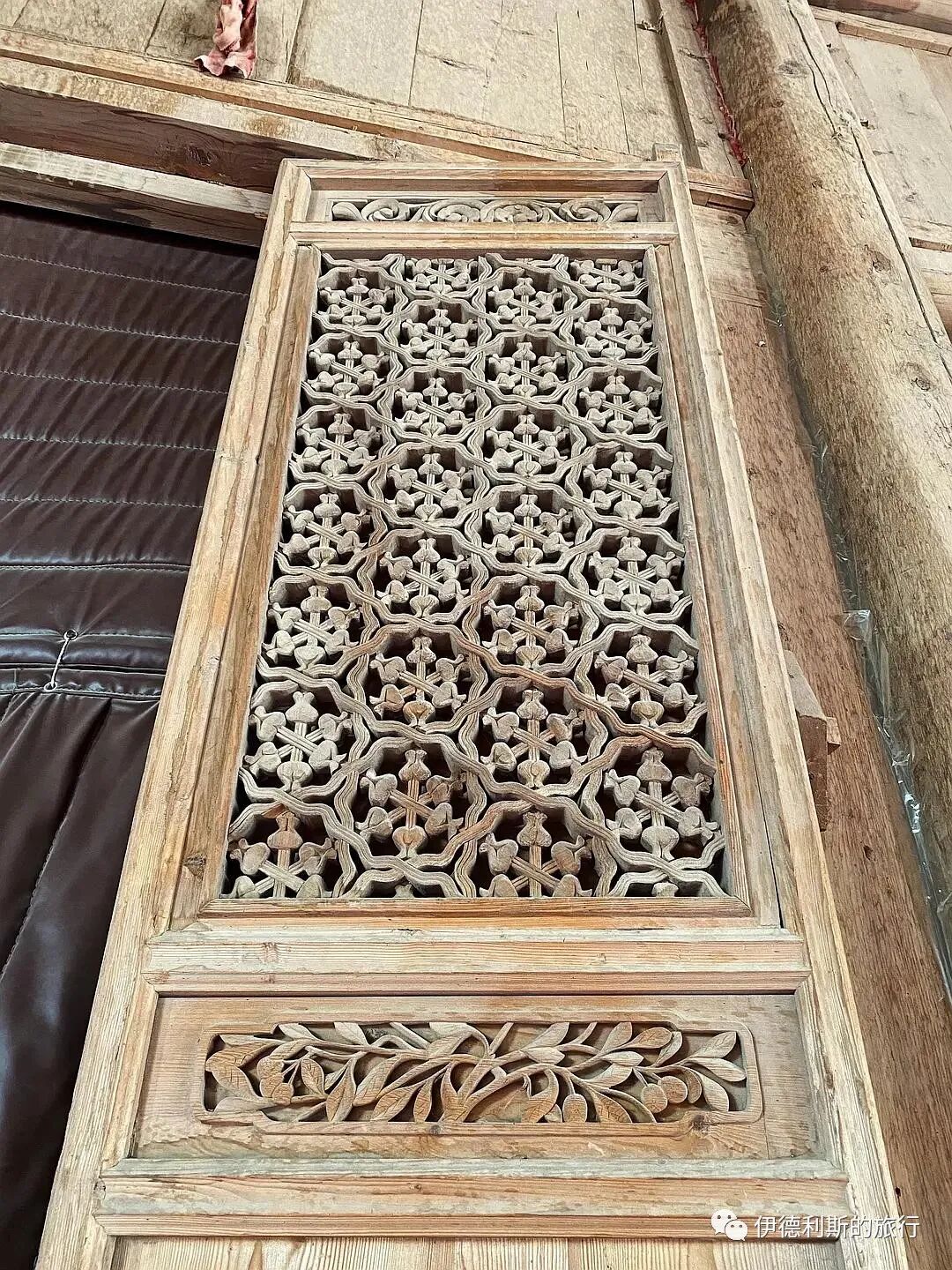
Inside the main prayer hall
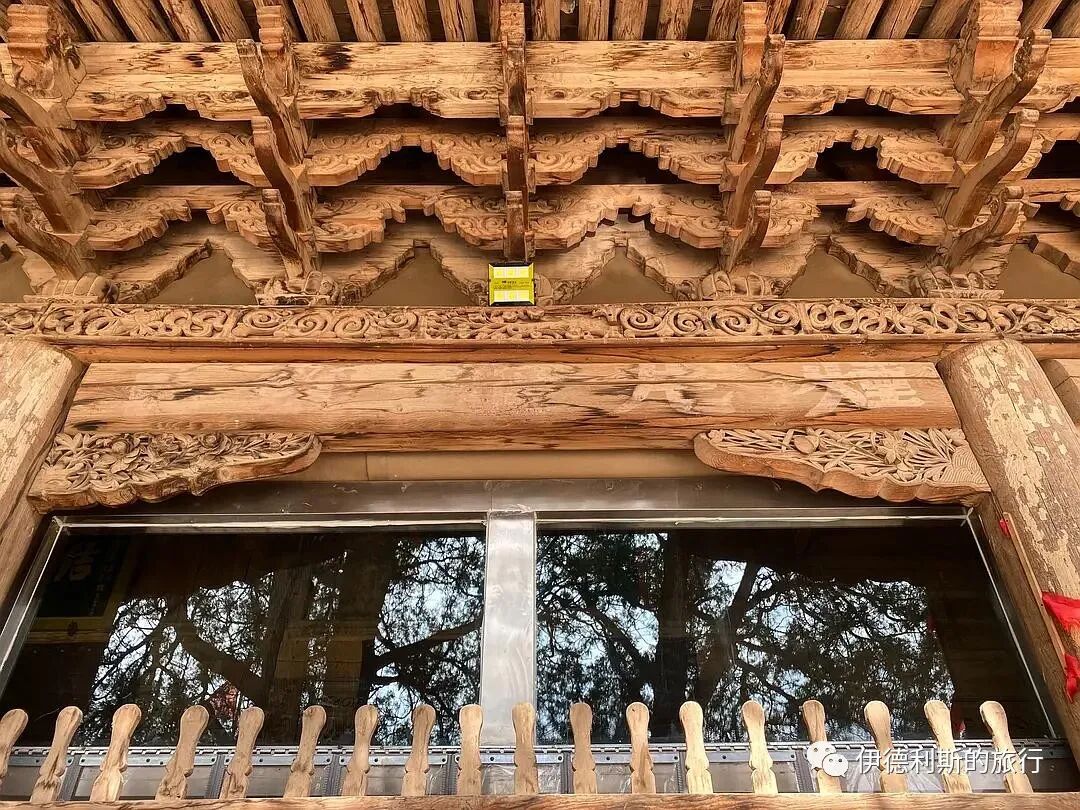
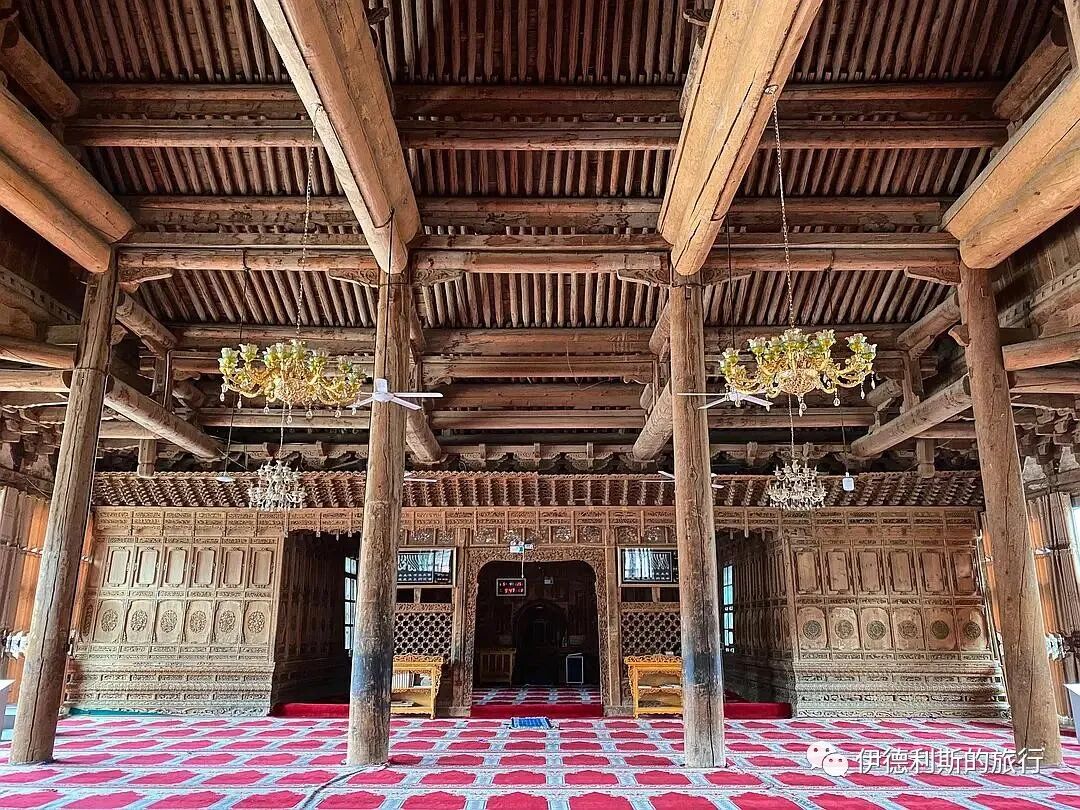
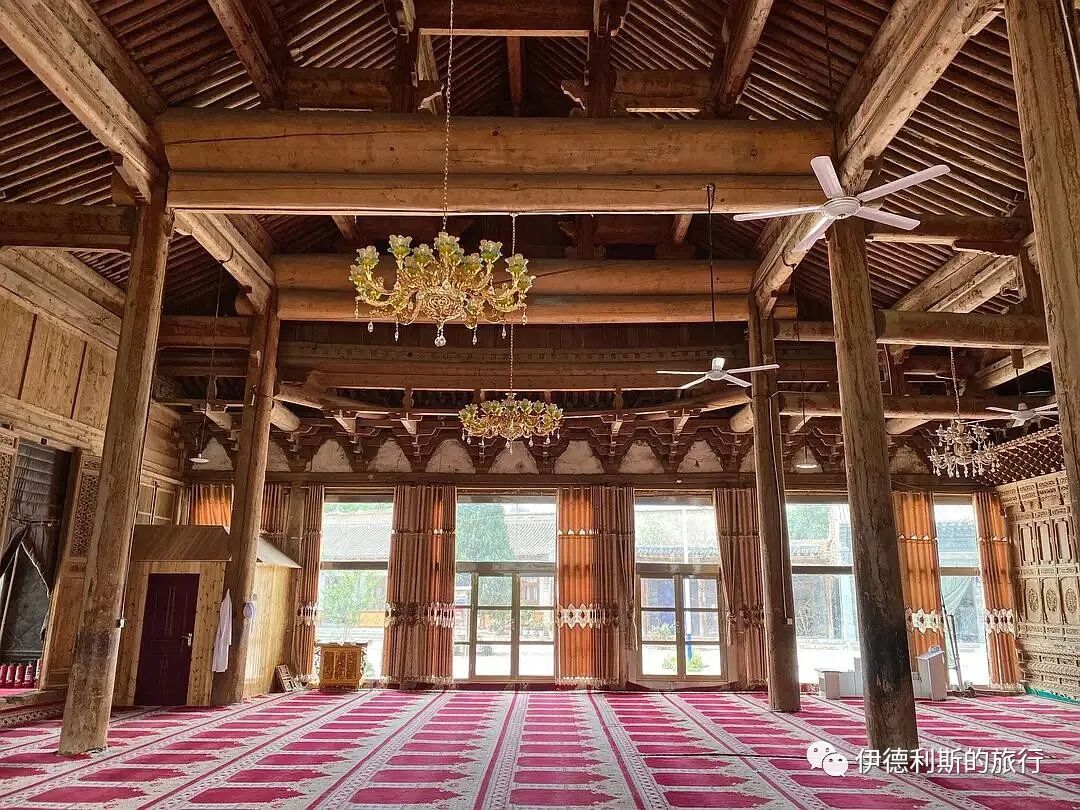
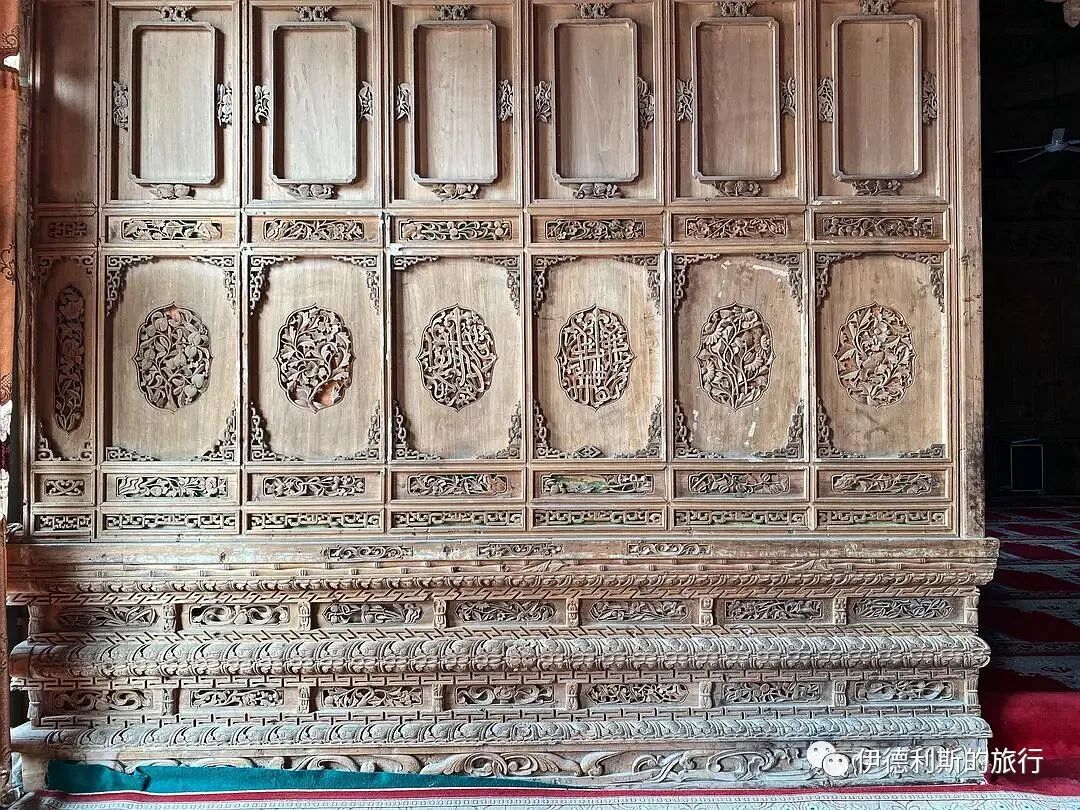
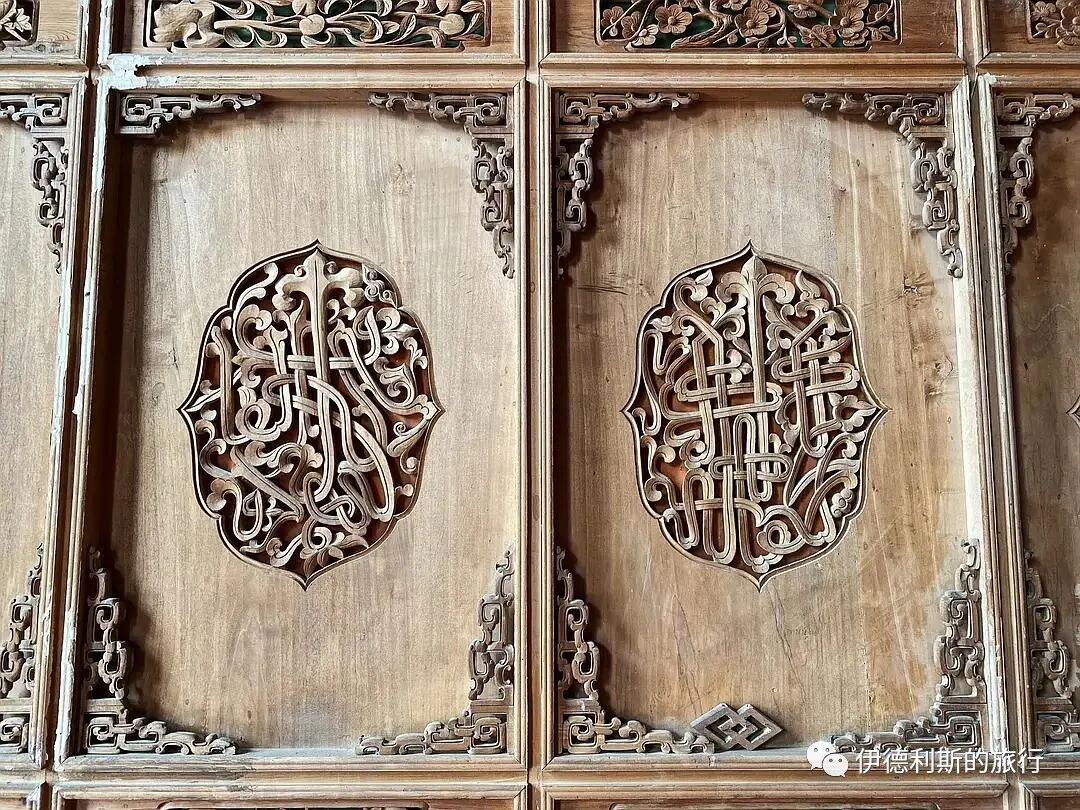
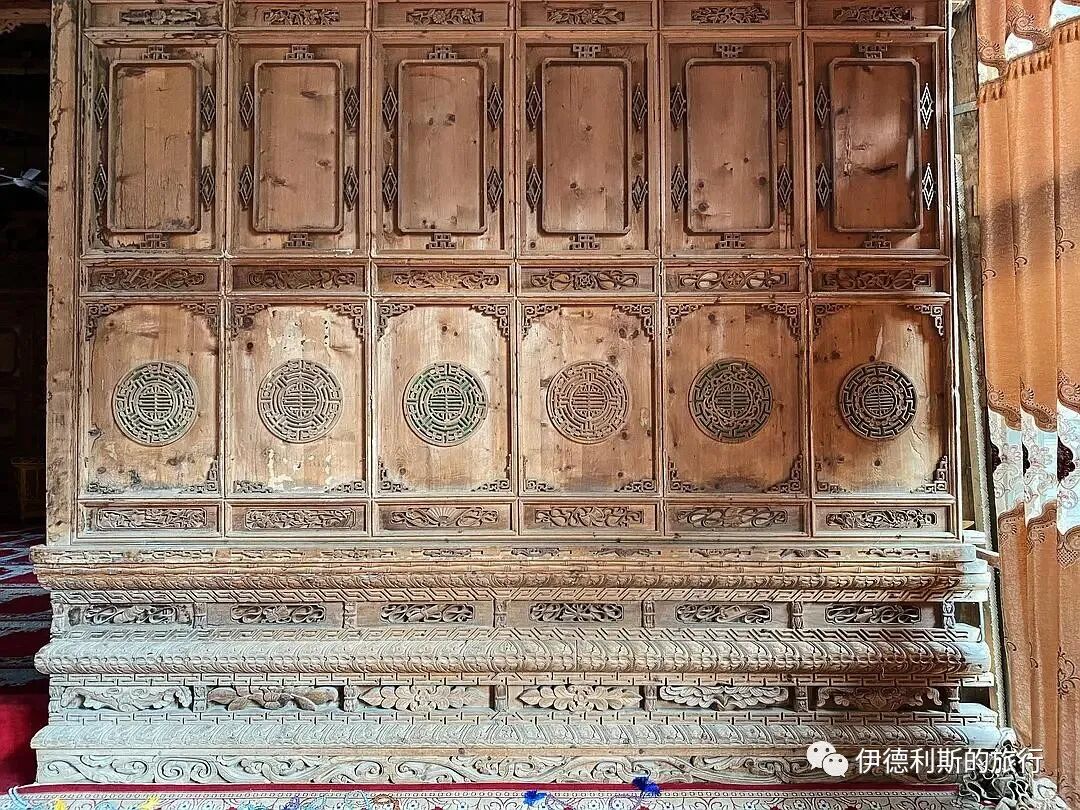
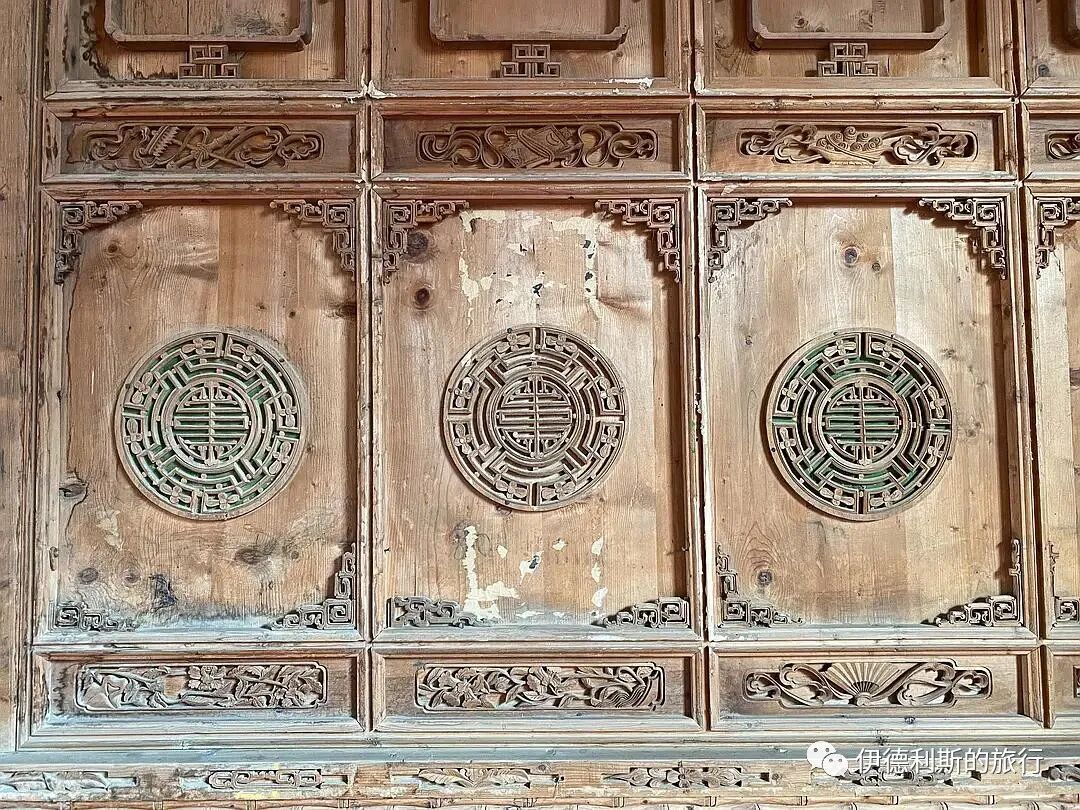
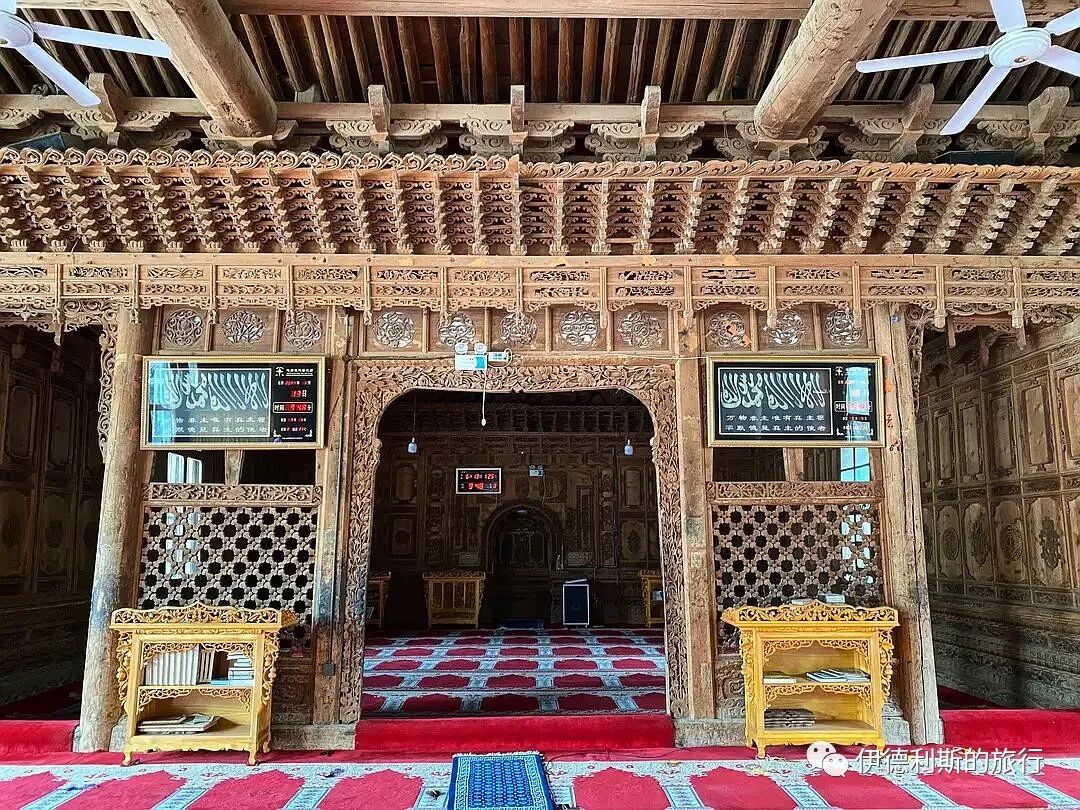
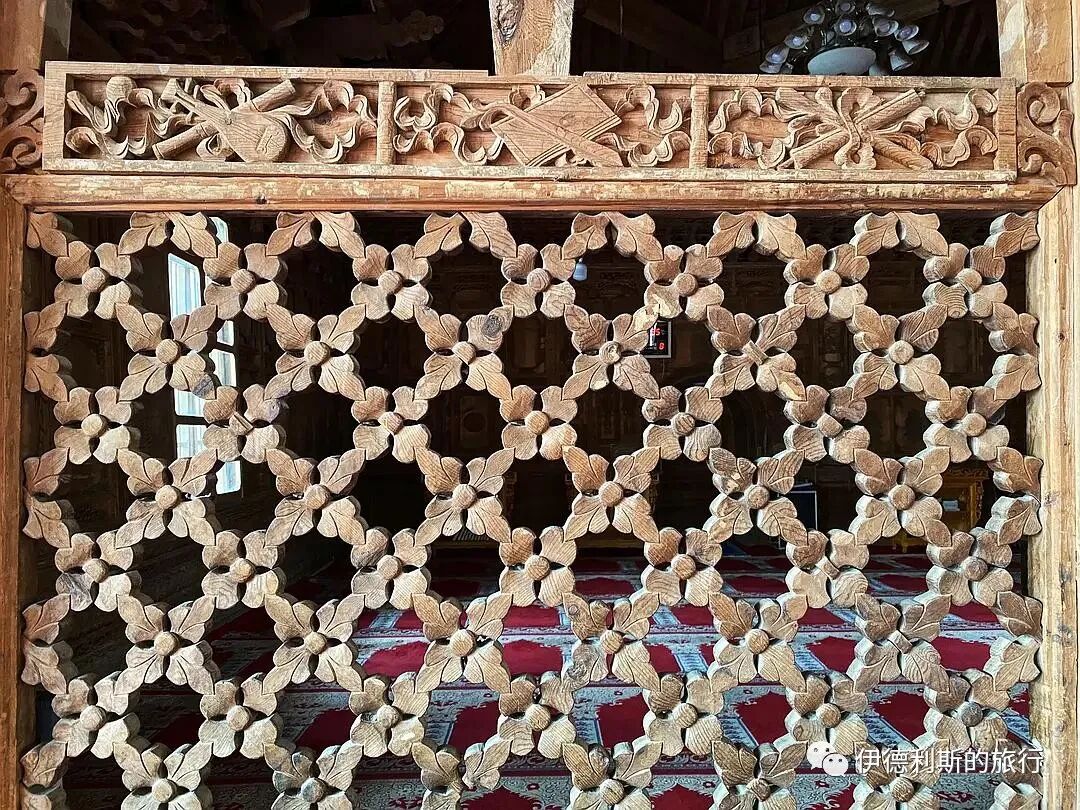
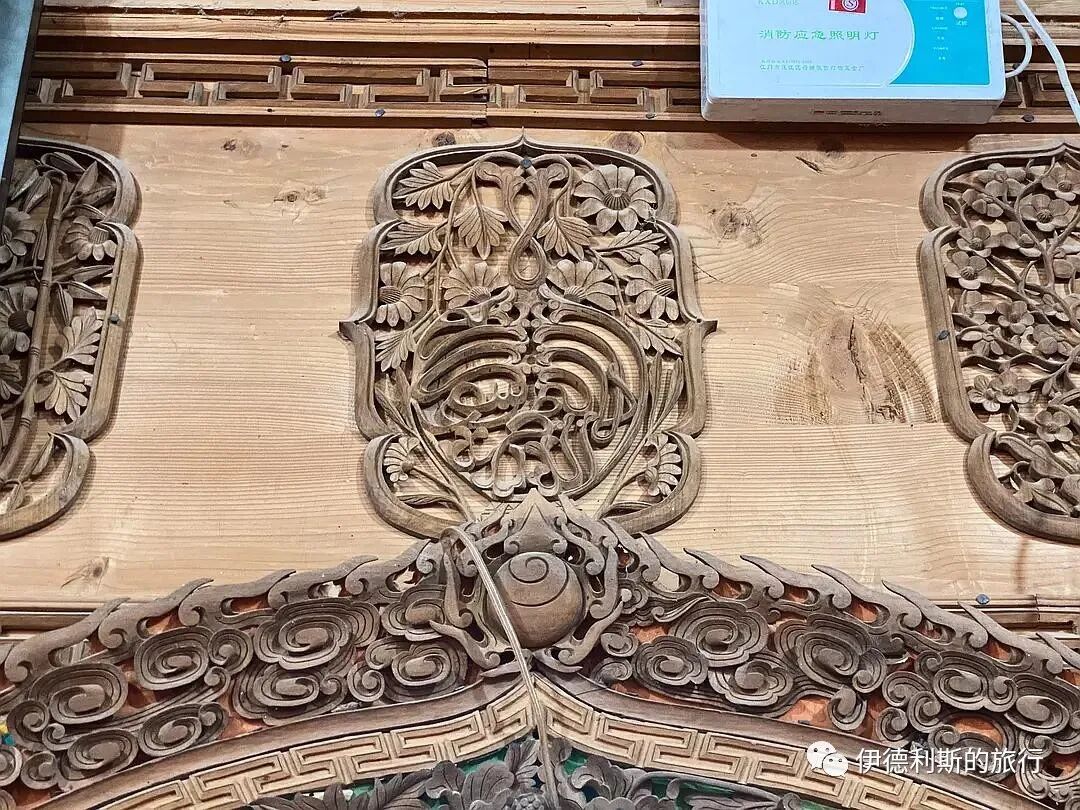
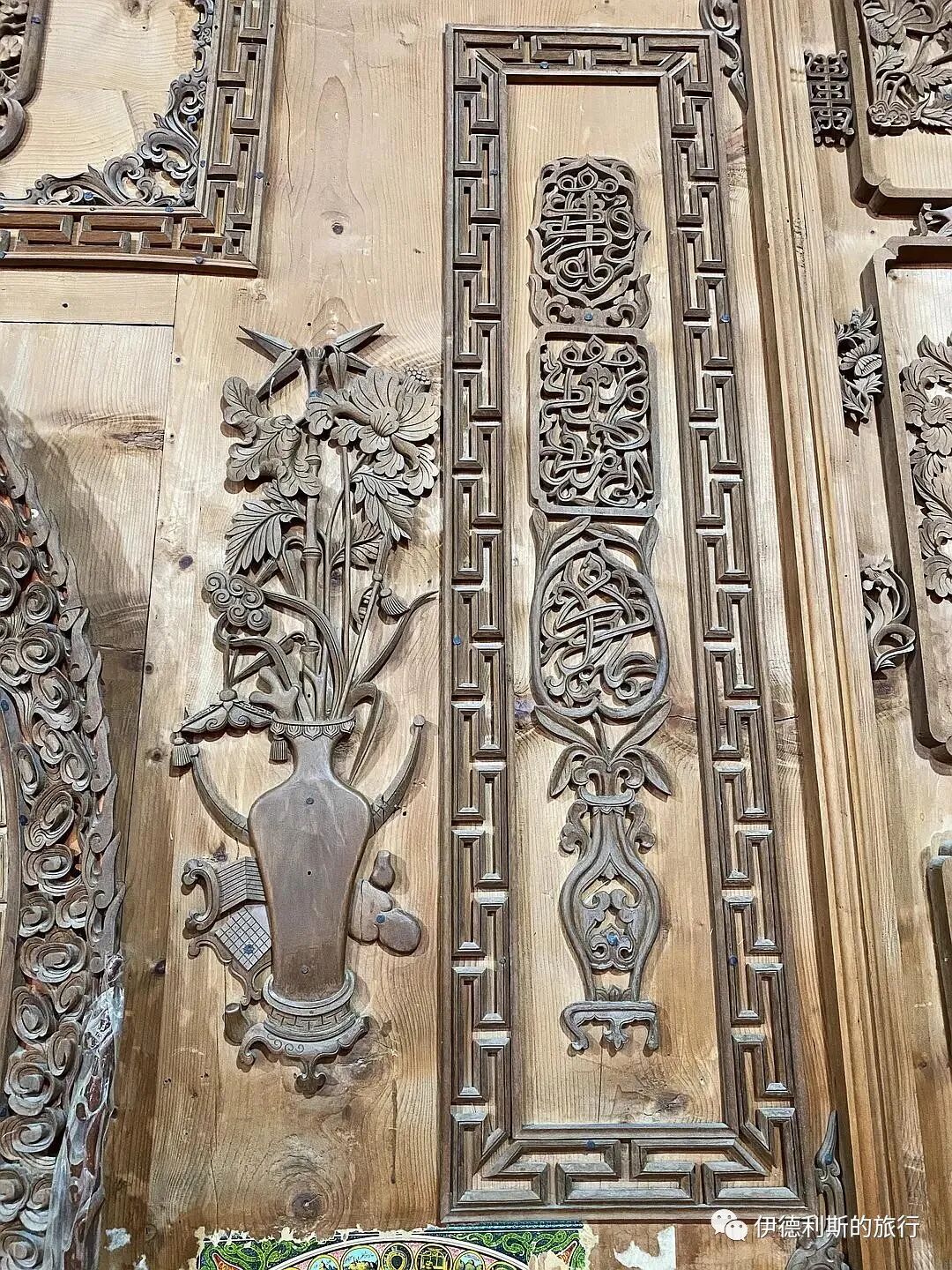
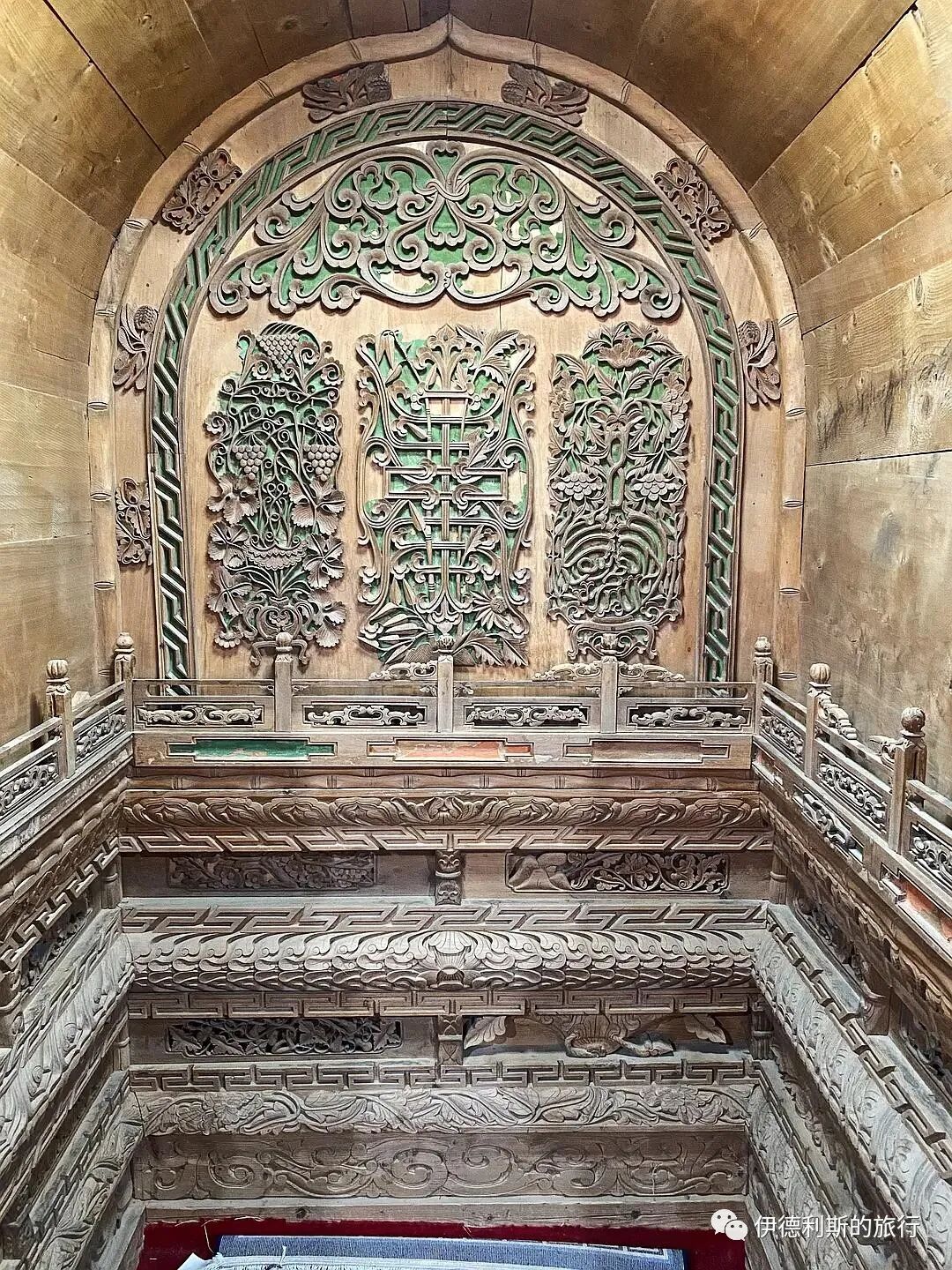
The vaulted hall and the mihrab, with intricate wood carvings.
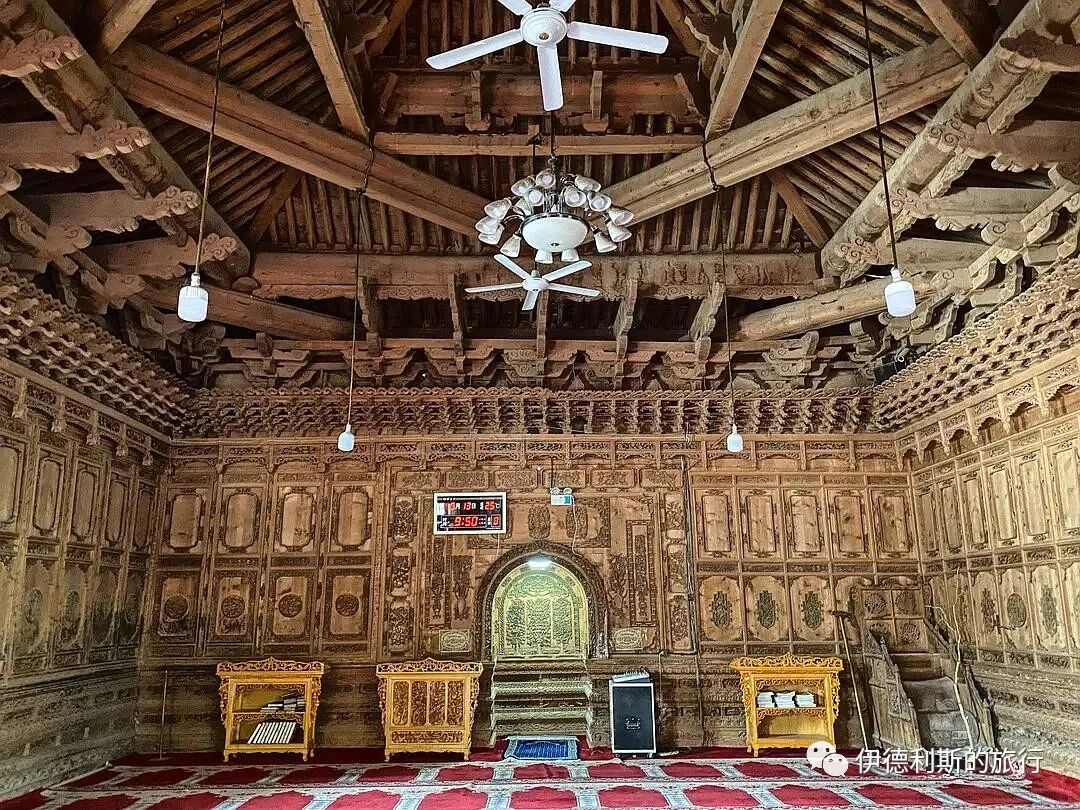
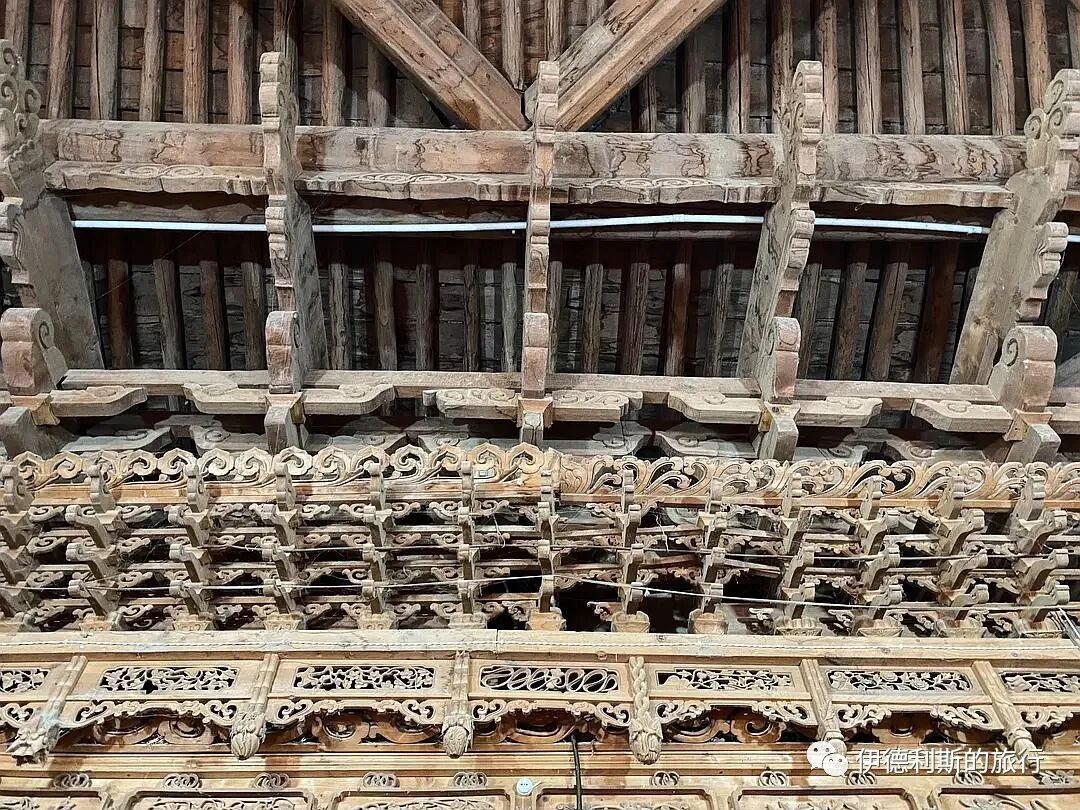
3. Mengda Mosque
Mengda Mosque is located in Dazhuang Village, Mengda Township, Xunhua County. It was first built in 1408 (the sixth year of the Yongle reign of the Ming Dynasty) and expanded three times during the Qing Dynasty. It is the Haiyi Mosque of the Mengda Gong, one of the eight Salar Gong.
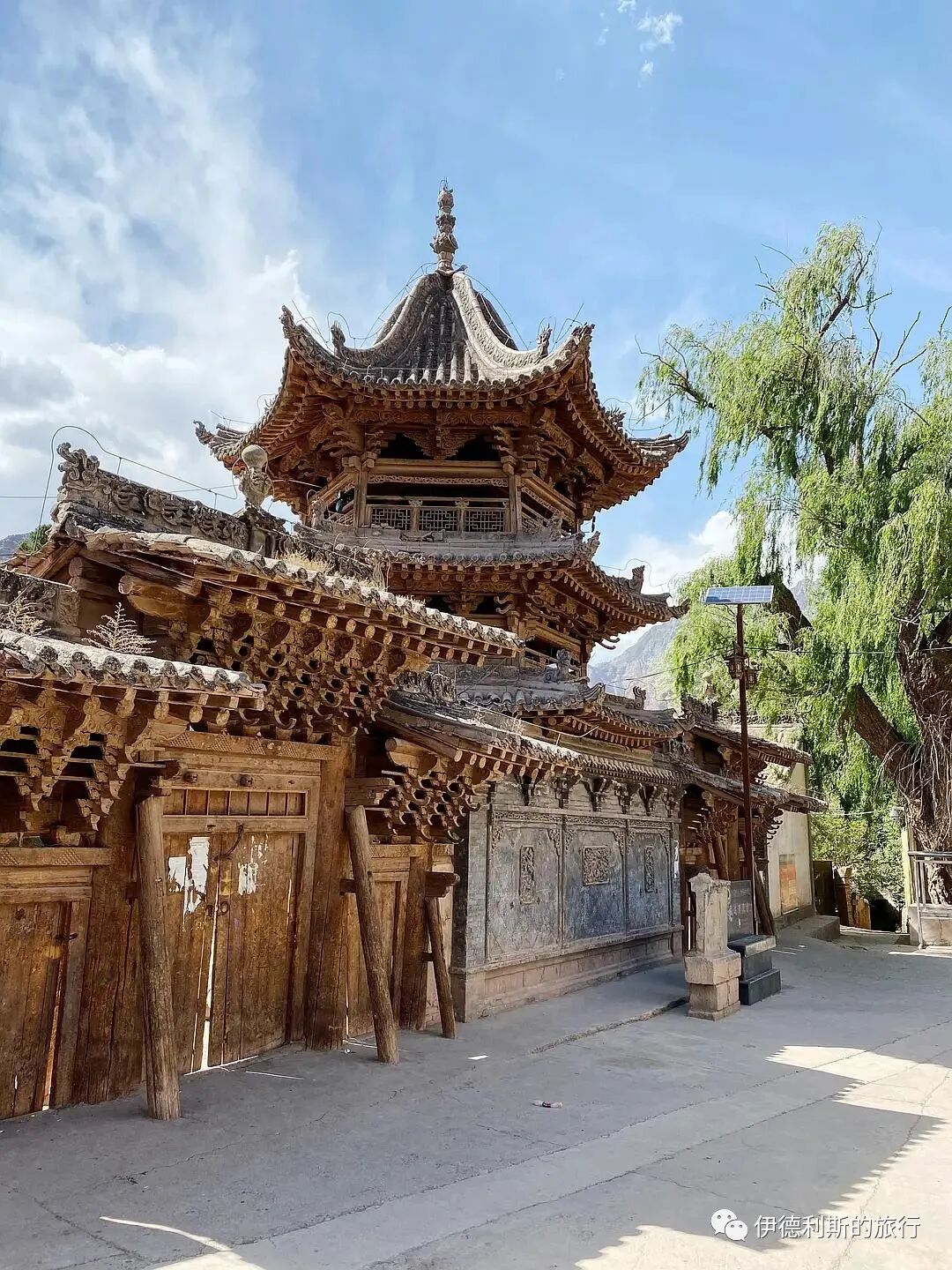
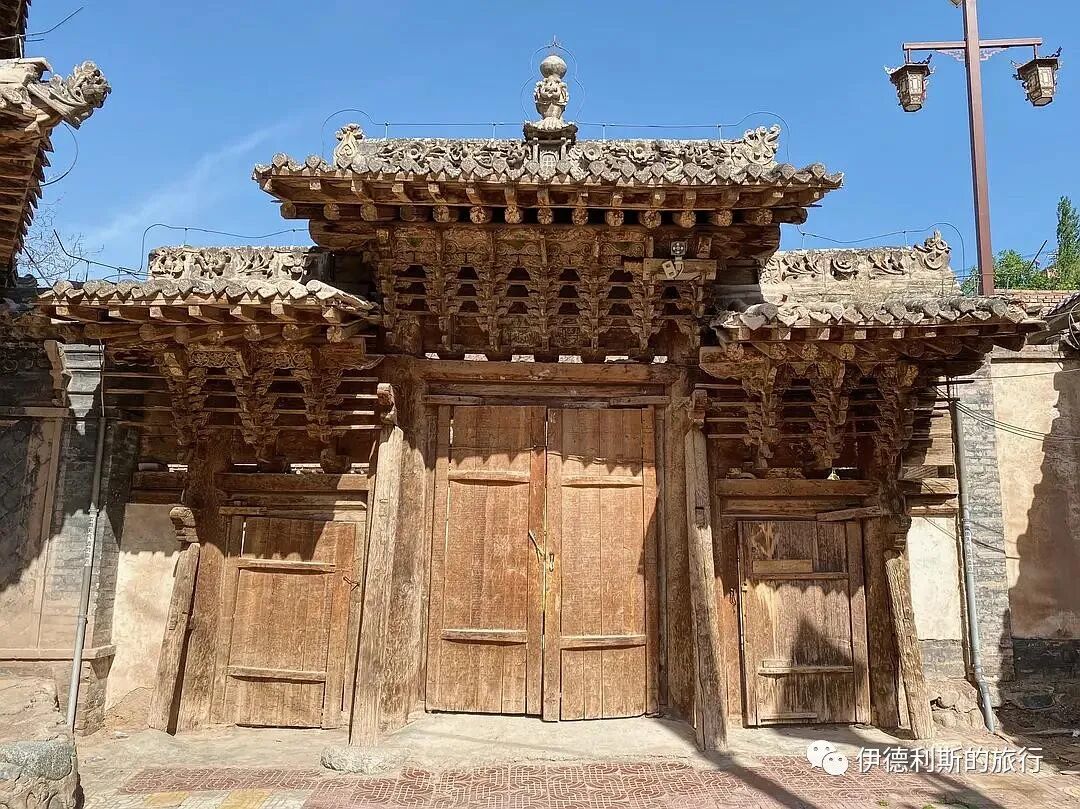
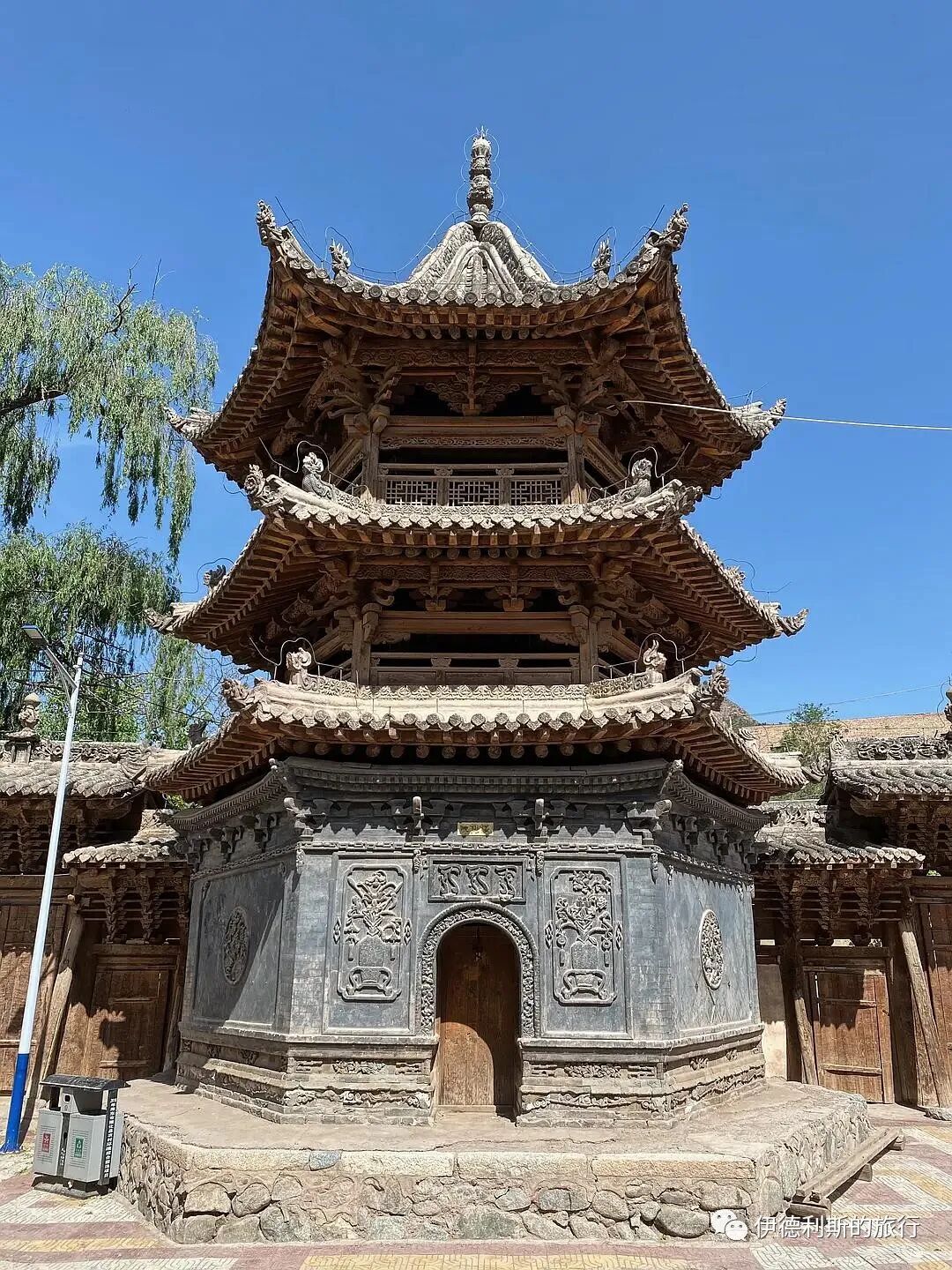
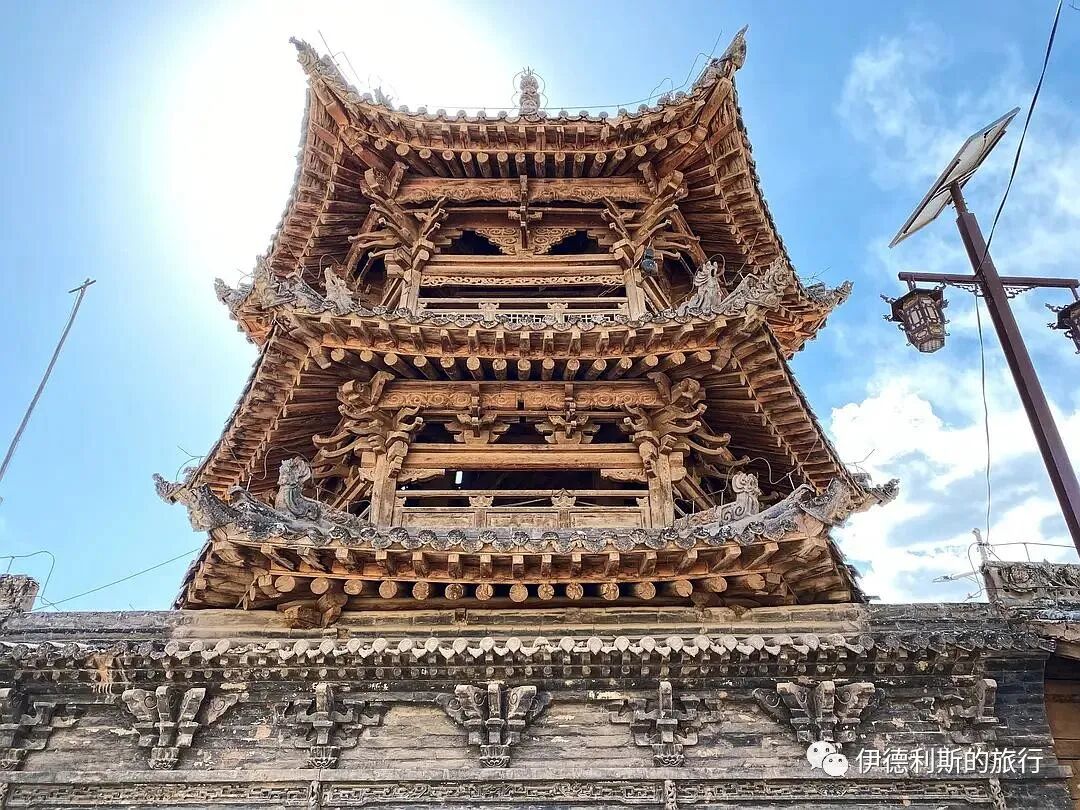
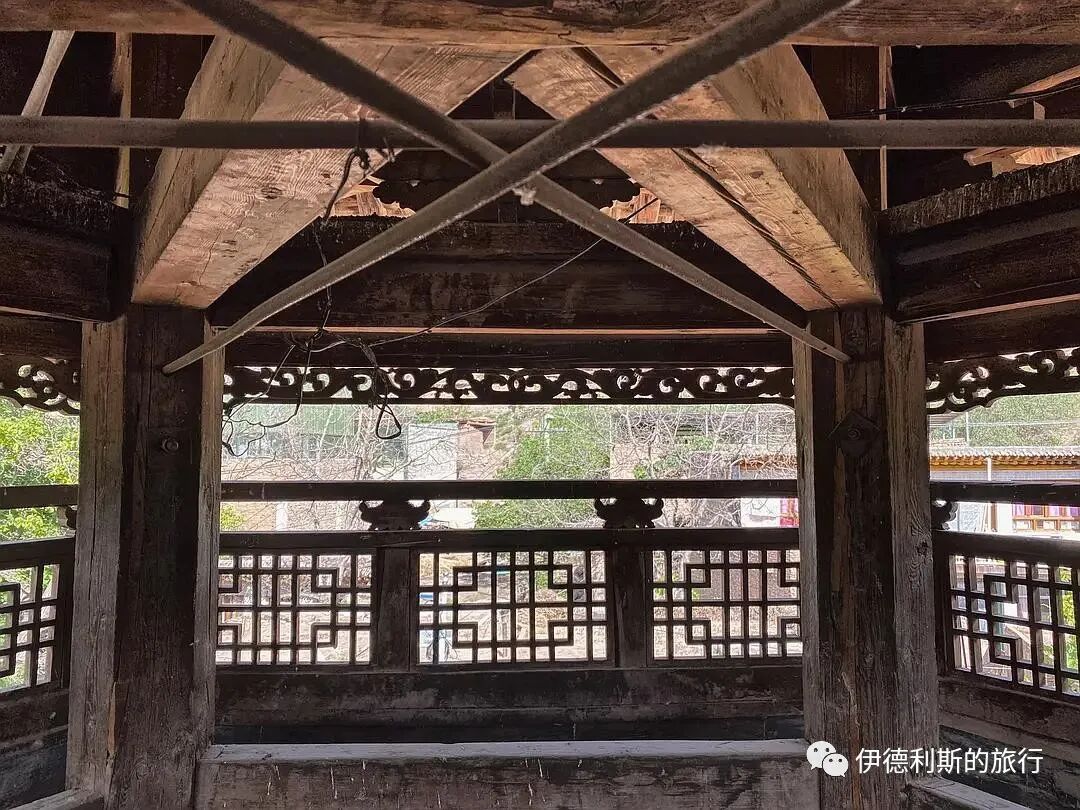
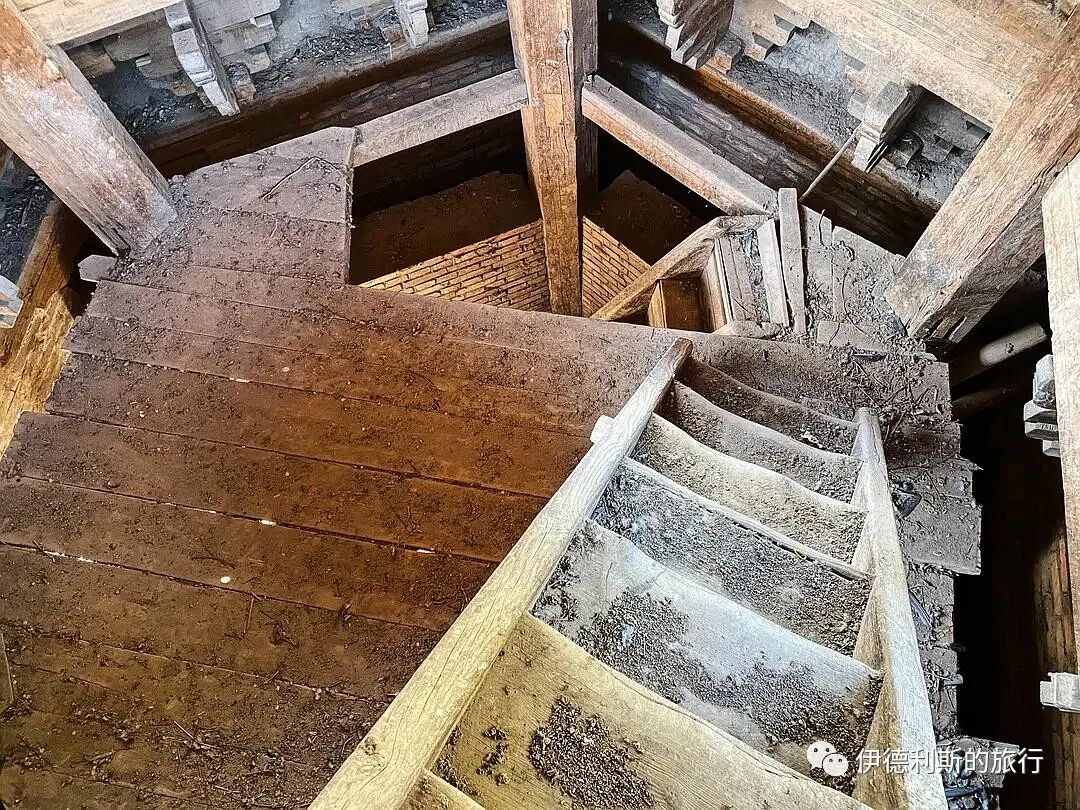
The outermost part of the mosque consists of two wooden memorial archways with five-step dougong brackets, and in the middle is a three-eaved, hexagonal-roofed minaret. The minaret is 17 meters high, with the lower level made of hexagonal blue bricks, featuring brick-carved imitation wooden dougong brackets and brick-carved 'Tasmiyah' calligraphy.
Main prayer hall
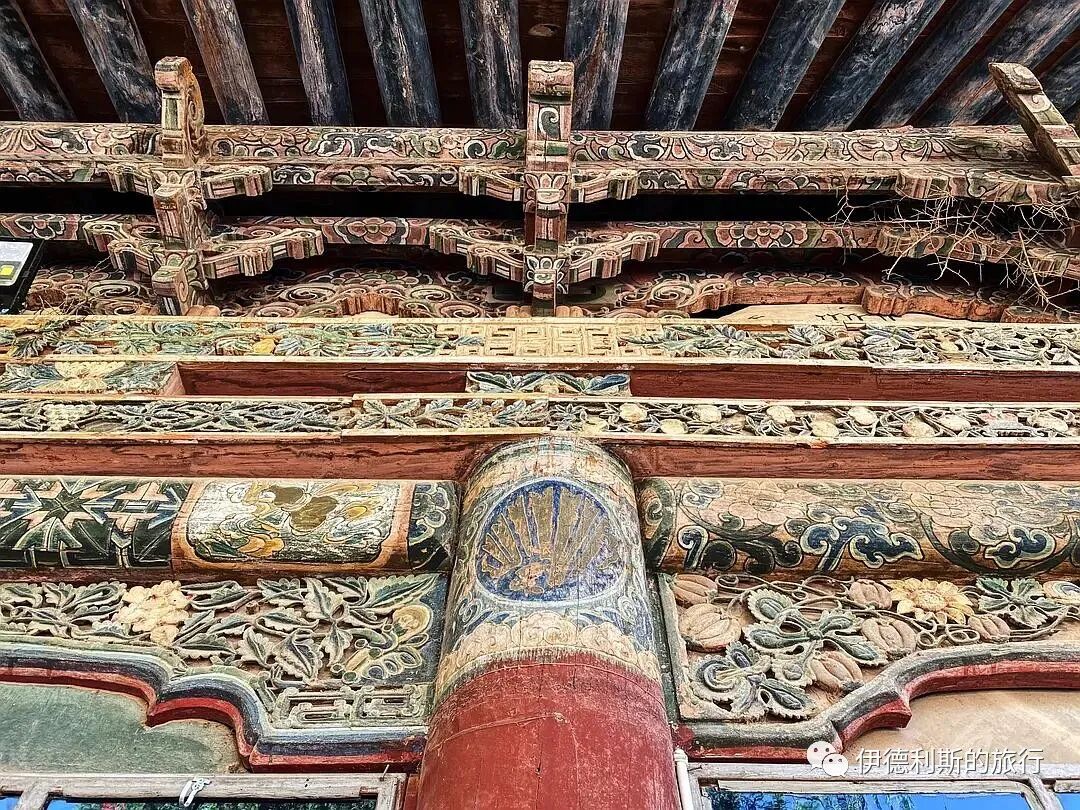
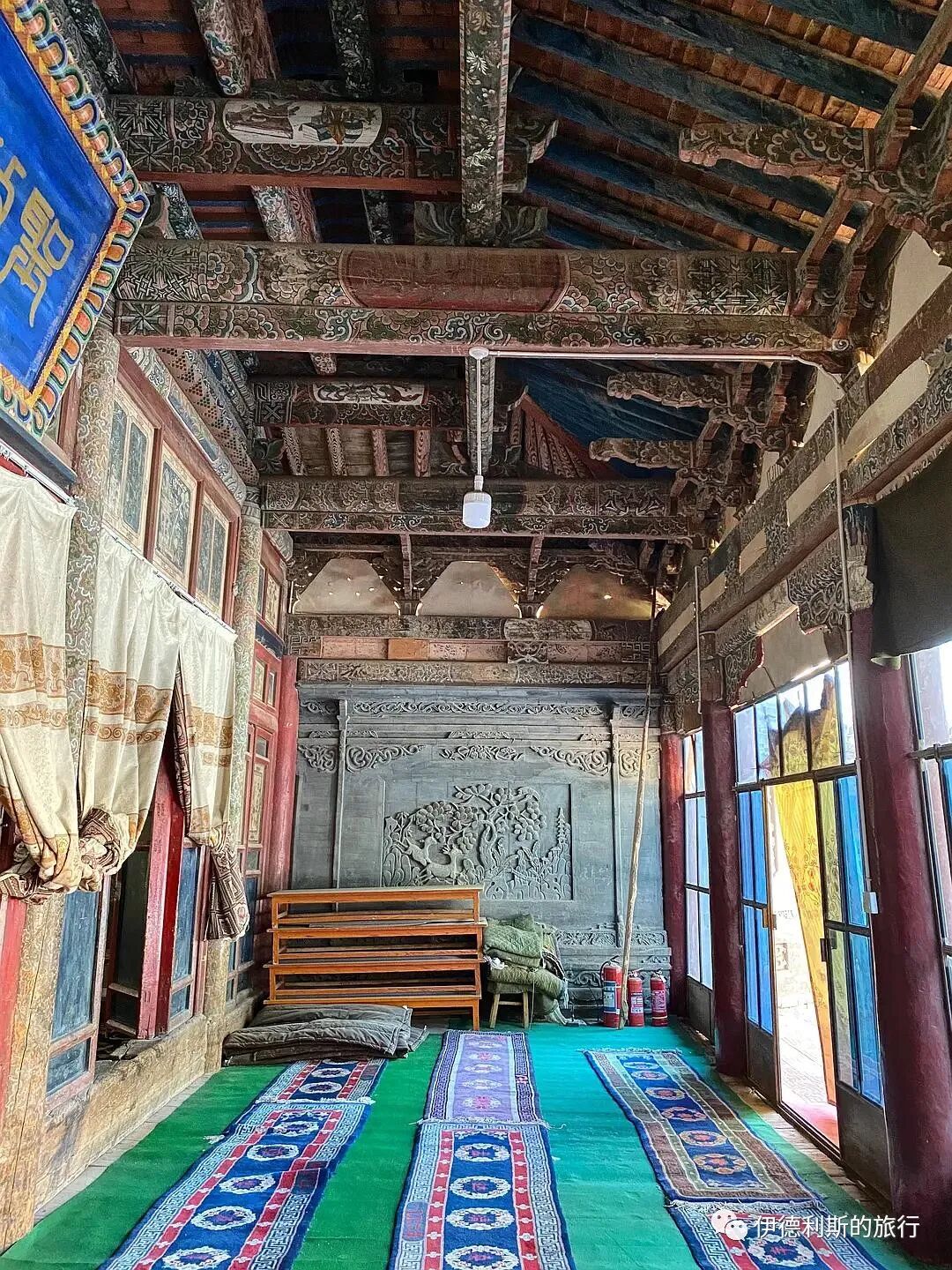
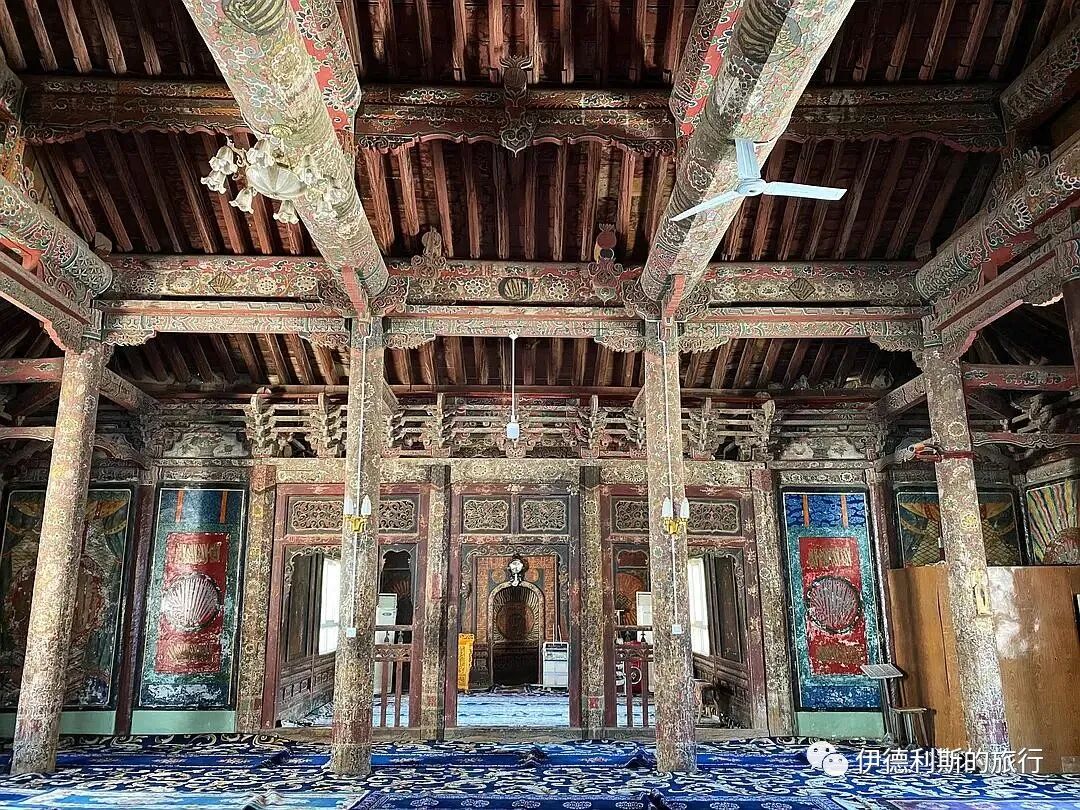
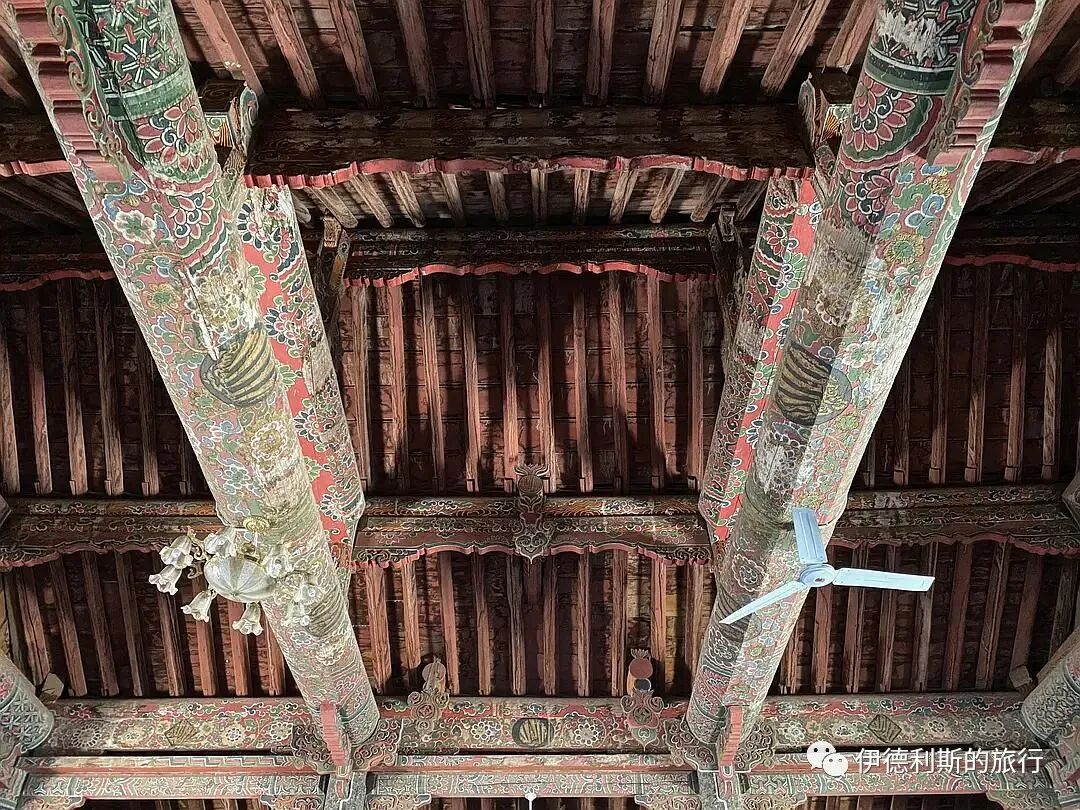
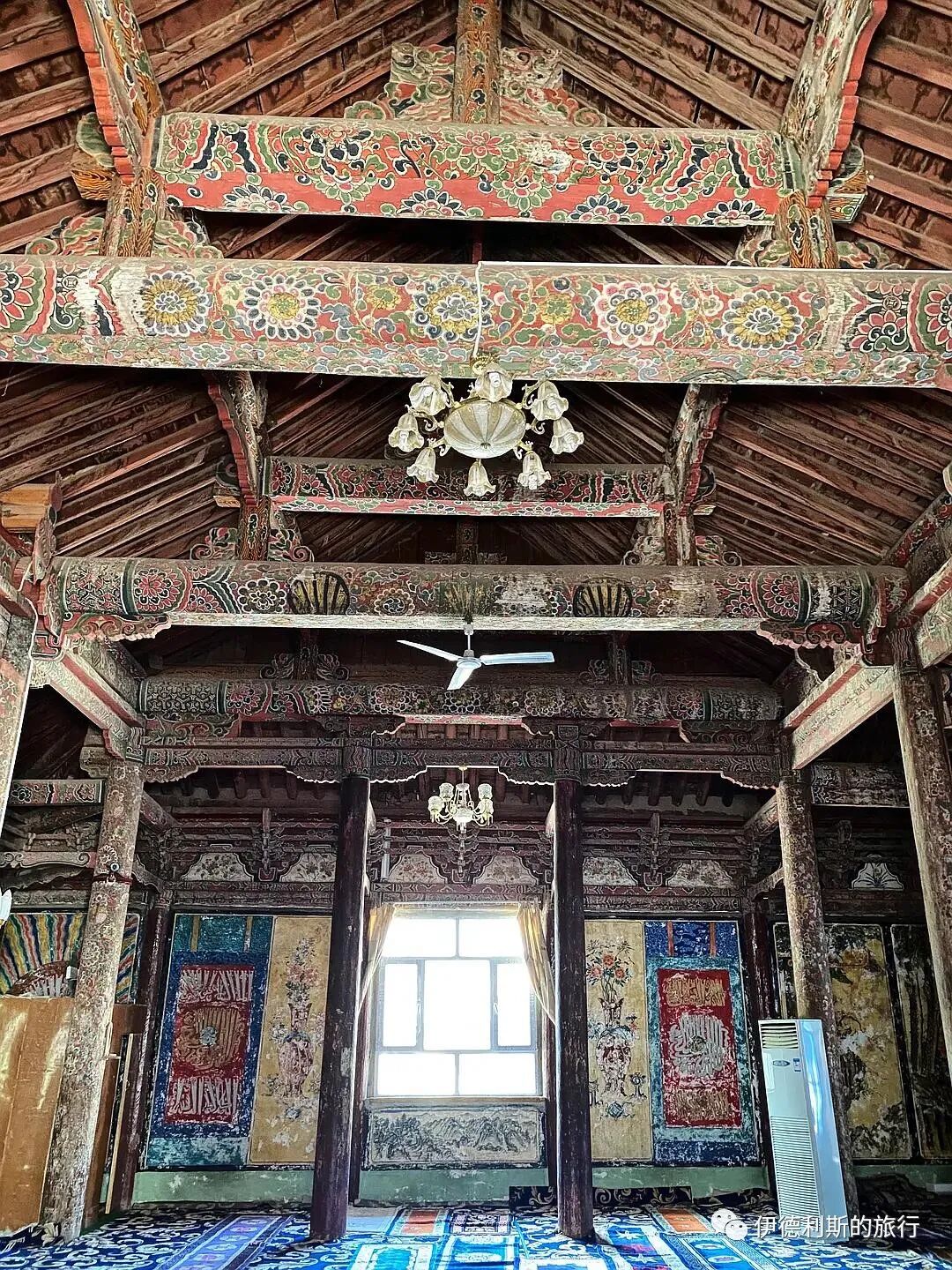
Murals in the main prayer hall
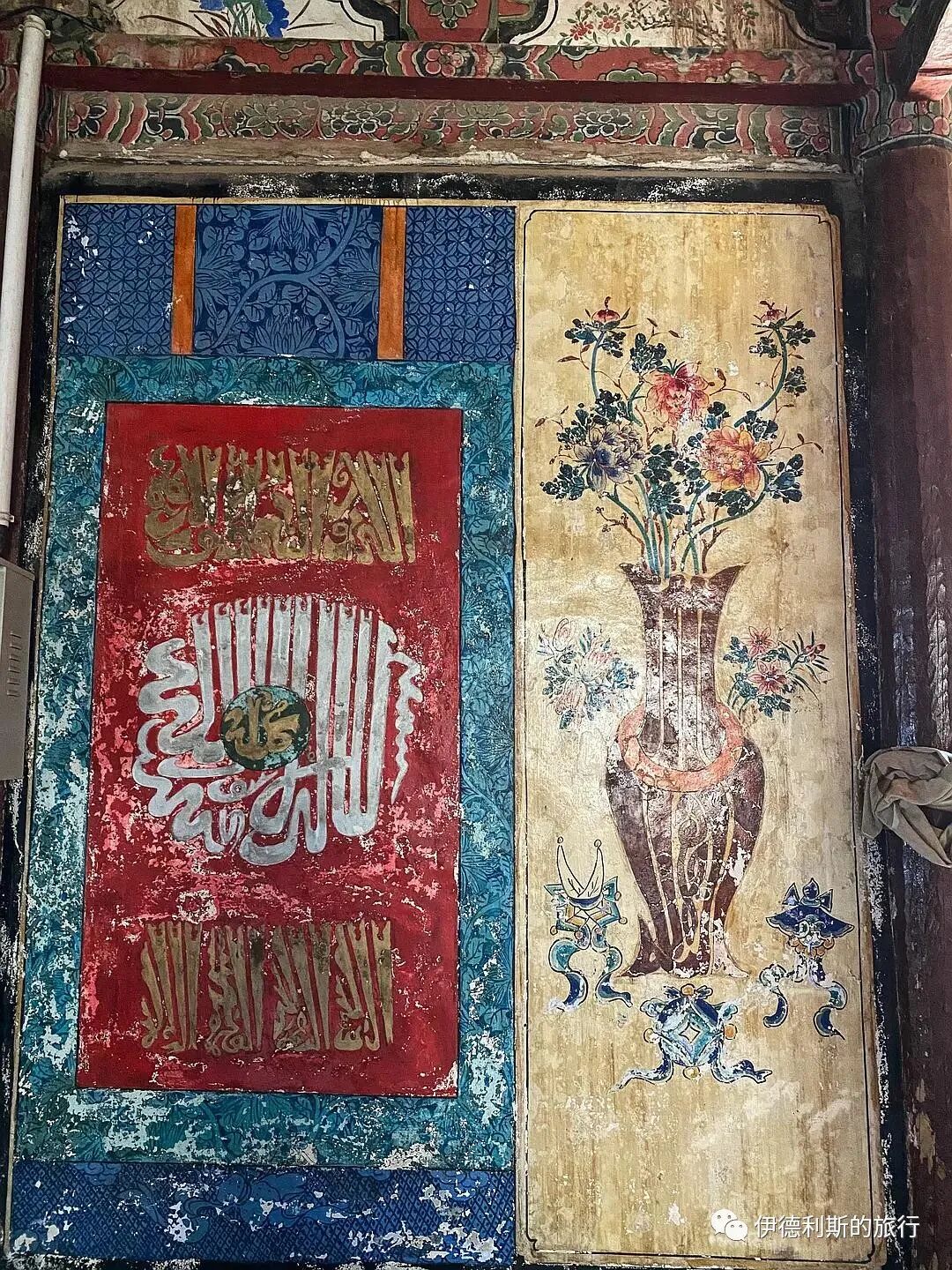
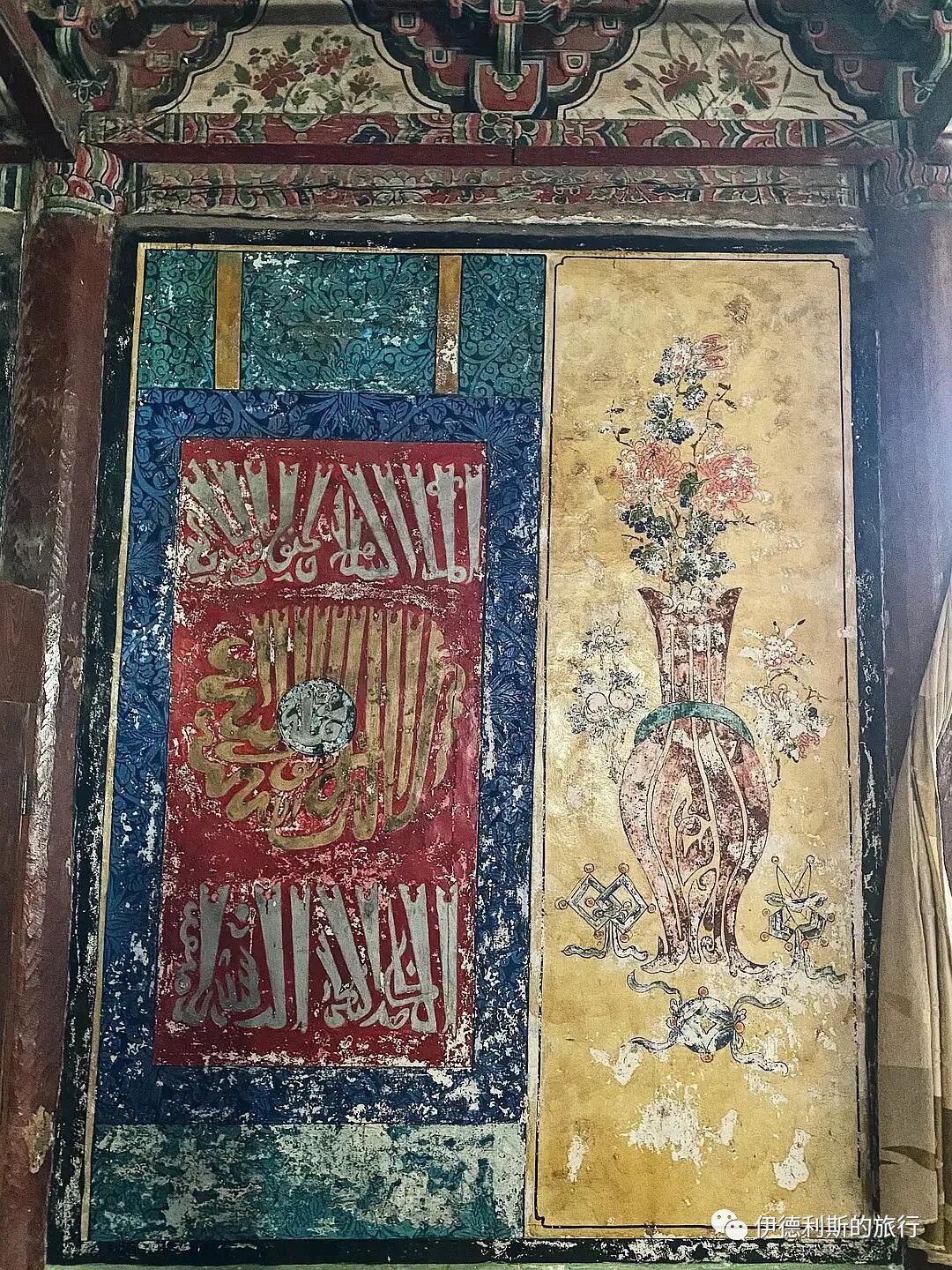
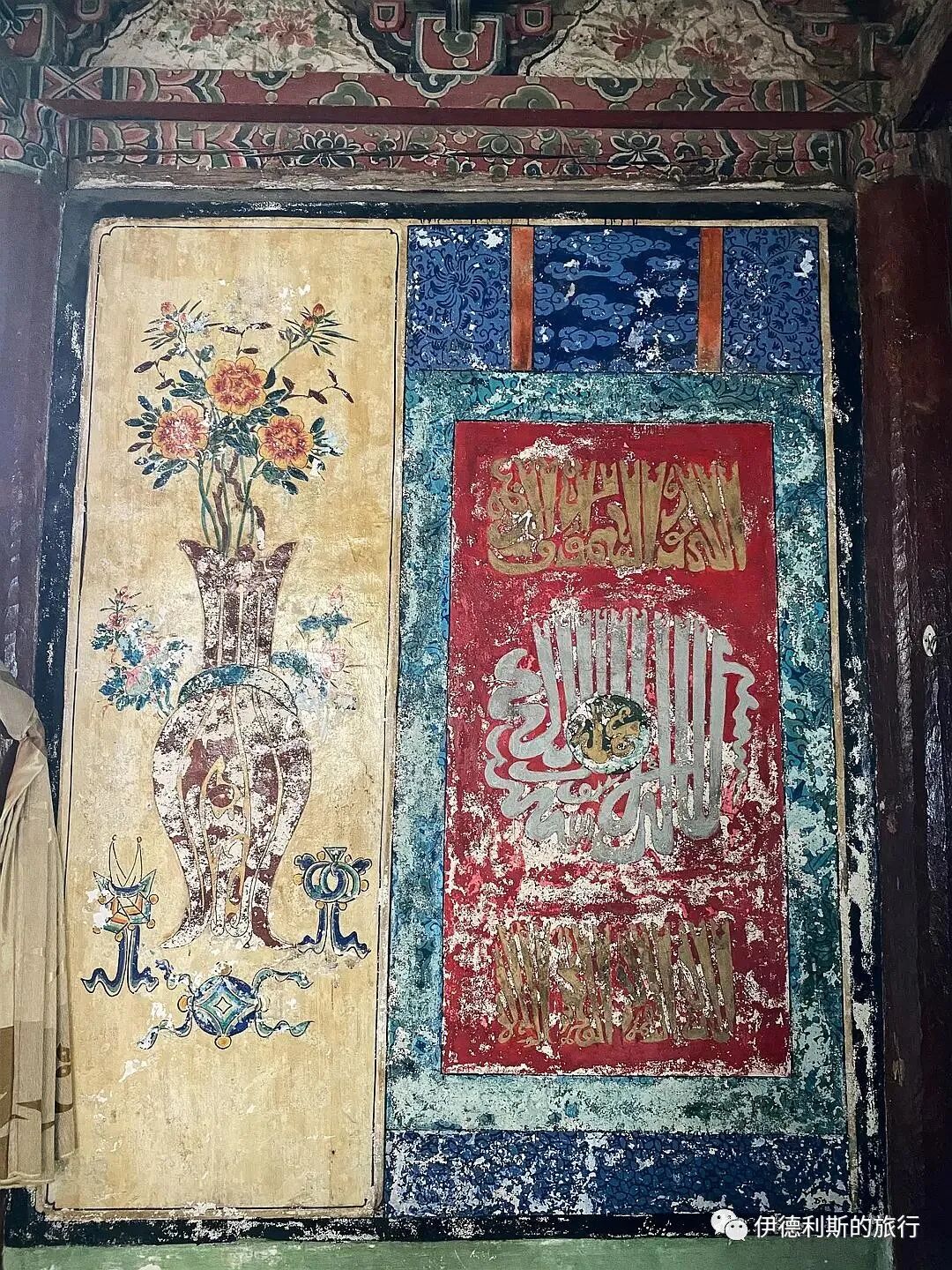
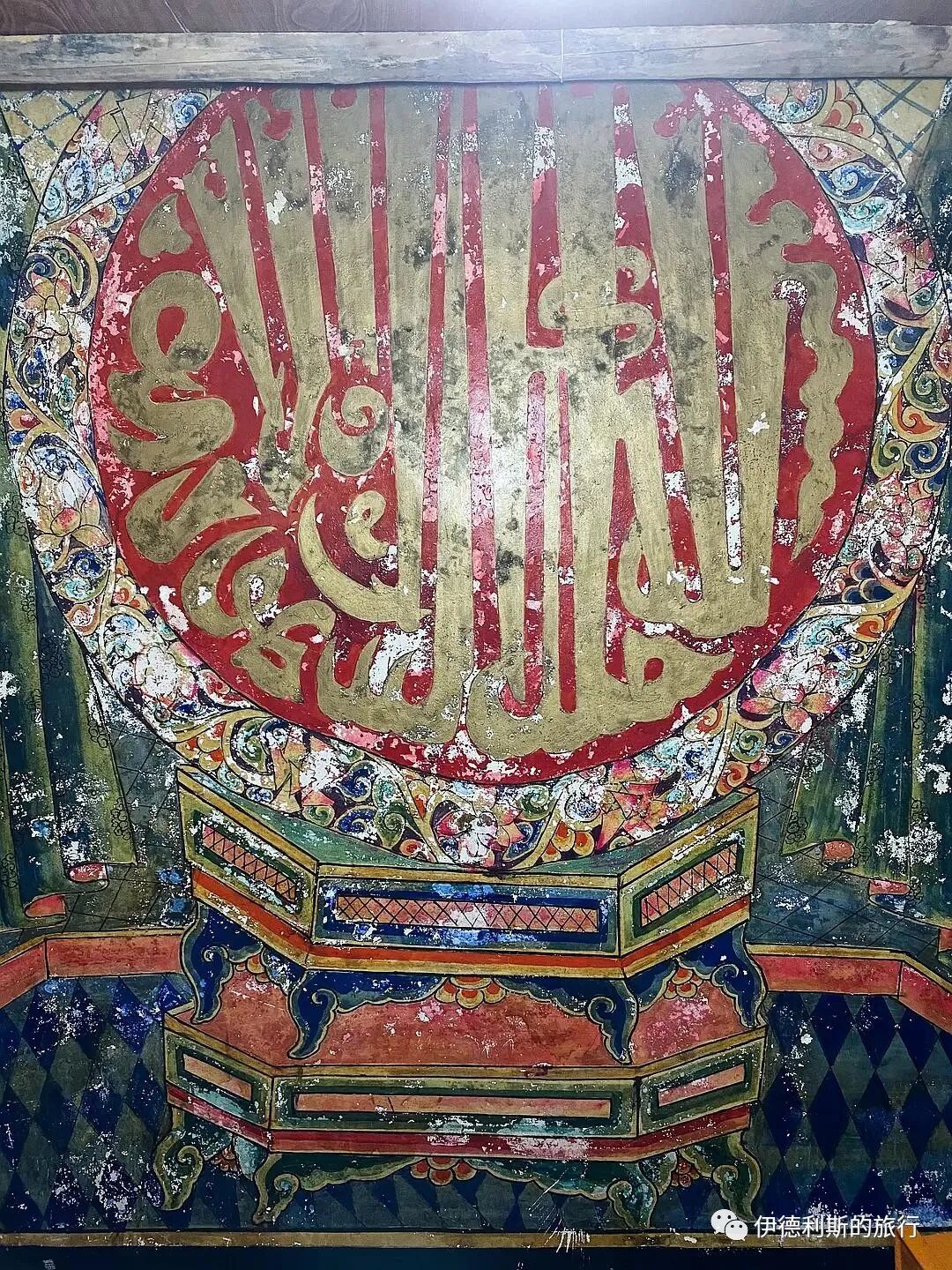
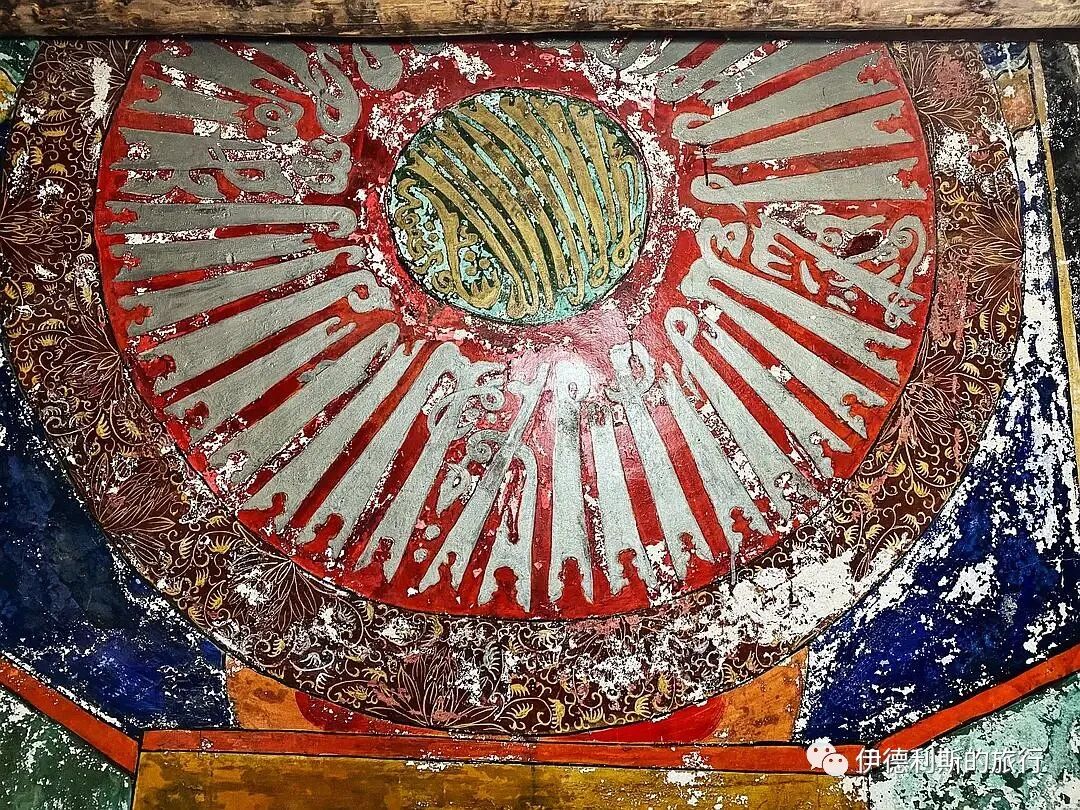
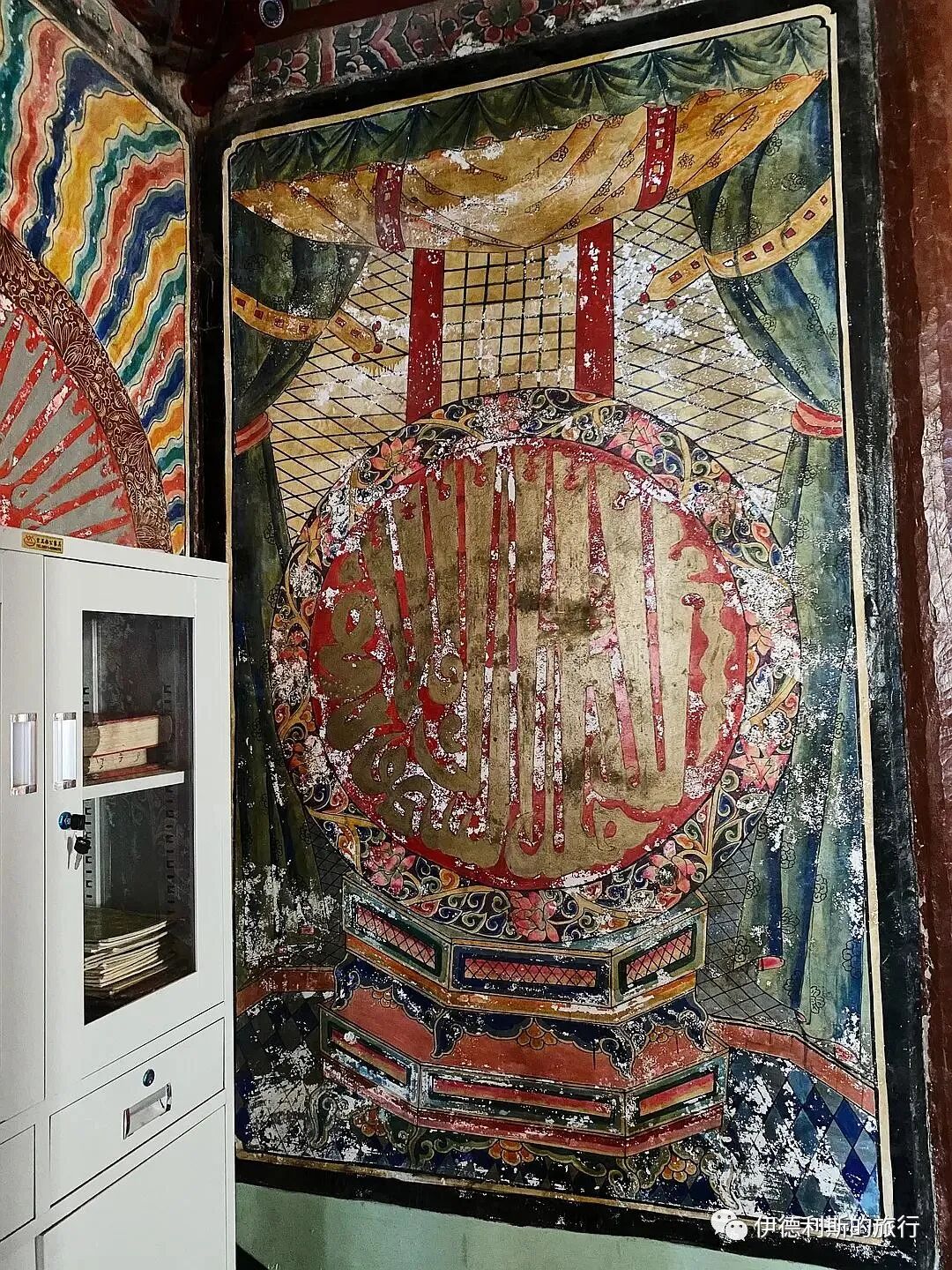
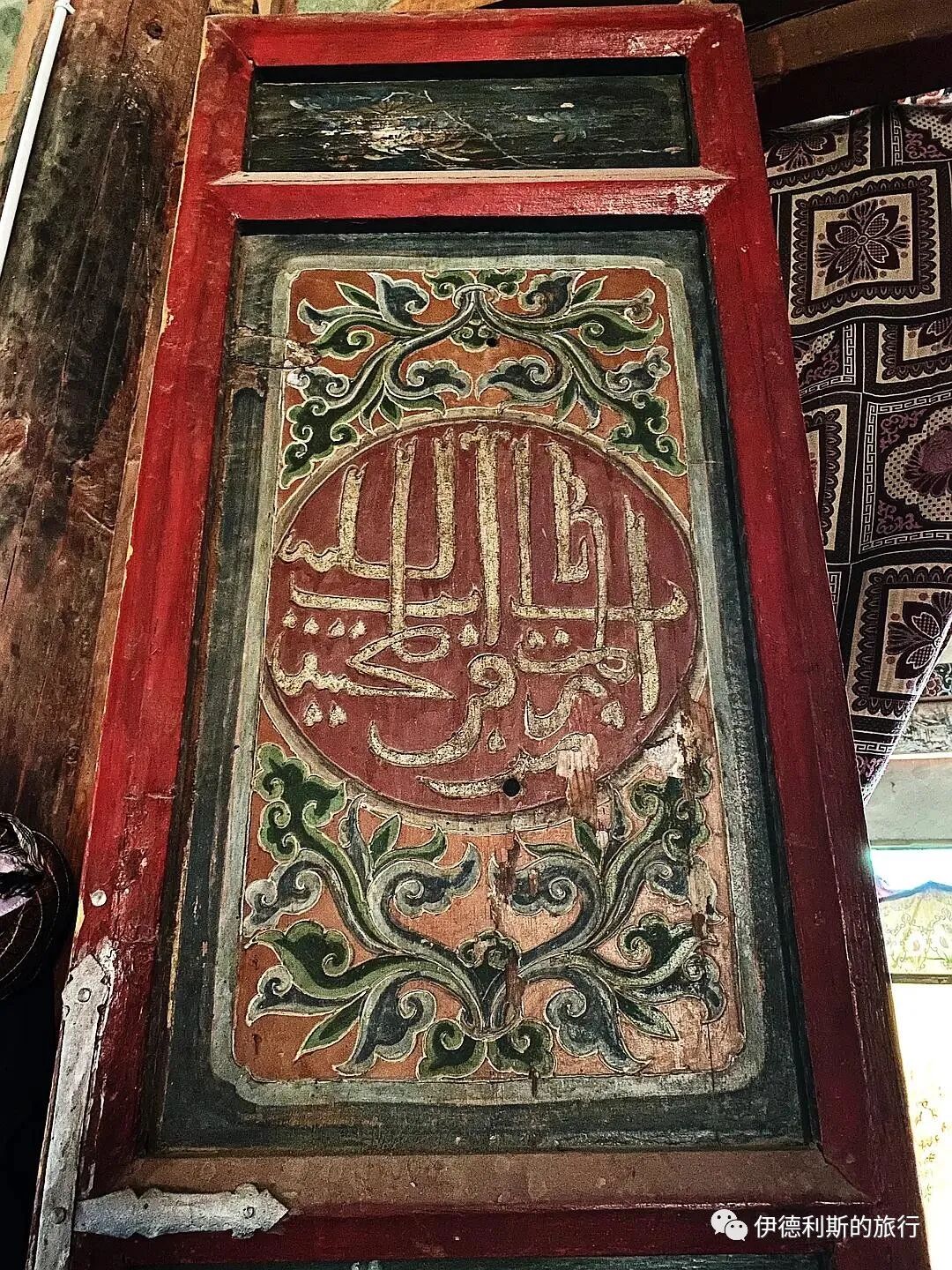
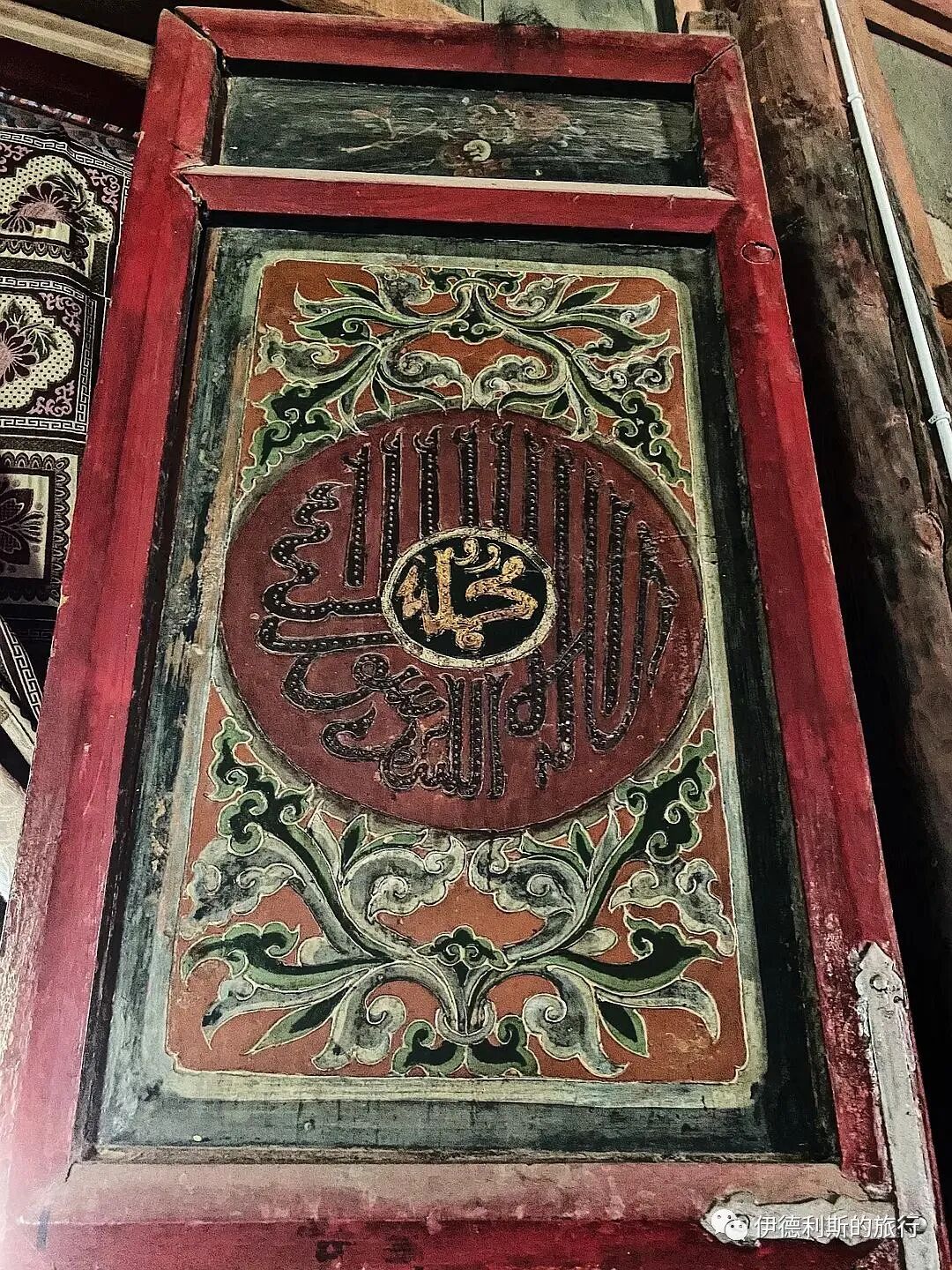
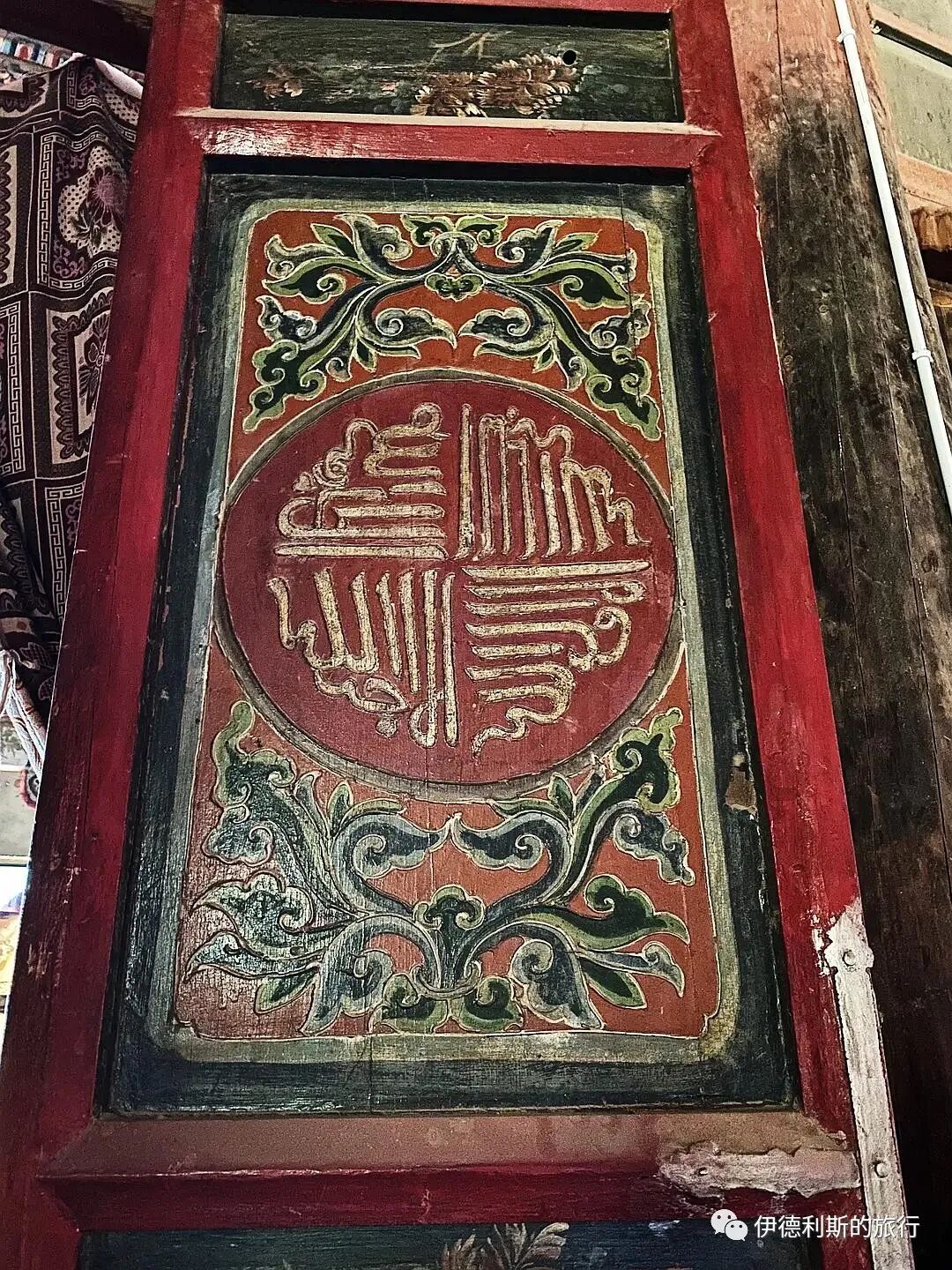
The mihrab of the kiln-style hall
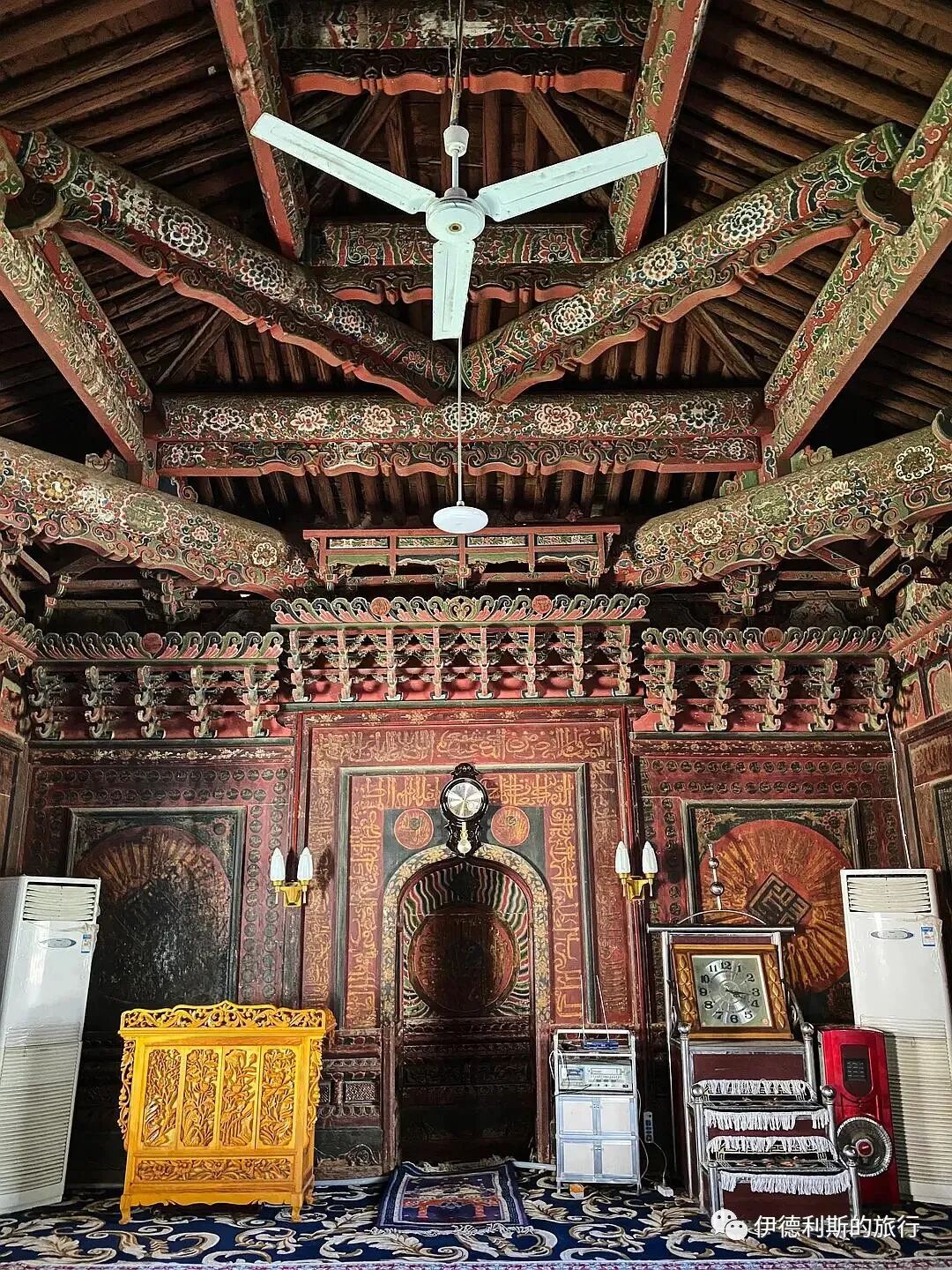
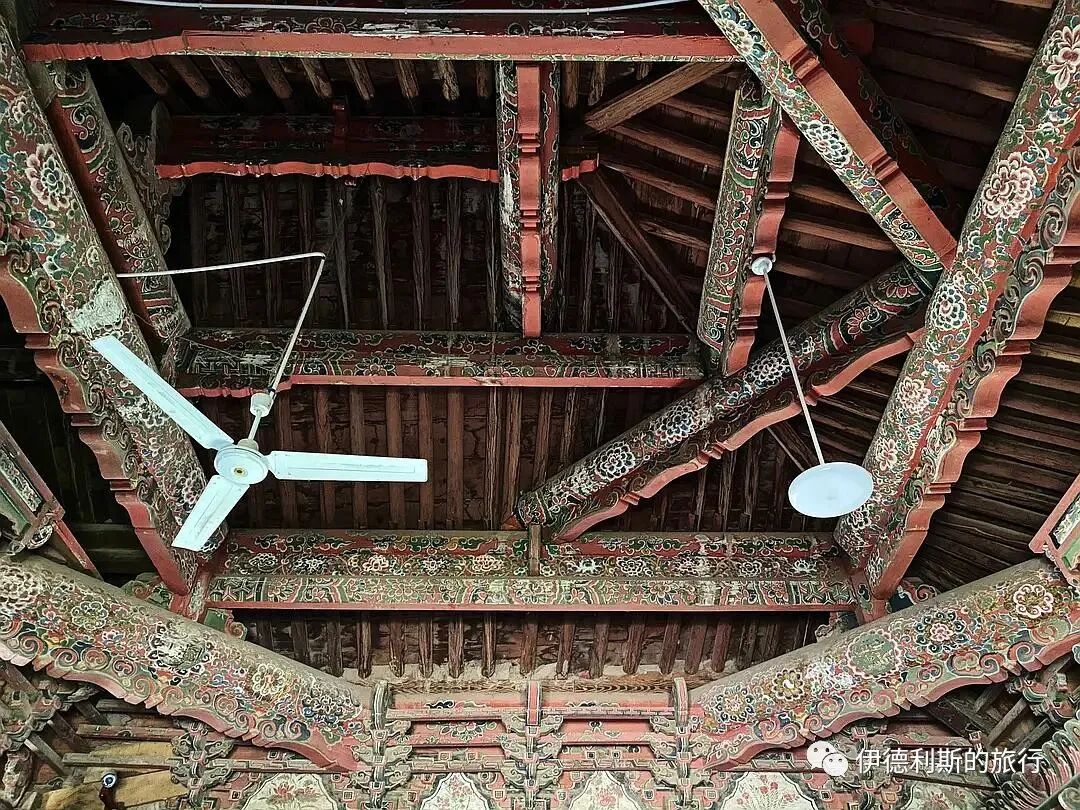
Summary: This travel note introduces Nine Traditional Mosques and Three Gongbei Shrines in Qinghai (Part 1). Hongshuiquan Mosque is located in Hongshuiquan Township, Ping'an District, Haidong City. It is useful for readers interested in Qinghai Mosques, Chinese Muslims, Muslim Heritage.
Above, mosque
1. Hongshuiquan Mosque
2. Qingshuihe East Mosque
3. Mengda Mosque
4. Tashapo Mosque
5. Labian Mosque
6. Zhangga Mosque
7. Kewa Mosque
8. Su Zhi Mosque
9. Ahetan Mosque
Xia, Gongbei
1. Shangmajia Gongbei in Bazang Valley
2. Bazanggou Shangmazhuang Gongbei
3. Jiezi Gongbei
Above, mosque
1. Hongshuiquan Mosque
Hongshuiquan Mosque is located in Hongshuiquan Township, Ping'an District, Haidong City. The buildings preserved today are basically in the style of the Qianlong era, and I personally think it is the most beautiful ancient mosque in Qinghai.
I took the early flight on Saturday from Beijing to Xining Airport, and called a Didi as soon as I got out. Although Hongshuiquan Mosque is less than 20 kilometers away from Xining Airport, the road is full of winding mountain paths, and with the rain, the drive felt a bit thrilling.
The mosque's screen wall is built from imitation wood blue bricks, and the side facing the main gate is carved with a 'Hundred Flowers Picture' made of 255 hydrangea petals, with each design being unique. The uncle who manages the mosque said that legend has it that when the mosque was being built, a lady steamed buns for the craftsmen every day, so the craftsmen carved the shapes of these buns onto it. The back of the screen wall features a large brick carving of 'Qilin and Phoenix Bringing Prosperity'.
The unicorn and the phoenix bring good fortune
The main gate has a beamless structure, and the ceiling is built entirely by stacking and interlocking short crossbeams instead of using roof beams.
On the splayed walls to the left and right of the main gate are two large green brick carvings of 'mice stealing grapes' and 'a qilin with a pine tree,' created using the traditional single-layer high-relief brick carving technique. The mouse represents 'zi,' symbolizing many children and grandchildren. The pine tree sounds like 'song' (to send), symbolizing 'the qilin bringing a child.'
The Bangke Tower is a three-eaved, hexagonal, spire-roofed pavilion supported by two massive central pillars, with 12 surrounding pillars, a structure known as 'two men carrying mountains with twelve oxen'. The ground floor of the Bangke Tower features brick carvings of 'cats leaping and butterflies dancing', 'rabbits guarding cabbage', and 'plum blossoms, orchids, bamboo, and chrysanthemums', with a style somewhat similar to Shanxi brick carvings from the late Ming to early Qing dynasties. The words for 'cat' and 'butterfly' sound like 'taotie', symbolizing longevity. The word for 'cabbage' sounds like 'hundreds of wealth', and rabbits are considered good at guarding wealth.
The mosque is divided into front and back courtyards by brick walls on both sides of the minaret.
The main hall has a vaulted gable-and-hip roof and consists of three parts: the front porch, the main hall, and the rear kiln-style hall. The roof ridge of the main hall features openwork glazed brick carvings and architectural models of dougong-style halls, with ornaments inspired by the 'treasure vases' placed on the roof ridges of Tibetan Buddhist temples.
On both sides of the main hall, the eight-character screen panels are carved with patterns of 'peacocks playing with peonies', 'four arts and ruyi', 'bamboo and plum blossoms for double happiness', 'peace throughout the four seasons', 'jade hall and peace', 'joyful news of early spring', 'mandarin ducks playing in water', 'lotus flowers on a single stalk', and 'pomegranate bursting with a hundred seeds', as well as large seals, fish, conch shells, and various floral designs.
The front porch capitals use corbels to support the beam frame, which is in the Tibetan architectural style. The wooden carvings on the circular arch spandrels feature patterns such as 'two dragons playing with a pearl' and 'a dragon playing with a phoenix'. The wooden carvings at the junction of the eaves columns and inner columns feature 'dragon and tiger' patterns.
The rear hall is entirely made of wood carvings, with the upper part in the style of a celestial pavilion, featuring carved railings, partition doors, and dougong brackets. The caisson ceiling at the top resembles a giant open umbrella, commonly known as the 'heavenly canopy umbrella'.
The lower part uses a partition screen design, carved with various landscapes, plants, and pavilions, but unfortunately, the Arabic wood carvings were destroyed during the Cultural Revolution. The door apron panels are entirely carved with the character 'Shou' (longevity) in different calligraphic styles.
The mihrab niche is shaped like a vase. The mouth of the vase is carved with flowers, the petals feature some patterns of the Buddhist 'Eight Treasures', and the outer edges are carved with floral patterns.
2. Qingshuihe East Mosque
Qingshuihe East Mosque is located in Shangzhuang Village, Qingshui Township, Xunhua County. It is the Haizi Mosque (the main mosque) of the Salar Bagong Qingshui Gong, originally built in 1425 and rebuilt many times throughout the generations.
First, let's admire the 17-meter-high minaret, with its double-eaved hexagonal spire featuring exquisite brick and wood carvings.
The main hall of the mosque features a ridge-top hip-and-gable roof with projecting dougong brackets, brick-carved splayed walls on both sides, and brick-carved corridor walls to the north and south of the veranda, with each window featuring a unique lattice design.
Inside the main prayer hall
The vaulted hall and the mihrab, with intricate wood carvings.
3. Mengda Mosque
Mengda Mosque is located in Dazhuang Village, Mengda Township, Xunhua County. It was first built in 1408 (the sixth year of the Yongle reign of the Ming Dynasty) and expanded three times during the Qing Dynasty. It is the Haiyi Mosque of the Mengda Gong, one of the eight Salar Gong.
The outermost part of the mosque consists of two wooden memorial archways with five-step dougong brackets, and in the middle is a three-eaved, hexagonal-roofed minaret. The minaret is 17 meters high, with the lower level made of hexagonal blue bricks, featuring brick-carved imitation wooden dougong brackets and brick-carved 'Tasmiyah' calligraphy.
Main prayer hall
Murals in the main prayer hall
The mihrab of the kiln-style hall
