
Halal Travel Guide to Henan: 14 Traditional Mosques (Part 2)
Reposted from the web
Summary: This travel note introduces Halal Travel Guide to Henan: 14 Traditional Mosques (Part 2). The main hall was renovated twice in 1802 (the 7th year of the Jiaqing reign) and 1907 (the 33rd year of the Guangxu reign), and consists of a juanpeng (open-fronted shed), the main hall, and a yaodian (niche hall). It is useful for readers interested in Henan Mosques, Chinese Muslims, Islamic Heritage.
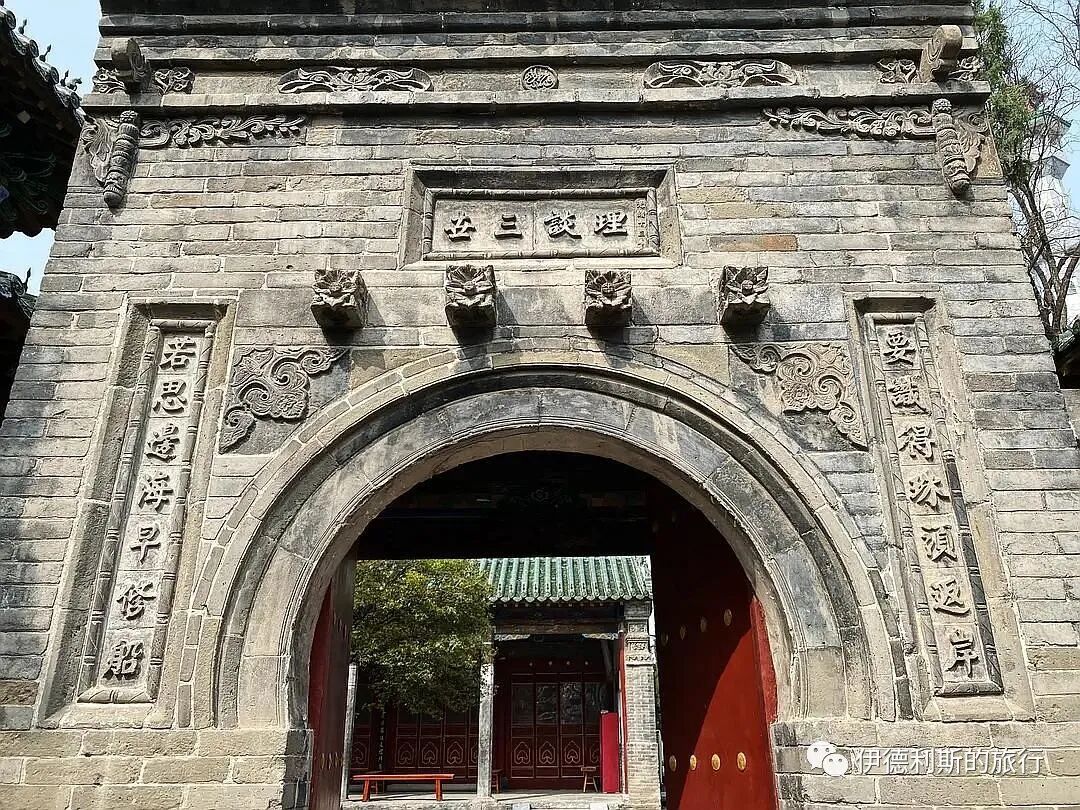
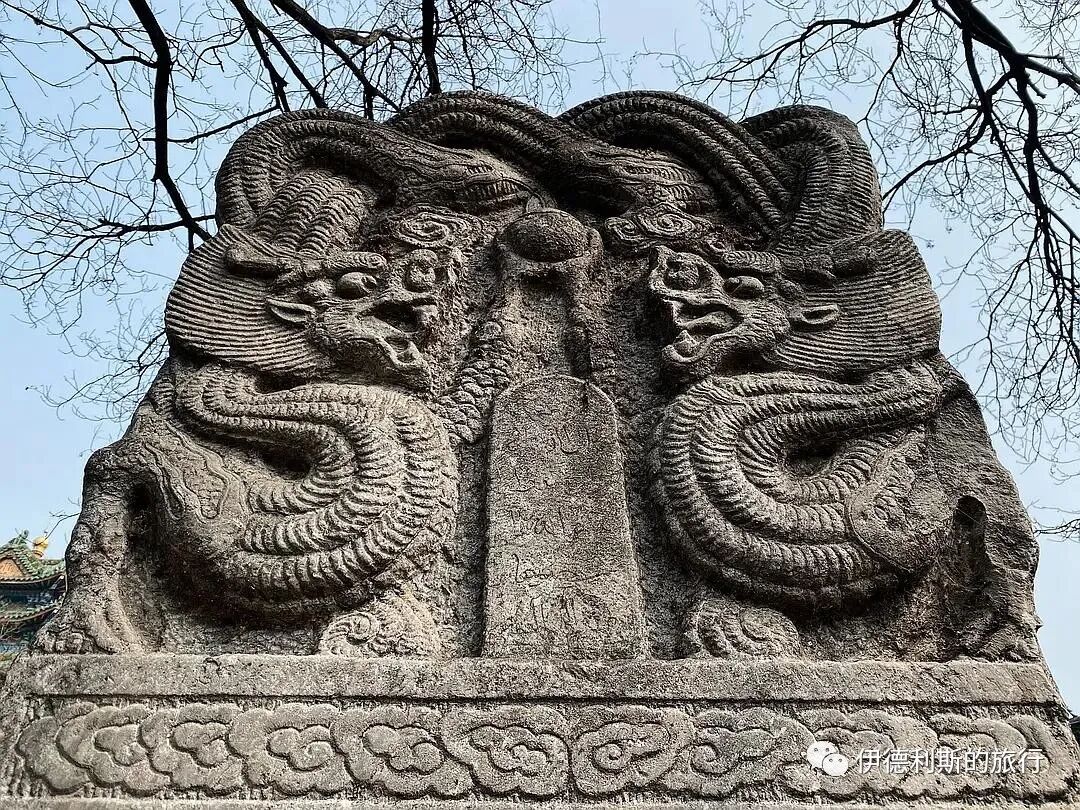
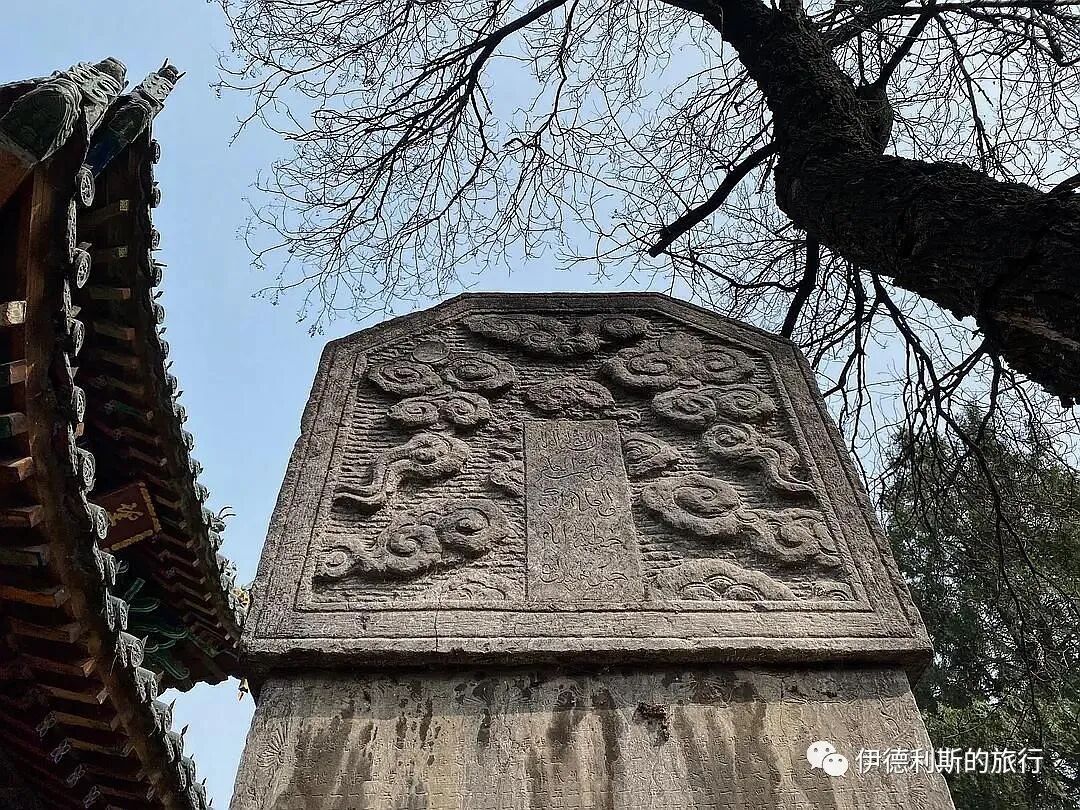
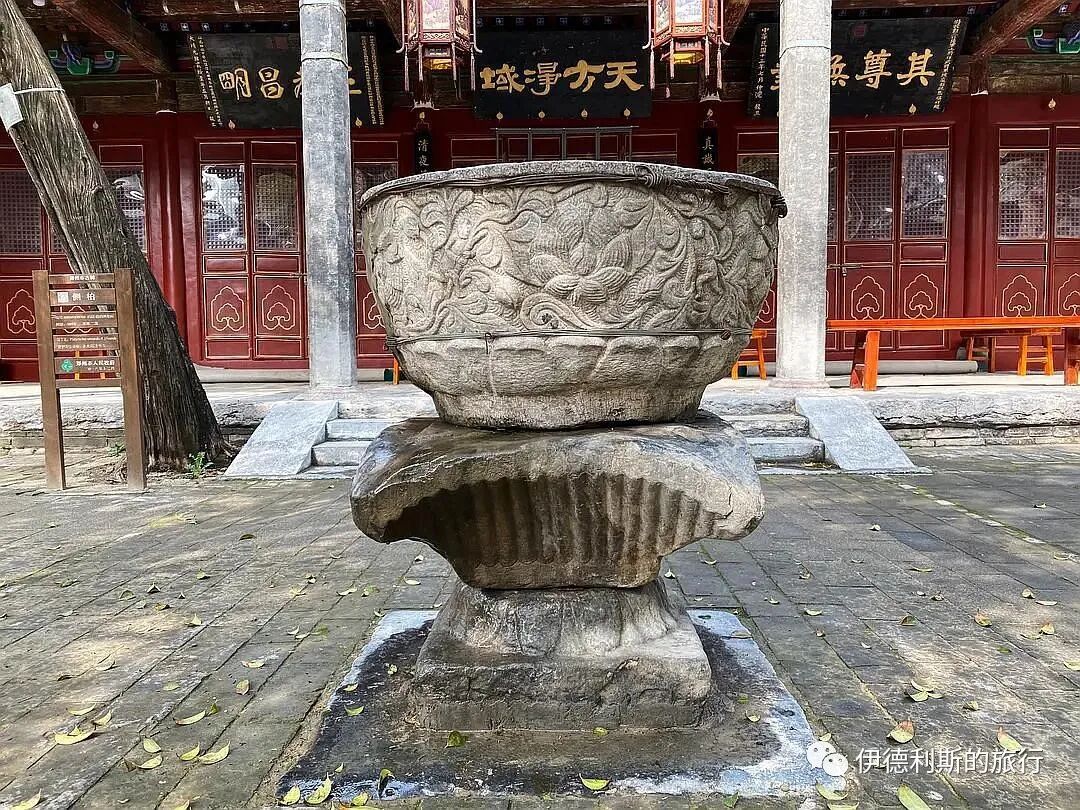
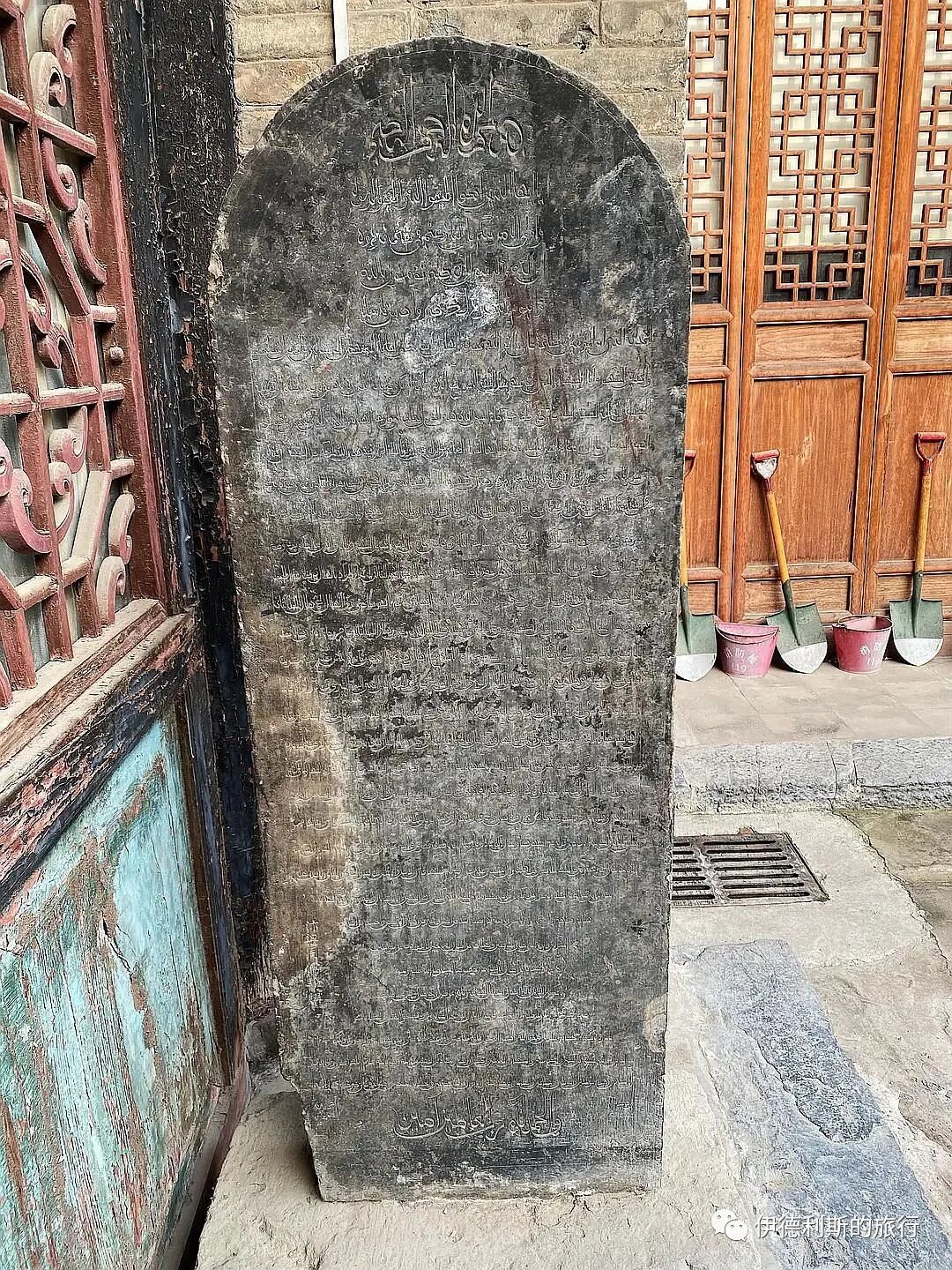
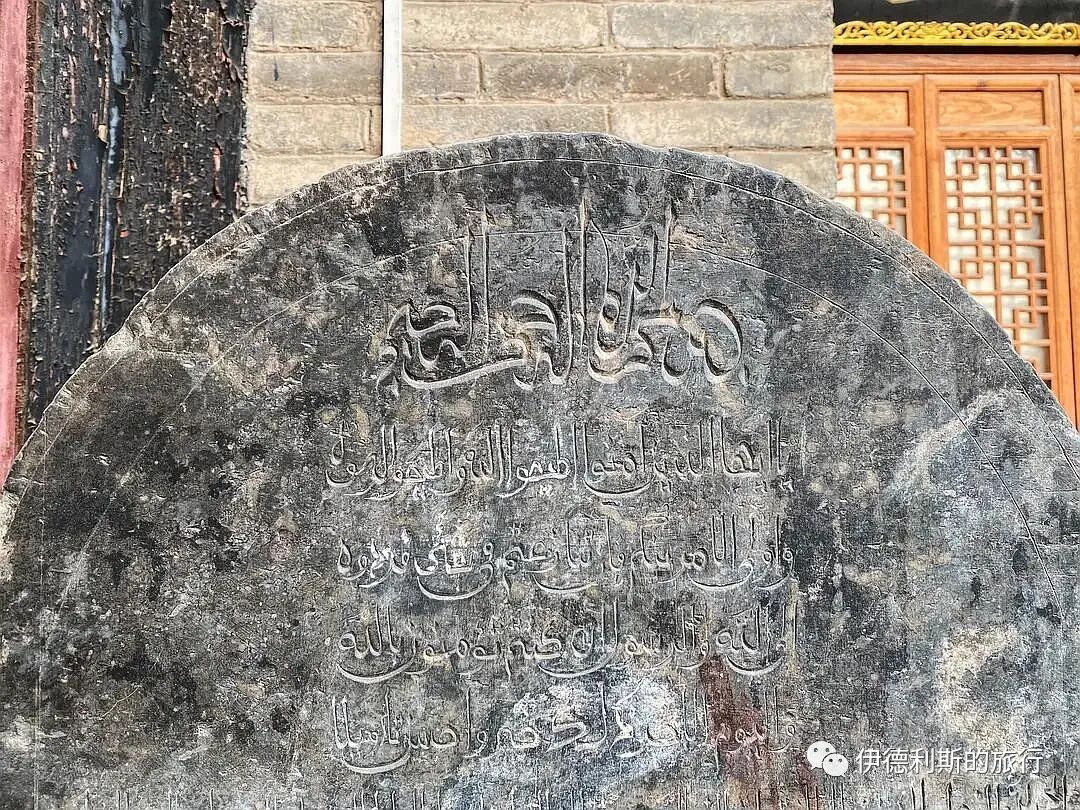
Stone inscriptions in the courtyard.
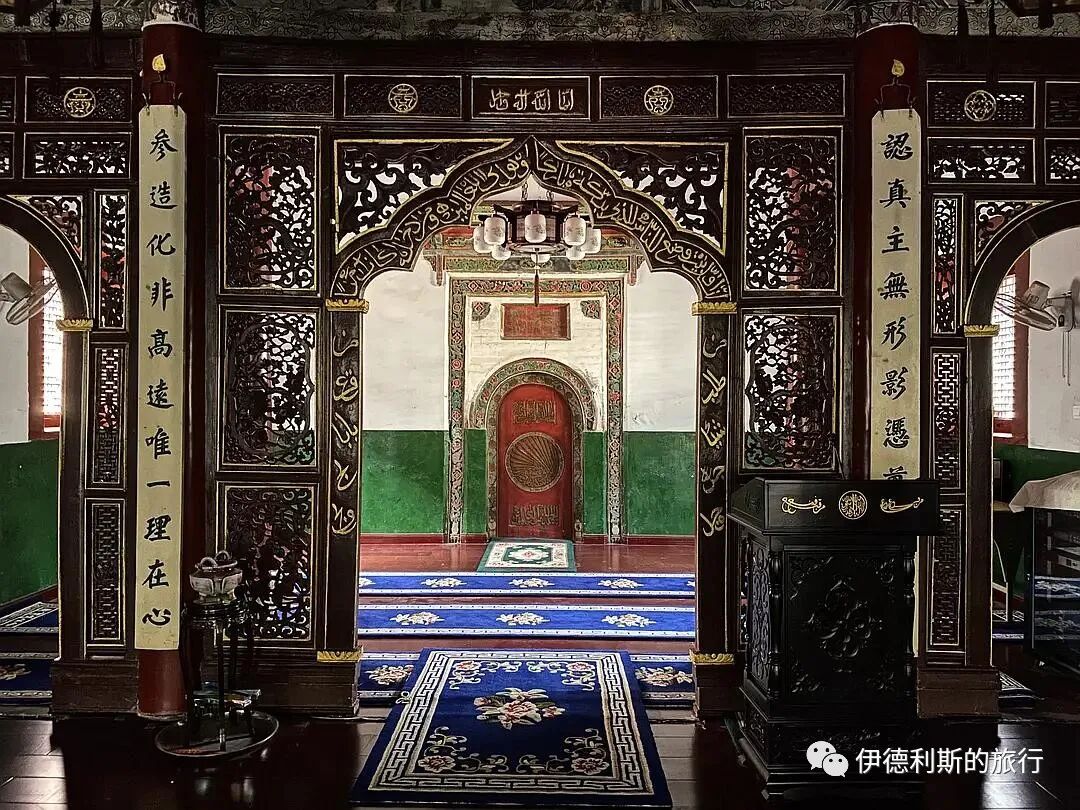
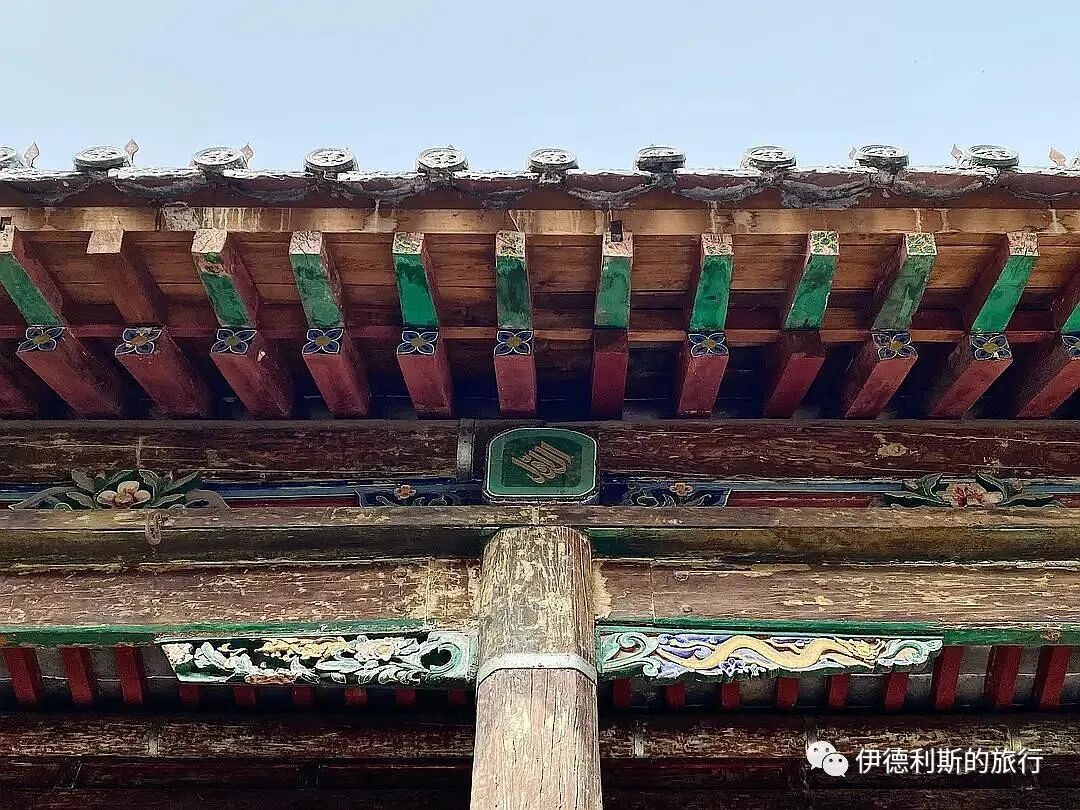
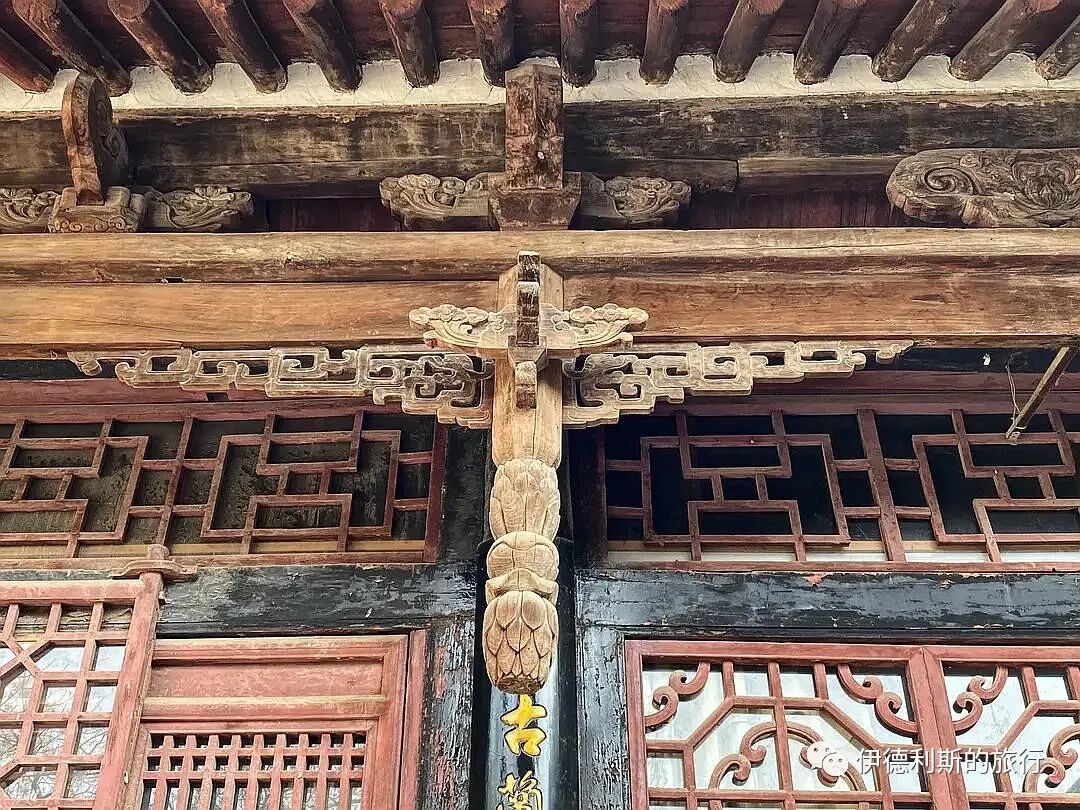
The main hall was renovated twice in 1802 (the 7th year of the Jiaqing reign) and 1907 (the 33rd year of the Guangxu reign), and consists of a juanpeng (open-fronted shed), the main hall, and a yaodian (niche hall). The main hall features a raised-beam timber frame with exposed rafters, and the beams and lintels are covered with cloud and floral patterns, making it unique and elegant. There is a huazhao (decorative floral screen) between the main hall and the yaodian, which is filled with openwork patterns; light shines from the bright yaodian through the screen into the main hall, creating an exquisite and translucent effect on the screen.
In front of the main hall are two century-old sweet osmanthus trees.
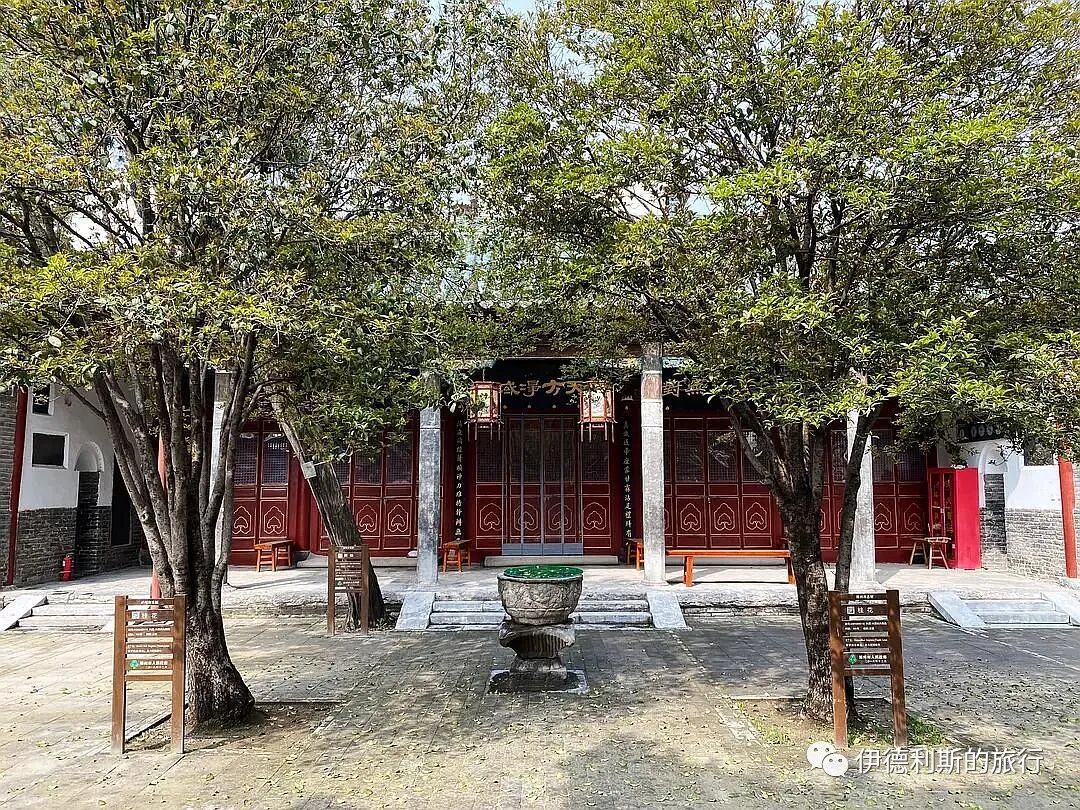
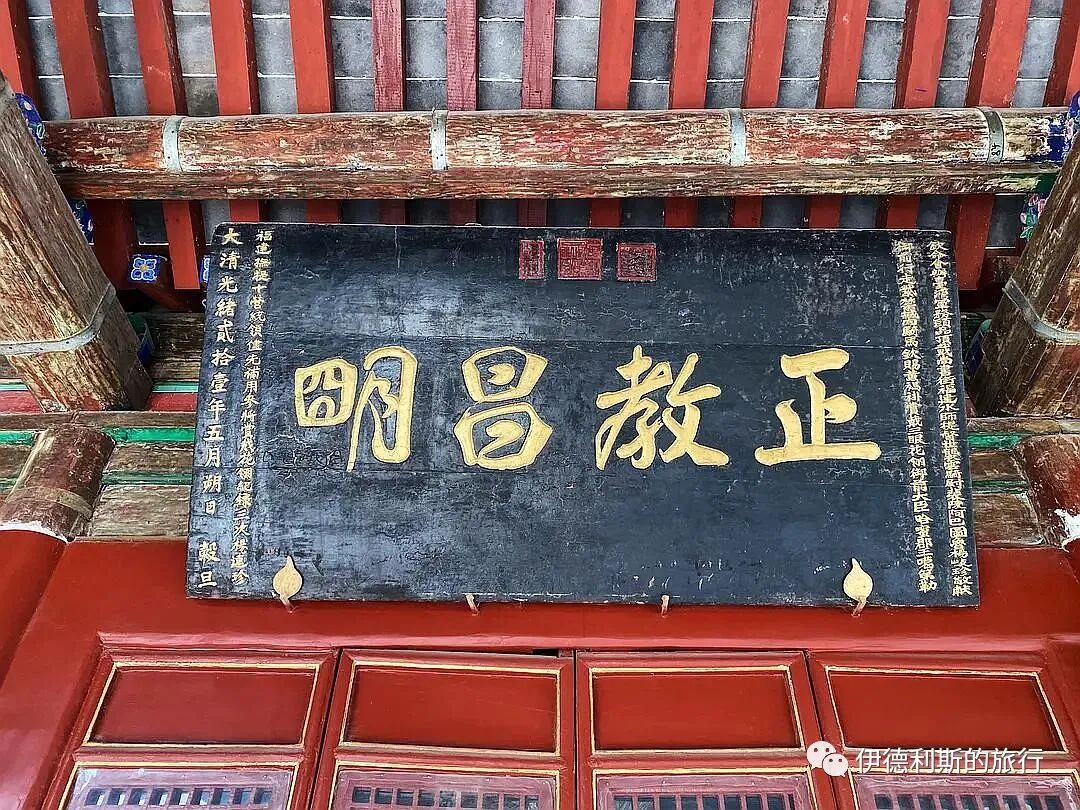
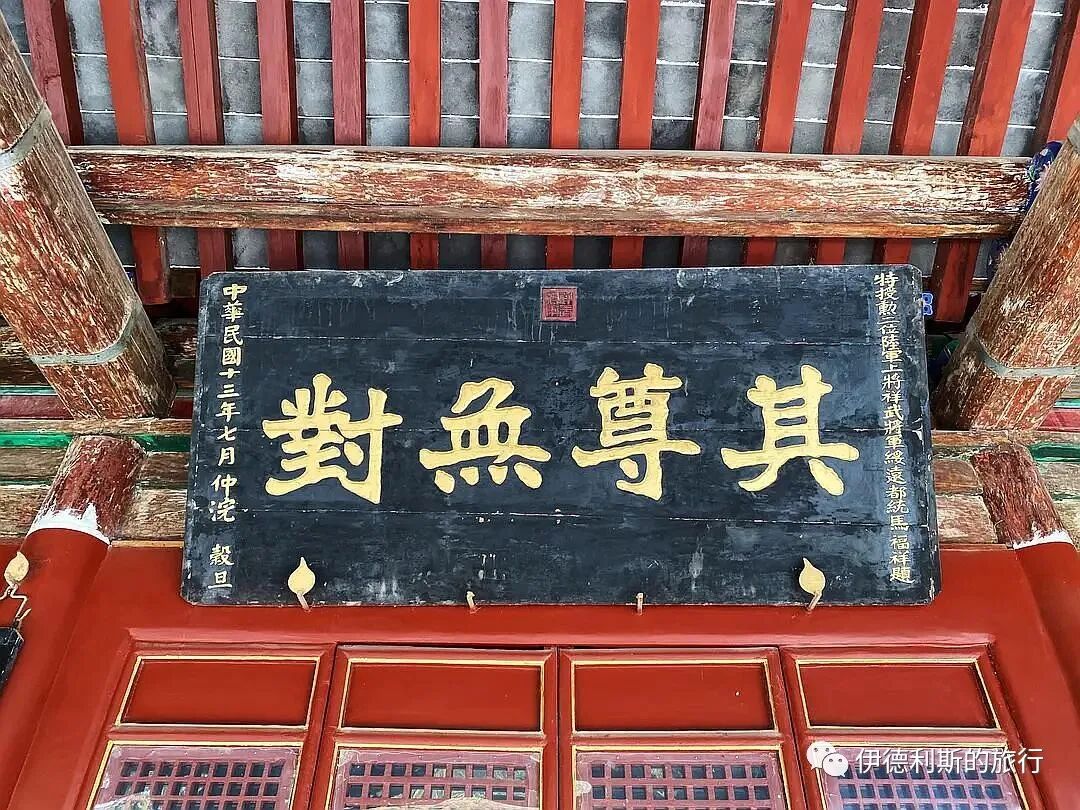
Couplets inside the main hall:
For the painting of the heavens, one must know there is no second artist.
For the scriptures covering the earth, one must ponder who holds the brush.
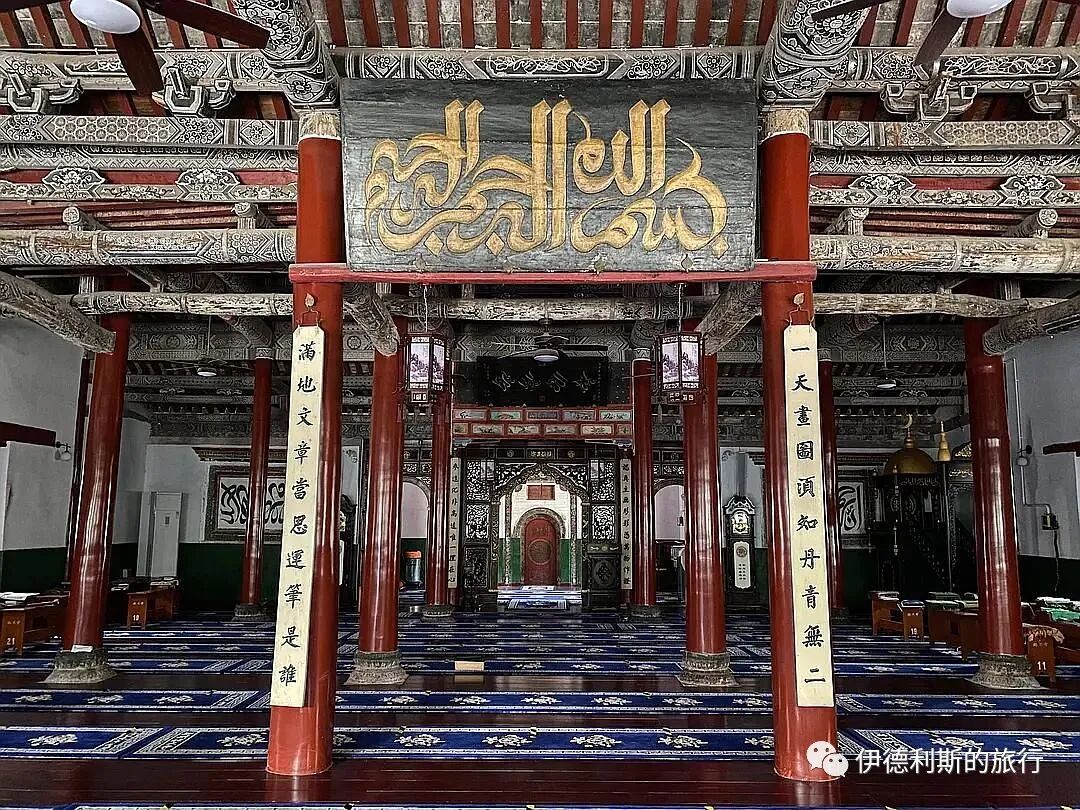
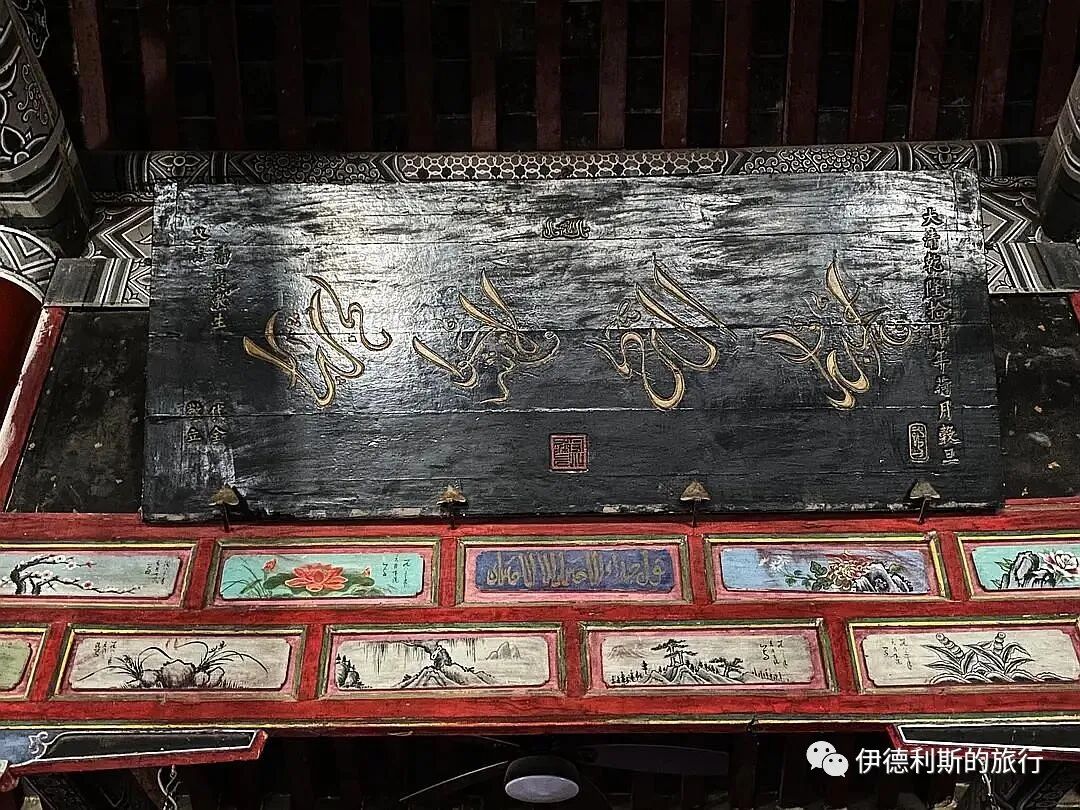
Recognize Allah, who has no form or shadow, and let all things serve as witness.
Contemplate creation, it is not high or distant, for the only truth lies within the heart.
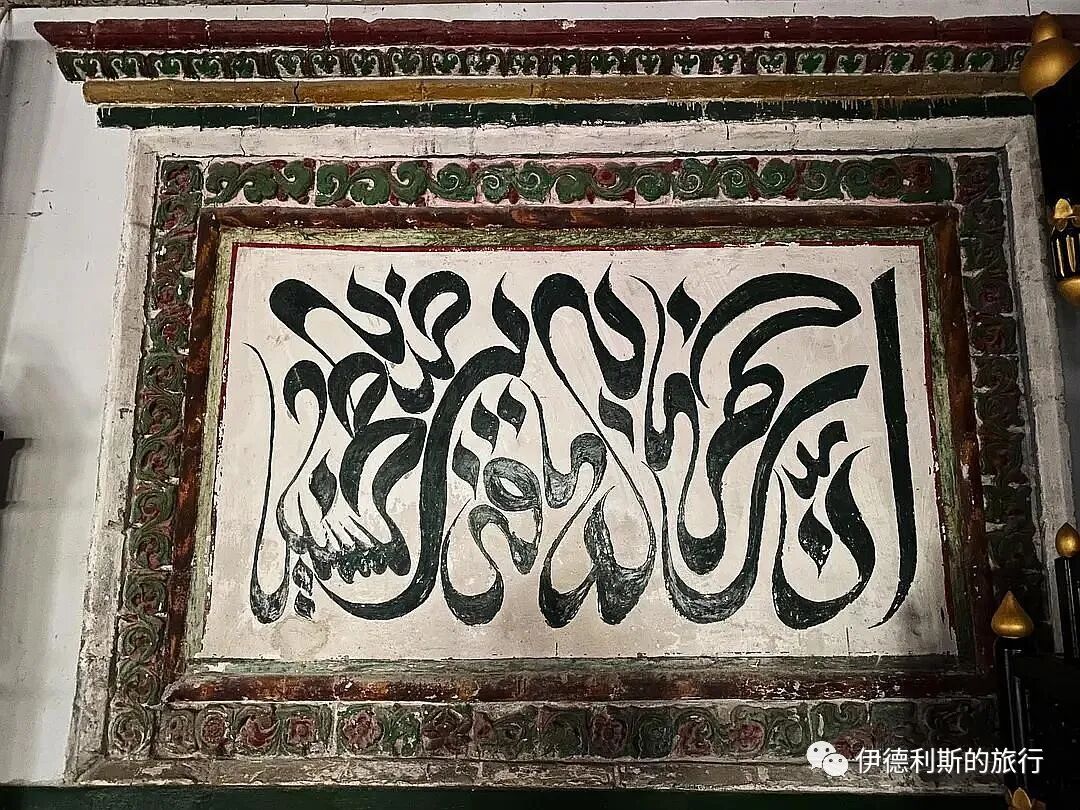
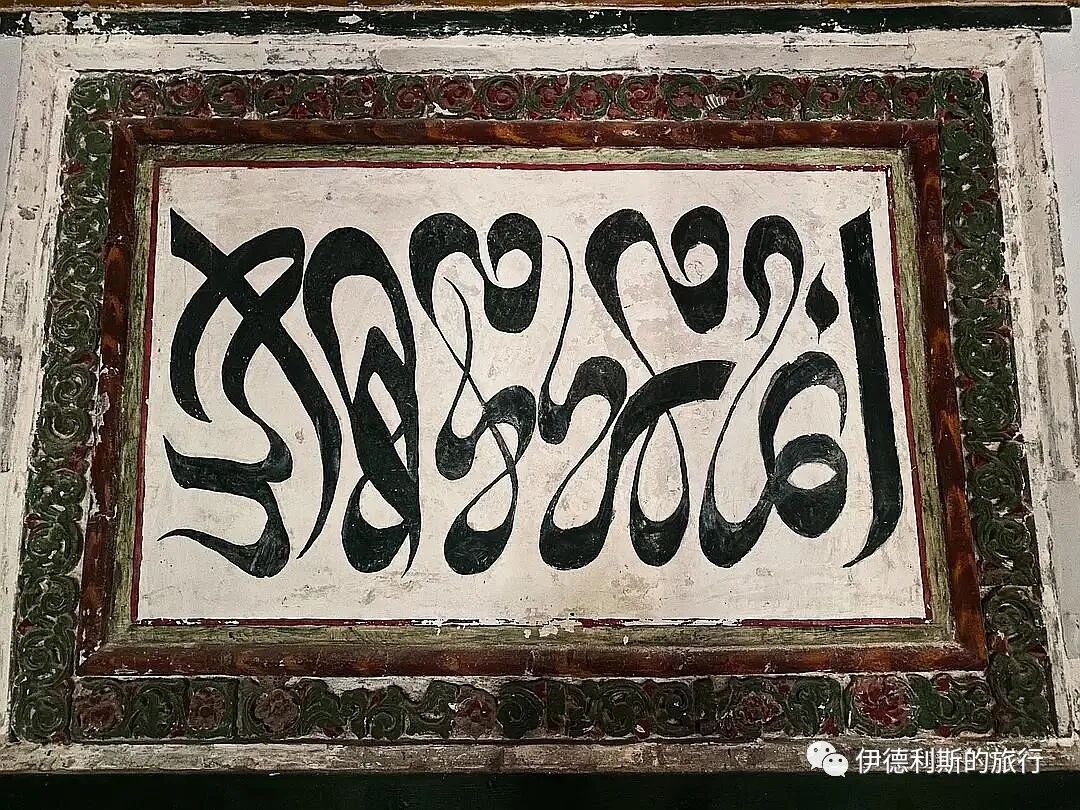
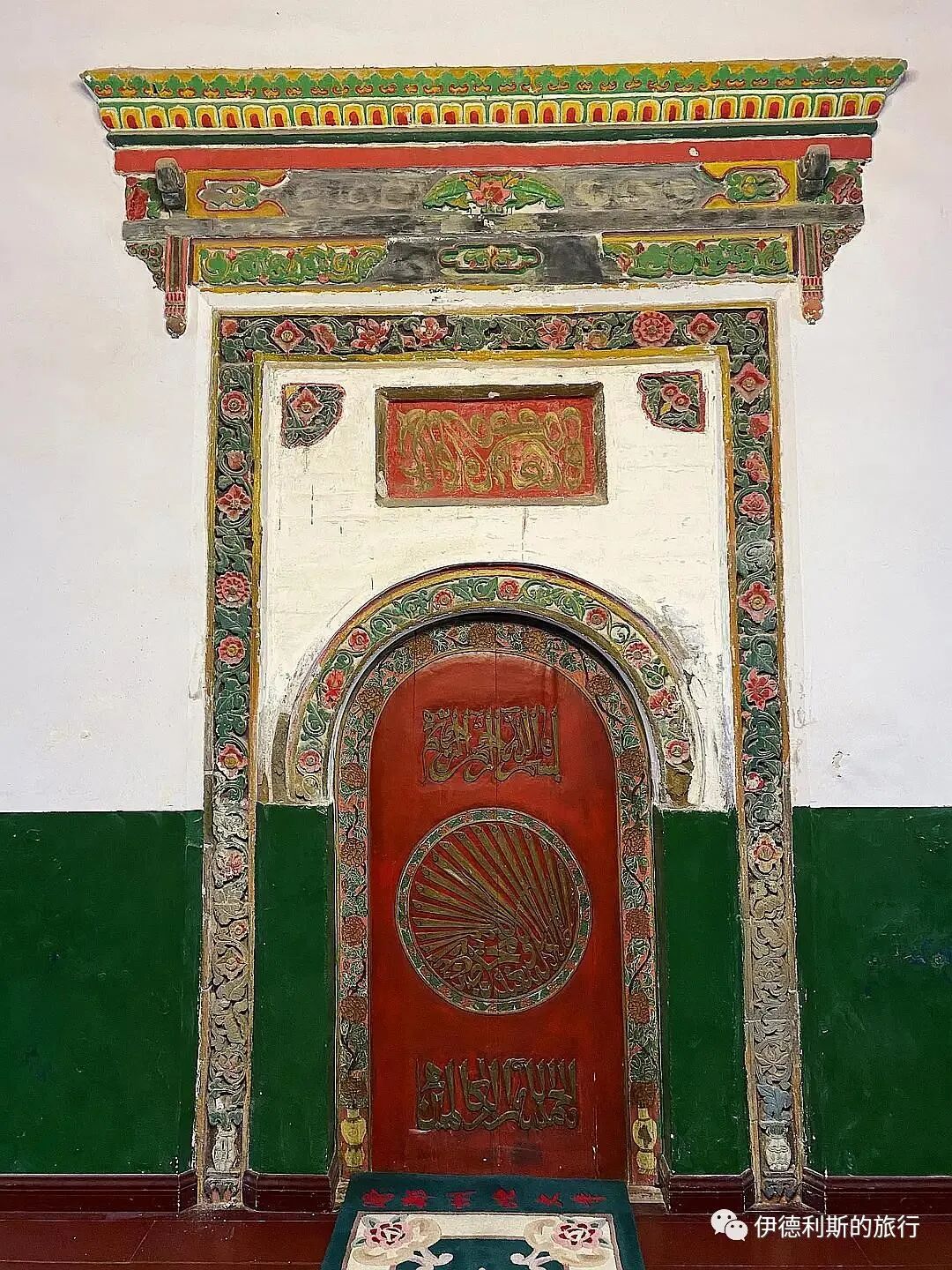
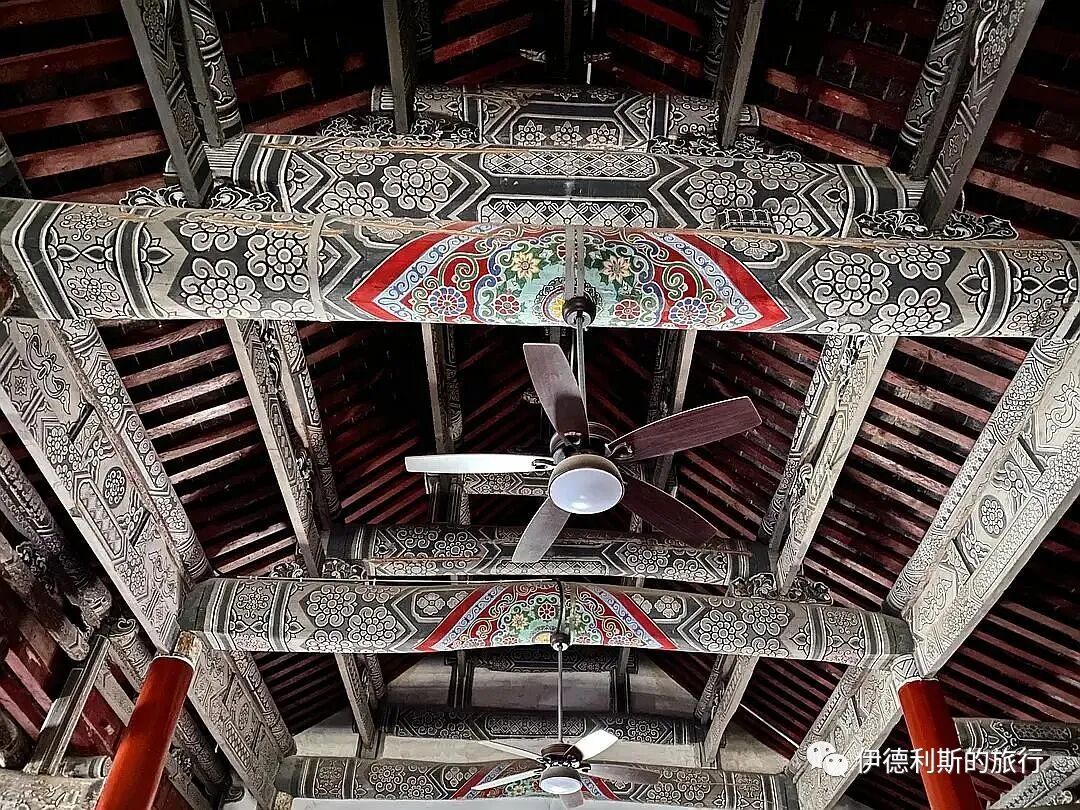
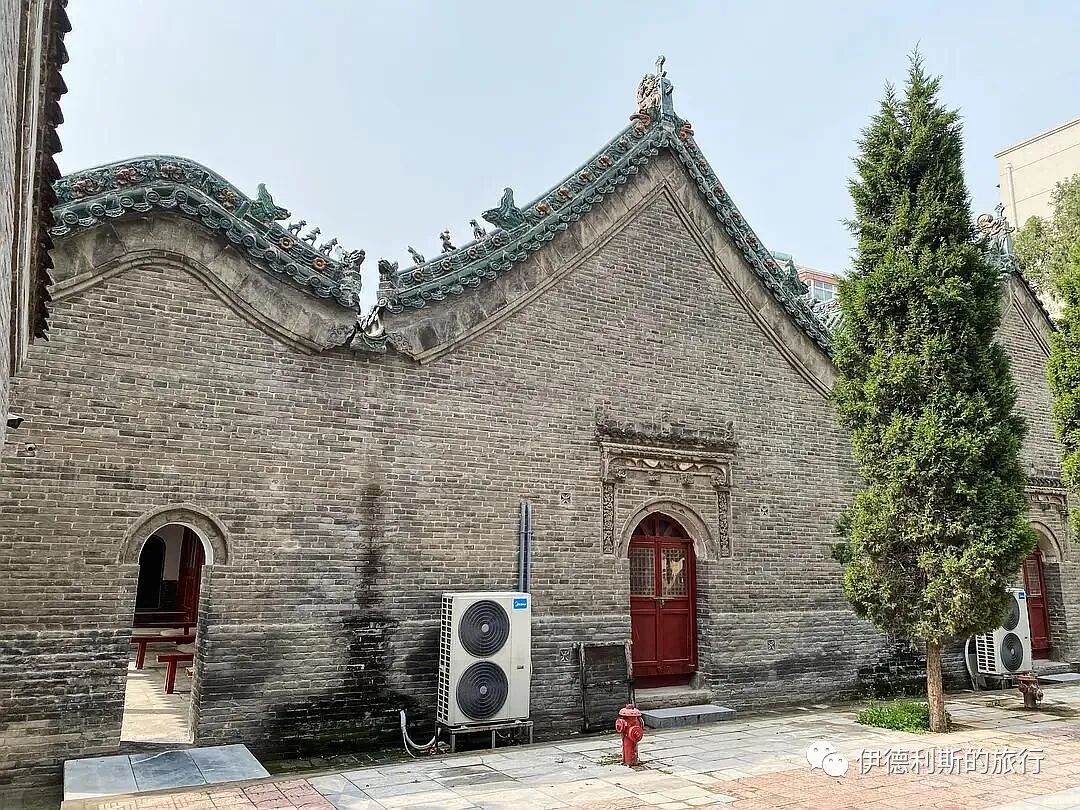
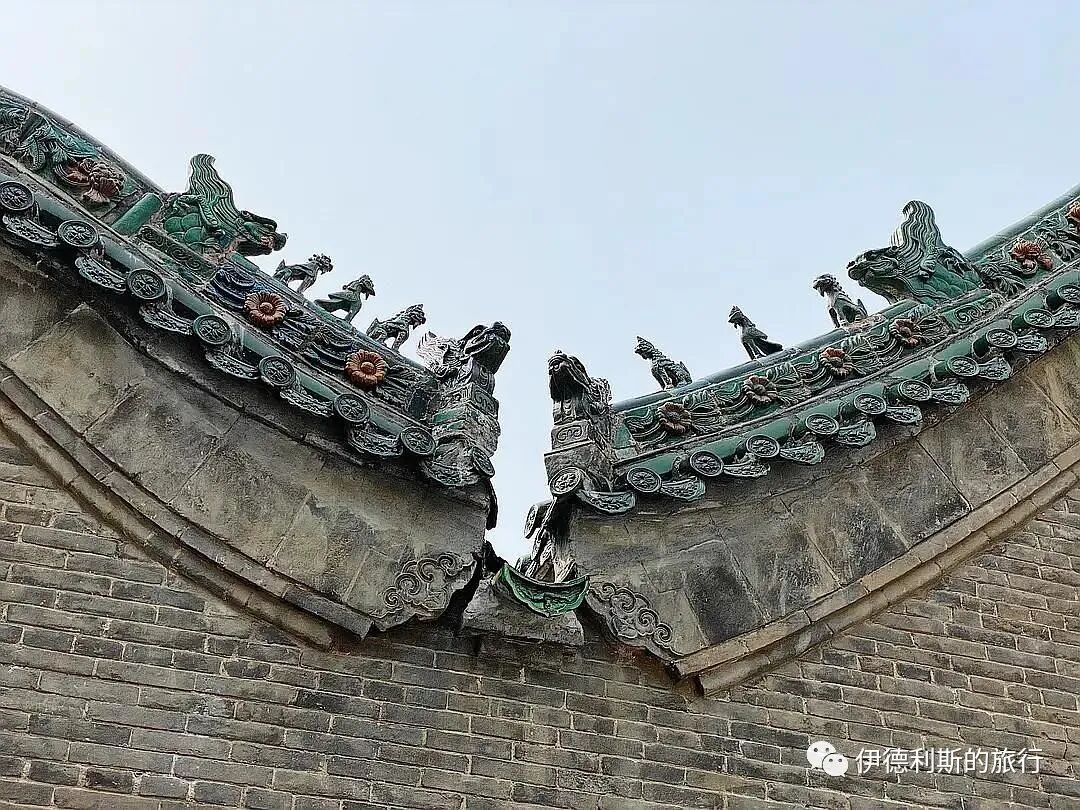
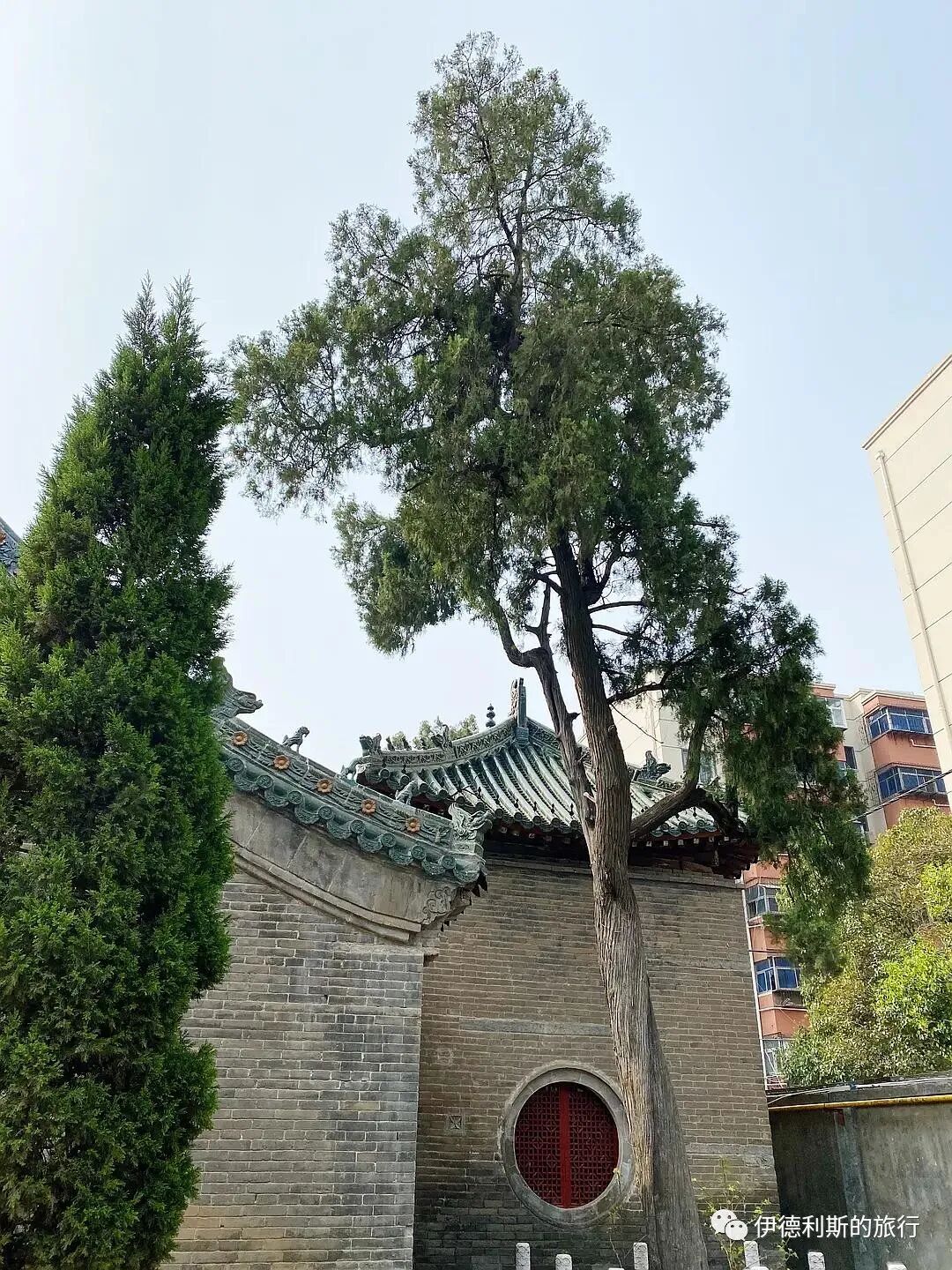
Behind the main hall, next to the yaodian, stands a Chinese juniper tree over four hundred years old.
3. Jiaozuo
1. Bo'ai Xiguan Mosque: Expanded in 1405.
The Xiguan Mosque was first built in the Yuan Dynasty, and the main hall was expanded in 1405 (the 3rd year of the Yongle reign of the Ming Dynasty). It is currently a national cultural heritage site and is known as the 'First Mosque of Northern Henan'.
The main hall consists of a juanpeng, a front hall, a yaodian (middle hall), and a rear hall. In 1863 (the 2nd year of the Tongzhi reign), the yaodian was burned down by the Nian Army and later rebuilt to its original appearance. In 1941, a rear hall was added behind the yaodian, and the yaodian became the middle hall. The main hall is a raised-beam timber frame structure with 16 columns in 4 rows supporting the beam framework. The middle hall has 4 tall columns supporting the roof of the yaodian; inside the yaodian roof is a zaojing (caisson ceiling), and the exterior features a triple-eave, four-corner cross-ridge roof.
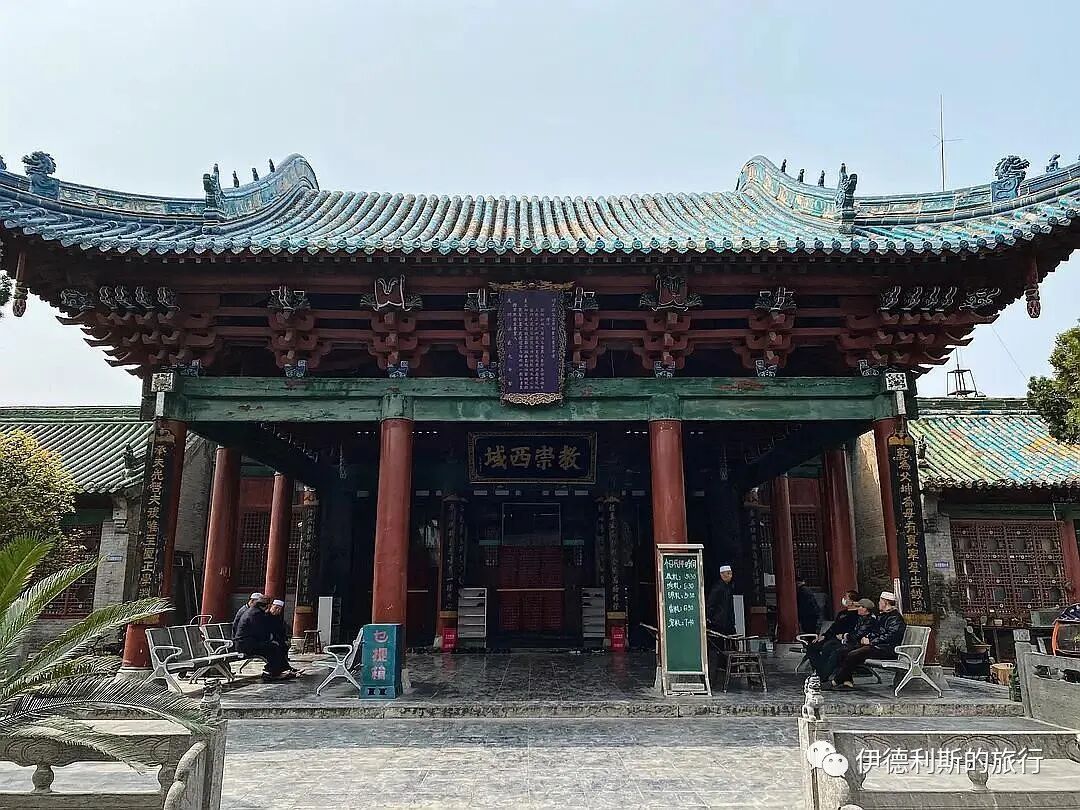
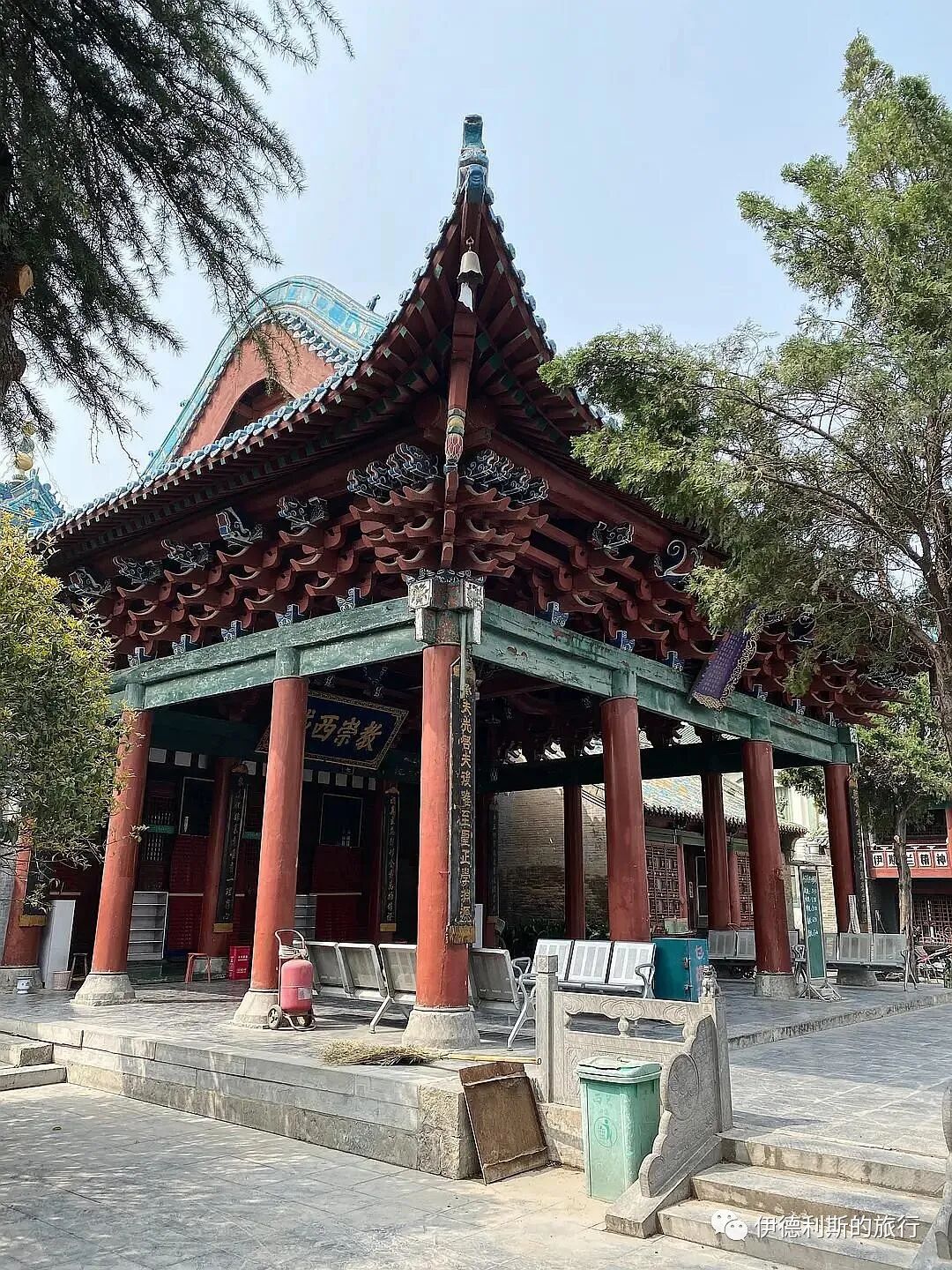
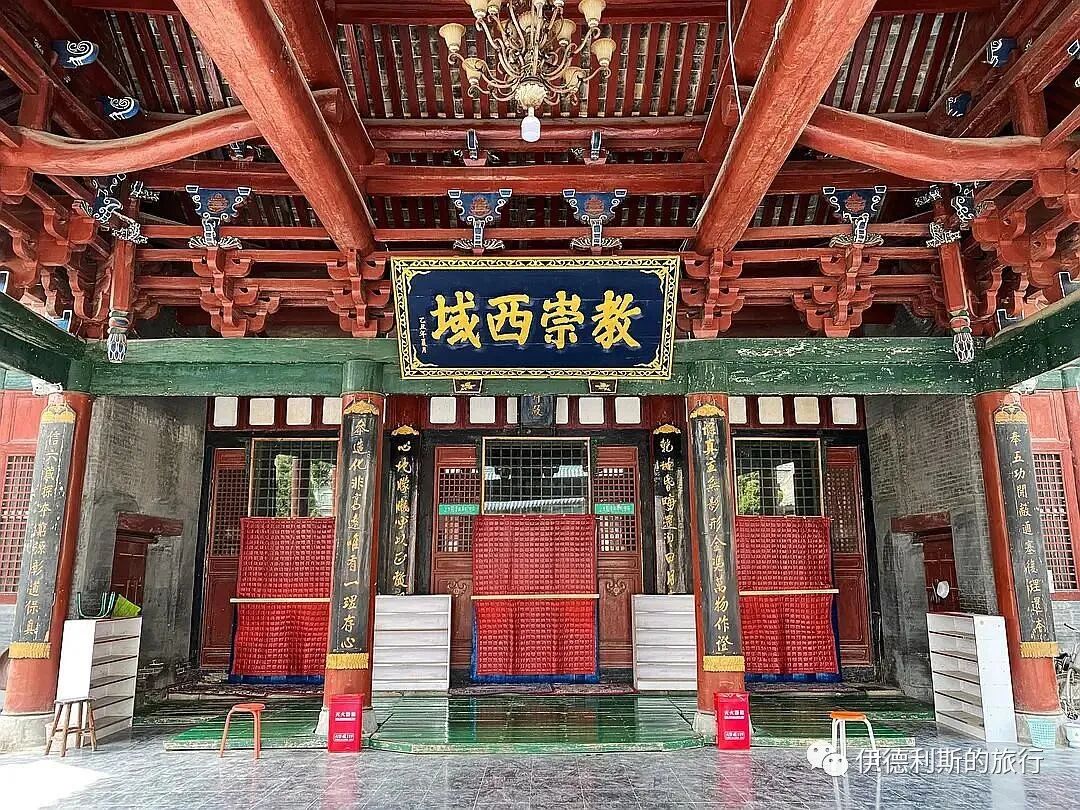
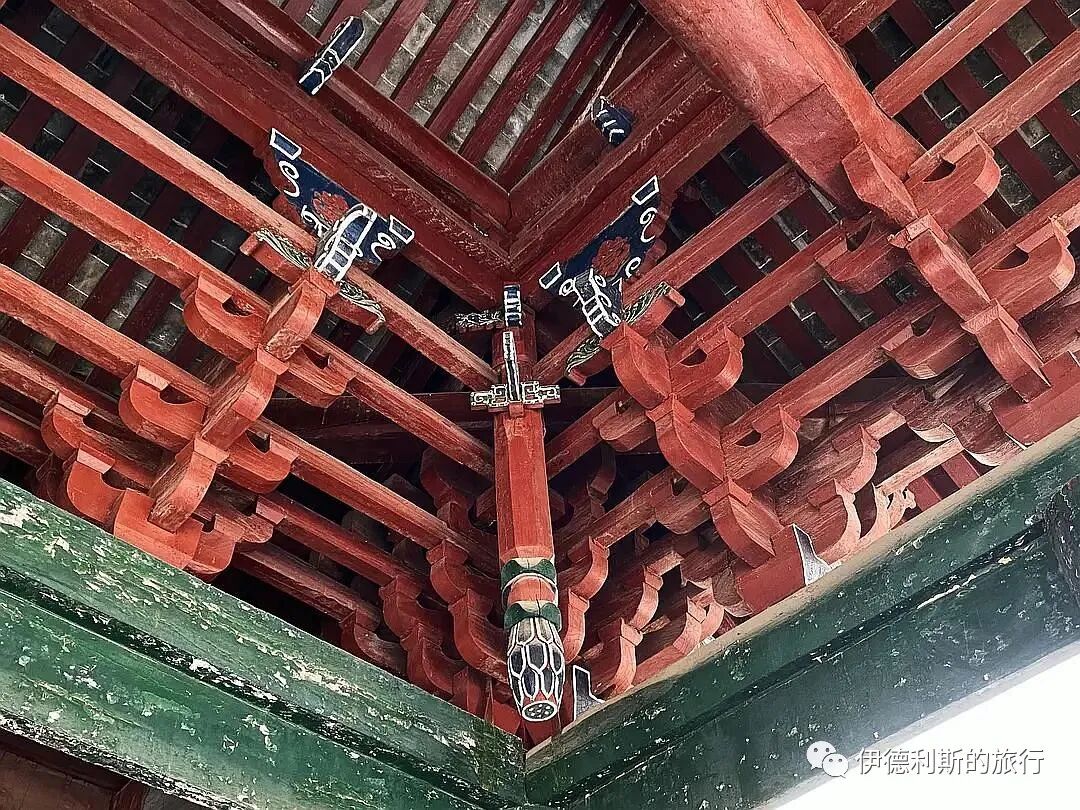
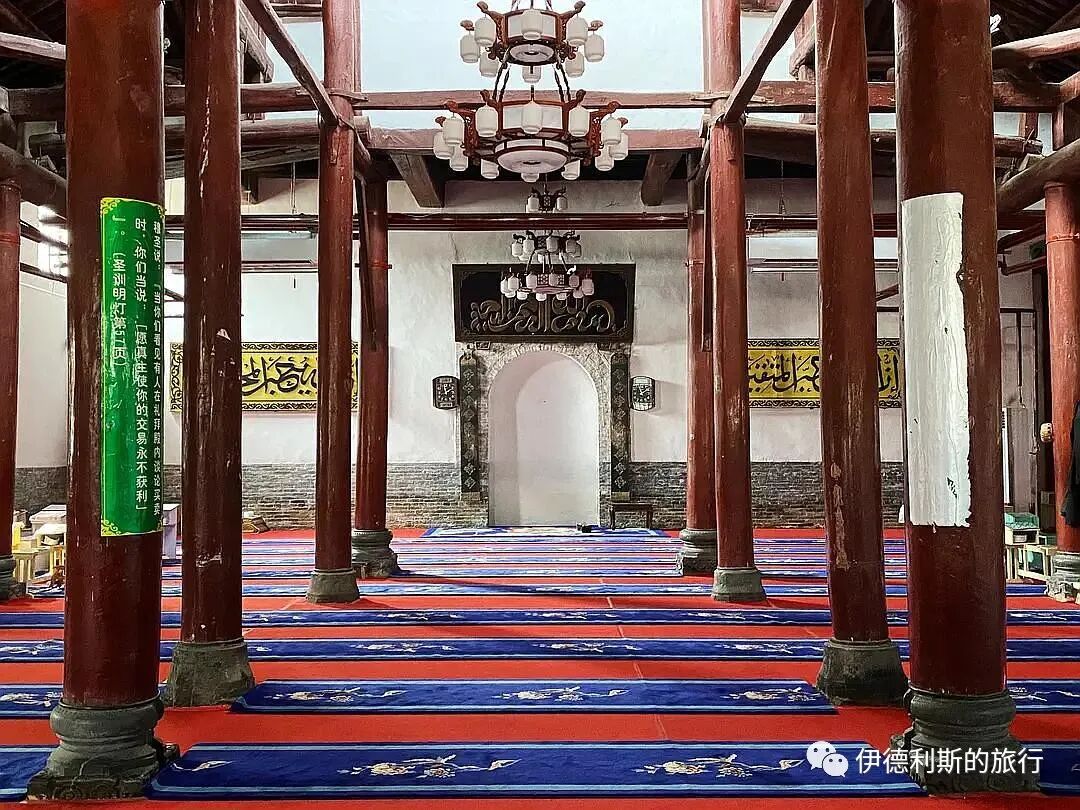
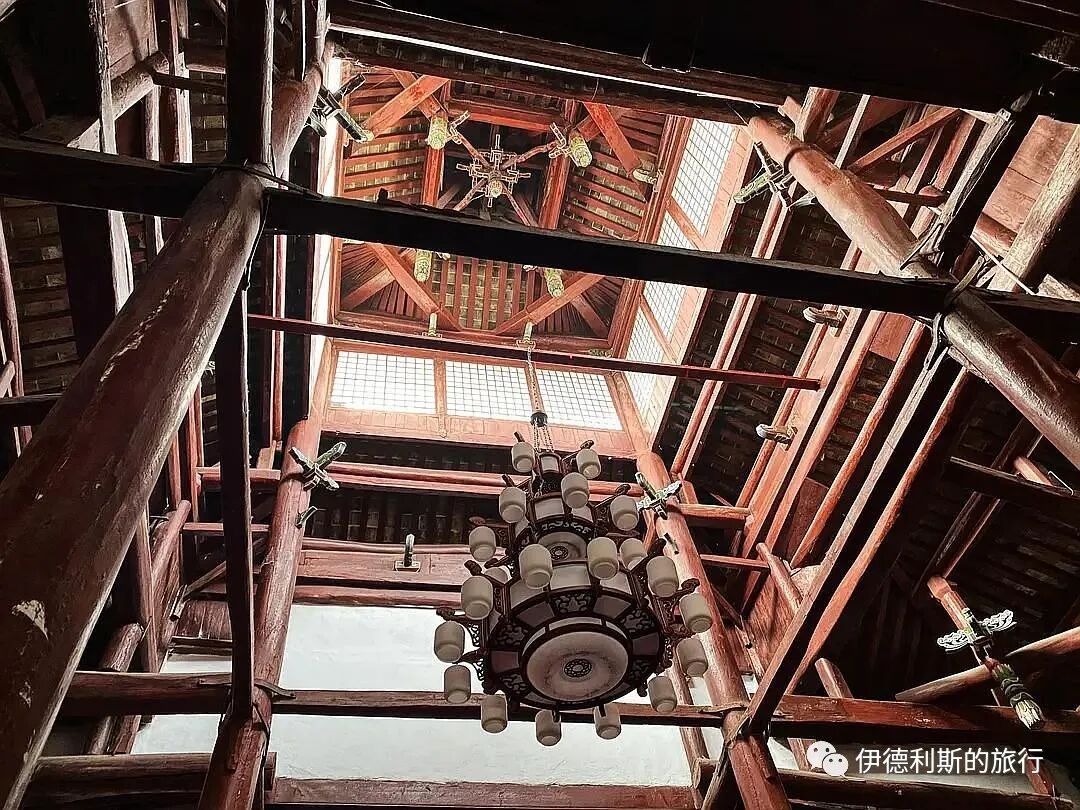
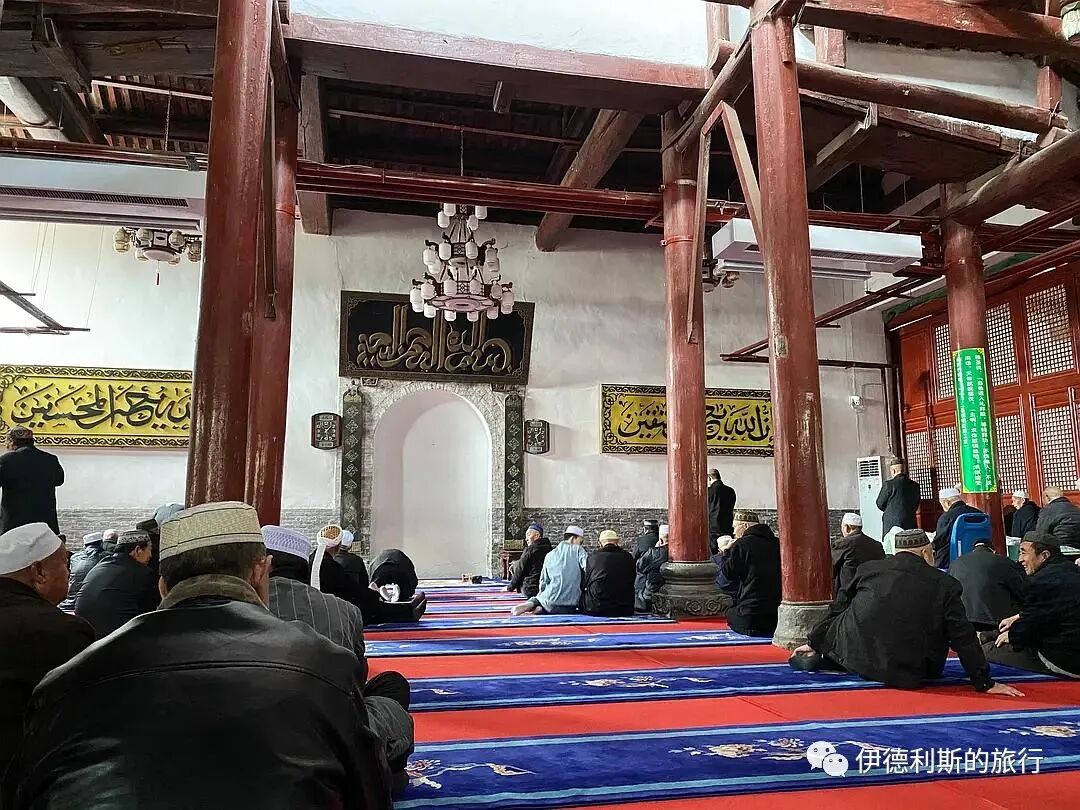
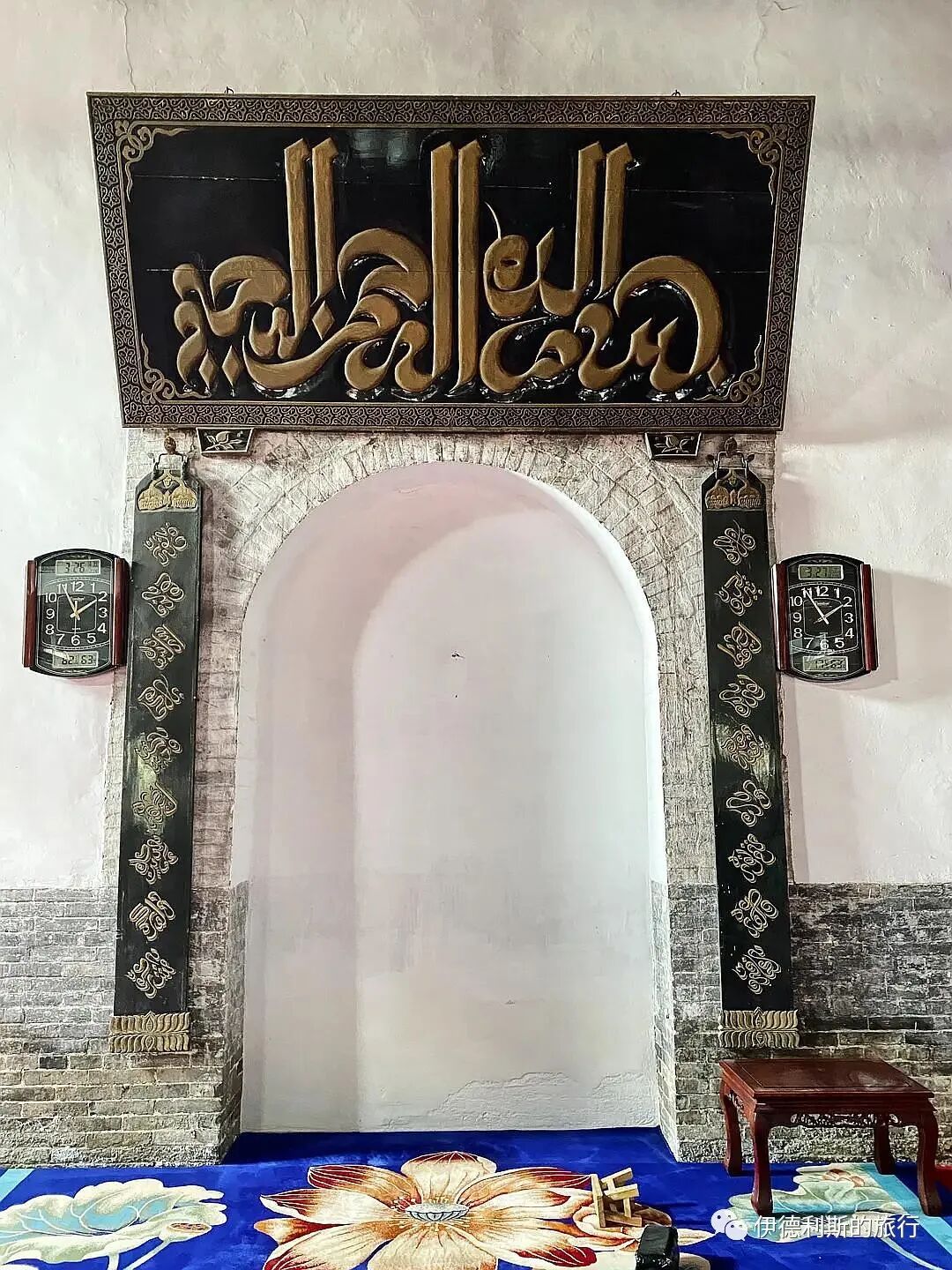
I performed the peshin (noon prayer) at the mosque and also caught the dhikr (remembrance of Allah) ceremony.
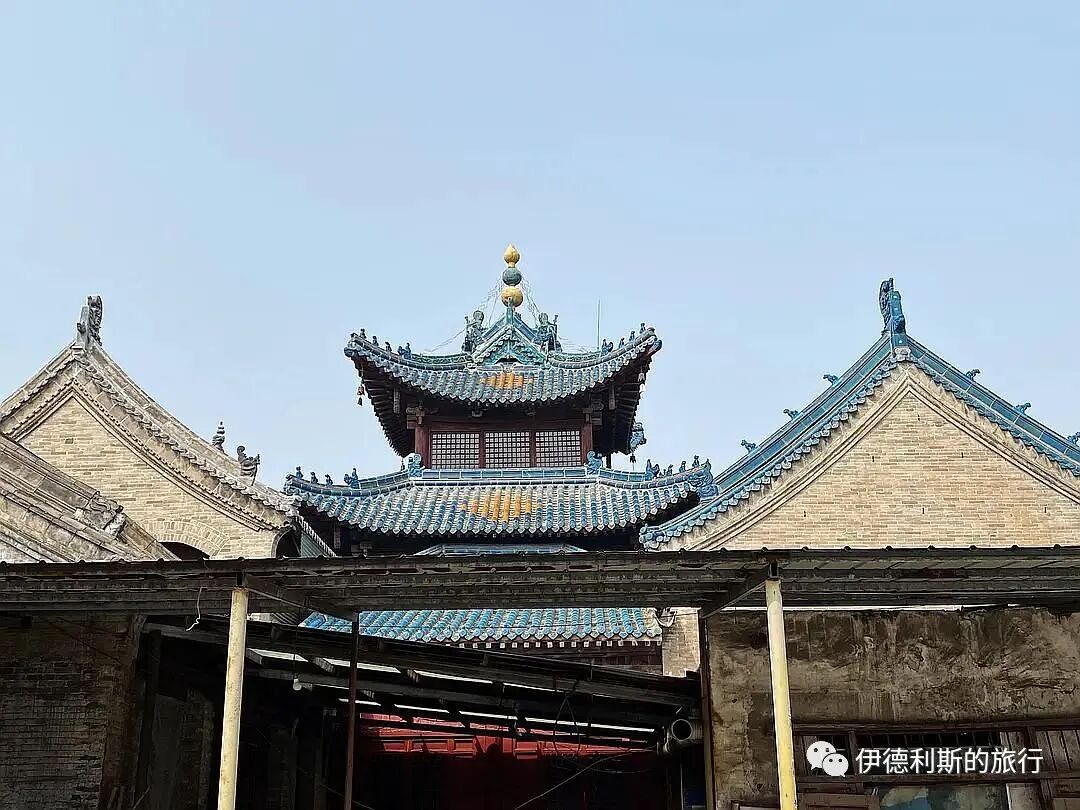
Main gate.
Glazed memorial archway.
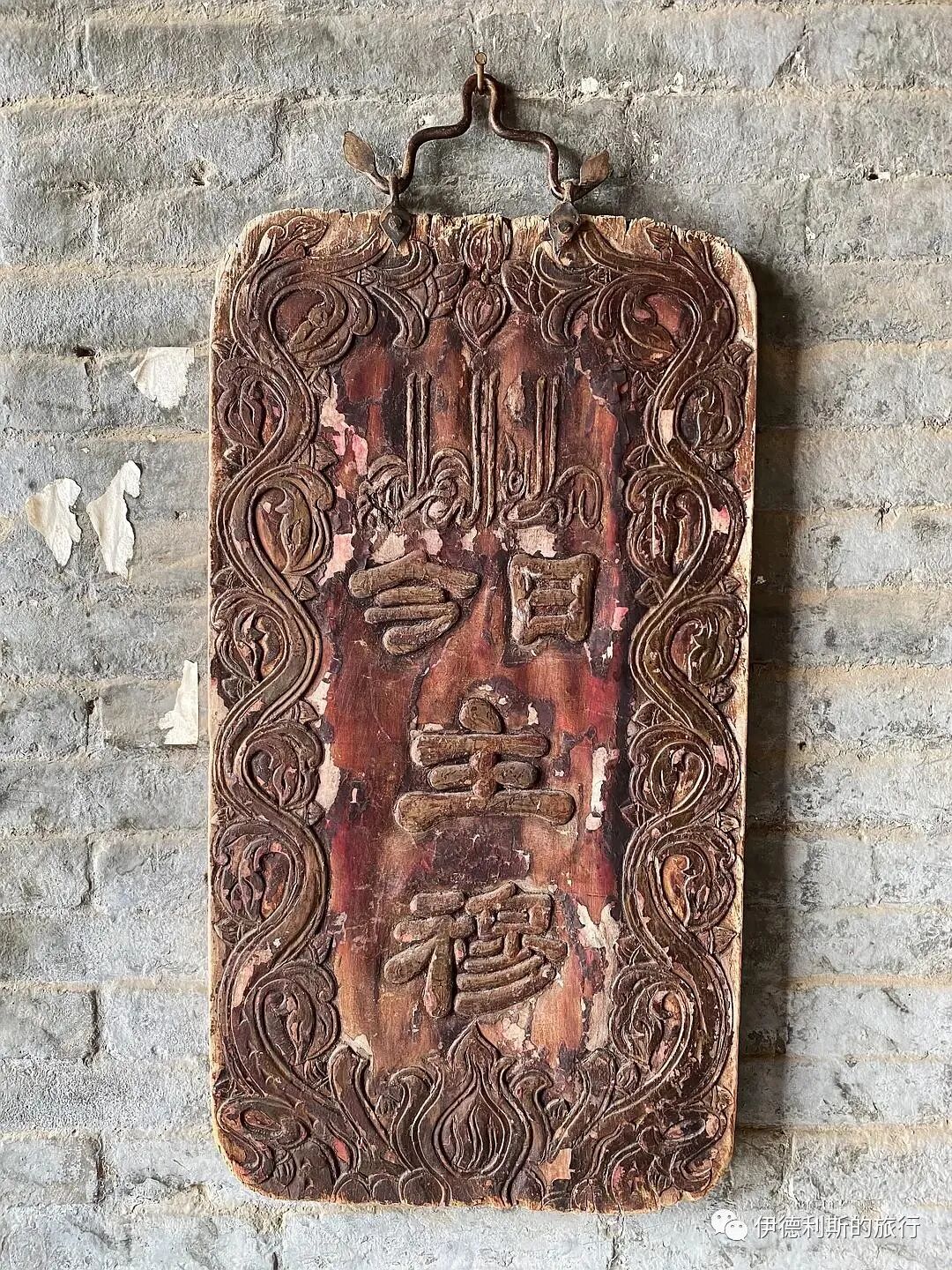
Jumu (Friday prayer) plaque.
2. Bo'ai Erxianmiao Mosque: Qing Dynasty.
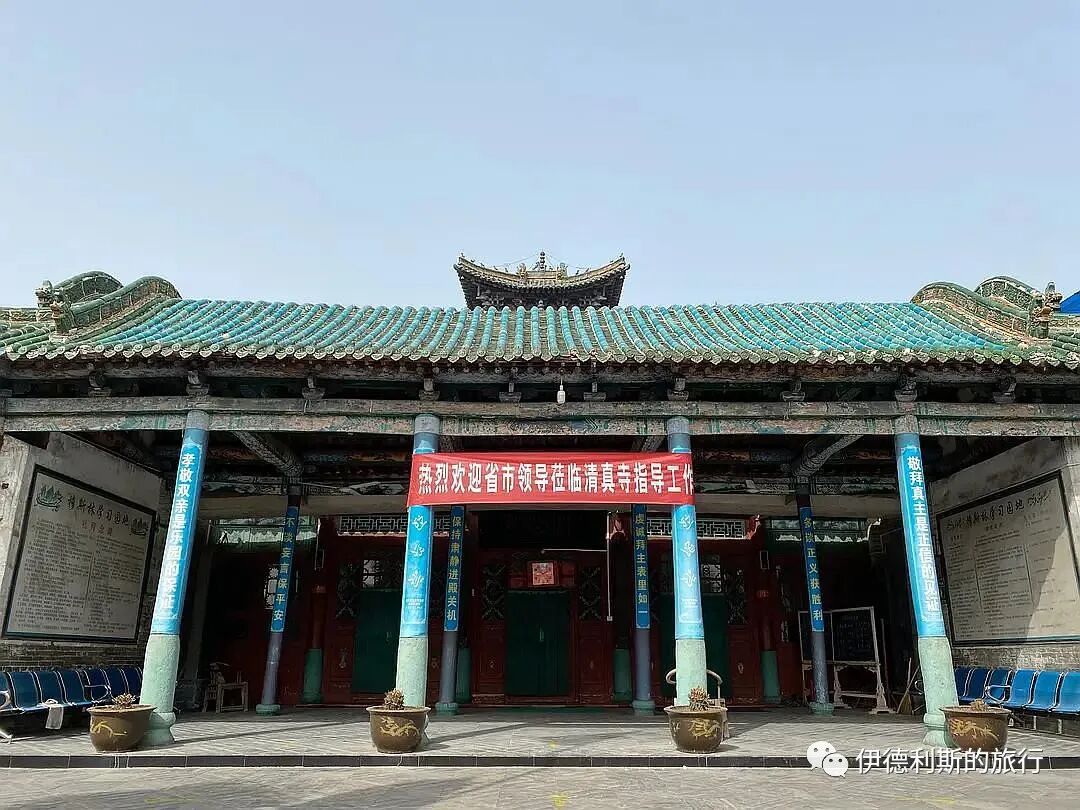
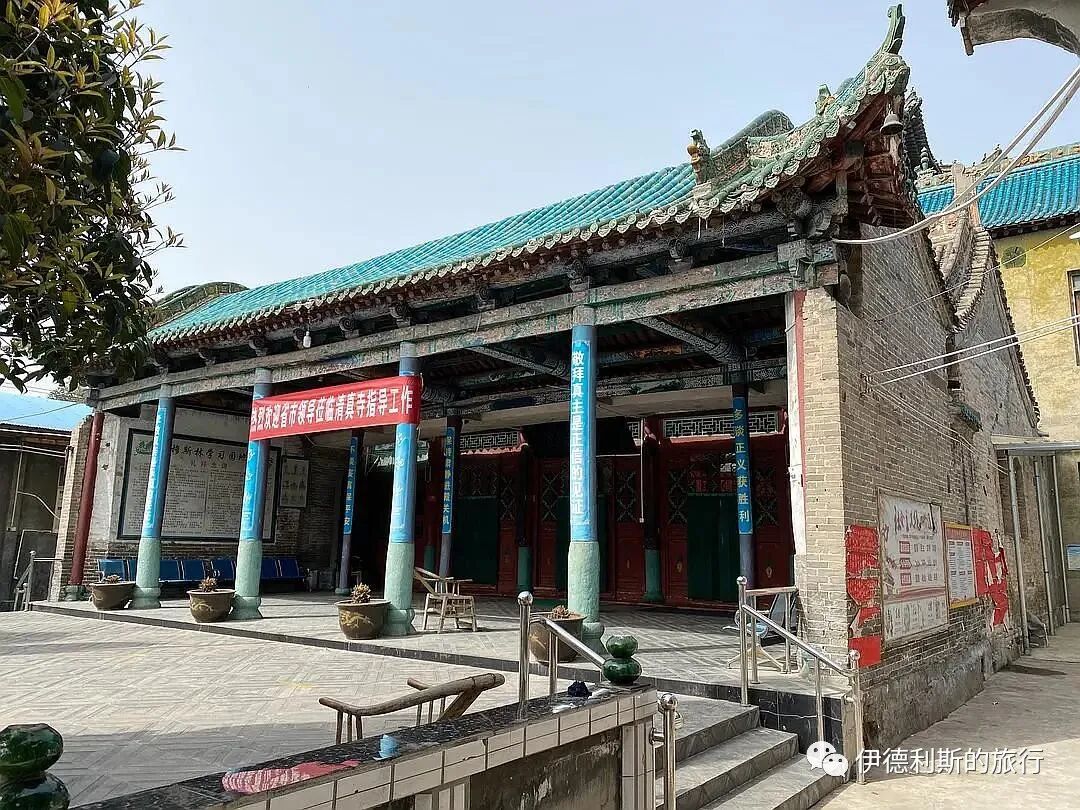
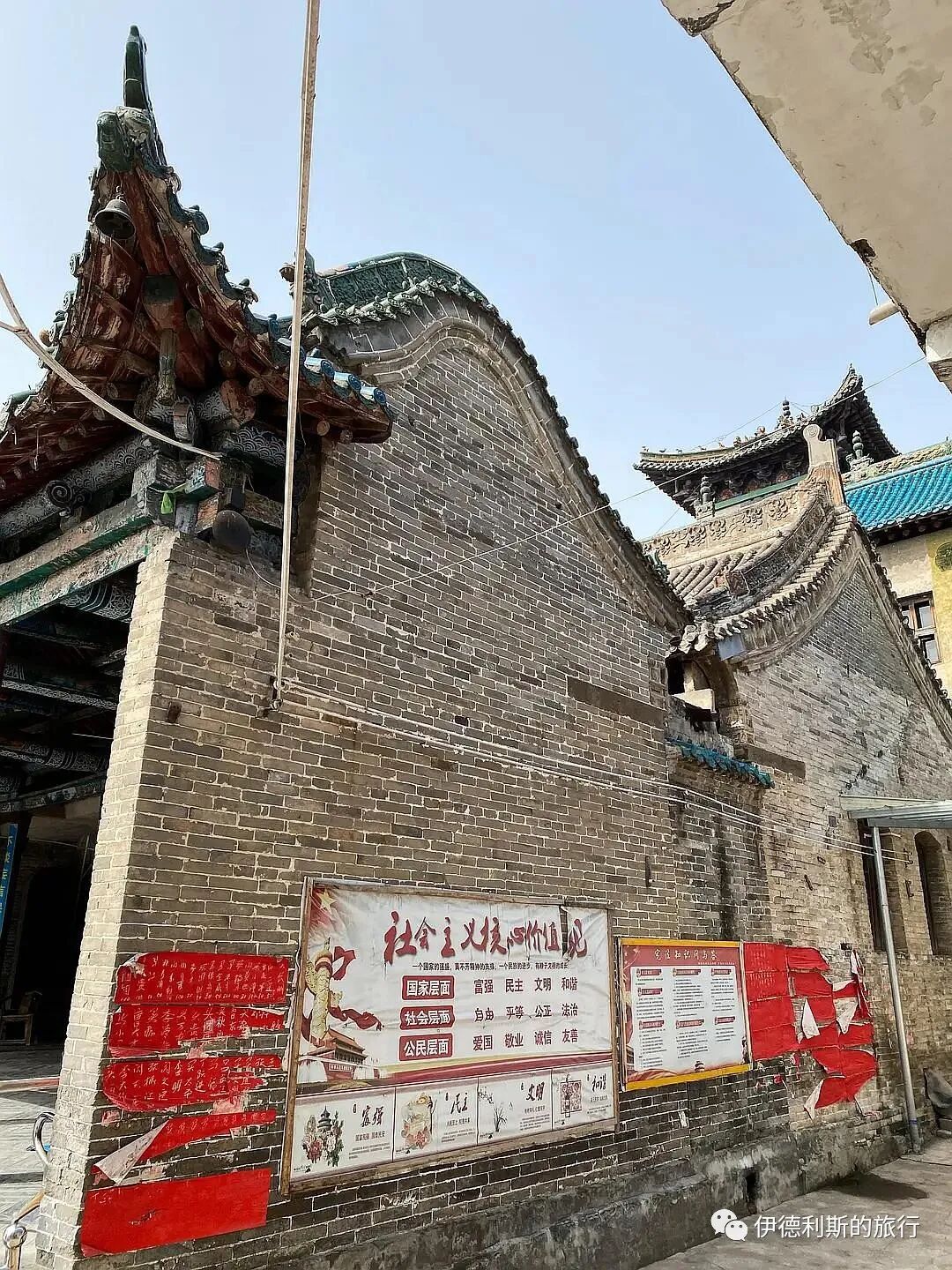
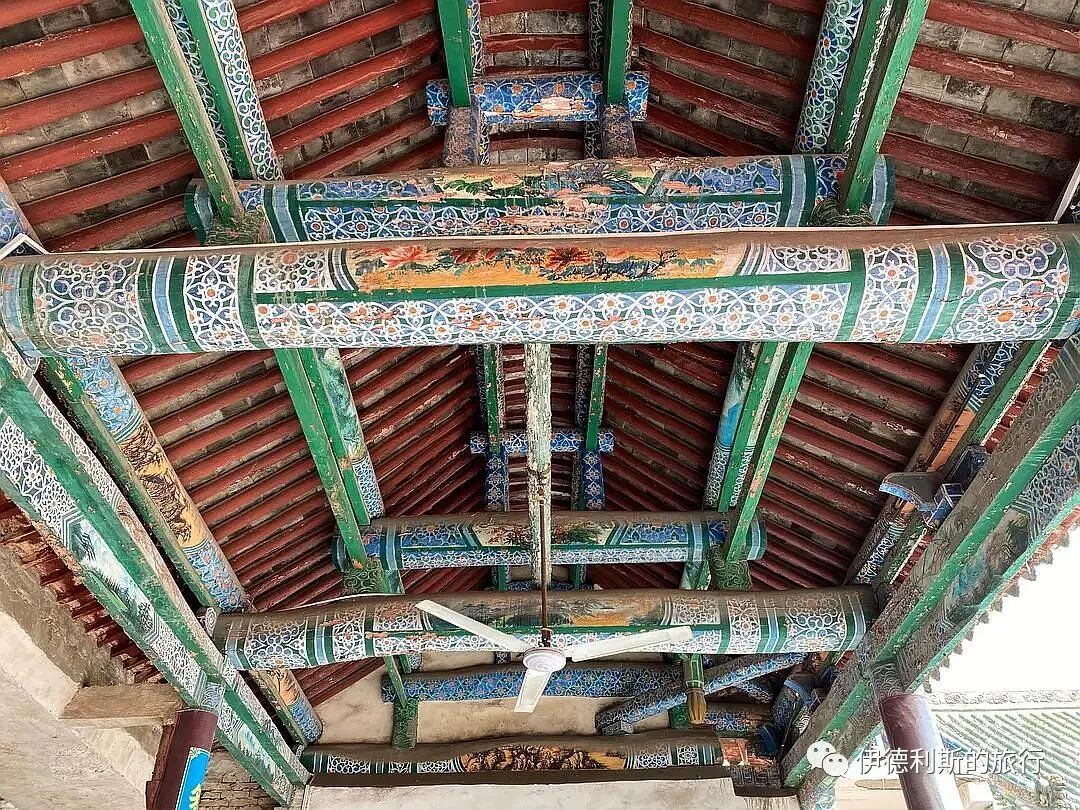
The Erxianmiao Mosque was first built in the Yuan Dynasty, renovated in 1638 (the 11th year of the Chongzhen reign of the Ming Dynasty), and renovated again in 1731 (the 9th year of the Yongzheng reign of the Qing Dynasty). It is a cultural heritage site of Henan Province. The mosque's main hall consists of a juanpeng, a front hall, a rear hall, and a yaodian. The juanpeng and front hall are Qing Dynasty structures with hard-mountain roofs connected in a series, while the rear hall and yaodian were added in 1993.
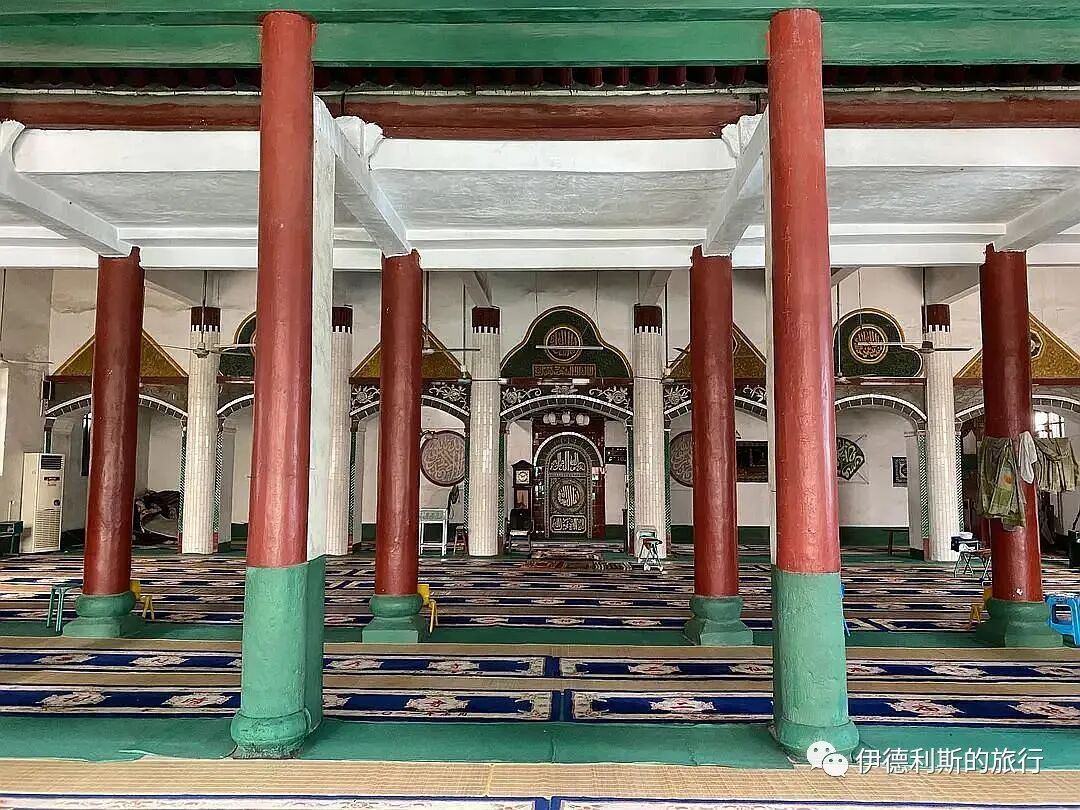
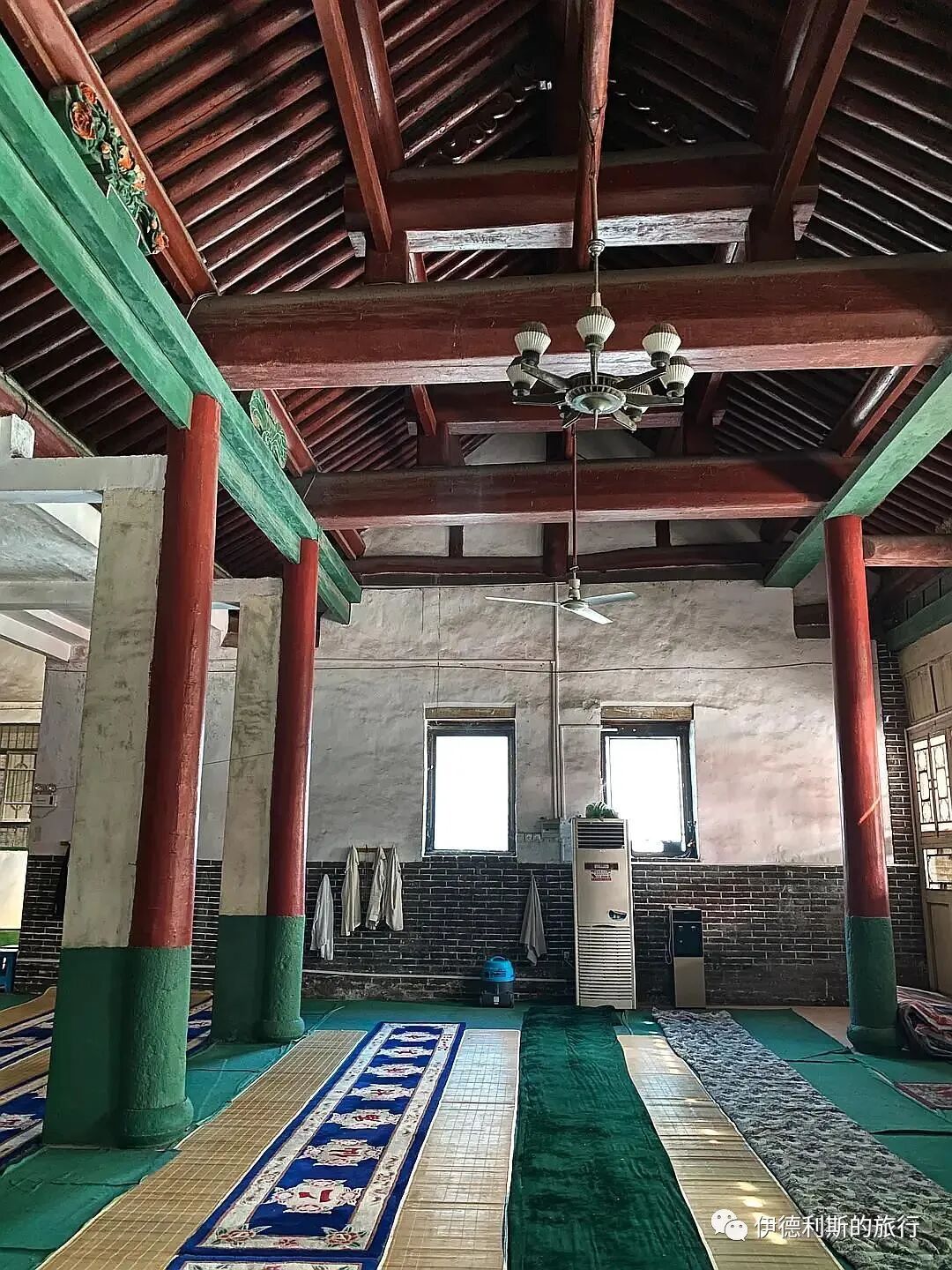
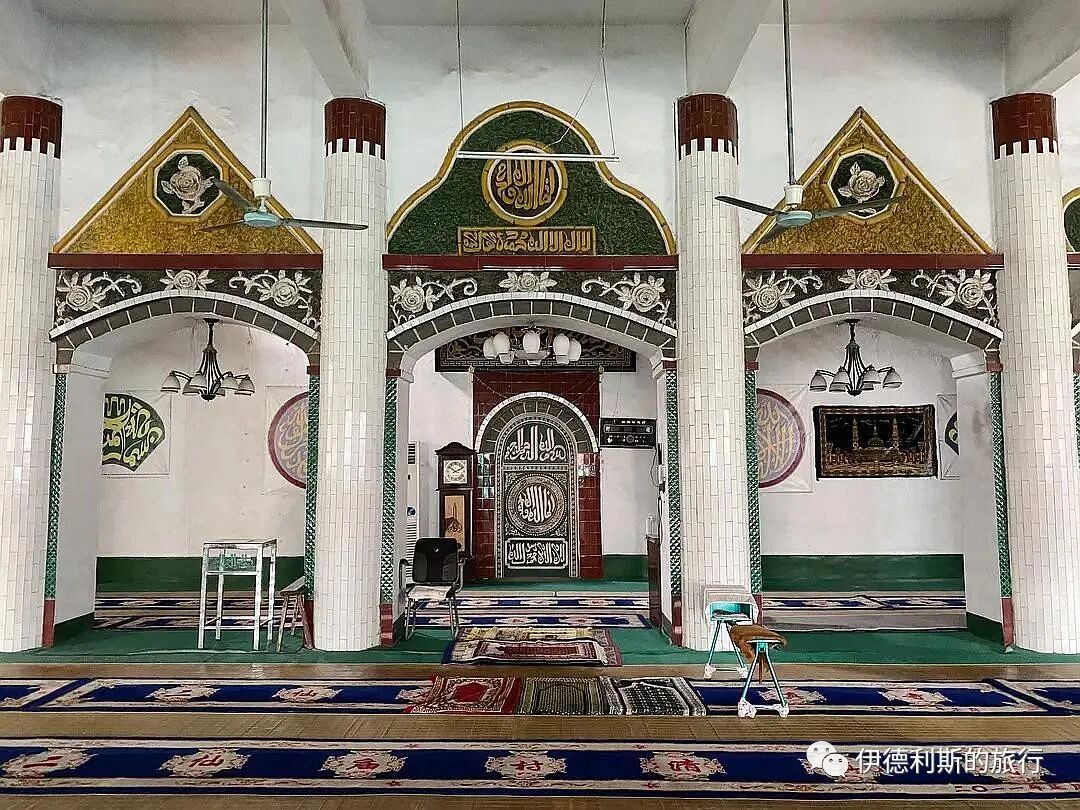
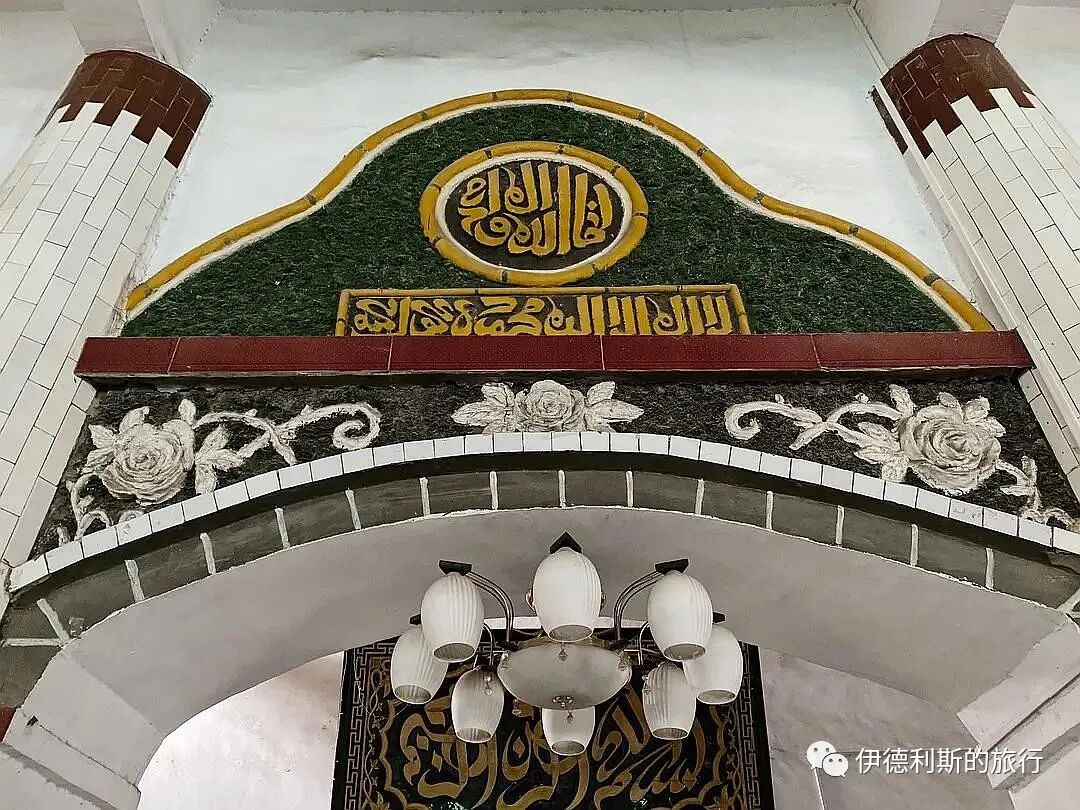
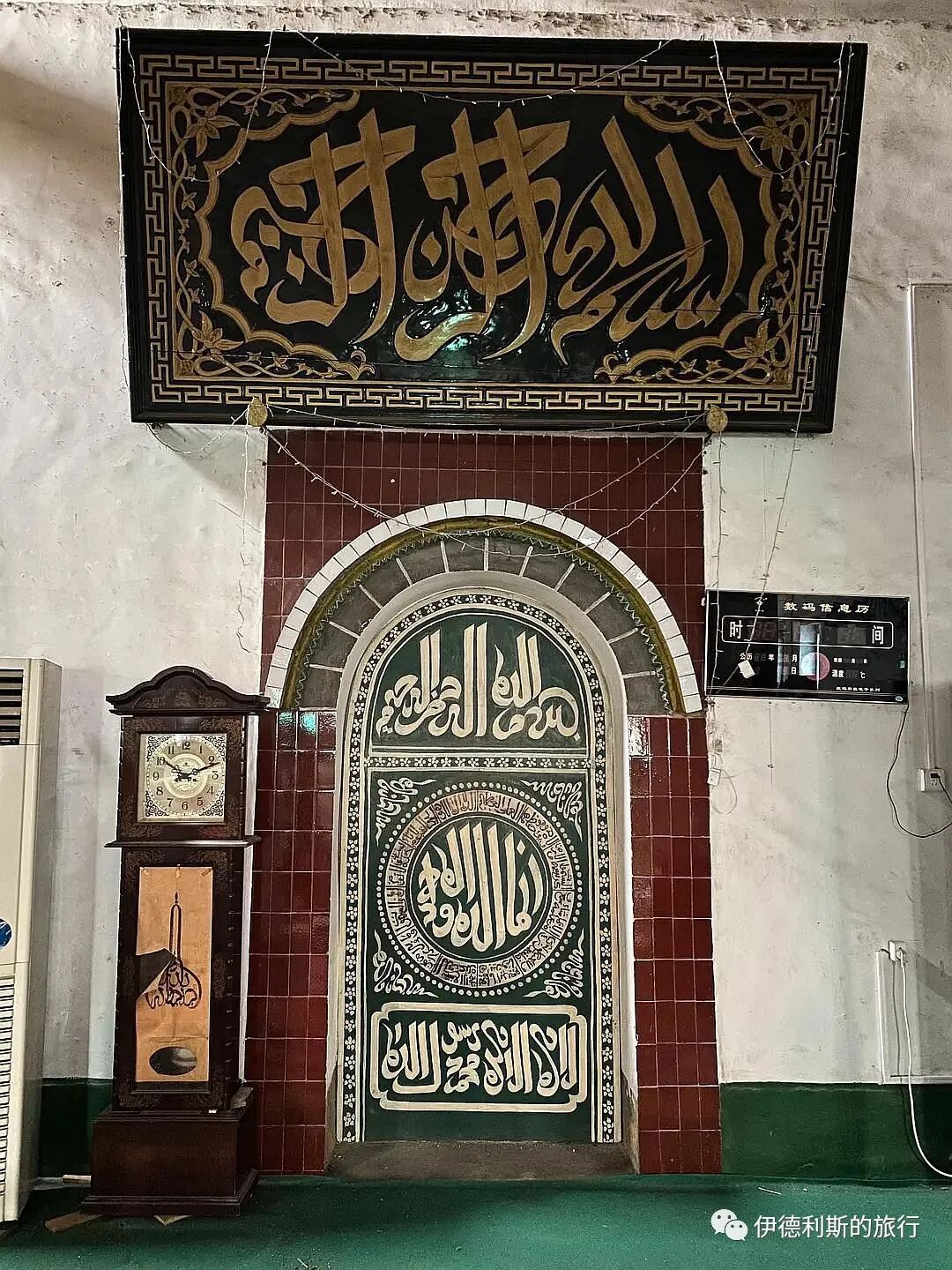
3. Bo'ai Daxinzhuang Dongdasi (Great Eastern Mosque): Expanded in the Ming Dynasty.
The Daxinzhuang Dongdasi was first built in the Yuan Dynasty, expanded in the Ming Dynasty, and had a rear hall added during the Republic of China era. It is currently a cultural heritage site of Henan Province.
The main hall consists of a juanpeng, a front hall, a rear hall, and a yaodian. The juanpeng is an independent structure, with a drainage gutter installed where it connects to the front eaves of the main hall. In front of the main hall is a 365-year-old sweet osmanthus tree.
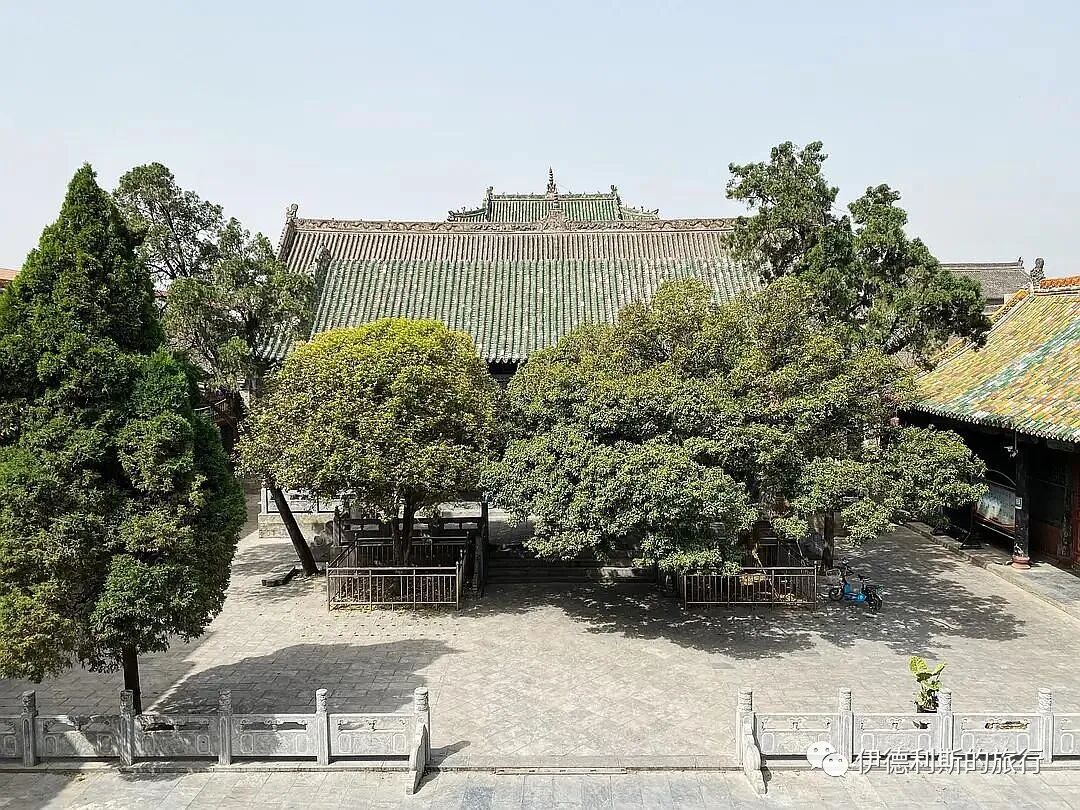
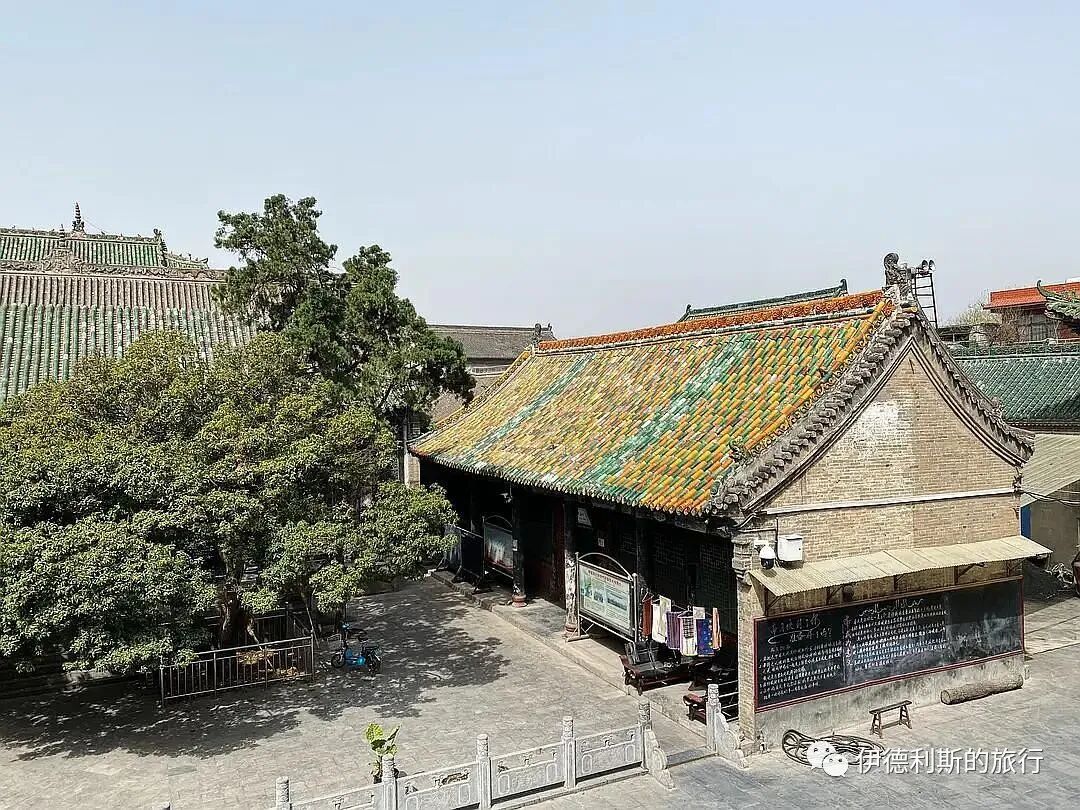
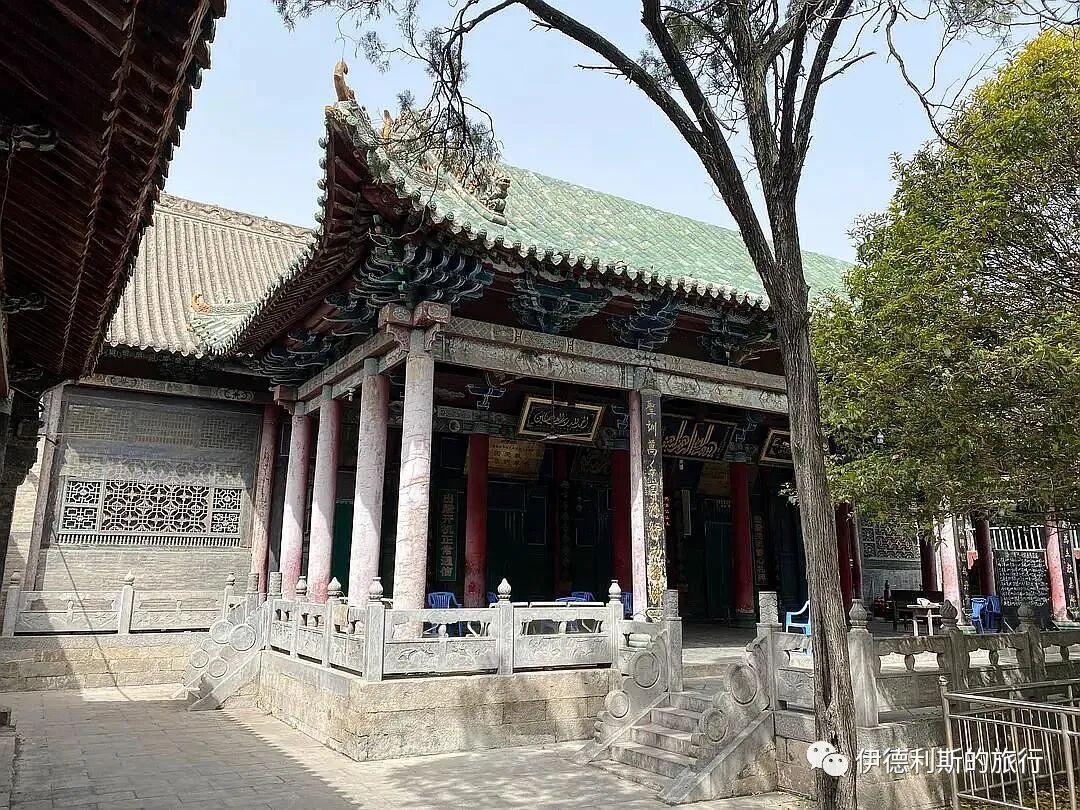
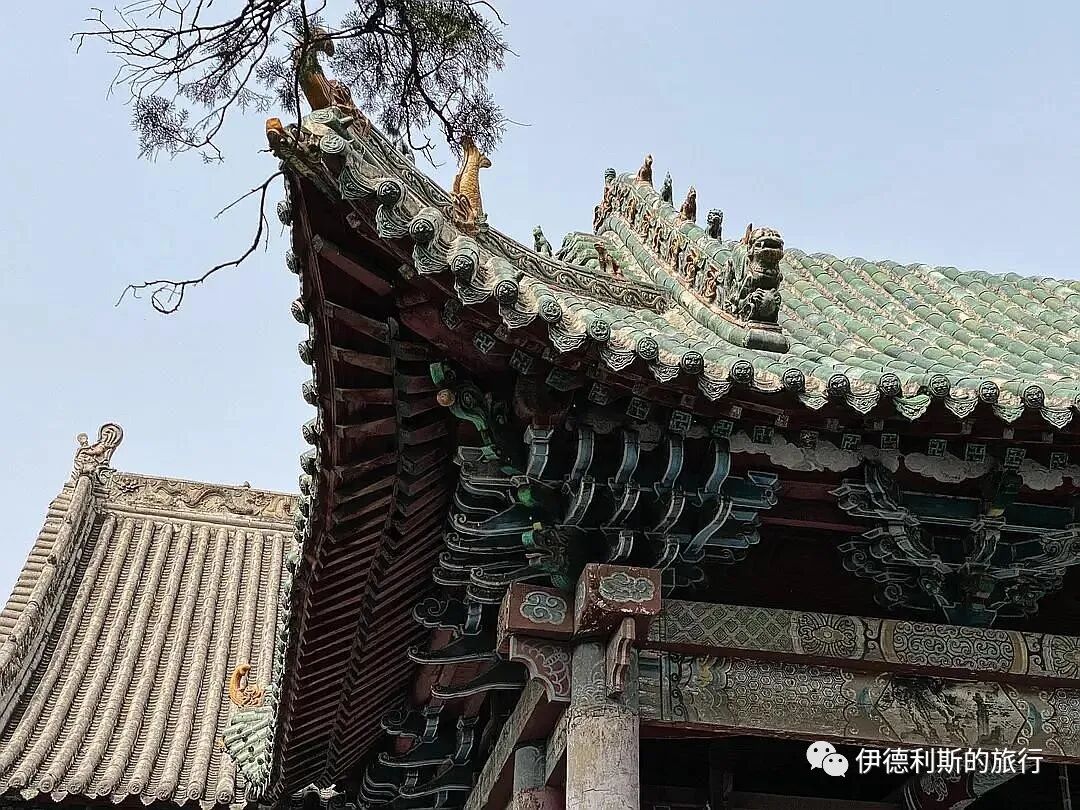
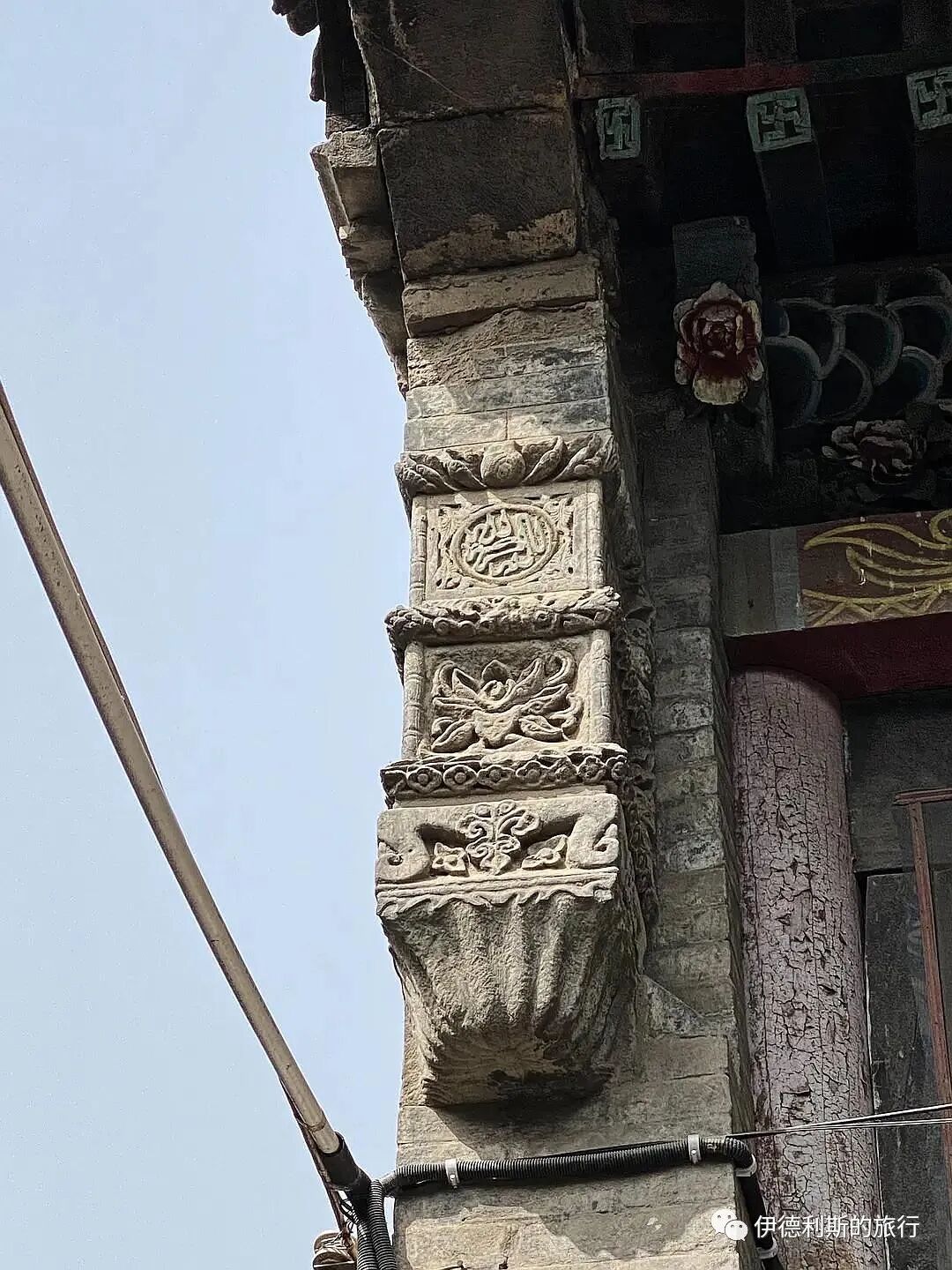
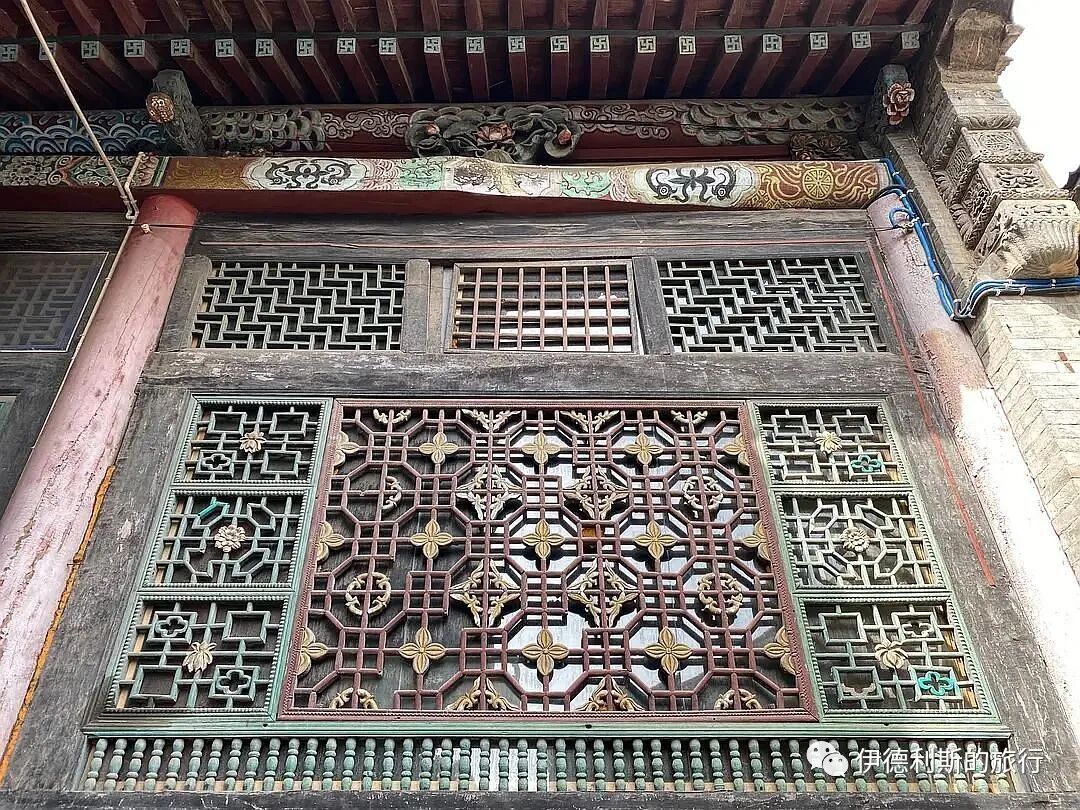
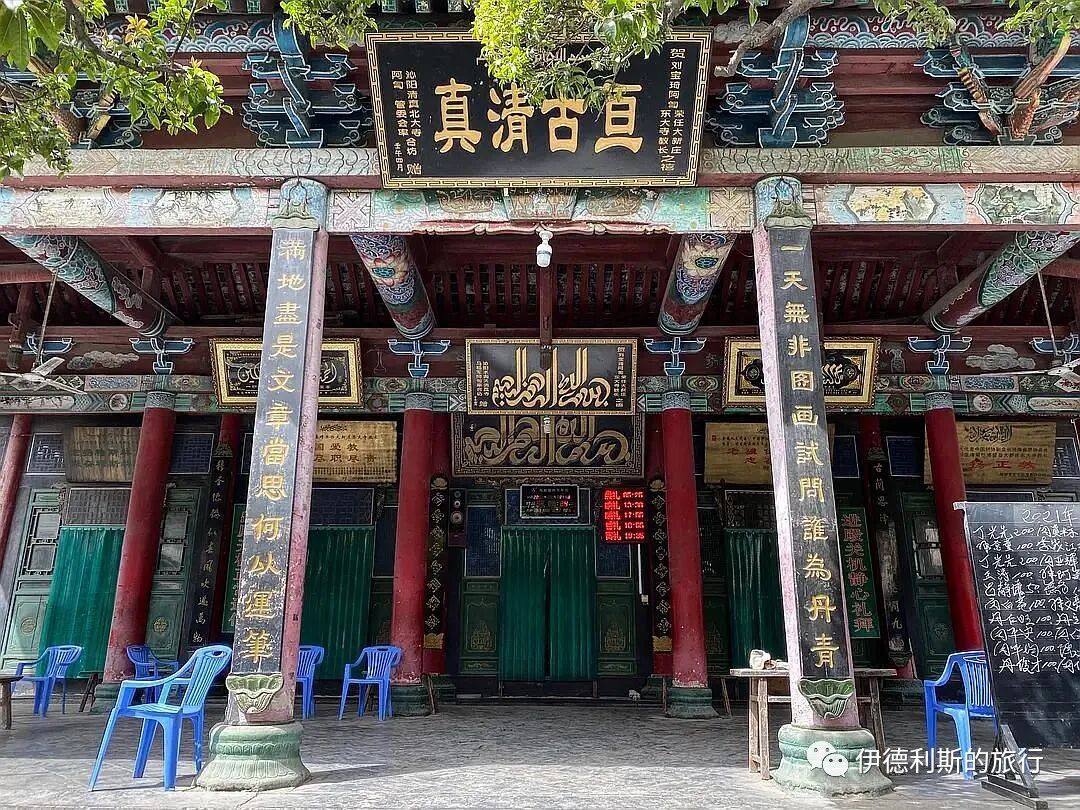
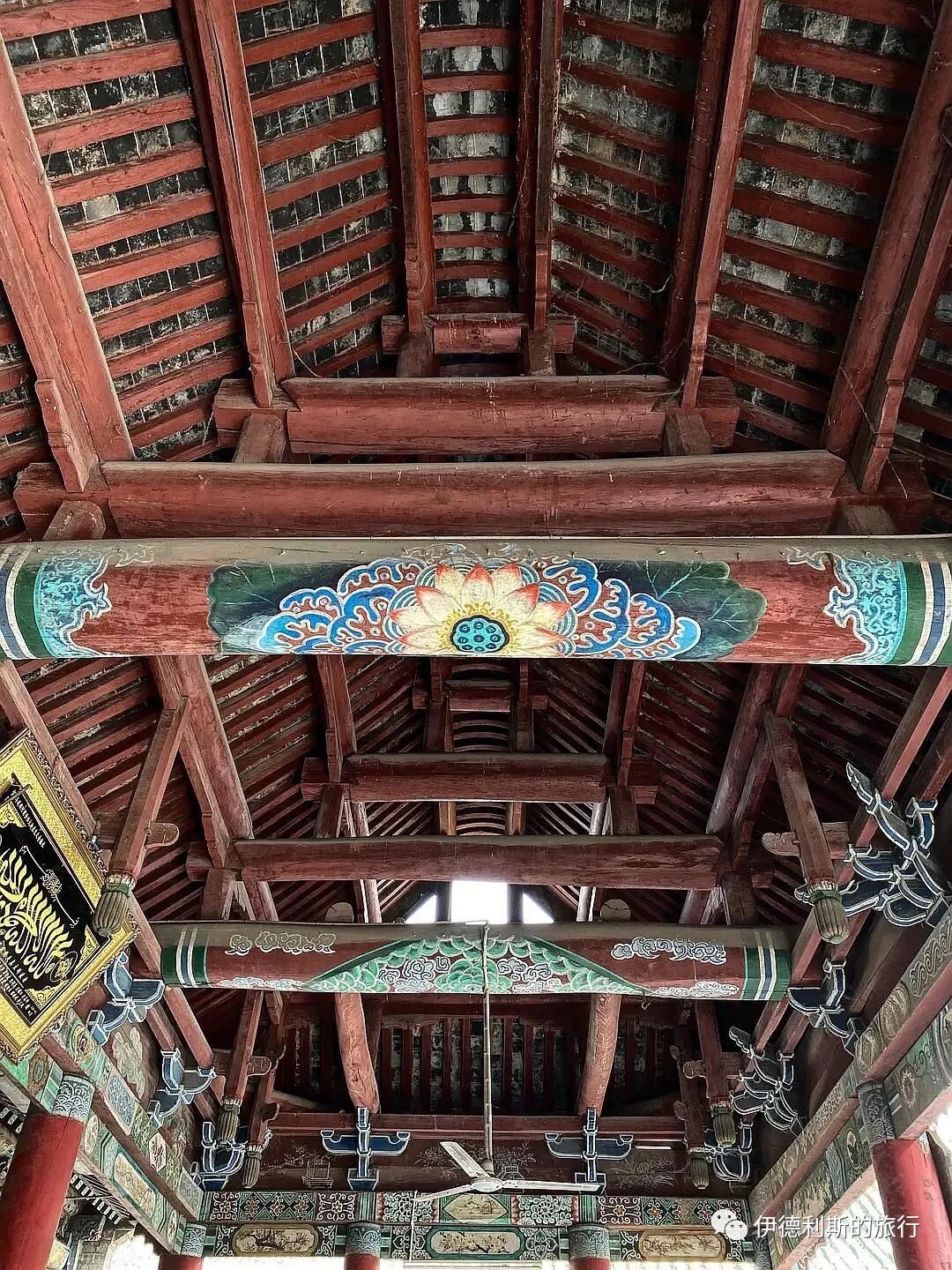
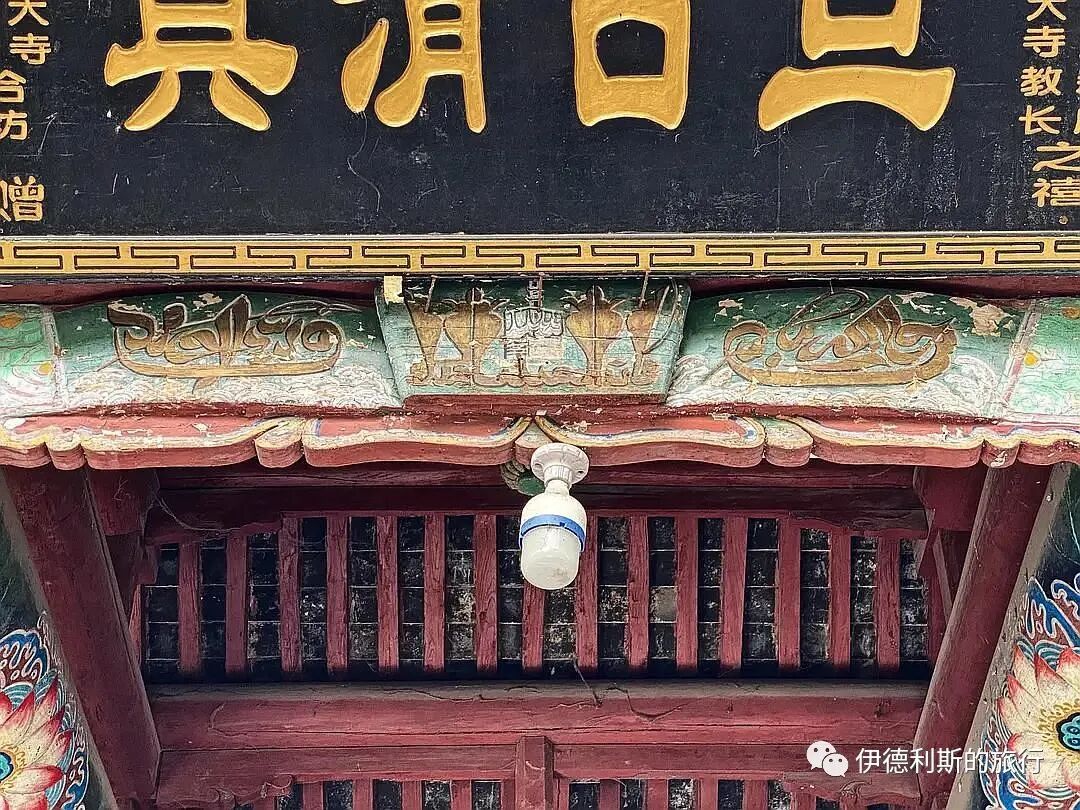
The front hall is seven bays wide, with a timber frame featuring exposed rafters, and the wood carvings on the beams and lintels are very beautiful. The rear hall was added during the Republic of China era and features five Roman-style arched doorways with exquisite cement decorations from that period.
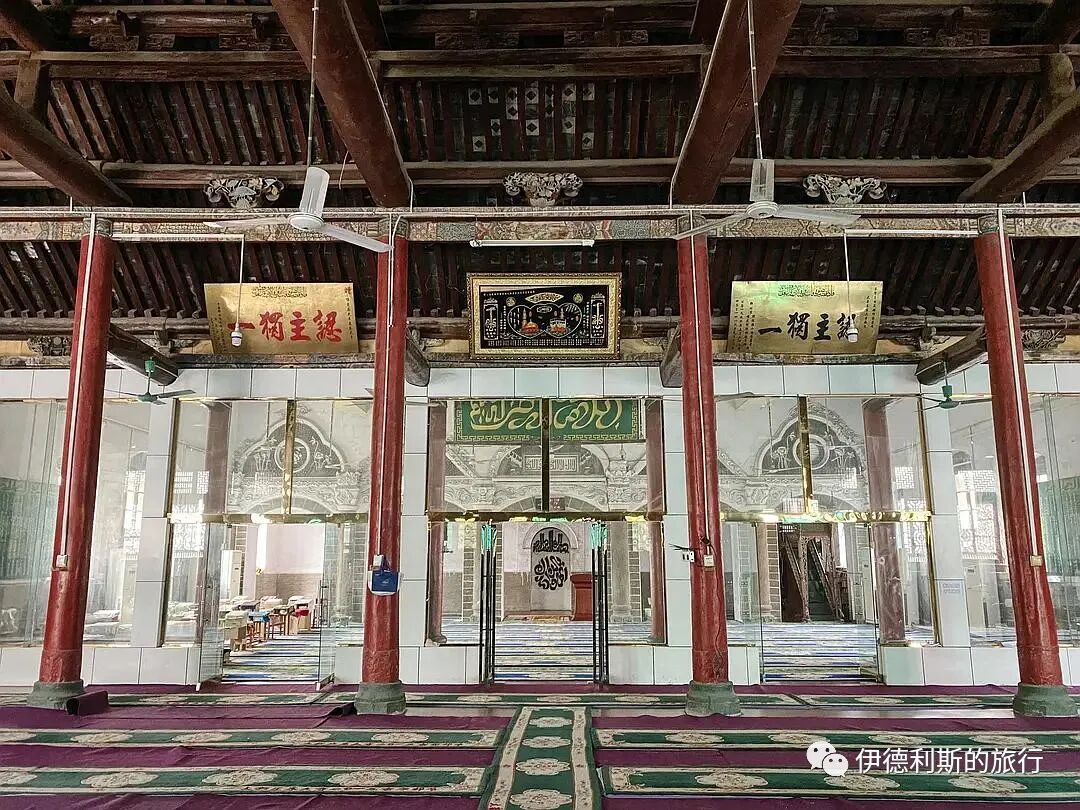
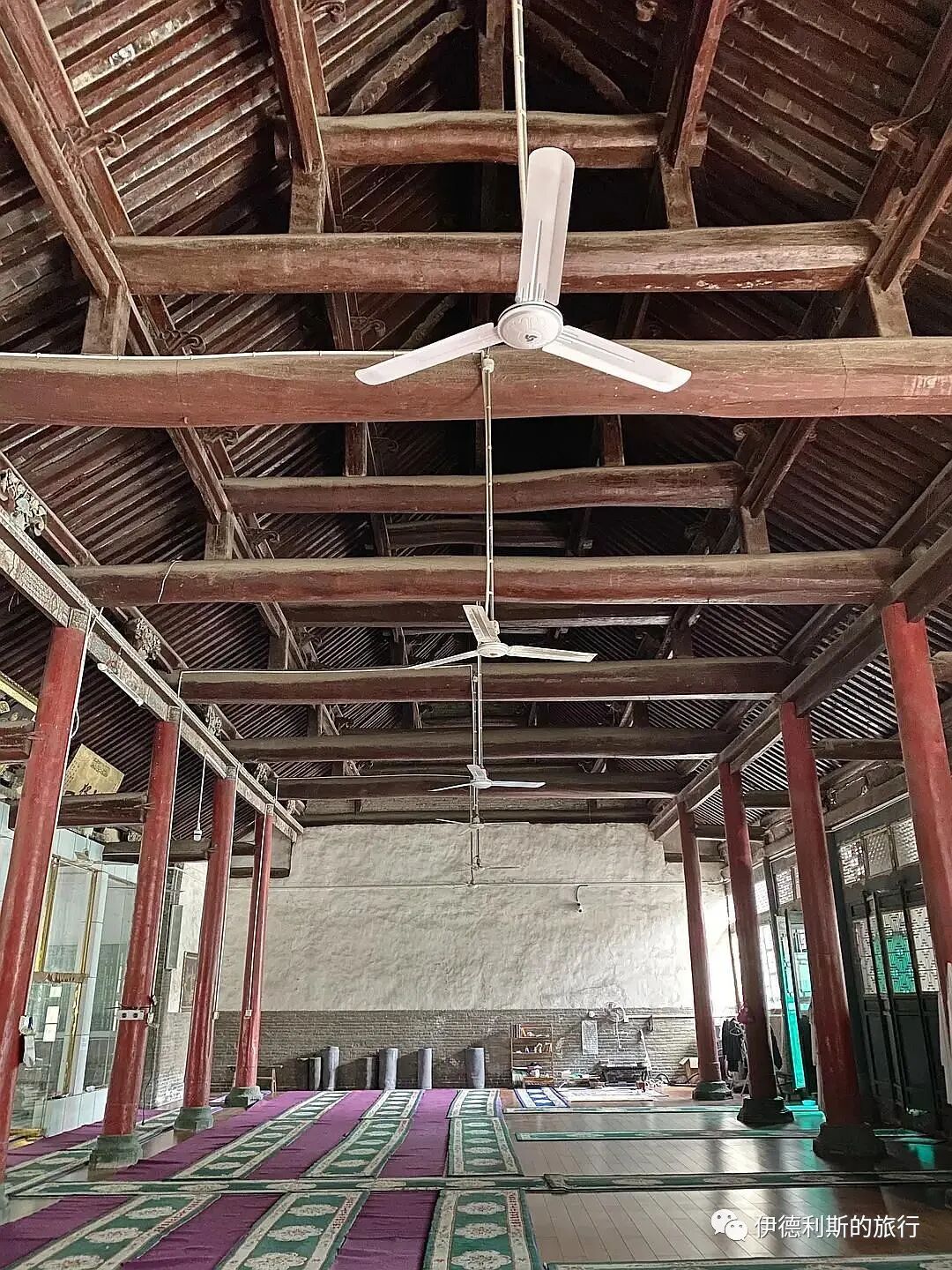
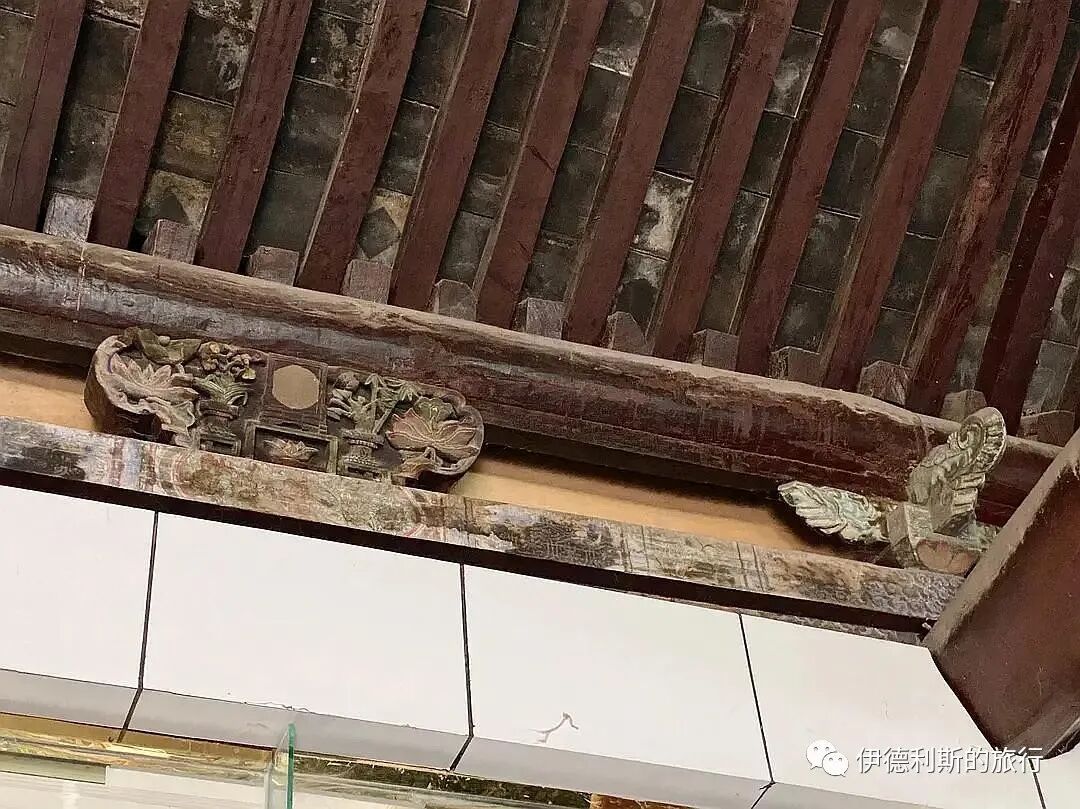
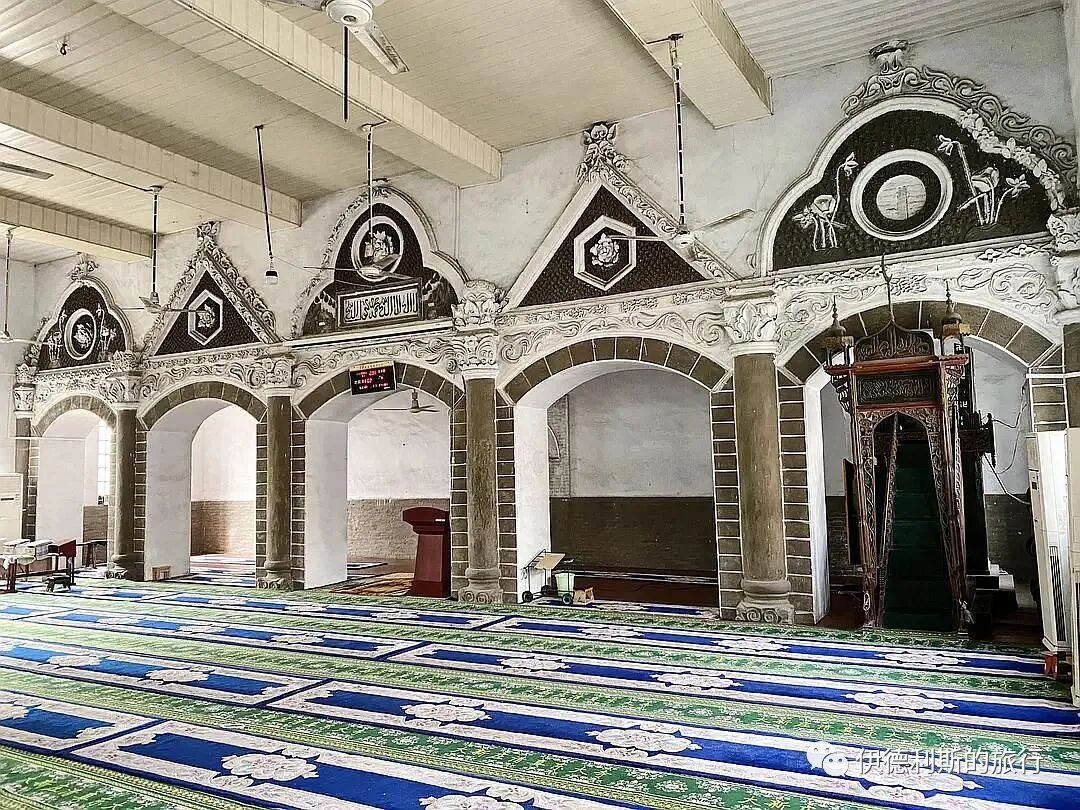
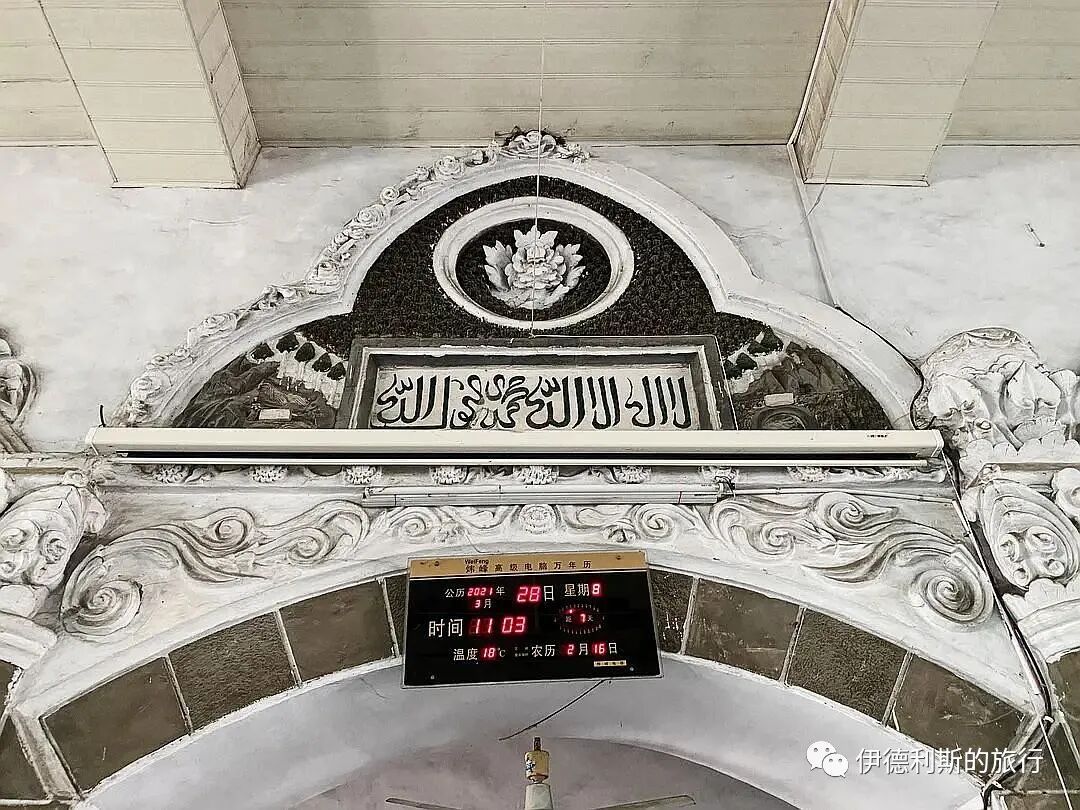
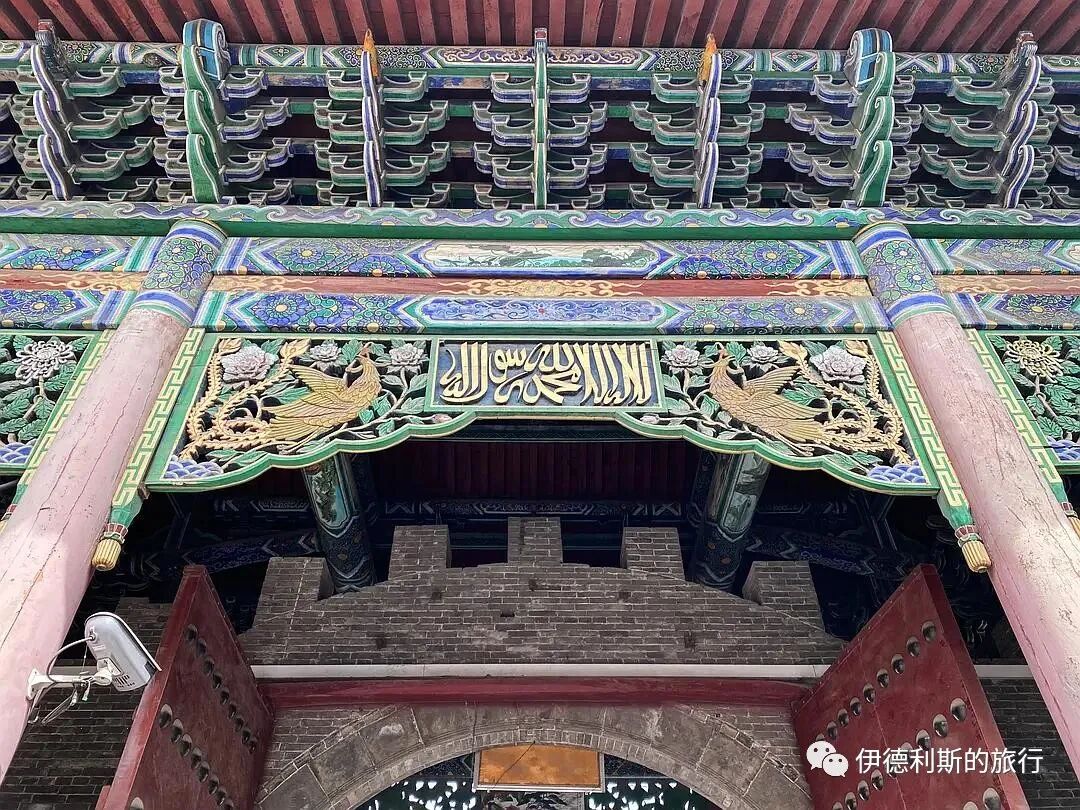
Wood carvings on the main gate.
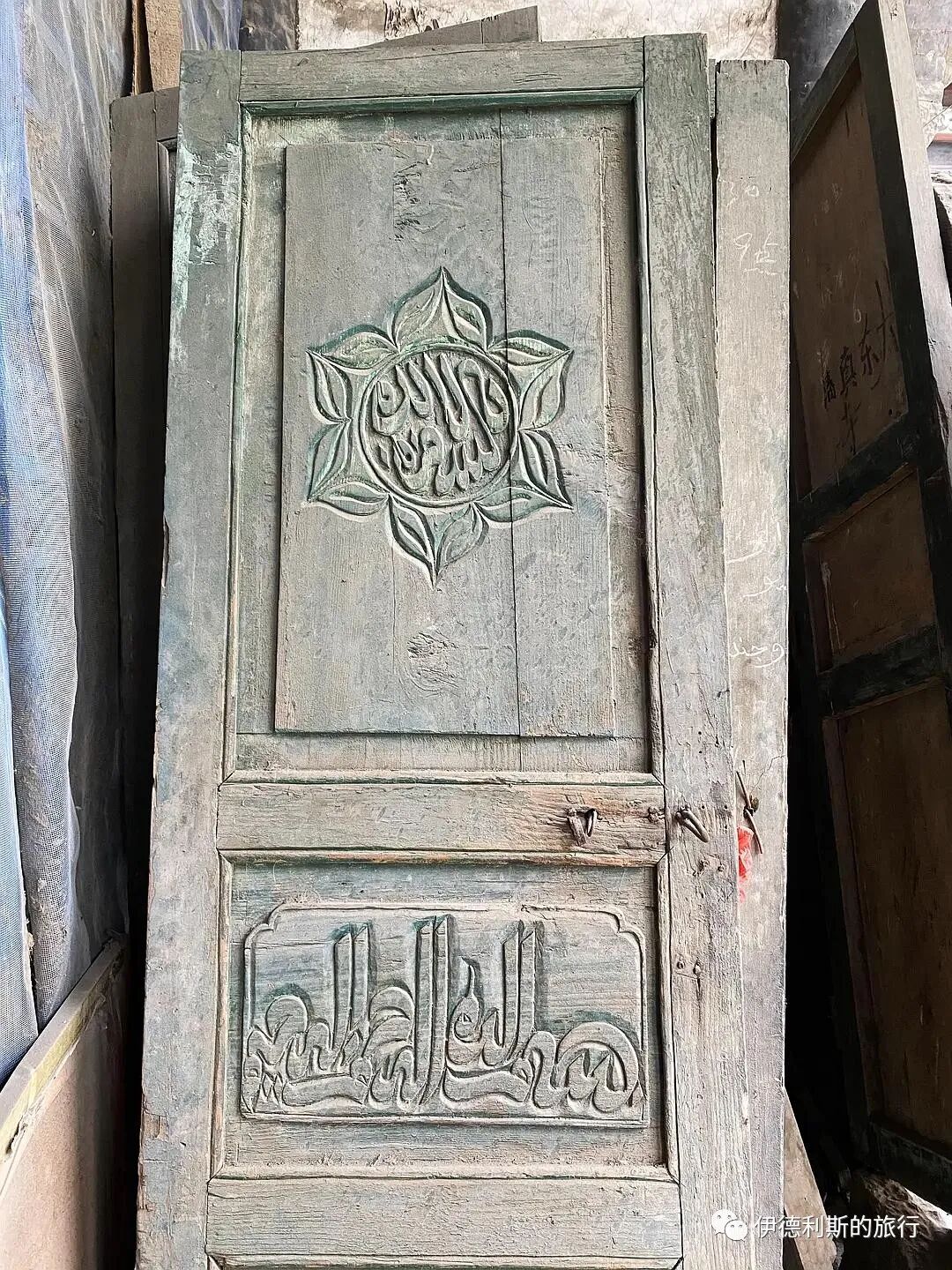
Old door panels.
4. Bo'ai Daxinzhuang Qingzhen Xisi (Western Mosque): Qing Jiaqing reign.
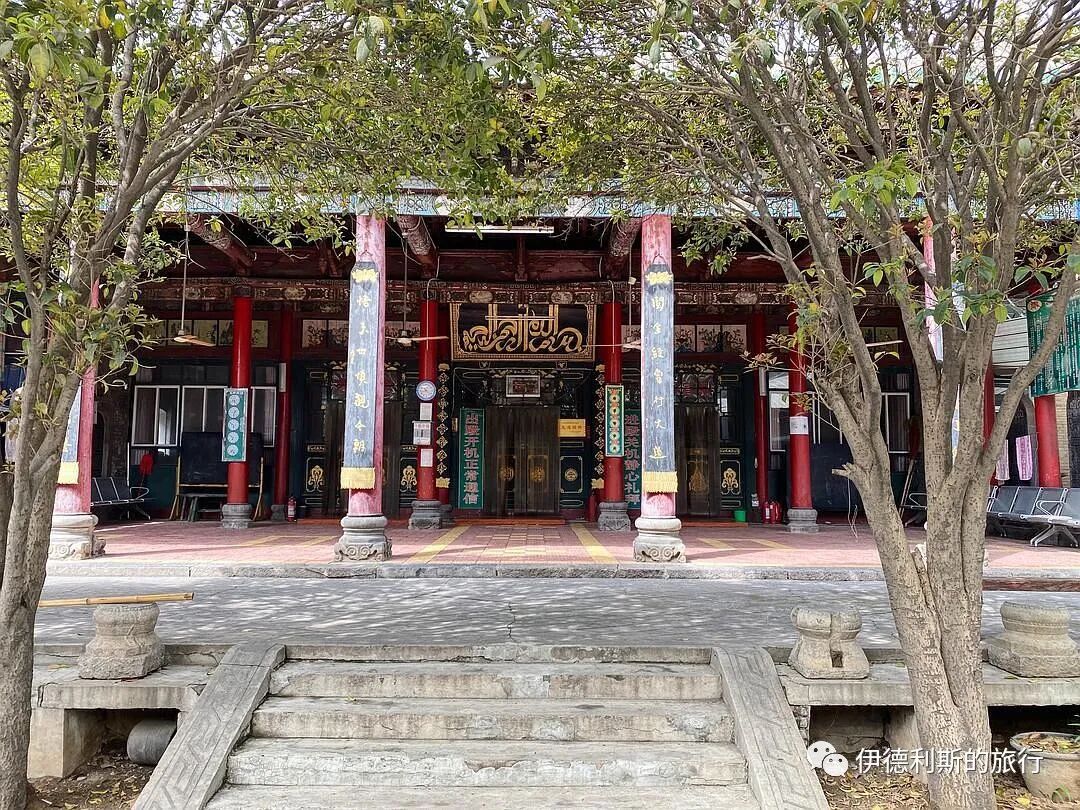
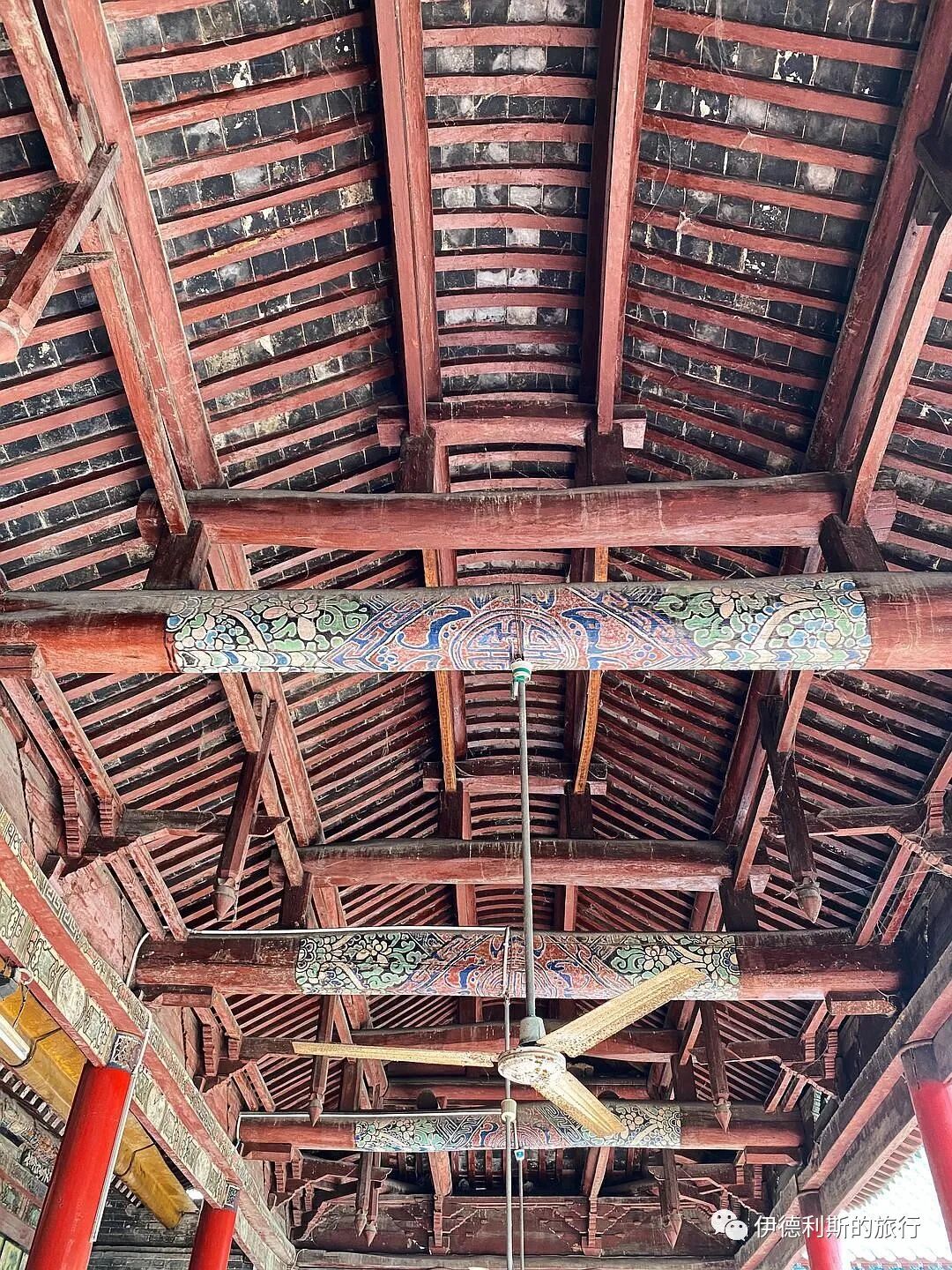
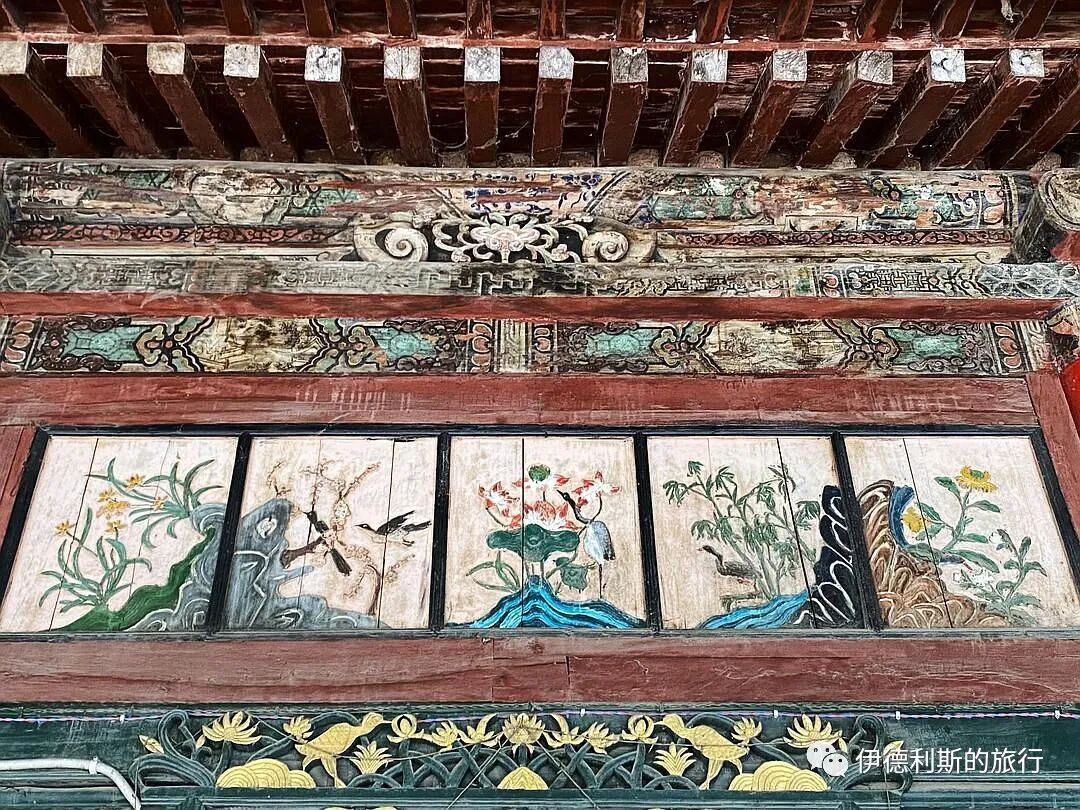
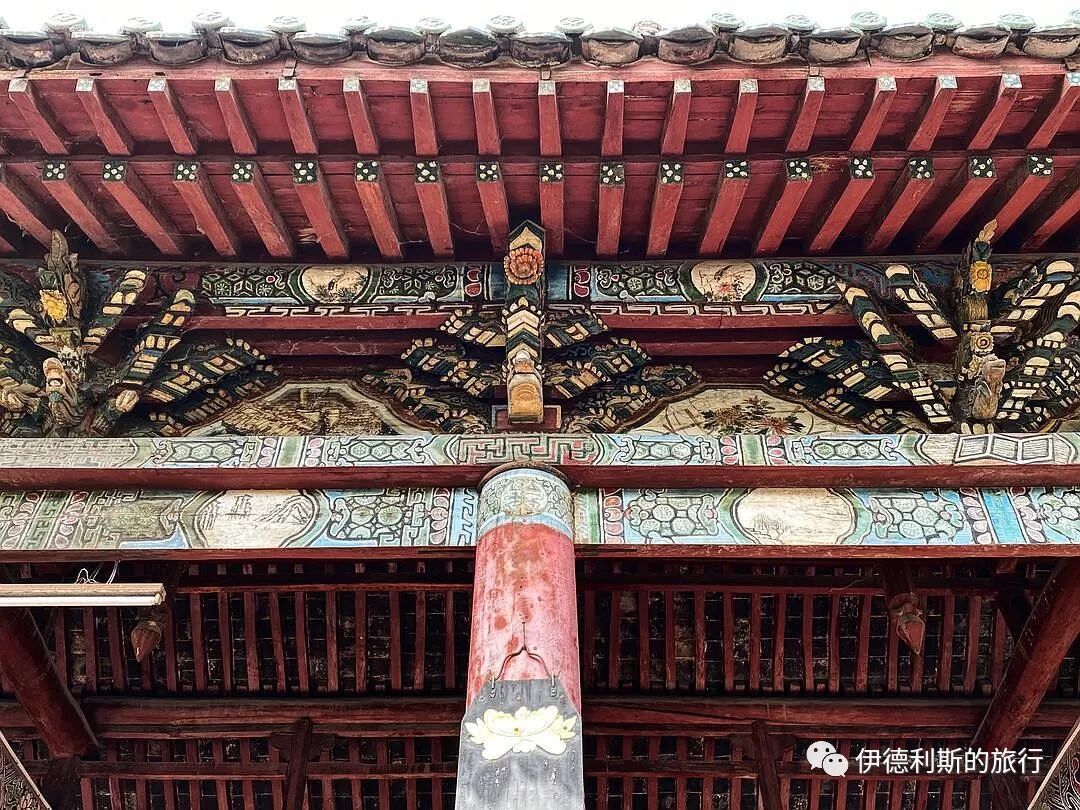
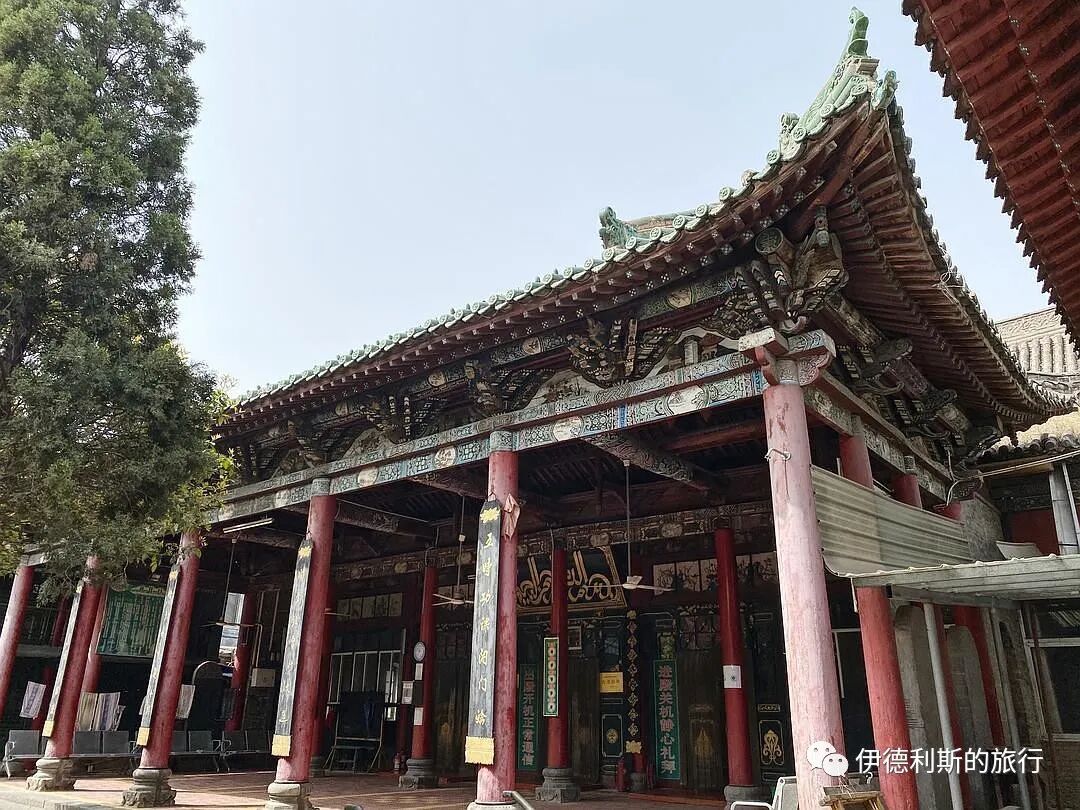
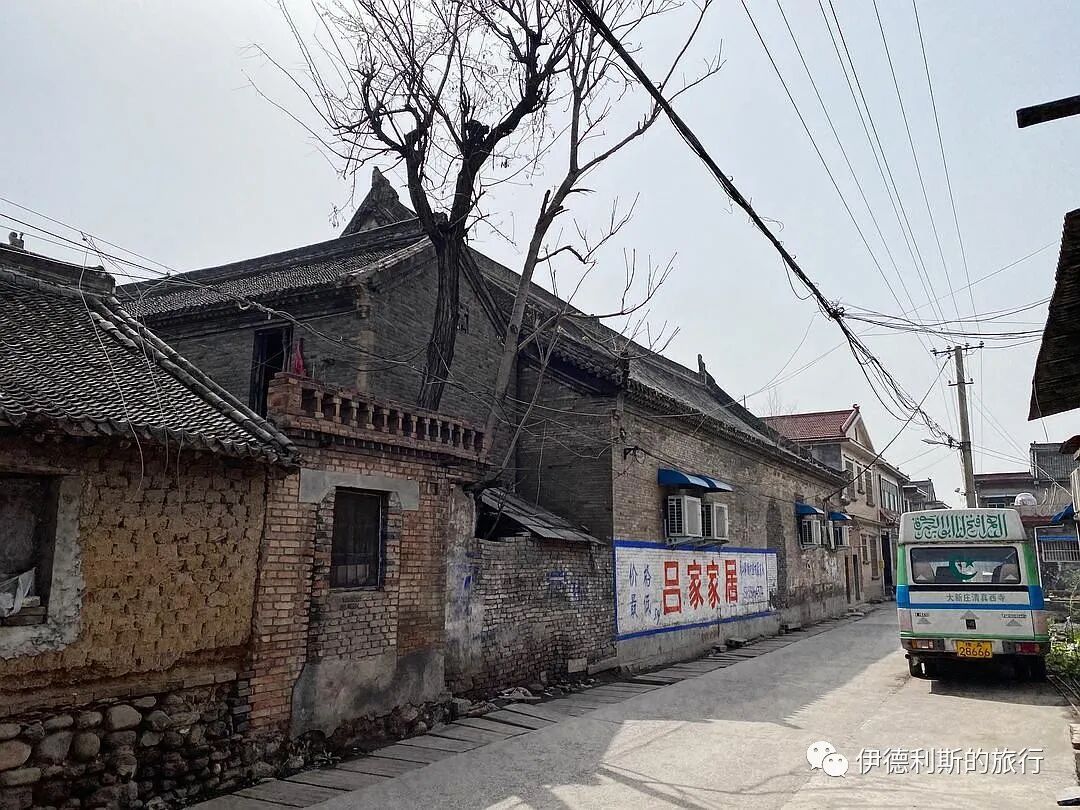
The Daxinzhuang Qingzhen Xisi is near the Dongdasi, but it is not as famous as the Dongdasi. The Xisi was first built during the Jiaqing reign of the Qing Dynasty. The main hall was originally three bays wide, expanded to five bays in the late Qing Dynasty, and expanded again to seven bays in the early Republic of China era. During this time, the elder Mai Anli funded the construction of a five-bay juanpeng.
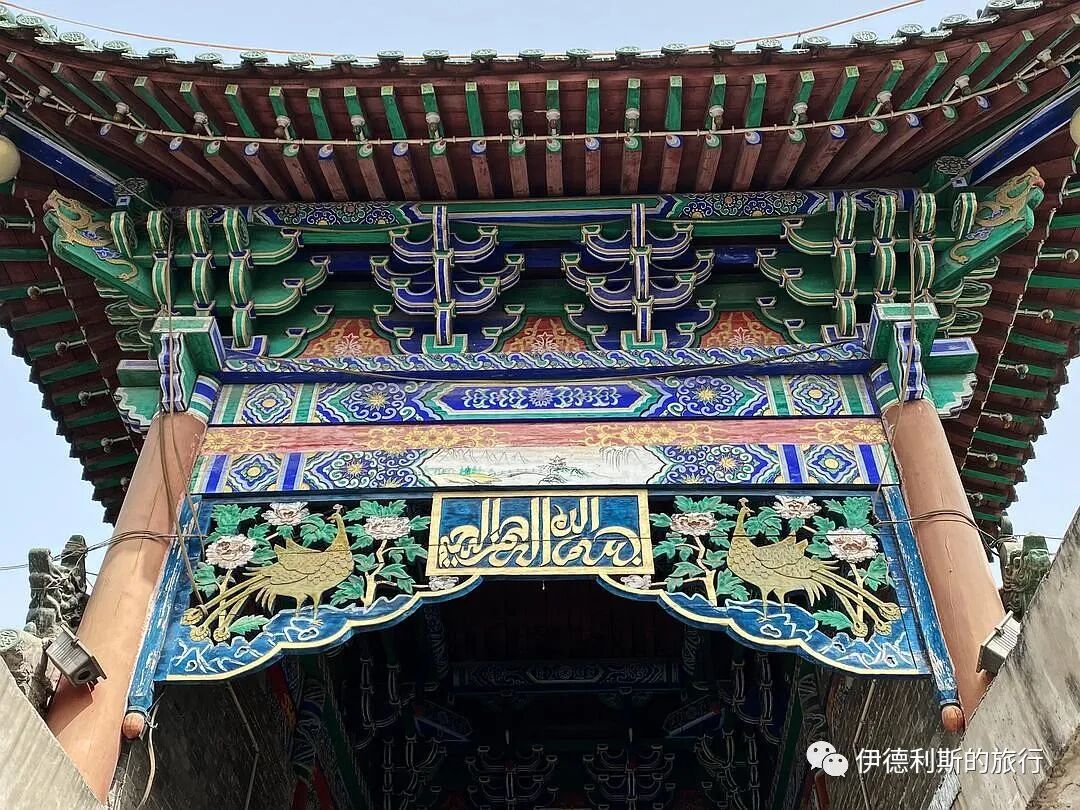
5. Qinyang Beidasi (Northern Mosque): Rebuilt in 1631.
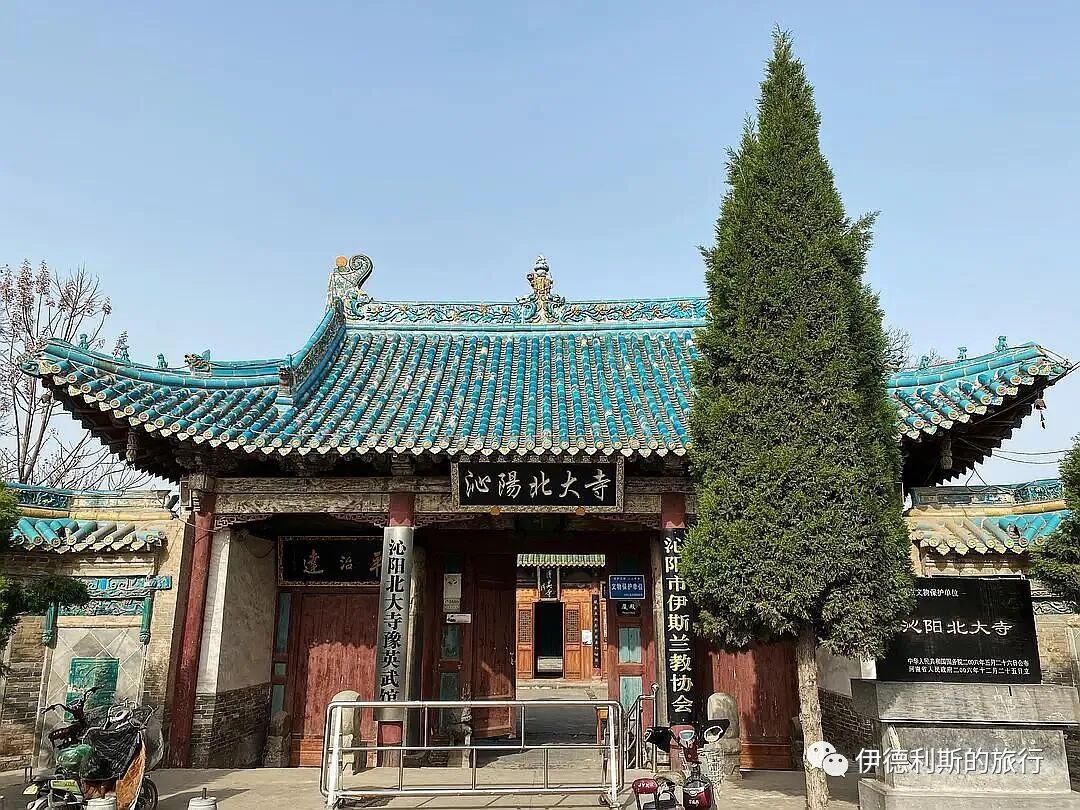
In my opinion, the Qinyang Beidasi definitely ranks in the top three for beauty among historical mosque buildings in Henan. The Beidasi was moved to its current site in 1561 (the 40th year of the Jiajing reign of the Ming Dynasty), burned down in 1628 (the 1st year of the Chongzhen reign), and rebuilt in 1631 (the 4th year of the Chongzhen reign). It is a major national historical and cultural site.
The overall layout of the Beidasi is quite classic, consisting mainly of the main gate, a hallway, lecture halls, and the main hall. I will share the details with you bit by bit. Because of the lighting, I photographed it twice, on Saturday afternoon and Sunday morning.
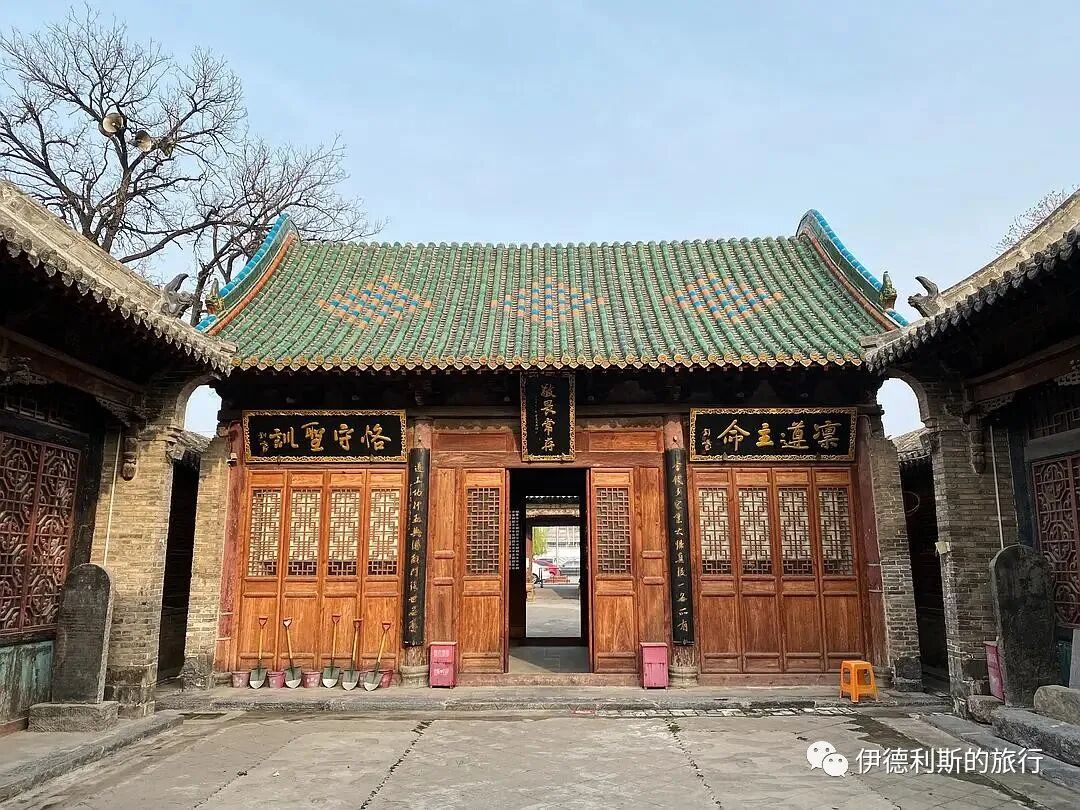
The main gate was built in 1799 (the 4th year of the Jiaqing reign) and uses peacock-blue glazed tiles, which are relatively rare in mosque architecture and look very refreshing.
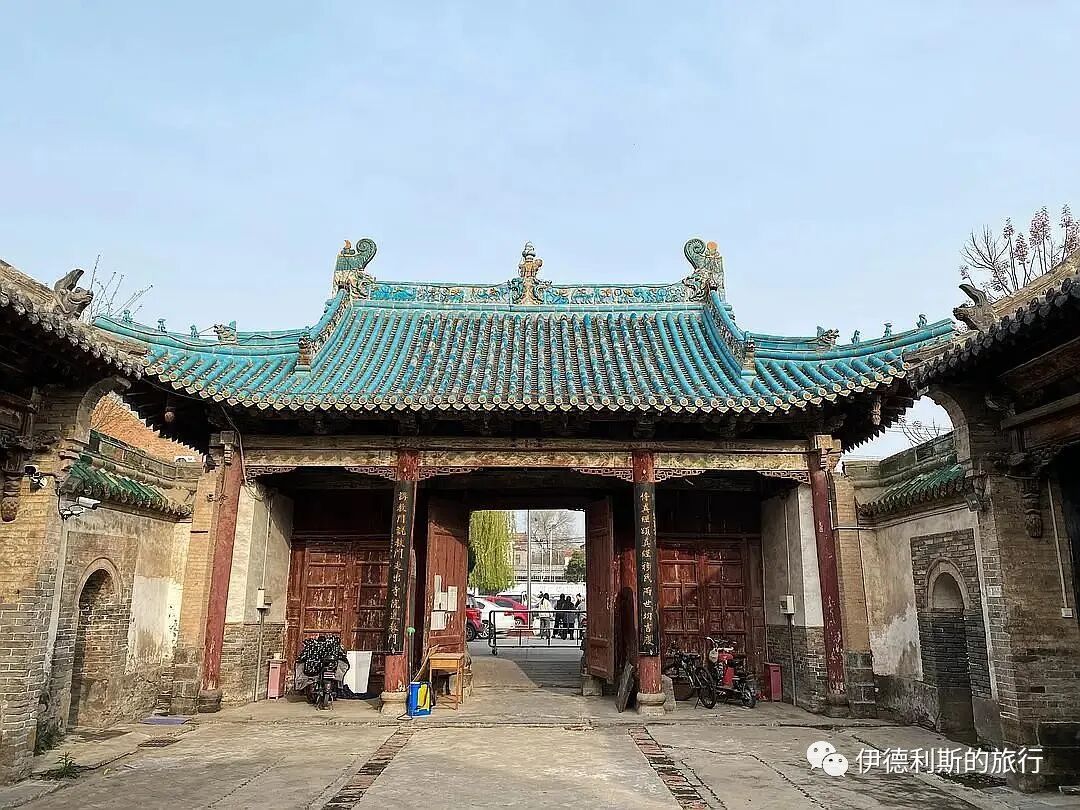
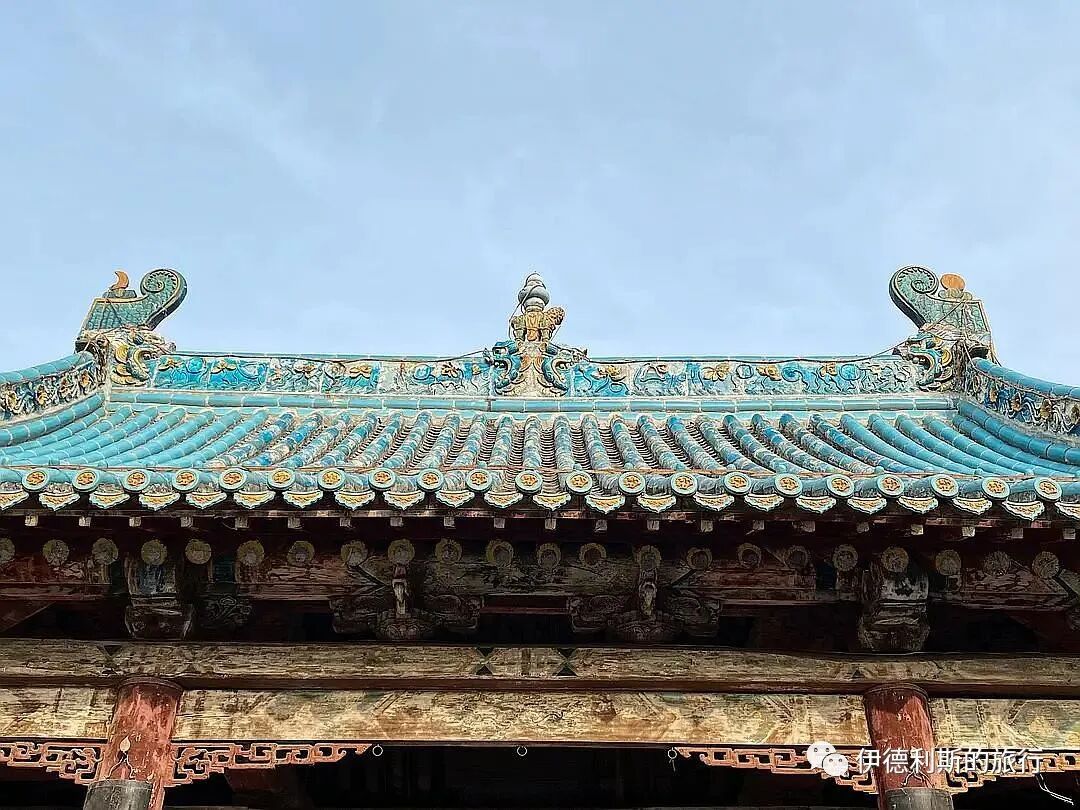
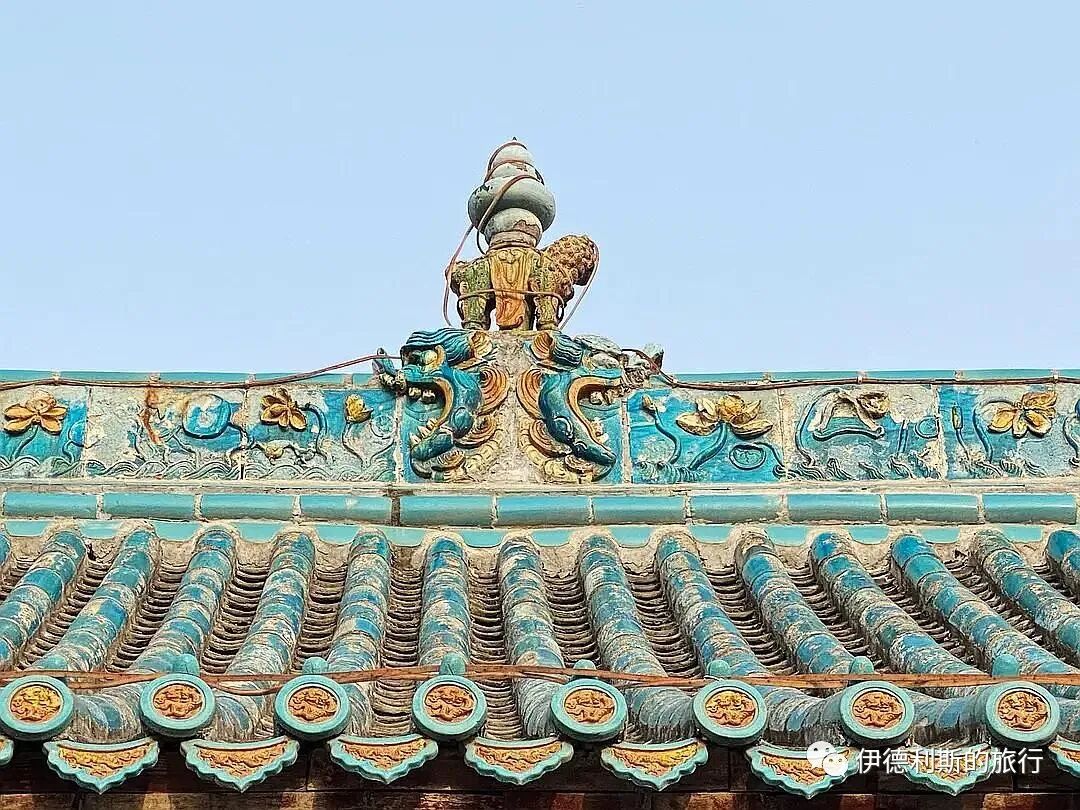
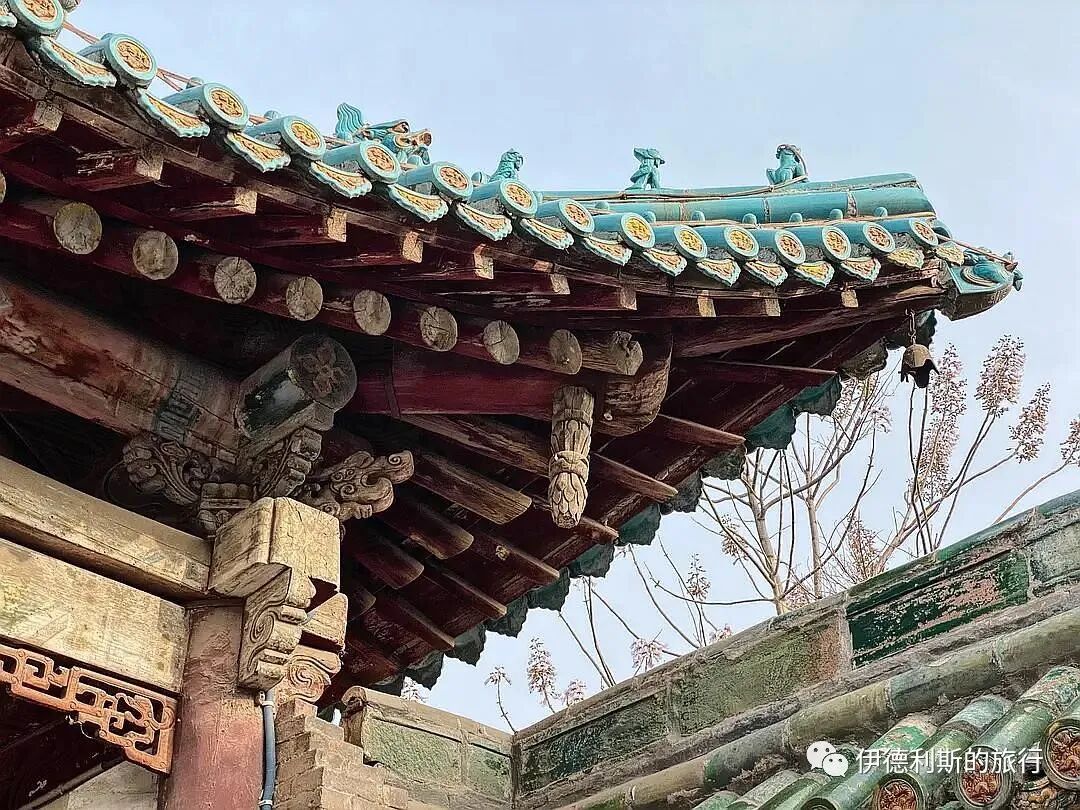
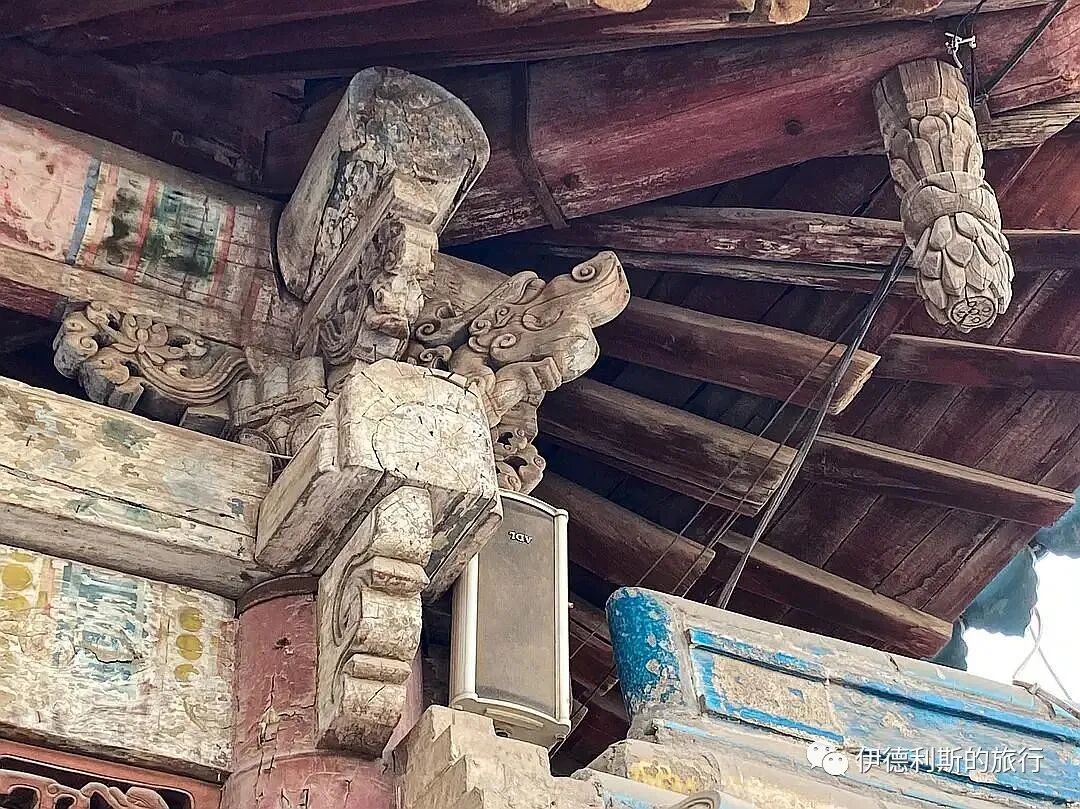
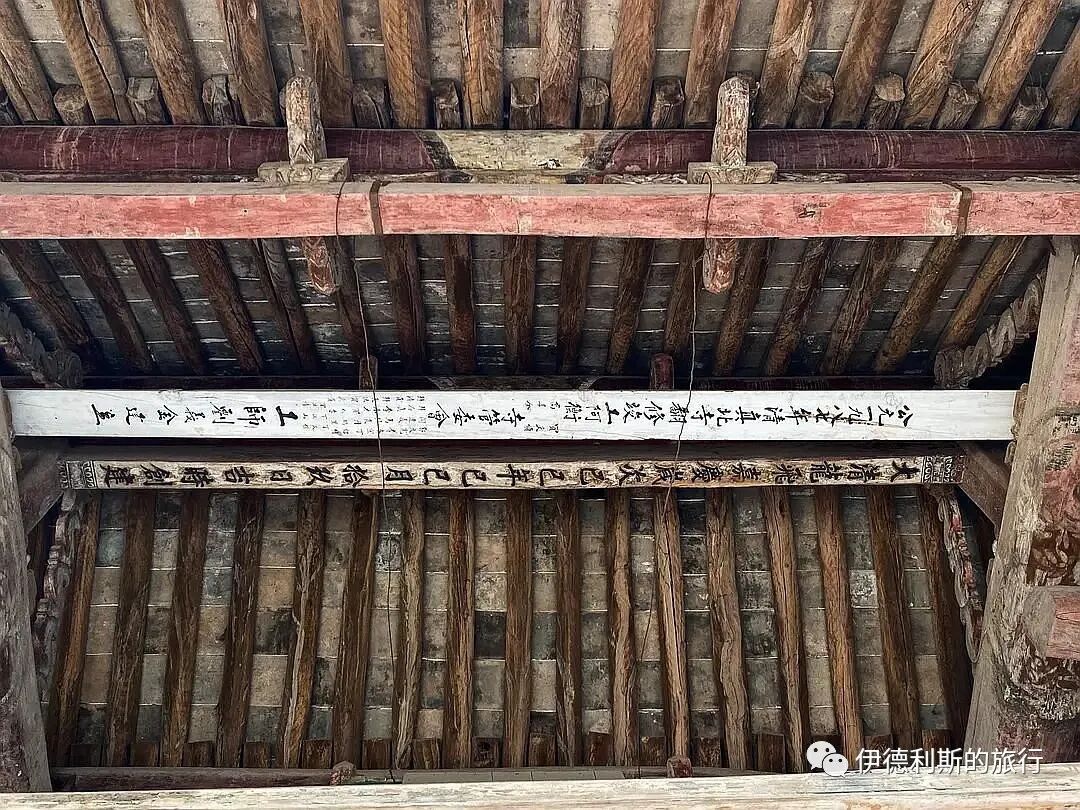
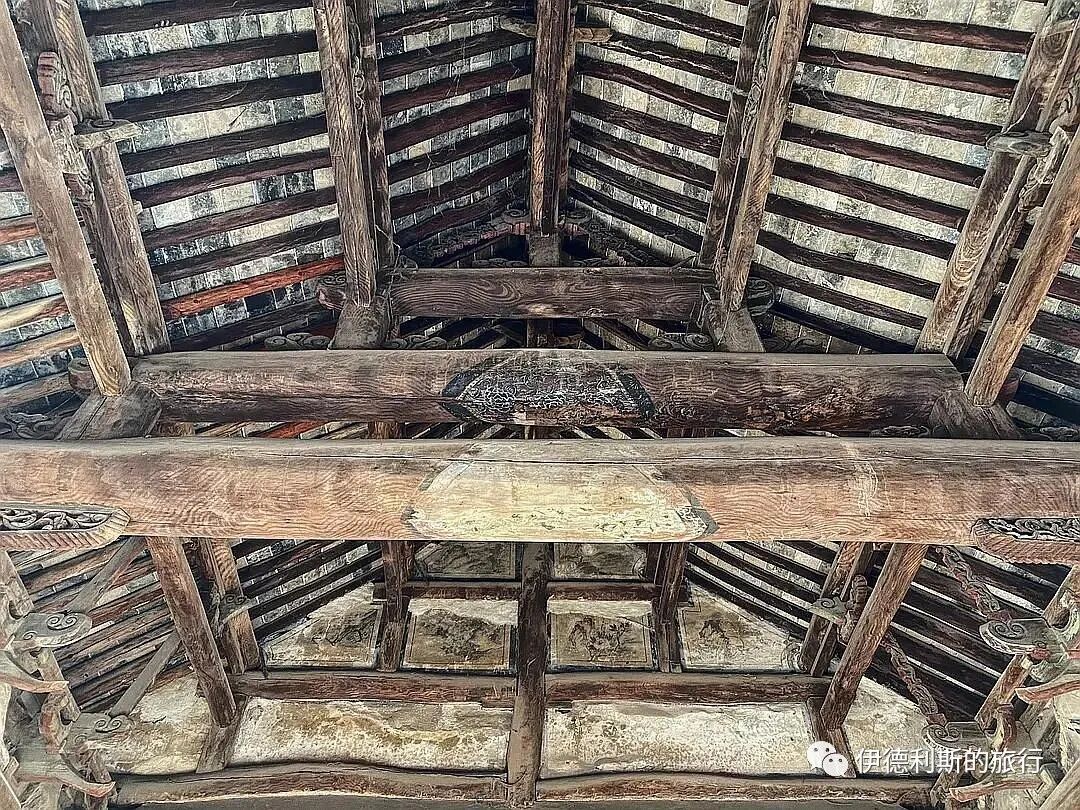
The hallway built in 1631 (the 4th year of the Chongzhen reign of the Ming Dynasty).
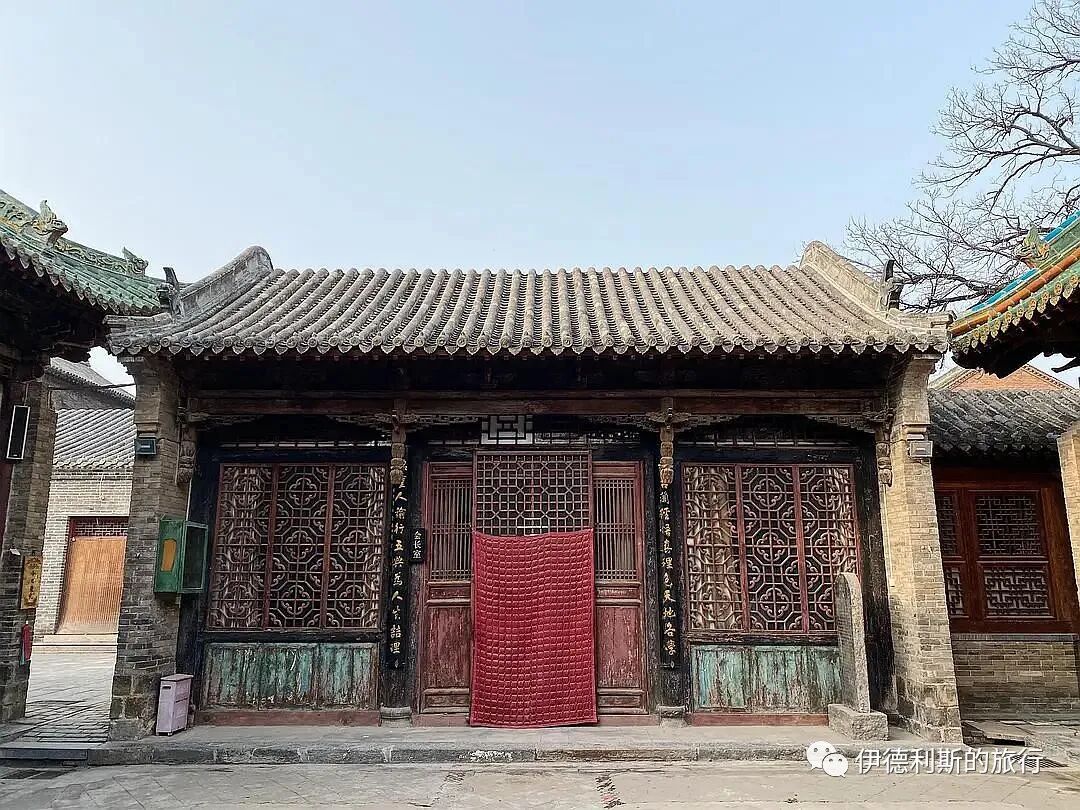
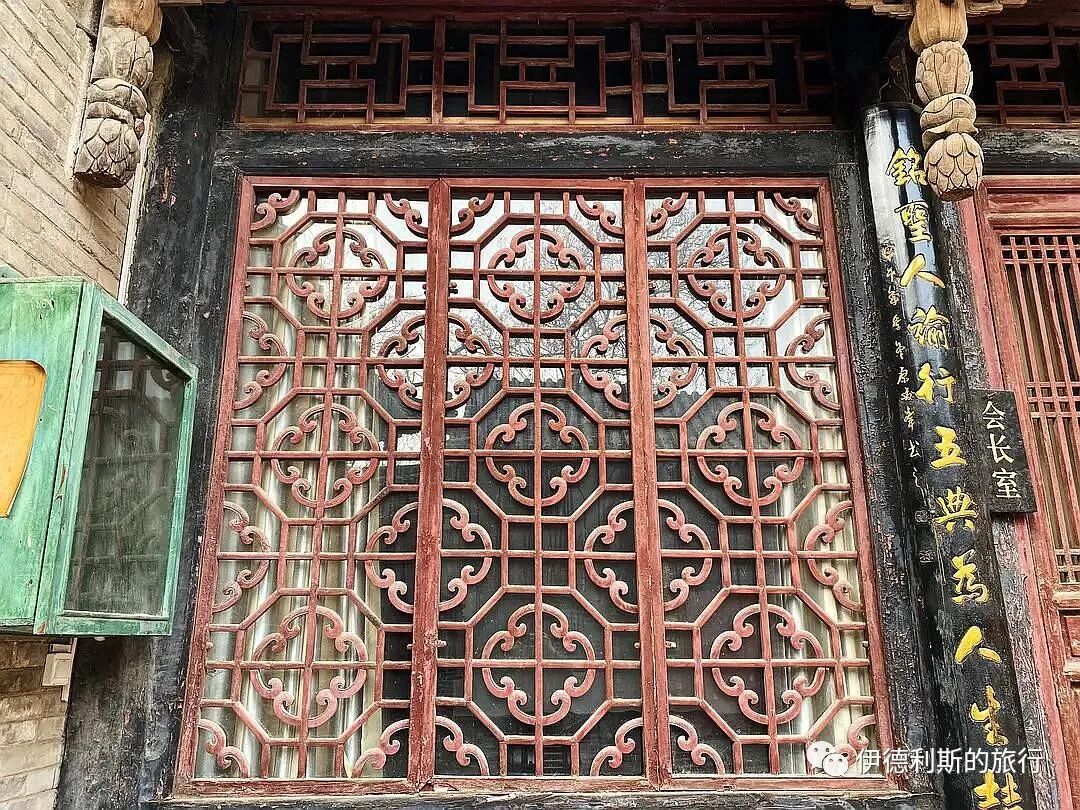
The lecture hall built in 1909 (the 1st year of the Xuantong reign). The north and south lecture halls have hard-mountain roofs, with hanging floral columns under the eaves and diamond-patterned doors and windows, simple and elegant.
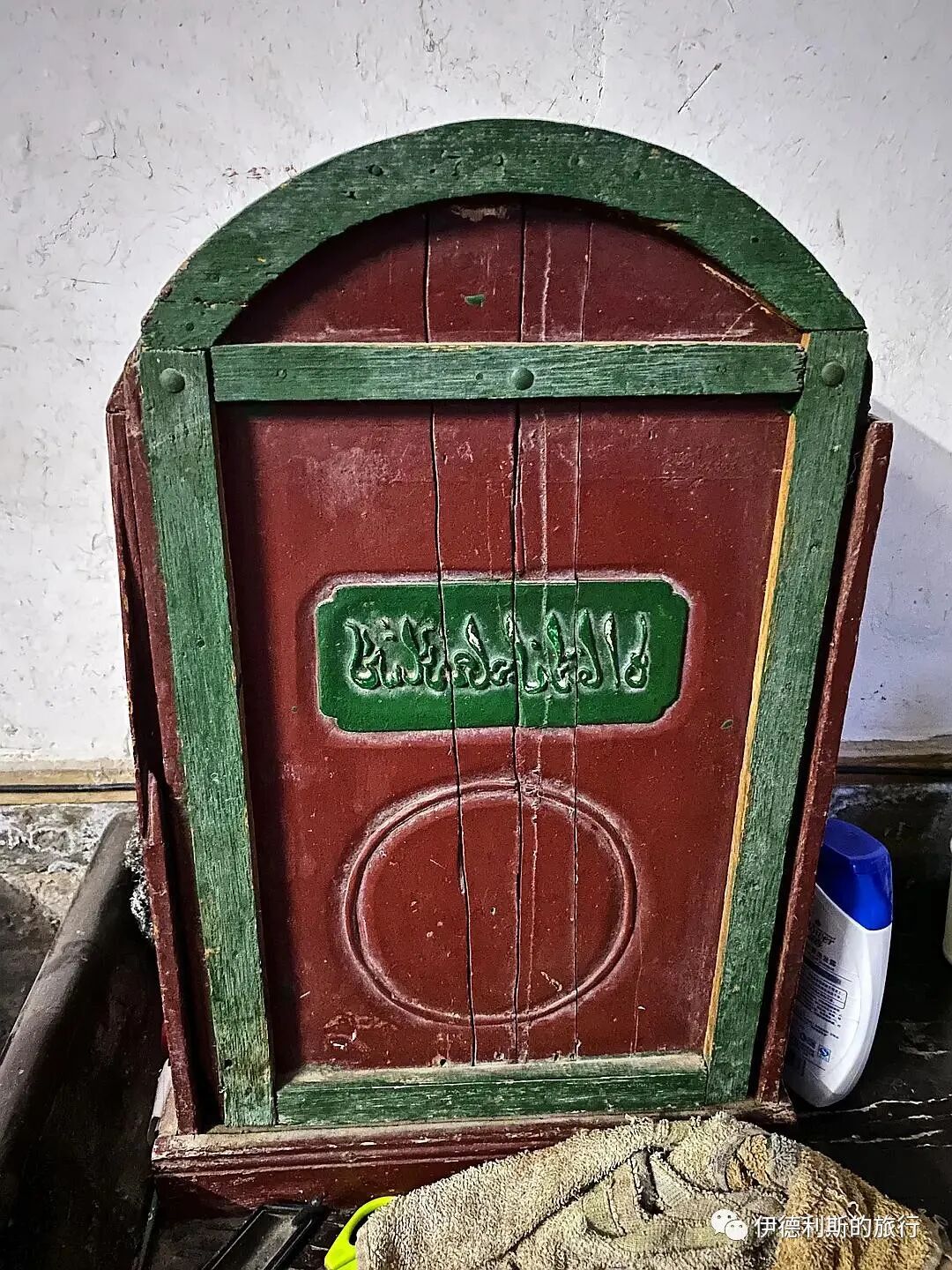
Scripture boxes in the Imam's office.
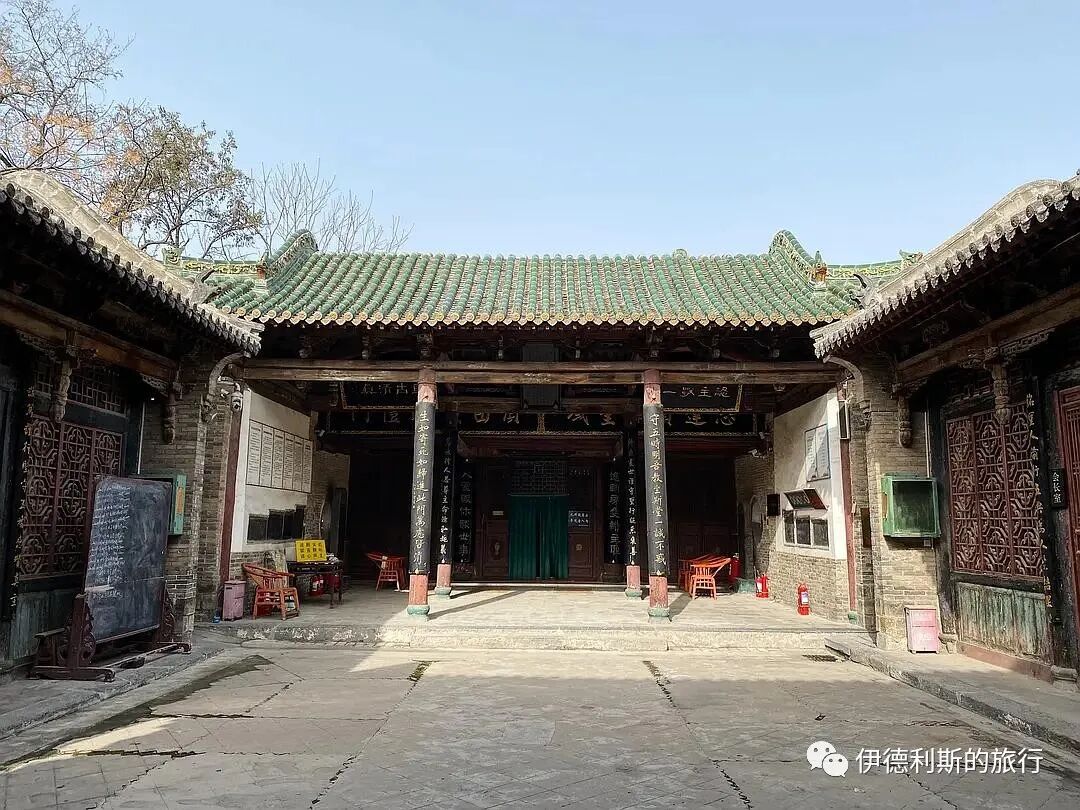
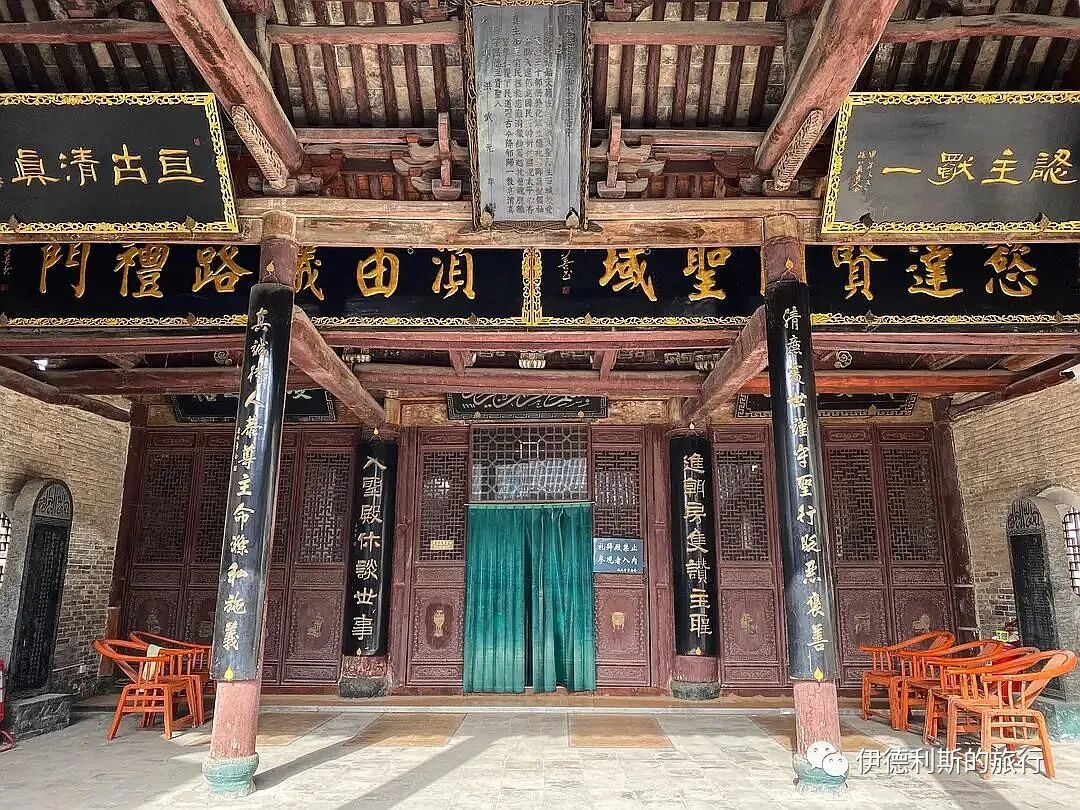
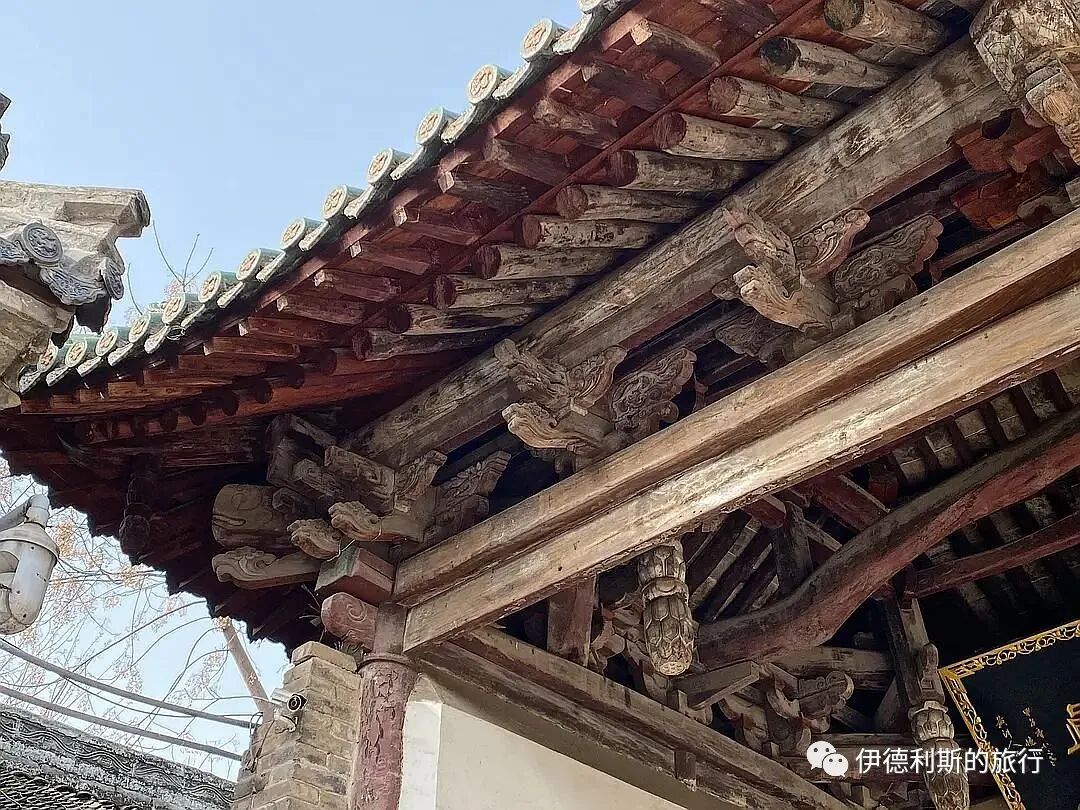
The main hall consists of a juanpeng, a front hall, a middle hall, and a yaodian. This architectural style, with a front hall featuring a hip-and-gable roof, a middle hall with a hanging-mountain roof, and a raised yaodian, is unique to the Qinyang area. First, I will share the exterior of the juanpeng and the front hall.
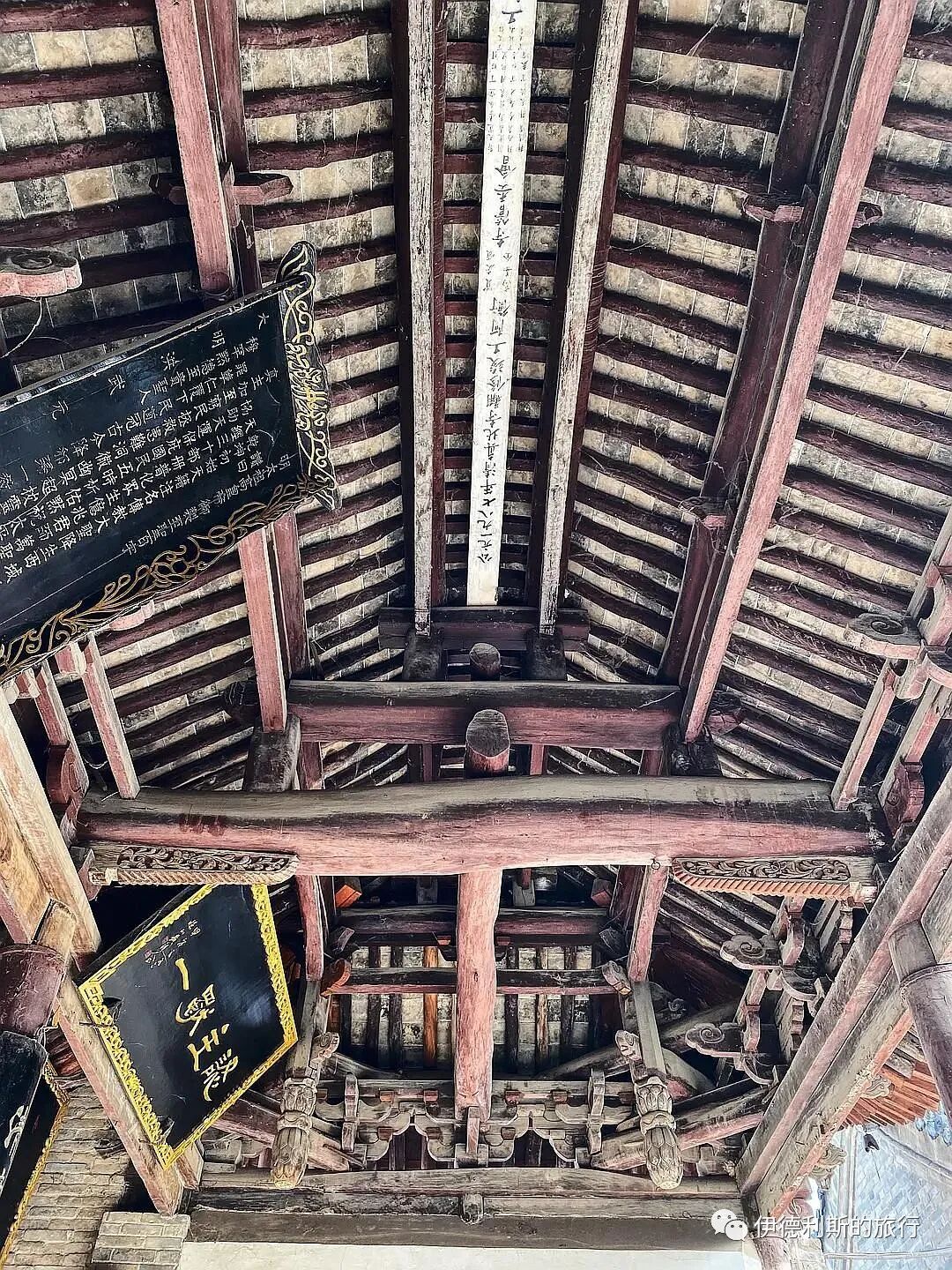
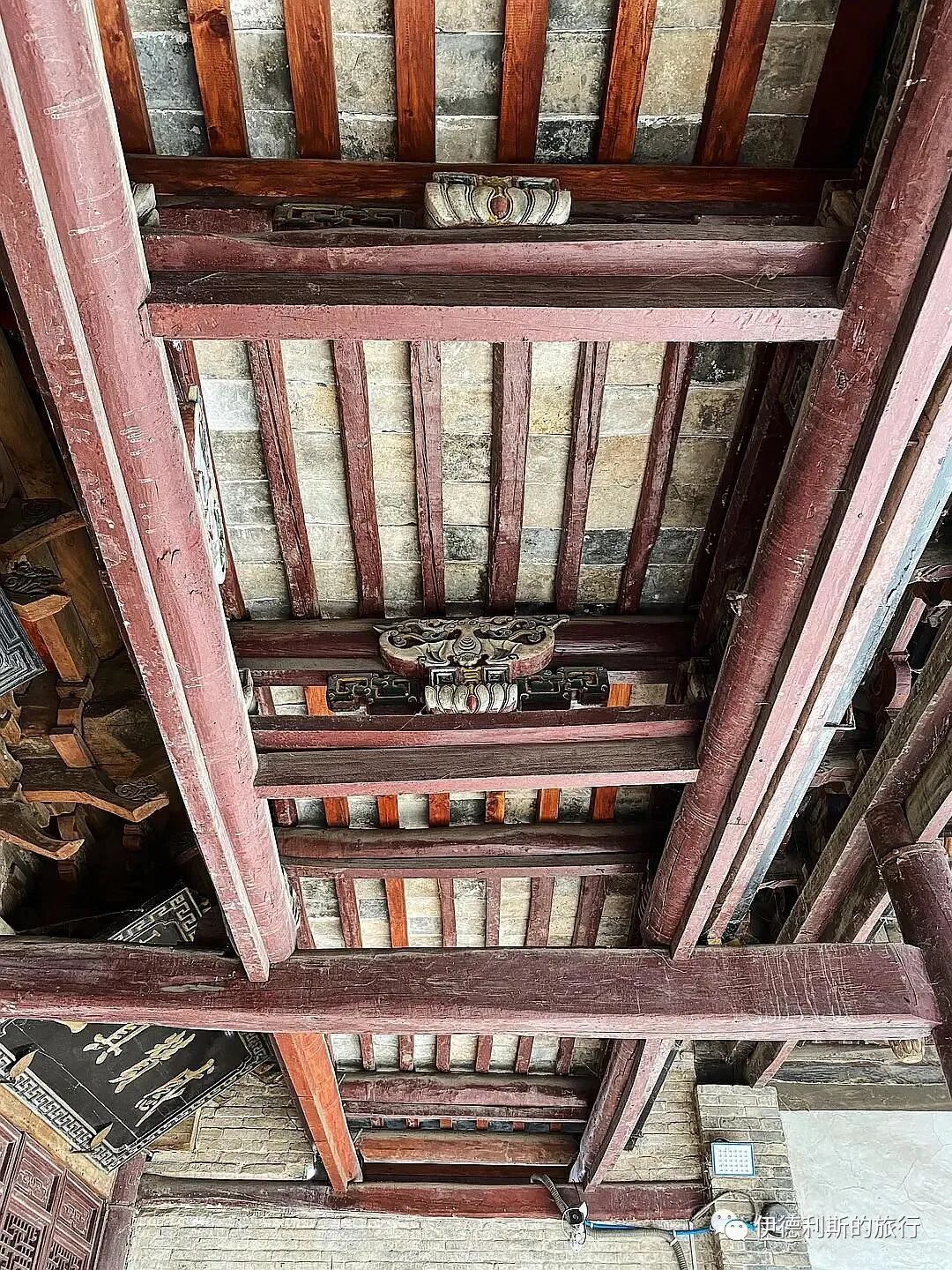
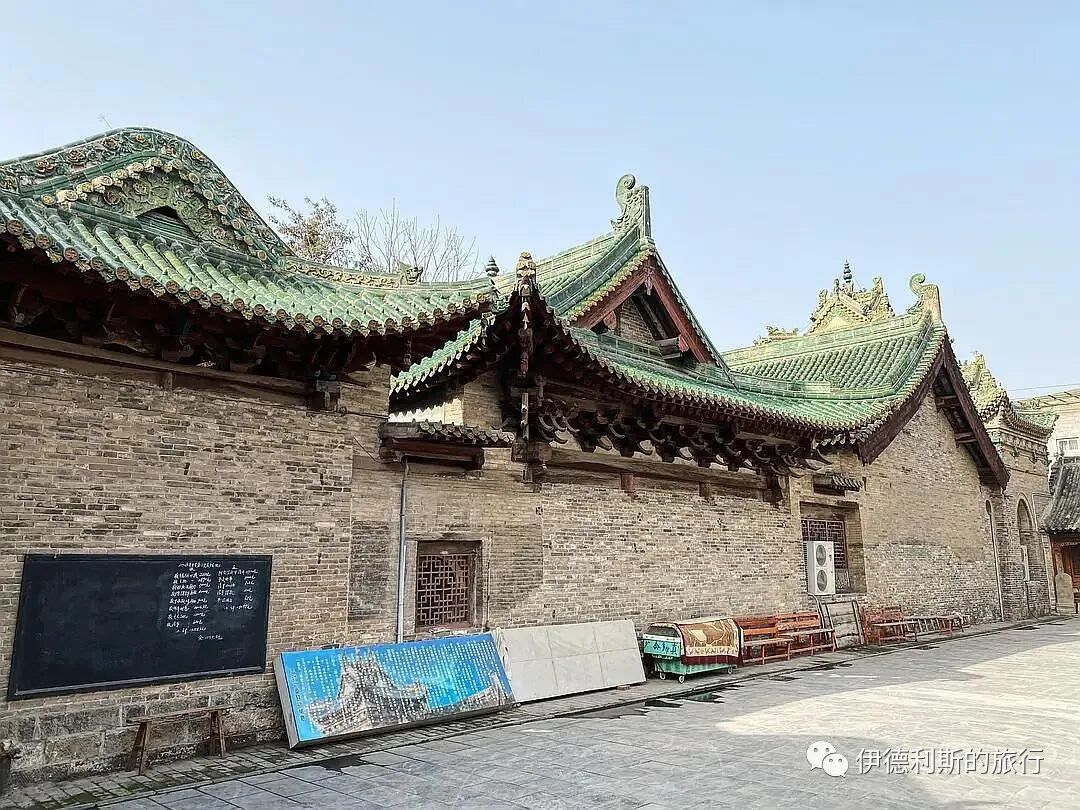
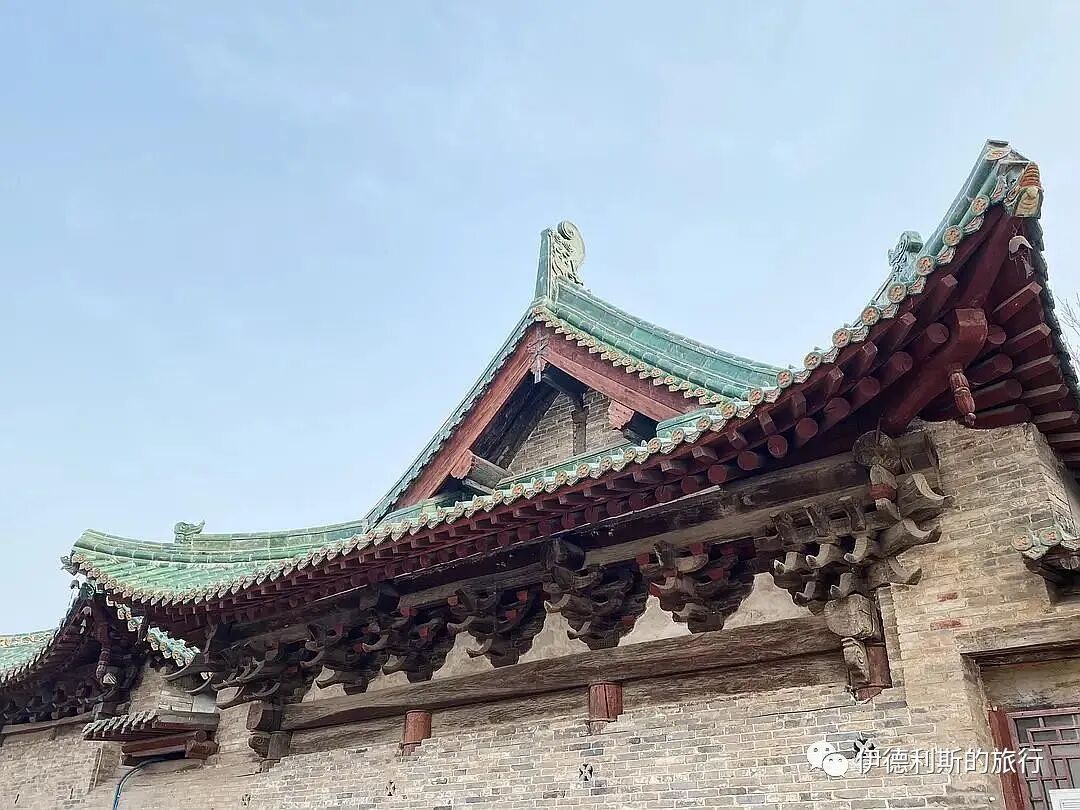
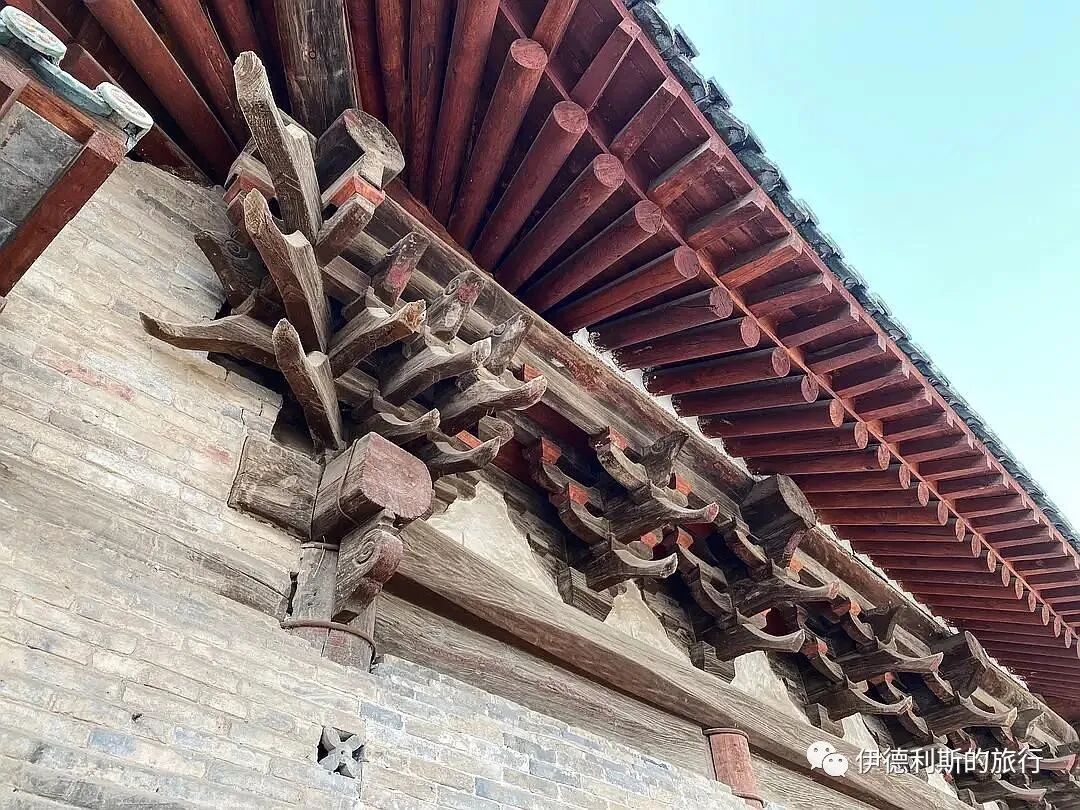
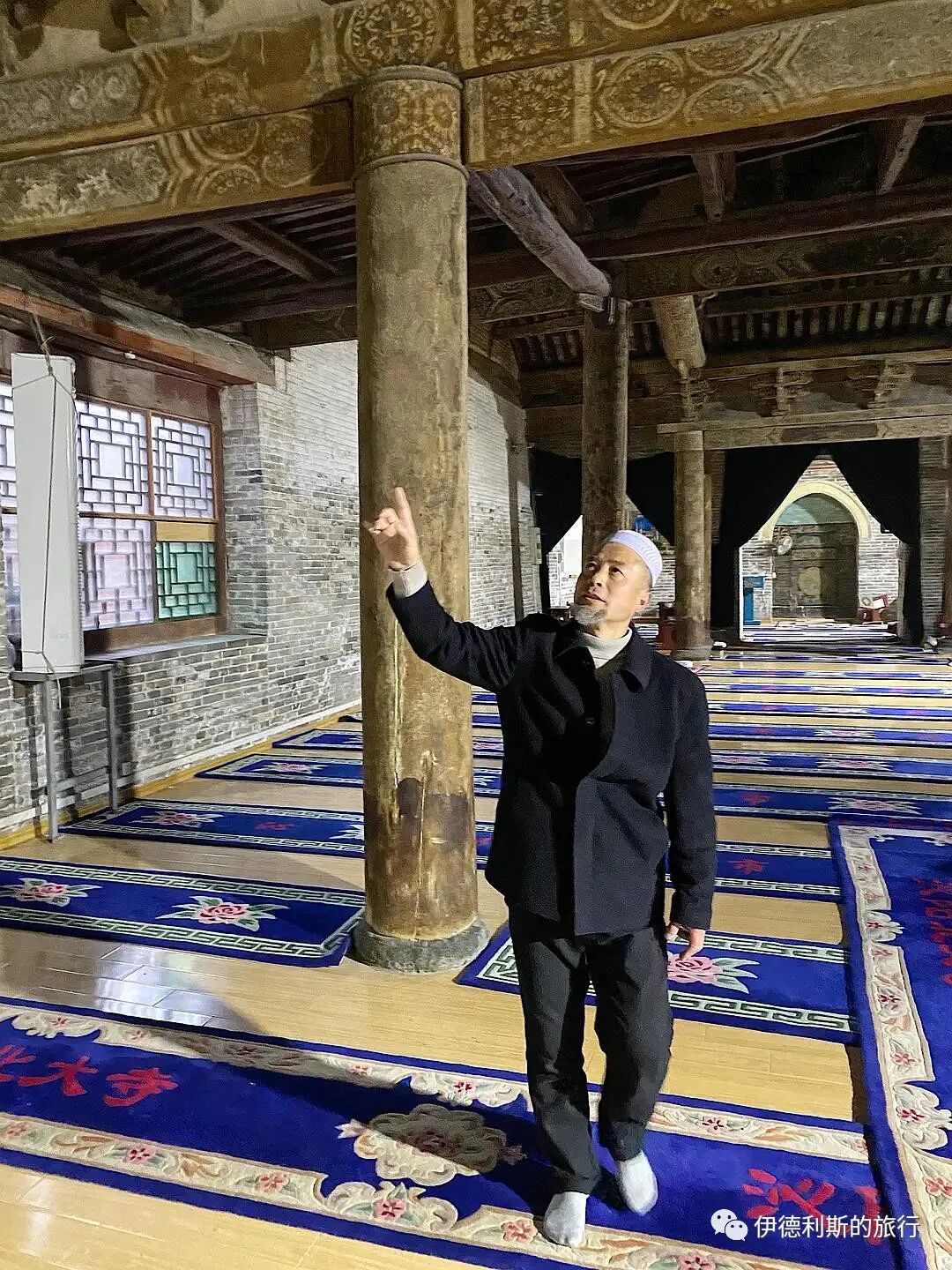
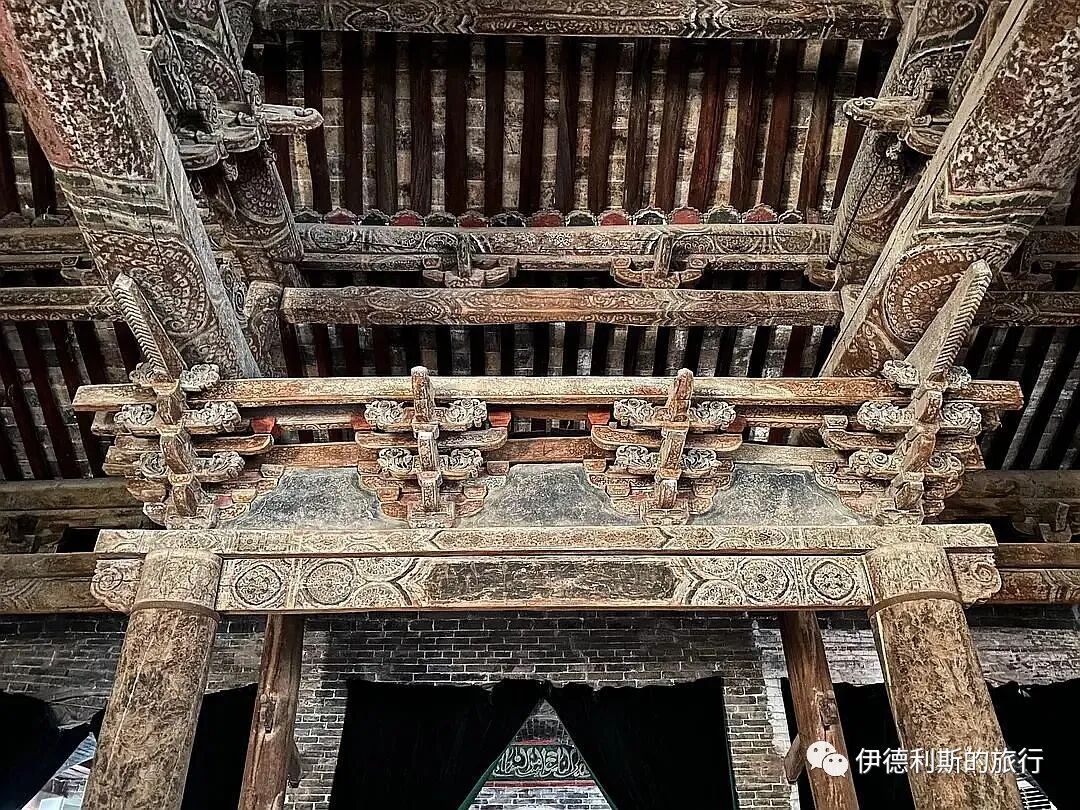
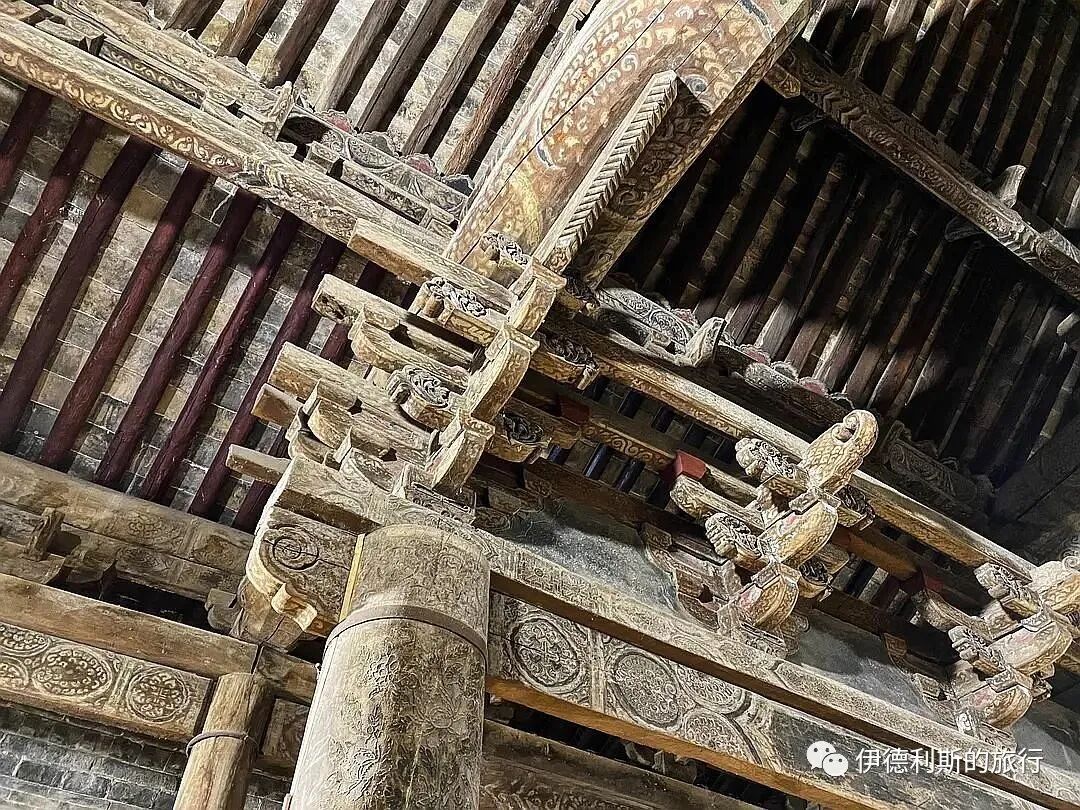
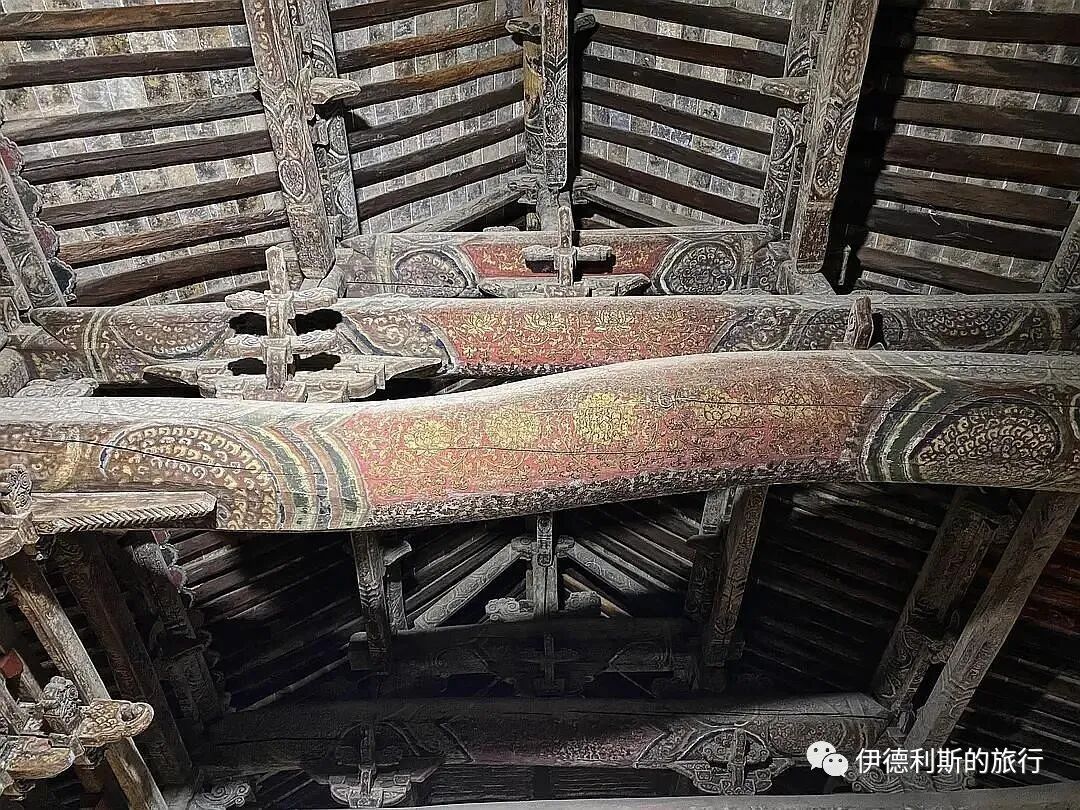
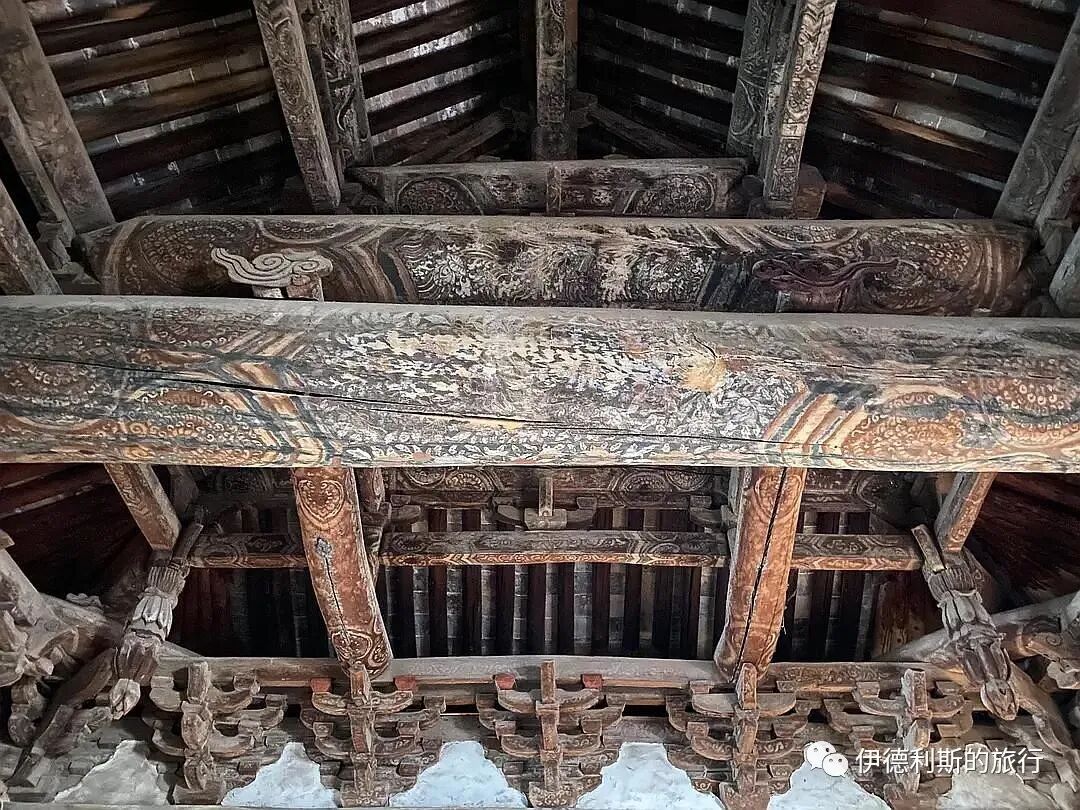
The beautiful Qing Dynasty paintings inside the main hall; thanks to Imam Ma Hongjie for the wonderful introduction. The main hall of the Beidasi was occupied by a factory in the 1960s and 70s, and the lower paintings all faded; only the paintings on the ceiling were luckily preserved.
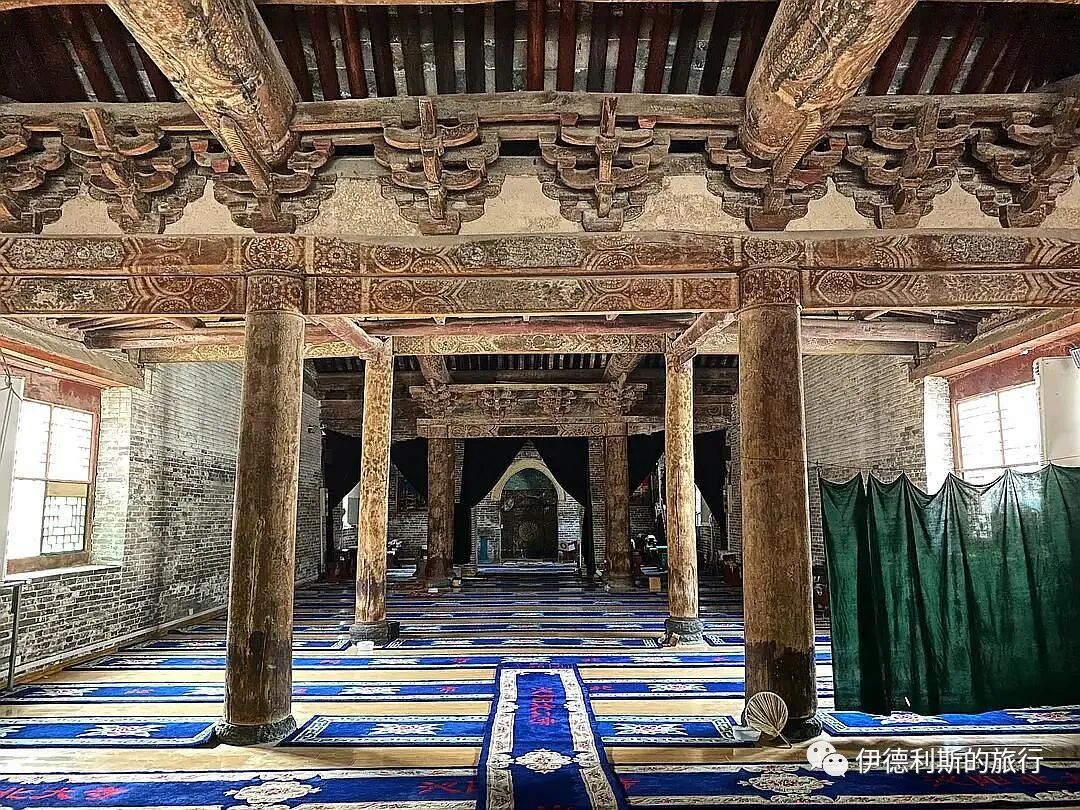
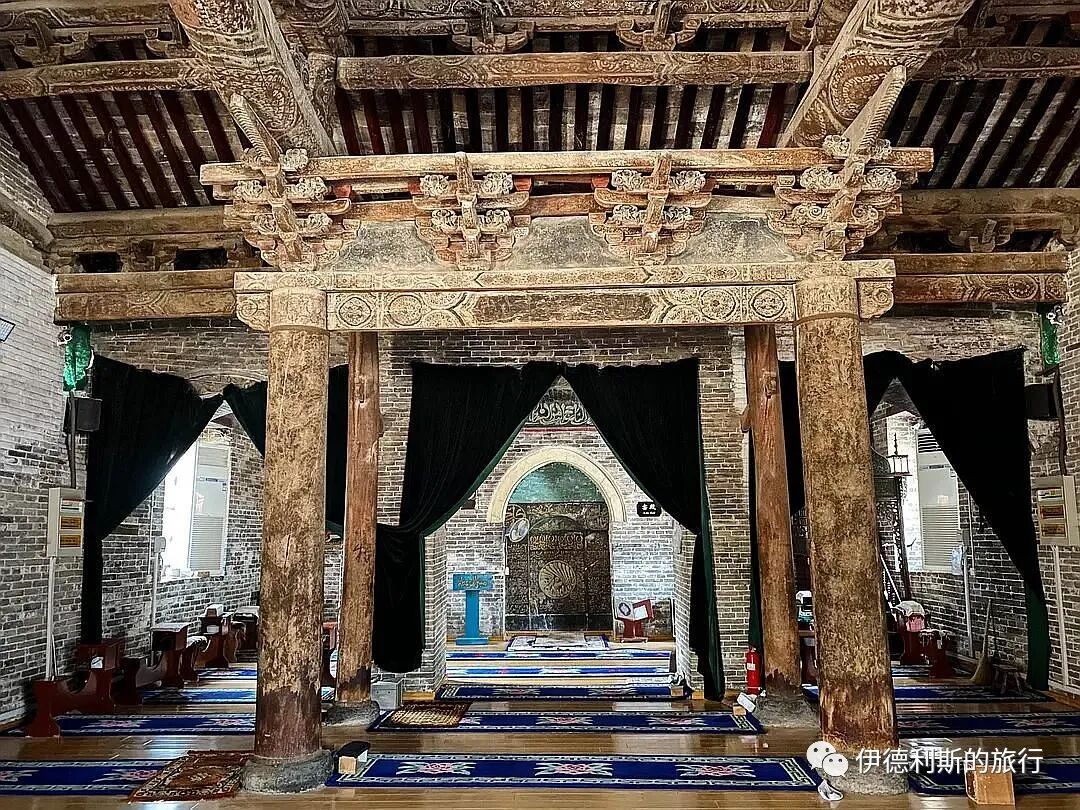
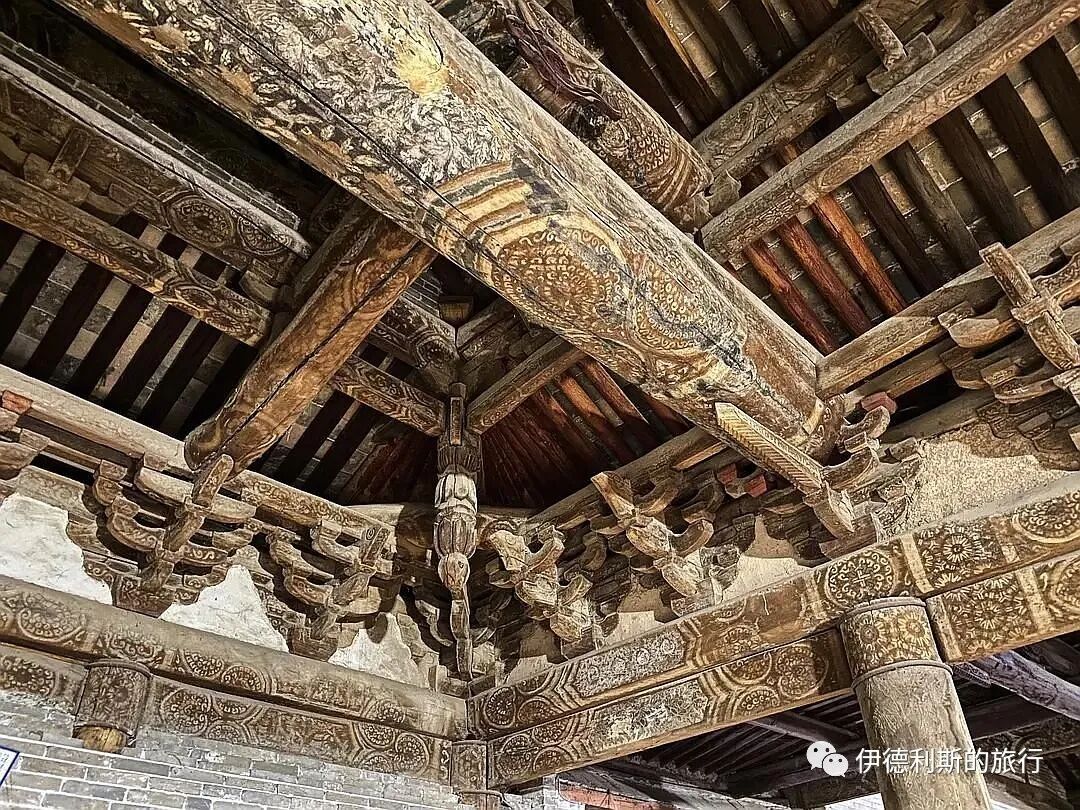
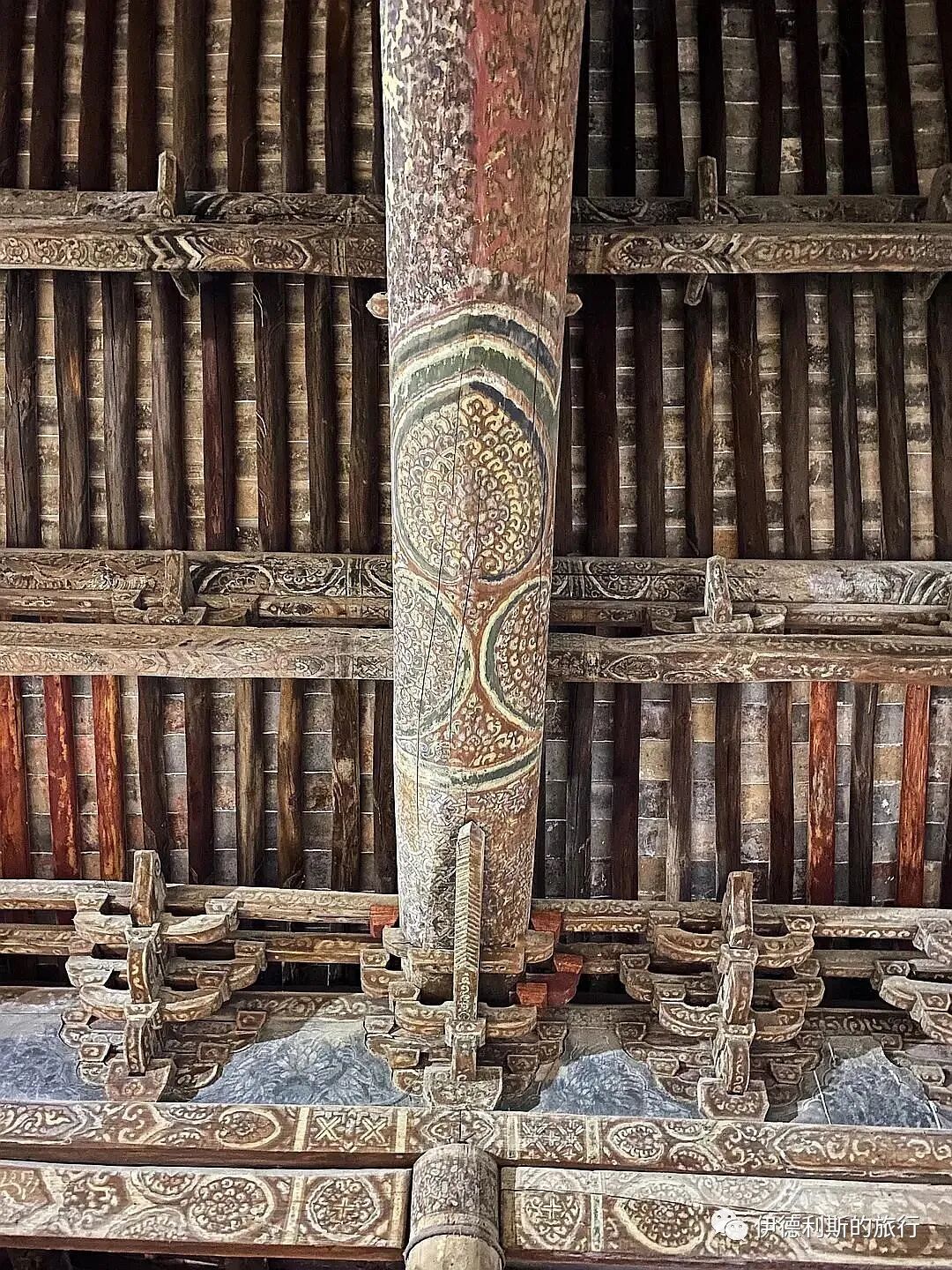
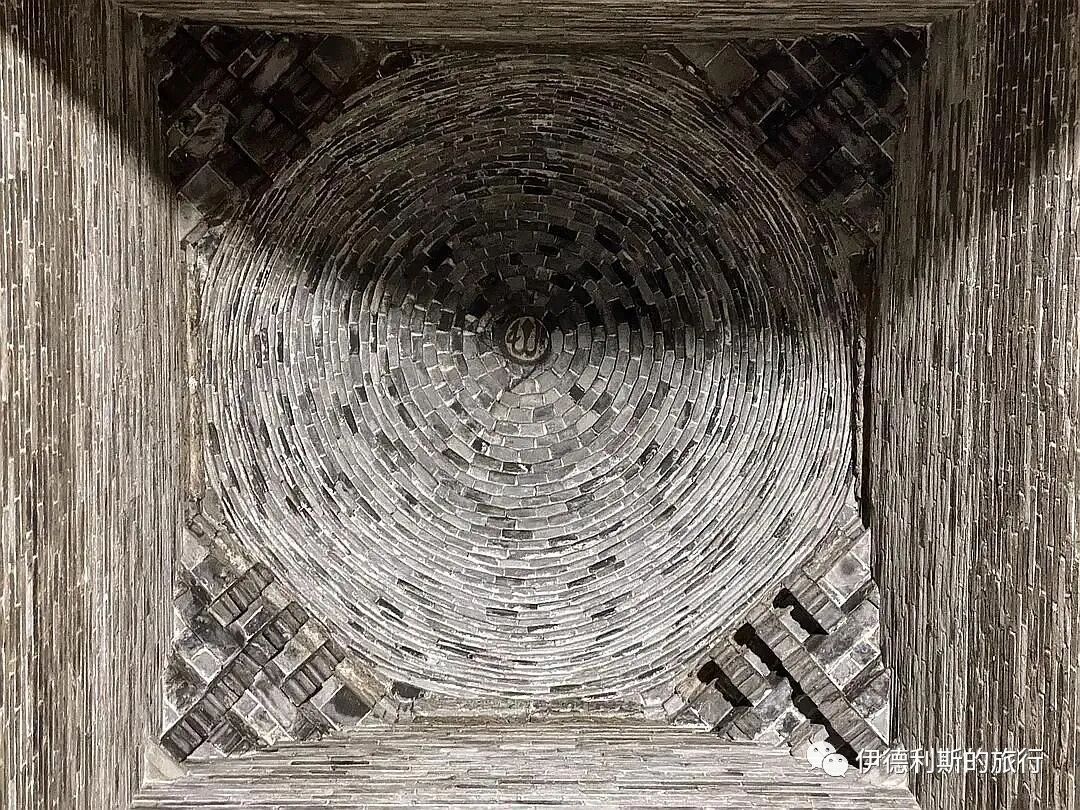
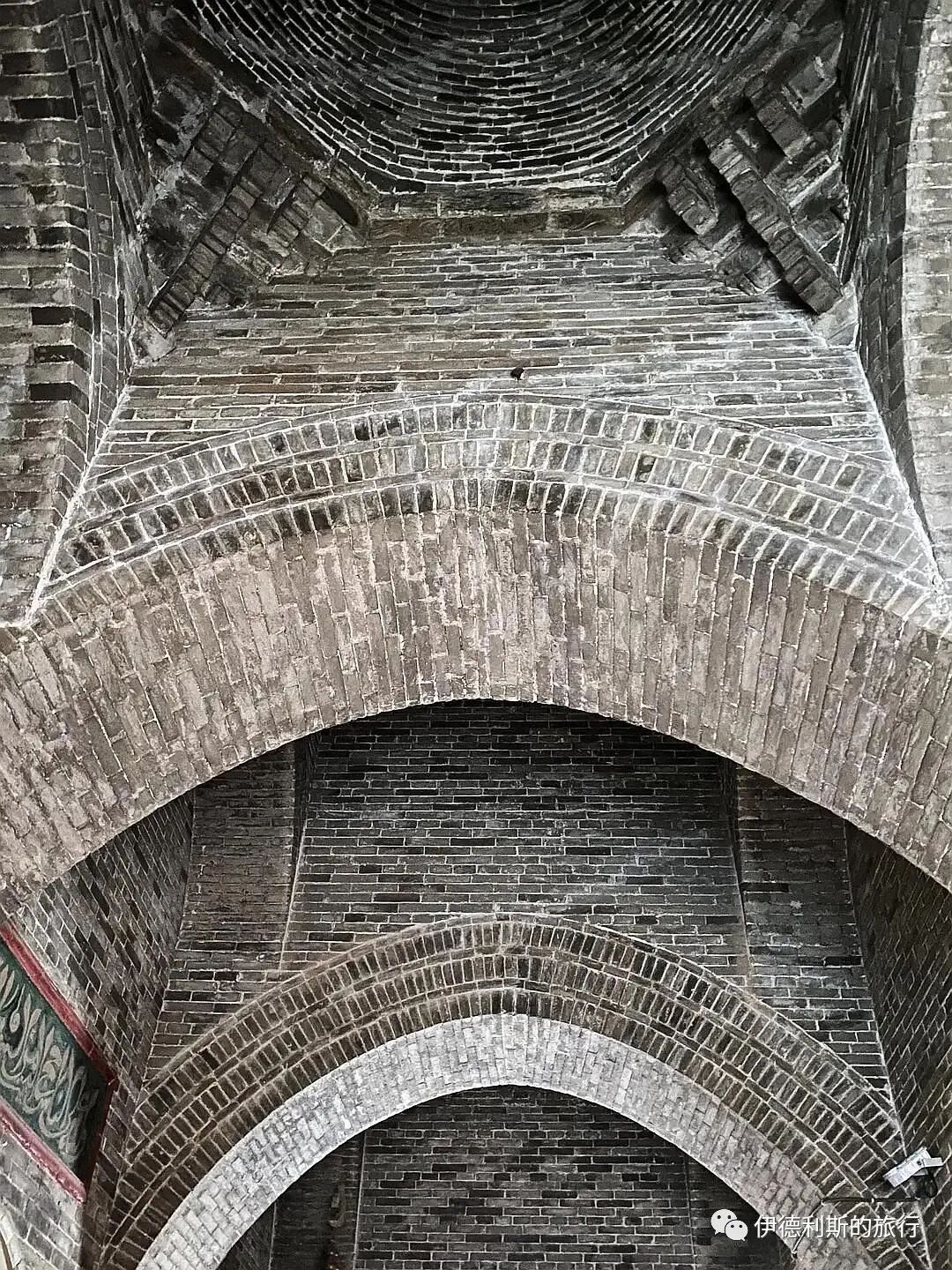
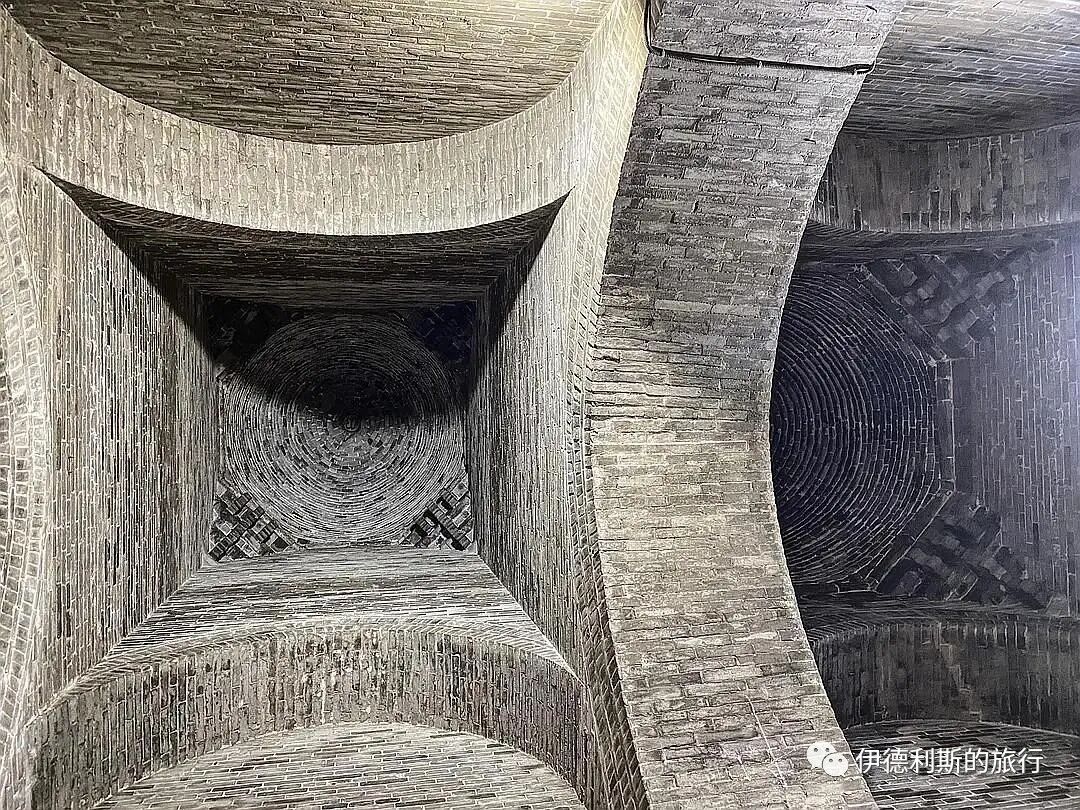
The yaodian was renovated in 1887 (the 13th year of the Guangxu reign). The interior is a brick-vaulted structure, built with two semi-circular arches made of walls over 1 meter thick, with three layers of corbelled arches at the corners to form an octagonal well, topped by a corbelled dome. At the very top of the central dome is carved the Arabic word for 'Allah'.
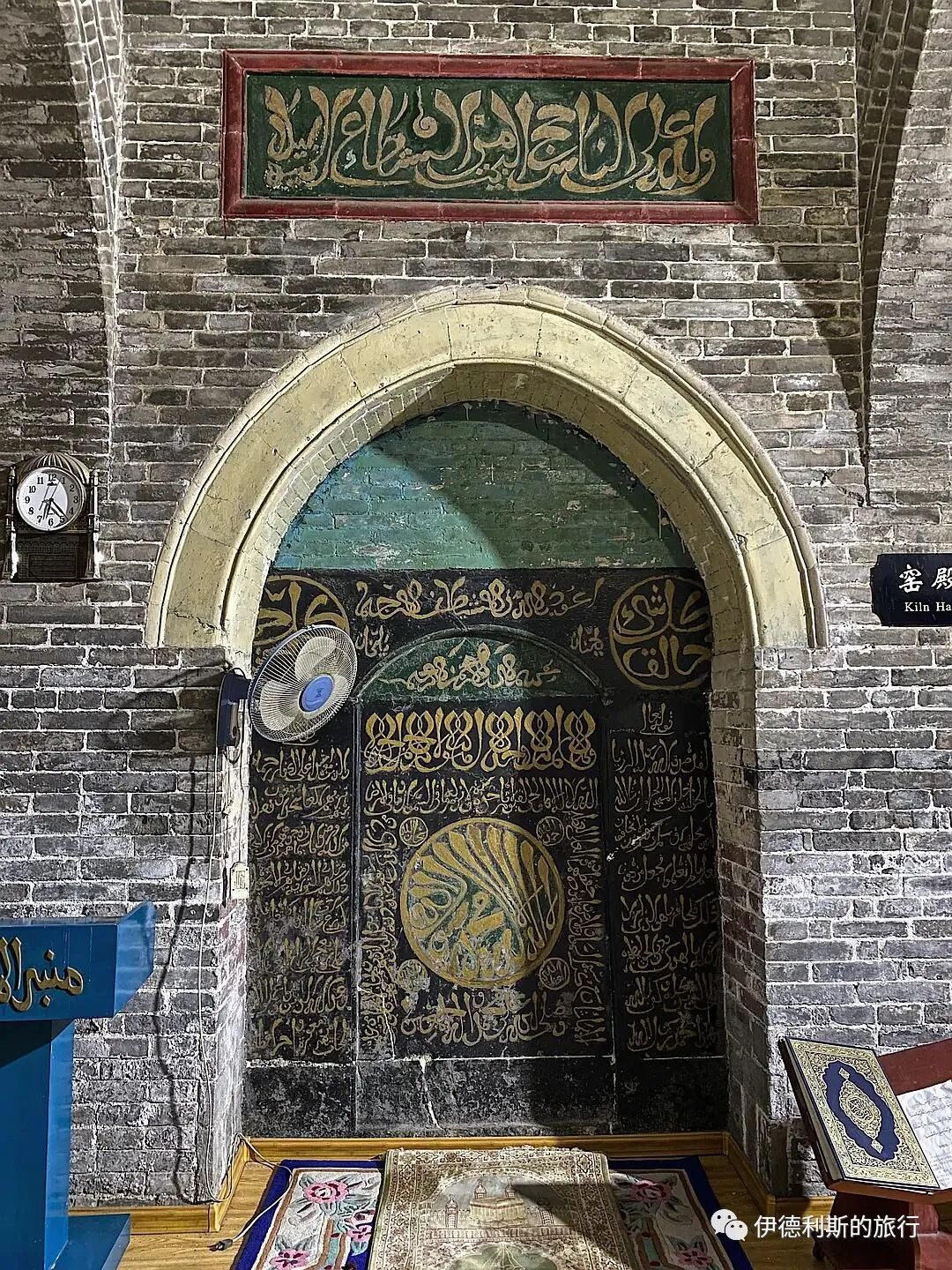
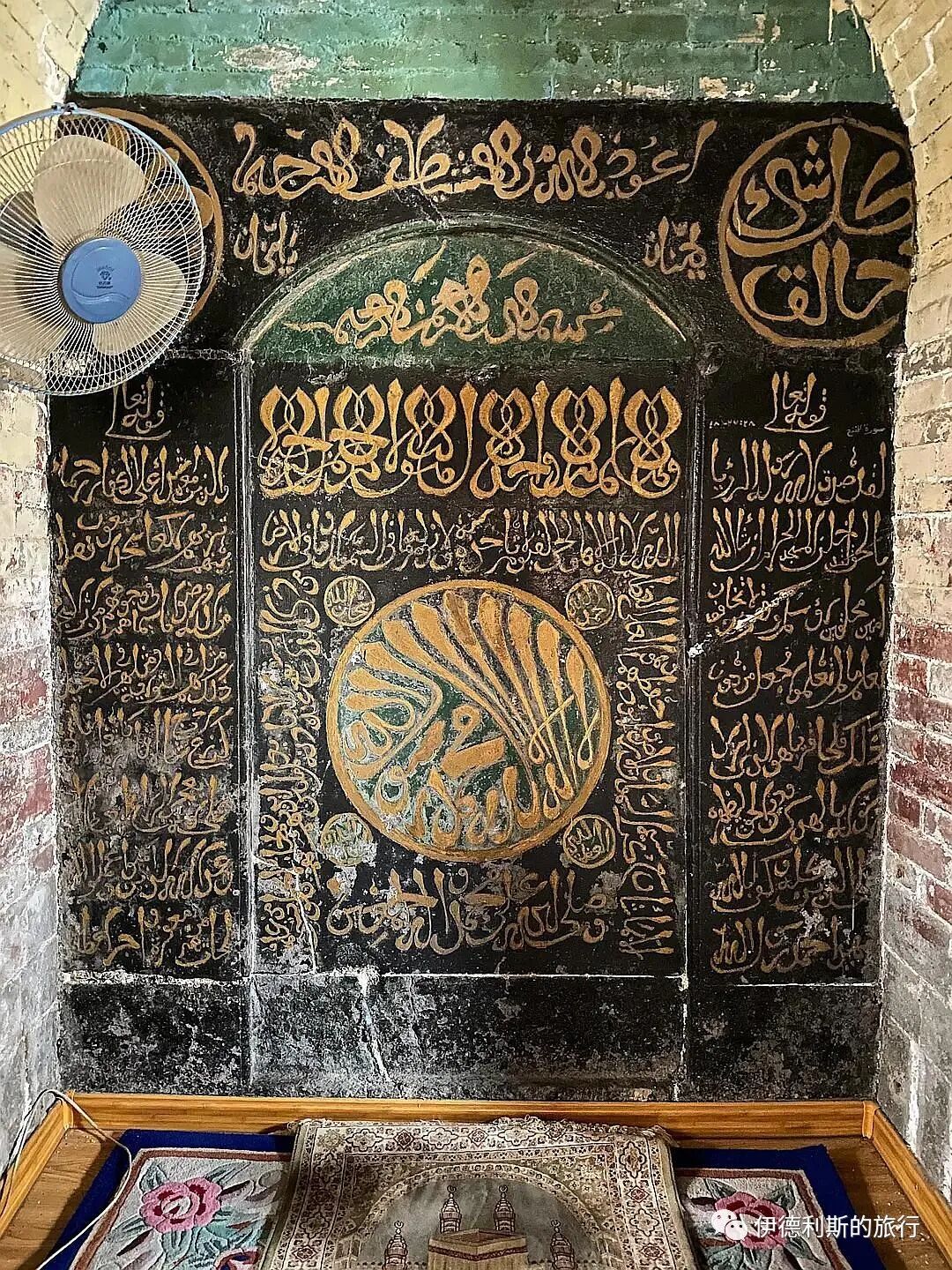
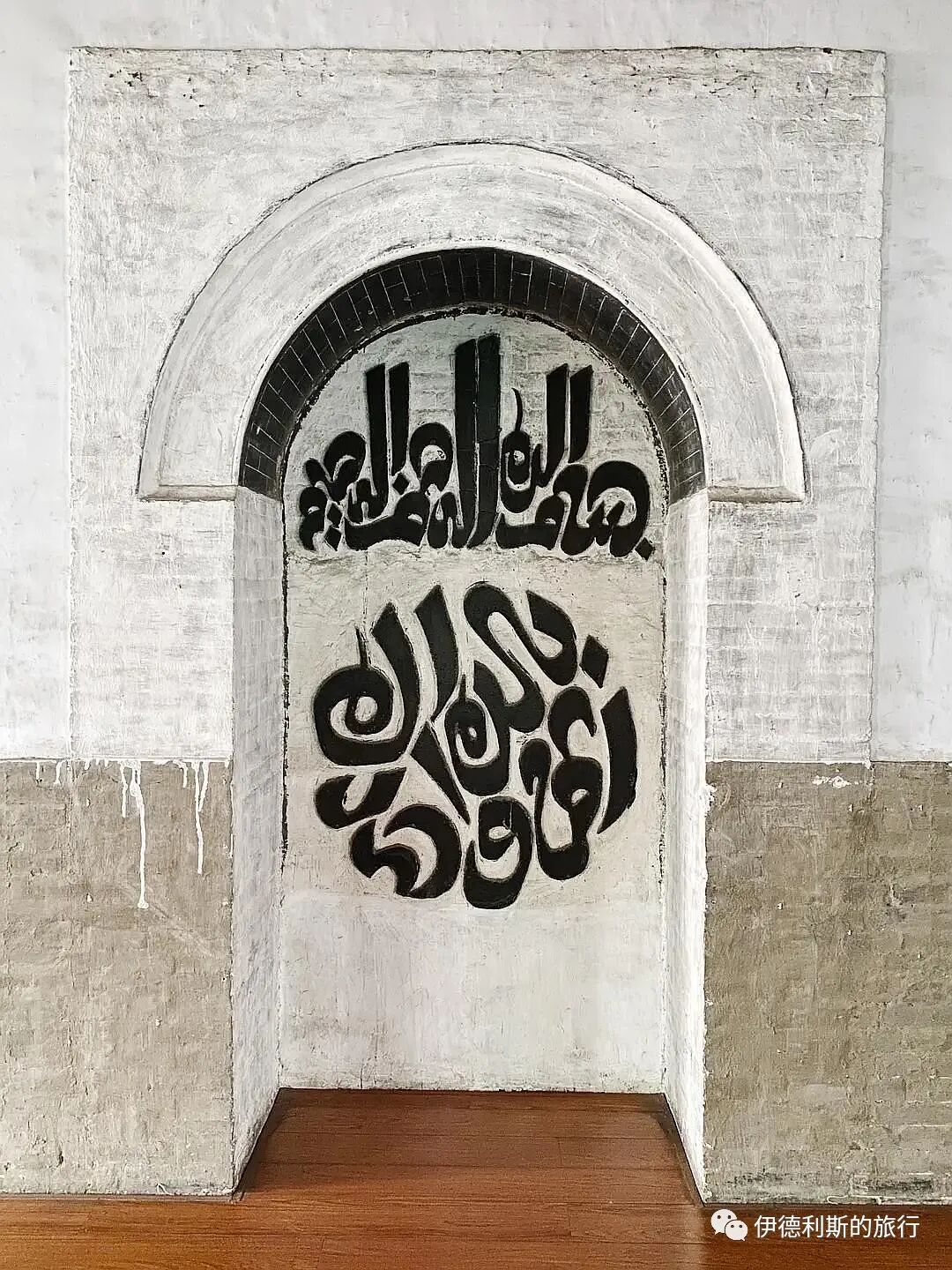
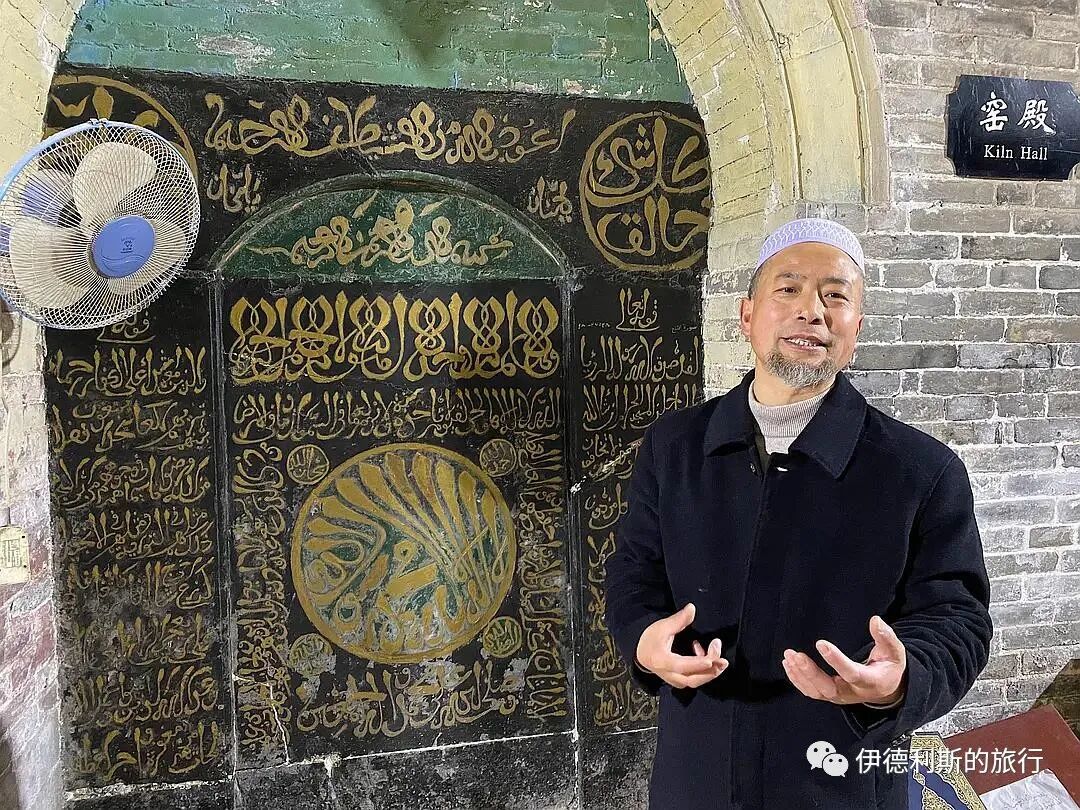
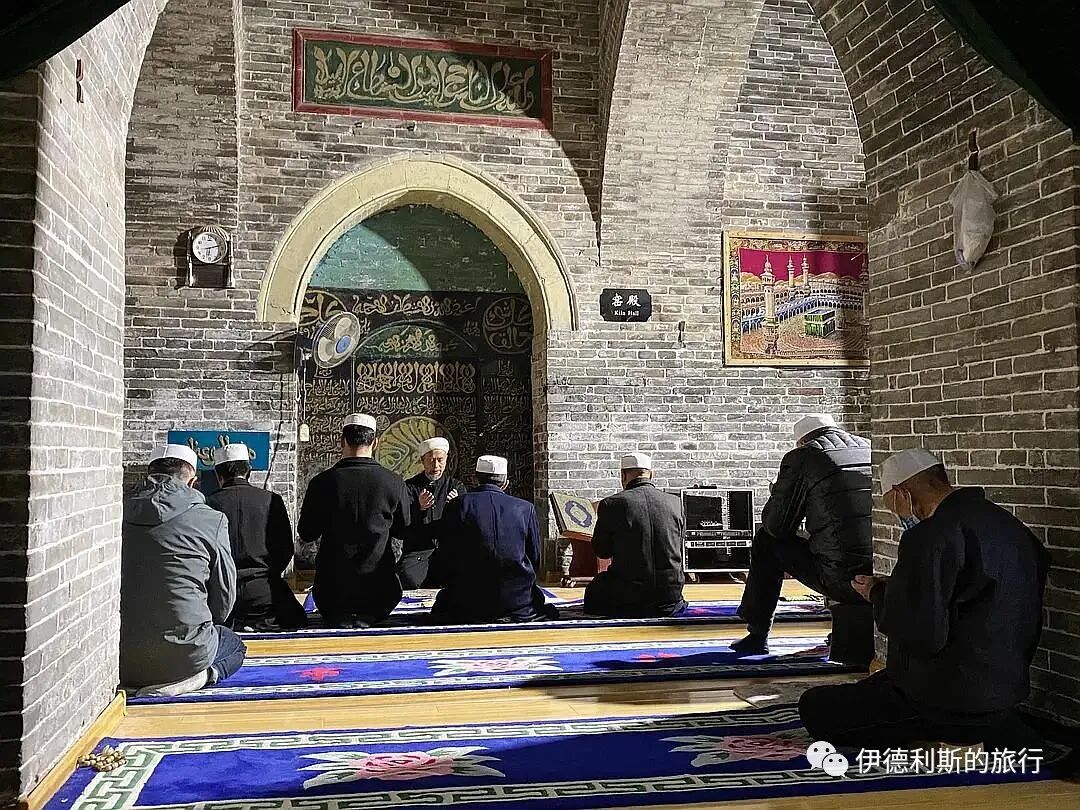
There is very beautiful calligraphy on the mihrab (niche indicating the direction of Mecca). Imam Ma Hongjie gave us a detailed introduction here, and I also caught the dhikr ceremony.
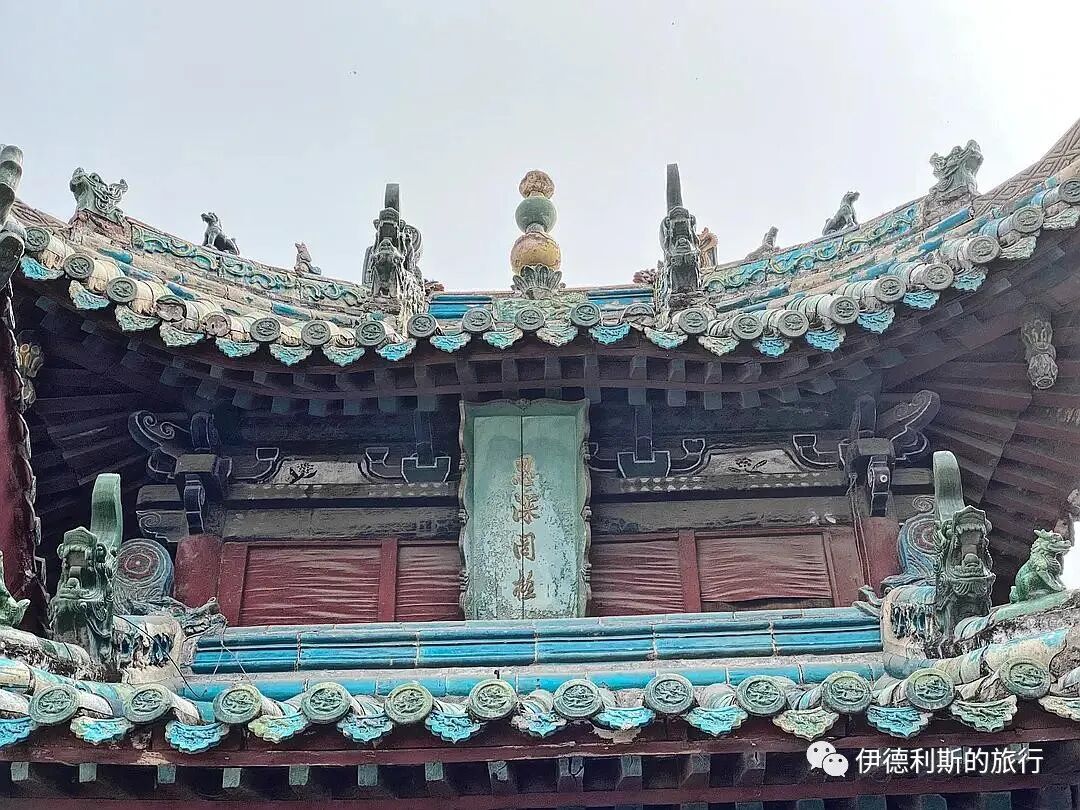
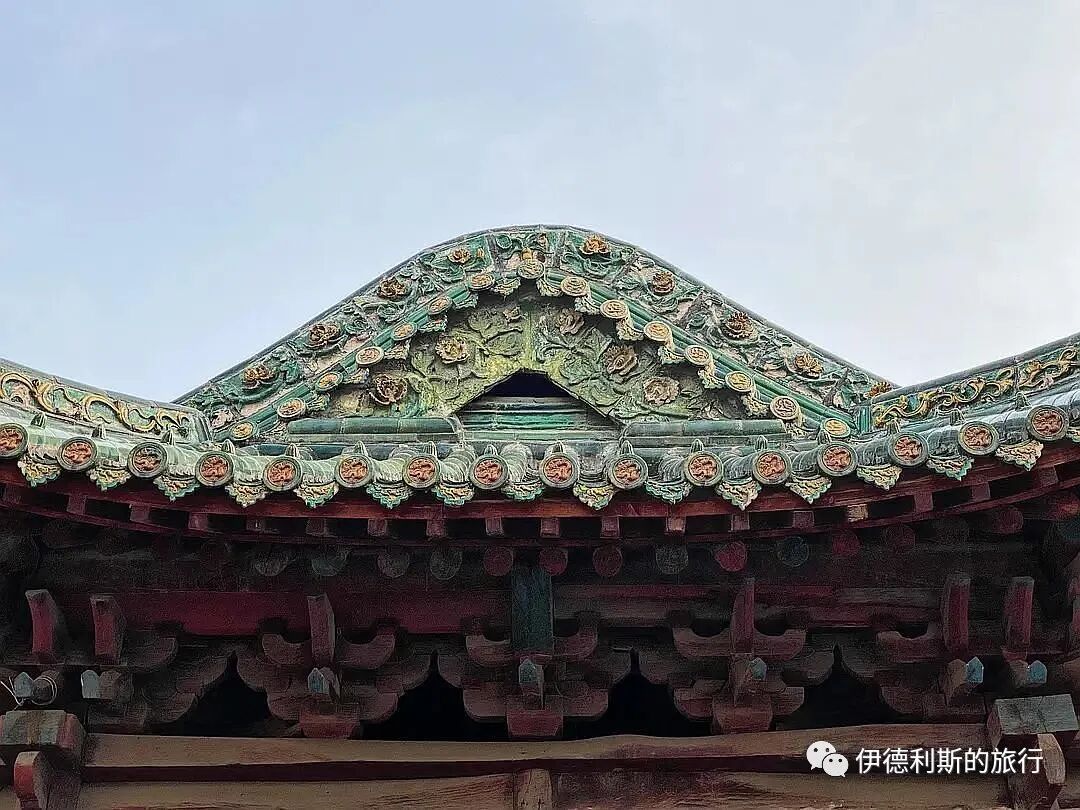
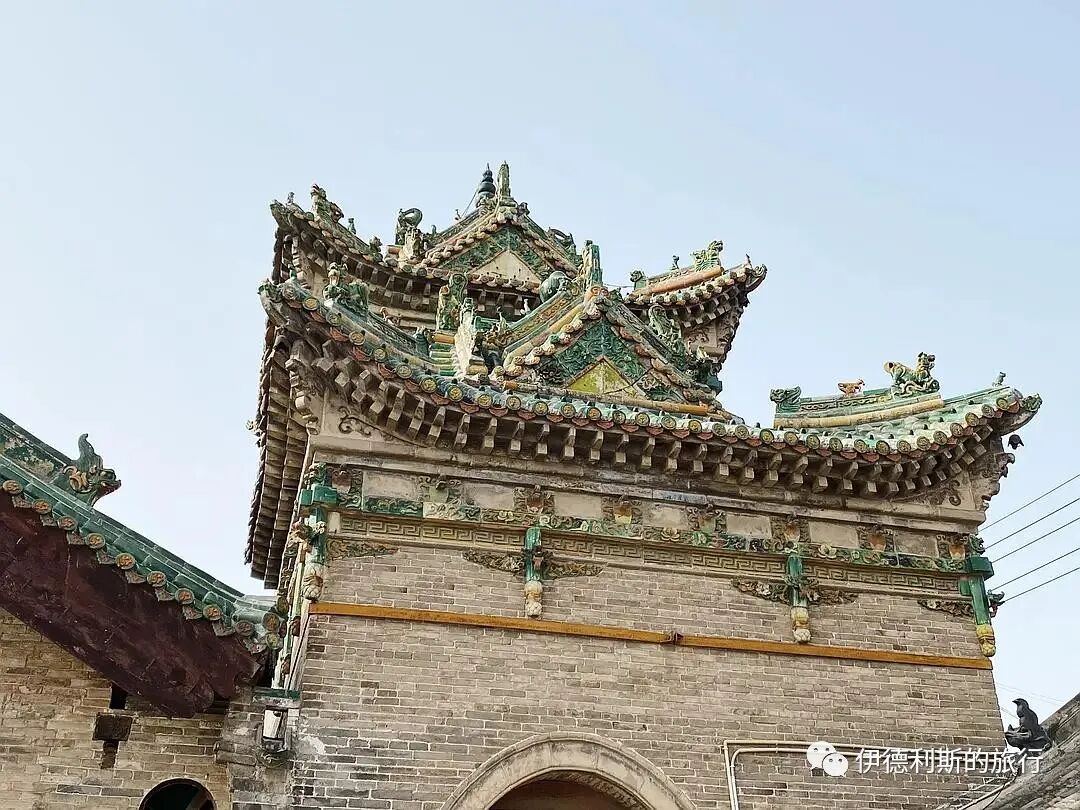
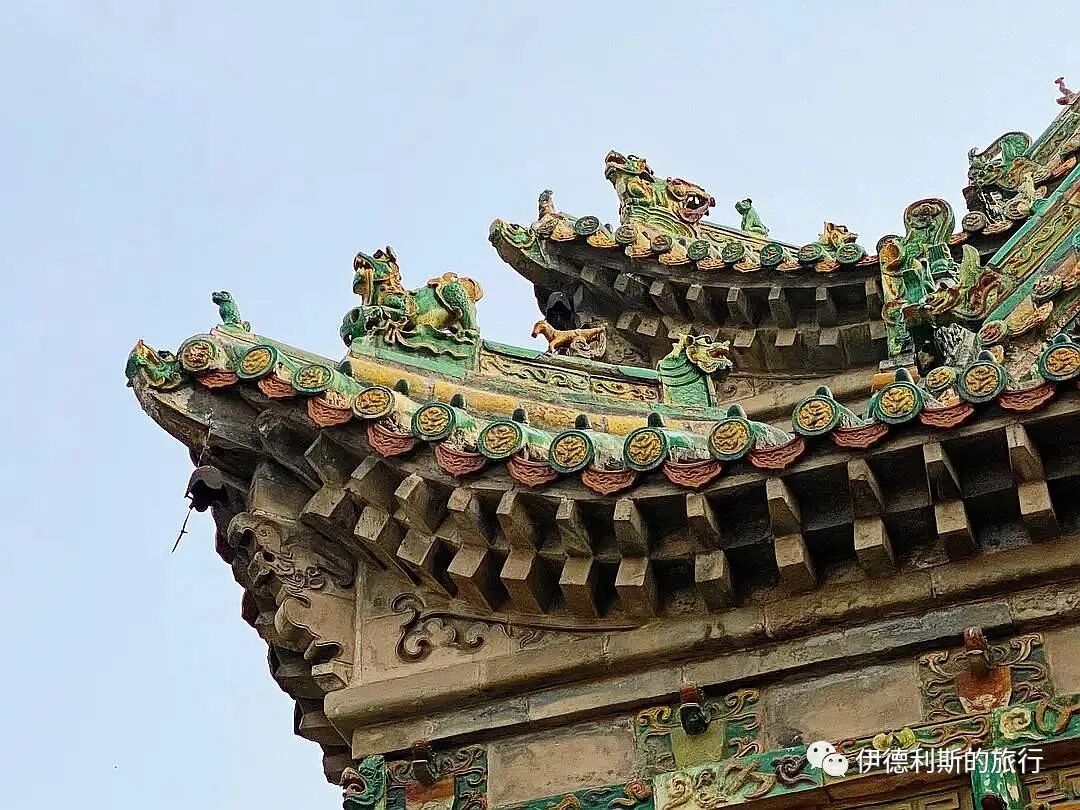
The exterior of the yaodian is a cross-ridge roof with over 70 glazed ridge beasts. Under the eaves are glazed lintels, brackets, and hanging floral columns, colorful and representing the highest standard of Qing Dynasty mosque yaodian roofs.
Summary: This travel note introduces Halal Travel Guide to Henan: 14 Traditional Mosques (Part 2). The main hall was renovated twice in 1802 (the 7th year of the Jiaqing reign) and 1907 (the 33rd year of the Guangxu reign), and consists of a juanpeng (open-fronted shed), the main hall, and a yaodian (niche hall). It is useful for readers interested in Henan Mosques, Chinese Muslims, Islamic Heritage.
Stone inscriptions in the courtyard.
The main hall was renovated twice in 1802 (the 7th year of the Jiaqing reign) and 1907 (the 33rd year of the Guangxu reign), and consists of a juanpeng (open-fronted shed), the main hall, and a yaodian (niche hall). The main hall features a raised-beam timber frame with exposed rafters, and the beams and lintels are covered with cloud and floral patterns, making it unique and elegant. There is a huazhao (decorative floral screen) between the main hall and the yaodian, which is filled with openwork patterns; light shines from the bright yaodian through the screen into the main hall, creating an exquisite and translucent effect on the screen.
In front of the main hall are two century-old sweet osmanthus trees.
Couplets inside the main hall:
For the painting of the heavens, one must know there is no second artist.
For the scriptures covering the earth, one must ponder who holds the brush.
Recognize Allah, who has no form or shadow, and let all things serve as witness.
Contemplate creation, it is not high or distant, for the only truth lies within the heart.
Behind the main hall, next to the yaodian, stands a Chinese juniper tree over four hundred years old.
3. Jiaozuo
1. Bo'ai Xiguan Mosque: Expanded in 1405.
The Xiguan Mosque was first built in the Yuan Dynasty, and the main hall was expanded in 1405 (the 3rd year of the Yongle reign of the Ming Dynasty). It is currently a national cultural heritage site and is known as the 'First Mosque of Northern Henan'.
The main hall consists of a juanpeng, a front hall, a yaodian (middle hall), and a rear hall. In 1863 (the 2nd year of the Tongzhi reign), the yaodian was burned down by the Nian Army and later rebuilt to its original appearance. In 1941, a rear hall was added behind the yaodian, and the yaodian became the middle hall. The main hall is a raised-beam timber frame structure with 16 columns in 4 rows supporting the beam framework. The middle hall has 4 tall columns supporting the roof of the yaodian; inside the yaodian roof is a zaojing (caisson ceiling), and the exterior features a triple-eave, four-corner cross-ridge roof.
I performed the peshin (noon prayer) at the mosque and also caught the dhikr (remembrance of Allah) ceremony.
Main gate.
Glazed memorial archway.
Jumu (Friday prayer) plaque.
2. Bo'ai Erxianmiao Mosque: Qing Dynasty.
The Erxianmiao Mosque was first built in the Yuan Dynasty, renovated in 1638 (the 11th year of the Chongzhen reign of the Ming Dynasty), and renovated again in 1731 (the 9th year of the Yongzheng reign of the Qing Dynasty). It is a cultural heritage site of Henan Province. The mosque's main hall consists of a juanpeng, a front hall, a rear hall, and a yaodian. The juanpeng and front hall are Qing Dynasty structures with hard-mountain roofs connected in a series, while the rear hall and yaodian were added in 1993.
3. Bo'ai Daxinzhuang Dongdasi (Great Eastern Mosque): Expanded in the Ming Dynasty.
The Daxinzhuang Dongdasi was first built in the Yuan Dynasty, expanded in the Ming Dynasty, and had a rear hall added during the Republic of China era. It is currently a cultural heritage site of Henan Province.
The main hall consists of a juanpeng, a front hall, a rear hall, and a yaodian. The juanpeng is an independent structure, with a drainage gutter installed where it connects to the front eaves of the main hall. In front of the main hall is a 365-year-old sweet osmanthus tree.
The front hall is seven bays wide, with a timber frame featuring exposed rafters, and the wood carvings on the beams and lintels are very beautiful. The rear hall was added during the Republic of China era and features five Roman-style arched doorways with exquisite cement decorations from that period.
Wood carvings on the main gate.
Old door panels.
4. Bo'ai Daxinzhuang Qingzhen Xisi (Western Mosque): Qing Jiaqing reign.
The Daxinzhuang Qingzhen Xisi is near the Dongdasi, but it is not as famous as the Dongdasi. The Xisi was first built during the Jiaqing reign of the Qing Dynasty. The main hall was originally three bays wide, expanded to five bays in the late Qing Dynasty, and expanded again to seven bays in the early Republic of China era. During this time, the elder Mai Anli funded the construction of a five-bay juanpeng.
5. Qinyang Beidasi (Northern Mosque): Rebuilt in 1631.
In my opinion, the Qinyang Beidasi definitely ranks in the top three for beauty among historical mosque buildings in Henan. The Beidasi was moved to its current site in 1561 (the 40th year of the Jiajing reign of the Ming Dynasty), burned down in 1628 (the 1st year of the Chongzhen reign), and rebuilt in 1631 (the 4th year of the Chongzhen reign). It is a major national historical and cultural site.
The overall layout of the Beidasi is quite classic, consisting mainly of the main gate, a hallway, lecture halls, and the main hall. I will share the details with you bit by bit. Because of the lighting, I photographed it twice, on Saturday afternoon and Sunday morning.
The main gate was built in 1799 (the 4th year of the Jiaqing reign) and uses peacock-blue glazed tiles, which are relatively rare in mosque architecture and look very refreshing.
The hallway built in 1631 (the 4th year of the Chongzhen reign of the Ming Dynasty).
The lecture hall built in 1909 (the 1st year of the Xuantong reign). The north and south lecture halls have hard-mountain roofs, with hanging floral columns under the eaves and diamond-patterned doors and windows, simple and elegant.
Scripture boxes in the Imam's office.
The main hall consists of a juanpeng, a front hall, a middle hall, and a yaodian. This architectural style, with a front hall featuring a hip-and-gable roof, a middle hall with a hanging-mountain roof, and a raised yaodian, is unique to the Qinyang area. First, I will share the exterior of the juanpeng and the front hall.
The beautiful Qing Dynasty paintings inside the main hall; thanks to Imam Ma Hongjie for the wonderful introduction. The main hall of the Beidasi was occupied by a factory in the 1960s and 70s, and the lower paintings all faded; only the paintings on the ceiling were luckily preserved.
The yaodian was renovated in 1887 (the 13th year of the Guangxu reign). The interior is a brick-vaulted structure, built with two semi-circular arches made of walls over 1 meter thick, with three layers of corbelled arches at the corners to form an octagonal well, topped by a corbelled dome. At the very top of the central dome is carved the Arabic word for 'Allah'.
There is very beautiful calligraphy on the mihrab (niche indicating the direction of Mecca). Imam Ma Hongjie gave us a detailed introduction here, and I also caught the dhikr ceremony.
The exterior of the yaodian is a cross-ridge roof with over 70 glazed ridge beasts. Under the eaves are glazed lintels, brackets, and hanging floral columns, colorful and representing the highest standard of Qing Dynasty mosque yaodian roofs.
