
Pingquan Halal Food Guide: Lamb Soup in a Small Town Beyond the Great Wall
Reposted from the web
Summary: This travel note introduces Pingquan Halal Food Guide: Lamb Soup in a Small Town Beyond the Great Wall. In July 2021, I went to Pingquan, a small city at the junction of Hebei, Inner Mongolia, and Liaoning provinces, which is famous for its Pingquan yangtang (mutton soup). It is useful for readers interested in Pingquan Travel, Halal Food, Muslim Travel.
In July 2021, I went to Pingquan, a small city at the junction of Hebei, Inner Mongolia, and Liaoning provinces, which is famous for its Pingquan yangtang (mutton soup).
Pingquan City was formerly known as Bagou Town. It was an important market town for trade from Beijing through the Xifengkou Pass to the Northeast during the Qing Dynasty. From the Qianlong era to the early Republic of China, camel transport was very prosperous, and shops were gathered there. Pingquan was also on the imperial road for Qing emperors to travel to the North Tomb in Shenyang to pay respects to their ancestors. Emperor Kangxi passed through Pingquan seven times during his northern tours, and there is an origin story about Kangxi drinking the mutton soup in Pingquan.
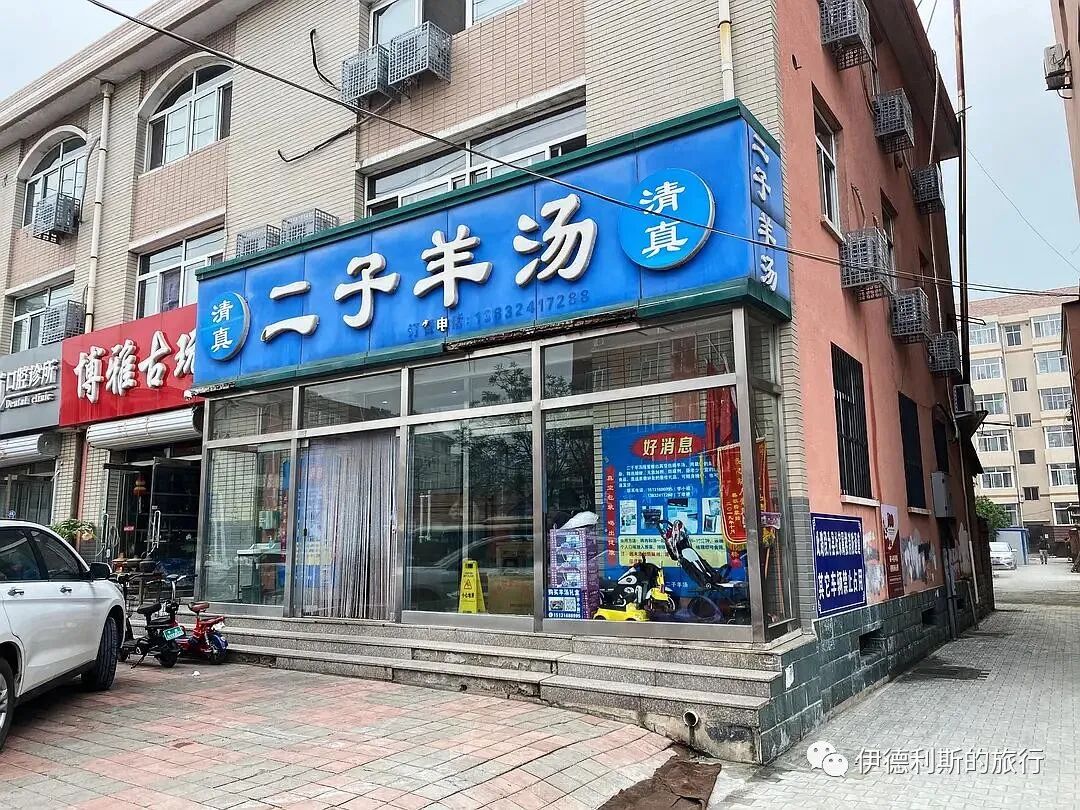
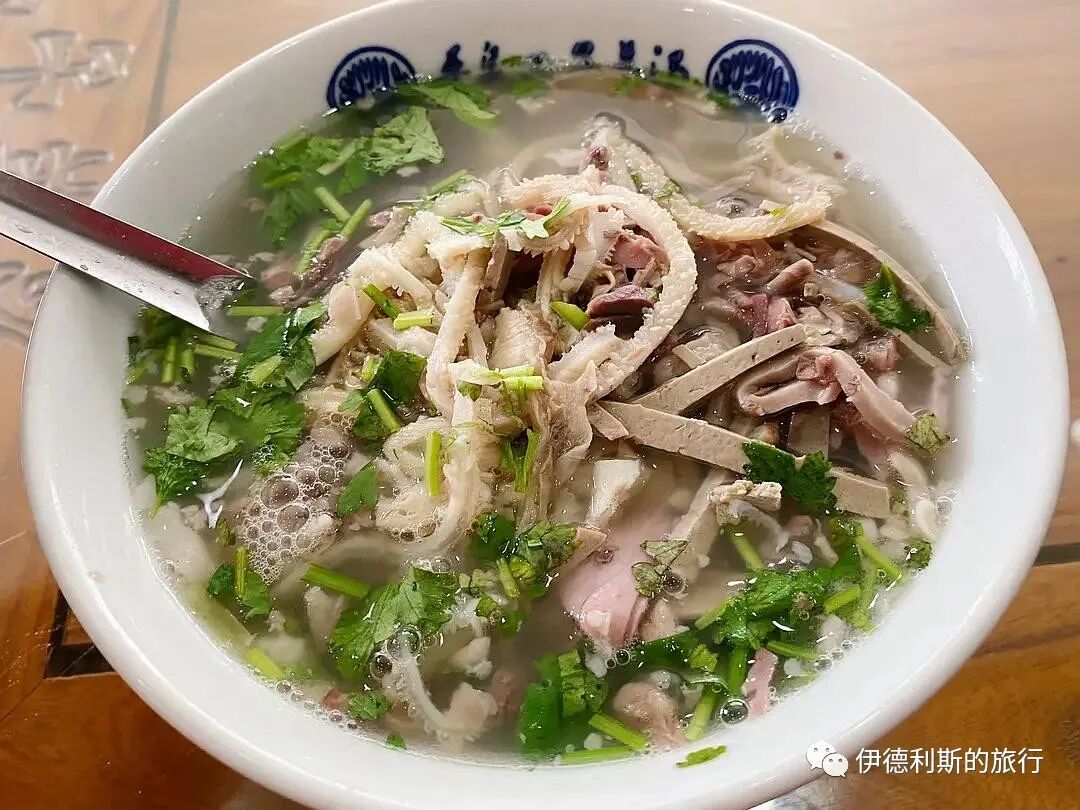
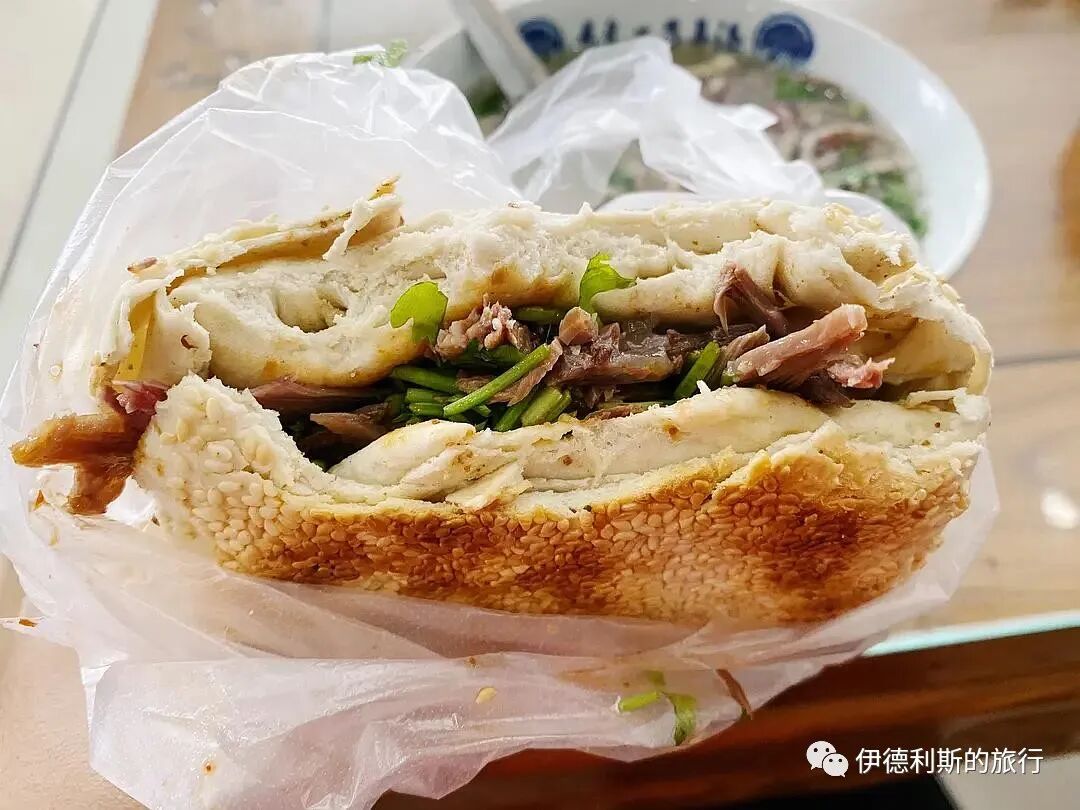
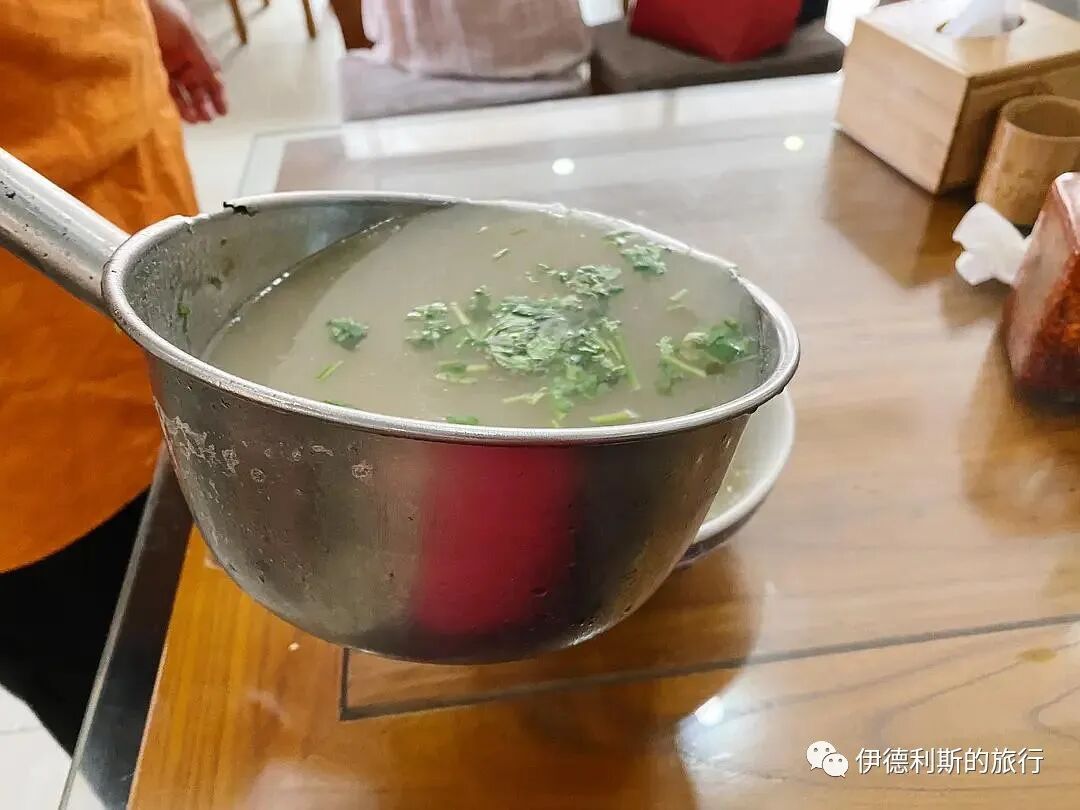
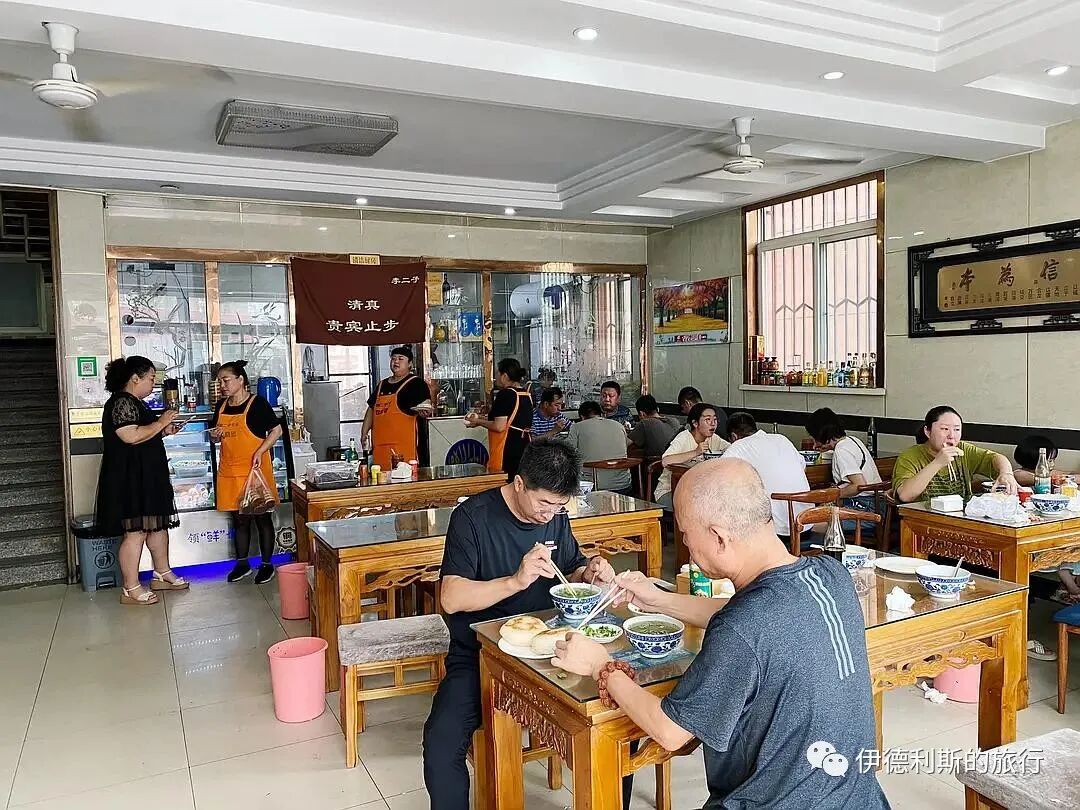
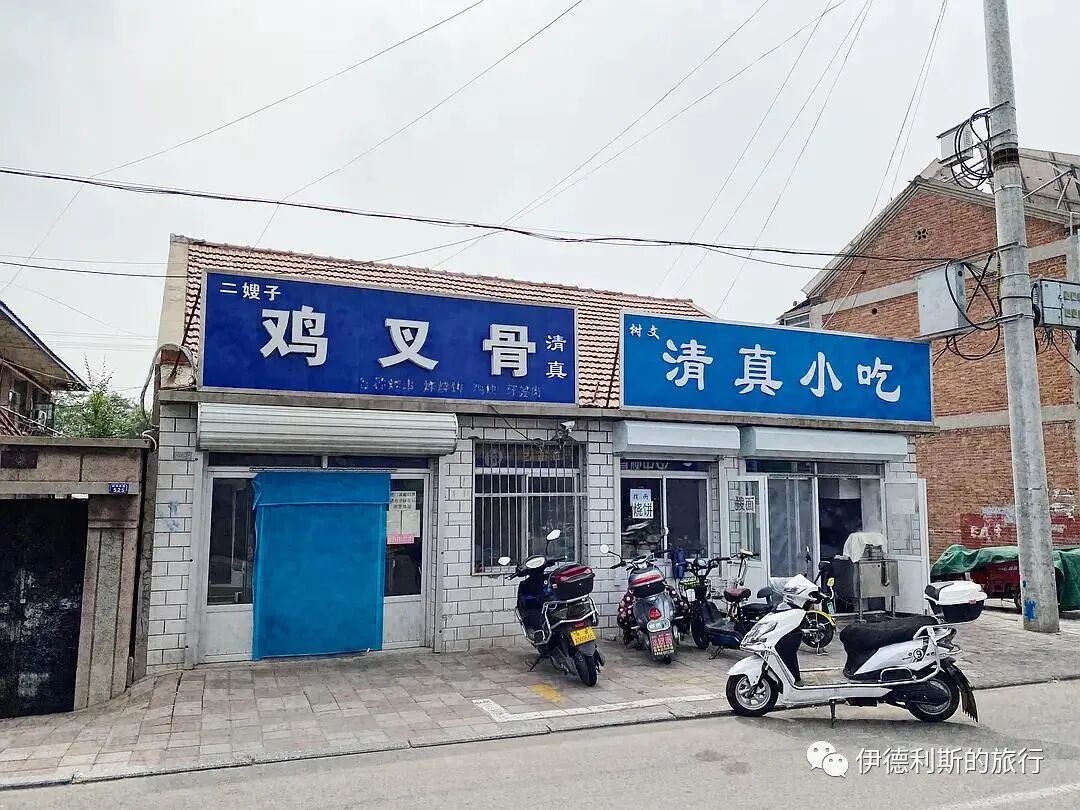
I took the early high-speed train from Beijing Chaoyang to Pingquan North for over an hour, then took a taxi directly to Erzi Yangtang, the most famous mutton soup restaurant in Pingquan, where I had the top-tier mutton soup and shaobing jia rou (flatbread with meat filling). The Pingquan mutton soup is very generous with ingredients, the taste is very pure, and the soup is very fragrant. Every once in a while, an auntie will come out and ask if anyone needs a soup refill; it is hard not to get a refill when the soup is this delicious! Their shaobing (baked flatbread) is also very delicious; it is large in size, has a chewy texture, and is not hard at all. I also saw for the first time at their place the grand scene of a dozen or twenty people coming over early in the morning to drink mutton soup together in a private room.
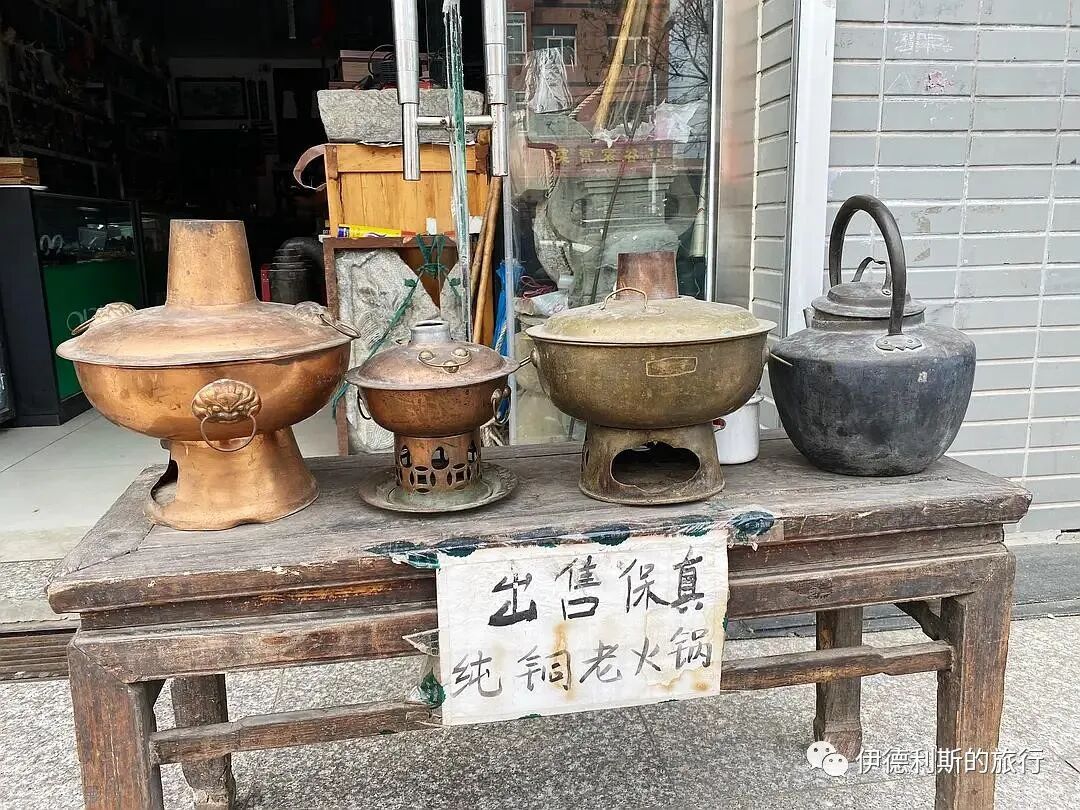
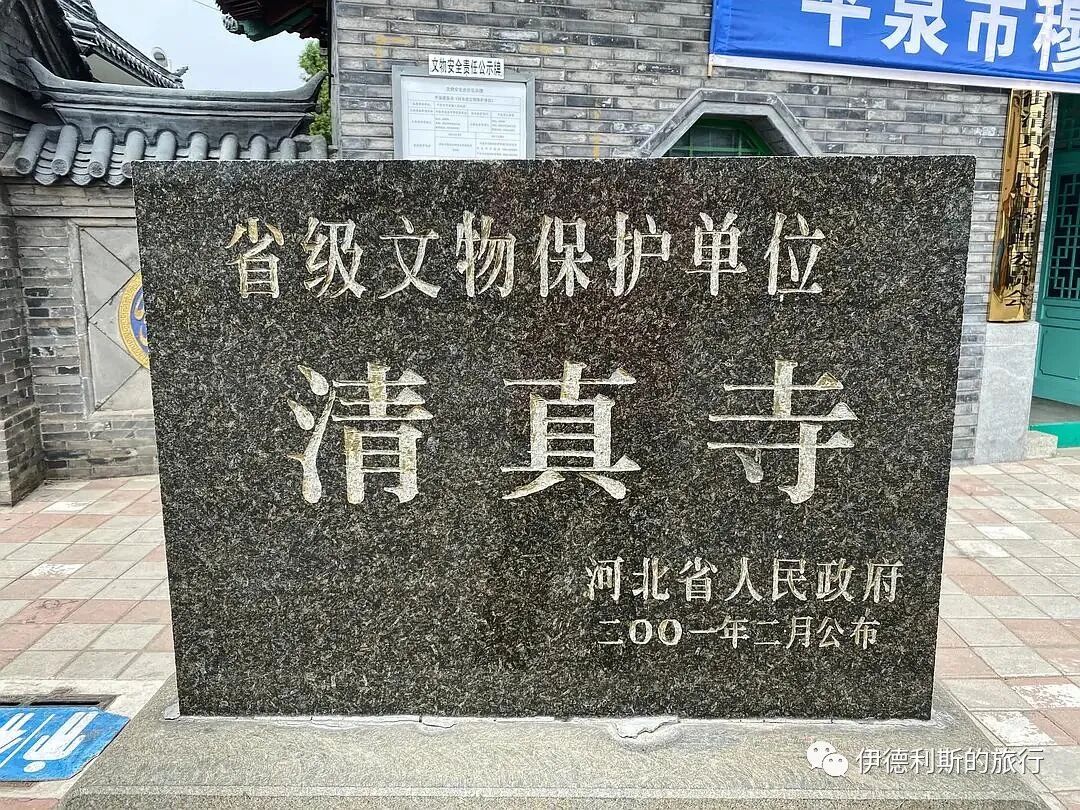
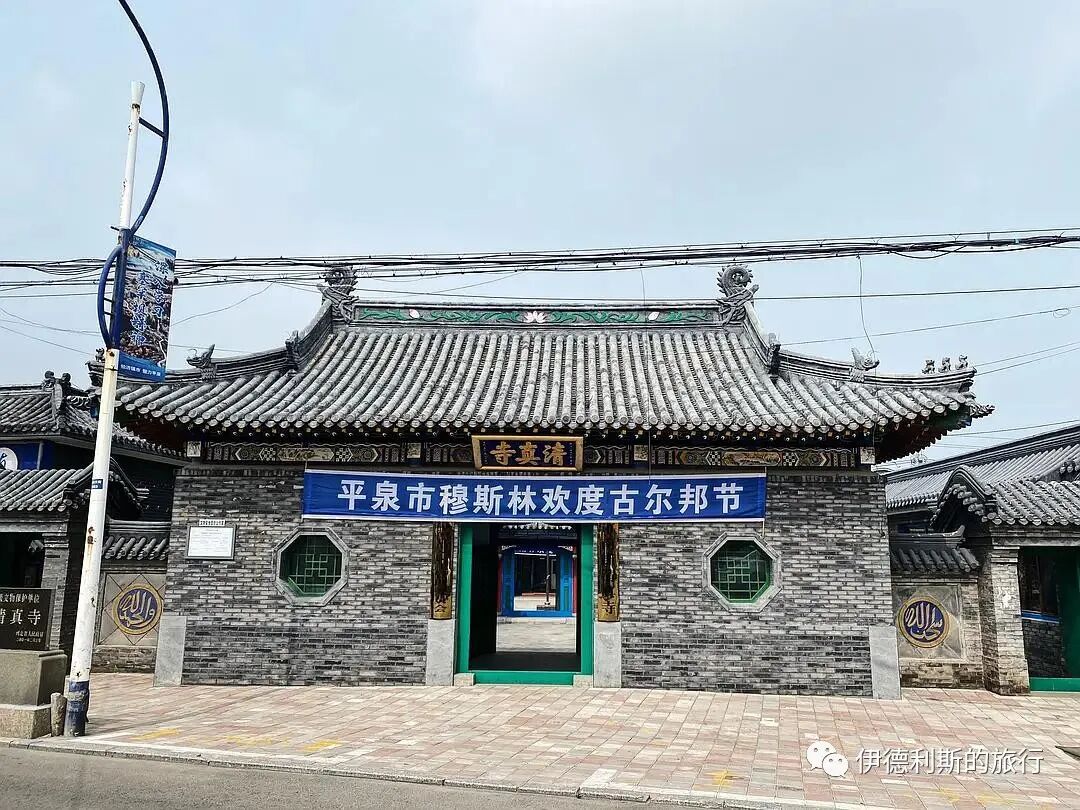
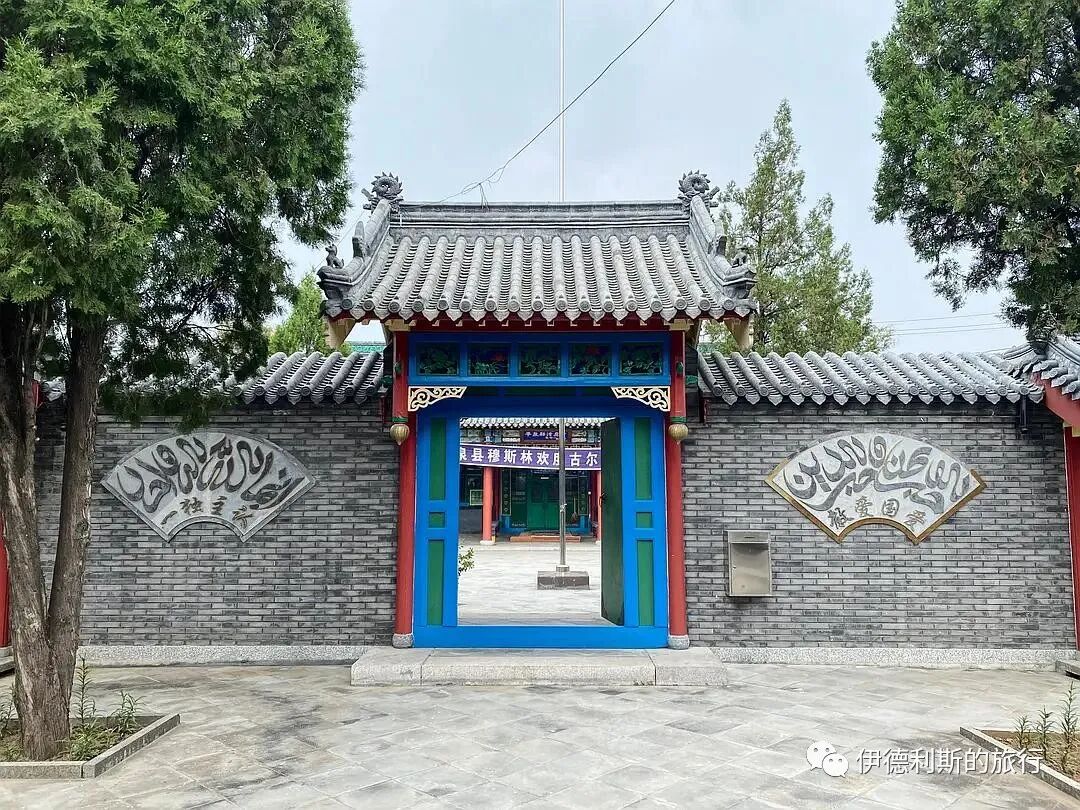
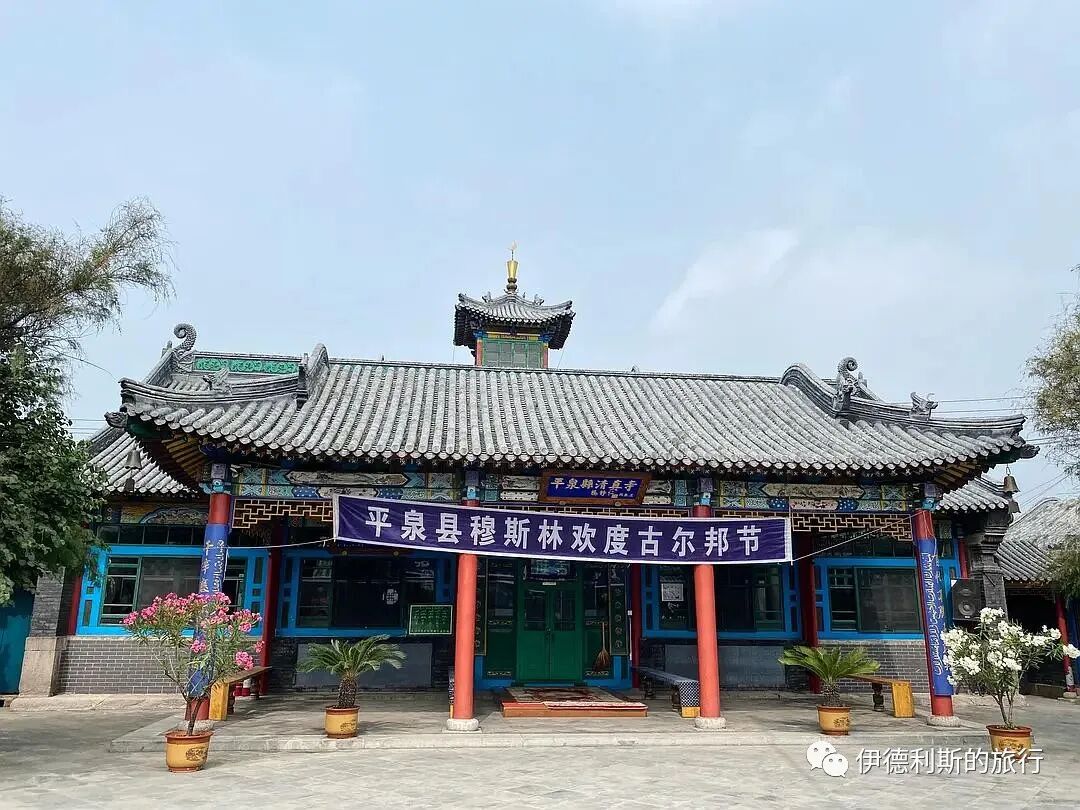
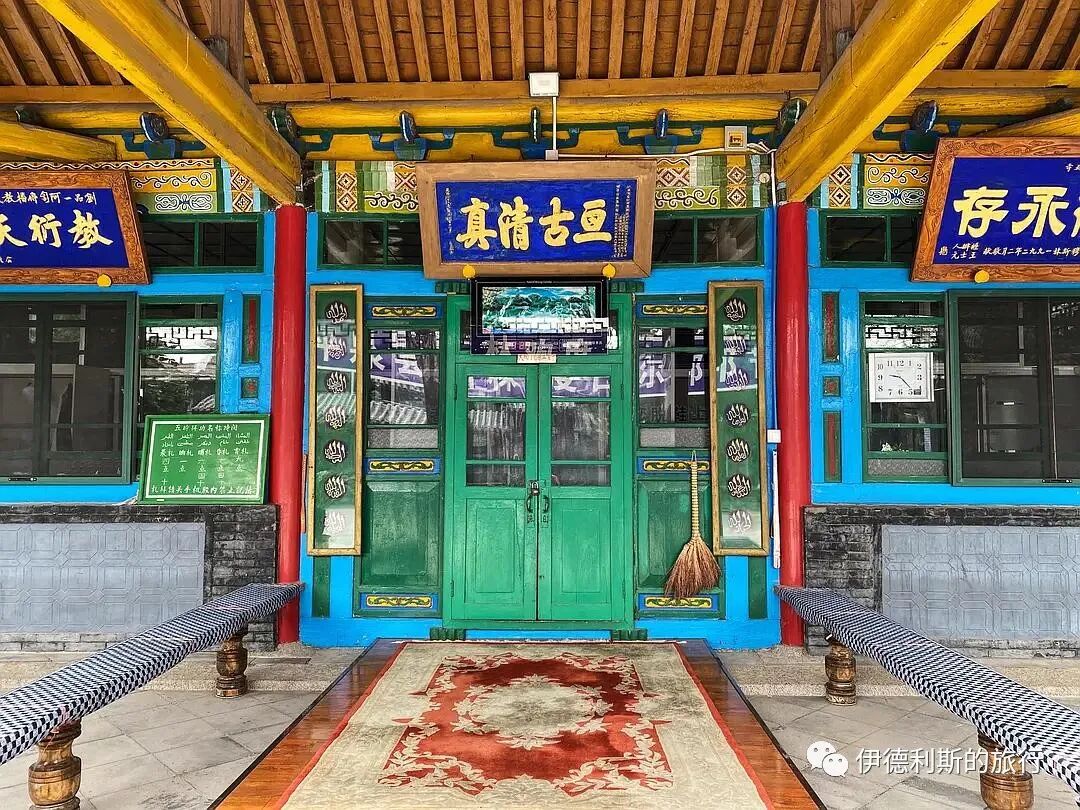
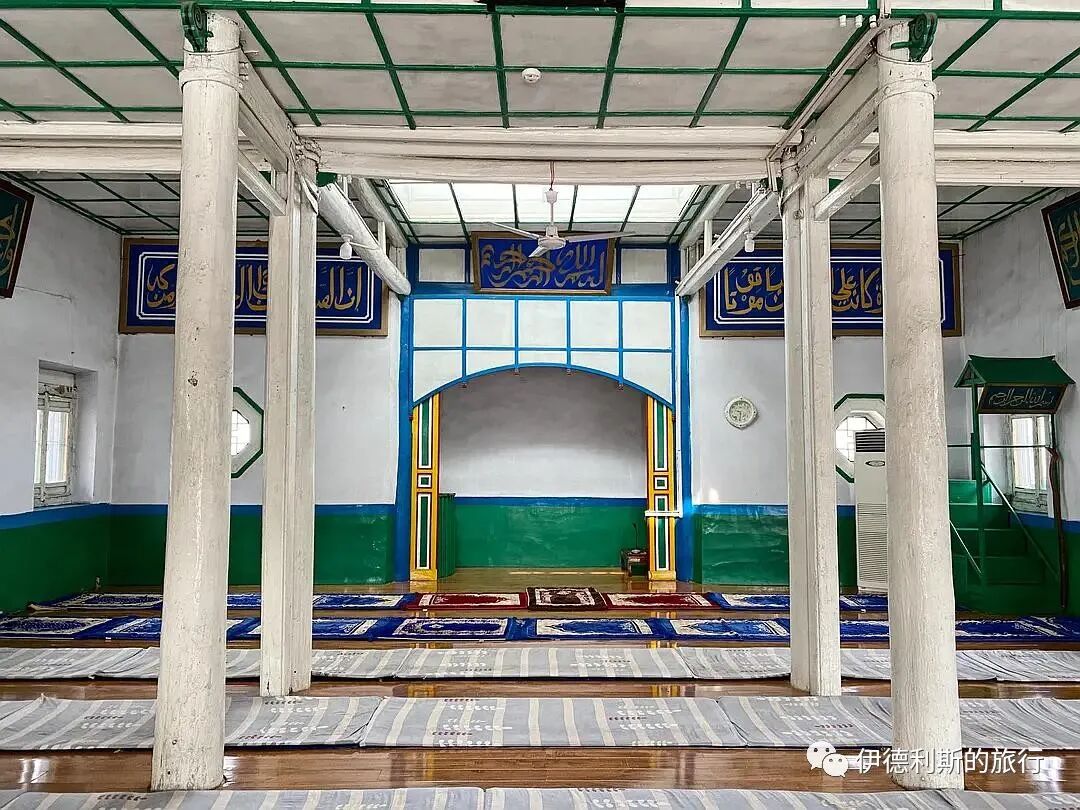
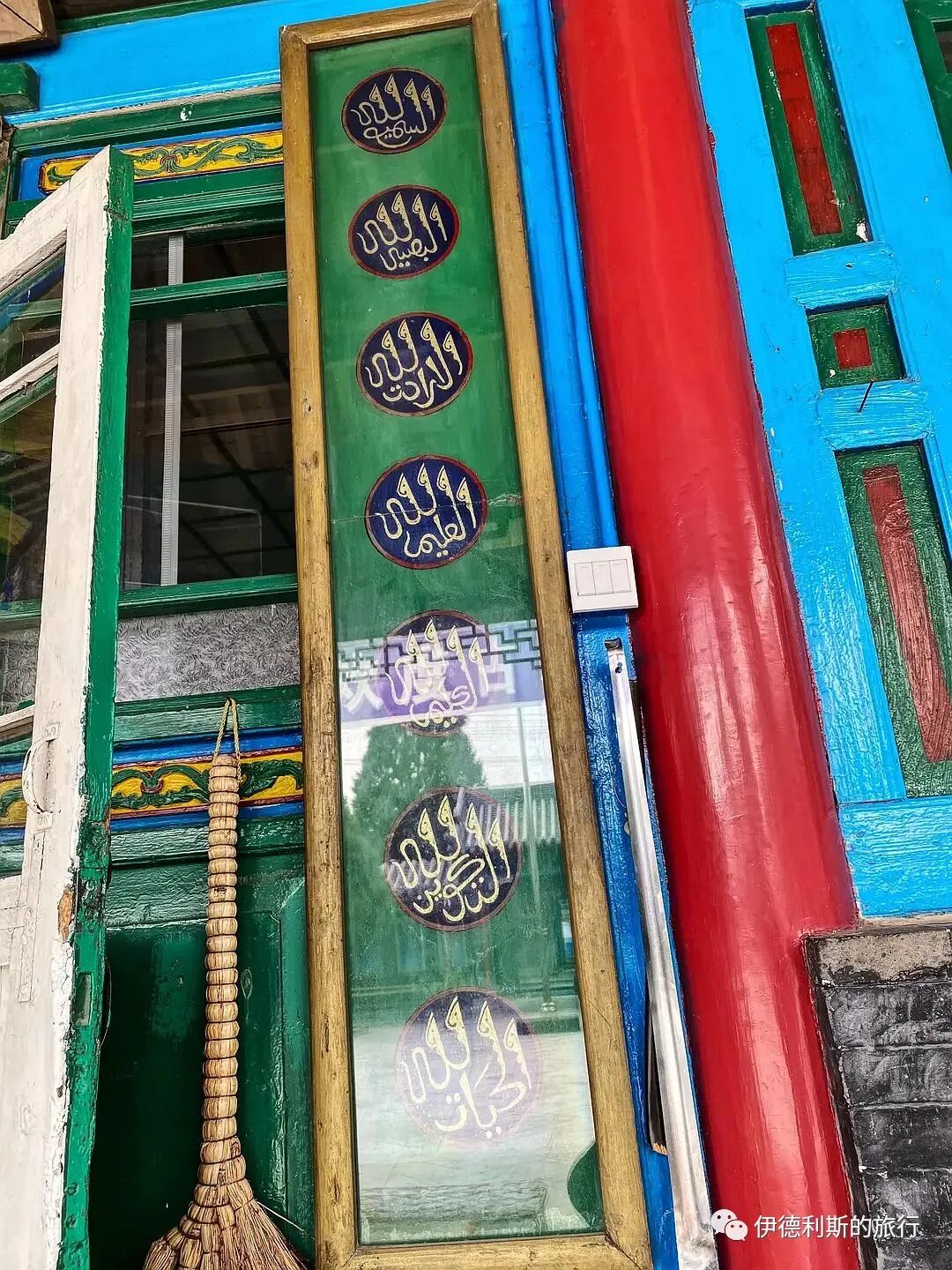
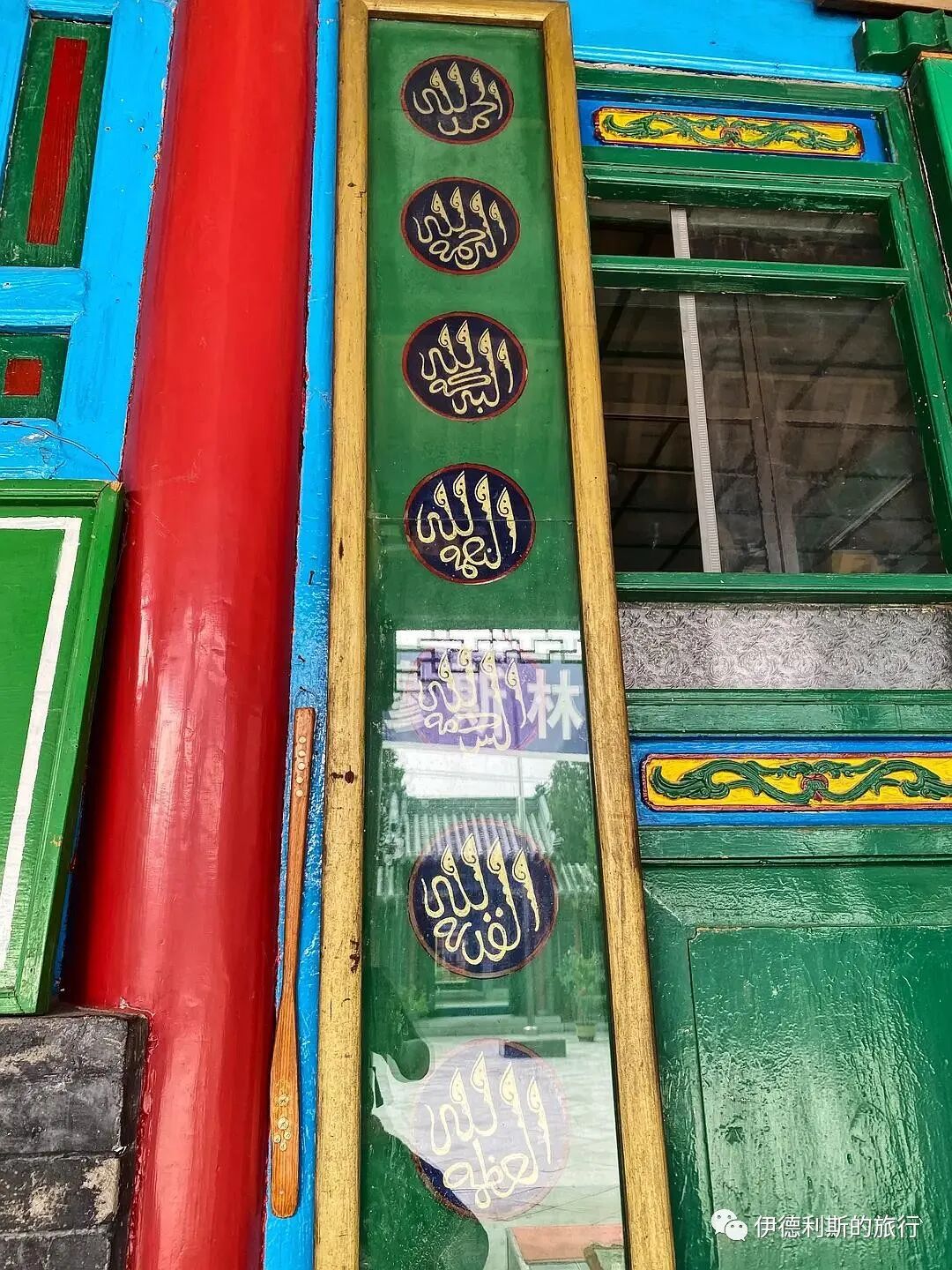
Like most Hui Muslims outside the Great Wall, the Hui Muslims in Pingquan also migrated from Hebei and Shandong areas during the Qing Dynasty. The Hui Muslims in Pingquan are gathered near the South Street of Bagou. The South Street mosque was first built in 1647 (the fourth year of the Shunzhi reign of the Qing Dynasty), and initially, it only had three thatched rooms. With the increase of Hui Muslims in Pingquan during the Qianlong reign, in 1742 (the seventh year of the Qianlong reign), the imam of the Pingquan mosque, Zhang Hongye, and his son Zhang Jin went to Beijing. They made a model out of straw stalks, imitating the mosque outside Qihuamen (it has not been verified whether it was the south uphill or south downhill one), and brought it back to Pingquan to hire craftsmen to build it. In 1915, Wu Zijian, the president of the Pingquan branch of the Islamic Promotion Association, presided over the renovation. Currently, the mosque is a cultural relic protection unit at the Hebei provincial level.
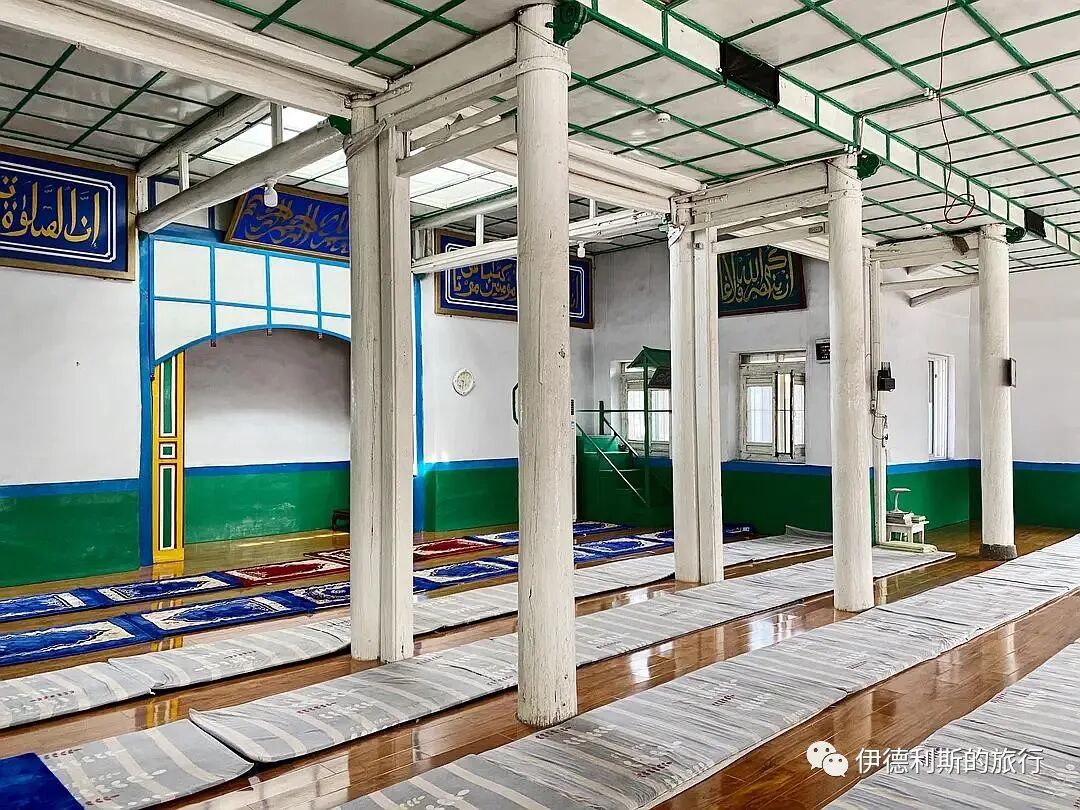
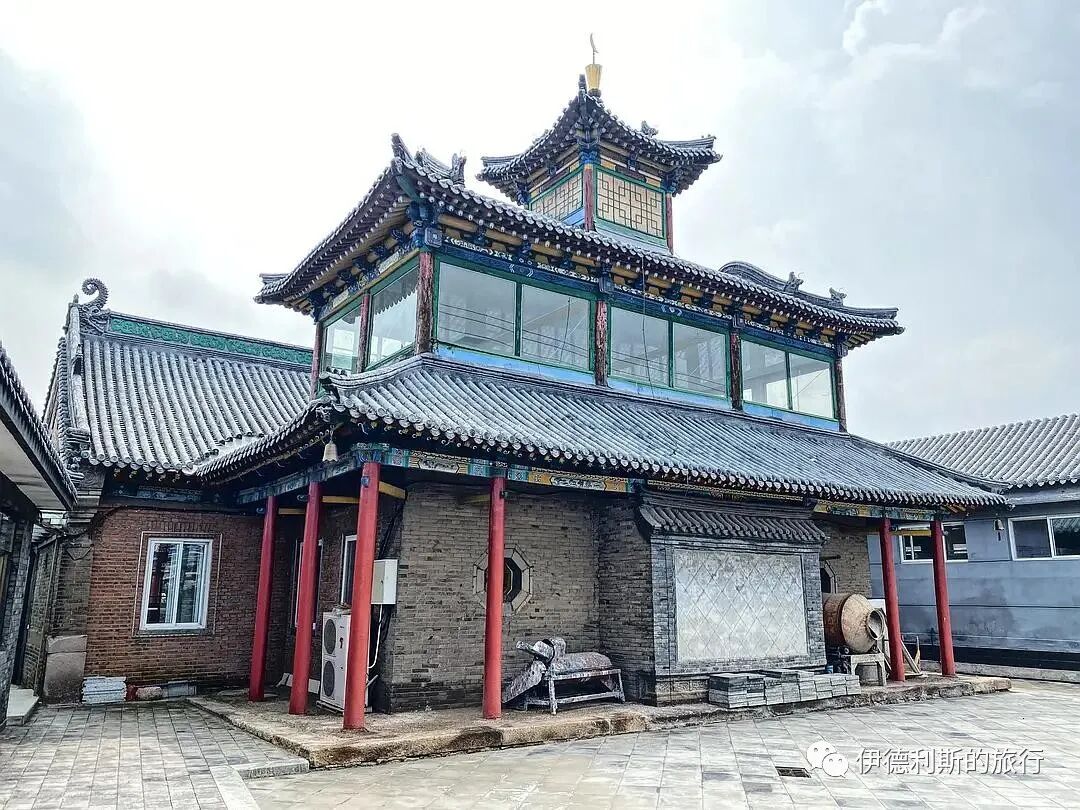
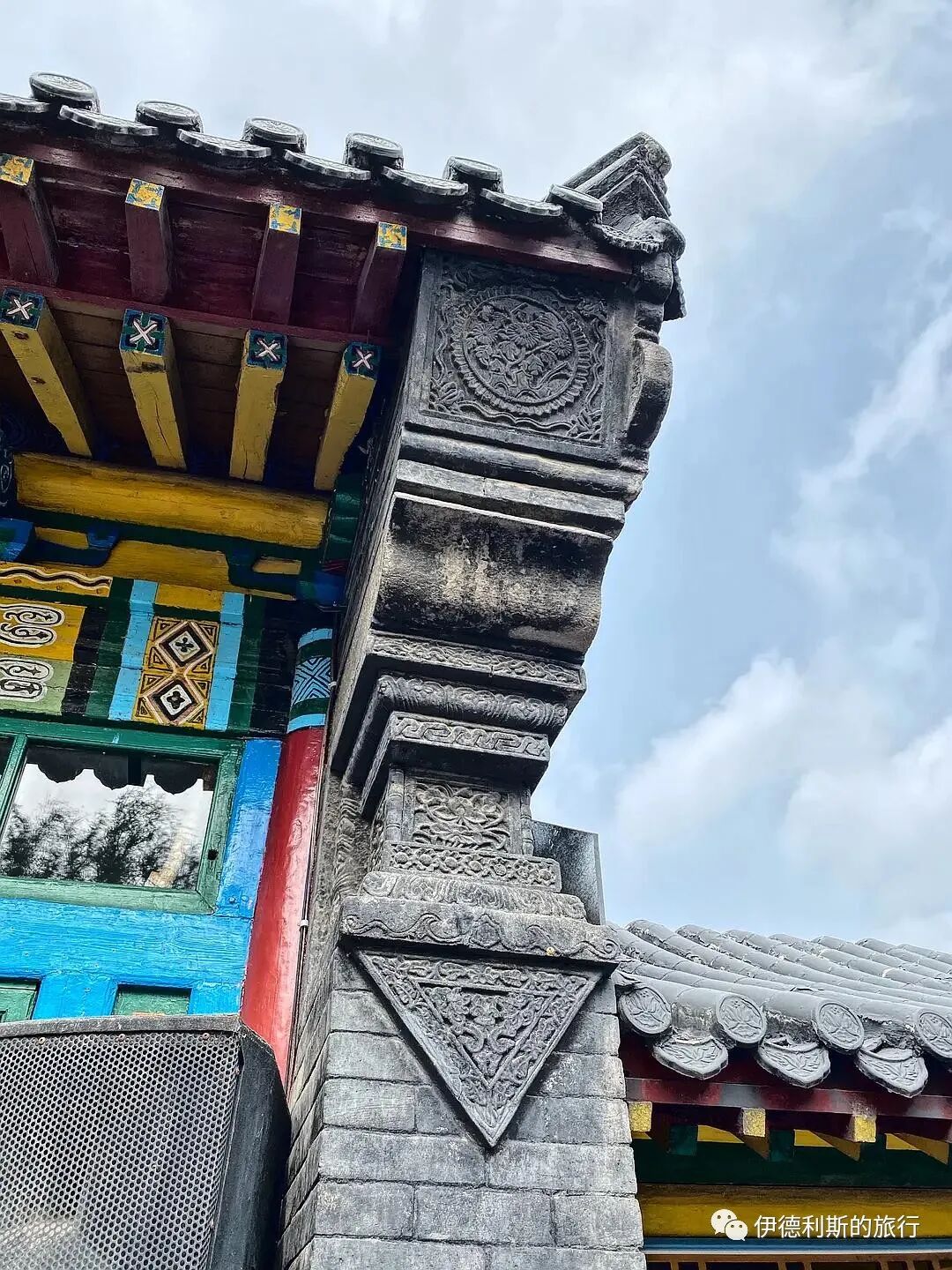
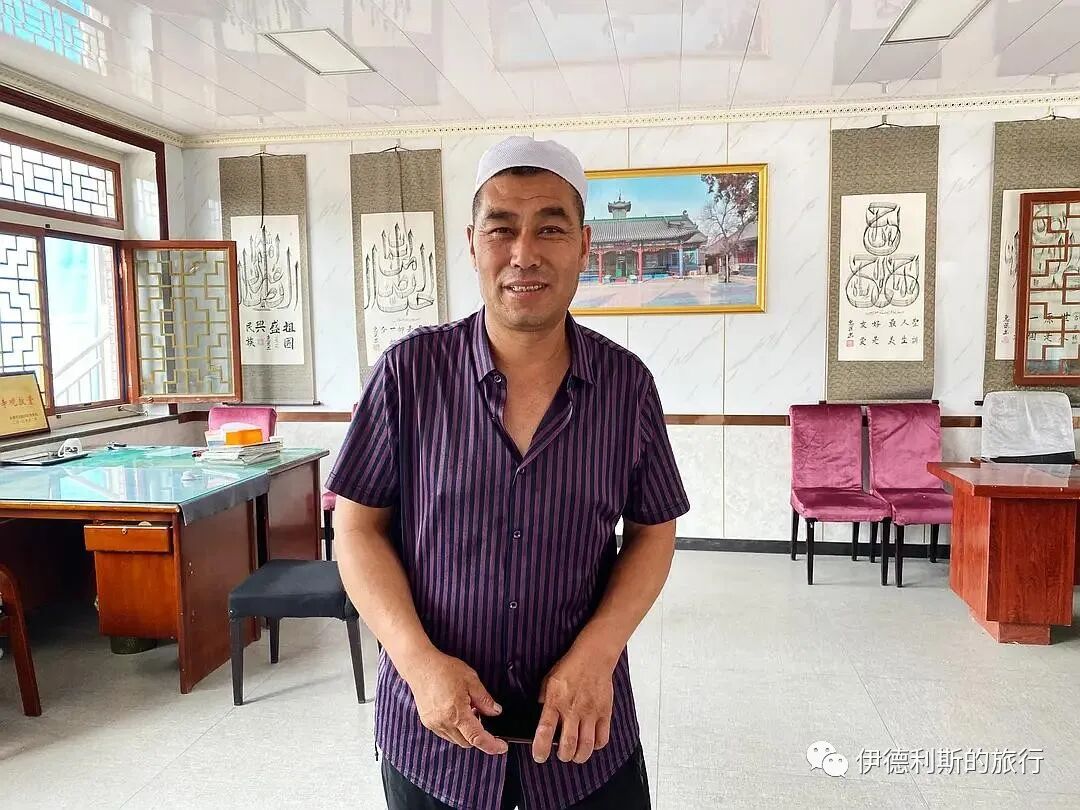
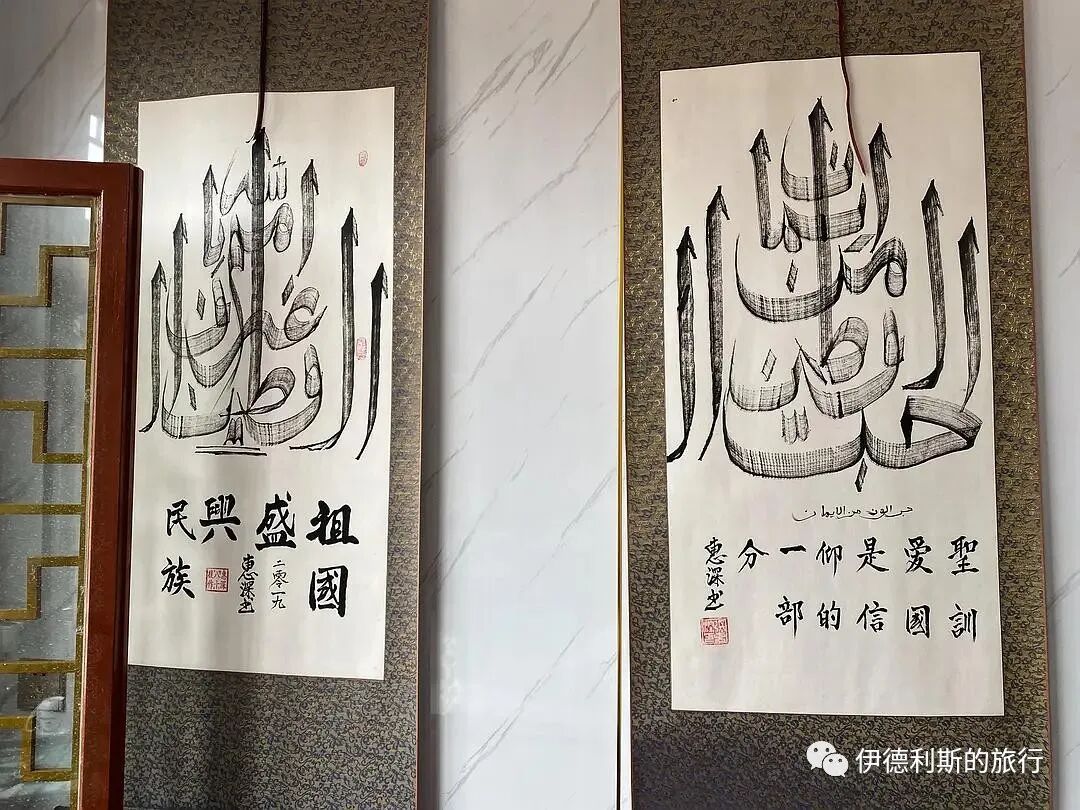
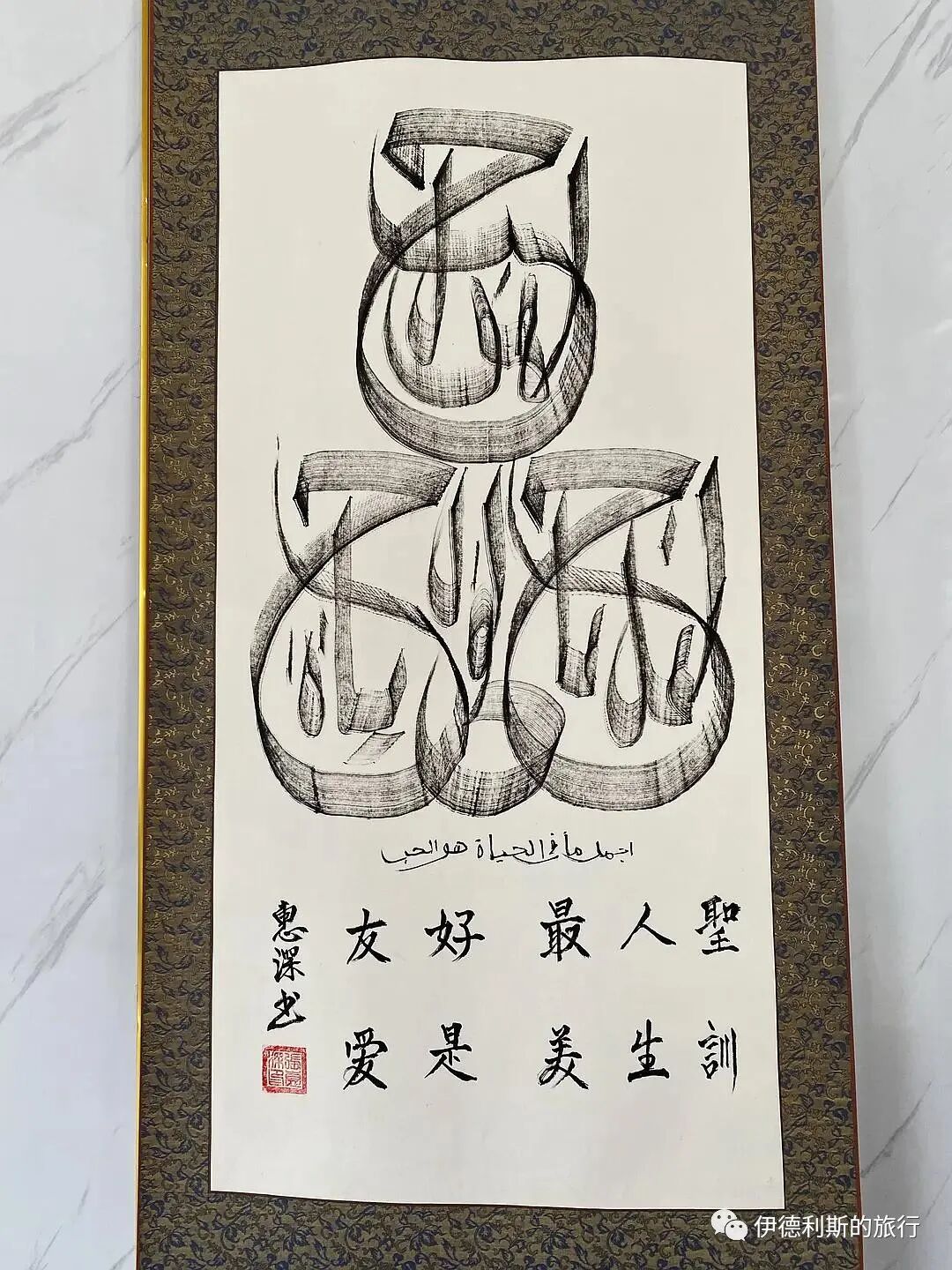
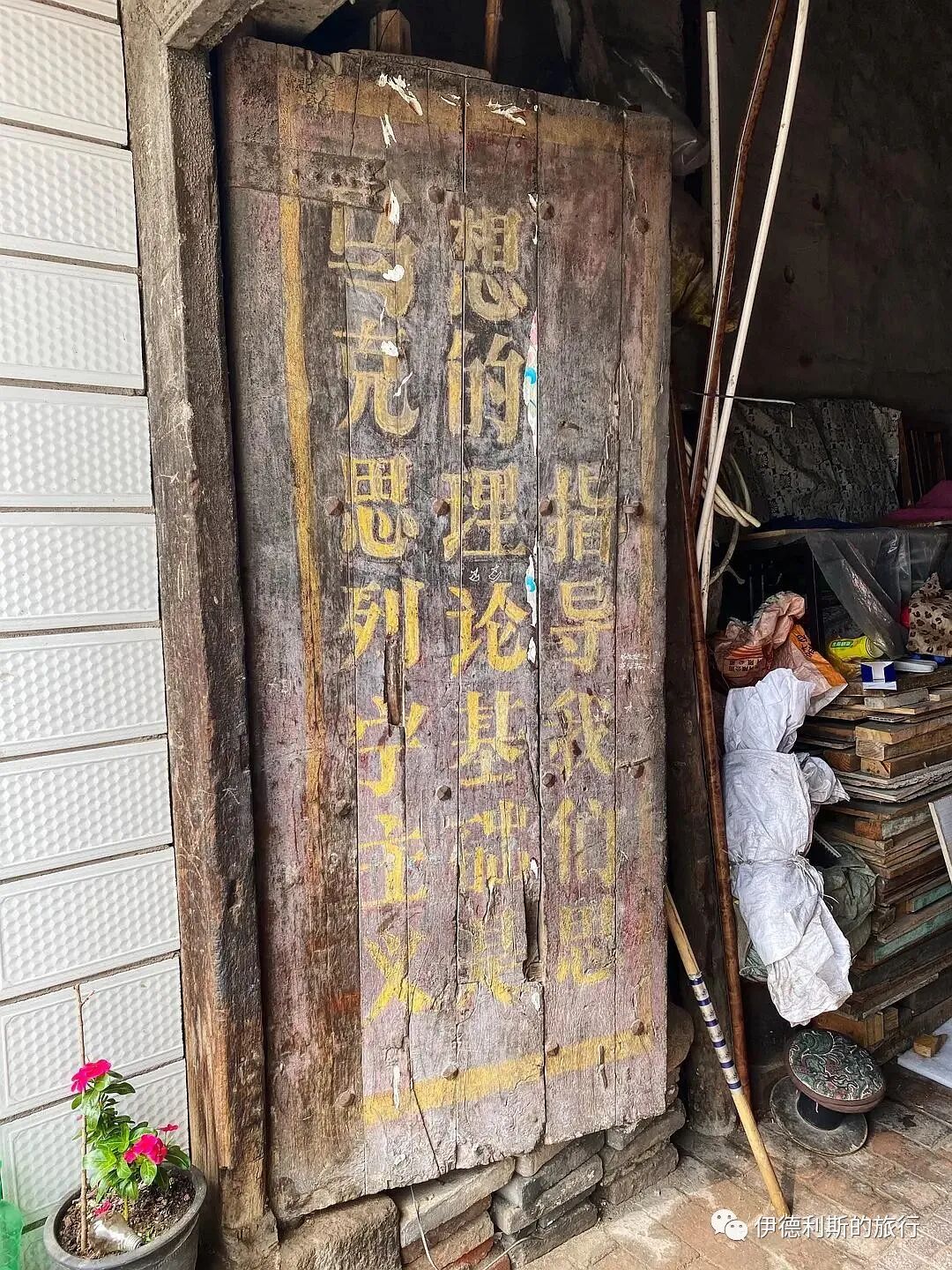
Li Duosi (a term of address for a Muslim brother) from the mosque management committee warmly received me. Behind him was calligraphy written by his uncle Zhang Huishen, who is a descendant of Imam Zhang Hongye, who rebuilt the Pingquan South Street mosque during the Qianlong reign.
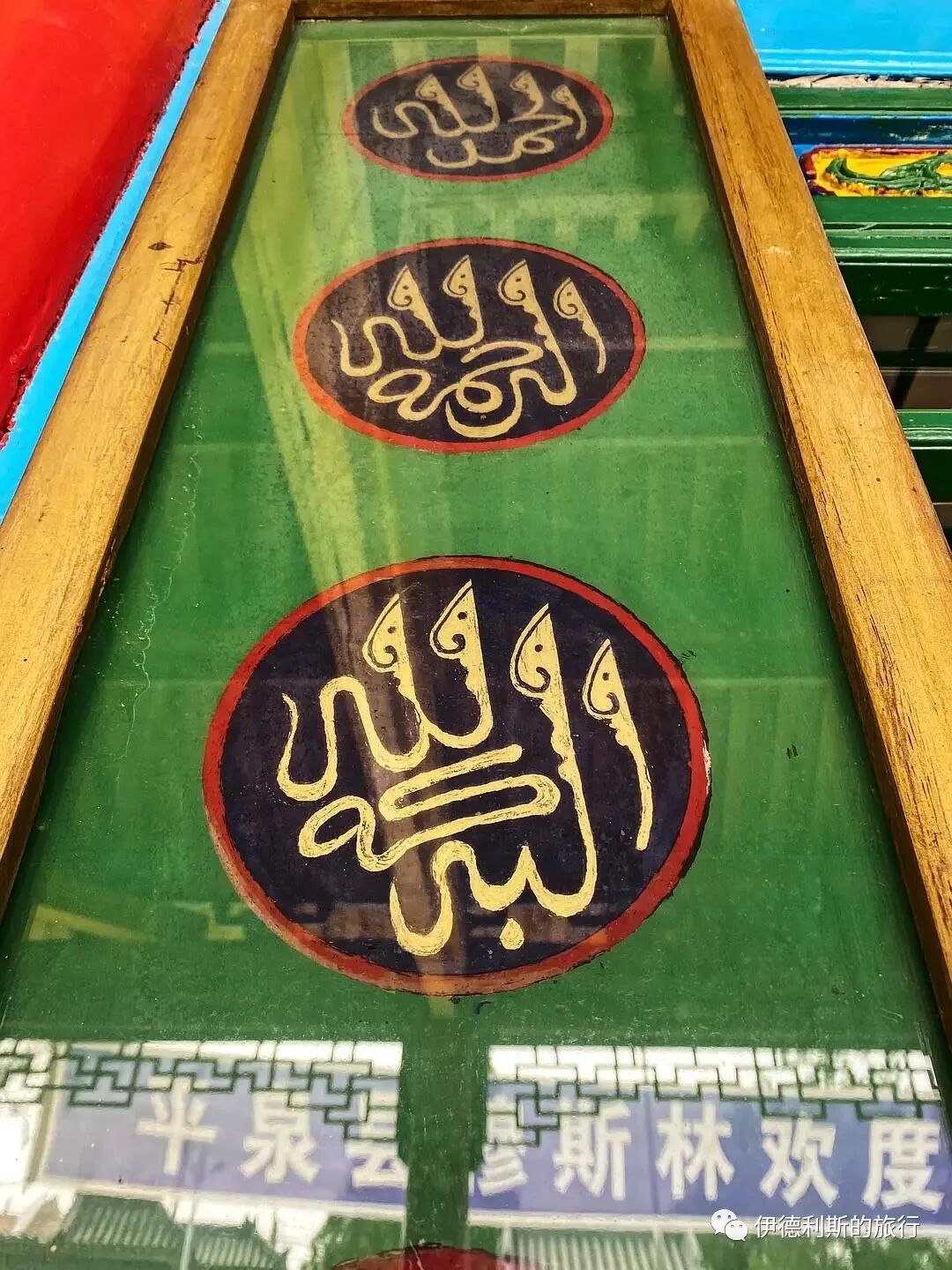
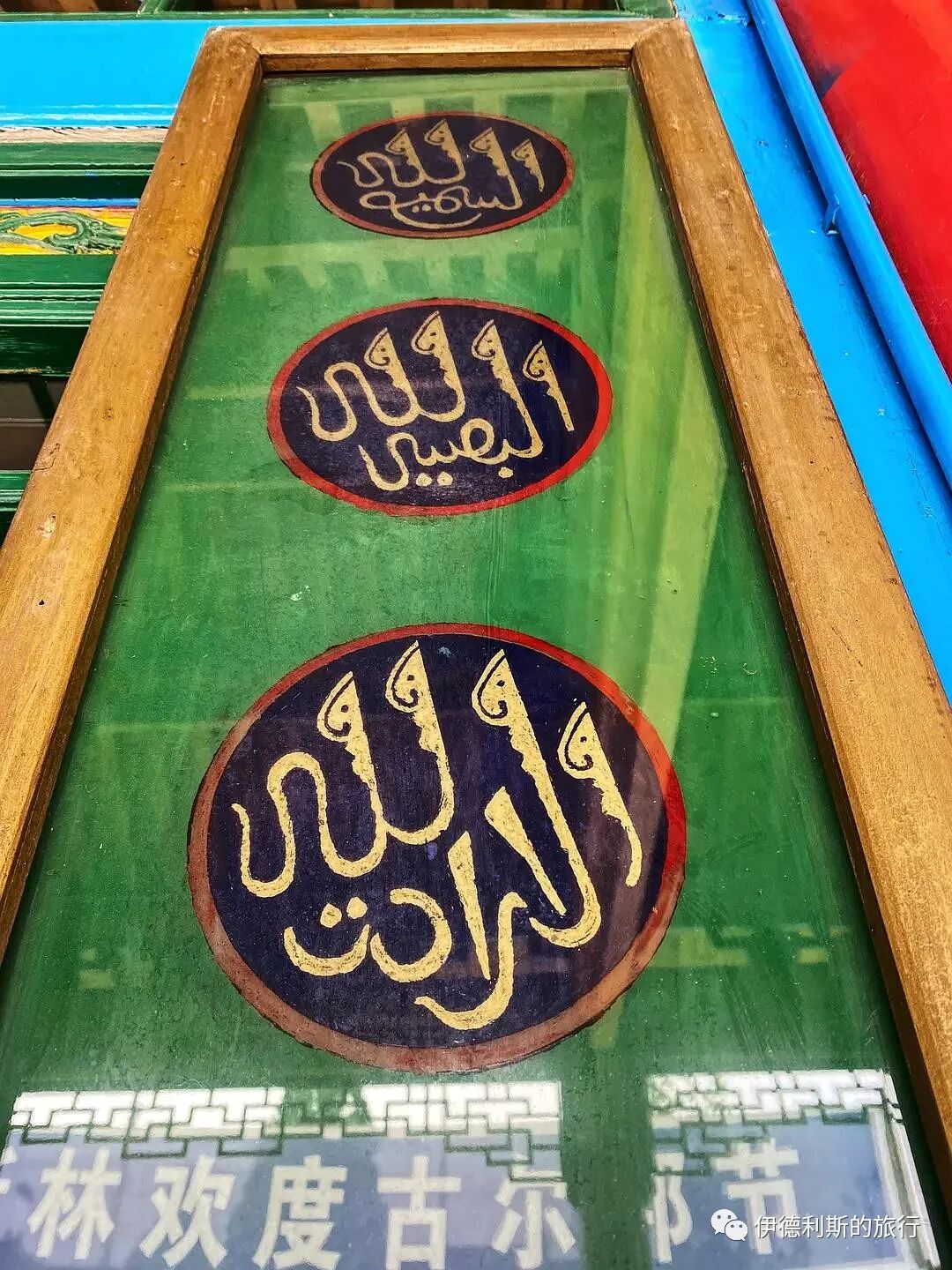
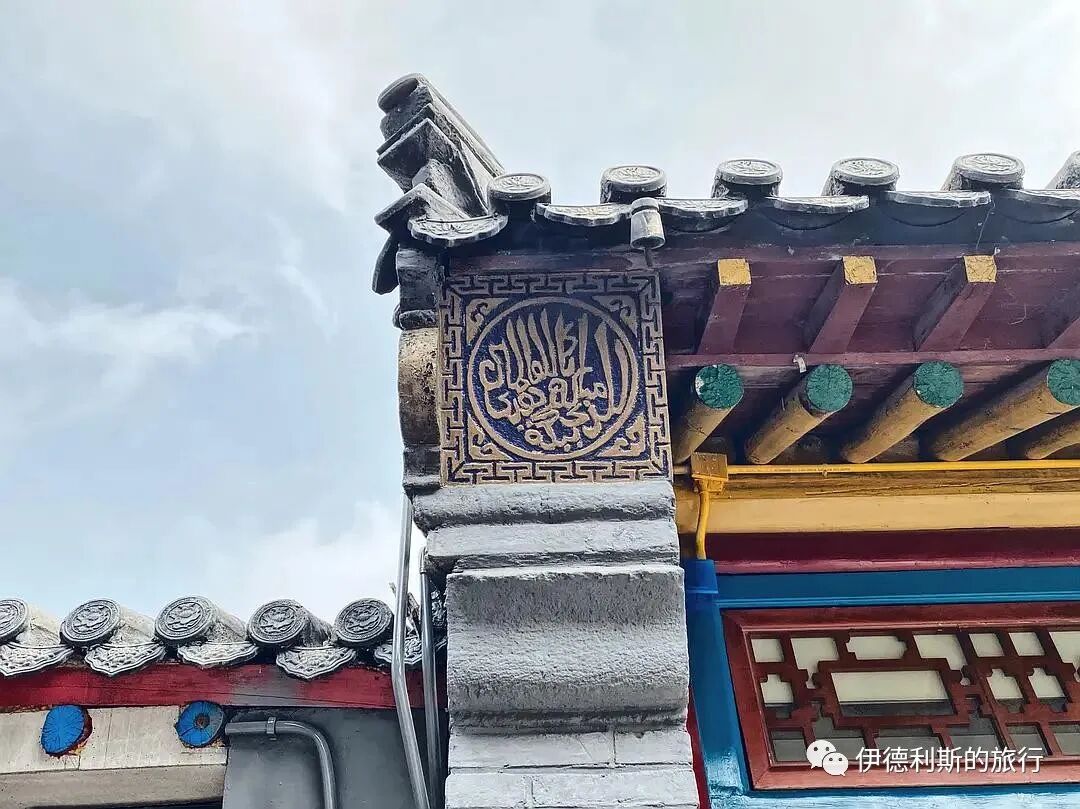
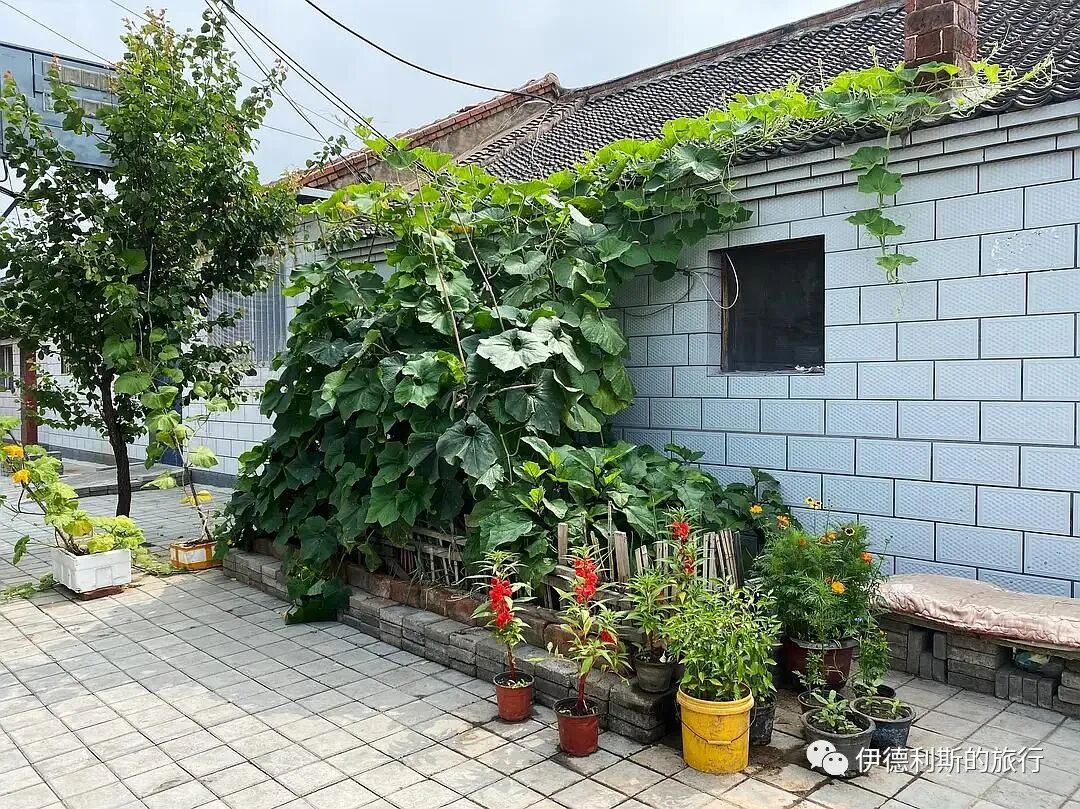
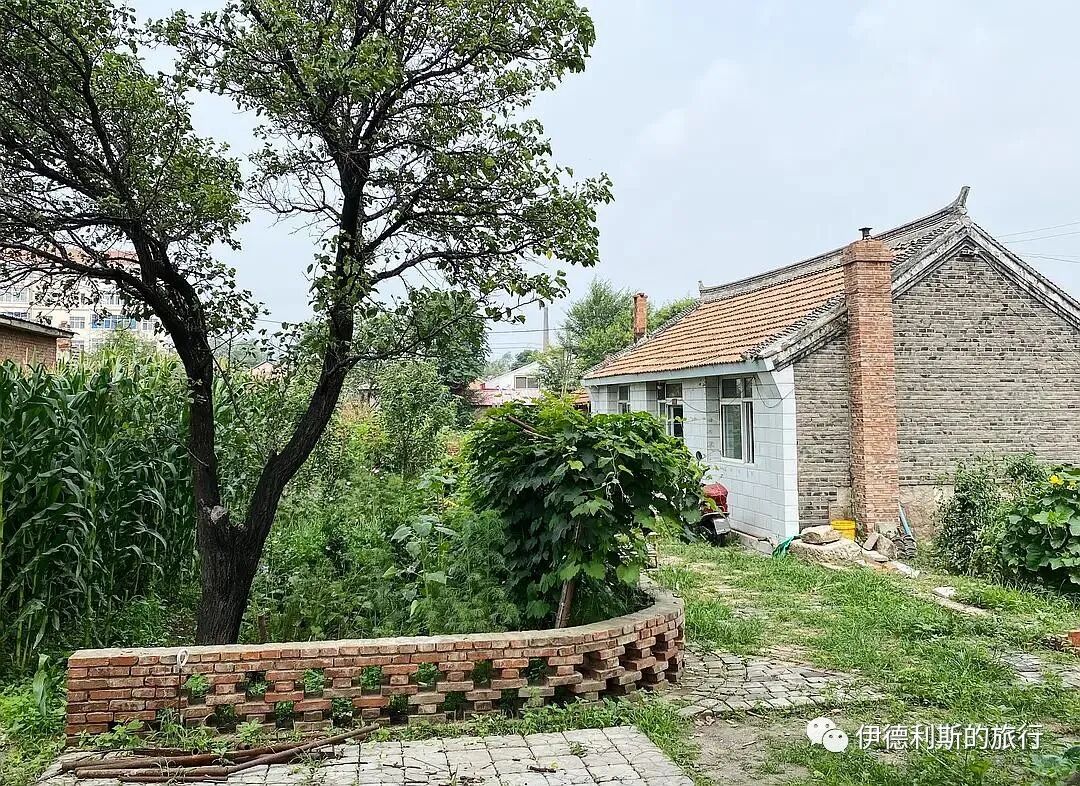
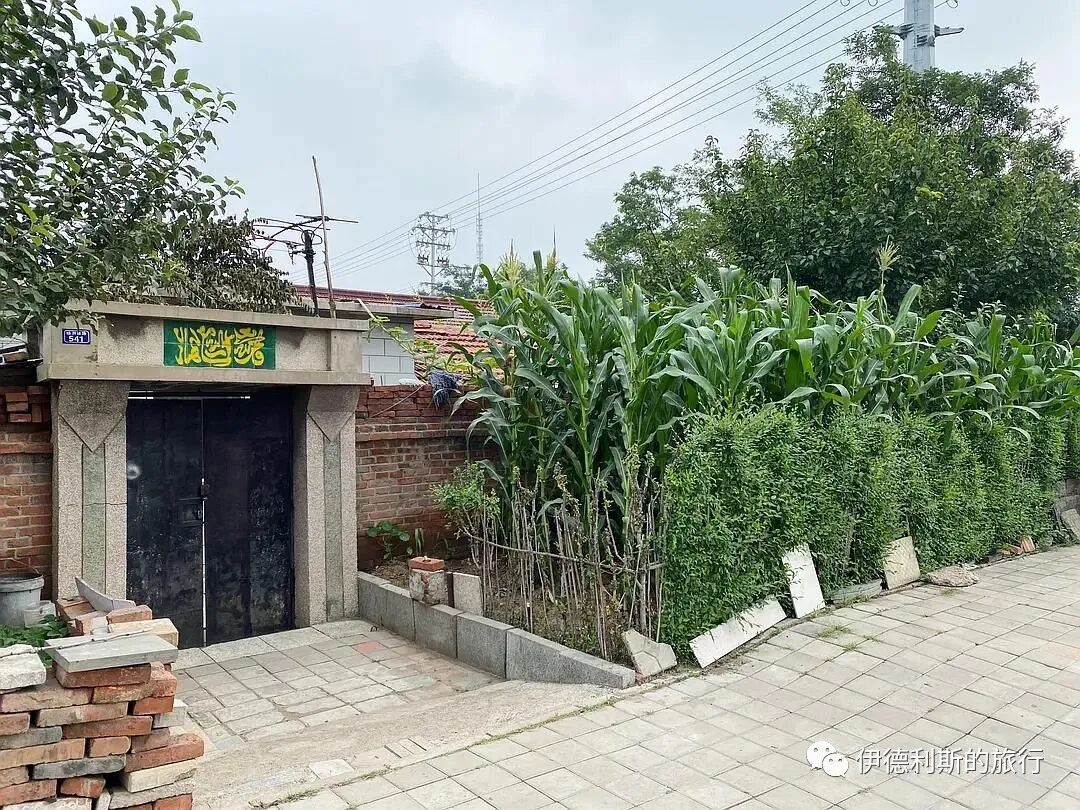
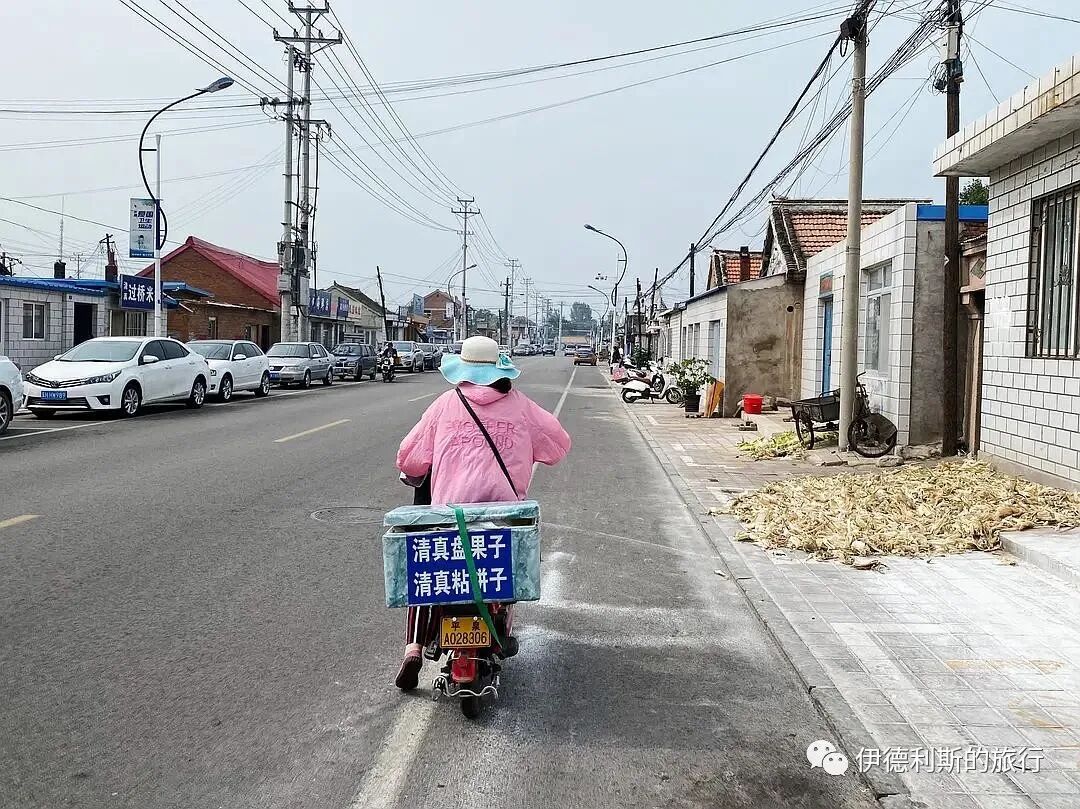
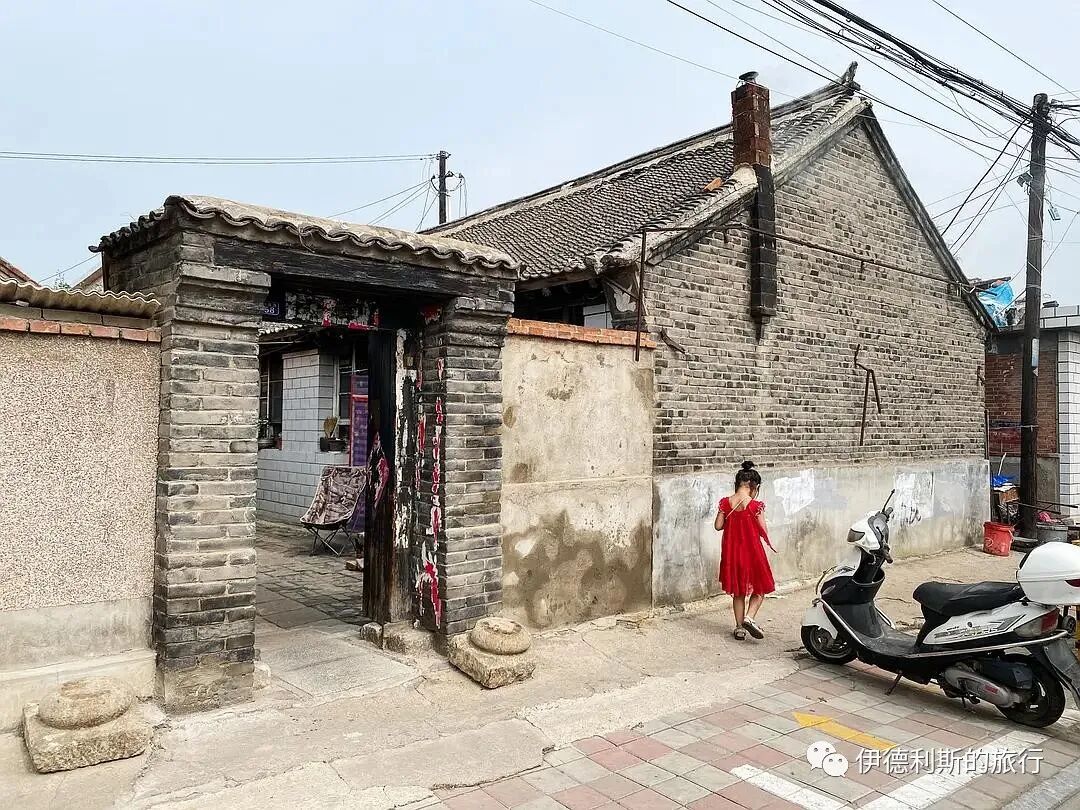
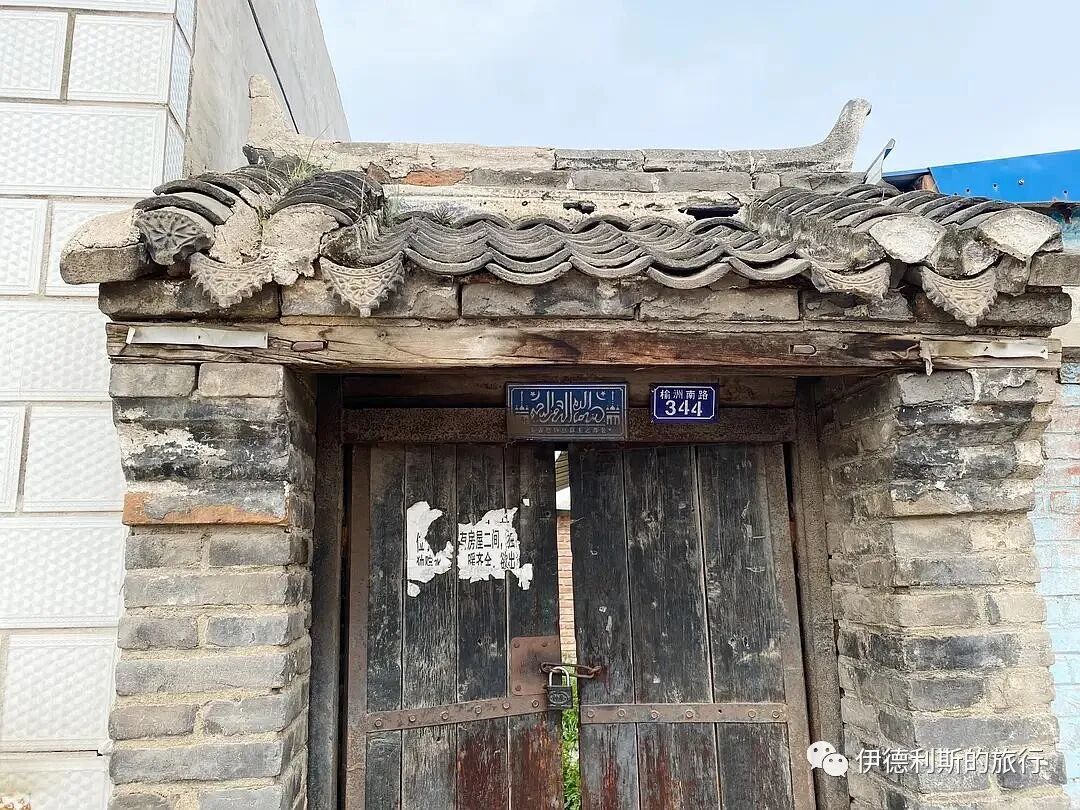
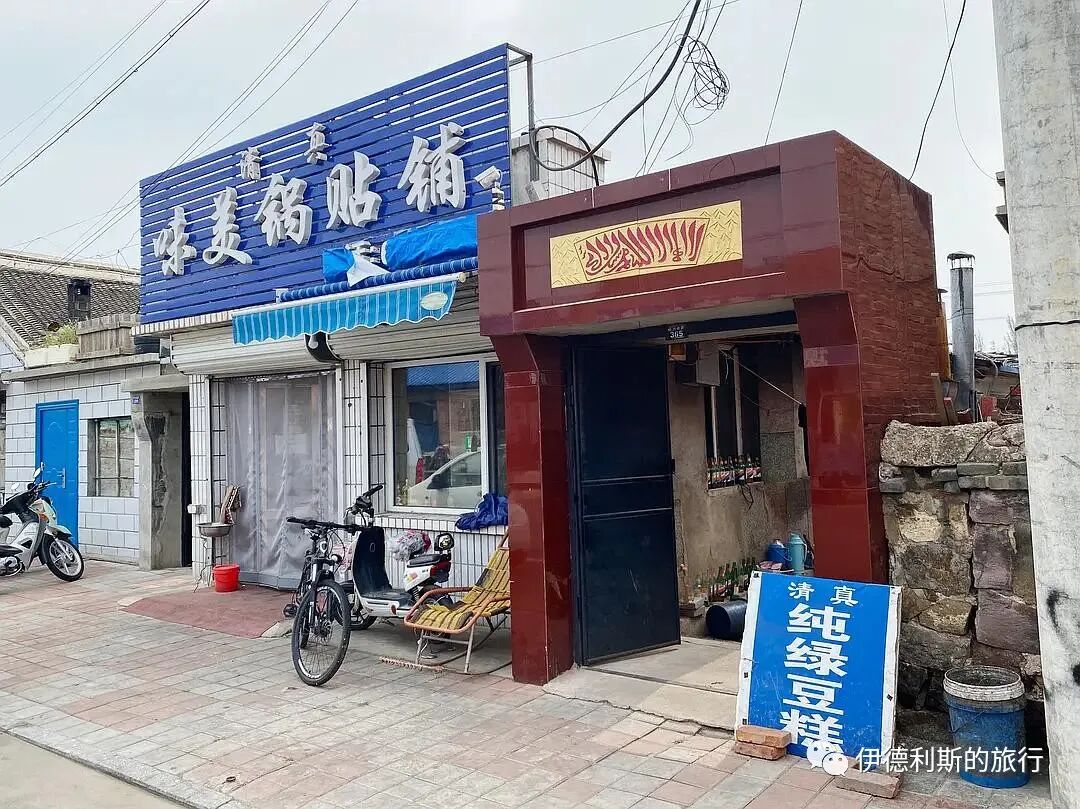
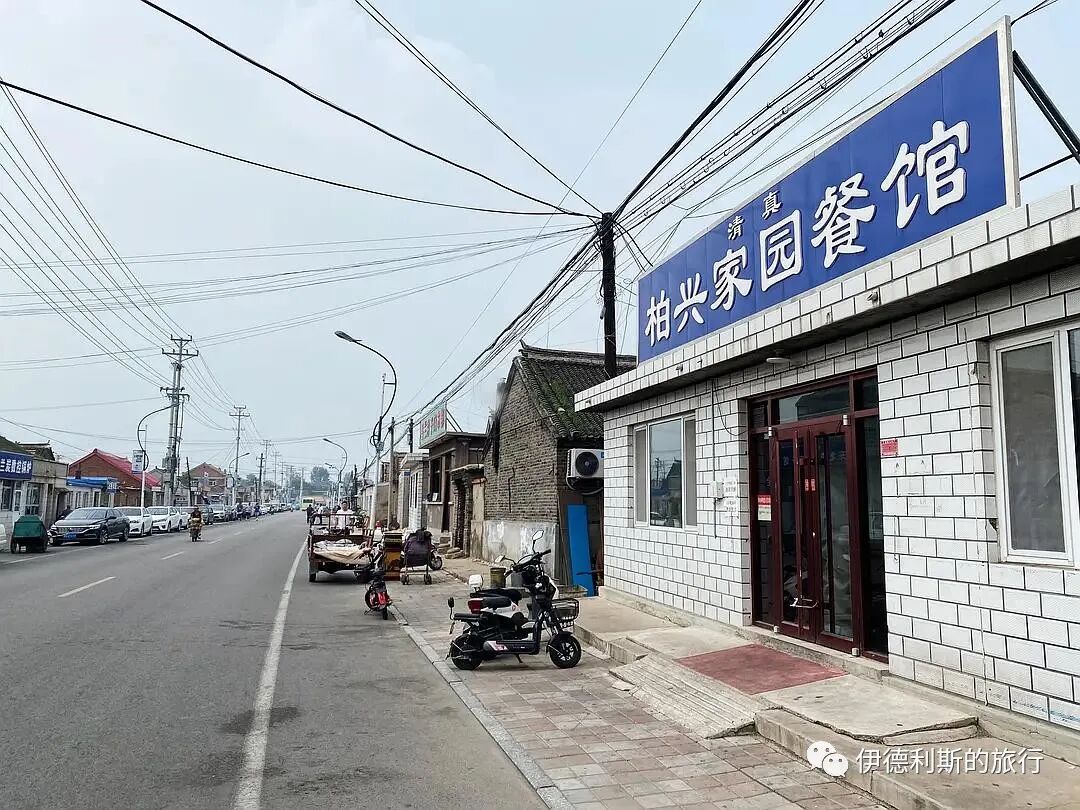
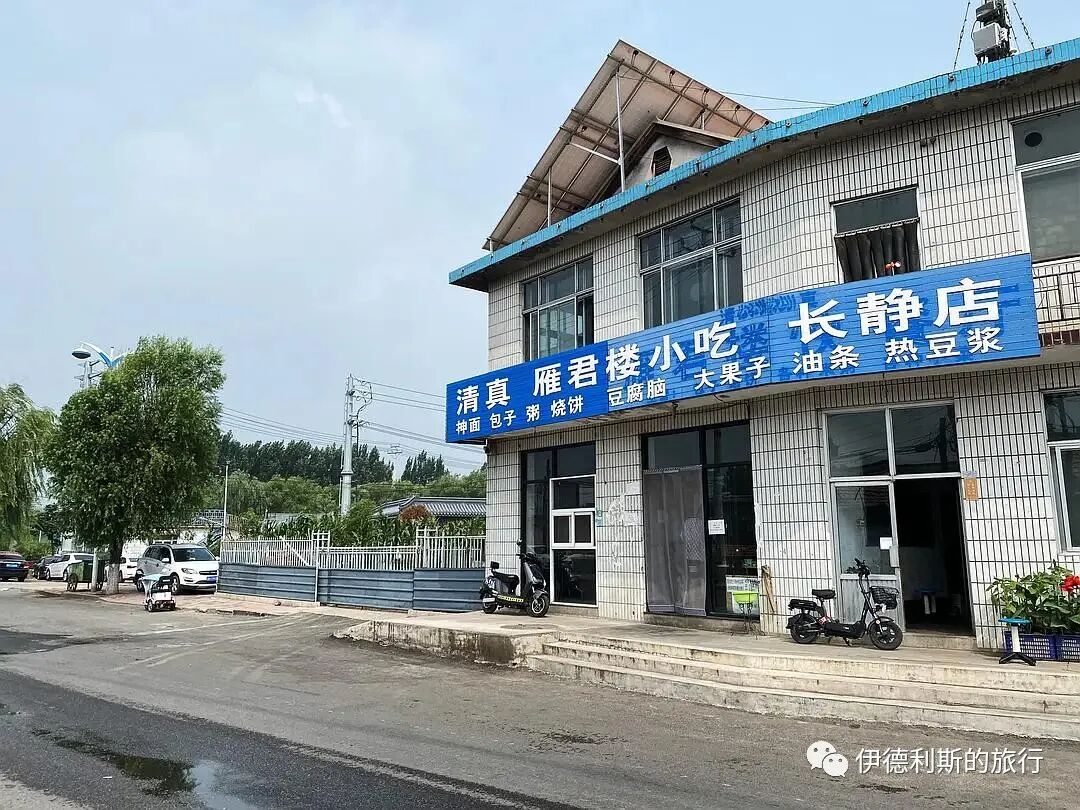
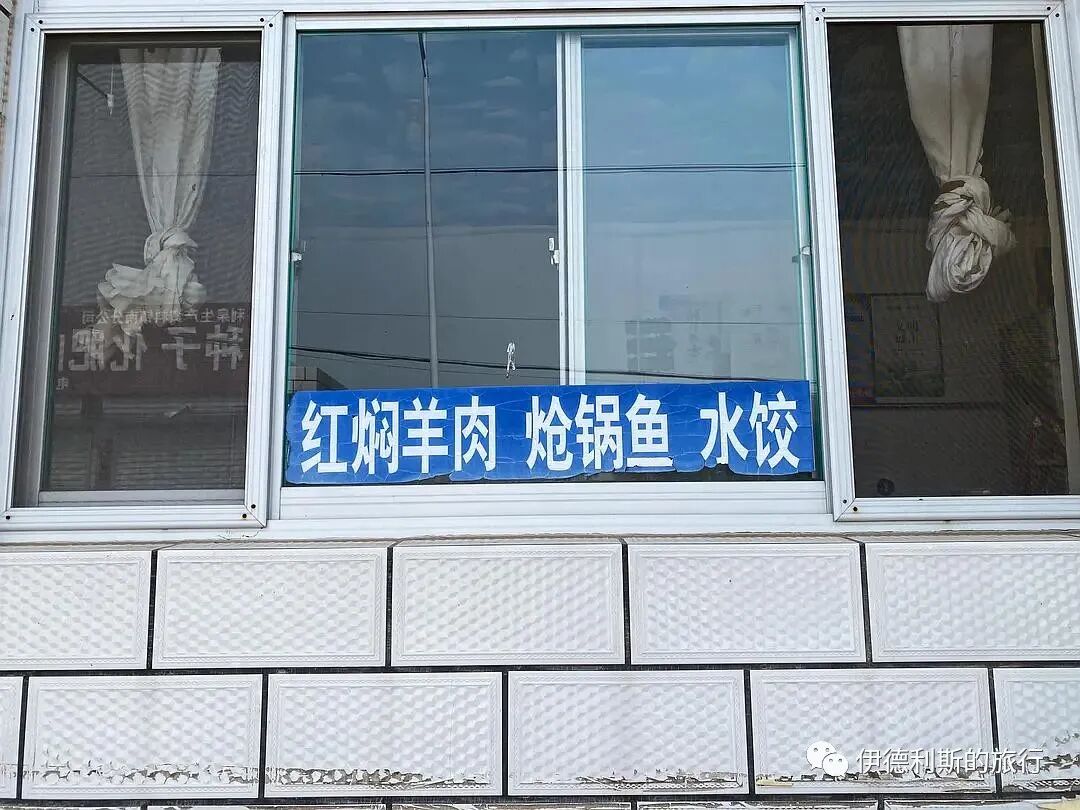
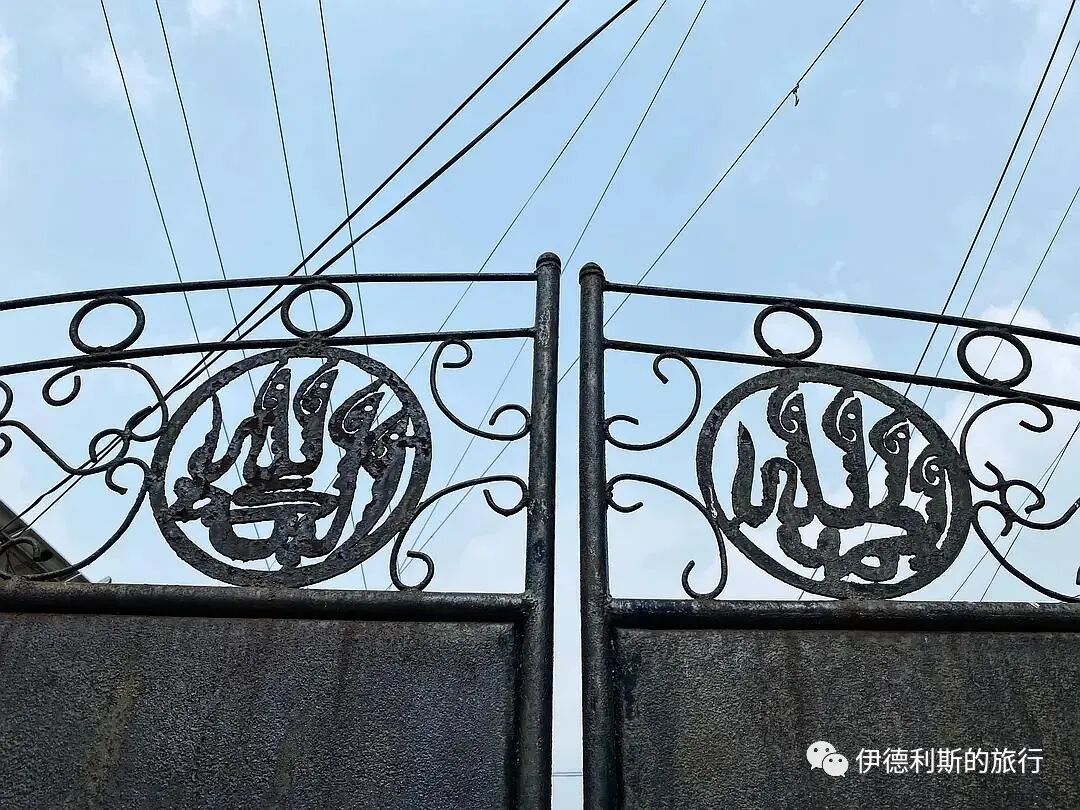
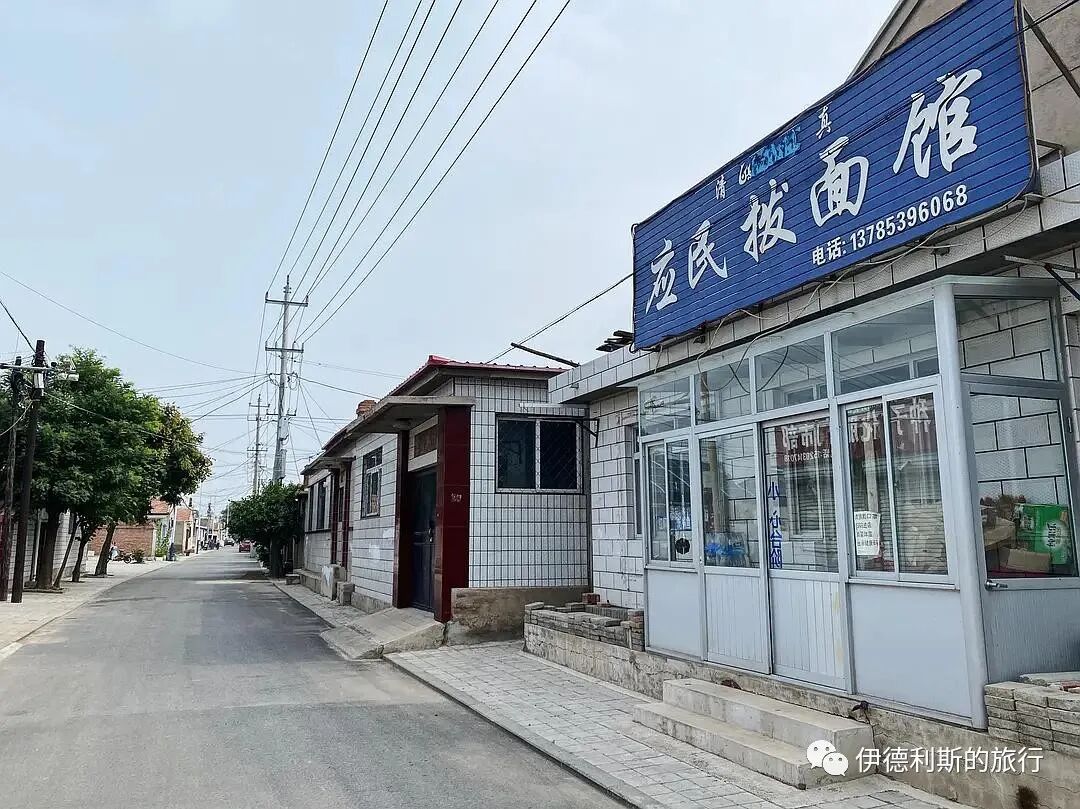
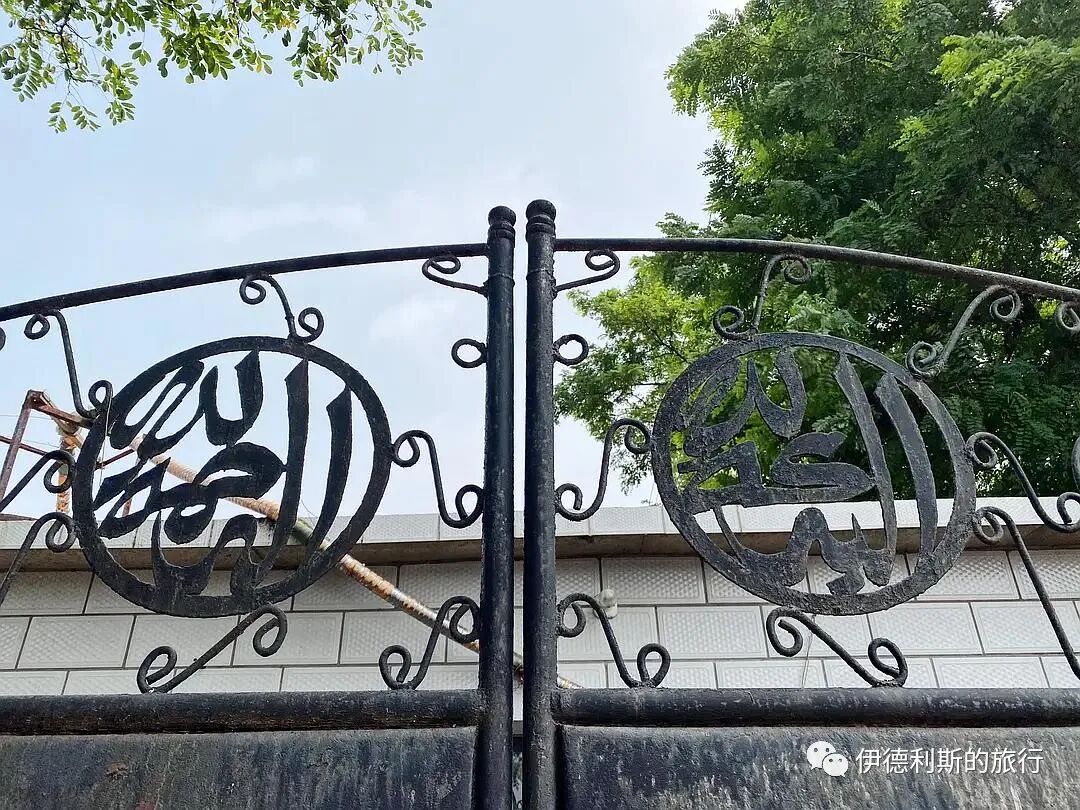
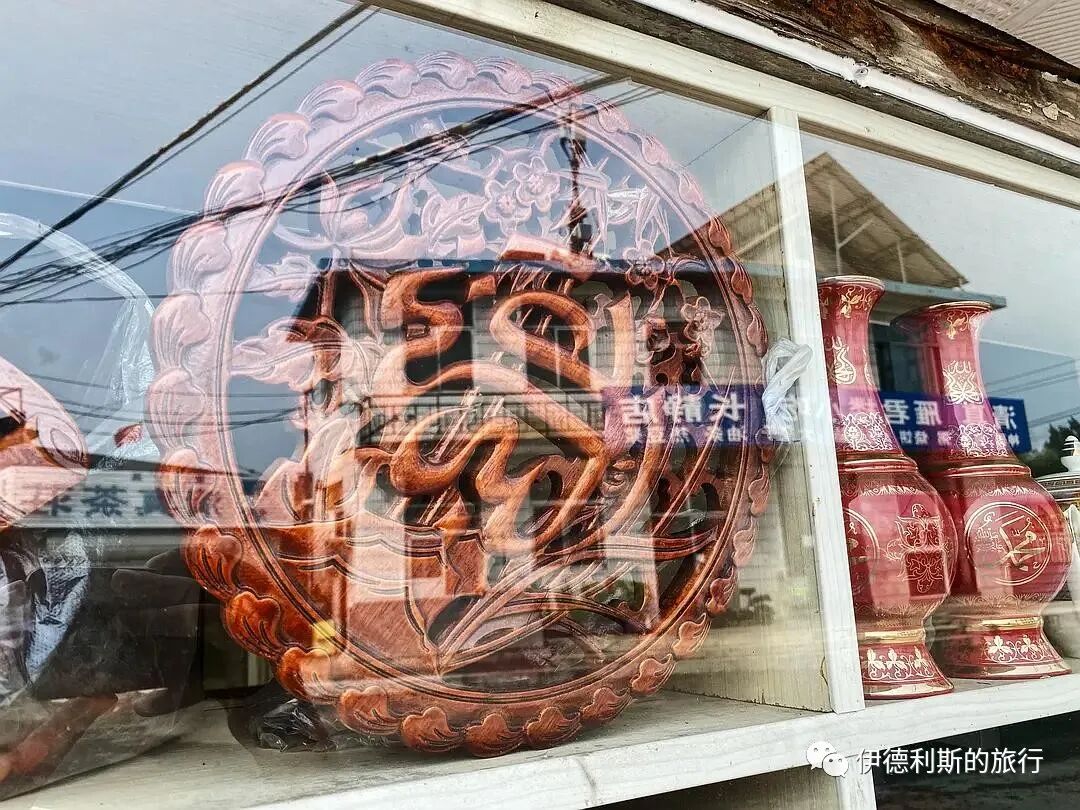
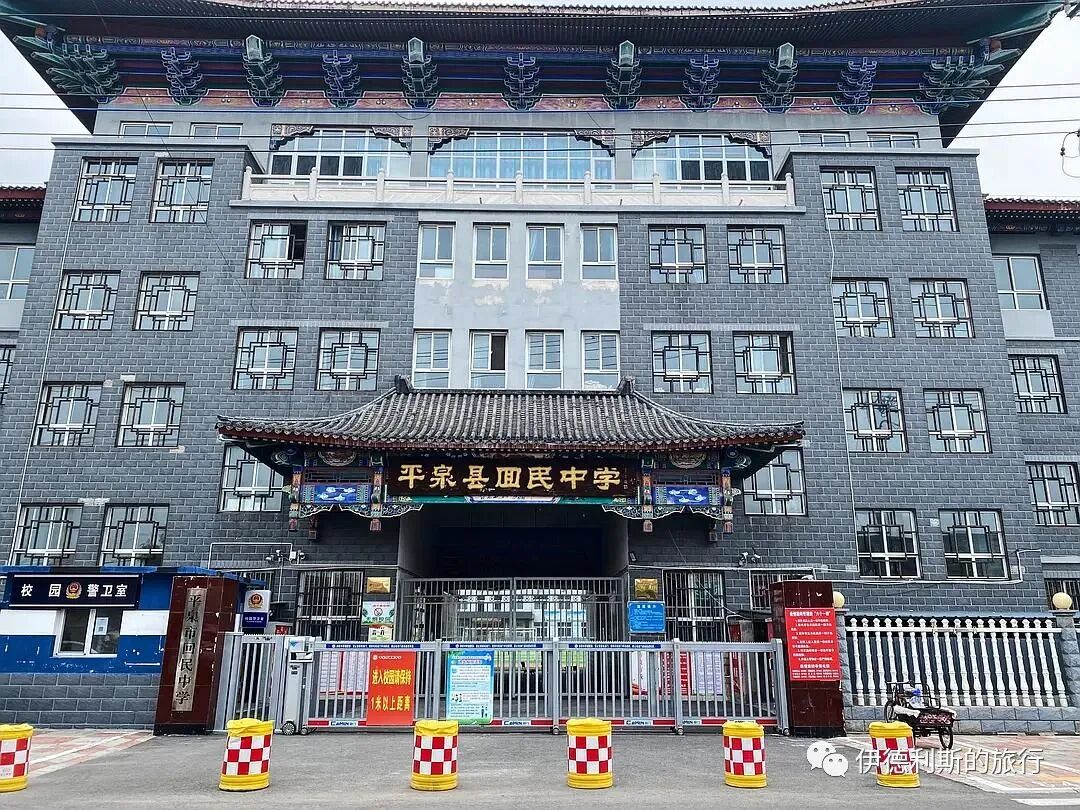
There is a 1.5-kilometer-long Hui Muslim residential area on South Street in the ancient town of Bagou, and the environment is very good.
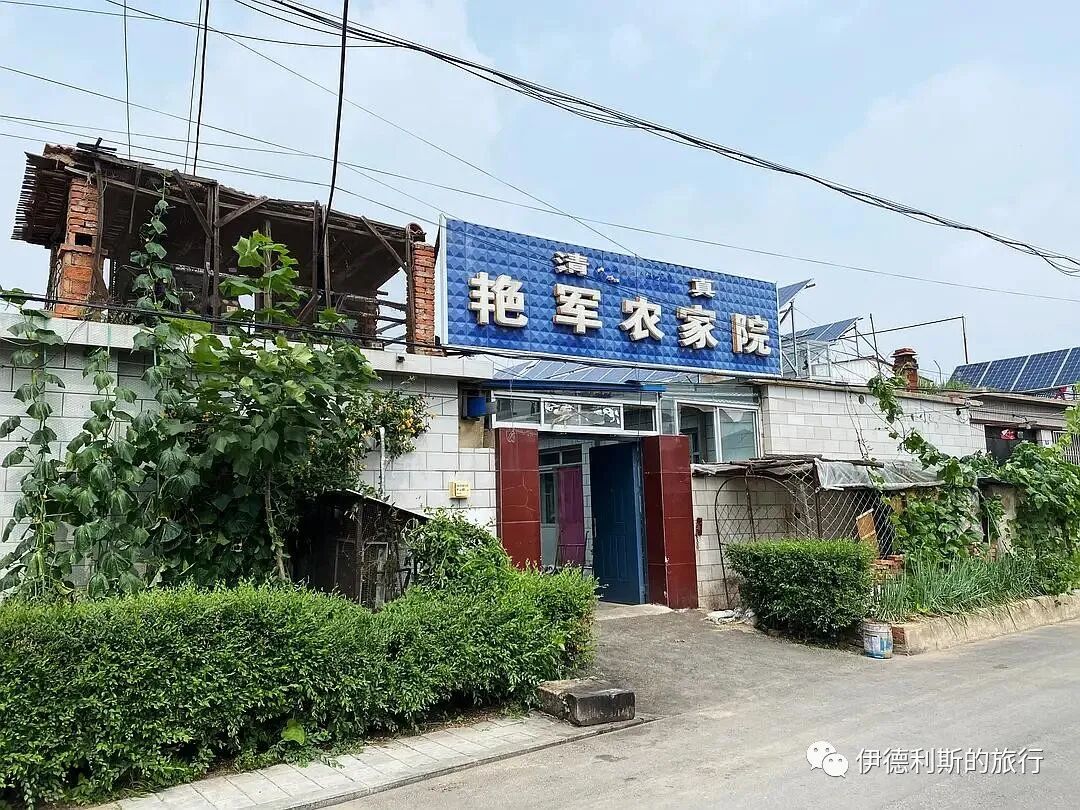
Summary: This travel note introduces Pingquan Halal Food Guide: Lamb Soup in a Small Town Beyond the Great Wall. In July 2021, I went to Pingquan, a small city at the junction of Hebei, Inner Mongolia, and Liaoning provinces, which is famous for its Pingquan yangtang (mutton soup). It is useful for readers interested in Pingquan Travel, Halal Food, Muslim Travel.
In July 2021, I went to Pingquan, a small city at the junction of Hebei, Inner Mongolia, and Liaoning provinces, which is famous for its Pingquan yangtang (mutton soup).
Pingquan City was formerly known as Bagou Town. It was an important market town for trade from Beijing through the Xifengkou Pass to the Northeast during the Qing Dynasty. From the Qianlong era to the early Republic of China, camel transport was very prosperous, and shops were gathered there. Pingquan was also on the imperial road for Qing emperors to travel to the North Tomb in Shenyang to pay respects to their ancestors. Emperor Kangxi passed through Pingquan seven times during his northern tours, and there is an origin story about Kangxi drinking the mutton soup in Pingquan.
I took the early high-speed train from Beijing Chaoyang to Pingquan North for over an hour, then took a taxi directly to Erzi Yangtang, the most famous mutton soup restaurant in Pingquan, where I had the top-tier mutton soup and shaobing jia rou (flatbread with meat filling). The Pingquan mutton soup is very generous with ingredients, the taste is very pure, and the soup is very fragrant. Every once in a while, an auntie will come out and ask if anyone needs a soup refill; it is hard not to get a refill when the soup is this delicious! Their shaobing (baked flatbread) is also very delicious; it is large in size, has a chewy texture, and is not hard at all. I also saw for the first time at their place the grand scene of a dozen or twenty people coming over early in the morning to drink mutton soup together in a private room.
Like most Hui Muslims outside the Great Wall, the Hui Muslims in Pingquan also migrated from Hebei and Shandong areas during the Qing Dynasty. The Hui Muslims in Pingquan are gathered near the South Street of Bagou. The South Street mosque was first built in 1647 (the fourth year of the Shunzhi reign of the Qing Dynasty), and initially, it only had three thatched rooms. With the increase of Hui Muslims in Pingquan during the Qianlong reign, in 1742 (the seventh year of the Qianlong reign), the imam of the Pingquan mosque, Zhang Hongye, and his son Zhang Jin went to Beijing. They made a model out of straw stalks, imitating the mosque outside Qihuamen (it has not been verified whether it was the south uphill or south downhill one), and brought it back to Pingquan to hire craftsmen to build it. In 1915, Wu Zijian, the president of the Pingquan branch of the Islamic Promotion Association, presided over the renovation. Currently, the mosque is a cultural relic protection unit at the Hebei provincial level.
Li Duosi (a term of address for a Muslim brother) from the mosque management committee warmly received me. Behind him was calligraphy written by his uncle Zhang Huishen, who is a descendant of Imam Zhang Hongye, who rebuilt the Pingquan South Street mosque during the Qianlong reign.
There is a 1.5-kilometer-long Hui Muslim residential area on South Street in the ancient town of Bagou, and the environment is very good.
