
Samarkand Travel Guide: Timur's Capital, Mosques & Islamic History (Part 2)
Reposted from the web
Summary: This travel note introduces Samarkand Travel Guide: Timur's Capital, Mosques & Islamic History (Part 2). The true burial chamber on the lower level is currently not open. It is useful for readers interested in Uzbekistan Travel, Timurid History, Muslim Heritage.
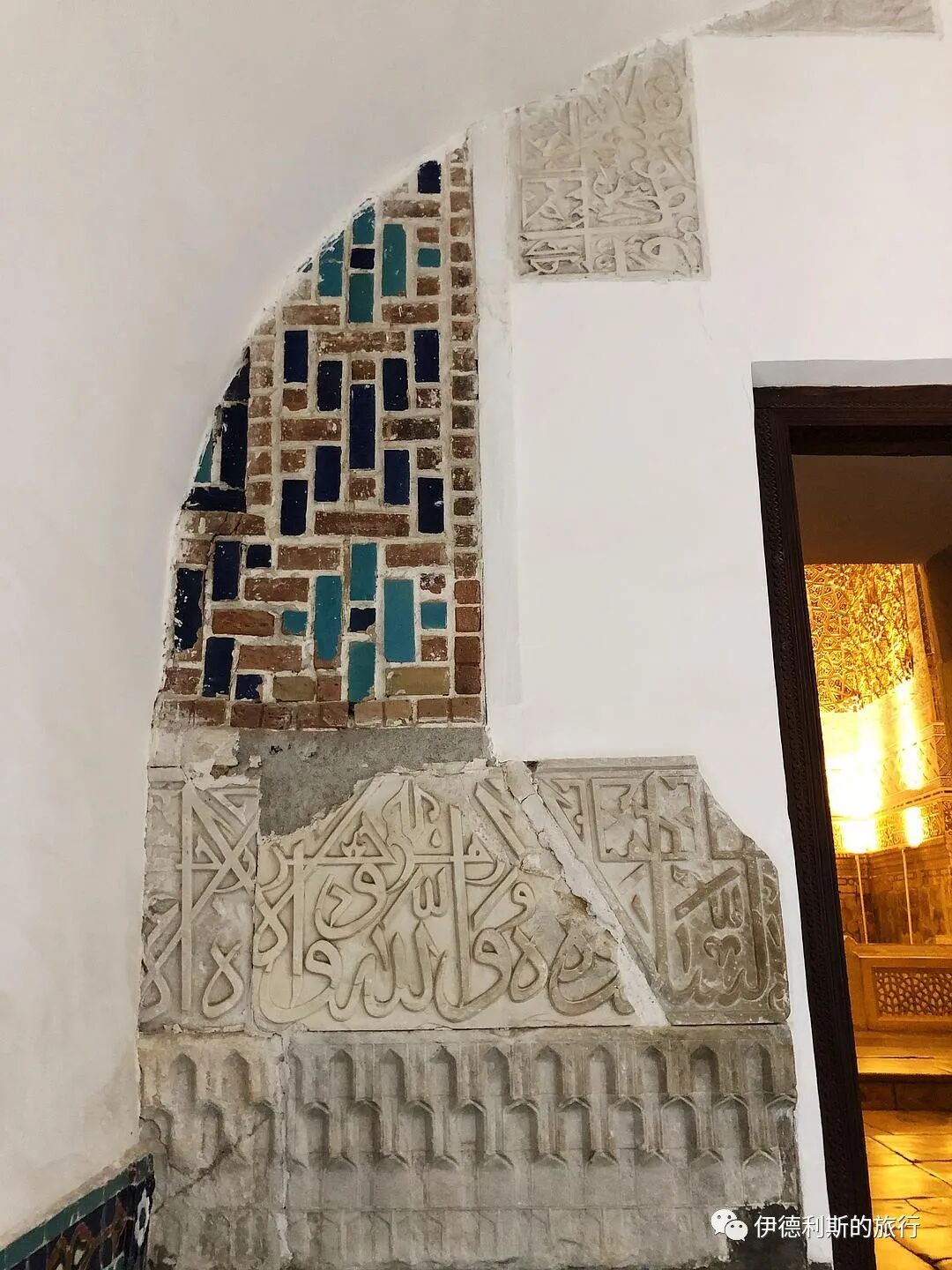
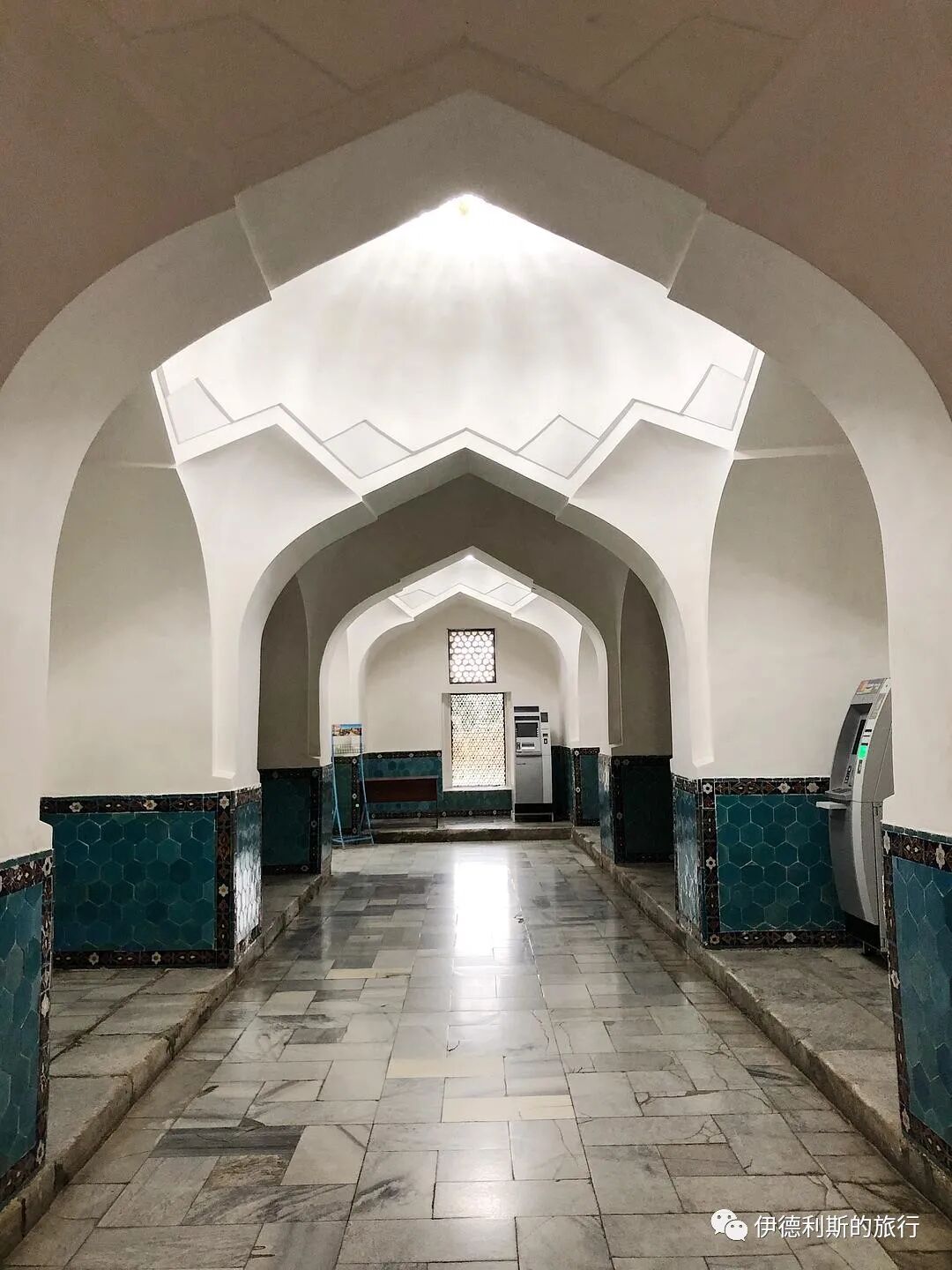
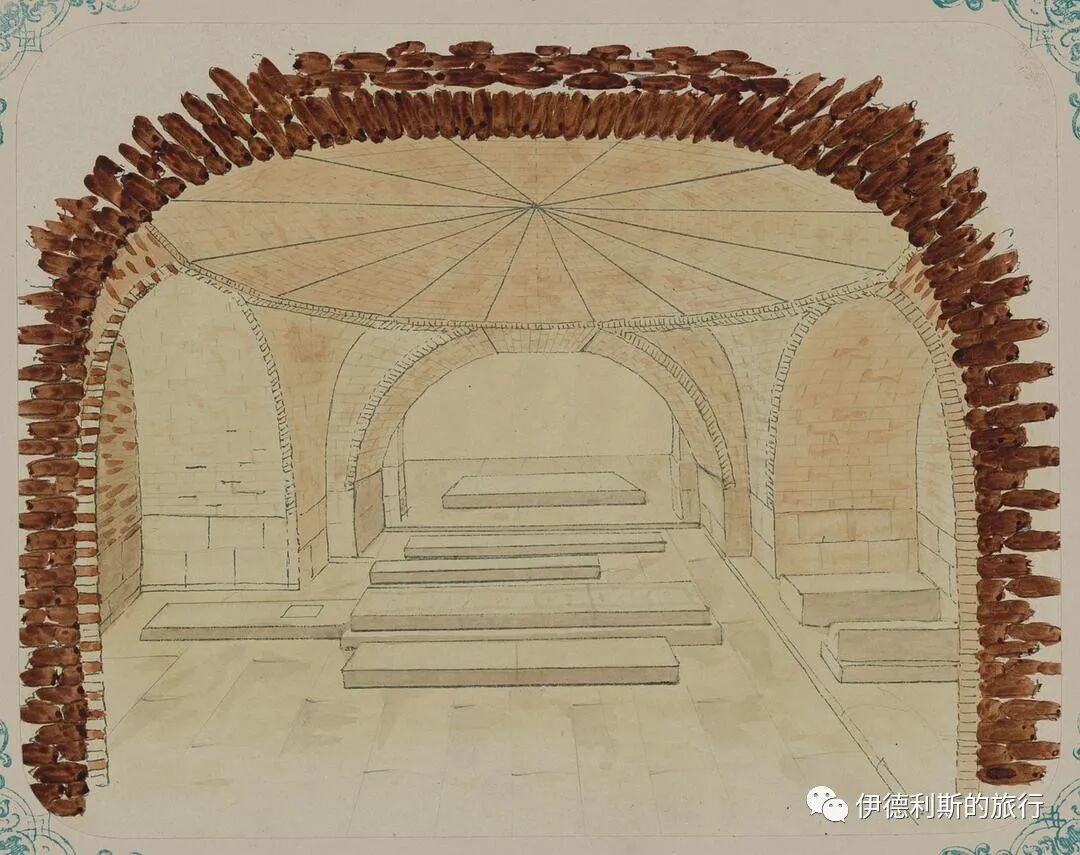
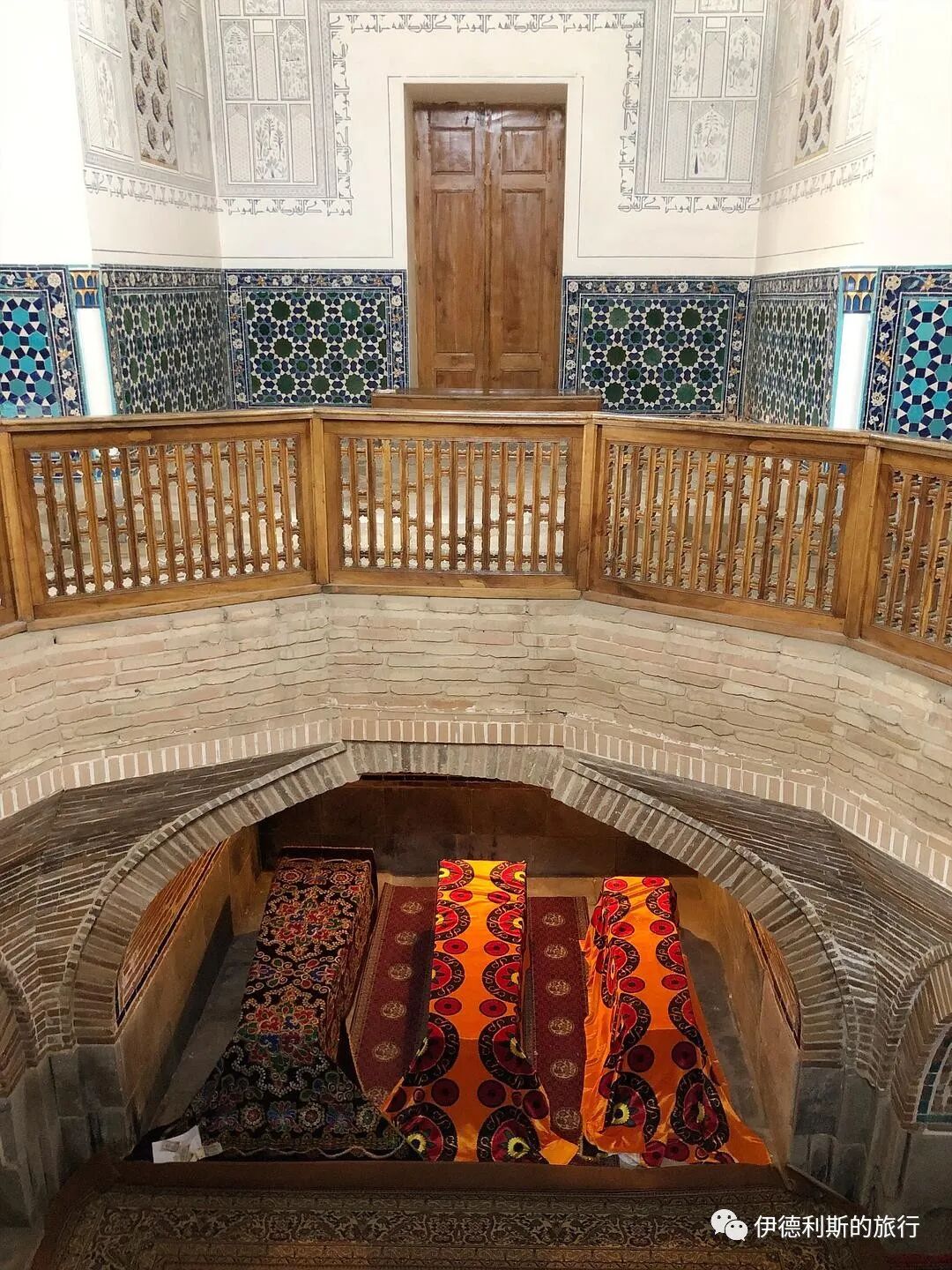
The true burial chamber on the lower level is currently not open.
4. Bibi-Khanym Mosque: 1404
The Bibi-Khanym Mosque is hailed as the most magnificent mosque architecture in 15th-century Central Asia and is the most important mosque of the Timurid dynasty, serving as a model for many later mosques.
The mosque was commissioned in 1399 after Timur conquered Delhi, India, to commemorate his wife, Sarai Mulk Khanym, the daughter of the last Chagatai Khan, Qazan Sultan. When Timur returned to Samarkand in 1404, the mosque was nearly complete, but he was dissatisfied with it, feeling the main dome was not grand enough, and ordered it to be rebuilt. However, during the reconstruction process, Timur passed away in 1405. Afterward, the mosque gradually revealed structural problems caused by its excessive size, and bricks began to fall from the dome; the Timurid dynasty never ceased its repairs on the mosque.
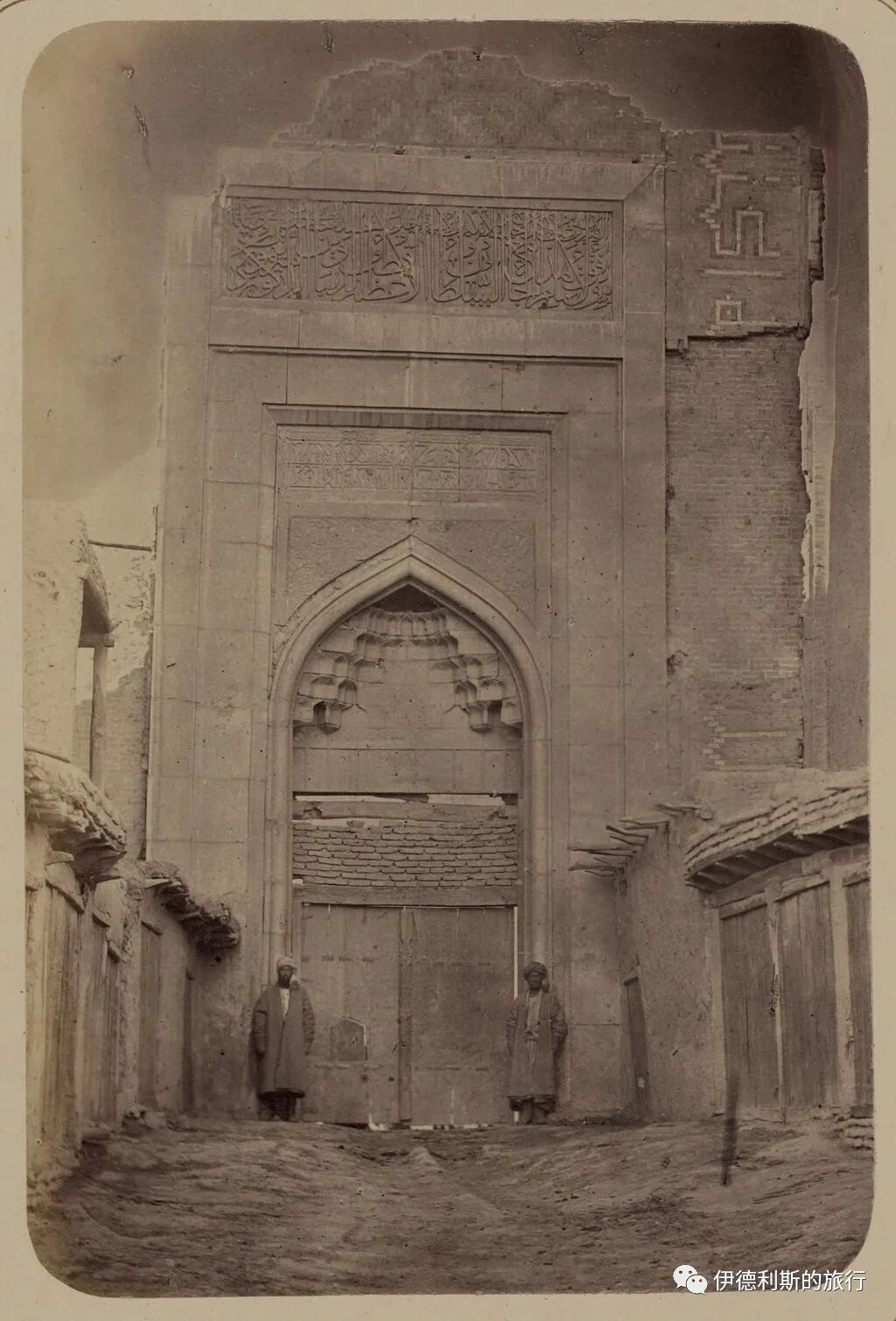
In the late 16th century, Abdullah Khan II (reigned 1583-1598) of the Bukhara Khanate ordered a halt to the maintenance of the Bibi-Khanym Mosque. Subsequently, the bricks and stones of the mosque were continuously taken by local residents to build houses, and the mosque gradually fell into ruins, with the arch of the main gate collapsing in the 1897 earthquake.
In 1974, the Soviet Union began restoring the Bibi-Khanym Mosque, and the restoration work continues to this day.
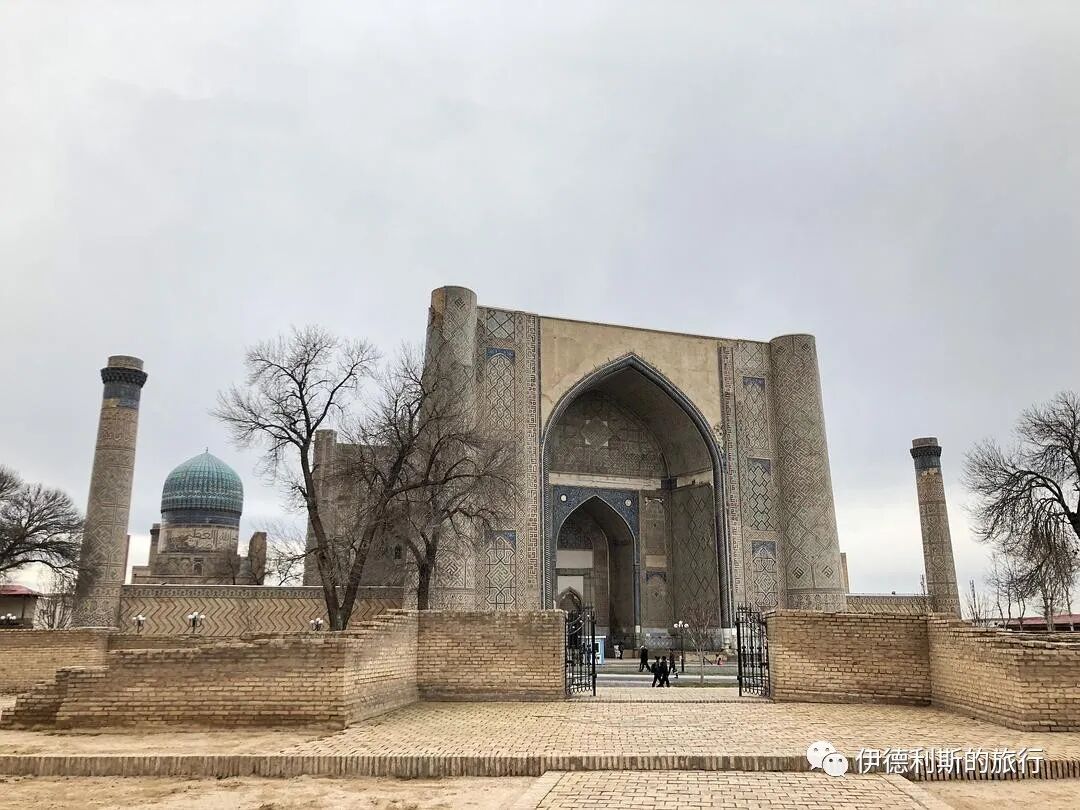
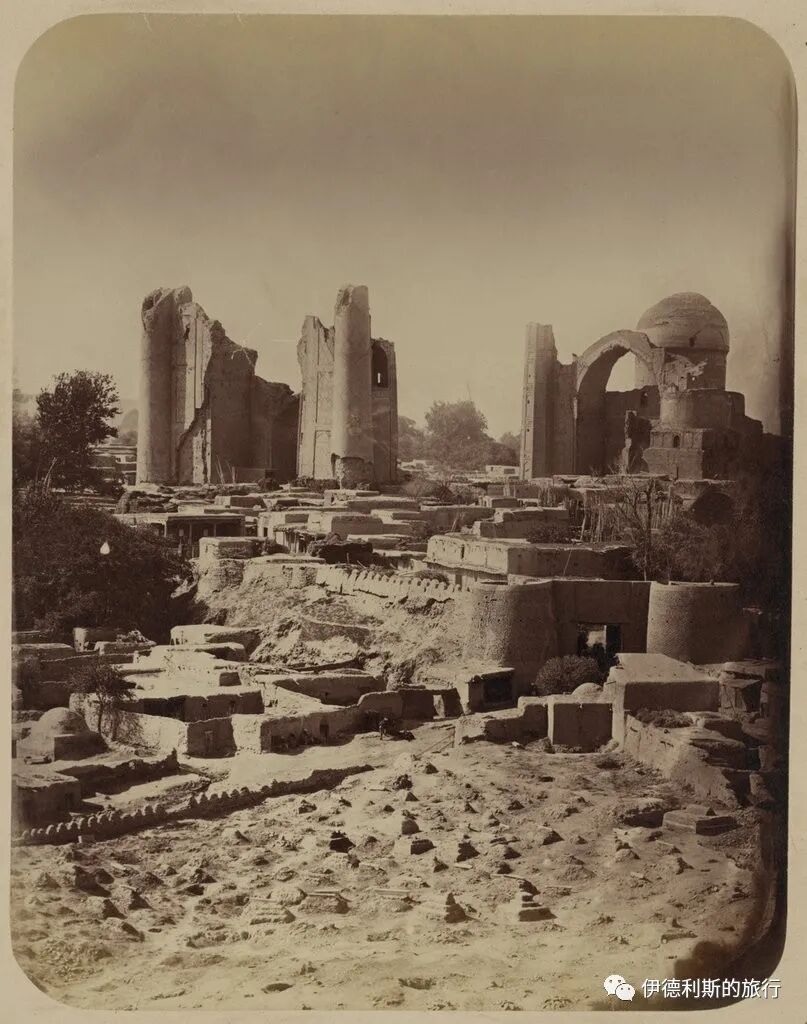
The Bibi-Khanym Mosque is a classic "Four-Iwan scheme" mosque, consisting of four buildings with Iwan (vaulted hall) arches: the east gate, the west main hall, and two classrooms to the north and south.
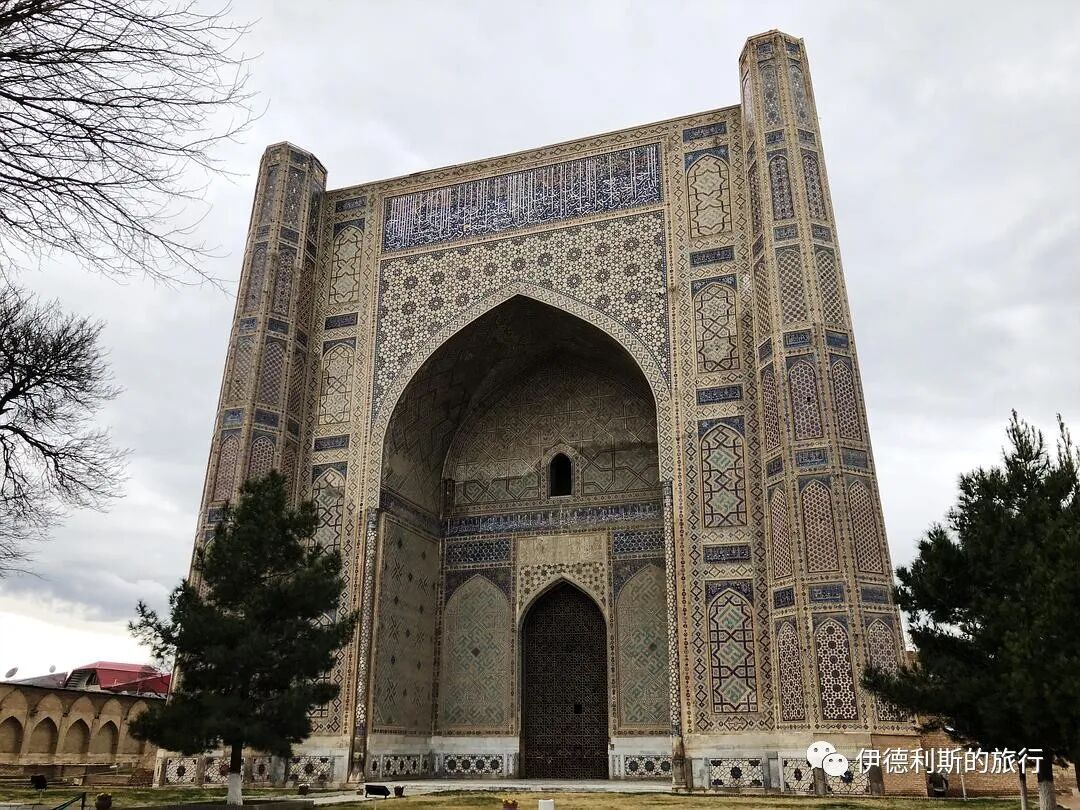
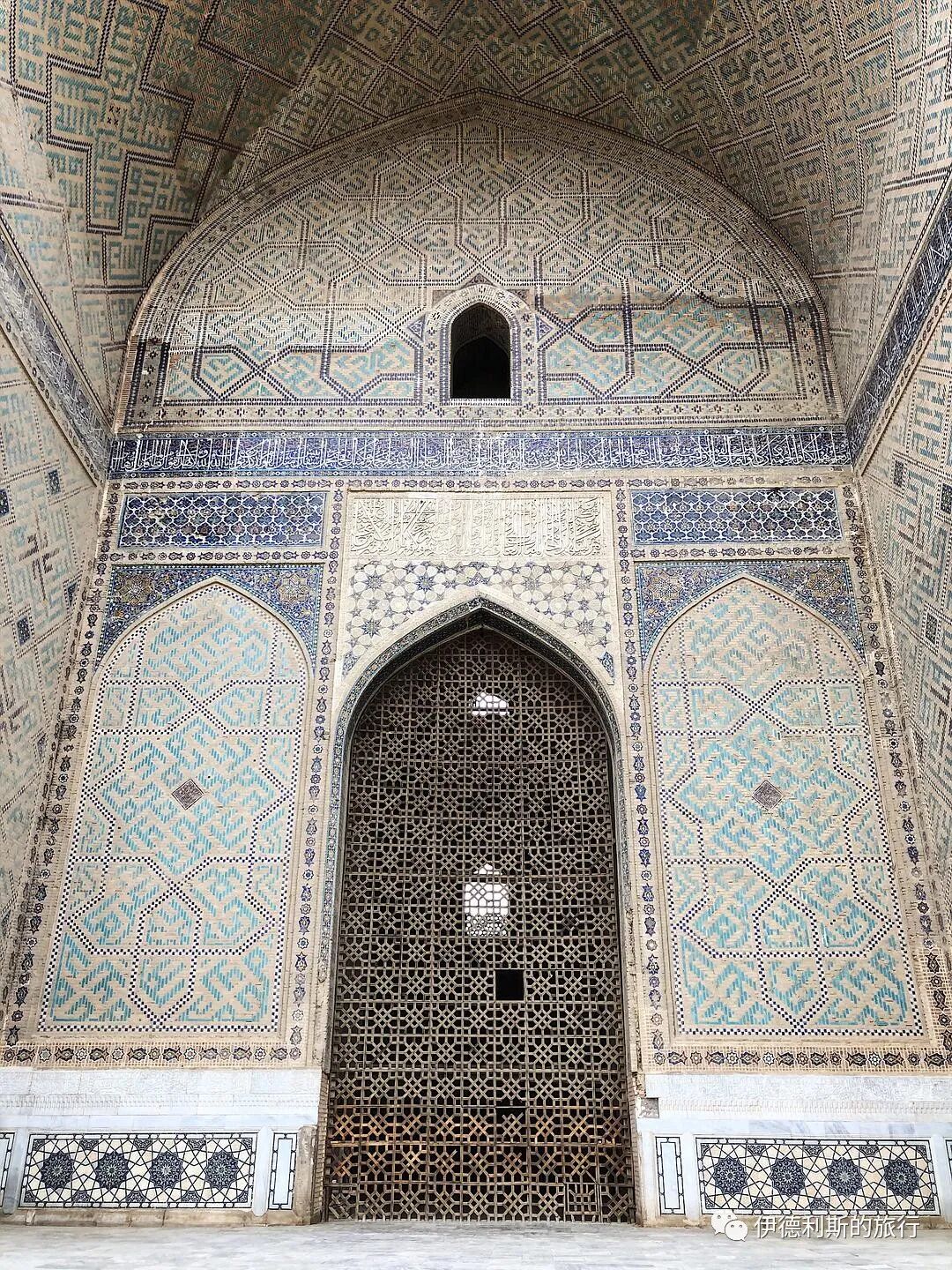
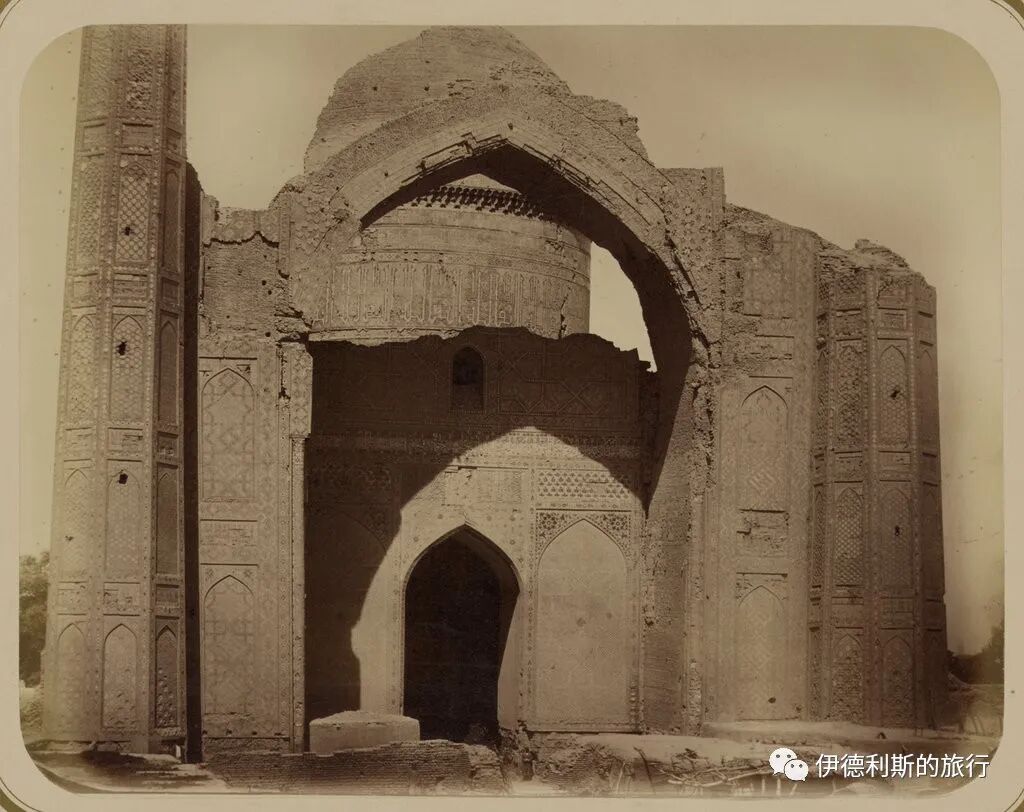
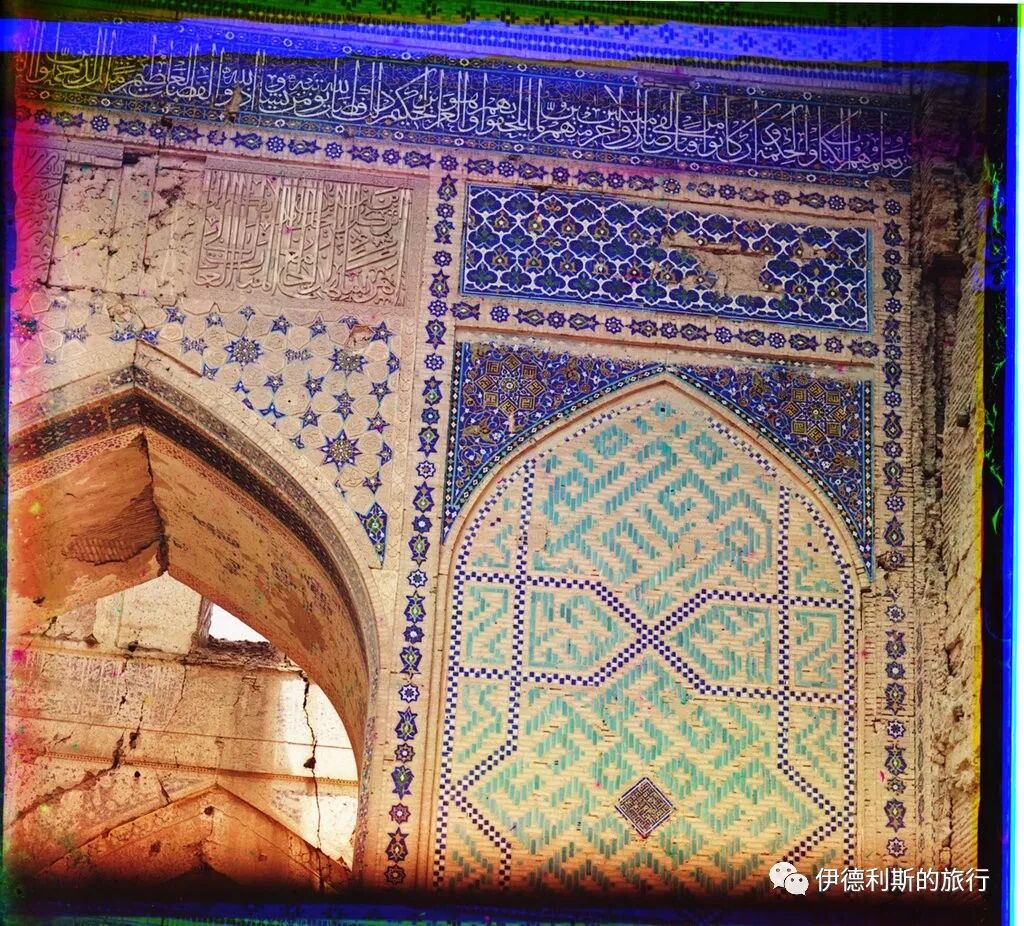
The mosque gate has a tall Pishtak (monumental portal) facade, with an Iwan arch in the center.
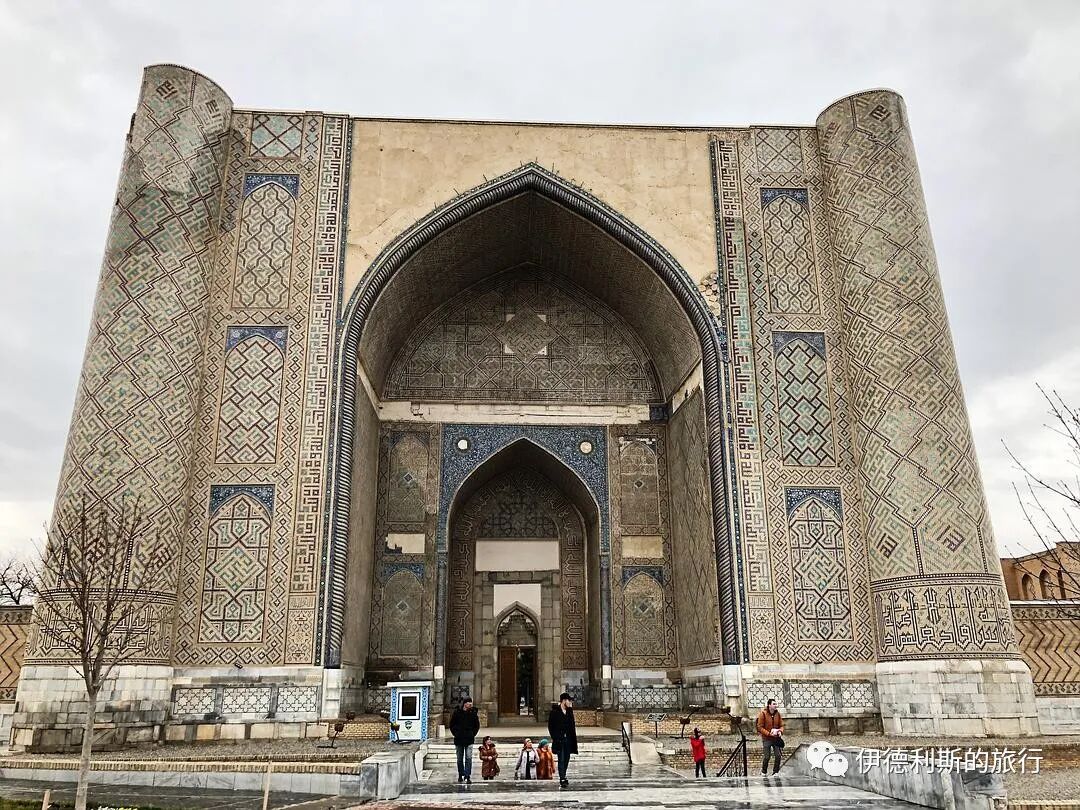
Front of the main gate
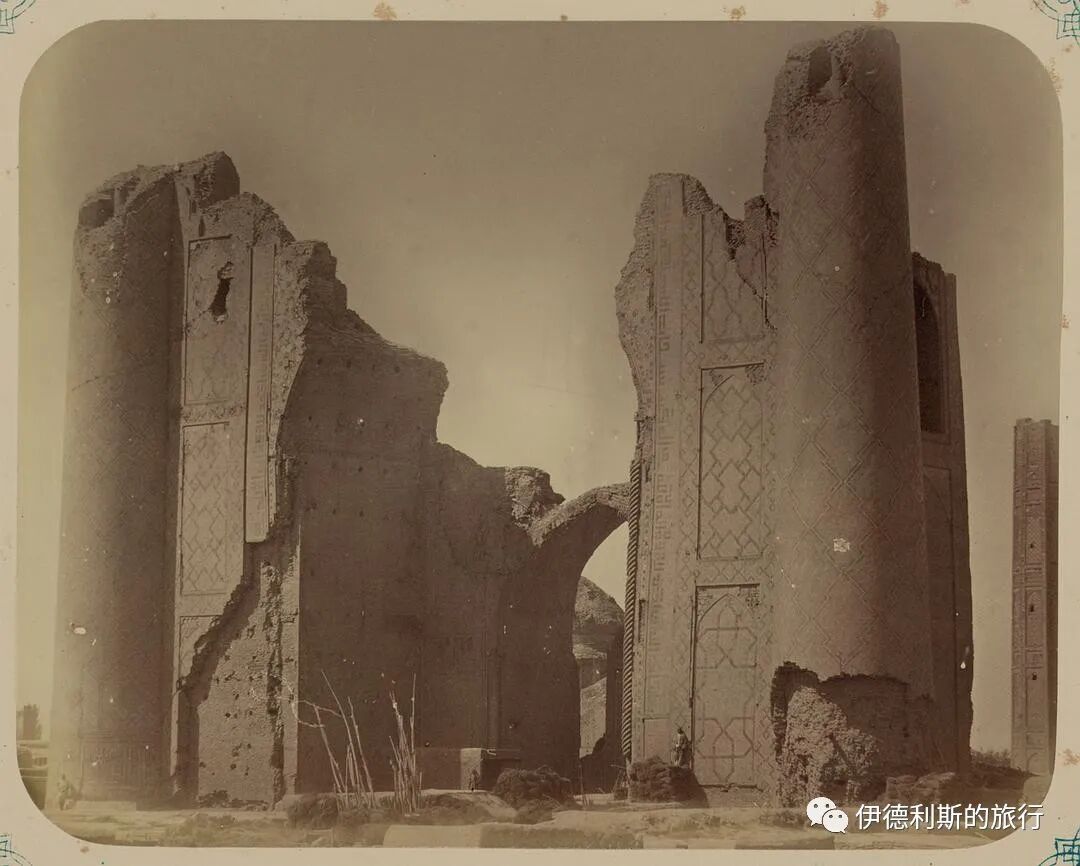
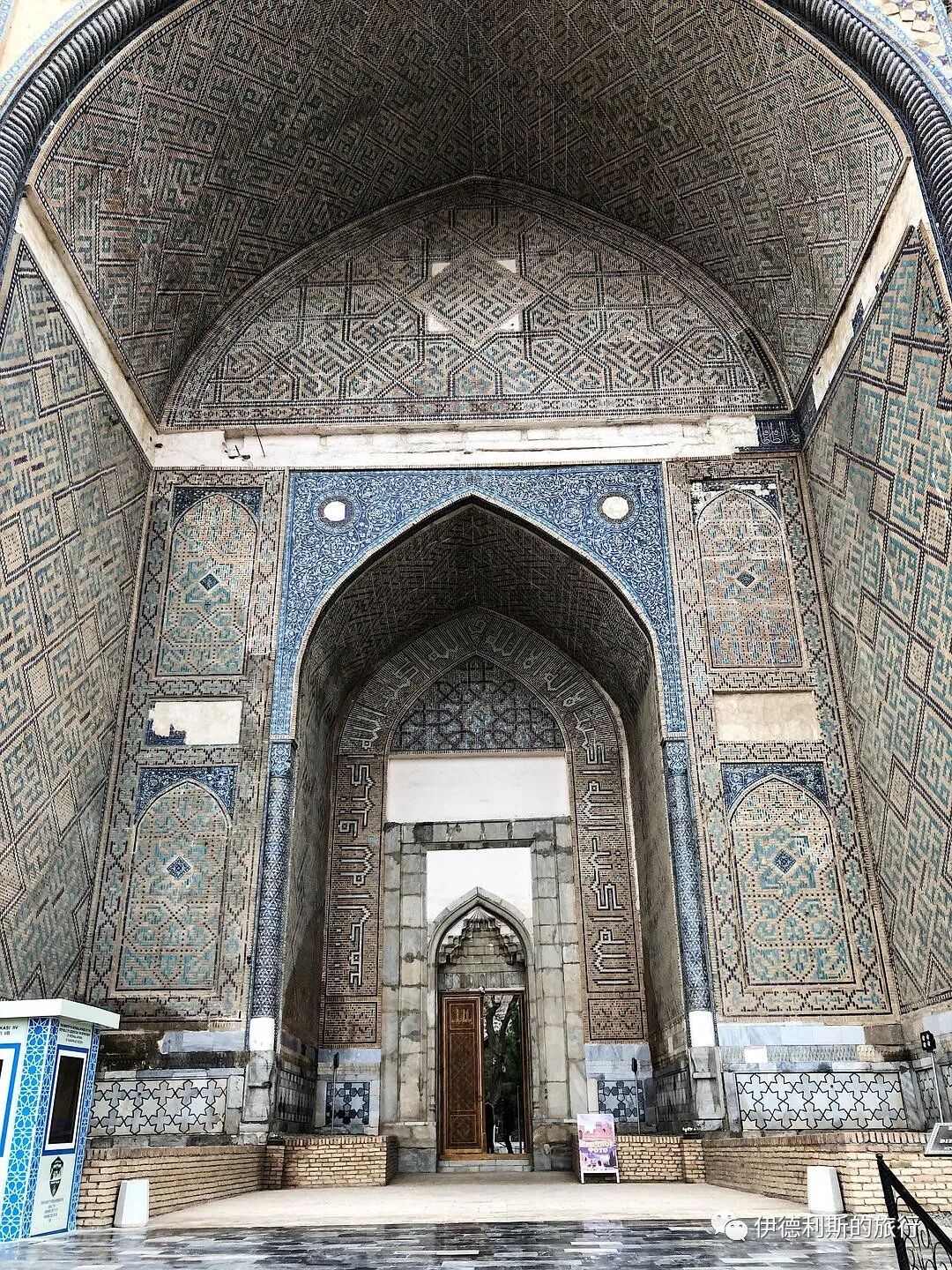
Details of the main gate
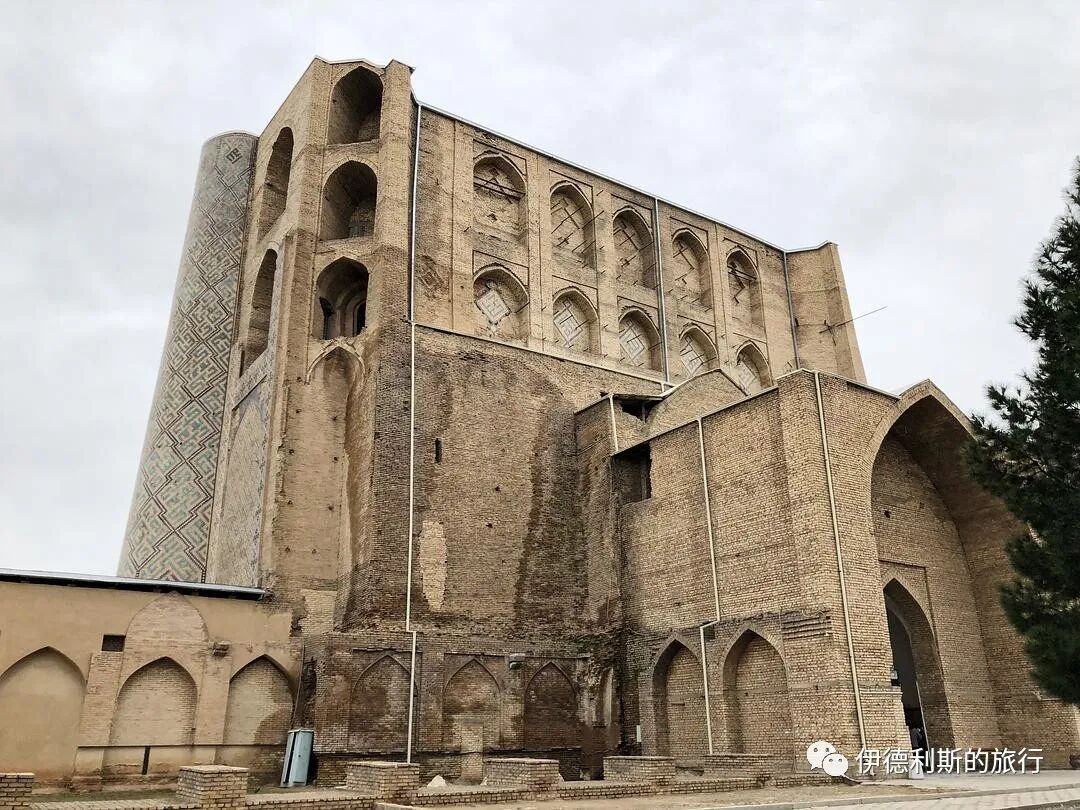
Back of the main gate
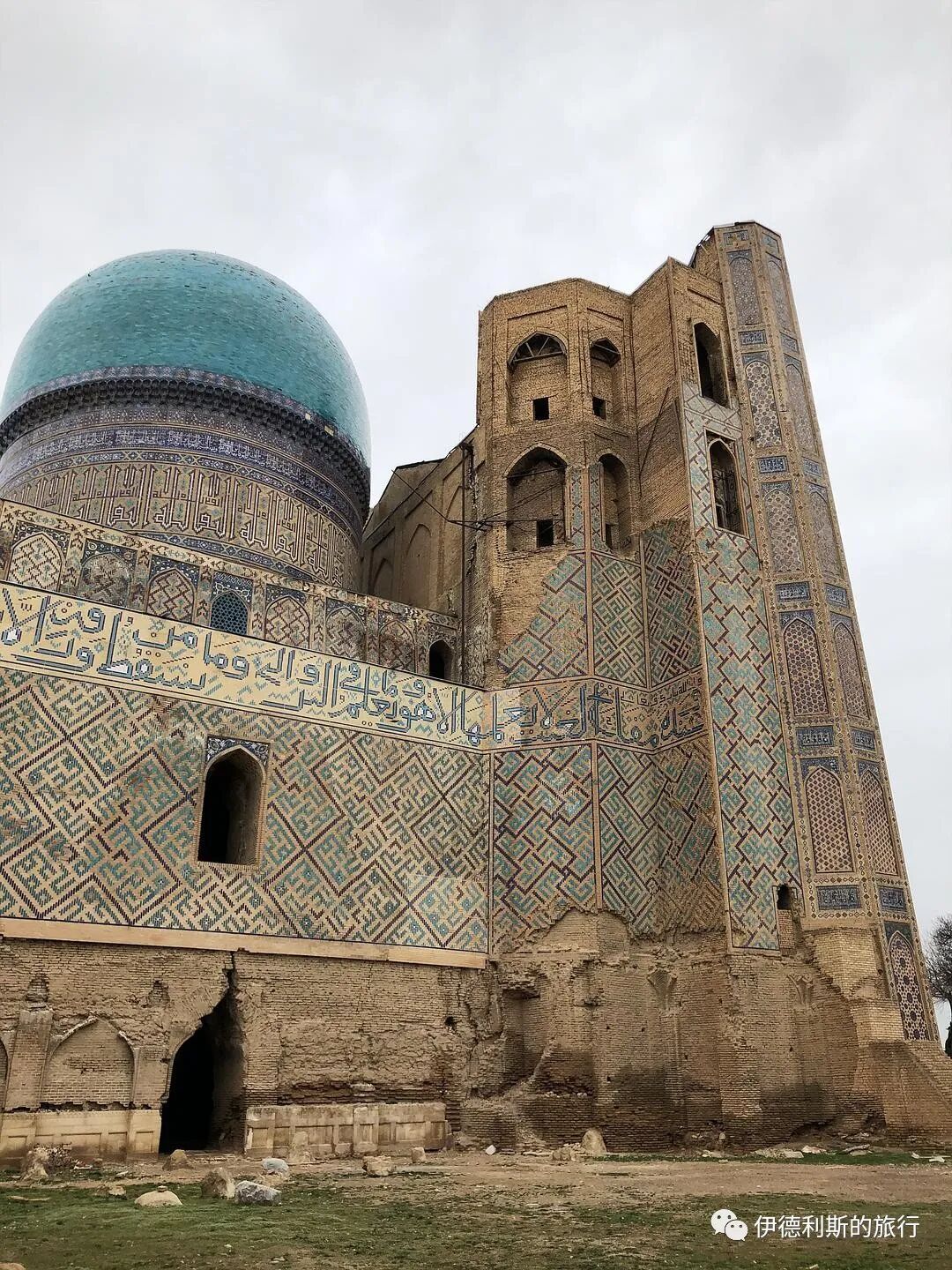
The main hall has a huge dome, but when viewed from the courtyard, the dome is blocked by the Pishtak facade; in reality, it can only be seen from the sides and the back.
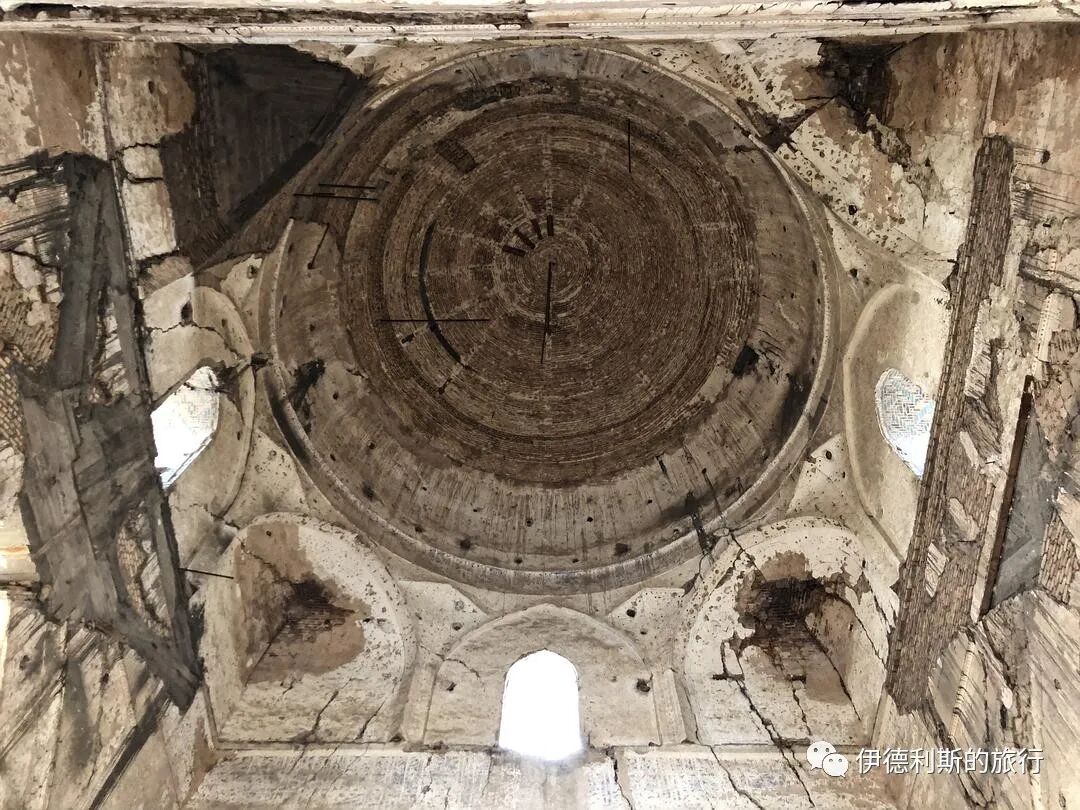
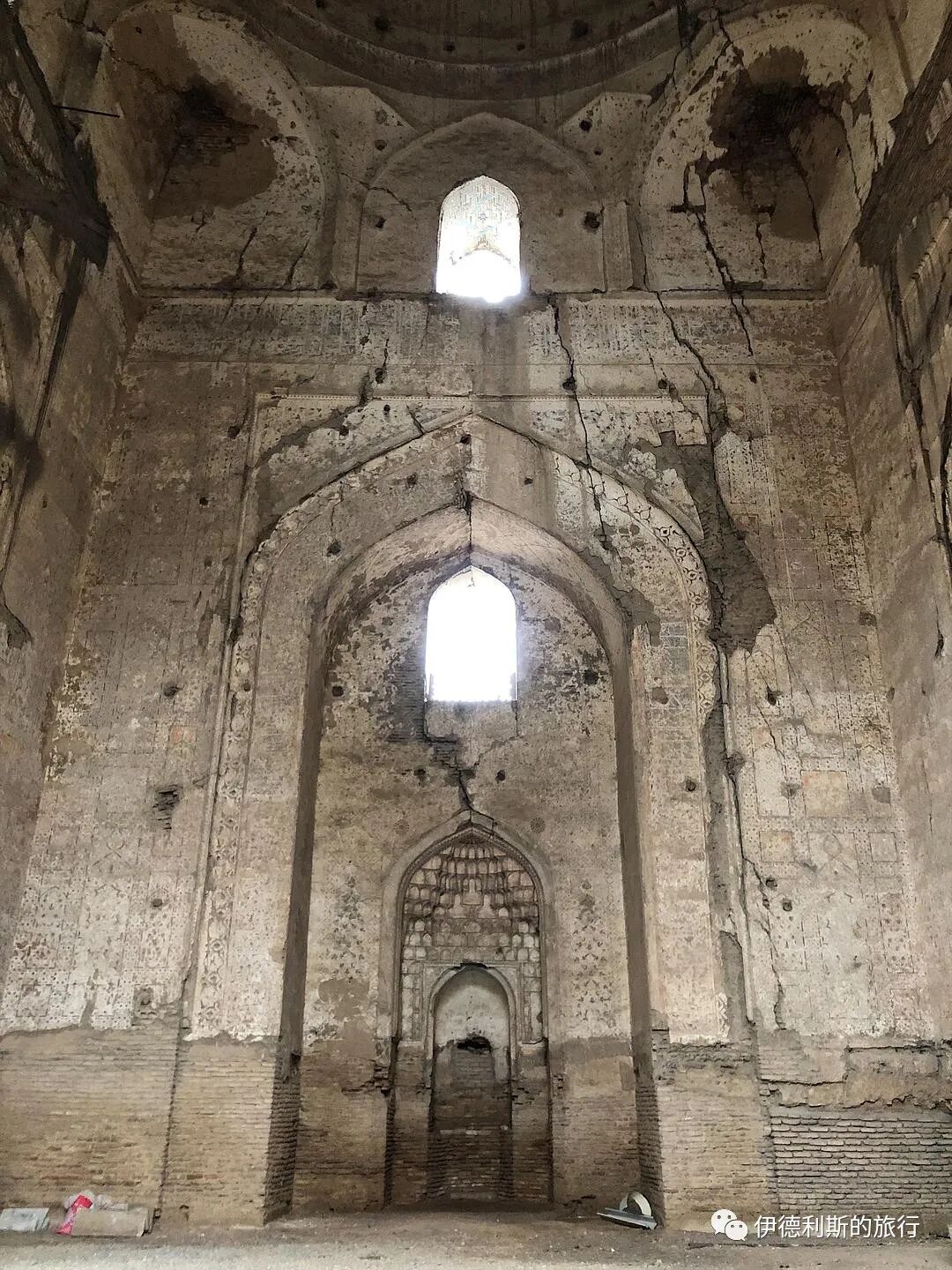
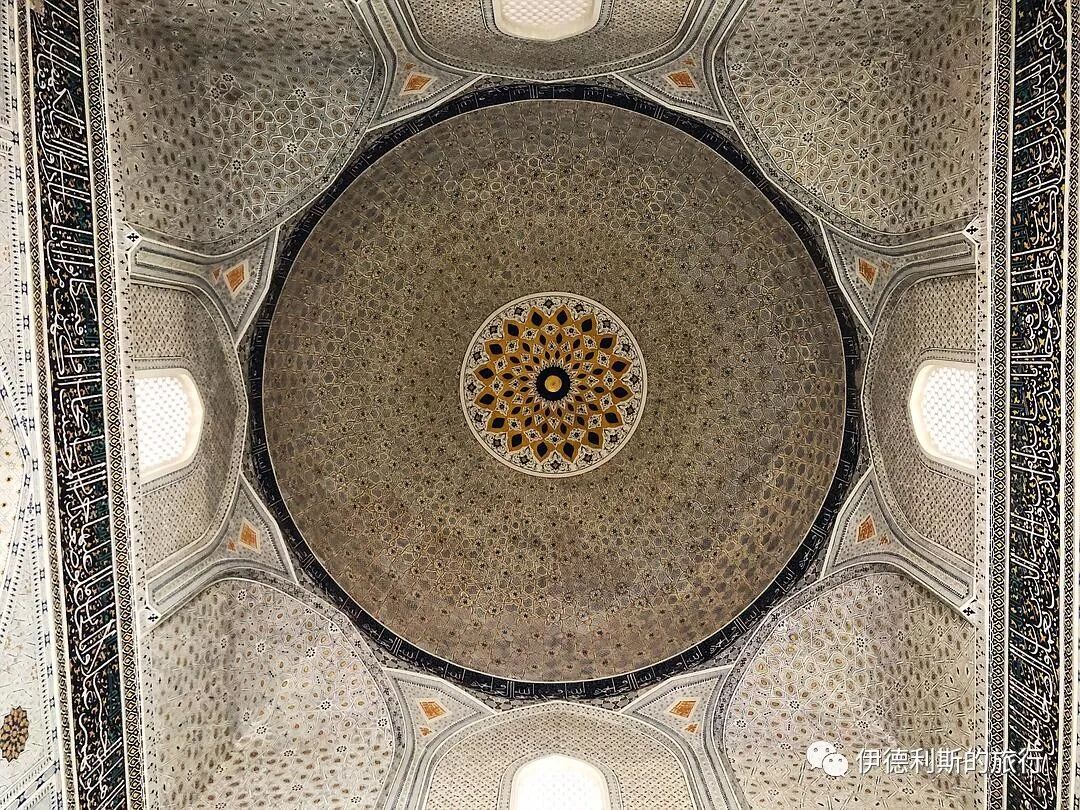
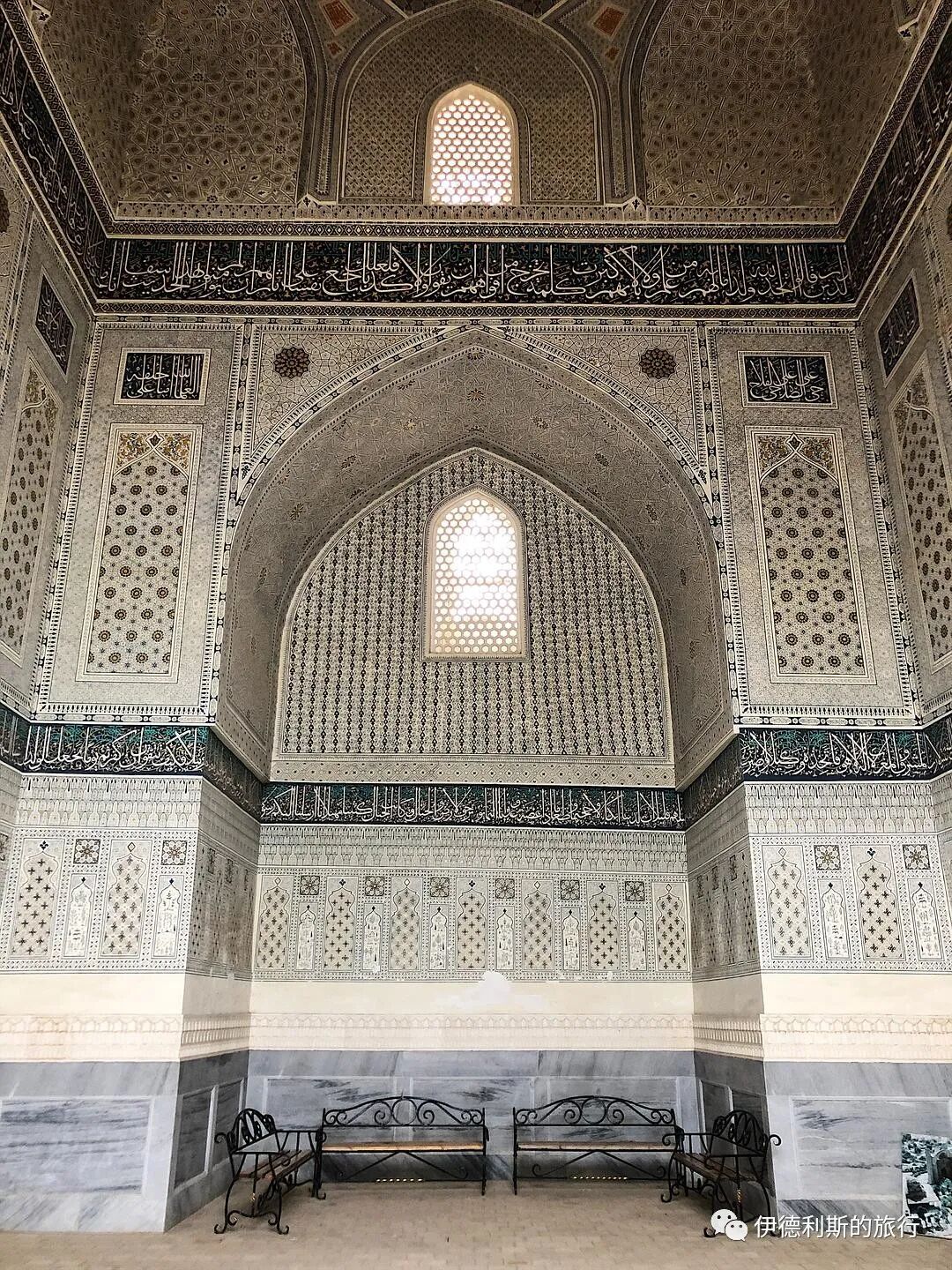
The domes of the main hall and the side halls utilize the innovative "double dome" technique. The inner dome of the main hall is 30 meters high, and the outer dome is 40 meters high, with a 10-meter hollow space in between. This allows the proportion of the interior mihrab (niche indicating the direction of prayer) to the entire hall to be as harmonious as possible, while the exterior dome can be as tall as possible.
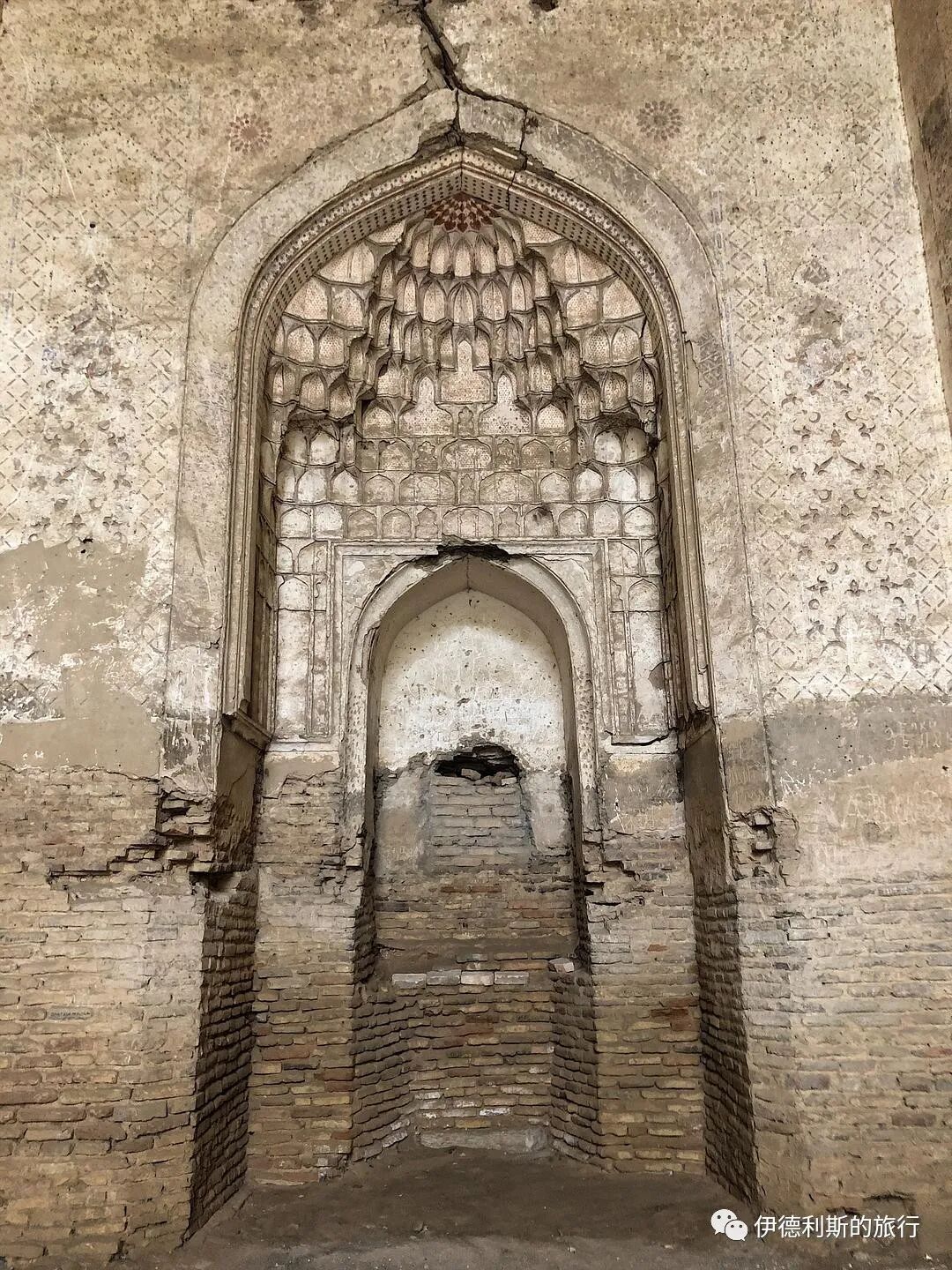
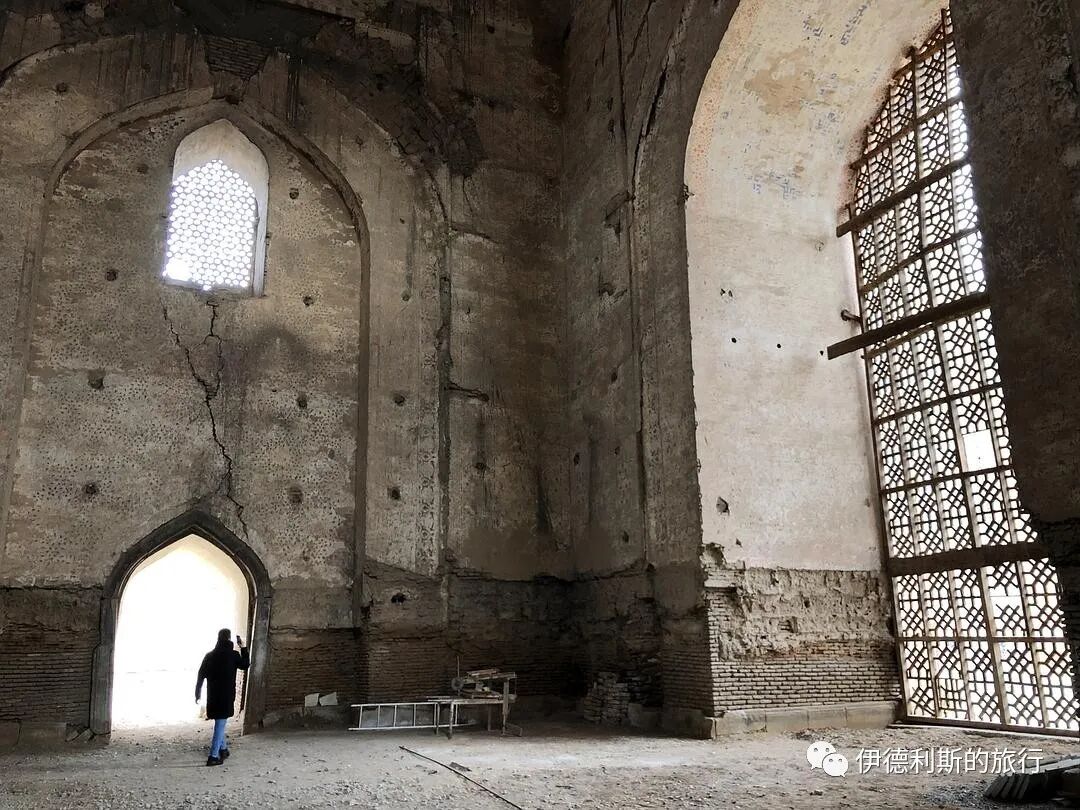
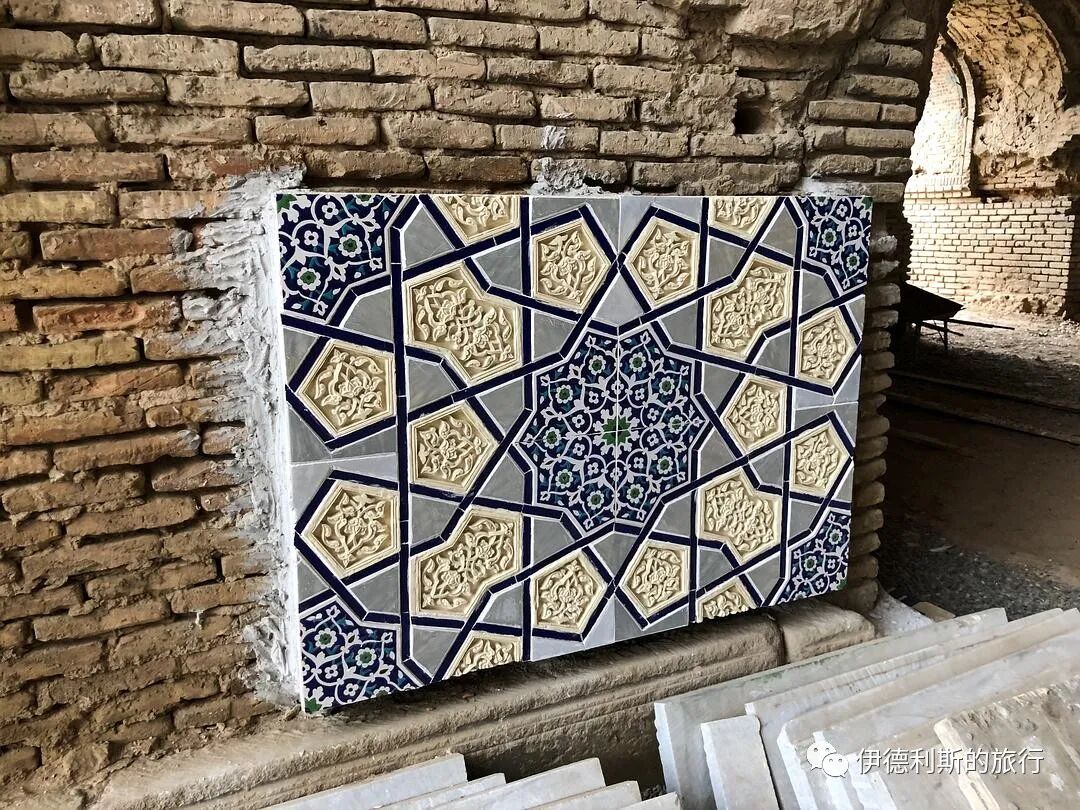
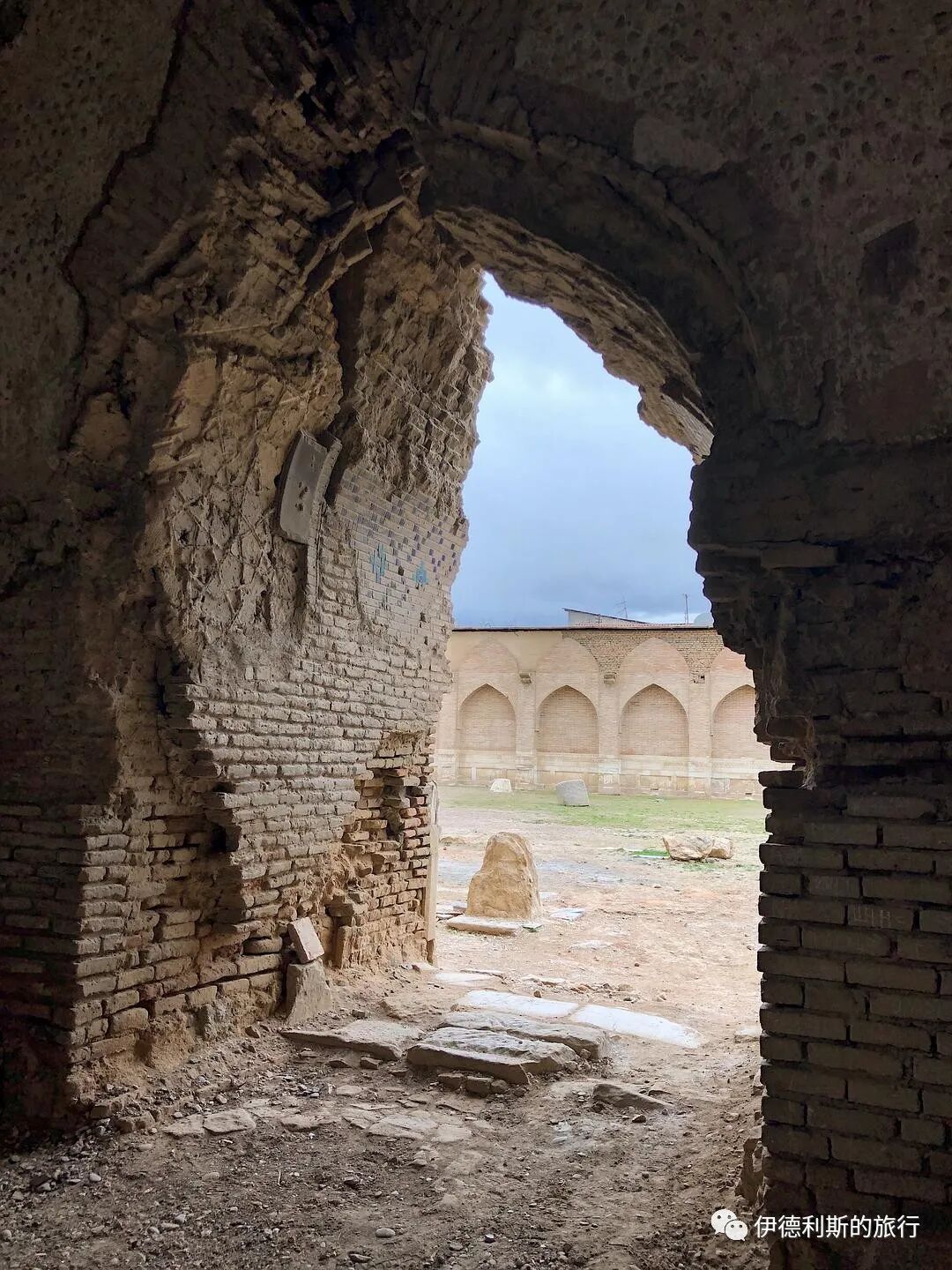
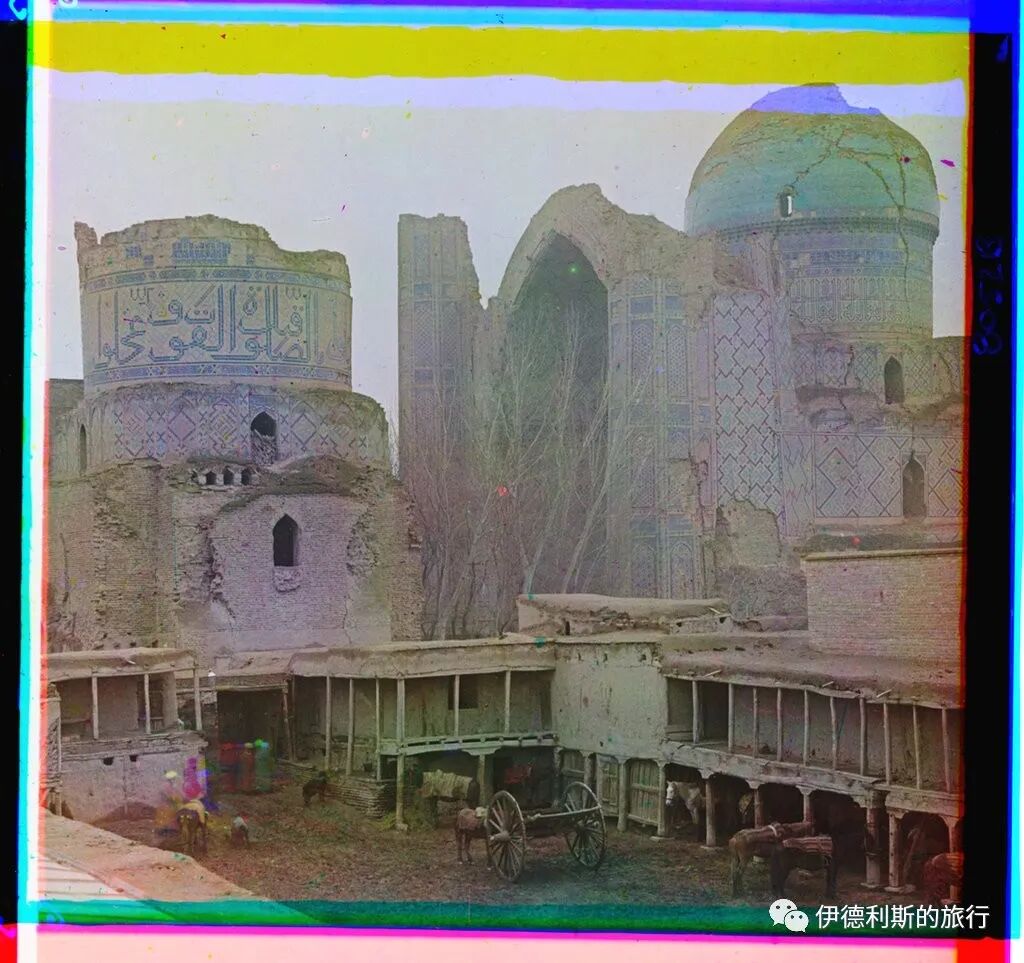
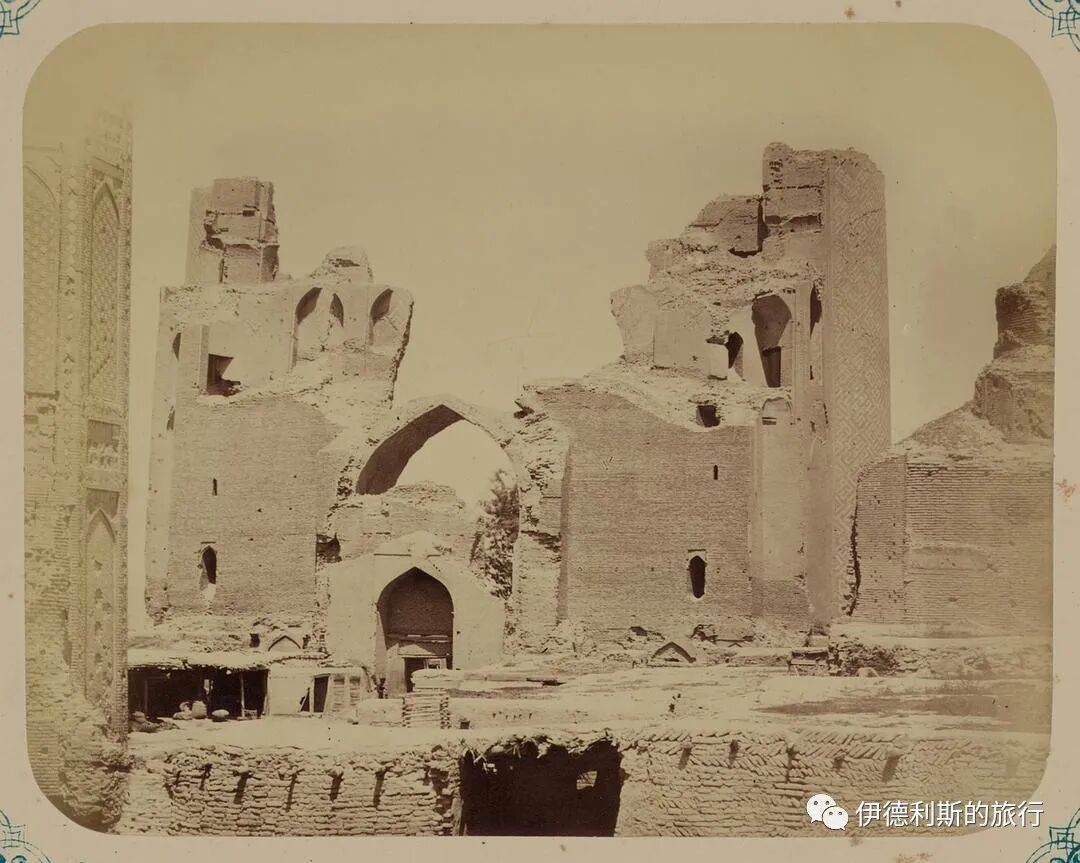
The two classrooms to the north and south of the mosque were once surrounded by a circle of 7.2-meter-high rooms forming a courtyard, composed of continuous arches and domes, but today all the rooms are in ruins, with only the foundations remaining.
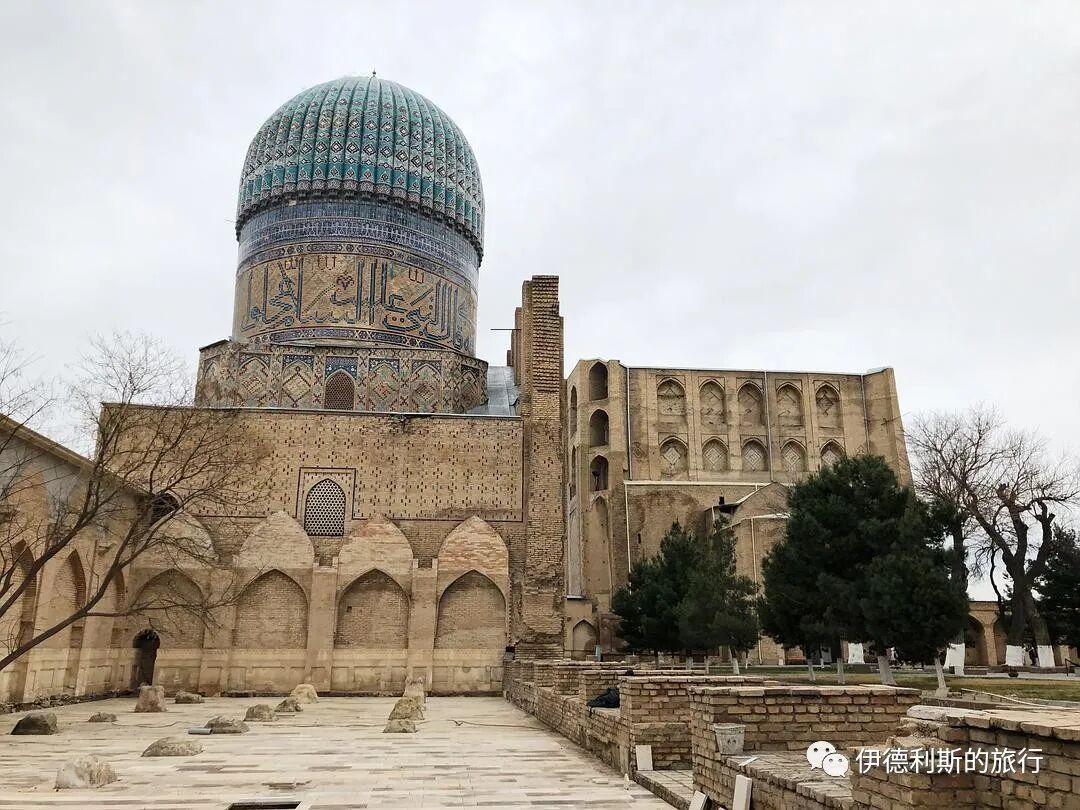
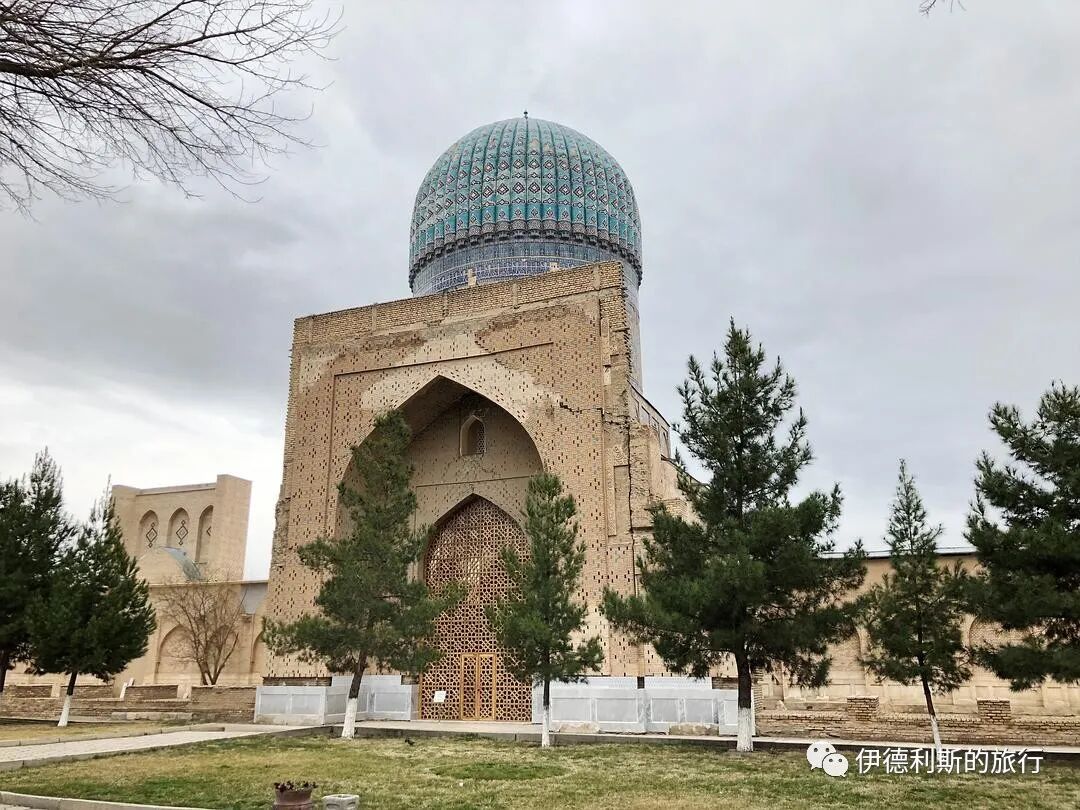
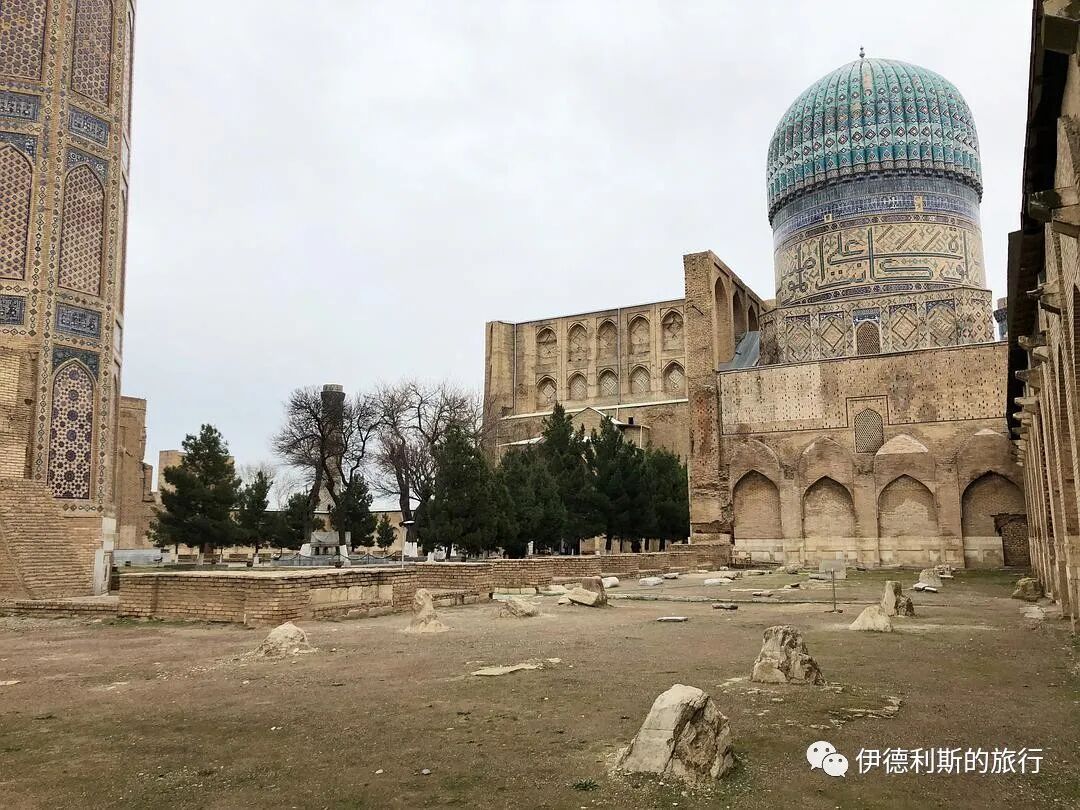
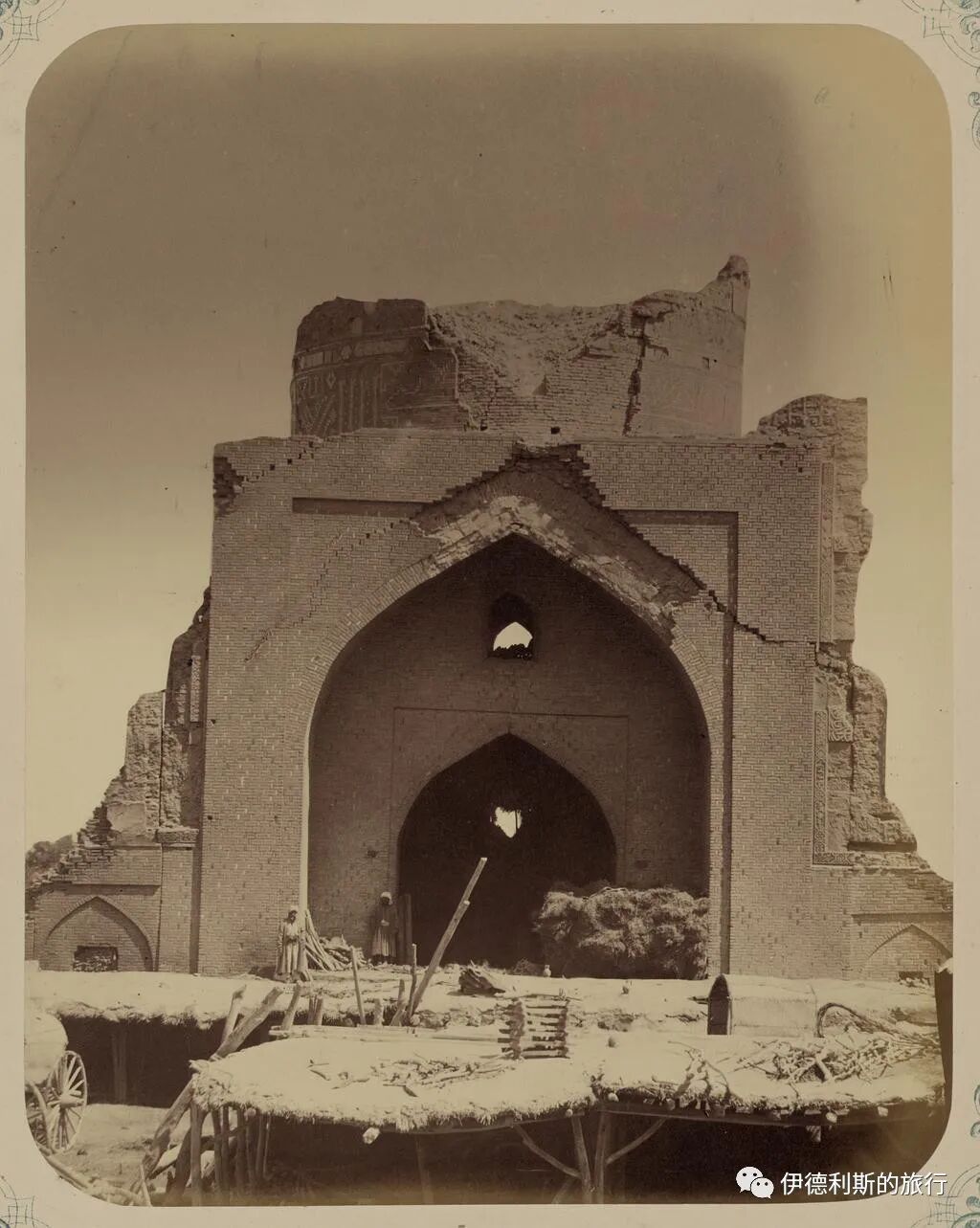
North classroom
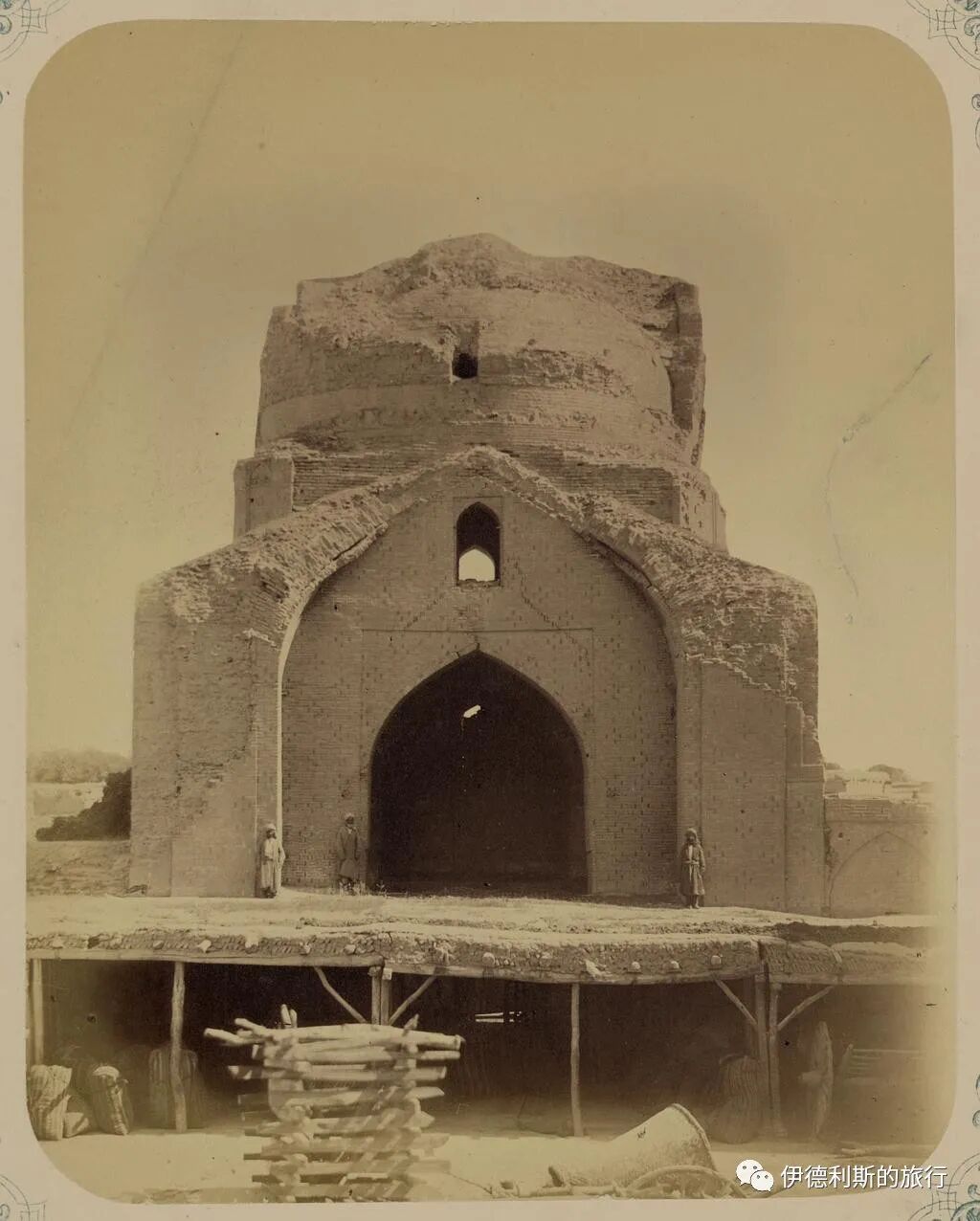
South classroom
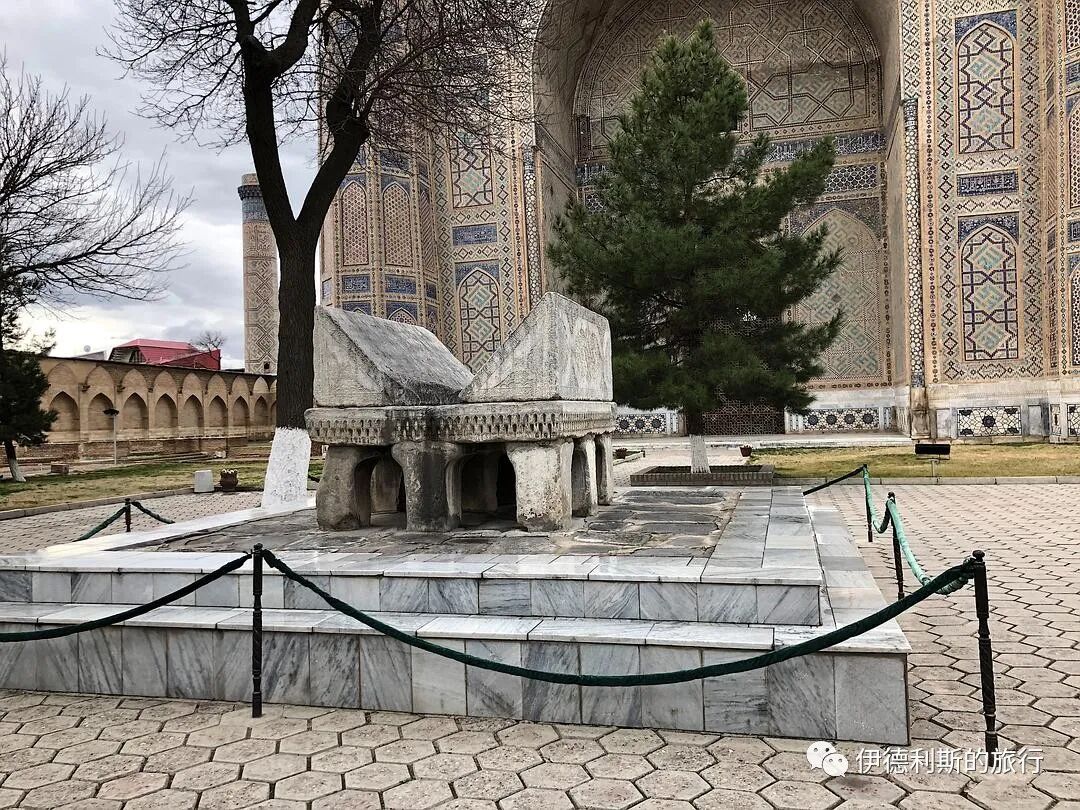
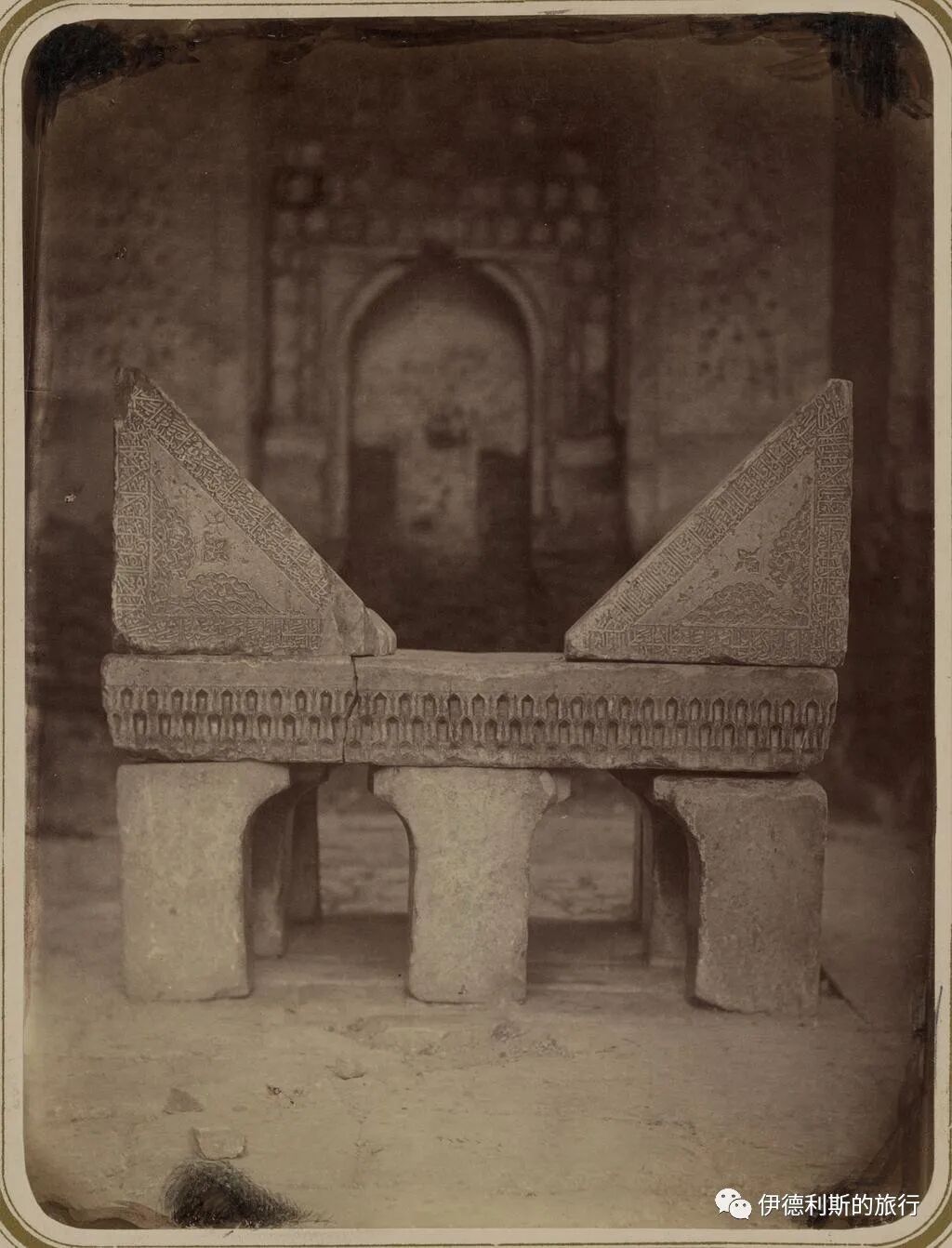
In the middle of the courtyard is a marble Quran stand, which is an original artifact from the Timurid era.
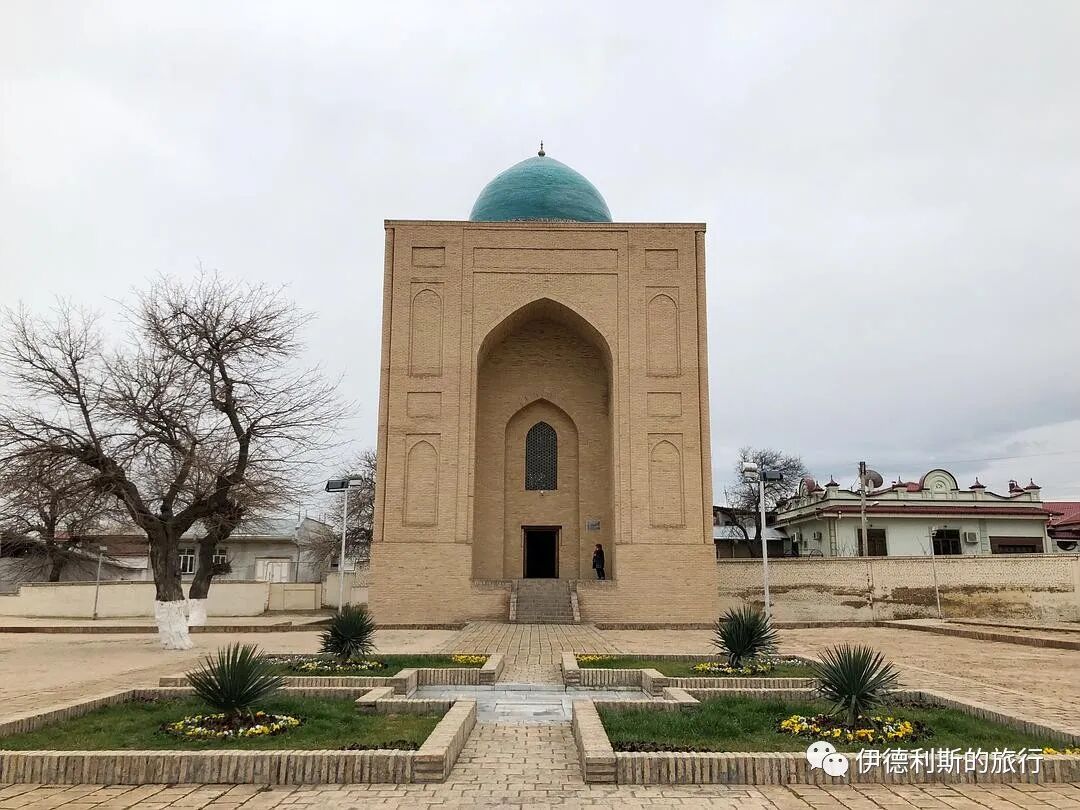
5. Bibi-Khanym Mausoleum: 1404
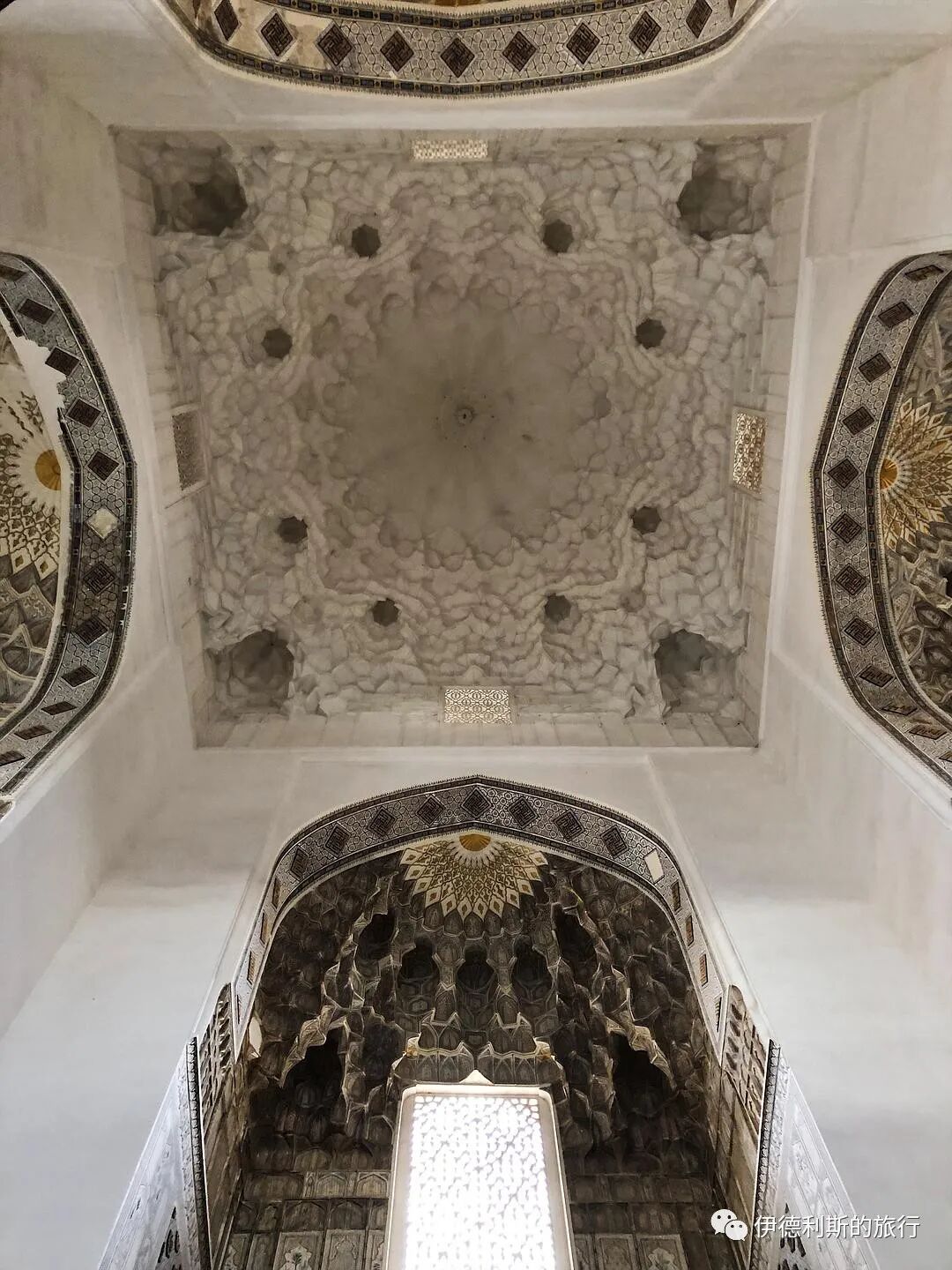
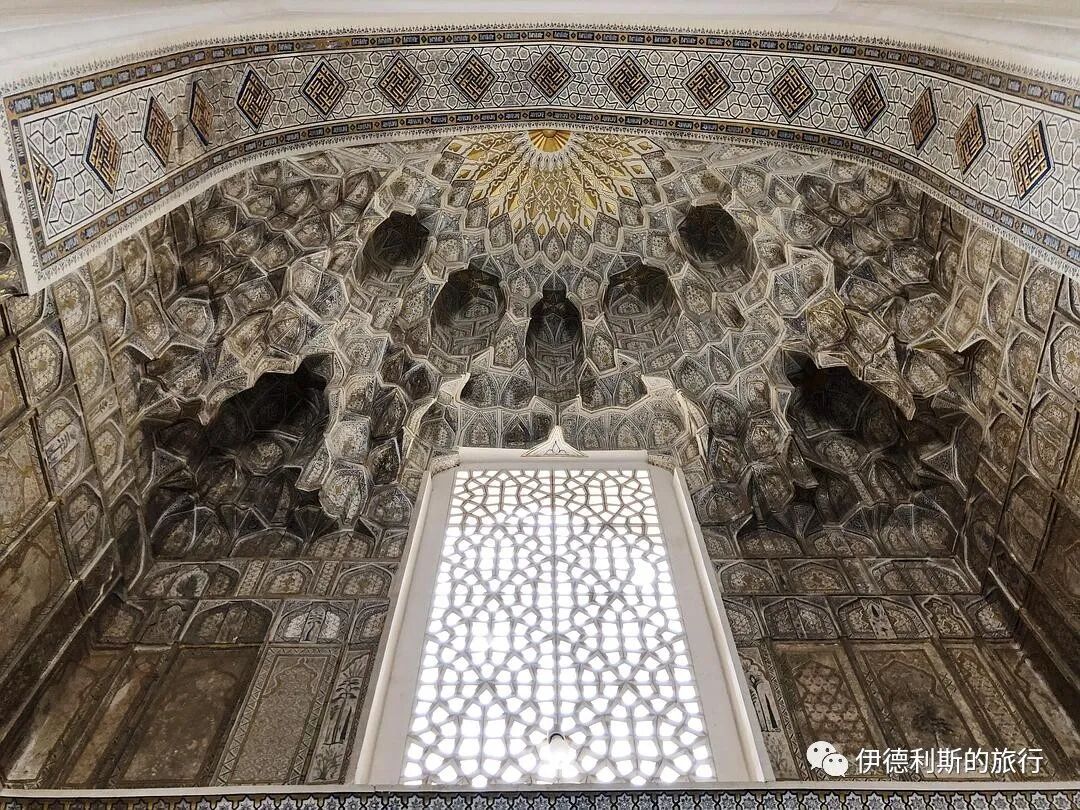
The Bibi Khanym Mausoleum is located directly opposite the Bibi-Khanym Mosque, built at the same time as the mosque, and is connected to it by a path. In addition to Timur's wife, Sarai Mulk Khanym, other women of the Timurid family are buried in the mausoleum.
Sarai Mulk Khanym was the daughter of the last Khan of the Chagatai Khanate, Qazan Khan ibn Yasaur (reigned 1343-1346), and her first husband was the Chagatai warlord Amir Husayn. Husayn was once Timur's main ally before he came to power; in 1370, their alliance broke down, and Timur defeated and executed Husayn, taking over his harem and thus marrying Husayn's wife, Sarai Mulk Khanym.
As a direct descendant of Genghis Khan and a princess of the Chagatai Khanate, Sarai Mulk Khanym held a very high status in Timur's court. By marrying Sarai Mulk Khanym, Timur acquired the title of "Gurgan" (son-in-law), a title that was very important to Timur, indicating his relationship with the Genghis Khan-Chagatai family.
Sarai Mulk Khanym is referred to in historical records as Timur's favorite queen, and she always played a significant role in the court. When Timur was not in Samarkand, Sarai Mulk Khanym even managed state affairs as regent.
Sarai Mulk Khanym had no children, but she treated Timur's youngest son, Shah Rukh (the second ruler of the Timurid dynasty), as her own. After the birth of Shah Rukh's son, Ulugh Beg (the third ruler of the Timurid dynasty), in 1394, Sarai Mulk Khanym also raised and educated Ulugh Beg just as she did Shah Rukh.
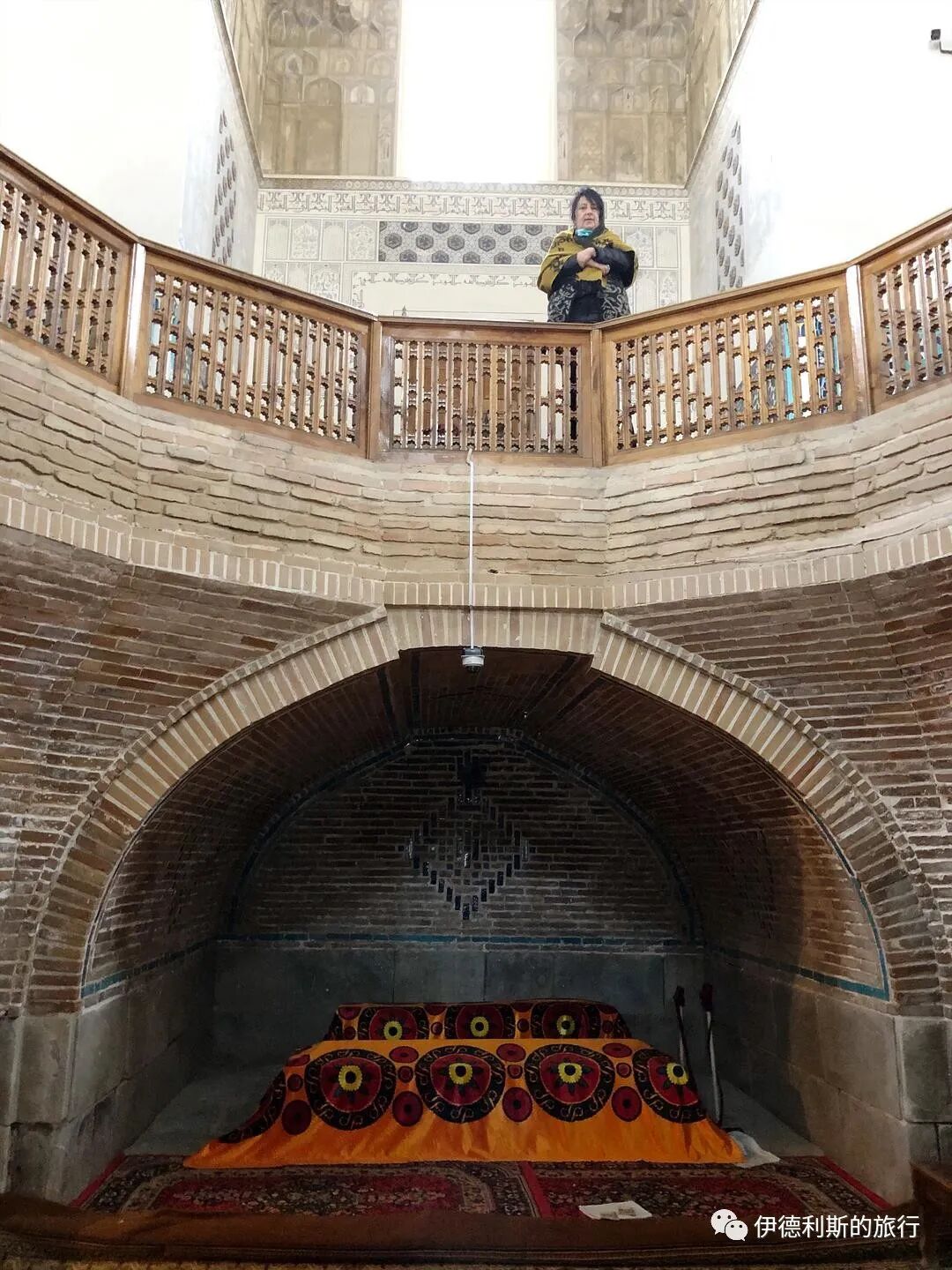
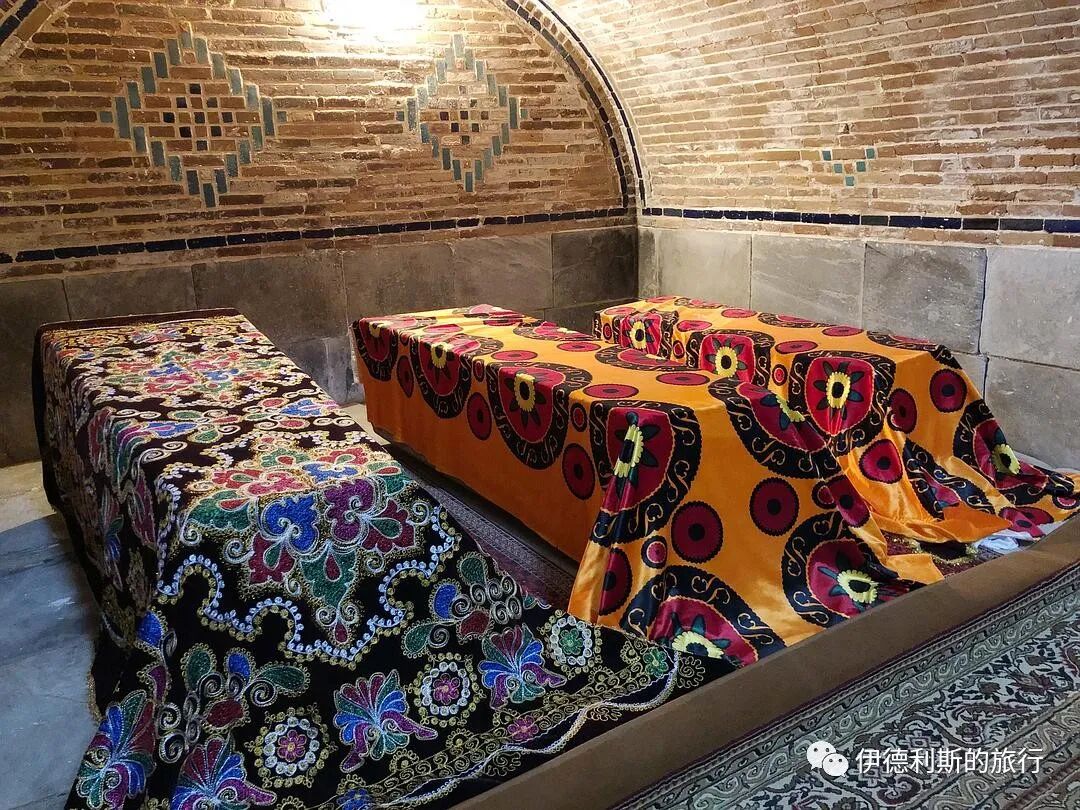
6. Ulugh Beg Madrasah: 1420
The Ulugh Beg Madrasah (Islamic school) is located on the west side of Registan Square and was built by the Timurid ruler and famous astronomer Ulugh Beg (reigned 1447-1449) between 1417 and 1420.
After Timur's death in 1405, his son Shah Rukh inherited the eastern part of the empire. Shah Rukh moved the capital of the Timurid Empire from Samarkand to Herat in Afghanistan, and from 1409, he let his son Ulugh Beg rule Samarkand.
The Ulugh Beg Madrasah is hailed as the best Islamic school in 15th-century Central Asia, and it also made Samarkand the cultural center of 15th-century Central Asia. The school usually had about 100 students studying mathematics, geometry, logic, natural sciences, and theology. Ulugh Beg taught here himself; the great Persian poet and Sufi scholar Abdul-Rahman Jami studied here, and the school also produced many astronomers. After the establishment of the Bukhara Khanate in the 16th century, Samarkand lost its status as the capital, but the Ulugh Beg Madrasah remained one of the best schools in Central Asia.
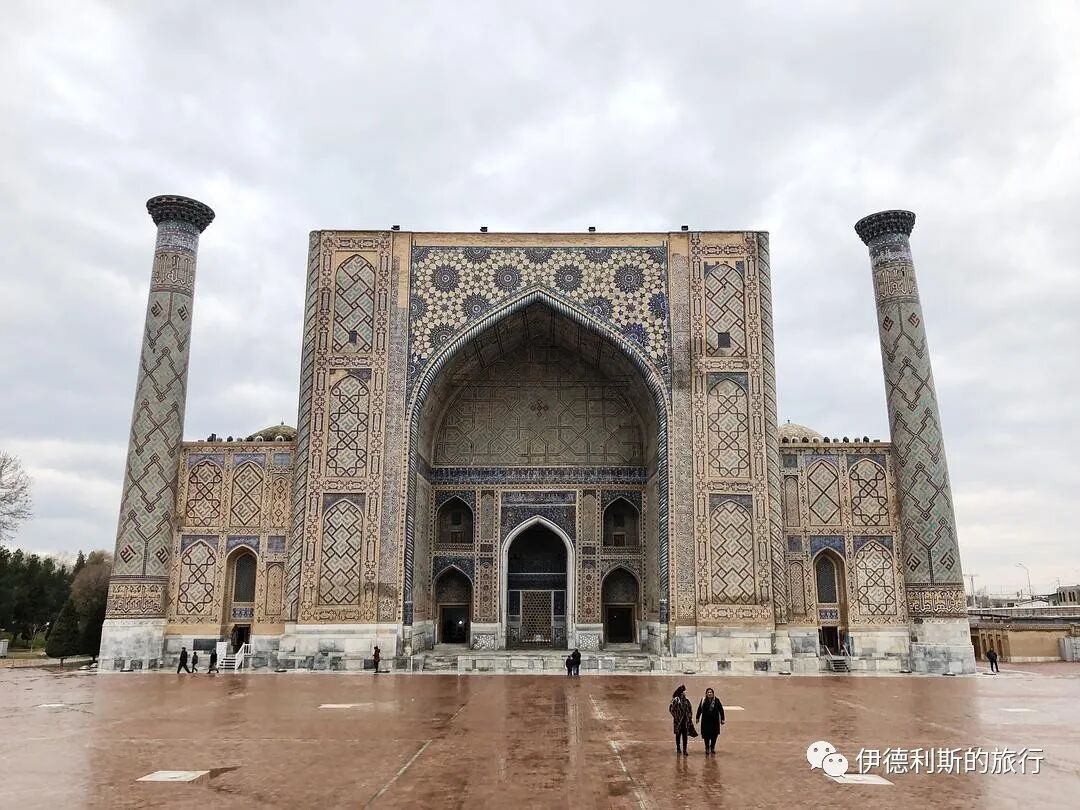
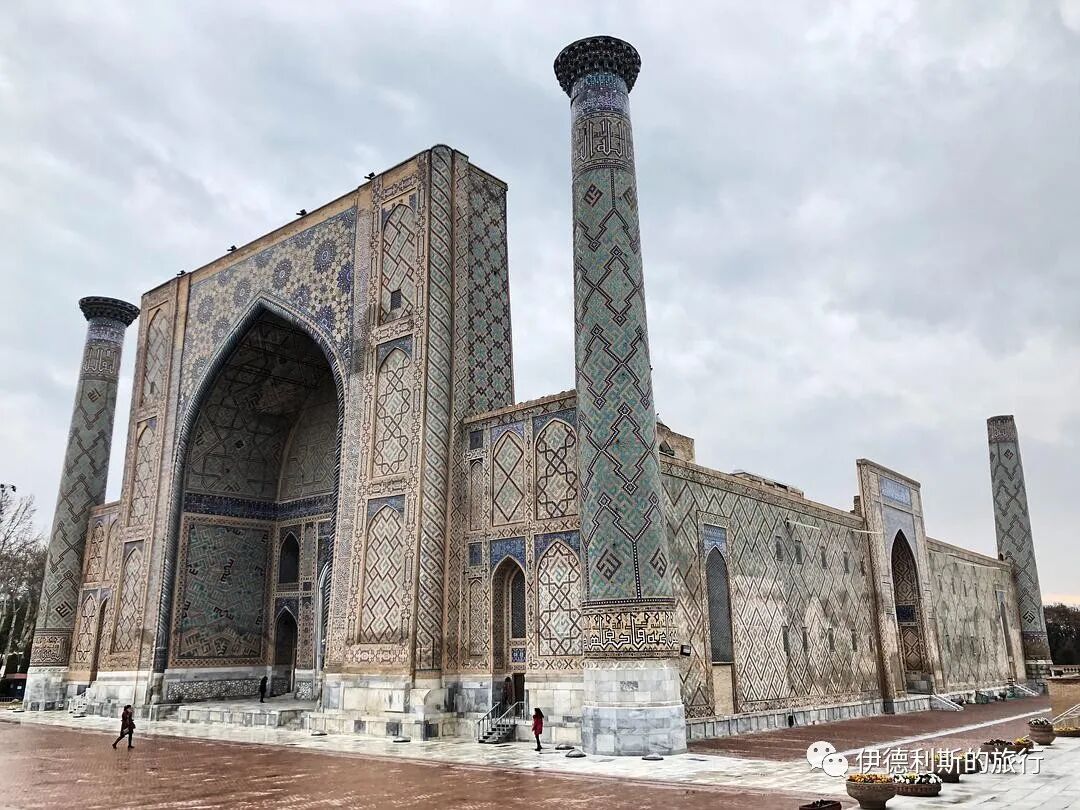
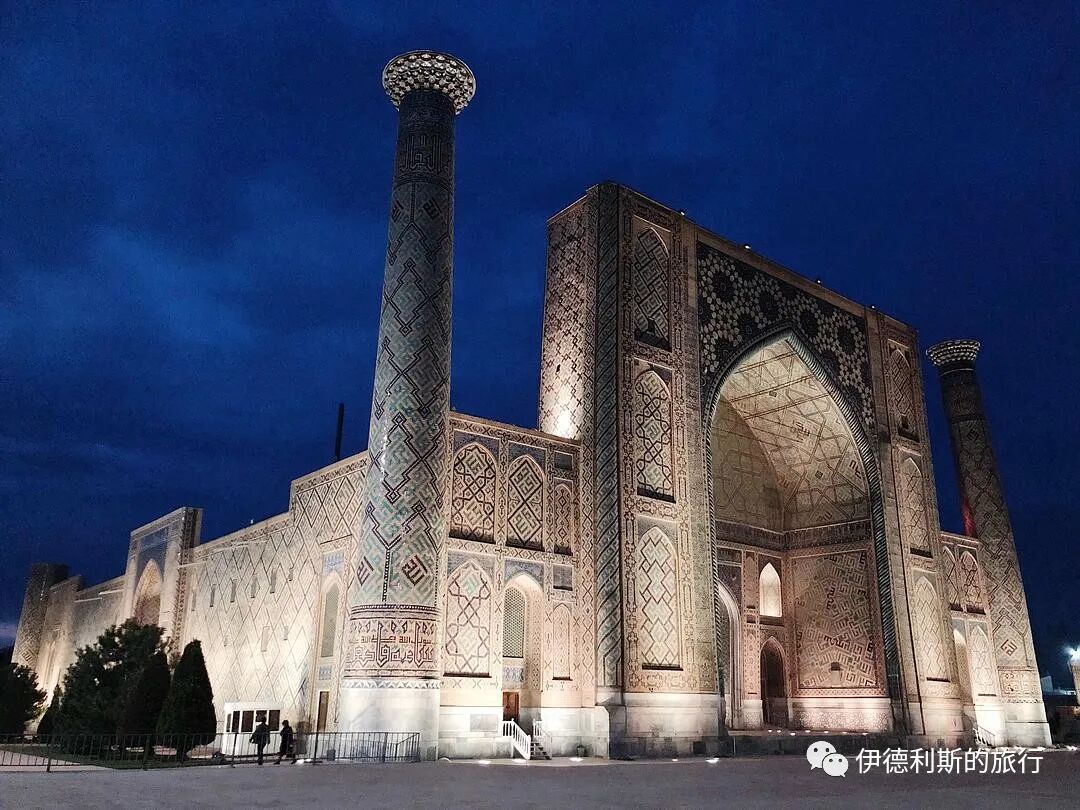
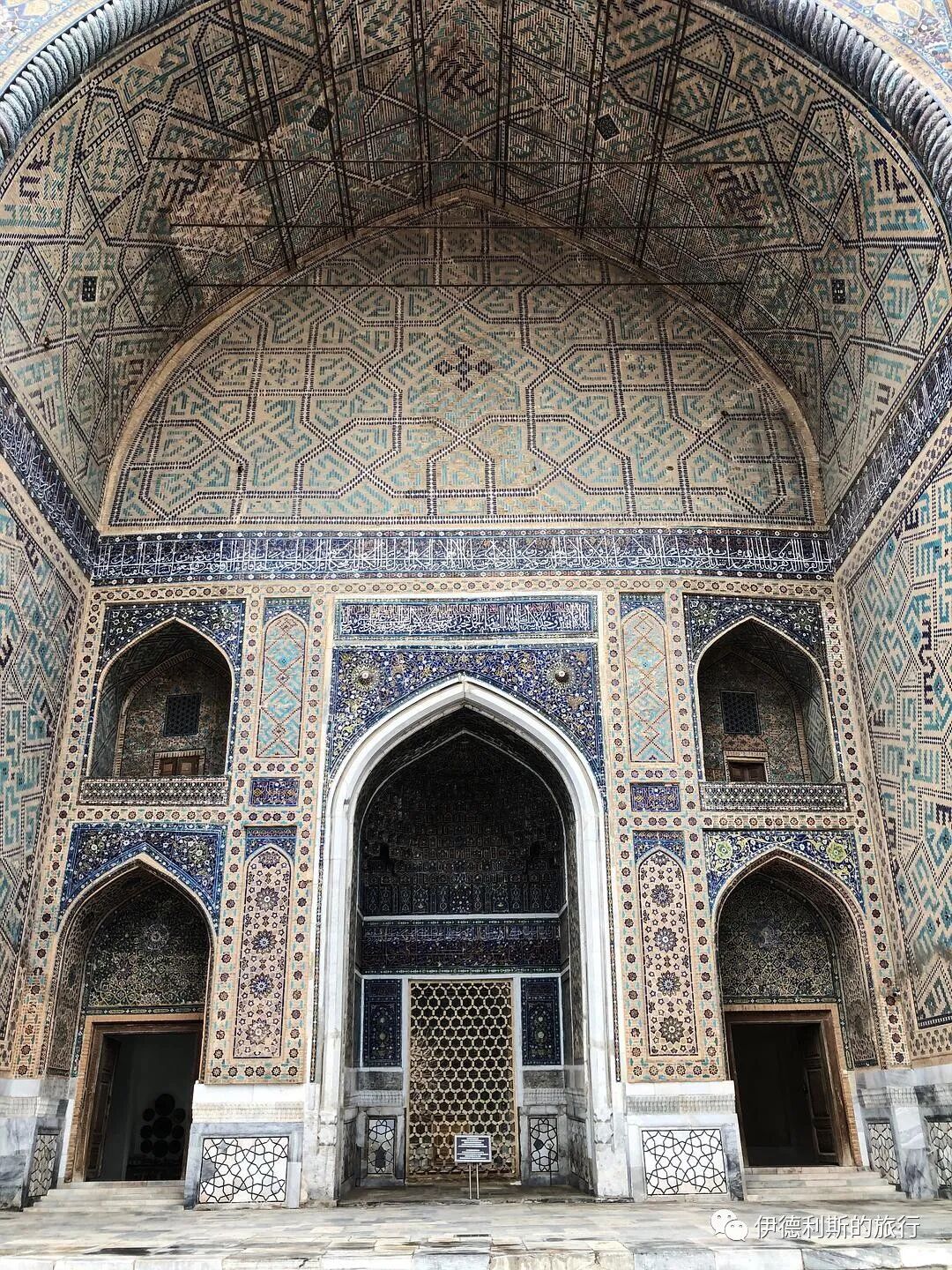
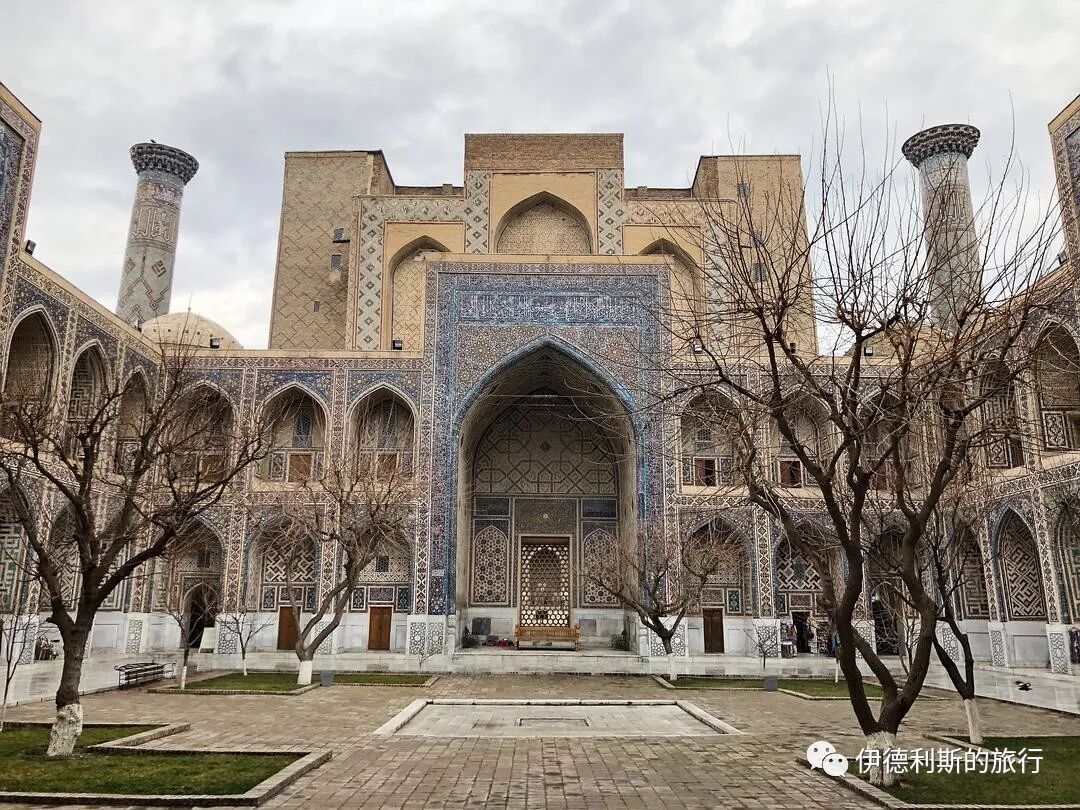
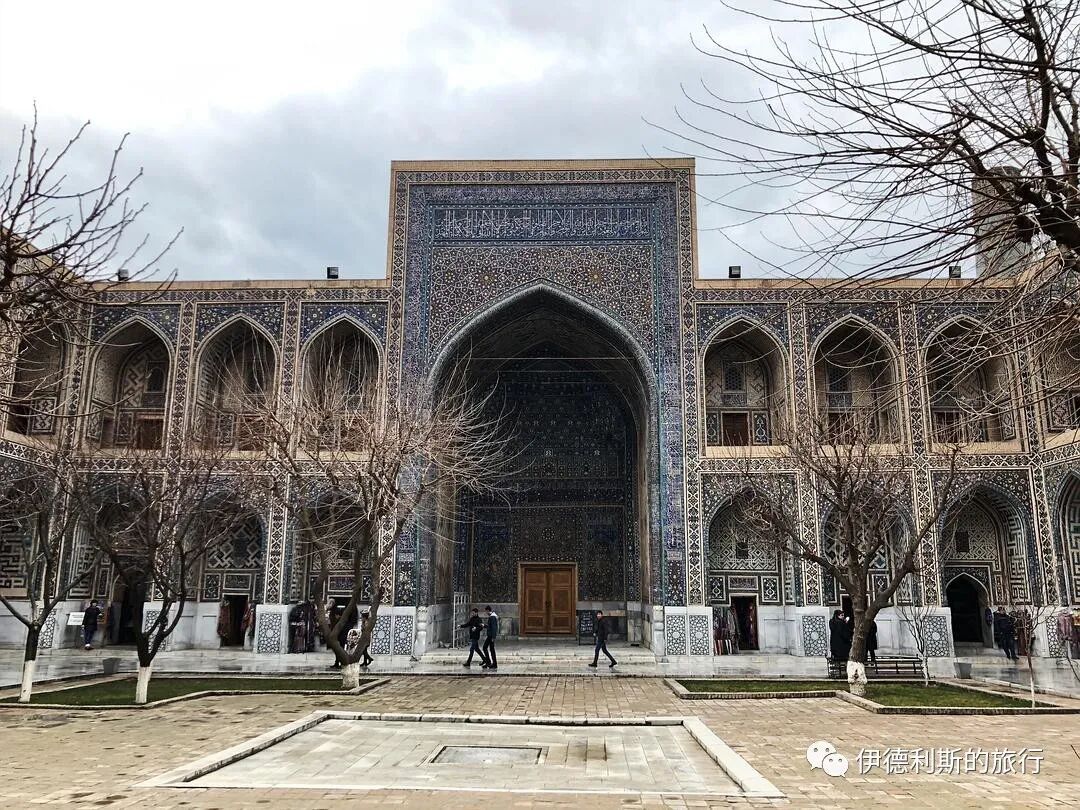
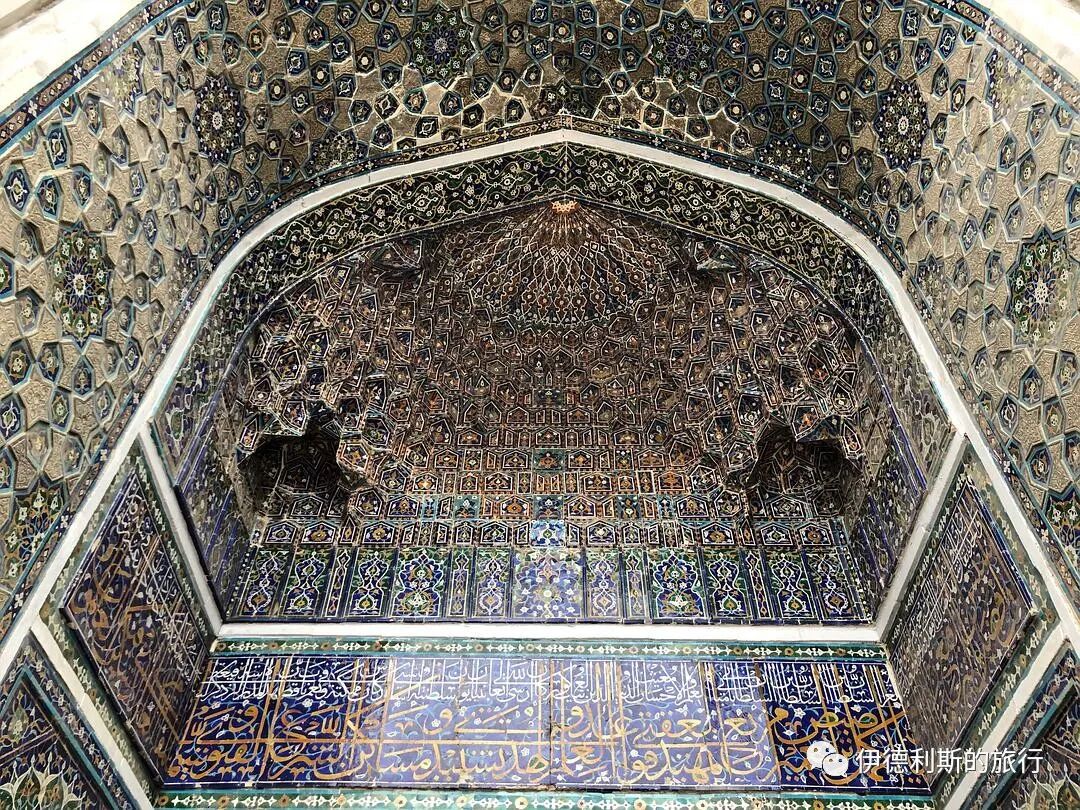
The Ulugh Beg Madrasah was severely damaged in two major earthquakes in 1817 and 1818, and finally became a ruin after the 1897 earthquake. After the 1920s, the Ulugh Beg Madrasah began to be restored, a process that has lasted for more than 70 years. The first phase of work mainly focused on protecting the surviving parts of the building, and the northeast minaret was straightened in 1932. Major restoration work was carried out in the 1950s and 1960s; the ground level was lowered by two meters, doors, windows, and various architectural decorations were restored, and the southeast minaret was restored in 1965. In the 1990s, the second floor of the school building, which had been demolished in the 18th century, was restored.
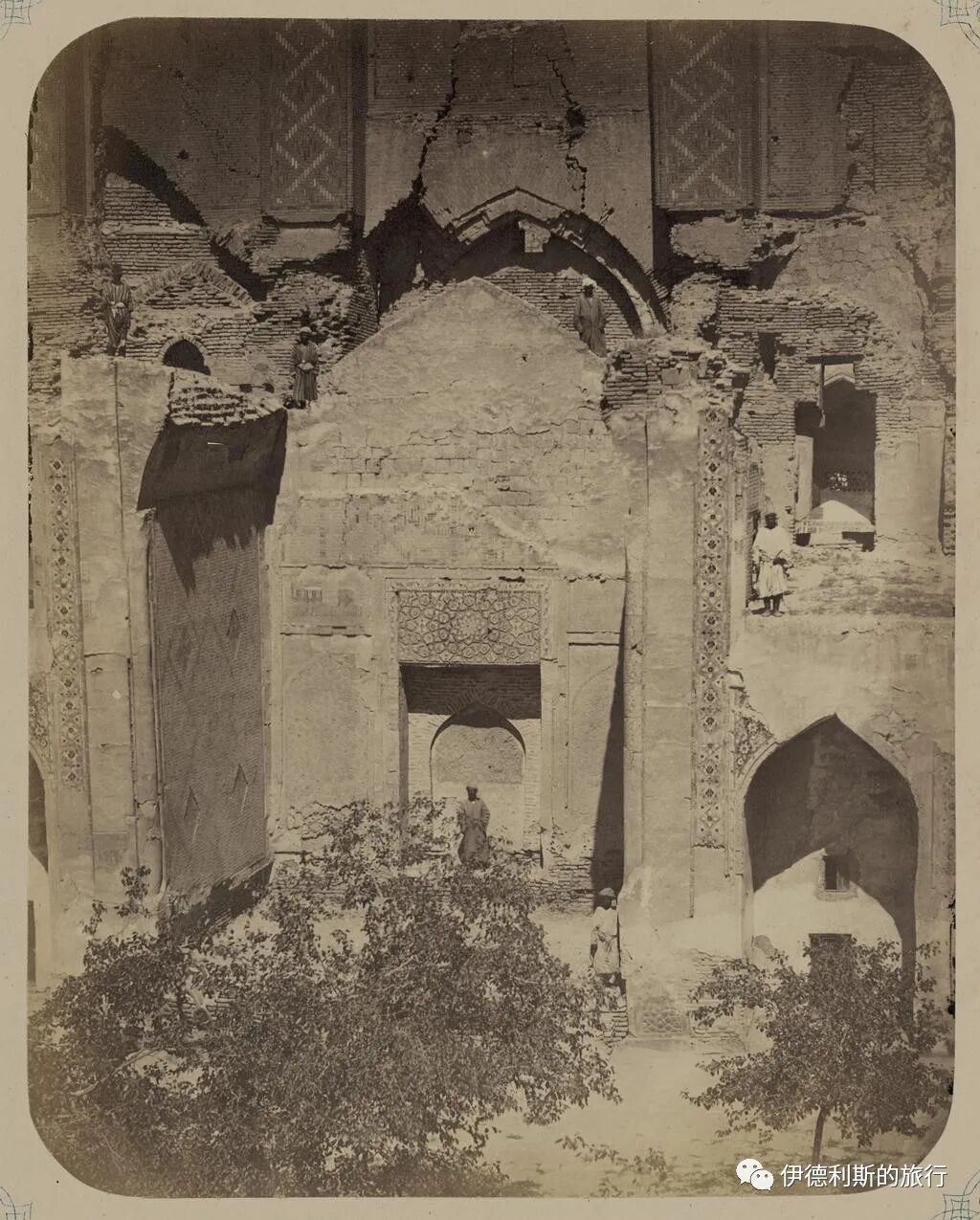
The archaeological section of the "Turkestan Album," produced by Russia between 1871 and 1872, photographed the Ulugh Beg Madrasah at that time.
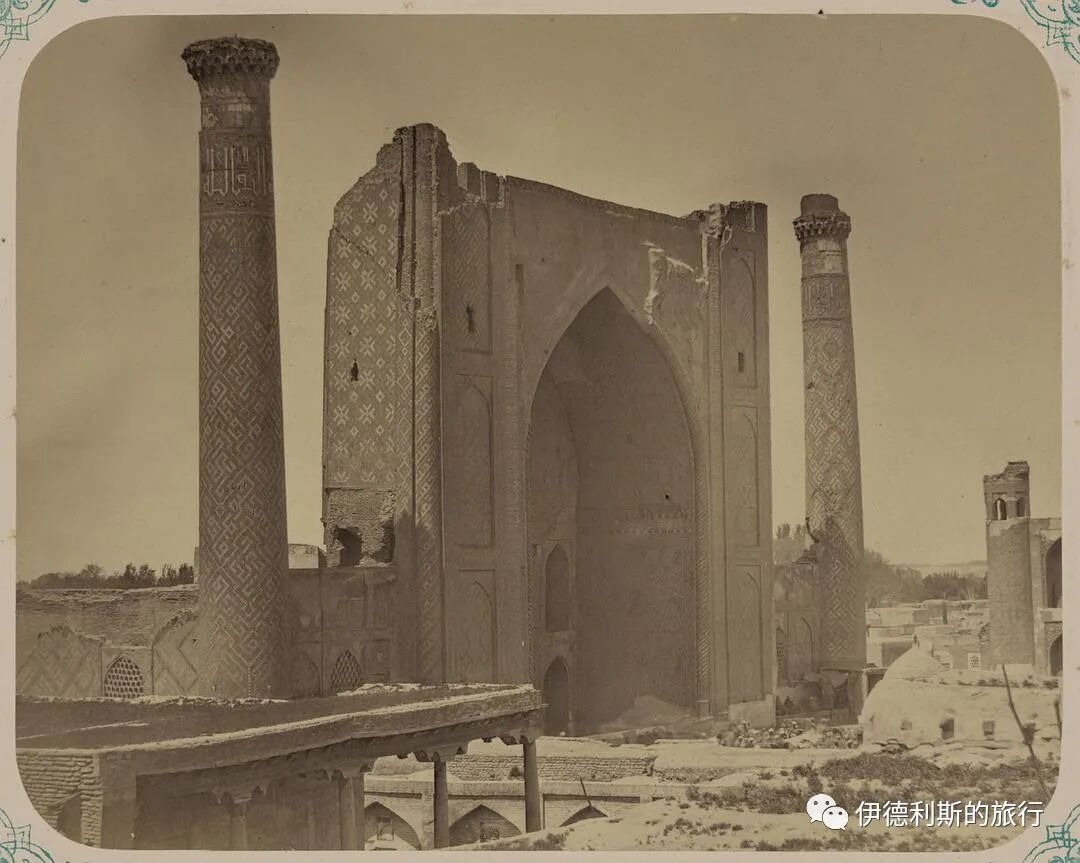
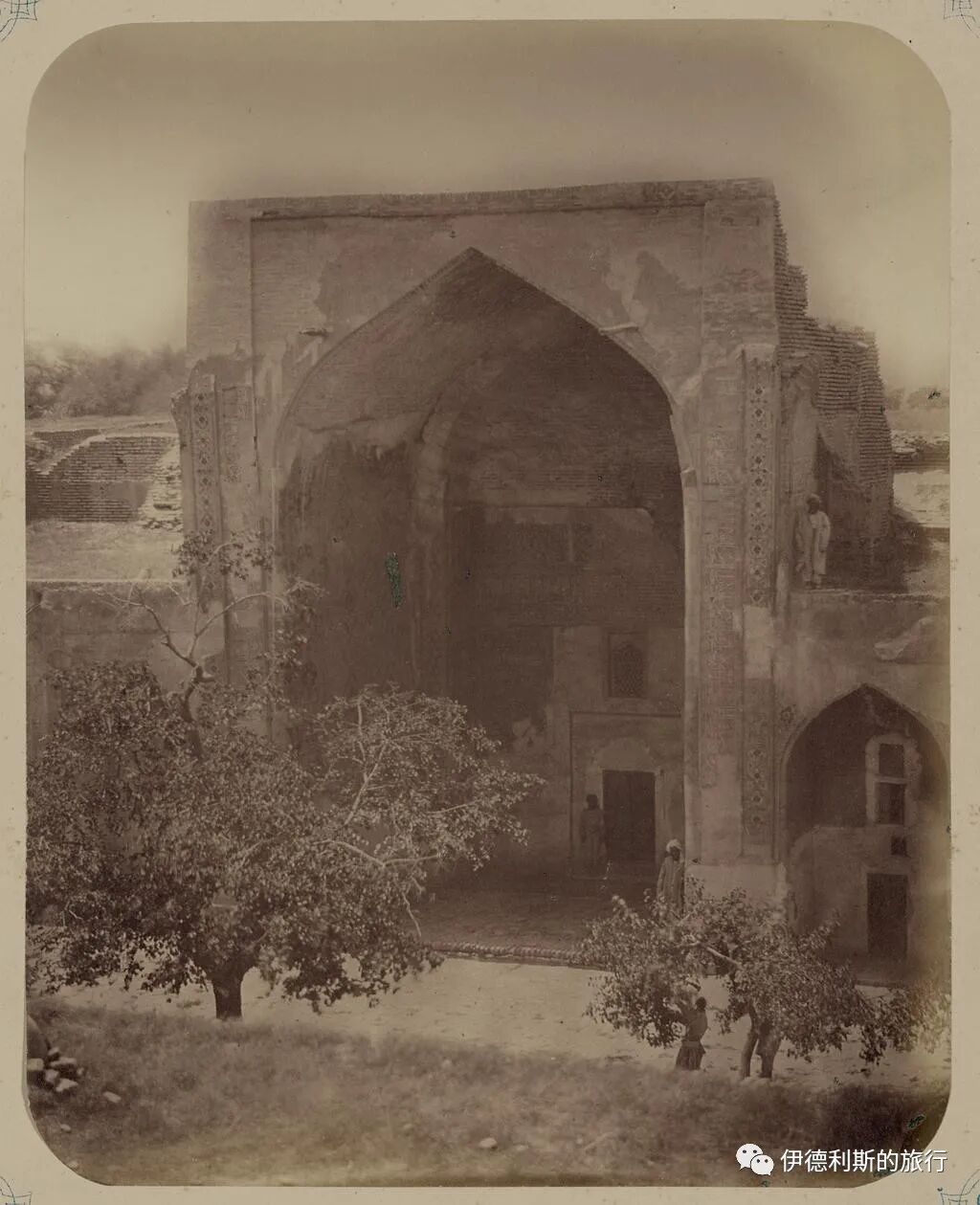
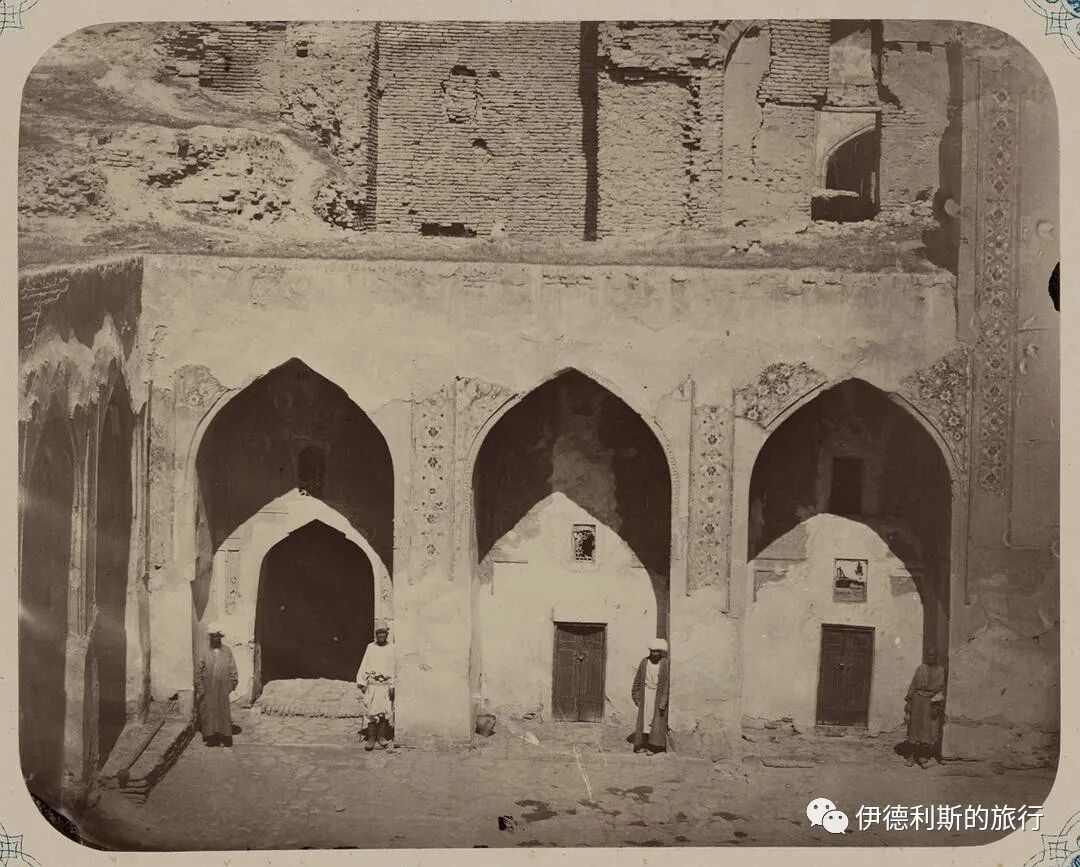
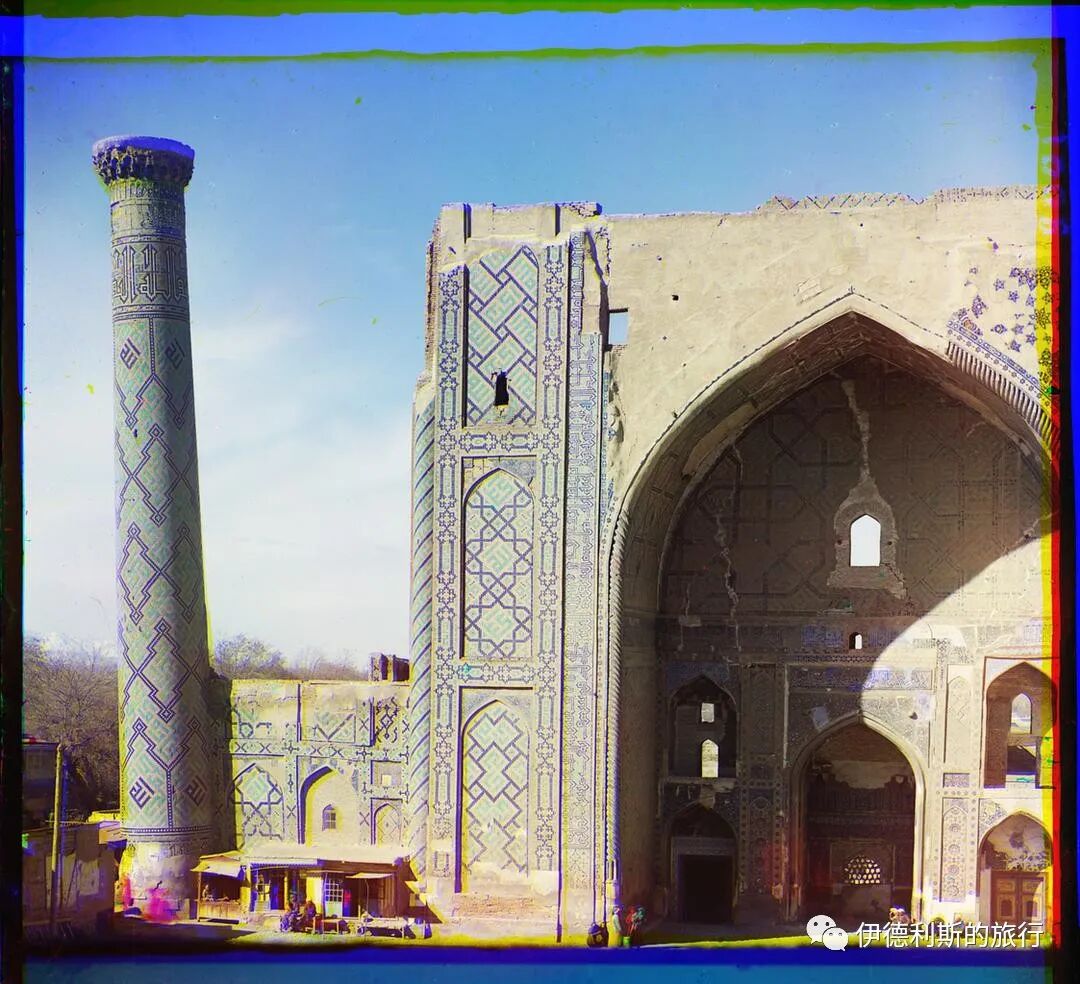
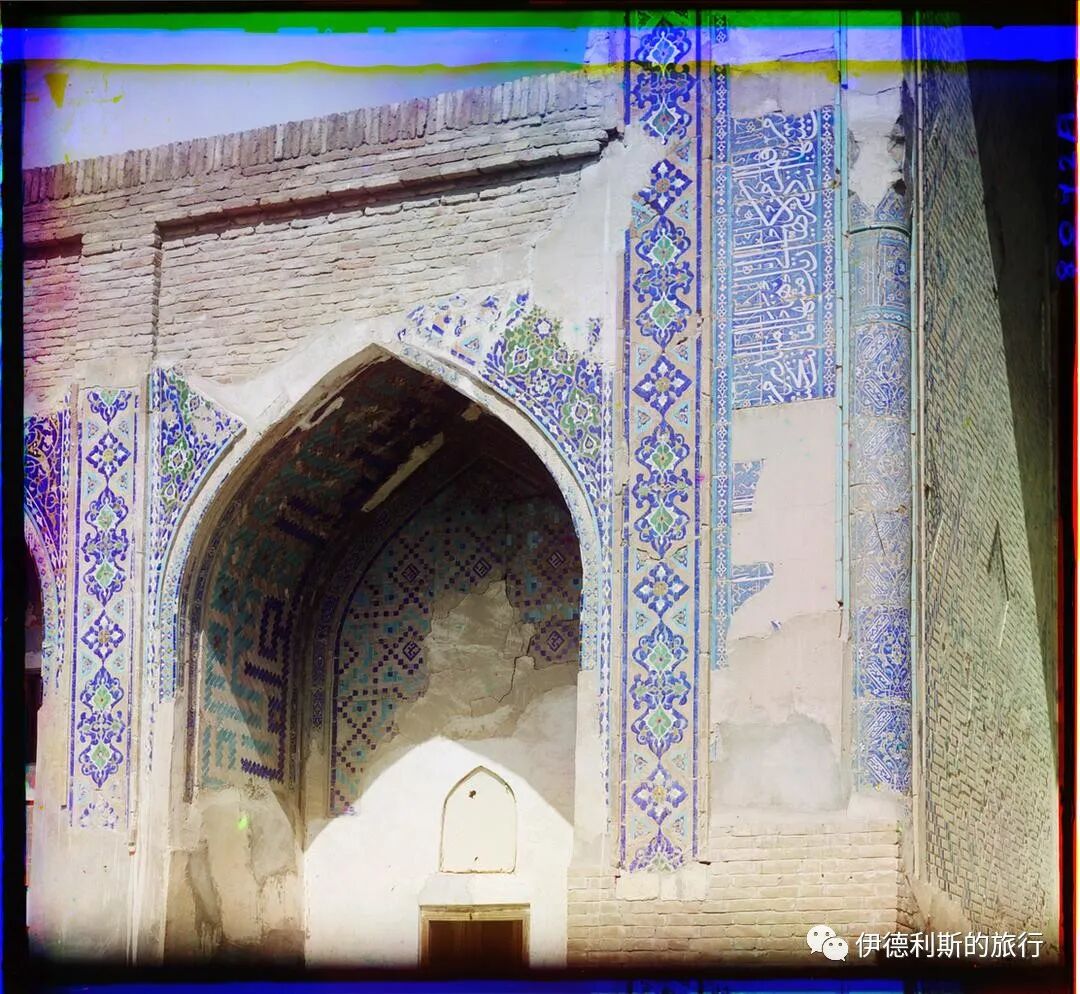
Russian photographer Prokudin-Gorskii photographed the Ulugh Beg Madrasah in 1905.
7. Ulugh Beg Observatory: 1429
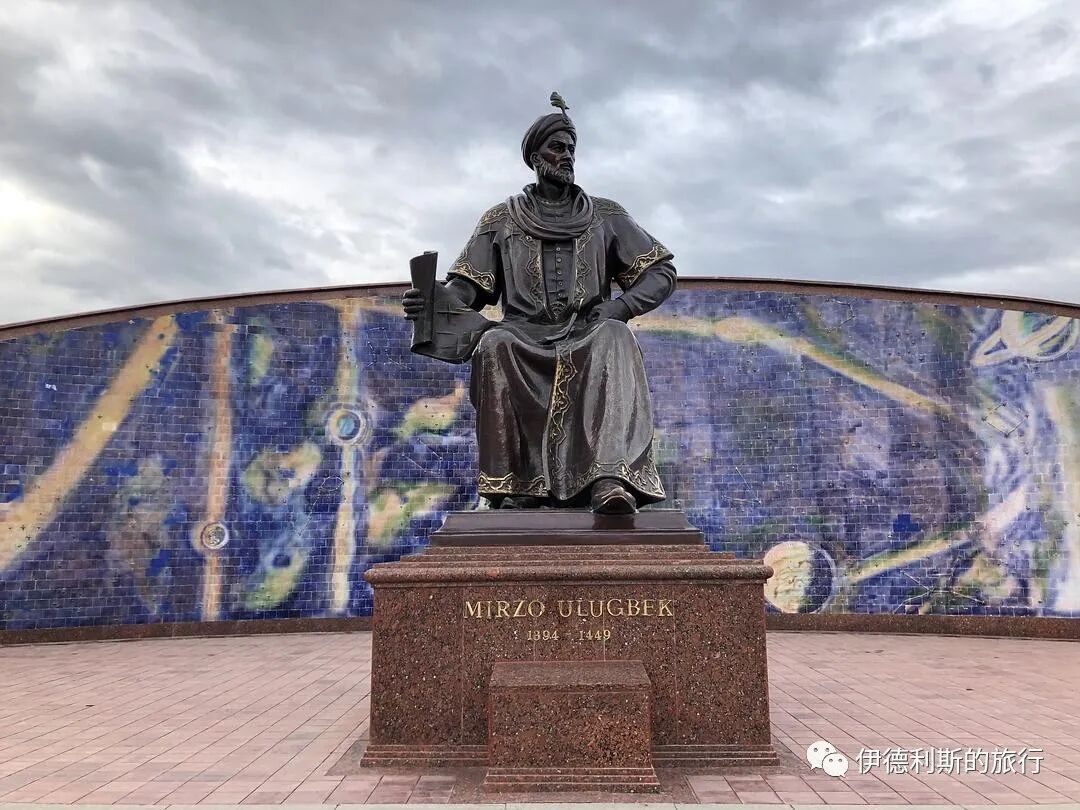
The Ulugh Beg Observatory is located northeast of Samarkand and is hailed as one of the most famous observatories in the Islamic world.
After the Ulugh Beg Madrasah was completed in 1420, Ulugh Beg invited many astronomers to teach there. To further promote astronomical research, Ulugh Beg began building the observatory in 1424. After the observatory was officially completed in 1429, Ulugh Beg appointed his student Ali Qushji to be in charge of the main work, and many famous astronomers such as Qāḍīzāda al-Rūmī and Jamshid Kashani observed celestial movements here.
In 1437, under the sponsorship of Ulugh Beg, astronomers in Samarkand used the Ulugh Beg Observatory to map the coordinates of 1,018 stars, known as the "Zīj-i Sultānī" (Ulugh Beg Astronomical Tables), which was an important update to the star catalogs of predecessors like Ptolemy.
In 1449, Ulugh Beg was assassinated on his way to perform Hajj (pilgrimage), and the observatory was subsequently destroyed by religious fanatics, remaining unknown for more than 400 years thereafter. It was not until 1908 that a Samarkand archaeologist, V. L. Vyatkin, finally discovered the exact location of the observatory in a document from the Timurid period. He immediately began archaeological excavations and discovered a huge marble sextant.
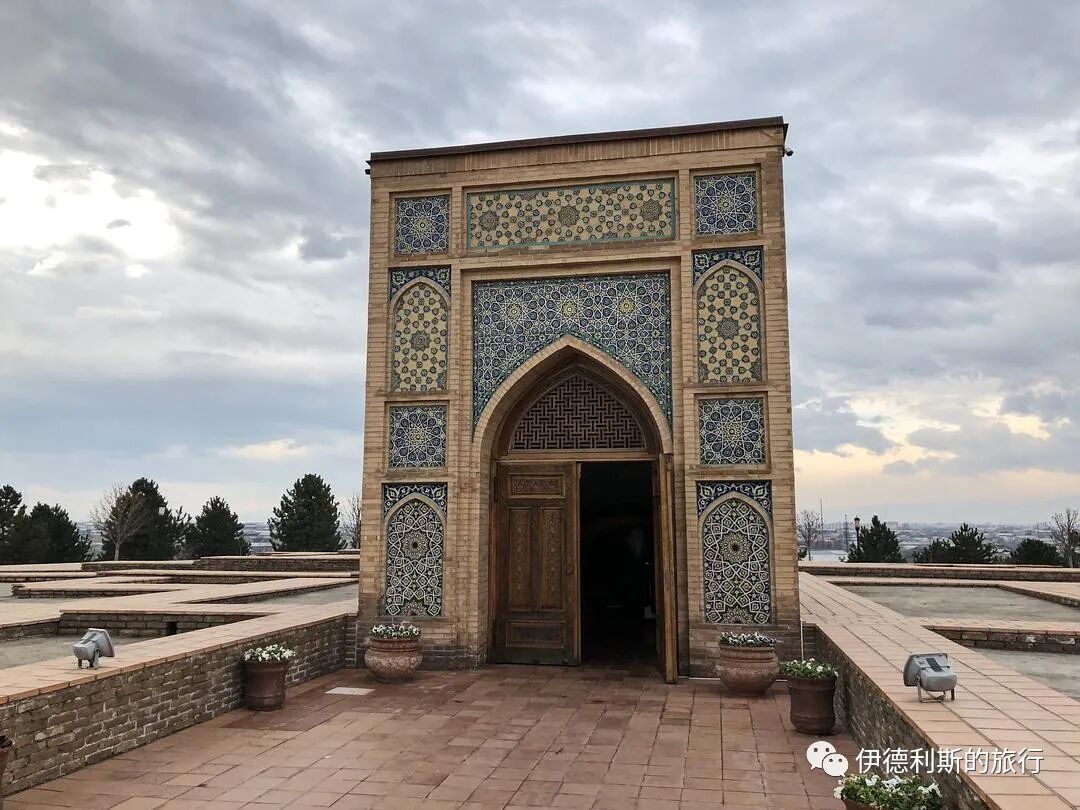
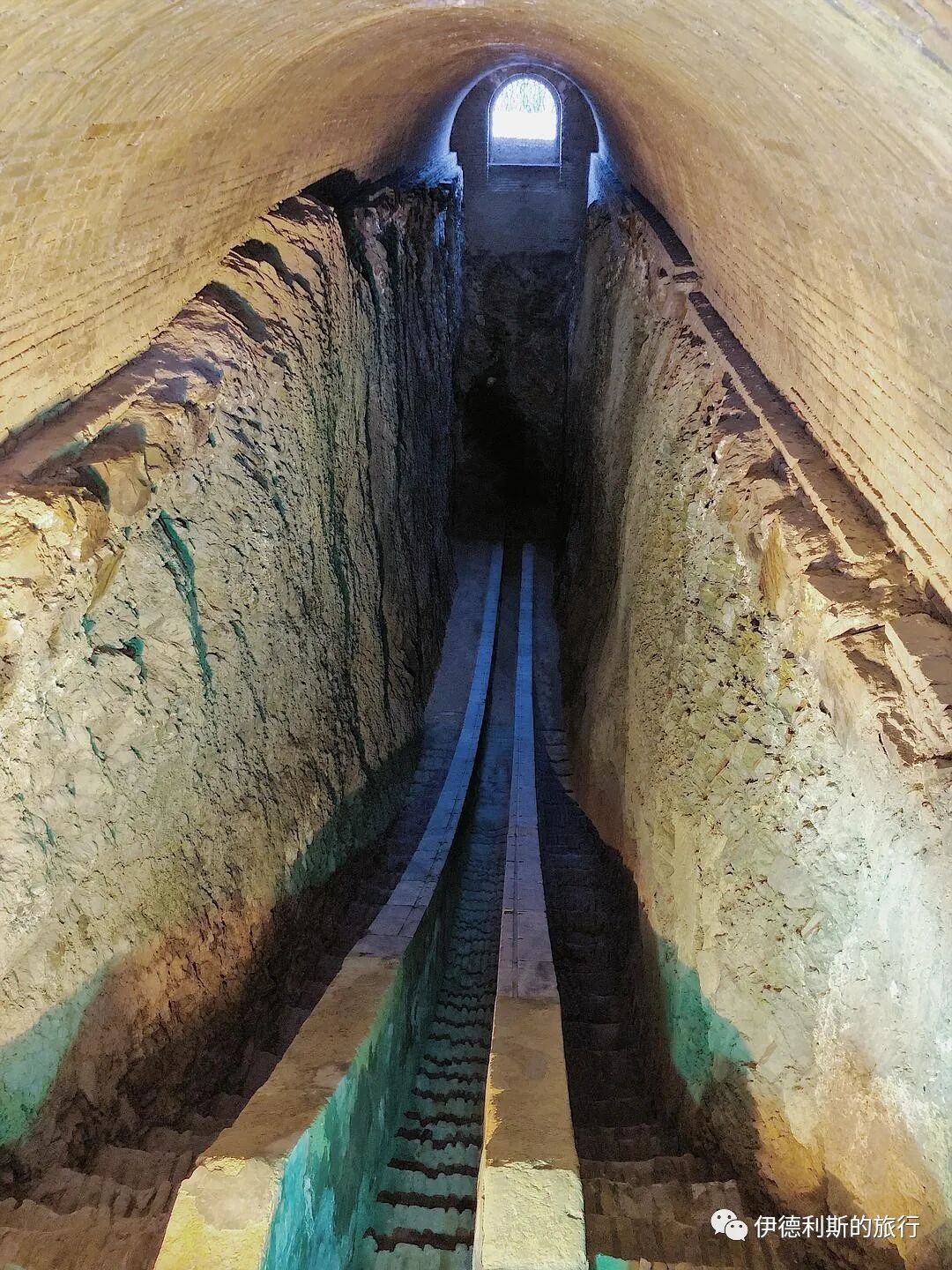
Site of the marble sextant
Astronomical instruments unearthed during archaeological excavations
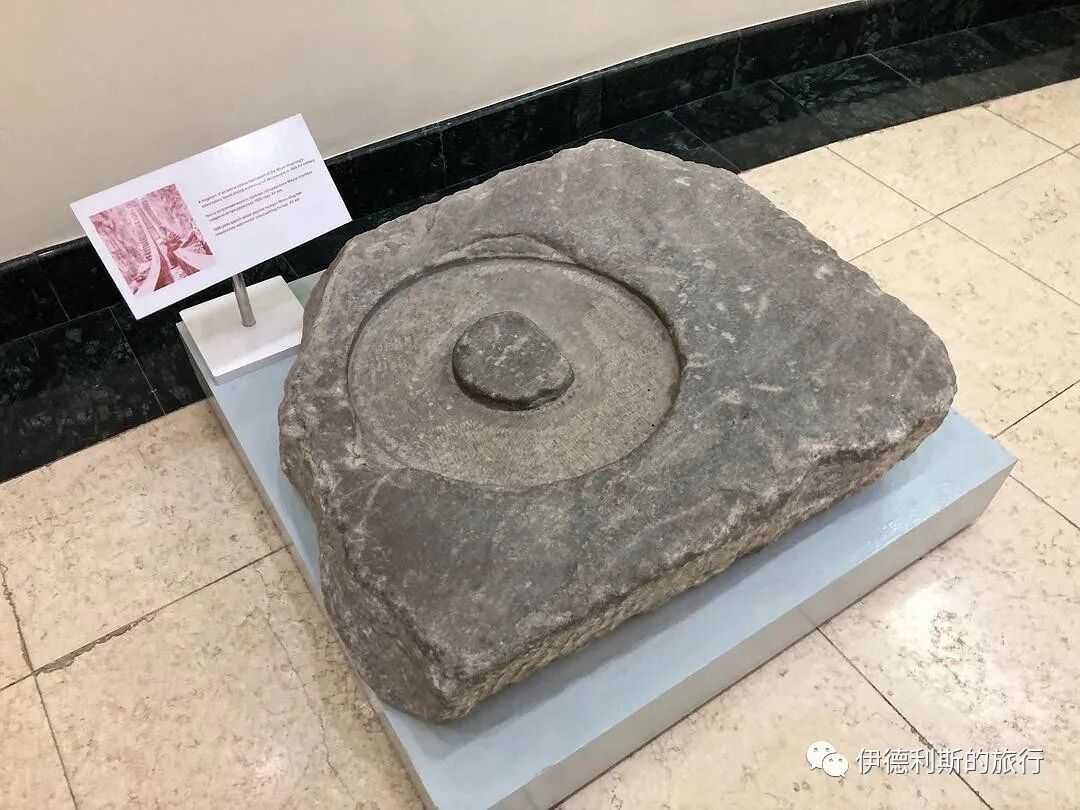
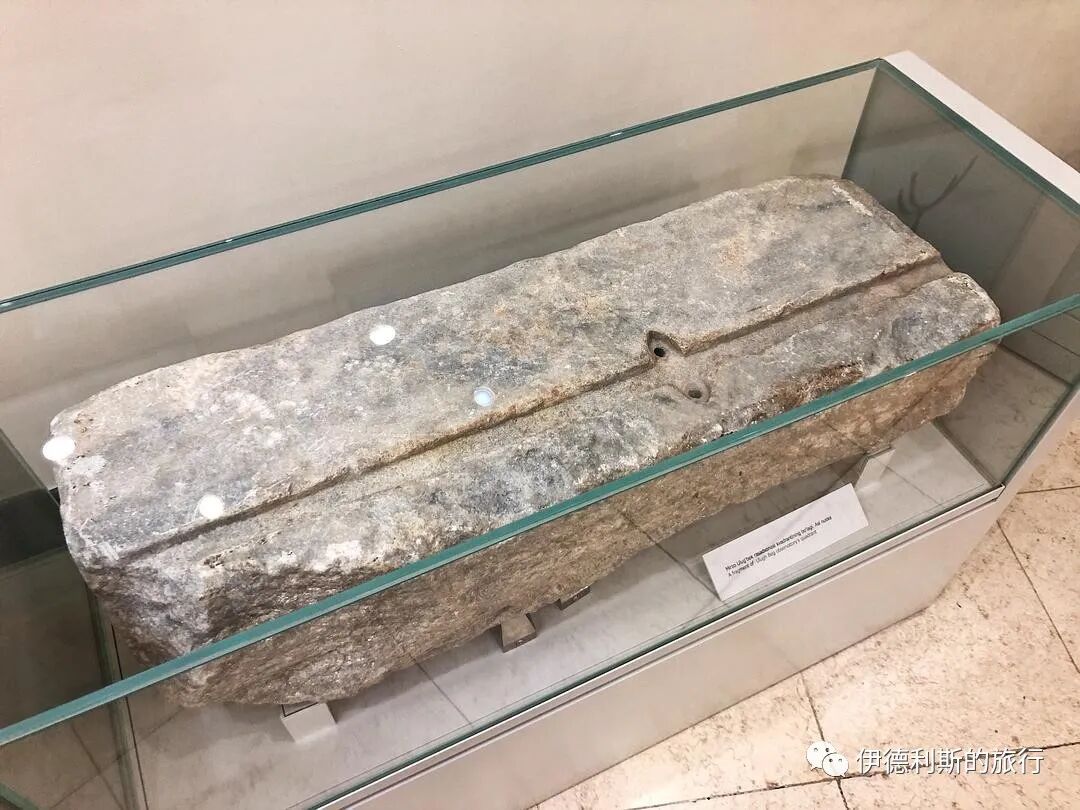
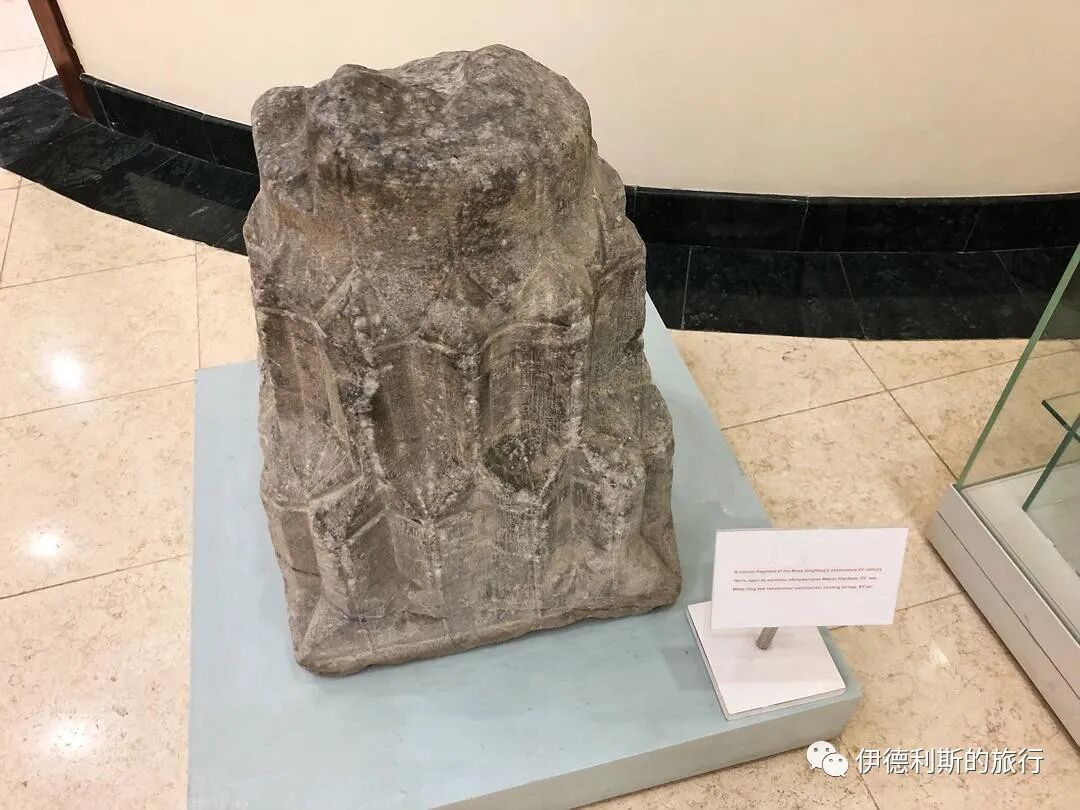
Unearthed stone column components of the observatory
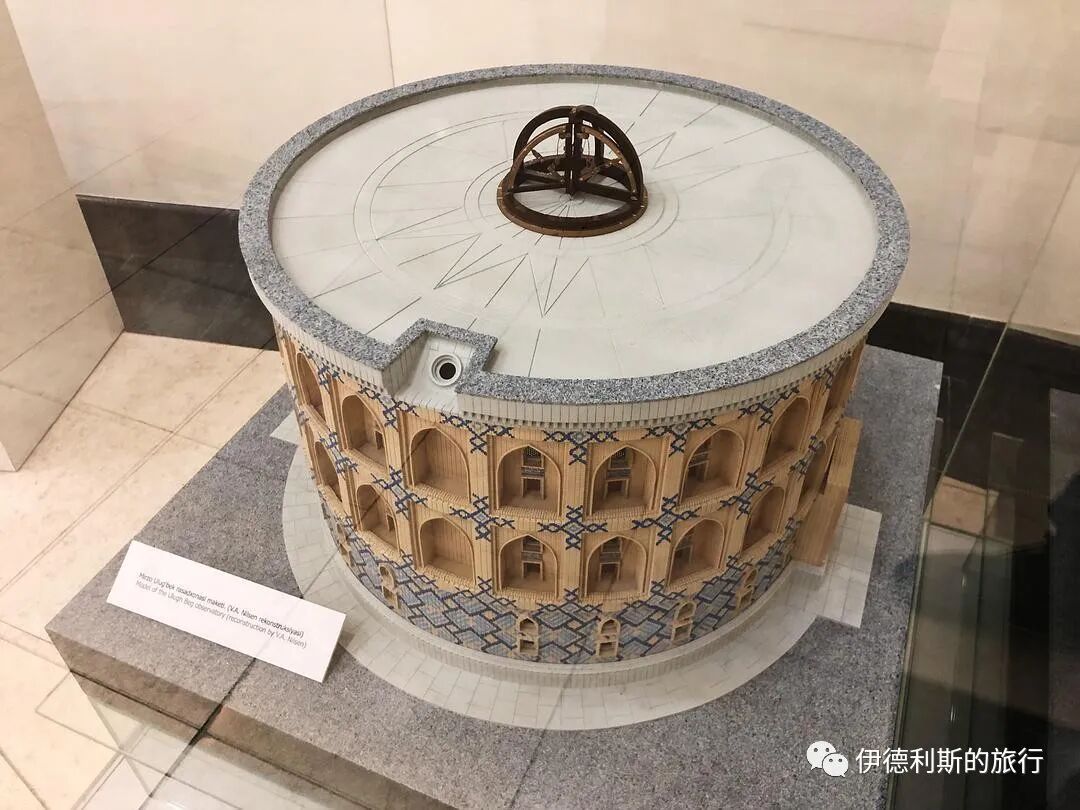
Restoration model of the observatory
In 1970, the Ulugh Beg Observatory Museum was established on the site of the observatory, housing related artifacts.
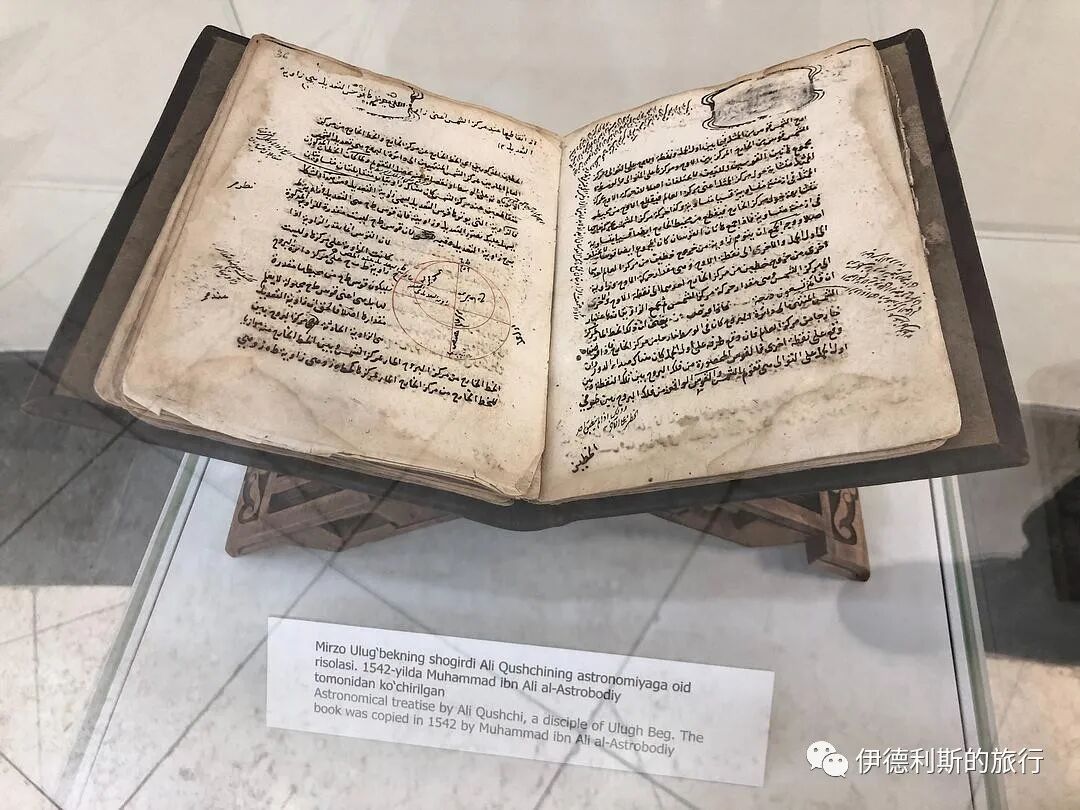
The image below is a 1542 manuscript of the astronomical work of Ulugh Beg's student Ali Qushji; he was the main person in charge of the Ulugh Beg Observatory and a famous astronomer, mathematician, and physicist of the 15th century.
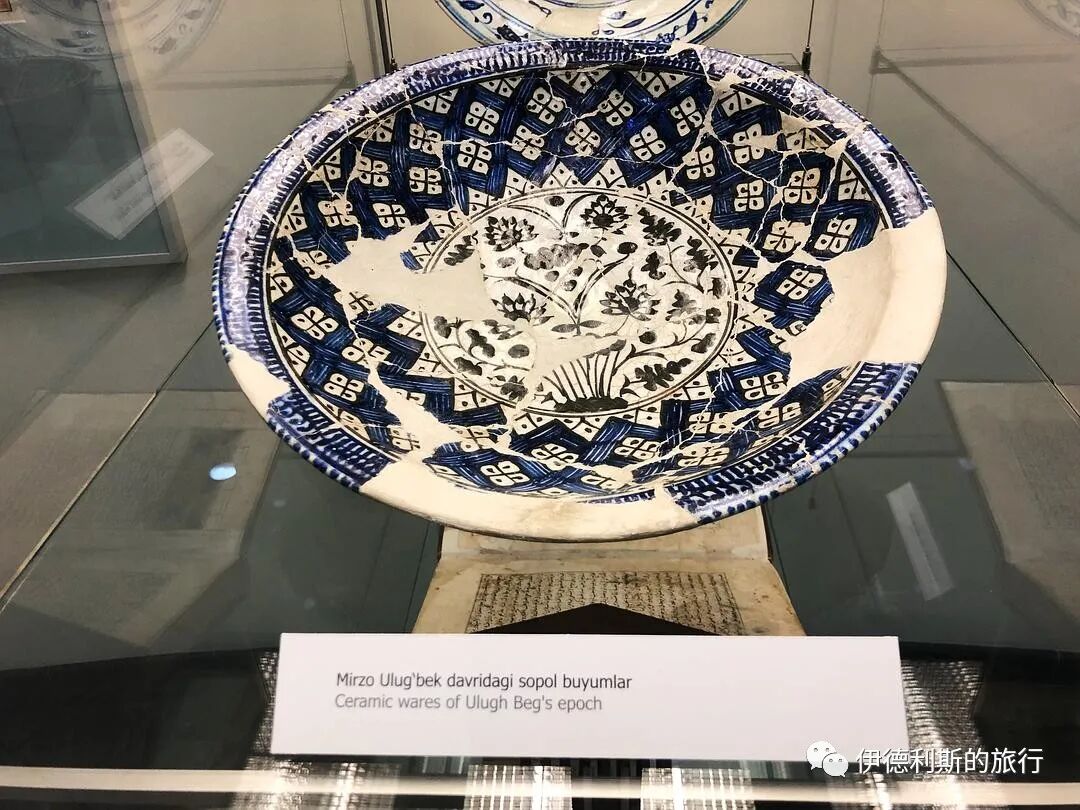
Porcelain plate from the era of Ulugh Beg.
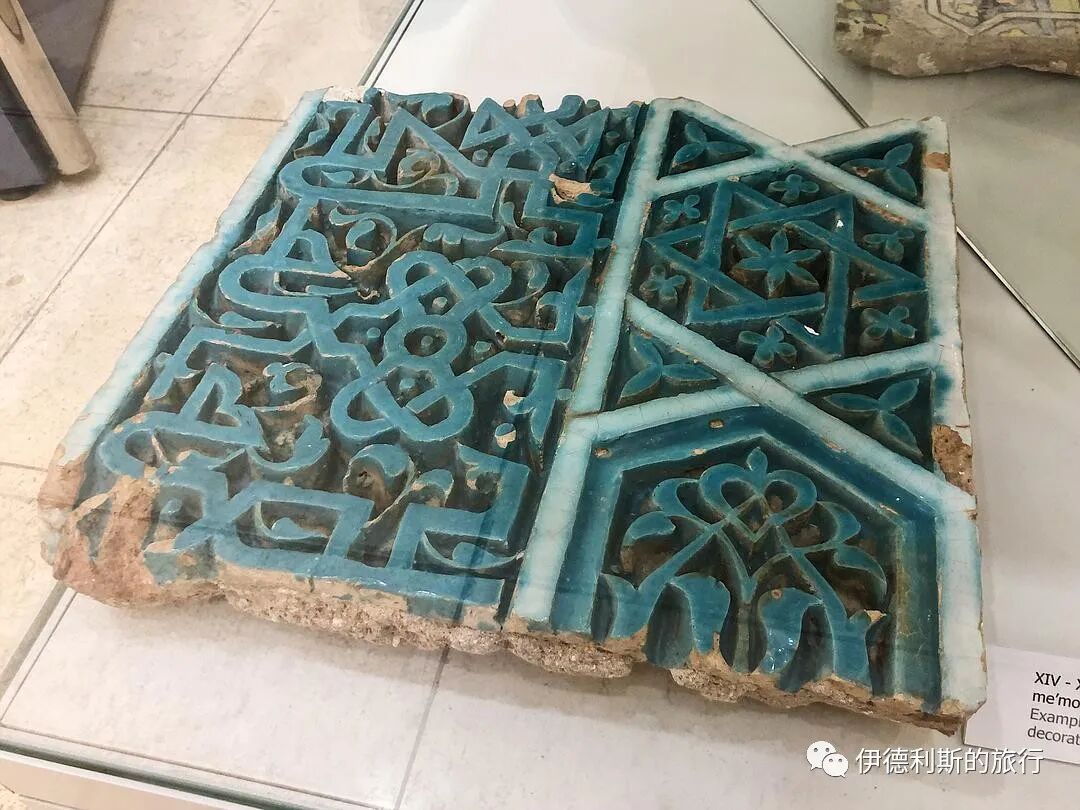
14th-century ceramic tile.
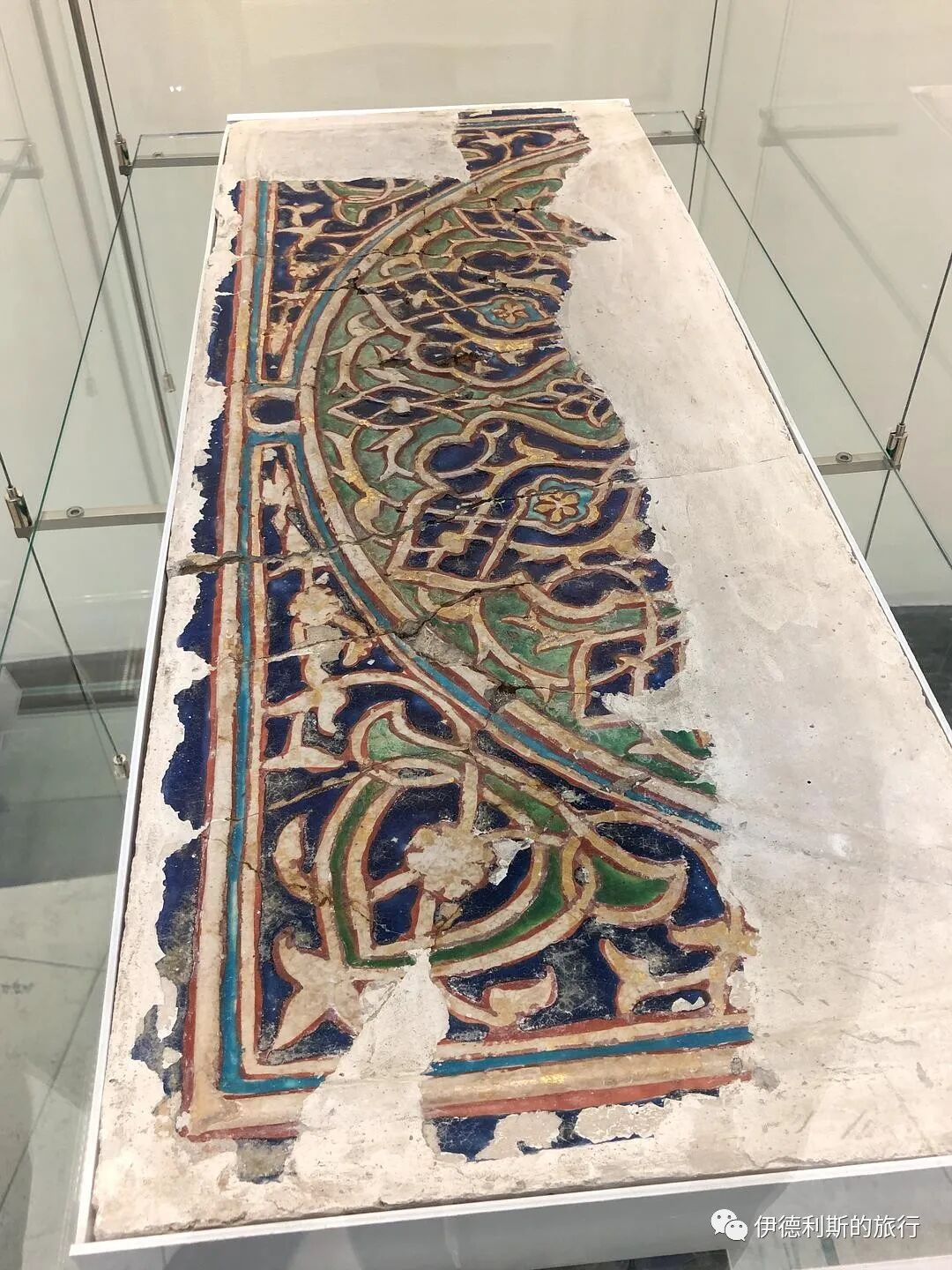
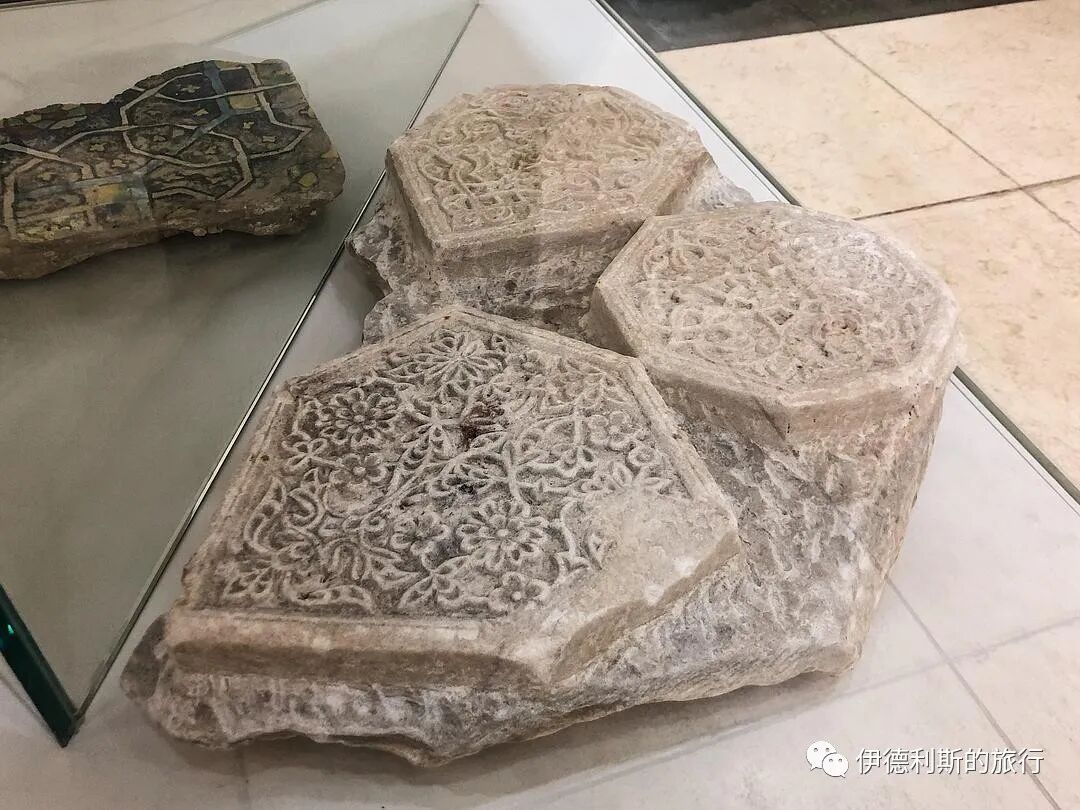
14th-15th-century ceramic tiles and marble tiles
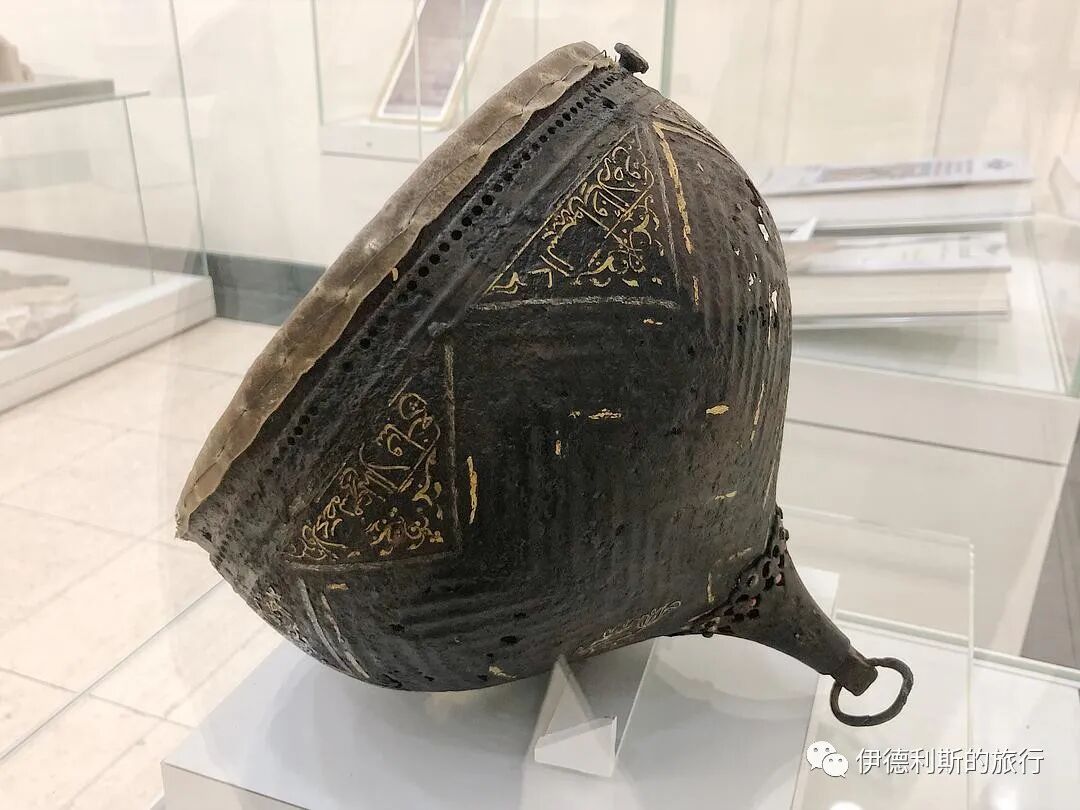
15th-century military drum.
8. Ishrat-khana Mausoleum: 1464
The Ishrat-khana Mausoleum is located in the southeast of the old city of Samarkand and is one of the few Timurid monuments in Samarkand that has not been renovated.
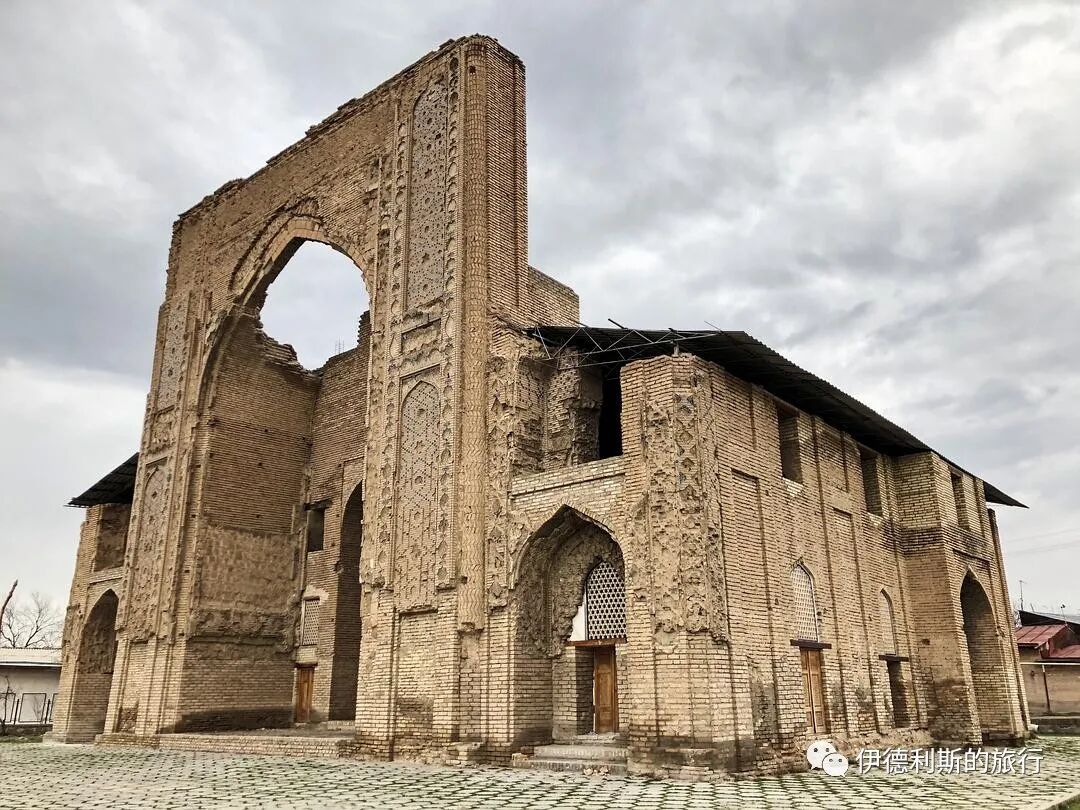
Ishrat-khana means "House of Pleasure." According to the discovery by archaeologist V. L. Vyatkin in 1896, this building was built in 1464 by Habiba Sultan, the wife of the Timurid ruler Abu Sa'id Mirza (reigned 1451-1469), for their daughter Havend Sultan-bika. In 1940, Professor M. E. Masson organized an archaeological excavation of the mausoleum and discovered an octagonal tomb under the hall, which contained 23 graves of women and children, all of whom were likely members of the Timurid royal family.
Abu Sa'id Mirza was the great-grandson of Timur the Great and the grandfather of Babur, the founder of the Mughal Empire. Abu Sa'id Mirza occupied Samarkand in 1451 with the help of the Uzbeks, defeated other Timurid princes in 1459, and conquered eastern Iran and most of Afghanistan in 1461, becoming the last monarch to unify the Timurid Empire.
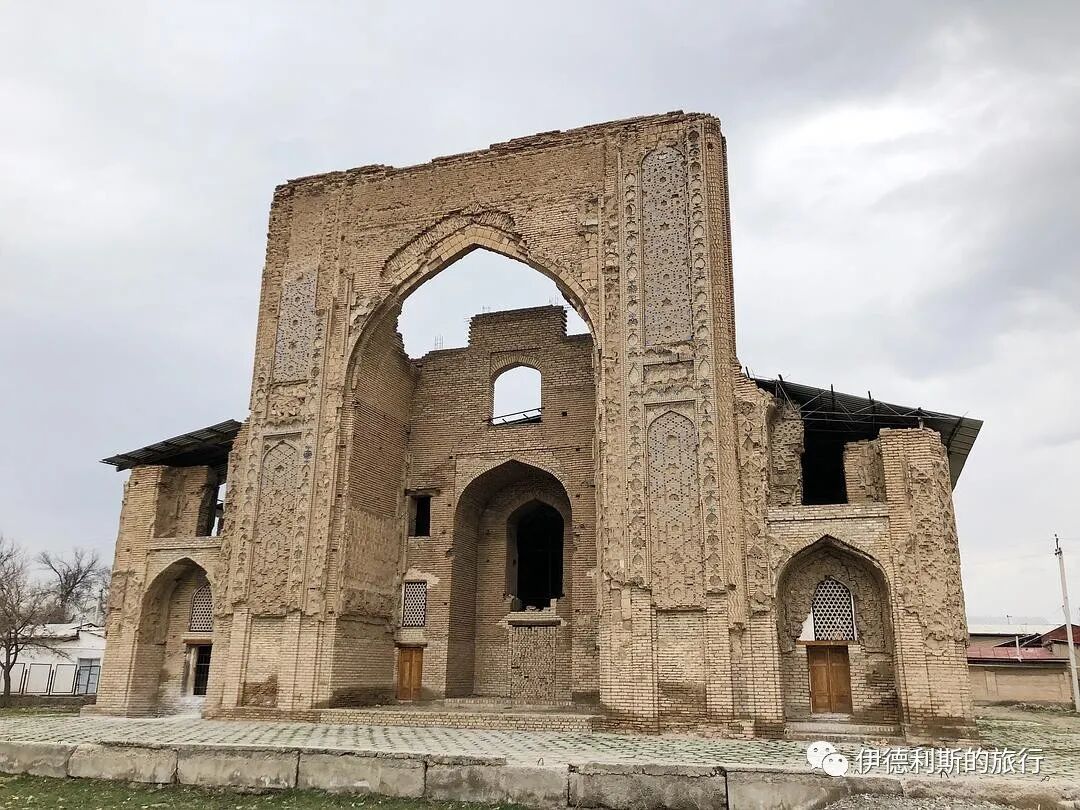
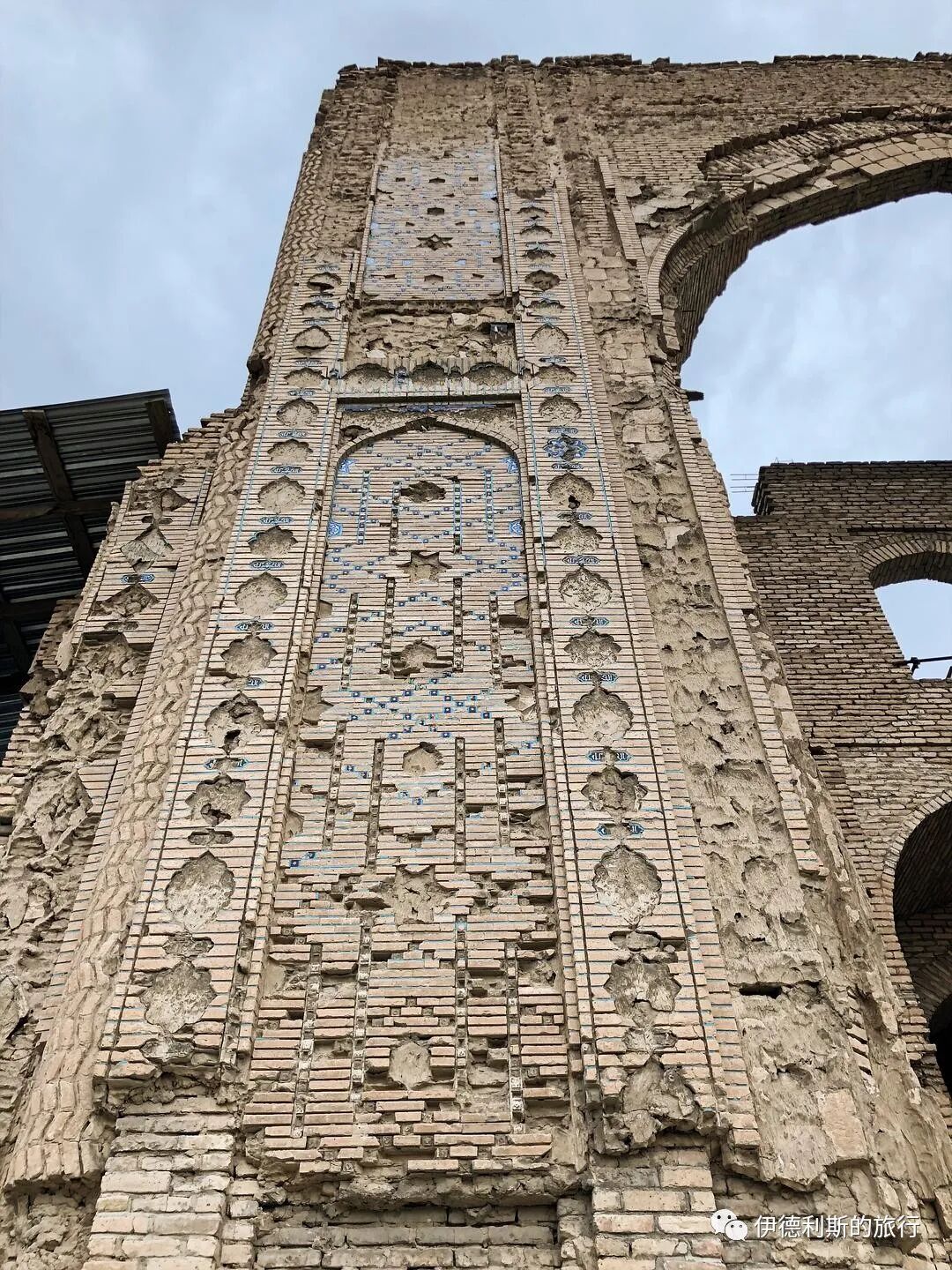
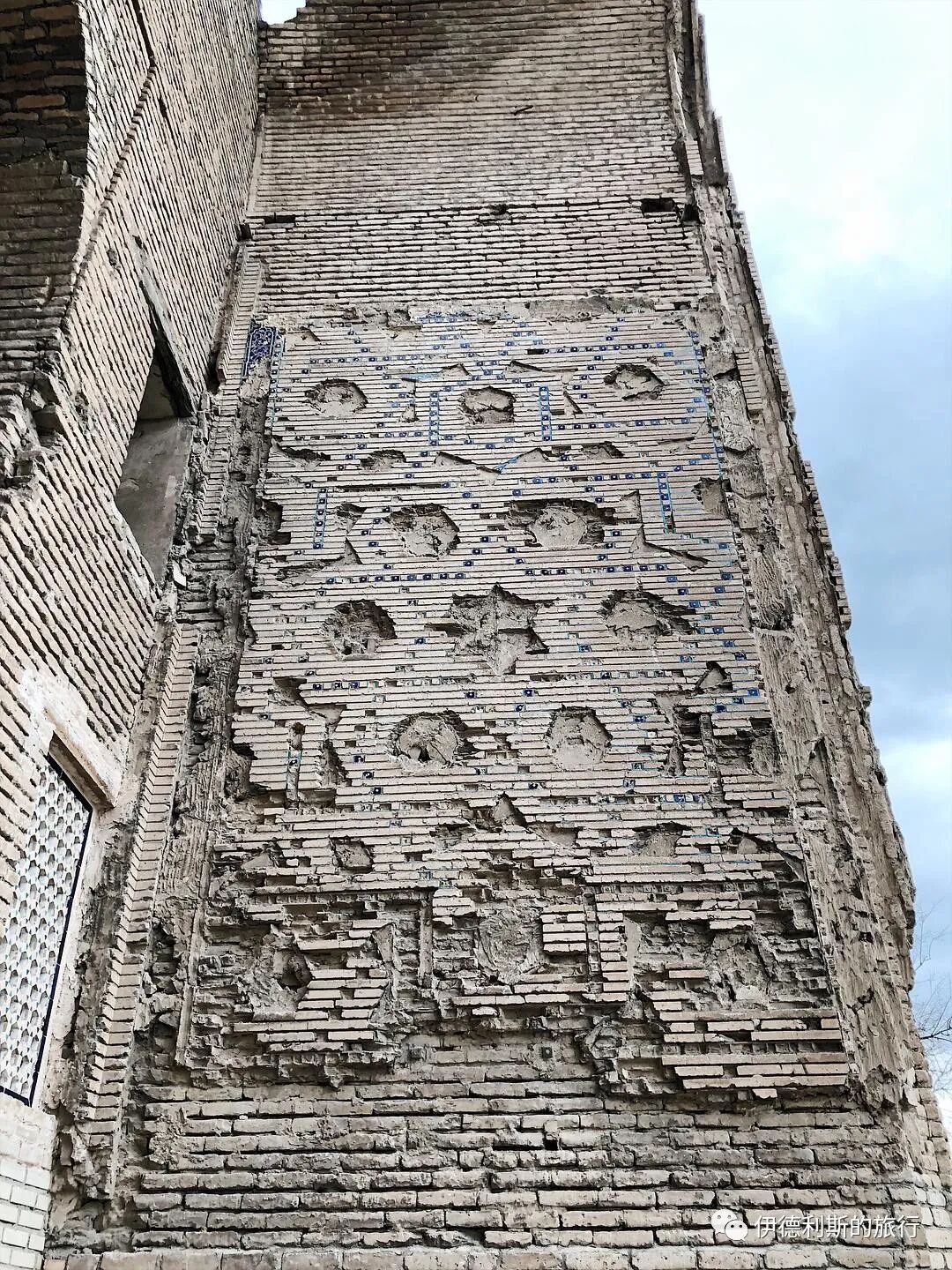
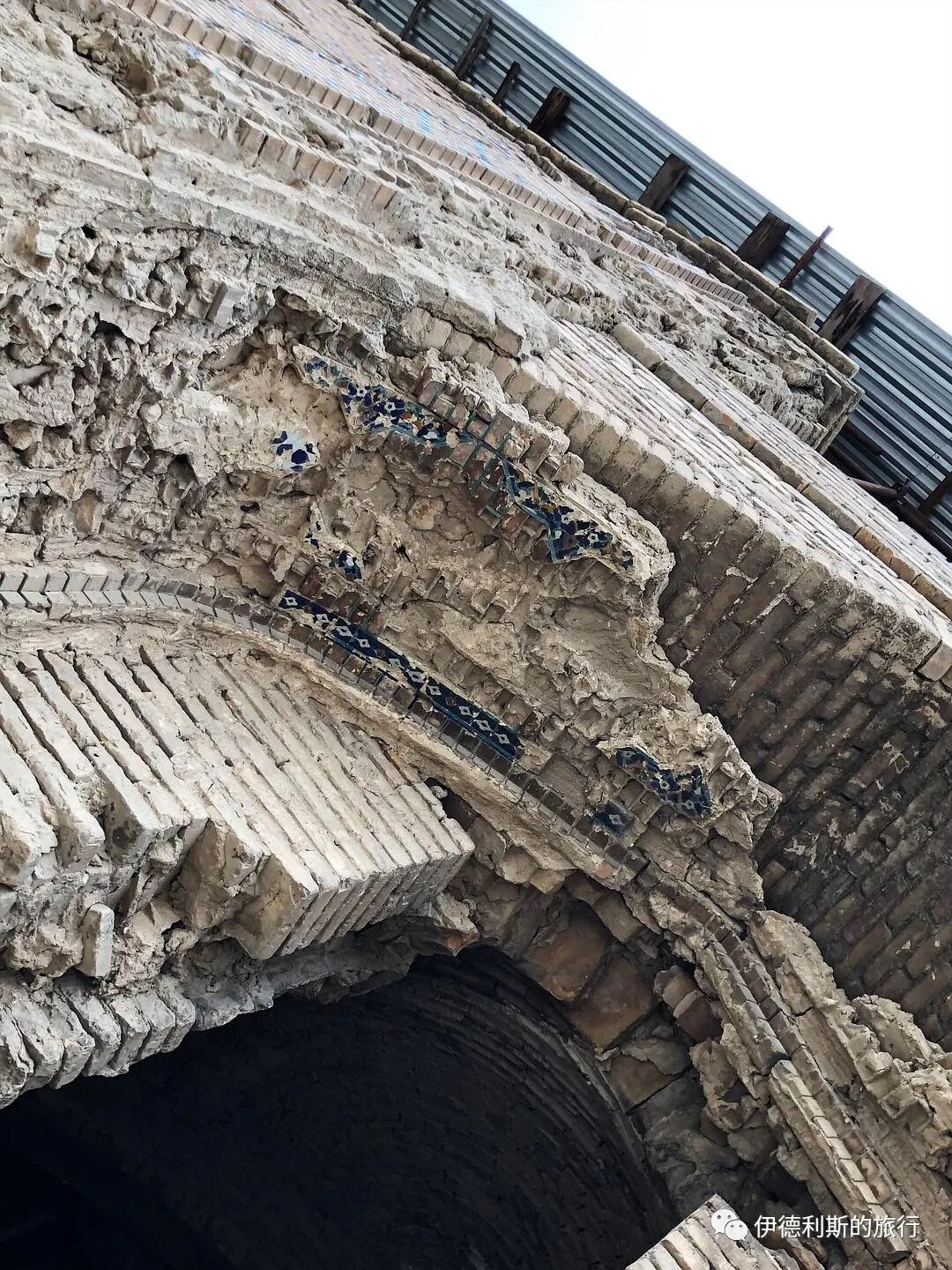
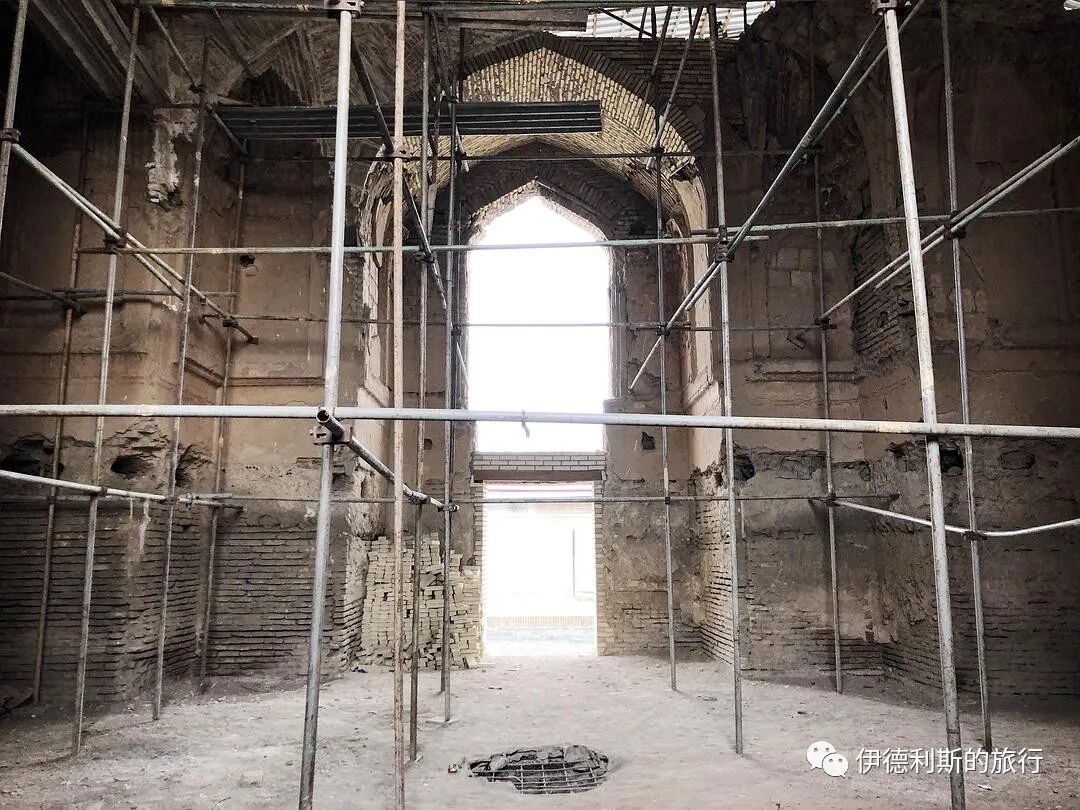
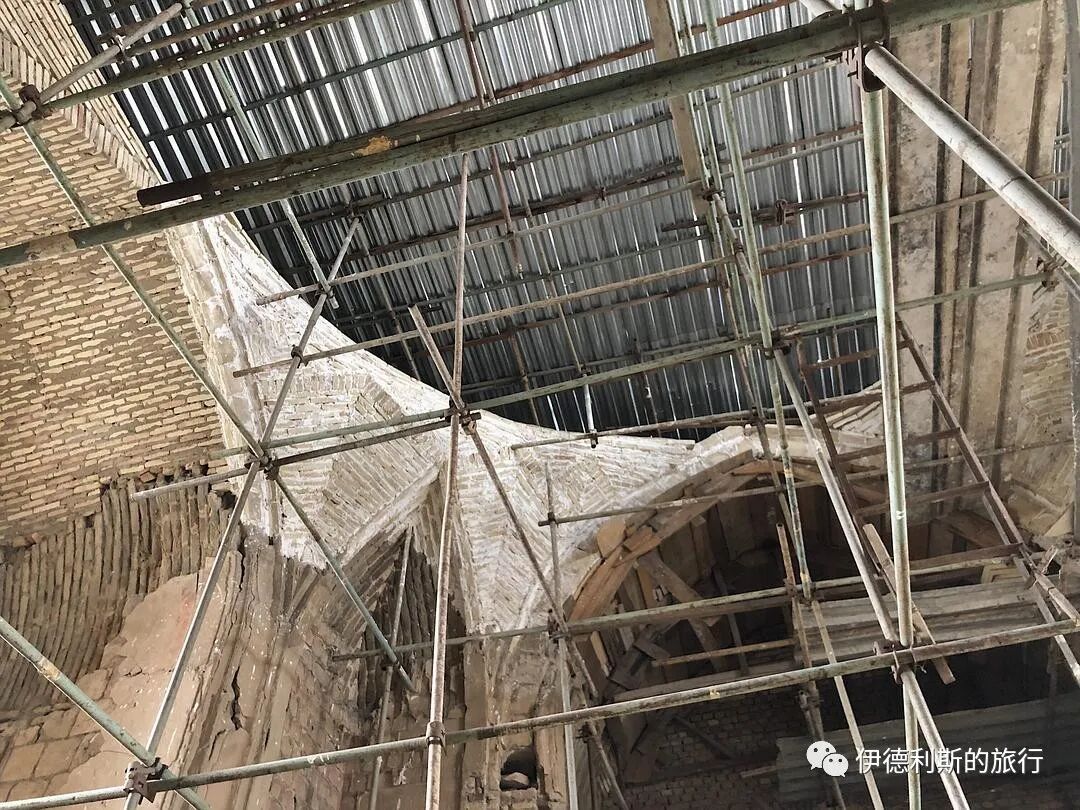
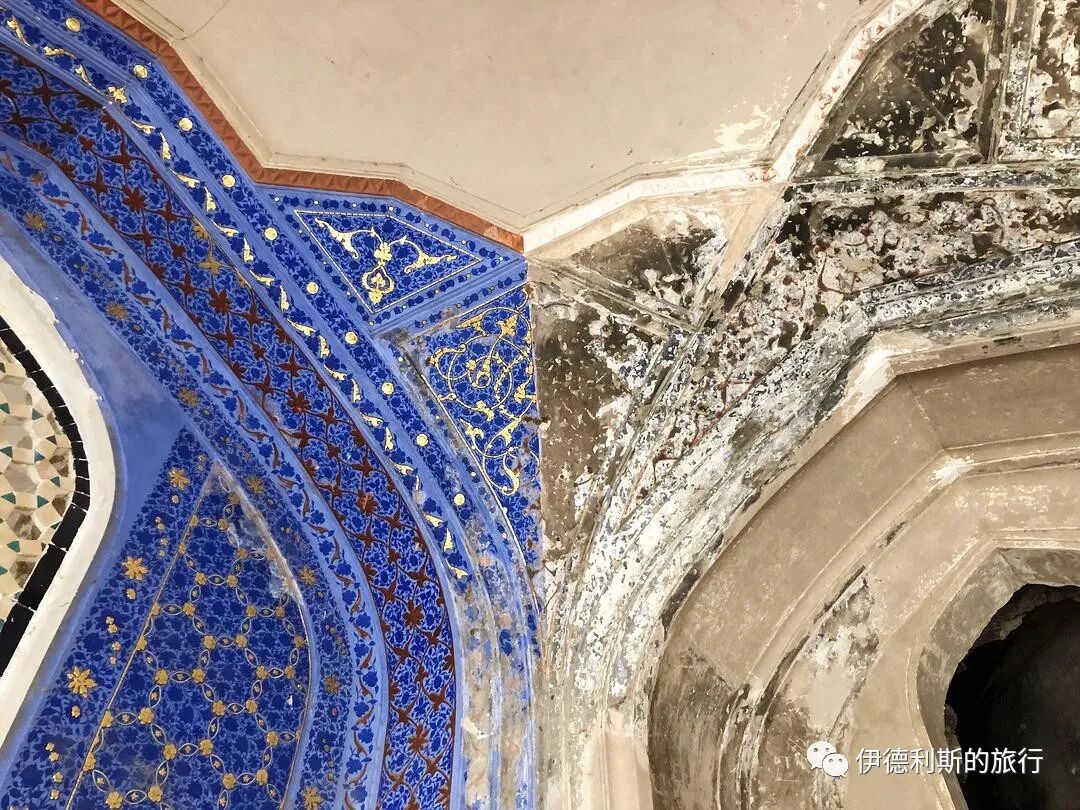
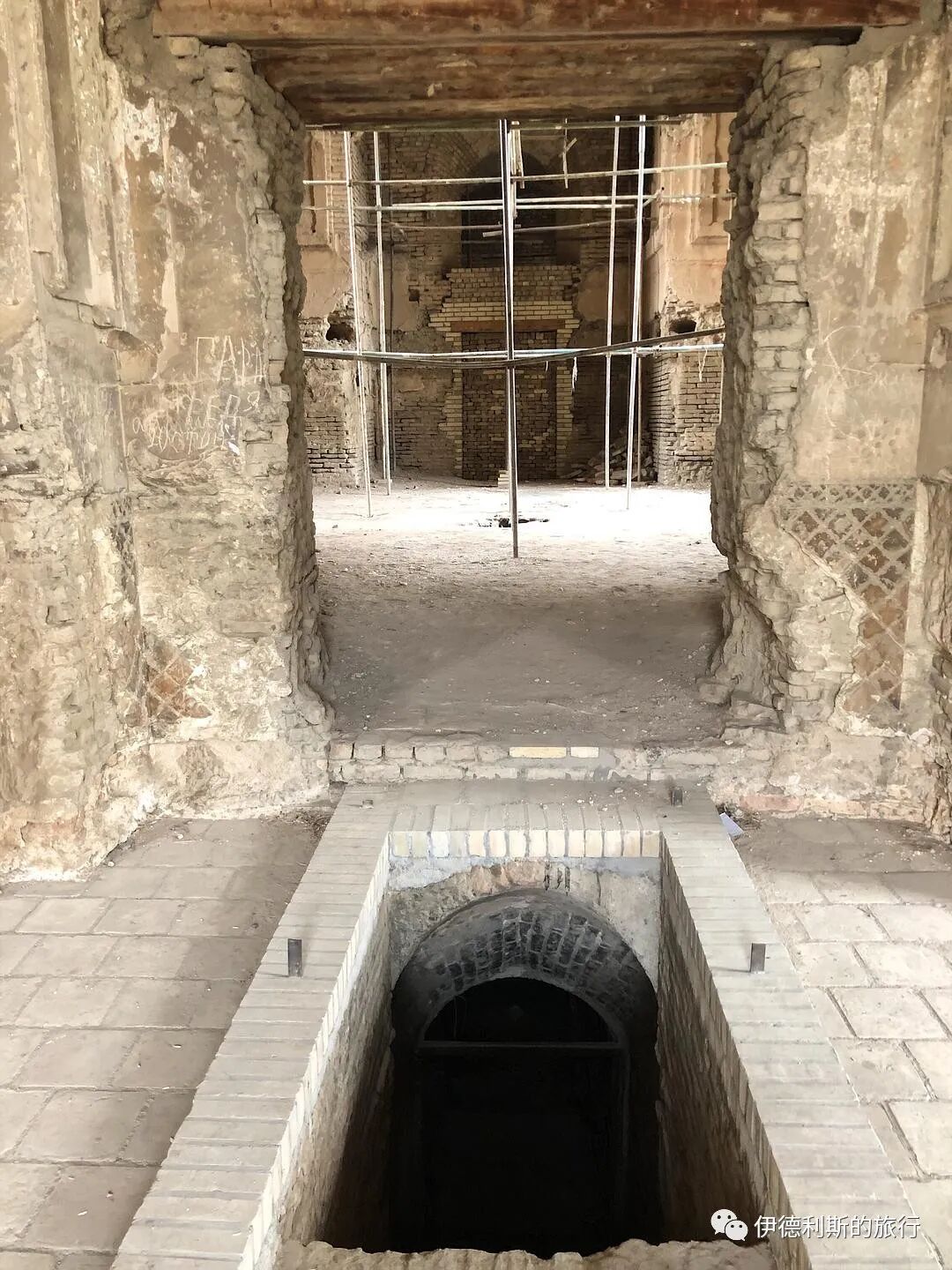
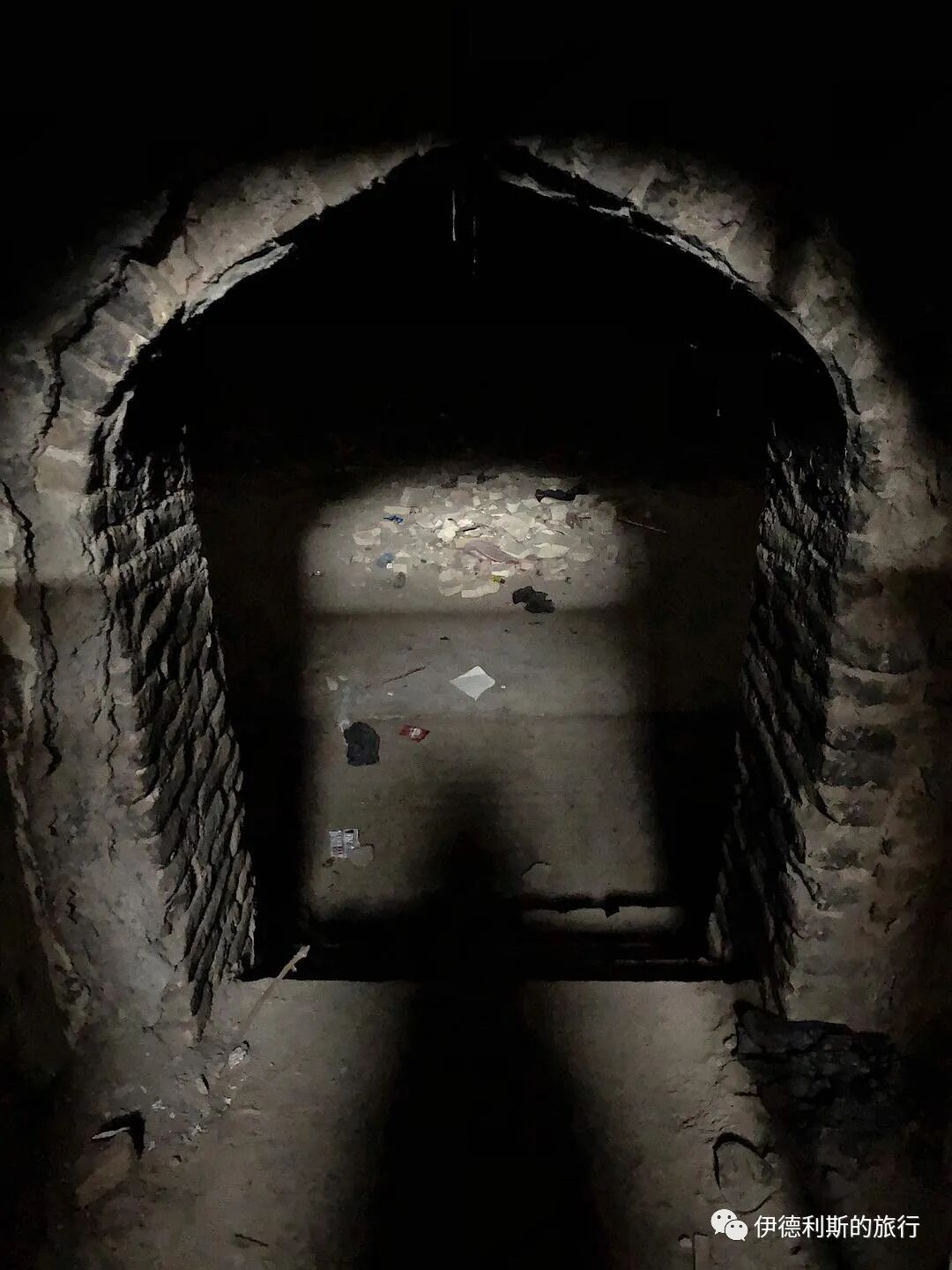
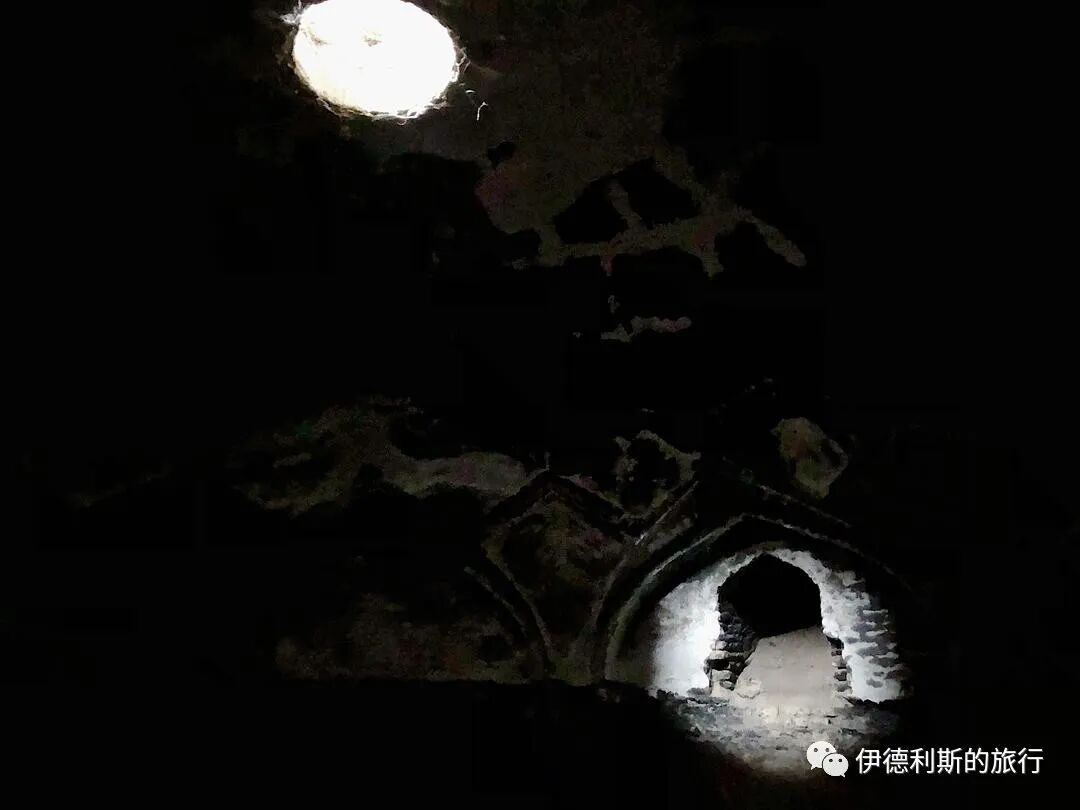
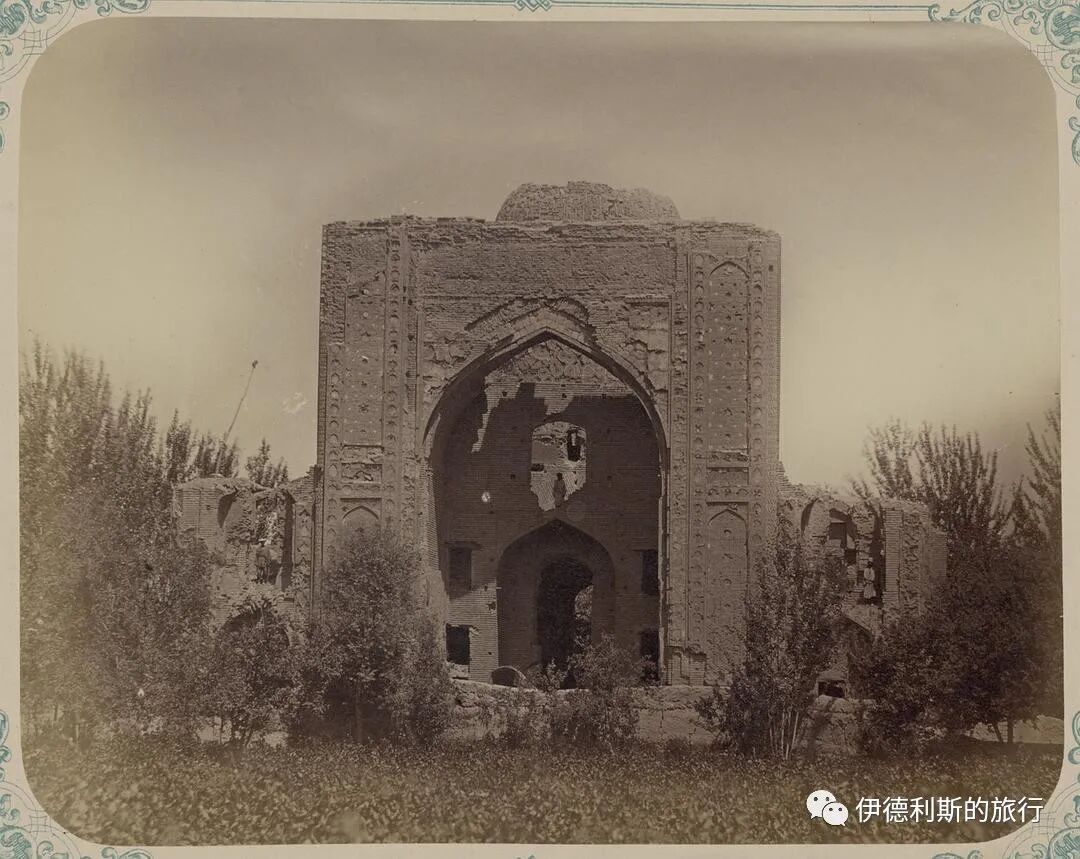
The Ishrat-khana Mausoleum was severely damaged in the 1903 earthquake, the dome was destroyed, and only an iron sheet roof was added later for protection. The archaeological section of the "Turkestan Album," produced by Russia between 1871 and 1872, contains photos of the Ishrat-khana Mausoleum before the earthquake, where the former dome of the mausoleum can be seen.
9. Ak-Saray Mausoleum: Presumed to be 1450s-1470s
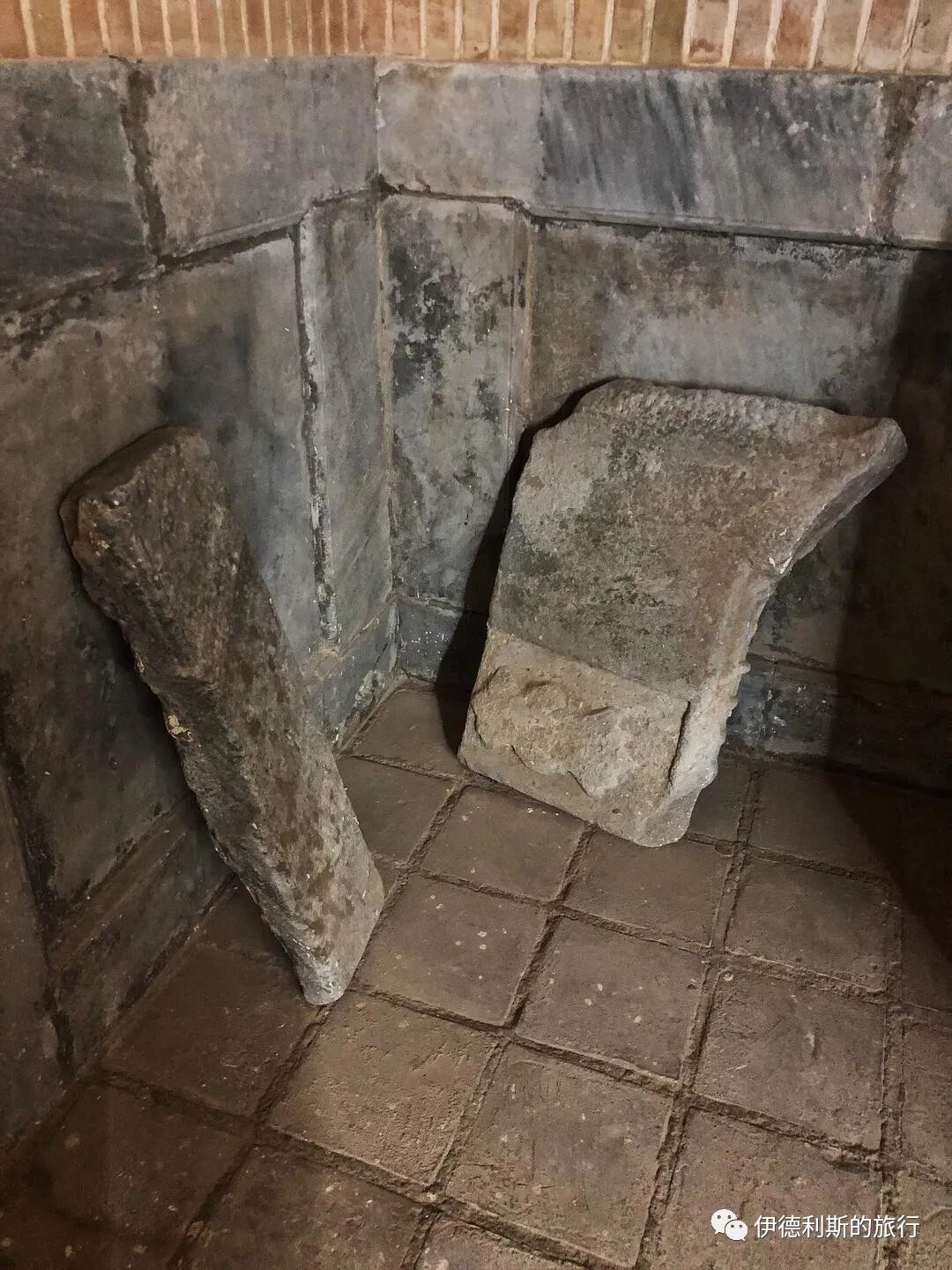
The Ak-Saray Mausoleum is located right next to the Gur-e-Amir Mausoleum; it is a rectangular domed building with narrow stairs leading to an octagonal tomb underground.
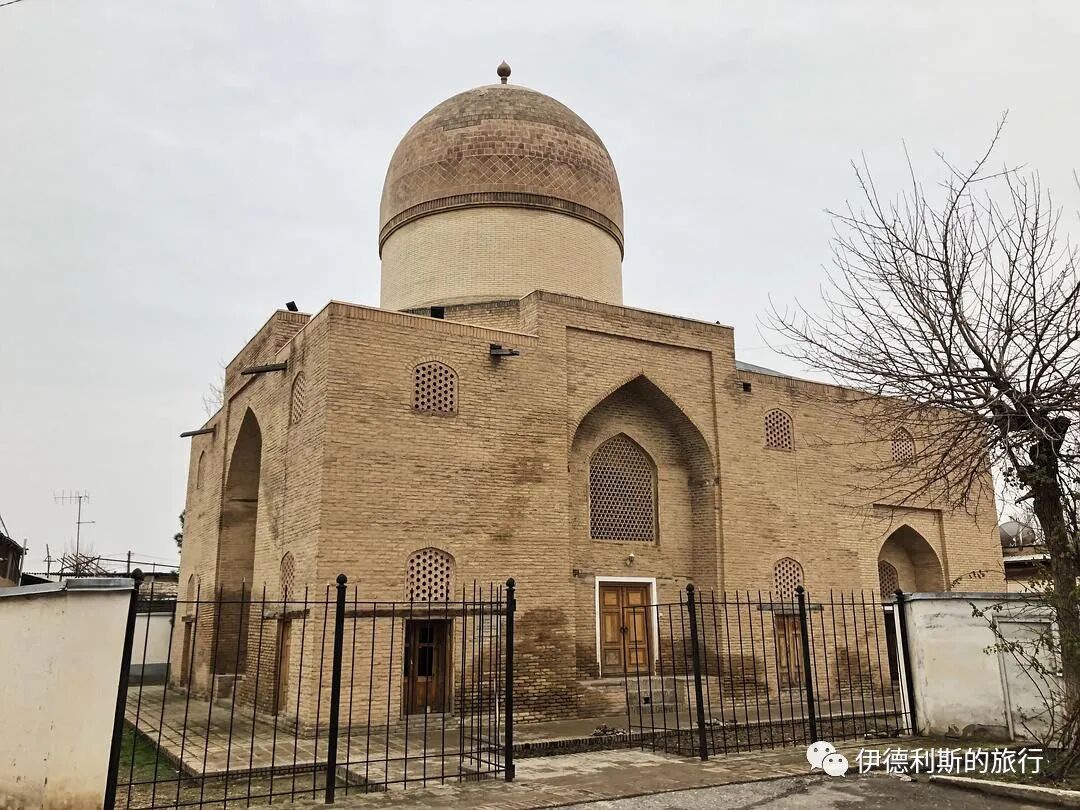
"Ak-Saray" means "White Palace," and no information about the identity of the tomb owner was left inside the tomb. According to the speculation of Soviet historian and orientalist Mikhail Masson, the tomb owner is likely the Timurid ruler Abdal-Latif Mirza (reigned 1449-1450).
Abdal-Latif Mirza was the great-grandson of Timur the Great and the eldest son of Ulugh Beg. Abdal-Latif initially followed his father in battle and helped his father capture the city of Herat, but was later exiled by his father, allegedly because he was disloyal to his father; another theory is that Ulugh Beg predicted through astrology that he would be killed by his son. In 1449, Abdal-Latif launched a rebellion, captured Ulugh Beg near Samarkand, and subsequently murdered him; therefore, Abdal-Latif is also known as "Padarkush" (the patricide). A few days later, Abdal-Latif killed his brother to seize the throne, but he was killed after ruling for only 6 months. It is speculated that because Abdal-Latif was a patricide, he could not be buried in the Gur-e-Amir Mausoleum where his father Ulugh Beg was buried, so he could only be buried nearby.
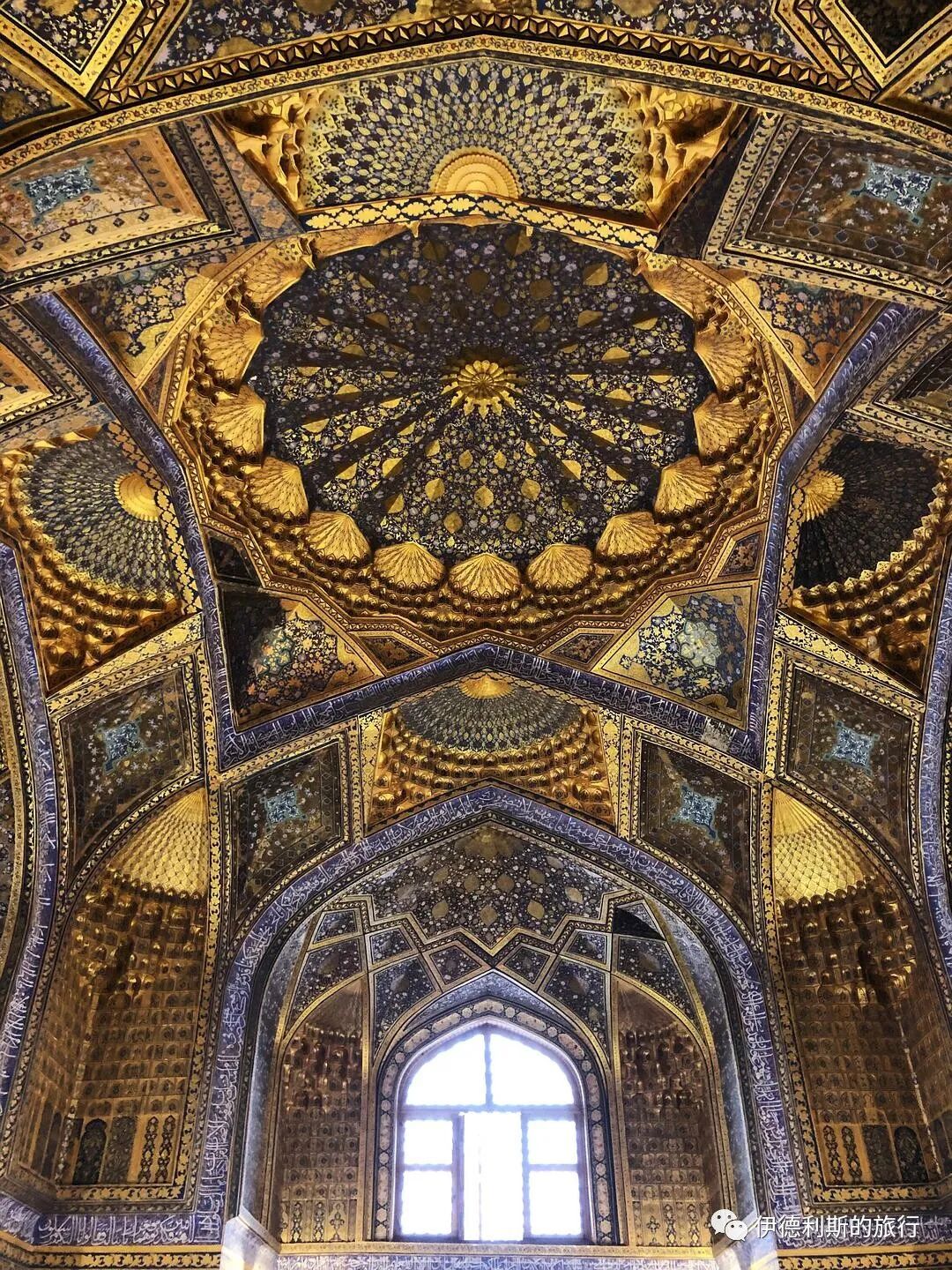
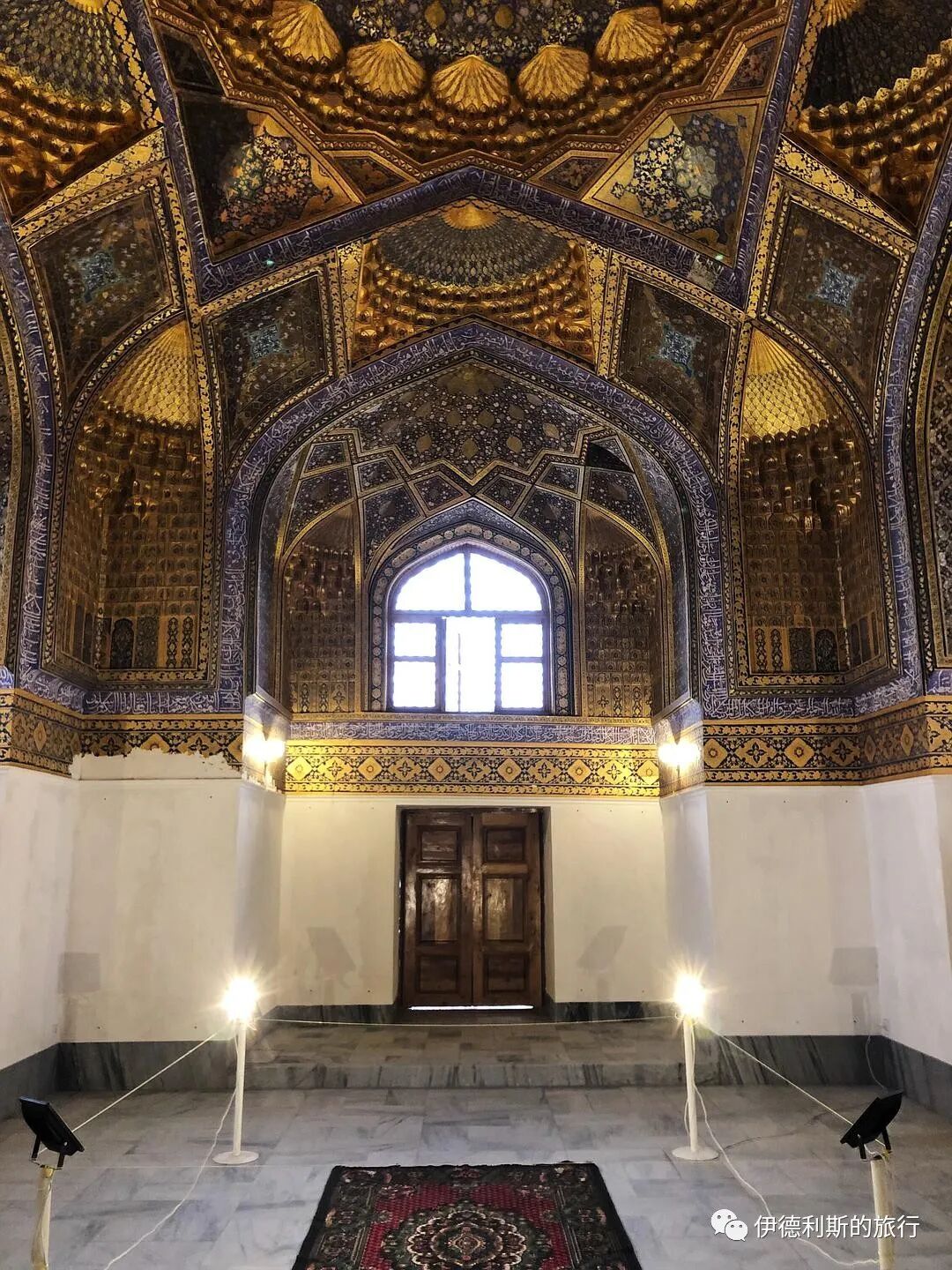
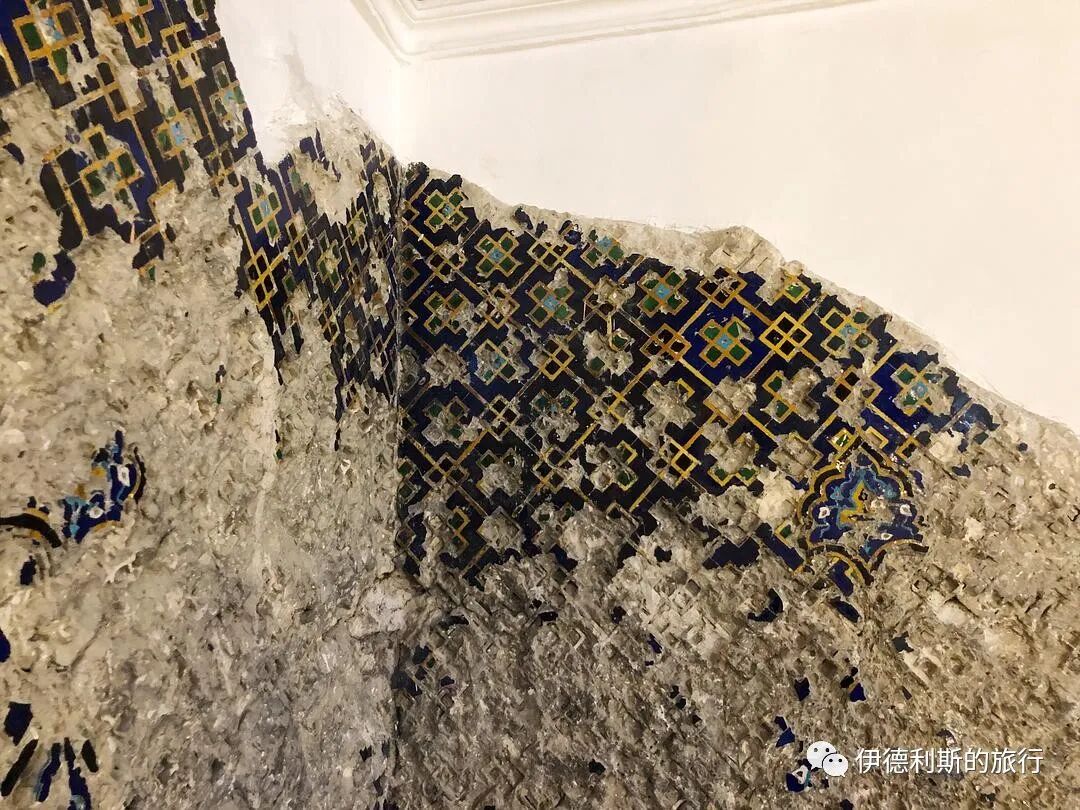
Another speculation is that the tomb owner is the Timurid ruler Abu Sa'id Mirza (reigned 1451-1469), who was Abdal-Latif's cousin. Abu Sa'id Mirza wanted to expand the scale of the Gur-e-Amir Mausoleum to continue burying male members of the Timurid royal family, so he planned to build this mausoleum. Abu Sa'id Mirza died in 1469, so this mausoleum may have been built in the 1470s. In addition, the Ishrat-khana Mausoleum, built by Abu Sa'id in 1464 to bury female and child royal family members, is very similar in architectural style to the Ak-Saray Mausoleum, which is also evidence for this view.
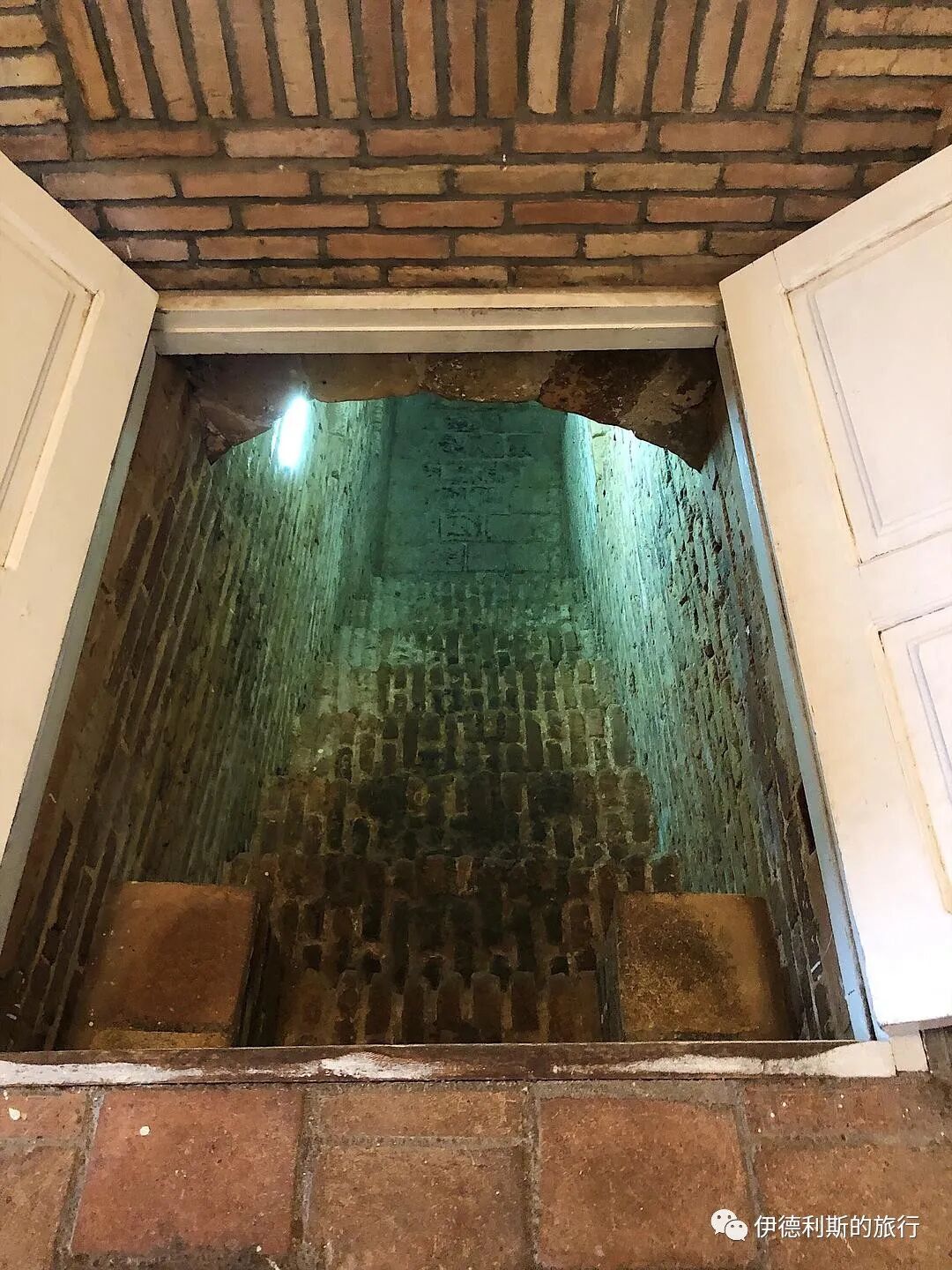
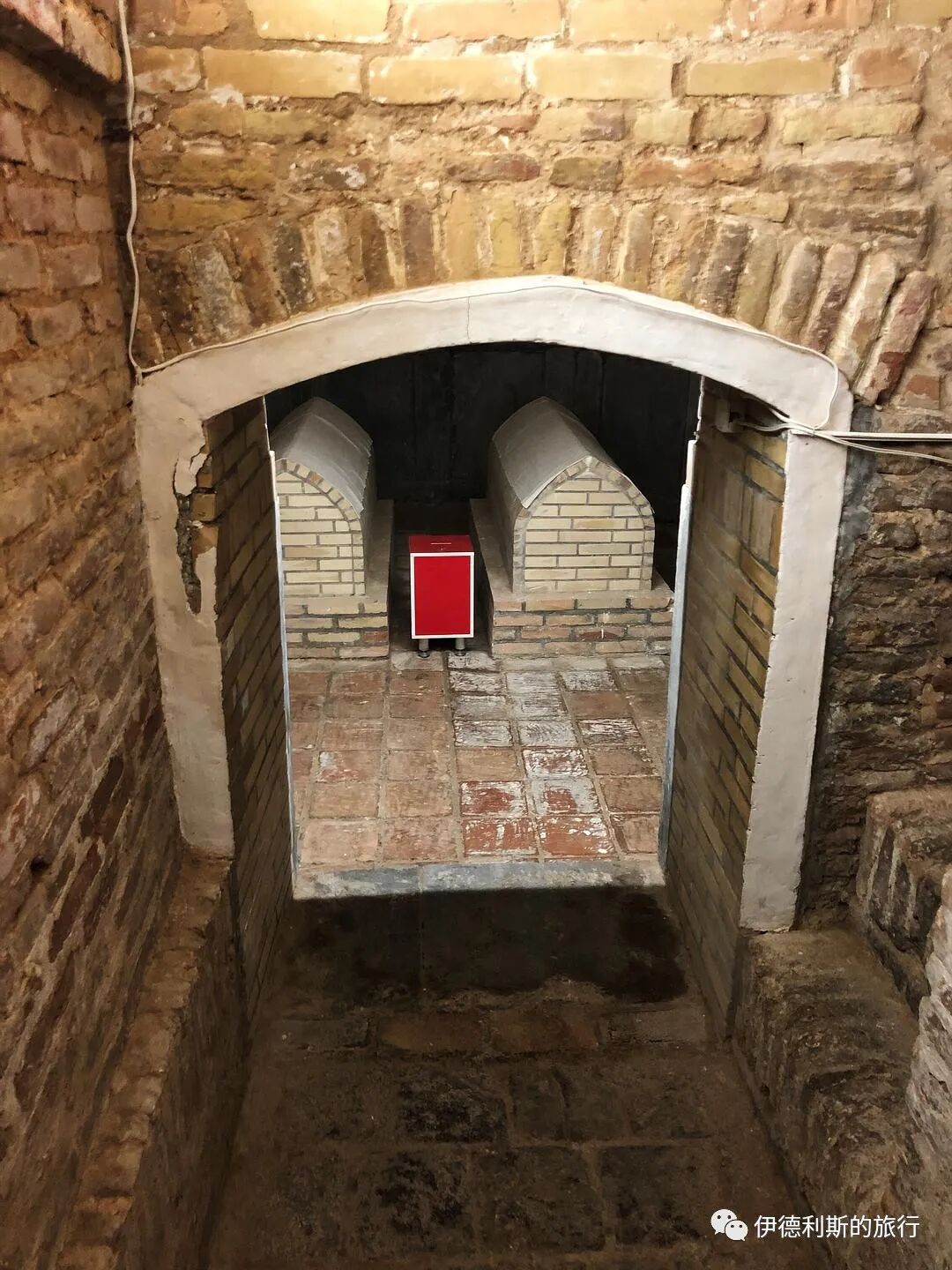
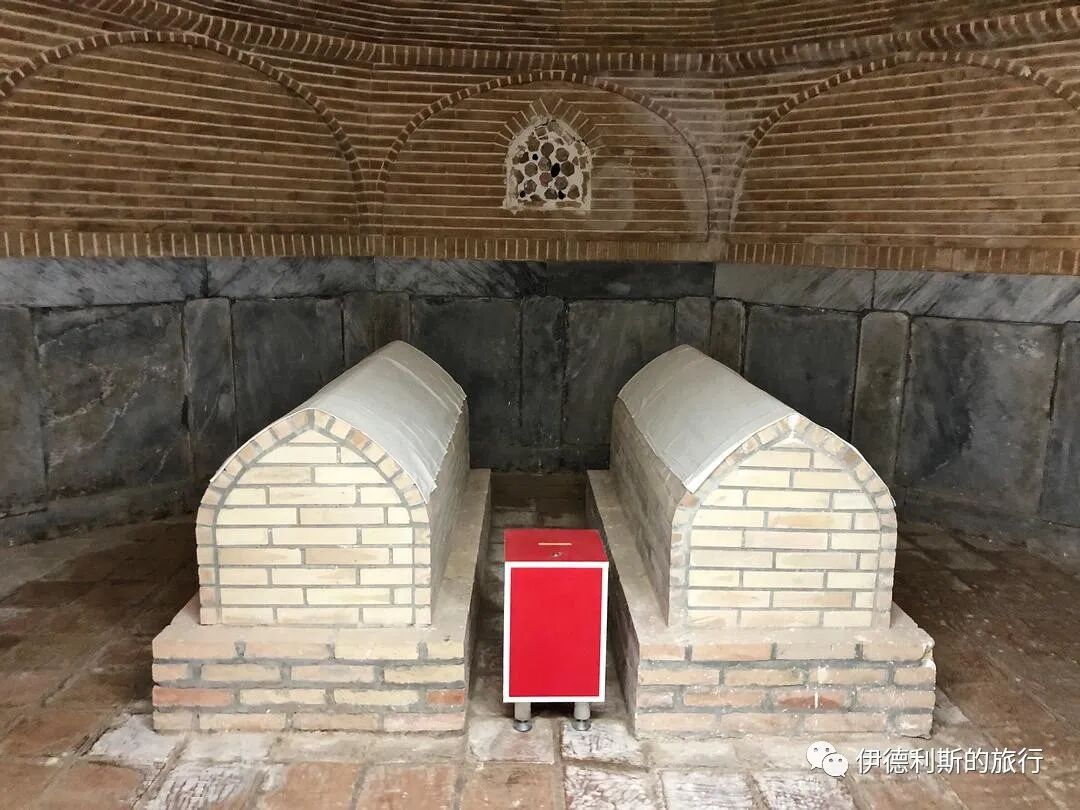
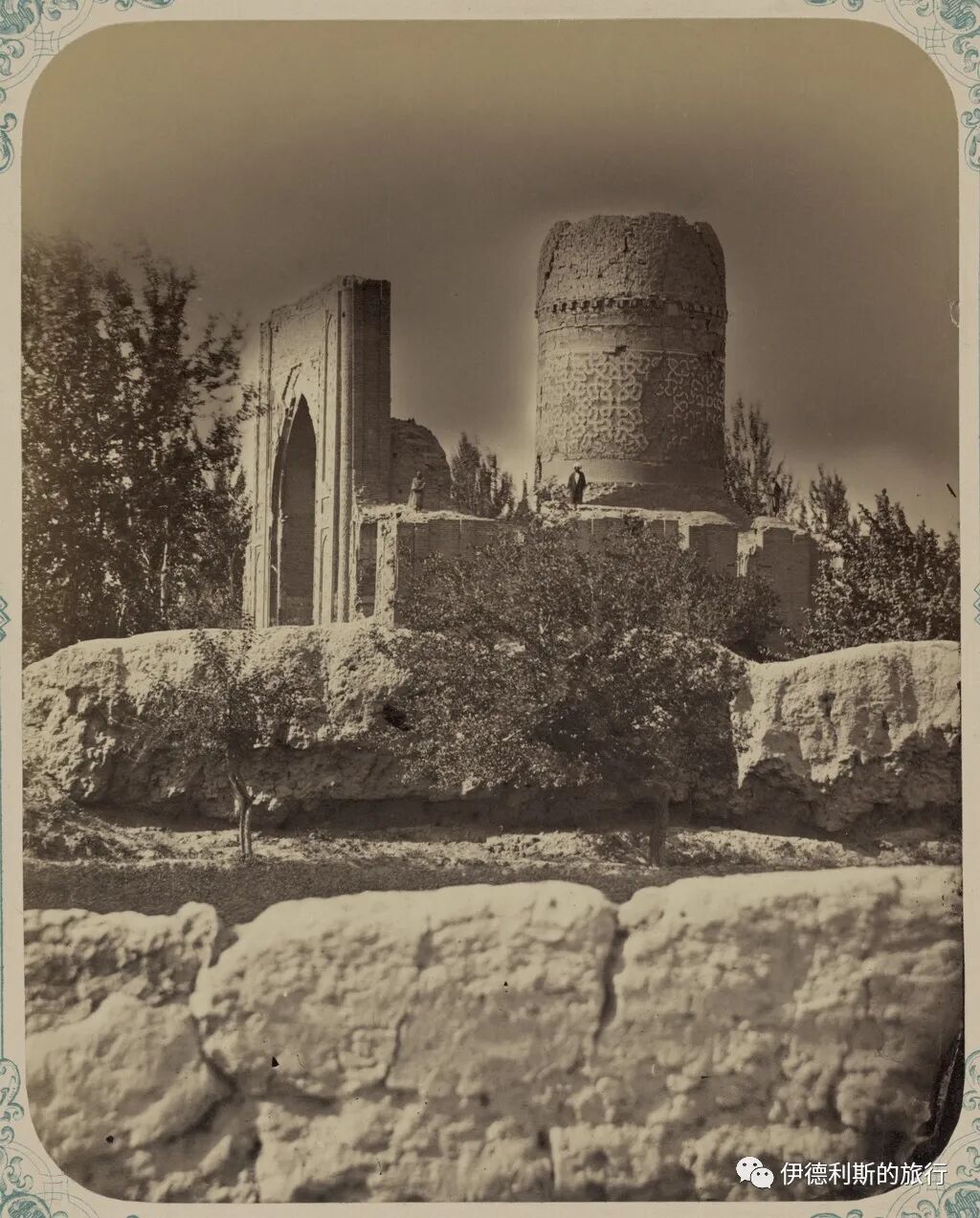
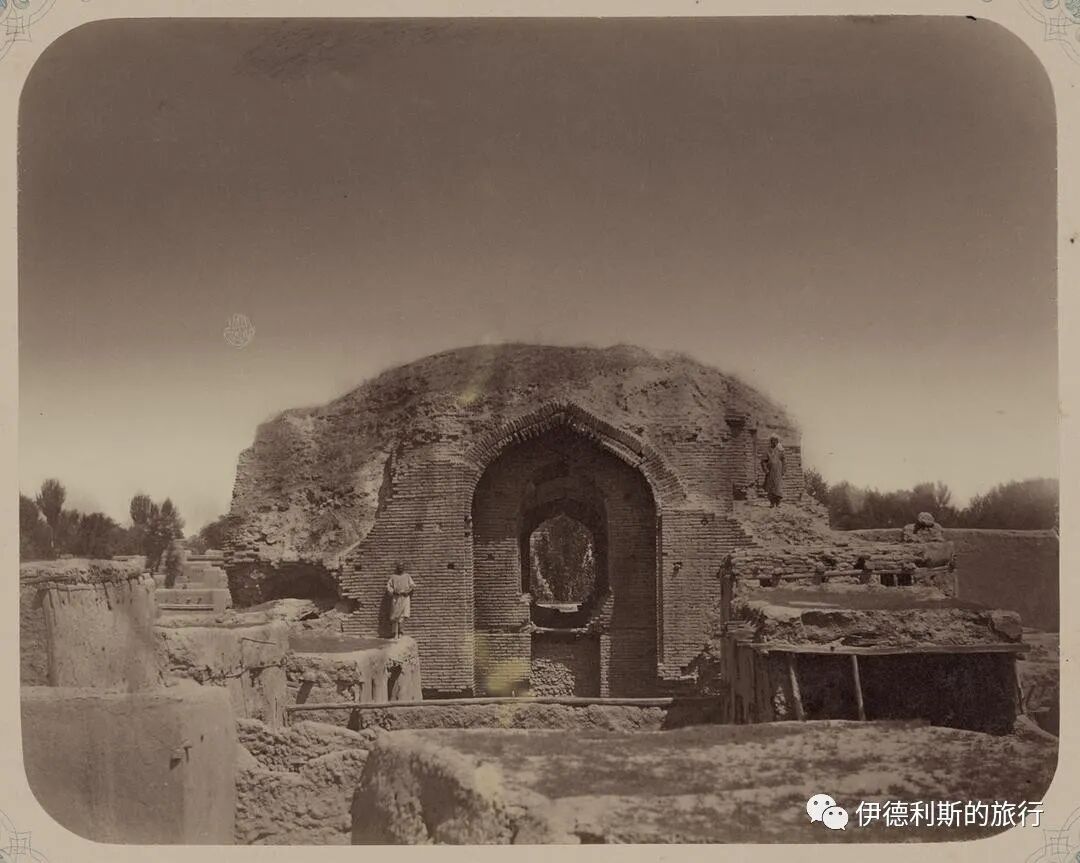
The Ak-Saray Mausoleum once fell into ruins, was later protectively restored between 1924 and 1925, renovated again in 2007, and is now open to tourists as an attraction. The archaeological section of the "Turkestan Album," produced by Russia between 1871 and 1872, contains old photos of the Ak-Saray Mausoleum, where it can be seen that the dome of the Ak-Saray Mausoleum had completely collapsed at that time.
10. Khodja Abdu Derun Mausoleum: 15th century
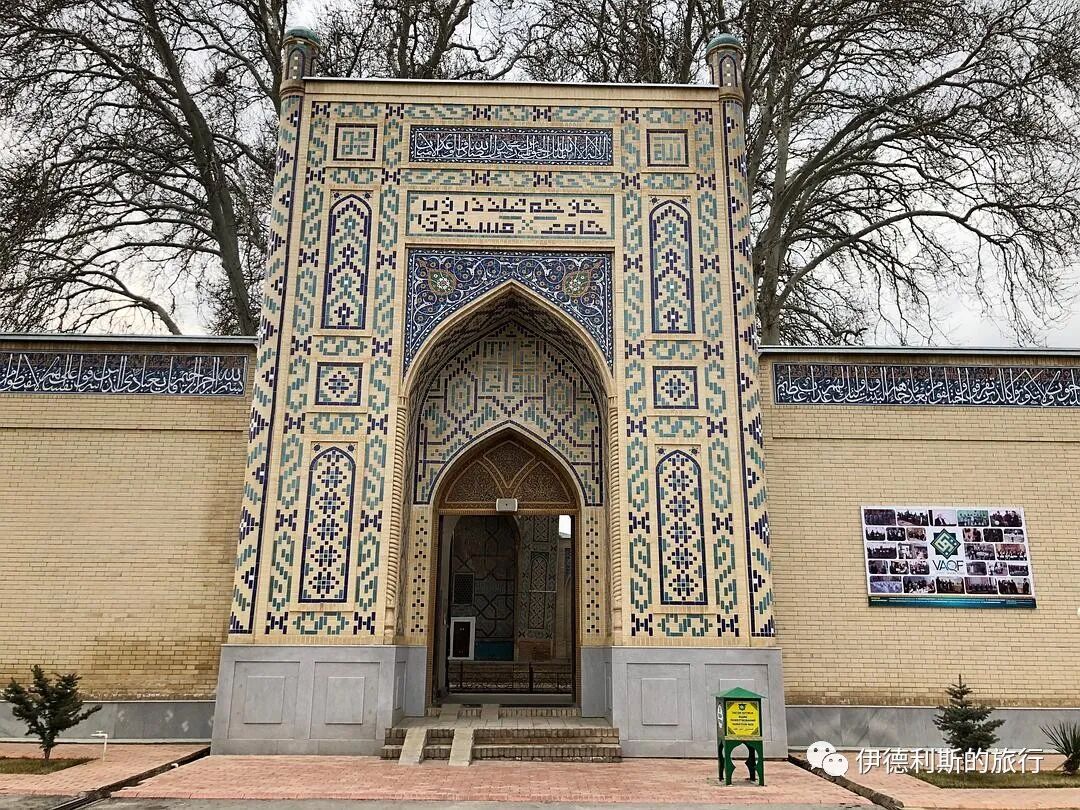
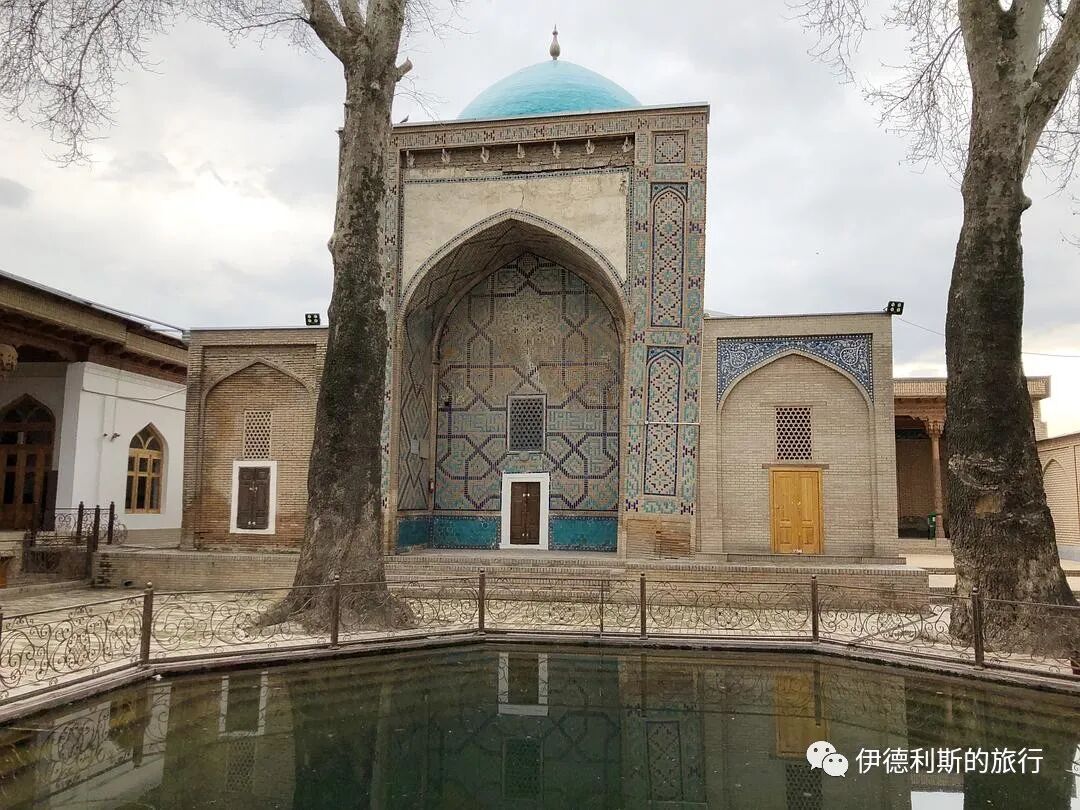
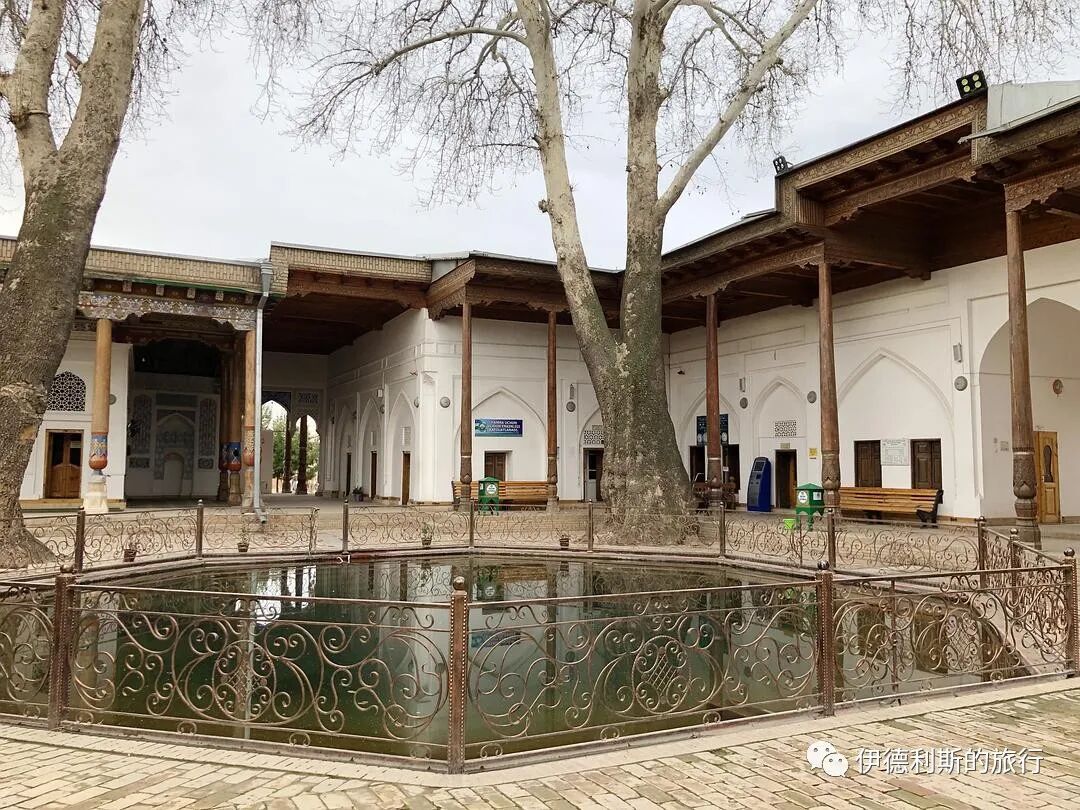
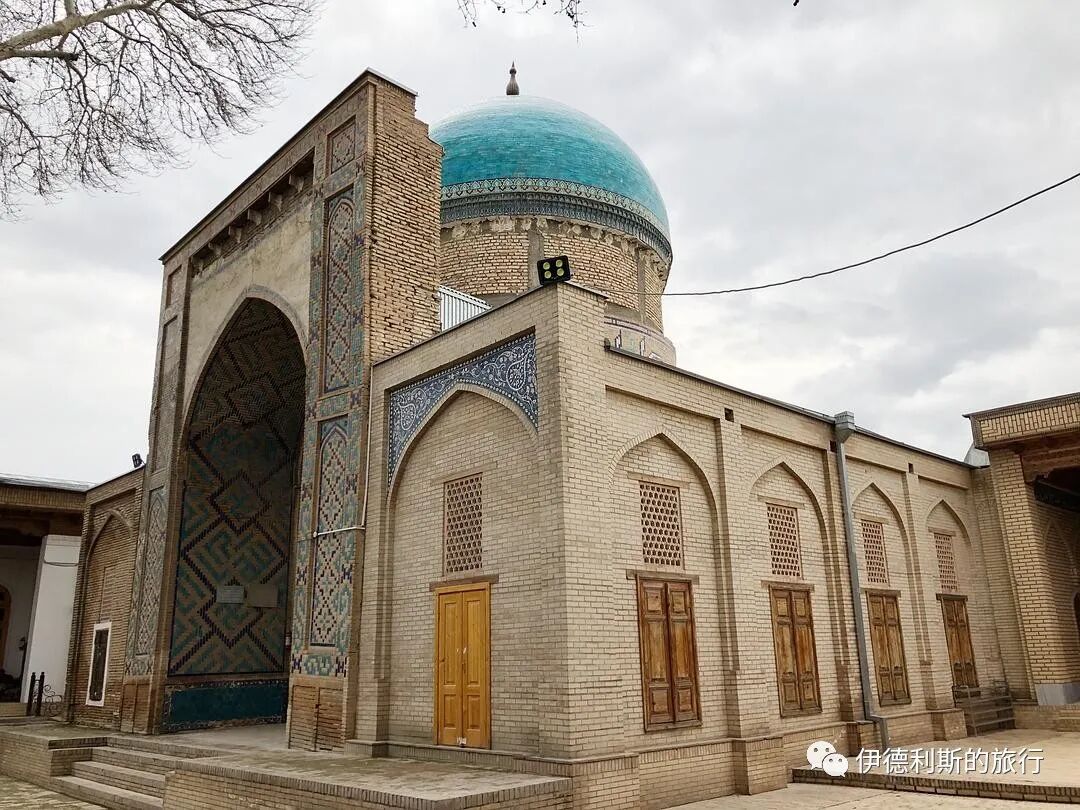
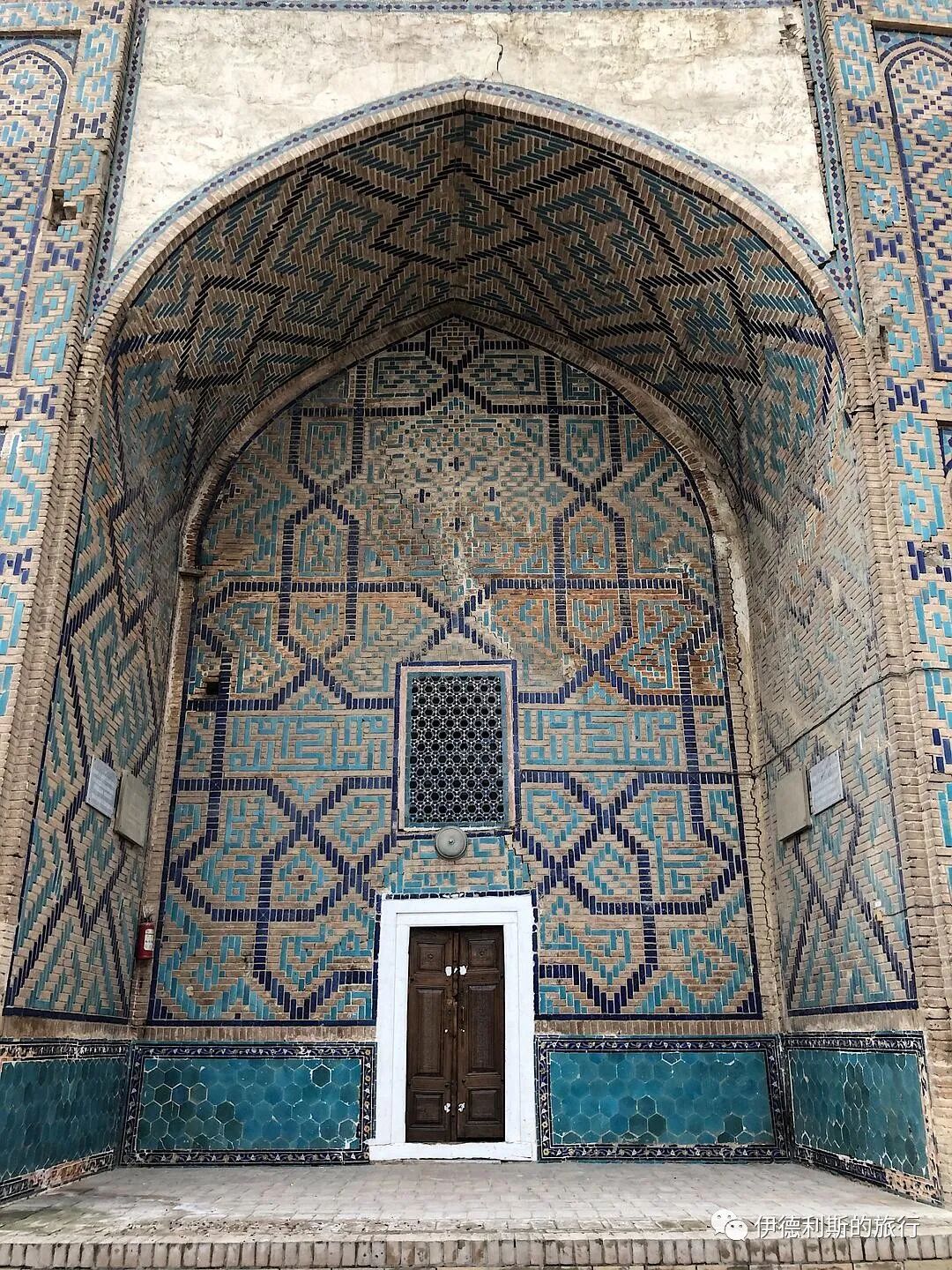
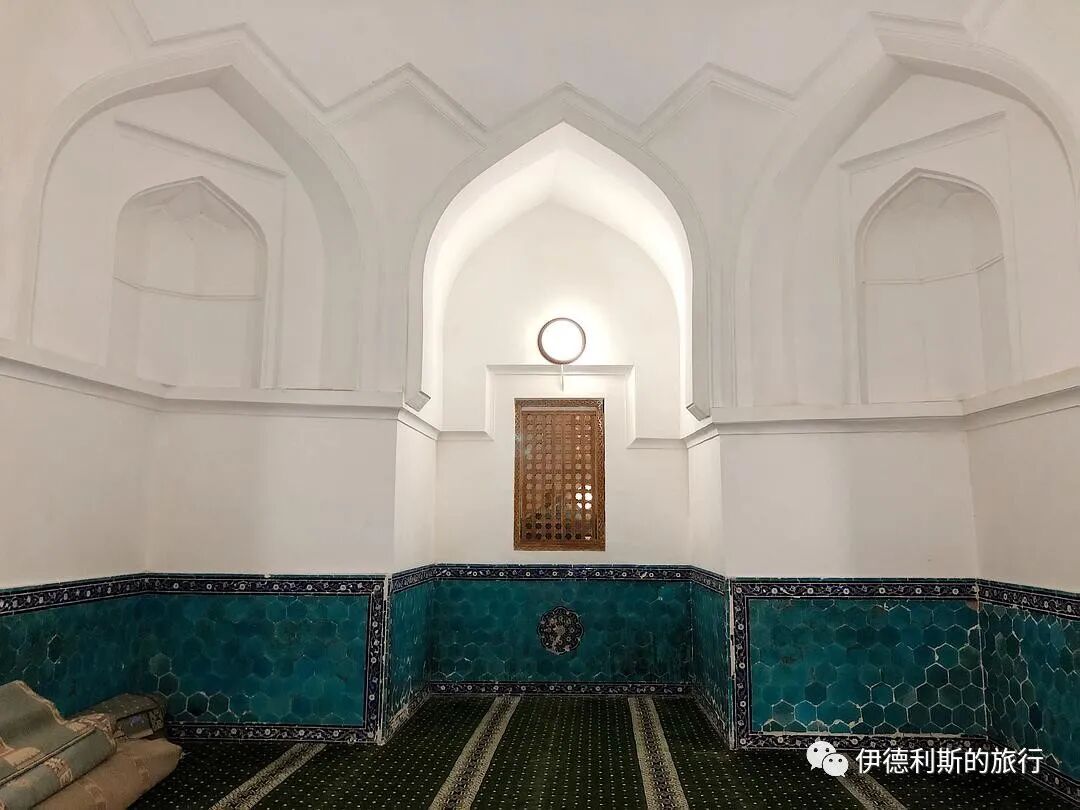
The Khodja Abdu Derun Mausoleum was built to commemorate a 9th-century Arab judge, where "Derun" refers to the fact that the mausoleum is located inside the city of Samarkand.
The earliest domed mausoleum was built in the 12th century and was expanded in the 15th century into a complex including a pond, a mosque, and a gate.
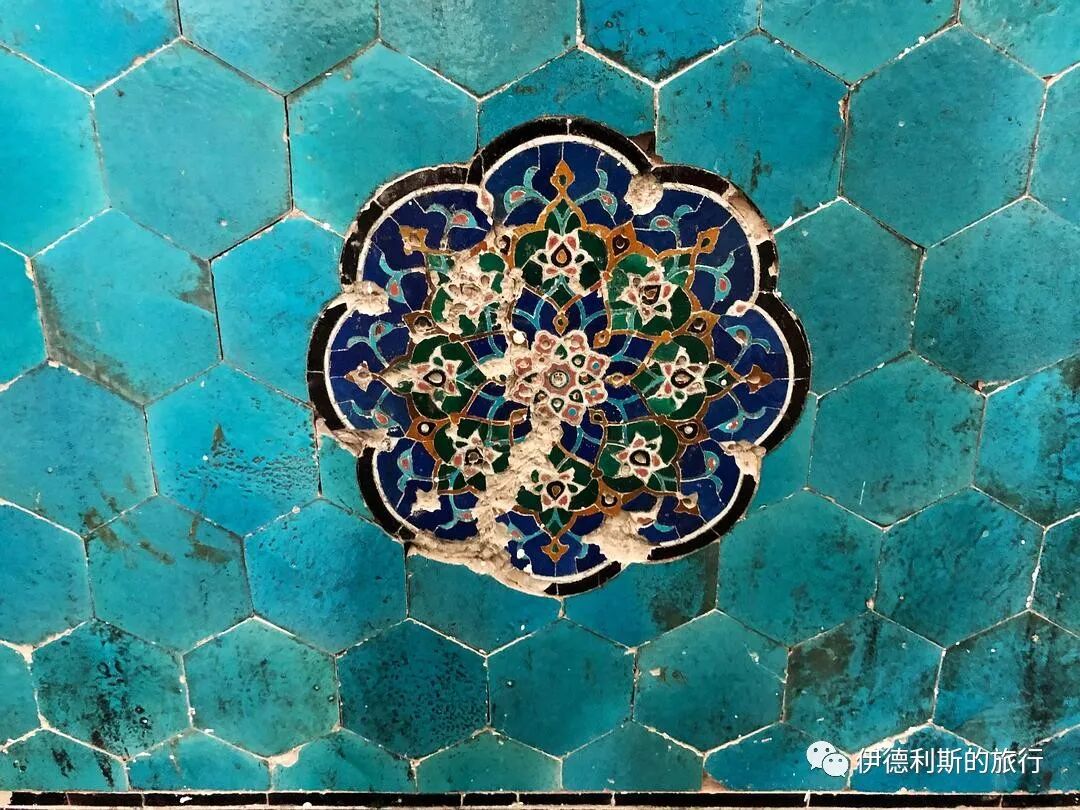
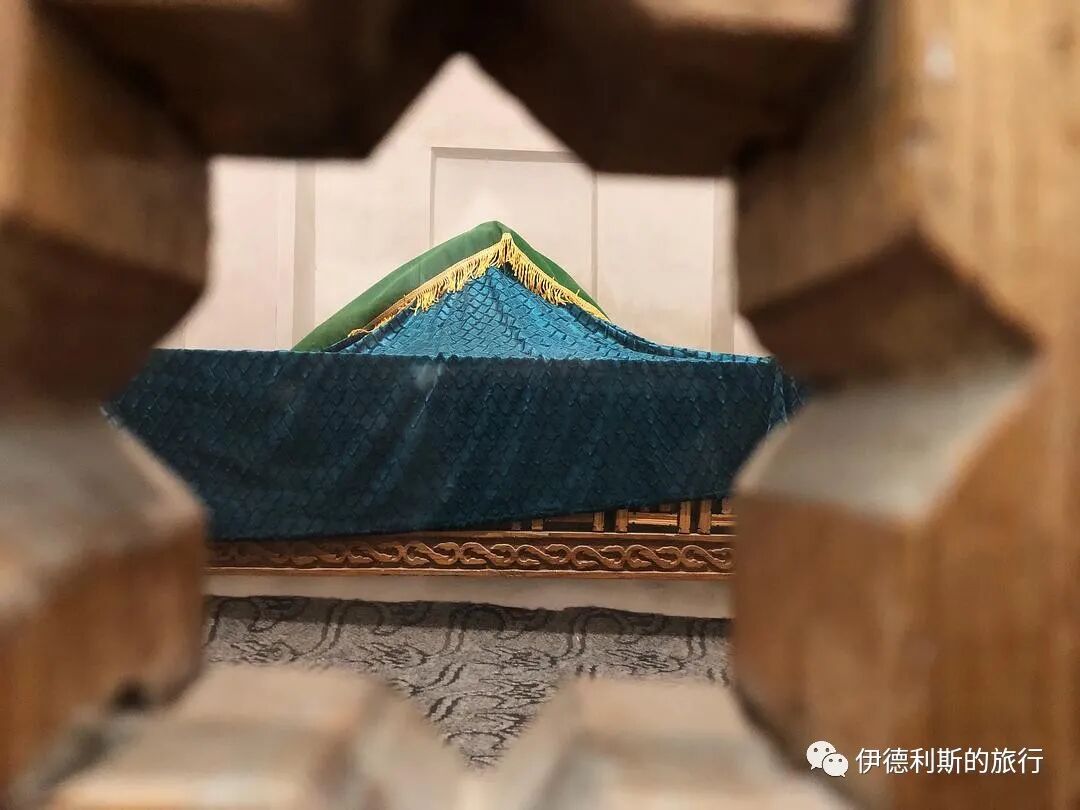
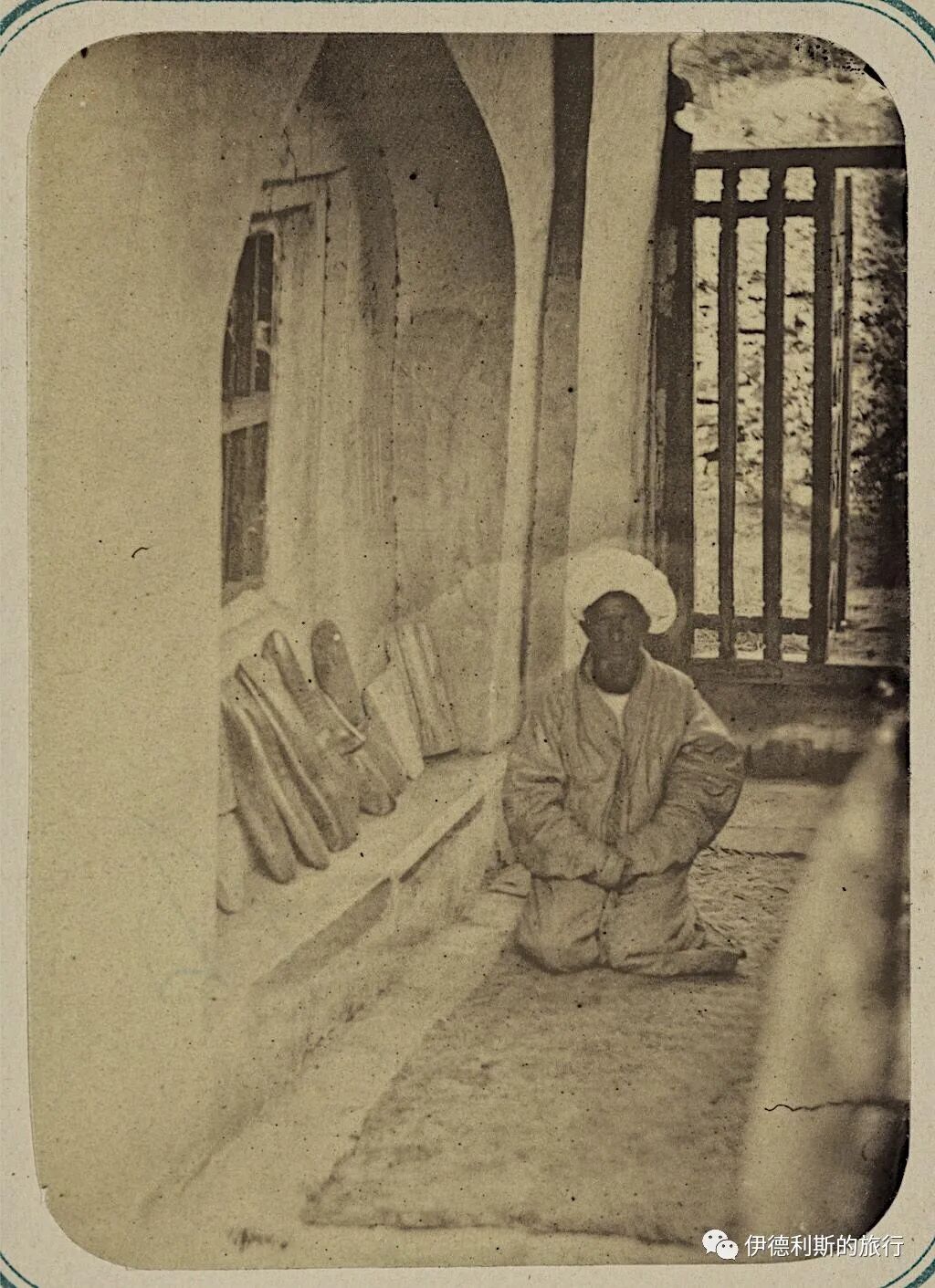
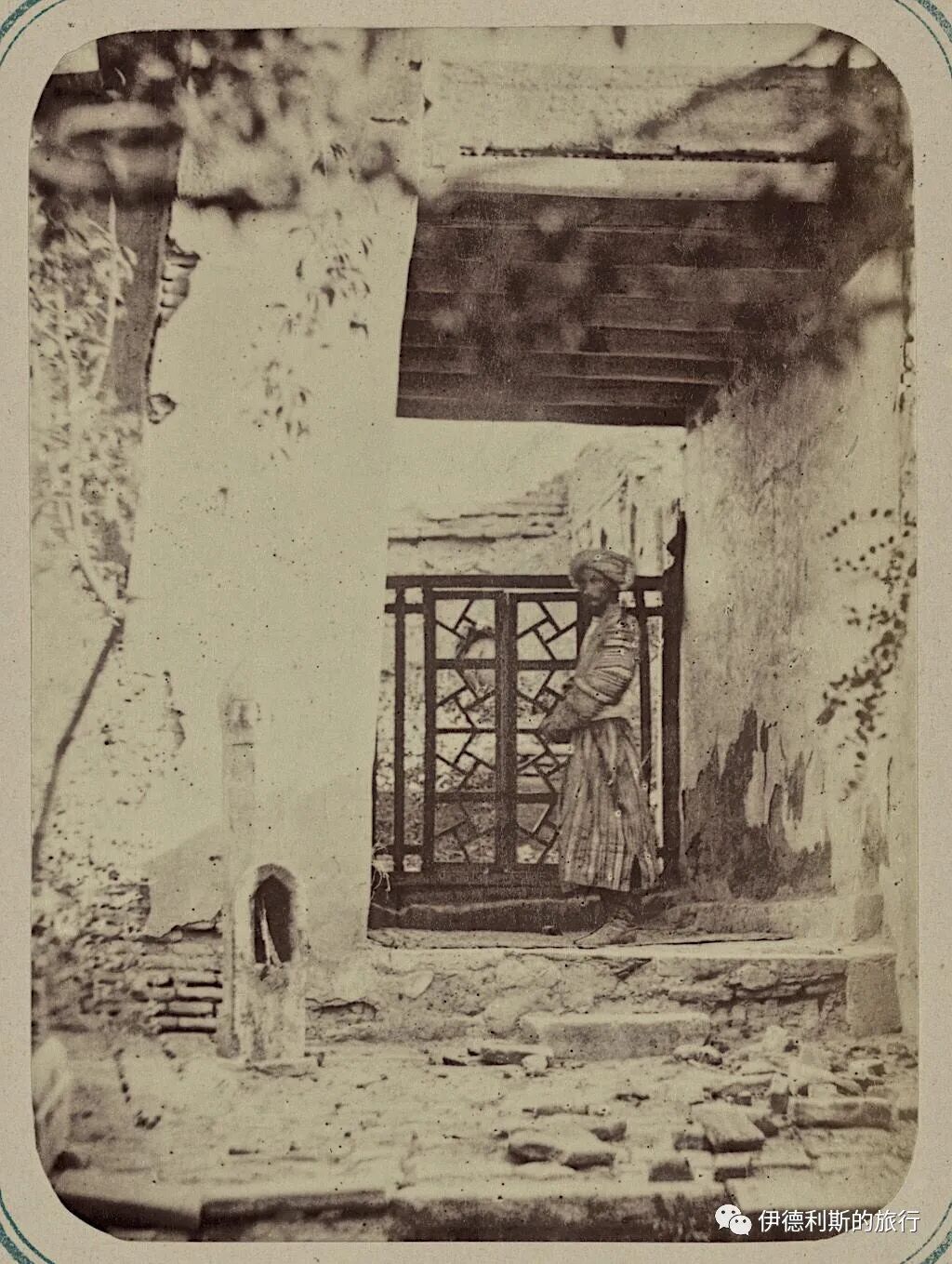
11. Mausoleum of Prophet Daniel: Rebuilt in the early 20th century
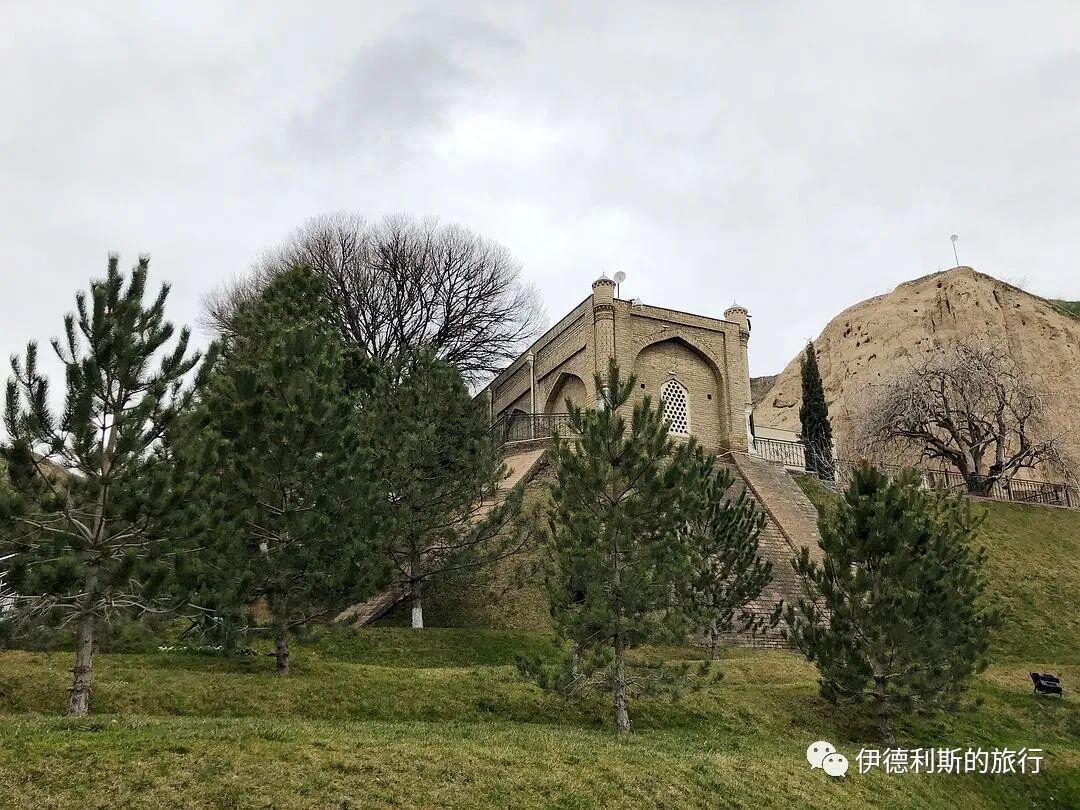
Daniel (Daniyar in Uzbek) is a prophet recorded in the Old Testament of the Bible, who lived between the 7th and 6th centuries BC and was buried in the ancient city of Susa in Persia after his death. Legend has it that when Timur passed through the city of Susa, he brought the right hand of the Prophet Daniel back to Samarkand and buried it next to a spring on the bank of the Siab River at the foot of Afrosiab Hill, which is the current Mausoleum of Khodja Daniyar.
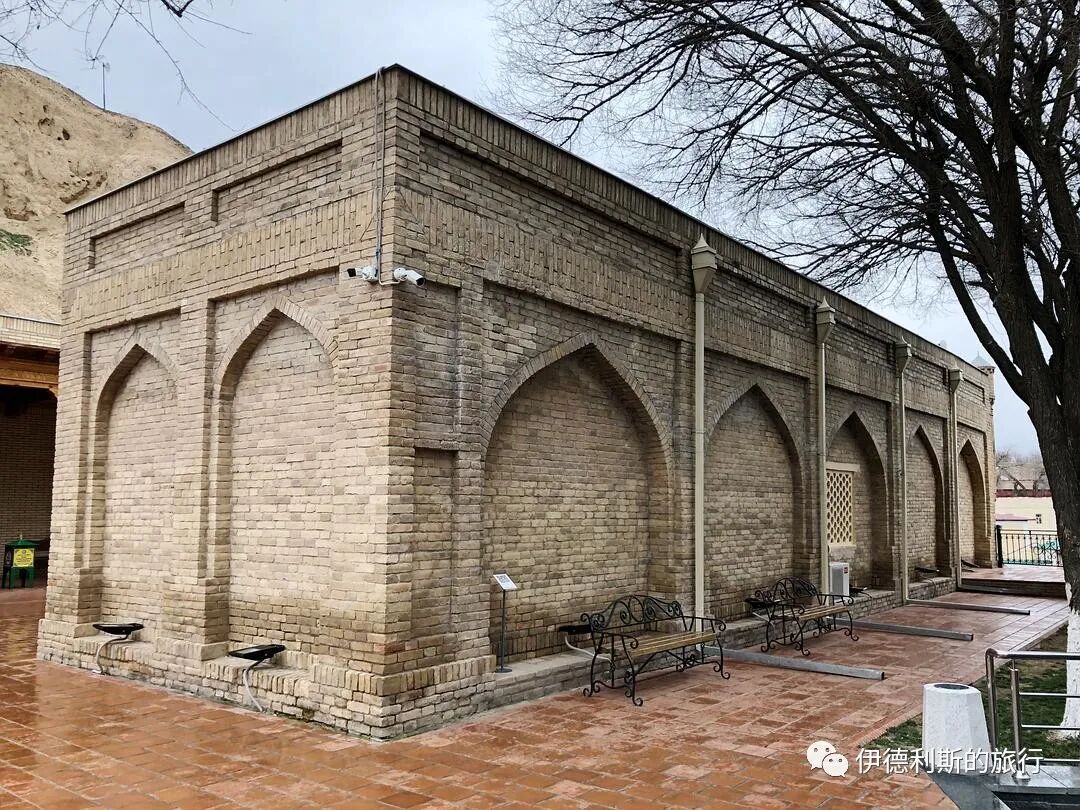
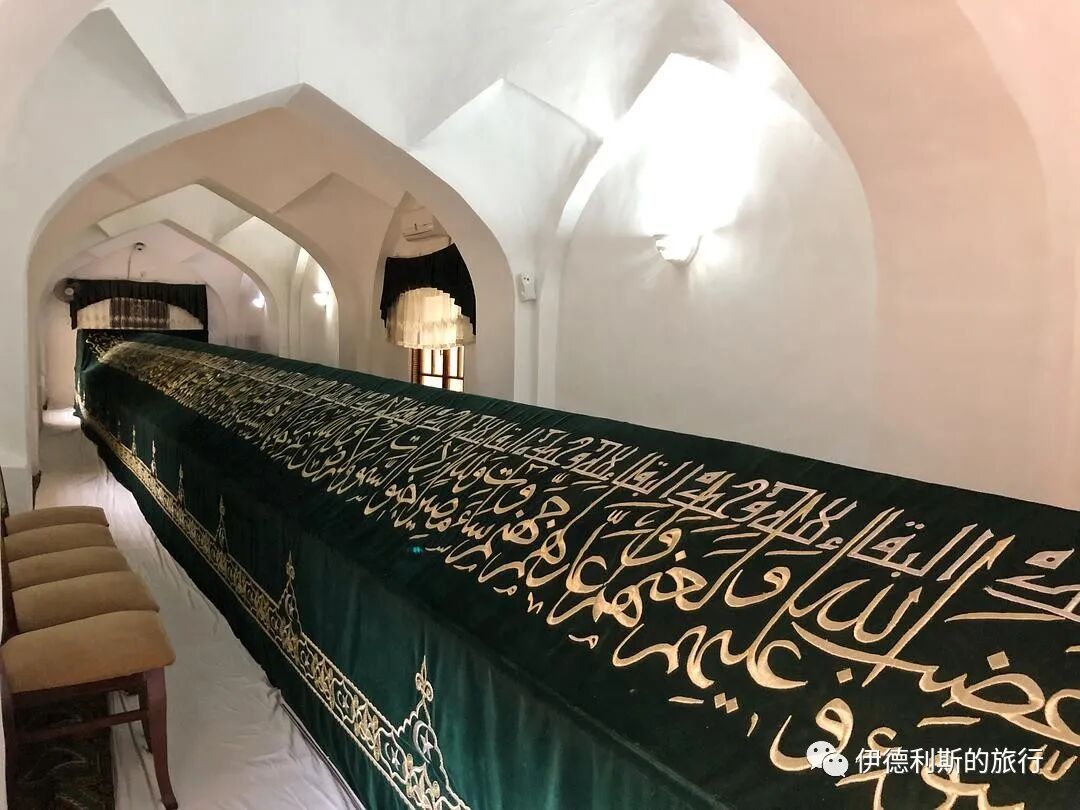
The Mausoleum of the Prophet Daniel was originally just covered by stones by the river, with a sacred pillar inserted on top. Legend has it that the mausoleum kept growing, forcing people to continuously lengthen the marble sarcophagus. It was not until the early 20th century that people built the current mausoleum building, which contains an 18-meter-long sarcophagus.
In addition to Samarkand, there are mausoleums of the Prophet Daniel in Jerusalem, the ancient city of Susa, Istanbul, and the ancient city of Sumar in Iraq, but unfortunately, the prophet's mausoleum in the ancient city of Sumar was destroyed by ISIS not long ago.
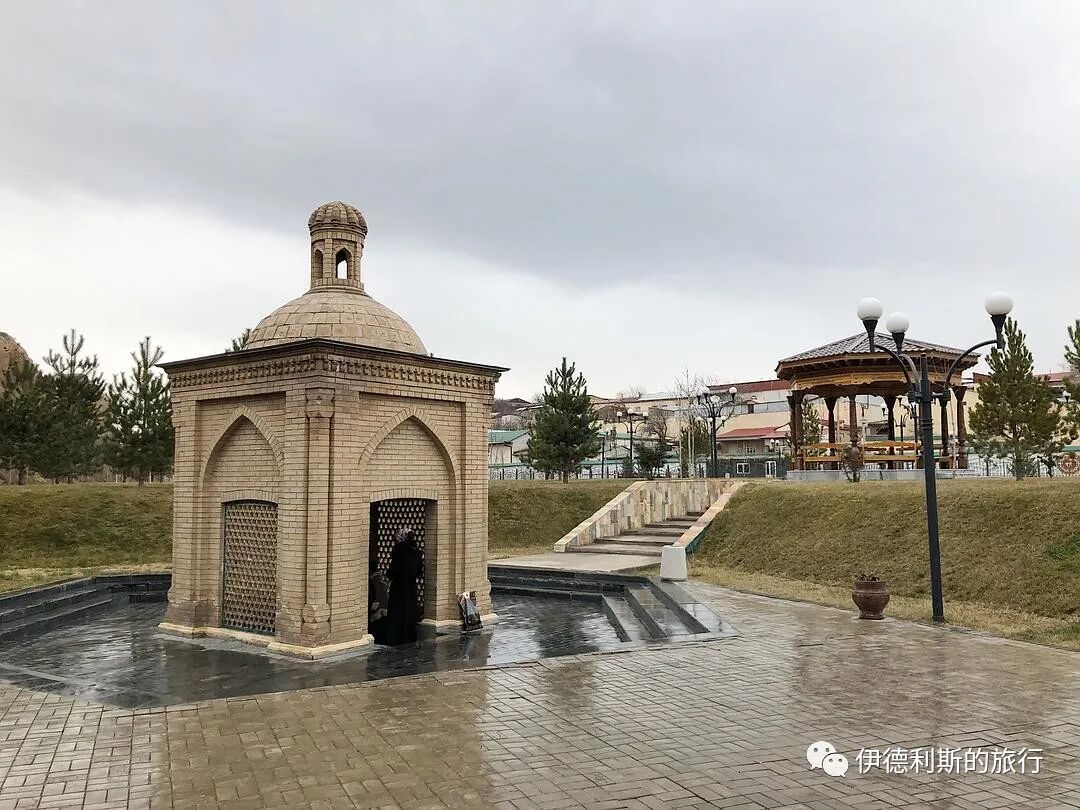
Furthermore, the spring next to the prophet's mausoleum is believed to have the power to heal the body and soul.
Summary: This travel note introduces Samarkand Travel Guide: Timur's Capital, Mosques & Islamic History (Part 2). The true burial chamber on the lower level is currently not open. It is useful for readers interested in Uzbekistan Travel, Timurid History, Muslim Heritage.
The true burial chamber on the lower level is currently not open.
4. Bibi-Khanym Mosque: 1404
The Bibi-Khanym Mosque is hailed as the most magnificent mosque architecture in 15th-century Central Asia and is the most important mosque of the Timurid dynasty, serving as a model for many later mosques.
The mosque was commissioned in 1399 after Timur conquered Delhi, India, to commemorate his wife, Sarai Mulk Khanym, the daughter of the last Chagatai Khan, Qazan Sultan. When Timur returned to Samarkand in 1404, the mosque was nearly complete, but he was dissatisfied with it, feeling the main dome was not grand enough, and ordered it to be rebuilt. However, during the reconstruction process, Timur passed away in 1405. Afterward, the mosque gradually revealed structural problems caused by its excessive size, and bricks began to fall from the dome; the Timurid dynasty never ceased its repairs on the mosque.
In the late 16th century, Abdullah Khan II (reigned 1583-1598) of the Bukhara Khanate ordered a halt to the maintenance of the Bibi-Khanym Mosque. Subsequently, the bricks and stones of the mosque were continuously taken by local residents to build houses, and the mosque gradually fell into ruins, with the arch of the main gate collapsing in the 1897 earthquake.
In 1974, the Soviet Union began restoring the Bibi-Khanym Mosque, and the restoration work continues to this day.
The Bibi-Khanym Mosque is a classic "Four-Iwan scheme" mosque, consisting of four buildings with Iwan (vaulted hall) arches: the east gate, the west main hall, and two classrooms to the north and south.
The mosque gate has a tall Pishtak (monumental portal) facade, with an Iwan arch in the center.
Front of the main gate
Details of the main gate
Back of the main gate
The main hall has a huge dome, but when viewed from the courtyard, the dome is blocked by the Pishtak facade; in reality, it can only be seen from the sides and the back.
The domes of the main hall and the side halls utilize the innovative "double dome" technique. The inner dome of the main hall is 30 meters high, and the outer dome is 40 meters high, with a 10-meter hollow space in between. This allows the proportion of the interior mihrab (niche indicating the direction of prayer) to the entire hall to be as harmonious as possible, while the exterior dome can be as tall as possible.
The two classrooms to the north and south of the mosque were once surrounded by a circle of 7.2-meter-high rooms forming a courtyard, composed of continuous arches and domes, but today all the rooms are in ruins, with only the foundations remaining.
North classroom
South classroom
In the middle of the courtyard is a marble Quran stand, which is an original artifact from the Timurid era.
5. Bibi-Khanym Mausoleum: 1404
The Bibi Khanym Mausoleum is located directly opposite the Bibi-Khanym Mosque, built at the same time as the mosque, and is connected to it by a path. In addition to Timur's wife, Sarai Mulk Khanym, other women of the Timurid family are buried in the mausoleum.
Sarai Mulk Khanym was the daughter of the last Khan of the Chagatai Khanate, Qazan Khan ibn Yasaur (reigned 1343-1346), and her first husband was the Chagatai warlord Amir Husayn. Husayn was once Timur's main ally before he came to power; in 1370, their alliance broke down, and Timur defeated and executed Husayn, taking over his harem and thus marrying Husayn's wife, Sarai Mulk Khanym.
As a direct descendant of Genghis Khan and a princess of the Chagatai Khanate, Sarai Mulk Khanym held a very high status in Timur's court. By marrying Sarai Mulk Khanym, Timur acquired the title of "Gurgan" (son-in-law), a title that was very important to Timur, indicating his relationship with the Genghis Khan-Chagatai family.
Sarai Mulk Khanym is referred to in historical records as Timur's favorite queen, and she always played a significant role in the court. When Timur was not in Samarkand, Sarai Mulk Khanym even managed state affairs as regent.
Sarai Mulk Khanym had no children, but she treated Timur's youngest son, Shah Rukh (the second ruler of the Timurid dynasty), as her own. After the birth of Shah Rukh's son, Ulugh Beg (the third ruler of the Timurid dynasty), in 1394, Sarai Mulk Khanym also raised and educated Ulugh Beg just as she did Shah Rukh.
6. Ulugh Beg Madrasah: 1420
The Ulugh Beg Madrasah (Islamic school) is located on the west side of Registan Square and was built by the Timurid ruler and famous astronomer Ulugh Beg (reigned 1447-1449) between 1417 and 1420.
After Timur's death in 1405, his son Shah Rukh inherited the eastern part of the empire. Shah Rukh moved the capital of the Timurid Empire from Samarkand to Herat in Afghanistan, and from 1409, he let his son Ulugh Beg rule Samarkand.
The Ulugh Beg Madrasah is hailed as the best Islamic school in 15th-century Central Asia, and it also made Samarkand the cultural center of 15th-century Central Asia. The school usually had about 100 students studying mathematics, geometry, logic, natural sciences, and theology. Ulugh Beg taught here himself; the great Persian poet and Sufi scholar Abdul-Rahman Jami studied here, and the school also produced many astronomers. After the establishment of the Bukhara Khanate in the 16th century, Samarkand lost its status as the capital, but the Ulugh Beg Madrasah remained one of the best schools in Central Asia.
The Ulugh Beg Madrasah was severely damaged in two major earthquakes in 1817 and 1818, and finally became a ruin after the 1897 earthquake. After the 1920s, the Ulugh Beg Madrasah began to be restored, a process that has lasted for more than 70 years. The first phase of work mainly focused on protecting the surviving parts of the building, and the northeast minaret was straightened in 1932. Major restoration work was carried out in the 1950s and 1960s; the ground level was lowered by two meters, doors, windows, and various architectural decorations were restored, and the southeast minaret was restored in 1965. In the 1990s, the second floor of the school building, which had been demolished in the 18th century, was restored.
The archaeological section of the "Turkestan Album," produced by Russia between 1871 and 1872, photographed the Ulugh Beg Madrasah at that time.
Russian photographer Prokudin-Gorskii photographed the Ulugh Beg Madrasah in 1905.
7. Ulugh Beg Observatory: 1429
The Ulugh Beg Observatory is located northeast of Samarkand and is hailed as one of the most famous observatories in the Islamic world.
After the Ulugh Beg Madrasah was completed in 1420, Ulugh Beg invited many astronomers to teach there. To further promote astronomical research, Ulugh Beg began building the observatory in 1424. After the observatory was officially completed in 1429, Ulugh Beg appointed his student Ali Qushji to be in charge of the main work, and many famous astronomers such as Qāḍīzāda al-Rūmī and Jamshid Kashani observed celestial movements here.
In 1437, under the sponsorship of Ulugh Beg, astronomers in Samarkand used the Ulugh Beg Observatory to map the coordinates of 1,018 stars, known as the "Zīj-i Sultānī" (Ulugh Beg Astronomical Tables), which was an important update to the star catalogs of predecessors like Ptolemy.
In 1449, Ulugh Beg was assassinated on his way to perform Hajj (pilgrimage), and the observatory was subsequently destroyed by religious fanatics, remaining unknown for more than 400 years thereafter. It was not until 1908 that a Samarkand archaeologist, V. L. Vyatkin, finally discovered the exact location of the observatory in a document from the Timurid period. He immediately began archaeological excavations and discovered a huge marble sextant.
Site of the marble sextant
Astronomical instruments unearthed during archaeological excavations
Unearthed stone column components of the observatory
Restoration model of the observatory
In 1970, the Ulugh Beg Observatory Museum was established on the site of the observatory, housing related artifacts.
The image below is a 1542 manuscript of the astronomical work of Ulugh Beg's student Ali Qushji; he was the main person in charge of the Ulugh Beg Observatory and a famous astronomer, mathematician, and physicist of the 15th century.
Porcelain plate from the era of Ulugh Beg.
14th-century ceramic tile.
14th-15th-century ceramic tiles and marble tiles
15th-century military drum.
8. Ishrat-khana Mausoleum: 1464
The Ishrat-khana Mausoleum is located in the southeast of the old city of Samarkand and is one of the few Timurid monuments in Samarkand that has not been renovated.
Ishrat-khana means "House of Pleasure." According to the discovery by archaeologist V. L. Vyatkin in 1896, this building was built in 1464 by Habiba Sultan, the wife of the Timurid ruler Abu Sa'id Mirza (reigned 1451-1469), for their daughter Havend Sultan-bika. In 1940, Professor M. E. Masson organized an archaeological excavation of the mausoleum and discovered an octagonal tomb under the hall, which contained 23 graves of women and children, all of whom were likely members of the Timurid royal family.
Abu Sa'id Mirza was the great-grandson of Timur the Great and the grandfather of Babur, the founder of the Mughal Empire. Abu Sa'id Mirza occupied Samarkand in 1451 with the help of the Uzbeks, defeated other Timurid princes in 1459, and conquered eastern Iran and most of Afghanistan in 1461, becoming the last monarch to unify the Timurid Empire.
The Ishrat-khana Mausoleum was severely damaged in the 1903 earthquake, the dome was destroyed, and only an iron sheet roof was added later for protection. The archaeological section of the "Turkestan Album," produced by Russia between 1871 and 1872, contains photos of the Ishrat-khana Mausoleum before the earthquake, where the former dome of the mausoleum can be seen.
9. Ak-Saray Mausoleum: Presumed to be 1450s-1470s
The Ak-Saray Mausoleum is located right next to the Gur-e-Amir Mausoleum; it is a rectangular domed building with narrow stairs leading to an octagonal tomb underground.
"Ak-Saray" means "White Palace," and no information about the identity of the tomb owner was left inside the tomb. According to the speculation of Soviet historian and orientalist Mikhail Masson, the tomb owner is likely the Timurid ruler Abdal-Latif Mirza (reigned 1449-1450).
Abdal-Latif Mirza was the great-grandson of Timur the Great and the eldest son of Ulugh Beg. Abdal-Latif initially followed his father in battle and helped his father capture the city of Herat, but was later exiled by his father, allegedly because he was disloyal to his father; another theory is that Ulugh Beg predicted through astrology that he would be killed by his son. In 1449, Abdal-Latif launched a rebellion, captured Ulugh Beg near Samarkand, and subsequently murdered him; therefore, Abdal-Latif is also known as "Padarkush" (the patricide). A few days later, Abdal-Latif killed his brother to seize the throne, but he was killed after ruling for only 6 months. It is speculated that because Abdal-Latif was a patricide, he could not be buried in the Gur-e-Amir Mausoleum where his father Ulugh Beg was buried, so he could only be buried nearby.
Another speculation is that the tomb owner is the Timurid ruler Abu Sa'id Mirza (reigned 1451-1469), who was Abdal-Latif's cousin. Abu Sa'id Mirza wanted to expand the scale of the Gur-e-Amir Mausoleum to continue burying male members of the Timurid royal family, so he planned to build this mausoleum. Abu Sa'id Mirza died in 1469, so this mausoleum may have been built in the 1470s. In addition, the Ishrat-khana Mausoleum, built by Abu Sa'id in 1464 to bury female and child royal family members, is very similar in architectural style to the Ak-Saray Mausoleum, which is also evidence for this view.
The Ak-Saray Mausoleum once fell into ruins, was later protectively restored between 1924 and 1925, renovated again in 2007, and is now open to tourists as an attraction. The archaeological section of the "Turkestan Album," produced by Russia between 1871 and 1872, contains old photos of the Ak-Saray Mausoleum, where it can be seen that the dome of the Ak-Saray Mausoleum had completely collapsed at that time.
10. Khodja Abdu Derun Mausoleum: 15th century
The Khodja Abdu Derun Mausoleum was built to commemorate a 9th-century Arab judge, where "Derun" refers to the fact that the mausoleum is located inside the city of Samarkand.
The earliest domed mausoleum was built in the 12th century and was expanded in the 15th century into a complex including a pond, a mosque, and a gate.
11. Mausoleum of Prophet Daniel: Rebuilt in the early 20th century
Daniel (Daniyar in Uzbek) is a prophet recorded in the Old Testament of the Bible, who lived between the 7th and 6th centuries BC and was buried in the ancient city of Susa in Persia after his death. Legend has it that when Timur passed through the city of Susa, he brought the right hand of the Prophet Daniel back to Samarkand and buried it next to a spring on the bank of the Siab River at the foot of Afrosiab Hill, which is the current Mausoleum of Khodja Daniyar.
The Mausoleum of the Prophet Daniel was originally just covered by stones by the river, with a sacred pillar inserted on top. Legend has it that the mausoleum kept growing, forcing people to continuously lengthen the marble sarcophagus. It was not until the early 20th century that people built the current mausoleum building, which contains an 18-meter-long sarcophagus.
In addition to Samarkand, there are mausoleums of the Prophet Daniel in Jerusalem, the ancient city of Susa, Istanbul, and the ancient city of Sumar in Iraq, but unfortunately, the prophet's mausoleum in the ancient city of Sumar was destroyed by ISIS not long ago.
Furthermore, the spring next to the prophet's mausoleum is believed to have the power to heal the body and soul.
