
Fancheng Muslim Travel Guide: Hui Muslim History in Hubei
Reposted from the web
Summary: This travel note introduces Fancheng Muslim Travel Guide: Hui Muslim History in Hubei. As the most important commercial hub in the middle reaches of the Han River, Fancheng has had Hui Muslims living there since the Yuan and Ming dynasties. It is useful for readers interested in Hubei Muslims, Hui Muslims, Muslim Heritage.
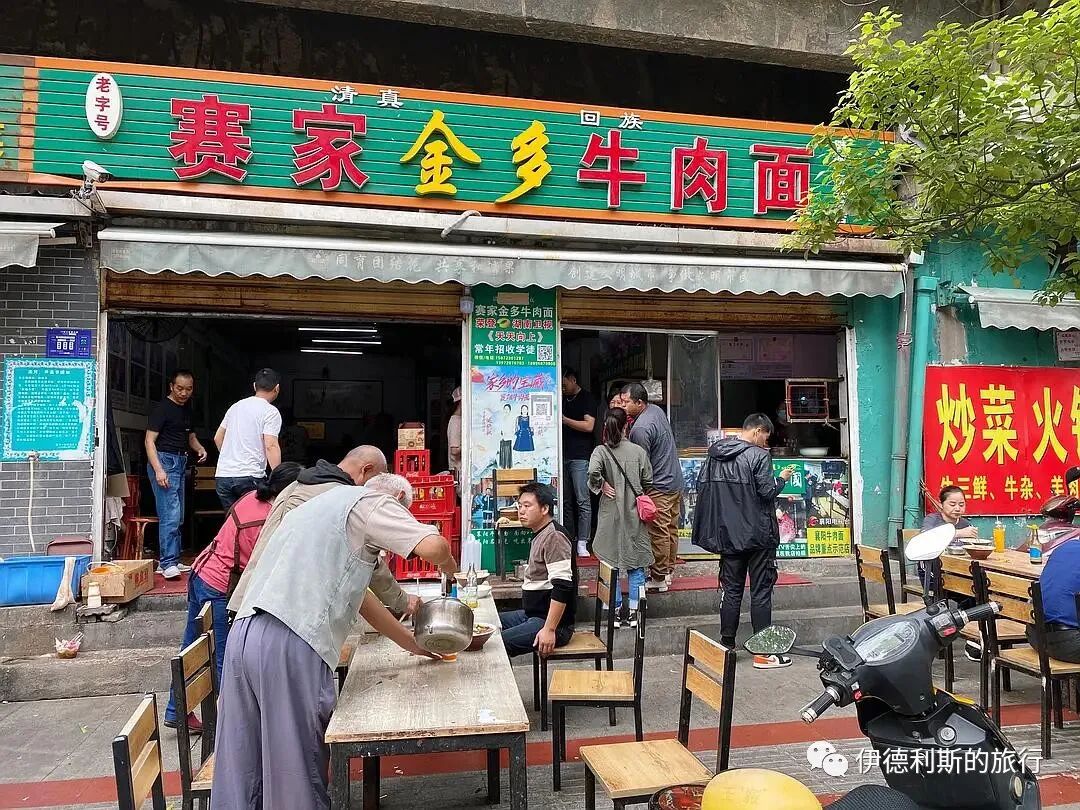
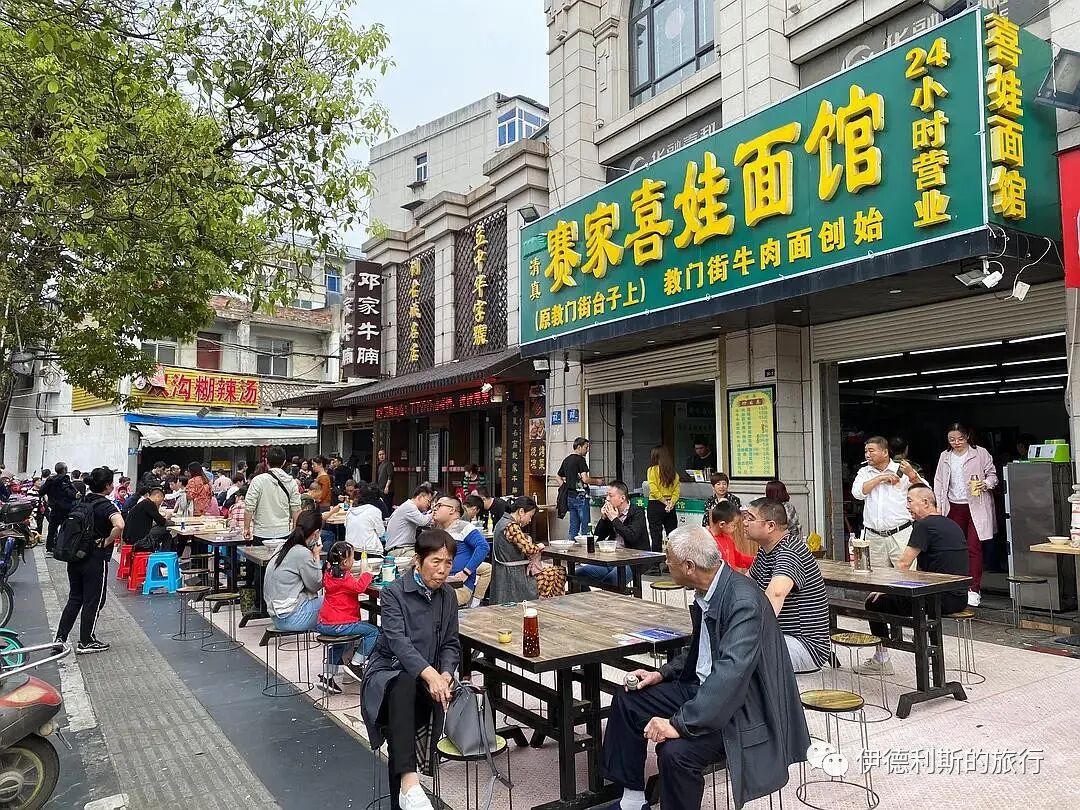
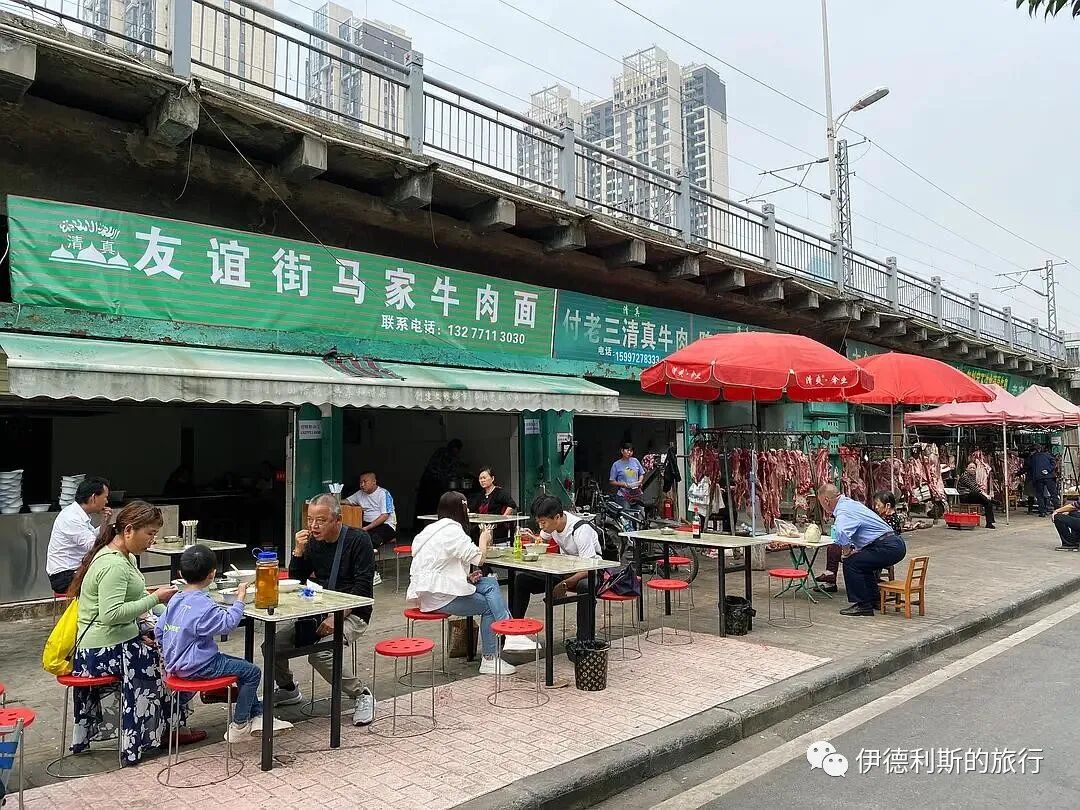
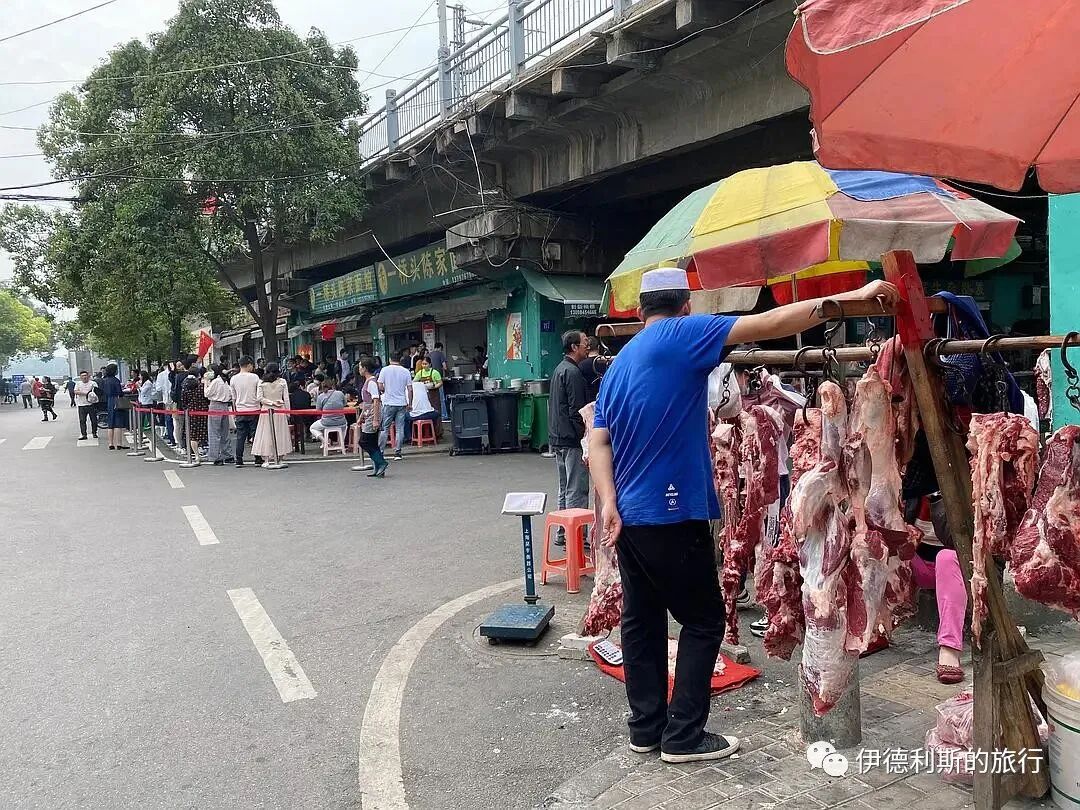
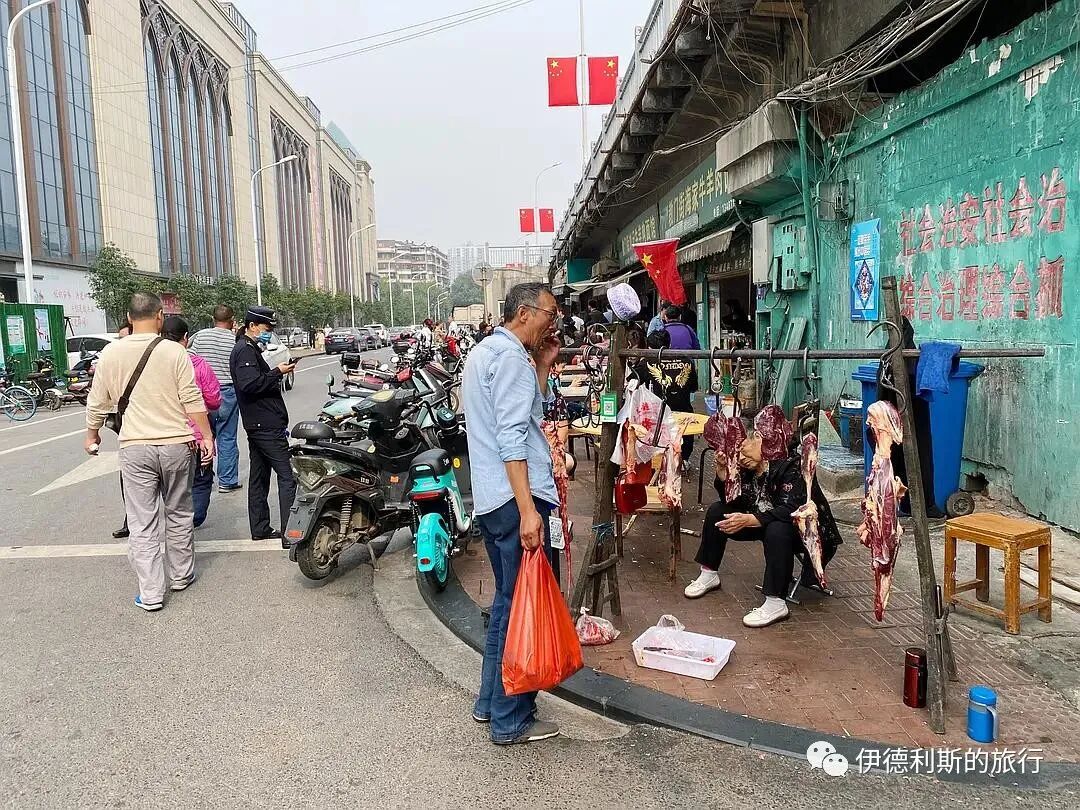
As the most important commercial hub in the middle reaches of the Han River, Fancheng has had Hui Muslims living there since the Yuan and Ming dynasties. The Hui Muslims of Fancheng were mainly concentrated on Jiaomen Street, where the mosque is located. When the Fancheng Mosque was renovated in 1792 (the 57th year of the Qianlong reign), the number of local Hui Muslim households who donated reached 222. In 2015, Jiaomen Street was completely demolished for new construction, and now only a row of shops selling beef noodles and raw beef remains at the head of the Hanjiang Bridge.
Early in the morning, we came to the bridge head to eat beef noodles at Liu's on Jiaomen Street. Liu's is run by the son of the old Ahong (imam) of the Fancheng Mosque, Liu Donghan, and is quite famous. When I was in college, our school's halal canteen had a stall for Xiangfan beef noodles, and my impression at the time was that it was really spicy! This time, I finally got to taste the authentic version. After finishing the authentic bowl, it did feel a bit spicy, haha. We specifically asked for no chili, but the broth used to braise the beef is inherently a little spicy. However, besides the spice, the beef is truly fragrant! The various meat ingredients must have been added generously, and it was stewed until very flavorful.
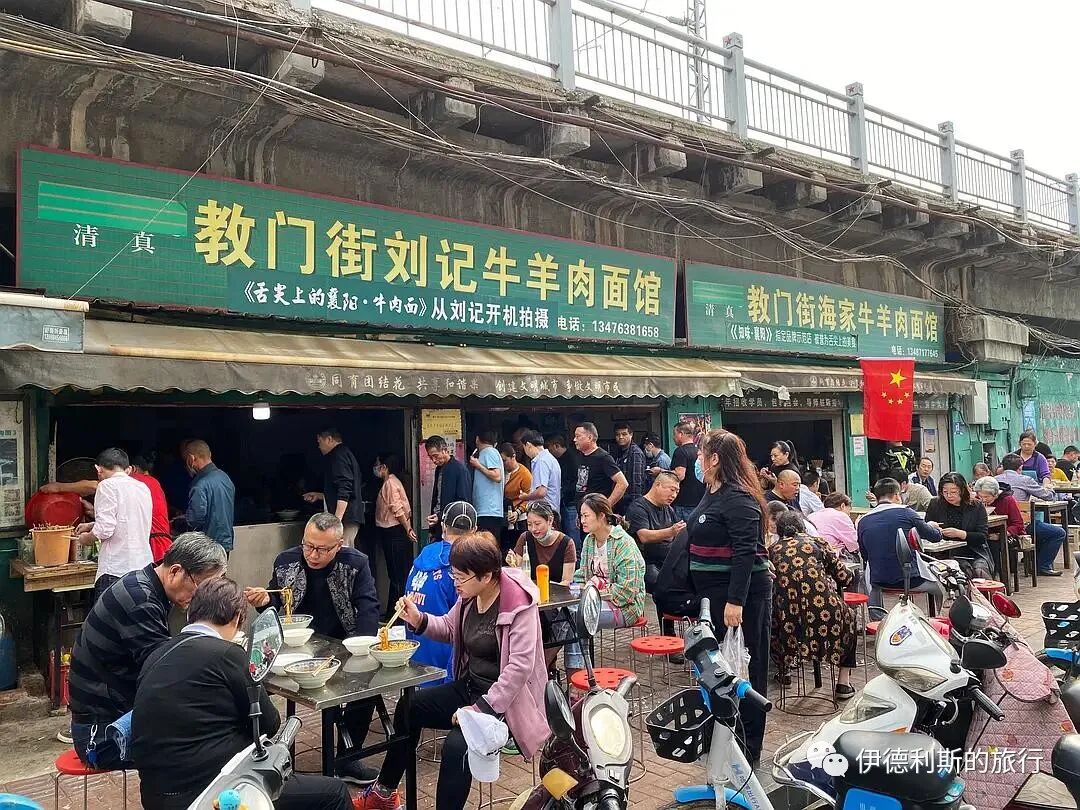
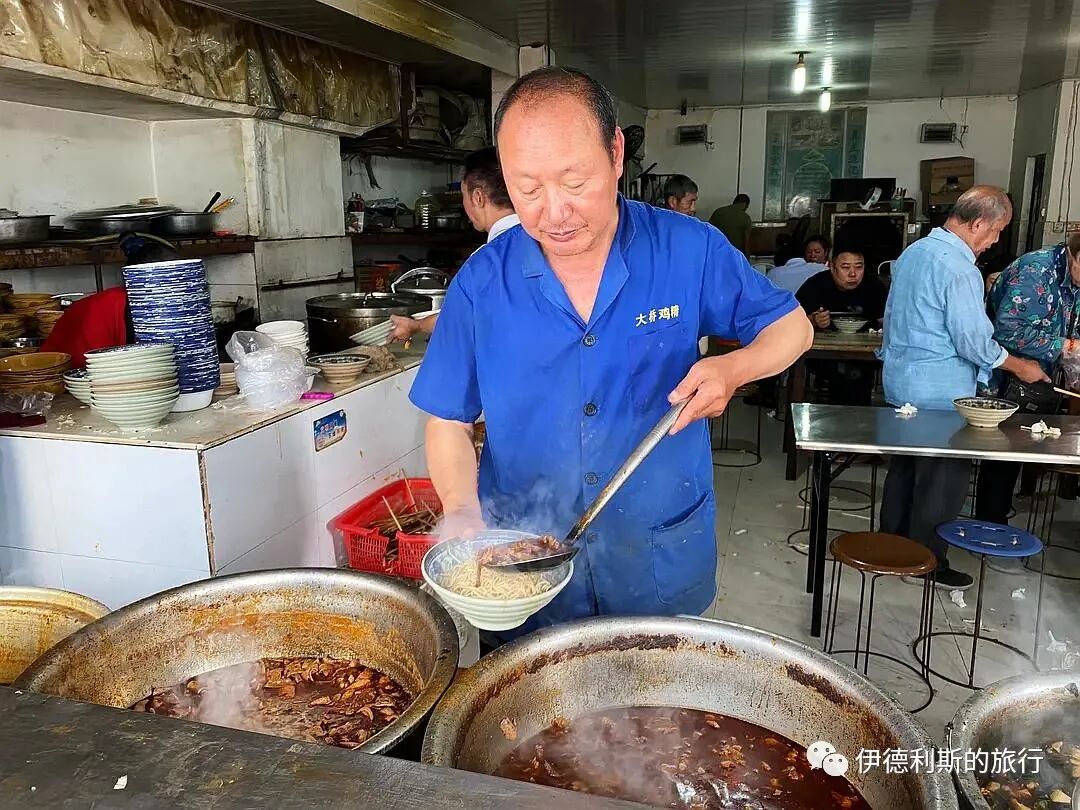
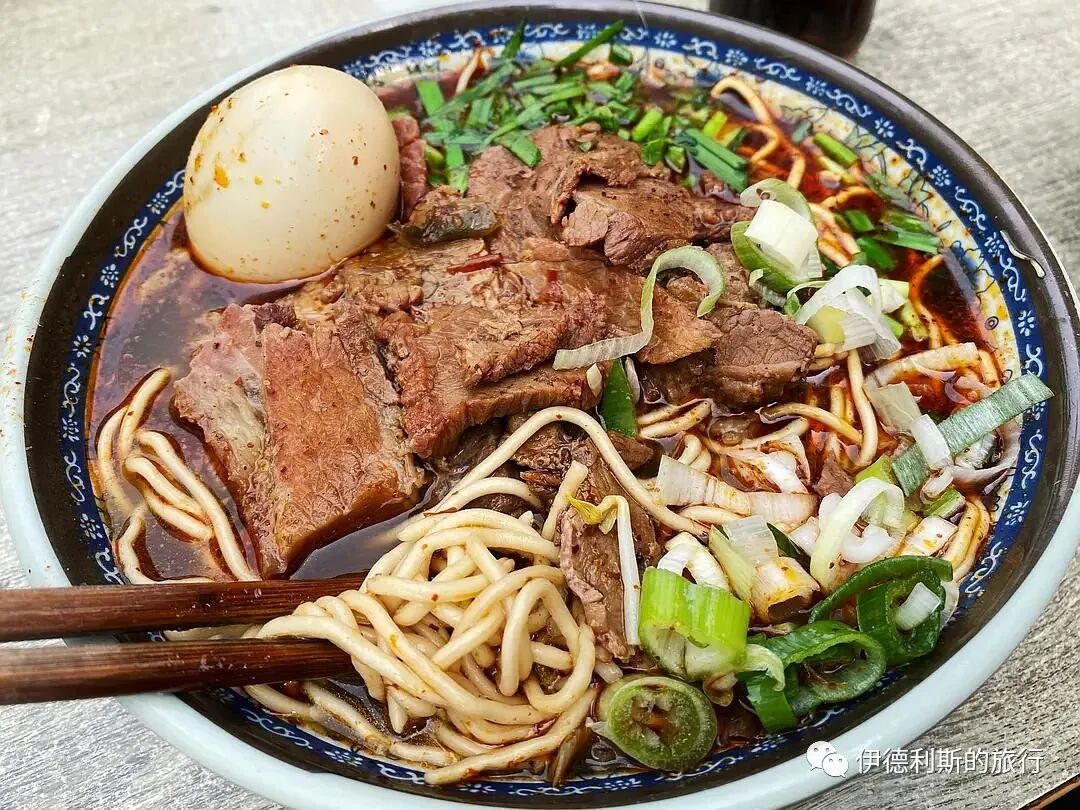
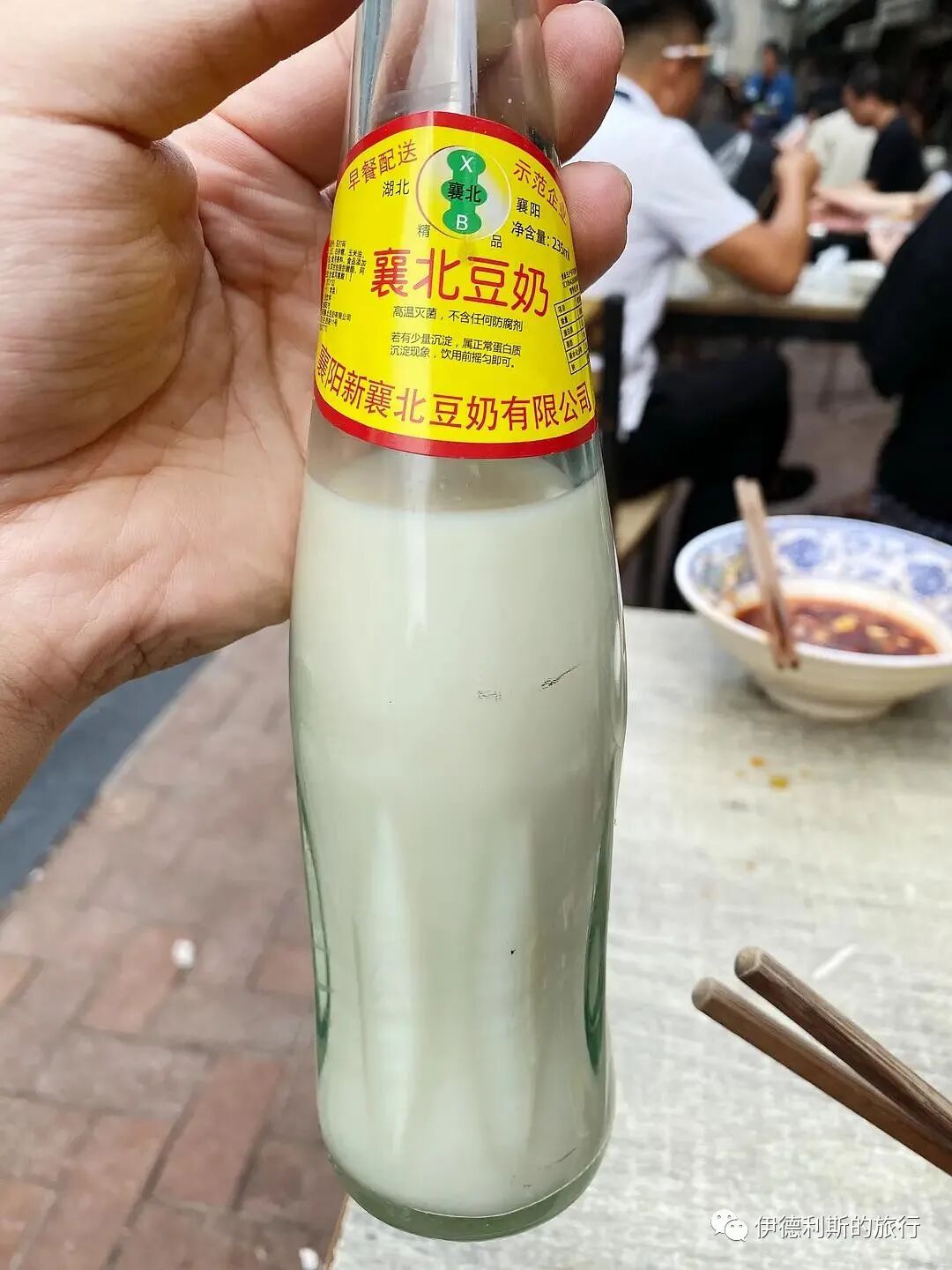
The beef noodle shops here at the bridge head basically open from early morning and close near noon. Eating beef noodles in the morning really makes you feel comfortable for the whole day.
After finishing the beef noodles, we went to the Fancheng Mosque. The Fancheng Mosque was once the most important mosque in northwestern Hubei. It was originally a very beautiful ancient Ming Dynasty mosque, but it was tragically demolished around 2015. It can be said to be the greatest regret for traditional Chinese mosque architecture in the 2010s; it is truly a profound pity.
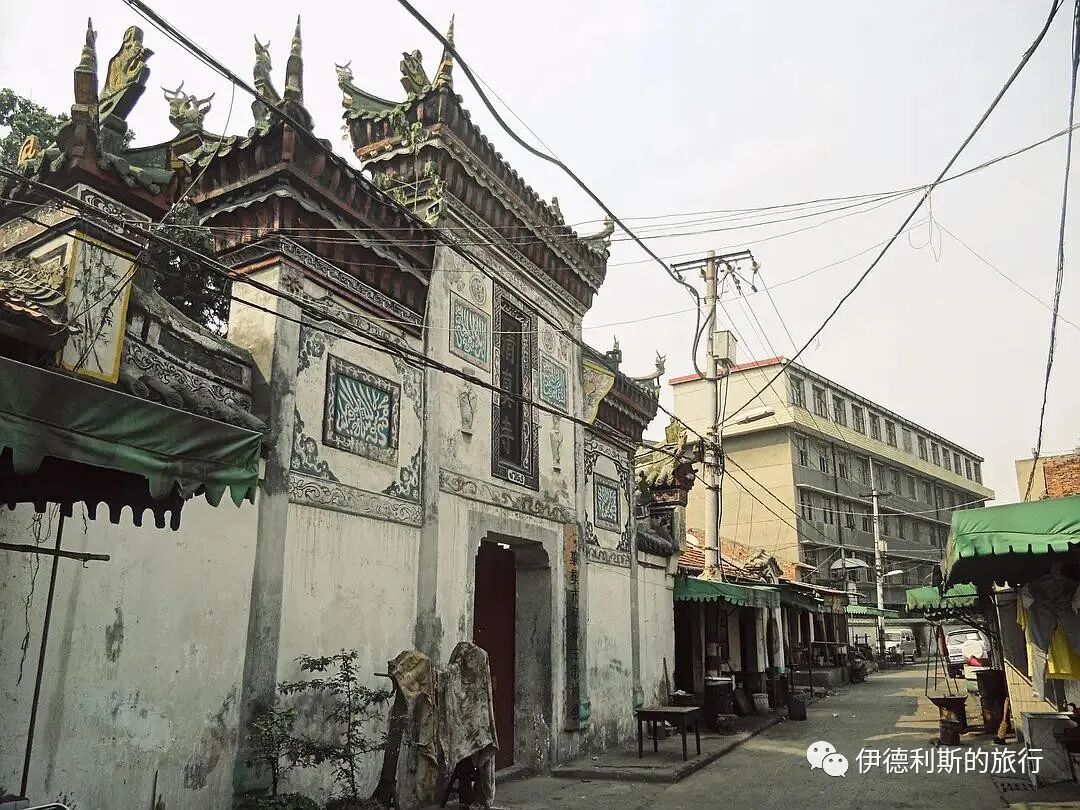
According to a Qing Dynasty stele inscription once inside the mosque, it 'originated in the Yongle period of the former Ming, with orderly scale,' and 'built in the former Ming, by the early Qianlong reign of the current dynasty, the scale was grand and the halls were magnificent.' The mosque leaned toward the traditional southwestern architectural style, with a three-layered flying eave gate and fire-blocking walls. The most distinctive feature was the hexagonal main hall, which was changed from three stories to two after collapsing during a heavy rainstorm in the late Qing Dynasty. The hexagonal main hall was once the most unique traditional mosque hall style in Hubei Province. Besides the Fancheng Mosque, only the Qingzhensi Lane Mosque in Wuchang was the same. Both mosques were founded in the Ming Dynasty and both were destroyed due to the redevelopment of urban residential areas.
The picture below is the gate of the Fancheng Mosque that I took when I went to Fancheng in 2012. It is a great pity that I had not yet systematically photographed traditional mosque architecture at that time, so I did not photograph the main hall. Who would have known that the following year, the demolition of the Fancheng Hui Muslim district would begin, and even the ancient mosque, which was a municipal-level cultural relic protection unit, would be demolished.
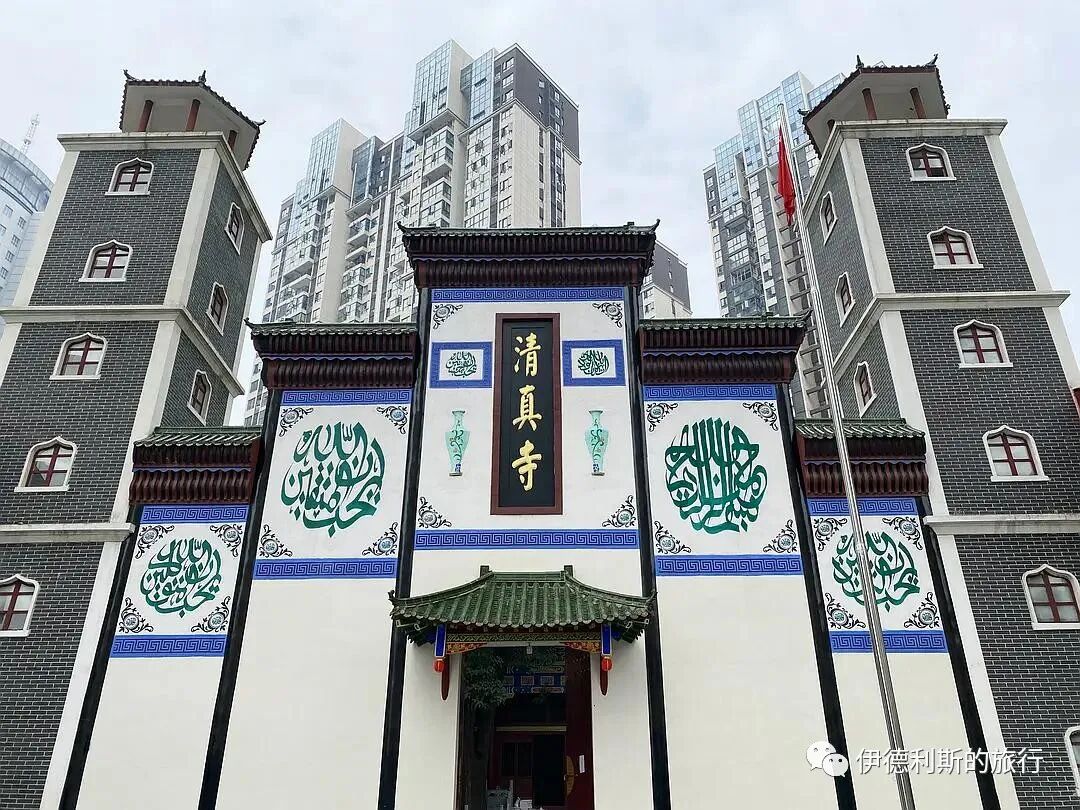
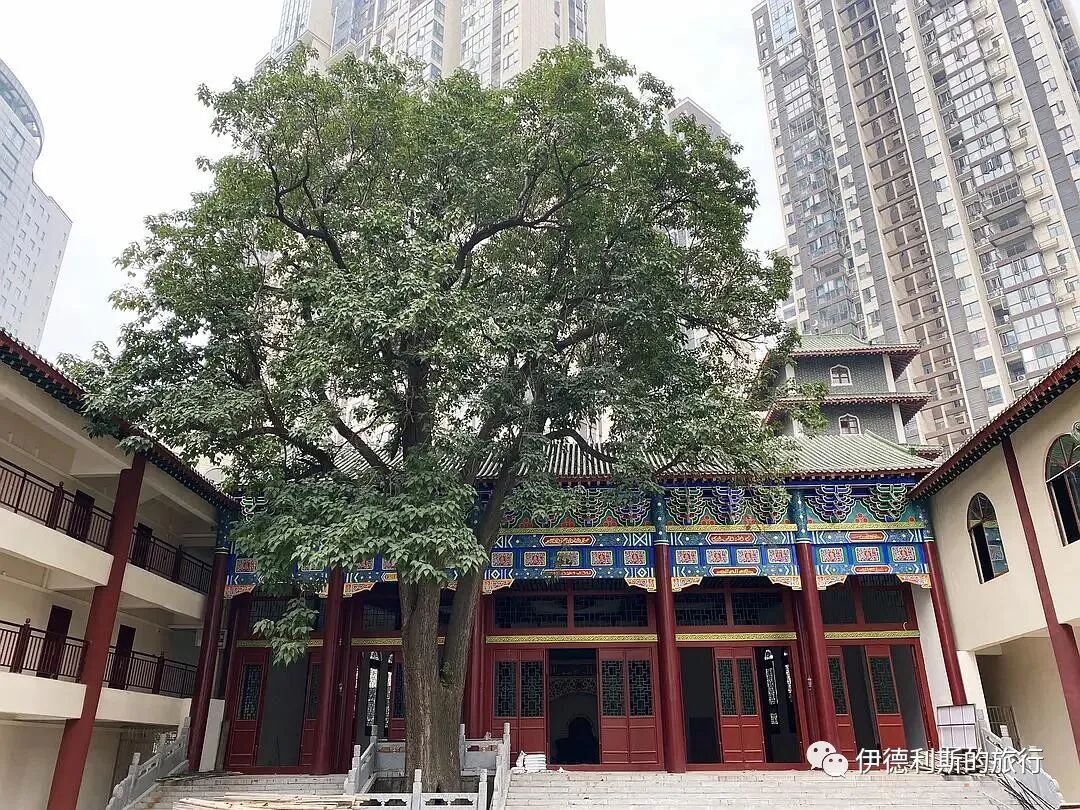
After asking for directions, we arrived at the new Fancheng Mosque, which is now surrounded by high-rise residential buildings. The new mosque is very mediocre, with all historical information gone, leaving only a catalpa tree that is over 300 years old. Very fortunately, we were able to visit the Ahong of the Fancheng Mosque, Chen Junren. Ahong Chen also felt very emotional about the reconstruction of the mosque. He said that the old mosque used to have a great atmosphere, and performing namaz (prayer) inside felt solemn and elegant, but the newly built mosque has no feeling at all.
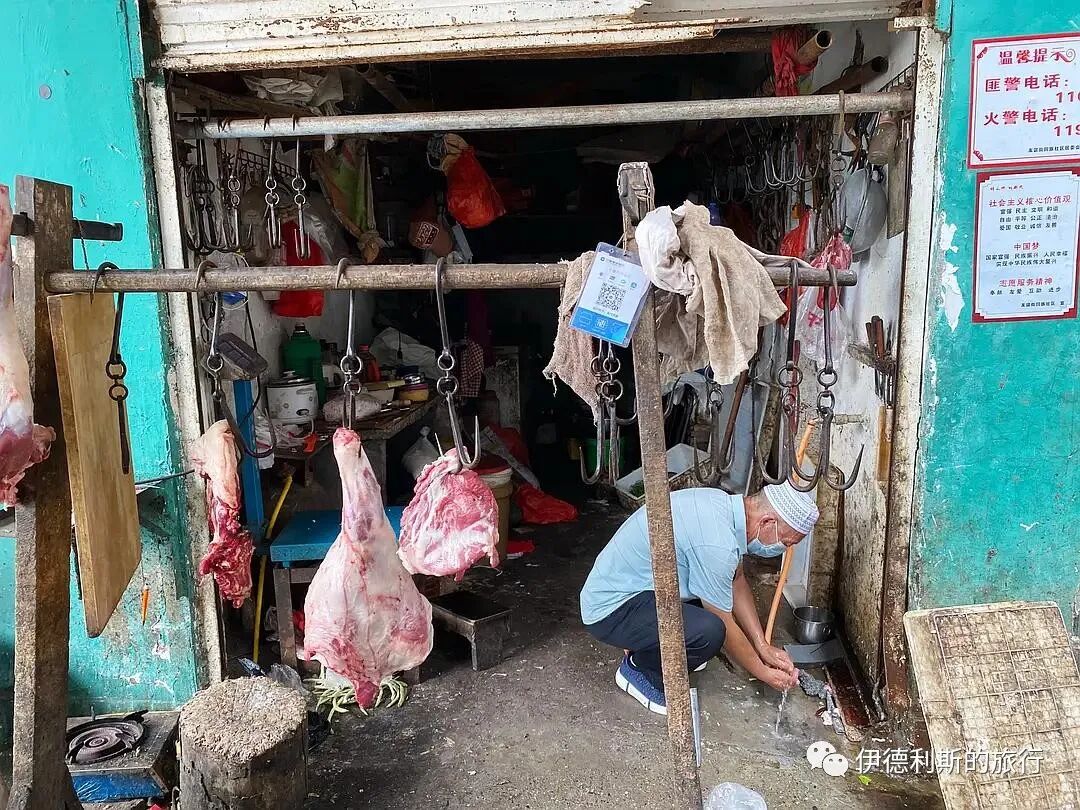
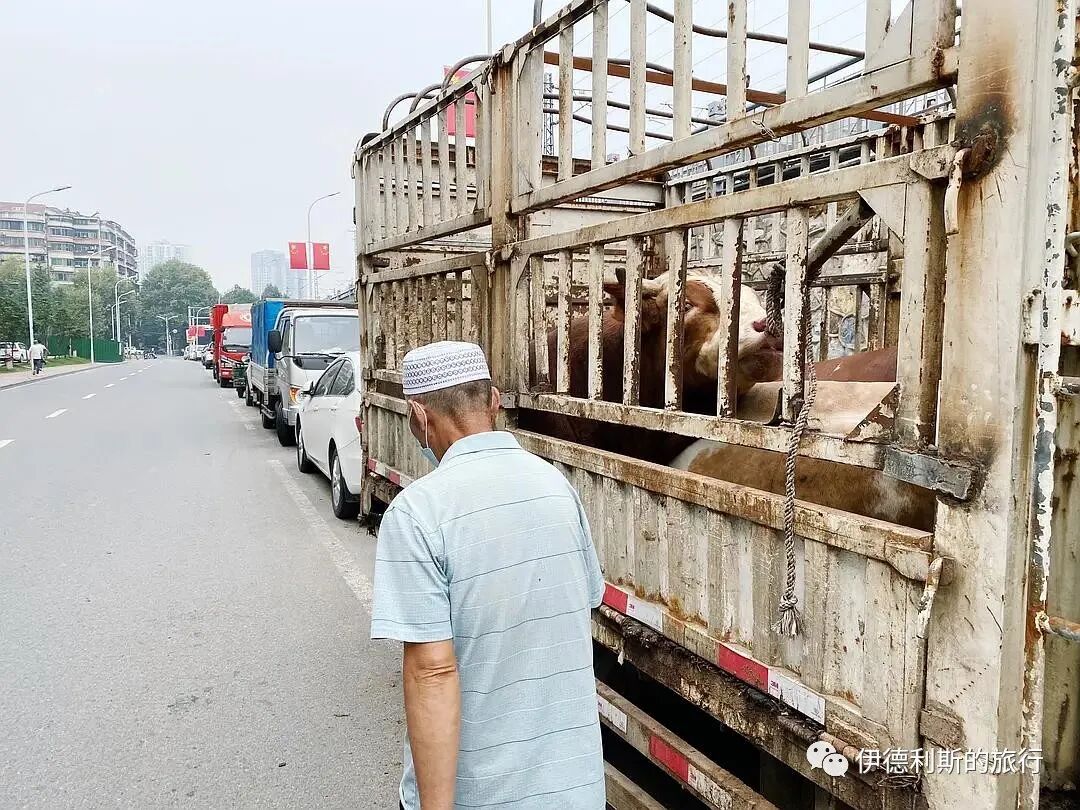
Ahong Chen's hometown is Nanyang, Henan, and he has been in Xiangyang for more than thirty years. He is sixty years old this year. All the halal beef and mutton in Fancheng are slaughtered by Ahong Chen himself, starting from one o'clock every morning until four o'clock in the morning. All the halal beef noodle shops at the head of the Hanjiang Bridge use the meat slaughtered by Ahong Chen. Just then, a dost (friend) asked Ahong Chen to slaughter a sheep, so we watched Ahong Chen's skills on the spot.
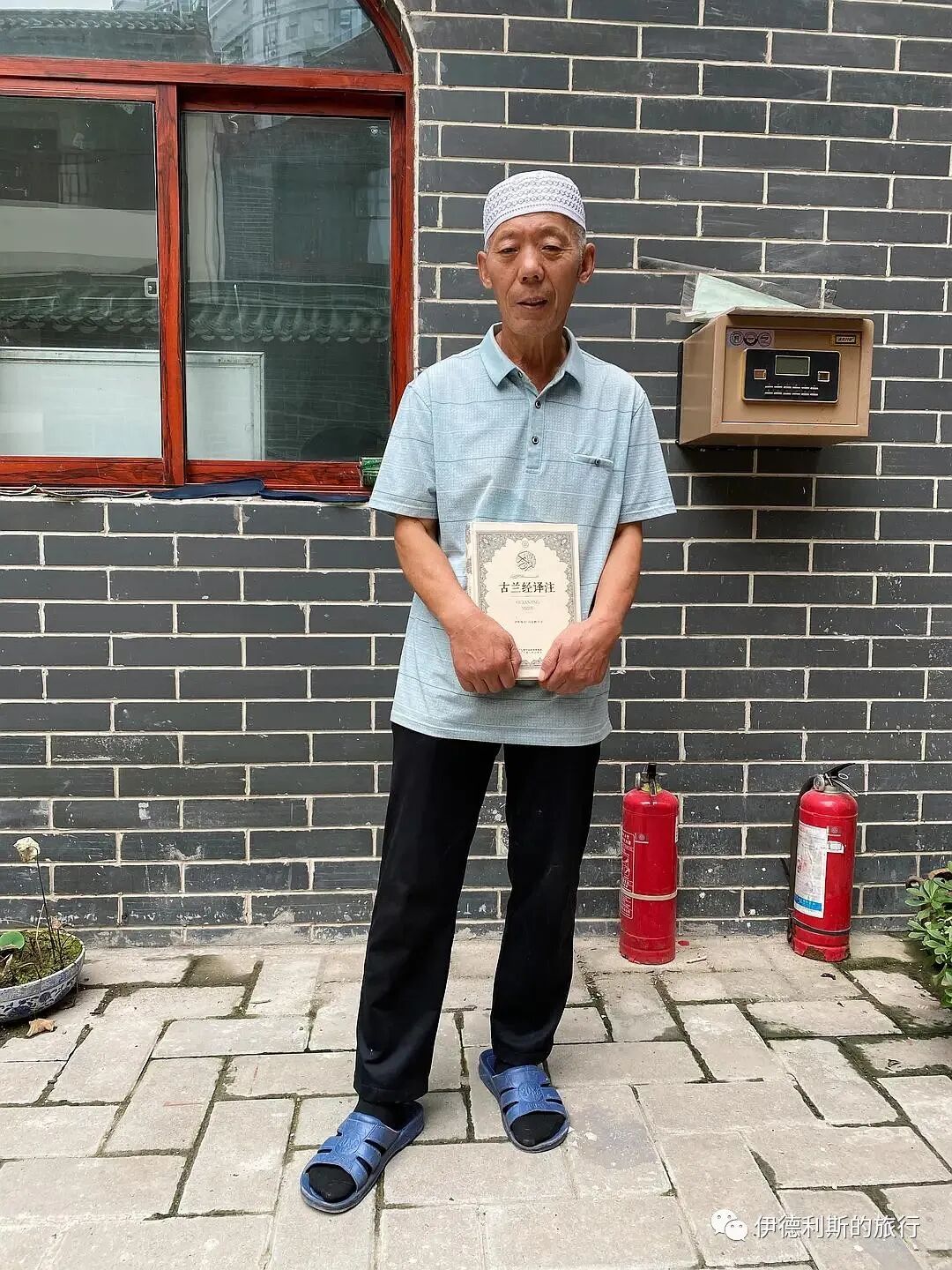
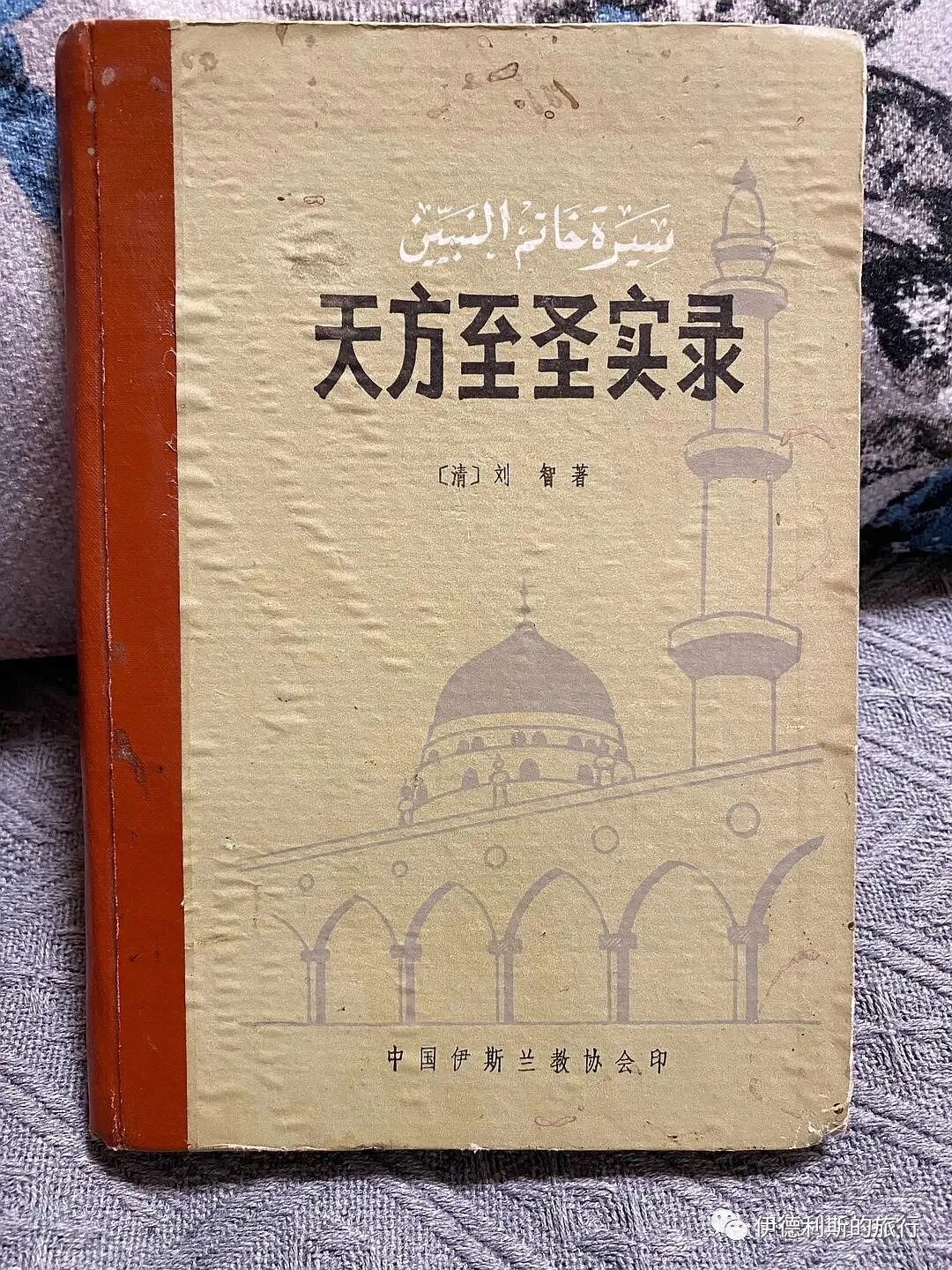
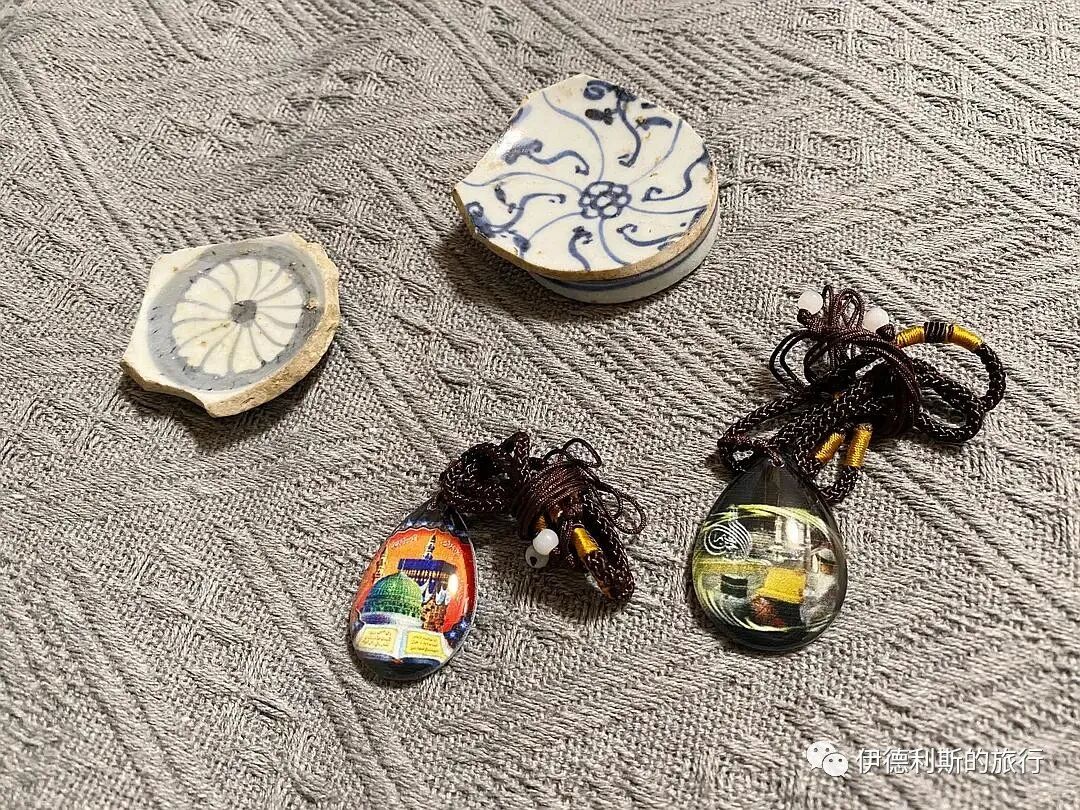
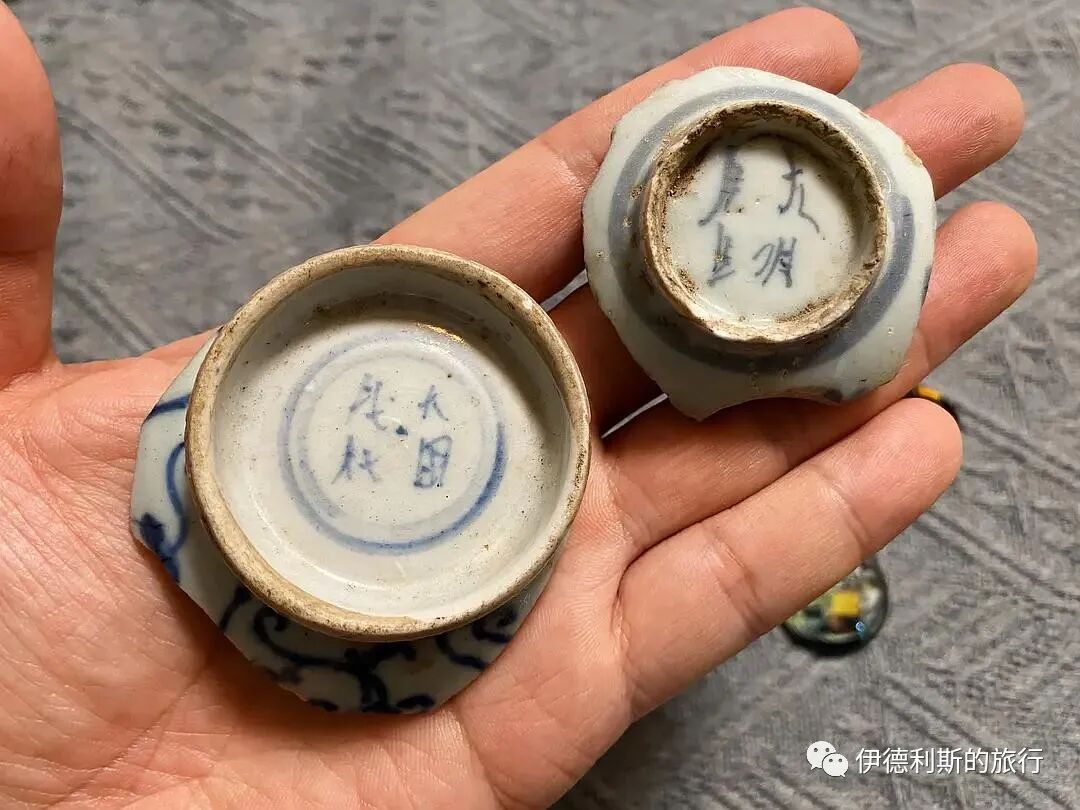
Ahong Chen chatted with us very congenially and very enthusiastically gave us several gifts. He gave us a copy of "Tianfang Zhisheng Shilu" (The True Record of the Greatest Sage of Arabia) by Liu Jielian Baba, which is the first biography of the Prophet written in Chinese. He also gave us two pendants brought back by others from Hajj, as well as two porcelain shards he picked up when the Fancheng Hui Muslim street was demolished.
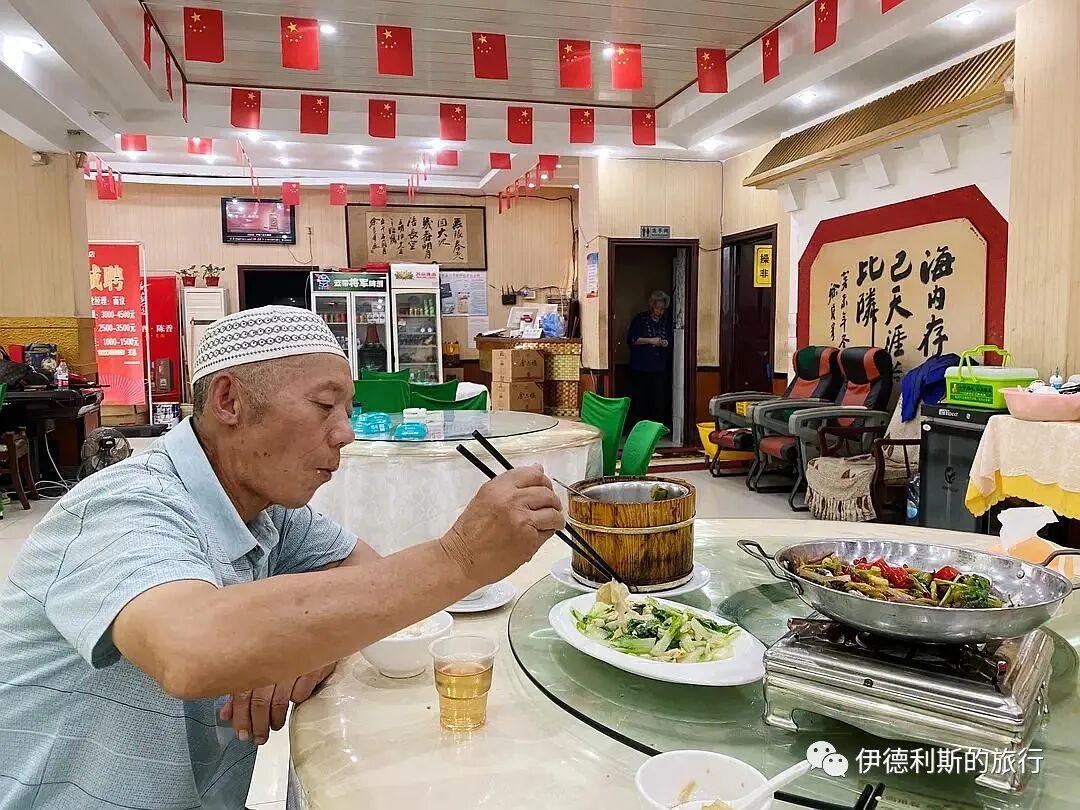
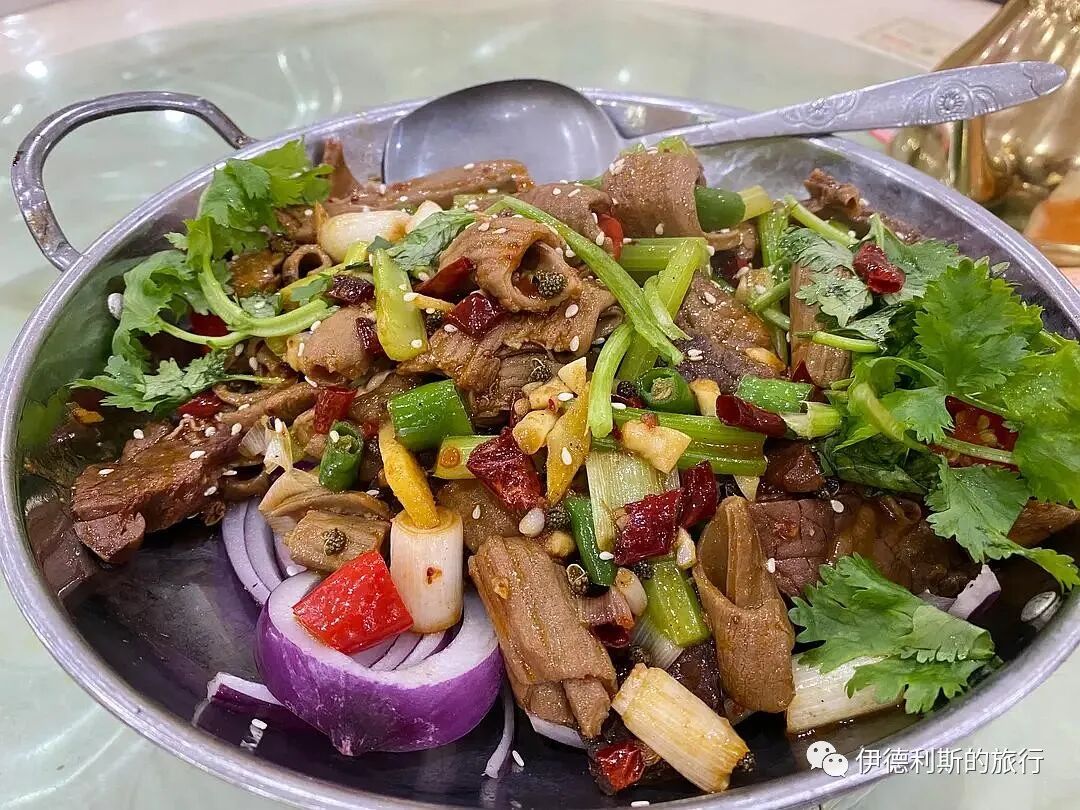
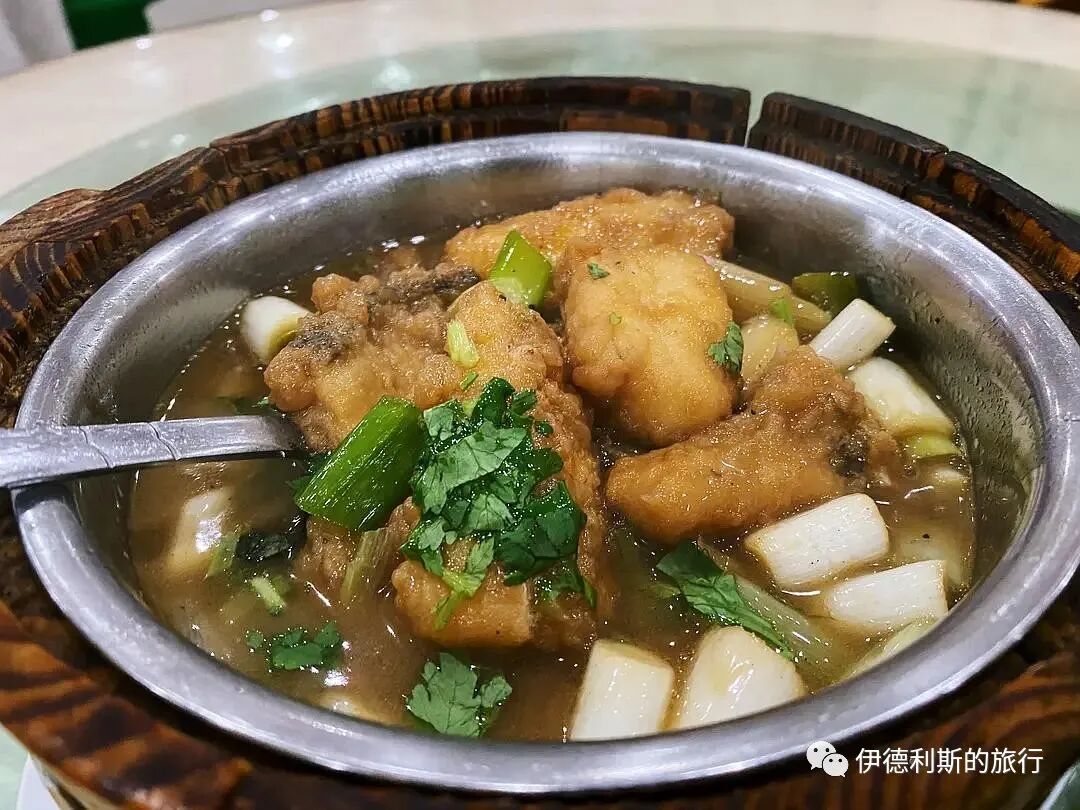
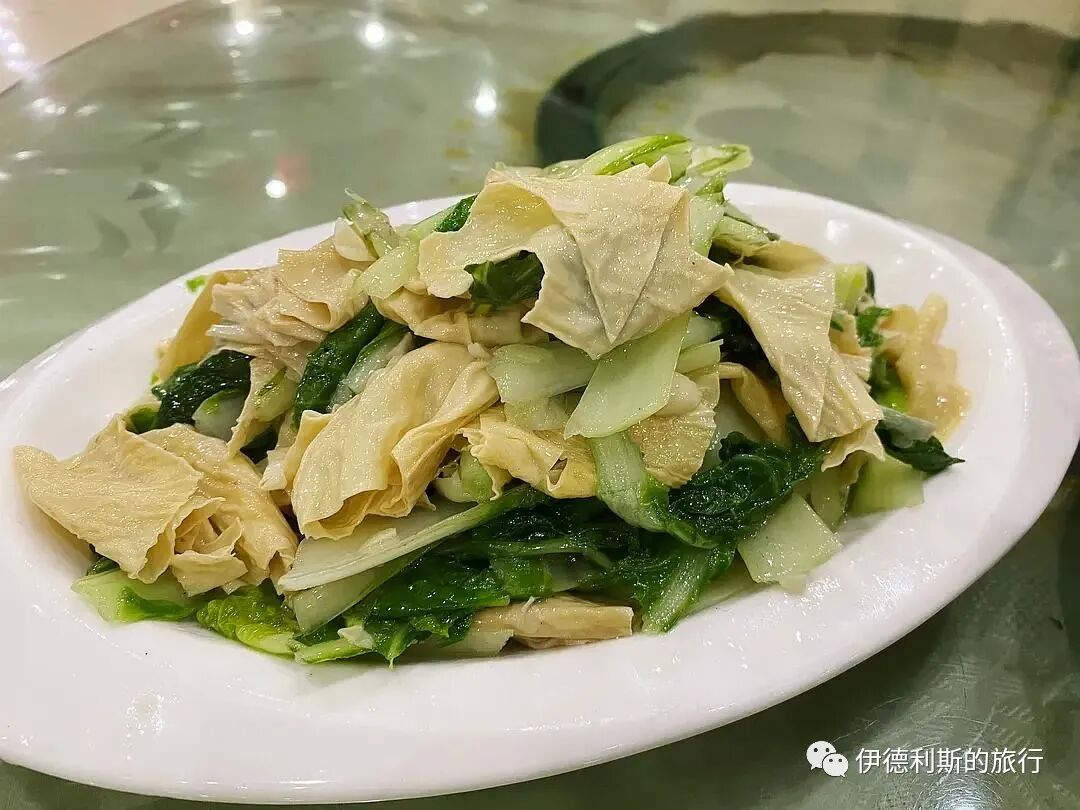
At noon, Ahong Chen took us to the Hexie Restaurant for a meal. Ahong Chen is the uncle of the restaurant owner, Wang Zhiyong. This restaurant has been open for more than thirty years, and local Hui Muslims hold their religious banquets here. We ordered the specialty dry-pot beef offal, wooden bucket fish, and stir-fried baby cabbage with oil bean curd skin. The beef offal was spicy and numbing, with plenty of Sichuan peppercorns, which was very satisfying to eat. The wooden bucket fish was very tender; it is hard to eat such fresh and delicious fish in Beijing.
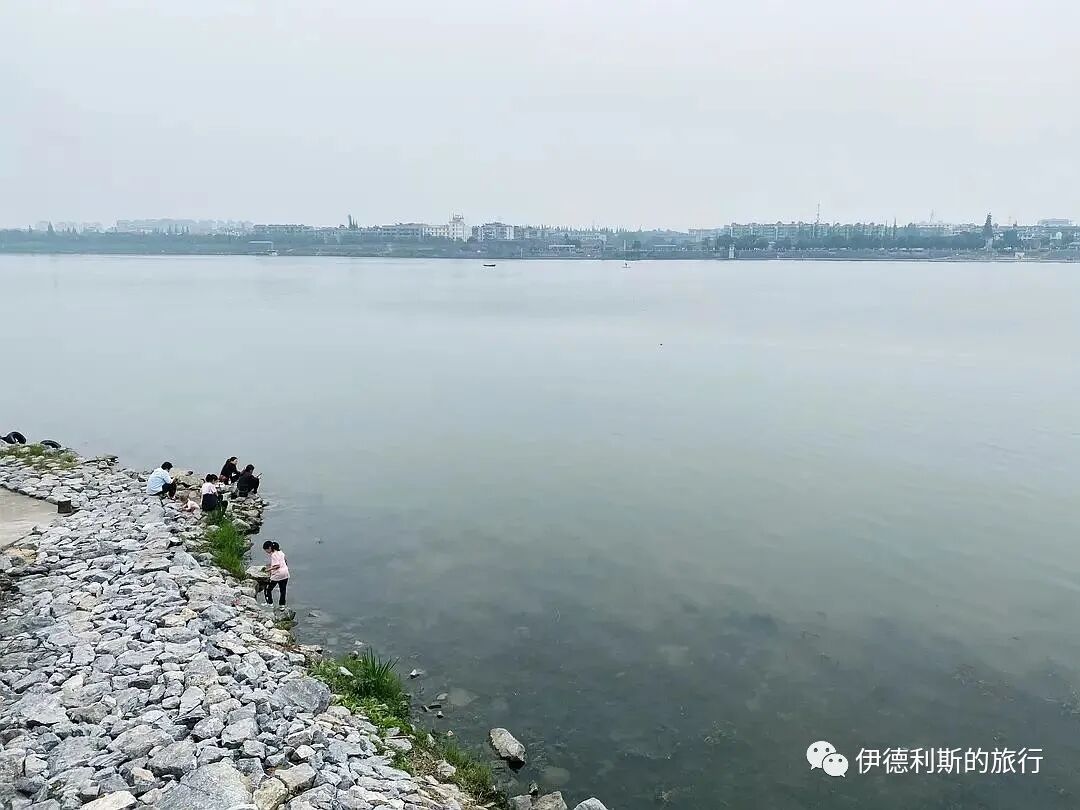
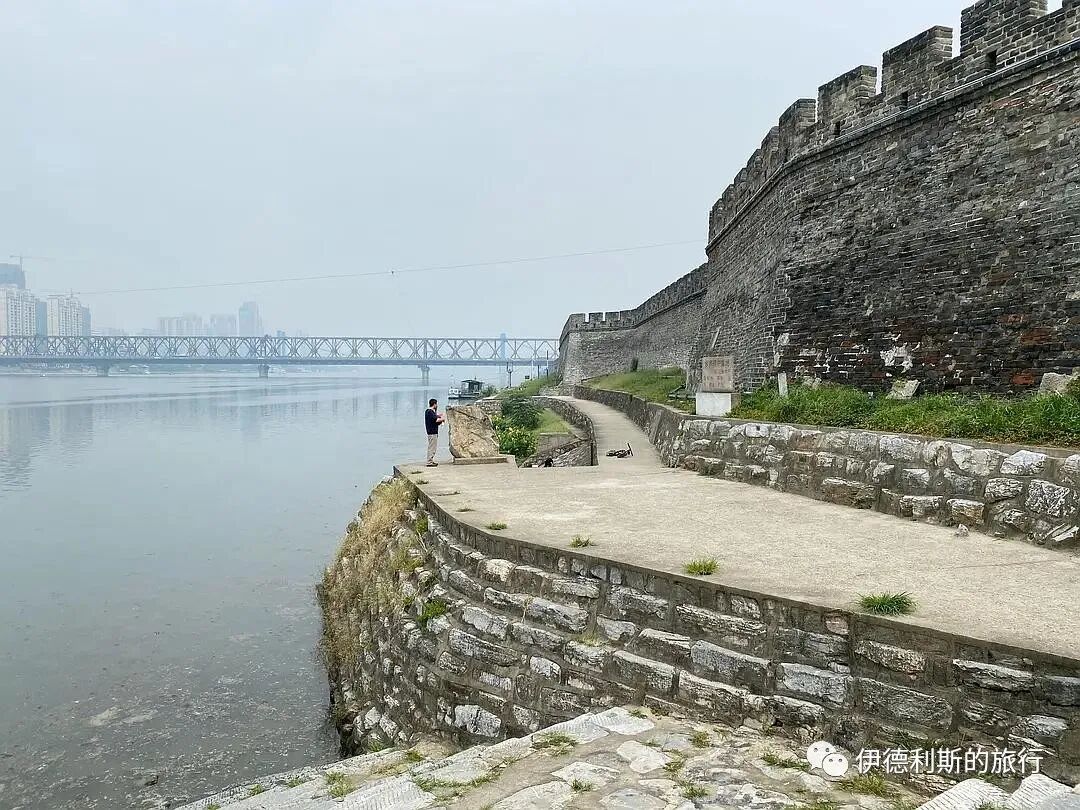
The river view and city walls of Xiangyang on the opposite bank.
Summary: This travel note introduces Fancheng Muslim Travel Guide: Hui Muslim History in Hubei. As the most important commercial hub in the middle reaches of the Han River, Fancheng has had Hui Muslims living there since the Yuan and Ming dynasties. It is useful for readers interested in Hubei Muslims, Hui Muslims, Muslim Heritage.
As the most important commercial hub in the middle reaches of the Han River, Fancheng has had Hui Muslims living there since the Yuan and Ming dynasties. The Hui Muslims of Fancheng were mainly concentrated on Jiaomen Street, where the mosque is located. When the Fancheng Mosque was renovated in 1792 (the 57th year of the Qianlong reign), the number of local Hui Muslim households who donated reached 222. In 2015, Jiaomen Street was completely demolished for new construction, and now only a row of shops selling beef noodles and raw beef remains at the head of the Hanjiang Bridge.
Early in the morning, we came to the bridge head to eat beef noodles at Liu's on Jiaomen Street. Liu's is run by the son of the old Ahong (imam) of the Fancheng Mosque, Liu Donghan, and is quite famous. When I was in college, our school's halal canteen had a stall for Xiangfan beef noodles, and my impression at the time was that it was really spicy! This time, I finally got to taste the authentic version. After finishing the authentic bowl, it did feel a bit spicy, haha. We specifically asked for no chili, but the broth used to braise the beef is inherently a little spicy. However, besides the spice, the beef is truly fragrant! The various meat ingredients must have been added generously, and it was stewed until very flavorful.
The beef noodle shops here at the bridge head basically open from early morning and close near noon. Eating beef noodles in the morning really makes you feel comfortable for the whole day.
After finishing the beef noodles, we went to the Fancheng Mosque. The Fancheng Mosque was once the most important mosque in northwestern Hubei. It was originally a very beautiful ancient Ming Dynasty mosque, but it was tragically demolished around 2015. It can be said to be the greatest regret for traditional Chinese mosque architecture in the 2010s; it is truly a profound pity.
According to a Qing Dynasty stele inscription once inside the mosque, it 'originated in the Yongle period of the former Ming, with orderly scale,' and 'built in the former Ming, by the early Qianlong reign of the current dynasty, the scale was grand and the halls were magnificent.' The mosque leaned toward the traditional southwestern architectural style, with a three-layered flying eave gate and fire-blocking walls. The most distinctive feature was the hexagonal main hall, which was changed from three stories to two after collapsing during a heavy rainstorm in the late Qing Dynasty. The hexagonal main hall was once the most unique traditional mosque hall style in Hubei Province. Besides the Fancheng Mosque, only the Qingzhensi Lane Mosque in Wuchang was the same. Both mosques were founded in the Ming Dynasty and both were destroyed due to the redevelopment of urban residential areas.
The picture below is the gate of the Fancheng Mosque that I took when I went to Fancheng in 2012. It is a great pity that I had not yet systematically photographed traditional mosque architecture at that time, so I did not photograph the main hall. Who would have known that the following year, the demolition of the Fancheng Hui Muslim district would begin, and even the ancient mosque, which was a municipal-level cultural relic protection unit, would be demolished.
After asking for directions, we arrived at the new Fancheng Mosque, which is now surrounded by high-rise residential buildings. The new mosque is very mediocre, with all historical information gone, leaving only a catalpa tree that is over 300 years old. Very fortunately, we were able to visit the Ahong of the Fancheng Mosque, Chen Junren. Ahong Chen also felt very emotional about the reconstruction of the mosque. He said that the old mosque used to have a great atmosphere, and performing namaz (prayer) inside felt solemn and elegant, but the newly built mosque has no feeling at all.
Ahong Chen's hometown is Nanyang, Henan, and he has been in Xiangyang for more than thirty years. He is sixty years old this year. All the halal beef and mutton in Fancheng are slaughtered by Ahong Chen himself, starting from one o'clock every morning until four o'clock in the morning. All the halal beef noodle shops at the head of the Hanjiang Bridge use the meat slaughtered by Ahong Chen. Just then, a dost (friend) asked Ahong Chen to slaughter a sheep, so we watched Ahong Chen's skills on the spot.
Ahong Chen chatted with us very congenially and very enthusiastically gave us several gifts. He gave us a copy of "Tianfang Zhisheng Shilu" (The True Record of the Greatest Sage of Arabia) by Liu Jielian Baba, which is the first biography of the Prophet written in Chinese. He also gave us two pendants brought back by others from Hajj, as well as two porcelain shards he picked up when the Fancheng Hui Muslim street was demolished.
At noon, Ahong Chen took us to the Hexie Restaurant for a meal. Ahong Chen is the uncle of the restaurant owner, Wang Zhiyong. This restaurant has been open for more than thirty years, and local Hui Muslims hold their religious banquets here. We ordered the specialty dry-pot beef offal, wooden bucket fish, and stir-fried baby cabbage with oil bean curd skin. The beef offal was spicy and numbing, with plenty of Sichuan peppercorns, which was very satisfying to eat. The wooden bucket fish was very tender; it is hard to eat such fresh and delicious fish in Beijing.
The river view and city walls of Xiangyang on the opposite bank.
