
Chengde Halal Travel Guide: Mosques, Muslim Food and Qing History
Reposted from the web
Summary: This travel note introduces Chengde Halal Travel Guide: Mosques, Muslim Food and Qing History. Arrived in Chengde on Friday night and had dinner at the famous Quanshunlou restaurant. It is useful for readers interested in Chengde Mosques, Halal Food, Muslim Travel.
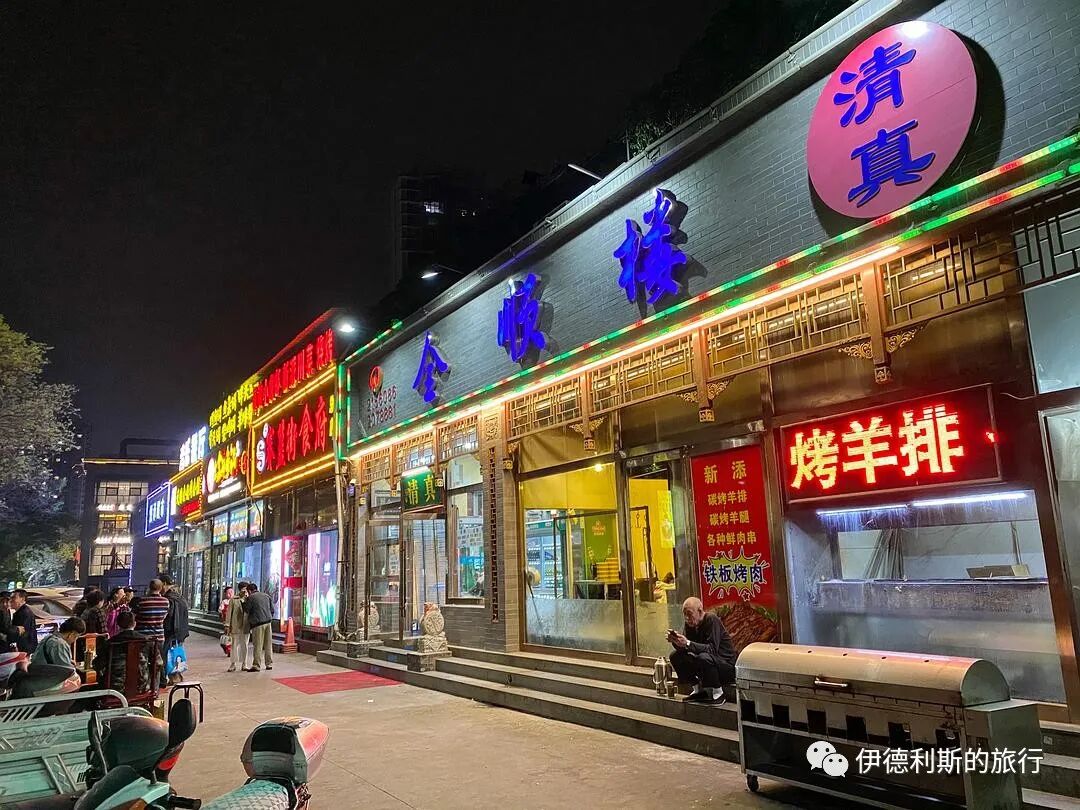
Arrived in Chengde on Friday night and had dinner at the famous Quanshunlou restaurant. Since the new high-speed railway opened, Chengde is only 50 minutes from Beijing, but the local halal food in Chengde is really quite different from Beijing. It features traditional Lu cuisine techniques like braising and quick-frying, while also incorporating specialties from the Northeast, Beijing-Tianjin, and Bashang regions, along with unique local Chengde dishes; just looking at the menu, you feel like you couldn't finish trying everything even after several visits. Such a rich variety of dishes is a reflection of Chengde being the premier city beyond the Great Wall during the mid-to-late Qing Dynasty.
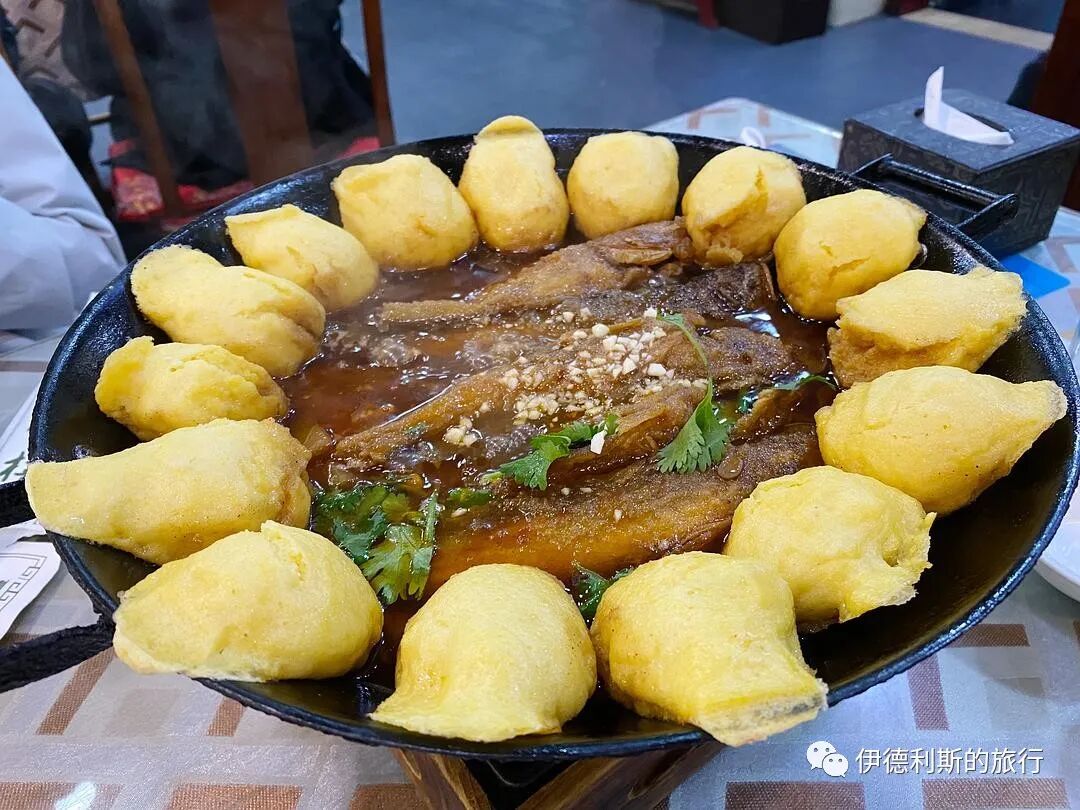
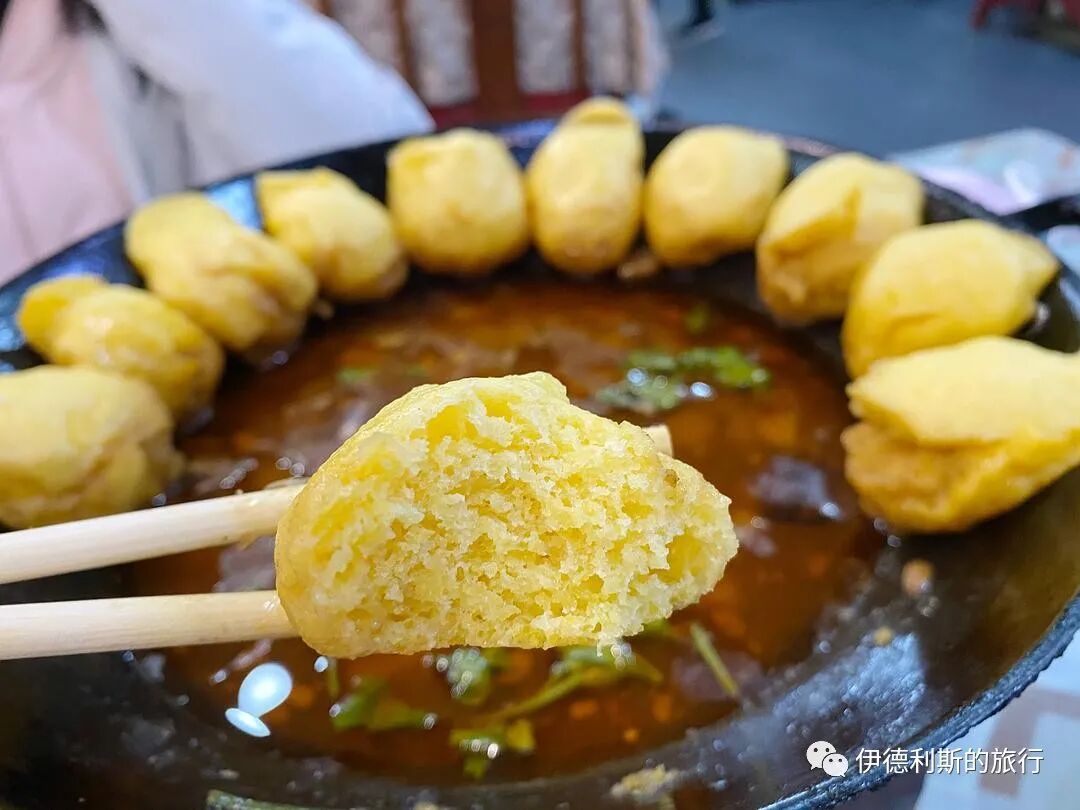
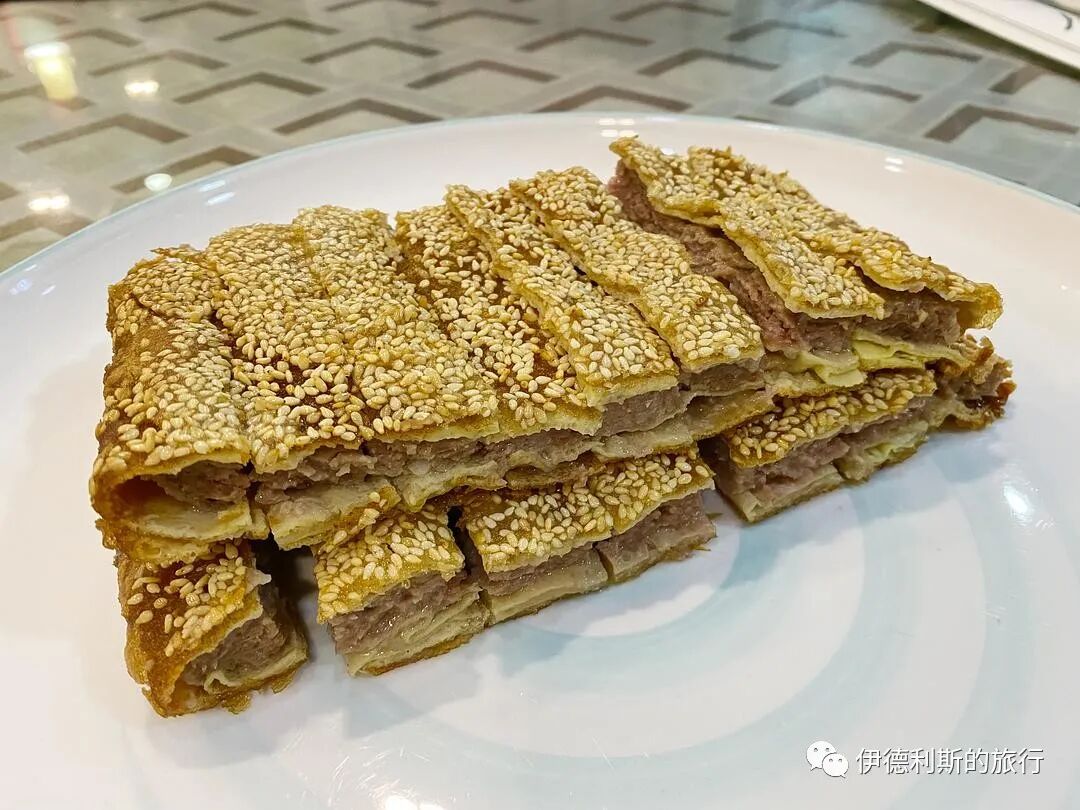
Since there were only two of us, we only ordered the sesame lamb and the stewed small fish with tiebingzi (cornmeal flatbread). Actually, I really wanted to try their mushroom-braised youmian (oat noodles) and potato and green bean stewed rolls. The sesame lamb uses the local Shandong crispy-skin method, rather than just sprinkling sesame seeds over the lamb like many restaurants in Beijing. The stewed small fish with tiebingzi is truly made by sticking cornmeal dough directly onto the iron pot! The aroma of the small fish seeps directly into the bogo (cornmeal flatbread), and the bogo is especially fluffy, not hard at all.
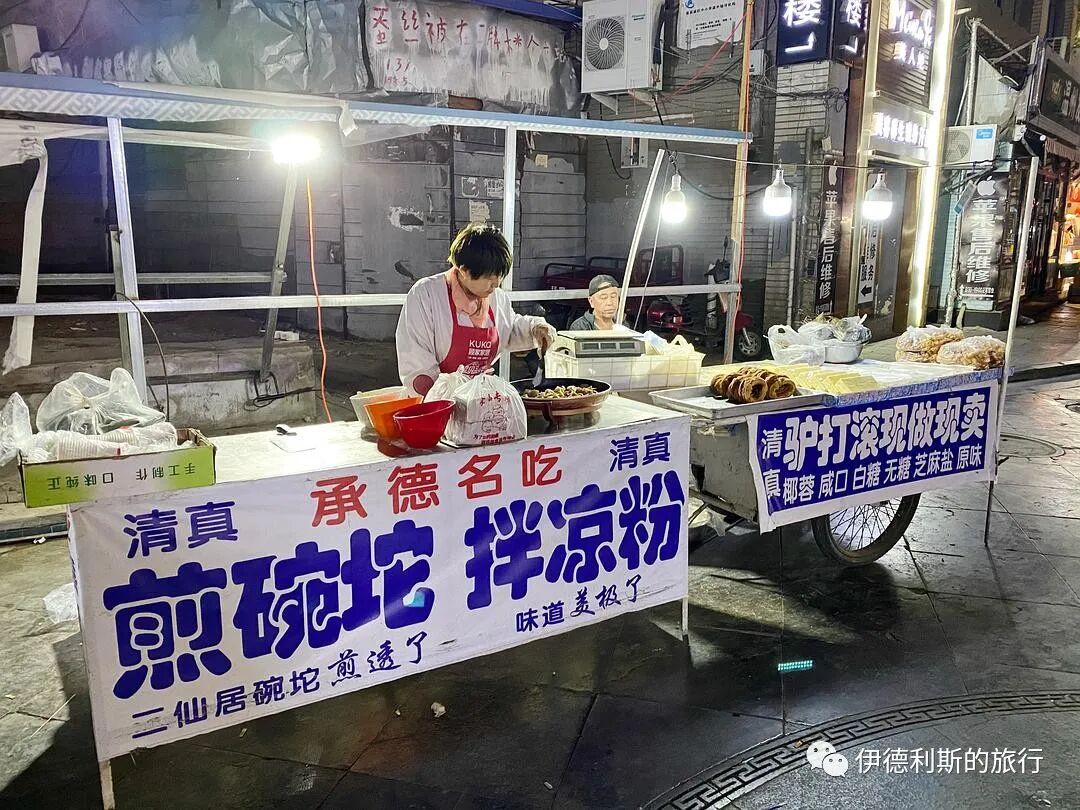
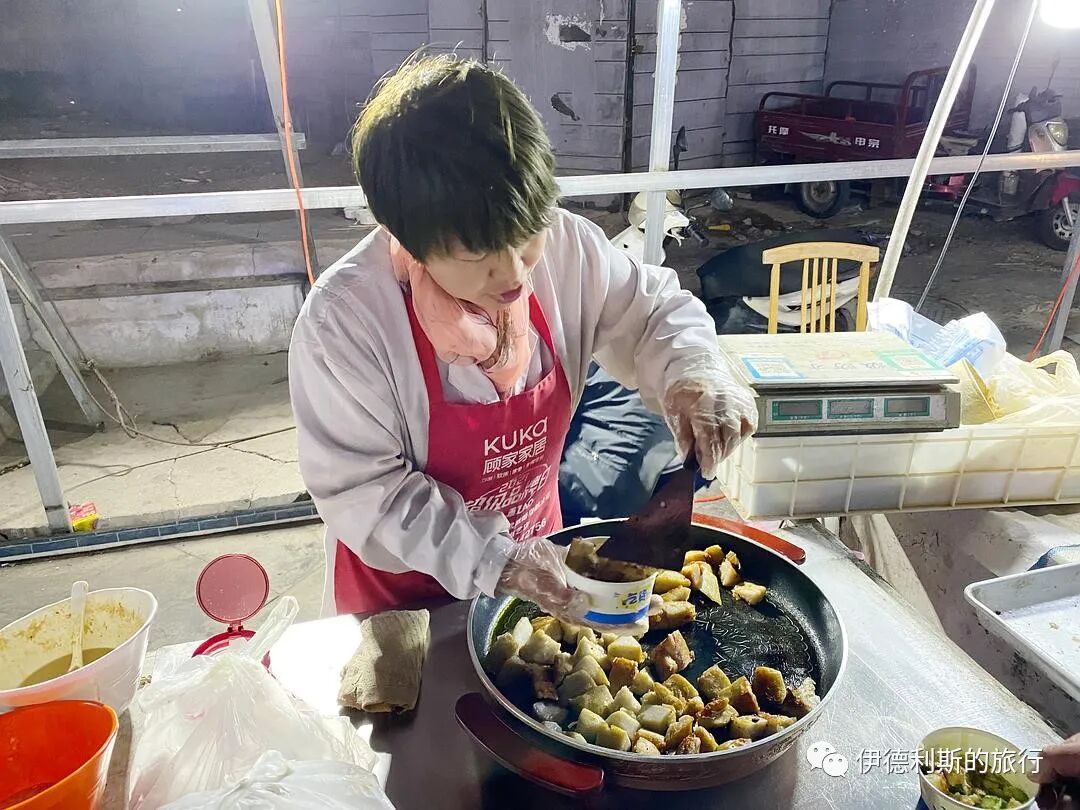
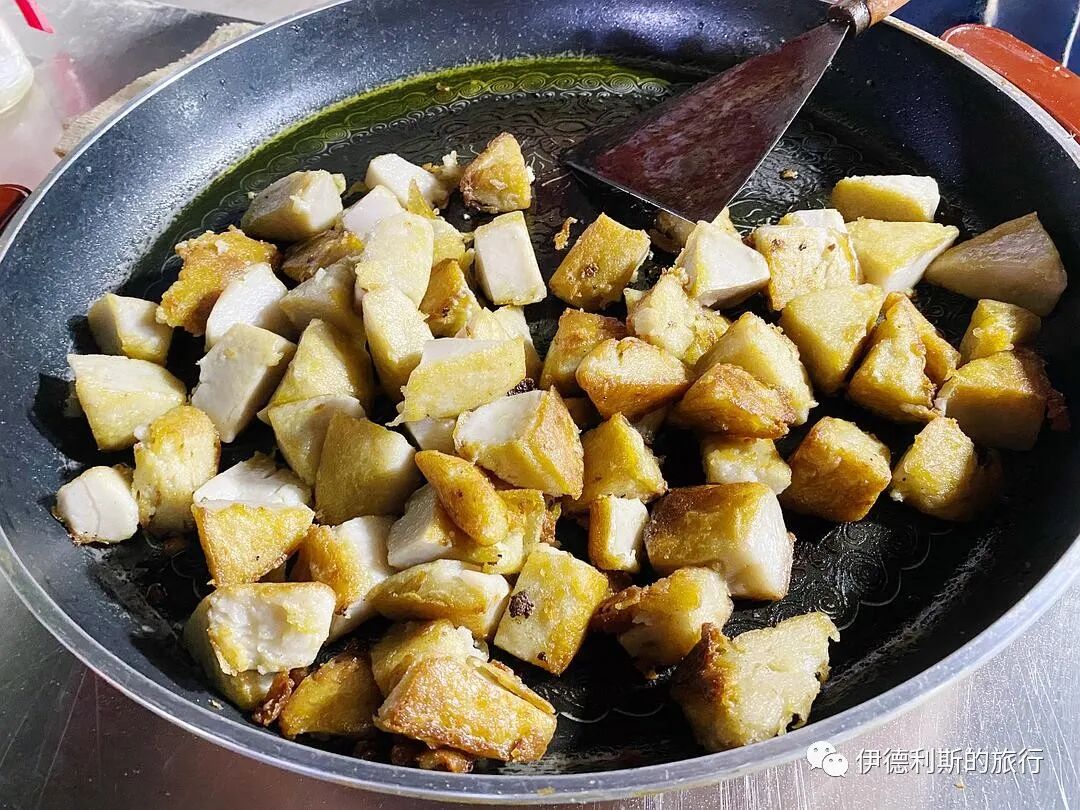
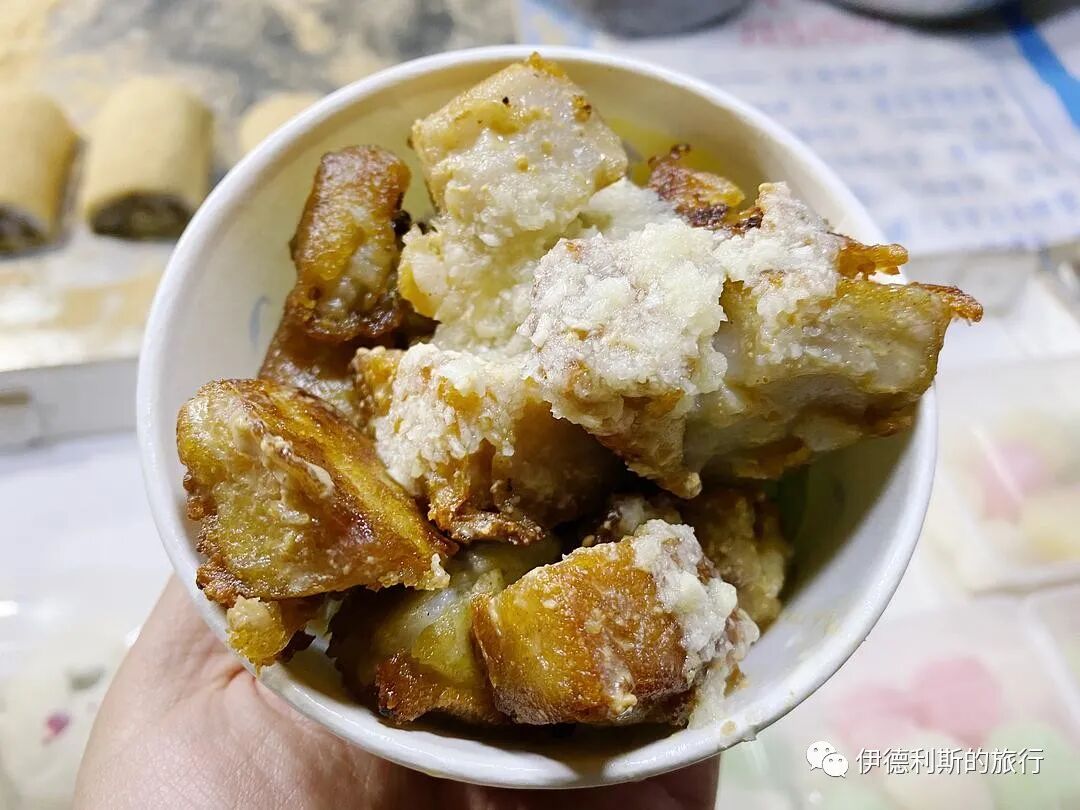
Then we went to the Erxianju night market to eat fried wantuo. Fried wantuo is a famous Chengde snack made by grinding buckwheat kernels into a paste, steaming it in a bowl, and letting it cool until it sets into a wantuo (buckwheat jelly cake). To eat it, you cut it into triangular pieces, fry them in oil, and then pour sesame paste and garlic sauce over them. Chengde fried wantuo is said to have originated in the Erxianju area during the Qing Dynasty. Since the Qing Dynasty, Erxianju has been a bustling commercial street in Rehe, and it is still a lively night market today; it is very interesting to take a stroll there in the evening.
They also sell lvdagun (rolling donkey, a glutinous rice roll with bean flour), which looks the same as the one in Beijing; I feel it might be a reflection of the food customs of the Rehe Banner people back then.
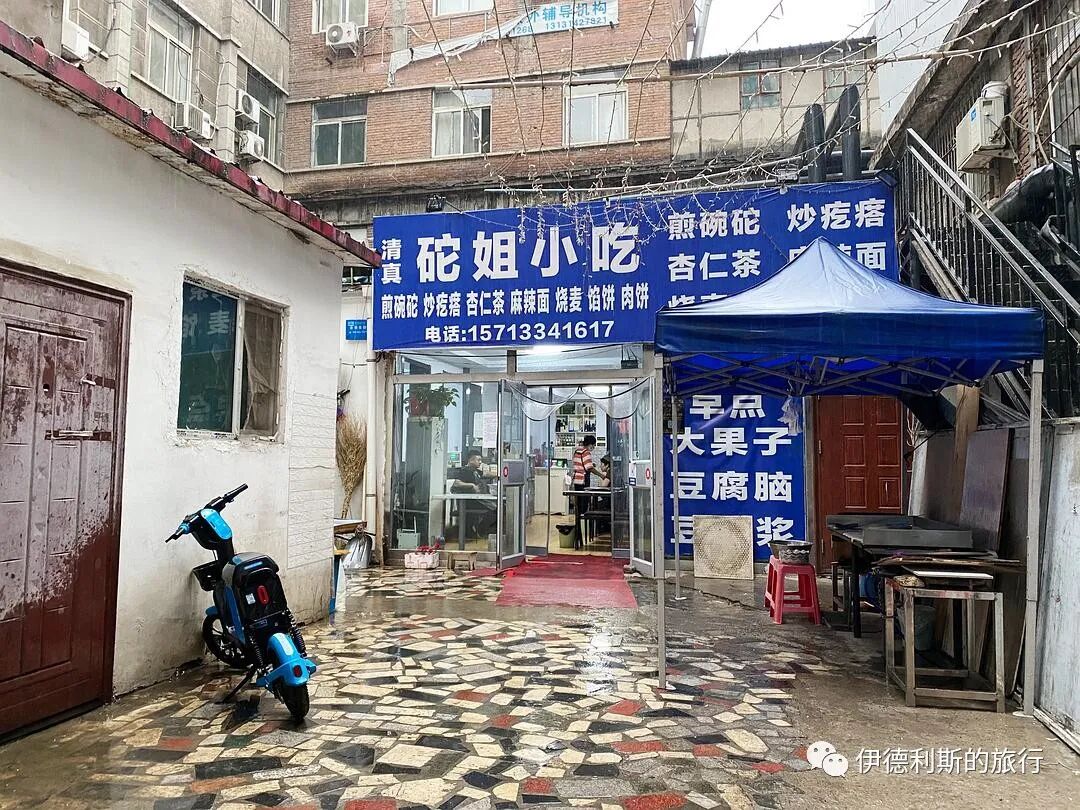
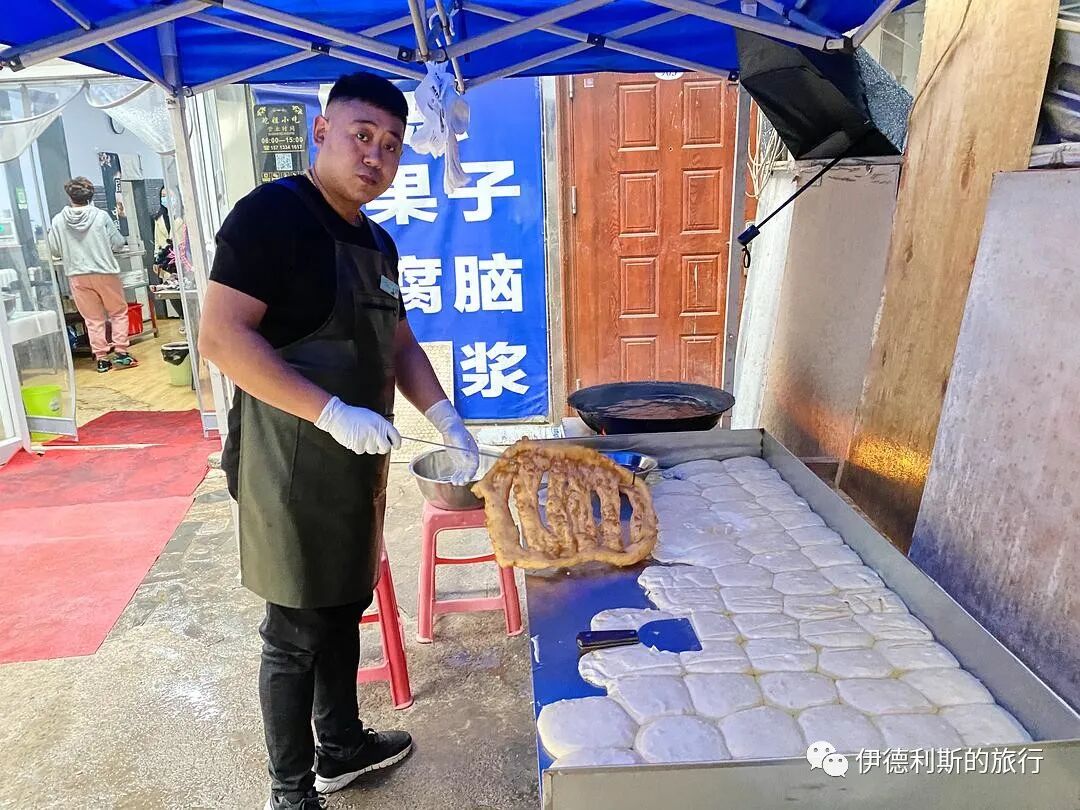
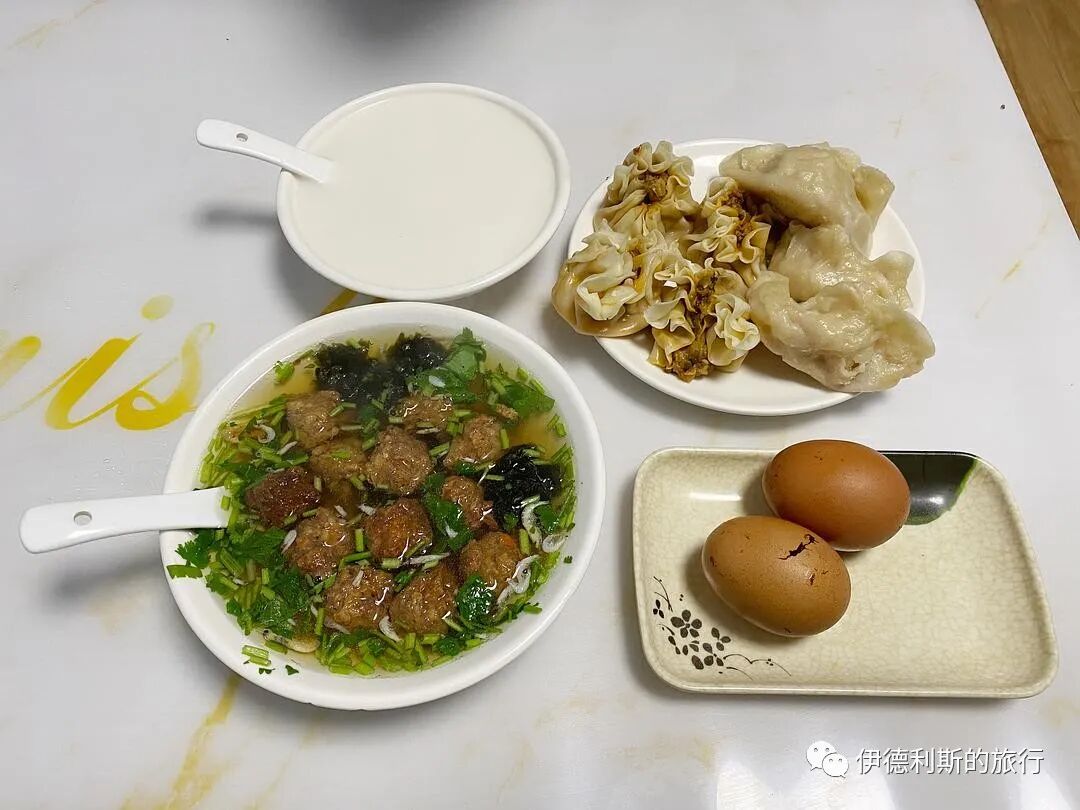
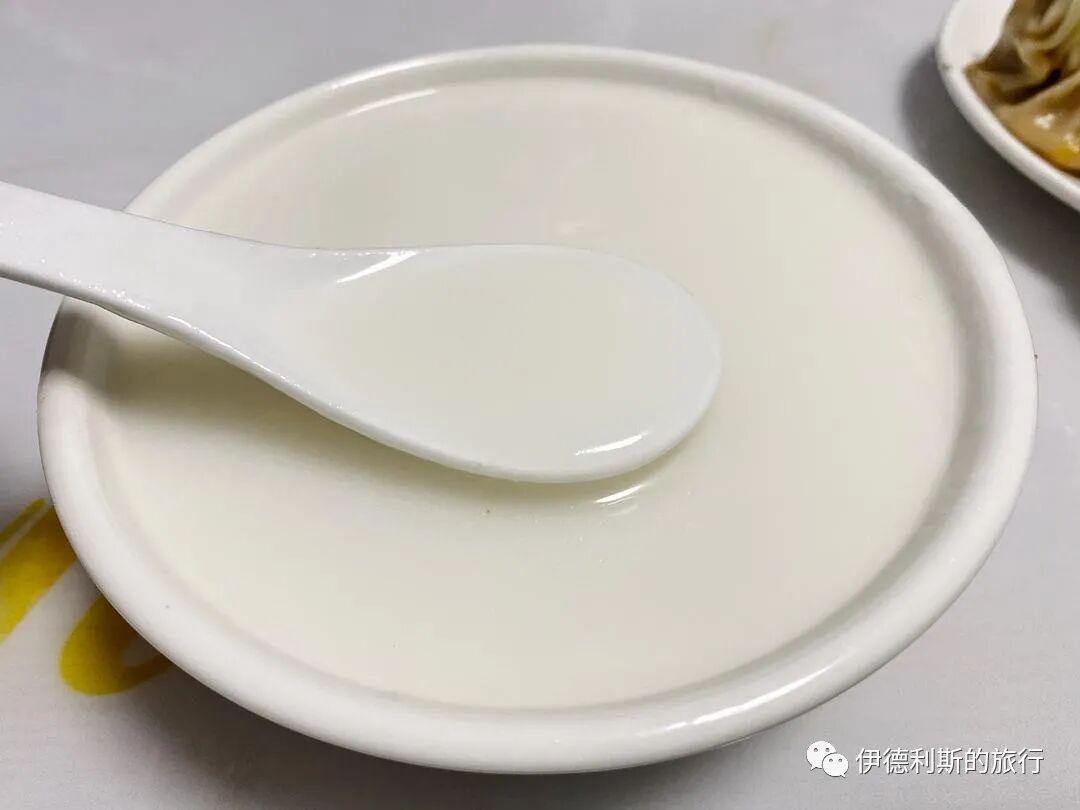
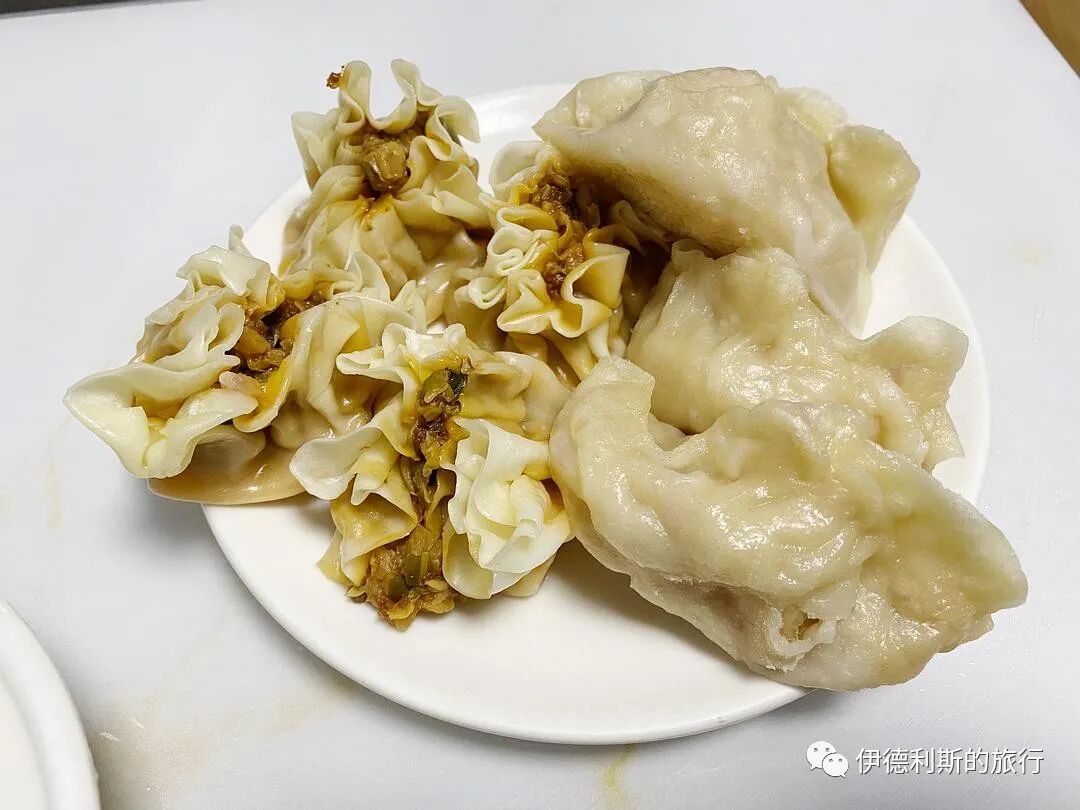
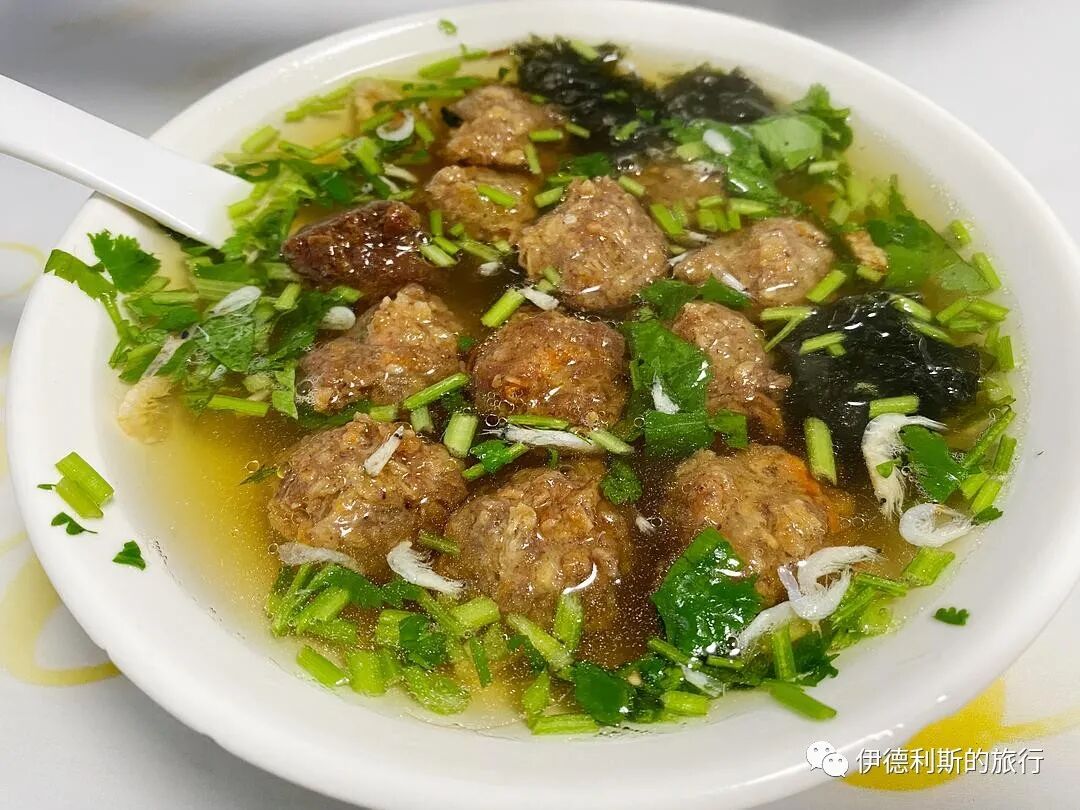
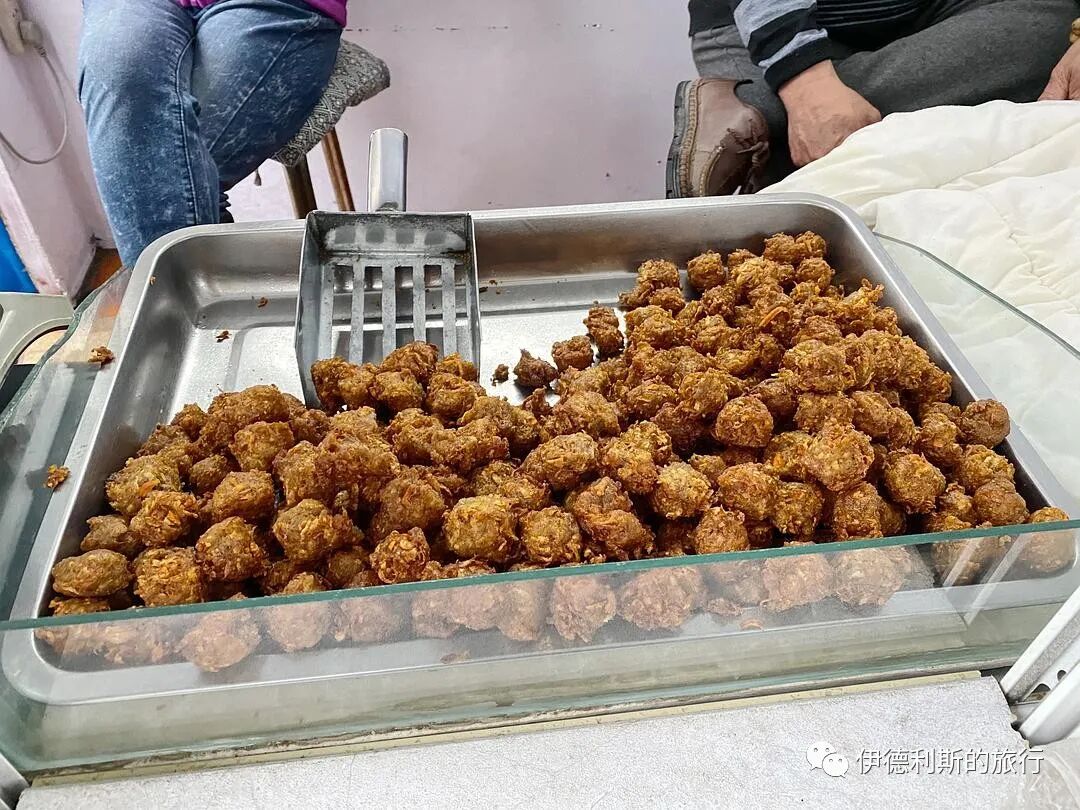
In the morning, we had almond tea, meatball soup, shaomai (steamed dumplings), and steamed dumplings at the famous Tuojie Snacks in Chengde. Chengde produces almonds, so the almond tea is also very famous. Almond tea is made by soaking almonds in water to peel them, soaking out the bitterness, grinding them to remove the residue, and then boiling them with rice flour and white sugar. The meatball soup in Chengde uses fried vegetarian radish meatballs, which are also very delicious. Their guozi (fried dough) turned out to be youbing (fried dough cakes) rather than youtiao (fried dough sticks), and they are so huge that I feel one person couldn't finish a single one!
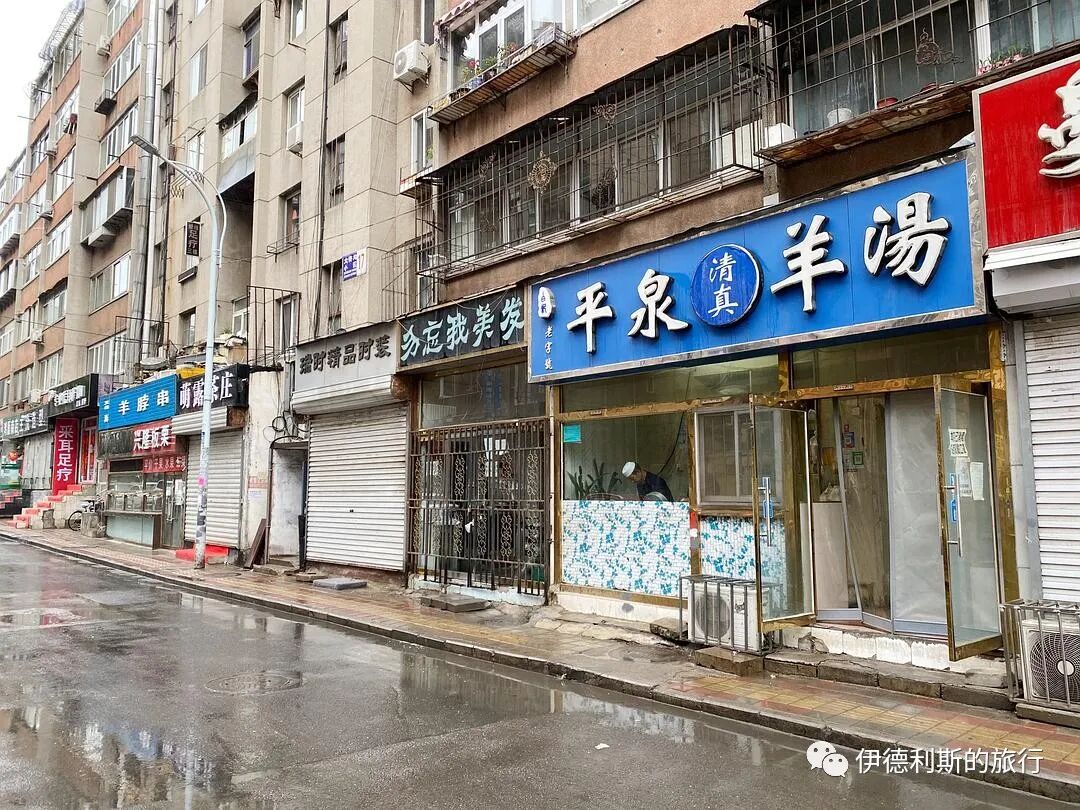
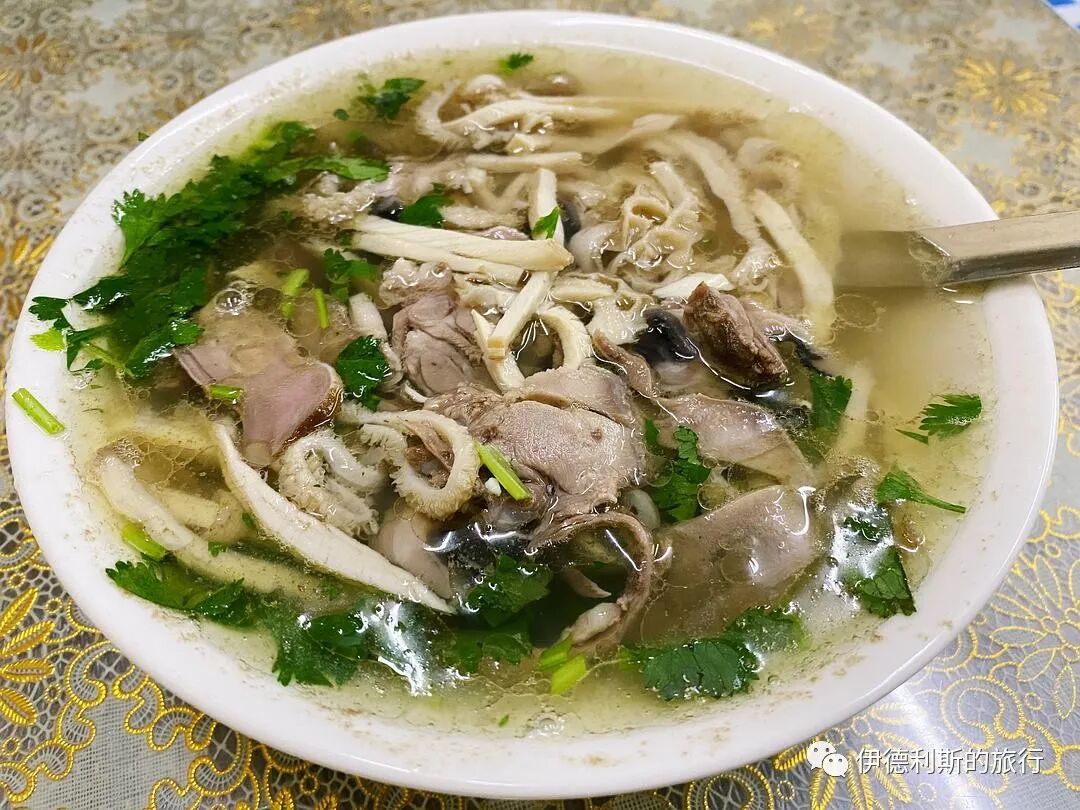
Then we went to Bai's Pingquan Lamb Soup in Shaanxiying to drink lamb soup; their premium lamb soup includes tongue, eye socket meat, and tripe, and you can also add lamb brain separately. The Bai family of Hui Muslims in Pingquan originally came from Baijiaji in Gaohe County, Shandong, and moved to Chengde during the Qing Dynasty.
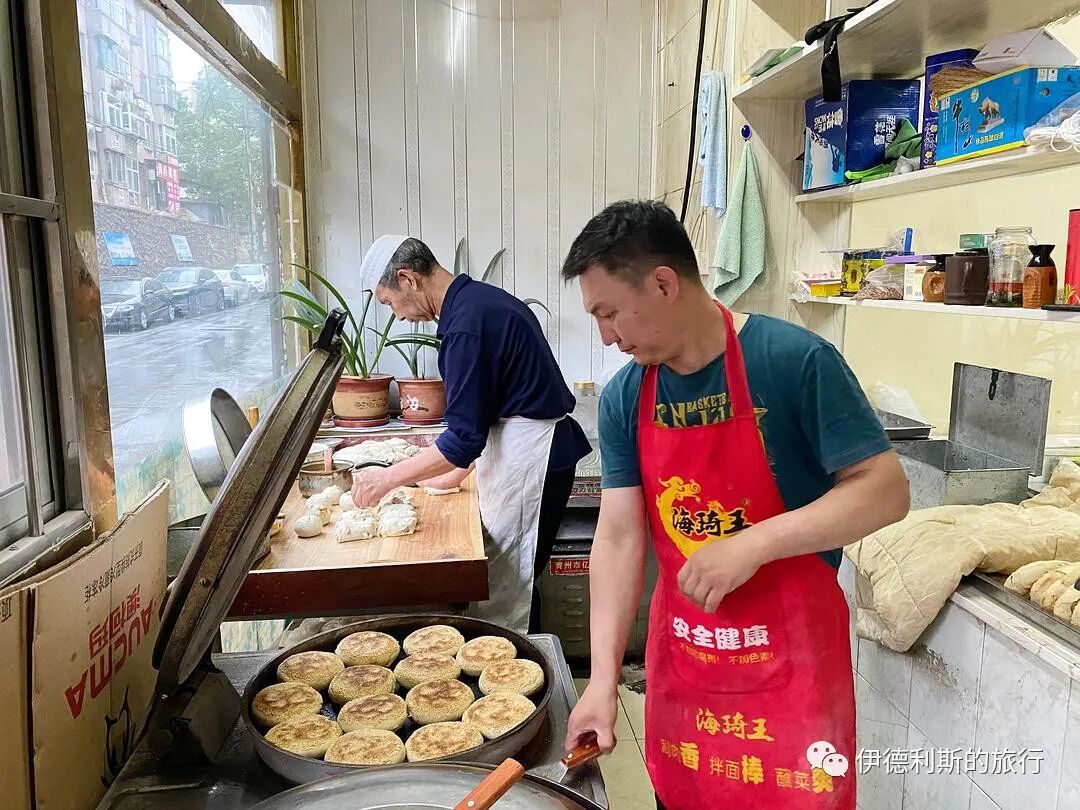
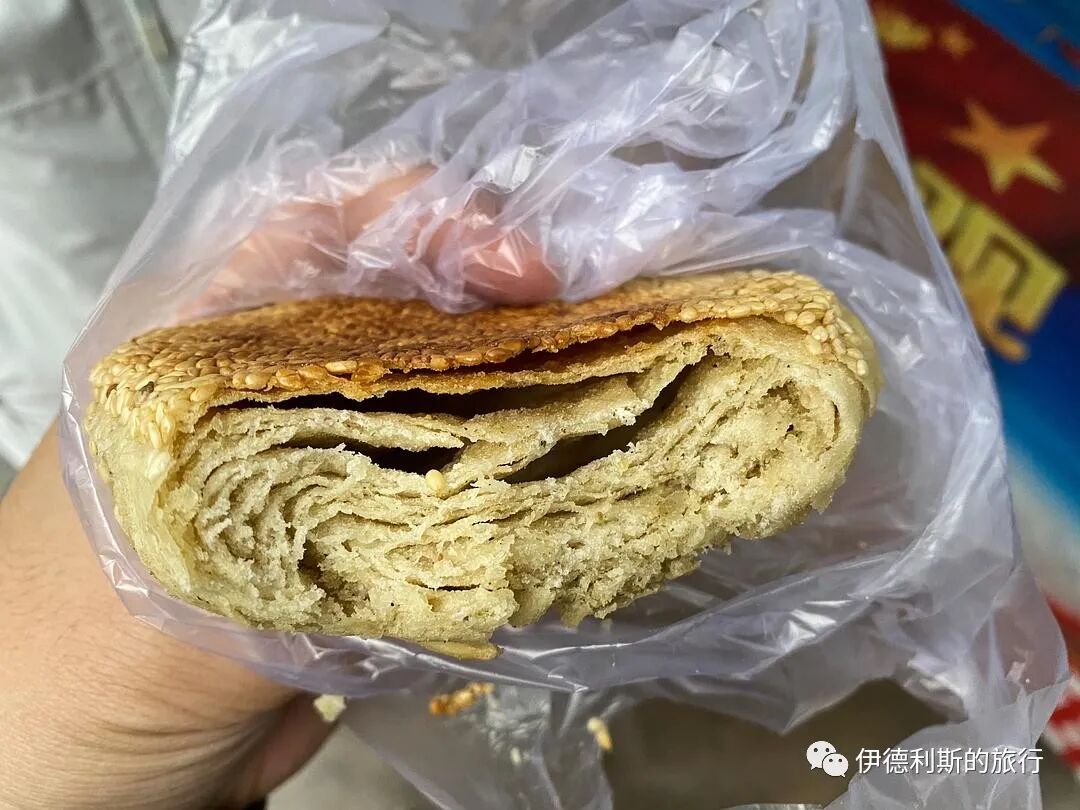
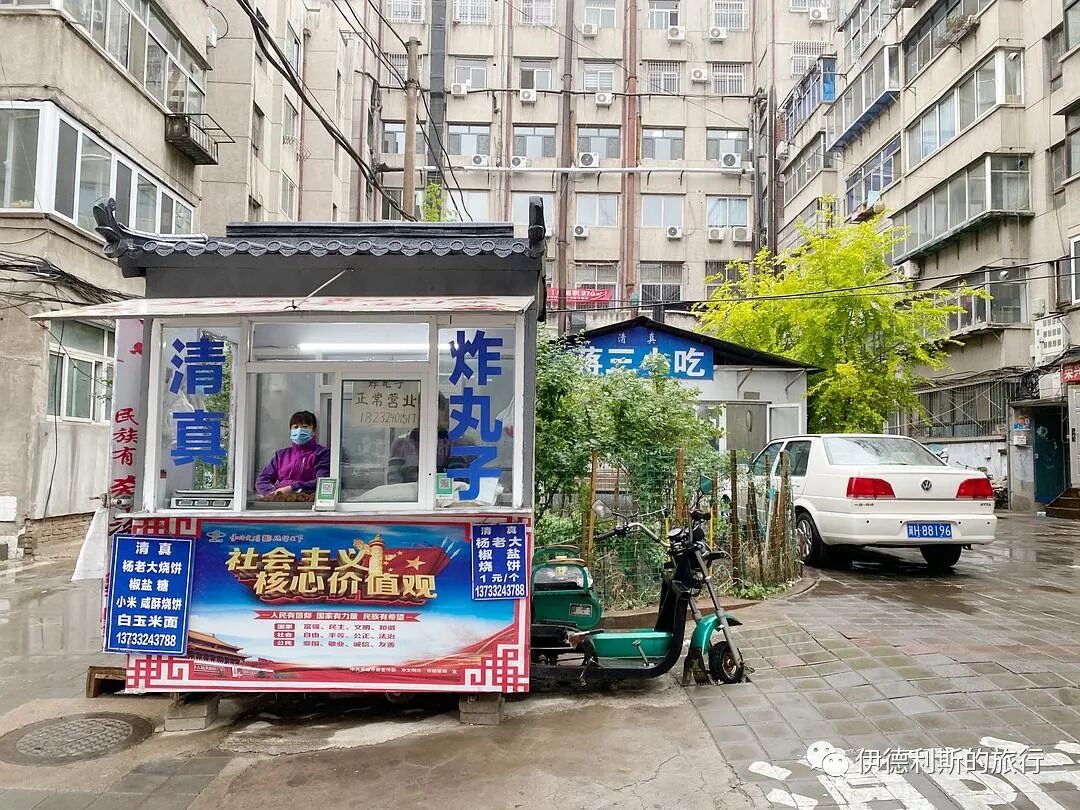
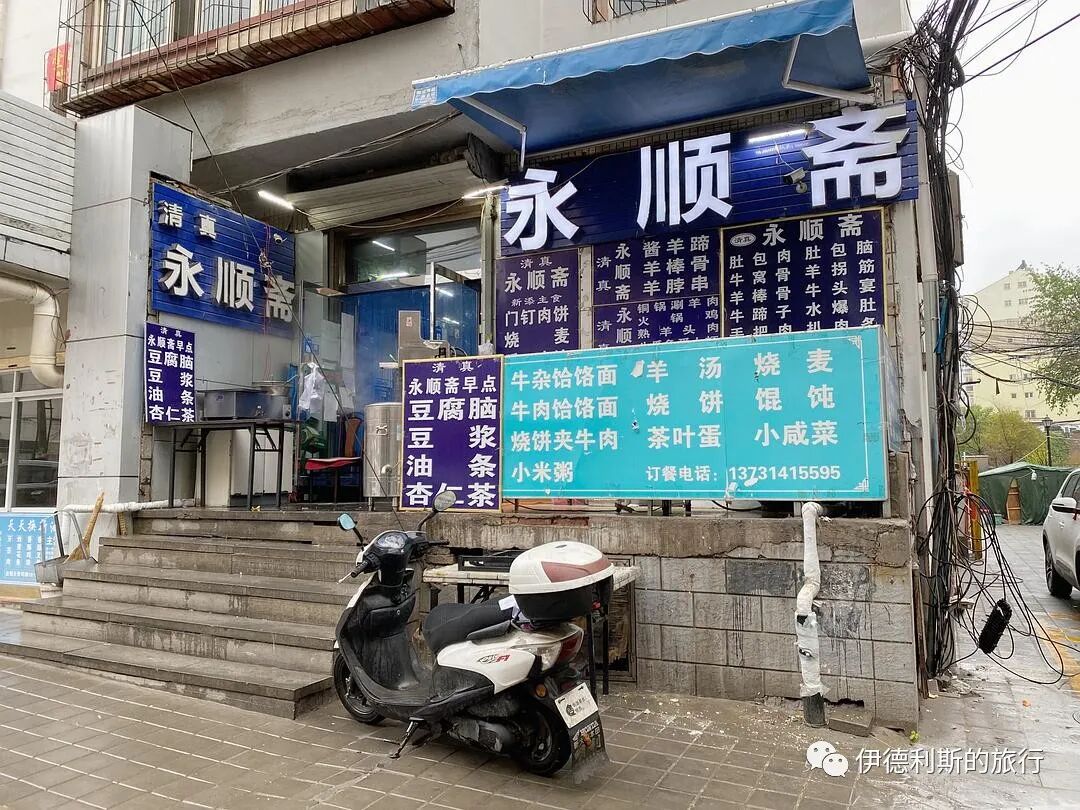
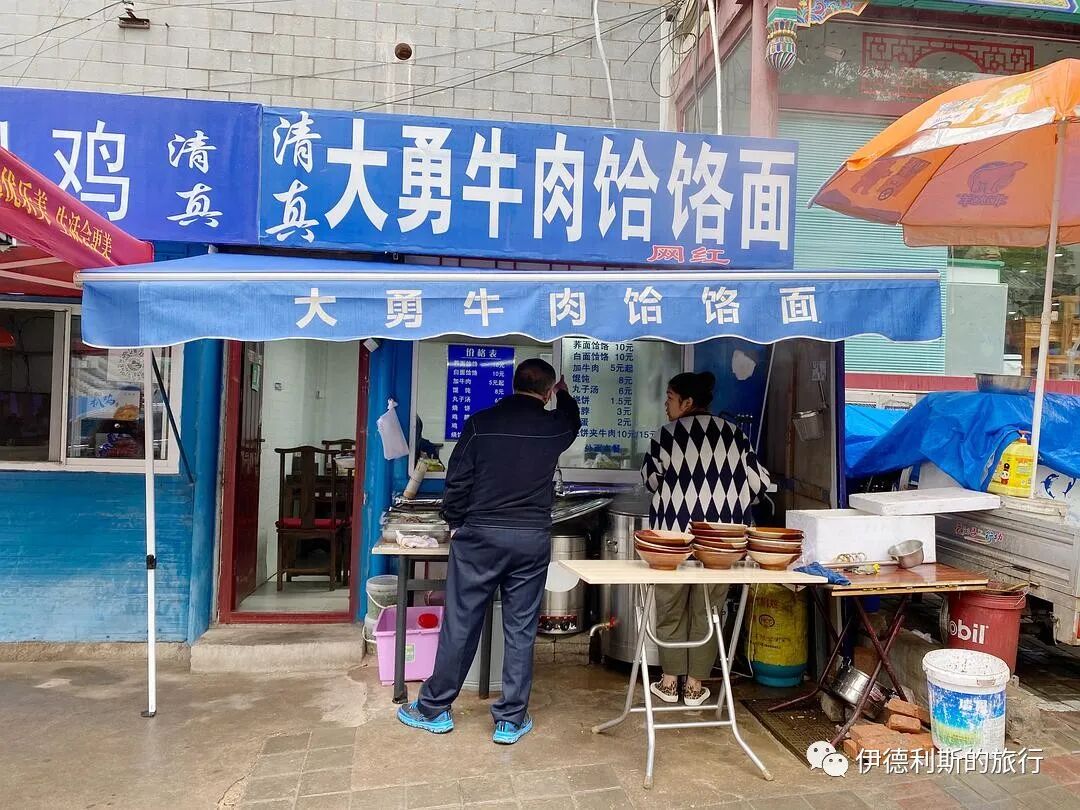
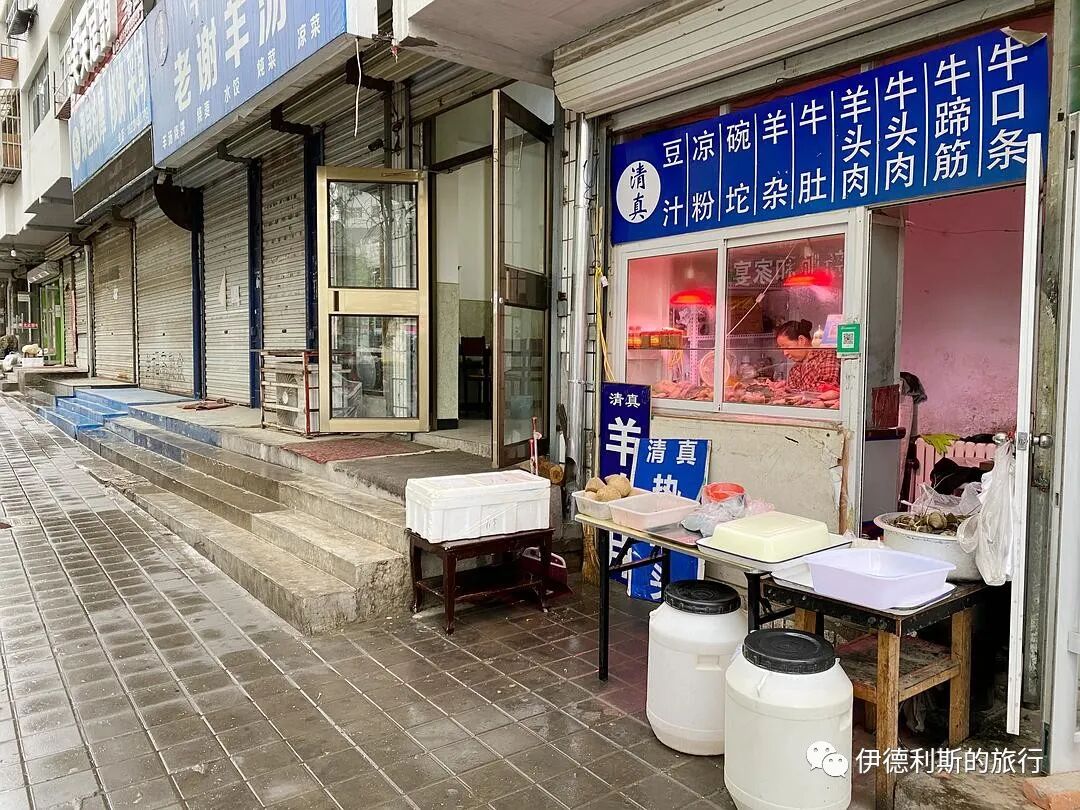
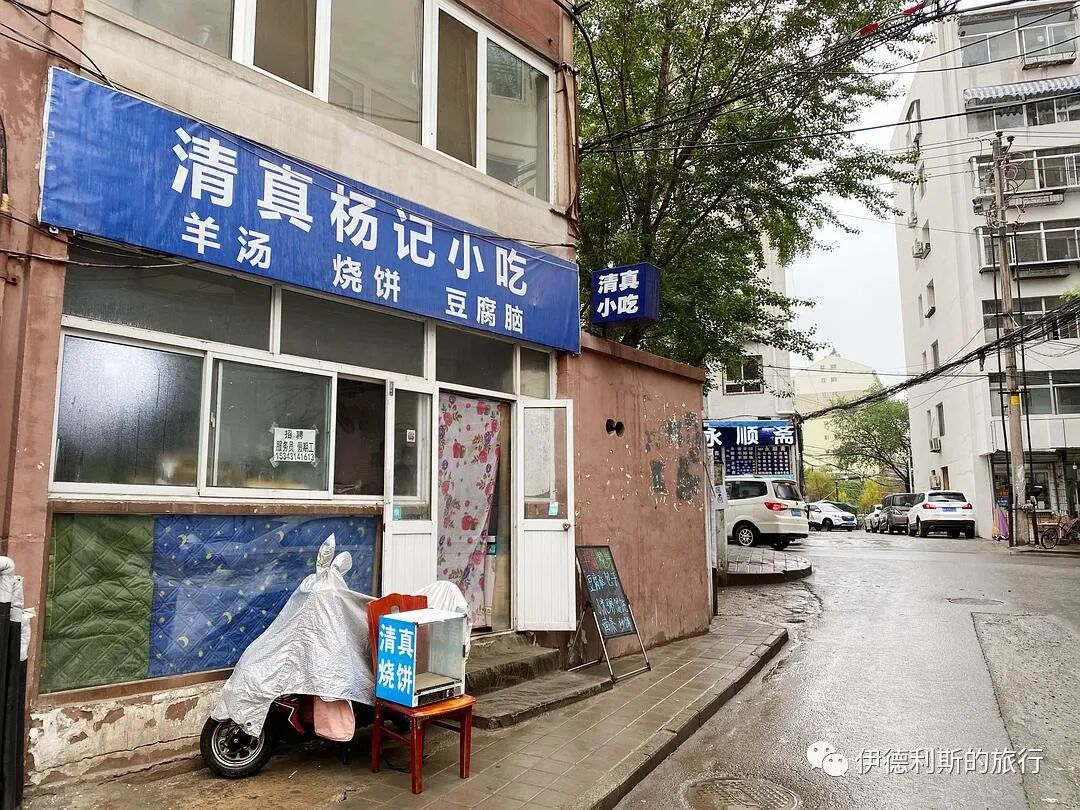
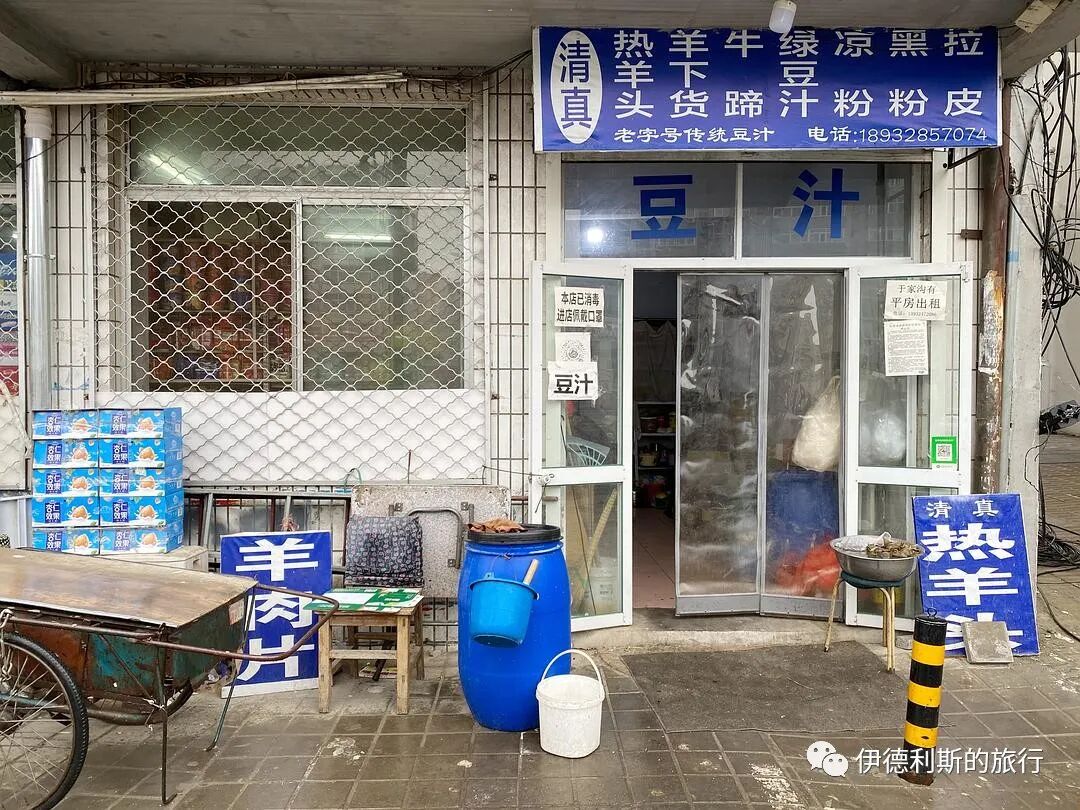
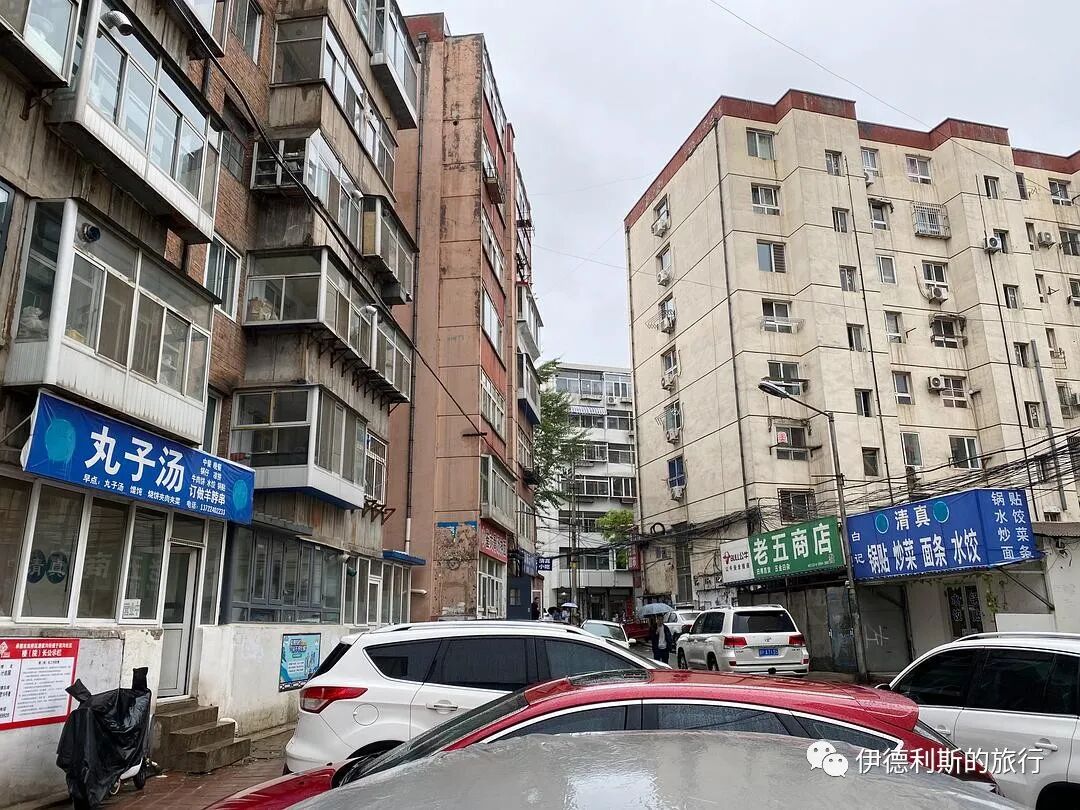
After breakfast, we strolled through Shaanxiying, where Hui Muslims live in Chengde, and bought a shaobing (baked flatbread) at Yang Laoda Shaobing to eat. There are many halal snacks in Shaanxiying, including lamb soup, geluo noodles, menting roubing (meat-filled flatbread), shaomai, almond tea, tripe-wrapped meat, tripe-wrapped brain, lamb neck skewers, douzhi (fermented mung bean milk), and wantuo. There are really not many places outside of Beijing where you can drink douzhi and eat menting roubing, which is also a reflection of Chengde's culture.
Since the Qing Dynasty built the Mountain Resort in 1703, Hui Muslims have gradually begun to settle in Chengde. Every time Emperor Kangxi held the Mulan autumn hunt or came to the resort to escape the summer heat, Hui Muslim officers, soldiers, and merchants would follow him. In the early years of the Yongzheng reign, the Qing Dynasty stationed Green Standard Army troops in Chengde; because most of the officers and soldiers came from Shaanxi, it was called Shaanxiying (Shaanxi Camp), and the 'Left Camp' among them was mostly composed of Hui Muslims. From then on, Shaanxiying became a residential area for Hui Muslims in Chengde.
By the Qianlong period, Chengde had become a metropolis beyond the Great Wall, and Hui Muslims from the Shandong and Hebei regions came one after another to do business, engaging in the food industry and cattle and sheep slaughtering, which was known as 'chasing the imperial camp'. Today, the ten major surnames of Hui Muslims in Chengde, such as Wang, Ma, Shi, and Chen, all moved from Shandong, the Wu surname moved from Cangzhou, Hebei, and the Kong surname moved from Beijing.
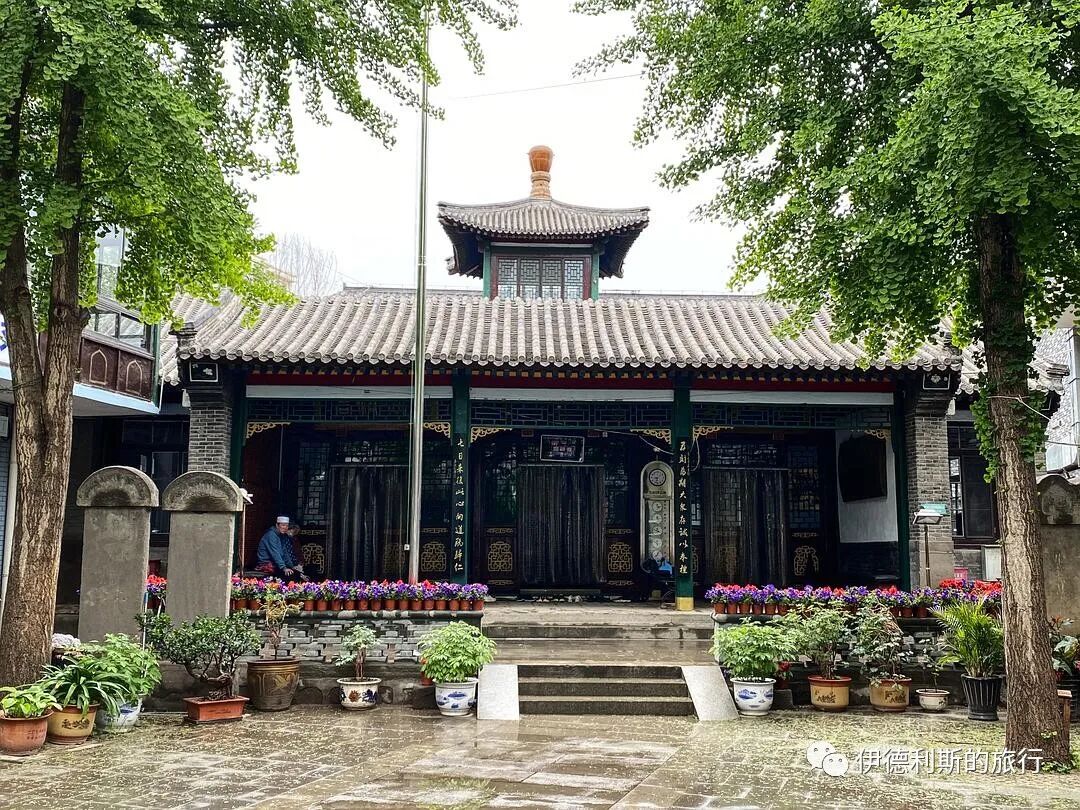
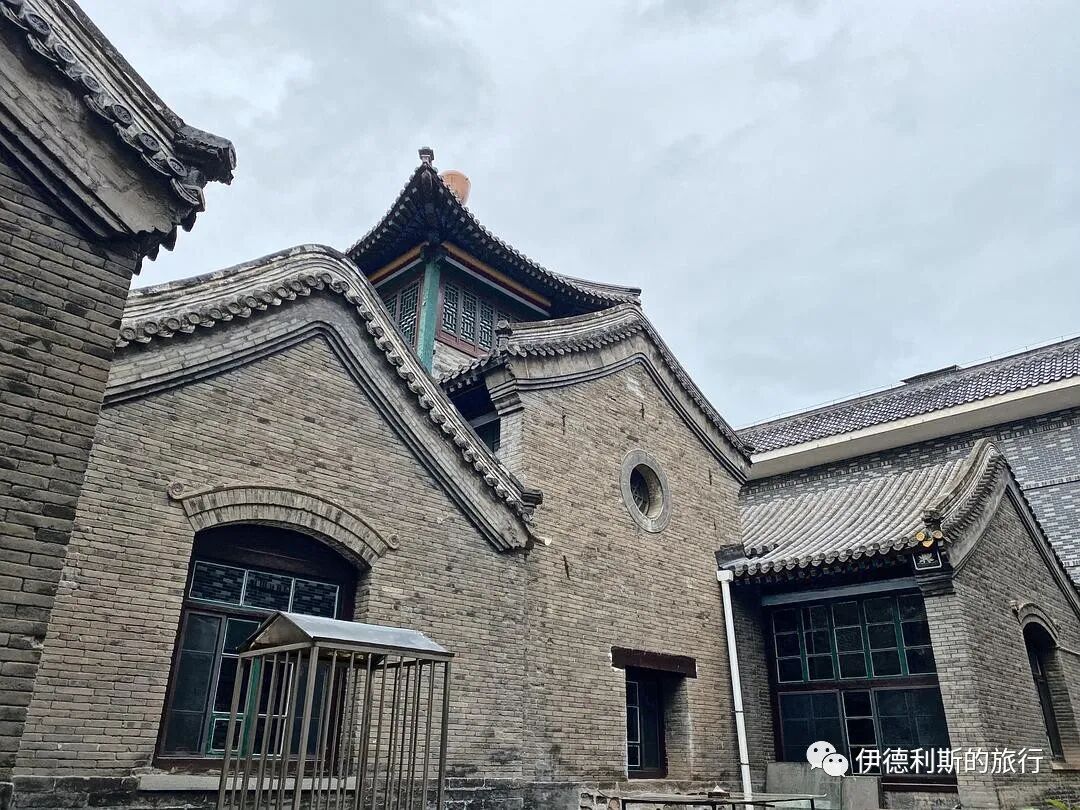
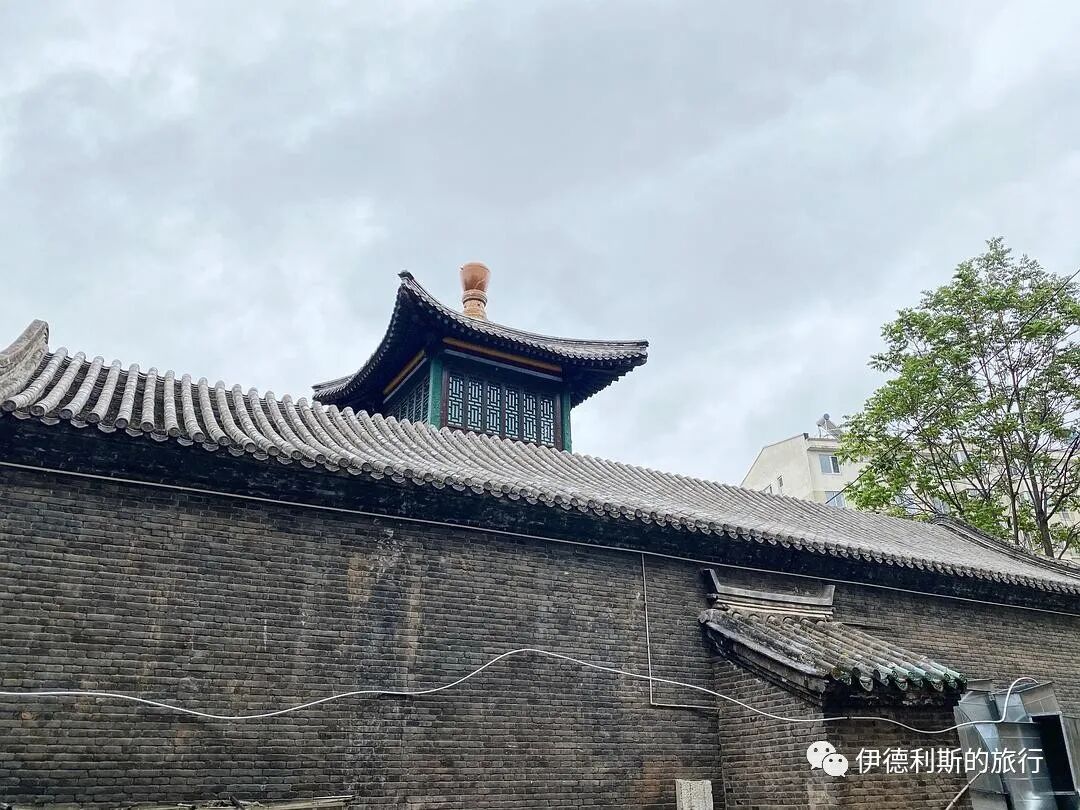
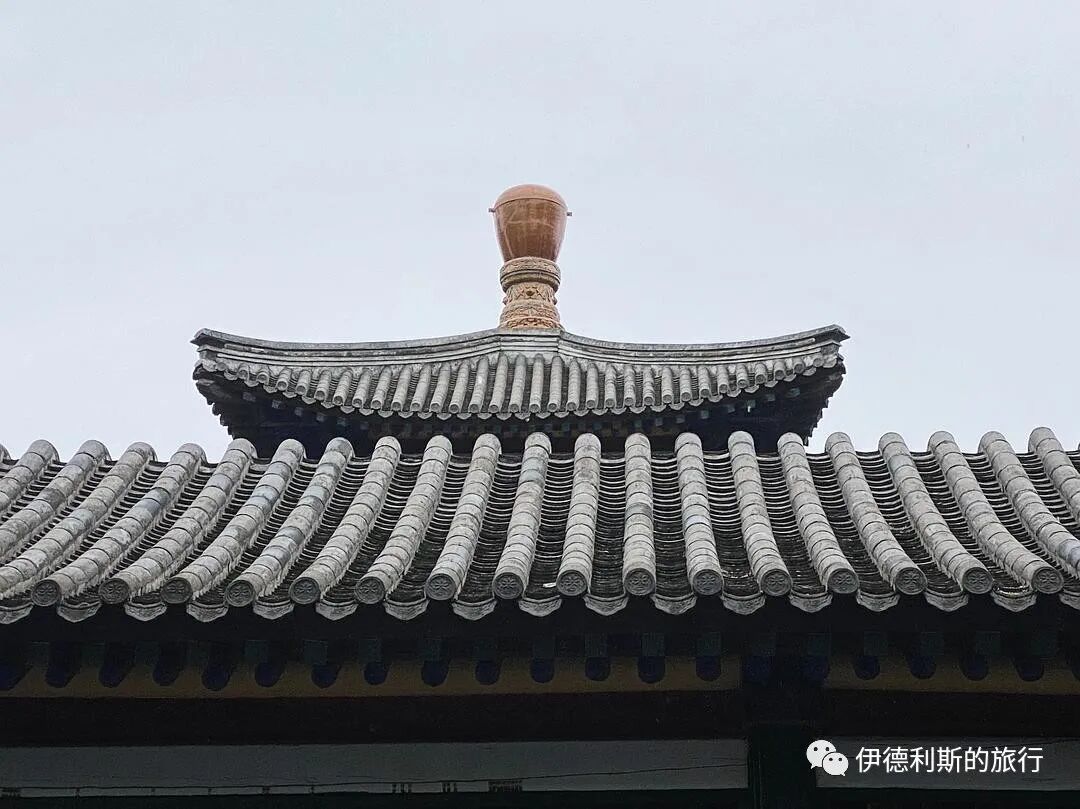
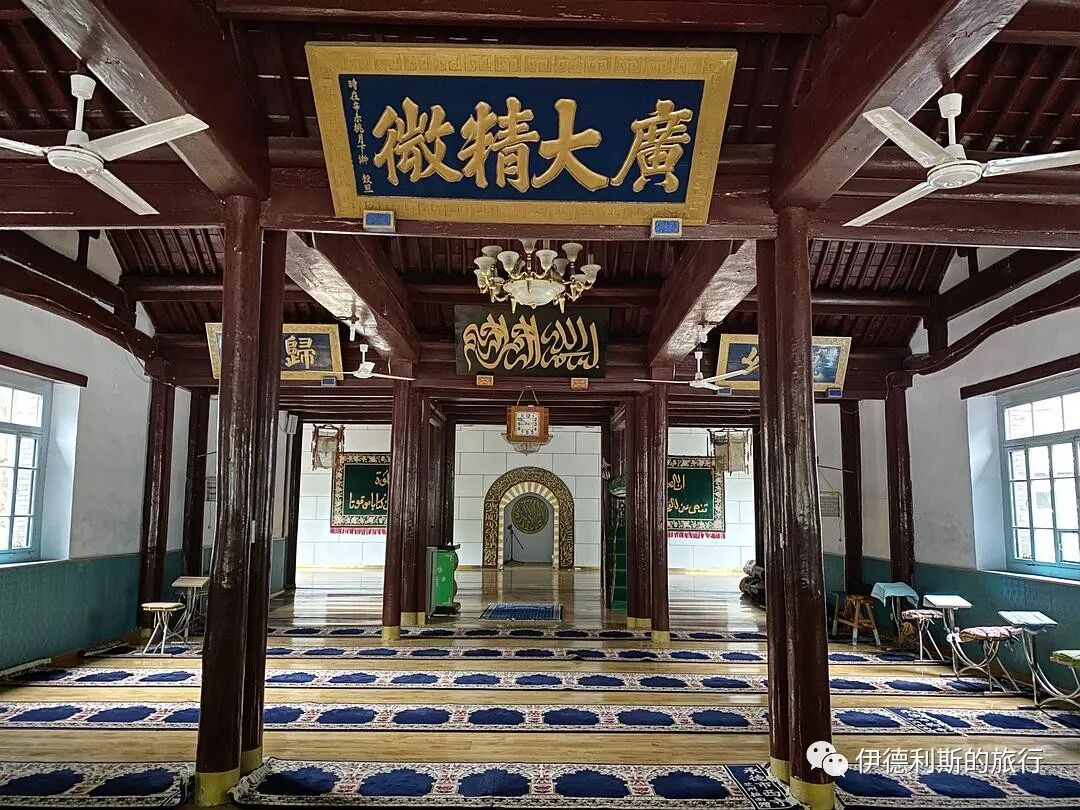
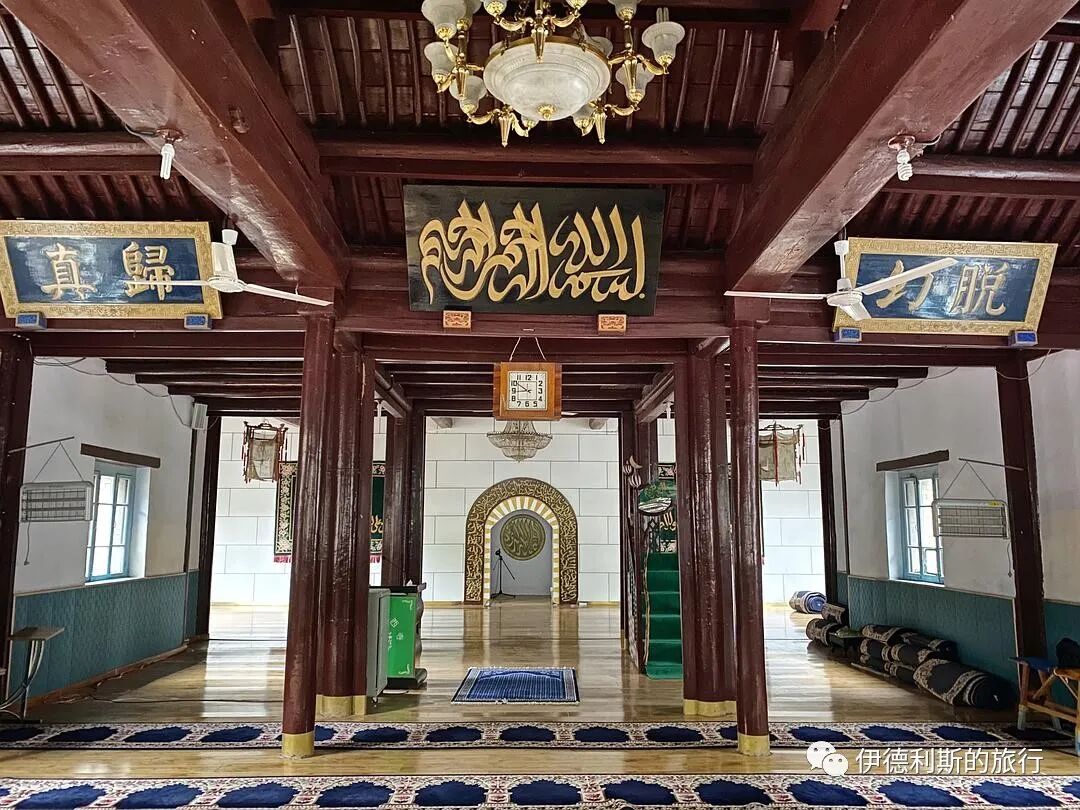
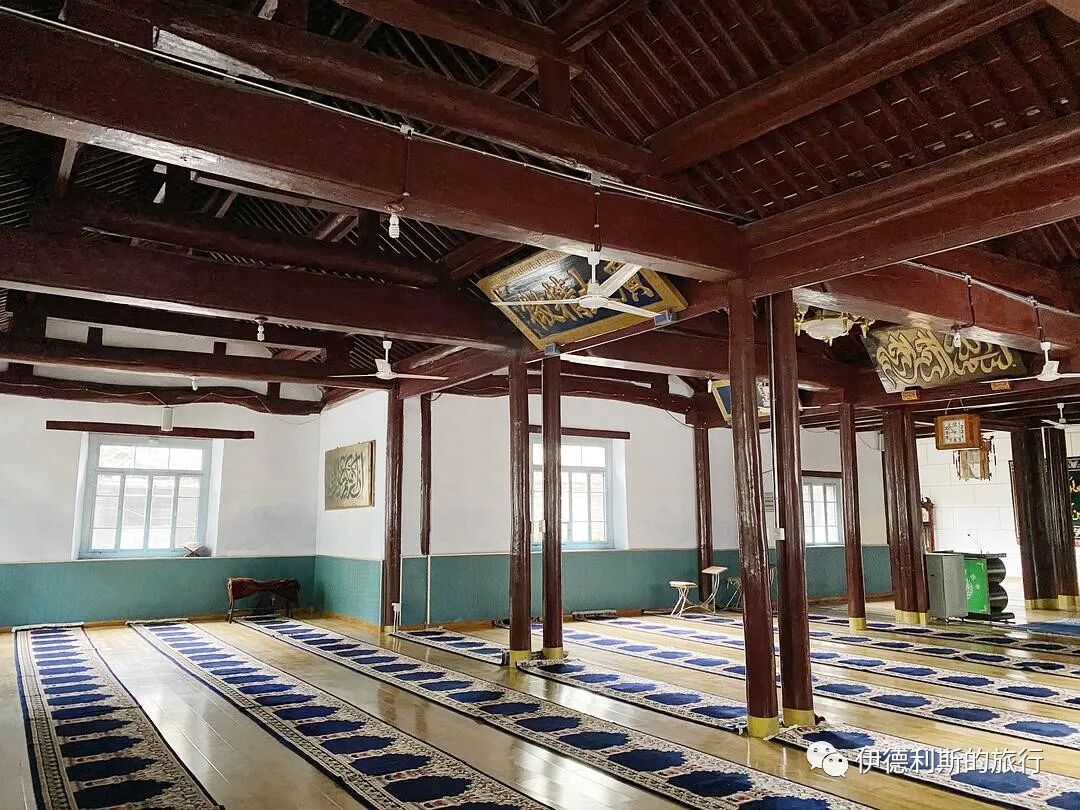
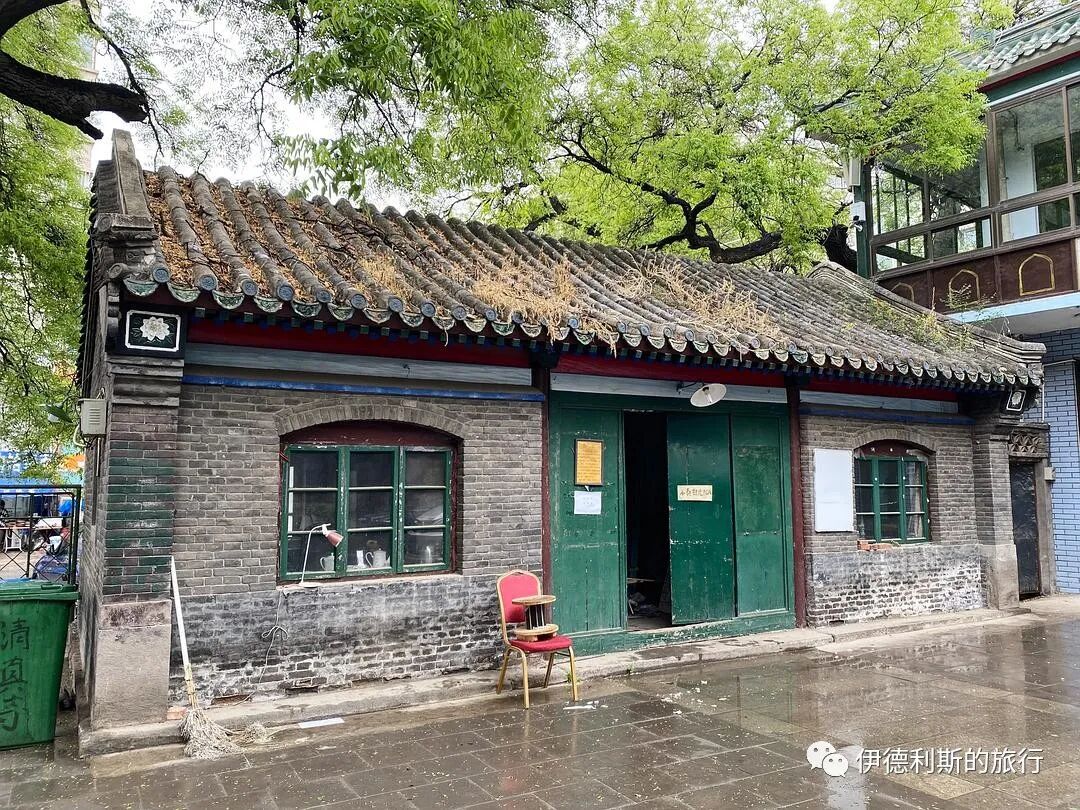
The earliest mosque in Chengde, the East Mosque, was built during the Kangxi reign and was occupied in 1958. The existing West Mosque was built during the Daoguang reign; the prayer hall consists of a front hall with a rolled shed roof, a middle hall, and a rear hall, with the minaret located on top of the middle hall, topped with a finial.
Summary: This travel note introduces Chengde Halal Travel Guide: Mosques, Muslim Food and Qing History. Arrived in Chengde on Friday night and had dinner at the famous Quanshunlou restaurant. It is useful for readers interested in Chengde Mosques, Halal Food, Muslim Travel.
Arrived in Chengde on Friday night and had dinner at the famous Quanshunlou restaurant. Since the new high-speed railway opened, Chengde is only 50 minutes from Beijing, but the local halal food in Chengde is really quite different from Beijing. It features traditional Lu cuisine techniques like braising and quick-frying, while also incorporating specialties from the Northeast, Beijing-Tianjin, and Bashang regions, along with unique local Chengde dishes; just looking at the menu, you feel like you couldn't finish trying everything even after several visits. Such a rich variety of dishes is a reflection of Chengde being the premier city beyond the Great Wall during the mid-to-late Qing Dynasty.
Since there were only two of us, we only ordered the sesame lamb and the stewed small fish with tiebingzi (cornmeal flatbread). Actually, I really wanted to try their mushroom-braised youmian (oat noodles) and potato and green bean stewed rolls. The sesame lamb uses the local Shandong crispy-skin method, rather than just sprinkling sesame seeds over the lamb like many restaurants in Beijing. The stewed small fish with tiebingzi is truly made by sticking cornmeal dough directly onto the iron pot! The aroma of the small fish seeps directly into the bogo (cornmeal flatbread), and the bogo is especially fluffy, not hard at all.
Then we went to the Erxianju night market to eat fried wantuo. Fried wantuo is a famous Chengde snack made by grinding buckwheat kernels into a paste, steaming it in a bowl, and letting it cool until it sets into a wantuo (buckwheat jelly cake). To eat it, you cut it into triangular pieces, fry them in oil, and then pour sesame paste and garlic sauce over them. Chengde fried wantuo is said to have originated in the Erxianju area during the Qing Dynasty. Since the Qing Dynasty, Erxianju has been a bustling commercial street in Rehe, and it is still a lively night market today; it is very interesting to take a stroll there in the evening.
They also sell lvdagun (rolling donkey, a glutinous rice roll with bean flour), which looks the same as the one in Beijing; I feel it might be a reflection of the food customs of the Rehe Banner people back then.
In the morning, we had almond tea, meatball soup, shaomai (steamed dumplings), and steamed dumplings at the famous Tuojie Snacks in Chengde. Chengde produces almonds, so the almond tea is also very famous. Almond tea is made by soaking almonds in water to peel them, soaking out the bitterness, grinding them to remove the residue, and then boiling them with rice flour and white sugar. The meatball soup in Chengde uses fried vegetarian radish meatballs, which are also very delicious. Their guozi (fried dough) turned out to be youbing (fried dough cakes) rather than youtiao (fried dough sticks), and they are so huge that I feel one person couldn't finish a single one!
Then we went to Bai's Pingquan Lamb Soup in Shaanxiying to drink lamb soup; their premium lamb soup includes tongue, eye socket meat, and tripe, and you can also add lamb brain separately. The Bai family of Hui Muslims in Pingquan originally came from Baijiaji in Gaohe County, Shandong, and moved to Chengde during the Qing Dynasty.
After breakfast, we strolled through Shaanxiying, where Hui Muslims live in Chengde, and bought a shaobing (baked flatbread) at Yang Laoda Shaobing to eat. There are many halal snacks in Shaanxiying, including lamb soup, geluo noodles, menting roubing (meat-filled flatbread), shaomai, almond tea, tripe-wrapped meat, tripe-wrapped brain, lamb neck skewers, douzhi (fermented mung bean milk), and wantuo. There are really not many places outside of Beijing where you can drink douzhi and eat menting roubing, which is also a reflection of Chengde's culture.
Since the Qing Dynasty built the Mountain Resort in 1703, Hui Muslims have gradually begun to settle in Chengde. Every time Emperor Kangxi held the Mulan autumn hunt or came to the resort to escape the summer heat, Hui Muslim officers, soldiers, and merchants would follow him. In the early years of the Yongzheng reign, the Qing Dynasty stationed Green Standard Army troops in Chengde; because most of the officers and soldiers came from Shaanxi, it was called Shaanxiying (Shaanxi Camp), and the 'Left Camp' among them was mostly composed of Hui Muslims. From then on, Shaanxiying became a residential area for Hui Muslims in Chengde.
By the Qianlong period, Chengde had become a metropolis beyond the Great Wall, and Hui Muslims from the Shandong and Hebei regions came one after another to do business, engaging in the food industry and cattle and sheep slaughtering, which was known as 'chasing the imperial camp'. Today, the ten major surnames of Hui Muslims in Chengde, such as Wang, Ma, Shi, and Chen, all moved from Shandong, the Wu surname moved from Cangzhou, Hebei, and the Kong surname moved from Beijing.
The earliest mosque in Chengde, the East Mosque, was built during the Kangxi reign and was occupied in 1958. The existing West Mosque was built during the Daoguang reign; the prayer hall consists of a front hall with a rolled shed roof, a middle hall, and a rear hall, with the minaret located on top of the middle hall, topped with a finial.
