

Chengde Mosques
Halal Travel Guide: Chengde - Three Historic Mosques and Hui Muslim Food
Articles • ali2007fr posted the article • 0 comments • 198 views • 2026-05-20 08:48
Reposted from the web
Summary: Chengde is covered through three historic mosques, Hui Muslim food, and streets connected to the city’s old Muslim community. This account keeps the original travel route, mosque history, restaurant details, dishes, and photographs in order.
Chengde is northeast of Beijing. It is very convenient to take a high-speed train from Chaoyang Station, making it a great spot for a weekend getaway. This place has not only ancient Qing Dynasty mosques but also many unique local foods.
In 1703 (the 42nd year of the Kangxi reign), Emperor Kangxi built the Mountain Resort in Chengde. Afterward, Hui Muslims came to Chengde from Shandong and Hebei to serve the imperial court and manage the imperial camps. By 1718 (the 57th year of the Kangxi reign), they officially established the Chengde East Mosque on Nanyingzi Street, which is the oldest mosque in Chengde.
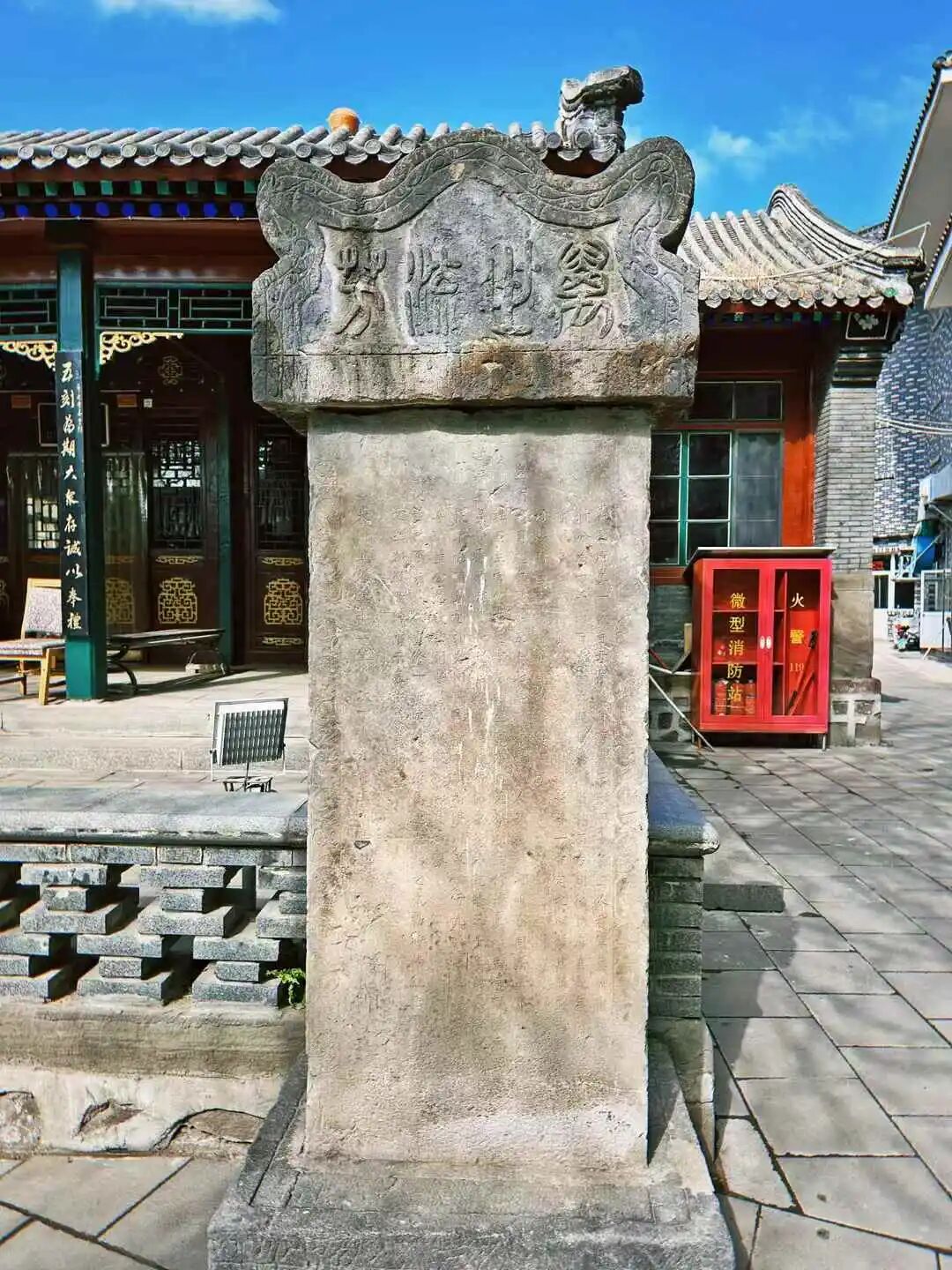
According to Ma Yuru, the eighth-generation hereditary imam of the East Mosque, the first imam was invited to come from Jingpeng Town in Chifeng. At first, the mosque was just a rented house. The imam spent eleven years traveling to collect donations (nietie) to build a proper mosque, and his family thought he had passed away. Just as his family was holding a memorial service for him in the eleventh year, he finally returned to Chengde and used the donations he had collected to build the East Mosque. According to a stone tablet from the 52nd year of the Qianlong reign currently kept at the West Mosque in Chengde, in the 57th year of the Kangxi reign, community leaders in Rehe gathered fellow Muslims to buy a plot of land bordered by the Li family to the east, the official street to the west, and government housing to the south. With these clear boundaries, they built the mosque.
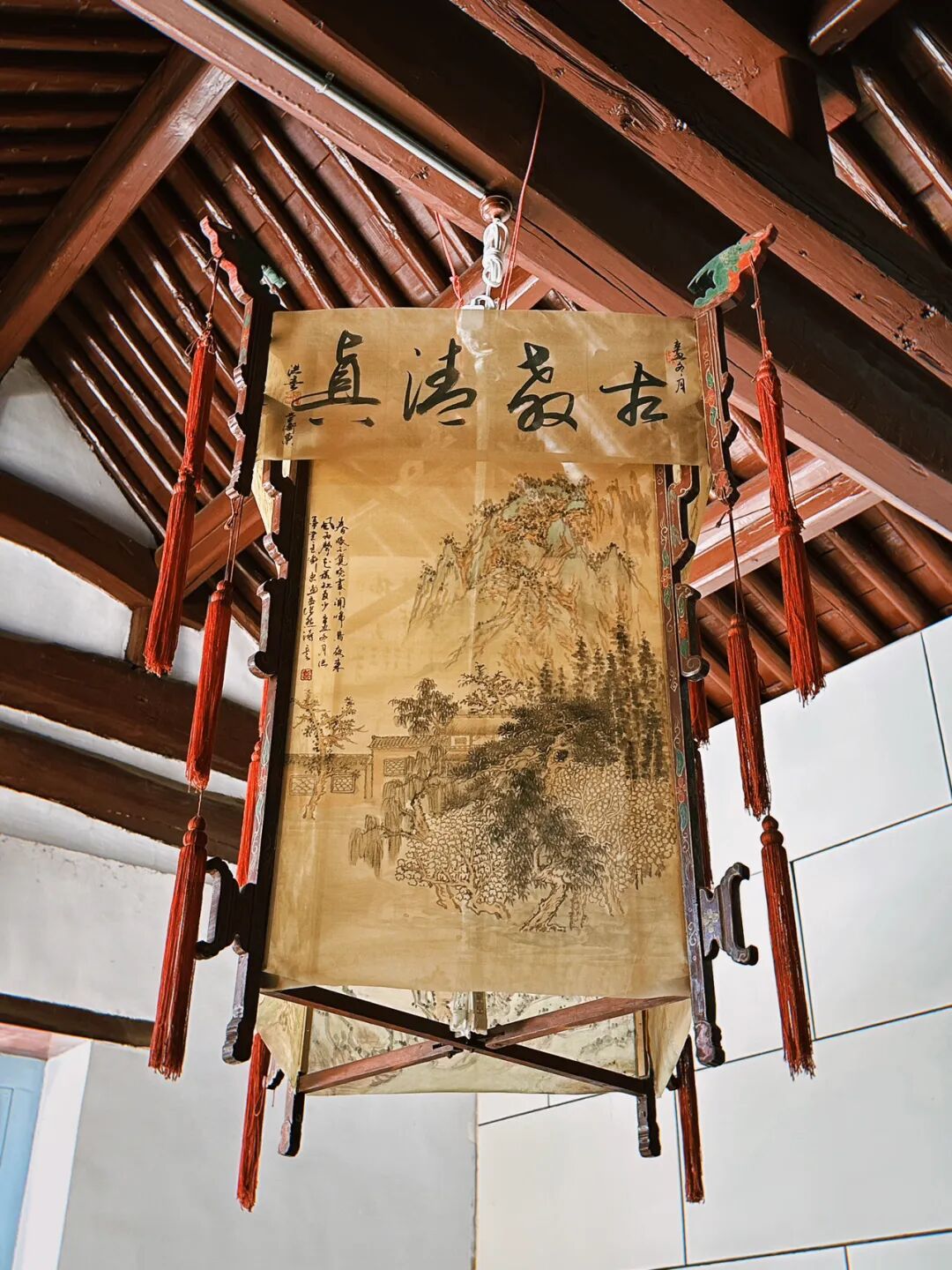
The Chengde East Mosque was expanded twice, in 1755 (the 30th year of the Qianlong reign) and 1787 (the 52nd year of the Qianlong reign), and was once known as the largest mosque in the northern frontier. When Concubine Rong (the Fragrant Concubine) accompanied Emperor Qianlong to the Mountain Resort in Chengde, she was hosted by the third-generation imam, Ma Yao. She gifted the mosque a pair of delicate hexagonal palace lanterns and a treasure gourd. The palace lanterns were lit during Ramadan, and the treasure gourd was placed on the roof of the main prayer hall. Emperor Qianlong gifted the mosque a long-life imperial plaque, a pair of python-patterned whips, and a pair of dragon-headed staffs. An imperial decree allowing access to the Mountain Resort was passed down through the imam's family for generations until it was destroyed in the 1960s. Concubine Rong also stored ceremonial items, such as half of the imperial procession equipment and gold medals gifted by the Emperor, in the Moon-Sighting Tower of the East Mosque. Additionally, three families of Concubine Rong's attendants stayed in Chengde. The expert in couplets, Ma Delin, is a descendant of these "Red-Hat Hui Muslims" who remained in the city.
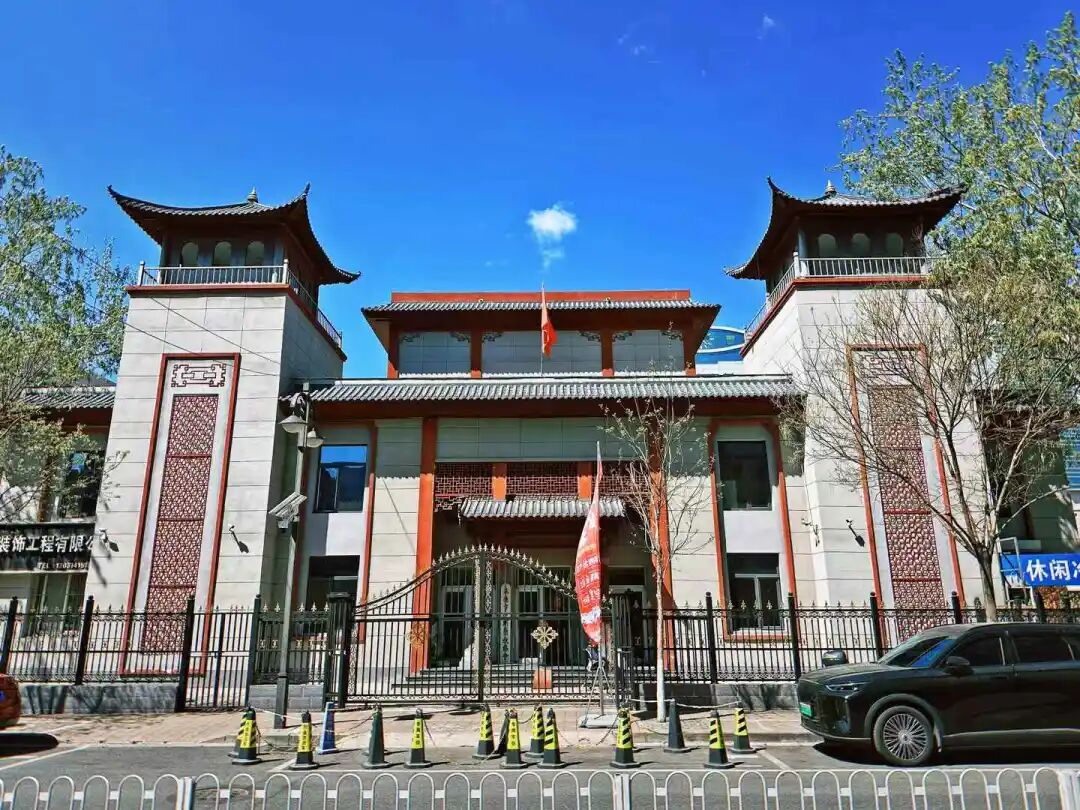
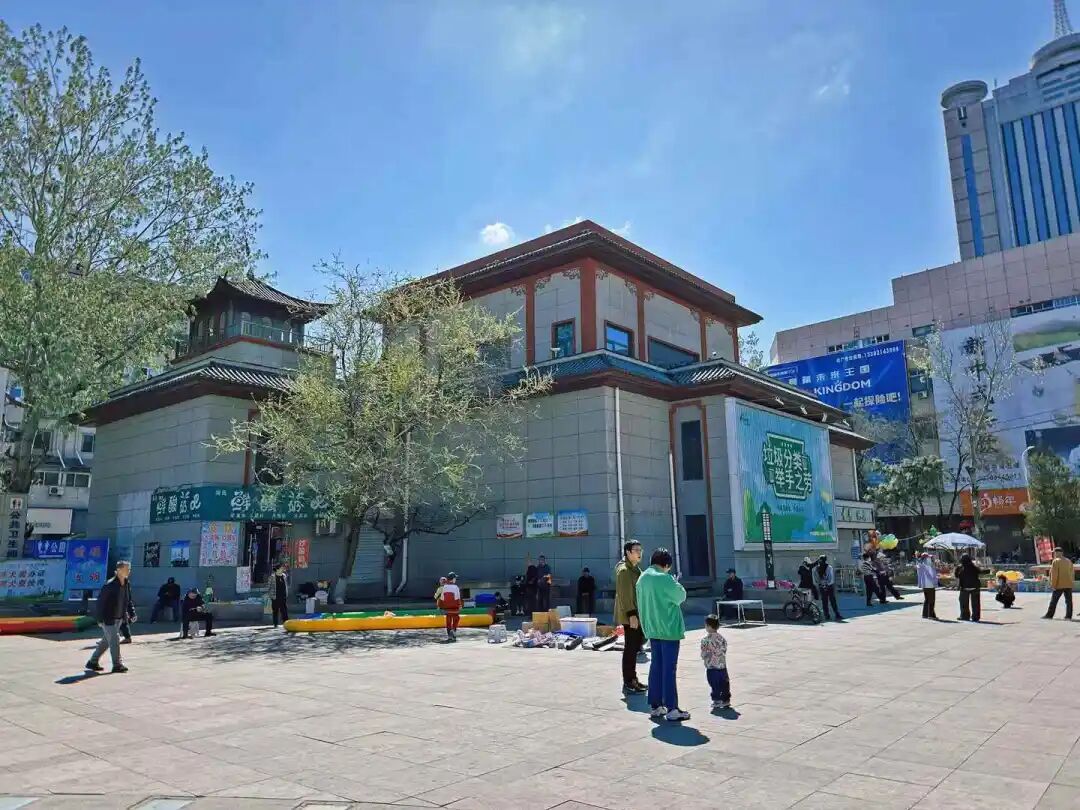
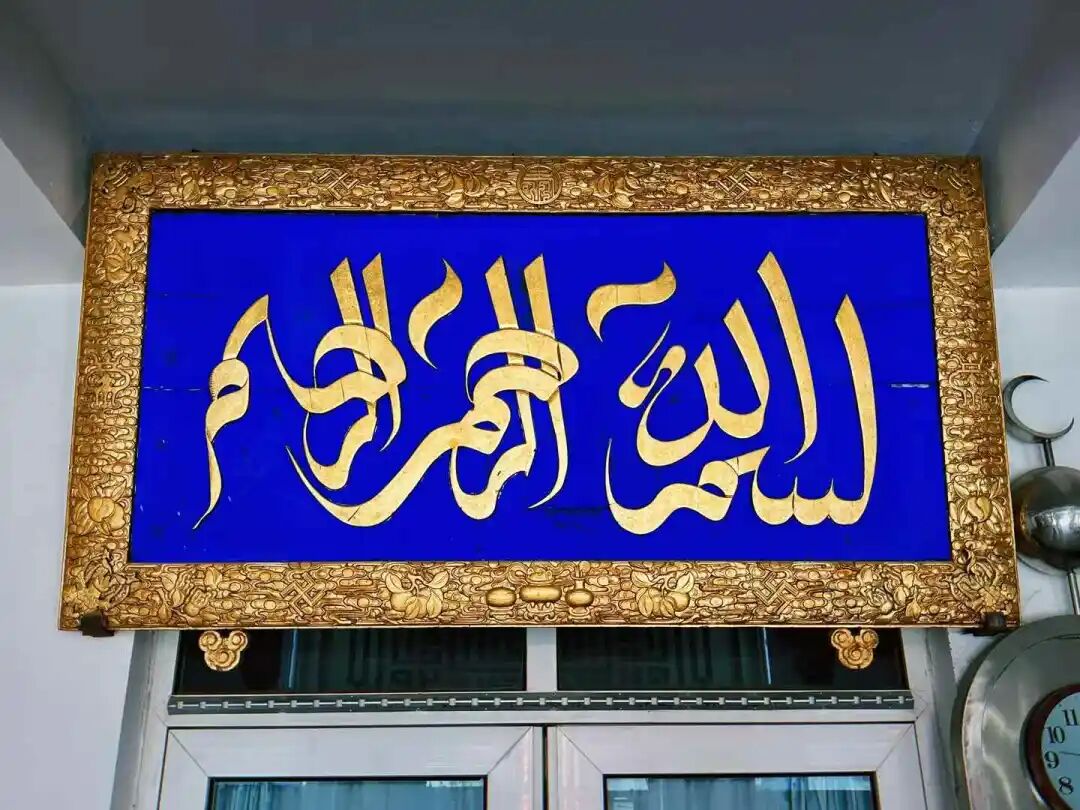
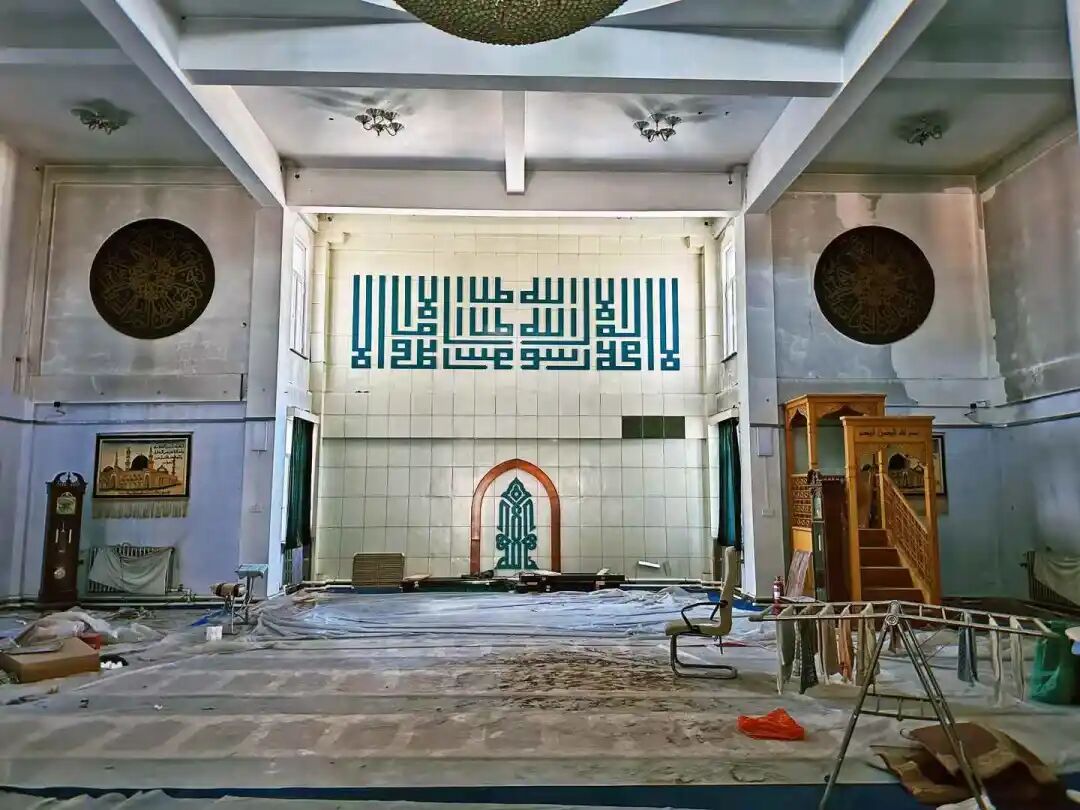
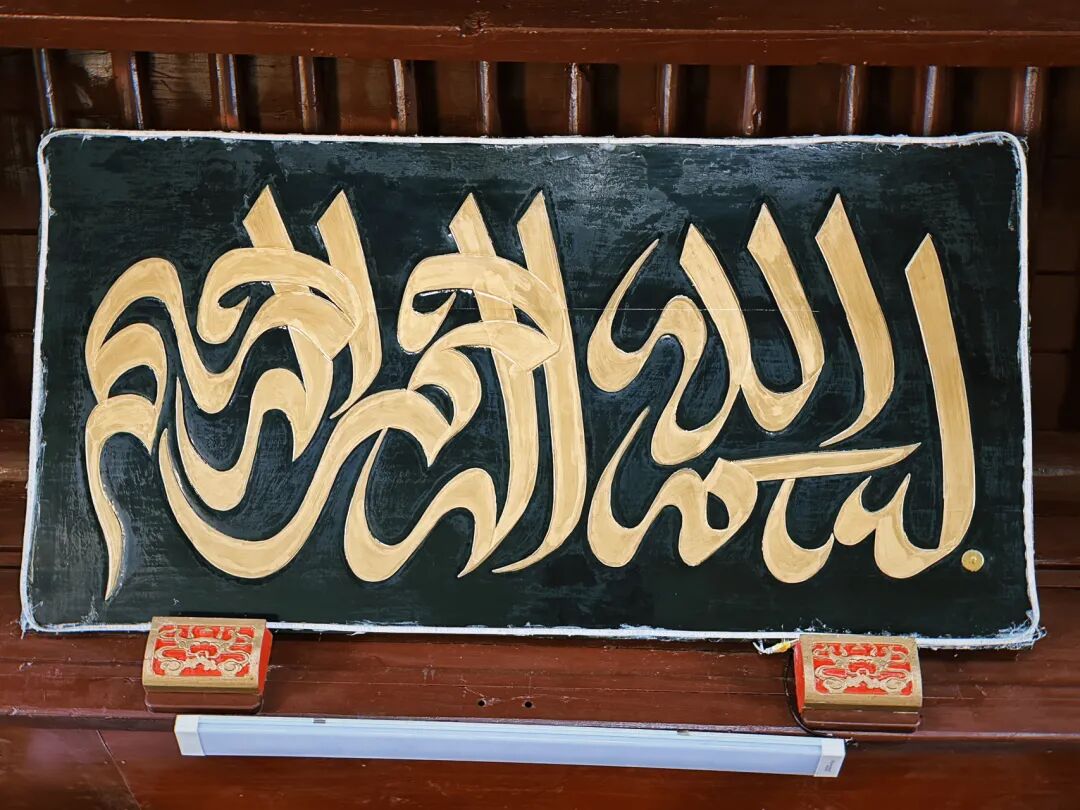
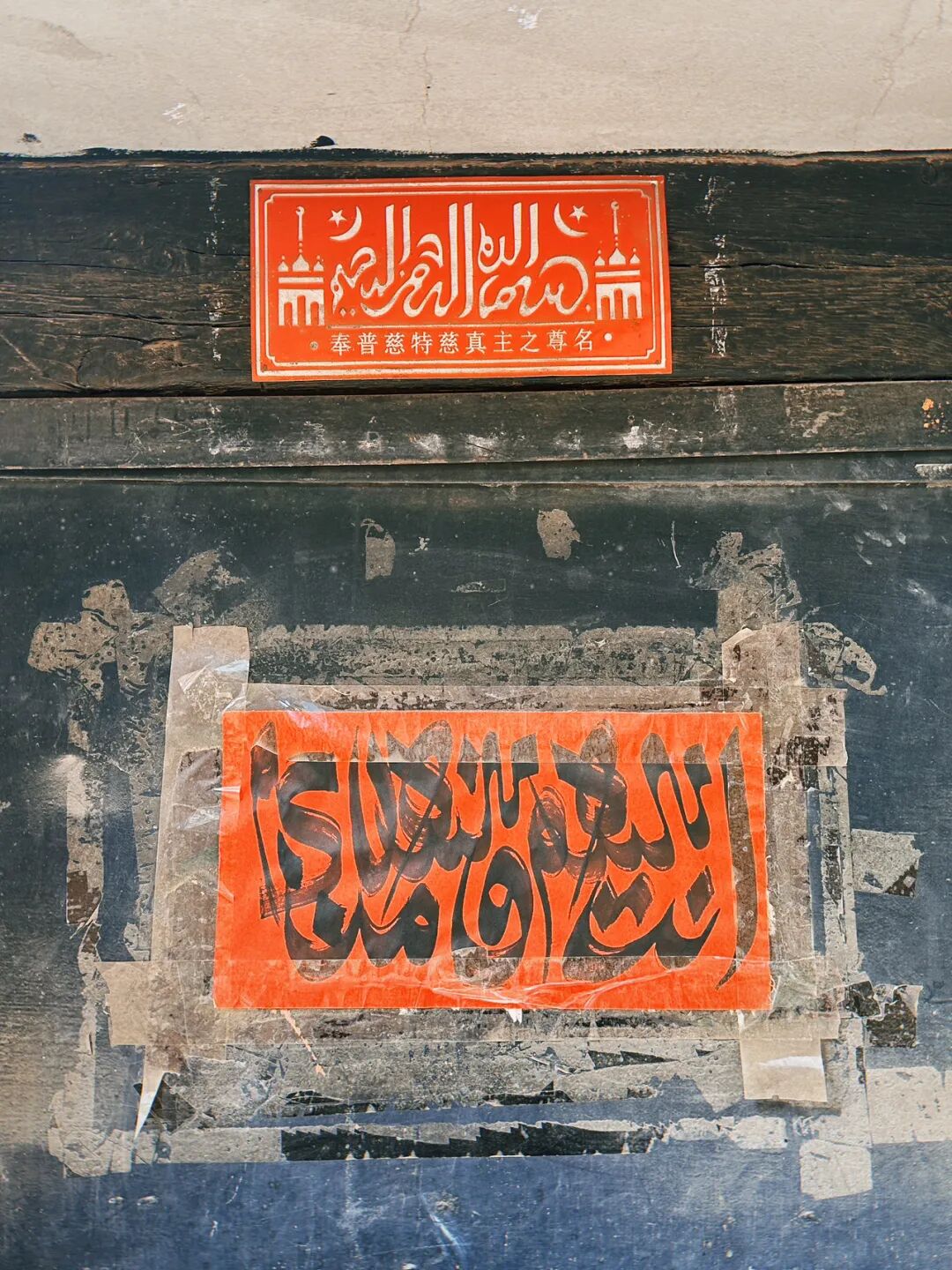
The East Mosque was occupied in 1958 and suffered severe damage after the 1960s, but it was rebuilt in the Chengde Central Square in 2006. A plaque featuring the Basmala (taisimie) hangs in front of the main hall, surrounded by "longevity" patterns, which elders say was a gift from Concubine Rong. The main hall of the East Mosque is currently under renovation and is not open to the public.
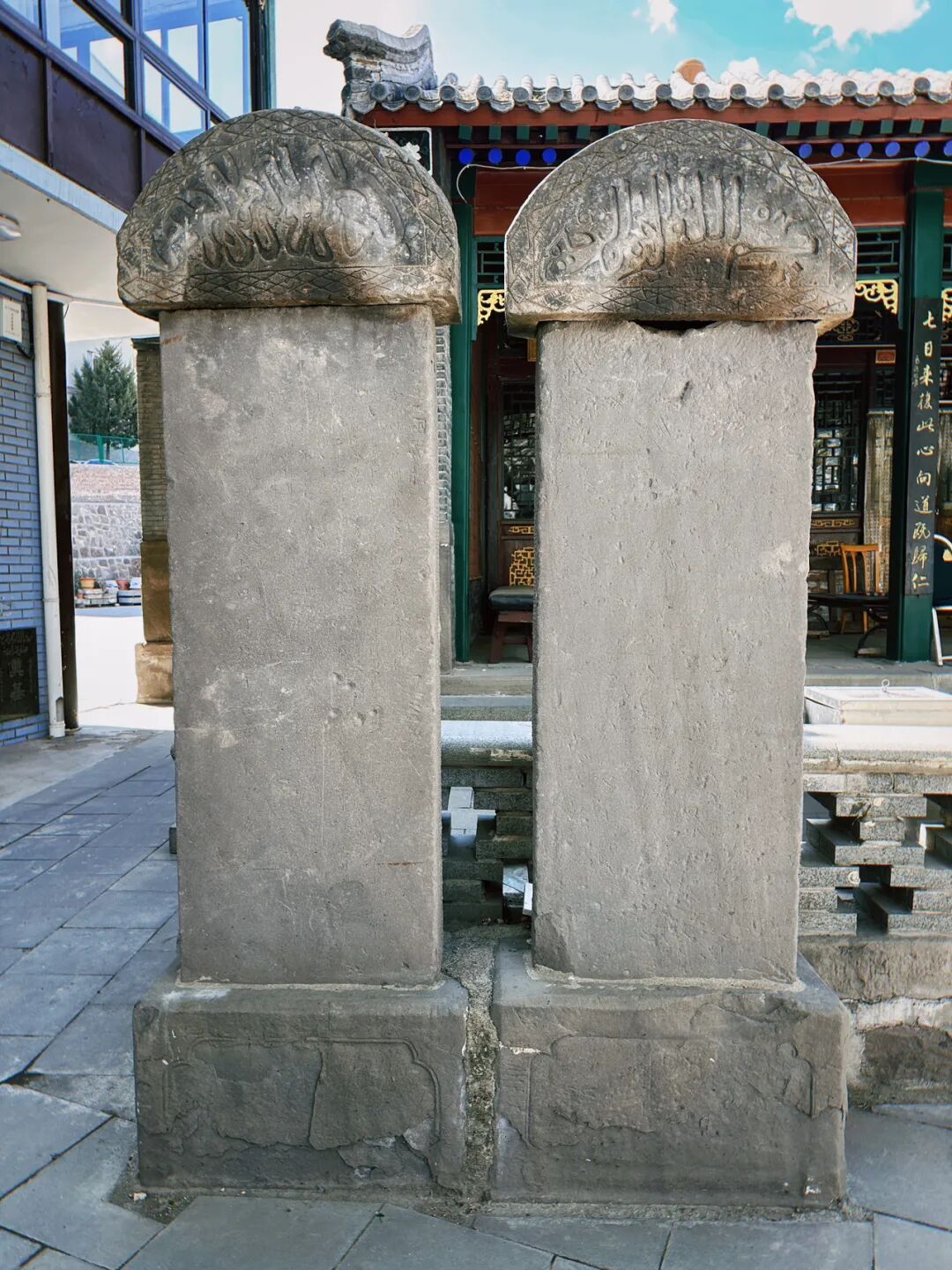
The stele from the 52nd year of the Qianlong reign at the East Mosque is now kept at the West Mosque in Chengde.
In the early years of the Yongzheng reign, the Qing dynasty stationed Green Standard Army troops in Chengde. Because most of the officers and soldiers came from Shaanxi, it was called the Shaanxi Camp, and the 'Left Battalion' within it was mostly made up of Hui Muslims. From then on, the Shaanxi Camp became a residential area for Hui Muslims in Chengde.
By the Qianlong period, Chengde had become a major metropolis north of the Great Wall. Hui Muslims from Shandong and Hebei came here to do business, working in the food industry and cattle and sheep slaughtering, which was known as 'chasing the imperial camp'. Today, the ten major surnames of Hui Muslims in Chengde, such as Wang, Ma, Shi, and Chen, all moved here from Shandong, while the Wu surname moved from Cangzhou, Hebei, and the Kong surname moved from Beijing.
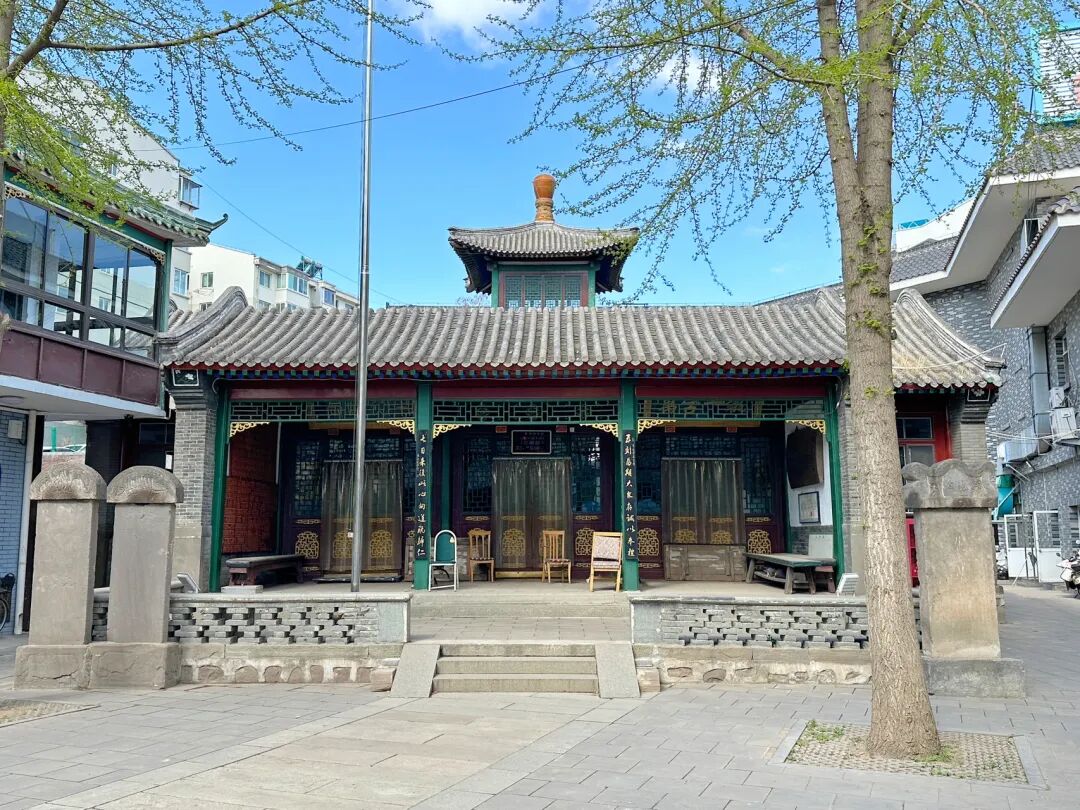
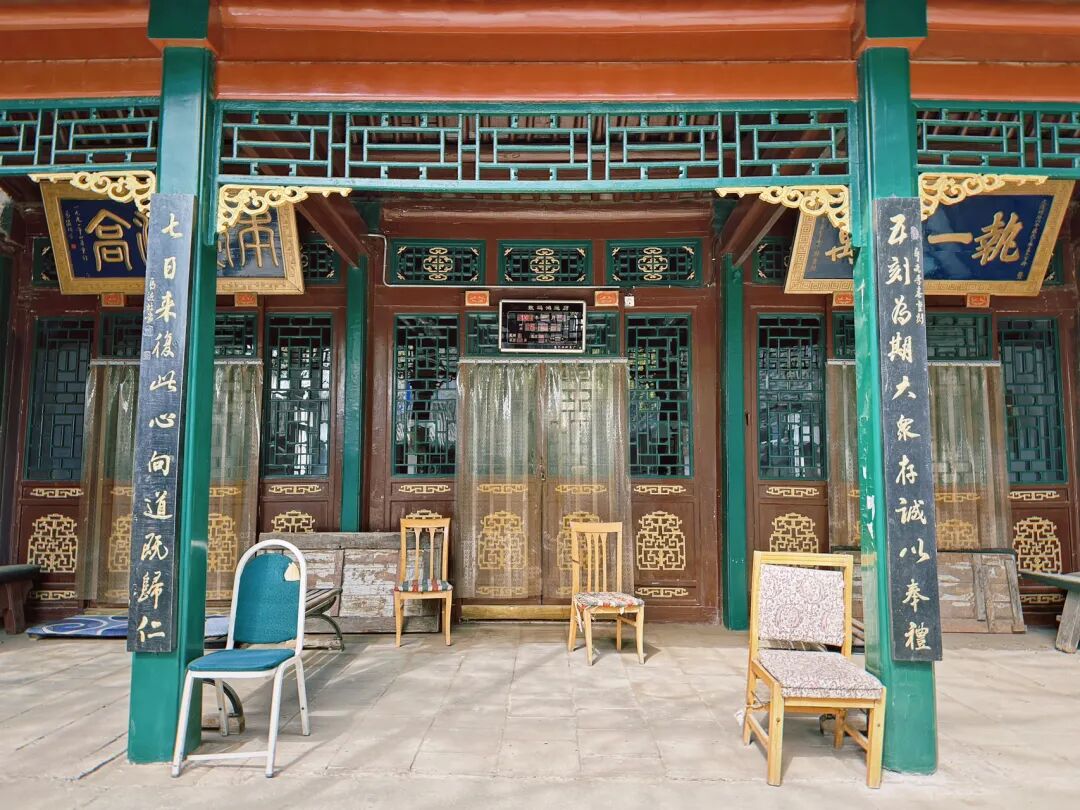
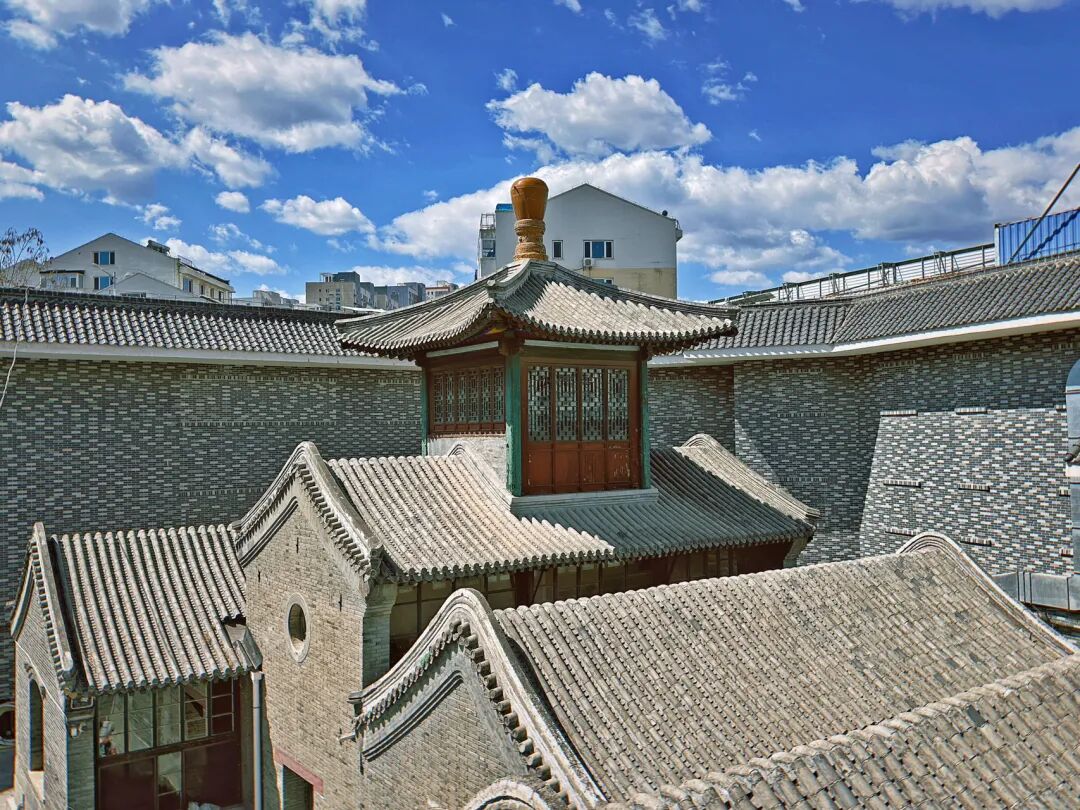
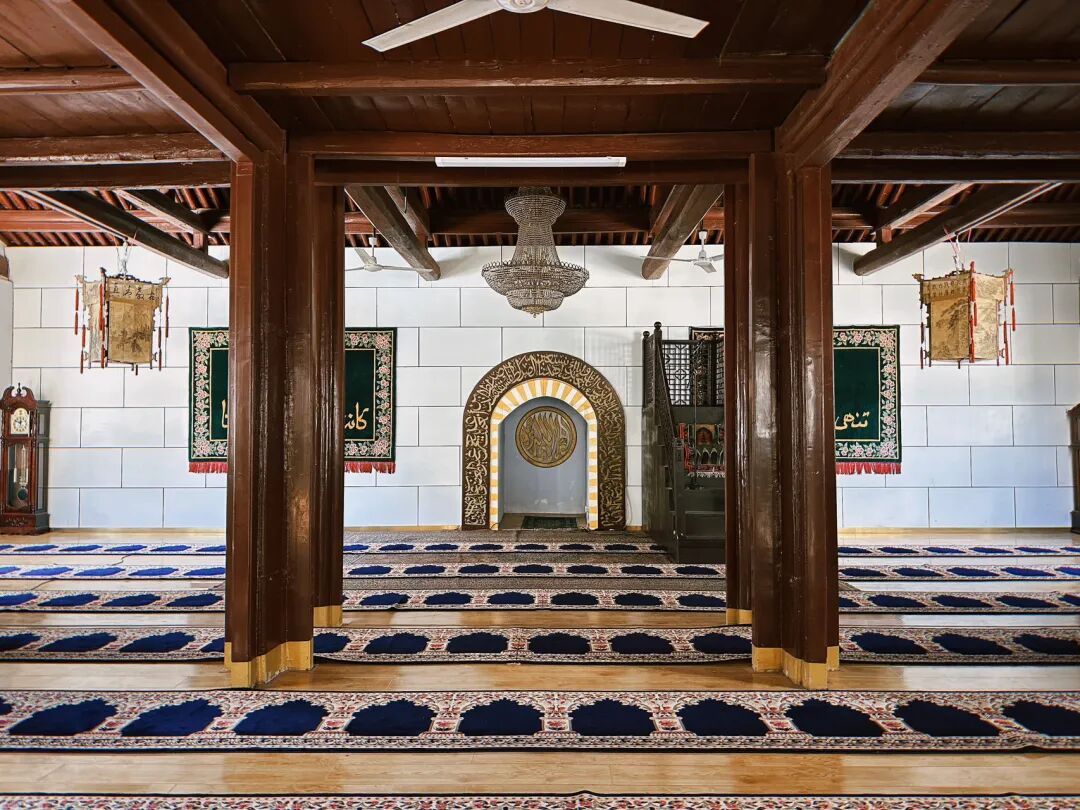
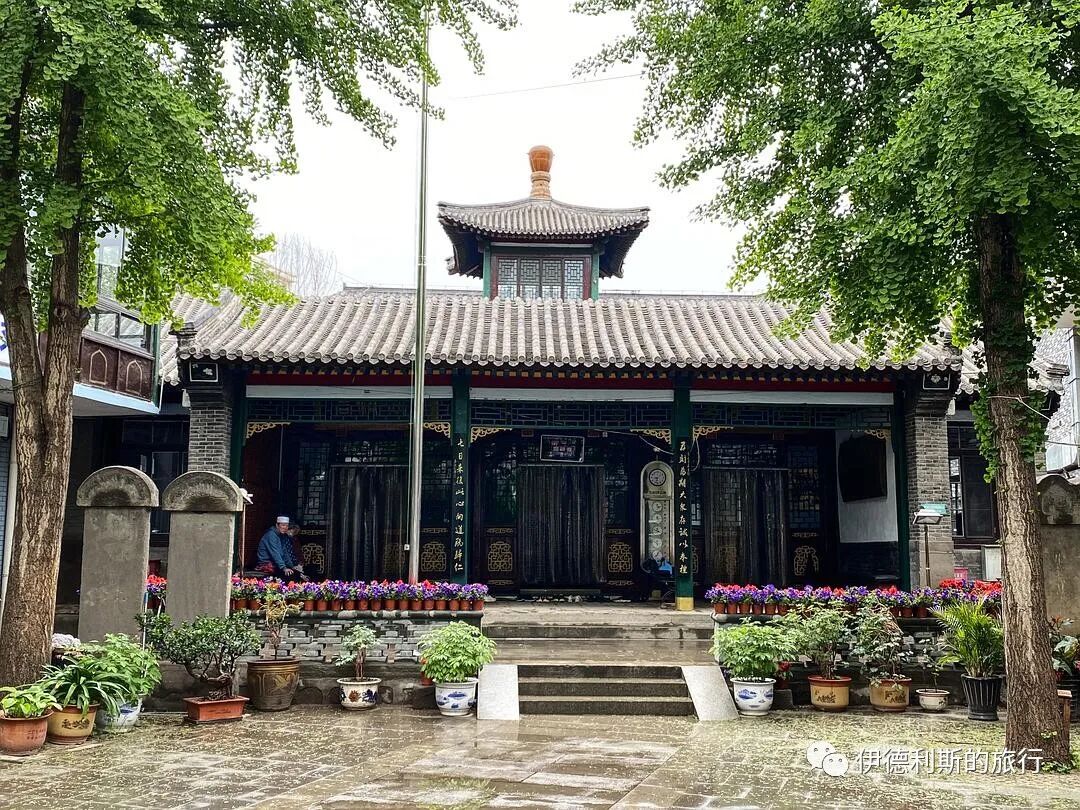
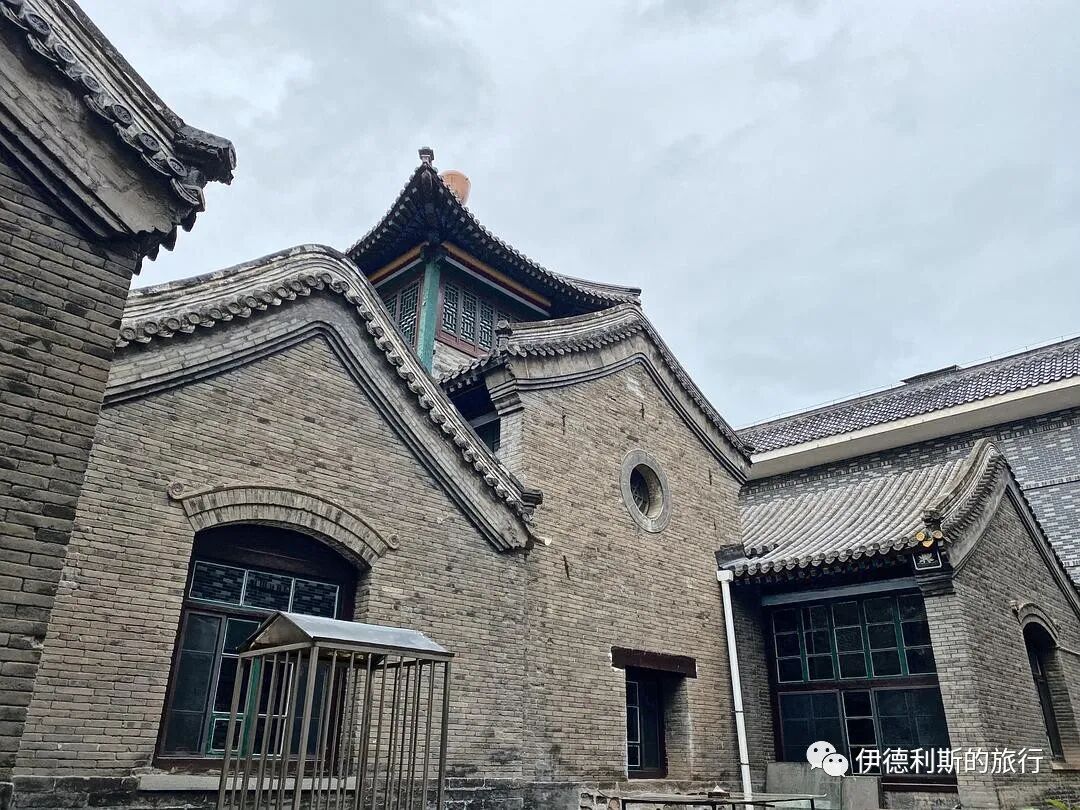
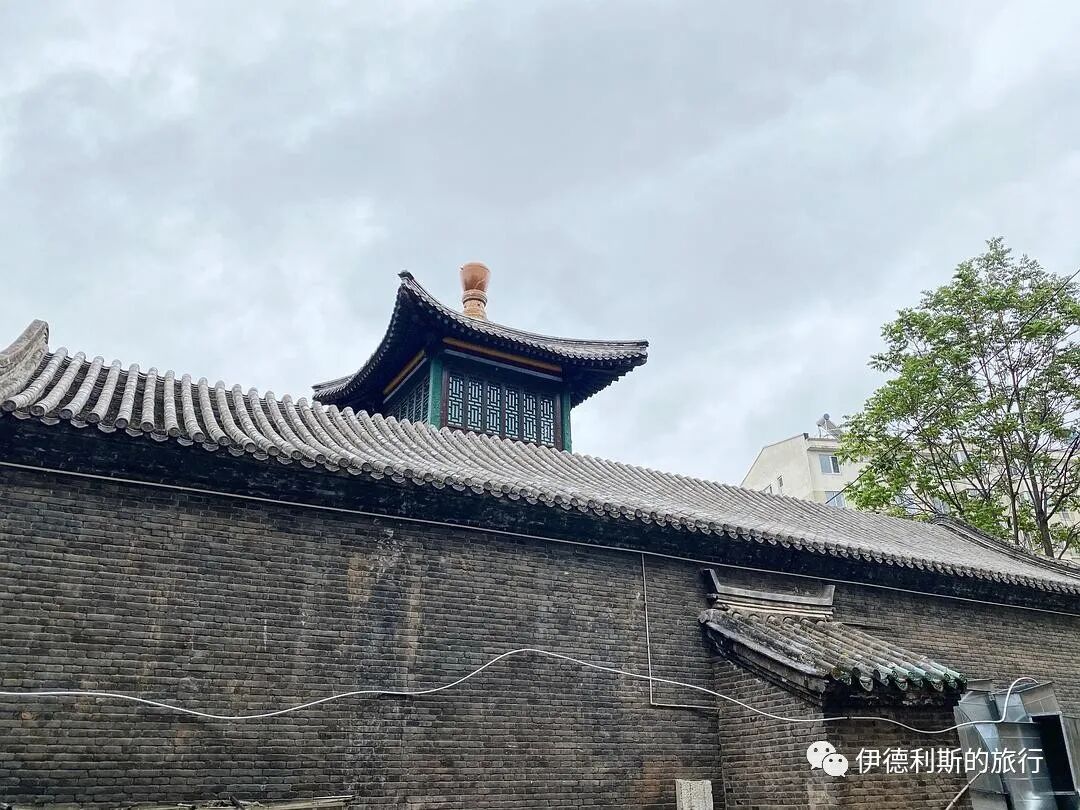
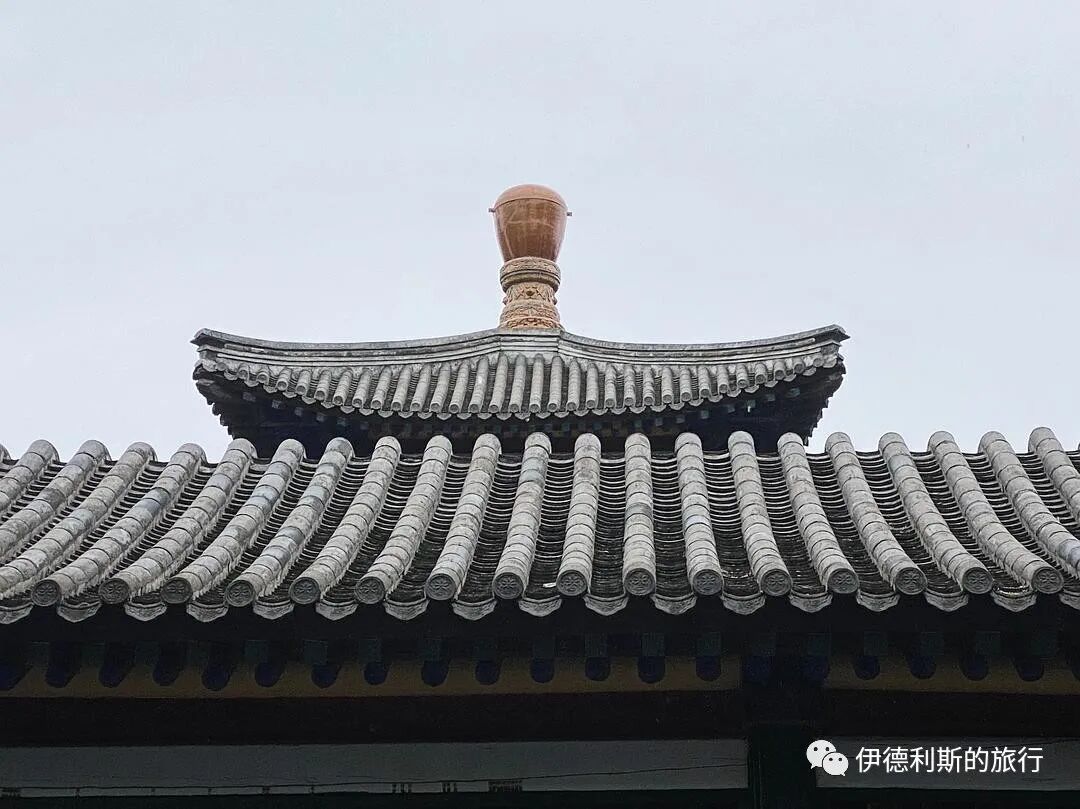
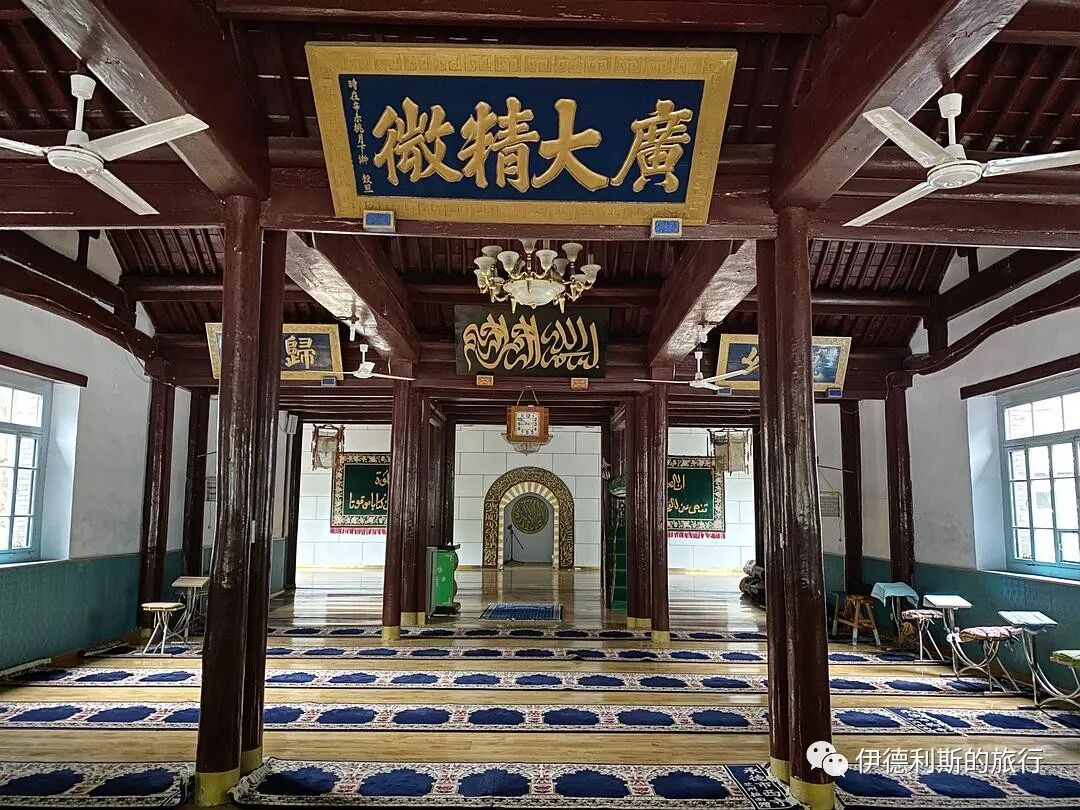
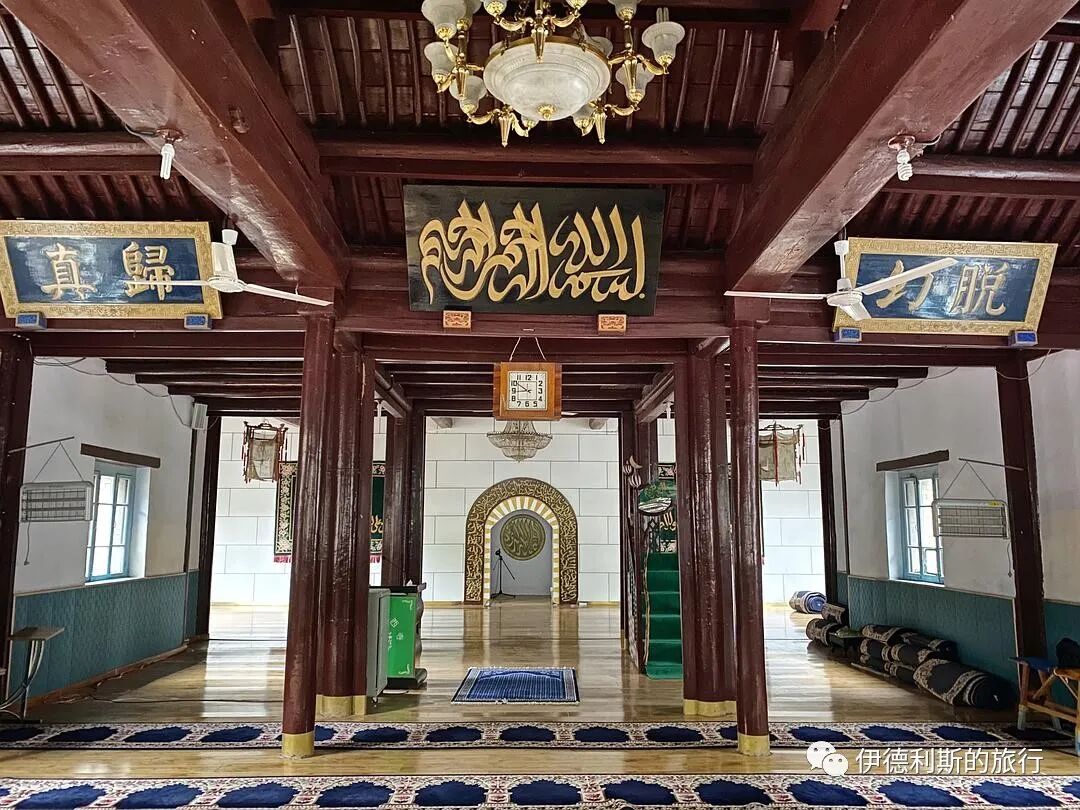
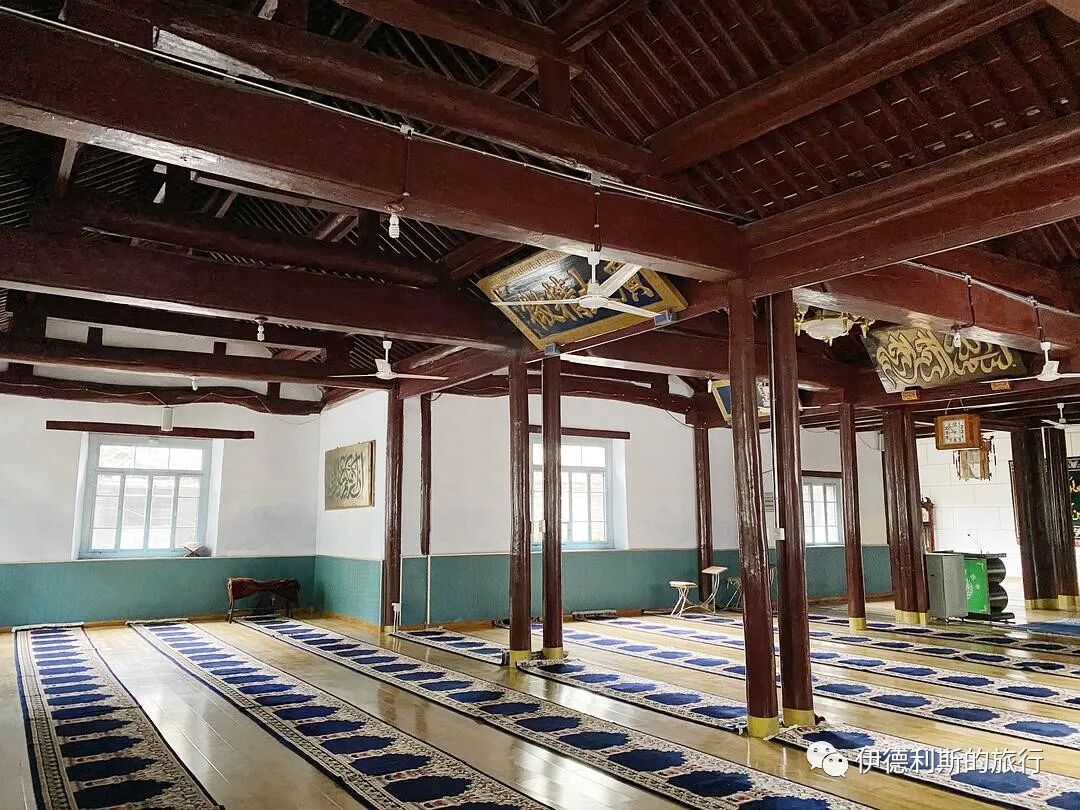
The West Mosque in Chengde is located in Panjiagou, west of the Shaanxi Camp. It was first built during the Daoguang reign. The main hall consists of a front hall with a rolled shed roof, a middle hall, and a rear hall. A kiln pavilion (yaoting) is located on top of the middle hall, with a precious finial (baoding) at the very top.
Hui Muslim food in Chengde is mainly concentrated near the West Mosque and the Shaanxi Camp.
I had breakfast at Dayong Beef Buckwheat Noodles (heluo mian) shop at the entrance of the West Mosque in Chengde, ordering buckwheat noodles with a sesame flatbread (shaobing) stuffed with potatoes and steamed dumplings (shaomai). Buckwheat from the Bashang grasslands has high nutritional value and is exported to Japan and South Korea. This coarse grain must be pressed into noodles using a noodle press (heluo chuangzi), and a bowl in the morning feels very satisfying. Prices in Chengde are much lower than in Beijing; a big bowl of beef noodles only costs 10 yuan.
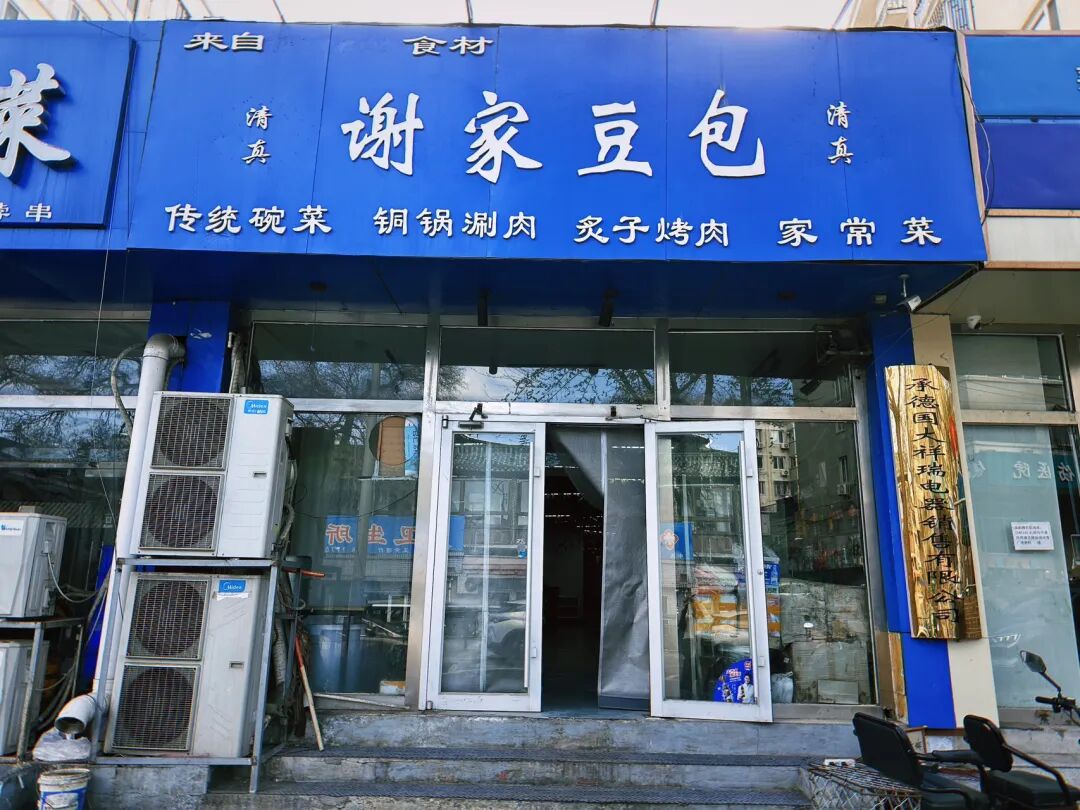
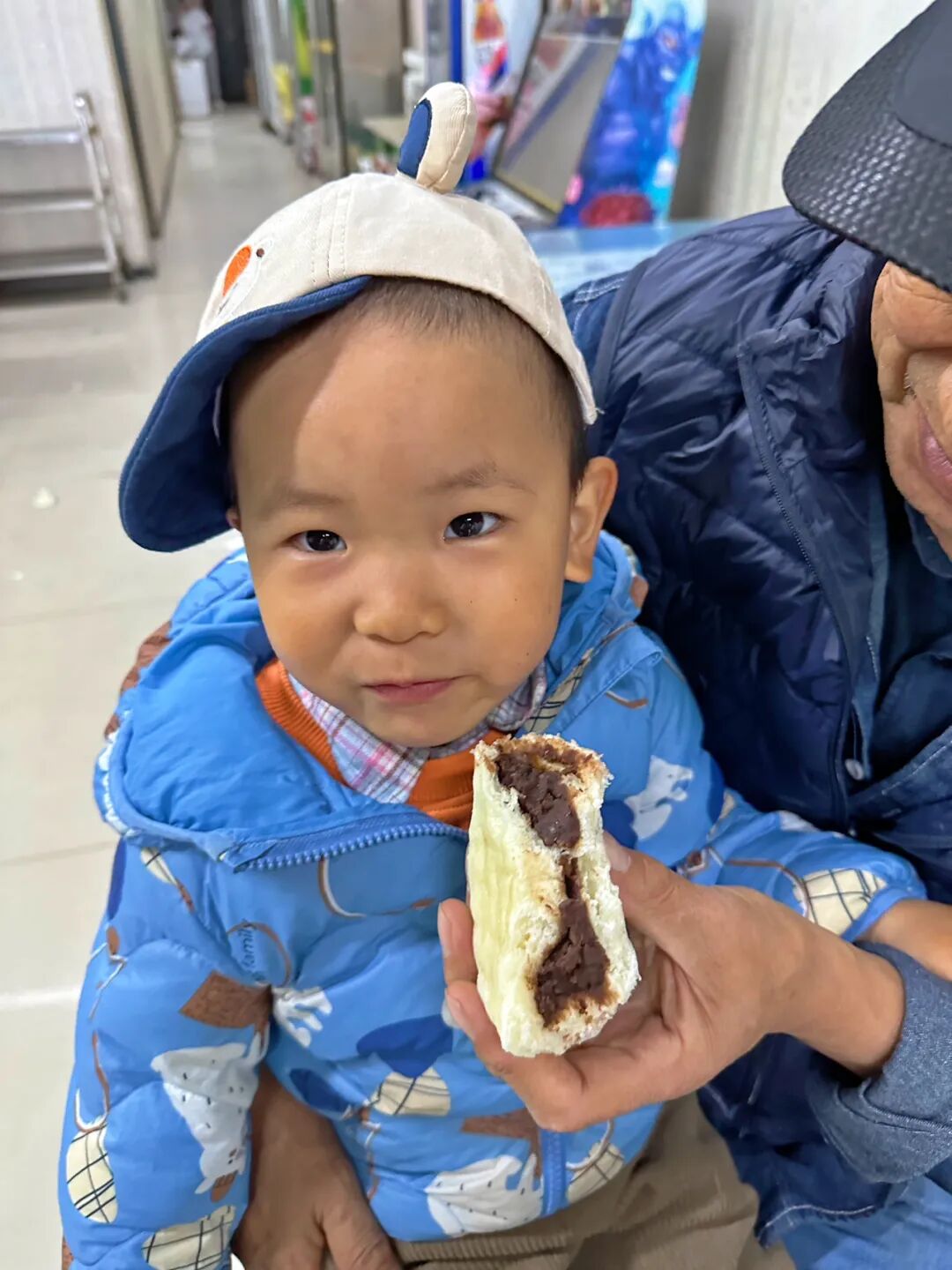
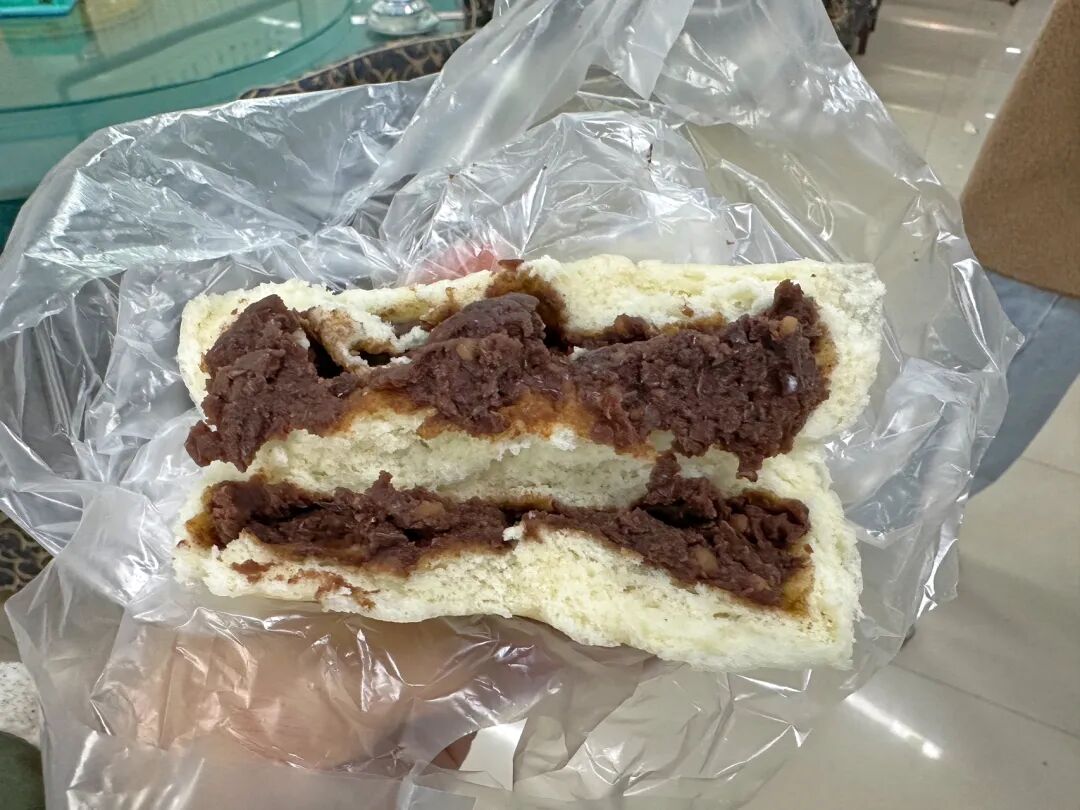
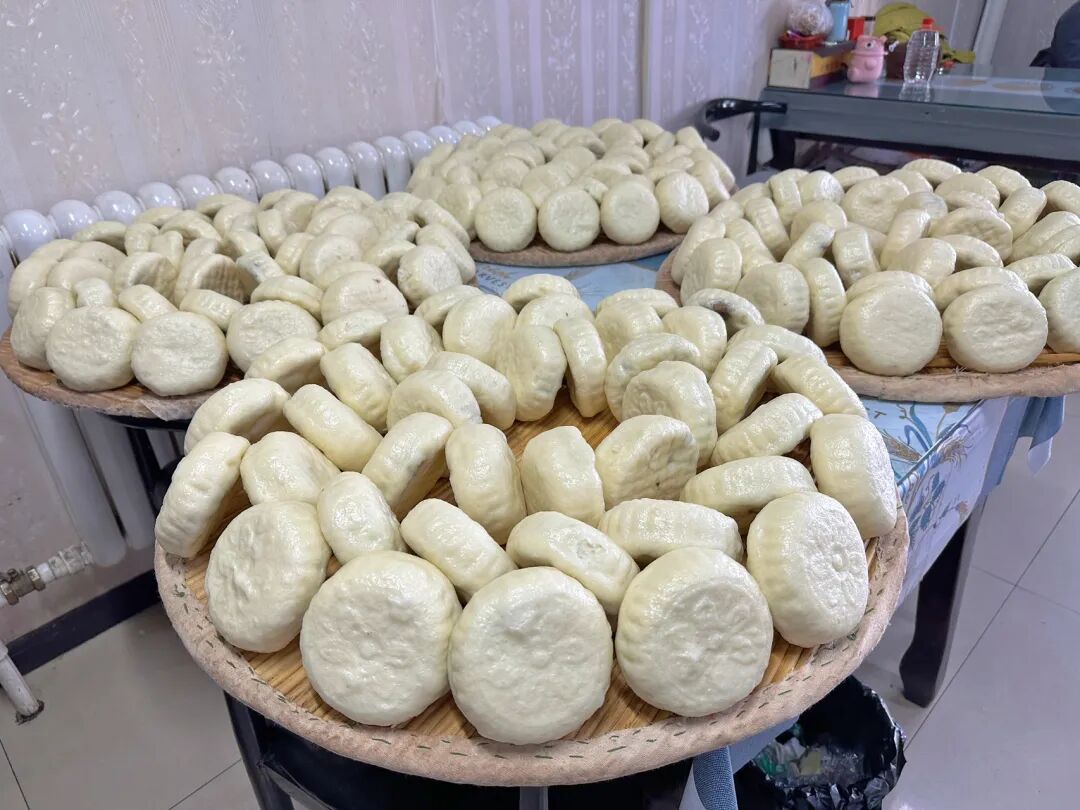
Xie's Steamed Bean Bun (doubao) right across from the West Mosque is also worth eating. We arrived after nine o'clock and caught them just as they were made; the kids loved the steaming hot red bean paste filling.
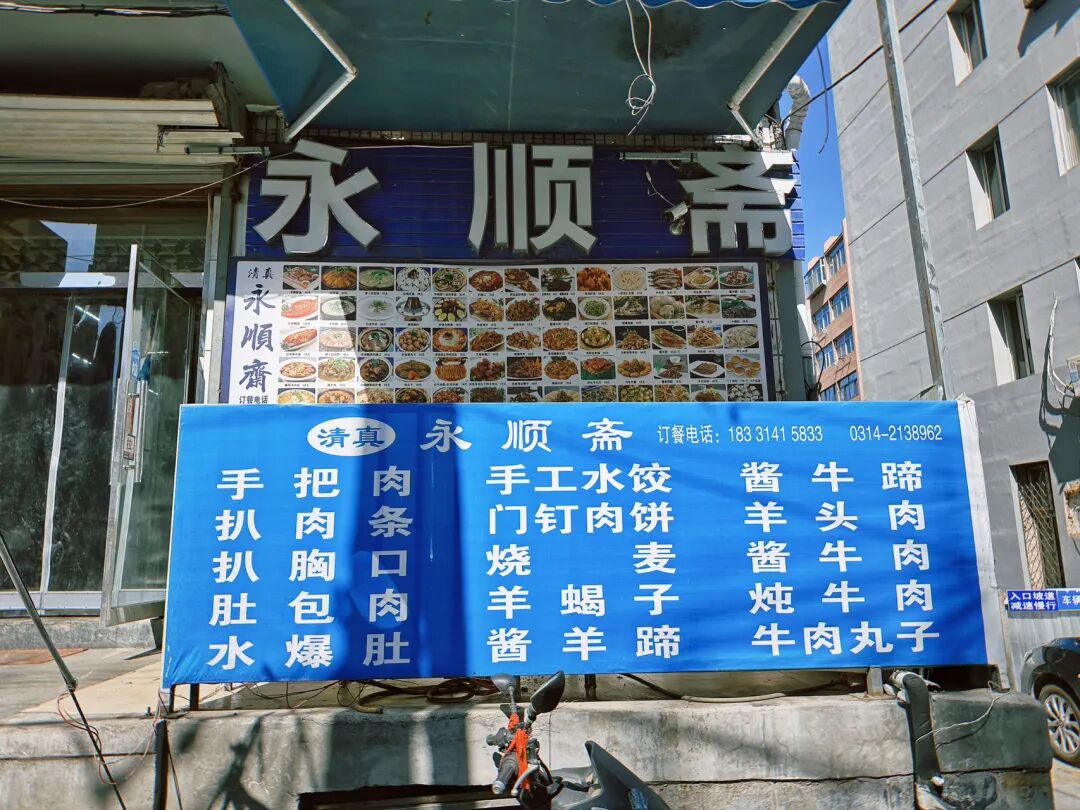
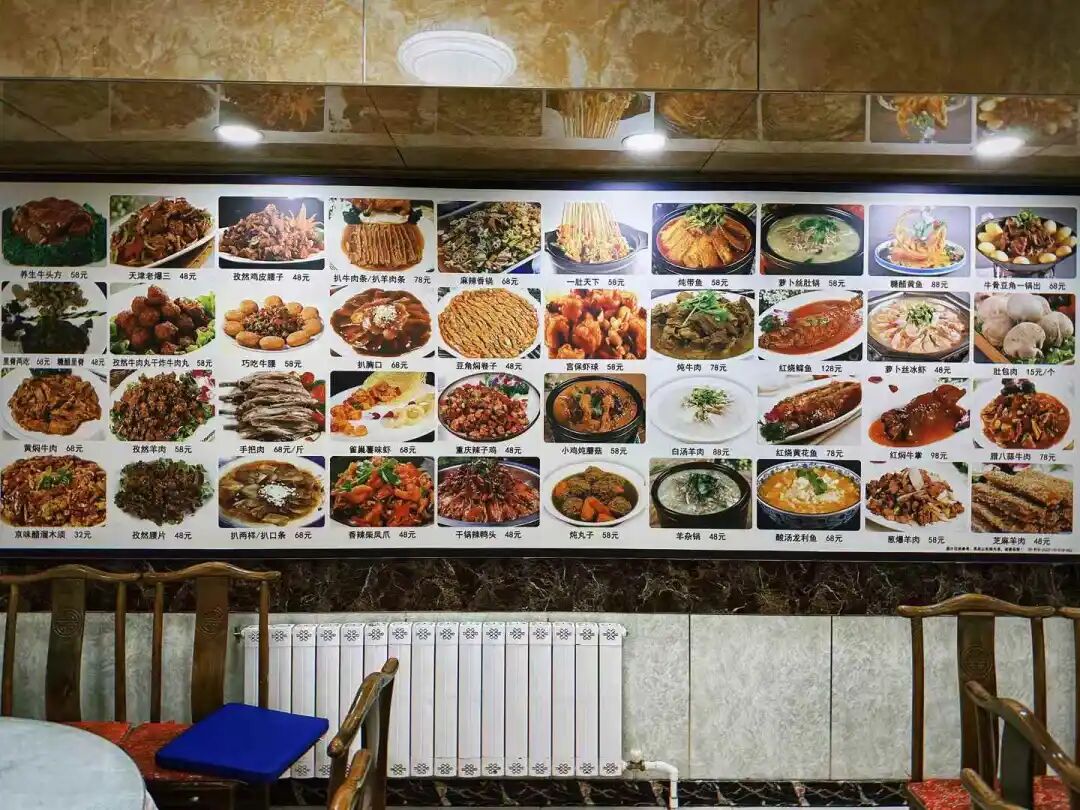
Hongshunxuan, located across from the West Mosque in Chengde, closes quite late, so you can even make it if you take the high-speed train from Beijing after work on Friday. This place seems to be a restaurant that hosts banquets, so the menu is quite extensive.
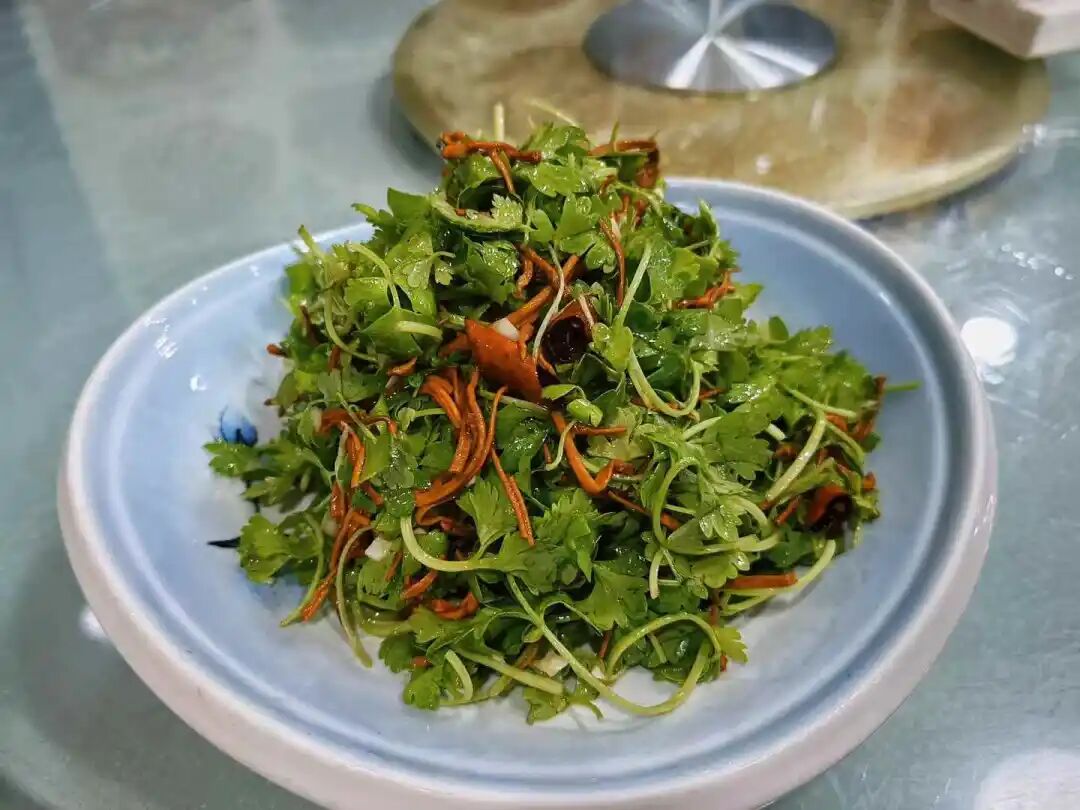
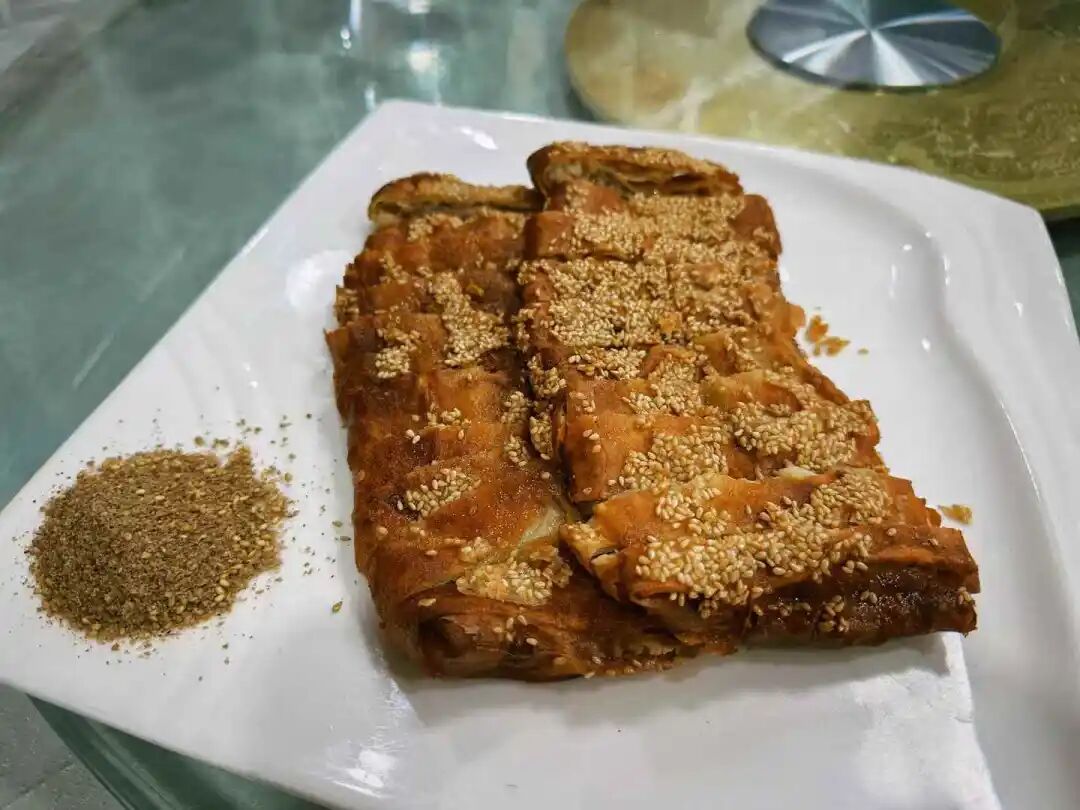
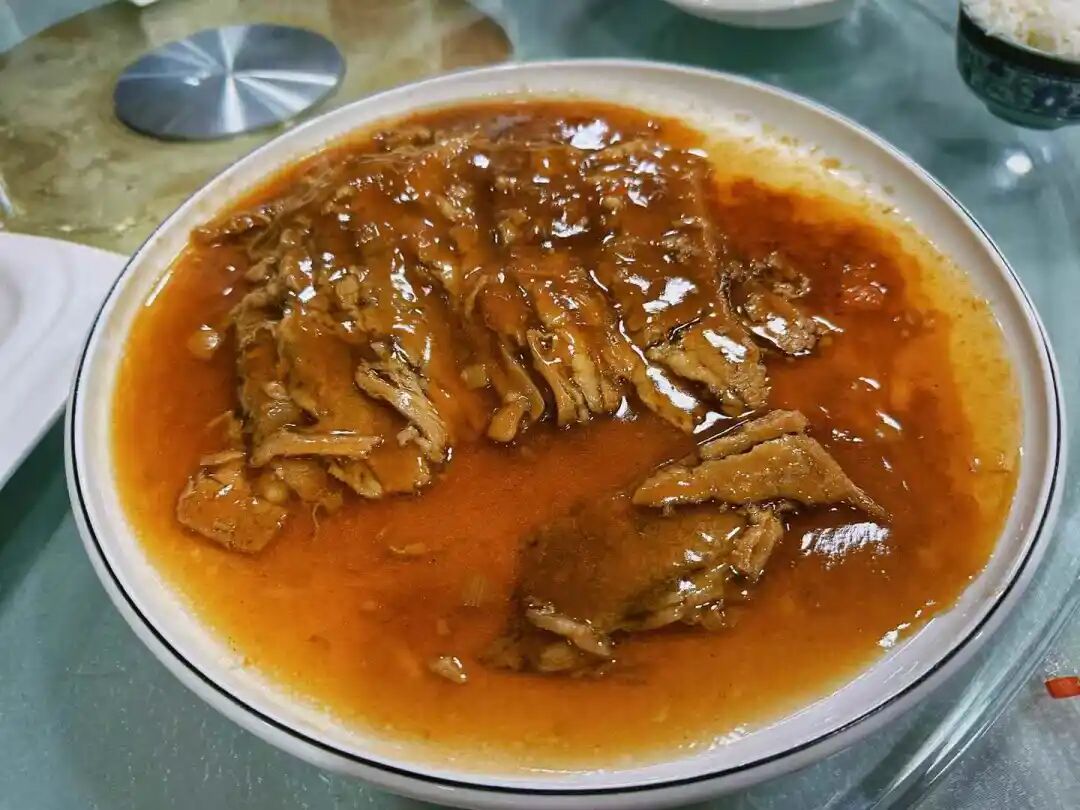
Historically, Hui Muslims in Chengde mainly came from Shandong and Hebei, so their diet is heavily influenced by Lu cuisine. Therefore, many of these dishes can also be found in Beijing, Tianjin, and the Northeast. We ordered the classic Lu cuisine dishes of braised meat strips (pa rourou) and sesame lamb, and also ordered cordyceps with three-leaf herb (chongcao san ye xiang). I loved eating sesame lamb (zhima yangrou) when I was a kid, but most restaurants in Beijing don't make it well anymore, so I have to go to Shandong to eat it. I ate sesame lamb both times I visited Chengde, and it tasted great, just like it did when I was a child. Three-leaf fragrance (sanyexiang) is just celery sprouts, and it tastes quite good, but I don't know why it is rarely seen in Beijing restaurants.
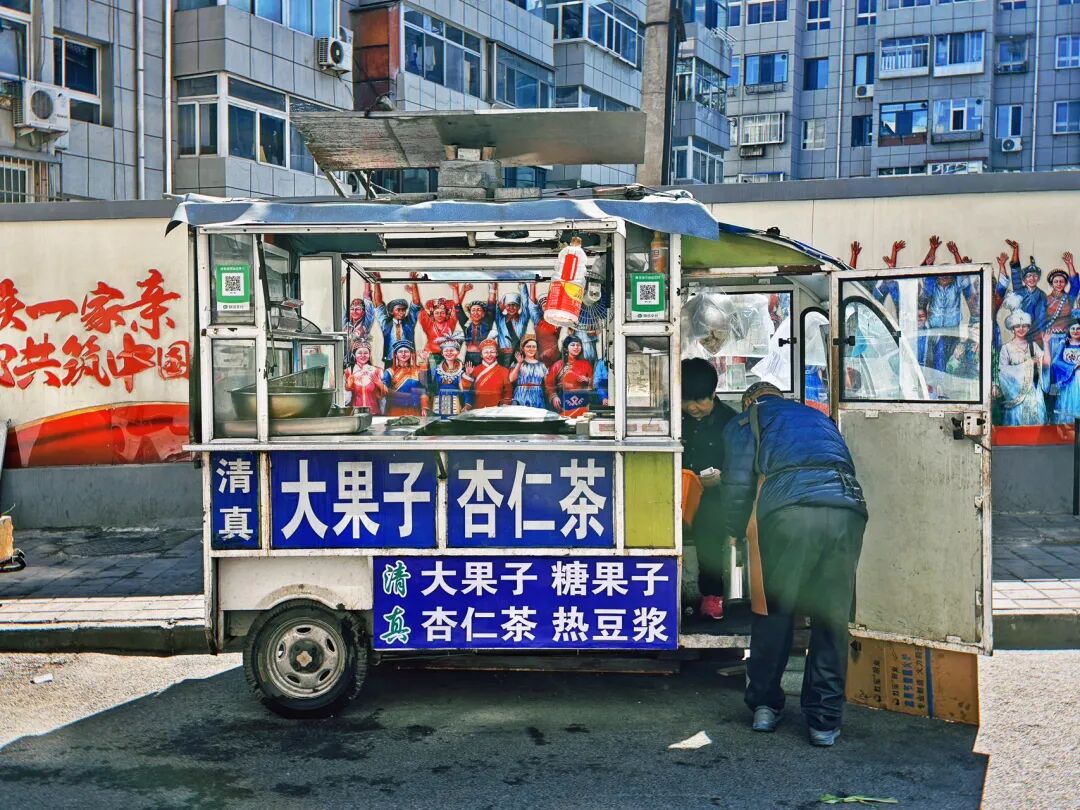
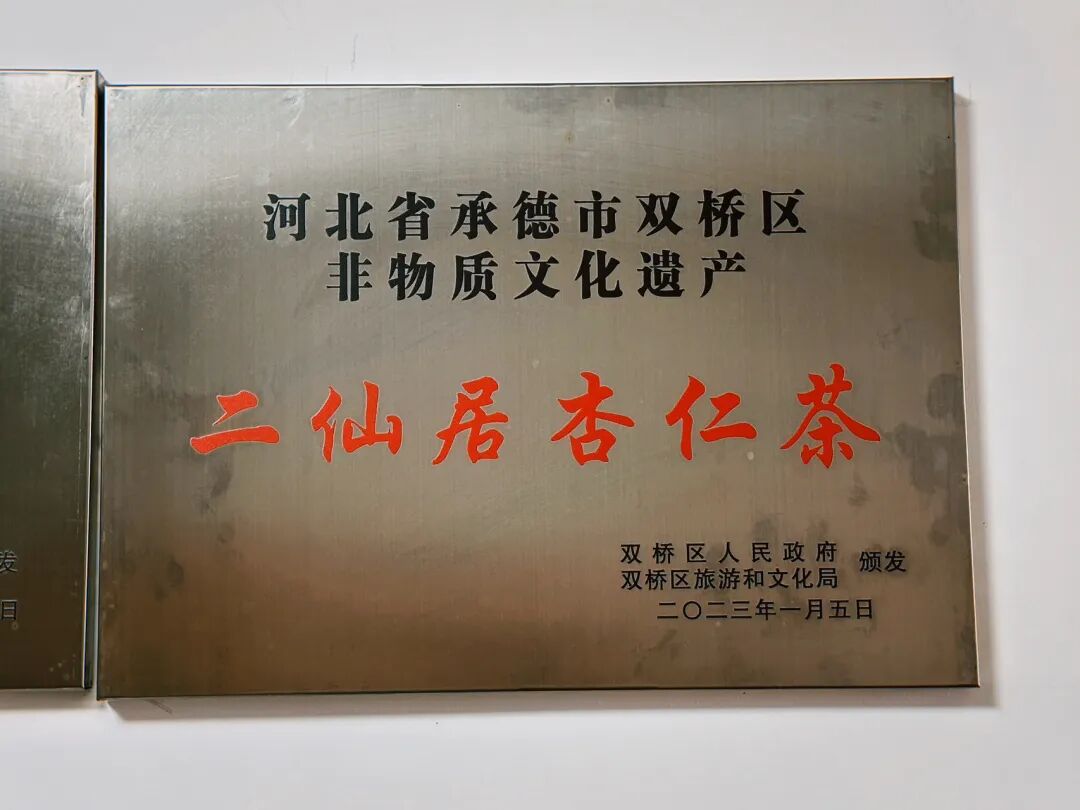
I wandered over to the famous Tuojie Snacks in Chengde to eat fried buckwheat jelly (jian wantuo) and almond tea (xingren cha). Both of these items at their shop are district-level intangible cultural heritage, and I eat them every time I go to Chengde. Now, they even have pre-packaged almond tea you can take away to drink on the road.
Chengde produces almonds, so their almond tea is also very famous. Almond tea is made by soaking almonds in water to peel them, soaking out the bitter taste, grinding them into a paste to remove the dregs, and then boiling the mixture with rice flour and white sugar.
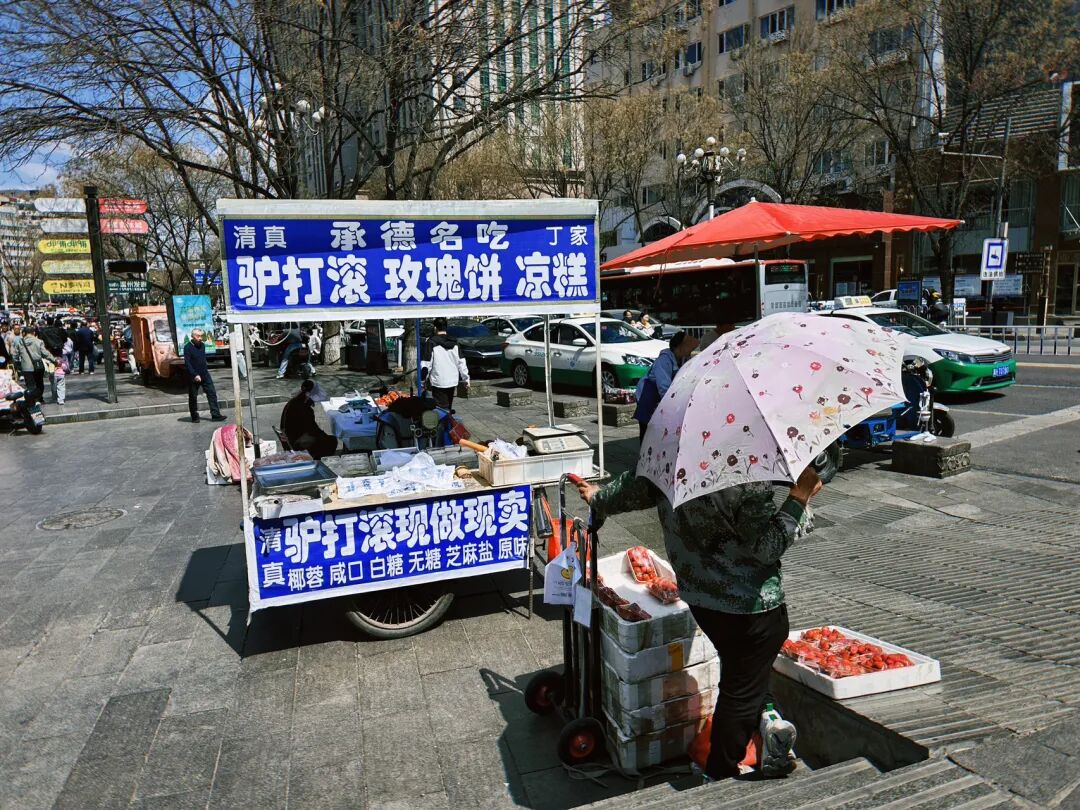
Fried buckwheat jelly is also a famous Chengde snack. It is made by grinding buckwheat kernels into a paste, steaming it in a bowl, and then letting it cool to form a jelly block. When you eat it, you cut it into triangular pieces, fry them in a pan, and then pour sesame paste and garlic sauce over them. Chengde fried buckwheat jelly is said to have originated in the Erxianju area during the Qing Dynasty. Since the Qing Dynasty, Erxianju has been a bustling commercial street in Rehe, and it is still a lively market today.
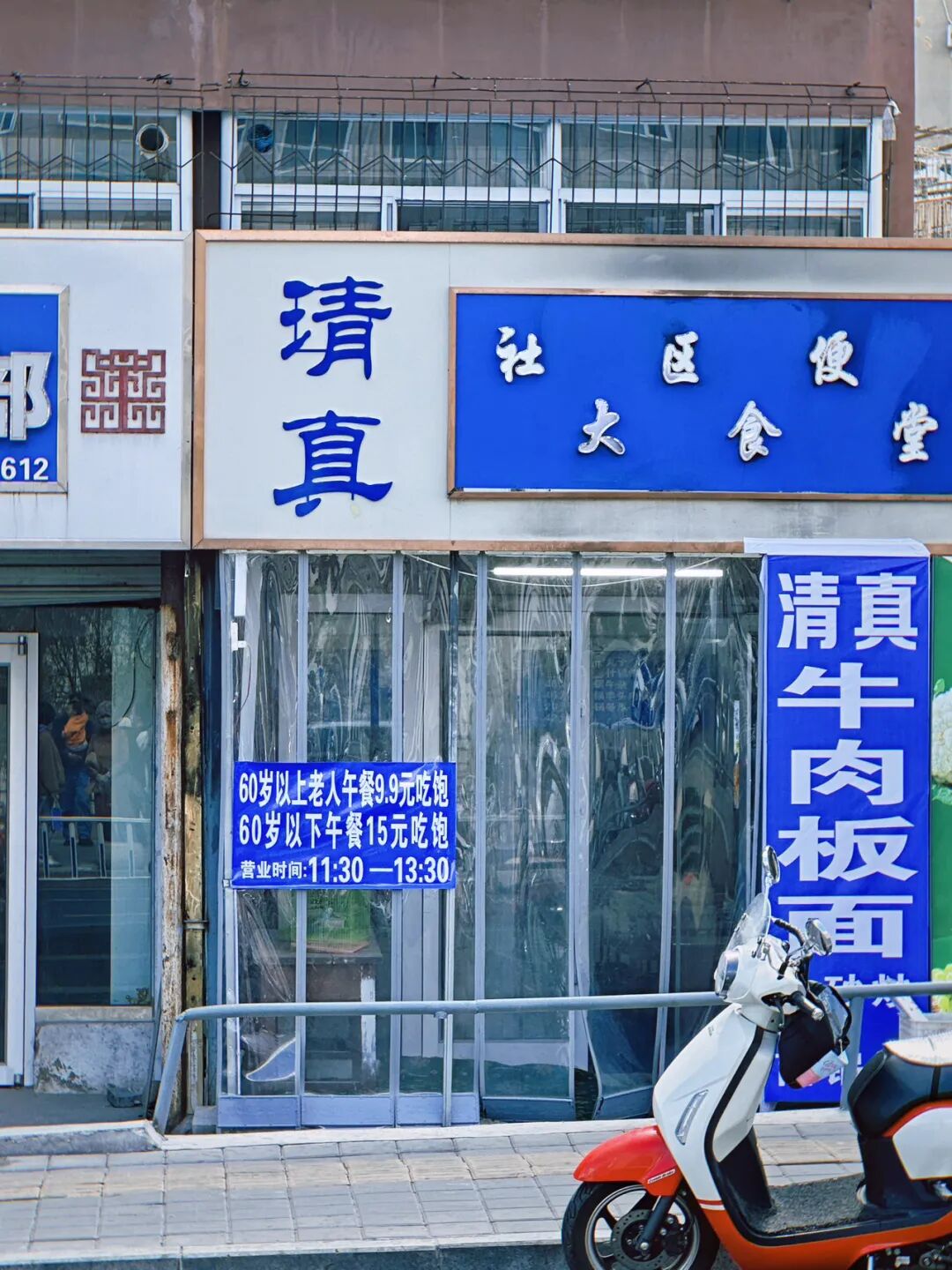
Prices in Chengde are really not high. There is a community convenience canteen near Erxianju where a lunch set meal costs 15 yuan, and it is only 9.9 yuan for those over 60. The dishes are very healthy, and the kids ate happily.
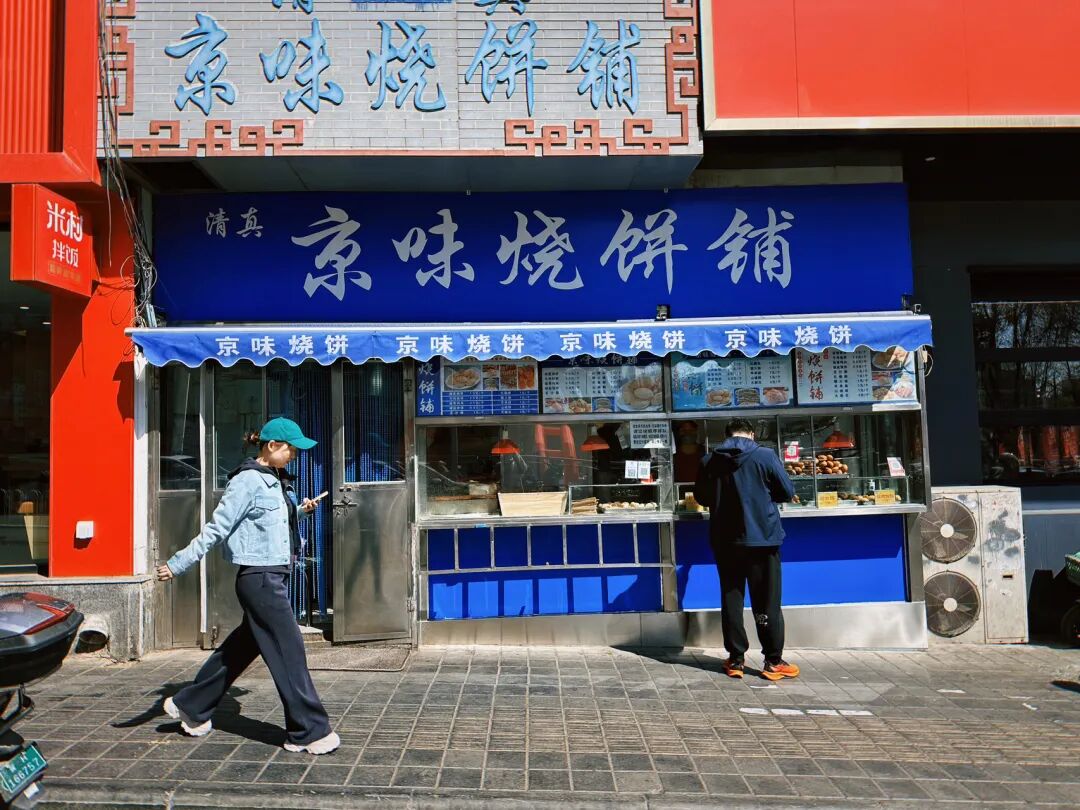
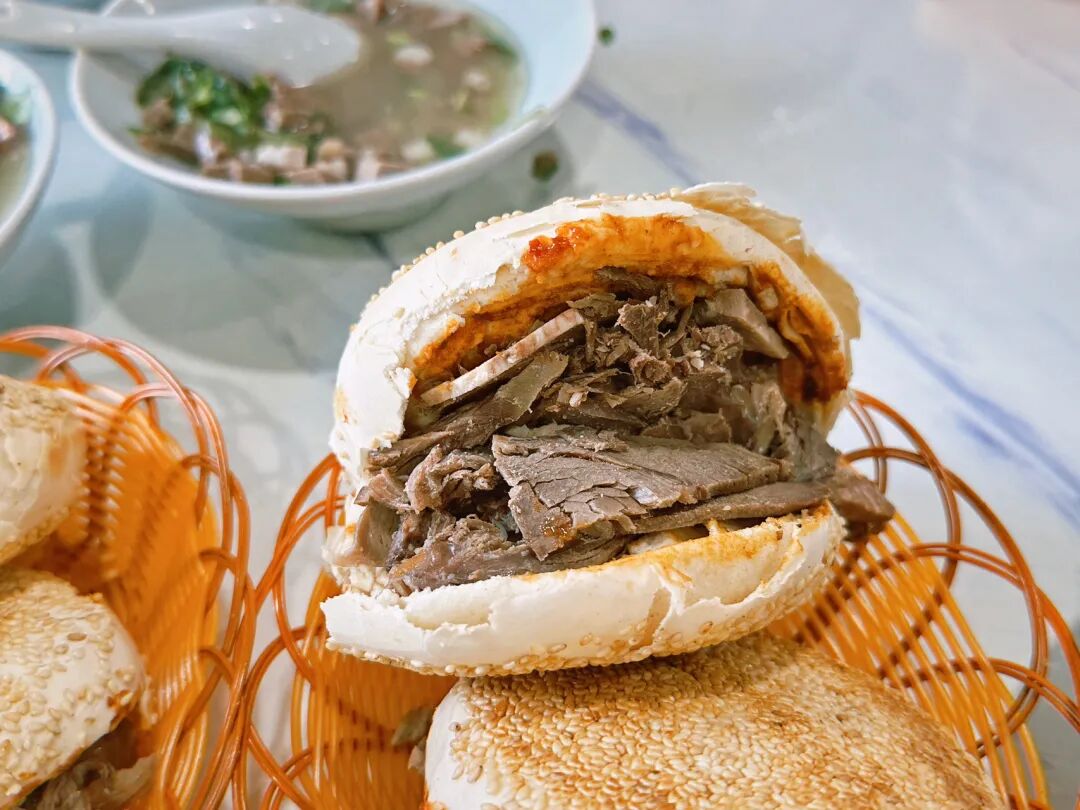
The most famous breakfast in Chengde has to be Pingquan lamb soup (yangtang), and there are a few very popular shops in the city center. We went to Xilan Laoding on Zhulin Mosque Street. The shop name comes from the owner Mr. Ding's grandparents, who were Hui Muslims from Pingquan named Wang Xibin and Zhang Shulan. Pingquan lamb soup is known for its fresh, delicious broth and freshly made sesame flatbread (shaobing). You can add lamb tripe, intestines, head meat, or pure meat to the lamb soup, and you can also add spiced meat or head meat to the sesame flatbread. A special feature of Pingquan lamb soup is that a server always walks around with a big ladle to ask if you want more soup, and refills are free. Sesame flatbreads (shaobing) in Chengde are bigger than the ones in Beijing, and they smell amazing when they are fresh off the griddle. They brush sauce on the meat inside the flatbread, which makes it quite salty, so tell them beforehand if you prefer less salt.
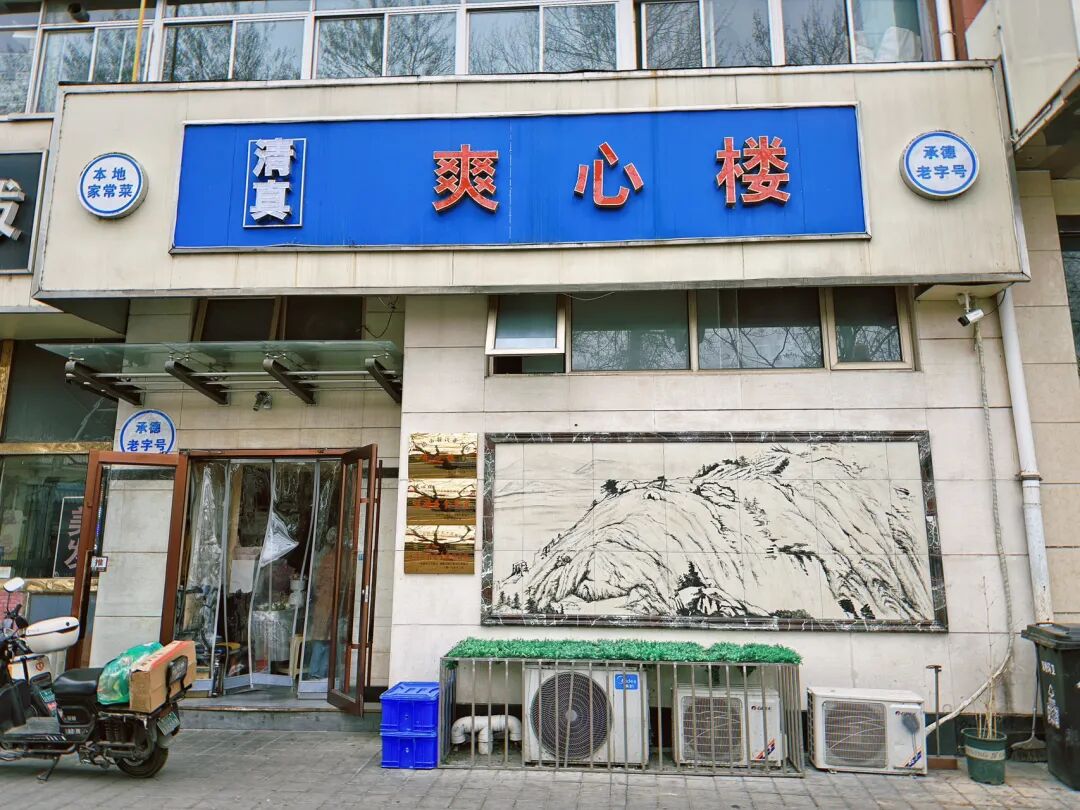
I recommend Shuangxin Restaurant on Shanzhuang Road to fellow Muslim travelers (dost). It is not far from the south gate of the Mountain Resort, and there is a large parking lot nearby, making it a great place to eat after visiting the resort.
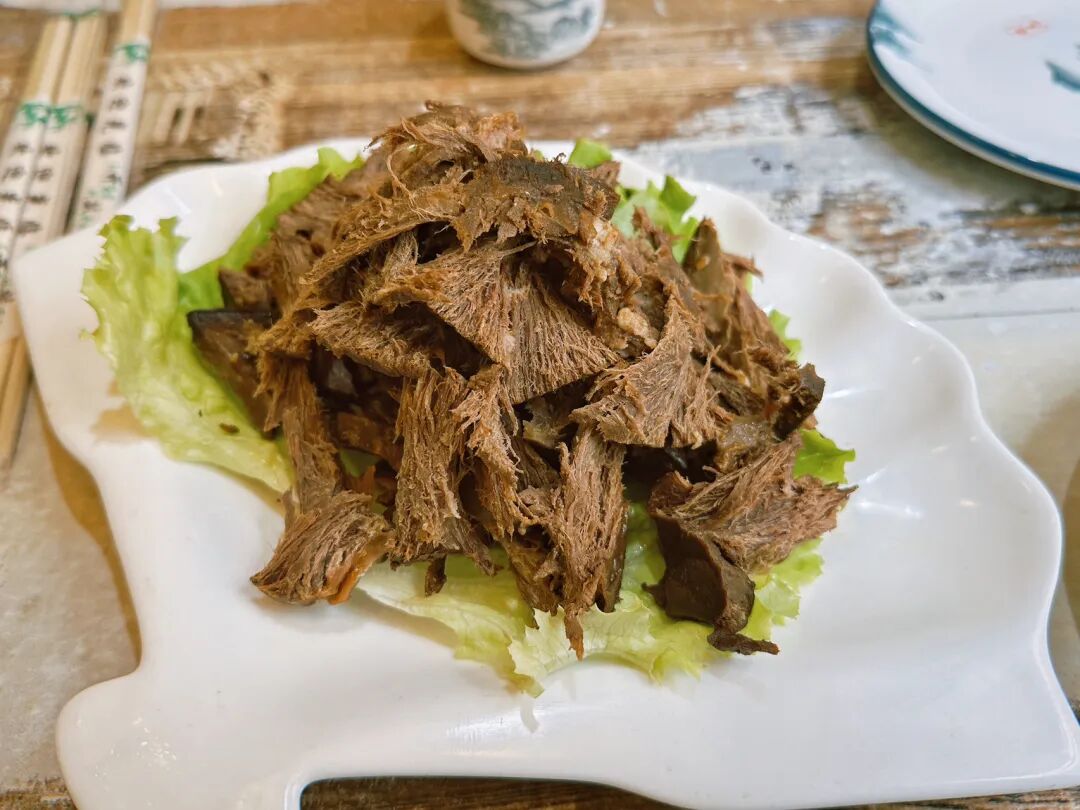
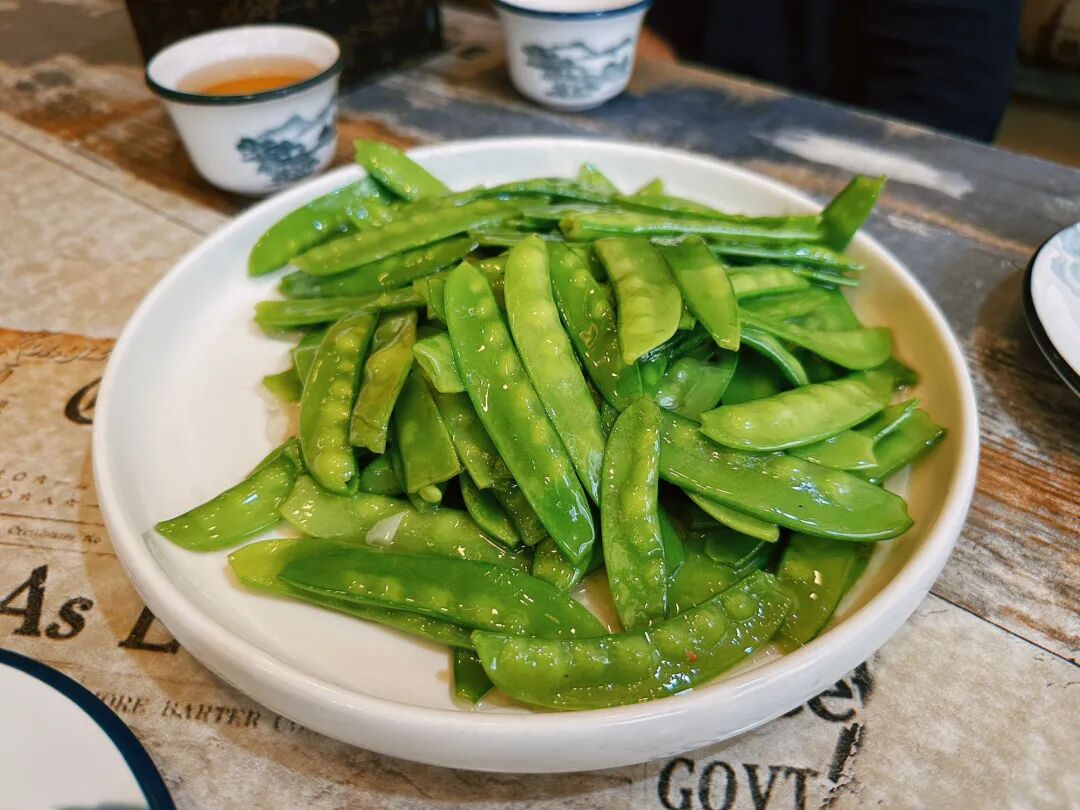
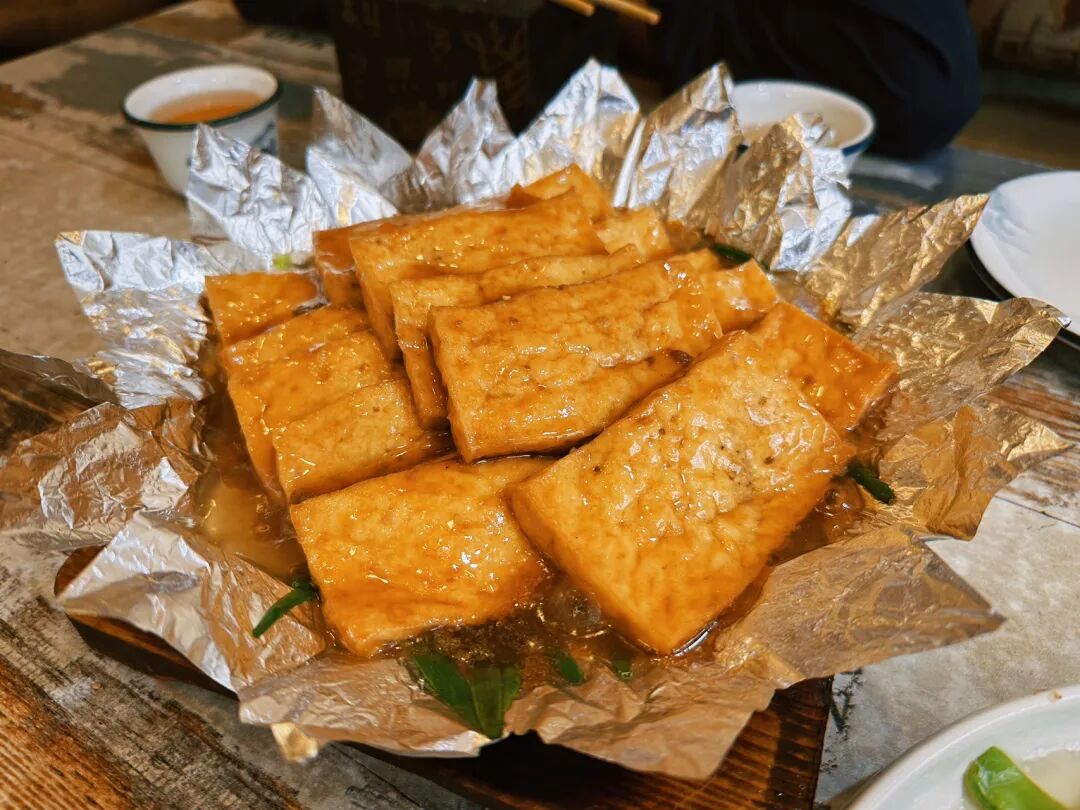
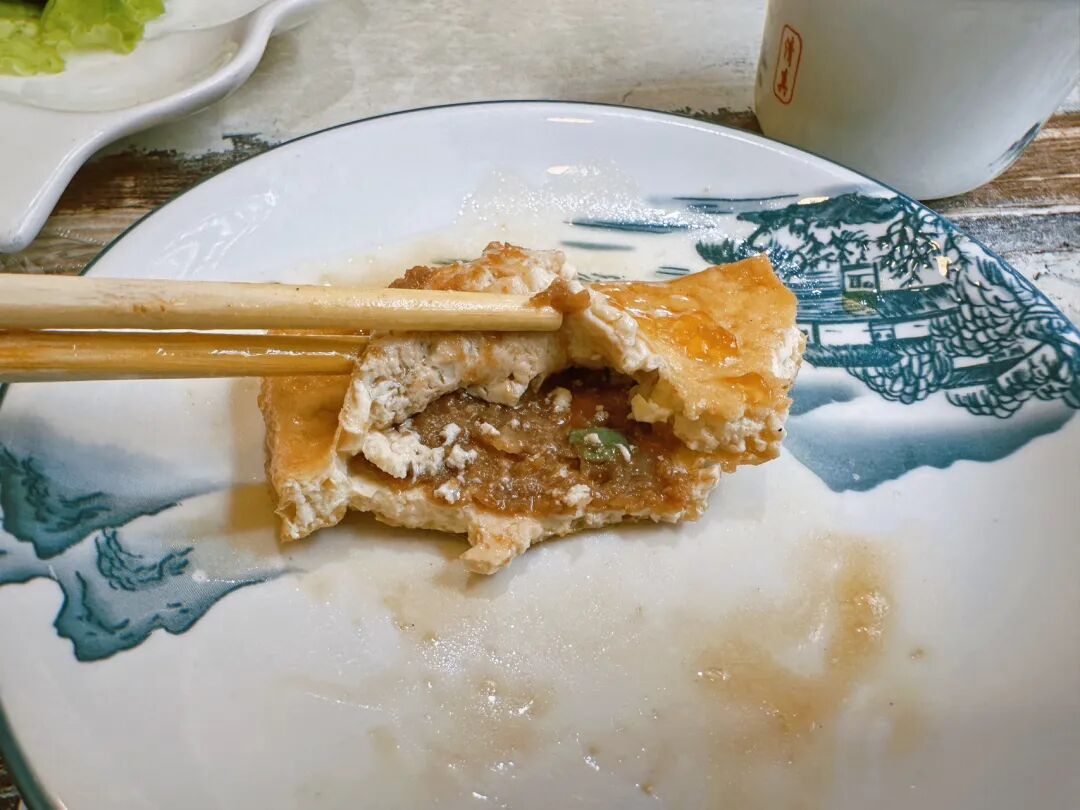
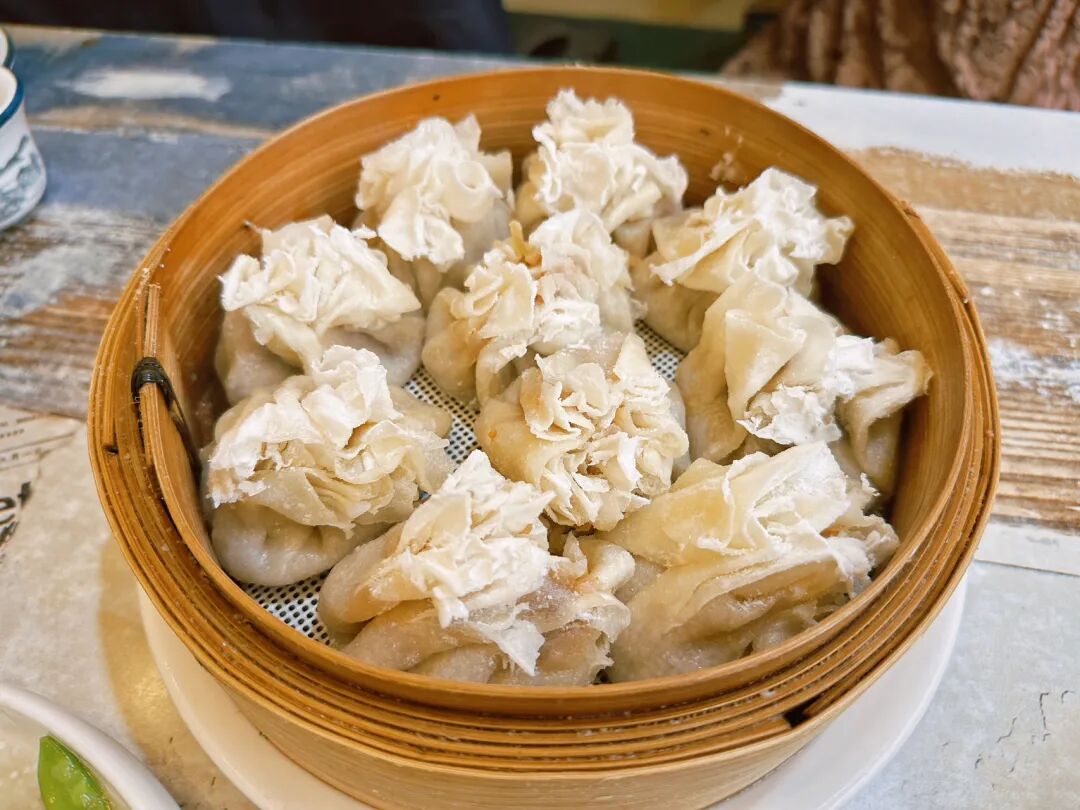
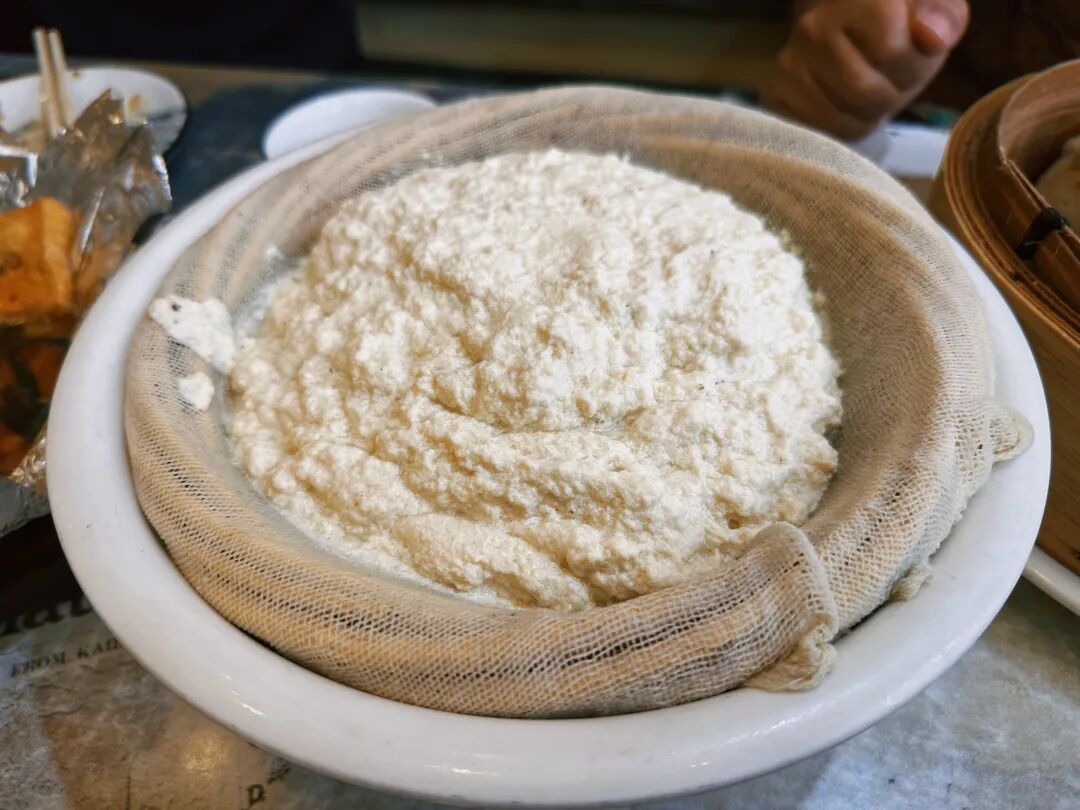
They serve both traditional dishes and their own creative new recipes, so there is a huge variety to choose from. We ordered shredded beef heart, fresh-set tofu (kaibao doufu), pan-fried stuffed tofu (banjian doufu), lamb and winter melon steamed dumplings (shaomai), and stir-fried snow peas. We did not order two tofu dishes on purpose, but both of them are very unique. The fresh-set tofu (kaibao doufu) is curdled right at the table, and you dip it in sauce to eat it immediately, so you get the freshest tofu flavor possible. The pan-fried stuffed tofu (banjian doufu) is their own invention, featuring tofu stuffed with meat, and it tastes delicious. This was my first time trying lamb and winter melon steamed dumplings (shaomai). Using winter melon as a filling works really well and pairs perfectly with the lamb. The shredded beef heart is a cold dish, and it is also great to take away for the road.
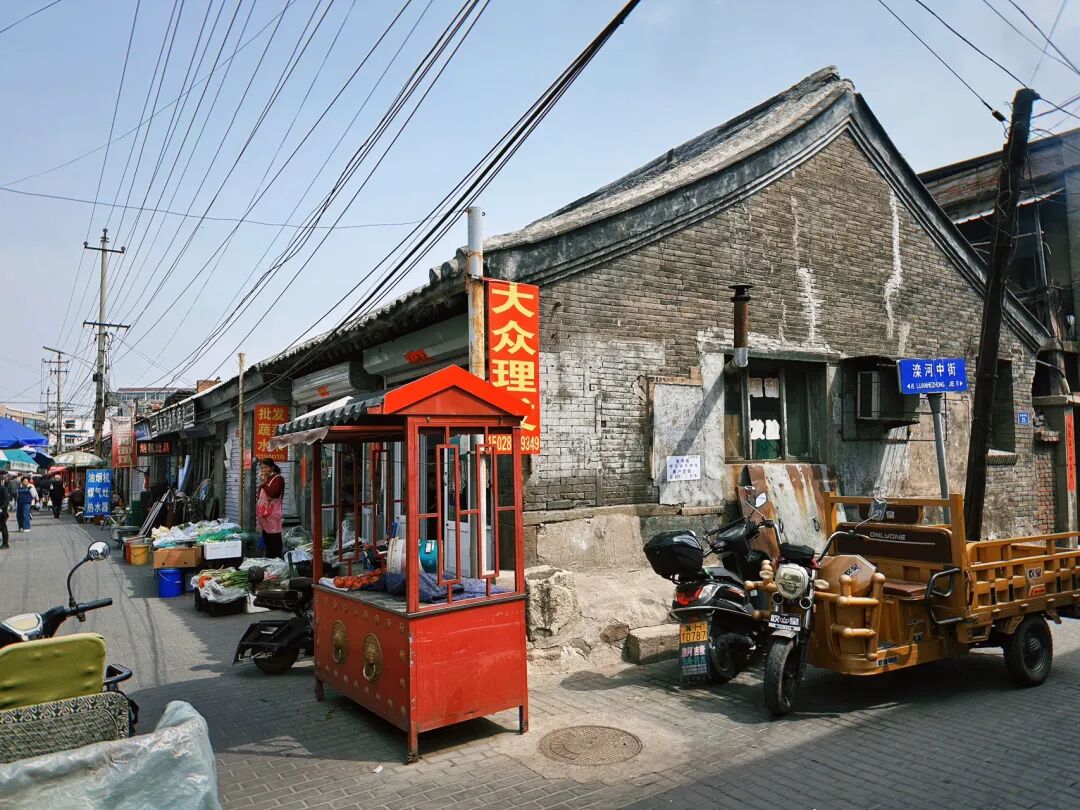
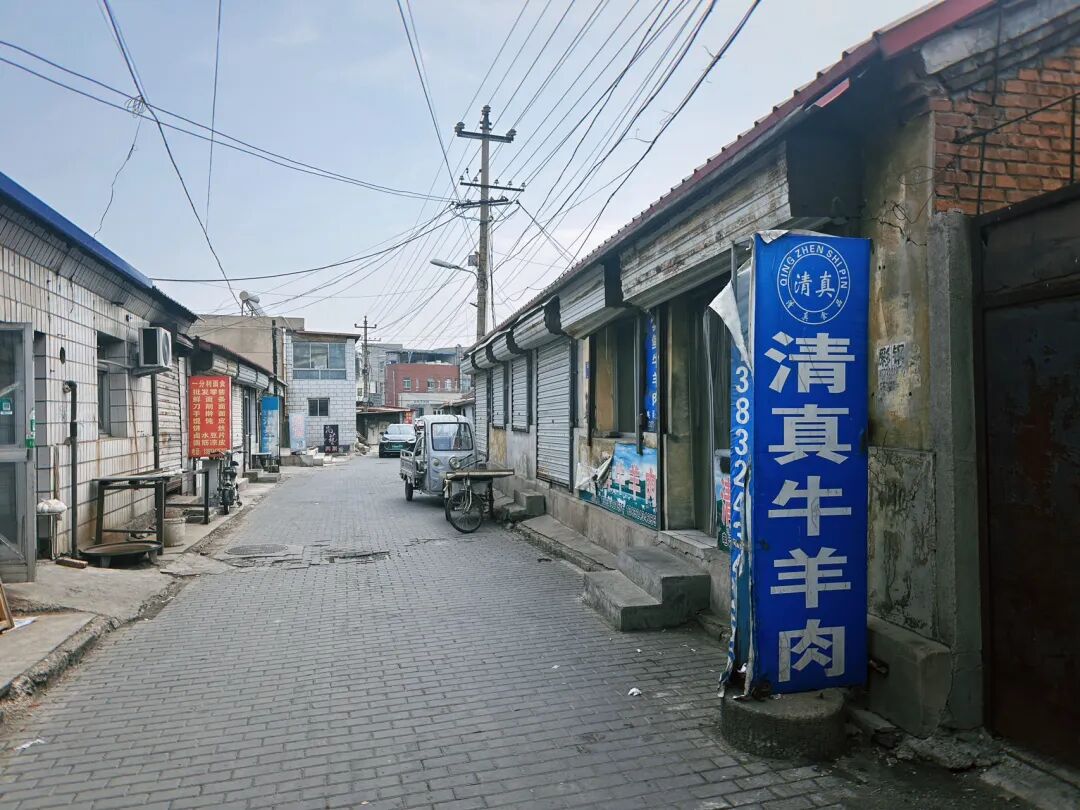
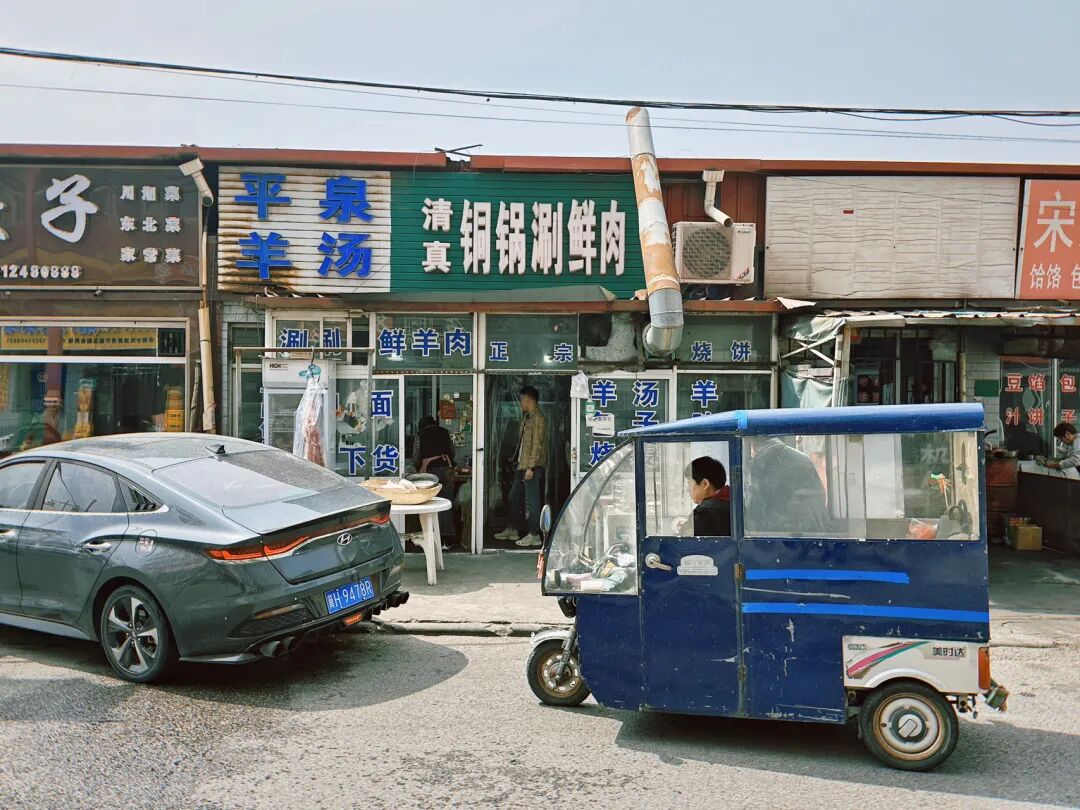
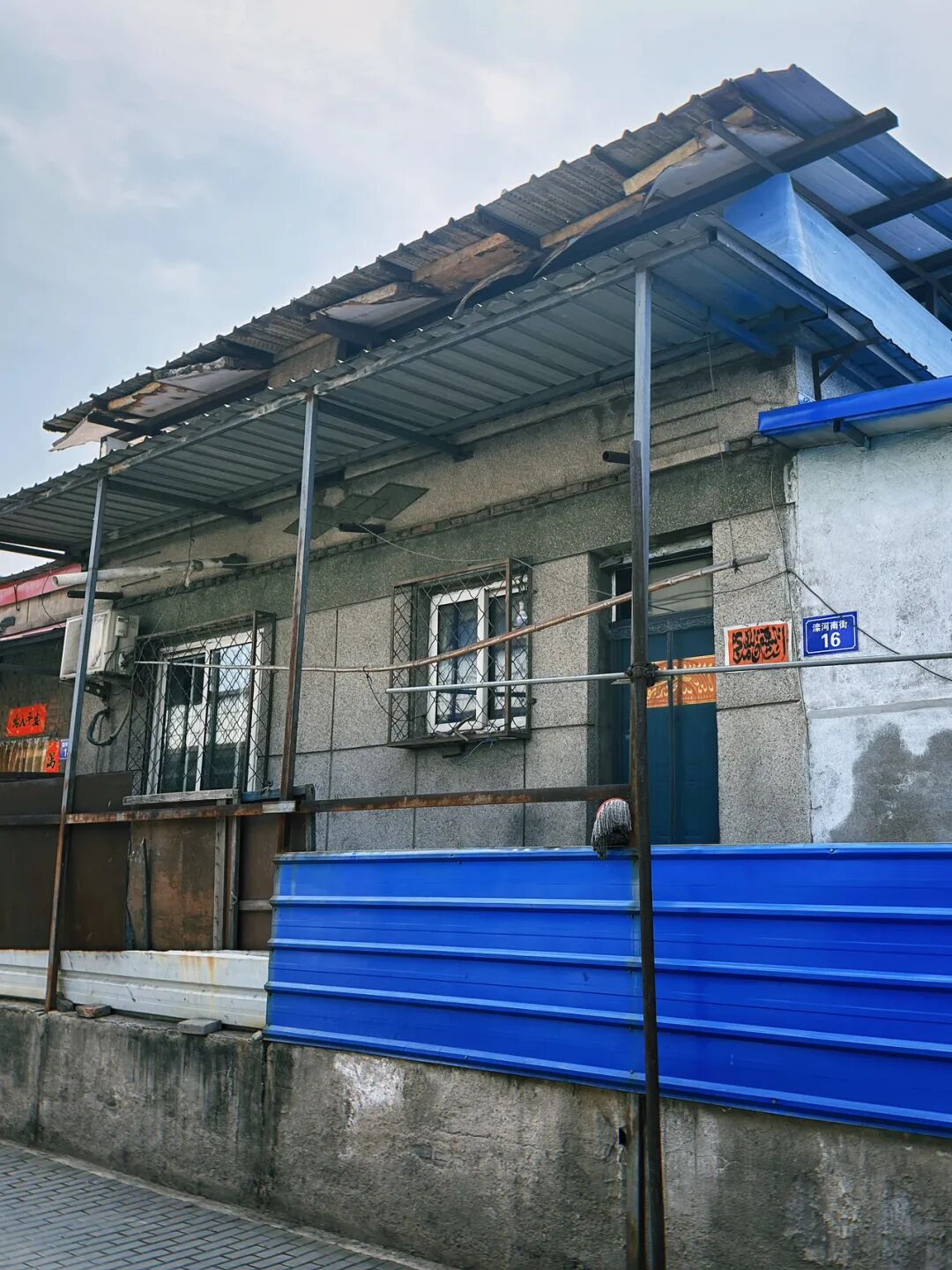
Heading west from Chengde, we arrived at the old street in Luanhe Town. Luanhe Old Street was originally called Kalahetun, which means black city in Mongolian. In 1650 (the seventh year of the Shunzhi reign), the Shunzhi Emperor stationed troops here during his northern tour. In 1701 (the fortieth year of the Kangxi reign), an imperial palace was officially built in Kalahetun to provide food, lodging, and supplies for the emperor during his annual autumn trips to the Mulan Hunting Ground. In 1723 (the first year of the Yongzheng reign), a garrison for the Eight Banners was established in Kalahetun, and a training ground was built later. In 1733 (the eleventh year of the Yongzheng reign), the Zhili Chengde Prefecture office was set up in Kalahetun, and it was renamed Kalahetun Sub-prefecture in 1742 (the seventh year of the Qianlong reign).
Because of the construction of the imperial palace and the frequent visits of emperors, empresses, and nobles, many Hui Muslims from Hebei and Shandong followed them to Kalahetun. They made and sold specialty foods, which played an important role in the rise of the Luanhe town market. During the reign of Emperor Qianlong, the number of Hui and Han merchants in Kalahetun grew. In 1778, the forty-third year of the Qianlong reign, the area was officially renamed Luanping County.
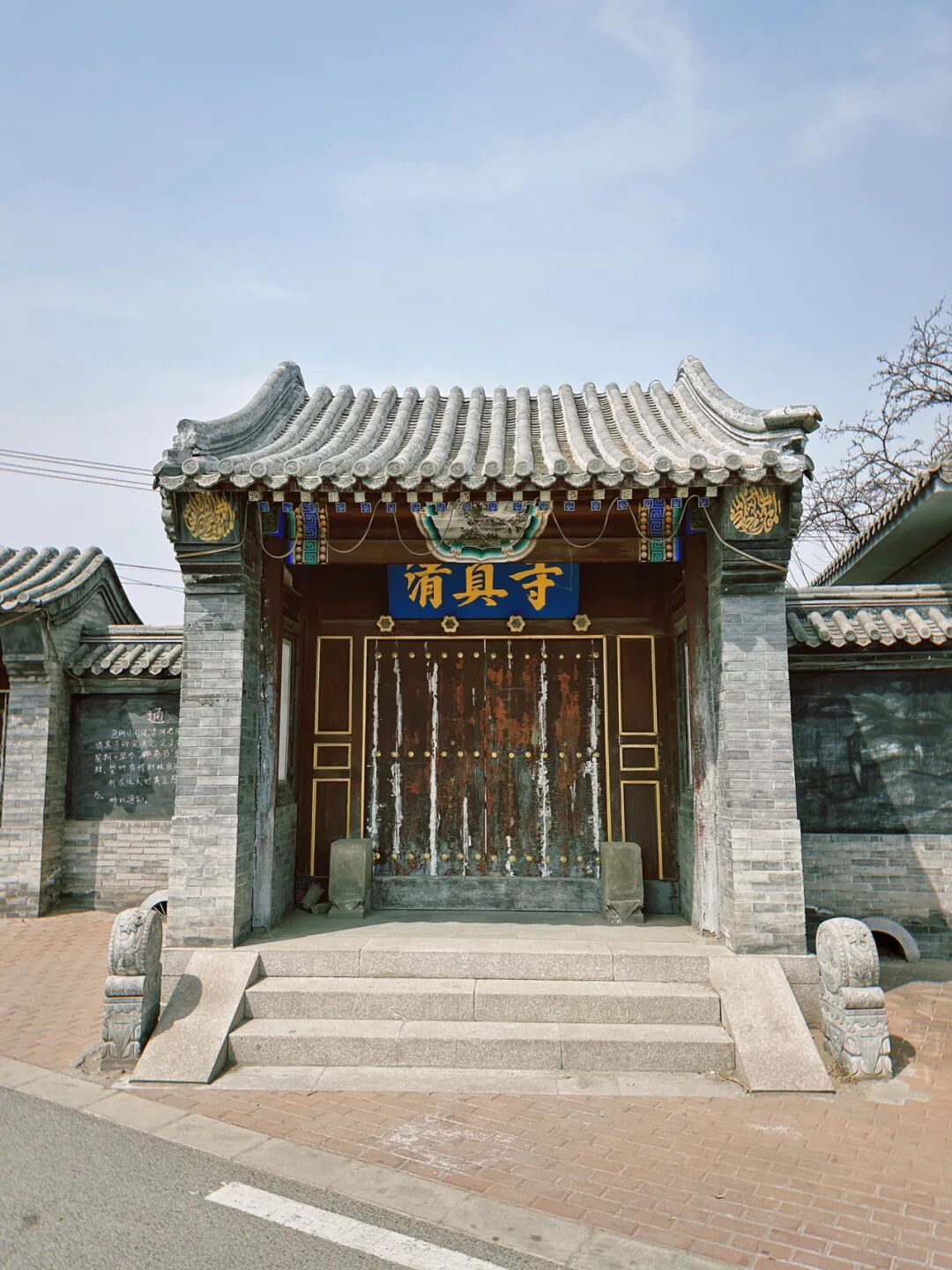
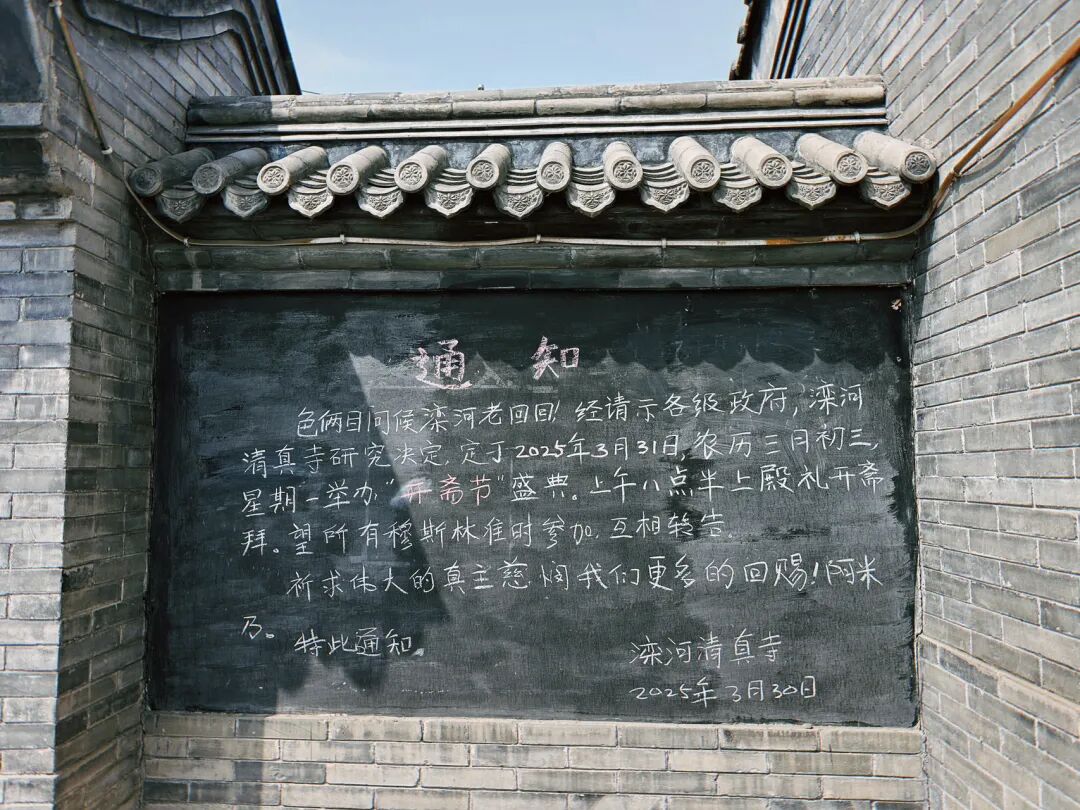
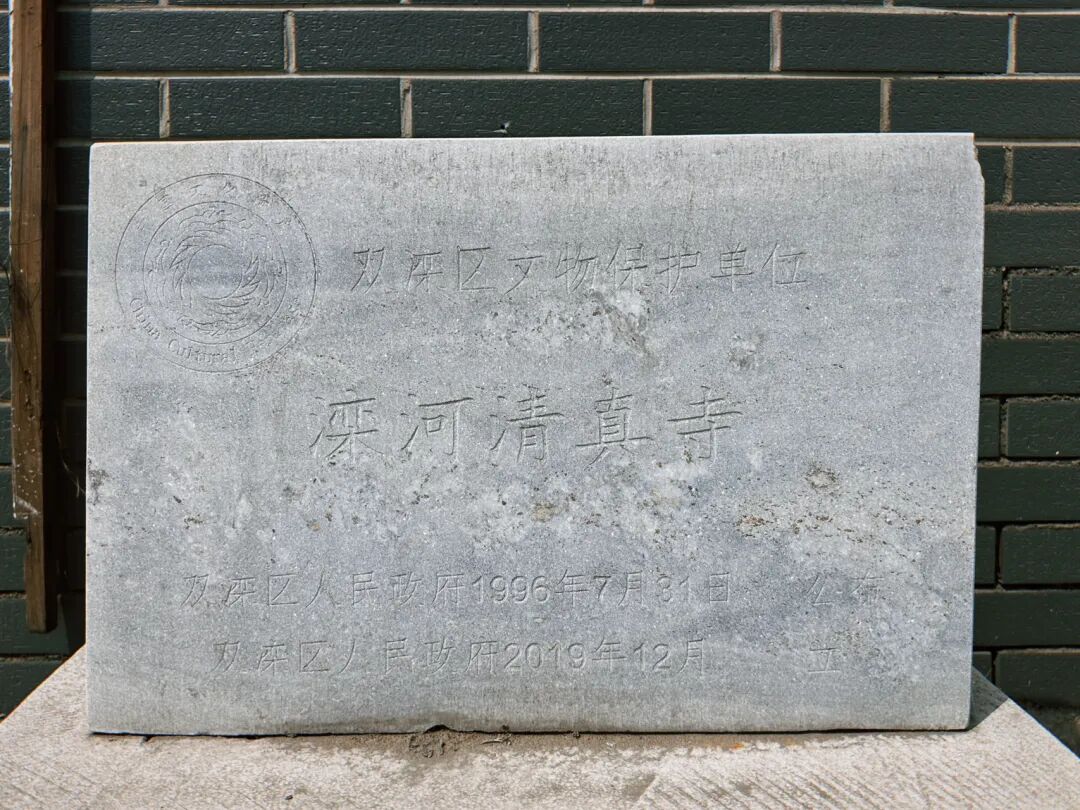
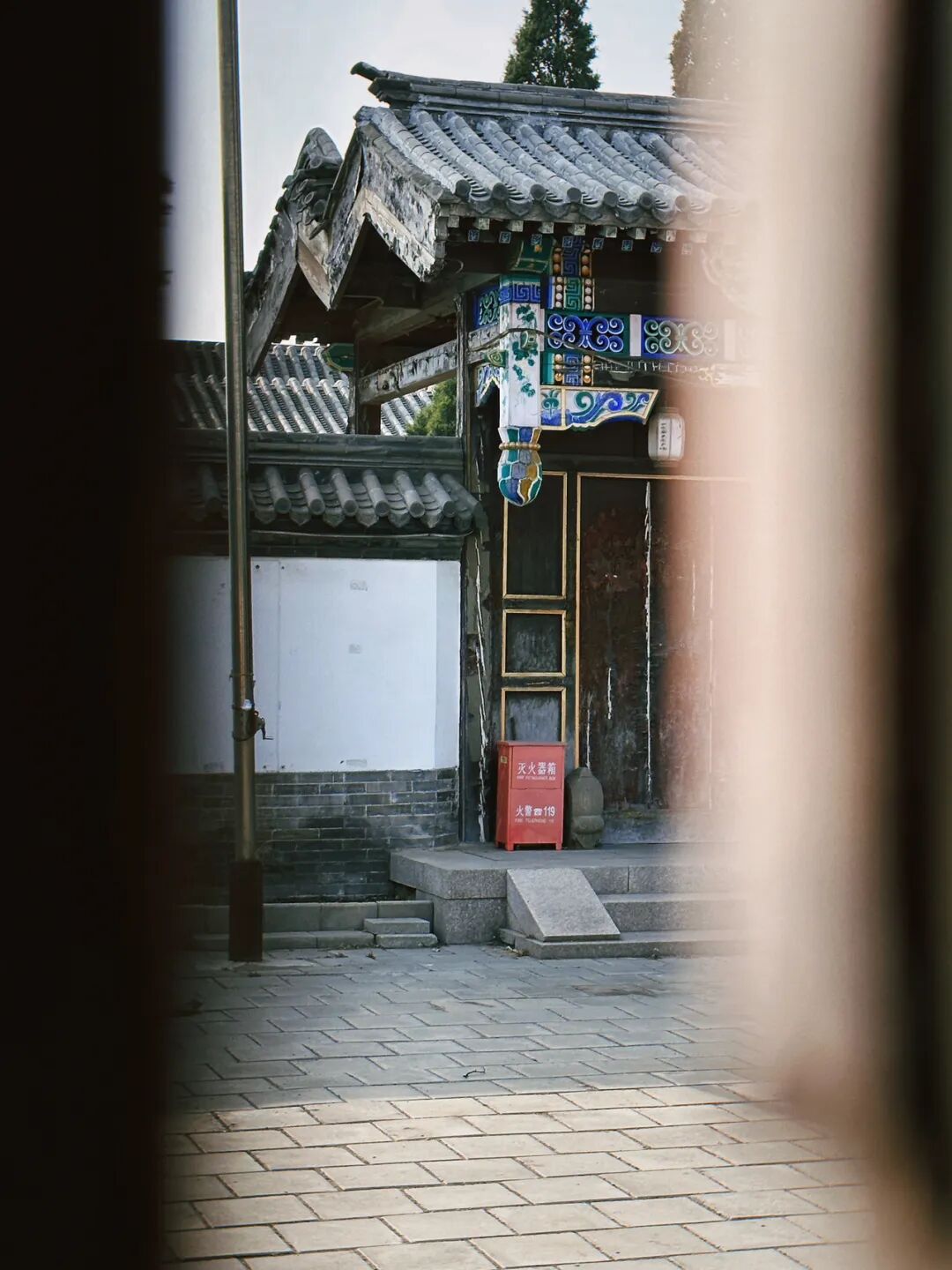
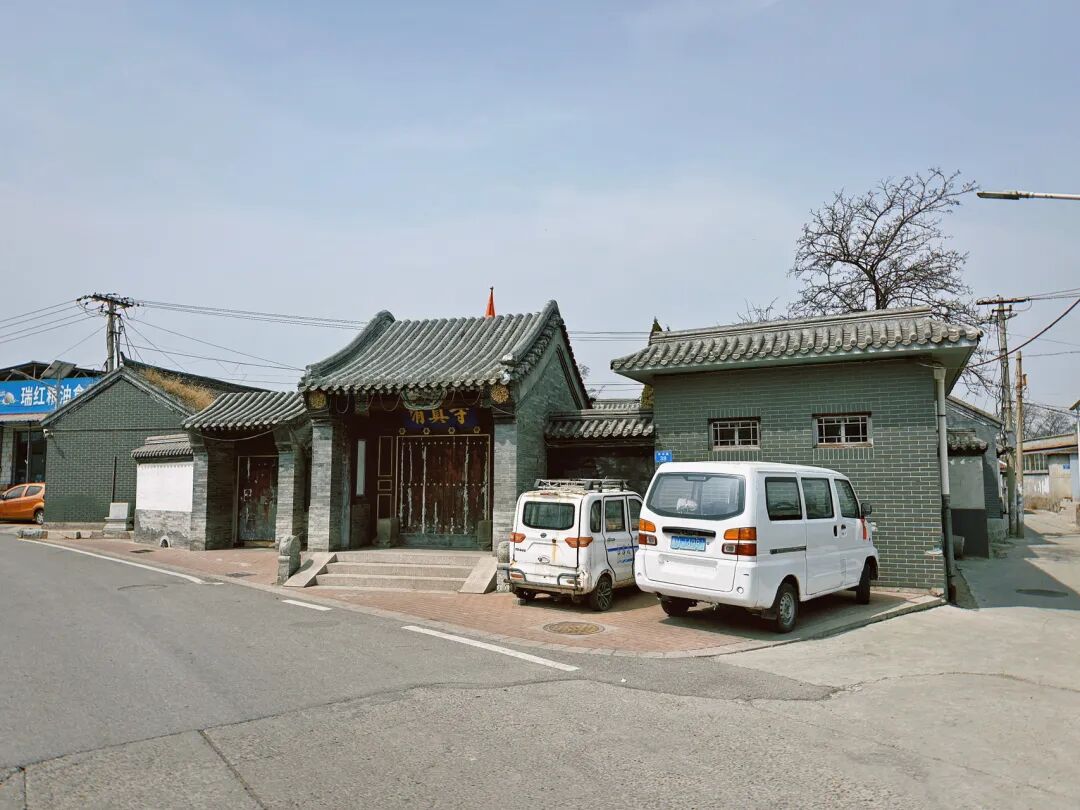
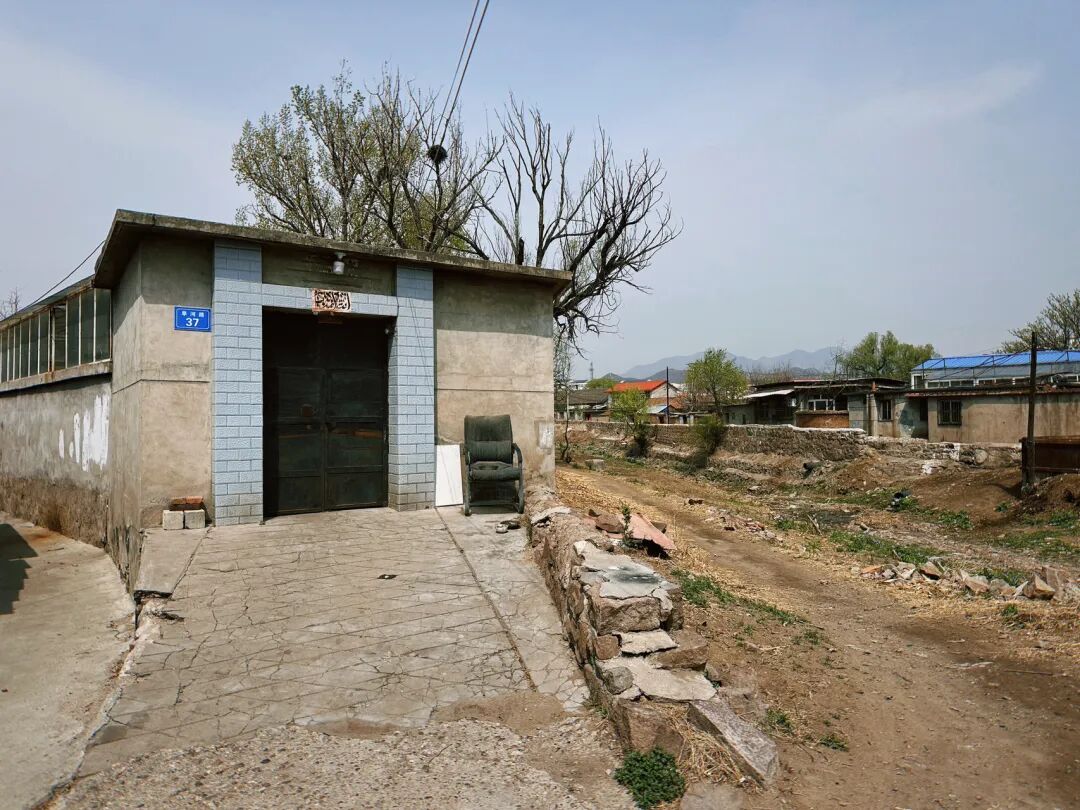
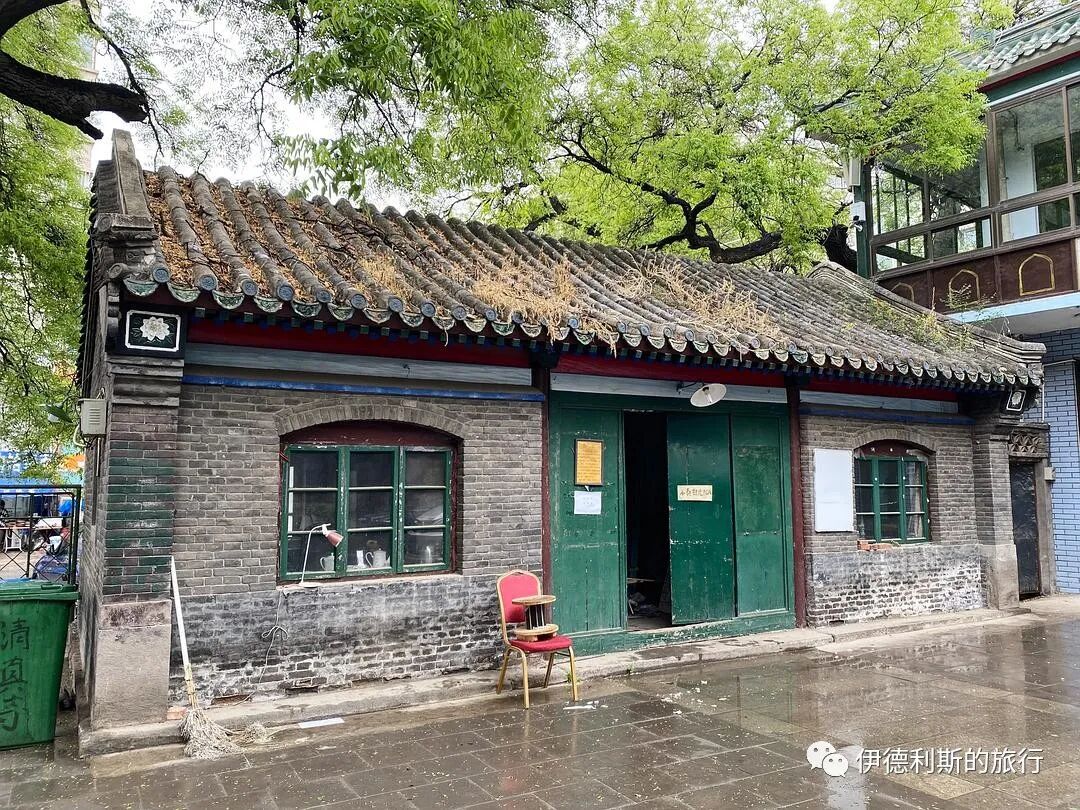
Luanhe Town currently has one old mosque, which is listed as a district-level cultural heritage site. Unfortunately, the doors were locked both times I visited, so I could not learn more about it.
We stayed at the Chengde Qiancaotang Homestay at the foot of Qingchui Peak. It is very convenient if you are driving, as it only takes 10 minutes to reach the city center. The mountain scenery is beautiful and it is a very relaxing place.
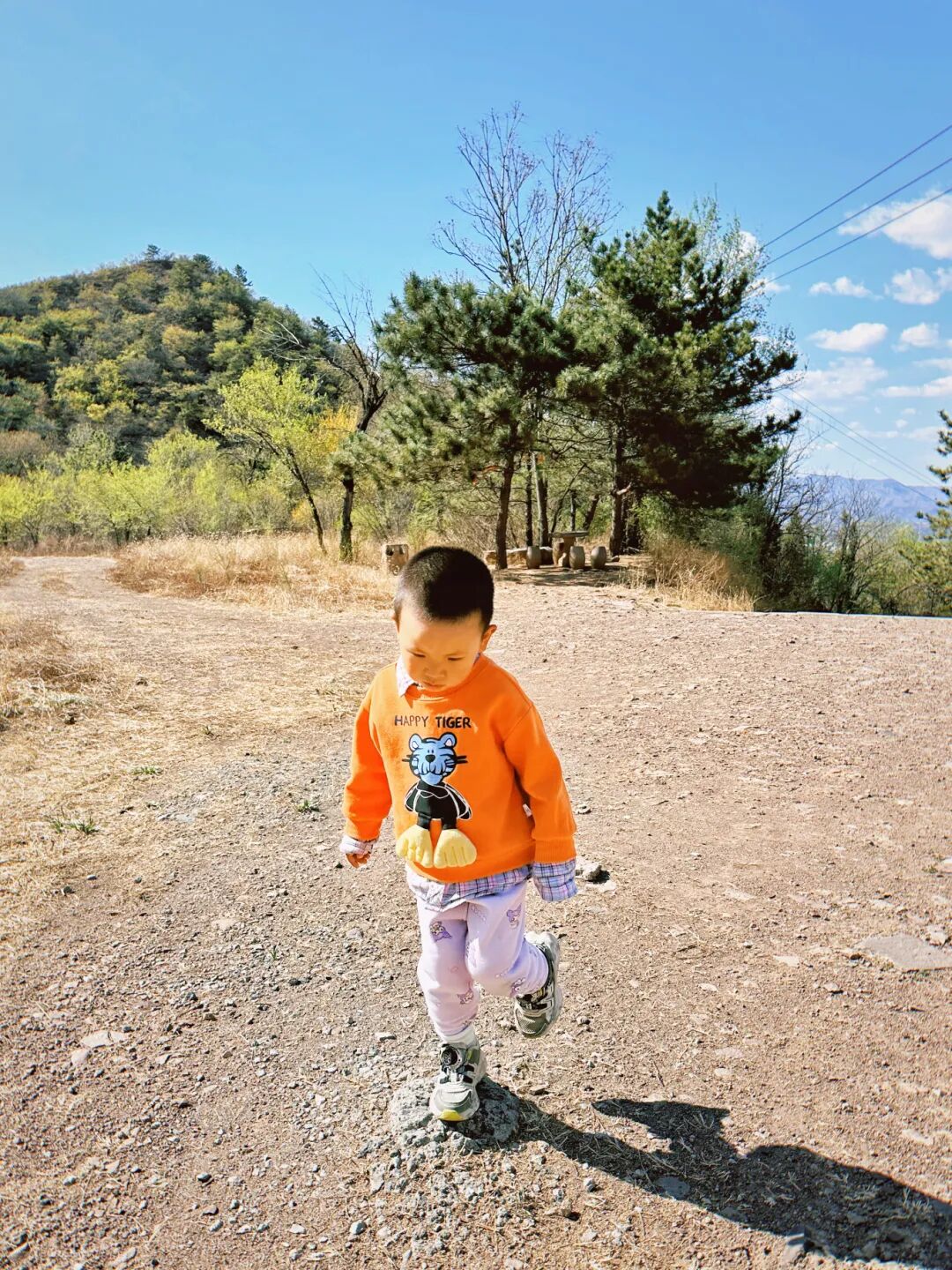
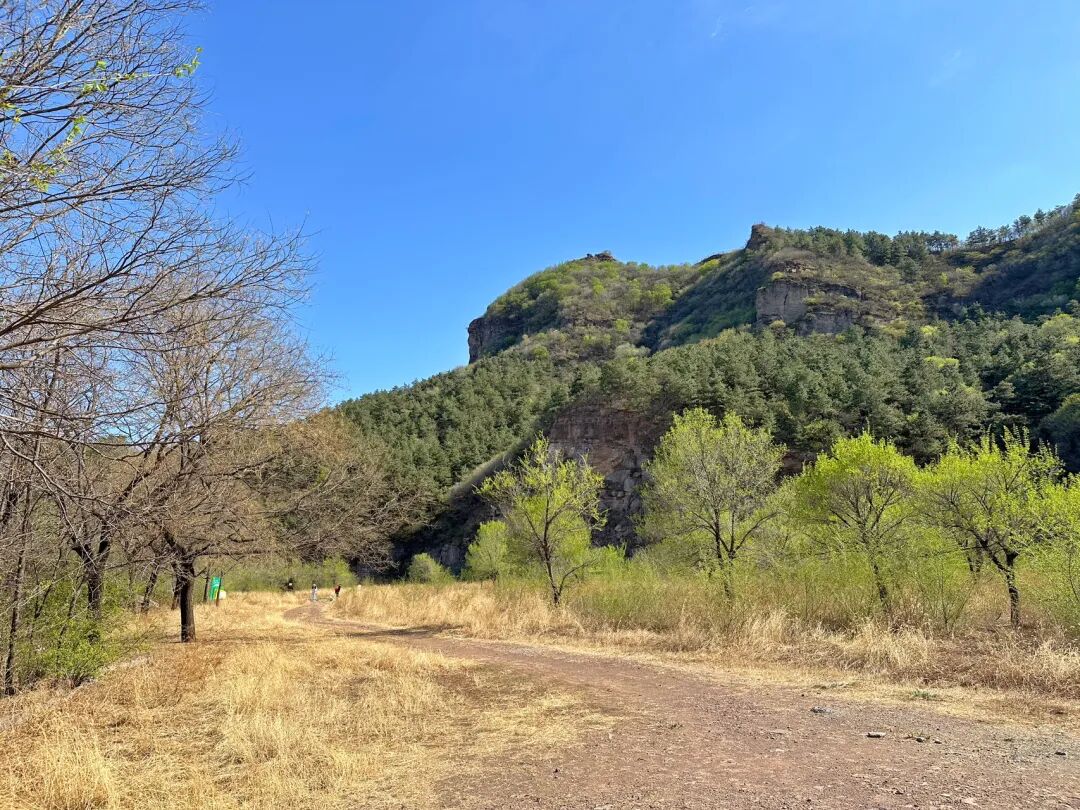
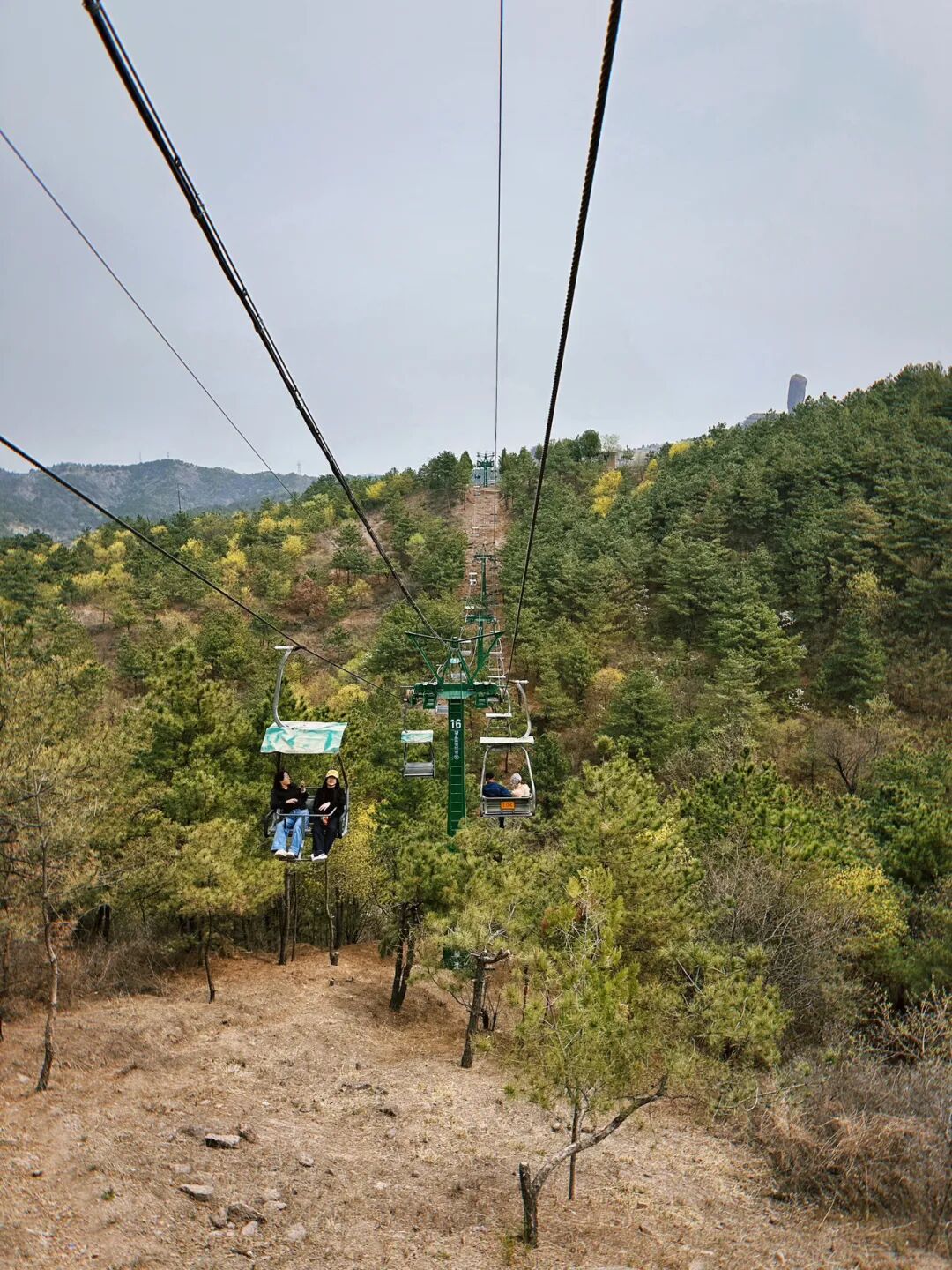
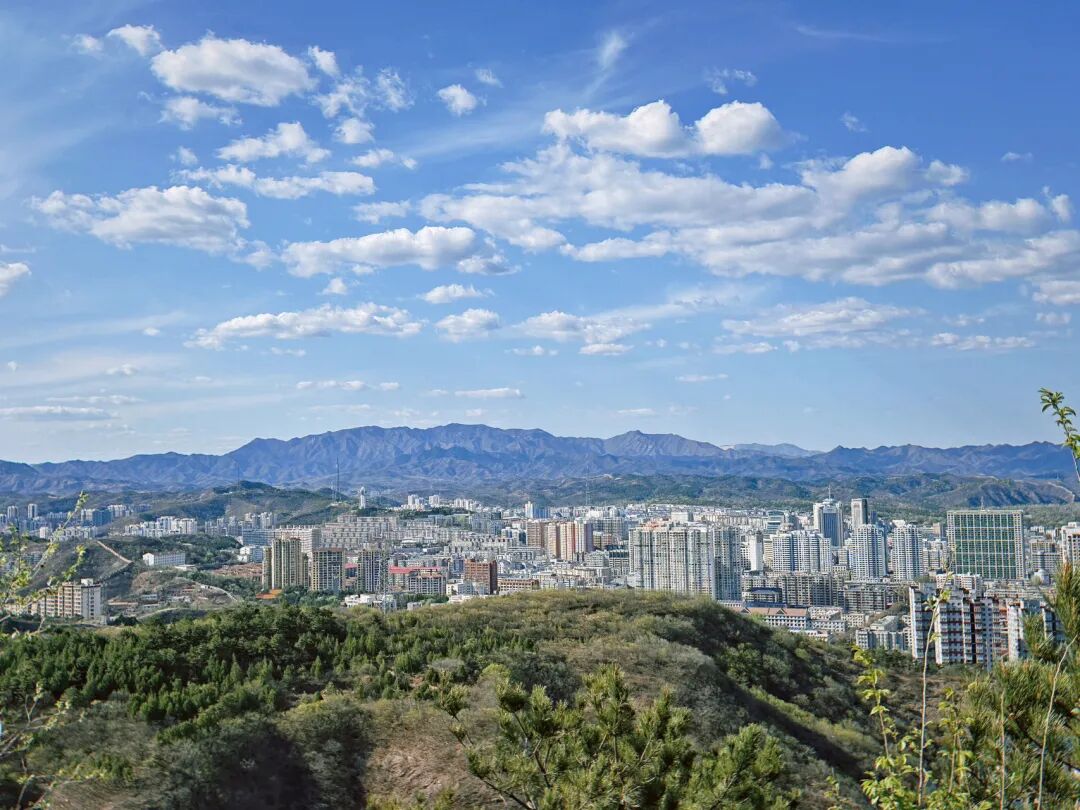
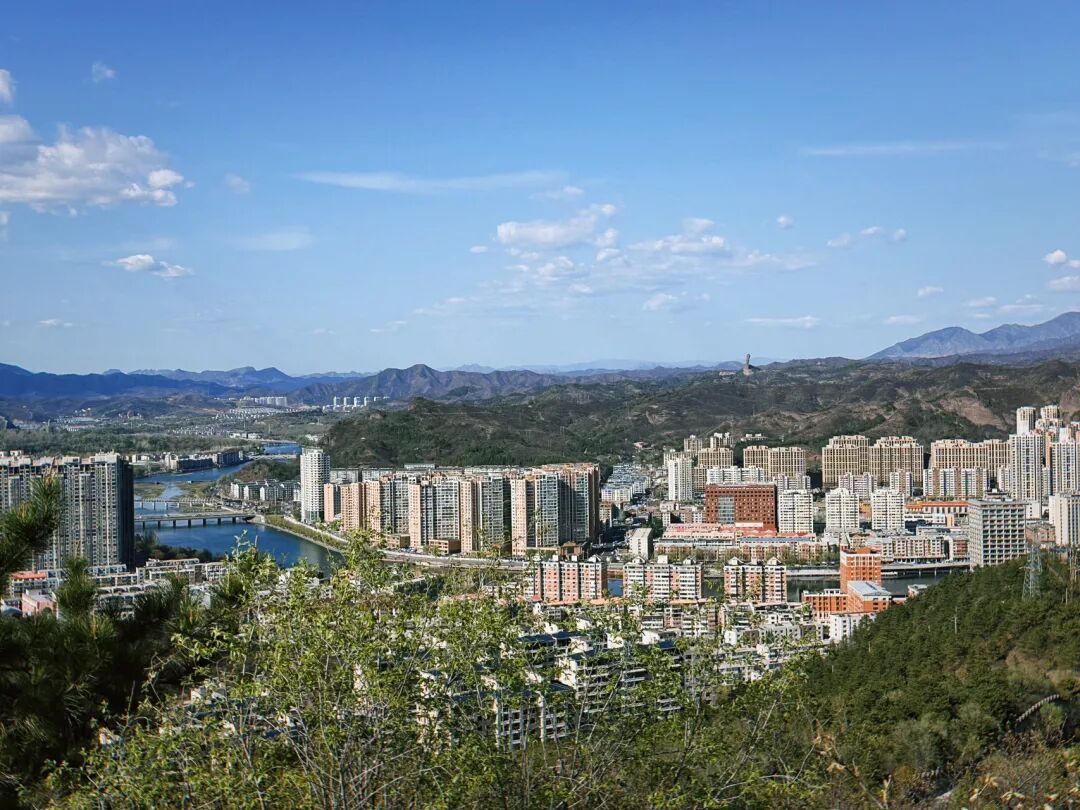
I took my child to climb Qingchui Peak and Sengguan Peak. You can take a cable car up Qingchui Peak and a slide down Sengguan Peak. My little one was very brave and was not scared at all. I recommend Sengguan Peak. There is a large platform at the top that has not been developed at all, and you can look out over the entire view of Chengde from there. view all
Summary: Chengde is covered through three historic mosques, Hui Muslim food, and streets connected to the city’s old Muslim community. This account keeps the original travel route, mosque history, restaurant details, dishes, and photographs in order.
Chengde is northeast of Beijing. It is very convenient to take a high-speed train from Chaoyang Station, making it a great spot for a weekend getaway. This place has not only ancient Qing Dynasty mosques but also many unique local foods.
In 1703 (the 42nd year of the Kangxi reign), Emperor Kangxi built the Mountain Resort in Chengde. Afterward, Hui Muslims came to Chengde from Shandong and Hebei to serve the imperial court and manage the imperial camps. By 1718 (the 57th year of the Kangxi reign), they officially established the Chengde East Mosque on Nanyingzi Street, which is the oldest mosque in Chengde.
According to Ma Yuru, the eighth-generation hereditary imam of the East Mosque, the first imam was invited to come from Jingpeng Town in Chifeng. At first, the mosque was just a rented house. The imam spent eleven years traveling to collect donations (nietie) to build a proper mosque, and his family thought he had passed away. Just as his family was holding a memorial service for him in the eleventh year, he finally returned to Chengde and used the donations he had collected to build the East Mosque. According to a stone tablet from the 52nd year of the Qianlong reign currently kept at the West Mosque in Chengde, in the 57th year of the Kangxi reign, community leaders in Rehe gathered fellow Muslims to buy a plot of land bordered by the Li family to the east, the official street to the west, and government housing to the south. With these clear boundaries, they built the mosque.
The Chengde East Mosque was expanded twice, in 1755 (the 30th year of the Qianlong reign) and 1787 (the 52nd year of the Qianlong reign), and was once known as the largest mosque in the northern frontier. When Concubine Rong (the Fragrant Concubine) accompanied Emperor Qianlong to the Mountain Resort in Chengde, she was hosted by the third-generation imam, Ma Yao. She gifted the mosque a pair of delicate hexagonal palace lanterns and a treasure gourd. The palace lanterns were lit during Ramadan, and the treasure gourd was placed on the roof of the main prayer hall. Emperor Qianlong gifted the mosque a long-life imperial plaque, a pair of python-patterned whips, and a pair of dragon-headed staffs. An imperial decree allowing access to the Mountain Resort was passed down through the imam's family for generations until it was destroyed in the 1960s. Concubine Rong also stored ceremonial items, such as half of the imperial procession equipment and gold medals gifted by the Emperor, in the Moon-Sighting Tower of the East Mosque. Additionally, three families of Concubine Rong's attendants stayed in Chengde. The expert in couplets, Ma Delin, is a descendant of these "Red-Hat Hui Muslims" who remained in the city.
The East Mosque was occupied in 1958 and suffered severe damage after the 1960s, but it was rebuilt in the Chengde Central Square in 2006. A plaque featuring the Basmala (taisimie) hangs in front of the main hall, surrounded by "longevity" patterns, which elders say was a gift from Concubine Rong. The main hall of the East Mosque is currently under renovation and is not open to the public.
The stele from the 52nd year of the Qianlong reign at the East Mosque is now kept at the West Mosque in Chengde.
In the early years of the Yongzheng reign, the Qing dynasty stationed Green Standard Army troops in Chengde. Because most of the officers and soldiers came from Shaanxi, it was called the Shaanxi Camp, and the 'Left Battalion' within it was mostly made up of Hui Muslims. From then on, the Shaanxi Camp became a residential area for Hui Muslims in Chengde.
By the Qianlong period, Chengde had become a major metropolis north of the Great Wall. Hui Muslims from Shandong and Hebei came here to do business, working in the food industry and cattle and sheep slaughtering, which was known as 'chasing the imperial camp'. Today, the ten major surnames of Hui Muslims in Chengde, such as Wang, Ma, Shi, and Chen, all moved here from Shandong, while the Wu surname moved from Cangzhou, Hebei, and the Kong surname moved from Beijing.
The West Mosque in Chengde is located in Panjiagou, west of the Shaanxi Camp. It was first built during the Daoguang reign. The main hall consists of a front hall with a rolled shed roof, a middle hall, and a rear hall. A kiln pavilion (yaoting) is located on top of the middle hall, with a precious finial (baoding) at the very top.
Hui Muslim food in Chengde is mainly concentrated near the West Mosque and the Shaanxi Camp.
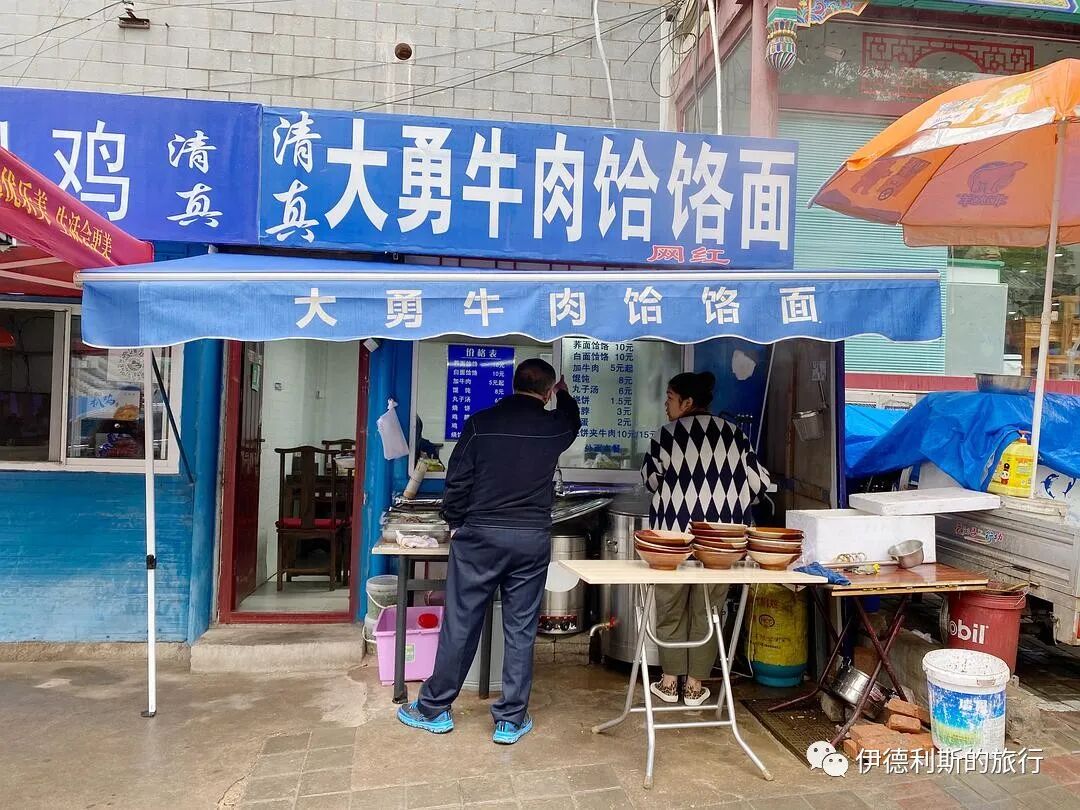
I had breakfast at Dayong Beef Buckwheat Noodles (heluo mian) shop at the entrance of the West Mosque in Chengde, ordering buckwheat noodles with a sesame flatbread (shaobing) stuffed with potatoes and steamed dumplings (shaomai). Buckwheat from the Bashang grasslands has high nutritional value and is exported to Japan and South Korea. This coarse grain must be pressed into noodles using a noodle press (heluo chuangzi), and a bowl in the morning feels very satisfying. Prices in Chengde are much lower than in Beijing; a big bowl of beef noodles only costs 10 yuan.
Xie's Steamed Bean Bun (doubao) right across from the West Mosque is also worth eating. We arrived after nine o'clock and caught them just as they were made; the kids loved the steaming hot red bean paste filling.
Hongshunxuan, located across from the West Mosque in Chengde, closes quite late, so you can even make it if you take the high-speed train from Beijing after work on Friday. This place seems to be a restaurant that hosts banquets, so the menu is quite extensive.
Historically, Hui Muslims in Chengde mainly came from Shandong and Hebei, so their diet is heavily influenced by Lu cuisine. Therefore, many of these dishes can also be found in Beijing, Tianjin, and the Northeast. We ordered the classic Lu cuisine dishes of braised meat strips (pa rourou) and sesame lamb, and also ordered cordyceps with three-leaf herb (chongcao san ye xiang). I loved eating sesame lamb (zhima yangrou) when I was a kid, but most restaurants in Beijing don't make it well anymore, so I have to go to Shandong to eat it. I ate sesame lamb both times I visited Chengde, and it tasted great, just like it did when I was a child. Three-leaf fragrance (sanyexiang) is just celery sprouts, and it tastes quite good, but I don't know why it is rarely seen in Beijing restaurants.
I wandered over to the famous Tuojie Snacks in Chengde to eat fried buckwheat jelly (jian wantuo) and almond tea (xingren cha). Both of these items at their shop are district-level intangible cultural heritage, and I eat them every time I go to Chengde. Now, they even have pre-packaged almond tea you can take away to drink on the road.
Chengde produces almonds, so their almond tea is also very famous. Almond tea is made by soaking almonds in water to peel them, soaking out the bitter taste, grinding them into a paste to remove the dregs, and then boiling the mixture with rice flour and white sugar.
Fried buckwheat jelly is also a famous Chengde snack. It is made by grinding buckwheat kernels into a paste, steaming it in a bowl, and then letting it cool to form a jelly block. When you eat it, you cut it into triangular pieces, fry them in a pan, and then pour sesame paste and garlic sauce over them. Chengde fried buckwheat jelly is said to have originated in the Erxianju area during the Qing Dynasty. Since the Qing Dynasty, Erxianju has been a bustling commercial street in Rehe, and it is still a lively market today.
Prices in Chengde are really not high. There is a community convenience canteen near Erxianju where a lunch set meal costs 15 yuan, and it is only 9.9 yuan for those over 60. The dishes are very healthy, and the kids ate happily.
The most famous breakfast in Chengde has to be Pingquan lamb soup (yangtang), and there are a few very popular shops in the city center. We went to Xilan Laoding on Zhulin Mosque Street. The shop name comes from the owner Mr. Ding's grandparents, who were Hui Muslims from Pingquan named Wang Xibin and Zhang Shulan. Pingquan lamb soup is known for its fresh, delicious broth and freshly made sesame flatbread (shaobing). You can add lamb tripe, intestines, head meat, or pure meat to the lamb soup, and you can also add spiced meat or head meat to the sesame flatbread. A special feature of Pingquan lamb soup is that a server always walks around with a big ladle to ask if you want more soup, and refills are free. Sesame flatbreads (shaobing) in Chengde are bigger than the ones in Beijing, and they smell amazing when they are fresh off the griddle. They brush sauce on the meat inside the flatbread, which makes it quite salty, so tell them beforehand if you prefer less salt.
I recommend Shuangxin Restaurant on Shanzhuang Road to fellow Muslim travelers (dost). It is not far from the south gate of the Mountain Resort, and there is a large parking lot nearby, making it a great place to eat after visiting the resort.
They serve both traditional dishes and their own creative new recipes, so there is a huge variety to choose from. We ordered shredded beef heart, fresh-set tofu (kaibao doufu), pan-fried stuffed tofu (banjian doufu), lamb and winter melon steamed dumplings (shaomai), and stir-fried snow peas. We did not order two tofu dishes on purpose, but both of them are very unique. The fresh-set tofu (kaibao doufu) is curdled right at the table, and you dip it in sauce to eat it immediately, so you get the freshest tofu flavor possible. The pan-fried stuffed tofu (banjian doufu) is their own invention, featuring tofu stuffed with meat, and it tastes delicious. This was my first time trying lamb and winter melon steamed dumplings (shaomai). Using winter melon as a filling works really well and pairs perfectly with the lamb. The shredded beef heart is a cold dish, and it is also great to take away for the road.
Heading west from Chengde, we arrived at the old street in Luanhe Town. Luanhe Old Street was originally called Kalahetun, which means black city in Mongolian. In 1650 (the seventh year of the Shunzhi reign), the Shunzhi Emperor stationed troops here during his northern tour. In 1701 (the fortieth year of the Kangxi reign), an imperial palace was officially built in Kalahetun to provide food, lodging, and supplies for the emperor during his annual autumn trips to the Mulan Hunting Ground. In 1723 (the first year of the Yongzheng reign), a garrison for the Eight Banners was established in Kalahetun, and a training ground was built later. In 1733 (the eleventh year of the Yongzheng reign), the Zhili Chengde Prefecture office was set up in Kalahetun, and it was renamed Kalahetun Sub-prefecture in 1742 (the seventh year of the Qianlong reign).
Because of the construction of the imperial palace and the frequent visits of emperors, empresses, and nobles, many Hui Muslims from Hebei and Shandong followed them to Kalahetun. They made and sold specialty foods, which played an important role in the rise of the Luanhe town market. During the reign of Emperor Qianlong, the number of Hui and Han merchants in Kalahetun grew. In 1778, the forty-third year of the Qianlong reign, the area was officially renamed Luanping County.
Luanhe Town currently has one old mosque, which is listed as a district-level cultural heritage site. Unfortunately, the doors were locked both times I visited, so I could not learn more about it.
We stayed at the Chengde Qiancaotang Homestay at the foot of Qingchui Peak. It is very convenient if you are driving, as it only takes 10 minutes to reach the city center. The mountain scenery is beautiful and it is a very relaxing place.
I took my child to climb Qingchui Peak and Sengguan Peak. You can take a cable car up Qingchui Peak and a slide down Sengguan Peak. My little one was very brave and was not scared at all. I recommend Sengguan Peak. There is a large platform at the top that has not been developed at all, and you can look out over the entire view of Chengde from there. view all
Reposted from the web
Summary: Chengde is covered through three historic mosques, Hui Muslim food, and streets connected to the city’s old Muslim community. This account keeps the original travel route, mosque history, restaurant details, dishes, and photographs in order.
Chengde is northeast of Beijing. It is very convenient to take a high-speed train from Chaoyang Station, making it a great spot for a weekend getaway. This place has not only ancient Qing Dynasty mosques but also many unique local foods.
In 1703 (the 42nd year of the Kangxi reign), Emperor Kangxi built the Mountain Resort in Chengde. Afterward, Hui Muslims came to Chengde from Shandong and Hebei to serve the imperial court and manage the imperial camps. By 1718 (the 57th year of the Kangxi reign), they officially established the Chengde East Mosque on Nanyingzi Street, which is the oldest mosque in Chengde.
According to Ma Yuru, the eighth-generation hereditary imam of the East Mosque, the first imam was invited to come from Jingpeng Town in Chifeng. At first, the mosque was just a rented house. The imam spent eleven years traveling to collect donations (nietie) to build a proper mosque, and his family thought he had passed away. Just as his family was holding a memorial service for him in the eleventh year, he finally returned to Chengde and used the donations he had collected to build the East Mosque. According to a stone tablet from the 52nd year of the Qianlong reign currently kept at the West Mosque in Chengde, in the 57th year of the Kangxi reign, community leaders in Rehe gathered fellow Muslims to buy a plot of land bordered by the Li family to the east, the official street to the west, and government housing to the south. With these clear boundaries, they built the mosque.
The Chengde East Mosque was expanded twice, in 1755 (the 30th year of the Qianlong reign) and 1787 (the 52nd year of the Qianlong reign), and was once known as the largest mosque in the northern frontier. When Concubine Rong (the Fragrant Concubine) accompanied Emperor Qianlong to the Mountain Resort in Chengde, she was hosted by the third-generation imam, Ma Yao. She gifted the mosque a pair of delicate hexagonal palace lanterns and a treasure gourd. The palace lanterns were lit during Ramadan, and the treasure gourd was placed on the roof of the main prayer hall. Emperor Qianlong gifted the mosque a long-life imperial plaque, a pair of python-patterned whips, and a pair of dragon-headed staffs. An imperial decree allowing access to the Mountain Resort was passed down through the imam's family for generations until it was destroyed in the 1960s. Concubine Rong also stored ceremonial items, such as half of the imperial procession equipment and gold medals gifted by the Emperor, in the Moon-Sighting Tower of the East Mosque. Additionally, three families of Concubine Rong's attendants stayed in Chengde. The expert in couplets, Ma Delin, is a descendant of these "Red-Hat Hui Muslims" who remained in the city.
The East Mosque was occupied in 1958 and suffered severe damage after the 1960s, but it was rebuilt in the Chengde Central Square in 2006. A plaque featuring the Basmala (taisimie) hangs in front of the main hall, surrounded by "longevity" patterns, which elders say was a gift from Concubine Rong. The main hall of the East Mosque is currently under renovation and is not open to the public.
The stele from the 52nd year of the Qianlong reign at the East Mosque is now kept at the West Mosque in Chengde.
In the early years of the Yongzheng reign, the Qing dynasty stationed Green Standard Army troops in Chengde. Because most of the officers and soldiers came from Shaanxi, it was called the Shaanxi Camp, and the 'Left Battalion' within it was mostly made up of Hui Muslims. From then on, the Shaanxi Camp became a residential area for Hui Muslims in Chengde.
By the Qianlong period, Chengde had become a major metropolis north of the Great Wall. Hui Muslims from Shandong and Hebei came here to do business, working in the food industry and cattle and sheep slaughtering, which was known as 'chasing the imperial camp'. Today, the ten major surnames of Hui Muslims in Chengde, such as Wang, Ma, Shi, and Chen, all moved here from Shandong, while the Wu surname moved from Cangzhou, Hebei, and the Kong surname moved from Beijing.
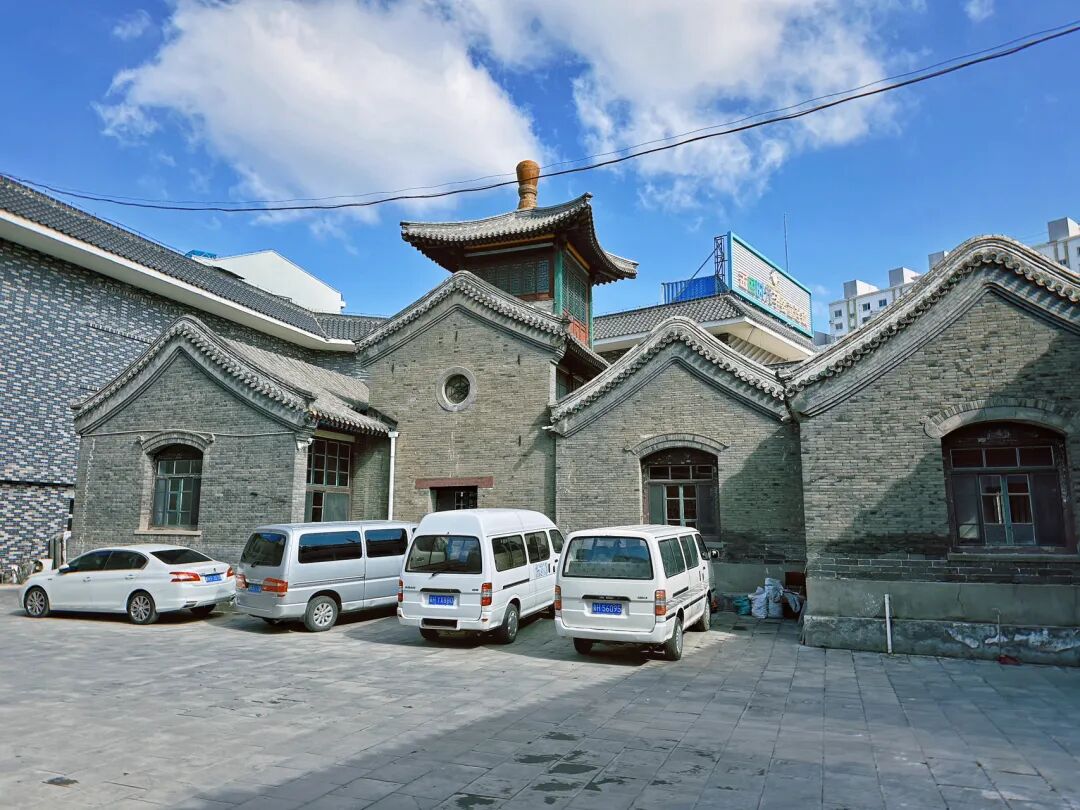
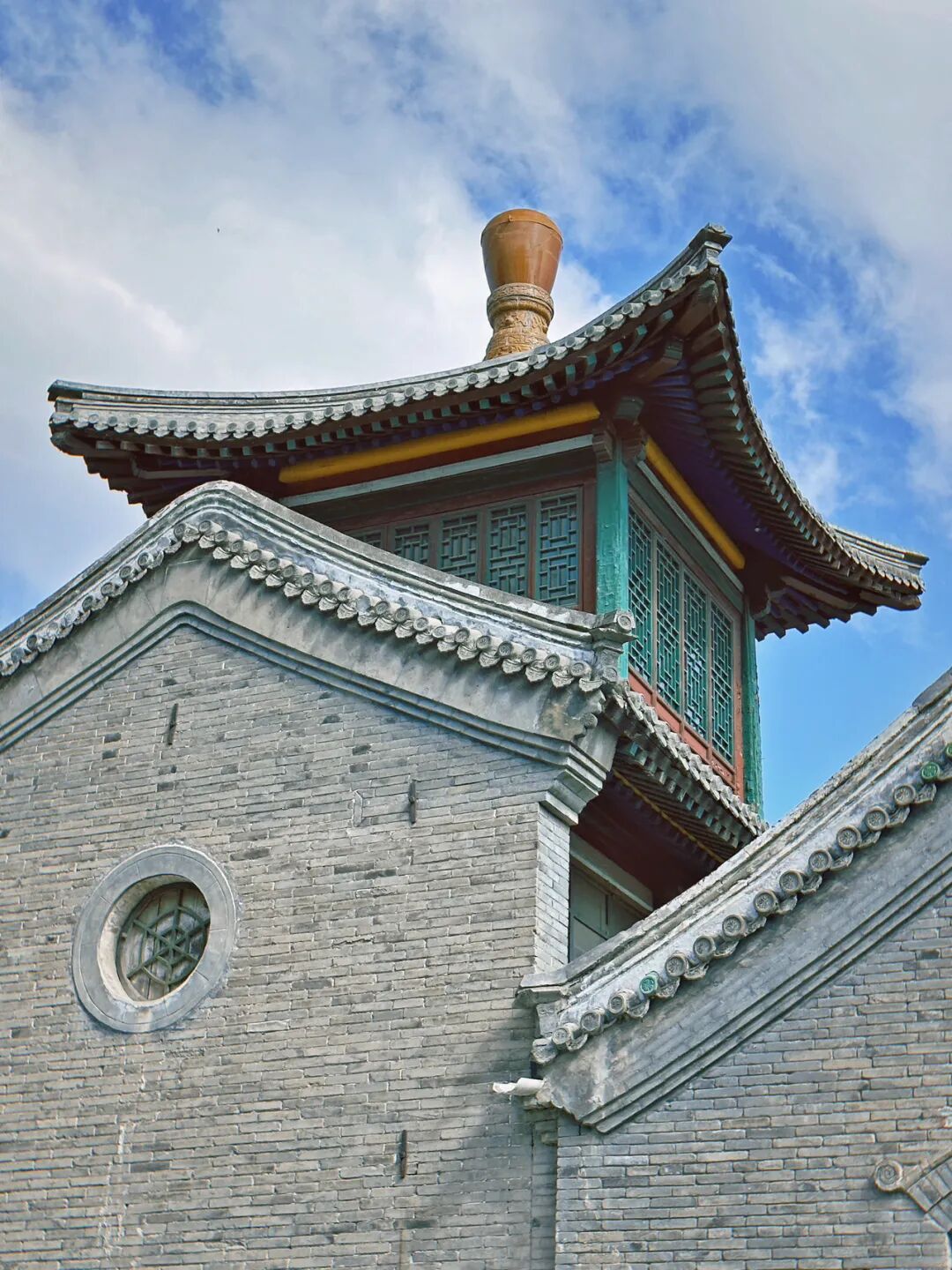
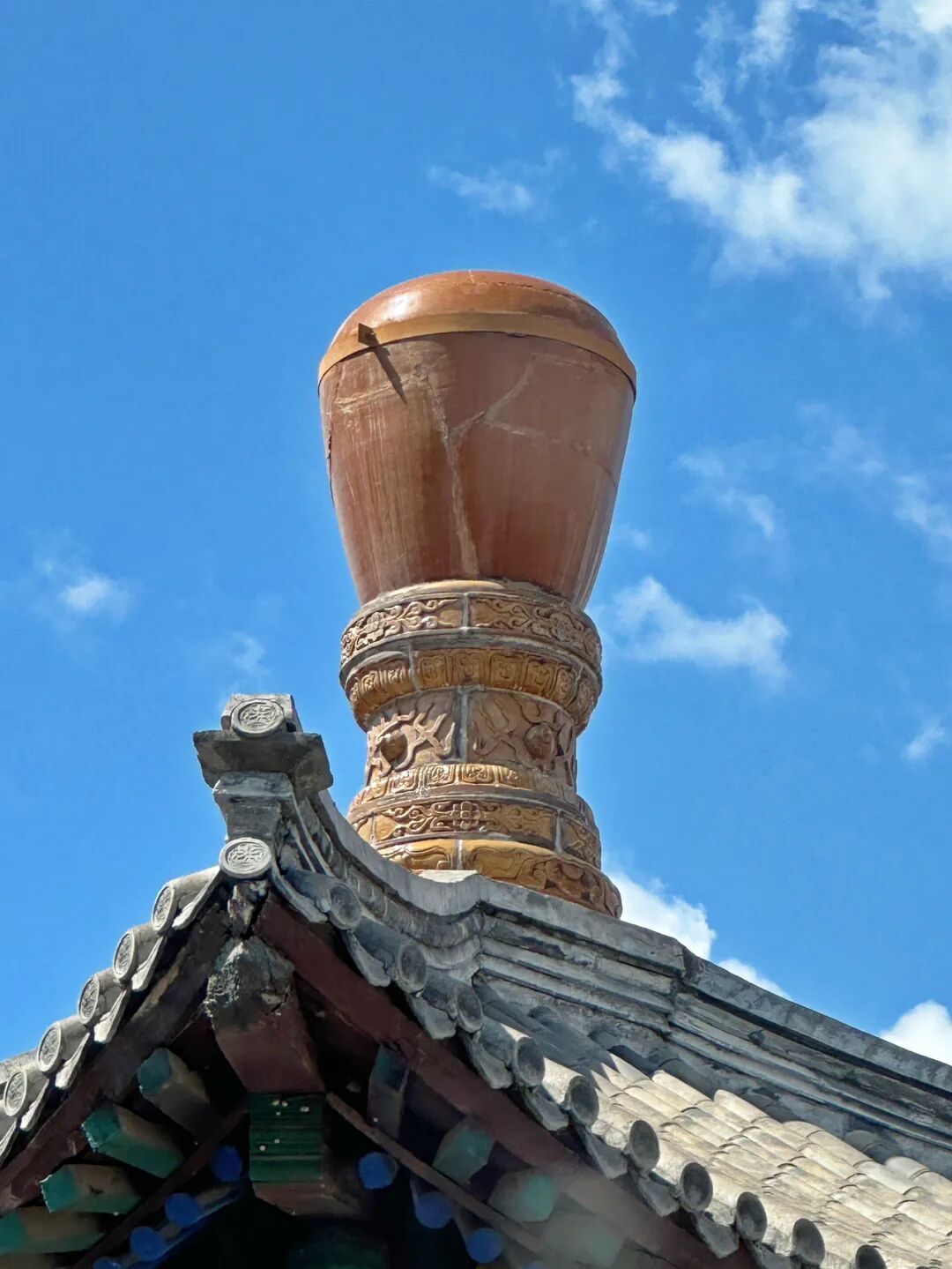
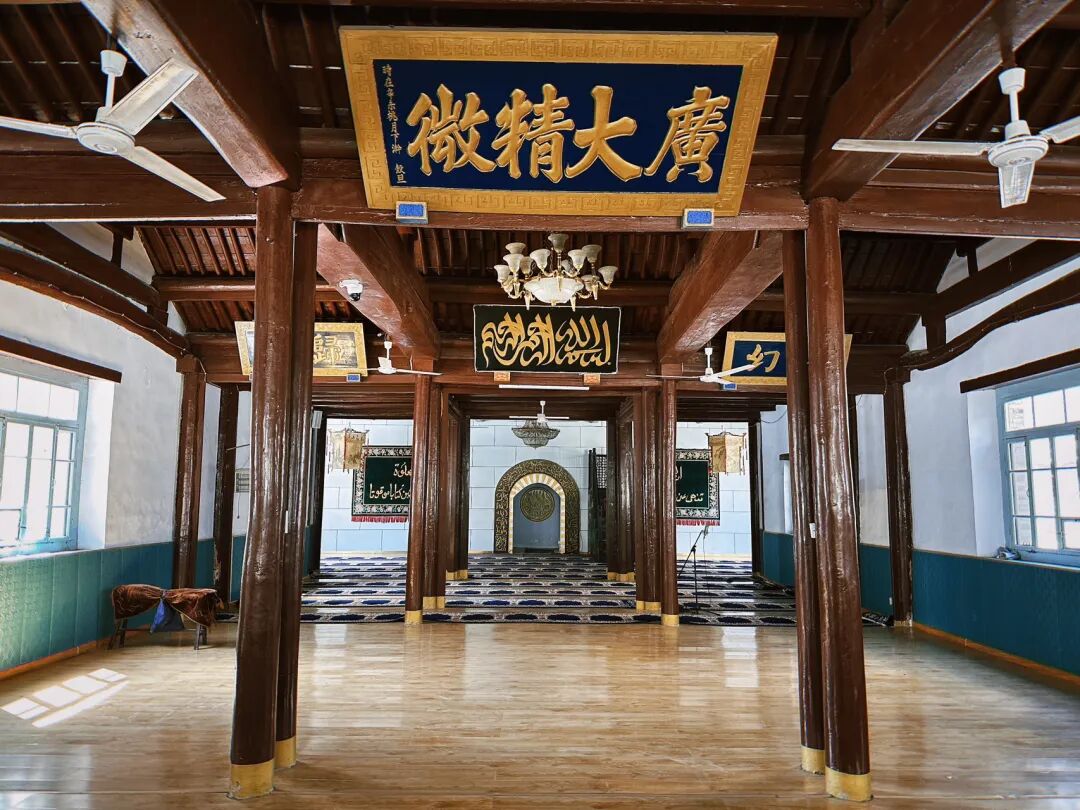
The West Mosque in Chengde is located in Panjiagou, west of the Shaanxi Camp. It was first built during the Daoguang reign. The main hall consists of a front hall with a rolled shed roof, a middle hall, and a rear hall. A kiln pavilion (yaoting) is located on top of the middle hall, with a precious finial (baoding) at the very top.
Hui Muslim food in Chengde is mainly concentrated near the West Mosque and the Shaanxi Camp.
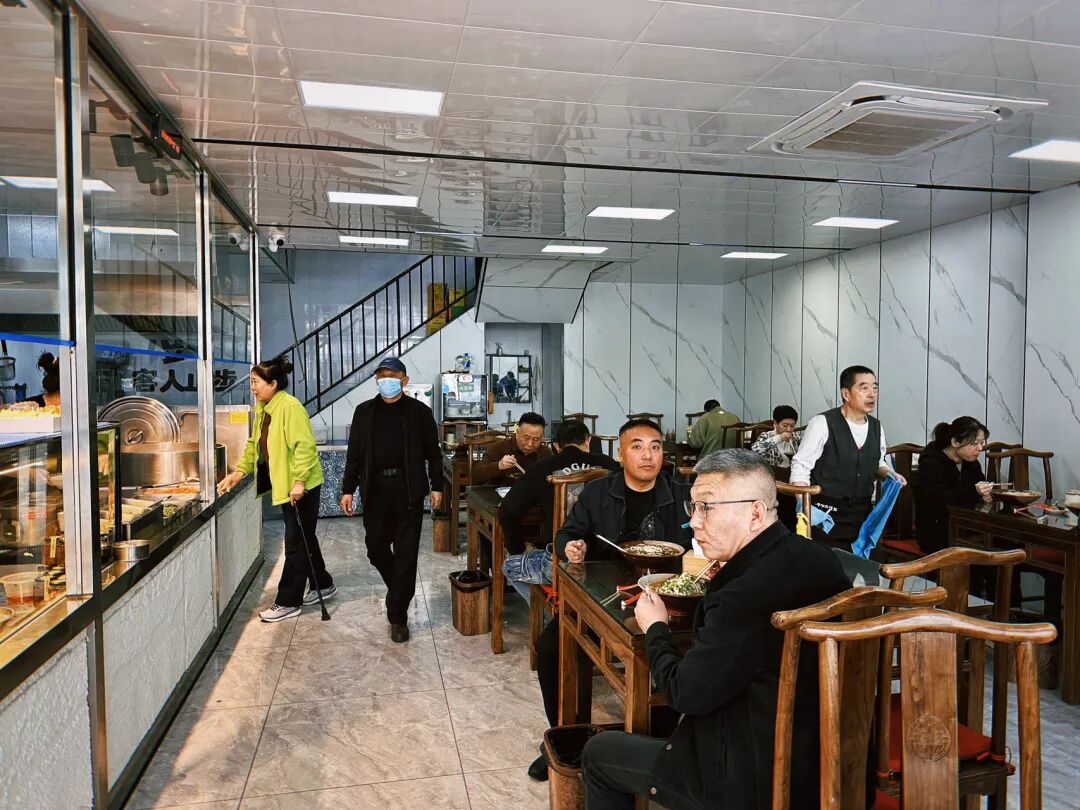
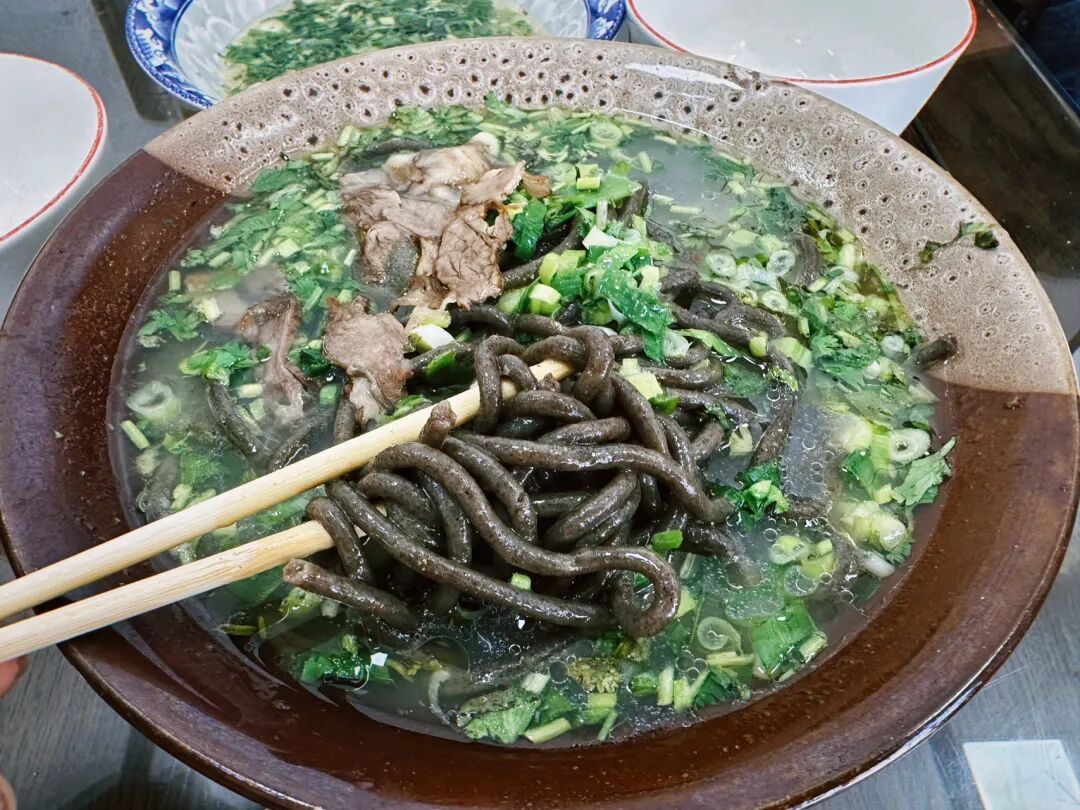
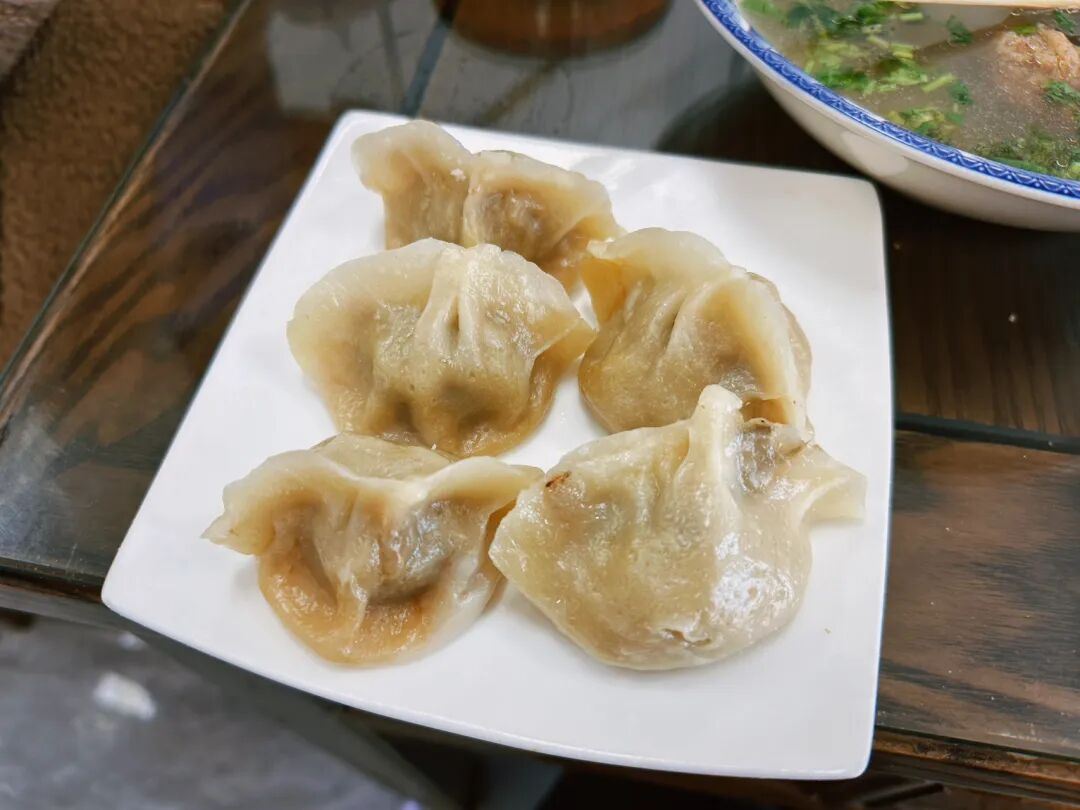
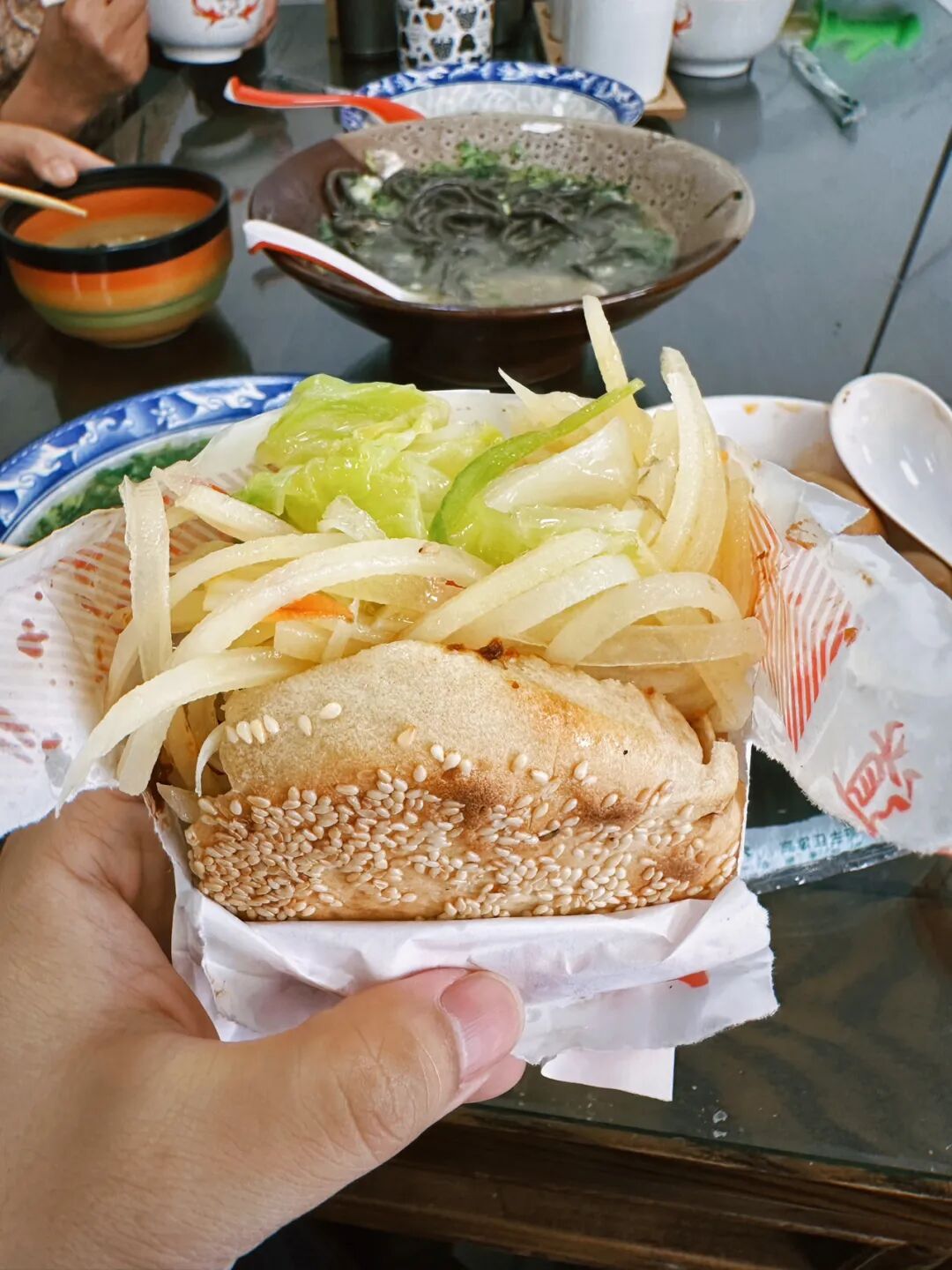
I had breakfast at Dayong Beef Buckwheat Noodles (heluo mian) shop at the entrance of the West Mosque in Chengde, ordering buckwheat noodles with a sesame flatbread (shaobing) stuffed with potatoes and steamed dumplings (shaomai). Buckwheat from the Bashang grasslands has high nutritional value and is exported to Japan and South Korea. This coarse grain must be pressed into noodles using a noodle press (heluo chuangzi), and a bowl in the morning feels very satisfying. Prices in Chengde are much lower than in Beijing; a big bowl of beef noodles only costs 10 yuan.
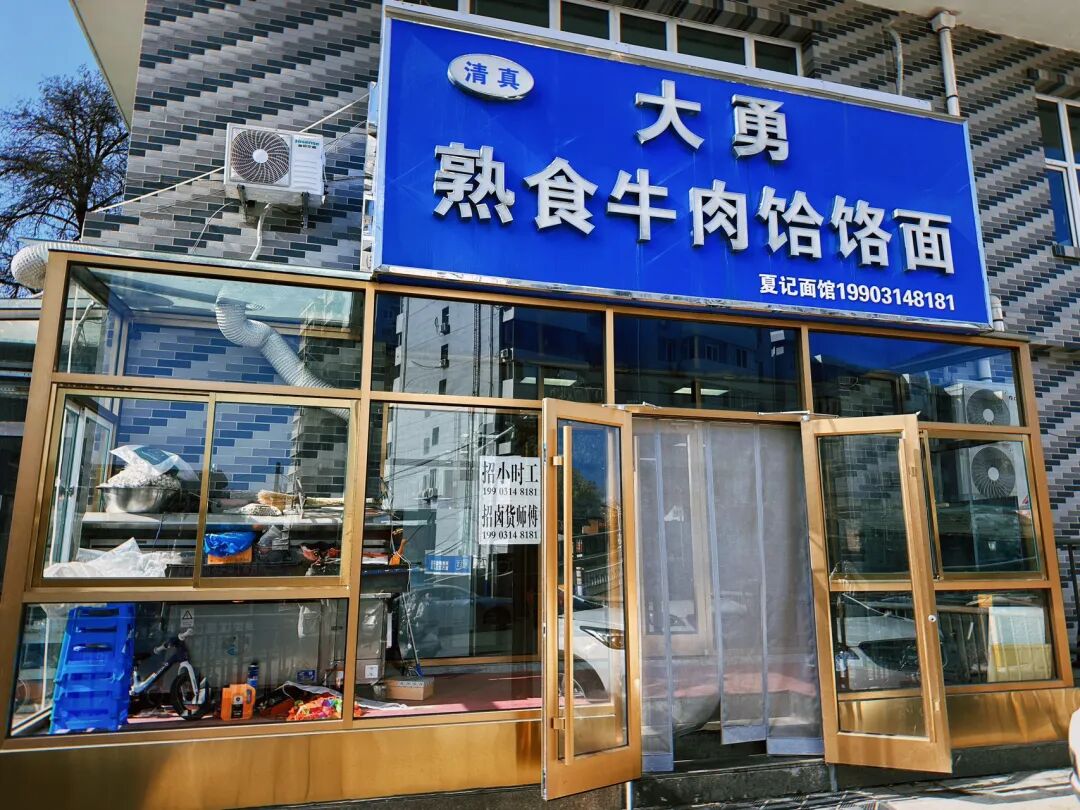
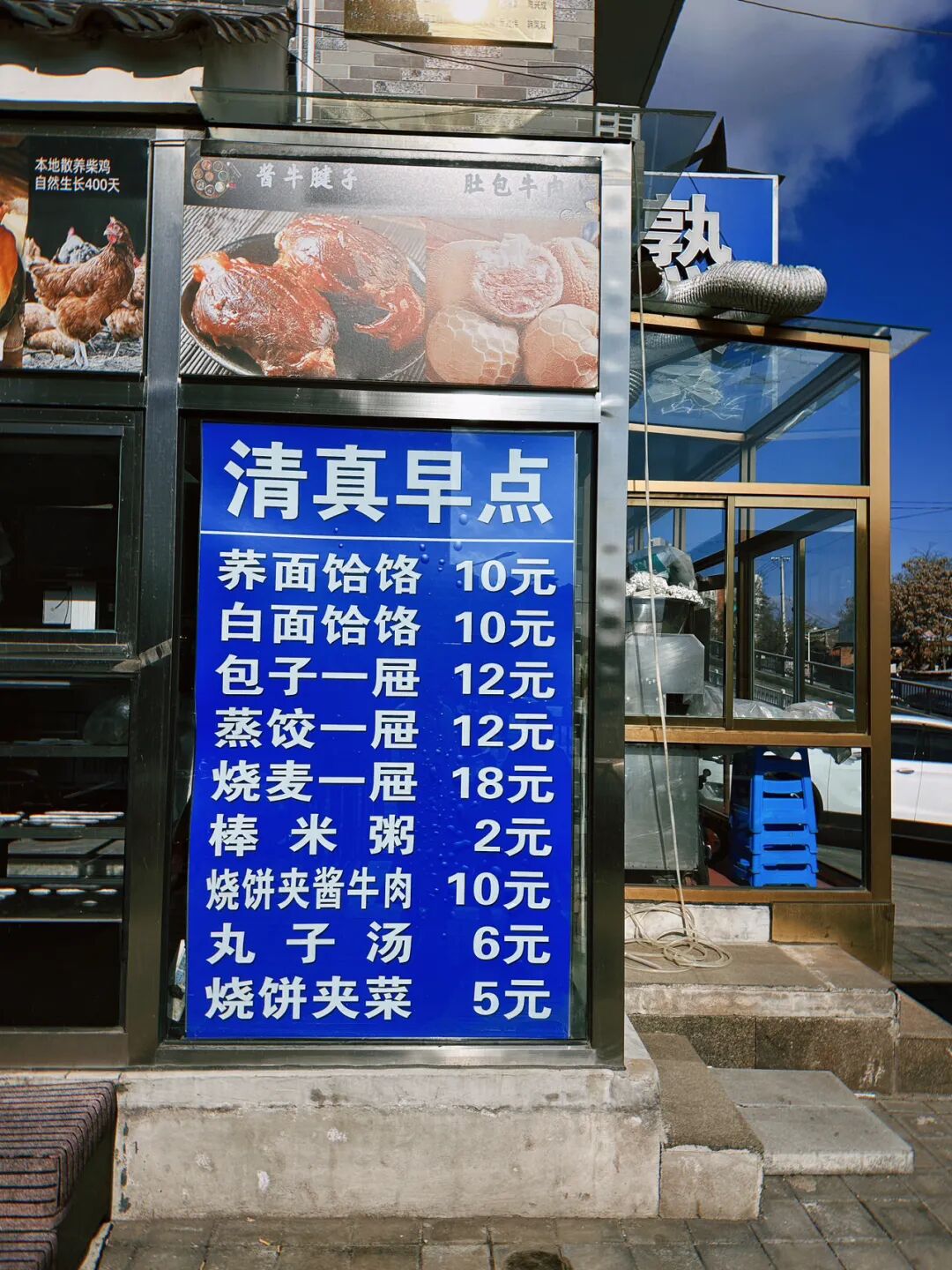
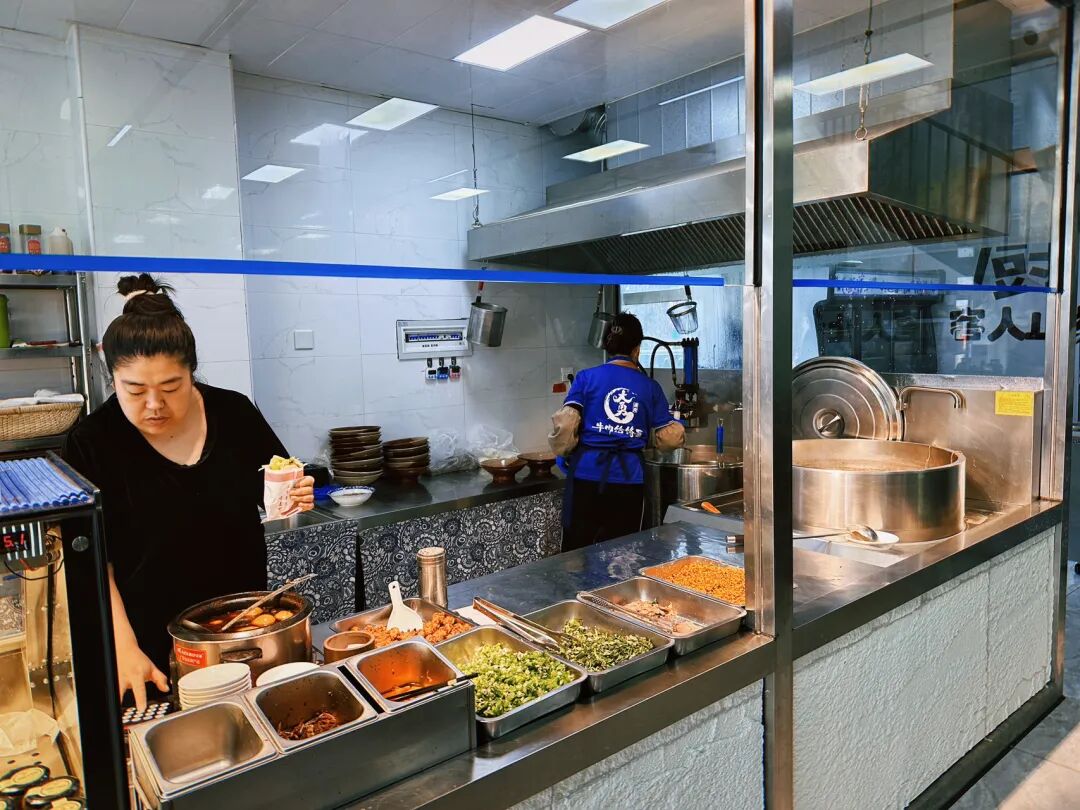
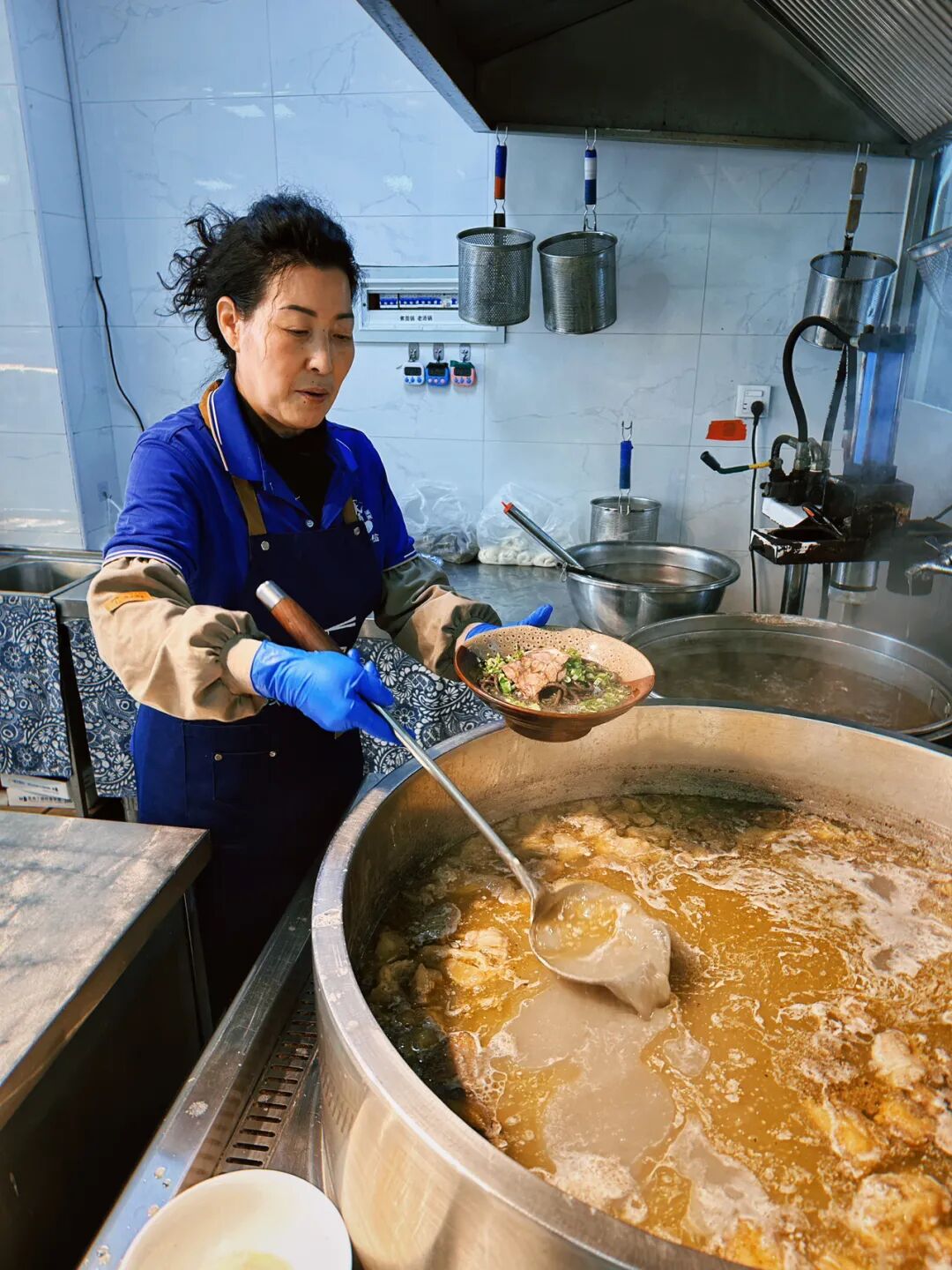
Xie's Steamed Bean Bun (doubao) right across from the West Mosque is also worth eating. We arrived after nine o'clock and caught them just as they were made; the kids loved the steaming hot red bean paste filling.
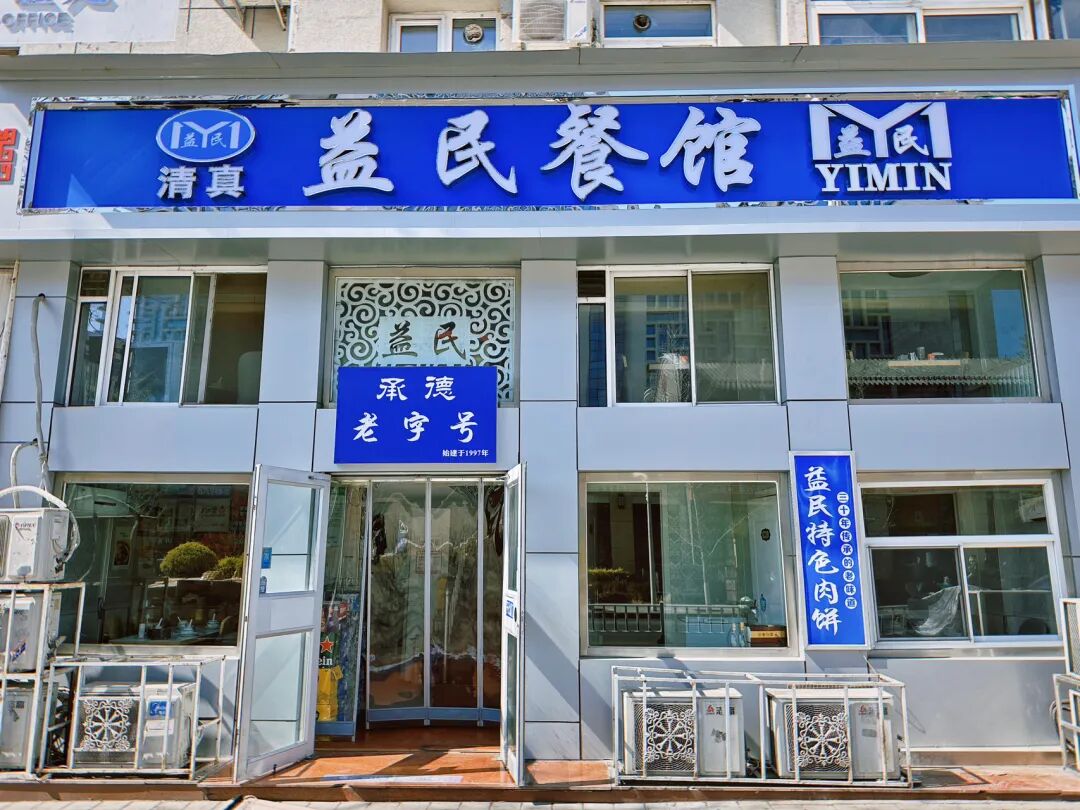
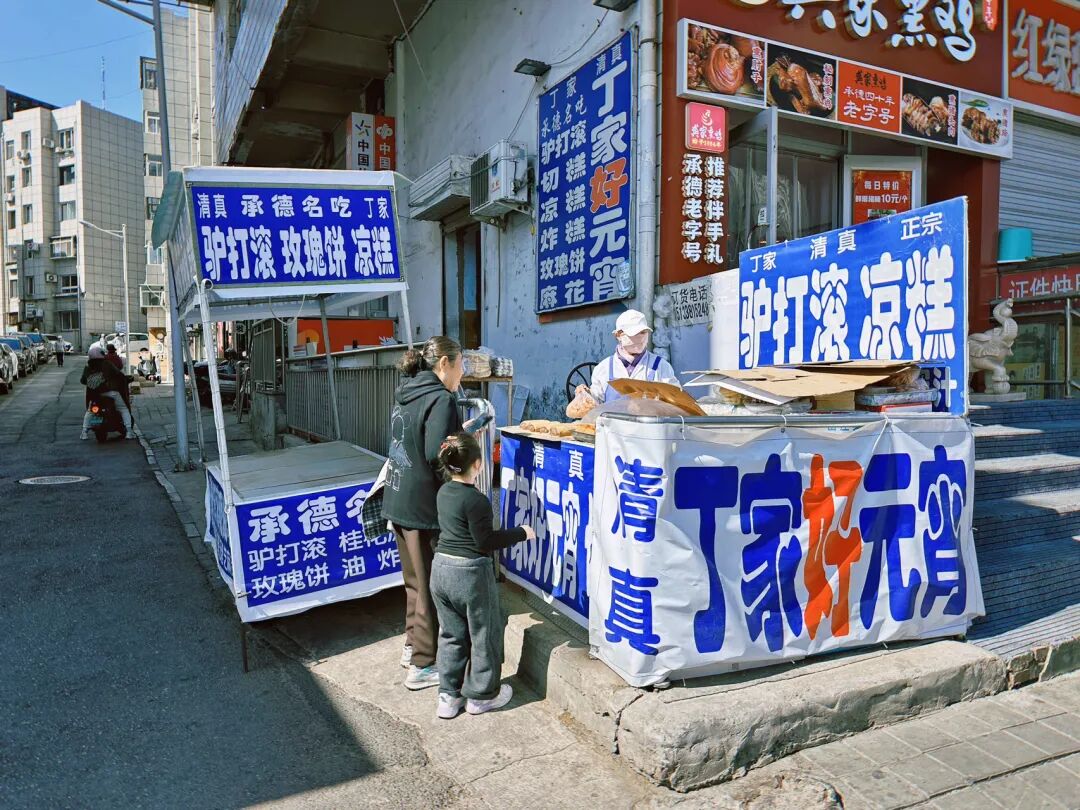
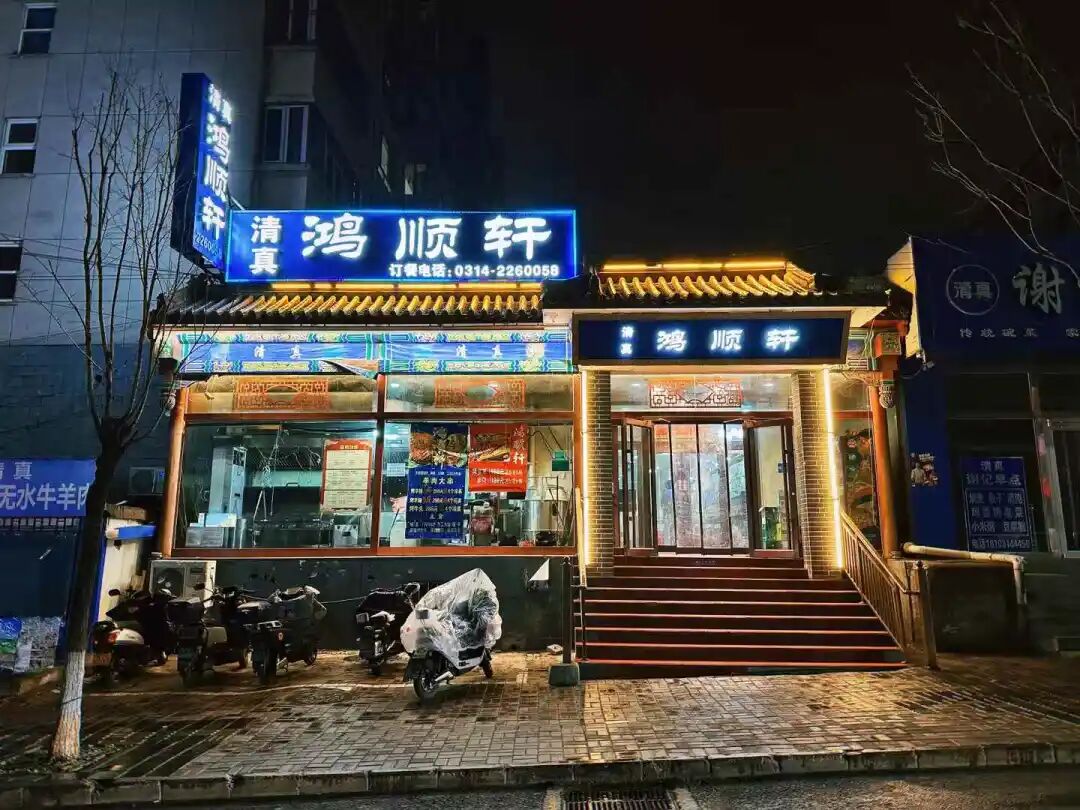
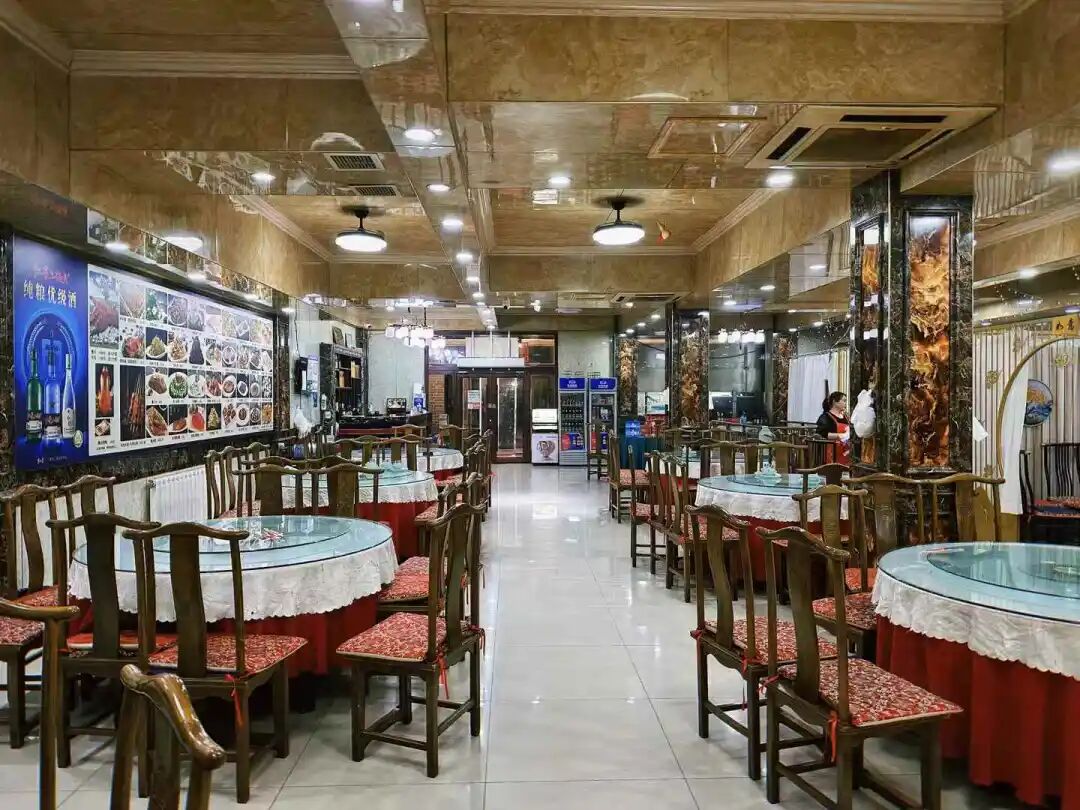
Hongshunxuan, located across from the West Mosque in Chengde, closes quite late, so you can even make it if you take the high-speed train from Beijing after work on Friday. This place seems to be a restaurant that hosts banquets, so the menu is quite extensive.
Historically, Hui Muslims in Chengde mainly came from Shandong and Hebei, so their diet is heavily influenced by Lu cuisine. Therefore, many of these dishes can also be found in Beijing, Tianjin, and the Northeast. We ordered the classic Lu cuisine dishes of braised meat strips (pa rourou) and sesame lamb, and also ordered cordyceps with three-leaf herb (chongcao san ye xiang). I loved eating sesame lamb (zhima yangrou) when I was a kid, but most restaurants in Beijing don't make it well anymore, so I have to go to Shandong to eat it. I ate sesame lamb both times I visited Chengde, and it tasted great, just like it did when I was a child. Three-leaf fragrance (sanyexiang) is just celery sprouts, and it tastes quite good, but I don't know why it is rarely seen in Beijing restaurants.
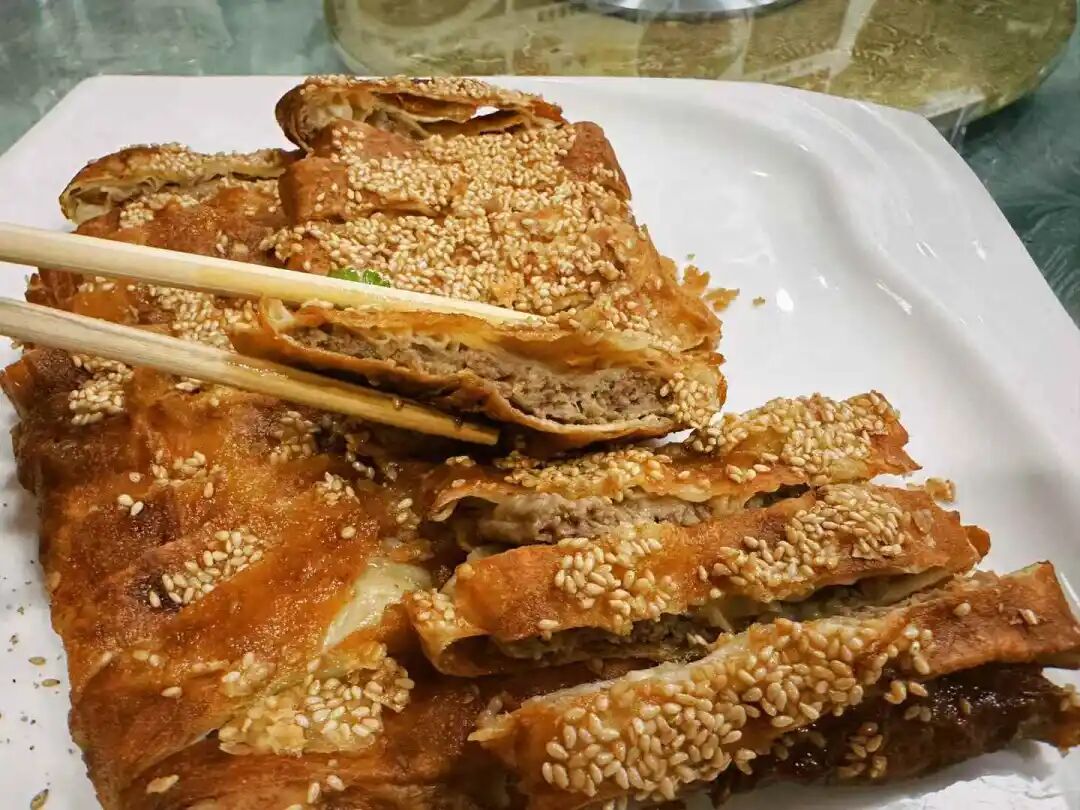
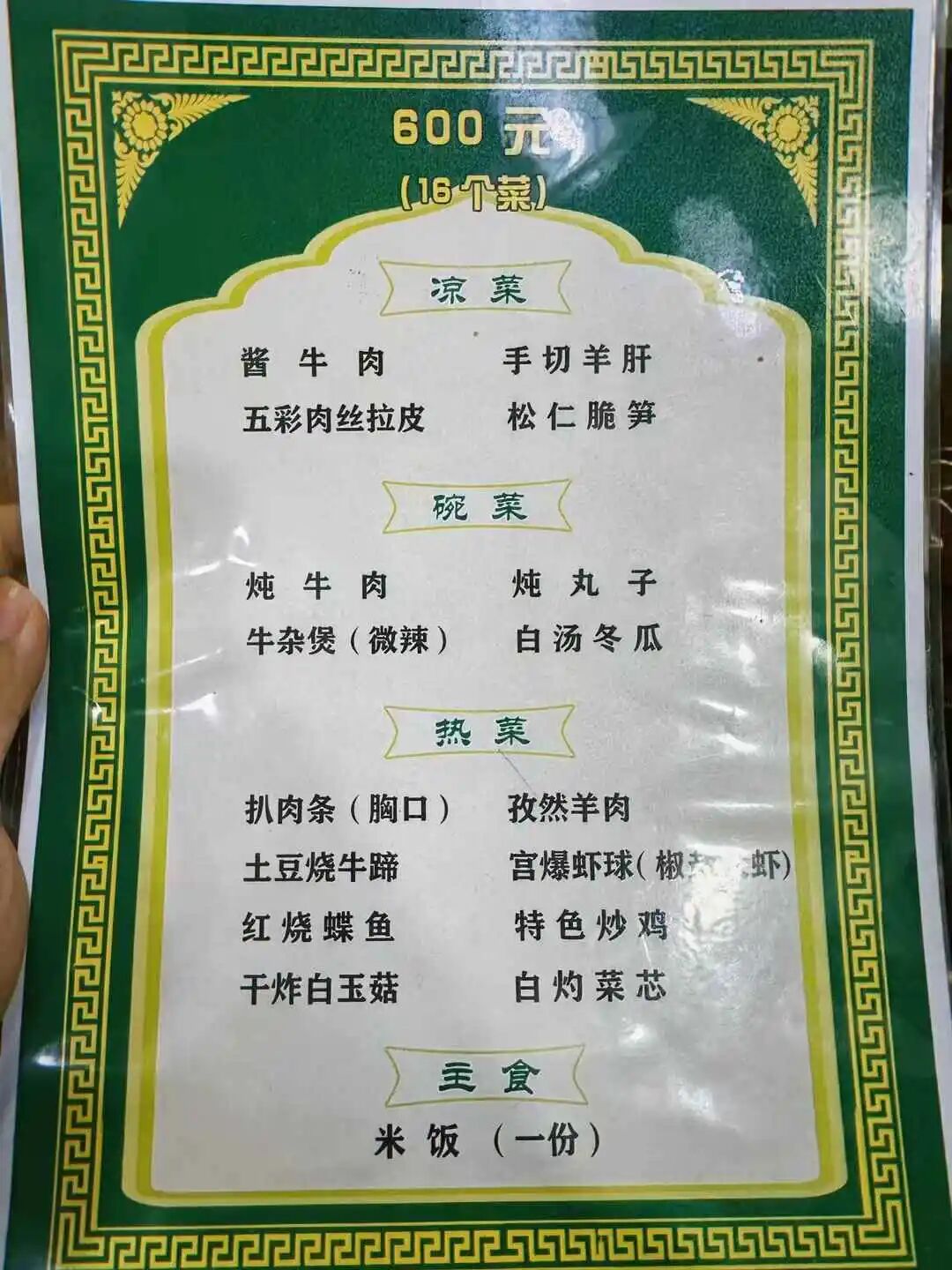
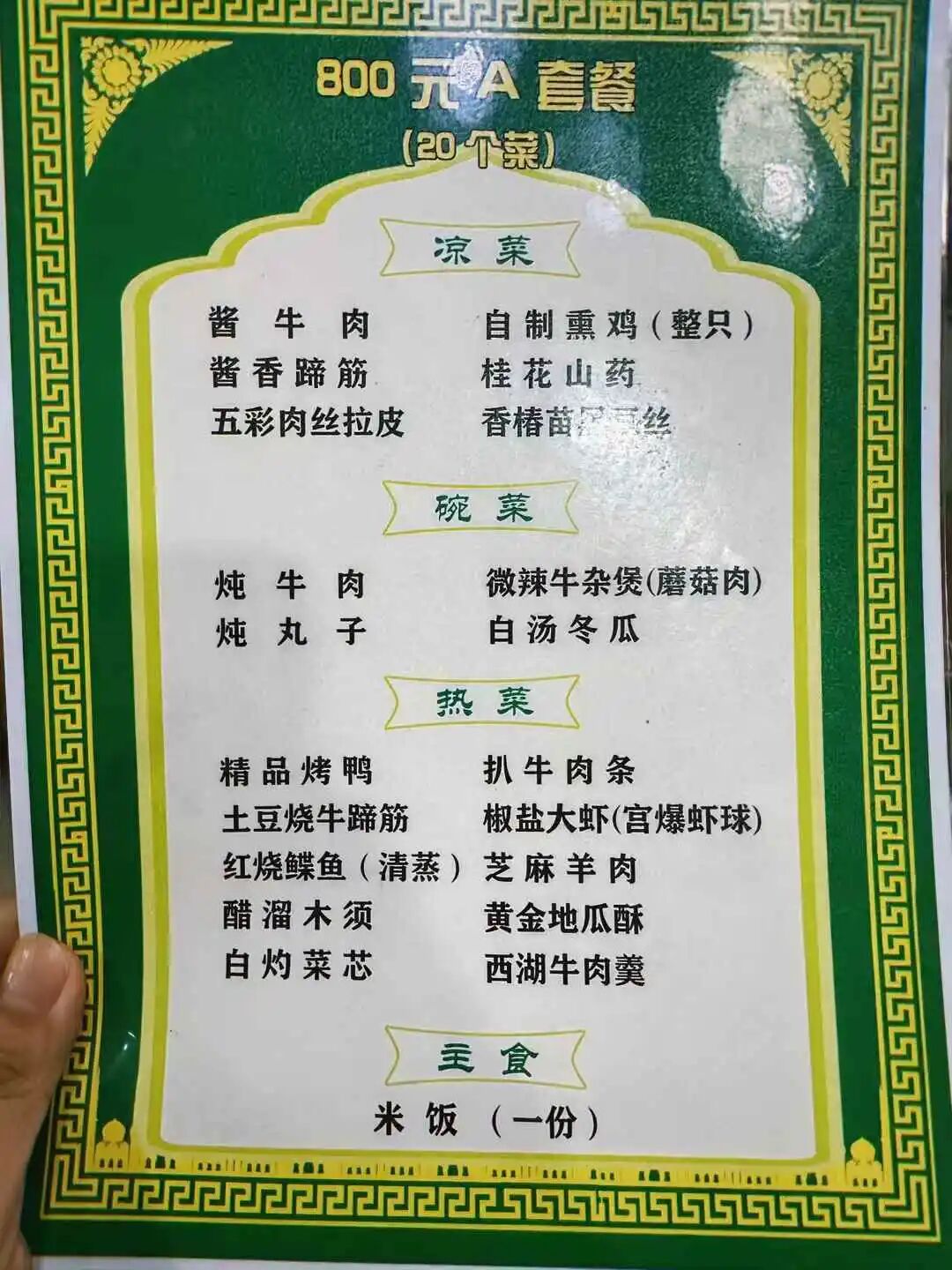
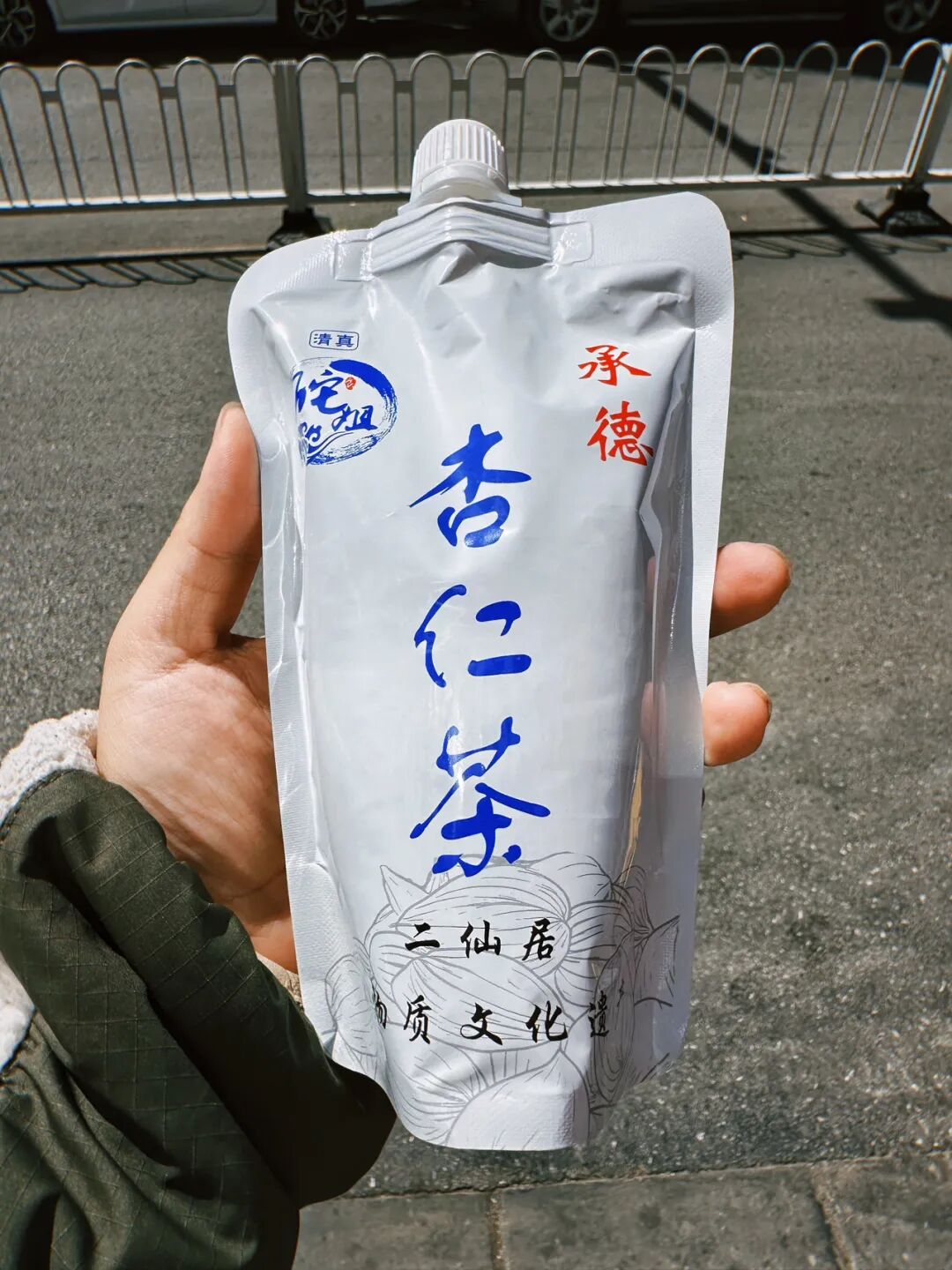
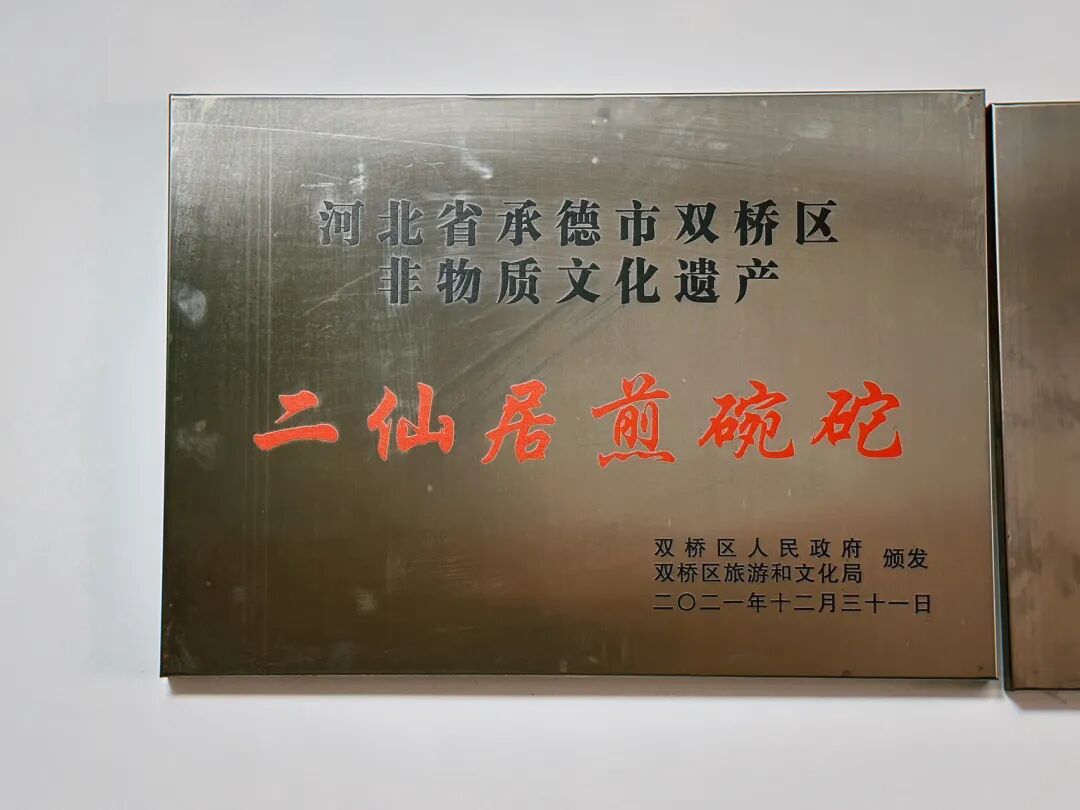
I wandered over to the famous Tuojie Snacks in Chengde to eat fried buckwheat jelly (jian wantuo) and almond tea (xingren cha). Both of these items at their shop are district-level intangible cultural heritage, and I eat them every time I go to Chengde. Now, they even have pre-packaged almond tea you can take away to drink on the road.
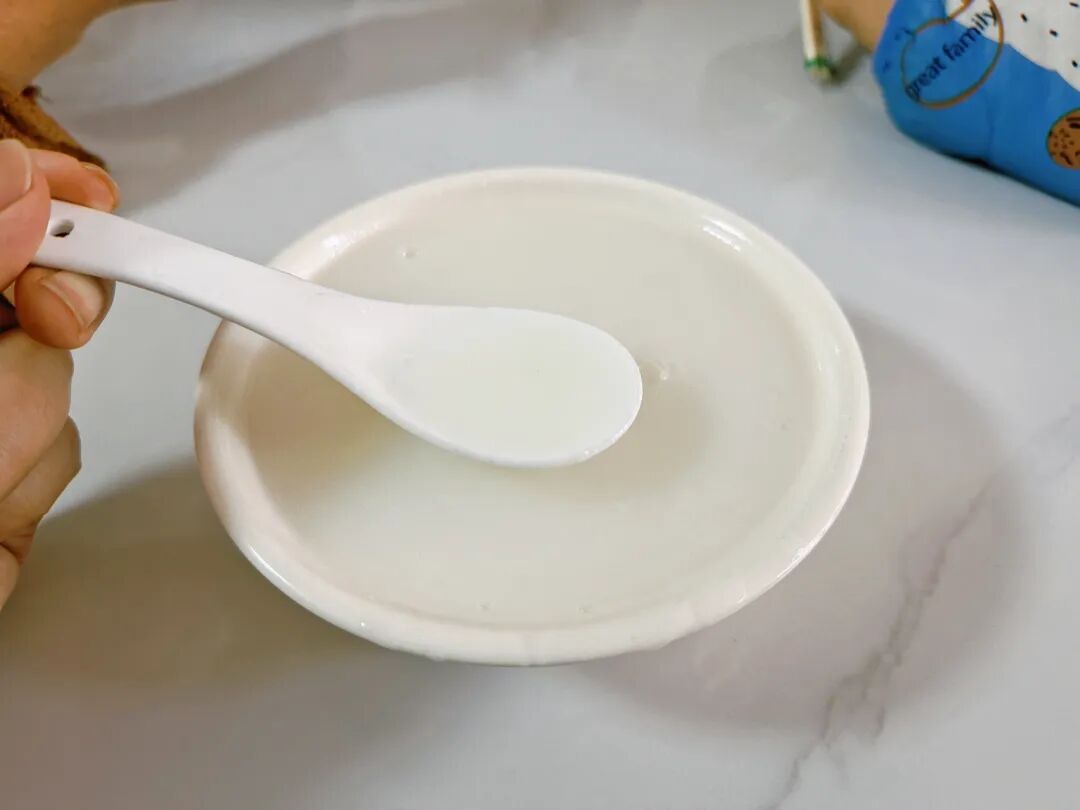
Chengde produces almonds, so their almond tea is also very famous. Almond tea is made by soaking almonds in water to peel them, soaking out the bitter taste, grinding them into a paste to remove the dregs, and then boiling the mixture with rice flour and white sugar.
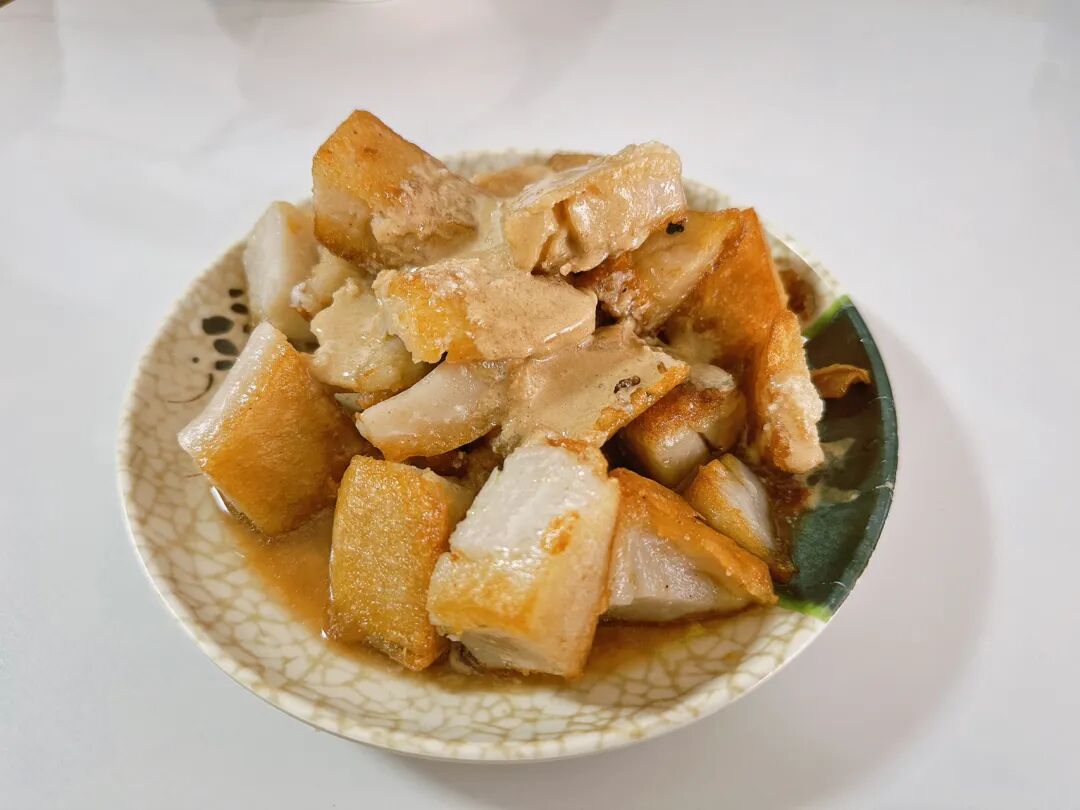
Fried buckwheat jelly is also a famous Chengde snack. It is made by grinding buckwheat kernels into a paste, steaming it in a bowl, and then letting it cool to form a jelly block. When you eat it, you cut it into triangular pieces, fry them in a pan, and then pour sesame paste and garlic sauce over them. Chengde fried buckwheat jelly is said to have originated in the Erxianju area during the Qing Dynasty. Since the Qing Dynasty, Erxianju has been a bustling commercial street in Rehe, and it is still a lively market today.
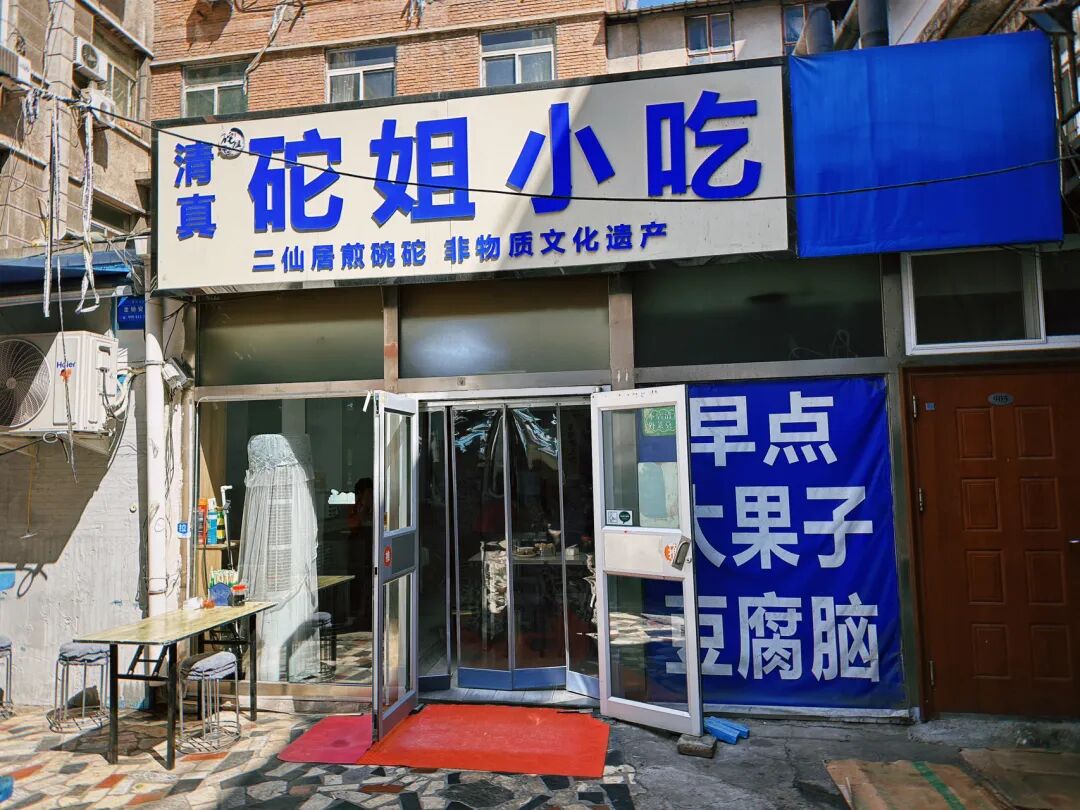
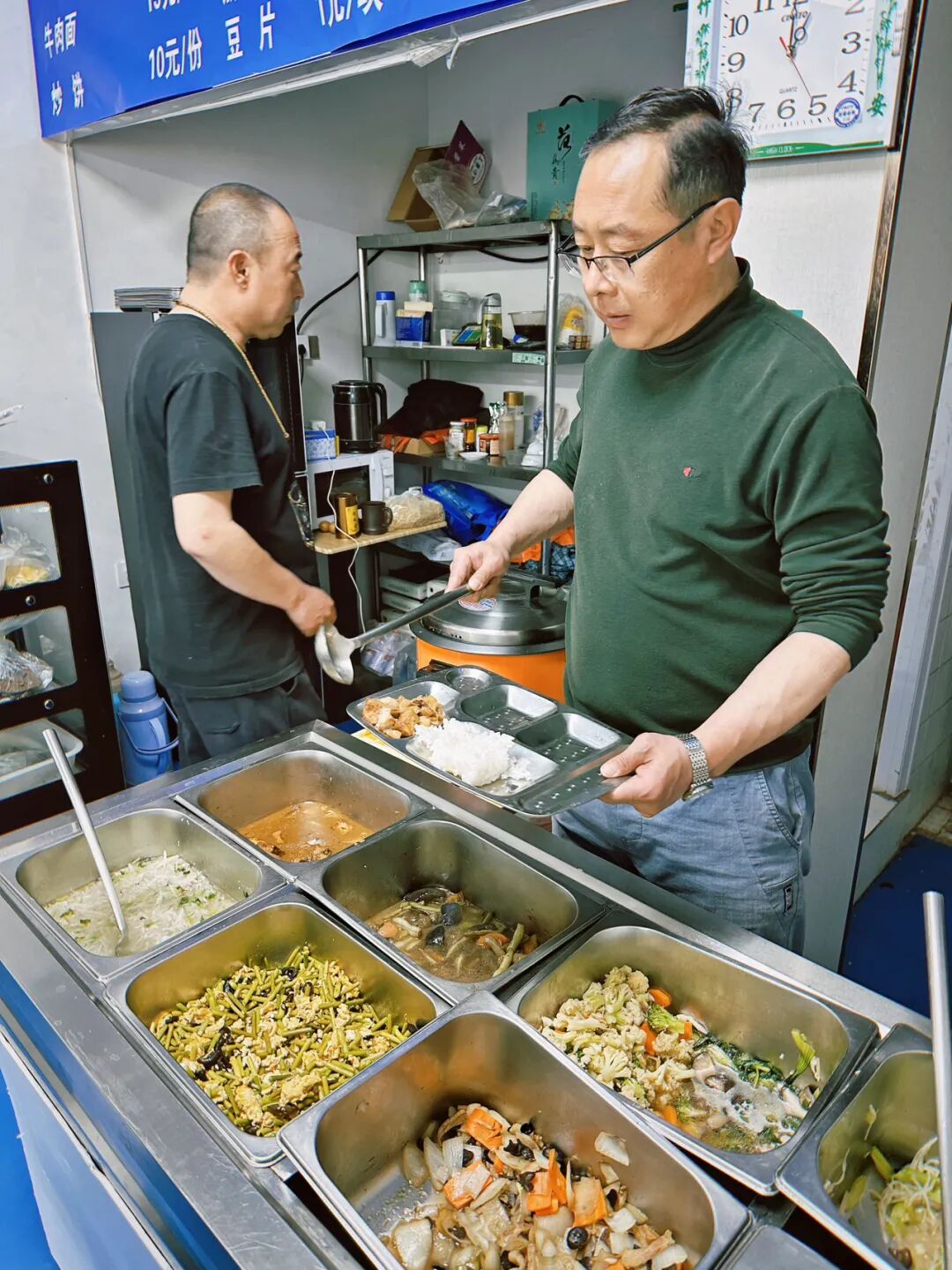
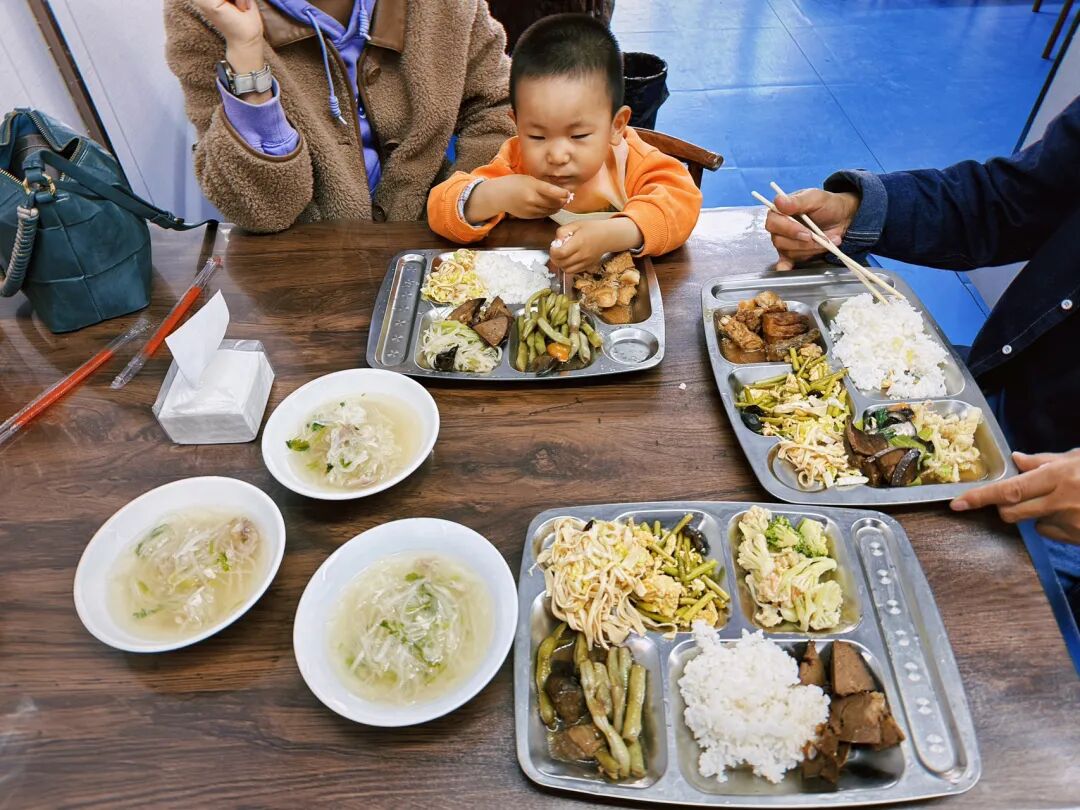
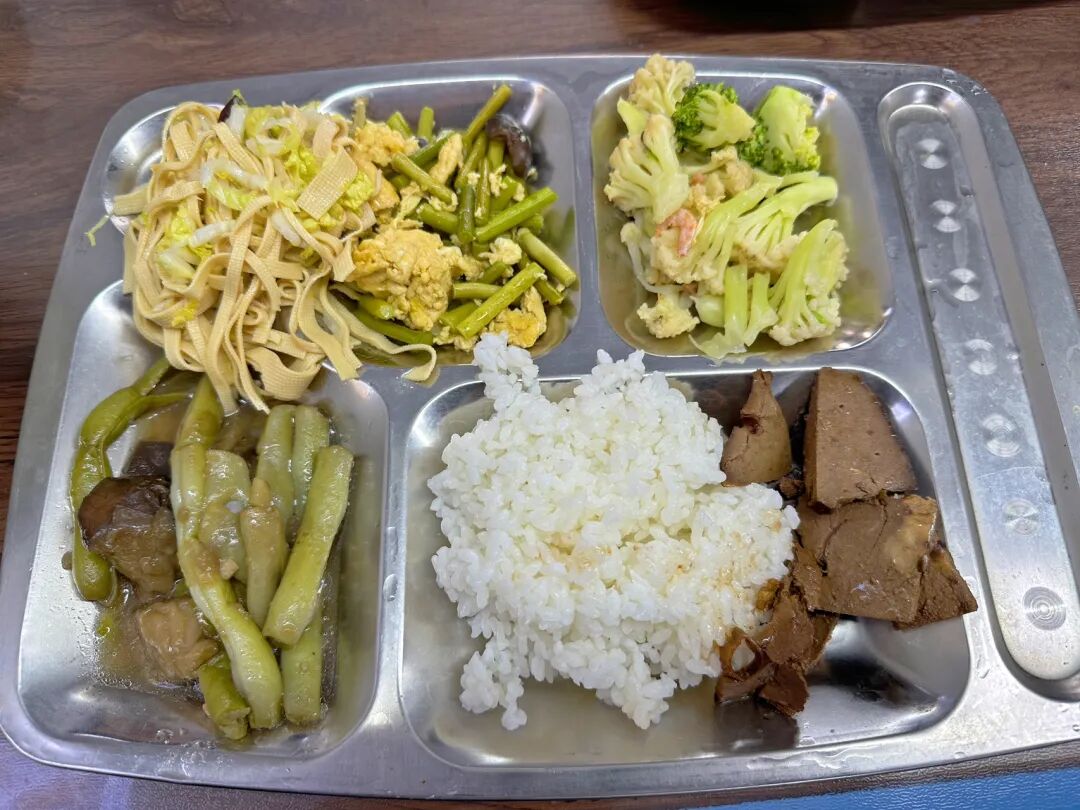
Prices in Chengde are really not high. There is a community convenience canteen near Erxianju where a lunch set meal costs 15 yuan, and it is only 9.9 yuan for those over 60. The dishes are very healthy, and the kids ate happily.
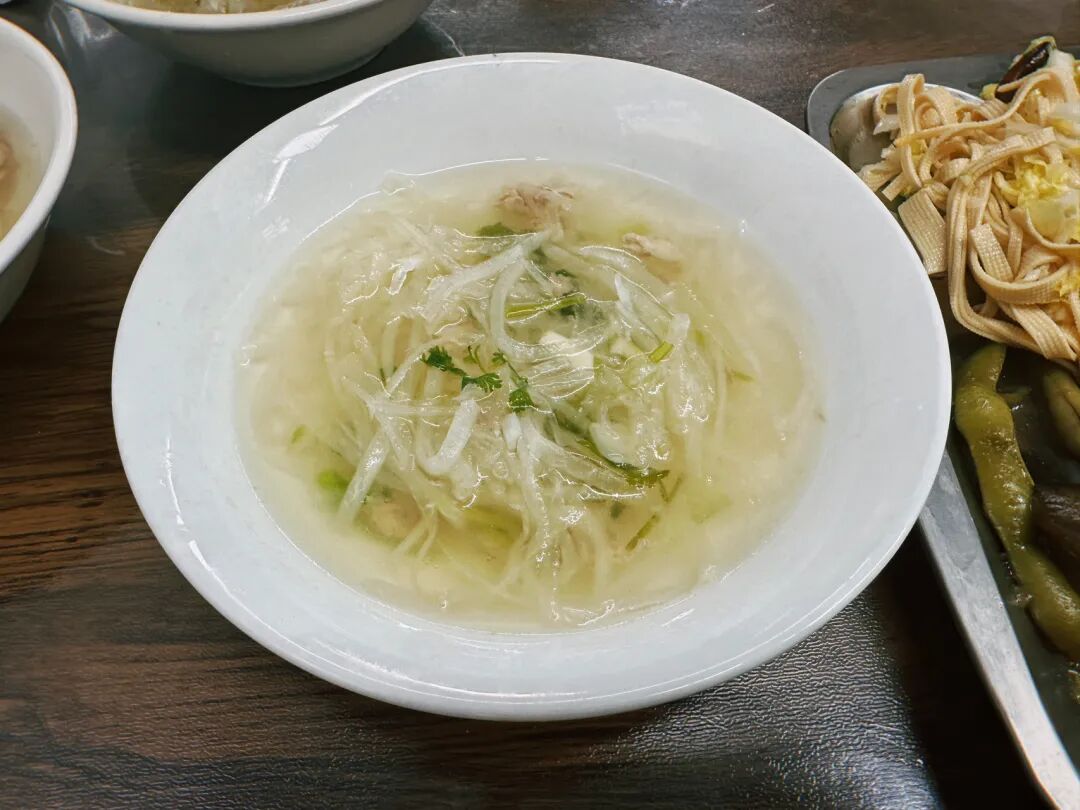
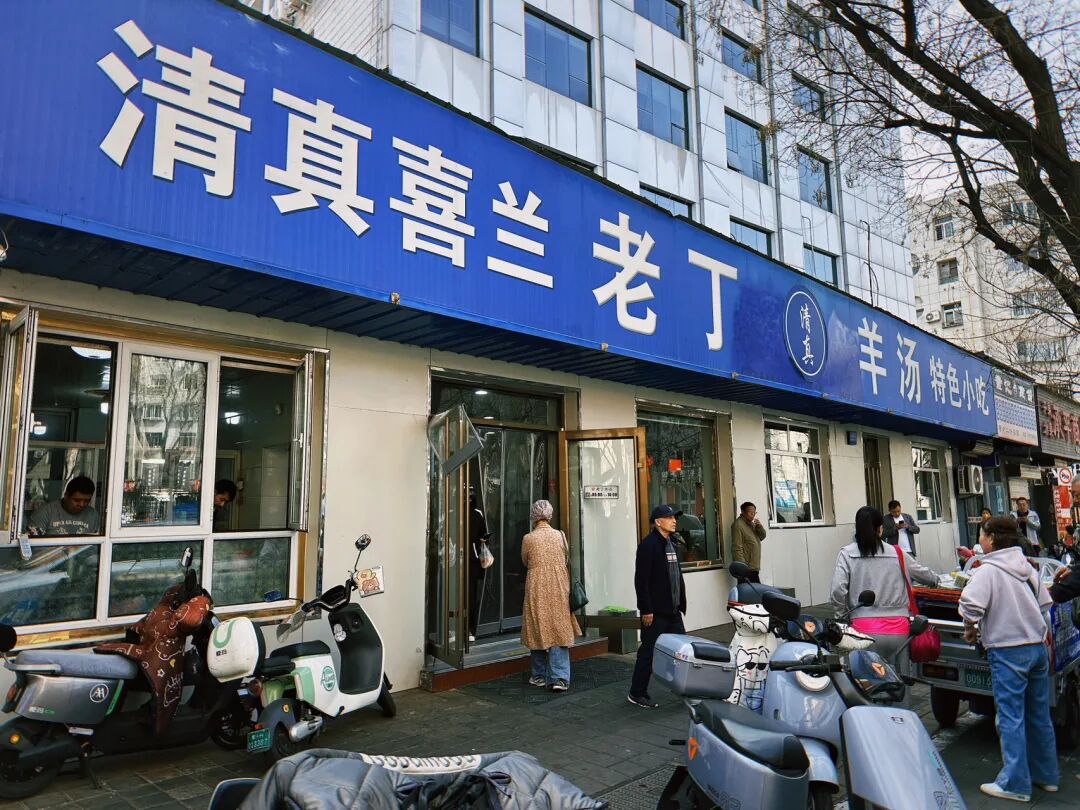
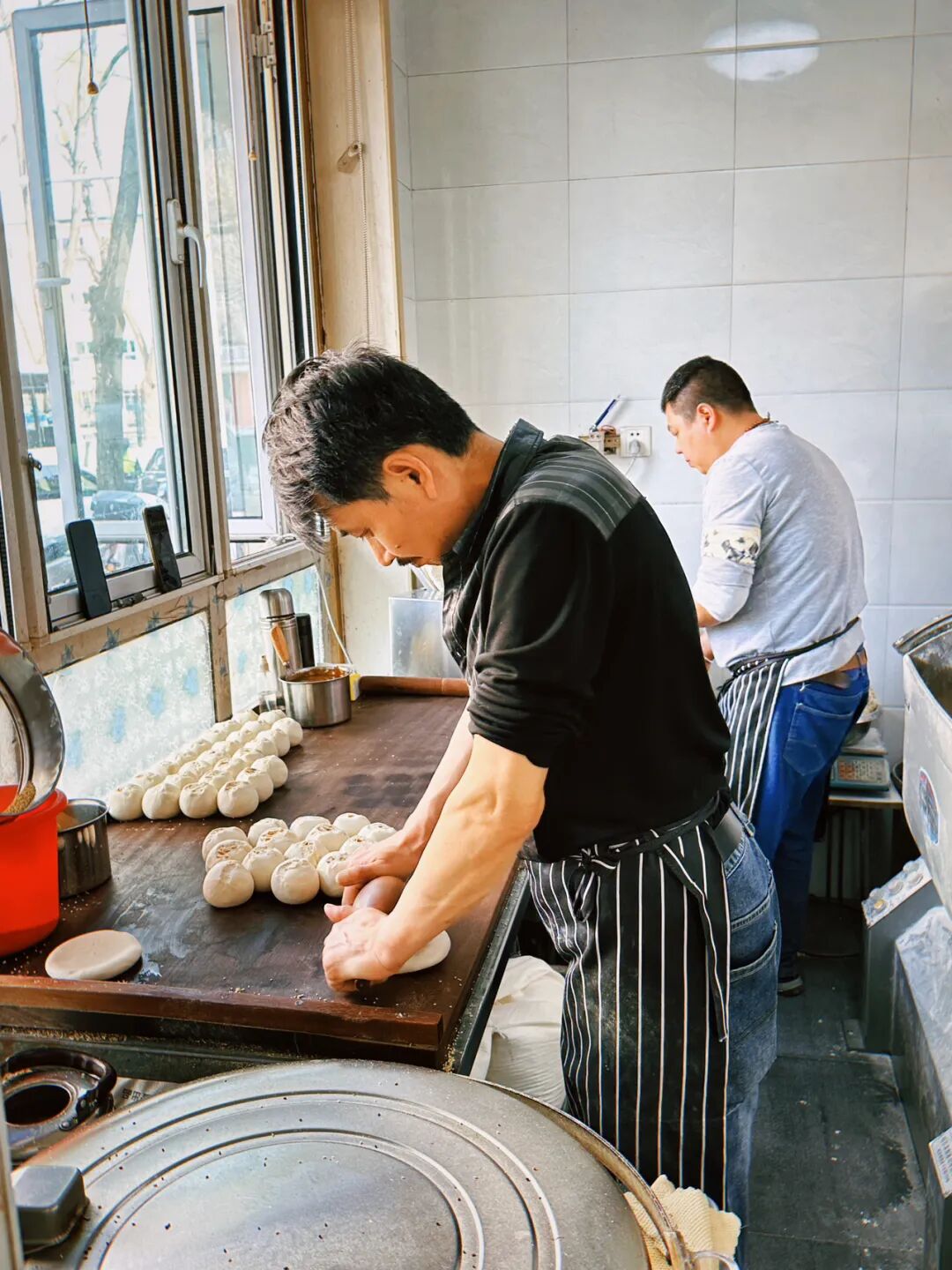
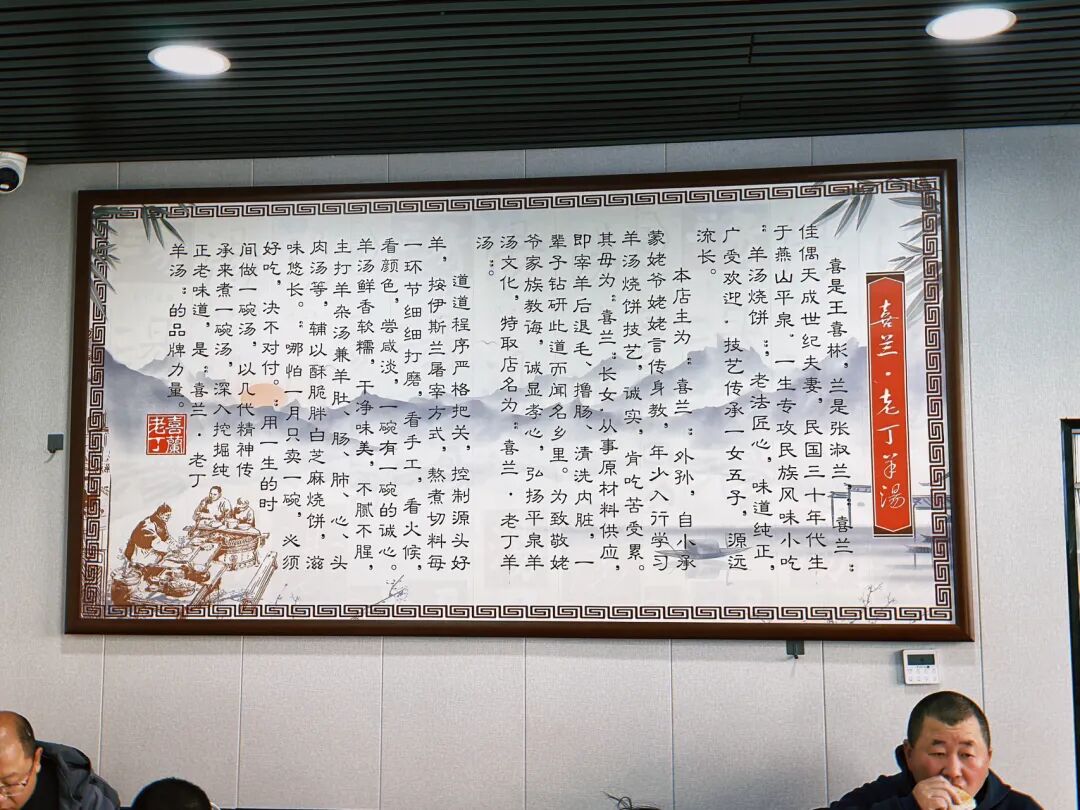
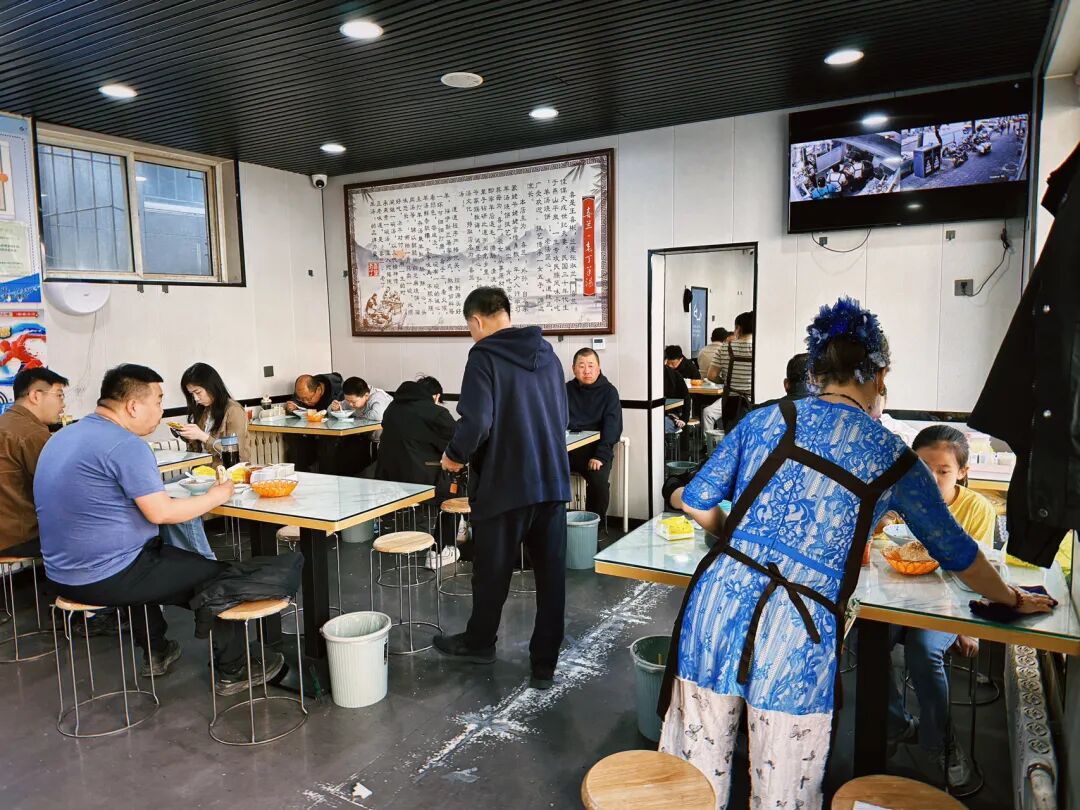
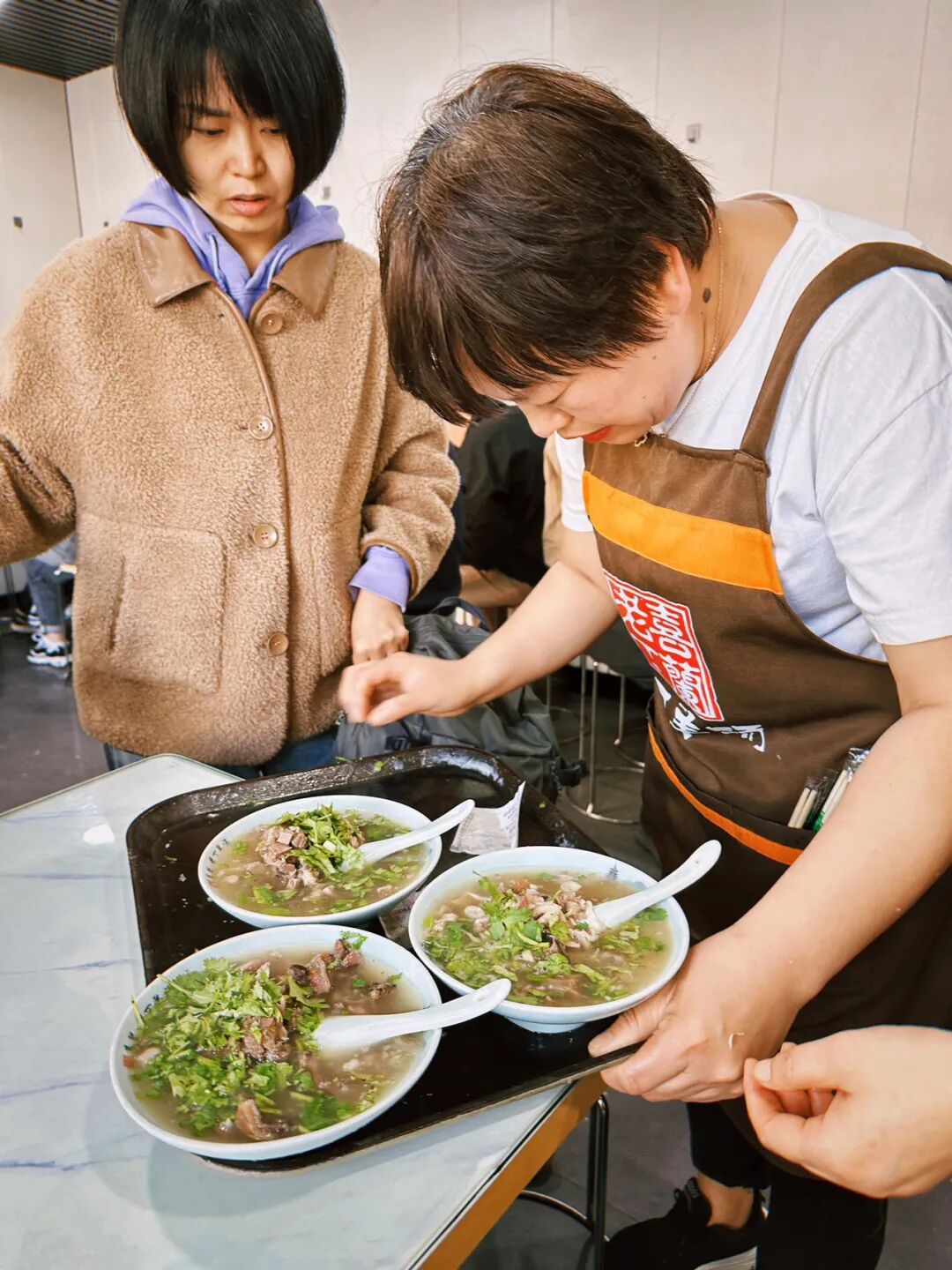
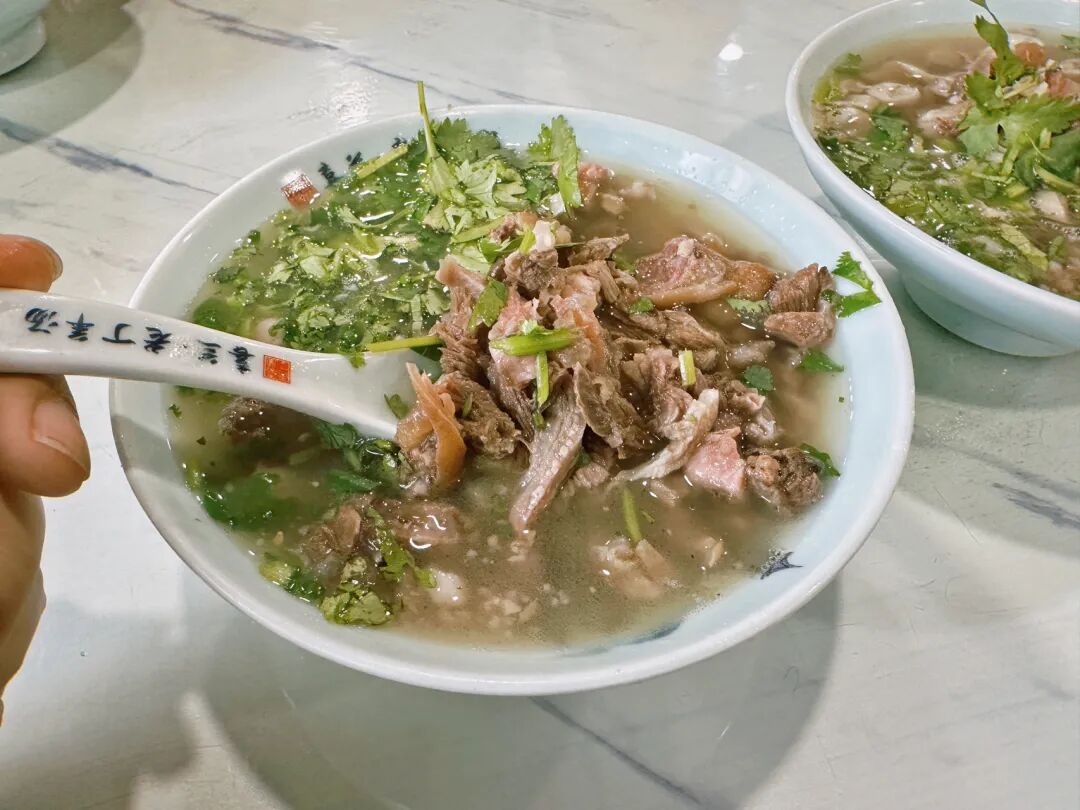
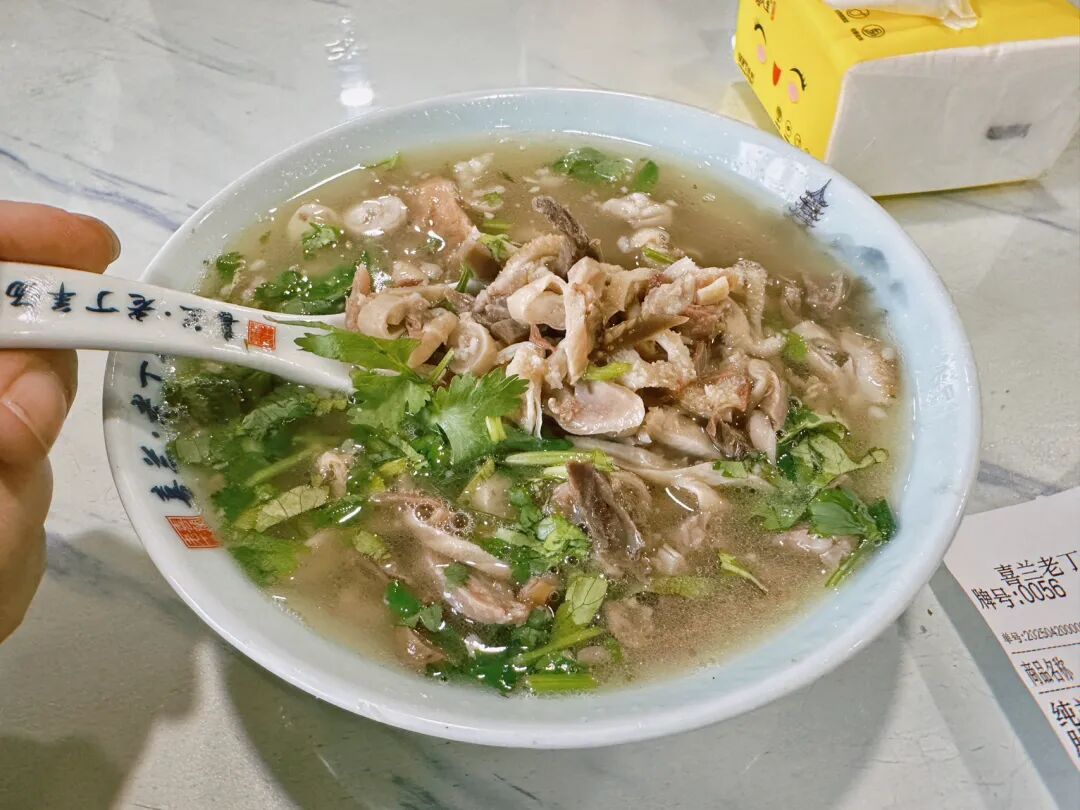
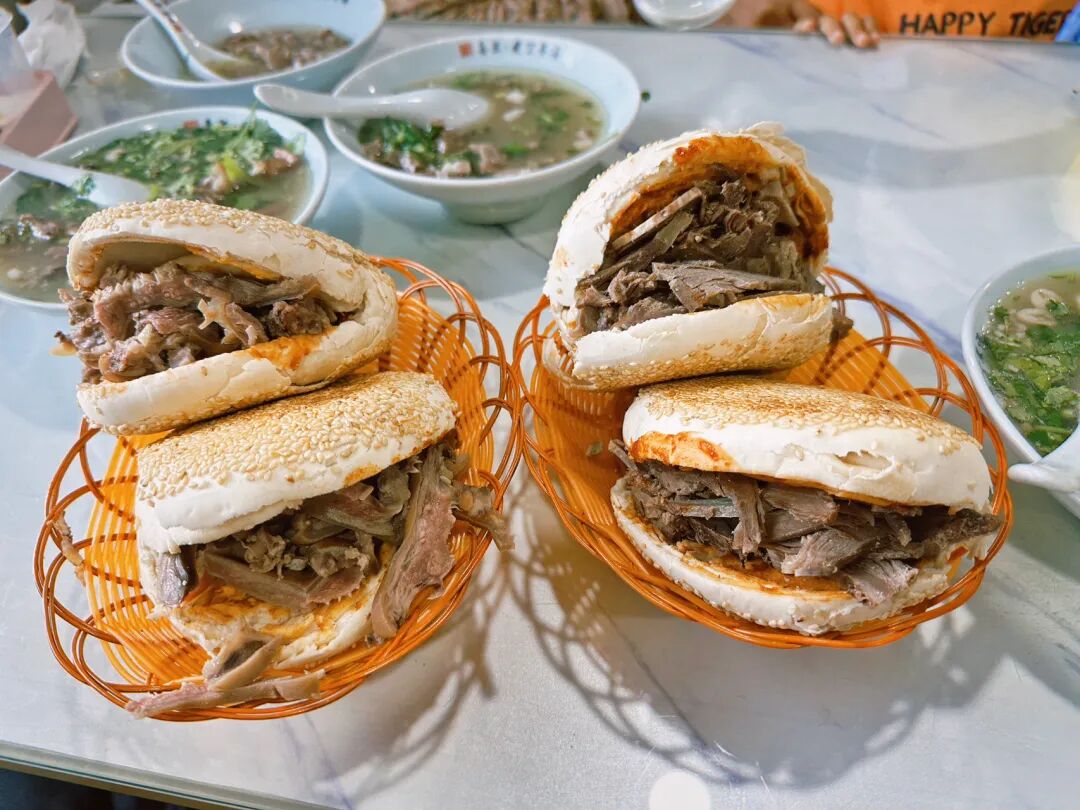
The most famous breakfast in Chengde has to be Pingquan lamb soup (yangtang), and there are a few very popular shops in the city center. We went to Xilan Laoding on Zhulin Mosque Street. The shop name comes from the owner Mr. Ding's grandparents, who were Hui Muslims from Pingquan named Wang Xibin and Zhang Shulan. Pingquan lamb soup is known for its fresh, delicious broth and freshly made sesame flatbread (shaobing). You can add lamb tripe, intestines, head meat, or pure meat to the lamb soup, and you can also add spiced meat or head meat to the sesame flatbread. A special feature of Pingquan lamb soup is that a server always walks around with a big ladle to ask if you want more soup, and refills are free. Sesame flatbreads (shaobing) in Chengde are bigger than the ones in Beijing, and they smell amazing when they are fresh off the griddle. They brush sauce on the meat inside the flatbread, which makes it quite salty, so tell them beforehand if you prefer less salt.
I recommend Shuangxin Restaurant on Shanzhuang Road to fellow Muslim travelers (dost). It is not far from the south gate of the Mountain Resort, and there is a large parking lot nearby, making it a great place to eat after visiting the resort.
They serve both traditional dishes and their own creative new recipes, so there is a huge variety to choose from. We ordered shredded beef heart, fresh-set tofu (kaibao doufu), pan-fried stuffed tofu (banjian doufu), lamb and winter melon steamed dumplings (shaomai), and stir-fried snow peas. We did not order two tofu dishes on purpose, but both of them are very unique. The fresh-set tofu (kaibao doufu) is curdled right at the table, and you dip it in sauce to eat it immediately, so you get the freshest tofu flavor possible. The pan-fried stuffed tofu (banjian doufu) is their own invention, featuring tofu stuffed with meat, and it tastes delicious. This was my first time trying lamb and winter melon steamed dumplings (shaomai). Using winter melon as a filling works really well and pairs perfectly with the lamb. The shredded beef heart is a cold dish, and it is also great to take away for the road.
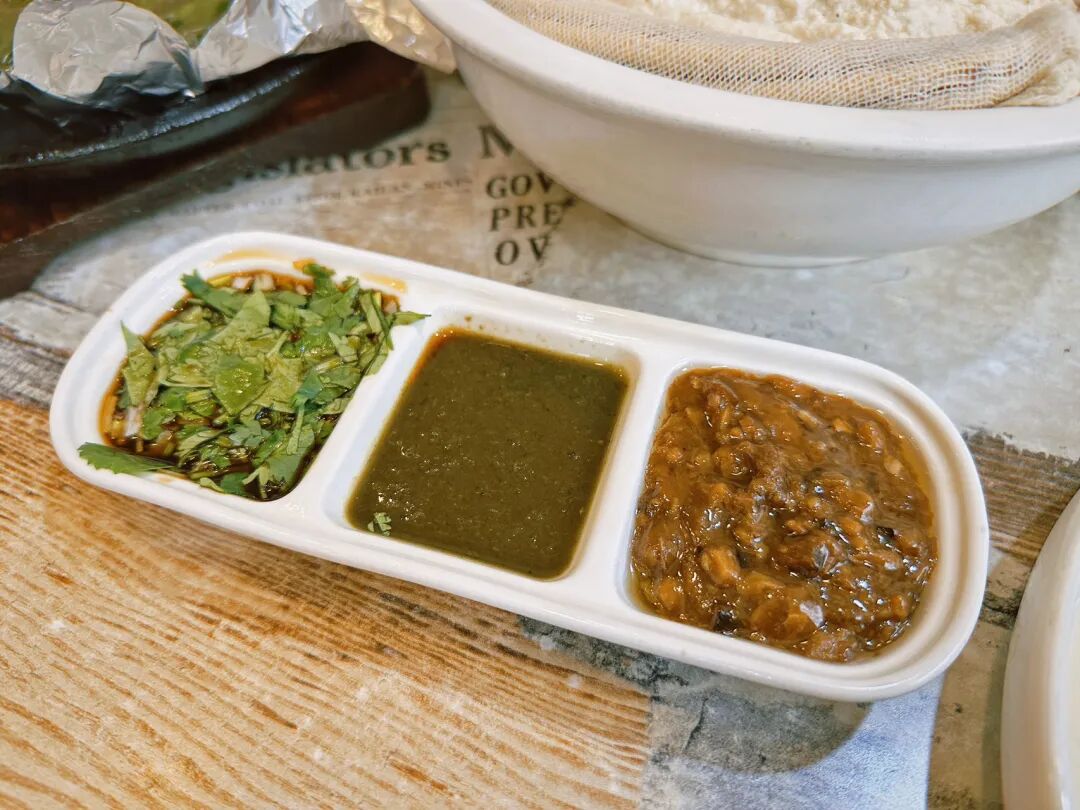
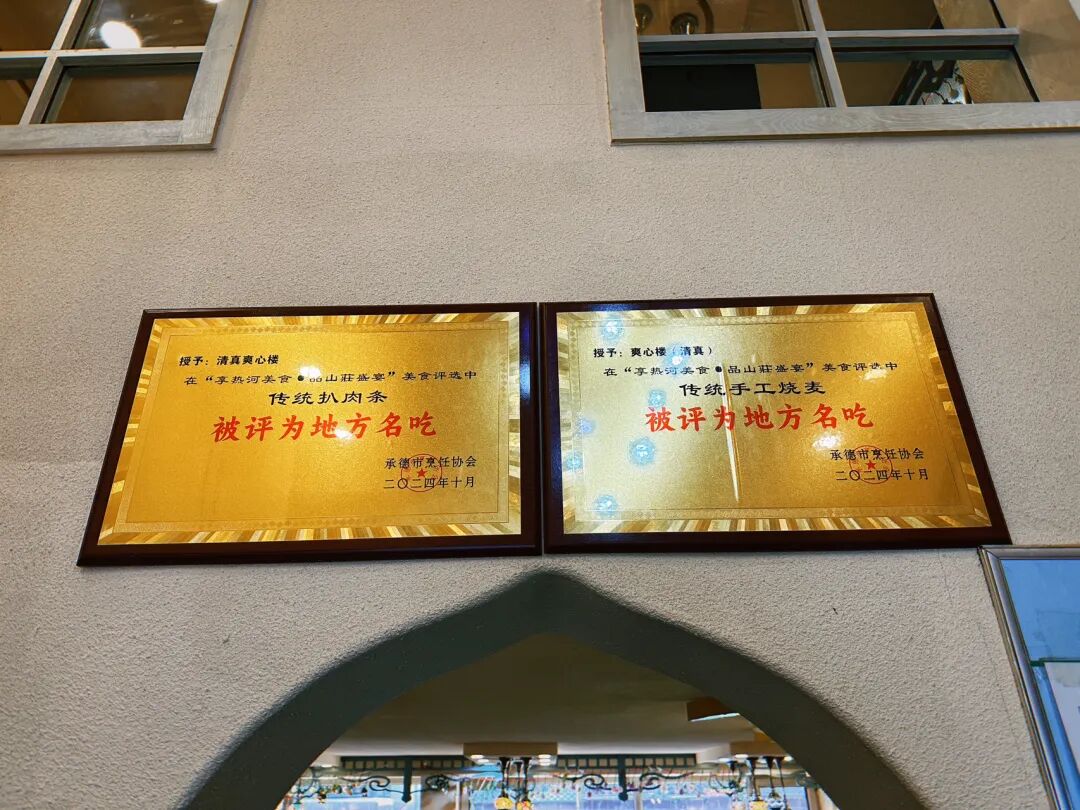
Heading west from Chengde, we arrived at the old street in Luanhe Town. Luanhe Old Street was originally called Kalahetun, which means black city in Mongolian. In 1650 (the seventh year of the Shunzhi reign), the Shunzhi Emperor stationed troops here during his northern tour. In 1701 (the fortieth year of the Kangxi reign), an imperial palace was officially built in Kalahetun to provide food, lodging, and supplies for the emperor during his annual autumn trips to the Mulan Hunting Ground. In 1723 (the first year of the Yongzheng reign), a garrison for the Eight Banners was established in Kalahetun, and a training ground was built later. In 1733 (the eleventh year of the Yongzheng reign), the Zhili Chengde Prefecture office was set up in Kalahetun, and it was renamed Kalahetun Sub-prefecture in 1742 (the seventh year of the Qianlong reign).
Because of the construction of the imperial palace and the frequent visits of emperors, empresses, and nobles, many Hui Muslims from Hebei and Shandong followed them to Kalahetun. They made and sold specialty foods, which played an important role in the rise of the Luanhe town market. During the reign of Emperor Qianlong, the number of Hui and Han merchants in Kalahetun grew. In 1778, the forty-third year of the Qianlong reign, the area was officially renamed Luanping County.
Luanhe Town currently has one old mosque, which is listed as a district-level cultural heritage site. Unfortunately, the doors were locked both times I visited, so I could not learn more about it.
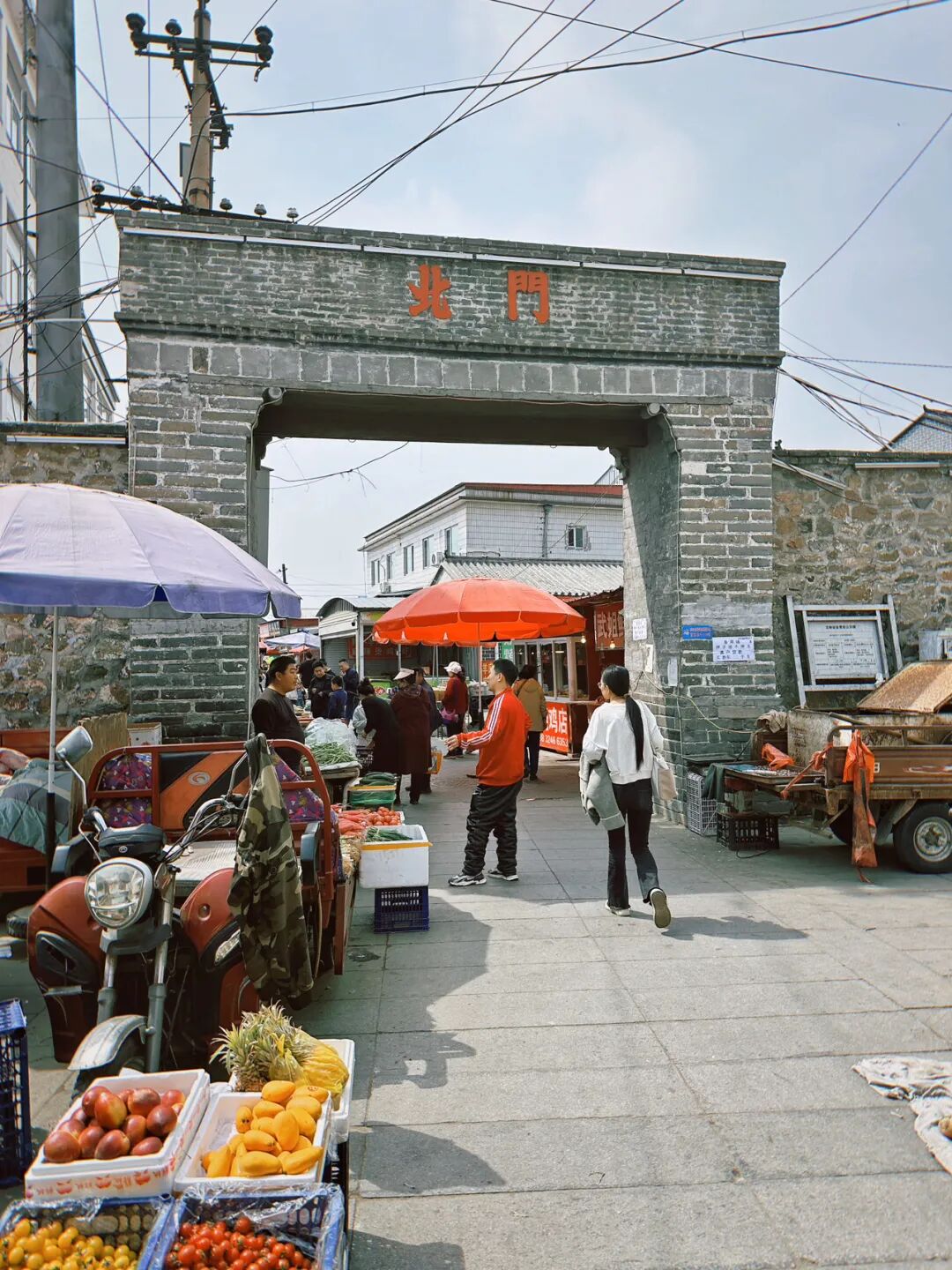
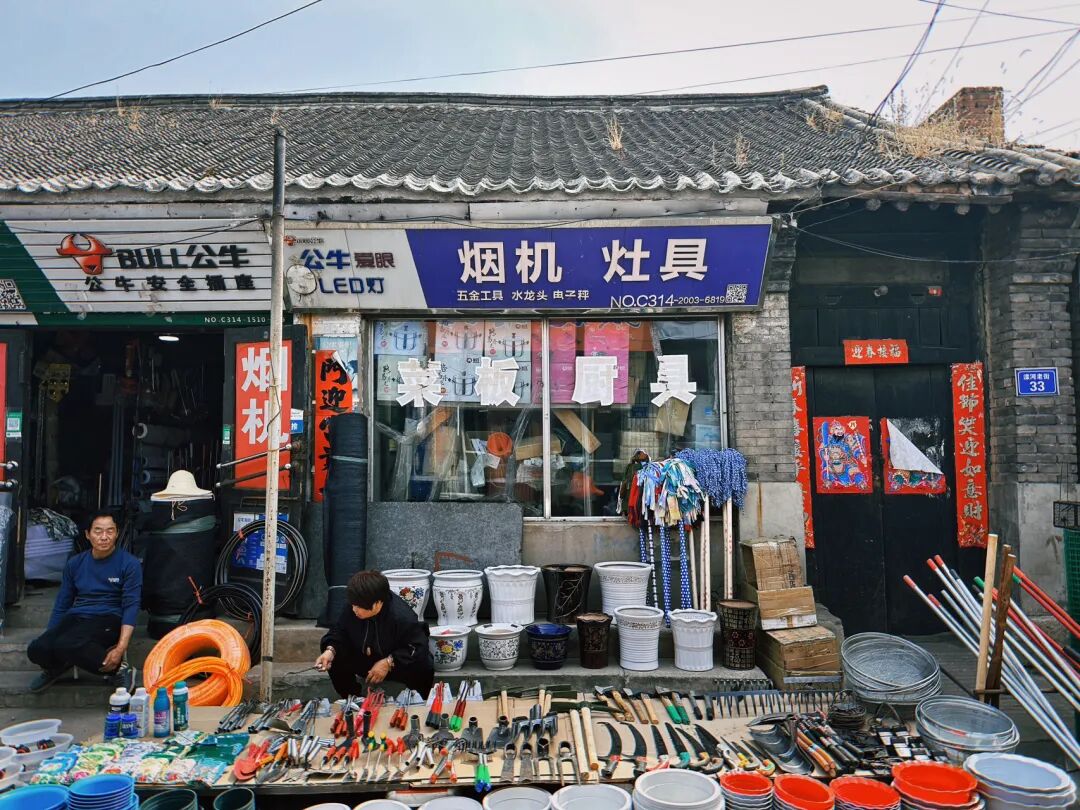
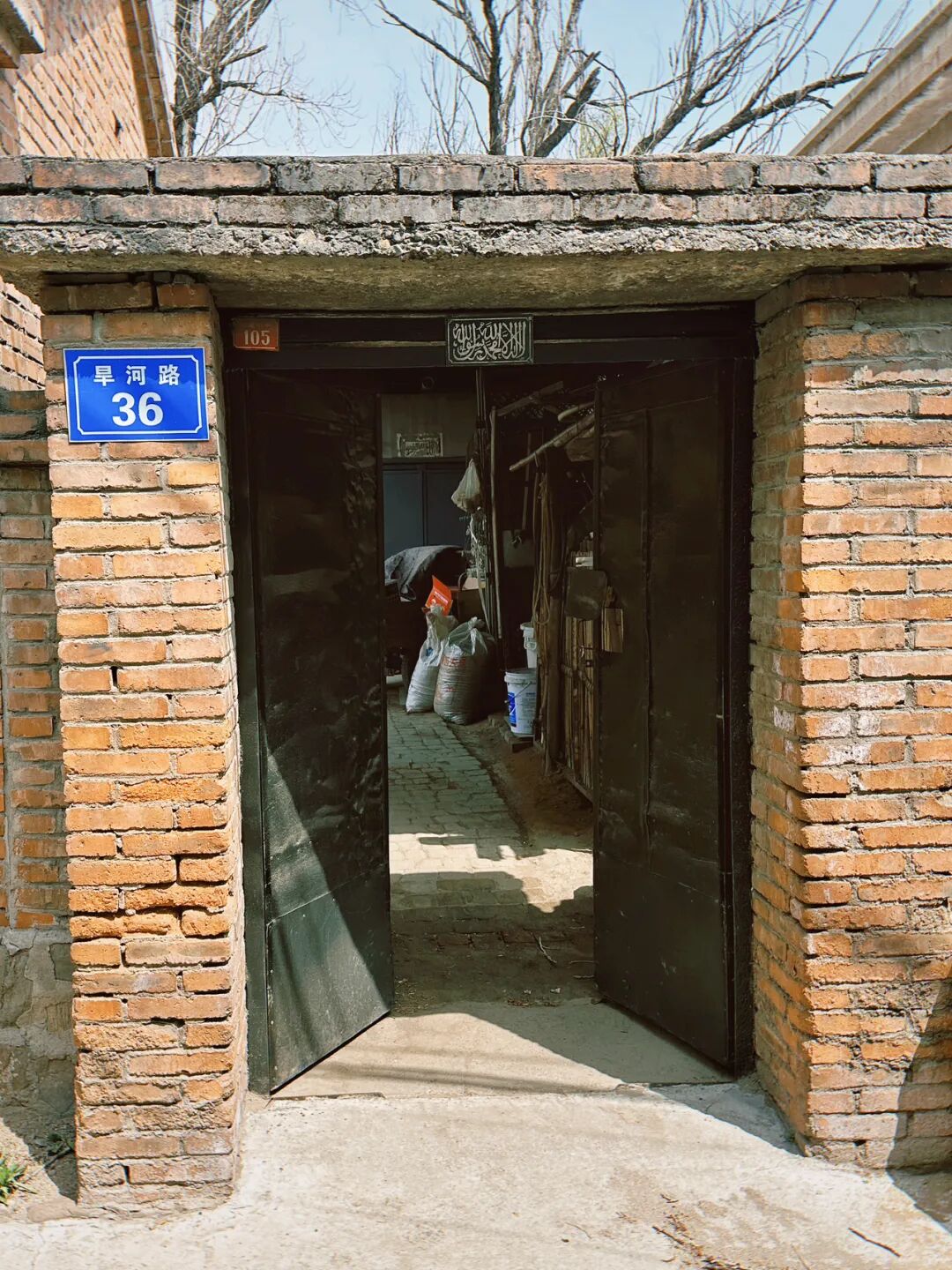
We stayed at the Chengde Qiancaotang Homestay at the foot of Qingchui Peak. It is very convenient if you are driving, as it only takes 10 minutes to reach the city center. The mountain scenery is beautiful and it is a very relaxing place.
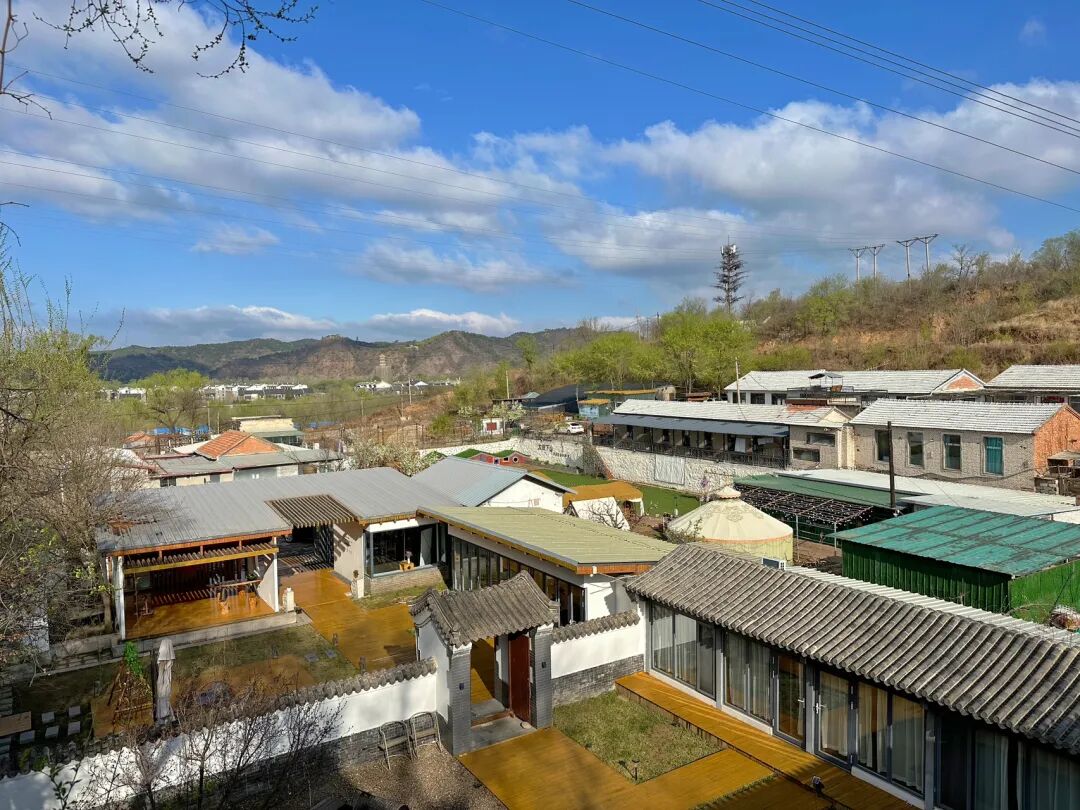
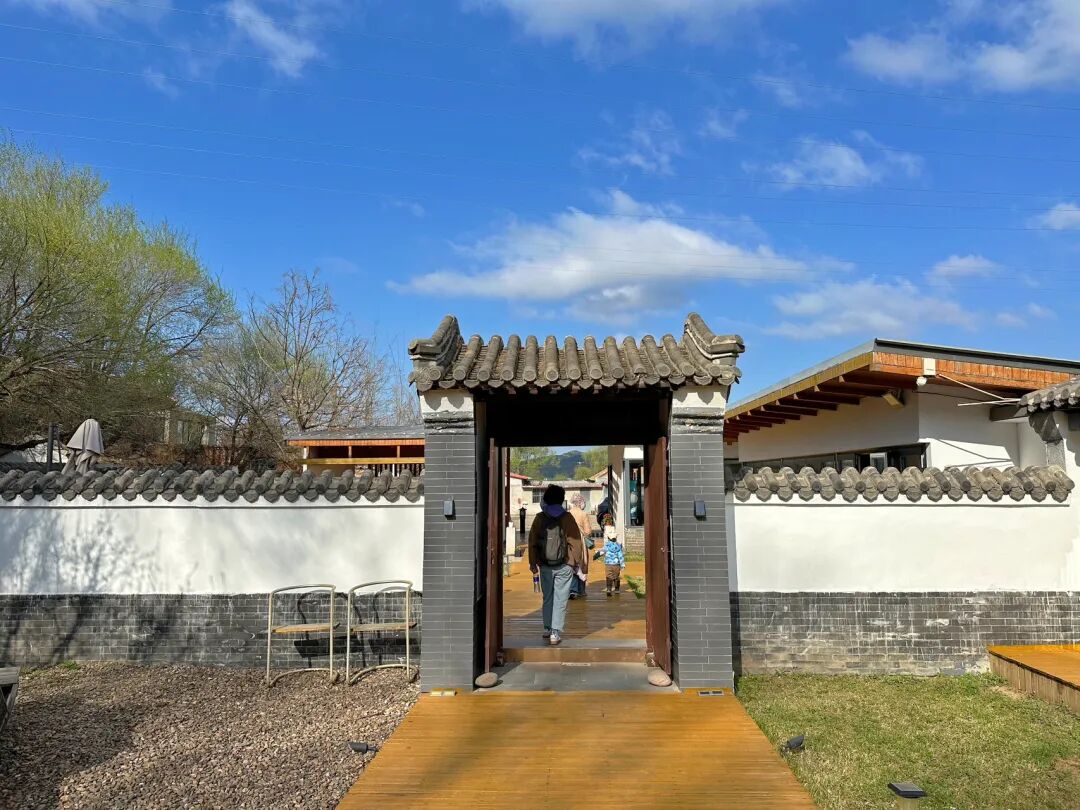
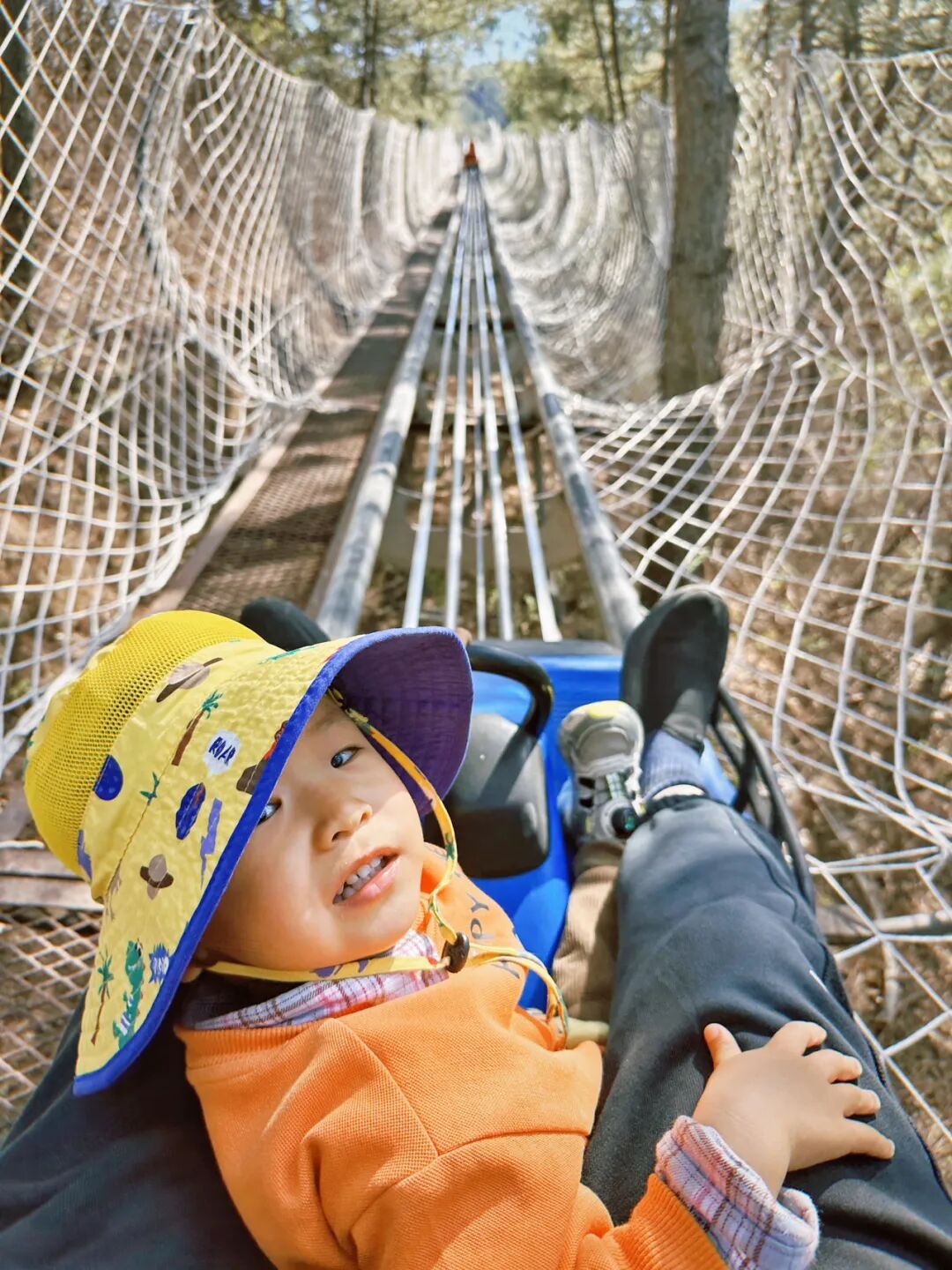
I took my child to climb Qingchui Peak and Sengguan Peak. You can take a cable car up Qingchui Peak and a slide down Sengguan Peak. My little one was very brave and was not scared at all. I recommend Sengguan Peak. There is a large platform at the top that has not been developed at all, and you can look out over the entire view of Chengde from there.
Summary: Chengde is covered through three historic mosques, Hui Muslim food, and streets connected to the city’s old Muslim community. This account keeps the original travel route, mosque history, restaurant details, dishes, and photographs in order.
Chengde is northeast of Beijing. It is very convenient to take a high-speed train from Chaoyang Station, making it a great spot for a weekend getaway. This place has not only ancient Qing Dynasty mosques but also many unique local foods.
In 1703 (the 42nd year of the Kangxi reign), Emperor Kangxi built the Mountain Resort in Chengde. Afterward, Hui Muslims came to Chengde from Shandong and Hebei to serve the imperial court and manage the imperial camps. By 1718 (the 57th year of the Kangxi reign), they officially established the Chengde East Mosque on Nanyingzi Street, which is the oldest mosque in Chengde.
According to Ma Yuru, the eighth-generation hereditary imam of the East Mosque, the first imam was invited to come from Jingpeng Town in Chifeng. At first, the mosque was just a rented house. The imam spent eleven years traveling to collect donations (nietie) to build a proper mosque, and his family thought he had passed away. Just as his family was holding a memorial service for him in the eleventh year, he finally returned to Chengde and used the donations he had collected to build the East Mosque. According to a stone tablet from the 52nd year of the Qianlong reign currently kept at the West Mosque in Chengde, in the 57th year of the Kangxi reign, community leaders in Rehe gathered fellow Muslims to buy a plot of land bordered by the Li family to the east, the official street to the west, and government housing to the south. With these clear boundaries, they built the mosque.
The Chengde East Mosque was expanded twice, in 1755 (the 30th year of the Qianlong reign) and 1787 (the 52nd year of the Qianlong reign), and was once known as the largest mosque in the northern frontier. When Concubine Rong (the Fragrant Concubine) accompanied Emperor Qianlong to the Mountain Resort in Chengde, she was hosted by the third-generation imam, Ma Yao. She gifted the mosque a pair of delicate hexagonal palace lanterns and a treasure gourd. The palace lanterns were lit during Ramadan, and the treasure gourd was placed on the roof of the main prayer hall. Emperor Qianlong gifted the mosque a long-life imperial plaque, a pair of python-patterned whips, and a pair of dragon-headed staffs. An imperial decree allowing access to the Mountain Resort was passed down through the imam's family for generations until it was destroyed in the 1960s. Concubine Rong also stored ceremonial items, such as half of the imperial procession equipment and gold medals gifted by the Emperor, in the Moon-Sighting Tower of the East Mosque. Additionally, three families of Concubine Rong's attendants stayed in Chengde. The expert in couplets, Ma Delin, is a descendant of these "Red-Hat Hui Muslims" who remained in the city.
The East Mosque was occupied in 1958 and suffered severe damage after the 1960s, but it was rebuilt in the Chengde Central Square in 2006. A plaque featuring the Basmala (taisimie) hangs in front of the main hall, surrounded by "longevity" patterns, which elders say was a gift from Concubine Rong. The main hall of the East Mosque is currently under renovation and is not open to the public.
The stele from the 52nd year of the Qianlong reign at the East Mosque is now kept at the West Mosque in Chengde.
In the early years of the Yongzheng reign, the Qing dynasty stationed Green Standard Army troops in Chengde. Because most of the officers and soldiers came from Shaanxi, it was called the Shaanxi Camp, and the 'Left Battalion' within it was mostly made up of Hui Muslims. From then on, the Shaanxi Camp became a residential area for Hui Muslims in Chengde.
By the Qianlong period, Chengde had become a major metropolis north of the Great Wall. Hui Muslims from Shandong and Hebei came here to do business, working in the food industry and cattle and sheep slaughtering, which was known as 'chasing the imperial camp'. Today, the ten major surnames of Hui Muslims in Chengde, such as Wang, Ma, Shi, and Chen, all moved here from Shandong, while the Wu surname moved from Cangzhou, Hebei, and the Kong surname moved from Beijing.
The West Mosque in Chengde is located in Panjiagou, west of the Shaanxi Camp. It was first built during the Daoguang reign. The main hall consists of a front hall with a rolled shed roof, a middle hall, and a rear hall. A kiln pavilion (yaoting) is located on top of the middle hall, with a precious finial (baoding) at the very top.
Hui Muslim food in Chengde is mainly concentrated near the West Mosque and the Shaanxi Camp.
I had breakfast at Dayong Beef Buckwheat Noodles (heluo mian) shop at the entrance of the West Mosque in Chengde, ordering buckwheat noodles with a sesame flatbread (shaobing) stuffed with potatoes and steamed dumplings (shaomai). Buckwheat from the Bashang grasslands has high nutritional value and is exported to Japan and South Korea. This coarse grain must be pressed into noodles using a noodle press (heluo chuangzi), and a bowl in the morning feels very satisfying. Prices in Chengde are much lower than in Beijing; a big bowl of beef noodles only costs 10 yuan.
Xie's Steamed Bean Bun (doubao) right across from the West Mosque is also worth eating. We arrived after nine o'clock and caught them just as they were made; the kids loved the steaming hot red bean paste filling.
Hongshunxuan, located across from the West Mosque in Chengde, closes quite late, so you can even make it if you take the high-speed train from Beijing after work on Friday. This place seems to be a restaurant that hosts banquets, so the menu is quite extensive.
Historically, Hui Muslims in Chengde mainly came from Shandong and Hebei, so their diet is heavily influenced by Lu cuisine. Therefore, many of these dishes can also be found in Beijing, Tianjin, and the Northeast. We ordered the classic Lu cuisine dishes of braised meat strips (pa rourou) and sesame lamb, and also ordered cordyceps with three-leaf herb (chongcao san ye xiang). I loved eating sesame lamb (zhima yangrou) when I was a kid, but most restaurants in Beijing don't make it well anymore, so I have to go to Shandong to eat it. I ate sesame lamb both times I visited Chengde, and it tasted great, just like it did when I was a child. Three-leaf fragrance (sanyexiang) is just celery sprouts, and it tastes quite good, but I don't know why it is rarely seen in Beijing restaurants.
I wandered over to the famous Tuojie Snacks in Chengde to eat fried buckwheat jelly (jian wantuo) and almond tea (xingren cha). Both of these items at their shop are district-level intangible cultural heritage, and I eat them every time I go to Chengde. Now, they even have pre-packaged almond tea you can take away to drink on the road.
Chengde produces almonds, so their almond tea is also very famous. Almond tea is made by soaking almonds in water to peel them, soaking out the bitter taste, grinding them into a paste to remove the dregs, and then boiling the mixture with rice flour and white sugar.
Fried buckwheat jelly is also a famous Chengde snack. It is made by grinding buckwheat kernels into a paste, steaming it in a bowl, and then letting it cool to form a jelly block. When you eat it, you cut it into triangular pieces, fry them in a pan, and then pour sesame paste and garlic sauce over them. Chengde fried buckwheat jelly is said to have originated in the Erxianju area during the Qing Dynasty. Since the Qing Dynasty, Erxianju has been a bustling commercial street in Rehe, and it is still a lively market today.
Prices in Chengde are really not high. There is a community convenience canteen near Erxianju where a lunch set meal costs 15 yuan, and it is only 9.9 yuan for those over 60. The dishes are very healthy, and the kids ate happily.
The most famous breakfast in Chengde has to be Pingquan lamb soup (yangtang), and there are a few very popular shops in the city center. We went to Xilan Laoding on Zhulin Mosque Street. The shop name comes from the owner Mr. Ding's grandparents, who were Hui Muslims from Pingquan named Wang Xibin and Zhang Shulan. Pingquan lamb soup is known for its fresh, delicious broth and freshly made sesame flatbread (shaobing). You can add lamb tripe, intestines, head meat, or pure meat to the lamb soup, and you can also add spiced meat or head meat to the sesame flatbread. A special feature of Pingquan lamb soup is that a server always walks around with a big ladle to ask if you want more soup, and refills are free. Sesame flatbreads (shaobing) in Chengde are bigger than the ones in Beijing, and they smell amazing when they are fresh off the griddle. They brush sauce on the meat inside the flatbread, which makes it quite salty, so tell them beforehand if you prefer less salt.
I recommend Shuangxin Restaurant on Shanzhuang Road to fellow Muslim travelers (dost). It is not far from the south gate of the Mountain Resort, and there is a large parking lot nearby, making it a great place to eat after visiting the resort.
They serve both traditional dishes and their own creative new recipes, so there is a huge variety to choose from. We ordered shredded beef heart, fresh-set tofu (kaibao doufu), pan-fried stuffed tofu (banjian doufu), lamb and winter melon steamed dumplings (shaomai), and stir-fried snow peas. We did not order two tofu dishes on purpose, but both of them are very unique. The fresh-set tofu (kaibao doufu) is curdled right at the table, and you dip it in sauce to eat it immediately, so you get the freshest tofu flavor possible. The pan-fried stuffed tofu (banjian doufu) is their own invention, featuring tofu stuffed with meat, and it tastes delicious. This was my first time trying lamb and winter melon steamed dumplings (shaomai). Using winter melon as a filling works really well and pairs perfectly with the lamb. The shredded beef heart is a cold dish, and it is also great to take away for the road.
Heading west from Chengde, we arrived at the old street in Luanhe Town. Luanhe Old Street was originally called Kalahetun, which means black city in Mongolian. In 1650 (the seventh year of the Shunzhi reign), the Shunzhi Emperor stationed troops here during his northern tour. In 1701 (the fortieth year of the Kangxi reign), an imperial palace was officially built in Kalahetun to provide food, lodging, and supplies for the emperor during his annual autumn trips to the Mulan Hunting Ground. In 1723 (the first year of the Yongzheng reign), a garrison for the Eight Banners was established in Kalahetun, and a training ground was built later. In 1733 (the eleventh year of the Yongzheng reign), the Zhili Chengde Prefecture office was set up in Kalahetun, and it was renamed Kalahetun Sub-prefecture in 1742 (the seventh year of the Qianlong reign).
Because of the construction of the imperial palace and the frequent visits of emperors, empresses, and nobles, many Hui Muslims from Hebei and Shandong followed them to Kalahetun. They made and sold specialty foods, which played an important role in the rise of the Luanhe town market. During the reign of Emperor Qianlong, the number of Hui and Han merchants in Kalahetun grew. In 1778, the forty-third year of the Qianlong reign, the area was officially renamed Luanping County.
Luanhe Town currently has one old mosque, which is listed as a district-level cultural heritage site. Unfortunately, the doors were locked both times I visited, so I could not learn more about it.
We stayed at the Chengde Qiancaotang Homestay at the foot of Qingchui Peak. It is very convenient if you are driving, as it only takes 10 minutes to reach the city center. The mountain scenery is beautiful and it is a very relaxing place.
I took my child to climb Qingchui Peak and Sengguan Peak. You can take a cable car up Qingchui Peak and a slide down Sengguan Peak. My little one was very brave and was not scared at all. I recommend Sengguan Peak. There is a large platform at the top that has not been developed at all, and you can look out over the entire view of Chengde from there.
Chengde Halal Travel Guide: Mosques, Muslim Food and Qing History
Articles • ali2007fr posted the article • 0 comments • 190 views • 2026-05-17 05:52
Reposted from the web
Summary: This travel note introduces Chengde Halal Travel Guide: Mosques, Muslim Food and Qing History. Arrived in Chengde on Friday night and had dinner at the famous Quanshunlou restaurant. It is useful for readers interested in Chengde Mosques, Halal Food, Muslim Travel.
Arrived in Chengde on Friday night and had dinner at the famous Quanshunlou restaurant. Since the new high-speed railway opened, Chengde is only 50 minutes from Beijing, but the local halal food in Chengde is really quite different from Beijing. It features traditional Lu cuisine techniques like braising and quick-frying, while also incorporating specialties from the Northeast, Beijing-Tianjin, and Bashang regions, along with unique local Chengde dishes; just looking at the menu, you feel like you couldn't finish trying everything even after several visits. Such a rich variety of dishes is a reflection of Chengde being the premier city beyond the Great Wall during the mid-to-late Qing Dynasty.
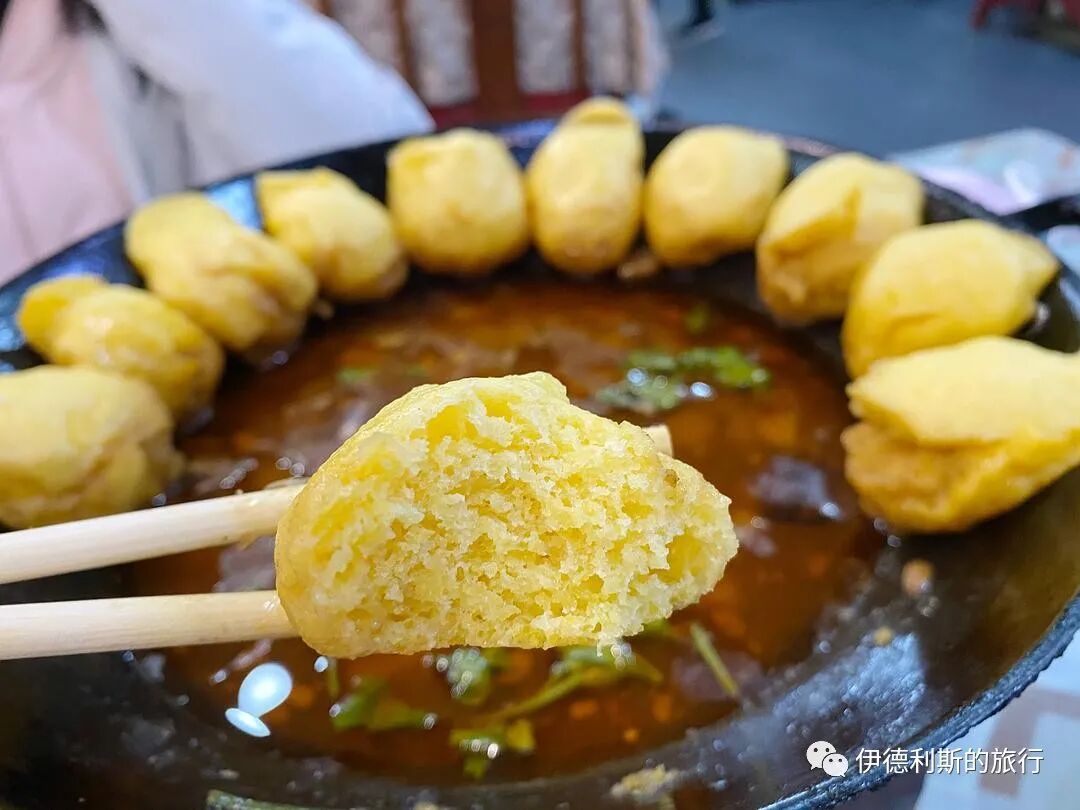
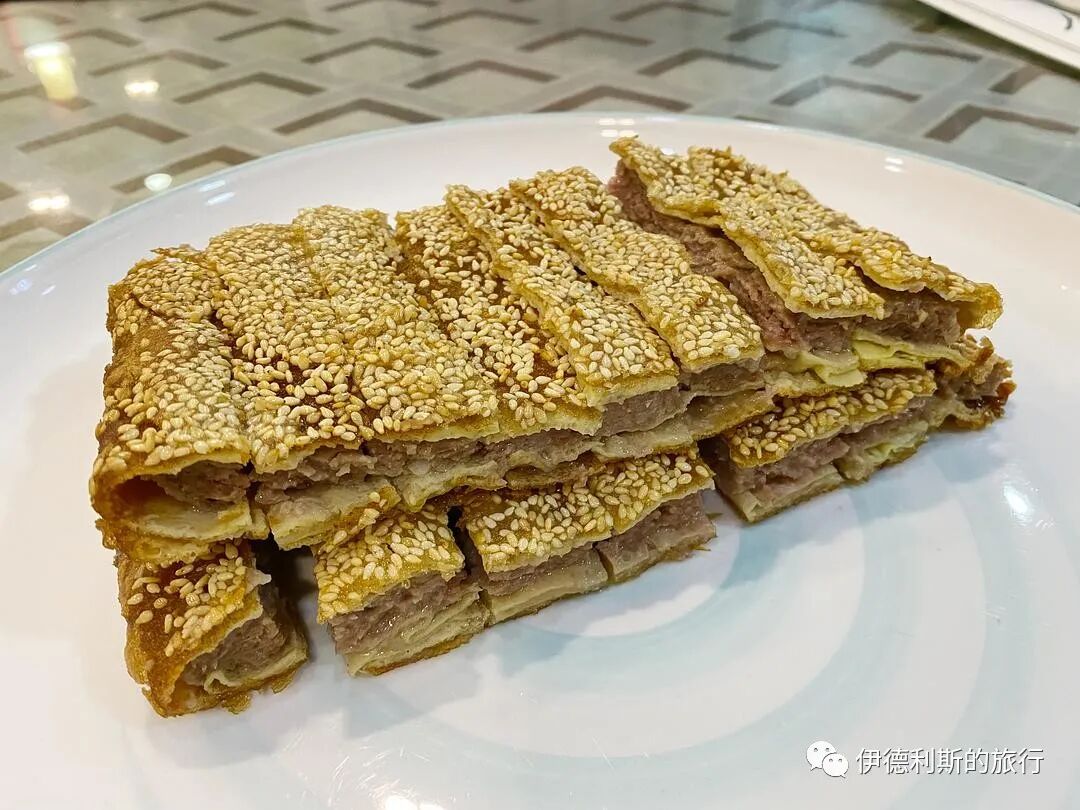
Since there were only two of us, we only ordered the sesame lamb and the stewed small fish with tiebingzi (cornmeal flatbread). Actually, I really wanted to try their mushroom-braised youmian (oat noodles) and potato and green bean stewed rolls. The sesame lamb uses the local Shandong crispy-skin method, rather than just sprinkling sesame seeds over the lamb like many restaurants in Beijing. The stewed small fish with tiebingzi is truly made by sticking cornmeal dough directly onto the iron pot! The aroma of the small fish seeps directly into the bogo (cornmeal flatbread), and the bogo is especially fluffy, not hard at all.
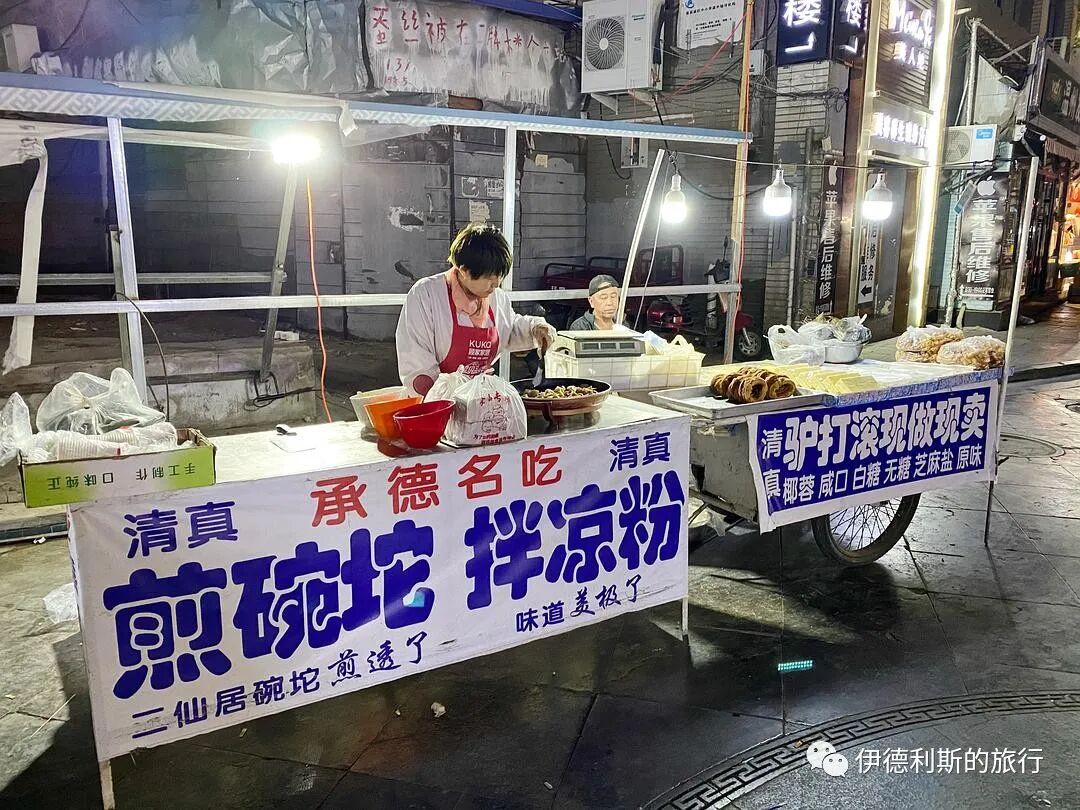
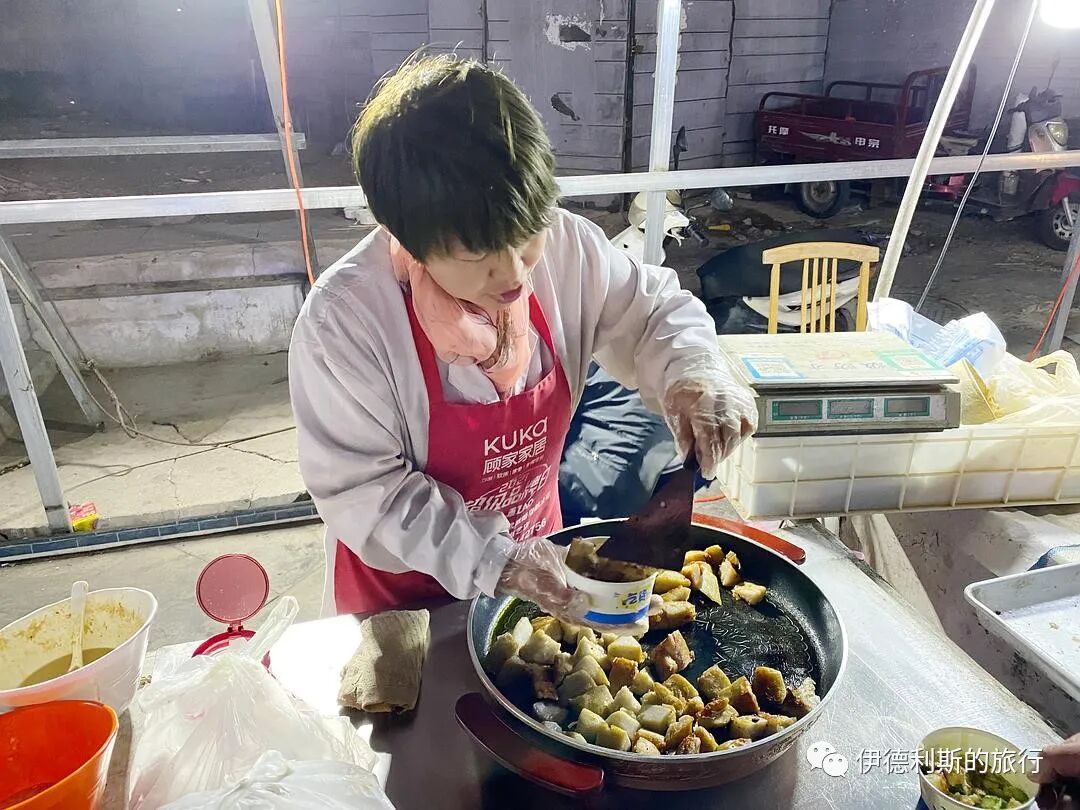
Then we went to the Erxianju night market to eat fried wantuo. Fried wantuo is a famous Chengde snack made by grinding buckwheat kernels into a paste, steaming it in a bowl, and letting it cool until it sets into a wantuo (buckwheat jelly cake). To eat it, you cut it into triangular pieces, fry them in oil, and then pour sesame paste and garlic sauce over them. Chengde fried wantuo is said to have originated in the Erxianju area during the Qing Dynasty. Since the Qing Dynasty, Erxianju has been a bustling commercial street in Rehe, and it is still a lively night market today; it is very interesting to take a stroll there in the evening.
They also sell lvdagun (rolling donkey, a glutinous rice roll with bean flour), which looks the same as the one in Beijing; I feel it might be a reflection of the food customs of the Rehe Banner people back then.
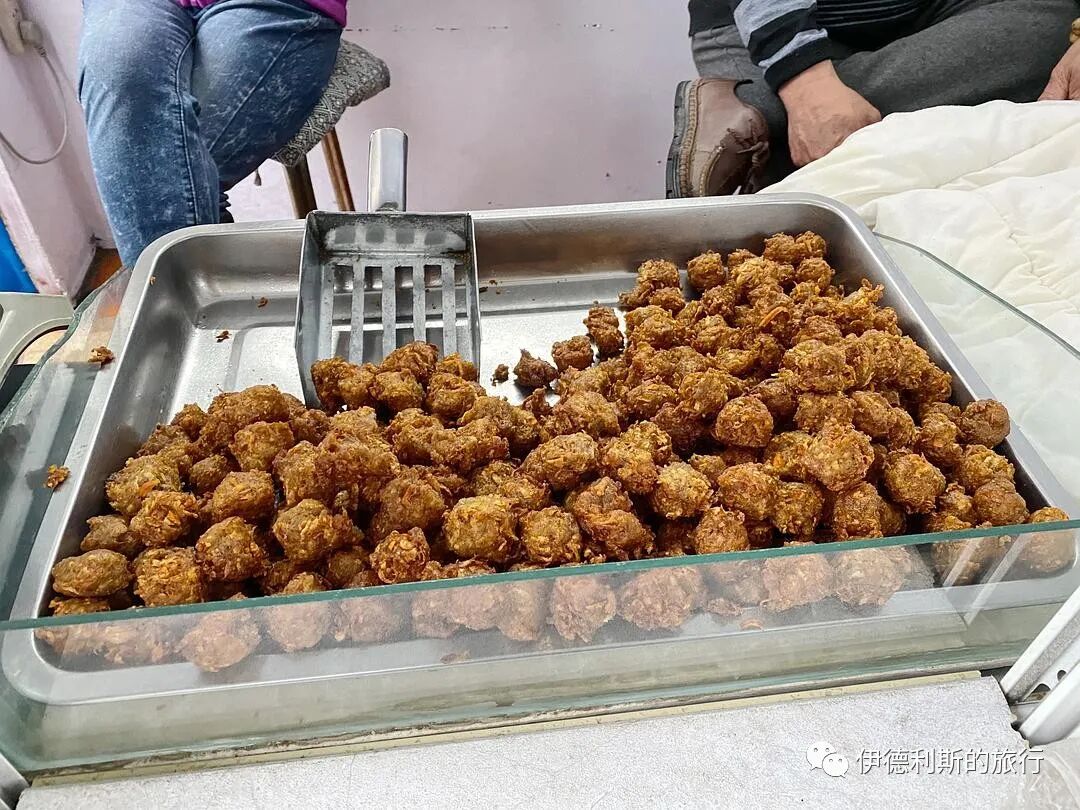
In the morning, we had almond tea, meatball soup, shaomai (steamed dumplings), and steamed dumplings at the famous Tuojie Snacks in Chengde. Chengde produces almonds, so the almond tea is also very famous. Almond tea is made by soaking almonds in water to peel them, soaking out the bitterness, grinding them to remove the residue, and then boiling them with rice flour and white sugar. The meatball soup in Chengde uses fried vegetarian radish meatballs, which are also very delicious. Their guozi (fried dough) turned out to be youbing (fried dough cakes) rather than youtiao (fried dough sticks), and they are so huge that I feel one person couldn't finish a single one!
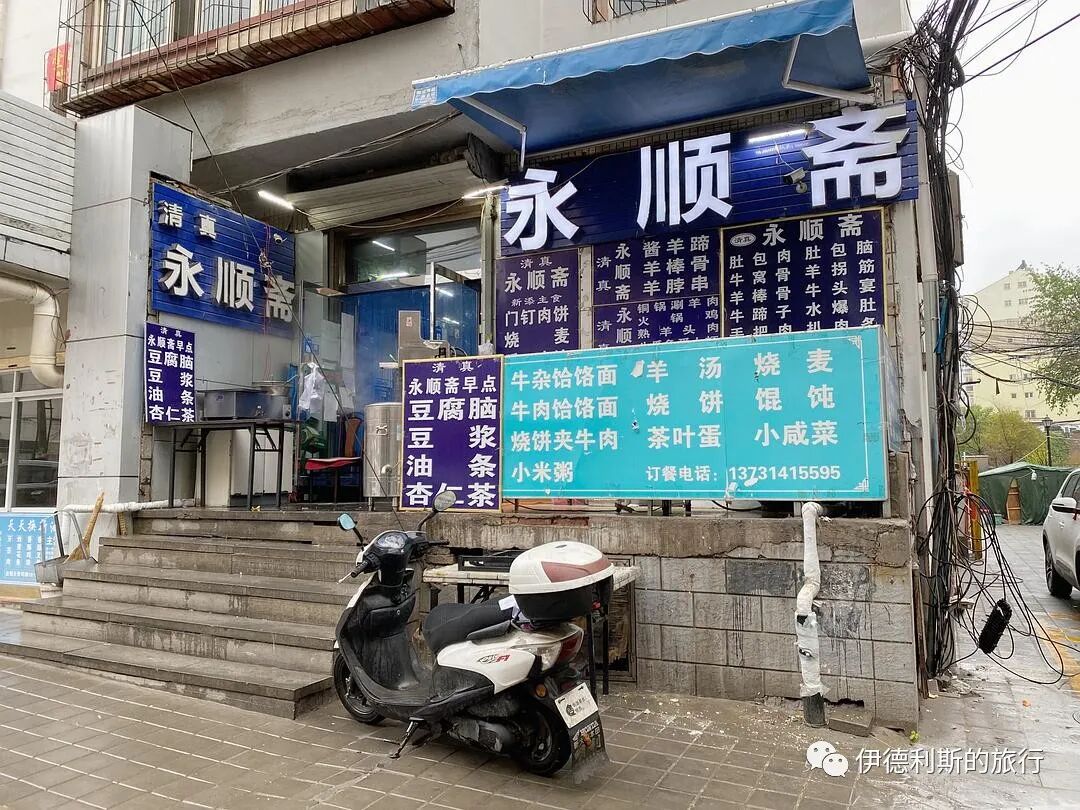
Then we went to Bai's Pingquan Lamb Soup in Shaanxiying to drink lamb soup; their premium lamb soup includes tongue, eye socket meat, and tripe, and you can also add lamb brain separately. The Bai family of Hui Muslims in Pingquan originally came from Baijiaji in Gaohe County, Shandong, and moved to Chengde during the Qing Dynasty.
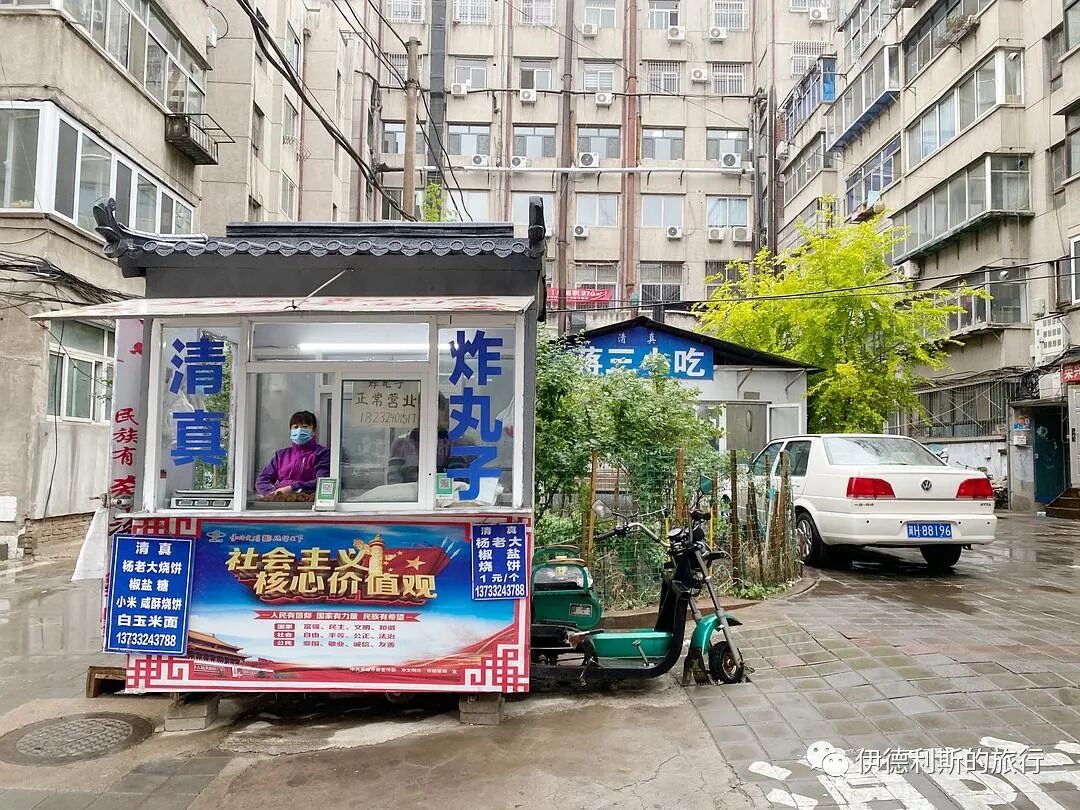
After breakfast, we strolled through Shaanxiying, where Hui Muslims live in Chengde, and bought a shaobing (baked flatbread) at Yang Laoda Shaobing to eat. There are many halal snacks in Shaanxiying, including lamb soup, geluo noodles, menting roubing (meat-filled flatbread), shaomai, almond tea, tripe-wrapped meat, tripe-wrapped brain, lamb neck skewers, douzhi (fermented mung bean milk), and wantuo. There are really not many places outside of Beijing where you can drink douzhi and eat menting roubing, which is also a reflection of Chengde's culture.
Since the Qing Dynasty built the Mountain Resort in 1703, Hui Muslims have gradually begun to settle in Chengde. Every time Emperor Kangxi held the Mulan autumn hunt or came to the resort to escape the summer heat, Hui Muslim officers, soldiers, and merchants would follow him. In the early years of the Yongzheng reign, the Qing Dynasty stationed Green Standard Army troops in Chengde; because most of the officers and soldiers came from Shaanxi, it was called Shaanxiying (Shaanxi Camp), and the 'Left Camp' among them was mostly composed of Hui Muslims. From then on, Shaanxiying became a residential area for Hui Muslims in Chengde.
By the Qianlong period, Chengde had become a metropolis beyond the Great Wall, and Hui Muslims from the Shandong and Hebei regions came one after another to do business, engaging in the food industry and cattle and sheep slaughtering, which was known as 'chasing the imperial camp'. Today, the ten major surnames of Hui Muslims in Chengde, such as Wang, Ma, Shi, and Chen, all moved from Shandong, the Wu surname moved from Cangzhou, Hebei, and the Kong surname moved from Beijing.
The earliest mosque in Chengde, the East Mosque, was built during the Kangxi reign and was occupied in 1958. The existing West Mosque was built during the Daoguang reign; the prayer hall consists of a front hall with a rolled shed roof, a middle hall, and a rear hall, with the minaret located on top of the middle hall, topped with a finial. view all
Summary: This travel note introduces Chengde Halal Travel Guide: Mosques, Muslim Food and Qing History. Arrived in Chengde on Friday night and had dinner at the famous Quanshunlou restaurant. It is useful for readers interested in Chengde Mosques, Halal Food, Muslim Travel.
Arrived in Chengde on Friday night and had dinner at the famous Quanshunlou restaurant. Since the new high-speed railway opened, Chengde is only 50 minutes from Beijing, but the local halal food in Chengde is really quite different from Beijing. It features traditional Lu cuisine techniques like braising and quick-frying, while also incorporating specialties from the Northeast, Beijing-Tianjin, and Bashang regions, along with unique local Chengde dishes; just looking at the menu, you feel like you couldn't finish trying everything even after several visits. Such a rich variety of dishes is a reflection of Chengde being the premier city beyond the Great Wall during the mid-to-late Qing Dynasty.
Since there were only two of us, we only ordered the sesame lamb and the stewed small fish with tiebingzi (cornmeal flatbread). Actually, I really wanted to try their mushroom-braised youmian (oat noodles) and potato and green bean stewed rolls. The sesame lamb uses the local Shandong crispy-skin method, rather than just sprinkling sesame seeds over the lamb like many restaurants in Beijing. The stewed small fish with tiebingzi is truly made by sticking cornmeal dough directly onto the iron pot! The aroma of the small fish seeps directly into the bogo (cornmeal flatbread), and the bogo is especially fluffy, not hard at all.
Then we went to the Erxianju night market to eat fried wantuo. Fried wantuo is a famous Chengde snack made by grinding buckwheat kernels into a paste, steaming it in a bowl, and letting it cool until it sets into a wantuo (buckwheat jelly cake). To eat it, you cut it into triangular pieces, fry them in oil, and then pour sesame paste and garlic sauce over them. Chengde fried wantuo is said to have originated in the Erxianju area during the Qing Dynasty. Since the Qing Dynasty, Erxianju has been a bustling commercial street in Rehe, and it is still a lively night market today; it is very interesting to take a stroll there in the evening.
They also sell lvdagun (rolling donkey, a glutinous rice roll with bean flour), which looks the same as the one in Beijing; I feel it might be a reflection of the food customs of the Rehe Banner people back then.
In the morning, we had almond tea, meatball soup, shaomai (steamed dumplings), and steamed dumplings at the famous Tuojie Snacks in Chengde. Chengde produces almonds, so the almond tea is also very famous. Almond tea is made by soaking almonds in water to peel them, soaking out the bitterness, grinding them to remove the residue, and then boiling them with rice flour and white sugar. The meatball soup in Chengde uses fried vegetarian radish meatballs, which are also very delicious. Their guozi (fried dough) turned out to be youbing (fried dough cakes) rather than youtiao (fried dough sticks), and they are so huge that I feel one person couldn't finish a single one!
Then we went to Bai's Pingquan Lamb Soup in Shaanxiying to drink lamb soup; their premium lamb soup includes tongue, eye socket meat, and tripe, and you can also add lamb brain separately. The Bai family of Hui Muslims in Pingquan originally came from Baijiaji in Gaohe County, Shandong, and moved to Chengde during the Qing Dynasty.
After breakfast, we strolled through Shaanxiying, where Hui Muslims live in Chengde, and bought a shaobing (baked flatbread) at Yang Laoda Shaobing to eat. There are many halal snacks in Shaanxiying, including lamb soup, geluo noodles, menting roubing (meat-filled flatbread), shaomai, almond tea, tripe-wrapped meat, tripe-wrapped brain, lamb neck skewers, douzhi (fermented mung bean milk), and wantuo. There are really not many places outside of Beijing where you can drink douzhi and eat menting roubing, which is also a reflection of Chengde's culture.
Since the Qing Dynasty built the Mountain Resort in 1703, Hui Muslims have gradually begun to settle in Chengde. Every time Emperor Kangxi held the Mulan autumn hunt or came to the resort to escape the summer heat, Hui Muslim officers, soldiers, and merchants would follow him. In the early years of the Yongzheng reign, the Qing Dynasty stationed Green Standard Army troops in Chengde; because most of the officers and soldiers came from Shaanxi, it was called Shaanxiying (Shaanxi Camp), and the 'Left Camp' among them was mostly composed of Hui Muslims. From then on, Shaanxiying became a residential area for Hui Muslims in Chengde.
By the Qianlong period, Chengde had become a metropolis beyond the Great Wall, and Hui Muslims from the Shandong and Hebei regions came one after another to do business, engaging in the food industry and cattle and sheep slaughtering, which was known as 'chasing the imperial camp'. Today, the ten major surnames of Hui Muslims in Chengde, such as Wang, Ma, Shi, and Chen, all moved from Shandong, the Wu surname moved from Cangzhou, Hebei, and the Kong surname moved from Beijing.
The earliest mosque in Chengde, the East Mosque, was built during the Kangxi reign and was occupied in 1958. The existing West Mosque was built during the Daoguang reign; the prayer hall consists of a front hall with a rolled shed roof, a middle hall, and a rear hall, with the minaret located on top of the middle hall, topped with a finial. view all
Reposted from the web
Summary: This travel note introduces Chengde Halal Travel Guide: Mosques, Muslim Food and Qing History. Arrived in Chengde on Friday night and had dinner at the famous Quanshunlou restaurant. It is useful for readers interested in Chengde Mosques, Halal Food, Muslim Travel.
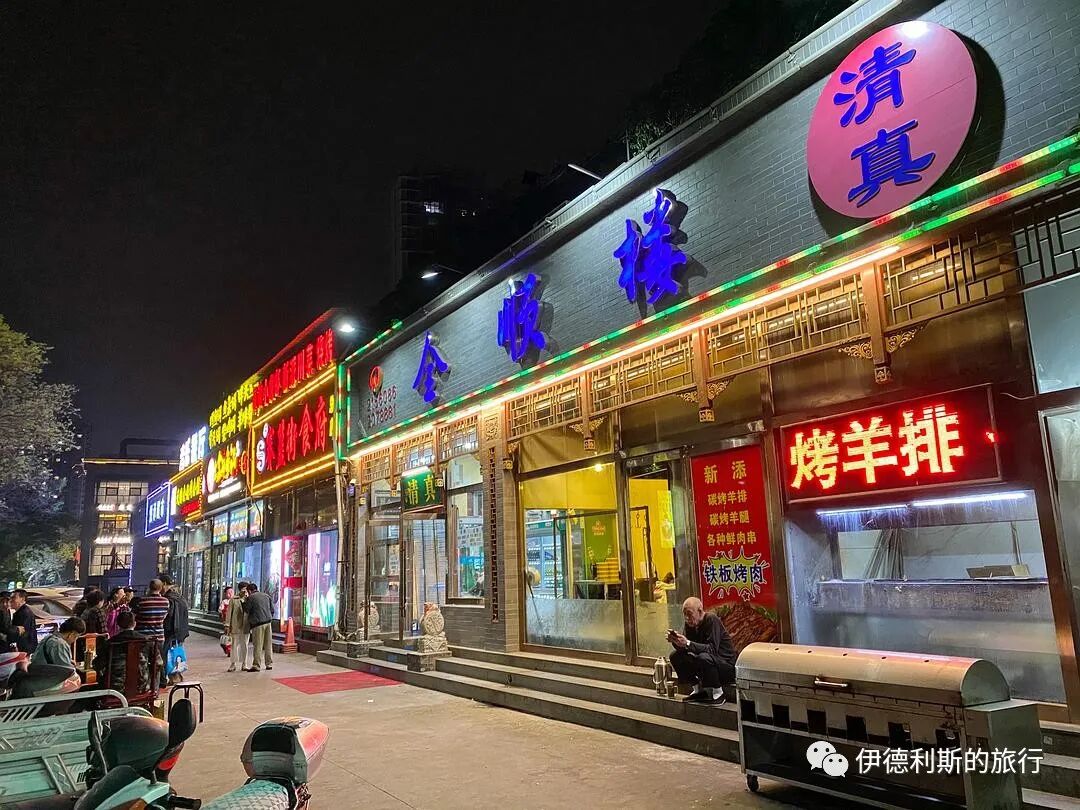
Arrived in Chengde on Friday night and had dinner at the famous Quanshunlou restaurant. Since the new high-speed railway opened, Chengde is only 50 minutes from Beijing, but the local halal food in Chengde is really quite different from Beijing. It features traditional Lu cuisine techniques like braising and quick-frying, while also incorporating specialties from the Northeast, Beijing-Tianjin, and Bashang regions, along with unique local Chengde dishes; just looking at the menu, you feel like you couldn't finish trying everything even after several visits. Such a rich variety of dishes is a reflection of Chengde being the premier city beyond the Great Wall during the mid-to-late Qing Dynasty.
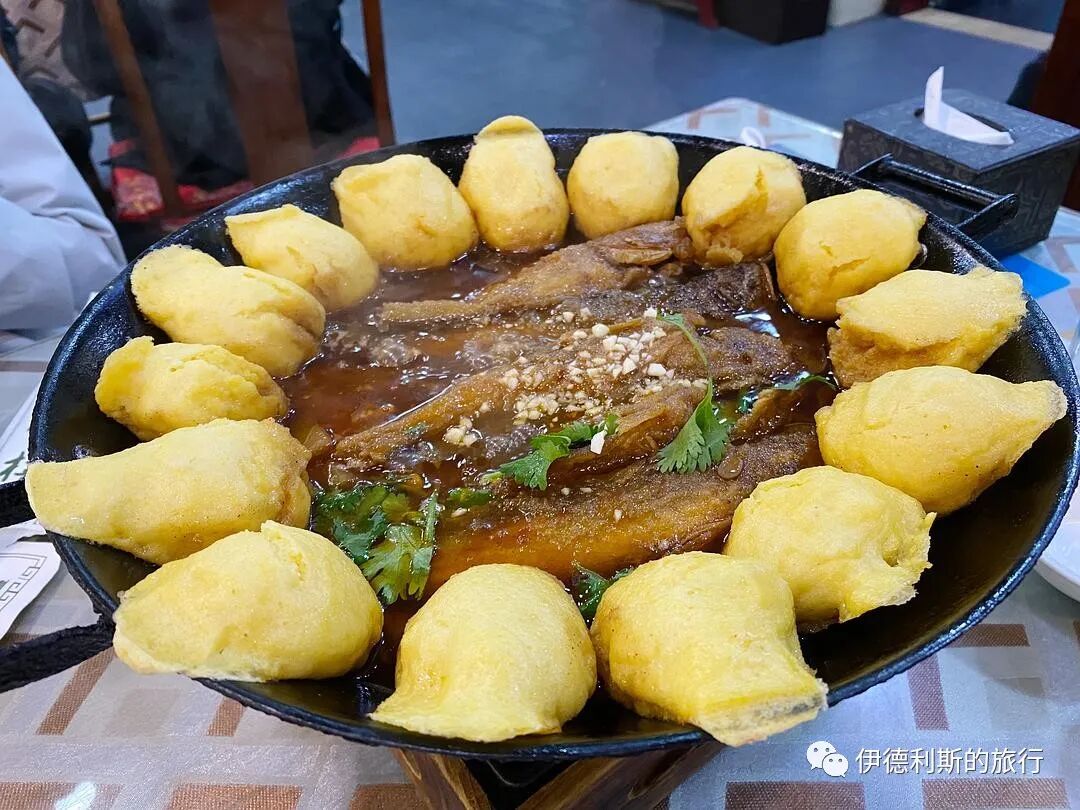
Since there were only two of us, we only ordered the sesame lamb and the stewed small fish with tiebingzi (cornmeal flatbread). Actually, I really wanted to try their mushroom-braised youmian (oat noodles) and potato and green bean stewed rolls. The sesame lamb uses the local Shandong crispy-skin method, rather than just sprinkling sesame seeds over the lamb like many restaurants in Beijing. The stewed small fish with tiebingzi is truly made by sticking cornmeal dough directly onto the iron pot! The aroma of the small fish seeps directly into the bogo (cornmeal flatbread), and the bogo is especially fluffy, not hard at all.
Then we went to the Erxianju night market to eat fried wantuo. Fried wantuo is a famous Chengde snack made by grinding buckwheat kernels into a paste, steaming it in a bowl, and letting it cool until it sets into a wantuo (buckwheat jelly cake). To eat it, you cut it into triangular pieces, fry them in oil, and then pour sesame paste and garlic sauce over them. Chengde fried wantuo is said to have originated in the Erxianju area during the Qing Dynasty. Since the Qing Dynasty, Erxianju has been a bustling commercial street in Rehe, and it is still a lively night market today; it is very interesting to take a stroll there in the evening.
They also sell lvdagun (rolling donkey, a glutinous rice roll with bean flour), which looks the same as the one in Beijing; I feel it might be a reflection of the food customs of the Rehe Banner people back then.
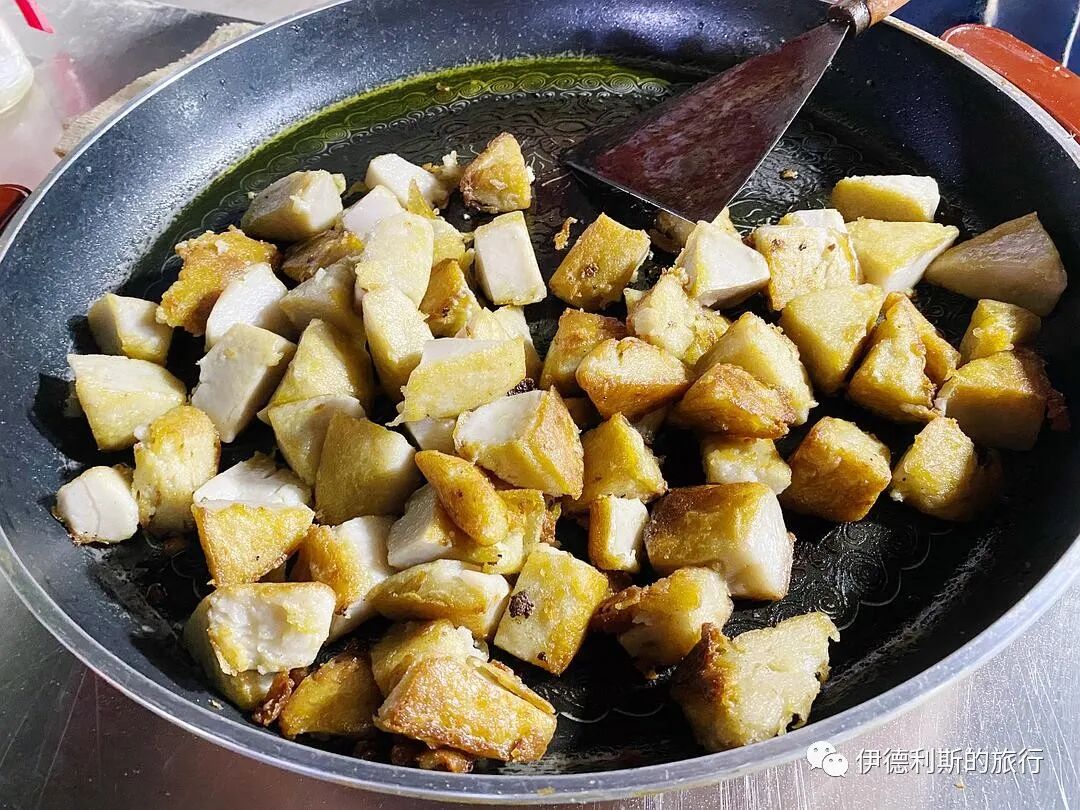
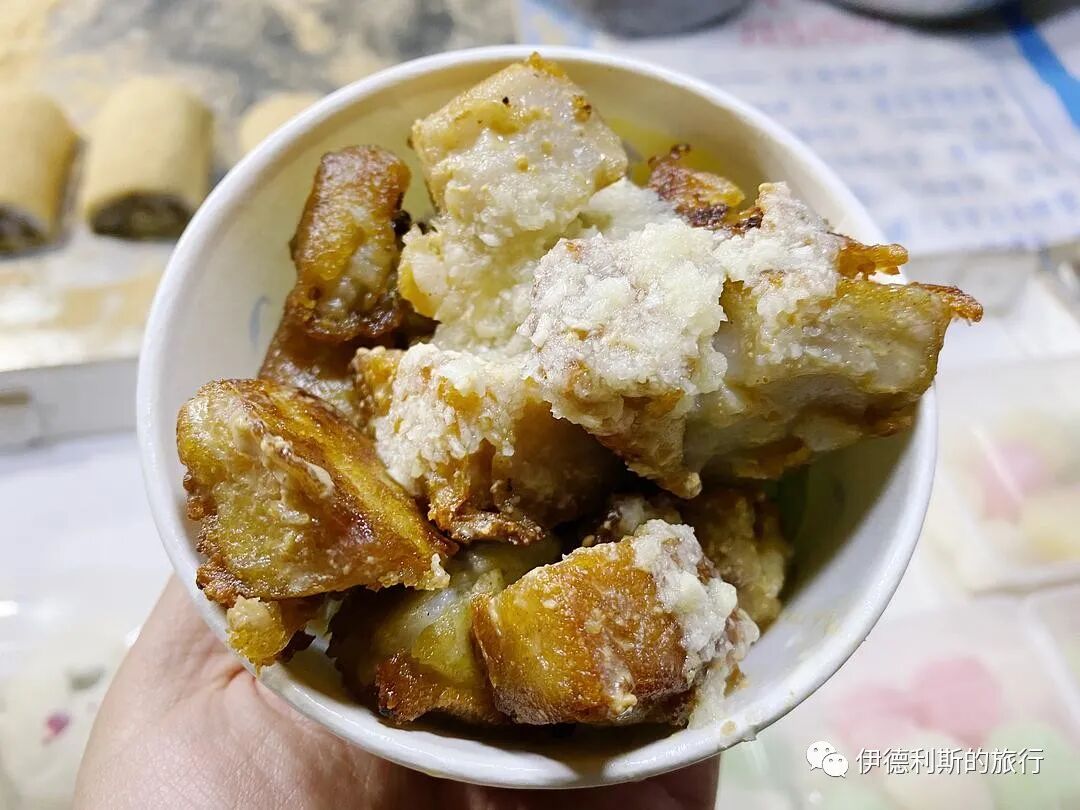
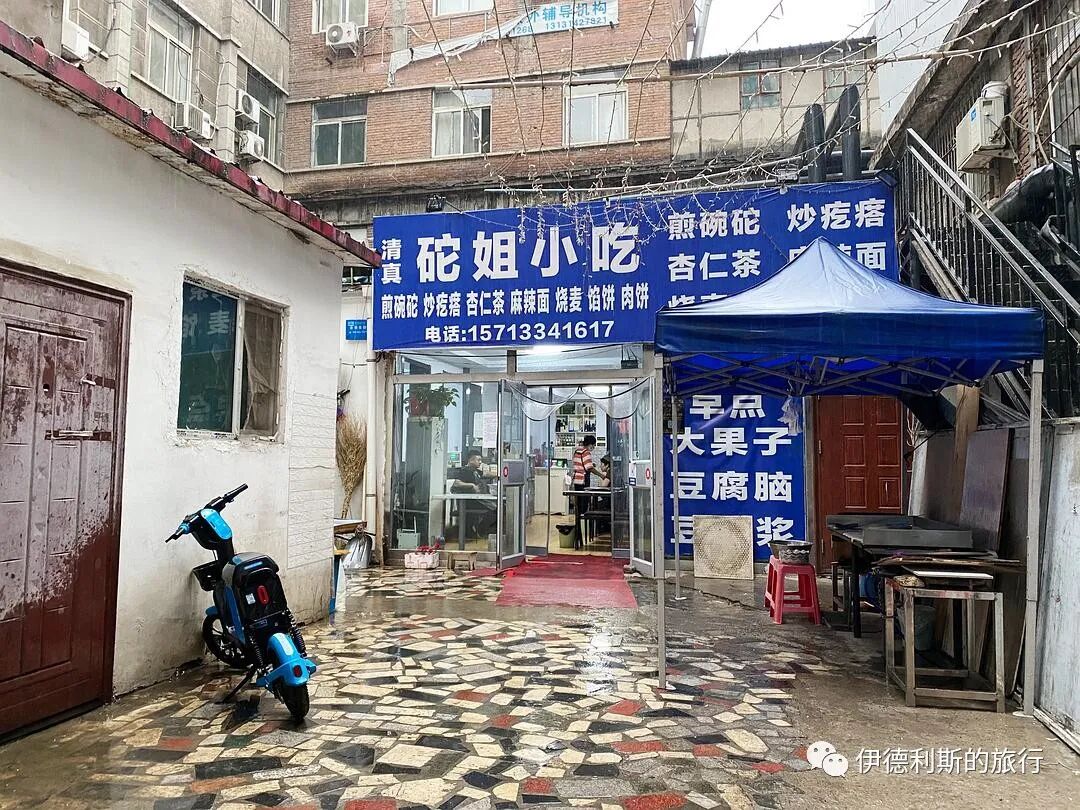
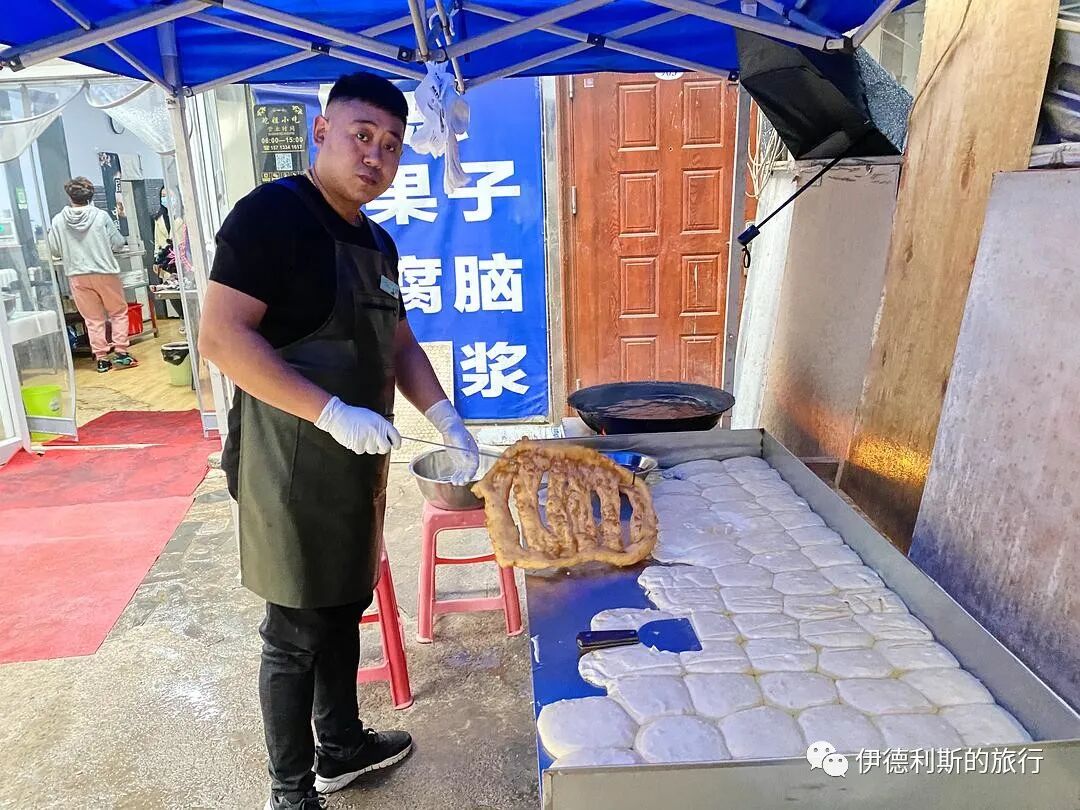
In the morning, we had almond tea, meatball soup, shaomai (steamed dumplings), and steamed dumplings at the famous Tuojie Snacks in Chengde. Chengde produces almonds, so the almond tea is also very famous. Almond tea is made by soaking almonds in water to peel them, soaking out the bitterness, grinding them to remove the residue, and then boiling them with rice flour and white sugar. The meatball soup in Chengde uses fried vegetarian radish meatballs, which are also very delicious. Their guozi (fried dough) turned out to be youbing (fried dough cakes) rather than youtiao (fried dough sticks), and they are so huge that I feel one person couldn't finish a single one!
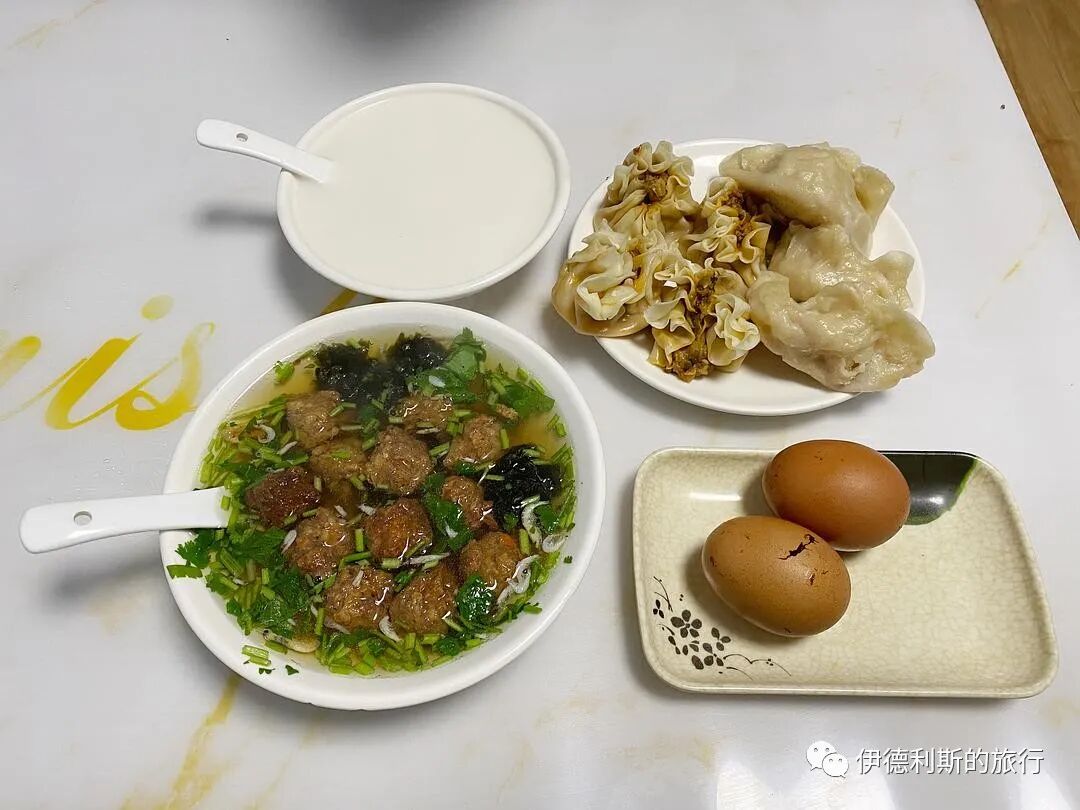
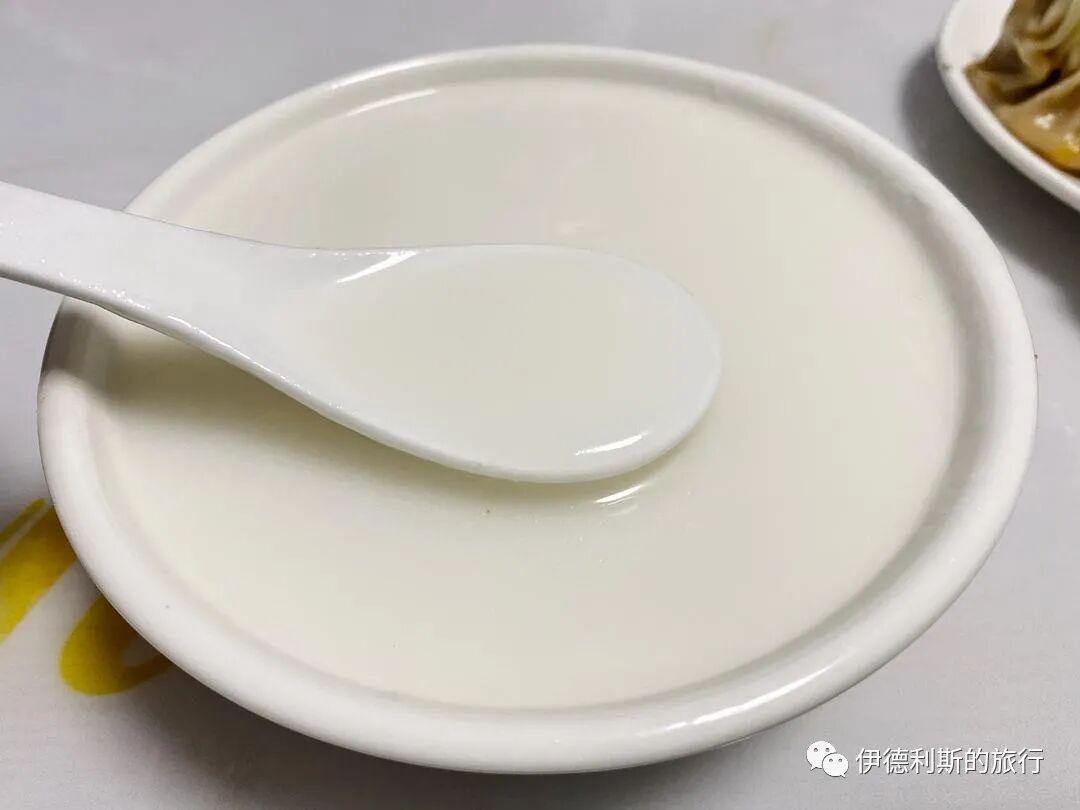
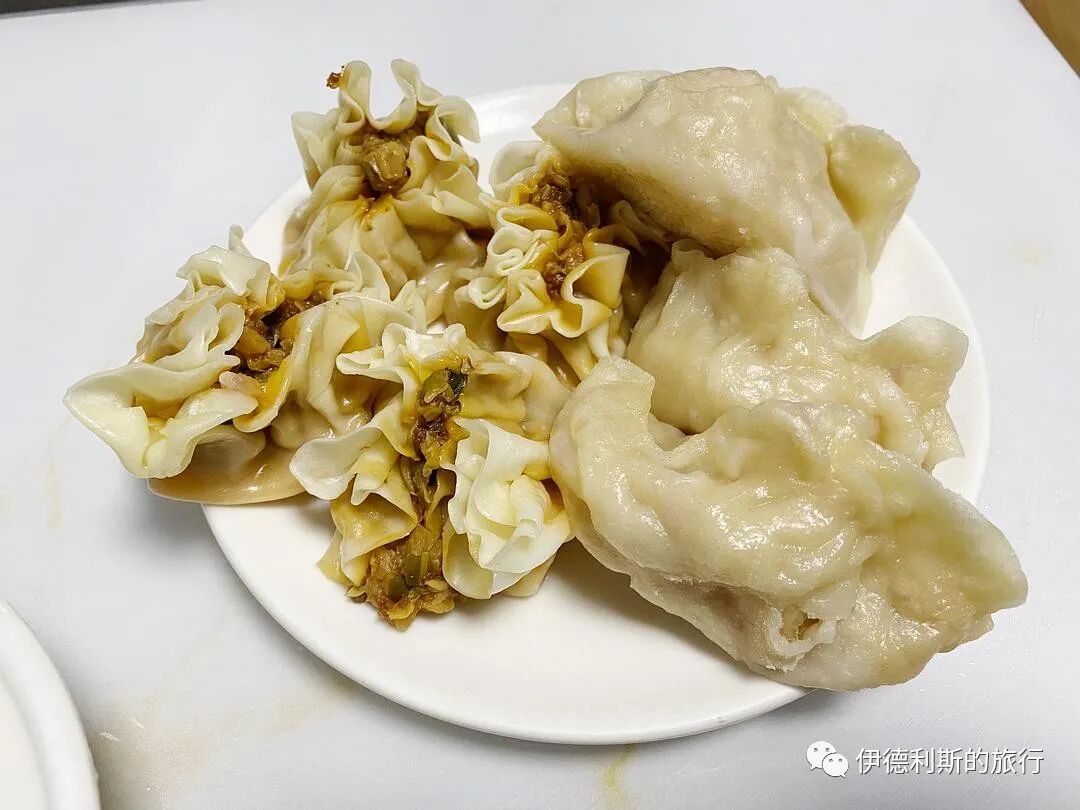
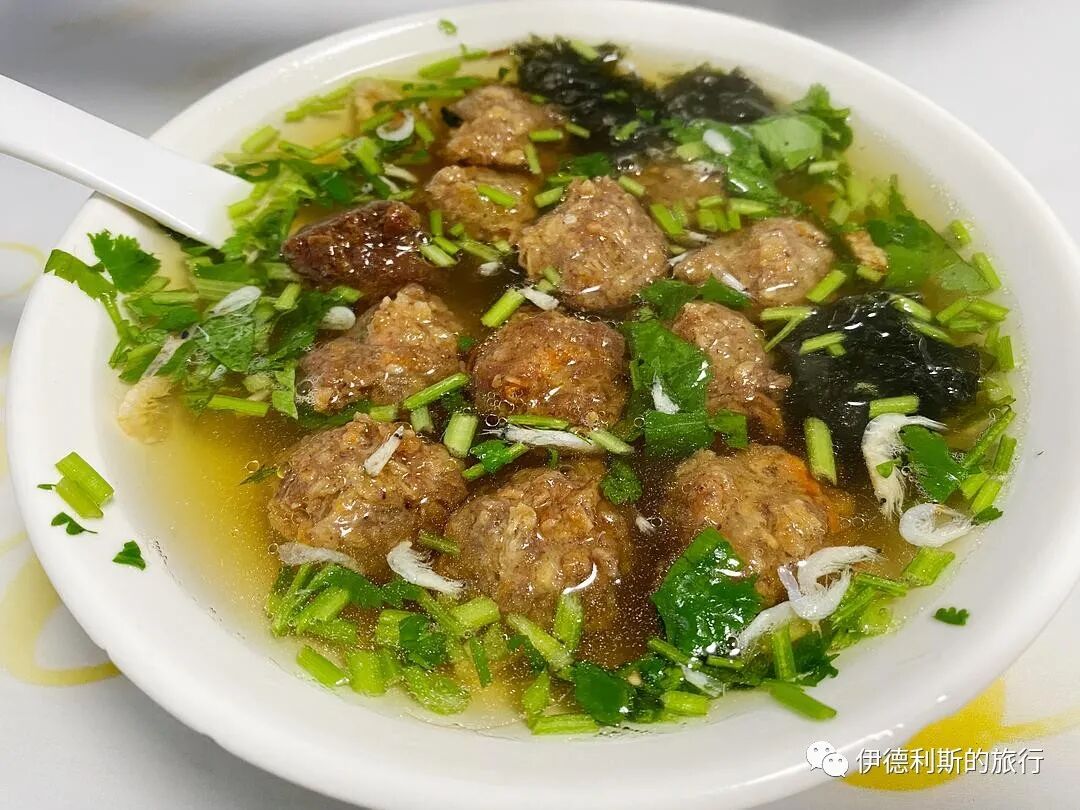
Then we went to Bai's Pingquan Lamb Soup in Shaanxiying to drink lamb soup; their premium lamb soup includes tongue, eye socket meat, and tripe, and you can also add lamb brain separately. The Bai family of Hui Muslims in Pingquan originally came from Baijiaji in Gaohe County, Shandong, and moved to Chengde during the Qing Dynasty.
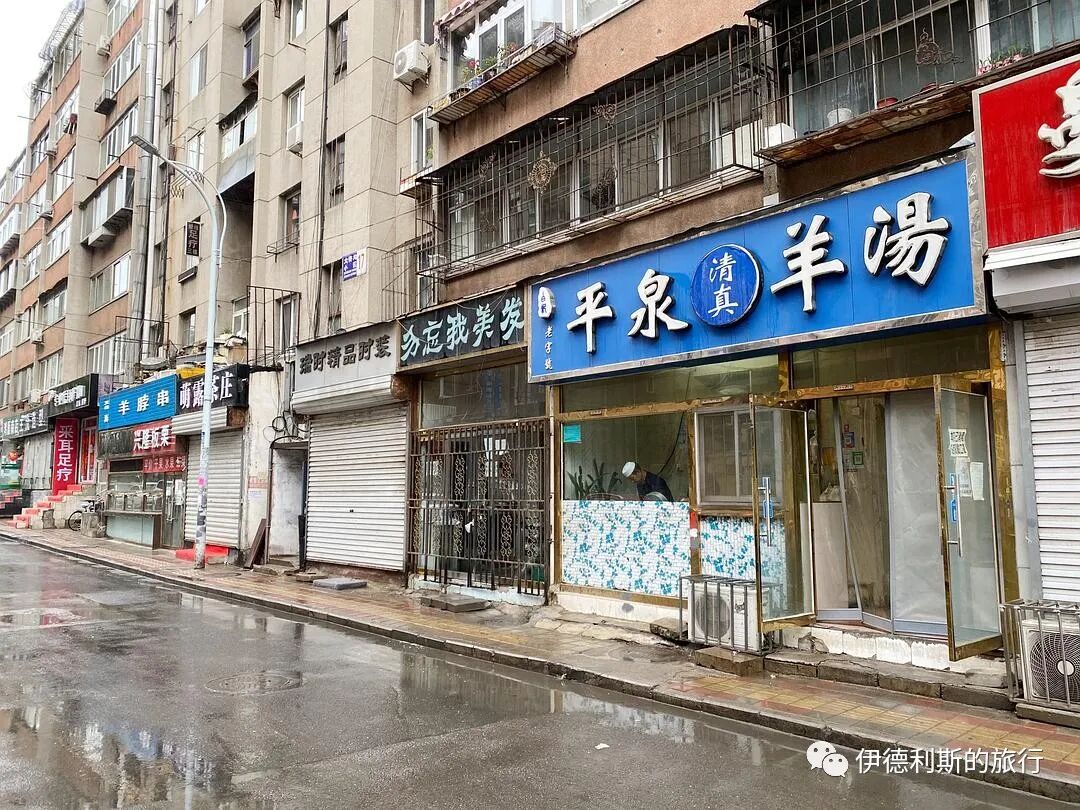
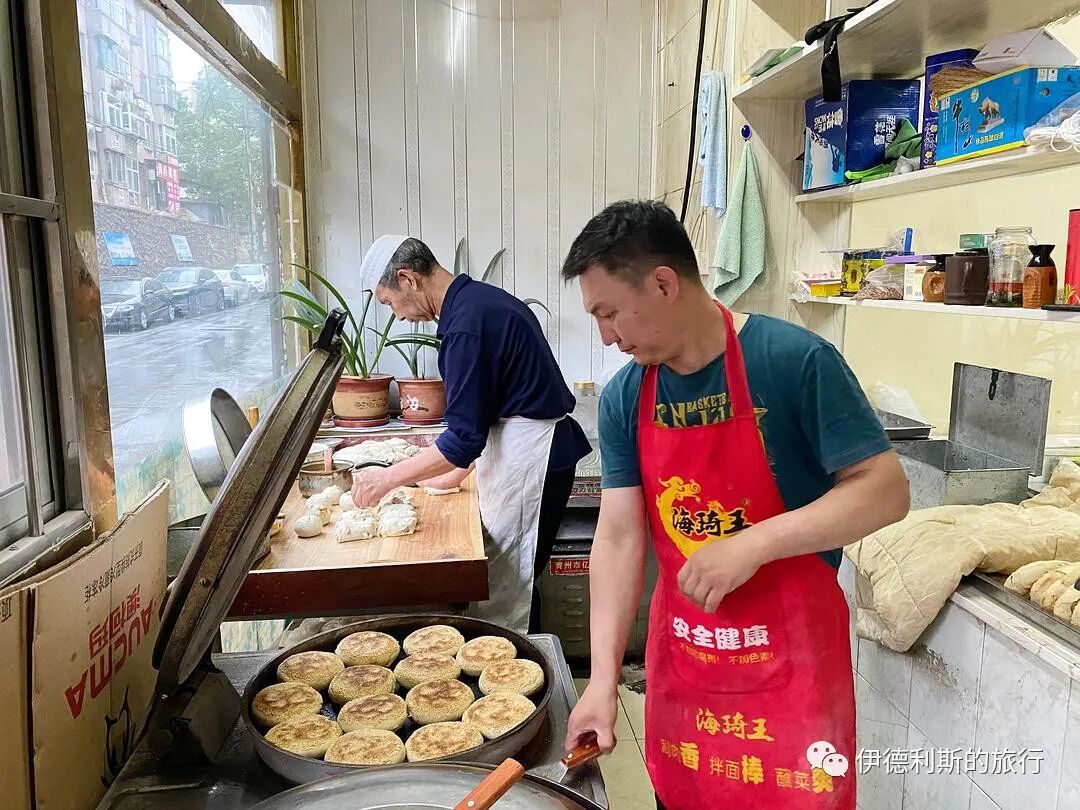
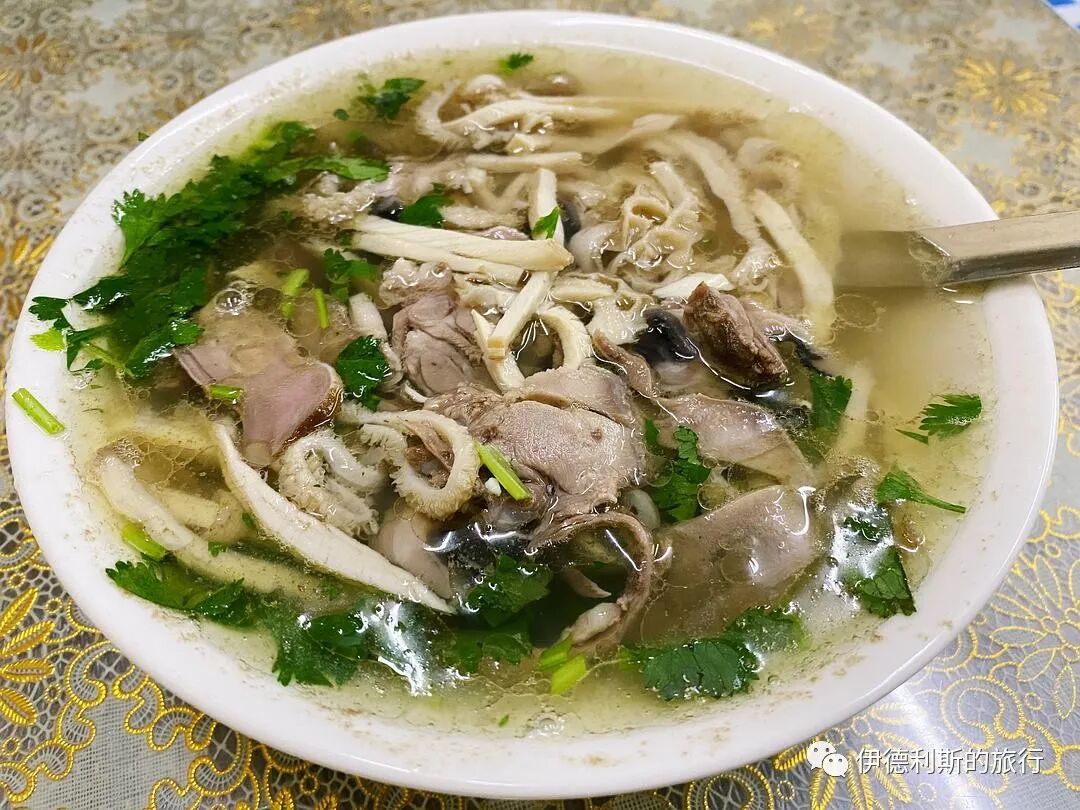
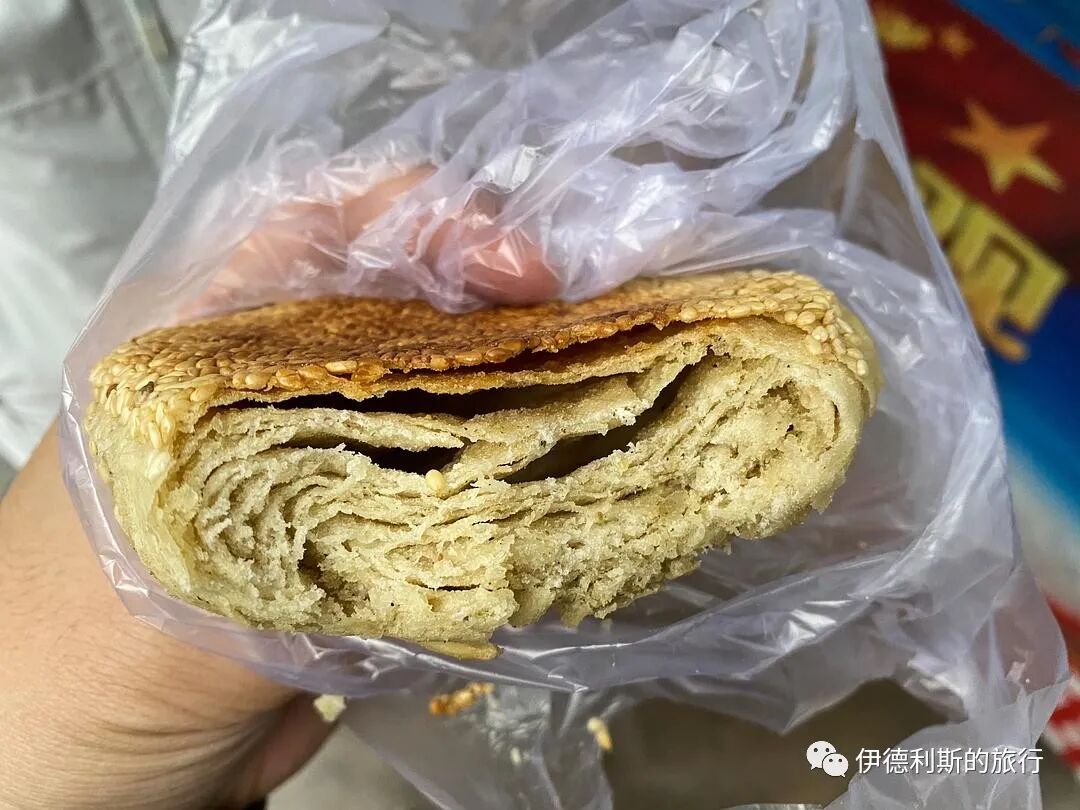
After breakfast, we strolled through Shaanxiying, where Hui Muslims live in Chengde, and bought a shaobing (baked flatbread) at Yang Laoda Shaobing to eat. There are many halal snacks in Shaanxiying, including lamb soup, geluo noodles, menting roubing (meat-filled flatbread), shaomai, almond tea, tripe-wrapped meat, tripe-wrapped brain, lamb neck skewers, douzhi (fermented mung bean milk), and wantuo. There are really not many places outside of Beijing where you can drink douzhi and eat menting roubing, which is also a reflection of Chengde's culture.
Since the Qing Dynasty built the Mountain Resort in 1703, Hui Muslims have gradually begun to settle in Chengde. Every time Emperor Kangxi held the Mulan autumn hunt or came to the resort to escape the summer heat, Hui Muslim officers, soldiers, and merchants would follow him. In the early years of the Yongzheng reign, the Qing Dynasty stationed Green Standard Army troops in Chengde; because most of the officers and soldiers came from Shaanxi, it was called Shaanxiying (Shaanxi Camp), and the 'Left Camp' among them was mostly composed of Hui Muslims. From then on, Shaanxiying became a residential area for Hui Muslims in Chengde.
By the Qianlong period, Chengde had become a metropolis beyond the Great Wall, and Hui Muslims from the Shandong and Hebei regions came one after another to do business, engaging in the food industry and cattle and sheep slaughtering, which was known as 'chasing the imperial camp'. Today, the ten major surnames of Hui Muslims in Chengde, such as Wang, Ma, Shi, and Chen, all moved from Shandong, the Wu surname moved from Cangzhou, Hebei, and the Kong surname moved from Beijing.
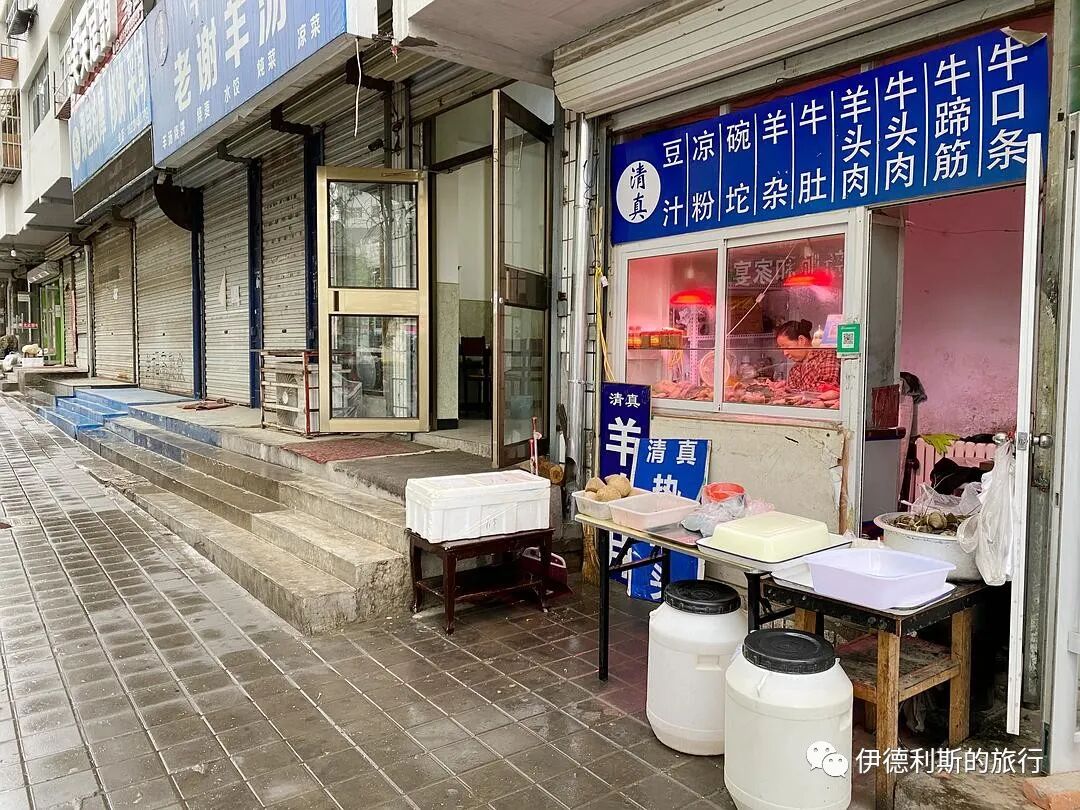
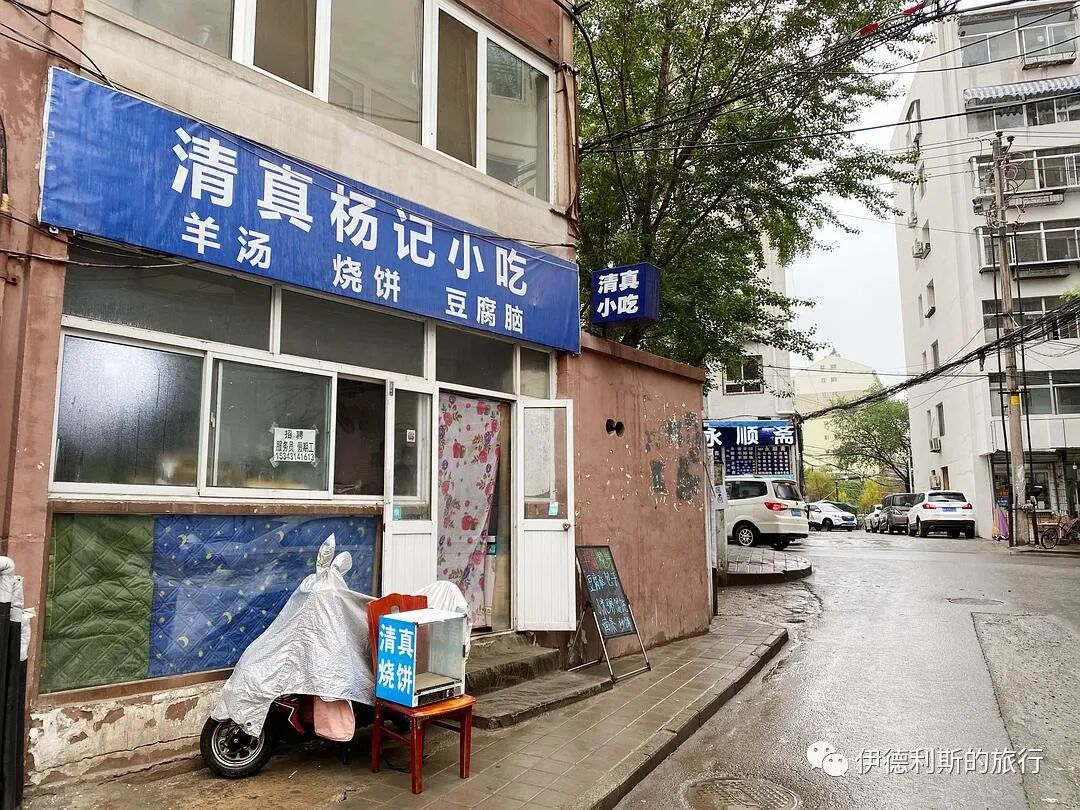
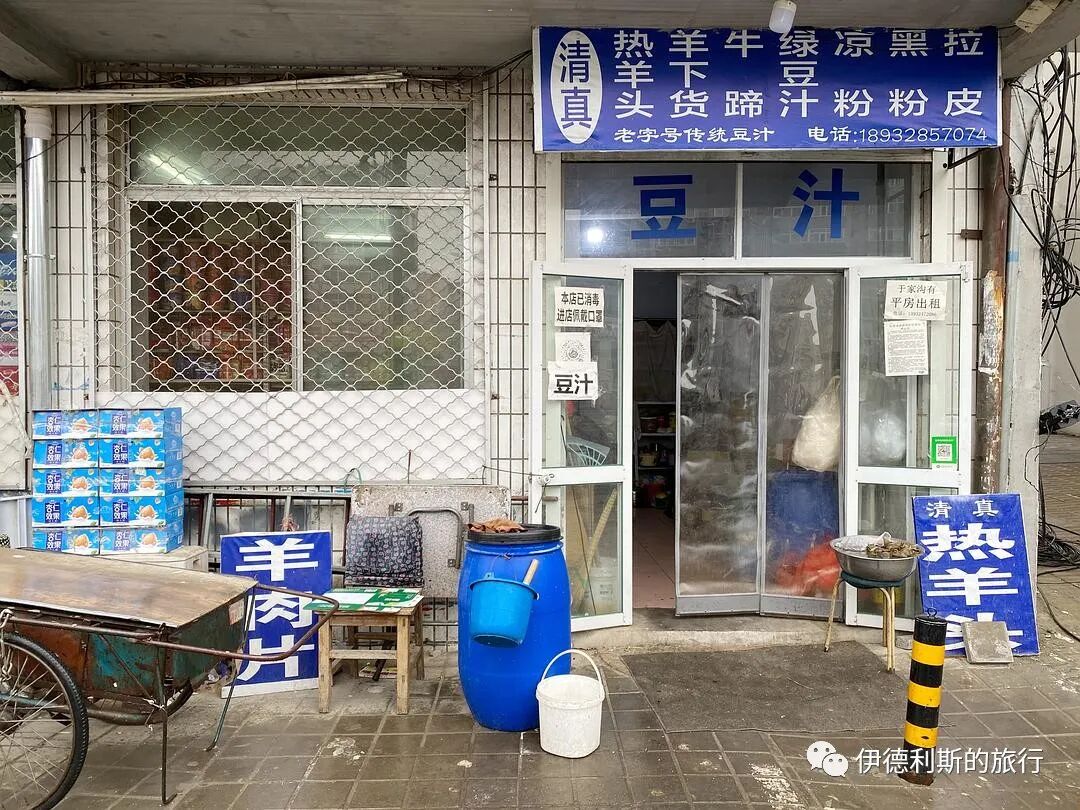
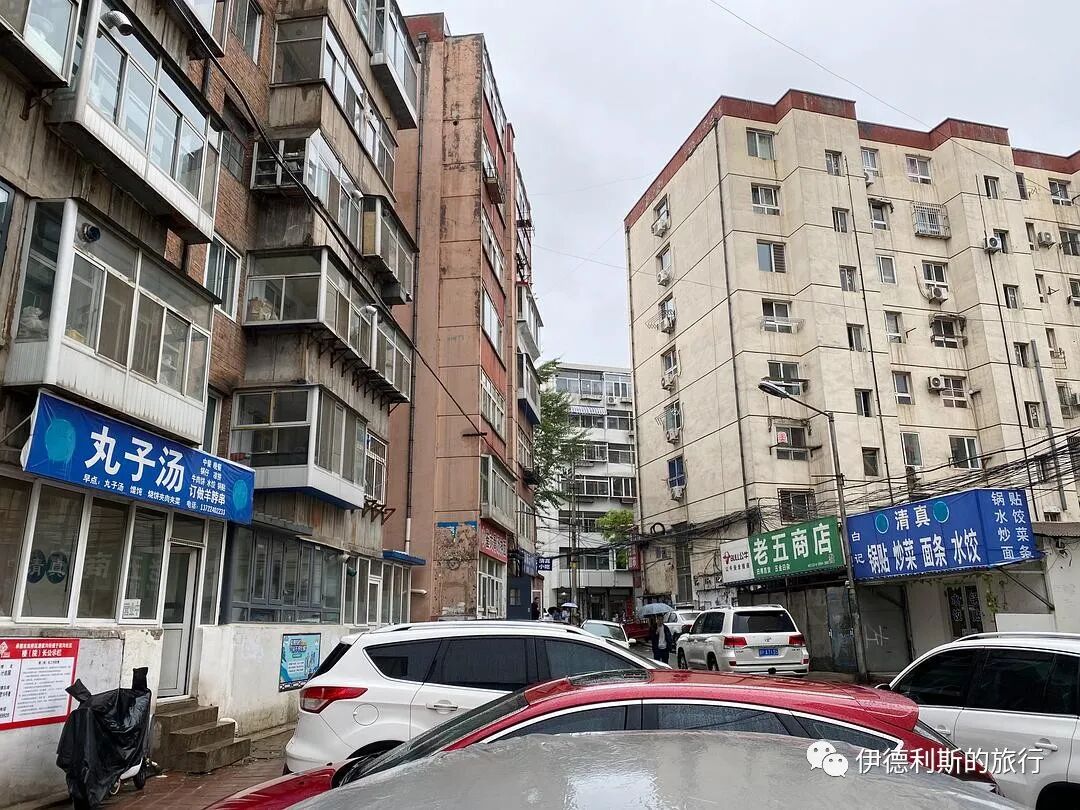
The earliest mosque in Chengde, the East Mosque, was built during the Kangxi reign and was occupied in 1958. The existing West Mosque was built during the Daoguang reign; the prayer hall consists of a front hall with a rolled shed roof, a middle hall, and a rear hall, with the minaret located on top of the middle hall, topped with a finial.
Summary: This travel note introduces Chengde Halal Travel Guide: Mosques, Muslim Food and Qing History. Arrived in Chengde on Friday night and had dinner at the famous Quanshunlou restaurant. It is useful for readers interested in Chengde Mosques, Halal Food, Muslim Travel.
Arrived in Chengde on Friday night and had dinner at the famous Quanshunlou restaurant. Since the new high-speed railway opened, Chengde is only 50 minutes from Beijing, but the local halal food in Chengde is really quite different from Beijing. It features traditional Lu cuisine techniques like braising and quick-frying, while also incorporating specialties from the Northeast, Beijing-Tianjin, and Bashang regions, along with unique local Chengde dishes; just looking at the menu, you feel like you couldn't finish trying everything even after several visits. Such a rich variety of dishes is a reflection of Chengde being the premier city beyond the Great Wall during the mid-to-late Qing Dynasty.
Since there were only two of us, we only ordered the sesame lamb and the stewed small fish with tiebingzi (cornmeal flatbread). Actually, I really wanted to try their mushroom-braised youmian (oat noodles) and potato and green bean stewed rolls. The sesame lamb uses the local Shandong crispy-skin method, rather than just sprinkling sesame seeds over the lamb like many restaurants in Beijing. The stewed small fish with tiebingzi is truly made by sticking cornmeal dough directly onto the iron pot! The aroma of the small fish seeps directly into the bogo (cornmeal flatbread), and the bogo is especially fluffy, not hard at all.
Then we went to the Erxianju night market to eat fried wantuo. Fried wantuo is a famous Chengde snack made by grinding buckwheat kernels into a paste, steaming it in a bowl, and letting it cool until it sets into a wantuo (buckwheat jelly cake). To eat it, you cut it into triangular pieces, fry them in oil, and then pour sesame paste and garlic sauce over them. Chengde fried wantuo is said to have originated in the Erxianju area during the Qing Dynasty. Since the Qing Dynasty, Erxianju has been a bustling commercial street in Rehe, and it is still a lively night market today; it is very interesting to take a stroll there in the evening.
They also sell lvdagun (rolling donkey, a glutinous rice roll with bean flour), which looks the same as the one in Beijing; I feel it might be a reflection of the food customs of the Rehe Banner people back then.
In the morning, we had almond tea, meatball soup, shaomai (steamed dumplings), and steamed dumplings at the famous Tuojie Snacks in Chengde. Chengde produces almonds, so the almond tea is also very famous. Almond tea is made by soaking almonds in water to peel them, soaking out the bitterness, grinding them to remove the residue, and then boiling them with rice flour and white sugar. The meatball soup in Chengde uses fried vegetarian radish meatballs, which are also very delicious. Their guozi (fried dough) turned out to be youbing (fried dough cakes) rather than youtiao (fried dough sticks), and they are so huge that I feel one person couldn't finish a single one!
Then we went to Bai's Pingquan Lamb Soup in Shaanxiying to drink lamb soup; their premium lamb soup includes tongue, eye socket meat, and tripe, and you can also add lamb brain separately. The Bai family of Hui Muslims in Pingquan originally came from Baijiaji in Gaohe County, Shandong, and moved to Chengde during the Qing Dynasty.
After breakfast, we strolled through Shaanxiying, where Hui Muslims live in Chengde, and bought a shaobing (baked flatbread) at Yang Laoda Shaobing to eat. There are many halal snacks in Shaanxiying, including lamb soup, geluo noodles, menting roubing (meat-filled flatbread), shaomai, almond tea, tripe-wrapped meat, tripe-wrapped brain, lamb neck skewers, douzhi (fermented mung bean milk), and wantuo. There are really not many places outside of Beijing where you can drink douzhi and eat menting roubing, which is also a reflection of Chengde's culture.
Since the Qing Dynasty built the Mountain Resort in 1703, Hui Muslims have gradually begun to settle in Chengde. Every time Emperor Kangxi held the Mulan autumn hunt or came to the resort to escape the summer heat, Hui Muslim officers, soldiers, and merchants would follow him. In the early years of the Yongzheng reign, the Qing Dynasty stationed Green Standard Army troops in Chengde; because most of the officers and soldiers came from Shaanxi, it was called Shaanxiying (Shaanxi Camp), and the 'Left Camp' among them was mostly composed of Hui Muslims. From then on, Shaanxiying became a residential area for Hui Muslims in Chengde.
By the Qianlong period, Chengde had become a metropolis beyond the Great Wall, and Hui Muslims from the Shandong and Hebei regions came one after another to do business, engaging in the food industry and cattle and sheep slaughtering, which was known as 'chasing the imperial camp'. Today, the ten major surnames of Hui Muslims in Chengde, such as Wang, Ma, Shi, and Chen, all moved from Shandong, the Wu surname moved from Cangzhou, Hebei, and the Kong surname moved from Beijing.
The earliest mosque in Chengde, the East Mosque, was built during the Kangxi reign and was occupied in 1958. The existing West Mosque was built during the Daoguang reign; the prayer hall consists of a front hall with a rolled shed roof, a middle hall, and a rear hall, with the minaret located on top of the middle hall, topped with a finial.
Halal Travel Guide: Chengde - Three Historic Mosques and Hui Muslim Food
Articles • ali2007fr posted the article • 0 comments • 198 views • 2026-05-20 08:48
Reposted from the web
Summary: Chengde is covered through three historic mosques, Hui Muslim food, and streets connected to the city’s old Muslim community. This account keeps the original travel route, mosque history, restaurant details, dishes, and photographs in order.
Chengde is northeast of Beijing. It is very convenient to take a high-speed train from Chaoyang Station, making it a great spot for a weekend getaway. This place has not only ancient Qing Dynasty mosques but also many unique local foods.
In 1703 (the 42nd year of the Kangxi reign), Emperor Kangxi built the Mountain Resort in Chengde. Afterward, Hui Muslims came to Chengde from Shandong and Hebei to serve the imperial court and manage the imperial camps. By 1718 (the 57th year of the Kangxi reign), they officially established the Chengde East Mosque on Nanyingzi Street, which is the oldest mosque in Chengde.
According to Ma Yuru, the eighth-generation hereditary imam of the East Mosque, the first imam was invited to come from Jingpeng Town in Chifeng. At first, the mosque was just a rented house. The imam spent eleven years traveling to collect donations (nietie) to build a proper mosque, and his family thought he had passed away. Just as his family was holding a memorial service for him in the eleventh year, he finally returned to Chengde and used the donations he had collected to build the East Mosque. According to a stone tablet from the 52nd year of the Qianlong reign currently kept at the West Mosque in Chengde, in the 57th year of the Kangxi reign, community leaders in Rehe gathered fellow Muslims to buy a plot of land bordered by the Li family to the east, the official street to the west, and government housing to the south. With these clear boundaries, they built the mosque.
The Chengde East Mosque was expanded twice, in 1755 (the 30th year of the Qianlong reign) and 1787 (the 52nd year of the Qianlong reign), and was once known as the largest mosque in the northern frontier. When Concubine Rong (the Fragrant Concubine) accompanied Emperor Qianlong to the Mountain Resort in Chengde, she was hosted by the third-generation imam, Ma Yao. She gifted the mosque a pair of delicate hexagonal palace lanterns and a treasure gourd. The palace lanterns were lit during Ramadan, and the treasure gourd was placed on the roof of the main prayer hall. Emperor Qianlong gifted the mosque a long-life imperial plaque, a pair of python-patterned whips, and a pair of dragon-headed staffs. An imperial decree allowing access to the Mountain Resort was passed down through the imam's family for generations until it was destroyed in the 1960s. Concubine Rong also stored ceremonial items, such as half of the imperial procession equipment and gold medals gifted by the Emperor, in the Moon-Sighting Tower of the East Mosque. Additionally, three families of Concubine Rong's attendants stayed in Chengde. The expert in couplets, Ma Delin, is a descendant of these "Red-Hat Hui Muslims" who remained in the city.
The East Mosque was occupied in 1958 and suffered severe damage after the 1960s, but it was rebuilt in the Chengde Central Square in 2006. A plaque featuring the Basmala (taisimie) hangs in front of the main hall, surrounded by "longevity" patterns, which elders say was a gift from Concubine Rong. The main hall of the East Mosque is currently under renovation and is not open to the public.
The stele from the 52nd year of the Qianlong reign at the East Mosque is now kept at the West Mosque in Chengde.
In the early years of the Yongzheng reign, the Qing dynasty stationed Green Standard Army troops in Chengde. Because most of the officers and soldiers came from Shaanxi, it was called the Shaanxi Camp, and the 'Left Battalion' within it was mostly made up of Hui Muslims. From then on, the Shaanxi Camp became a residential area for Hui Muslims in Chengde.
By the Qianlong period, Chengde had become a major metropolis north of the Great Wall. Hui Muslims from Shandong and Hebei came here to do business, working in the food industry and cattle and sheep slaughtering, which was known as 'chasing the imperial camp'. Today, the ten major surnames of Hui Muslims in Chengde, such as Wang, Ma, Shi, and Chen, all moved here from Shandong, while the Wu surname moved from Cangzhou, Hebei, and the Kong surname moved from Beijing.
The West Mosque in Chengde is located in Panjiagou, west of the Shaanxi Camp. It was first built during the Daoguang reign. The main hall consists of a front hall with a rolled shed roof, a middle hall, and a rear hall. A kiln pavilion (yaoting) is located on top of the middle hall, with a precious finial (baoding) at the very top.
Hui Muslim food in Chengde is mainly concentrated near the West Mosque and the Shaanxi Camp.
I had breakfast at Dayong Beef Buckwheat Noodles (heluo mian) shop at the entrance of the West Mosque in Chengde, ordering buckwheat noodles with a sesame flatbread (shaobing) stuffed with potatoes and steamed dumplings (shaomai). Buckwheat from the Bashang grasslands has high nutritional value and is exported to Japan and South Korea. This coarse grain must be pressed into noodles using a noodle press (heluo chuangzi), and a bowl in the morning feels very satisfying. Prices in Chengde are much lower than in Beijing; a big bowl of beef noodles only costs 10 yuan.
Xie's Steamed Bean Bun (doubao) right across from the West Mosque is also worth eating. We arrived after nine o'clock and caught them just as they were made; the kids loved the steaming hot red bean paste filling.
Hongshunxuan, located across from the West Mosque in Chengde, closes quite late, so you can even make it if you take the high-speed train from Beijing after work on Friday. This place seems to be a restaurant that hosts banquets, so the menu is quite extensive.
Historically, Hui Muslims in Chengde mainly came from Shandong and Hebei, so their diet is heavily influenced by Lu cuisine. Therefore, many of these dishes can also be found in Beijing, Tianjin, and the Northeast. We ordered the classic Lu cuisine dishes of braised meat strips (pa rourou) and sesame lamb, and also ordered cordyceps with three-leaf herb (chongcao san ye xiang). I loved eating sesame lamb (zhima yangrou) when I was a kid, but most restaurants in Beijing don't make it well anymore, so I have to go to Shandong to eat it. I ate sesame lamb both times I visited Chengde, and it tasted great, just like it did when I was a child. Three-leaf fragrance (sanyexiang) is just celery sprouts, and it tastes quite good, but I don't know why it is rarely seen in Beijing restaurants.
I wandered over to the famous Tuojie Snacks in Chengde to eat fried buckwheat jelly (jian wantuo) and almond tea (xingren cha). Both of these items at their shop are district-level intangible cultural heritage, and I eat them every time I go to Chengde. Now, they even have pre-packaged almond tea you can take away to drink on the road.
Chengde produces almonds, so their almond tea is also very famous. Almond tea is made by soaking almonds in water to peel them, soaking out the bitter taste, grinding them into a paste to remove the dregs, and then boiling the mixture with rice flour and white sugar.
Fried buckwheat jelly is also a famous Chengde snack. It is made by grinding buckwheat kernels into a paste, steaming it in a bowl, and then letting it cool to form a jelly block. When you eat it, you cut it into triangular pieces, fry them in a pan, and then pour sesame paste and garlic sauce over them. Chengde fried buckwheat jelly is said to have originated in the Erxianju area during the Qing Dynasty. Since the Qing Dynasty, Erxianju has been a bustling commercial street in Rehe, and it is still a lively market today.
Prices in Chengde are really not high. There is a community convenience canteen near Erxianju where a lunch set meal costs 15 yuan, and it is only 9.9 yuan for those over 60. The dishes are very healthy, and the kids ate happily.
The most famous breakfast in Chengde has to be Pingquan lamb soup (yangtang), and there are a few very popular shops in the city center. We went to Xilan Laoding on Zhulin Mosque Street. The shop name comes from the owner Mr. Ding's grandparents, who were Hui Muslims from Pingquan named Wang Xibin and Zhang Shulan. Pingquan lamb soup is known for its fresh, delicious broth and freshly made sesame flatbread (shaobing). You can add lamb tripe, intestines, head meat, or pure meat to the lamb soup, and you can also add spiced meat or head meat to the sesame flatbread. A special feature of Pingquan lamb soup is that a server always walks around with a big ladle to ask if you want more soup, and refills are free. Sesame flatbreads (shaobing) in Chengde are bigger than the ones in Beijing, and they smell amazing when they are fresh off the griddle. They brush sauce on the meat inside the flatbread, which makes it quite salty, so tell them beforehand if you prefer less salt.
I recommend Shuangxin Restaurant on Shanzhuang Road to fellow Muslim travelers (dost). It is not far from the south gate of the Mountain Resort, and there is a large parking lot nearby, making it a great place to eat after visiting the resort.
They serve both traditional dishes and their own creative new recipes, so there is a huge variety to choose from. We ordered shredded beef heart, fresh-set tofu (kaibao doufu), pan-fried stuffed tofu (banjian doufu), lamb and winter melon steamed dumplings (shaomai), and stir-fried snow peas. We did not order two tofu dishes on purpose, but both of them are very unique. The fresh-set tofu (kaibao doufu) is curdled right at the table, and you dip it in sauce to eat it immediately, so you get the freshest tofu flavor possible. The pan-fried stuffed tofu (banjian doufu) is their own invention, featuring tofu stuffed with meat, and it tastes delicious. This was my first time trying lamb and winter melon steamed dumplings (shaomai). Using winter melon as a filling works really well and pairs perfectly with the lamb. The shredded beef heart is a cold dish, and it is also great to take away for the road.
Heading west from Chengde, we arrived at the old street in Luanhe Town. Luanhe Old Street was originally called Kalahetun, which means black city in Mongolian. In 1650 (the seventh year of the Shunzhi reign), the Shunzhi Emperor stationed troops here during his northern tour. In 1701 (the fortieth year of the Kangxi reign), an imperial palace was officially built in Kalahetun to provide food, lodging, and supplies for the emperor during his annual autumn trips to the Mulan Hunting Ground. In 1723 (the first year of the Yongzheng reign), a garrison for the Eight Banners was established in Kalahetun, and a training ground was built later. In 1733 (the eleventh year of the Yongzheng reign), the Zhili Chengde Prefecture office was set up in Kalahetun, and it was renamed Kalahetun Sub-prefecture in 1742 (the seventh year of the Qianlong reign).
Because of the construction of the imperial palace and the frequent visits of emperors, empresses, and nobles, many Hui Muslims from Hebei and Shandong followed them to Kalahetun. They made and sold specialty foods, which played an important role in the rise of the Luanhe town market. During the reign of Emperor Qianlong, the number of Hui and Han merchants in Kalahetun grew. In 1778, the forty-third year of the Qianlong reign, the area was officially renamed Luanping County.
Luanhe Town currently has one old mosque, which is listed as a district-level cultural heritage site. Unfortunately, the doors were locked both times I visited, so I could not learn more about it.
We stayed at the Chengde Qiancaotang Homestay at the foot of Qingchui Peak. It is very convenient if you are driving, as it only takes 10 minutes to reach the city center. The mountain scenery is beautiful and it is a very relaxing place.
I took my child to climb Qingchui Peak and Sengguan Peak. You can take a cable car up Qingchui Peak and a slide down Sengguan Peak. My little one was very brave and was not scared at all. I recommend Sengguan Peak. There is a large platform at the top that has not been developed at all, and you can look out over the entire view of Chengde from there. view all
Summary: Chengde is covered through three historic mosques, Hui Muslim food, and streets connected to the city’s old Muslim community. This account keeps the original travel route, mosque history, restaurant details, dishes, and photographs in order.
Chengde is northeast of Beijing. It is very convenient to take a high-speed train from Chaoyang Station, making it a great spot for a weekend getaway. This place has not only ancient Qing Dynasty mosques but also many unique local foods.
In 1703 (the 42nd year of the Kangxi reign), Emperor Kangxi built the Mountain Resort in Chengde. Afterward, Hui Muslims came to Chengde from Shandong and Hebei to serve the imperial court and manage the imperial camps. By 1718 (the 57th year of the Kangxi reign), they officially established the Chengde East Mosque on Nanyingzi Street, which is the oldest mosque in Chengde.
According to Ma Yuru, the eighth-generation hereditary imam of the East Mosque, the first imam was invited to come from Jingpeng Town in Chifeng. At first, the mosque was just a rented house. The imam spent eleven years traveling to collect donations (nietie) to build a proper mosque, and his family thought he had passed away. Just as his family was holding a memorial service for him in the eleventh year, he finally returned to Chengde and used the donations he had collected to build the East Mosque. According to a stone tablet from the 52nd year of the Qianlong reign currently kept at the West Mosque in Chengde, in the 57th year of the Kangxi reign, community leaders in Rehe gathered fellow Muslims to buy a plot of land bordered by the Li family to the east, the official street to the west, and government housing to the south. With these clear boundaries, they built the mosque.
The Chengde East Mosque was expanded twice, in 1755 (the 30th year of the Qianlong reign) and 1787 (the 52nd year of the Qianlong reign), and was once known as the largest mosque in the northern frontier. When Concubine Rong (the Fragrant Concubine) accompanied Emperor Qianlong to the Mountain Resort in Chengde, she was hosted by the third-generation imam, Ma Yao. She gifted the mosque a pair of delicate hexagonal palace lanterns and a treasure gourd. The palace lanterns were lit during Ramadan, and the treasure gourd was placed on the roof of the main prayer hall. Emperor Qianlong gifted the mosque a long-life imperial plaque, a pair of python-patterned whips, and a pair of dragon-headed staffs. An imperial decree allowing access to the Mountain Resort was passed down through the imam's family for generations until it was destroyed in the 1960s. Concubine Rong also stored ceremonial items, such as half of the imperial procession equipment and gold medals gifted by the Emperor, in the Moon-Sighting Tower of the East Mosque. Additionally, three families of Concubine Rong's attendants stayed in Chengde. The expert in couplets, Ma Delin, is a descendant of these "Red-Hat Hui Muslims" who remained in the city.
The East Mosque was occupied in 1958 and suffered severe damage after the 1960s, but it was rebuilt in the Chengde Central Square in 2006. A plaque featuring the Basmala (taisimie) hangs in front of the main hall, surrounded by "longevity" patterns, which elders say was a gift from Concubine Rong. The main hall of the East Mosque is currently under renovation and is not open to the public.
The stele from the 52nd year of the Qianlong reign at the East Mosque is now kept at the West Mosque in Chengde.
In the early years of the Yongzheng reign, the Qing dynasty stationed Green Standard Army troops in Chengde. Because most of the officers and soldiers came from Shaanxi, it was called the Shaanxi Camp, and the 'Left Battalion' within it was mostly made up of Hui Muslims. From then on, the Shaanxi Camp became a residential area for Hui Muslims in Chengde.
By the Qianlong period, Chengde had become a major metropolis north of the Great Wall. Hui Muslims from Shandong and Hebei came here to do business, working in the food industry and cattle and sheep slaughtering, which was known as 'chasing the imperial camp'. Today, the ten major surnames of Hui Muslims in Chengde, such as Wang, Ma, Shi, and Chen, all moved here from Shandong, while the Wu surname moved from Cangzhou, Hebei, and the Kong surname moved from Beijing.
The West Mosque in Chengde is located in Panjiagou, west of the Shaanxi Camp. It was first built during the Daoguang reign. The main hall consists of a front hall with a rolled shed roof, a middle hall, and a rear hall. A kiln pavilion (yaoting) is located on top of the middle hall, with a precious finial (baoding) at the very top.
Hui Muslim food in Chengde is mainly concentrated near the West Mosque and the Shaanxi Camp.
I had breakfast at Dayong Beef Buckwheat Noodles (heluo mian) shop at the entrance of the West Mosque in Chengde, ordering buckwheat noodles with a sesame flatbread (shaobing) stuffed with potatoes and steamed dumplings (shaomai). Buckwheat from the Bashang grasslands has high nutritional value and is exported to Japan and South Korea. This coarse grain must be pressed into noodles using a noodle press (heluo chuangzi), and a bowl in the morning feels very satisfying. Prices in Chengde are much lower than in Beijing; a big bowl of beef noodles only costs 10 yuan.
Xie's Steamed Bean Bun (doubao) right across from the West Mosque is also worth eating. We arrived after nine o'clock and caught them just as they were made; the kids loved the steaming hot red bean paste filling.
Hongshunxuan, located across from the West Mosque in Chengde, closes quite late, so you can even make it if you take the high-speed train from Beijing after work on Friday. This place seems to be a restaurant that hosts banquets, so the menu is quite extensive.
Historically, Hui Muslims in Chengde mainly came from Shandong and Hebei, so their diet is heavily influenced by Lu cuisine. Therefore, many of these dishes can also be found in Beijing, Tianjin, and the Northeast. We ordered the classic Lu cuisine dishes of braised meat strips (pa rourou) and sesame lamb, and also ordered cordyceps with three-leaf herb (chongcao san ye xiang). I loved eating sesame lamb (zhima yangrou) when I was a kid, but most restaurants in Beijing don't make it well anymore, so I have to go to Shandong to eat it. I ate sesame lamb both times I visited Chengde, and it tasted great, just like it did when I was a child. Three-leaf fragrance (sanyexiang) is just celery sprouts, and it tastes quite good, but I don't know why it is rarely seen in Beijing restaurants.
I wandered over to the famous Tuojie Snacks in Chengde to eat fried buckwheat jelly (jian wantuo) and almond tea (xingren cha). Both of these items at their shop are district-level intangible cultural heritage, and I eat them every time I go to Chengde. Now, they even have pre-packaged almond tea you can take away to drink on the road.
Chengde produces almonds, so their almond tea is also very famous. Almond tea is made by soaking almonds in water to peel them, soaking out the bitter taste, grinding them into a paste to remove the dregs, and then boiling the mixture with rice flour and white sugar.
Fried buckwheat jelly is also a famous Chengde snack. It is made by grinding buckwheat kernels into a paste, steaming it in a bowl, and then letting it cool to form a jelly block. When you eat it, you cut it into triangular pieces, fry them in a pan, and then pour sesame paste and garlic sauce over them. Chengde fried buckwheat jelly is said to have originated in the Erxianju area during the Qing Dynasty. Since the Qing Dynasty, Erxianju has been a bustling commercial street in Rehe, and it is still a lively market today.
Prices in Chengde are really not high. There is a community convenience canteen near Erxianju where a lunch set meal costs 15 yuan, and it is only 9.9 yuan for those over 60. The dishes are very healthy, and the kids ate happily.
The most famous breakfast in Chengde has to be Pingquan lamb soup (yangtang), and there are a few very popular shops in the city center. We went to Xilan Laoding on Zhulin Mosque Street. The shop name comes from the owner Mr. Ding's grandparents, who were Hui Muslims from Pingquan named Wang Xibin and Zhang Shulan. Pingquan lamb soup is known for its fresh, delicious broth and freshly made sesame flatbread (shaobing). You can add lamb tripe, intestines, head meat, or pure meat to the lamb soup, and you can also add spiced meat or head meat to the sesame flatbread. A special feature of Pingquan lamb soup is that a server always walks around with a big ladle to ask if you want more soup, and refills are free. Sesame flatbreads (shaobing) in Chengde are bigger than the ones in Beijing, and they smell amazing when they are fresh off the griddle. They brush sauce on the meat inside the flatbread, which makes it quite salty, so tell them beforehand if you prefer less salt.
I recommend Shuangxin Restaurant on Shanzhuang Road to fellow Muslim travelers (dost). It is not far from the south gate of the Mountain Resort, and there is a large parking lot nearby, making it a great place to eat after visiting the resort.
They serve both traditional dishes and their own creative new recipes, so there is a huge variety to choose from. We ordered shredded beef heart, fresh-set tofu (kaibao doufu), pan-fried stuffed tofu (banjian doufu), lamb and winter melon steamed dumplings (shaomai), and stir-fried snow peas. We did not order two tofu dishes on purpose, but both of them are very unique. The fresh-set tofu (kaibao doufu) is curdled right at the table, and you dip it in sauce to eat it immediately, so you get the freshest tofu flavor possible. The pan-fried stuffed tofu (banjian doufu) is their own invention, featuring tofu stuffed with meat, and it tastes delicious. This was my first time trying lamb and winter melon steamed dumplings (shaomai). Using winter melon as a filling works really well and pairs perfectly with the lamb. The shredded beef heart is a cold dish, and it is also great to take away for the road.
Heading west from Chengde, we arrived at the old street in Luanhe Town. Luanhe Old Street was originally called Kalahetun, which means black city in Mongolian. In 1650 (the seventh year of the Shunzhi reign), the Shunzhi Emperor stationed troops here during his northern tour. In 1701 (the fortieth year of the Kangxi reign), an imperial palace was officially built in Kalahetun to provide food, lodging, and supplies for the emperor during his annual autumn trips to the Mulan Hunting Ground. In 1723 (the first year of the Yongzheng reign), a garrison for the Eight Banners was established in Kalahetun, and a training ground was built later. In 1733 (the eleventh year of the Yongzheng reign), the Zhili Chengde Prefecture office was set up in Kalahetun, and it was renamed Kalahetun Sub-prefecture in 1742 (the seventh year of the Qianlong reign).
Because of the construction of the imperial palace and the frequent visits of emperors, empresses, and nobles, many Hui Muslims from Hebei and Shandong followed them to Kalahetun. They made and sold specialty foods, which played an important role in the rise of the Luanhe town market. During the reign of Emperor Qianlong, the number of Hui and Han merchants in Kalahetun grew. In 1778, the forty-third year of the Qianlong reign, the area was officially renamed Luanping County.
Luanhe Town currently has one old mosque, which is listed as a district-level cultural heritage site. Unfortunately, the doors were locked both times I visited, so I could not learn more about it.
We stayed at the Chengde Qiancaotang Homestay at the foot of Qingchui Peak. It is very convenient if you are driving, as it only takes 10 minutes to reach the city center. The mountain scenery is beautiful and it is a very relaxing place.
I took my child to climb Qingchui Peak and Sengguan Peak. You can take a cable car up Qingchui Peak and a slide down Sengguan Peak. My little one was very brave and was not scared at all. I recommend Sengguan Peak. There is a large platform at the top that has not been developed at all, and you can look out over the entire view of Chengde from there. view all
Reposted from the web
Summary: Chengde is covered through three historic mosques, Hui Muslim food, and streets connected to the city’s old Muslim community. This account keeps the original travel route, mosque history, restaurant details, dishes, and photographs in order.
Chengde is northeast of Beijing. It is very convenient to take a high-speed train from Chaoyang Station, making it a great spot for a weekend getaway. This place has not only ancient Qing Dynasty mosques but also many unique local foods.
In 1703 (the 42nd year of the Kangxi reign), Emperor Kangxi built the Mountain Resort in Chengde. Afterward, Hui Muslims came to Chengde from Shandong and Hebei to serve the imperial court and manage the imperial camps. By 1718 (the 57th year of the Kangxi reign), they officially established the Chengde East Mosque on Nanyingzi Street, which is the oldest mosque in Chengde.
According to Ma Yuru, the eighth-generation hereditary imam of the East Mosque, the first imam was invited to come from Jingpeng Town in Chifeng. At first, the mosque was just a rented house. The imam spent eleven years traveling to collect donations (nietie) to build a proper mosque, and his family thought he had passed away. Just as his family was holding a memorial service for him in the eleventh year, he finally returned to Chengde and used the donations he had collected to build the East Mosque. According to a stone tablet from the 52nd year of the Qianlong reign currently kept at the West Mosque in Chengde, in the 57th year of the Kangxi reign, community leaders in Rehe gathered fellow Muslims to buy a plot of land bordered by the Li family to the east, the official street to the west, and government housing to the south. With these clear boundaries, they built the mosque.
The Chengde East Mosque was expanded twice, in 1755 (the 30th year of the Qianlong reign) and 1787 (the 52nd year of the Qianlong reign), and was once known as the largest mosque in the northern frontier. When Concubine Rong (the Fragrant Concubine) accompanied Emperor Qianlong to the Mountain Resort in Chengde, she was hosted by the third-generation imam, Ma Yao. She gifted the mosque a pair of delicate hexagonal palace lanterns and a treasure gourd. The palace lanterns were lit during Ramadan, and the treasure gourd was placed on the roof of the main prayer hall. Emperor Qianlong gifted the mosque a long-life imperial plaque, a pair of python-patterned whips, and a pair of dragon-headed staffs. An imperial decree allowing access to the Mountain Resort was passed down through the imam's family for generations until it was destroyed in the 1960s. Concubine Rong also stored ceremonial items, such as half of the imperial procession equipment and gold medals gifted by the Emperor, in the Moon-Sighting Tower of the East Mosque. Additionally, three families of Concubine Rong's attendants stayed in Chengde. The expert in couplets, Ma Delin, is a descendant of these "Red-Hat Hui Muslims" who remained in the city.
The East Mosque was occupied in 1958 and suffered severe damage after the 1960s, but it was rebuilt in the Chengde Central Square in 2006. A plaque featuring the Basmala (taisimie) hangs in front of the main hall, surrounded by "longevity" patterns, which elders say was a gift from Concubine Rong. The main hall of the East Mosque is currently under renovation and is not open to the public.
The stele from the 52nd year of the Qianlong reign at the East Mosque is now kept at the West Mosque in Chengde.
In the early years of the Yongzheng reign, the Qing dynasty stationed Green Standard Army troops in Chengde. Because most of the officers and soldiers came from Shaanxi, it was called the Shaanxi Camp, and the 'Left Battalion' within it was mostly made up of Hui Muslims. From then on, the Shaanxi Camp became a residential area for Hui Muslims in Chengde.
By the Qianlong period, Chengde had become a major metropolis north of the Great Wall. Hui Muslims from Shandong and Hebei came here to do business, working in the food industry and cattle and sheep slaughtering, which was known as 'chasing the imperial camp'. Today, the ten major surnames of Hui Muslims in Chengde, such as Wang, Ma, Shi, and Chen, all moved here from Shandong, while the Wu surname moved from Cangzhou, Hebei, and the Kong surname moved from Beijing.
The West Mosque in Chengde is located in Panjiagou, west of the Shaanxi Camp. It was first built during the Daoguang reign. The main hall consists of a front hall with a rolled shed roof, a middle hall, and a rear hall. A kiln pavilion (yaoting) is located on top of the middle hall, with a precious finial (baoding) at the very top.
Hui Muslim food in Chengde is mainly concentrated near the West Mosque and the Shaanxi Camp.
I had breakfast at Dayong Beef Buckwheat Noodles (heluo mian) shop at the entrance of the West Mosque in Chengde, ordering buckwheat noodles with a sesame flatbread (shaobing) stuffed with potatoes and steamed dumplings (shaomai). Buckwheat from the Bashang grasslands has high nutritional value and is exported to Japan and South Korea. This coarse grain must be pressed into noodles using a noodle press (heluo chuangzi), and a bowl in the morning feels very satisfying. Prices in Chengde are much lower than in Beijing; a big bowl of beef noodles only costs 10 yuan.
Xie's Steamed Bean Bun (doubao) right across from the West Mosque is also worth eating. We arrived after nine o'clock and caught them just as they were made; the kids loved the steaming hot red bean paste filling.
Hongshunxuan, located across from the West Mosque in Chengde, closes quite late, so you can even make it if you take the high-speed train from Beijing after work on Friday. This place seems to be a restaurant that hosts banquets, so the menu is quite extensive.
Historically, Hui Muslims in Chengde mainly came from Shandong and Hebei, so their diet is heavily influenced by Lu cuisine. Therefore, many of these dishes can also be found in Beijing, Tianjin, and the Northeast. We ordered the classic Lu cuisine dishes of braised meat strips (pa rourou) and sesame lamb, and also ordered cordyceps with three-leaf herb (chongcao san ye xiang). I loved eating sesame lamb (zhima yangrou) when I was a kid, but most restaurants in Beijing don't make it well anymore, so I have to go to Shandong to eat it. I ate sesame lamb both times I visited Chengde, and it tasted great, just like it did when I was a child. Three-leaf fragrance (sanyexiang) is just celery sprouts, and it tastes quite good, but I don't know why it is rarely seen in Beijing restaurants.
I wandered over to the famous Tuojie Snacks in Chengde to eat fried buckwheat jelly (jian wantuo) and almond tea (xingren cha). Both of these items at their shop are district-level intangible cultural heritage, and I eat them every time I go to Chengde. Now, they even have pre-packaged almond tea you can take away to drink on the road.
Chengde produces almonds, so their almond tea is also very famous. Almond tea is made by soaking almonds in water to peel them, soaking out the bitter taste, grinding them into a paste to remove the dregs, and then boiling the mixture with rice flour and white sugar.
Fried buckwheat jelly is also a famous Chengde snack. It is made by grinding buckwheat kernels into a paste, steaming it in a bowl, and then letting it cool to form a jelly block. When you eat it, you cut it into triangular pieces, fry them in a pan, and then pour sesame paste and garlic sauce over them. Chengde fried buckwheat jelly is said to have originated in the Erxianju area during the Qing Dynasty. Since the Qing Dynasty, Erxianju has been a bustling commercial street in Rehe, and it is still a lively market today.
Prices in Chengde are really not high. There is a community convenience canteen near Erxianju where a lunch set meal costs 15 yuan, and it is only 9.9 yuan for those over 60. The dishes are very healthy, and the kids ate happily.
The most famous breakfast in Chengde has to be Pingquan lamb soup (yangtang), and there are a few very popular shops in the city center. We went to Xilan Laoding on Zhulin Mosque Street. The shop name comes from the owner Mr. Ding's grandparents, who were Hui Muslims from Pingquan named Wang Xibin and Zhang Shulan. Pingquan lamb soup is known for its fresh, delicious broth and freshly made sesame flatbread (shaobing). You can add lamb tripe, intestines, head meat, or pure meat to the lamb soup, and you can also add spiced meat or head meat to the sesame flatbread. A special feature of Pingquan lamb soup is that a server always walks around with a big ladle to ask if you want more soup, and refills are free. Sesame flatbreads (shaobing) in Chengde are bigger than the ones in Beijing, and they smell amazing when they are fresh off the griddle. They brush sauce on the meat inside the flatbread, which makes it quite salty, so tell them beforehand if you prefer less salt.
I recommend Shuangxin Restaurant on Shanzhuang Road to fellow Muslim travelers (dost). It is not far from the south gate of the Mountain Resort, and there is a large parking lot nearby, making it a great place to eat after visiting the resort.
They serve both traditional dishes and their own creative new recipes, so there is a huge variety to choose from. We ordered shredded beef heart, fresh-set tofu (kaibao doufu), pan-fried stuffed tofu (banjian doufu), lamb and winter melon steamed dumplings (shaomai), and stir-fried snow peas. We did not order two tofu dishes on purpose, but both of them are very unique. The fresh-set tofu (kaibao doufu) is curdled right at the table, and you dip it in sauce to eat it immediately, so you get the freshest tofu flavor possible. The pan-fried stuffed tofu (banjian doufu) is their own invention, featuring tofu stuffed with meat, and it tastes delicious. This was my first time trying lamb and winter melon steamed dumplings (shaomai). Using winter melon as a filling works really well and pairs perfectly with the lamb. The shredded beef heart is a cold dish, and it is also great to take away for the road.
Heading west from Chengde, we arrived at the old street in Luanhe Town. Luanhe Old Street was originally called Kalahetun, which means black city in Mongolian. In 1650 (the seventh year of the Shunzhi reign), the Shunzhi Emperor stationed troops here during his northern tour. In 1701 (the fortieth year of the Kangxi reign), an imperial palace was officially built in Kalahetun to provide food, lodging, and supplies for the emperor during his annual autumn trips to the Mulan Hunting Ground. In 1723 (the first year of the Yongzheng reign), a garrison for the Eight Banners was established in Kalahetun, and a training ground was built later. In 1733 (the eleventh year of the Yongzheng reign), the Zhili Chengde Prefecture office was set up in Kalahetun, and it was renamed Kalahetun Sub-prefecture in 1742 (the seventh year of the Qianlong reign).
Because of the construction of the imperial palace and the frequent visits of emperors, empresses, and nobles, many Hui Muslims from Hebei and Shandong followed them to Kalahetun. They made and sold specialty foods, which played an important role in the rise of the Luanhe town market. During the reign of Emperor Qianlong, the number of Hui and Han merchants in Kalahetun grew. In 1778, the forty-third year of the Qianlong reign, the area was officially renamed Luanping County.
Luanhe Town currently has one old mosque, which is listed as a district-level cultural heritage site. Unfortunately, the doors were locked both times I visited, so I could not learn more about it.
We stayed at the Chengde Qiancaotang Homestay at the foot of Qingchui Peak. It is very convenient if you are driving, as it only takes 10 minutes to reach the city center. The mountain scenery is beautiful and it is a very relaxing place.
I took my child to climb Qingchui Peak and Sengguan Peak. You can take a cable car up Qingchui Peak and a slide down Sengguan Peak. My little one was very brave and was not scared at all. I recommend Sengguan Peak. There is a large platform at the top that has not been developed at all, and you can look out over the entire view of Chengde from there.
Summary: Chengde is covered through three historic mosques, Hui Muslim food, and streets connected to the city’s old Muslim community. This account keeps the original travel route, mosque history, restaurant details, dishes, and photographs in order.
Chengde is northeast of Beijing. It is very convenient to take a high-speed train from Chaoyang Station, making it a great spot for a weekend getaway. This place has not only ancient Qing Dynasty mosques but also many unique local foods.
In 1703 (the 42nd year of the Kangxi reign), Emperor Kangxi built the Mountain Resort in Chengde. Afterward, Hui Muslims came to Chengde from Shandong and Hebei to serve the imperial court and manage the imperial camps. By 1718 (the 57th year of the Kangxi reign), they officially established the Chengde East Mosque on Nanyingzi Street, which is the oldest mosque in Chengde.
According to Ma Yuru, the eighth-generation hereditary imam of the East Mosque, the first imam was invited to come from Jingpeng Town in Chifeng. At first, the mosque was just a rented house. The imam spent eleven years traveling to collect donations (nietie) to build a proper mosque, and his family thought he had passed away. Just as his family was holding a memorial service for him in the eleventh year, he finally returned to Chengde and used the donations he had collected to build the East Mosque. According to a stone tablet from the 52nd year of the Qianlong reign currently kept at the West Mosque in Chengde, in the 57th year of the Kangxi reign, community leaders in Rehe gathered fellow Muslims to buy a plot of land bordered by the Li family to the east, the official street to the west, and government housing to the south. With these clear boundaries, they built the mosque.
The Chengde East Mosque was expanded twice, in 1755 (the 30th year of the Qianlong reign) and 1787 (the 52nd year of the Qianlong reign), and was once known as the largest mosque in the northern frontier. When Concubine Rong (the Fragrant Concubine) accompanied Emperor Qianlong to the Mountain Resort in Chengde, she was hosted by the third-generation imam, Ma Yao. She gifted the mosque a pair of delicate hexagonal palace lanterns and a treasure gourd. The palace lanterns were lit during Ramadan, and the treasure gourd was placed on the roof of the main prayer hall. Emperor Qianlong gifted the mosque a long-life imperial plaque, a pair of python-patterned whips, and a pair of dragon-headed staffs. An imperial decree allowing access to the Mountain Resort was passed down through the imam's family for generations until it was destroyed in the 1960s. Concubine Rong also stored ceremonial items, such as half of the imperial procession equipment and gold medals gifted by the Emperor, in the Moon-Sighting Tower of the East Mosque. Additionally, three families of Concubine Rong's attendants stayed in Chengde. The expert in couplets, Ma Delin, is a descendant of these "Red-Hat Hui Muslims" who remained in the city.
The East Mosque was occupied in 1958 and suffered severe damage after the 1960s, but it was rebuilt in the Chengde Central Square in 2006. A plaque featuring the Basmala (taisimie) hangs in front of the main hall, surrounded by "longevity" patterns, which elders say was a gift from Concubine Rong. The main hall of the East Mosque is currently under renovation and is not open to the public.
The stele from the 52nd year of the Qianlong reign at the East Mosque is now kept at the West Mosque in Chengde.
In the early years of the Yongzheng reign, the Qing dynasty stationed Green Standard Army troops in Chengde. Because most of the officers and soldiers came from Shaanxi, it was called the Shaanxi Camp, and the 'Left Battalion' within it was mostly made up of Hui Muslims. From then on, the Shaanxi Camp became a residential area for Hui Muslims in Chengde.
By the Qianlong period, Chengde had become a major metropolis north of the Great Wall. Hui Muslims from Shandong and Hebei came here to do business, working in the food industry and cattle and sheep slaughtering, which was known as 'chasing the imperial camp'. Today, the ten major surnames of Hui Muslims in Chengde, such as Wang, Ma, Shi, and Chen, all moved here from Shandong, while the Wu surname moved from Cangzhou, Hebei, and the Kong surname moved from Beijing.
The West Mosque in Chengde is located in Panjiagou, west of the Shaanxi Camp. It was first built during the Daoguang reign. The main hall consists of a front hall with a rolled shed roof, a middle hall, and a rear hall. A kiln pavilion (yaoting) is located on top of the middle hall, with a precious finial (baoding) at the very top.
Hui Muslim food in Chengde is mainly concentrated near the West Mosque and the Shaanxi Camp.
I had breakfast at Dayong Beef Buckwheat Noodles (heluo mian) shop at the entrance of the West Mosque in Chengde, ordering buckwheat noodles with a sesame flatbread (shaobing) stuffed with potatoes and steamed dumplings (shaomai). Buckwheat from the Bashang grasslands has high nutritional value and is exported to Japan and South Korea. This coarse grain must be pressed into noodles using a noodle press (heluo chuangzi), and a bowl in the morning feels very satisfying. Prices in Chengde are much lower than in Beijing; a big bowl of beef noodles only costs 10 yuan.
Xie's Steamed Bean Bun (doubao) right across from the West Mosque is also worth eating. We arrived after nine o'clock and caught them just as they were made; the kids loved the steaming hot red bean paste filling.
Hongshunxuan, located across from the West Mosque in Chengde, closes quite late, so you can even make it if you take the high-speed train from Beijing after work on Friday. This place seems to be a restaurant that hosts banquets, so the menu is quite extensive.
Historically, Hui Muslims in Chengde mainly came from Shandong and Hebei, so their diet is heavily influenced by Lu cuisine. Therefore, many of these dishes can also be found in Beijing, Tianjin, and the Northeast. We ordered the classic Lu cuisine dishes of braised meat strips (pa rourou) and sesame lamb, and also ordered cordyceps with three-leaf herb (chongcao san ye xiang). I loved eating sesame lamb (zhima yangrou) when I was a kid, but most restaurants in Beijing don't make it well anymore, so I have to go to Shandong to eat it. I ate sesame lamb both times I visited Chengde, and it tasted great, just like it did when I was a child. Three-leaf fragrance (sanyexiang) is just celery sprouts, and it tastes quite good, but I don't know why it is rarely seen in Beijing restaurants.
I wandered over to the famous Tuojie Snacks in Chengde to eat fried buckwheat jelly (jian wantuo) and almond tea (xingren cha). Both of these items at their shop are district-level intangible cultural heritage, and I eat them every time I go to Chengde. Now, they even have pre-packaged almond tea you can take away to drink on the road.
Chengde produces almonds, so their almond tea is also very famous. Almond tea is made by soaking almonds in water to peel them, soaking out the bitter taste, grinding them into a paste to remove the dregs, and then boiling the mixture with rice flour and white sugar.
Fried buckwheat jelly is also a famous Chengde snack. It is made by grinding buckwheat kernels into a paste, steaming it in a bowl, and then letting it cool to form a jelly block. When you eat it, you cut it into triangular pieces, fry them in a pan, and then pour sesame paste and garlic sauce over them. Chengde fried buckwheat jelly is said to have originated in the Erxianju area during the Qing Dynasty. Since the Qing Dynasty, Erxianju has been a bustling commercial street in Rehe, and it is still a lively market today.
Prices in Chengde are really not high. There is a community convenience canteen near Erxianju where a lunch set meal costs 15 yuan, and it is only 9.9 yuan for those over 60. The dishes are very healthy, and the kids ate happily.
The most famous breakfast in Chengde has to be Pingquan lamb soup (yangtang), and there are a few very popular shops in the city center. We went to Xilan Laoding on Zhulin Mosque Street. The shop name comes from the owner Mr. Ding's grandparents, who were Hui Muslims from Pingquan named Wang Xibin and Zhang Shulan. Pingquan lamb soup is known for its fresh, delicious broth and freshly made sesame flatbread (shaobing). You can add lamb tripe, intestines, head meat, or pure meat to the lamb soup, and you can also add spiced meat or head meat to the sesame flatbread. A special feature of Pingquan lamb soup is that a server always walks around with a big ladle to ask if you want more soup, and refills are free. Sesame flatbreads (shaobing) in Chengde are bigger than the ones in Beijing, and they smell amazing when they are fresh off the griddle. They brush sauce on the meat inside the flatbread, which makes it quite salty, so tell them beforehand if you prefer less salt.
I recommend Shuangxin Restaurant on Shanzhuang Road to fellow Muslim travelers (dost). It is not far from the south gate of the Mountain Resort, and there is a large parking lot nearby, making it a great place to eat after visiting the resort.
They serve both traditional dishes and their own creative new recipes, so there is a huge variety to choose from. We ordered shredded beef heart, fresh-set tofu (kaibao doufu), pan-fried stuffed tofu (banjian doufu), lamb and winter melon steamed dumplings (shaomai), and stir-fried snow peas. We did not order two tofu dishes on purpose, but both of them are very unique. The fresh-set tofu (kaibao doufu) is curdled right at the table, and you dip it in sauce to eat it immediately, so you get the freshest tofu flavor possible. The pan-fried stuffed tofu (banjian doufu) is their own invention, featuring tofu stuffed with meat, and it tastes delicious. This was my first time trying lamb and winter melon steamed dumplings (shaomai). Using winter melon as a filling works really well and pairs perfectly with the lamb. The shredded beef heart is a cold dish, and it is also great to take away for the road.
Heading west from Chengde, we arrived at the old street in Luanhe Town. Luanhe Old Street was originally called Kalahetun, which means black city in Mongolian. In 1650 (the seventh year of the Shunzhi reign), the Shunzhi Emperor stationed troops here during his northern tour. In 1701 (the fortieth year of the Kangxi reign), an imperial palace was officially built in Kalahetun to provide food, lodging, and supplies for the emperor during his annual autumn trips to the Mulan Hunting Ground. In 1723 (the first year of the Yongzheng reign), a garrison for the Eight Banners was established in Kalahetun, and a training ground was built later. In 1733 (the eleventh year of the Yongzheng reign), the Zhili Chengde Prefecture office was set up in Kalahetun, and it was renamed Kalahetun Sub-prefecture in 1742 (the seventh year of the Qianlong reign).
Because of the construction of the imperial palace and the frequent visits of emperors, empresses, and nobles, many Hui Muslims from Hebei and Shandong followed them to Kalahetun. They made and sold specialty foods, which played an important role in the rise of the Luanhe town market. During the reign of Emperor Qianlong, the number of Hui and Han merchants in Kalahetun grew. In 1778, the forty-third year of the Qianlong reign, the area was officially renamed Luanping County.
Luanhe Town currently has one old mosque, which is listed as a district-level cultural heritage site. Unfortunately, the doors were locked both times I visited, so I could not learn more about it.
We stayed at the Chengde Qiancaotang Homestay at the foot of Qingchui Peak. It is very convenient if you are driving, as it only takes 10 minutes to reach the city center. The mountain scenery is beautiful and it is a very relaxing place.
I took my child to climb Qingchui Peak and Sengguan Peak. You can take a cable car up Qingchui Peak and a slide down Sengguan Peak. My little one was very brave and was not scared at all. I recommend Sengguan Peak. There is a large platform at the top that has not been developed at all, and you can look out over the entire view of Chengde from there.
Chengde Halal Travel Guide: Mosques, Muslim Food and Qing History
Articles • ali2007fr posted the article • 0 comments • 190 views • 2026-05-17 05:52
Reposted from the web
Summary: This travel note introduces Chengde Halal Travel Guide: Mosques, Muslim Food and Qing History. Arrived in Chengde on Friday night and had dinner at the famous Quanshunlou restaurant. It is useful for readers interested in Chengde Mosques, Halal Food, Muslim Travel.
Arrived in Chengde on Friday night and had dinner at the famous Quanshunlou restaurant. Since the new high-speed railway opened, Chengde is only 50 minutes from Beijing, but the local halal food in Chengde is really quite different from Beijing. It features traditional Lu cuisine techniques like braising and quick-frying, while also incorporating specialties from the Northeast, Beijing-Tianjin, and Bashang regions, along with unique local Chengde dishes; just looking at the menu, you feel like you couldn't finish trying everything even after several visits. Such a rich variety of dishes is a reflection of Chengde being the premier city beyond the Great Wall during the mid-to-late Qing Dynasty.
Since there were only two of us, we only ordered the sesame lamb and the stewed small fish with tiebingzi (cornmeal flatbread). Actually, I really wanted to try their mushroom-braised youmian (oat noodles) and potato and green bean stewed rolls. The sesame lamb uses the local Shandong crispy-skin method, rather than just sprinkling sesame seeds over the lamb like many restaurants in Beijing. The stewed small fish with tiebingzi is truly made by sticking cornmeal dough directly onto the iron pot! The aroma of the small fish seeps directly into the bogo (cornmeal flatbread), and the bogo is especially fluffy, not hard at all.
Then we went to the Erxianju night market to eat fried wantuo. Fried wantuo is a famous Chengde snack made by grinding buckwheat kernels into a paste, steaming it in a bowl, and letting it cool until it sets into a wantuo (buckwheat jelly cake). To eat it, you cut it into triangular pieces, fry them in oil, and then pour sesame paste and garlic sauce over them. Chengde fried wantuo is said to have originated in the Erxianju area during the Qing Dynasty. Since the Qing Dynasty, Erxianju has been a bustling commercial street in Rehe, and it is still a lively night market today; it is very interesting to take a stroll there in the evening.
They also sell lvdagun (rolling donkey, a glutinous rice roll with bean flour), which looks the same as the one in Beijing; I feel it might be a reflection of the food customs of the Rehe Banner people back then.
In the morning, we had almond tea, meatball soup, shaomai (steamed dumplings), and steamed dumplings at the famous Tuojie Snacks in Chengde. Chengde produces almonds, so the almond tea is also very famous. Almond tea is made by soaking almonds in water to peel them, soaking out the bitterness, grinding them to remove the residue, and then boiling them with rice flour and white sugar. The meatball soup in Chengde uses fried vegetarian radish meatballs, which are also very delicious. Their guozi (fried dough) turned out to be youbing (fried dough cakes) rather than youtiao (fried dough sticks), and they are so huge that I feel one person couldn't finish a single one!
Then we went to Bai's Pingquan Lamb Soup in Shaanxiying to drink lamb soup; their premium lamb soup includes tongue, eye socket meat, and tripe, and you can also add lamb brain separately. The Bai family of Hui Muslims in Pingquan originally came from Baijiaji in Gaohe County, Shandong, and moved to Chengde during the Qing Dynasty.
After breakfast, we strolled through Shaanxiying, where Hui Muslims live in Chengde, and bought a shaobing (baked flatbread) at Yang Laoda Shaobing to eat. There are many halal snacks in Shaanxiying, including lamb soup, geluo noodles, menting roubing (meat-filled flatbread), shaomai, almond tea, tripe-wrapped meat, tripe-wrapped brain, lamb neck skewers, douzhi (fermented mung bean milk), and wantuo. There are really not many places outside of Beijing where you can drink douzhi and eat menting roubing, which is also a reflection of Chengde's culture.
Since the Qing Dynasty built the Mountain Resort in 1703, Hui Muslims have gradually begun to settle in Chengde. Every time Emperor Kangxi held the Mulan autumn hunt or came to the resort to escape the summer heat, Hui Muslim officers, soldiers, and merchants would follow him. In the early years of the Yongzheng reign, the Qing Dynasty stationed Green Standard Army troops in Chengde; because most of the officers and soldiers came from Shaanxi, it was called Shaanxiying (Shaanxi Camp), and the 'Left Camp' among them was mostly composed of Hui Muslims. From then on, Shaanxiying became a residential area for Hui Muslims in Chengde.
By the Qianlong period, Chengde had become a metropolis beyond the Great Wall, and Hui Muslims from the Shandong and Hebei regions came one after another to do business, engaging in the food industry and cattle and sheep slaughtering, which was known as 'chasing the imperial camp'. Today, the ten major surnames of Hui Muslims in Chengde, such as Wang, Ma, Shi, and Chen, all moved from Shandong, the Wu surname moved from Cangzhou, Hebei, and the Kong surname moved from Beijing.
The earliest mosque in Chengde, the East Mosque, was built during the Kangxi reign and was occupied in 1958. The existing West Mosque was built during the Daoguang reign; the prayer hall consists of a front hall with a rolled shed roof, a middle hall, and a rear hall, with the minaret located on top of the middle hall, topped with a finial. view all
Summary: This travel note introduces Chengde Halal Travel Guide: Mosques, Muslim Food and Qing History. Arrived in Chengde on Friday night and had dinner at the famous Quanshunlou restaurant. It is useful for readers interested in Chengde Mosques, Halal Food, Muslim Travel.
Arrived in Chengde on Friday night and had dinner at the famous Quanshunlou restaurant. Since the new high-speed railway opened, Chengde is only 50 minutes from Beijing, but the local halal food in Chengde is really quite different from Beijing. It features traditional Lu cuisine techniques like braising and quick-frying, while also incorporating specialties from the Northeast, Beijing-Tianjin, and Bashang regions, along with unique local Chengde dishes; just looking at the menu, you feel like you couldn't finish trying everything even after several visits. Such a rich variety of dishes is a reflection of Chengde being the premier city beyond the Great Wall during the mid-to-late Qing Dynasty.
Since there were only two of us, we only ordered the sesame lamb and the stewed small fish with tiebingzi (cornmeal flatbread). Actually, I really wanted to try their mushroom-braised youmian (oat noodles) and potato and green bean stewed rolls. The sesame lamb uses the local Shandong crispy-skin method, rather than just sprinkling sesame seeds over the lamb like many restaurants in Beijing. The stewed small fish with tiebingzi is truly made by sticking cornmeal dough directly onto the iron pot! The aroma of the small fish seeps directly into the bogo (cornmeal flatbread), and the bogo is especially fluffy, not hard at all.
Then we went to the Erxianju night market to eat fried wantuo. Fried wantuo is a famous Chengde snack made by grinding buckwheat kernels into a paste, steaming it in a bowl, and letting it cool until it sets into a wantuo (buckwheat jelly cake). To eat it, you cut it into triangular pieces, fry them in oil, and then pour sesame paste and garlic sauce over them. Chengde fried wantuo is said to have originated in the Erxianju area during the Qing Dynasty. Since the Qing Dynasty, Erxianju has been a bustling commercial street in Rehe, and it is still a lively night market today; it is very interesting to take a stroll there in the evening.
They also sell lvdagun (rolling donkey, a glutinous rice roll with bean flour), which looks the same as the one in Beijing; I feel it might be a reflection of the food customs of the Rehe Banner people back then.
In the morning, we had almond tea, meatball soup, shaomai (steamed dumplings), and steamed dumplings at the famous Tuojie Snacks in Chengde. Chengde produces almonds, so the almond tea is also very famous. Almond tea is made by soaking almonds in water to peel them, soaking out the bitterness, grinding them to remove the residue, and then boiling them with rice flour and white sugar. The meatball soup in Chengde uses fried vegetarian radish meatballs, which are also very delicious. Their guozi (fried dough) turned out to be youbing (fried dough cakes) rather than youtiao (fried dough sticks), and they are so huge that I feel one person couldn't finish a single one!
Then we went to Bai's Pingquan Lamb Soup in Shaanxiying to drink lamb soup; their premium lamb soup includes tongue, eye socket meat, and tripe, and you can also add lamb brain separately. The Bai family of Hui Muslims in Pingquan originally came from Baijiaji in Gaohe County, Shandong, and moved to Chengde during the Qing Dynasty.
After breakfast, we strolled through Shaanxiying, where Hui Muslims live in Chengde, and bought a shaobing (baked flatbread) at Yang Laoda Shaobing to eat. There are many halal snacks in Shaanxiying, including lamb soup, geluo noodles, menting roubing (meat-filled flatbread), shaomai, almond tea, tripe-wrapped meat, tripe-wrapped brain, lamb neck skewers, douzhi (fermented mung bean milk), and wantuo. There are really not many places outside of Beijing where you can drink douzhi and eat menting roubing, which is also a reflection of Chengde's culture.
Since the Qing Dynasty built the Mountain Resort in 1703, Hui Muslims have gradually begun to settle in Chengde. Every time Emperor Kangxi held the Mulan autumn hunt or came to the resort to escape the summer heat, Hui Muslim officers, soldiers, and merchants would follow him. In the early years of the Yongzheng reign, the Qing Dynasty stationed Green Standard Army troops in Chengde; because most of the officers and soldiers came from Shaanxi, it was called Shaanxiying (Shaanxi Camp), and the 'Left Camp' among them was mostly composed of Hui Muslims. From then on, Shaanxiying became a residential area for Hui Muslims in Chengde.
By the Qianlong period, Chengde had become a metropolis beyond the Great Wall, and Hui Muslims from the Shandong and Hebei regions came one after another to do business, engaging in the food industry and cattle and sheep slaughtering, which was known as 'chasing the imperial camp'. Today, the ten major surnames of Hui Muslims in Chengde, such as Wang, Ma, Shi, and Chen, all moved from Shandong, the Wu surname moved from Cangzhou, Hebei, and the Kong surname moved from Beijing.
The earliest mosque in Chengde, the East Mosque, was built during the Kangxi reign and was occupied in 1958. The existing West Mosque was built during the Daoguang reign; the prayer hall consists of a front hall with a rolled shed roof, a middle hall, and a rear hall, with the minaret located on top of the middle hall, topped with a finial. view all
Reposted from the web
Summary: This travel note introduces Chengde Halal Travel Guide: Mosques, Muslim Food and Qing History. Arrived in Chengde on Friday night and had dinner at the famous Quanshunlou restaurant. It is useful for readers interested in Chengde Mosques, Halal Food, Muslim Travel.
Arrived in Chengde on Friday night and had dinner at the famous Quanshunlou restaurant. Since the new high-speed railway opened, Chengde is only 50 minutes from Beijing, but the local halal food in Chengde is really quite different from Beijing. It features traditional Lu cuisine techniques like braising and quick-frying, while also incorporating specialties from the Northeast, Beijing-Tianjin, and Bashang regions, along with unique local Chengde dishes; just looking at the menu, you feel like you couldn't finish trying everything even after several visits. Such a rich variety of dishes is a reflection of Chengde being the premier city beyond the Great Wall during the mid-to-late Qing Dynasty.
Since there were only two of us, we only ordered the sesame lamb and the stewed small fish with tiebingzi (cornmeal flatbread). Actually, I really wanted to try their mushroom-braised youmian (oat noodles) and potato and green bean stewed rolls. The sesame lamb uses the local Shandong crispy-skin method, rather than just sprinkling sesame seeds over the lamb like many restaurants in Beijing. The stewed small fish with tiebingzi is truly made by sticking cornmeal dough directly onto the iron pot! The aroma of the small fish seeps directly into the bogo (cornmeal flatbread), and the bogo is especially fluffy, not hard at all.
Then we went to the Erxianju night market to eat fried wantuo. Fried wantuo is a famous Chengde snack made by grinding buckwheat kernels into a paste, steaming it in a bowl, and letting it cool until it sets into a wantuo (buckwheat jelly cake). To eat it, you cut it into triangular pieces, fry them in oil, and then pour sesame paste and garlic sauce over them. Chengde fried wantuo is said to have originated in the Erxianju area during the Qing Dynasty. Since the Qing Dynasty, Erxianju has been a bustling commercial street in Rehe, and it is still a lively night market today; it is very interesting to take a stroll there in the evening.
They also sell lvdagun (rolling donkey, a glutinous rice roll with bean flour), which looks the same as the one in Beijing; I feel it might be a reflection of the food customs of the Rehe Banner people back then.
In the morning, we had almond tea, meatball soup, shaomai (steamed dumplings), and steamed dumplings at the famous Tuojie Snacks in Chengde. Chengde produces almonds, so the almond tea is also very famous. Almond tea is made by soaking almonds in water to peel them, soaking out the bitterness, grinding them to remove the residue, and then boiling them with rice flour and white sugar. The meatball soup in Chengde uses fried vegetarian radish meatballs, which are also very delicious. Their guozi (fried dough) turned out to be youbing (fried dough cakes) rather than youtiao (fried dough sticks), and they are so huge that I feel one person couldn't finish a single one!
Then we went to Bai's Pingquan Lamb Soup in Shaanxiying to drink lamb soup; their premium lamb soup includes tongue, eye socket meat, and tripe, and you can also add lamb brain separately. The Bai family of Hui Muslims in Pingquan originally came from Baijiaji in Gaohe County, Shandong, and moved to Chengde during the Qing Dynasty.
After breakfast, we strolled through Shaanxiying, where Hui Muslims live in Chengde, and bought a shaobing (baked flatbread) at Yang Laoda Shaobing to eat. There are many halal snacks in Shaanxiying, including lamb soup, geluo noodles, menting roubing (meat-filled flatbread), shaomai, almond tea, tripe-wrapped meat, tripe-wrapped brain, lamb neck skewers, douzhi (fermented mung bean milk), and wantuo. There are really not many places outside of Beijing where you can drink douzhi and eat menting roubing, which is also a reflection of Chengde's culture.
Since the Qing Dynasty built the Mountain Resort in 1703, Hui Muslims have gradually begun to settle in Chengde. Every time Emperor Kangxi held the Mulan autumn hunt or came to the resort to escape the summer heat, Hui Muslim officers, soldiers, and merchants would follow him. In the early years of the Yongzheng reign, the Qing Dynasty stationed Green Standard Army troops in Chengde; because most of the officers and soldiers came from Shaanxi, it was called Shaanxiying (Shaanxi Camp), and the 'Left Camp' among them was mostly composed of Hui Muslims. From then on, Shaanxiying became a residential area for Hui Muslims in Chengde.
By the Qianlong period, Chengde had become a metropolis beyond the Great Wall, and Hui Muslims from the Shandong and Hebei regions came one after another to do business, engaging in the food industry and cattle and sheep slaughtering, which was known as 'chasing the imperial camp'. Today, the ten major surnames of Hui Muslims in Chengde, such as Wang, Ma, Shi, and Chen, all moved from Shandong, the Wu surname moved from Cangzhou, Hebei, and the Kong surname moved from Beijing.
The earliest mosque in Chengde, the East Mosque, was built during the Kangxi reign and was occupied in 1958. The existing West Mosque was built during the Daoguang reign; the prayer hall consists of a front hall with a rolled shed roof, a middle hall, and a rear hall, with the minaret located on top of the middle hall, topped with a finial.
Summary: This travel note introduces Chengde Halal Travel Guide: Mosques, Muslim Food and Qing History. Arrived in Chengde on Friday night and had dinner at the famous Quanshunlou restaurant. It is useful for readers interested in Chengde Mosques, Halal Food, Muslim Travel.
Arrived in Chengde on Friday night and had dinner at the famous Quanshunlou restaurant. Since the new high-speed railway opened, Chengde is only 50 minutes from Beijing, but the local halal food in Chengde is really quite different from Beijing. It features traditional Lu cuisine techniques like braising and quick-frying, while also incorporating specialties from the Northeast, Beijing-Tianjin, and Bashang regions, along with unique local Chengde dishes; just looking at the menu, you feel like you couldn't finish trying everything even after several visits. Such a rich variety of dishes is a reflection of Chengde being the premier city beyond the Great Wall during the mid-to-late Qing Dynasty.
Since there were only two of us, we only ordered the sesame lamb and the stewed small fish with tiebingzi (cornmeal flatbread). Actually, I really wanted to try their mushroom-braised youmian (oat noodles) and potato and green bean stewed rolls. The sesame lamb uses the local Shandong crispy-skin method, rather than just sprinkling sesame seeds over the lamb like many restaurants in Beijing. The stewed small fish with tiebingzi is truly made by sticking cornmeal dough directly onto the iron pot! The aroma of the small fish seeps directly into the bogo (cornmeal flatbread), and the bogo is especially fluffy, not hard at all.
Then we went to the Erxianju night market to eat fried wantuo. Fried wantuo is a famous Chengde snack made by grinding buckwheat kernels into a paste, steaming it in a bowl, and letting it cool until it sets into a wantuo (buckwheat jelly cake). To eat it, you cut it into triangular pieces, fry them in oil, and then pour sesame paste and garlic sauce over them. Chengde fried wantuo is said to have originated in the Erxianju area during the Qing Dynasty. Since the Qing Dynasty, Erxianju has been a bustling commercial street in Rehe, and it is still a lively night market today; it is very interesting to take a stroll there in the evening.
They also sell lvdagun (rolling donkey, a glutinous rice roll with bean flour), which looks the same as the one in Beijing; I feel it might be a reflection of the food customs of the Rehe Banner people back then.
In the morning, we had almond tea, meatball soup, shaomai (steamed dumplings), and steamed dumplings at the famous Tuojie Snacks in Chengde. Chengde produces almonds, so the almond tea is also very famous. Almond tea is made by soaking almonds in water to peel them, soaking out the bitterness, grinding them to remove the residue, and then boiling them with rice flour and white sugar. The meatball soup in Chengde uses fried vegetarian radish meatballs, which are also very delicious. Their guozi (fried dough) turned out to be youbing (fried dough cakes) rather than youtiao (fried dough sticks), and they are so huge that I feel one person couldn't finish a single one!
Then we went to Bai's Pingquan Lamb Soup in Shaanxiying to drink lamb soup; their premium lamb soup includes tongue, eye socket meat, and tripe, and you can also add lamb brain separately. The Bai family of Hui Muslims in Pingquan originally came from Baijiaji in Gaohe County, Shandong, and moved to Chengde during the Qing Dynasty.
After breakfast, we strolled through Shaanxiying, where Hui Muslims live in Chengde, and bought a shaobing (baked flatbread) at Yang Laoda Shaobing to eat. There are many halal snacks in Shaanxiying, including lamb soup, geluo noodles, menting roubing (meat-filled flatbread), shaomai, almond tea, tripe-wrapped meat, tripe-wrapped brain, lamb neck skewers, douzhi (fermented mung bean milk), and wantuo. There are really not many places outside of Beijing where you can drink douzhi and eat menting roubing, which is also a reflection of Chengde's culture.
Since the Qing Dynasty built the Mountain Resort in 1703, Hui Muslims have gradually begun to settle in Chengde. Every time Emperor Kangxi held the Mulan autumn hunt or came to the resort to escape the summer heat, Hui Muslim officers, soldiers, and merchants would follow him. In the early years of the Yongzheng reign, the Qing Dynasty stationed Green Standard Army troops in Chengde; because most of the officers and soldiers came from Shaanxi, it was called Shaanxiying (Shaanxi Camp), and the 'Left Camp' among them was mostly composed of Hui Muslims. From then on, Shaanxiying became a residential area for Hui Muslims in Chengde.
By the Qianlong period, Chengde had become a metropolis beyond the Great Wall, and Hui Muslims from the Shandong and Hebei regions came one after another to do business, engaging in the food industry and cattle and sheep slaughtering, which was known as 'chasing the imperial camp'. Today, the ten major surnames of Hui Muslims in Chengde, such as Wang, Ma, Shi, and Chen, all moved from Shandong, the Wu surname moved from Cangzhou, Hebei, and the Kong surname moved from Beijing.
The earliest mosque in Chengde, the East Mosque, was built during the Kangxi reign and was occupied in 1958. The existing West Mosque was built during the Daoguang reign; the prayer hall consists of a front hall with a rolled shed roof, a middle hall, and a rear hall, with the minaret located on top of the middle hall, topped with a finial.