
Liaoning Halal Travel Guide: Lingyuan, Shenyang and Kaiyuan (Part 1)
Reposted from the web
Summary: This travel note introduces Liaoning Halal Travel Guide: Lingyuan, Shenyang and Kaiyuan (Part 1). In May 2021, I left Chengde in the morning by high-speed train and arrived in Lingyuan, Liaoning, at noon. It is useful for readers interested in Liaoning Travel, China Mosques, Halal Food.
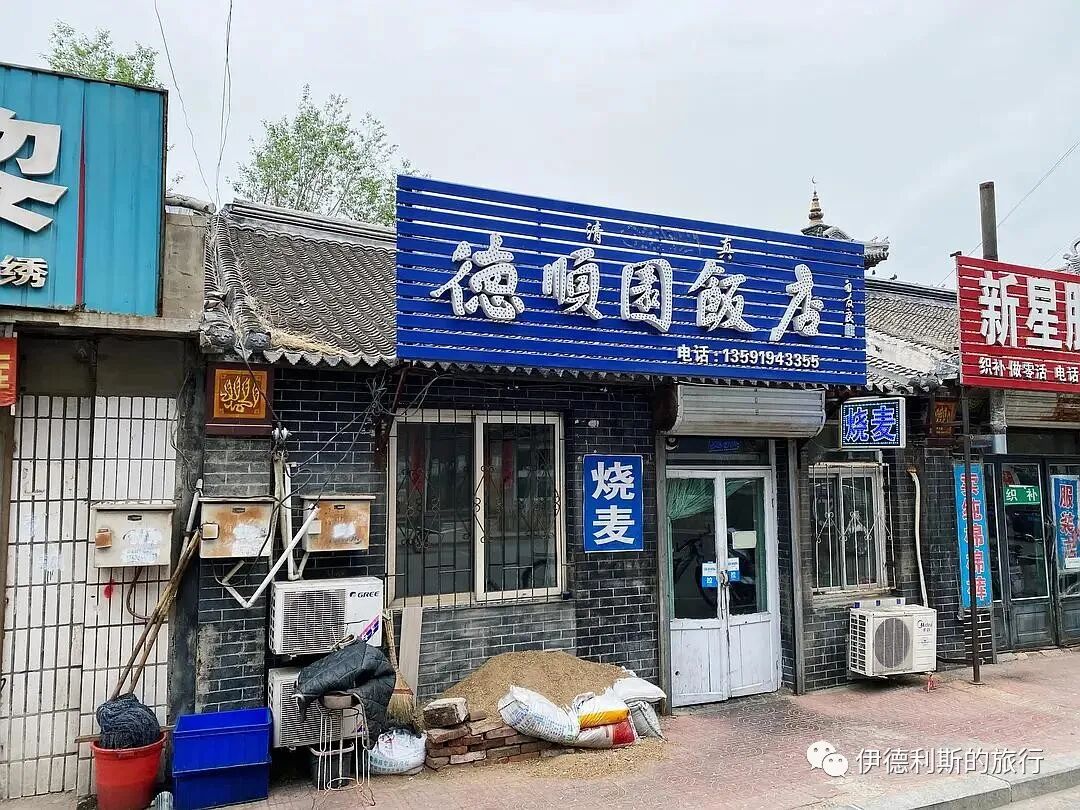
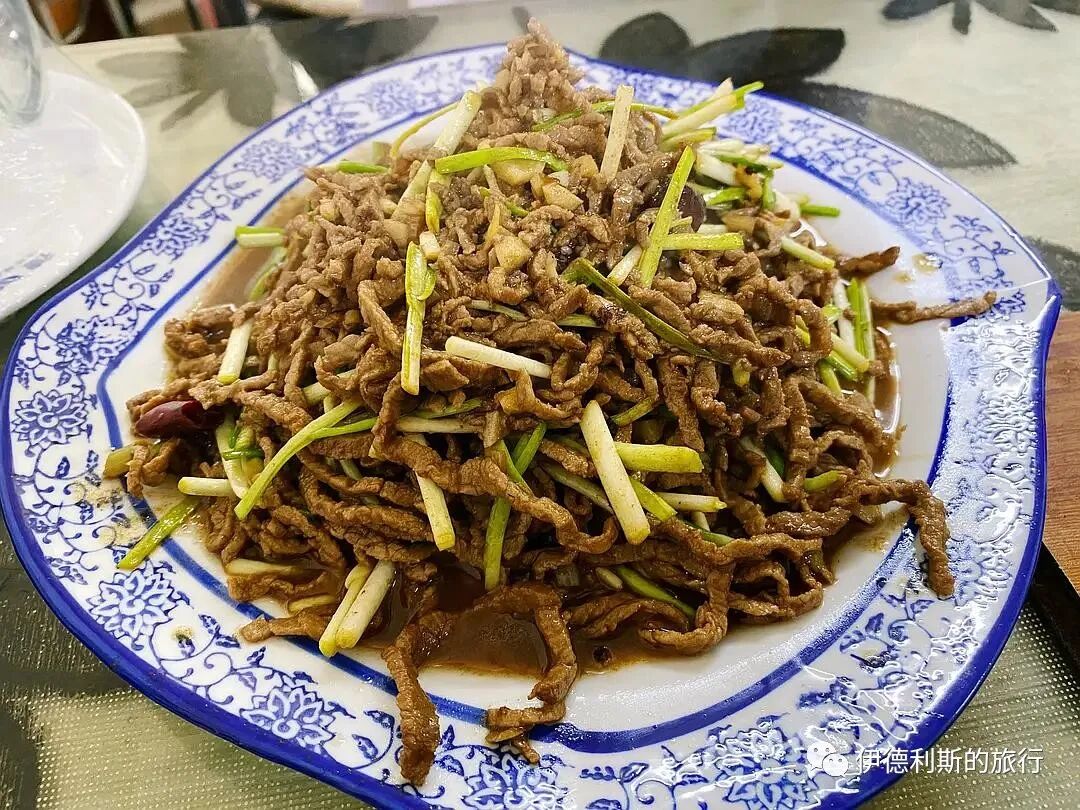
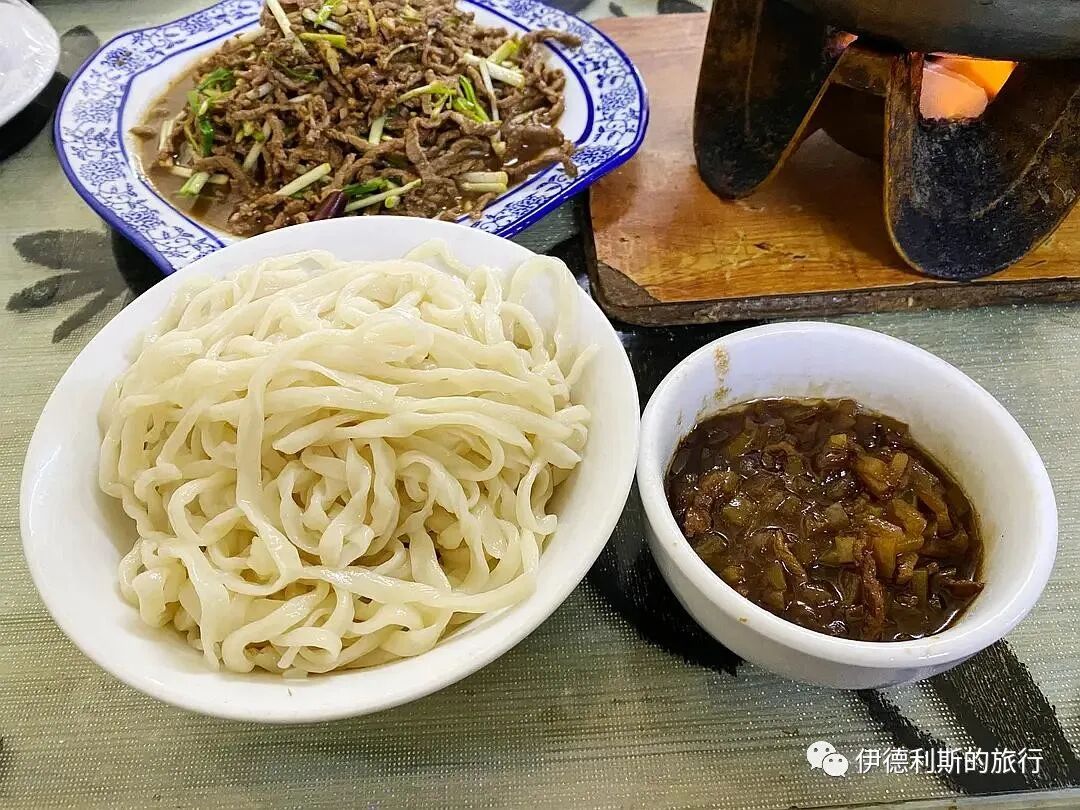
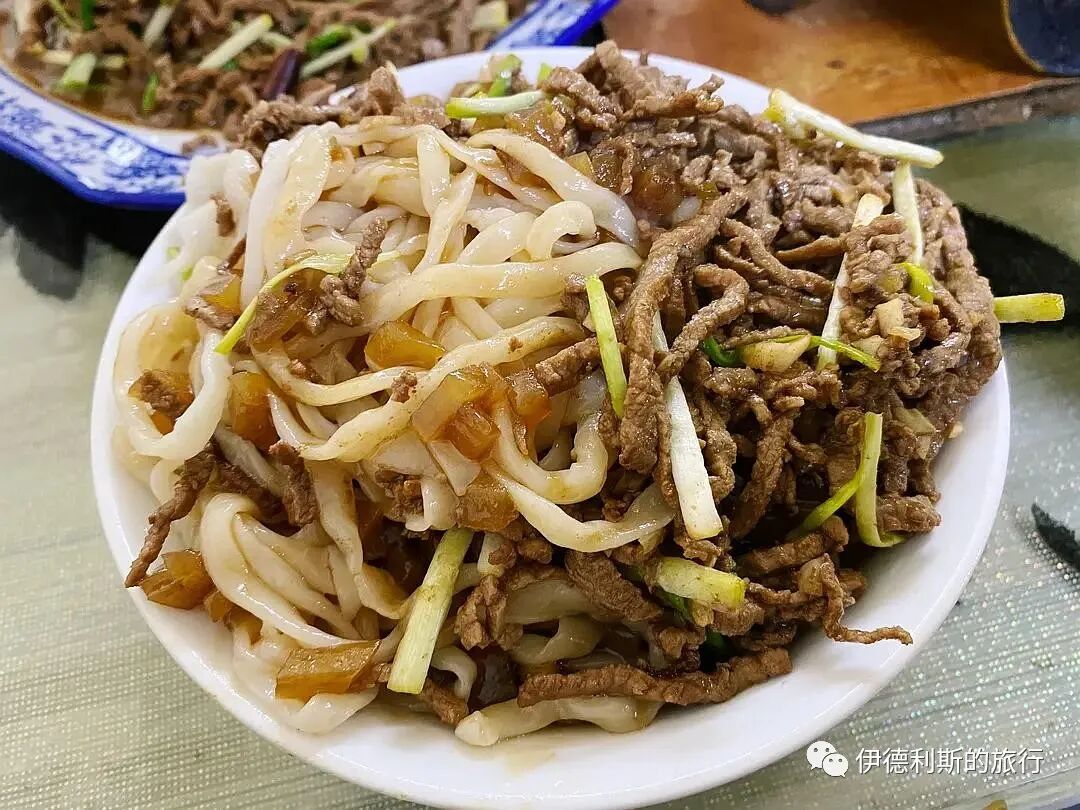
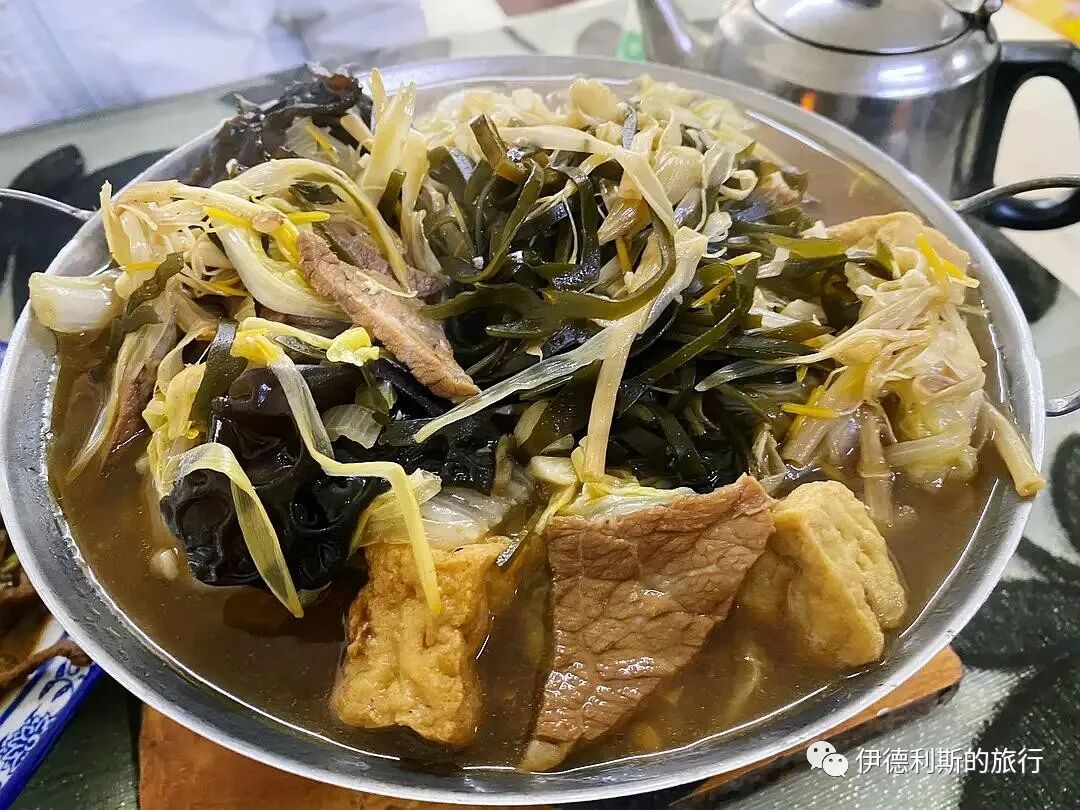
In May 2021, I left Chengde in the morning by high-speed train and arrived in Lingyuan, Liaoning, at noon. I ate at a small restaurant at the entrance of the Lingyuan mosque, ordering the stir-fried shredded meat with hand-pulled noodles recommended by the owner, as well as a mixed vegetable dish with doupao (fried tofu puffs), sliced meat, daylily, wood ear mushrooms, and kelp. Once you reach the Northeast, the portions are truly large and affordable; a bowl of noodles for five yuan is a great meal!
Lingyuan is located at the junction of Hebei, Liaoning, and Inner Mongolia, and was formerly known as Tazigou. Since the Qianlong reign of the Qing Dynasty, Hui Muslims from Shandong and Hebei continuously traveled beyond the Great Wall through the gaps near Xifengkou. Lingyuan was their first stop after leaving the pass, and some Hui Muslims settled there.
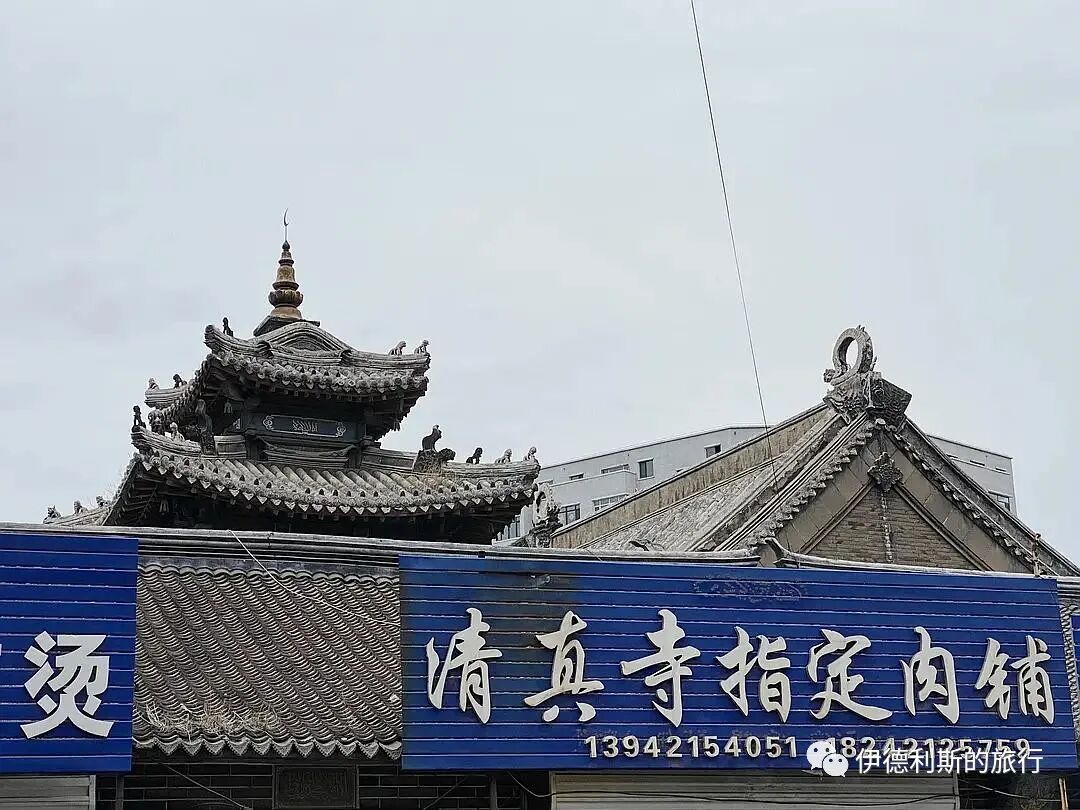
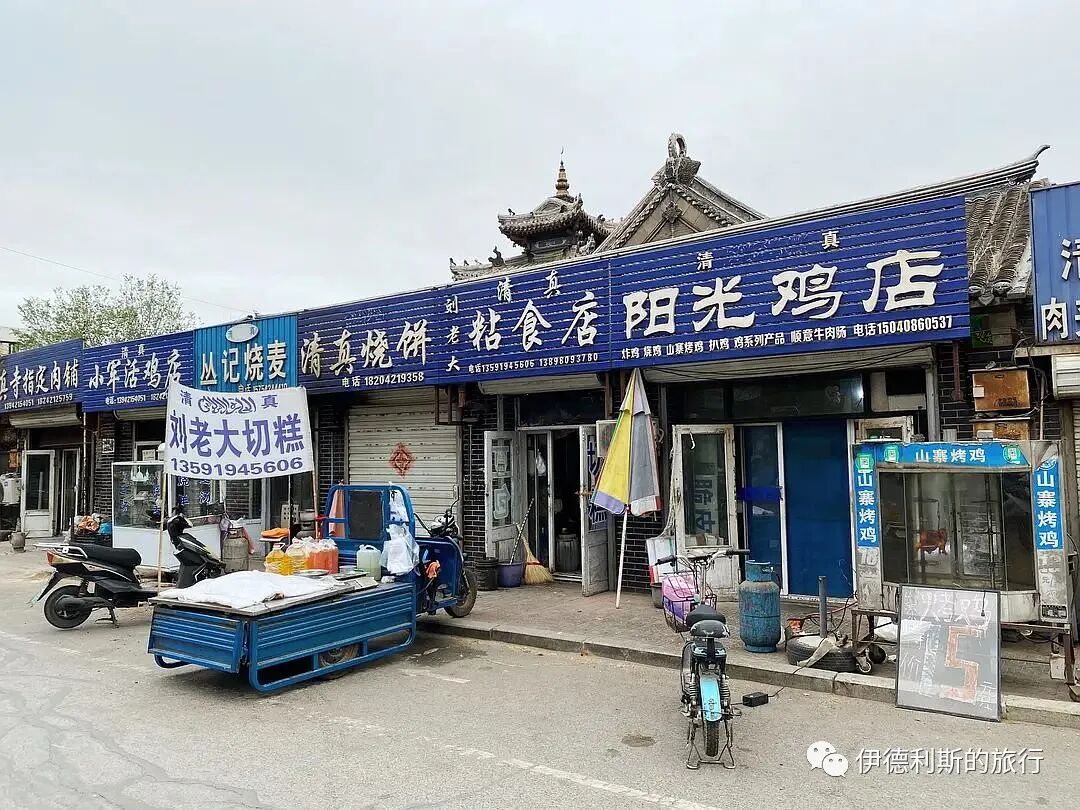
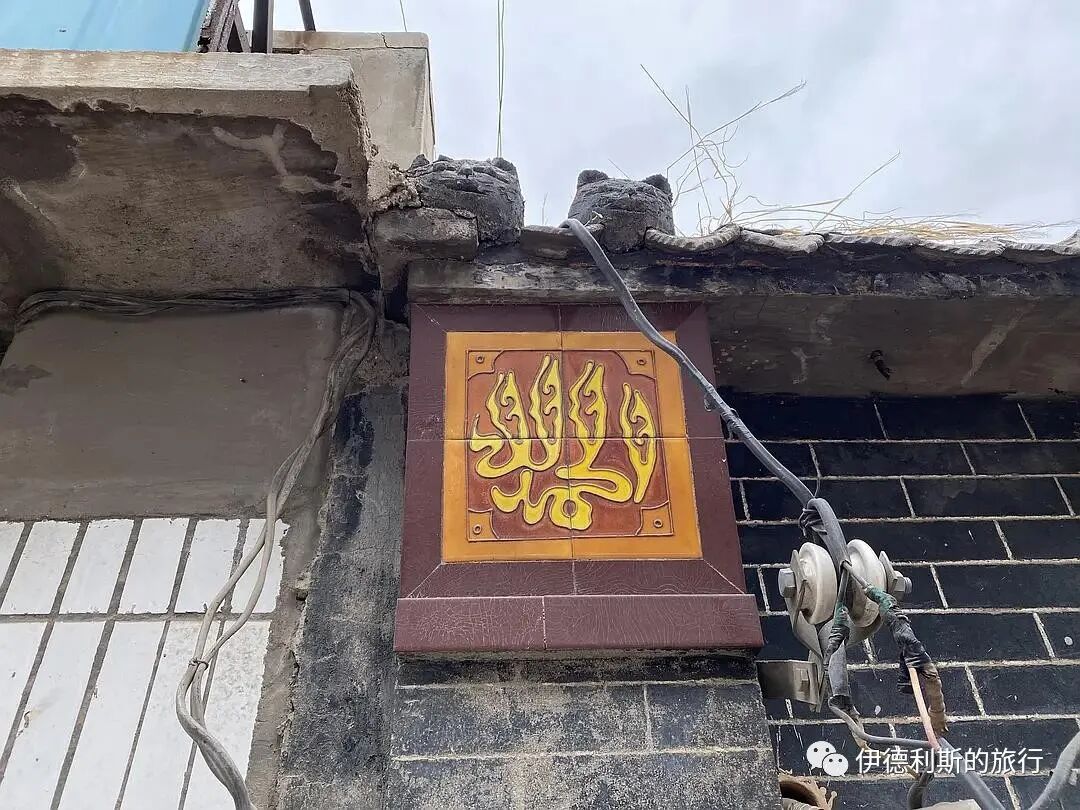
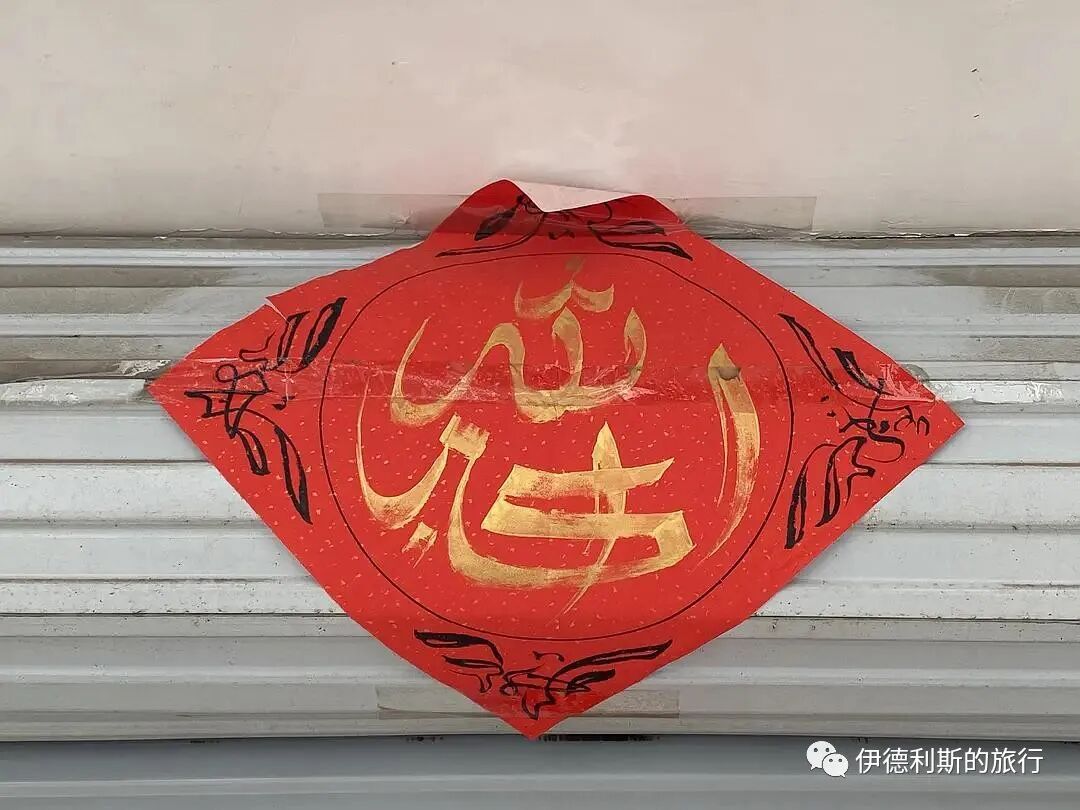
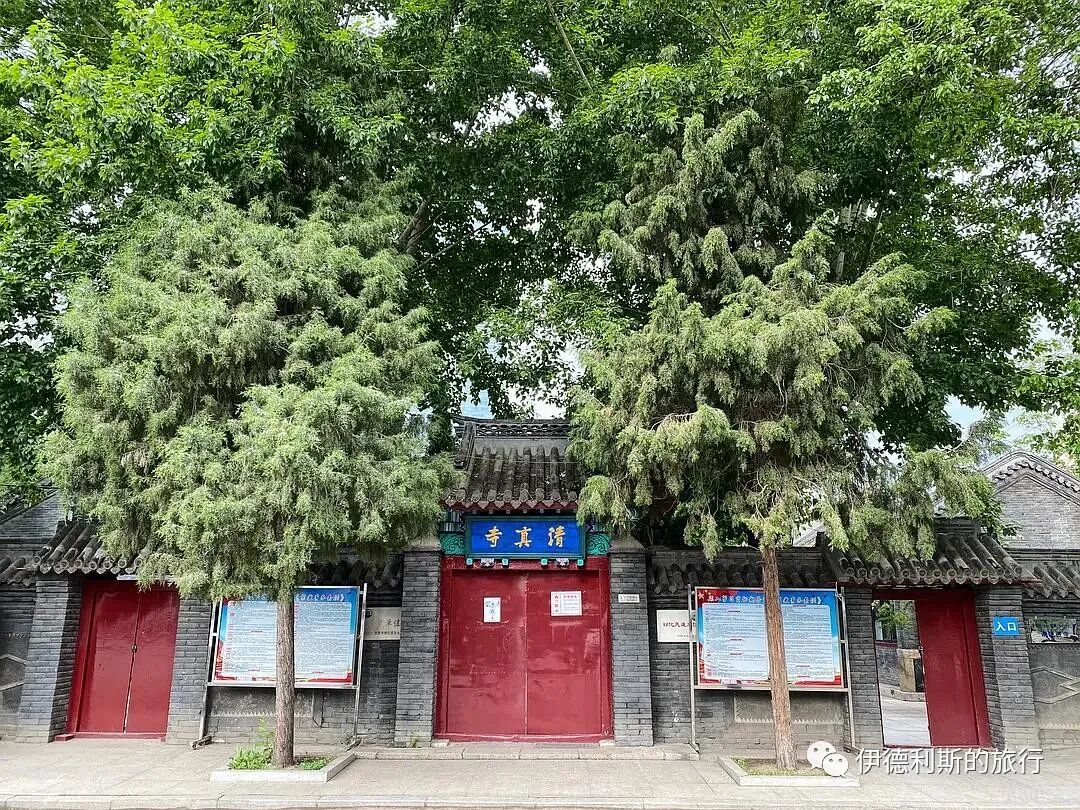
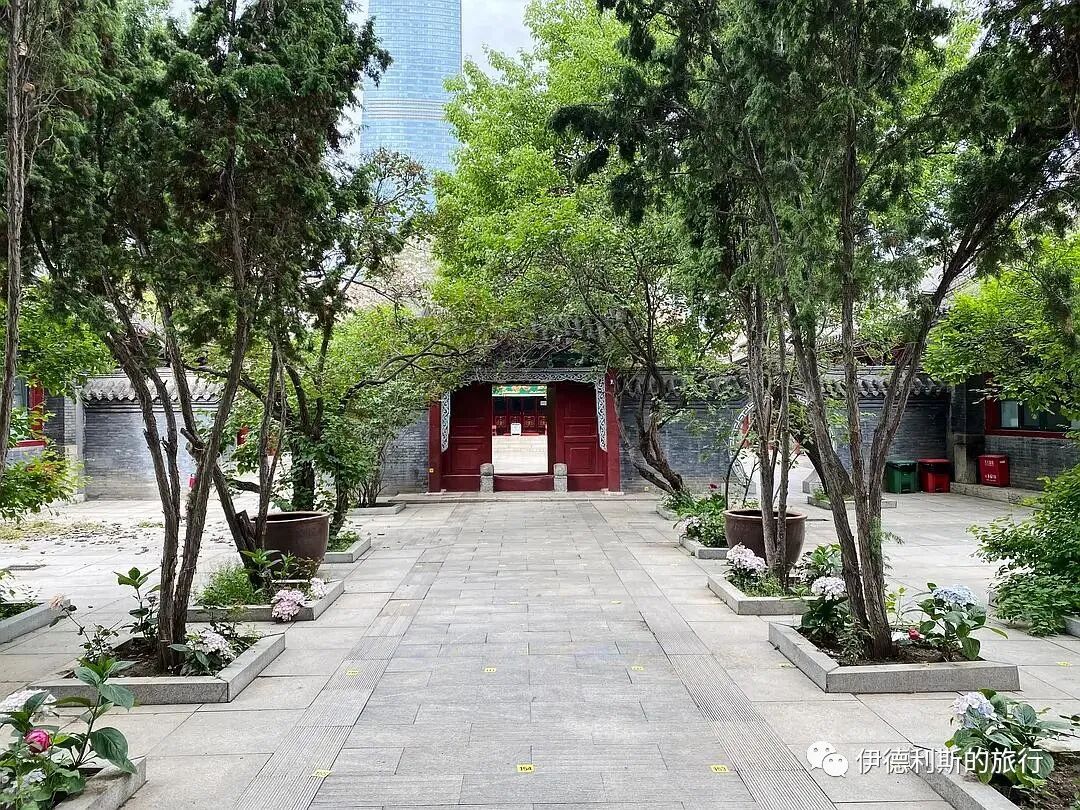
The Lingyuan mosque was built during the Qianlong reign. According to the inscriptions in the mosque, Hui Muslim doctor Zhang Lichen and others cured the illness of a Mongol prince of the Kharachin Left Banner, so the prince's estate provided the foundation funds to build the Lingyuan mosque.
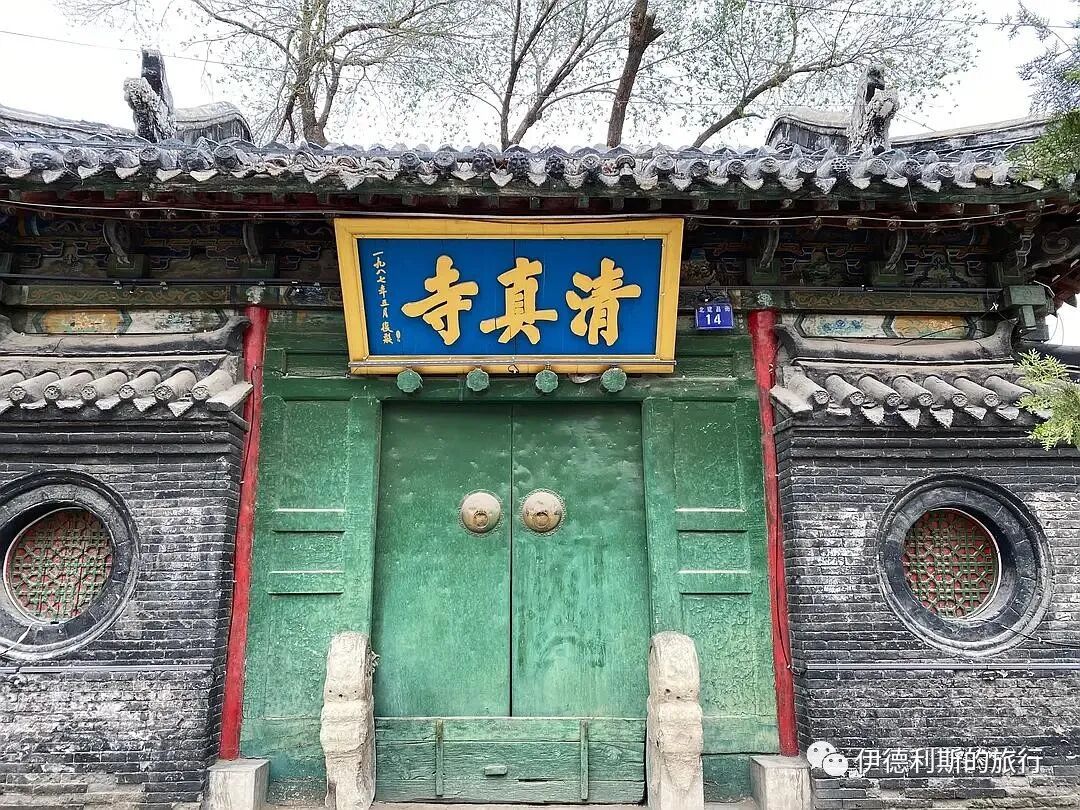
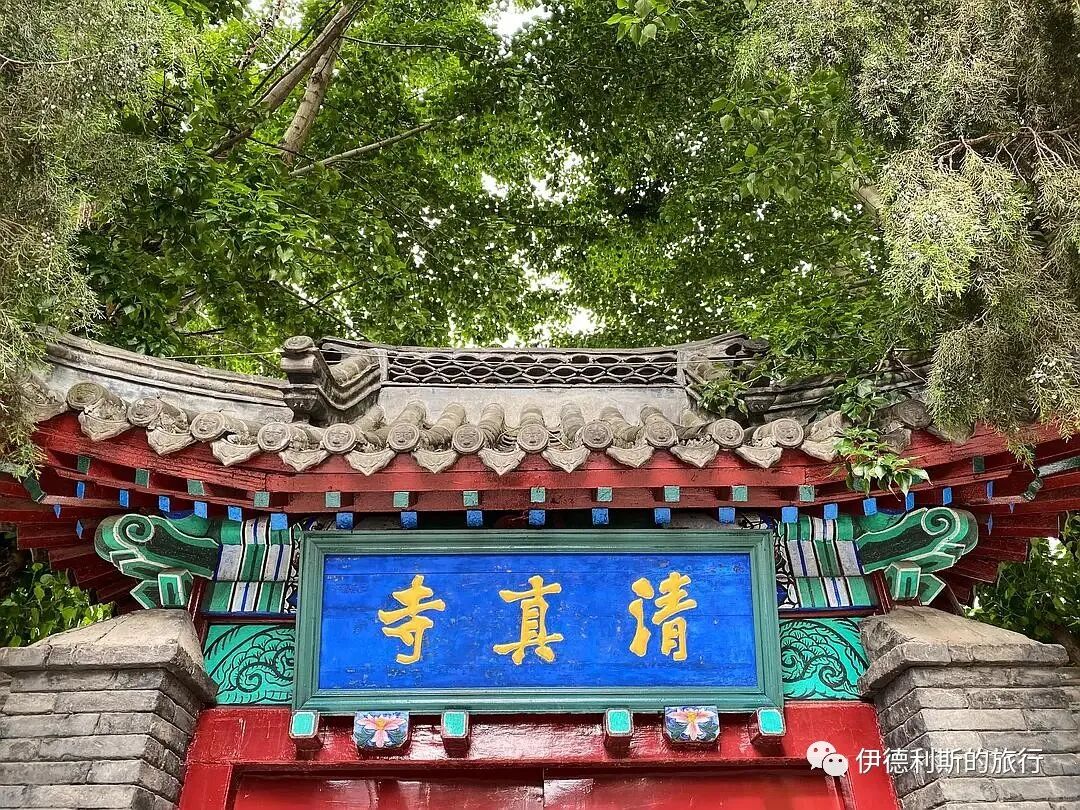
Mosque gate.
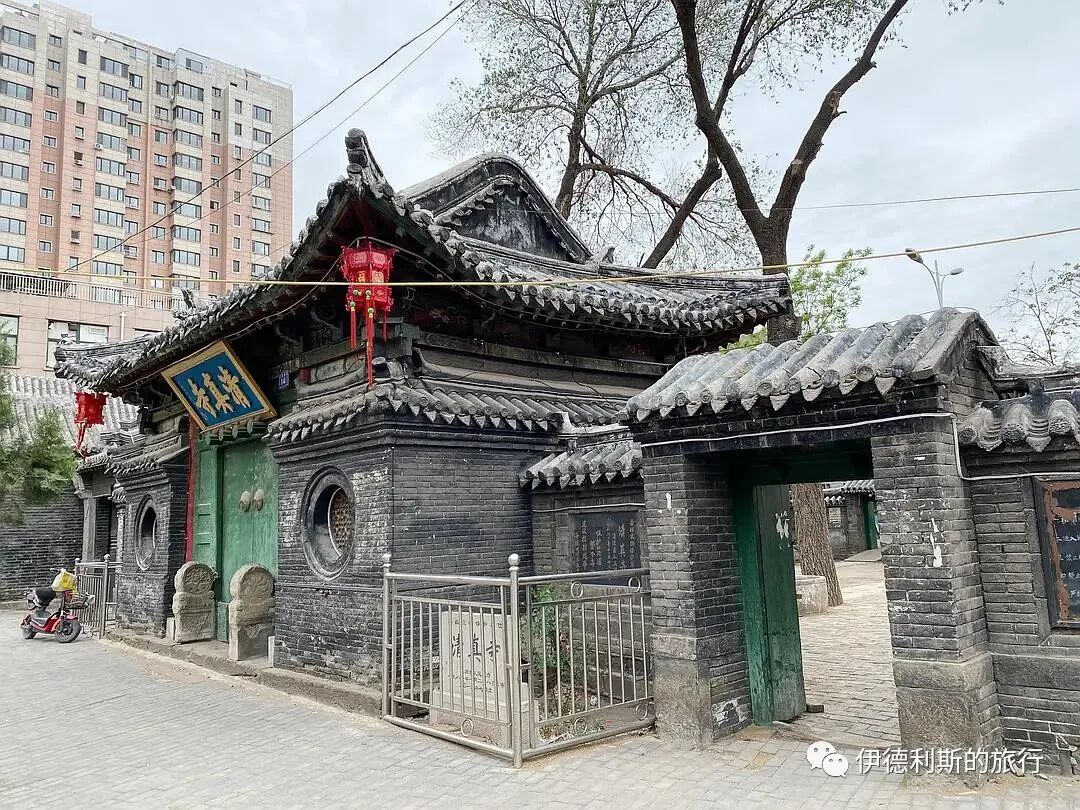
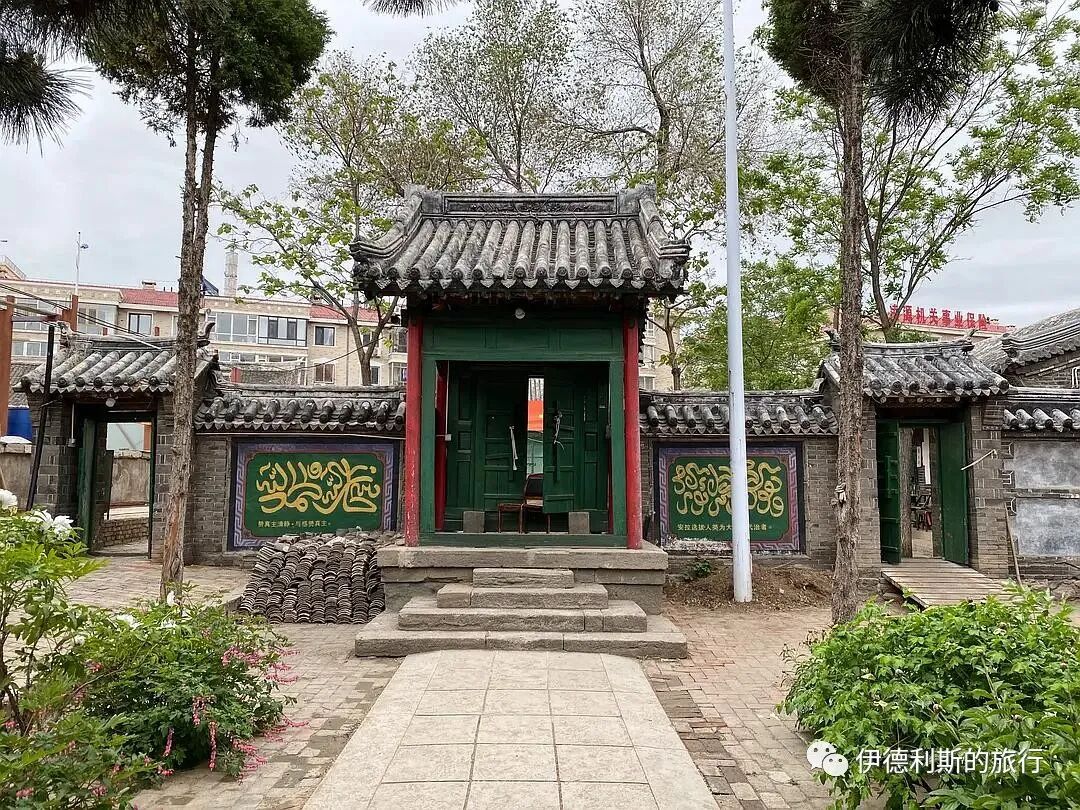
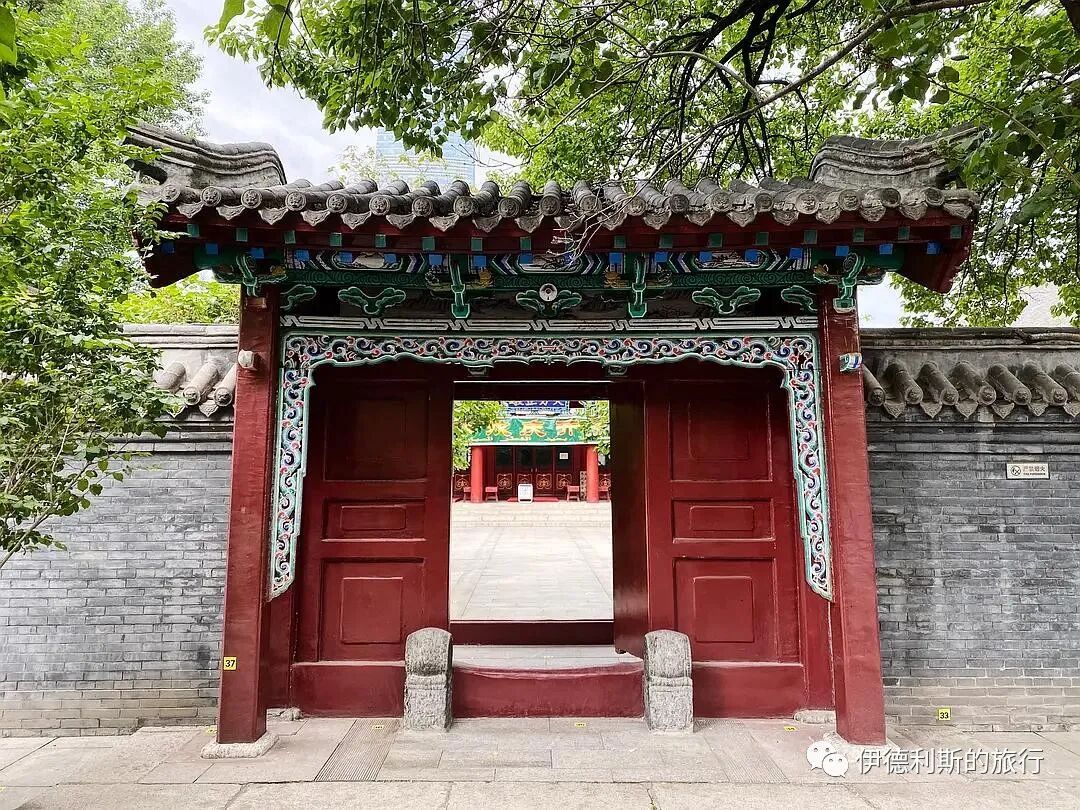
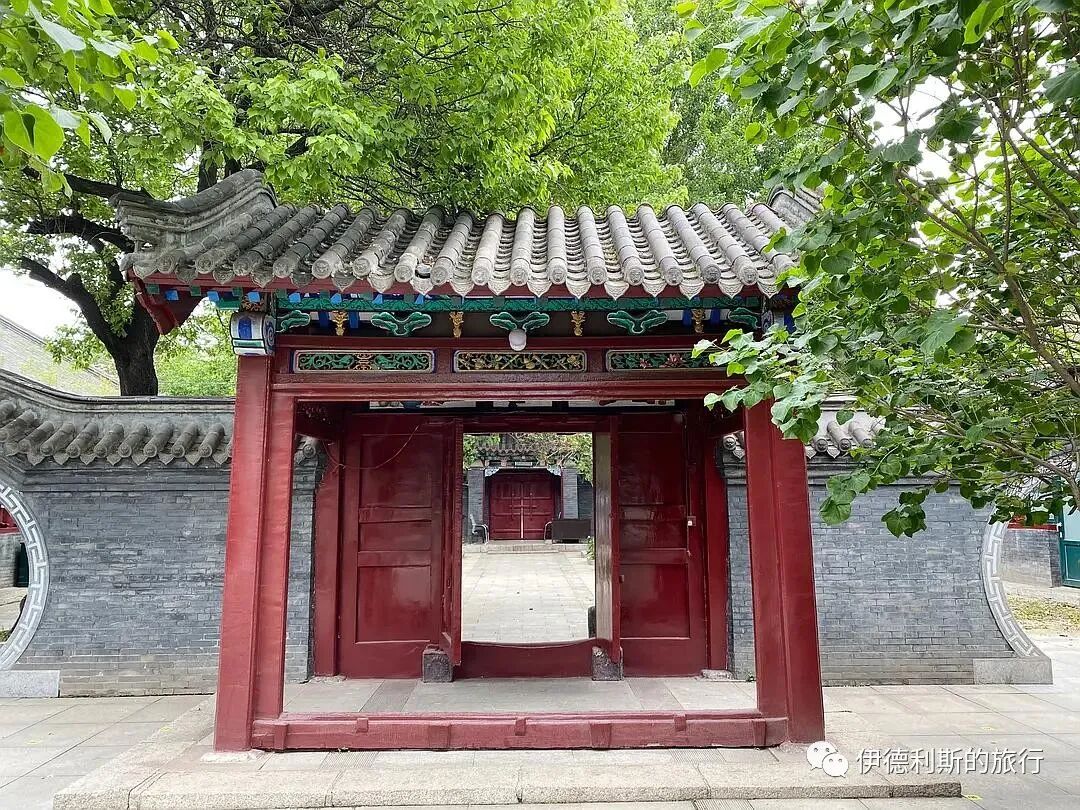
Chuihuamen (hanging flower gate).
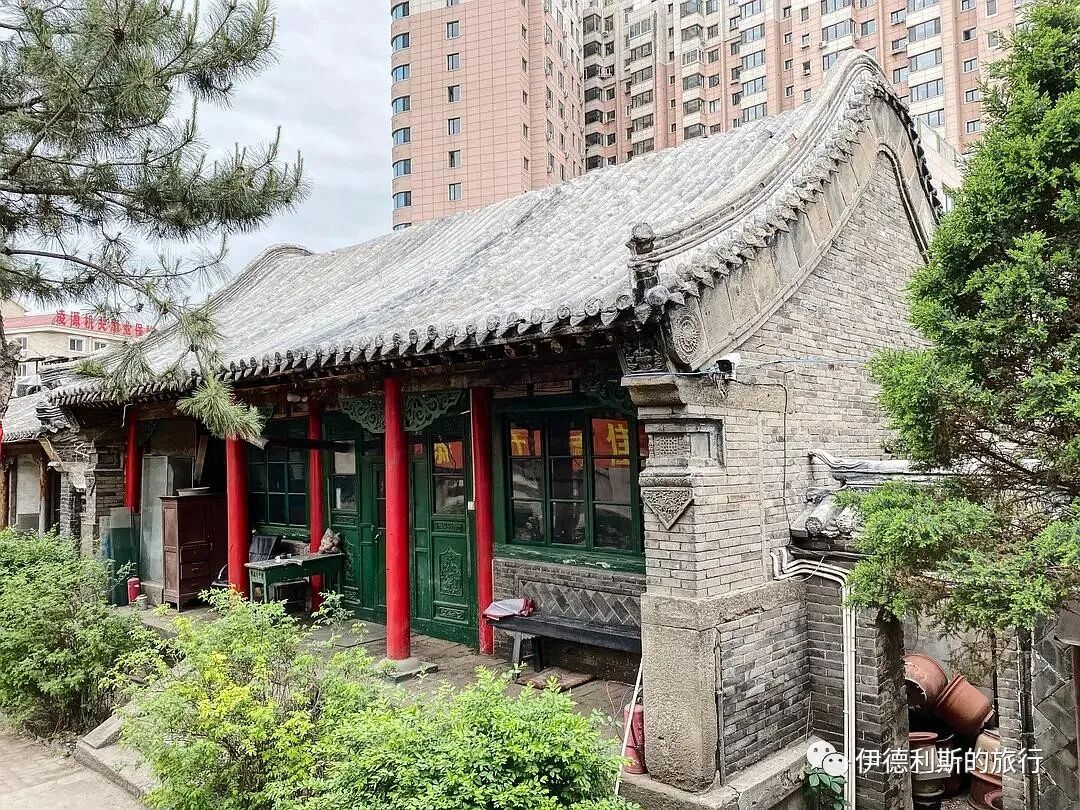
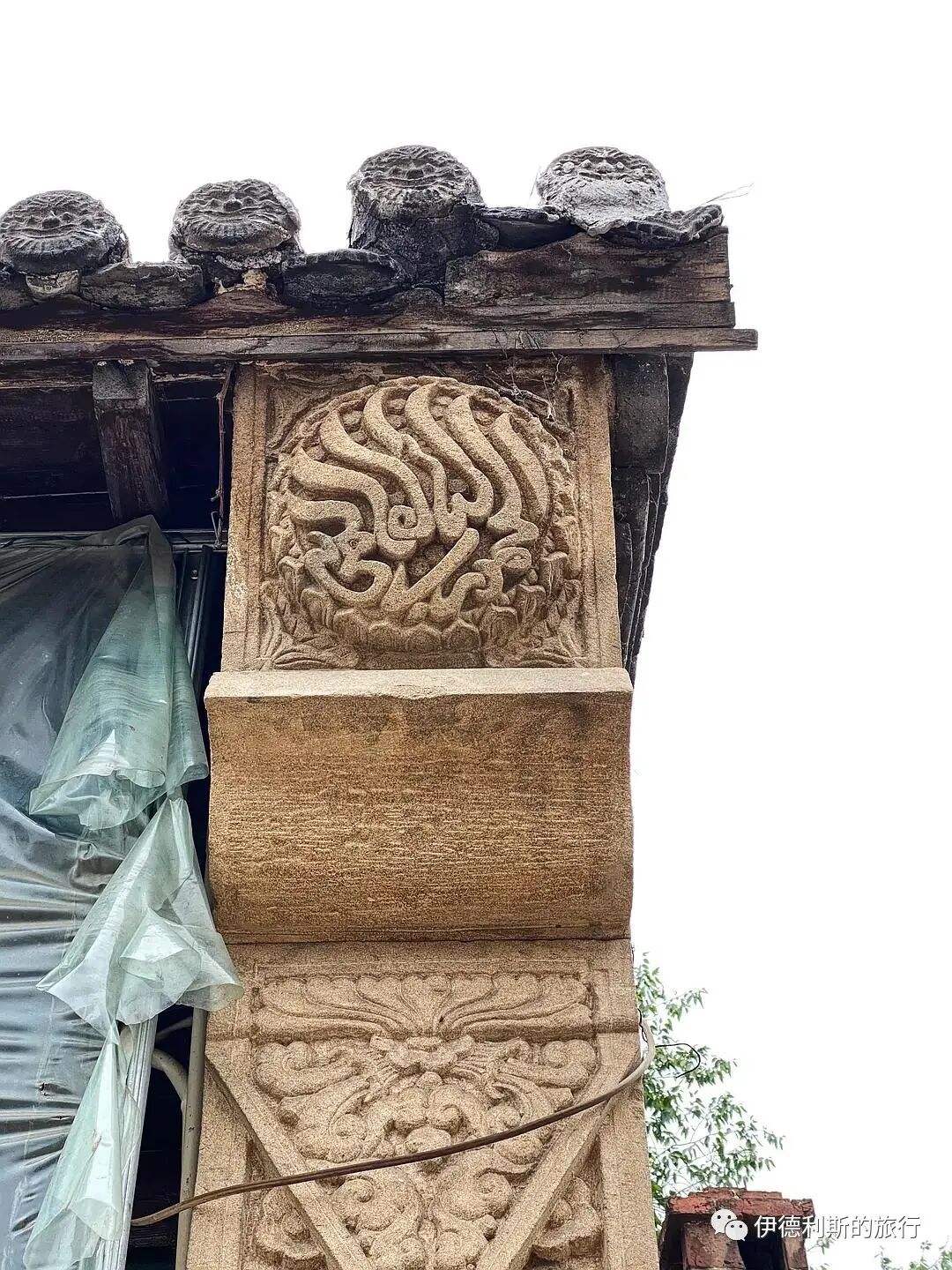
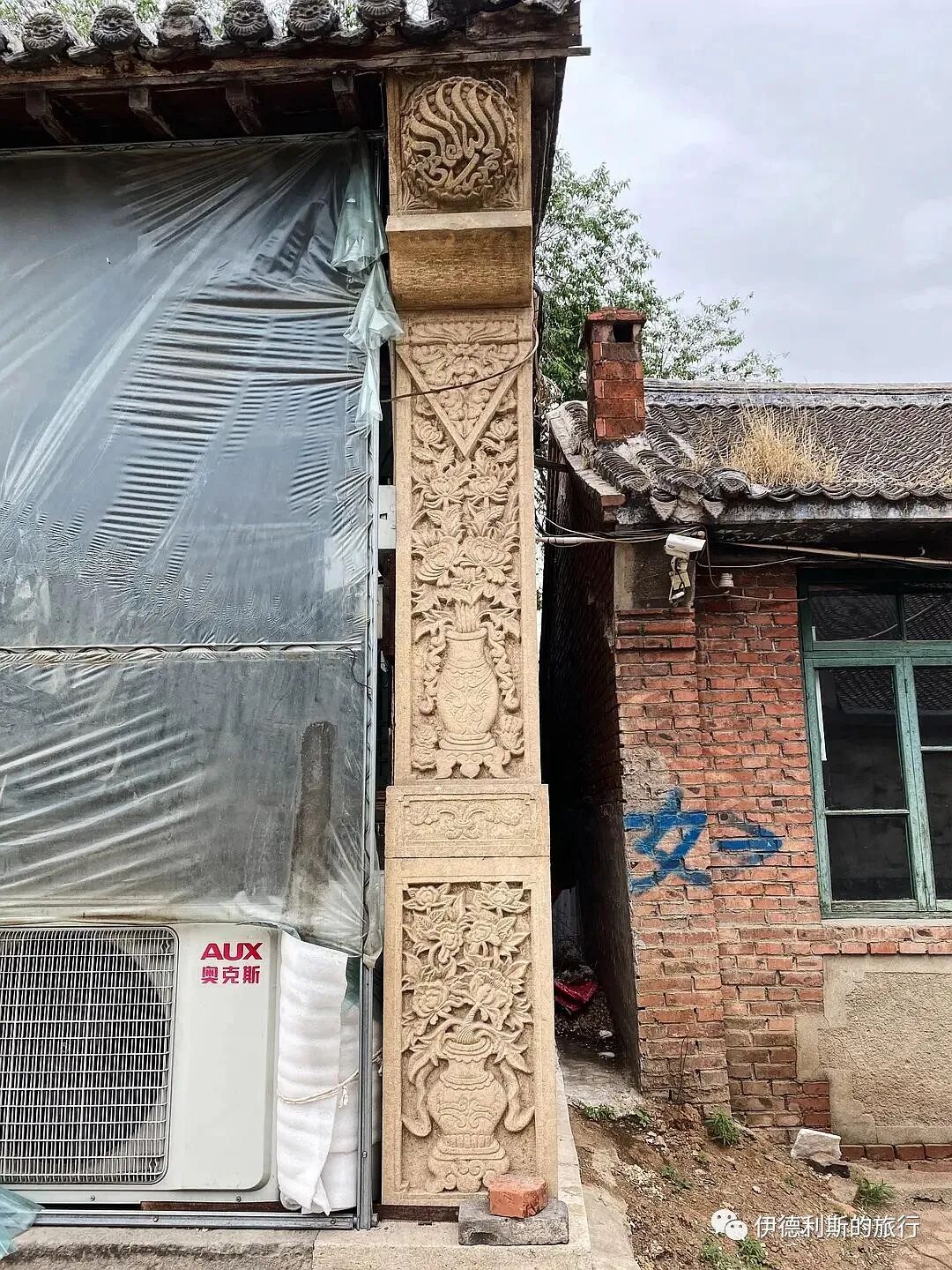
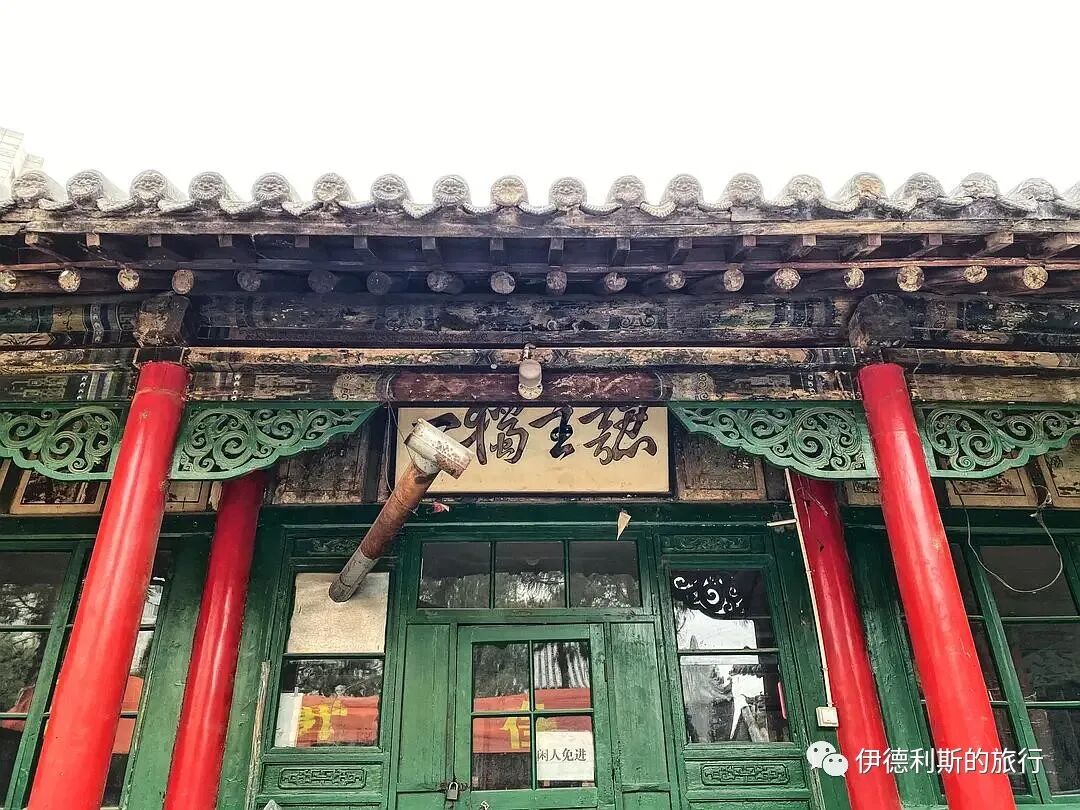
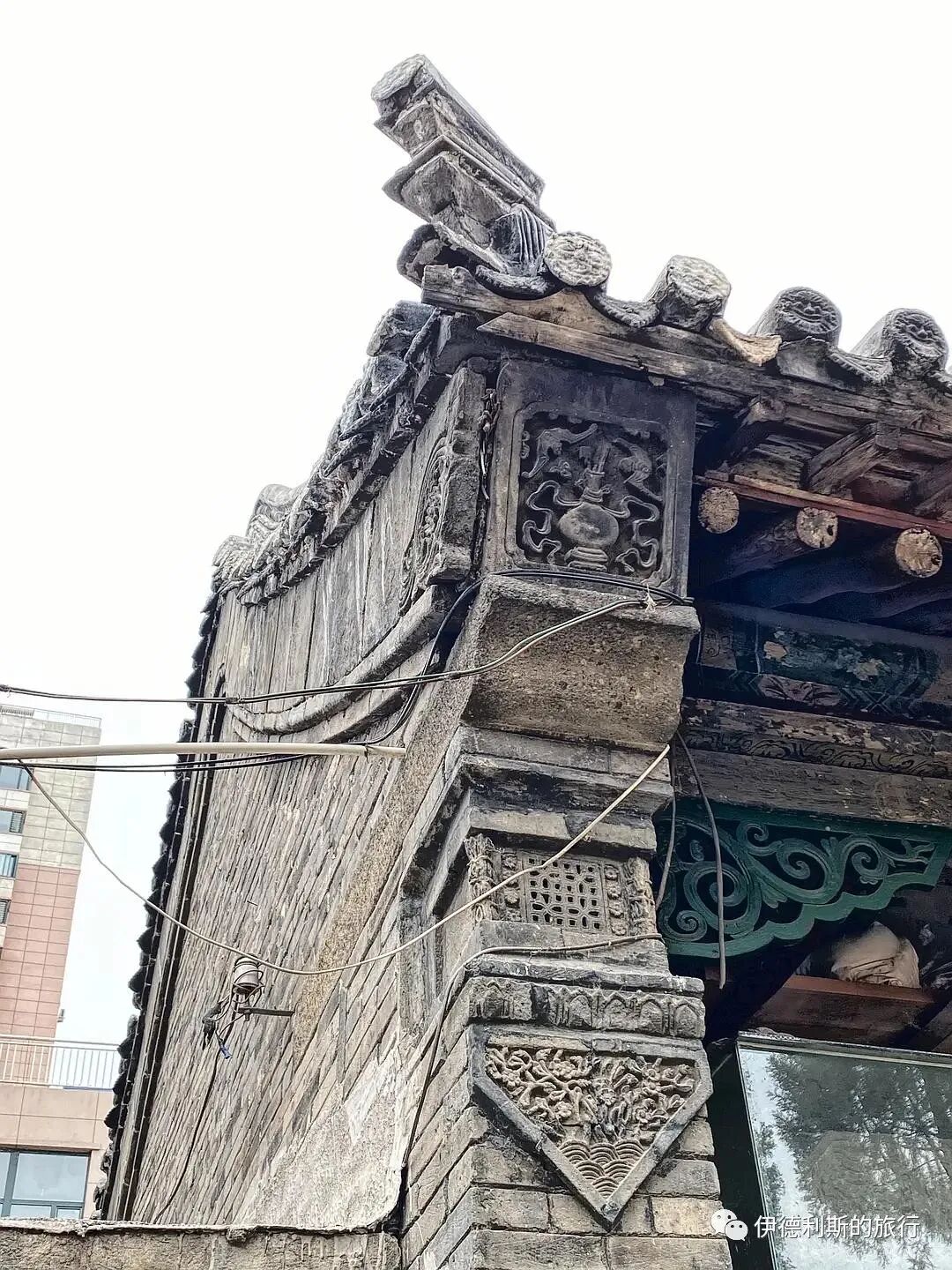
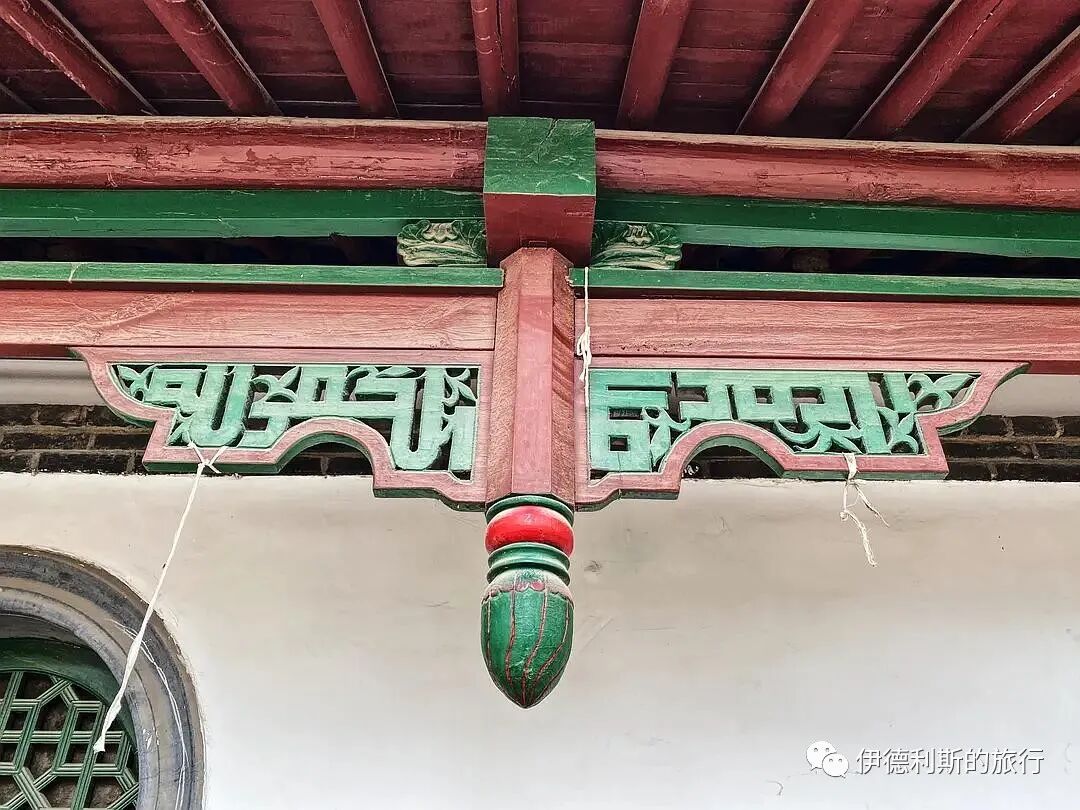
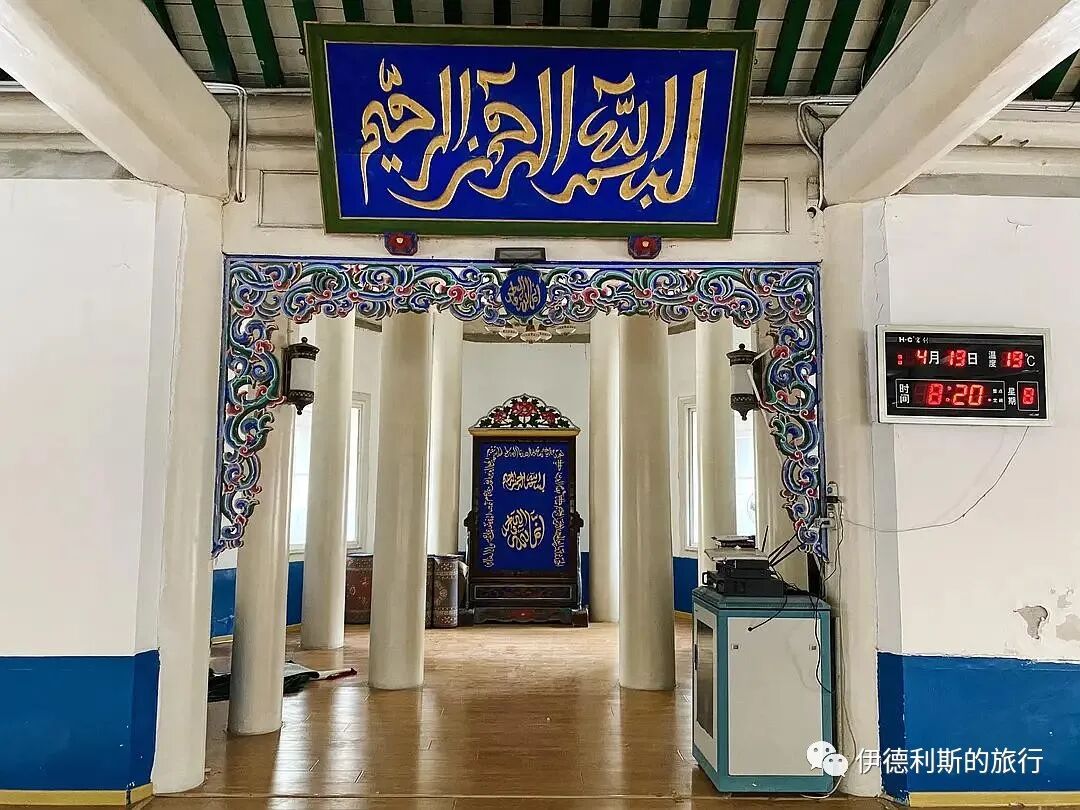
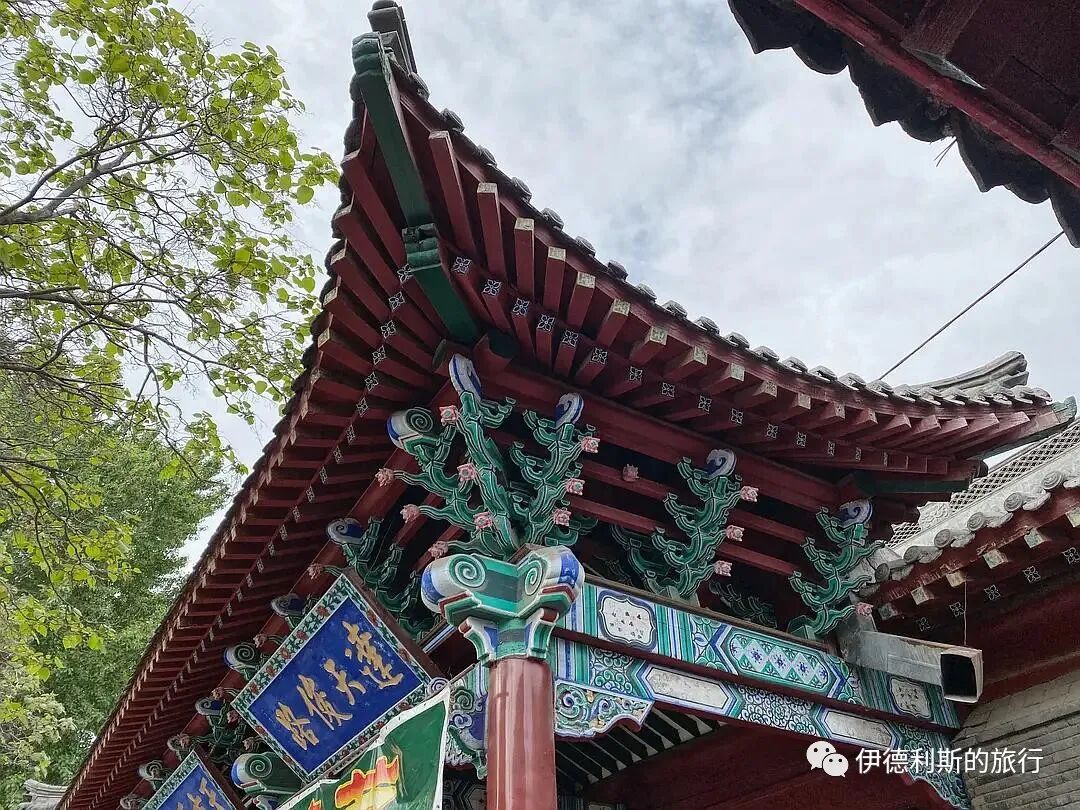
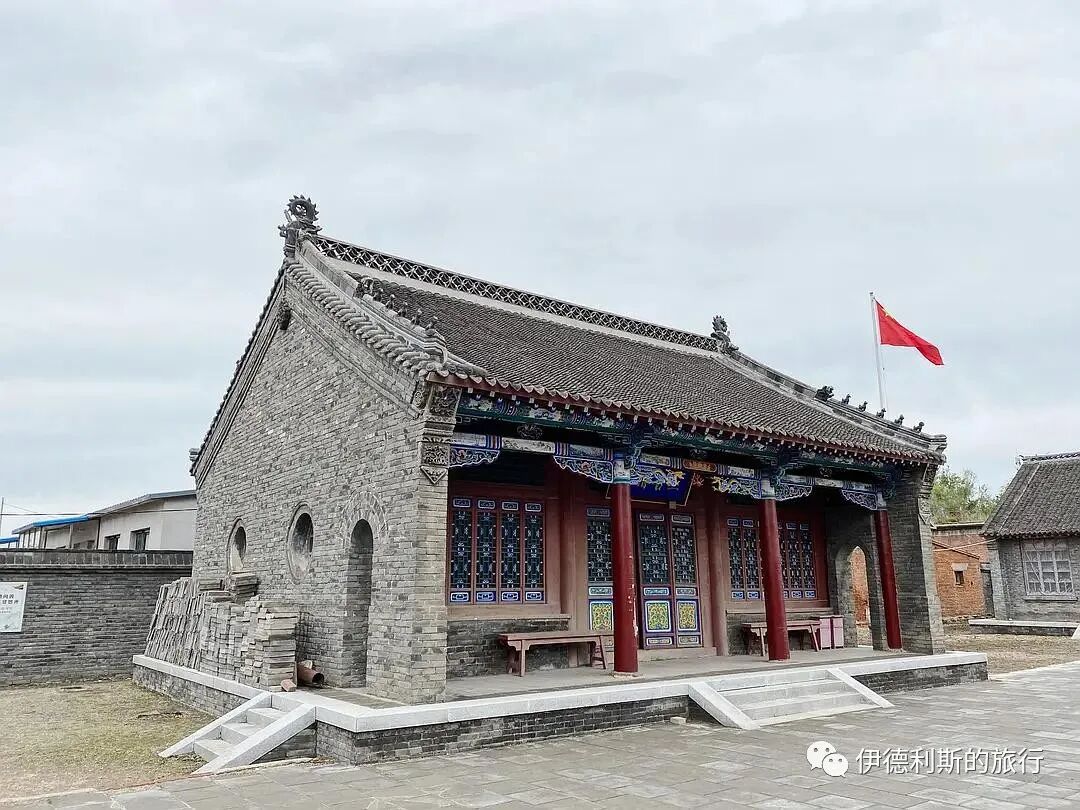
The prayer hall, like traditional northern styles, consists of a juanpeng (shed-style porch), a main hall, and a yaodian (niche hall), but the architectural details are very different from the styles inside the pass.
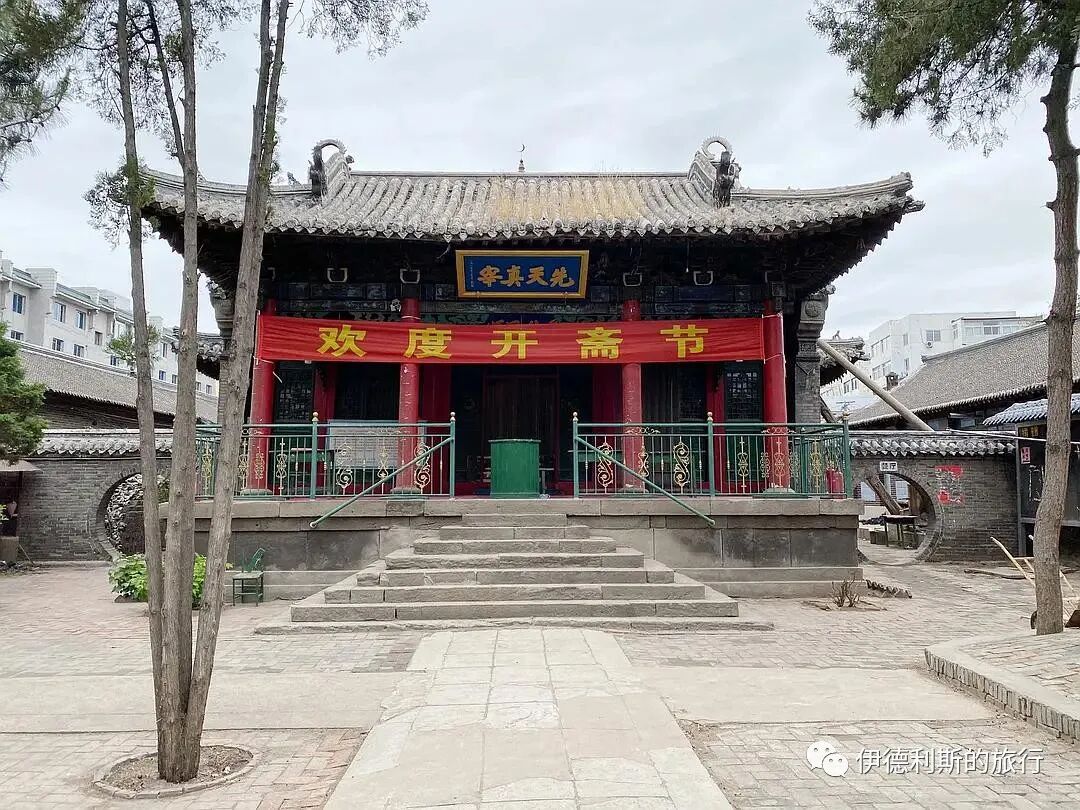
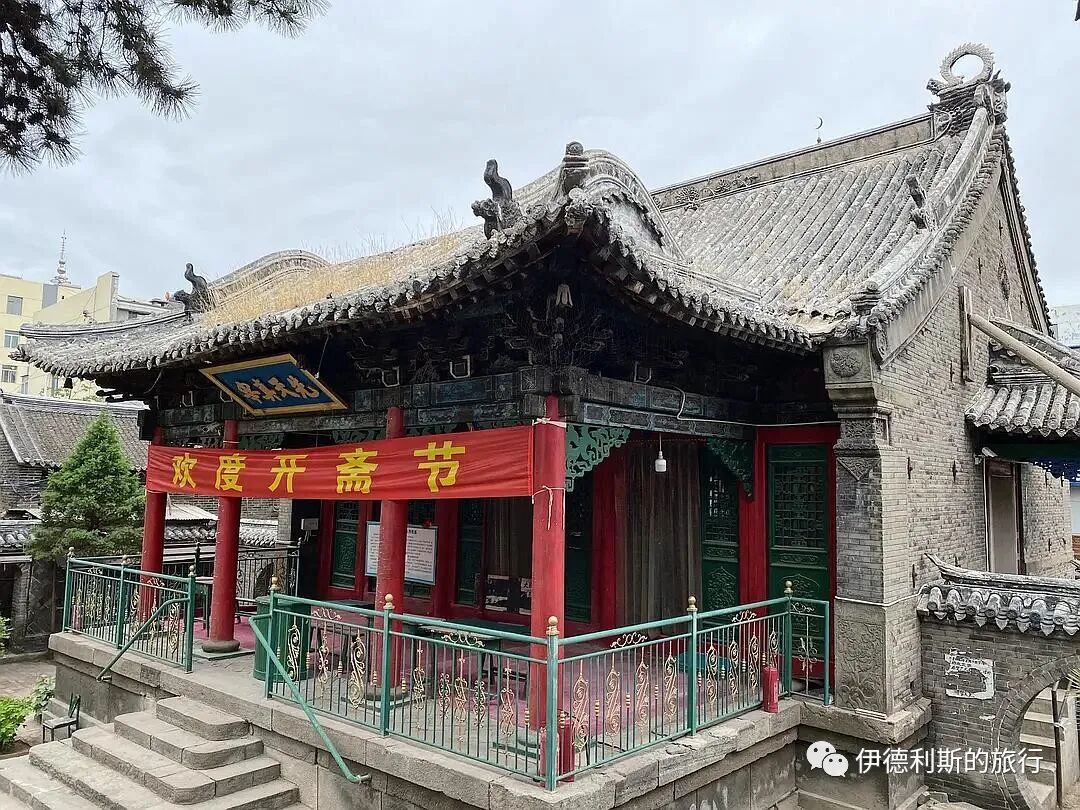
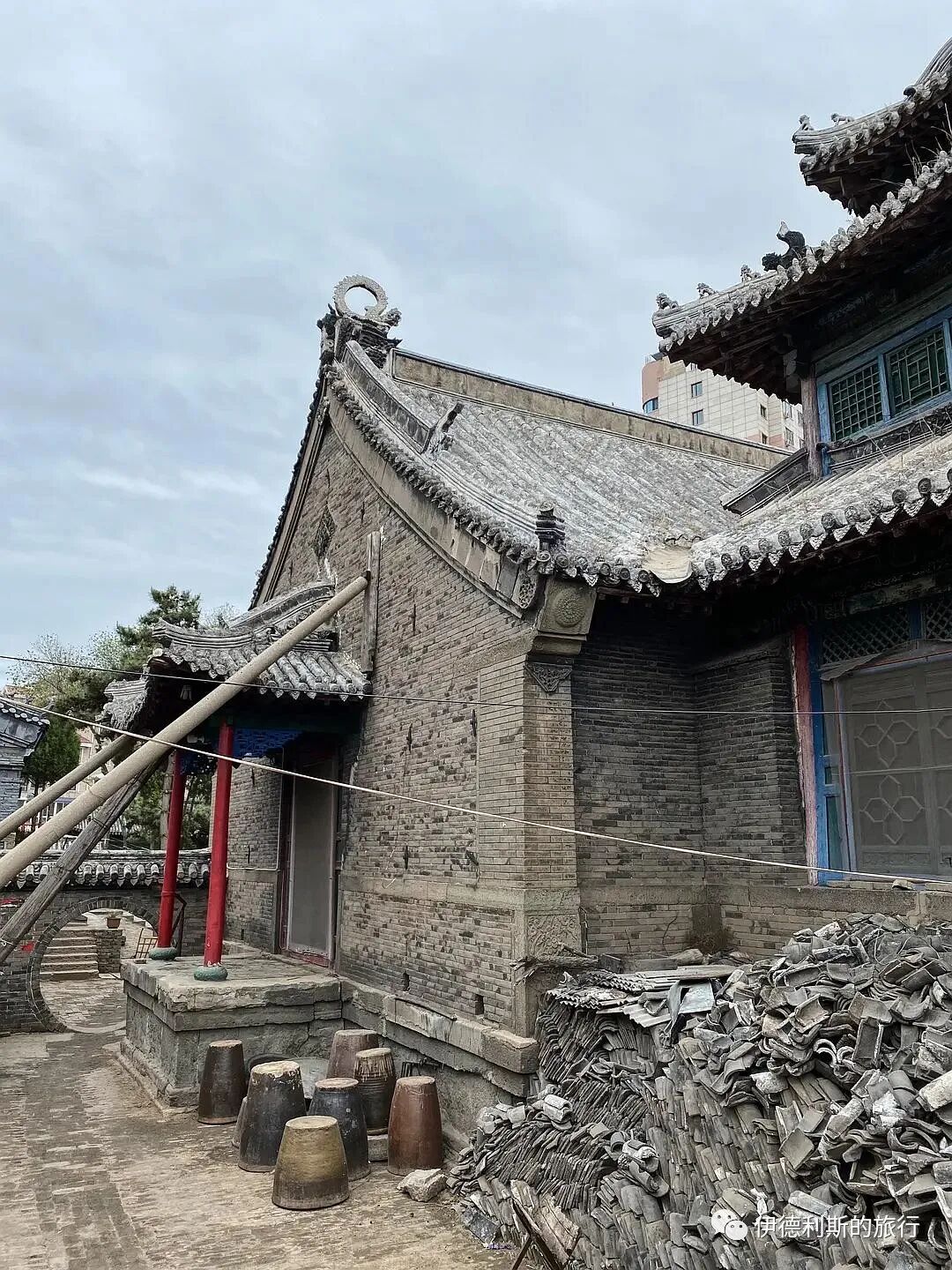
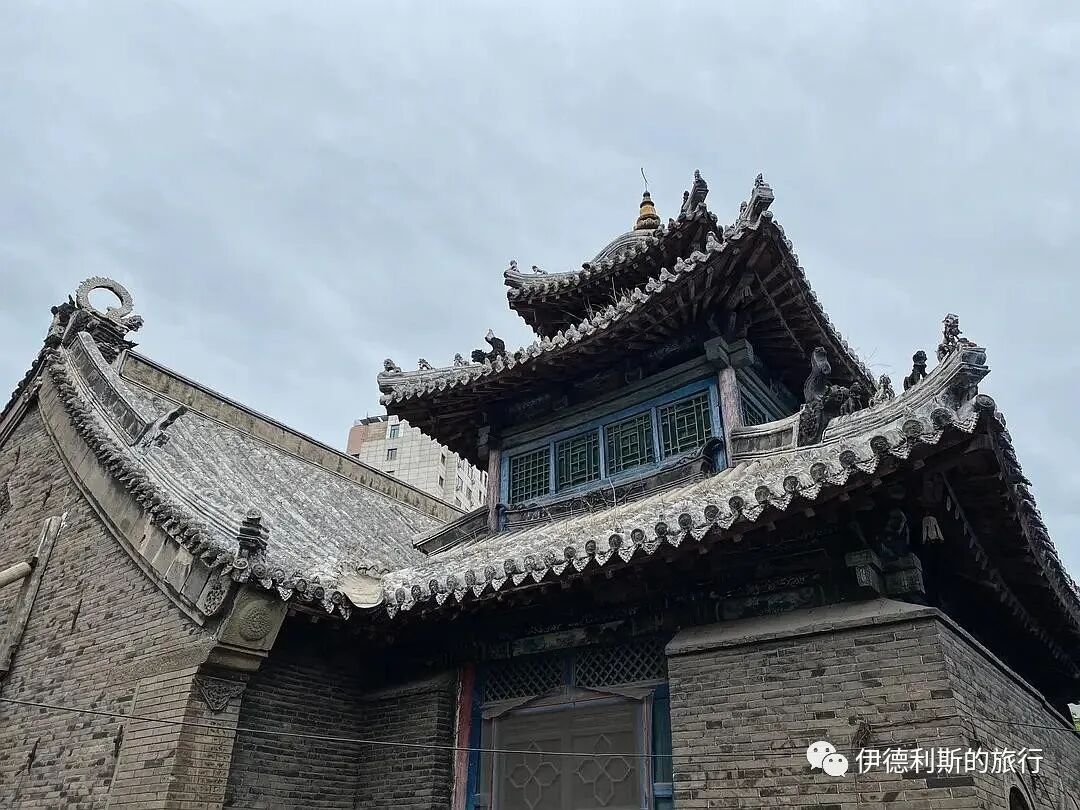
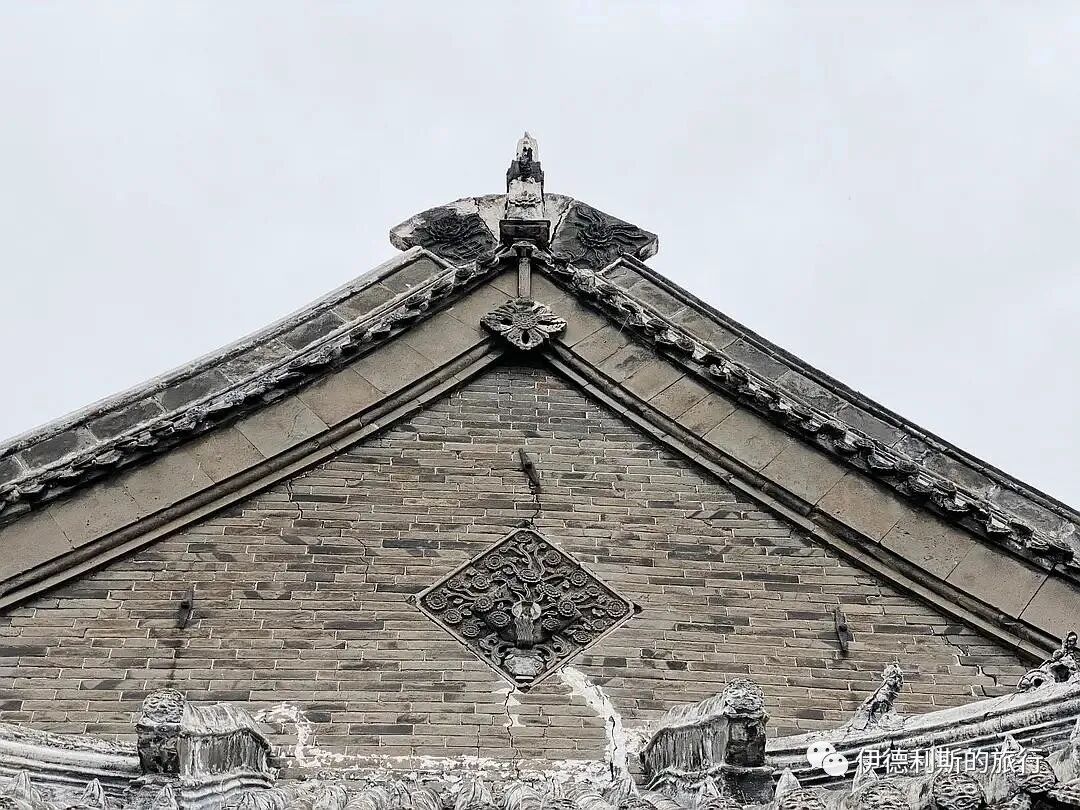
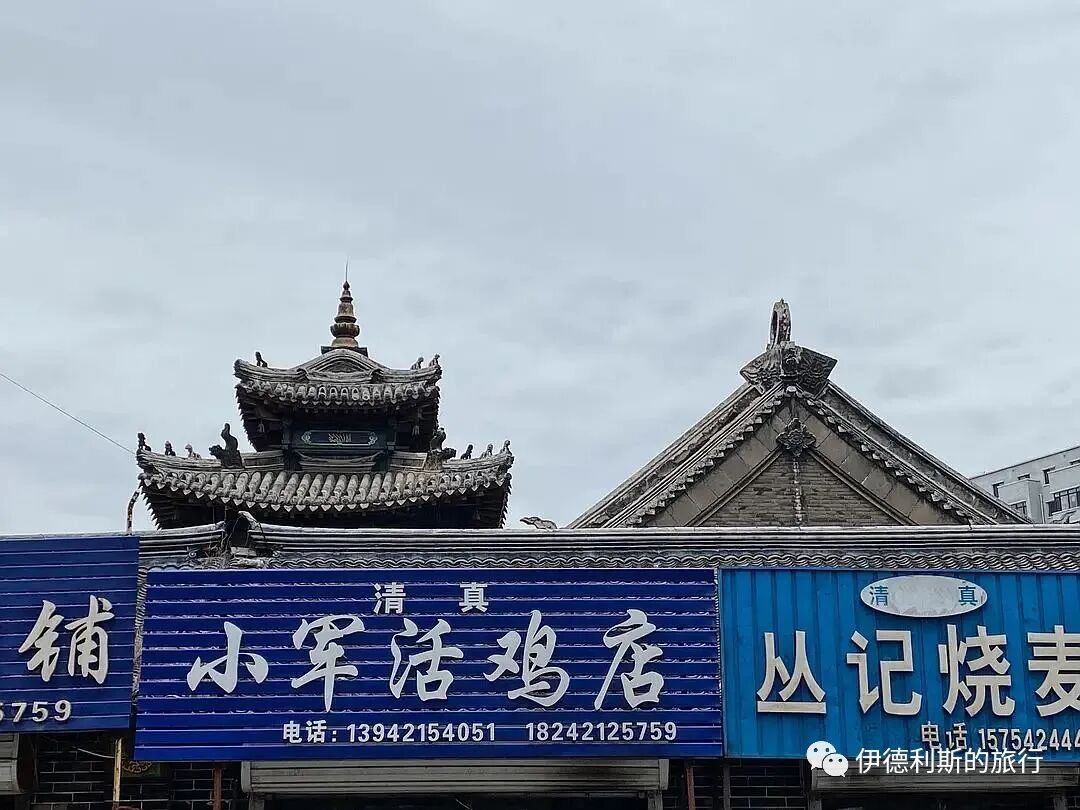
The main hall has developed cracks due to long-term disrepair and is currently closed; the namaz (prayer) has been moved to a room nearby.
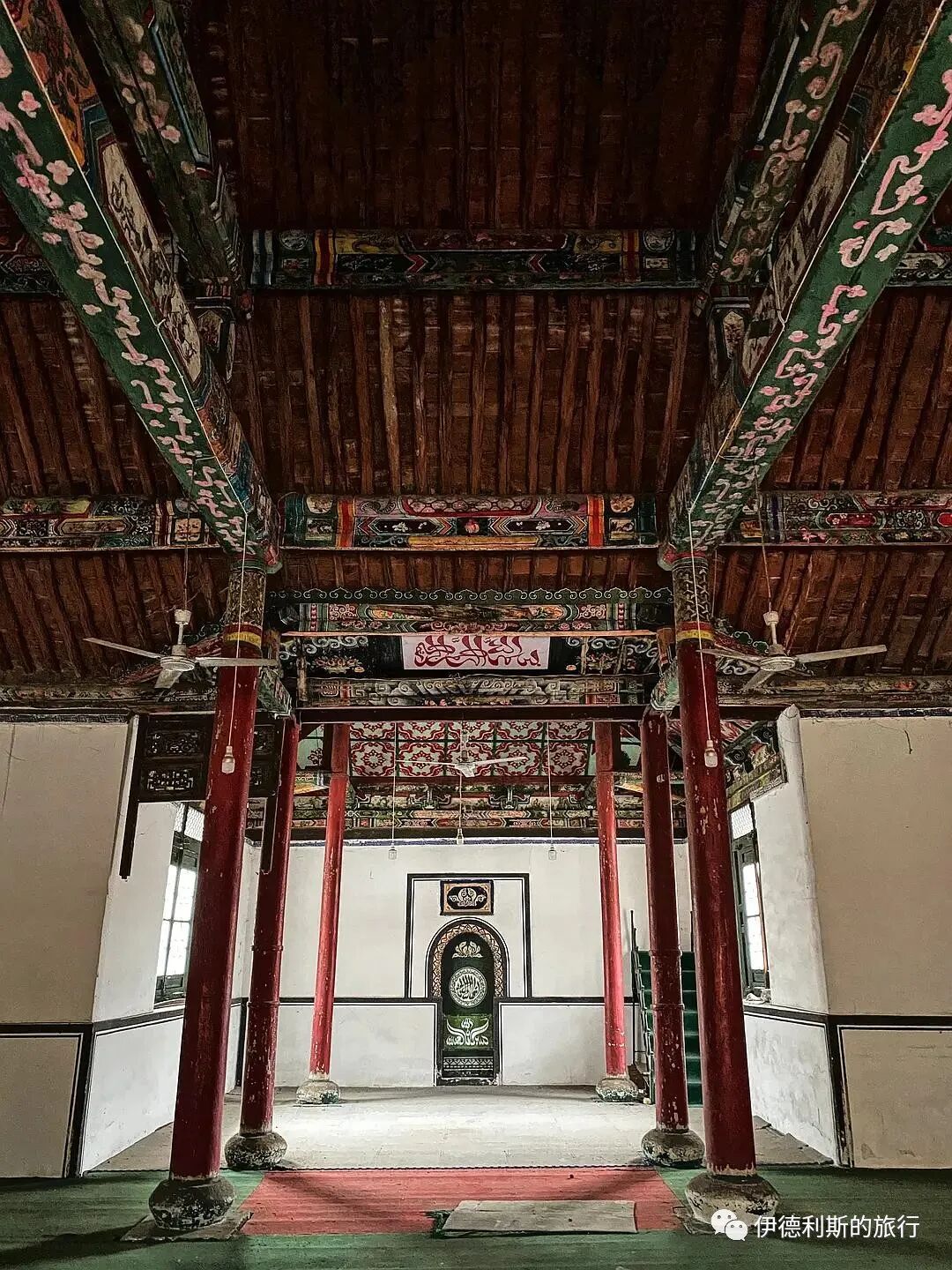
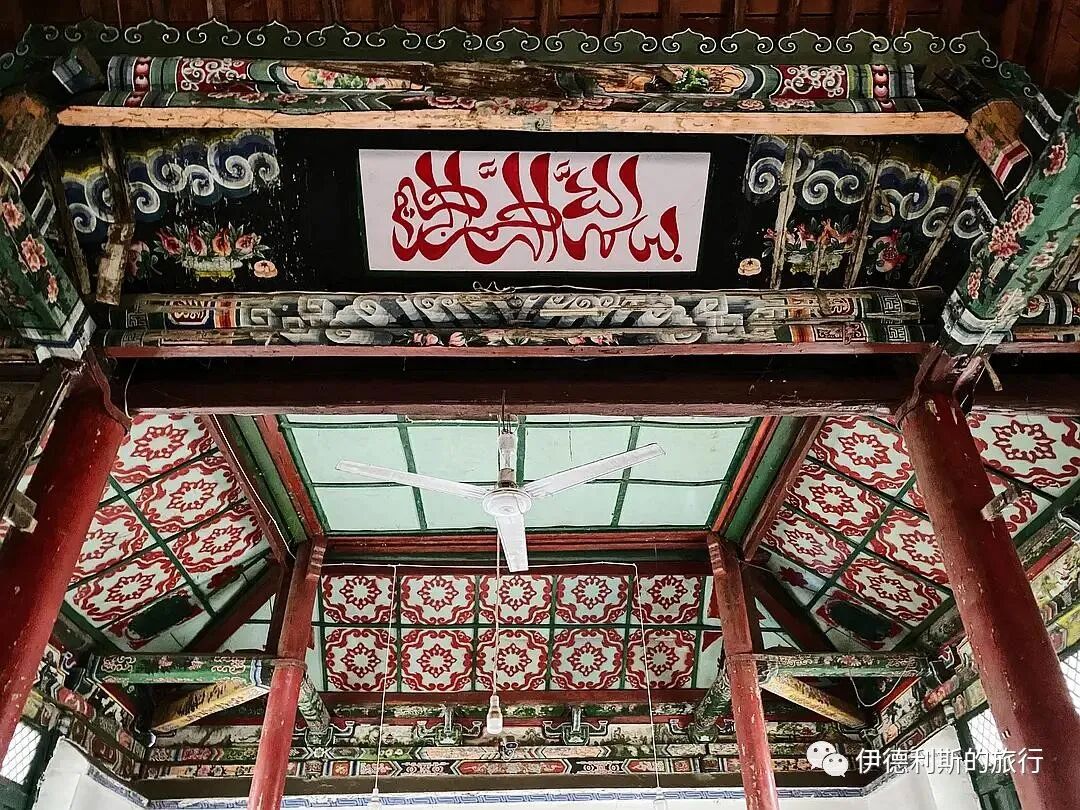
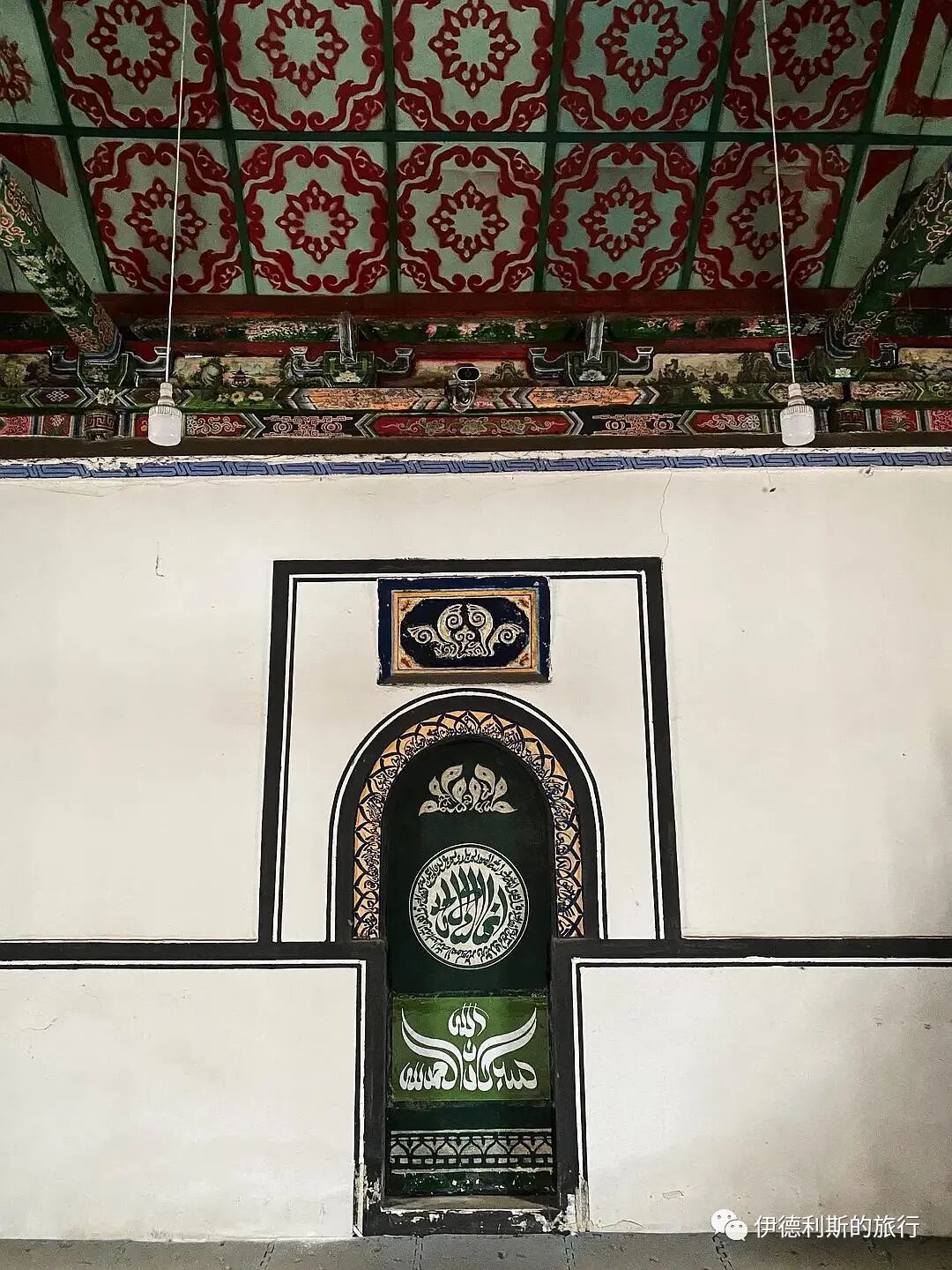
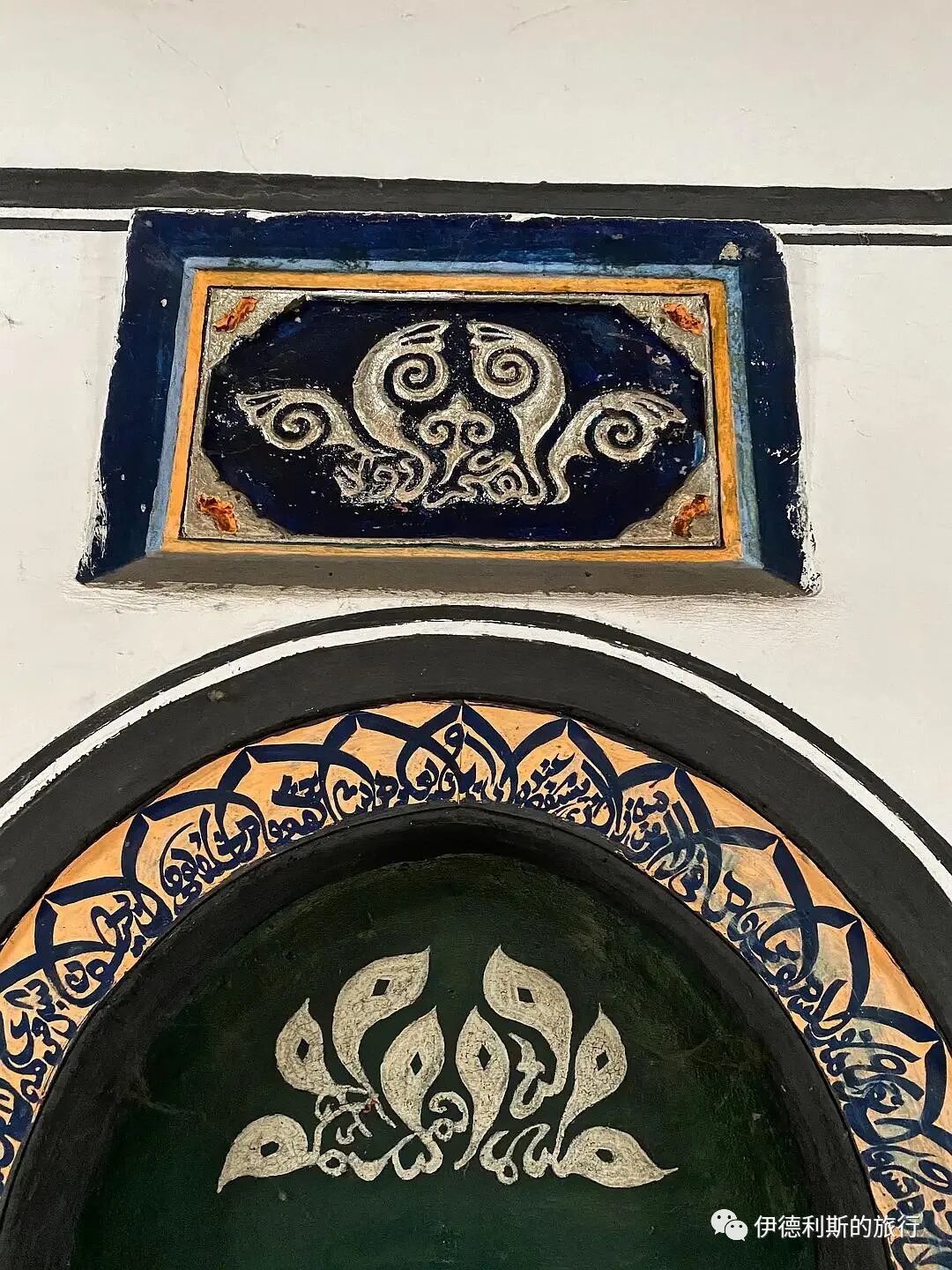
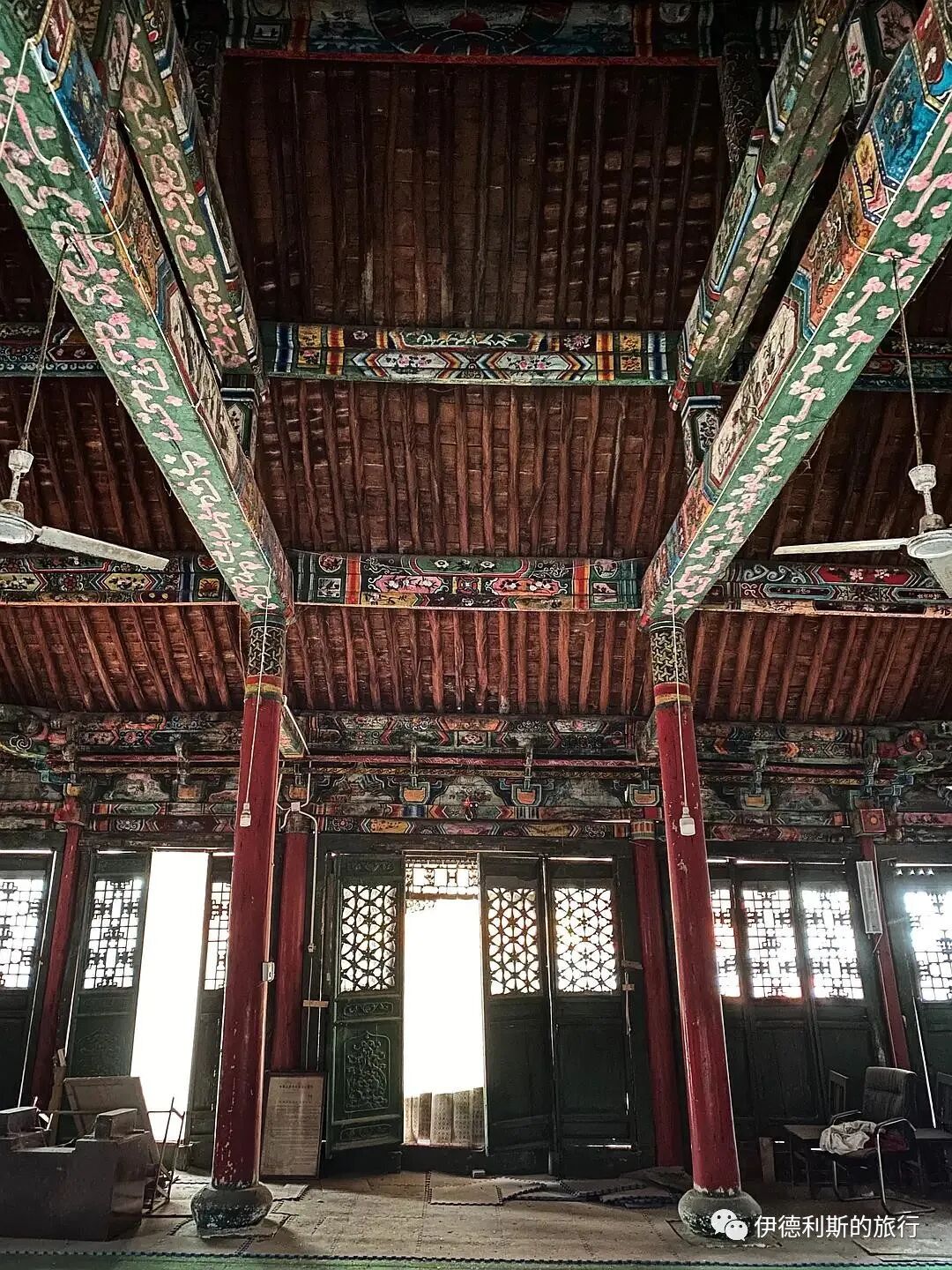
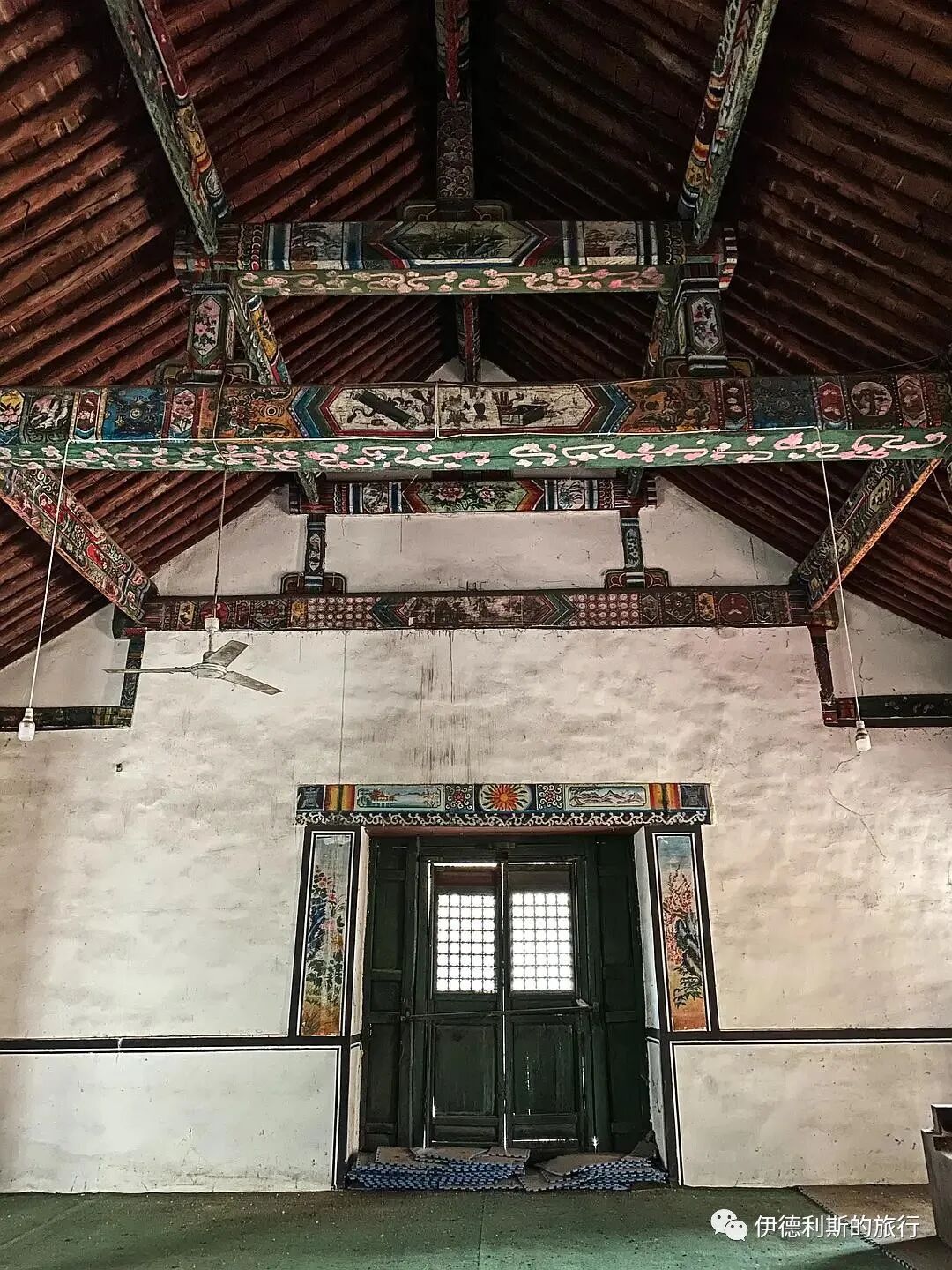
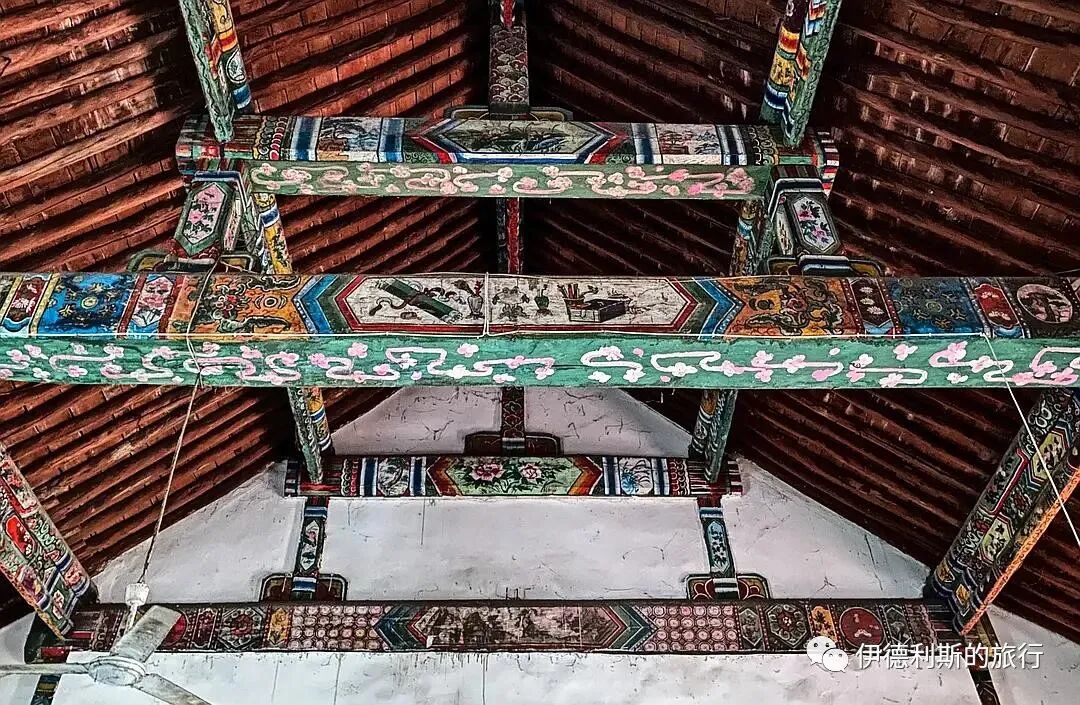
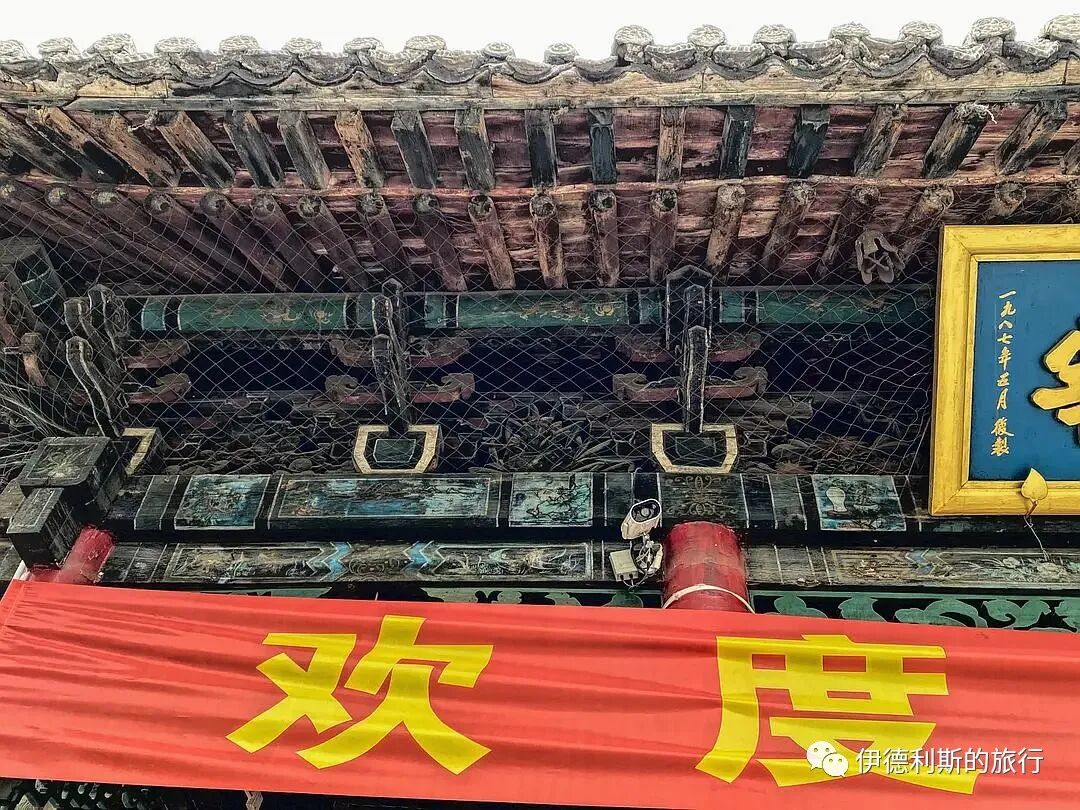
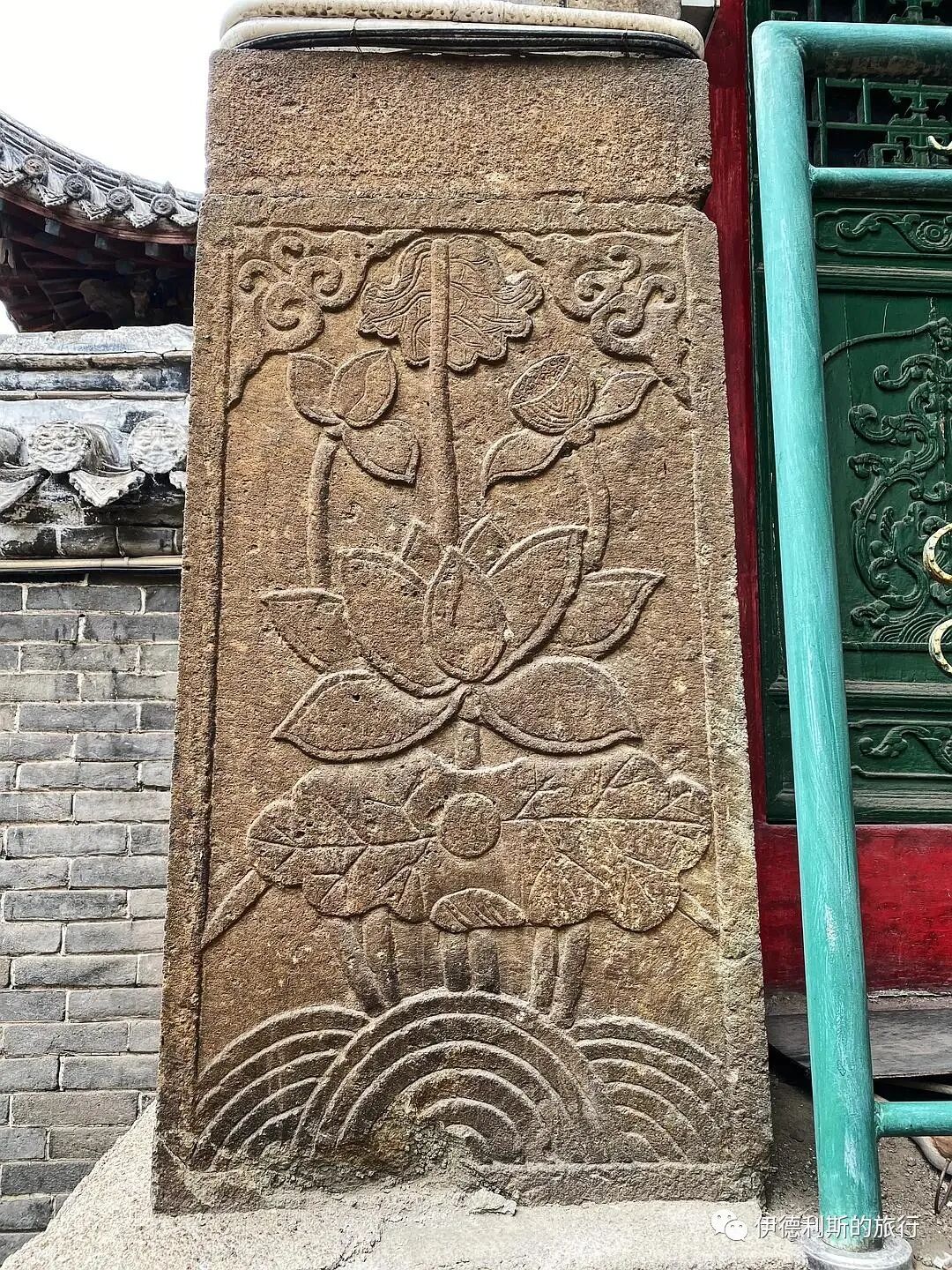
Side rooms.
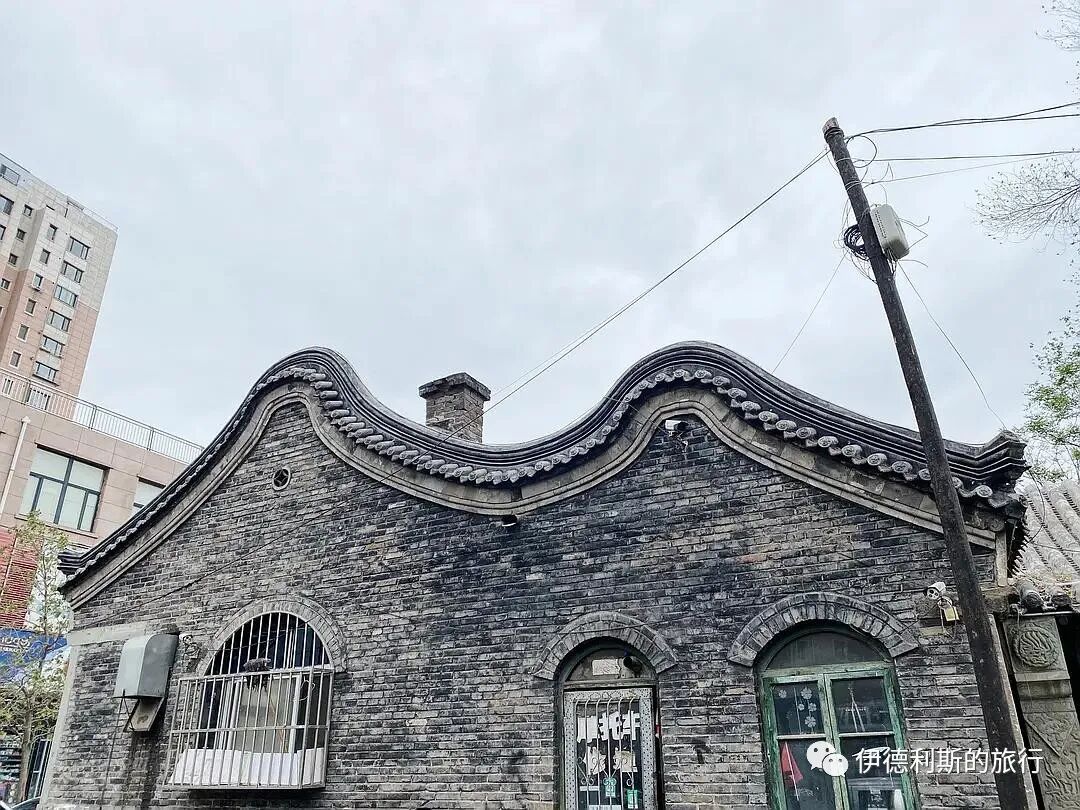
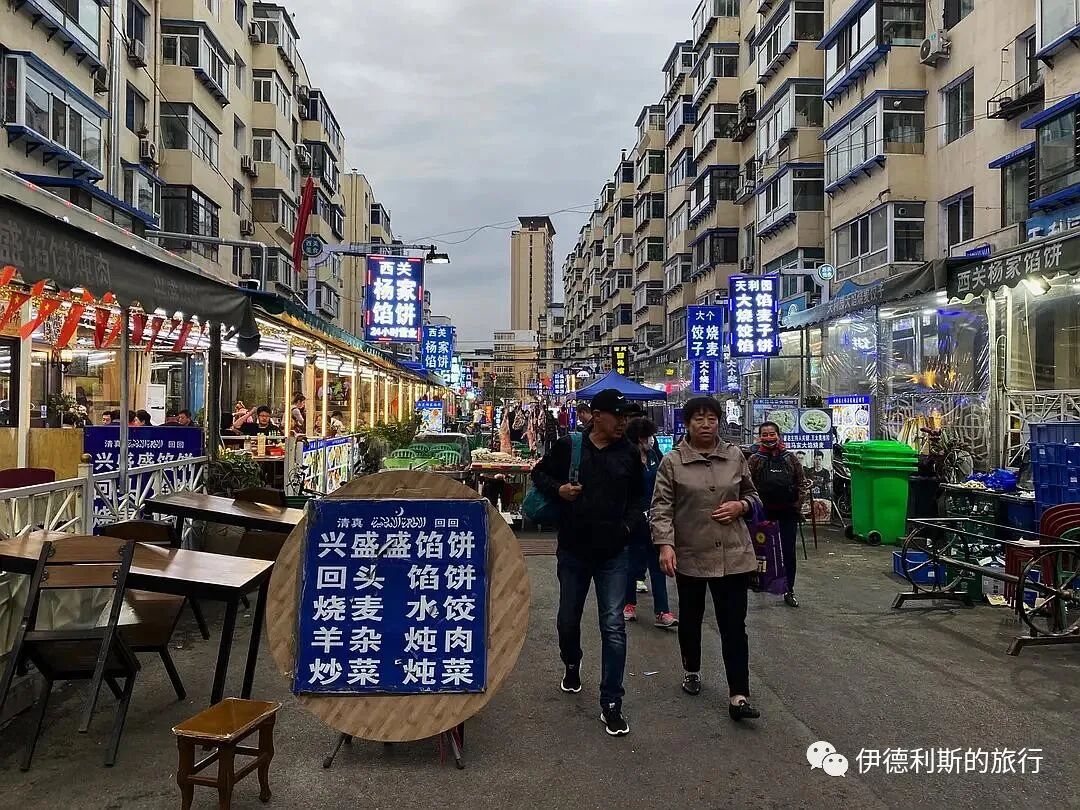
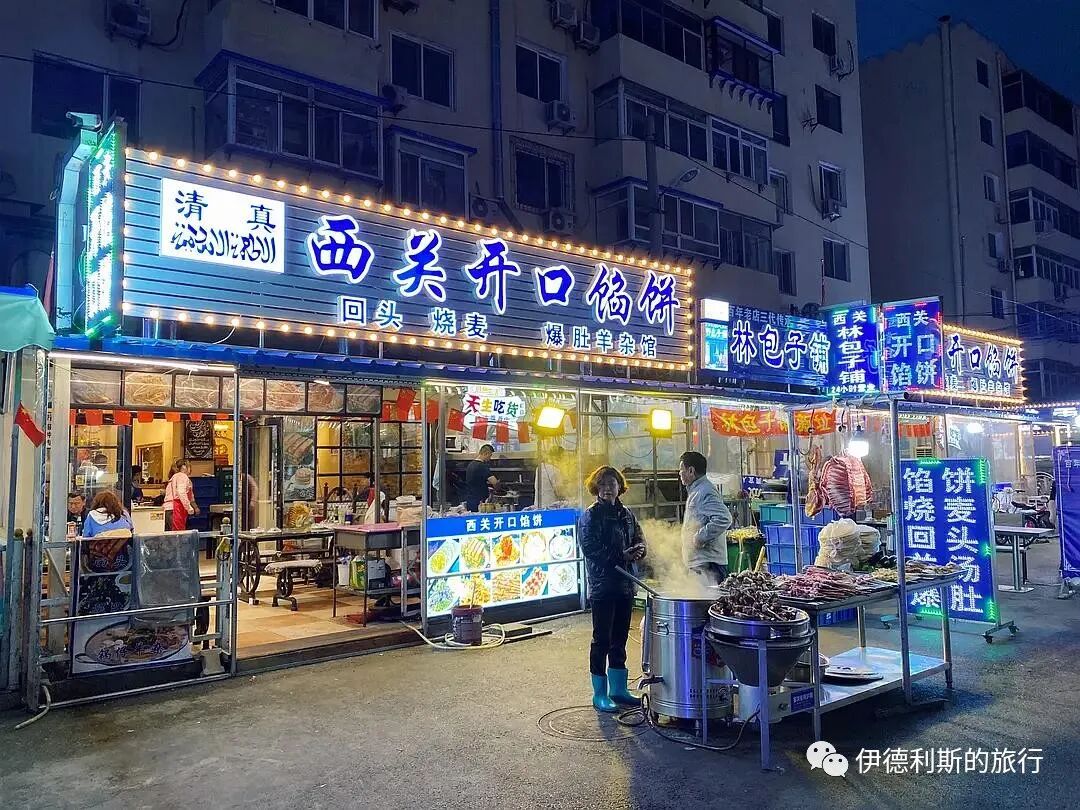
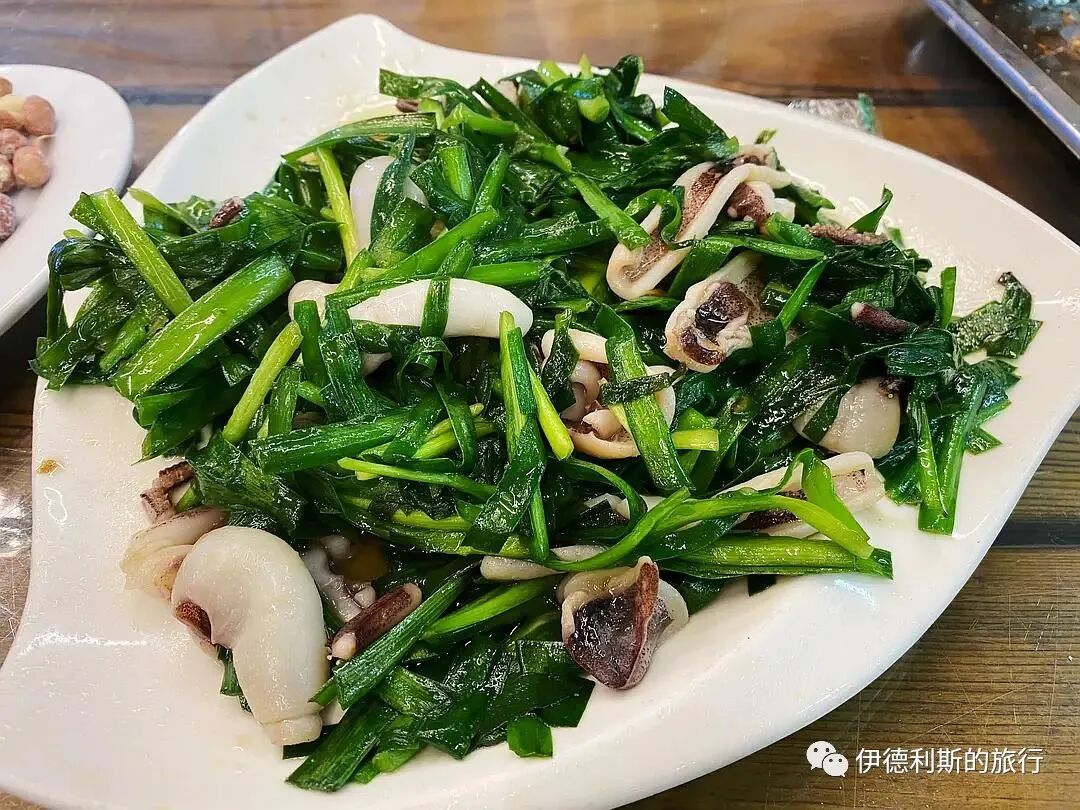
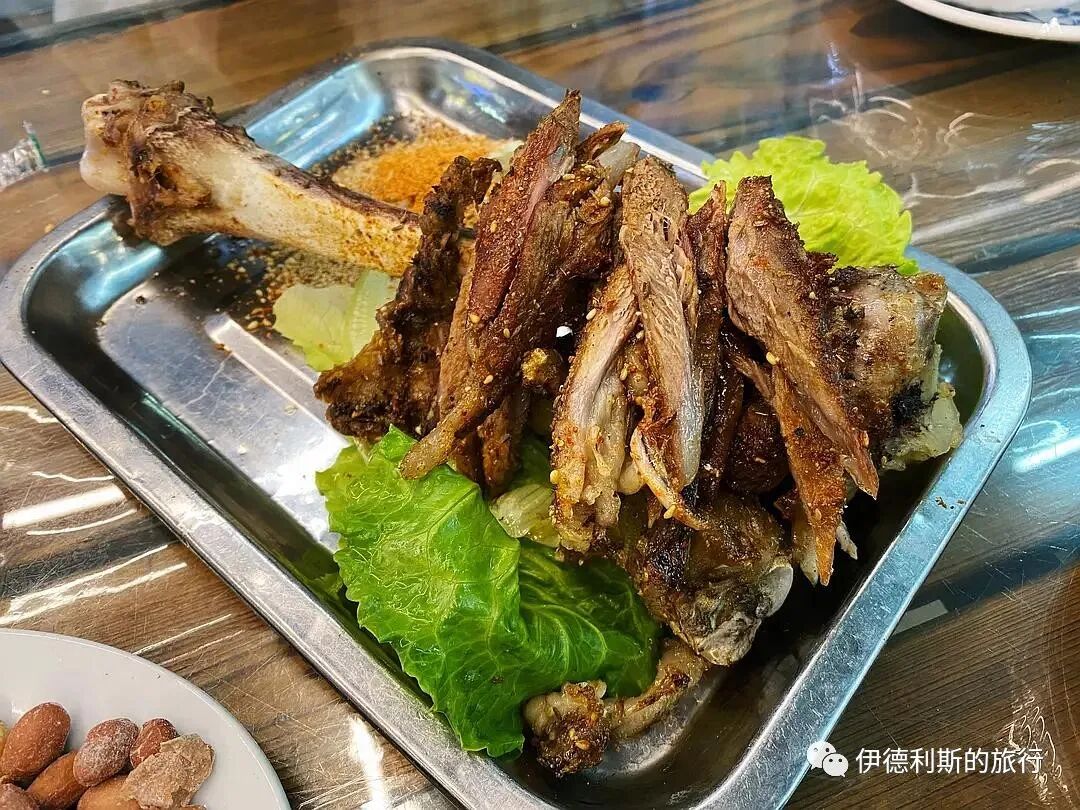
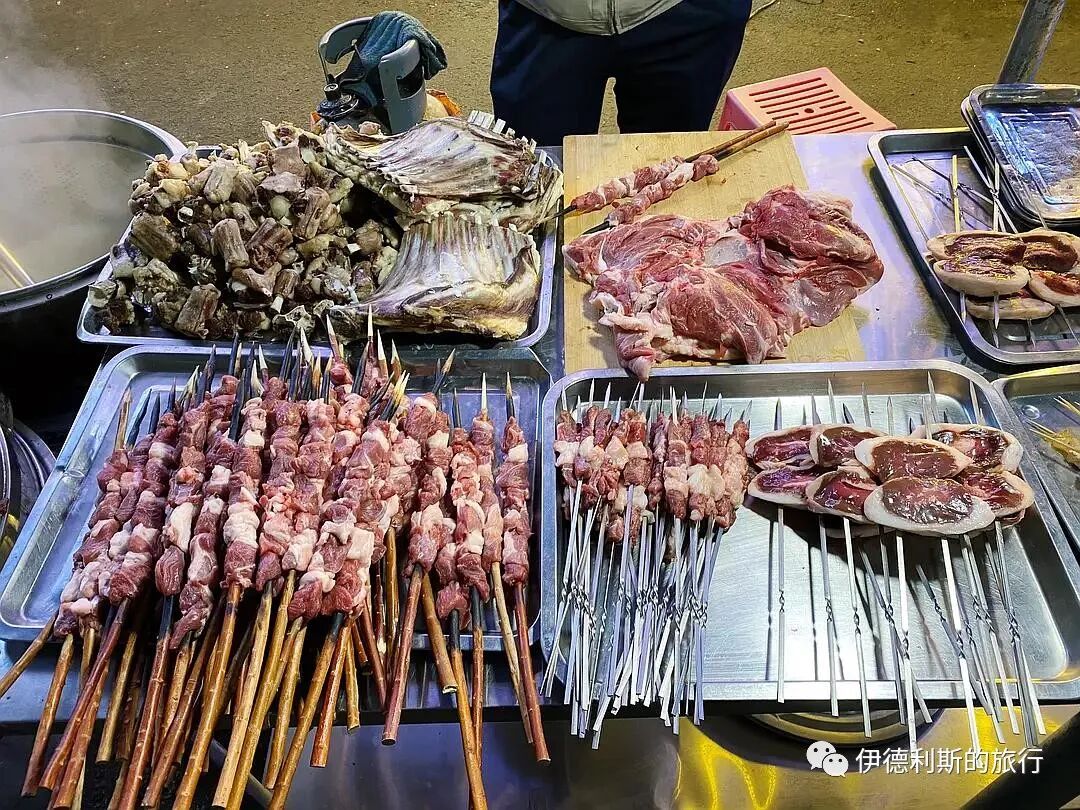
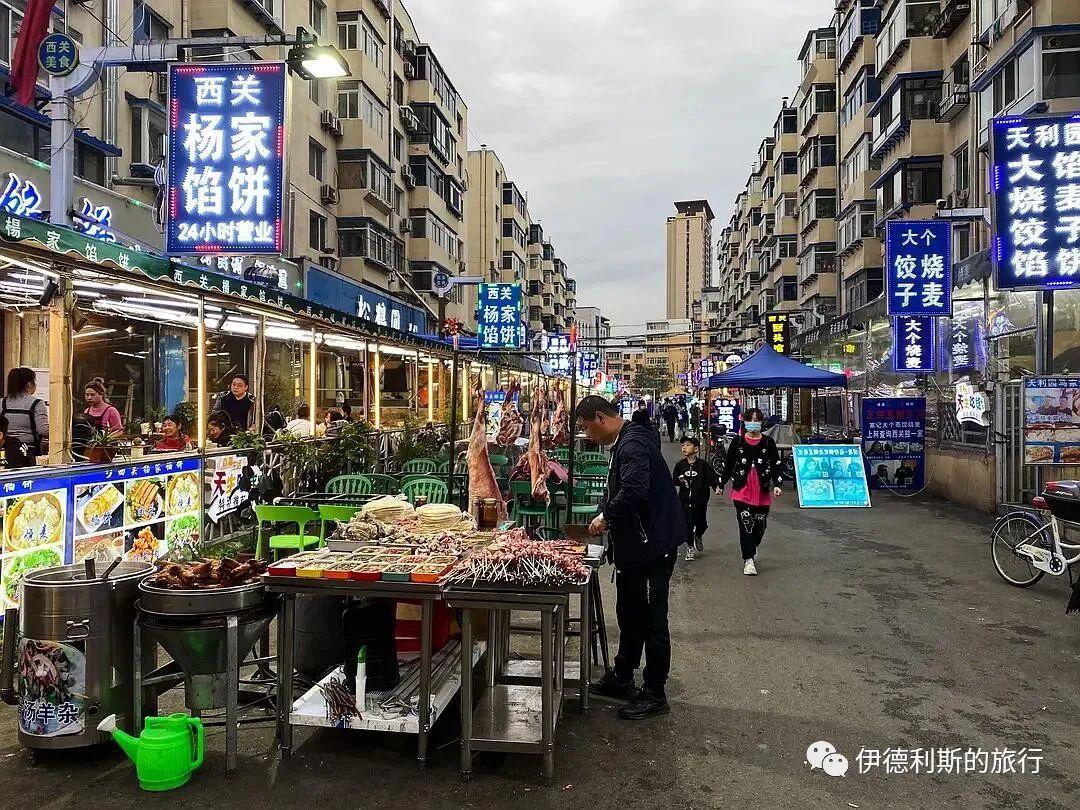
In the evening, I took the high-speed train to Shenyang and had a small barbecue at Xiguan Kaikou Xianbing in the Xiguan Hui Muslim camp night market, ordering small lamb legs, chicken racks, lamb hooves, flatfish, and stir-fried chives with squid.
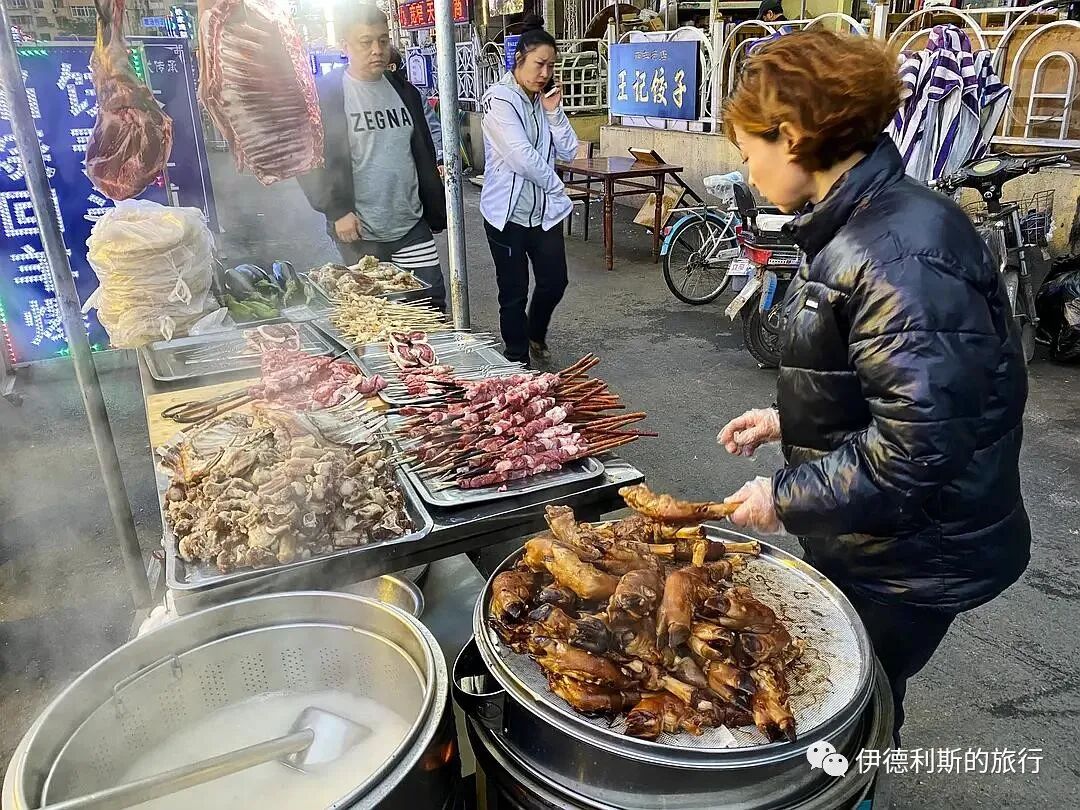
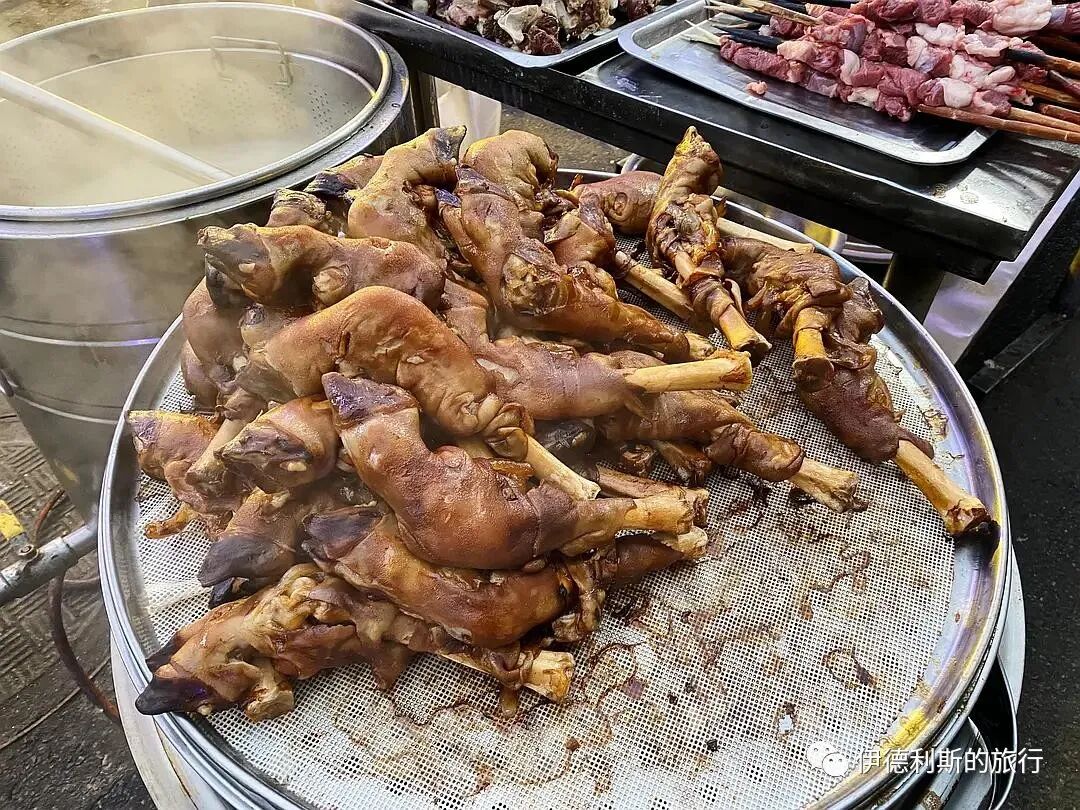
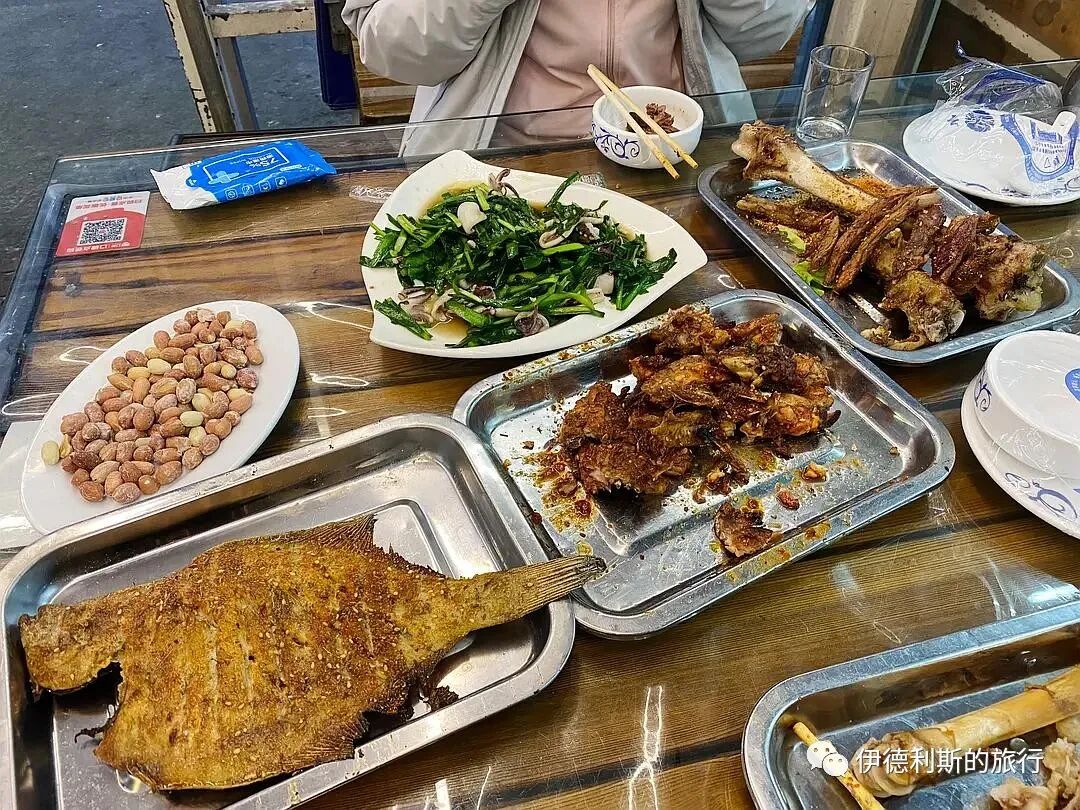
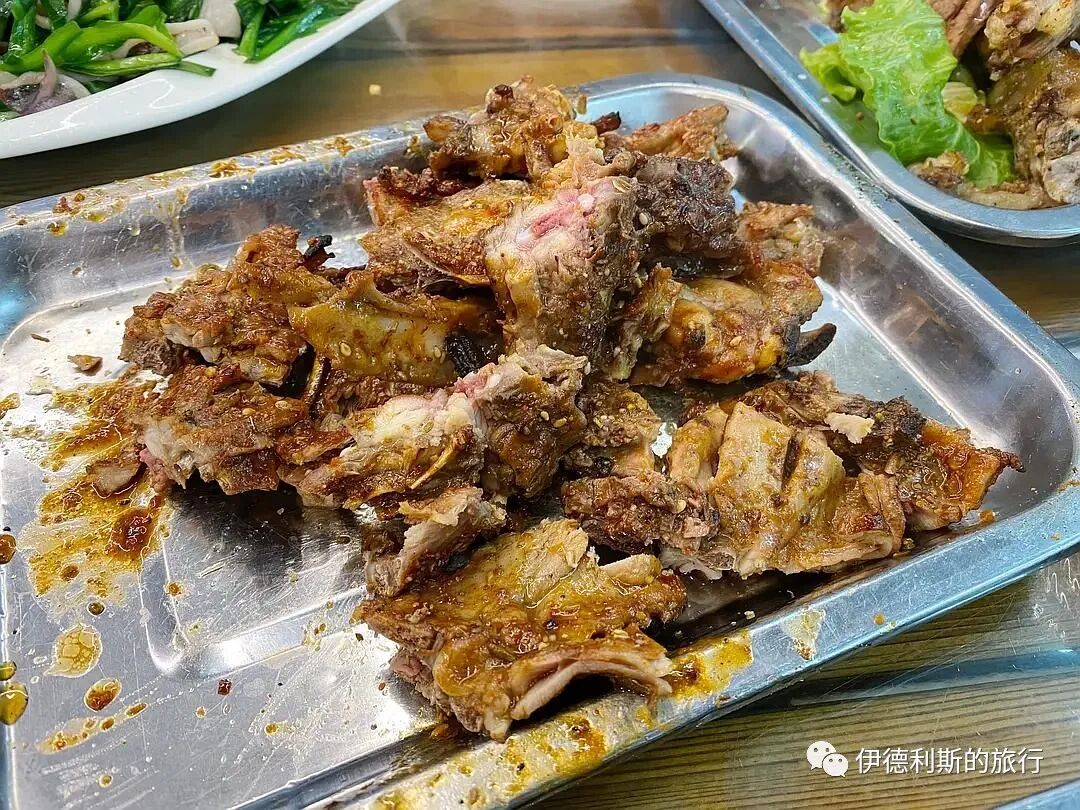
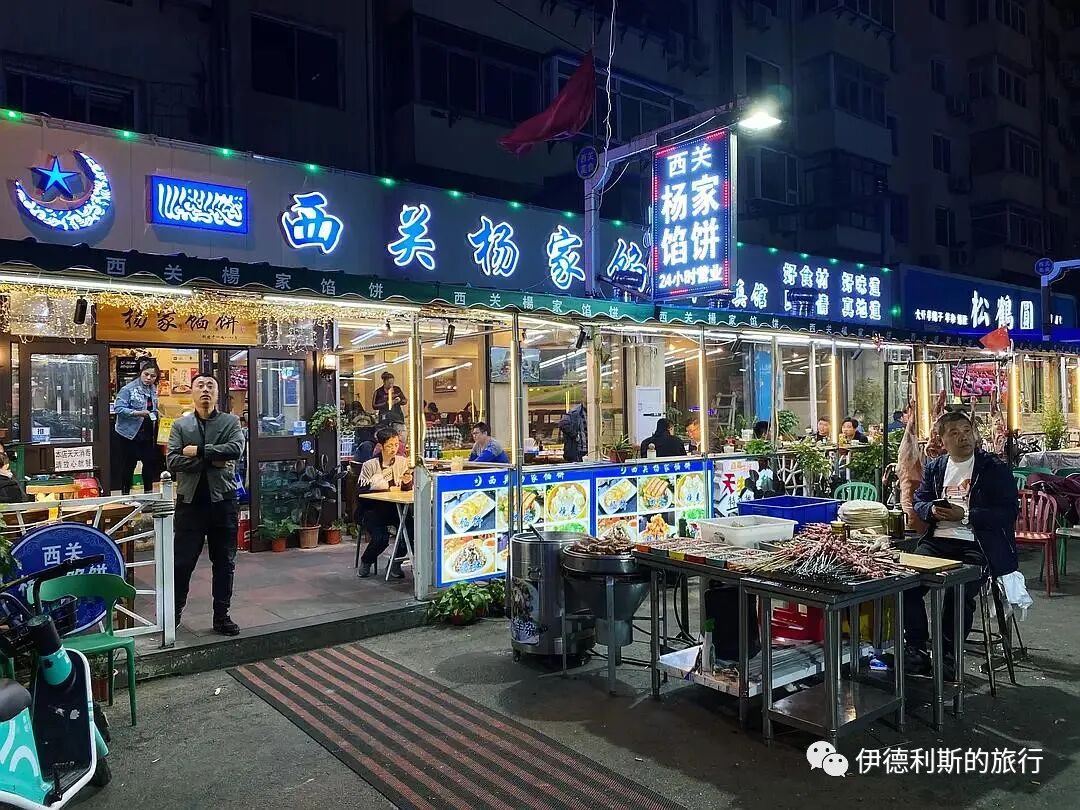
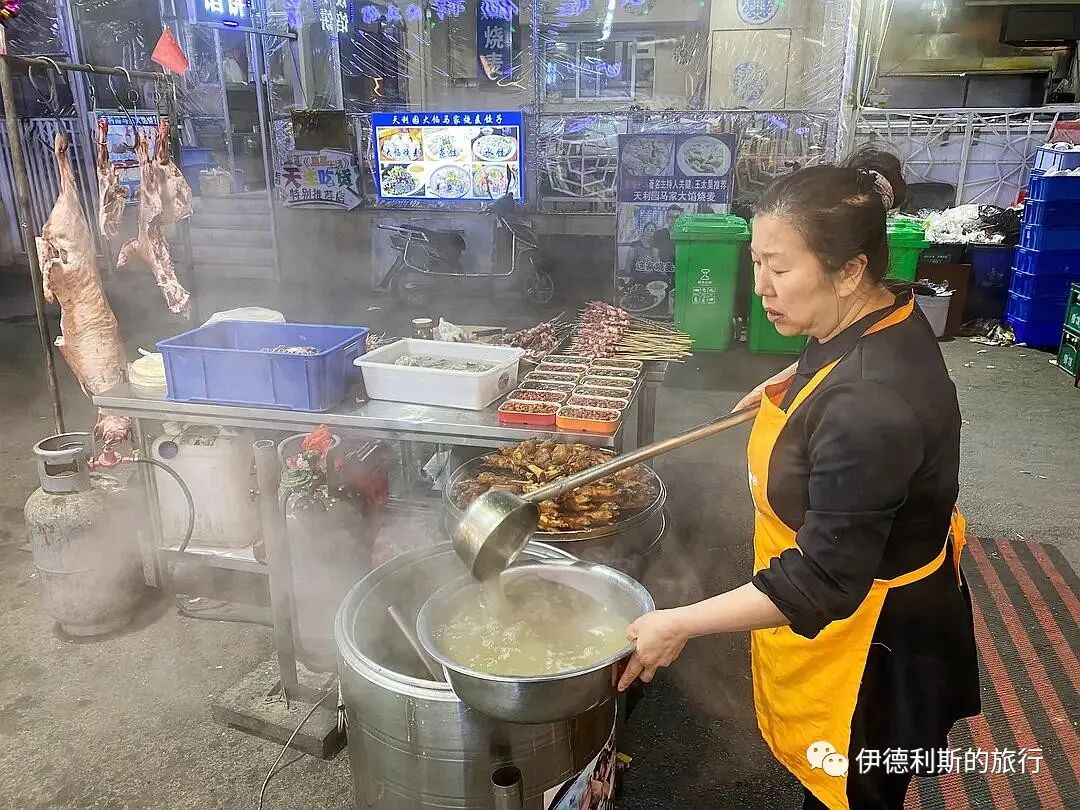
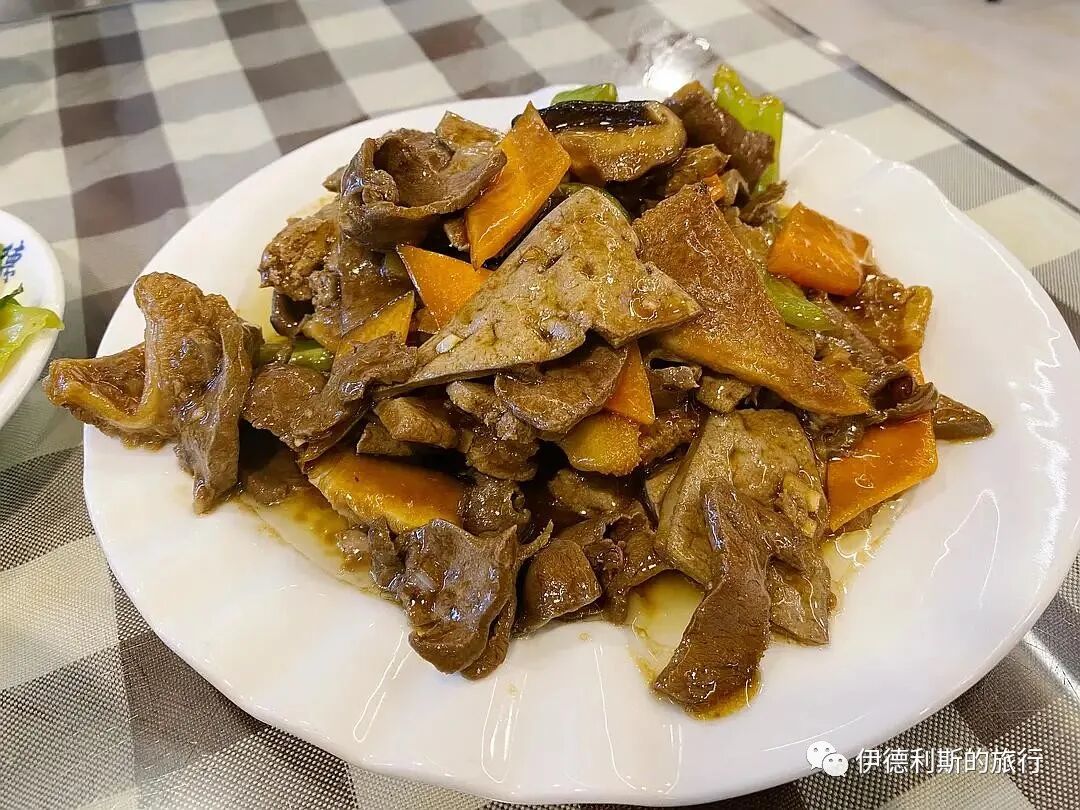
I went for a walk at night and visited the 24-hour Xiguan Yang Family Pie Shop, where I had lamb soup with pies and ordered a 'Liu Sanyang' (three-variety stir-fry), which is heart, liver, and intestine, a Northeast specialty within the Lu cuisine family. They also gave us complimentary fried shrimp chips and side dishes.
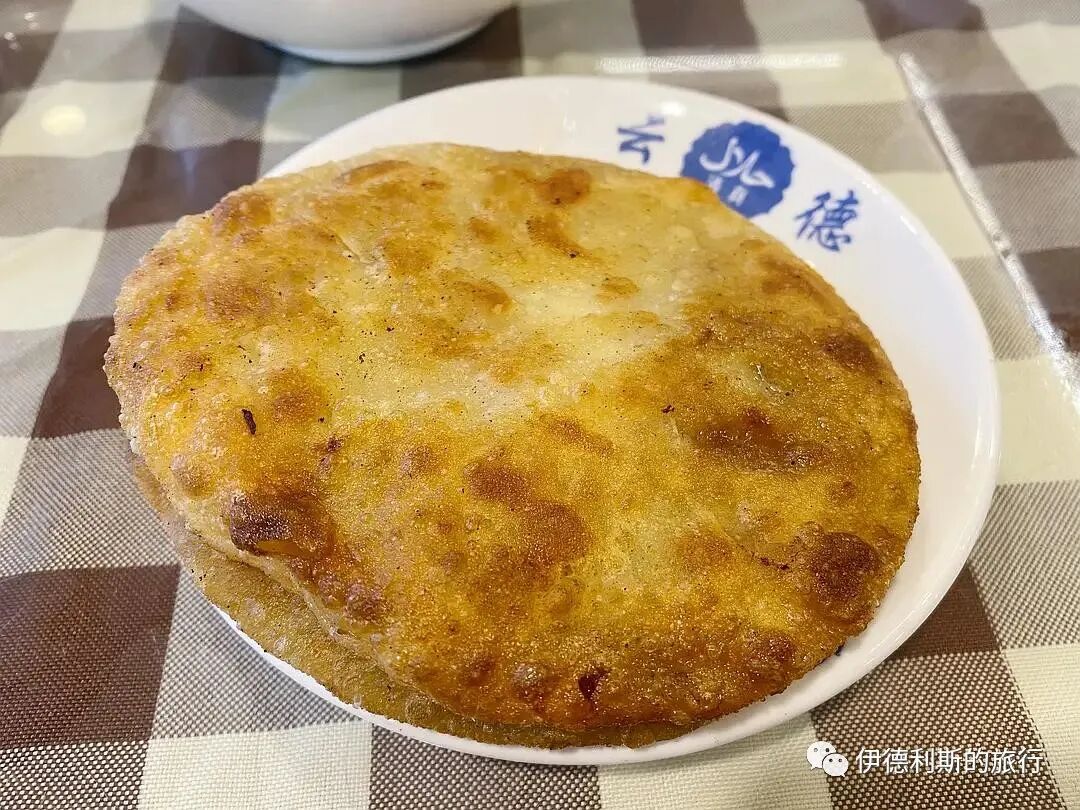
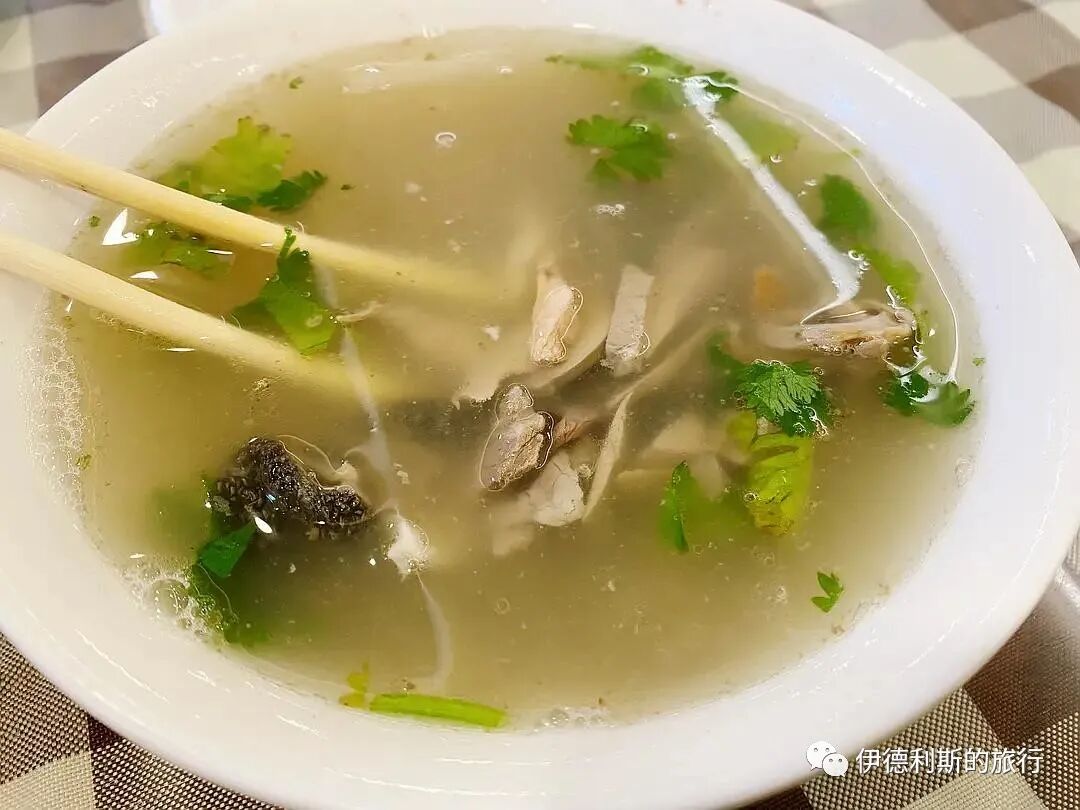
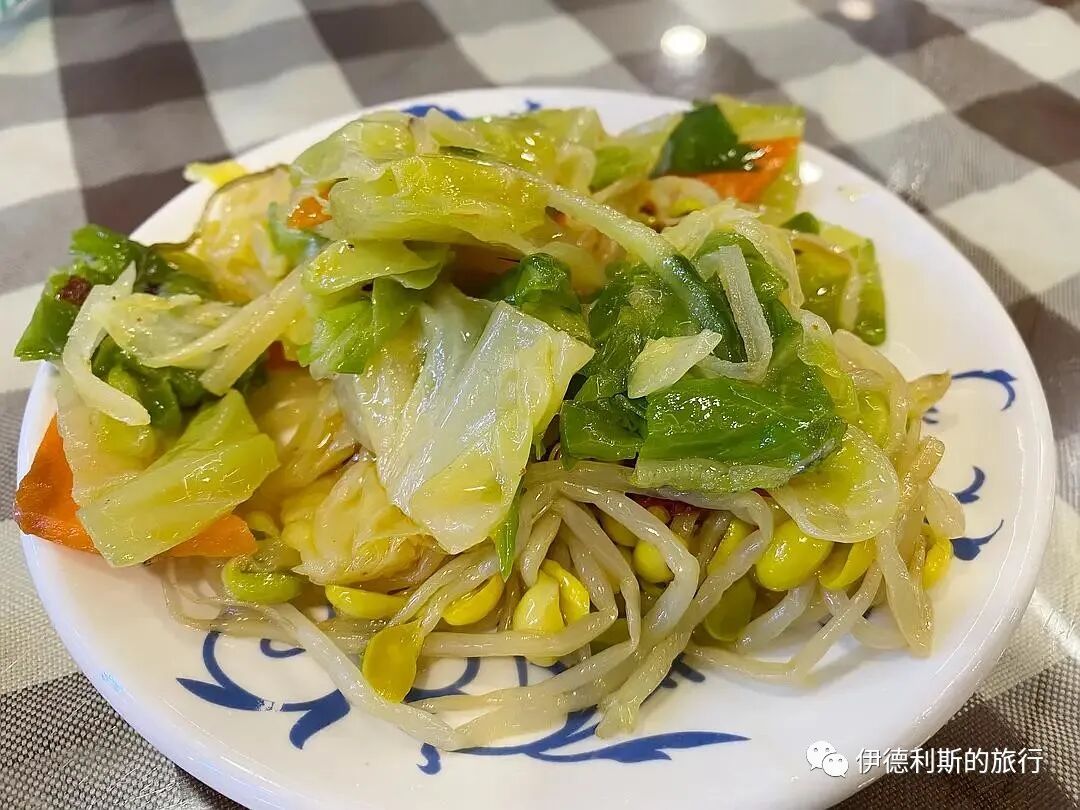
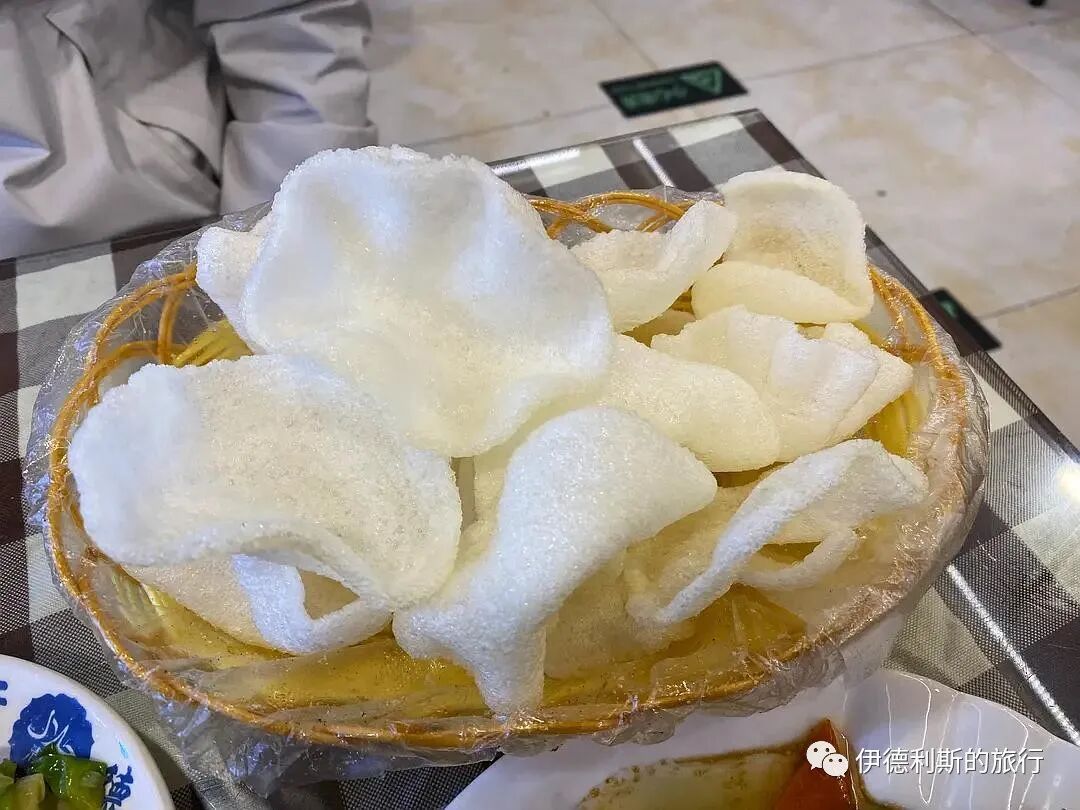
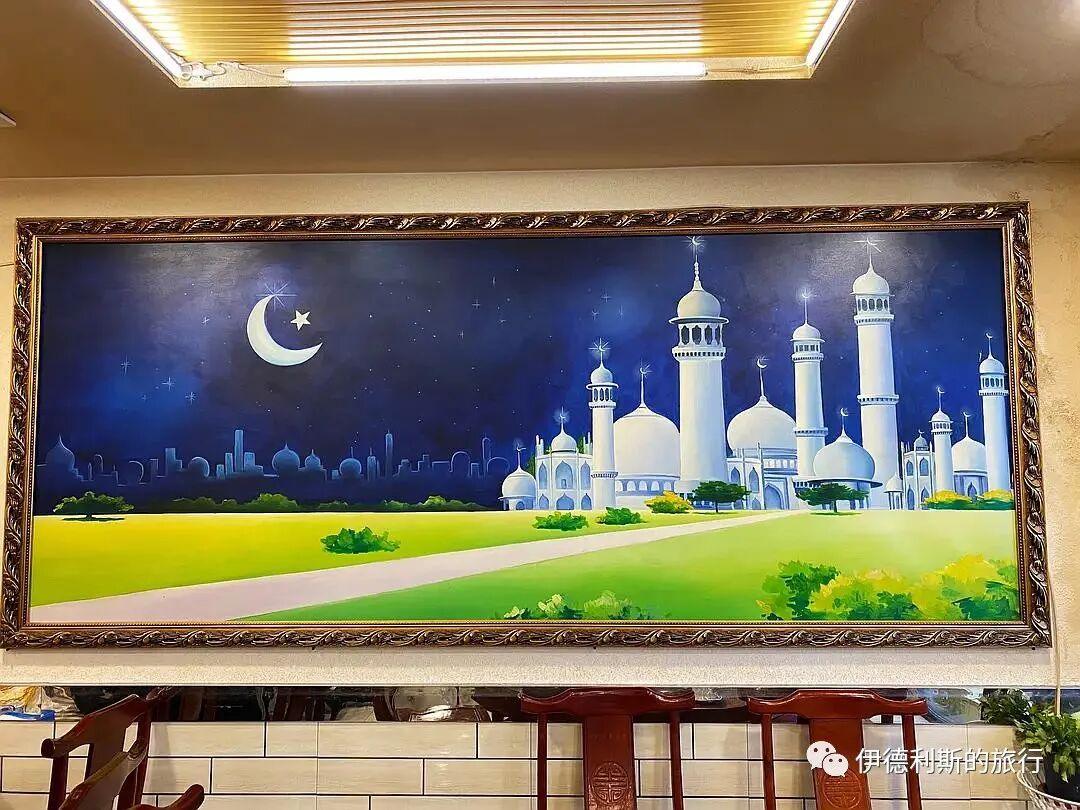
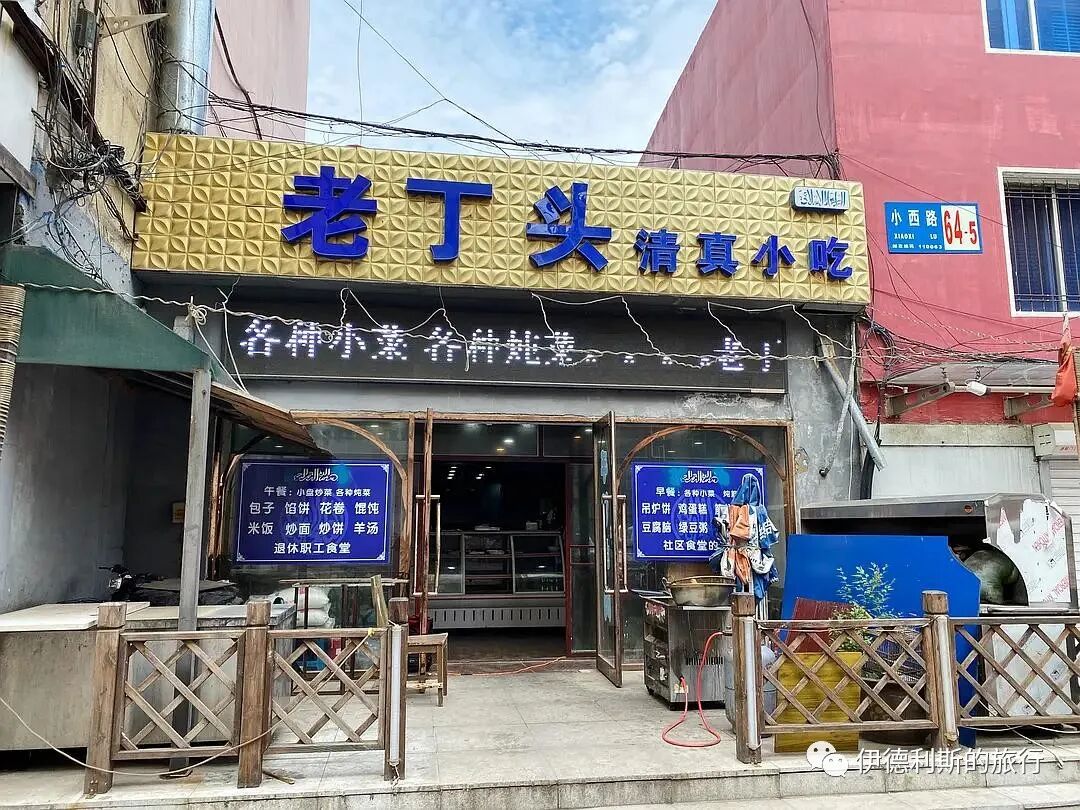
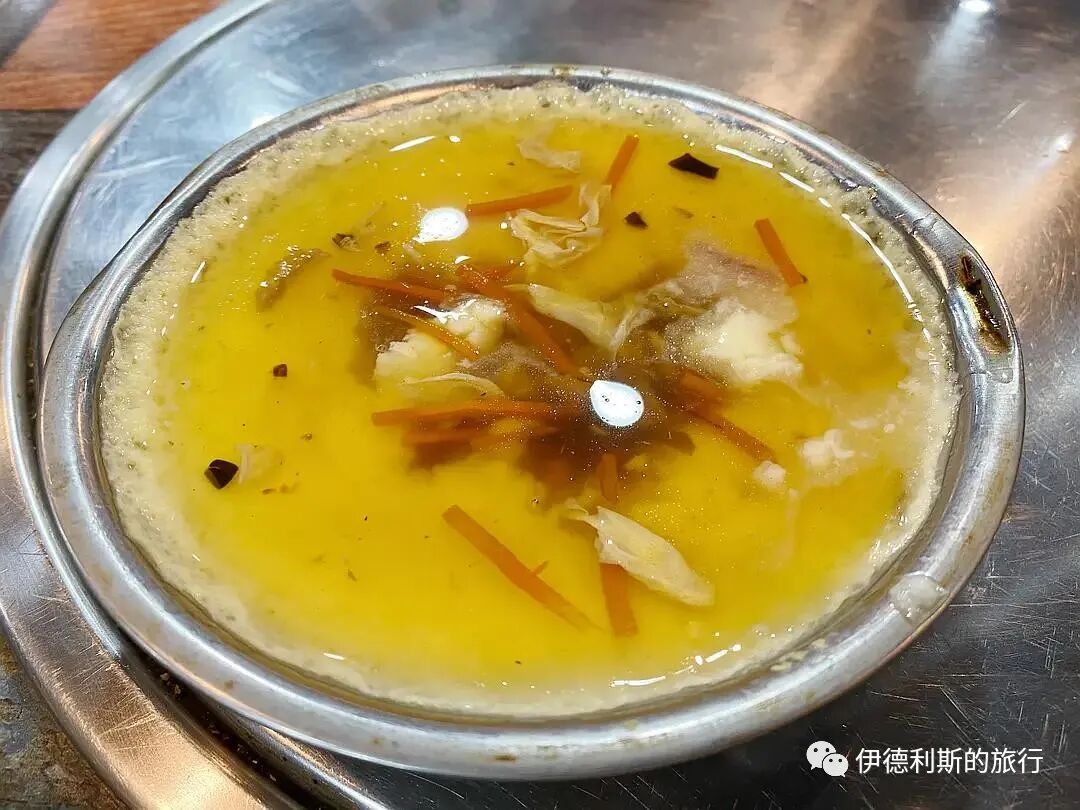
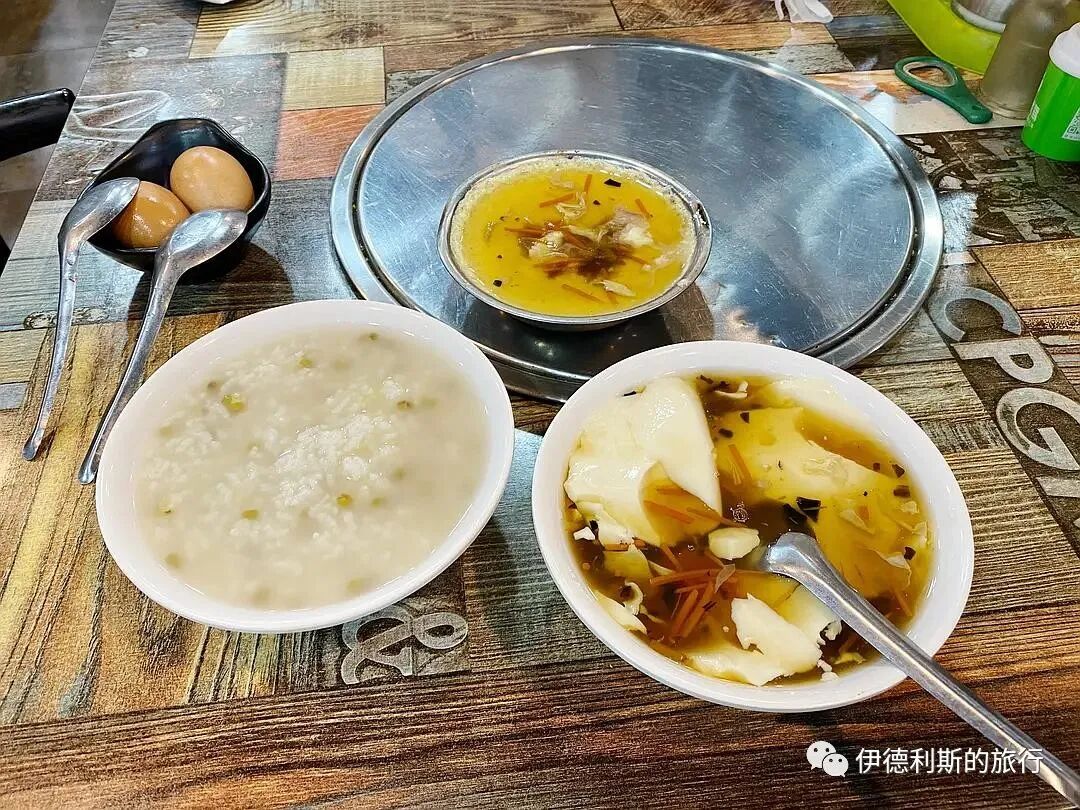
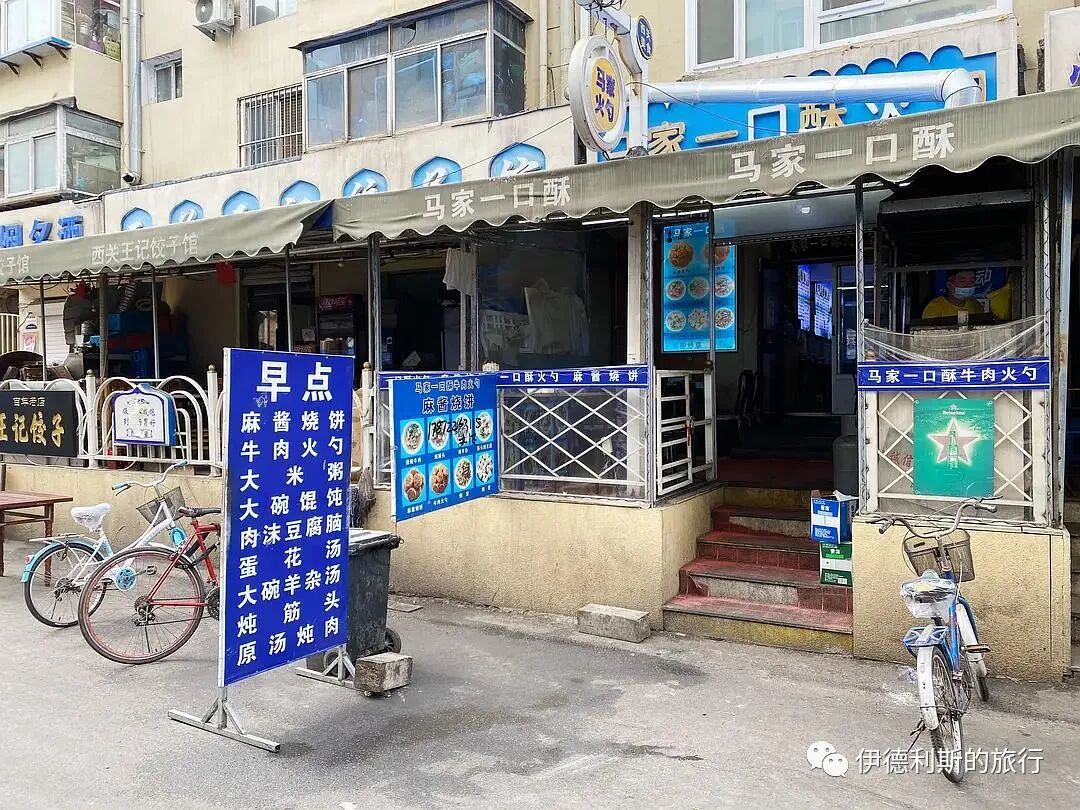
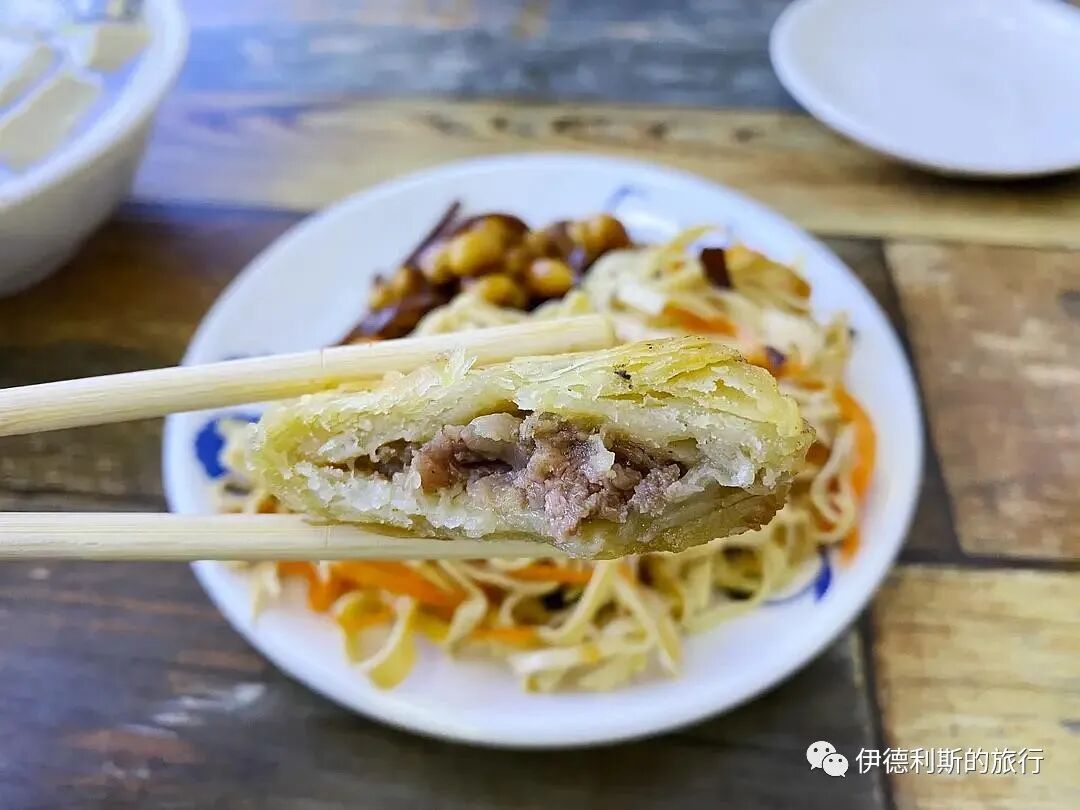
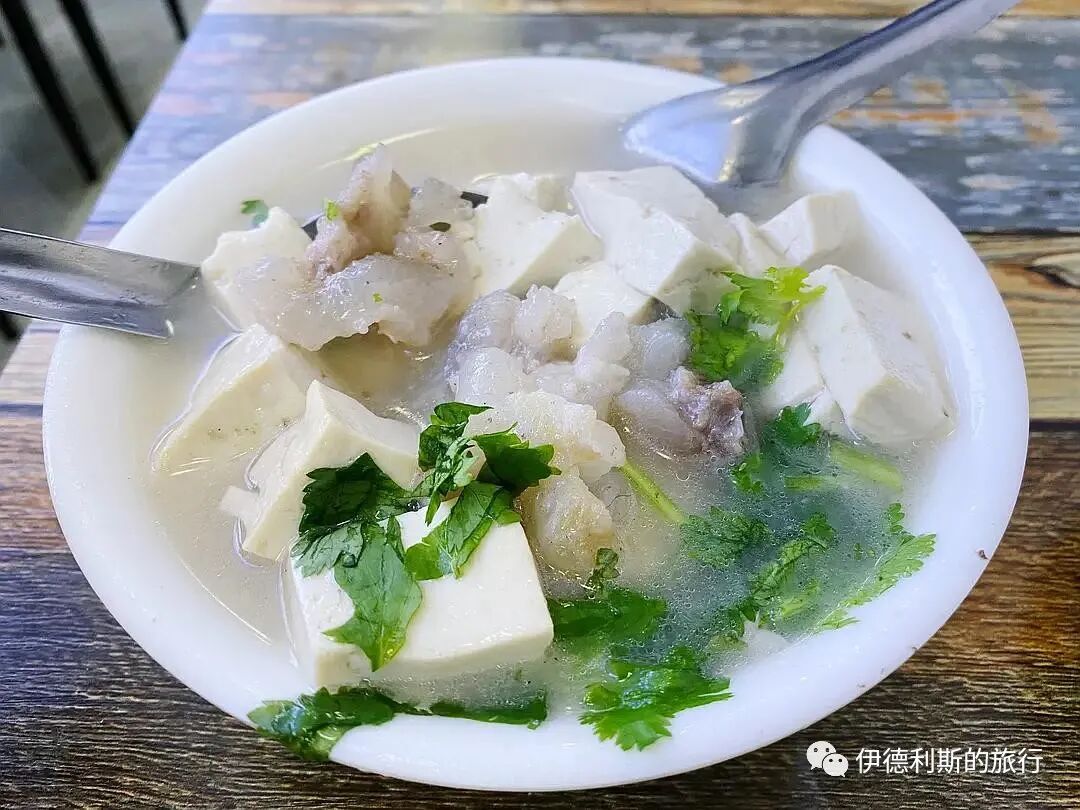
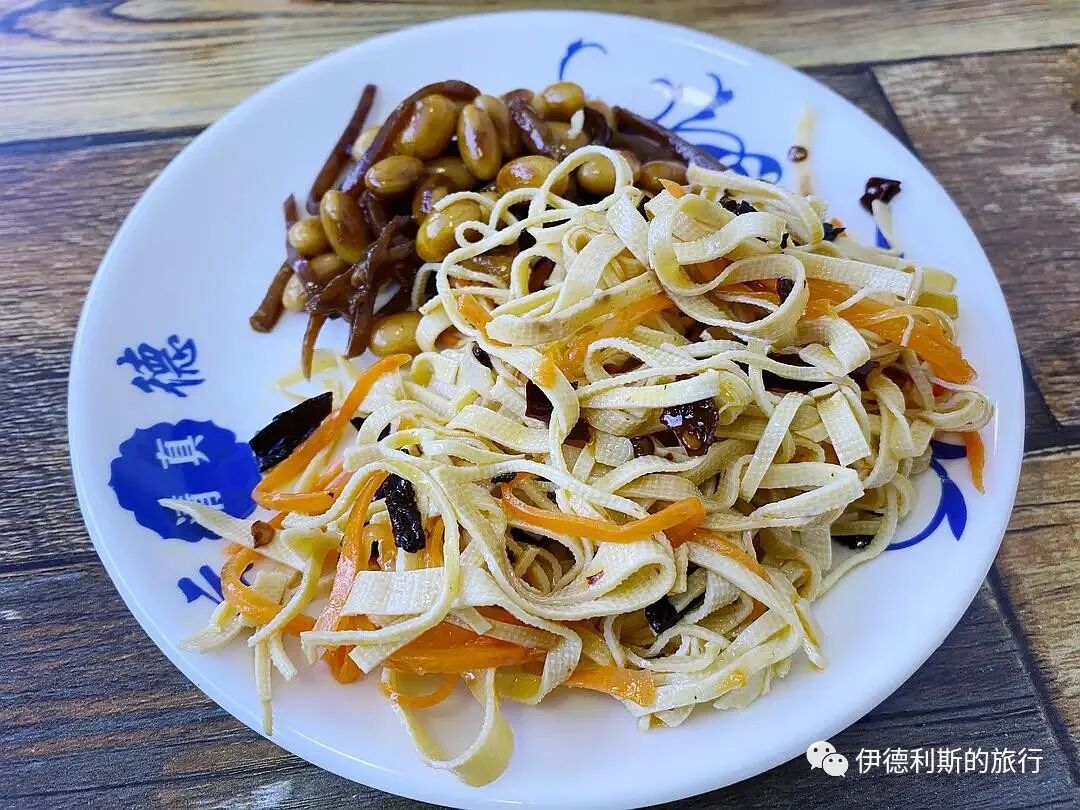
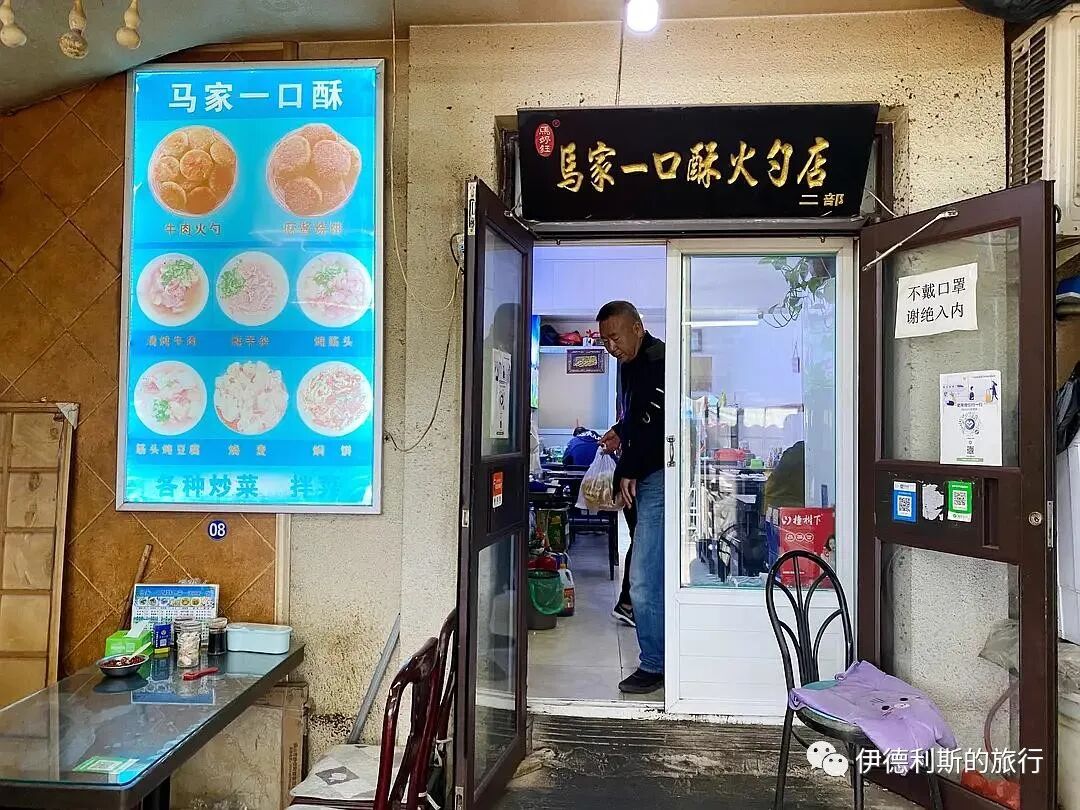
The next morning, I had chicken cake and tofu pudding at Lao Ding Tou on Xiaoxi Street, and beef huoshao (crispy baked flatbread) with stewed tofu and tendons at Ma's Yikousu on Qingzhen Road. The huoshao cost one yuan each; they are flaky and you can't find them outside the Northeast.
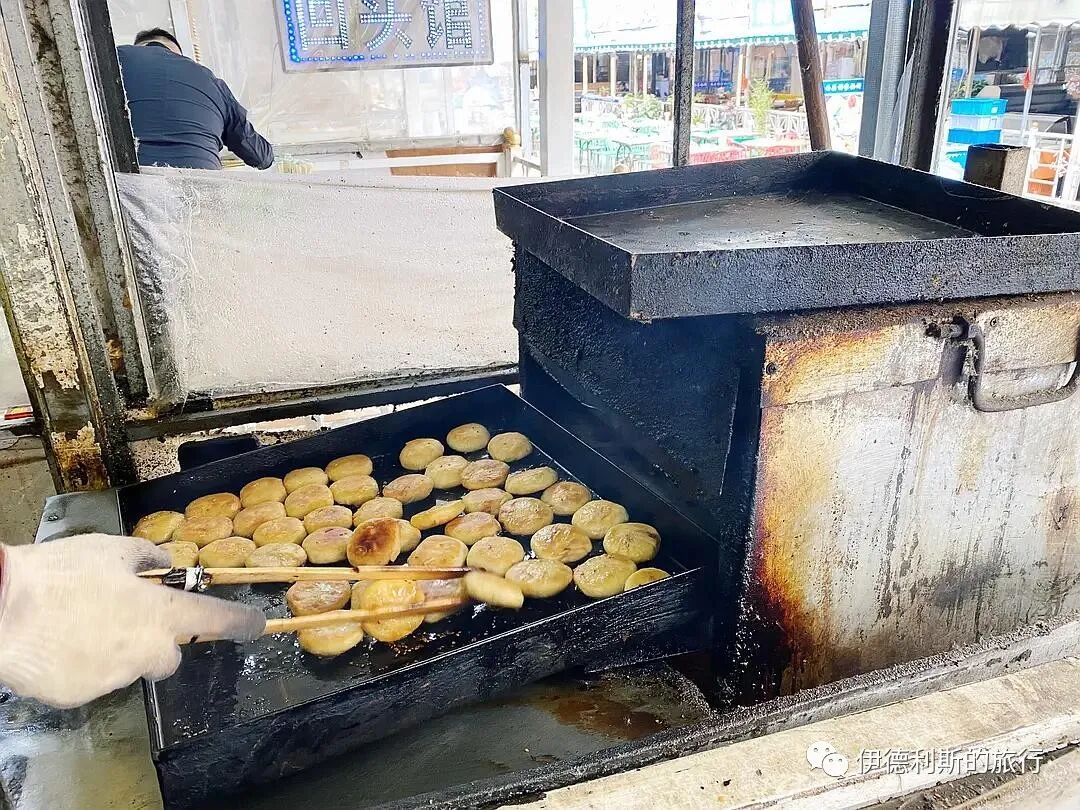
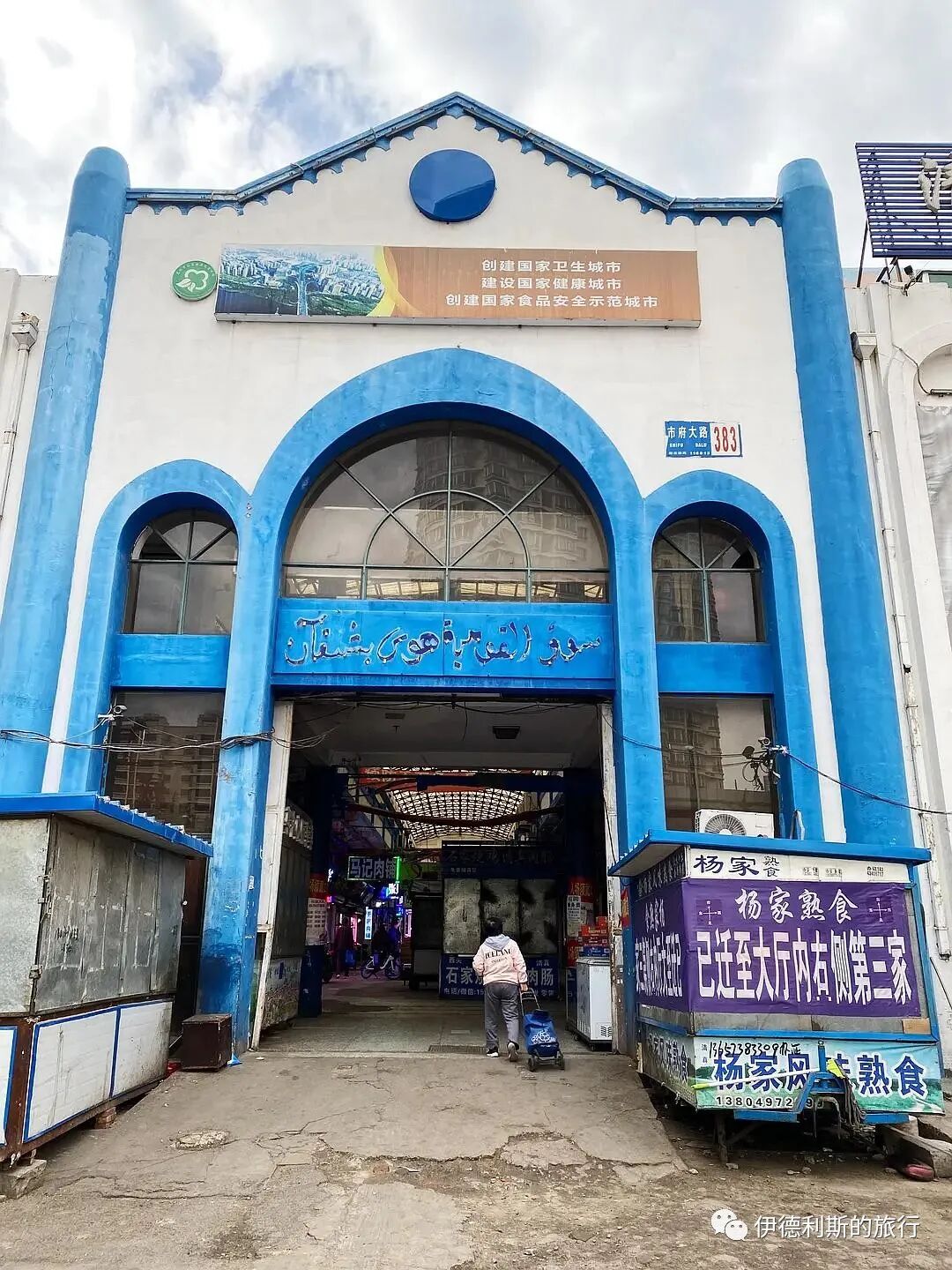
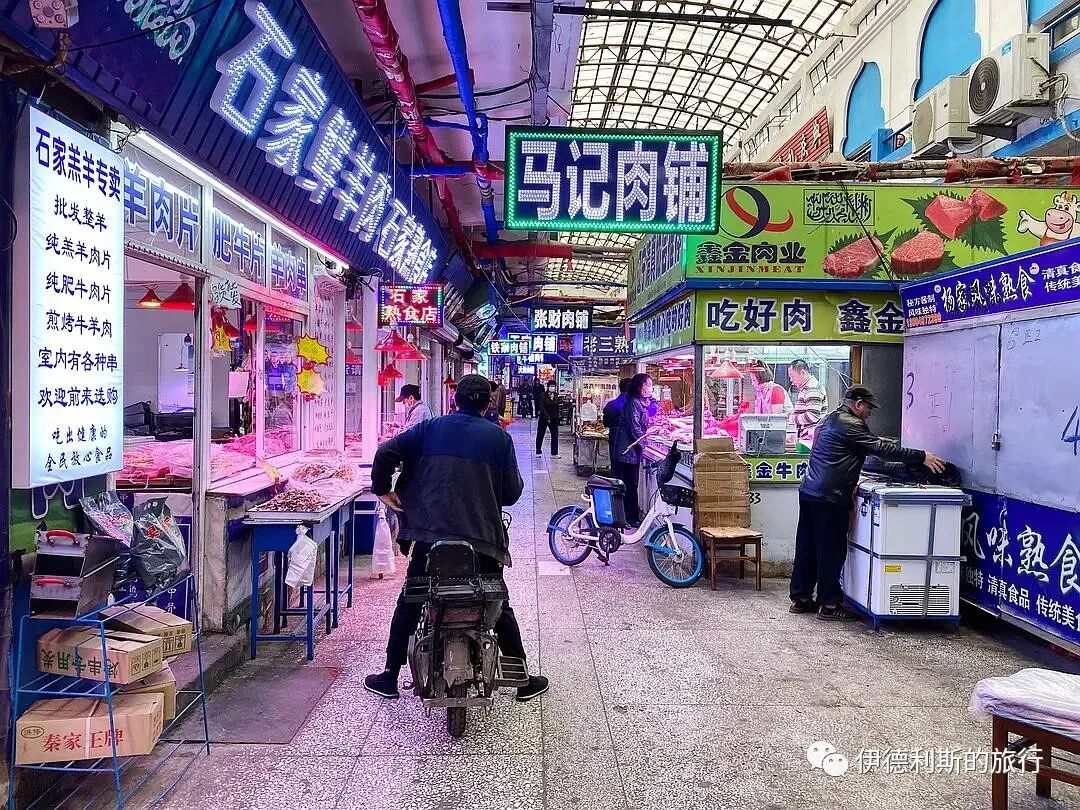
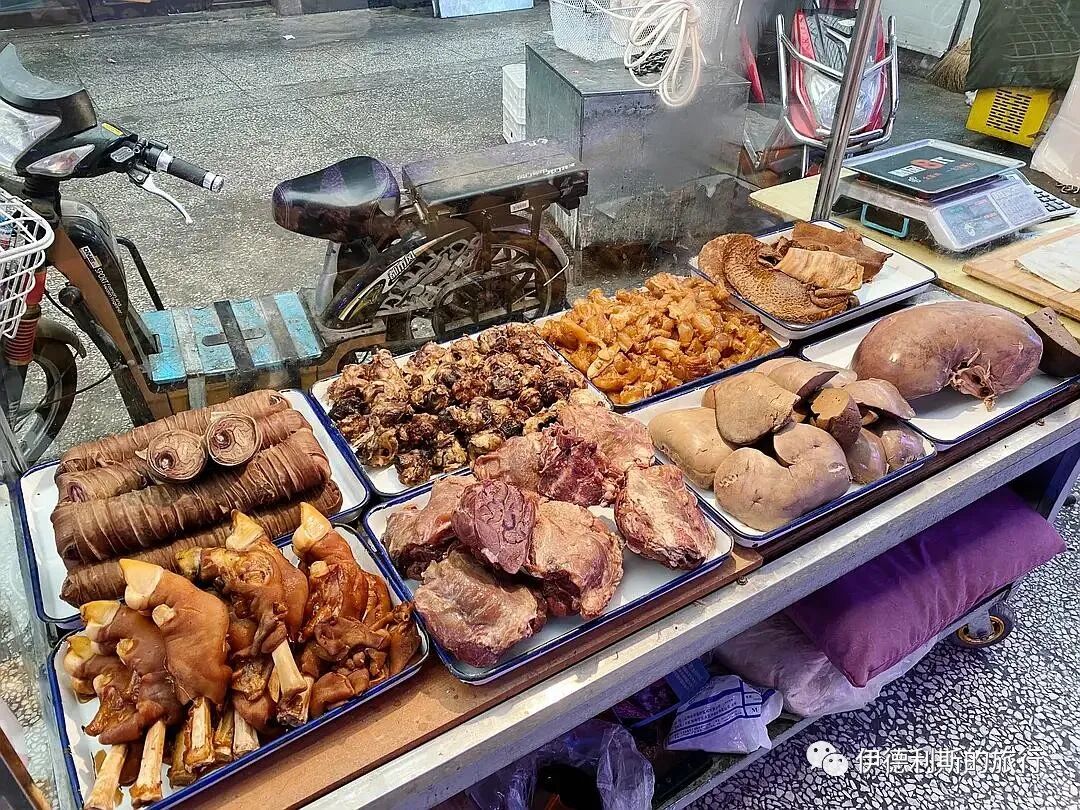
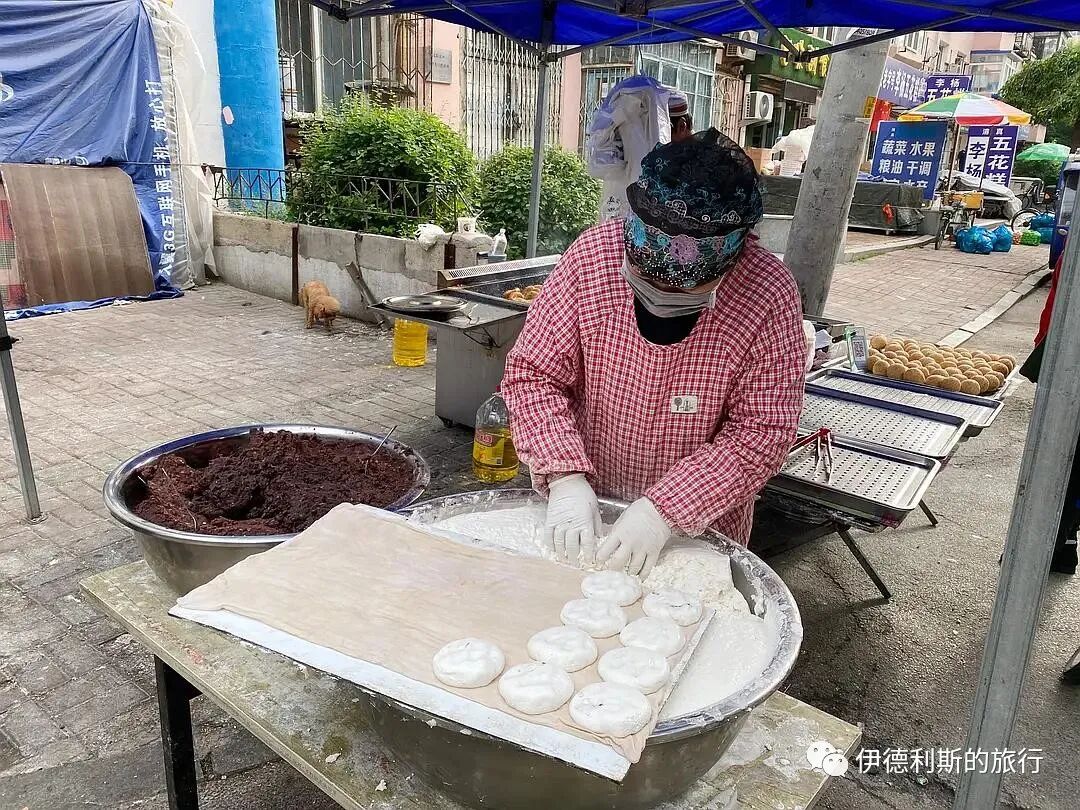
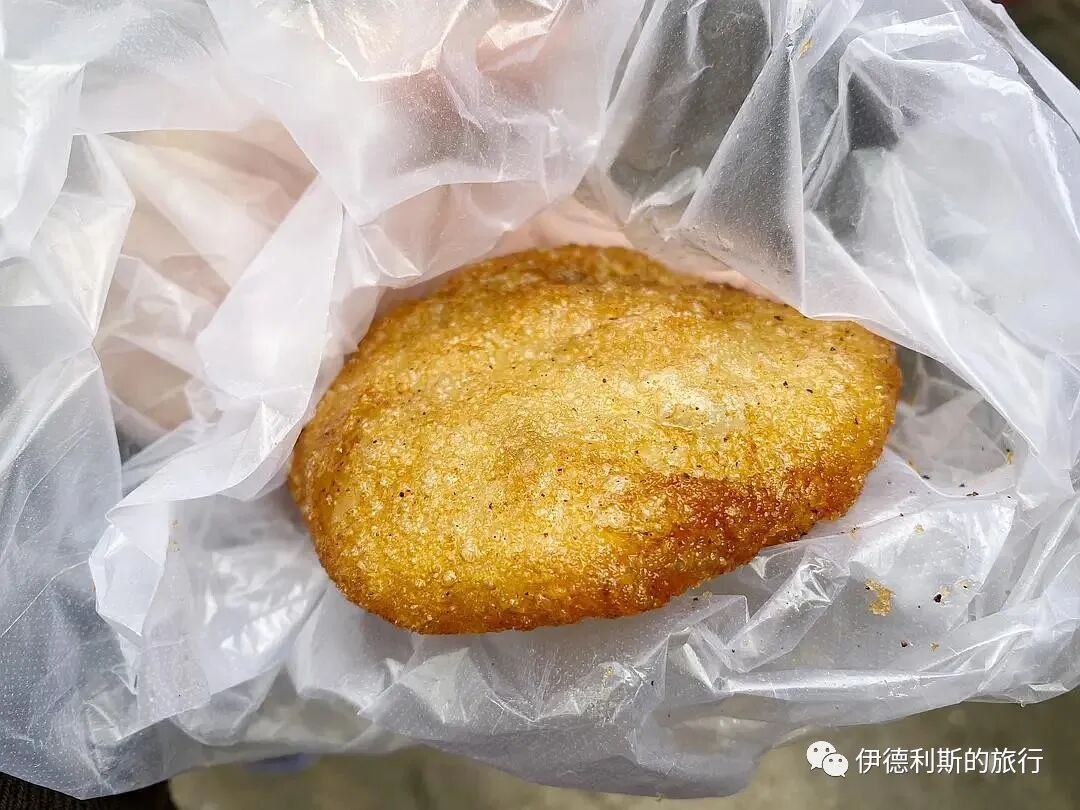
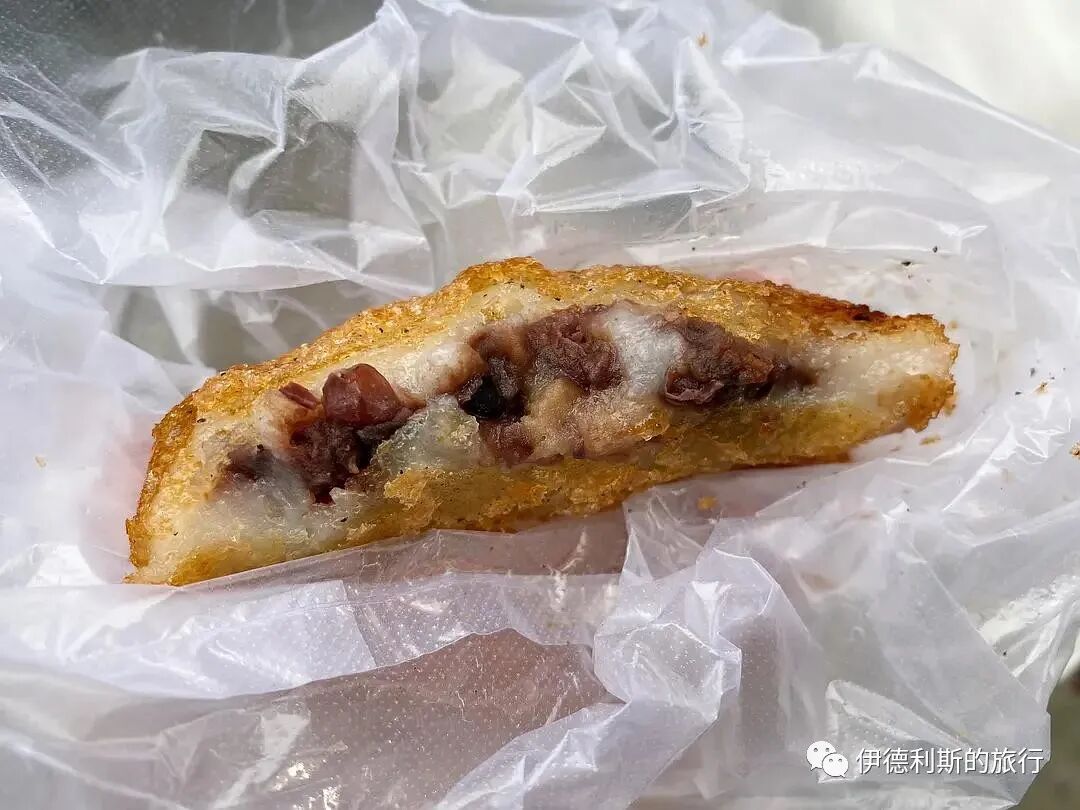
Delicatessen and fried rice cakes at the Xiguan Hui Muslim camp market. The Hui Muslim camp is much quieter than the last time I visited, and the morning market is gone.
The Shenyang South Mosque was founded in 1636 (the first year of the Chongde reign of the Qing Dynasty). The ancestors of the founding Tie family were Hui Muslim Semu people who came to the interior during the Mongol western expeditions. In the early Ming Dynasty, Tie Xuan served as the Shandong administration commissioner in Jinan. During the Jingnan Campaign in 1400, Tie Xuan led troops to defend Jinan city. The Prince of Yan, Zhu Di, attacked for three months without success until he captured Nanjing in 1402 and returned north to finally break through Jinan. After being captured, Tie Xuan was executed by dismemberment. After Tie Xuan passed away, his second son, Tie Fushu, fled outside the pass and moved from Jinzhou to Shenyang during the Wanli reign (1573-1620).
The original Shenyang South Mosque was relatively simple. In 1662 (the first year of the Kangxi reign), it was expanded into a large mosque by Tie Kui, who invited the famous Imam She Yuanshan from Beijing to set up a school. After Imam She's disciple, Tie Hongji, completed his studies, he became the leader. From then on, the Imams of the South Mosque were passed down through the Tie family for 11 generations, with the last Imam, Tie Zizhang, serving until 1956.
The rear hall of the mosque was expanded in 1902. The main hall is not the traditional 'convex' shape, but a structure of juanpeng + front hall + rear hall + hexagonal yaodian. This practice of adding a pavilion-style yaodian to the back of the main hall is relatively common in the Northeast.
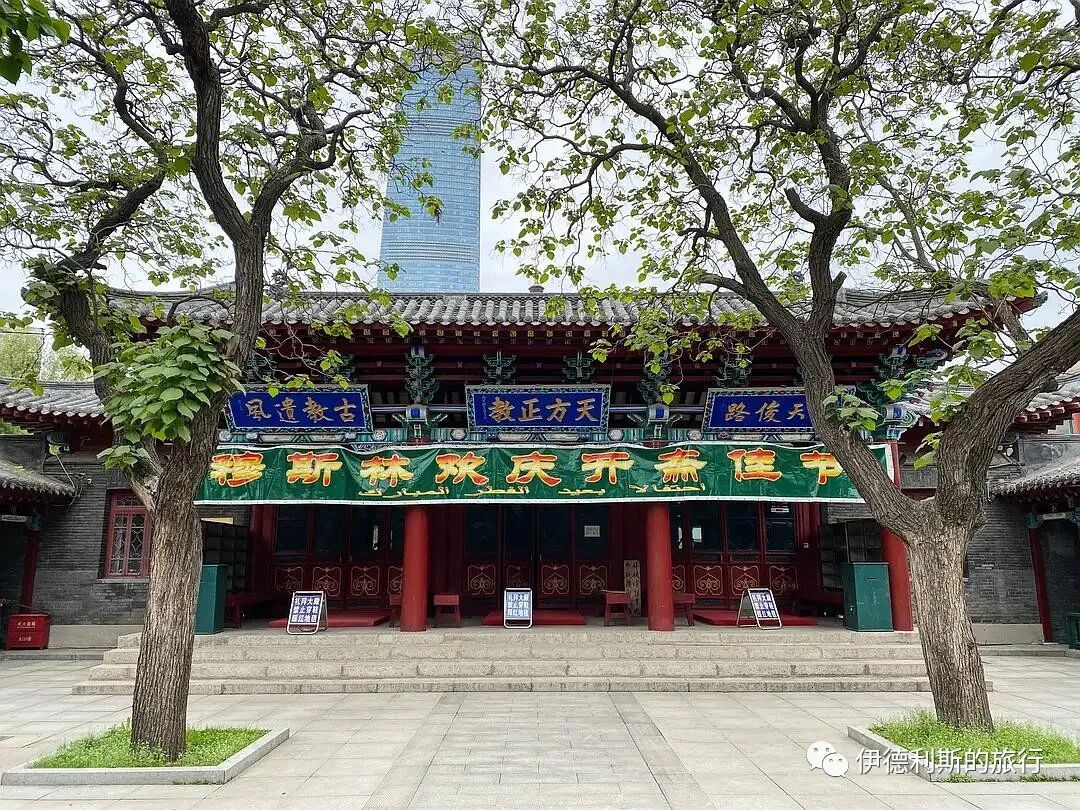
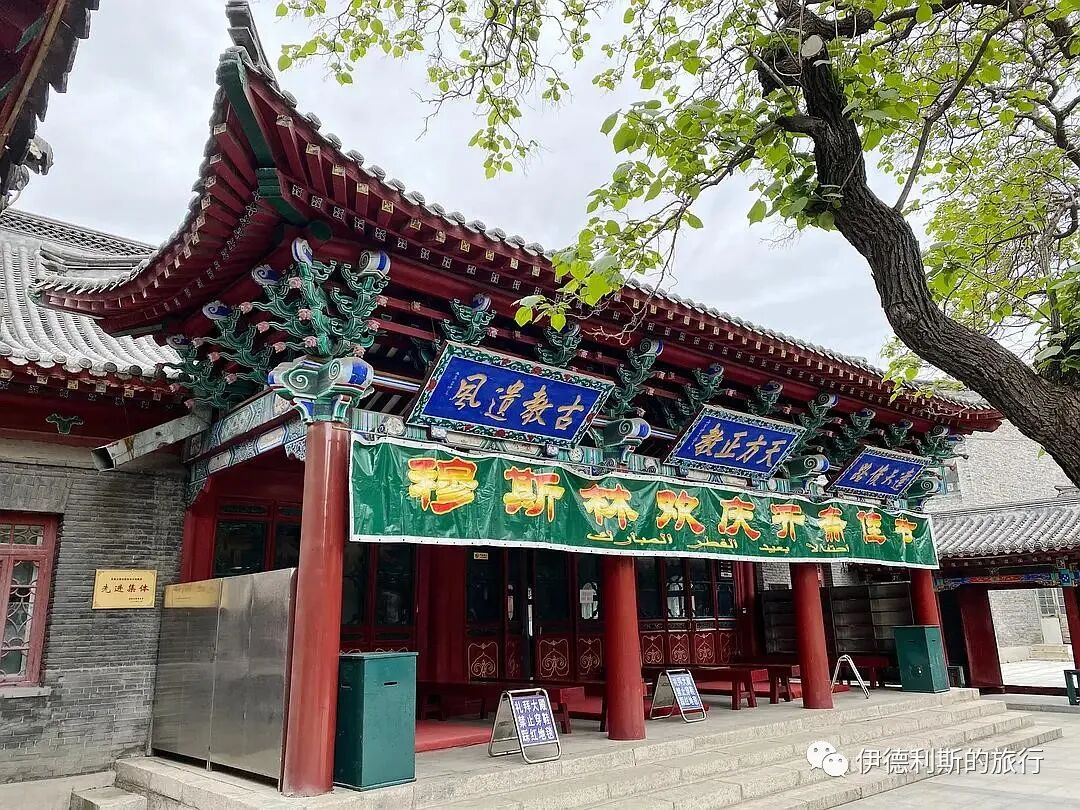
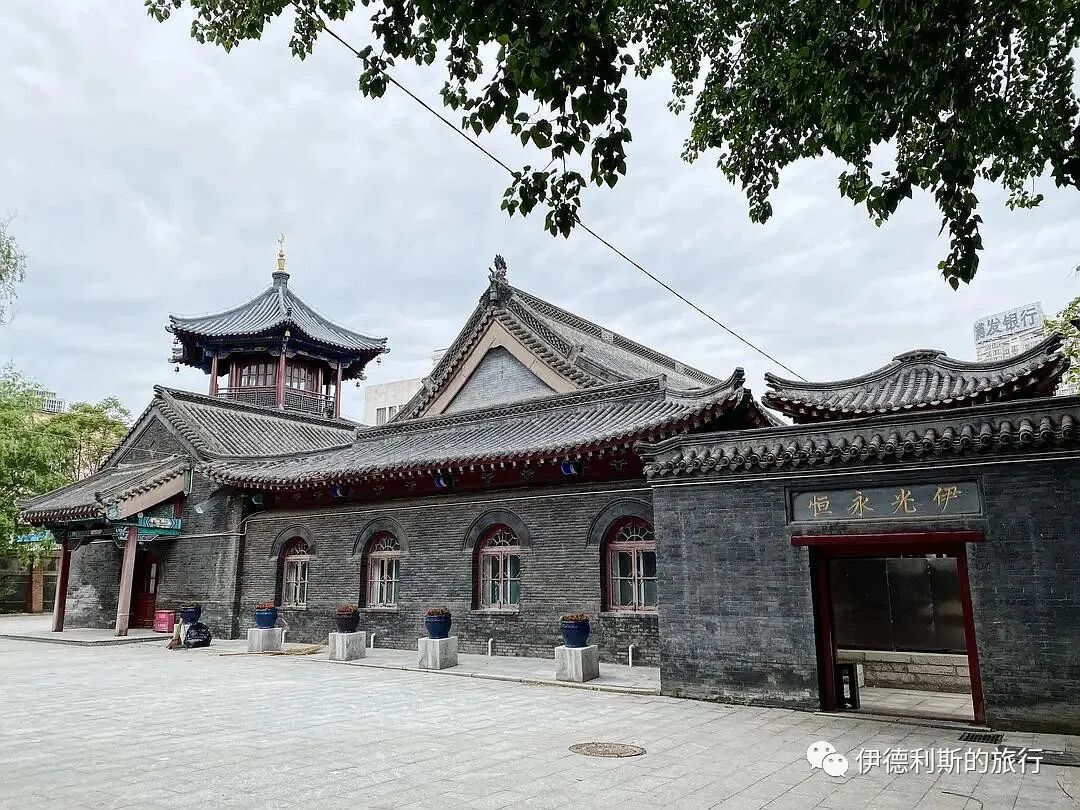
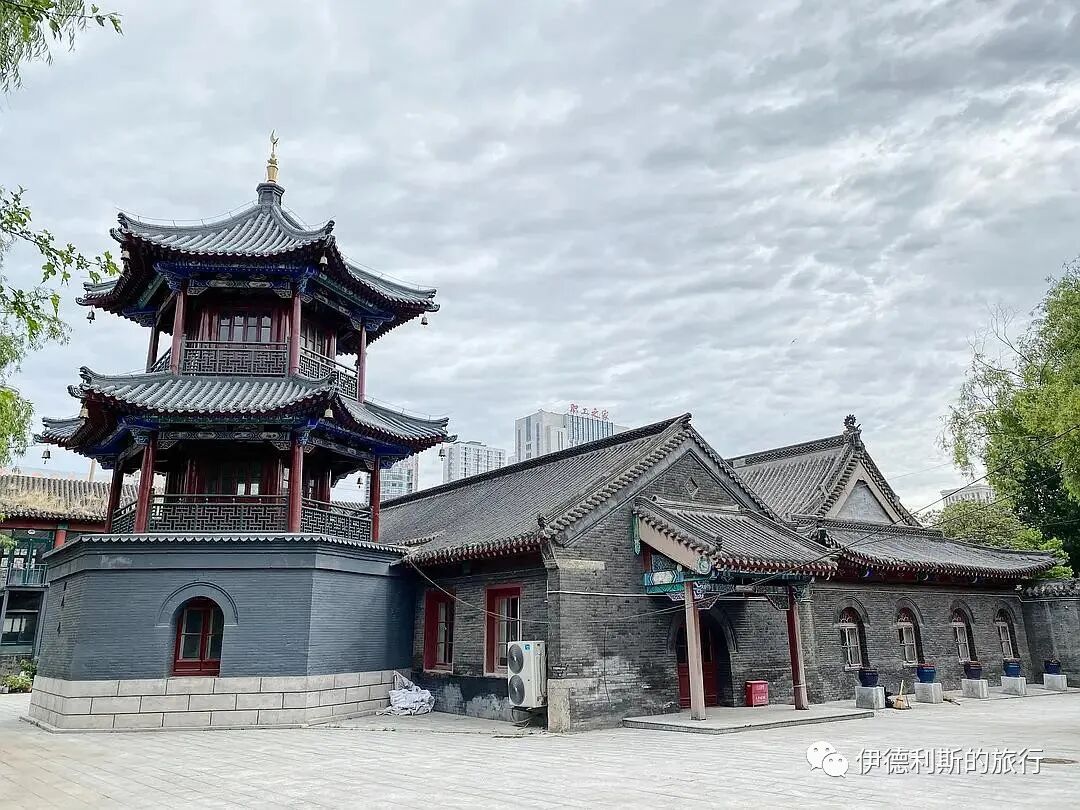
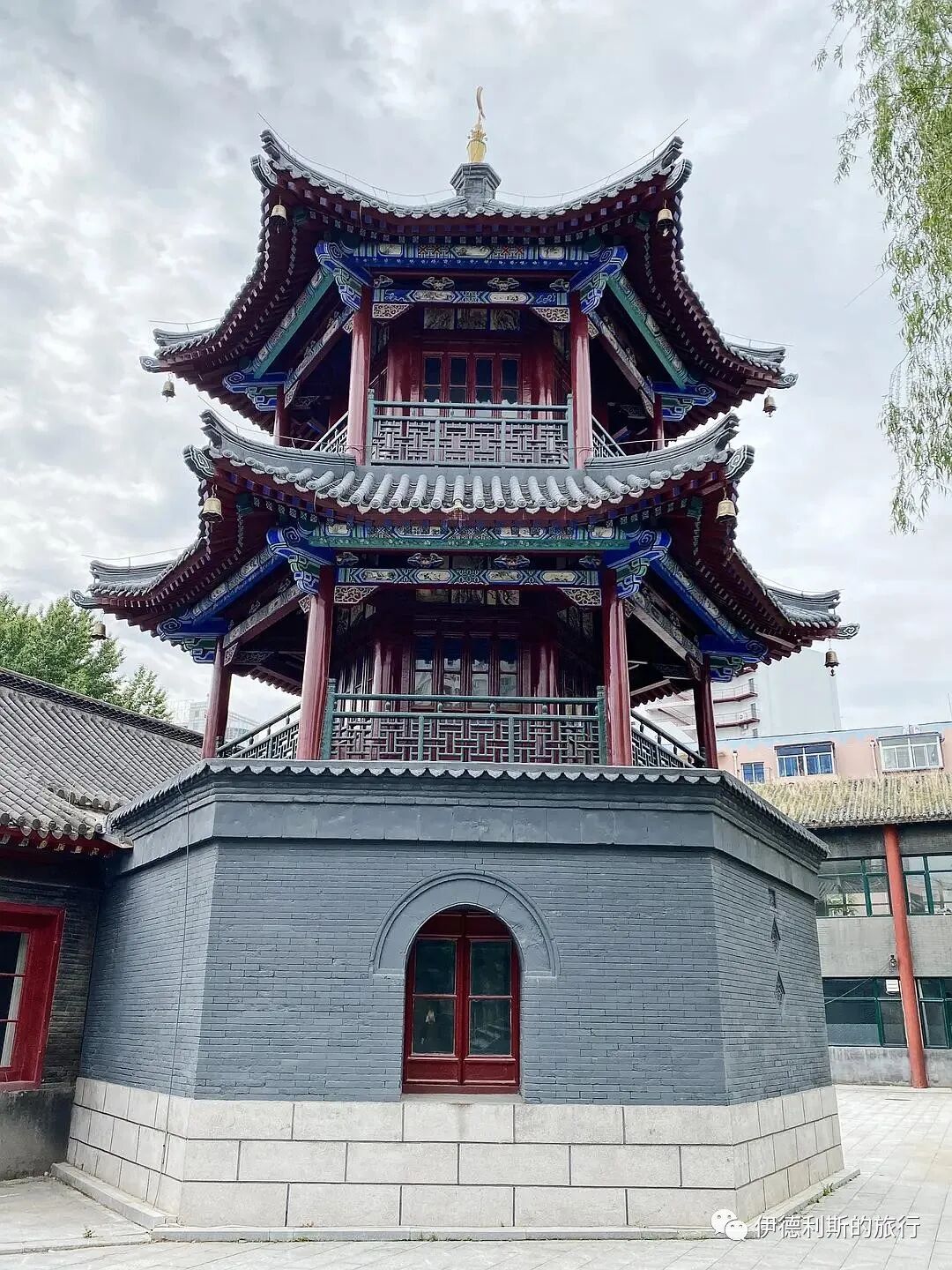
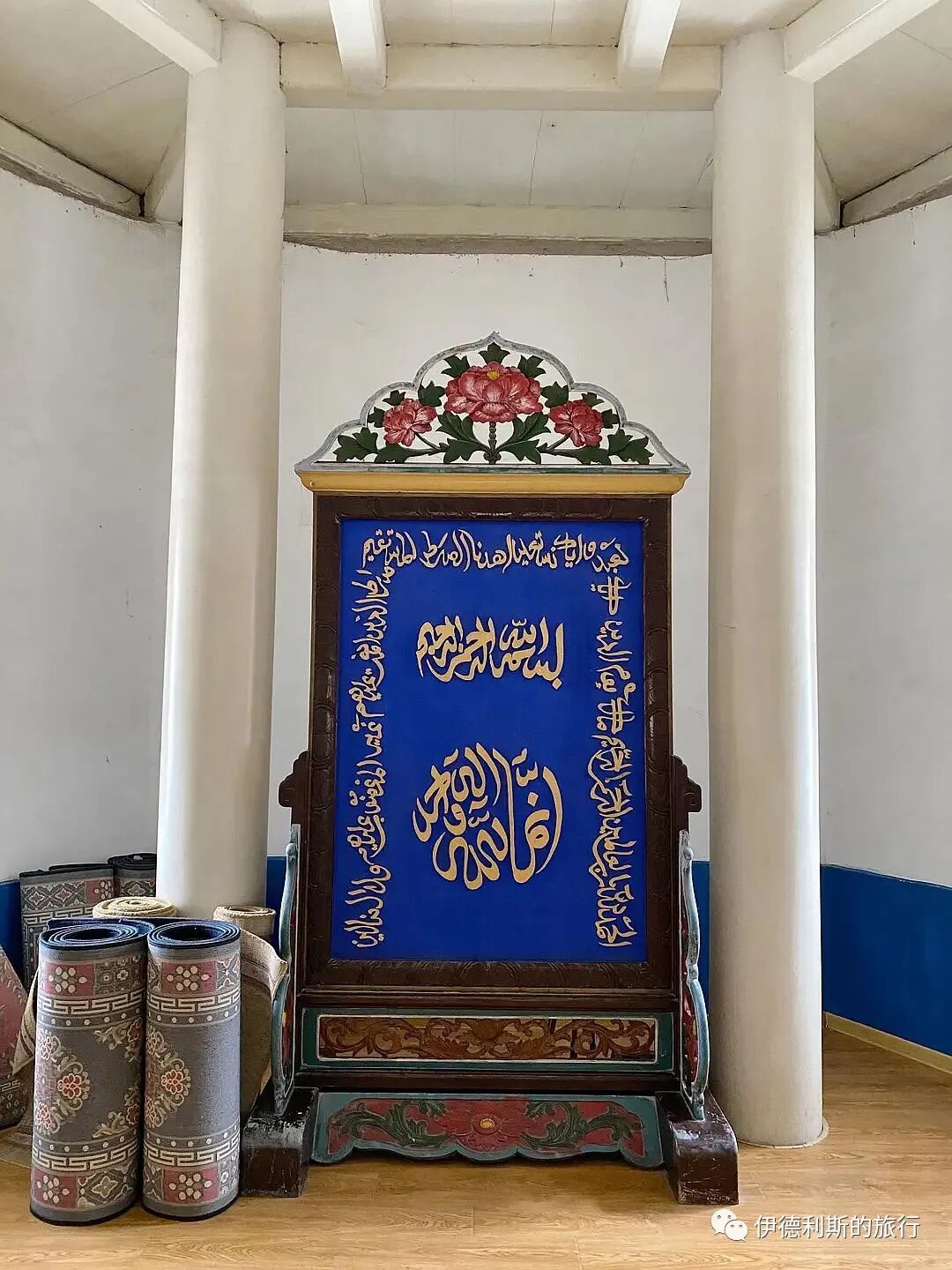
The mihrab (prayer niche) of the South Mosque is very rare in that it does not use a niche, but rather a 'great deity tablet' form, which is very locally characteristic.
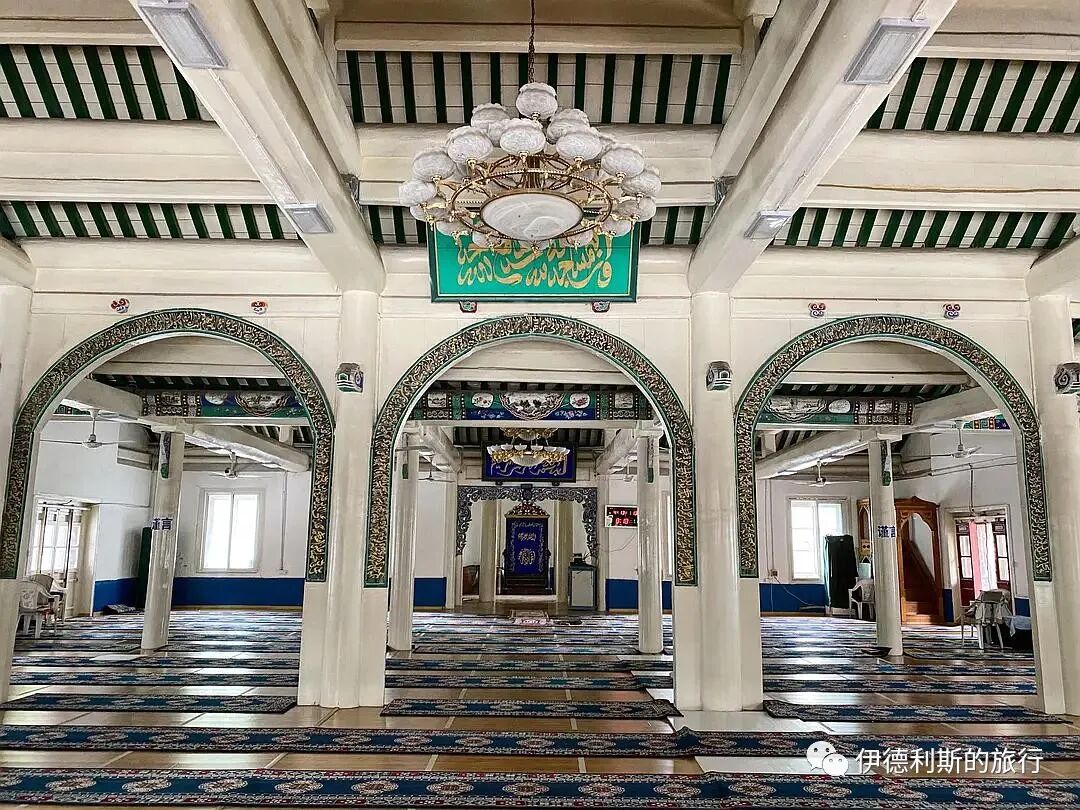
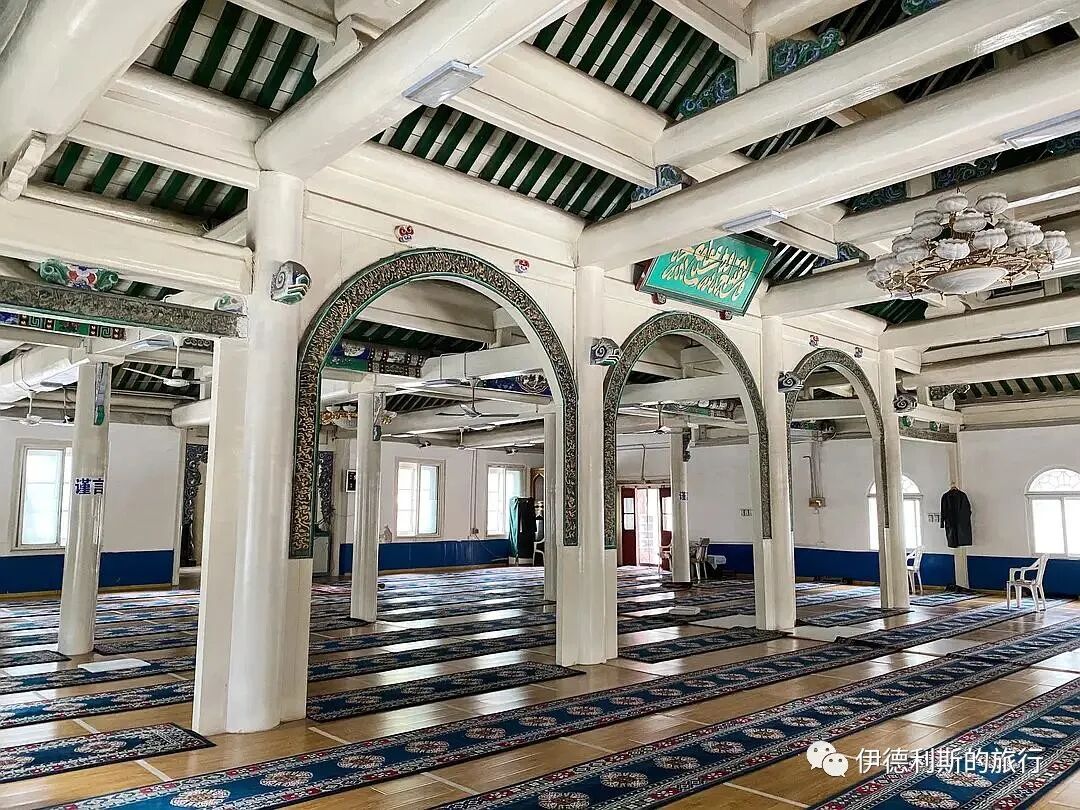
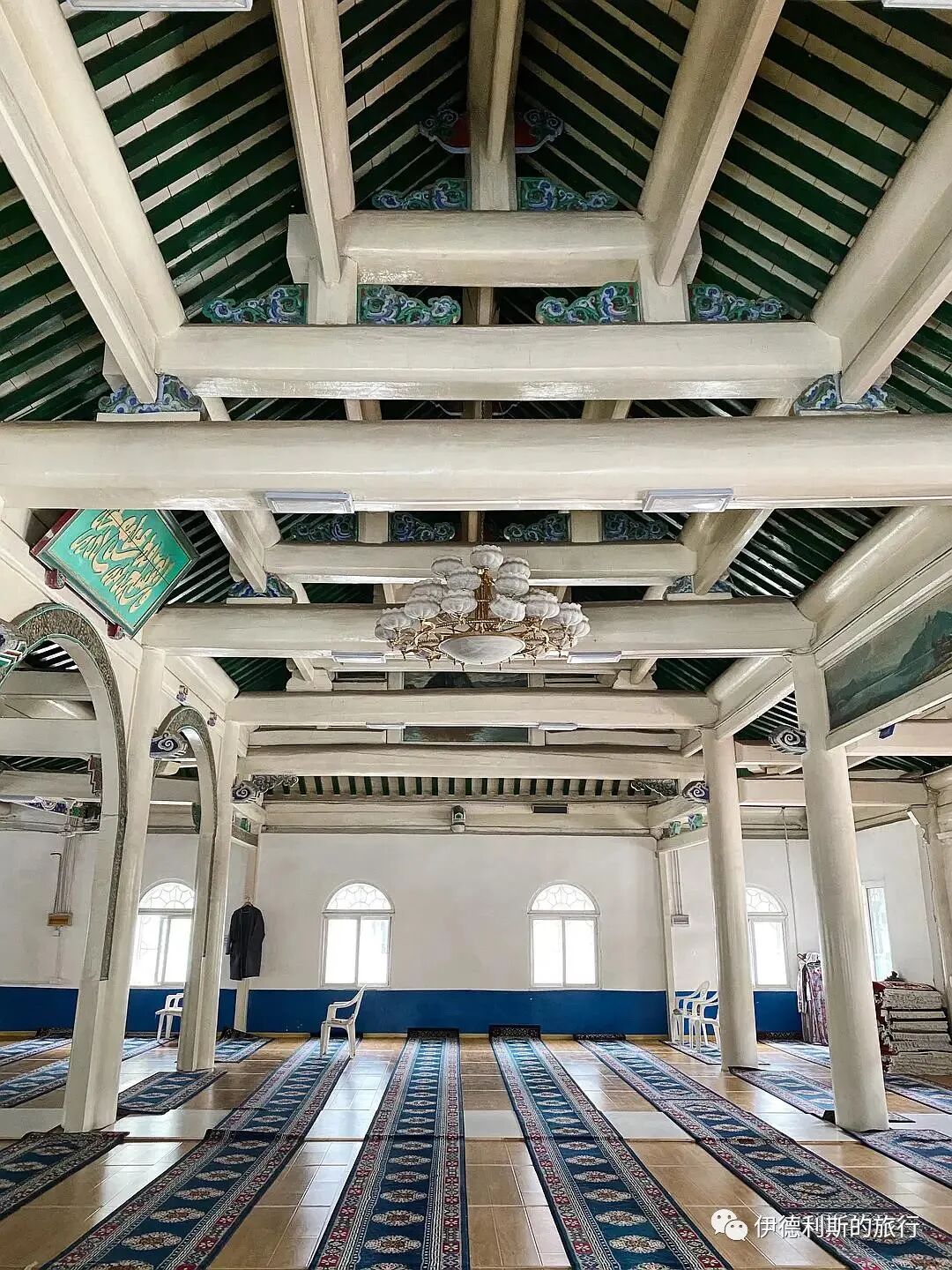
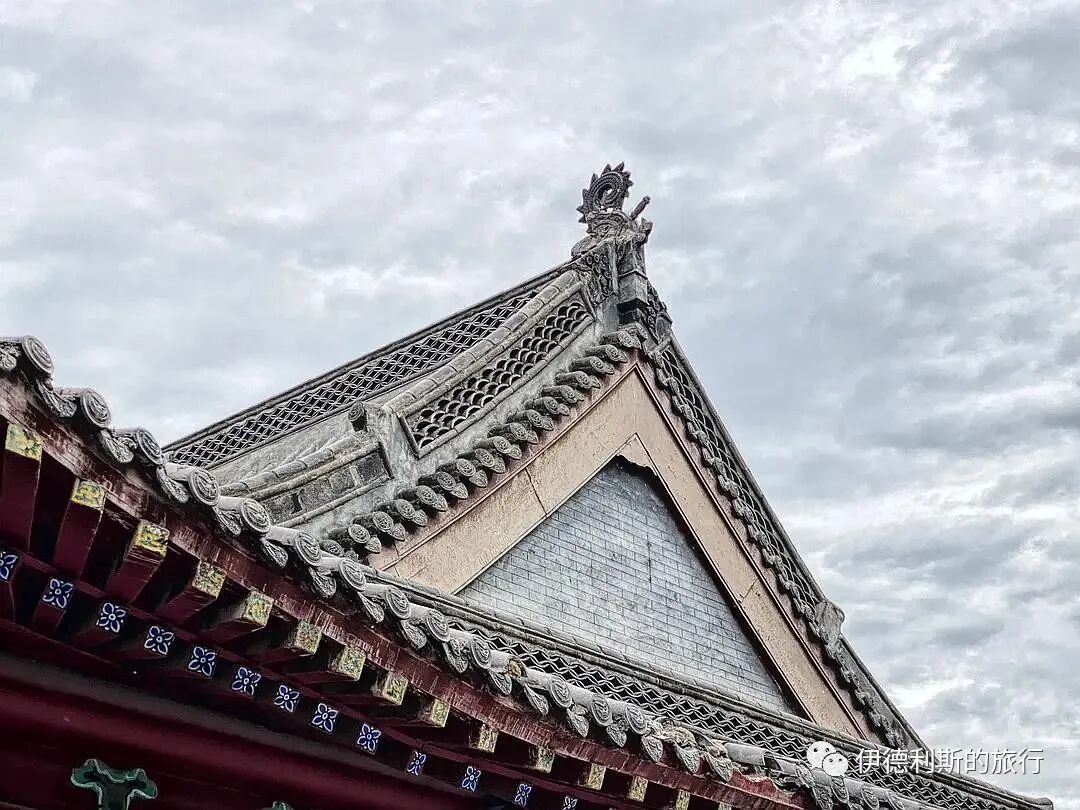
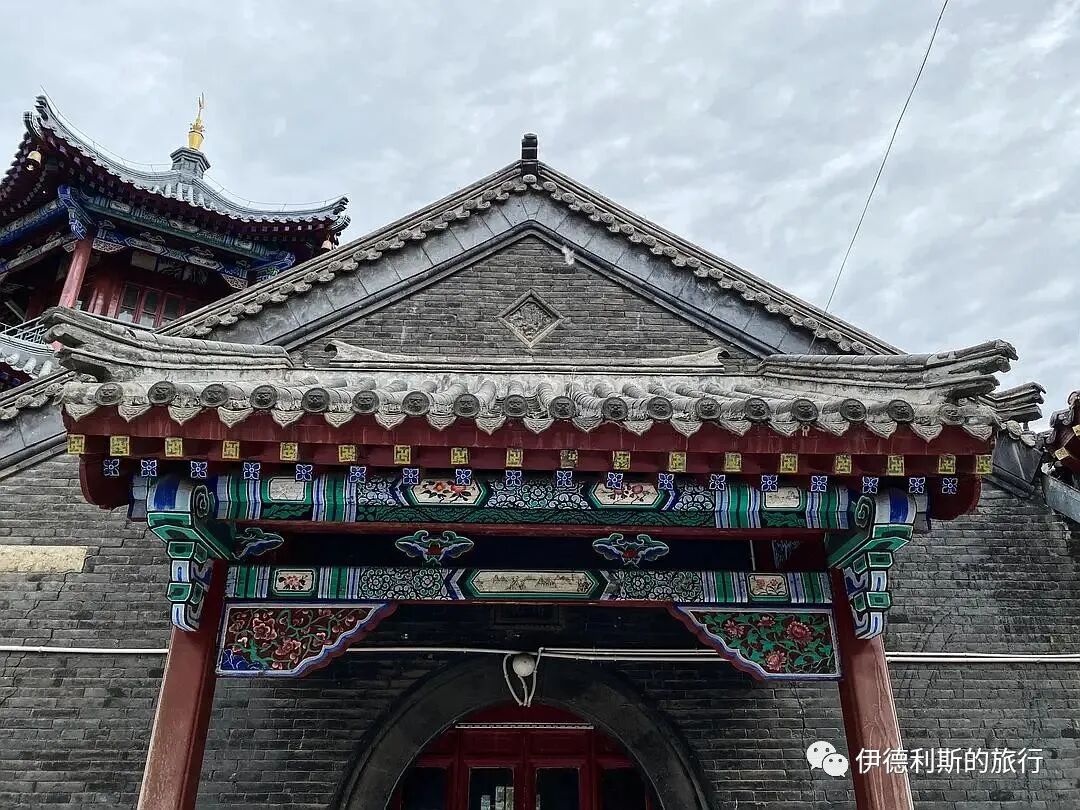
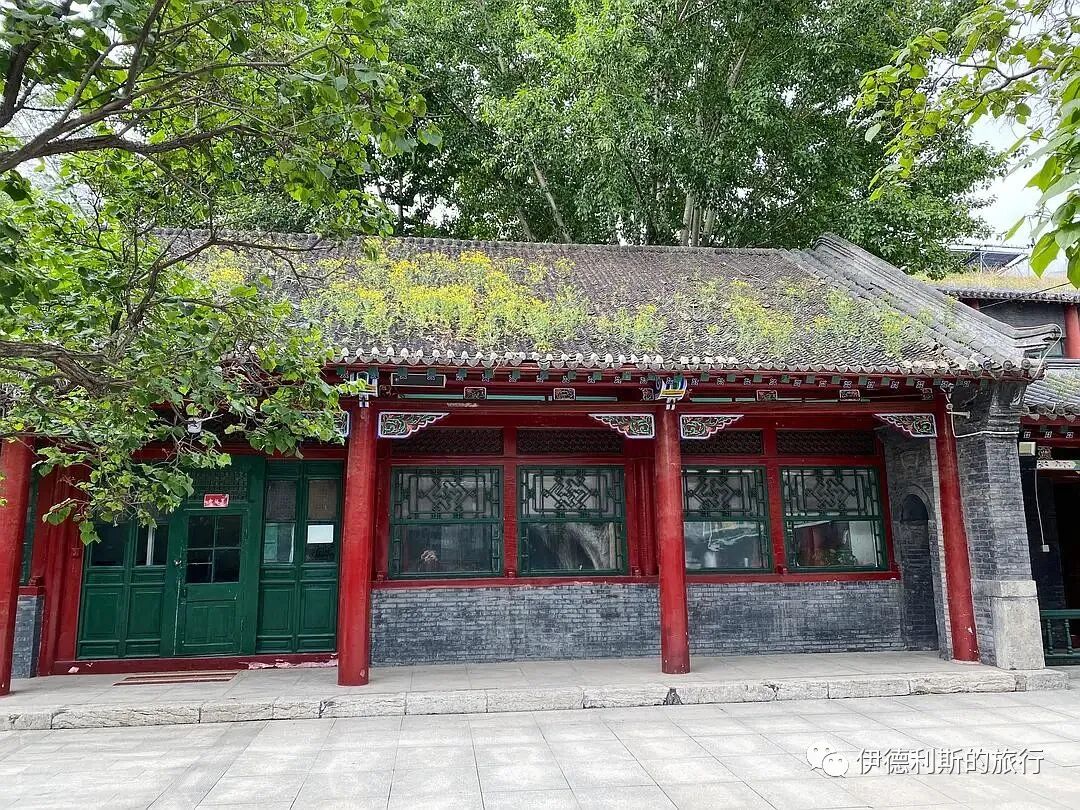
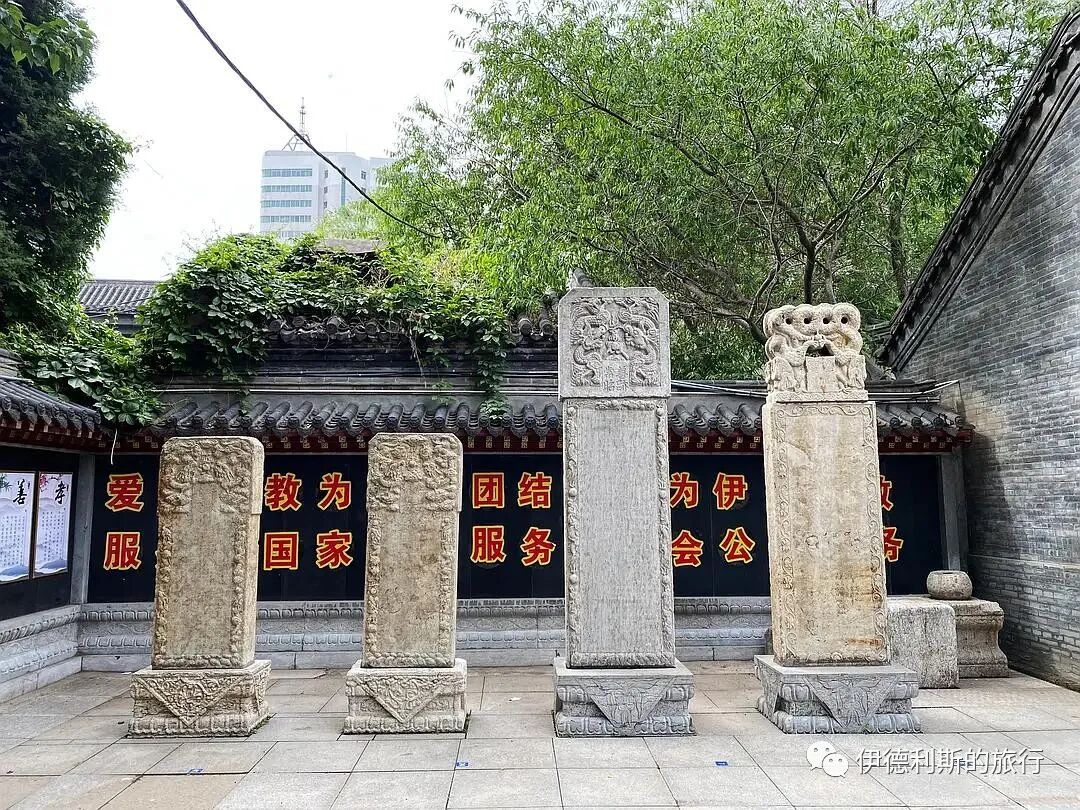
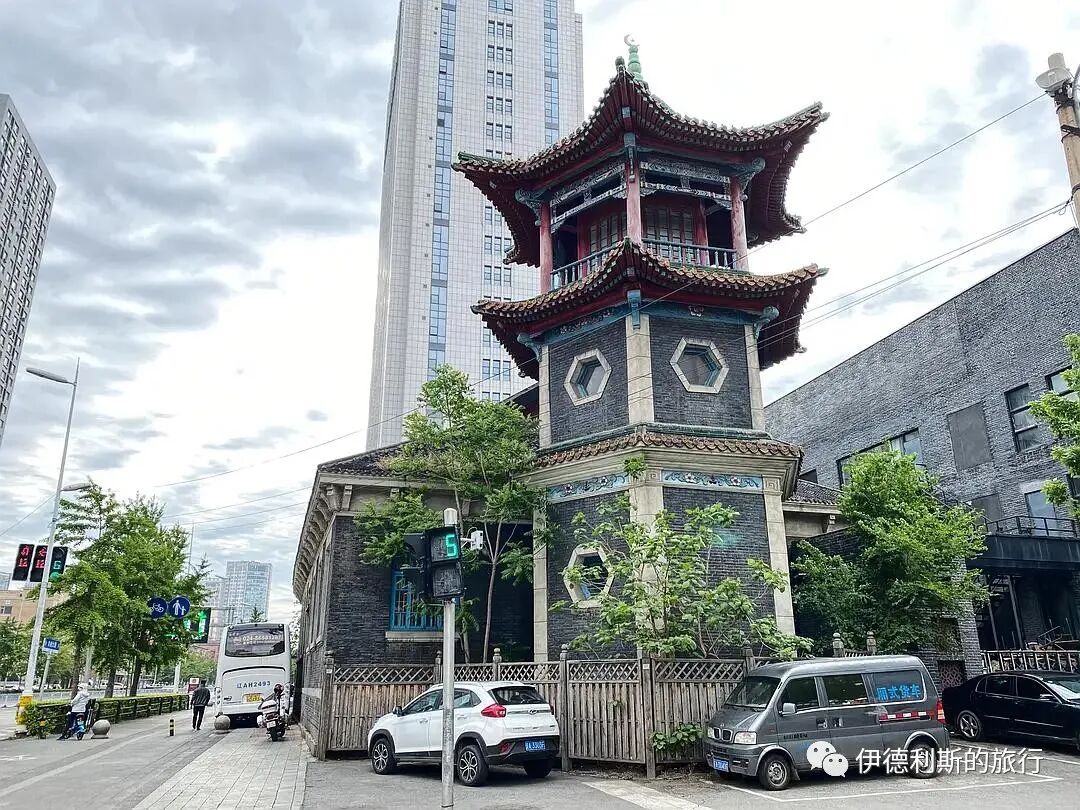
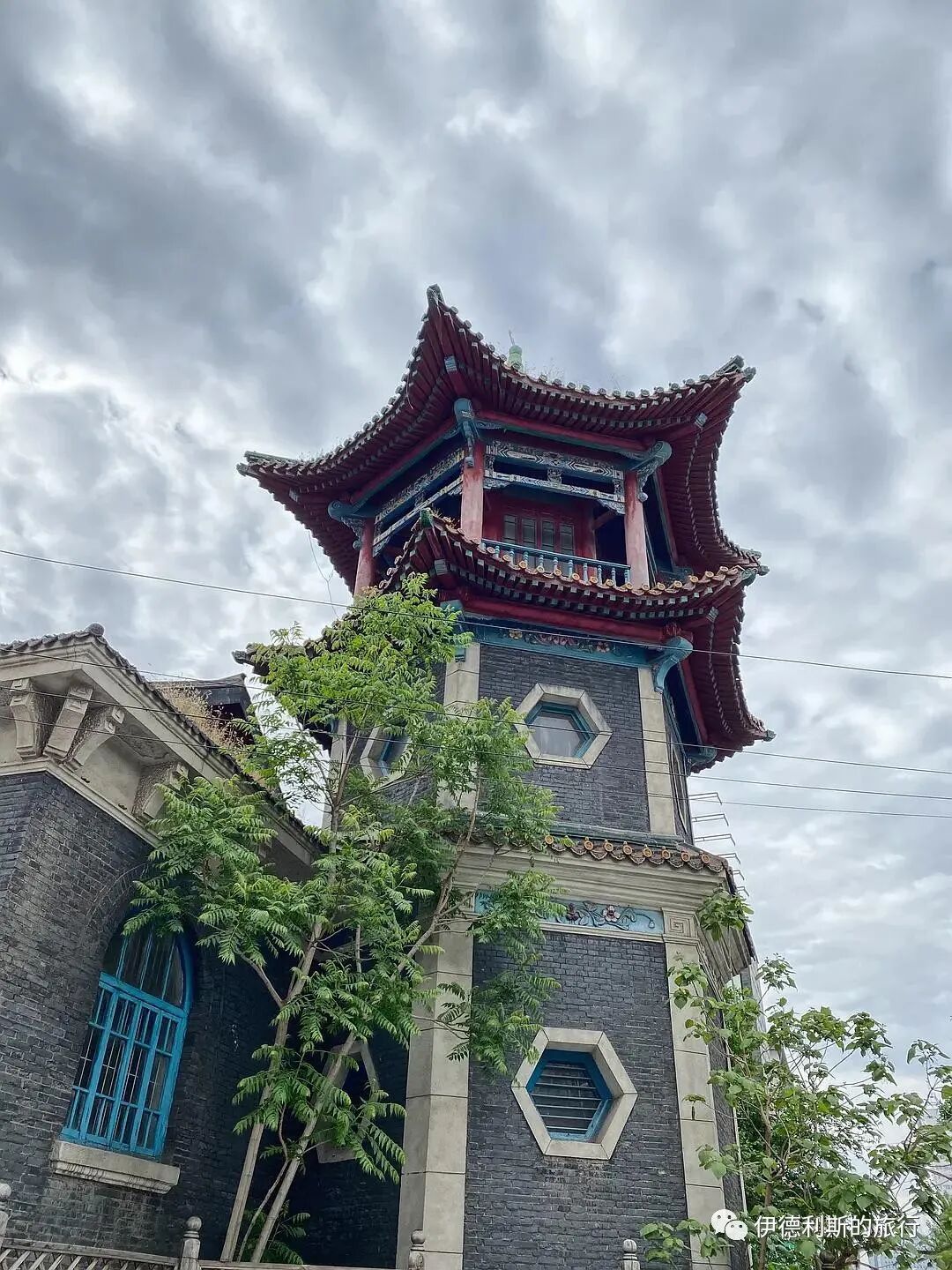
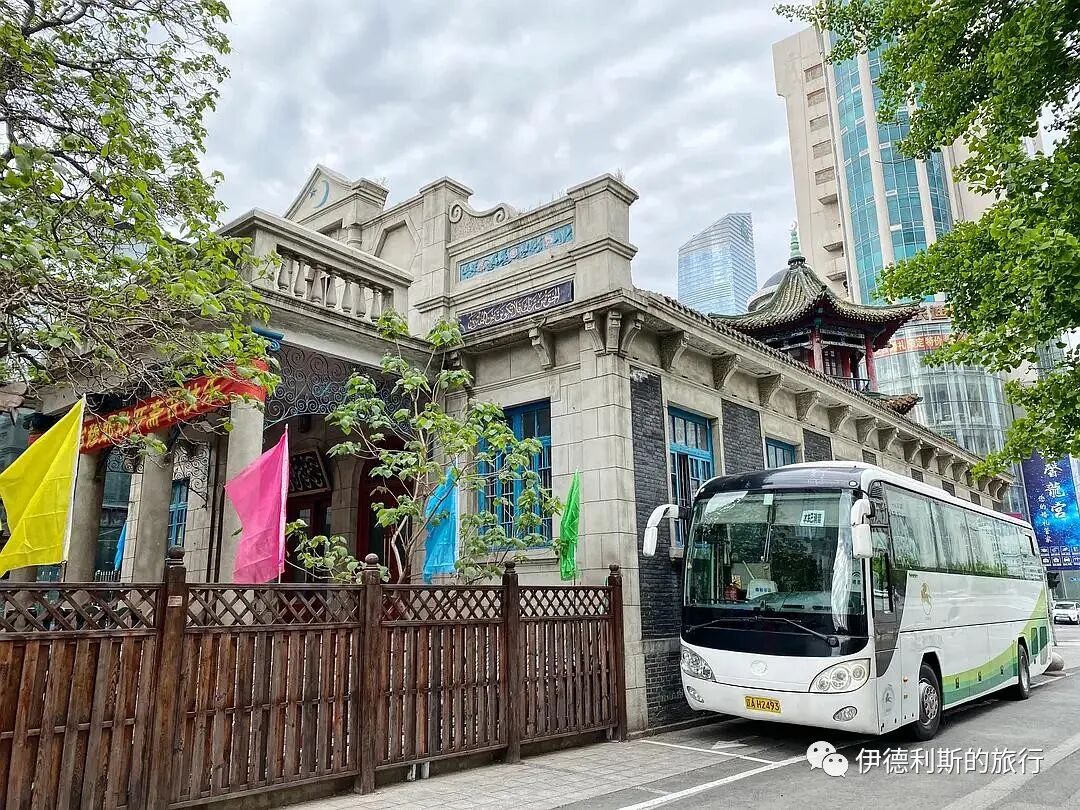
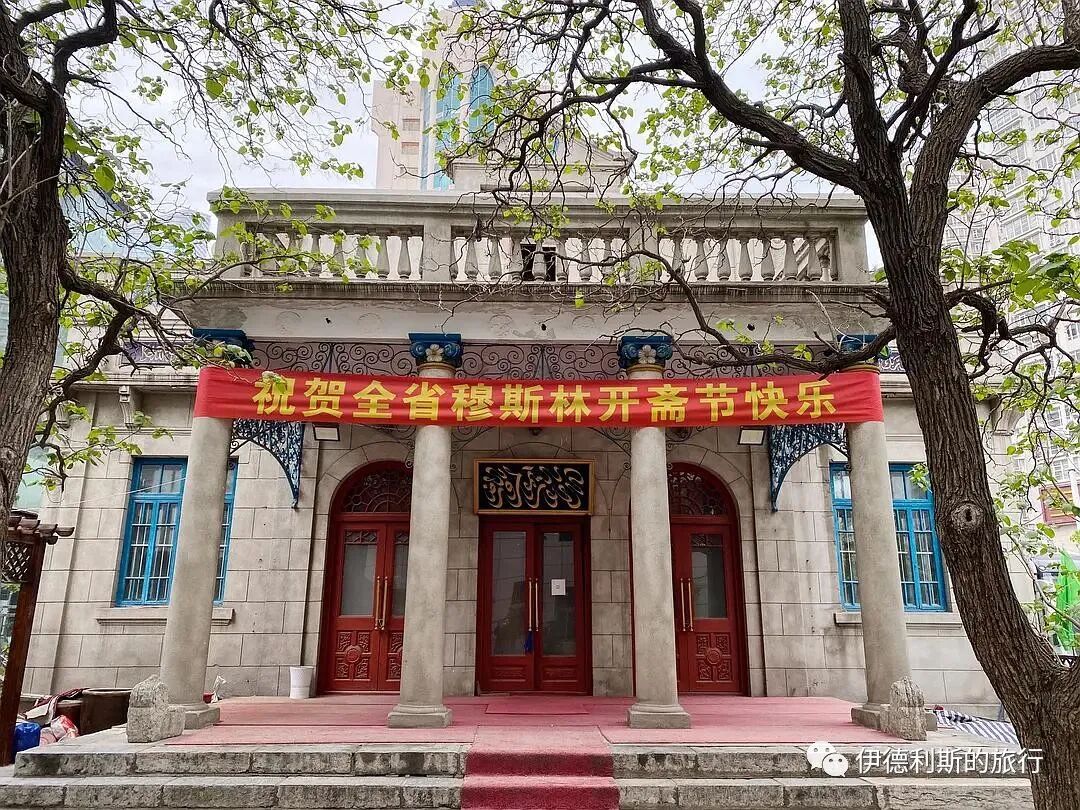
The Shenyang East Mosque was founded in 1803 (the eighth year of the Jiaqing reign). In 1935, the prayer hall was rebuilt in a Western style, while the moon-watching tower retained its original Chinese style. The East Mosque was occupied in 1958, returned in 1980, and converted into the Shenyang Islamic Institute in 1988.
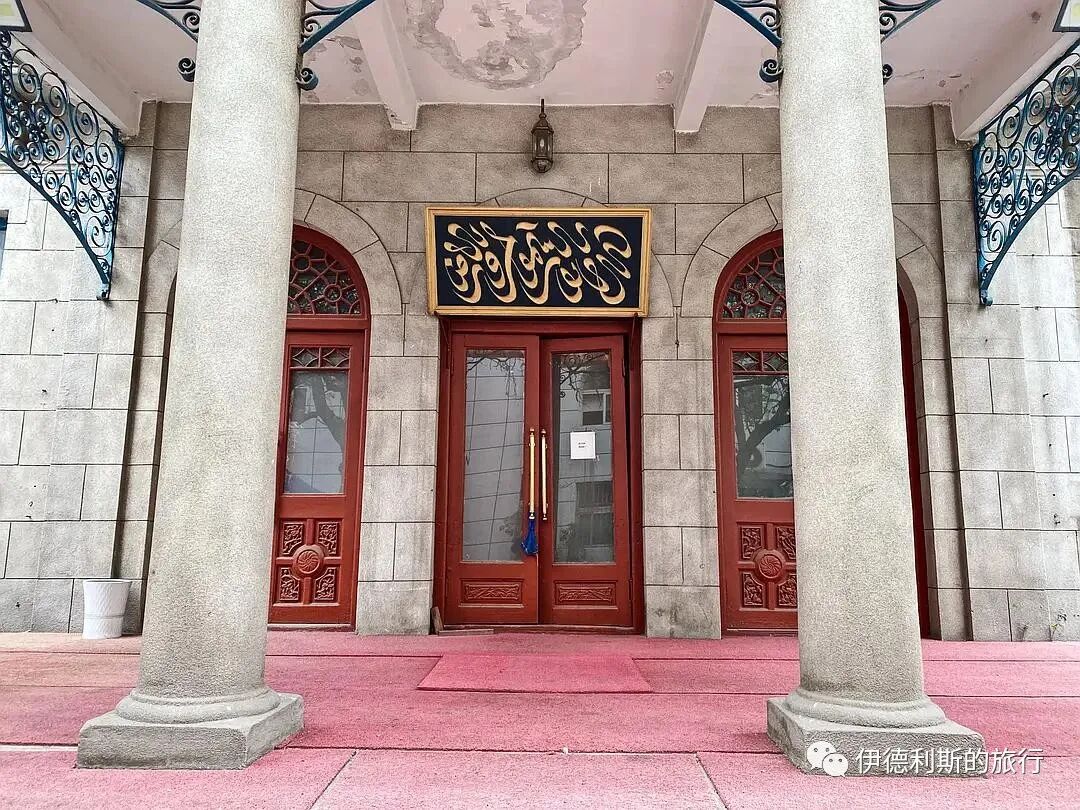
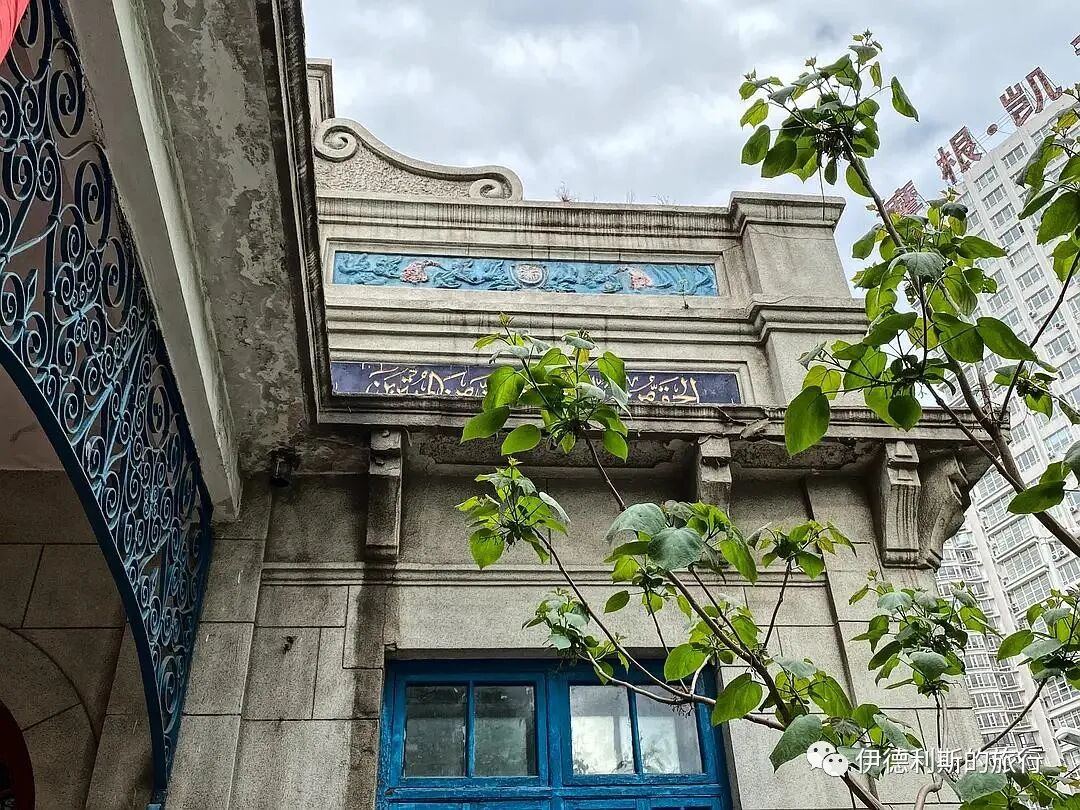
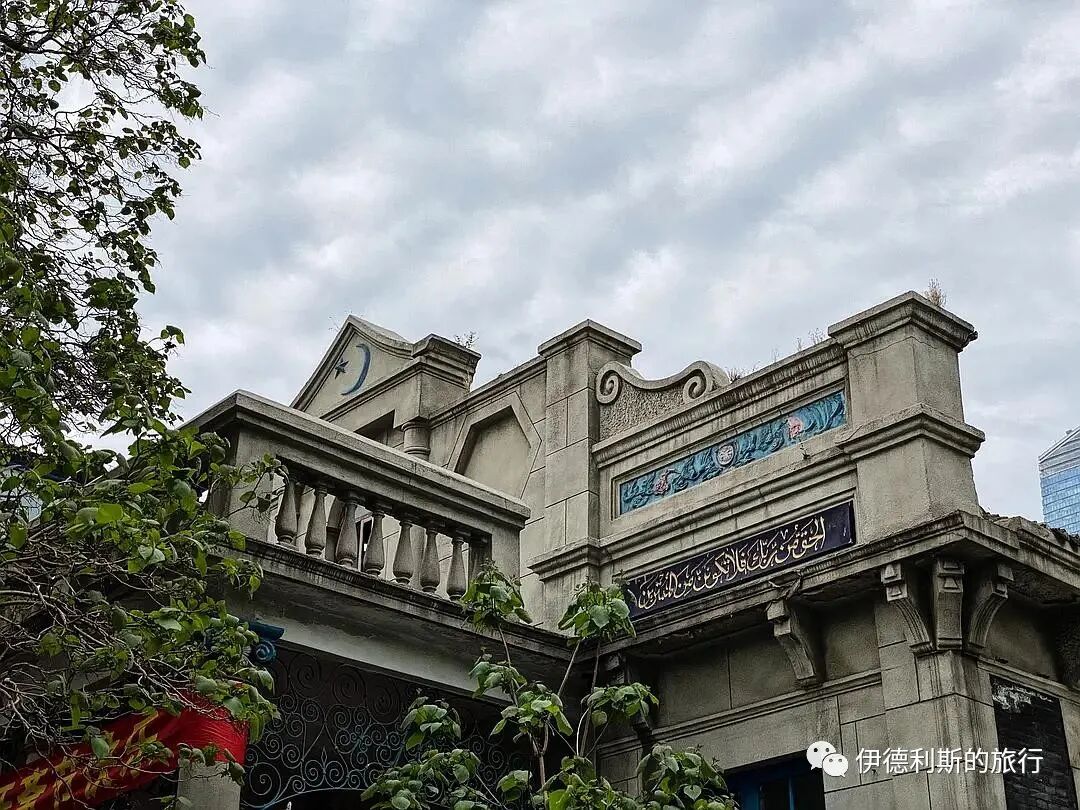
I took a train from Shenyang to Kaiyuan and then took a taxi to the old city of Kaiyuan. The Kaiyuan Old City Mosque is located inside the east gate of the old city. Founded in 1406 (the fourth year of the Yongle reign of the Ming Dynasty), it is the oldest mosque in the Northeast.
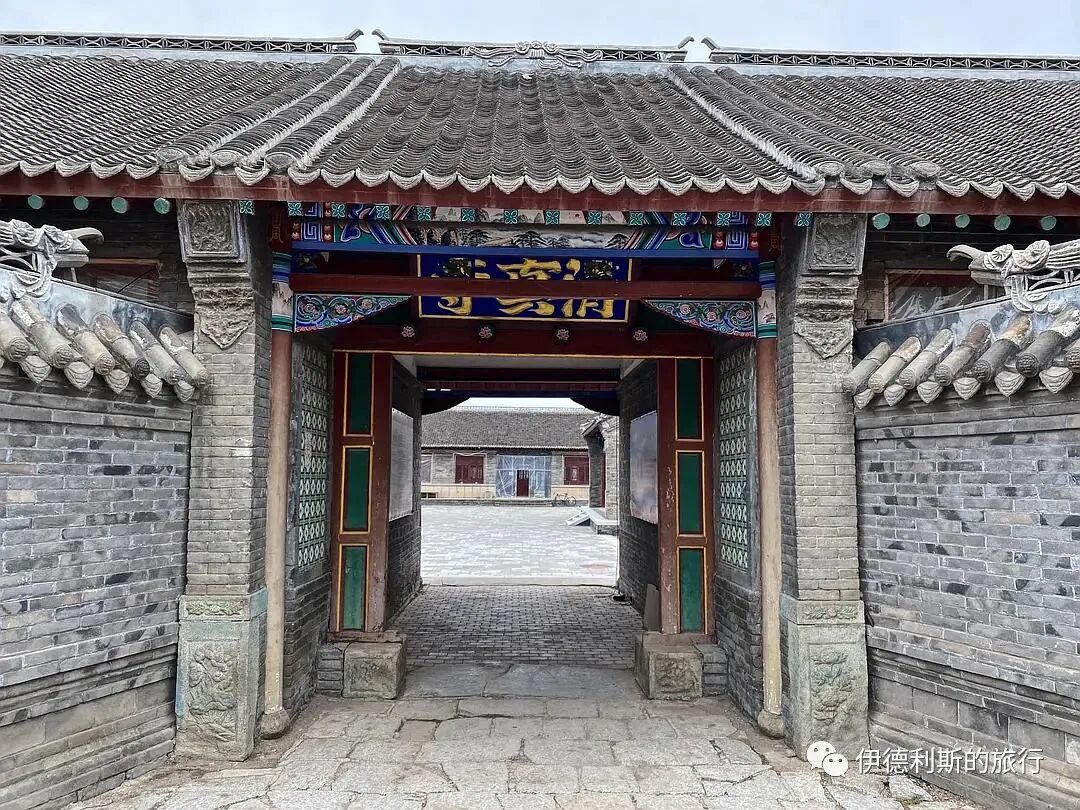
The gate.
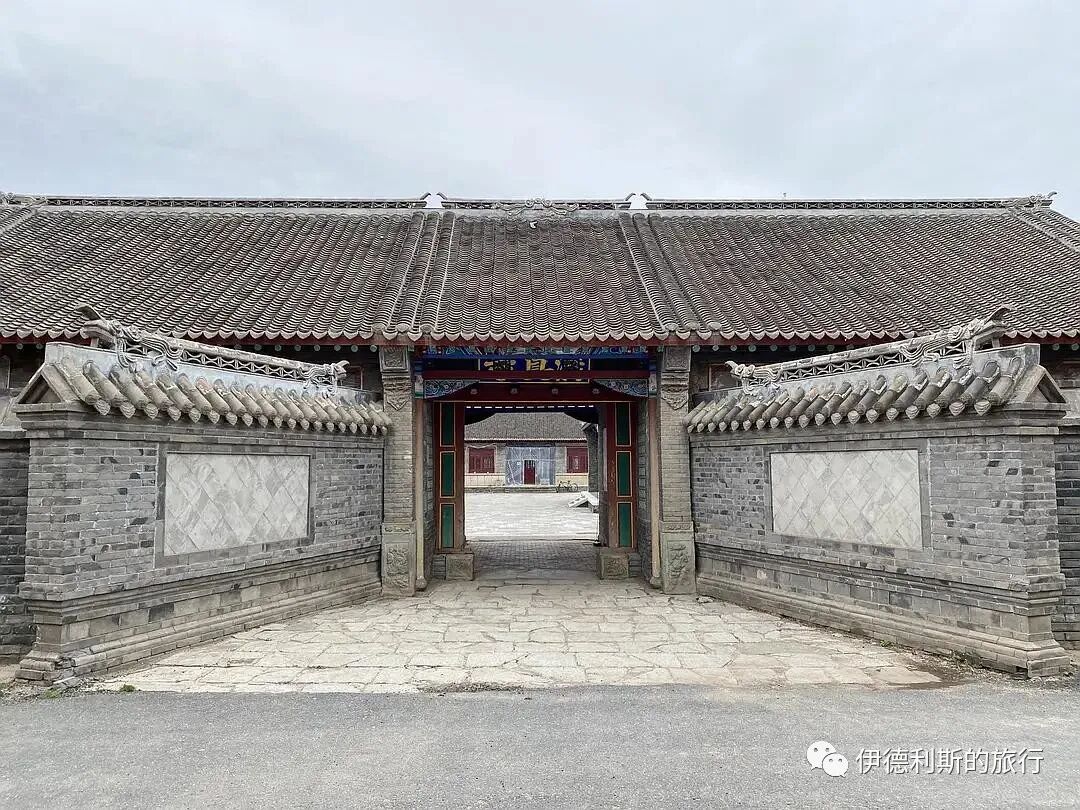
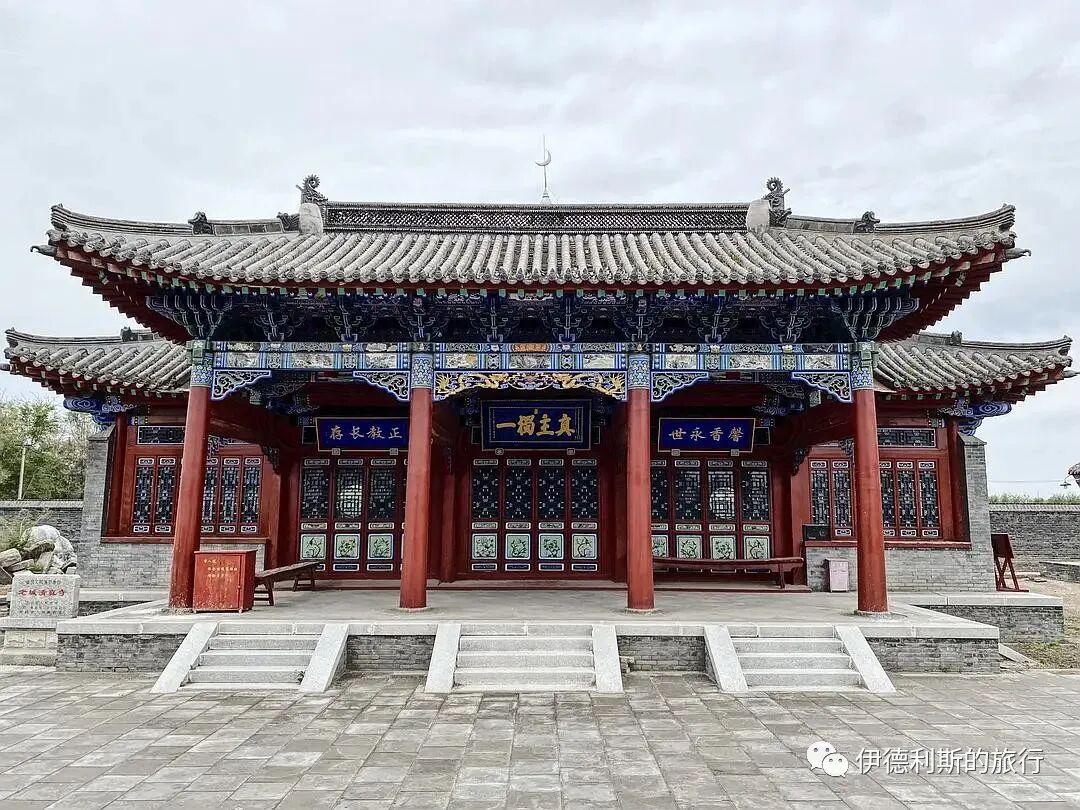
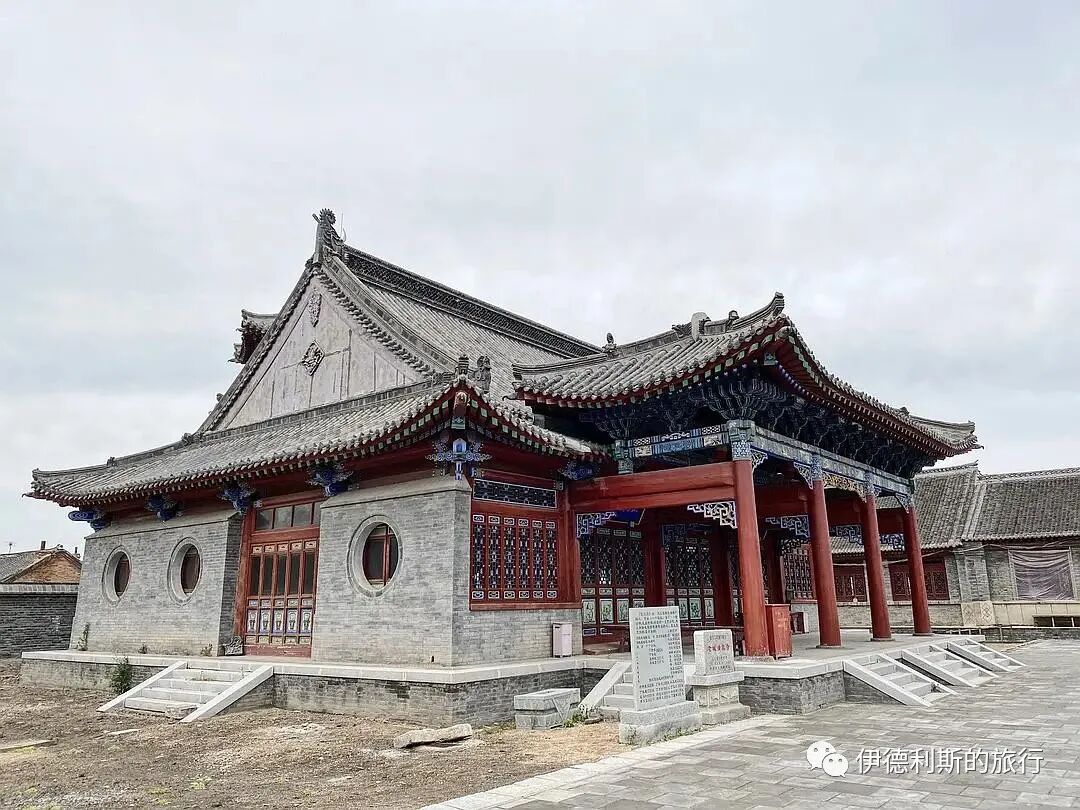
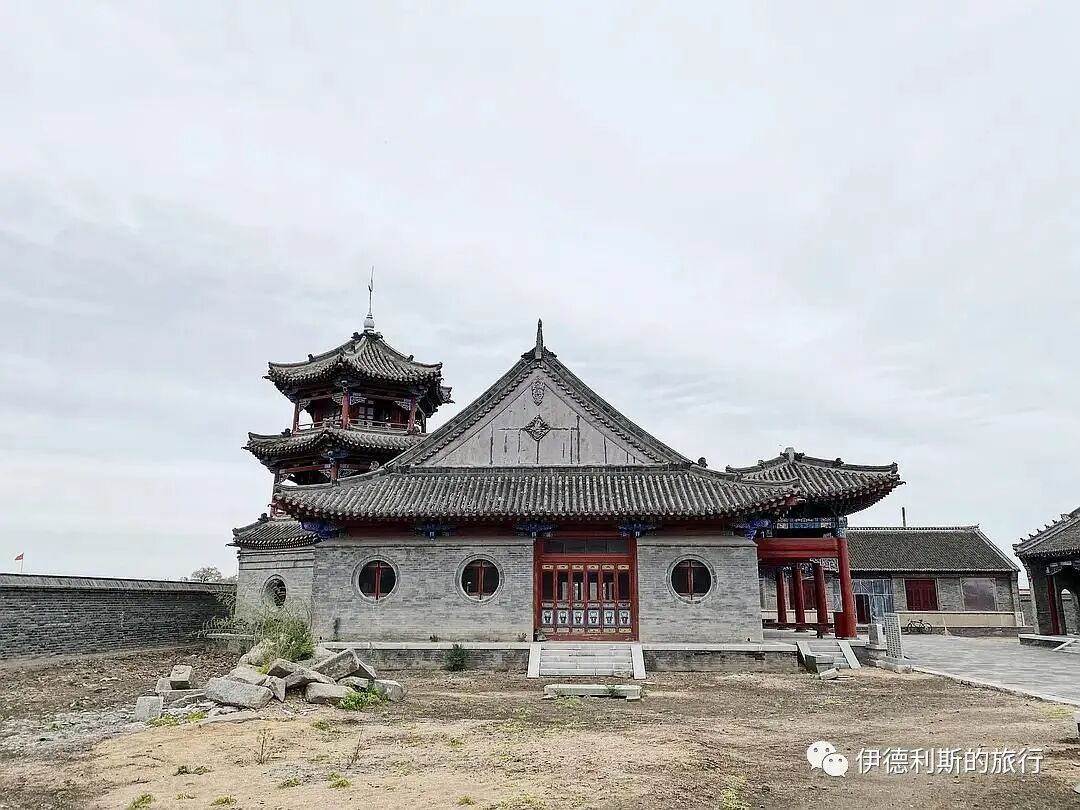
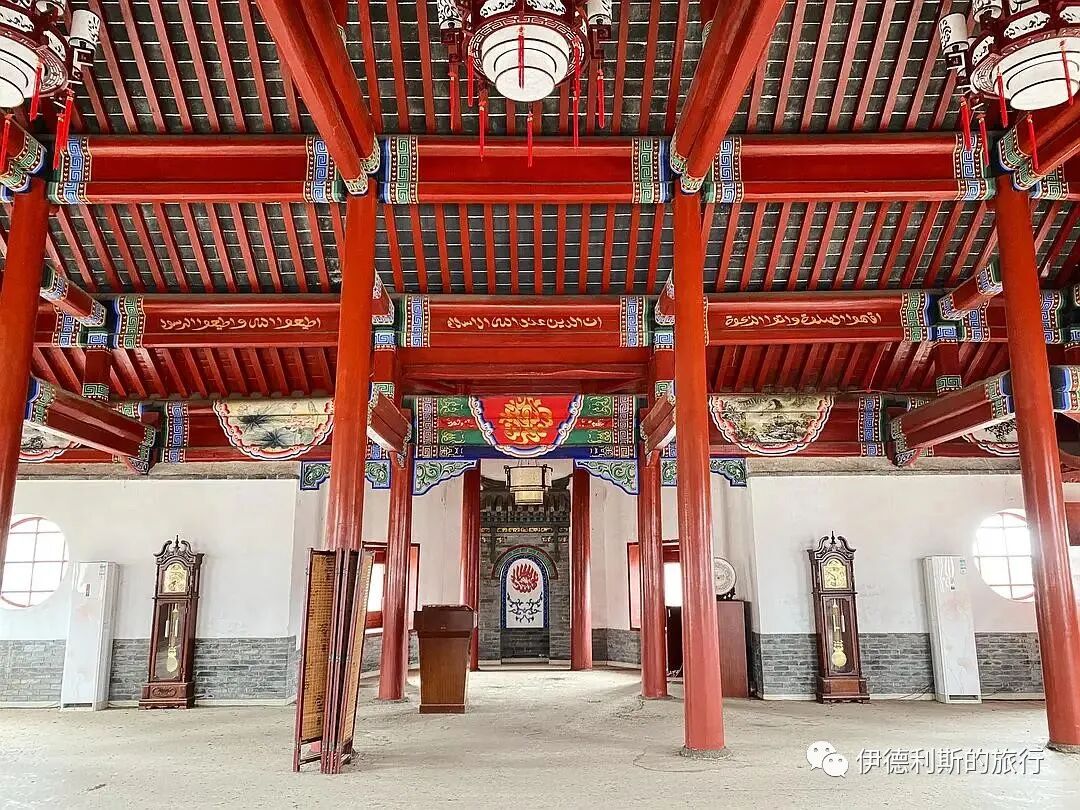
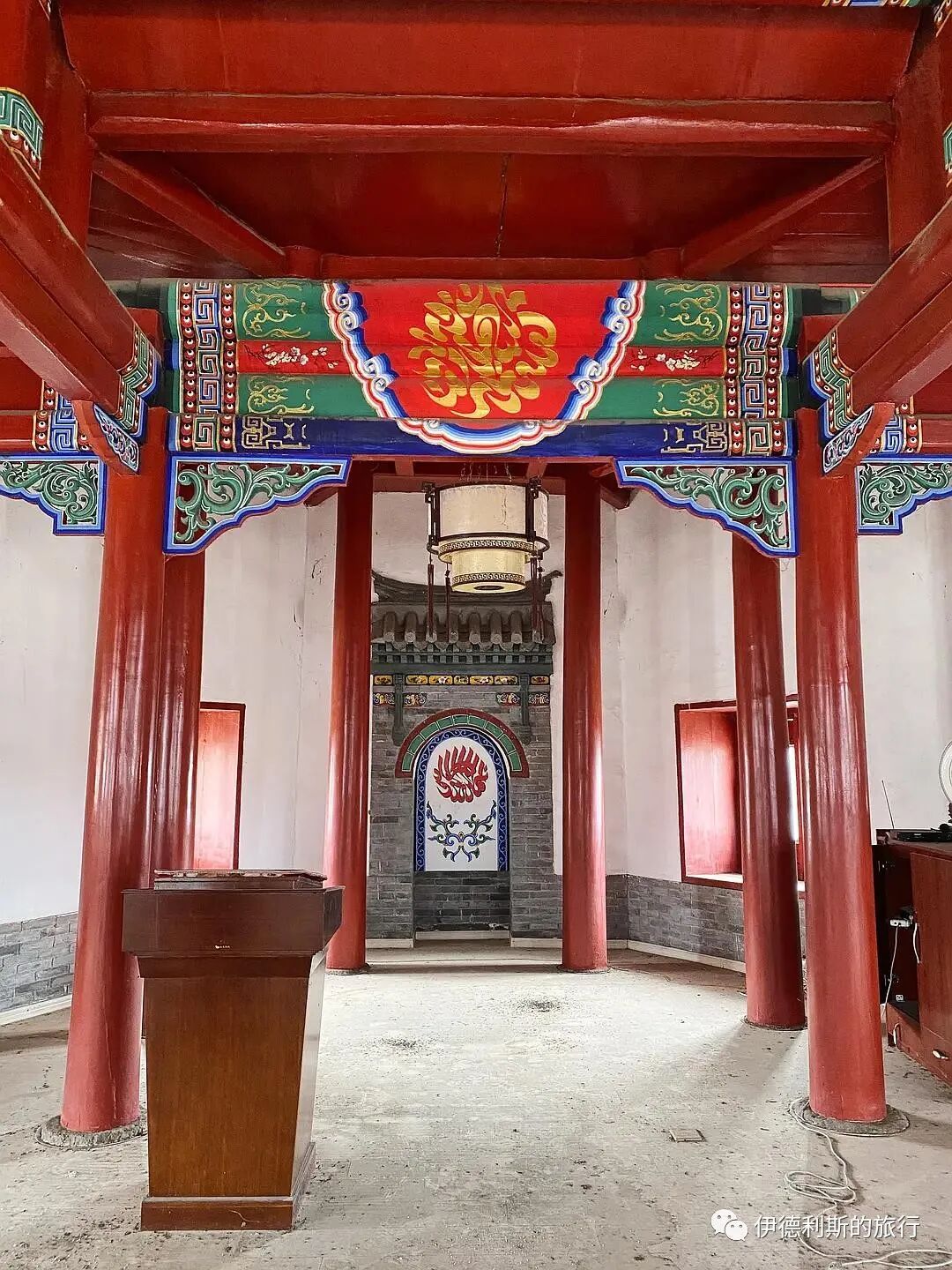
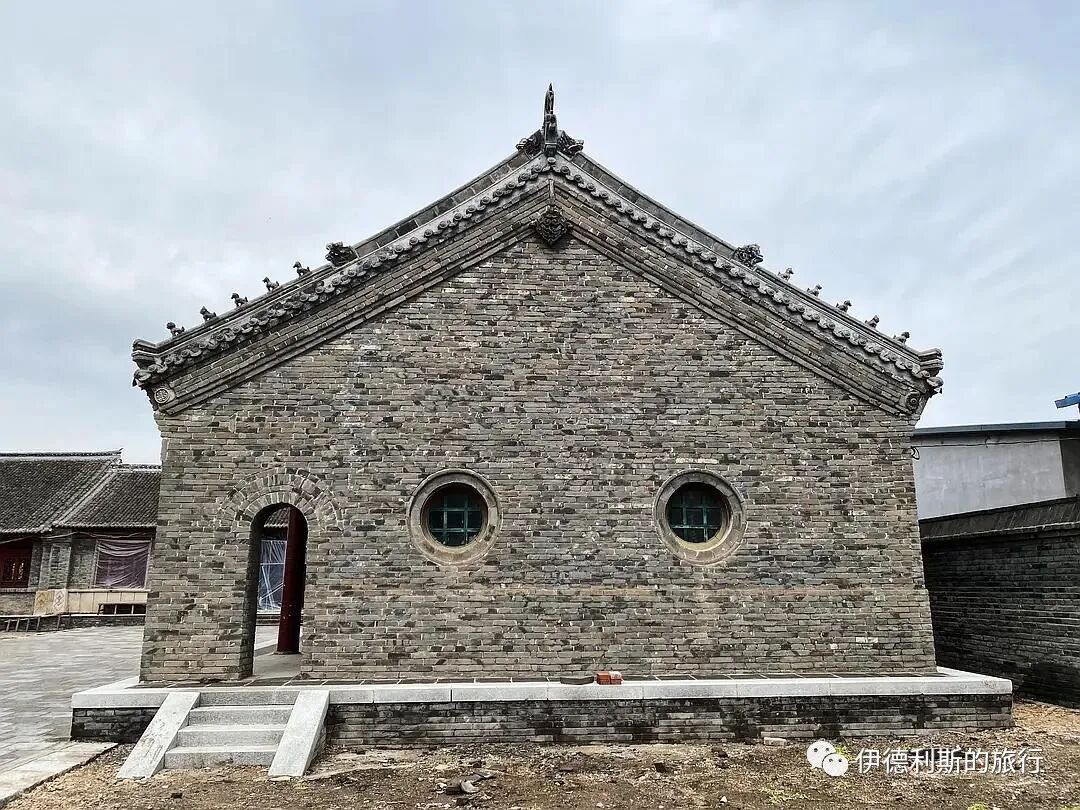
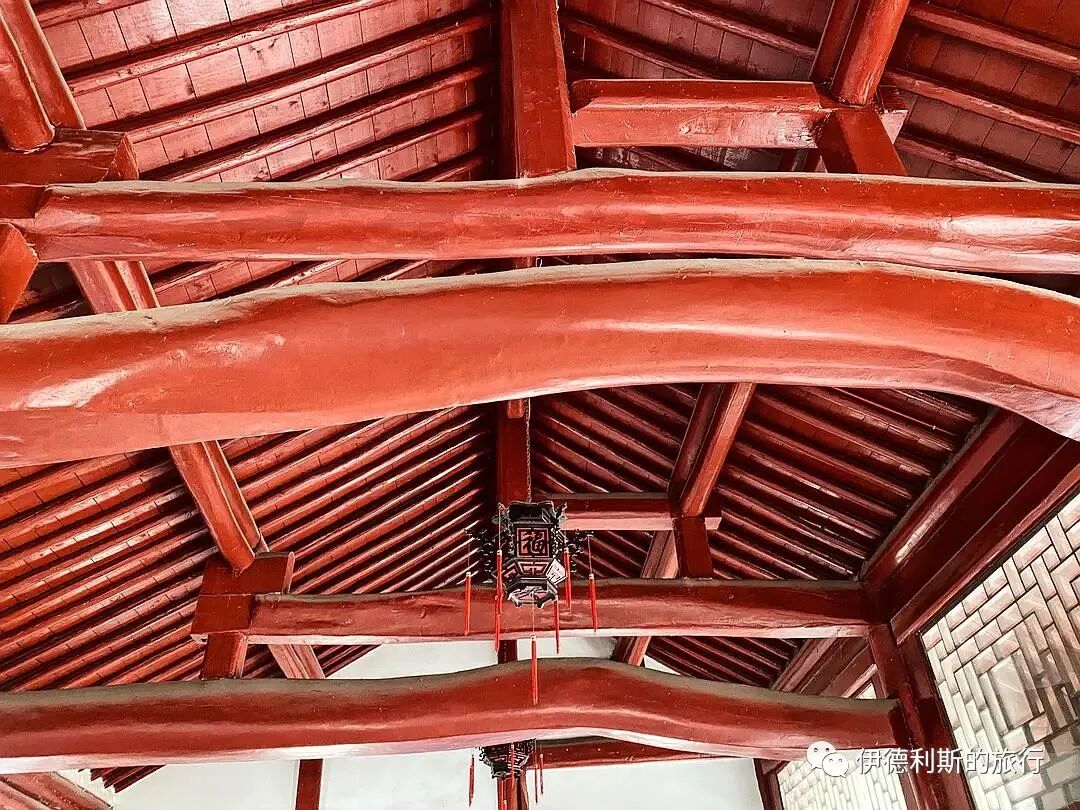
The current main hall is in the style after its reconstruction in 1680 (the 19th year of the Kangxi reign), consisting of a small juanpeng + main hall + hexagonal pavilion-style yaodian, similar in style to the Shenyang South Mosque. The main hall has been closed since 2020 and has not been opened since.
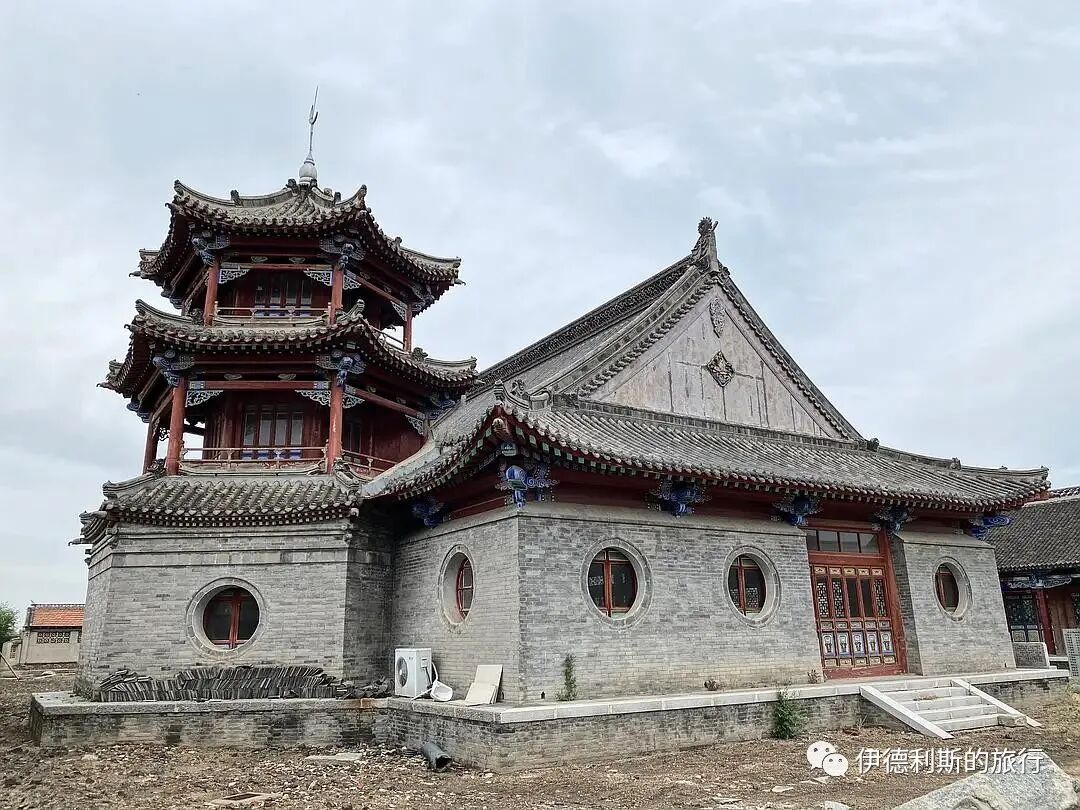
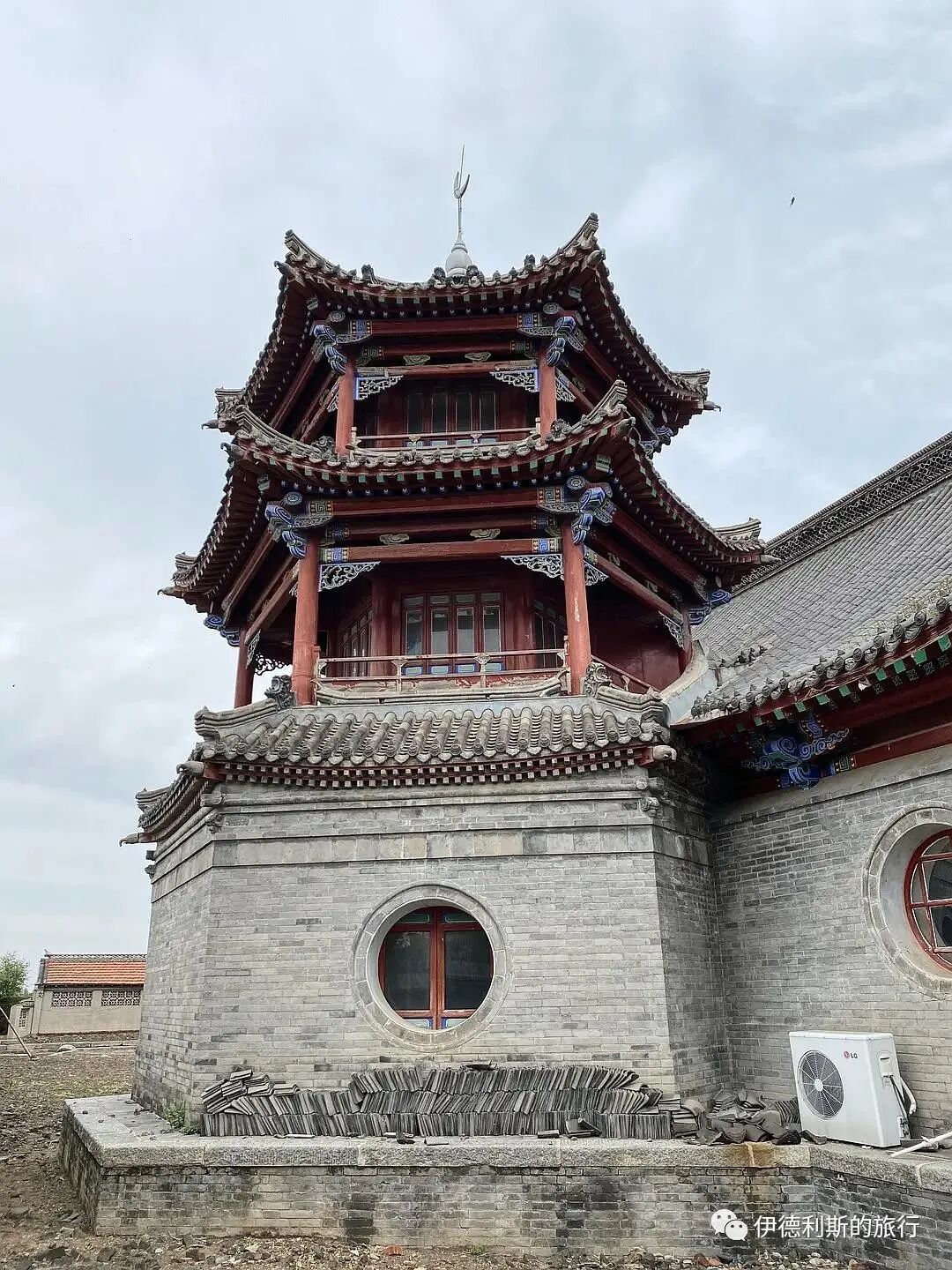
Juanpeng (shed-style porch).
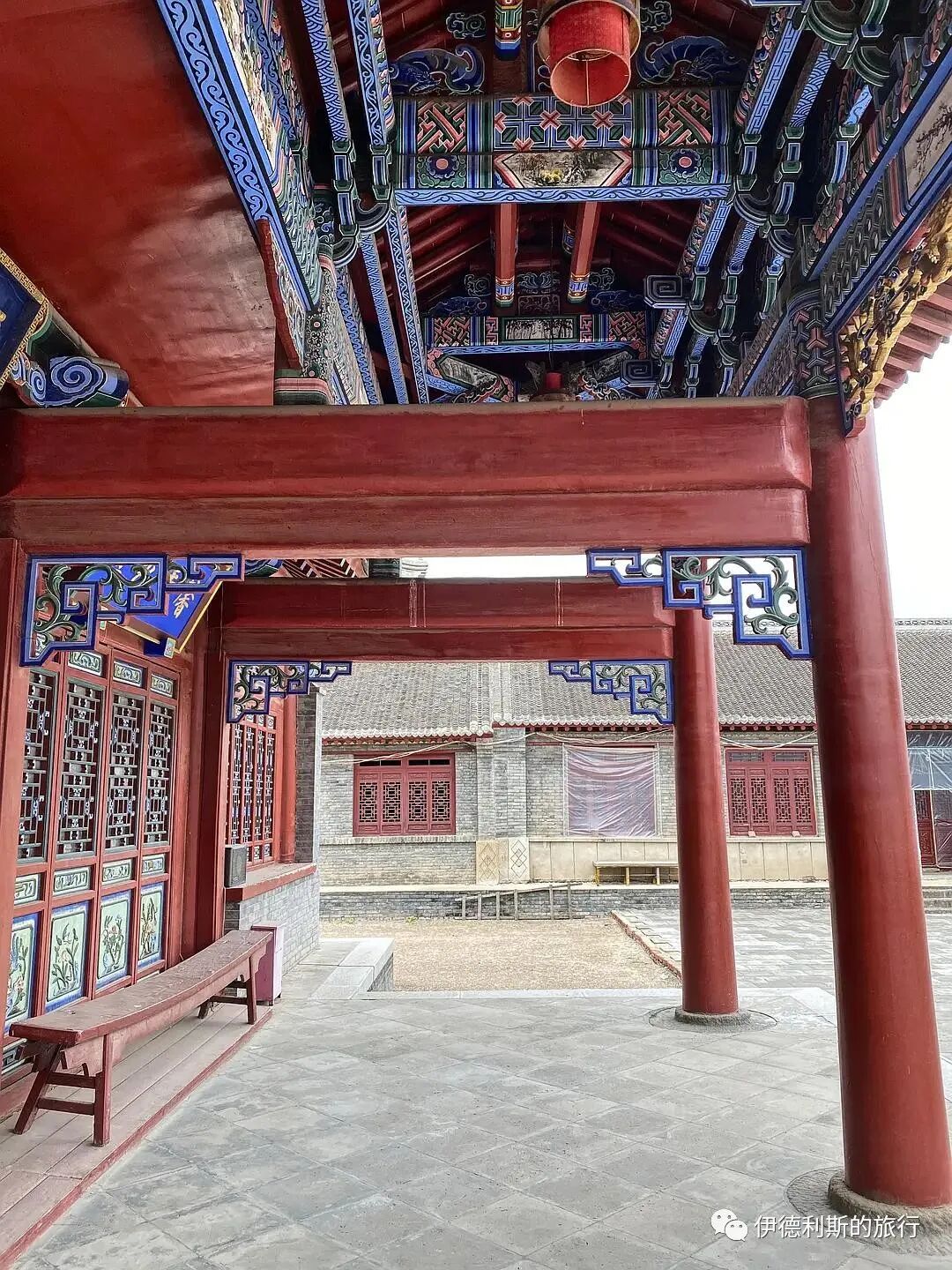
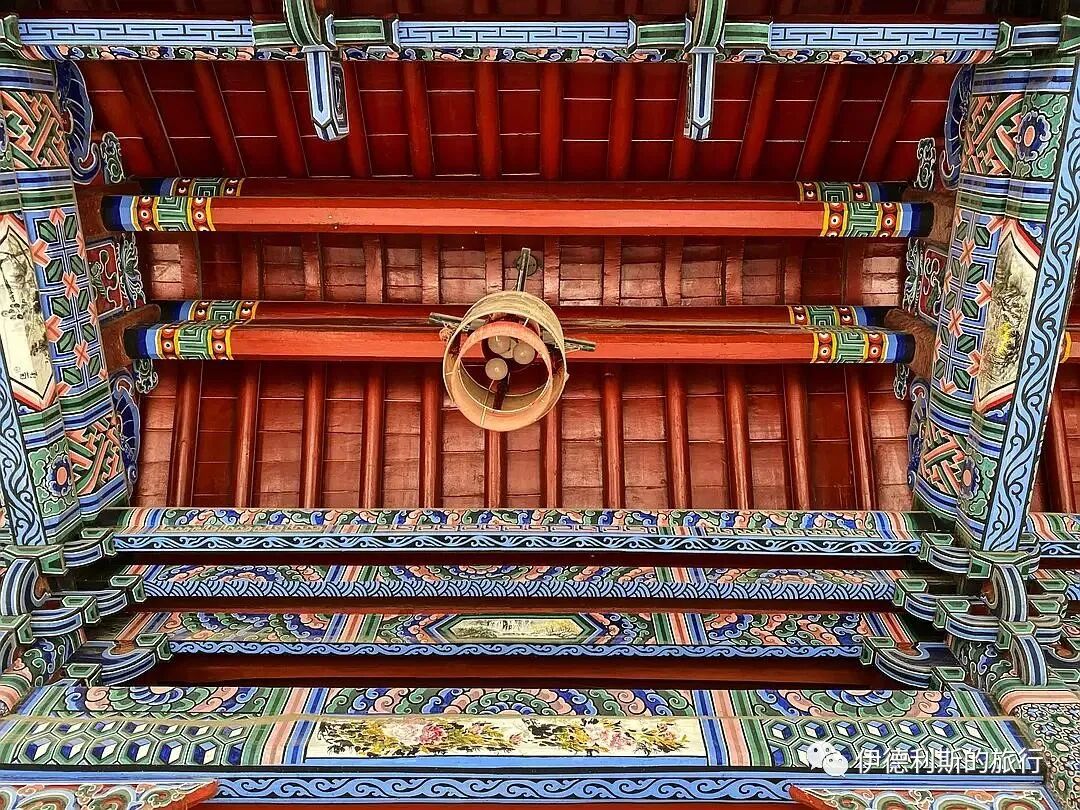
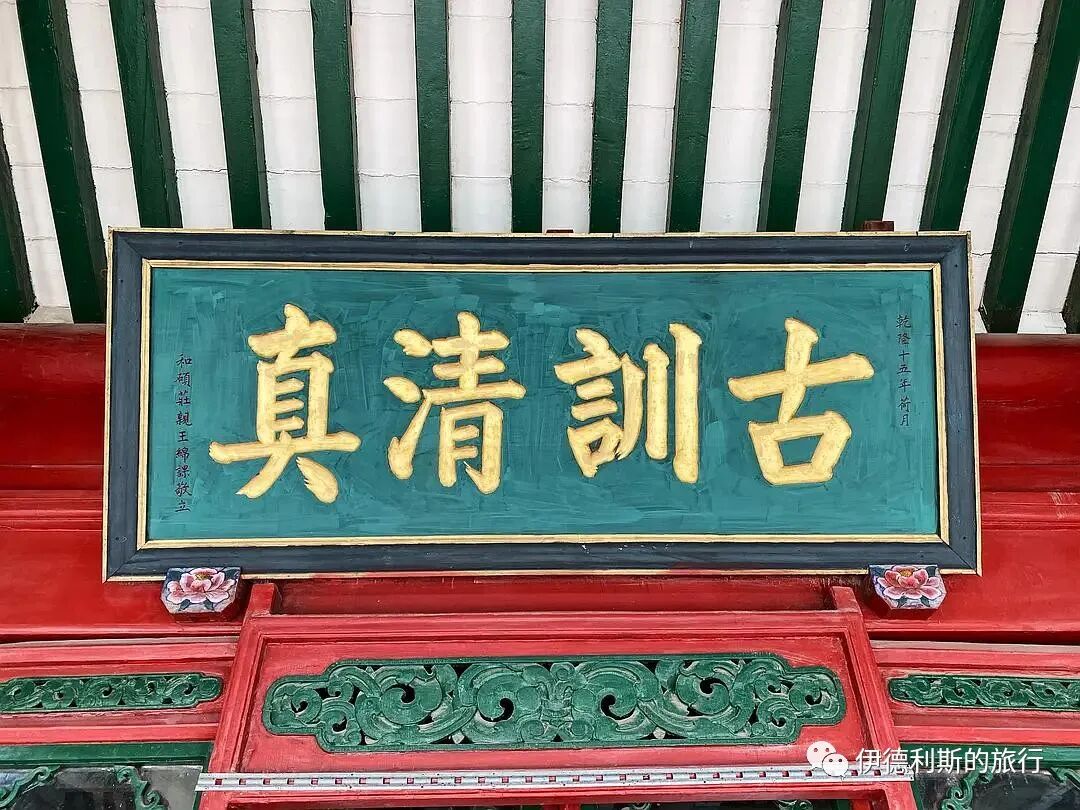
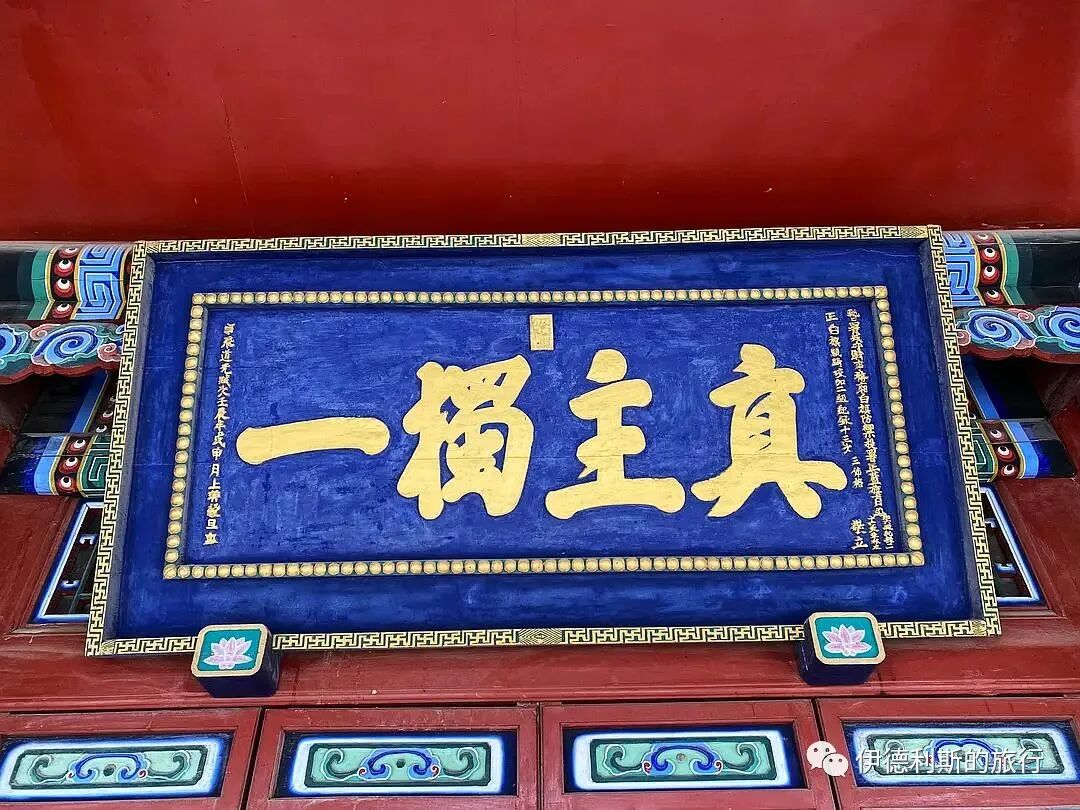
The old city mosque once had many plaques and couplets, but now only the 'Allah is One' plaque bestowed by the Kaiyuan County government in 1832 (the 12th year of the Daoguang reign) remains, hanging above the main hall.
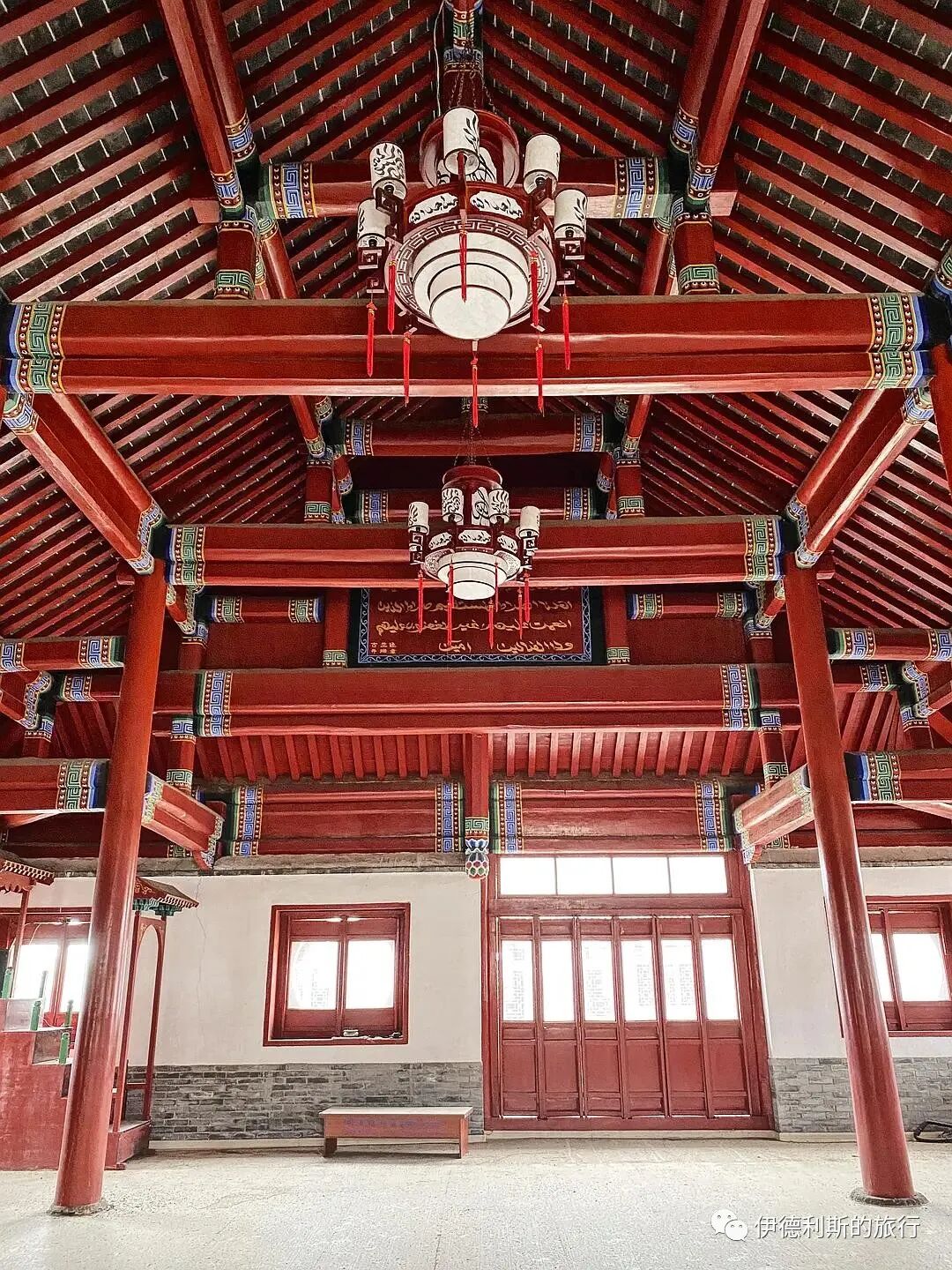
Inside the main hall.
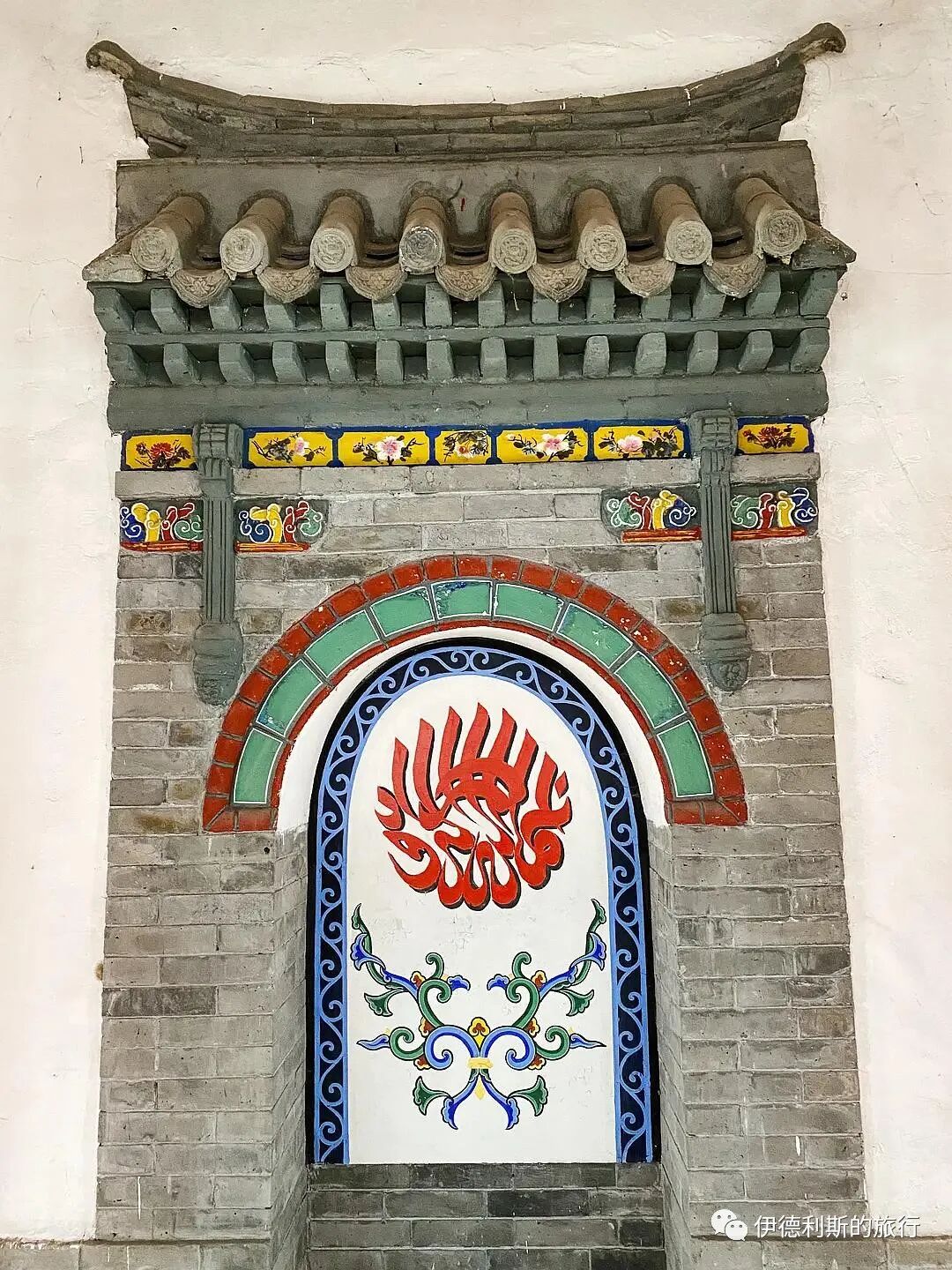
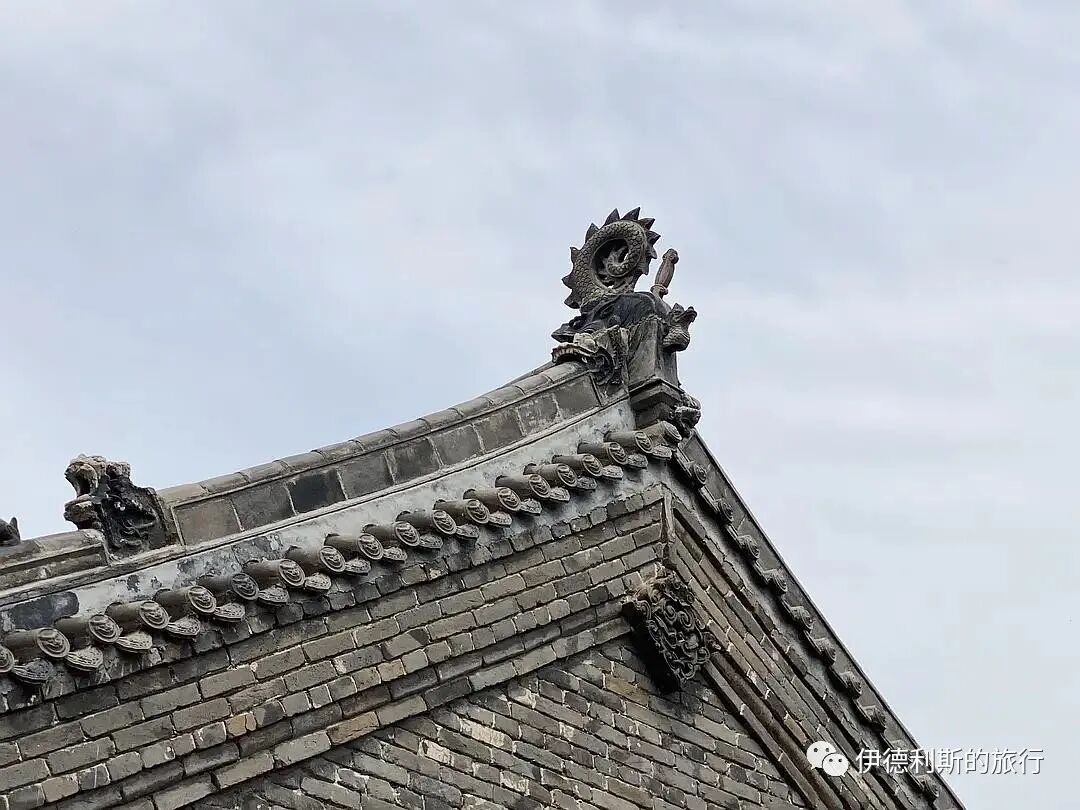
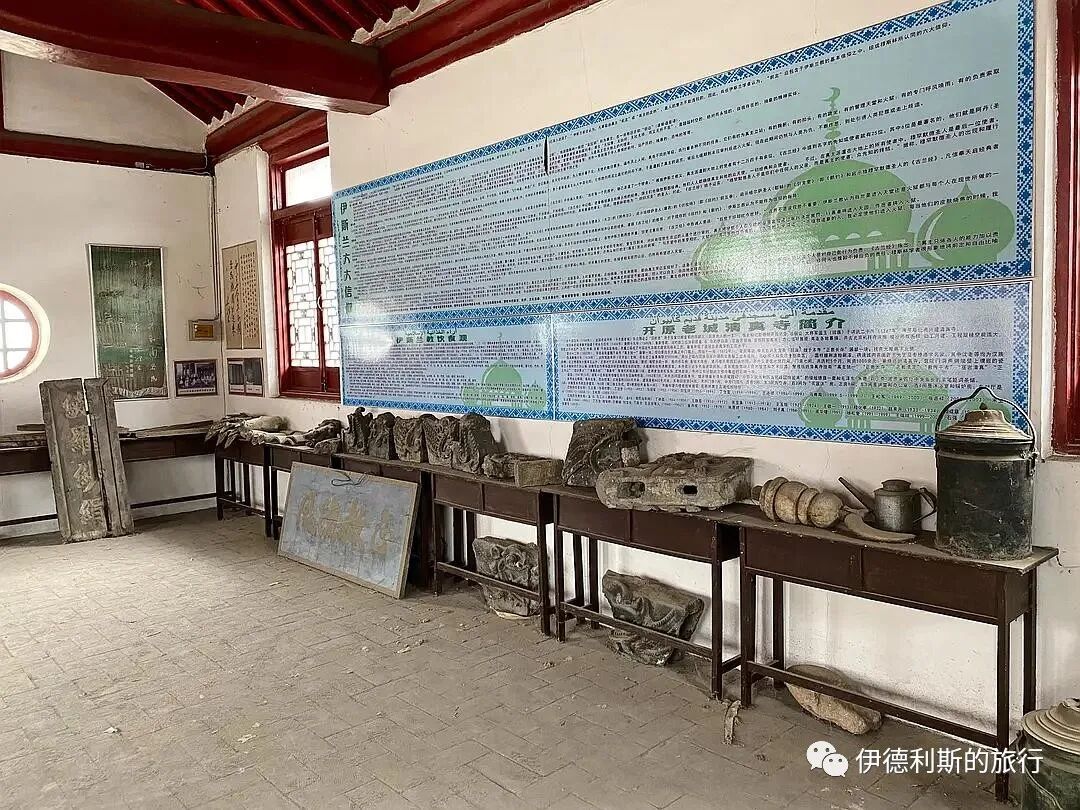
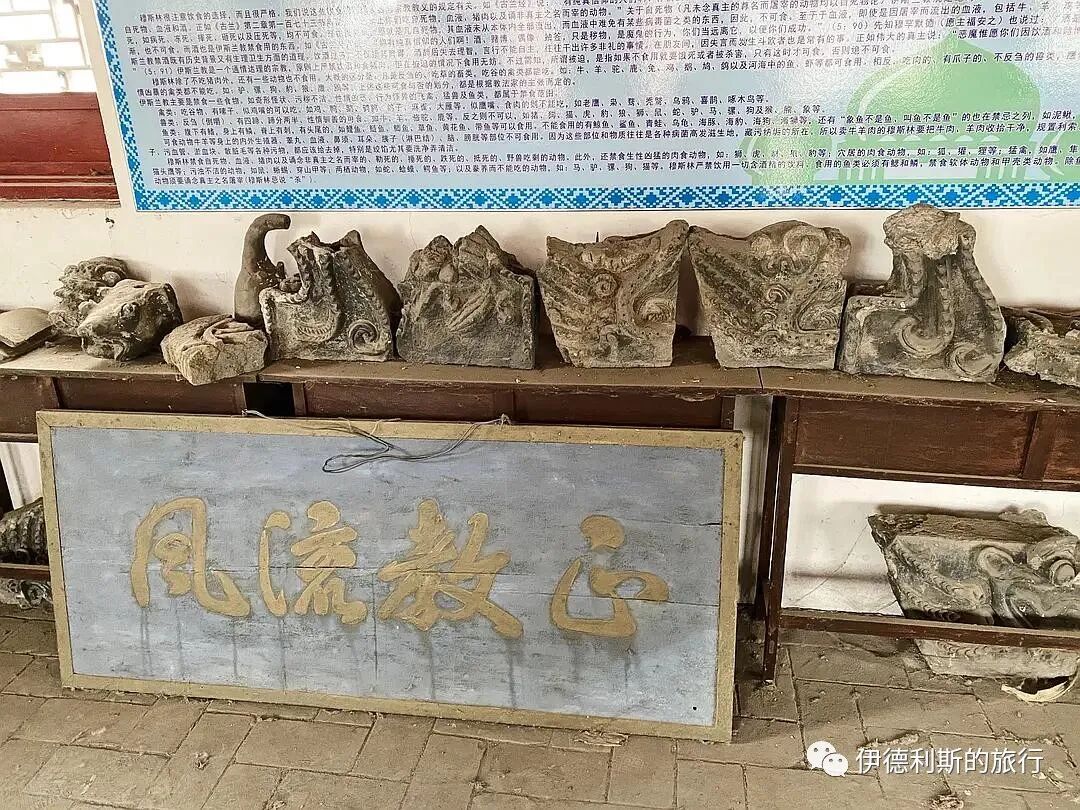
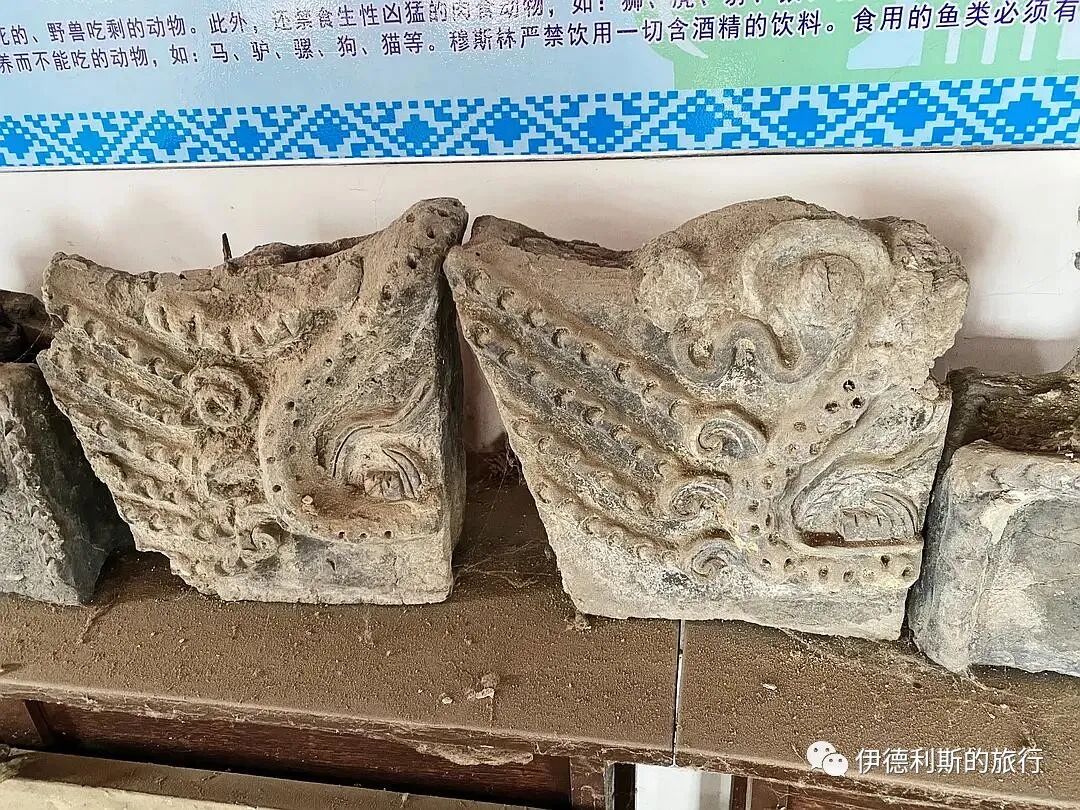
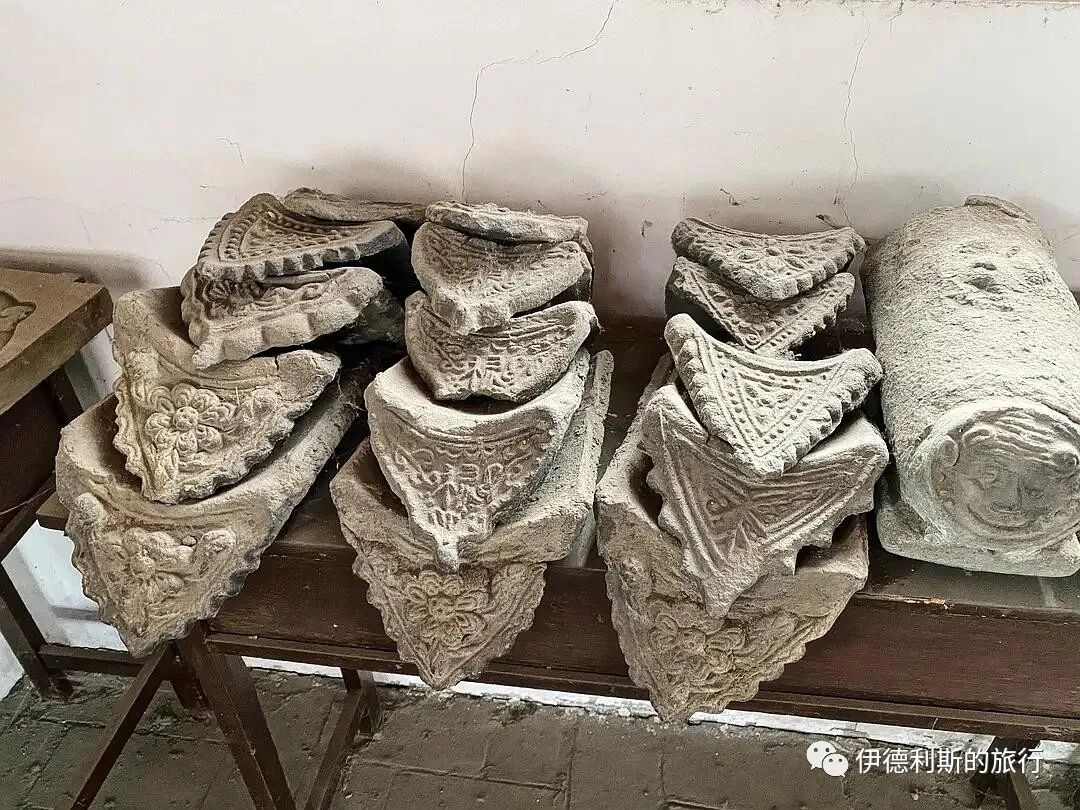
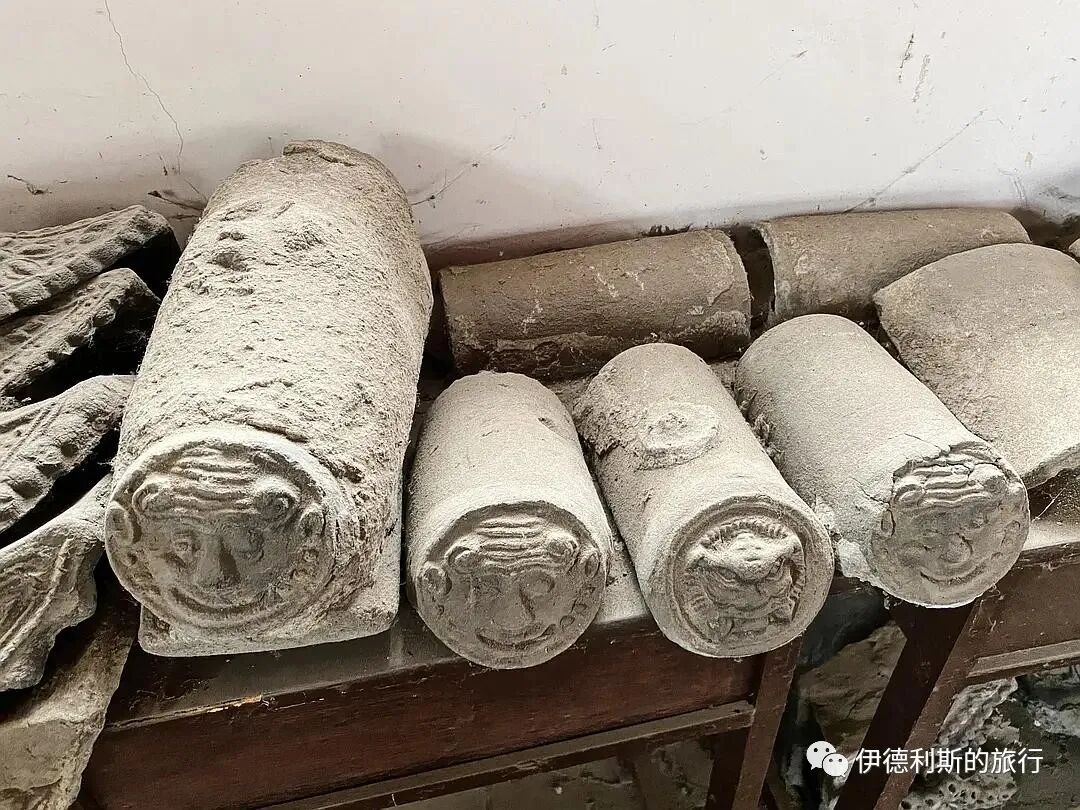
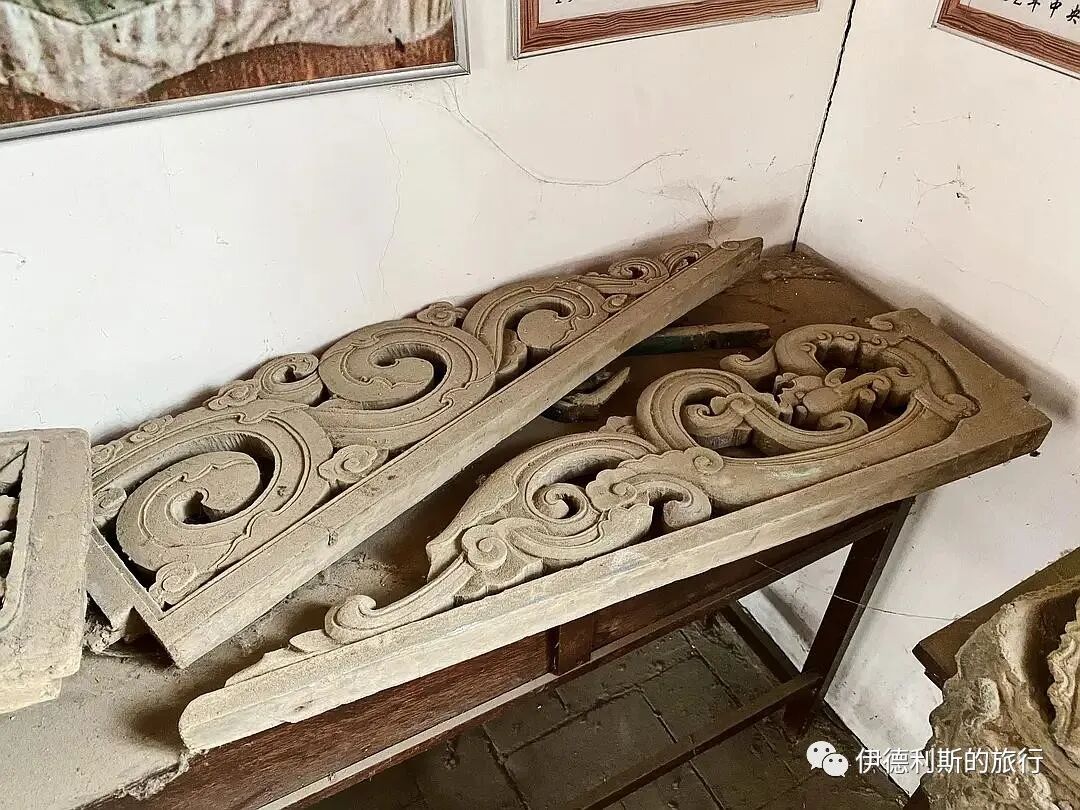
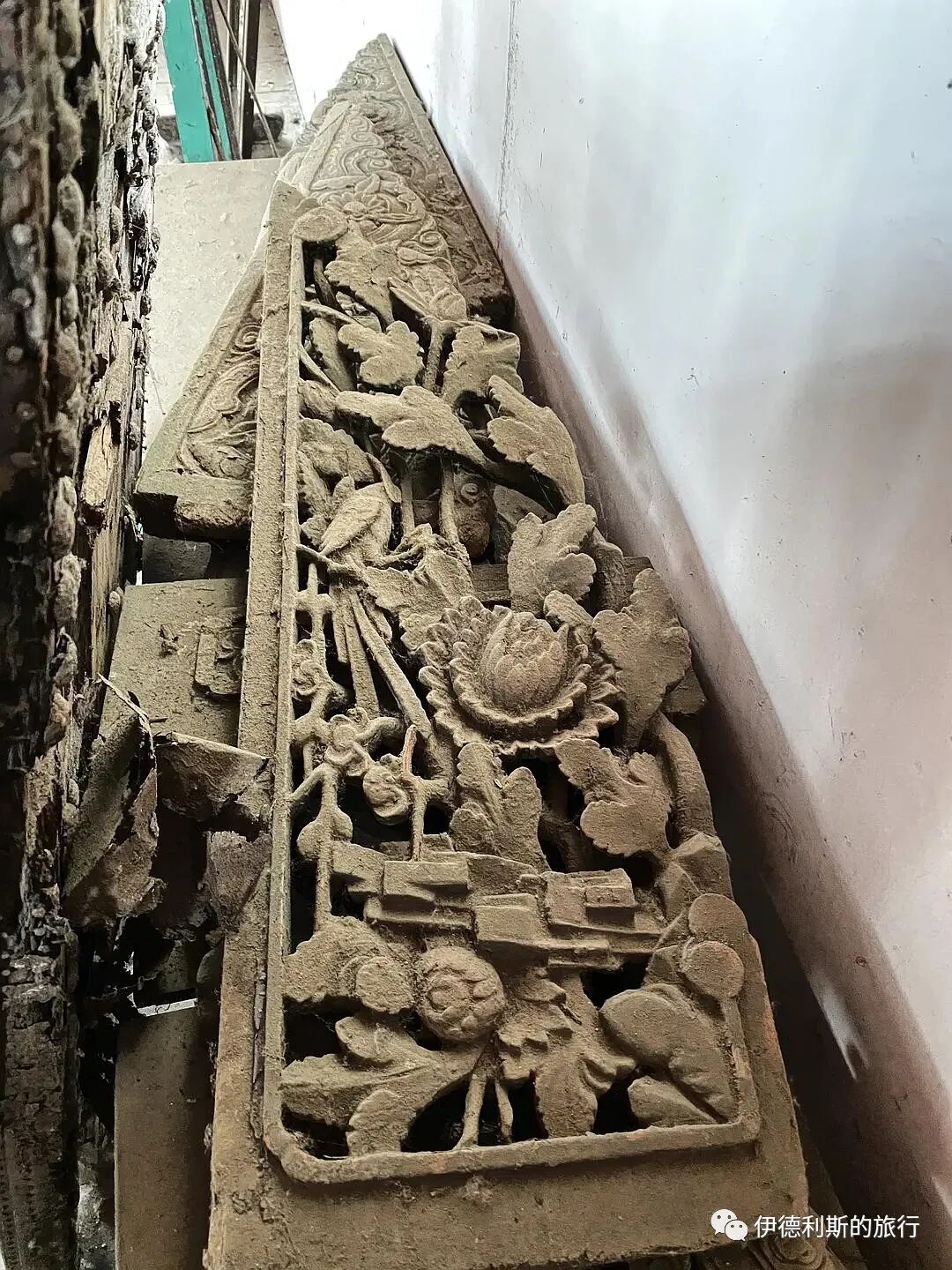
Old items stored in the hall of the old city mosque include drip tiles, roof tiles, ridge beasts, wooden carved railings from the main hall, the finial from the yaodian moon-watching tower, and a plaque inscribed with 'Lingluo Shajuan' (fine silks and satins).
Summary: This travel note introduces Liaoning Halal Travel Guide: Lingyuan, Shenyang and Kaiyuan (Part 1). In May 2021, I left Chengde in the morning by high-speed train and arrived in Lingyuan, Liaoning, at noon. It is useful for readers interested in Liaoning Travel, China Mosques, Halal Food.
In May 2021, I left Chengde in the morning by high-speed train and arrived in Lingyuan, Liaoning, at noon. I ate at a small restaurant at the entrance of the Lingyuan mosque, ordering the stir-fried shredded meat with hand-pulled noodles recommended by the owner, as well as a mixed vegetable dish with doupao (fried tofu puffs), sliced meat, daylily, wood ear mushrooms, and kelp. Once you reach the Northeast, the portions are truly large and affordable; a bowl of noodles for five yuan is a great meal!
Lingyuan is located at the junction of Hebei, Liaoning, and Inner Mongolia, and was formerly known as Tazigou. Since the Qianlong reign of the Qing Dynasty, Hui Muslims from Shandong and Hebei continuously traveled beyond the Great Wall through the gaps near Xifengkou. Lingyuan was their first stop after leaving the pass, and some Hui Muslims settled there.
The Lingyuan mosque was built during the Qianlong reign. According to the inscriptions in the mosque, Hui Muslim doctor Zhang Lichen and others cured the illness of a Mongol prince of the Kharachin Left Banner, so the prince's estate provided the foundation funds to build the Lingyuan mosque.
Mosque gate.
Chuihuamen (hanging flower gate).
The prayer hall, like traditional northern styles, consists of a juanpeng (shed-style porch), a main hall, and a yaodian (niche hall), but the architectural details are very different from the styles inside the pass.
The main hall has developed cracks due to long-term disrepair and is currently closed; the namaz (prayer) has been moved to a room nearby.
Side rooms.
In the evening, I took the high-speed train to Shenyang and had a small barbecue at Xiguan Kaikou Xianbing in the Xiguan Hui Muslim camp night market, ordering small lamb legs, chicken racks, lamb hooves, flatfish, and stir-fried chives with squid.
I went for a walk at night and visited the 24-hour Xiguan Yang Family Pie Shop, where I had lamb soup with pies and ordered a 'Liu Sanyang' (three-variety stir-fry), which is heart, liver, and intestine, a Northeast specialty within the Lu cuisine family. They also gave us complimentary fried shrimp chips and side dishes.
The next morning, I had chicken cake and tofu pudding at Lao Ding Tou on Xiaoxi Street, and beef huoshao (crispy baked flatbread) with stewed tofu and tendons at Ma's Yikousu on Qingzhen Road. The huoshao cost one yuan each; they are flaky and you can't find them outside the Northeast.
Delicatessen and fried rice cakes at the Xiguan Hui Muslim camp market. The Hui Muslim camp is much quieter than the last time I visited, and the morning market is gone.
The Shenyang South Mosque was founded in 1636 (the first year of the Chongde reign of the Qing Dynasty). The ancestors of the founding Tie family were Hui Muslim Semu people who came to the interior during the Mongol western expeditions. In the early Ming Dynasty, Tie Xuan served as the Shandong administration commissioner in Jinan. During the Jingnan Campaign in 1400, Tie Xuan led troops to defend Jinan city. The Prince of Yan, Zhu Di, attacked for three months without success until he captured Nanjing in 1402 and returned north to finally break through Jinan. After being captured, Tie Xuan was executed by dismemberment. After Tie Xuan passed away, his second son, Tie Fushu, fled outside the pass and moved from Jinzhou to Shenyang during the Wanli reign (1573-1620).
The original Shenyang South Mosque was relatively simple. In 1662 (the first year of the Kangxi reign), it was expanded into a large mosque by Tie Kui, who invited the famous Imam She Yuanshan from Beijing to set up a school. After Imam She's disciple, Tie Hongji, completed his studies, he became the leader. From then on, the Imams of the South Mosque were passed down through the Tie family for 11 generations, with the last Imam, Tie Zizhang, serving until 1956.
The rear hall of the mosque was expanded in 1902. The main hall is not the traditional 'convex' shape, but a structure of juanpeng + front hall + rear hall + hexagonal yaodian. This practice of adding a pavilion-style yaodian to the back of the main hall is relatively common in the Northeast.
The mihrab (prayer niche) of the South Mosque is very rare in that it does not use a niche, but rather a 'great deity tablet' form, which is very locally characteristic.
The Shenyang East Mosque was founded in 1803 (the eighth year of the Jiaqing reign). In 1935, the prayer hall was rebuilt in a Western style, while the moon-watching tower retained its original Chinese style. The East Mosque was occupied in 1958, returned in 1980, and converted into the Shenyang Islamic Institute in 1988.
I took a train from Shenyang to Kaiyuan and then took a taxi to the old city of Kaiyuan. The Kaiyuan Old City Mosque is located inside the east gate of the old city. Founded in 1406 (the fourth year of the Yongle reign of the Ming Dynasty), it is the oldest mosque in the Northeast.
The gate.
The current main hall is in the style after its reconstruction in 1680 (the 19th year of the Kangxi reign), consisting of a small juanpeng + main hall + hexagonal pavilion-style yaodian, similar in style to the Shenyang South Mosque. The main hall has been closed since 2020 and has not been opened since.
Juanpeng (shed-style porch).
The old city mosque once had many plaques and couplets, but now only the 'Allah is One' plaque bestowed by the Kaiyuan County government in 1832 (the 12th year of the Daoguang reign) remains, hanging above the main hall.
Inside the main hall.
Old items stored in the hall of the old city mosque include drip tiles, roof tiles, ridge beasts, wooden carved railings from the main hall, the finial from the yaodian moon-watching tower, and a plaque inscribed with 'Lingluo Shajuan' (fine silks and satins).
