

Liaoning Travel
Muslim Travel Guide Liaoning Dalian: Ancient City Streets, Mosques and Muslim Heritage
Articles • yusuf908 posted the article • 0 comments • 159 views • 2026-05-23 23:23
Summary: Halal Travel Guide: Dalian, Fuzhou Ancient City and Qingdui Ancient Town is presented here as a firsthand travel account in clear, natural English. The account focuses on Dalian, Liaoning Travel, Ancient Towns while preserving the names, places, food, photos, and historical details from the Chinese source.
On the morning of June 8, we took a high-speed train from Shenyang Railway Station and arrived at Wafangdian West Station in Dalian in an hour and a half. After leaving the station, we shared a ride for 20 minutes to reach the ancient town of Fuzhou.
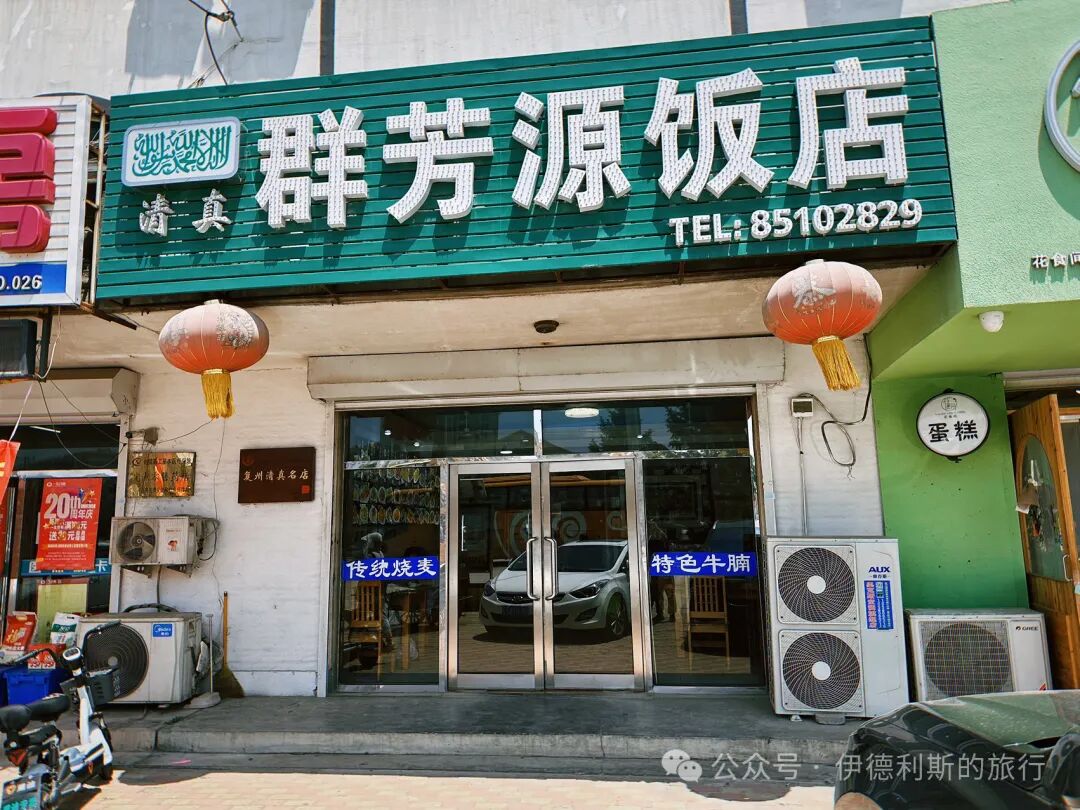
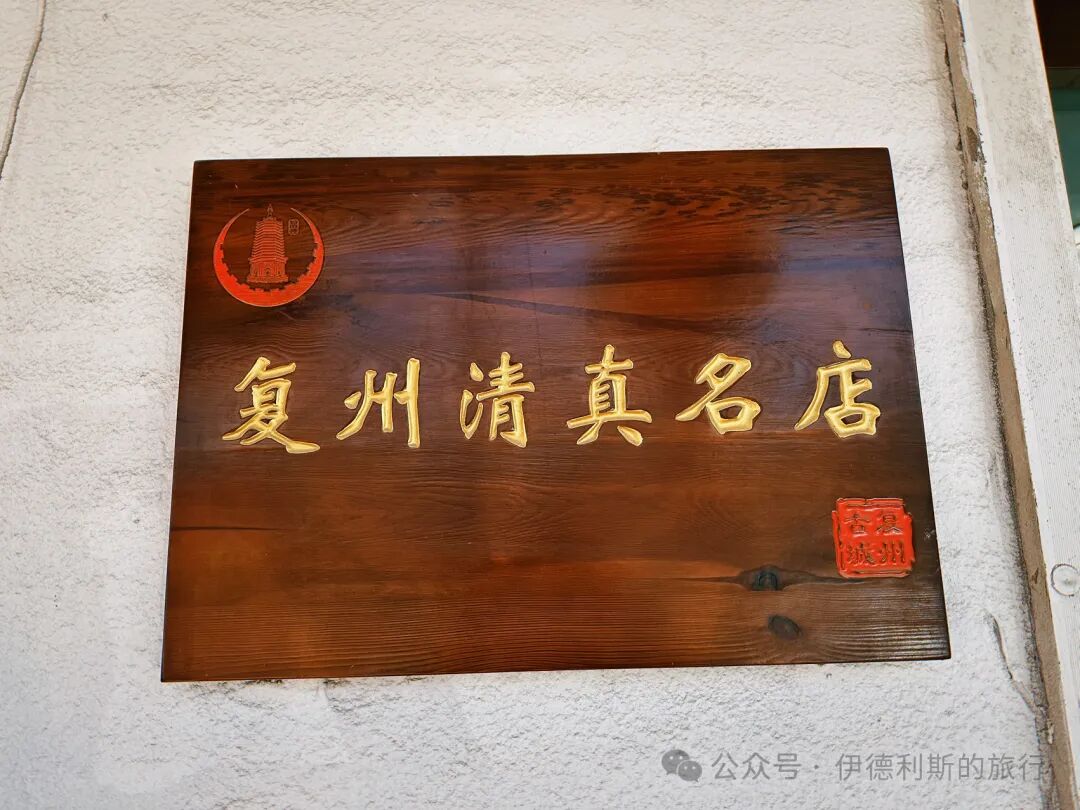
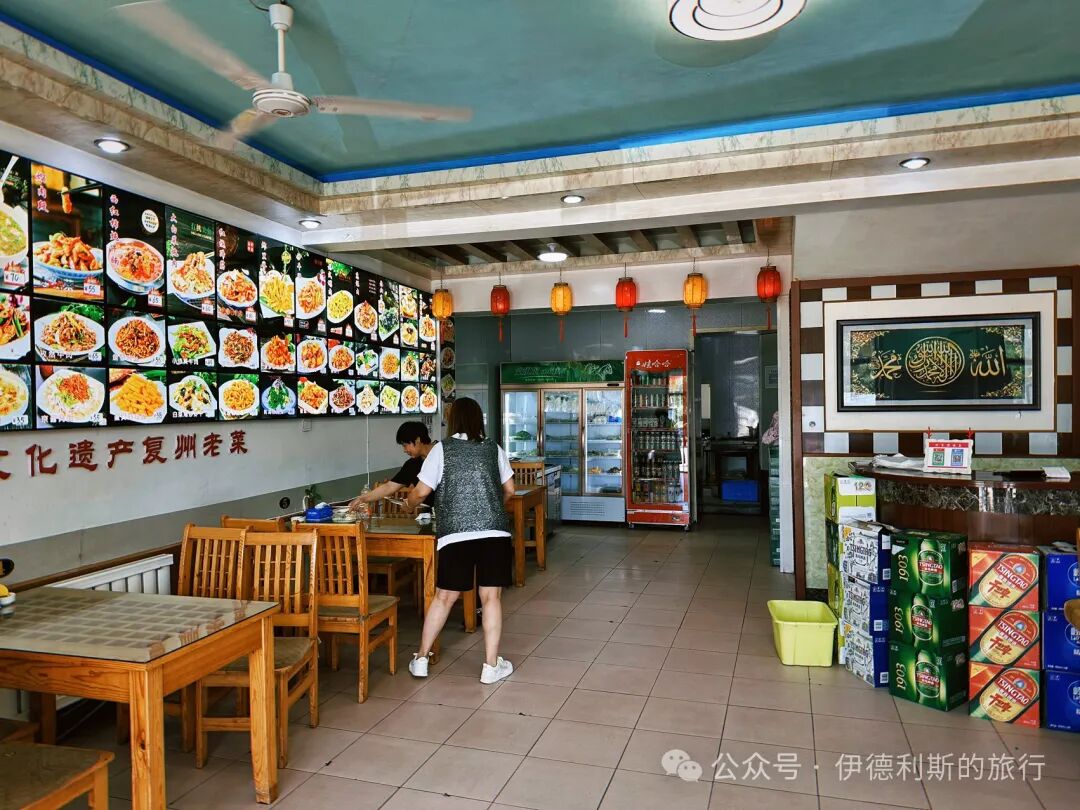
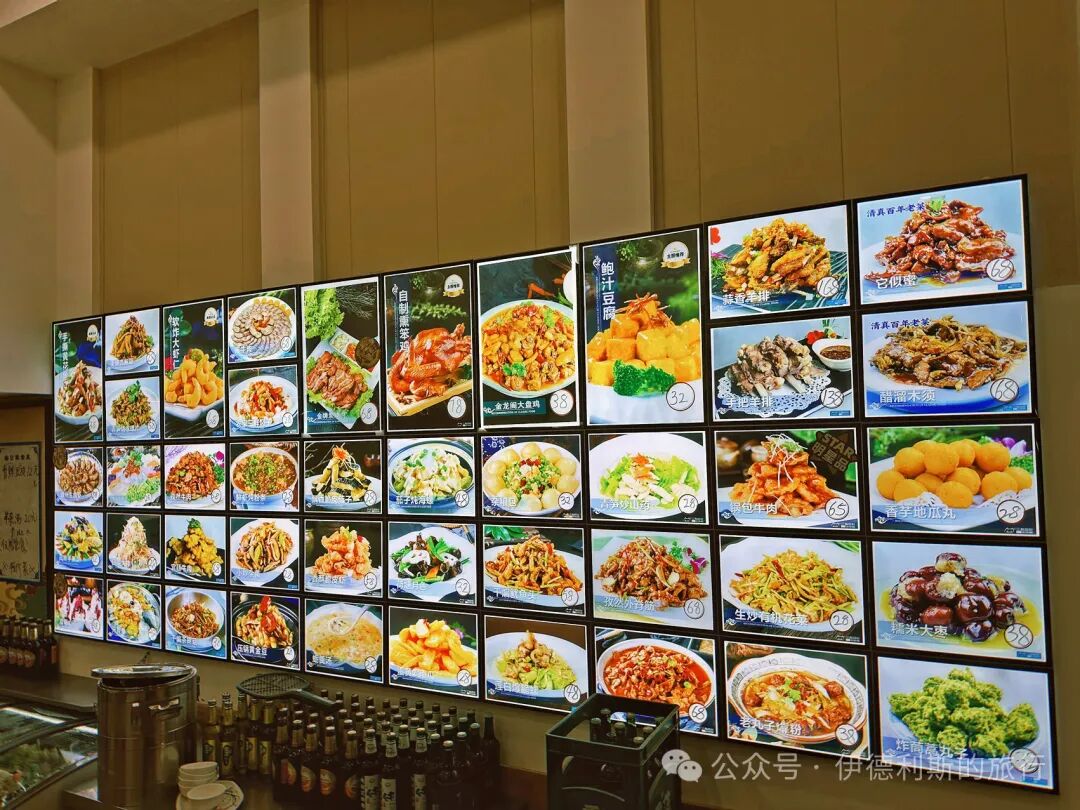
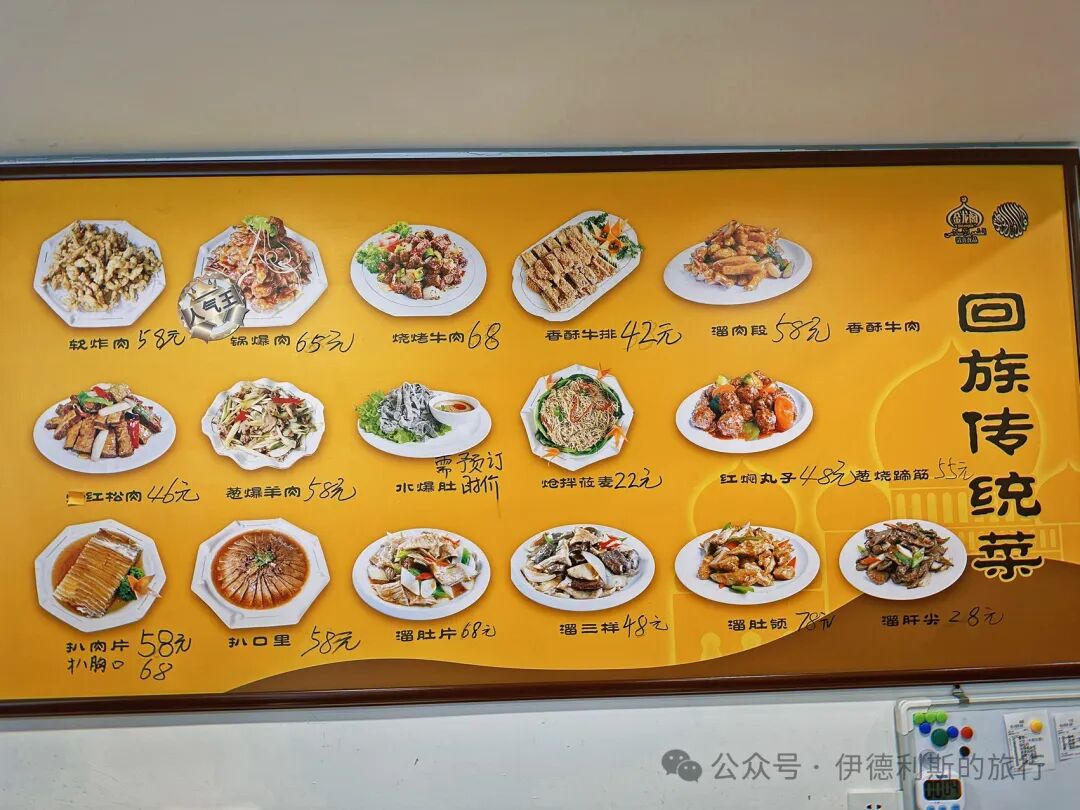
We first stopped at the Qunfangyuan Restaurant near the Fuzhou town roundabout to eat some traditional Fuzhou old-style dishes (Fuzhou laocai). Fuzhou is a thousand-year-old town established during the Liao Dynasty. Since the Ming and Qing dynasties, it has been a major commercial hub in southern Liaoning, attracting many merchants. It only began to lose its importance to Wafangdian along the railway line after the South Manchuria Railway was built in modern times. Around 1641, the sixth year of the Chongde reign of the Qing Dynasty, four Hui Muslim families—the Yin, Ma, Dai, and Hui families from Cangzhou, Hebei—moved to Fuzhou. Later, they worked with the local Manchu and Han people to develop the unique Fuzhou old-style dishes.
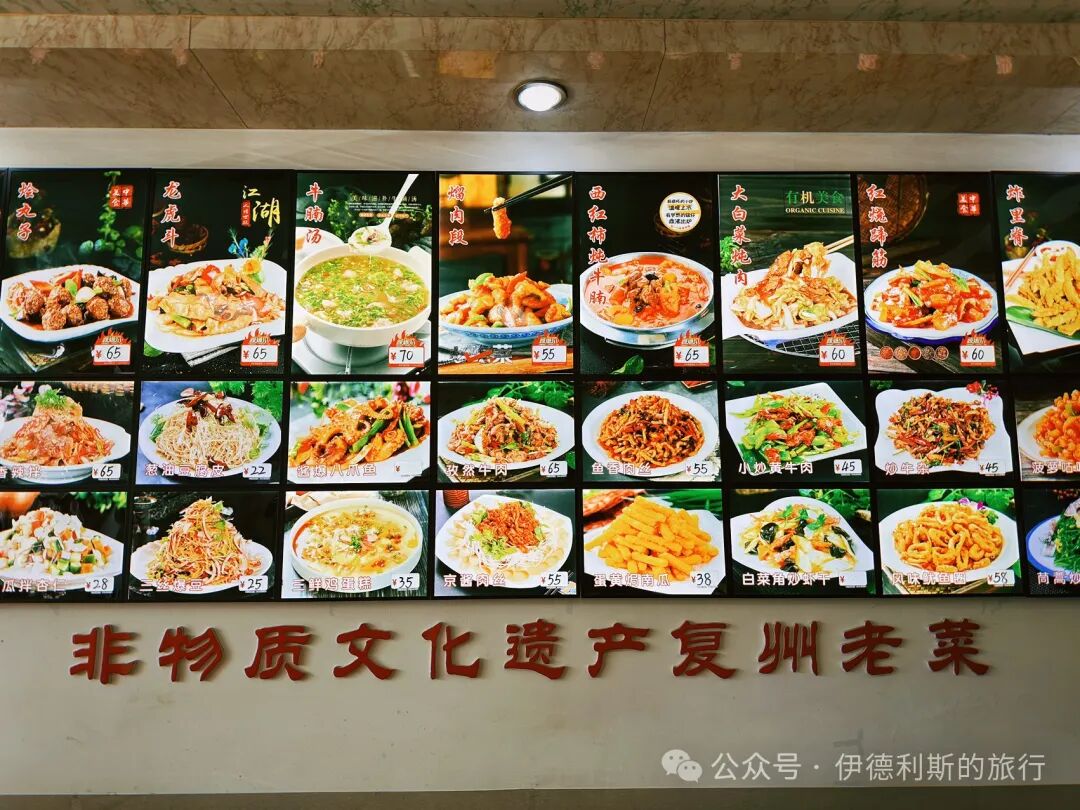
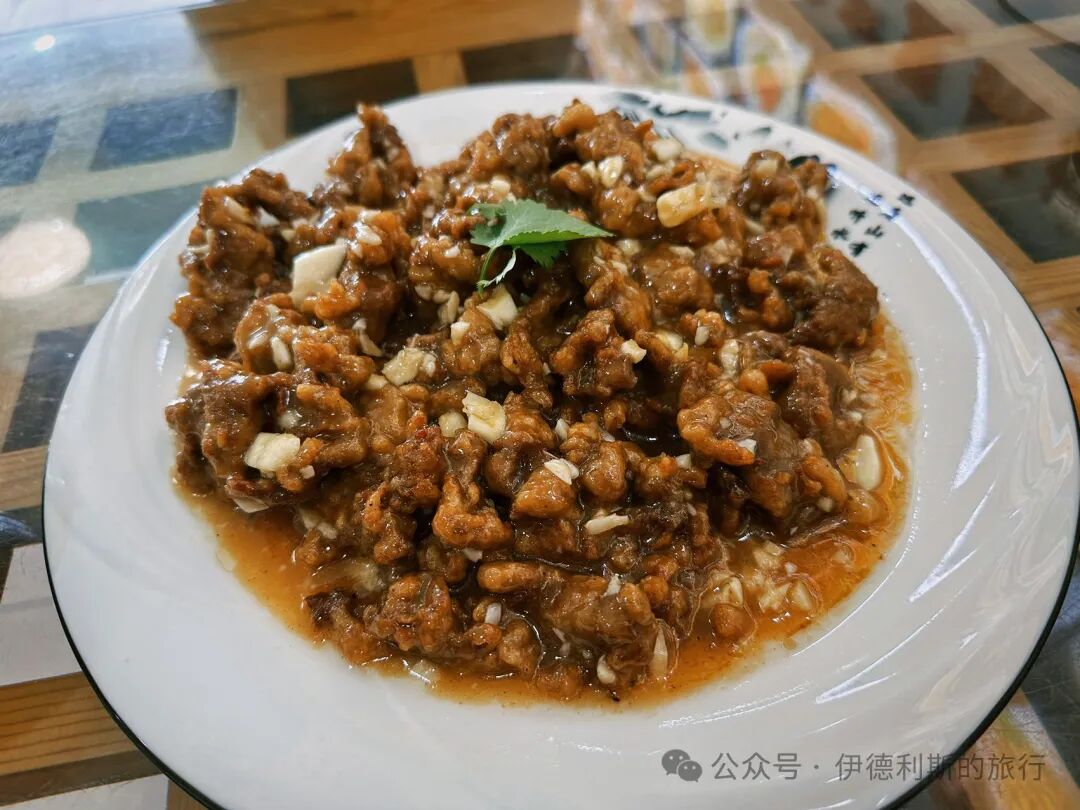
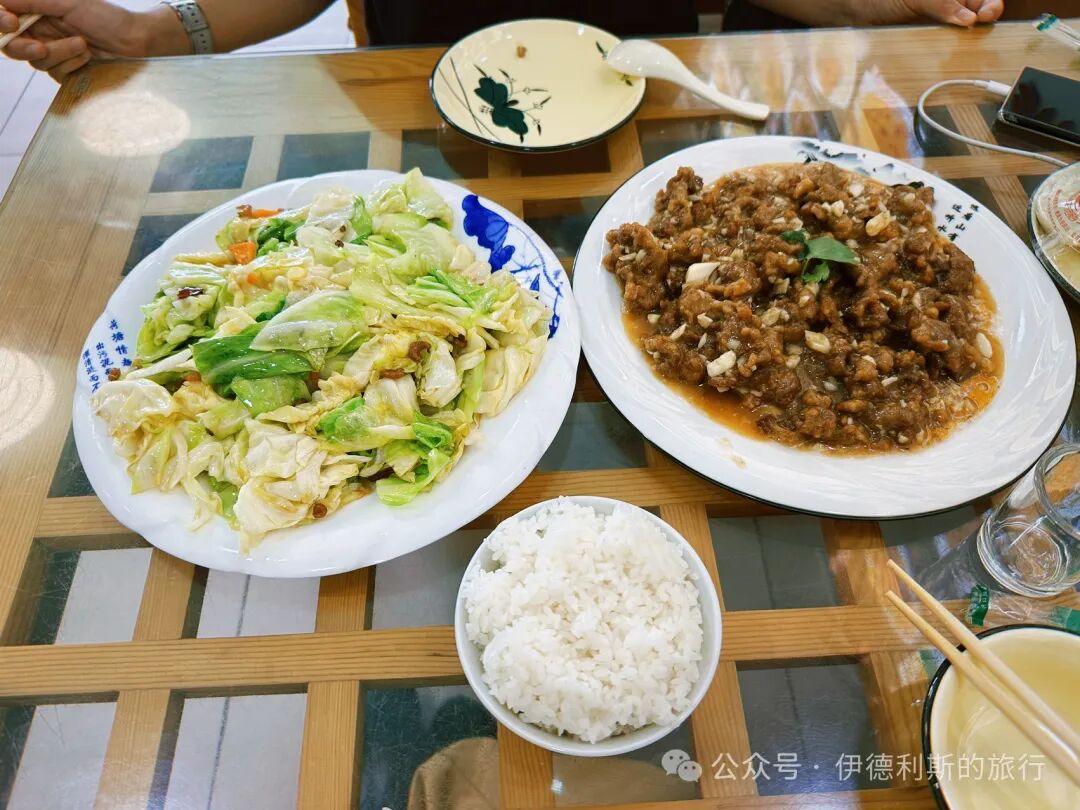
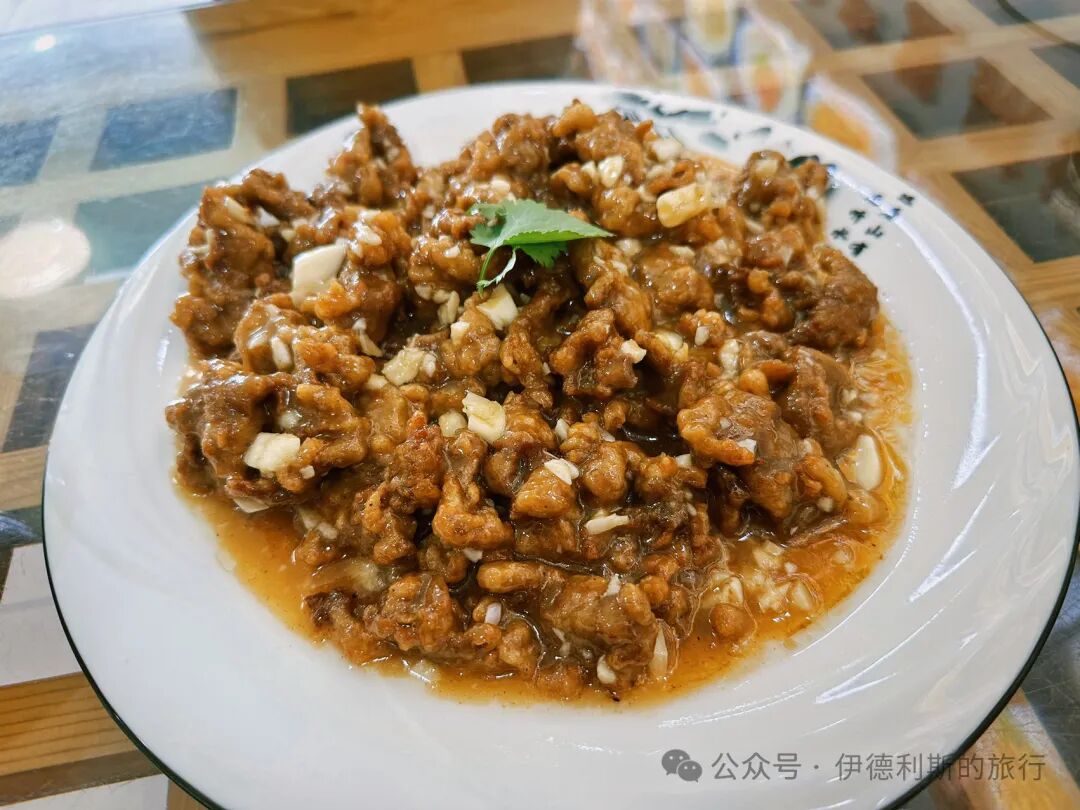
Fuzhou old-style dishes are known for their oil-fried meat (guoyourou), twice-cooked meat (huishaorou), braised meatballs (huiwanzi), dragon and tiger fight (longhudou), and fried crispy crackers (zhabaochui). Because portions of Northeast Chinese food are so large, we just ordered the most famous oil-fried meat to try. The Fuzhou version of oil-fried meat contains only meat with no side vegetables. It is seasoned with vinegar and garlic, giving it a salty, fresh, and sour taste that goes perfectly with rice.
Fuzhou oil-fried meat is also called the dish of ethnic unity. Legend has it that during the late Qing Dynasty, a soldier named Tuoerha from the Plain Blue Banner died in battle in southern Xinjiang, leaving his wife and children helpless in Fuzhou. One day, just before the Lunar New Year, a mother and her son were walking down the street. The boy was so drawn to the aroma from a restaurant that he refused to leave. The owner knew the boy's father had died for his country, so he invited them inside. He told the kitchen staff to prepare a dish of pure meat for them and to fry it an extra time. Because of this, double-fried meat (guoyourou) became a signature New Year dish for the people of Fuzhou.
After lunch, we went to Fuzhou Mosque (Fuzhou Si) to pray. The imam at Fuzhou Mosque is from Mengcun in Cangzhou, Hebei, which is a major tradition for the faith in Liaoning.
In the early Qing Dynasty, Hui Muslims with the surnames Yin, Dai, Ma, and Hui moved to Fuzhou from Cangzhou. In 1649 (the sixth year of the Shunzhi reign), they began building Fuzhou Mosque. By 1656 (the thirteenth year of the Shunzhi reign), they had finished three thatched rooms to serve as the main prayer hall. The main hall was rebuilt in 1774 (the thirty-ninth year of the Qianlong reign) and expanded again in 1880 (the sixth year of the Guangxu reign), though it still had a thatched roof. In 1920, the front porch and rear kiln-style hall were added, and the roof was changed to blue brick tiles, creating the structure seen today.
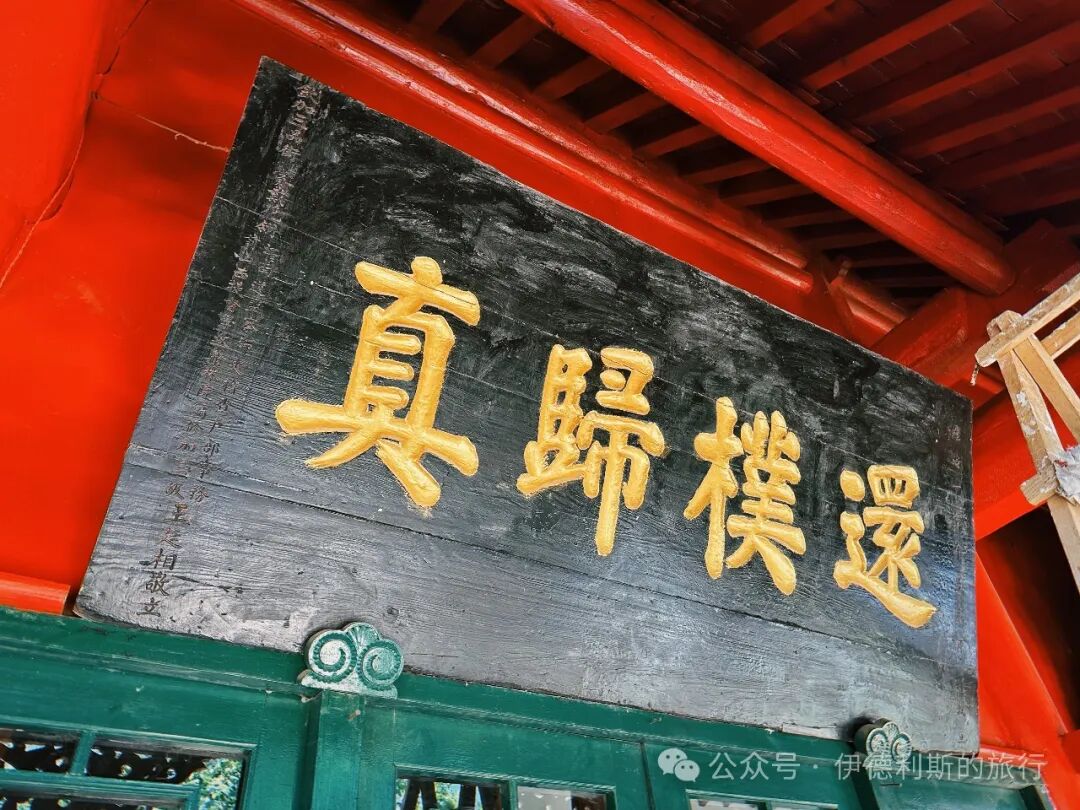
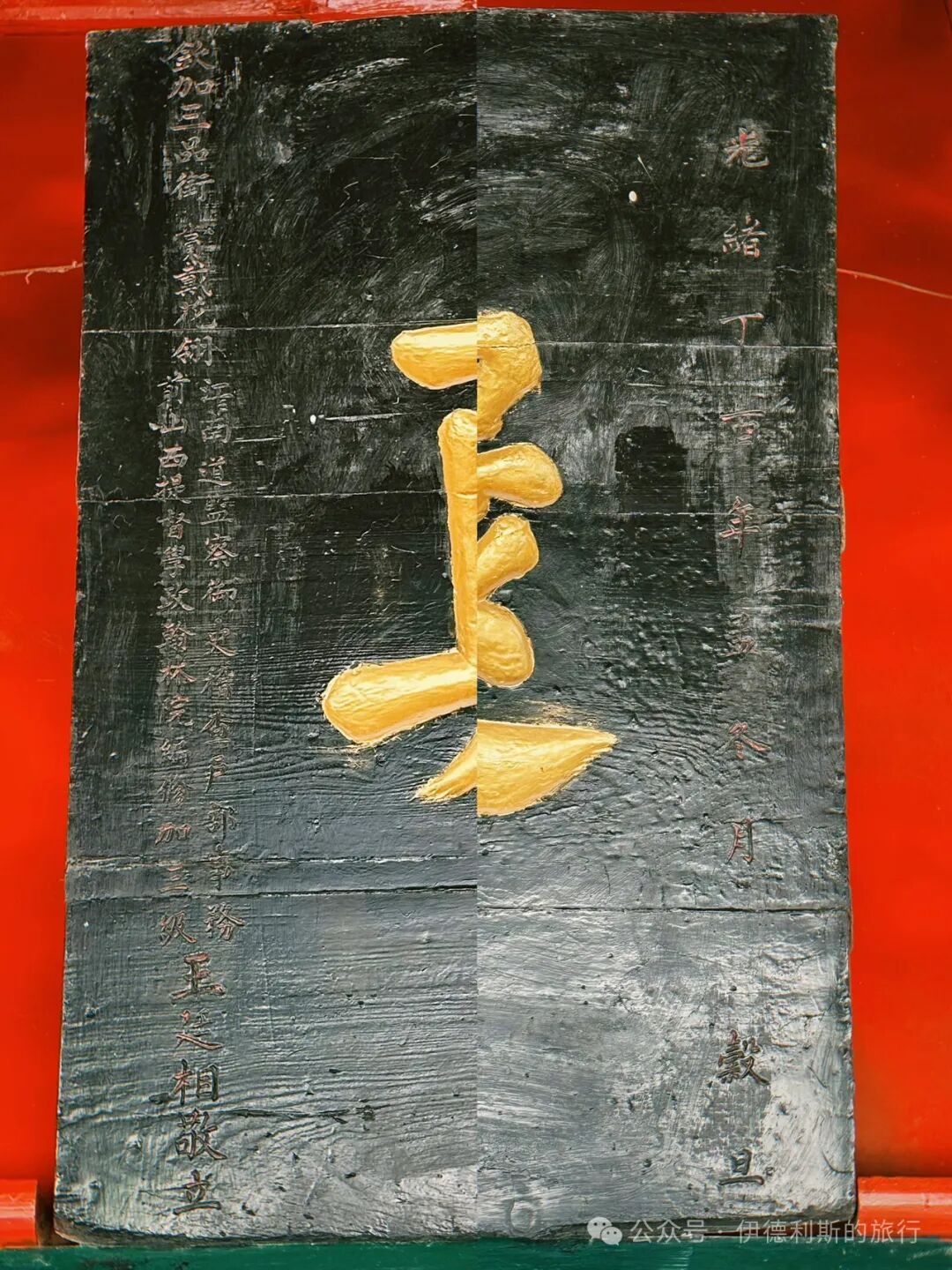
Hanging in front of the main hall of Fuzhou Mosque is a plaque that reads "Returning to Simplicity and Truth" (Huan Pu Gui Zhen). It was presented in 1897 (the twenty-third year of the Guangxu reign) by Wang Tingxiang, a third-rank official, imperial censor, and scholar of the Hanlin Academy.
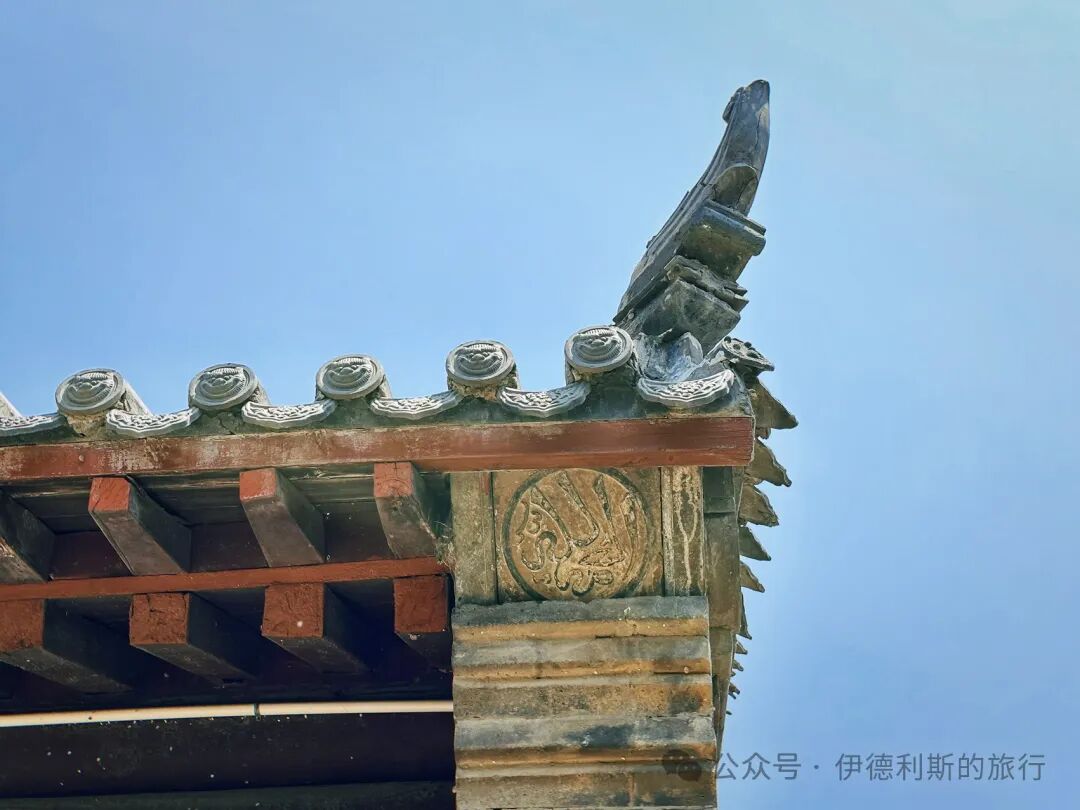
Additionally, the brick carvings on the wall ends feature traditional calligraphy of a dua.
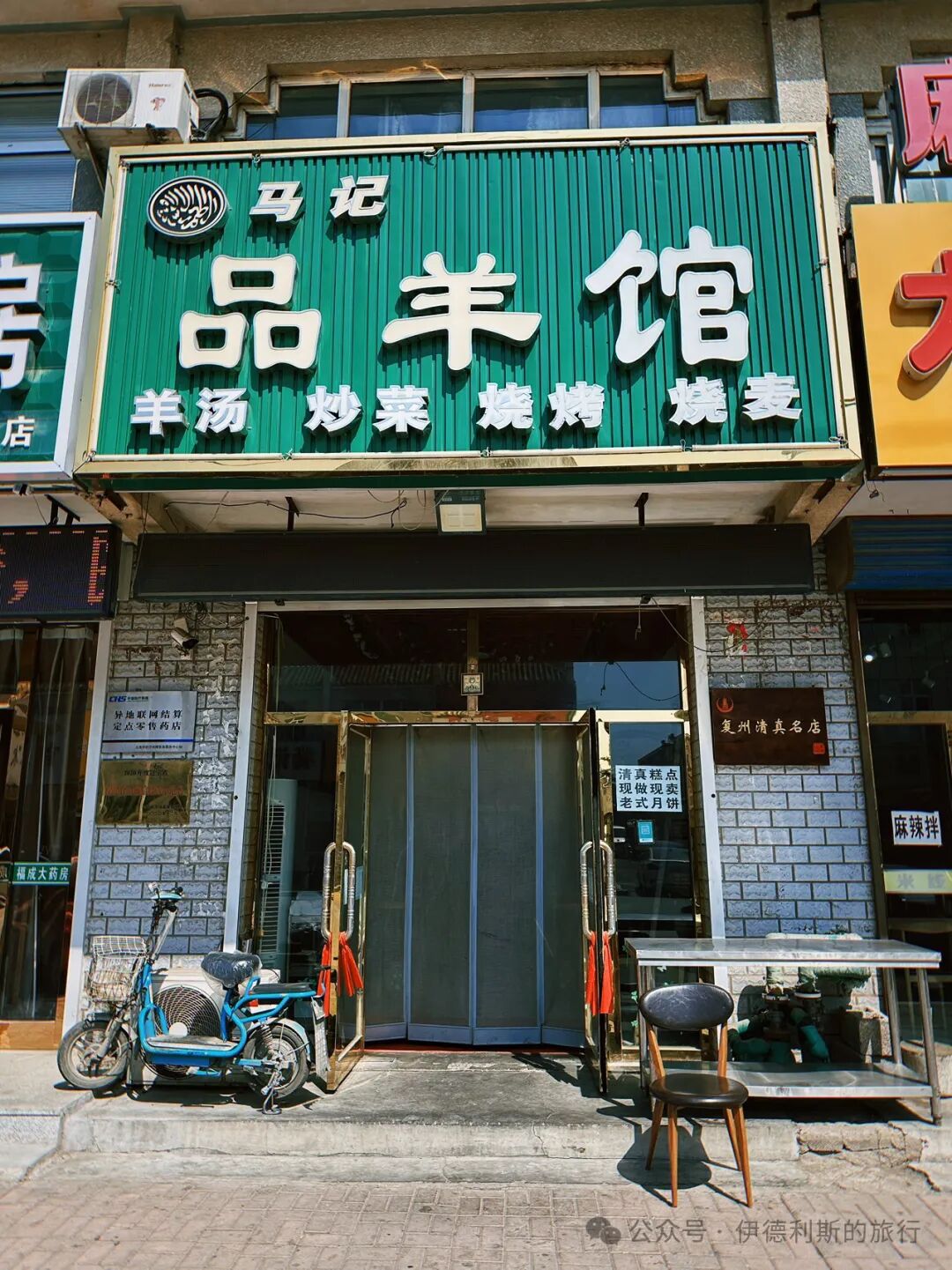
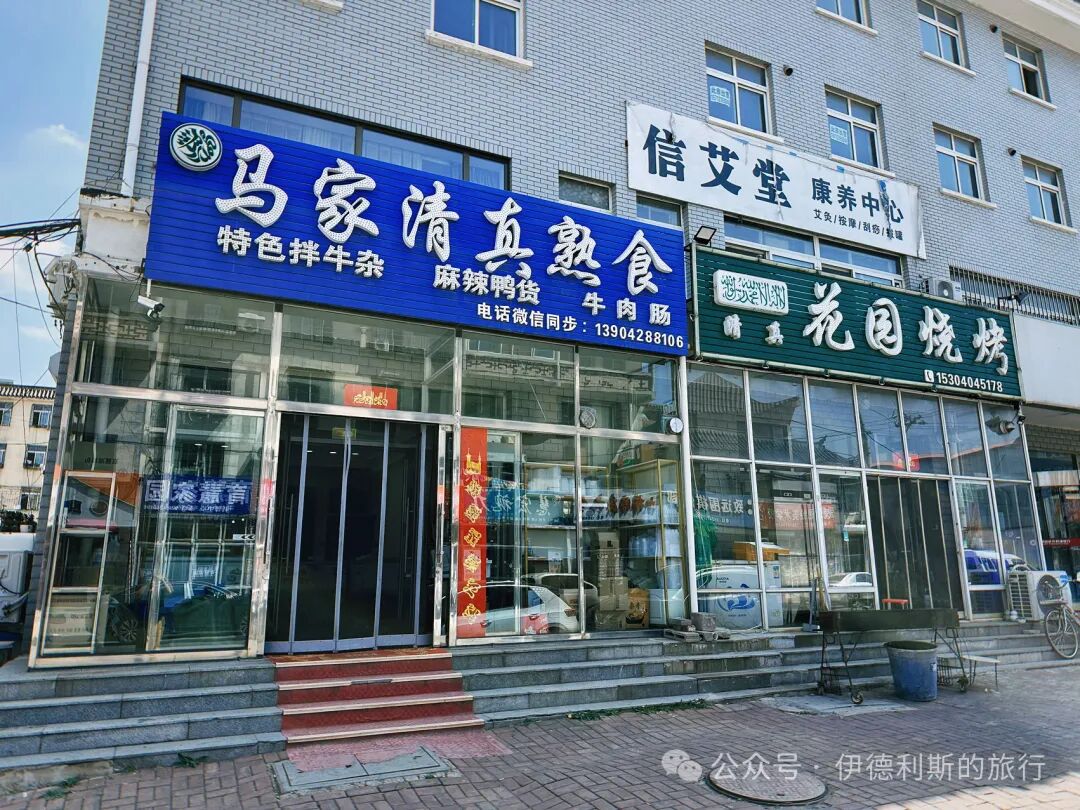
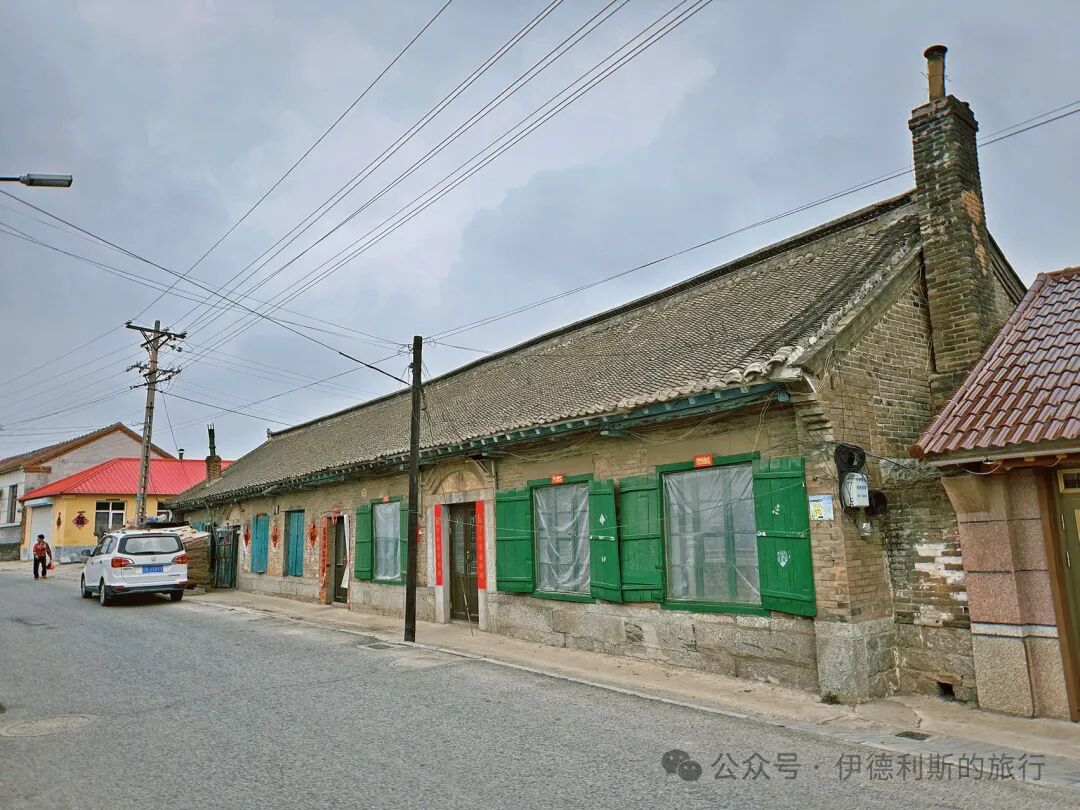
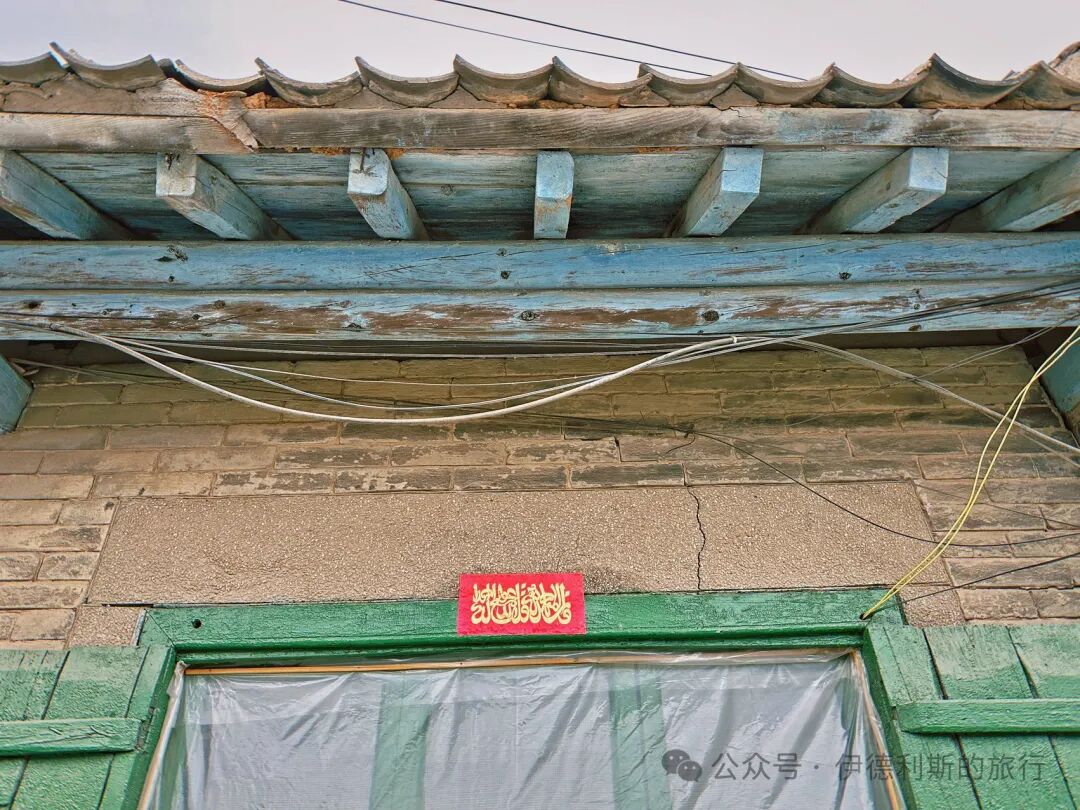
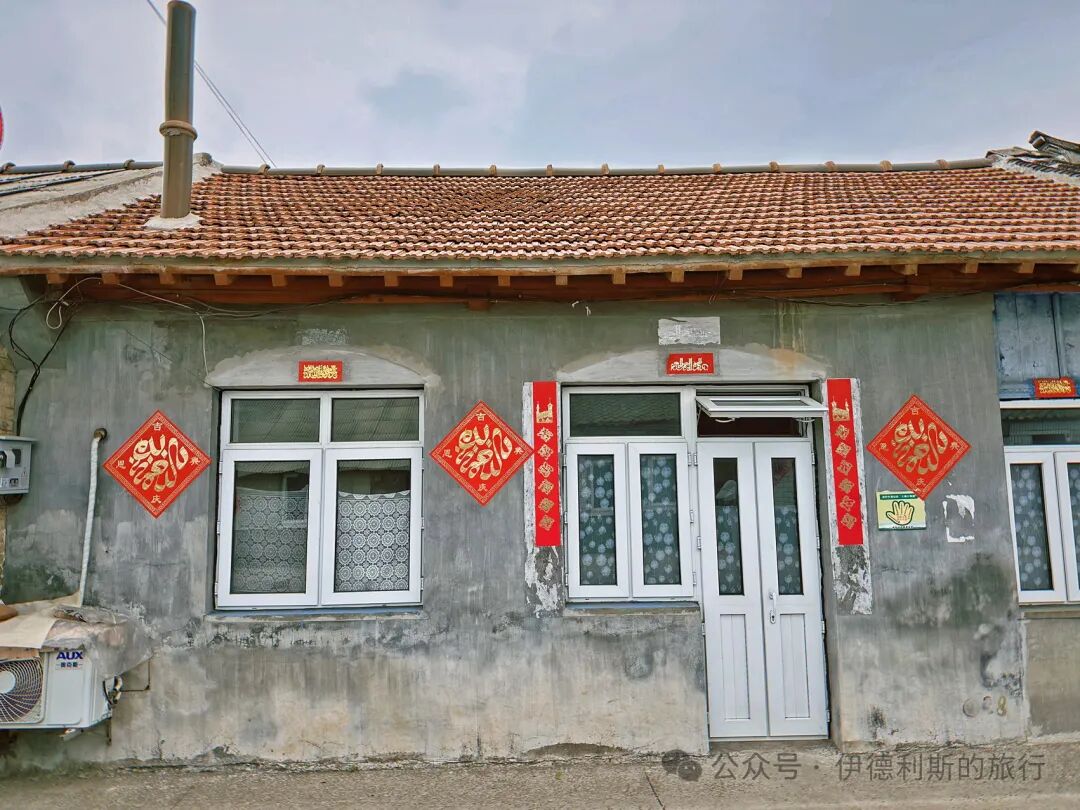
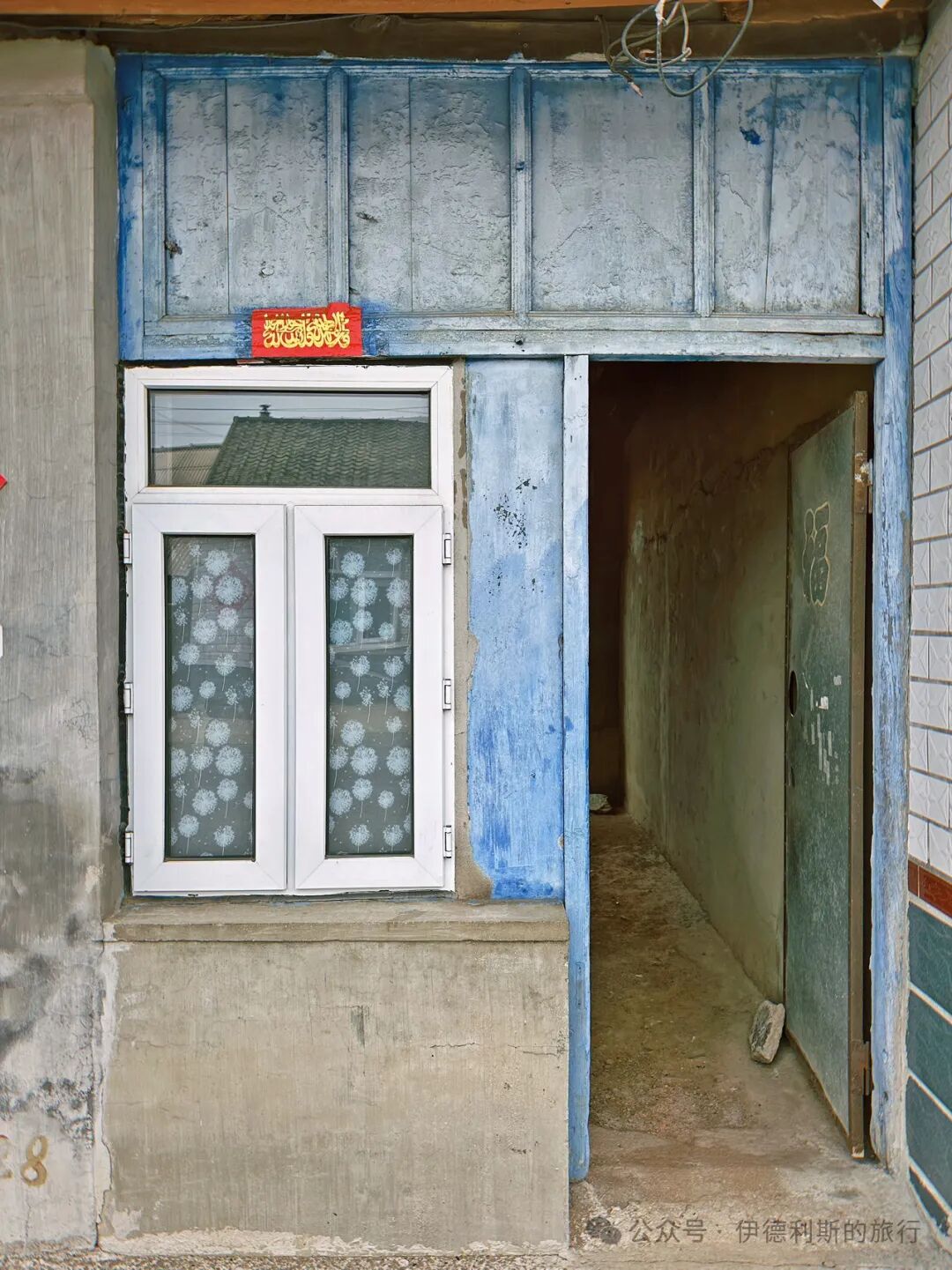
Hui Muslim homes inside Fuzhou City. The old street features blue bricks and dark roof tiles, with Arabic calligraphy (jingzi) and dua written on the walls, keeping the look of the past. Many people have moved to Wafangdian and Dalian to live, so the old street has become quiet.
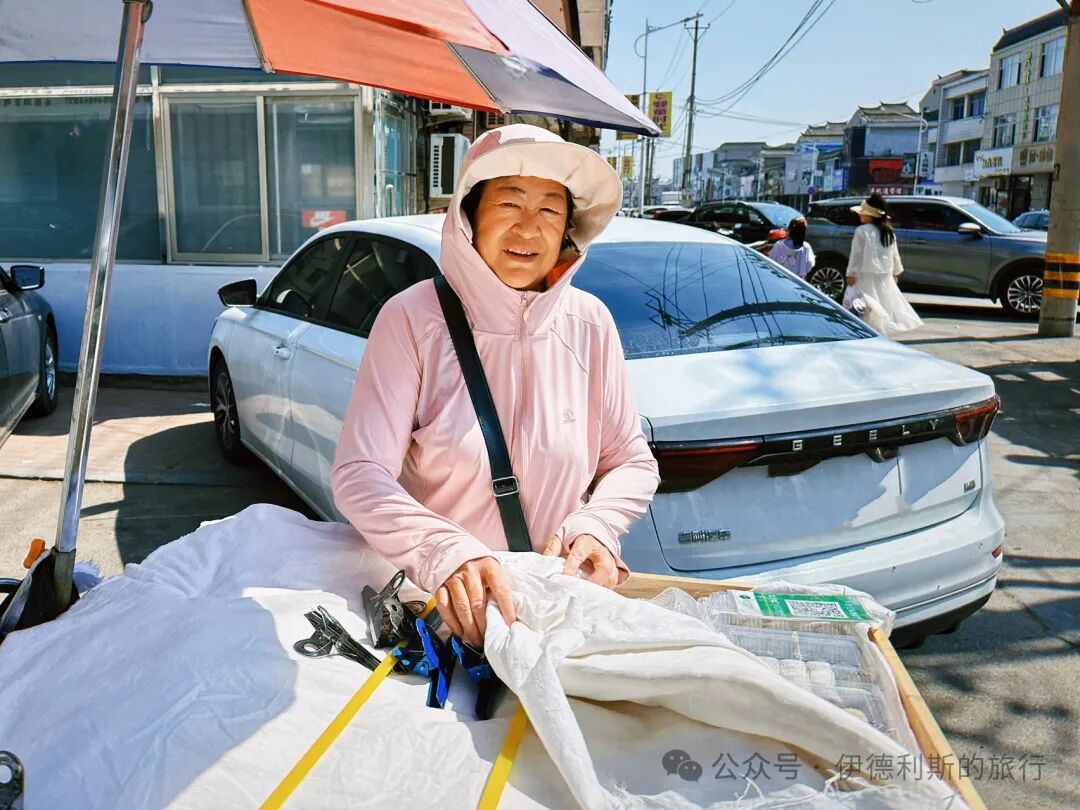
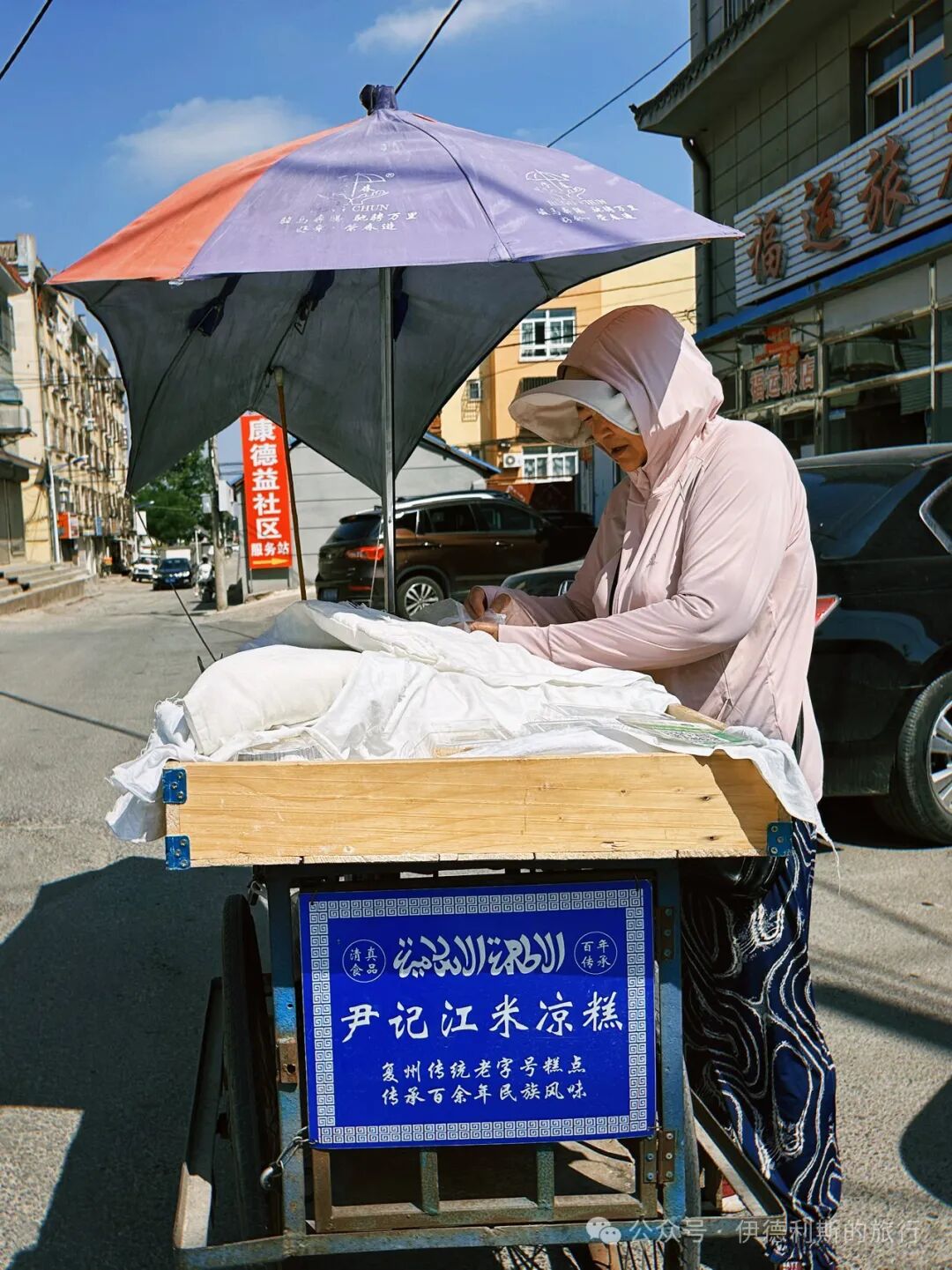
There is a legendary halal food spot in Fuzhou City, which is my friend's family business, Yin's sticky rice cake (jiangmi lianggao). The Yin family of Fuzhou originally came from Qing County in Cangzhou and settled in Fuzhou during the early Qing Dynasty. The sticky rice cake made by my friend's great-uncle, Yin Xiangzhou, was famous in Fuzhou a hundred years ago, and now my friend's mother pushes a small cart to sell it along the street every day. A loudspeaker plays, 'Sticky rice cake, fragrant and sweet.' Then everyone comes out to buy the sticky rice cake.
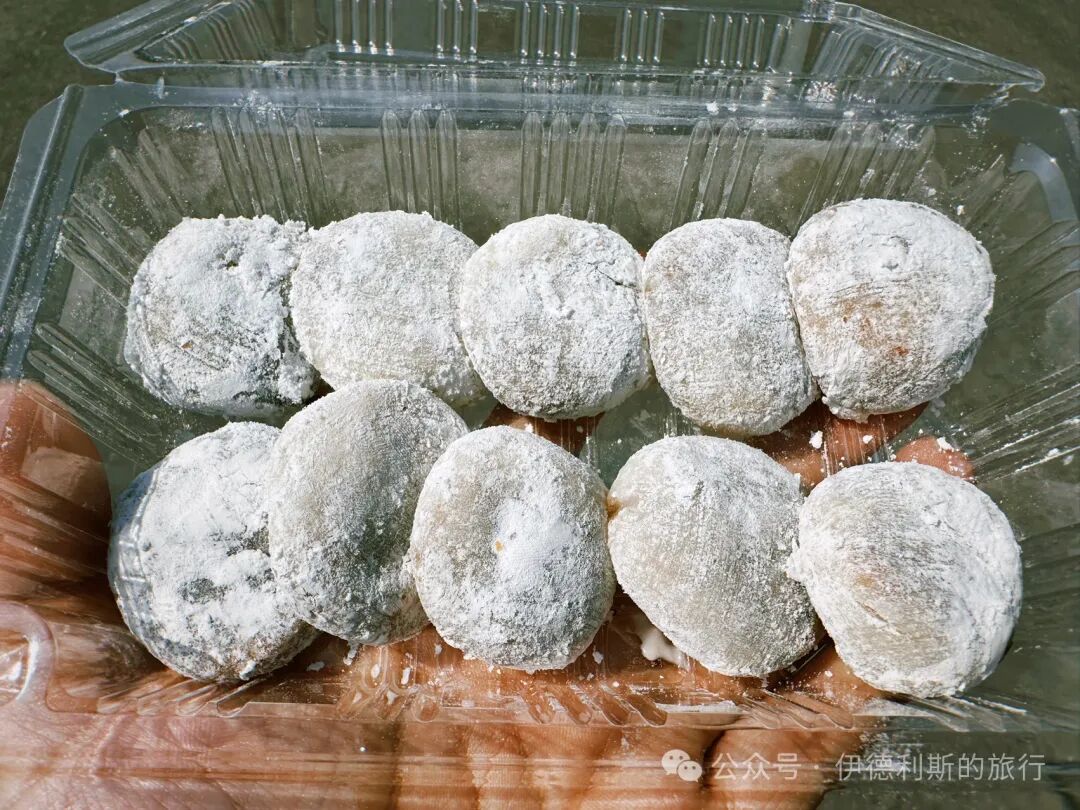
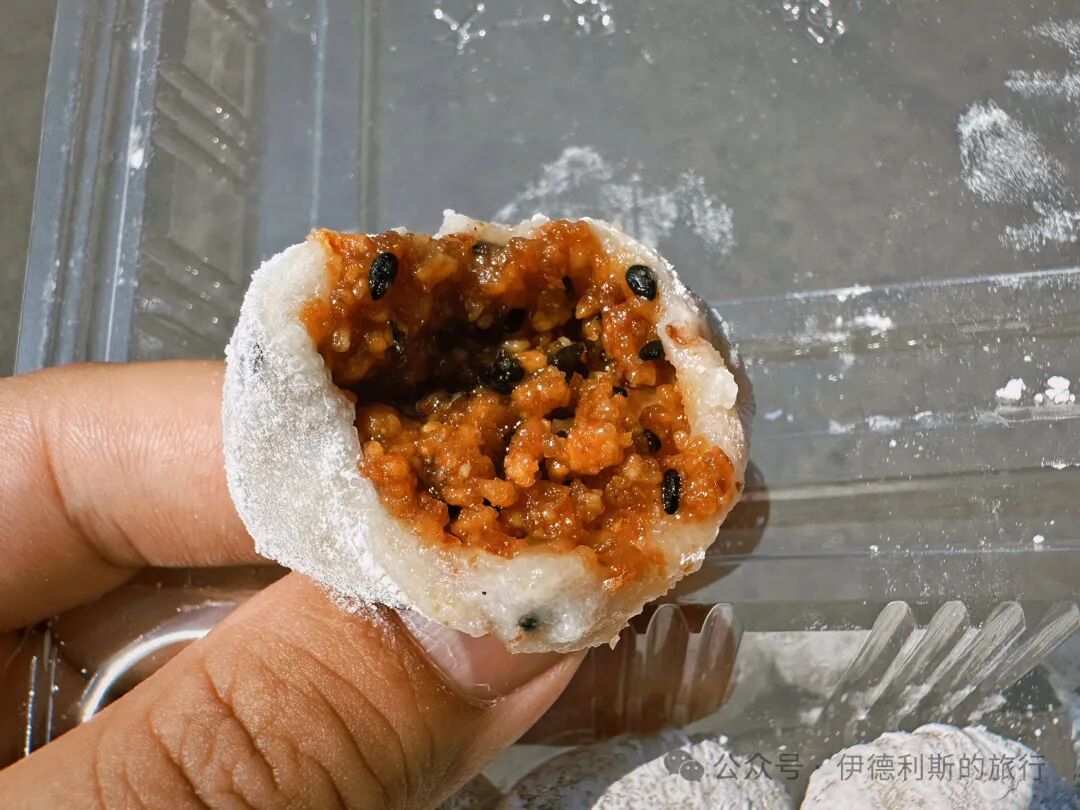
Sticky rice cake (jiangmi lianggao) is made by topping sticky rice with fillings like peanuts, sesame, and sugar. Traditionally, it included candied green and red fruit strips (qinghongsi), but these are now left out to suit younger tastes. Sticky rice cake is very refreshing in the summer, and it feels great on the stomach when paired with tea.
A quick tip: some people say the Yin family pushcart is hard to find. We spotted it at 2:15 p.m. at the intersection west of the Fuzhou Prefectural Office (Fuzhou Zhizhou Yashu). It then moves south along the main road, and you can hear the vendor calling out from far away.
We took the high-speed train from Wafangdian West Station at 3:30 p.m., arrived at Dalian North Station at 4:00 p.m., and then took a taxi to our accommodation to drop off our luggage.
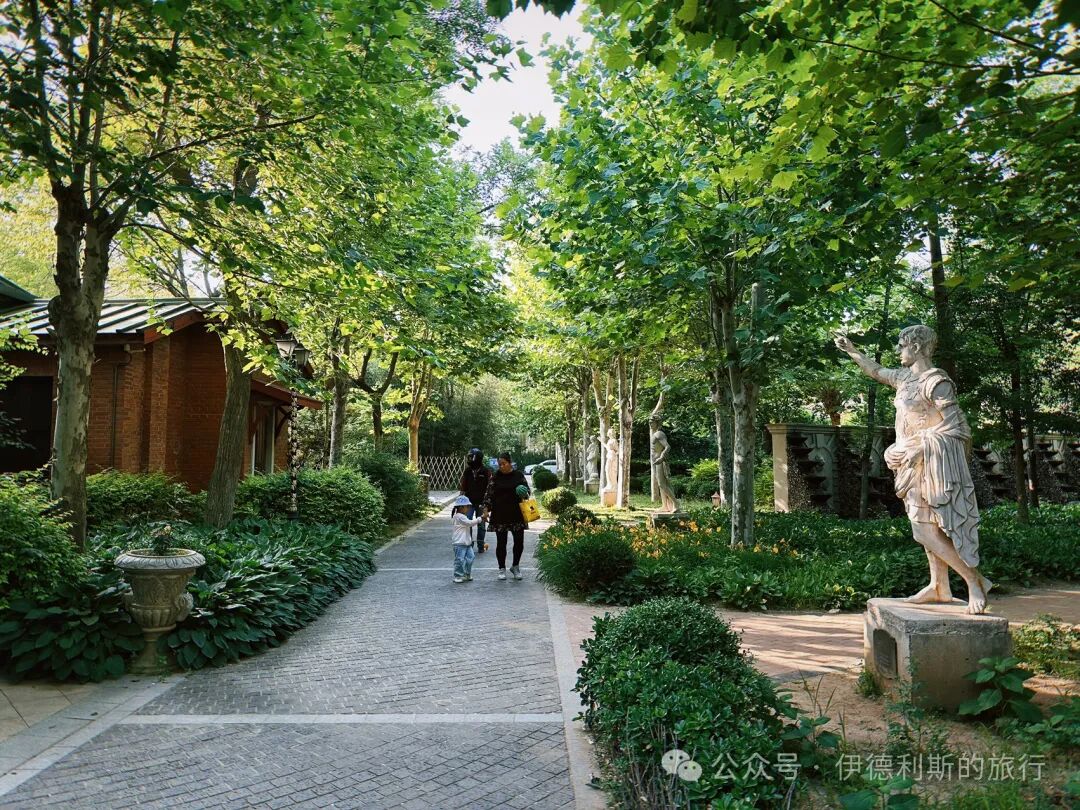
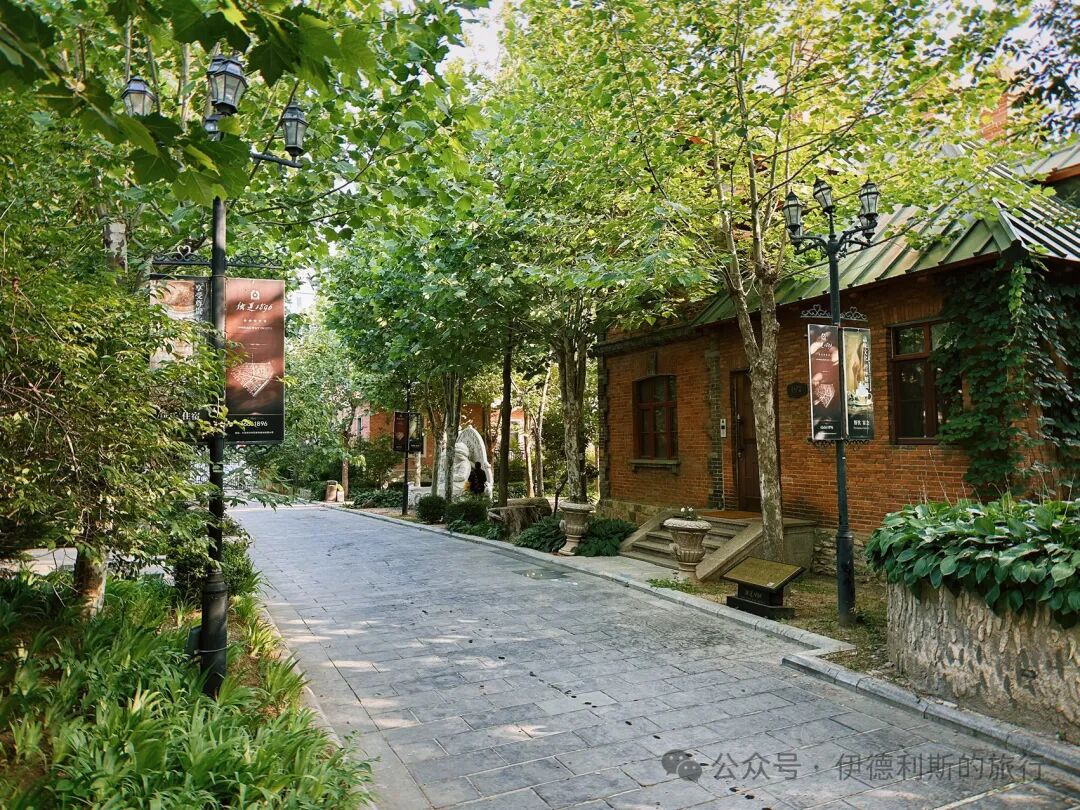
We stayed at the No. 21 Mansion (Ershiyi Hao Gongguan) near the Russian Style Street. The hotel sits in a courtyard that is part of the Yantai Street Russian-style building complex, which includes 28 European-style villas and marks the starting point of Dalian's history. In 1898, Tsarist Russia leased Dalian Bay and began building Dalian city the following year. The first street built was called Engineer Street, which is now known as Russian Style Street. Soon after, Timov Street was built right next to Engineer Street, and it was renamed Yantai Street after 1946. Between the late 19th and early 20th centuries, Tsarist Russia hired German and Russian designers to build a series of European-style villas on Yantai Street, and 28 of them still stand today.
After the Russian-style building complex on Yantai Street was restored in 2011, several hotels and restaurants moved in. When we visited, several places were hosting weddings, which felt a bit like the Italian Style Street in Tianjin. Several villas in the courtyard belong to the Dalian Railway 1896 Garden Hotel, which you can stay in at any time. The No. 21 Mansion where we stayed is military property and only opens during holidays, but you can book it online.
Building No. 21 was built in 1903 and designed by the famous German architect Jan Hendel. In 1920, early labor movement leader and Manchurian Provincial Committee Secretary Wang Ligong lived here. The house we stayed in had windows on both the north and south sides, making the environment very pleasant. The courtyard was very quiet, which was a sharp contrast to the busy Russian-style street next door.
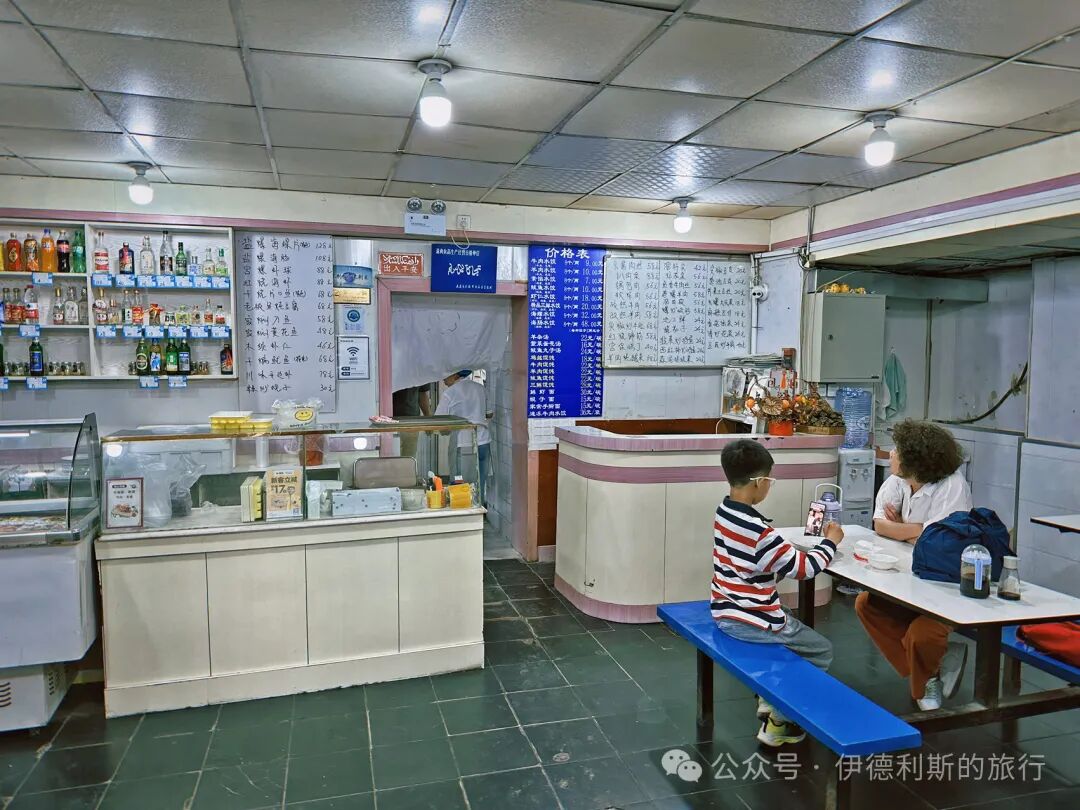
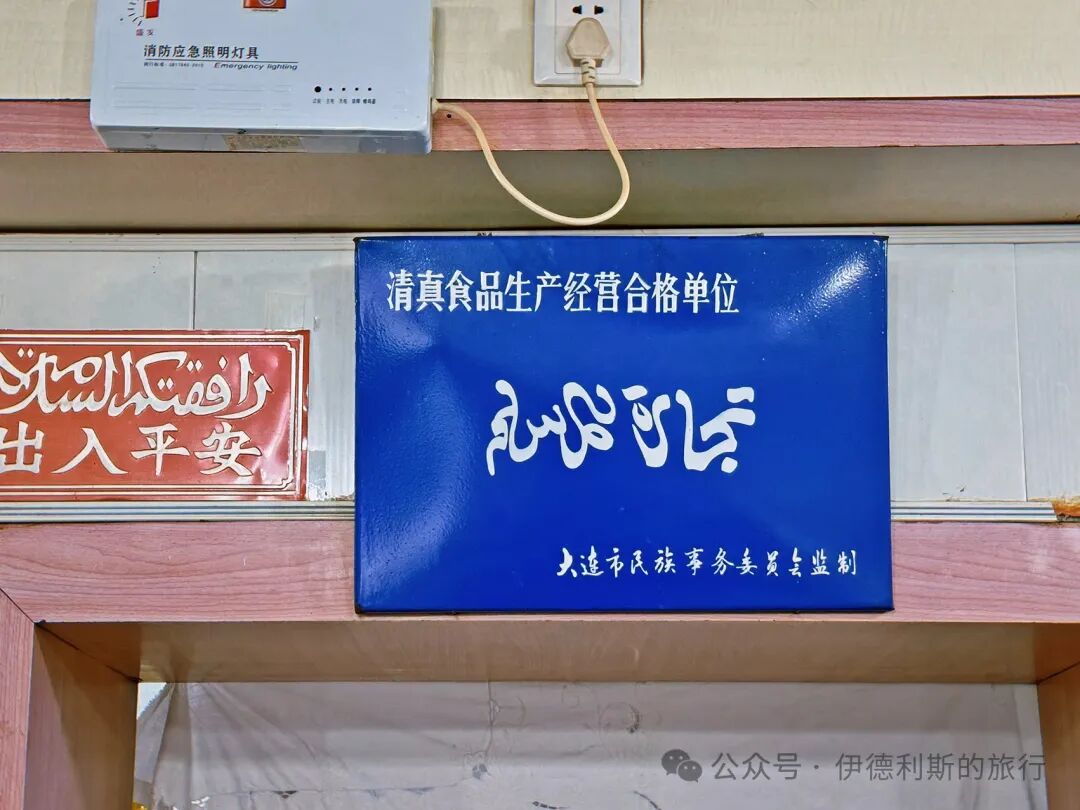
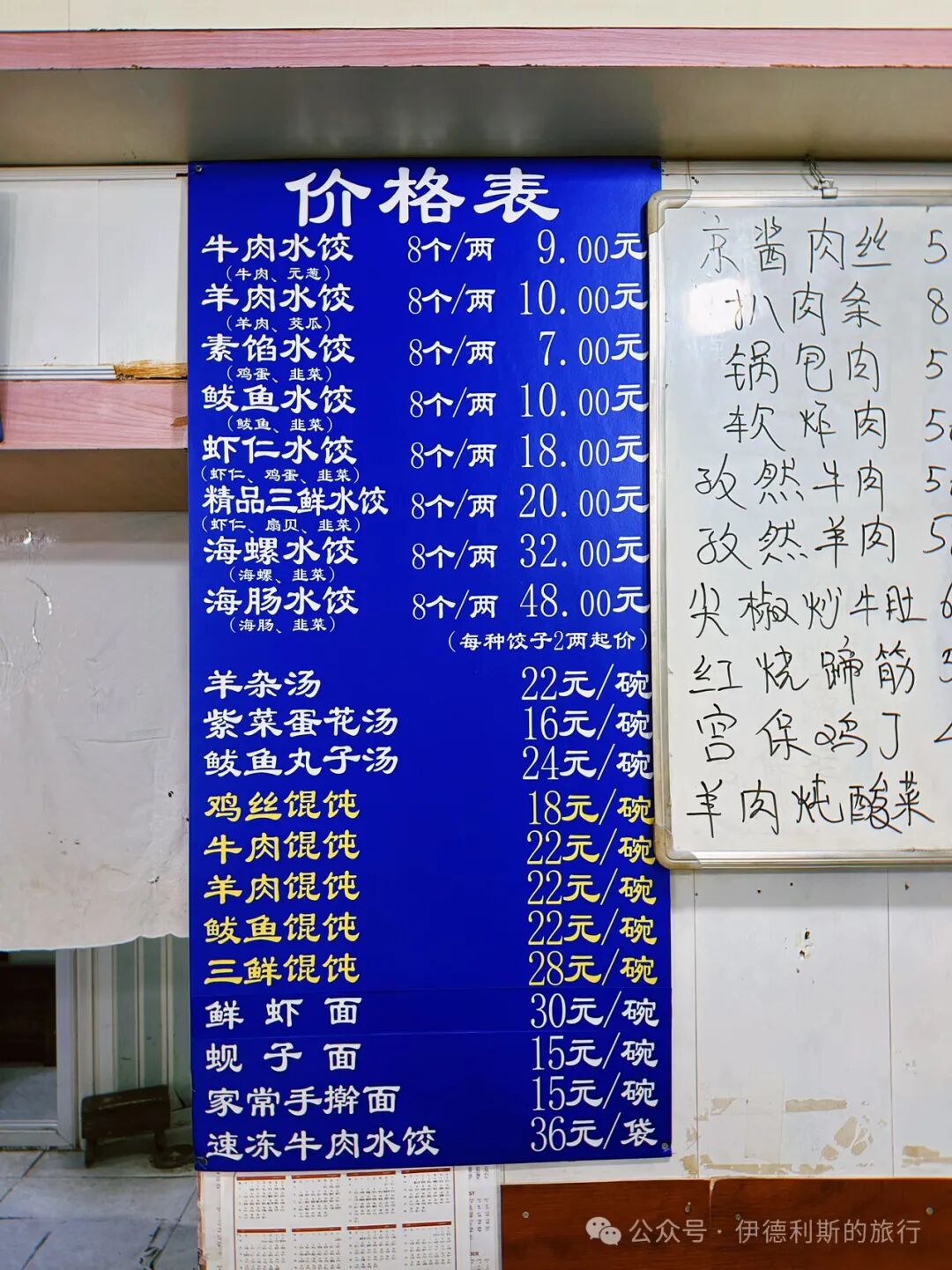
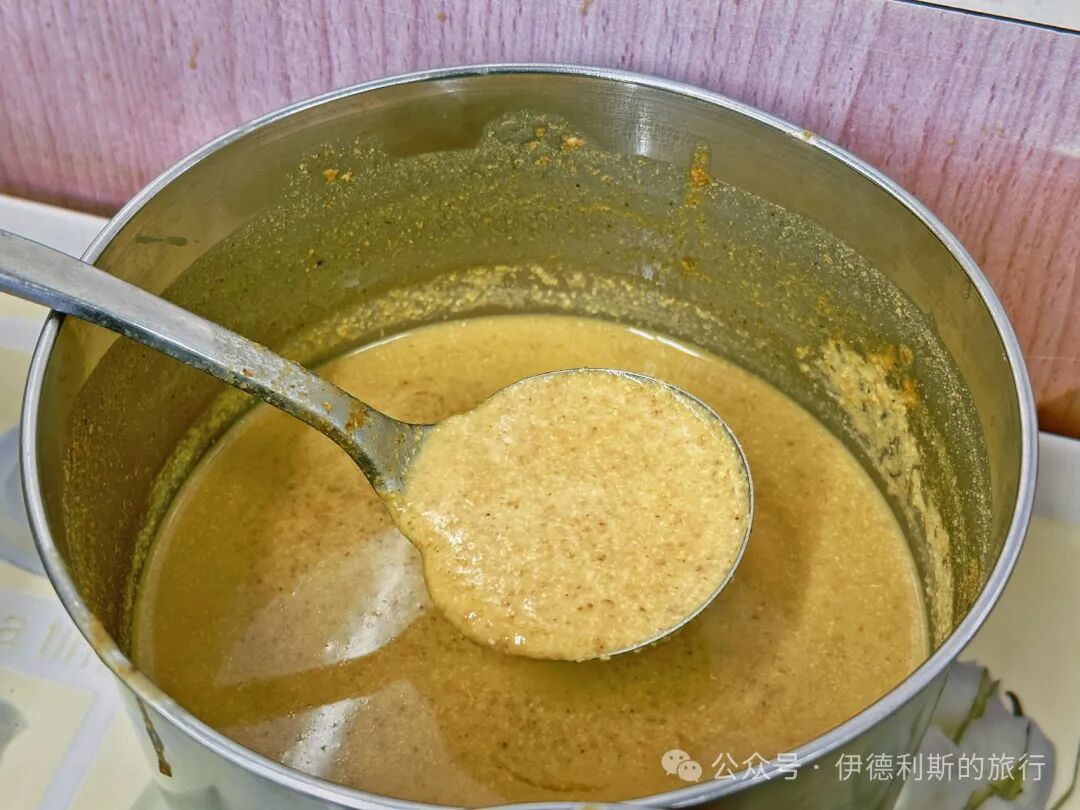
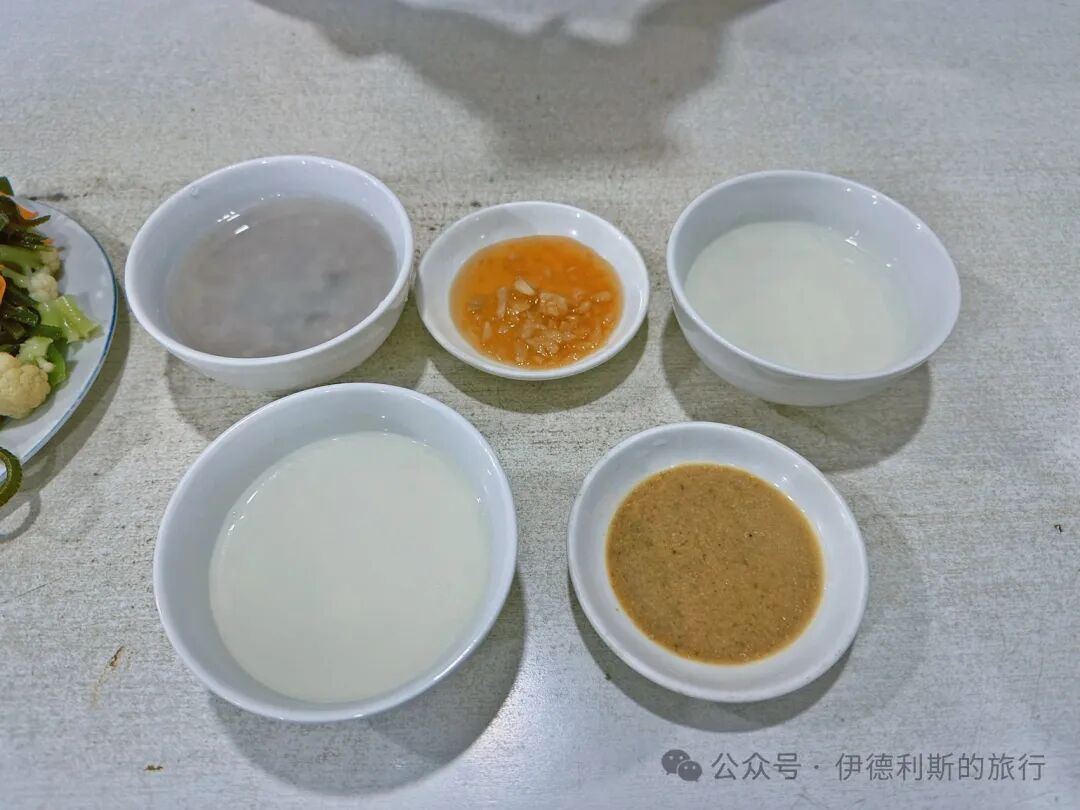
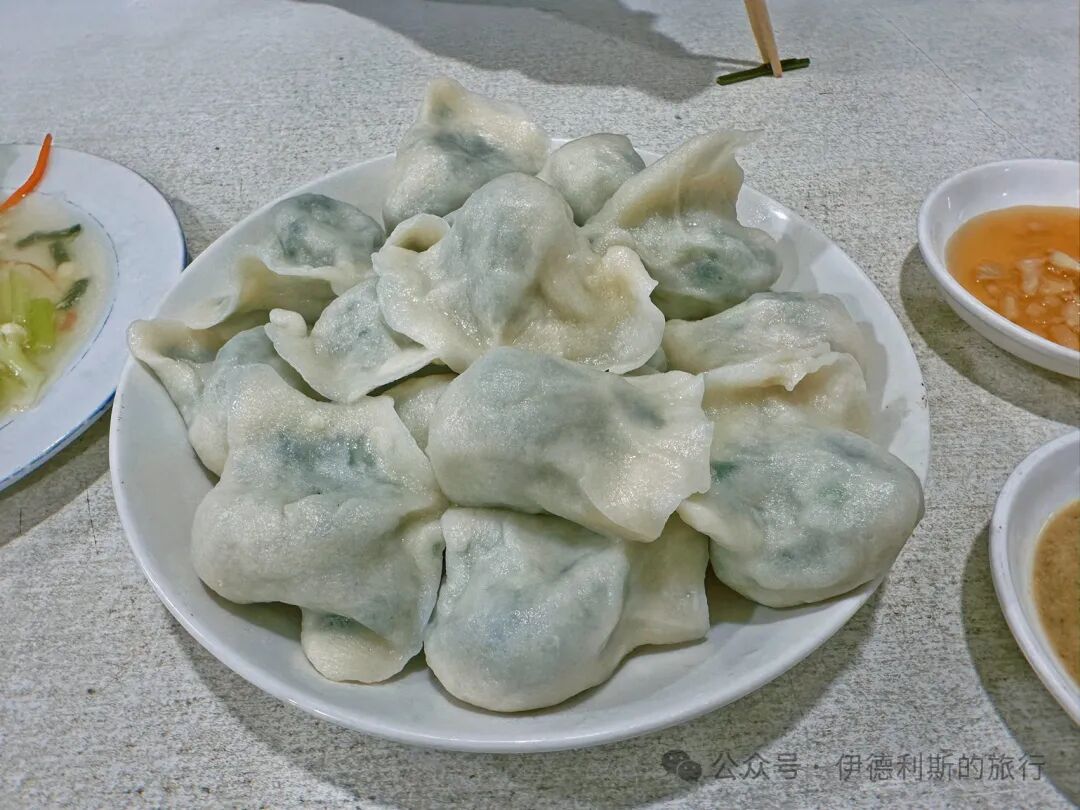
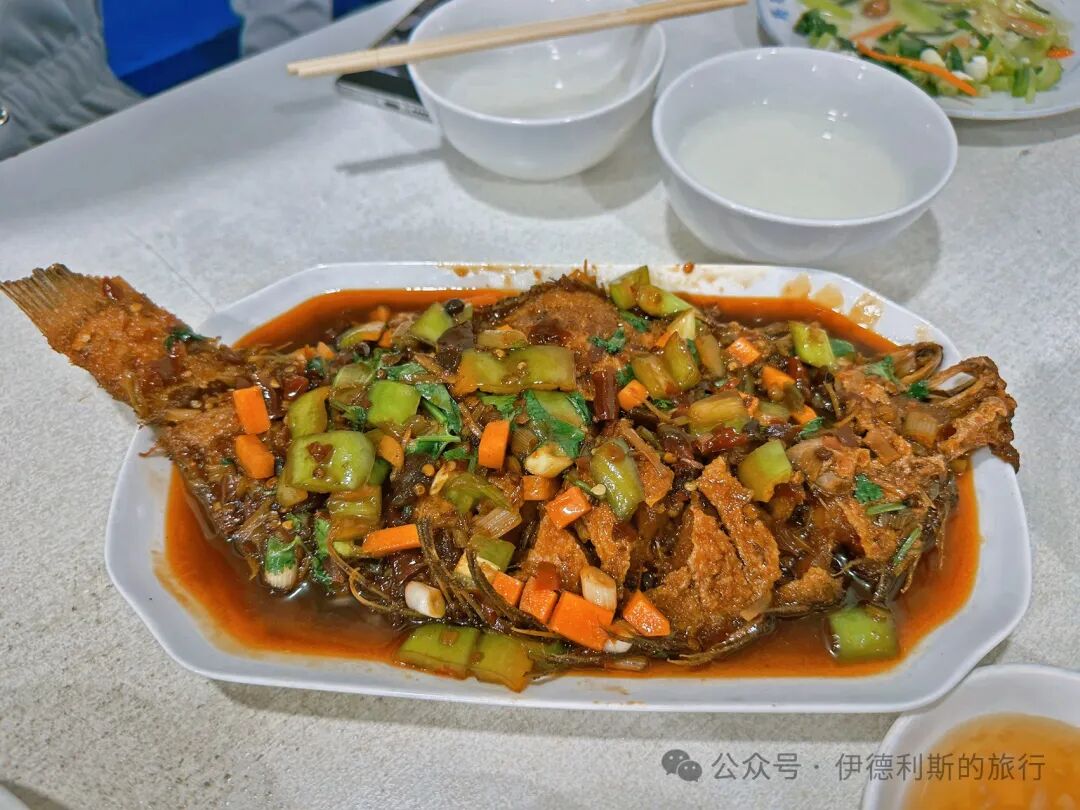
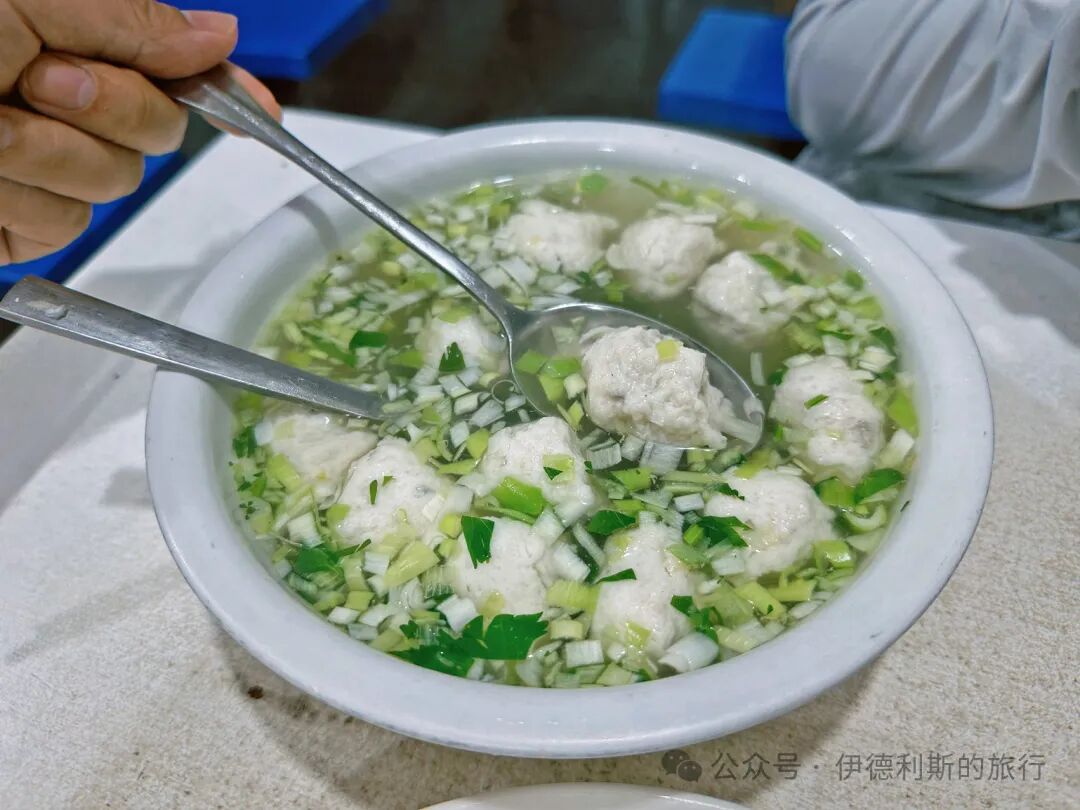
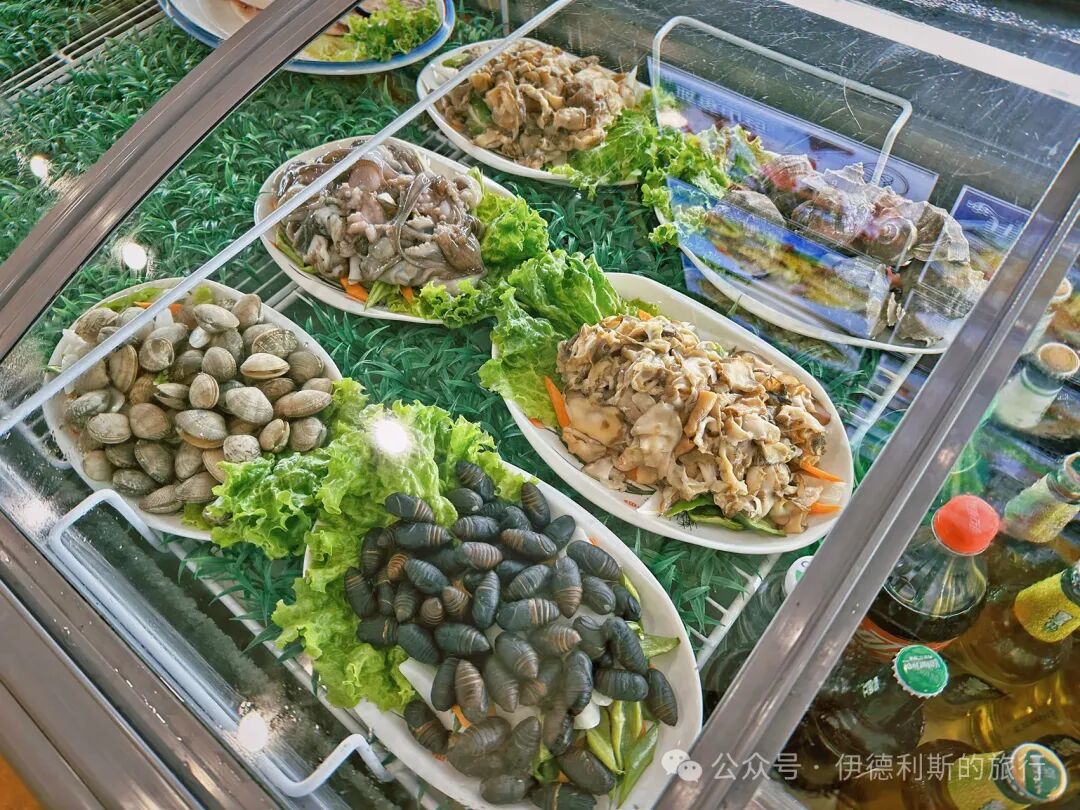
In the afternoon, we had dinner at the long-established Majia Dumpling Restaurant in front of Dalian Railway Station. We ordered sea snail and chive dumplings (haoluo jiucai jiaozi), mackerel ball soup (bayu wanzi tang), and dry-braised flatfish (gan shao piankou yu). Traditionally, Hui Muslims in North and Northeast China do not cook seafood; they focus on beef and lamb. They only started making seafood dumplings after the Reform and Opening-up, and it gradually became a local specialty. They serve dumplings with yellow mustard sauce, which is very unique and adds a great kick to the flavor. The dry-braised flatfish was also well-prepared, with a sweet and spicy taste that really whets the appetite. People who ate at their original shop say the dumplings were even better decades ago, and I can really understand that sense of nostalgia. But as travelers, we are already very happy to be able to eat these dumplings.
Ma Family Dumpling Restaurant (Ma Jia Jiaozi Guan) was the first halal dumpling shop in Dalian and one of the city's two earliest dumpling restaurants. It was opened in 1947 by Liu Yushan, Ma Baishi, and Zhao Fangchen at the Bo'ai Market in Xigang. It was originally called Ruixianghao Hui Muslim Dumpling Restaurant before changing its name to Ma Family Dumpling Restaurant. After the Reform and Opening-up, the restaurant moved to the former site of the Goubuli Steamed Bun Shop on Tianjin Street. It moved to its current location after the renovation of Tianjin Street in the early 21st century. At first, the restaurant only served beef dumplings. After the Reform and Opening-up, seafood dumplings appeared in Dalian, so the restaurant started making new varieties like mackerel dumplings (bayu jiaozi) and sea snail dumplings (hailuo jiaozi).
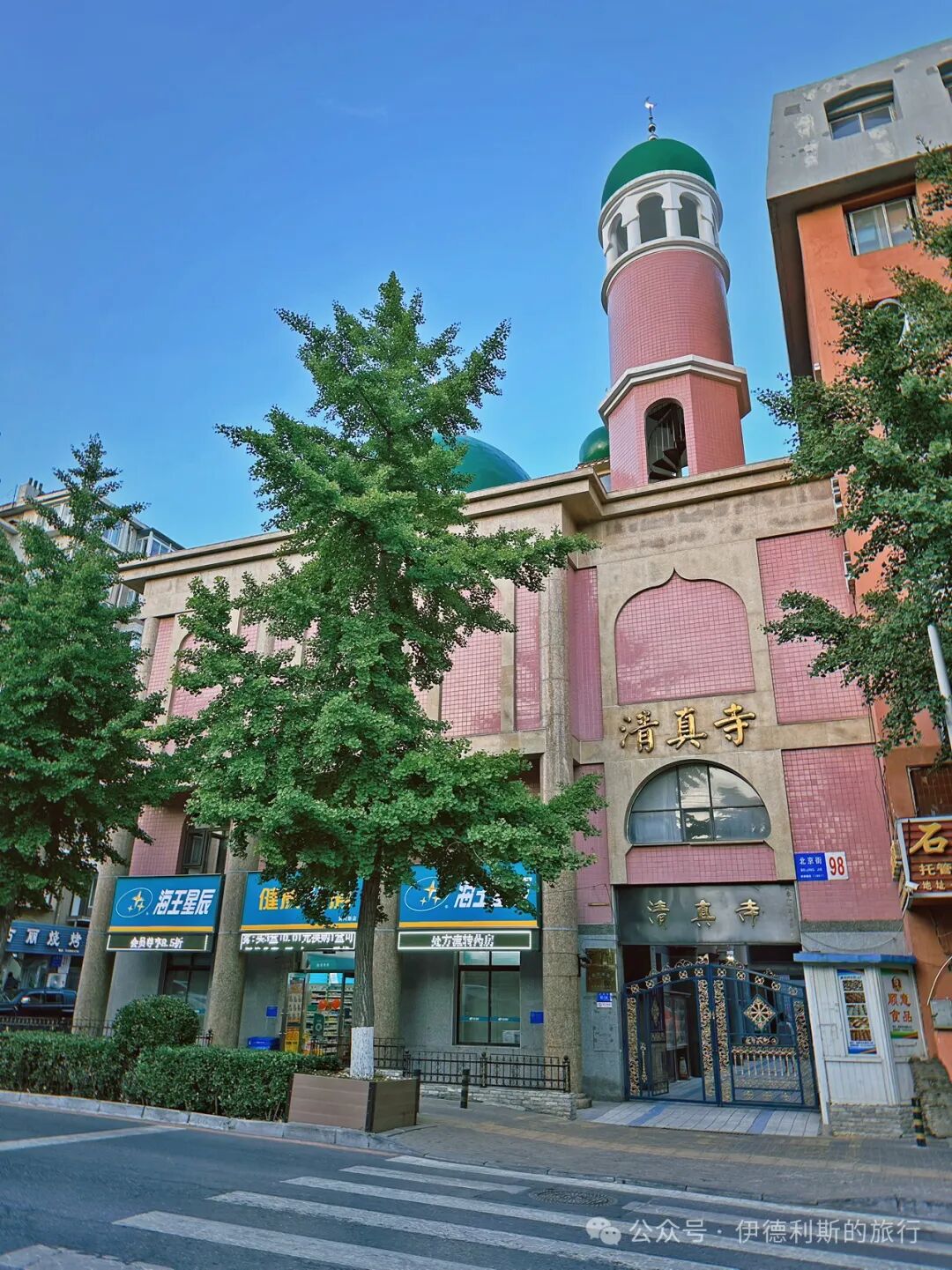
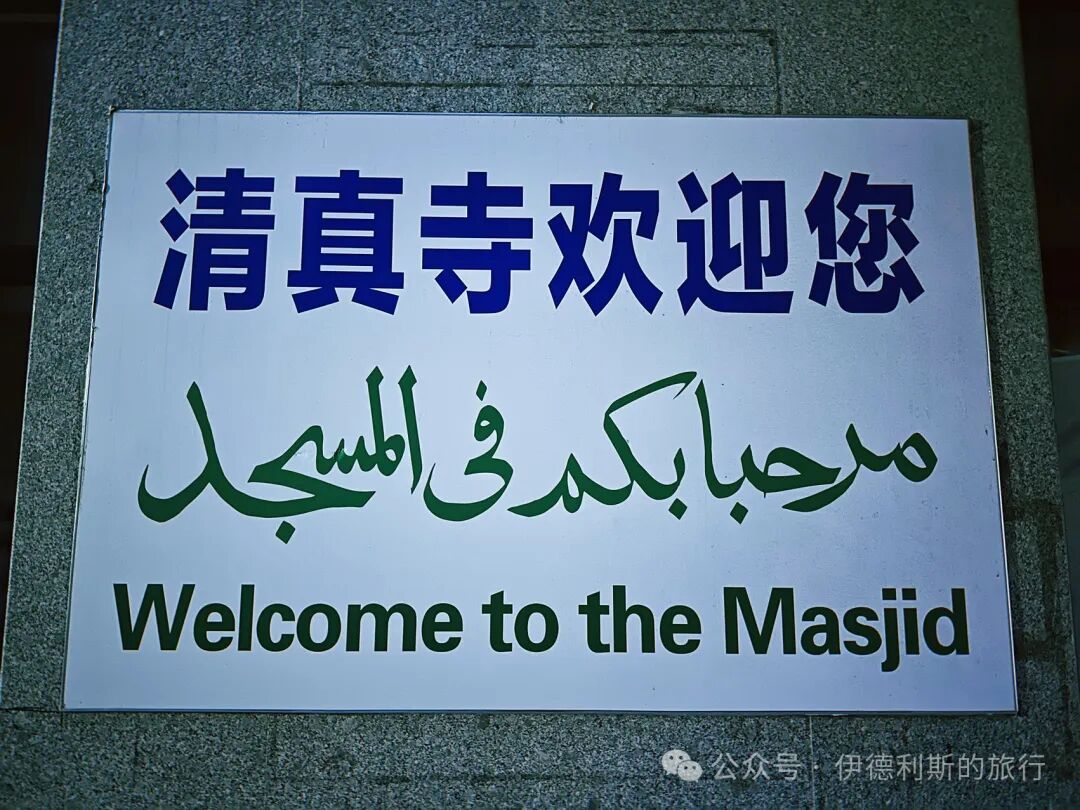
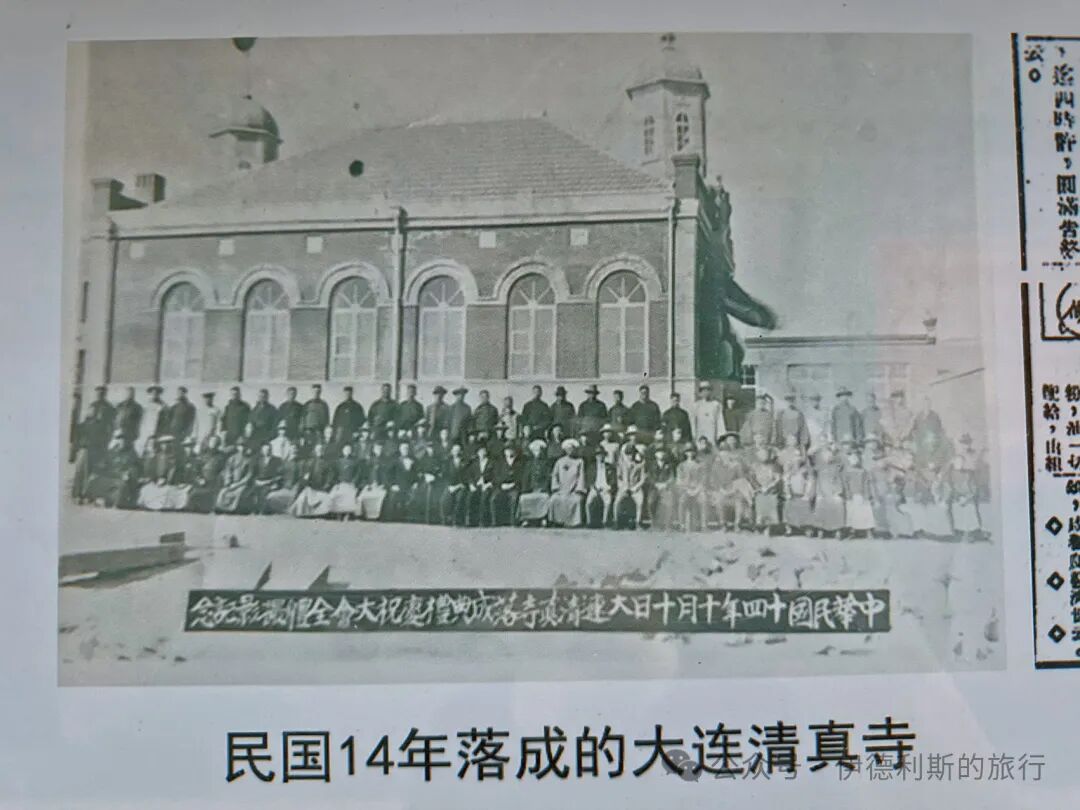
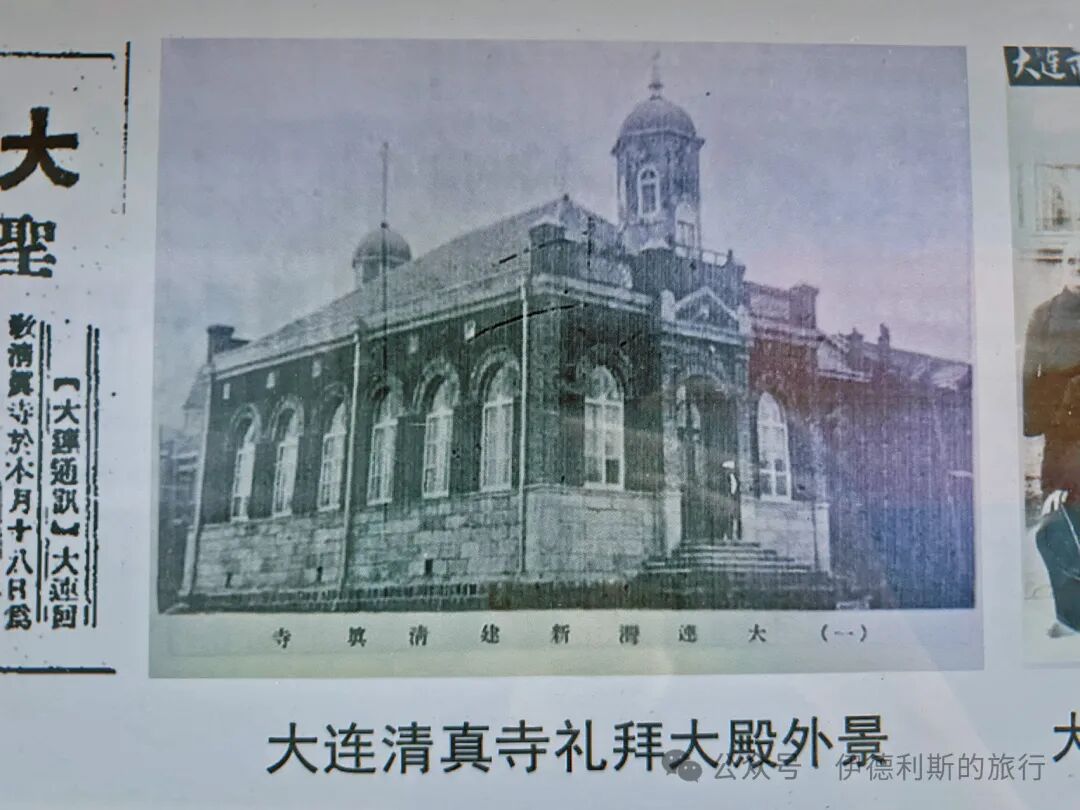
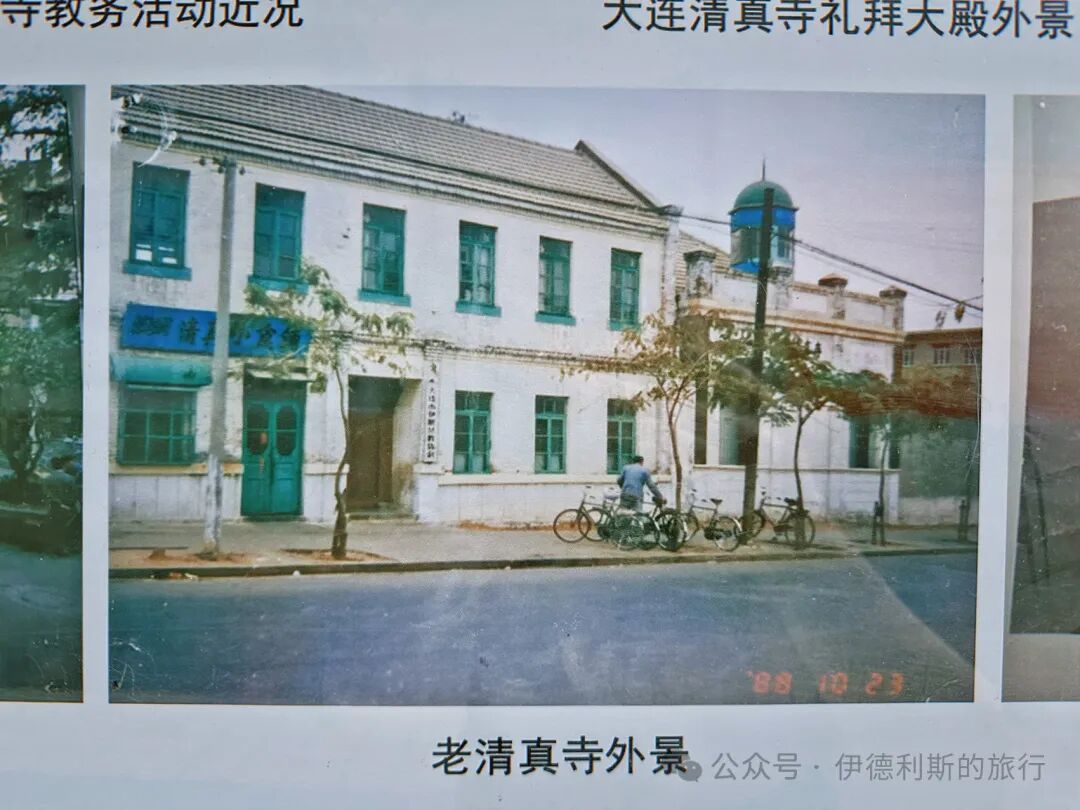
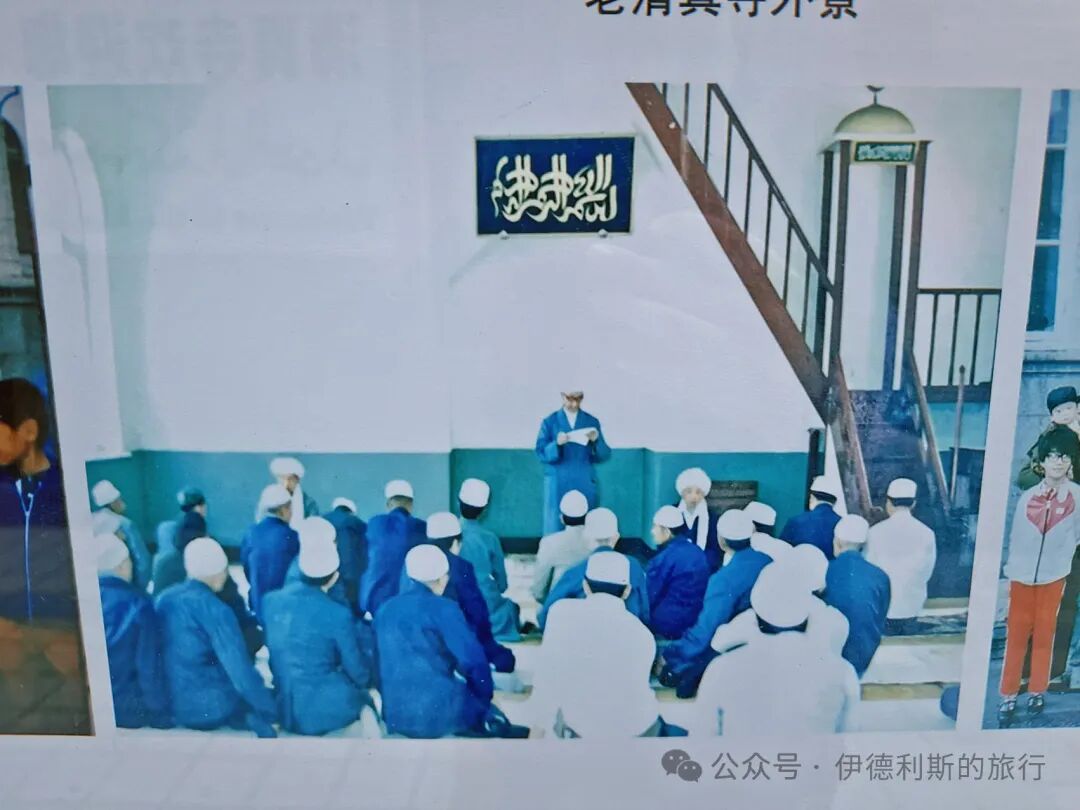
After dinner, we headed to the Dalian Mosque (Dalian Si) on Beijing Street. After Dalian opened as a port in 1897, Hui Muslims from places like Shandong and Hebei came here to make a living. Ma Xinglong, Wang Qifa, Jin Xiangchen, and others first rented a few small rooms on Dalong Street in Xigang to perform their prayers. In 1925, a Russian Muslim working for the South Manchuria Railway (Mantie) secured funding and land from the company to build the Dalian Mosque in a traditional Kazan Tatar style.
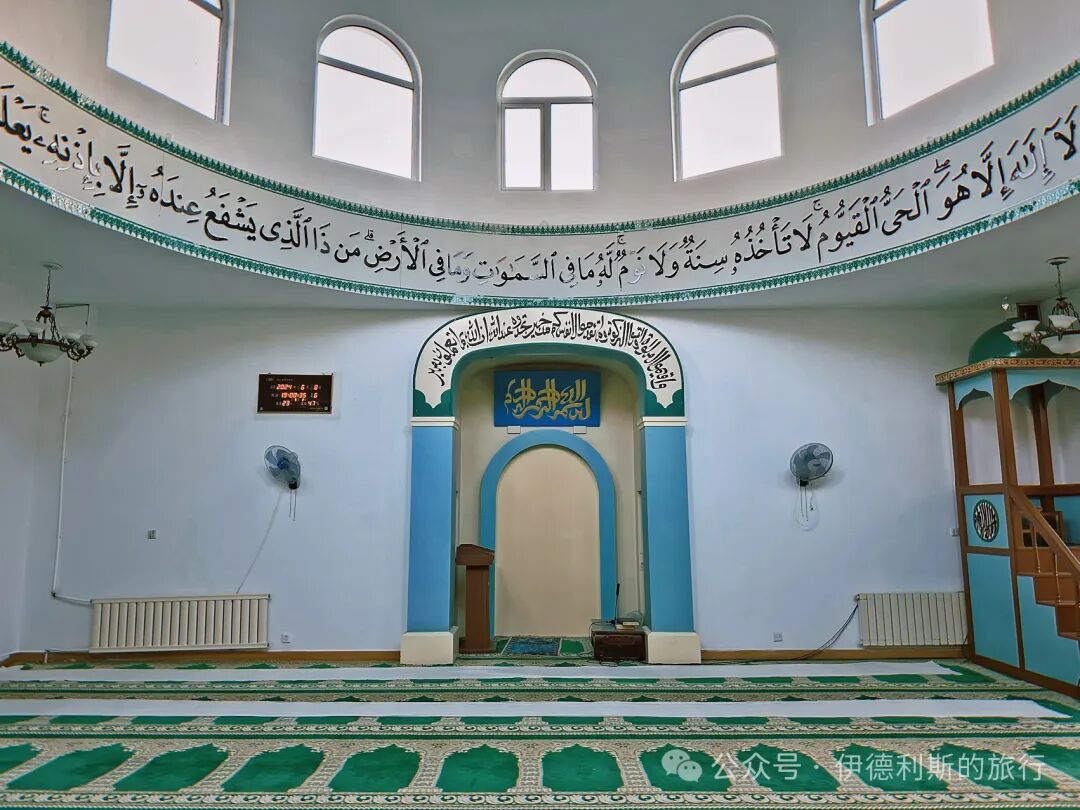
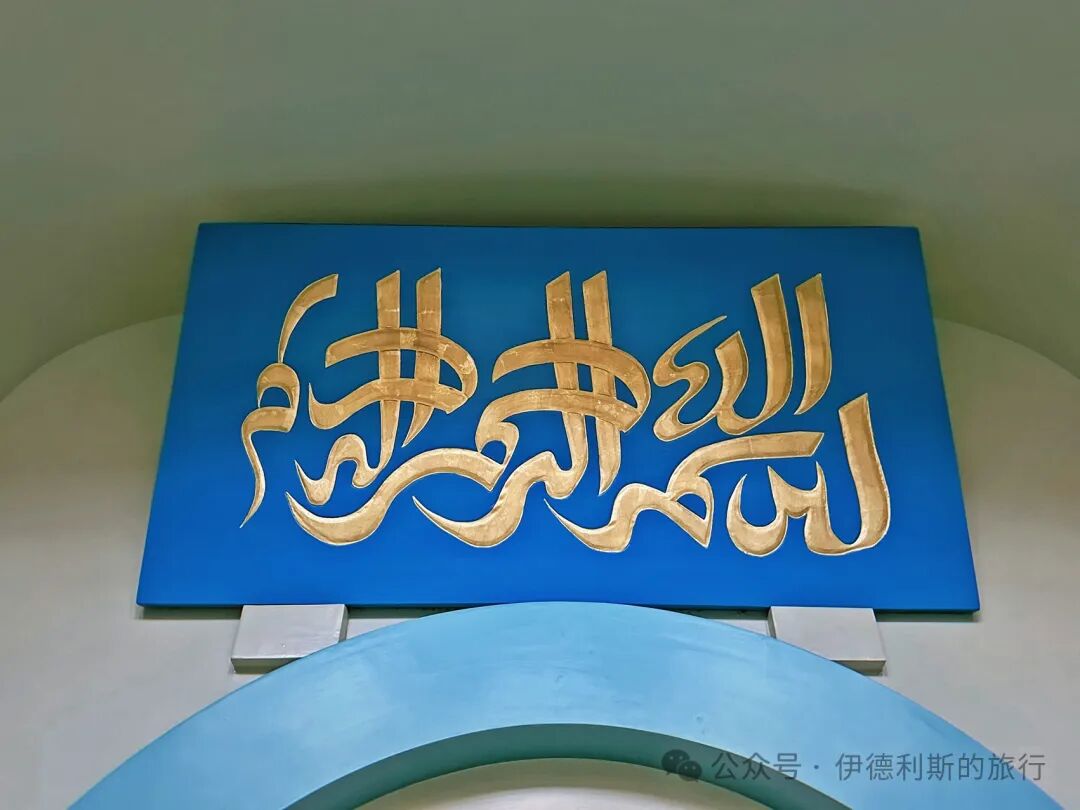
The original Dalian Mosque looked very similar to Tatar mosques in Kazan, Russia, featuring a neoclassical main hall and two minarets at the front and back. The minbar pulpit inside the main hall has stairs that lead directly to the minaret on the roof, which is very rare for a traditional mosque in China.
This Kazan Tatar-style Dalian Mosque stood for 64 years, was rebuilt in 1990, and finally expanded into its current structure in 2005.
I left Dalian Station at 6:20 on June 9, arrived at Qingdui Station at 8:00, and then took a taxi to the ancient town of Qingdui to visit Qingdui Mosque.
Qingdui Town is a thousand-year-old town that has served as a fishing port and commercial hub on the Liaodong Peninsula since the Tang Dynasty. Qingbu Port officially opened in 1743 (the eighth year of the Qianlong reign), making Qingdui Town an important transit point for people from Shandong and Hebei moving to Northeast China. During the late Qing Dynasty and the Republic of China era, Qingdui Town had over three hundred businesses, with shops lining the streets and bustling with activity. Today, Qingdui Town still keeps many old houses with grey bricks and dark tiles from the late Qing and Republican periods, and Qingdui Mosque is one of them.
Qingdui Mosque was first built during the Daoguang reign of the Qing Dynasty and started as just three thatched huts. The First Sino-Japanese War began in July 1894. Famous Hui Muslim general Zuo Baogui led his troops to Korea to fight the Japanese and passed by Qingdui Mosque (Qingdui Si). General Zuo Baogui and the imam of Qingdui Mosque, Zhang Chaozhen, got along very well. Later, the general donated money himself. Along with funds raised by his personal Hui Muslim guards and three local halal restaurants—Deshengyuan, Qingshengyuan, and Yongshengyuan—they prepared to expand the mosque. Sadly, before the expansion was finished, General Zuo Baogui died heroically while fighting the Japanese in Pyongyang.
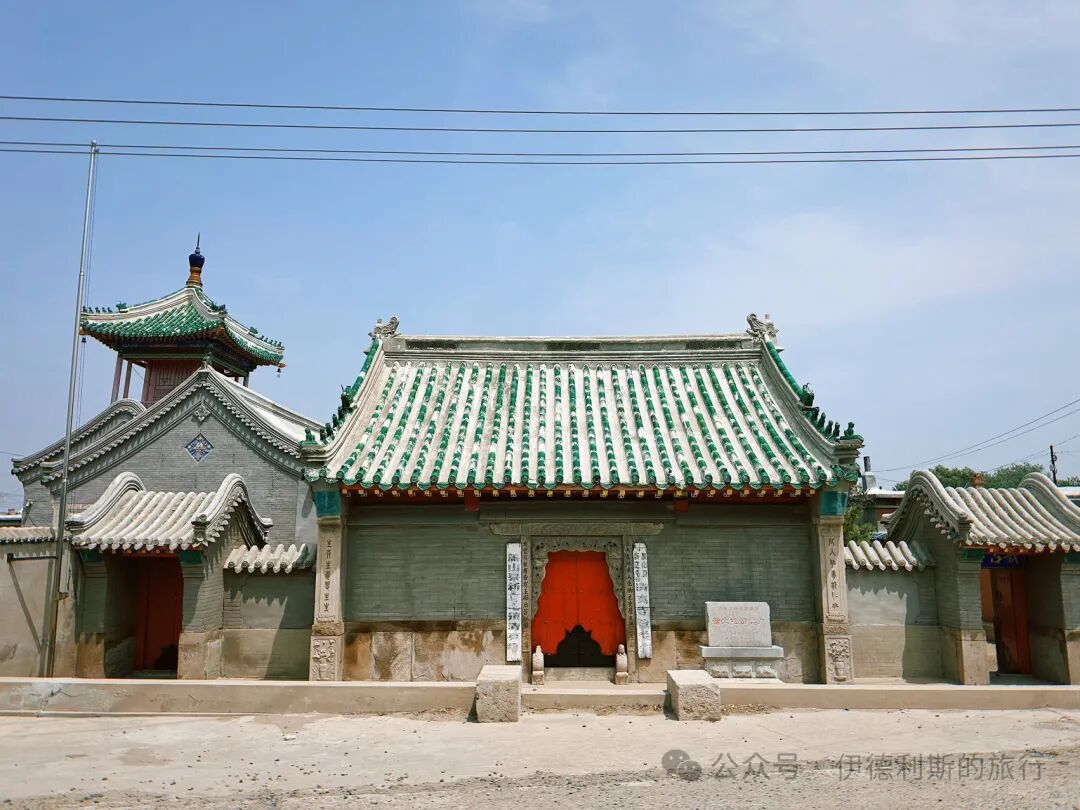
In 1895 (the 21st year of the Guangxu reign), Hui Wanchun, the elder in charge of Qingdui Mosque, oversaw the rebuilding of the main hall into the three-room green brick and tile structure seen today. In 1920 (the 9th year of the Republic of China), the gate tower was rebuilt and the lecture hall was expanded, giving the mosque its current size.
The gate of Qingdui Mosque features a brick-carved couplet that reads: 'The pure palace spreads the teachings of the Quran and the path of Muhammad; the true sage passes down scriptures that bring the grace of the Western Regions to this place.' This is a very precious piece of brick-carved calligraphy from the Republic of China era. The main gate is usually closed, so you must enter the mosque through the south wing where the imam lives. The imam came from Gansu and warmly told us about the situation at Qingdui Mosque (Qingdui Si). It is not easy for his family to stay and serve at this small community mosque (xiaofang).
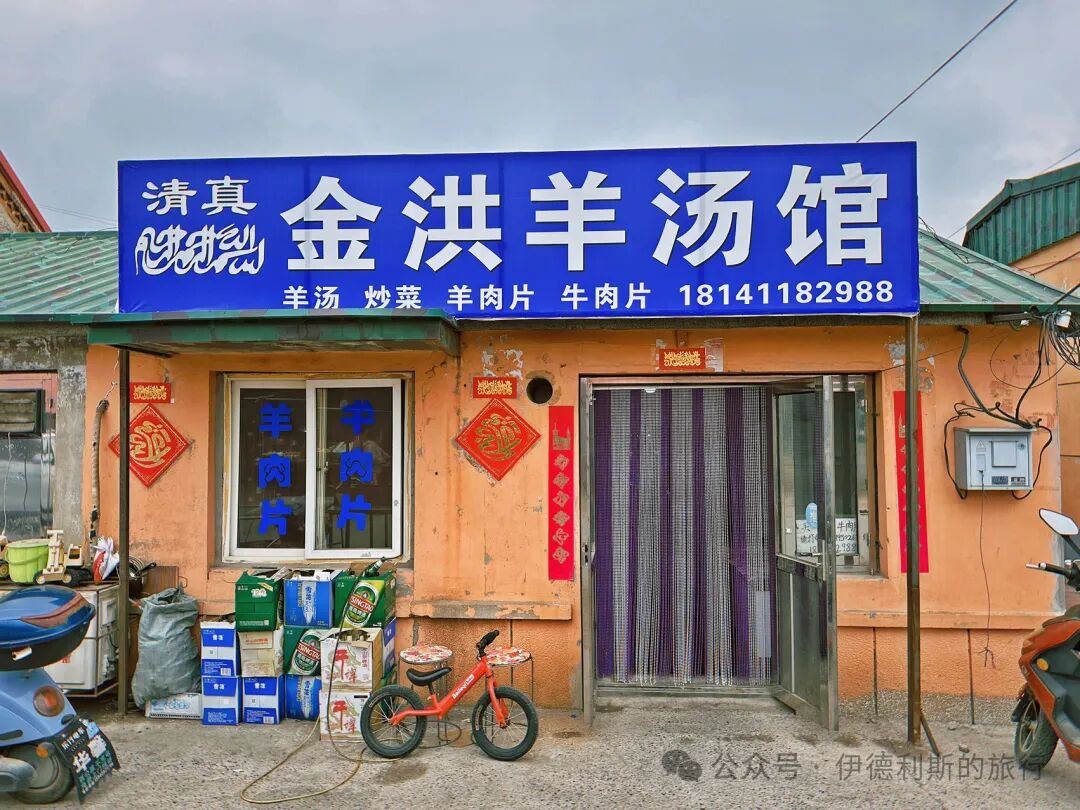
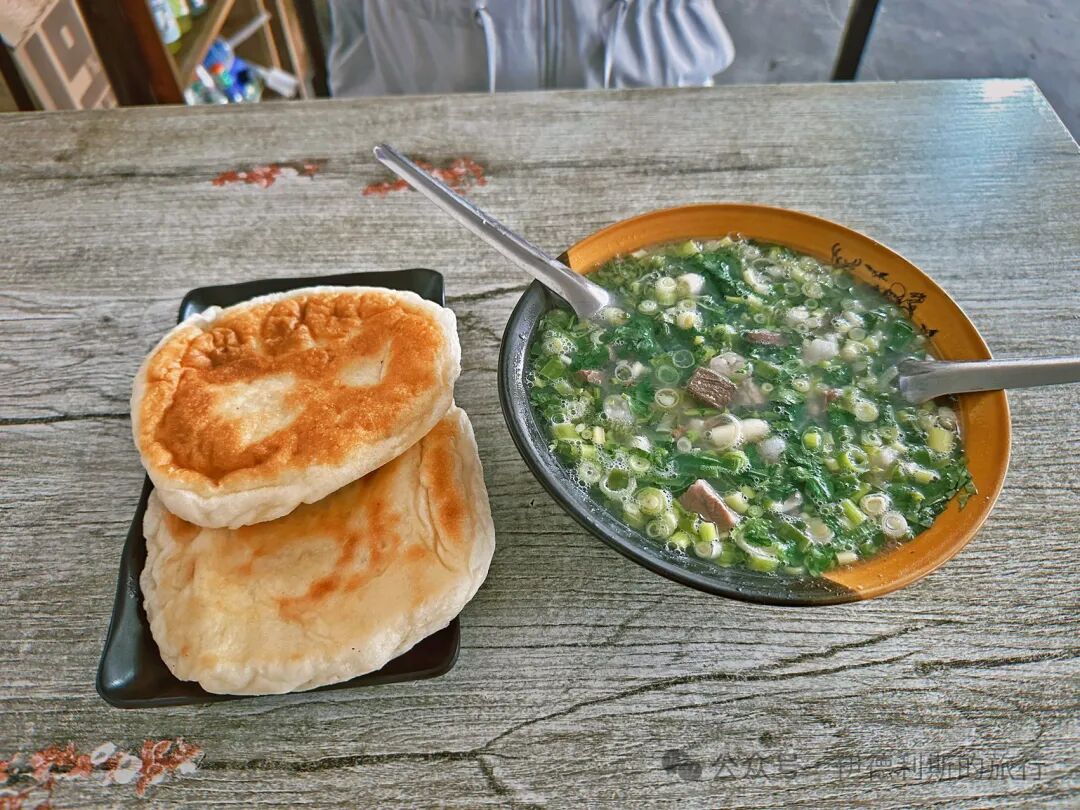
Hui Muslim homes in the ancient town of Qingdui. Because Qingbu Port silted up and closed, the ancient town of Qingdui gradually became quiet, and the town center moved to the area near the road to the north. There are a few halal restaurants in town. We ordered lamb soup at one of them, Jinhong Lamb Soup Restaurant (Jinhong Yangtang Guan), but when it arrived, we found it contained lamb blood. I had heard long ago that some halal restaurants in Shandong and Northeast China sell lamb blood, but this is the first time I have encountered it in years. We had no choice but to return the lamb soup and take a taxi to the train station to continue our trip to the next stop. view all
Summary: Halal Travel Guide: Dalian, Fuzhou Ancient City and Qingdui Ancient Town is presented here as a firsthand travel account in clear, natural English. The account focuses on Dalian, Liaoning Travel, Ancient Towns while preserving the names, places, food, photos, and historical details from the Chinese source.
On the morning of June 8, we took a high-speed train from Shenyang Railway Station and arrived at Wafangdian West Station in Dalian in an hour and a half. After leaving the station, we shared a ride for 20 minutes to reach the ancient town of Fuzhou.
We first stopped at the Qunfangyuan Restaurant near the Fuzhou town roundabout to eat some traditional Fuzhou old-style dishes (Fuzhou laocai). Fuzhou is a thousand-year-old town established during the Liao Dynasty. Since the Ming and Qing dynasties, it has been a major commercial hub in southern Liaoning, attracting many merchants. It only began to lose its importance to Wafangdian along the railway line after the South Manchuria Railway was built in modern times. Around 1641, the sixth year of the Chongde reign of the Qing Dynasty, four Hui Muslim families—the Yin, Ma, Dai, and Hui families from Cangzhou, Hebei—moved to Fuzhou. Later, they worked with the local Manchu and Han people to develop the unique Fuzhou old-style dishes.
Fuzhou old-style dishes are known for their oil-fried meat (guoyourou), twice-cooked meat (huishaorou), braised meatballs (huiwanzi), dragon and tiger fight (longhudou), and fried crispy crackers (zhabaochui). Because portions of Northeast Chinese food are so large, we just ordered the most famous oil-fried meat to try. The Fuzhou version of oil-fried meat contains only meat with no side vegetables. It is seasoned with vinegar and garlic, giving it a salty, fresh, and sour taste that goes perfectly with rice.
Fuzhou oil-fried meat is also called the dish of ethnic unity. Legend has it that during the late Qing Dynasty, a soldier named Tuoerha from the Plain Blue Banner died in battle in southern Xinjiang, leaving his wife and children helpless in Fuzhou. One day, just before the Lunar New Year, a mother and her son were walking down the street. The boy was so drawn to the aroma from a restaurant that he refused to leave. The owner knew the boy's father had died for his country, so he invited them inside. He told the kitchen staff to prepare a dish of pure meat for them and to fry it an extra time. Because of this, double-fried meat (guoyourou) became a signature New Year dish for the people of Fuzhou.
After lunch, we went to Fuzhou Mosque (Fuzhou Si) to pray. The imam at Fuzhou Mosque is from Mengcun in Cangzhou, Hebei, which is a major tradition for the faith in Liaoning.
In the early Qing Dynasty, Hui Muslims with the surnames Yin, Dai, Ma, and Hui moved to Fuzhou from Cangzhou. In 1649 (the sixth year of the Shunzhi reign), they began building Fuzhou Mosque. By 1656 (the thirteenth year of the Shunzhi reign), they had finished three thatched rooms to serve as the main prayer hall. The main hall was rebuilt in 1774 (the thirty-ninth year of the Qianlong reign) and expanded again in 1880 (the sixth year of the Guangxu reign), though it still had a thatched roof. In 1920, the front porch and rear kiln-style hall were added, and the roof was changed to blue brick tiles, creating the structure seen today.
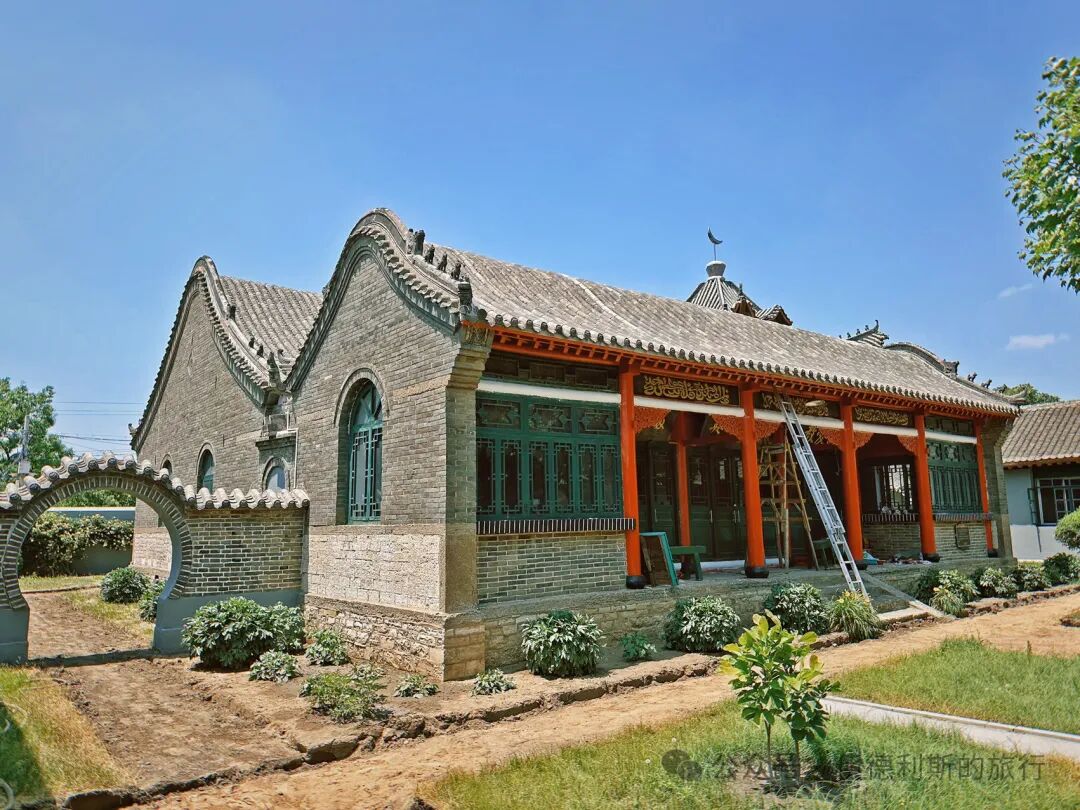
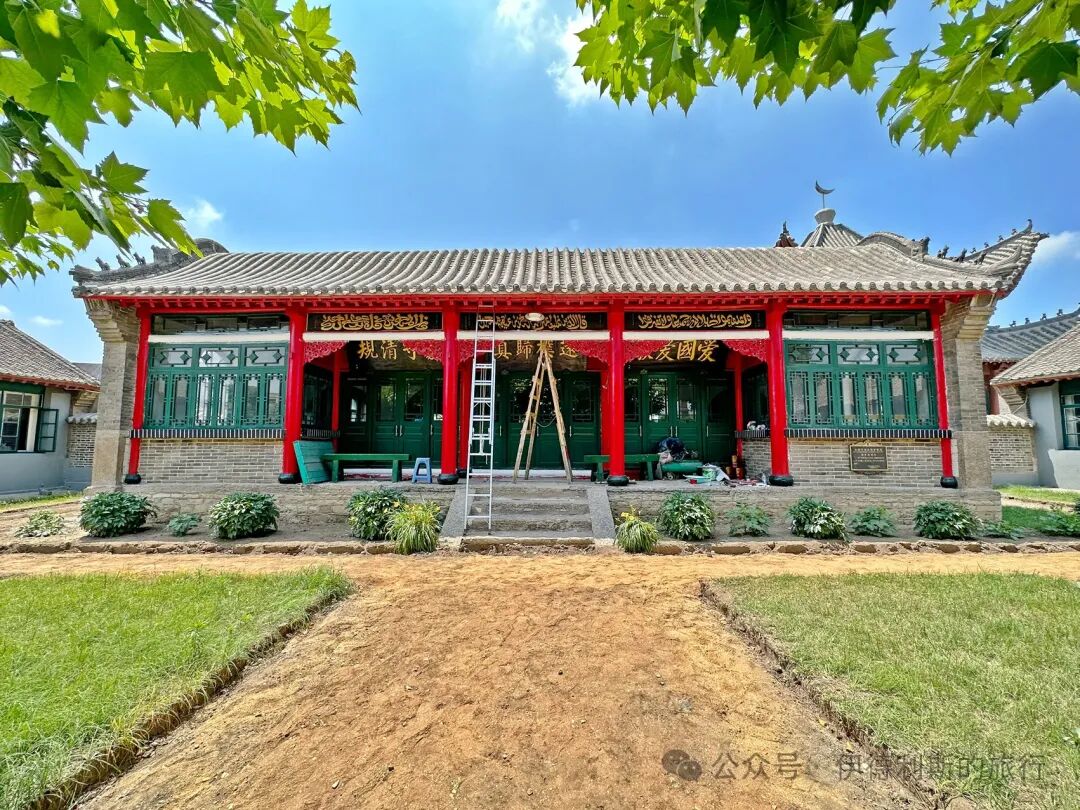
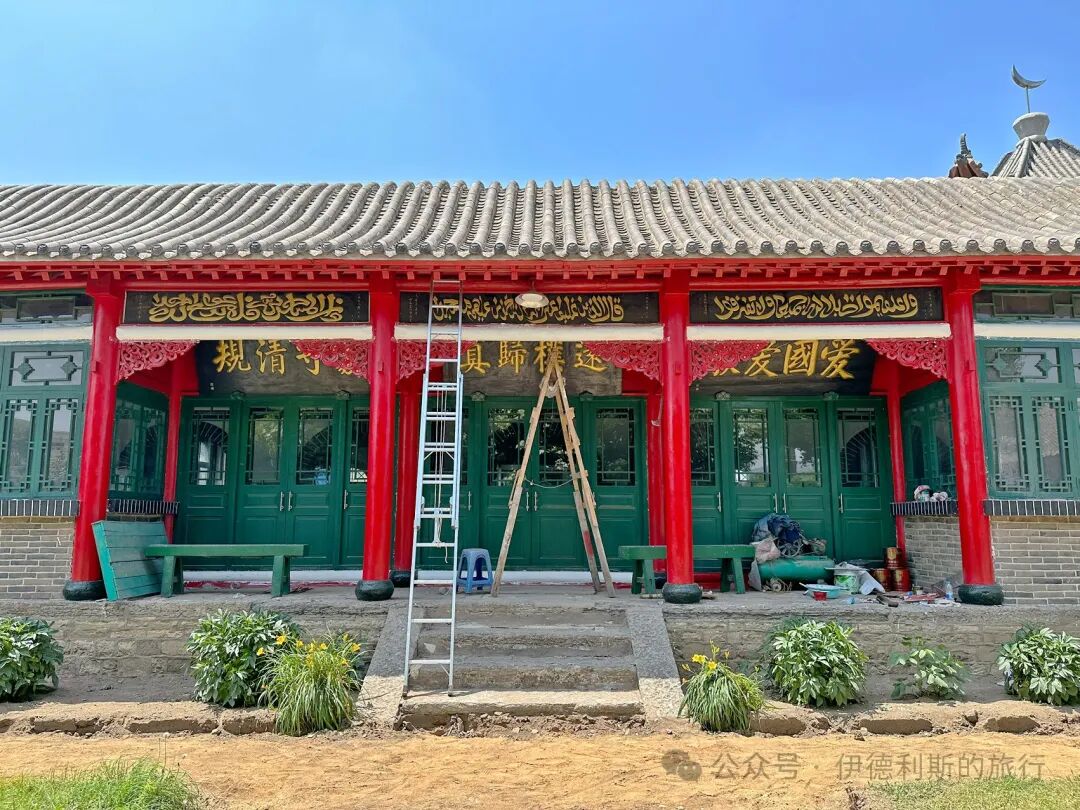
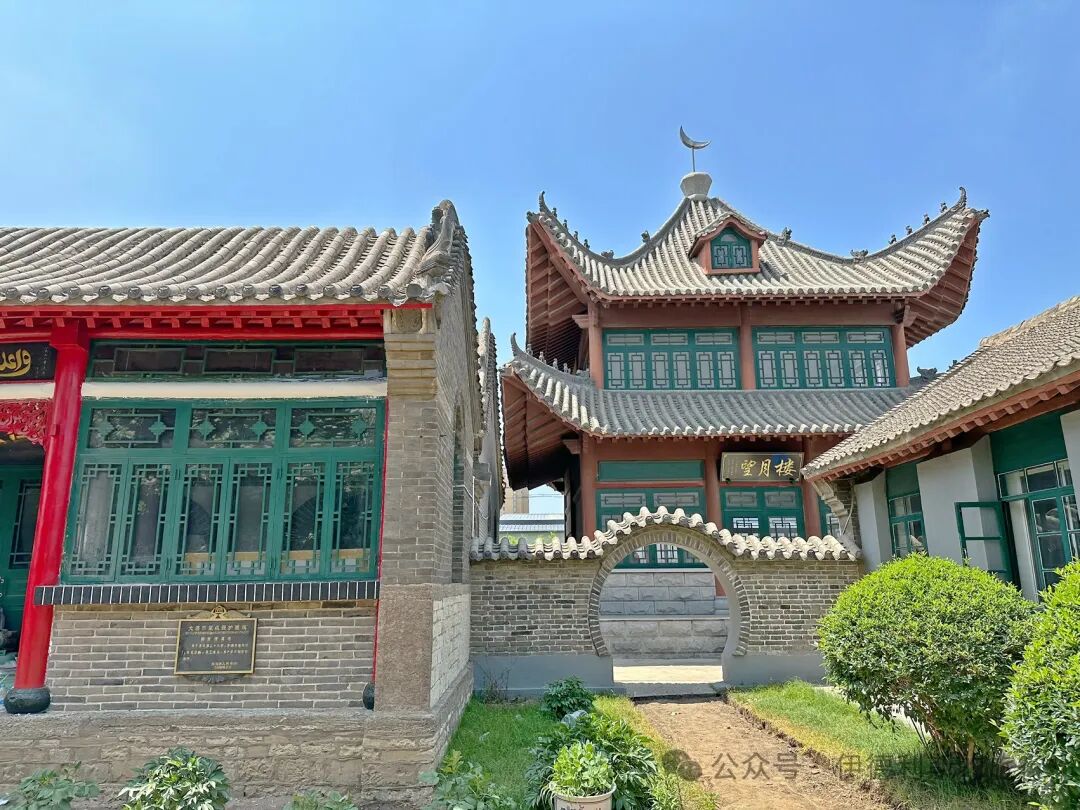
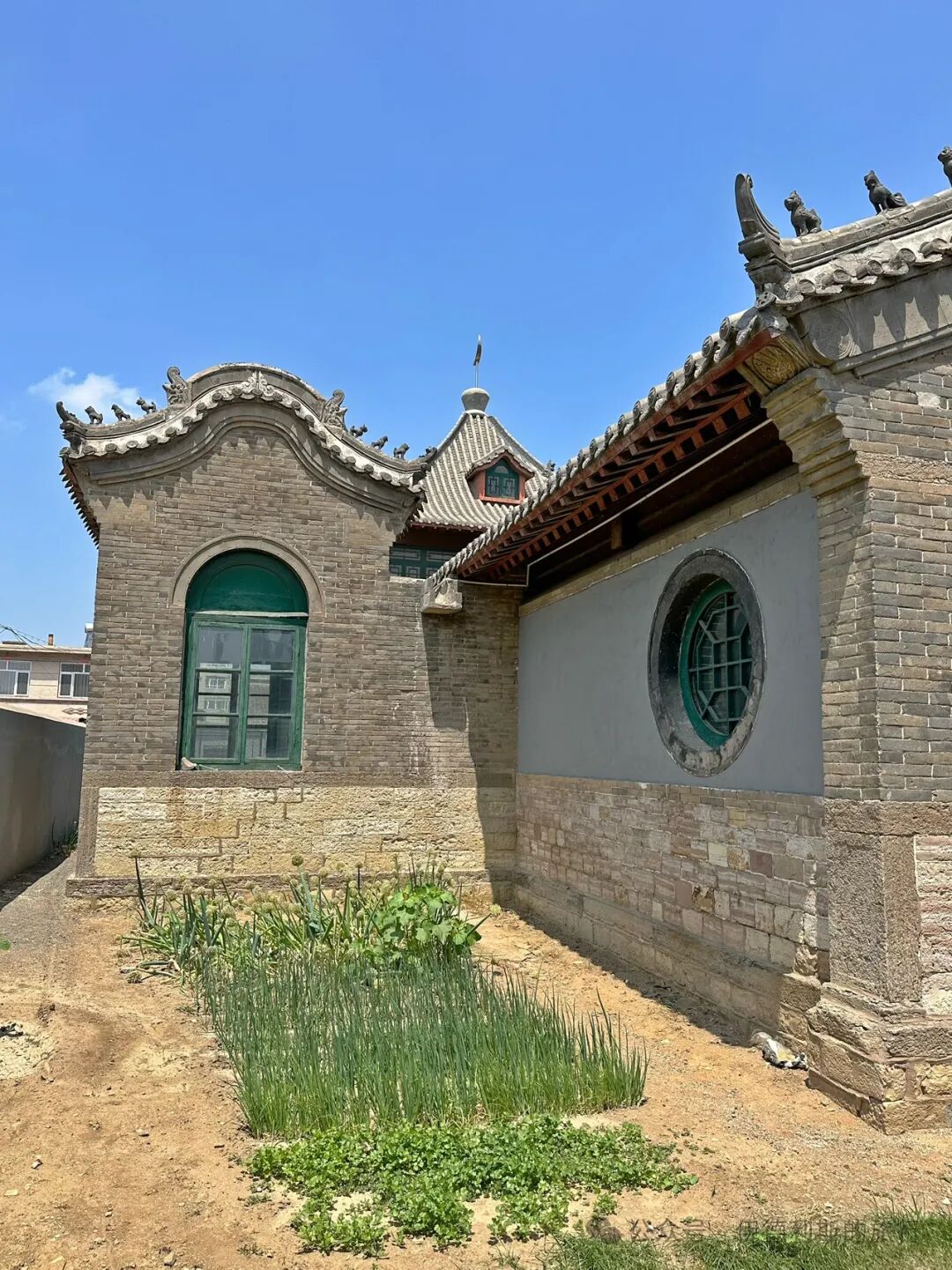
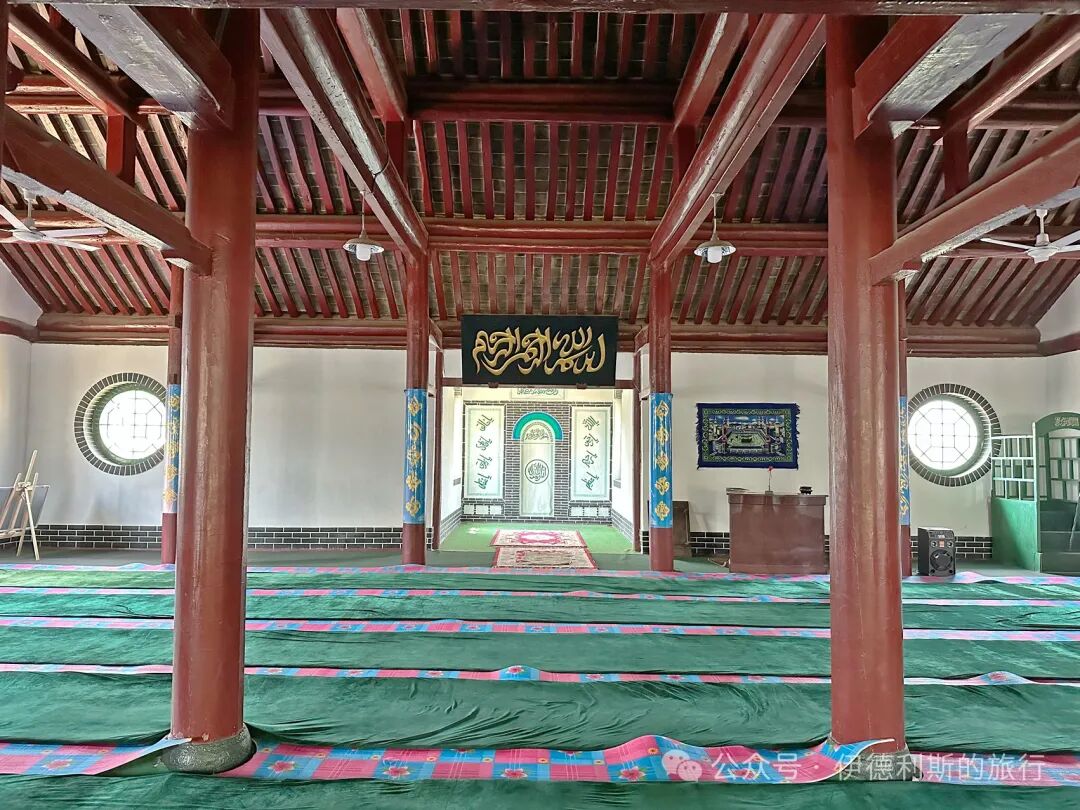
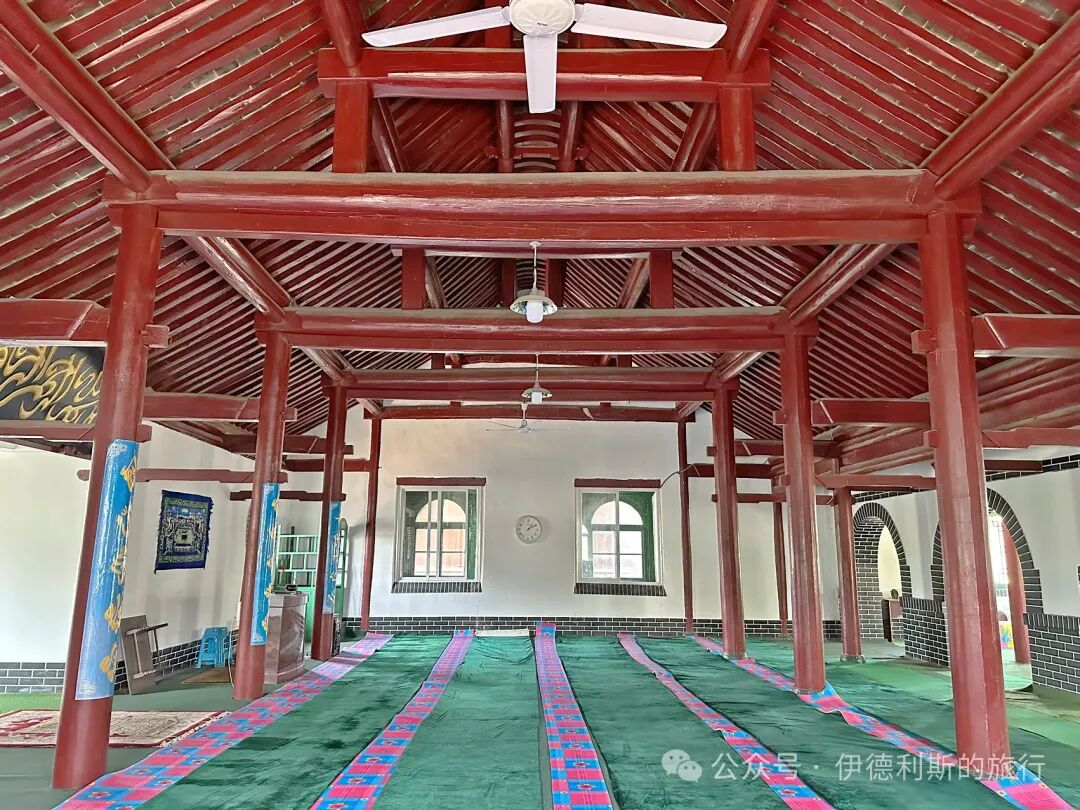
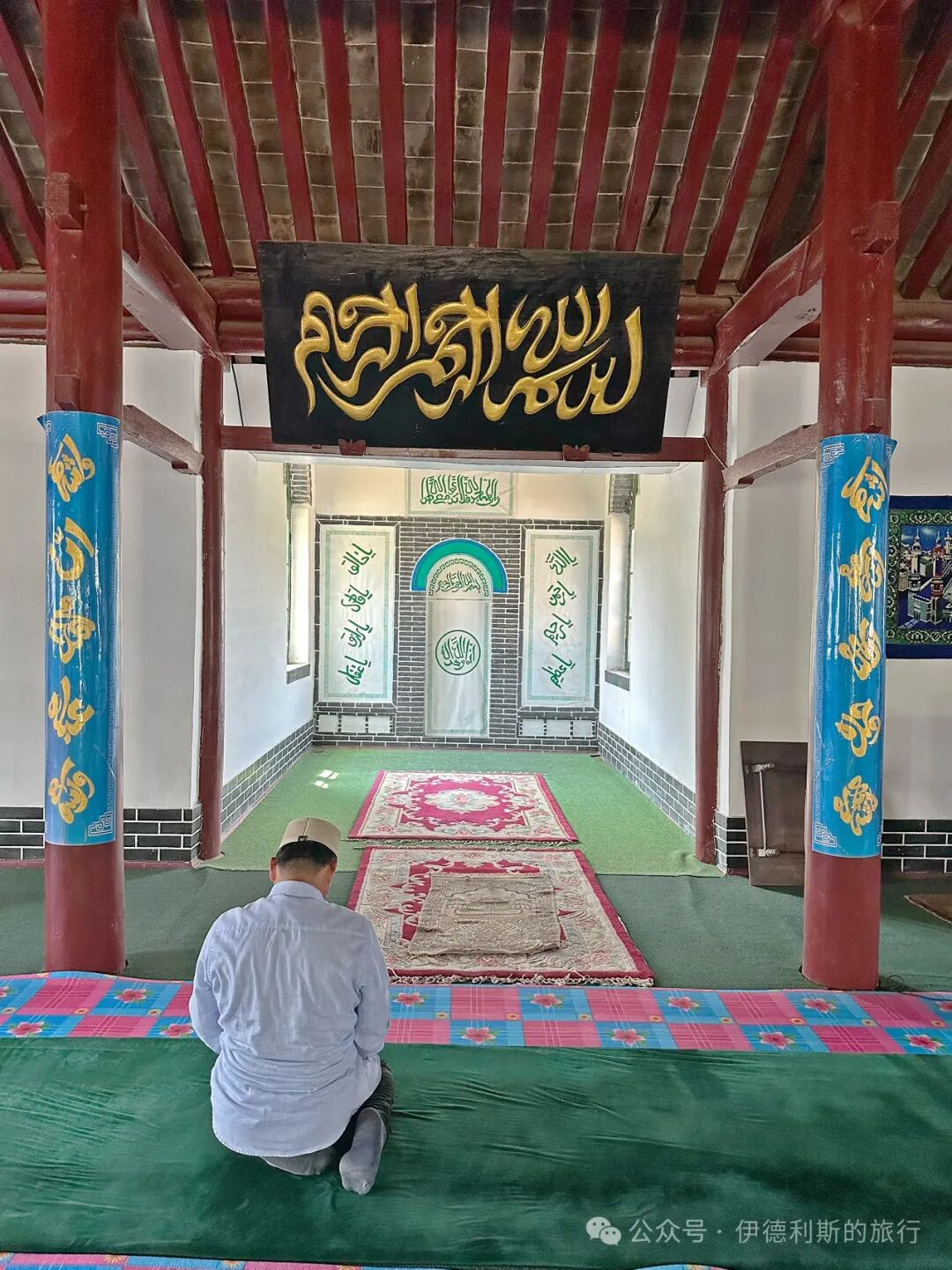
Hanging in front of the main hall of Fuzhou Mosque is a plaque that reads "Returning to Simplicity and Truth" (Huan Pu Gui Zhen). It was presented in 1897 (the twenty-third year of the Guangxu reign) by Wang Tingxiang, a third-rank official, imperial censor, and scholar of the Hanlin Academy.
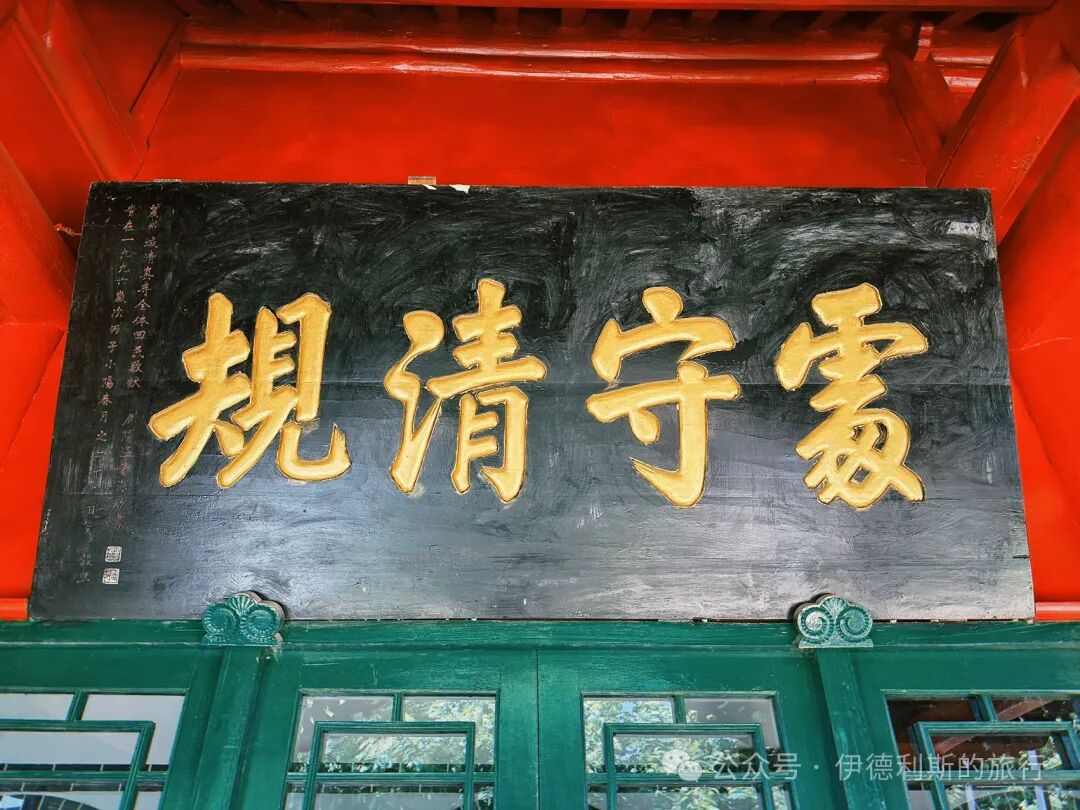
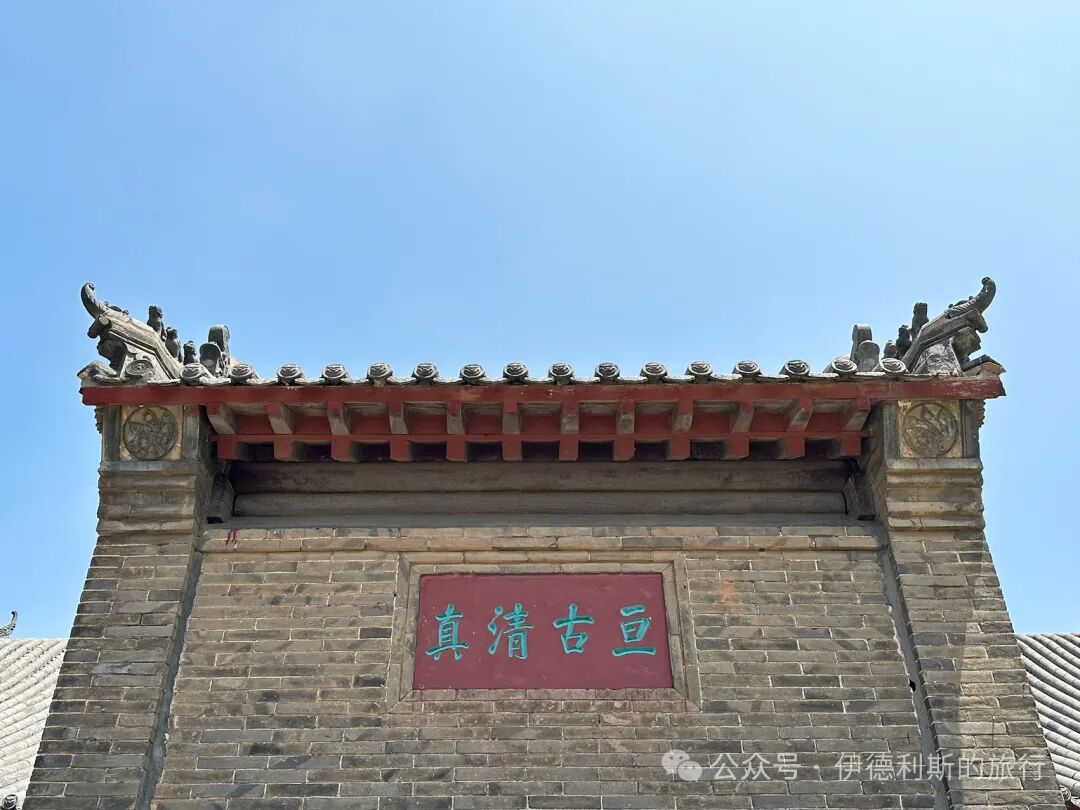
Additionally, the brick carvings on the wall ends feature traditional calligraphy of a dua.
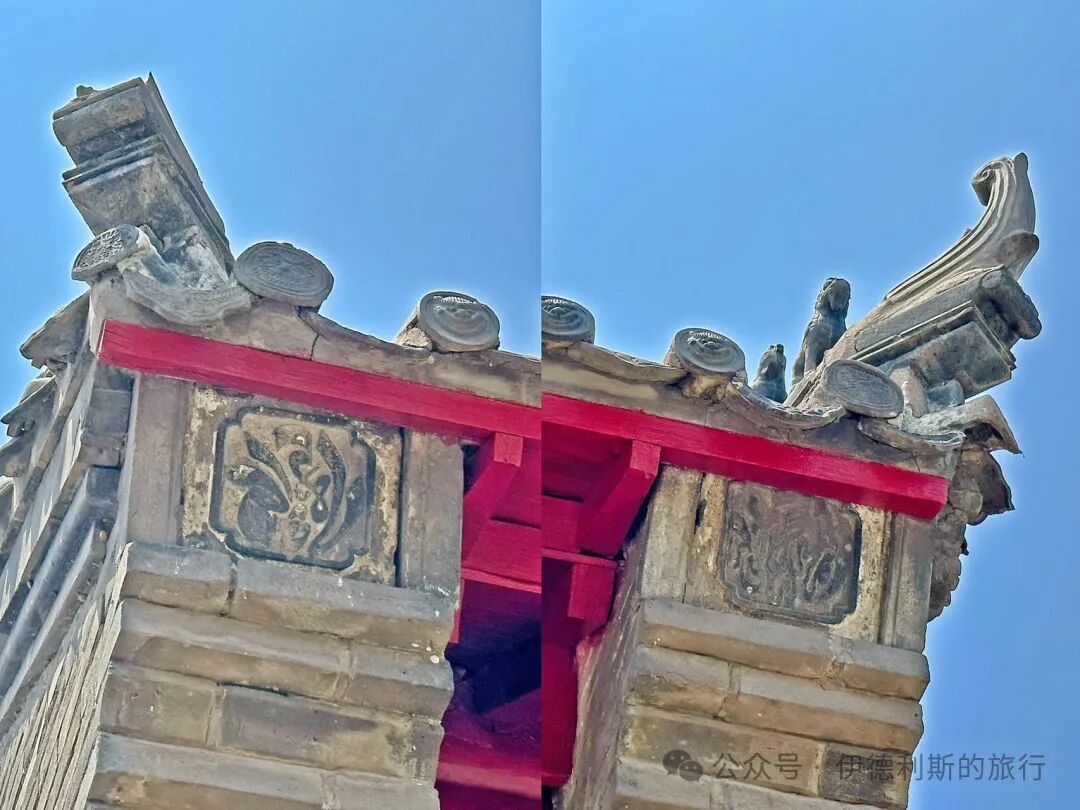
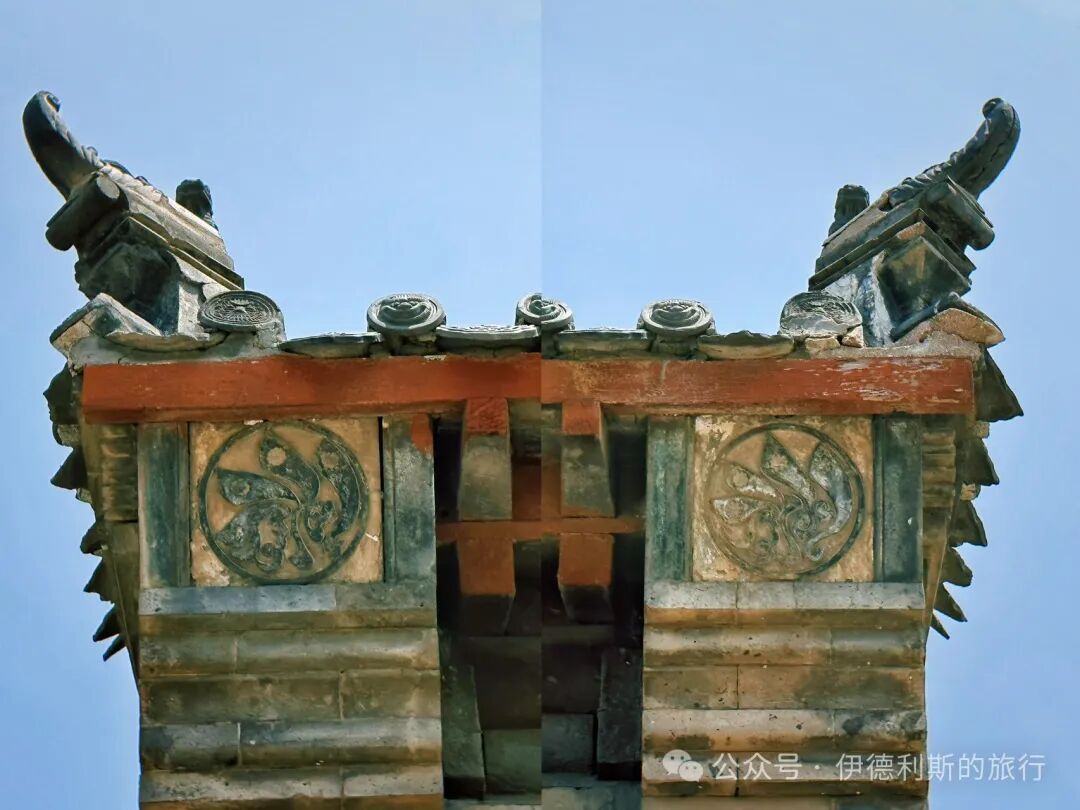
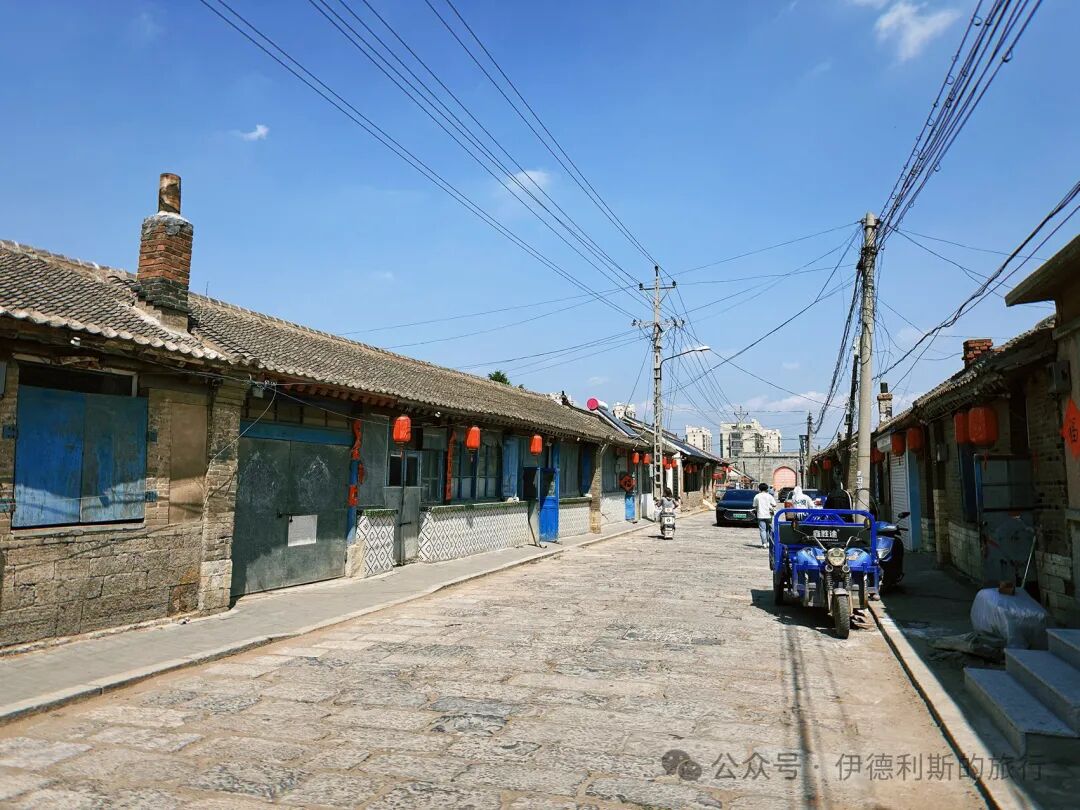
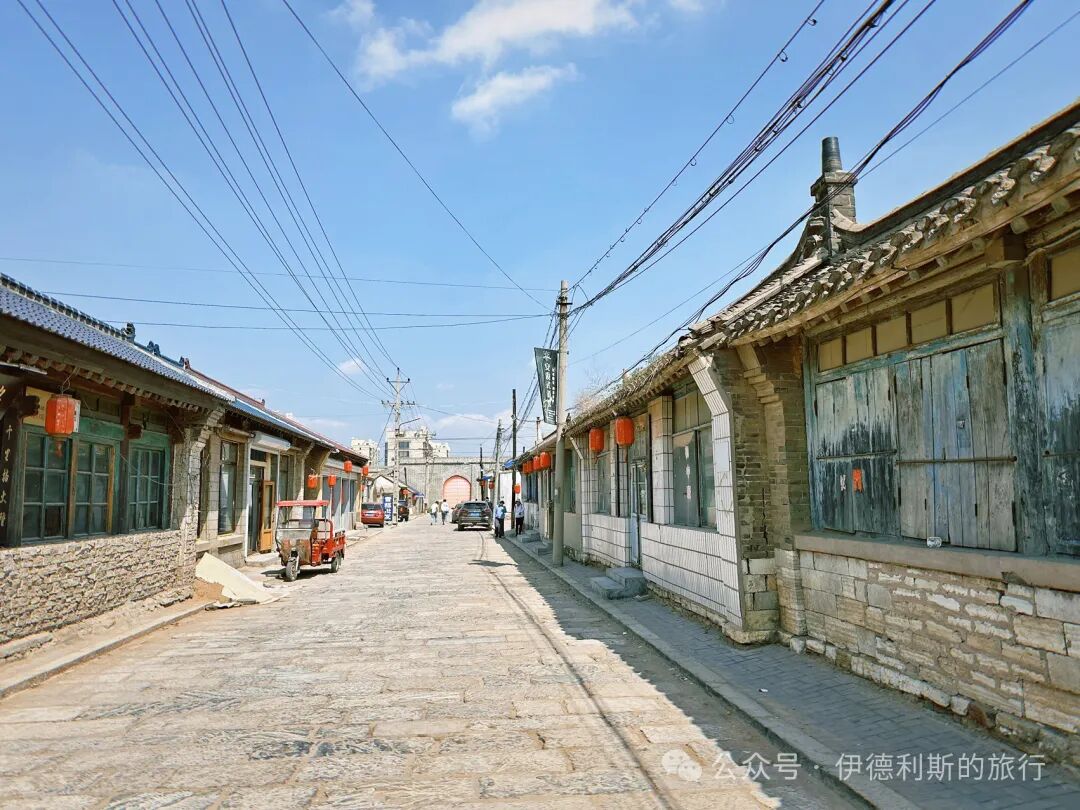
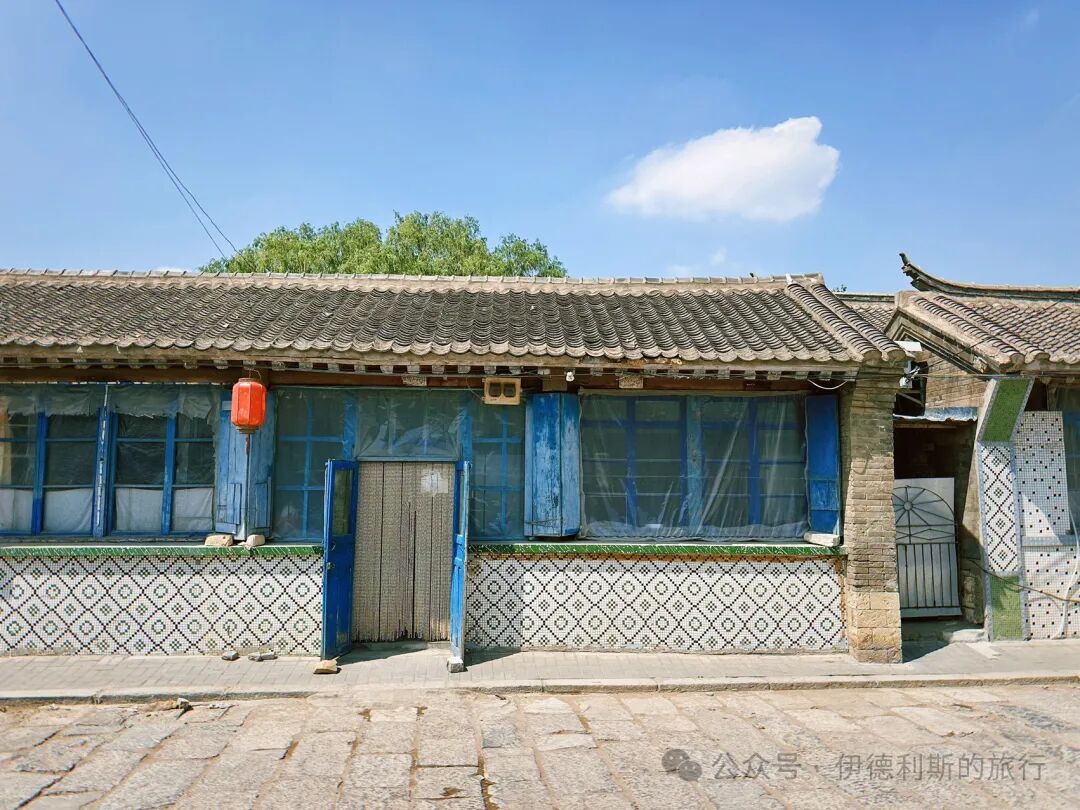
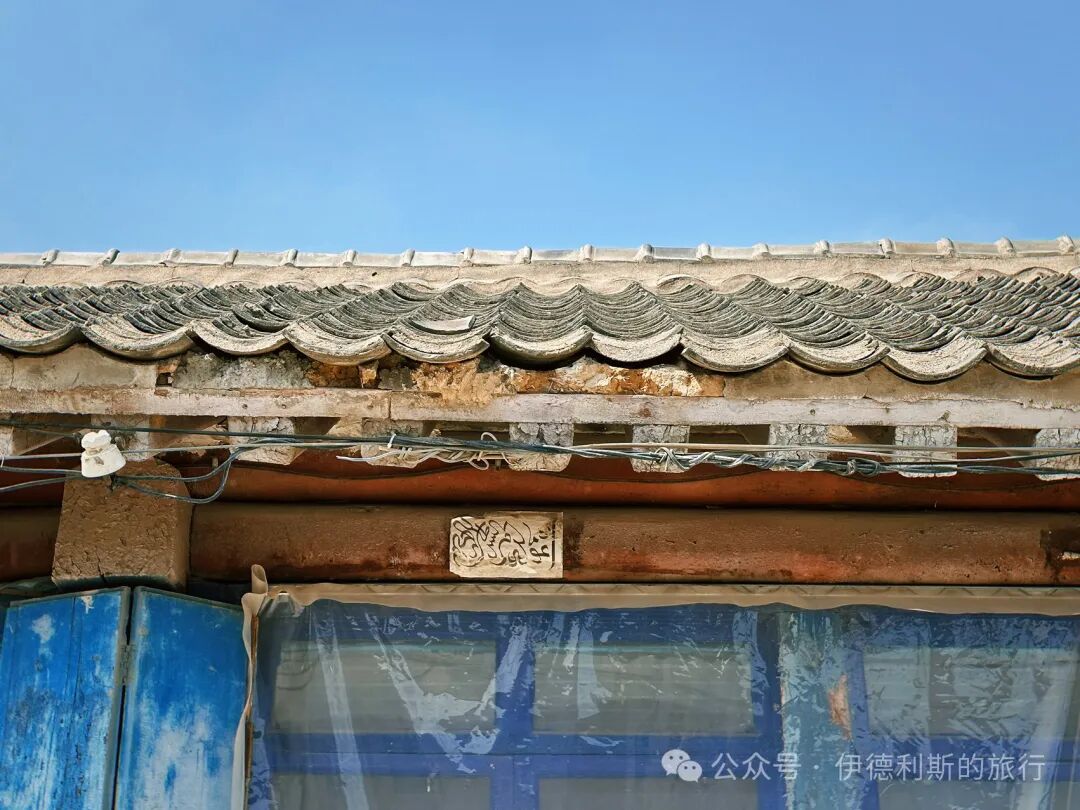
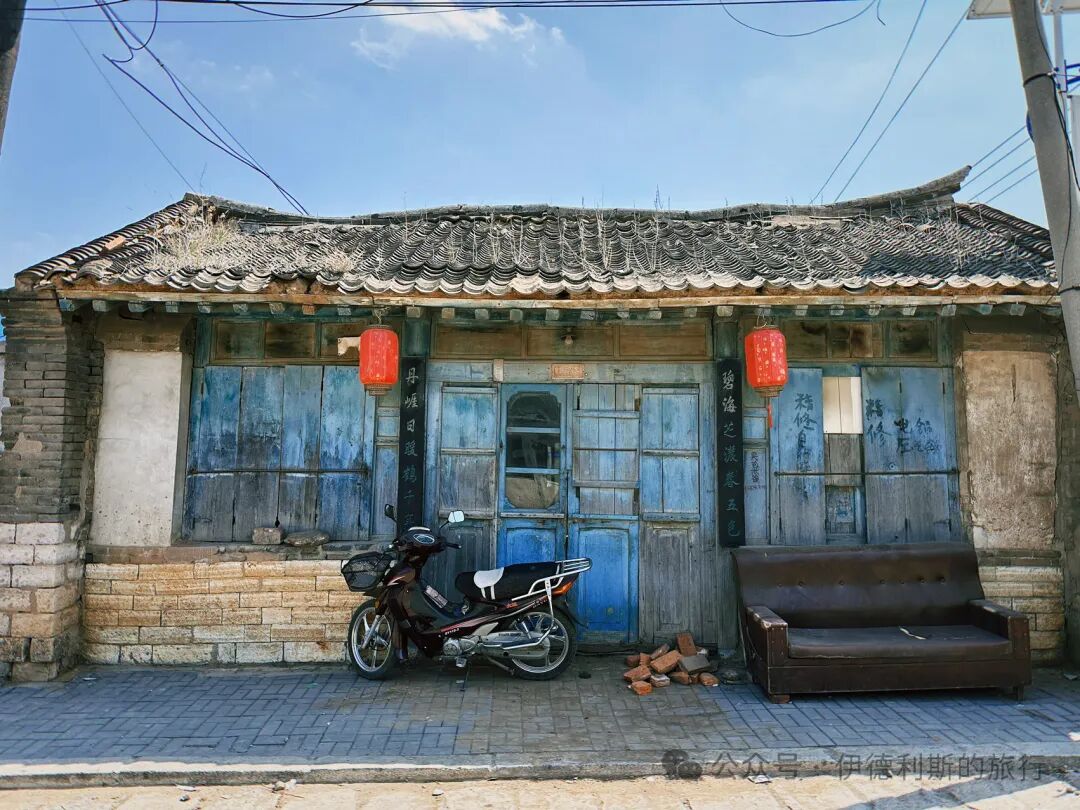
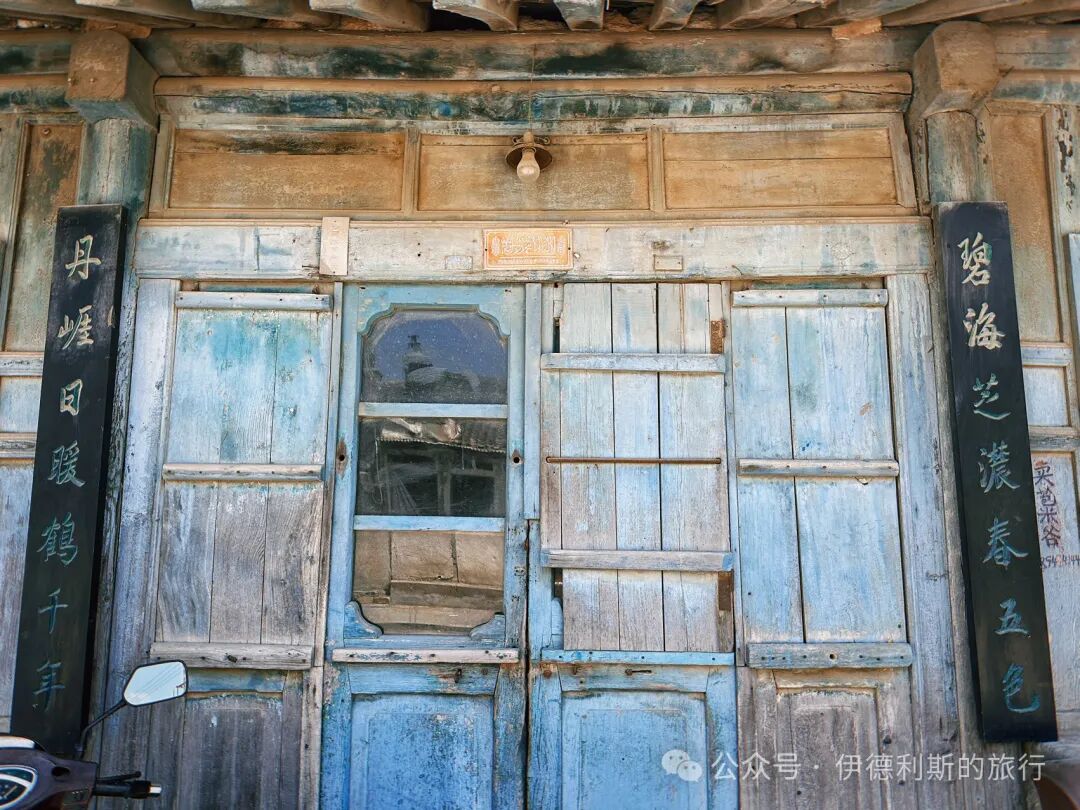
Hui Muslim homes inside Fuzhou City. The old street features blue bricks and dark roof tiles, with Arabic calligraphy (jingzi) and dua written on the walls, keeping the look of the past. Many people have moved to Wafangdian and Dalian to live, so the old street has become quiet.
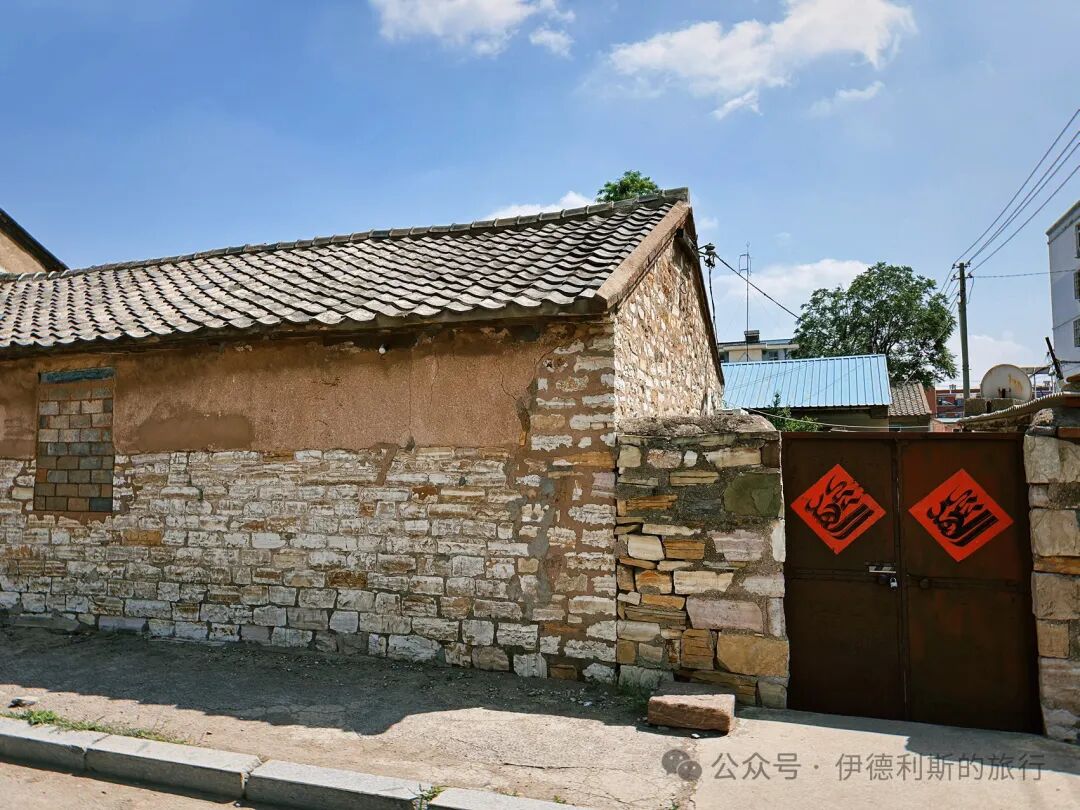
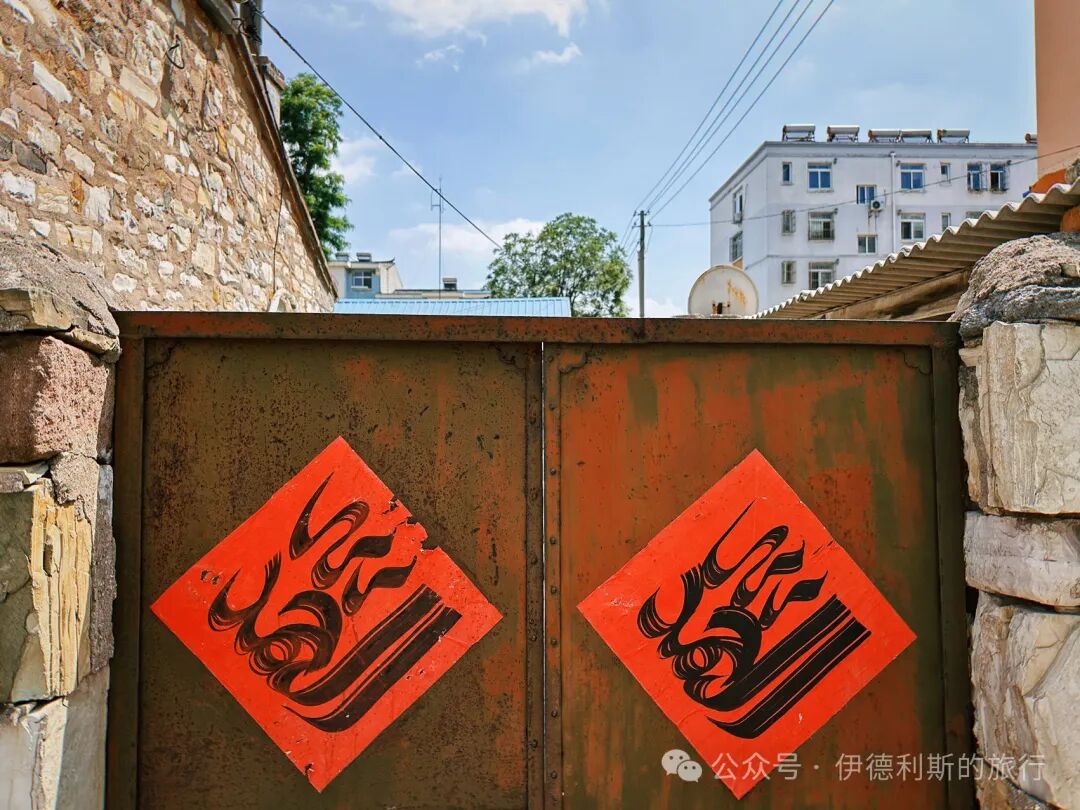
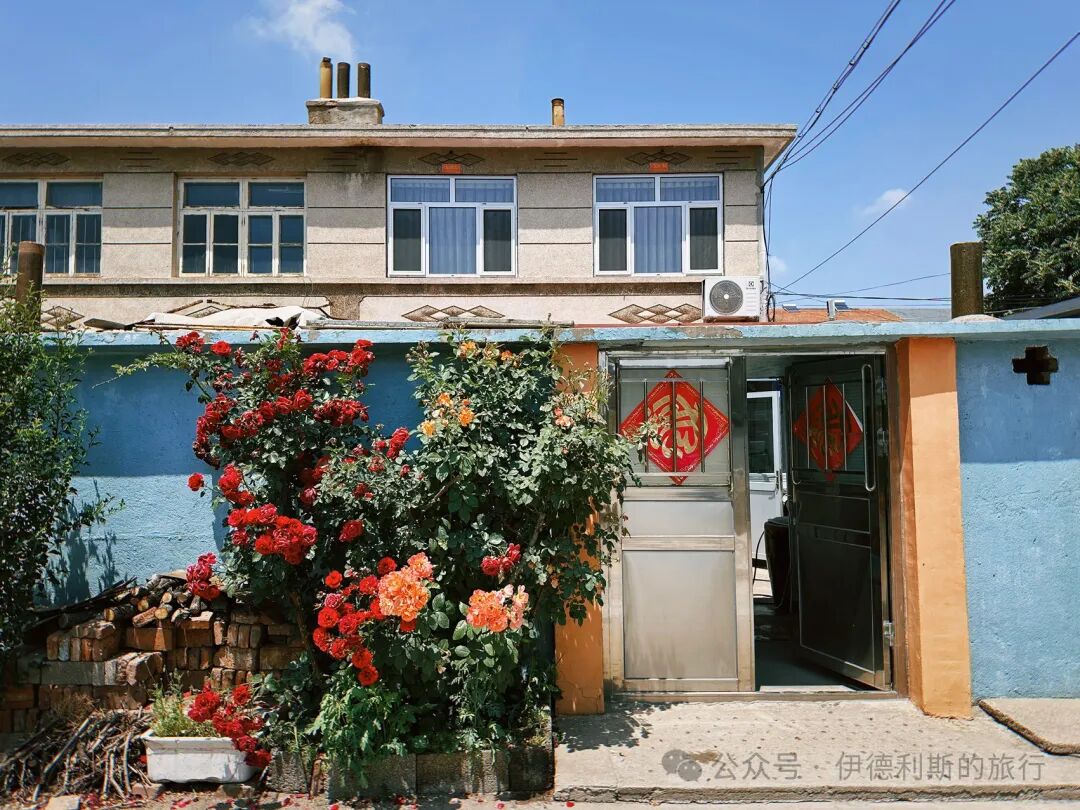
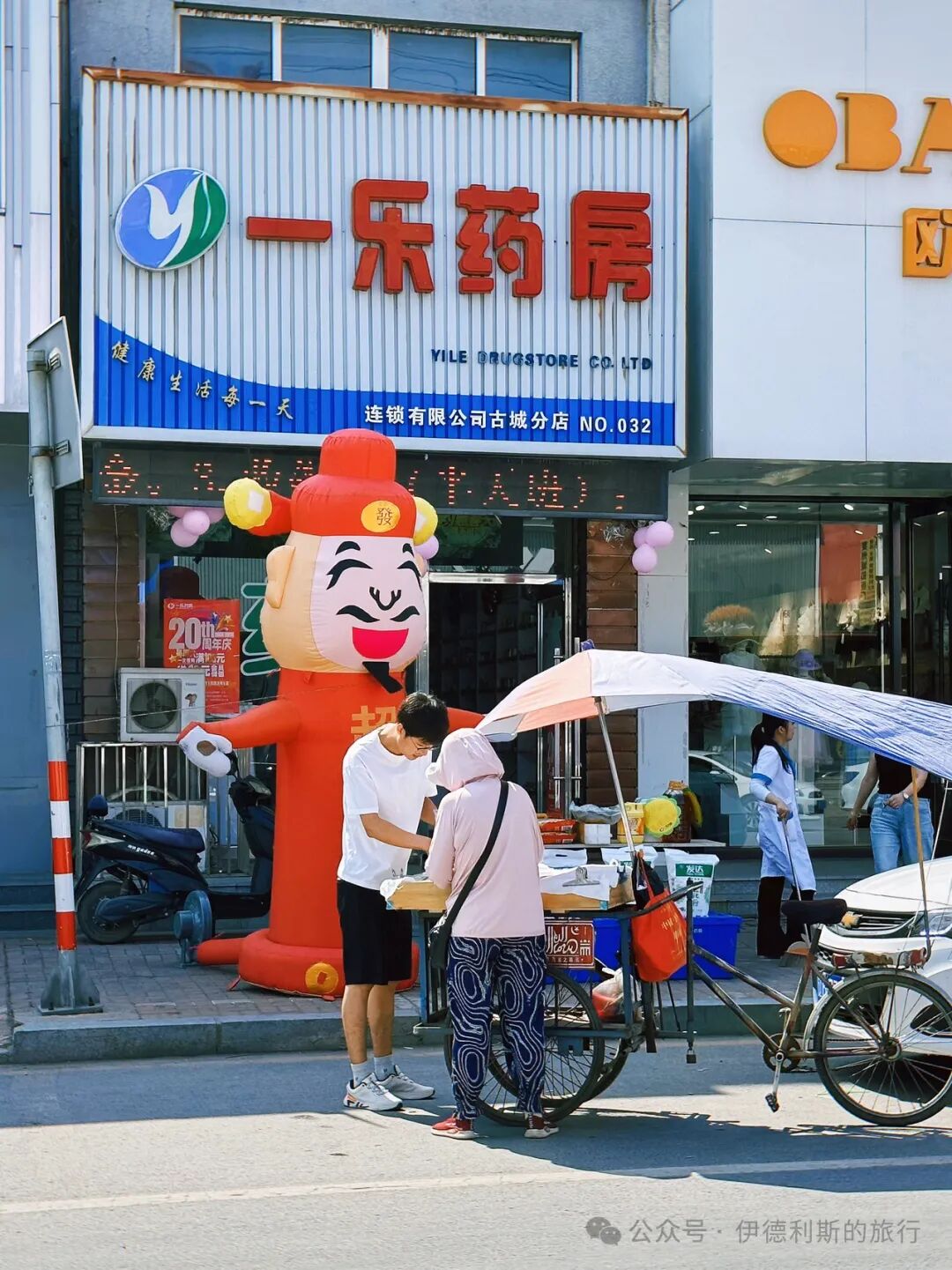
There is a legendary halal food spot in Fuzhou City, which is my friend's family business, Yin's sticky rice cake (jiangmi lianggao). The Yin family of Fuzhou originally came from Qing County in Cangzhou and settled in Fuzhou during the early Qing Dynasty. The sticky rice cake made by my friend's great-uncle, Yin Xiangzhou, was famous in Fuzhou a hundred years ago, and now my friend's mother pushes a small cart to sell it along the street every day. A loudspeaker plays, 'Sticky rice cake, fragrant and sweet.' Then everyone comes out to buy the sticky rice cake.
Sticky rice cake (jiangmi lianggao) is made by topping sticky rice with fillings like peanuts, sesame, and sugar. Traditionally, it included candied green and red fruit strips (qinghongsi), but these are now left out to suit younger tastes. Sticky rice cake is very refreshing in the summer, and it feels great on the stomach when paired with tea.
A quick tip: some people say the Yin family pushcart is hard to find. We spotted it at 2:15 p.m. at the intersection west of the Fuzhou Prefectural Office (Fuzhou Zhizhou Yashu). It then moves south along the main road, and you can hear the vendor calling out from far away.
We took the high-speed train from Wafangdian West Station at 3:30 p.m., arrived at Dalian North Station at 4:00 p.m., and then took a taxi to our accommodation to drop off our luggage.
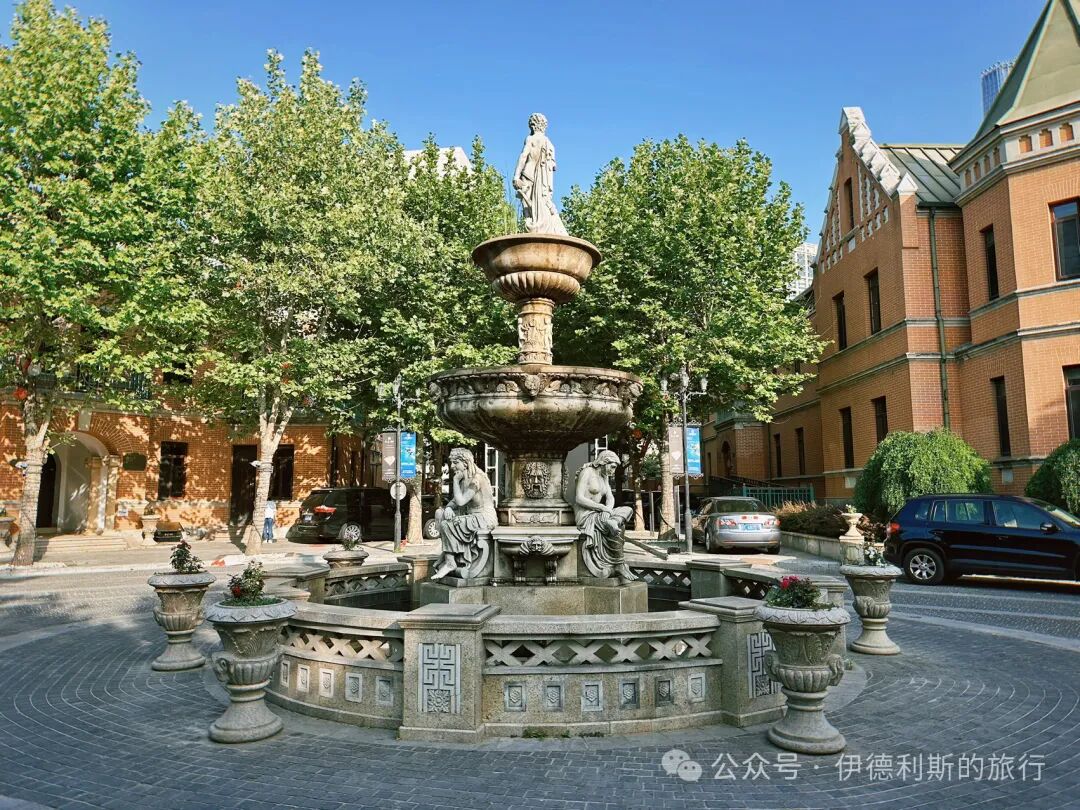
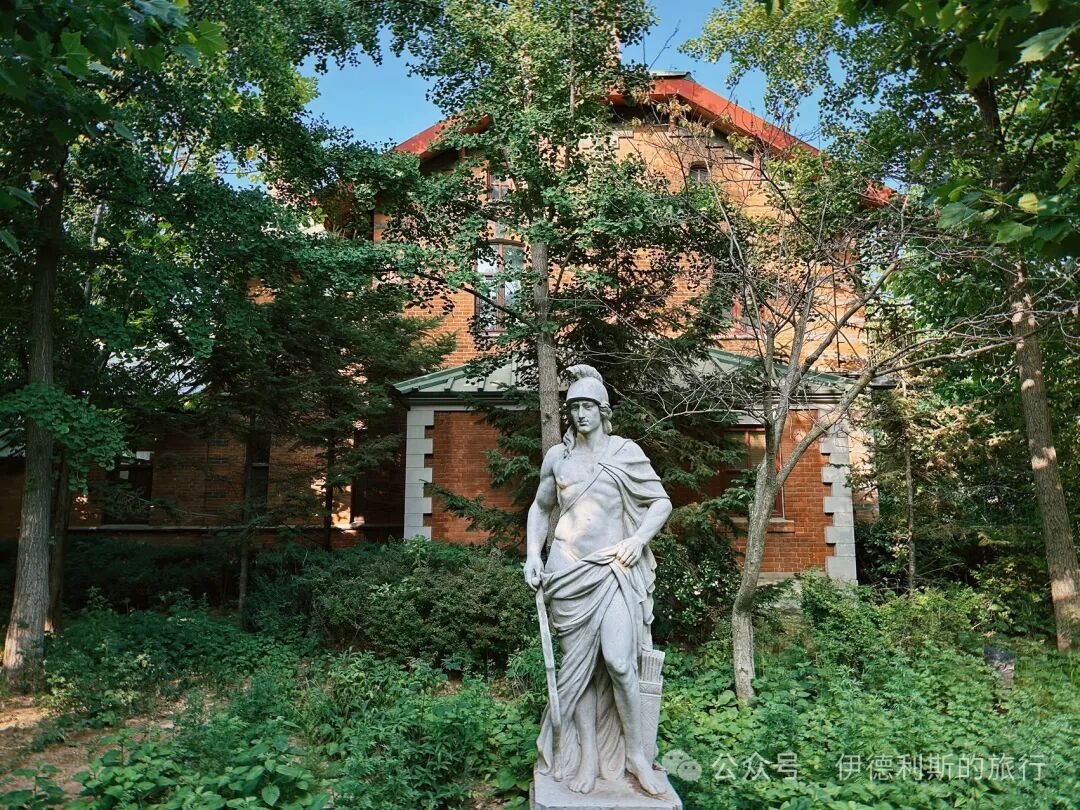
We stayed at the No. 21 Mansion (Ershiyi Hao Gongguan) near the Russian Style Street. The hotel sits in a courtyard that is part of the Yantai Street Russian-style building complex, which includes 28 European-style villas and marks the starting point of Dalian's history. In 1898, Tsarist Russia leased Dalian Bay and began building Dalian city the following year. The first street built was called Engineer Street, which is now known as Russian Style Street. Soon after, Timov Street was built right next to Engineer Street, and it was renamed Yantai Street after 1946. Between the late 19th and early 20th centuries, Tsarist Russia hired German and Russian designers to build a series of European-style villas on Yantai Street, and 28 of them still stand today.
After the Russian-style building complex on Yantai Street was restored in 2011, several hotels and restaurants moved in. When we visited, several places were hosting weddings, which felt a bit like the Italian Style Street in Tianjin. Several villas in the courtyard belong to the Dalian Railway 1896 Garden Hotel, which you can stay in at any time. The No. 21 Mansion where we stayed is military property and only opens during holidays, but you can book it online.
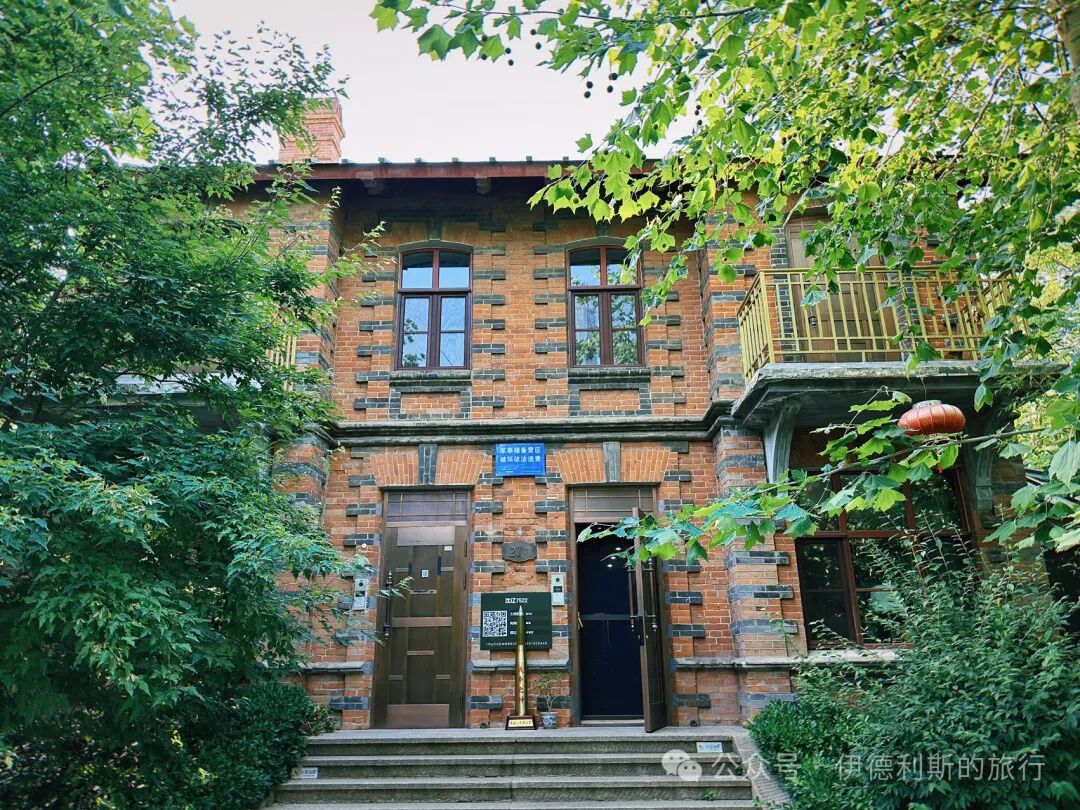
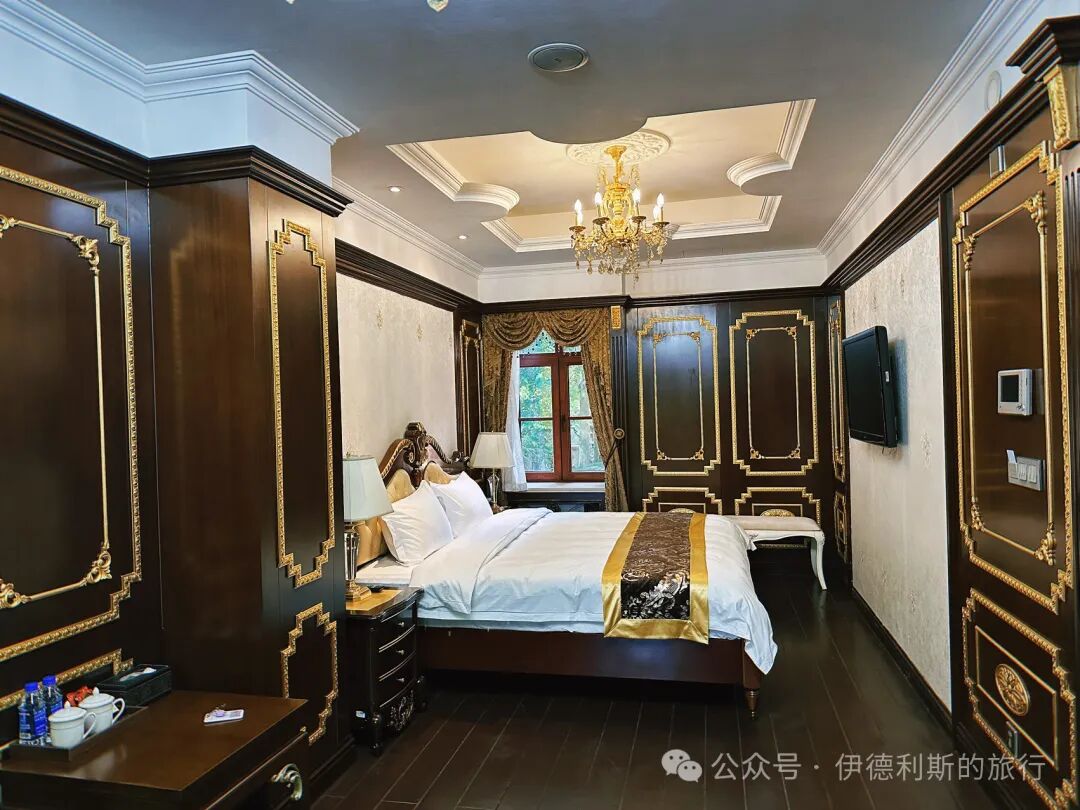
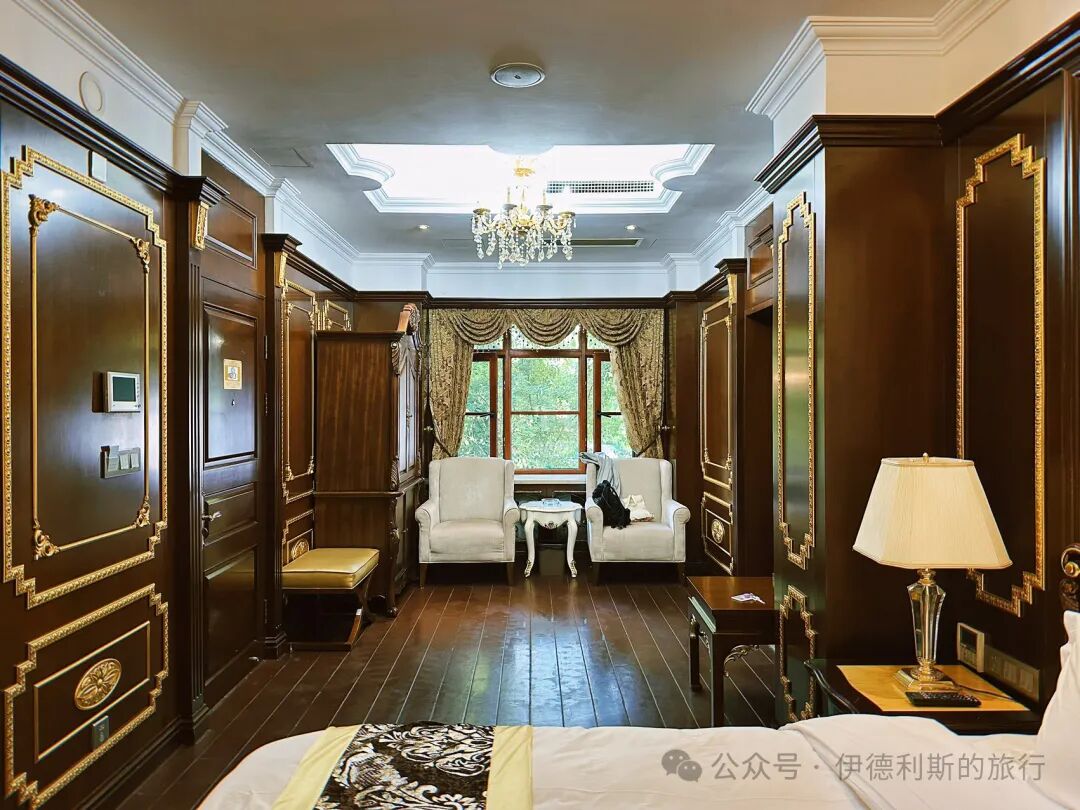
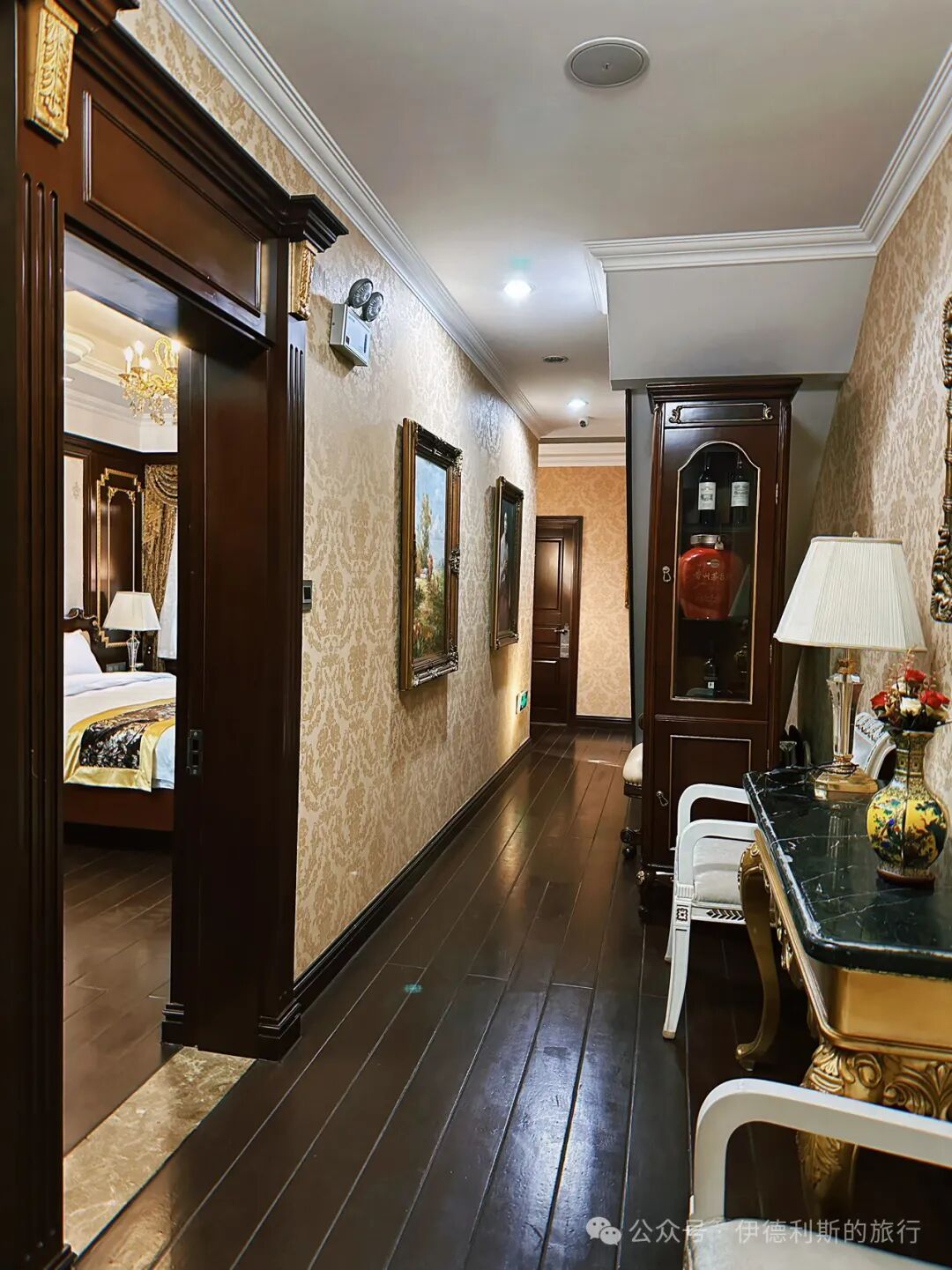
Building No. 21 was built in 1903 and designed by the famous German architect Jan Hendel. In 1920, early labor movement leader and Manchurian Provincial Committee Secretary Wang Ligong lived here. The house we stayed in had windows on both the north and south sides, making the environment very pleasant. The courtyard was very quiet, which was a sharp contrast to the busy Russian-style street next door.
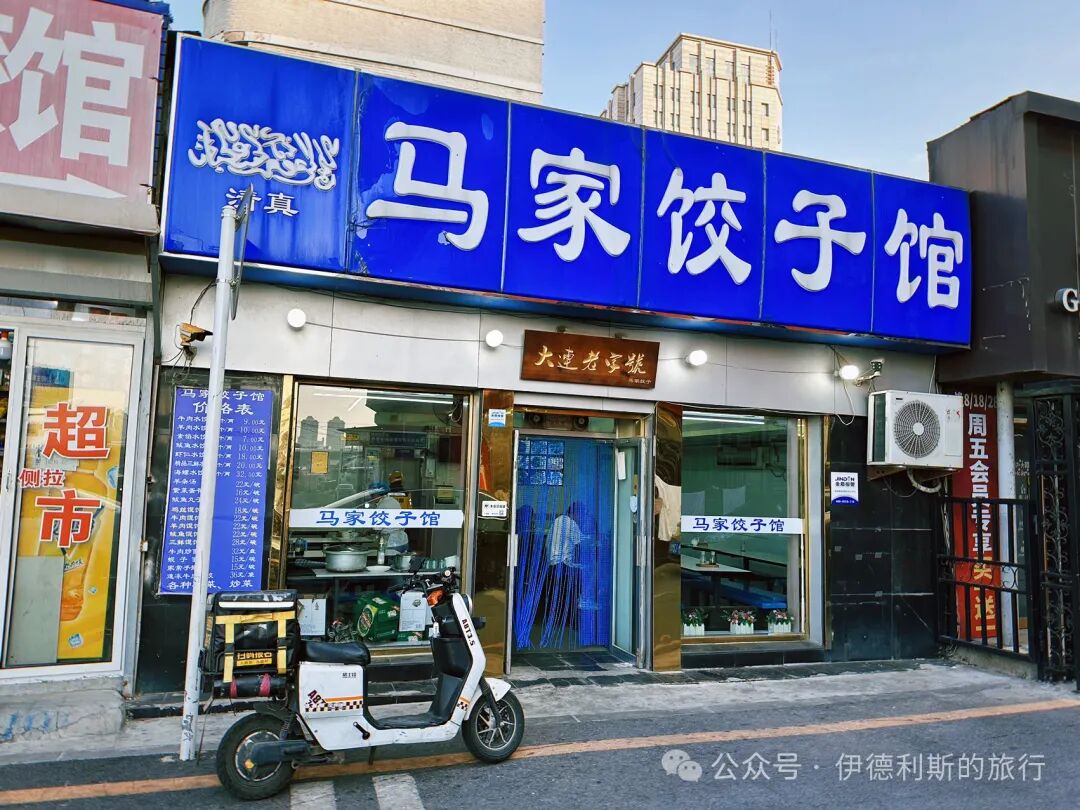
In the afternoon, we had dinner at the long-established Majia Dumpling Restaurant in front of Dalian Railway Station. We ordered sea snail and chive dumplings (haoluo jiucai jiaozi), mackerel ball soup (bayu wanzi tang), and dry-braised flatfish (gan shao piankou yu). Traditionally, Hui Muslims in North and Northeast China do not cook seafood; they focus on beef and lamb. They only started making seafood dumplings after the Reform and Opening-up, and it gradually became a local specialty. They serve dumplings with yellow mustard sauce, which is very unique and adds a great kick to the flavor. The dry-braised flatfish was also well-prepared, with a sweet and spicy taste that really whets the appetite. People who ate at their original shop say the dumplings were even better decades ago, and I can really understand that sense of nostalgia. But as travelers, we are already very happy to be able to eat these dumplings.
Ma Family Dumpling Restaurant (Ma Jia Jiaozi Guan) was the first halal dumpling shop in Dalian and one of the city's two earliest dumpling restaurants. It was opened in 1947 by Liu Yushan, Ma Baishi, and Zhao Fangchen at the Bo'ai Market in Xigang. It was originally called Ruixianghao Hui Muslim Dumpling Restaurant before changing its name to Ma Family Dumpling Restaurant. After the Reform and Opening-up, the restaurant moved to the former site of the Goubuli Steamed Bun Shop on Tianjin Street. It moved to its current location after the renovation of Tianjin Street in the early 21st century. At first, the restaurant only served beef dumplings. After the Reform and Opening-up, seafood dumplings appeared in Dalian, so the restaurant started making new varieties like mackerel dumplings (bayu jiaozi) and sea snail dumplings (hailuo jiaozi).
After dinner, we headed to the Dalian Mosque (Dalian Si) on Beijing Street. After Dalian opened as a port in 1897, Hui Muslims from places like Shandong and Hebei came here to make a living. Ma Xinglong, Wang Qifa, Jin Xiangchen, and others first rented a few small rooms on Dalong Street in Xigang to perform their prayers. In 1925, a Russian Muslim working for the South Manchuria Railway (Mantie) secured funding and land from the company to build the Dalian Mosque in a traditional Kazan Tatar style.
The original Dalian Mosque looked very similar to Tatar mosques in Kazan, Russia, featuring a neoclassical main hall and two minarets at the front and back. The minbar pulpit inside the main hall has stairs that lead directly to the minaret on the roof, which is very rare for a traditional mosque in China.
This Kazan Tatar-style Dalian Mosque stood for 64 years, was rebuilt in 1990, and finally expanded into its current structure in 2005.
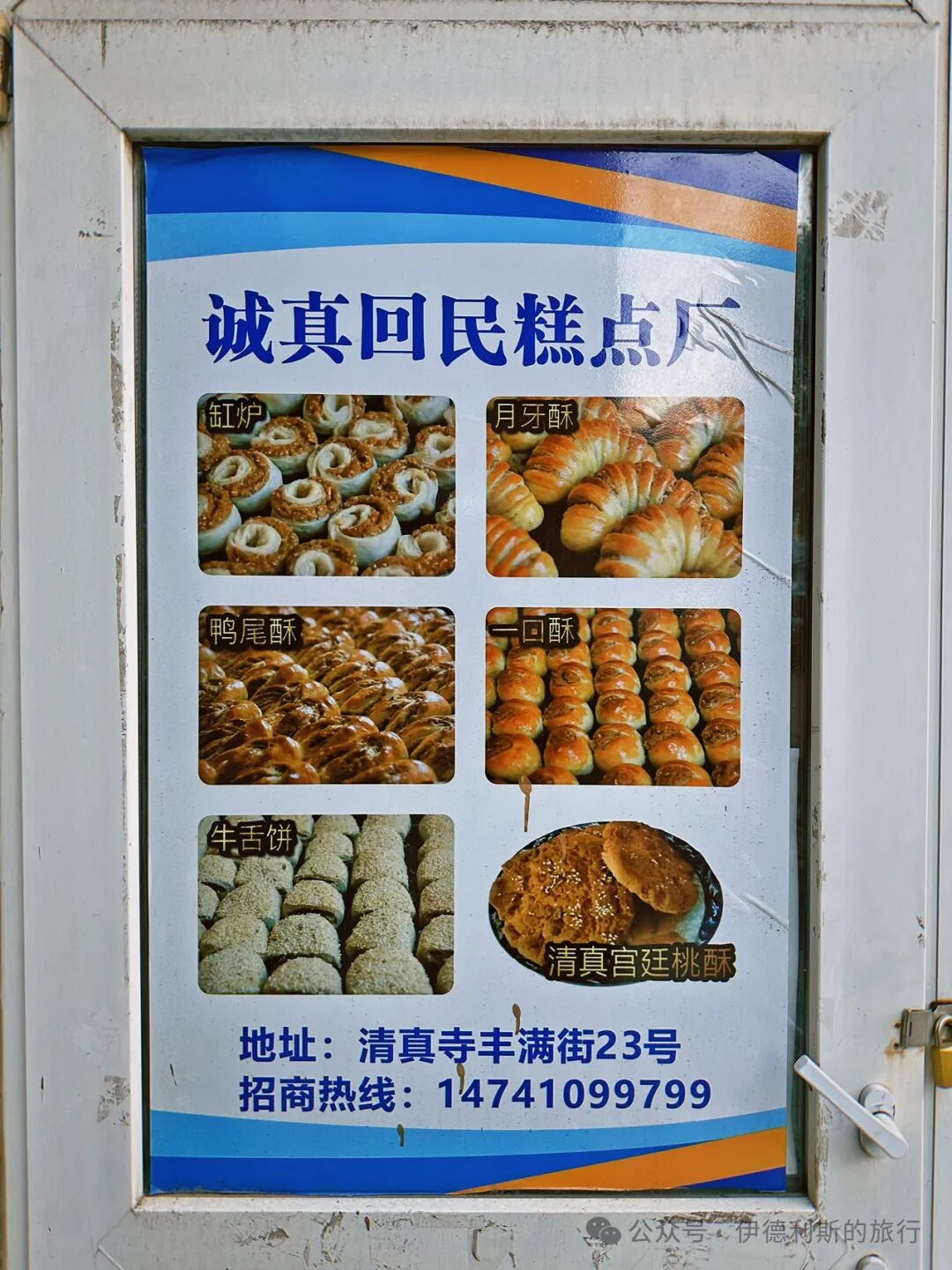
I left Dalian Station at 6:20 on June 9, arrived at Qingdui Station at 8:00, and then took a taxi to the ancient town of Qingdui to visit Qingdui Mosque.
Qingdui Town is a thousand-year-old town that has served as a fishing port and commercial hub on the Liaodong Peninsula since the Tang Dynasty. Qingbu Port officially opened in 1743 (the eighth year of the Qianlong reign), making Qingdui Town an important transit point for people from Shandong and Hebei moving to Northeast China. During the late Qing Dynasty and the Republic of China era, Qingdui Town had over three hundred businesses, with shops lining the streets and bustling with activity. Today, Qingdui Town still keeps many old houses with grey bricks and dark tiles from the late Qing and Republican periods, and Qingdui Mosque is one of them.
Qingdui Mosque was first built during the Daoguang reign of the Qing Dynasty and started as just three thatched huts. The First Sino-Japanese War began in July 1894. Famous Hui Muslim general Zuo Baogui led his troops to Korea to fight the Japanese and passed by Qingdui Mosque (Qingdui Si). General Zuo Baogui and the imam of Qingdui Mosque, Zhang Chaozhen, got along very well. Later, the general donated money himself. Along with funds raised by his personal Hui Muslim guards and three local halal restaurants—Deshengyuan, Qingshengyuan, and Yongshengyuan—they prepared to expand the mosque. Sadly, before the expansion was finished, General Zuo Baogui died heroically while fighting the Japanese in Pyongyang.
In 1895 (the 21st year of the Guangxu reign), Hui Wanchun, the elder in charge of Qingdui Mosque, oversaw the rebuilding of the main hall into the three-room green brick and tile structure seen today. In 1920 (the 9th year of the Republic of China), the gate tower was rebuilt and the lecture hall was expanded, giving the mosque its current size.
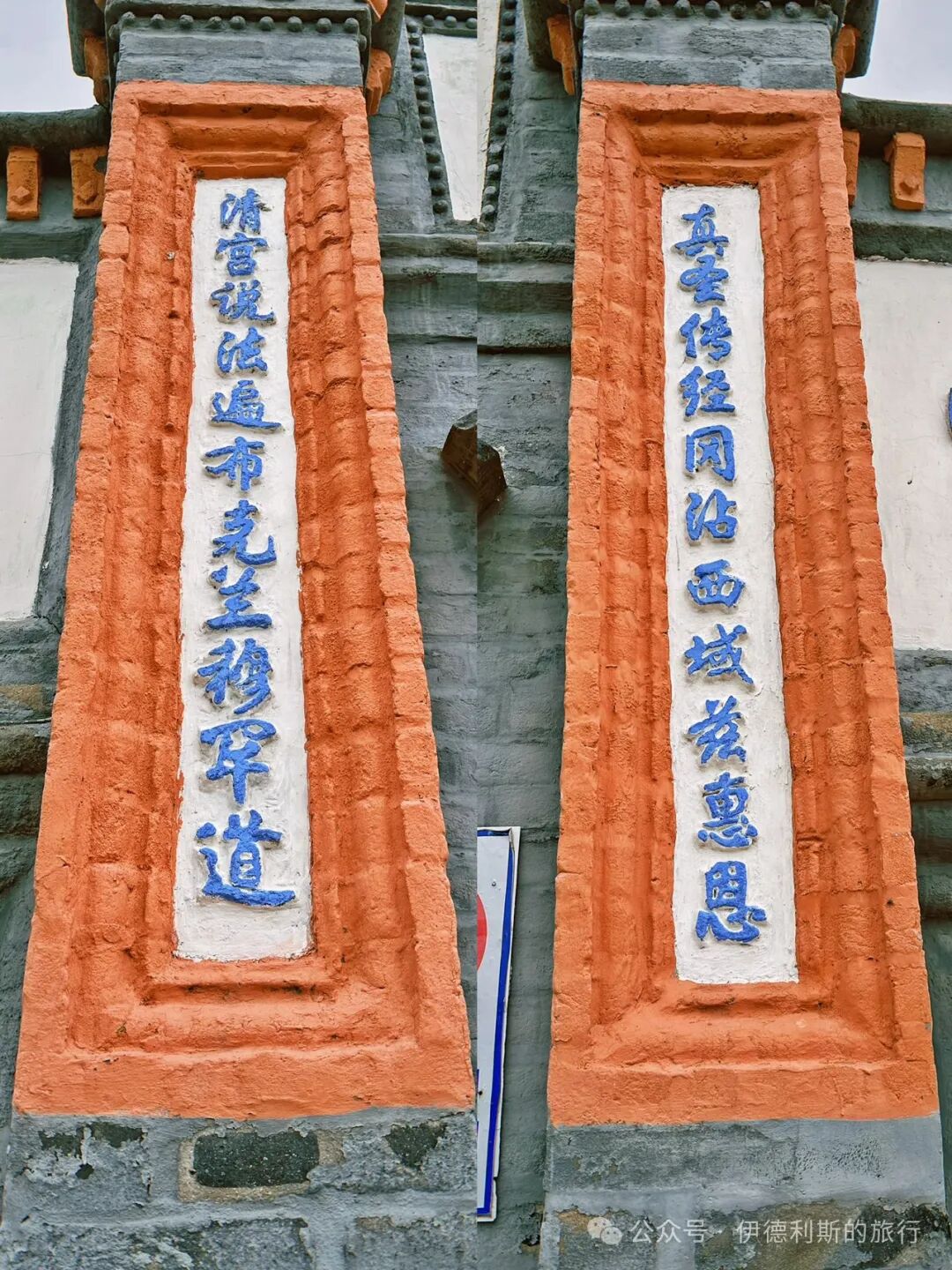
The gate of Qingdui Mosque features a brick-carved couplet that reads: 'The pure palace spreads the teachings of the Quran and the path of Muhammad; the true sage passes down scriptures that bring the grace of the Western Regions to this place.' This is a very precious piece of brick-carved calligraphy from the Republic of China era. The main gate is usually closed, so you must enter the mosque through the south wing where the imam lives. The imam came from Gansu and warmly told us about the situation at Qingdui Mosque (Qingdui Si). It is not easy for his family to stay and serve at this small community mosque (xiaofang).
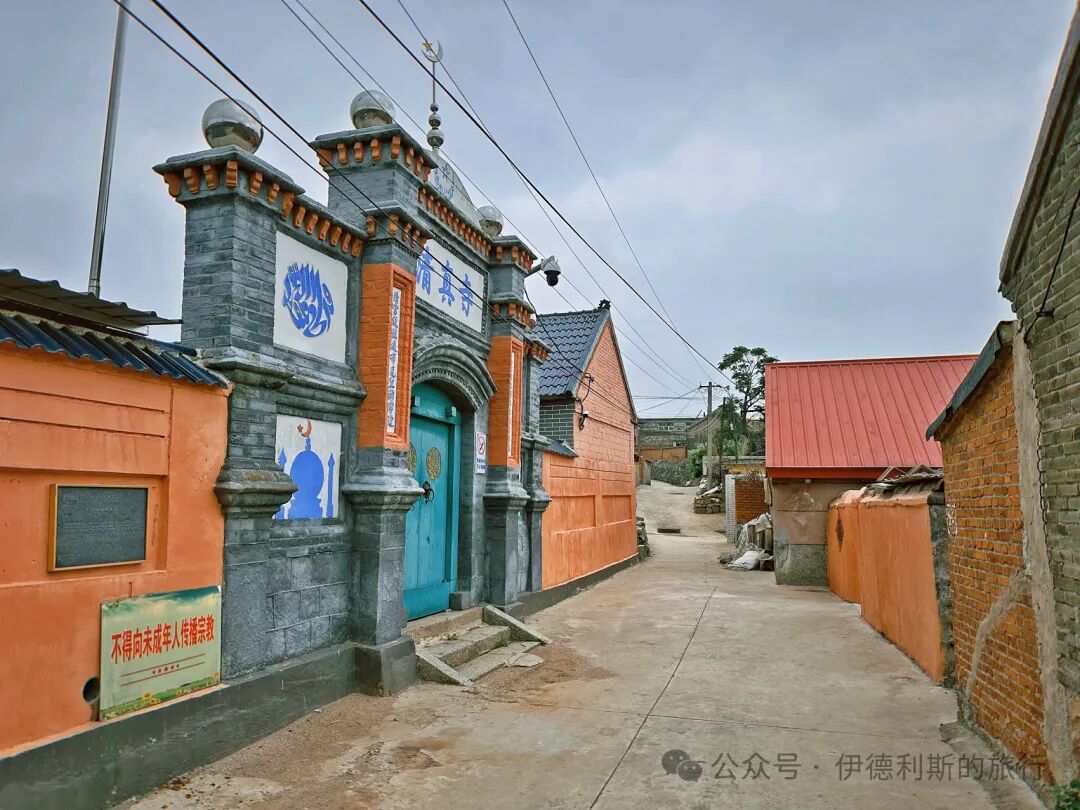
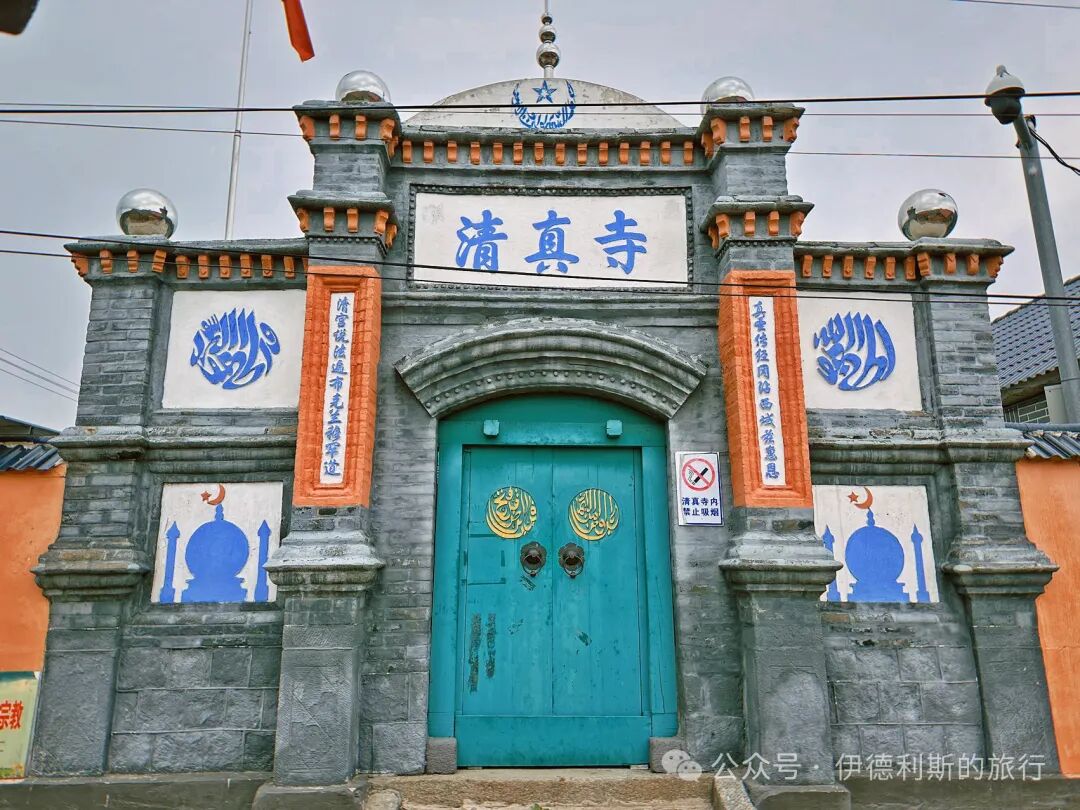
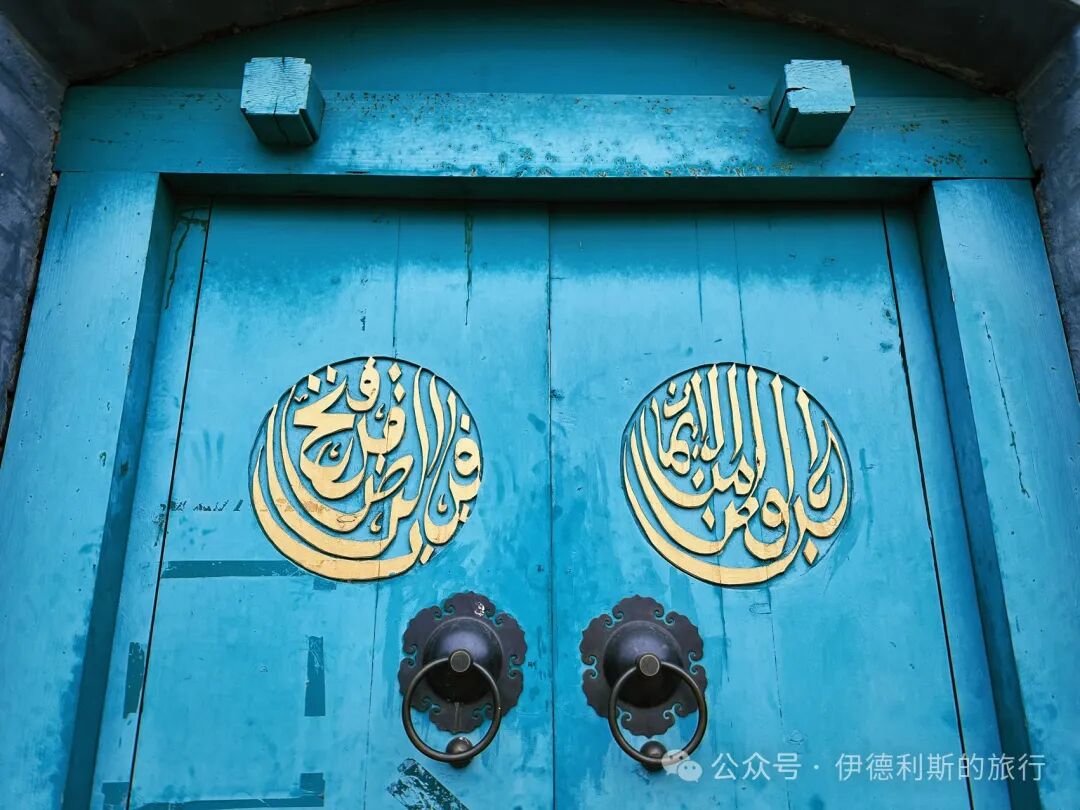
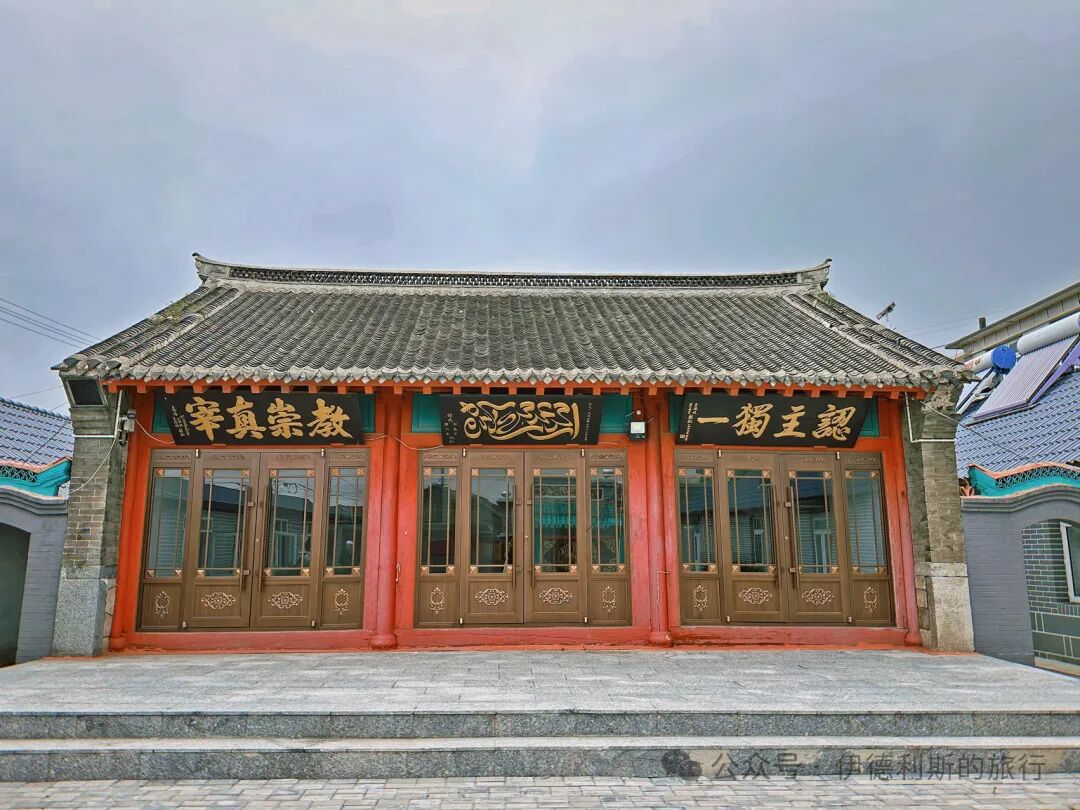
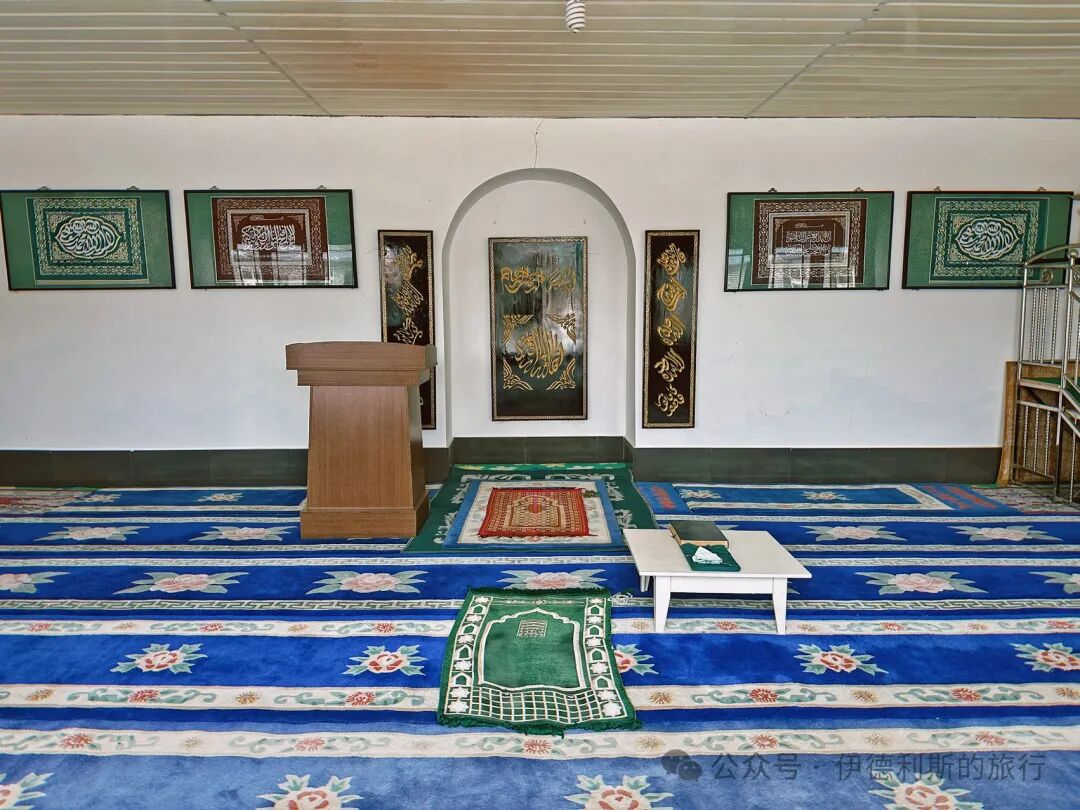
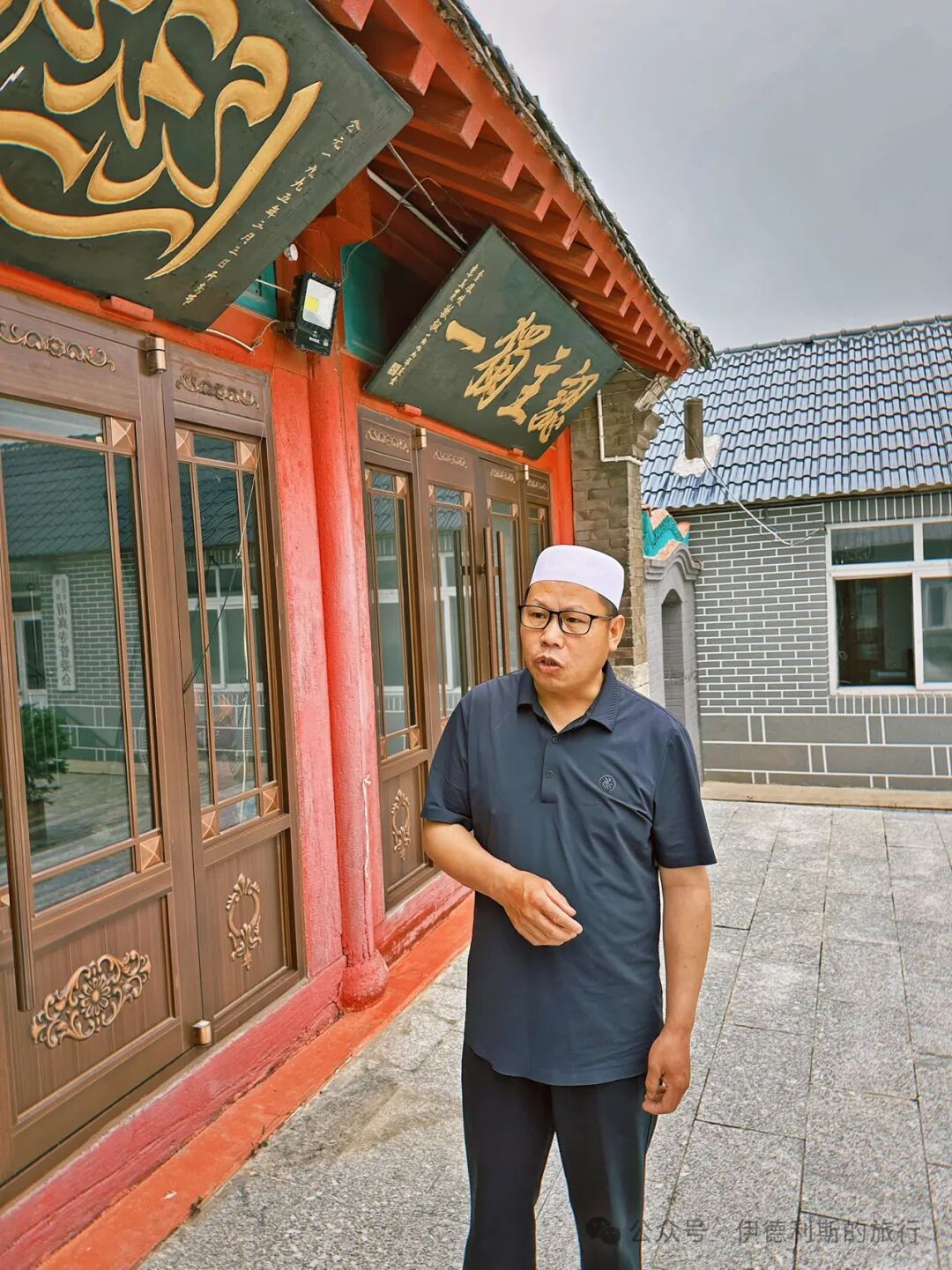
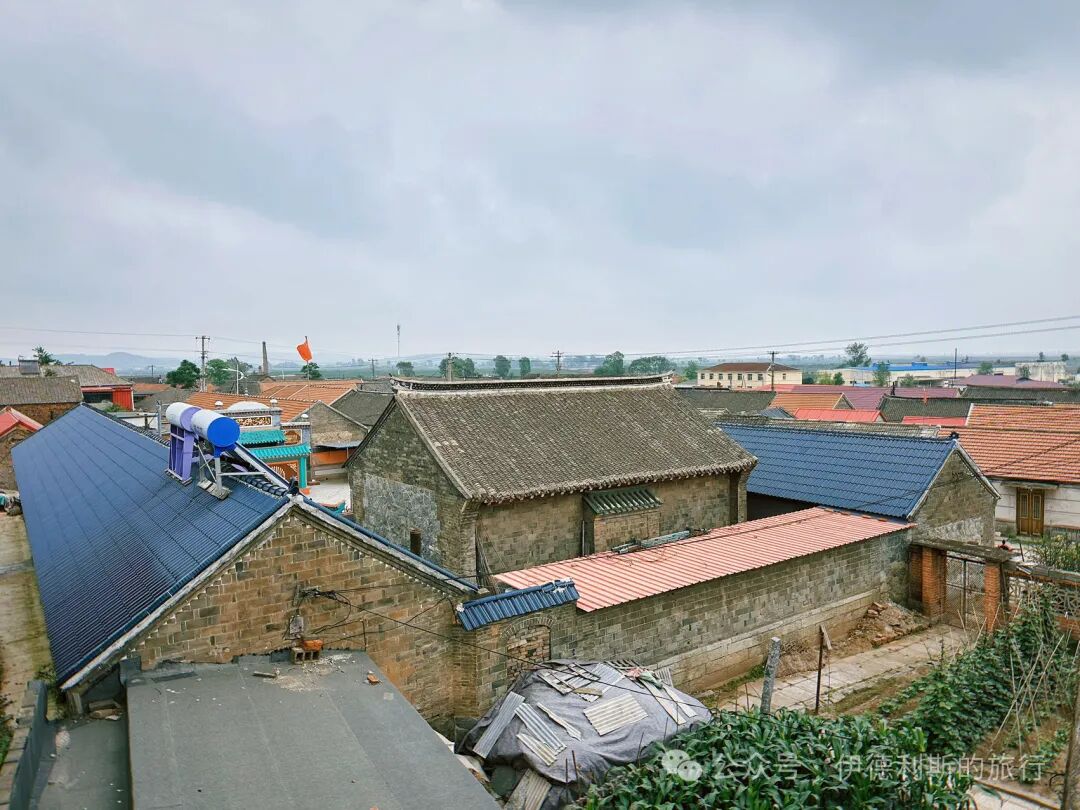
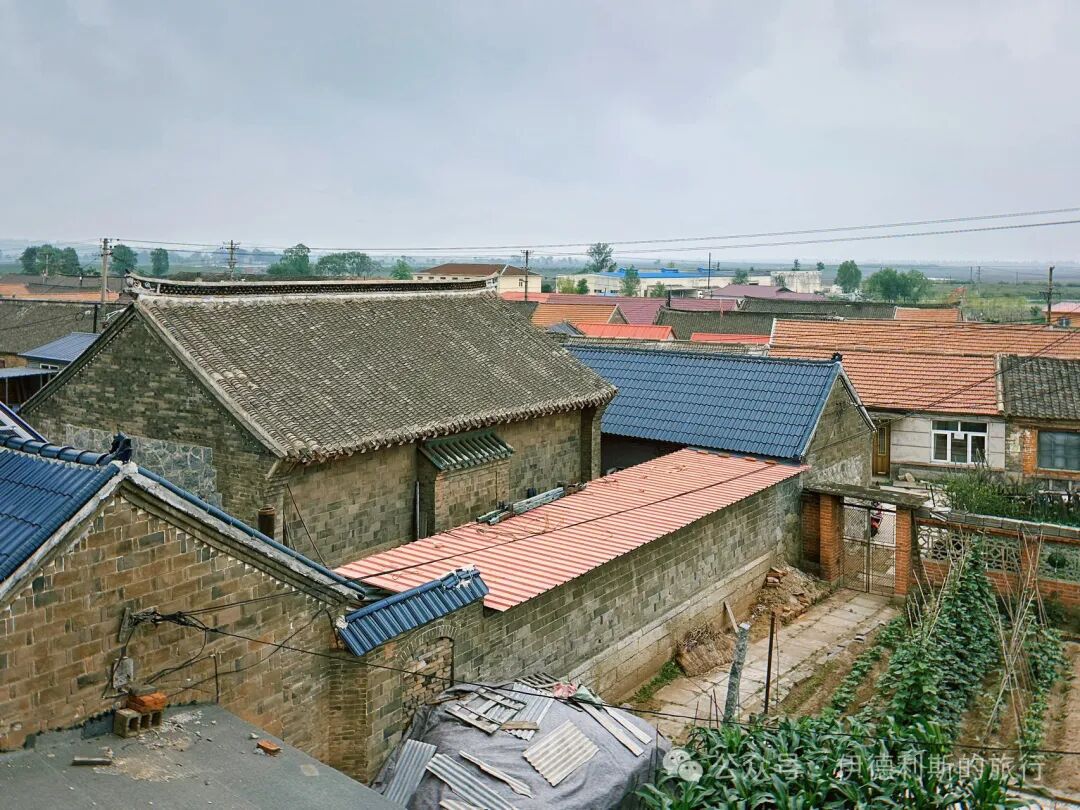
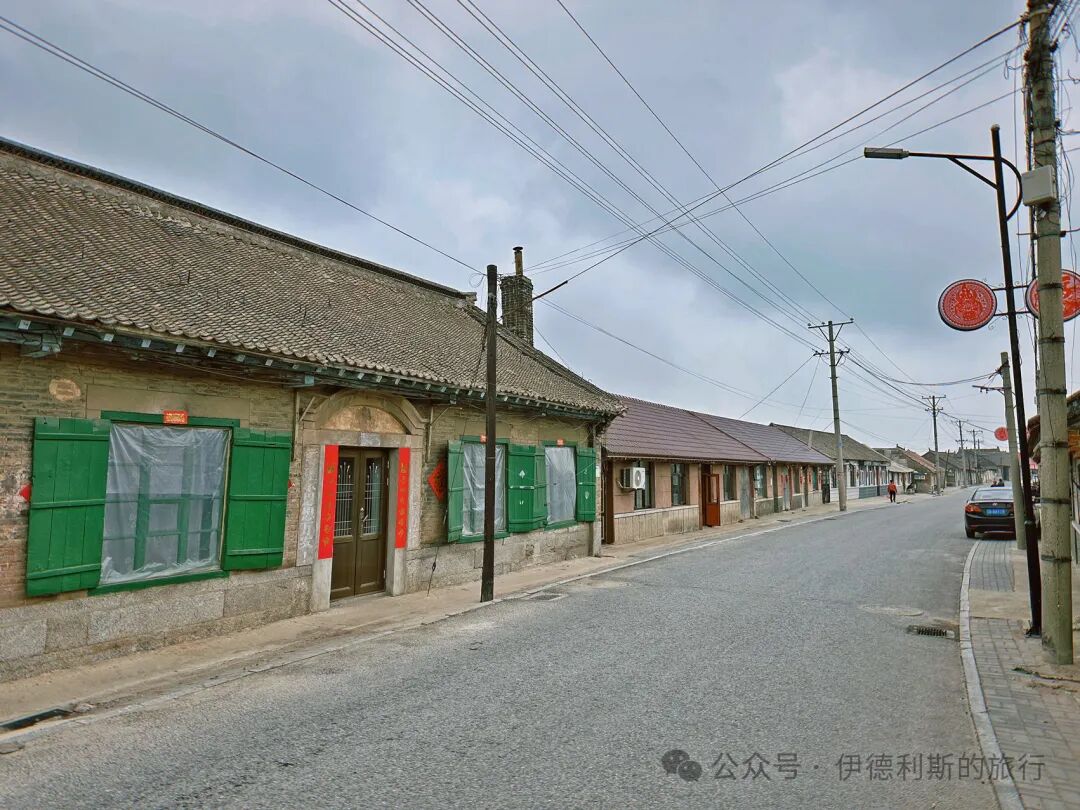
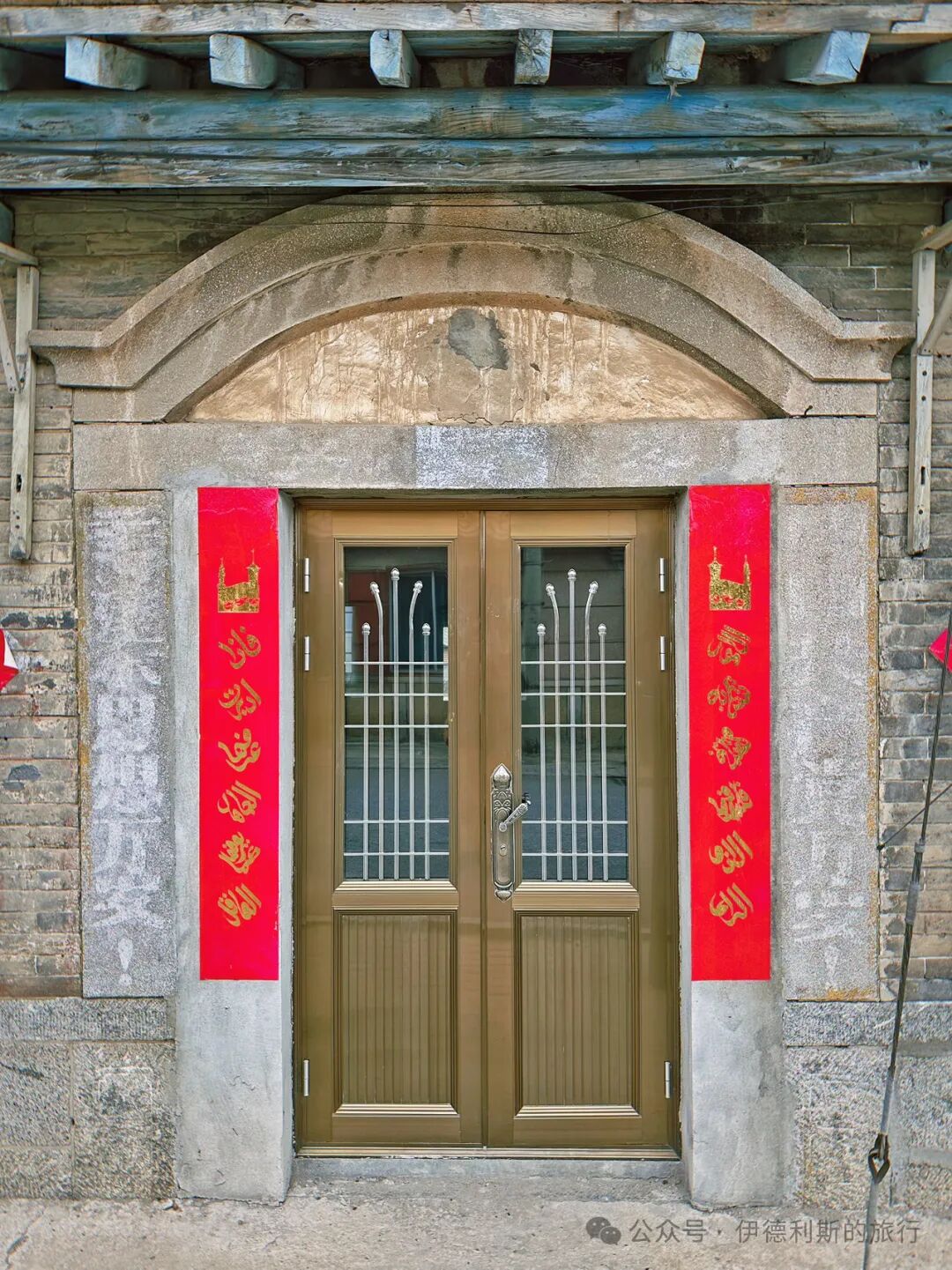
Hui Muslim homes in the ancient town of Qingdui. Because Qingbu Port silted up and closed, the ancient town of Qingdui gradually became quiet, and the town center moved to the area near the road to the north. There are a few halal restaurants in town. We ordered lamb soup at one of them, Jinhong Lamb Soup Restaurant (Jinhong Yangtang Guan), but when it arrived, we found it contained lamb blood. I had heard long ago that some halal restaurants in Shandong and Northeast China sell lamb blood, but this is the first time I have encountered it in years. We had no choice but to return the lamb soup and take a taxi to the train station to continue our trip to the next stop.
Halal Travel Guide: Dalian, Fuzhou Ancient City and Qingdui Ancient Town
Articles • ali2007fr posted the article • 0 comments • 236 views • 2026-05-19 10:05
Summary: Halal Travel Guide: Dalian, Fuzhou Ancient City and Qingdui Ancient Town is presented here as a firsthand travel account in clear, natural English. The account focuses on Dalian, Liaoning Travel, Ancient Towns while preserving the names, places, food, photos, and historical details from the Chinese source.
On the morning of June 8, we took a high-speed train from Shenyang Railway Station and arrived at Wafangdian West Station in Dalian in an hour and a half. After leaving the station, we shared a ride for 20 minutes to reach the ancient town of Fuzhou.
We first stopped at the Qunfangyuan Restaurant near the Fuzhou town roundabout to eat some traditional Fuzhou old-style dishes (Fuzhou laocai). Fuzhou is a thousand-year-old town established during the Liao Dynasty. Since the Ming and Qing dynasties, it has been a major commercial hub in southern Liaoning, attracting many merchants. It only began to lose its importance to Wafangdian along the railway line after the South Manchuria Railway was built in modern times. Around 1641, the sixth year of the Chongde reign of the Qing Dynasty, four Hui Muslim families—the Yin, Ma, Dai, and Hui families from Cangzhou, Hebei—moved to Fuzhou. Later, they worked with the local Manchu and Han people to develop the unique Fuzhou old-style dishes.
Fuzhou old-style dishes are known for their oil-fried meat (guoyourou), twice-cooked meat (huishaorou), braised meatballs (huiwanzi), dragon and tiger fight (longhudou), and fried crispy crackers (zhabaochui). Because portions of Northeast Chinese food are so large, we just ordered the most famous oil-fried meat to try. The Fuzhou version of oil-fried meat contains only meat with no side vegetables. It is seasoned with vinegar and garlic, giving it a salty, fresh, and sour taste that goes perfectly with rice.
Fuzhou oil-fried meat is also called the dish of ethnic unity. Legend has it that during the late Qing Dynasty, a soldier named Tuoerha from the Plain Blue Banner died in battle in southern Xinjiang, leaving his wife and children helpless in Fuzhou. One day, just before the Lunar New Year, a mother and her son were walking down the street. The boy was so drawn to the aroma from a restaurant that he refused to leave. The owner knew the boy's father had died for his country, so he invited them inside. He told the kitchen staff to prepare a dish of pure meat for them and to fry it an extra time. Because of this, double-fried meat (guoyourou) became a signature New Year dish for the people of Fuzhou.
After lunch, we went to Fuzhou Mosque (Fuzhou Si) to pray. The imam at Fuzhou Mosque is from Mengcun in Cangzhou, Hebei, which is a major tradition for the faith in Liaoning.
In the early Qing Dynasty, Hui Muslims with the surnames Yin, Dai, Ma, and Hui moved to Fuzhou from Cangzhou. In 1649 (the sixth year of the Shunzhi reign), they began building Fuzhou Mosque. By 1656 (the thirteenth year of the Shunzhi reign), they had finished three thatched rooms to serve as the main prayer hall. The main hall was rebuilt in 1774 (the thirty-ninth year of the Qianlong reign) and expanded again in 1880 (the sixth year of the Guangxu reign), though it still had a thatched roof. In 1920, the front porch and rear kiln-style hall were added, and the roof was changed to blue brick tiles, creating the structure seen today.
Hanging in front of the main hall of Fuzhou Mosque is a plaque that reads "Returning to Simplicity and Truth" (Huan Pu Gui Zhen). It was presented in 1897 (the twenty-third year of the Guangxu reign) by Wang Tingxiang, a third-rank official, imperial censor, and scholar of the Hanlin Academy.
Additionally, the brick carvings on the wall ends feature traditional calligraphy of a dua.
Hui Muslim homes inside Fuzhou City. The old street features blue bricks and dark roof tiles, with Arabic calligraphy (jingzi) and dua written on the walls, keeping the look of the past. Many people have moved to Wafangdian and Dalian to live, so the old street has become quiet.
There is a legendary halal food spot in Fuzhou City, which is my friend's family business, Yin's sticky rice cake (jiangmi lianggao). The Yin family of Fuzhou originally came from Qing County in Cangzhou and settled in Fuzhou during the early Qing Dynasty. The sticky rice cake made by my friend's great-uncle, Yin Xiangzhou, was famous in Fuzhou a hundred years ago, and now my friend's mother pushes a small cart to sell it along the street every day. A loudspeaker plays, 'Sticky rice cake, fragrant and sweet.' Then everyone comes out to buy the sticky rice cake.
Sticky rice cake (jiangmi lianggao) is made by topping sticky rice with fillings like peanuts, sesame, and sugar. Traditionally, it included candied green and red fruit strips (qinghongsi), but these are now left out to suit younger tastes. Sticky rice cake is very refreshing in the summer, and it feels great on the stomach when paired with tea.
A quick tip: some people say the Yin family pushcart is hard to find. We spotted it at 2:15 p.m. at the intersection west of the Fuzhou Prefectural Office (Fuzhou Zhizhou Yashu). It then moves south along the main road, and you can hear the vendor calling out from far away.
We took the high-speed train from Wafangdian West Station at 3:30 p.m., arrived at Dalian North Station at 4:00 p.m., and then took a taxi to our accommodation to drop off our luggage.
We stayed at the No. 21 Mansion (Ershiyi Hao Gongguan) near the Russian Style Street. The hotel sits in a courtyard that is part of the Yantai Street Russian-style building complex, which includes 28 European-style villas and marks the starting point of Dalian's history. In 1898, Tsarist Russia leased Dalian Bay and began building Dalian city the following year. The first street built was called Engineer Street, which is now known as Russian Style Street. Soon after, Timov Street was built right next to Engineer Street, and it was renamed Yantai Street after 1946. Between the late 19th and early 20th centuries, Tsarist Russia hired German and Russian designers to build a series of European-style villas on Yantai Street, and 28 of them still stand today.
After the Russian-style building complex on Yantai Street was restored in 2011, several hotels and restaurants moved in. When we visited, several places were hosting weddings, which felt a bit like the Italian Style Street in Tianjin. Several villas in the courtyard belong to the Dalian Railway 1896 Garden Hotel, which you can stay in at any time. The No. 21 Mansion where we stayed is military property and only opens during holidays, but you can book it online.
Building No. 21 was built in 1903 and designed by the famous German architect Jan Hendel. In 1920, early labor movement leader and Manchurian Provincial Committee Secretary Wang Ligong lived here. The house we stayed in had windows on both the north and south sides, making the environment very pleasant. The courtyard was very quiet, which was a sharp contrast to the busy Russian-style street next door.
In the afternoon, we had dinner at the long-established Majia Dumpling Restaurant in front of Dalian Railway Station. We ordered sea snail and chive dumplings (haoluo jiucai jiaozi), mackerel ball soup (bayu wanzi tang), and dry-braised flatfish (gan shao piankou yu). Traditionally, Hui Muslims in North and Northeast China do not cook seafood; they focus on beef and lamb. They only started making seafood dumplings after the Reform and Opening-up, and it gradually became a local specialty. They serve dumplings with yellow mustard sauce, which is very unique and adds a great kick to the flavor. The dry-braised flatfish was also well-prepared, with a sweet and spicy taste that really whets the appetite. People who ate at their original shop say the dumplings were even better decades ago, and I can really understand that sense of nostalgia. But as travelers, we are already very happy to be able to eat these dumplings.
Ma Family Dumpling Restaurant (Ma Jia Jiaozi Guan) was the first halal dumpling shop in Dalian and one of the city's two earliest dumpling restaurants. It was opened in 1947 by Liu Yushan, Ma Baishi, and Zhao Fangchen at the Bo'ai Market in Xigang. It was originally called Ruixianghao Hui Muslim Dumpling Restaurant before changing its name to Ma Family Dumpling Restaurant. After the Reform and Opening-up, the restaurant moved to the former site of the Goubuli Steamed Bun Shop on Tianjin Street. It moved to its current location after the renovation of Tianjin Street in the early 21st century. At first, the restaurant only served beef dumplings. After the Reform and Opening-up, seafood dumplings appeared in Dalian, so the restaurant started making new varieties like mackerel dumplings (bayu jiaozi) and sea snail dumplings (hailuo jiaozi).
After dinner, we headed to the Dalian Mosque (Dalian Si) on Beijing Street. After Dalian opened as a port in 1897, Hui Muslims from places like Shandong and Hebei came here to make a living. Ma Xinglong, Wang Qifa, Jin Xiangchen, and others first rented a few small rooms on Dalong Street in Xigang to perform their prayers. In 1925, a Russian Muslim working for the South Manchuria Railway (Mantie) secured funding and land from the company to build the Dalian Mosque in a traditional Kazan Tatar style.
The original Dalian Mosque looked very similar to Tatar mosques in Kazan, Russia, featuring a neoclassical main hall and two minarets at the front and back. The minbar pulpit inside the main hall has stairs that lead directly to the minaret on the roof, which is very rare for a traditional mosque in China.
This Kazan Tatar-style Dalian Mosque stood for 64 years, was rebuilt in 1990, and finally expanded into its current structure in 2005.
I left Dalian Station at 6:20 on June 9, arrived at Qingdui Station at 8:00, and then took a taxi to the ancient town of Qingdui to visit Qingdui Mosque.
Qingdui Town is a thousand-year-old town that has served as a fishing port and commercial hub on the Liaodong Peninsula since the Tang Dynasty. Qingbu Port officially opened in 1743 (the eighth year of the Qianlong reign), making Qingdui Town an important transit point for people from Shandong and Hebei moving to Northeast China. During the late Qing Dynasty and the Republic of China era, Qingdui Town had over three hundred businesses, with shops lining the streets and bustling with activity. Today, Qingdui Town still keeps many old houses with grey bricks and dark tiles from the late Qing and Republican periods, and Qingdui Mosque is one of them.
Qingdui Mosque was first built during the Daoguang reign of the Qing Dynasty and started as just three thatched huts. The First Sino-Japanese War began in July 1894. Famous Hui Muslim general Zuo Baogui led his troops to Korea to fight the Japanese and passed by Qingdui Mosque (Qingdui Si). General Zuo Baogui and the imam of Qingdui Mosque, Zhang Chaozhen, got along very well. Later, the general donated money himself. Along with funds raised by his personal Hui Muslim guards and three local halal restaurants—Deshengyuan, Qingshengyuan, and Yongshengyuan—they prepared to expand the mosque. Sadly, before the expansion was finished, General Zuo Baogui died heroically while fighting the Japanese in Pyongyang.
In 1895 (the 21st year of the Guangxu reign), Hui Wanchun, the elder in charge of Qingdui Mosque, oversaw the rebuilding of the main hall into the three-room green brick and tile structure seen today. In 1920 (the 9th year of the Republic of China), the gate tower was rebuilt and the lecture hall was expanded, giving the mosque its current size.
The gate of Qingdui Mosque features a brick-carved couplet that reads: 'The pure palace spreads the teachings of the Quran and the path of Muhammad; the true sage passes down scriptures that bring the grace of the Western Regions to this place.' This is a very precious piece of brick-carved calligraphy from the Republic of China era. The main gate is usually closed, so you must enter the mosque through the south wing where the imam lives. The imam came from Gansu and warmly told us about the situation at Qingdui Mosque (Qingdui Si). It is not easy for his family to stay and serve at this small community mosque (xiaofang).
Hui Muslim homes in the ancient town of Qingdui. Because Qingbu Port silted up and closed, the ancient town of Qingdui gradually became quiet, and the town center moved to the area near the road to the north. There are a few halal restaurants in town. We ordered lamb soup at one of them, Jinhong Lamb Soup Restaurant (Jinhong Yangtang Guan), but when it arrived, we found it contained lamb blood. I had heard long ago that some halal restaurants in Shandong and Northeast China sell lamb blood, but this is the first time I have encountered it in years. We had no choice but to return the lamb soup and take a taxi to the train station to continue our trip to the next stop. view all
Summary: Halal Travel Guide: Dalian, Fuzhou Ancient City and Qingdui Ancient Town is presented here as a firsthand travel account in clear, natural English. The account focuses on Dalian, Liaoning Travel, Ancient Towns while preserving the names, places, food, photos, and historical details from the Chinese source.
On the morning of June 8, we took a high-speed train from Shenyang Railway Station and arrived at Wafangdian West Station in Dalian in an hour and a half. After leaving the station, we shared a ride for 20 minutes to reach the ancient town of Fuzhou.
We first stopped at the Qunfangyuan Restaurant near the Fuzhou town roundabout to eat some traditional Fuzhou old-style dishes (Fuzhou laocai). Fuzhou is a thousand-year-old town established during the Liao Dynasty. Since the Ming and Qing dynasties, it has been a major commercial hub in southern Liaoning, attracting many merchants. It only began to lose its importance to Wafangdian along the railway line after the South Manchuria Railway was built in modern times. Around 1641, the sixth year of the Chongde reign of the Qing Dynasty, four Hui Muslim families—the Yin, Ma, Dai, and Hui families from Cangzhou, Hebei—moved to Fuzhou. Later, they worked with the local Manchu and Han people to develop the unique Fuzhou old-style dishes.
Fuzhou old-style dishes are known for their oil-fried meat (guoyourou), twice-cooked meat (huishaorou), braised meatballs (huiwanzi), dragon and tiger fight (longhudou), and fried crispy crackers (zhabaochui). Because portions of Northeast Chinese food are so large, we just ordered the most famous oil-fried meat to try. The Fuzhou version of oil-fried meat contains only meat with no side vegetables. It is seasoned with vinegar and garlic, giving it a salty, fresh, and sour taste that goes perfectly with rice.
Fuzhou oil-fried meat is also called the dish of ethnic unity. Legend has it that during the late Qing Dynasty, a soldier named Tuoerha from the Plain Blue Banner died in battle in southern Xinjiang, leaving his wife and children helpless in Fuzhou. One day, just before the Lunar New Year, a mother and her son were walking down the street. The boy was so drawn to the aroma from a restaurant that he refused to leave. The owner knew the boy's father had died for his country, so he invited them inside. He told the kitchen staff to prepare a dish of pure meat for them and to fry it an extra time. Because of this, double-fried meat (guoyourou) became a signature New Year dish for the people of Fuzhou.
After lunch, we went to Fuzhou Mosque (Fuzhou Si) to pray. The imam at Fuzhou Mosque is from Mengcun in Cangzhou, Hebei, which is a major tradition for the faith in Liaoning.
In the early Qing Dynasty, Hui Muslims with the surnames Yin, Dai, Ma, and Hui moved to Fuzhou from Cangzhou. In 1649 (the sixth year of the Shunzhi reign), they began building Fuzhou Mosque. By 1656 (the thirteenth year of the Shunzhi reign), they had finished three thatched rooms to serve as the main prayer hall. The main hall was rebuilt in 1774 (the thirty-ninth year of the Qianlong reign) and expanded again in 1880 (the sixth year of the Guangxu reign), though it still had a thatched roof. In 1920, the front porch and rear kiln-style hall were added, and the roof was changed to blue brick tiles, creating the structure seen today.
Hanging in front of the main hall of Fuzhou Mosque is a plaque that reads "Returning to Simplicity and Truth" (Huan Pu Gui Zhen). It was presented in 1897 (the twenty-third year of the Guangxu reign) by Wang Tingxiang, a third-rank official, imperial censor, and scholar of the Hanlin Academy.
Additionally, the brick carvings on the wall ends feature traditional calligraphy of a dua.
Hui Muslim homes inside Fuzhou City. The old street features blue bricks and dark roof tiles, with Arabic calligraphy (jingzi) and dua written on the walls, keeping the look of the past. Many people have moved to Wafangdian and Dalian to live, so the old street has become quiet.
There is a legendary halal food spot in Fuzhou City, which is my friend's family business, Yin's sticky rice cake (jiangmi lianggao). The Yin family of Fuzhou originally came from Qing County in Cangzhou and settled in Fuzhou during the early Qing Dynasty. The sticky rice cake made by my friend's great-uncle, Yin Xiangzhou, was famous in Fuzhou a hundred years ago, and now my friend's mother pushes a small cart to sell it along the street every day. A loudspeaker plays, 'Sticky rice cake, fragrant and sweet.' Then everyone comes out to buy the sticky rice cake.
Sticky rice cake (jiangmi lianggao) is made by topping sticky rice with fillings like peanuts, sesame, and sugar. Traditionally, it included candied green and red fruit strips (qinghongsi), but these are now left out to suit younger tastes. Sticky rice cake is very refreshing in the summer, and it feels great on the stomach when paired with tea.
A quick tip: some people say the Yin family pushcart is hard to find. We spotted it at 2:15 p.m. at the intersection west of the Fuzhou Prefectural Office (Fuzhou Zhizhou Yashu). It then moves south along the main road, and you can hear the vendor calling out from far away.
We took the high-speed train from Wafangdian West Station at 3:30 p.m., arrived at Dalian North Station at 4:00 p.m., and then took a taxi to our accommodation to drop off our luggage.
We stayed at the No. 21 Mansion (Ershiyi Hao Gongguan) near the Russian Style Street. The hotel sits in a courtyard that is part of the Yantai Street Russian-style building complex, which includes 28 European-style villas and marks the starting point of Dalian's history. In 1898, Tsarist Russia leased Dalian Bay and began building Dalian city the following year. The first street built was called Engineer Street, which is now known as Russian Style Street. Soon after, Timov Street was built right next to Engineer Street, and it was renamed Yantai Street after 1946. Between the late 19th and early 20th centuries, Tsarist Russia hired German and Russian designers to build a series of European-style villas on Yantai Street, and 28 of them still stand today.
After the Russian-style building complex on Yantai Street was restored in 2011, several hotels and restaurants moved in. When we visited, several places were hosting weddings, which felt a bit like the Italian Style Street in Tianjin. Several villas in the courtyard belong to the Dalian Railway 1896 Garden Hotel, which you can stay in at any time. The No. 21 Mansion where we stayed is military property and only opens during holidays, but you can book it online.
Building No. 21 was built in 1903 and designed by the famous German architect Jan Hendel. In 1920, early labor movement leader and Manchurian Provincial Committee Secretary Wang Ligong lived here. The house we stayed in had windows on both the north and south sides, making the environment very pleasant. The courtyard was very quiet, which was a sharp contrast to the busy Russian-style street next door.
In the afternoon, we had dinner at the long-established Majia Dumpling Restaurant in front of Dalian Railway Station. We ordered sea snail and chive dumplings (haoluo jiucai jiaozi), mackerel ball soup (bayu wanzi tang), and dry-braised flatfish (gan shao piankou yu). Traditionally, Hui Muslims in North and Northeast China do not cook seafood; they focus on beef and lamb. They only started making seafood dumplings after the Reform and Opening-up, and it gradually became a local specialty. They serve dumplings with yellow mustard sauce, which is very unique and adds a great kick to the flavor. The dry-braised flatfish was also well-prepared, with a sweet and spicy taste that really whets the appetite. People who ate at their original shop say the dumplings were even better decades ago, and I can really understand that sense of nostalgia. But as travelers, we are already very happy to be able to eat these dumplings.
Ma Family Dumpling Restaurant (Ma Jia Jiaozi Guan) was the first halal dumpling shop in Dalian and one of the city's two earliest dumpling restaurants. It was opened in 1947 by Liu Yushan, Ma Baishi, and Zhao Fangchen at the Bo'ai Market in Xigang. It was originally called Ruixianghao Hui Muslim Dumpling Restaurant before changing its name to Ma Family Dumpling Restaurant. After the Reform and Opening-up, the restaurant moved to the former site of the Goubuli Steamed Bun Shop on Tianjin Street. It moved to its current location after the renovation of Tianjin Street in the early 21st century. At first, the restaurant only served beef dumplings. After the Reform and Opening-up, seafood dumplings appeared in Dalian, so the restaurant started making new varieties like mackerel dumplings (bayu jiaozi) and sea snail dumplings (hailuo jiaozi).
After dinner, we headed to the Dalian Mosque (Dalian Si) on Beijing Street. After Dalian opened as a port in 1897, Hui Muslims from places like Shandong and Hebei came here to make a living. Ma Xinglong, Wang Qifa, Jin Xiangchen, and others first rented a few small rooms on Dalong Street in Xigang to perform their prayers. In 1925, a Russian Muslim working for the South Manchuria Railway (Mantie) secured funding and land from the company to build the Dalian Mosque in a traditional Kazan Tatar style.
The original Dalian Mosque looked very similar to Tatar mosques in Kazan, Russia, featuring a neoclassical main hall and two minarets at the front and back. The minbar pulpit inside the main hall has stairs that lead directly to the minaret on the roof, which is very rare for a traditional mosque in China.
This Kazan Tatar-style Dalian Mosque stood for 64 years, was rebuilt in 1990, and finally expanded into its current structure in 2005.
I left Dalian Station at 6:20 on June 9, arrived at Qingdui Station at 8:00, and then took a taxi to the ancient town of Qingdui to visit Qingdui Mosque.
Qingdui Town is a thousand-year-old town that has served as a fishing port and commercial hub on the Liaodong Peninsula since the Tang Dynasty. Qingbu Port officially opened in 1743 (the eighth year of the Qianlong reign), making Qingdui Town an important transit point for people from Shandong and Hebei moving to Northeast China. During the late Qing Dynasty and the Republic of China era, Qingdui Town had over three hundred businesses, with shops lining the streets and bustling with activity. Today, Qingdui Town still keeps many old houses with grey bricks and dark tiles from the late Qing and Republican periods, and Qingdui Mosque is one of them.
Qingdui Mosque was first built during the Daoguang reign of the Qing Dynasty and started as just three thatched huts. The First Sino-Japanese War began in July 1894. Famous Hui Muslim general Zuo Baogui led his troops to Korea to fight the Japanese and passed by Qingdui Mosque (Qingdui Si). General Zuo Baogui and the imam of Qingdui Mosque, Zhang Chaozhen, got along very well. Later, the general donated money himself. Along with funds raised by his personal Hui Muslim guards and three local halal restaurants—Deshengyuan, Qingshengyuan, and Yongshengyuan—they prepared to expand the mosque. Sadly, before the expansion was finished, General Zuo Baogui died heroically while fighting the Japanese in Pyongyang.
In 1895 (the 21st year of the Guangxu reign), Hui Wanchun, the elder in charge of Qingdui Mosque, oversaw the rebuilding of the main hall into the three-room green brick and tile structure seen today. In 1920 (the 9th year of the Republic of China), the gate tower was rebuilt and the lecture hall was expanded, giving the mosque its current size.
The gate of Qingdui Mosque features a brick-carved couplet that reads: 'The pure palace spreads the teachings of the Quran and the path of Muhammad; the true sage passes down scriptures that bring the grace of the Western Regions to this place.' This is a very precious piece of brick-carved calligraphy from the Republic of China era. The main gate is usually closed, so you must enter the mosque through the south wing where the imam lives. The imam came from Gansu and warmly told us about the situation at Qingdui Mosque (Qingdui Si). It is not easy for his family to stay and serve at this small community mosque (xiaofang).
Hui Muslim homes in the ancient town of Qingdui. Because Qingbu Port silted up and closed, the ancient town of Qingdui gradually became quiet, and the town center moved to the area near the road to the north. There are a few halal restaurants in town. We ordered lamb soup at one of them, Jinhong Lamb Soup Restaurant (Jinhong Yangtang Guan), but when it arrived, we found it contained lamb blood. I had heard long ago that some halal restaurants in Shandong and Northeast China sell lamb blood, but this is the first time I have encountered it in years. We had no choice but to return the lamb soup and take a taxi to the train station to continue our trip to the next stop.
Halal Travel Guide: Fengcheng and Dandong - Mosque Visit and Liaoning Food
Articles • ali2007fr posted the article • 0 comments • 227 views • 2026-05-19 10:05
Summary: Halal Travel Guide: Fengcheng and Dandong - Mosque Visit and Liaoning Food is presented here as a firsthand travel account in clear, natural English. The account focuses on Fengcheng, Dandong, Liaoning Travel while preserving the names, places, food, photos, and historical details from the Chinese source.
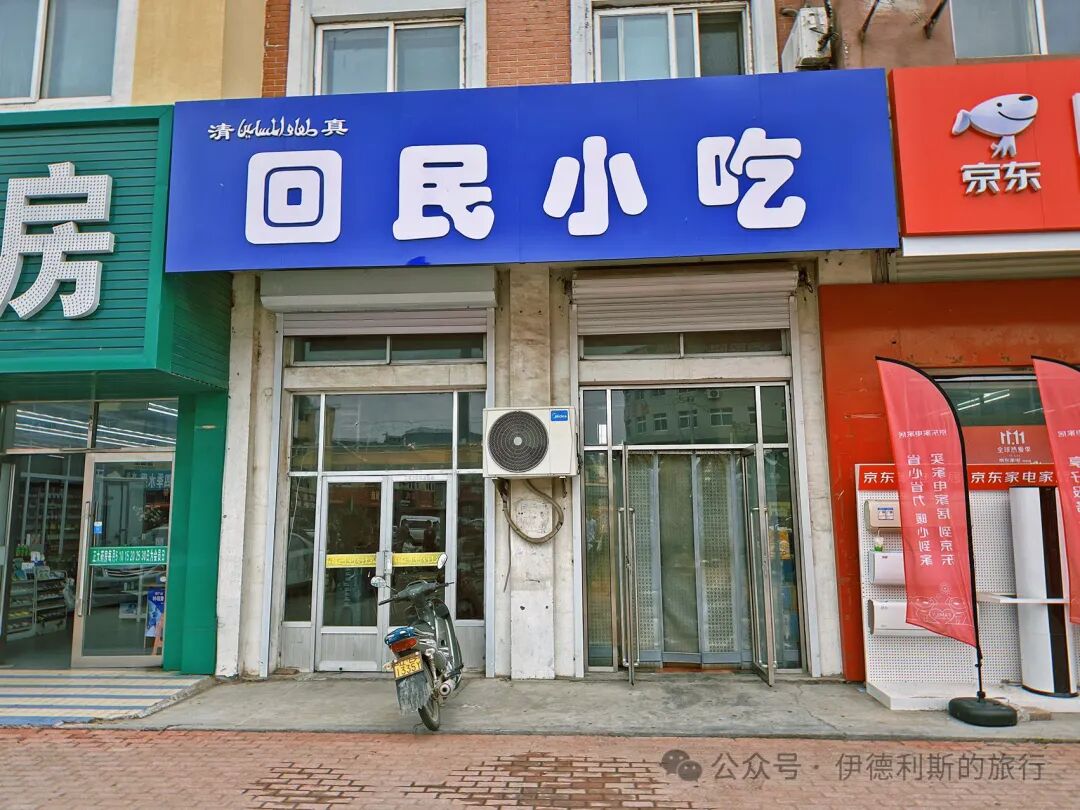
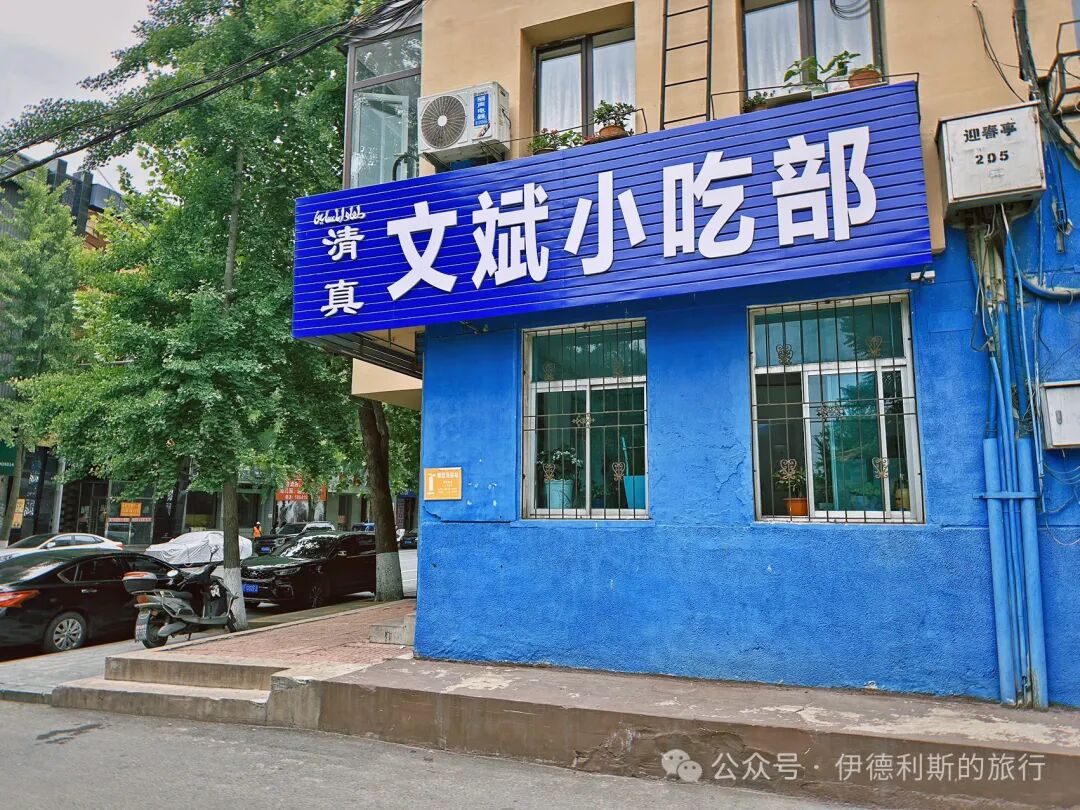
On June 9 at noon, we headed east from Dalian toward Dandong. We arrived at Fengcheng East Station at 12:14 and took a taxi to the center of Fengcheng for lunch. We first went to a restaurant called Nanlaishun, but we found braised lamb blood on the menu, so we went to another place called Wenbin Snack Bar instead.
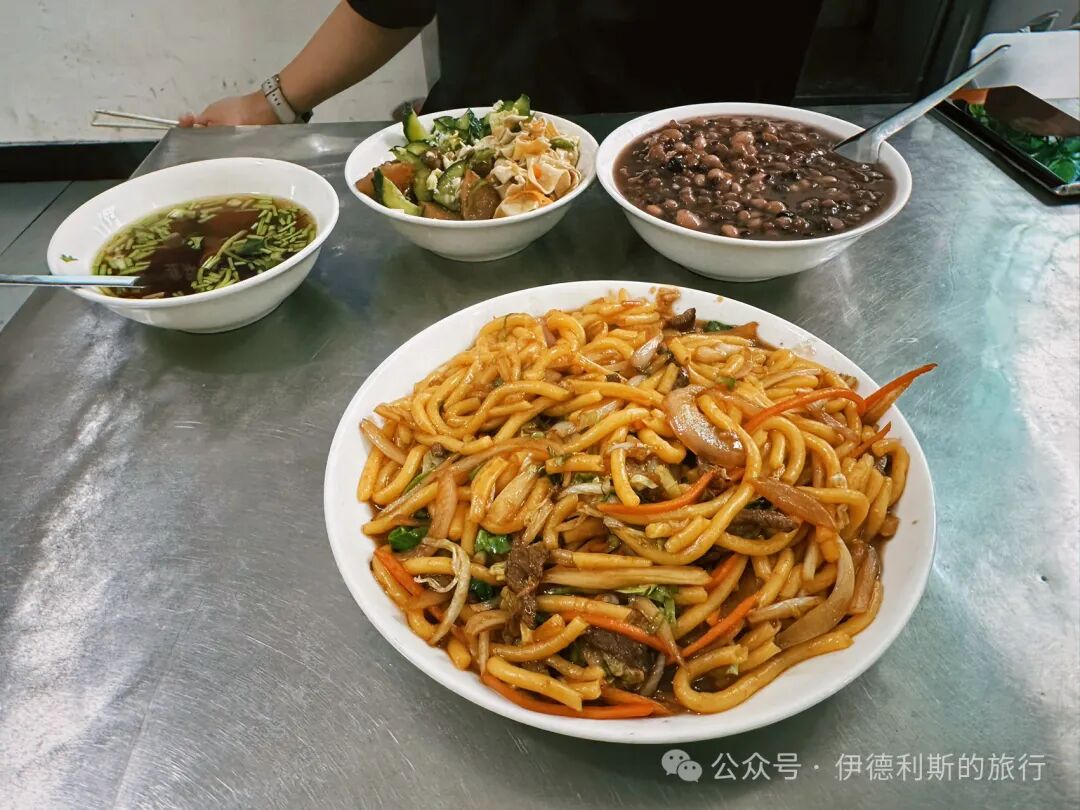
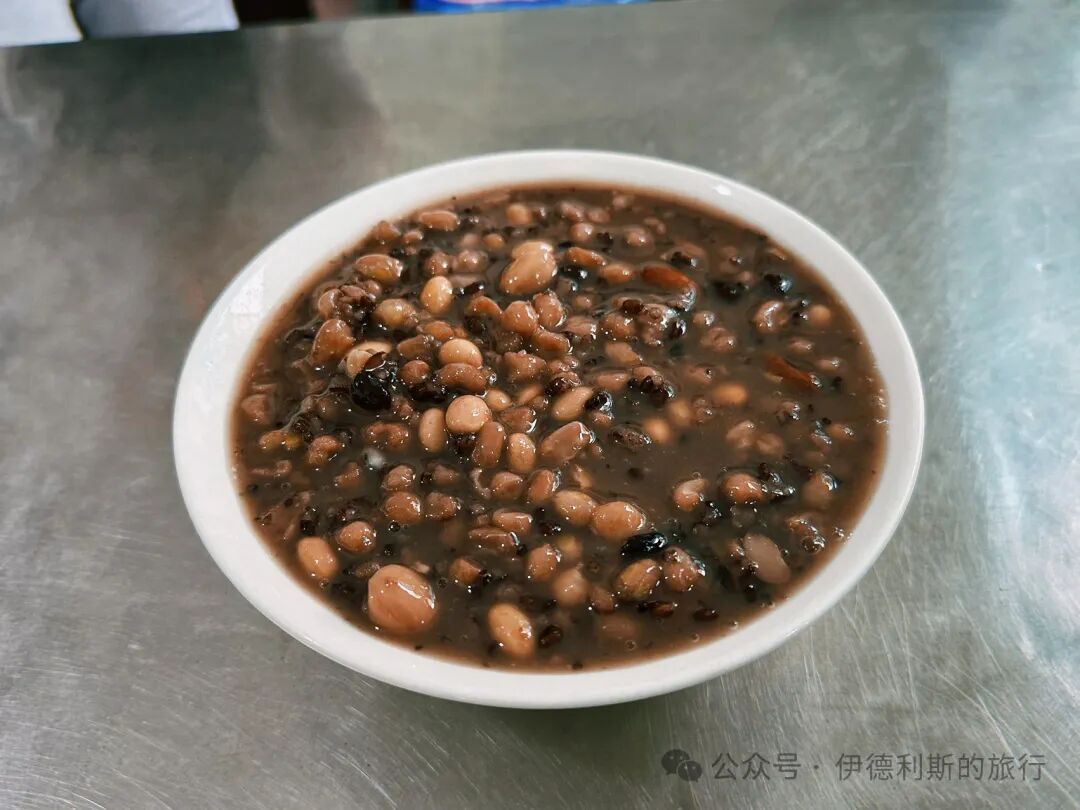
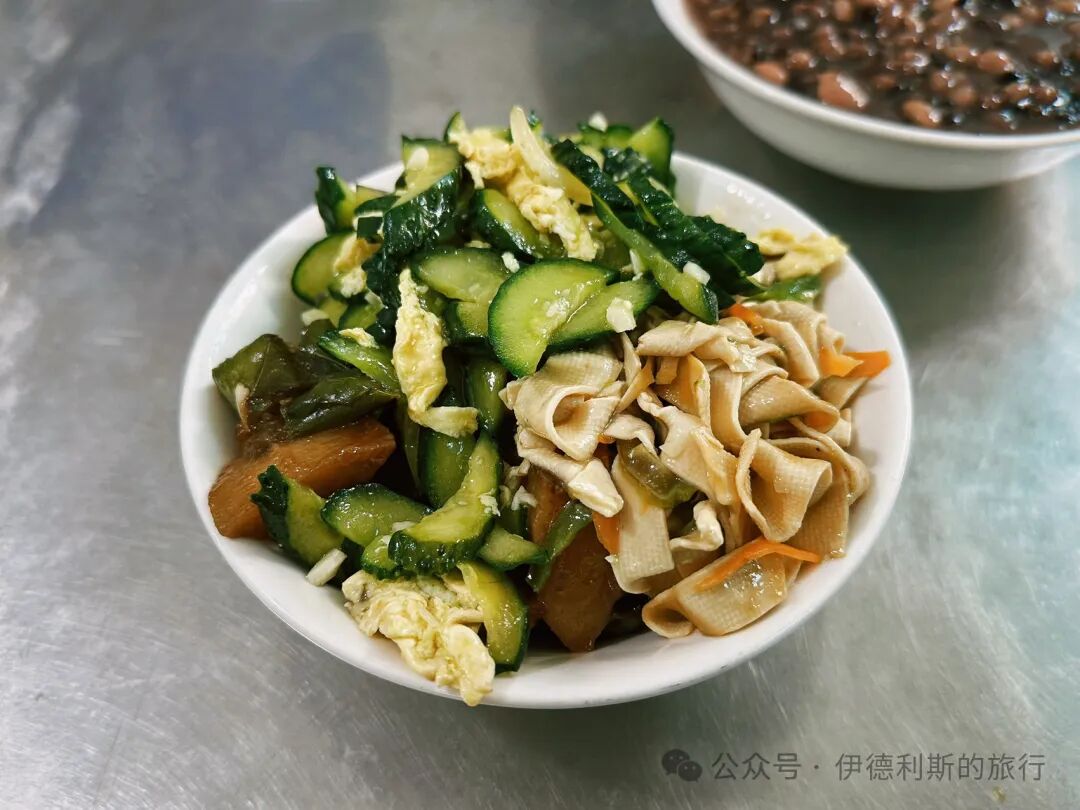
We ordered the local Dandong specialty stir-fried corn noodles (chao chazi), along with eight-treasure porridge with corn grits (dazhazi babaozhou) and a 6-yuan vegetable platter. The vegetable platter included stir-fried potato, eggplant, and pepper (di san xian), cucumber with scrambled eggs, and stir-fried dried tofu. I noticed other people just ordering one vegetable platter with rice, which is a great deal.
Stir-fried corn noodles (chao chazi) are made by fermenting corn and grinding it into a liquid, then taking the settled corn starch residue and pressing it into noodles before stir-frying. These noodles are a classic example of turning coarse grains into a refined dish. They have a smooth, delicate texture without any of the usual grittiness of corn flour, and they taste quite good.
Zainab really loved their eight-treasure porridge with corn grits (dazhazi babaozhou). She even said it was her favorite thing she ate during her entire trip to Liaoning. The eight-treasure porridge with corn grits (dazhazi babaozhou) contains almost no rice, just a wide variety of beans. They are very generous with the ingredients, making it a perfect choice for people who want a healthy meal.
After finishing our stir-fried noodles (chao chazi), we went to Fengcheng Mosque to pray. The imam at Fengcheng Mosque is also from Cangzhou.
Fengcheng Mosque was first built in 1775, during the 40th year of the Qianlong reign. It was renovated in 1862, the first year of the Tongzhi reign. In 1876, the second year of the Guangxu reign, the north lecture hall was rebuilt and side rooms were added. In 1890, the 16th year of the Guangxu reign, the Moon-Sighting Tower (Wangyue Lou) was built, giving the mosque its current size.
The most unique part of Fengcheng Mosque is the Moon-Sighting Tower, built during the Guangxu reign. It has a double-eaved, four-cornered, pointed roof with beautiful upturned eaves, brackets, and intricate openwork carvings.
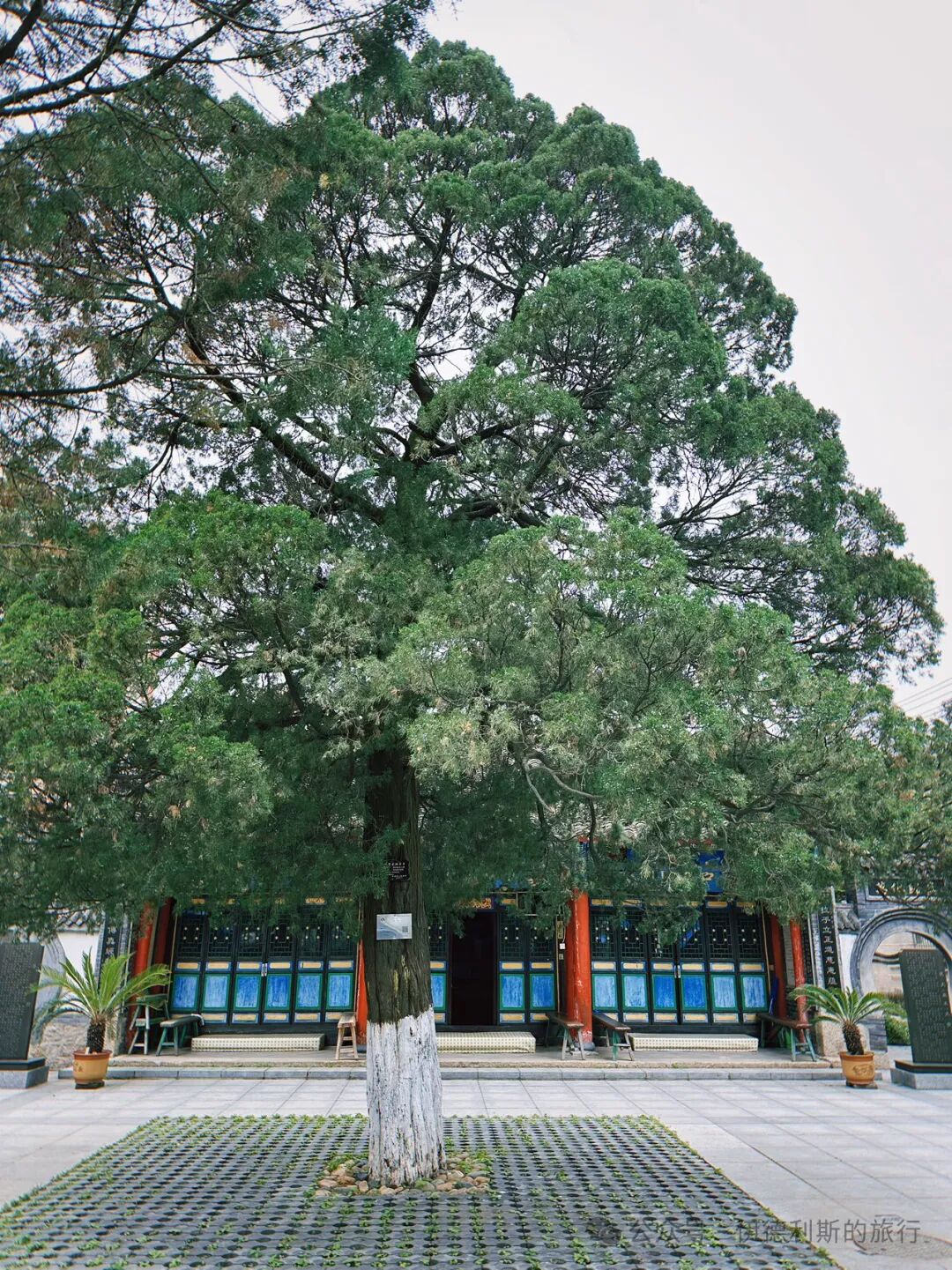
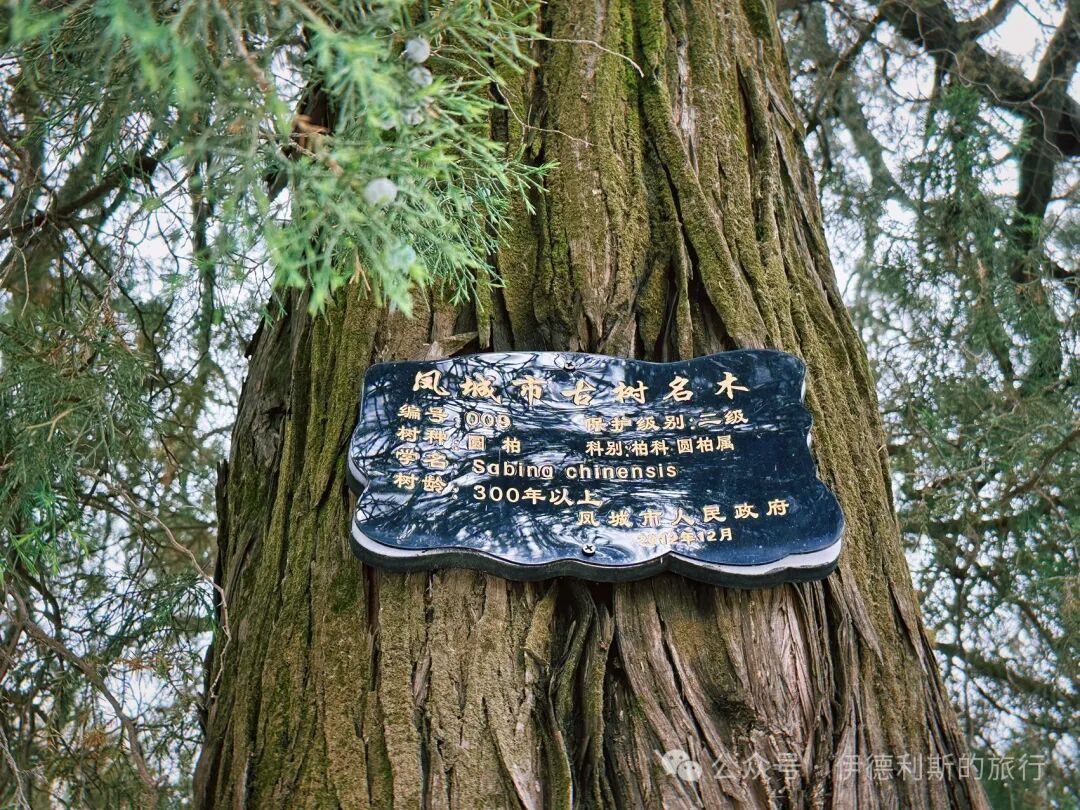
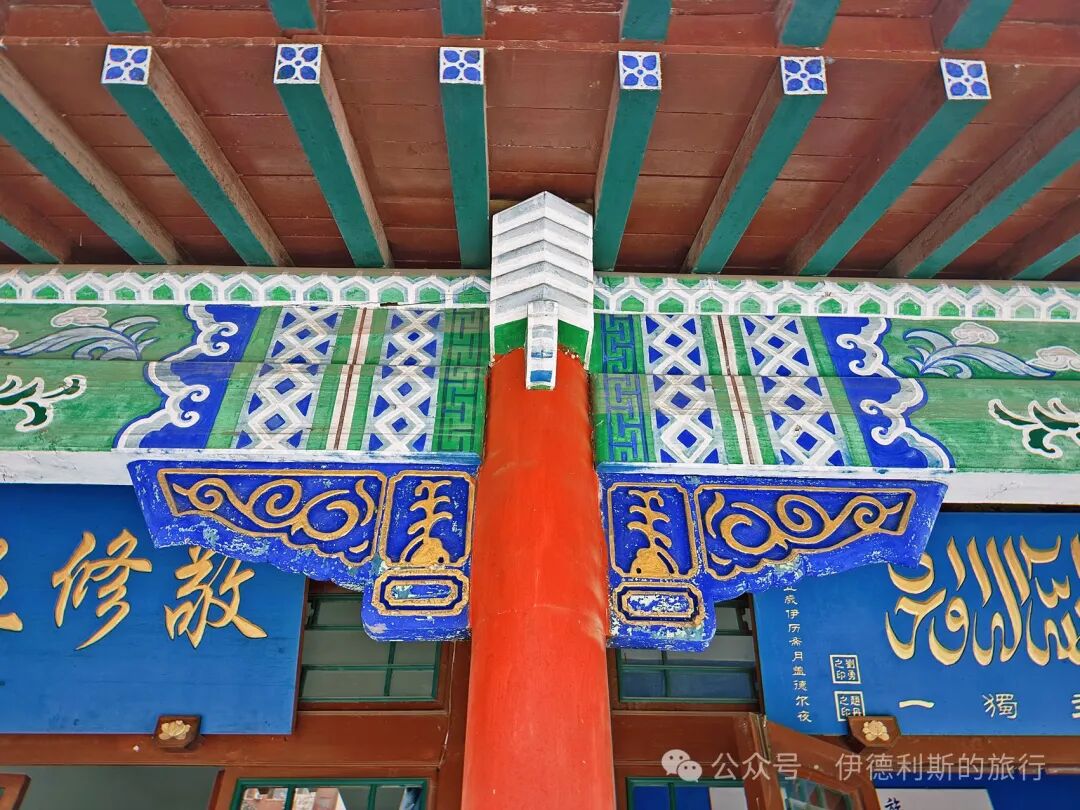
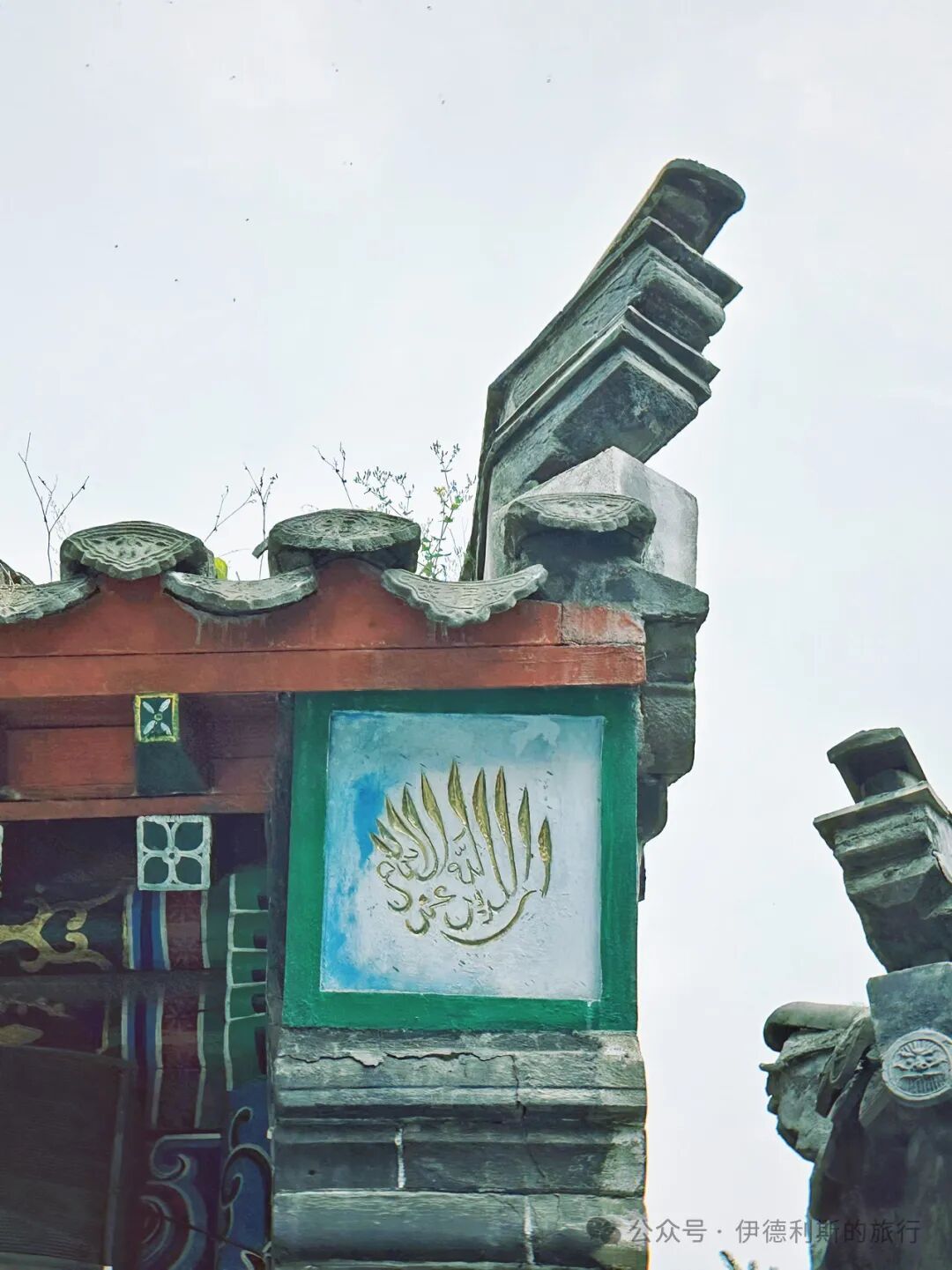
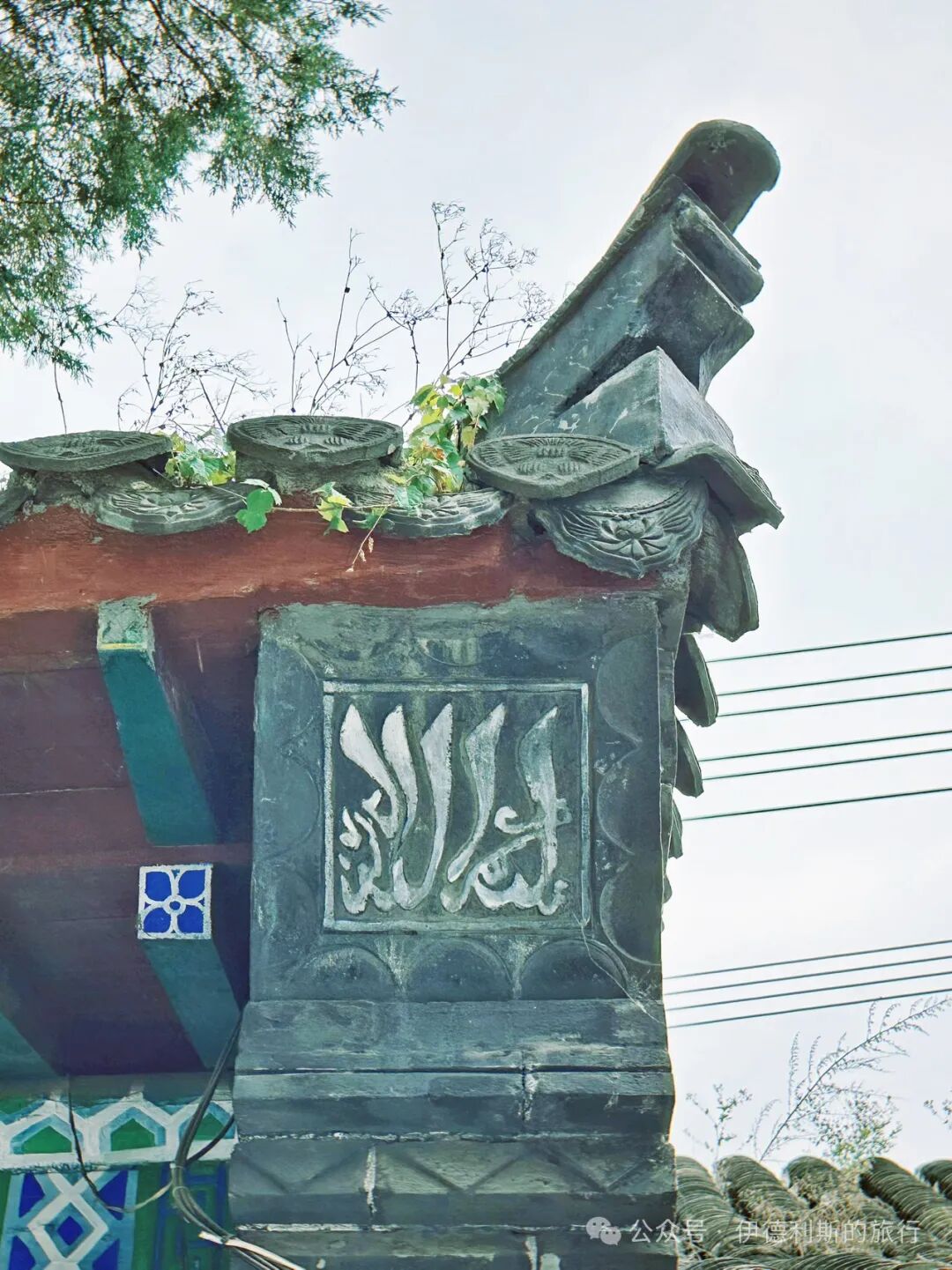
The mosque features 300-year-old cypress trees and a stone tablet from the Guangxu renovations. The wood carvings on the brackets and the brick calligraphy carvings on the wall corners are also very beautiful.
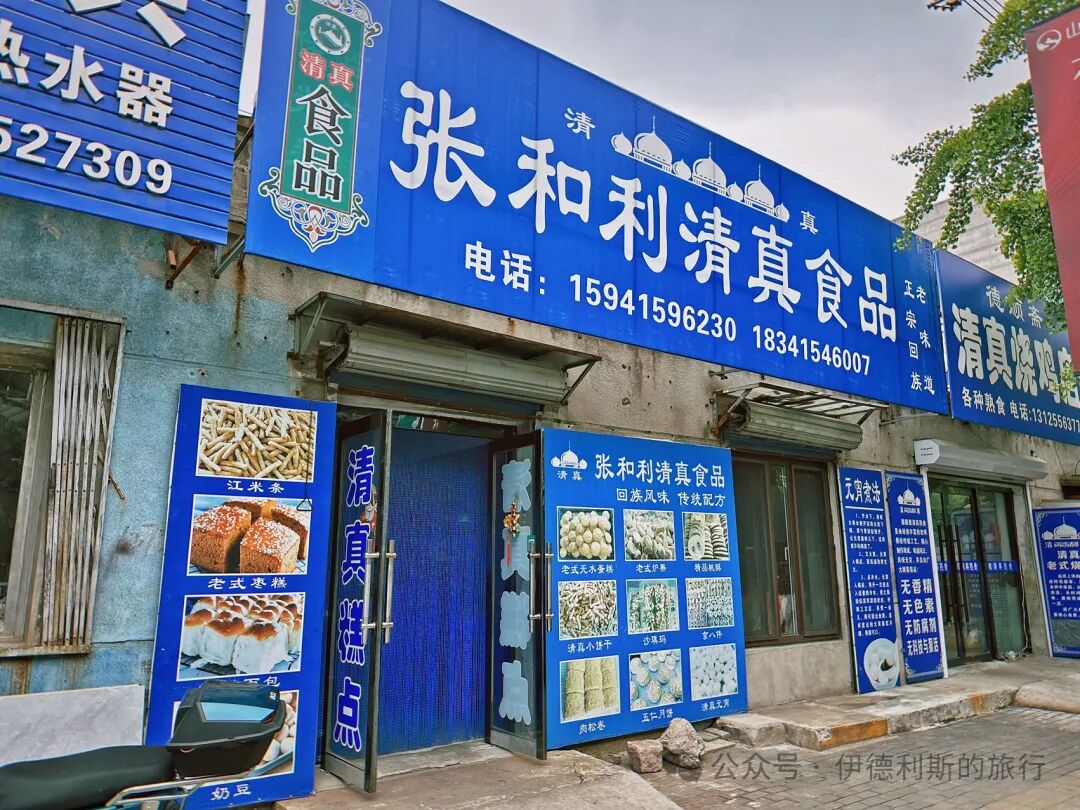
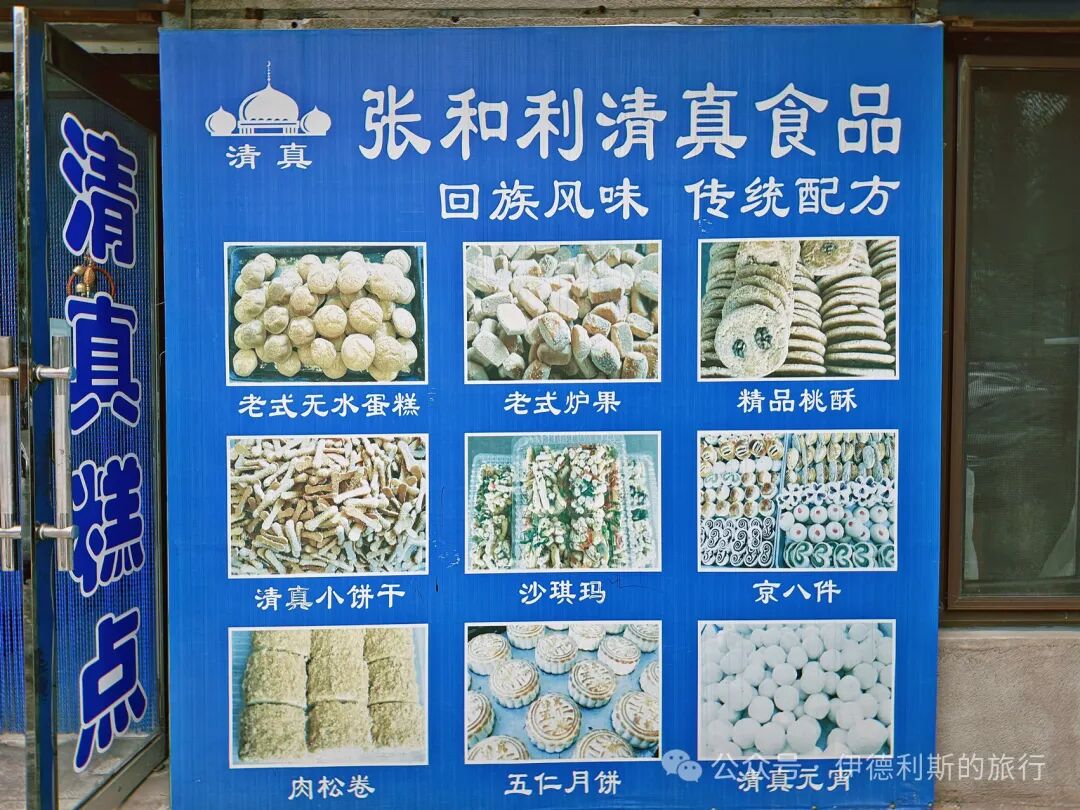
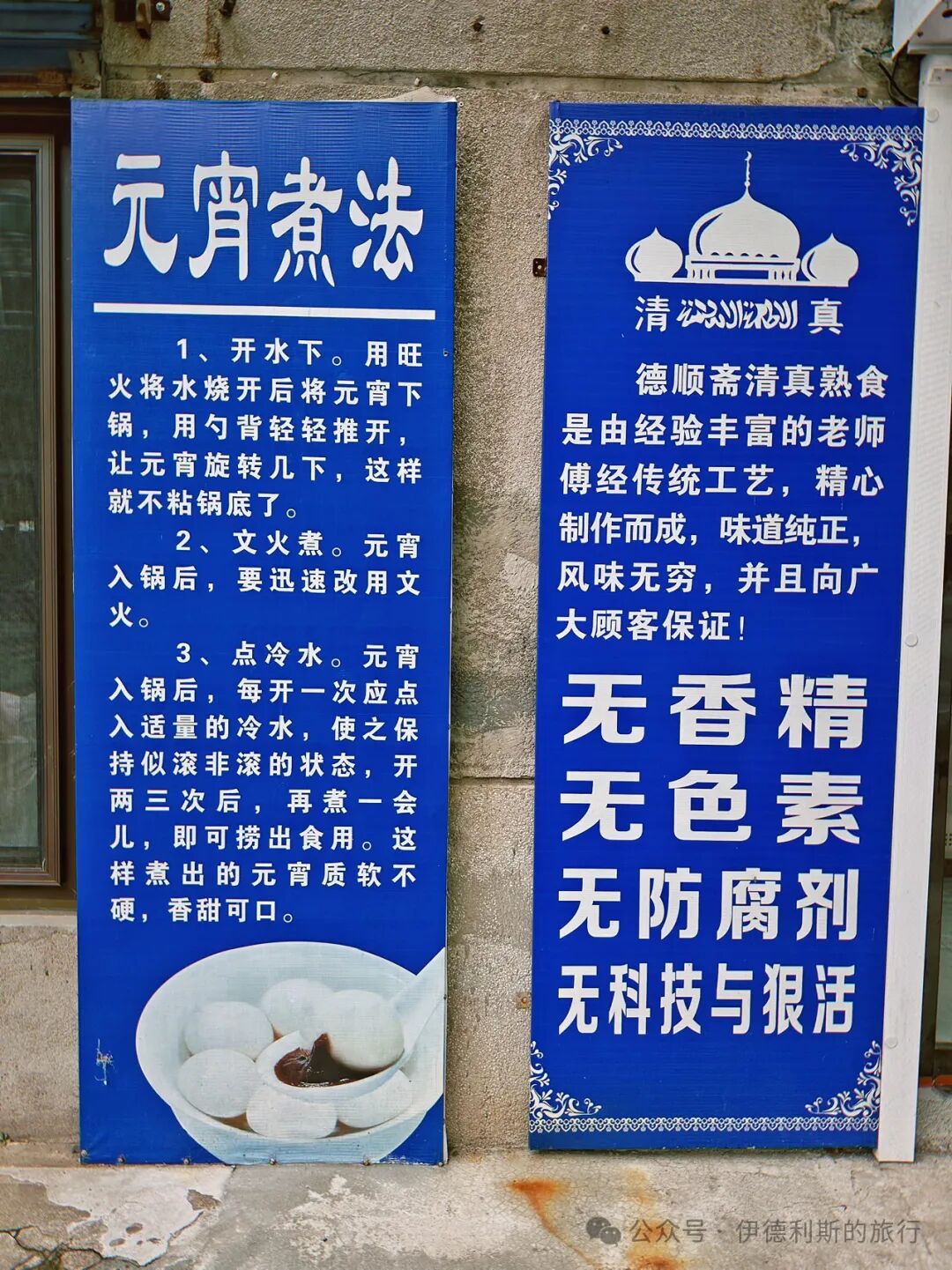
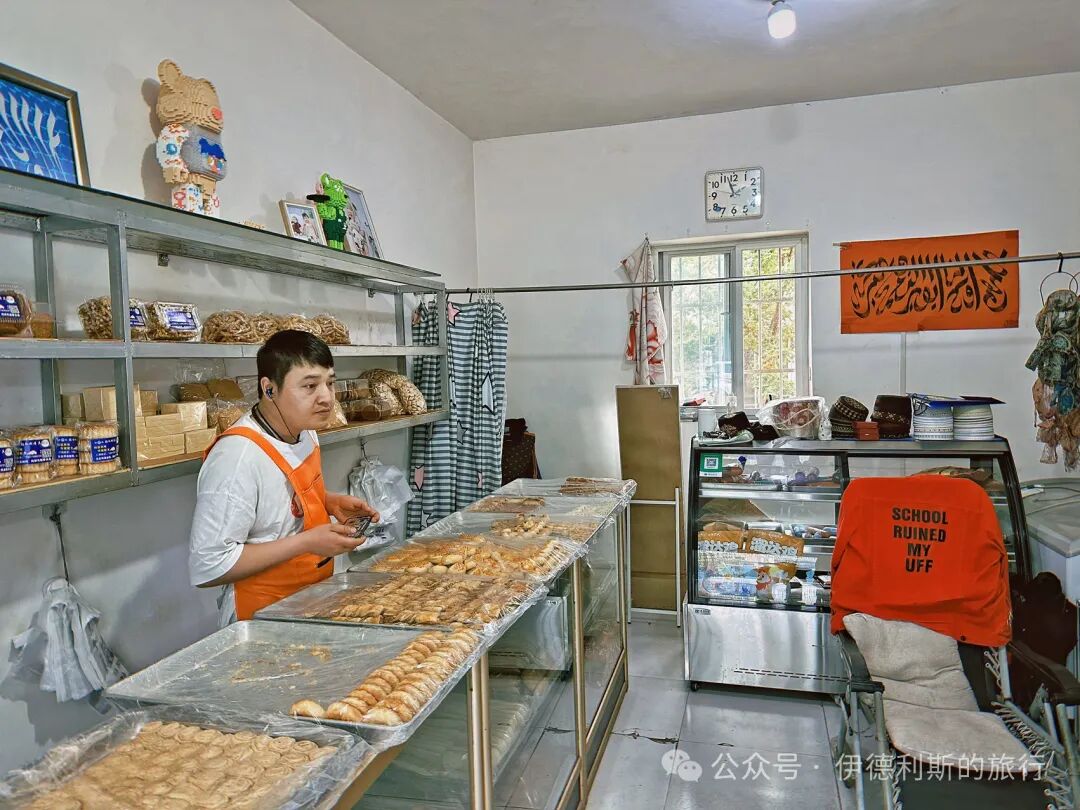
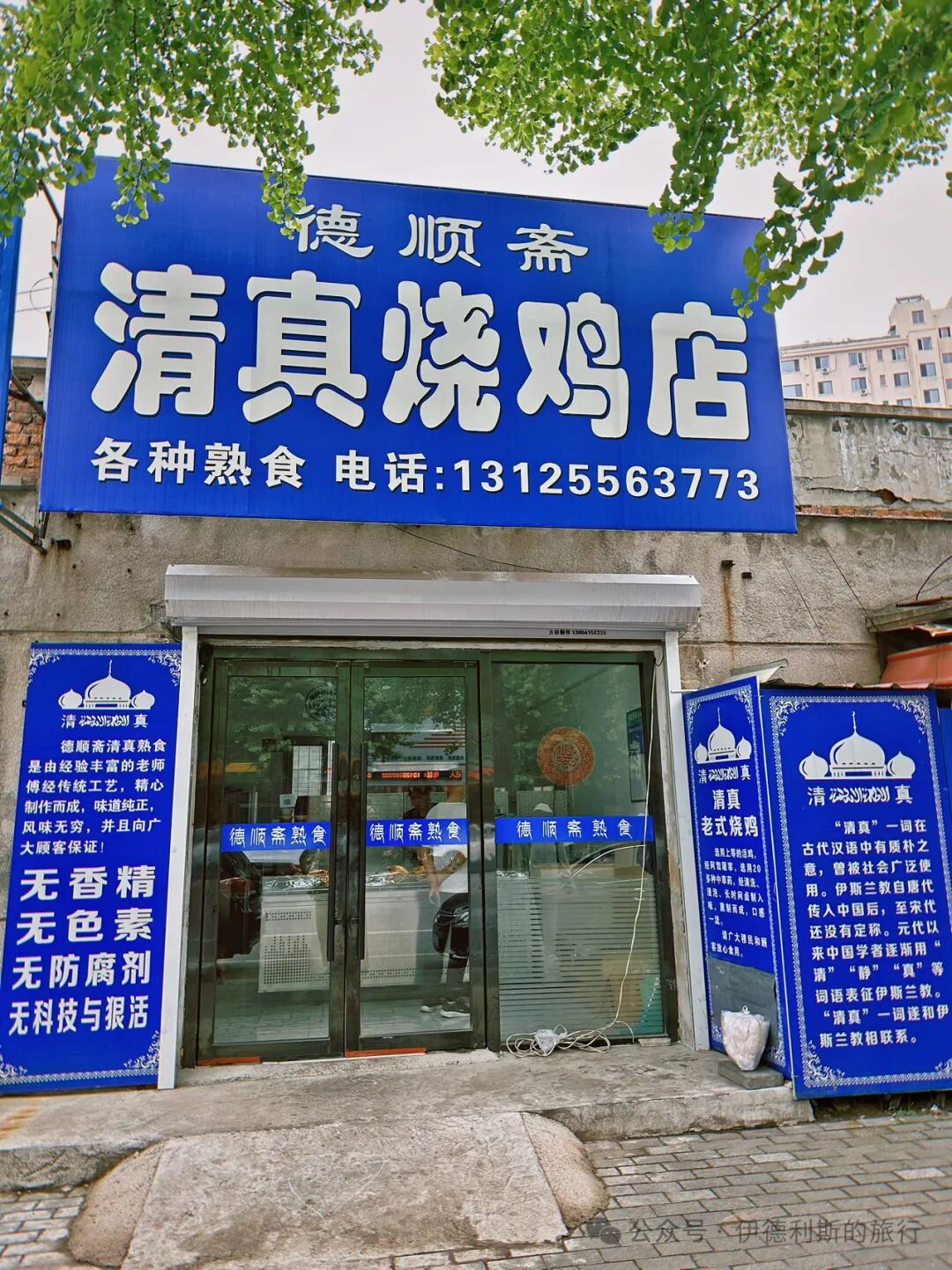
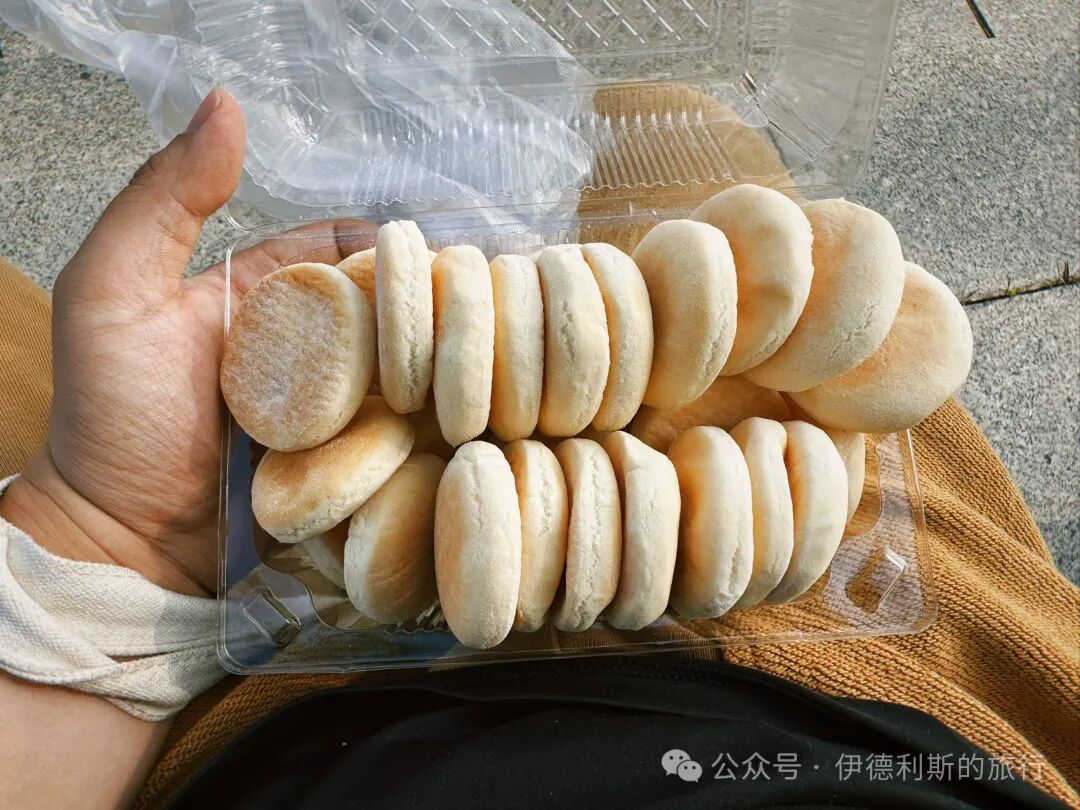
Outside the mosque, there are shops selling beef, pastries, roasted chicken, and instructions on how to boil sweet rice balls (yuanxiao). We bought some old-fashioned Northeast-style plain biscuits (guangtou bing). They get tastier the more you chew, with a subtle sweetness that lingers.
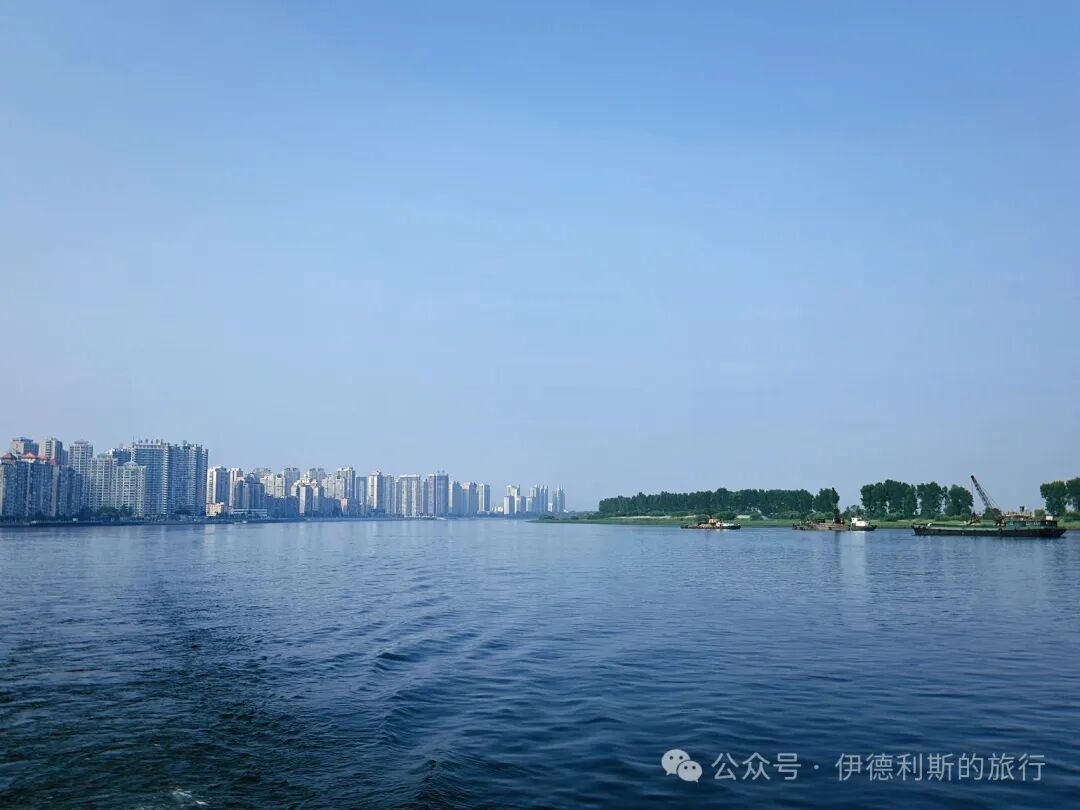
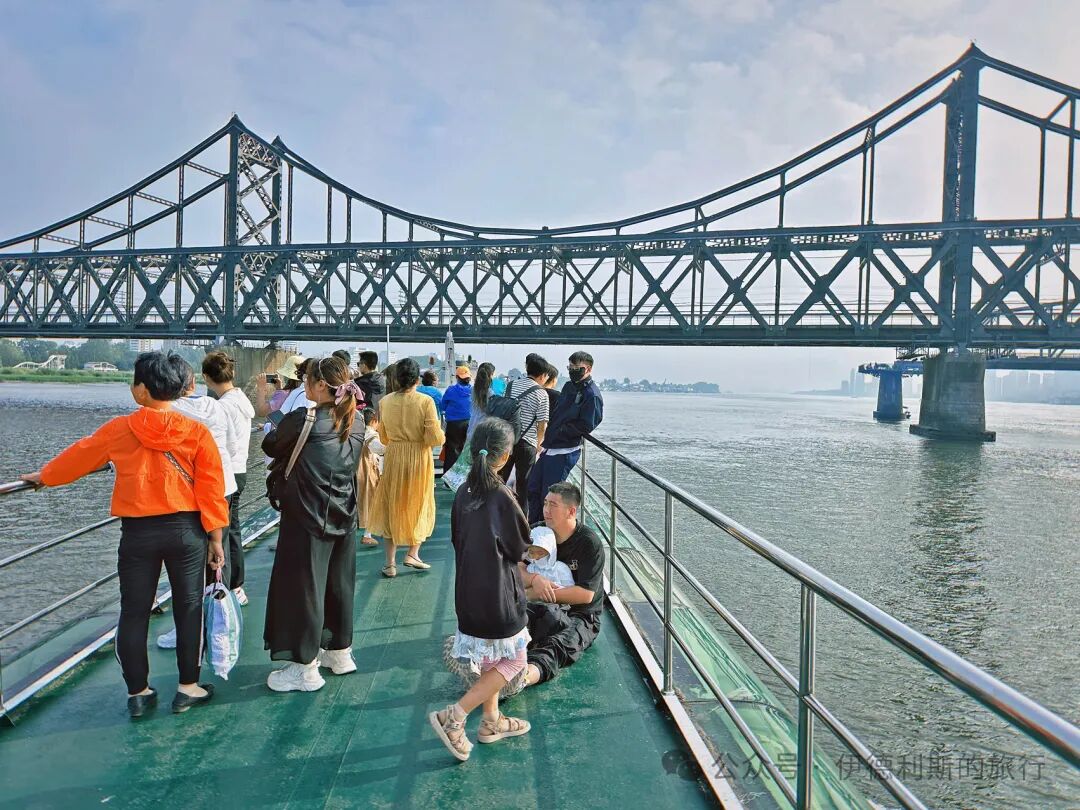
We left Fengcheng East Station at 3:39 PM and arrived at Dandong Station at 3:56 PM. We then walked to Pier 2 to take a Yalu River cruise. From the boat, you can see the shipyards, amusement park, old paper mill site, General's Building, schools, and various hidden and visible guard posts in Sinuiju, North Korea, on the other side. We were surprised to see a person swimming across the Yalu River all the way to the North Korean side, and he even waved at us.
Dandong Mosque (Dandong Si) was first built in 1876, and the current building was rebuilt in 2004. The sign at the entrance of the mosque is very rare.
The storefronts of Dandong Mosque are very busy. On the first floor are two old shops, Yixiang and Yiguang, which sell various traditional pastries, mooncakes (yuebing), and sticky rice dumplings (zongzi). Upstairs is the Yixiang Nursing Home, which is open to elderly people of all ethnic groups.
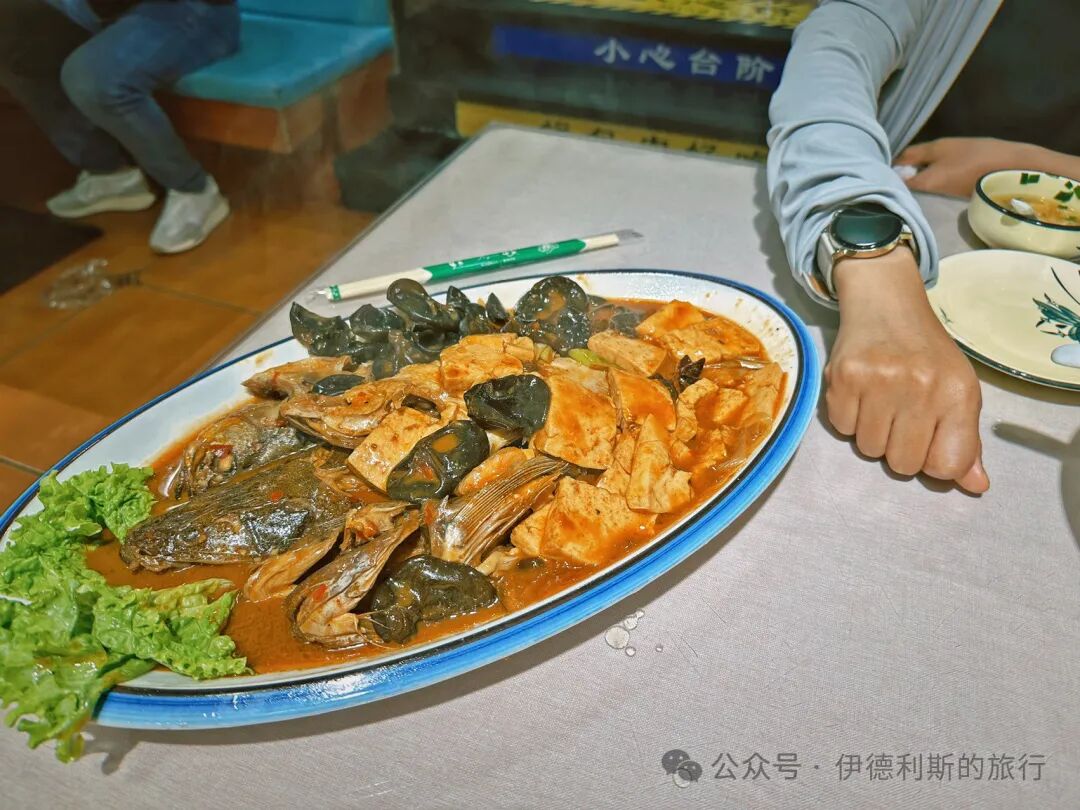
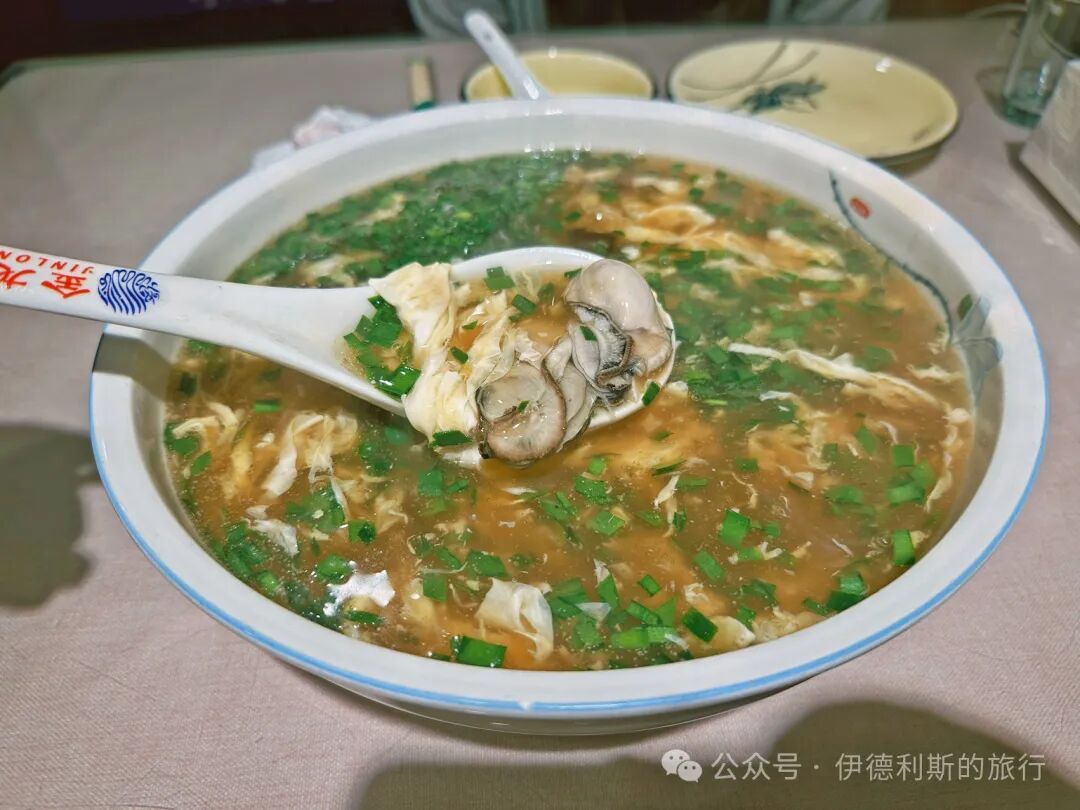
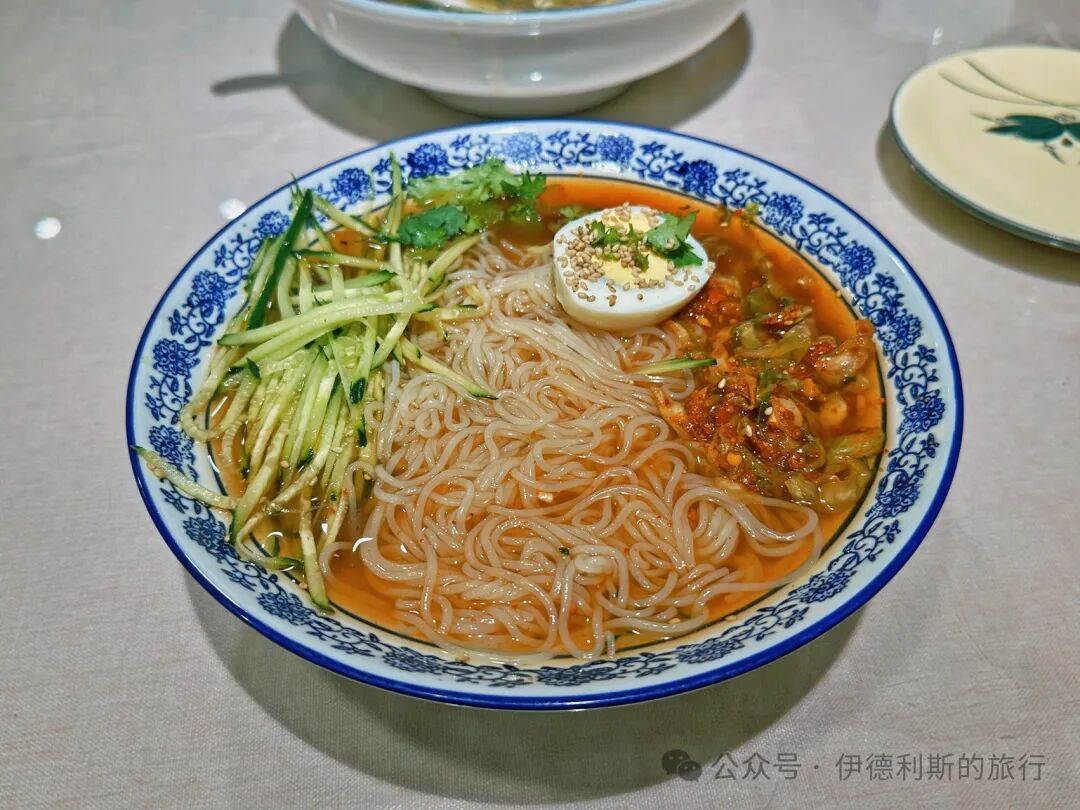
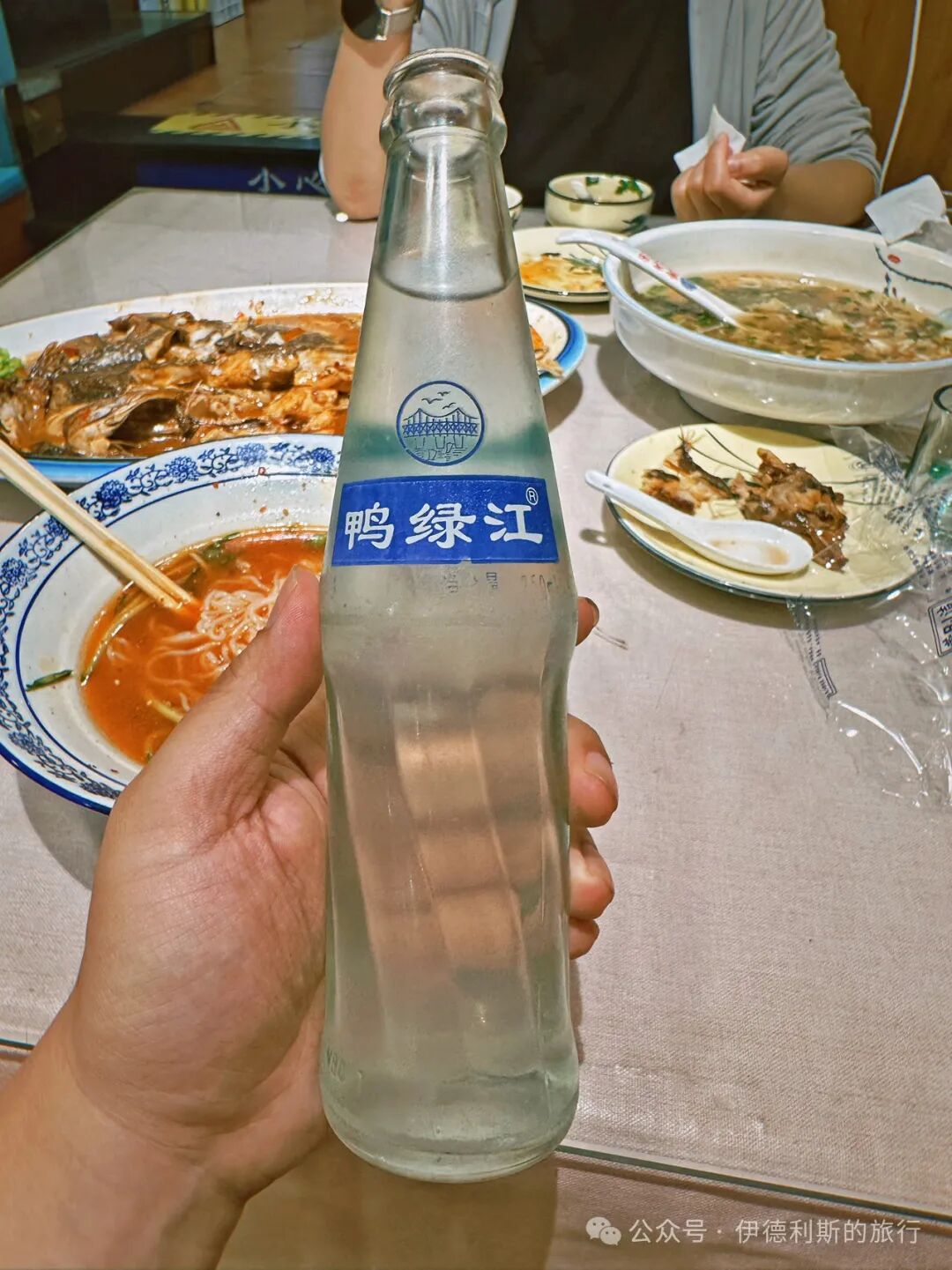
In the afternoon, we had dinner at the long-established Jinlongge Restaurant in Dandong. They serve a wide variety of traditional stir-fried dishes and seafood. We ordered oyster soup (ligeng tang), braised mixed fish (jiangmen zabanyü), and Northeast-style cold noodles (dongbei da lengmian), and we also drank the local Yalu River soda. Northeast Chinese food comes in huge portions! We used our fists to compare the size of the plates, and one dish is more than enough for two people.
The food here tastes great overall; the large cold noodles (lengmian) are chewy, the fish is fragrant, and the meat quality is excellent. The oyster soup (ligeng tang) is very savory and does not have a fishy smell. view all
Summary: Halal Travel Guide: Fengcheng and Dandong - Mosque Visit and Liaoning Food is presented here as a firsthand travel account in clear, natural English. The account focuses on Fengcheng, Dandong, Liaoning Travel while preserving the names, places, food, photos, and historical details from the Chinese source.
On June 9 at noon, we headed east from Dalian toward Dandong. We arrived at Fengcheng East Station at 12:14 and took a taxi to the center of Fengcheng for lunch. We first went to a restaurant called Nanlaishun, but we found braised lamb blood on the menu, so we went to another place called Wenbin Snack Bar instead.
We ordered the local Dandong specialty stir-fried corn noodles (chao chazi), along with eight-treasure porridge with corn grits (dazhazi babaozhou) and a 6-yuan vegetable platter. The vegetable platter included stir-fried potato, eggplant, and pepper (di san xian), cucumber with scrambled eggs, and stir-fried dried tofu. I noticed other people just ordering one vegetable platter with rice, which is a great deal.
Stir-fried corn noodles (chao chazi) are made by fermenting corn and grinding it into a liquid, then taking the settled corn starch residue and pressing it into noodles before stir-frying. These noodles are a classic example of turning coarse grains into a refined dish. They have a smooth, delicate texture without any of the usual grittiness of corn flour, and they taste quite good.
Zainab really loved their eight-treasure porridge with corn grits (dazhazi babaozhou). She even said it was her favorite thing she ate during her entire trip to Liaoning. The eight-treasure porridge with corn grits (dazhazi babaozhou) contains almost no rice, just a wide variety of beans. They are very generous with the ingredients, making it a perfect choice for people who want a healthy meal.
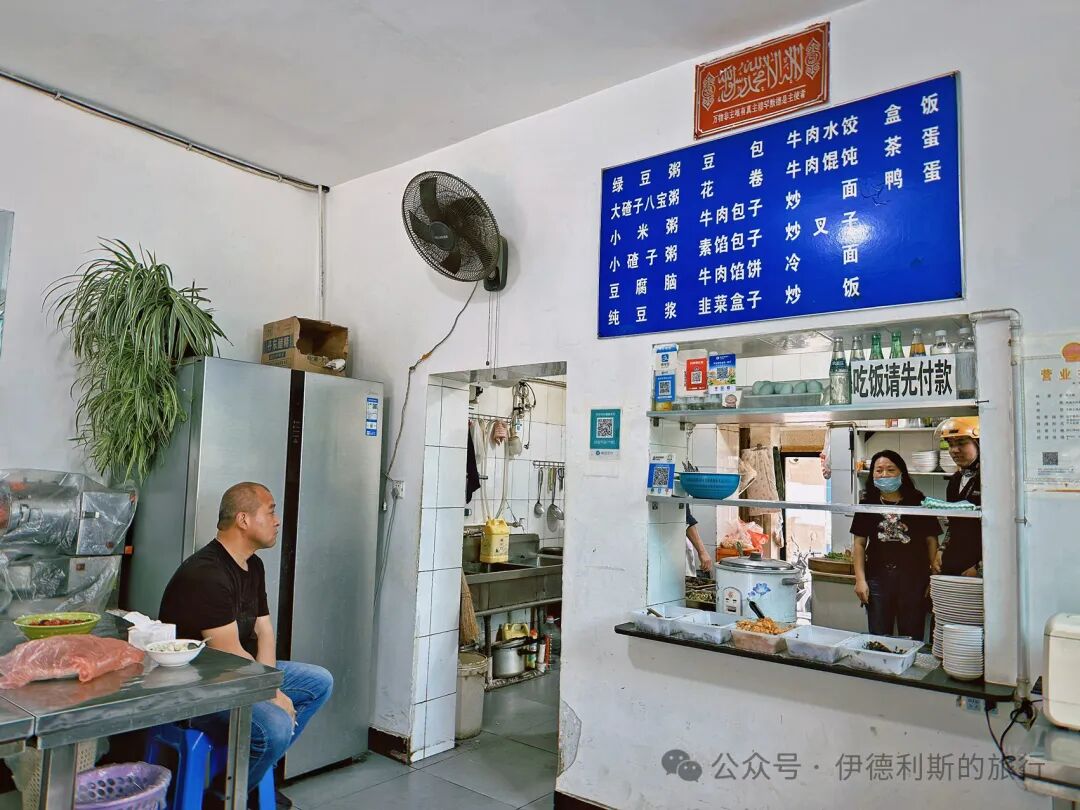
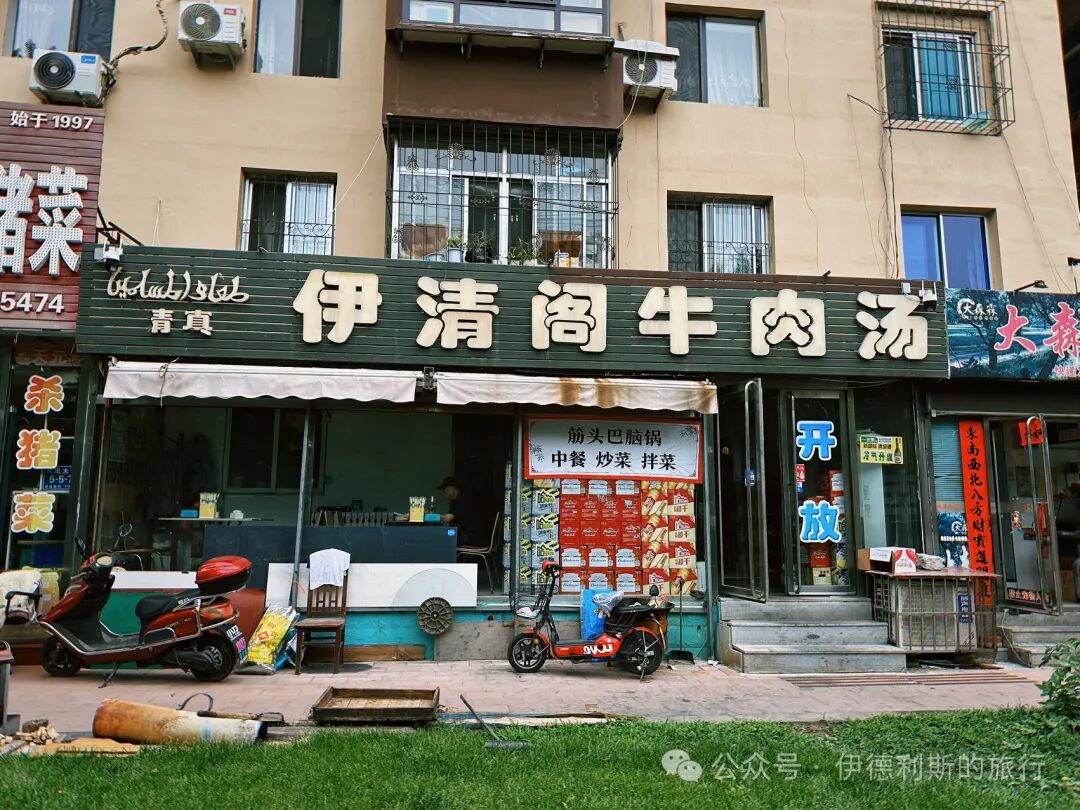
After finishing our stir-fried noodles (chao chazi), we went to Fengcheng Mosque to pray. The imam at Fengcheng Mosque is also from Cangzhou.
Fengcheng Mosque was first built in 1775, during the 40th year of the Qianlong reign. It was renovated in 1862, the first year of the Tongzhi reign. In 1876, the second year of the Guangxu reign, the north lecture hall was rebuilt and side rooms were added. In 1890, the 16th year of the Guangxu reign, the Moon-Sighting Tower (Wangyue Lou) was built, giving the mosque its current size.
The most unique part of Fengcheng Mosque is the Moon-Sighting Tower, built during the Guangxu reign. It has a double-eaved, four-cornered, pointed roof with beautiful upturned eaves, brackets, and intricate openwork carvings.
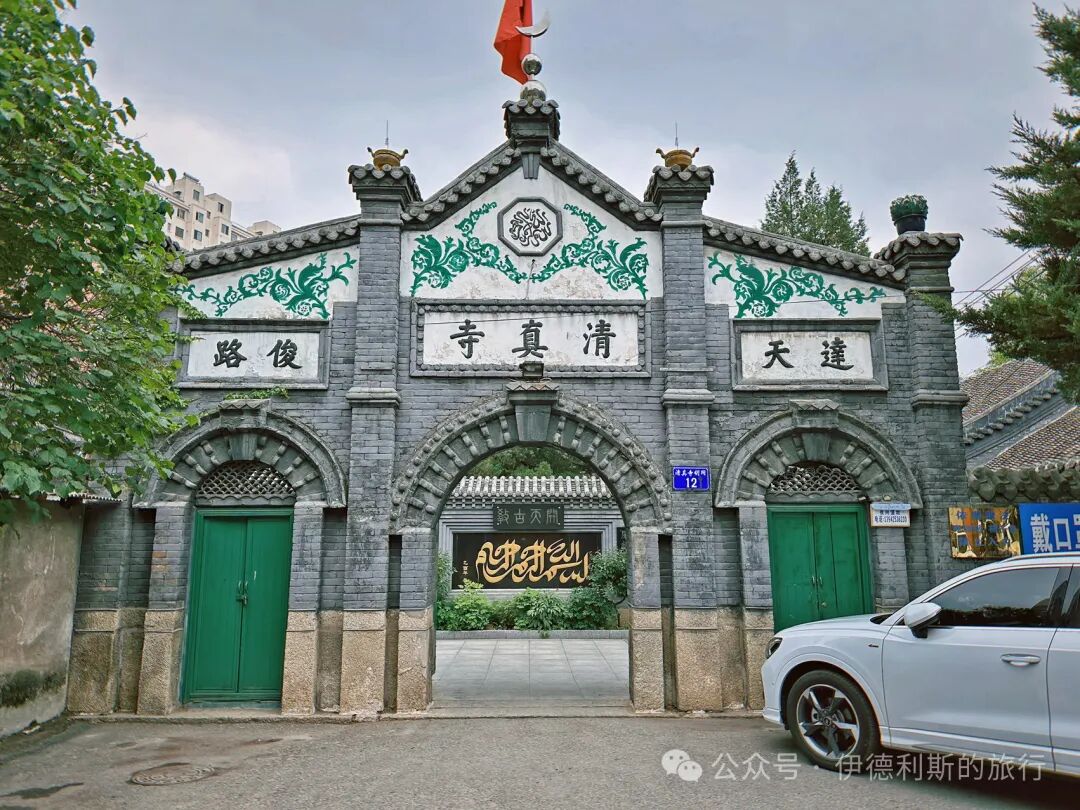
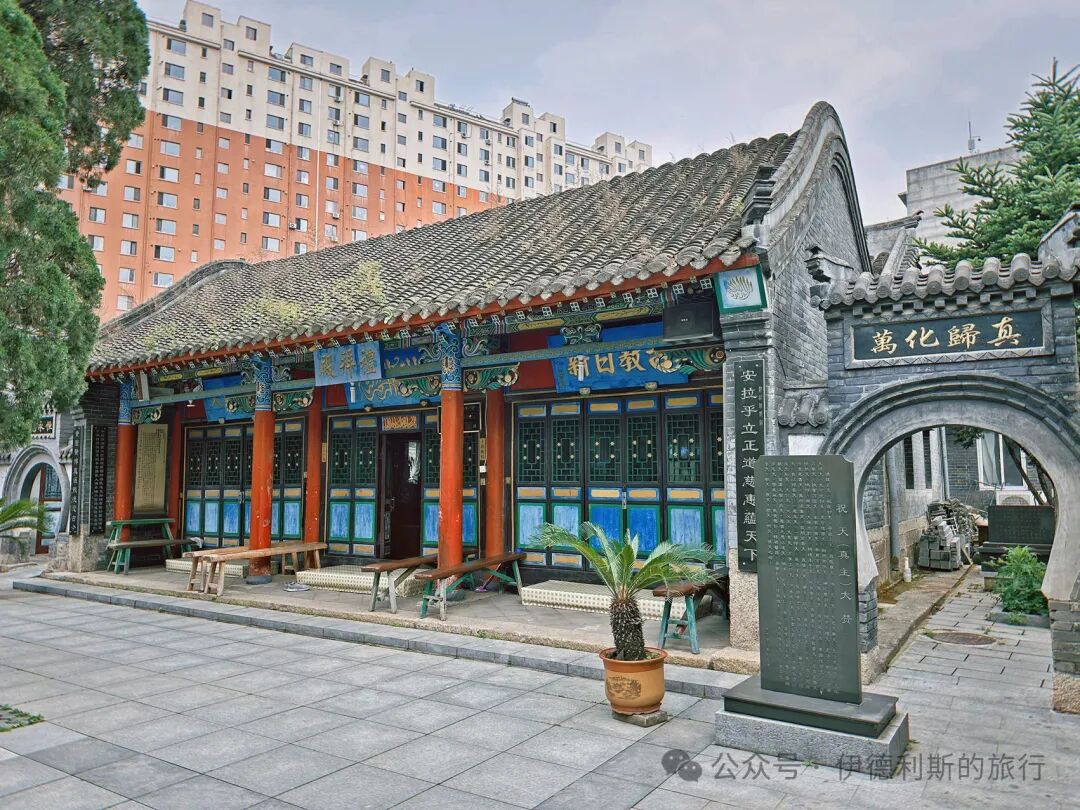
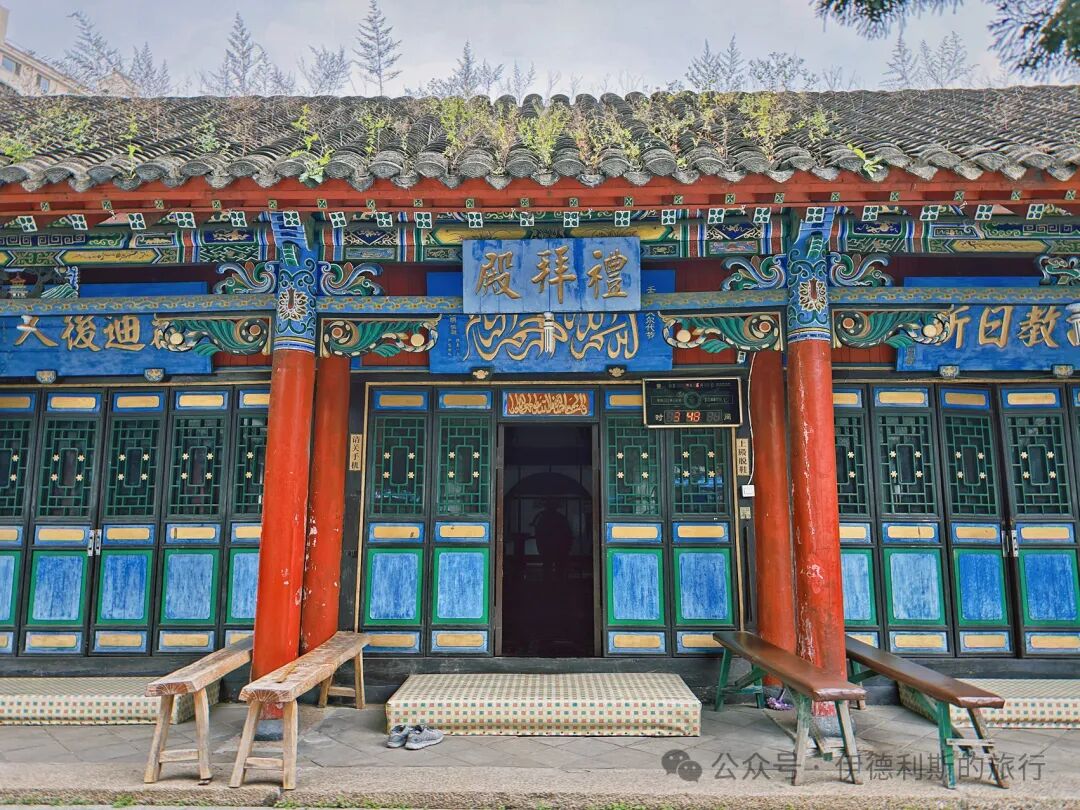
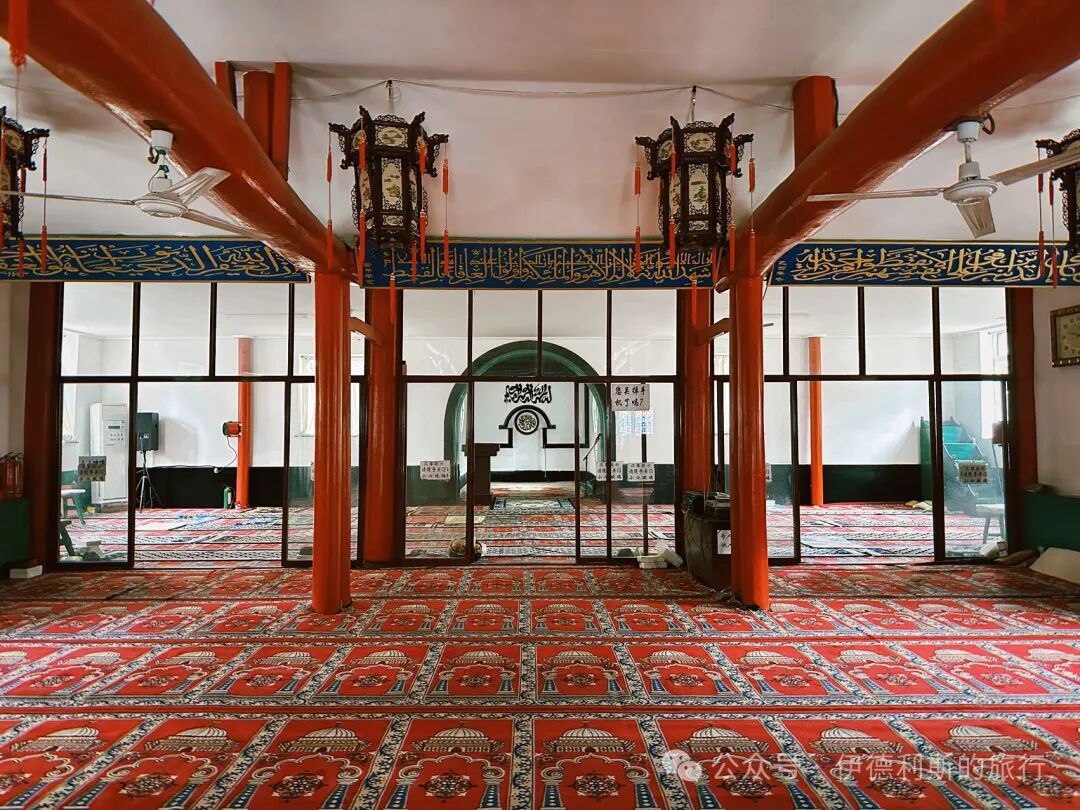
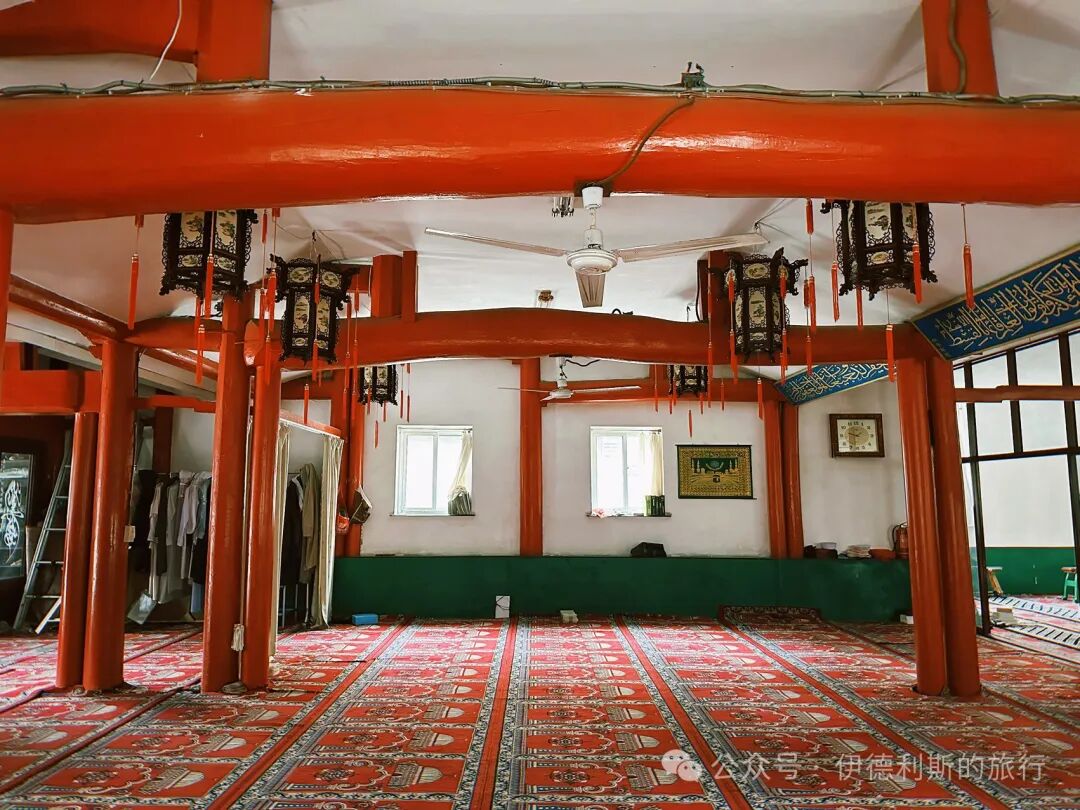
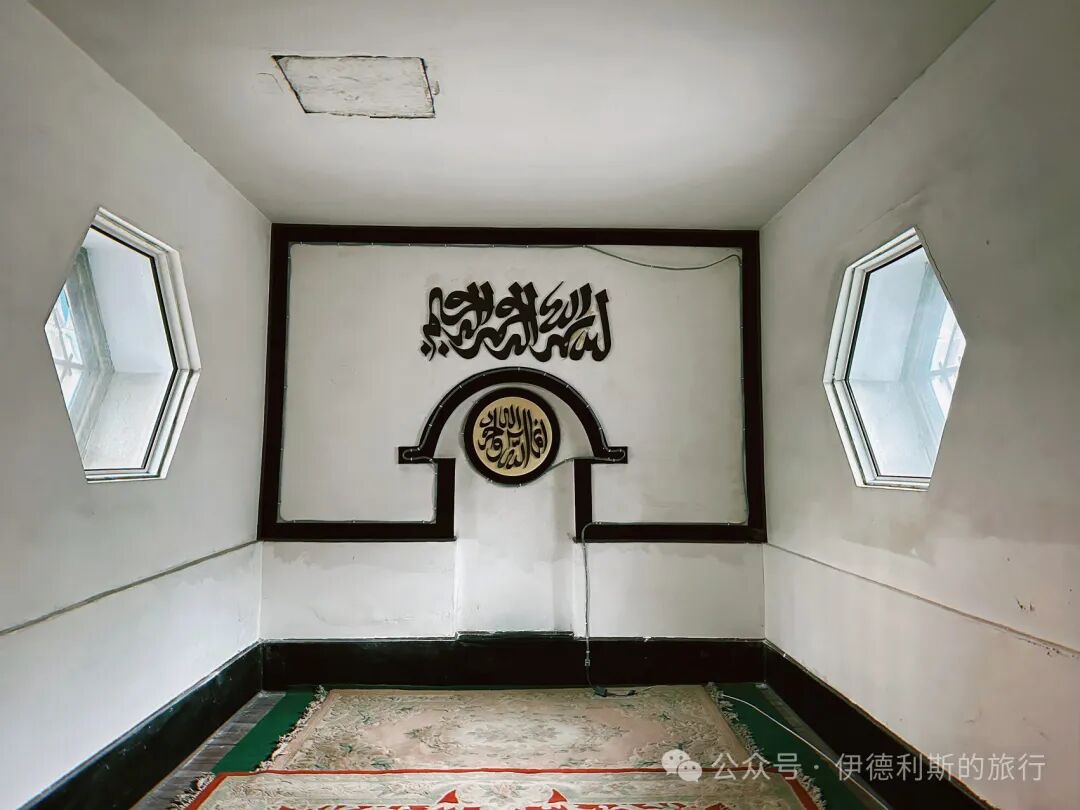
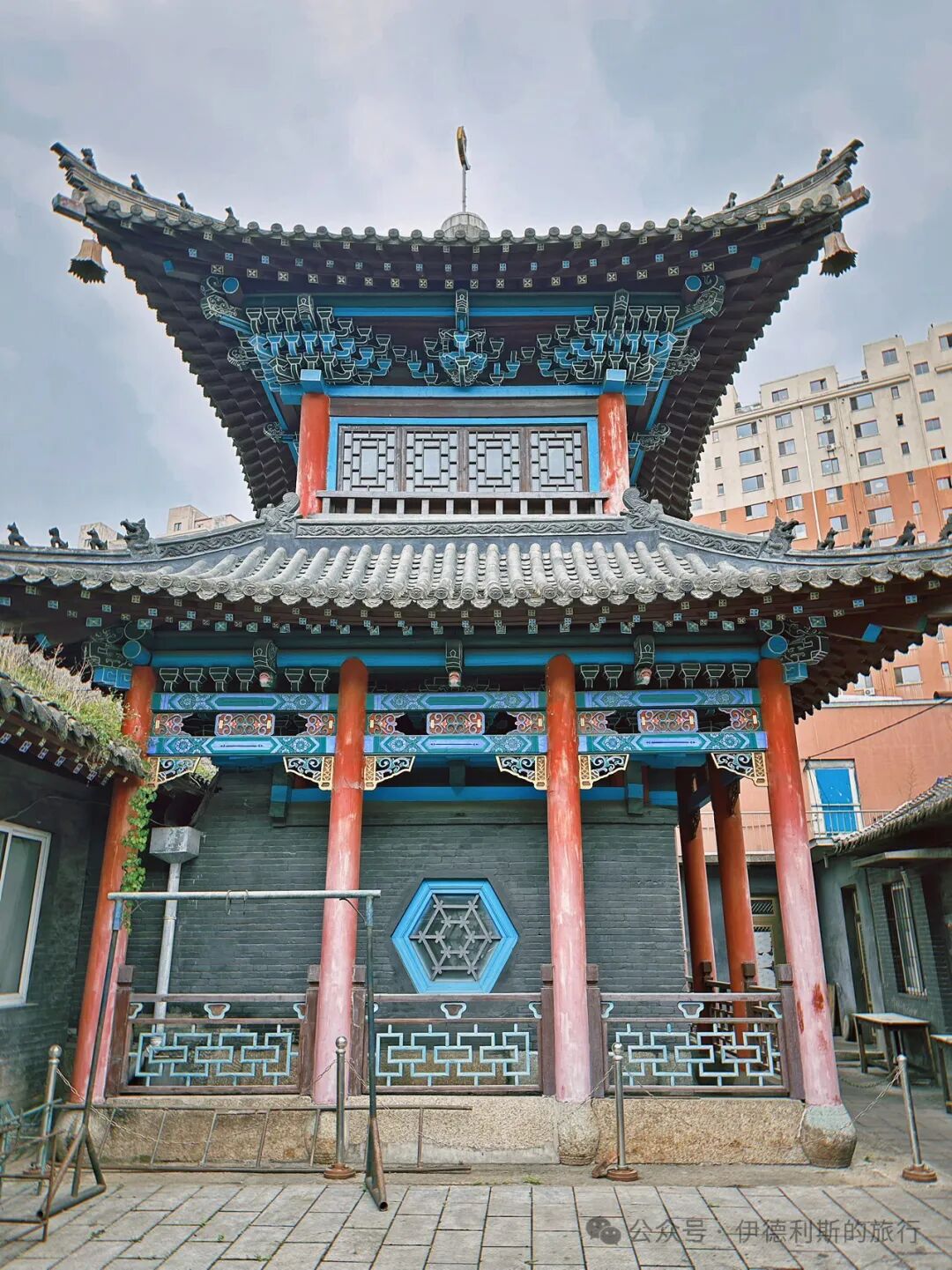
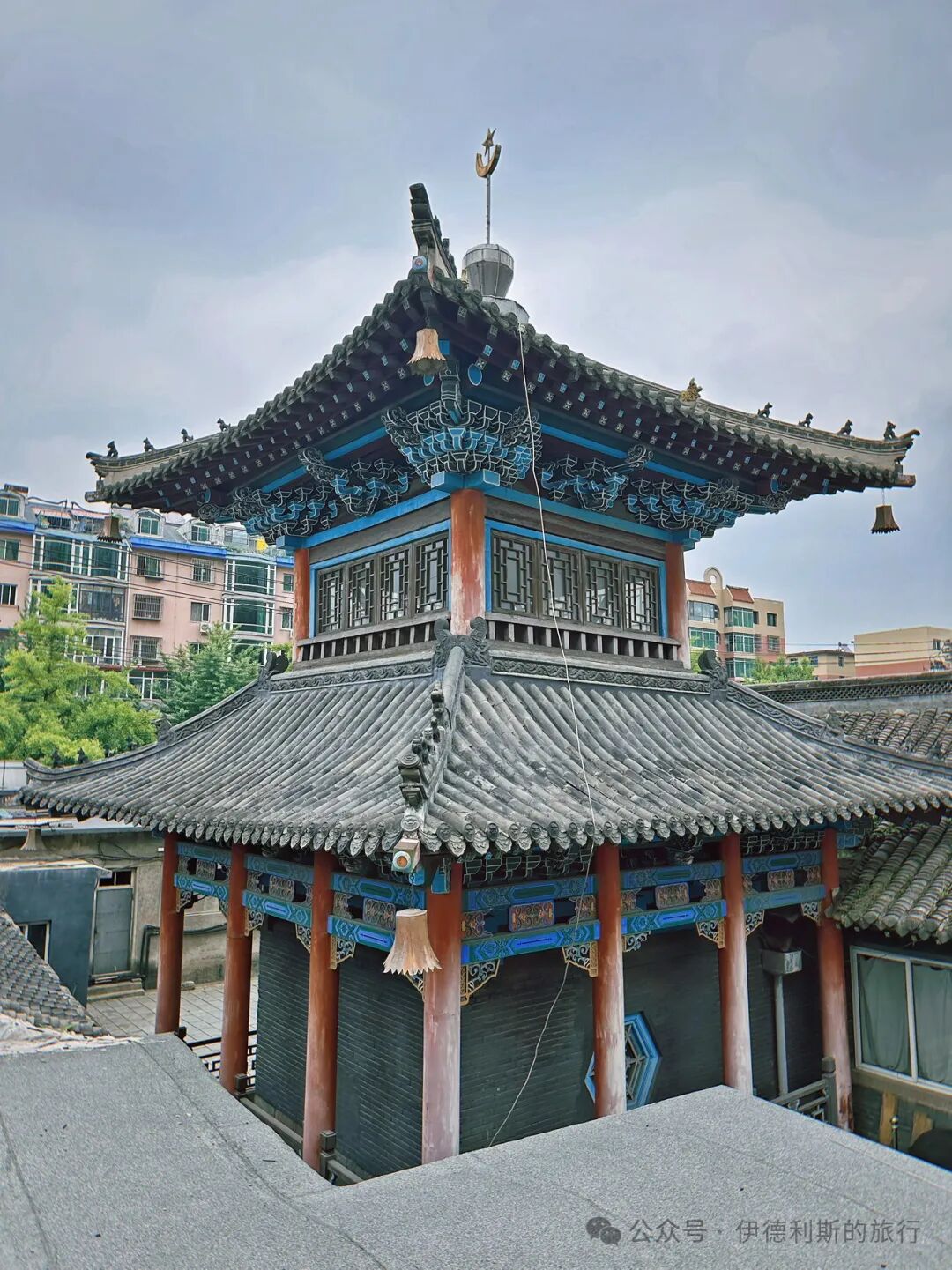
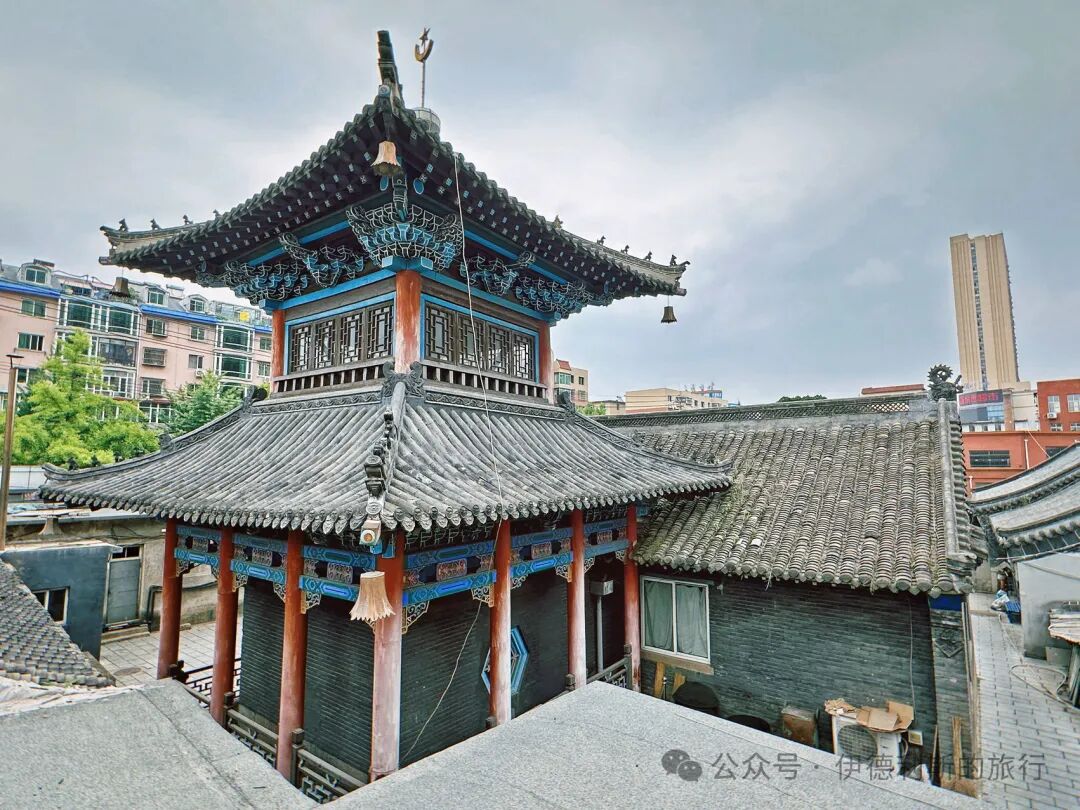
The mosque features 300-year-old cypress trees and a stone tablet from the Guangxu renovations. The wood carvings on the brackets and the brick calligraphy carvings on the wall corners are also very beautiful.
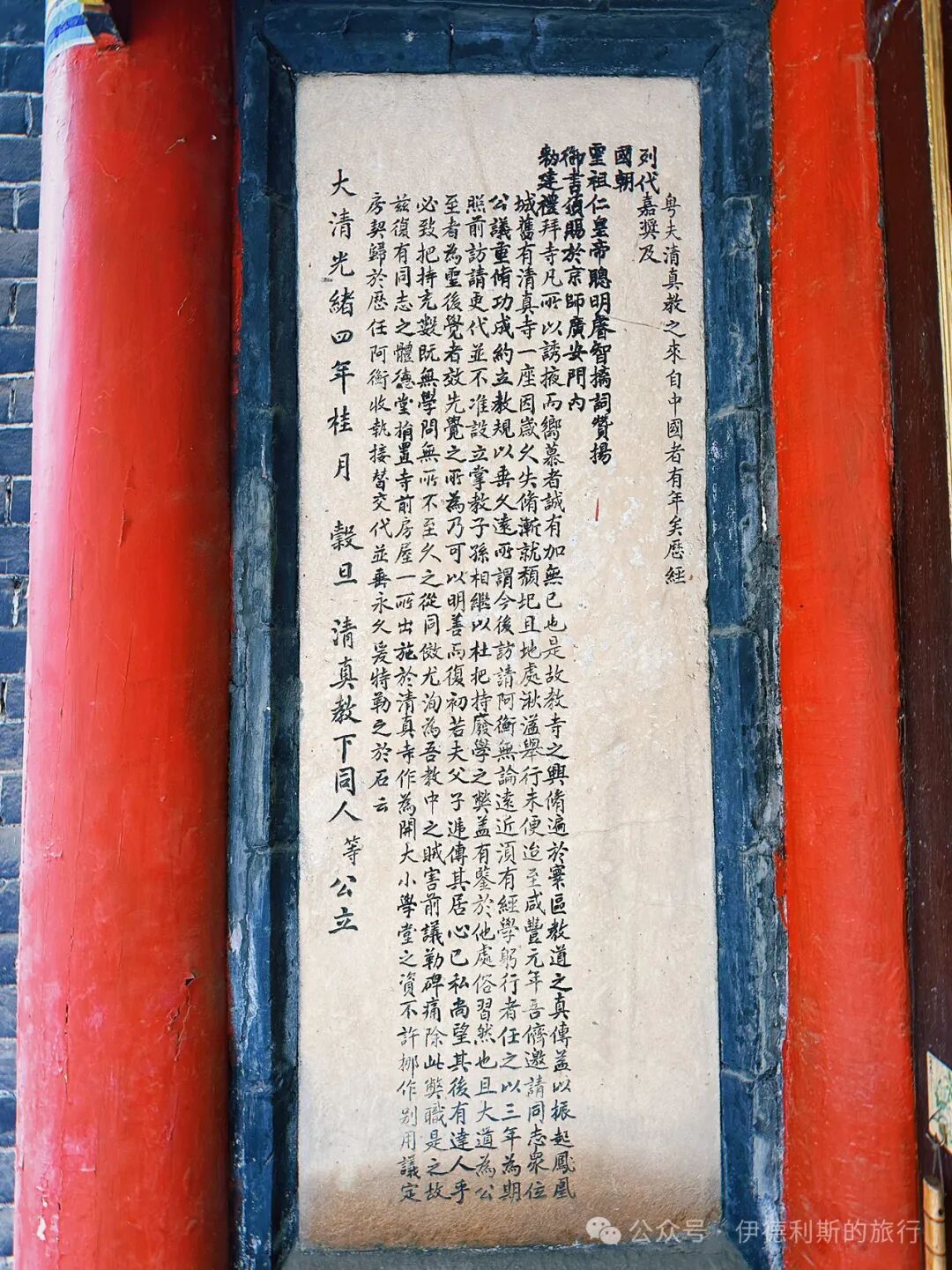
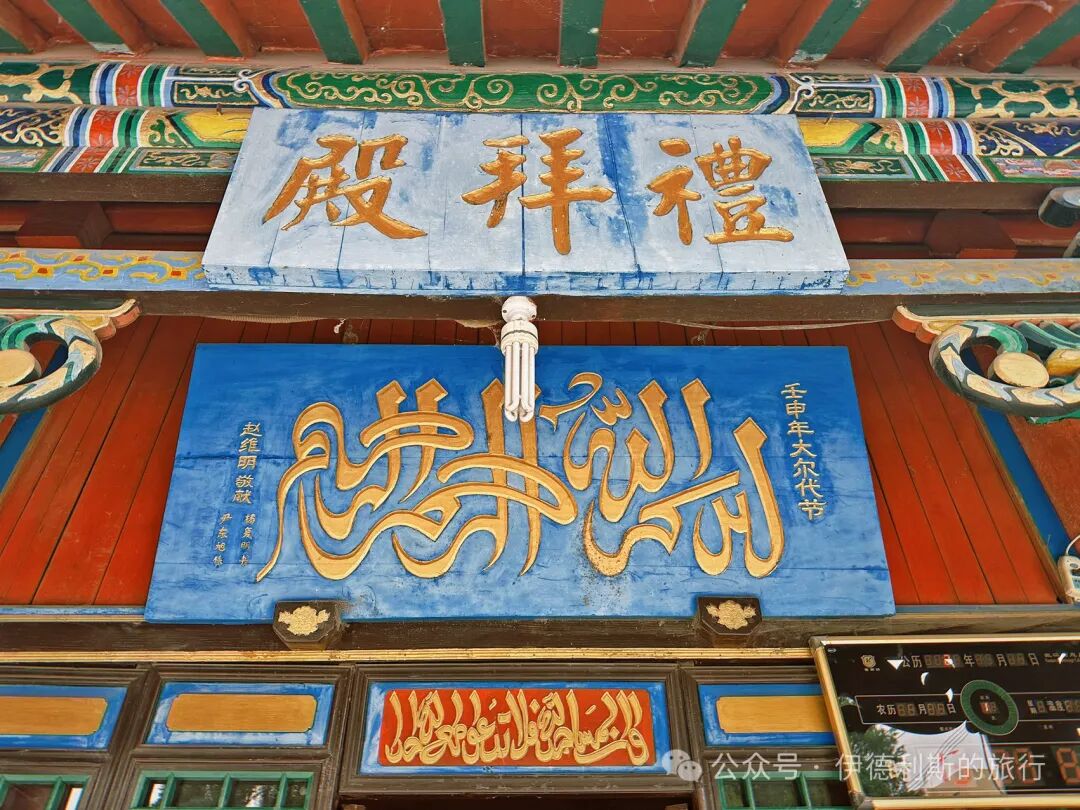
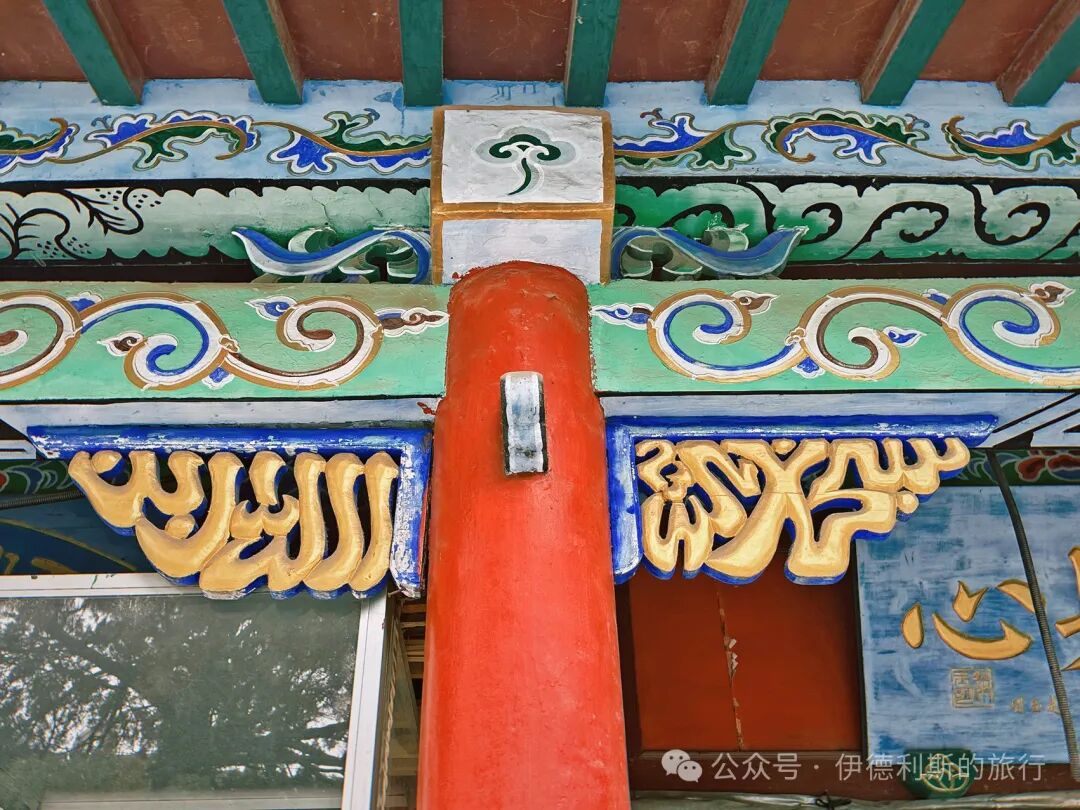
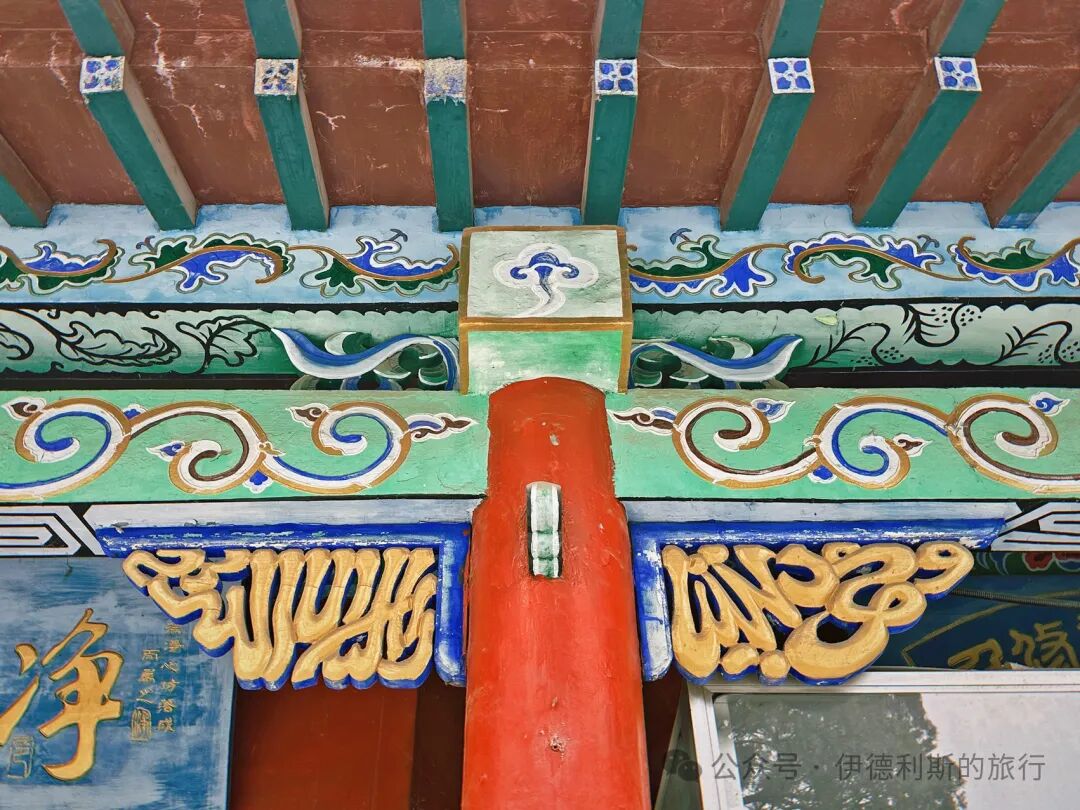
Outside the mosque, there are shops selling beef, pastries, roasted chicken, and instructions on how to boil sweet rice balls (yuanxiao). We bought some old-fashioned Northeast-style plain biscuits (guangtou bing). They get tastier the more you chew, with a subtle sweetness that lingers.
We left Fengcheng East Station at 3:39 PM and arrived at Dandong Station at 3:56 PM. We then walked to Pier 2 to take a Yalu River cruise. From the boat, you can see the shipyards, amusement park, old paper mill site, General's Building, schools, and various hidden and visible guard posts in Sinuiju, North Korea, on the other side. We were surprised to see a person swimming across the Yalu River all the way to the North Korean side, and he even waved at us.
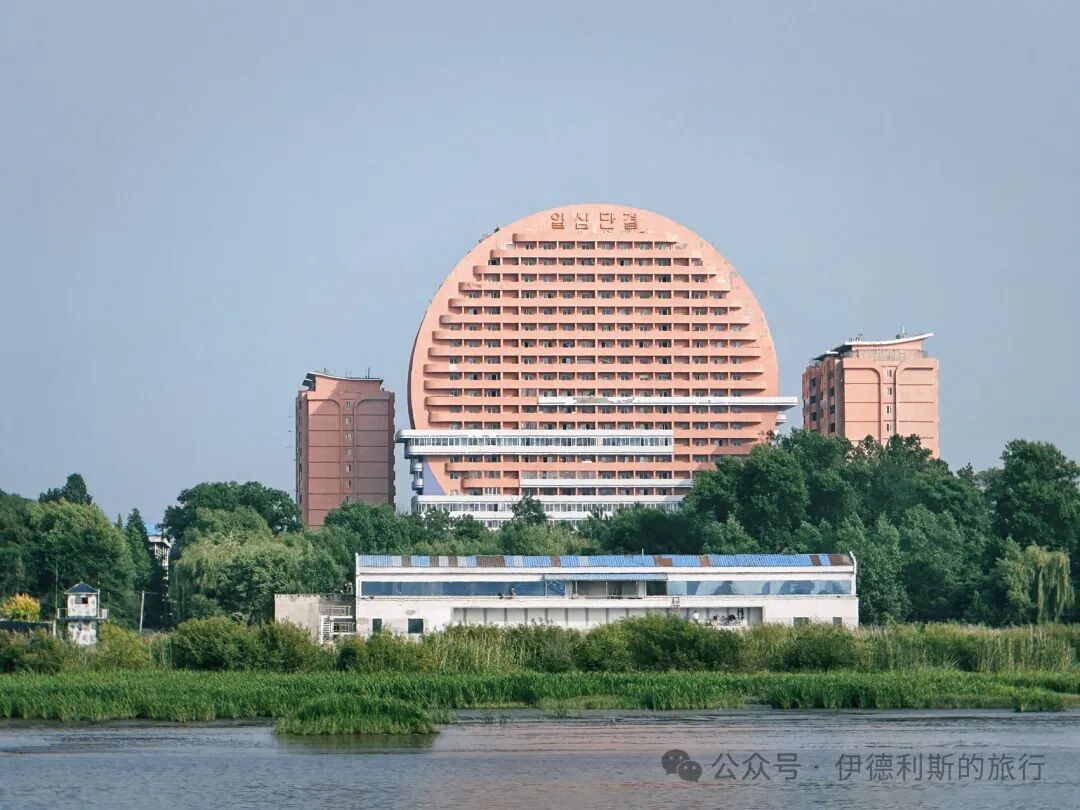
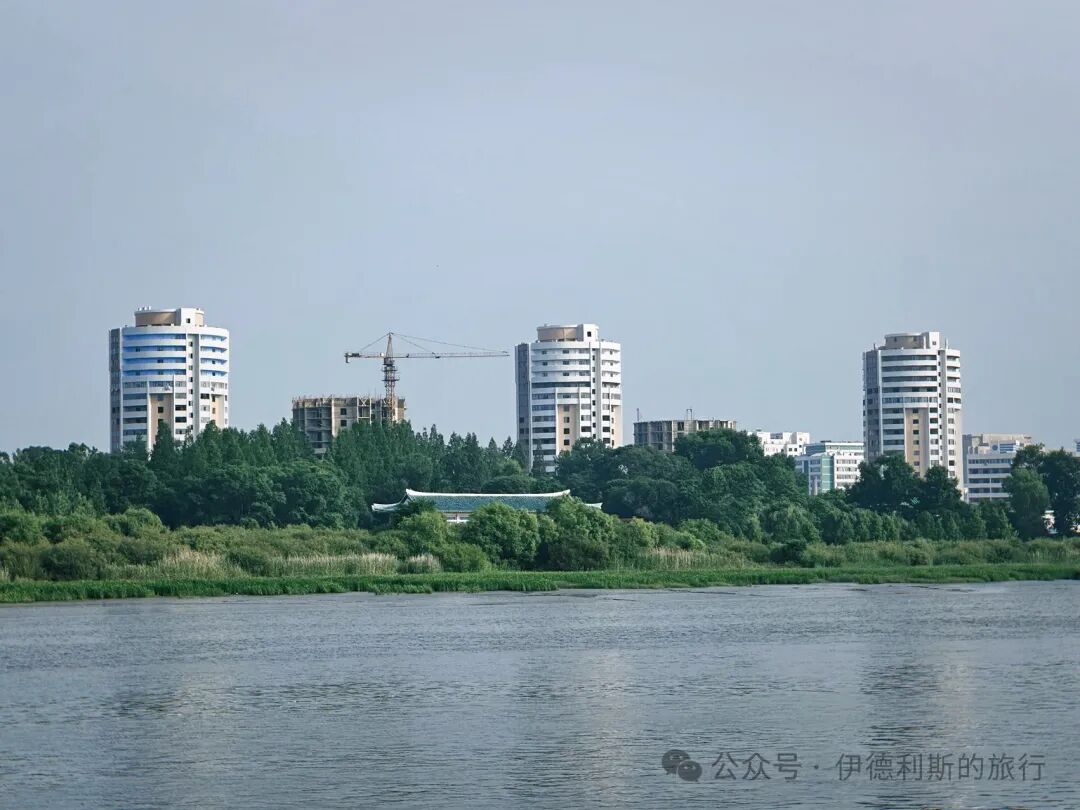
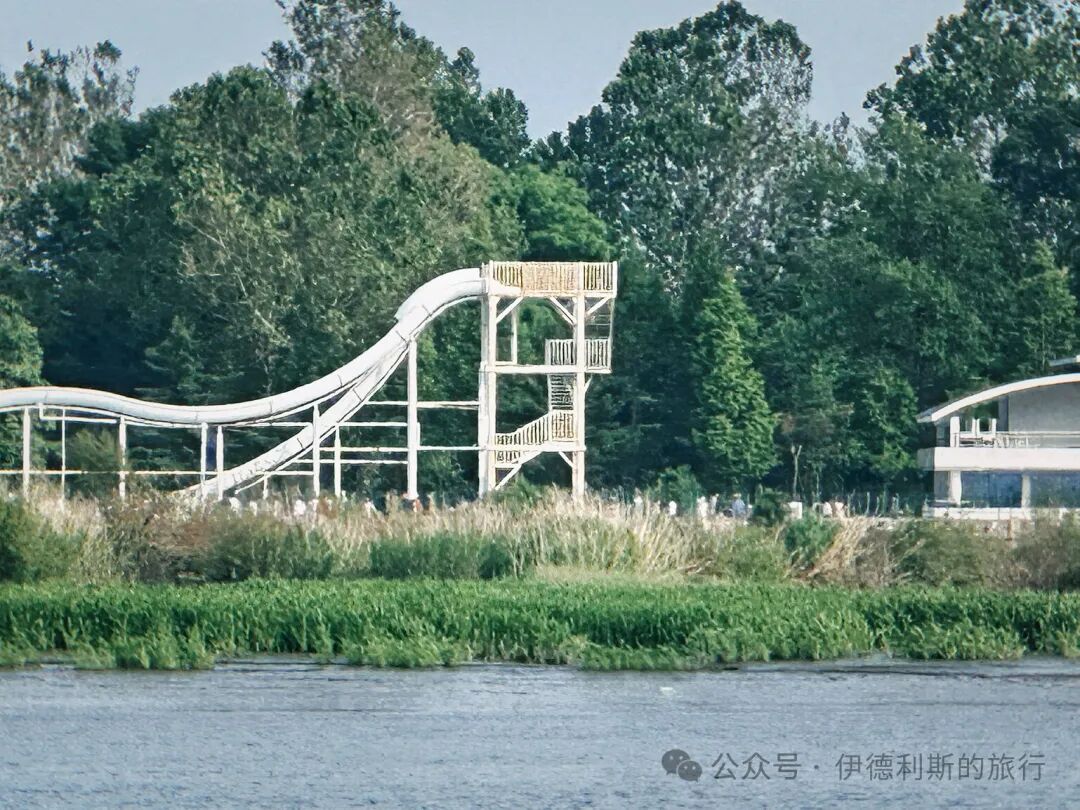
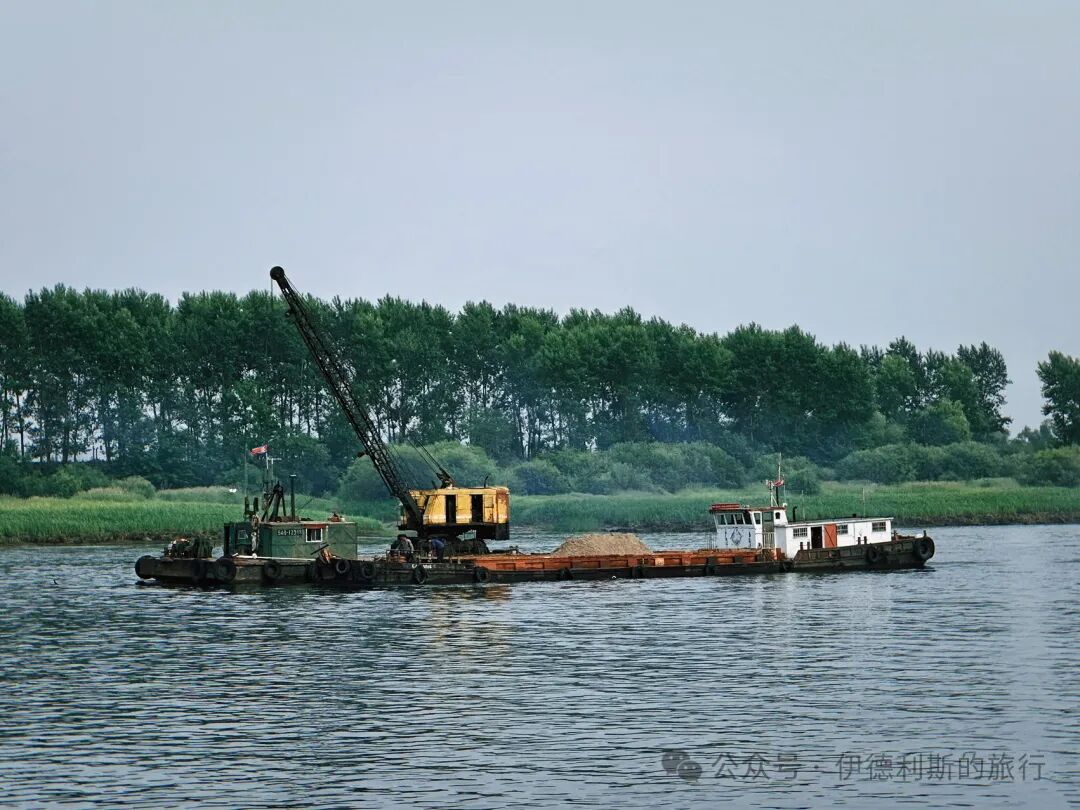
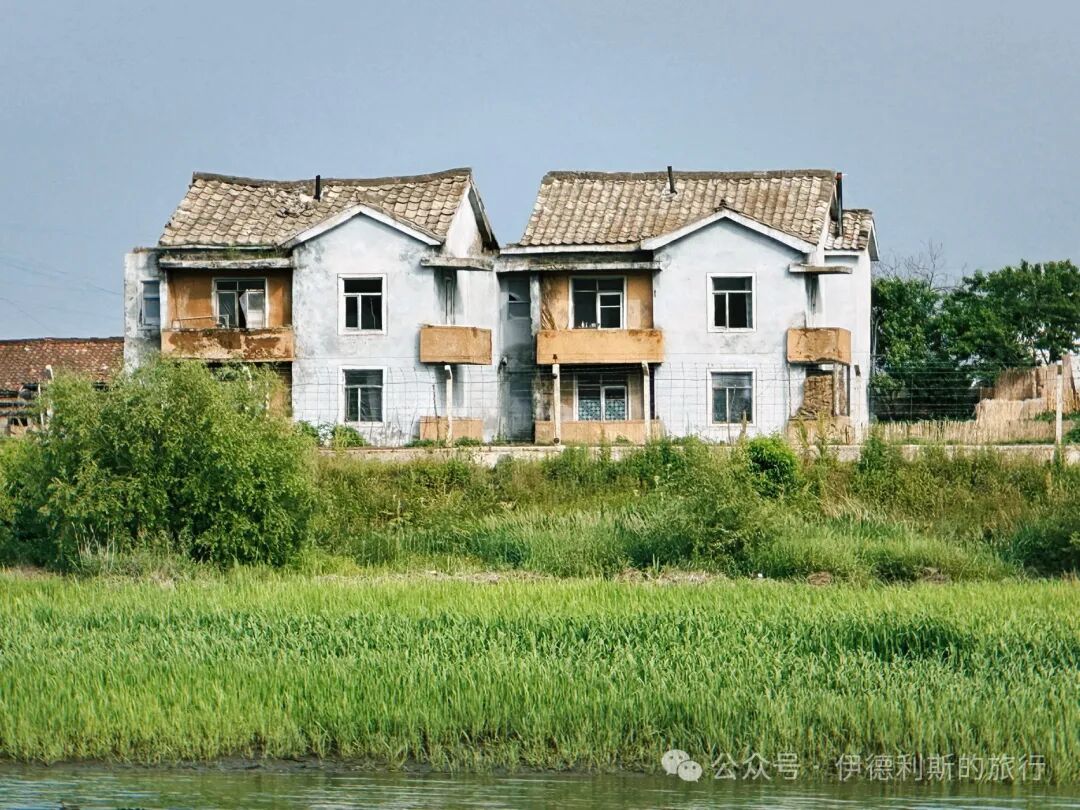
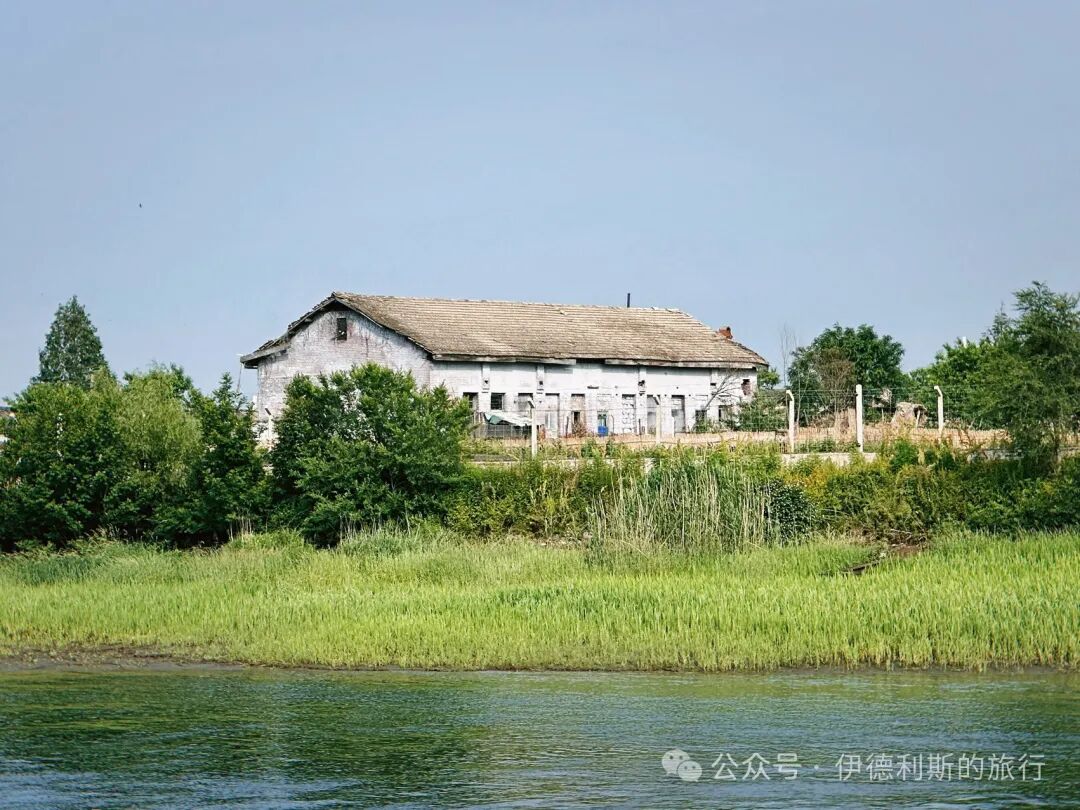
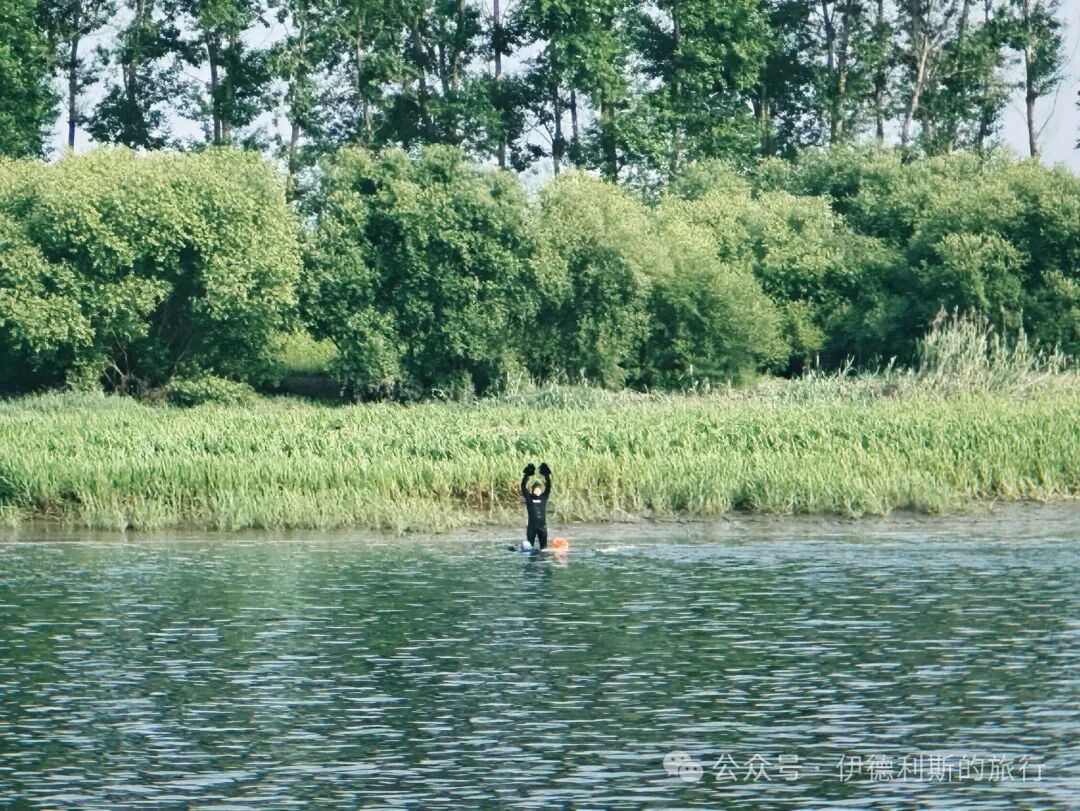
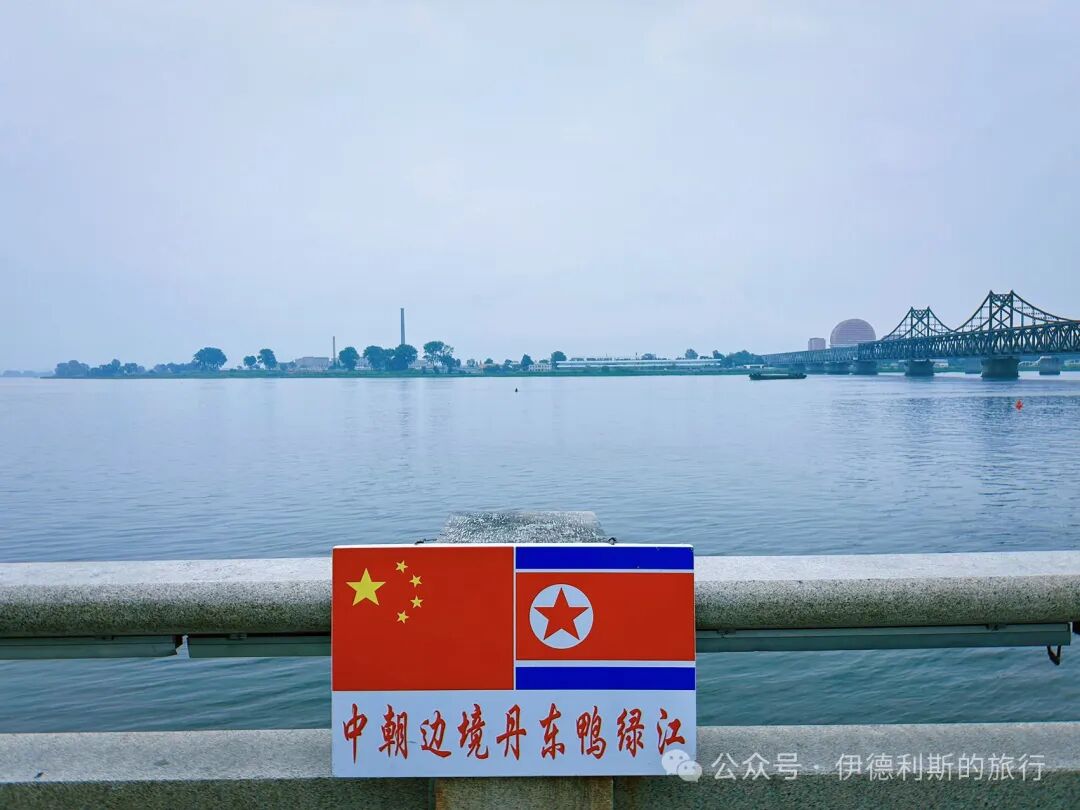
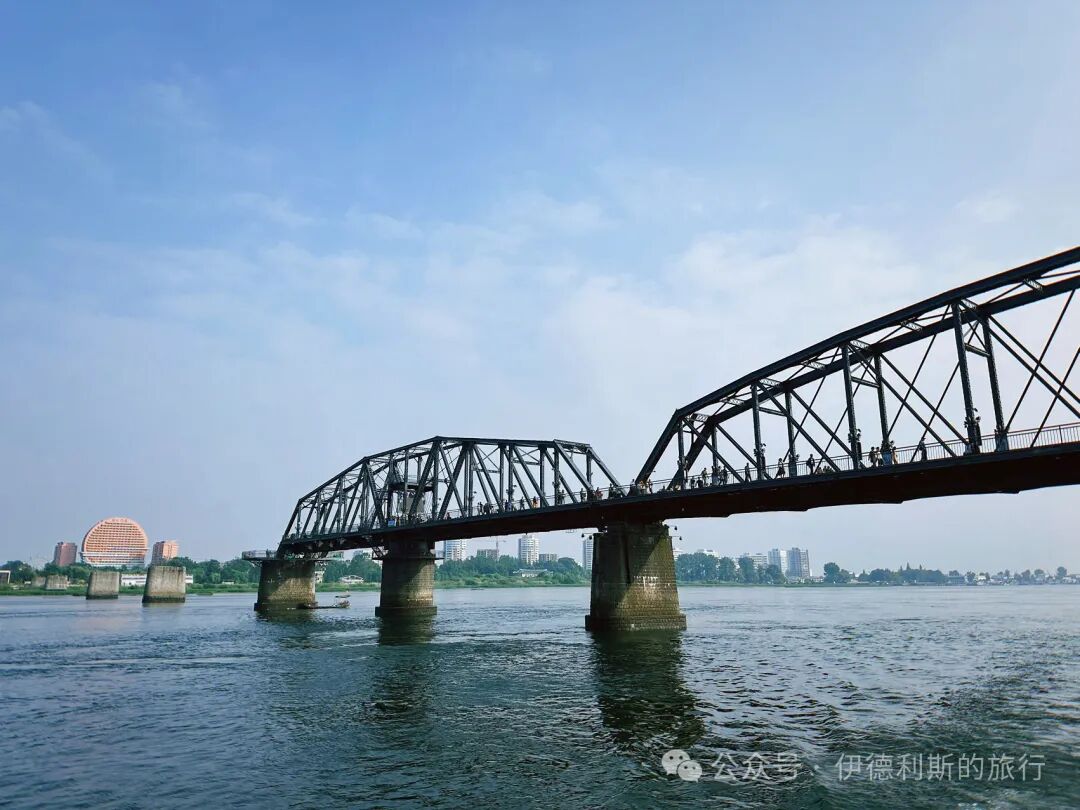
Dandong Mosque (Dandong Si) was first built in 1876, and the current building was rebuilt in 2004. The sign at the entrance of the mosque is very rare.
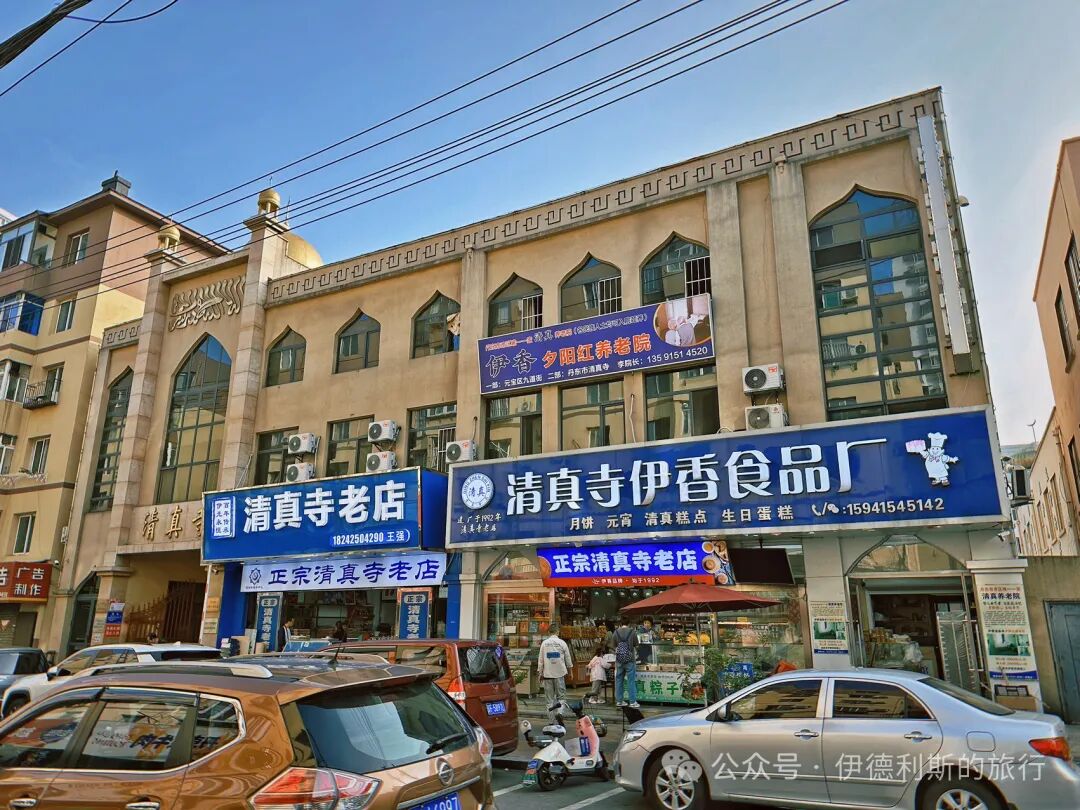
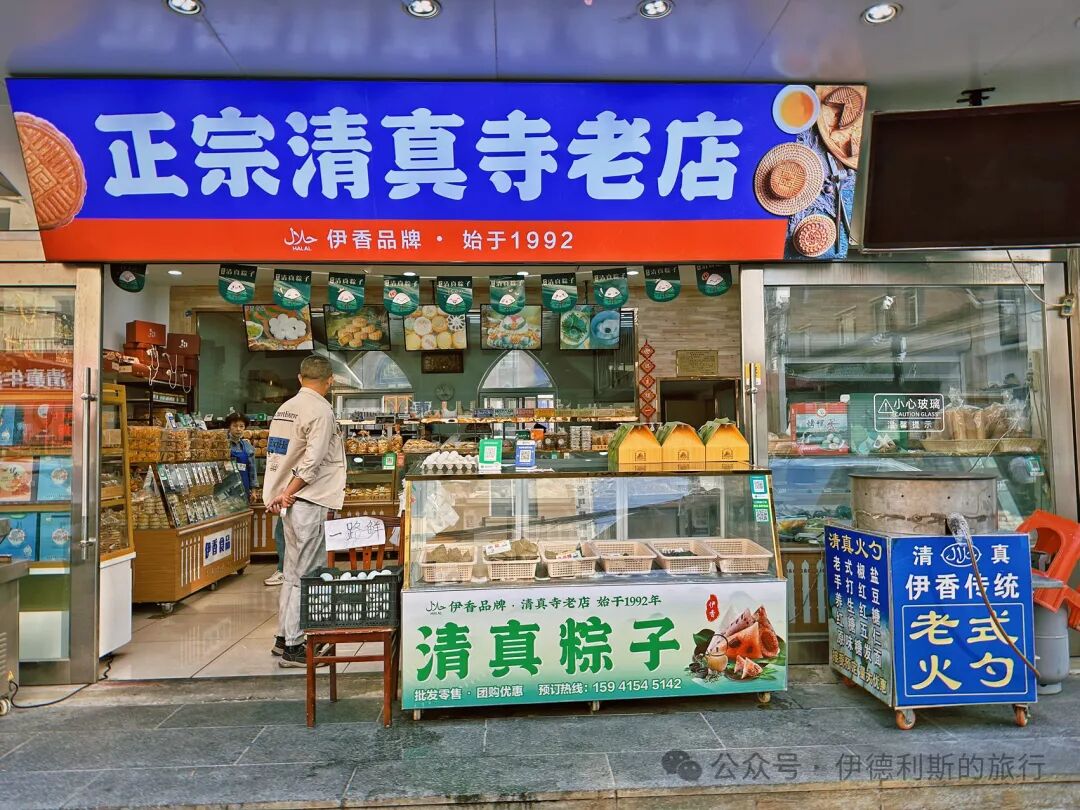
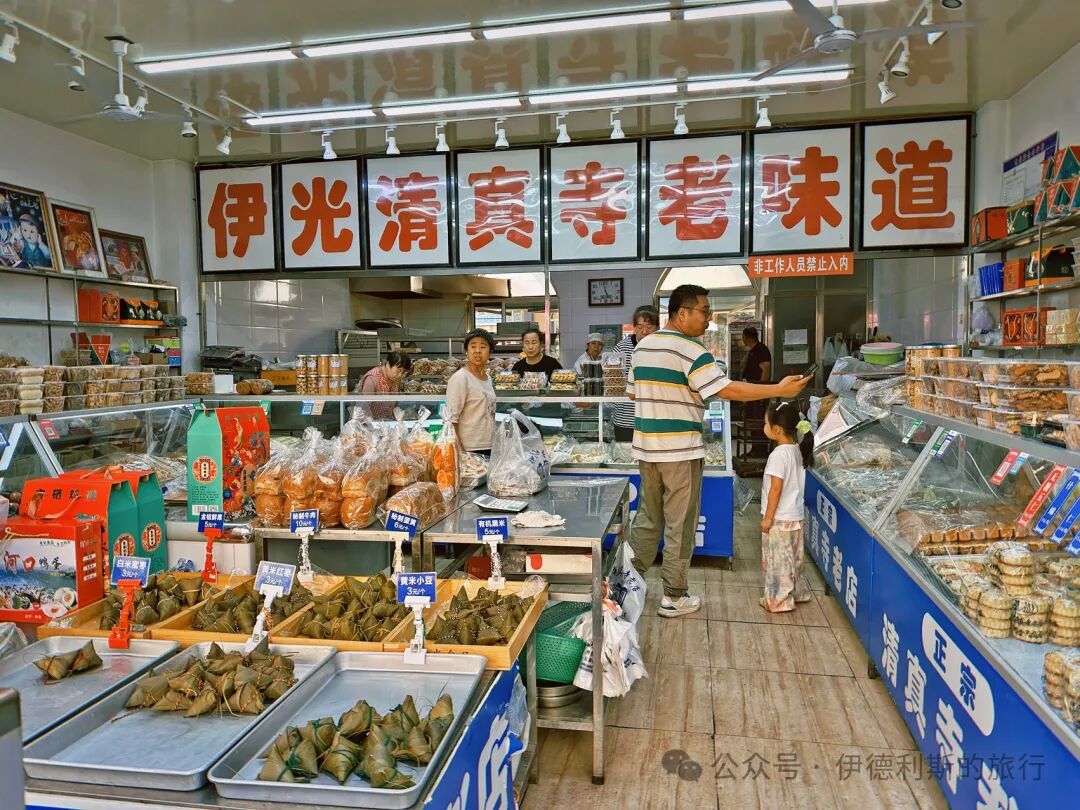
The storefronts of Dandong Mosque are very busy. On the first floor are two old shops, Yixiang and Yiguang, which sell various traditional pastries, mooncakes (yuebing), and sticky rice dumplings (zongzi). Upstairs is the Yixiang Nursing Home, which is open to elderly people of all ethnic groups.
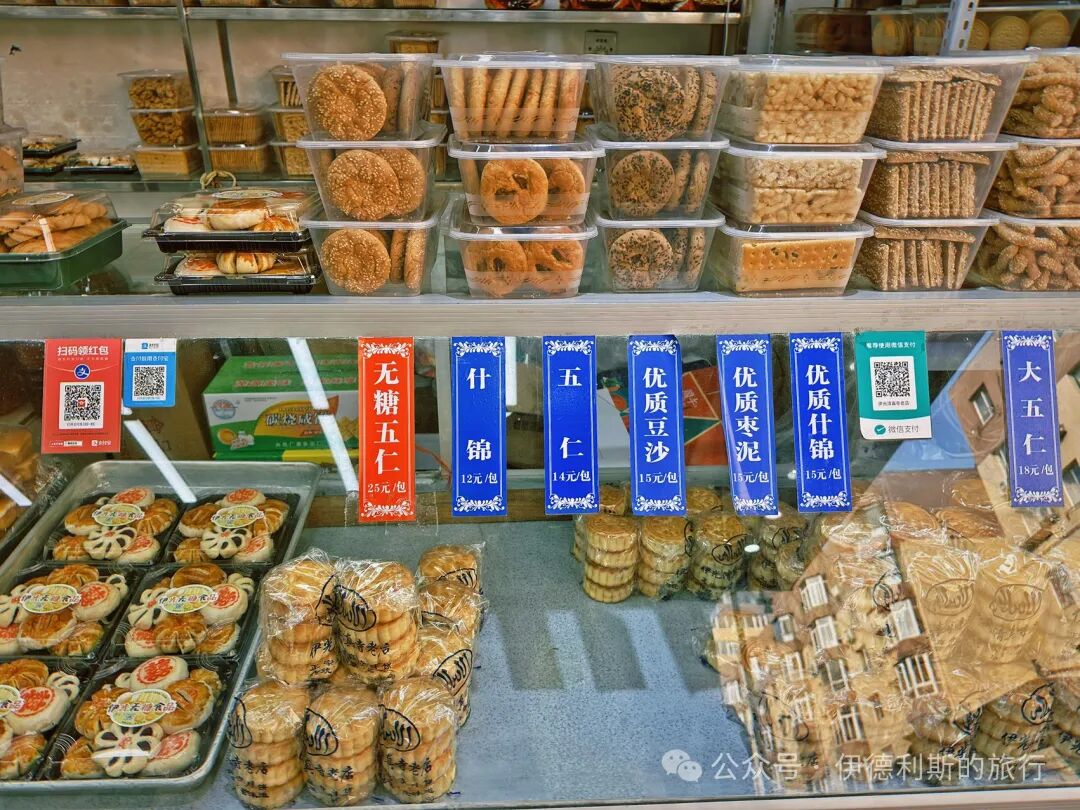
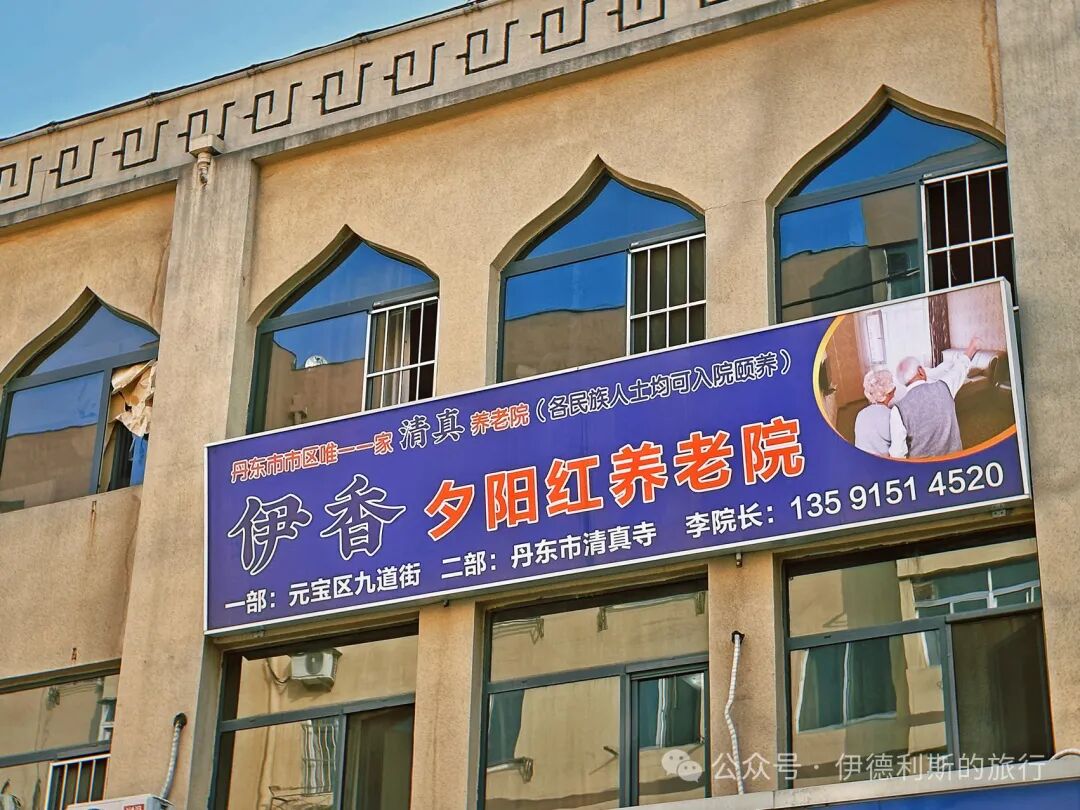
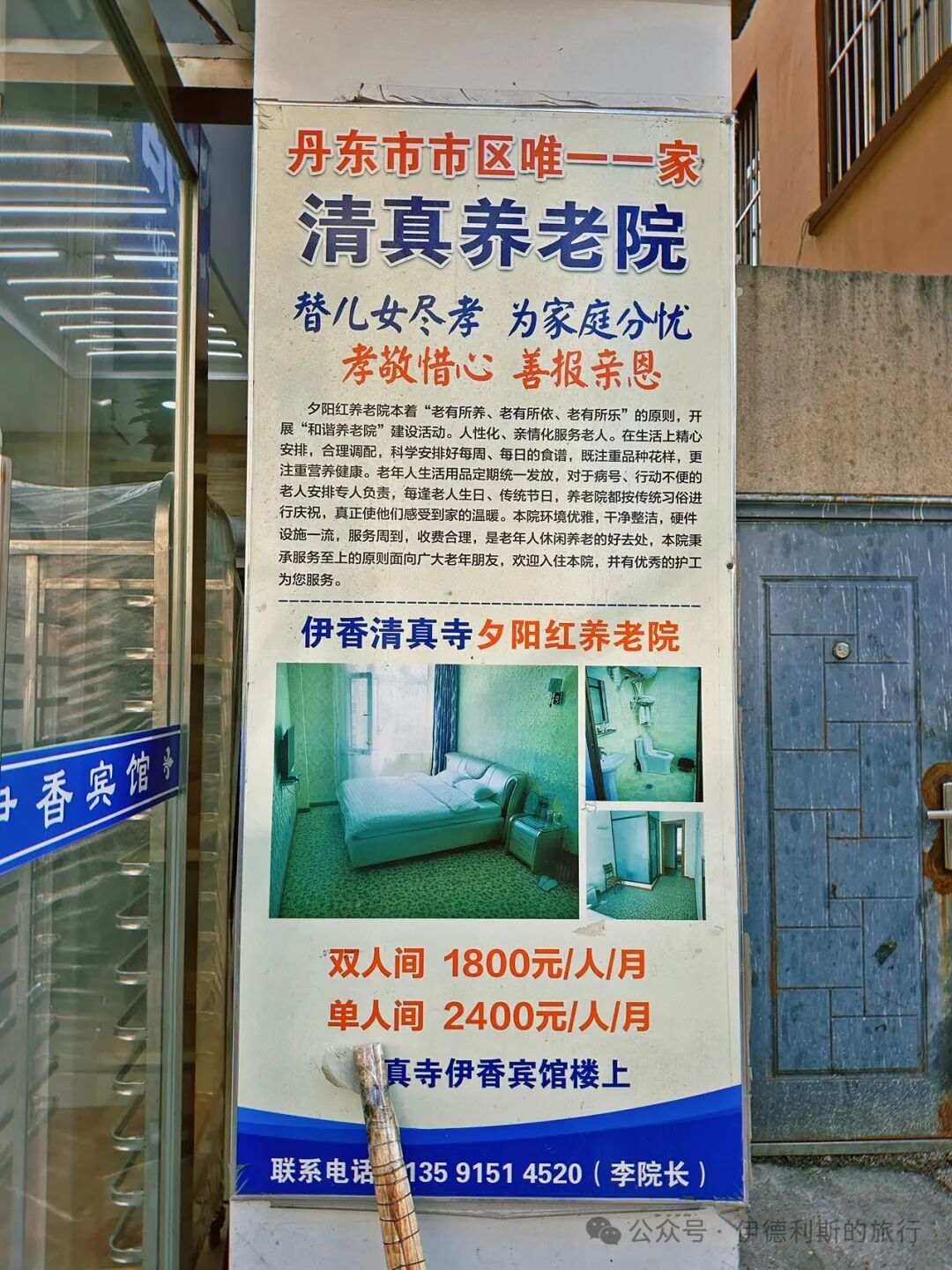
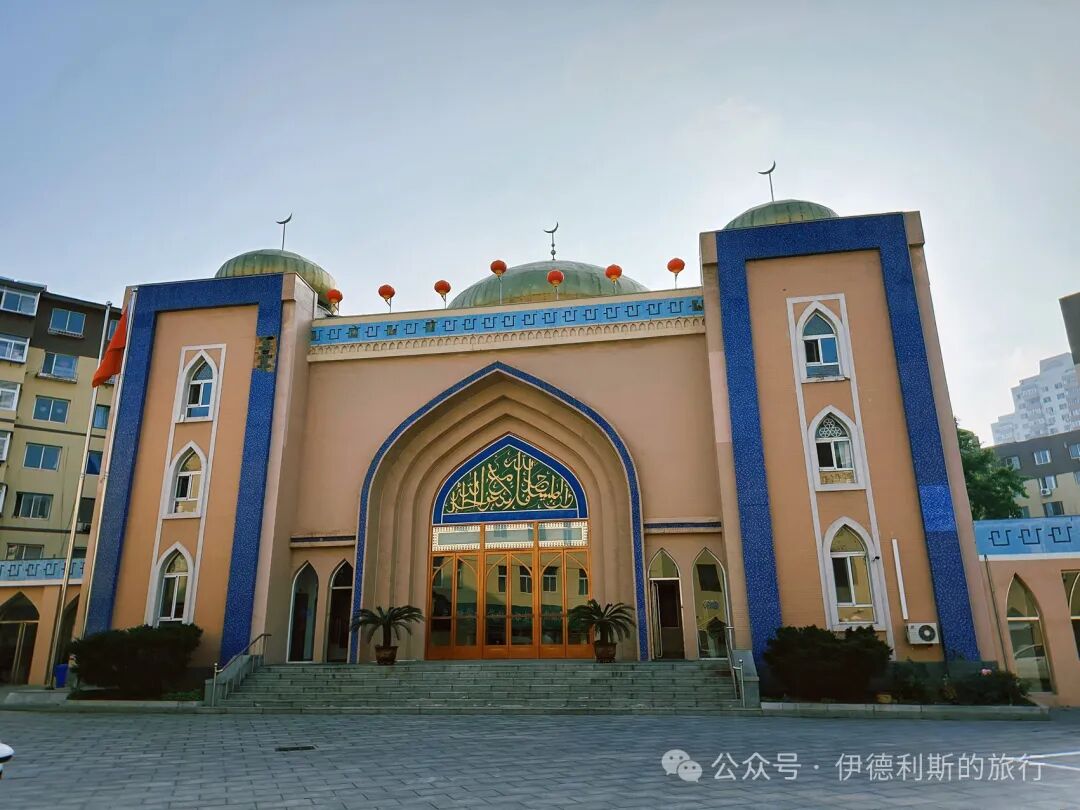
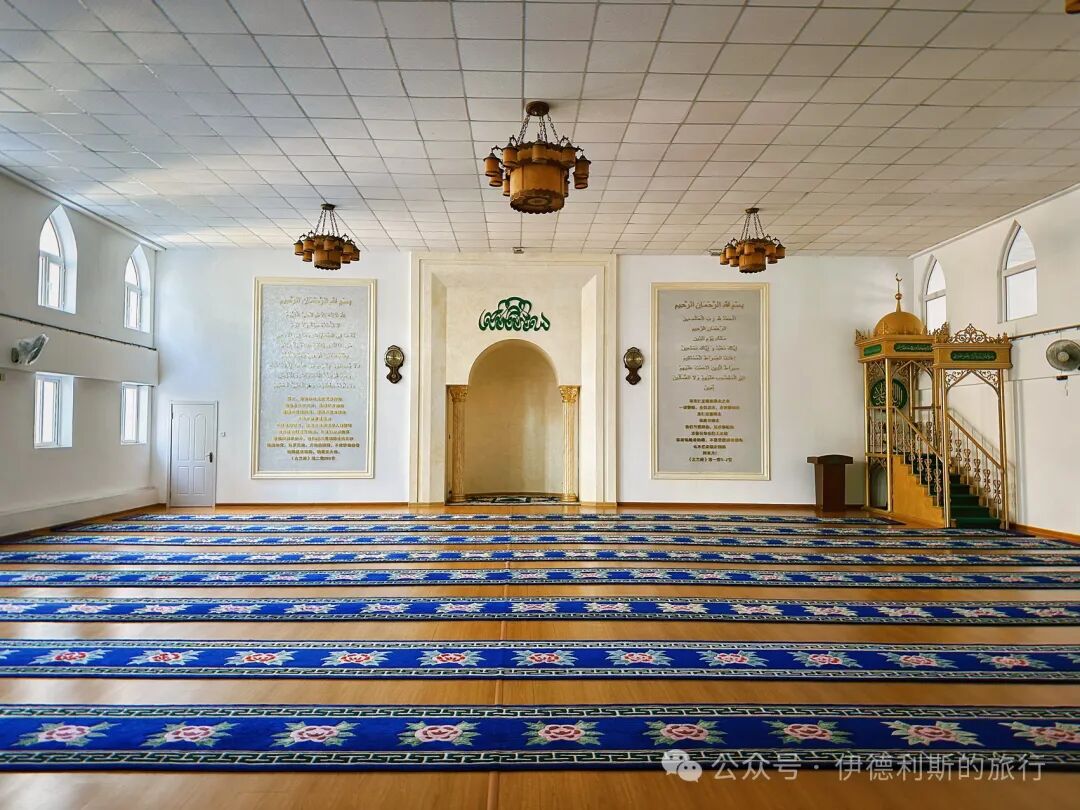
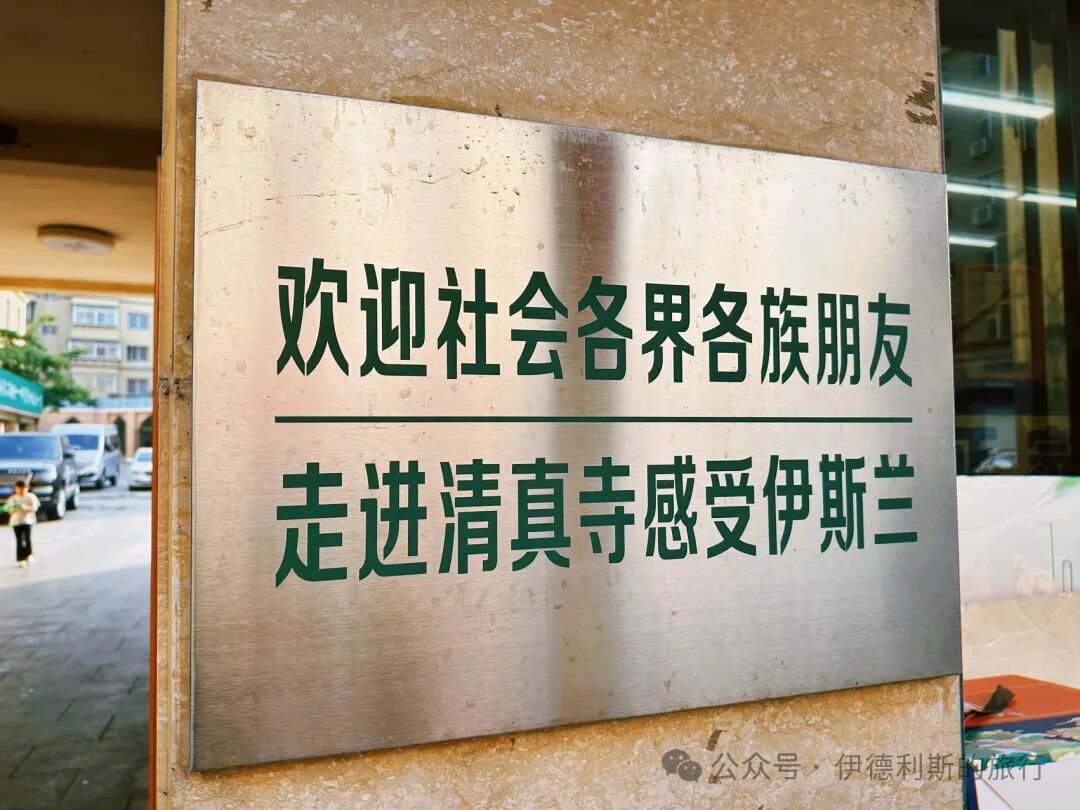
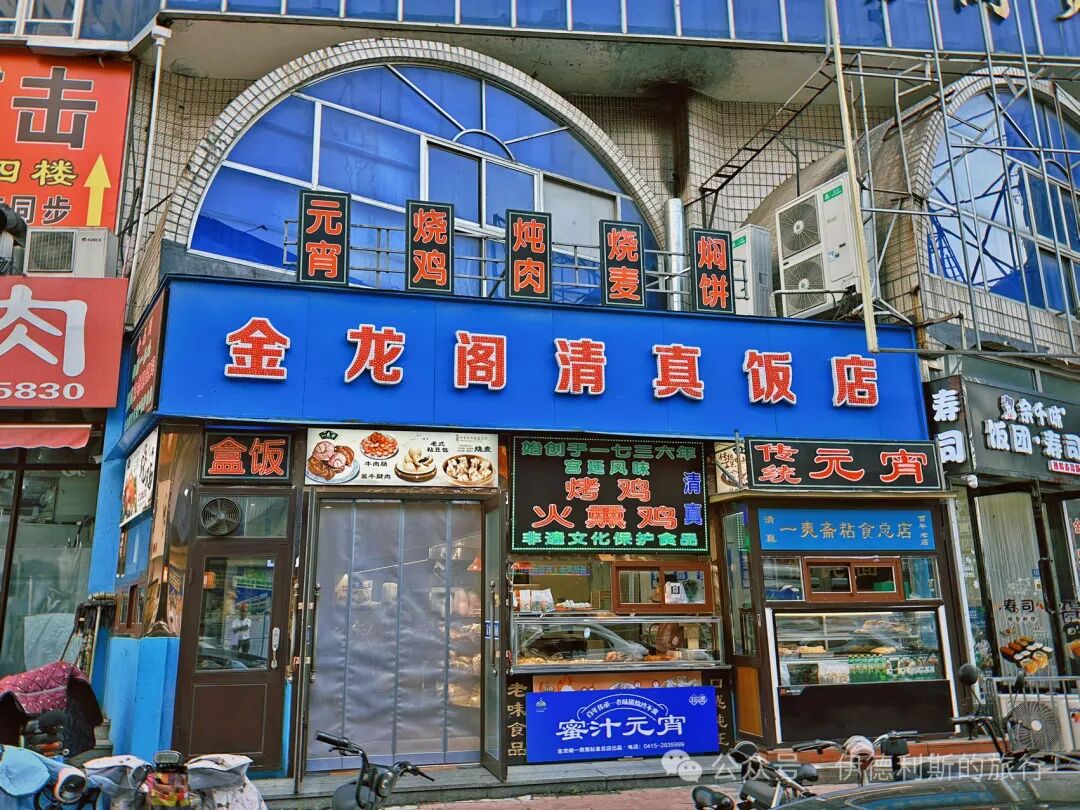
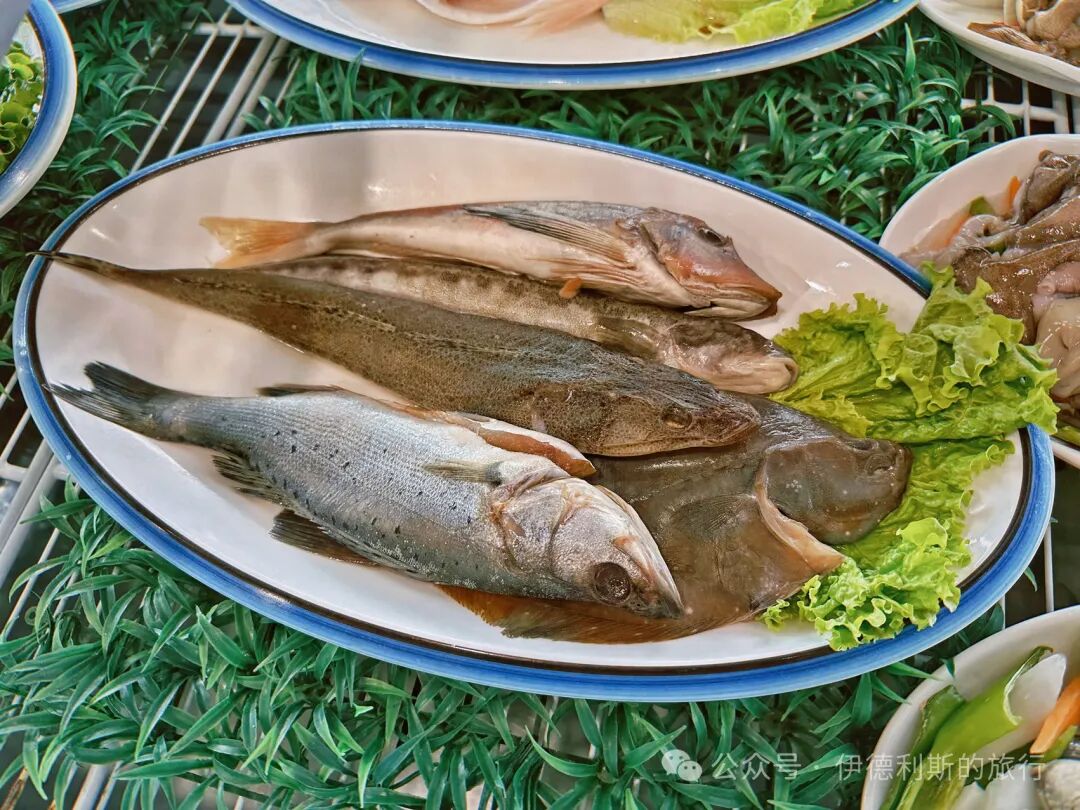
In the afternoon, we had dinner at the long-established Jinlongge Restaurant in Dandong. They serve a wide variety of traditional stir-fried dishes and seafood. We ordered oyster soup (ligeng tang), braised mixed fish (jiangmen zabanyü), and Northeast-style cold noodles (dongbei da lengmian), and we also drank the local Yalu River soda. Northeast Chinese food comes in huge portions! We used our fists to compare the size of the plates, and one dish is more than enough for two people.
The food here tastes great overall; the large cold noodles (lengmian) are chewy, the fish is fragrant, and the meat quality is excellent. The oyster soup (ligeng tang) is very savory and does not have a fishy smell.
Halal Travel Guide: Xinlitun and Fuxin - Liaoning Towns, Mosques and Food
Articles • ali2007fr posted the article • 0 comments • 204 views • 2026-05-19 09:31
Summary: Halal Travel Guide: Xinlitun and Fuxin - Liaoning Towns, Mosques and Food is presented here as a firsthand travel account in clear, natural English. The account focuses on Xinlitun, Fuxin, Liaoning Travel while preserving the names, places, food, photos, and historical details from the Chinese source.
On the morning of June 10, I took a high-speed train from Xinmin North Station in Liaoning and arrived at Heishan North Station in 15 minutes. I then took a taxi to Xinlitun Town, moving from the jurisdiction of Shenyang to that of Jinzhou. We performed the afternoon prayer (peshin) at the Xinlitun Mosque. The imam at the mosque is from Cangzhou. During this trip to Liaoning, I found that many imams are from Cangzhou. This connects Northeast and North China closely, not just through culture but also through religious traditions.
Xinlitun is an ancient town in the western Liaoning region, known as the First Town Beyond the Border. During the Daoguang reign of the Qing Dynasty, Hui Muslims from places like Jinzhou, Yixian, Heishan, and Yingkou came to settle in Xinlitun. They built the Xinlitun Mosque in 1842 (the 22nd year of Daoguang).
On the 15th day of the first lunar month in 1873 (the 12th year of Tongzhi), Xinlitun held a stilt-walking festival. During the event, a Manchu banner man named Dashan, also known as Fifth Master Da, got into a dispute with Hui Muslims named Liu Hua, Zhao Guang'en, and Wang Yao. This escalated into a conflict between the Manchu and Hui communities, which eventually led to the burning of the Xinlitun Mosque. Afterward, both the Manchu and Hui communities learned from the incident and decided to rebuild the Xinlitun Mosque. After years of planning, General Zuo Baogui, an anti-Japanese hero who led the Fengtian Army, personally donated 300 taels of silver to finally finish the reconstruction.
The main gate of Xinlitun Mosque has two couplets: 'Transforming people and things, it can transform everything; giving birth to heaven and earth, it gives birth to life itself.'
The light that gives birth to heaven, earth, people, and all living things; all life has one supreme ruler.
With saints, sages, emperors, and kings, all follow the one and only original Lord.
Above the main gate, there is also a stone carving of two dragons playing with a pearl.
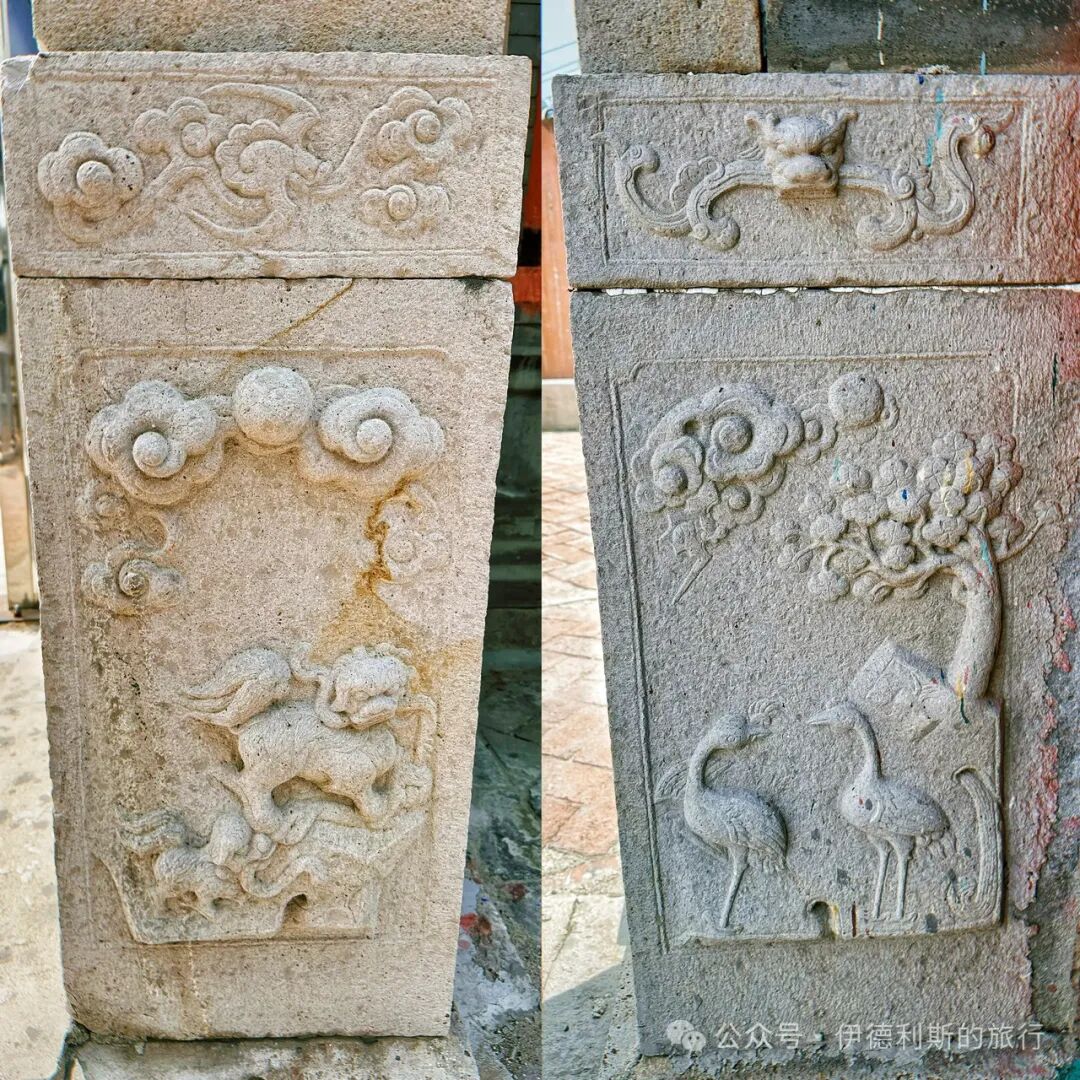
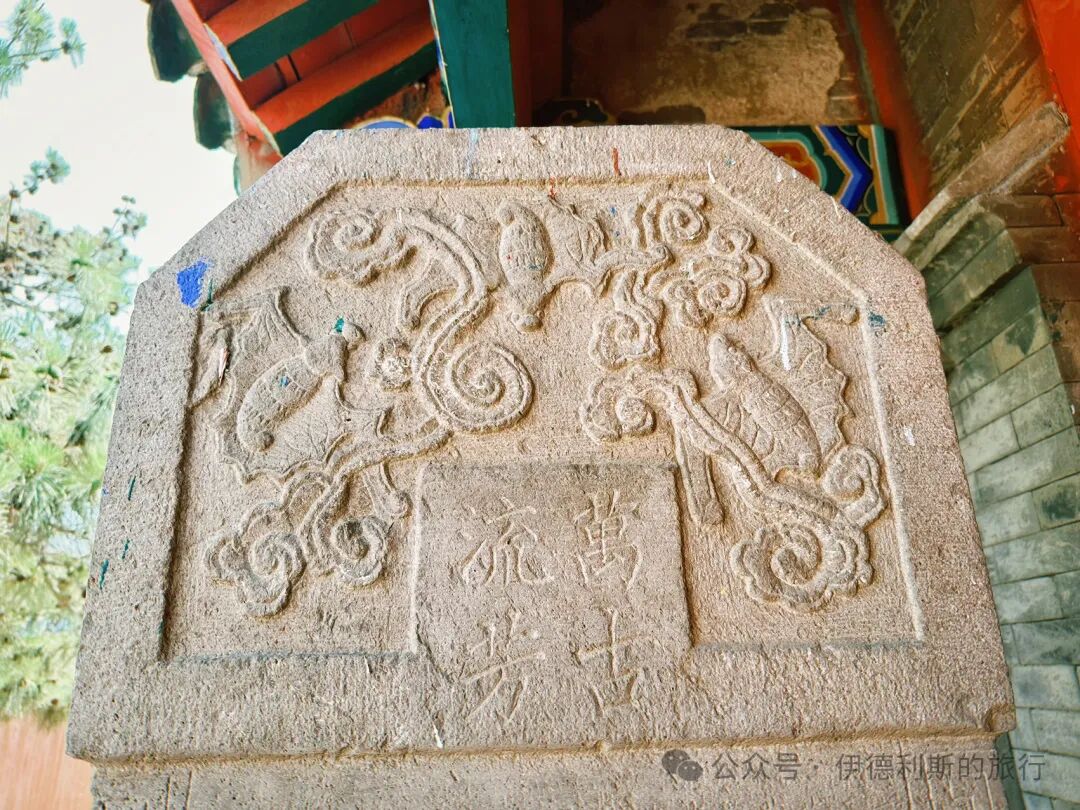
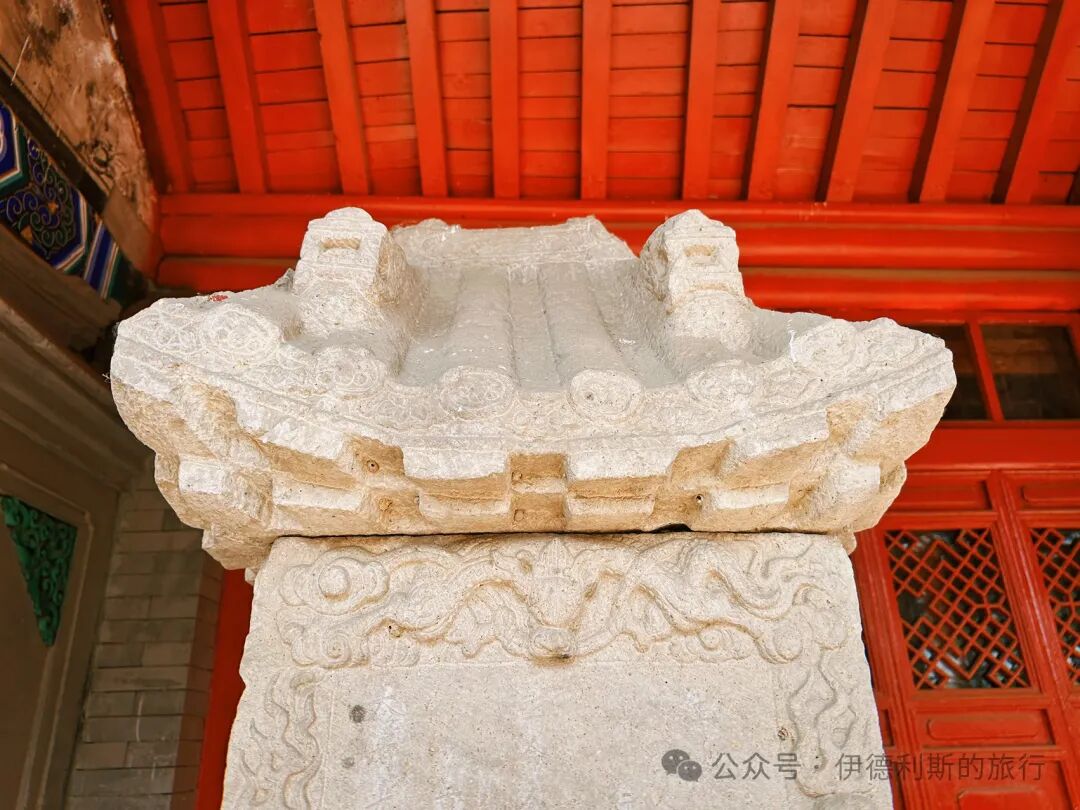
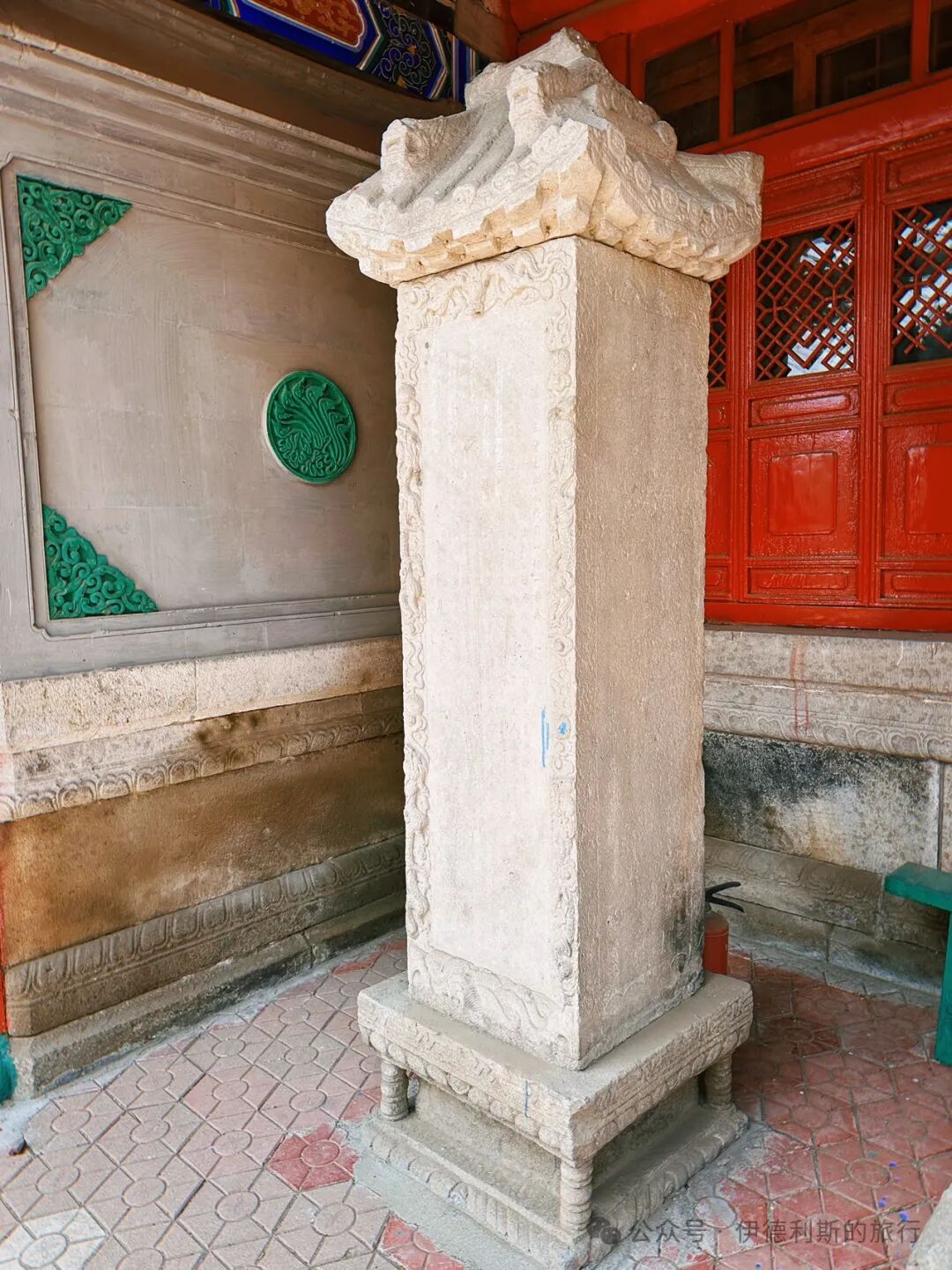
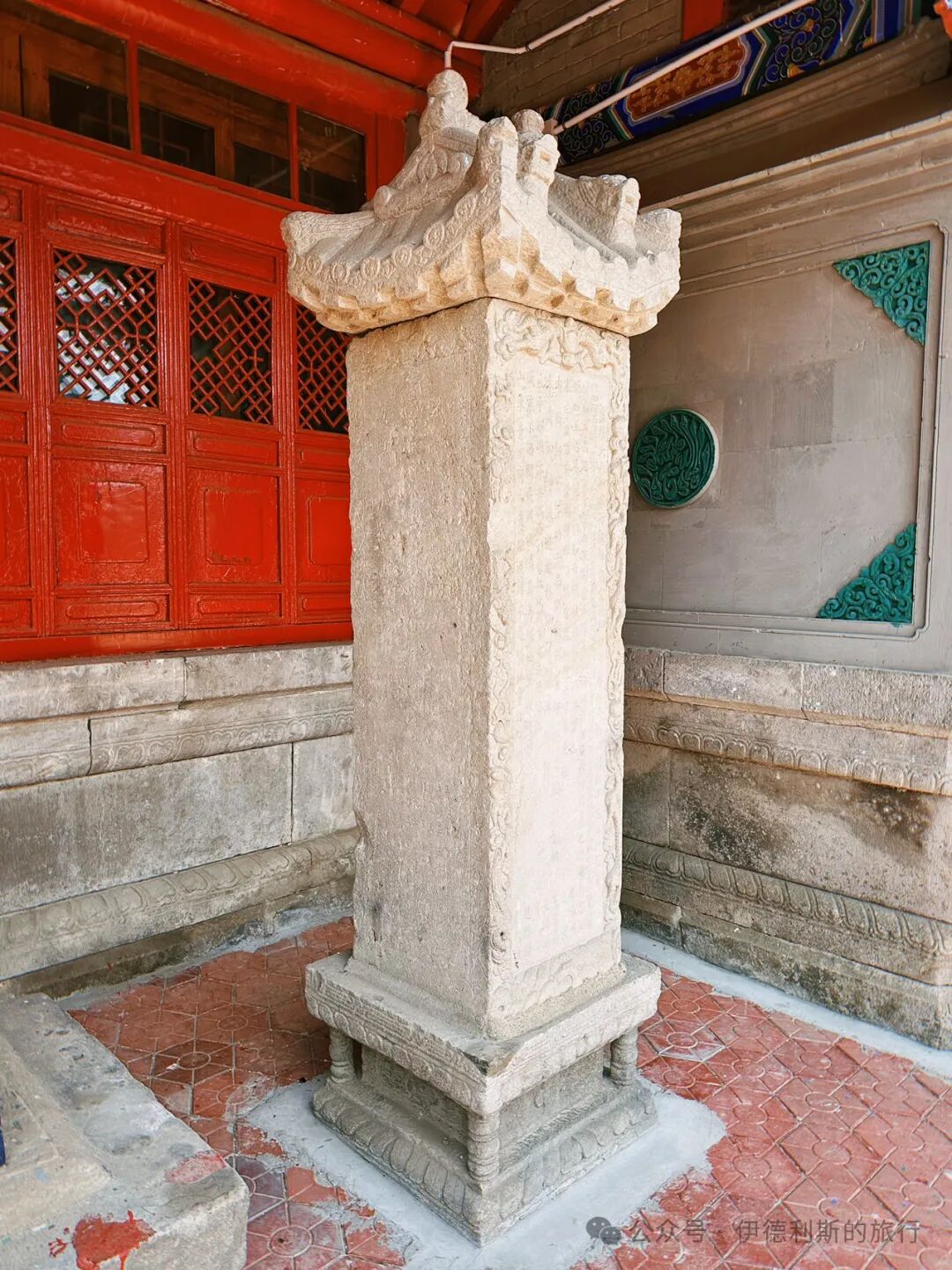
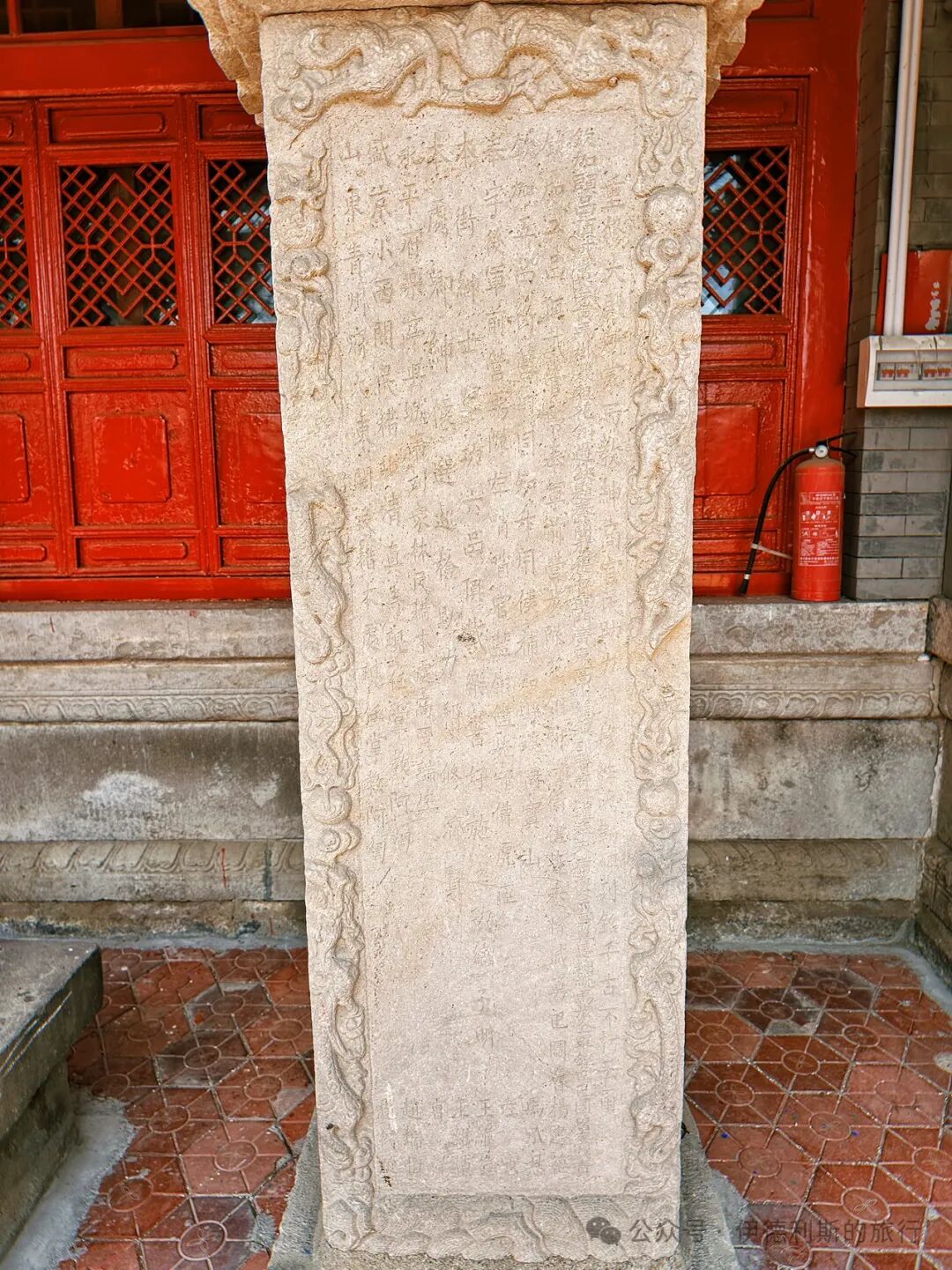
The brick and stone carvings at Xinlitun Mosque are very beautiful and feature many traditional patterns. There are inscriptions on the stone carvings on both sides of the main hall, which is very rare for an old mosque.
The traditional calligraphy at Xinlitun Mosque includes both outlined and broad-stroke styles, both of which are very unique. The plaque in the center of the main hall was handwritten by Imam Bai Hexi in 1983. Imam Bai was born in 1911 in Pingquan, Hebei, and studied under the famous Grand Imam Liu Pinyi from Hebei.
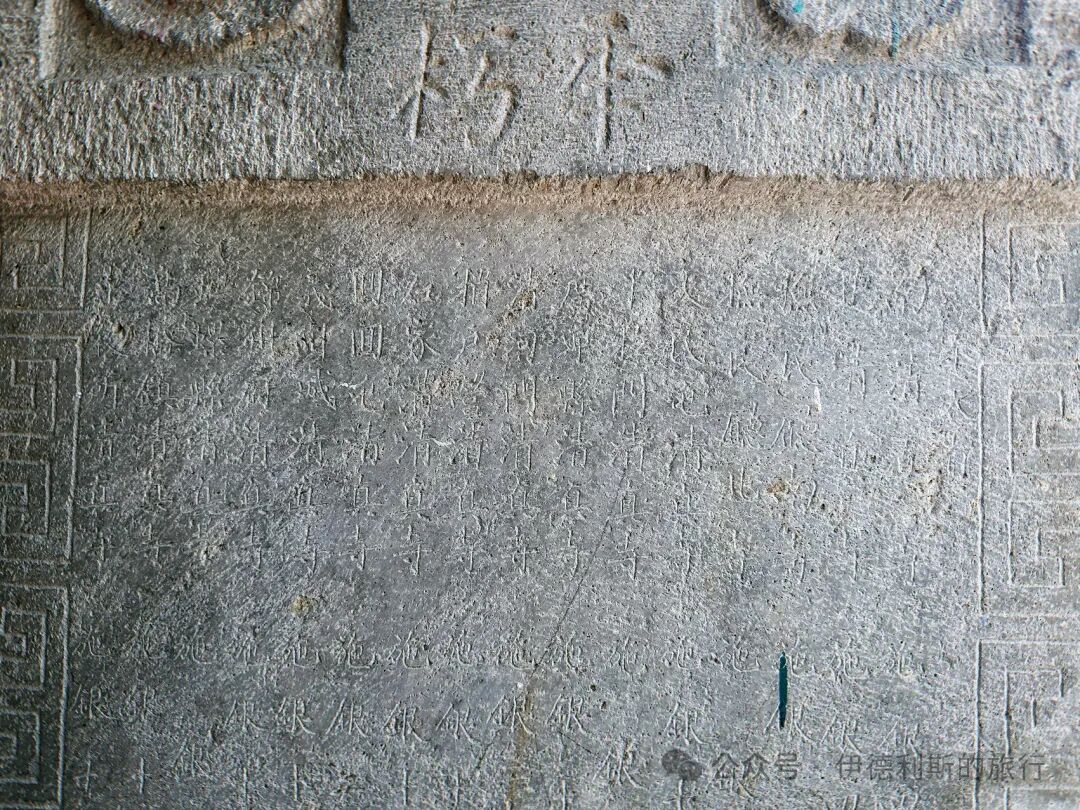
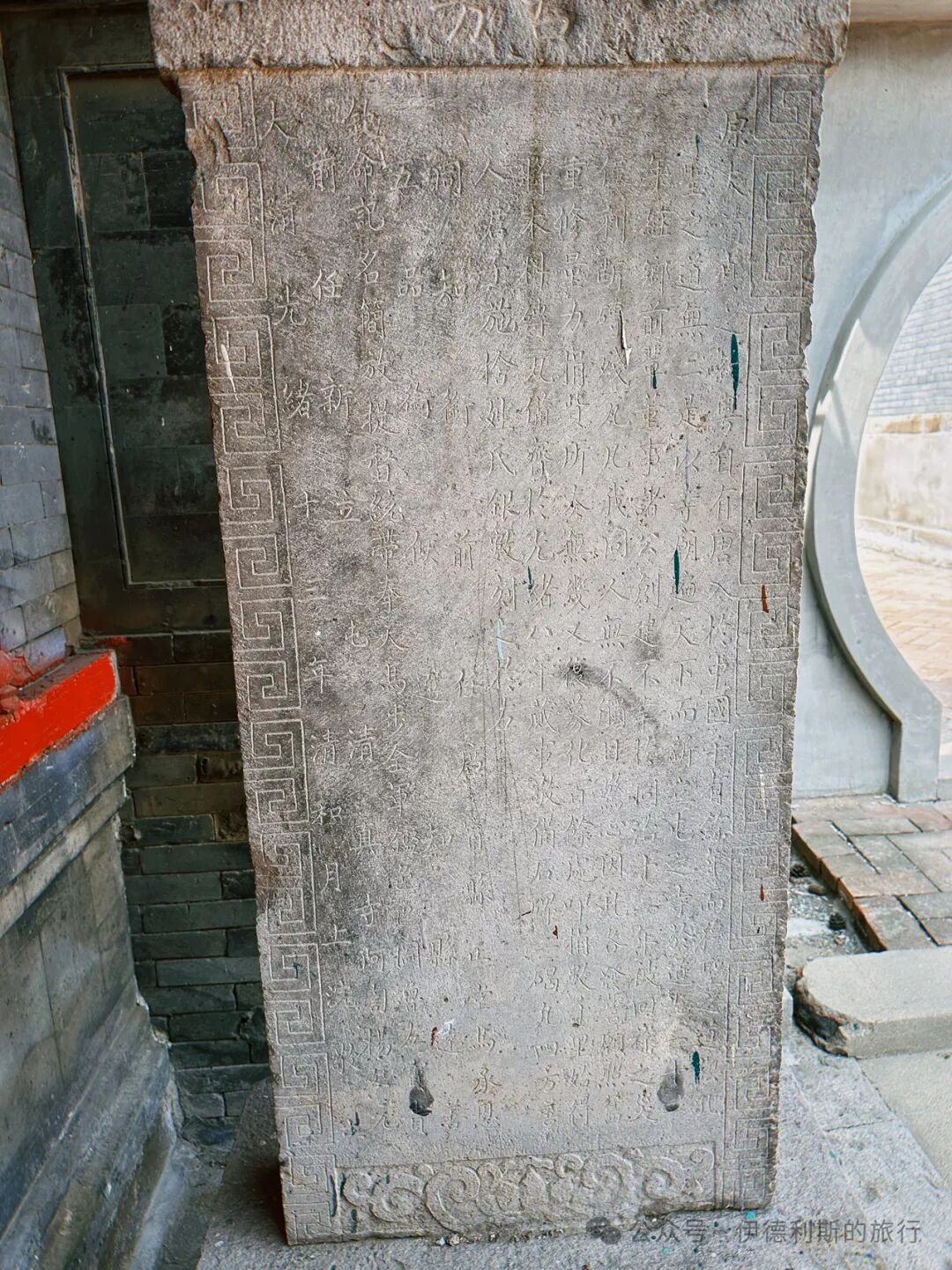
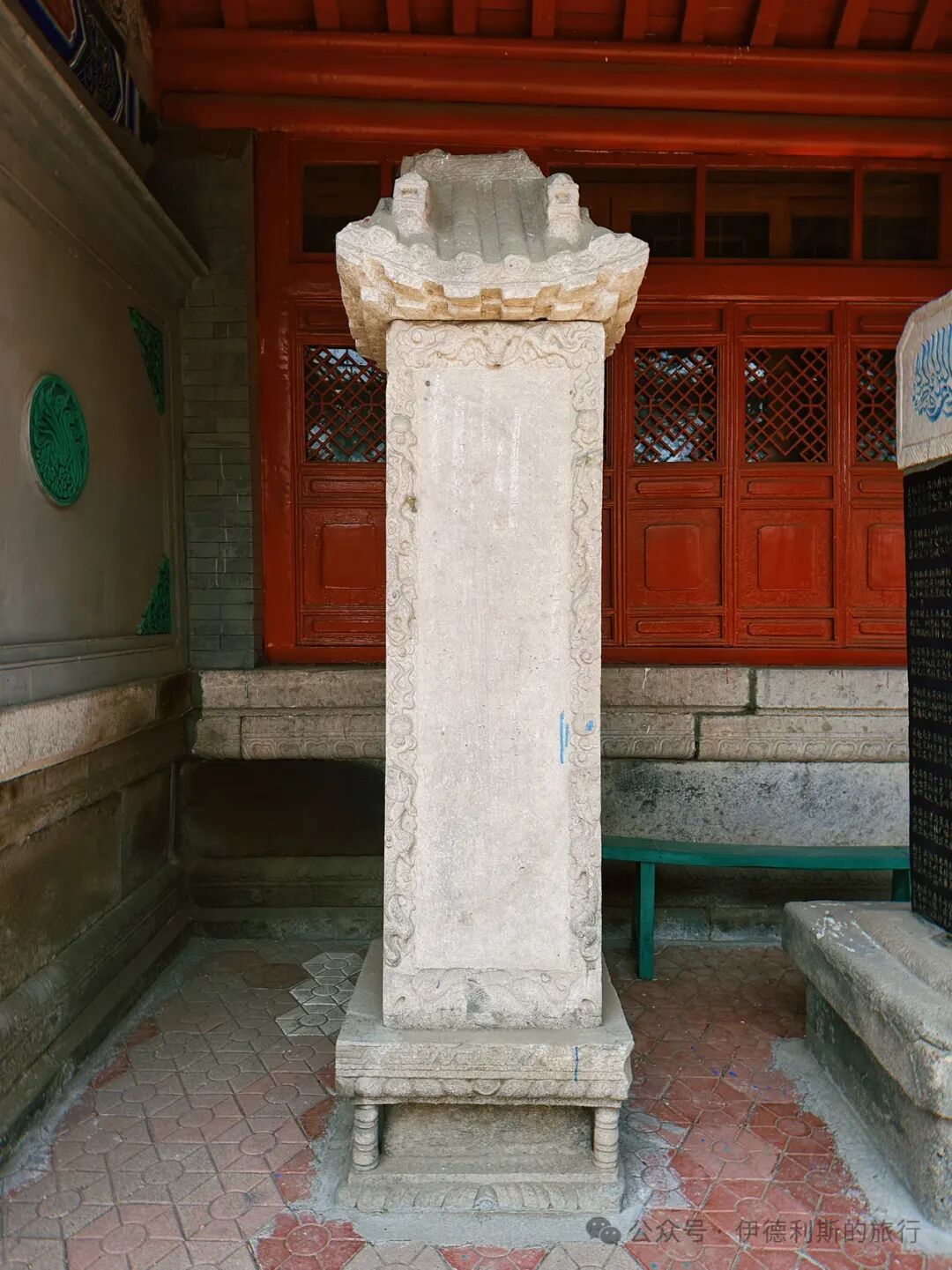
In front of the main hall of Xinlitun Mosque, there are four stone tablets from the Guangxu era renovation that contain a wealth of information about the donors. The 1887 tablet titled "Stele for the Renovation of Xinlitun Mosque" lists the name of General Zuo Baogui, a commander in the Fengtian Army and an anti-Japanese hero. It also mentions Dashan, the leader of the Manchu people during the conflicts between the Manchu and Hui Muslims at that time. This serves as a symbol of how the tensions between the Manchu and Hui Muslims in Xinlitun were resolved during the Guangxu reign.
The "Stele of Surnames and Donation Amounts for the Mosque Renovation" lists the mosques that contributed funds at the time. The sheer number of them is the highest in Northeast China, showing the close connections between the various mosque communities in the region back then.
Fengtian Province: South Mosque, North Mosque, Fumin Hall South Mosque, Fumin Hall North Mosque, Huimintun Mosque, Banlamen Mosque, Guangning Mosque, Qinghemen Mosque, Shaohuying Mosque, Shijiagou Mosque, Huihuitun Mosque, Yizhou City Mosque, Jinzhou Prefecture Mosque, Hongluoxian Mosque, Gaoqiao Town Mosque, Zhonghousuo Mosque, Shanhaiguan Mosque, Laogongwo Three Mosques, Tieling Mosque, Kaiyuan Mosque, and Fakumen Mosque.
Jilin Province: West Mosque, East Mosque, North Mosque, Manjiatun Mosque, Yitong Prefecture Mosque, Yingchengzi Mosque, Ashiha Mosque, Wulajie Mosque, Shanqianhuai Mosque, Kaoshantun Mosque, Nong'an City Mosque, Taipingzhuang Mosque, and Xiaohelong Mosque.
Kulu Street: Public Council, Zhou Junkui, various shop guests, and the mosque.
To the north: Shaodanghang, Niuzhuang City, Haizhou City, Gaizhou City, Fuzhou City, Liaoyang City, Fenghuang City, Xiuyan, Tianzhuangtai, Shegouying, Pikou, Dengshang, Fujiatun, Bajiaotai, and the two forts of Tong and Liu.
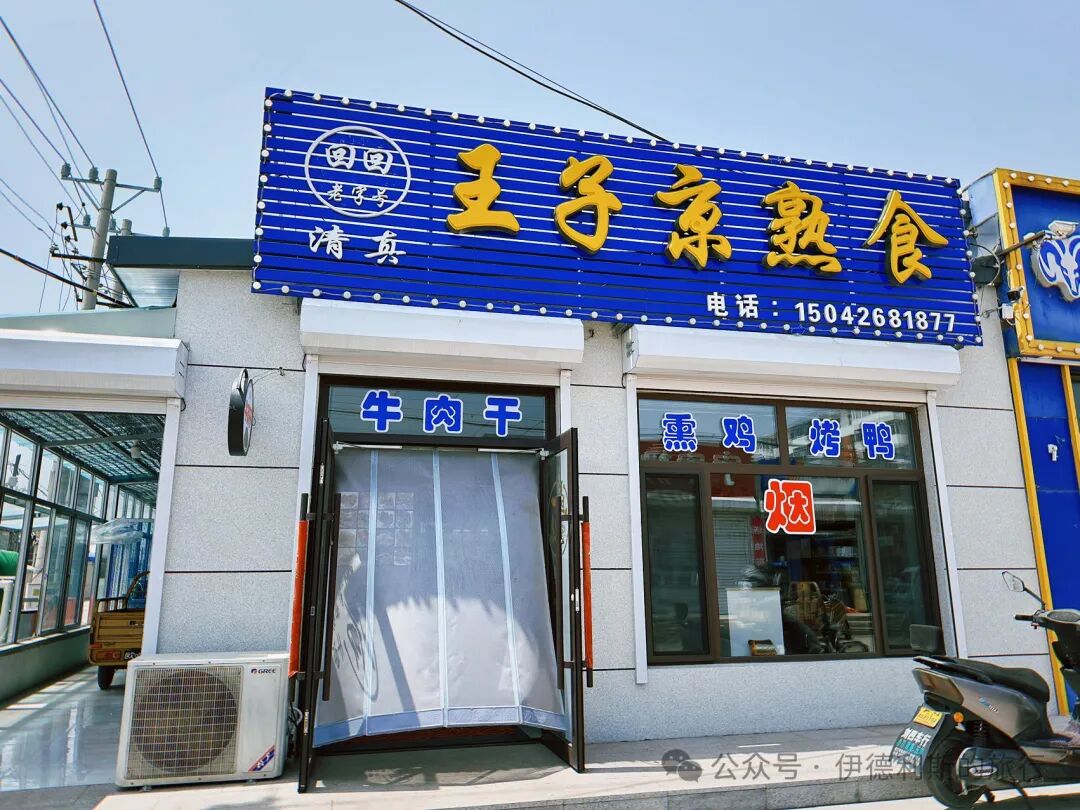
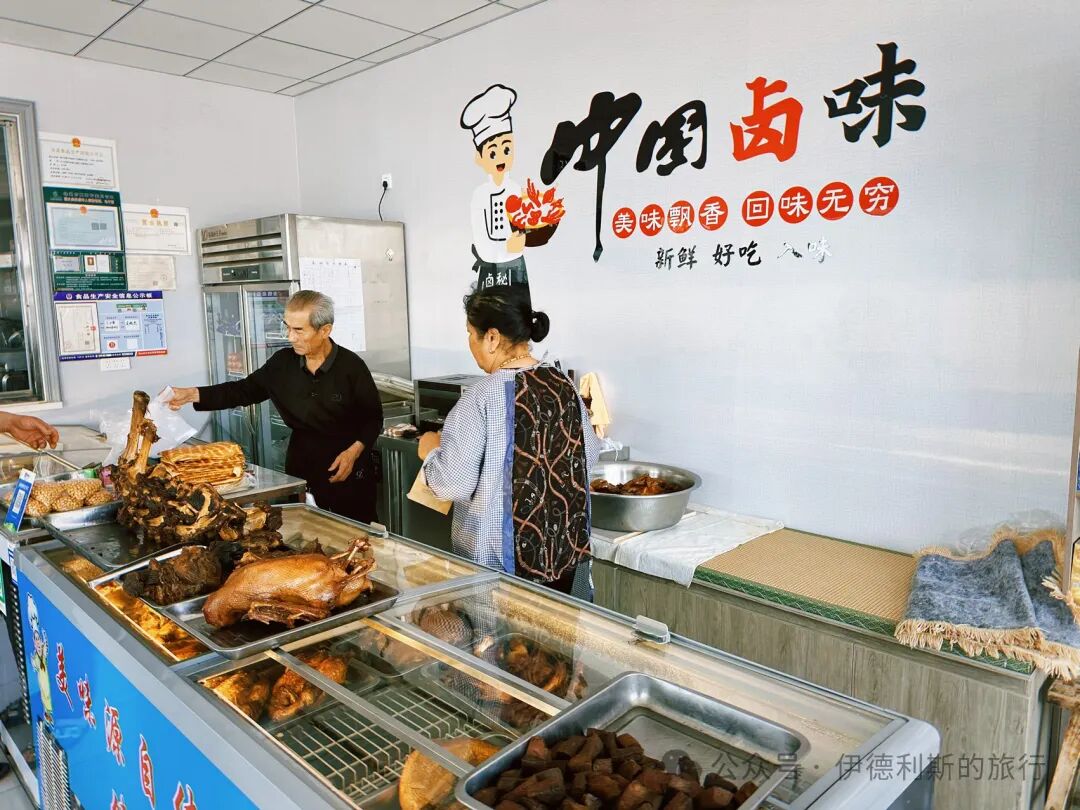
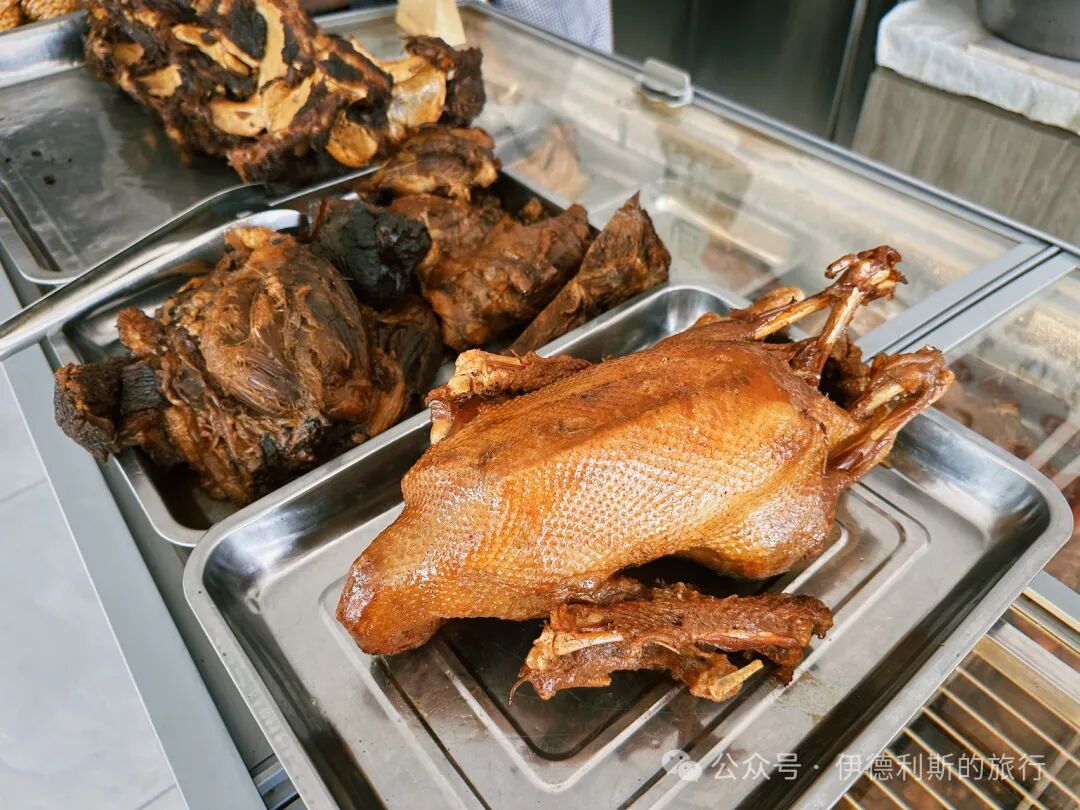
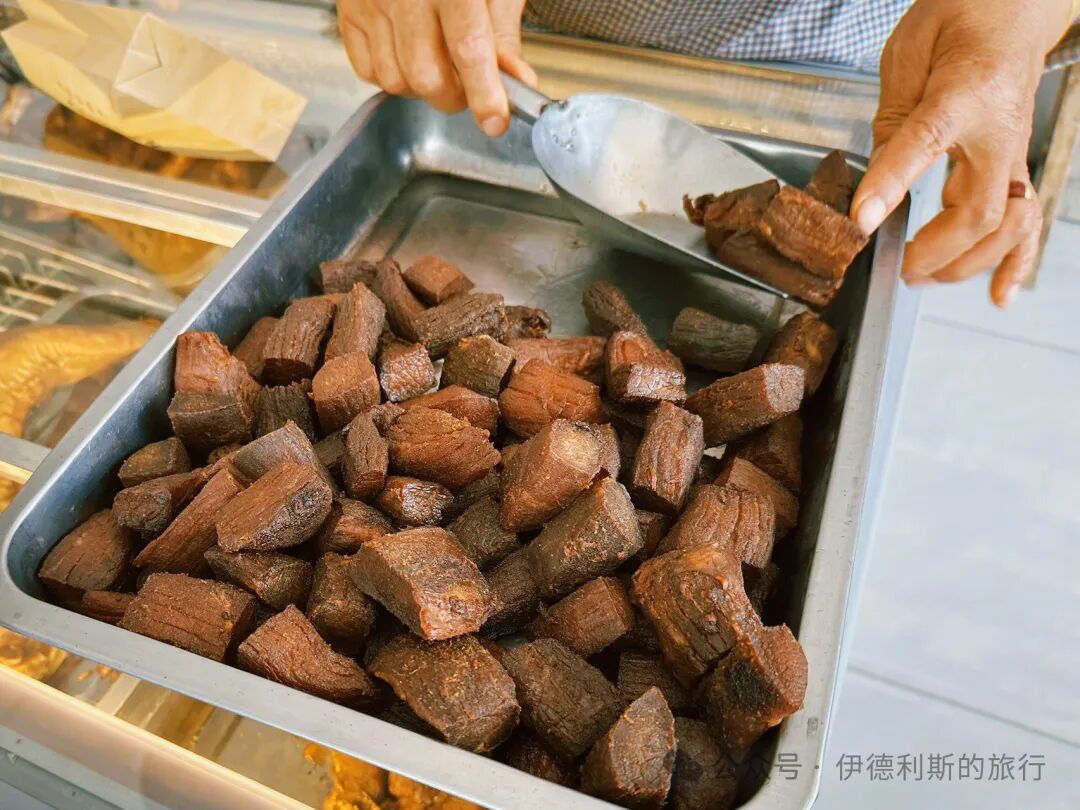
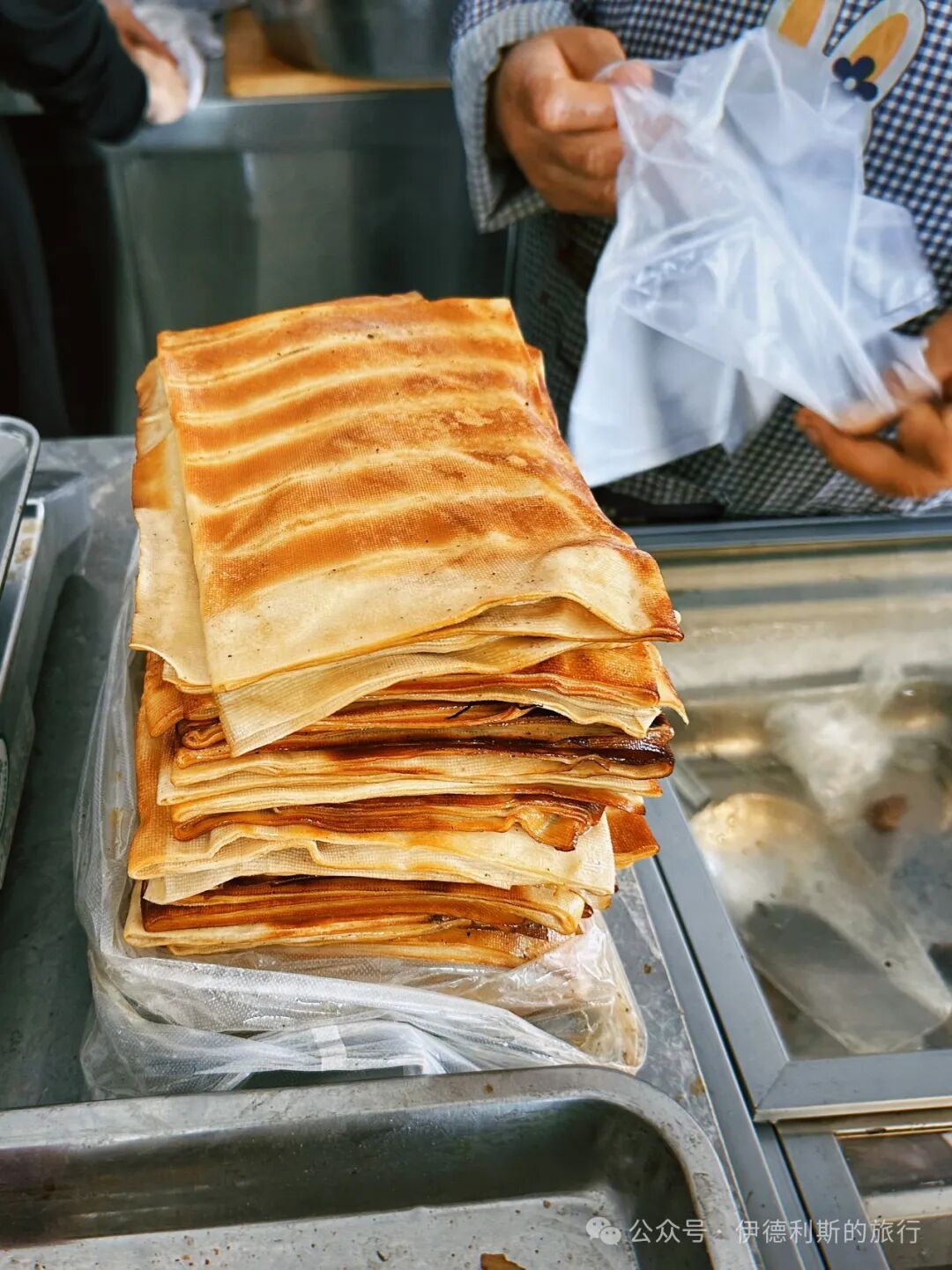
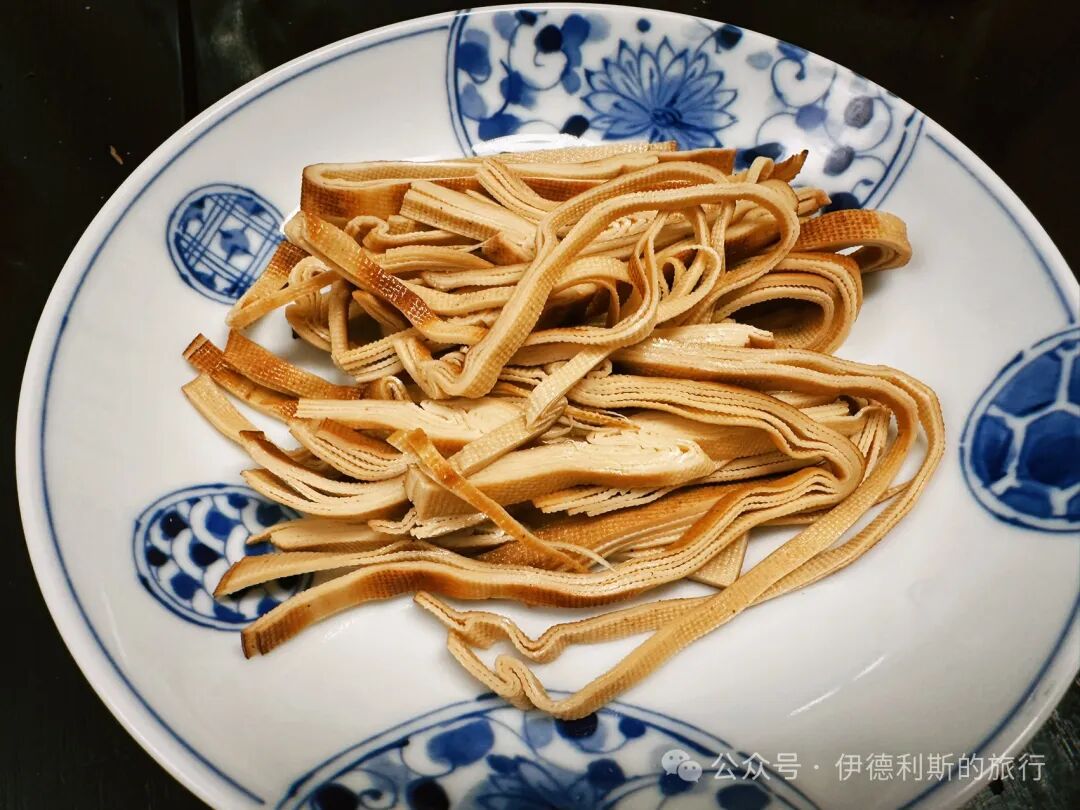
There are many halal restaurants in Xinlitun, but many were closed for the Dragon Boat Festival. We bought beef jerky and smoked dried tofu (gan doufu) at Wang Zijing Deli, and both were delicious! The dried tofu is especially tasty when eaten with noodles and baked flatbread (huoshao).
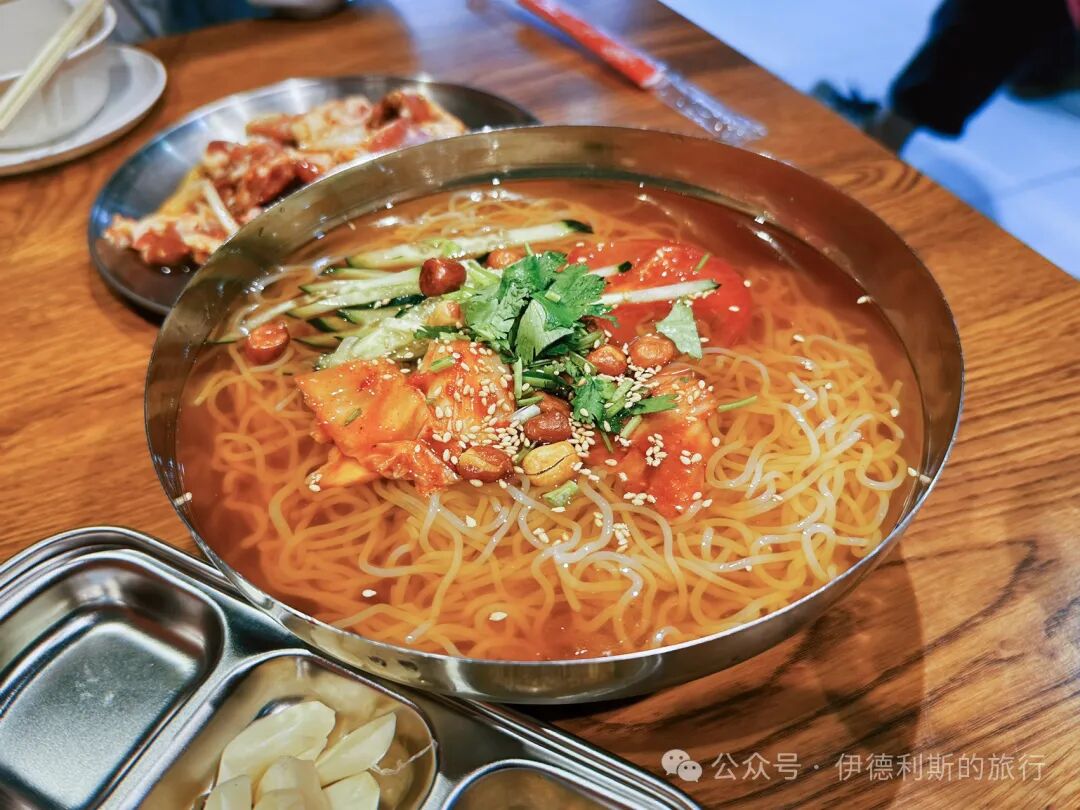
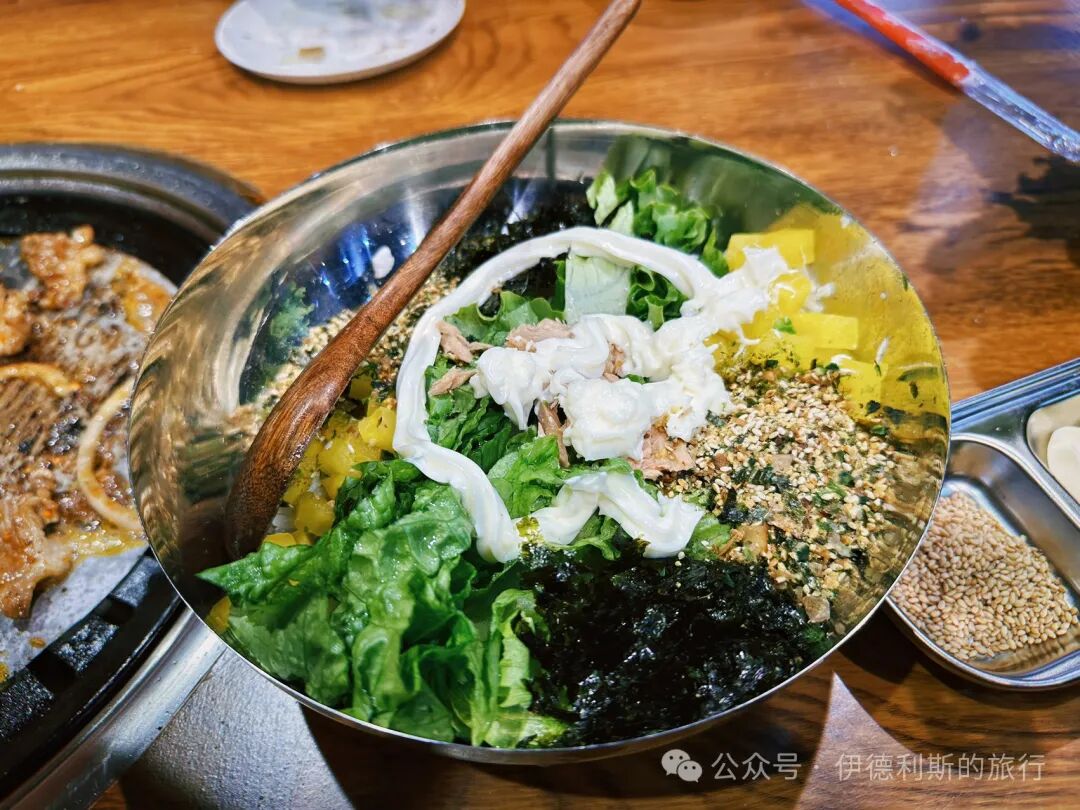
We had charcoal-grilled meat for lunch in Xinmintun; eating barbecue in town is such a great deal. They serve Qiqihar-style barbecue, and since the owner is a cattle butcher, the beef is cheap and tasty. We ordered beef chuck (niu shangnao) and beef rib fingers (niu litiao), which tasted great wrapped in lettuce. We also ordered Northeast-style cold noodles and Korean-style bibimbap; a big bowl of cold noodles is only 10 yuan and will definitely fill you up.
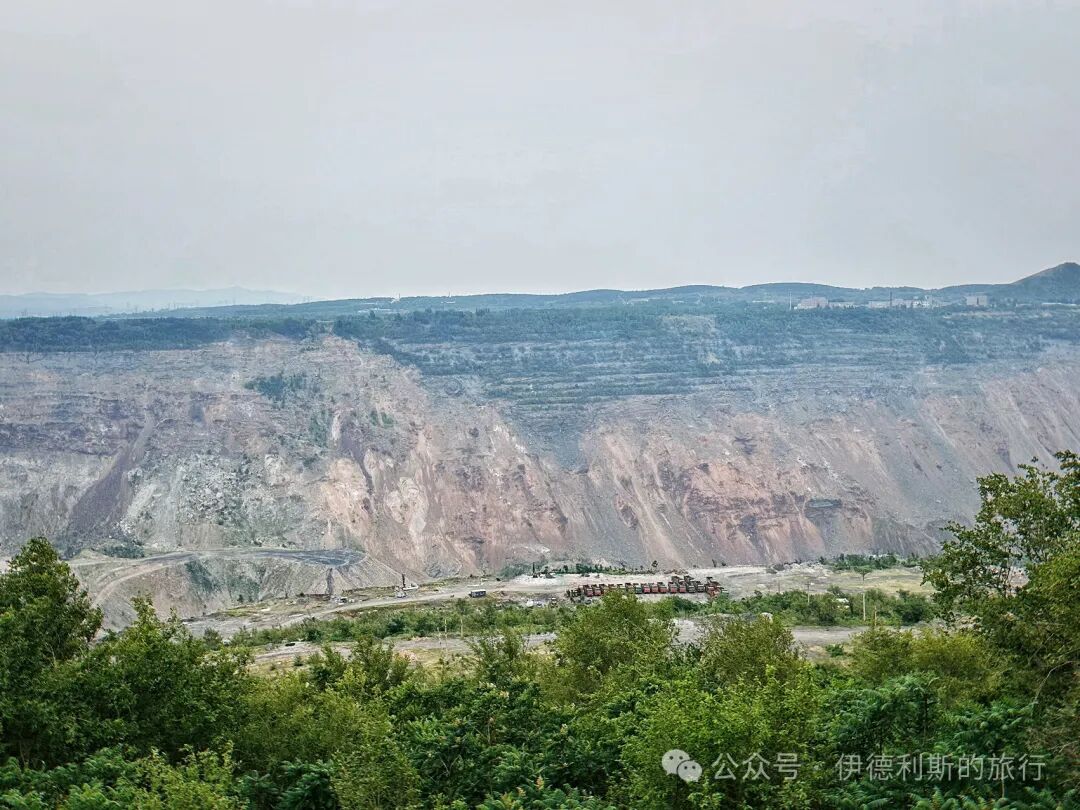
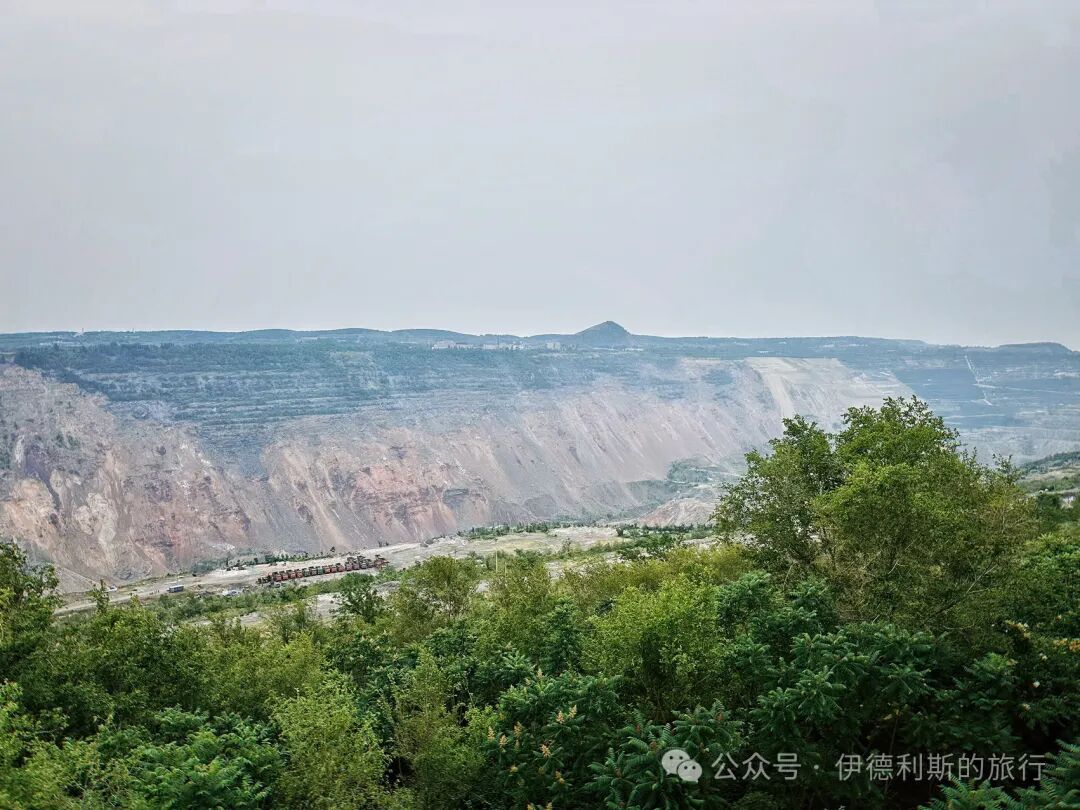
I took a train from Xinlitun Railway Station in the afternoon and arrived at Fuxin South Station. First, I visited the Haizhou Open-pit Mine National Mine Park, then I went to the Fuxin Mosque (Fuxin Si) to pray and perform dua.
The urban area of Fuxin was originally a grassland for the Mongols, and the name Haizhou comes from the Mongolian word for hillside. Coal was discovered in Haizhou in 1913, and it was mined on a small, shallow scale at first. After Japan occupied Fuxin in 1931, they started large-scale open-pit mining and forced many laborers to work there, which quickly turned Fuxin into an industrial city. Fuxin City was officially established in 1940, with the central mining area as its core.
After 1936, the Japanese forced some Hui Muslims from Shandong and Hebei to come to Fuxin to mine coal, and Hui Muslims began to settle in the city. In 1953, the Haizhou Coal Mine was built into the first large-scale open-pit coal mine in New China. It was the largest open-pit coal mine in Asia at the time, and the number of Hui Muslims in Fuxin gradually increased.
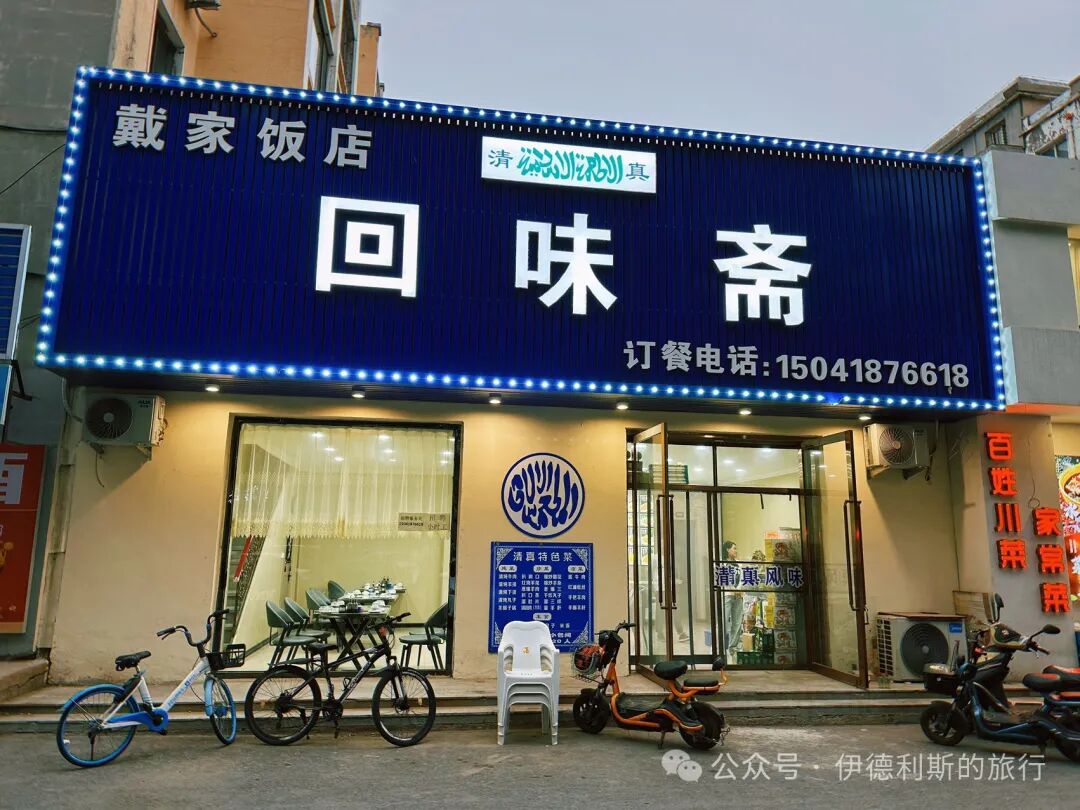
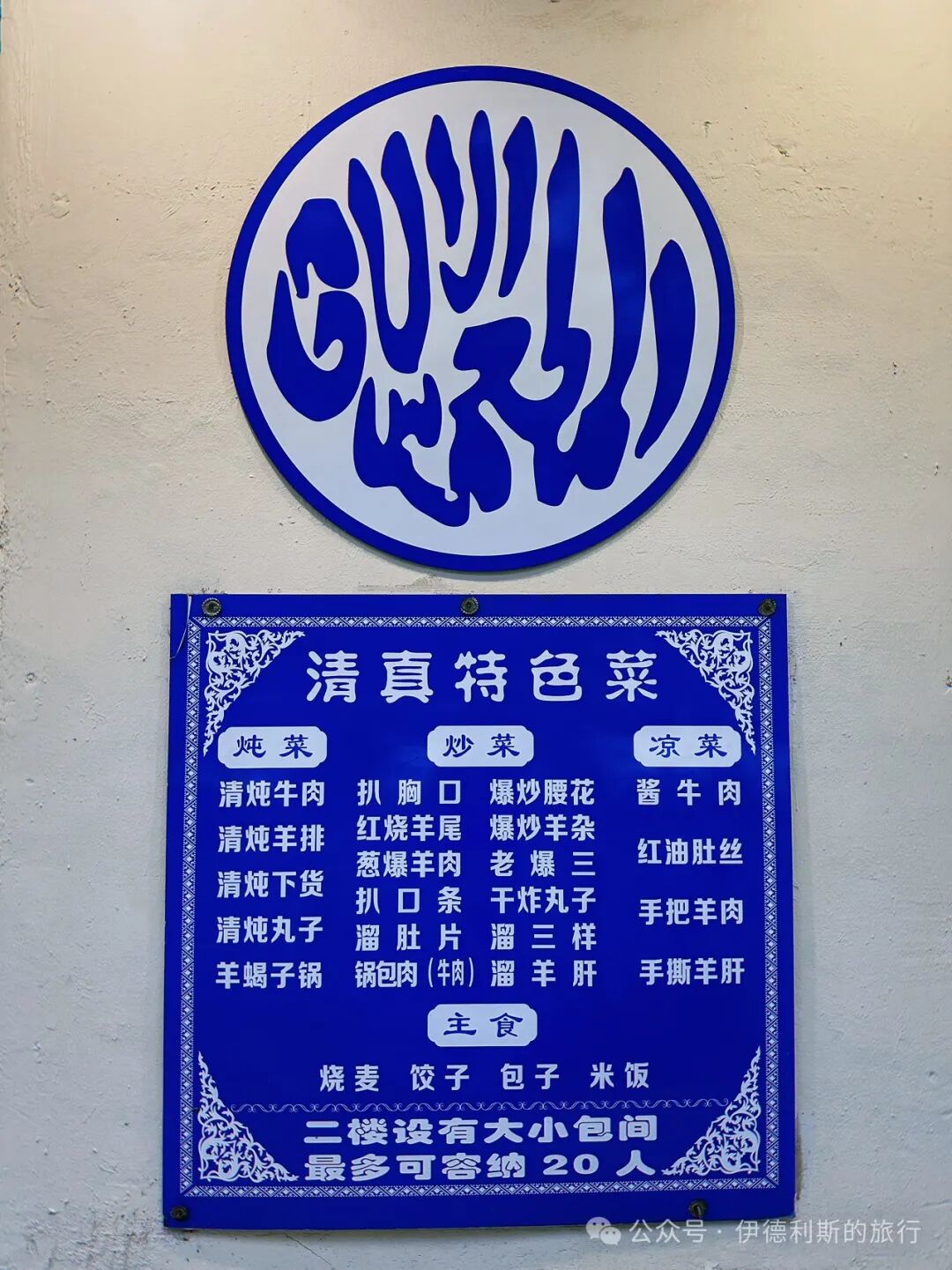
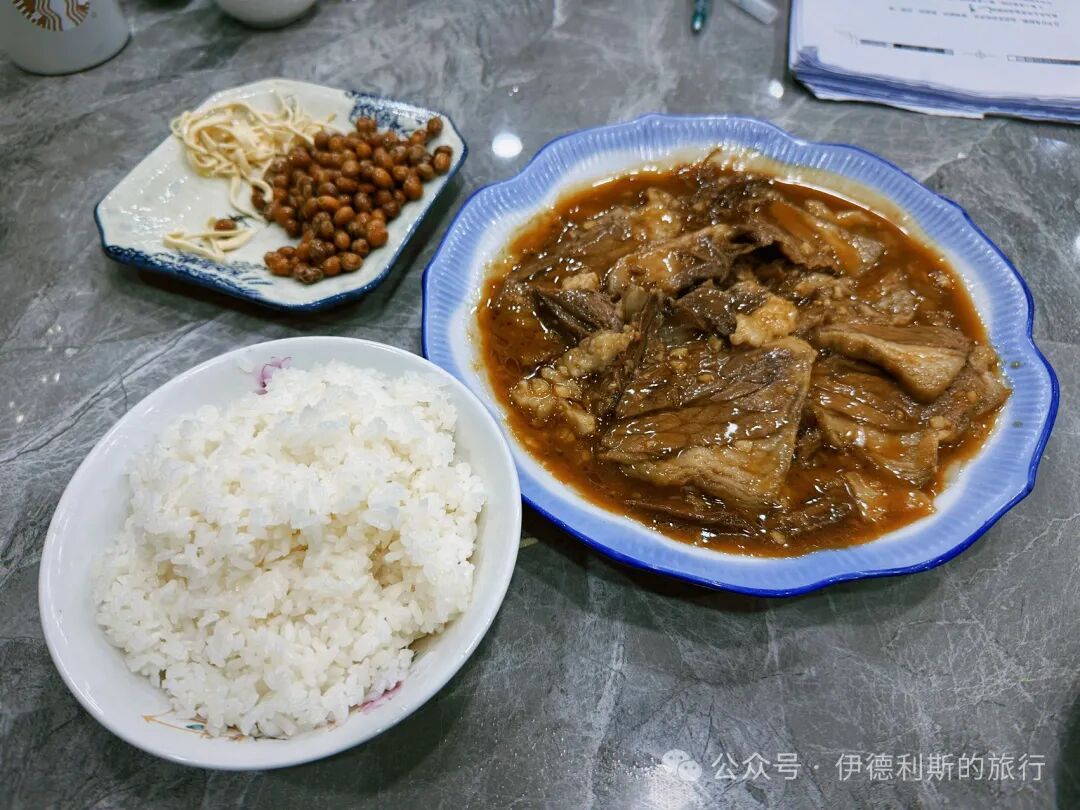
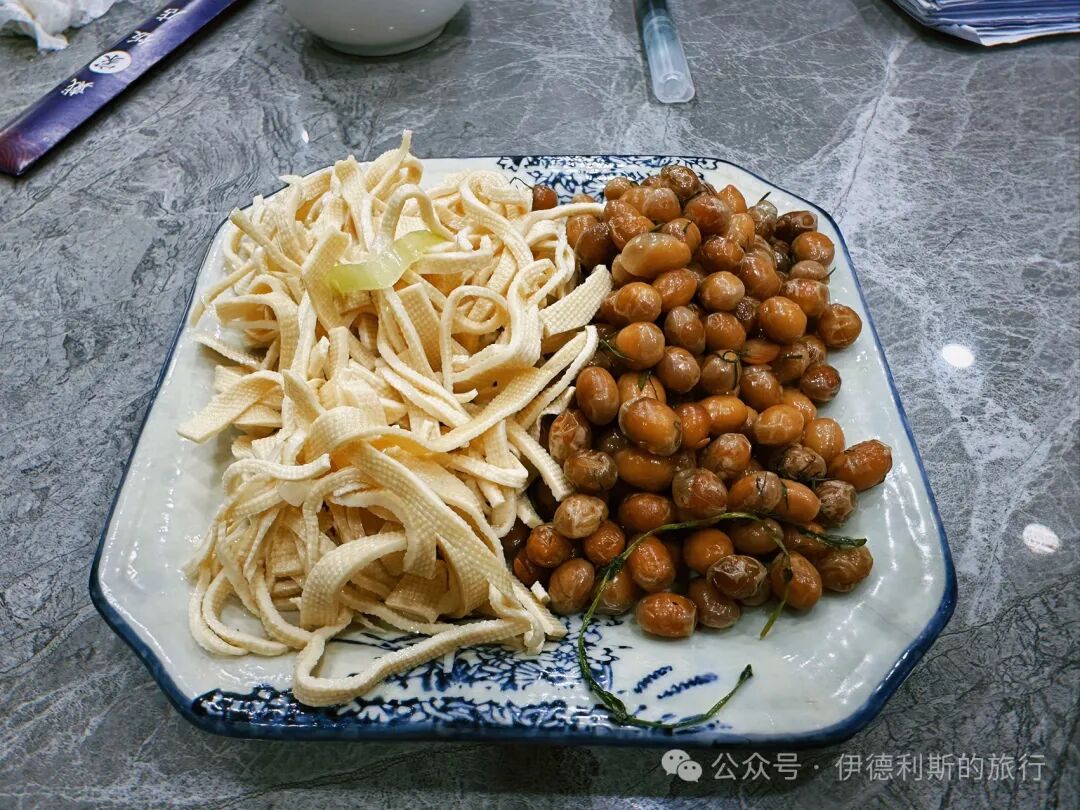
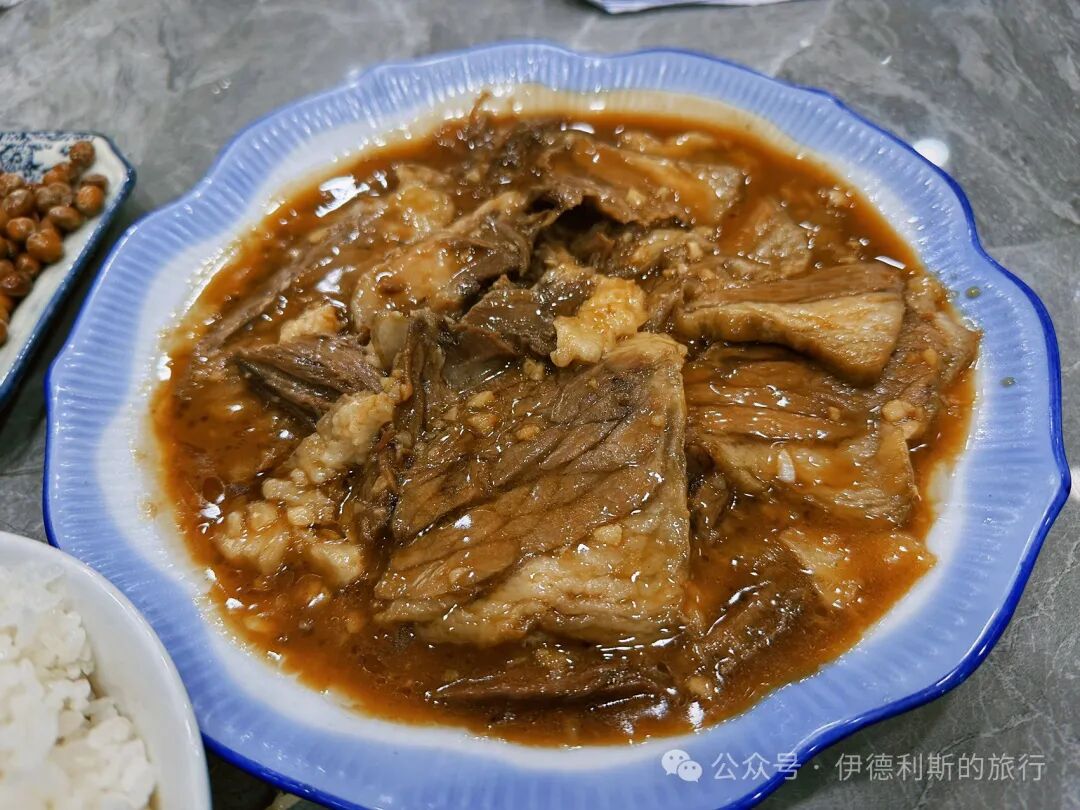
I had dinner at the Daijia Restaurant Huiweizhai near the Fuxin Mosque in the evening. I ordered the braised beef brisket (baxiongkou) with rice, and the shop also served dried tofu (gandoufu) and soybeans on the side. Traditional halal stir-fry dishes in Liaoning are similar to those in Beijing and Tianjin. They all developed from Shandong cuisine (Lucai), so the flavors are quite alike. The various stir-fried dishes go great with rice, and the dried tofu (gandoufu) is delicious.
The Dai family was one of the first groups of Hui Muslims to move to Fuxin. In the second year of the Yongzheng reign of the Qing Dynasty, they traveled from Cangzhou, Hebei, to settle in Qinghemen Town, Fuxin. The Dai family is a major Hui Muslim clan in Cangzhou. According to family records, their ancestor Dai Cheng was originally a Han Chinese Buddhist. He moved from Hongdong County, Shanxi, to Qing County, Cangzhou, in the second year of the Yongle reign of the Ming Dynasty, and later served as the commander of the Pengcheng Guard. Dai Cheng became friends with an imam in Qing County. Influenced by the imam, he eventually converted to Islam. His descendants later led the construction of the Daijiazhuang Mosque in Qing County during the Jiajing reign of the Ming Dynasty.
However, genetic testing of the Dai family's descendants shows their genotype is J2a-MF194043, which belongs to the same branch as the Yin family of Hui Muslims in Cangzhou. This genotype originates from Armenia and is typical of the Hui Muslims from the Western Regions. view all
Summary: Halal Travel Guide: Xinlitun and Fuxin - Liaoning Towns, Mosques and Food is presented here as a firsthand travel account in clear, natural English. The account focuses on Xinlitun, Fuxin, Liaoning Travel while preserving the names, places, food, photos, and historical details from the Chinese source.
On the morning of June 10, I took a high-speed train from Xinmin North Station in Liaoning and arrived at Heishan North Station in 15 minutes. I then took a taxi to Xinlitun Town, moving from the jurisdiction of Shenyang to that of Jinzhou. We performed the afternoon prayer (peshin) at the Xinlitun Mosque. The imam at the mosque is from Cangzhou. During this trip to Liaoning, I found that many imams are from Cangzhou. This connects Northeast and North China closely, not just through culture but also through religious traditions.
Xinlitun is an ancient town in the western Liaoning region, known as the First Town Beyond the Border. During the Daoguang reign of the Qing Dynasty, Hui Muslims from places like Jinzhou, Yixian, Heishan, and Yingkou came to settle in Xinlitun. They built the Xinlitun Mosque in 1842 (the 22nd year of Daoguang).
On the 15th day of the first lunar month in 1873 (the 12th year of Tongzhi), Xinlitun held a stilt-walking festival. During the event, a Manchu banner man named Dashan, also known as Fifth Master Da, got into a dispute with Hui Muslims named Liu Hua, Zhao Guang'en, and Wang Yao. This escalated into a conflict between the Manchu and Hui communities, which eventually led to the burning of the Xinlitun Mosque. Afterward, both the Manchu and Hui communities learned from the incident and decided to rebuild the Xinlitun Mosque. After years of planning, General Zuo Baogui, an anti-Japanese hero who led the Fengtian Army, personally donated 300 taels of silver to finally finish the reconstruction.
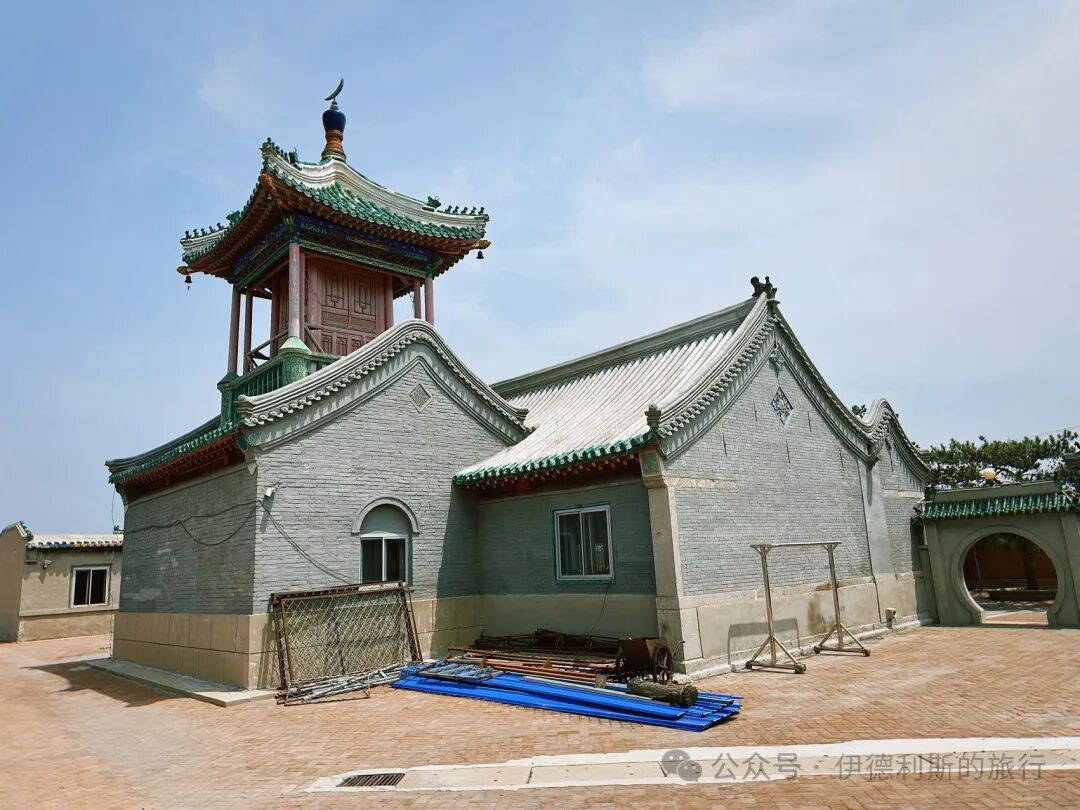
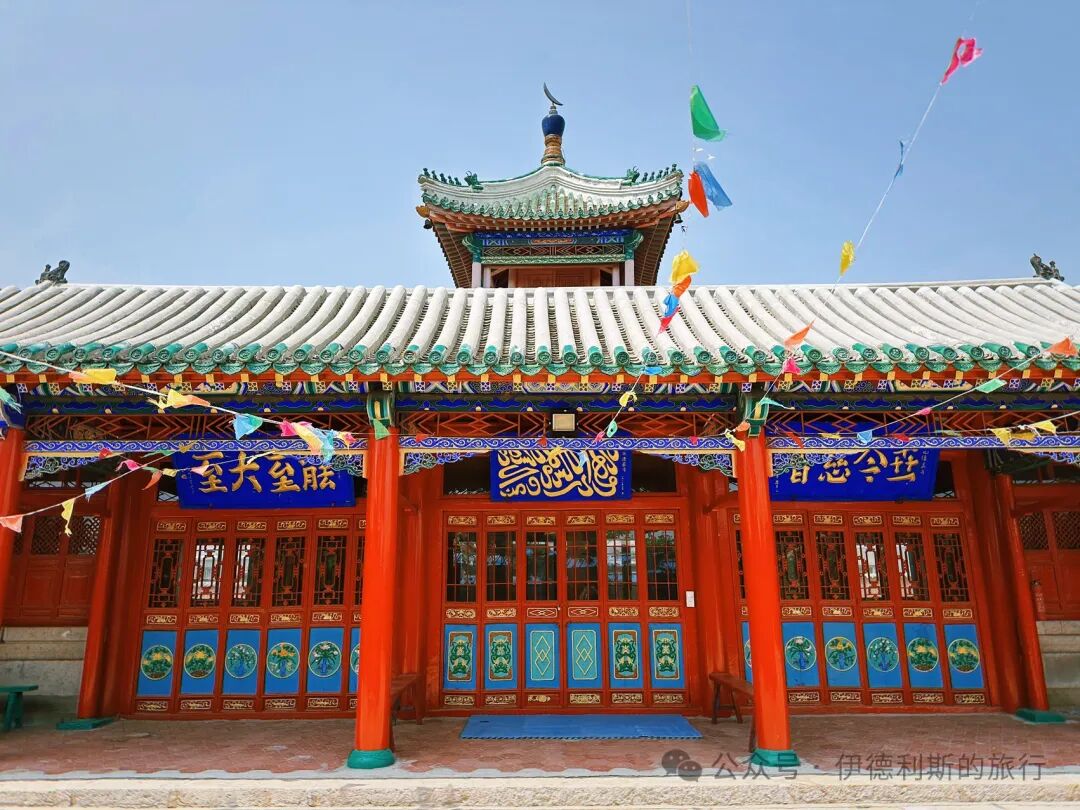
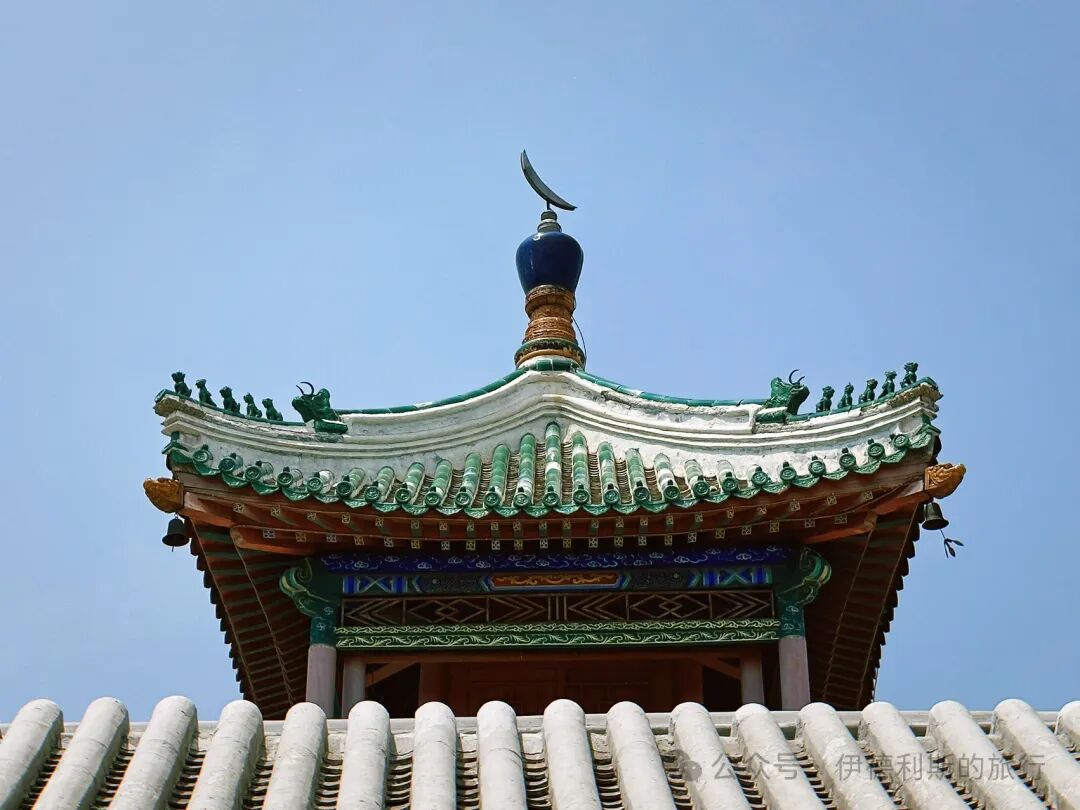
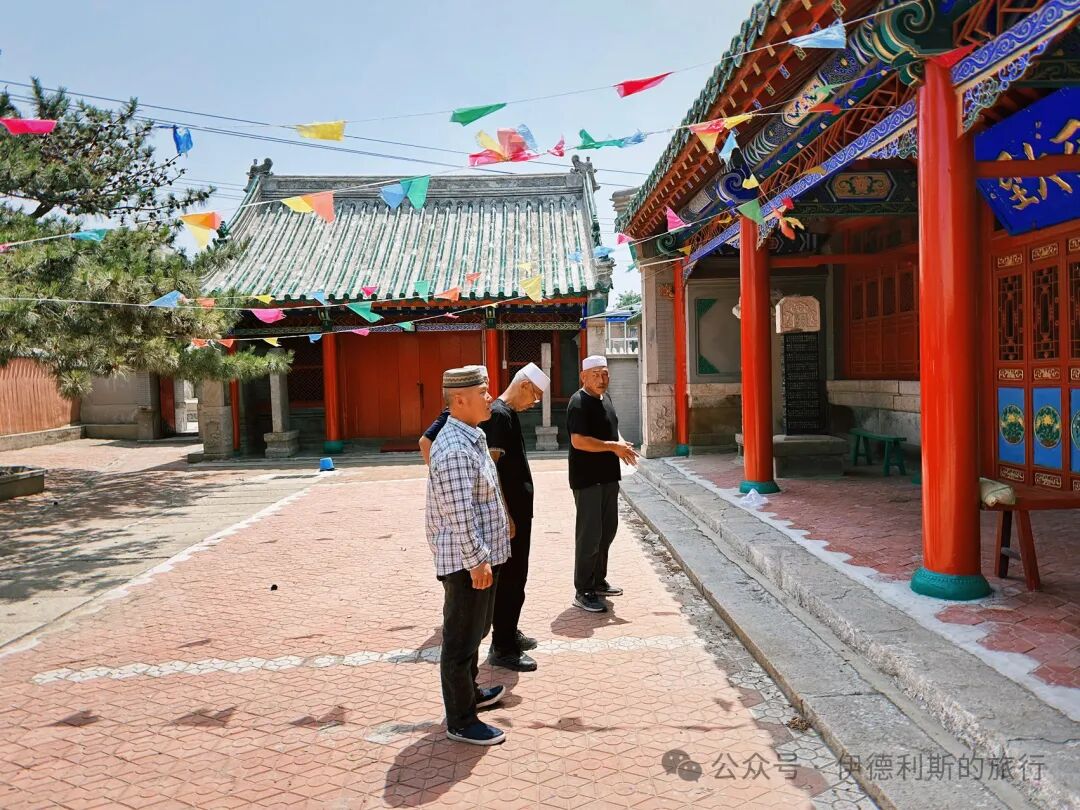
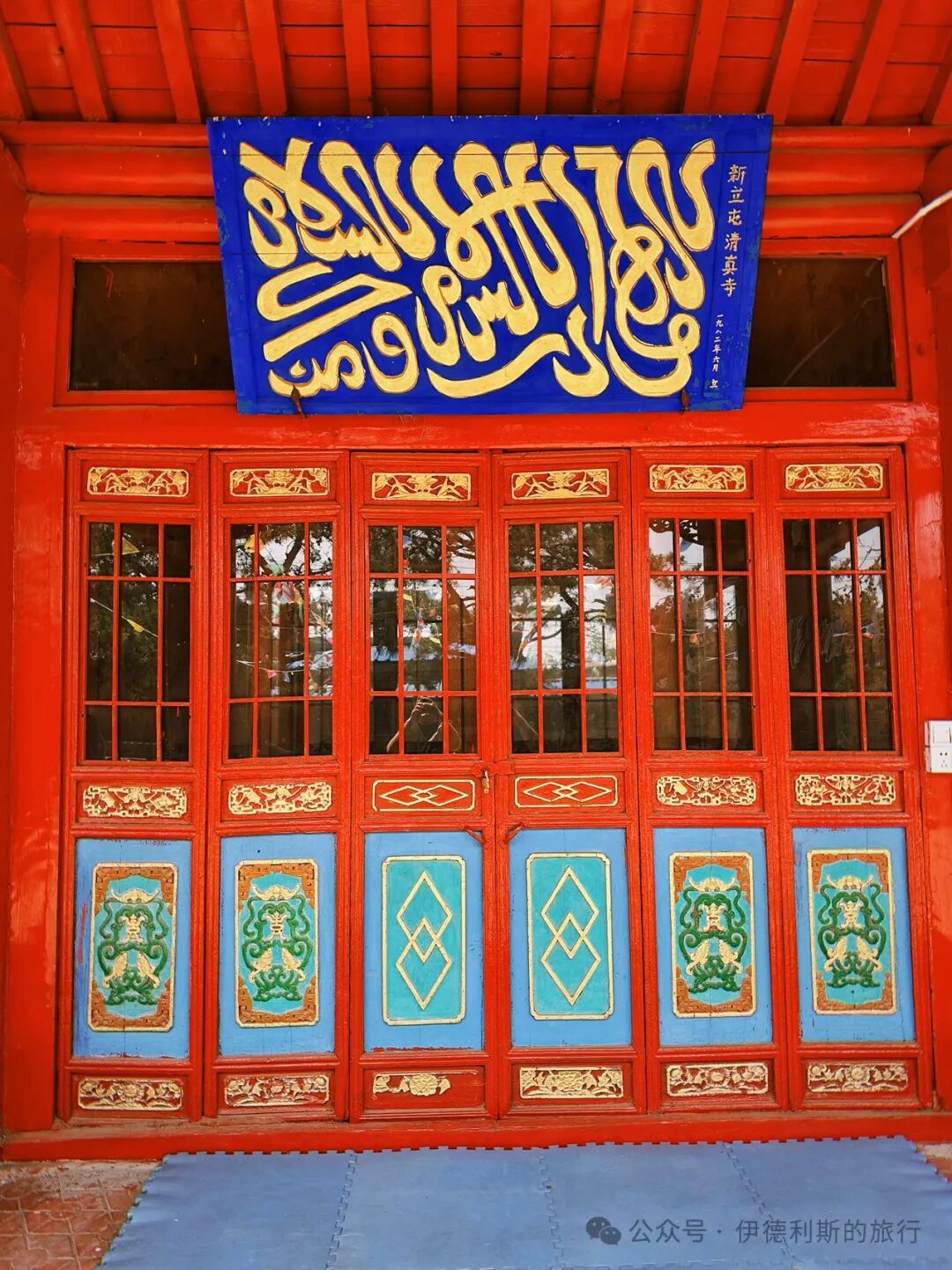
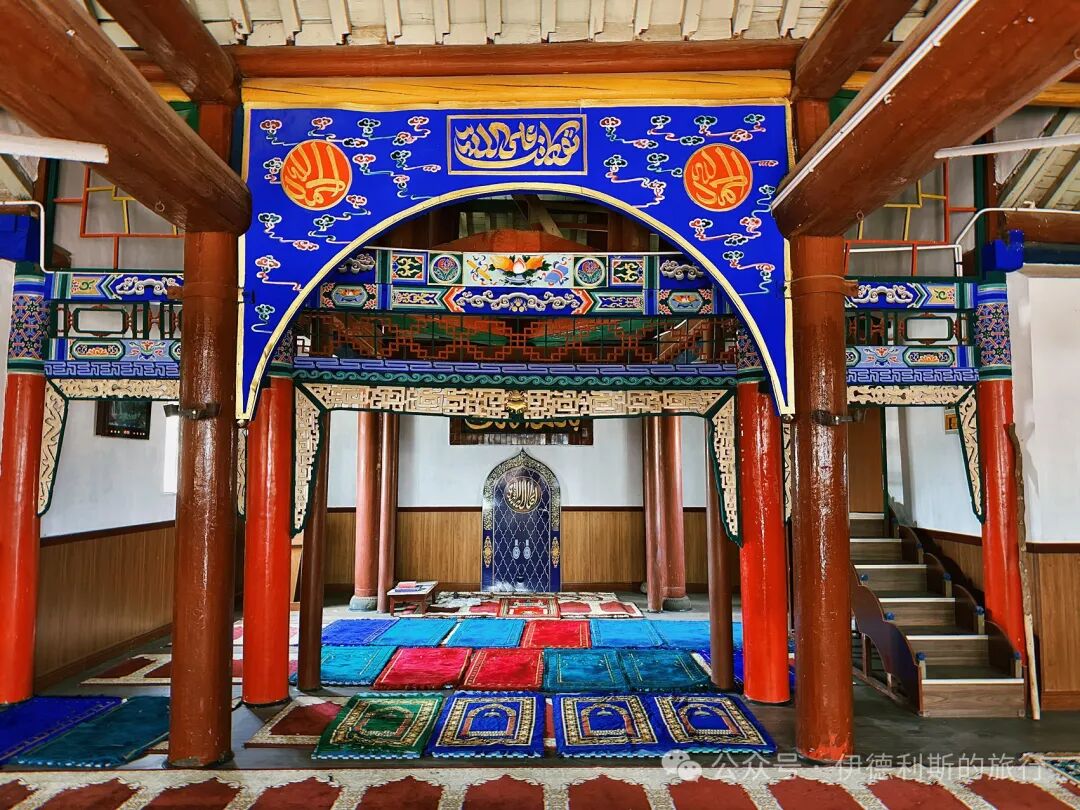
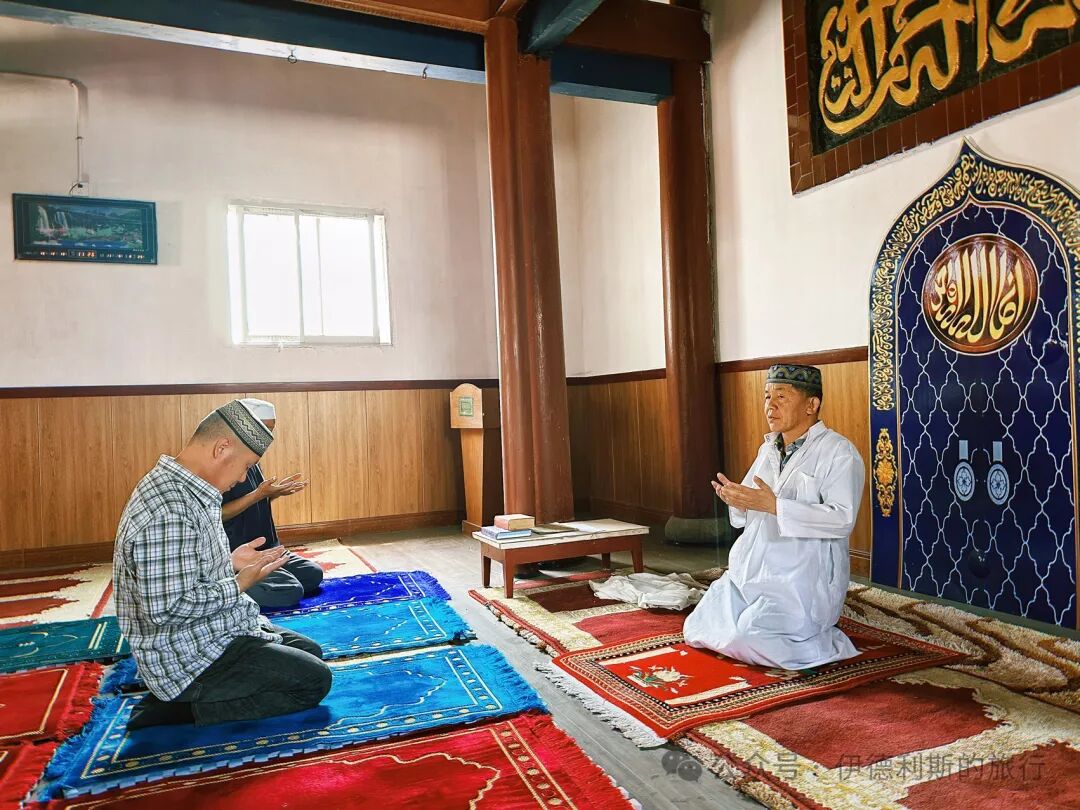
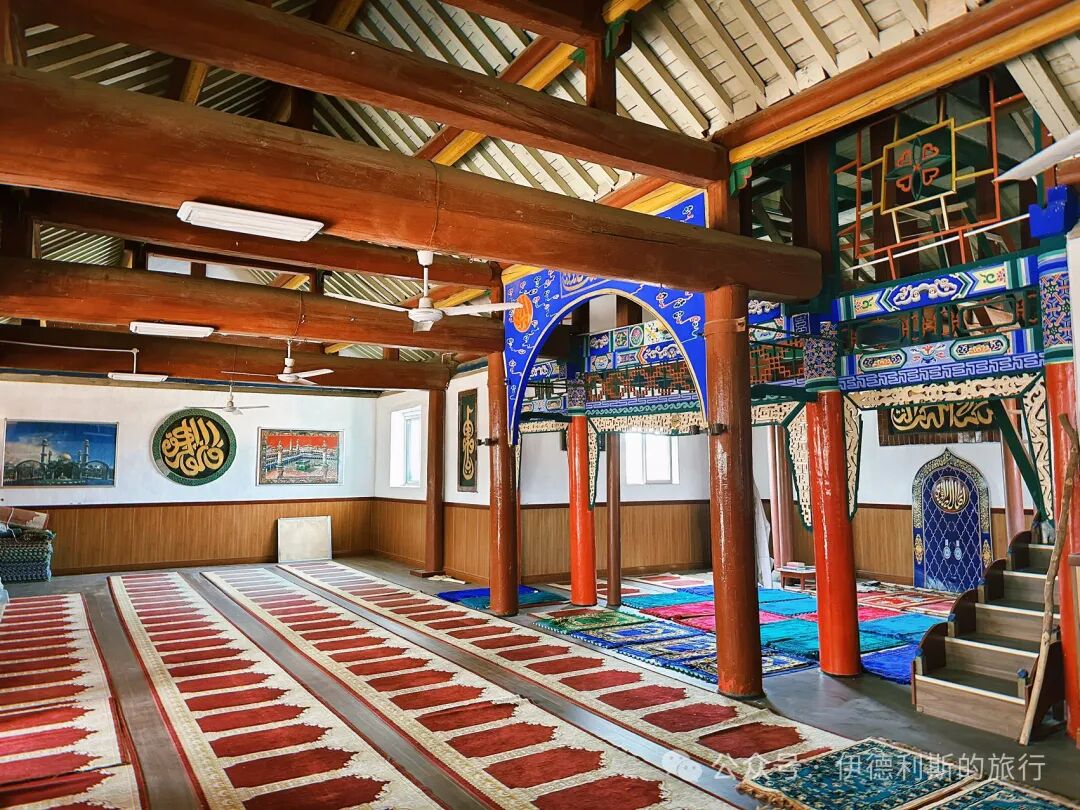
The main gate of Xinlitun Mosque has two couplets: 'Transforming people and things, it can transform everything; giving birth to heaven and earth, it gives birth to life itself.'
The light that gives birth to heaven, earth, people, and all living things; all life has one supreme ruler.
With saints, sages, emperors, and kings, all follow the one and only original Lord.
Above the main gate, there is also a stone carving of two dragons playing with a pearl.
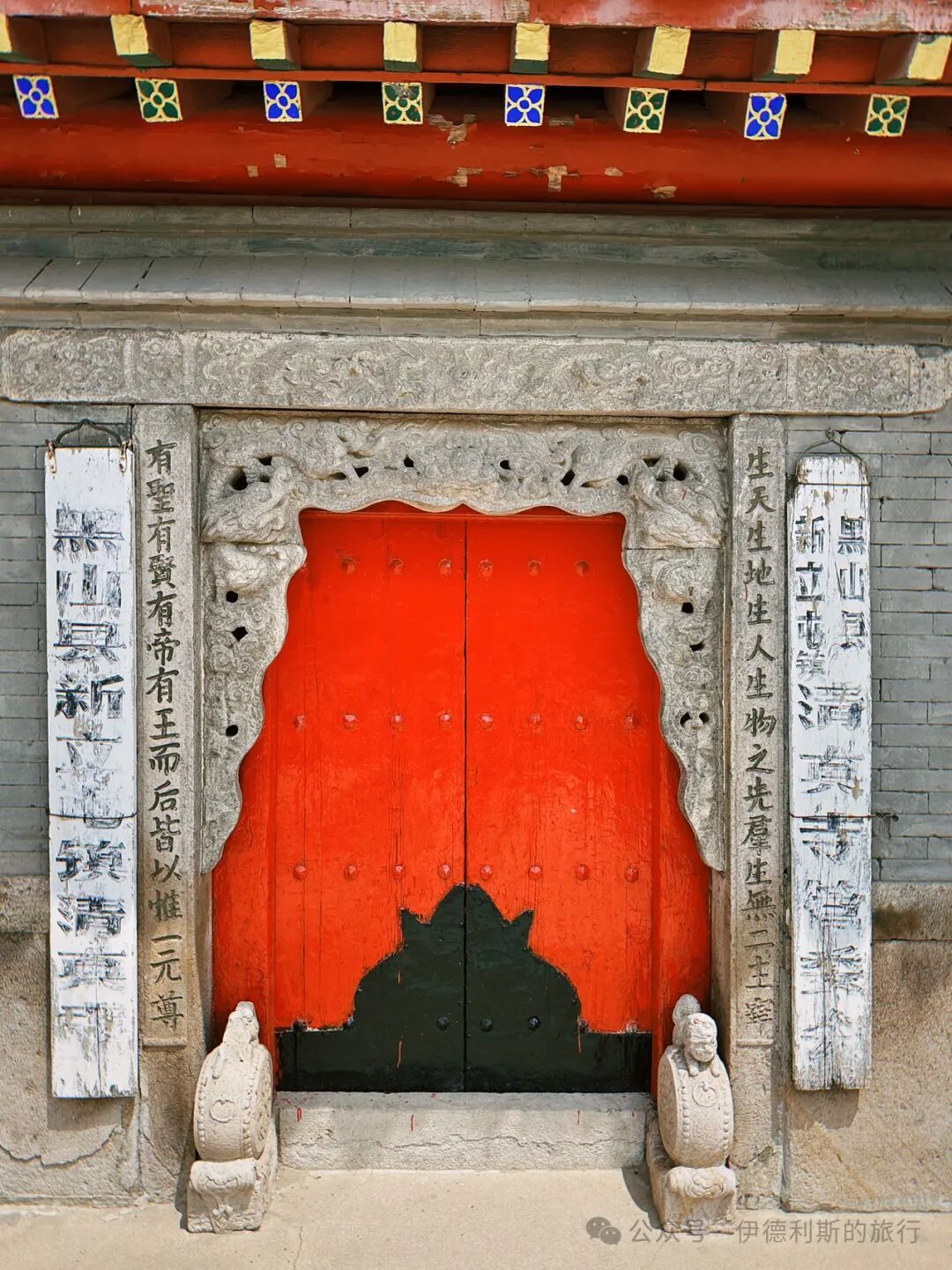
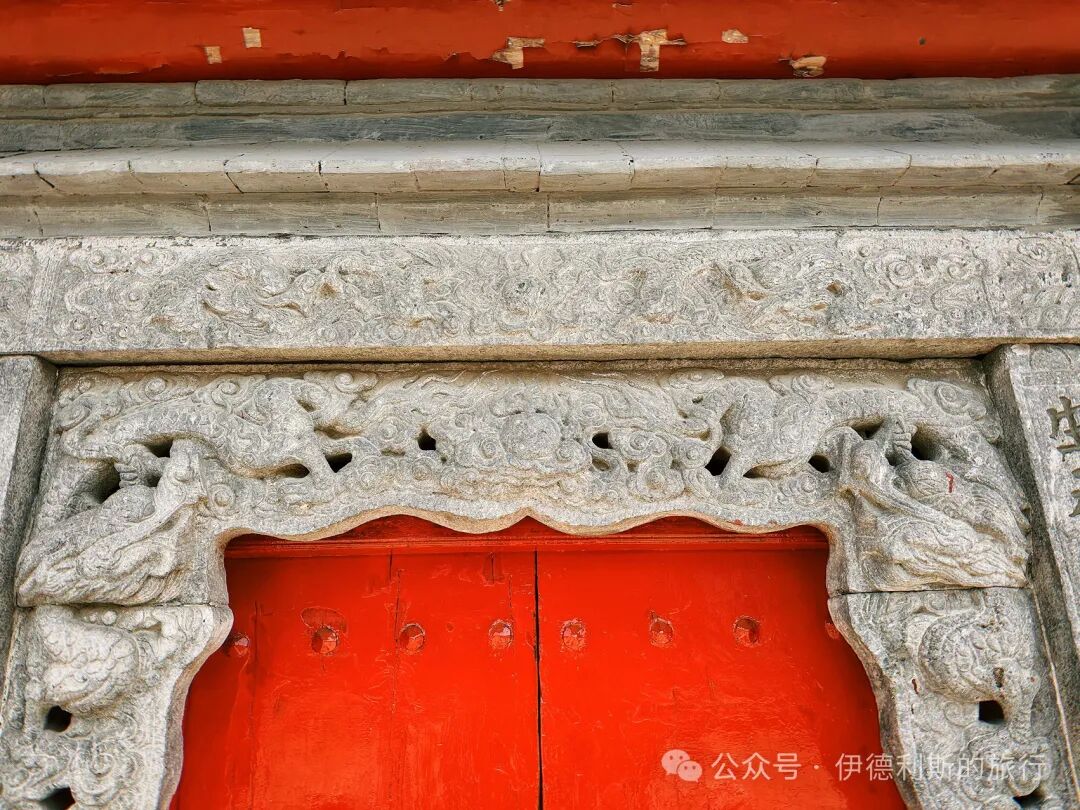
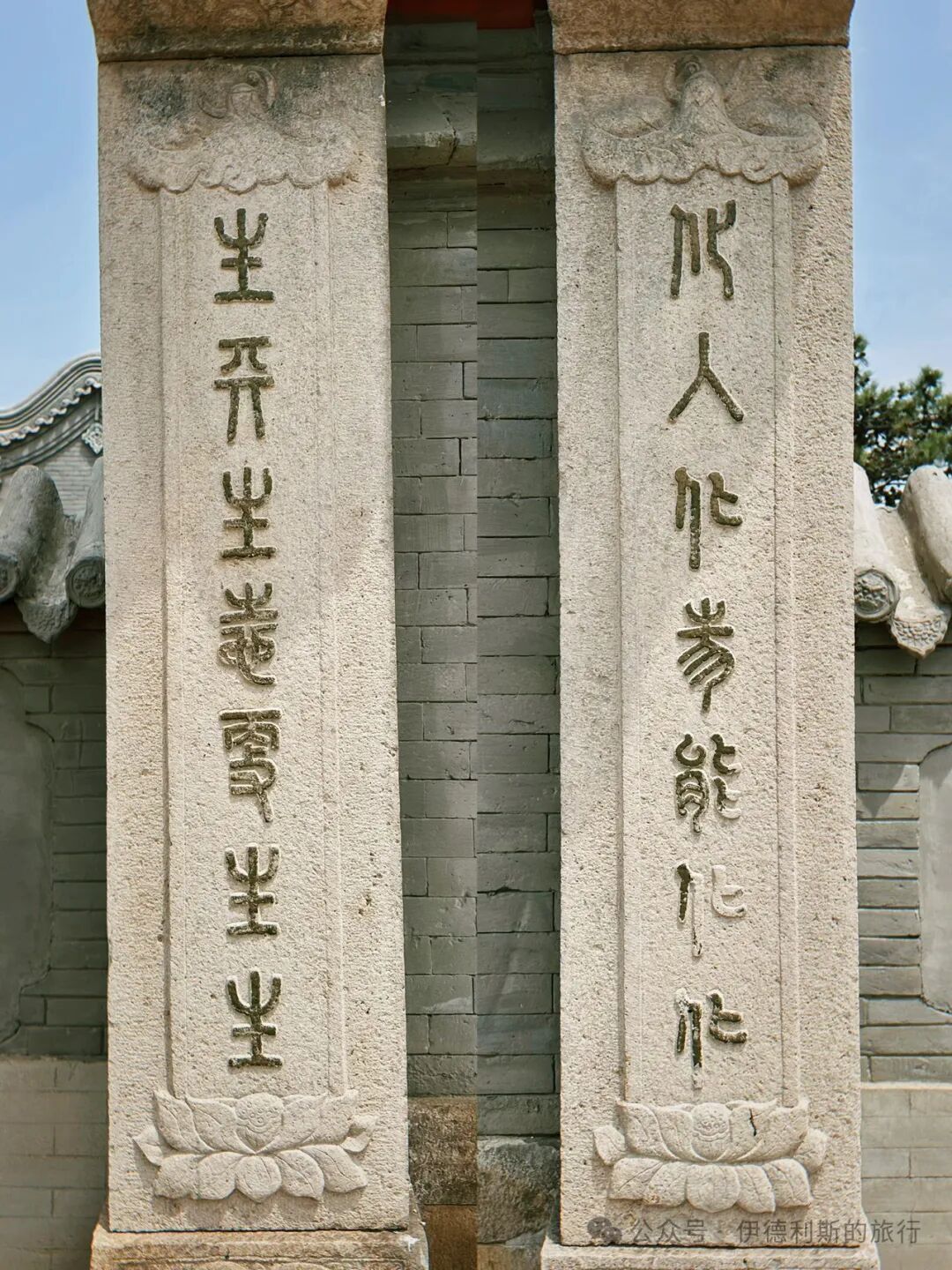
The brick and stone carvings at Xinlitun Mosque are very beautiful and feature many traditional patterns. There are inscriptions on the stone carvings on both sides of the main hall, which is very rare for an old mosque.
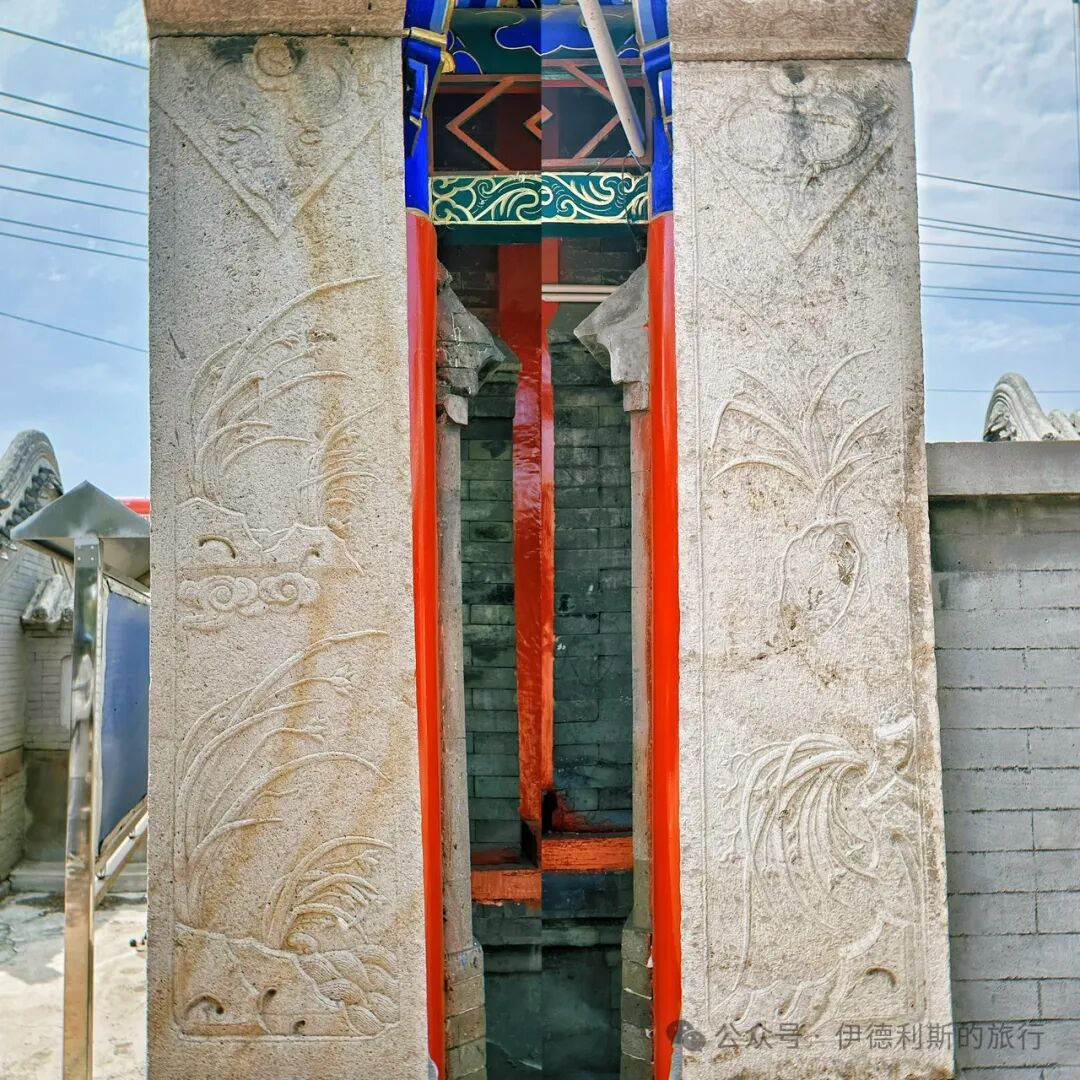
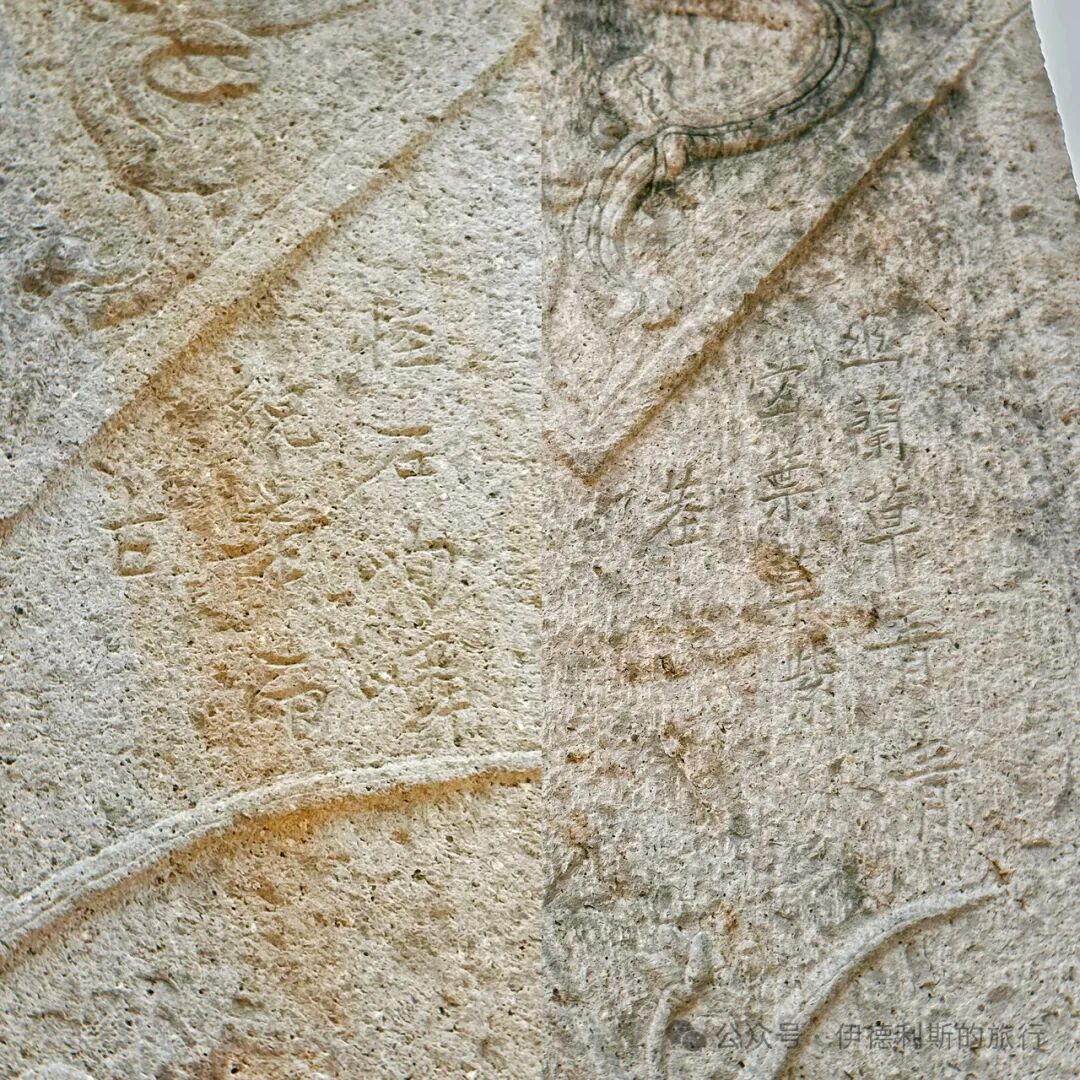
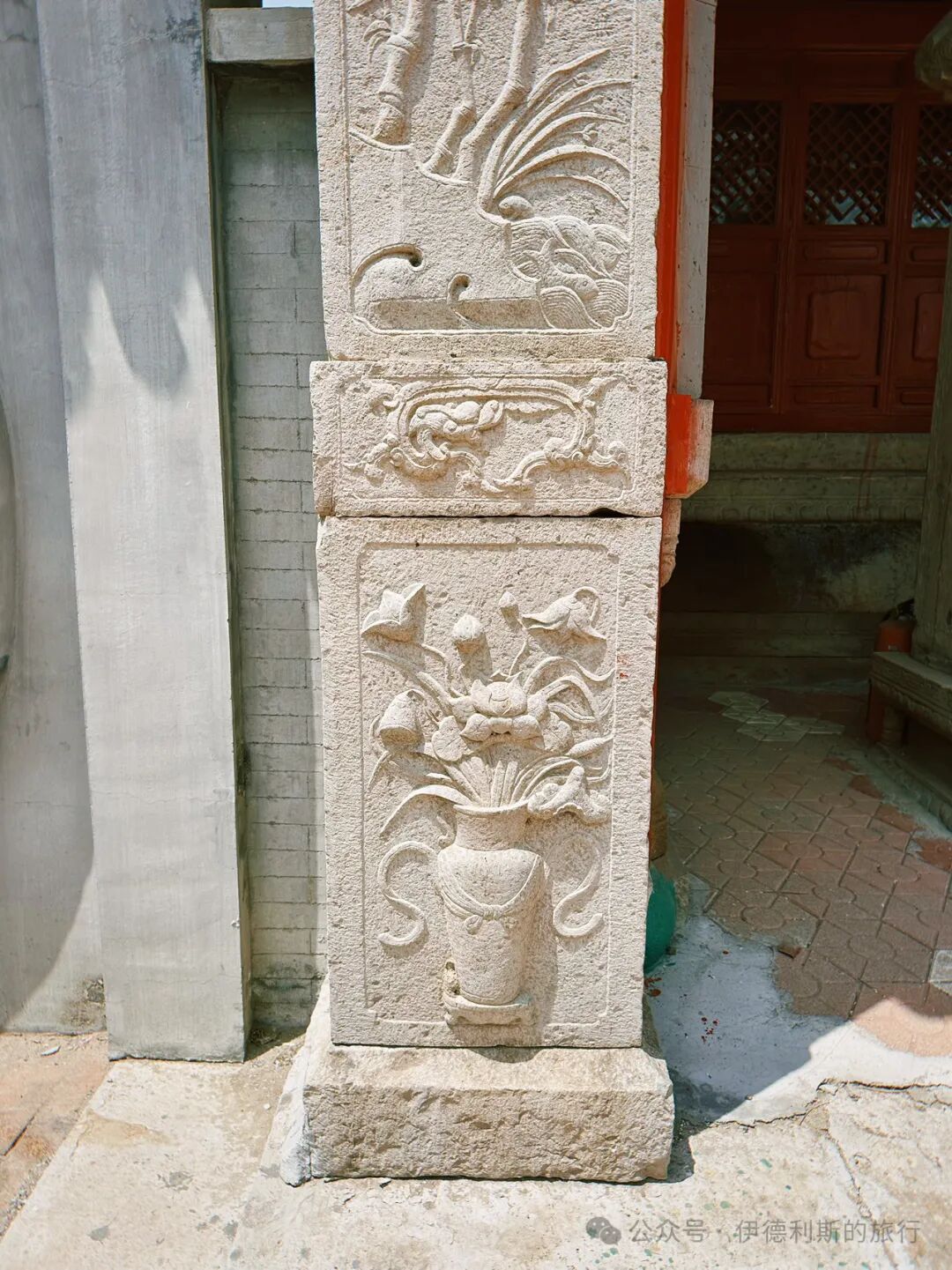
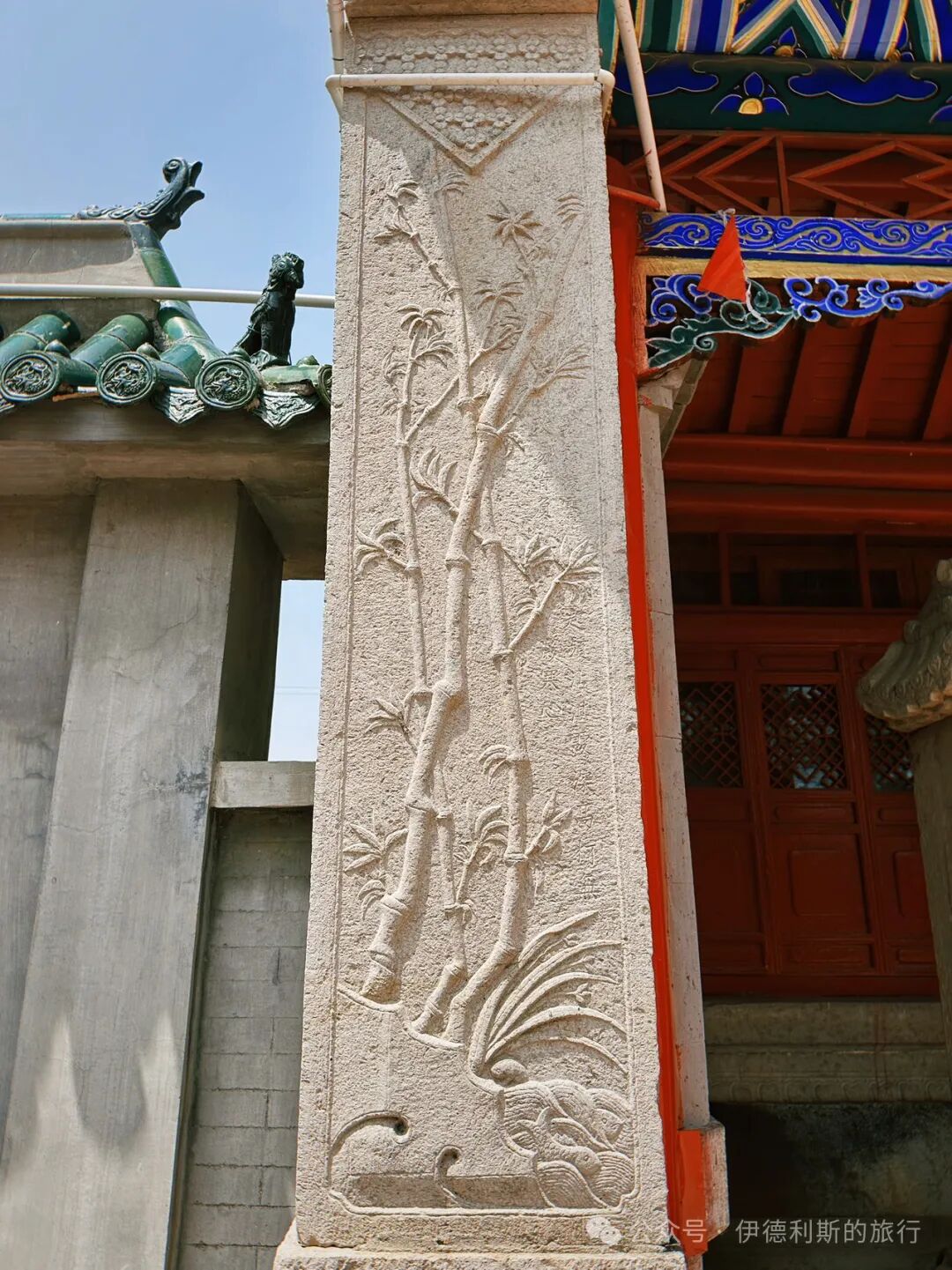
The traditional calligraphy at Xinlitun Mosque includes both outlined and broad-stroke styles, both of which are very unique. The plaque in the center of the main hall was handwritten by Imam Bai Hexi in 1983. Imam Bai was born in 1911 in Pingquan, Hebei, and studied under the famous Grand Imam Liu Pinyi from Hebei.
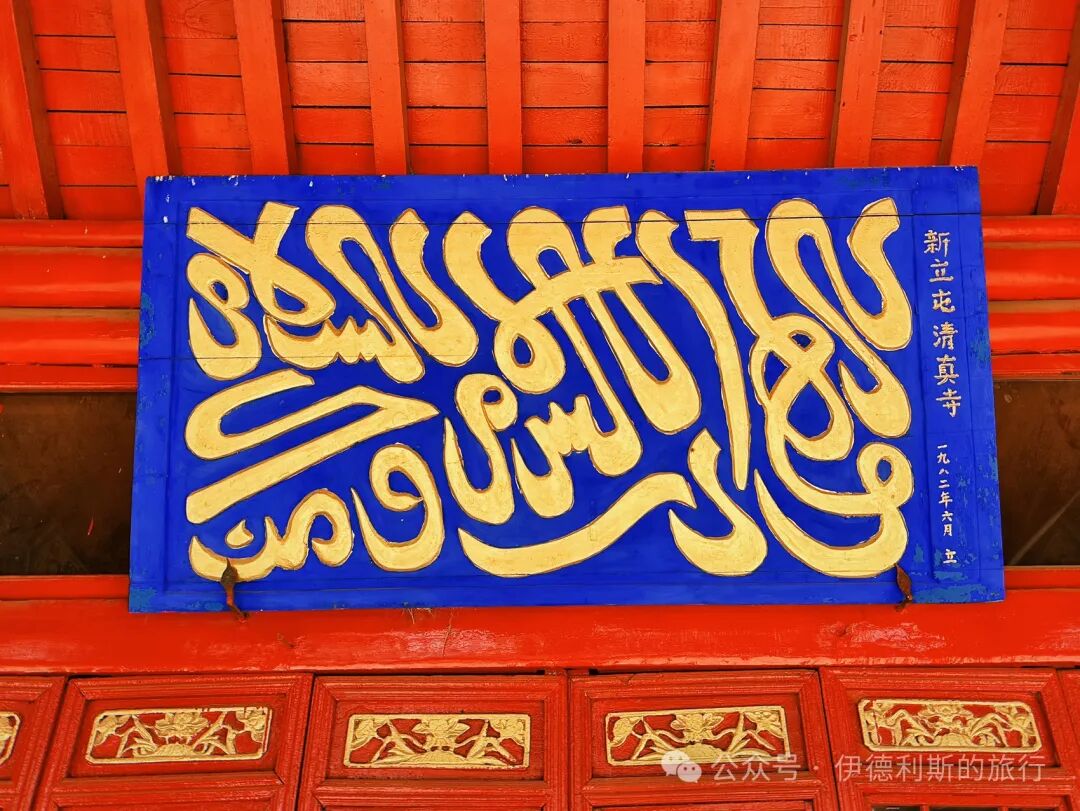
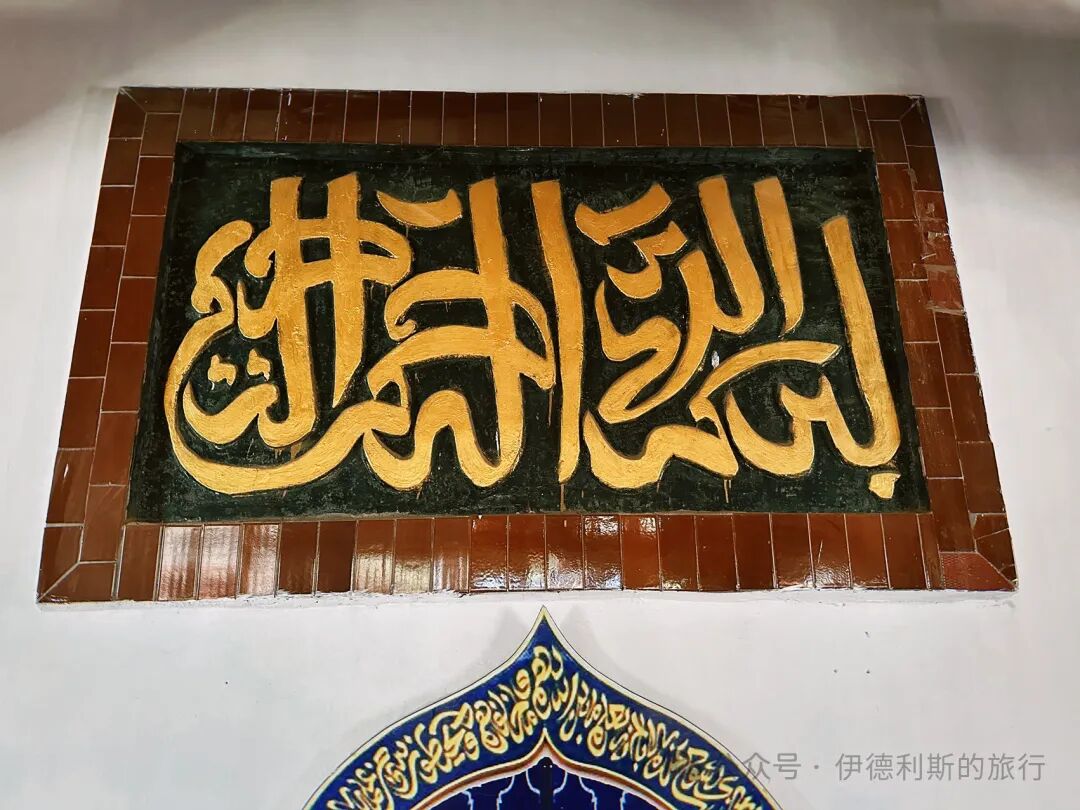
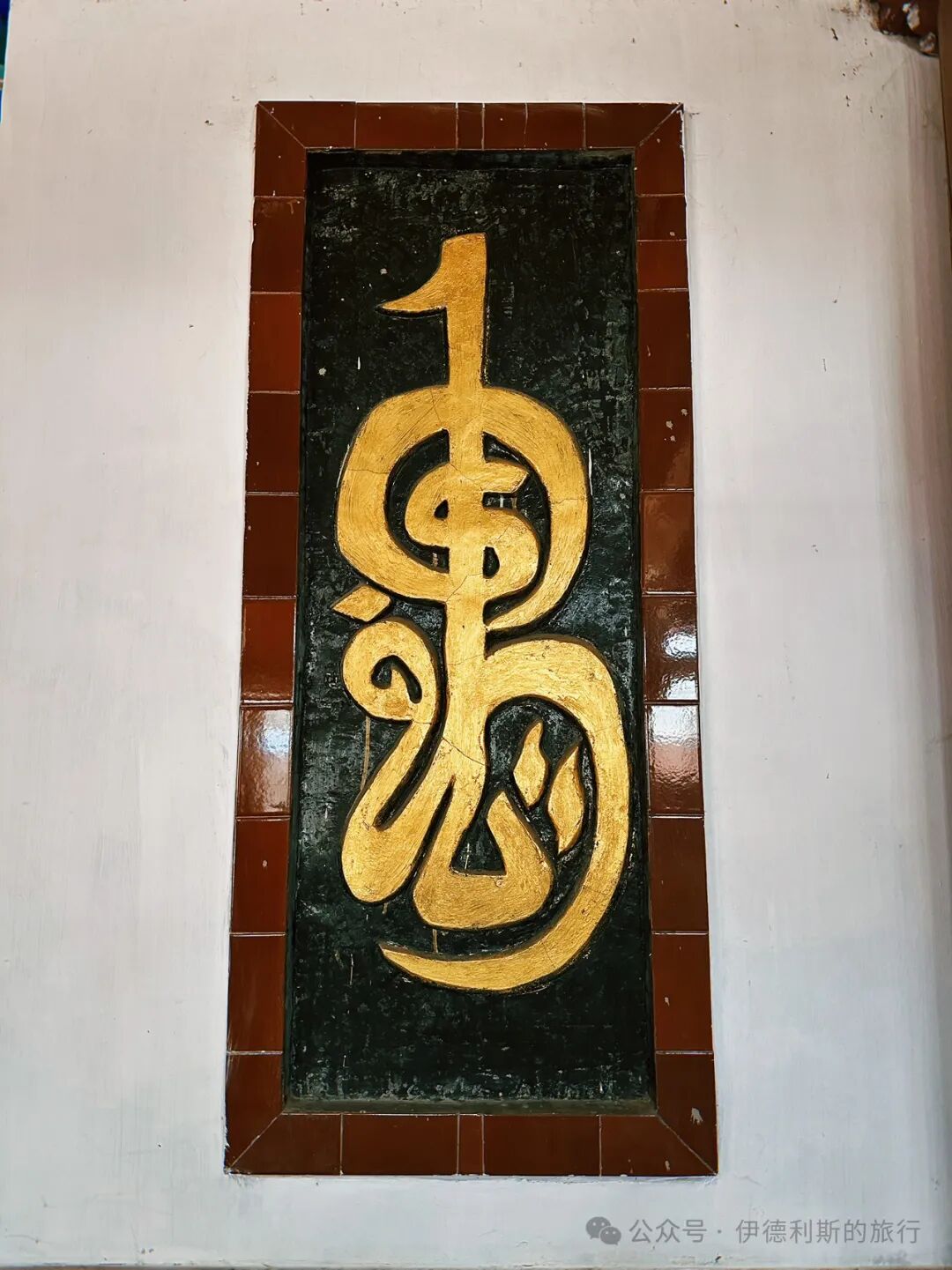
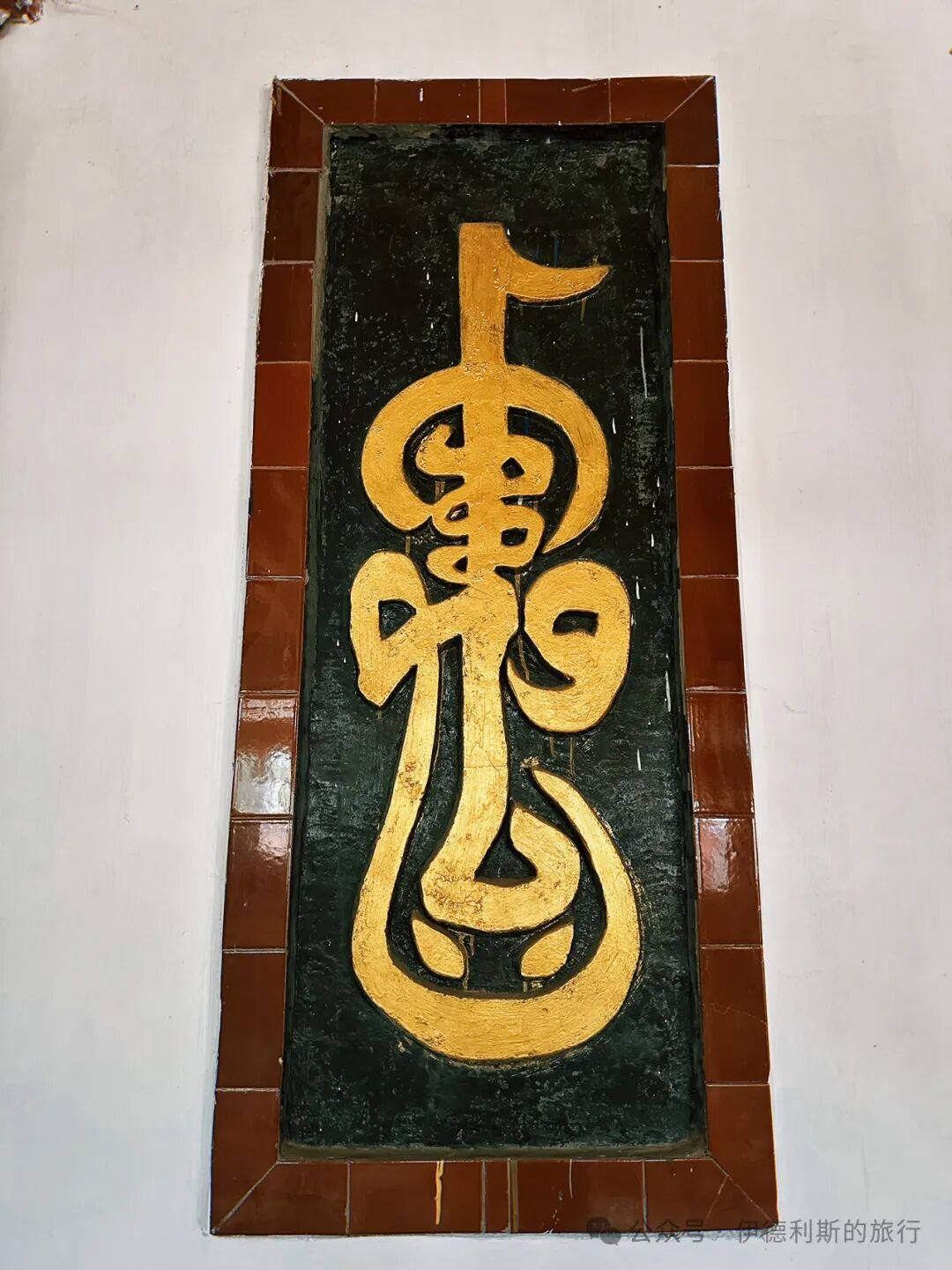
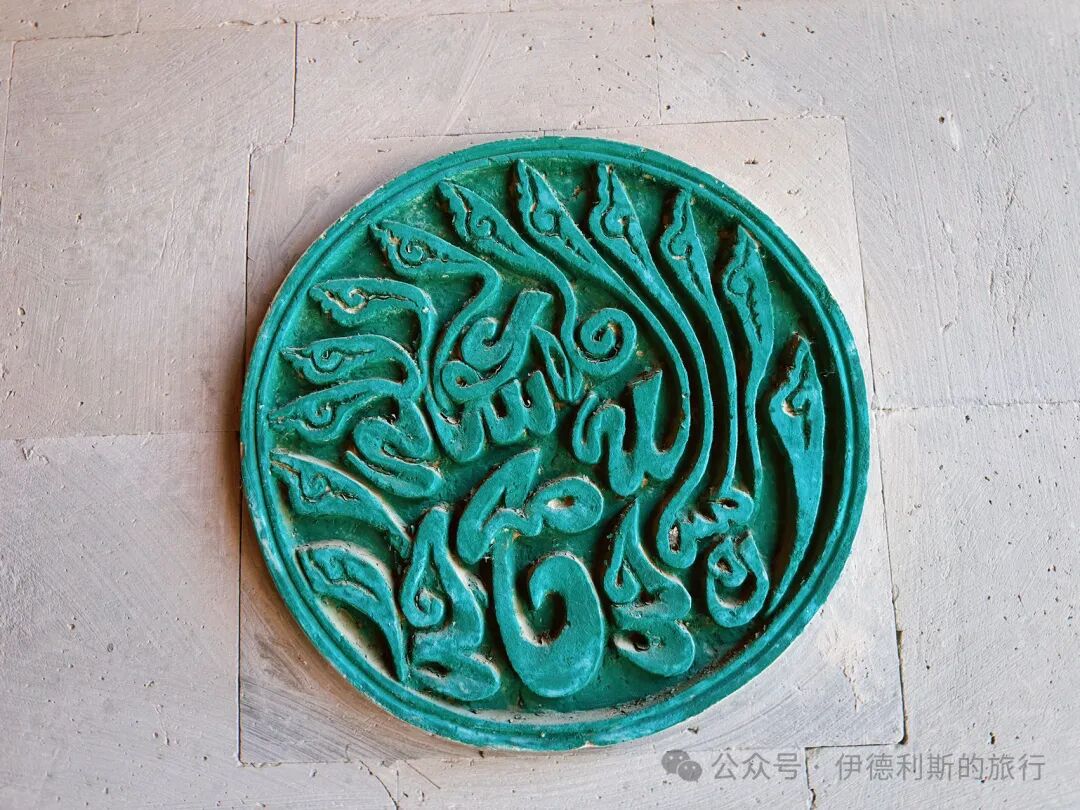
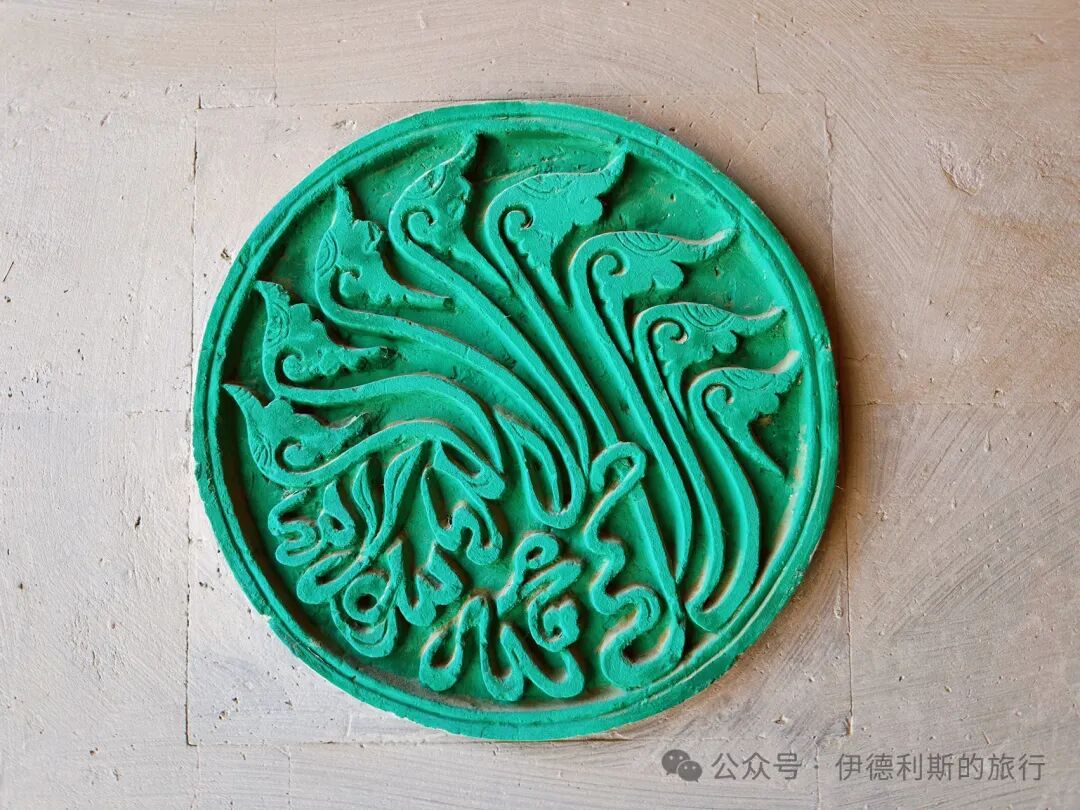
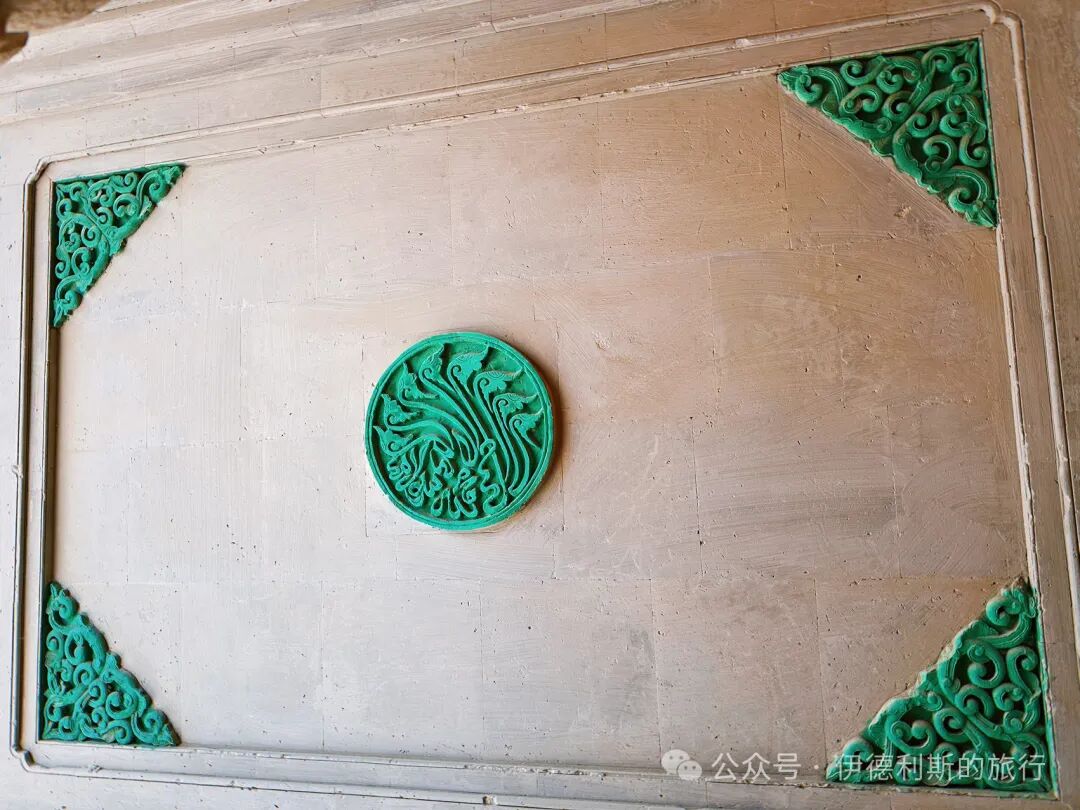
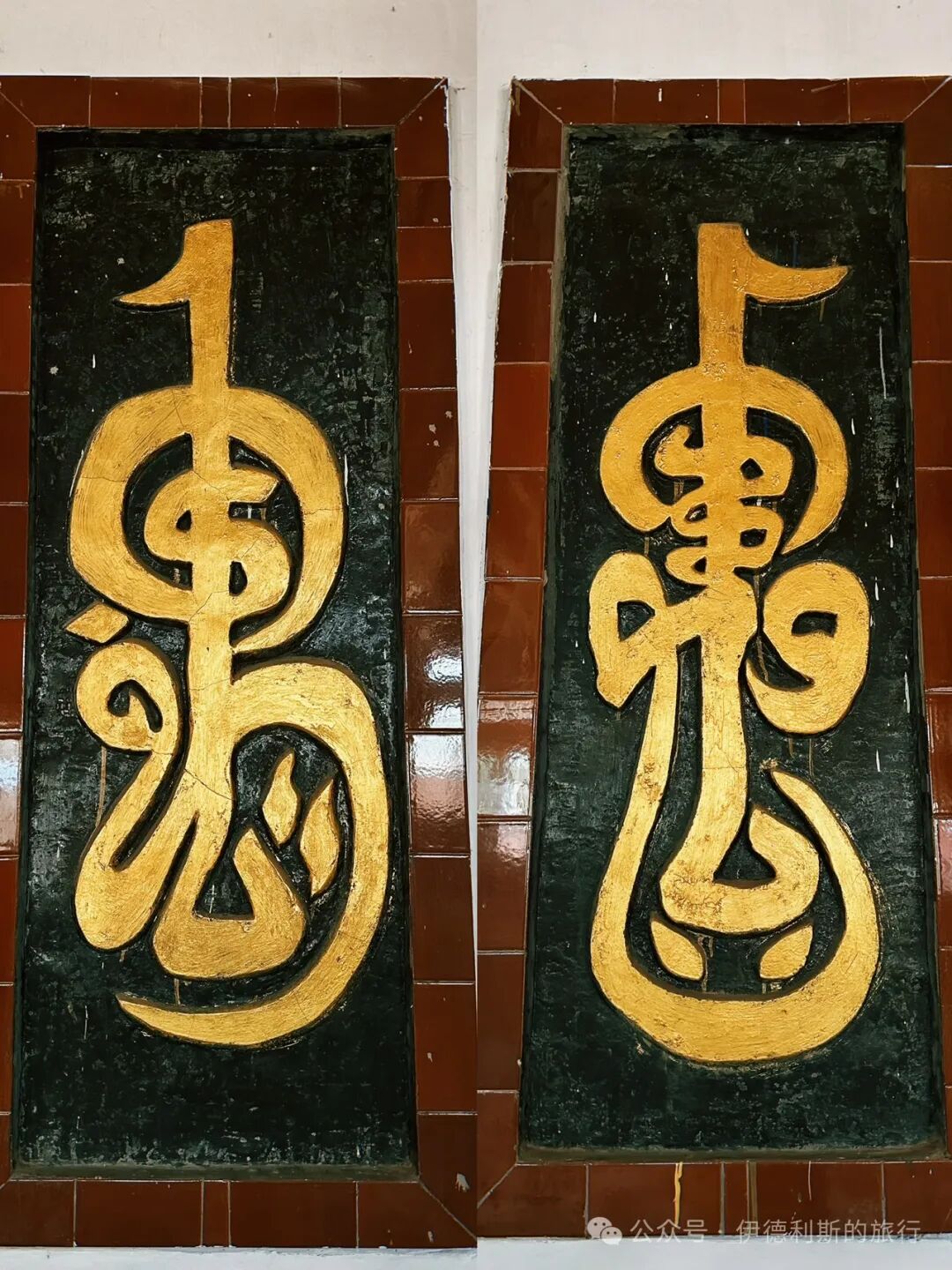
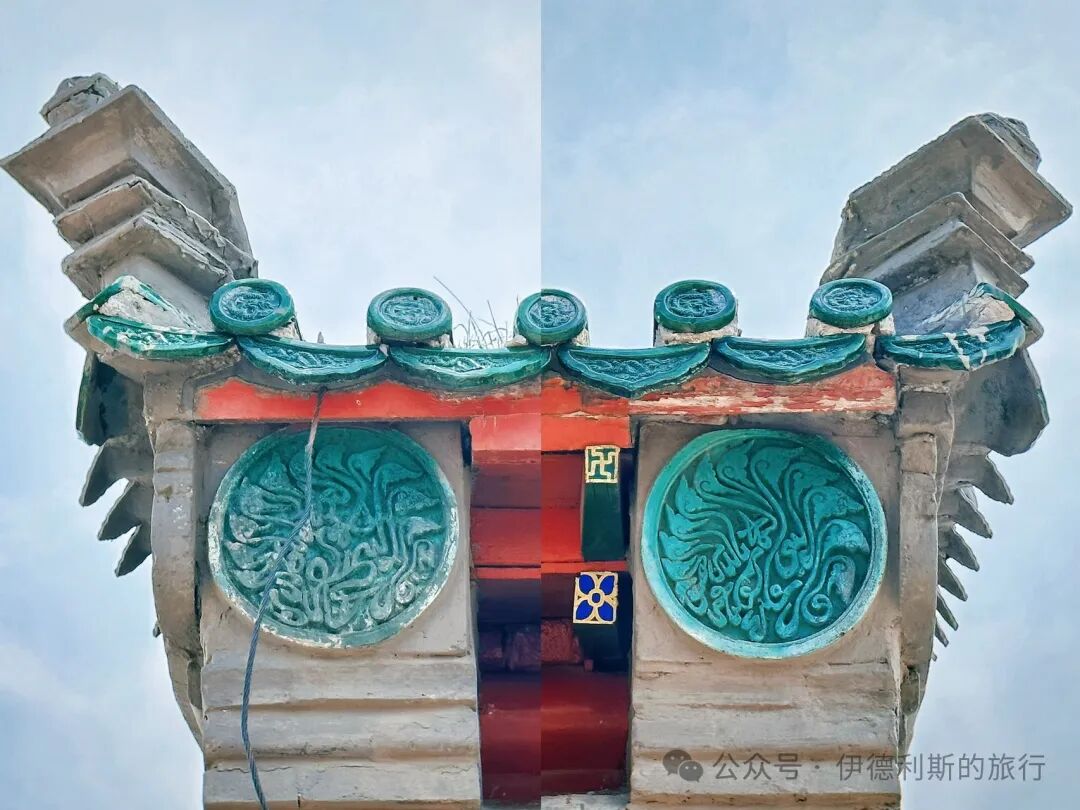
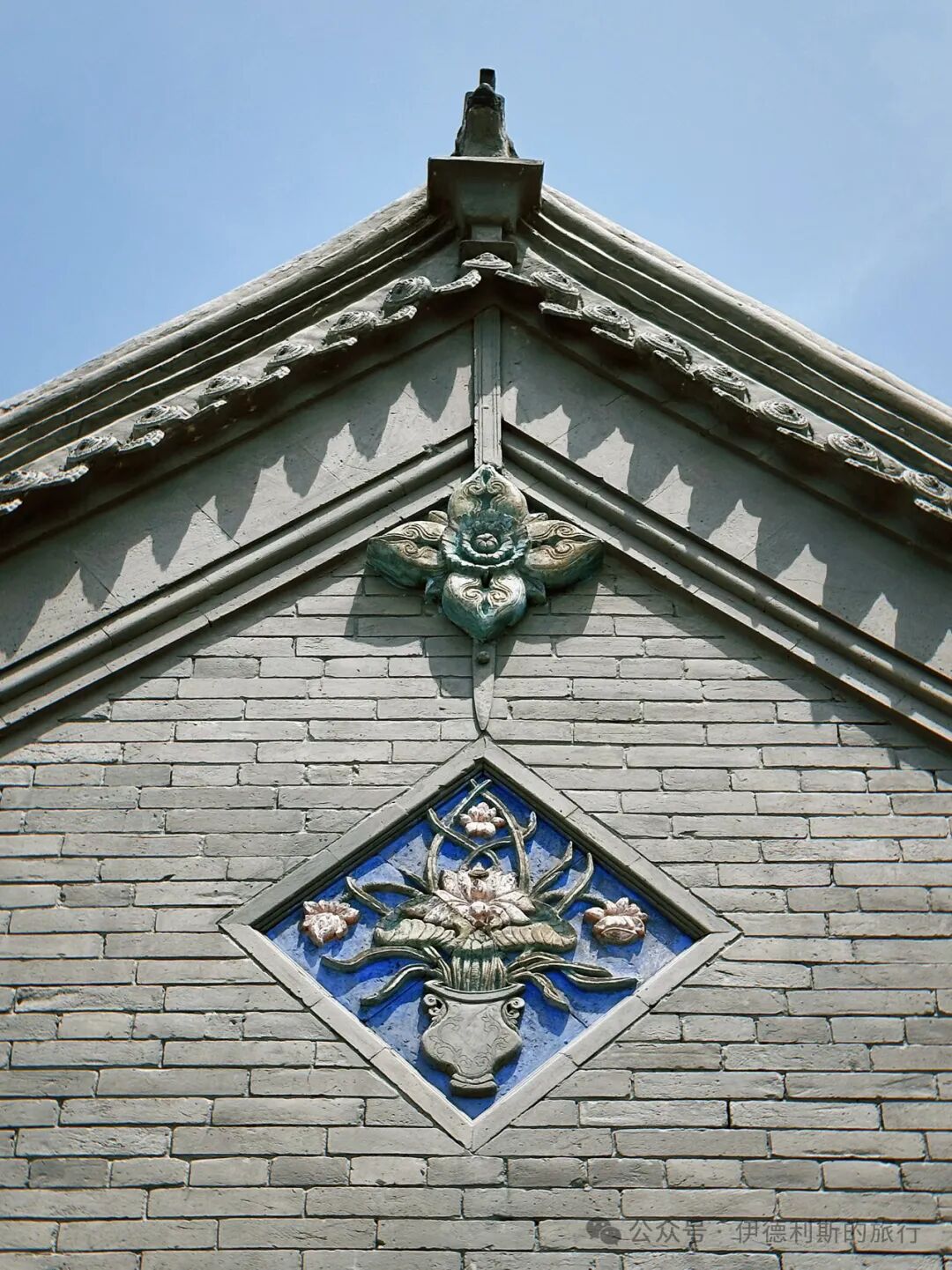
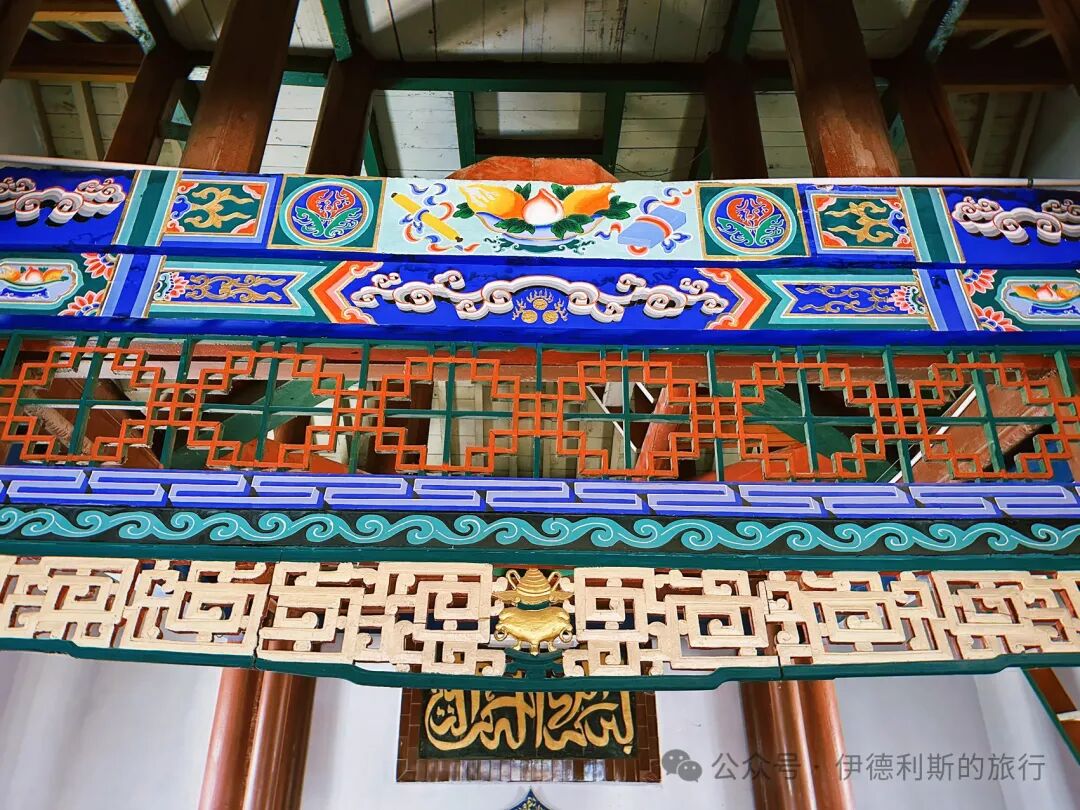
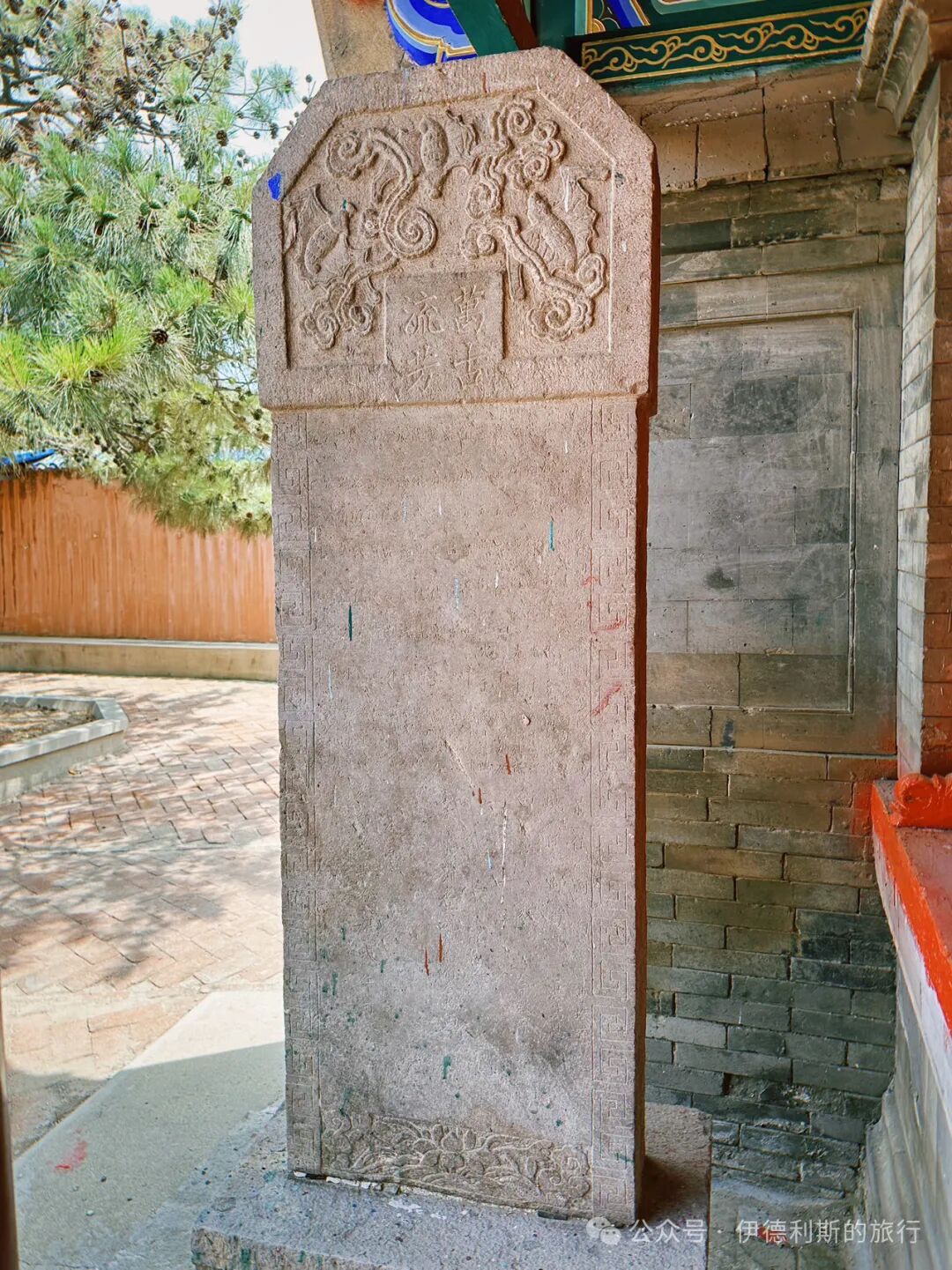
In front of the main hall of Xinlitun Mosque, there are four stone tablets from the Guangxu era renovation that contain a wealth of information about the donors. The 1887 tablet titled "Stele for the Renovation of Xinlitun Mosque" lists the name of General Zuo Baogui, a commander in the Fengtian Army and an anti-Japanese hero. It also mentions Dashan, the leader of the Manchu people during the conflicts between the Manchu and Hui Muslims at that time. This serves as a symbol of how the tensions between the Manchu and Hui Muslims in Xinlitun were resolved during the Guangxu reign.
The "Stele of Surnames and Donation Amounts for the Mosque Renovation" lists the mosques that contributed funds at the time. The sheer number of them is the highest in Northeast China, showing the close connections between the various mosque communities in the region back then.
Fengtian Province: South Mosque, North Mosque, Fumin Hall South Mosque, Fumin Hall North Mosque, Huimintun Mosque, Banlamen Mosque, Guangning Mosque, Qinghemen Mosque, Shaohuying Mosque, Shijiagou Mosque, Huihuitun Mosque, Yizhou City Mosque, Jinzhou Prefecture Mosque, Hongluoxian Mosque, Gaoqiao Town Mosque, Zhonghousuo Mosque, Shanhaiguan Mosque, Laogongwo Three Mosques, Tieling Mosque, Kaiyuan Mosque, and Fakumen Mosque.
Jilin Province: West Mosque, East Mosque, North Mosque, Manjiatun Mosque, Yitong Prefecture Mosque, Yingchengzi Mosque, Ashiha Mosque, Wulajie Mosque, Shanqianhuai Mosque, Kaoshantun Mosque, Nong'an City Mosque, Taipingzhuang Mosque, and Xiaohelong Mosque.
Kulu Street: Public Council, Zhou Junkui, various shop guests, and the mosque.
To the north: Shaodanghang, Niuzhuang City, Haizhou City, Gaizhou City, Fuzhou City, Liaoyang City, Fenghuang City, Xiuyan, Tianzhuangtai, Shegouying, Pikou, Dengshang, Fujiatun, Bajiaotai, and the two forts of Tong and Liu.
There are many halal restaurants in Xinlitun, but many were closed for the Dragon Boat Festival. We bought beef jerky and smoked dried tofu (gan doufu) at Wang Zijing Deli, and both were delicious! The dried tofu is especially tasty when eaten with noodles and baked flatbread (huoshao).
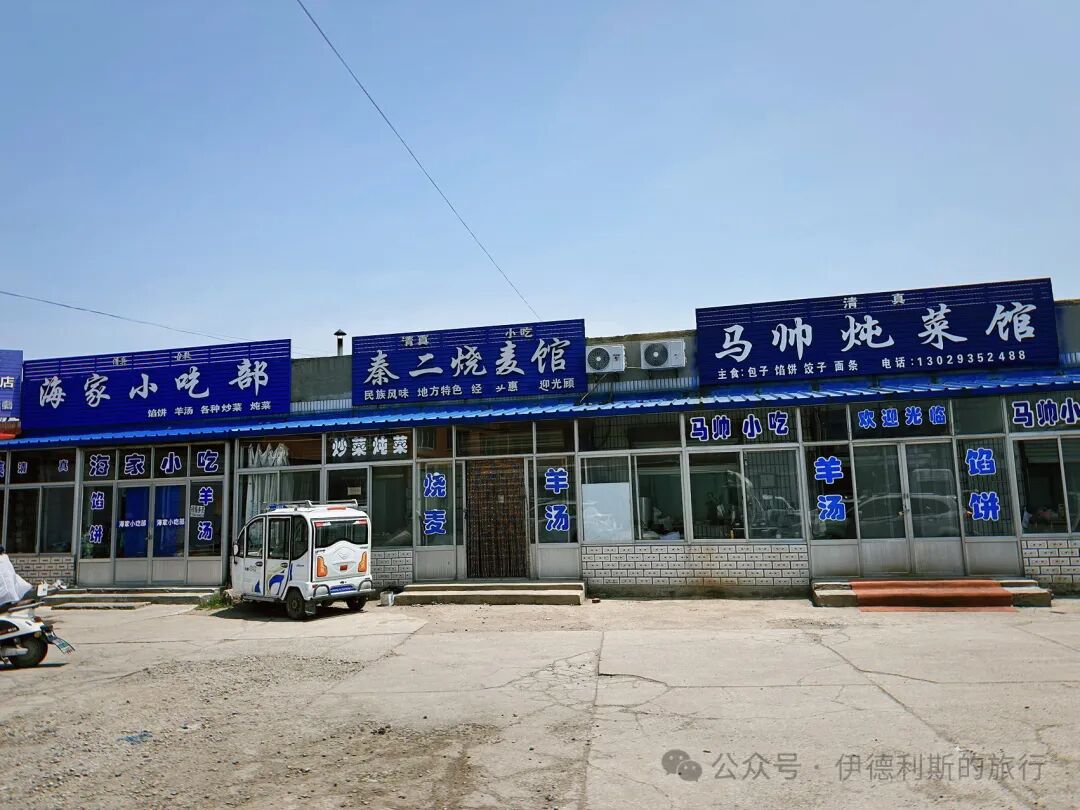
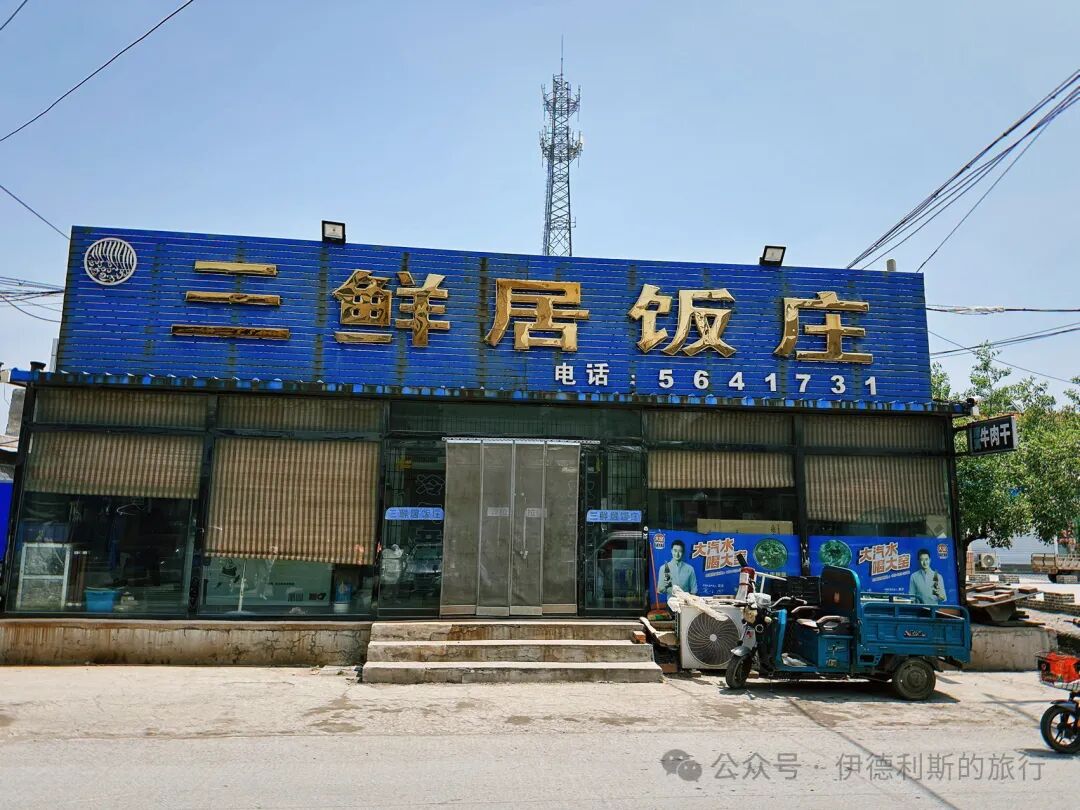
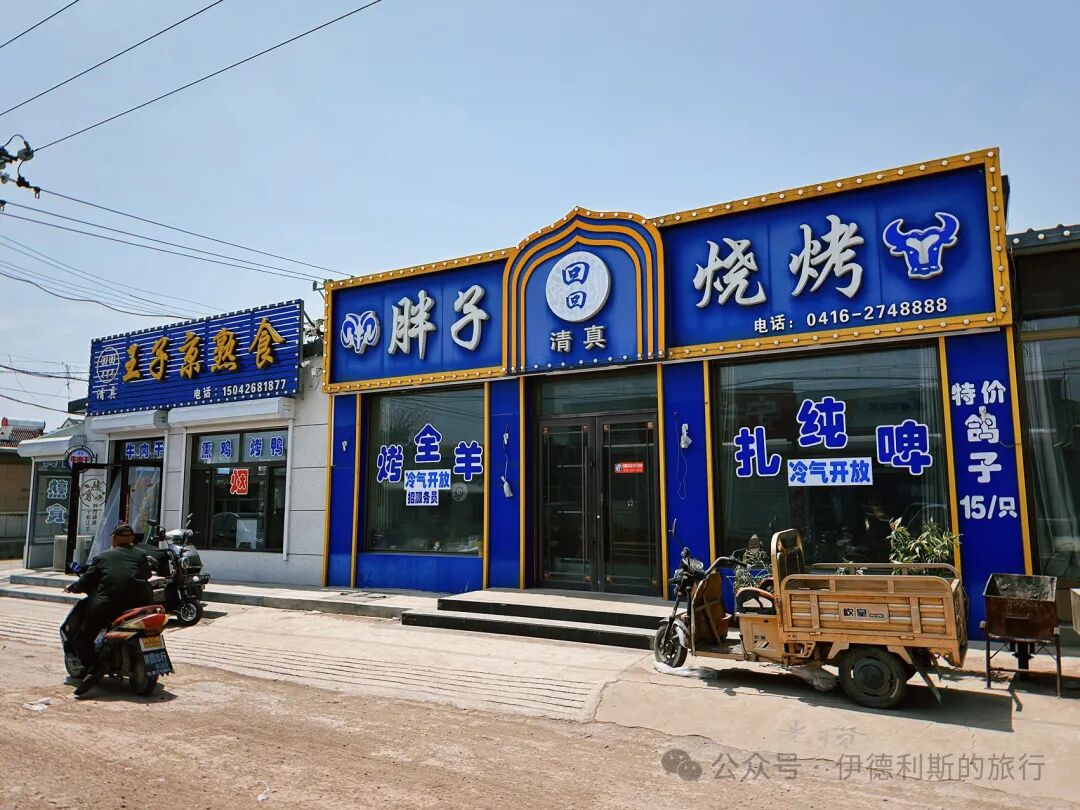
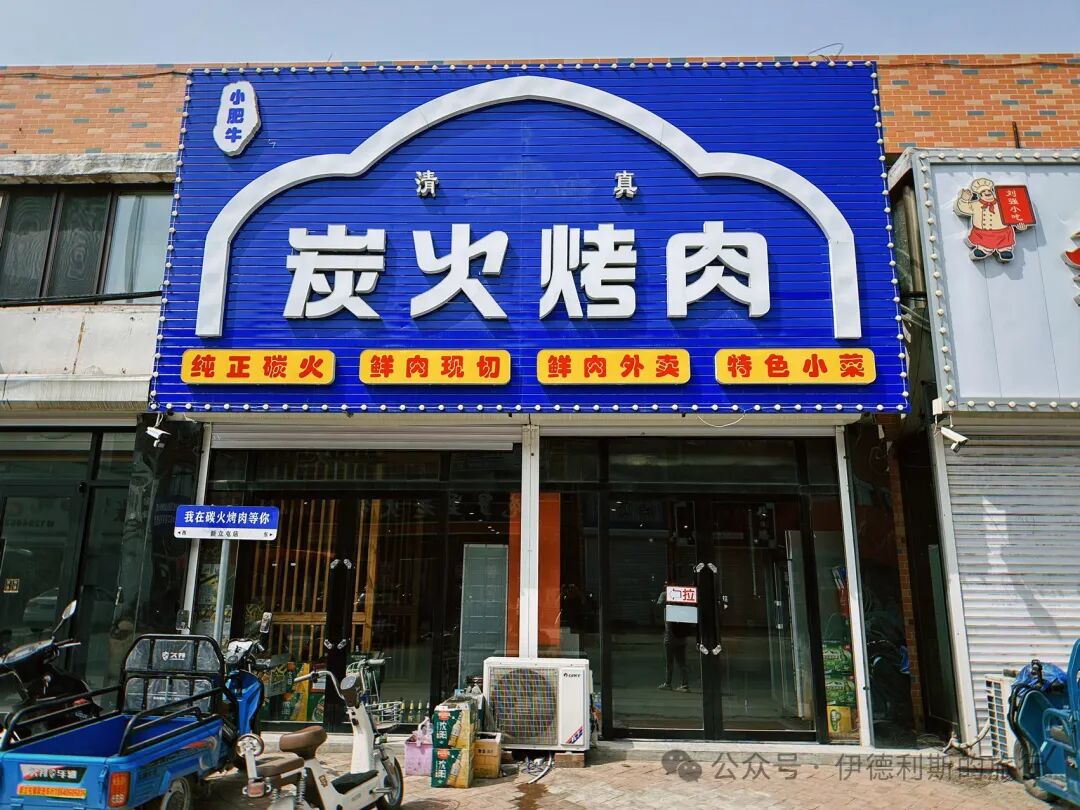
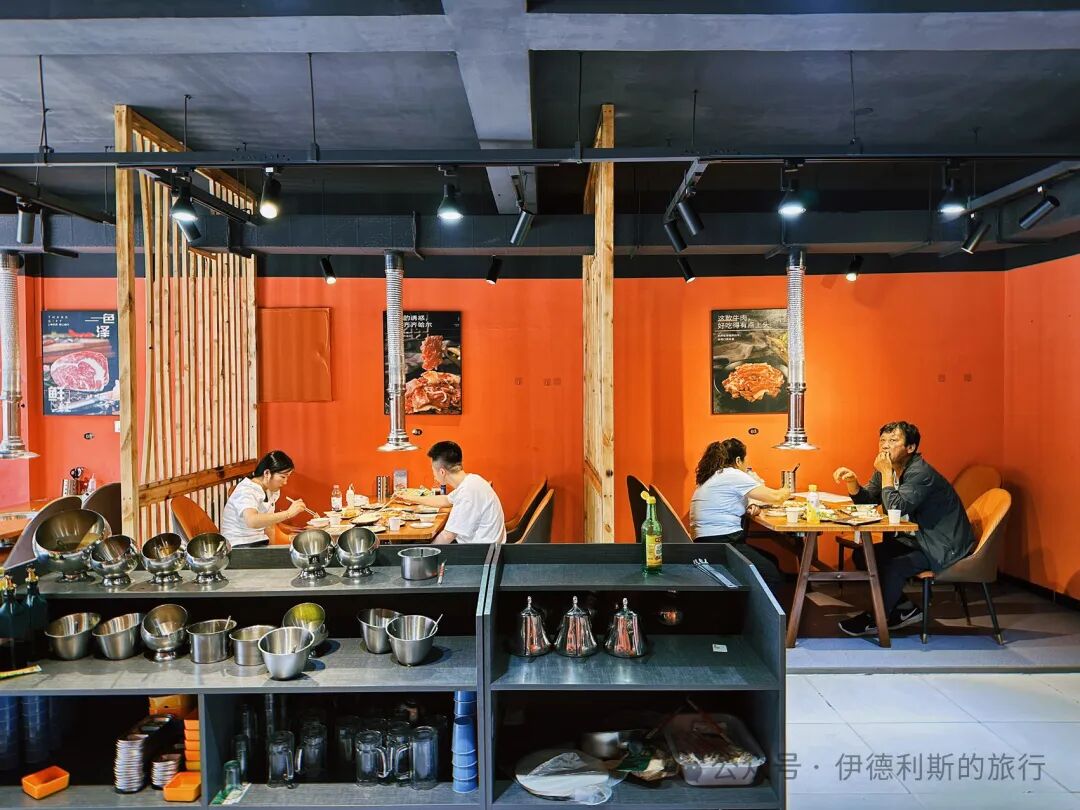
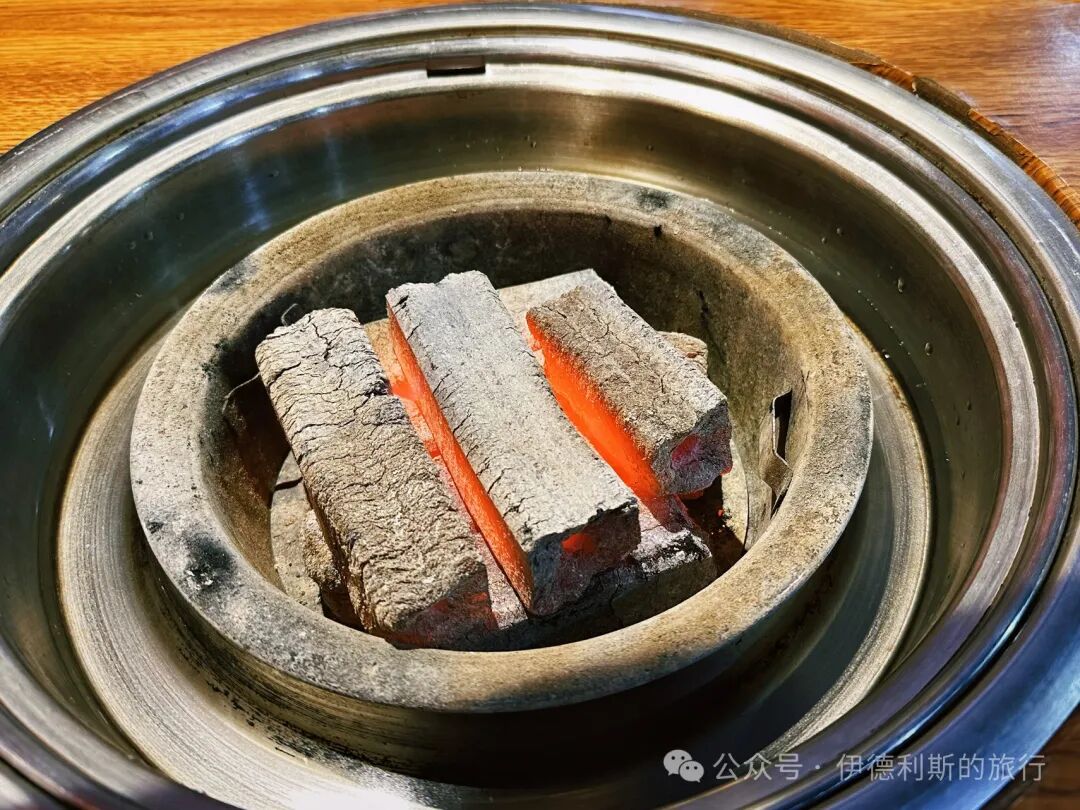
We had charcoal-grilled meat for lunch in Xinmintun; eating barbecue in town is such a great deal. They serve Qiqihar-style barbecue, and since the owner is a cattle butcher, the beef is cheap and tasty. We ordered beef chuck (niu shangnao) and beef rib fingers (niu litiao), which tasted great wrapped in lettuce. We also ordered Northeast-style cold noodles and Korean-style bibimbap; a big bowl of cold noodles is only 10 yuan and will definitely fill you up.
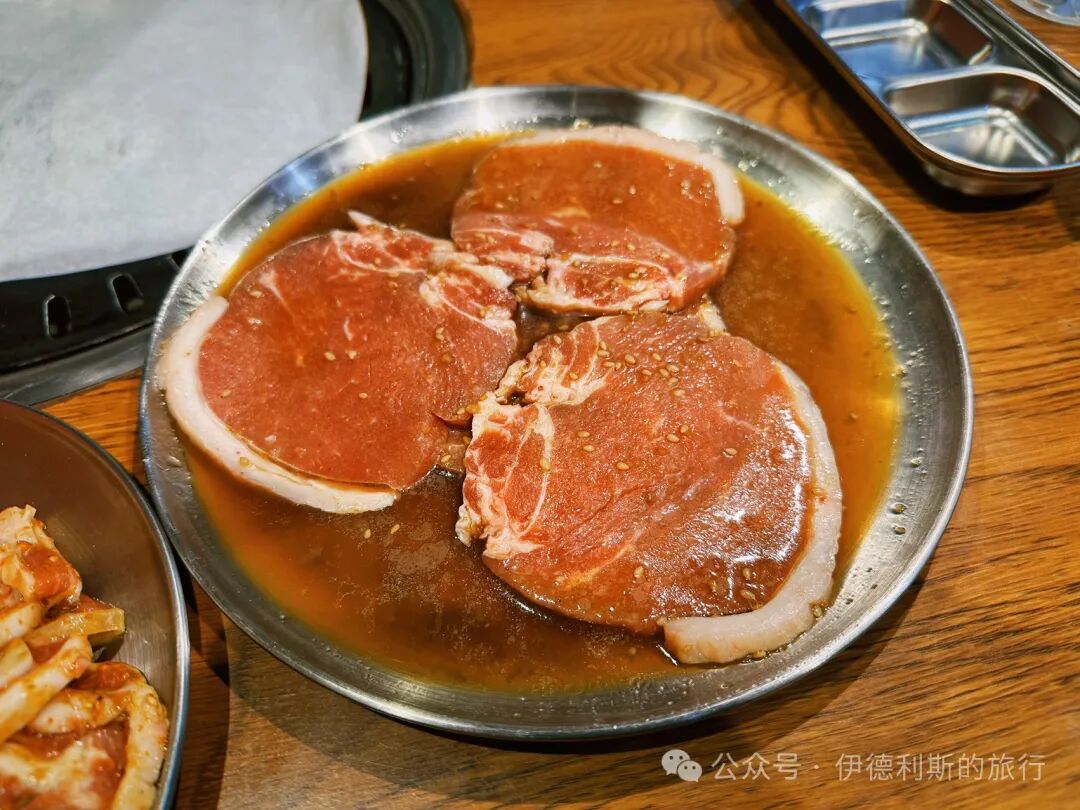
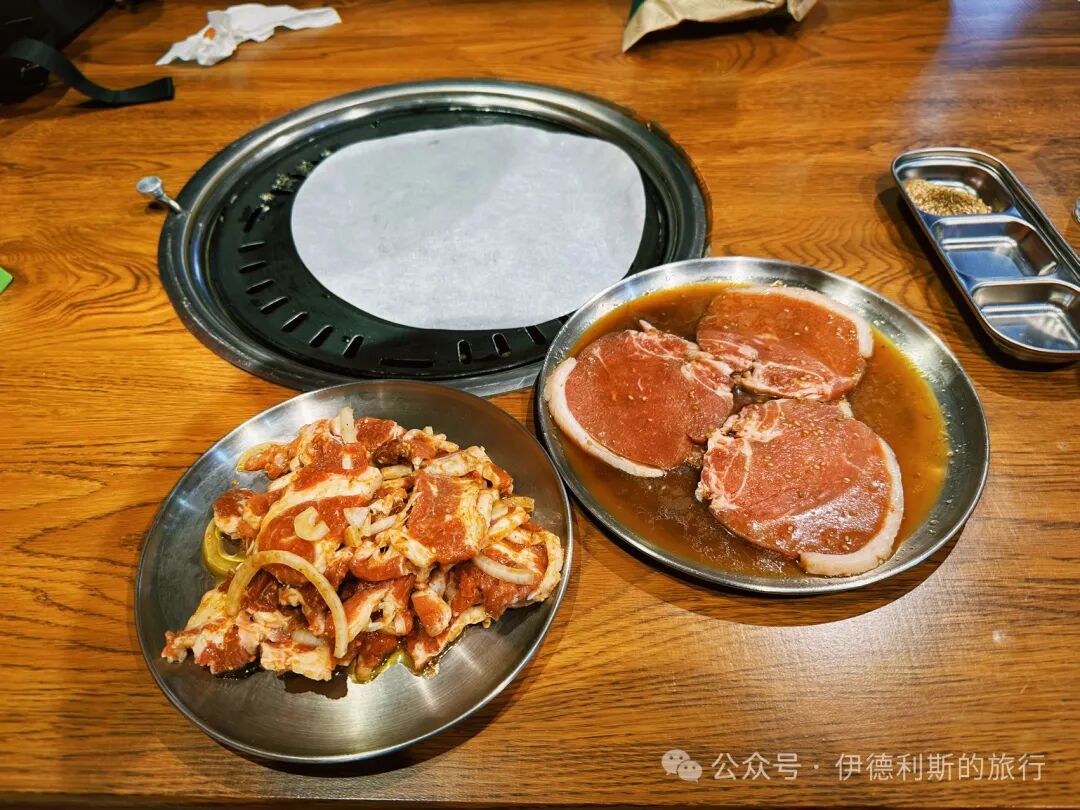
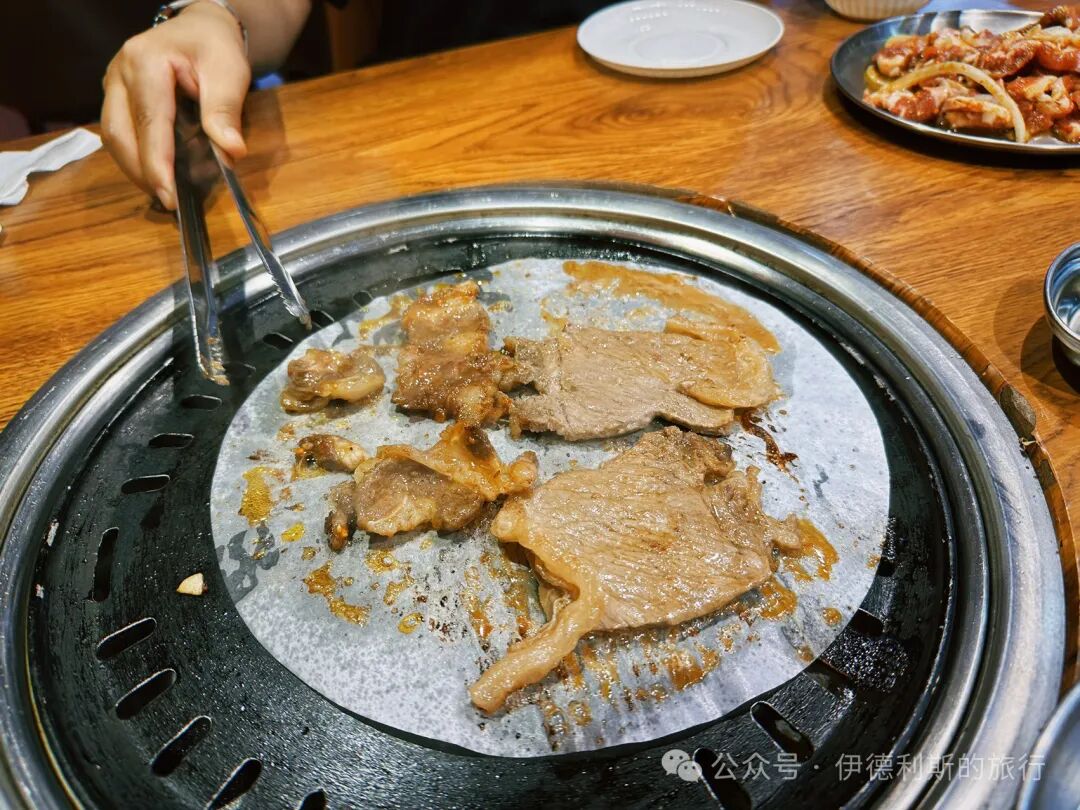
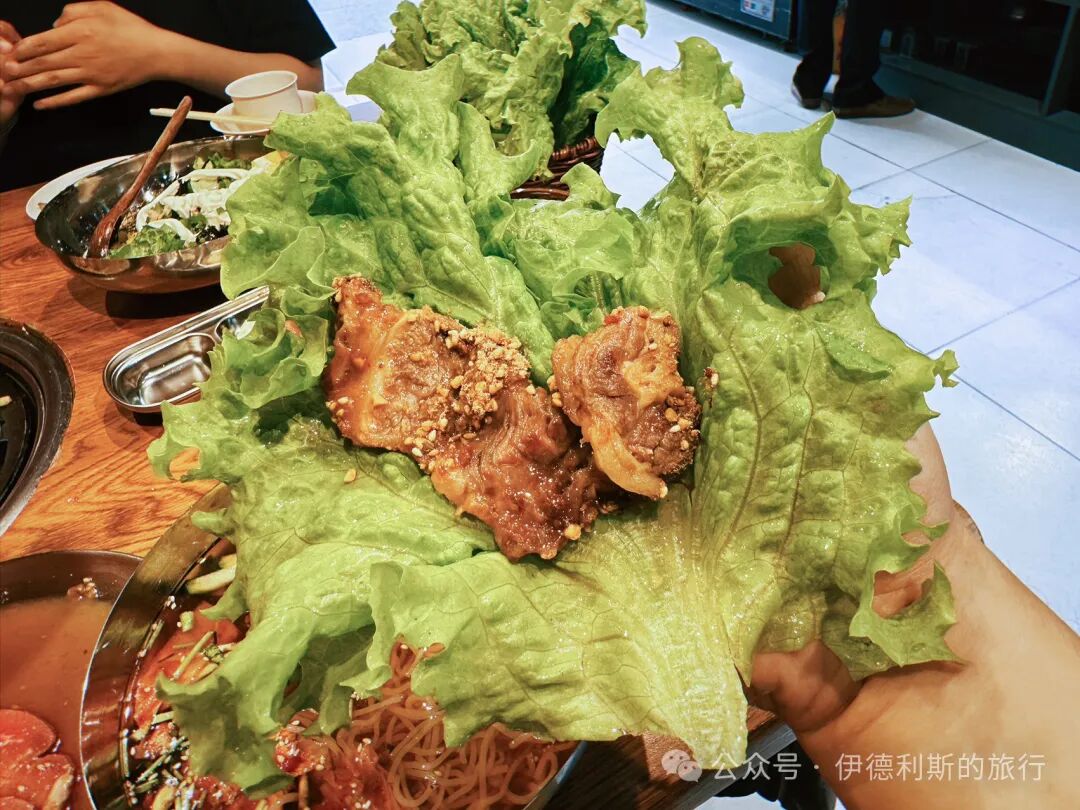
I took a train from Xinlitun Railway Station in the afternoon and arrived at Fuxin South Station. First, I visited the Haizhou Open-pit Mine National Mine Park, then I went to the Fuxin Mosque (Fuxin Si) to pray and perform dua.
The urban area of Fuxin was originally a grassland for the Mongols, and the name Haizhou comes from the Mongolian word for hillside. Coal was discovered in Haizhou in 1913, and it was mined on a small, shallow scale at first. After Japan occupied Fuxin in 1931, they started large-scale open-pit mining and forced many laborers to work there, which quickly turned Fuxin into an industrial city. Fuxin City was officially established in 1940, with the central mining area as its core.
After 1936, the Japanese forced some Hui Muslims from Shandong and Hebei to come to Fuxin to mine coal, and Hui Muslims began to settle in the city. In 1953, the Haizhou Coal Mine was built into the first large-scale open-pit coal mine in New China. It was the largest open-pit coal mine in Asia at the time, and the number of Hui Muslims in Fuxin gradually increased.
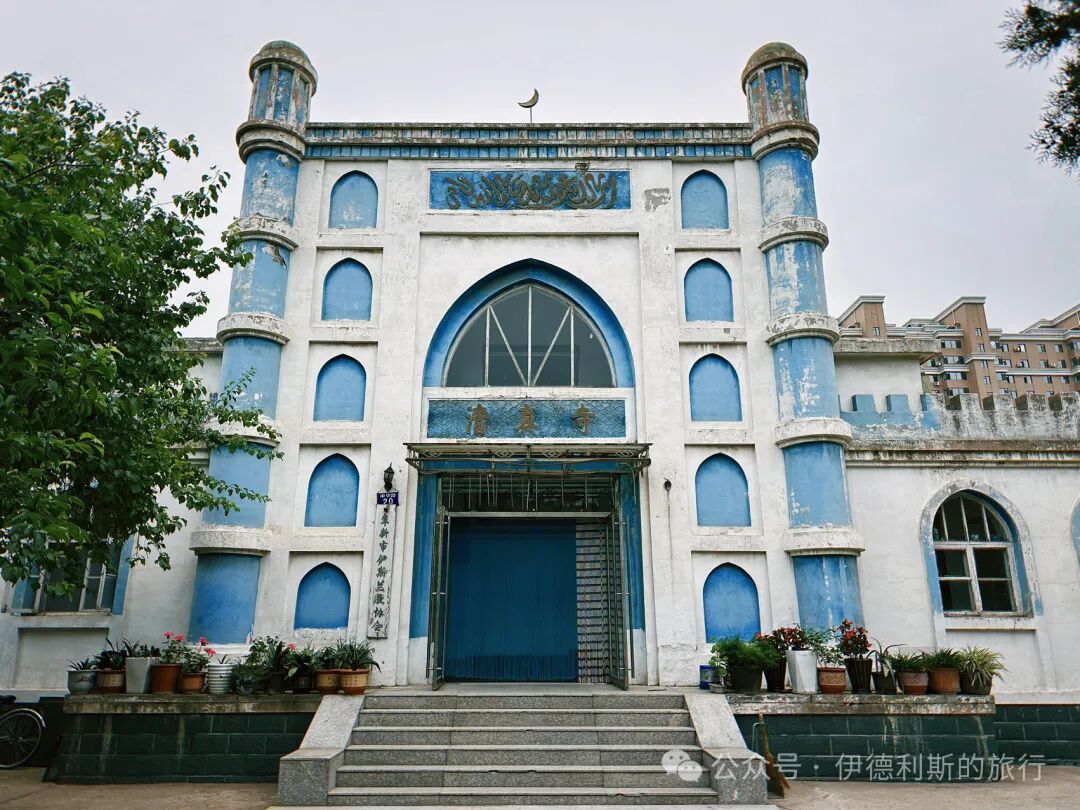
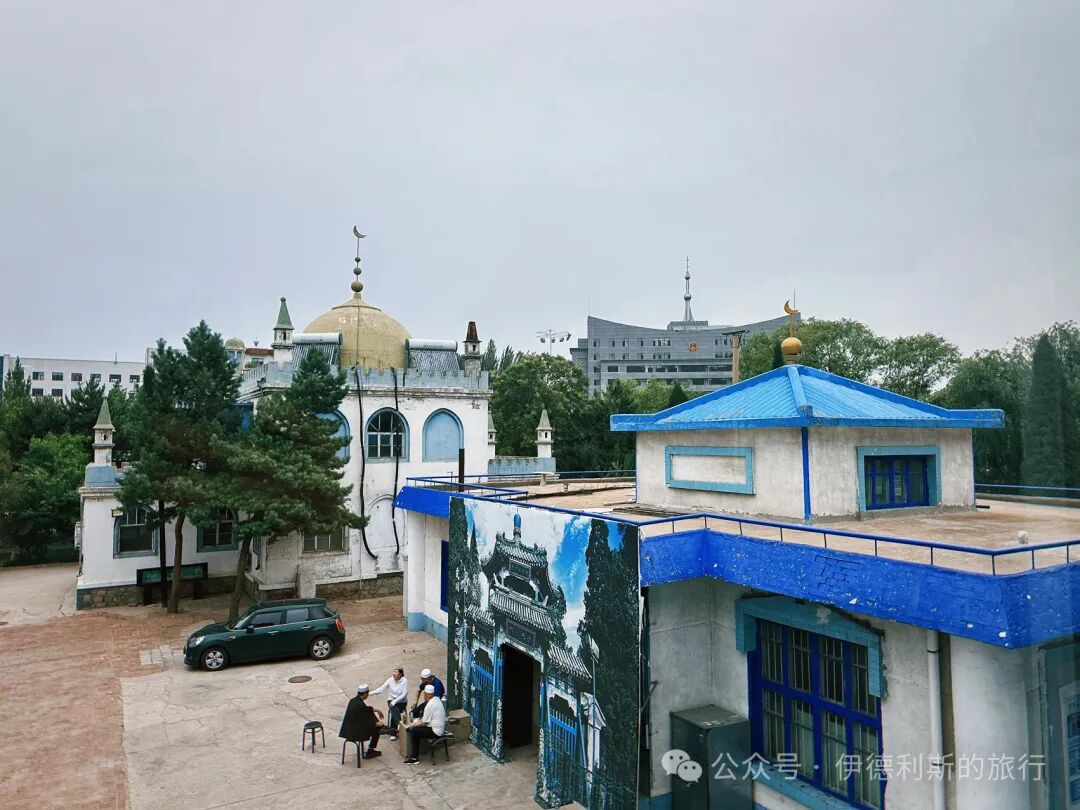
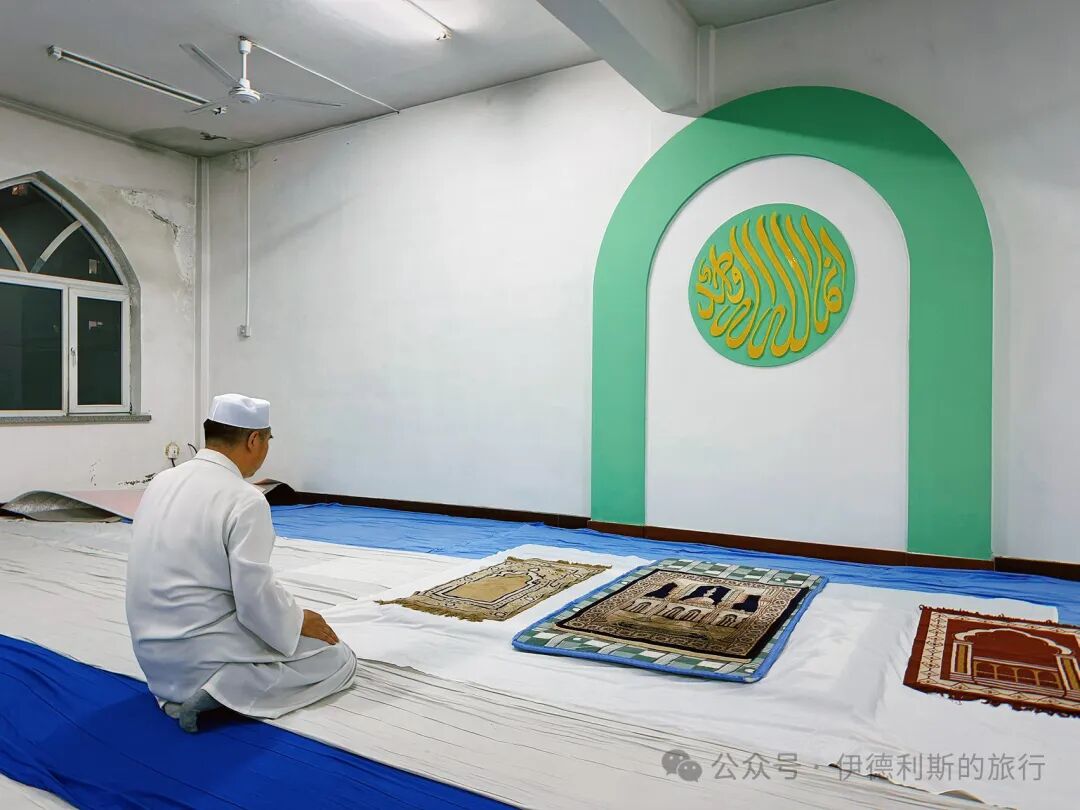
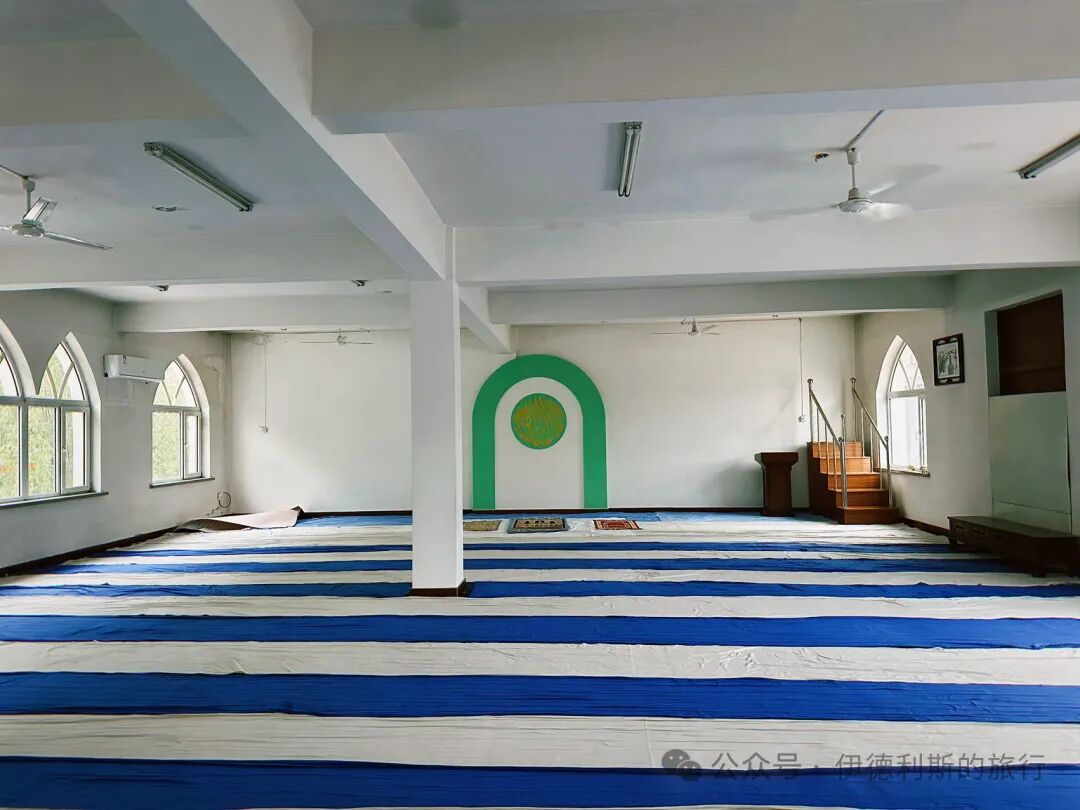
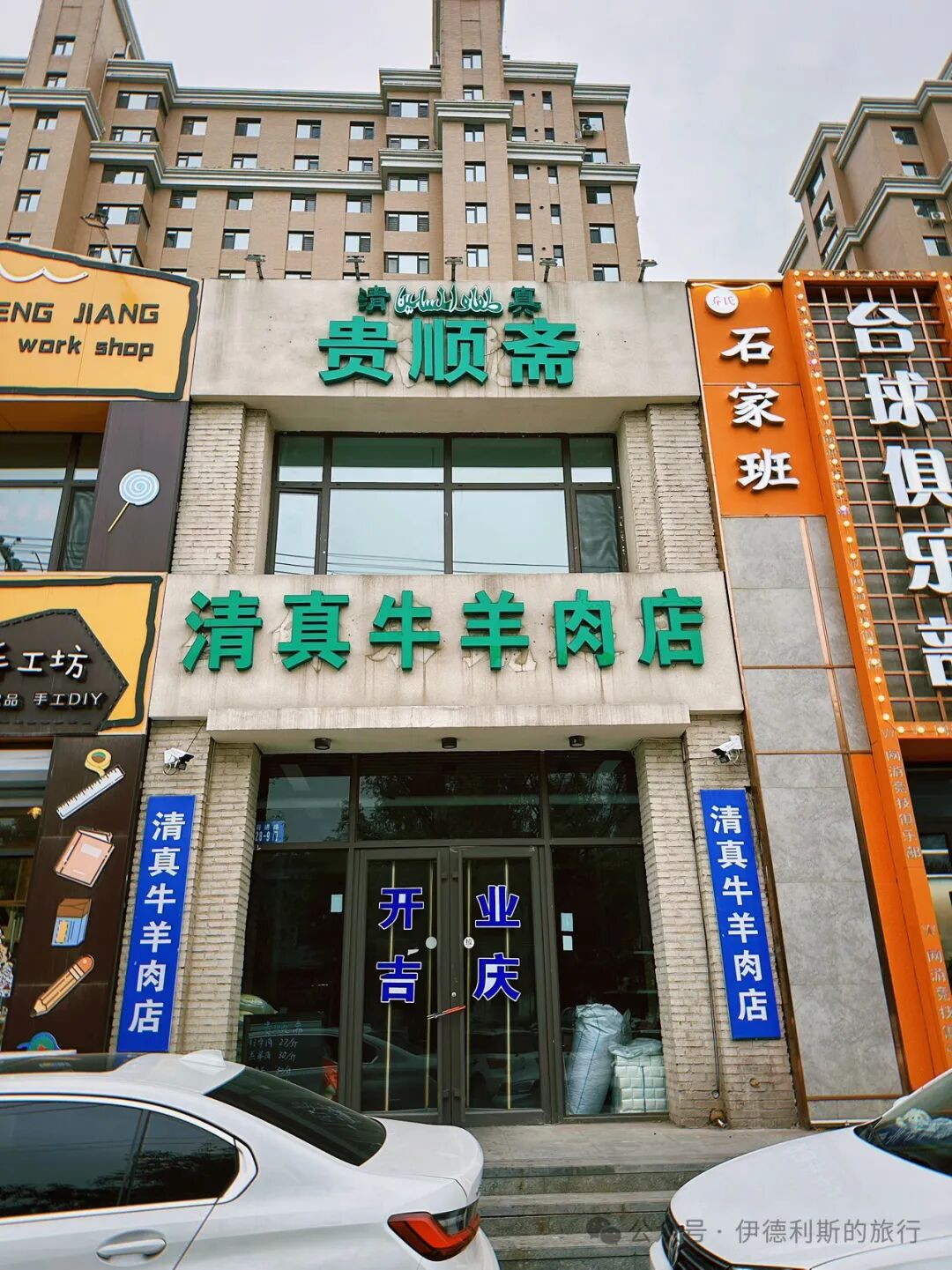
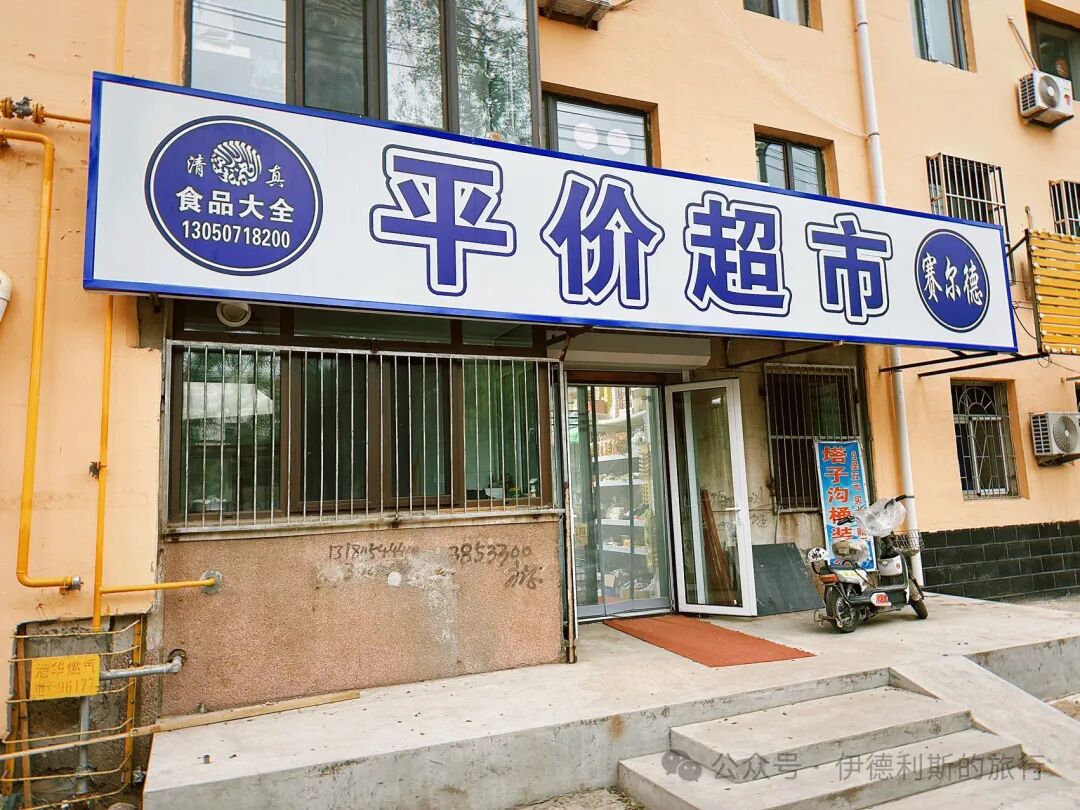
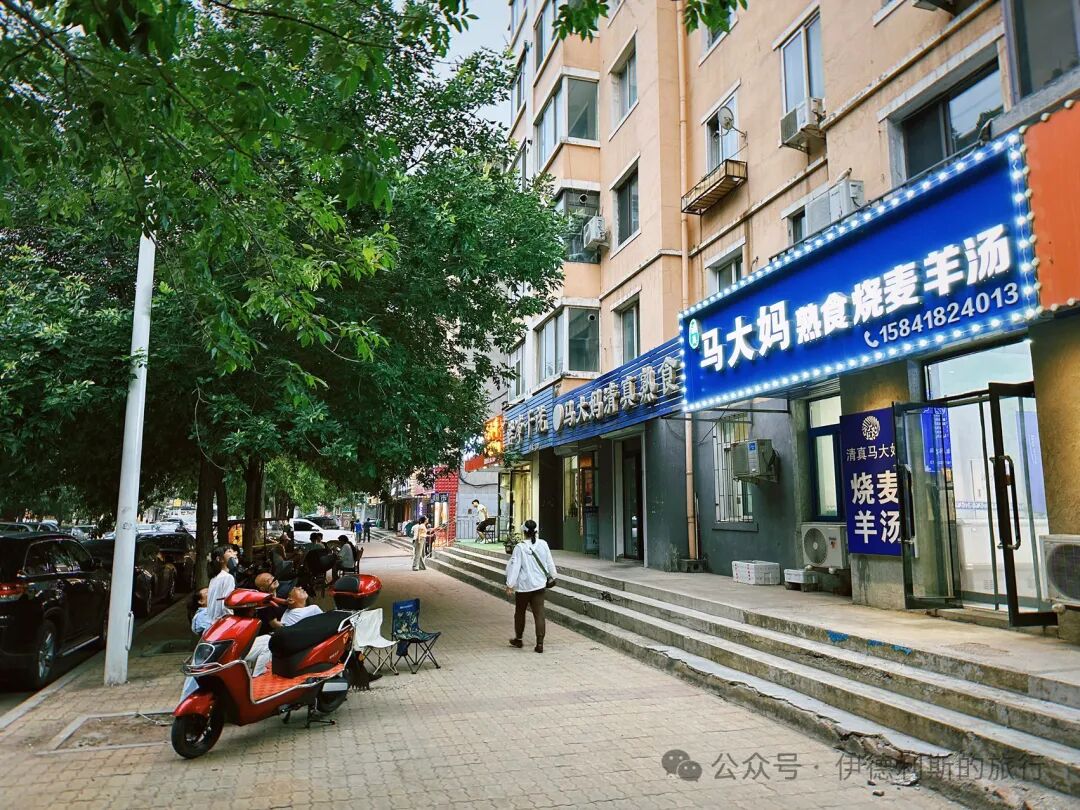
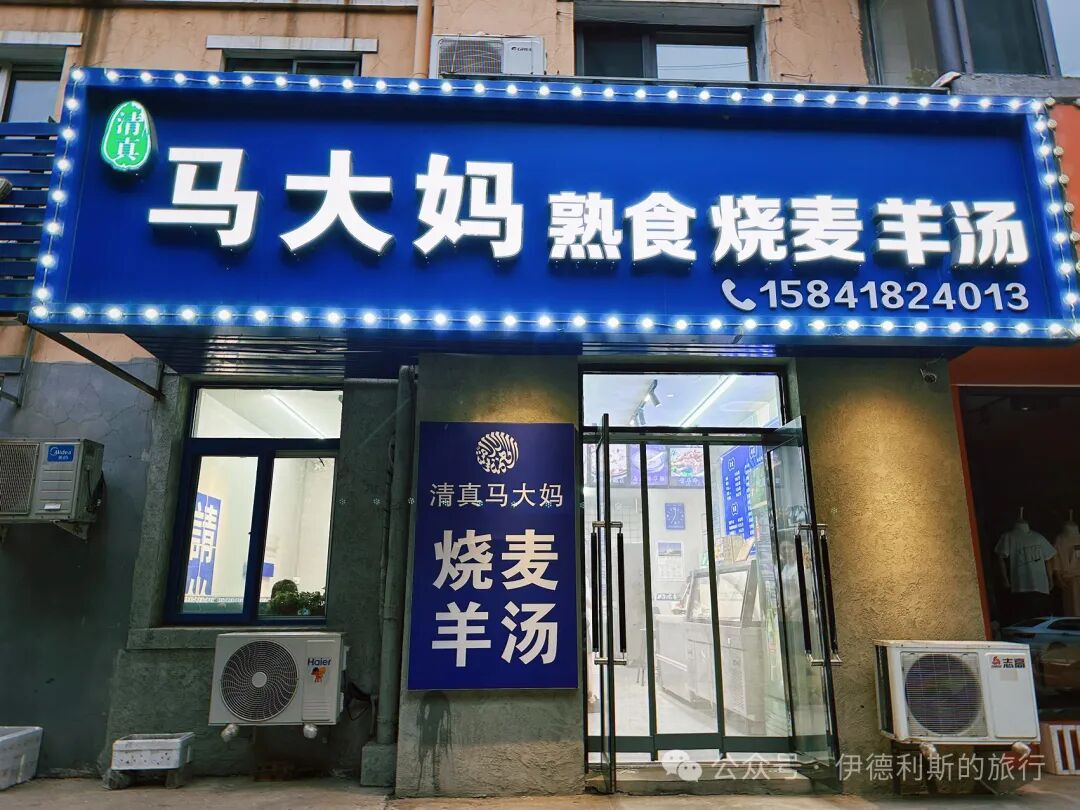
I had dinner at the Daijia Restaurant Huiweizhai near the Fuxin Mosque in the evening. I ordered the braised beef brisket (baxiongkou) with rice, and the shop also served dried tofu (gandoufu) and soybeans on the side. Traditional halal stir-fry dishes in Liaoning are similar to those in Beijing and Tianjin. They all developed from Shandong cuisine (Lucai), so the flavors are quite alike. The various stir-fried dishes go great with rice, and the dried tofu (gandoufu) is delicious.
The Dai family was one of the first groups of Hui Muslims to move to Fuxin. In the second year of the Yongzheng reign of the Qing Dynasty, they traveled from Cangzhou, Hebei, to settle in Qinghemen Town, Fuxin. The Dai family is a major Hui Muslim clan in Cangzhou. According to family records, their ancestor Dai Cheng was originally a Han Chinese Buddhist. He moved from Hongdong County, Shanxi, to Qing County, Cangzhou, in the second year of the Yongle reign of the Ming Dynasty, and later served as the commander of the Pengcheng Guard. Dai Cheng became friends with an imam in Qing County. Influenced by the imam, he eventually converted to Islam. His descendants later led the construction of the Daijiazhuang Mosque in Qing County during the Jiajing reign of the Ming Dynasty.
However, genetic testing of the Dai family's descendants shows their genotype is J2a-MF194043, which belongs to the same branch as the Yin family of Hui Muslims in Cangzhou. This genotype originates from Armenia and is typical of the Hui Muslims from the Western Regions.
Halal Travel Guide: Shenyang and Xinmin - Morning Market, Mosque and Liaoning Food
Articles • ali2007fr posted the article • 0 comments • 211 views • 2026-05-19 09:31
Summary: Halal Travel Guide: Shenyang and Xinmin - Morning Market, Mosque and Liaoning Food is presented here as a firsthand travel account in clear, natural English. The account focuses on Shenyang, Xinmin, Liaoning Travel while preserving the names, places, food, photos, and historical details from the Chinese source.
I went to Liaoning for the Dragon Boat Festival holiday. I took a high-speed train from Beijing Chaoyang Station to Shenyang in the evening. The next morning, I went to the Lijiang Morning Market in Shenyang and had lamb soup (yangtang), steamed dumplings (shaomai), and pan-fried meat pockets (huitou) at Heige Lamb Soup. The breakfast stalls at the morning market are all about great value! Steamed dumplings are 7 yuan a basket, and pan-fried meat pockets are 2 yuan each. It is hard to find prices like this in a restaurant. They wrap and cook everything fresh. The lamb in the soup is fresh meat the owner cuts himself. He slices it thin, and it cooks quickly when swished in the hot soup, keeping it very tender.
Looking at the street scene, many people are also eating breakfast at the meat pie and steamed bun shops in the nearby residential area. You cannot tell from the outside, but they are all full inside.
On the third morning, I visited the Bayi Morning Market in Shenyang. Shenyang really has a lot of morning markets, and every one of them is full of delicious food. We started by eating meat pies (xianbing) and lamb offal soup (yangza) at Yinji Meat Pie and Lamb Offal Shop. The small meat pies were a great deal at 2 yuan each. Walking further, there were all kinds of fresh fruits, vegetables, and seafood, plus stalls selling Tieling beef fire-baked cakes (huoshao) and steamed dumplings (shaomai). Eating breakfast at the morning market really has a great atmosphere.
At the Bayi Morning Market, there were stalls selling spiced beef and beef sauce. The beef sauce looked incredibly delicious! It would definitely taste amazing with steamed buns (mantou) or white rice porridge.
After finishing at the morning market, we took a train from Shenyang Station to Xinmin. Xinmin is located in the northwest of Shenyang. In the early years of the Qianlong reign of the Qing Dynasty, many new immigrants came here to farm during the 'Rush to the Northeast' (Chuang Guandong), which is how the name 'Xinmin' came to be. During the Qianlong reign, many Hui Muslims came to Xinmin, and later in 1765 (the 30th year of Qianlong), they built the Xinmin Mosque in Nanyingzi. The Xinmin Mosque was burned down in 1866 (the 5th year of Tongzhi) and rebuilt in 1883 (the 9th year of Guangxu), which is the structure we see today.
The main structure of Xinmin Mosque consists of a porch (juanpeng), the main prayer hall, a rear vaulted hall (yaodian), and the Moon-Sighting Tower (wangyuelou) on top of the vaulted hall. The Moon-Sighting Tower has a double-eaved, four-cornered pointed roof, topped with a 1.5-meter-tall copper wind-mill finial. The beams of the porch are decorated with Suzhou-style paintings, and the carved wooden screens feature various delicate patterns.
The main gate and side rooms of Xinmin Mosque. Above the main gate hangs a plaque reading "Correct Yourself to Correct Others," erected in the ninth year of the Guangxu reign by Liu Dianyuan, a garrison commander with the rank of blue-feathered guard.
There are three plaques in front of the main prayer hall. The first is the "Unique for All Eternity" plaque, erected in the twelfth year of the Tongzhi reign by Zhang Delu, a military general; Ha Zhongguang, a hereditary cavalry captain; and Ma Shaochun, a magistrate candidate.
The second is the "Focus and Unify" plaque, erected in the ninth year of the Guangxu reign by Ding Chunxi, a military officer and decorated warrior.
The third plaque is inscribed with 'Sincere Heart and Respectful Mind' (Chengyi Jingxin), presented in the ninth year of the Guangxu reign by Zuo Baogui, a decorated commander and provincial military leader in charge of the Fengtian garrison. Zuo Baogui was a famous general and anti-Japanese hero during the late Qing Dynasty. He led his troops to garrison Fengtian in 1875 (the first year of the Guangxu reign) and began commanding the Fengtian Army in 1880 (the fifth year of the Guangxu reign). Zuo Baogui was stationed in Fengtian for twenty years. During this time, he was devoted to his faith, supported public welfare and education, donated to build many mosques, set up charity schools and porridge kitchens, and wrote plaques for many mosques.
The main hall of Xinmin Mosque features beautiful calligraphy in the flowing script style on its mihrab, minbar, and roof ends. This is a traditional Chinese calligraphy style that originated in Shandong during the Ming and Qing dynasties and flourished in Northeast China along with the Shandong school.
Qing Dynasty stone door bases and stone tablets are piled up in the backyard of Xinmin Mosque. Among them, a stone tablet from the Tongzhi reign period records a contract for a cemetery, including the names of donors and the boundaries of the land. The inscription on the tablet also makes a precious mention of the now-vanished North Xinmin Mosque. Xinmin North Mosque was built in 1853 (the 15th year of the Daoguang reign). Its kiln-style hall featured a double-eaved moon-viewing tower, but it was destroyed between the 1960s and 1970s.
Around Xinmin Mosque, you can see halal restaurants with signs for the Jin, Bai, and Yang families. These are common surnames among Hui Muslims in the eastern region. We took a break at one of the breakfast shops and had some millet porridge and soy milk. The dried tofu (gan doufu) in Liaoning is really delicious. view all
Summary: Halal Travel Guide: Shenyang and Xinmin - Morning Market, Mosque and Liaoning Food is presented here as a firsthand travel account in clear, natural English. The account focuses on Shenyang, Xinmin, Liaoning Travel while preserving the names, places, food, photos, and historical details from the Chinese source.
I went to Liaoning for the Dragon Boat Festival holiday. I took a high-speed train from Beijing Chaoyang Station to Shenyang in the evening. The next morning, I went to the Lijiang Morning Market in Shenyang and had lamb soup (yangtang), steamed dumplings (shaomai), and pan-fried meat pockets (huitou) at Heige Lamb Soup. The breakfast stalls at the morning market are all about great value! Steamed dumplings are 7 yuan a basket, and pan-fried meat pockets are 2 yuan each. It is hard to find prices like this in a restaurant. They wrap and cook everything fresh. The lamb in the soup is fresh meat the owner cuts himself. He slices it thin, and it cooks quickly when swished in the hot soup, keeping it very tender.
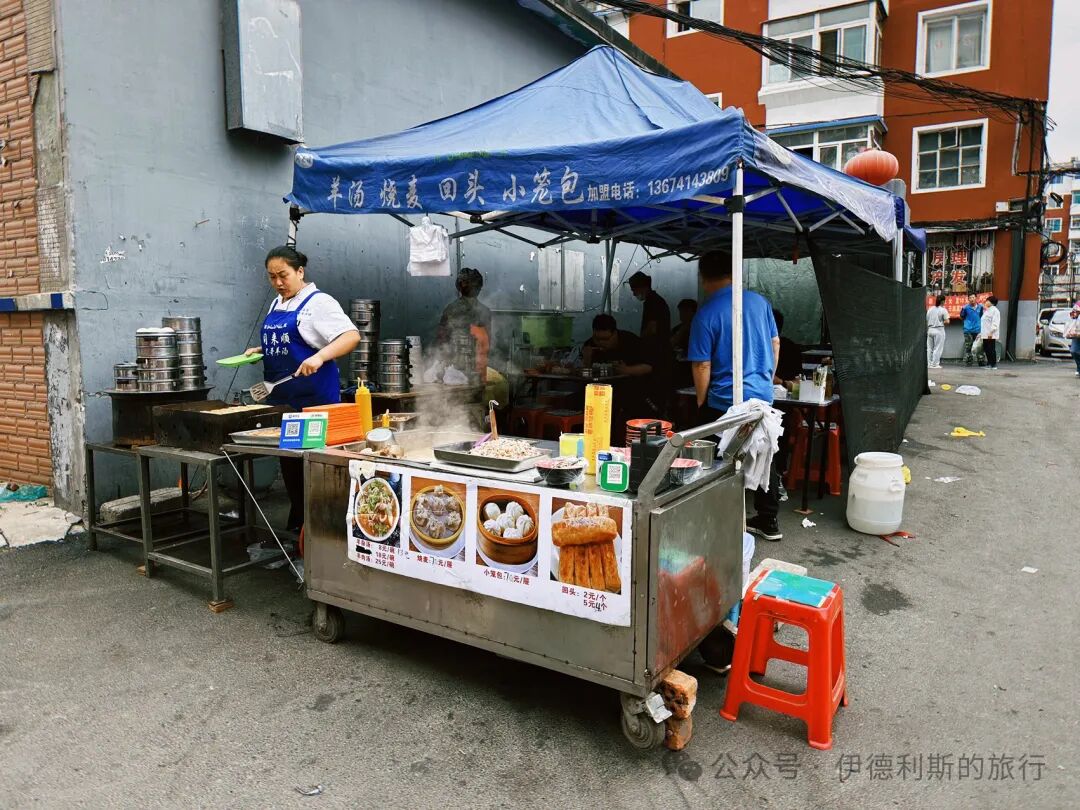
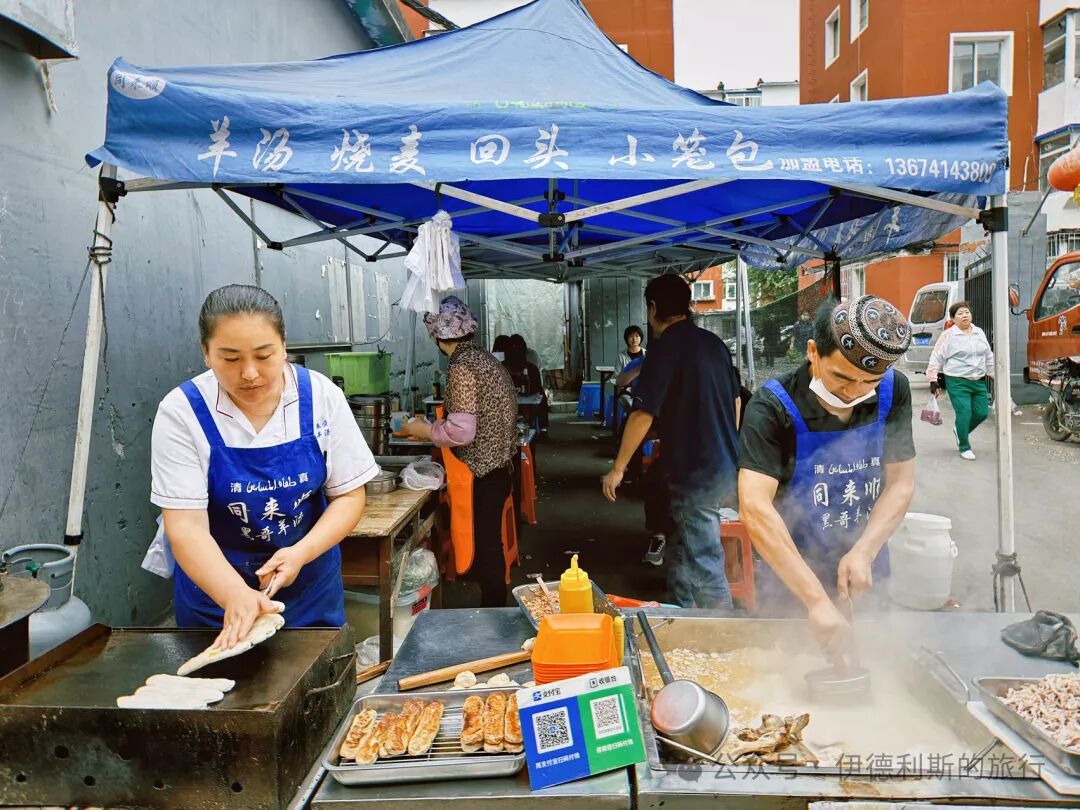
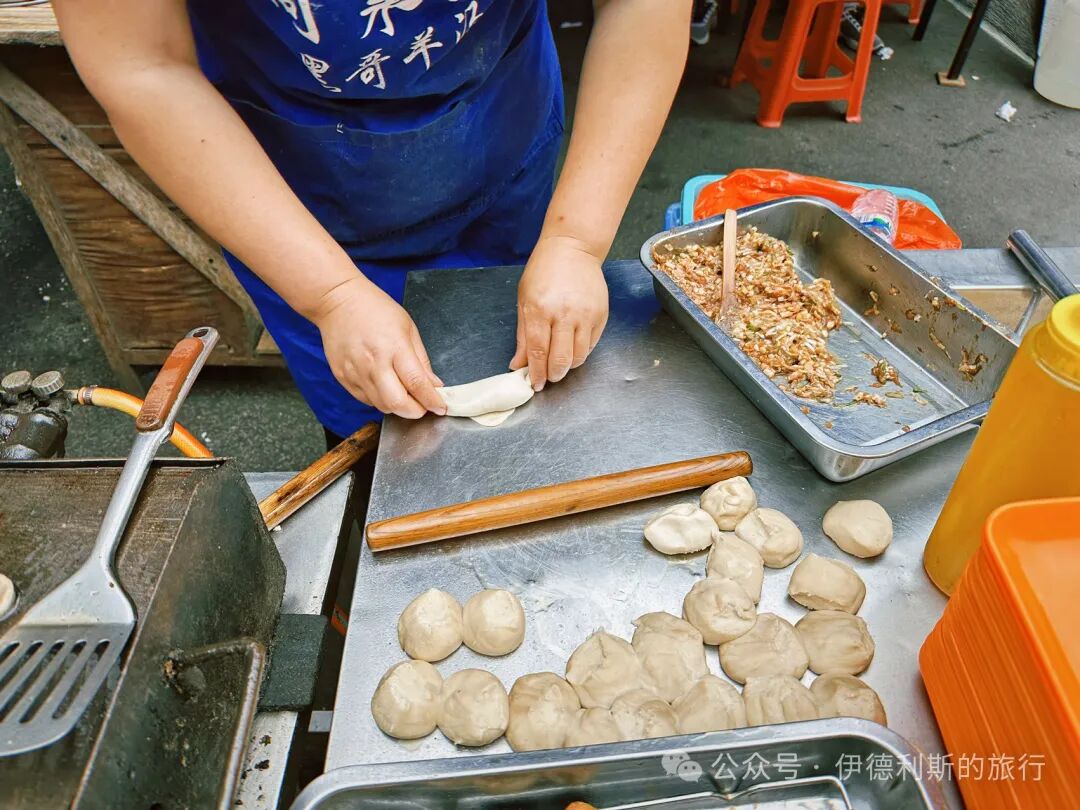
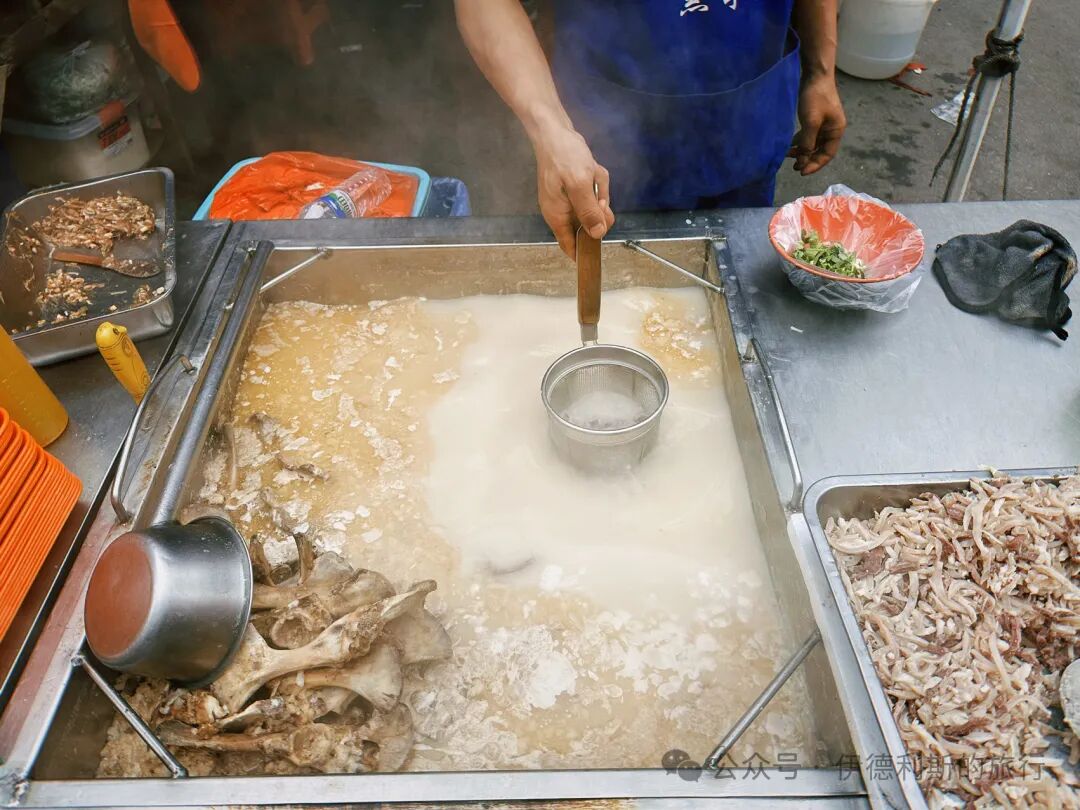
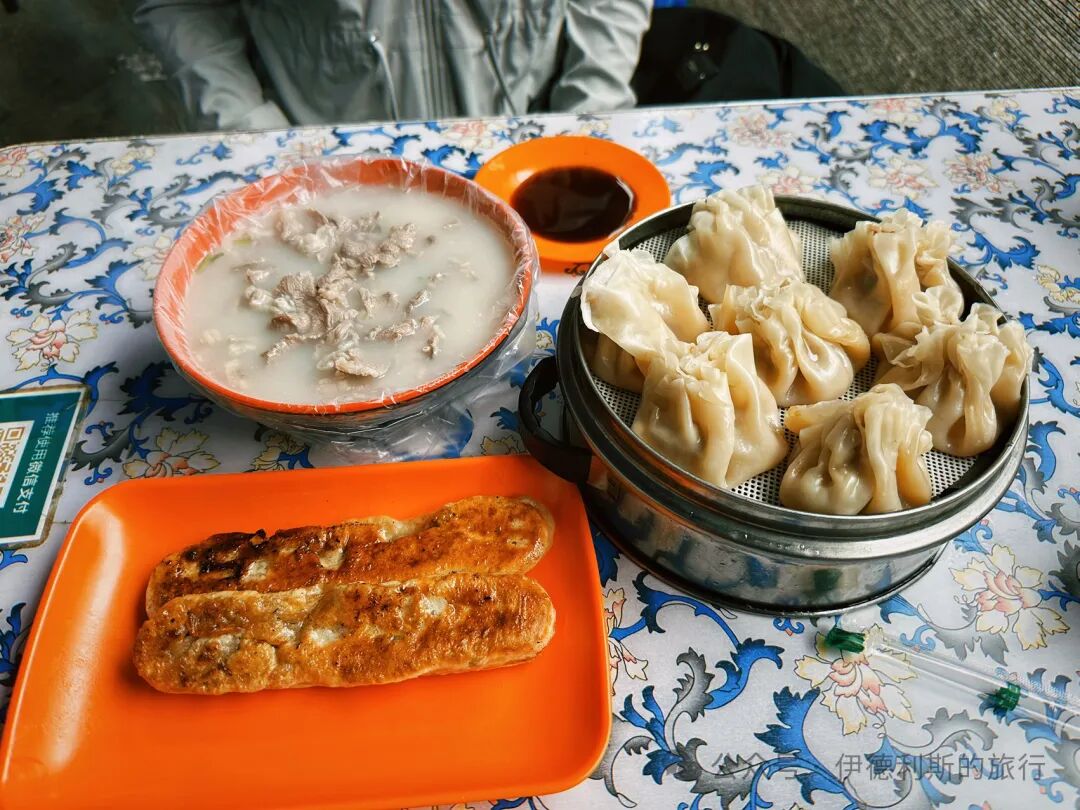
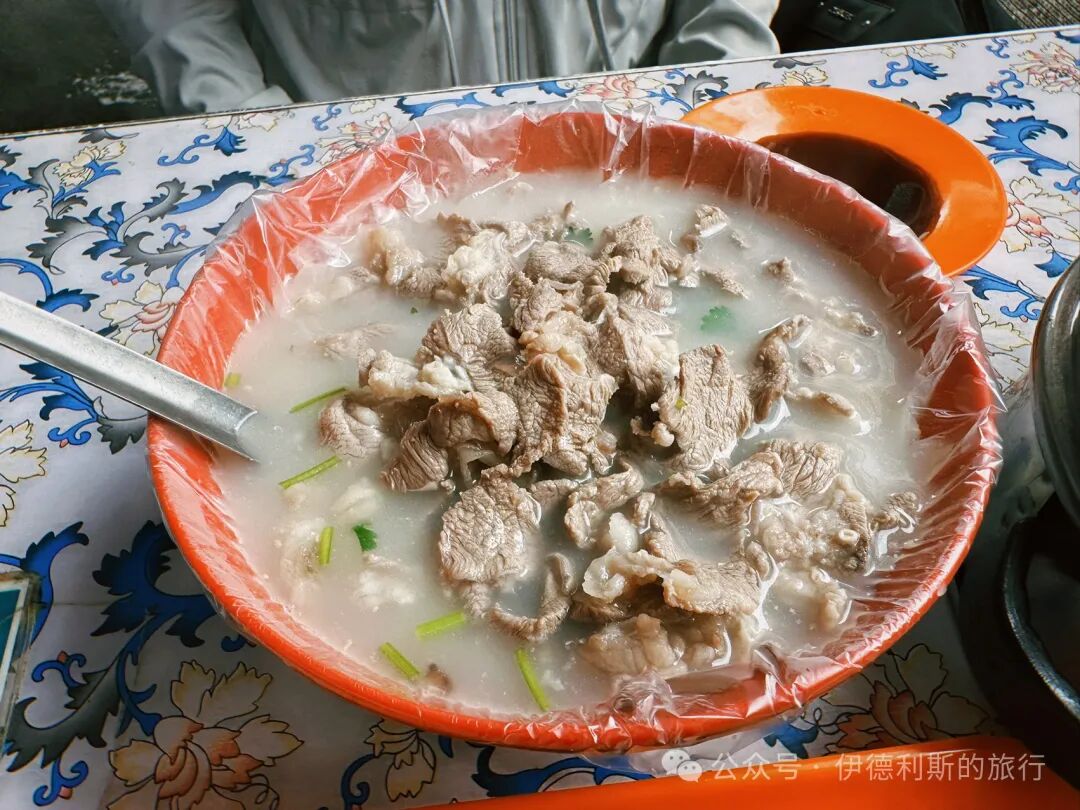
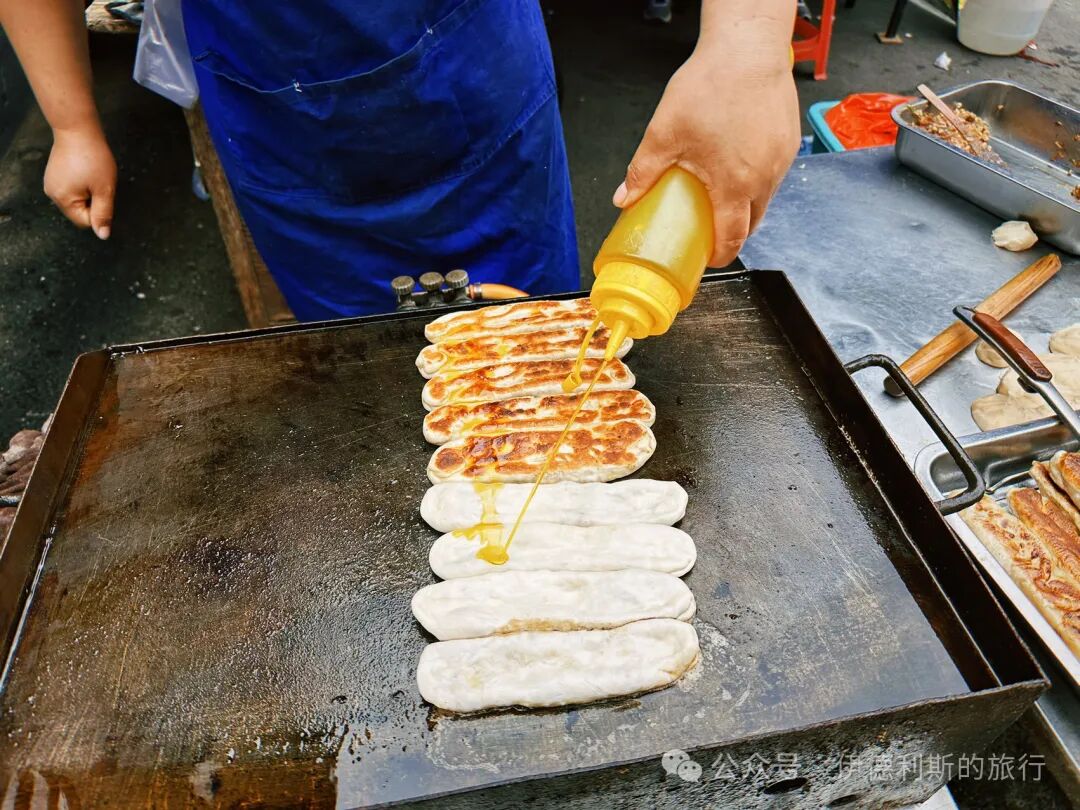
Looking at the street scene, many people are also eating breakfast at the meat pie and steamed bun shops in the nearby residential area. You cannot tell from the outside, but they are all full inside.
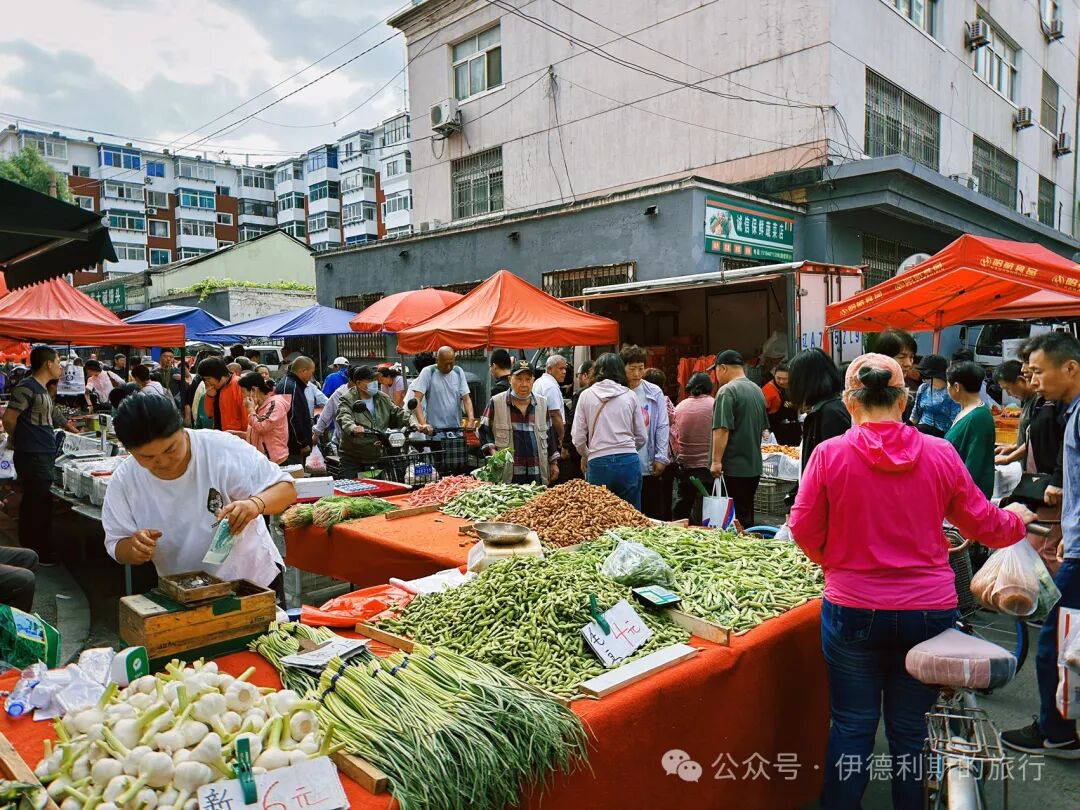
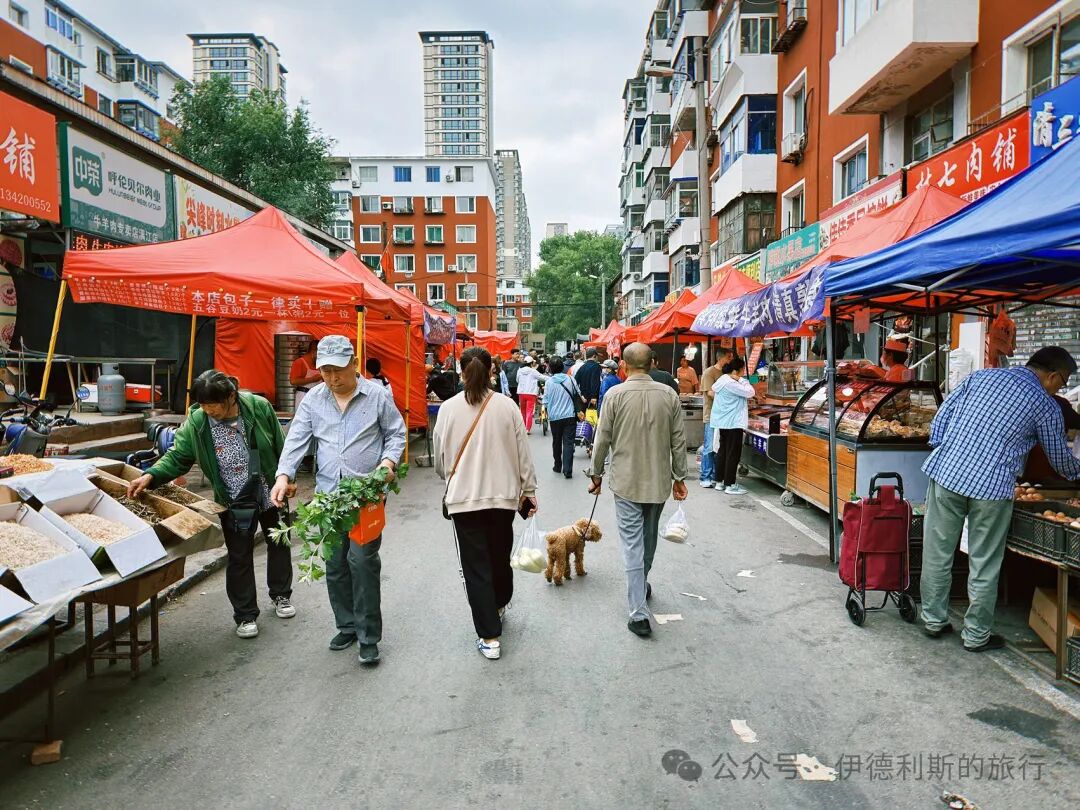
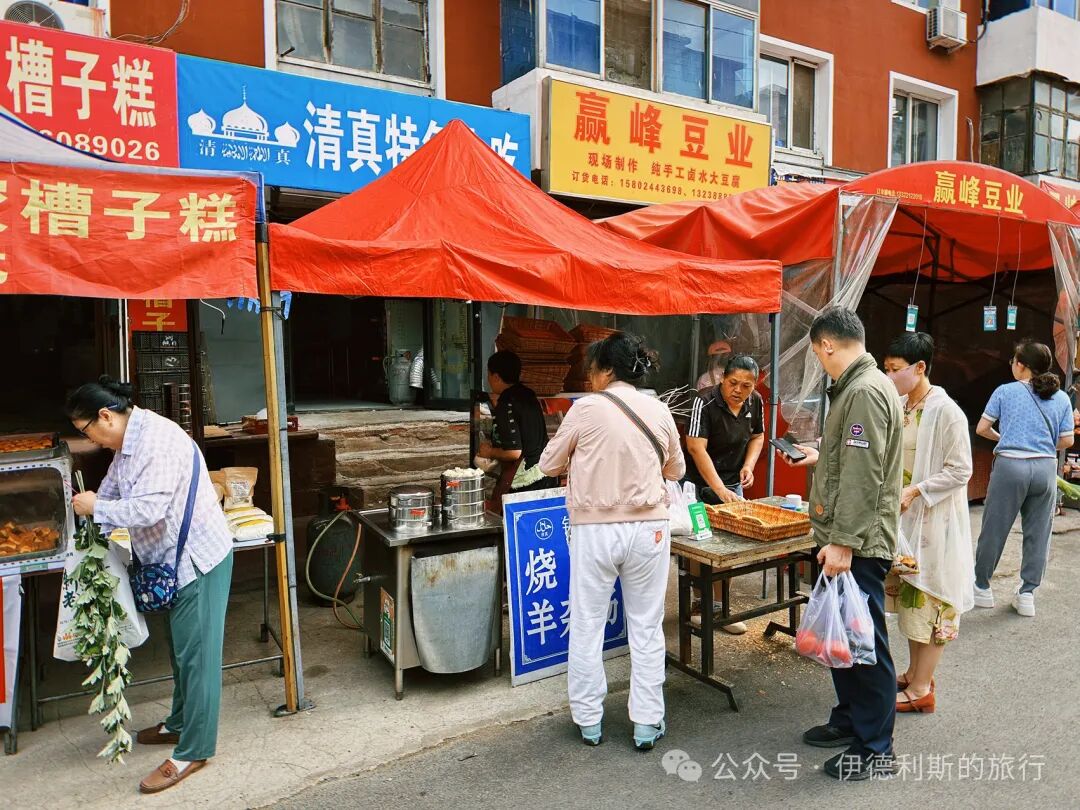
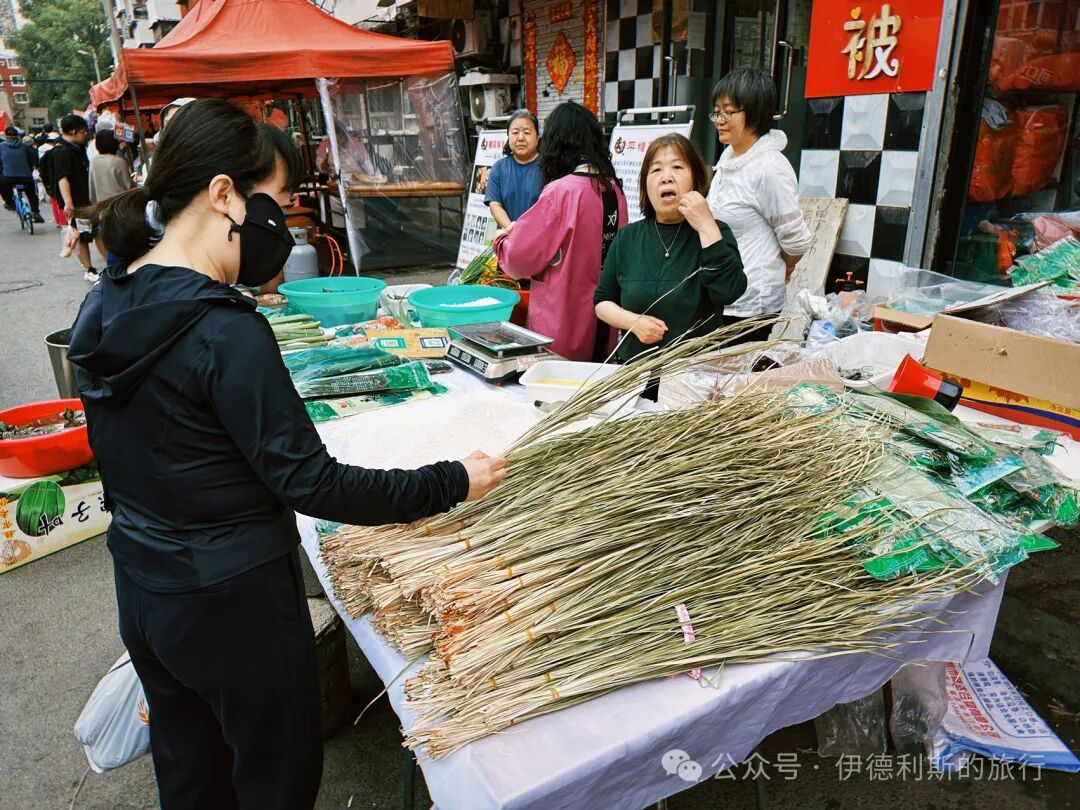
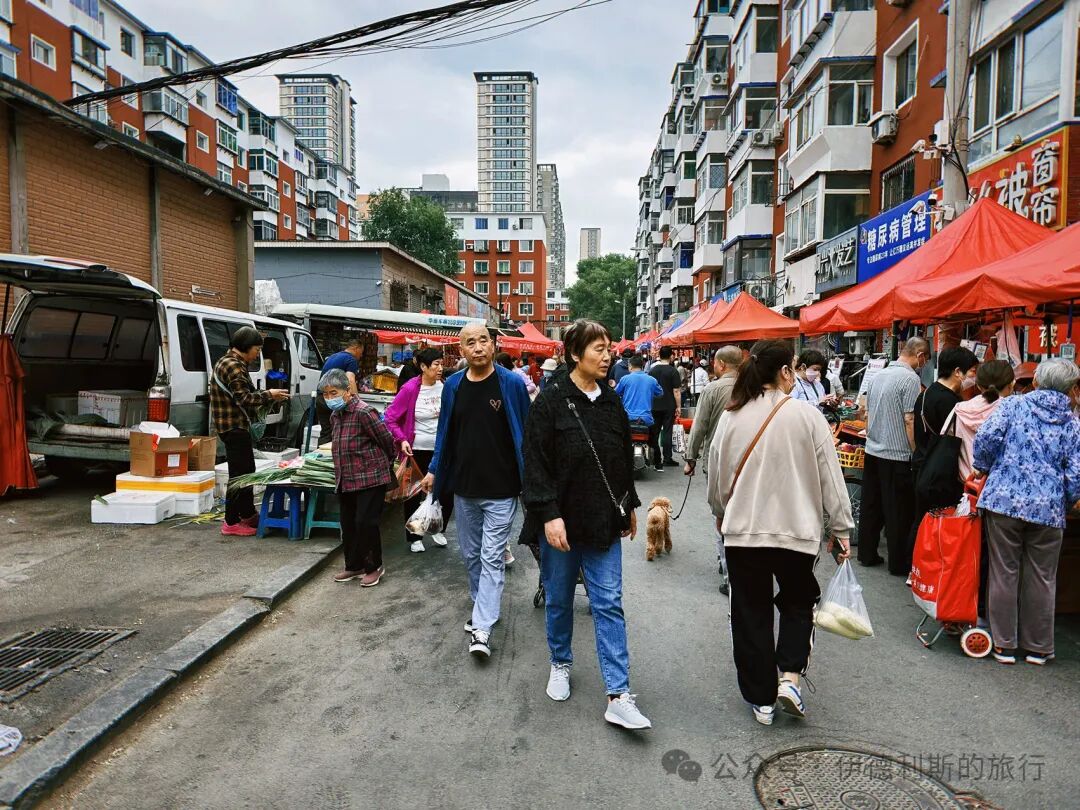
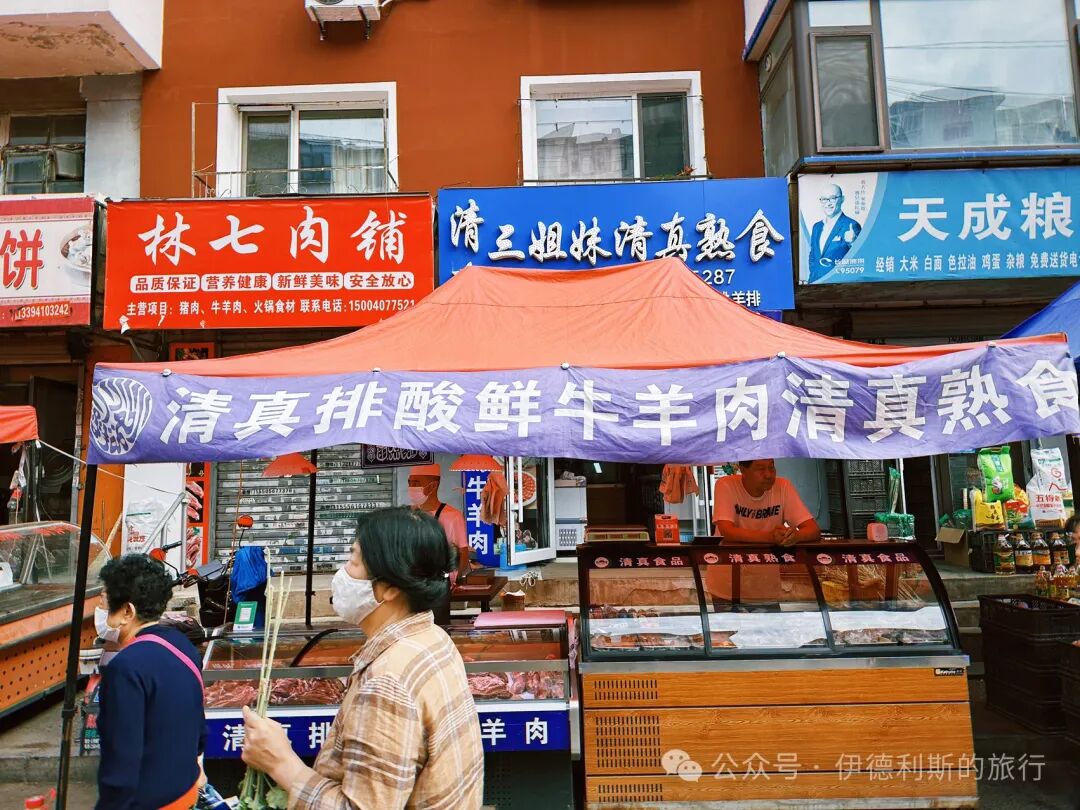
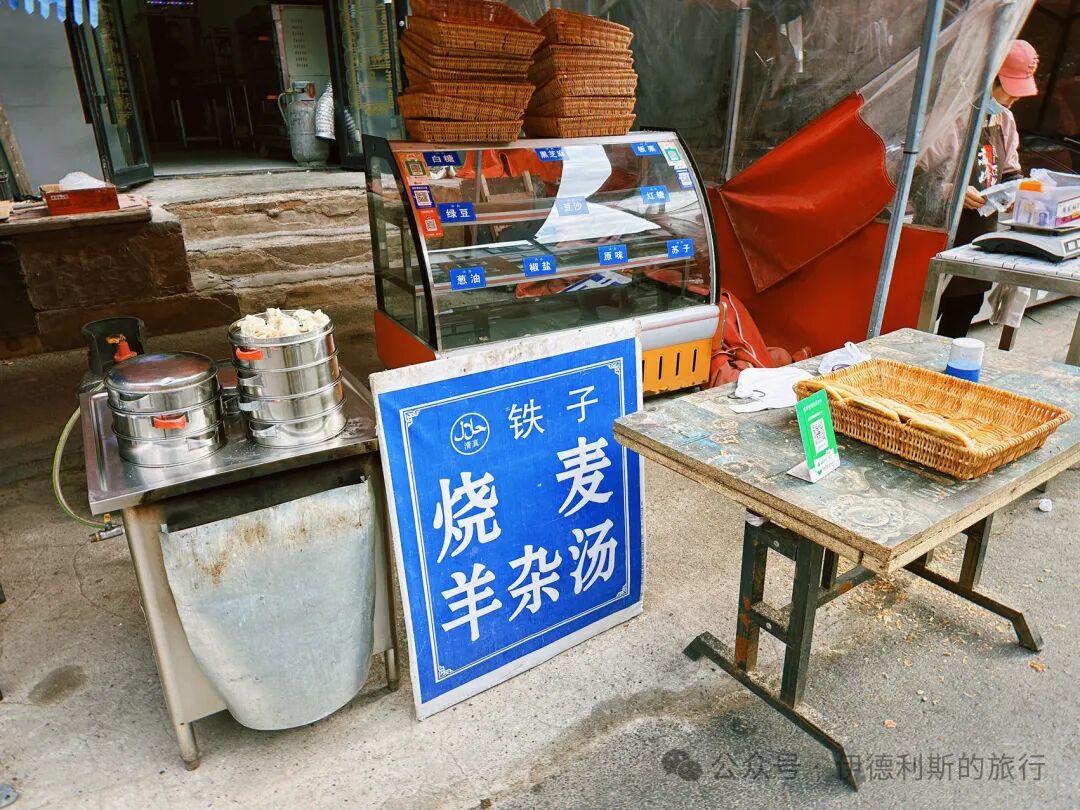
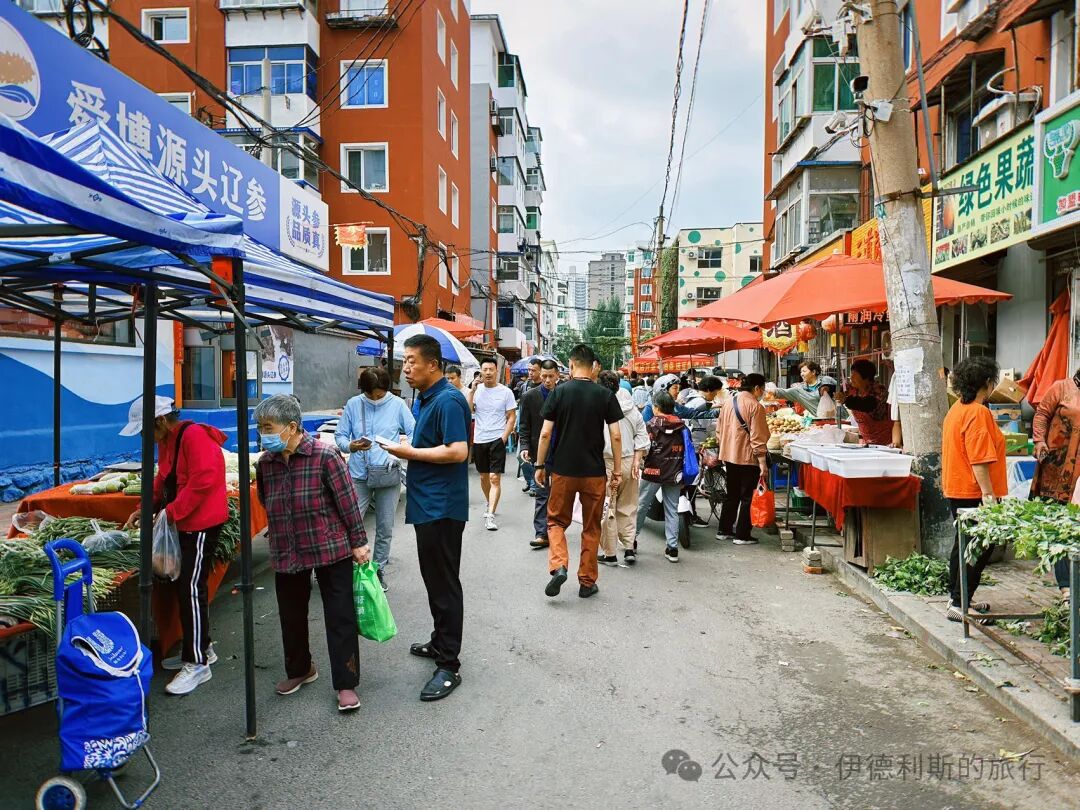
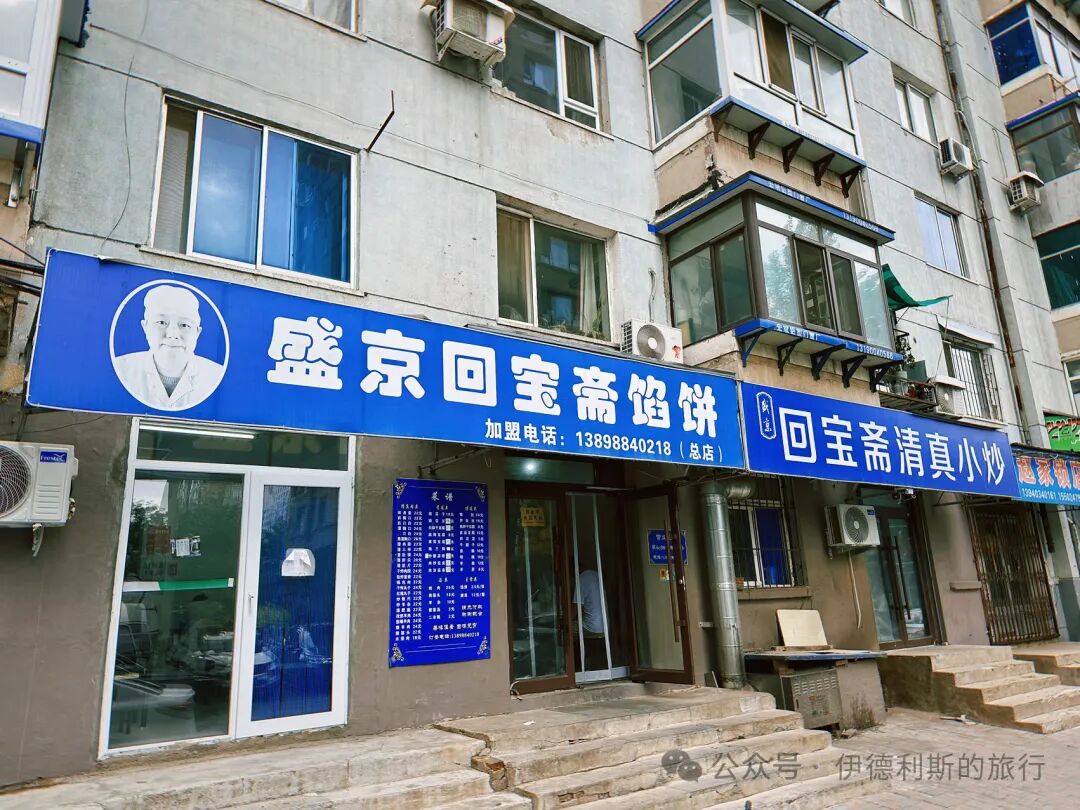
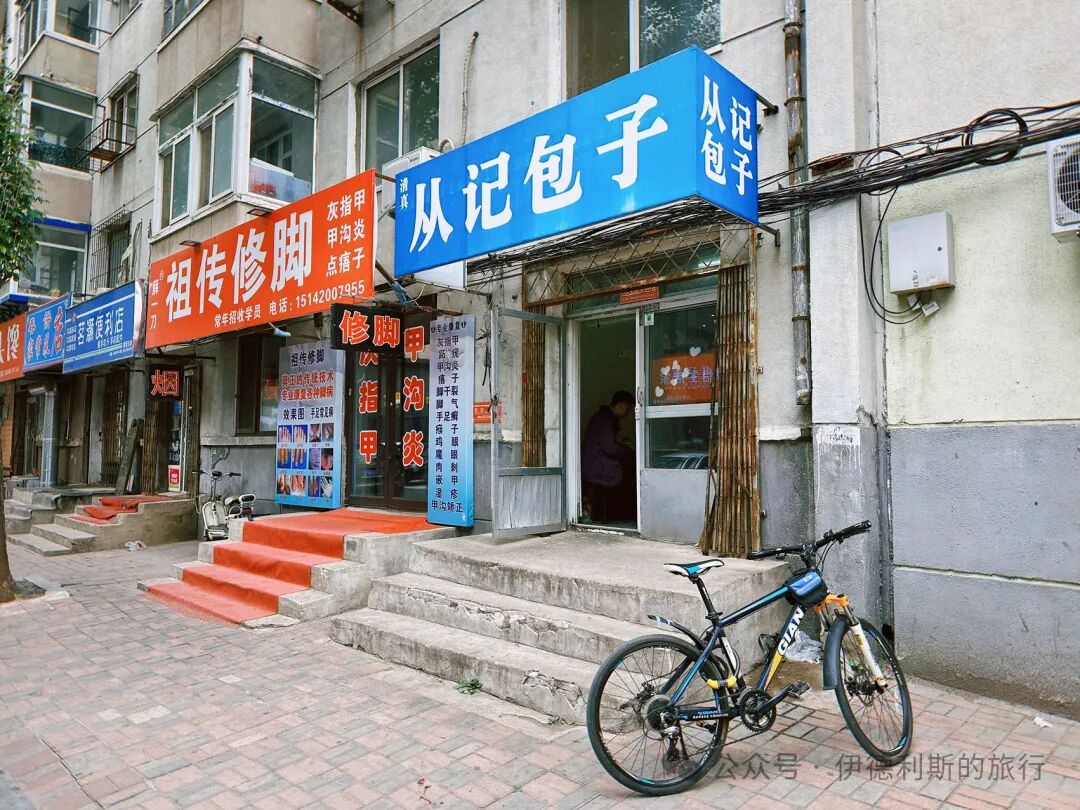
On the third morning, I visited the Bayi Morning Market in Shenyang. Shenyang really has a lot of morning markets, and every one of them is full of delicious food. We started by eating meat pies (xianbing) and lamb offal soup (yangza) at Yinji Meat Pie and Lamb Offal Shop. The small meat pies were a great deal at 2 yuan each. Walking further, there were all kinds of fresh fruits, vegetables, and seafood, plus stalls selling Tieling beef fire-baked cakes (huoshao) and steamed dumplings (shaomai). Eating breakfast at the morning market really has a great atmosphere.
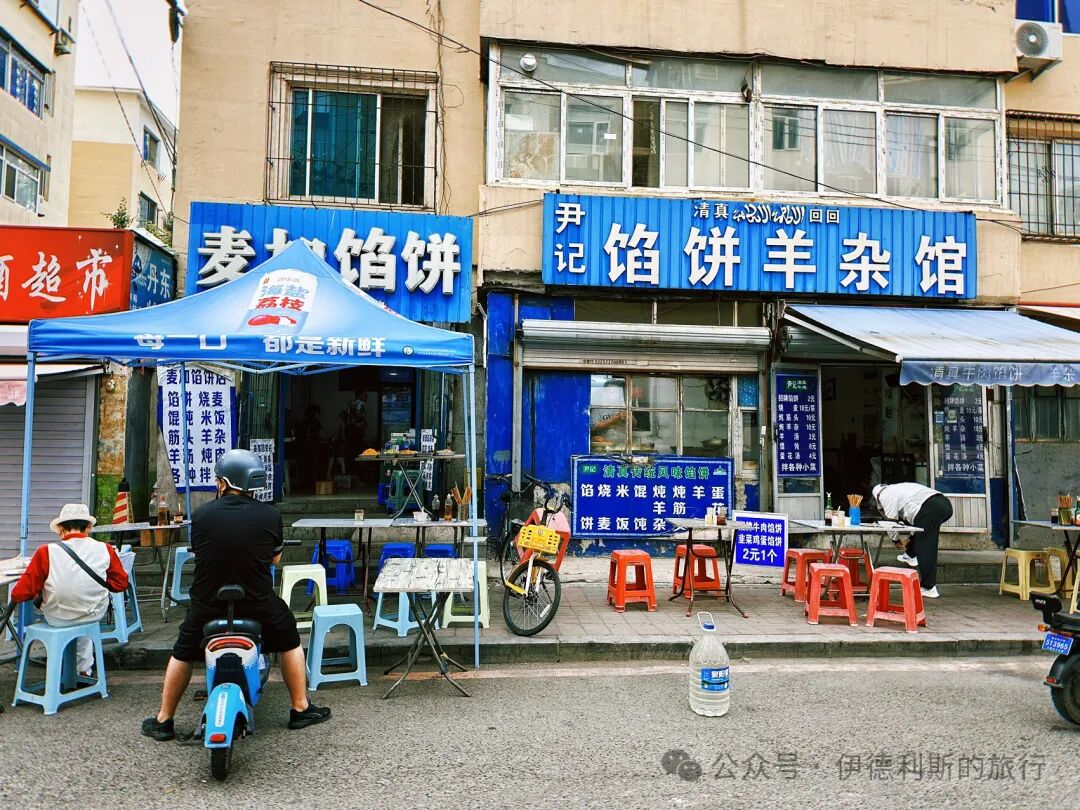
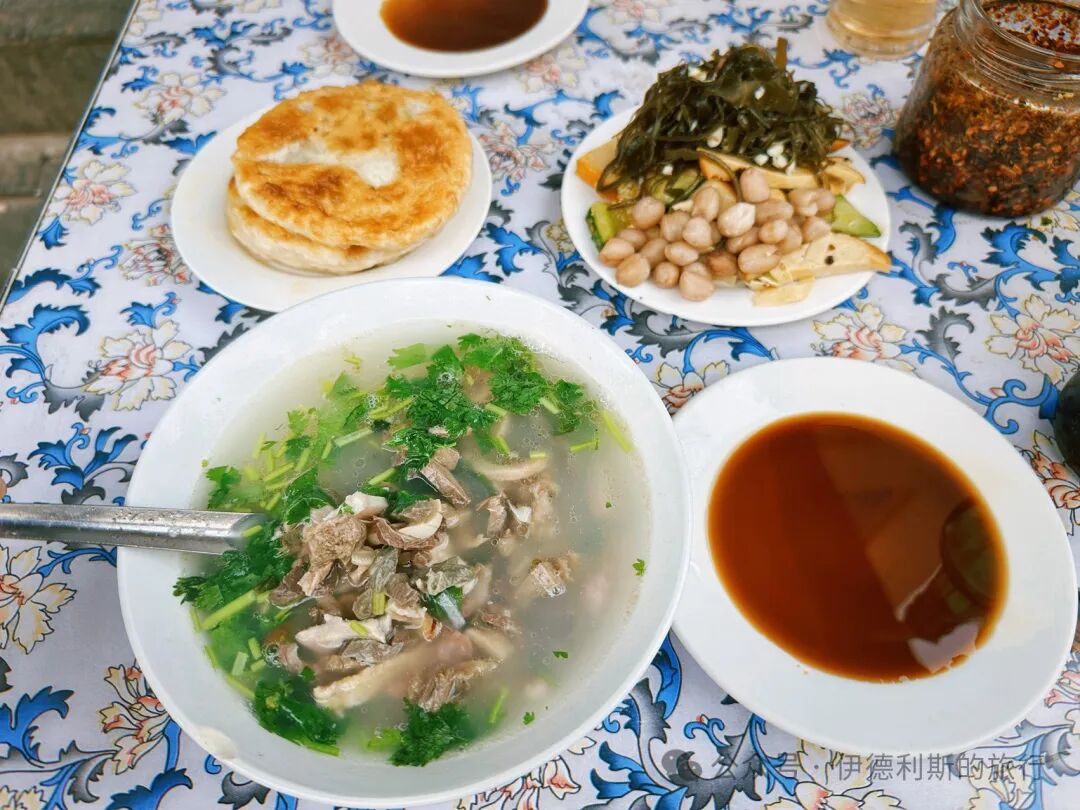
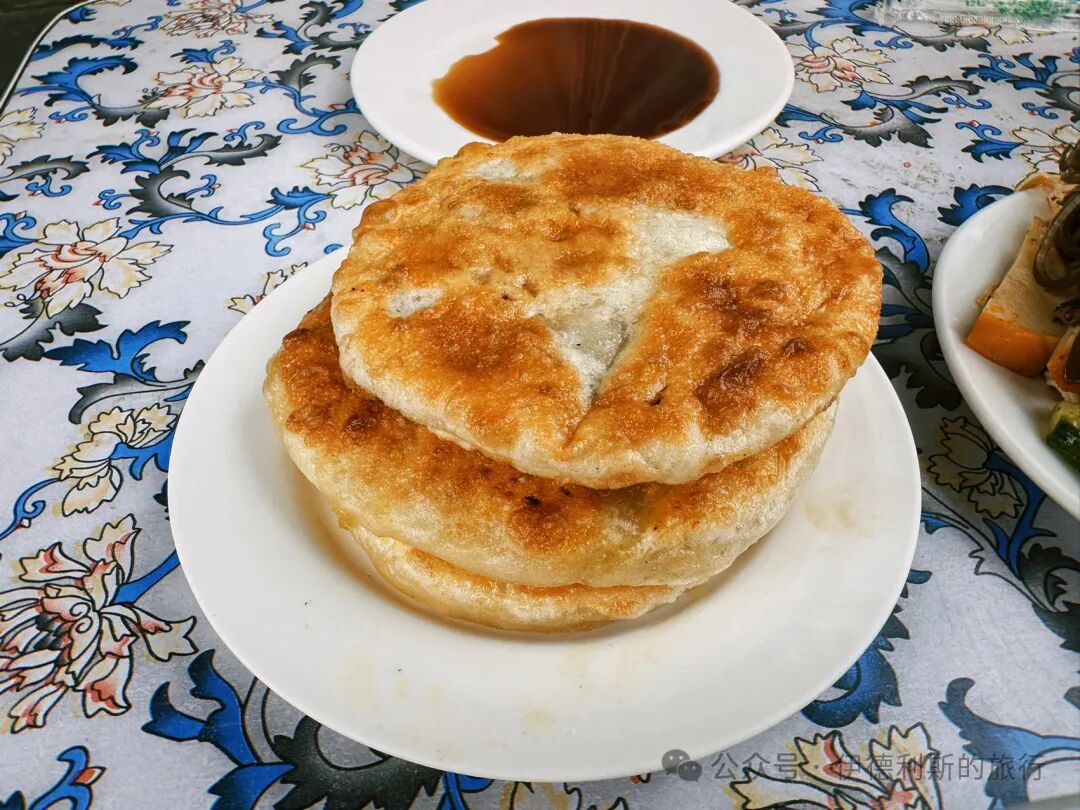
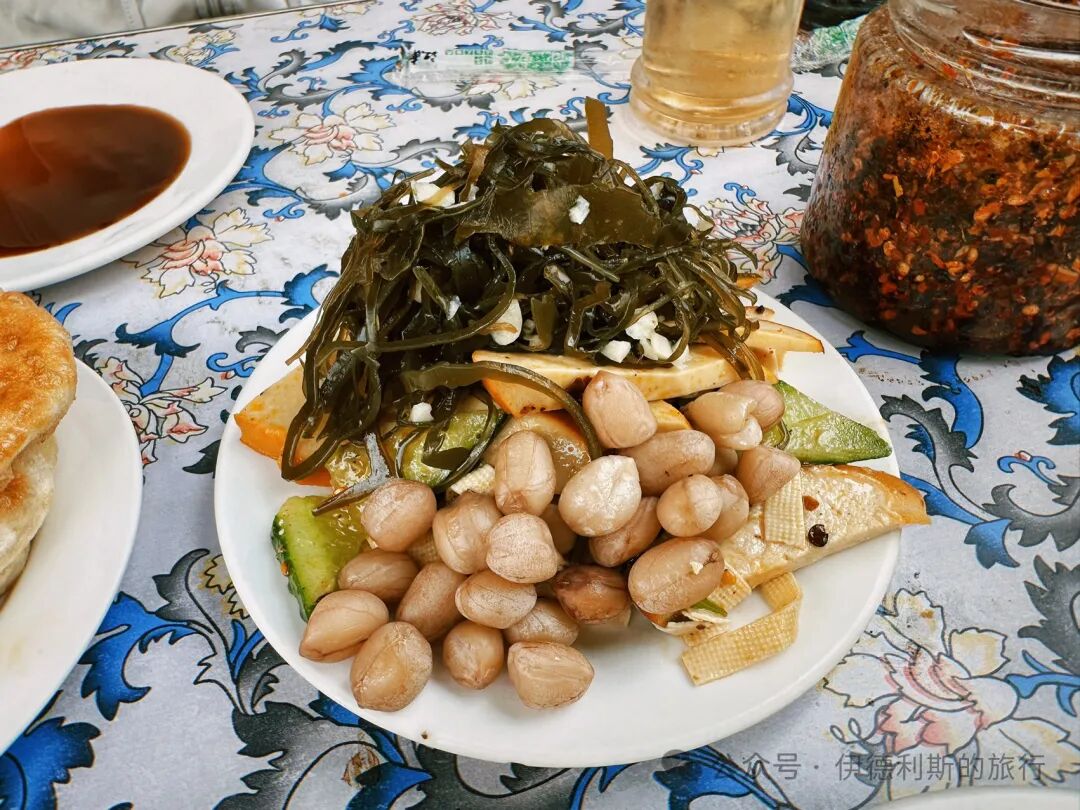
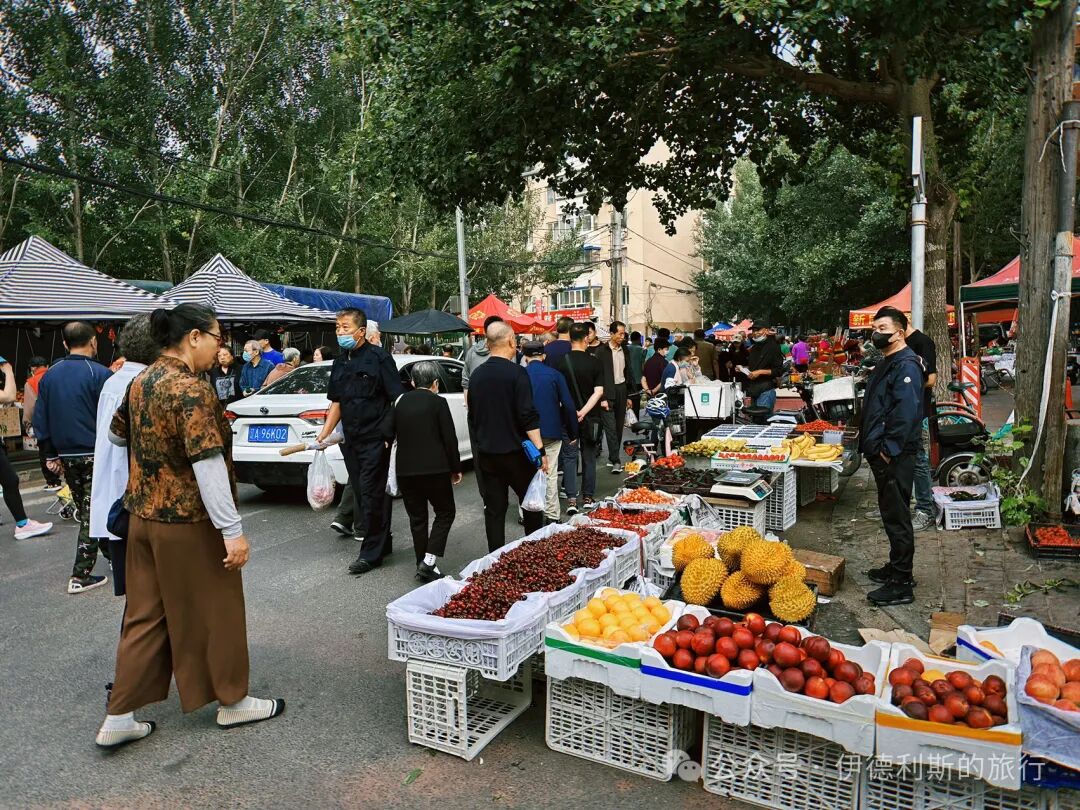
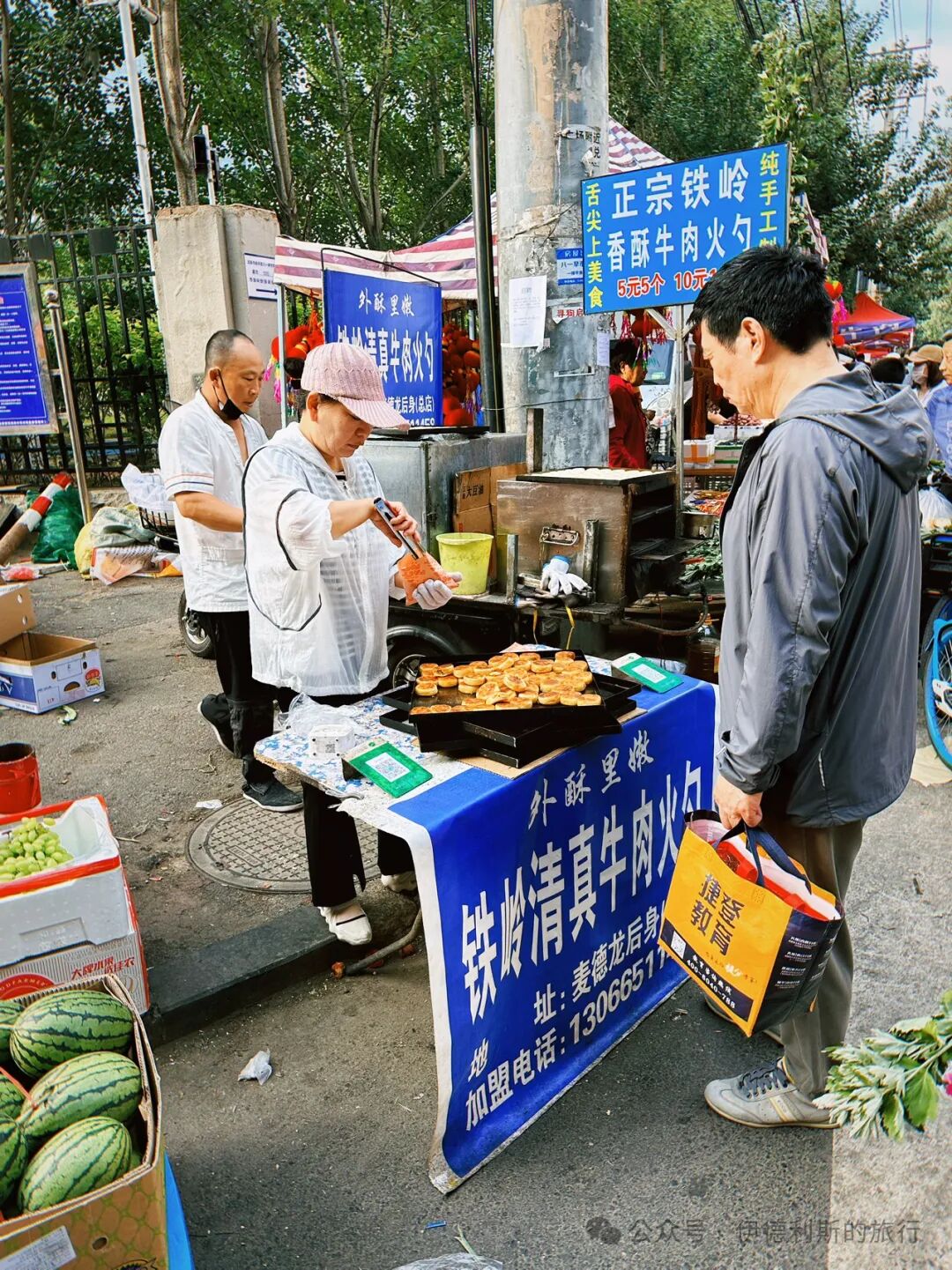
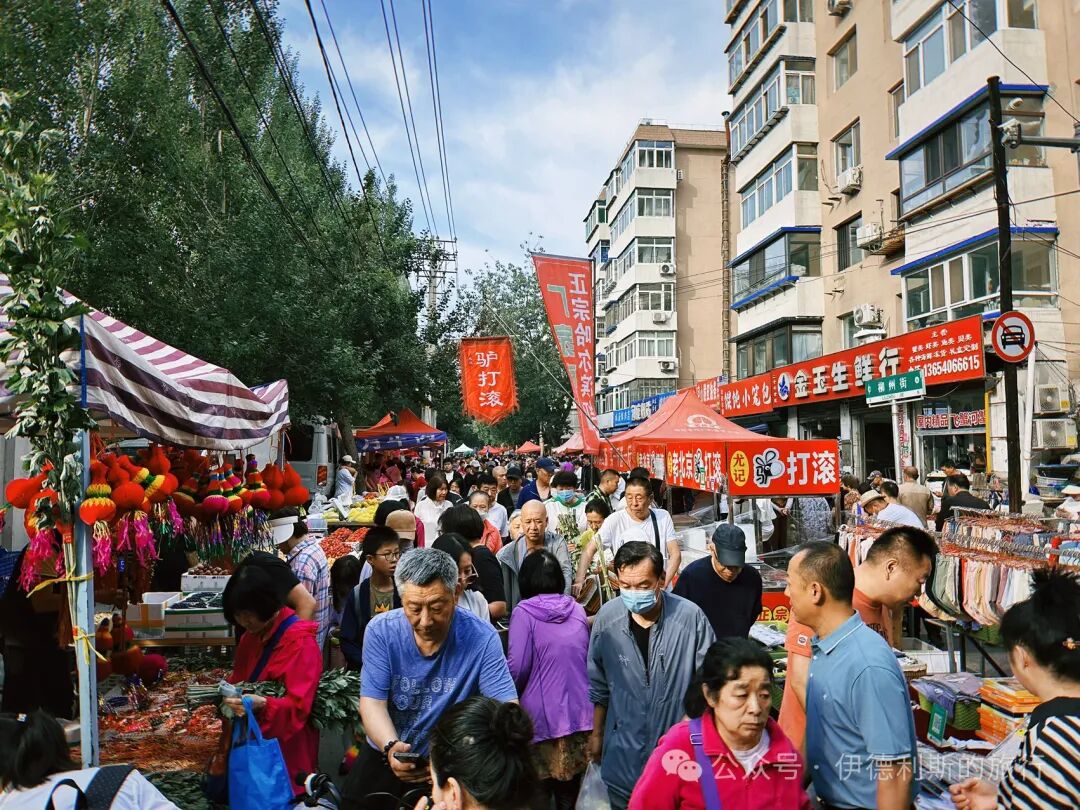
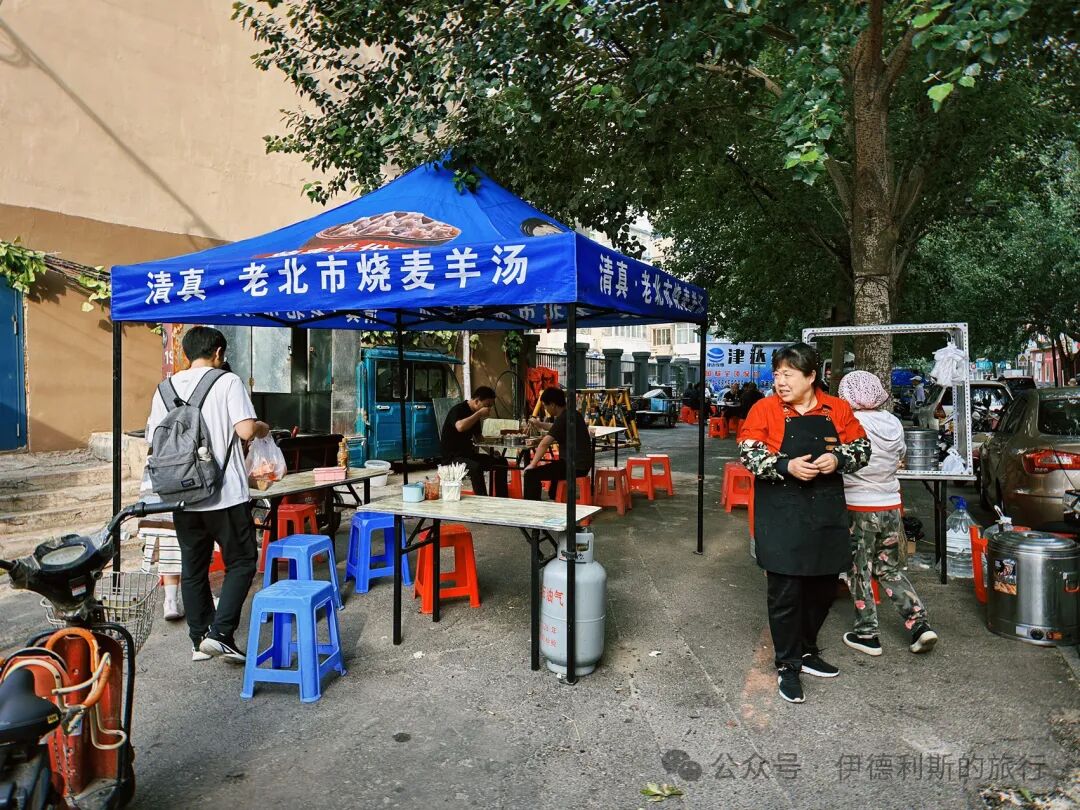
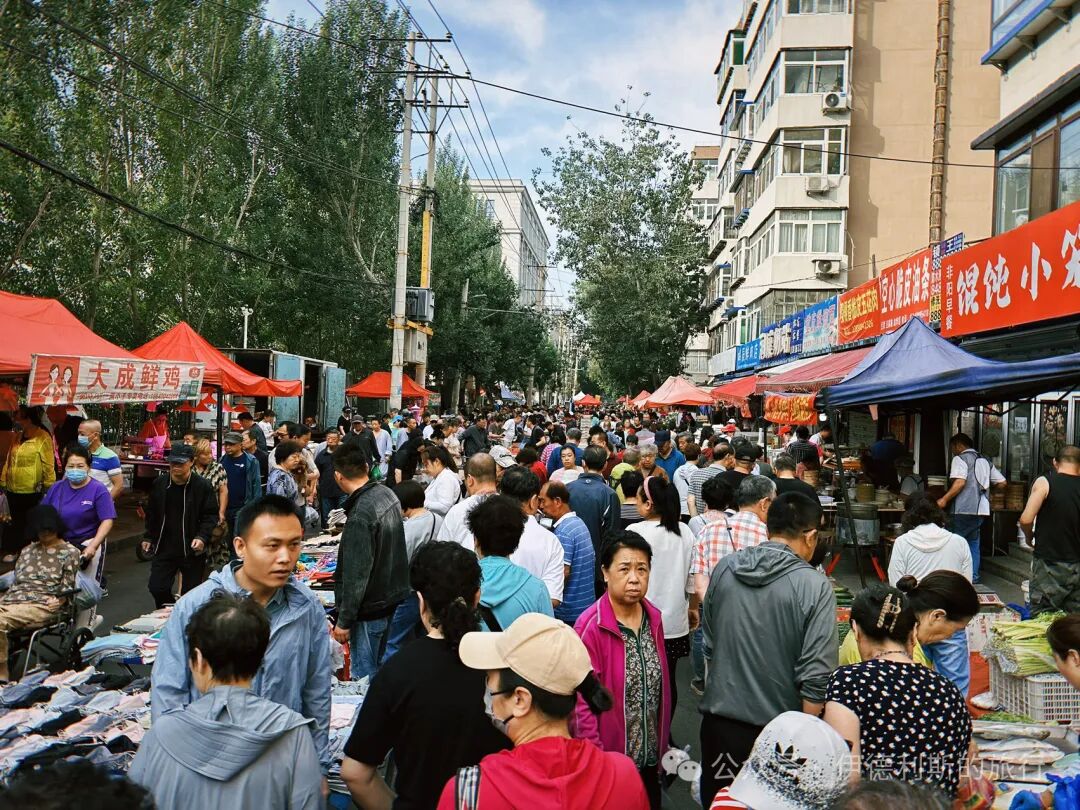
At the Bayi Morning Market, there were stalls selling spiced beef and beef sauce. The beef sauce looked incredibly delicious! It would definitely taste amazing with steamed buns (mantou) or white rice porridge.
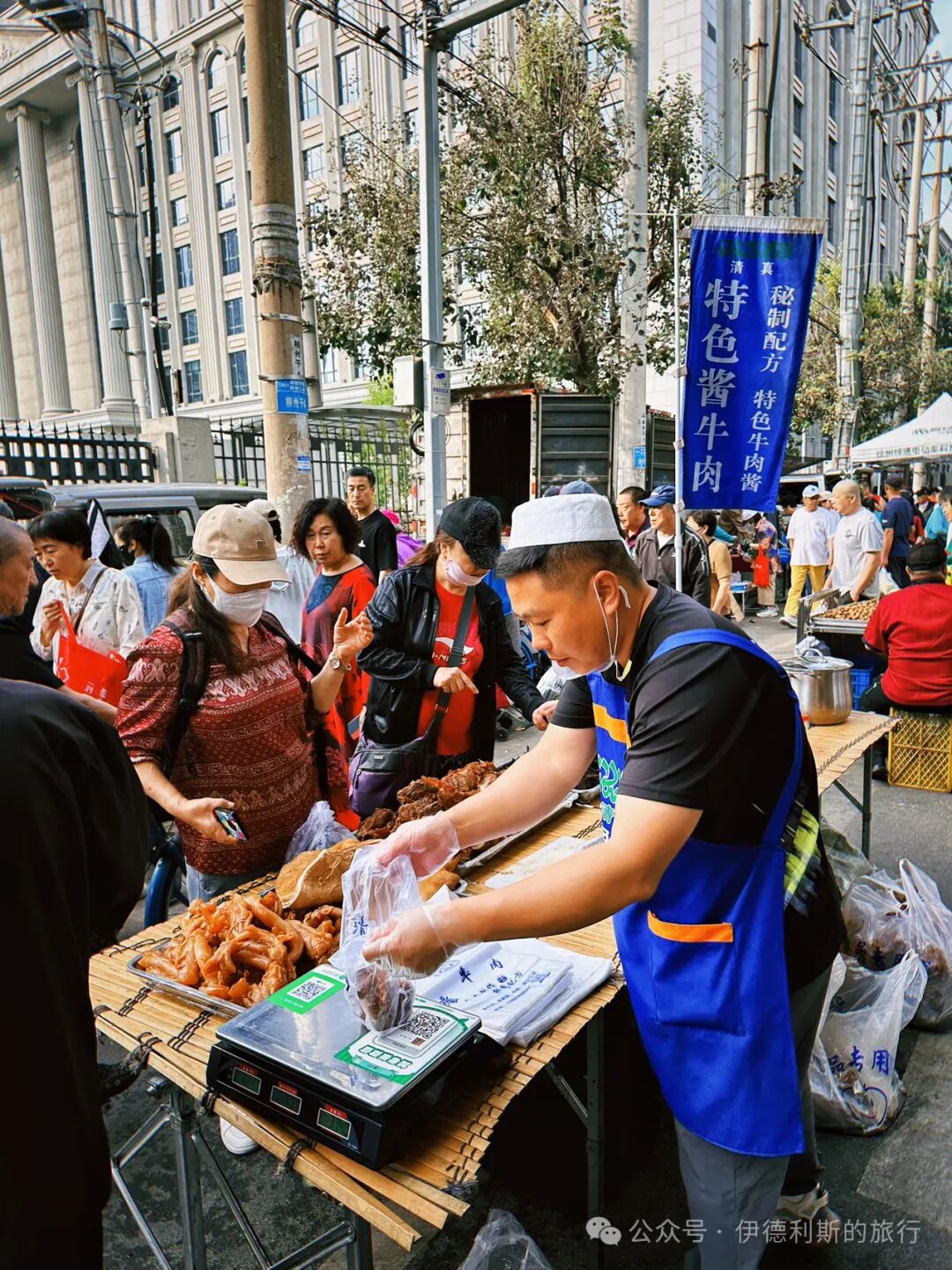
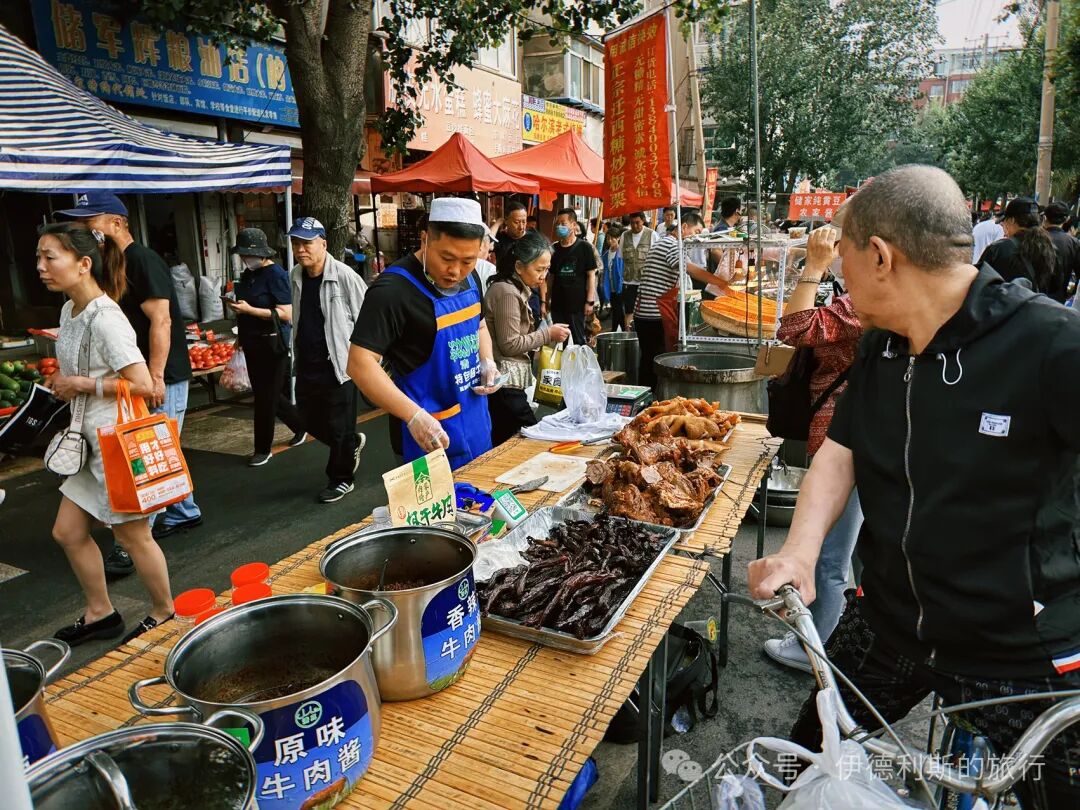
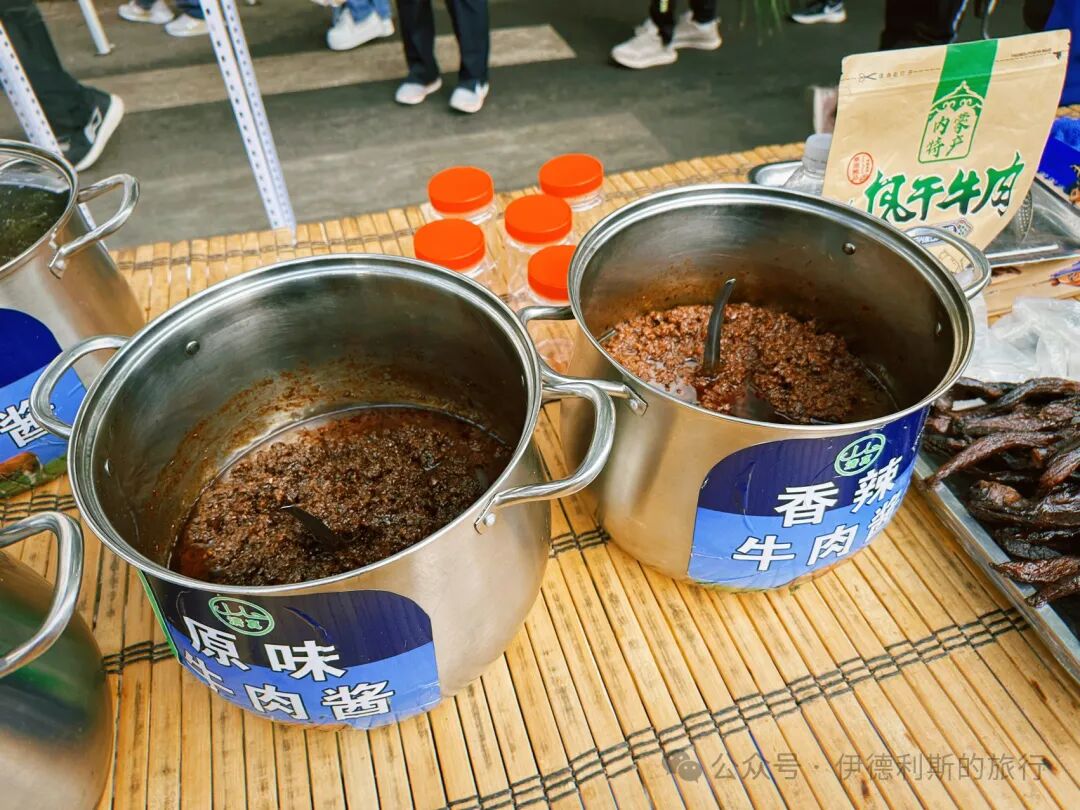
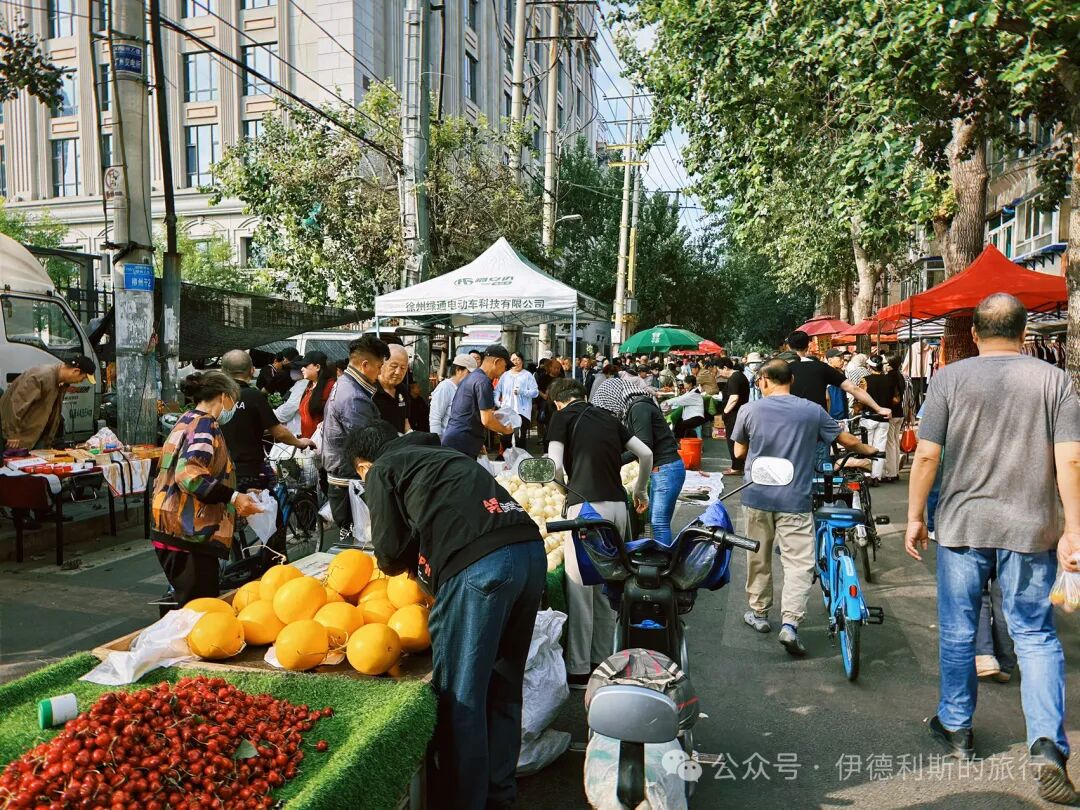
After finishing at the morning market, we took a train from Shenyang Station to Xinmin. Xinmin is located in the northwest of Shenyang. In the early years of the Qianlong reign of the Qing Dynasty, many new immigrants came here to farm during the 'Rush to the Northeast' (Chuang Guandong), which is how the name 'Xinmin' came to be. During the Qianlong reign, many Hui Muslims came to Xinmin, and later in 1765 (the 30th year of Qianlong), they built the Xinmin Mosque in Nanyingzi. The Xinmin Mosque was burned down in 1866 (the 5th year of Tongzhi) and rebuilt in 1883 (the 9th year of Guangxu), which is the structure we see today.
The main structure of Xinmin Mosque consists of a porch (juanpeng), the main prayer hall, a rear vaulted hall (yaodian), and the Moon-Sighting Tower (wangyuelou) on top of the vaulted hall. The Moon-Sighting Tower has a double-eaved, four-cornered pointed roof, topped with a 1.5-meter-tall copper wind-mill finial. The beams of the porch are decorated with Suzhou-style paintings, and the carved wooden screens feature various delicate patterns.
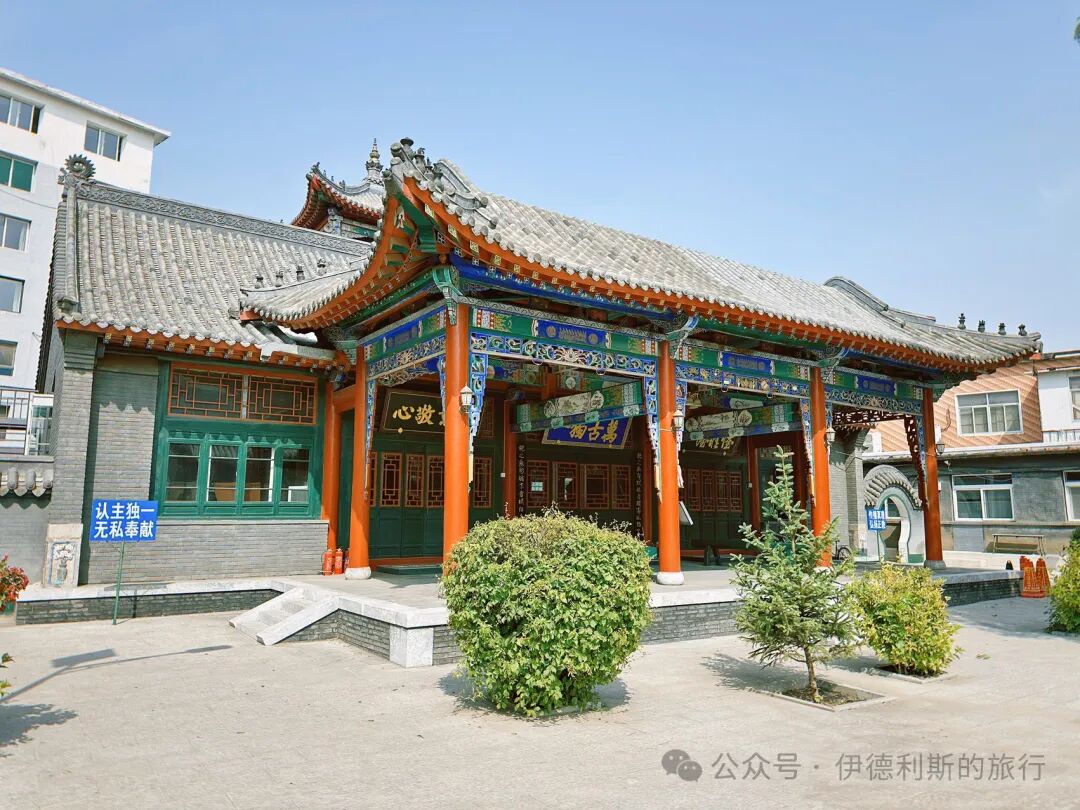
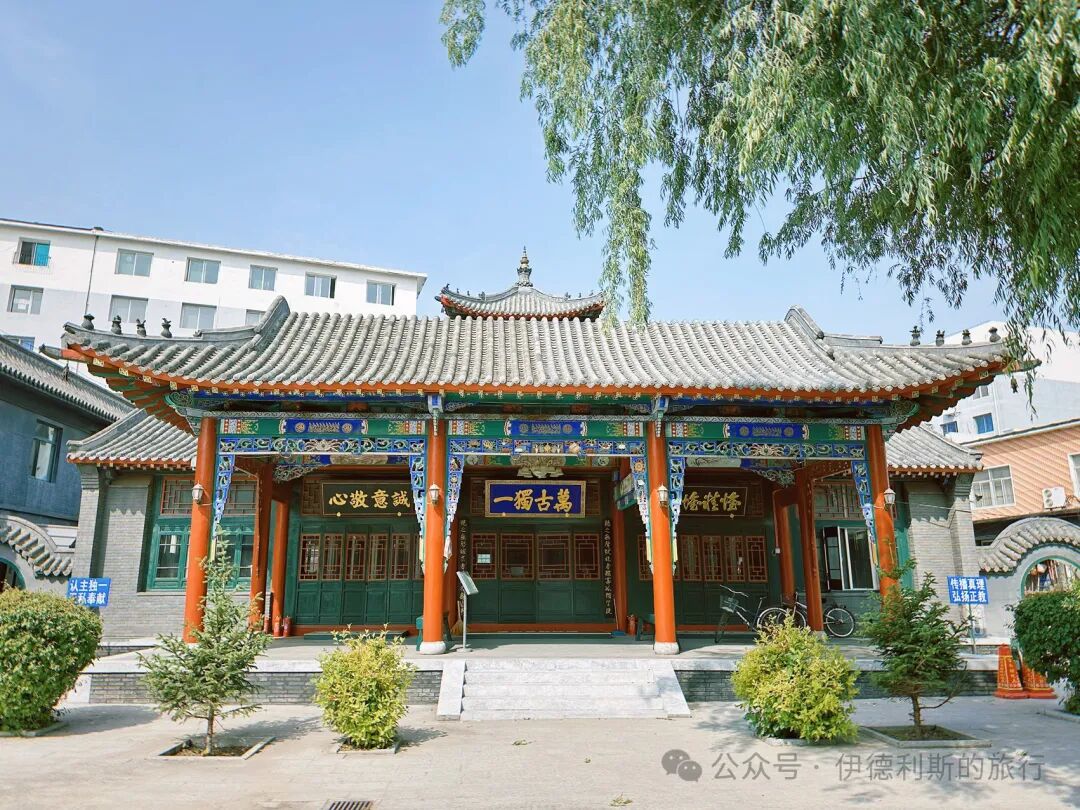
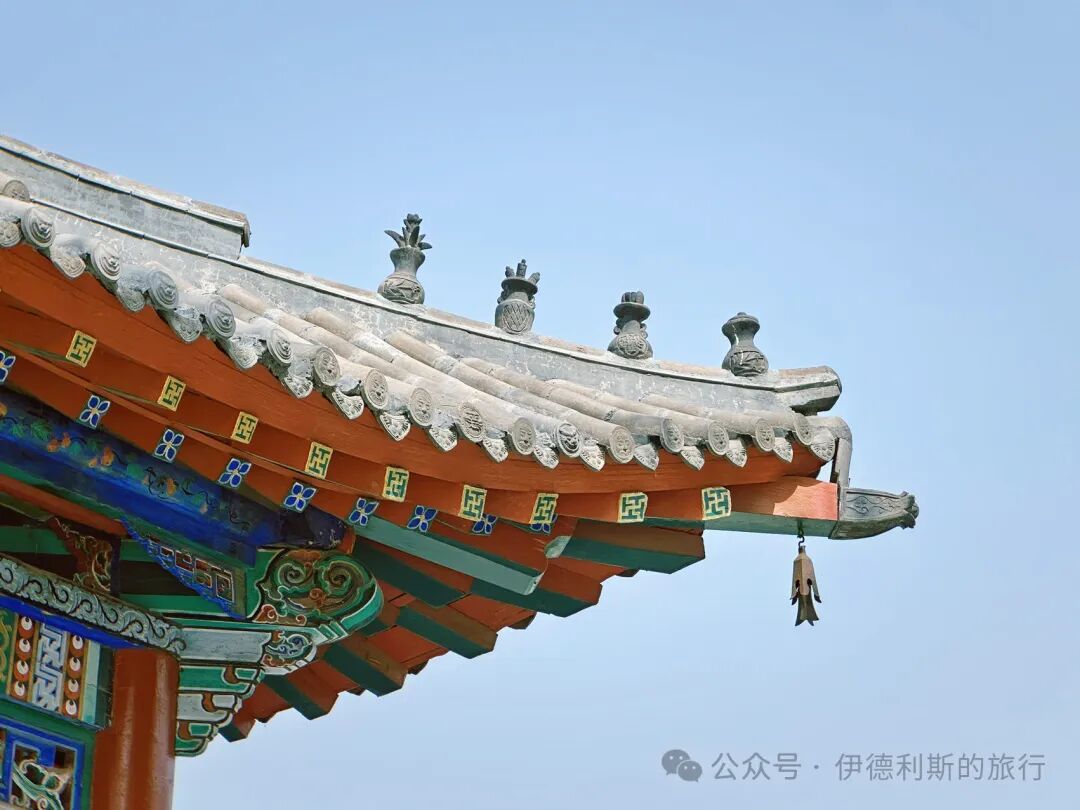
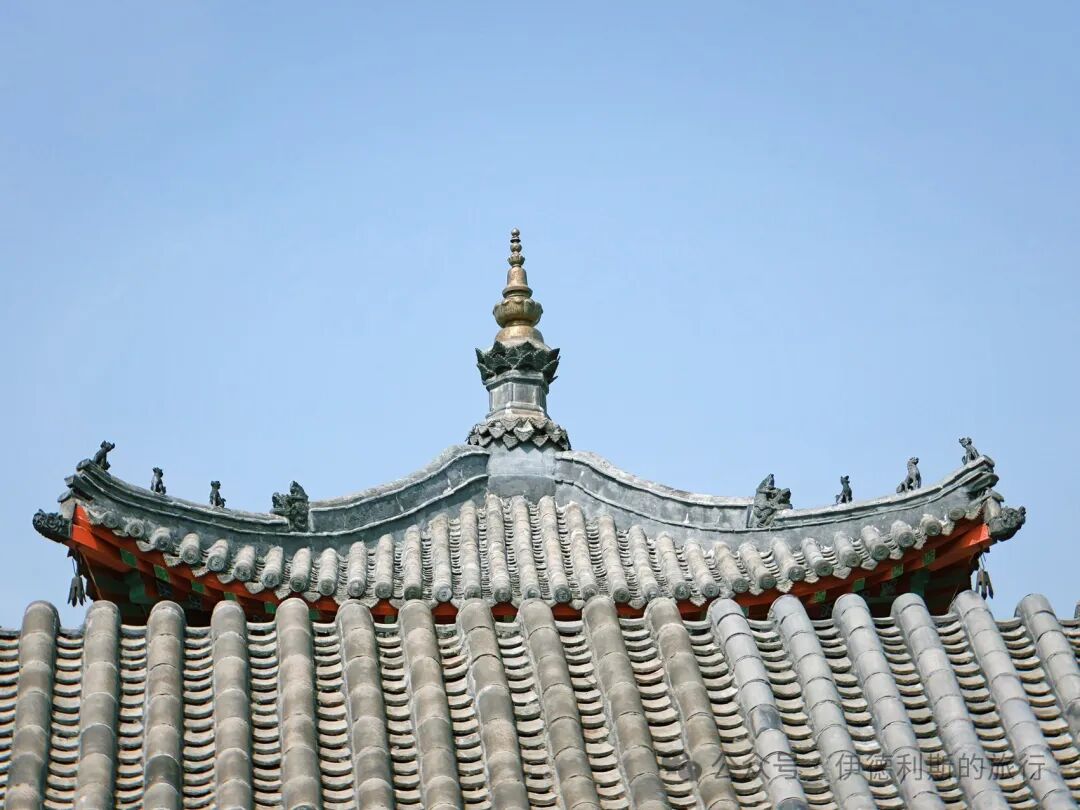
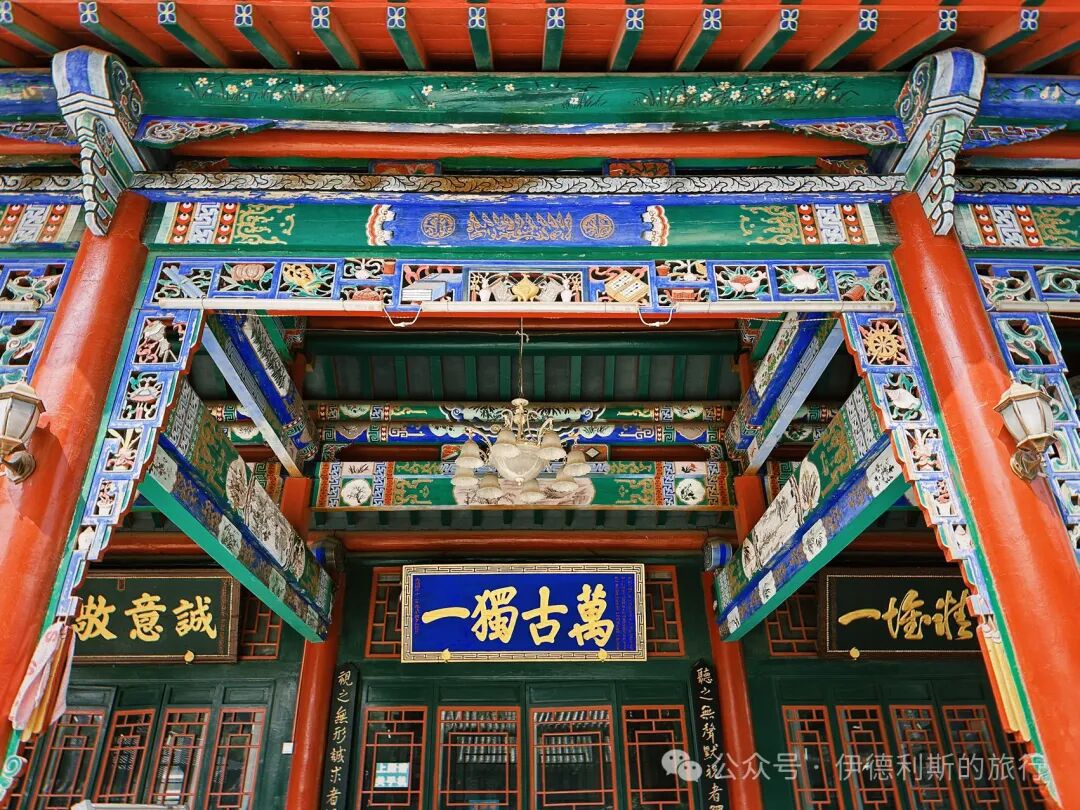
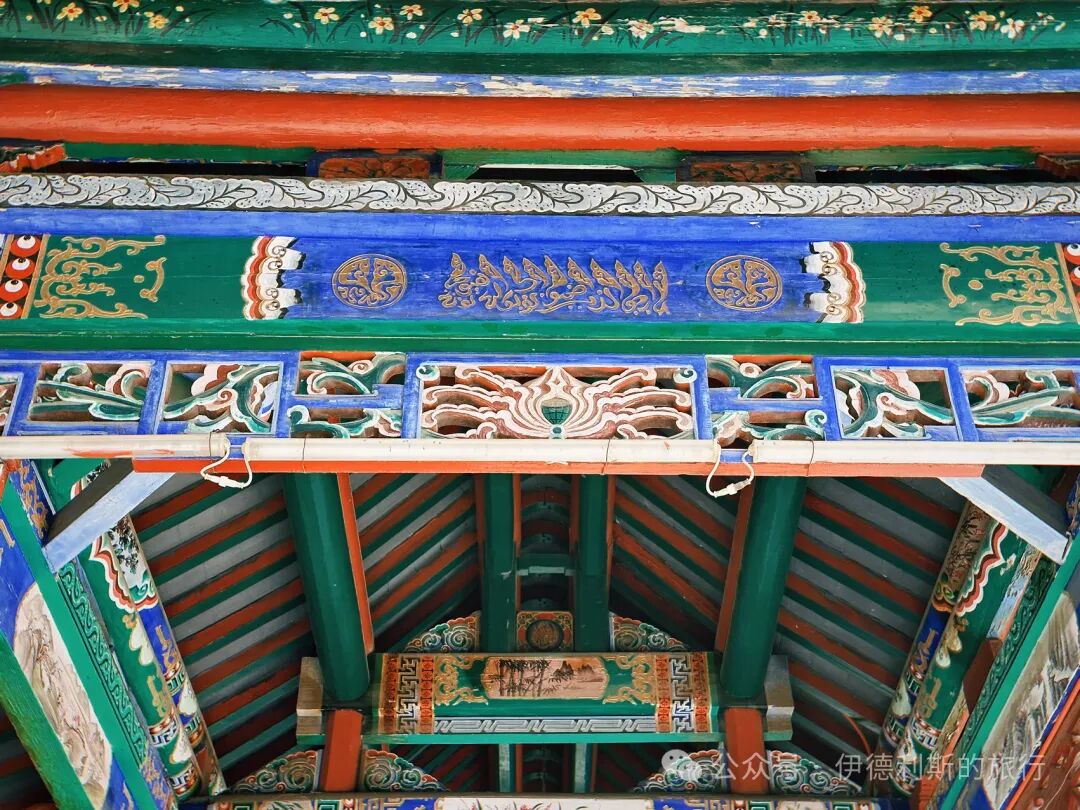
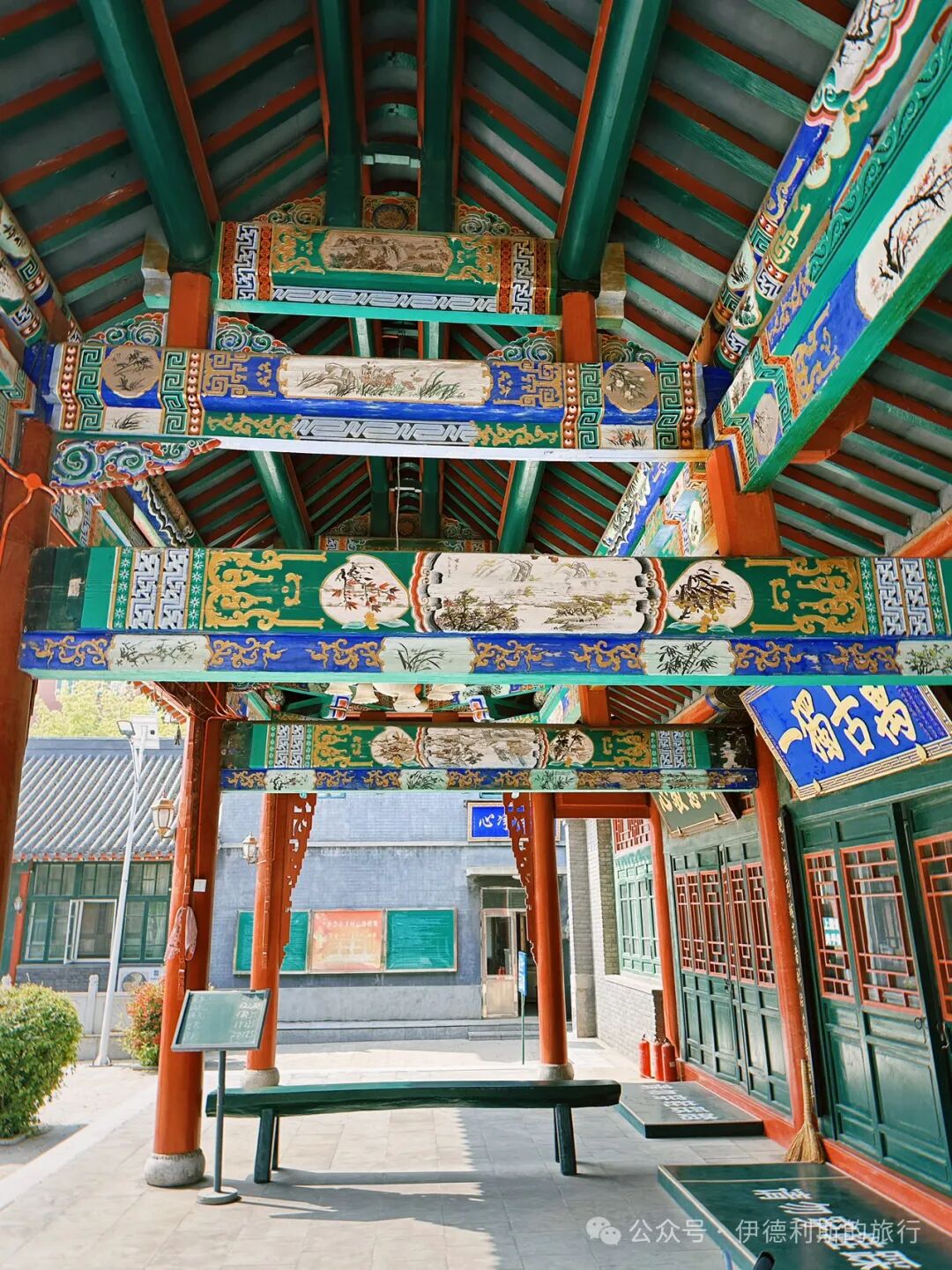
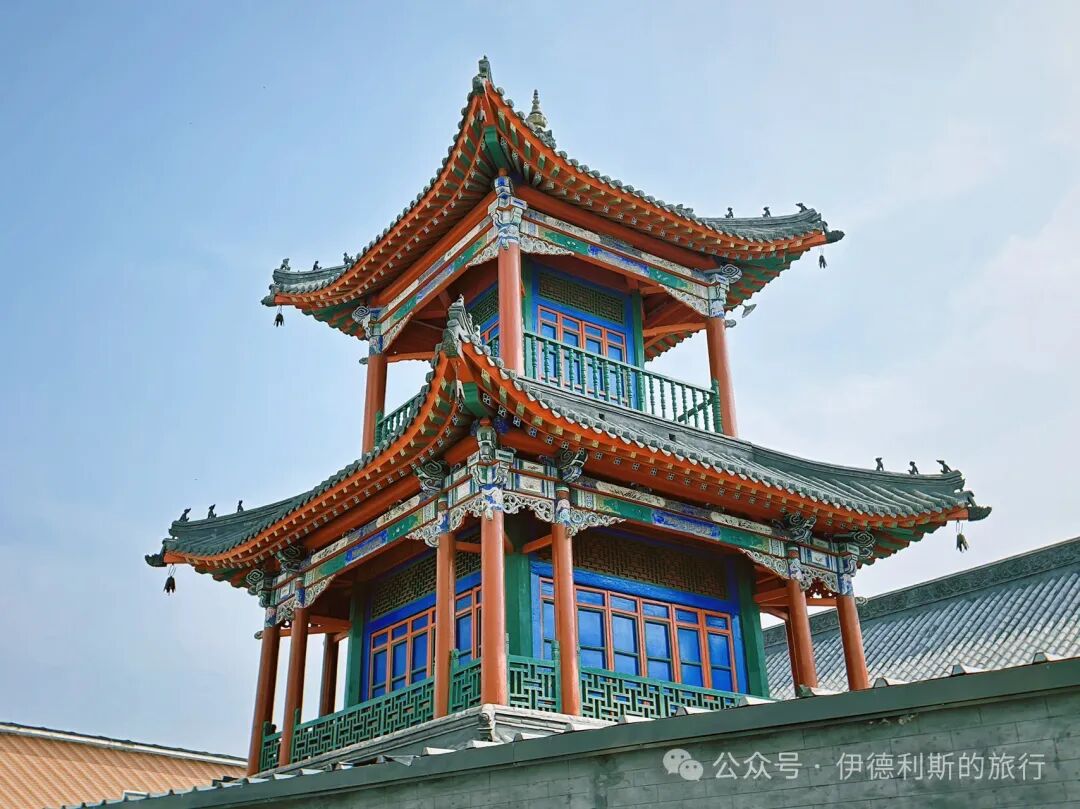
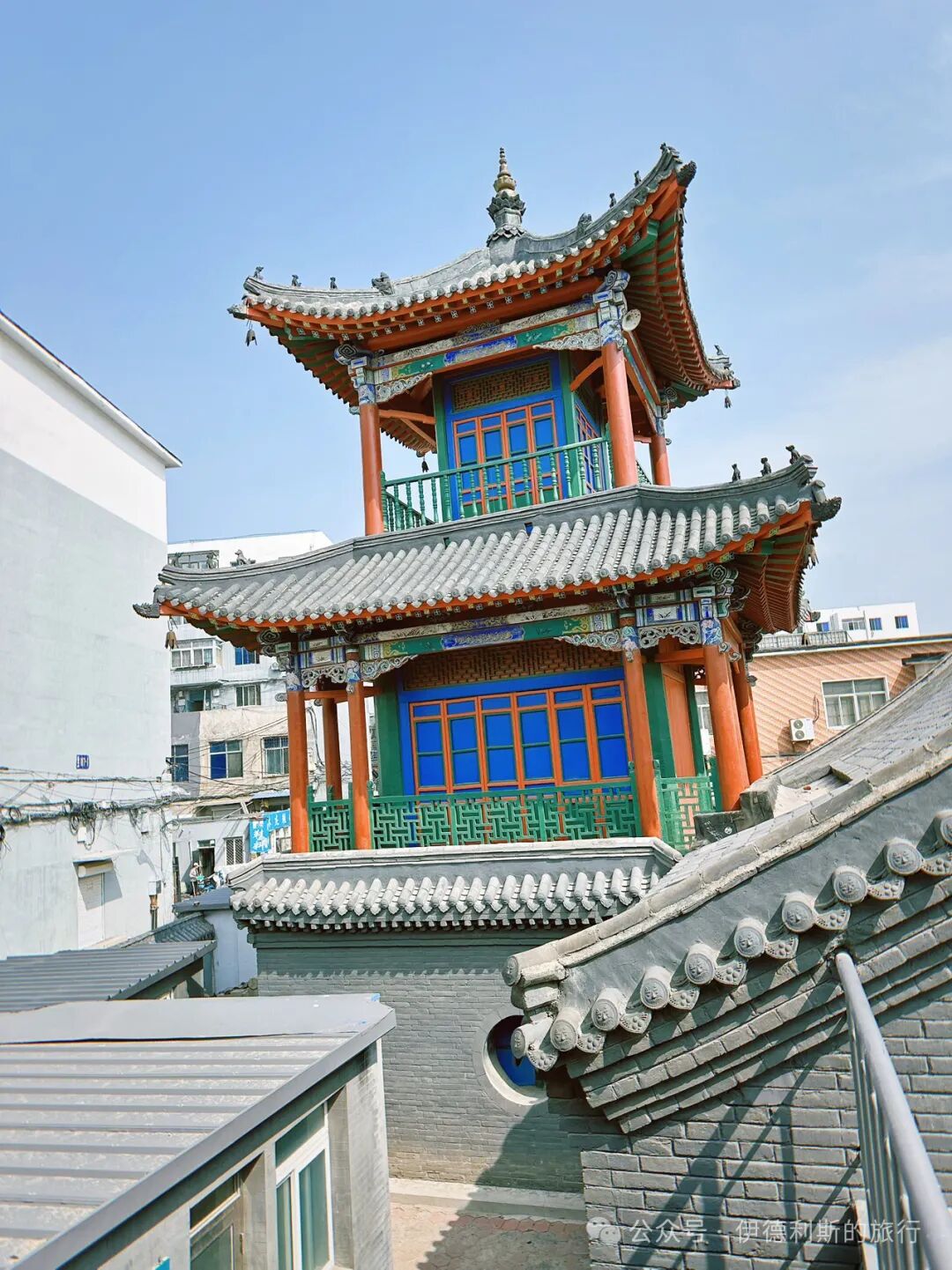
The main gate and side rooms of Xinmin Mosque. Above the main gate hangs a plaque reading "Correct Yourself to Correct Others," erected in the ninth year of the Guangxu reign by Liu Dianyuan, a garrison commander with the rank of blue-feathered guard.
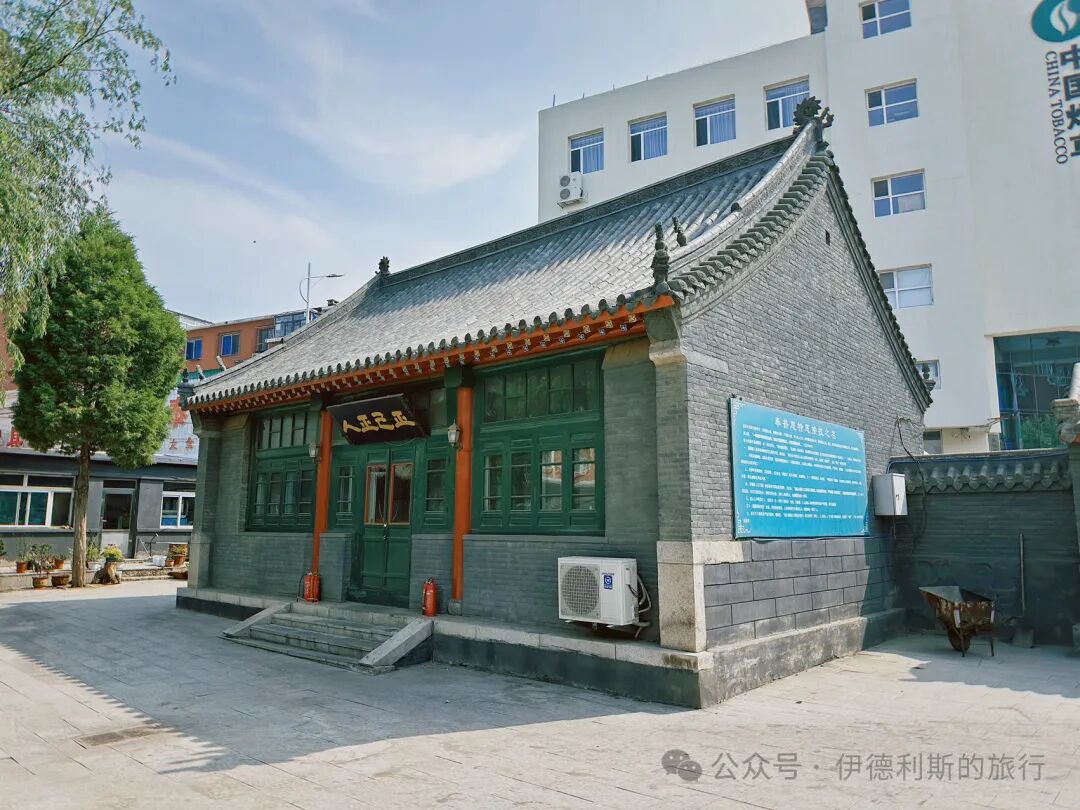
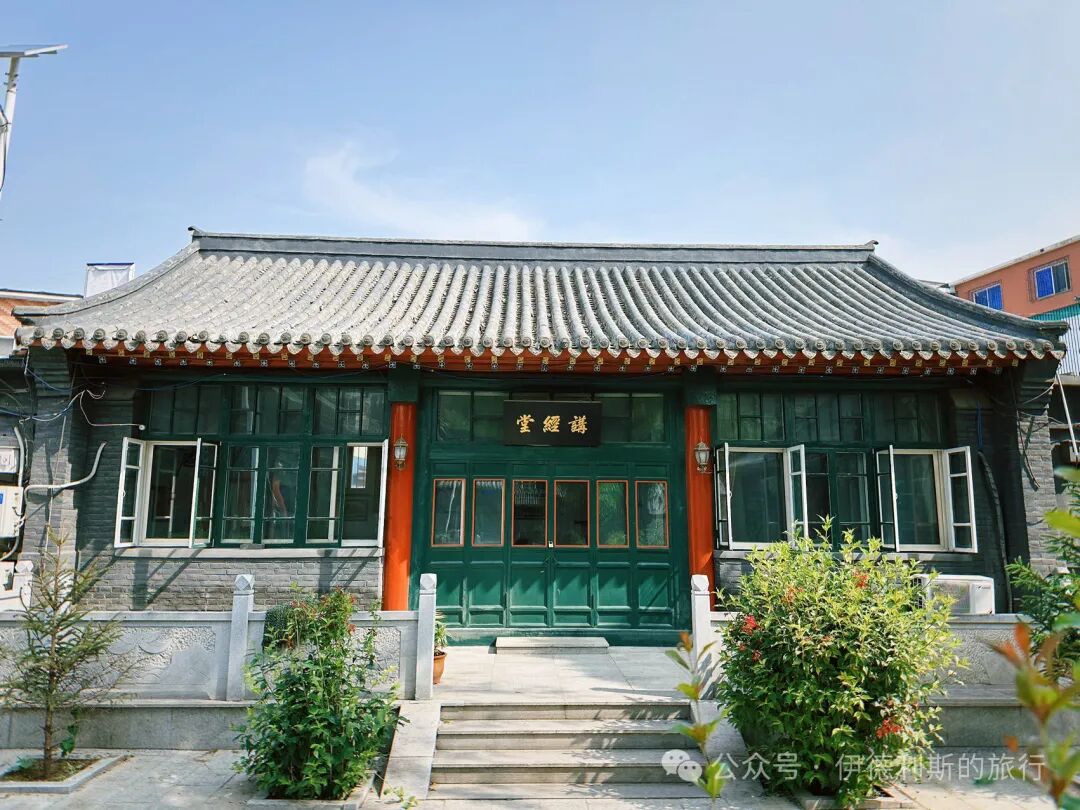
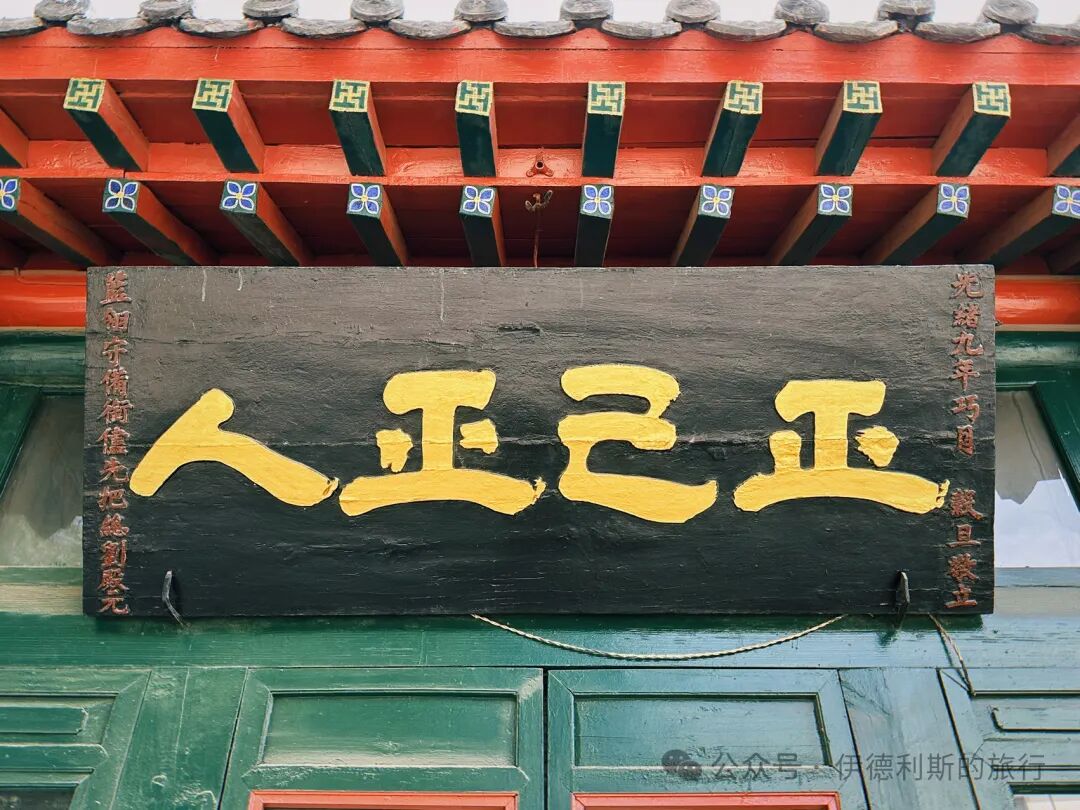
There are three plaques in front of the main prayer hall. The first is the "Unique for All Eternity" plaque, erected in the twelfth year of the Tongzhi reign by Zhang Delu, a military general; Ha Zhongguang, a hereditary cavalry captain; and Ma Shaochun, a magistrate candidate.
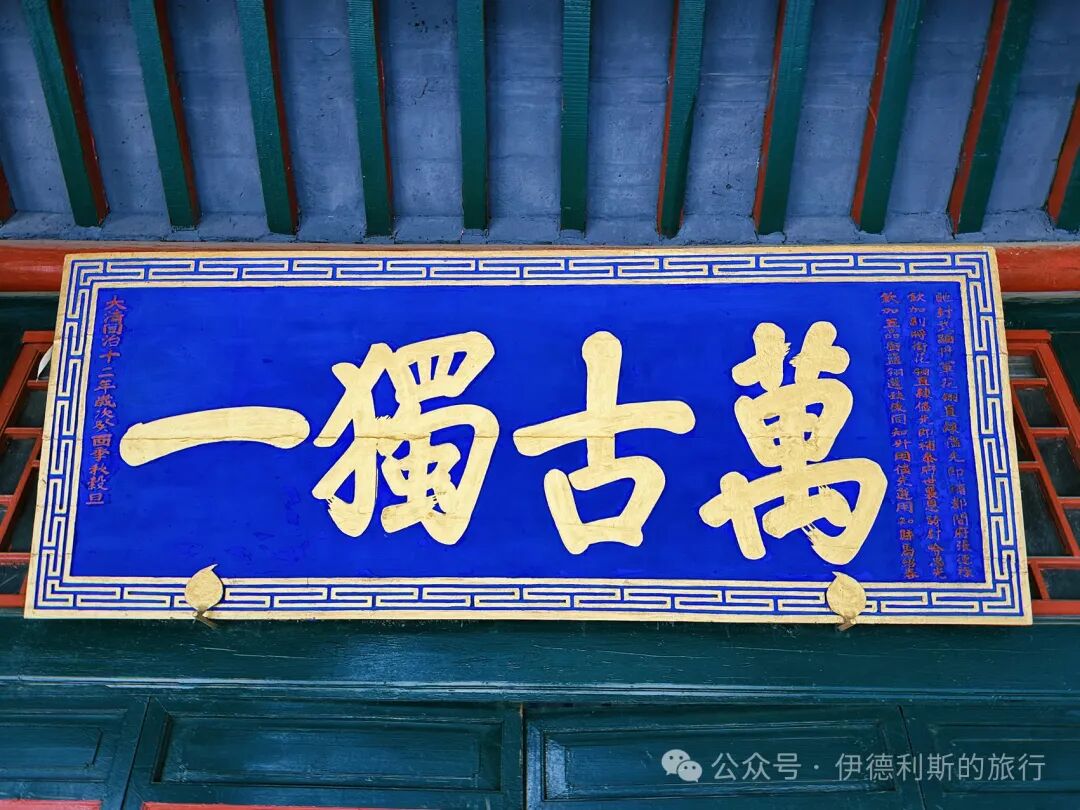
The second is the "Focus and Unify" plaque, erected in the ninth year of the Guangxu reign by Ding Chunxi, a military officer and decorated warrior.
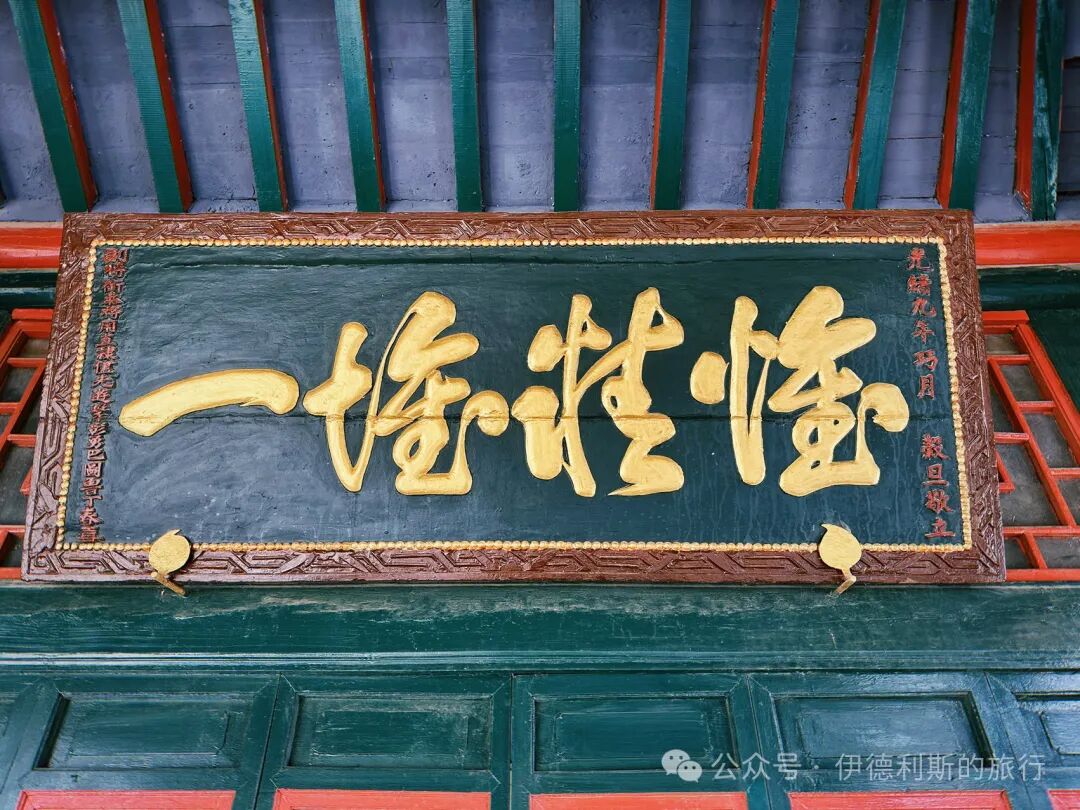
The third plaque is inscribed with 'Sincere Heart and Respectful Mind' (Chengyi Jingxin), presented in the ninth year of the Guangxu reign by Zuo Baogui, a decorated commander and provincial military leader in charge of the Fengtian garrison. Zuo Baogui was a famous general and anti-Japanese hero during the late Qing Dynasty. He led his troops to garrison Fengtian in 1875 (the first year of the Guangxu reign) and began commanding the Fengtian Army in 1880 (the fifth year of the Guangxu reign). Zuo Baogui was stationed in Fengtian for twenty years. During this time, he was devoted to his faith, supported public welfare and education, donated to build many mosques, set up charity schools and porridge kitchens, and wrote plaques for many mosques.
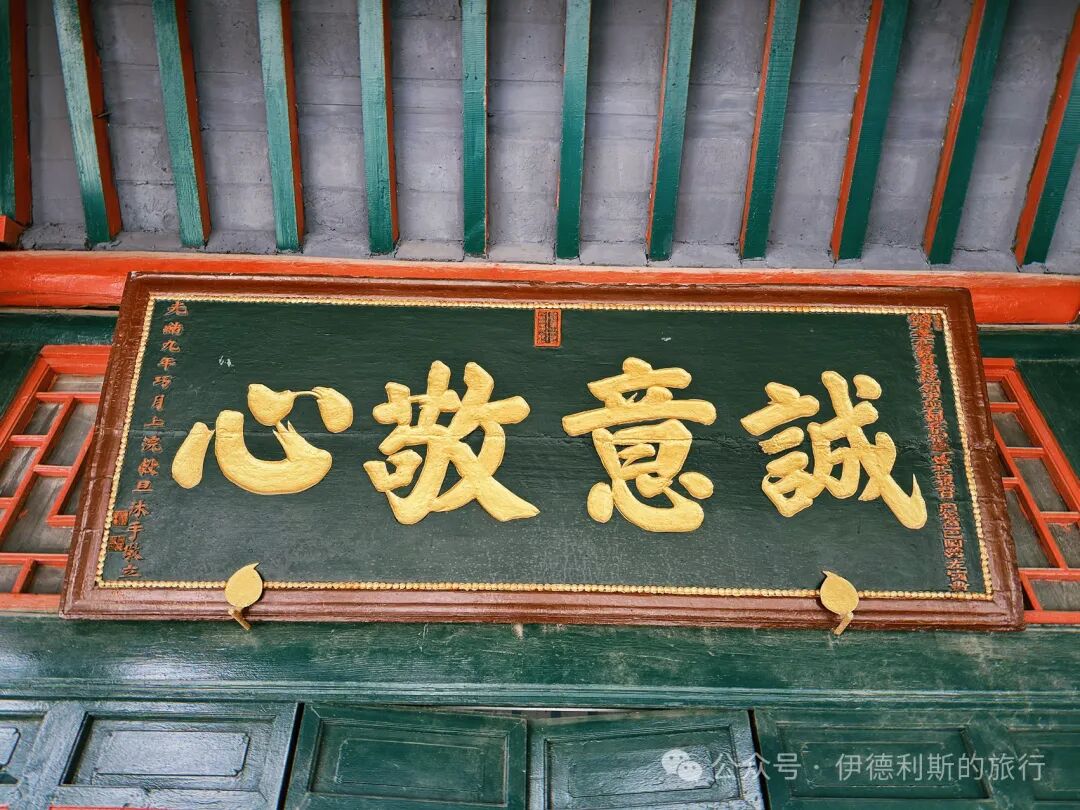
The main hall of Xinmin Mosque features beautiful calligraphy in the flowing script style on its mihrab, minbar, and roof ends. This is a traditional Chinese calligraphy style that originated in Shandong during the Ming and Qing dynasties and flourished in Northeast China along with the Shandong school.
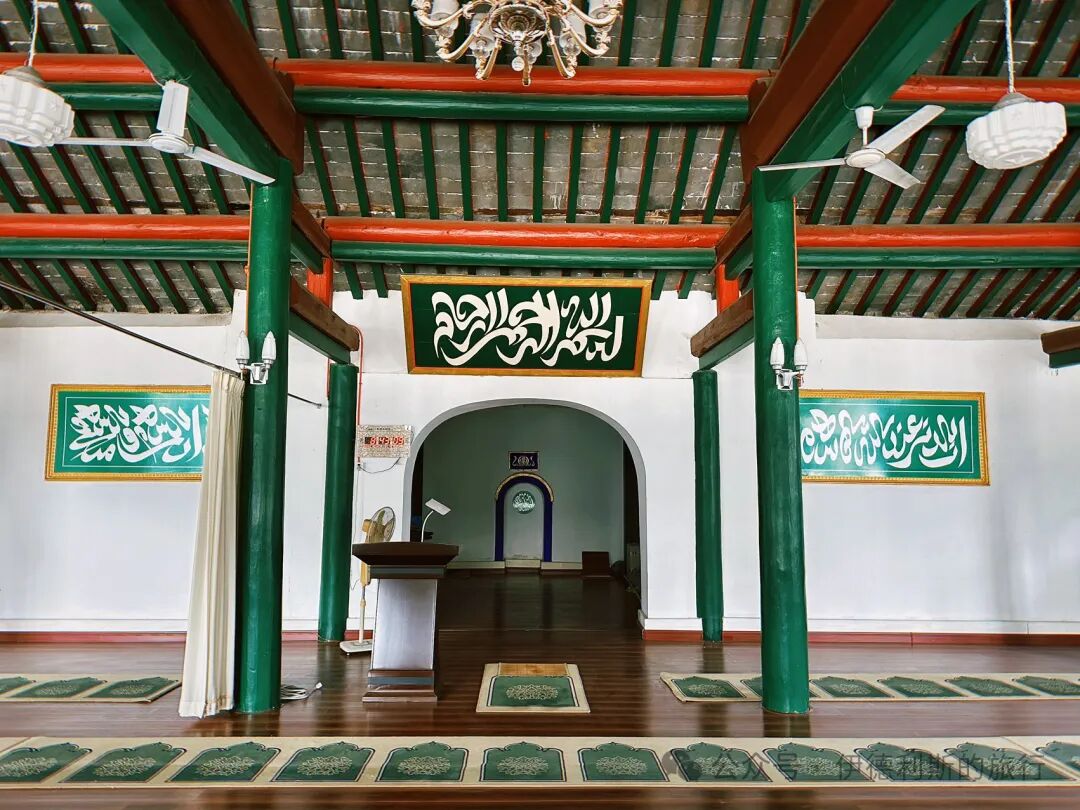
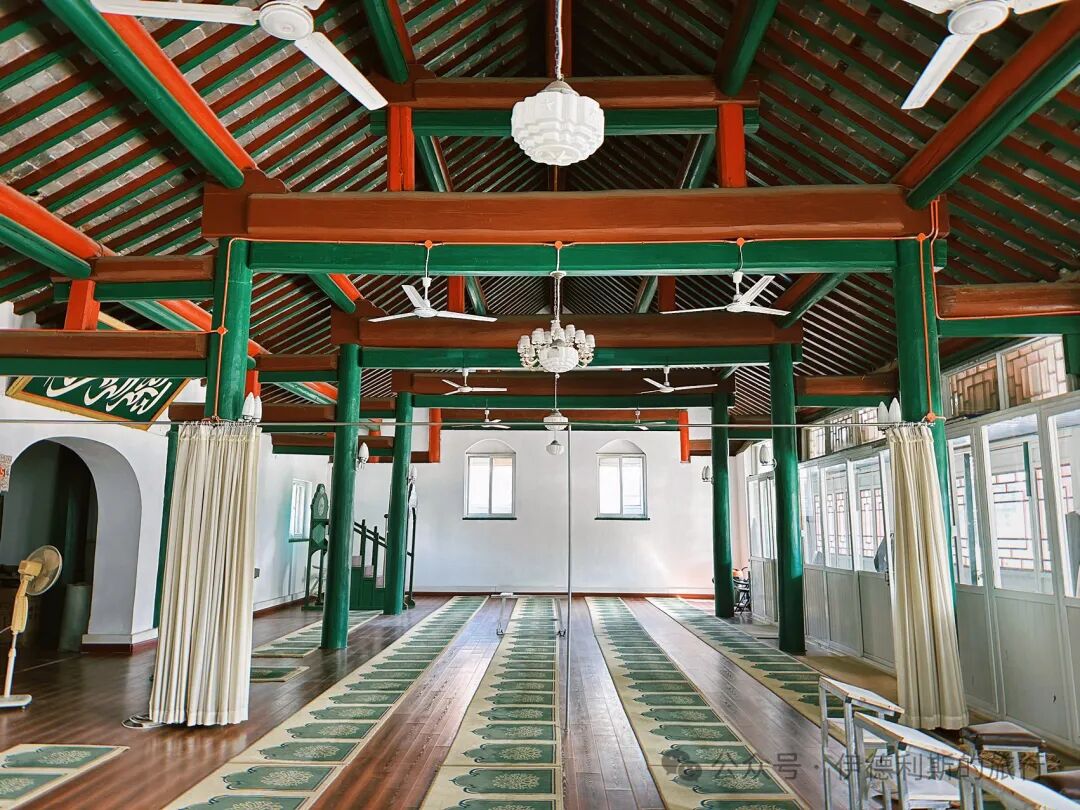
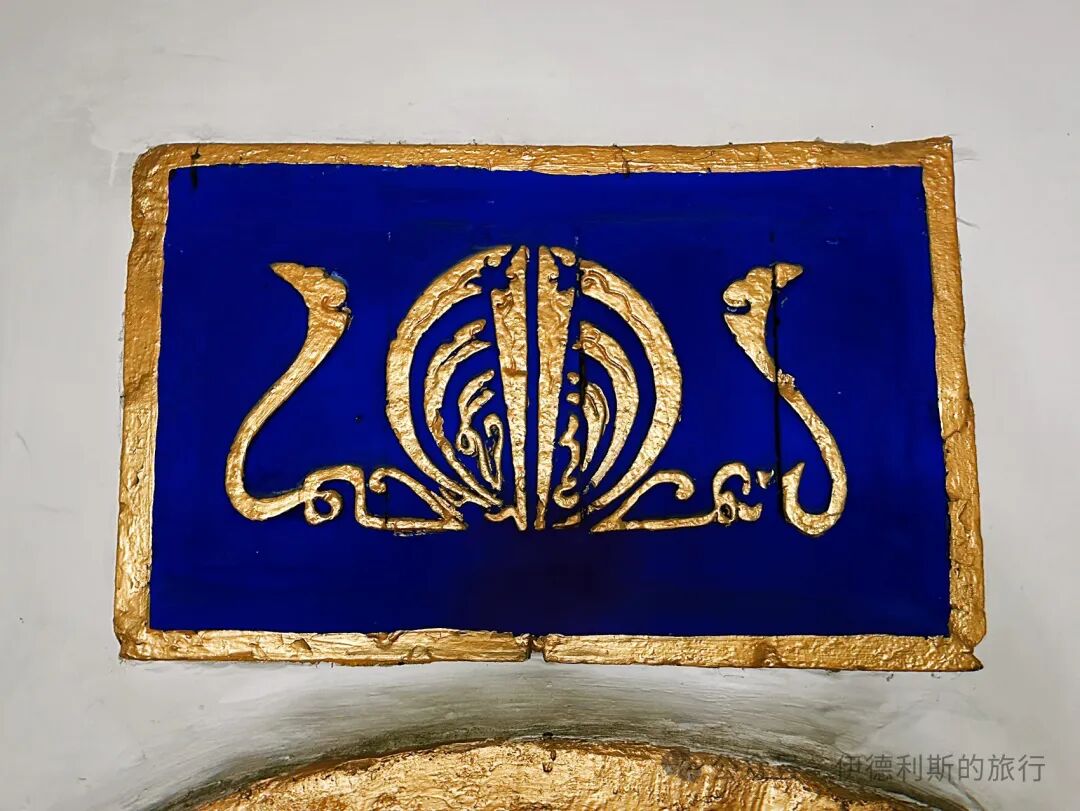
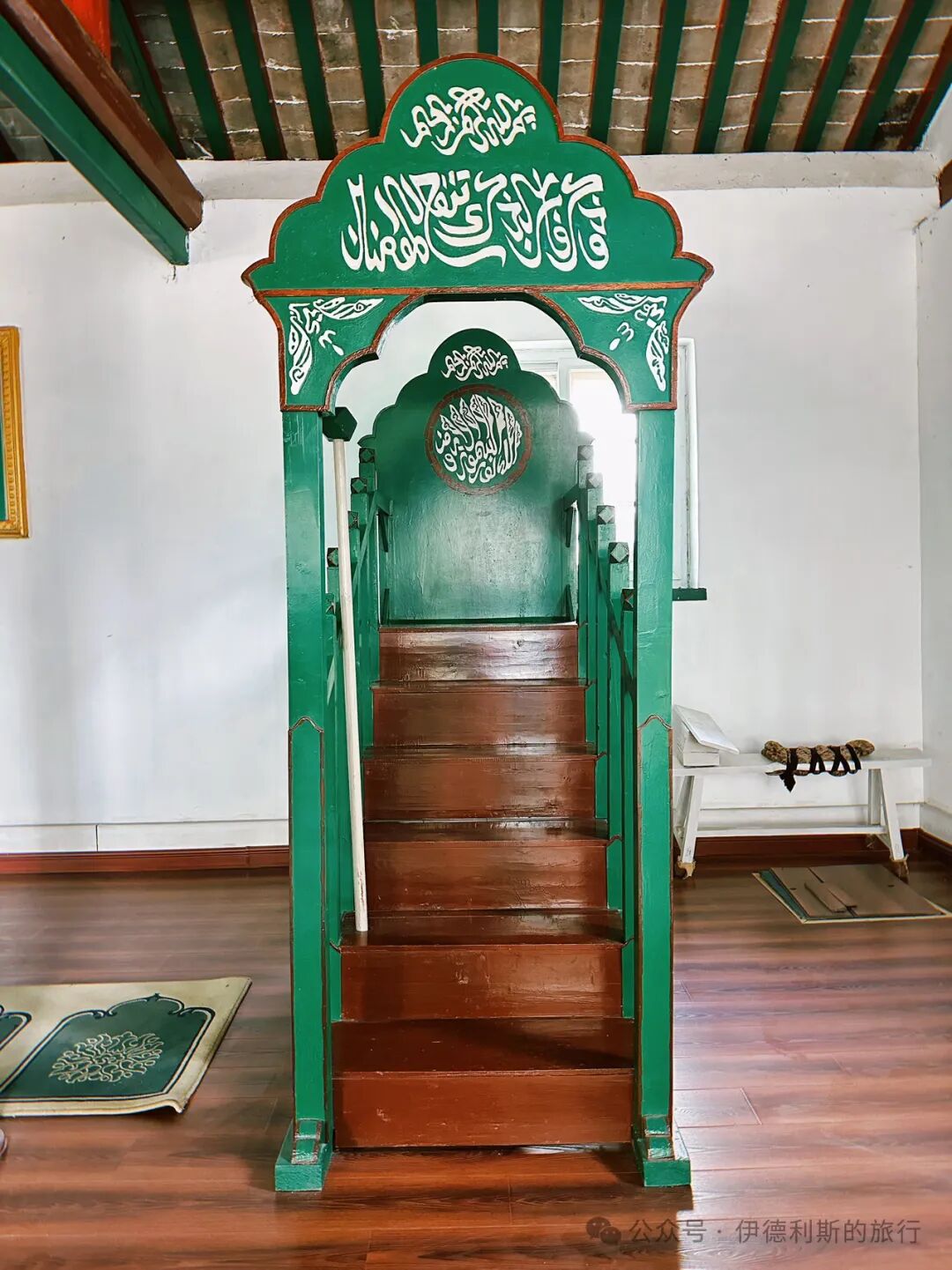
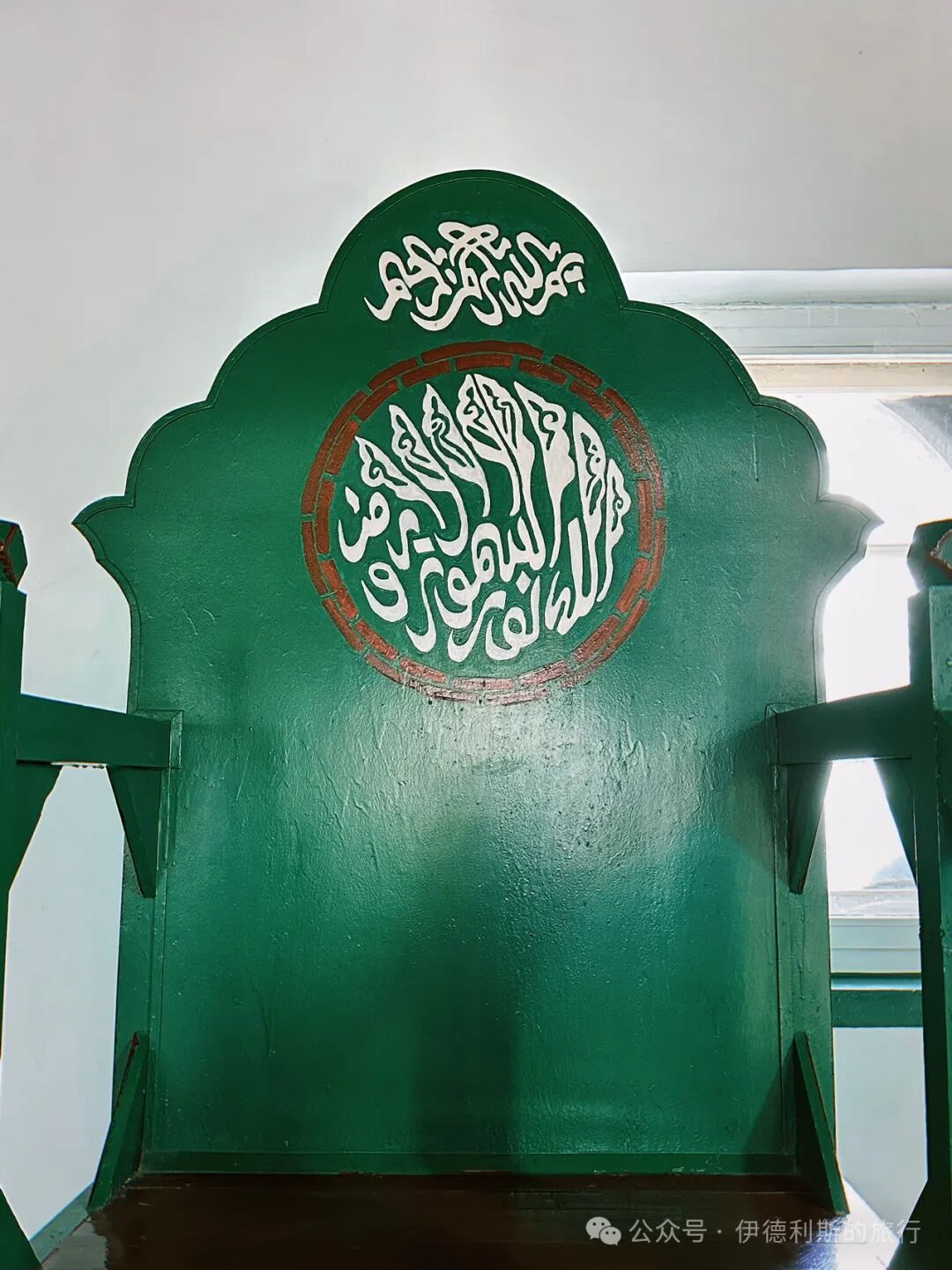
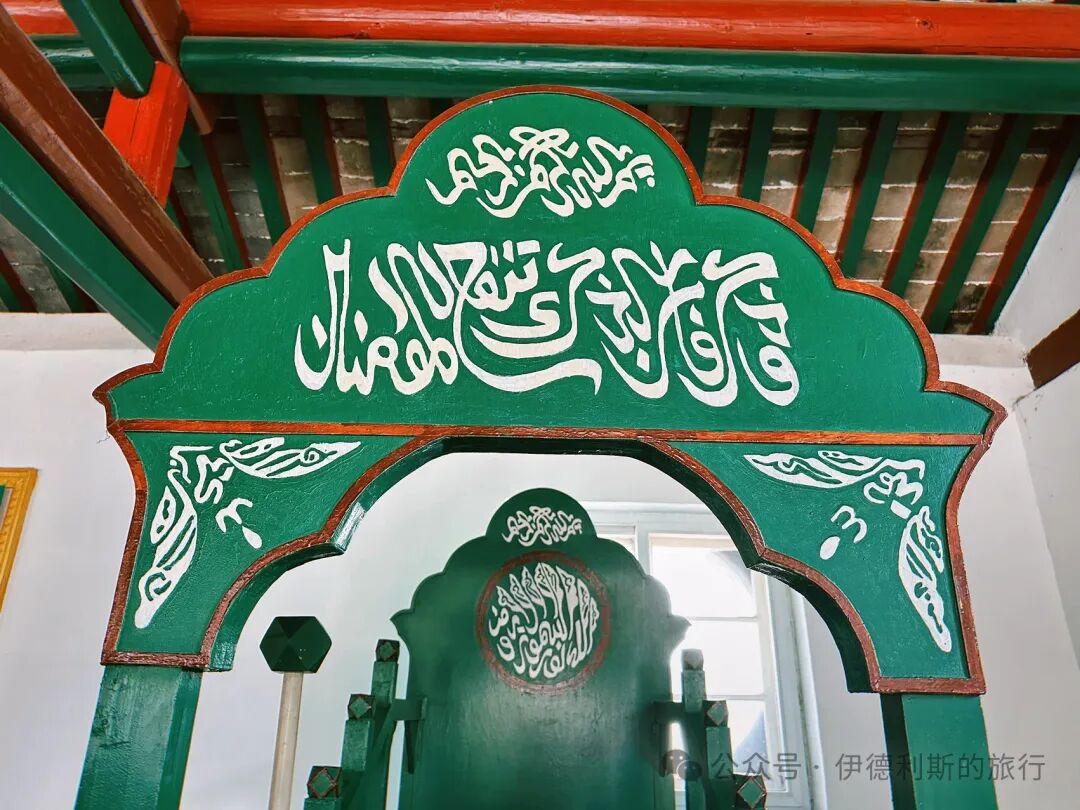
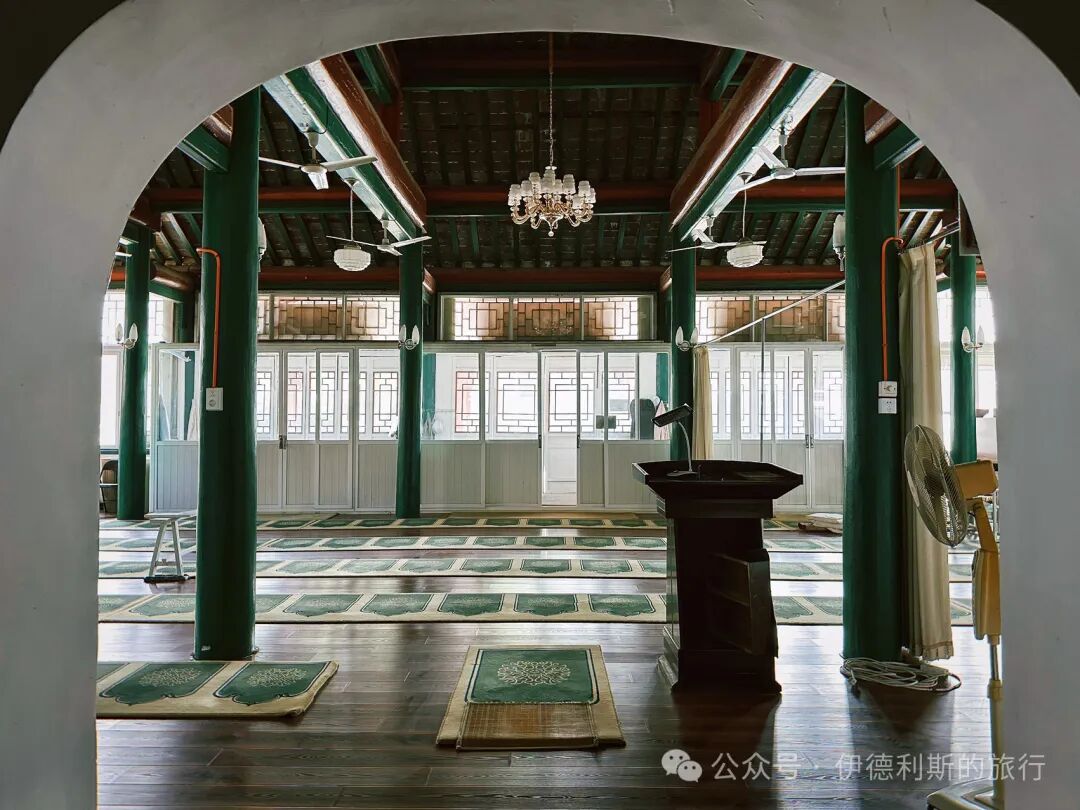
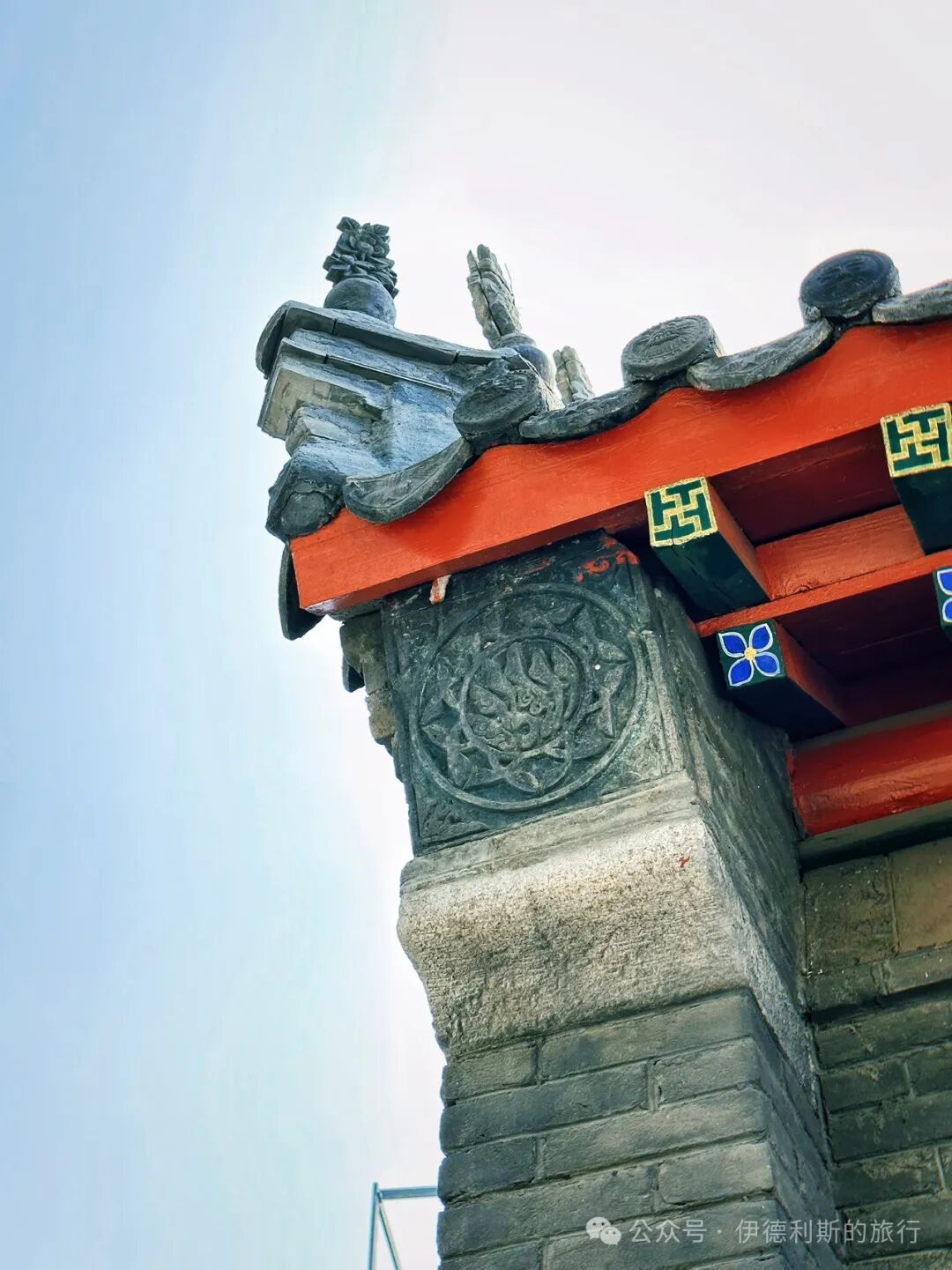
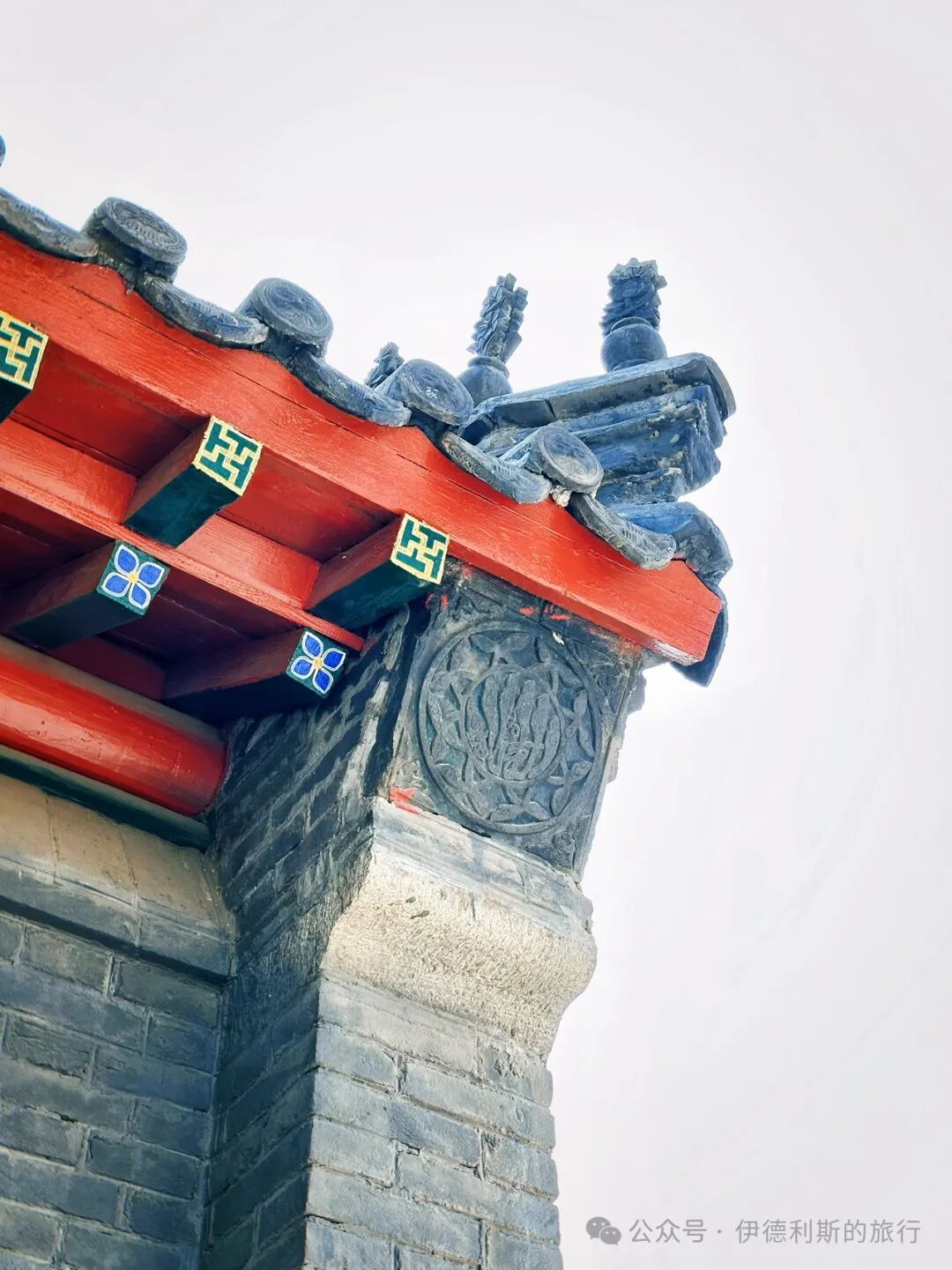
Qing Dynasty stone door bases and stone tablets are piled up in the backyard of Xinmin Mosque. Among them, a stone tablet from the Tongzhi reign period records a contract for a cemetery, including the names of donors and the boundaries of the land. The inscription on the tablet also makes a precious mention of the now-vanished North Xinmin Mosque. Xinmin North Mosque was built in 1853 (the 15th year of the Daoguang reign). Its kiln-style hall featured a double-eaved moon-viewing tower, but it was destroyed between the 1960s and 1970s.
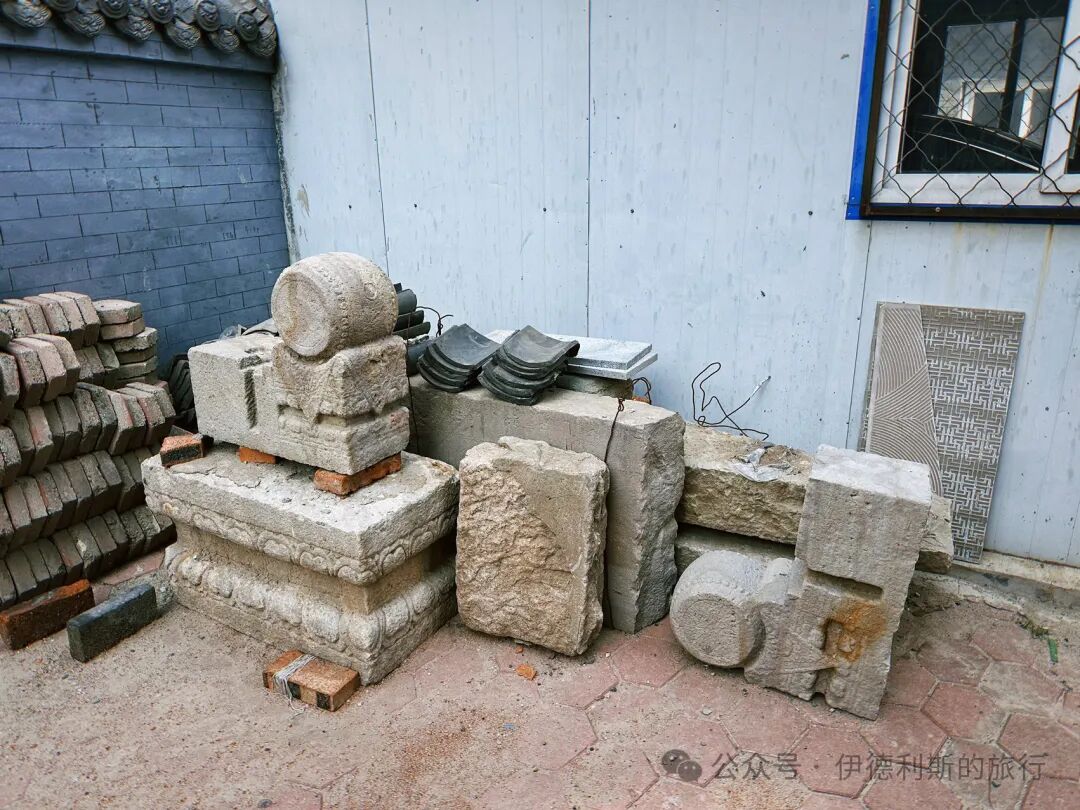
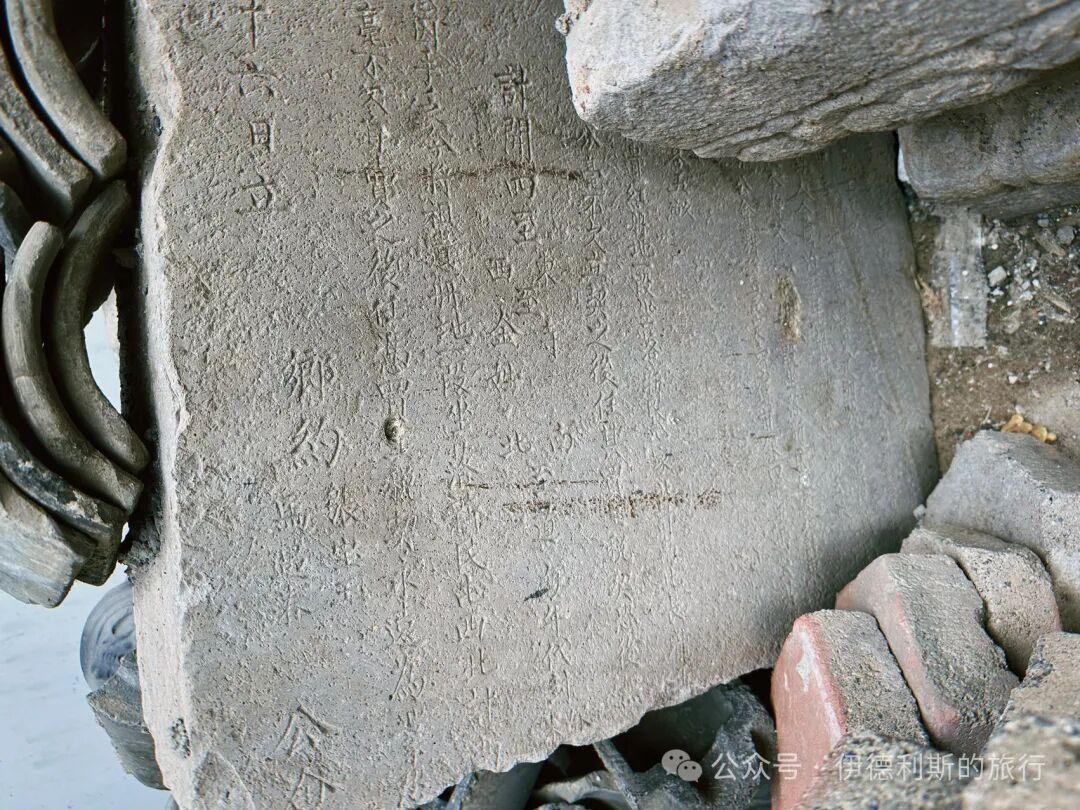
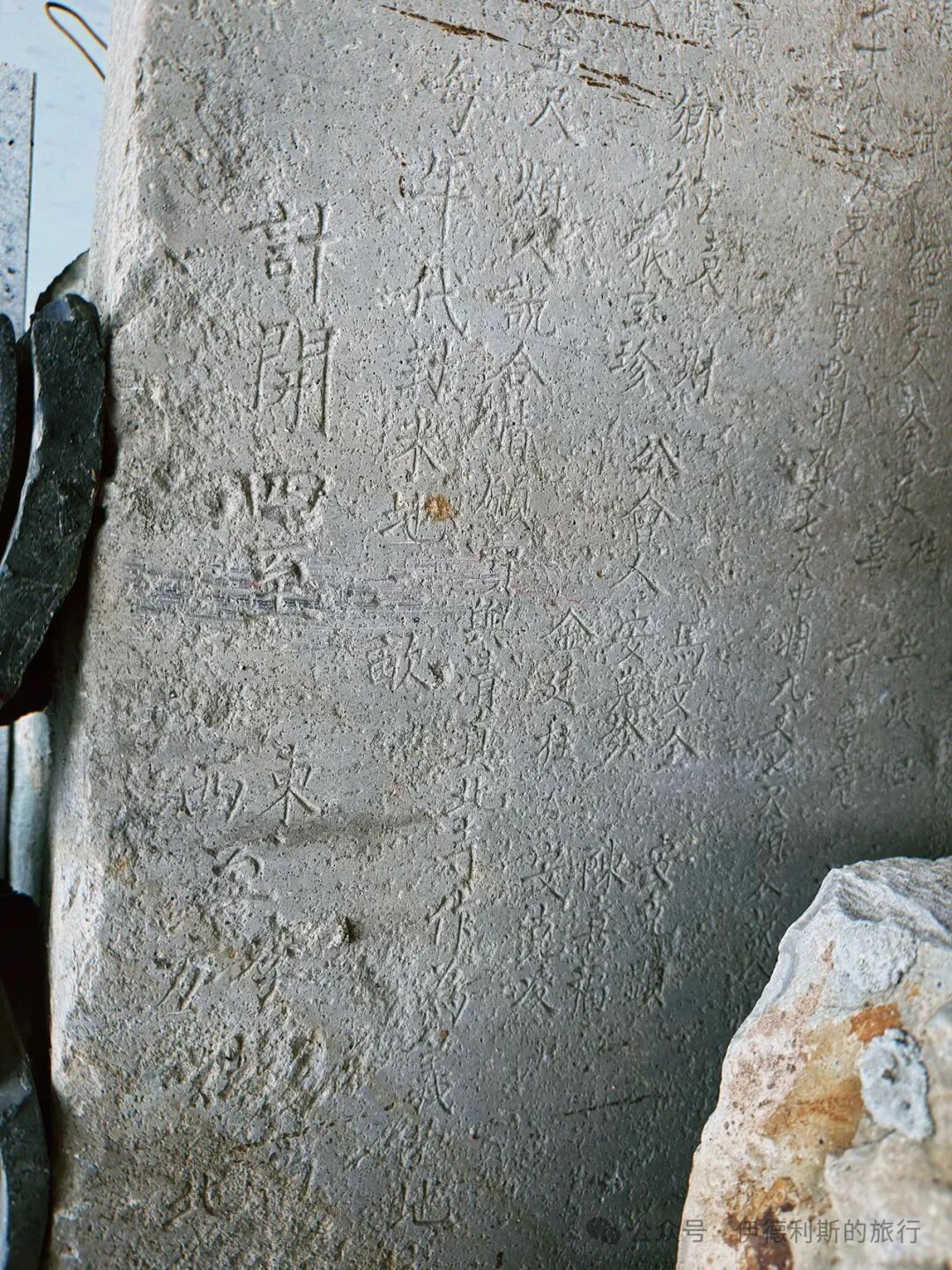
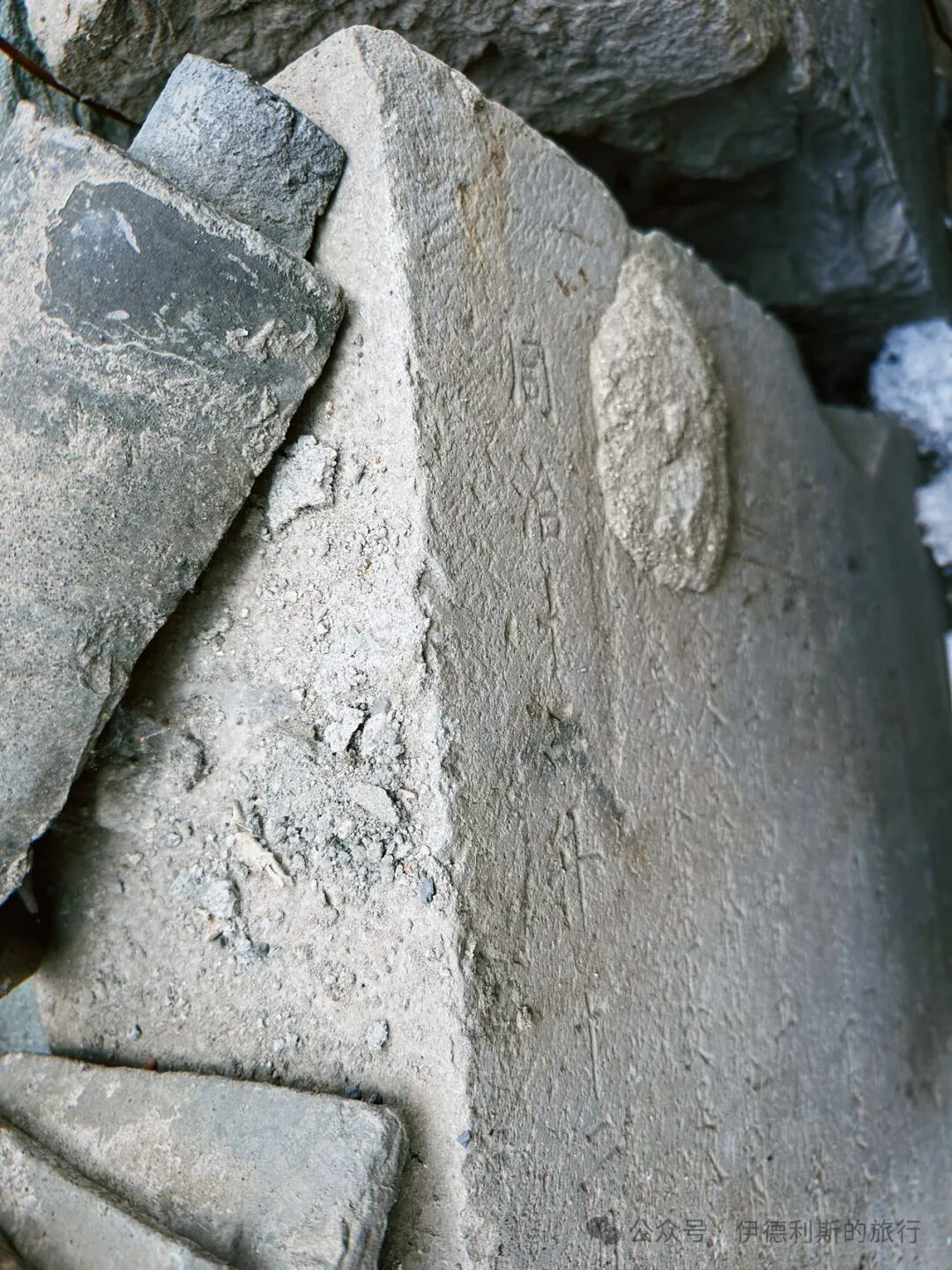
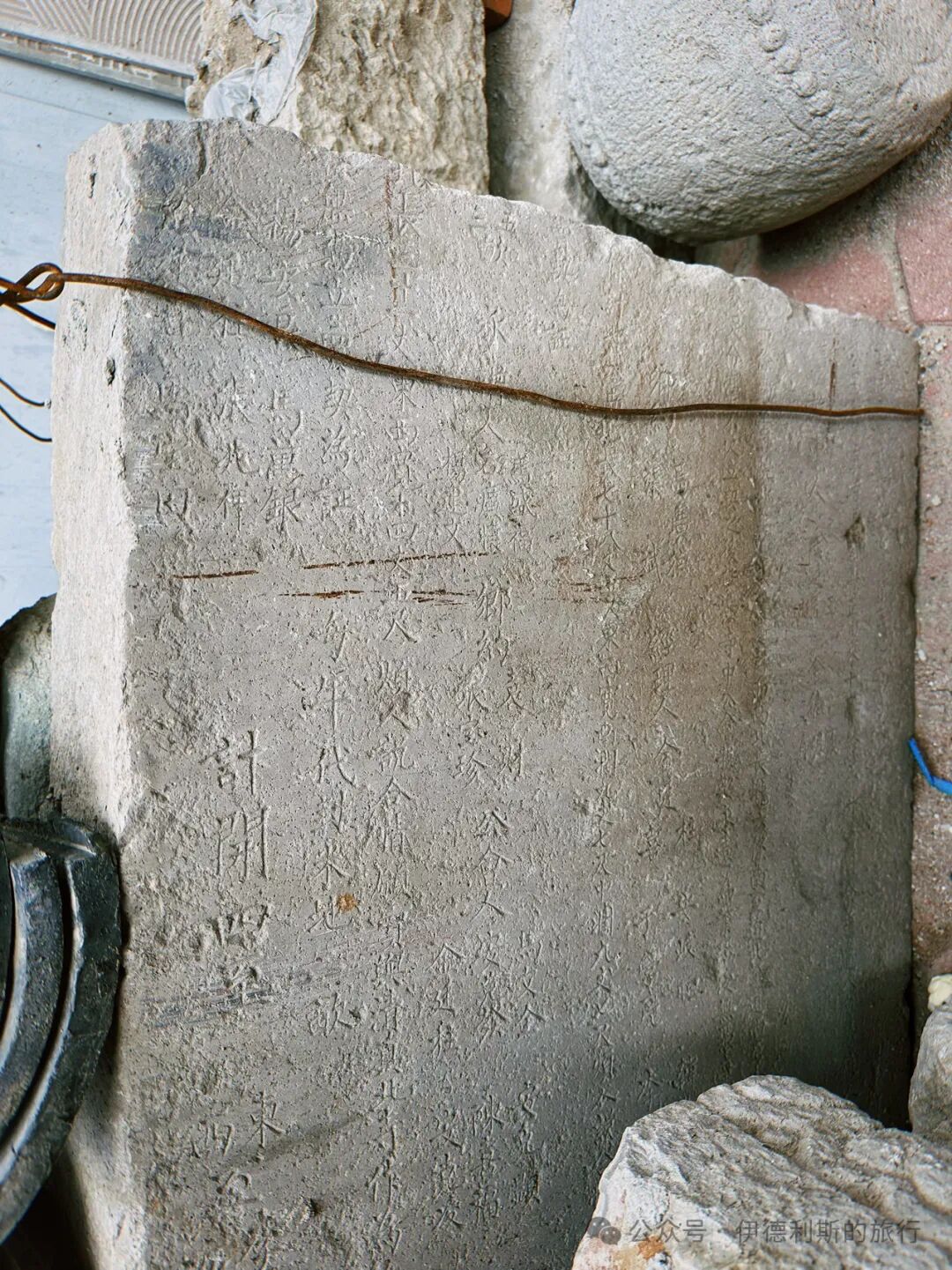
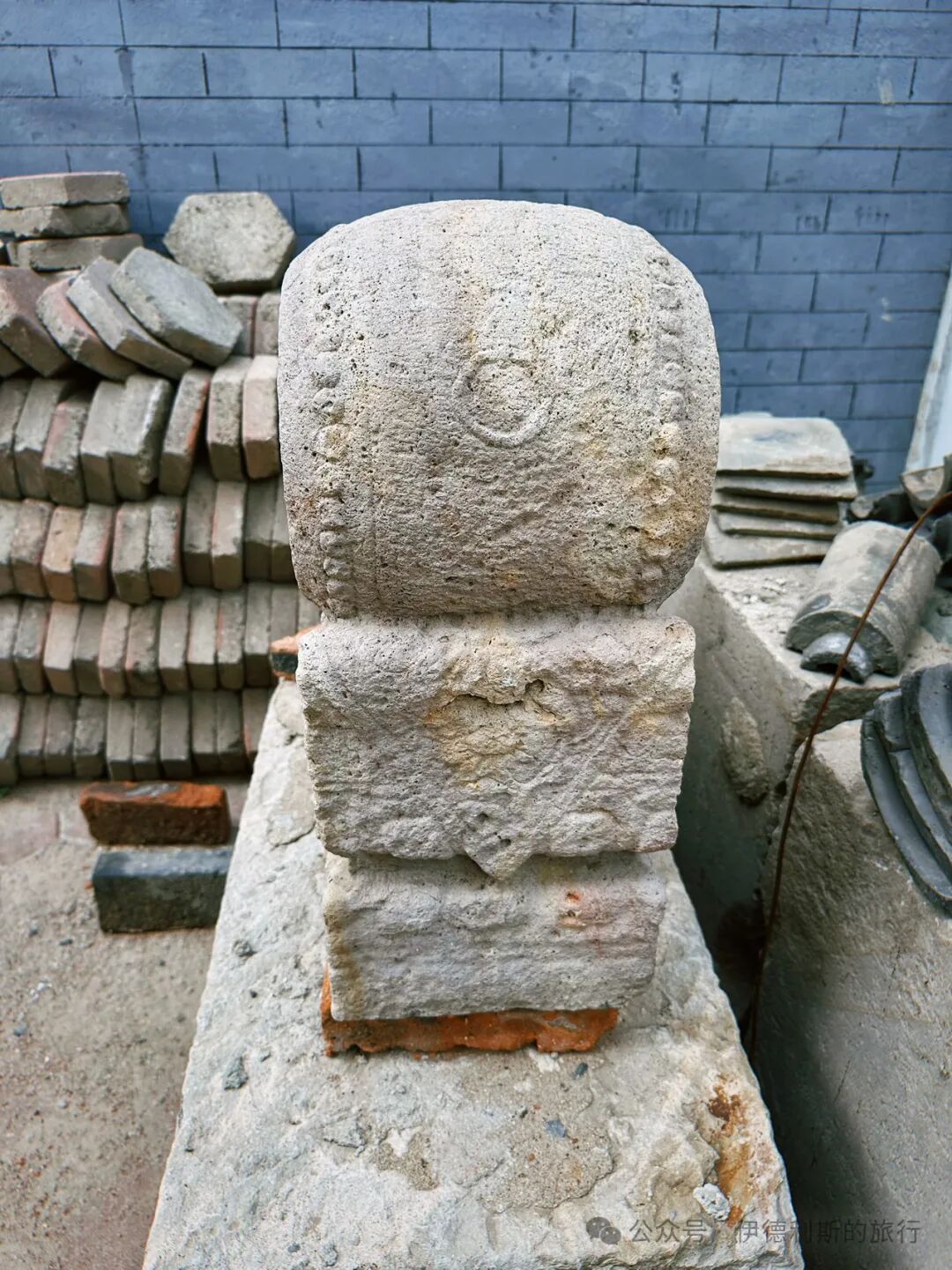
Around Xinmin Mosque, you can see halal restaurants with signs for the Jin, Bai, and Yang families. These are common surnames among Hui Muslims in the eastern region. We took a break at one of the breakfast shops and had some millet porridge and soy milk. The dried tofu (gan doufu) in Liaoning is really delicious.
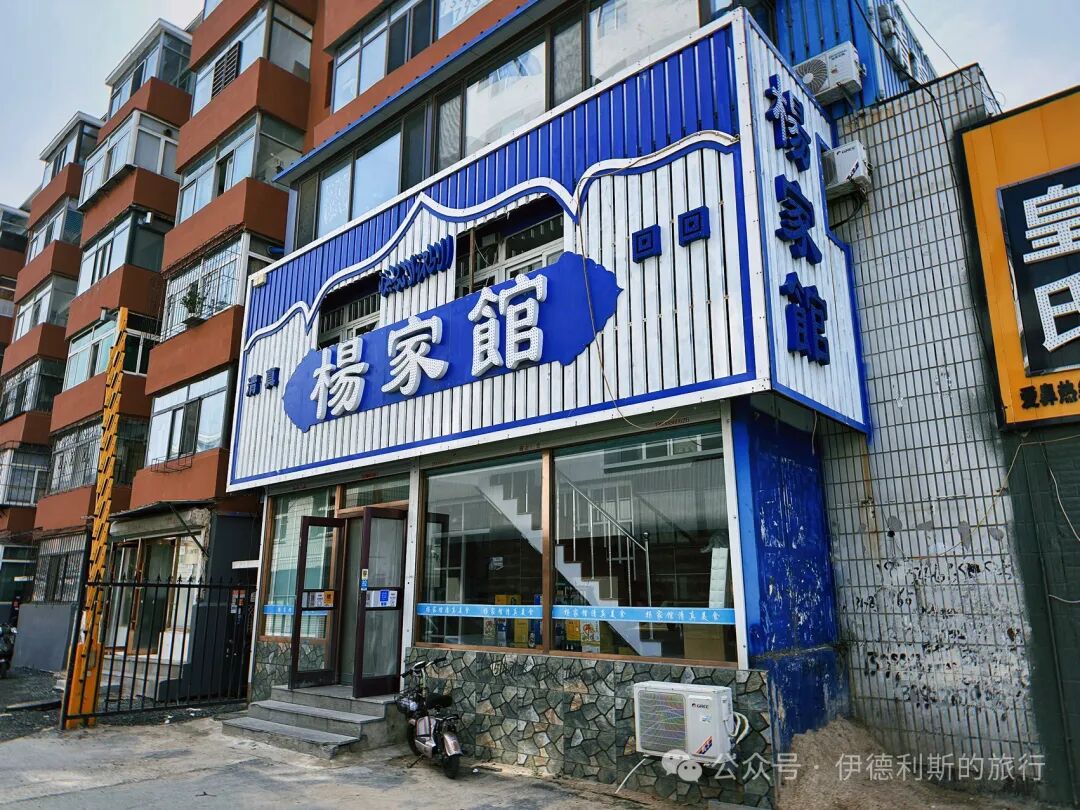
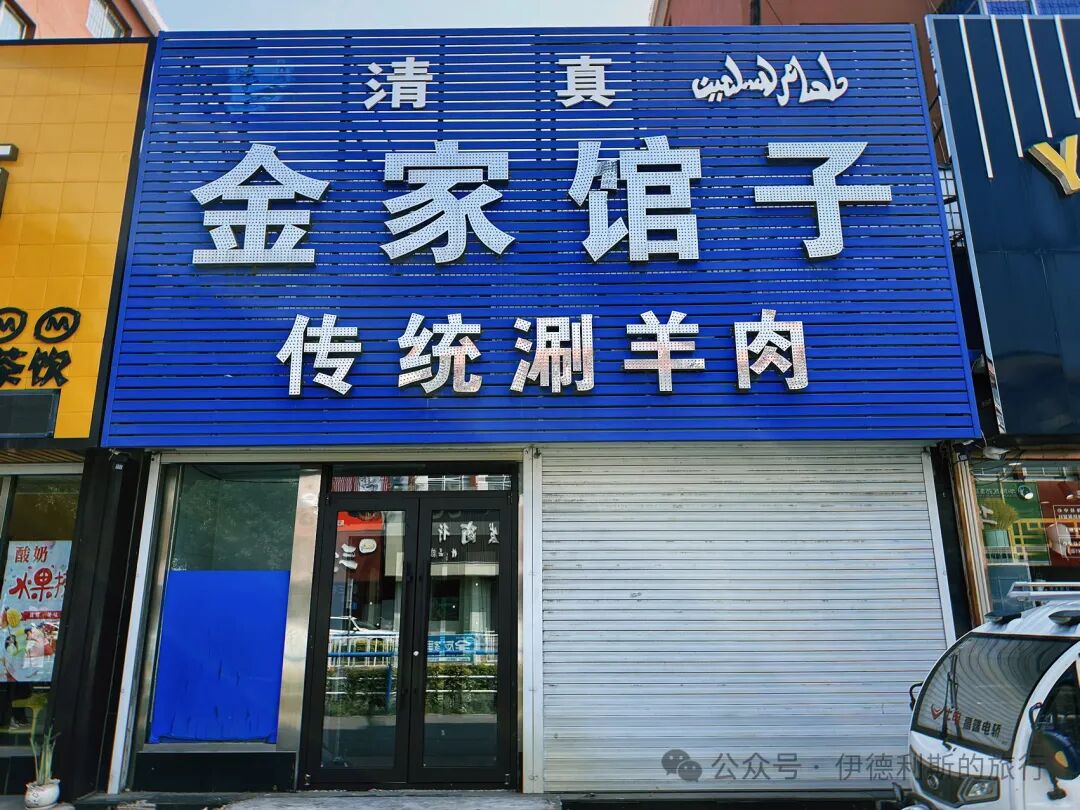
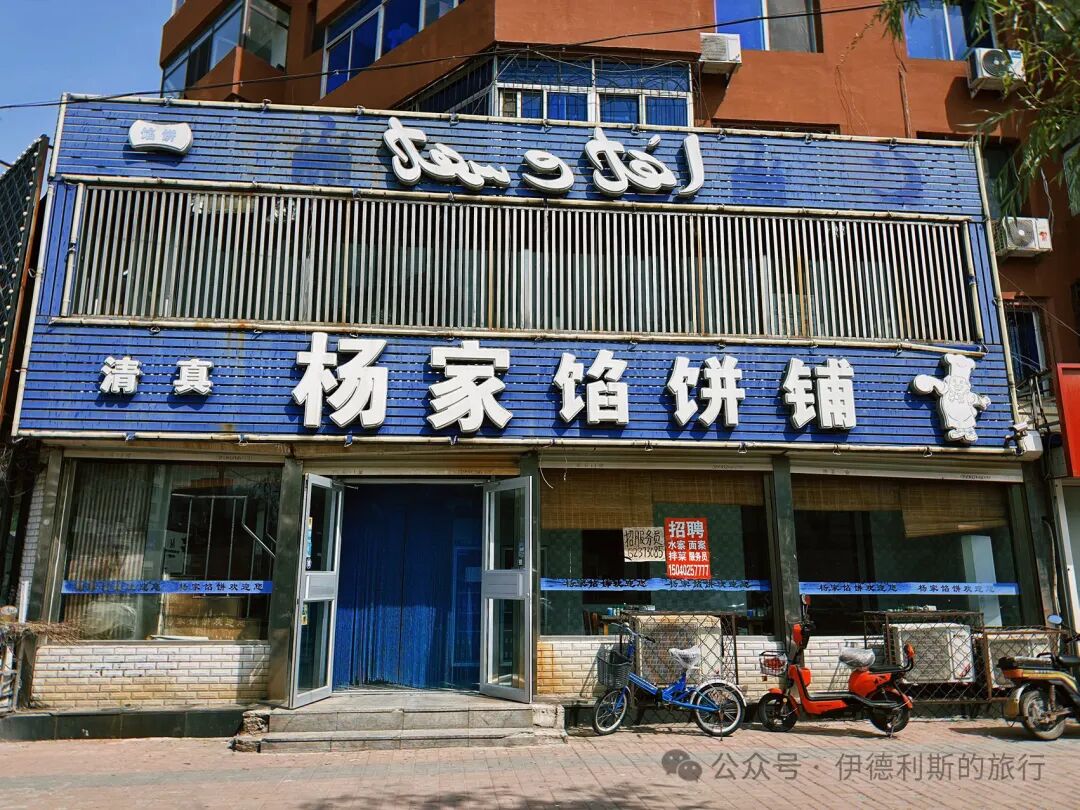
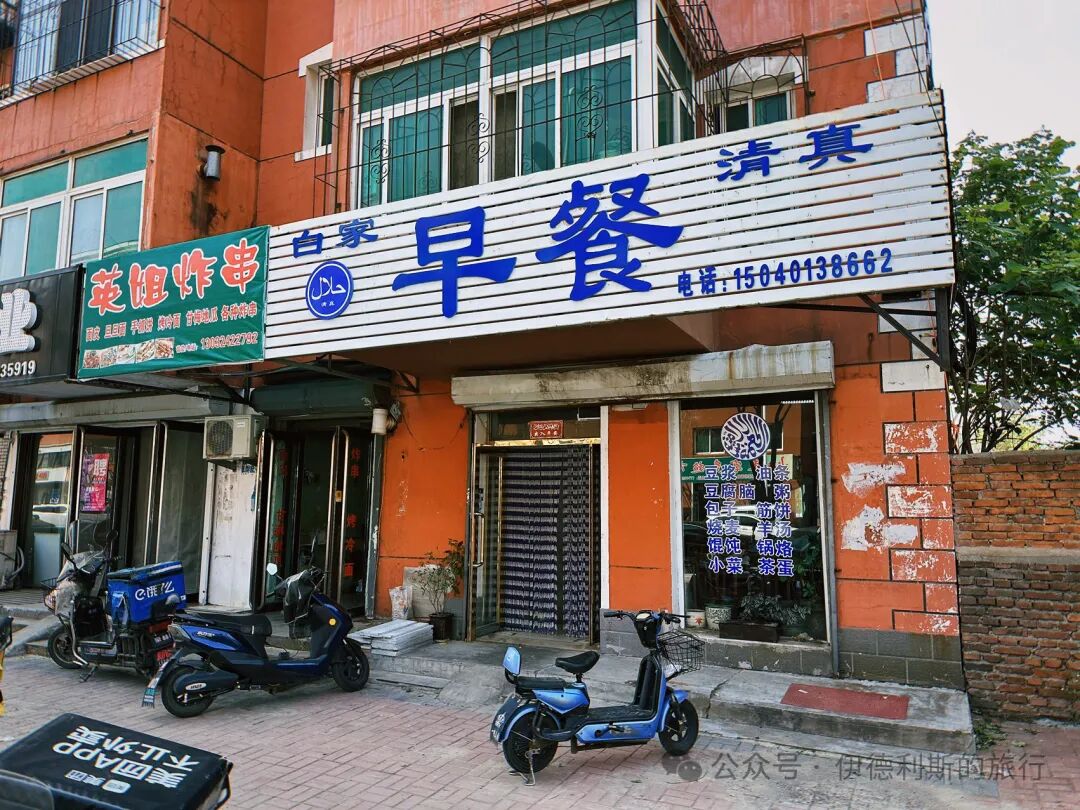
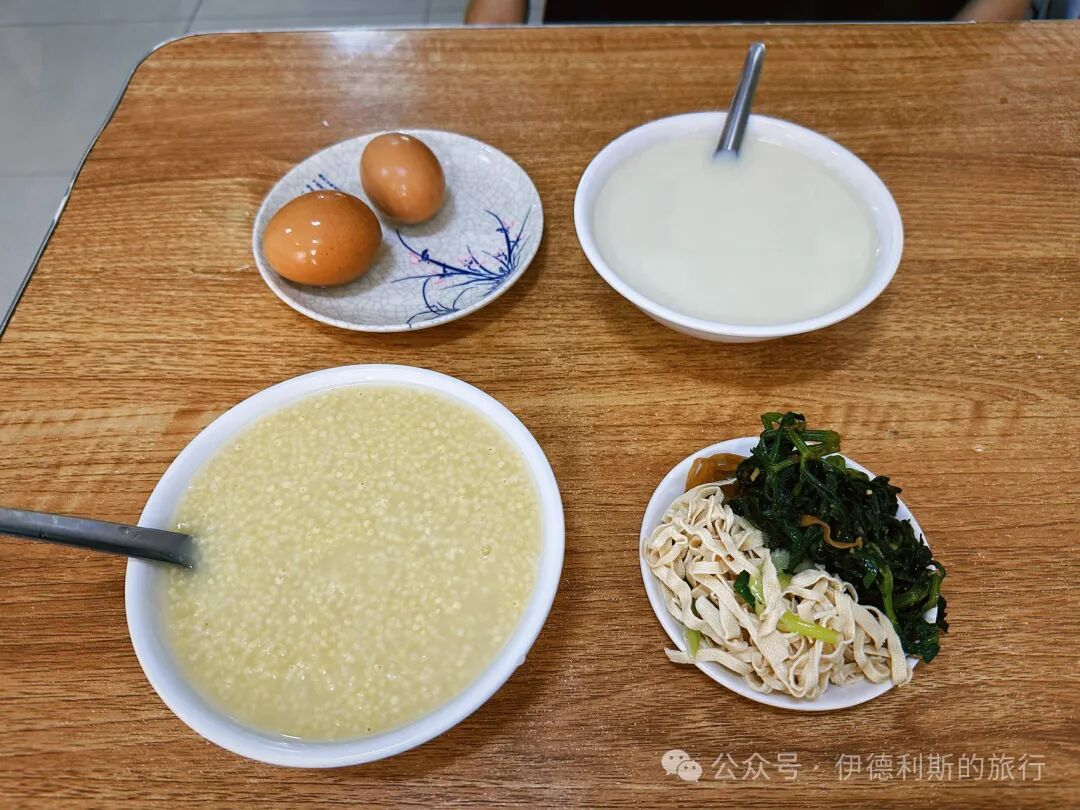
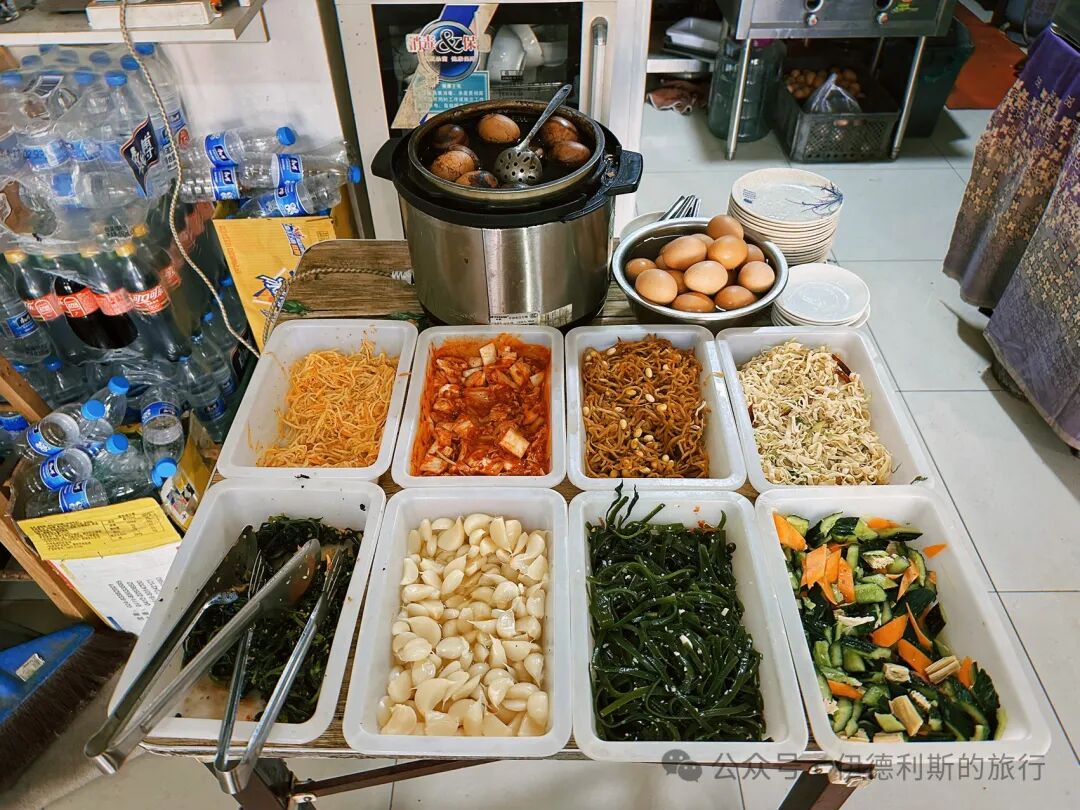
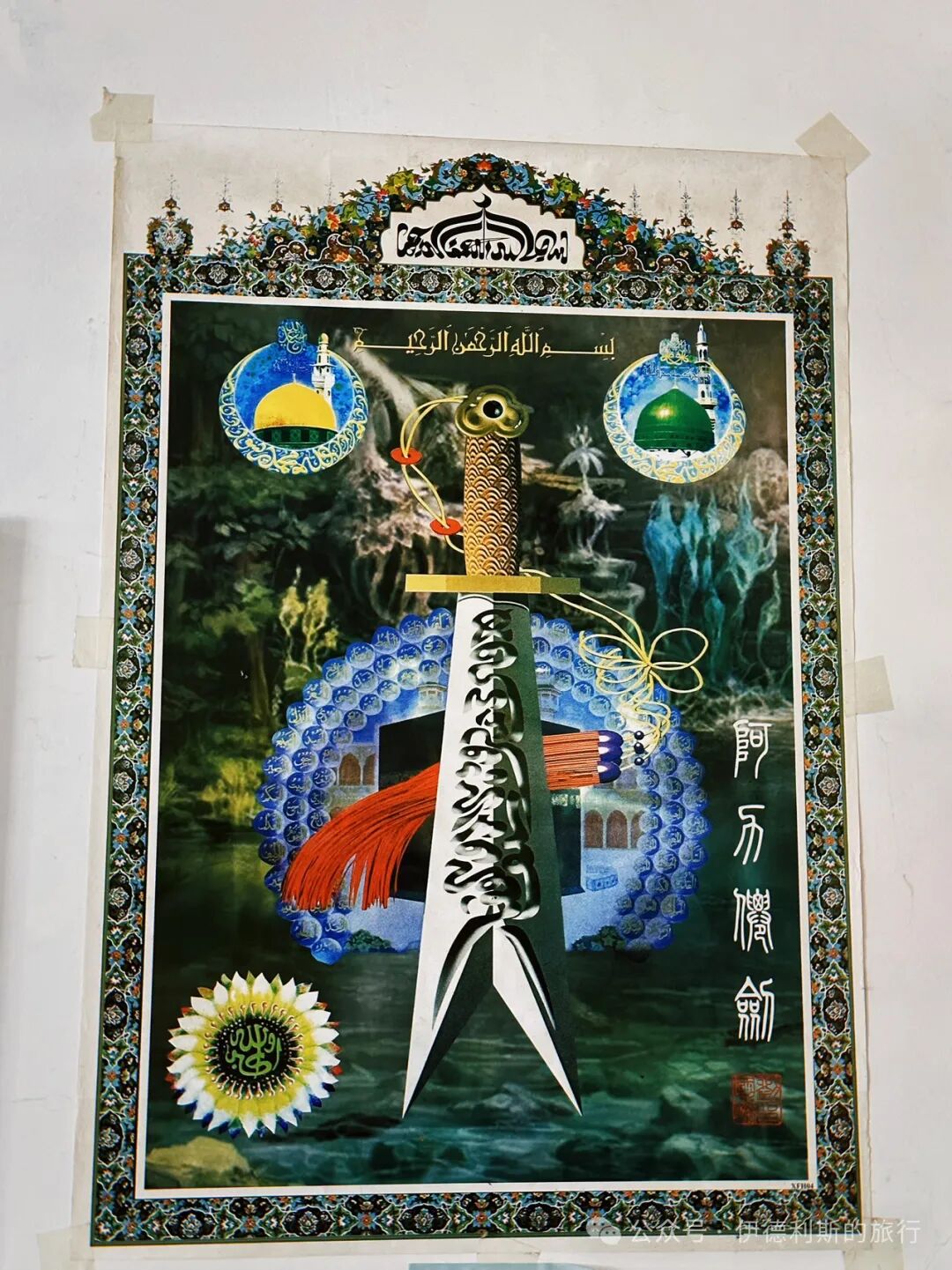
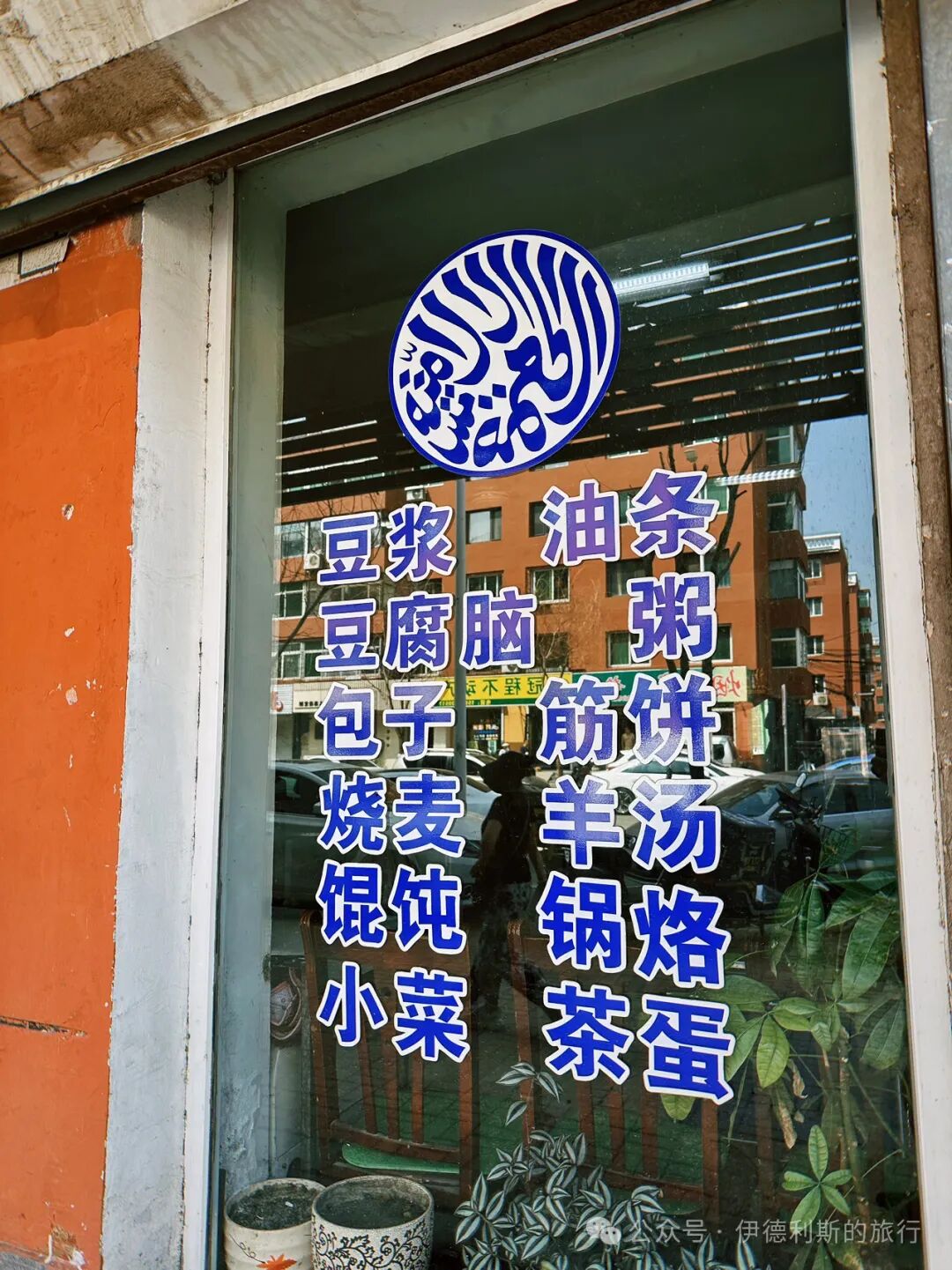
Liaoning Halal Travel Guide: Lingyuan, Shenyang and Kaiyuan (Part 1)
Articles • ali2007fr posted the article • 0 comments • 179 views • 2026-05-17 05:52
Summary: This travel note introduces Liaoning Halal Travel Guide: Lingyuan, Shenyang and Kaiyuan (Part 1). In May 2021, I left Chengde in the morning by high-speed train and arrived in Lingyuan, Liaoning, at noon. It is useful for readers interested in Liaoning Travel, China Mosques, Halal Food.
In May 2021, I left Chengde in the morning by high-speed train and arrived in Lingyuan, Liaoning, at noon. I ate at a small restaurant at the entrance of the Lingyuan mosque, ordering the stir-fried shredded meat with hand-pulled noodles recommended by the owner, as well as a mixed vegetable dish with doupao (fried tofu puffs), sliced meat, daylily, wood ear mushrooms, and kelp. Once you reach the Northeast, the portions are truly large and affordable; a bowl of noodles for five yuan is a great meal!
Lingyuan is located at the junction of Hebei, Liaoning, and Inner Mongolia, and was formerly known as Tazigou. Since the Qianlong reign of the Qing Dynasty, Hui Muslims from Shandong and Hebei continuously traveled beyond the Great Wall through the gaps near Xifengkou. Lingyuan was their first stop after leaving the pass, and some Hui Muslims settled there.
The Lingyuan mosque was built during the Qianlong reign. According to the inscriptions in the mosque, Hui Muslim doctor Zhang Lichen and others cured the illness of a Mongol prince of the Kharachin Left Banner, so the prince's estate provided the foundation funds to build the Lingyuan mosque.
Mosque gate.
Chuihuamen (hanging flower gate).
The prayer hall, like traditional northern styles, consists of a juanpeng (shed-style porch), a main hall, and a yaodian (niche hall), but the architectural details are very different from the styles inside the pass.
The main hall has developed cracks due to long-term disrepair and is currently closed; the namaz (prayer) has been moved to a room nearby.
Side rooms.
In the evening, I took the high-speed train to Shenyang and had a small barbecue at Xiguan Kaikou Xianbing in the Xiguan Hui Muslim camp night market, ordering small lamb legs, chicken racks, lamb hooves, flatfish, and stir-fried chives with squid.
I went for a walk at night and visited the 24-hour Xiguan Yang Family Pie Shop, where I had lamb soup with pies and ordered a 'Liu Sanyang' (three-variety stir-fry), which is heart, liver, and intestine, a Northeast specialty within the Lu cuisine family. They also gave us complimentary fried shrimp chips and side dishes.
The next morning, I had chicken cake and tofu pudding at Lao Ding Tou on Xiaoxi Street, and beef huoshao (crispy baked flatbread) with stewed tofu and tendons at Ma's Yikousu on Qingzhen Road. The huoshao cost one yuan each; they are flaky and you can't find them outside the Northeast.
Delicatessen and fried rice cakes at the Xiguan Hui Muslim camp market. The Hui Muslim camp is much quieter than the last time I visited, and the morning market is gone.
The Shenyang South Mosque was founded in 1636 (the first year of the Chongde reign of the Qing Dynasty). The ancestors of the founding Tie family were Hui Muslim Semu people who came to the interior during the Mongol western expeditions. In the early Ming Dynasty, Tie Xuan served as the Shandong administration commissioner in Jinan. During the Jingnan Campaign in 1400, Tie Xuan led troops to defend Jinan city. The Prince of Yan, Zhu Di, attacked for three months without success until he captured Nanjing in 1402 and returned north to finally break through Jinan. After being captured, Tie Xuan was executed by dismemberment. After Tie Xuan passed away, his second son, Tie Fushu, fled outside the pass and moved from Jinzhou to Shenyang during the Wanli reign (1573-1620).
The original Shenyang South Mosque was relatively simple. In 1662 (the first year of the Kangxi reign), it was expanded into a large mosque by Tie Kui, who invited the famous Imam She Yuanshan from Beijing to set up a school. After Imam She's disciple, Tie Hongji, completed his studies, he became the leader. From then on, the Imams of the South Mosque were passed down through the Tie family for 11 generations, with the last Imam, Tie Zizhang, serving until 1956.
The rear hall of the mosque was expanded in 1902. The main hall is not the traditional 'convex' shape, but a structure of juanpeng + front hall + rear hall + hexagonal yaodian. This practice of adding a pavilion-style yaodian to the back of the main hall is relatively common in the Northeast.
The mihrab (prayer niche) of the South Mosque is very rare in that it does not use a niche, but rather a 'great deity tablet' form, which is very locally characteristic.
The Shenyang East Mosque was founded in 1803 (the eighth year of the Jiaqing reign). In 1935, the prayer hall was rebuilt in a Western style, while the moon-watching tower retained its original Chinese style. The East Mosque was occupied in 1958, returned in 1980, and converted into the Shenyang Islamic Institute in 1988.
I took a train from Shenyang to Kaiyuan and then took a taxi to the old city of Kaiyuan. The Kaiyuan Old City Mosque is located inside the east gate of the old city. Founded in 1406 (the fourth year of the Yongle reign of the Ming Dynasty), it is the oldest mosque in the Northeast.
The gate.
The current main hall is in the style after its reconstruction in 1680 (the 19th year of the Kangxi reign), consisting of a small juanpeng + main hall + hexagonal pavilion-style yaodian, similar in style to the Shenyang South Mosque. The main hall has been closed since 2020 and has not been opened since.
Juanpeng (shed-style porch).
The old city mosque once had many plaques and couplets, but now only the 'Allah is One' plaque bestowed by the Kaiyuan County government in 1832 (the 12th year of the Daoguang reign) remains, hanging above the main hall.
Inside the main hall.
Old items stored in the hall of the old city mosque include drip tiles, roof tiles, ridge beasts, wooden carved railings from the main hall, the finial from the yaodian moon-watching tower, and a plaque inscribed with 'Lingluo Shajuan' (fine silks and satins). view all
Summary: This travel note introduces Liaoning Halal Travel Guide: Lingyuan, Shenyang and Kaiyuan (Part 1). In May 2021, I left Chengde in the morning by high-speed train and arrived in Lingyuan, Liaoning, at noon. It is useful for readers interested in Liaoning Travel, China Mosques, Halal Food.
In May 2021, I left Chengde in the morning by high-speed train and arrived in Lingyuan, Liaoning, at noon. I ate at a small restaurant at the entrance of the Lingyuan mosque, ordering the stir-fried shredded meat with hand-pulled noodles recommended by the owner, as well as a mixed vegetable dish with doupao (fried tofu puffs), sliced meat, daylily, wood ear mushrooms, and kelp. Once you reach the Northeast, the portions are truly large and affordable; a bowl of noodles for five yuan is a great meal!
Lingyuan is located at the junction of Hebei, Liaoning, and Inner Mongolia, and was formerly known as Tazigou. Since the Qianlong reign of the Qing Dynasty, Hui Muslims from Shandong and Hebei continuously traveled beyond the Great Wall through the gaps near Xifengkou. Lingyuan was their first stop after leaving the pass, and some Hui Muslims settled there.
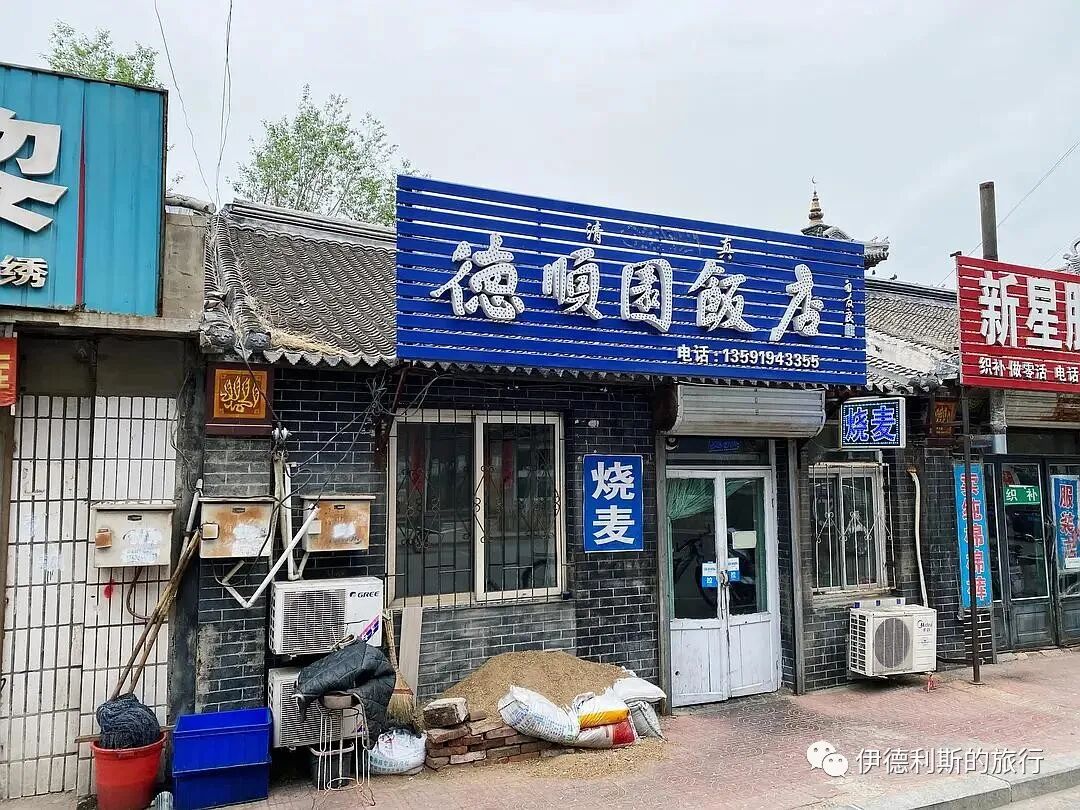
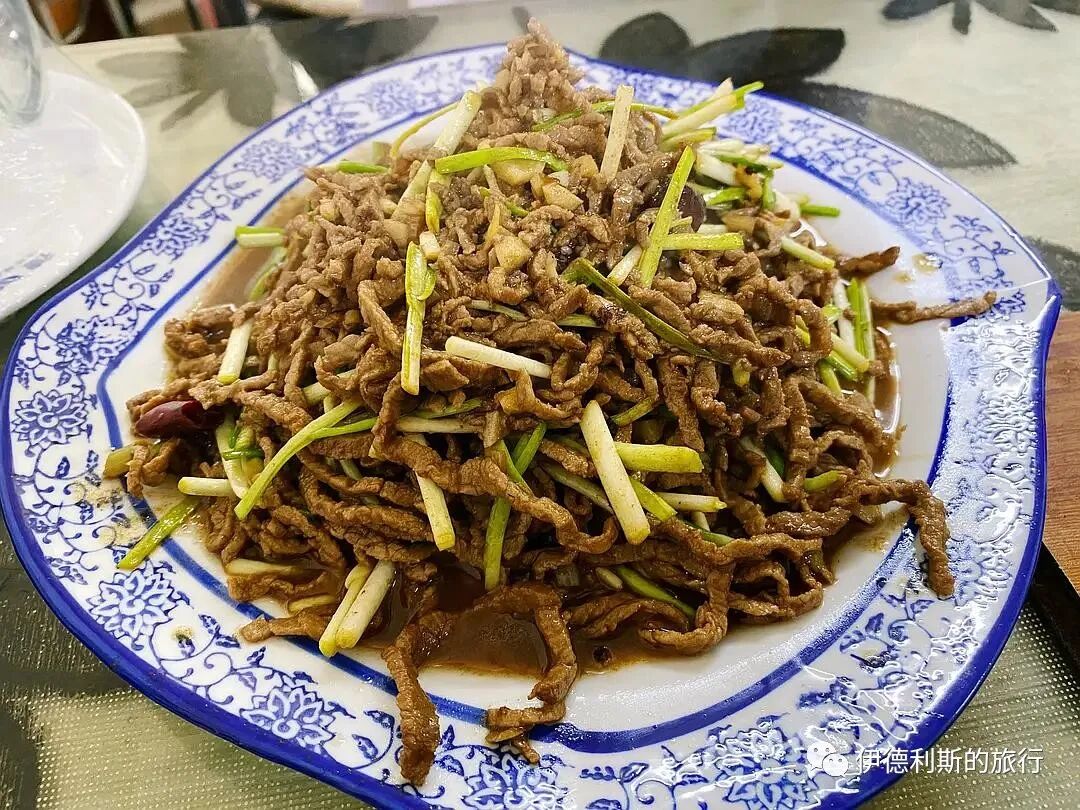
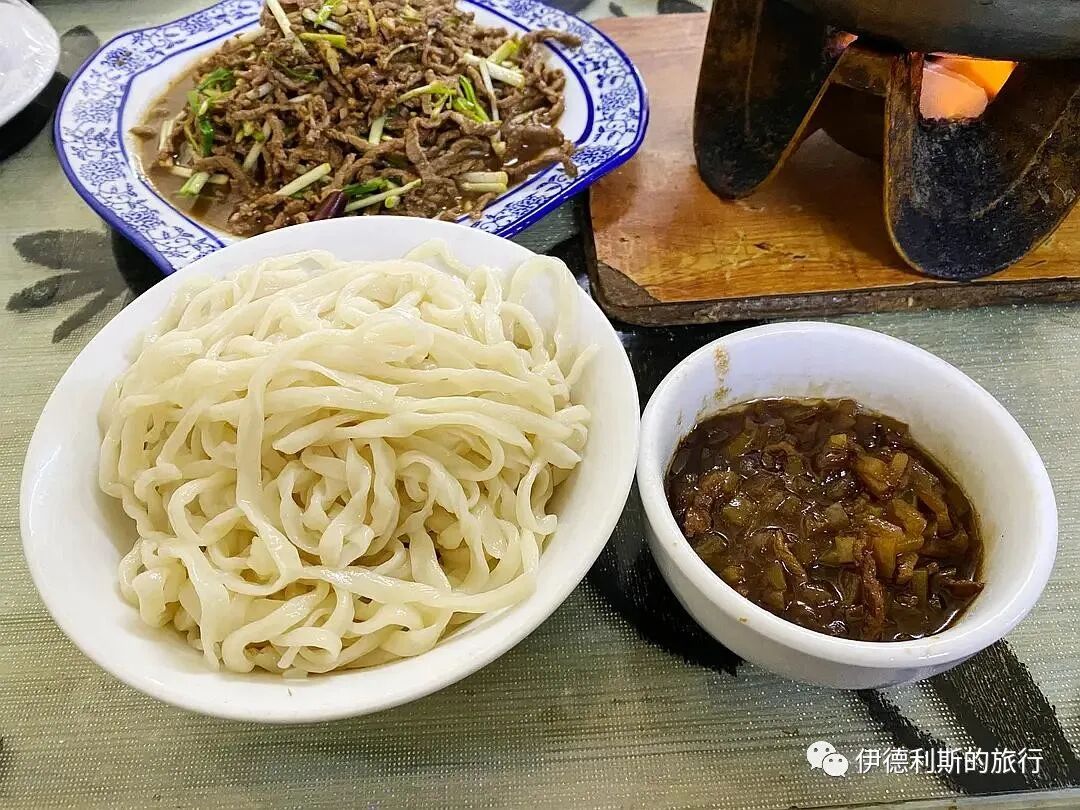
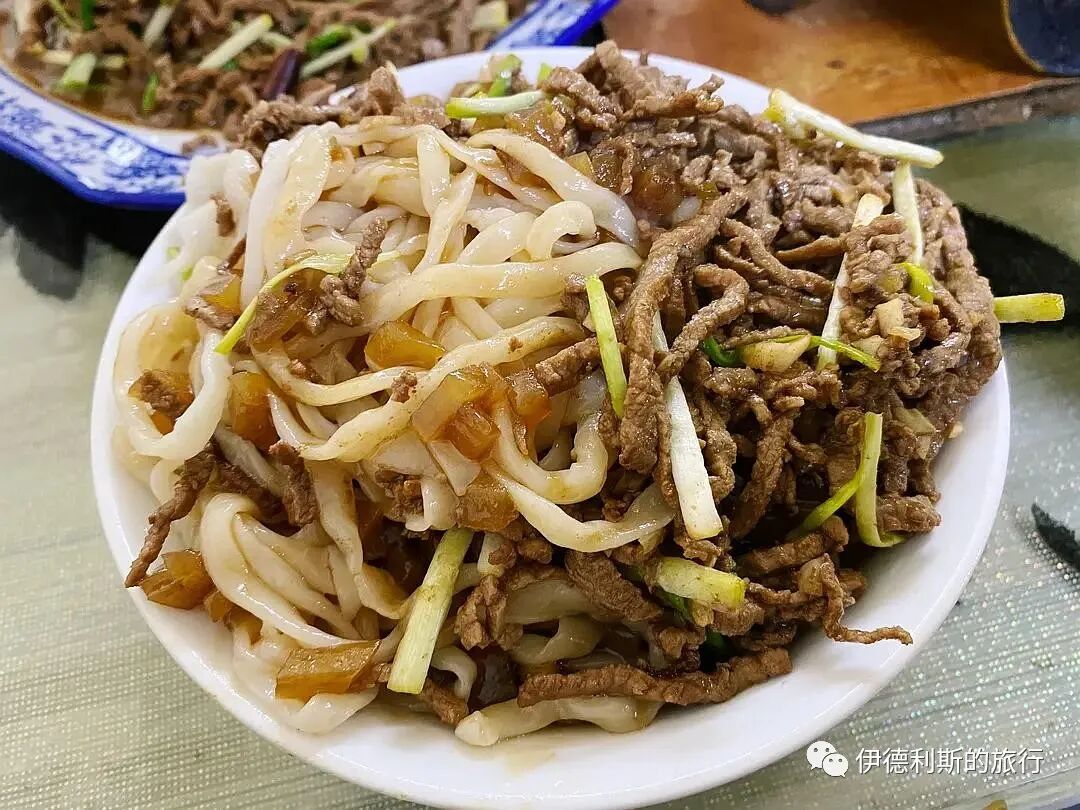
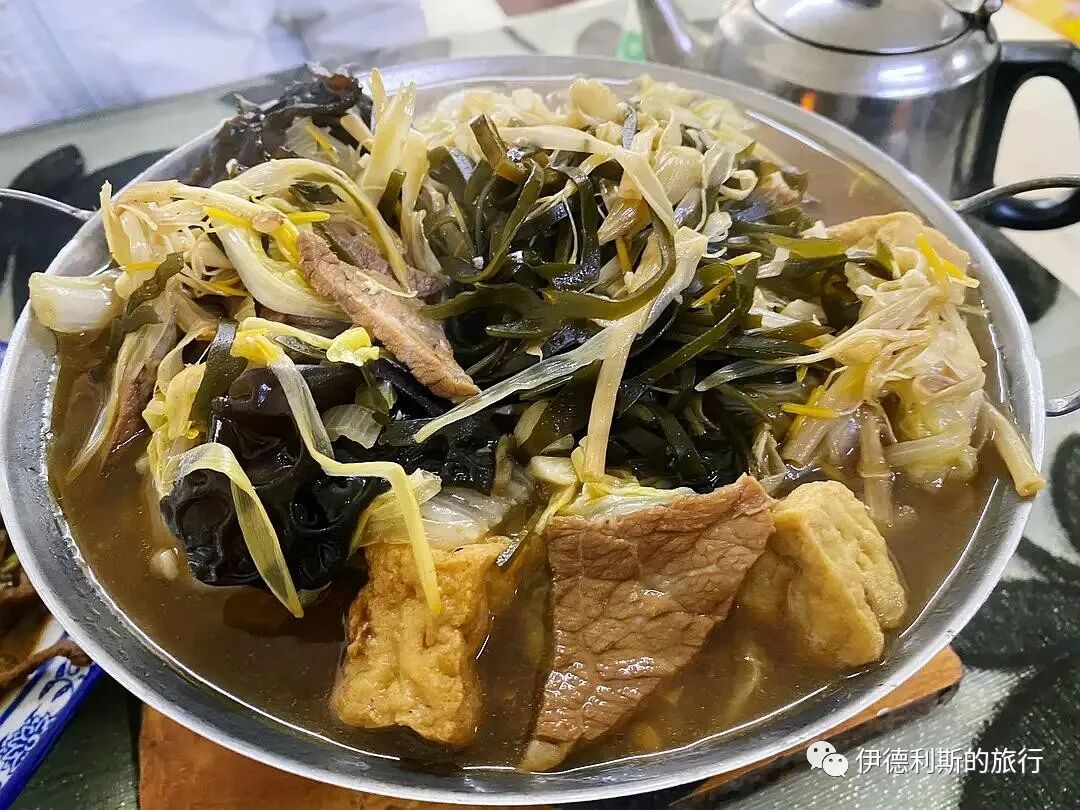
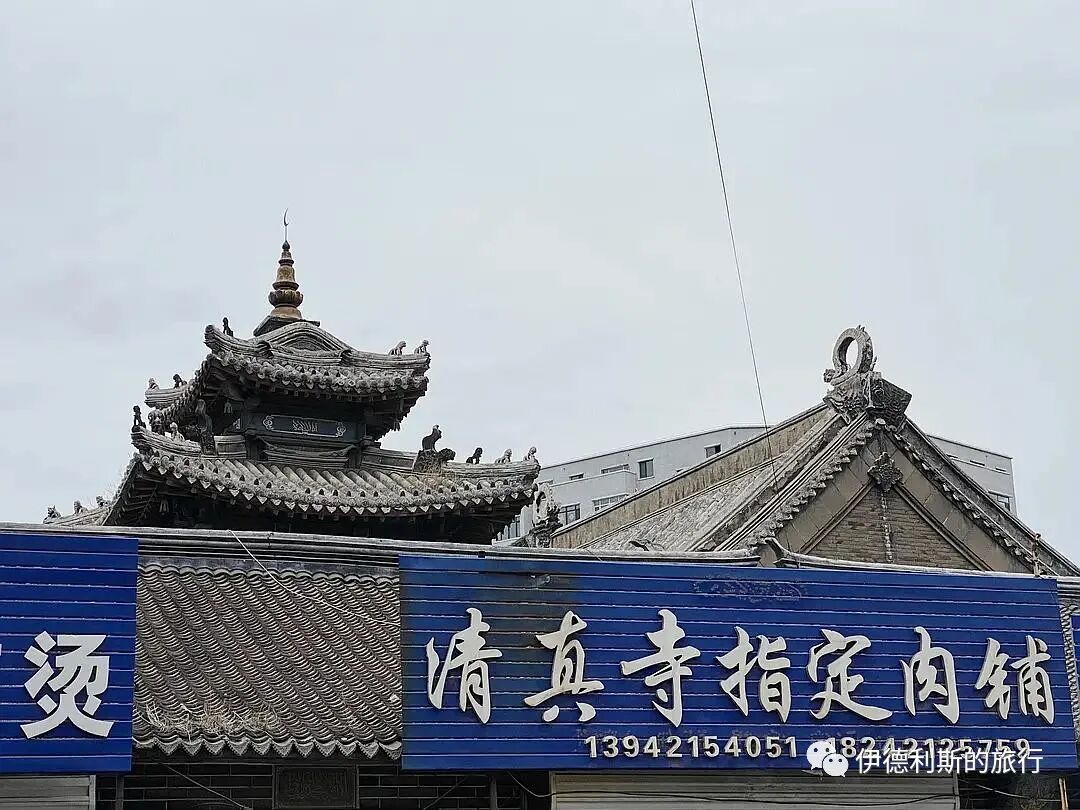
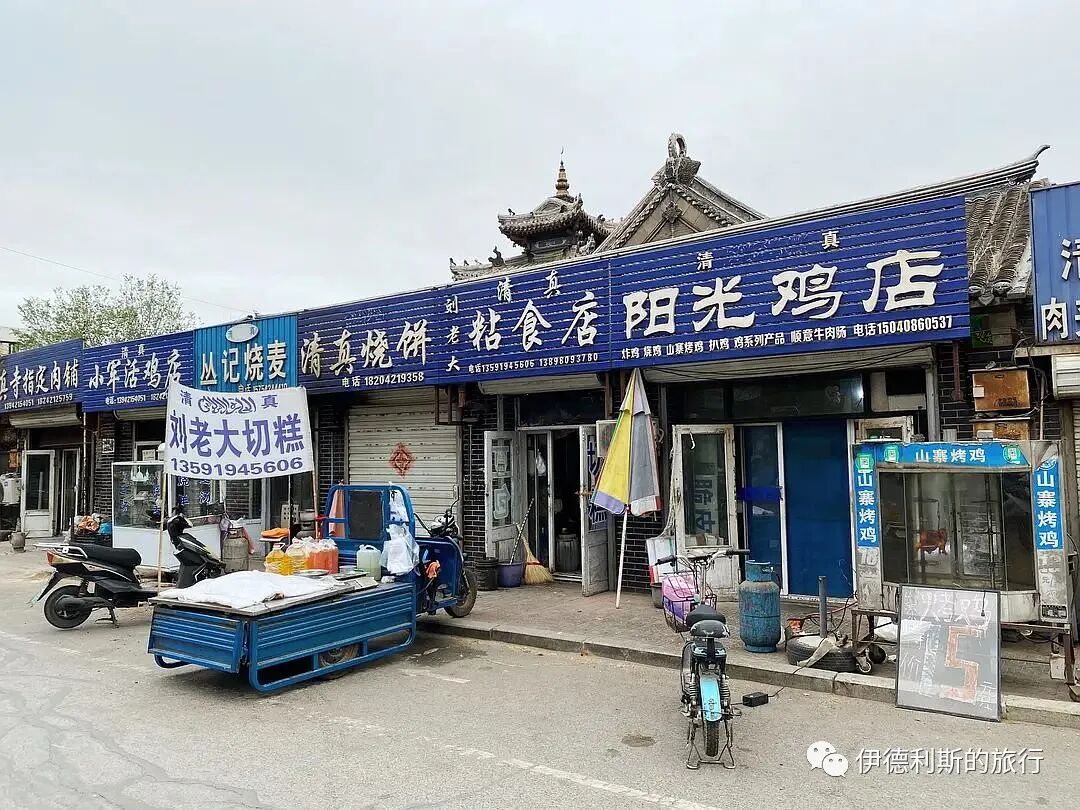
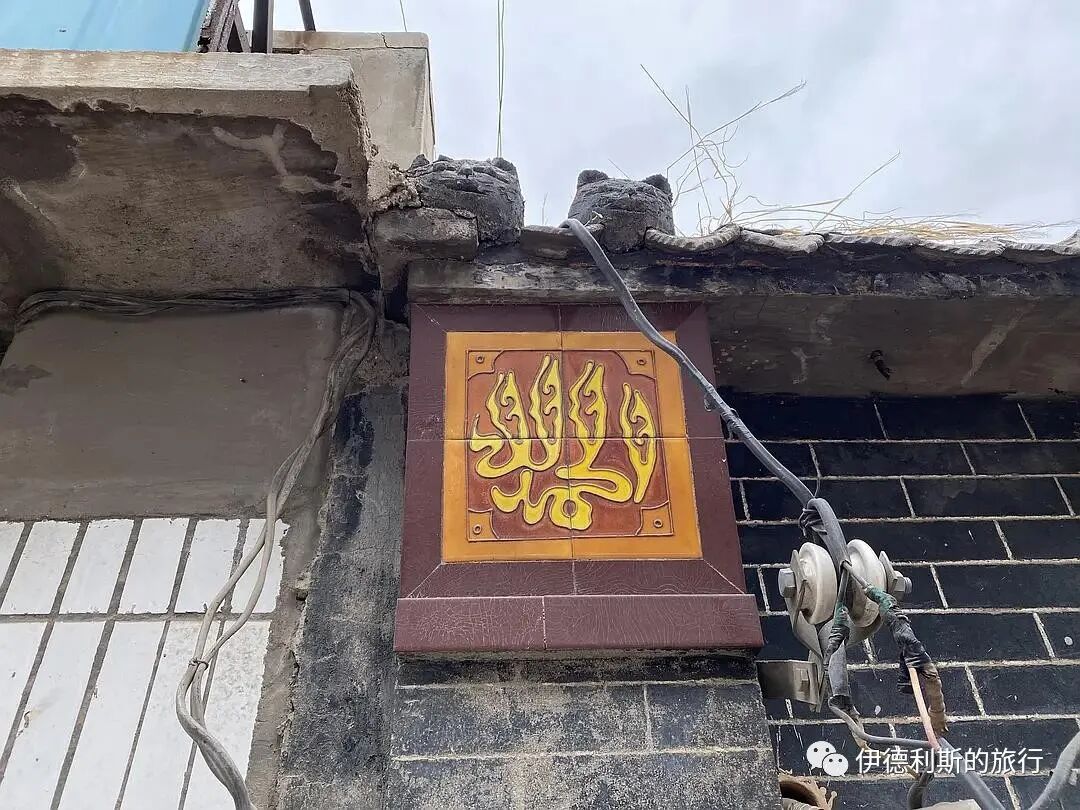
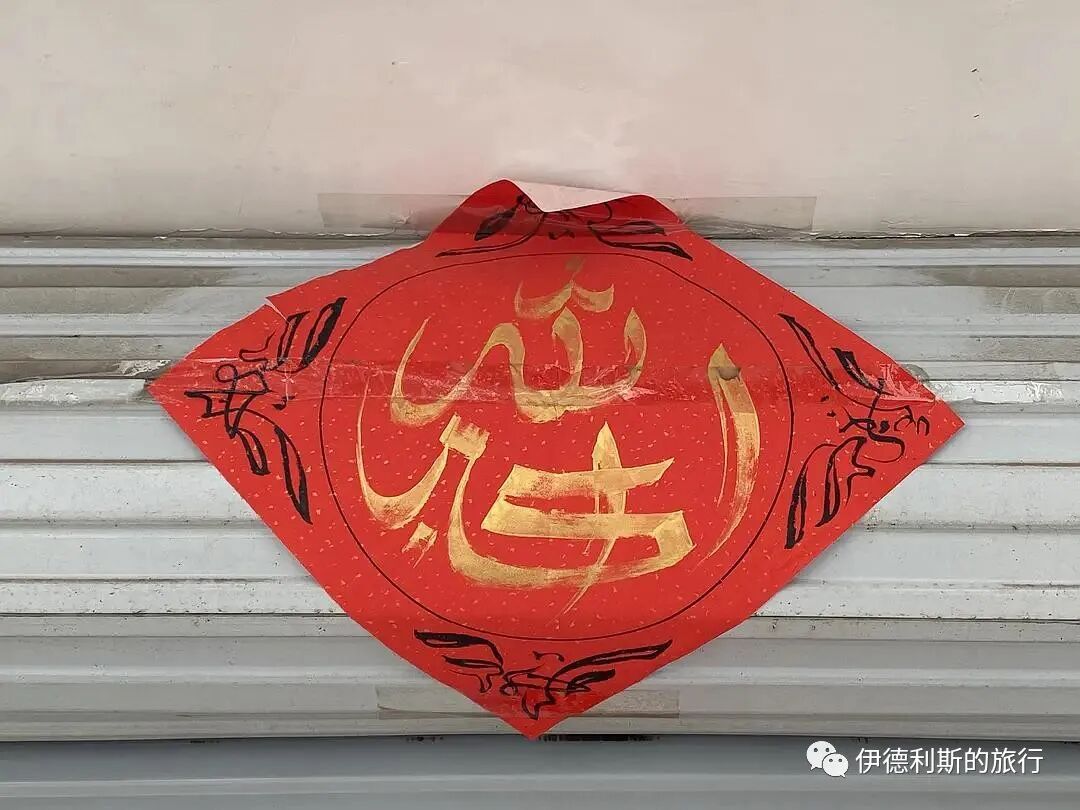
The Lingyuan mosque was built during the Qianlong reign. According to the inscriptions in the mosque, Hui Muslim doctor Zhang Lichen and others cured the illness of a Mongol prince of the Kharachin Left Banner, so the prince's estate provided the foundation funds to build the Lingyuan mosque.
Mosque gate.
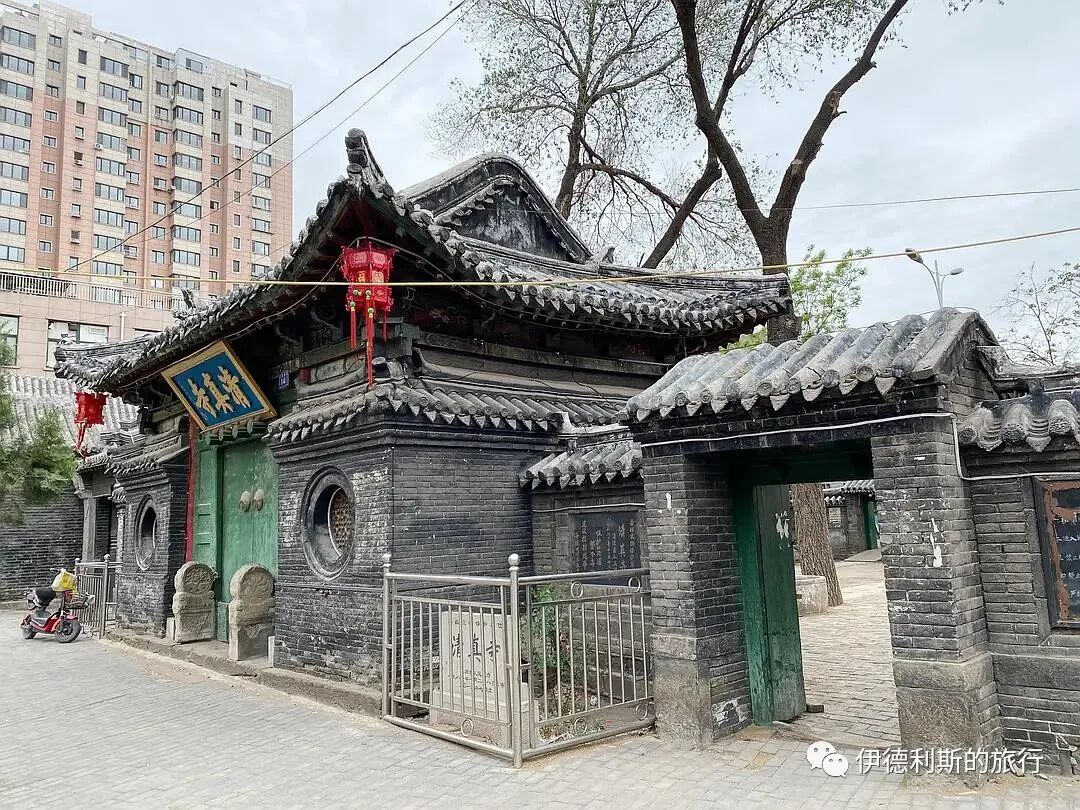
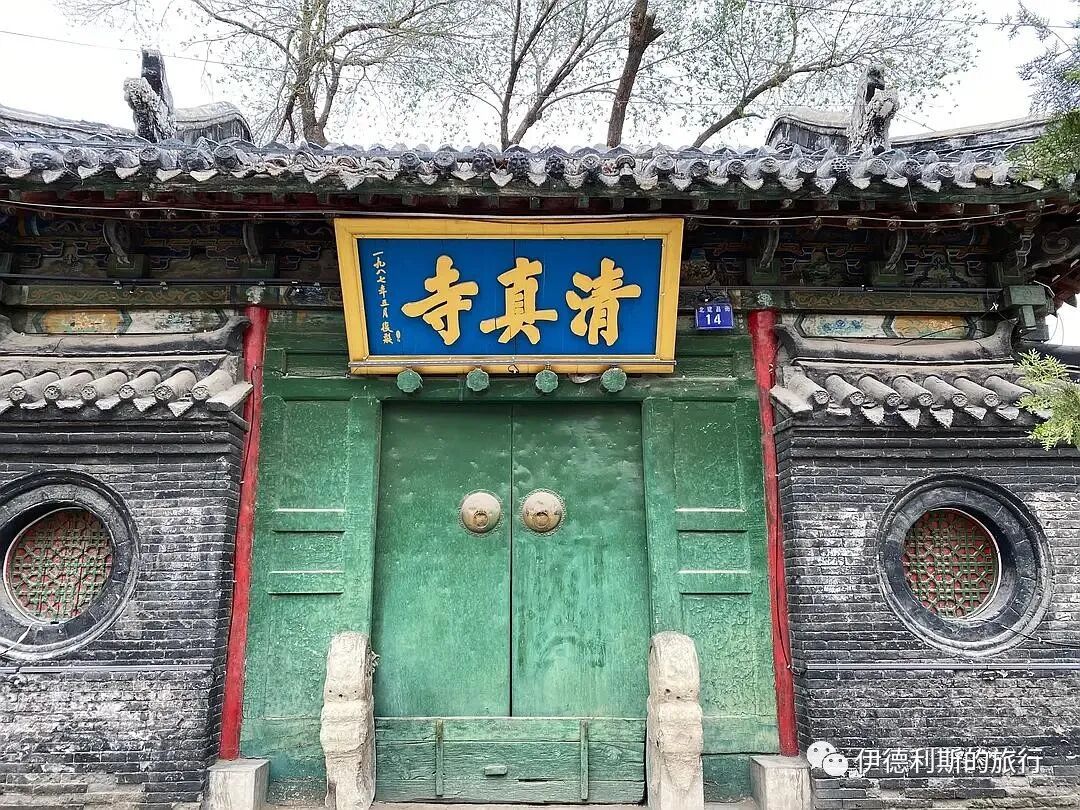
Chuihuamen (hanging flower gate).
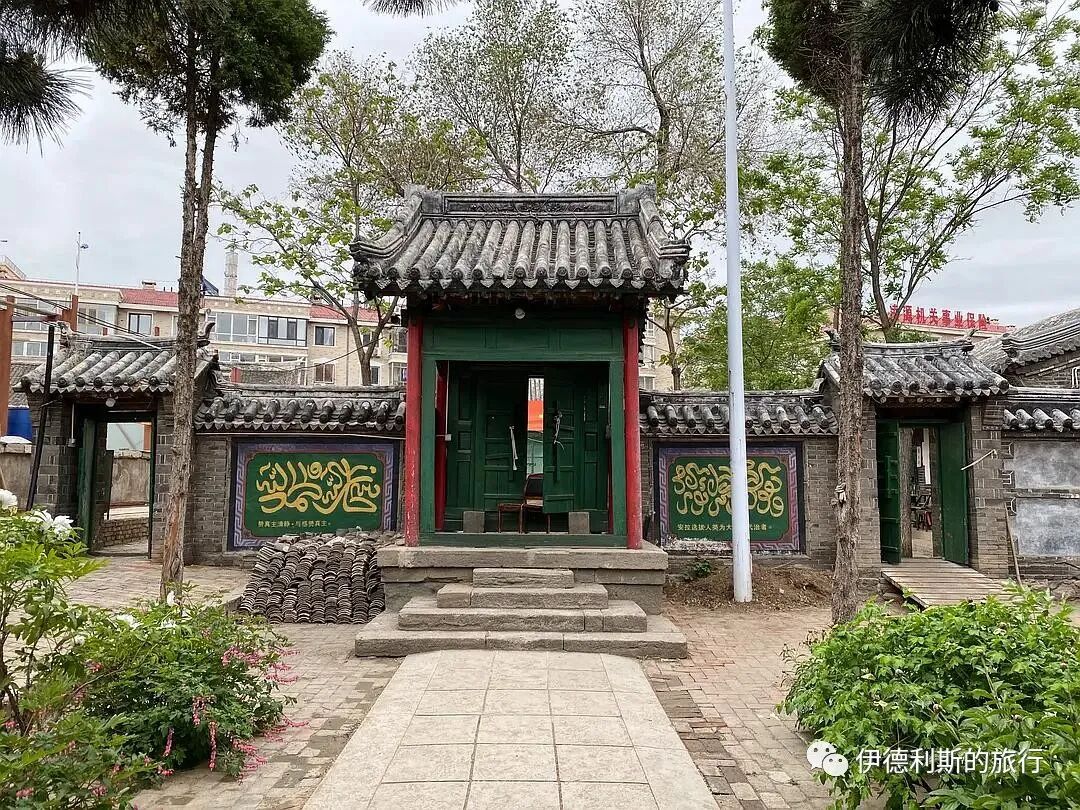
The prayer hall, like traditional northern styles, consists of a juanpeng (shed-style porch), a main hall, and a yaodian (niche hall), but the architectural details are very different from the styles inside the pass.
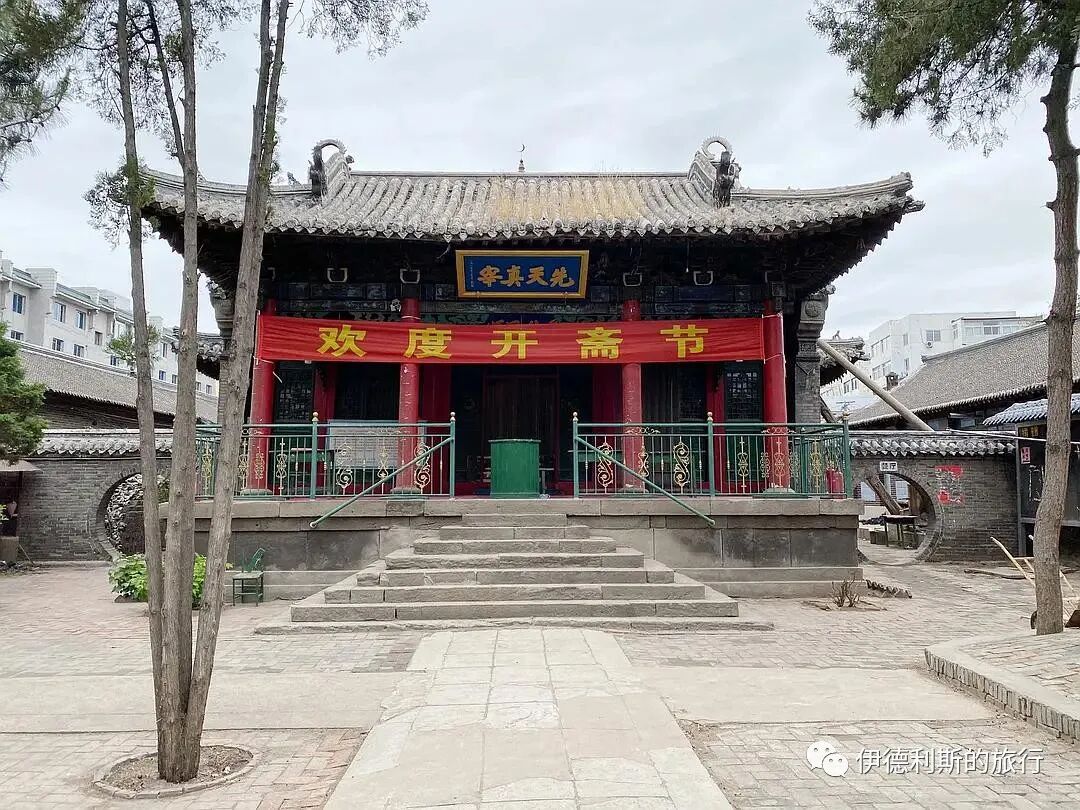
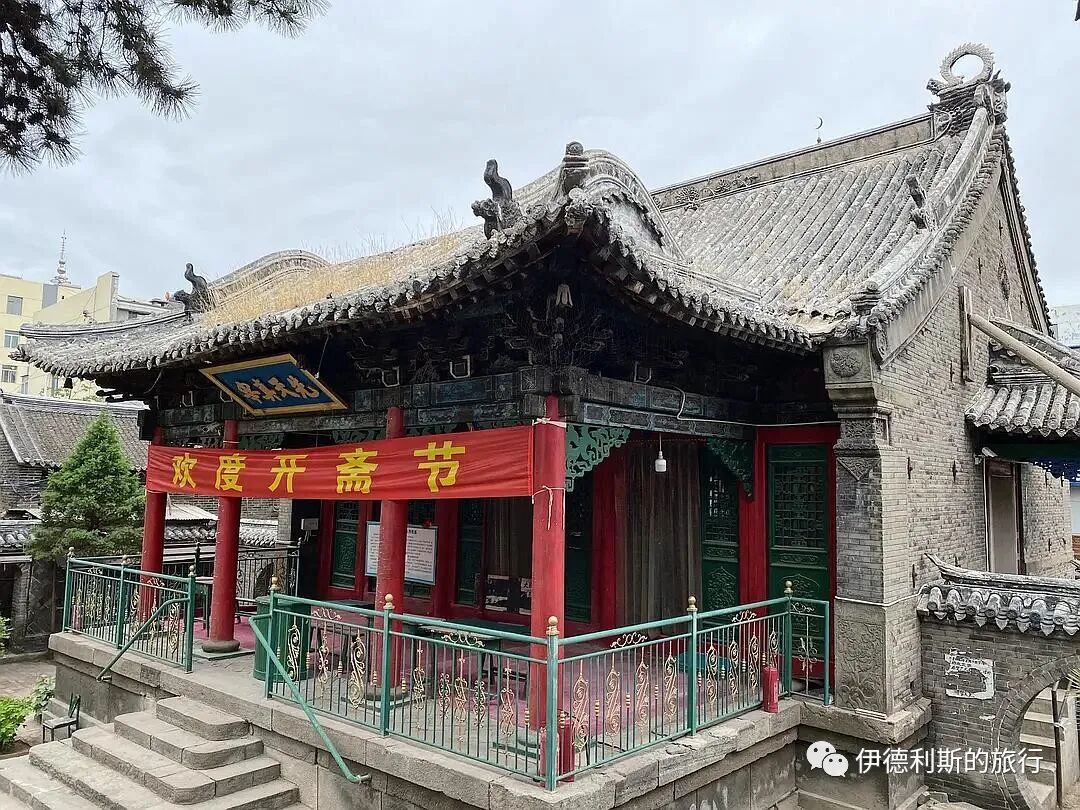
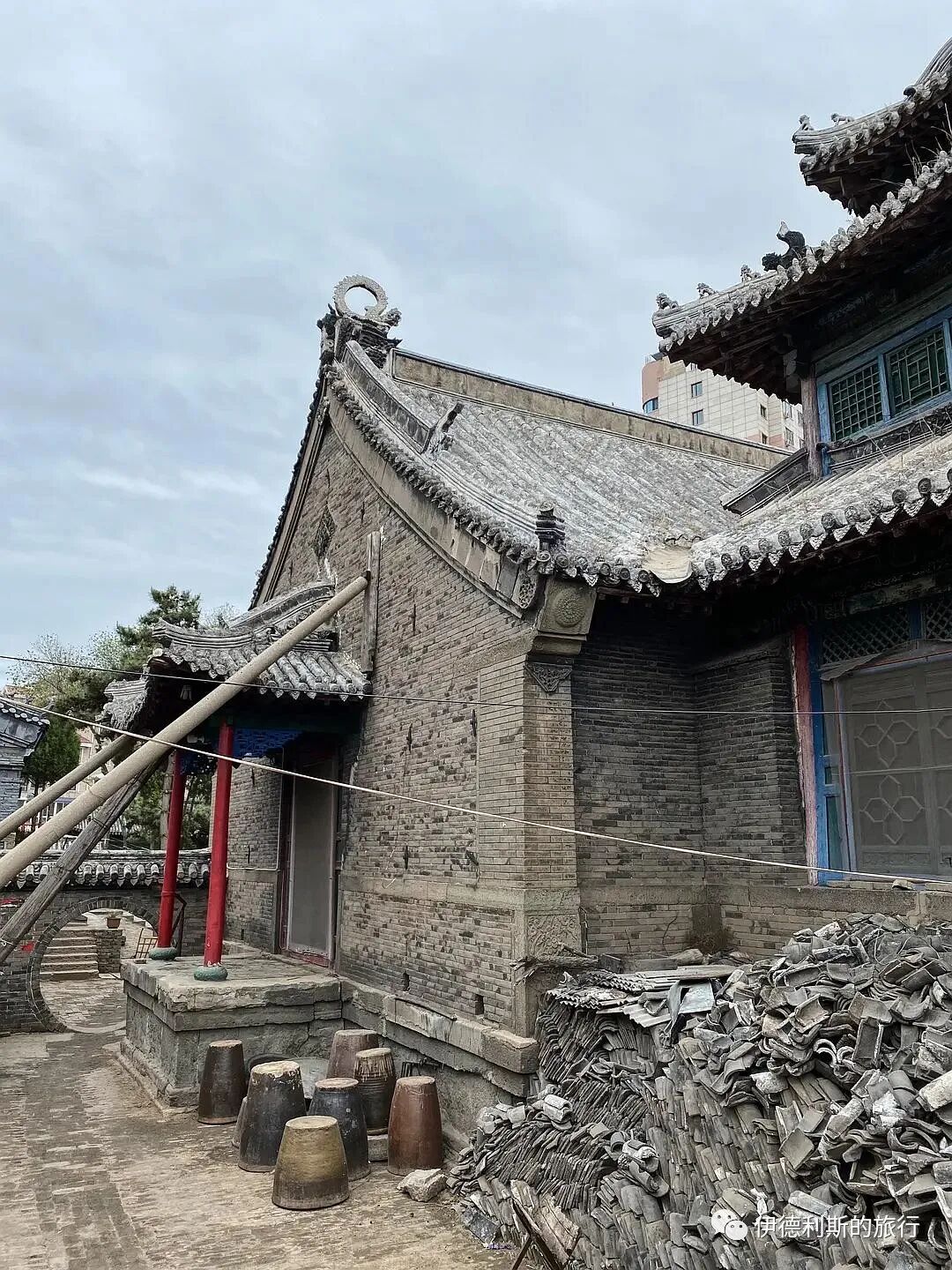
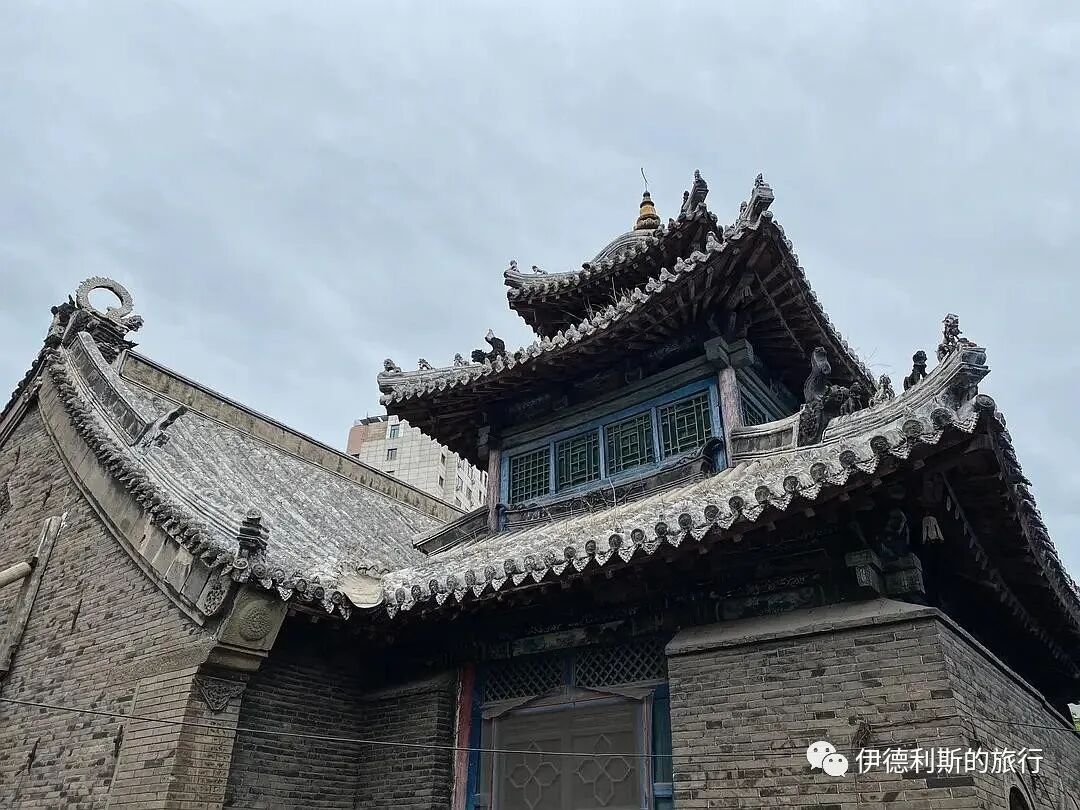
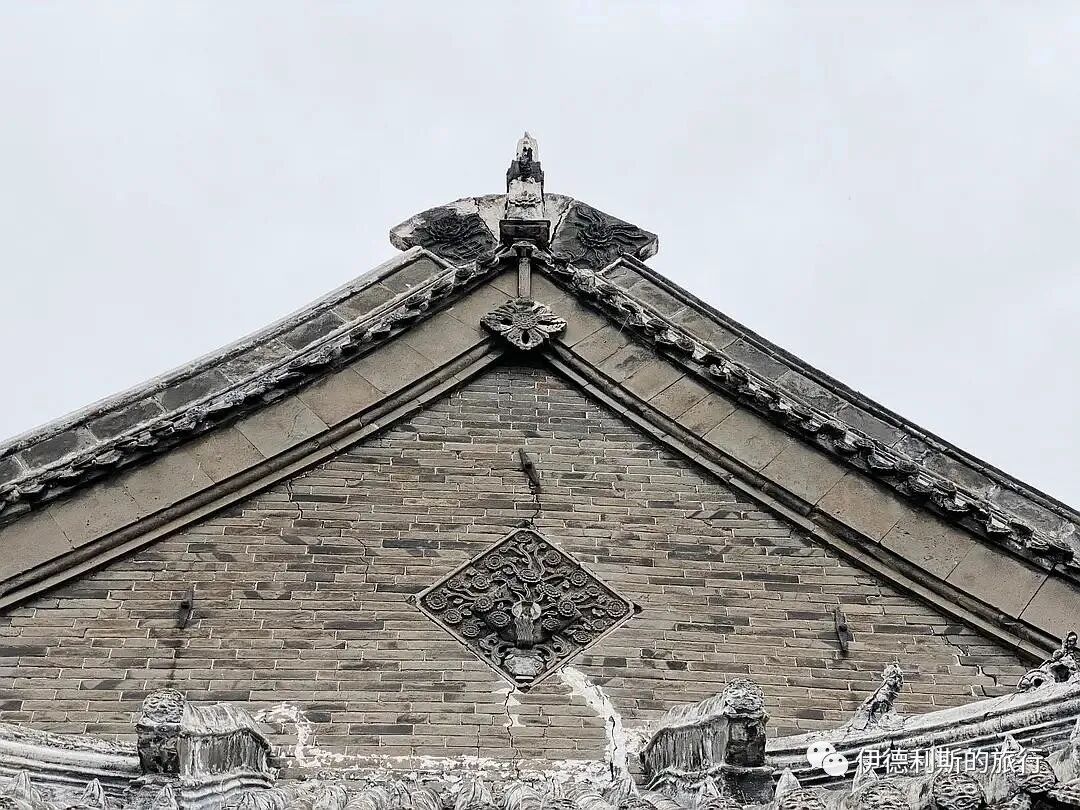
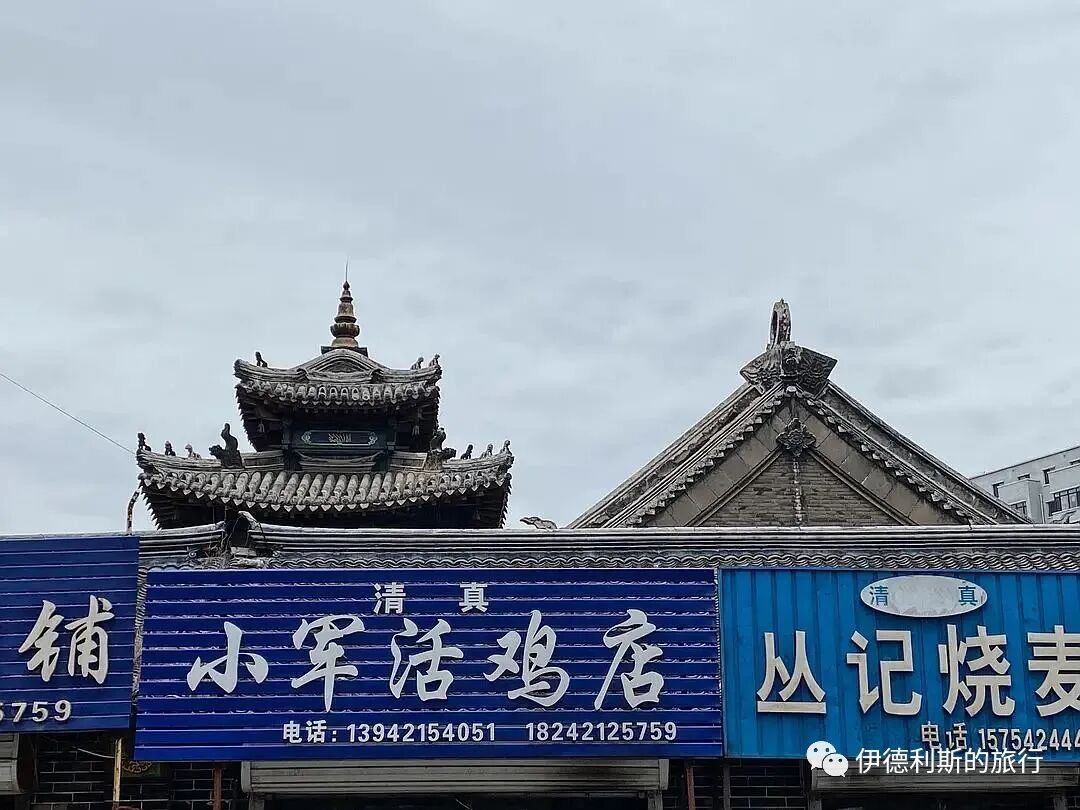
The main hall has developed cracks due to long-term disrepair and is currently closed; the namaz (prayer) has been moved to a room nearby.
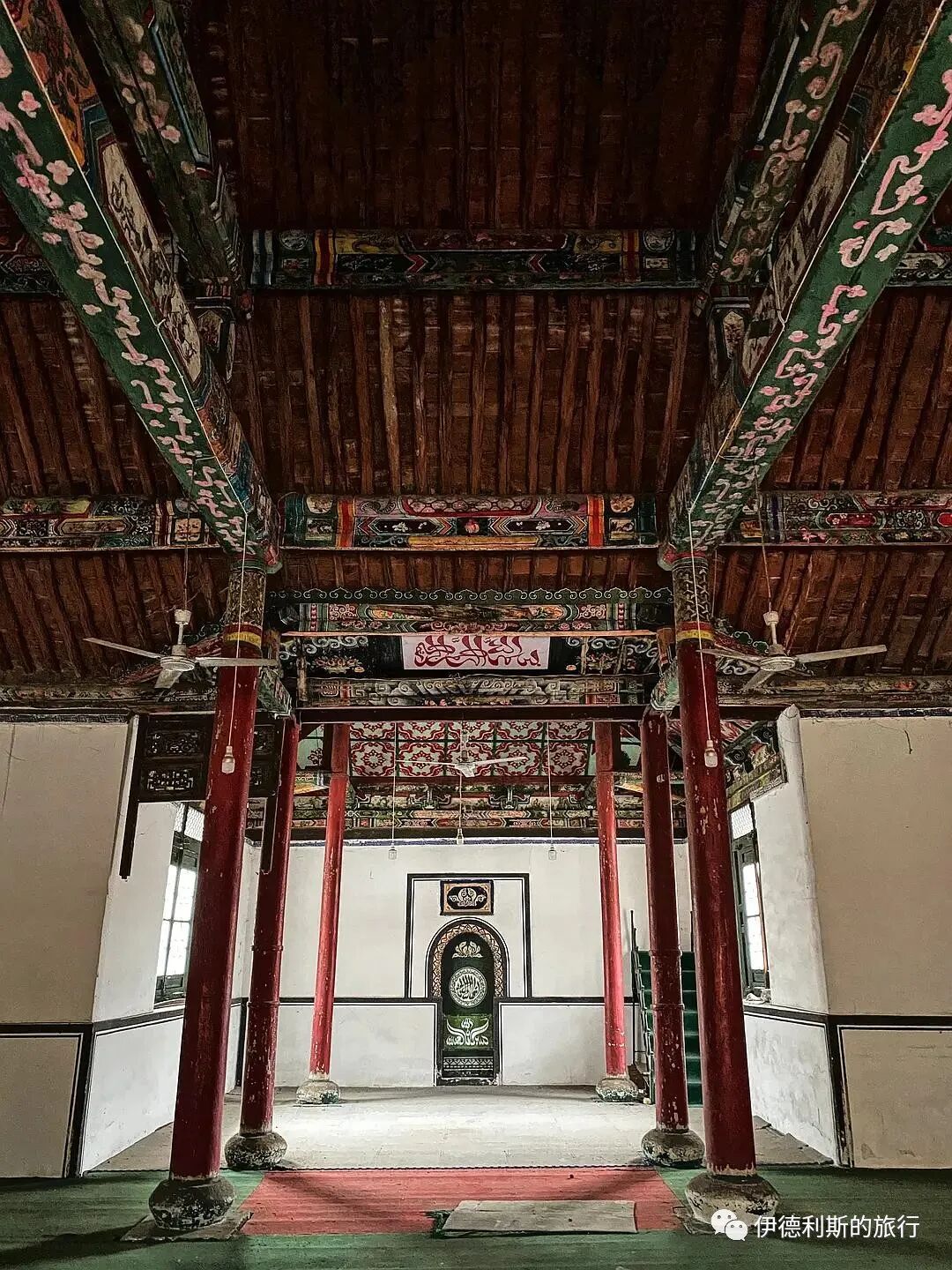
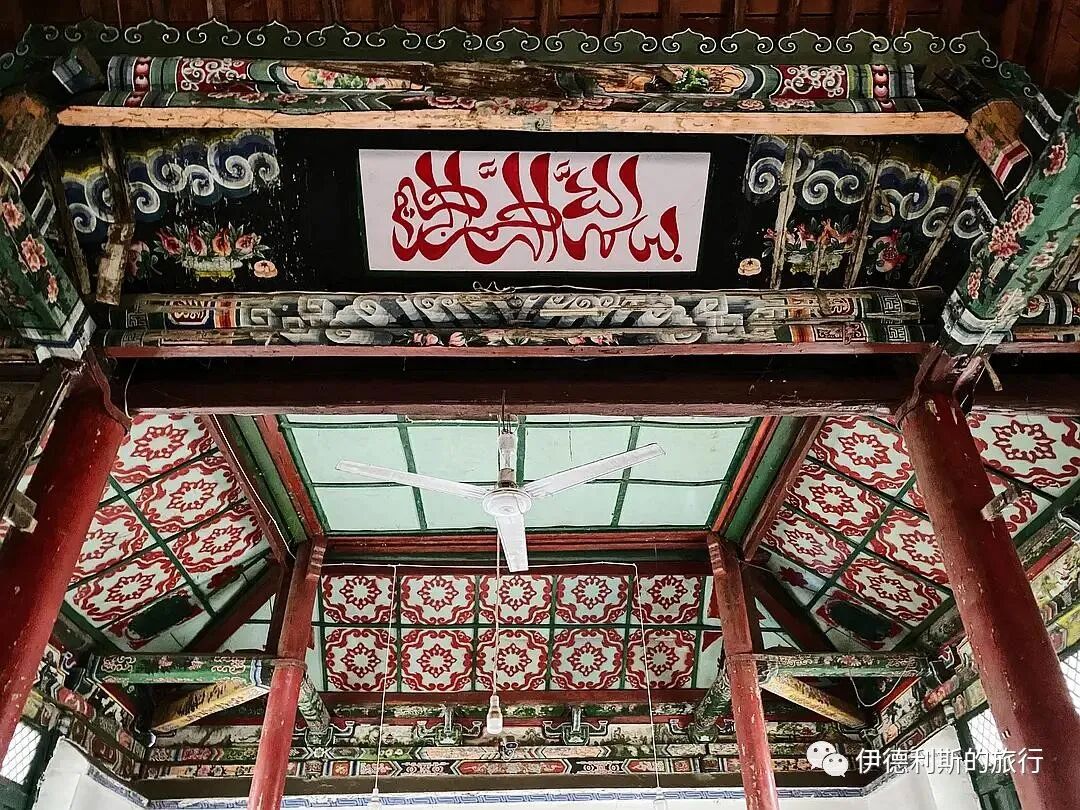
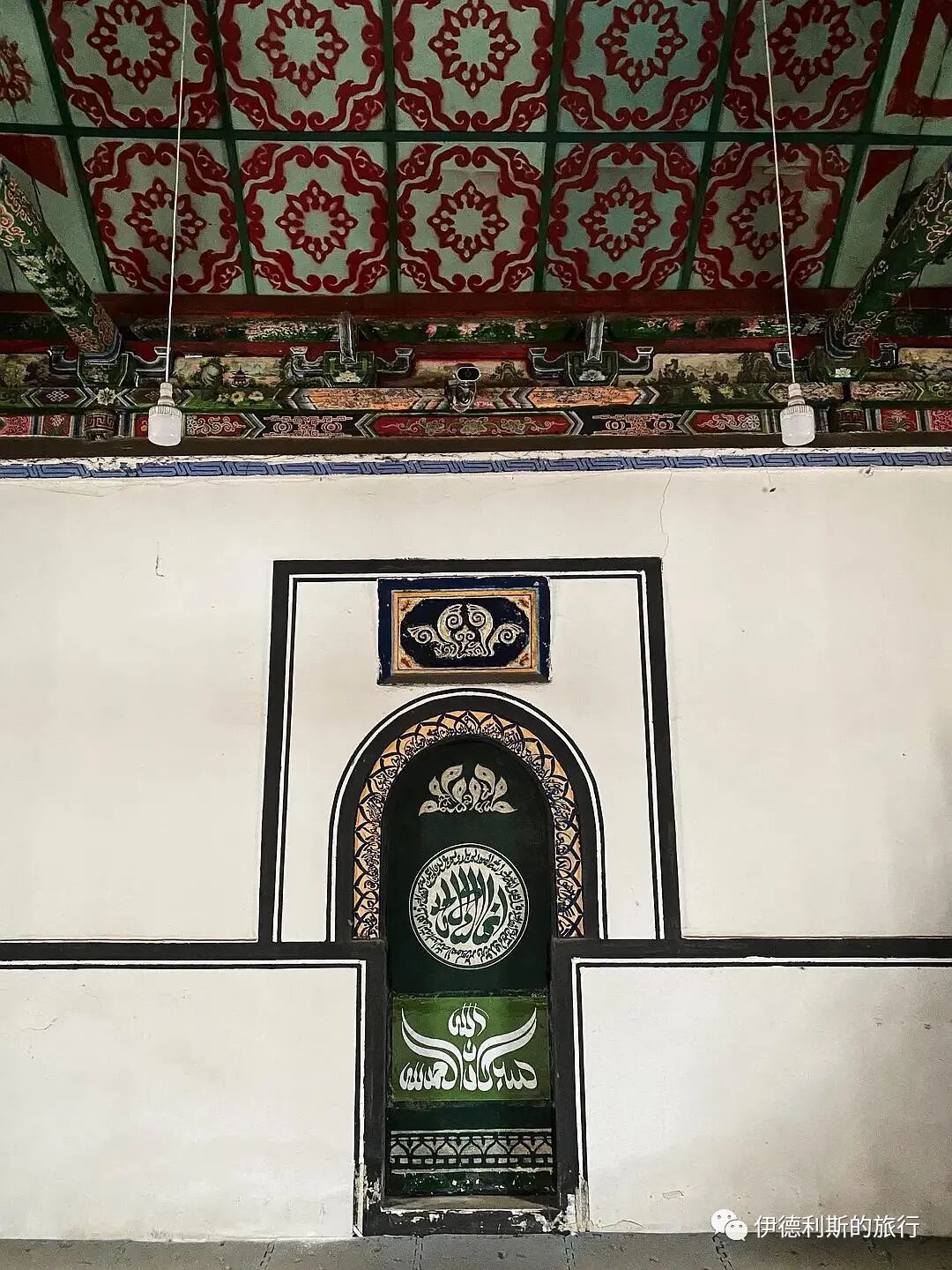
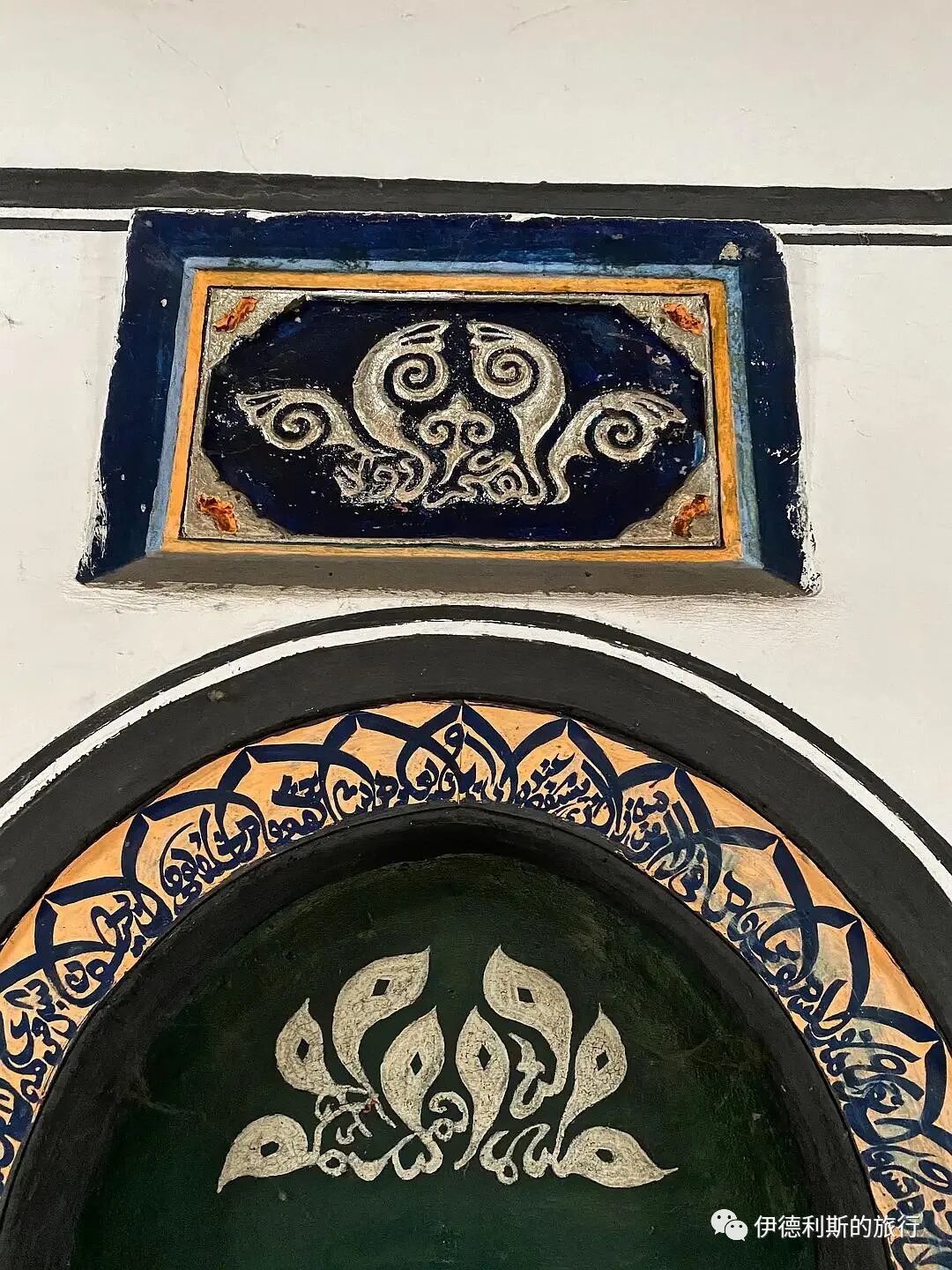
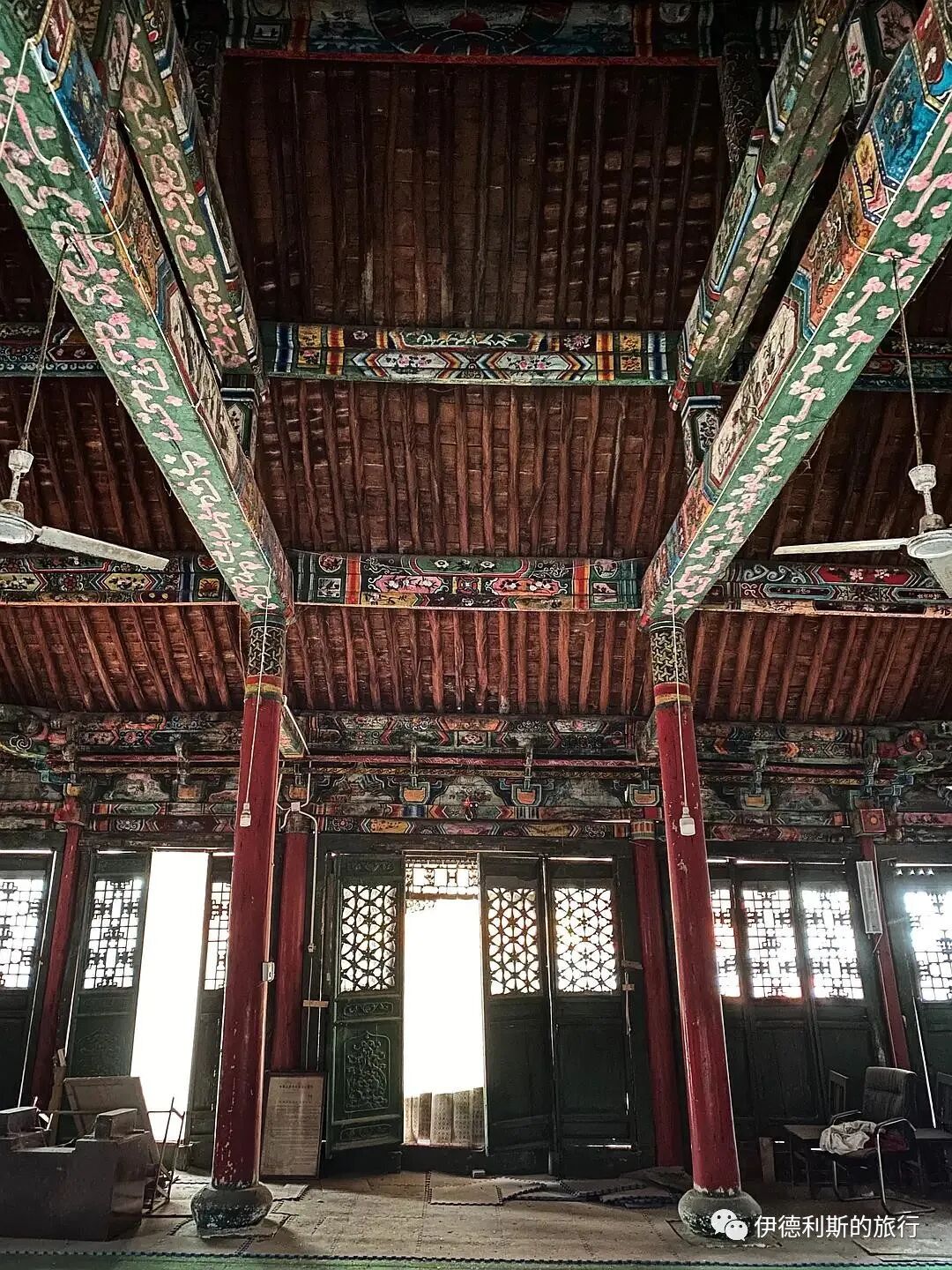
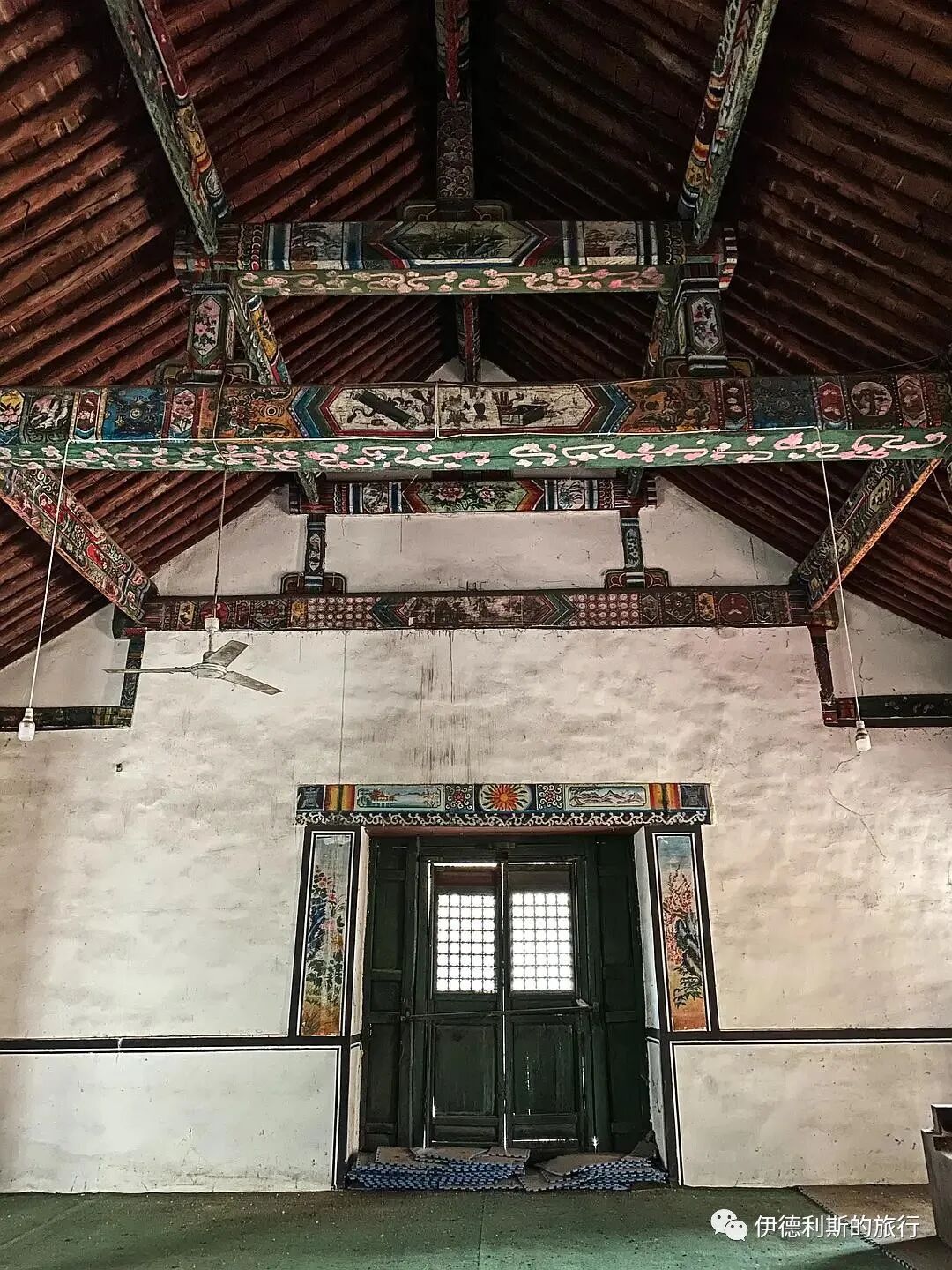
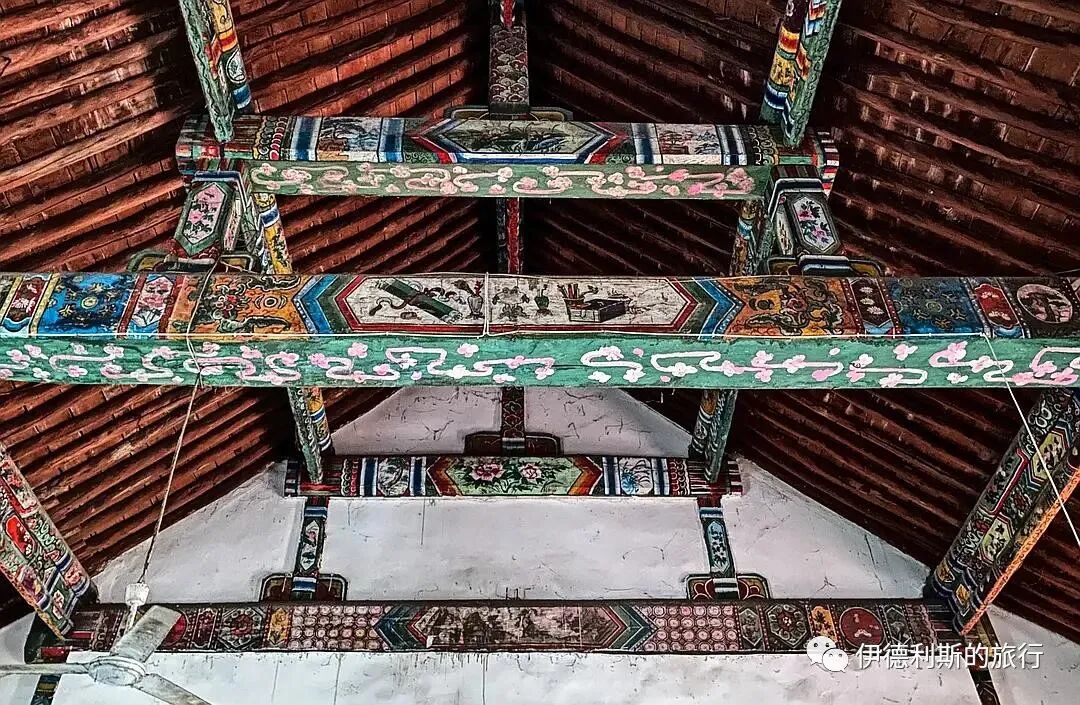
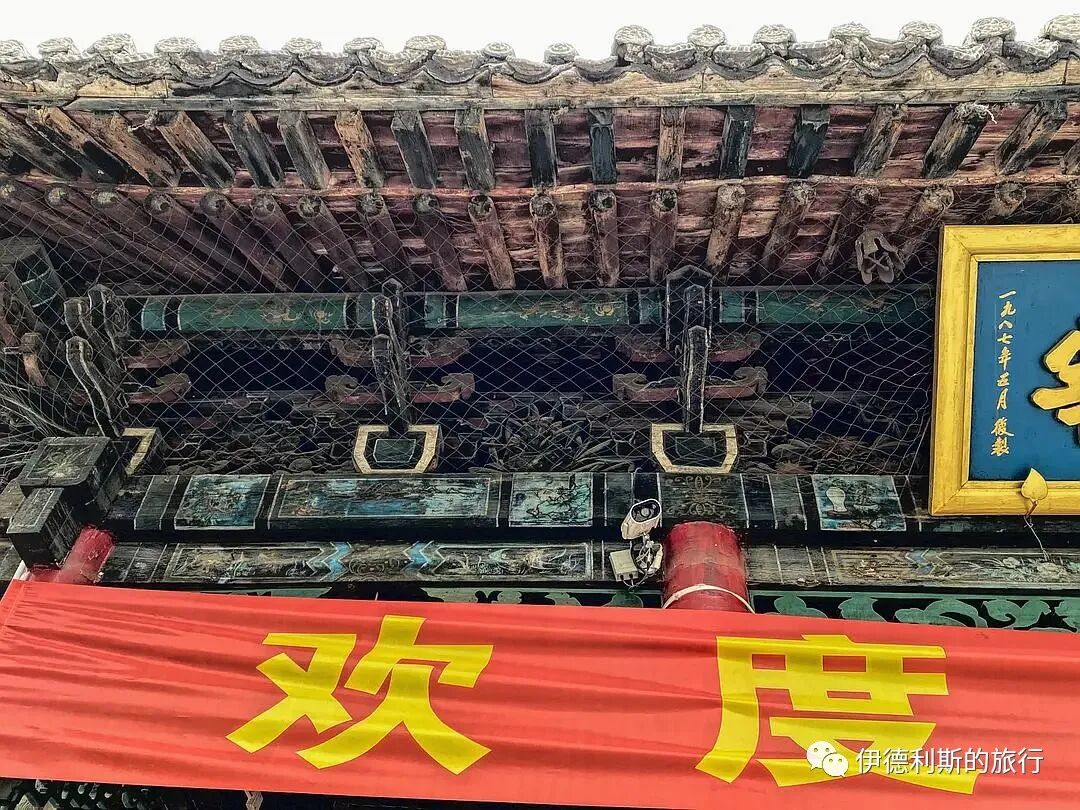
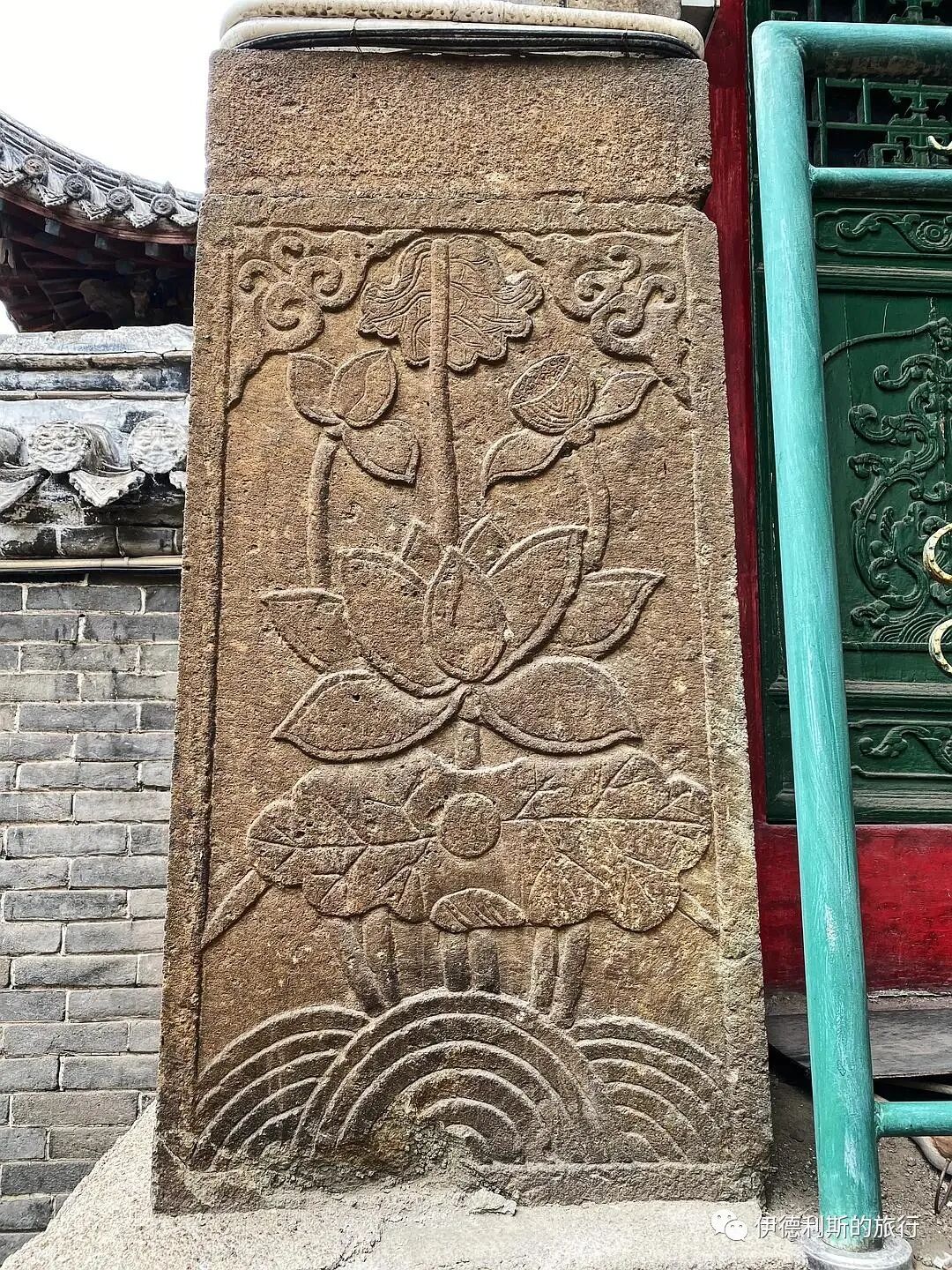
Side rooms.
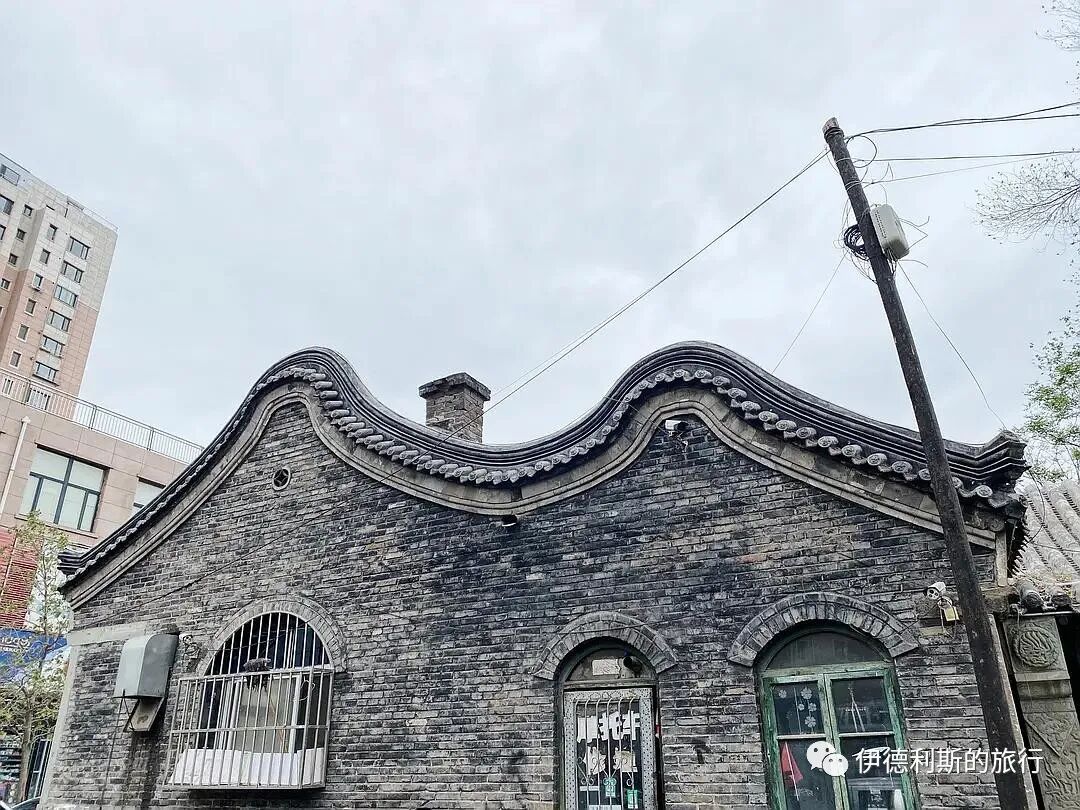
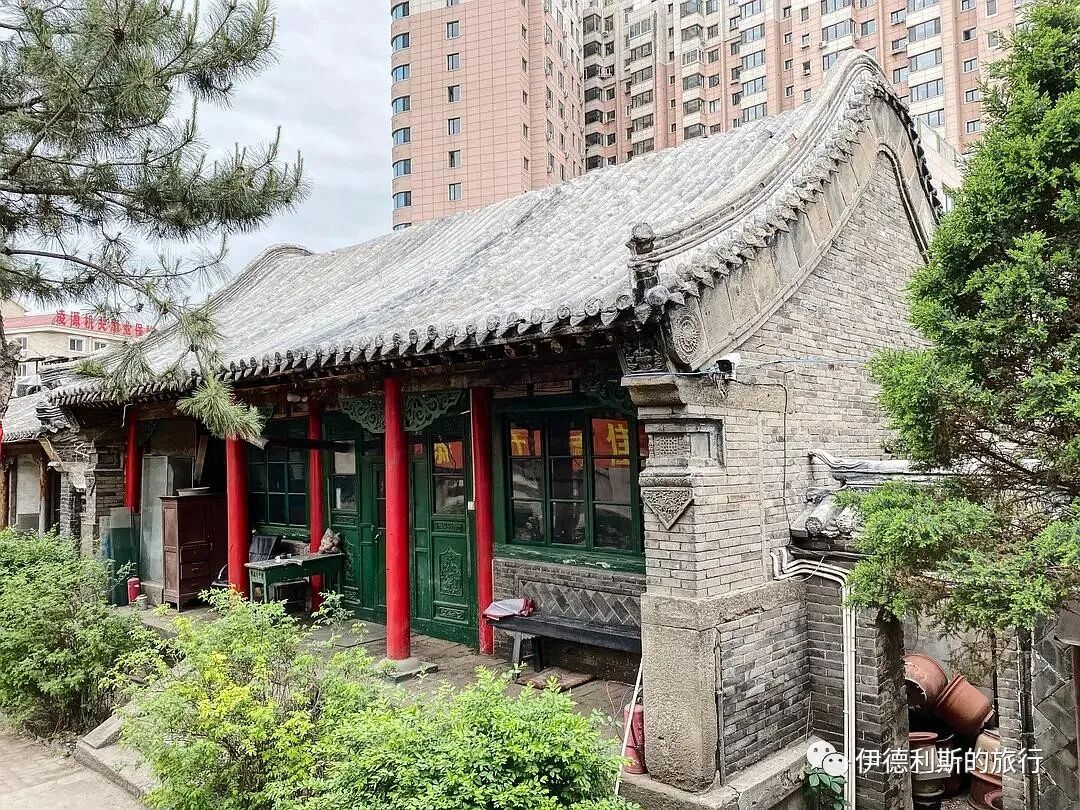
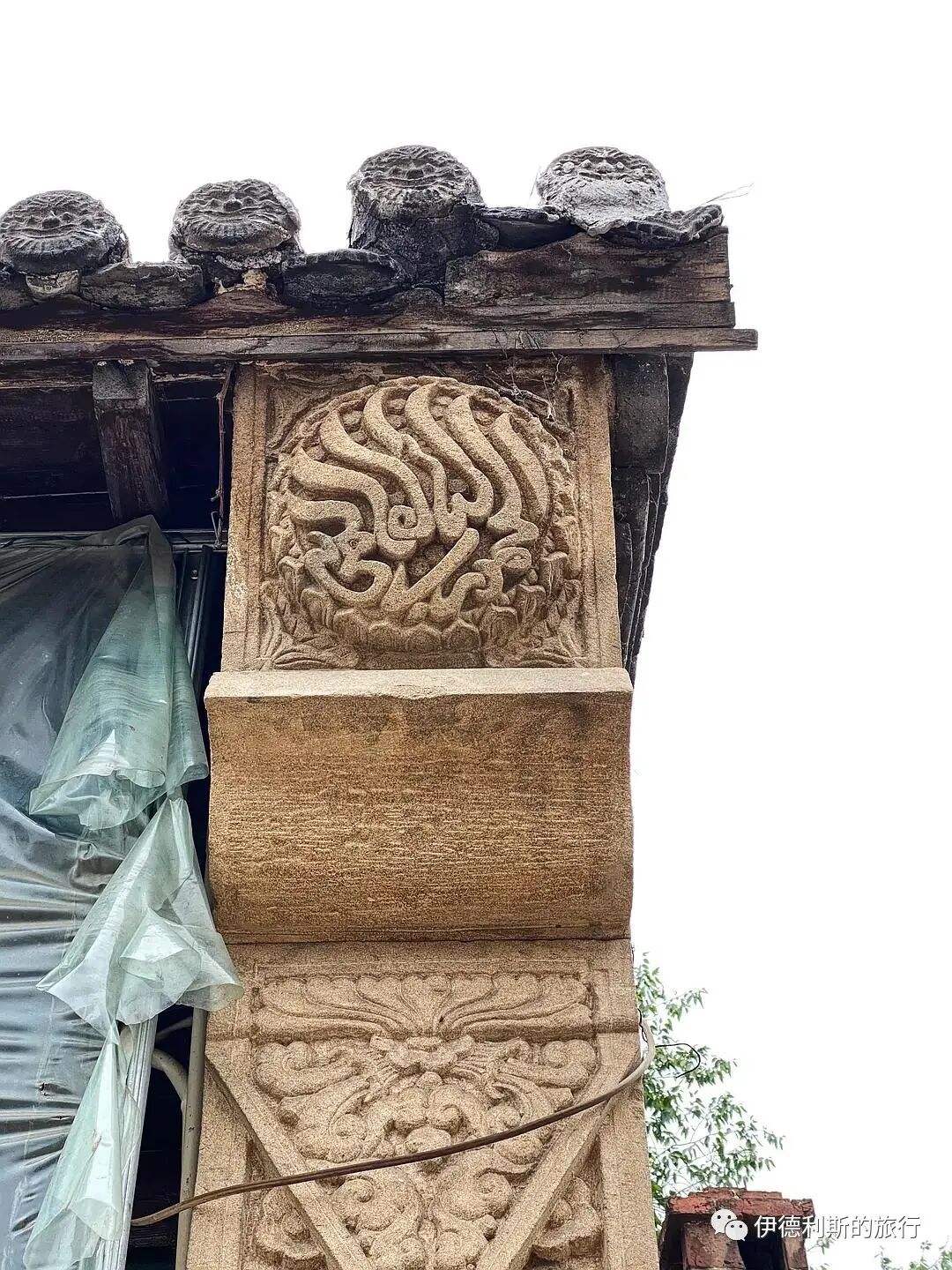
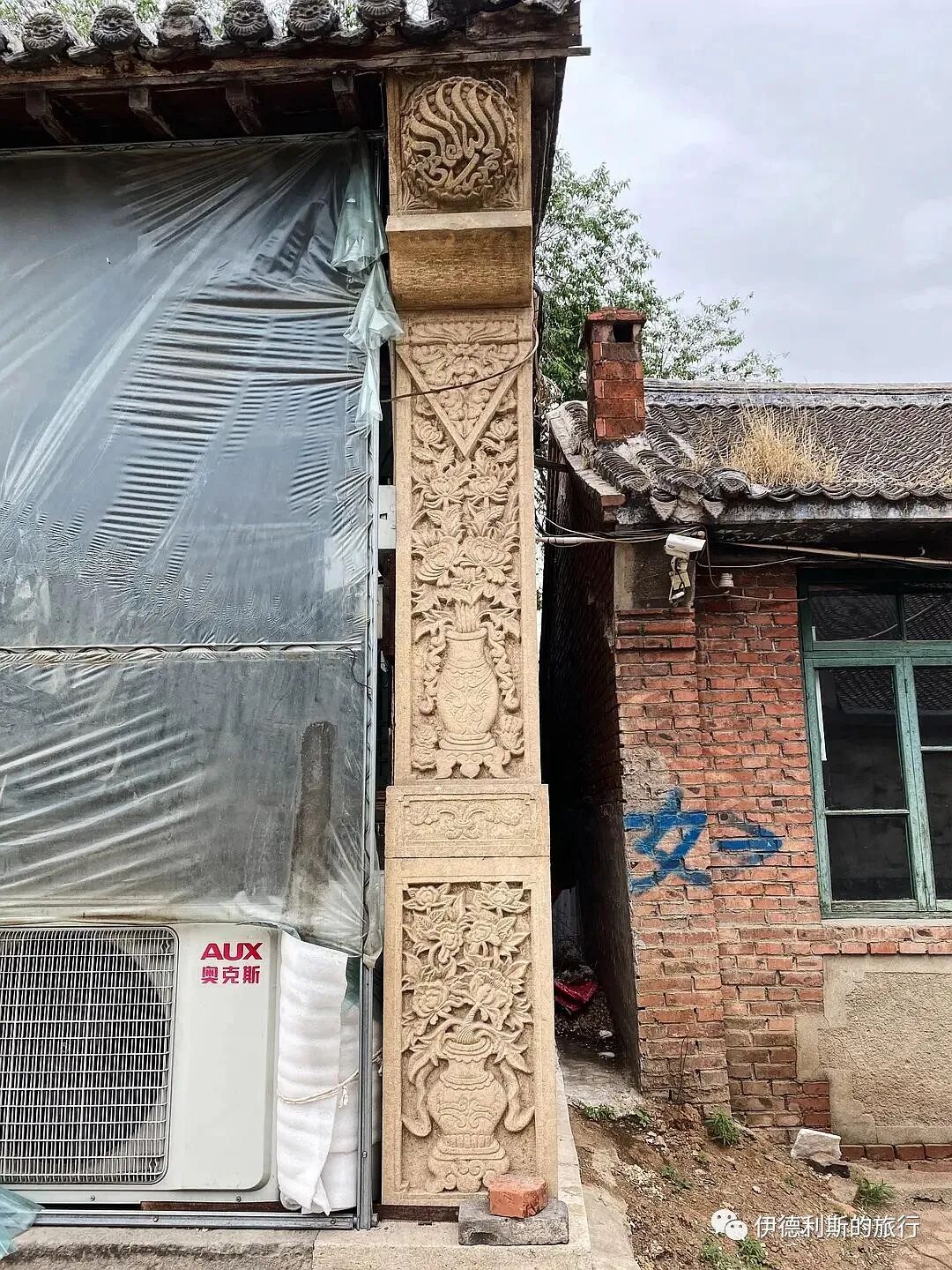
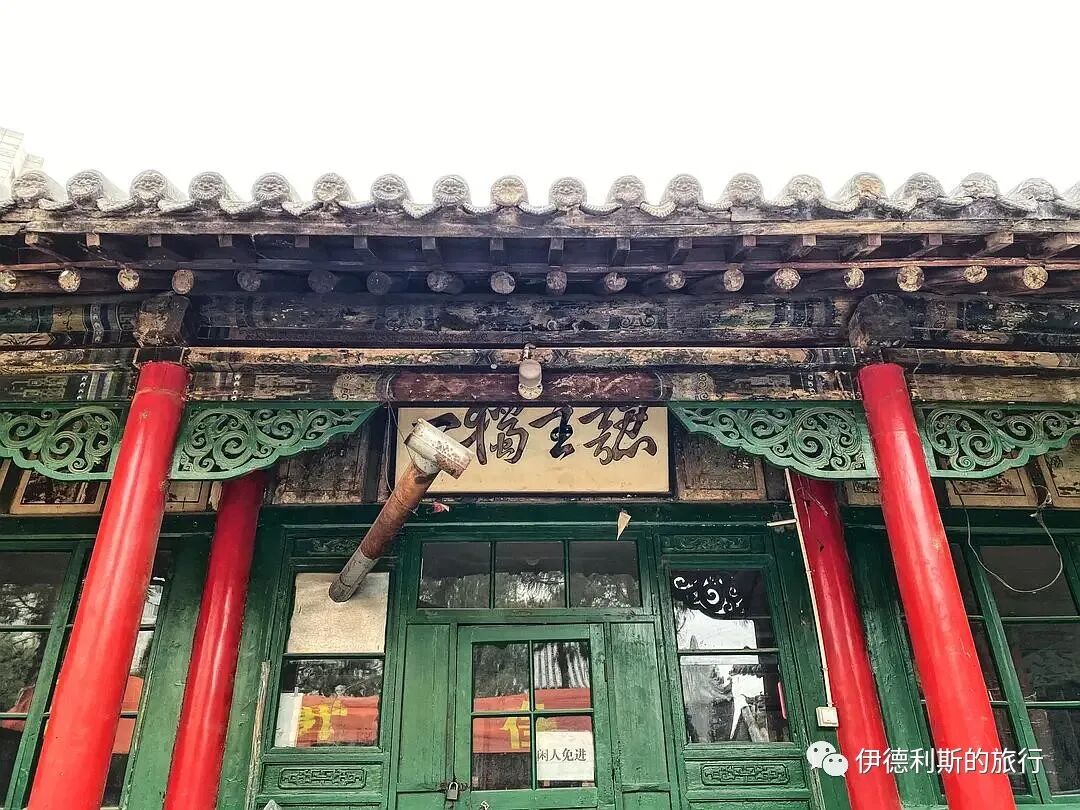
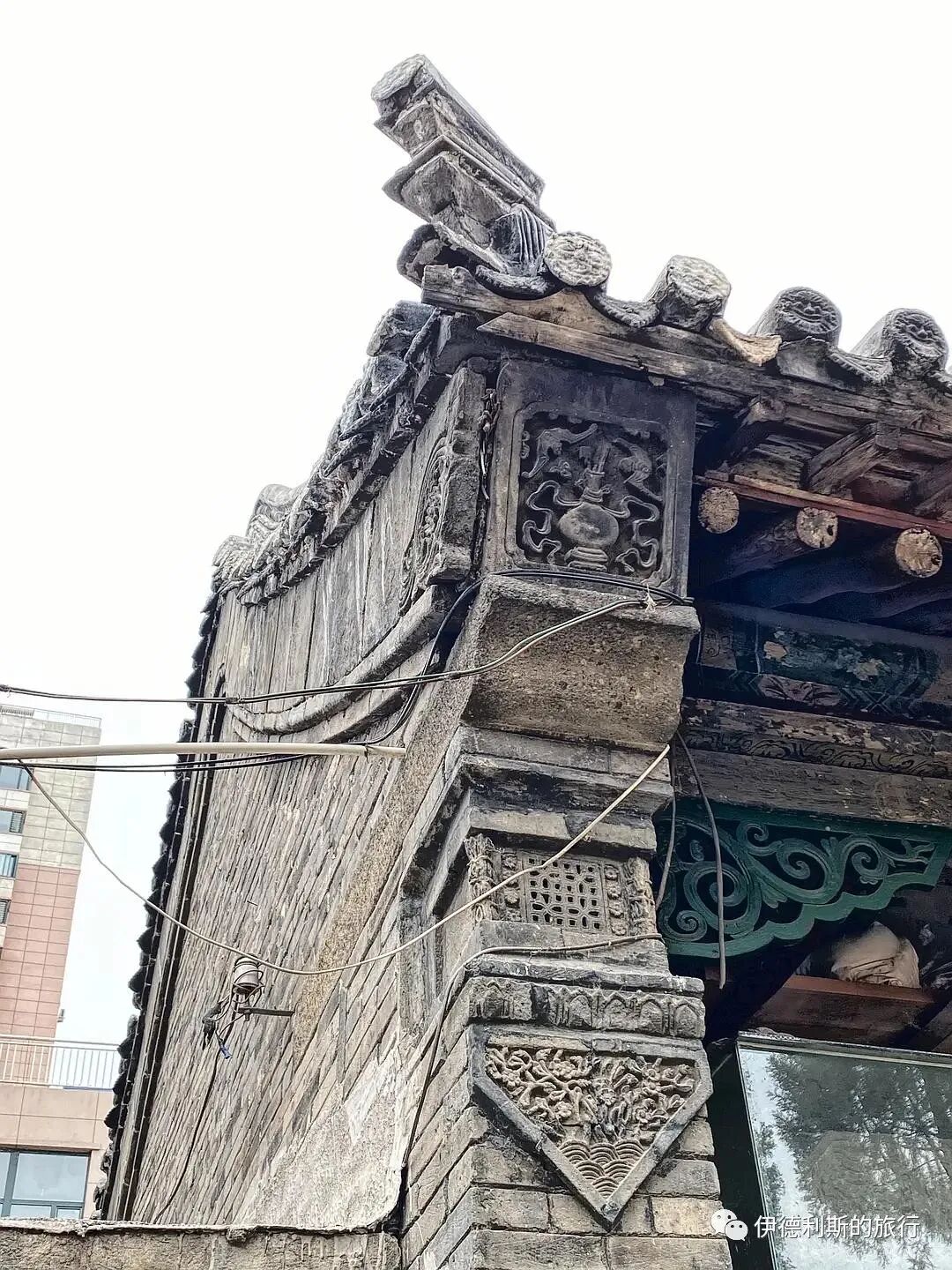
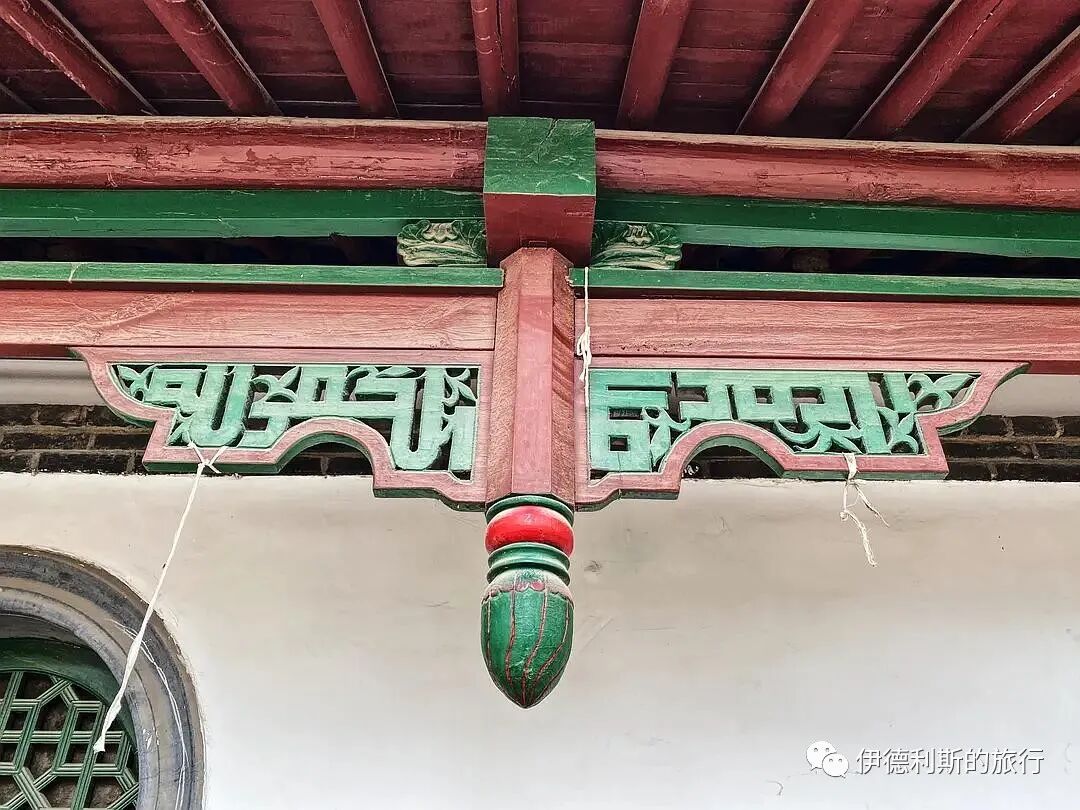
In the evening, I took the high-speed train to Shenyang and had a small barbecue at Xiguan Kaikou Xianbing in the Xiguan Hui Muslim camp night market, ordering small lamb legs, chicken racks, lamb hooves, flatfish, and stir-fried chives with squid.
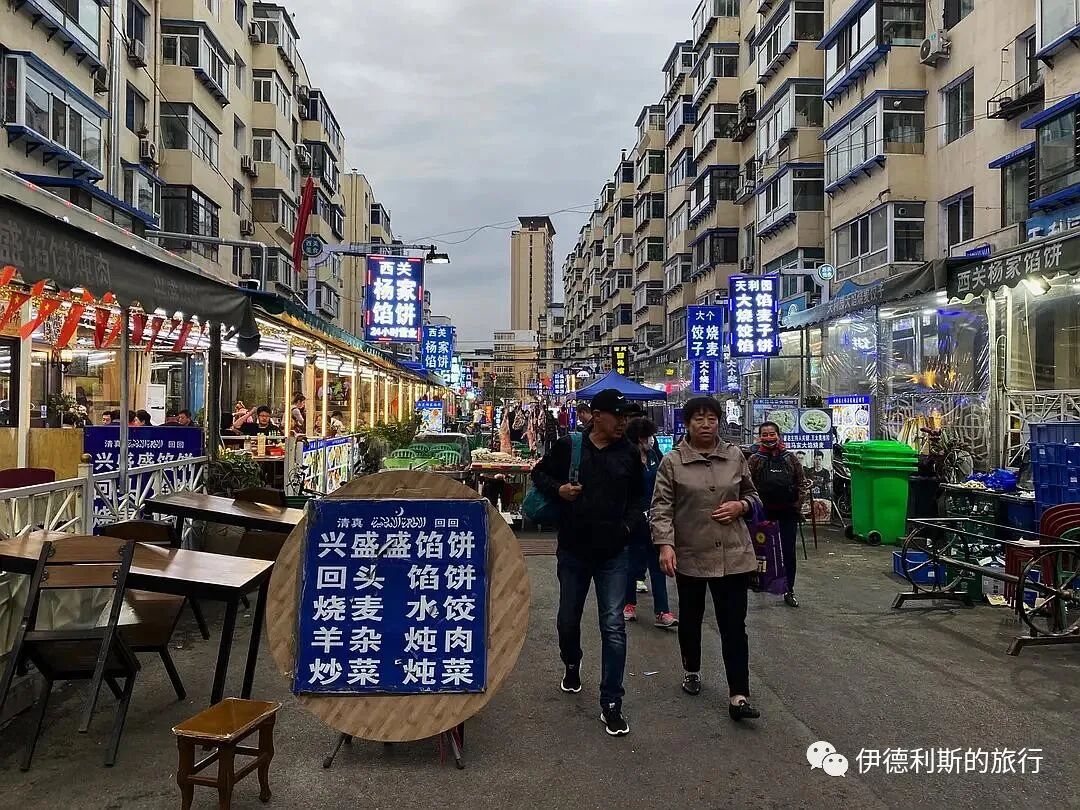
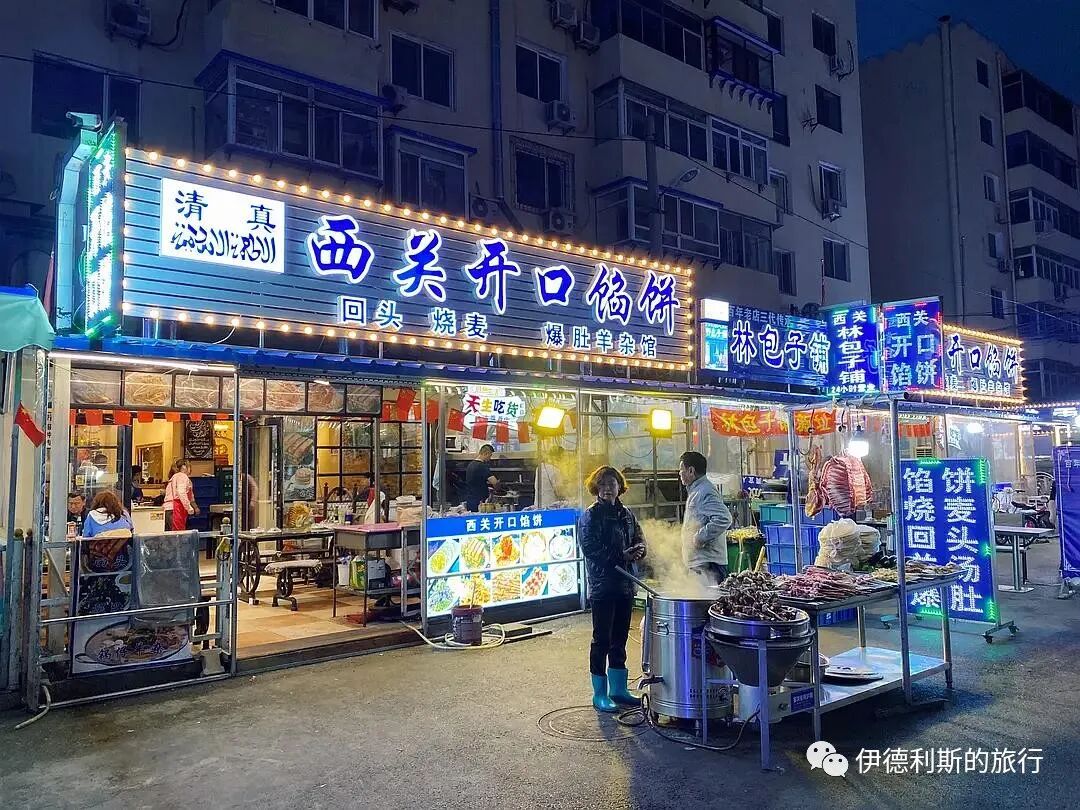
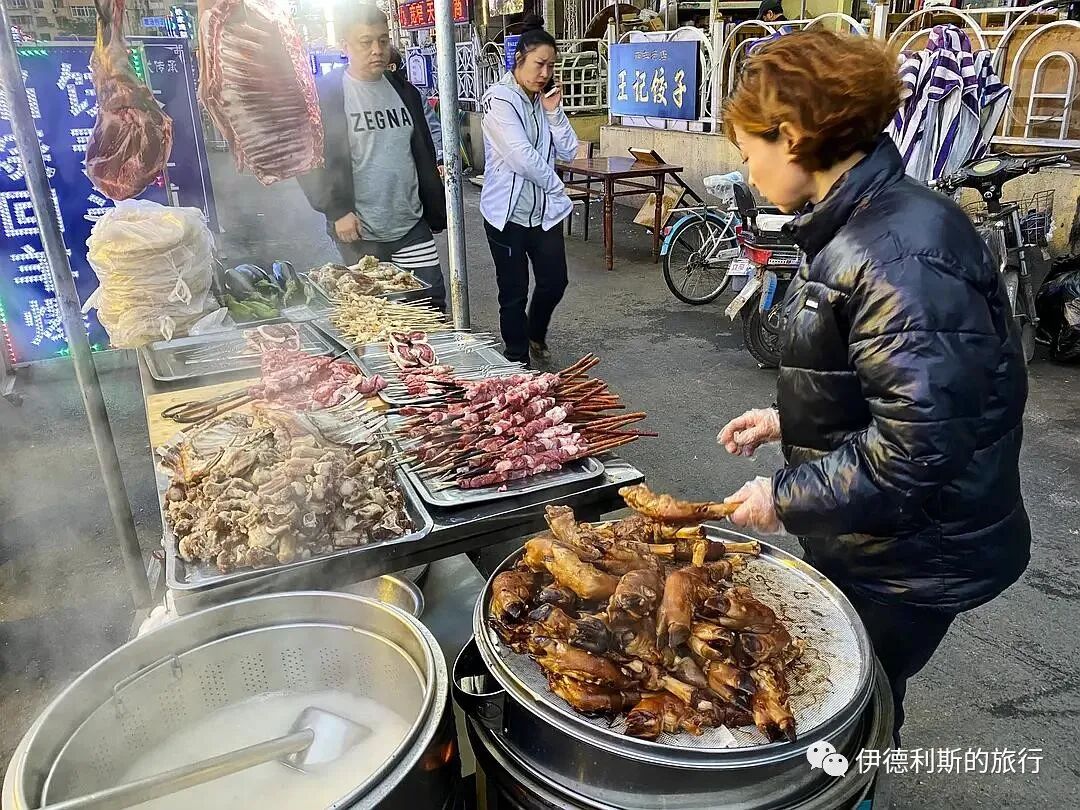
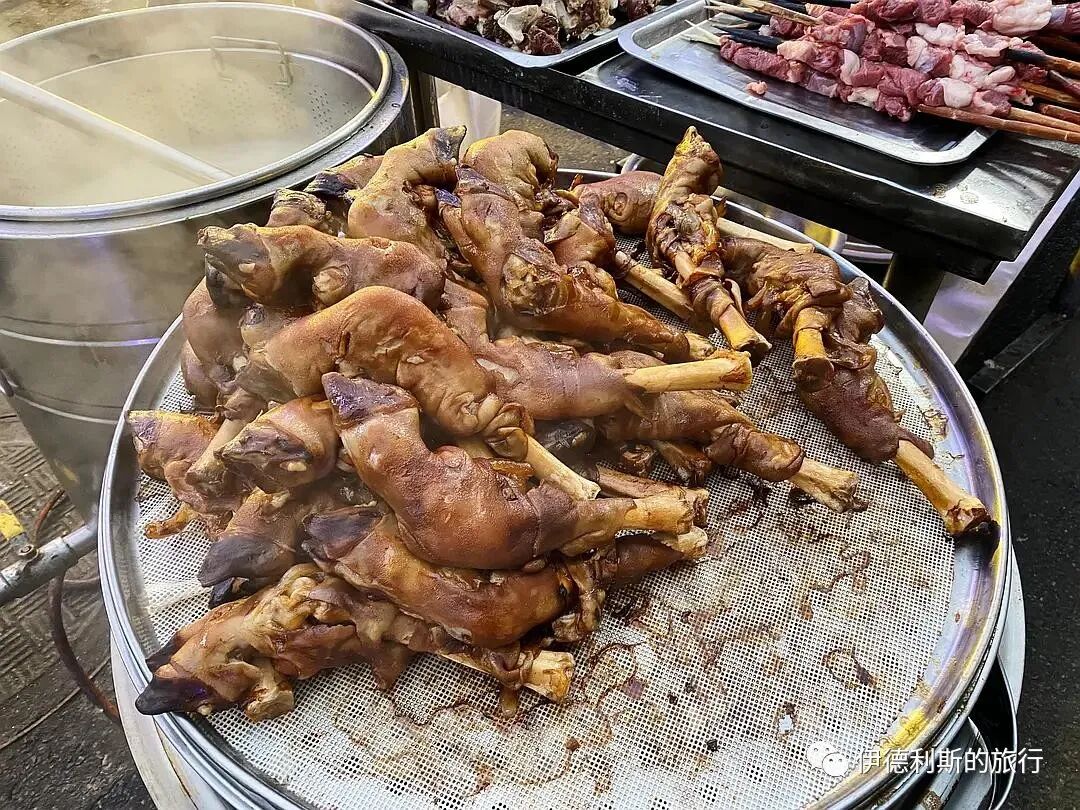
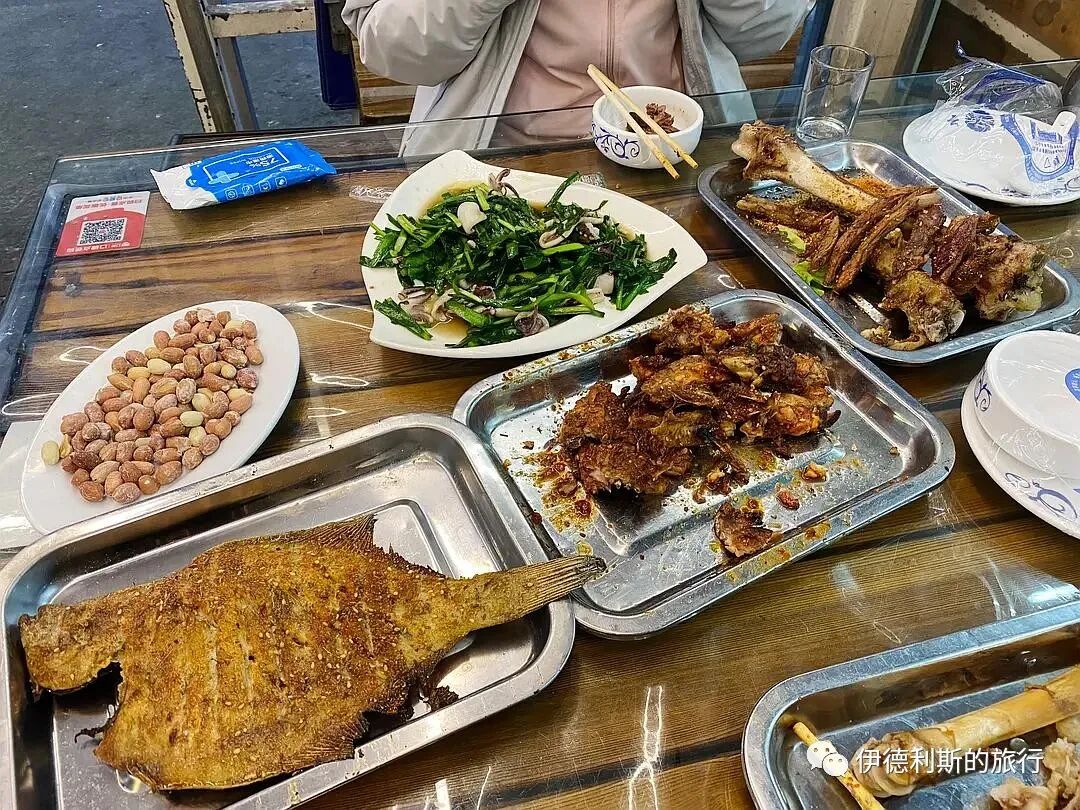
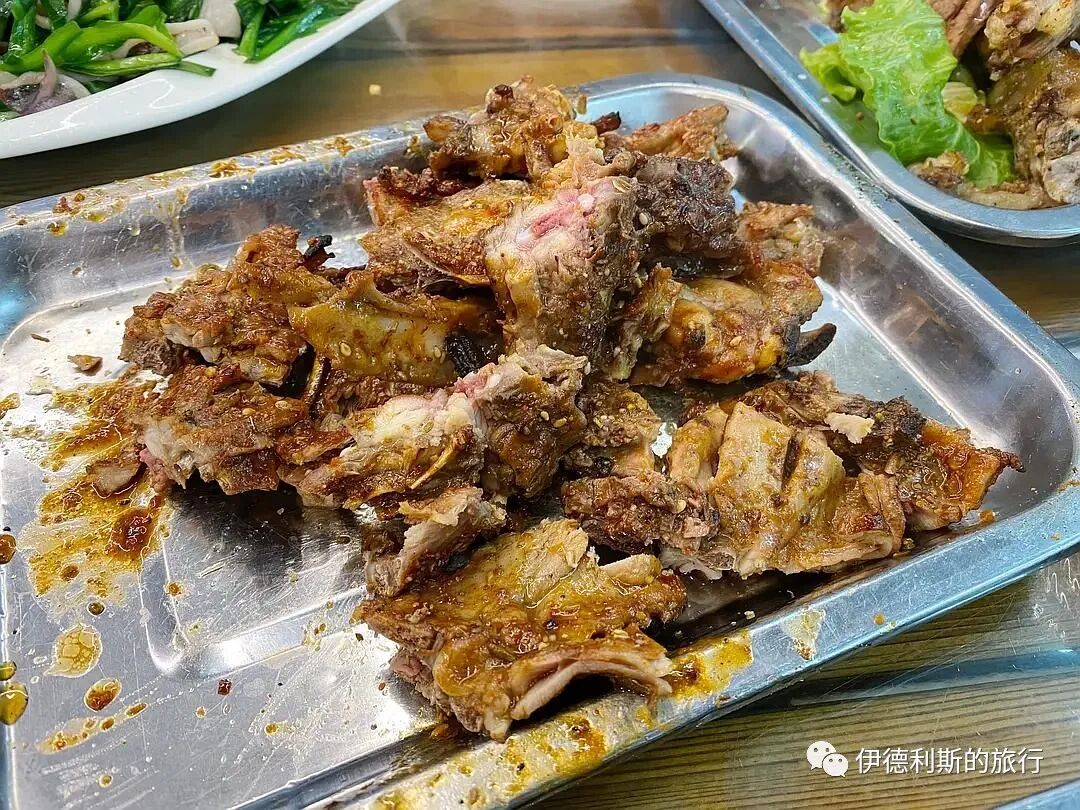
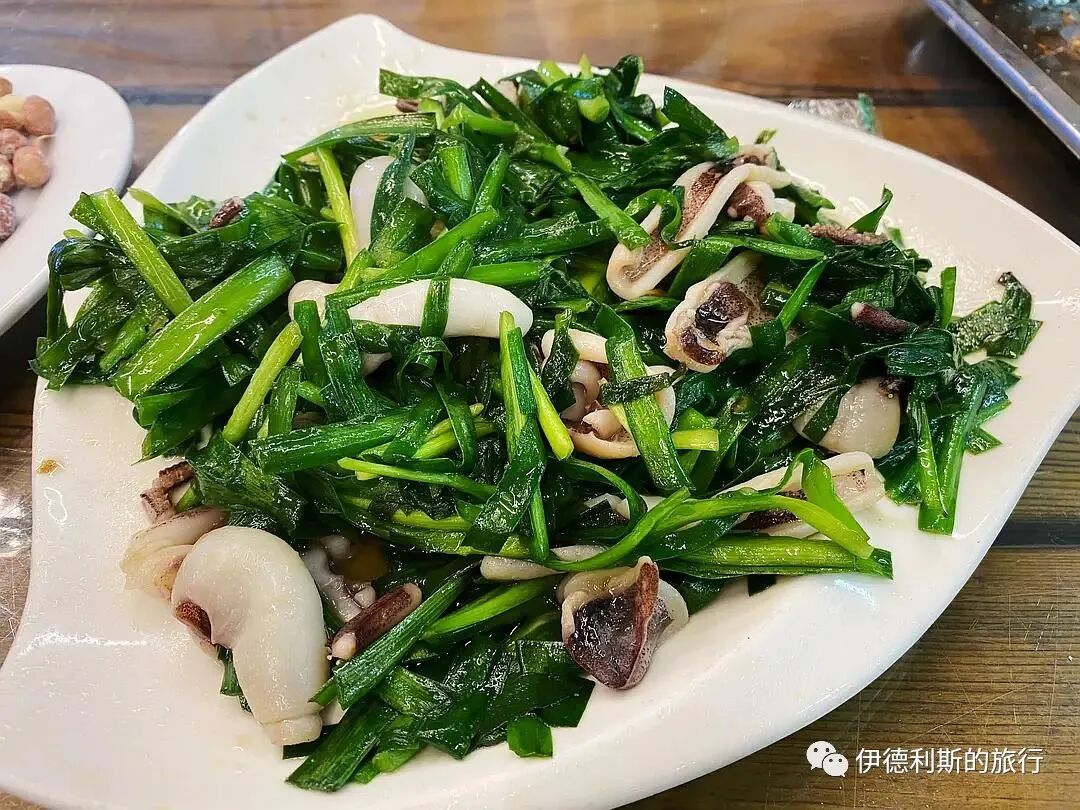
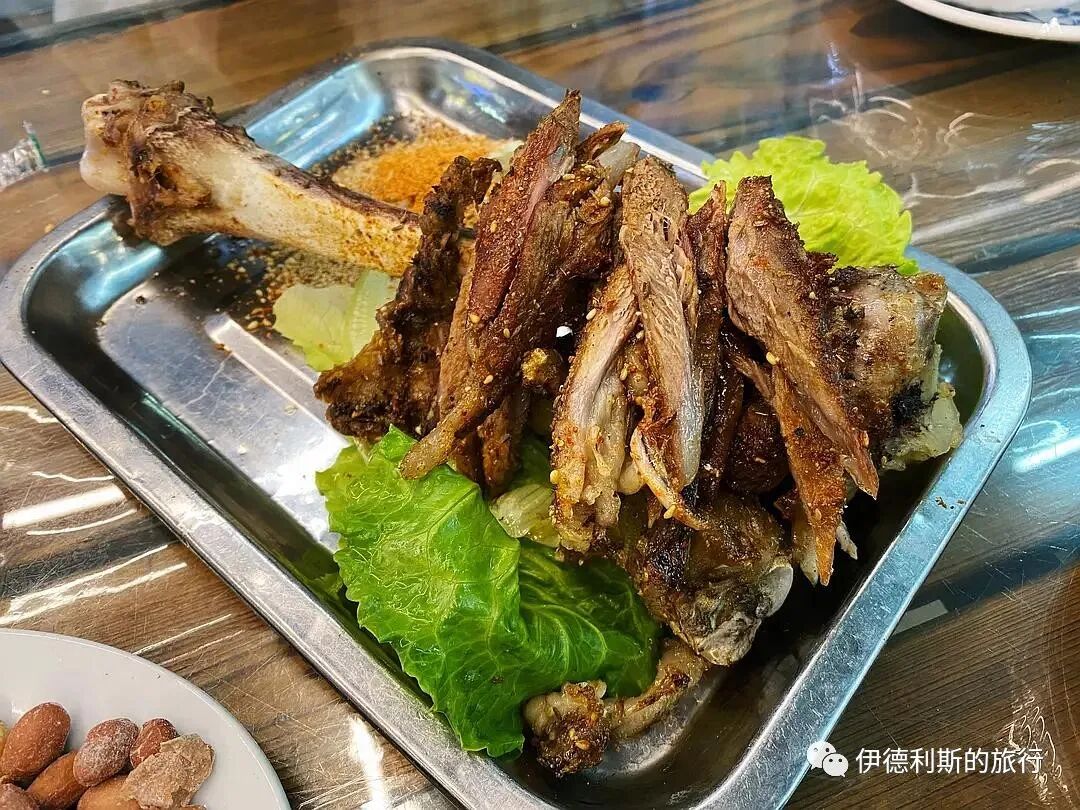
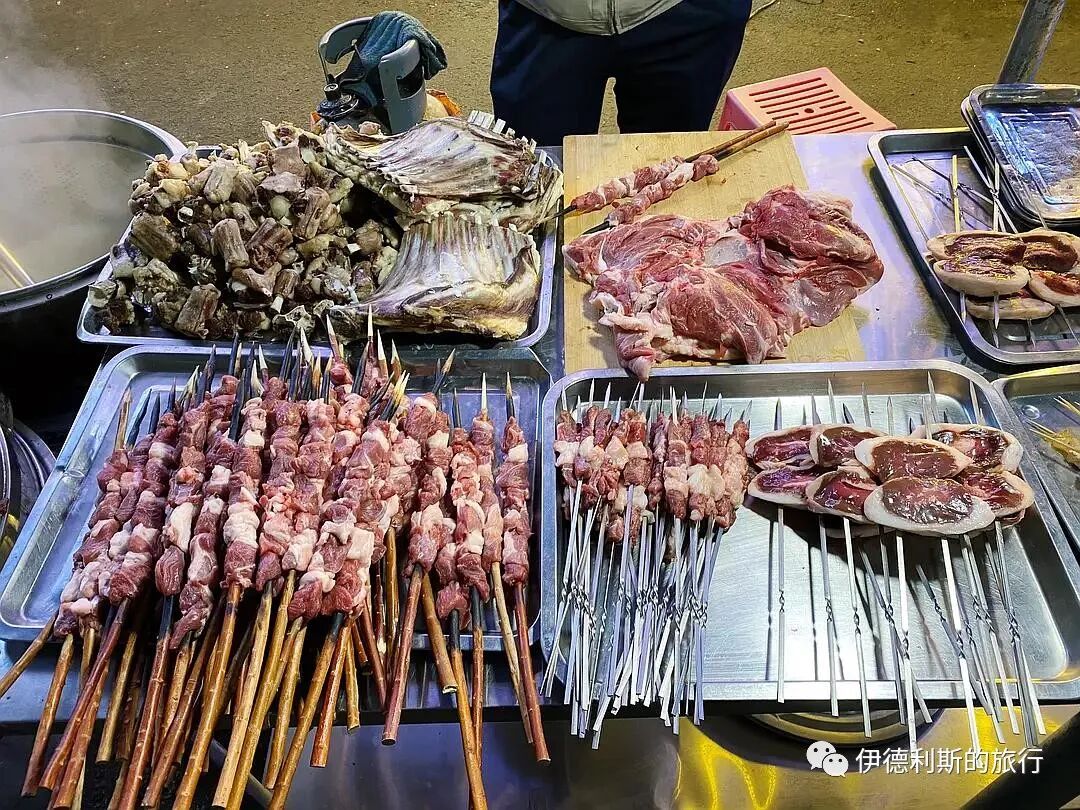
I went for a walk at night and visited the 24-hour Xiguan Yang Family Pie Shop, where I had lamb soup with pies and ordered a 'Liu Sanyang' (three-variety stir-fry), which is heart, liver, and intestine, a Northeast specialty within the Lu cuisine family. They also gave us complimentary fried shrimp chips and side dishes.
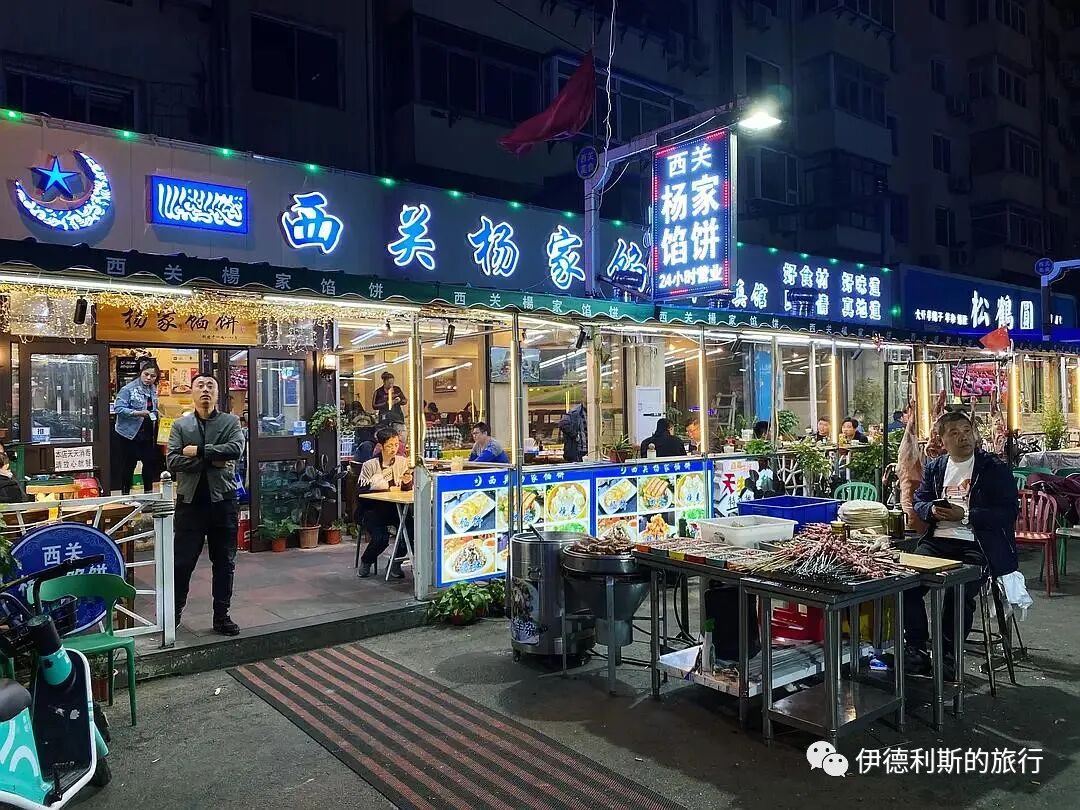
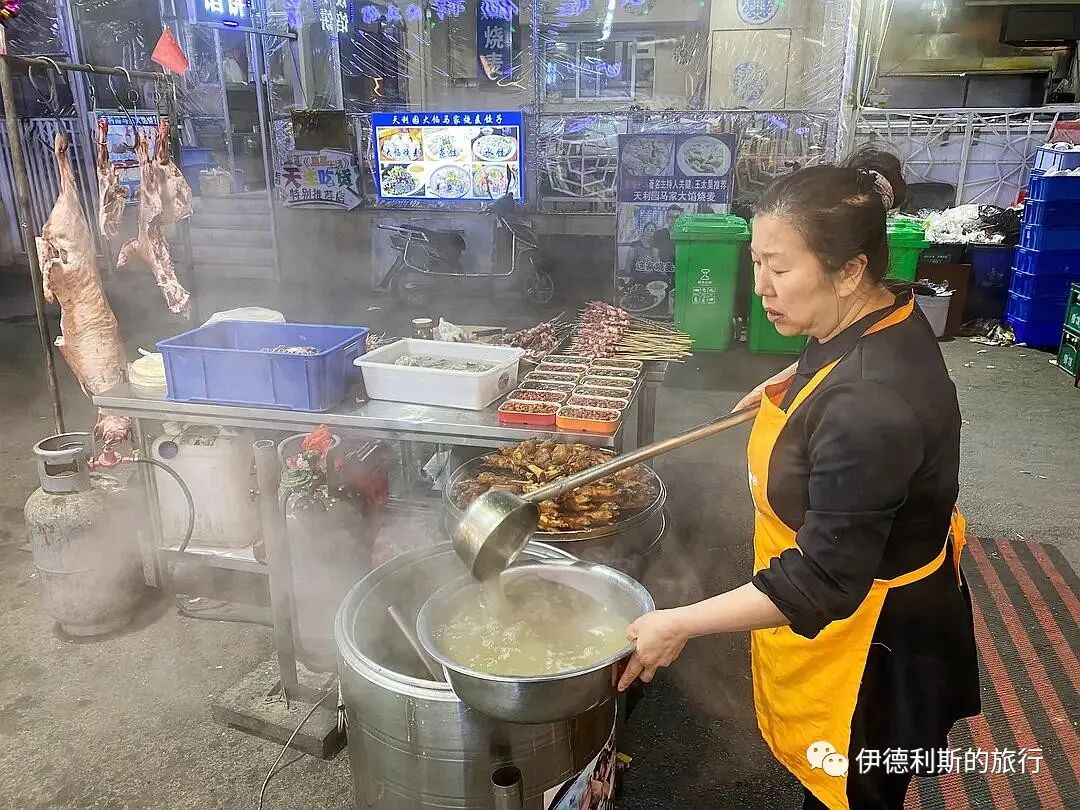
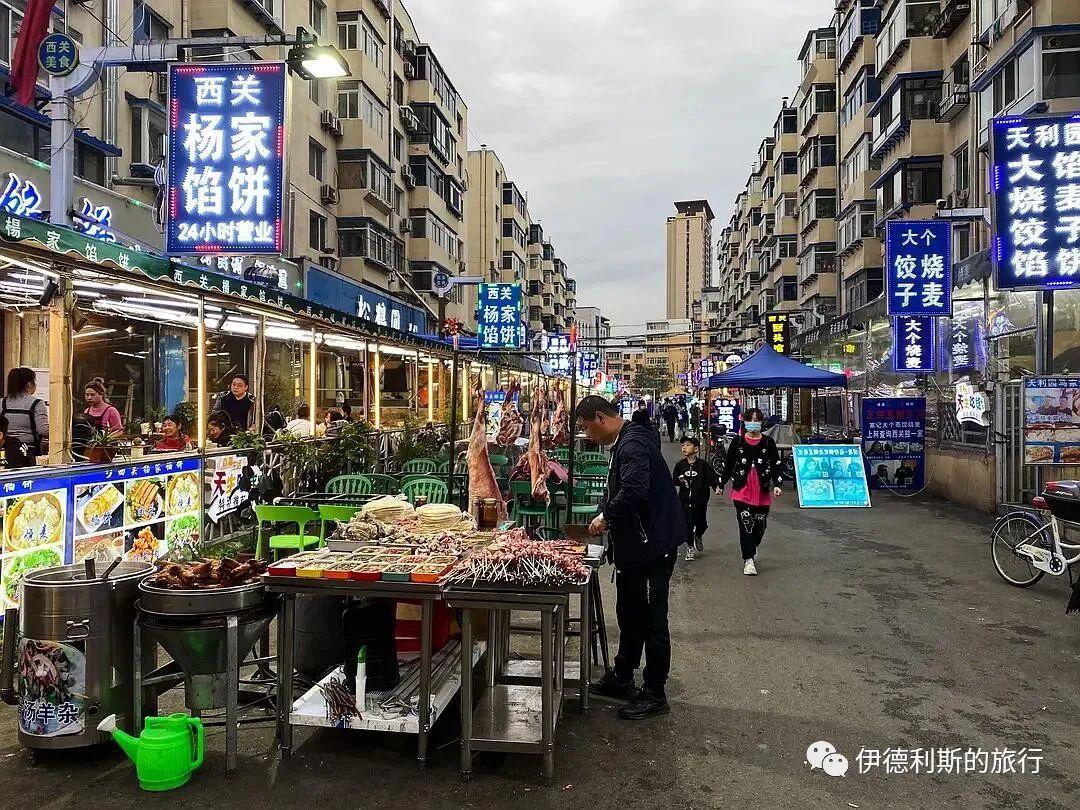
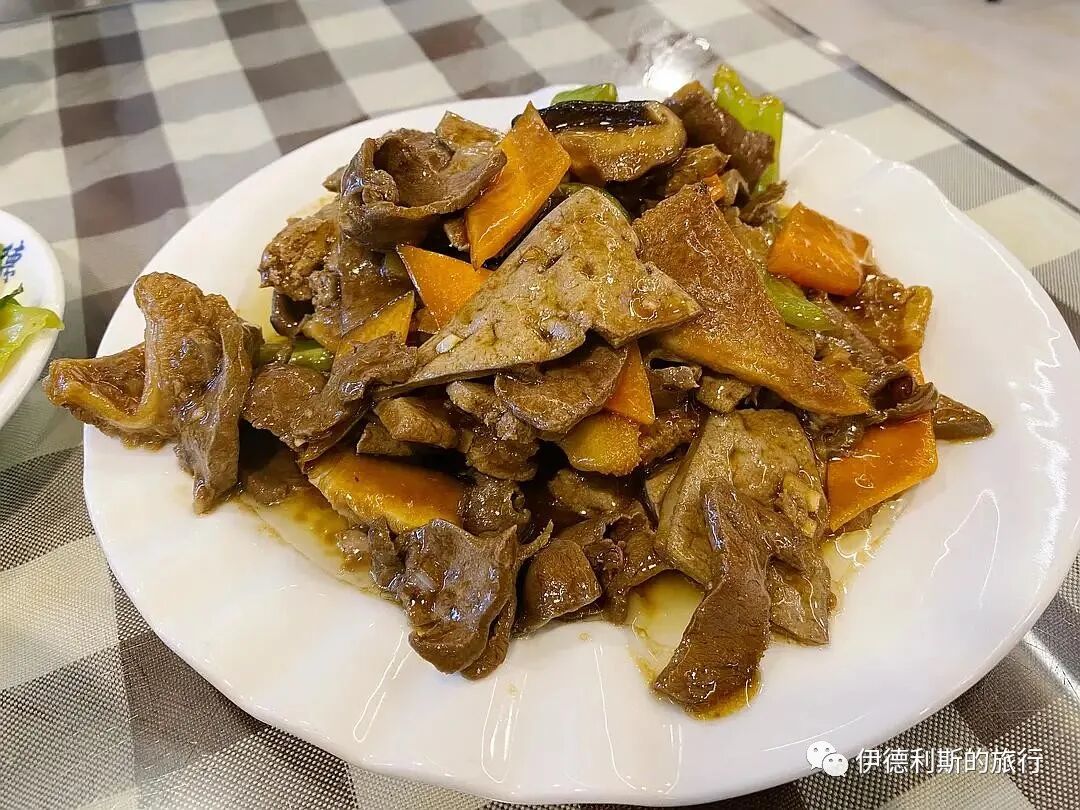
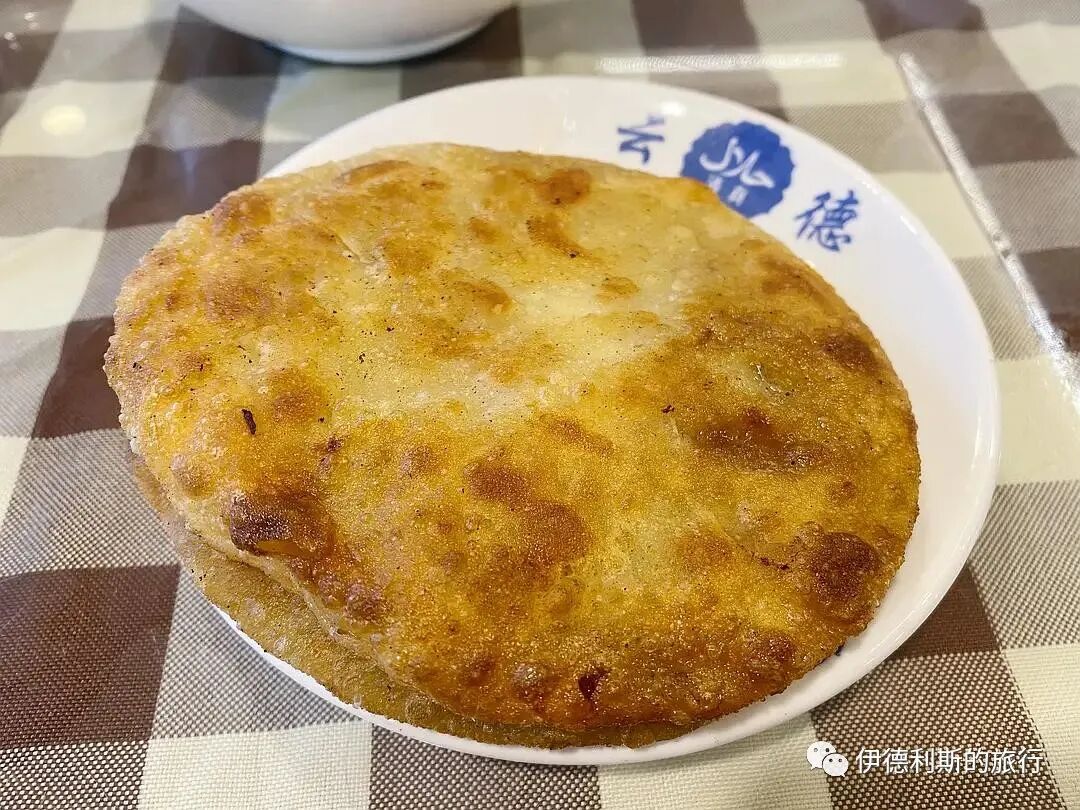
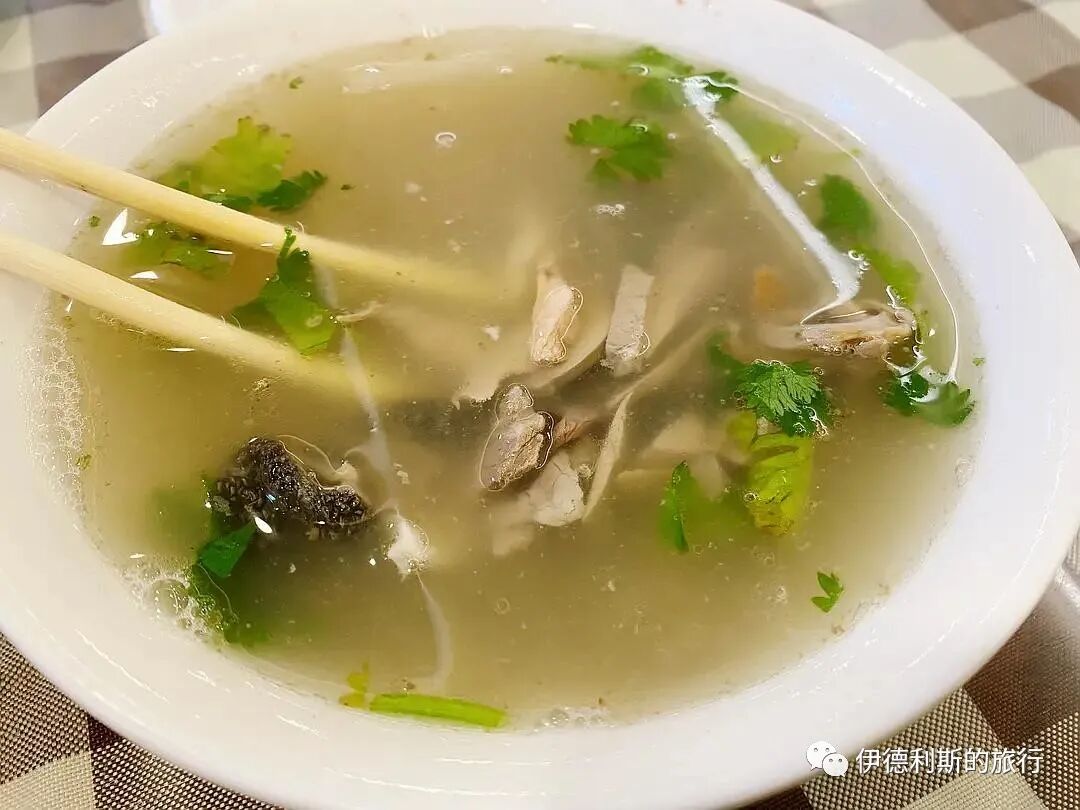
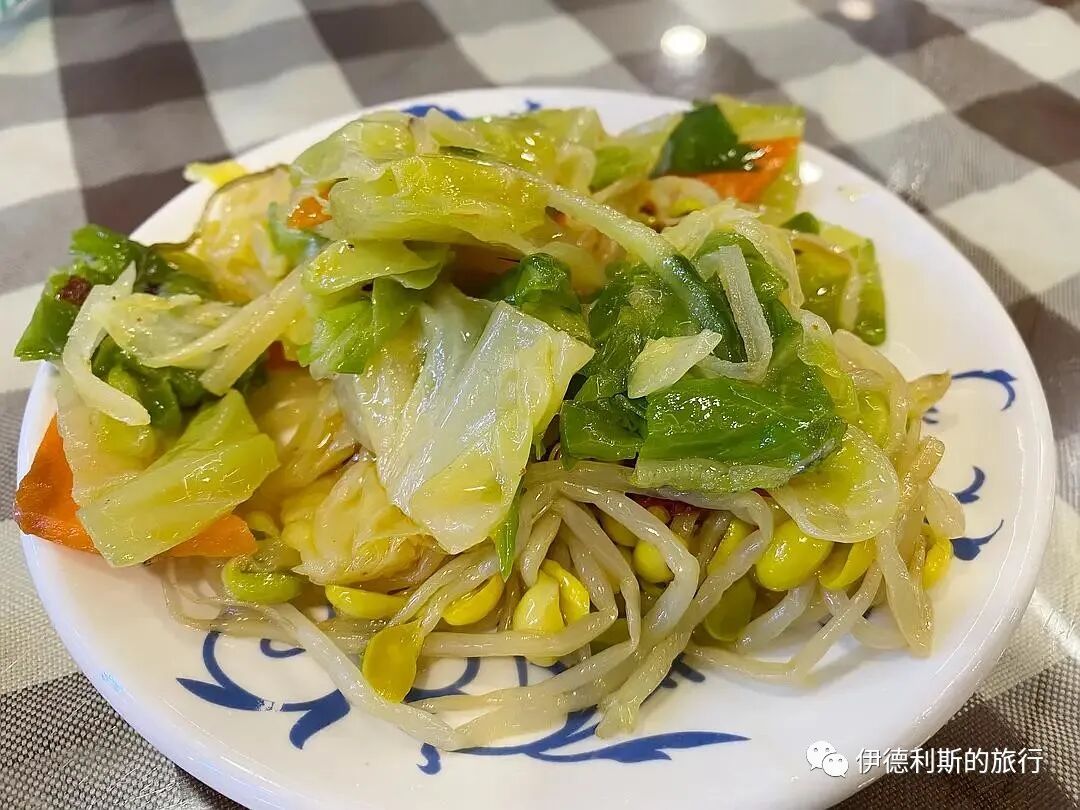
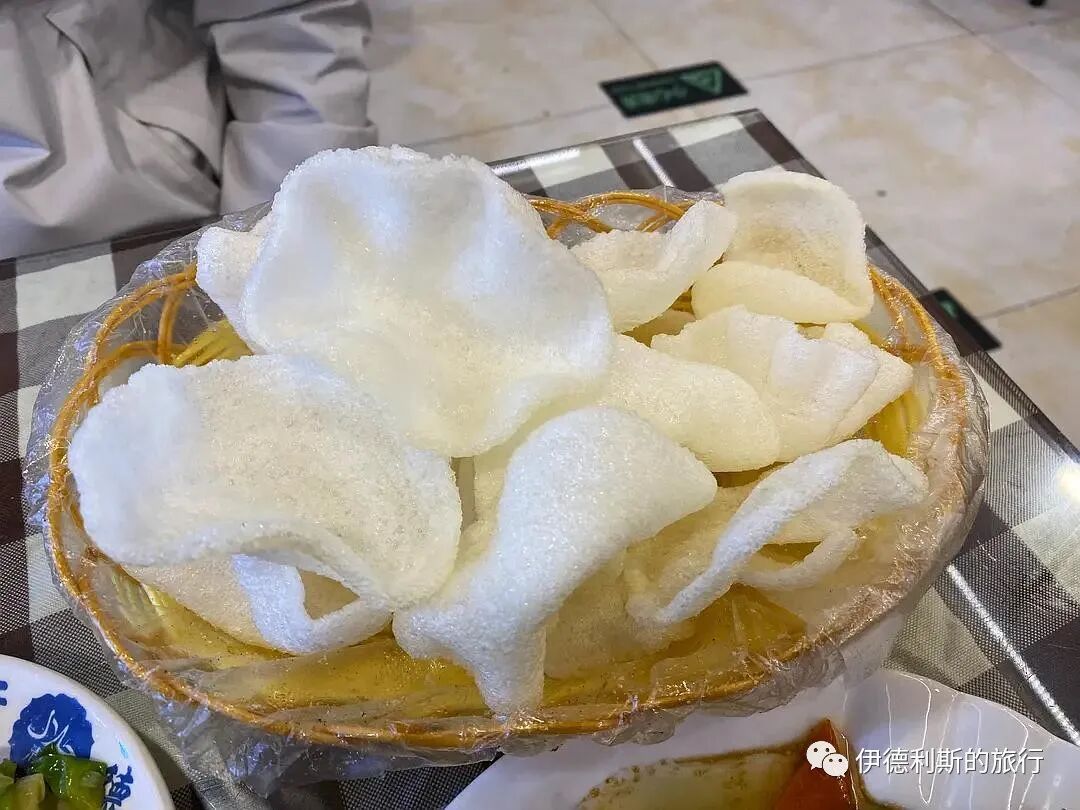
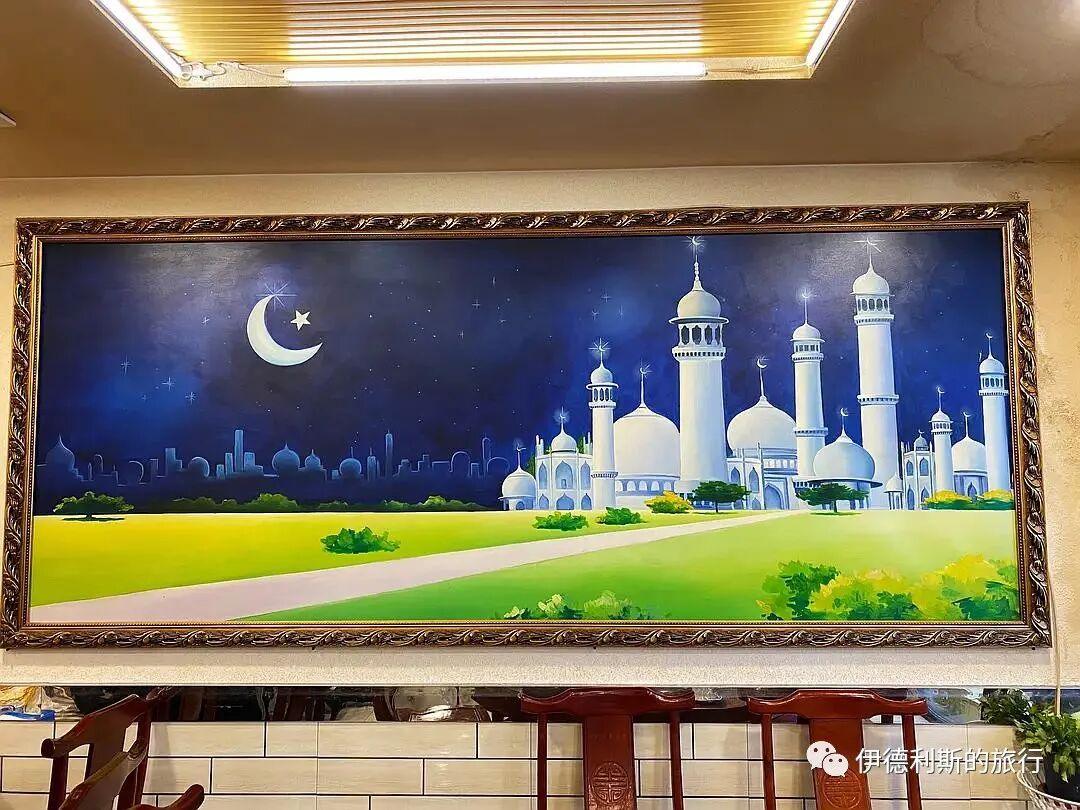
The next morning, I had chicken cake and tofu pudding at Lao Ding Tou on Xiaoxi Street, and beef huoshao (crispy baked flatbread) with stewed tofu and tendons at Ma's Yikousu on Qingzhen Road. The huoshao cost one yuan each; they are flaky and you can't find them outside the Northeast.
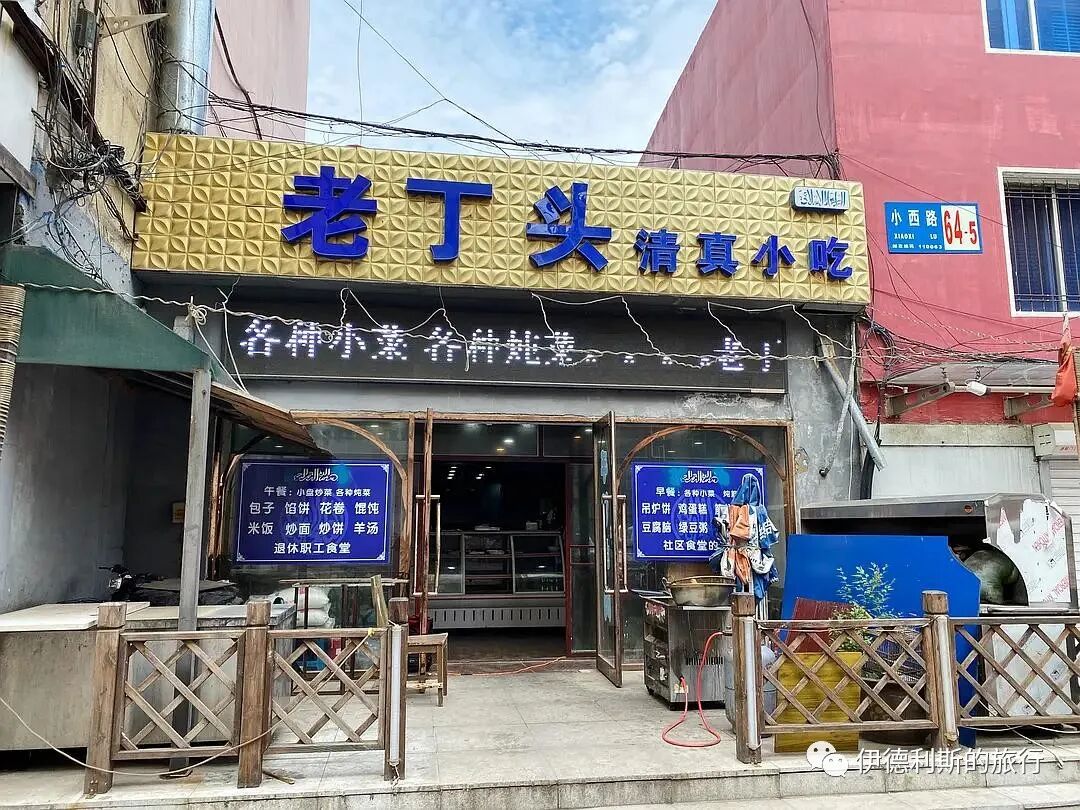
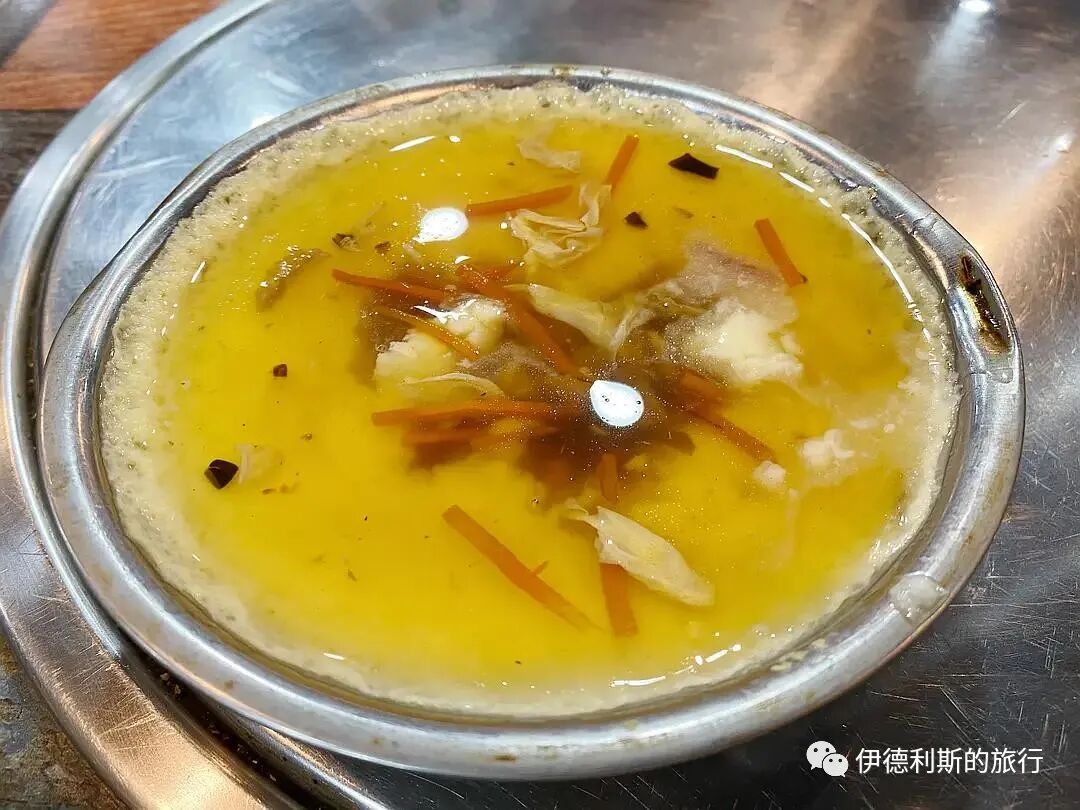
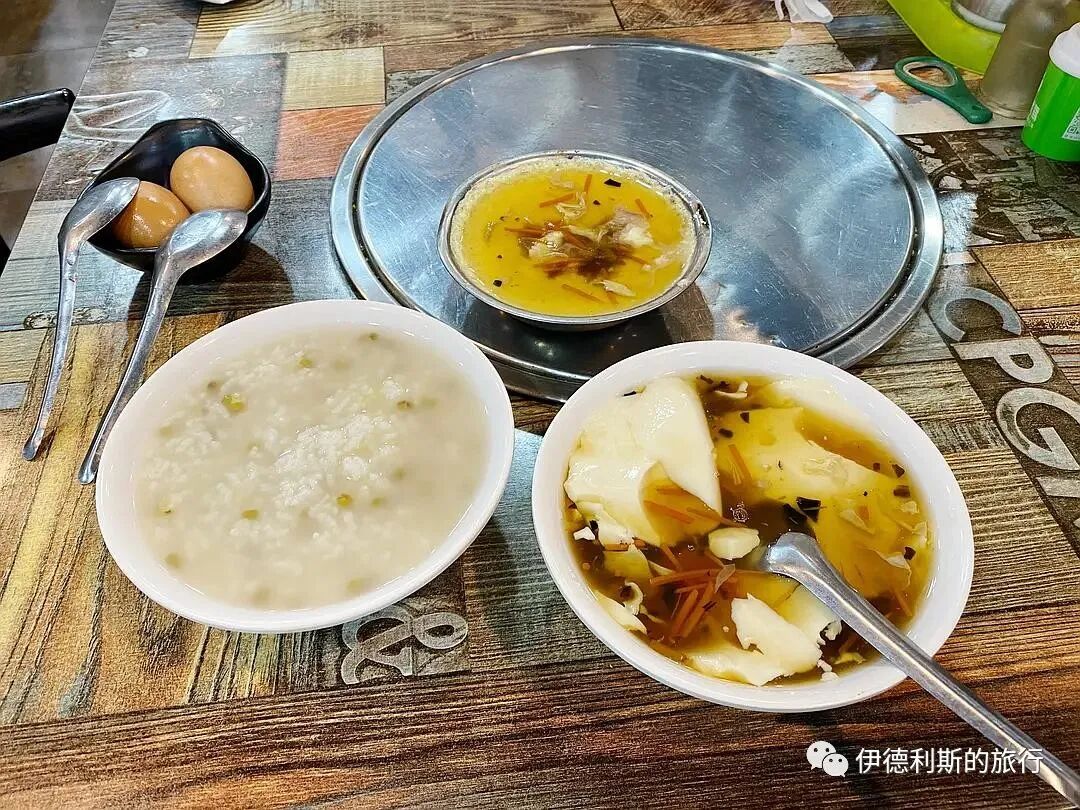
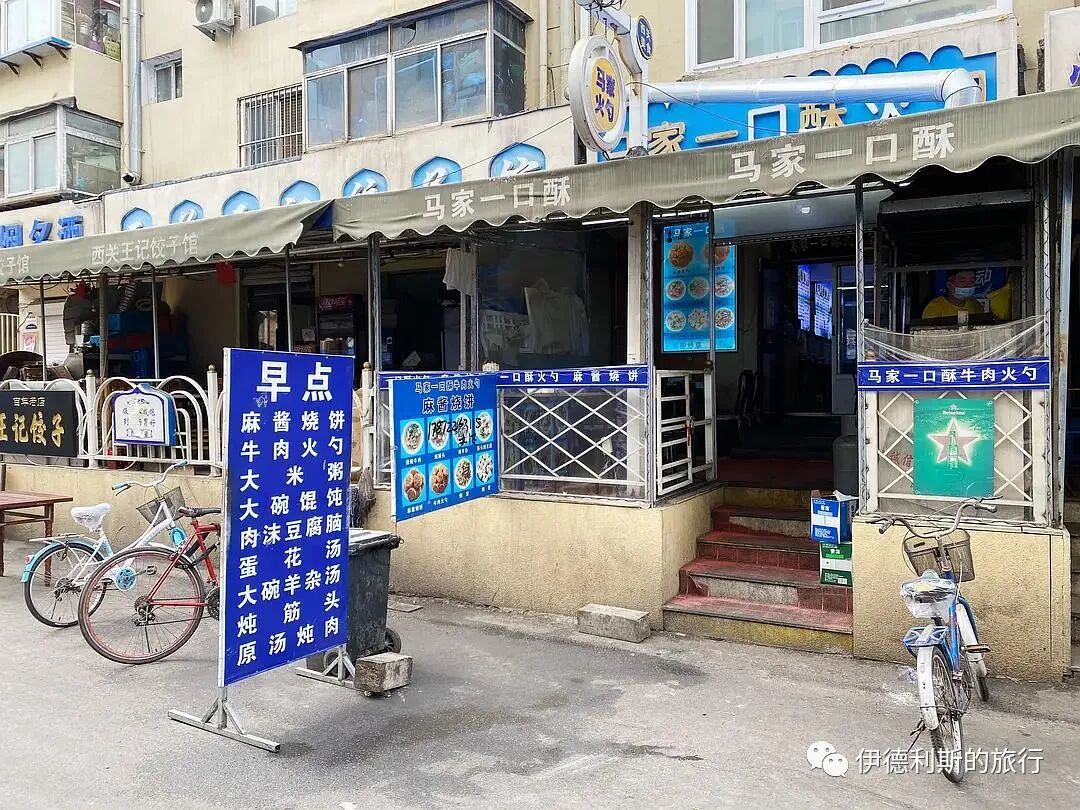
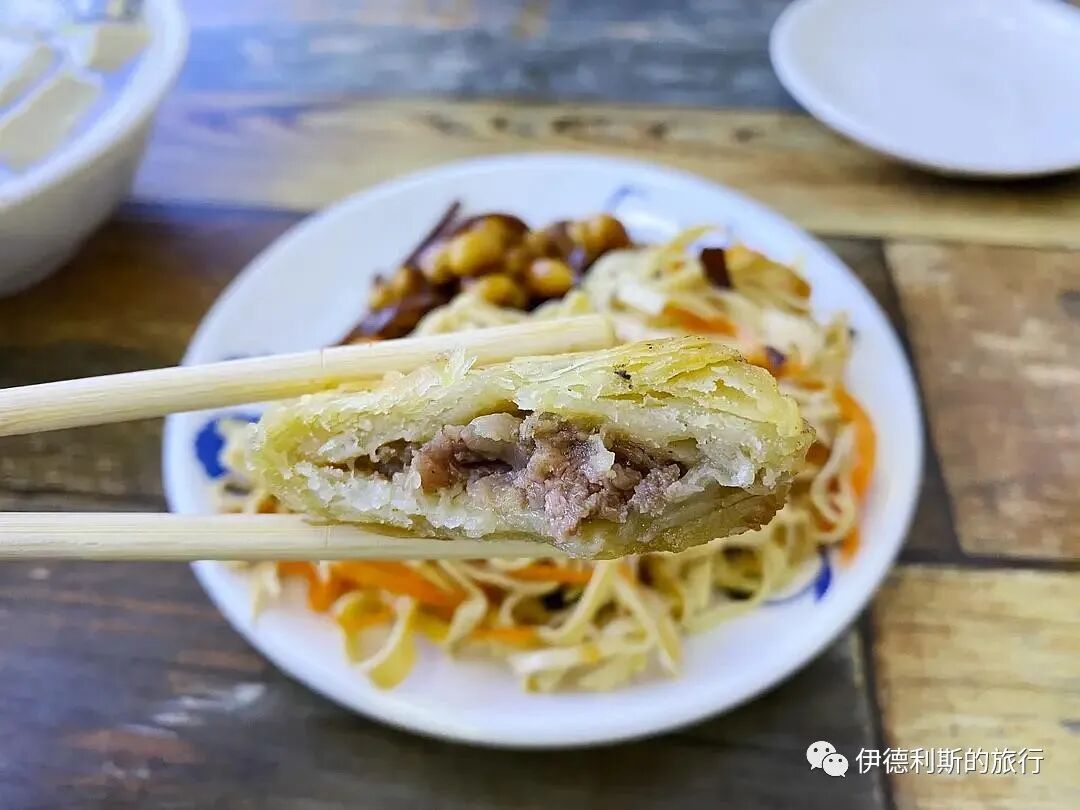
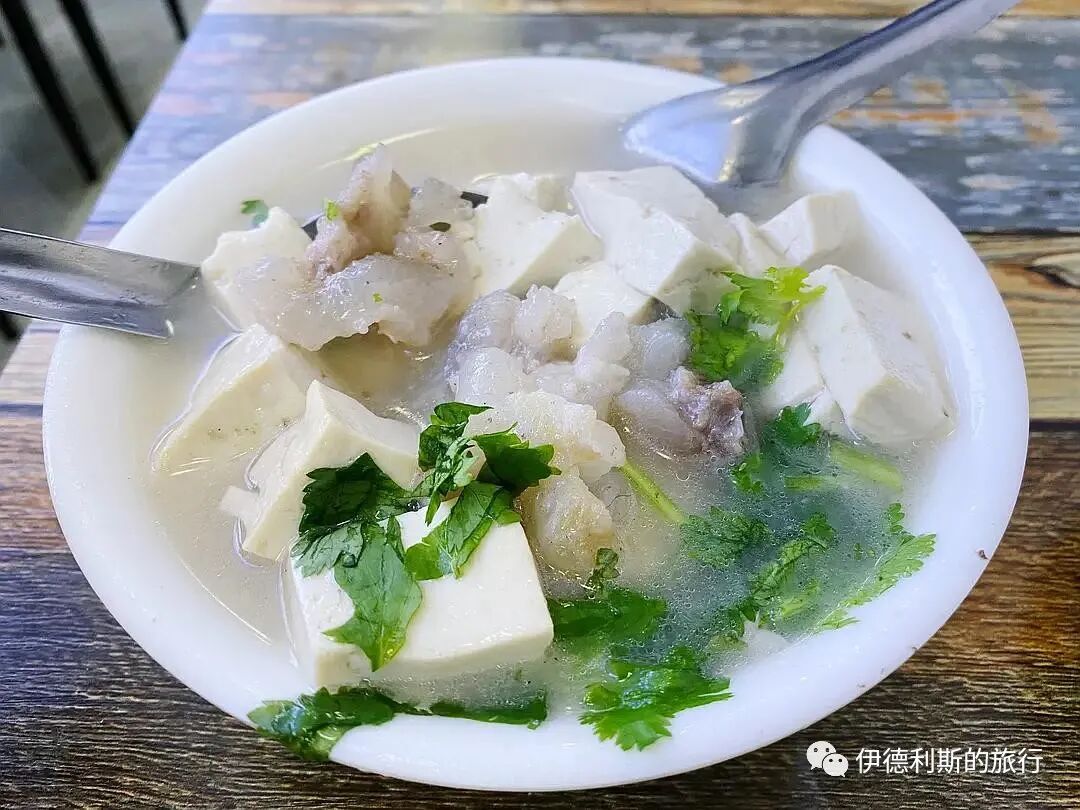
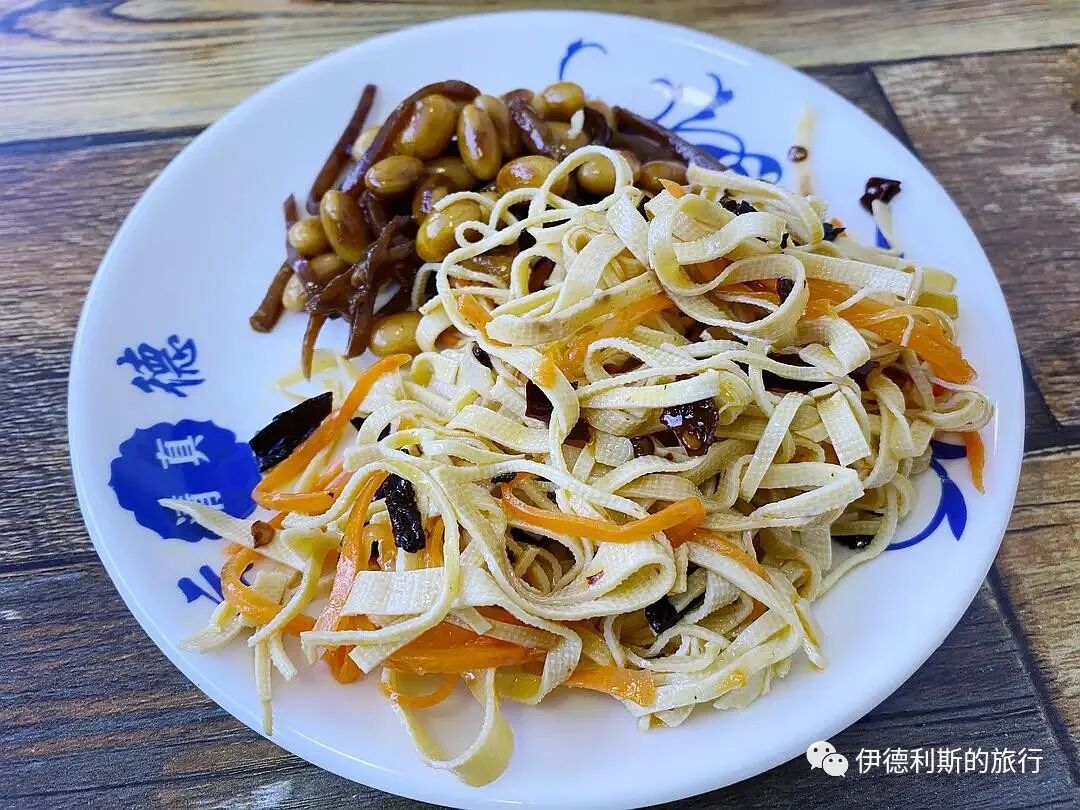
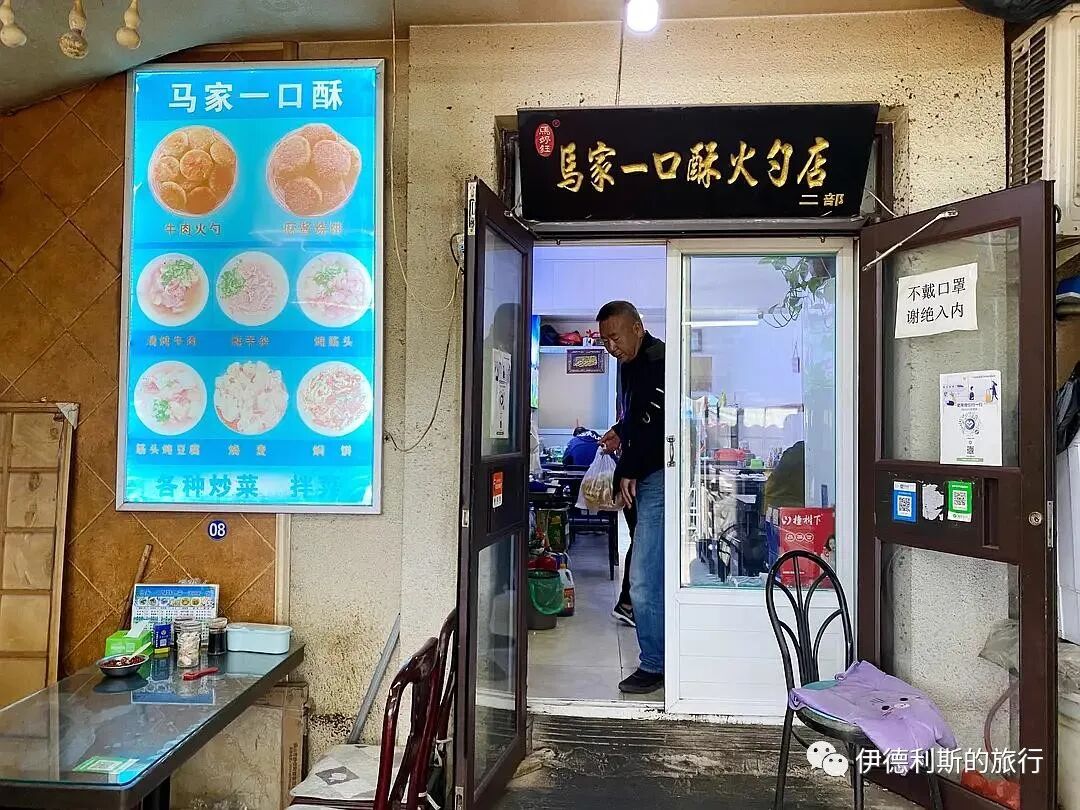
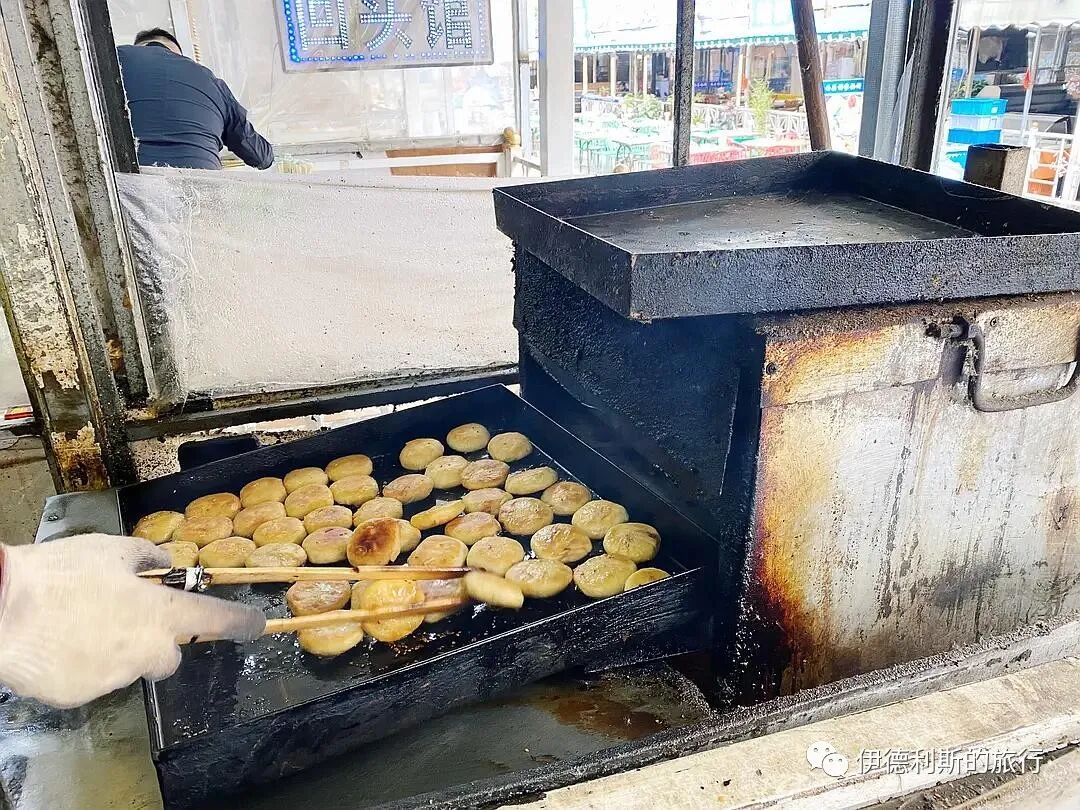
Delicatessen and fried rice cakes at the Xiguan Hui Muslim camp market. The Hui Muslim camp is much quieter than the last time I visited, and the morning market is gone.
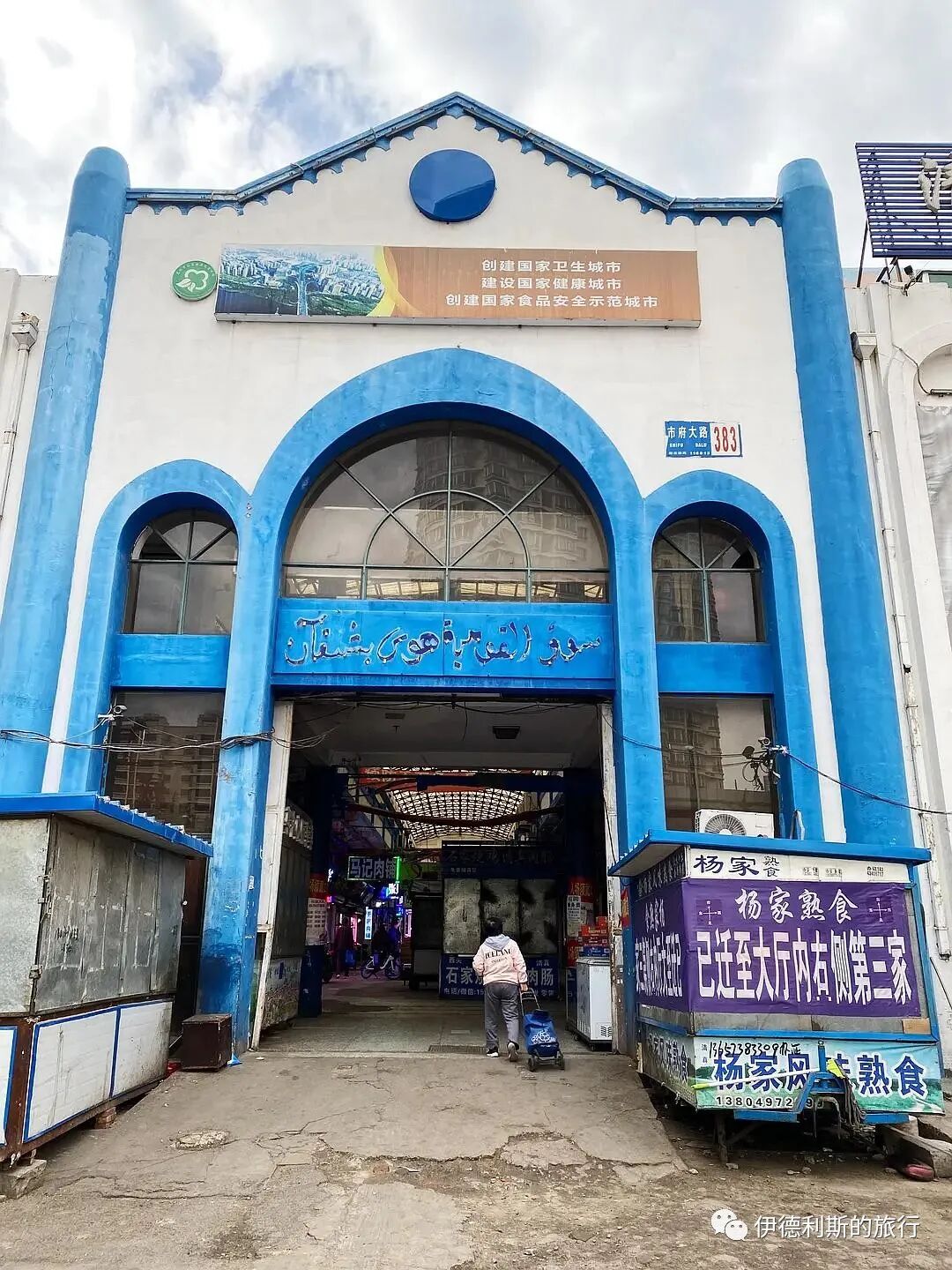
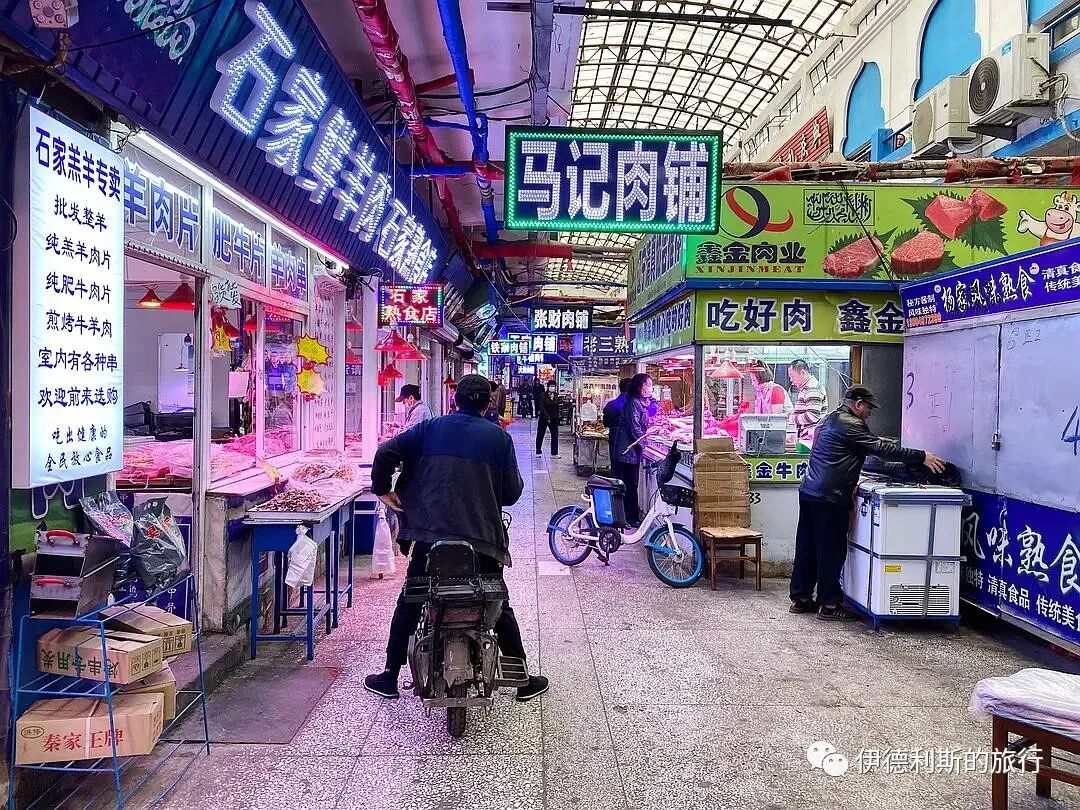
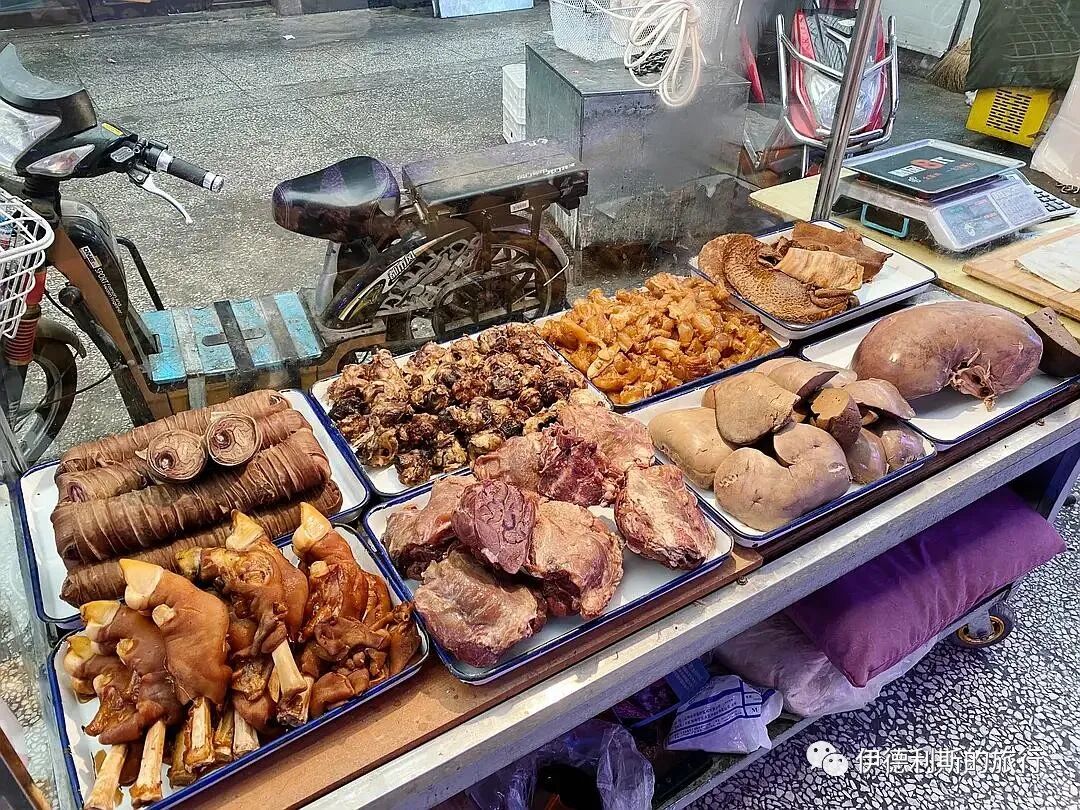
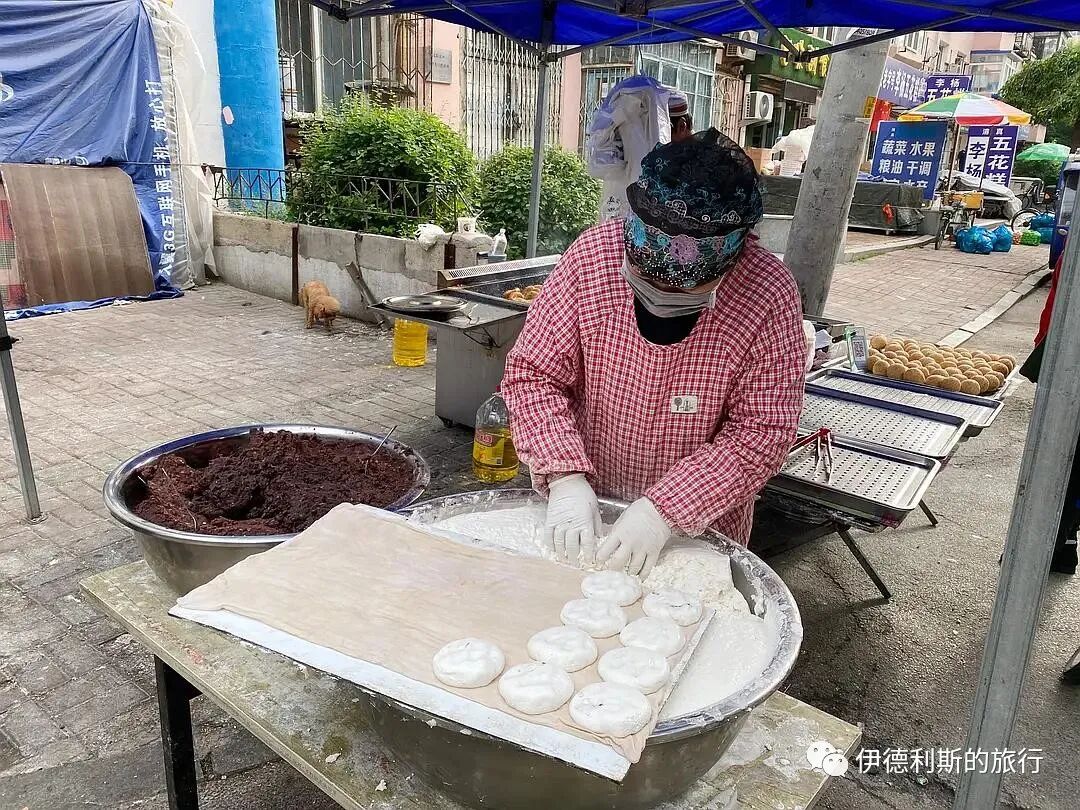
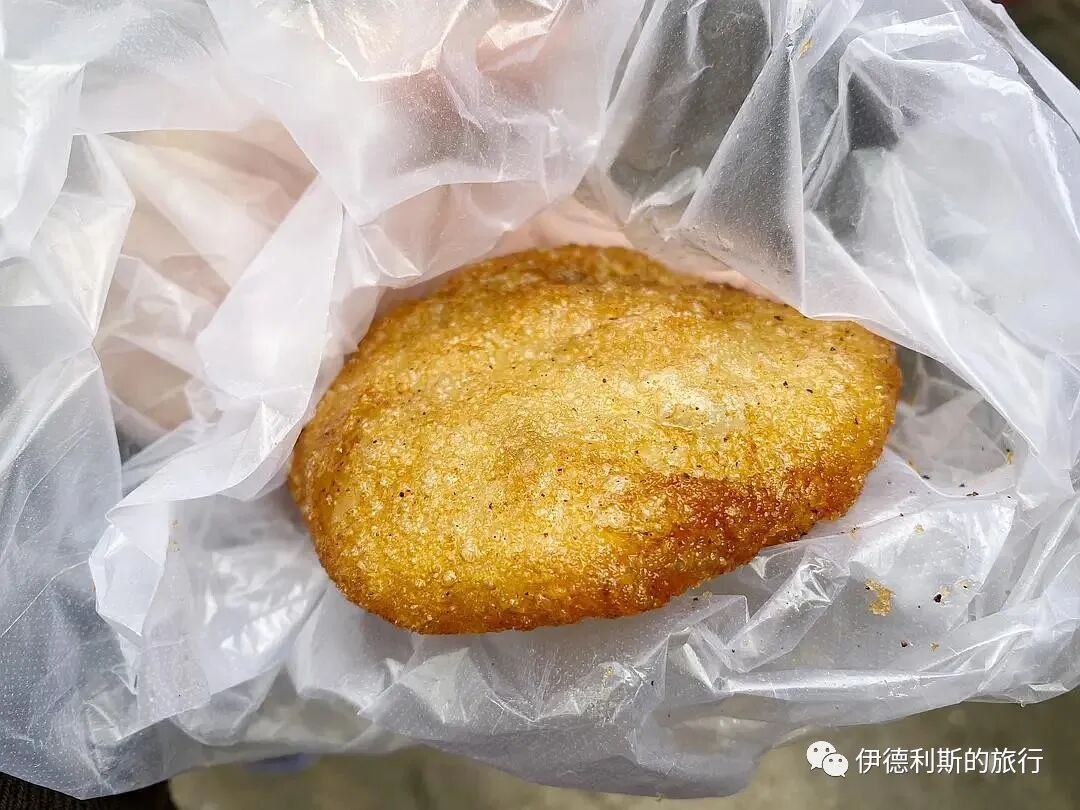
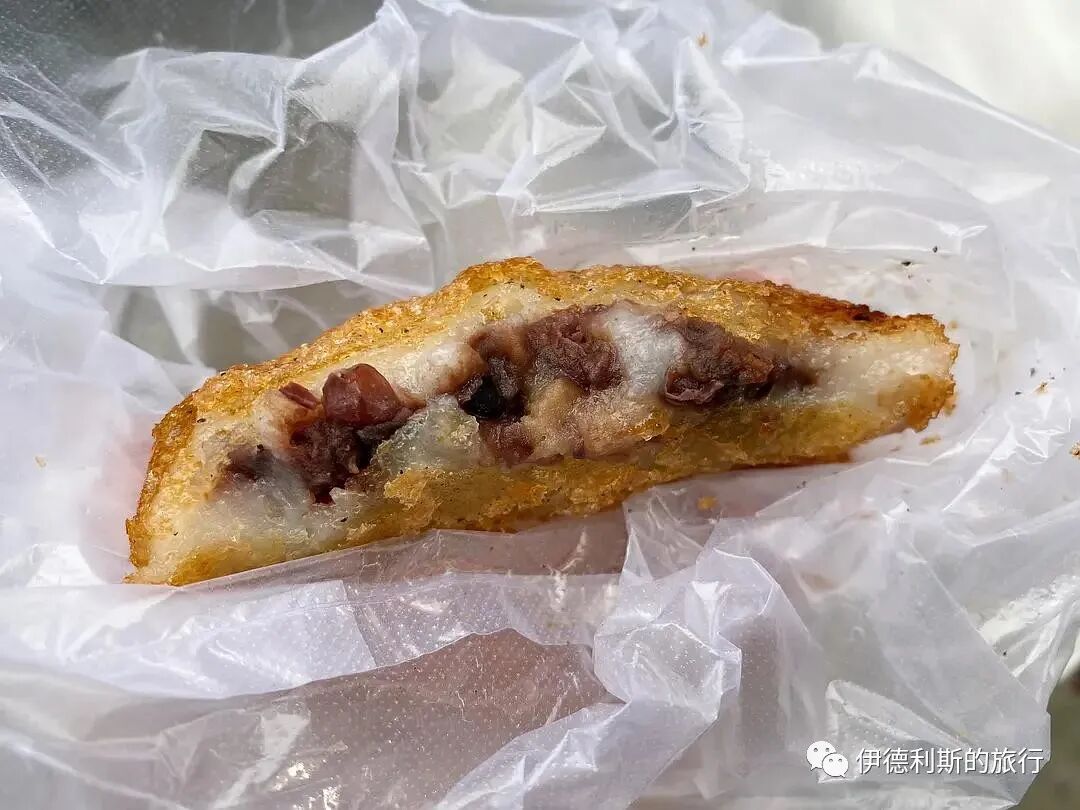
The Shenyang South Mosque was founded in 1636 (the first year of the Chongde reign of the Qing Dynasty). The ancestors of the founding Tie family were Hui Muslim Semu people who came to the interior during the Mongol western expeditions. In the early Ming Dynasty, Tie Xuan served as the Shandong administration commissioner in Jinan. During the Jingnan Campaign in 1400, Tie Xuan led troops to defend Jinan city. The Prince of Yan, Zhu Di, attacked for three months without success until he captured Nanjing in 1402 and returned north to finally break through Jinan. After being captured, Tie Xuan was executed by dismemberment. After Tie Xuan passed away, his second son, Tie Fushu, fled outside the pass and moved from Jinzhou to Shenyang during the Wanli reign (1573-1620).
The original Shenyang South Mosque was relatively simple. In 1662 (the first year of the Kangxi reign), it was expanded into a large mosque by Tie Kui, who invited the famous Imam She Yuanshan from Beijing to set up a school. After Imam She's disciple, Tie Hongji, completed his studies, he became the leader. From then on, the Imams of the South Mosque were passed down through the Tie family for 11 generations, with the last Imam, Tie Zizhang, serving until 1956.
The rear hall of the mosque was expanded in 1902. The main hall is not the traditional 'convex' shape, but a structure of juanpeng + front hall + rear hall + hexagonal yaodian. This practice of adding a pavilion-style yaodian to the back of the main hall is relatively common in the Northeast.
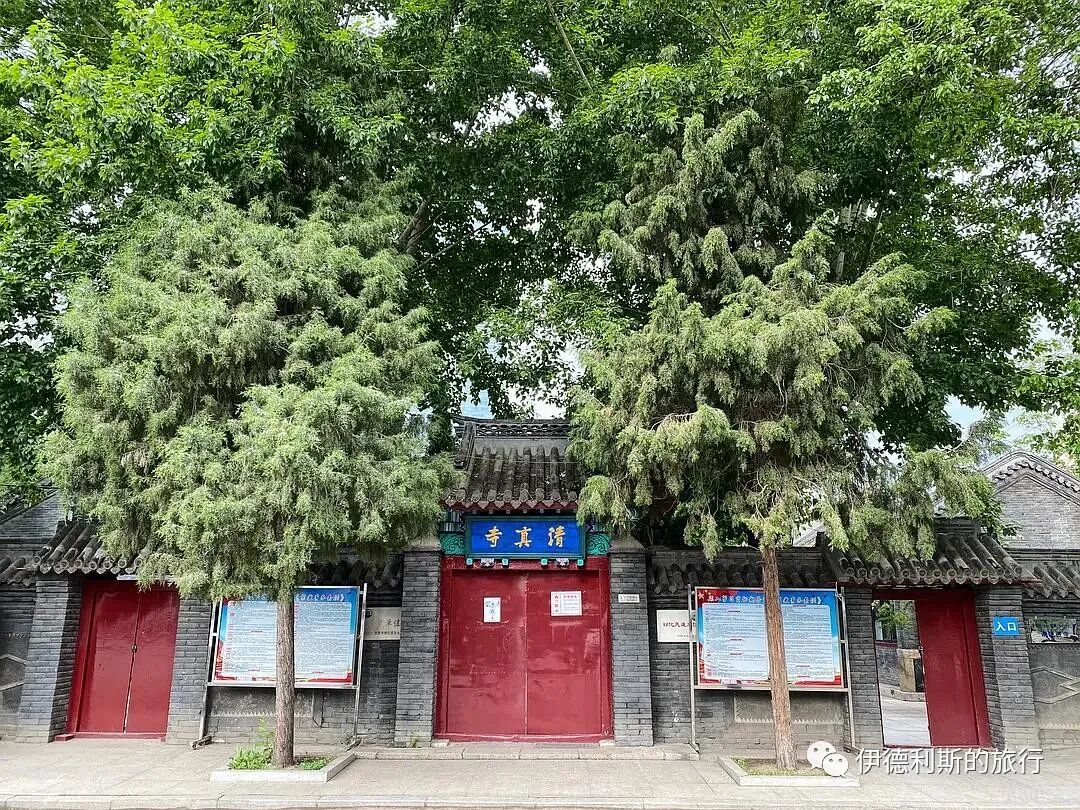
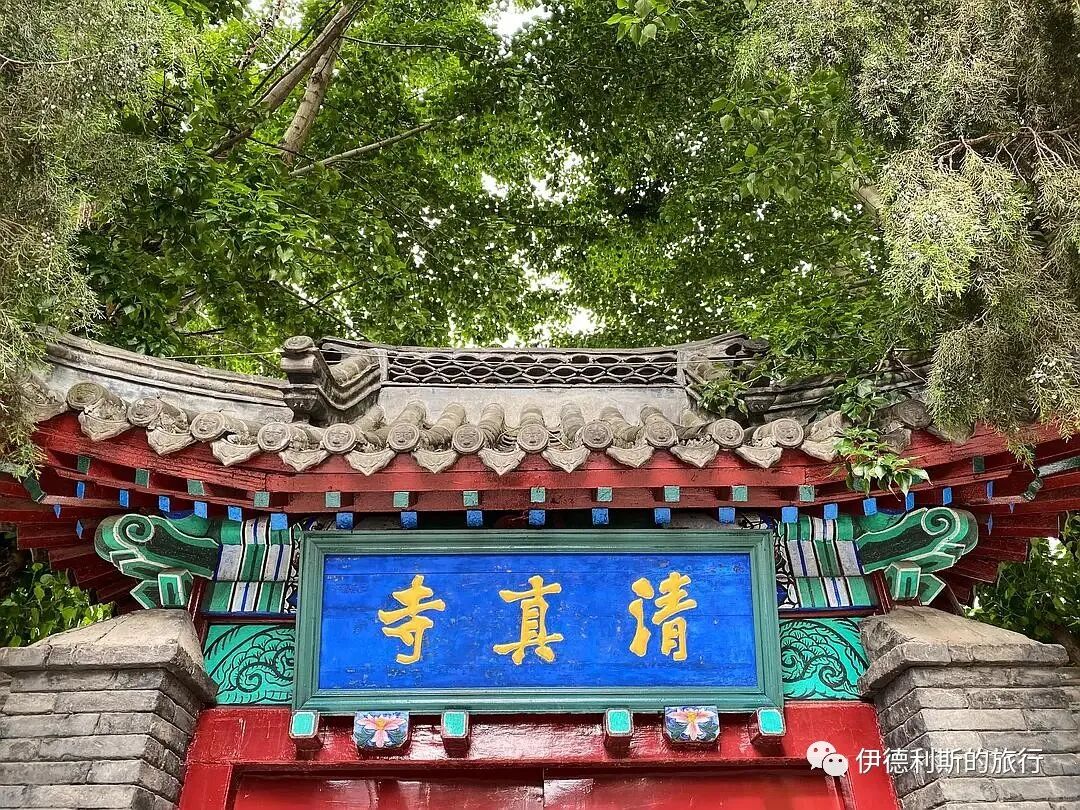
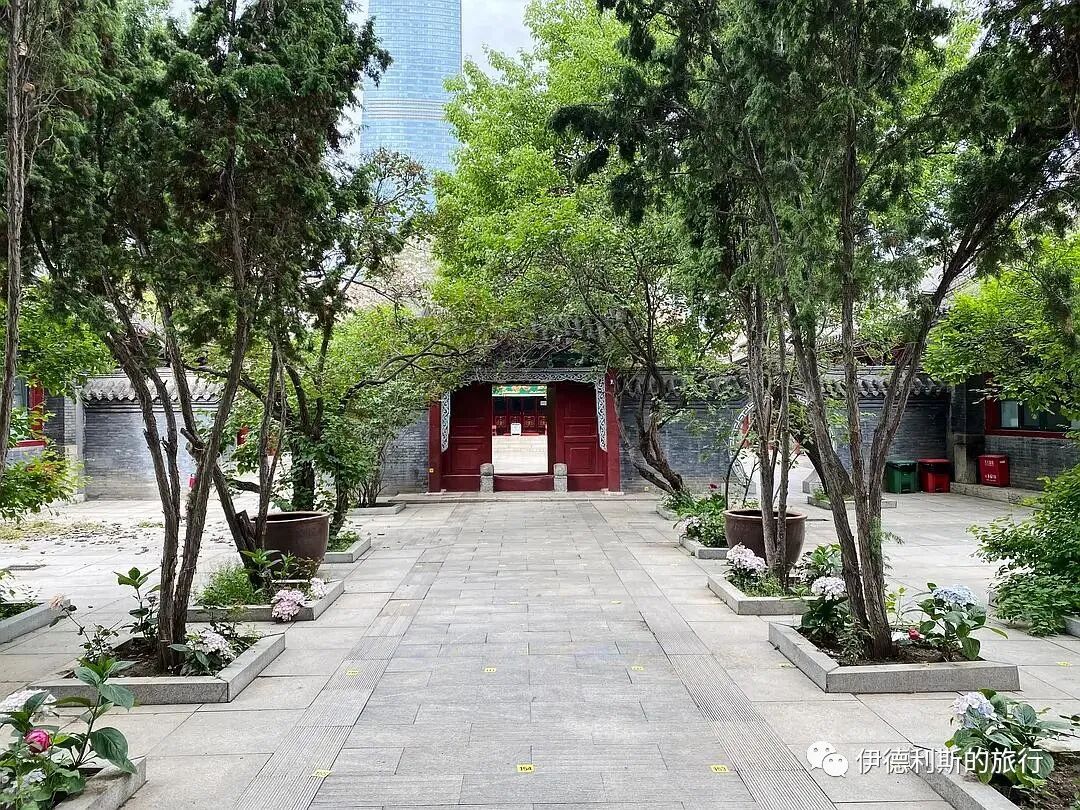
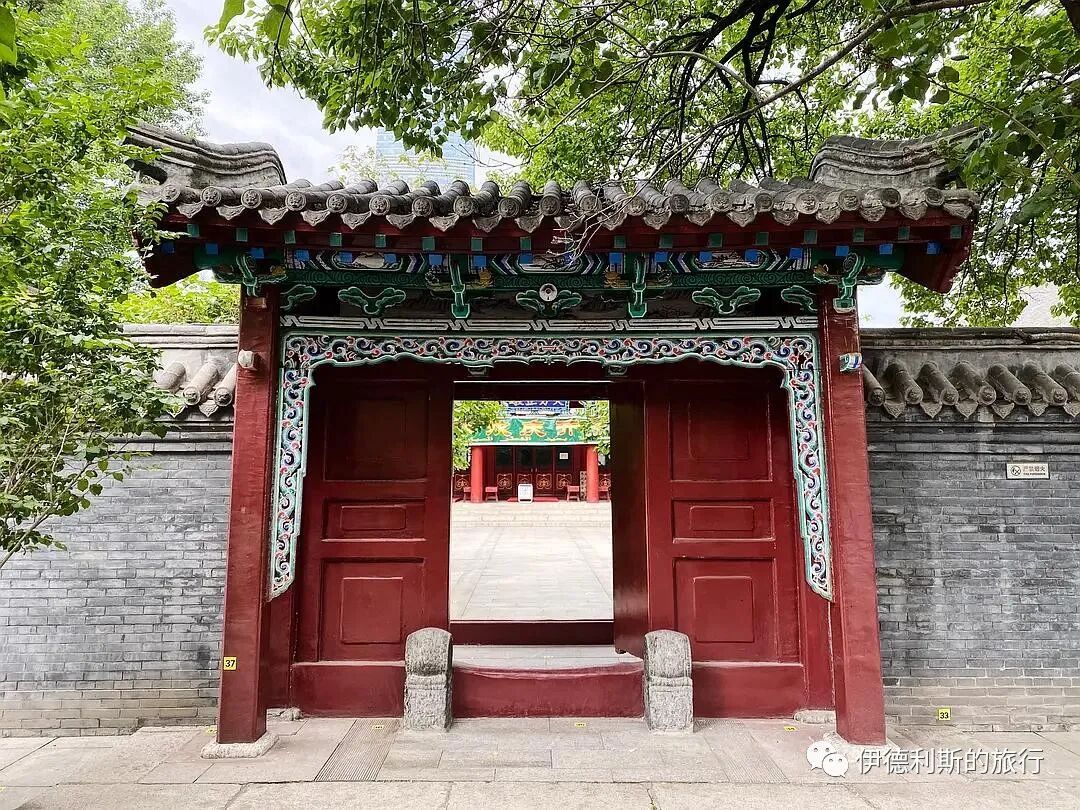
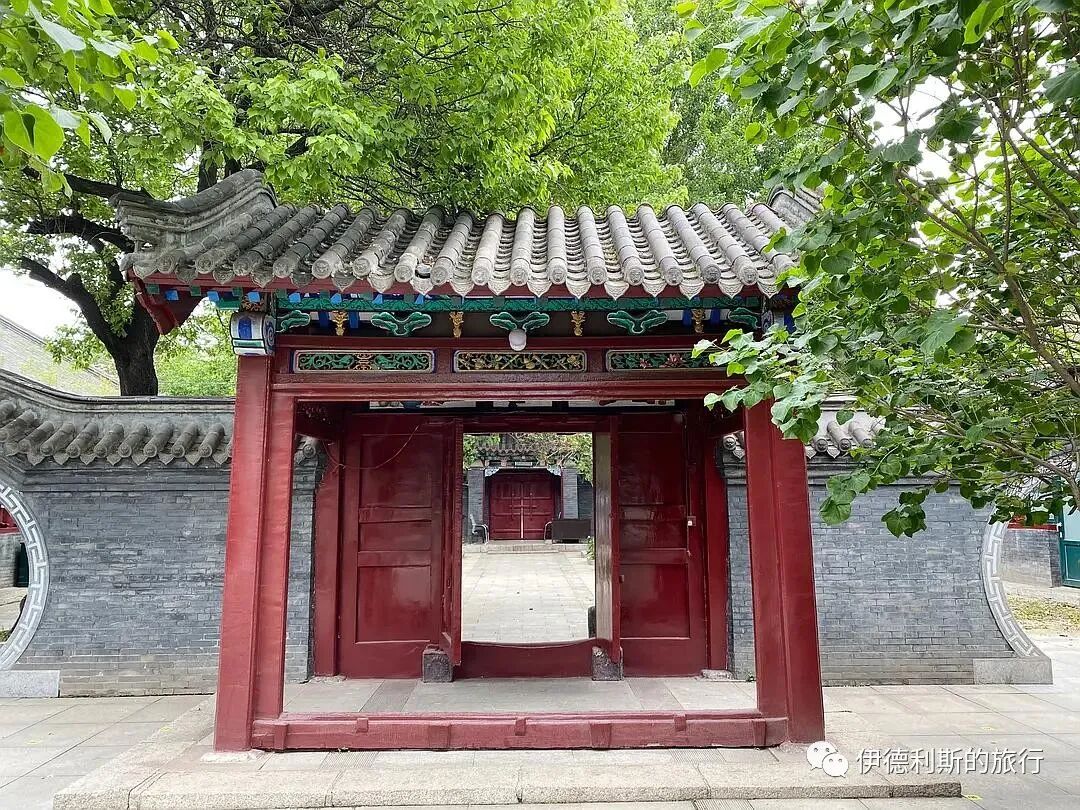
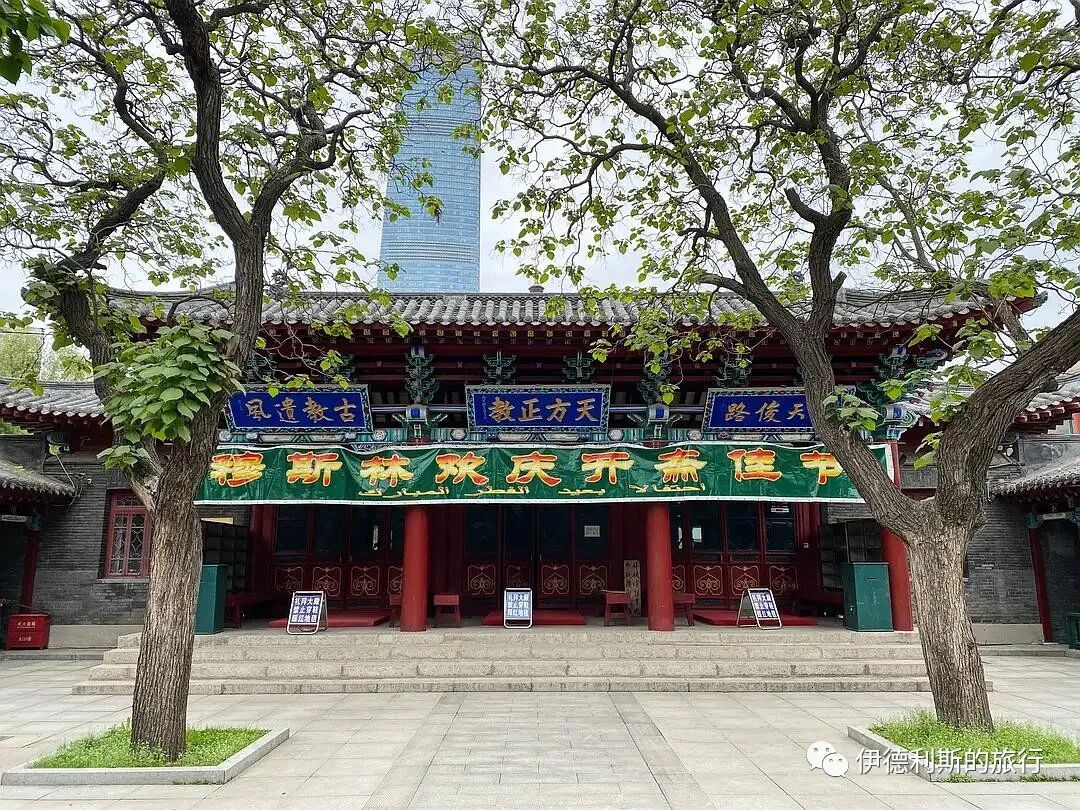
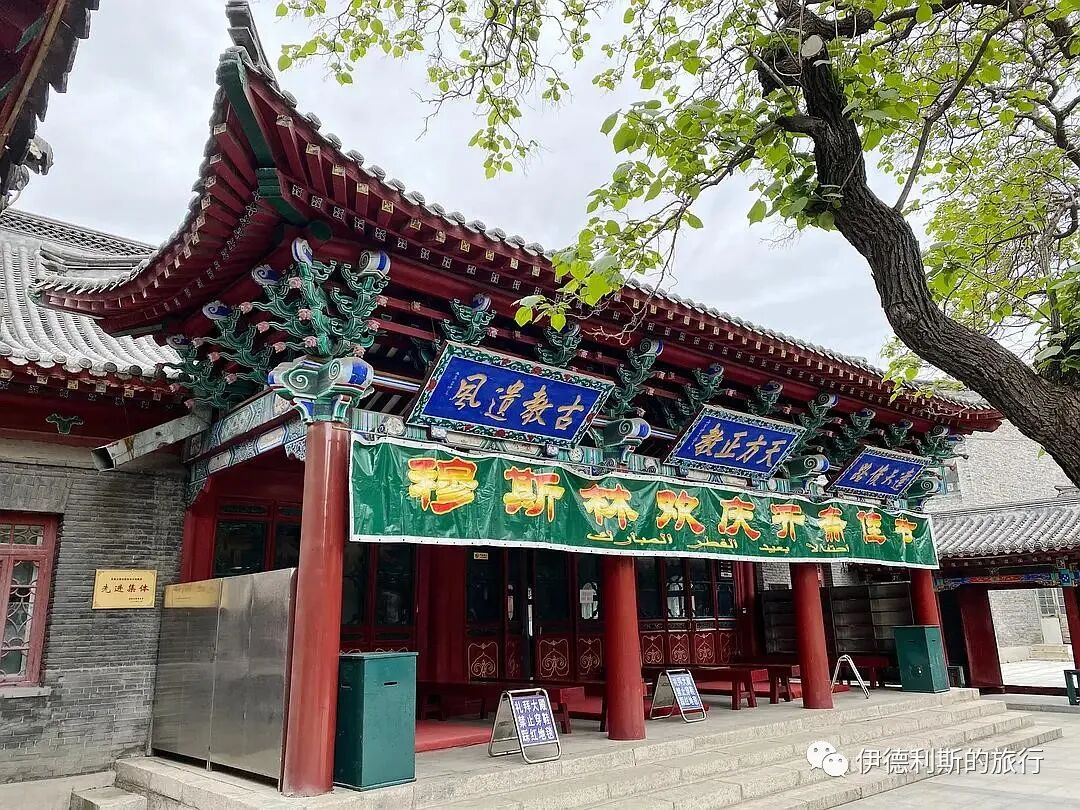
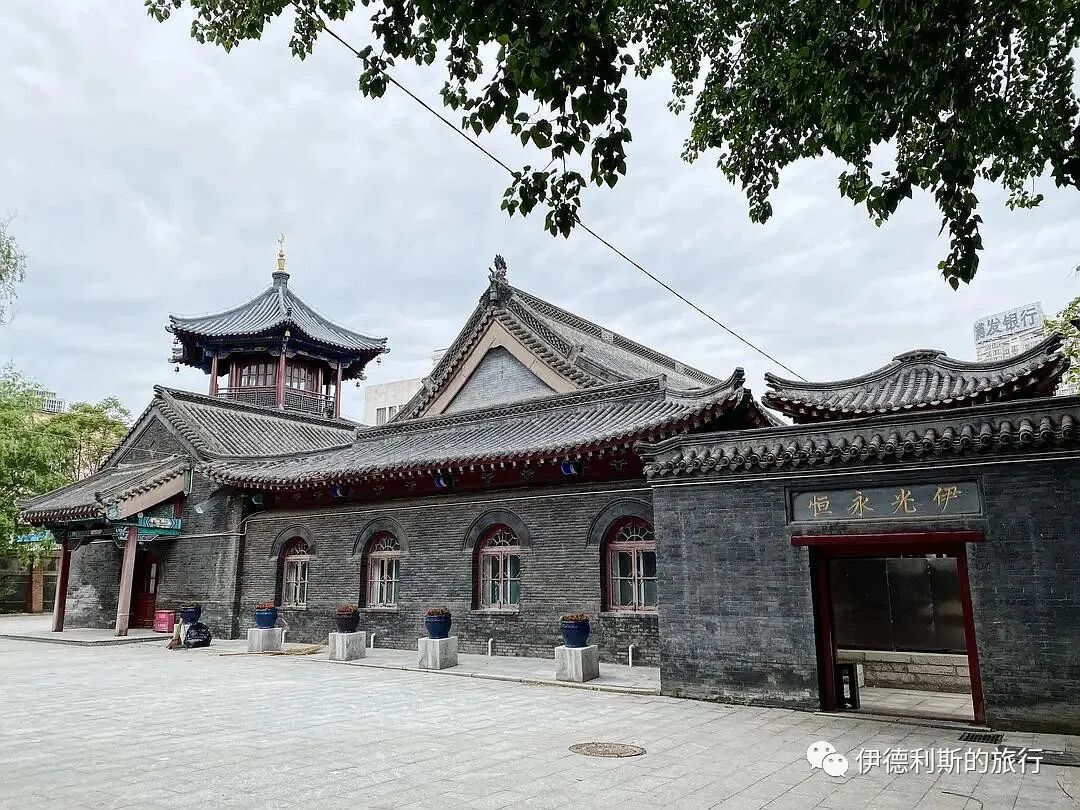
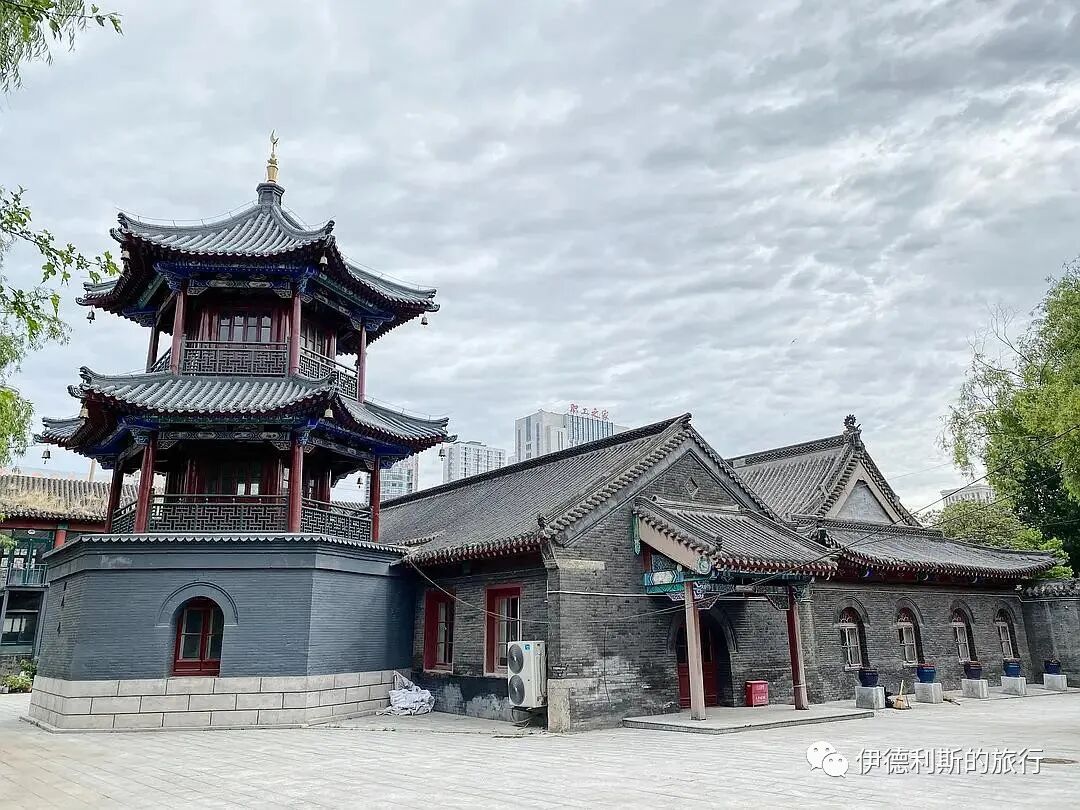
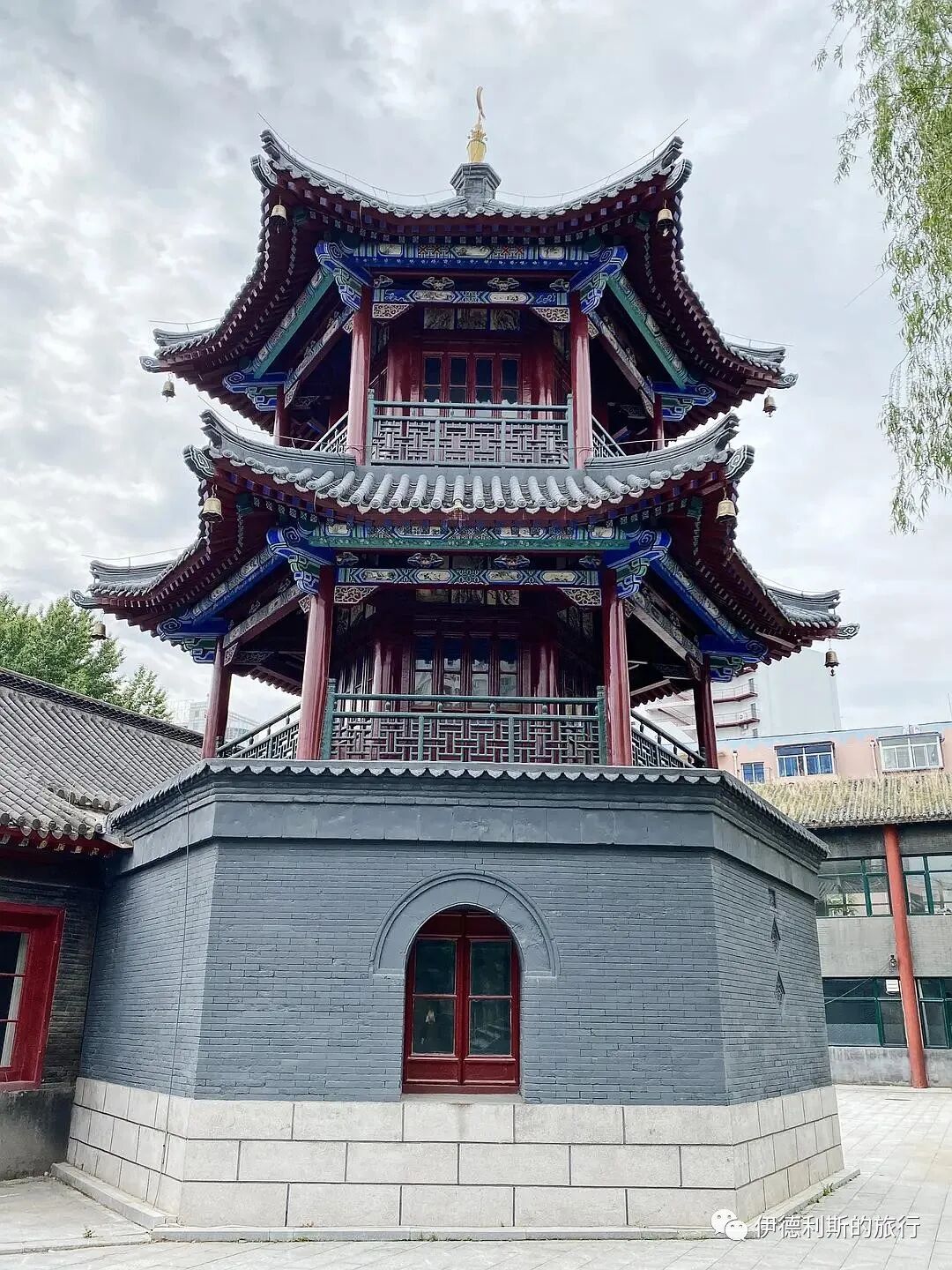
The mihrab (prayer niche) of the South Mosque is very rare in that it does not use a niche, but rather a 'great deity tablet' form, which is very locally characteristic.
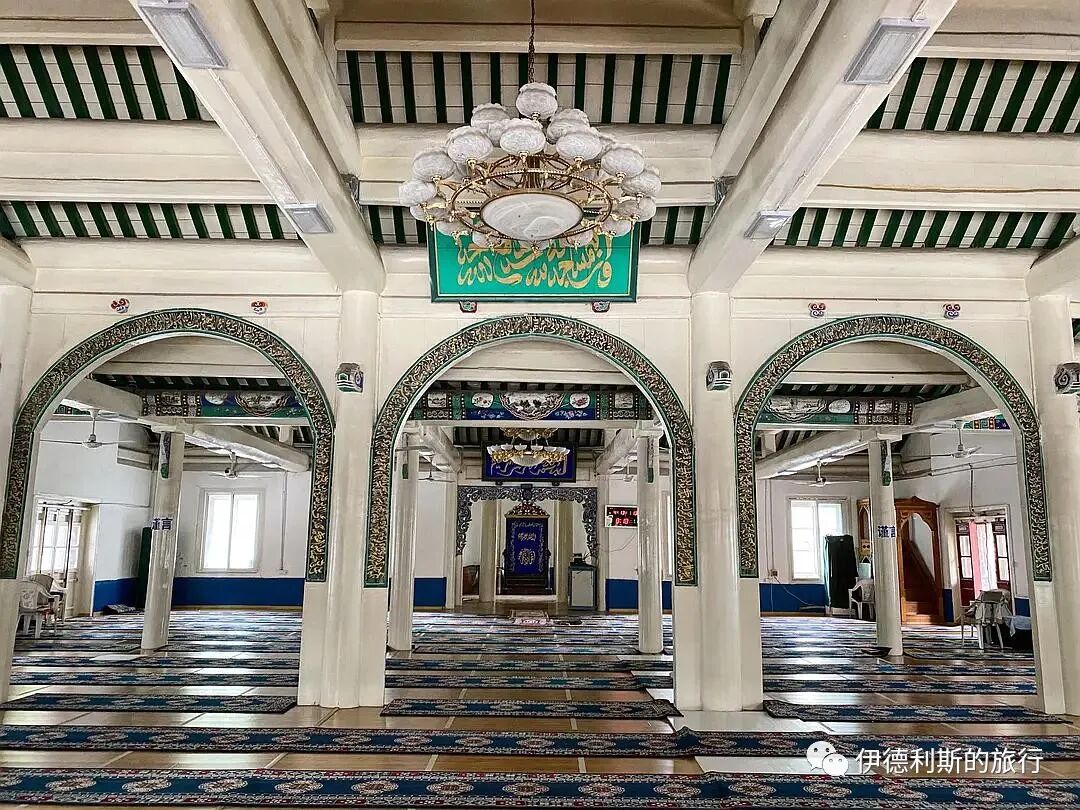
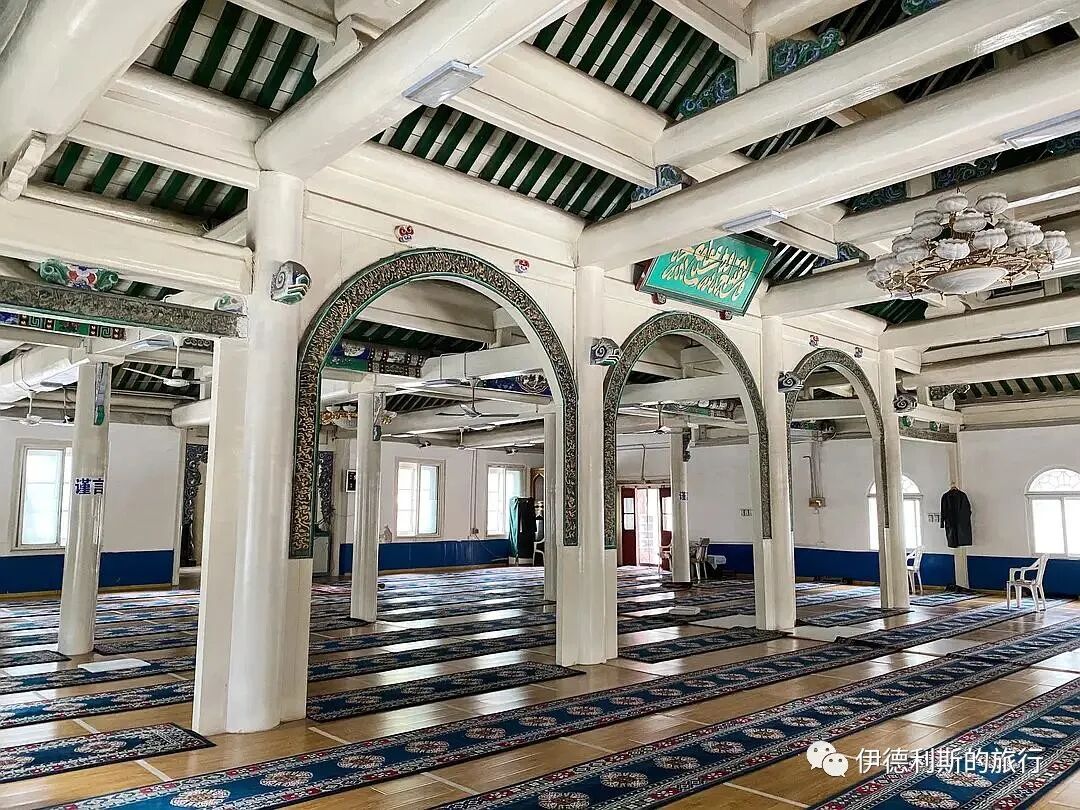
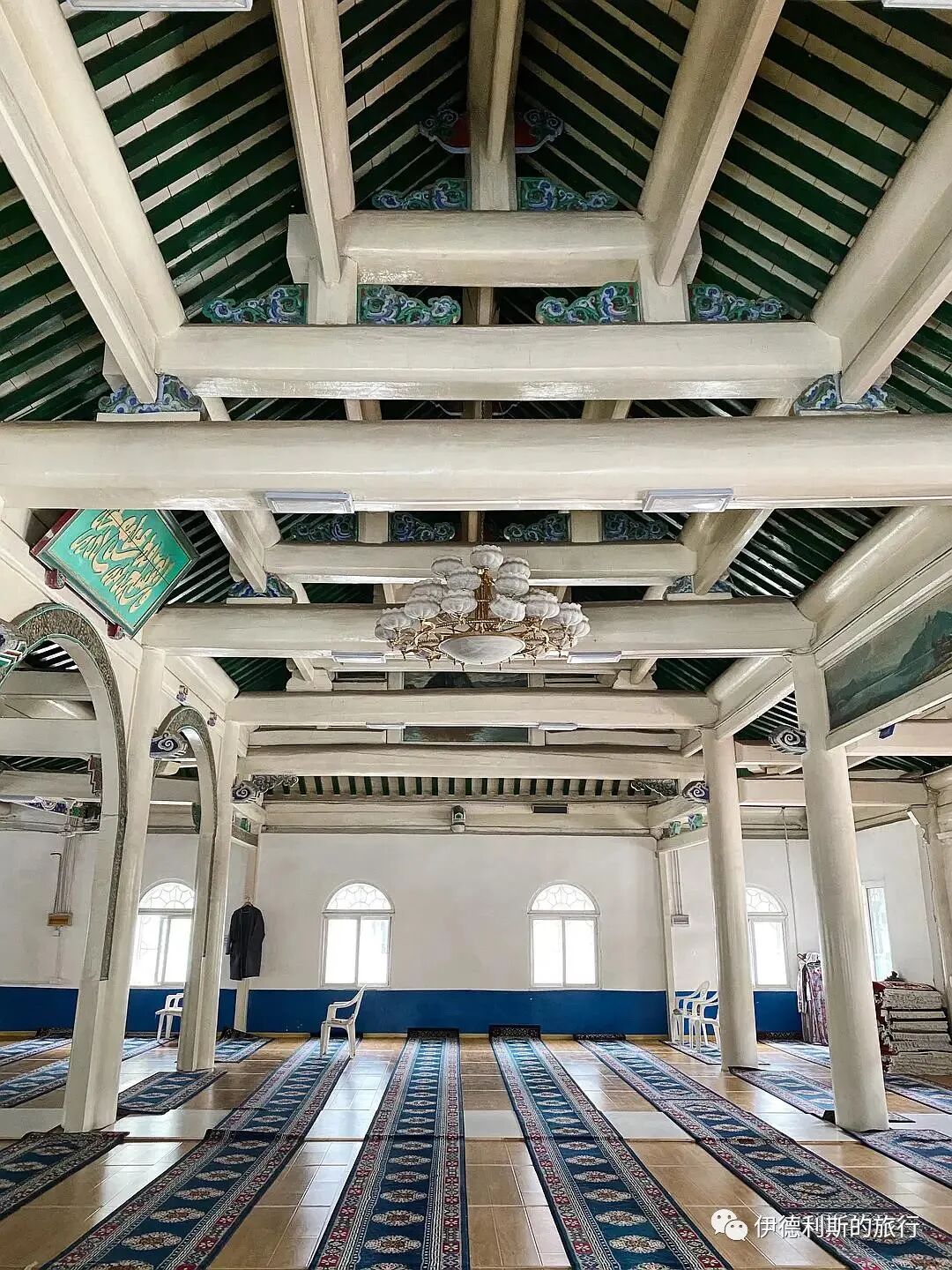
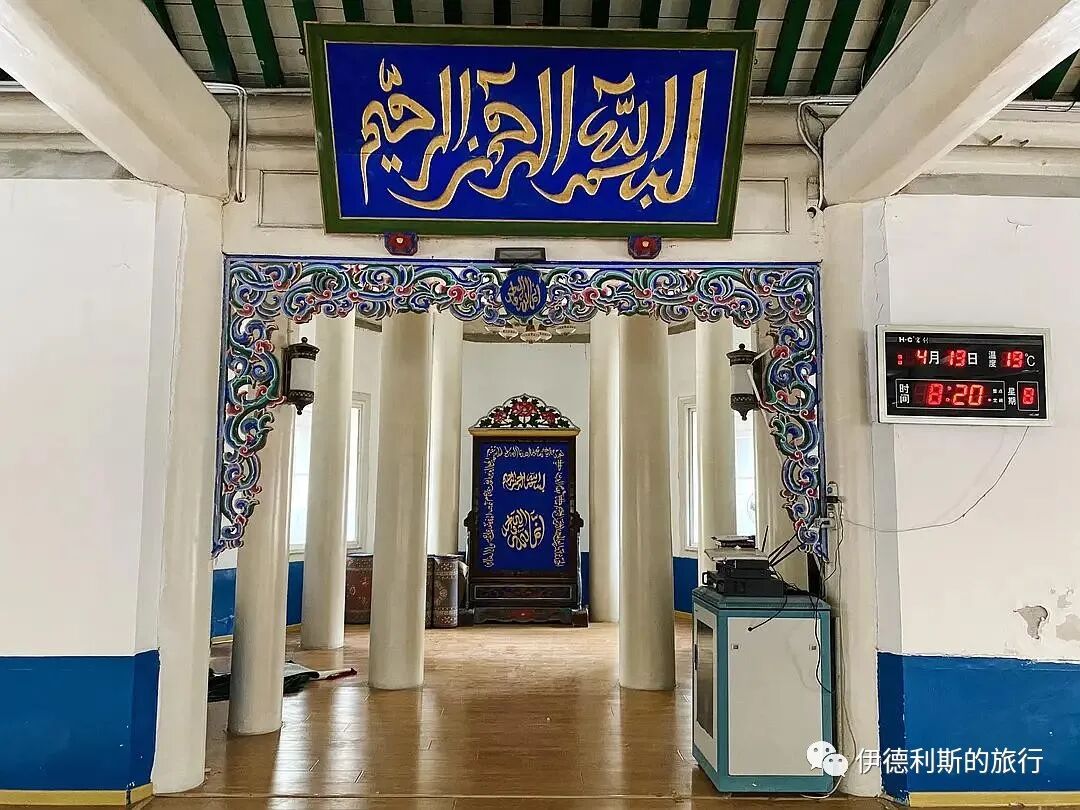
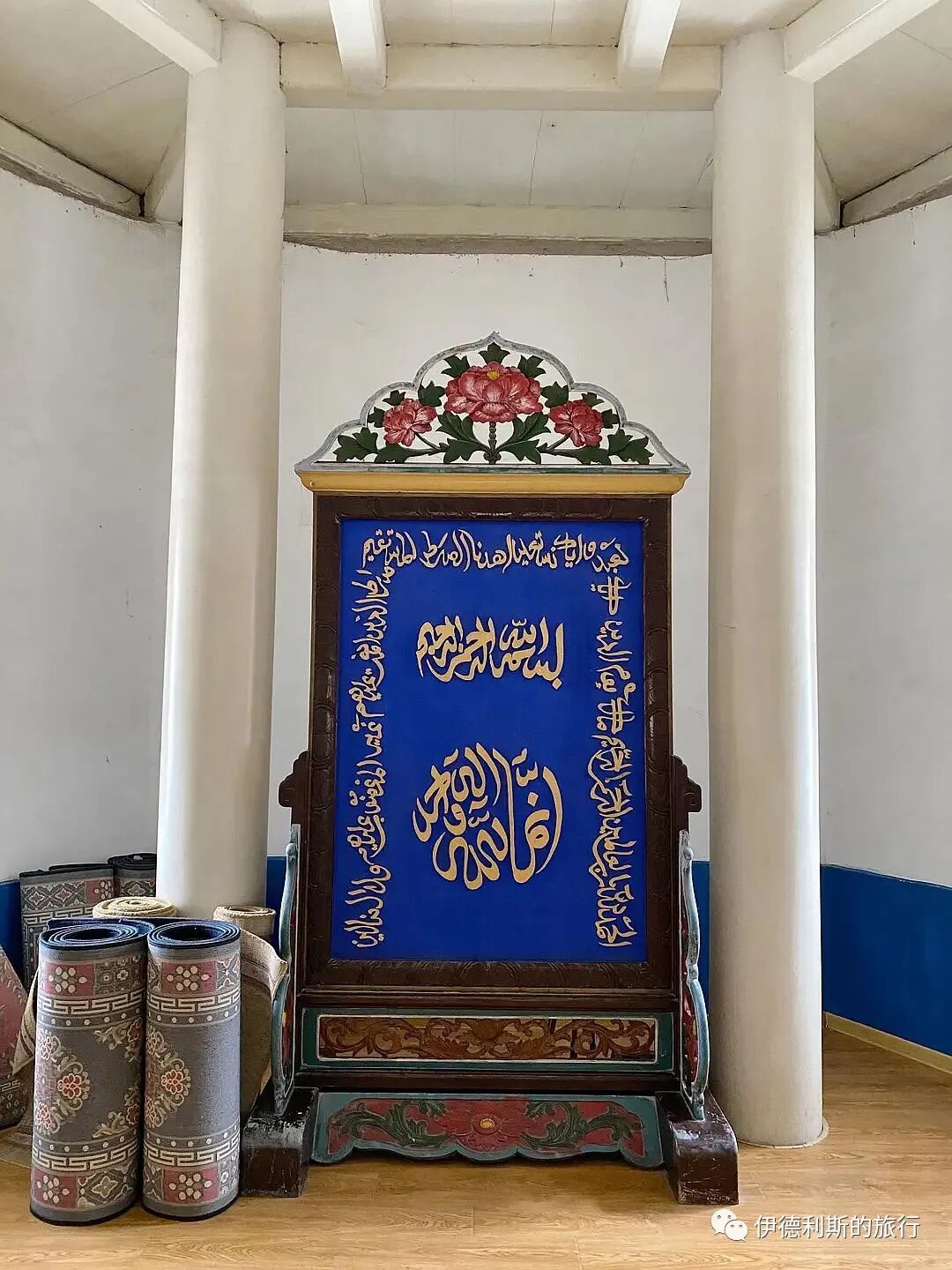
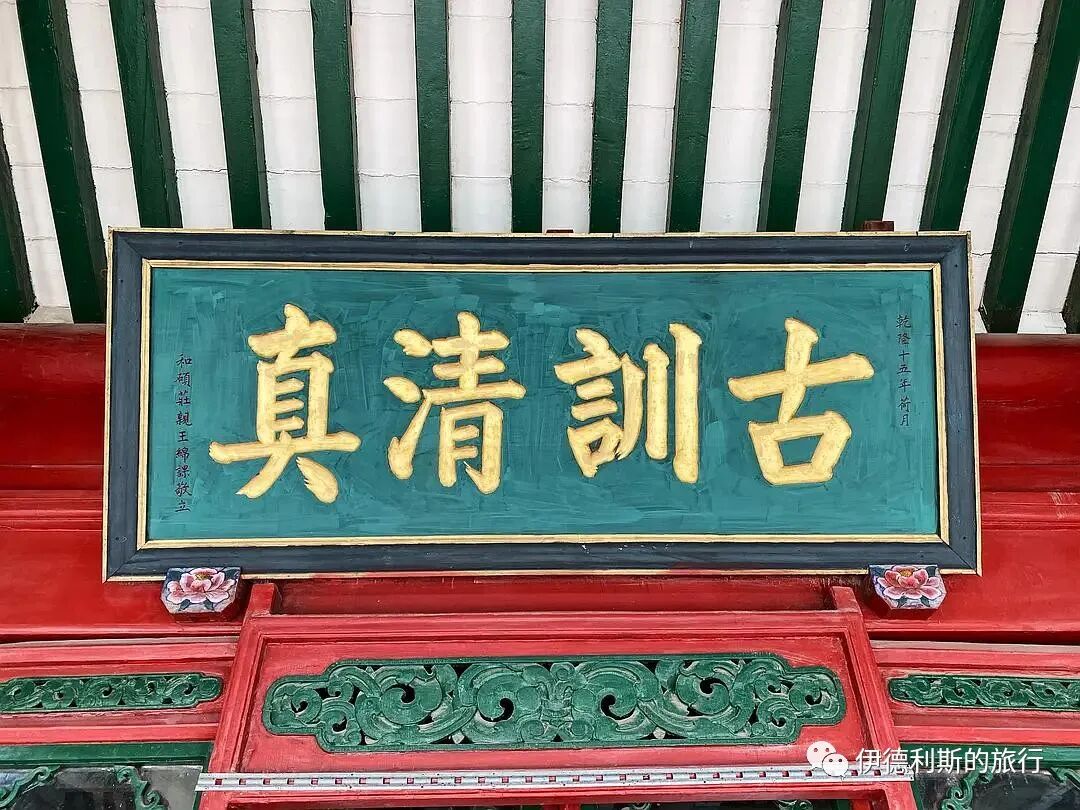
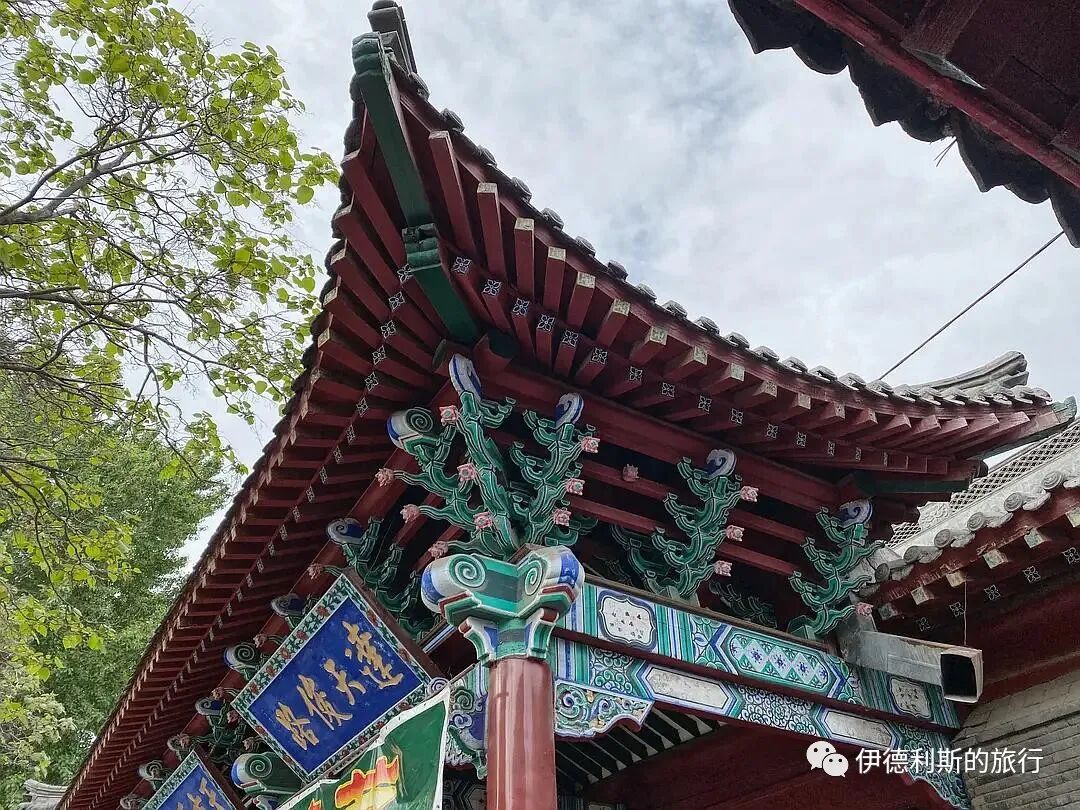
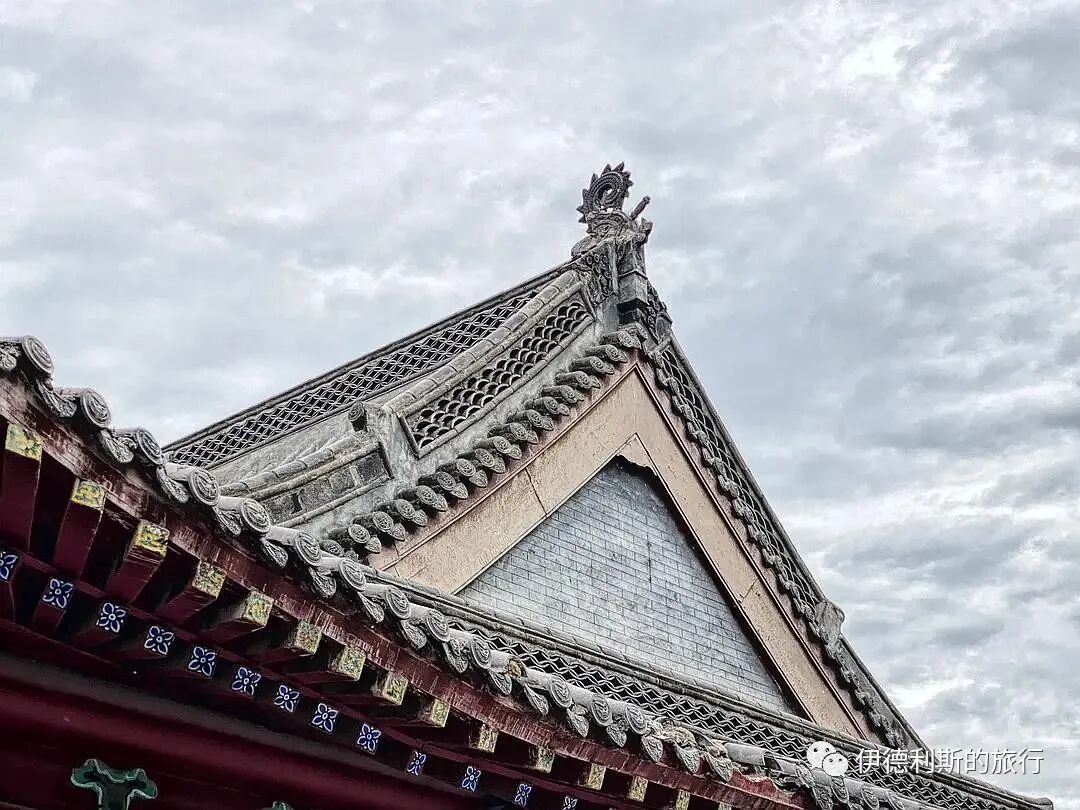
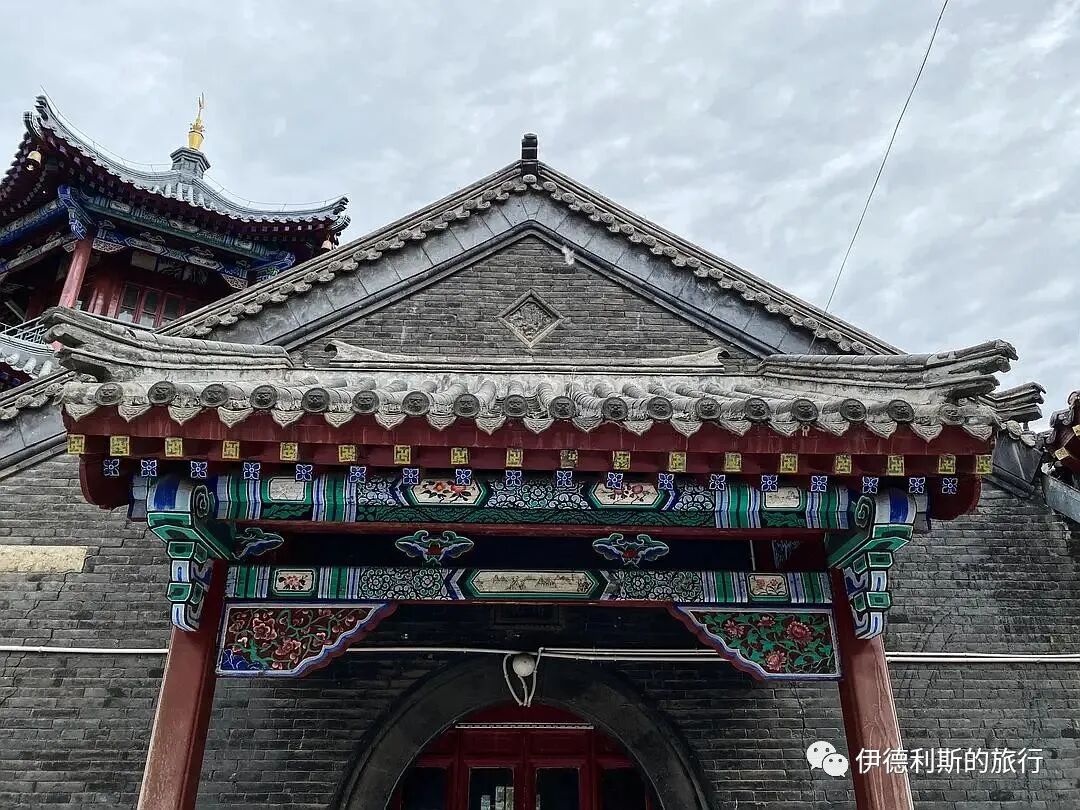
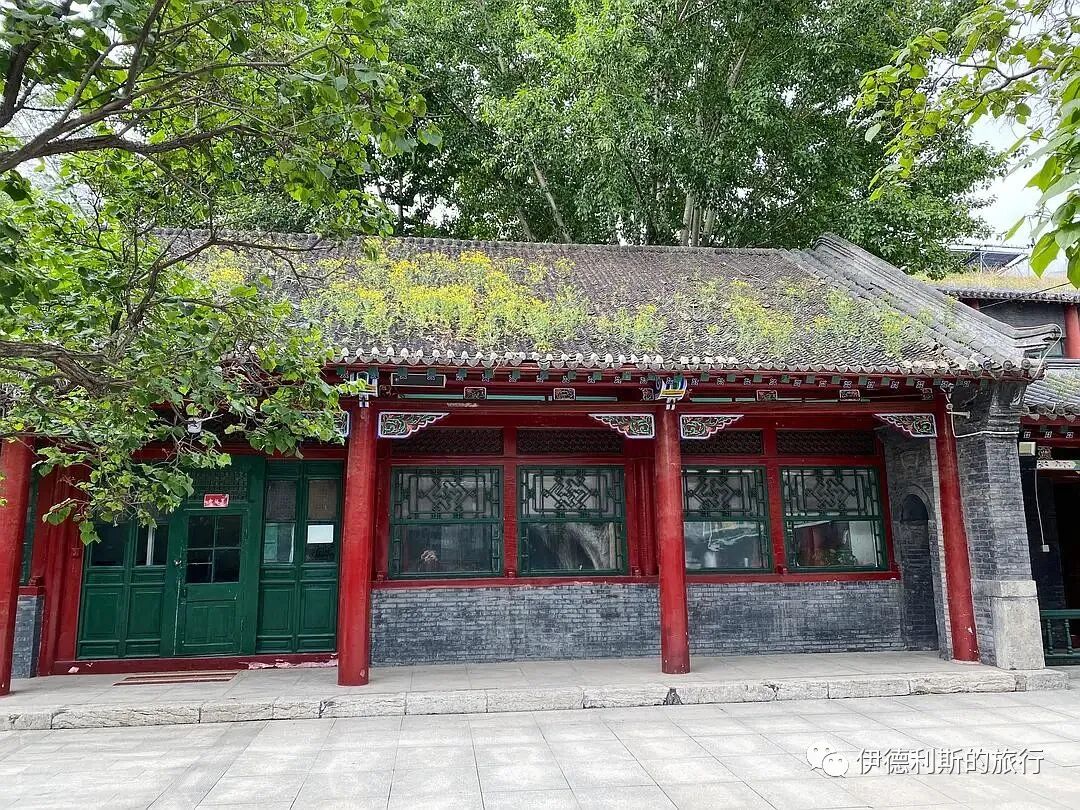
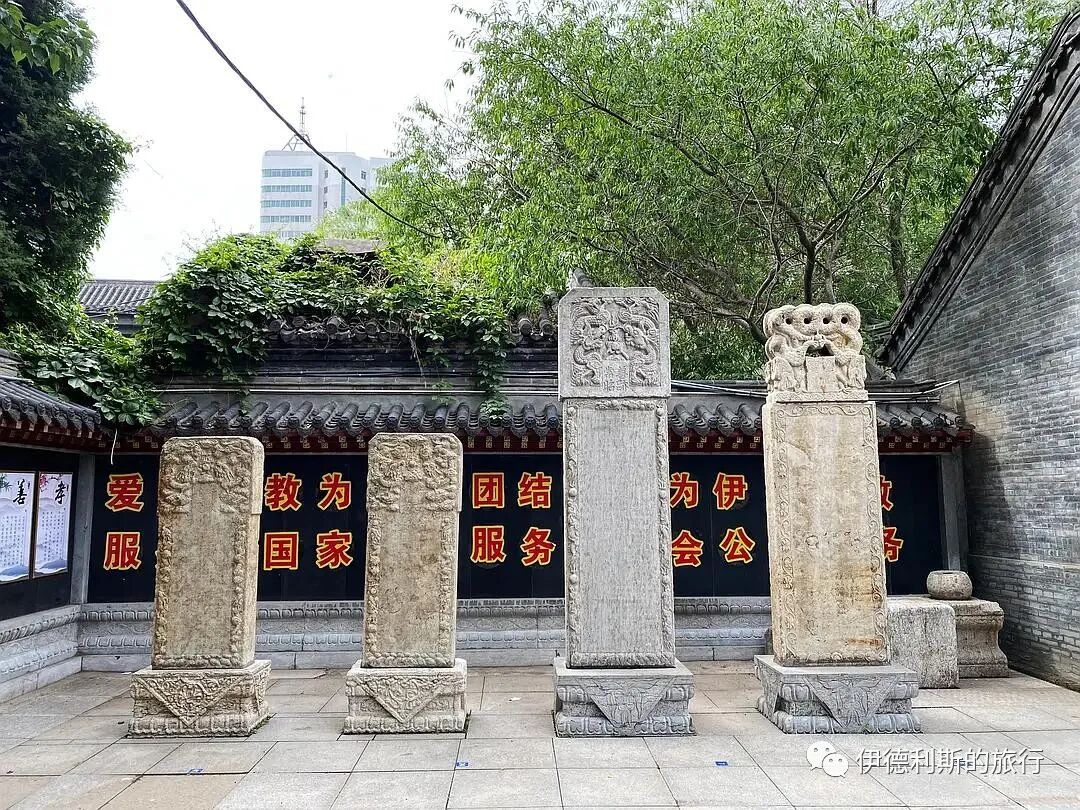
The Shenyang East Mosque was founded in 1803 (the eighth year of the Jiaqing reign). In 1935, the prayer hall was rebuilt in a Western style, while the moon-watching tower retained its original Chinese style. The East Mosque was occupied in 1958, returned in 1980, and converted into the Shenyang Islamic Institute in 1988.
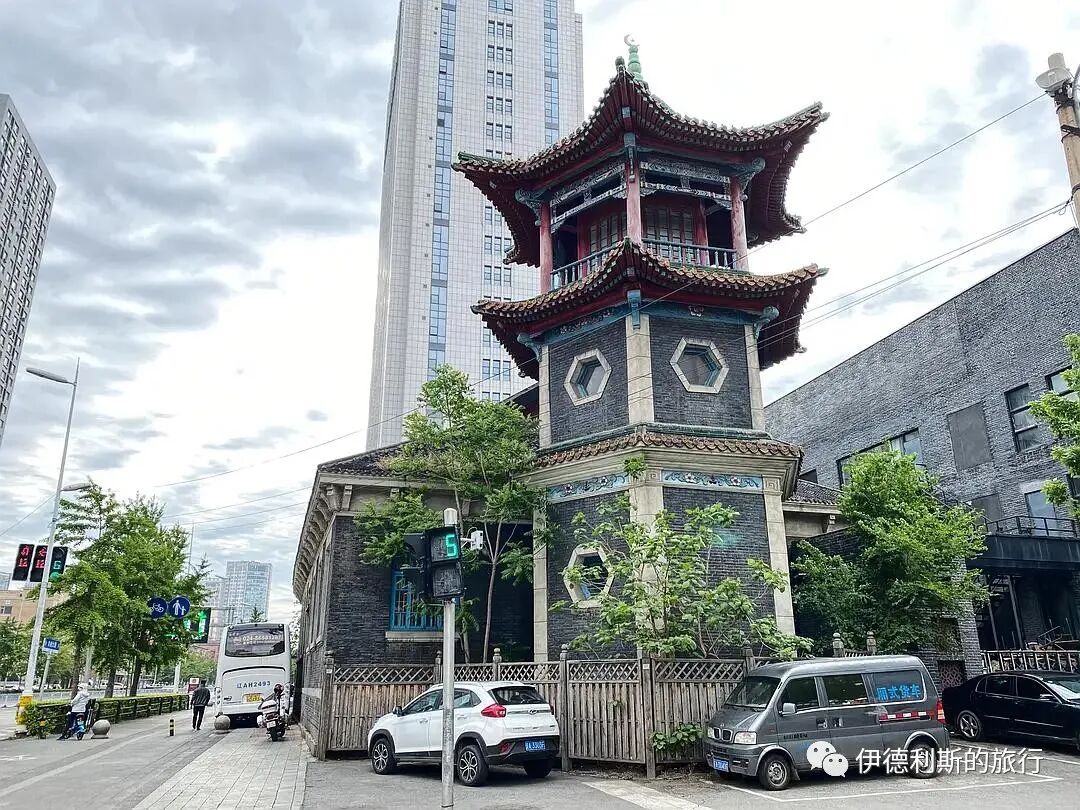
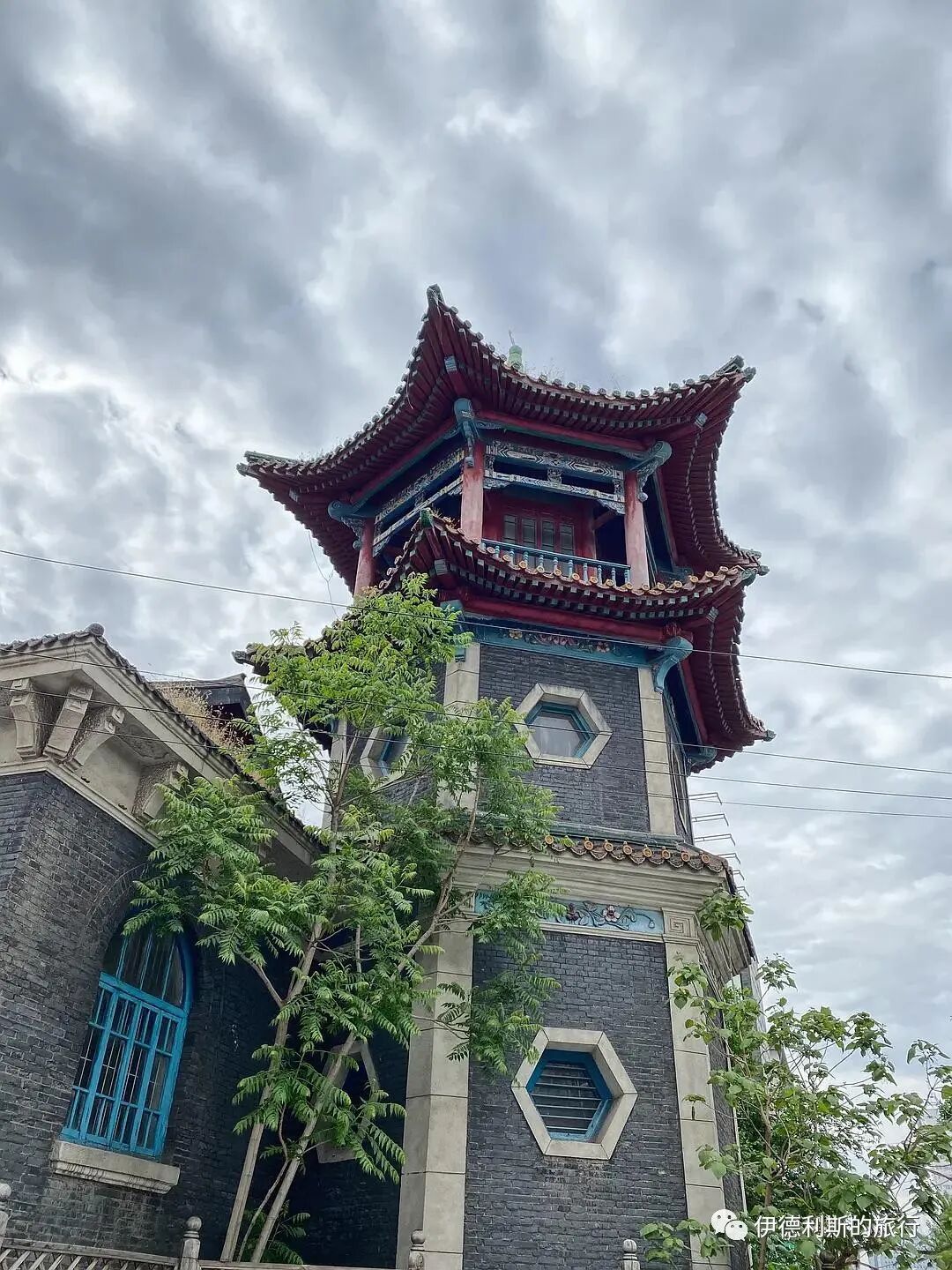
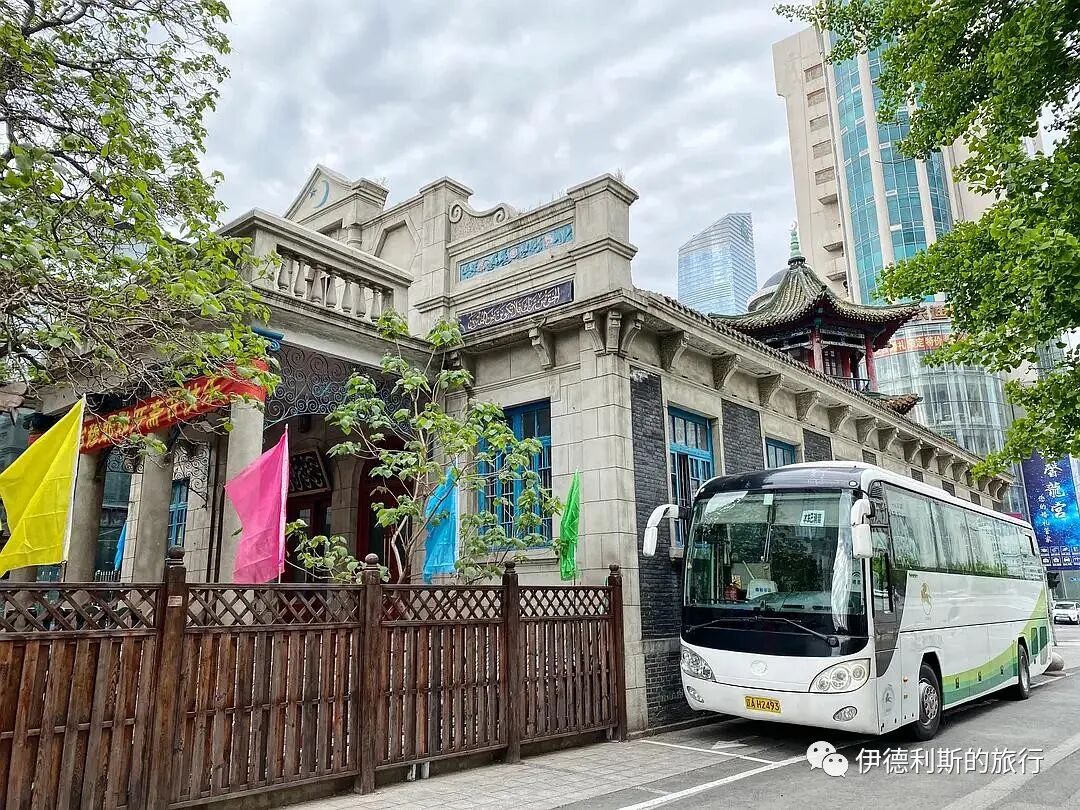
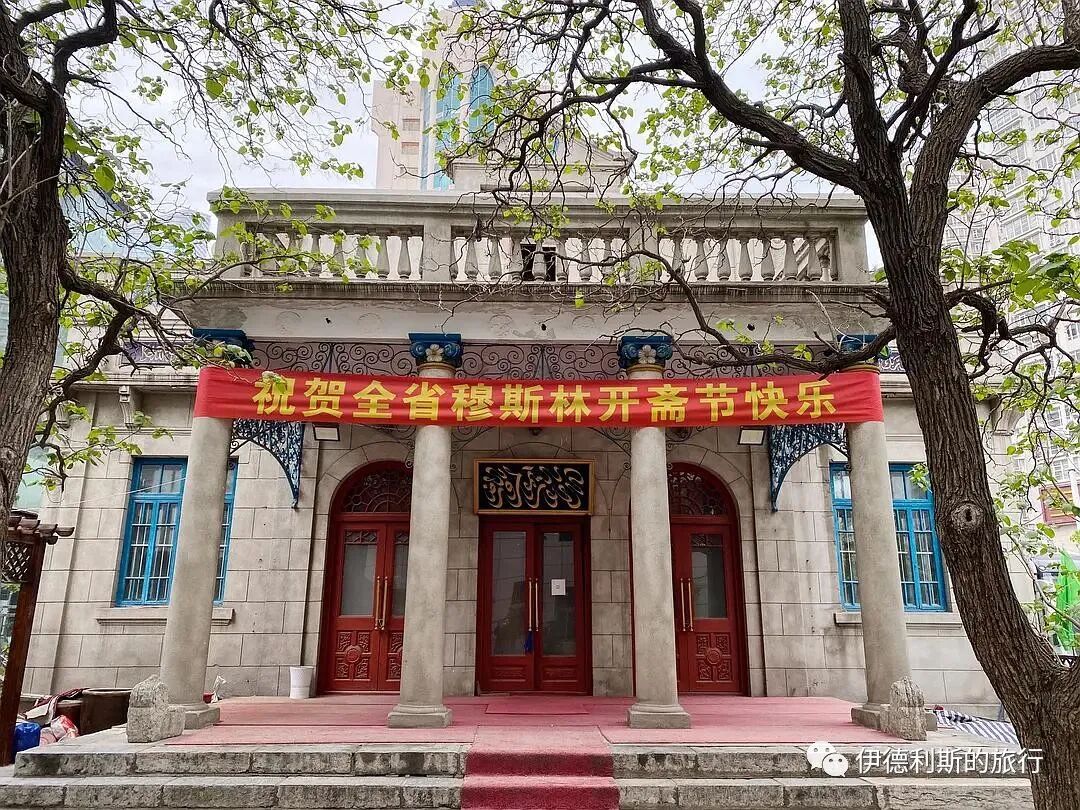
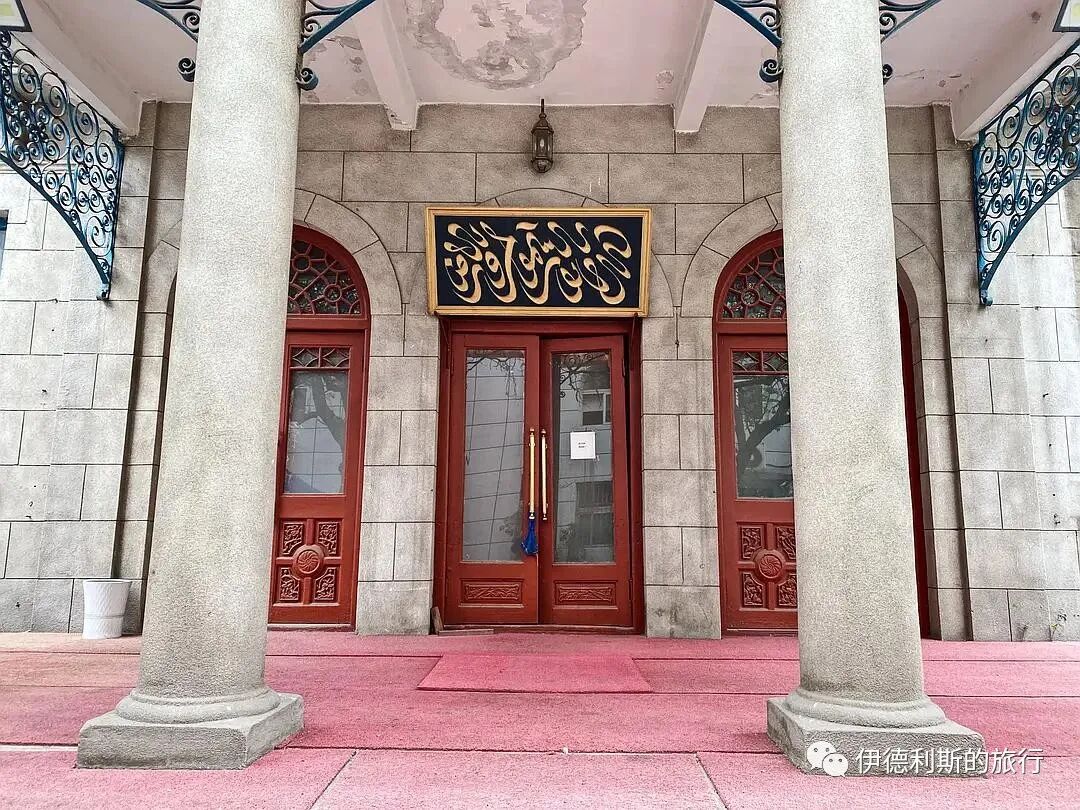
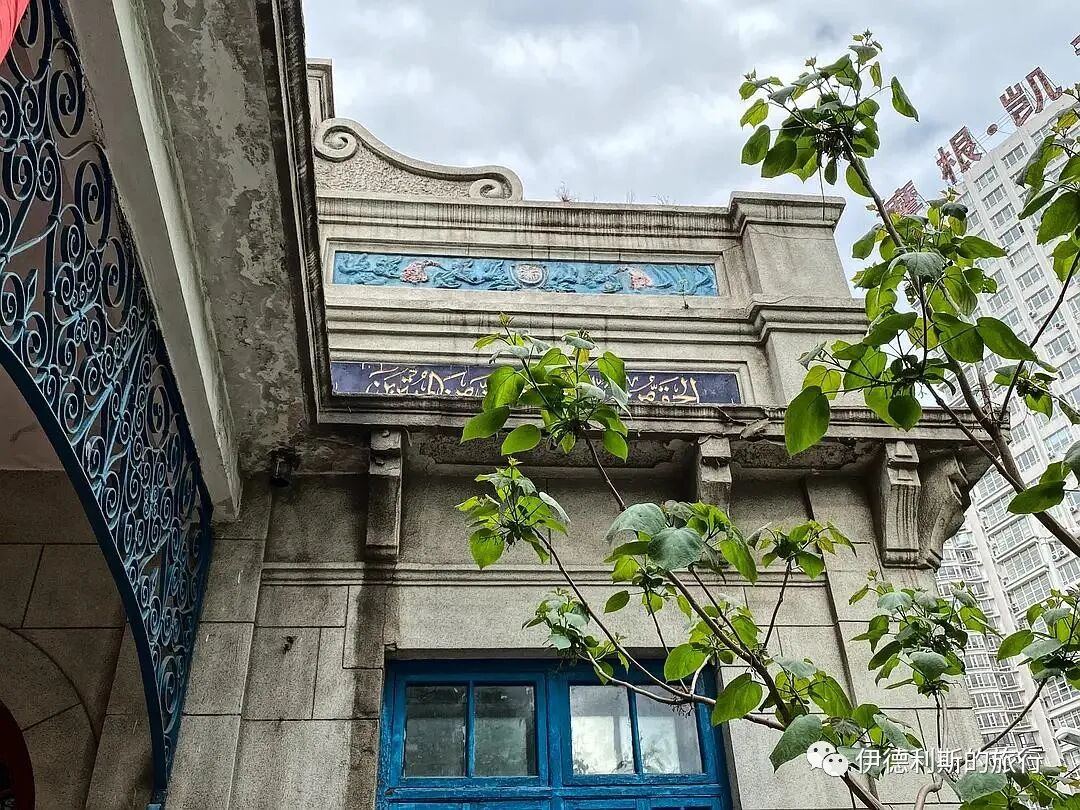
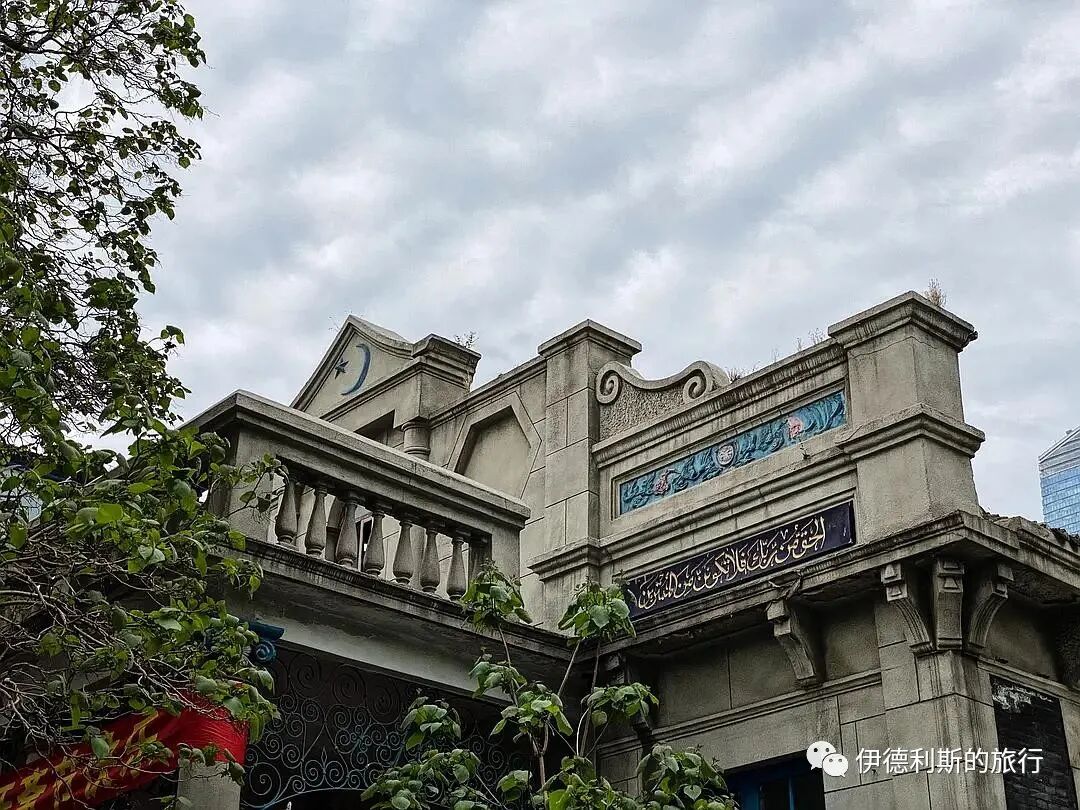
I took a train from Shenyang to Kaiyuan and then took a taxi to the old city of Kaiyuan. The Kaiyuan Old City Mosque is located inside the east gate of the old city. Founded in 1406 (the fourth year of the Yongle reign of the Ming Dynasty), it is the oldest mosque in the Northeast.
The gate.
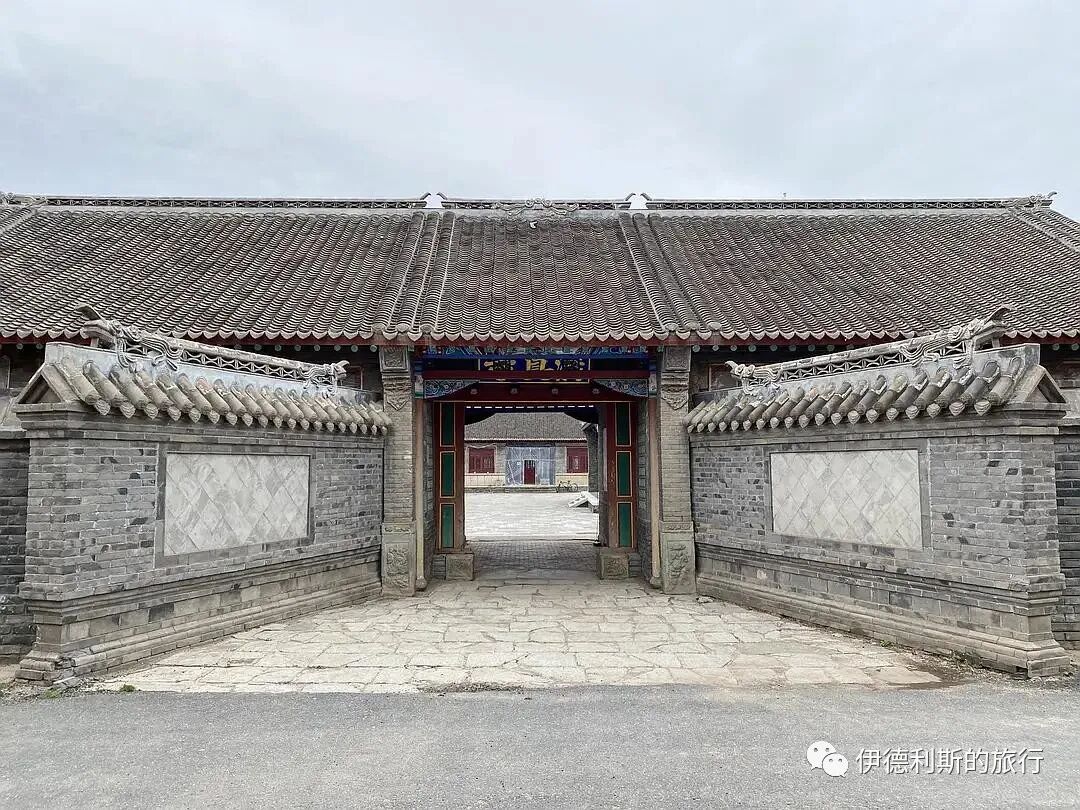
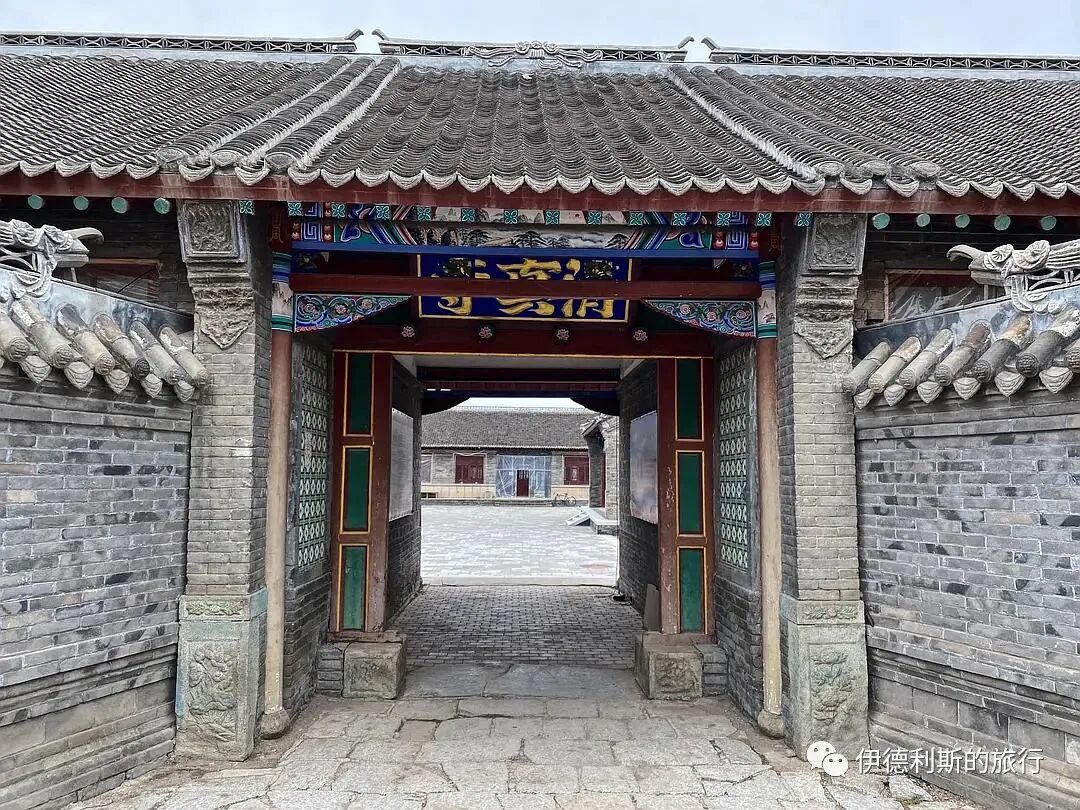
The current main hall is in the style after its reconstruction in 1680 (the 19th year of the Kangxi reign), consisting of a small juanpeng + main hall + hexagonal pavilion-style yaodian, similar in style to the Shenyang South Mosque. The main hall has been closed since 2020 and has not been opened since.
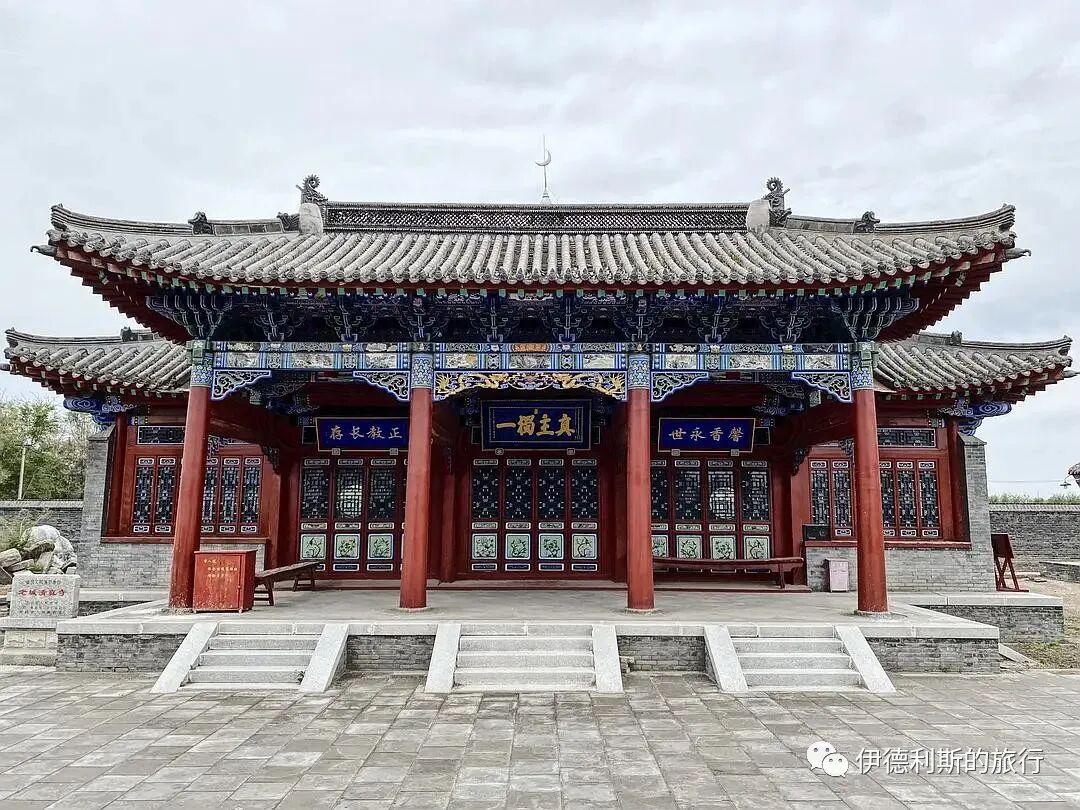
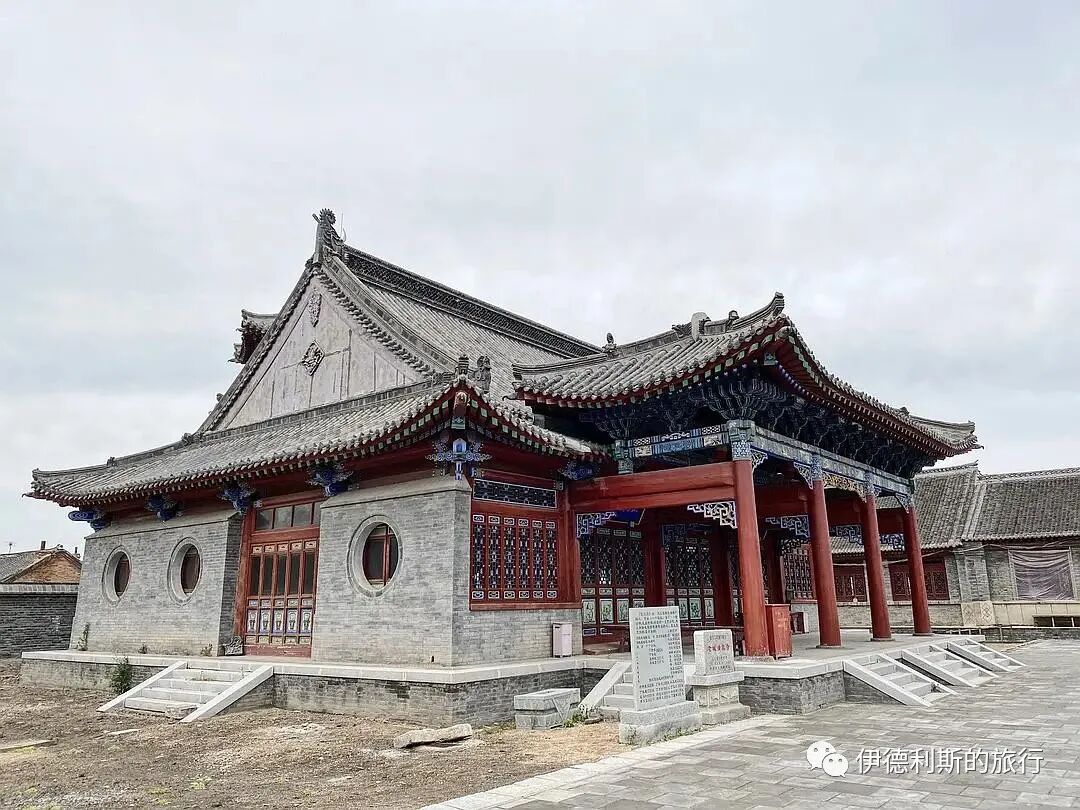
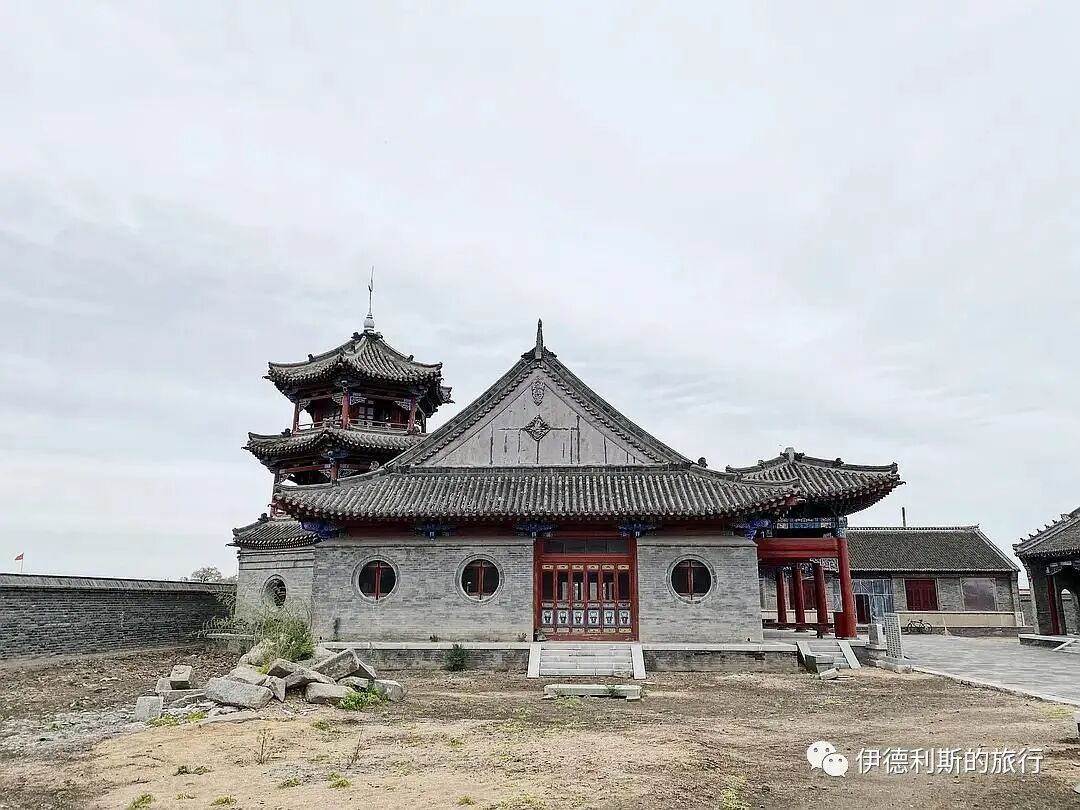
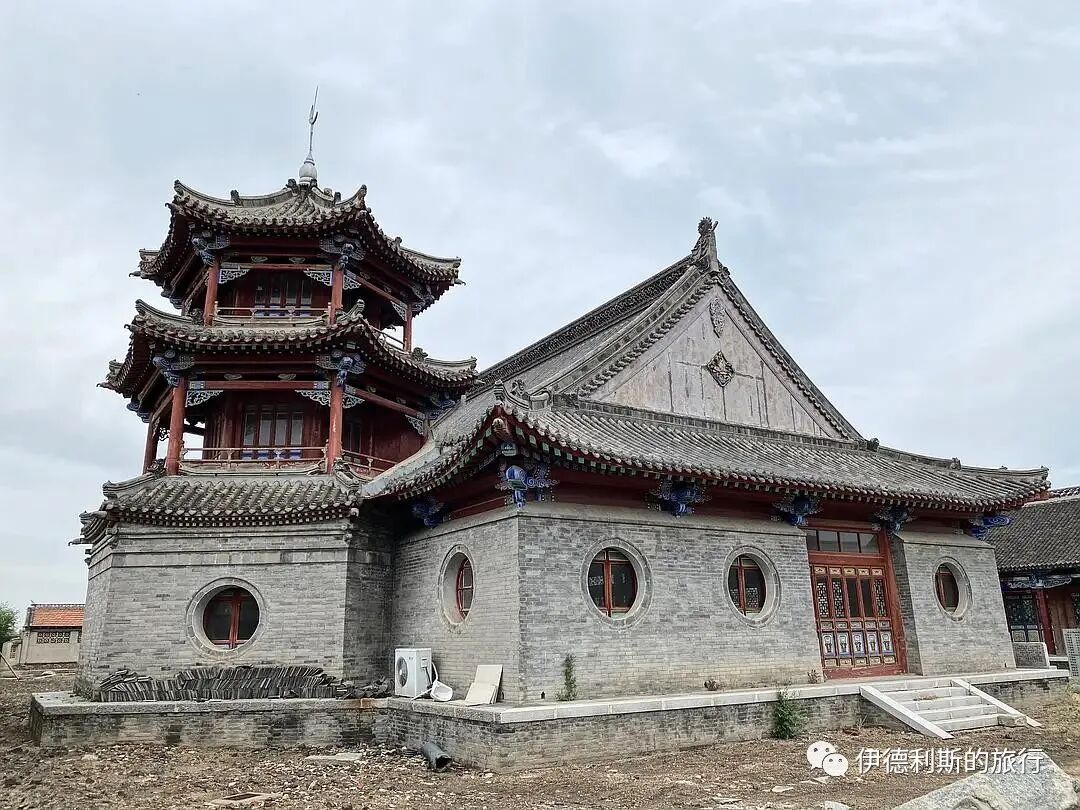
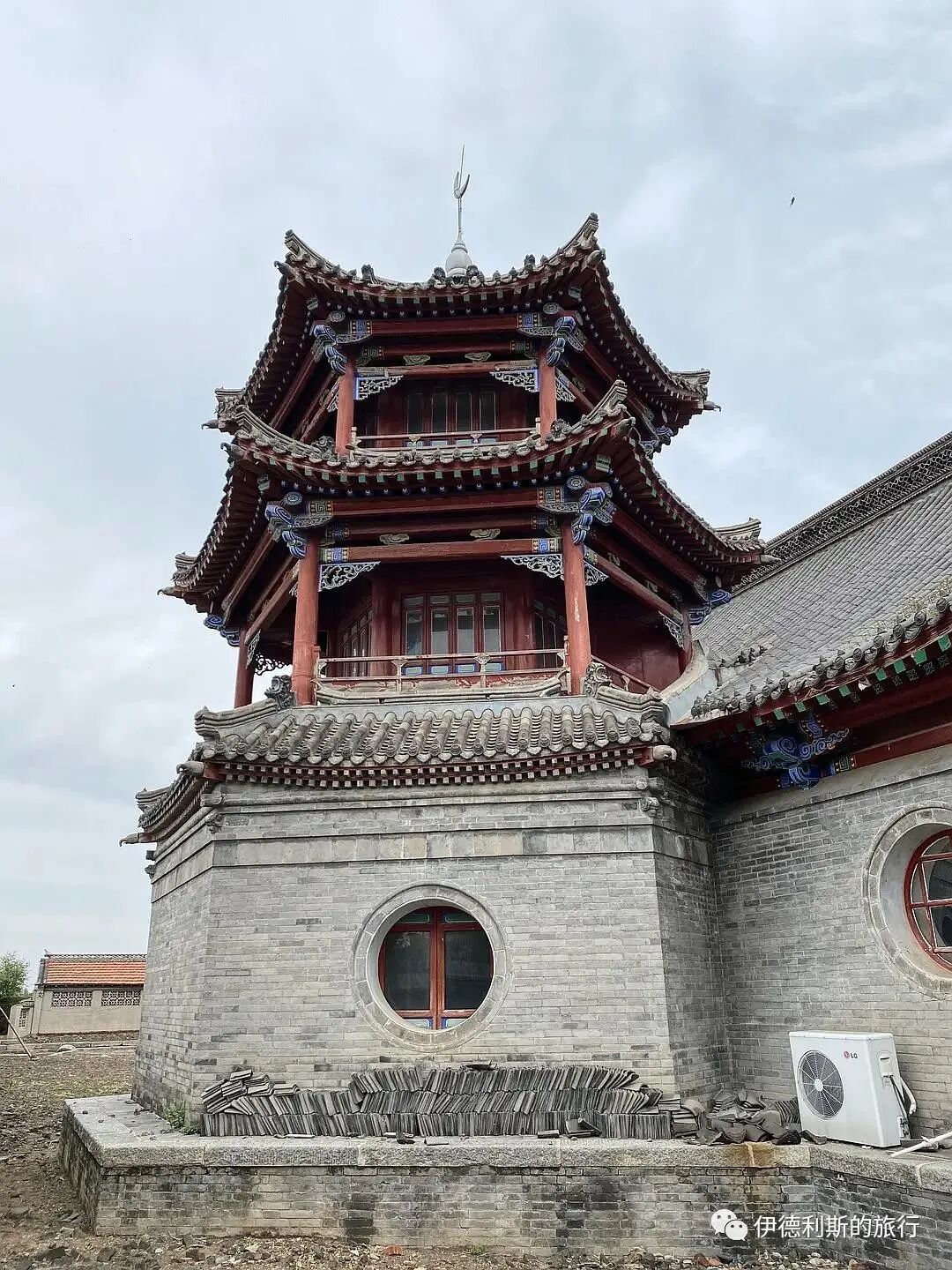
Juanpeng (shed-style porch).
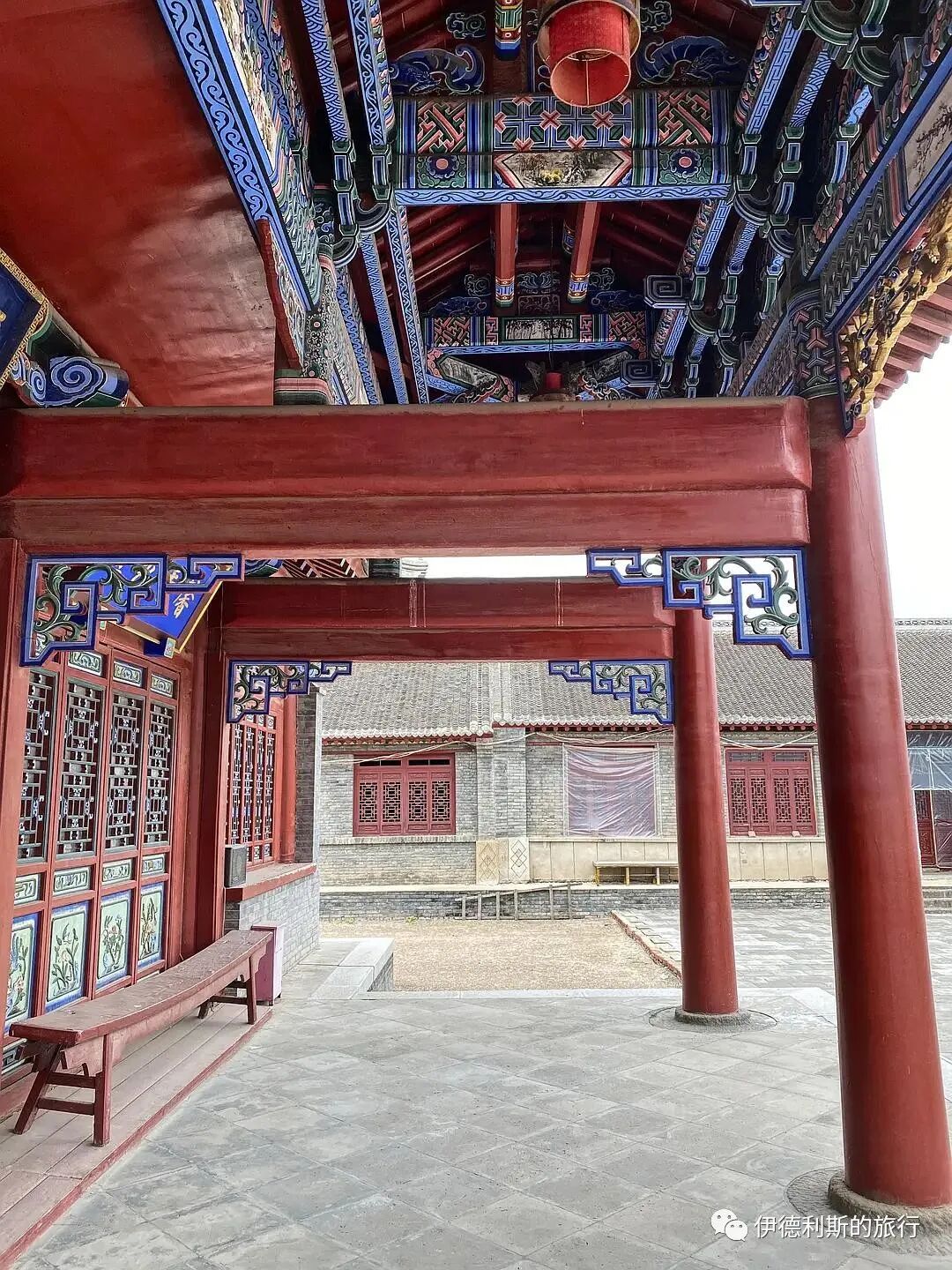
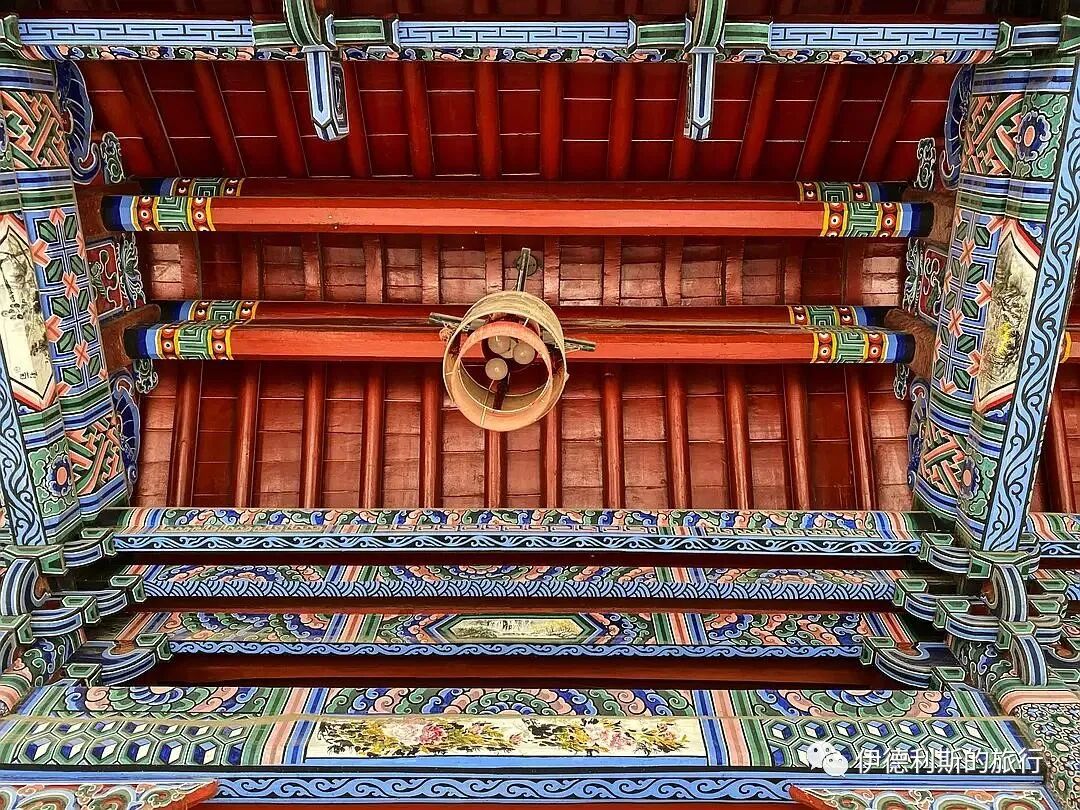
The old city mosque once had many plaques and couplets, but now only the 'Allah is One' plaque bestowed by the Kaiyuan County government in 1832 (the 12th year of the Daoguang reign) remains, hanging above the main hall.
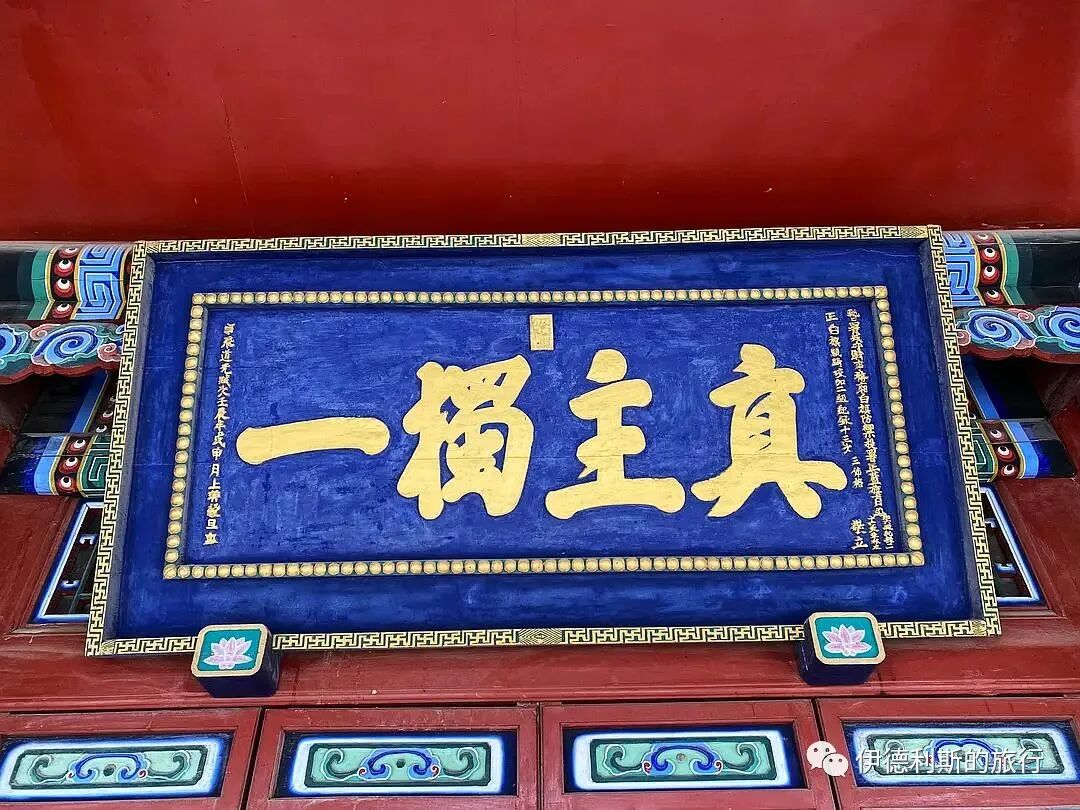
Inside the main hall.
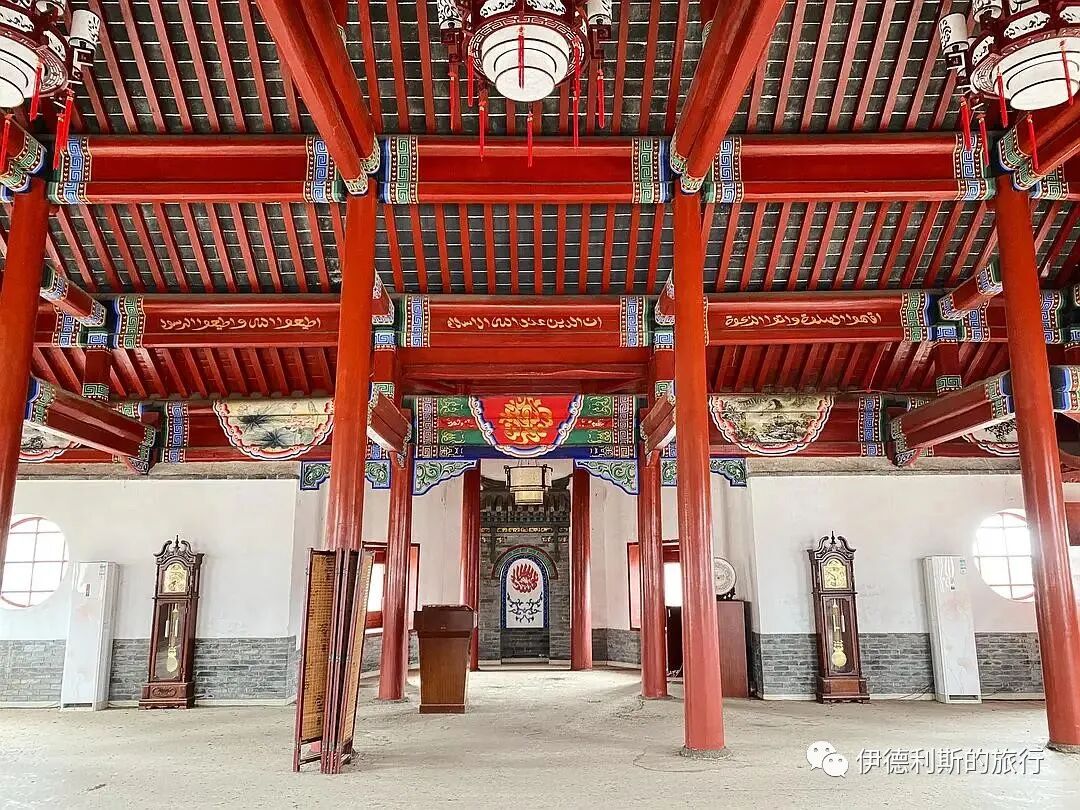
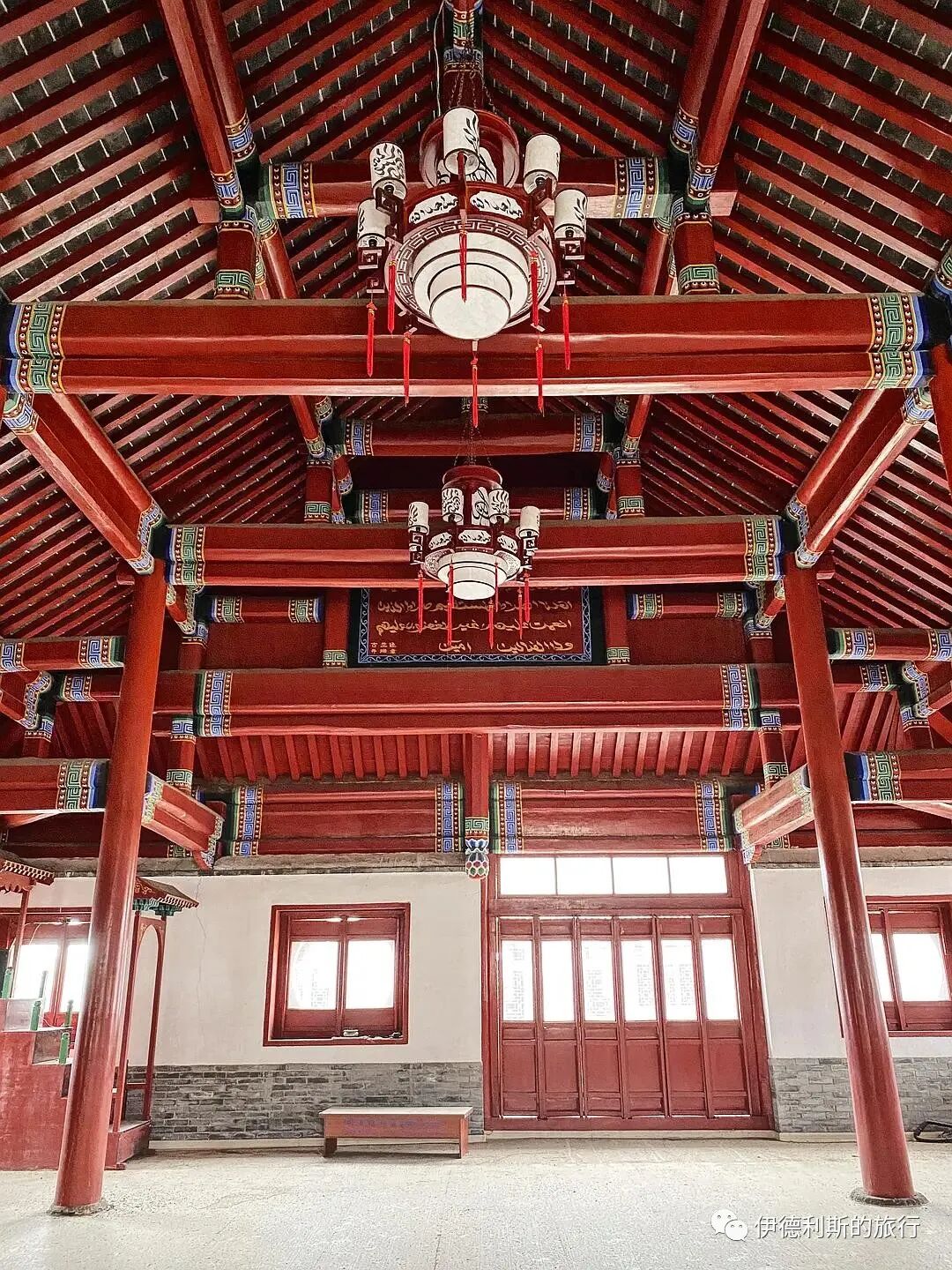
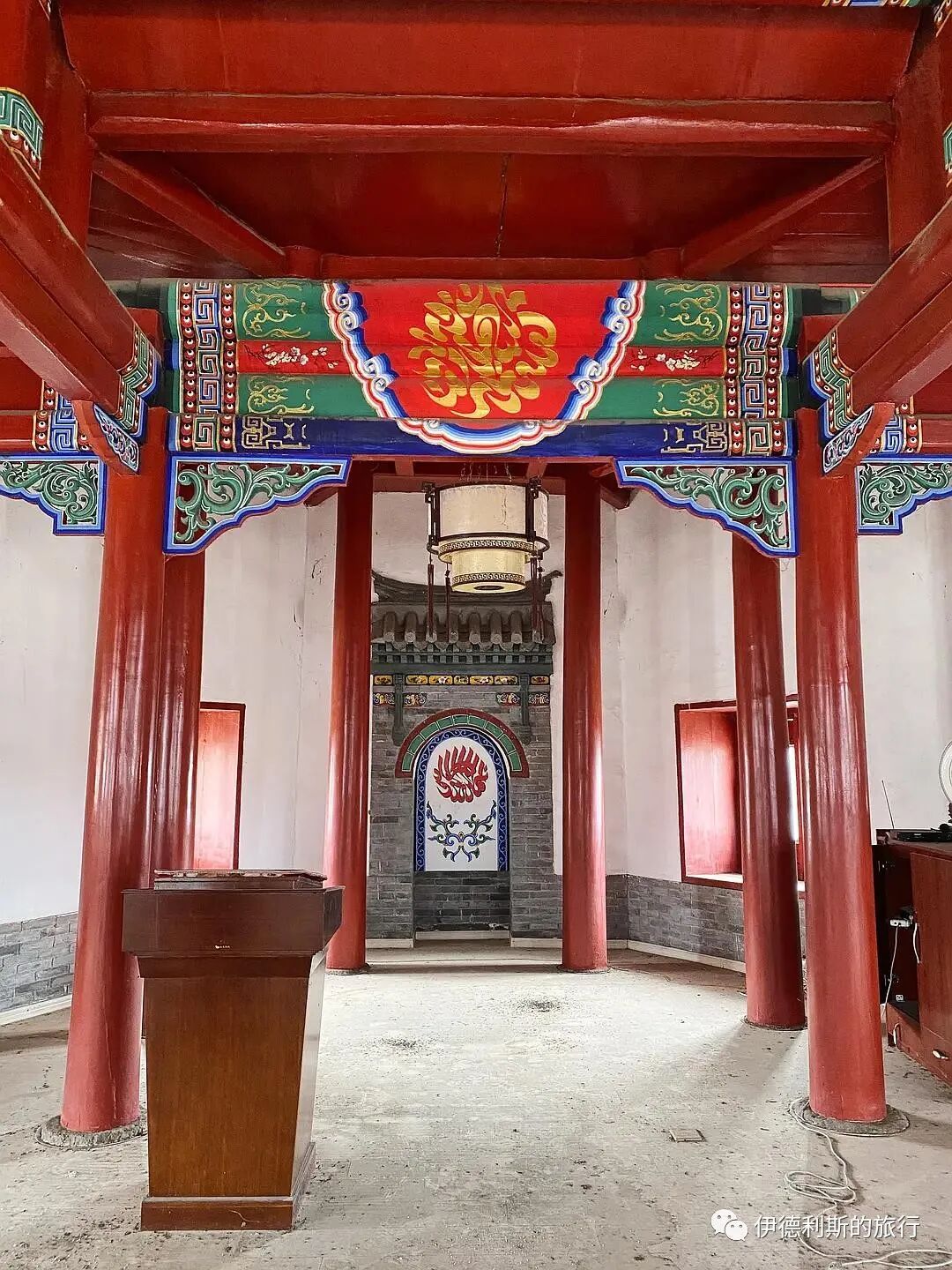
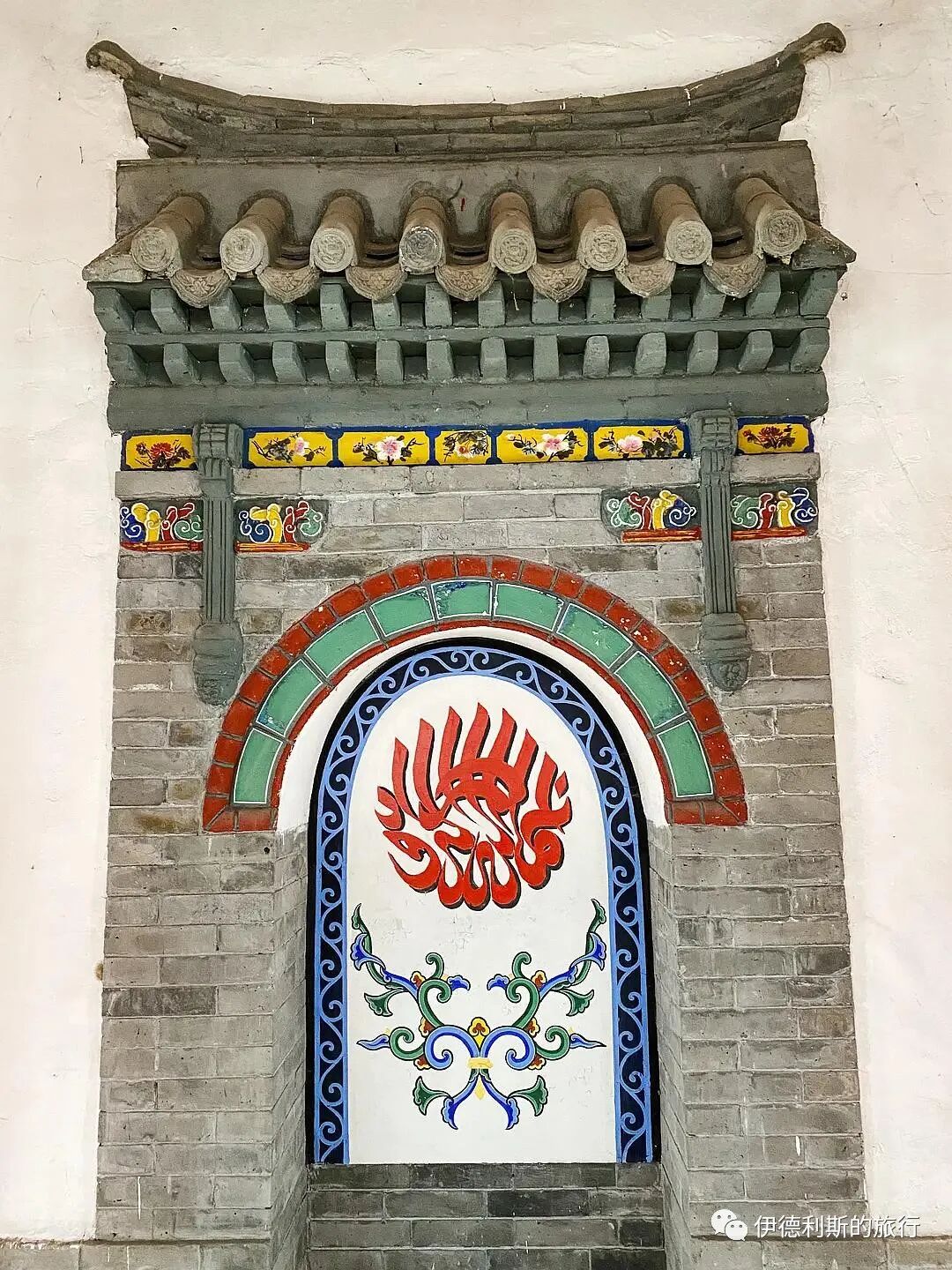
Old items stored in the hall of the old city mosque include drip tiles, roof tiles, ridge beasts, wooden carved railings from the main hall, the finial from the yaodian moon-watching tower, and a plaque inscribed with 'Lingluo Shajuan' (fine silks and satins).
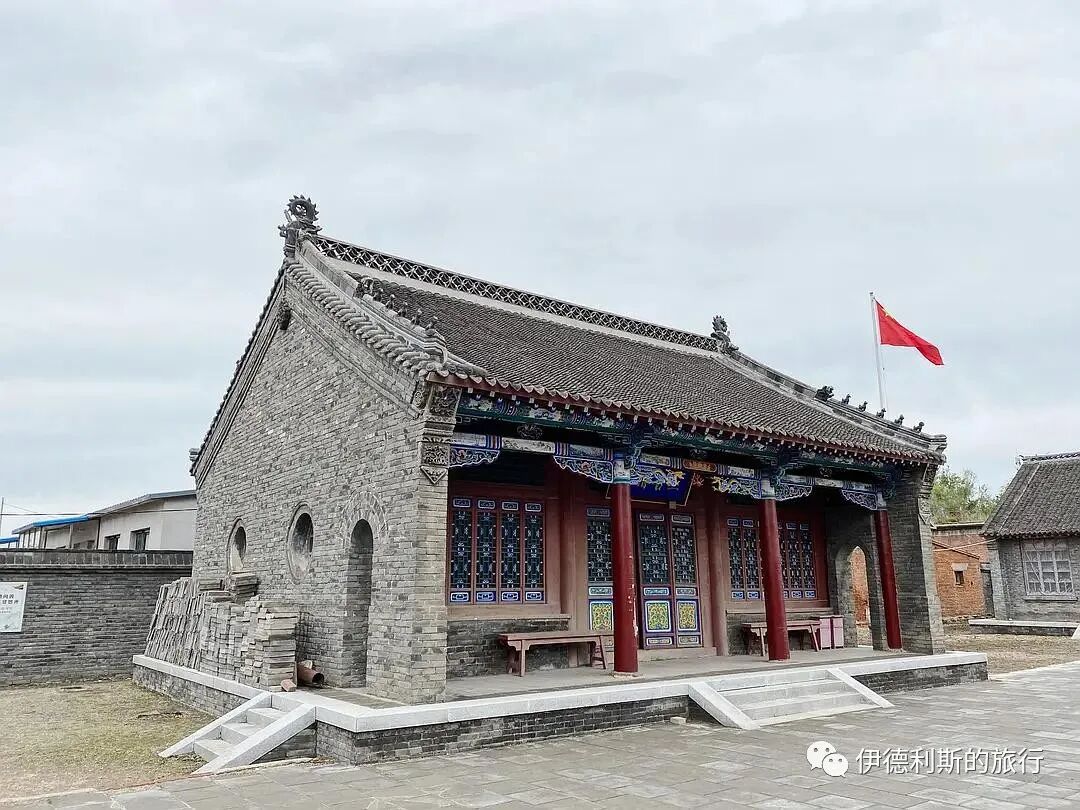
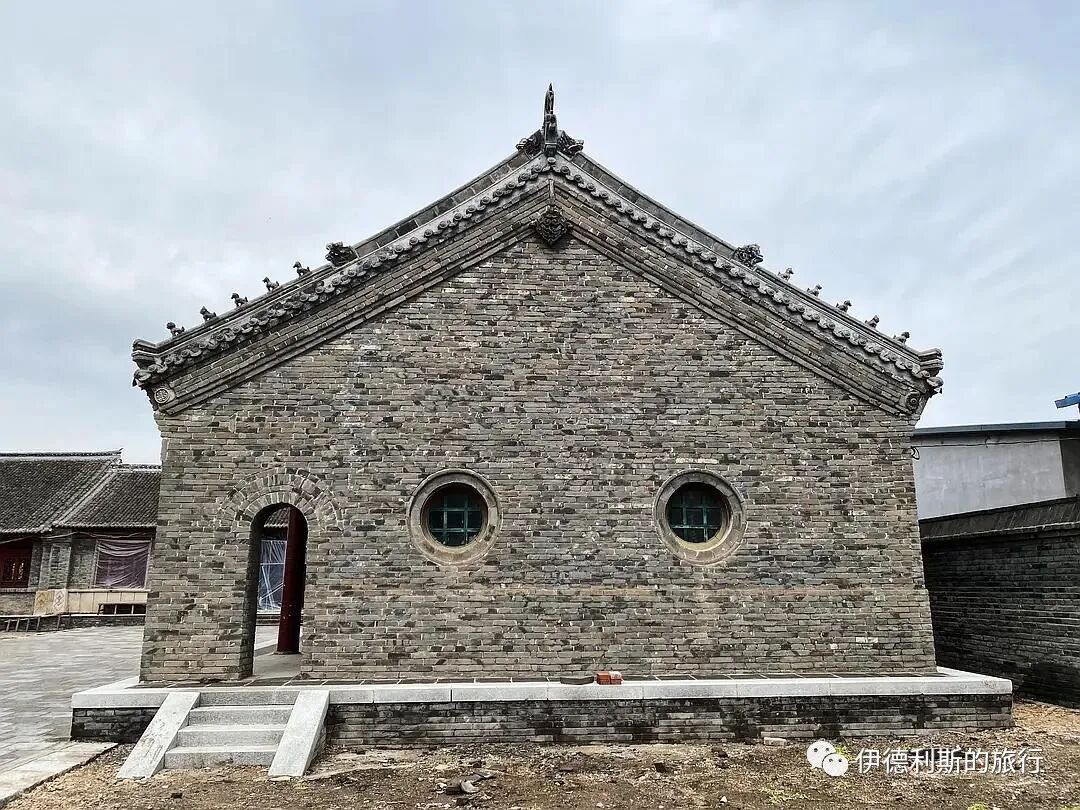
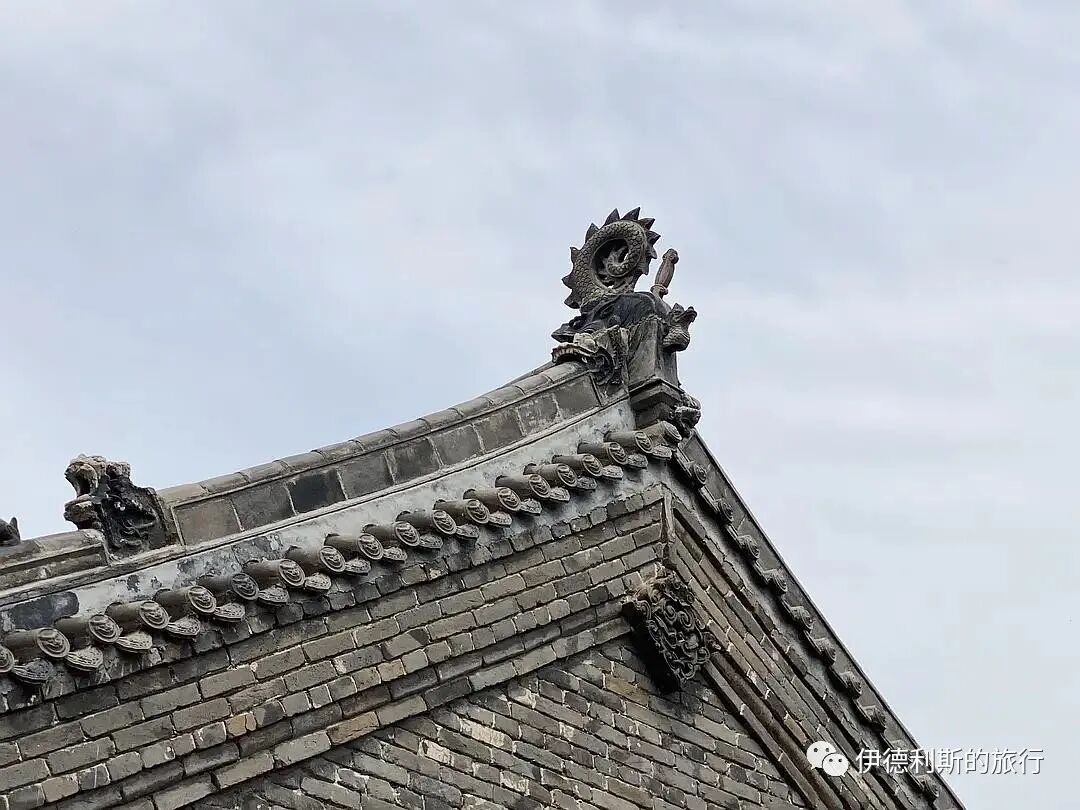
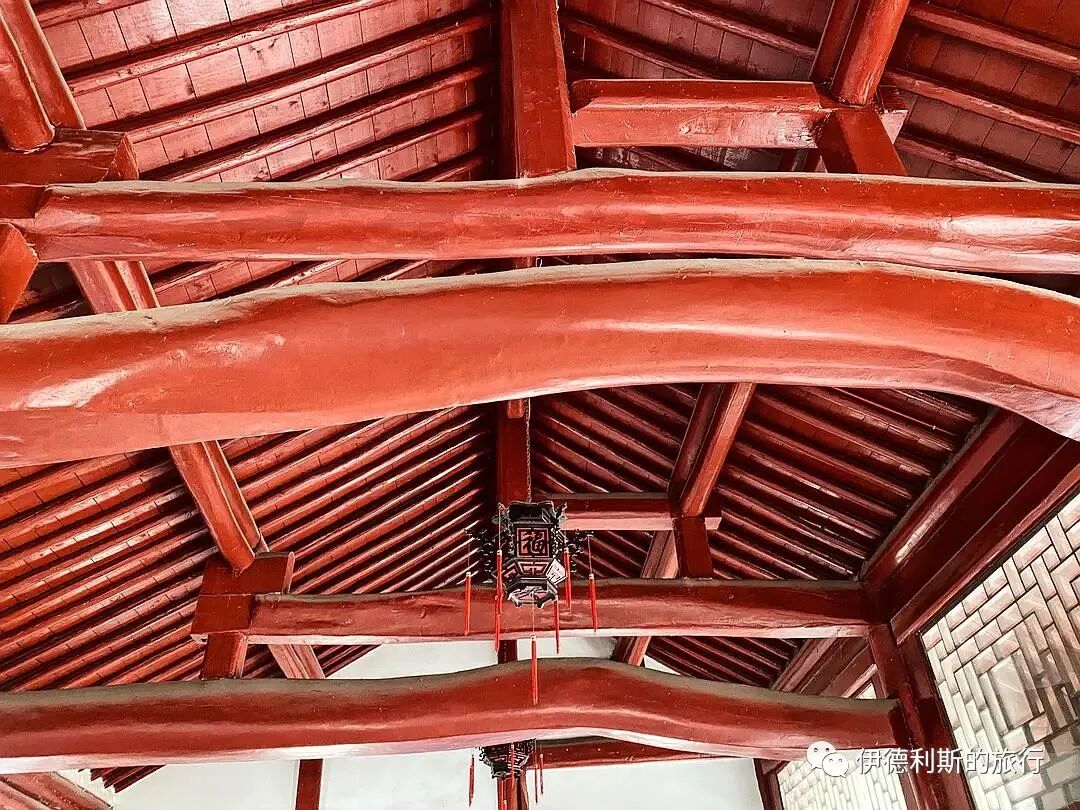
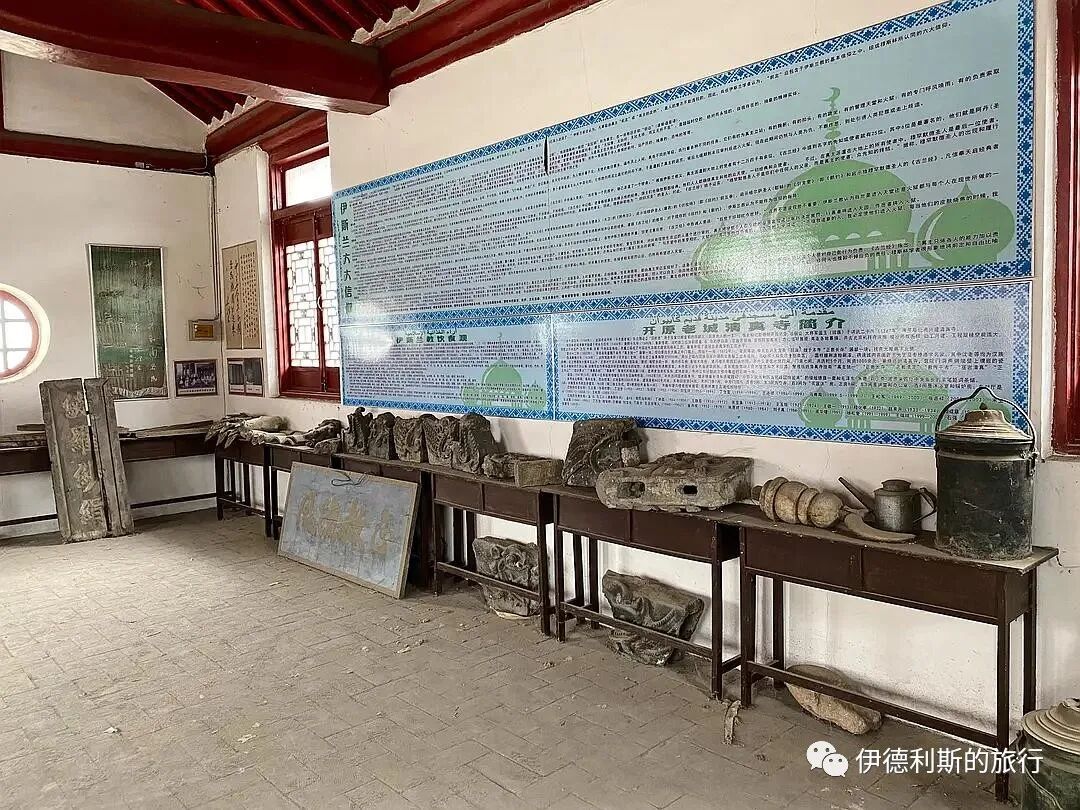
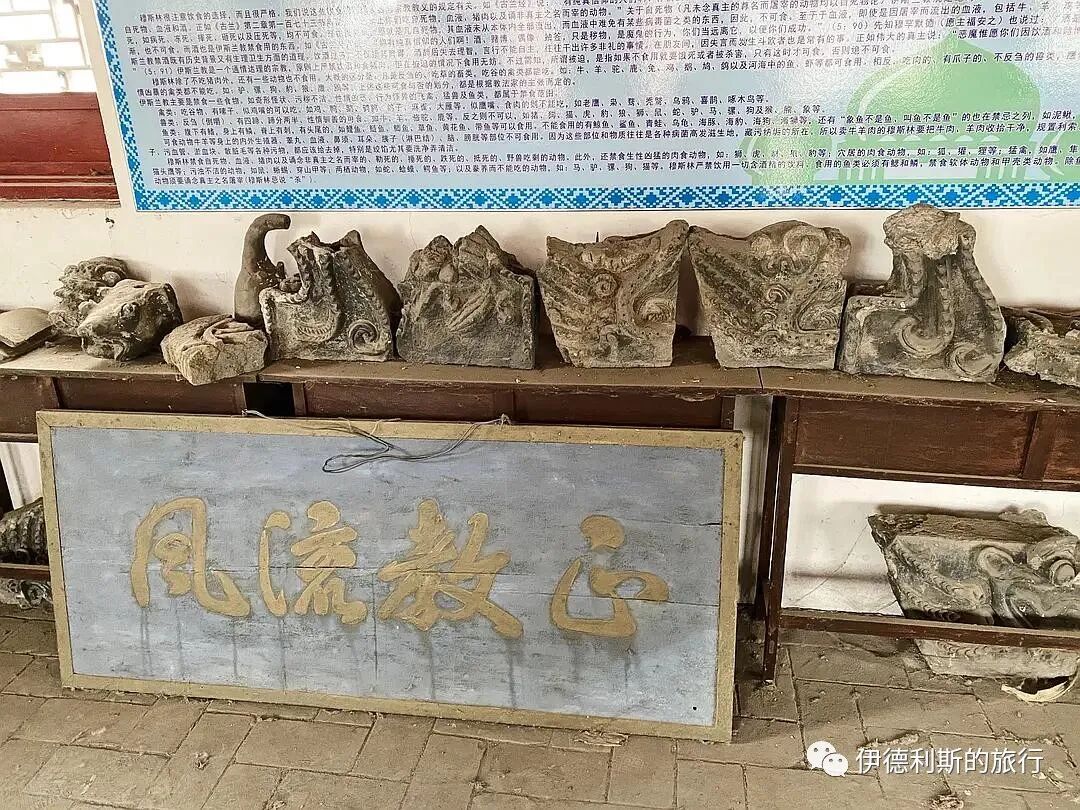
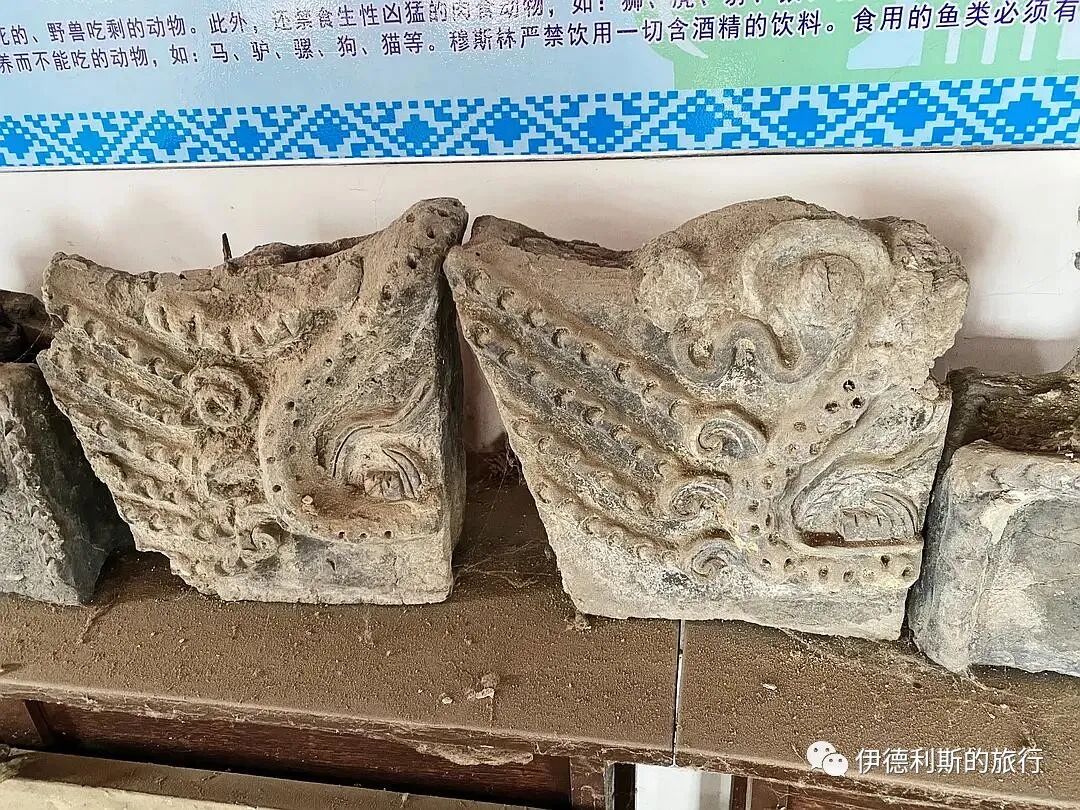
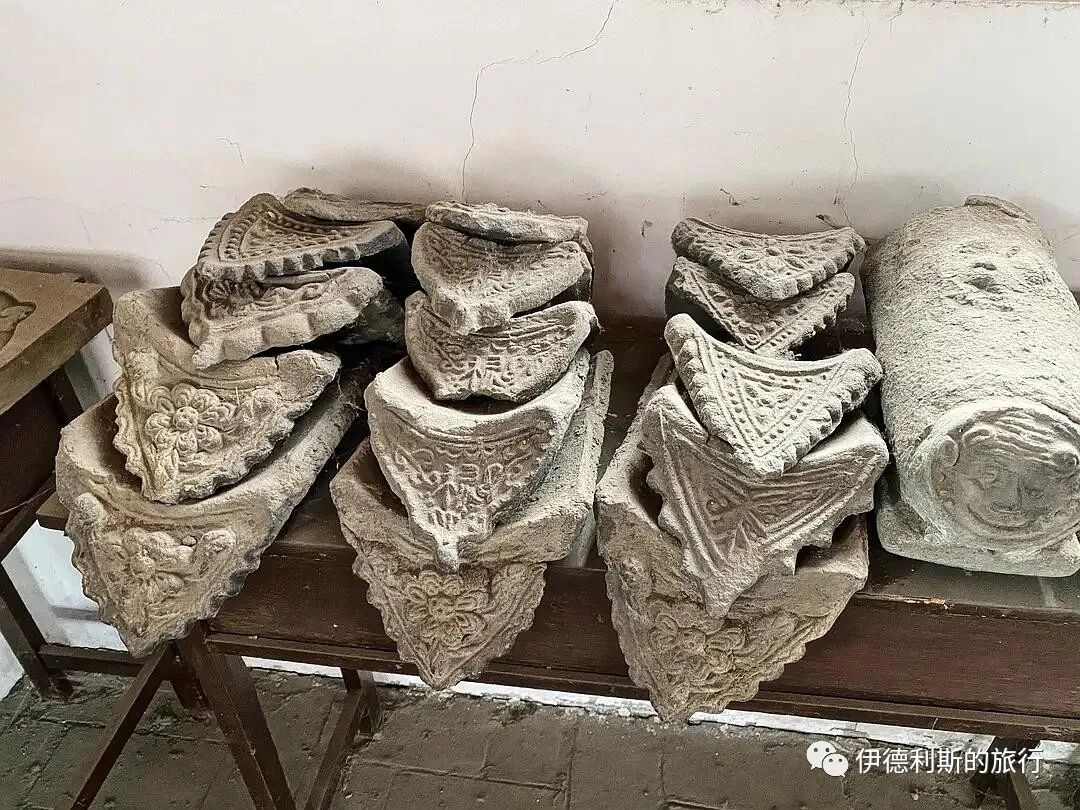
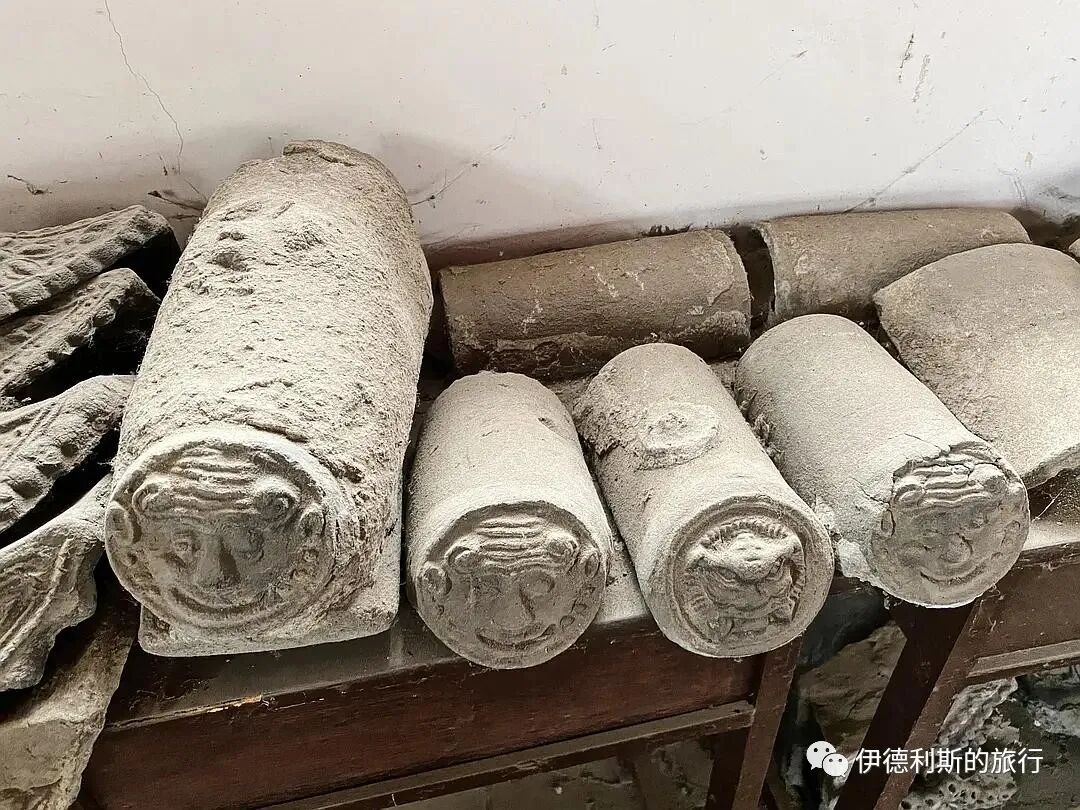
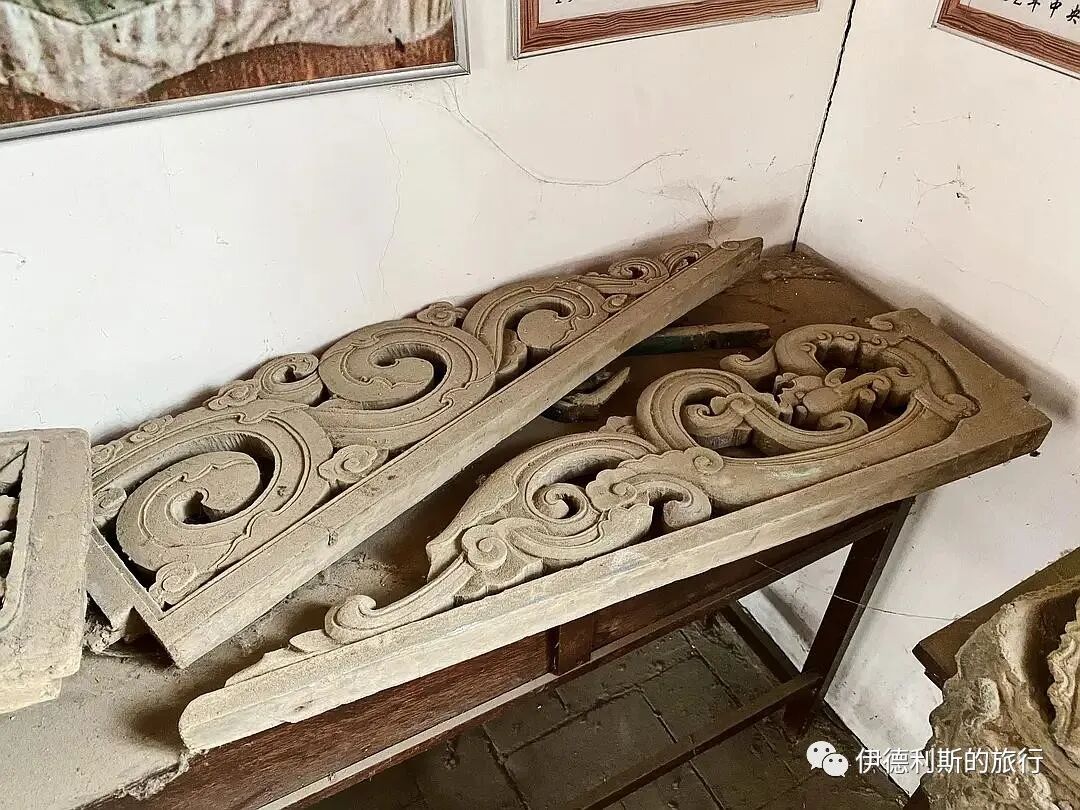
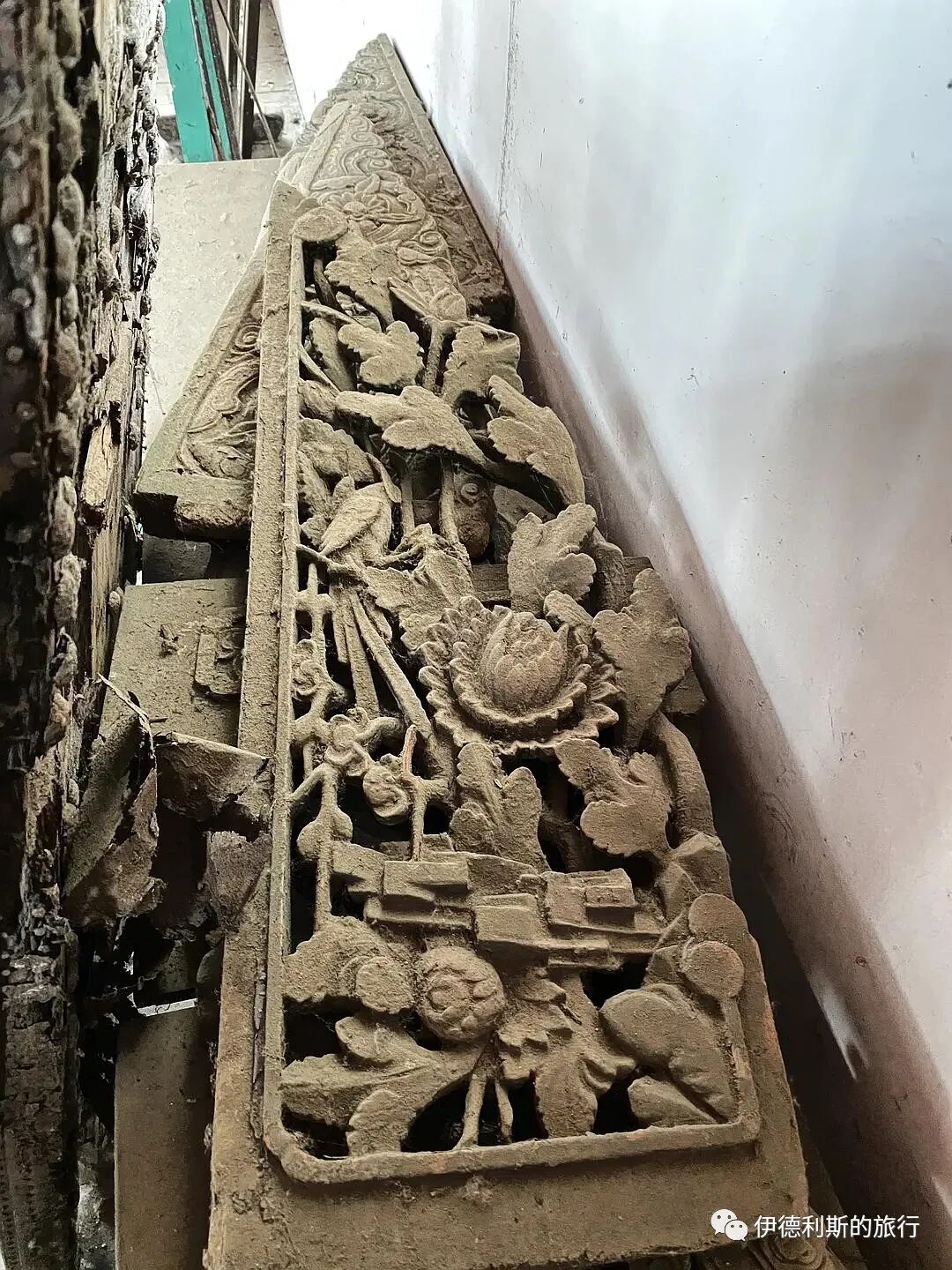
Liaoning Halal Travel Guide: Lingyuan, Shenyang and Kaiyuan (Part 2)
Articles • ali2007fr posted the article • 0 comments • 135 views • 2026-05-17 05:52
Summary: This travel note introduces Liaoning Halal Travel Guide: Lingyuan, Shenyang and Kaiyuan (Part 2). Wood carvings and stone engravings stored in the main hall. It is useful for readers interested in Liaoning Travel, China Mosques, Halal Food.
Wood carvings and stone engravings stored in the main hall.
Very exquisite calligraphy.
Most of the Hui Muslims in the old city of Kaiyuan migrated here during the Qing Dynasty as part of the Chuang Guandong (migration to Northeast China), mainly living on both sides of East Street inside the East Gate. Nowadays, the old city of Kaiyuan is relatively declining, so it has preserved many aspects of its appearance from the last century.
At noon, we ate at Lingtou Niu next to Kaiyuan People's Park in Liaoning, having poplar leaf salad with tofu skin, minced meat with tender tofu, copper pot stewed goose with pickled cabbage, and hand-rolled noodles; the restaurant also gave us a complimentary small cold dish. Their restaurant really has a great environment, large portions, low prices, and good taste; the cost-performance ratio for dining in the Northeast is much higher than in Beijing. Picture 1 shows the copper pot stewed goose when it arrived; we ate it so ravenously that it turned into what you see in Picture 2, and in the end, we packed up a large amount to take back to Beijing to continue eating. Even without ordering hearty dishes, this bowl of egg noodles for 8 yuan was very satisfying.
Kaiyuan People's Park is very lively at noon, with people doing yangge (folk dance), land boat performances, stilt walking, and ballroom dancing, and there was also a Hui Muslim uncle pushing a cart selling snacks and soy milk. When we went, the snacks were already sold out, so we bought some soy milk and drank it while watching the stilt walking. view all
Summary: This travel note introduces Liaoning Halal Travel Guide: Lingyuan, Shenyang and Kaiyuan (Part 2). Wood carvings and stone engravings stored in the main hall. It is useful for readers interested in Liaoning Travel, China Mosques, Halal Food.
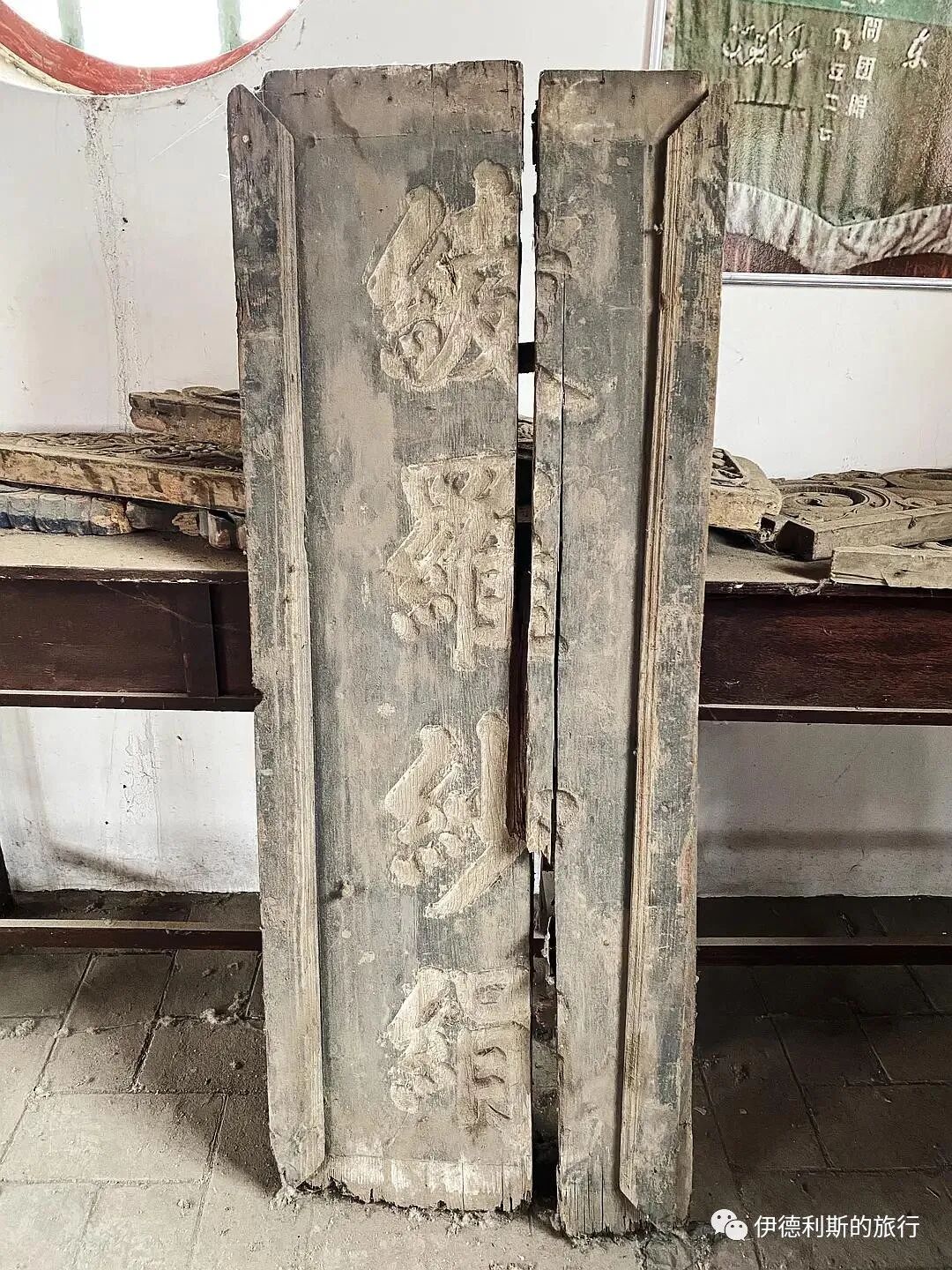
Wood carvings and stone engravings stored in the main hall.
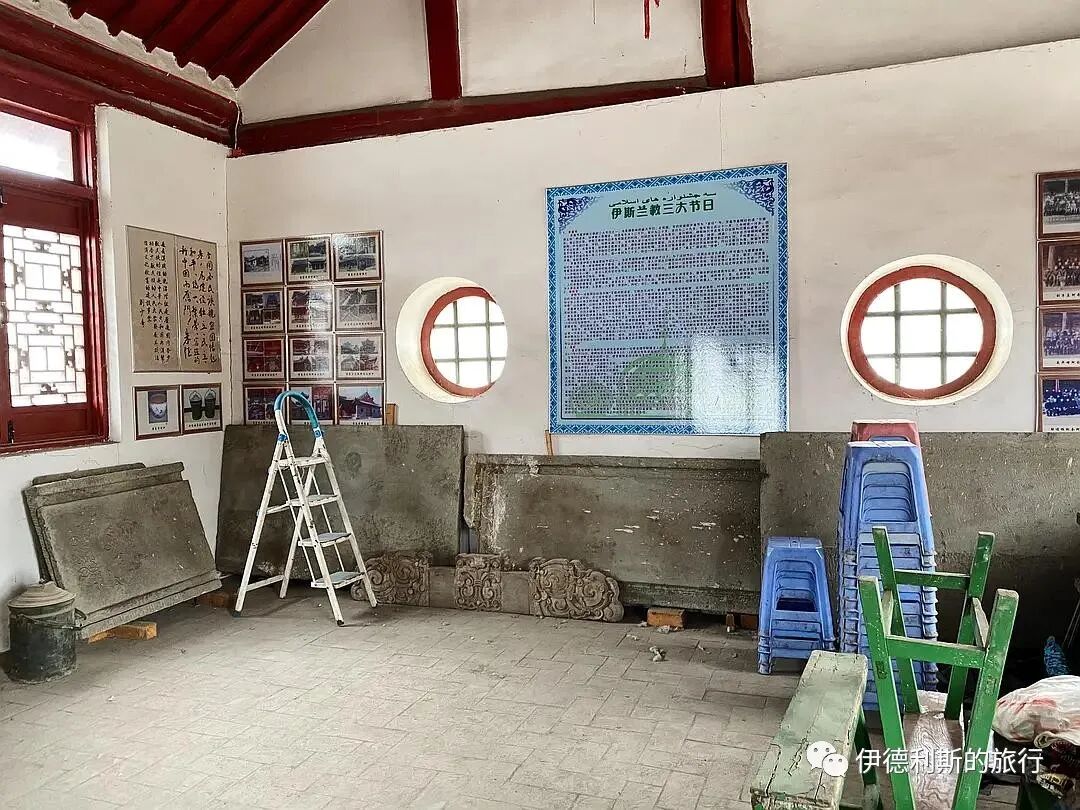
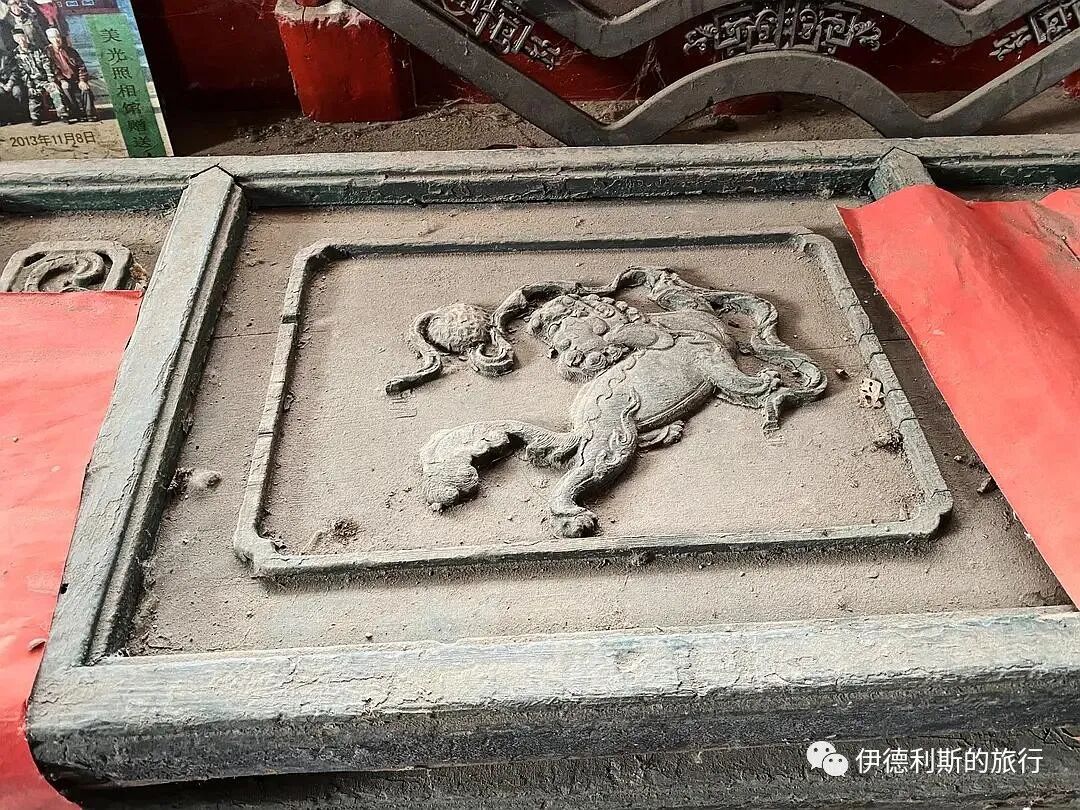
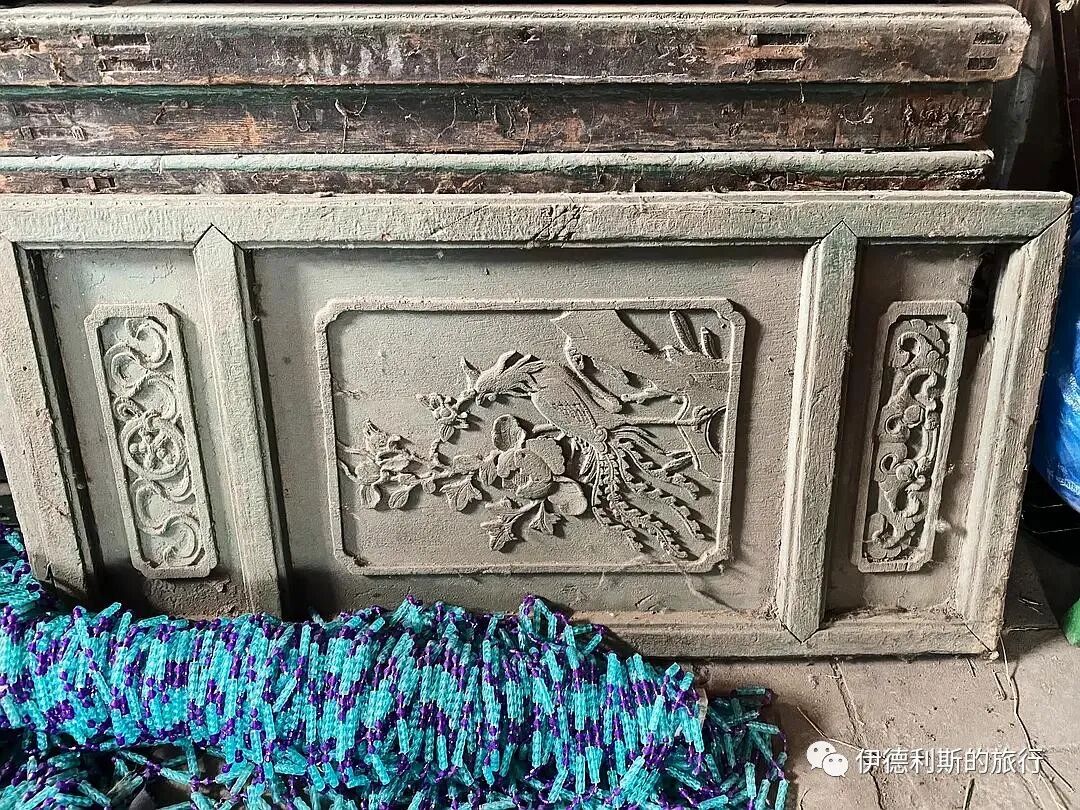
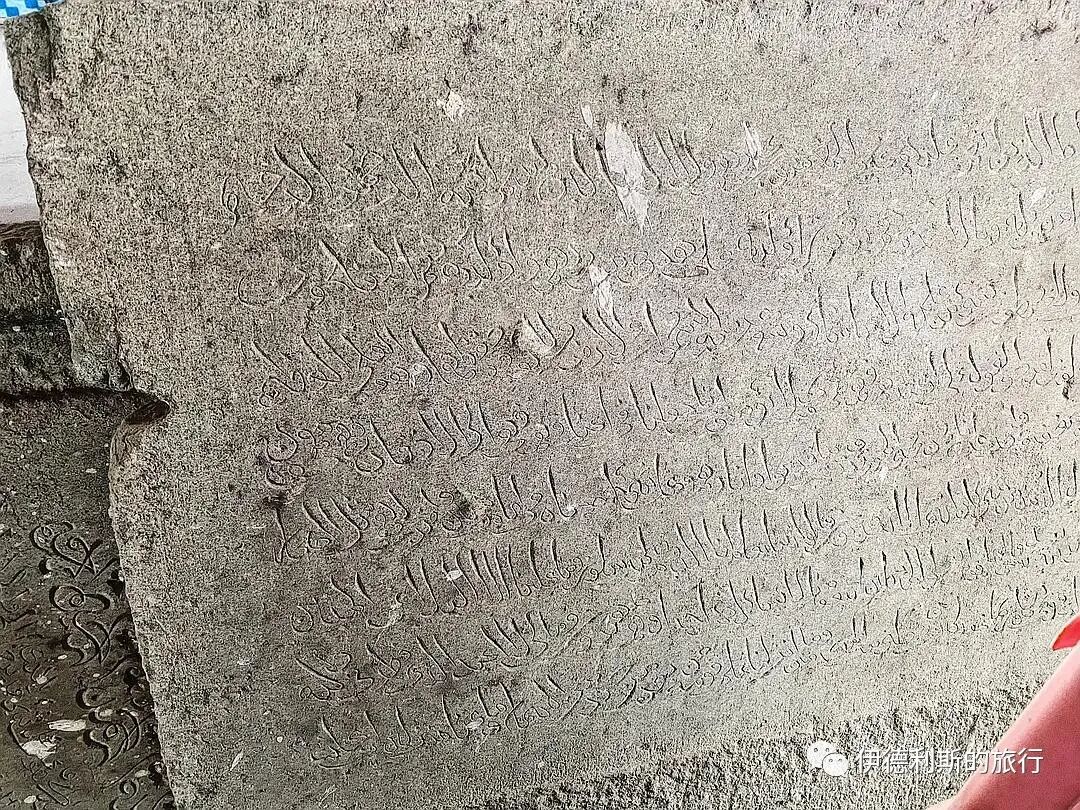
Very exquisite calligraphy.
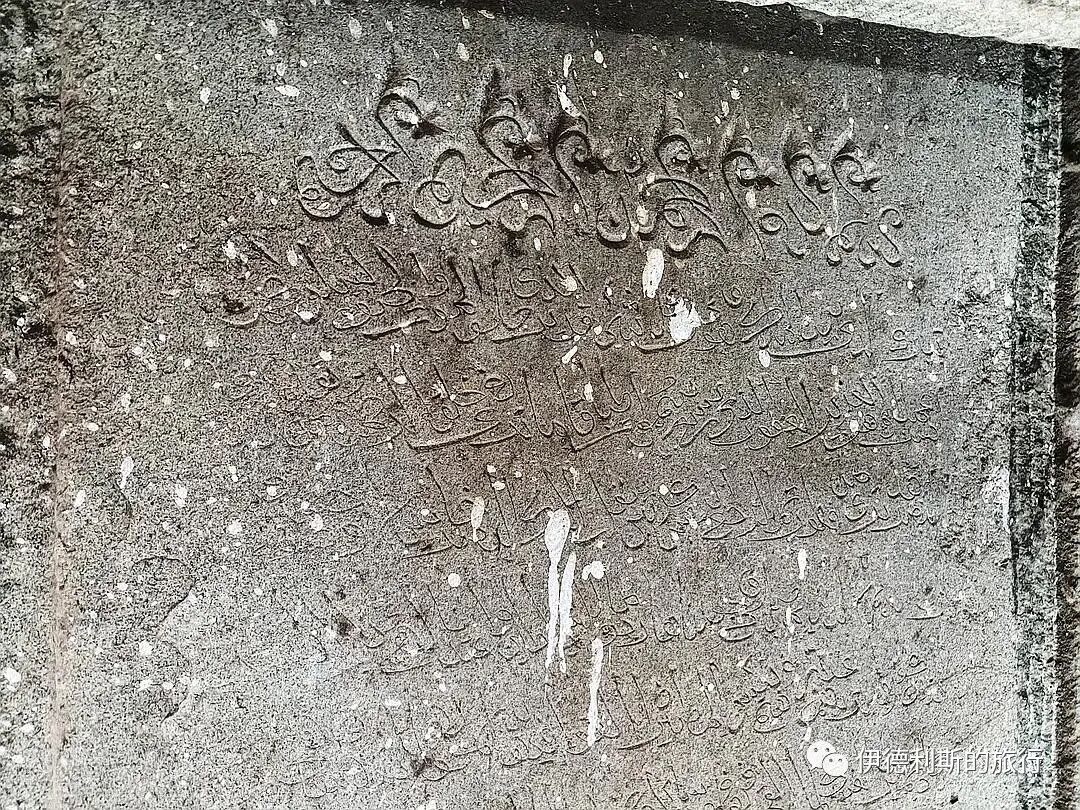
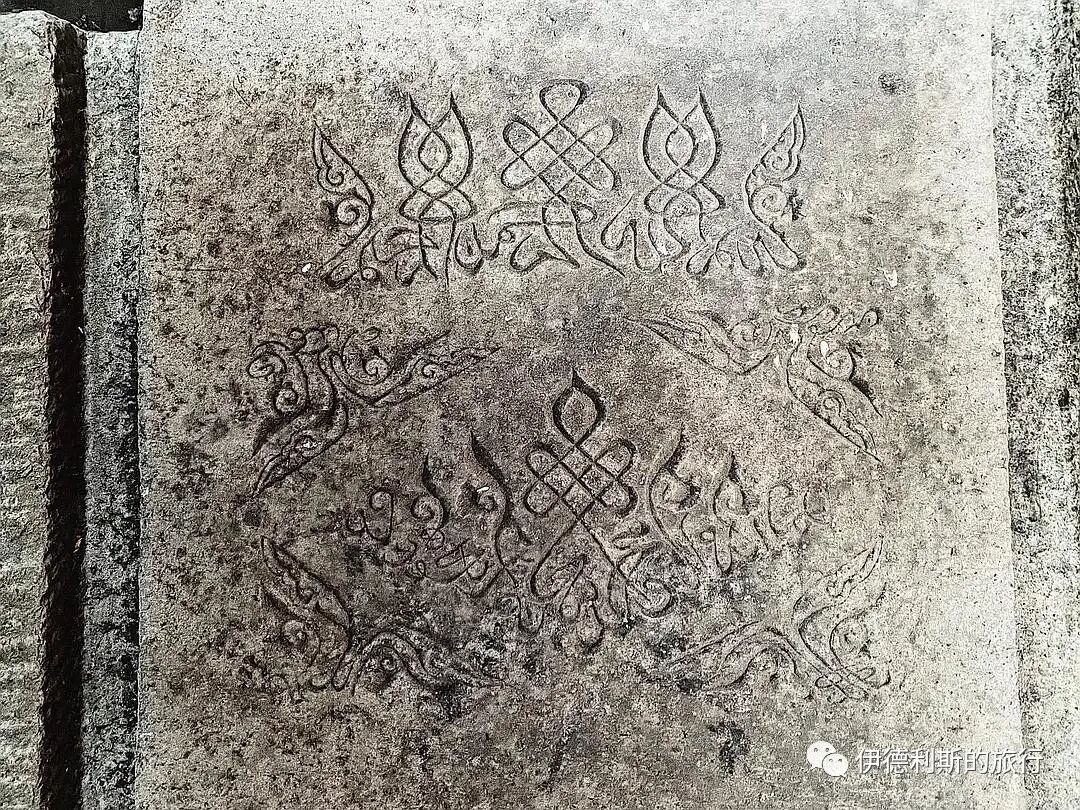
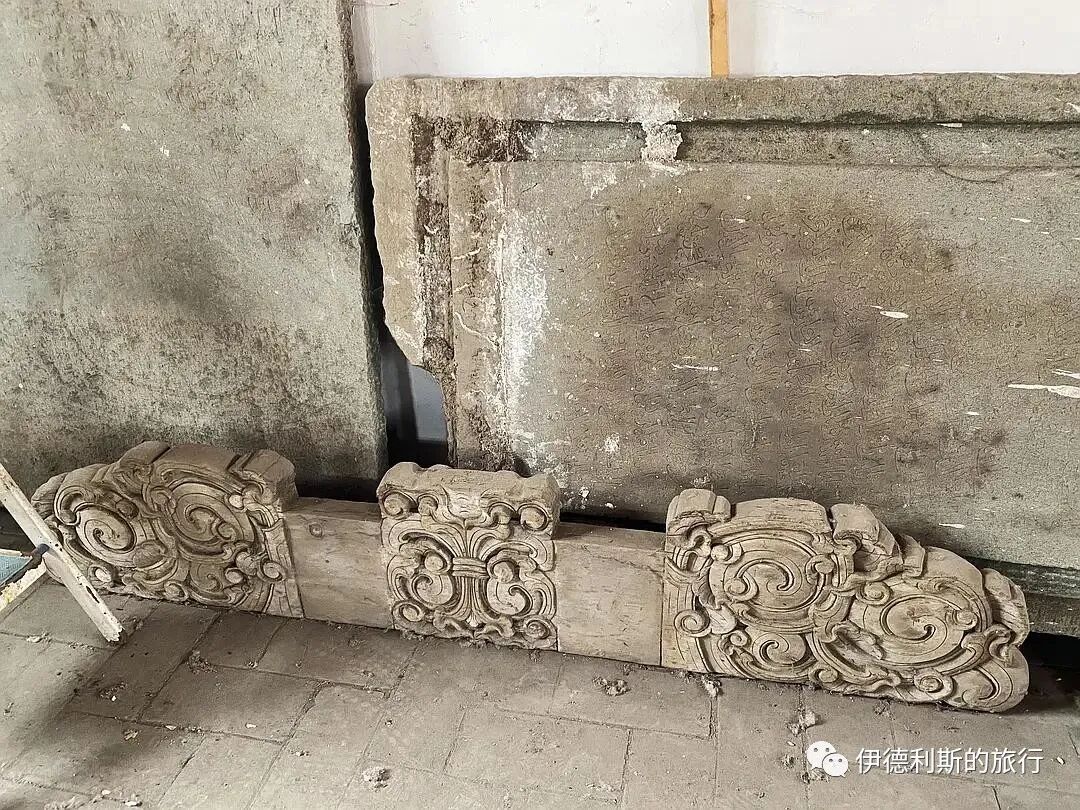
Most of the Hui Muslims in the old city of Kaiyuan migrated here during the Qing Dynasty as part of the Chuang Guandong (migration to Northeast China), mainly living on both sides of East Street inside the East Gate. Nowadays, the old city of Kaiyuan is relatively declining, so it has preserved many aspects of its appearance from the last century.
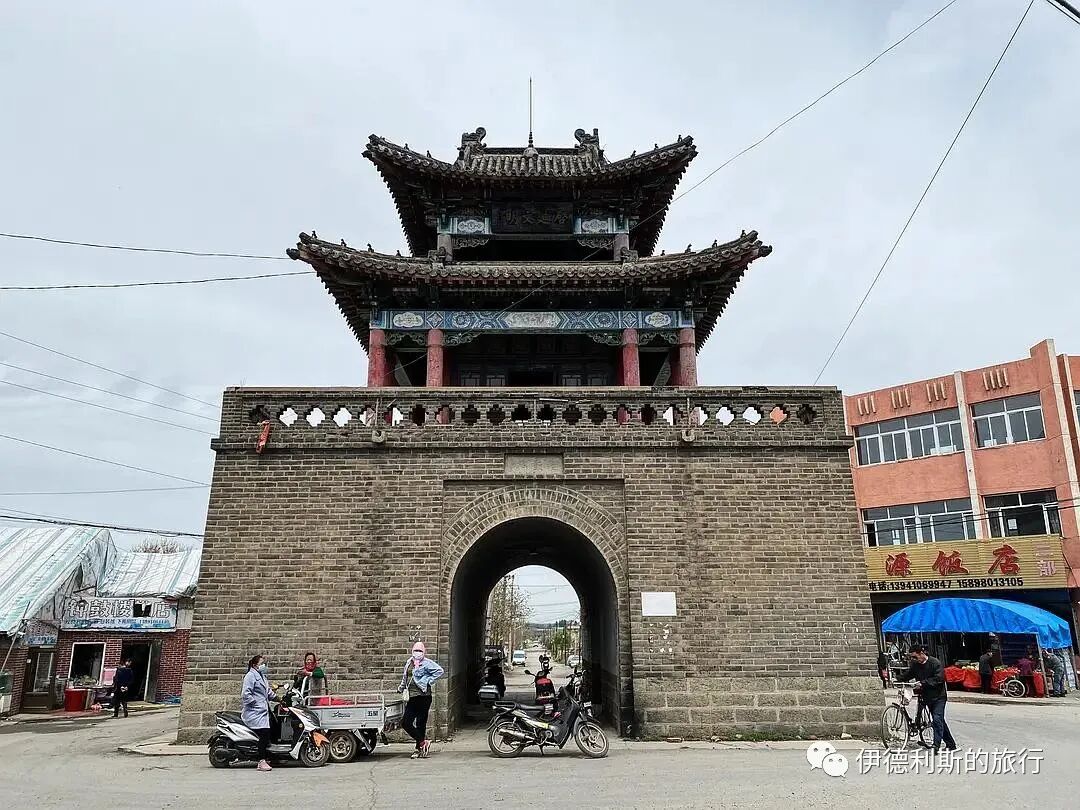
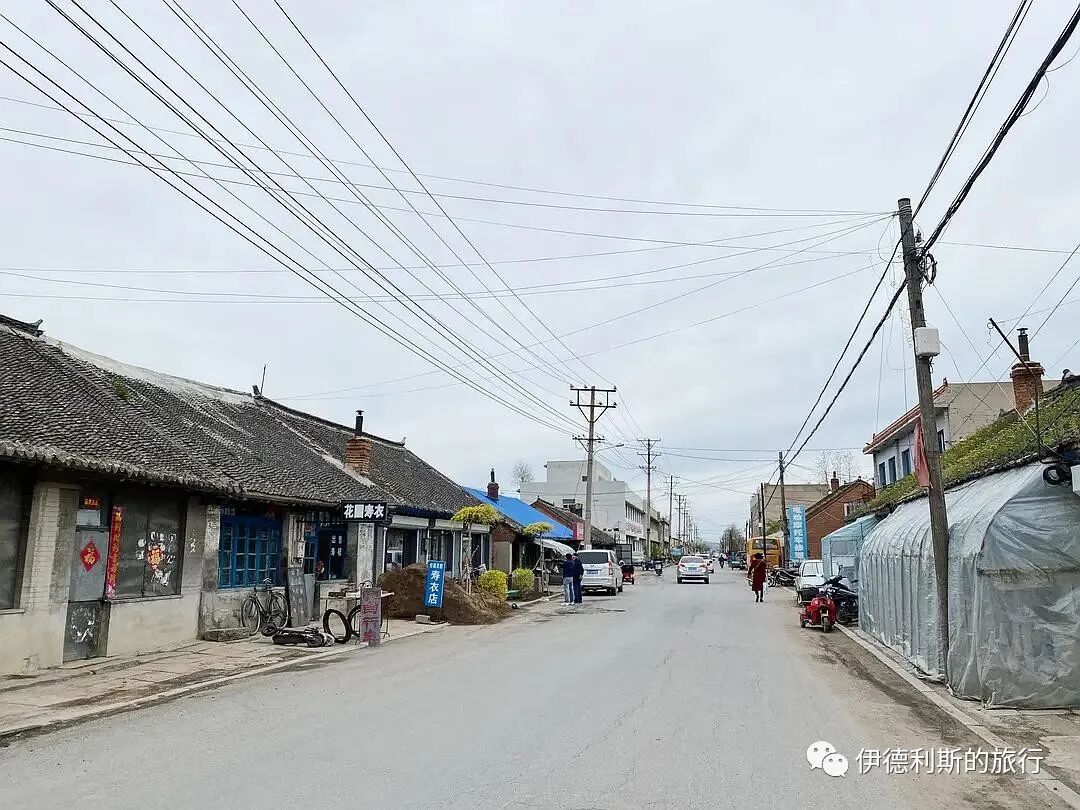
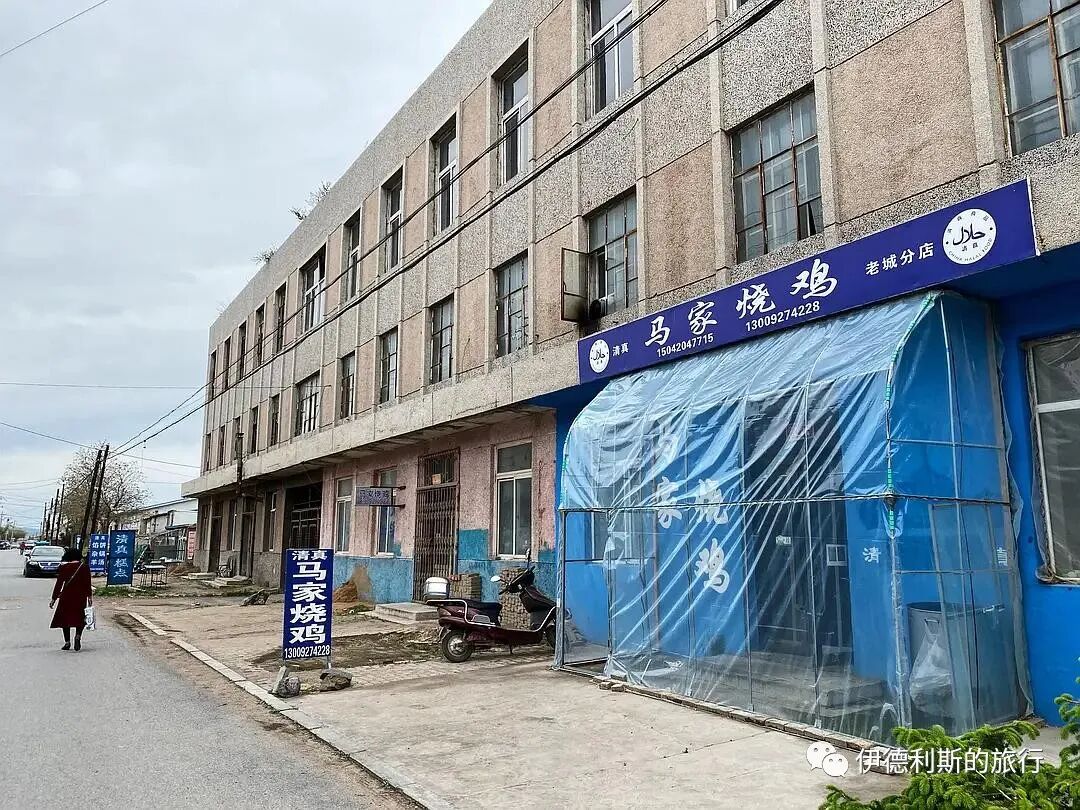
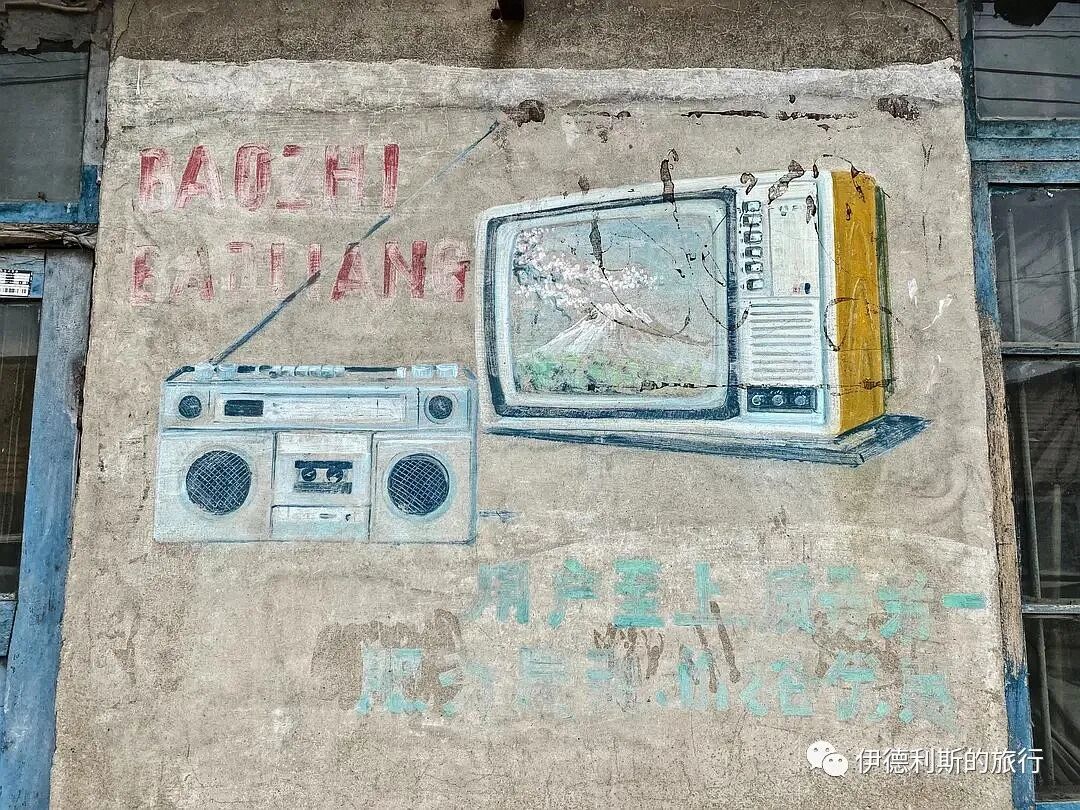
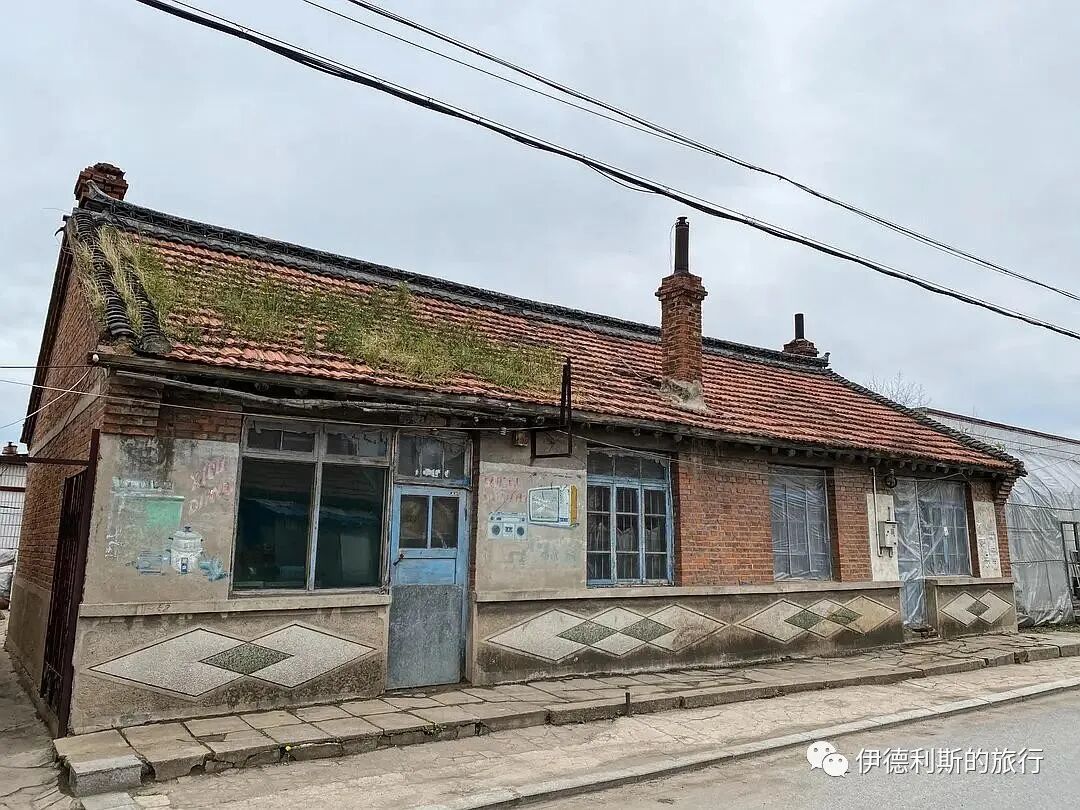
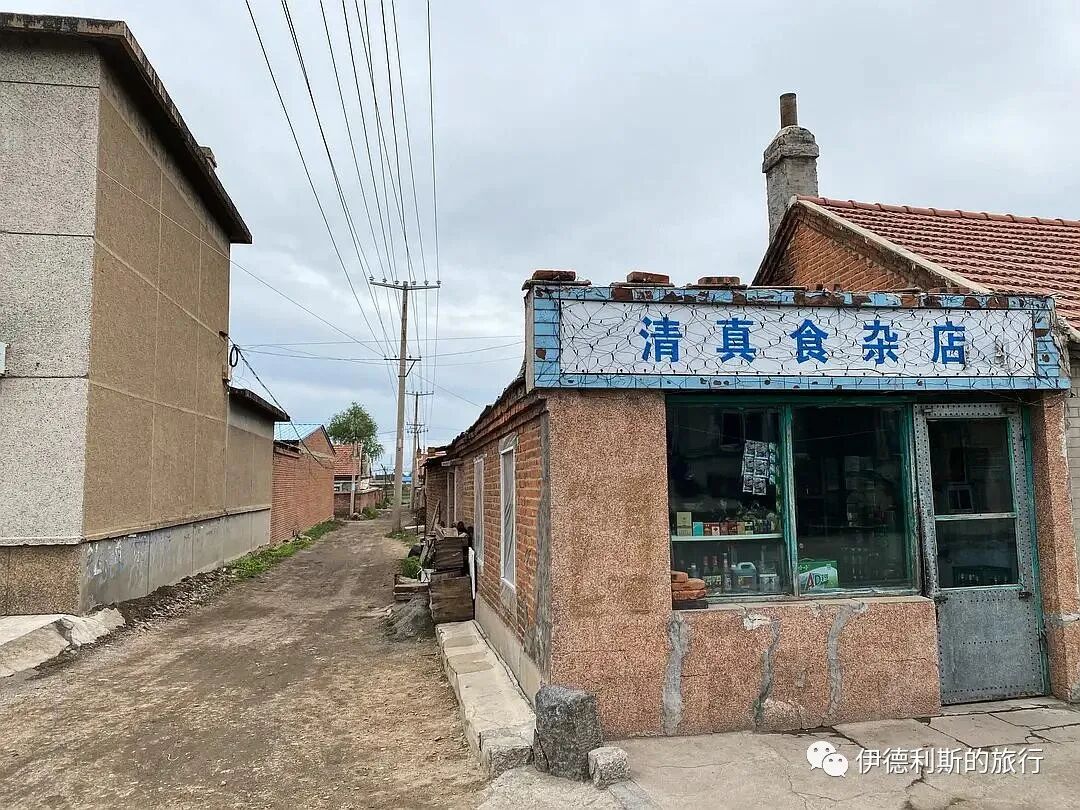
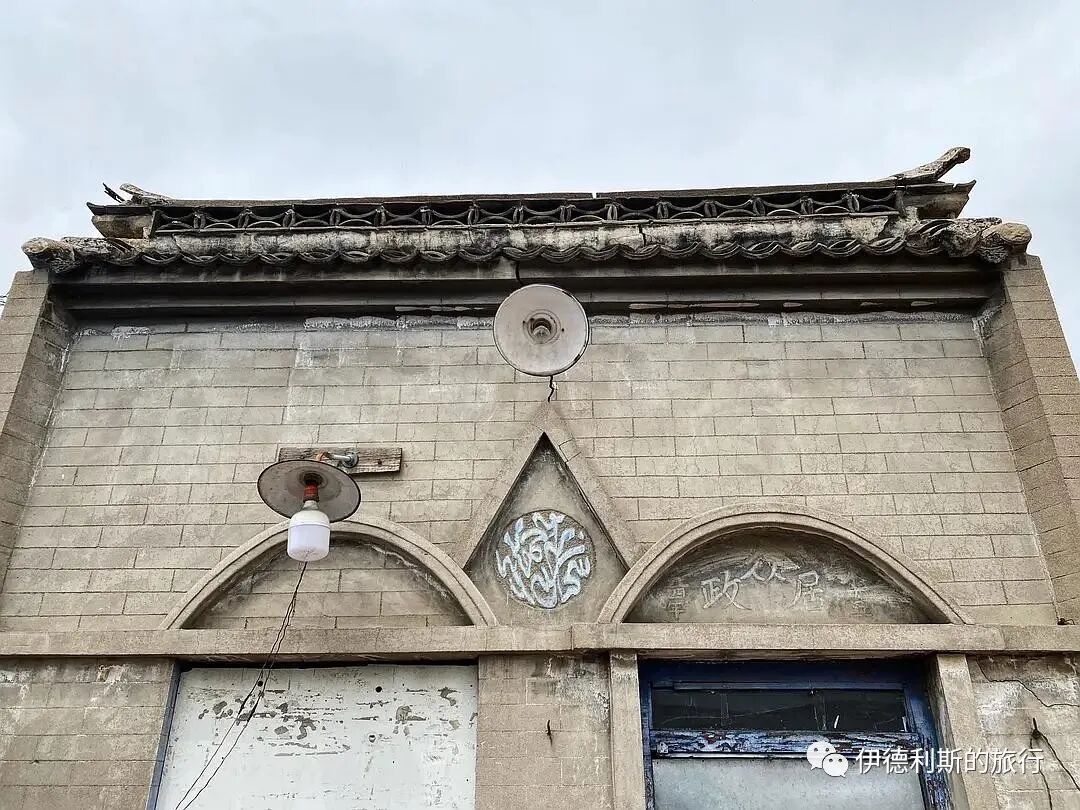
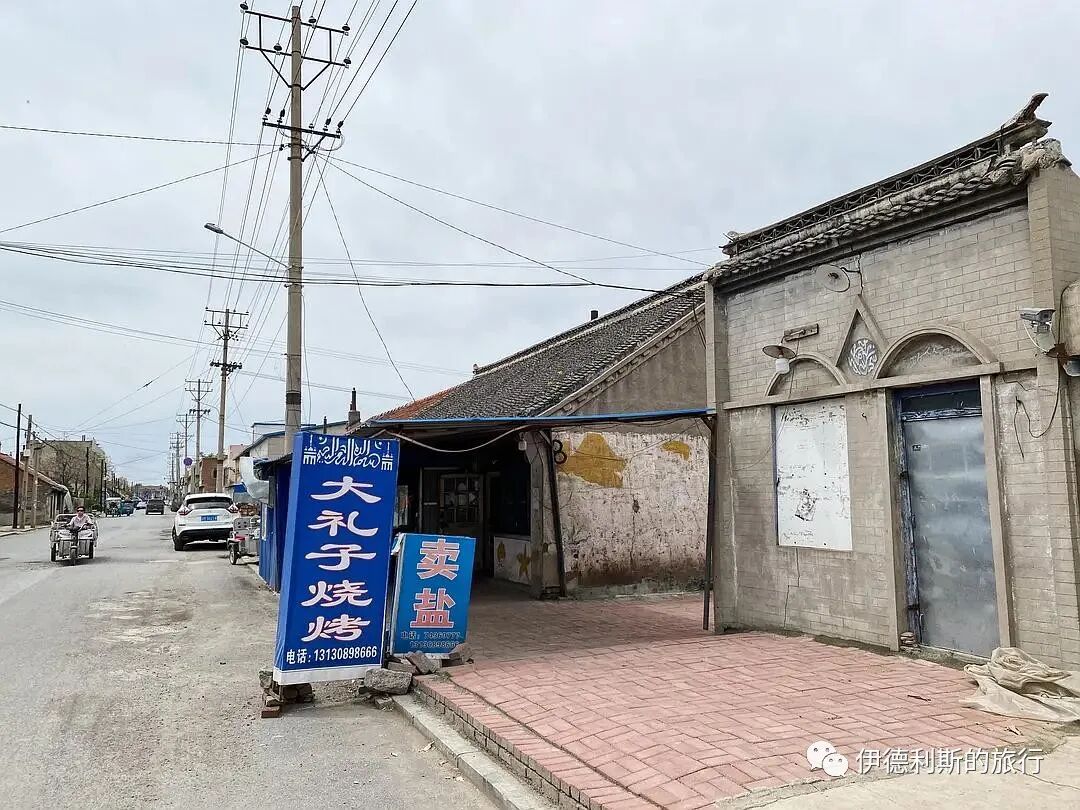
At noon, we ate at Lingtou Niu next to Kaiyuan People's Park in Liaoning, having poplar leaf salad with tofu skin, minced meat with tender tofu, copper pot stewed goose with pickled cabbage, and hand-rolled noodles; the restaurant also gave us a complimentary small cold dish. Their restaurant really has a great environment, large portions, low prices, and good taste; the cost-performance ratio for dining in the Northeast is much higher than in Beijing. Picture 1 shows the copper pot stewed goose when it arrived; we ate it so ravenously that it turned into what you see in Picture 2, and in the end, we packed up a large amount to take back to Beijing to continue eating. Even without ordering hearty dishes, this bowl of egg noodles for 8 yuan was very satisfying.
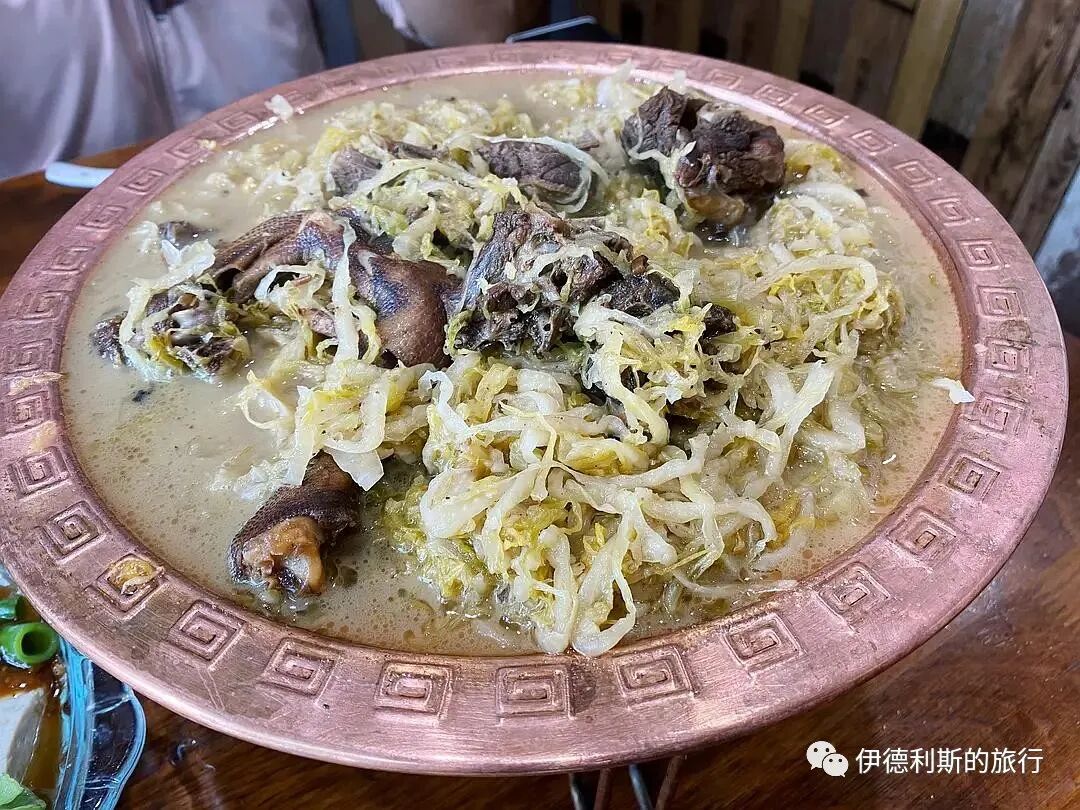
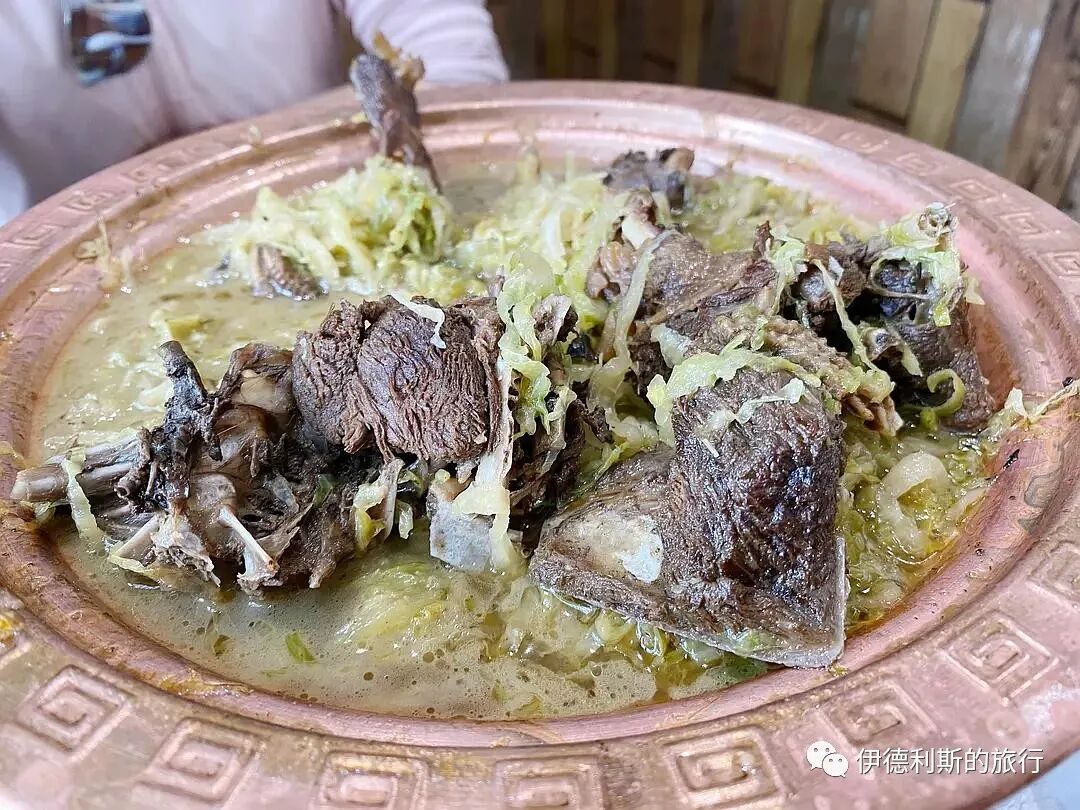
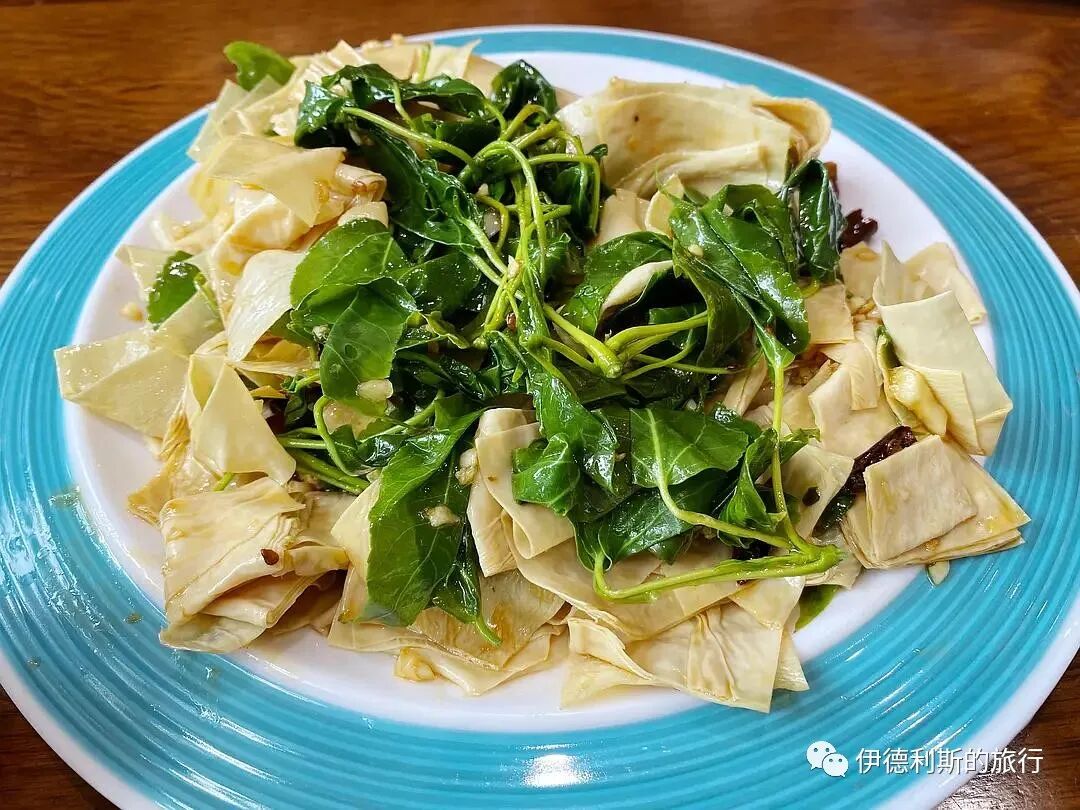
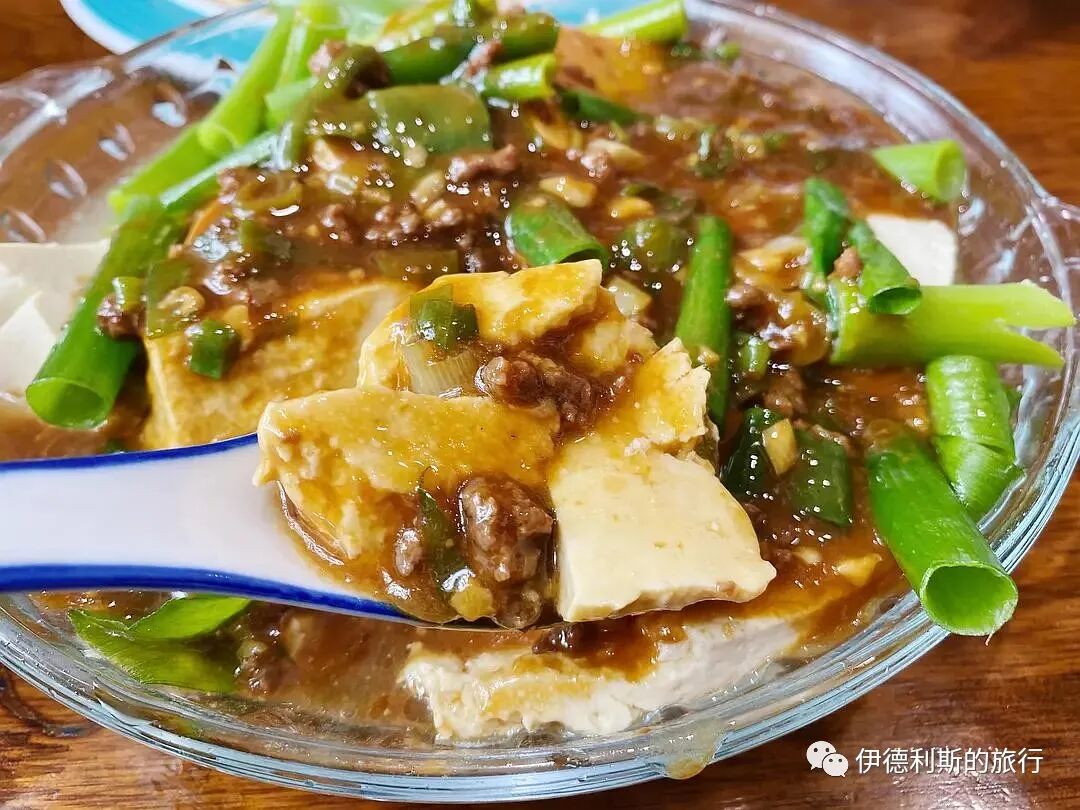
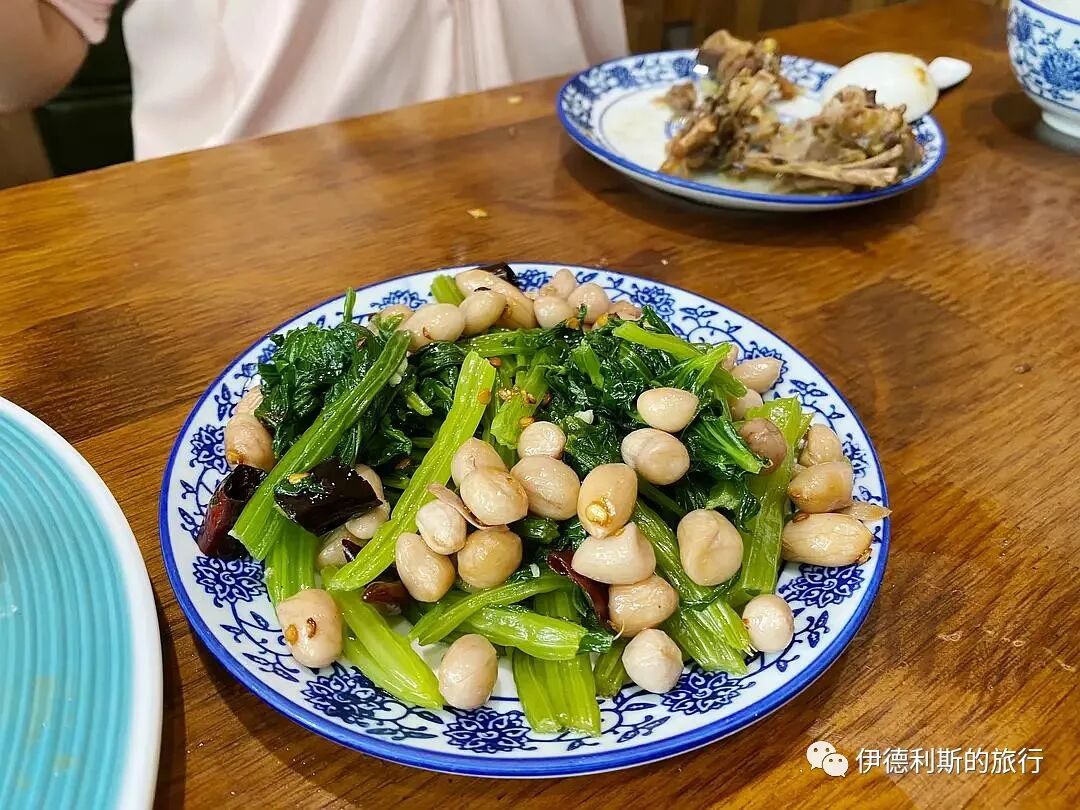
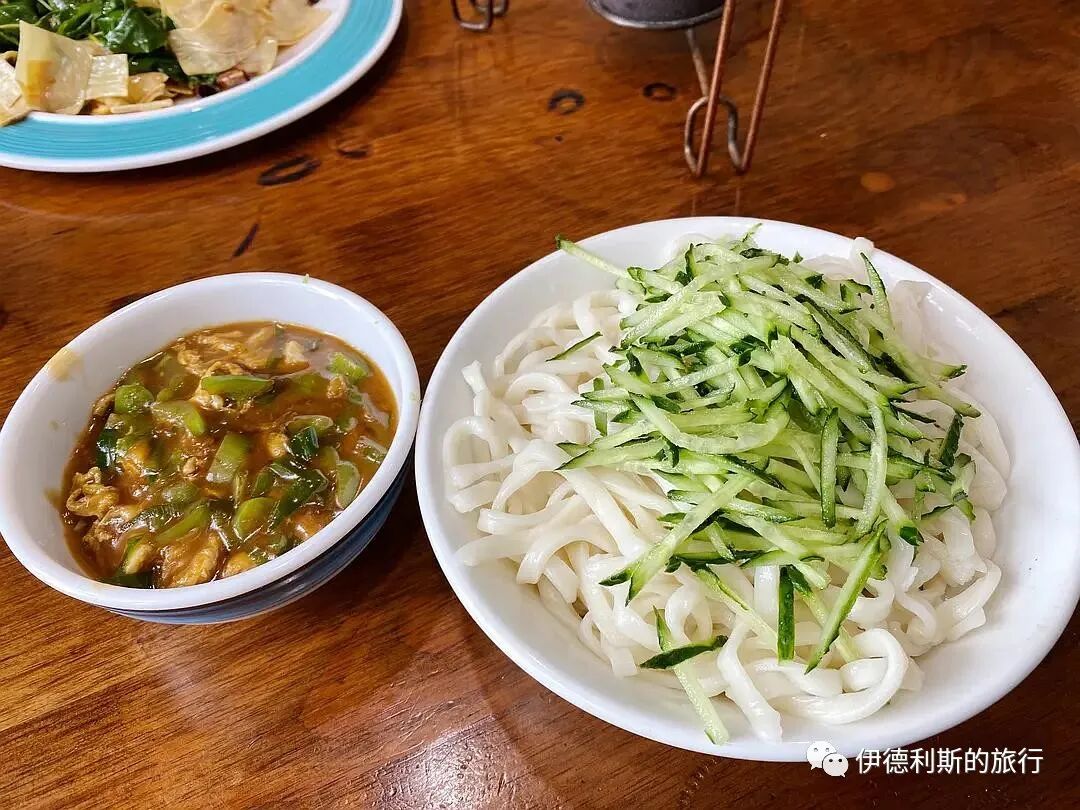
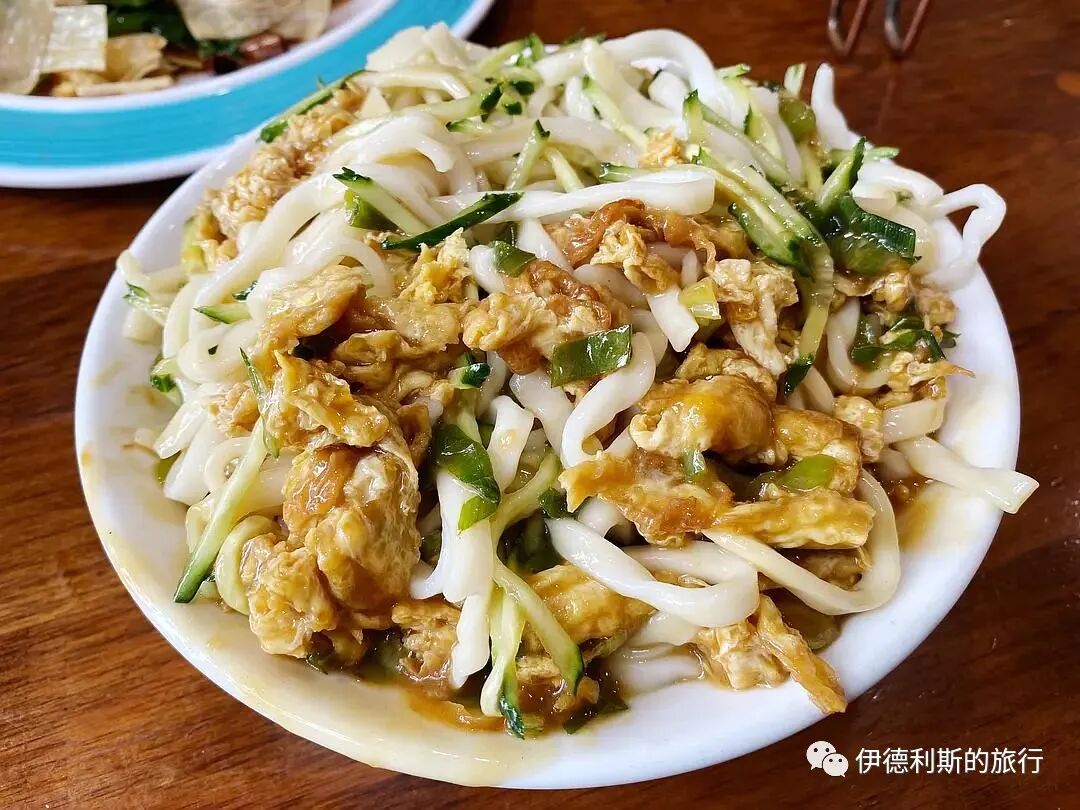
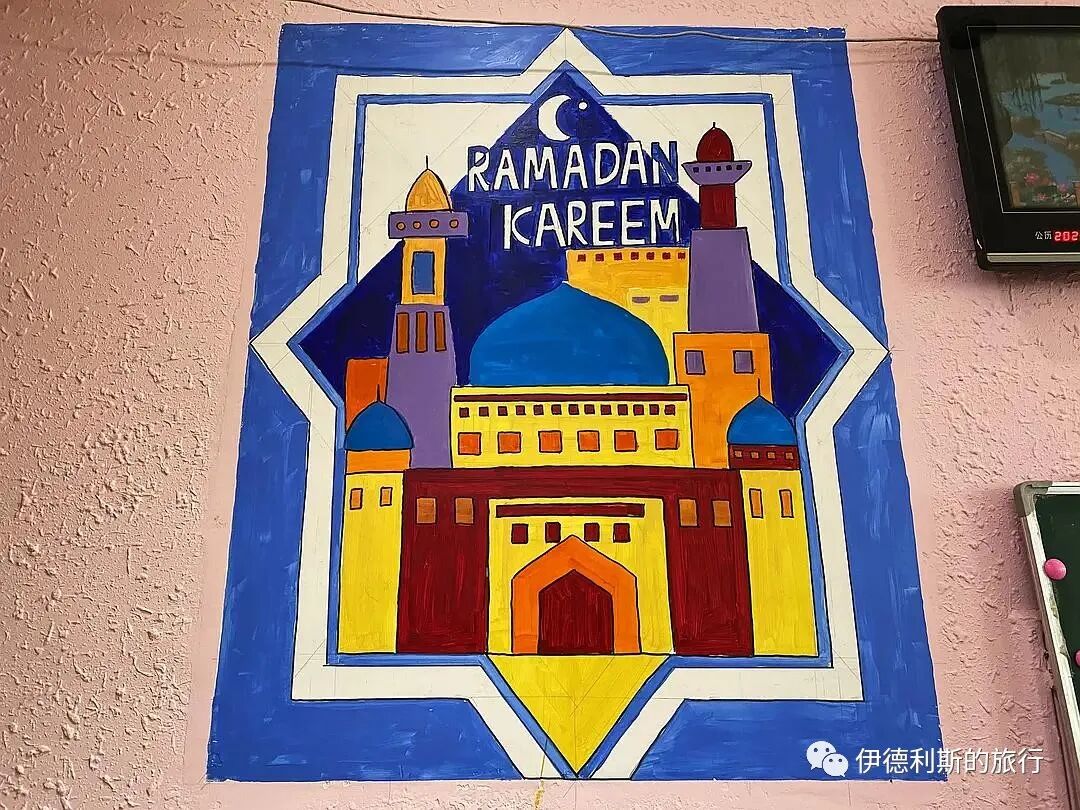
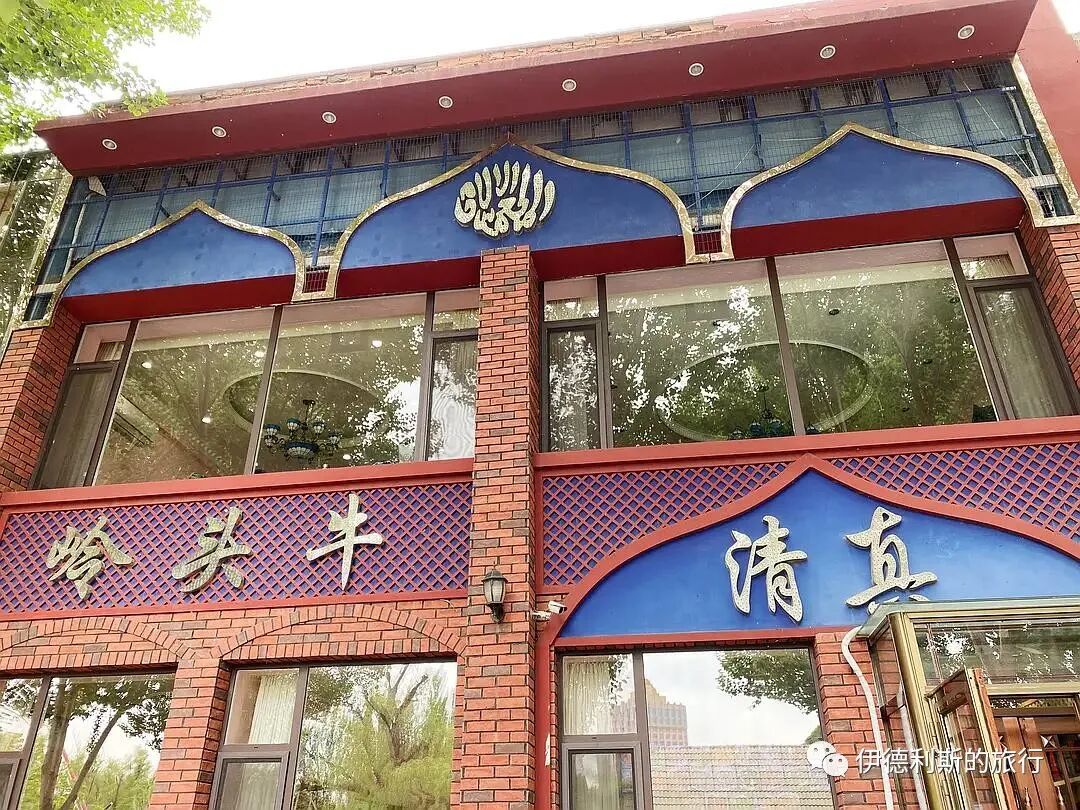
Kaiyuan People's Park is very lively at noon, with people doing yangge (folk dance), land boat performances, stilt walking, and ballroom dancing, and there was also a Hui Muslim uncle pushing a cart selling snacks and soy milk. When we went, the snacks were already sold out, so we bought some soy milk and drank it while watching the stilt walking.
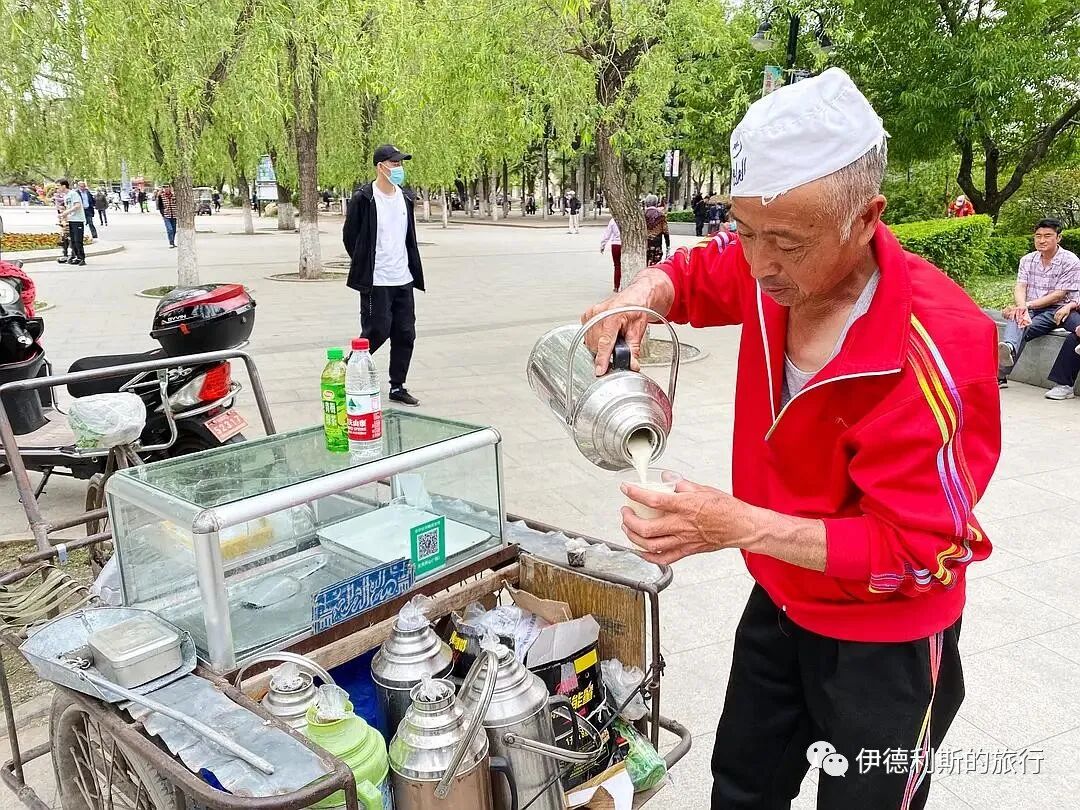
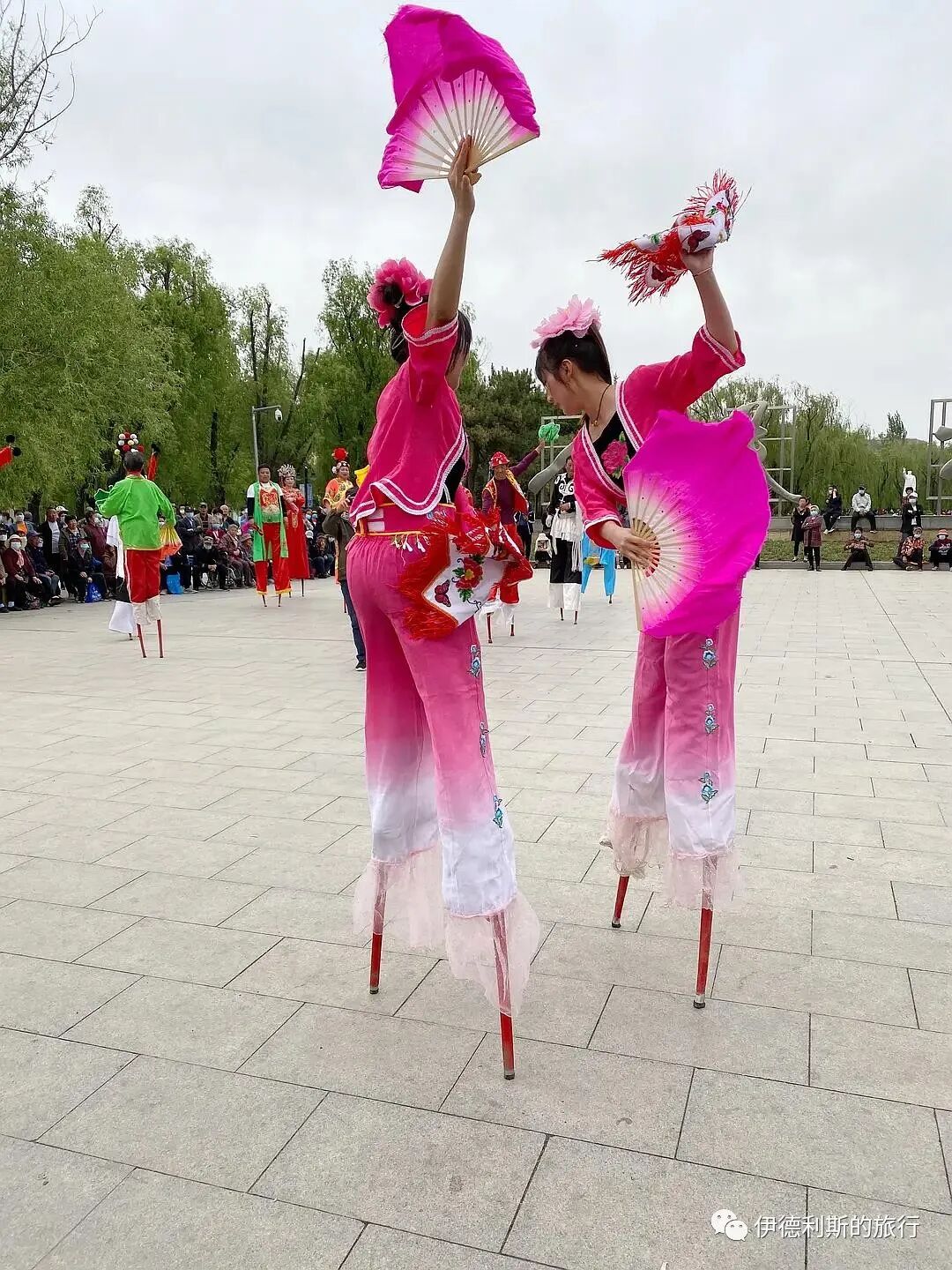
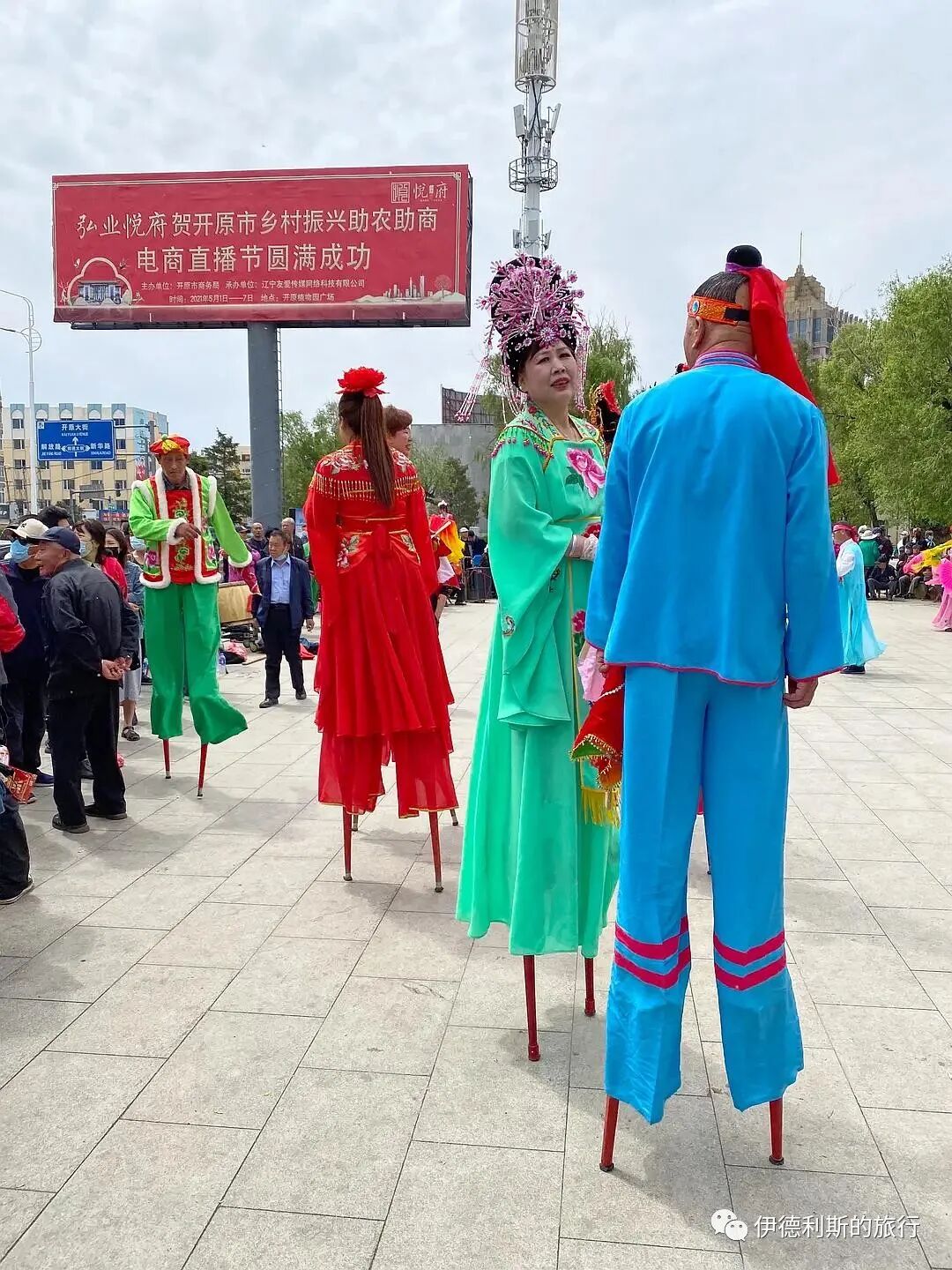
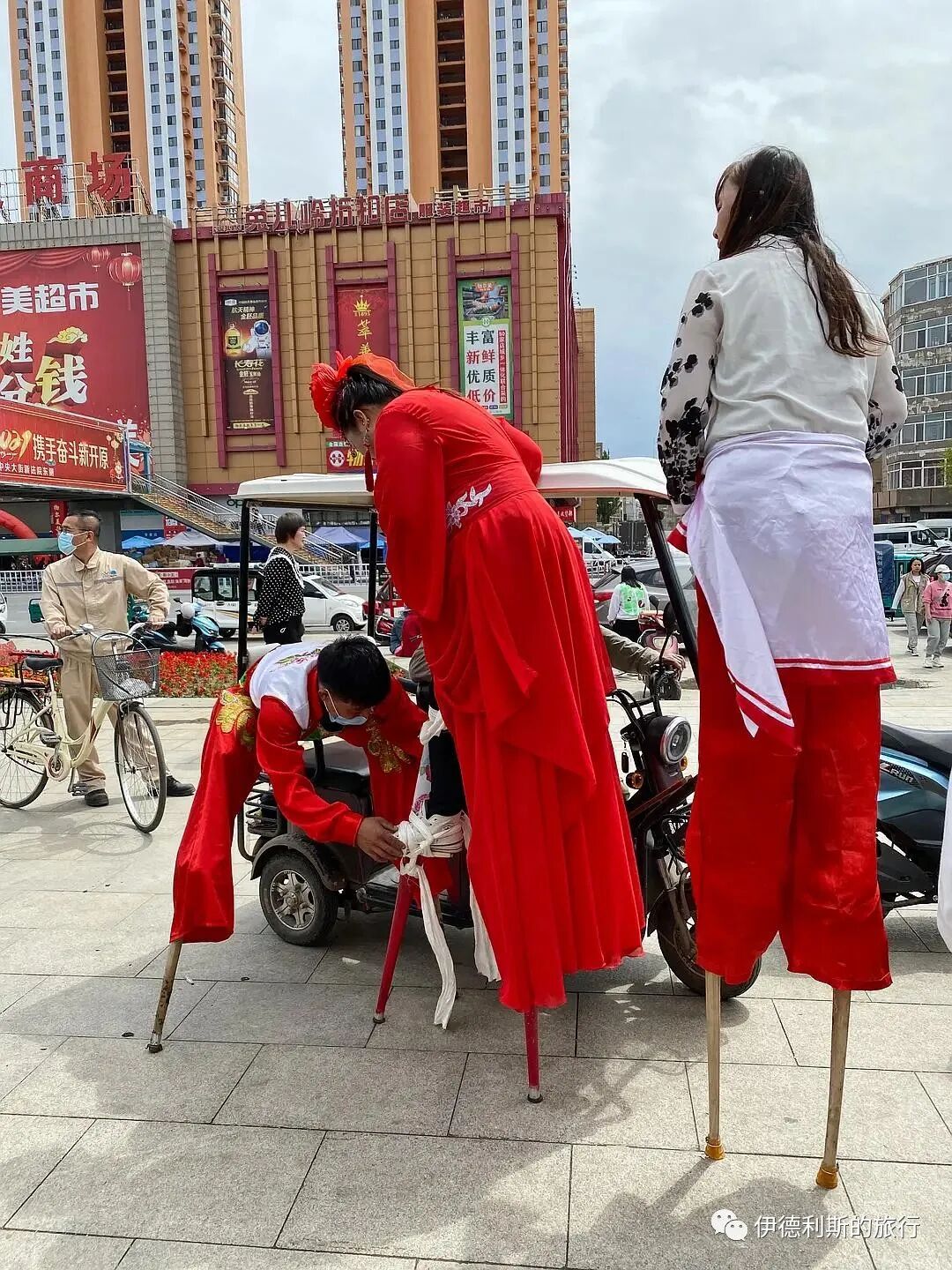
Suizhong Halal Travel Guide: Mosques and Muslim Snacks in Liaoning
Articles • ali2007fr posted the article • 0 comments • 199 views • 2026-05-17 05:52
Summary: This travel note introduces Suizhong Halal Travel Guide: Mosques and Muslim Snacks in Liaoning. Suizhong is located right next to Shanhai Pass and is the southwesternmost county in Liaoning Province. It is useful for readers interested in Suizhong Mosques, Halal Snacks, Liaoning Travel.
Suizhong is located right next to Shanhai Pass and is the southwesternmost county in Liaoning Province. Starting in the 18th century, more than ten Hui Muslim families, including the Zhang, Ding, Li, and Jin families, moved to Suizhong from Hebei Province. In 1737 (the second year of the Qianlong reign), the first mosque was built in the southeast of Suizhong city below the Kuixing Tower, and in 1797 (the third year of the Jiaqing reign), it was moved to its current location inside the West Gate.
The Suizhong Mosque was renovated between 1924 and 1927, suffered severe damage in the 1960s, and was restored between 1981 and 1984.
The main gate of the mosque; people at the entrance are preparing for a janazah (funeral prayer).
Turning left after entering the gate is the shuifang (ablution room).
Calligraphy in the ablution room.
Opposite the main gate is the second gate.
The vase-shaped ornament on the juanpeng (curved roof structure).
Inside the second gate is the main prayer hall.
The baoxia (front porch) in front of the main prayer hall is the most distinctive part of the entire mosque, and it is the most colorfully decorated mosque porch I have ever seen.
The front is inscribed with "Qingzhensi" (Mosque), and the two sides are inscribed with "Zhengxin" (rectify the heart) and "Chengyi" (sincerity of intent).
A plaque reading "Recognizing the Oneness of Allah."
Details of the patterns.
Behind the porch is the main prayer hall, and the brick carvings on the hall are also very delicate.
The large character "Jiao" (religion) at the bottom is new work, while the brick carvings above should be original old work.
You can take a close look at the content of the brick carvings, which include scrolls, painting tubes, incense vases, and even chessboards and various fruits.
Traditional Hui Muslim paintings on the doors of the main prayer hall.
The interior of the main prayer hall was likely rearranged after the 1980s, and both the mihrab (niche indicating the direction of prayer) and the minbar (pulpit) are very simple.
Above the yaodian (rear hall) at the back of the main prayer hall is the wangyuelou (moon-sighting tower).
A brand-new Halal food street is being built next to the mosque, and the old houses around the mosque are about to be demolished; judging by the wood carvings, some of these houses should be historical buildings.
There are many Halal restaurants around the South Gate of Suizhong; I had meat-braised tofu with sorghum rice for breakfast, and it was super delicious.
Tangniangao (sticky rice cake with sugar) and su shaobing (flaky baked flatbread) on the street.
Suizhong-style lengmian (cold noodles), which are perfect for eating in the summer.
Finally, sharing some street scenes. view all
Summary: This travel note introduces Suizhong Halal Travel Guide: Mosques and Muslim Snacks in Liaoning. Suizhong is located right next to Shanhai Pass and is the southwesternmost county in Liaoning Province. It is useful for readers interested in Suizhong Mosques, Halal Snacks, Liaoning Travel.
Suizhong is located right next to Shanhai Pass and is the southwesternmost county in Liaoning Province. Starting in the 18th century, more than ten Hui Muslim families, including the Zhang, Ding, Li, and Jin families, moved to Suizhong from Hebei Province. In 1737 (the second year of the Qianlong reign), the first mosque was built in the southeast of Suizhong city below the Kuixing Tower, and in 1797 (the third year of the Jiaqing reign), it was moved to its current location inside the West Gate.
The Suizhong Mosque was renovated between 1924 and 1927, suffered severe damage in the 1960s, and was restored between 1981 and 1984.
The main gate of the mosque; people at the entrance are preparing for a janazah (funeral prayer).
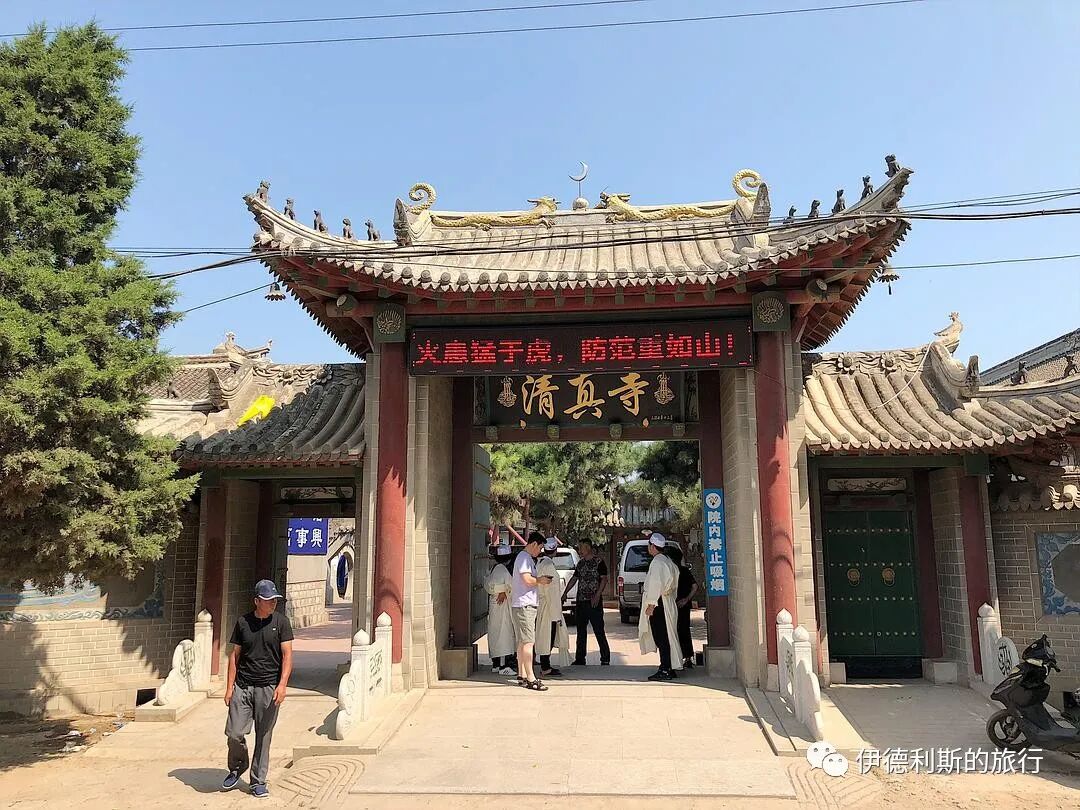
Turning left after entering the gate is the shuifang (ablution room).
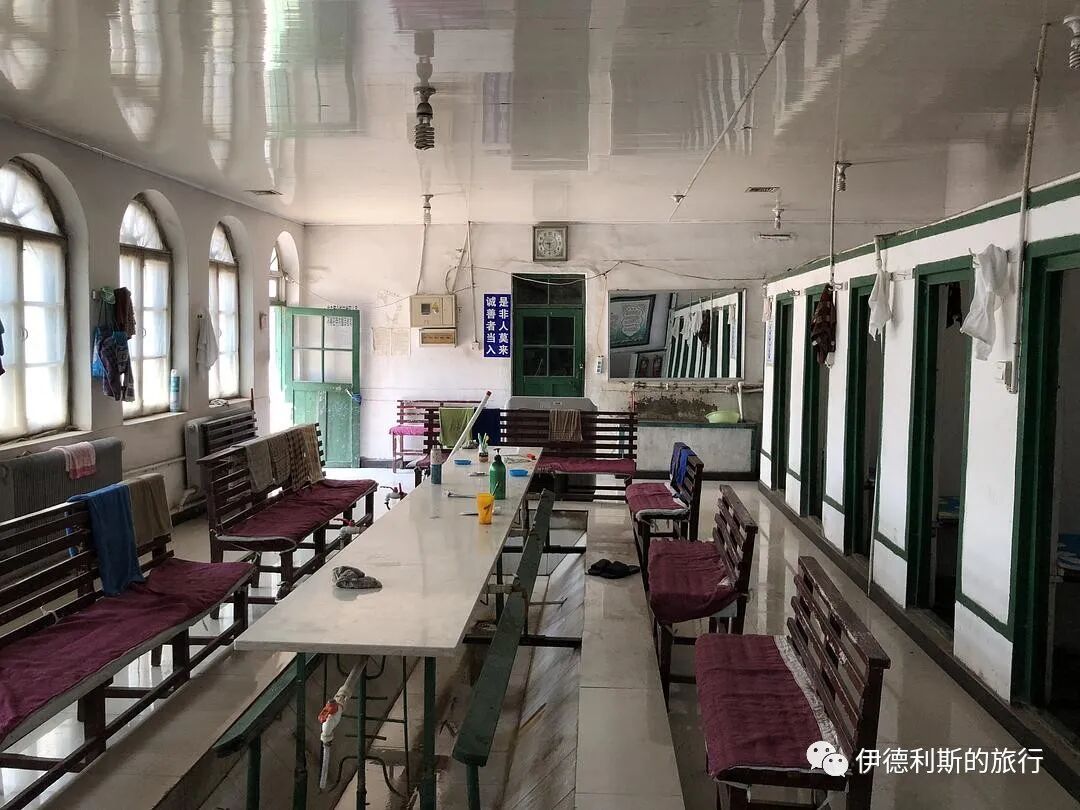
Calligraphy in the ablution room.
Opposite the main gate is the second gate.
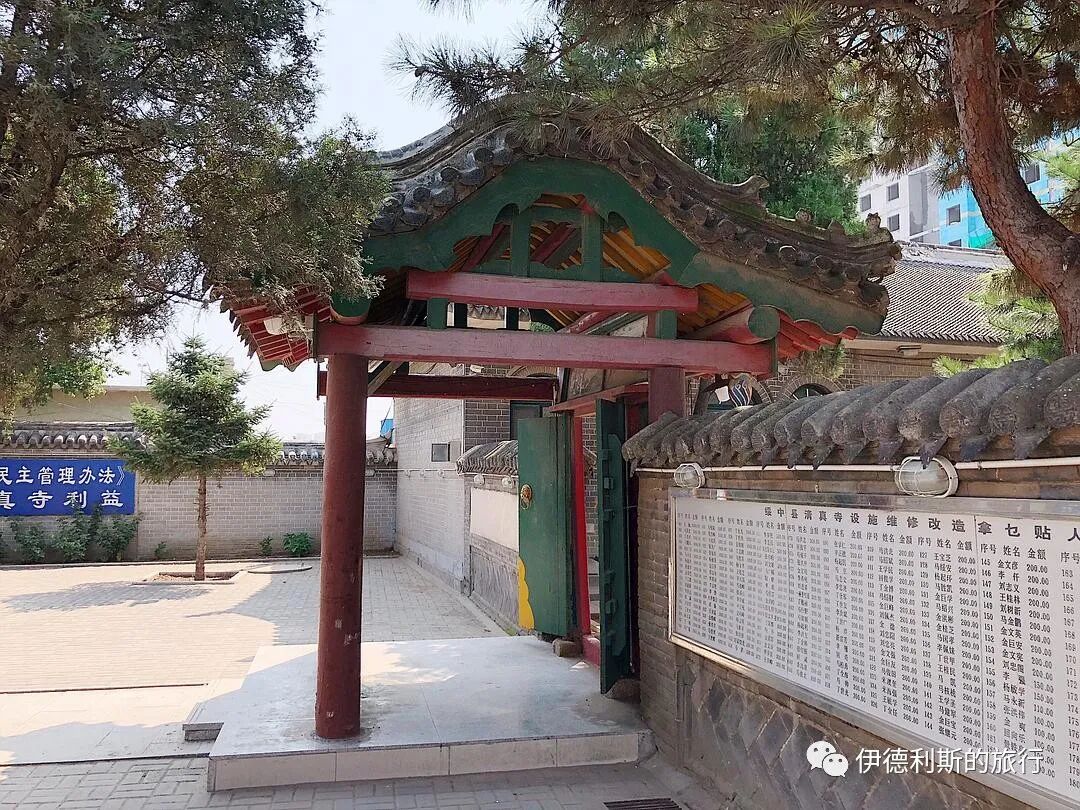
The vase-shaped ornament on the juanpeng (curved roof structure).
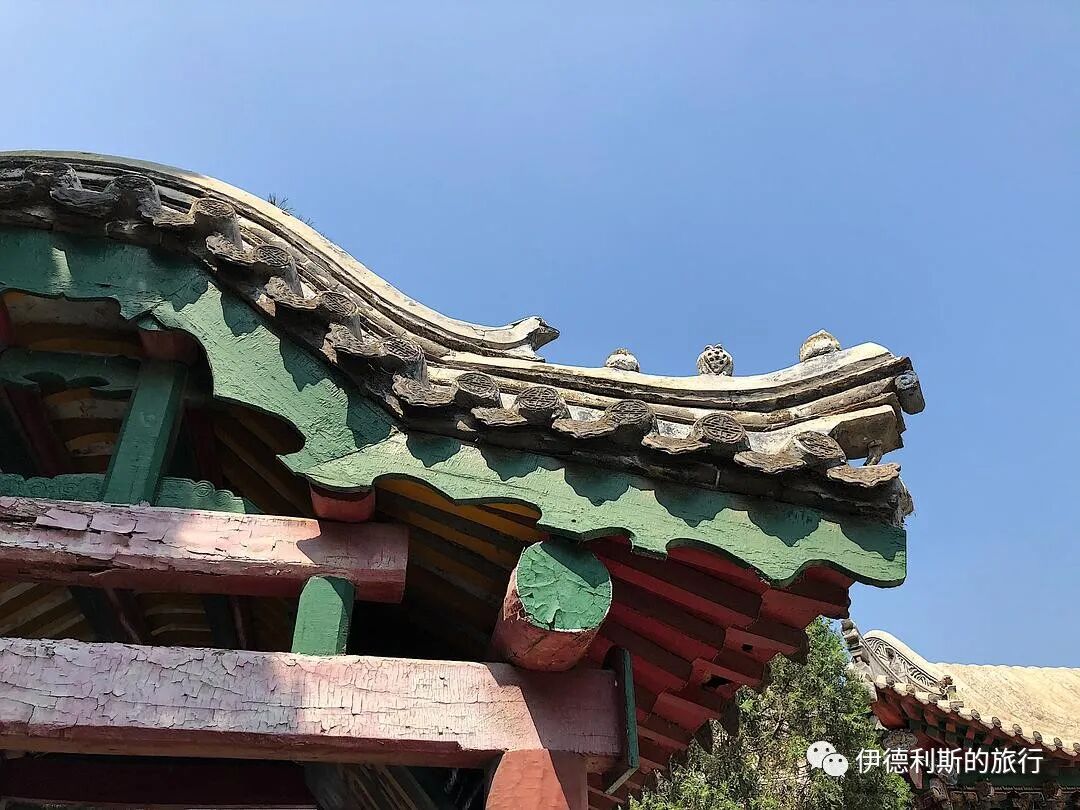
Inside the second gate is the main prayer hall.
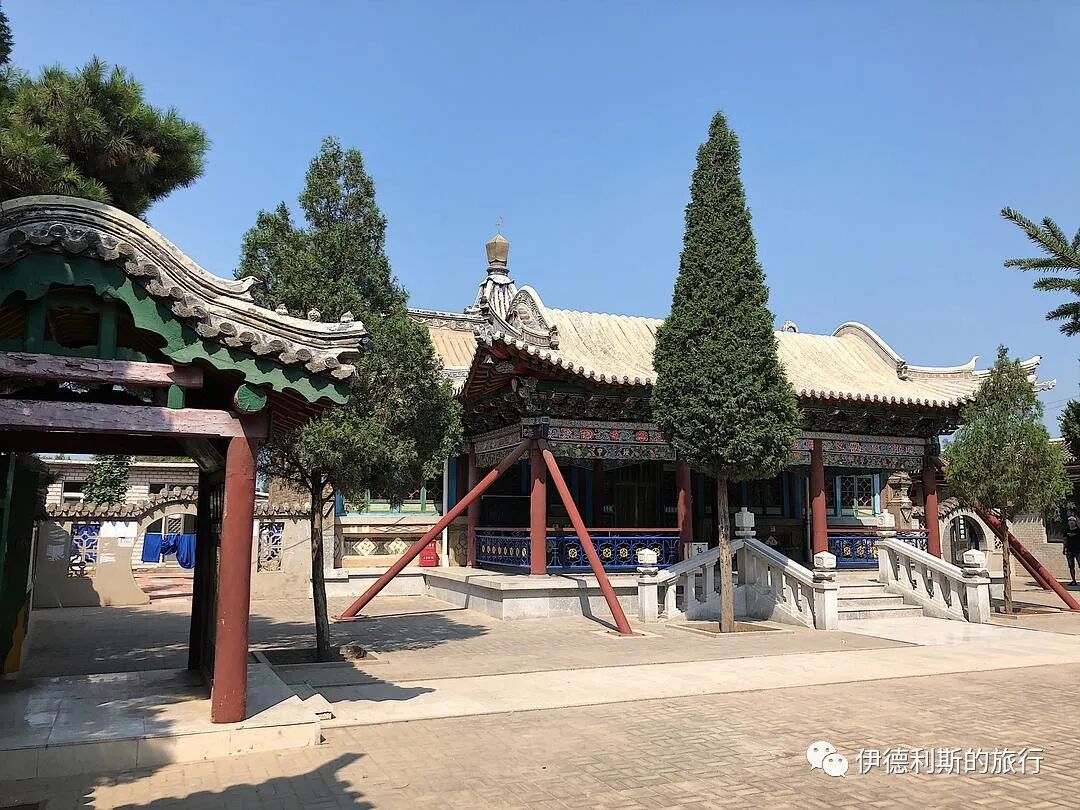
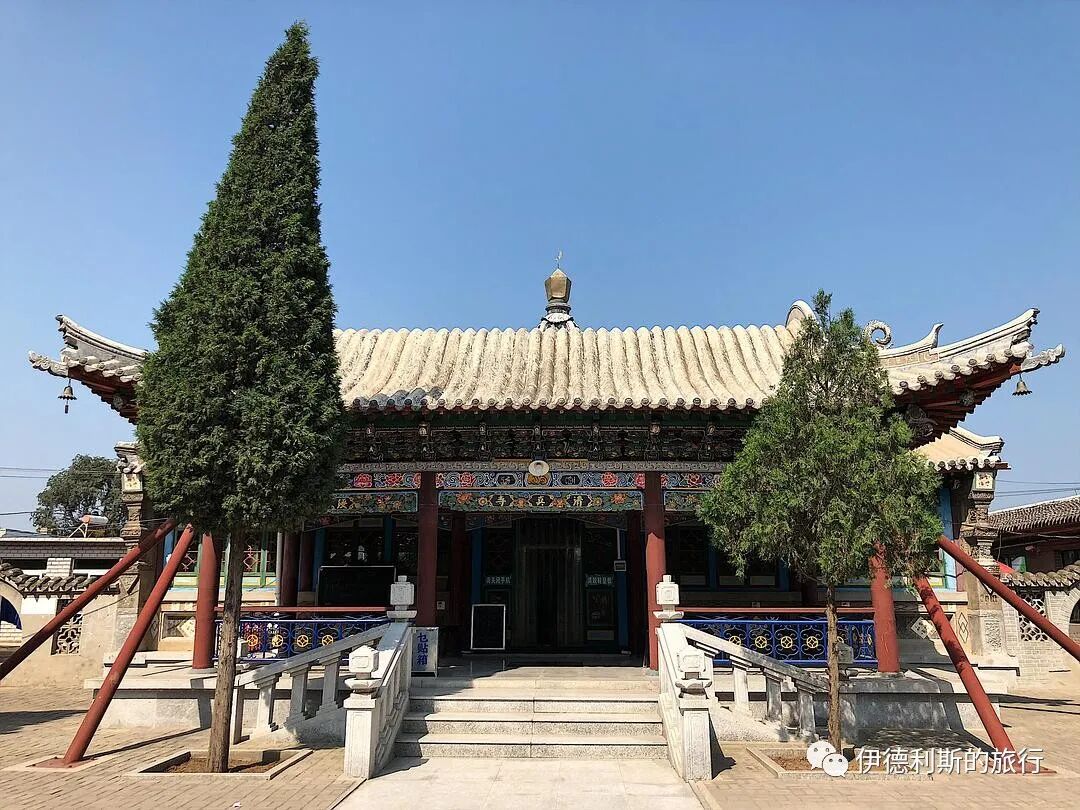
The baoxia (front porch) in front of the main prayer hall is the most distinctive part of the entire mosque, and it is the most colorfully decorated mosque porch I have ever seen.
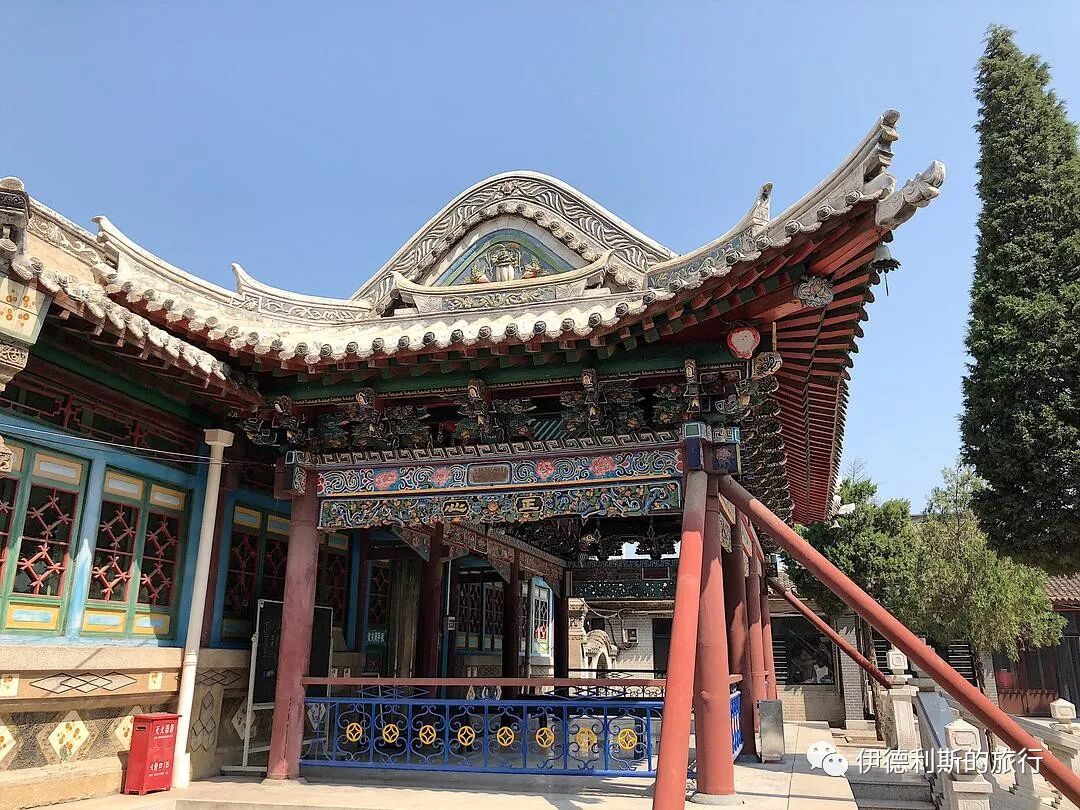
The front is inscribed with "Qingzhensi" (Mosque), and the two sides are inscribed with "Zhengxin" (rectify the heart) and "Chengyi" (sincerity of intent).
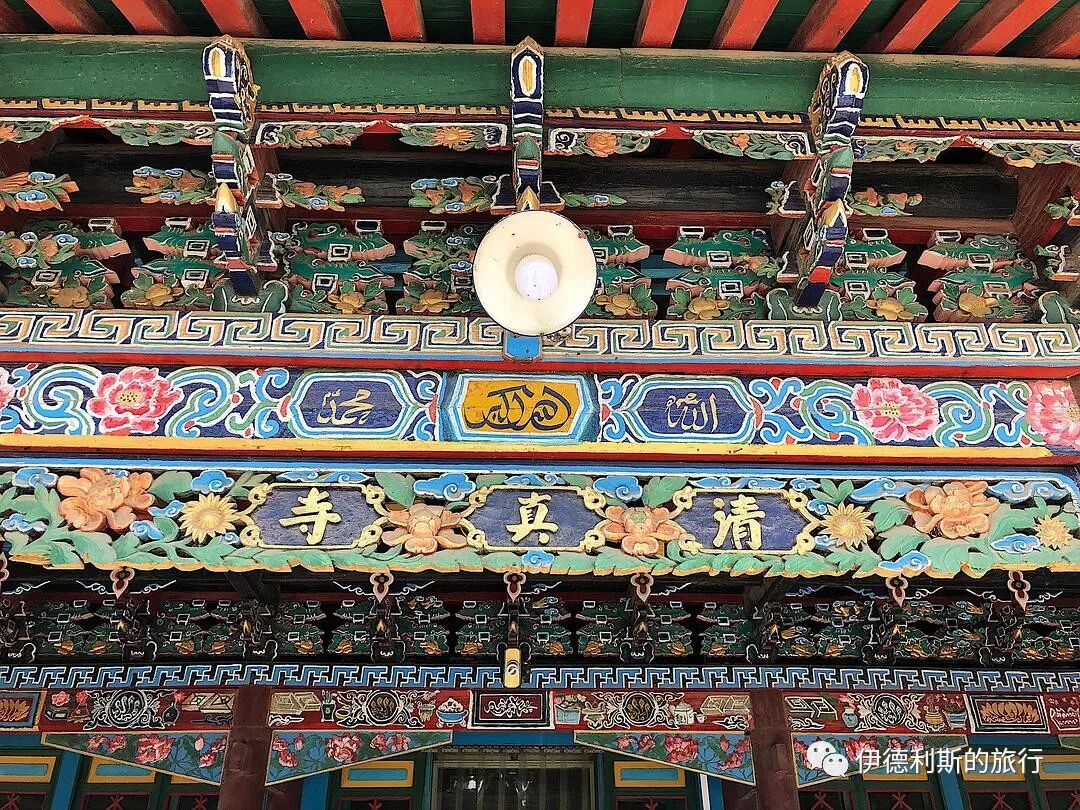
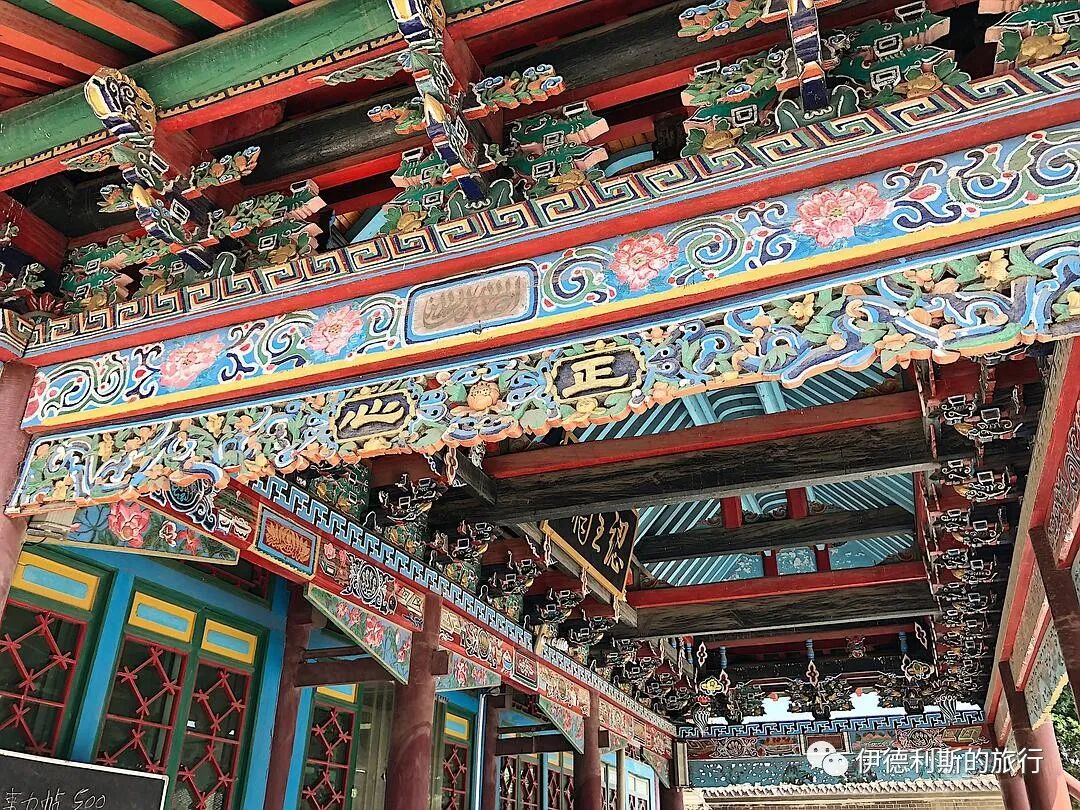
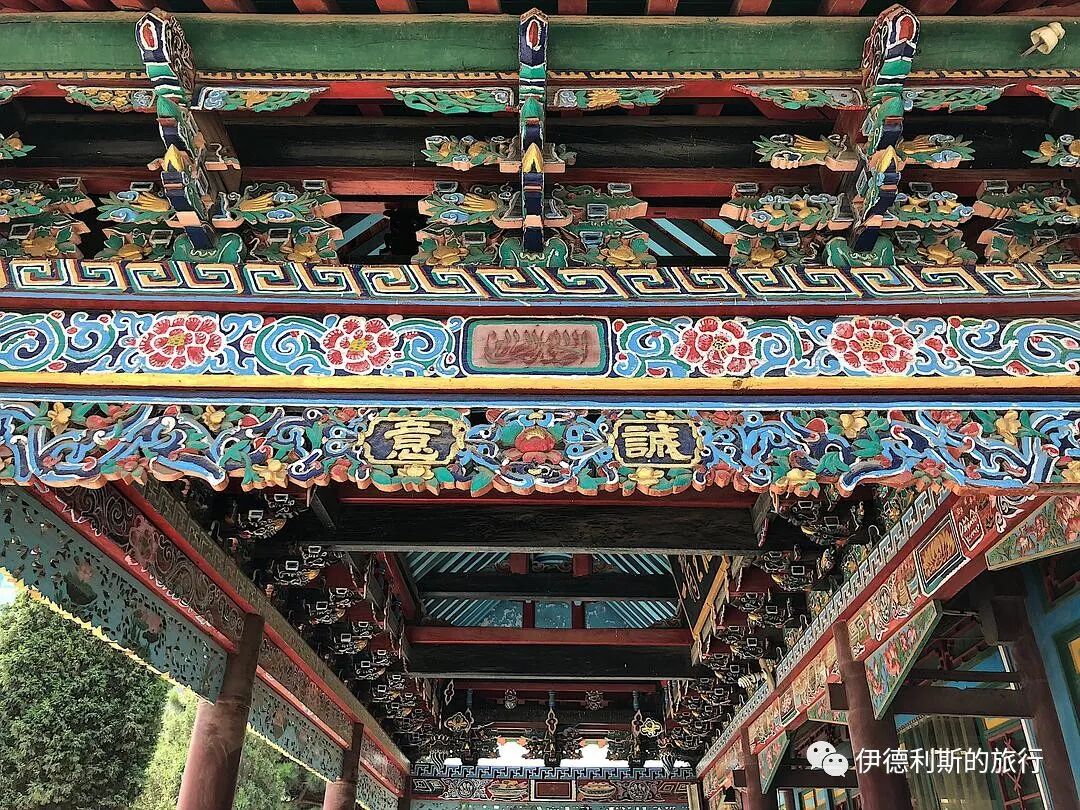
A plaque reading "Recognizing the Oneness of Allah."
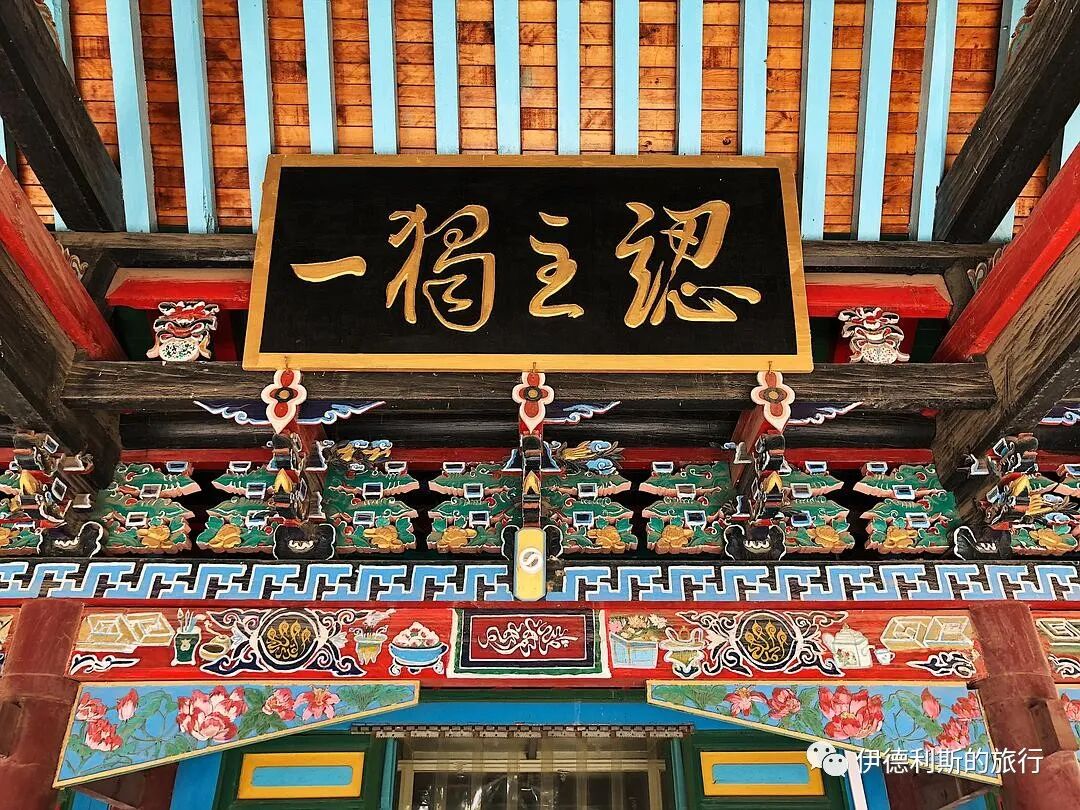
Details of the patterns.
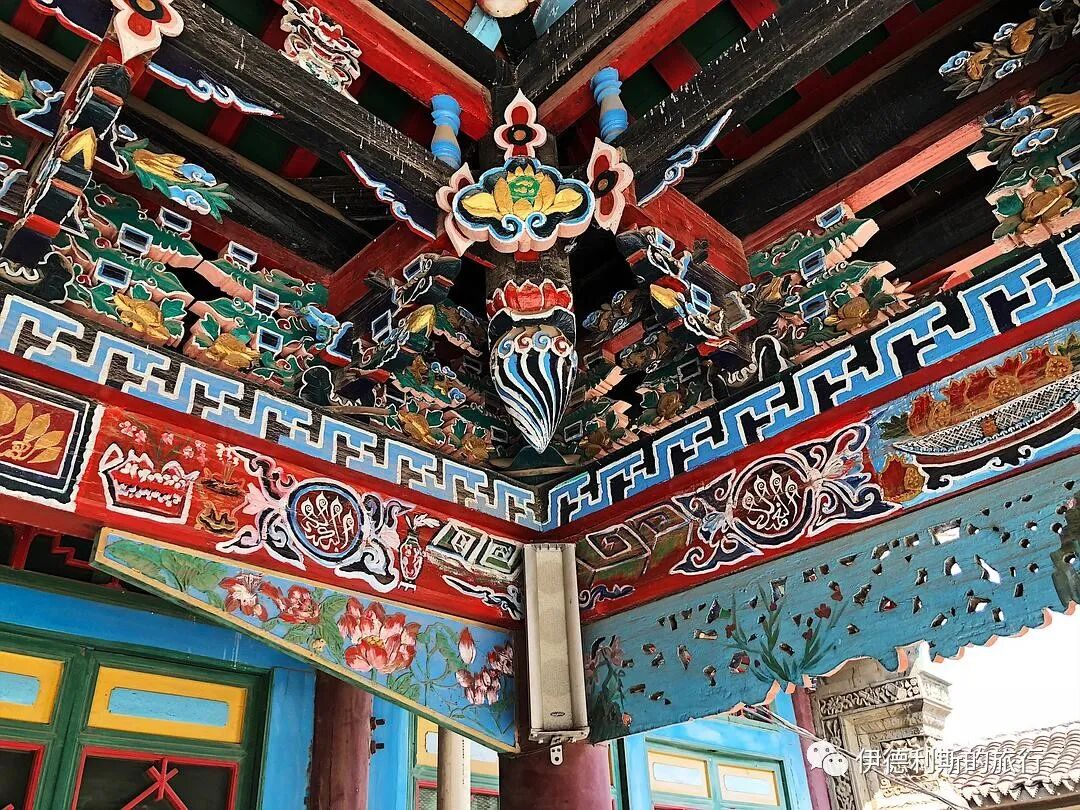
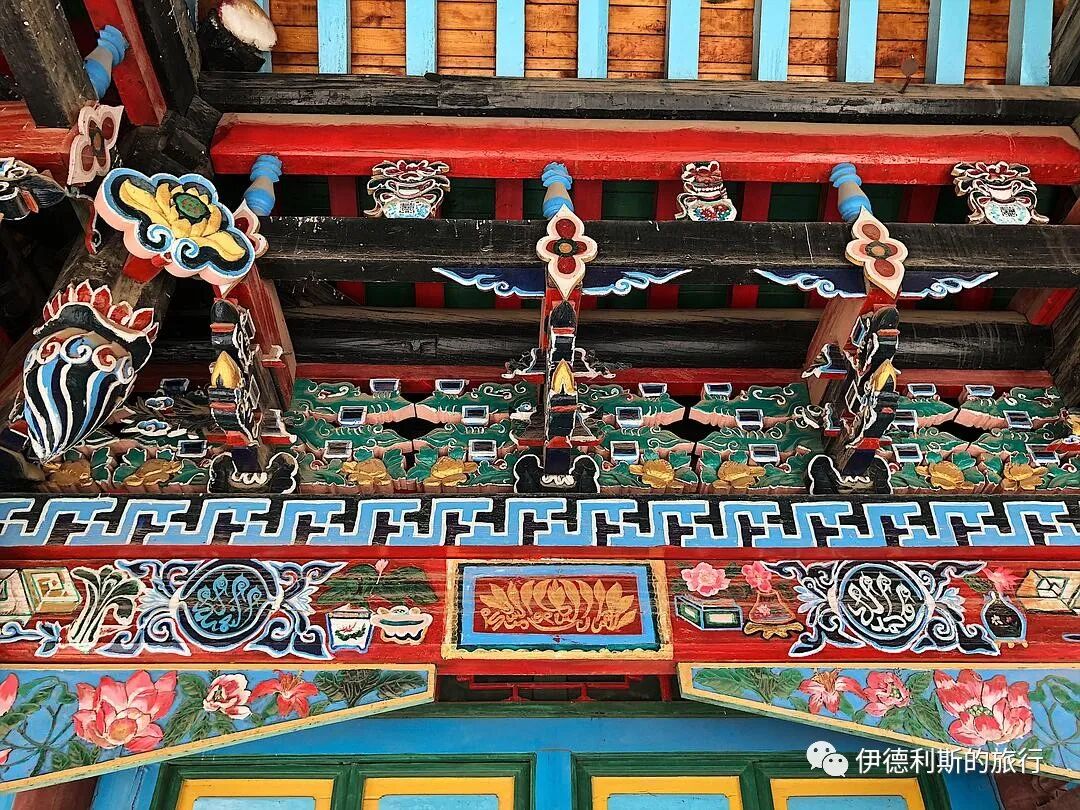
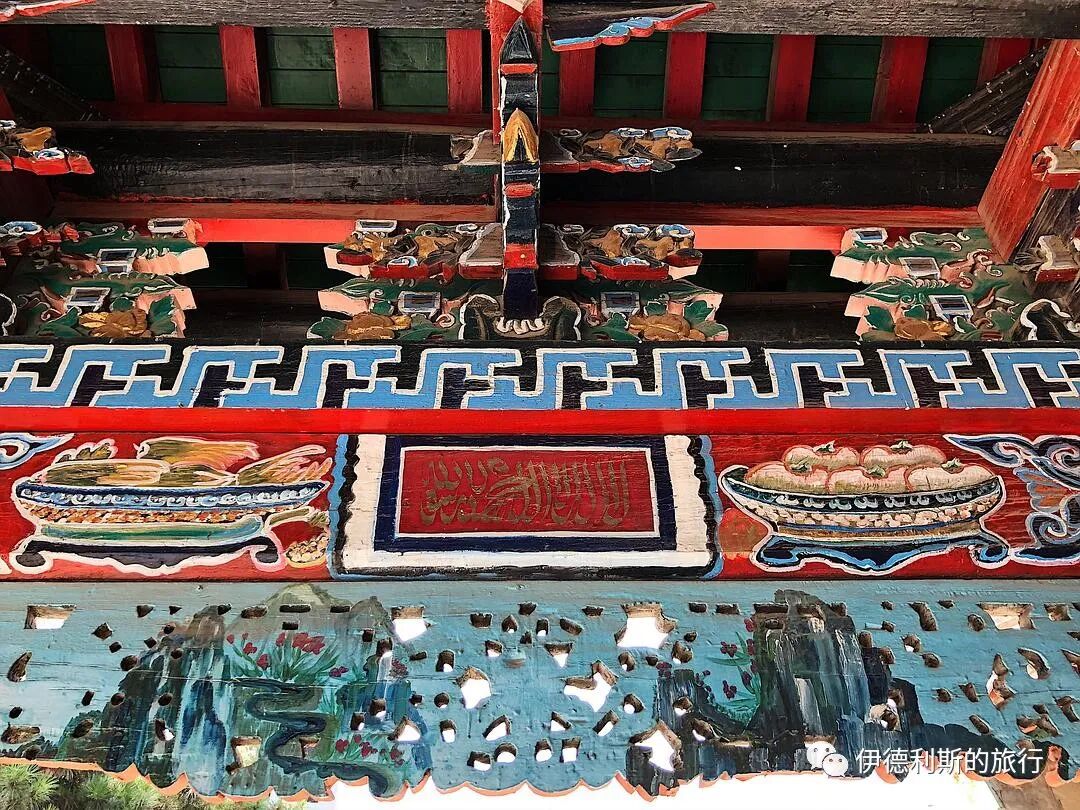
Behind the porch is the main prayer hall, and the brick carvings on the hall are also very delicate.
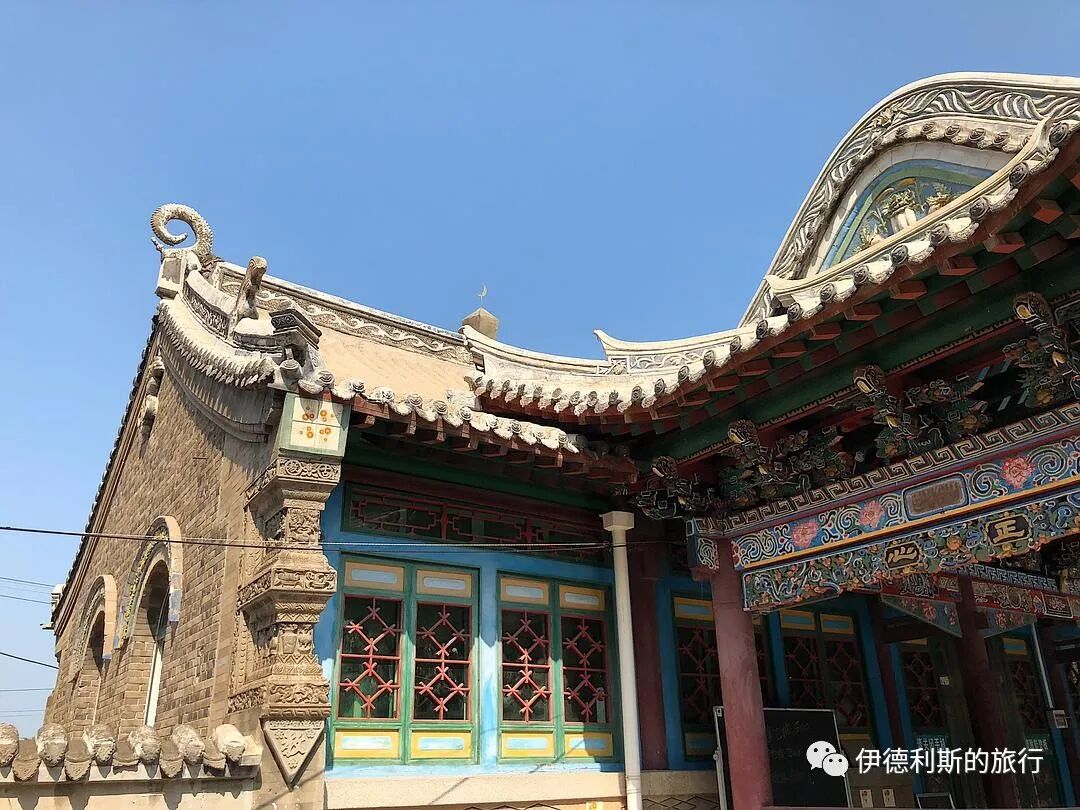
The large character "Jiao" (religion) at the bottom is new work, while the brick carvings above should be original old work.
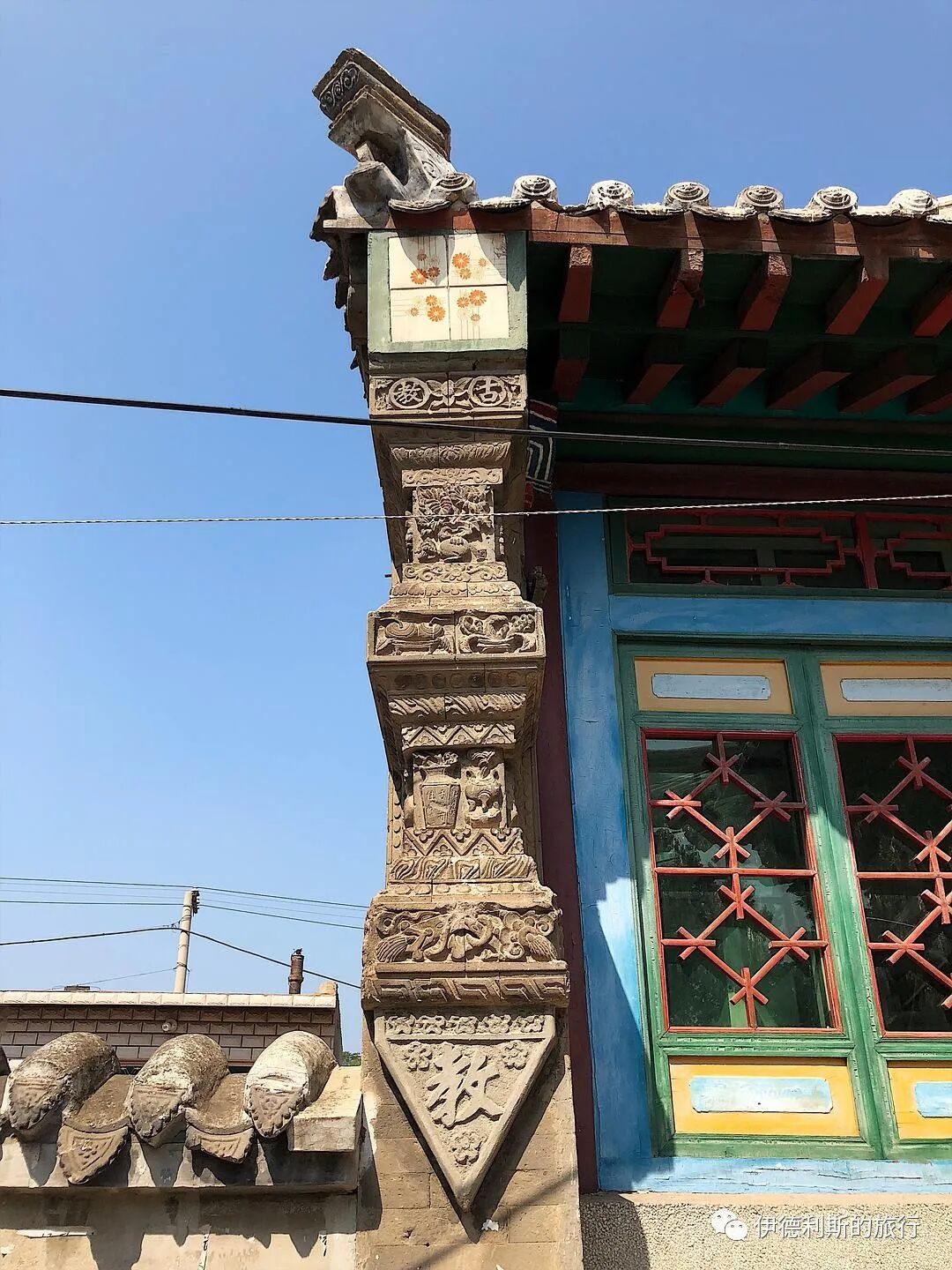
You can take a close look at the content of the brick carvings, which include scrolls, painting tubes, incense vases, and even chessboards and various fruits.
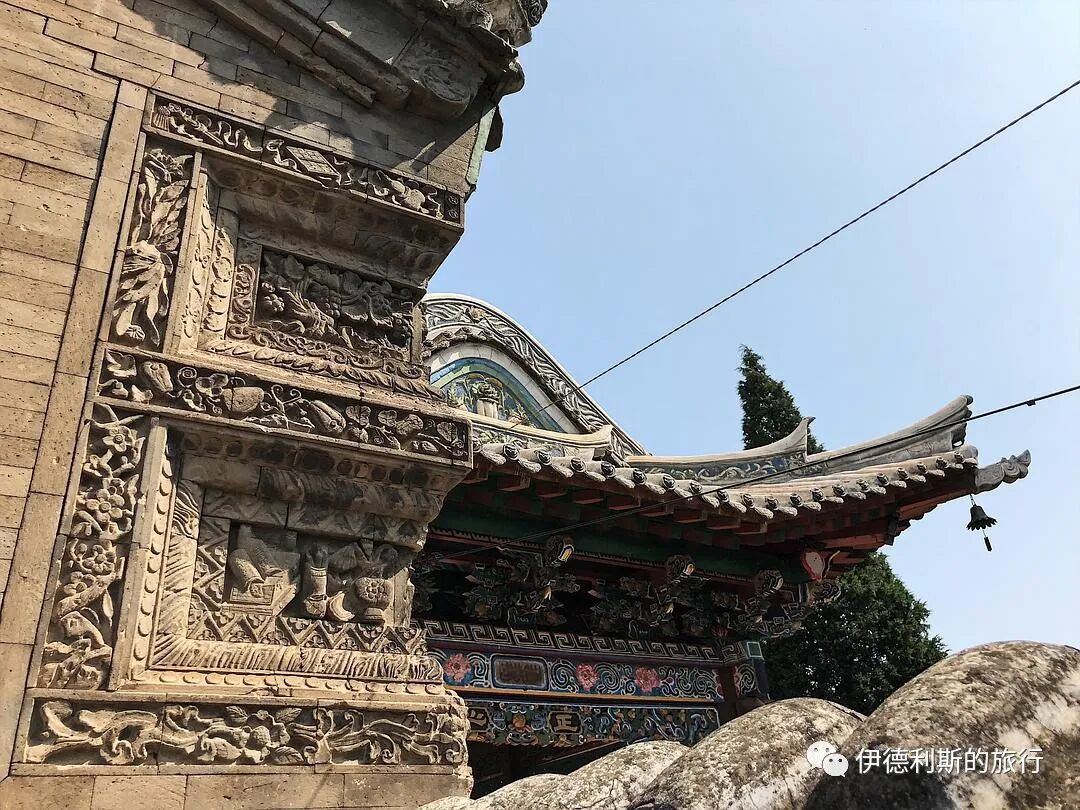
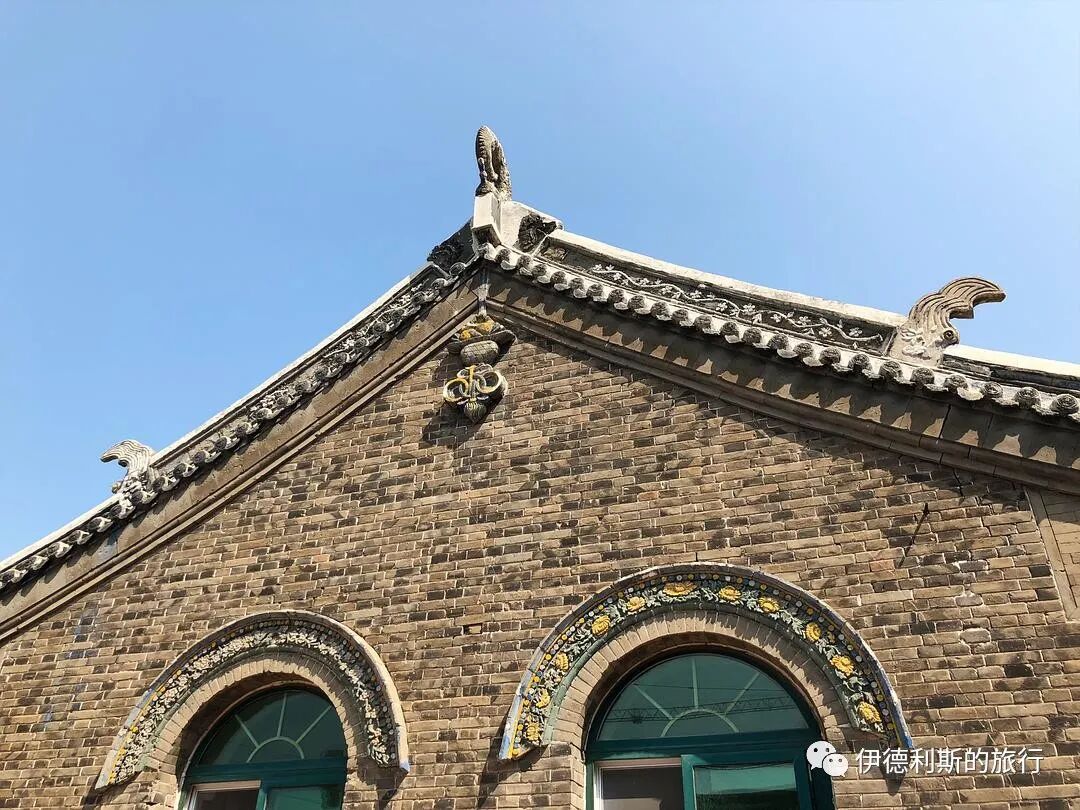
Traditional Hui Muslim paintings on the doors of the main prayer hall.
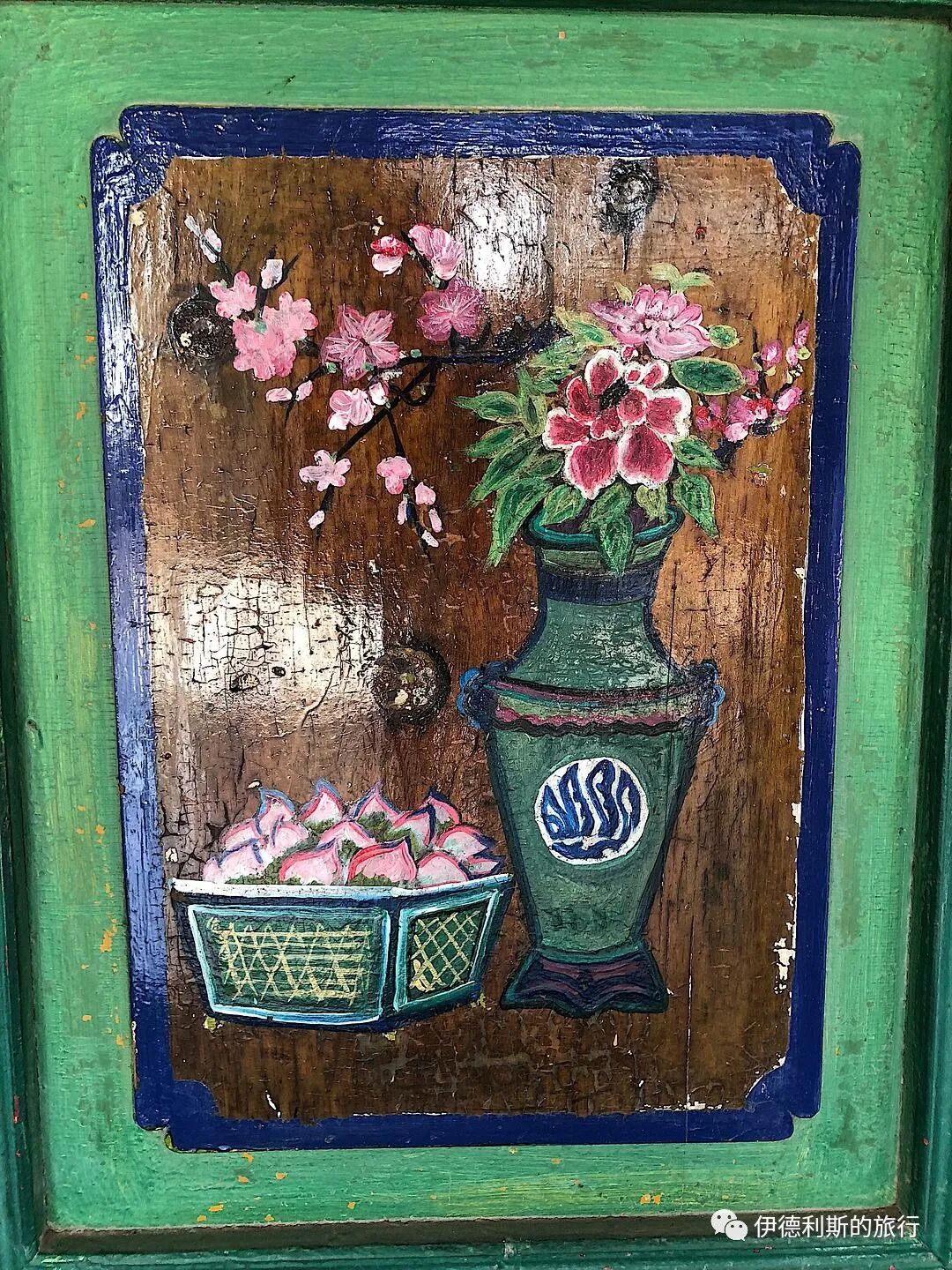
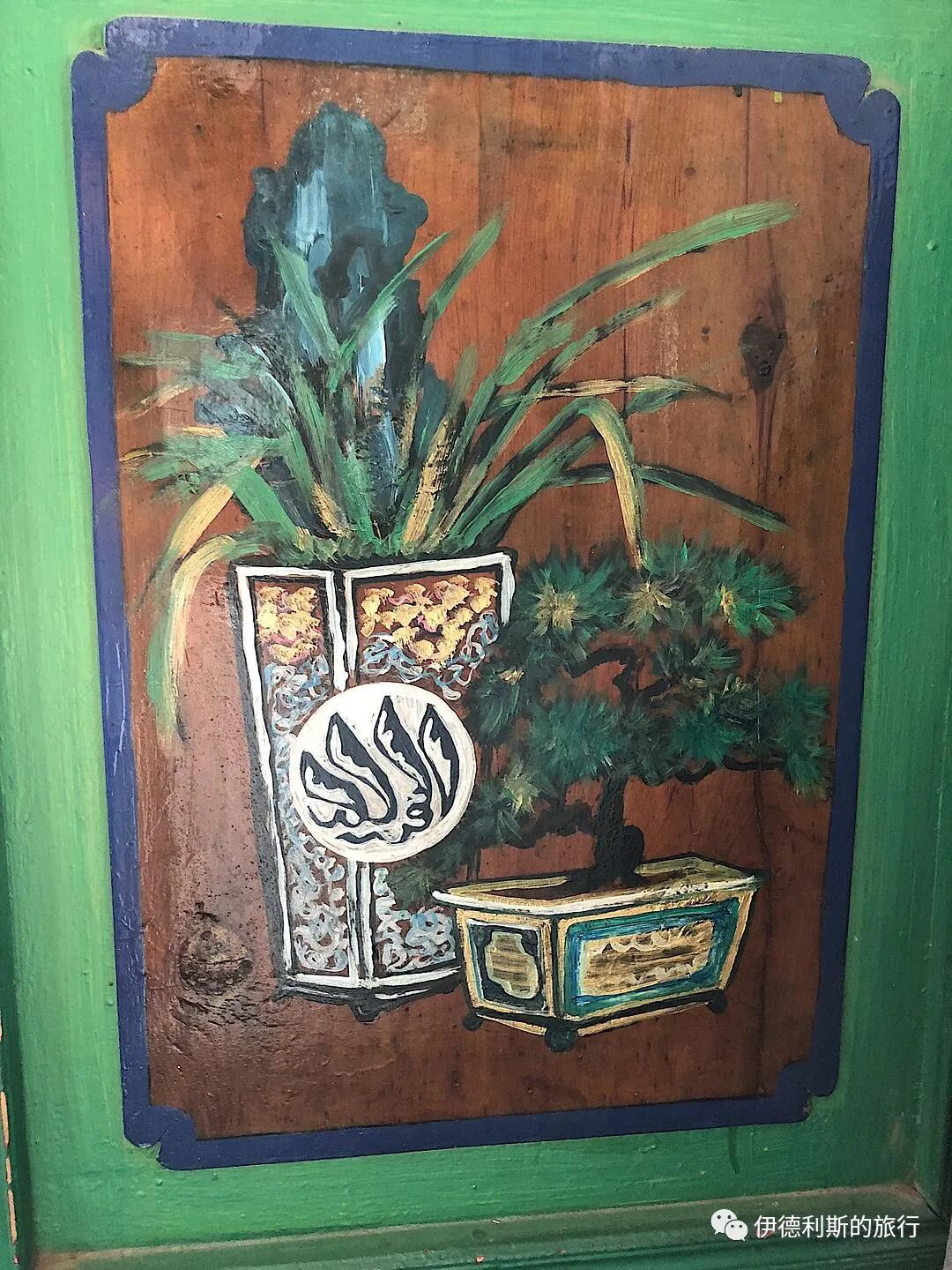
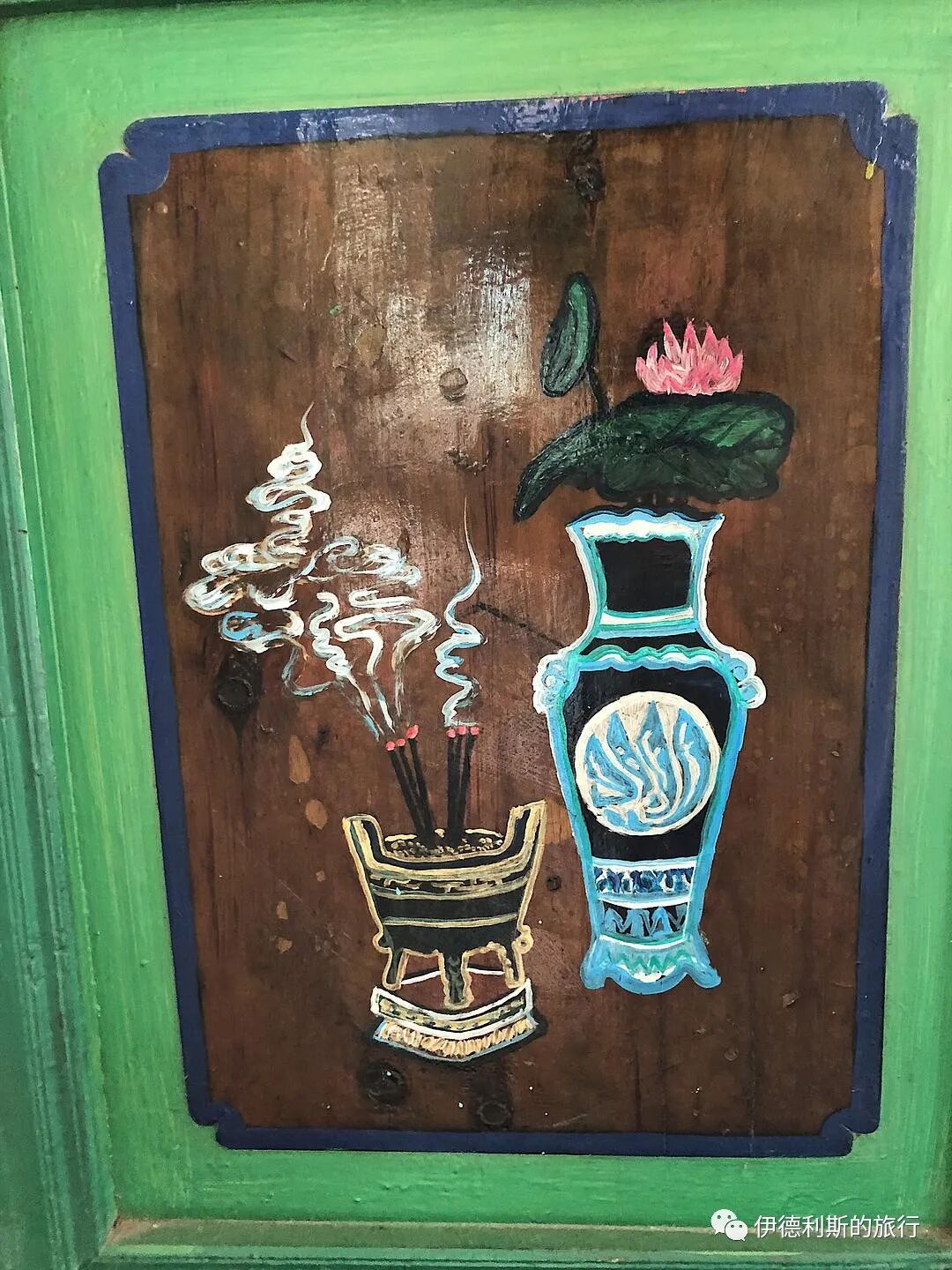
The interior of the main prayer hall was likely rearranged after the 1980s, and both the mihrab (niche indicating the direction of prayer) and the minbar (pulpit) are very simple.
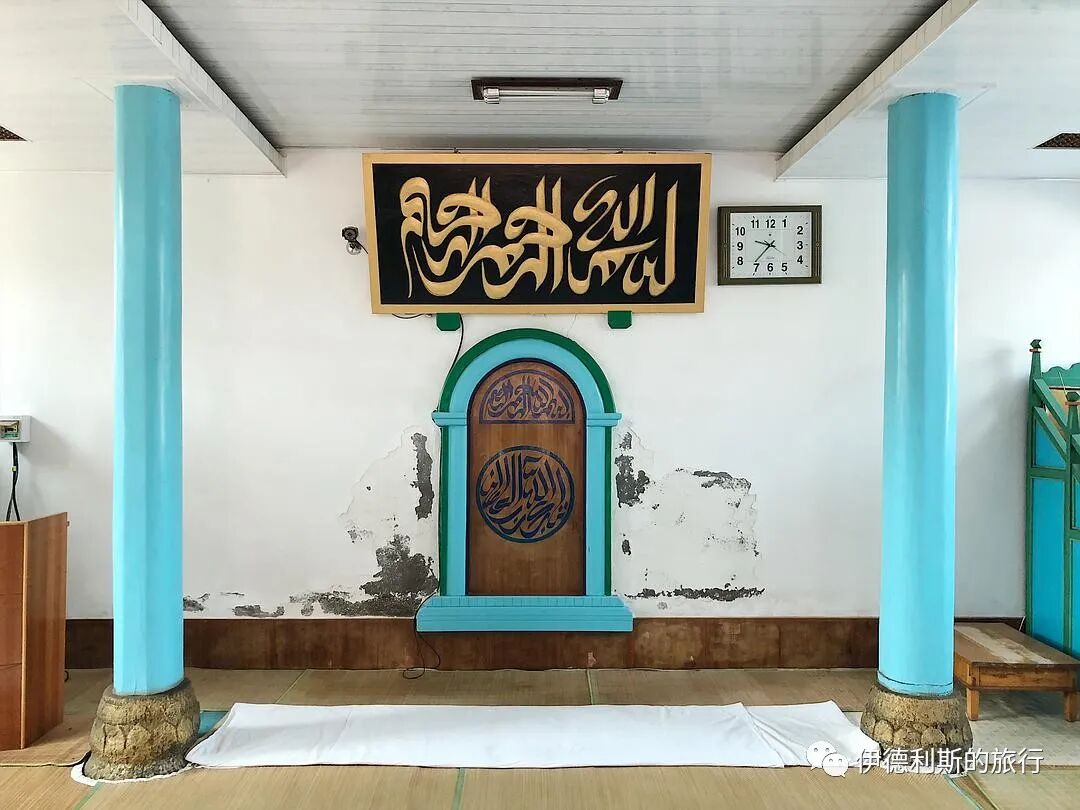
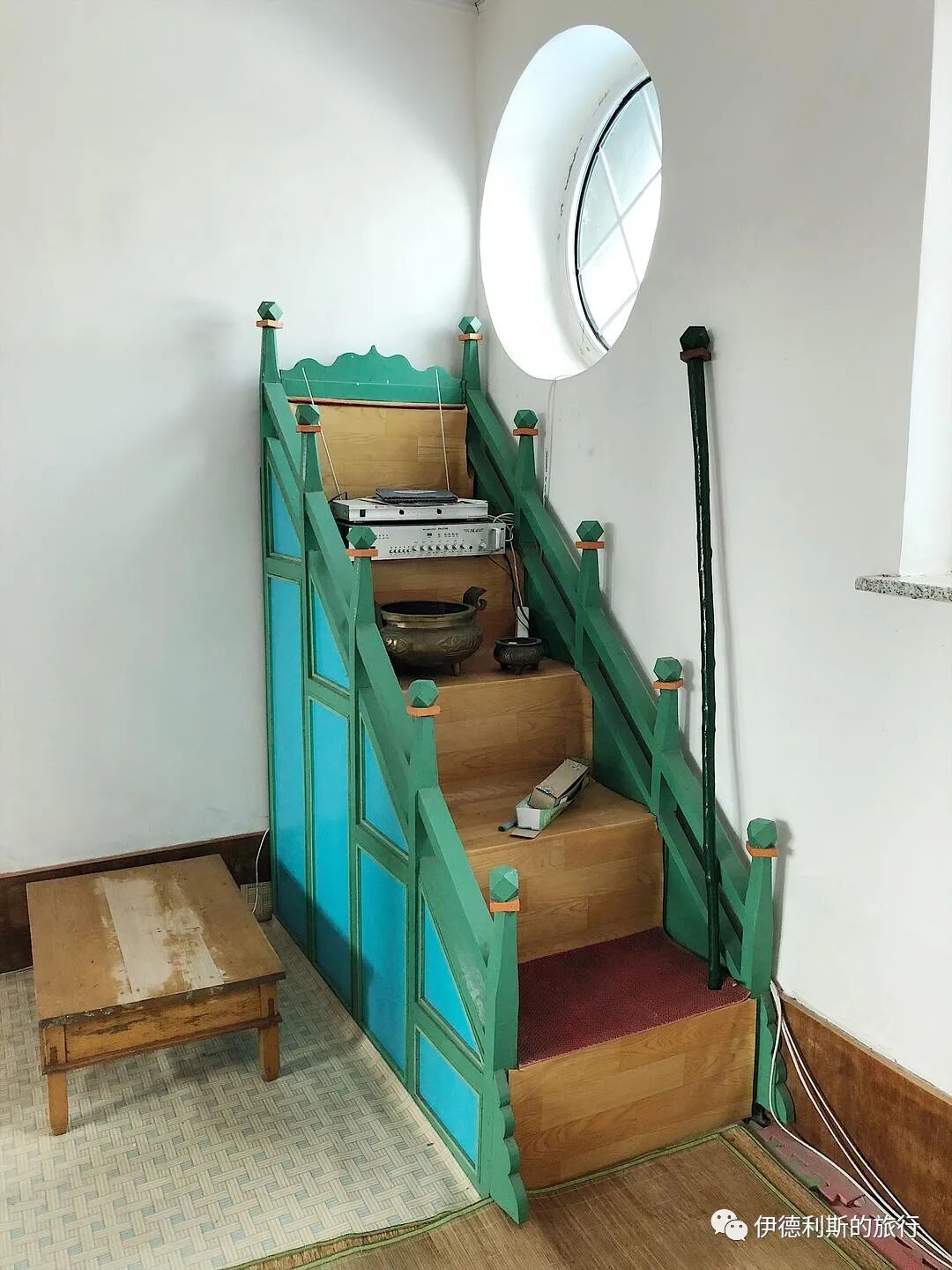
Above the yaodian (rear hall) at the back of the main prayer hall is the wangyuelou (moon-sighting tower).
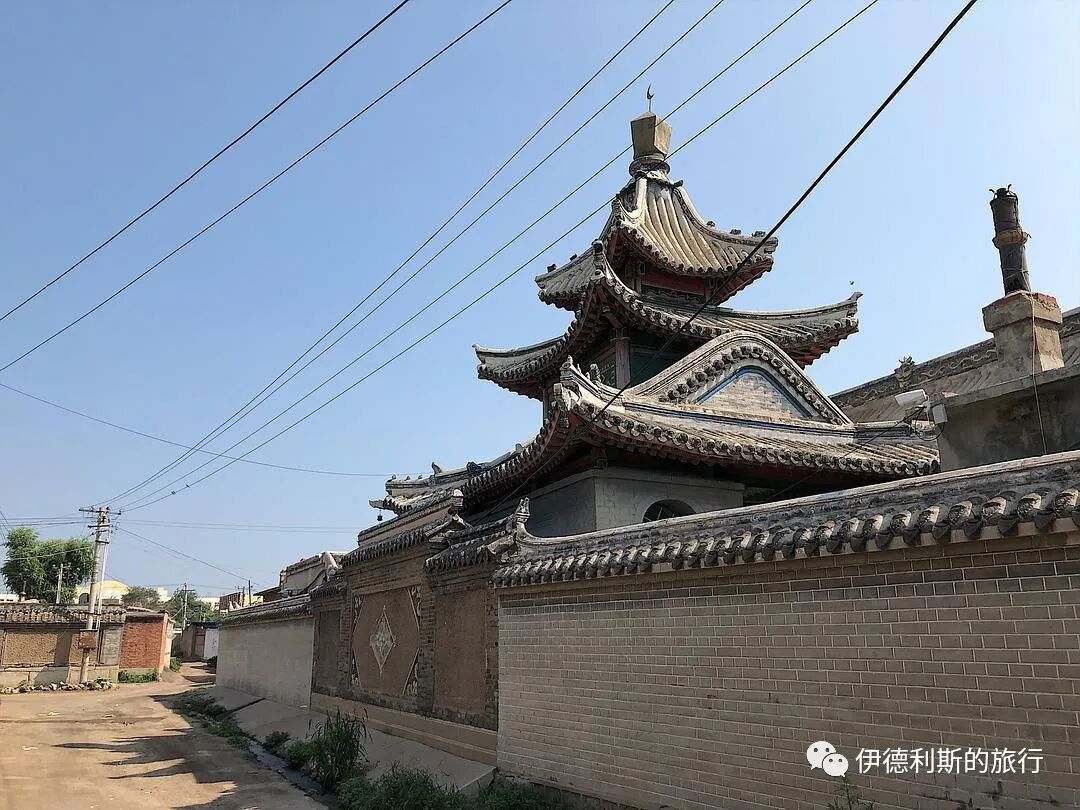
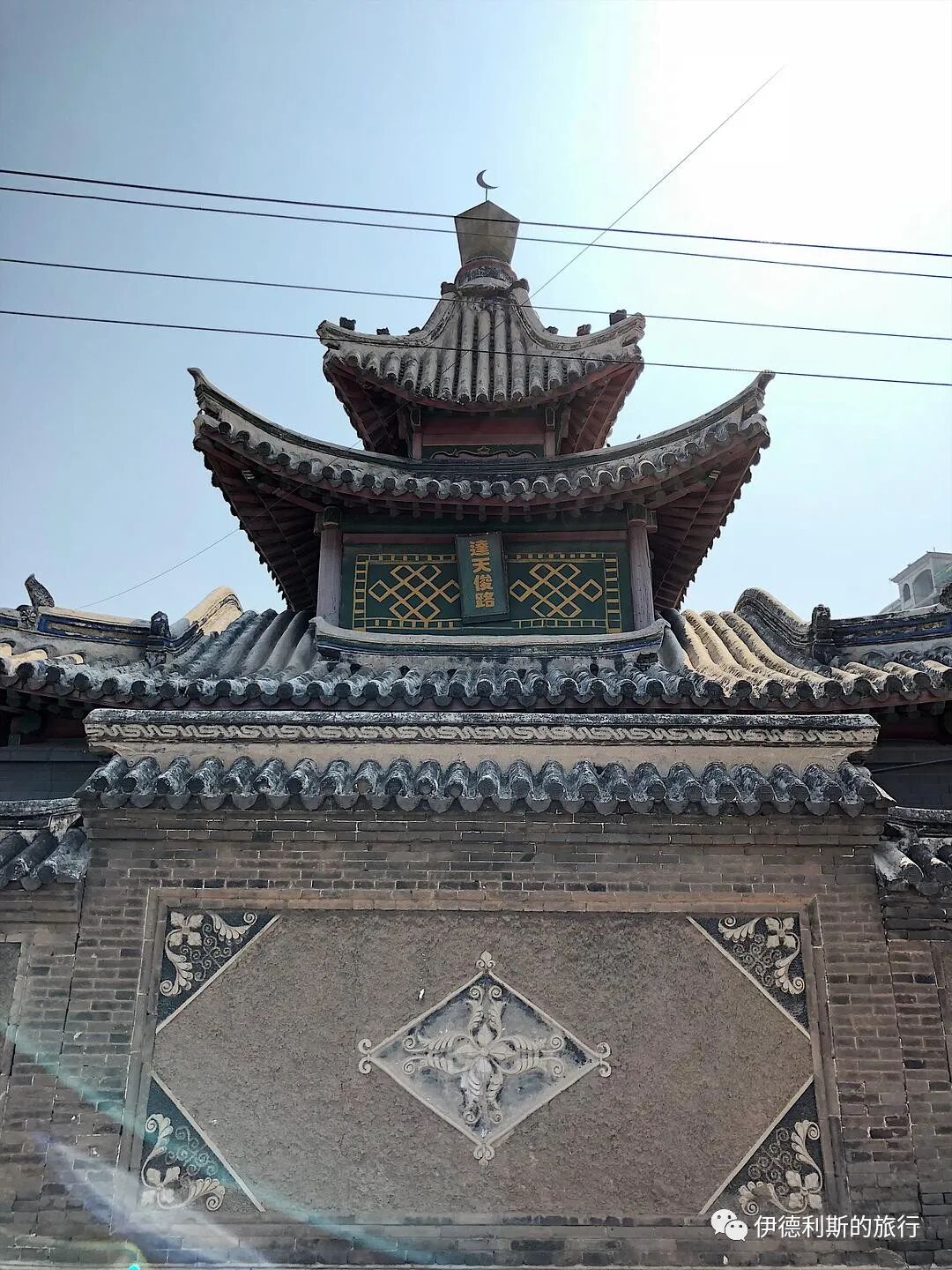
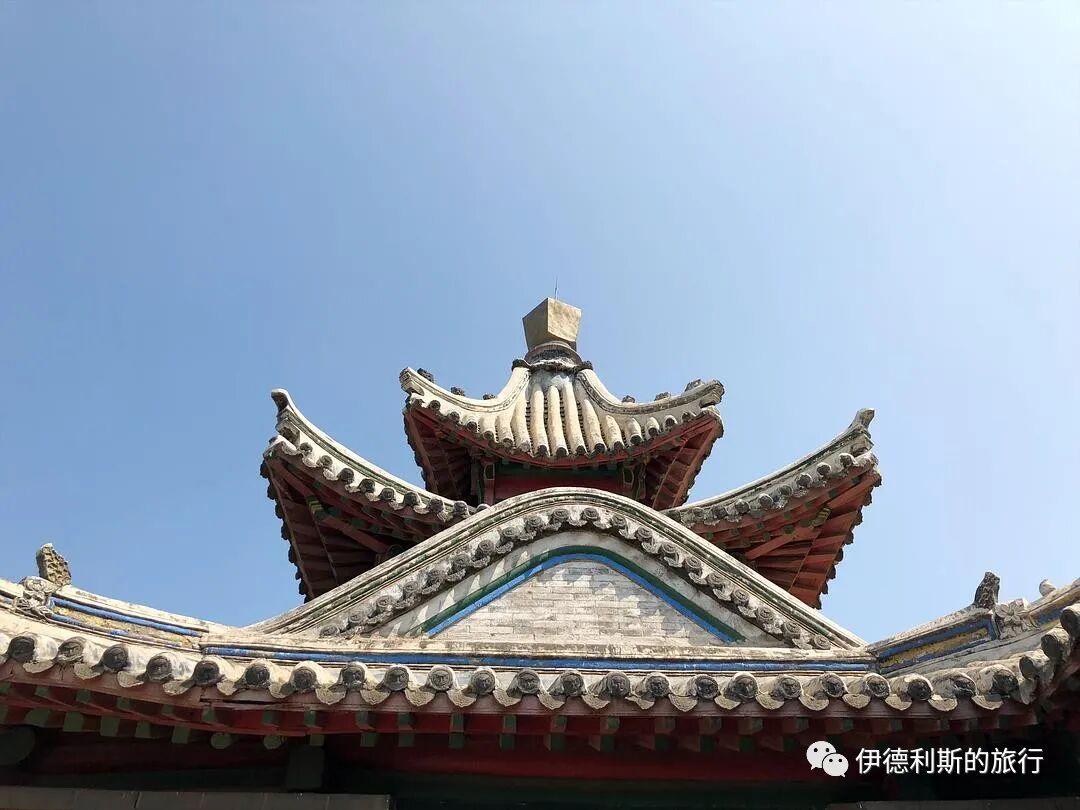
A brand-new Halal food street is being built next to the mosque, and the old houses around the mosque are about to be demolished; judging by the wood carvings, some of these houses should be historical buildings.
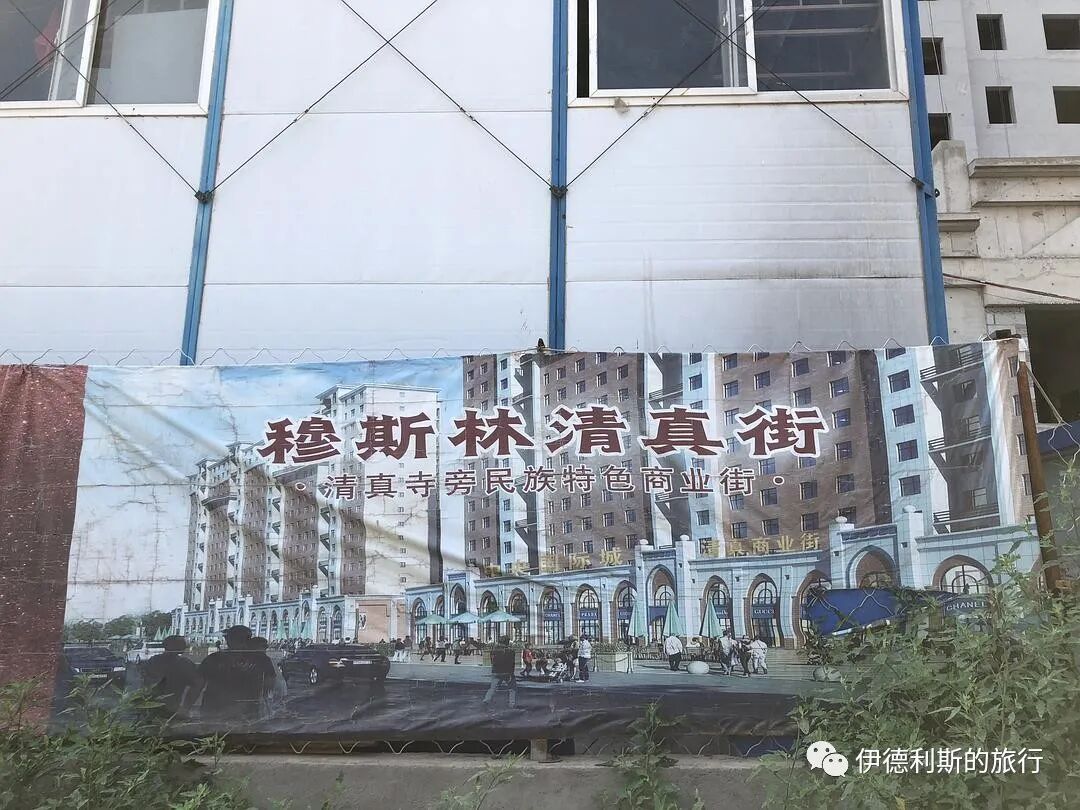
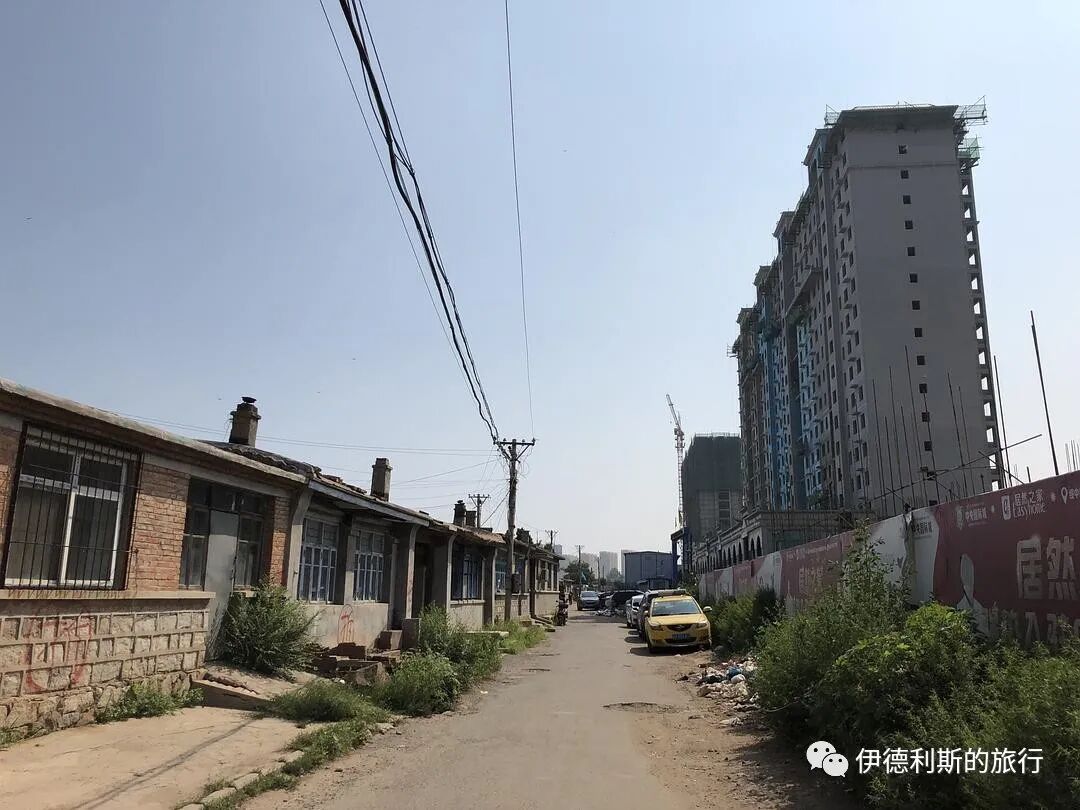
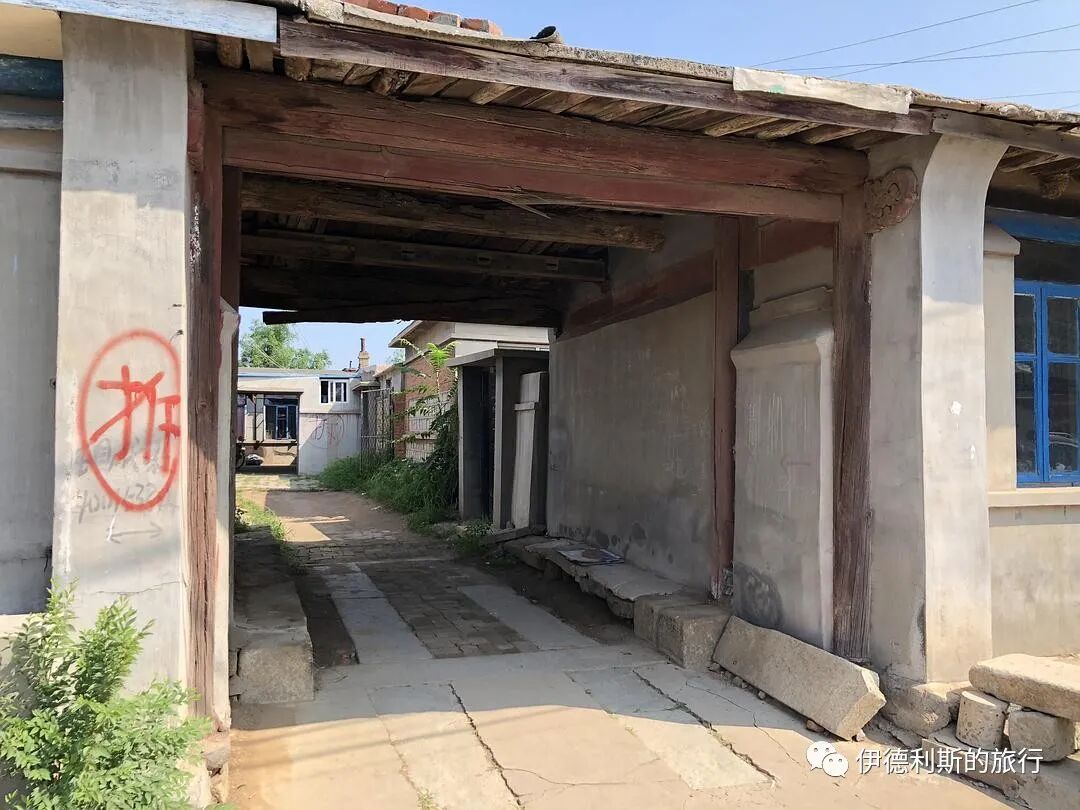
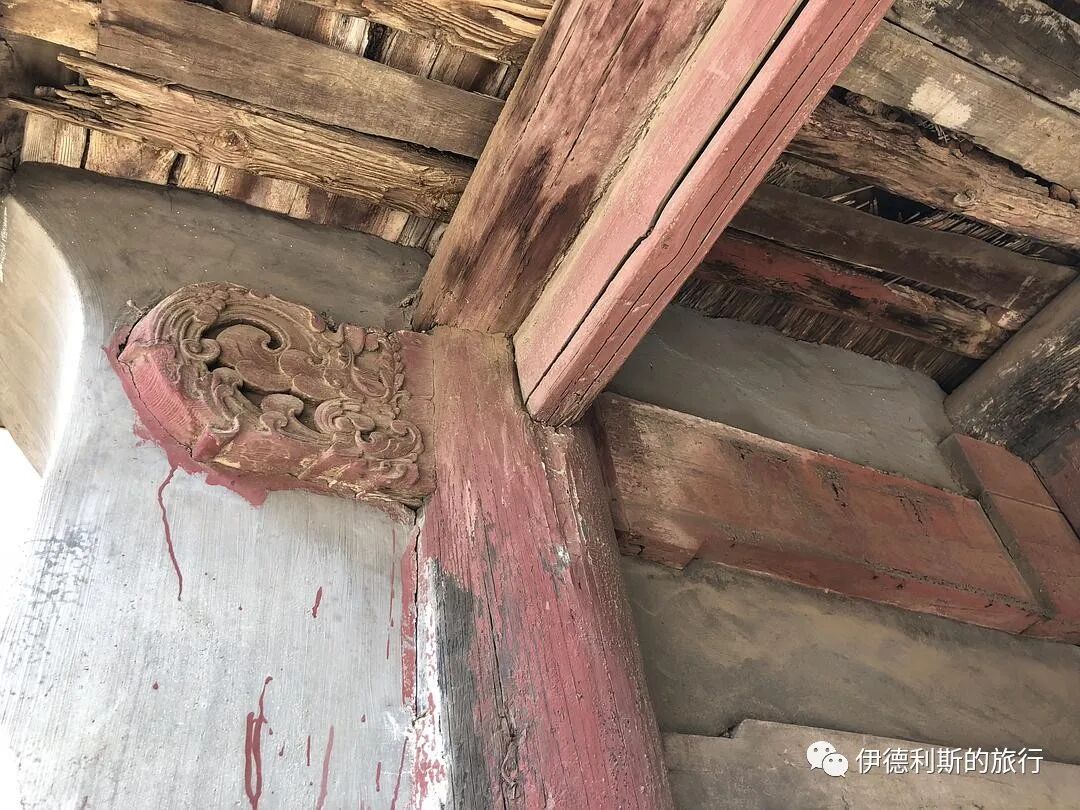
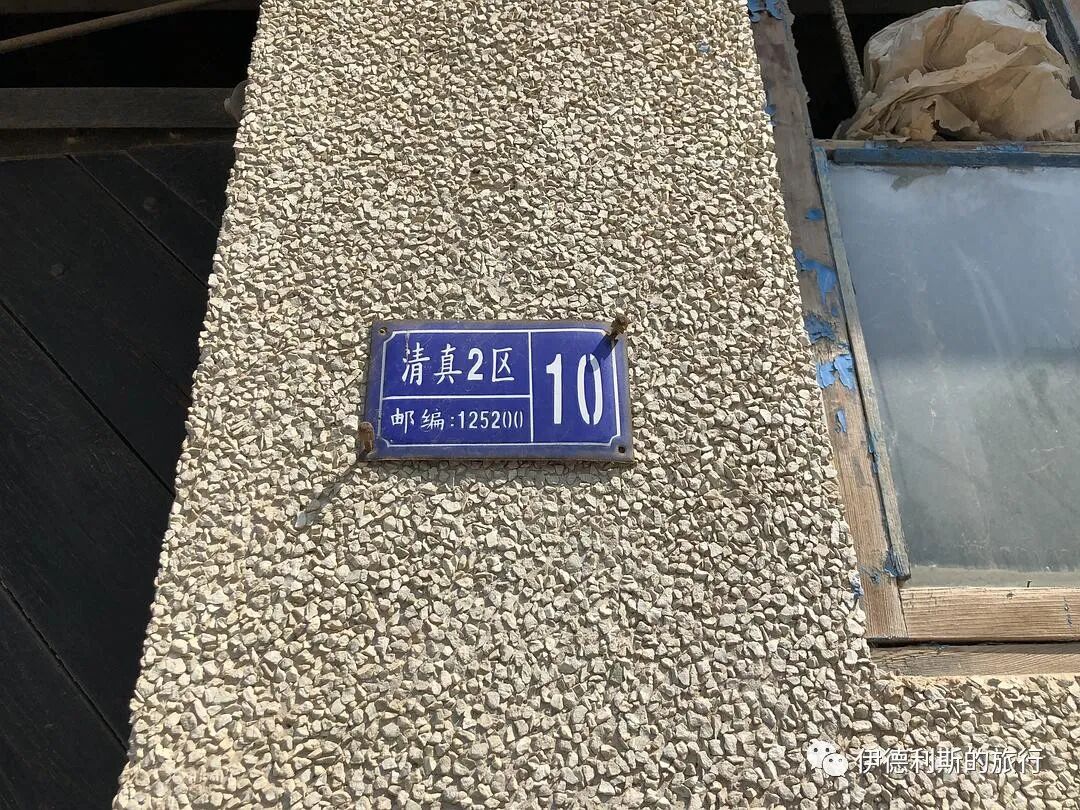
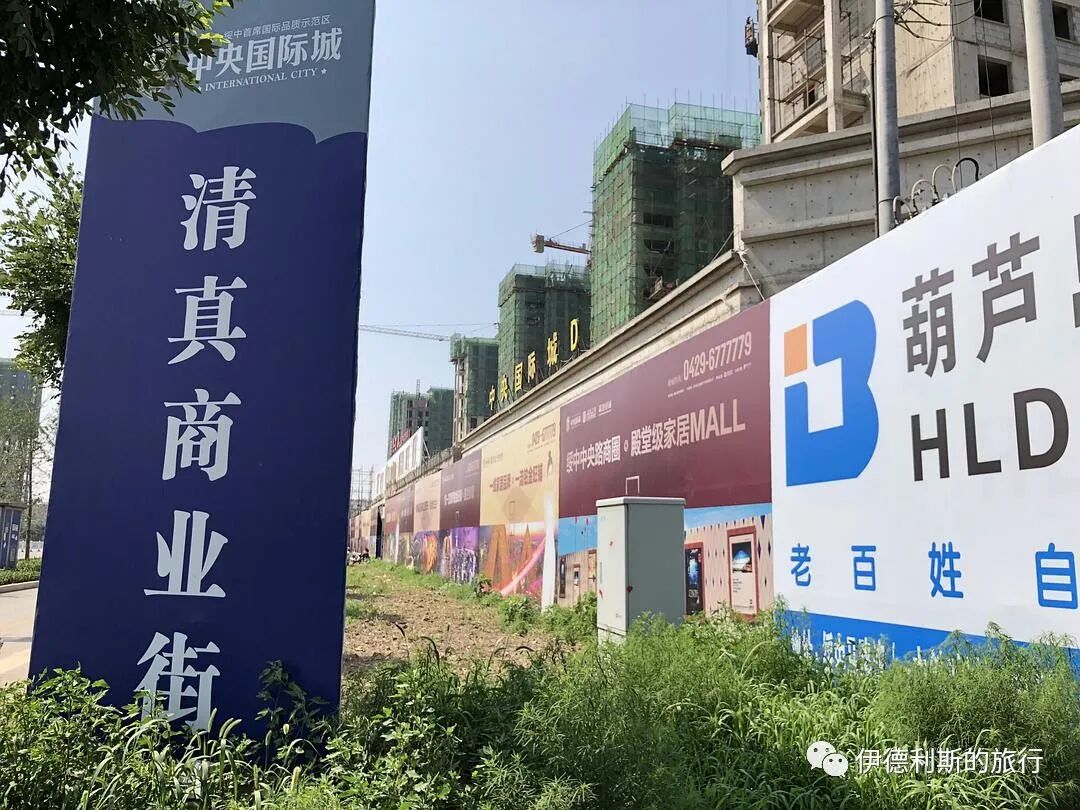
There are many Halal restaurants around the South Gate of Suizhong; I had meat-braised tofu with sorghum rice for breakfast, and it was super delicious.
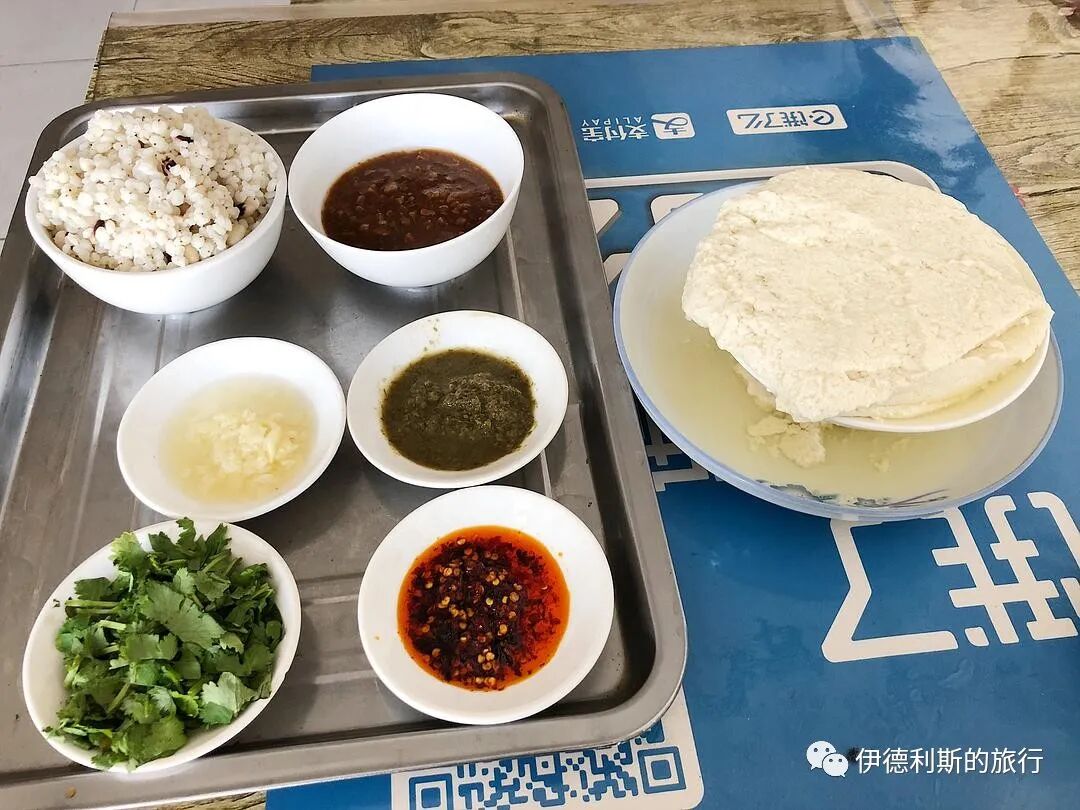
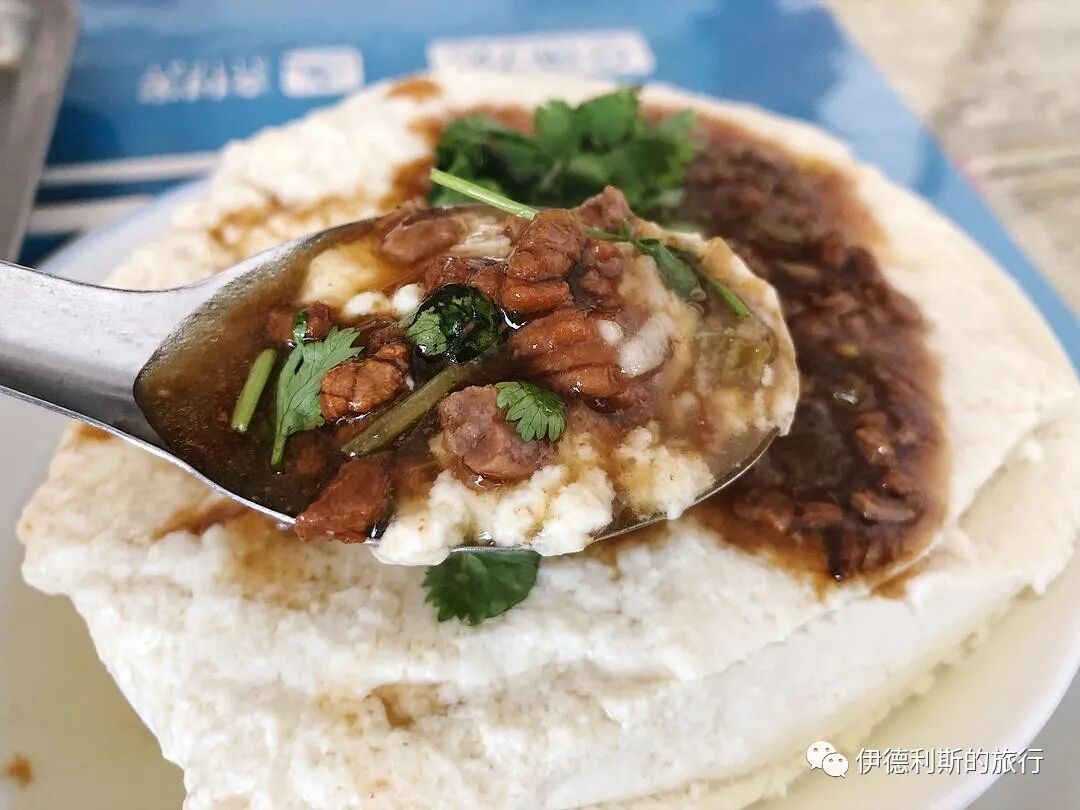
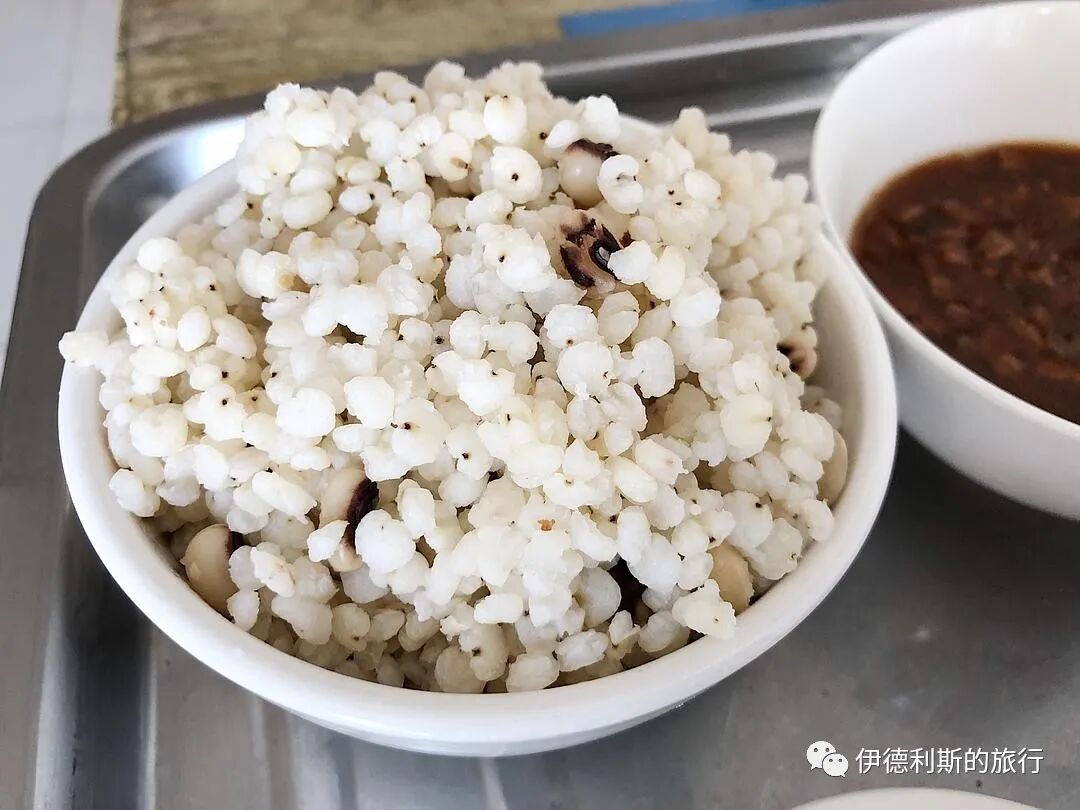
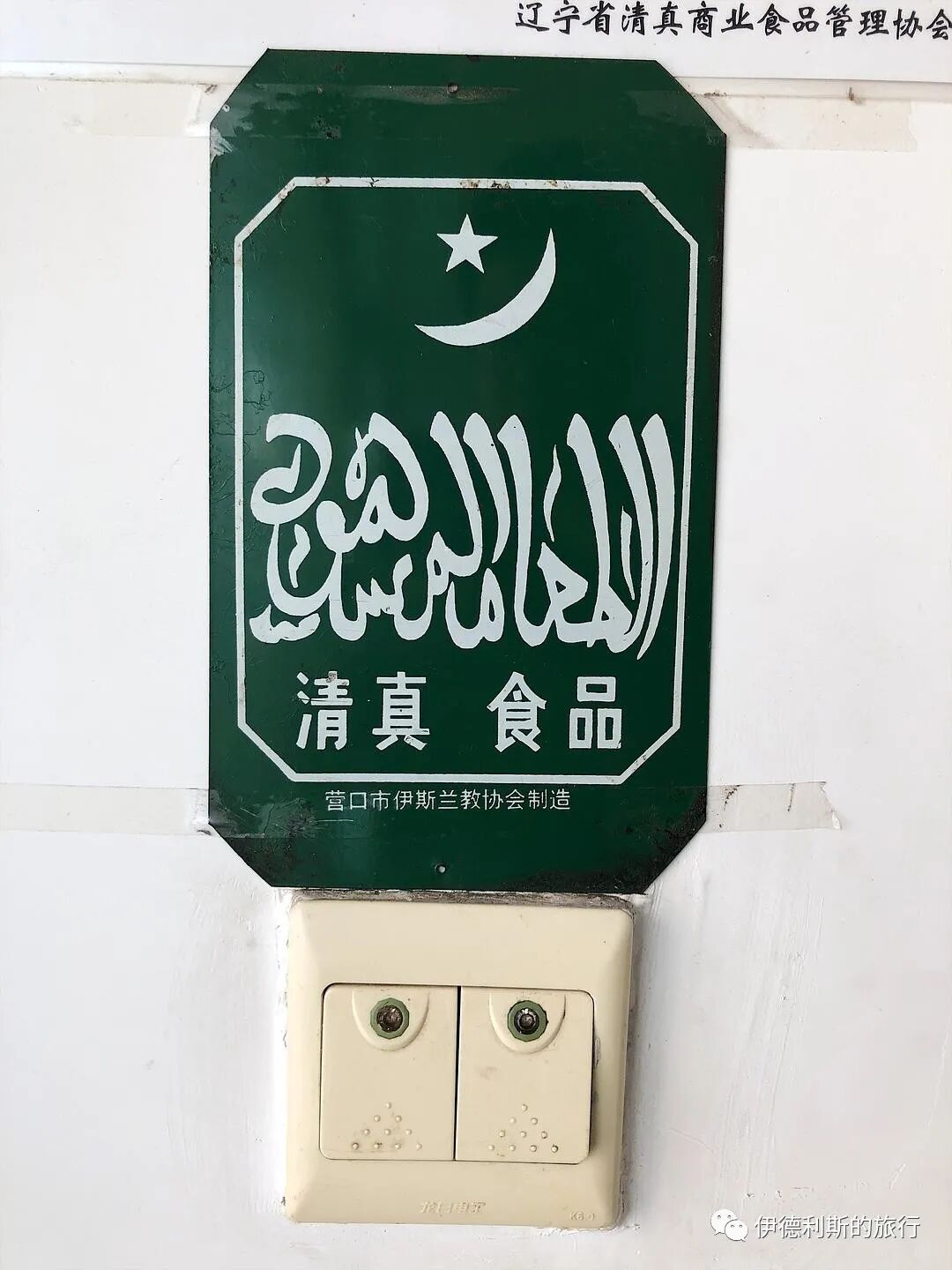
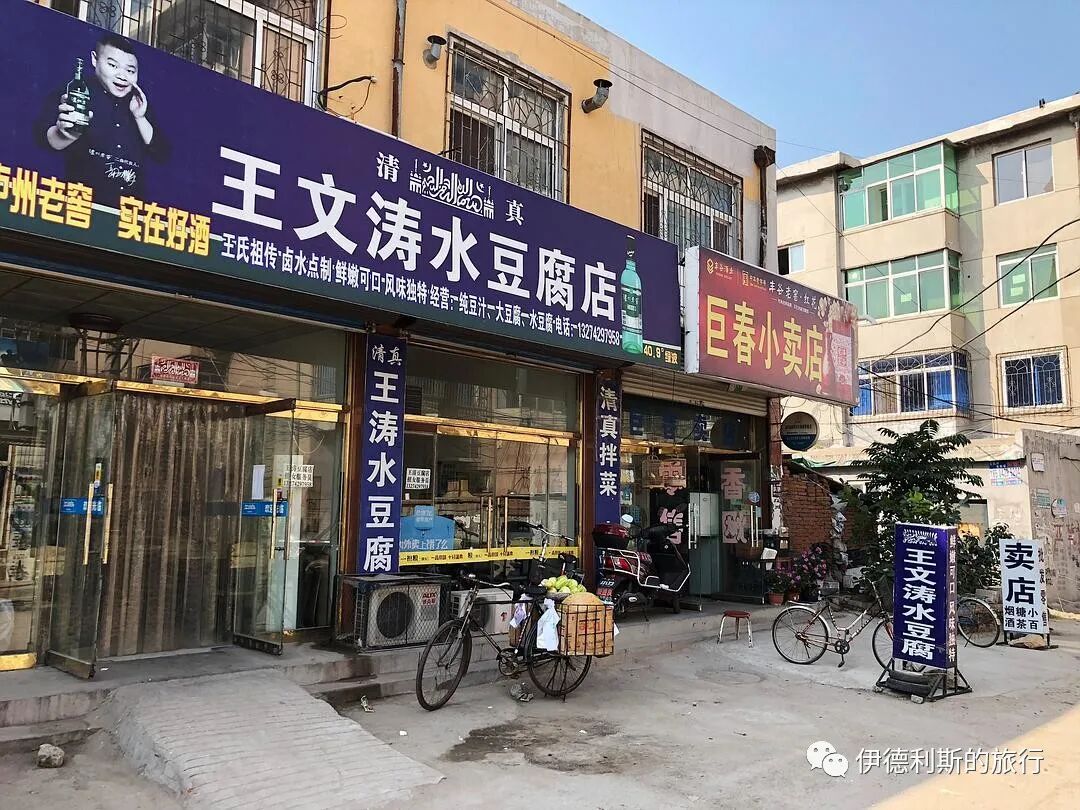
Tangniangao (sticky rice cake with sugar) and su shaobing (flaky baked flatbread) on the street.
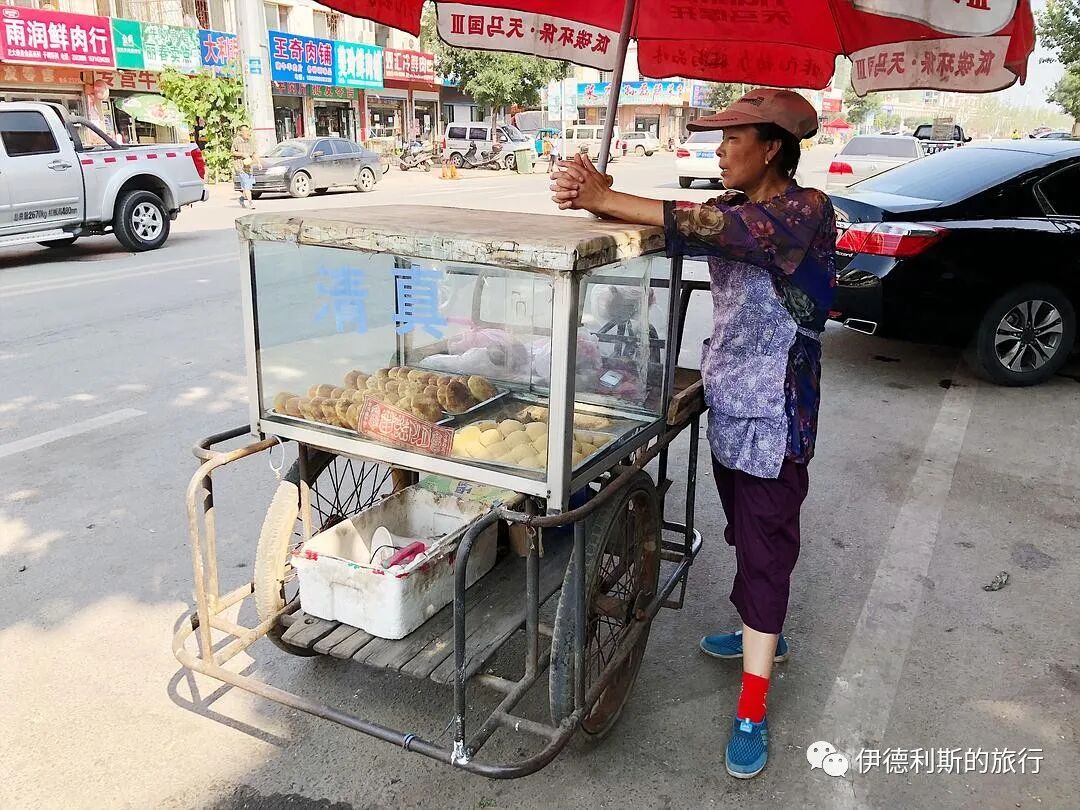
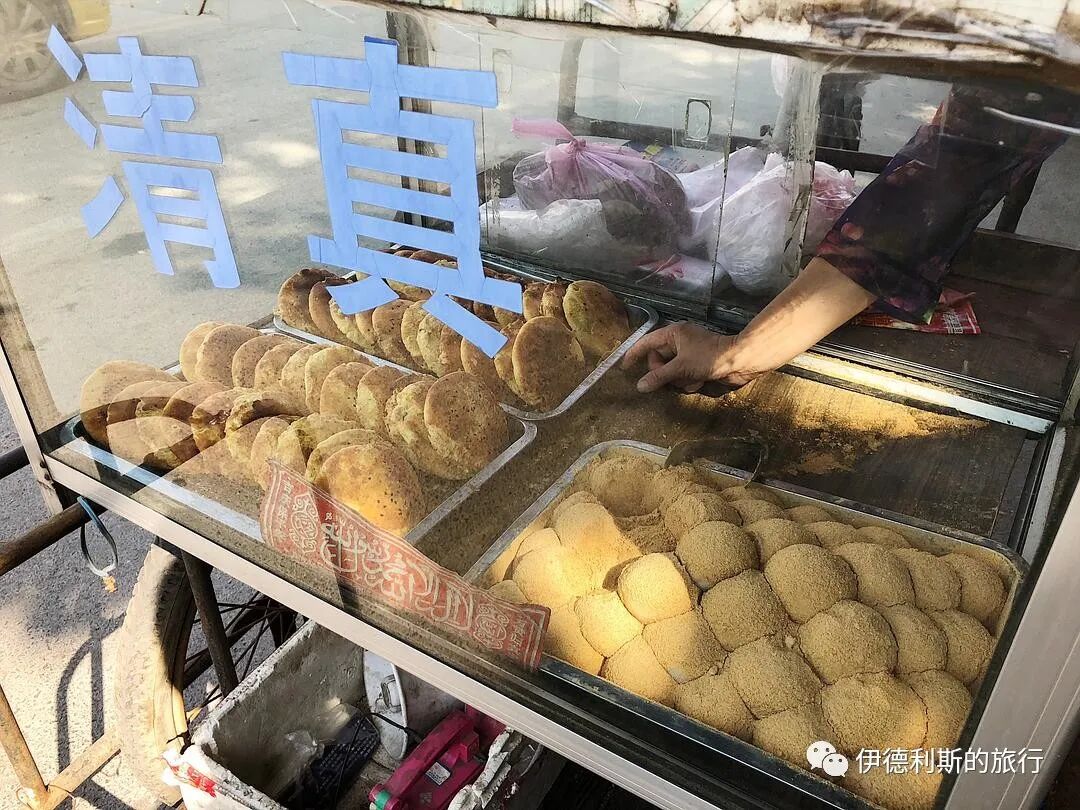
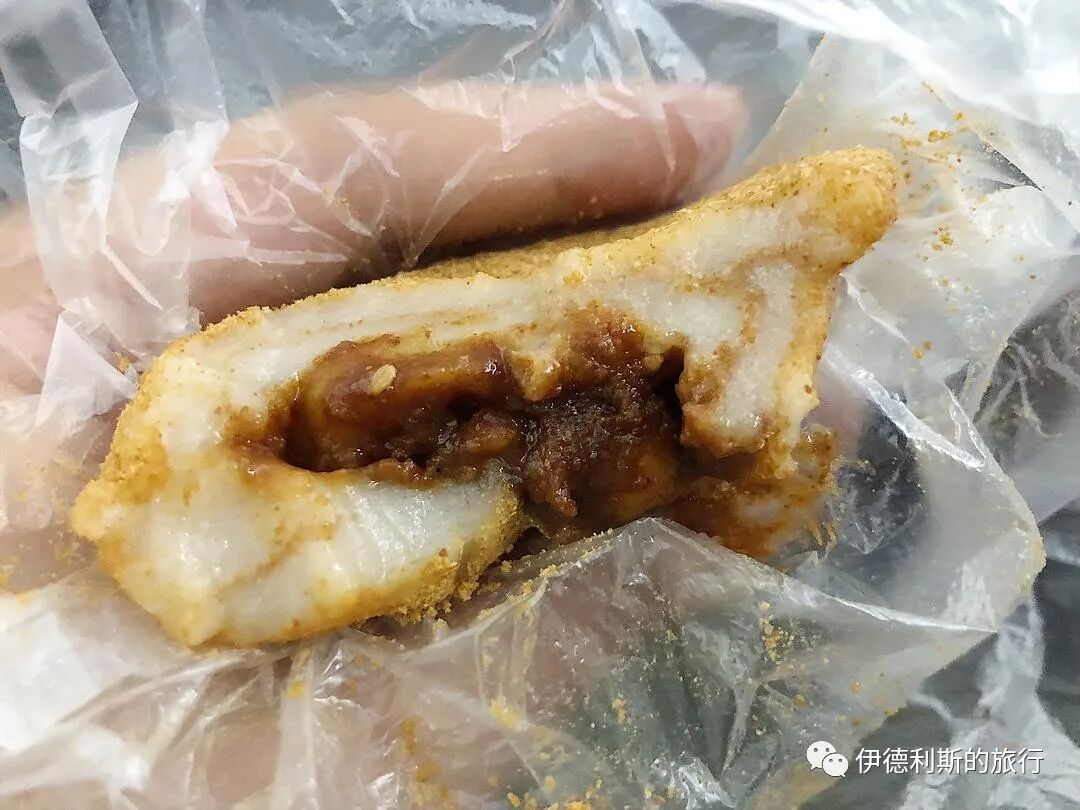
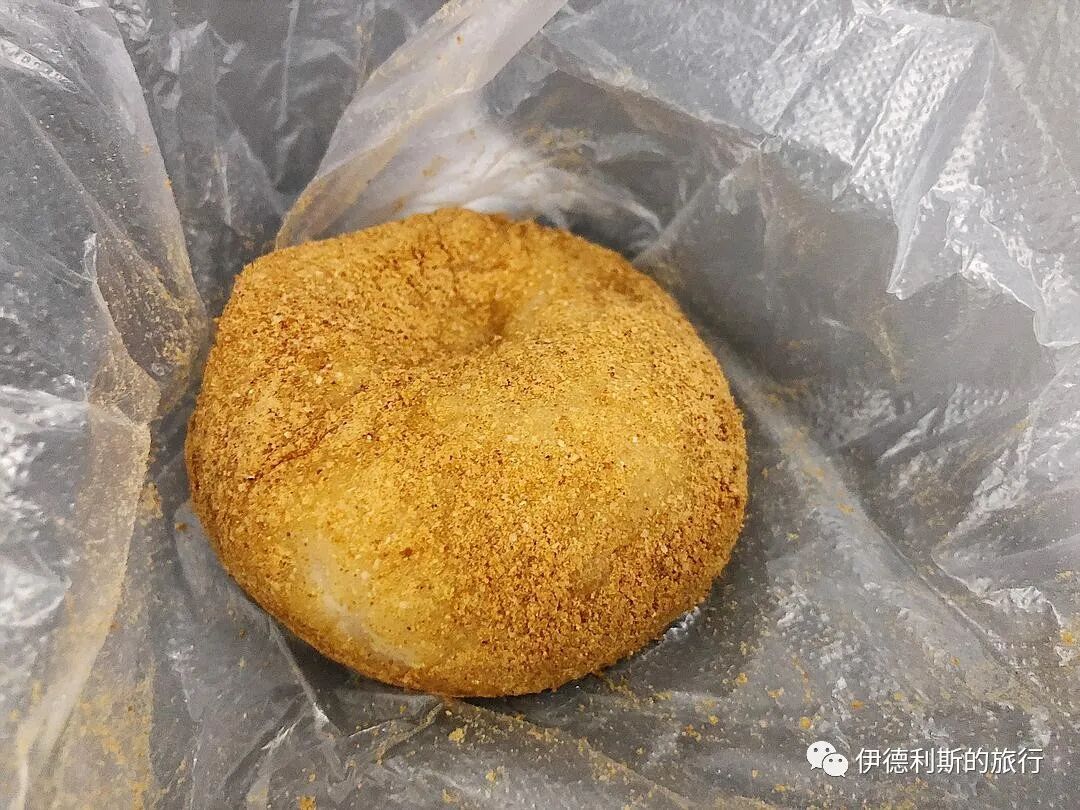
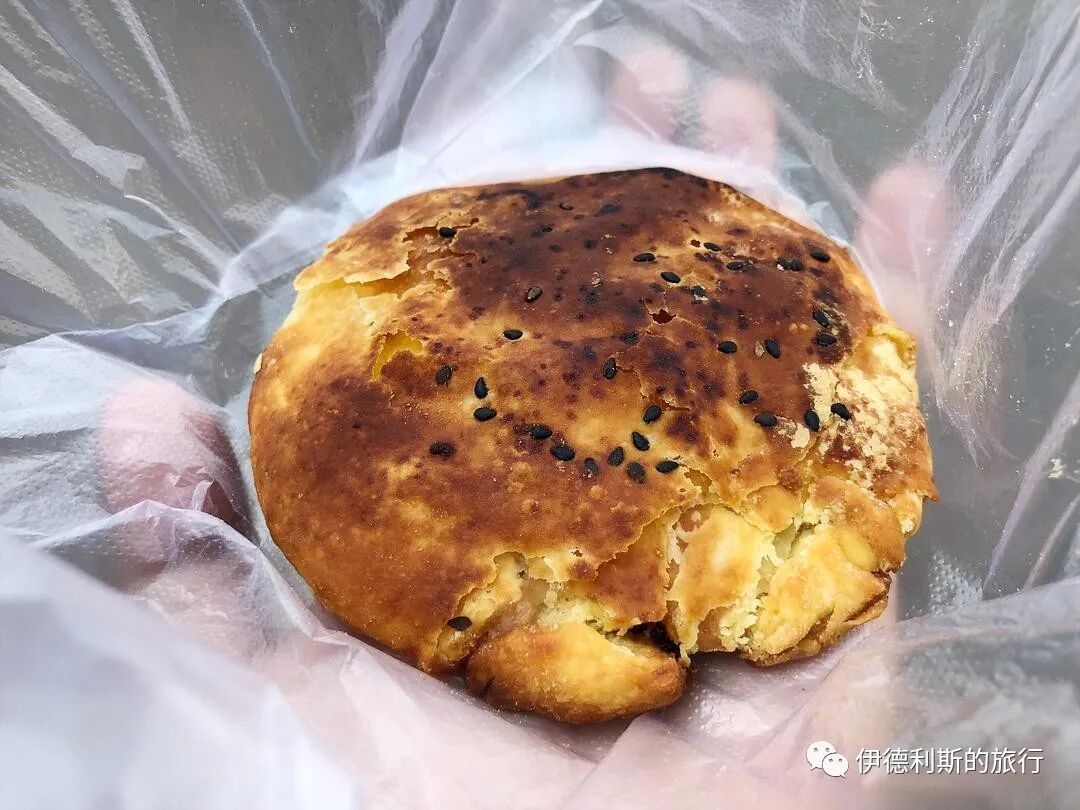
Suizhong-style lengmian (cold noodles), which are perfect for eating in the summer.
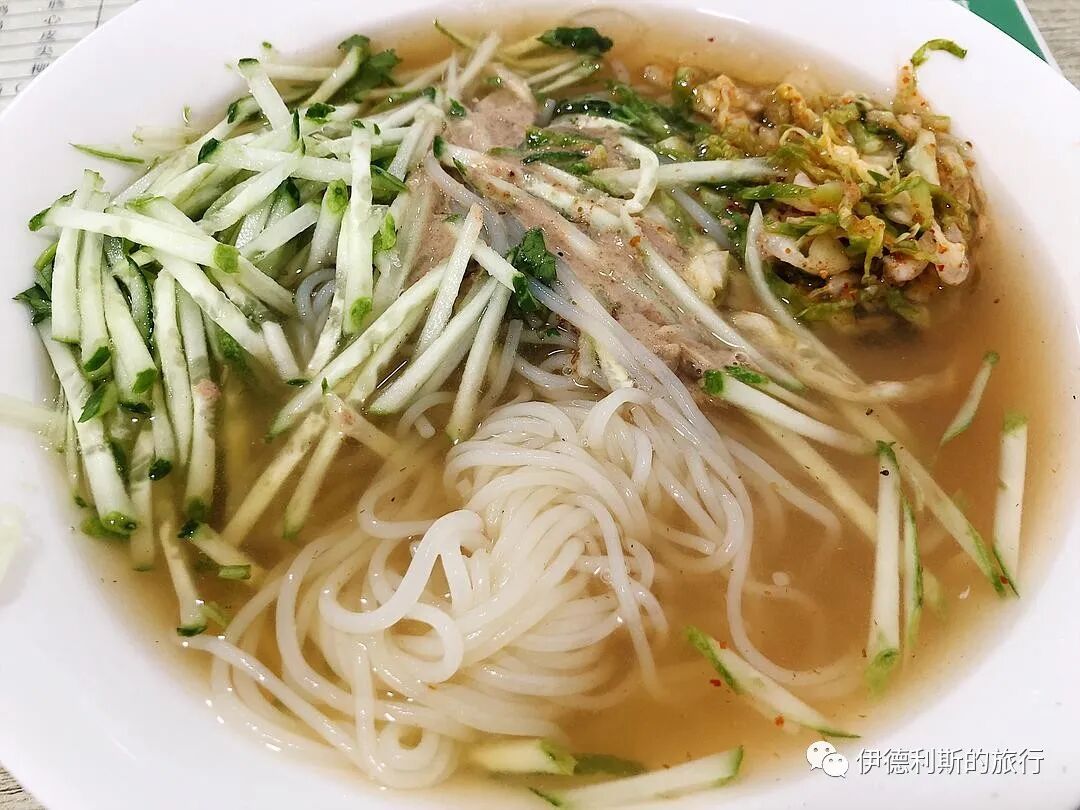
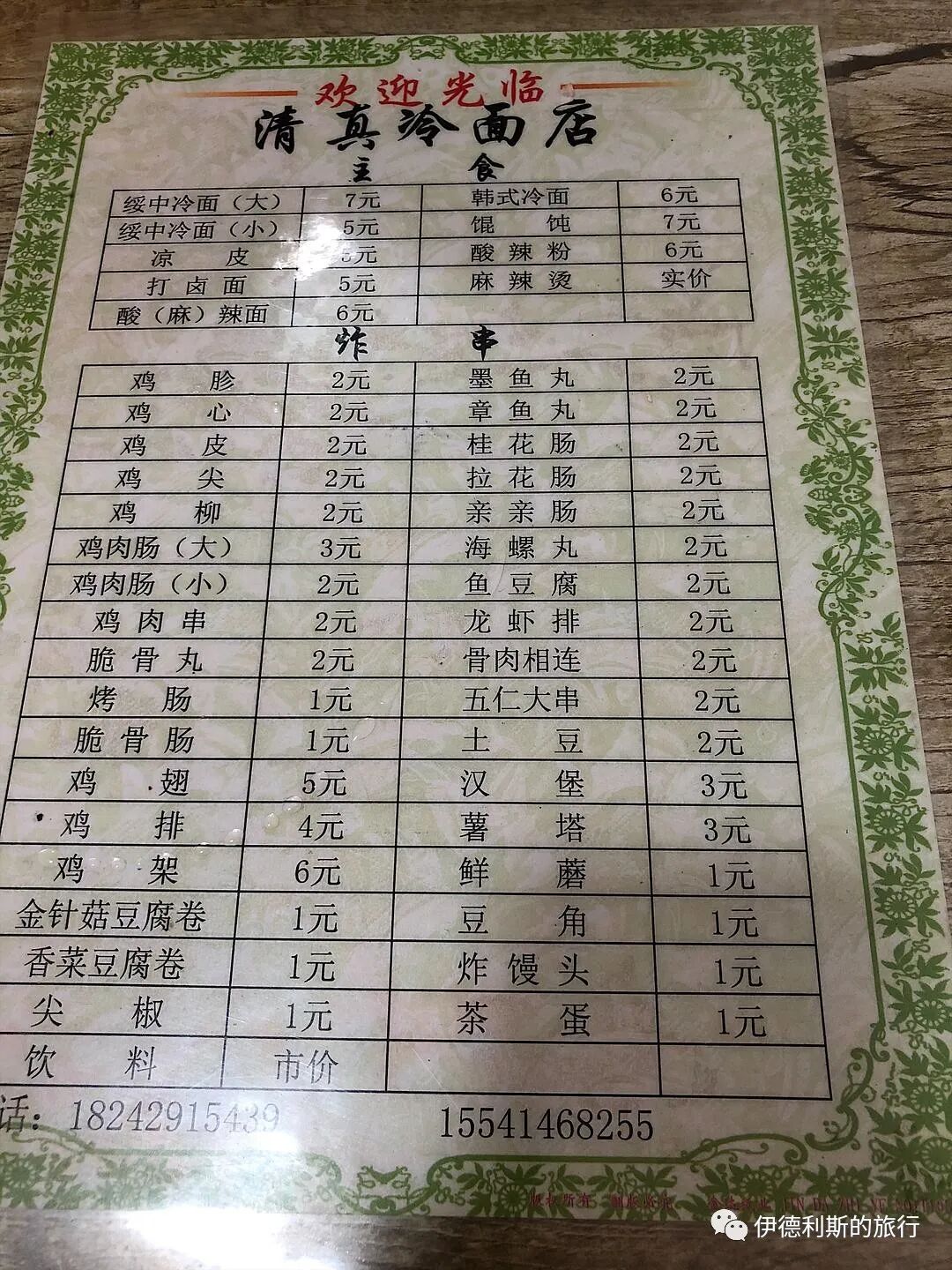
Finally, sharing some street scenes.
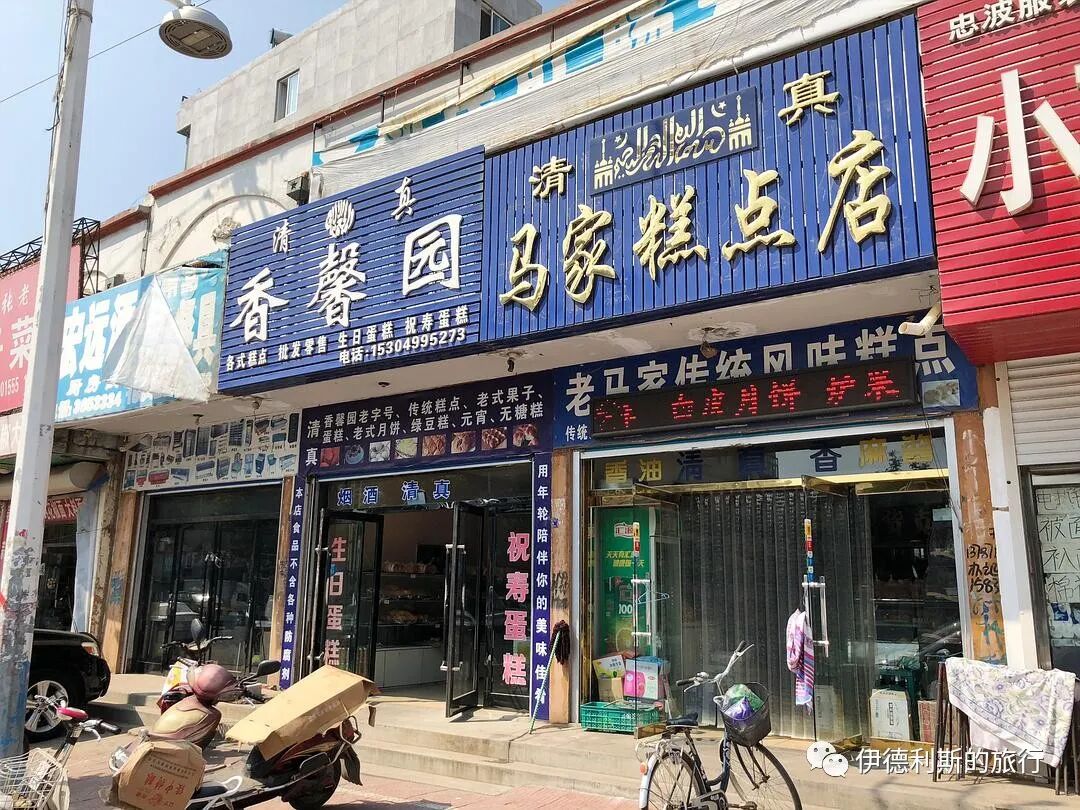
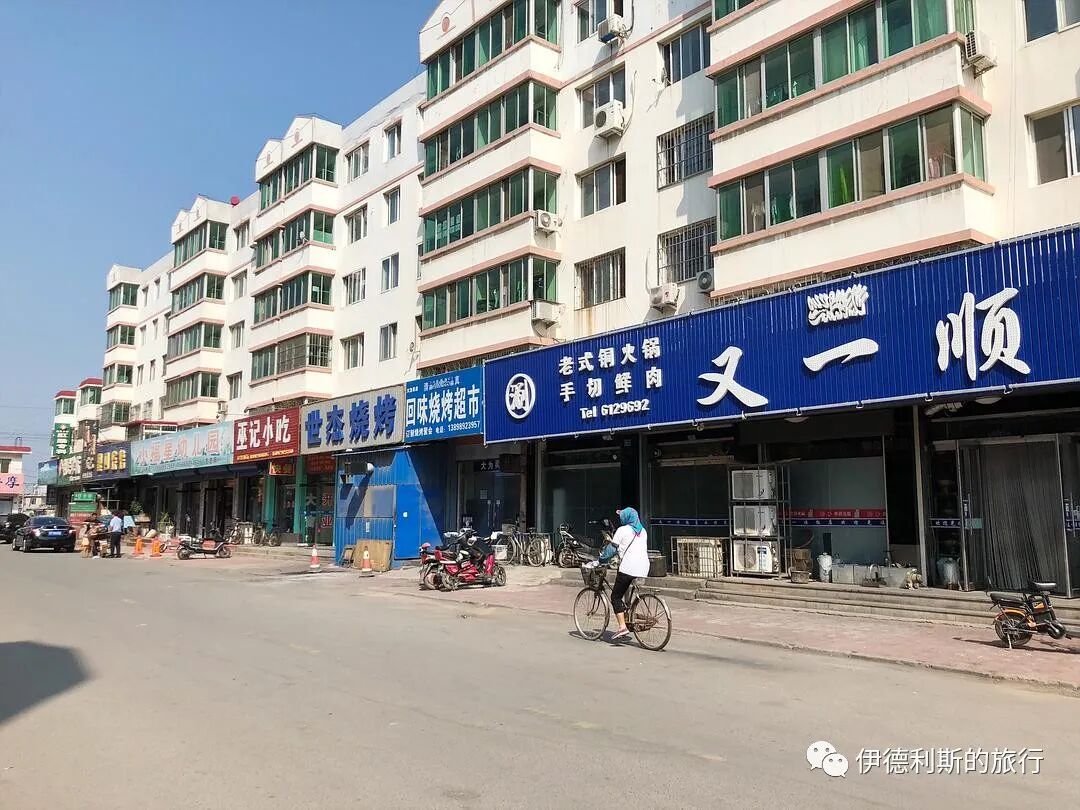
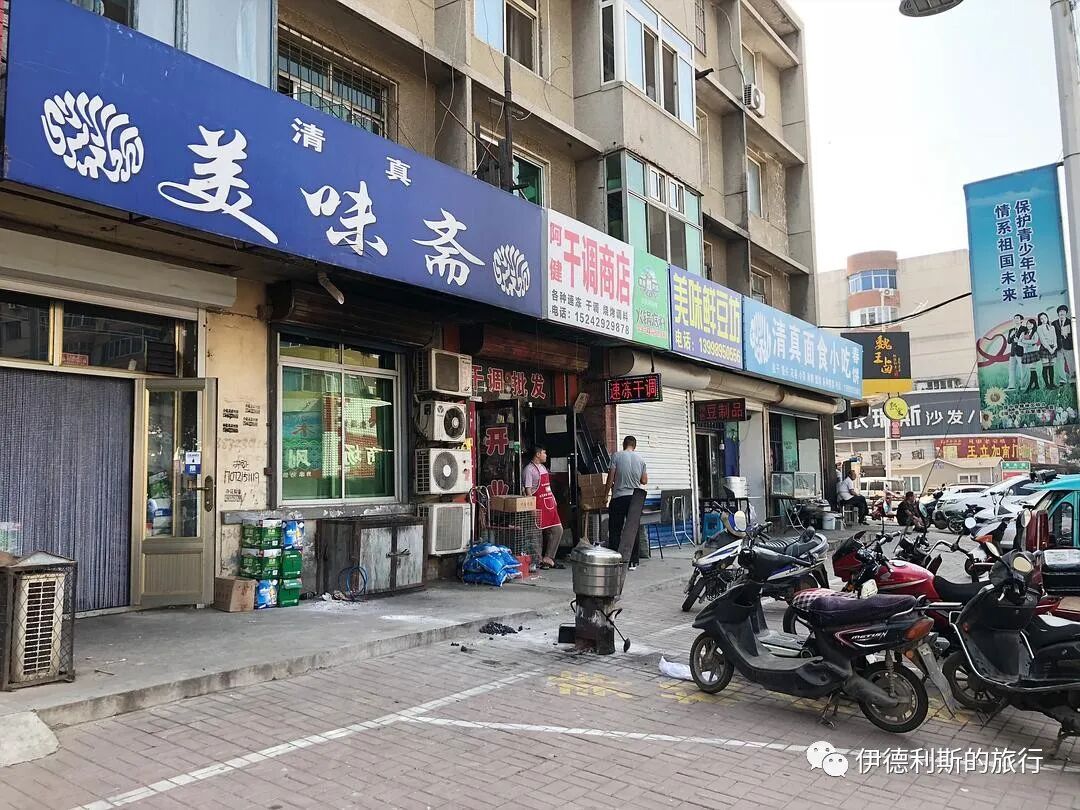
Muslim Travel Guide Liaoning Dalian: Ancient City Streets, Mosques and Muslim Heritage
Articles • yusuf908 posted the article • 0 comments • 159 views • 2026-05-23 23:23
Summary: Halal Travel Guide: Dalian, Fuzhou Ancient City and Qingdui Ancient Town is presented here as a firsthand travel account in clear, natural English. The account focuses on Dalian, Liaoning Travel, Ancient Towns while preserving the names, places, food, photos, and historical details from the Chinese source.
On the morning of June 8, we took a high-speed train from Shenyang Railway Station and arrived at Wafangdian West Station in Dalian in an hour and a half. After leaving the station, we shared a ride for 20 minutes to reach the ancient town of Fuzhou.
We first stopped at the Qunfangyuan Restaurant near the Fuzhou town roundabout to eat some traditional Fuzhou old-style dishes (Fuzhou laocai). Fuzhou is a thousand-year-old town established during the Liao Dynasty. Since the Ming and Qing dynasties, it has been a major commercial hub in southern Liaoning, attracting many merchants. It only began to lose its importance to Wafangdian along the railway line after the South Manchuria Railway was built in modern times. Around 1641, the sixth year of the Chongde reign of the Qing Dynasty, four Hui Muslim families—the Yin, Ma, Dai, and Hui families from Cangzhou, Hebei—moved to Fuzhou. Later, they worked with the local Manchu and Han people to develop the unique Fuzhou old-style dishes.
Fuzhou old-style dishes are known for their oil-fried meat (guoyourou), twice-cooked meat (huishaorou), braised meatballs (huiwanzi), dragon and tiger fight (longhudou), and fried crispy crackers (zhabaochui). Because portions of Northeast Chinese food are so large, we just ordered the most famous oil-fried meat to try. The Fuzhou version of oil-fried meat contains only meat with no side vegetables. It is seasoned with vinegar and garlic, giving it a salty, fresh, and sour taste that goes perfectly with rice.
Fuzhou oil-fried meat is also called the dish of ethnic unity. Legend has it that during the late Qing Dynasty, a soldier named Tuoerha from the Plain Blue Banner died in battle in southern Xinjiang, leaving his wife and children helpless in Fuzhou. One day, just before the Lunar New Year, a mother and her son were walking down the street. The boy was so drawn to the aroma from a restaurant that he refused to leave. The owner knew the boy's father had died for his country, so he invited them inside. He told the kitchen staff to prepare a dish of pure meat for them and to fry it an extra time. Because of this, double-fried meat (guoyourou) became a signature New Year dish for the people of Fuzhou.
After lunch, we went to Fuzhou Mosque (Fuzhou Si) to pray. The imam at Fuzhou Mosque is from Mengcun in Cangzhou, Hebei, which is a major tradition for the faith in Liaoning.
In the early Qing Dynasty, Hui Muslims with the surnames Yin, Dai, Ma, and Hui moved to Fuzhou from Cangzhou. In 1649 (the sixth year of the Shunzhi reign), they began building Fuzhou Mosque. By 1656 (the thirteenth year of the Shunzhi reign), they had finished three thatched rooms to serve as the main prayer hall. The main hall was rebuilt in 1774 (the thirty-ninth year of the Qianlong reign) and expanded again in 1880 (the sixth year of the Guangxu reign), though it still had a thatched roof. In 1920, the front porch and rear kiln-style hall were added, and the roof was changed to blue brick tiles, creating the structure seen today.
Hanging in front of the main hall of Fuzhou Mosque is a plaque that reads "Returning to Simplicity and Truth" (Huan Pu Gui Zhen). It was presented in 1897 (the twenty-third year of the Guangxu reign) by Wang Tingxiang, a third-rank official, imperial censor, and scholar of the Hanlin Academy.
Additionally, the brick carvings on the wall ends feature traditional calligraphy of a dua.
Hui Muslim homes inside Fuzhou City. The old street features blue bricks and dark roof tiles, with Arabic calligraphy (jingzi) and dua written on the walls, keeping the look of the past. Many people have moved to Wafangdian and Dalian to live, so the old street has become quiet.
There is a legendary halal food spot in Fuzhou City, which is my friend's family business, Yin's sticky rice cake (jiangmi lianggao). The Yin family of Fuzhou originally came from Qing County in Cangzhou and settled in Fuzhou during the early Qing Dynasty. The sticky rice cake made by my friend's great-uncle, Yin Xiangzhou, was famous in Fuzhou a hundred years ago, and now my friend's mother pushes a small cart to sell it along the street every day. A loudspeaker plays, 'Sticky rice cake, fragrant and sweet.' Then everyone comes out to buy the sticky rice cake.
Sticky rice cake (jiangmi lianggao) is made by topping sticky rice with fillings like peanuts, sesame, and sugar. Traditionally, it included candied green and red fruit strips (qinghongsi), but these are now left out to suit younger tastes. Sticky rice cake is very refreshing in the summer, and it feels great on the stomach when paired with tea.
A quick tip: some people say the Yin family pushcart is hard to find. We spotted it at 2:15 p.m. at the intersection west of the Fuzhou Prefectural Office (Fuzhou Zhizhou Yashu). It then moves south along the main road, and you can hear the vendor calling out from far away.
We took the high-speed train from Wafangdian West Station at 3:30 p.m., arrived at Dalian North Station at 4:00 p.m., and then took a taxi to our accommodation to drop off our luggage.
We stayed at the No. 21 Mansion (Ershiyi Hao Gongguan) near the Russian Style Street. The hotel sits in a courtyard that is part of the Yantai Street Russian-style building complex, which includes 28 European-style villas and marks the starting point of Dalian's history. In 1898, Tsarist Russia leased Dalian Bay and began building Dalian city the following year. The first street built was called Engineer Street, which is now known as Russian Style Street. Soon after, Timov Street was built right next to Engineer Street, and it was renamed Yantai Street after 1946. Between the late 19th and early 20th centuries, Tsarist Russia hired German and Russian designers to build a series of European-style villas on Yantai Street, and 28 of them still stand today.
After the Russian-style building complex on Yantai Street was restored in 2011, several hotels and restaurants moved in. When we visited, several places were hosting weddings, which felt a bit like the Italian Style Street in Tianjin. Several villas in the courtyard belong to the Dalian Railway 1896 Garden Hotel, which you can stay in at any time. The No. 21 Mansion where we stayed is military property and only opens during holidays, but you can book it online.
Building No. 21 was built in 1903 and designed by the famous German architect Jan Hendel. In 1920, early labor movement leader and Manchurian Provincial Committee Secretary Wang Ligong lived here. The house we stayed in had windows on both the north and south sides, making the environment very pleasant. The courtyard was very quiet, which was a sharp contrast to the busy Russian-style street next door.
In the afternoon, we had dinner at the long-established Majia Dumpling Restaurant in front of Dalian Railway Station. We ordered sea snail and chive dumplings (haoluo jiucai jiaozi), mackerel ball soup (bayu wanzi tang), and dry-braised flatfish (gan shao piankou yu). Traditionally, Hui Muslims in North and Northeast China do not cook seafood; they focus on beef and lamb. They only started making seafood dumplings after the Reform and Opening-up, and it gradually became a local specialty. They serve dumplings with yellow mustard sauce, which is very unique and adds a great kick to the flavor. The dry-braised flatfish was also well-prepared, with a sweet and spicy taste that really whets the appetite. People who ate at their original shop say the dumplings were even better decades ago, and I can really understand that sense of nostalgia. But as travelers, we are already very happy to be able to eat these dumplings.
Ma Family Dumpling Restaurant (Ma Jia Jiaozi Guan) was the first halal dumpling shop in Dalian and one of the city's two earliest dumpling restaurants. It was opened in 1947 by Liu Yushan, Ma Baishi, and Zhao Fangchen at the Bo'ai Market in Xigang. It was originally called Ruixianghao Hui Muslim Dumpling Restaurant before changing its name to Ma Family Dumpling Restaurant. After the Reform and Opening-up, the restaurant moved to the former site of the Goubuli Steamed Bun Shop on Tianjin Street. It moved to its current location after the renovation of Tianjin Street in the early 21st century. At first, the restaurant only served beef dumplings. After the Reform and Opening-up, seafood dumplings appeared in Dalian, so the restaurant started making new varieties like mackerel dumplings (bayu jiaozi) and sea snail dumplings (hailuo jiaozi).
After dinner, we headed to the Dalian Mosque (Dalian Si) on Beijing Street. After Dalian opened as a port in 1897, Hui Muslims from places like Shandong and Hebei came here to make a living. Ma Xinglong, Wang Qifa, Jin Xiangchen, and others first rented a few small rooms on Dalong Street in Xigang to perform their prayers. In 1925, a Russian Muslim working for the South Manchuria Railway (Mantie) secured funding and land from the company to build the Dalian Mosque in a traditional Kazan Tatar style.
The original Dalian Mosque looked very similar to Tatar mosques in Kazan, Russia, featuring a neoclassical main hall and two minarets at the front and back. The minbar pulpit inside the main hall has stairs that lead directly to the minaret on the roof, which is very rare for a traditional mosque in China.
This Kazan Tatar-style Dalian Mosque stood for 64 years, was rebuilt in 1990, and finally expanded into its current structure in 2005.
I left Dalian Station at 6:20 on June 9, arrived at Qingdui Station at 8:00, and then took a taxi to the ancient town of Qingdui to visit Qingdui Mosque.
Qingdui Town is a thousand-year-old town that has served as a fishing port and commercial hub on the Liaodong Peninsula since the Tang Dynasty. Qingbu Port officially opened in 1743 (the eighth year of the Qianlong reign), making Qingdui Town an important transit point for people from Shandong and Hebei moving to Northeast China. During the late Qing Dynasty and the Republic of China era, Qingdui Town had over three hundred businesses, with shops lining the streets and bustling with activity. Today, Qingdui Town still keeps many old houses with grey bricks and dark tiles from the late Qing and Republican periods, and Qingdui Mosque is one of them.
Qingdui Mosque was first built during the Daoguang reign of the Qing Dynasty and started as just three thatched huts. The First Sino-Japanese War began in July 1894. Famous Hui Muslim general Zuo Baogui led his troops to Korea to fight the Japanese and passed by Qingdui Mosque (Qingdui Si). General Zuo Baogui and the imam of Qingdui Mosque, Zhang Chaozhen, got along very well. Later, the general donated money himself. Along with funds raised by his personal Hui Muslim guards and three local halal restaurants—Deshengyuan, Qingshengyuan, and Yongshengyuan—they prepared to expand the mosque. Sadly, before the expansion was finished, General Zuo Baogui died heroically while fighting the Japanese in Pyongyang.
In 1895 (the 21st year of the Guangxu reign), Hui Wanchun, the elder in charge of Qingdui Mosque, oversaw the rebuilding of the main hall into the three-room green brick and tile structure seen today. In 1920 (the 9th year of the Republic of China), the gate tower was rebuilt and the lecture hall was expanded, giving the mosque its current size.
The gate of Qingdui Mosque features a brick-carved couplet that reads: 'The pure palace spreads the teachings of the Quran and the path of Muhammad; the true sage passes down scriptures that bring the grace of the Western Regions to this place.' This is a very precious piece of brick-carved calligraphy from the Republic of China era. The main gate is usually closed, so you must enter the mosque through the south wing where the imam lives. The imam came from Gansu and warmly told us about the situation at Qingdui Mosque (Qingdui Si). It is not easy for his family to stay and serve at this small community mosque (xiaofang).
Hui Muslim homes in the ancient town of Qingdui. Because Qingbu Port silted up and closed, the ancient town of Qingdui gradually became quiet, and the town center moved to the area near the road to the north. There are a few halal restaurants in town. We ordered lamb soup at one of them, Jinhong Lamb Soup Restaurant (Jinhong Yangtang Guan), but when it arrived, we found it contained lamb blood. I had heard long ago that some halal restaurants in Shandong and Northeast China sell lamb blood, but this is the first time I have encountered it in years. We had no choice but to return the lamb soup and take a taxi to the train station to continue our trip to the next stop. view all
Summary: Halal Travel Guide: Dalian, Fuzhou Ancient City and Qingdui Ancient Town is presented here as a firsthand travel account in clear, natural English. The account focuses on Dalian, Liaoning Travel, Ancient Towns while preserving the names, places, food, photos, and historical details from the Chinese source.
On the morning of June 8, we took a high-speed train from Shenyang Railway Station and arrived at Wafangdian West Station in Dalian in an hour and a half. After leaving the station, we shared a ride for 20 minutes to reach the ancient town of Fuzhou.
We first stopped at the Qunfangyuan Restaurant near the Fuzhou town roundabout to eat some traditional Fuzhou old-style dishes (Fuzhou laocai). Fuzhou is a thousand-year-old town established during the Liao Dynasty. Since the Ming and Qing dynasties, it has been a major commercial hub in southern Liaoning, attracting many merchants. It only began to lose its importance to Wafangdian along the railway line after the South Manchuria Railway was built in modern times. Around 1641, the sixth year of the Chongde reign of the Qing Dynasty, four Hui Muslim families—the Yin, Ma, Dai, and Hui families from Cangzhou, Hebei—moved to Fuzhou. Later, they worked with the local Manchu and Han people to develop the unique Fuzhou old-style dishes.
Fuzhou old-style dishes are known for their oil-fried meat (guoyourou), twice-cooked meat (huishaorou), braised meatballs (huiwanzi), dragon and tiger fight (longhudou), and fried crispy crackers (zhabaochui). Because portions of Northeast Chinese food are so large, we just ordered the most famous oil-fried meat to try. The Fuzhou version of oil-fried meat contains only meat with no side vegetables. It is seasoned with vinegar and garlic, giving it a salty, fresh, and sour taste that goes perfectly with rice.
Fuzhou oil-fried meat is also called the dish of ethnic unity. Legend has it that during the late Qing Dynasty, a soldier named Tuoerha from the Plain Blue Banner died in battle in southern Xinjiang, leaving his wife and children helpless in Fuzhou. One day, just before the Lunar New Year, a mother and her son were walking down the street. The boy was so drawn to the aroma from a restaurant that he refused to leave. The owner knew the boy's father had died for his country, so he invited them inside. He told the kitchen staff to prepare a dish of pure meat for them and to fry it an extra time. Because of this, double-fried meat (guoyourou) became a signature New Year dish for the people of Fuzhou.
After lunch, we went to Fuzhou Mosque (Fuzhou Si) to pray. The imam at Fuzhou Mosque is from Mengcun in Cangzhou, Hebei, which is a major tradition for the faith in Liaoning.
In the early Qing Dynasty, Hui Muslims with the surnames Yin, Dai, Ma, and Hui moved to Fuzhou from Cangzhou. In 1649 (the sixth year of the Shunzhi reign), they began building Fuzhou Mosque. By 1656 (the thirteenth year of the Shunzhi reign), they had finished three thatched rooms to serve as the main prayer hall. The main hall was rebuilt in 1774 (the thirty-ninth year of the Qianlong reign) and expanded again in 1880 (the sixth year of the Guangxu reign), though it still had a thatched roof. In 1920, the front porch and rear kiln-style hall were added, and the roof was changed to blue brick tiles, creating the structure seen today.
Hanging in front of the main hall of Fuzhou Mosque is a plaque that reads "Returning to Simplicity and Truth" (Huan Pu Gui Zhen). It was presented in 1897 (the twenty-third year of the Guangxu reign) by Wang Tingxiang, a third-rank official, imperial censor, and scholar of the Hanlin Academy.
Additionally, the brick carvings on the wall ends feature traditional calligraphy of a dua.
Hui Muslim homes inside Fuzhou City. The old street features blue bricks and dark roof tiles, with Arabic calligraphy (jingzi) and dua written on the walls, keeping the look of the past. Many people have moved to Wafangdian and Dalian to live, so the old street has become quiet.
There is a legendary halal food spot in Fuzhou City, which is my friend's family business, Yin's sticky rice cake (jiangmi lianggao). The Yin family of Fuzhou originally came from Qing County in Cangzhou and settled in Fuzhou during the early Qing Dynasty. The sticky rice cake made by my friend's great-uncle, Yin Xiangzhou, was famous in Fuzhou a hundred years ago, and now my friend's mother pushes a small cart to sell it along the street every day. A loudspeaker plays, 'Sticky rice cake, fragrant and sweet.' Then everyone comes out to buy the sticky rice cake.
Sticky rice cake (jiangmi lianggao) is made by topping sticky rice with fillings like peanuts, sesame, and sugar. Traditionally, it included candied green and red fruit strips (qinghongsi), but these are now left out to suit younger tastes. Sticky rice cake is very refreshing in the summer, and it feels great on the stomach when paired with tea.
A quick tip: some people say the Yin family pushcart is hard to find. We spotted it at 2:15 p.m. at the intersection west of the Fuzhou Prefectural Office (Fuzhou Zhizhou Yashu). It then moves south along the main road, and you can hear the vendor calling out from far away.
We took the high-speed train from Wafangdian West Station at 3:30 p.m., arrived at Dalian North Station at 4:00 p.m., and then took a taxi to our accommodation to drop off our luggage.
We stayed at the No. 21 Mansion (Ershiyi Hao Gongguan) near the Russian Style Street. The hotel sits in a courtyard that is part of the Yantai Street Russian-style building complex, which includes 28 European-style villas and marks the starting point of Dalian's history. In 1898, Tsarist Russia leased Dalian Bay and began building Dalian city the following year. The first street built was called Engineer Street, which is now known as Russian Style Street. Soon after, Timov Street was built right next to Engineer Street, and it was renamed Yantai Street after 1946. Between the late 19th and early 20th centuries, Tsarist Russia hired German and Russian designers to build a series of European-style villas on Yantai Street, and 28 of them still stand today.
After the Russian-style building complex on Yantai Street was restored in 2011, several hotels and restaurants moved in. When we visited, several places were hosting weddings, which felt a bit like the Italian Style Street in Tianjin. Several villas in the courtyard belong to the Dalian Railway 1896 Garden Hotel, which you can stay in at any time. The No. 21 Mansion where we stayed is military property and only opens during holidays, but you can book it online.
Building No. 21 was built in 1903 and designed by the famous German architect Jan Hendel. In 1920, early labor movement leader and Manchurian Provincial Committee Secretary Wang Ligong lived here. The house we stayed in had windows on both the north and south sides, making the environment very pleasant. The courtyard was very quiet, which was a sharp contrast to the busy Russian-style street next door.
In the afternoon, we had dinner at the long-established Majia Dumpling Restaurant in front of Dalian Railway Station. We ordered sea snail and chive dumplings (haoluo jiucai jiaozi), mackerel ball soup (bayu wanzi tang), and dry-braised flatfish (gan shao piankou yu). Traditionally, Hui Muslims in North and Northeast China do not cook seafood; they focus on beef and lamb. They only started making seafood dumplings after the Reform and Opening-up, and it gradually became a local specialty. They serve dumplings with yellow mustard sauce, which is very unique and adds a great kick to the flavor. The dry-braised flatfish was also well-prepared, with a sweet and spicy taste that really whets the appetite. People who ate at their original shop say the dumplings were even better decades ago, and I can really understand that sense of nostalgia. But as travelers, we are already very happy to be able to eat these dumplings.
Ma Family Dumpling Restaurant (Ma Jia Jiaozi Guan) was the first halal dumpling shop in Dalian and one of the city's two earliest dumpling restaurants. It was opened in 1947 by Liu Yushan, Ma Baishi, and Zhao Fangchen at the Bo'ai Market in Xigang. It was originally called Ruixianghao Hui Muslim Dumpling Restaurant before changing its name to Ma Family Dumpling Restaurant. After the Reform and Opening-up, the restaurant moved to the former site of the Goubuli Steamed Bun Shop on Tianjin Street. It moved to its current location after the renovation of Tianjin Street in the early 21st century. At first, the restaurant only served beef dumplings. After the Reform and Opening-up, seafood dumplings appeared in Dalian, so the restaurant started making new varieties like mackerel dumplings (bayu jiaozi) and sea snail dumplings (hailuo jiaozi).
After dinner, we headed to the Dalian Mosque (Dalian Si) on Beijing Street. After Dalian opened as a port in 1897, Hui Muslims from places like Shandong and Hebei came here to make a living. Ma Xinglong, Wang Qifa, Jin Xiangchen, and others first rented a few small rooms on Dalong Street in Xigang to perform their prayers. In 1925, a Russian Muslim working for the South Manchuria Railway (Mantie) secured funding and land from the company to build the Dalian Mosque in a traditional Kazan Tatar style.
The original Dalian Mosque looked very similar to Tatar mosques in Kazan, Russia, featuring a neoclassical main hall and two minarets at the front and back. The minbar pulpit inside the main hall has stairs that lead directly to the minaret on the roof, which is very rare for a traditional mosque in China.
This Kazan Tatar-style Dalian Mosque stood for 64 years, was rebuilt in 1990, and finally expanded into its current structure in 2005.
I left Dalian Station at 6:20 on June 9, arrived at Qingdui Station at 8:00, and then took a taxi to the ancient town of Qingdui to visit Qingdui Mosque.
Qingdui Town is a thousand-year-old town that has served as a fishing port and commercial hub on the Liaodong Peninsula since the Tang Dynasty. Qingbu Port officially opened in 1743 (the eighth year of the Qianlong reign), making Qingdui Town an important transit point for people from Shandong and Hebei moving to Northeast China. During the late Qing Dynasty and the Republic of China era, Qingdui Town had over three hundred businesses, with shops lining the streets and bustling with activity. Today, Qingdui Town still keeps many old houses with grey bricks and dark tiles from the late Qing and Republican periods, and Qingdui Mosque is one of them.
Qingdui Mosque was first built during the Daoguang reign of the Qing Dynasty and started as just three thatched huts. The First Sino-Japanese War began in July 1894. Famous Hui Muslim general Zuo Baogui led his troops to Korea to fight the Japanese and passed by Qingdui Mosque (Qingdui Si). General Zuo Baogui and the imam of Qingdui Mosque, Zhang Chaozhen, got along very well. Later, the general donated money himself. Along with funds raised by his personal Hui Muslim guards and three local halal restaurants—Deshengyuan, Qingshengyuan, and Yongshengyuan—they prepared to expand the mosque. Sadly, before the expansion was finished, General Zuo Baogui died heroically while fighting the Japanese in Pyongyang.
In 1895 (the 21st year of the Guangxu reign), Hui Wanchun, the elder in charge of Qingdui Mosque, oversaw the rebuilding of the main hall into the three-room green brick and tile structure seen today. In 1920 (the 9th year of the Republic of China), the gate tower was rebuilt and the lecture hall was expanded, giving the mosque its current size.
The gate of Qingdui Mosque features a brick-carved couplet that reads: 'The pure palace spreads the teachings of the Quran and the path of Muhammad; the true sage passes down scriptures that bring the grace of the Western Regions to this place.' This is a very precious piece of brick-carved calligraphy from the Republic of China era. The main gate is usually closed, so you must enter the mosque through the south wing where the imam lives. The imam came from Gansu and warmly told us about the situation at Qingdui Mosque (Qingdui Si). It is not easy for his family to stay and serve at this small community mosque (xiaofang).
Hui Muslim homes in the ancient town of Qingdui. Because Qingbu Port silted up and closed, the ancient town of Qingdui gradually became quiet, and the town center moved to the area near the road to the north. There are a few halal restaurants in town. We ordered lamb soup at one of them, Jinhong Lamb Soup Restaurant (Jinhong Yangtang Guan), but when it arrived, we found it contained lamb blood. I had heard long ago that some halal restaurants in Shandong and Northeast China sell lamb blood, but this is the first time I have encountered it in years. We had no choice but to return the lamb soup and take a taxi to the train station to continue our trip to the next stop.
Halal Travel Guide: Dalian, Fuzhou Ancient City and Qingdui Ancient Town
Articles • ali2007fr posted the article • 0 comments • 236 views • 2026-05-19 10:05
Summary: Halal Travel Guide: Dalian, Fuzhou Ancient City and Qingdui Ancient Town is presented here as a firsthand travel account in clear, natural English. The account focuses on Dalian, Liaoning Travel, Ancient Towns while preserving the names, places, food, photos, and historical details from the Chinese source.
On the morning of June 8, we took a high-speed train from Shenyang Railway Station and arrived at Wafangdian West Station in Dalian in an hour and a half. After leaving the station, we shared a ride for 20 minutes to reach the ancient town of Fuzhou.
We first stopped at the Qunfangyuan Restaurant near the Fuzhou town roundabout to eat some traditional Fuzhou old-style dishes (Fuzhou laocai). Fuzhou is a thousand-year-old town established during the Liao Dynasty. Since the Ming and Qing dynasties, it has been a major commercial hub in southern Liaoning, attracting many merchants. It only began to lose its importance to Wafangdian along the railway line after the South Manchuria Railway was built in modern times. Around 1641, the sixth year of the Chongde reign of the Qing Dynasty, four Hui Muslim families—the Yin, Ma, Dai, and Hui families from Cangzhou, Hebei—moved to Fuzhou. Later, they worked with the local Manchu and Han people to develop the unique Fuzhou old-style dishes.
Fuzhou old-style dishes are known for their oil-fried meat (guoyourou), twice-cooked meat (huishaorou), braised meatballs (huiwanzi), dragon and tiger fight (longhudou), and fried crispy crackers (zhabaochui). Because portions of Northeast Chinese food are so large, we just ordered the most famous oil-fried meat to try. The Fuzhou version of oil-fried meat contains only meat with no side vegetables. It is seasoned with vinegar and garlic, giving it a salty, fresh, and sour taste that goes perfectly with rice.
Fuzhou oil-fried meat is also called the dish of ethnic unity. Legend has it that during the late Qing Dynasty, a soldier named Tuoerha from the Plain Blue Banner died in battle in southern Xinjiang, leaving his wife and children helpless in Fuzhou. One day, just before the Lunar New Year, a mother and her son were walking down the street. The boy was so drawn to the aroma from a restaurant that he refused to leave. The owner knew the boy's father had died for his country, so he invited them inside. He told the kitchen staff to prepare a dish of pure meat for them and to fry it an extra time. Because of this, double-fried meat (guoyourou) became a signature New Year dish for the people of Fuzhou.
After lunch, we went to Fuzhou Mosque (Fuzhou Si) to pray. The imam at Fuzhou Mosque is from Mengcun in Cangzhou, Hebei, which is a major tradition for the faith in Liaoning.
In the early Qing Dynasty, Hui Muslims with the surnames Yin, Dai, Ma, and Hui moved to Fuzhou from Cangzhou. In 1649 (the sixth year of the Shunzhi reign), they began building Fuzhou Mosque. By 1656 (the thirteenth year of the Shunzhi reign), they had finished three thatched rooms to serve as the main prayer hall. The main hall was rebuilt in 1774 (the thirty-ninth year of the Qianlong reign) and expanded again in 1880 (the sixth year of the Guangxu reign), though it still had a thatched roof. In 1920, the front porch and rear kiln-style hall were added, and the roof was changed to blue brick tiles, creating the structure seen today.
Hanging in front of the main hall of Fuzhou Mosque is a plaque that reads "Returning to Simplicity and Truth" (Huan Pu Gui Zhen). It was presented in 1897 (the twenty-third year of the Guangxu reign) by Wang Tingxiang, a third-rank official, imperial censor, and scholar of the Hanlin Academy.
Additionally, the brick carvings on the wall ends feature traditional calligraphy of a dua.
Hui Muslim homes inside Fuzhou City. The old street features blue bricks and dark roof tiles, with Arabic calligraphy (jingzi) and dua written on the walls, keeping the look of the past. Many people have moved to Wafangdian and Dalian to live, so the old street has become quiet.
There is a legendary halal food spot in Fuzhou City, which is my friend's family business, Yin's sticky rice cake (jiangmi lianggao). The Yin family of Fuzhou originally came from Qing County in Cangzhou and settled in Fuzhou during the early Qing Dynasty. The sticky rice cake made by my friend's great-uncle, Yin Xiangzhou, was famous in Fuzhou a hundred years ago, and now my friend's mother pushes a small cart to sell it along the street every day. A loudspeaker plays, 'Sticky rice cake, fragrant and sweet.' Then everyone comes out to buy the sticky rice cake.
Sticky rice cake (jiangmi lianggao) is made by topping sticky rice with fillings like peanuts, sesame, and sugar. Traditionally, it included candied green and red fruit strips (qinghongsi), but these are now left out to suit younger tastes. Sticky rice cake is very refreshing in the summer, and it feels great on the stomach when paired with tea.
A quick tip: some people say the Yin family pushcart is hard to find. We spotted it at 2:15 p.m. at the intersection west of the Fuzhou Prefectural Office (Fuzhou Zhizhou Yashu). It then moves south along the main road, and you can hear the vendor calling out from far away.
We took the high-speed train from Wafangdian West Station at 3:30 p.m., arrived at Dalian North Station at 4:00 p.m., and then took a taxi to our accommodation to drop off our luggage.
We stayed at the No. 21 Mansion (Ershiyi Hao Gongguan) near the Russian Style Street. The hotel sits in a courtyard that is part of the Yantai Street Russian-style building complex, which includes 28 European-style villas and marks the starting point of Dalian's history. In 1898, Tsarist Russia leased Dalian Bay and began building Dalian city the following year. The first street built was called Engineer Street, which is now known as Russian Style Street. Soon after, Timov Street was built right next to Engineer Street, and it was renamed Yantai Street after 1946. Between the late 19th and early 20th centuries, Tsarist Russia hired German and Russian designers to build a series of European-style villas on Yantai Street, and 28 of them still stand today.
After the Russian-style building complex on Yantai Street was restored in 2011, several hotels and restaurants moved in. When we visited, several places were hosting weddings, which felt a bit like the Italian Style Street in Tianjin. Several villas in the courtyard belong to the Dalian Railway 1896 Garden Hotel, which you can stay in at any time. The No. 21 Mansion where we stayed is military property and only opens during holidays, but you can book it online.
Building No. 21 was built in 1903 and designed by the famous German architect Jan Hendel. In 1920, early labor movement leader and Manchurian Provincial Committee Secretary Wang Ligong lived here. The house we stayed in had windows on both the north and south sides, making the environment very pleasant. The courtyard was very quiet, which was a sharp contrast to the busy Russian-style street next door.
In the afternoon, we had dinner at the long-established Majia Dumpling Restaurant in front of Dalian Railway Station. We ordered sea snail and chive dumplings (haoluo jiucai jiaozi), mackerel ball soup (bayu wanzi tang), and dry-braised flatfish (gan shao piankou yu). Traditionally, Hui Muslims in North and Northeast China do not cook seafood; they focus on beef and lamb. They only started making seafood dumplings after the Reform and Opening-up, and it gradually became a local specialty. They serve dumplings with yellow mustard sauce, which is very unique and adds a great kick to the flavor. The dry-braised flatfish was also well-prepared, with a sweet and spicy taste that really whets the appetite. People who ate at their original shop say the dumplings were even better decades ago, and I can really understand that sense of nostalgia. But as travelers, we are already very happy to be able to eat these dumplings.
Ma Family Dumpling Restaurant (Ma Jia Jiaozi Guan) was the first halal dumpling shop in Dalian and one of the city's two earliest dumpling restaurants. It was opened in 1947 by Liu Yushan, Ma Baishi, and Zhao Fangchen at the Bo'ai Market in Xigang. It was originally called Ruixianghao Hui Muslim Dumpling Restaurant before changing its name to Ma Family Dumpling Restaurant. After the Reform and Opening-up, the restaurant moved to the former site of the Goubuli Steamed Bun Shop on Tianjin Street. It moved to its current location after the renovation of Tianjin Street in the early 21st century. At first, the restaurant only served beef dumplings. After the Reform and Opening-up, seafood dumplings appeared in Dalian, so the restaurant started making new varieties like mackerel dumplings (bayu jiaozi) and sea snail dumplings (hailuo jiaozi).
After dinner, we headed to the Dalian Mosque (Dalian Si) on Beijing Street. After Dalian opened as a port in 1897, Hui Muslims from places like Shandong and Hebei came here to make a living. Ma Xinglong, Wang Qifa, Jin Xiangchen, and others first rented a few small rooms on Dalong Street in Xigang to perform their prayers. In 1925, a Russian Muslim working for the South Manchuria Railway (Mantie) secured funding and land from the company to build the Dalian Mosque in a traditional Kazan Tatar style.
The original Dalian Mosque looked very similar to Tatar mosques in Kazan, Russia, featuring a neoclassical main hall and two minarets at the front and back. The minbar pulpit inside the main hall has stairs that lead directly to the minaret on the roof, which is very rare for a traditional mosque in China.
This Kazan Tatar-style Dalian Mosque stood for 64 years, was rebuilt in 1990, and finally expanded into its current structure in 2005.
I left Dalian Station at 6:20 on June 9, arrived at Qingdui Station at 8:00, and then took a taxi to the ancient town of Qingdui to visit Qingdui Mosque.
Qingdui Town is a thousand-year-old town that has served as a fishing port and commercial hub on the Liaodong Peninsula since the Tang Dynasty. Qingbu Port officially opened in 1743 (the eighth year of the Qianlong reign), making Qingdui Town an important transit point for people from Shandong and Hebei moving to Northeast China. During the late Qing Dynasty and the Republic of China era, Qingdui Town had over three hundred businesses, with shops lining the streets and bustling with activity. Today, Qingdui Town still keeps many old houses with grey bricks and dark tiles from the late Qing and Republican periods, and Qingdui Mosque is one of them.
Qingdui Mosque was first built during the Daoguang reign of the Qing Dynasty and started as just three thatched huts. The First Sino-Japanese War began in July 1894. Famous Hui Muslim general Zuo Baogui led his troops to Korea to fight the Japanese and passed by Qingdui Mosque (Qingdui Si). General Zuo Baogui and the imam of Qingdui Mosque, Zhang Chaozhen, got along very well. Later, the general donated money himself. Along with funds raised by his personal Hui Muslim guards and three local halal restaurants—Deshengyuan, Qingshengyuan, and Yongshengyuan—they prepared to expand the mosque. Sadly, before the expansion was finished, General Zuo Baogui died heroically while fighting the Japanese in Pyongyang.
In 1895 (the 21st year of the Guangxu reign), Hui Wanchun, the elder in charge of Qingdui Mosque, oversaw the rebuilding of the main hall into the three-room green brick and tile structure seen today. In 1920 (the 9th year of the Republic of China), the gate tower was rebuilt and the lecture hall was expanded, giving the mosque its current size.
The gate of Qingdui Mosque features a brick-carved couplet that reads: 'The pure palace spreads the teachings of the Quran and the path of Muhammad; the true sage passes down scriptures that bring the grace of the Western Regions to this place.' This is a very precious piece of brick-carved calligraphy from the Republic of China era. The main gate is usually closed, so you must enter the mosque through the south wing where the imam lives. The imam came from Gansu and warmly told us about the situation at Qingdui Mosque (Qingdui Si). It is not easy for his family to stay and serve at this small community mosque (xiaofang).
Hui Muslim homes in the ancient town of Qingdui. Because Qingbu Port silted up and closed, the ancient town of Qingdui gradually became quiet, and the town center moved to the area near the road to the north. There are a few halal restaurants in town. We ordered lamb soup at one of them, Jinhong Lamb Soup Restaurant (Jinhong Yangtang Guan), but when it arrived, we found it contained lamb blood. I had heard long ago that some halal restaurants in Shandong and Northeast China sell lamb blood, but this is the first time I have encountered it in years. We had no choice but to return the lamb soup and take a taxi to the train station to continue our trip to the next stop. view all
Summary: Halal Travel Guide: Dalian, Fuzhou Ancient City and Qingdui Ancient Town is presented here as a firsthand travel account in clear, natural English. The account focuses on Dalian, Liaoning Travel, Ancient Towns while preserving the names, places, food, photos, and historical details from the Chinese source.
On the morning of June 8, we took a high-speed train from Shenyang Railway Station and arrived at Wafangdian West Station in Dalian in an hour and a half. After leaving the station, we shared a ride for 20 minutes to reach the ancient town of Fuzhou.
We first stopped at the Qunfangyuan Restaurant near the Fuzhou town roundabout to eat some traditional Fuzhou old-style dishes (Fuzhou laocai). Fuzhou is a thousand-year-old town established during the Liao Dynasty. Since the Ming and Qing dynasties, it has been a major commercial hub in southern Liaoning, attracting many merchants. It only began to lose its importance to Wafangdian along the railway line after the South Manchuria Railway was built in modern times. Around 1641, the sixth year of the Chongde reign of the Qing Dynasty, four Hui Muslim families—the Yin, Ma, Dai, and Hui families from Cangzhou, Hebei—moved to Fuzhou. Later, they worked with the local Manchu and Han people to develop the unique Fuzhou old-style dishes.
Fuzhou old-style dishes are known for their oil-fried meat (guoyourou), twice-cooked meat (huishaorou), braised meatballs (huiwanzi), dragon and tiger fight (longhudou), and fried crispy crackers (zhabaochui). Because portions of Northeast Chinese food are so large, we just ordered the most famous oil-fried meat to try. The Fuzhou version of oil-fried meat contains only meat with no side vegetables. It is seasoned with vinegar and garlic, giving it a salty, fresh, and sour taste that goes perfectly with rice.
Fuzhou oil-fried meat is also called the dish of ethnic unity. Legend has it that during the late Qing Dynasty, a soldier named Tuoerha from the Plain Blue Banner died in battle in southern Xinjiang, leaving his wife and children helpless in Fuzhou. One day, just before the Lunar New Year, a mother and her son were walking down the street. The boy was so drawn to the aroma from a restaurant that he refused to leave. The owner knew the boy's father had died for his country, so he invited them inside. He told the kitchen staff to prepare a dish of pure meat for them and to fry it an extra time. Because of this, double-fried meat (guoyourou) became a signature New Year dish for the people of Fuzhou.
After lunch, we went to Fuzhou Mosque (Fuzhou Si) to pray. The imam at Fuzhou Mosque is from Mengcun in Cangzhou, Hebei, which is a major tradition for the faith in Liaoning.
In the early Qing Dynasty, Hui Muslims with the surnames Yin, Dai, Ma, and Hui moved to Fuzhou from Cangzhou. In 1649 (the sixth year of the Shunzhi reign), they began building Fuzhou Mosque. By 1656 (the thirteenth year of the Shunzhi reign), they had finished three thatched rooms to serve as the main prayer hall. The main hall was rebuilt in 1774 (the thirty-ninth year of the Qianlong reign) and expanded again in 1880 (the sixth year of the Guangxu reign), though it still had a thatched roof. In 1920, the front porch and rear kiln-style hall were added, and the roof was changed to blue brick tiles, creating the structure seen today.
Hanging in front of the main hall of Fuzhou Mosque is a plaque that reads "Returning to Simplicity and Truth" (Huan Pu Gui Zhen). It was presented in 1897 (the twenty-third year of the Guangxu reign) by Wang Tingxiang, a third-rank official, imperial censor, and scholar of the Hanlin Academy.
Additionally, the brick carvings on the wall ends feature traditional calligraphy of a dua.
Hui Muslim homes inside Fuzhou City. The old street features blue bricks and dark roof tiles, with Arabic calligraphy (jingzi) and dua written on the walls, keeping the look of the past. Many people have moved to Wafangdian and Dalian to live, so the old street has become quiet.
There is a legendary halal food spot in Fuzhou City, which is my friend's family business, Yin's sticky rice cake (jiangmi lianggao). The Yin family of Fuzhou originally came from Qing County in Cangzhou and settled in Fuzhou during the early Qing Dynasty. The sticky rice cake made by my friend's great-uncle, Yin Xiangzhou, was famous in Fuzhou a hundred years ago, and now my friend's mother pushes a small cart to sell it along the street every day. A loudspeaker plays, 'Sticky rice cake, fragrant and sweet.' Then everyone comes out to buy the sticky rice cake.
Sticky rice cake (jiangmi lianggao) is made by topping sticky rice with fillings like peanuts, sesame, and sugar. Traditionally, it included candied green and red fruit strips (qinghongsi), but these are now left out to suit younger tastes. Sticky rice cake is very refreshing in the summer, and it feels great on the stomach when paired with tea.
A quick tip: some people say the Yin family pushcart is hard to find. We spotted it at 2:15 p.m. at the intersection west of the Fuzhou Prefectural Office (Fuzhou Zhizhou Yashu). It then moves south along the main road, and you can hear the vendor calling out from far away.
We took the high-speed train from Wafangdian West Station at 3:30 p.m., arrived at Dalian North Station at 4:00 p.m., and then took a taxi to our accommodation to drop off our luggage.
We stayed at the No. 21 Mansion (Ershiyi Hao Gongguan) near the Russian Style Street. The hotel sits in a courtyard that is part of the Yantai Street Russian-style building complex, which includes 28 European-style villas and marks the starting point of Dalian's history. In 1898, Tsarist Russia leased Dalian Bay and began building Dalian city the following year. The first street built was called Engineer Street, which is now known as Russian Style Street. Soon after, Timov Street was built right next to Engineer Street, and it was renamed Yantai Street after 1946. Between the late 19th and early 20th centuries, Tsarist Russia hired German and Russian designers to build a series of European-style villas on Yantai Street, and 28 of them still stand today.
After the Russian-style building complex on Yantai Street was restored in 2011, several hotels and restaurants moved in. When we visited, several places were hosting weddings, which felt a bit like the Italian Style Street in Tianjin. Several villas in the courtyard belong to the Dalian Railway 1896 Garden Hotel, which you can stay in at any time. The No. 21 Mansion where we stayed is military property and only opens during holidays, but you can book it online.
Building No. 21 was built in 1903 and designed by the famous German architect Jan Hendel. In 1920, early labor movement leader and Manchurian Provincial Committee Secretary Wang Ligong lived here. The house we stayed in had windows on both the north and south sides, making the environment very pleasant. The courtyard was very quiet, which was a sharp contrast to the busy Russian-style street next door.
In the afternoon, we had dinner at the long-established Majia Dumpling Restaurant in front of Dalian Railway Station. We ordered sea snail and chive dumplings (haoluo jiucai jiaozi), mackerel ball soup (bayu wanzi tang), and dry-braised flatfish (gan shao piankou yu). Traditionally, Hui Muslims in North and Northeast China do not cook seafood; they focus on beef and lamb. They only started making seafood dumplings after the Reform and Opening-up, and it gradually became a local specialty. They serve dumplings with yellow mustard sauce, which is very unique and adds a great kick to the flavor. The dry-braised flatfish was also well-prepared, with a sweet and spicy taste that really whets the appetite. People who ate at their original shop say the dumplings were even better decades ago, and I can really understand that sense of nostalgia. But as travelers, we are already very happy to be able to eat these dumplings.
Ma Family Dumpling Restaurant (Ma Jia Jiaozi Guan) was the first halal dumpling shop in Dalian and one of the city's two earliest dumpling restaurants. It was opened in 1947 by Liu Yushan, Ma Baishi, and Zhao Fangchen at the Bo'ai Market in Xigang. It was originally called Ruixianghao Hui Muslim Dumpling Restaurant before changing its name to Ma Family Dumpling Restaurant. After the Reform and Opening-up, the restaurant moved to the former site of the Goubuli Steamed Bun Shop on Tianjin Street. It moved to its current location after the renovation of Tianjin Street in the early 21st century. At first, the restaurant only served beef dumplings. After the Reform and Opening-up, seafood dumplings appeared in Dalian, so the restaurant started making new varieties like mackerel dumplings (bayu jiaozi) and sea snail dumplings (hailuo jiaozi).
After dinner, we headed to the Dalian Mosque (Dalian Si) on Beijing Street. After Dalian opened as a port in 1897, Hui Muslims from places like Shandong and Hebei came here to make a living. Ma Xinglong, Wang Qifa, Jin Xiangchen, and others first rented a few small rooms on Dalong Street in Xigang to perform their prayers. In 1925, a Russian Muslim working for the South Manchuria Railway (Mantie) secured funding and land from the company to build the Dalian Mosque in a traditional Kazan Tatar style.
The original Dalian Mosque looked very similar to Tatar mosques in Kazan, Russia, featuring a neoclassical main hall and two minarets at the front and back. The minbar pulpit inside the main hall has stairs that lead directly to the minaret on the roof, which is very rare for a traditional mosque in China.
This Kazan Tatar-style Dalian Mosque stood for 64 years, was rebuilt in 1990, and finally expanded into its current structure in 2005.
I left Dalian Station at 6:20 on June 9, arrived at Qingdui Station at 8:00, and then took a taxi to the ancient town of Qingdui to visit Qingdui Mosque.
Qingdui Town is a thousand-year-old town that has served as a fishing port and commercial hub on the Liaodong Peninsula since the Tang Dynasty. Qingbu Port officially opened in 1743 (the eighth year of the Qianlong reign), making Qingdui Town an important transit point for people from Shandong and Hebei moving to Northeast China. During the late Qing Dynasty and the Republic of China era, Qingdui Town had over three hundred businesses, with shops lining the streets and bustling with activity. Today, Qingdui Town still keeps many old houses with grey bricks and dark tiles from the late Qing and Republican periods, and Qingdui Mosque is one of them.
Qingdui Mosque was first built during the Daoguang reign of the Qing Dynasty and started as just three thatched huts. The First Sino-Japanese War began in July 1894. Famous Hui Muslim general Zuo Baogui led his troops to Korea to fight the Japanese and passed by Qingdui Mosque (Qingdui Si). General Zuo Baogui and the imam of Qingdui Mosque, Zhang Chaozhen, got along very well. Later, the general donated money himself. Along with funds raised by his personal Hui Muslim guards and three local halal restaurants—Deshengyuan, Qingshengyuan, and Yongshengyuan—they prepared to expand the mosque. Sadly, before the expansion was finished, General Zuo Baogui died heroically while fighting the Japanese in Pyongyang.
In 1895 (the 21st year of the Guangxu reign), Hui Wanchun, the elder in charge of Qingdui Mosque, oversaw the rebuilding of the main hall into the three-room green brick and tile structure seen today. In 1920 (the 9th year of the Republic of China), the gate tower was rebuilt and the lecture hall was expanded, giving the mosque its current size.
The gate of Qingdui Mosque features a brick-carved couplet that reads: 'The pure palace spreads the teachings of the Quran and the path of Muhammad; the true sage passes down scriptures that bring the grace of the Western Regions to this place.' This is a very precious piece of brick-carved calligraphy from the Republic of China era. The main gate is usually closed, so you must enter the mosque through the south wing where the imam lives. The imam came from Gansu and warmly told us about the situation at Qingdui Mosque (Qingdui Si). It is not easy for his family to stay and serve at this small community mosque (xiaofang).
Hui Muslim homes in the ancient town of Qingdui. Because Qingbu Port silted up and closed, the ancient town of Qingdui gradually became quiet, and the town center moved to the area near the road to the north. There are a few halal restaurants in town. We ordered lamb soup at one of them, Jinhong Lamb Soup Restaurant (Jinhong Yangtang Guan), but when it arrived, we found it contained lamb blood. I had heard long ago that some halal restaurants in Shandong and Northeast China sell lamb blood, but this is the first time I have encountered it in years. We had no choice but to return the lamb soup and take a taxi to the train station to continue our trip to the next stop.
Halal Travel Guide: Fengcheng and Dandong - Mosque Visit and Liaoning Food
Articles • ali2007fr posted the article • 0 comments • 227 views • 2026-05-19 10:05
Summary: Halal Travel Guide: Fengcheng and Dandong - Mosque Visit and Liaoning Food is presented here as a firsthand travel account in clear, natural English. The account focuses on Fengcheng, Dandong, Liaoning Travel while preserving the names, places, food, photos, and historical details from the Chinese source.
On June 9 at noon, we headed east from Dalian toward Dandong. We arrived at Fengcheng East Station at 12:14 and took a taxi to the center of Fengcheng for lunch. We first went to a restaurant called Nanlaishun, but we found braised lamb blood on the menu, so we went to another place called Wenbin Snack Bar instead.
We ordered the local Dandong specialty stir-fried corn noodles (chao chazi), along with eight-treasure porridge with corn grits (dazhazi babaozhou) and a 6-yuan vegetable platter. The vegetable platter included stir-fried potato, eggplant, and pepper (di san xian), cucumber with scrambled eggs, and stir-fried dried tofu. I noticed other people just ordering one vegetable platter with rice, which is a great deal.
Stir-fried corn noodles (chao chazi) are made by fermenting corn and grinding it into a liquid, then taking the settled corn starch residue and pressing it into noodles before stir-frying. These noodles are a classic example of turning coarse grains into a refined dish. They have a smooth, delicate texture without any of the usual grittiness of corn flour, and they taste quite good.
Zainab really loved their eight-treasure porridge with corn grits (dazhazi babaozhou). She even said it was her favorite thing she ate during her entire trip to Liaoning. The eight-treasure porridge with corn grits (dazhazi babaozhou) contains almost no rice, just a wide variety of beans. They are very generous with the ingredients, making it a perfect choice for people who want a healthy meal.
After finishing our stir-fried noodles (chao chazi), we went to Fengcheng Mosque to pray. The imam at Fengcheng Mosque is also from Cangzhou.
Fengcheng Mosque was first built in 1775, during the 40th year of the Qianlong reign. It was renovated in 1862, the first year of the Tongzhi reign. In 1876, the second year of the Guangxu reign, the north lecture hall was rebuilt and side rooms were added. In 1890, the 16th year of the Guangxu reign, the Moon-Sighting Tower (Wangyue Lou) was built, giving the mosque its current size.
The most unique part of Fengcheng Mosque is the Moon-Sighting Tower, built during the Guangxu reign. It has a double-eaved, four-cornered, pointed roof with beautiful upturned eaves, brackets, and intricate openwork carvings.
The mosque features 300-year-old cypress trees and a stone tablet from the Guangxu renovations. The wood carvings on the brackets and the brick calligraphy carvings on the wall corners are also very beautiful.
Outside the mosque, there are shops selling beef, pastries, roasted chicken, and instructions on how to boil sweet rice balls (yuanxiao). We bought some old-fashioned Northeast-style plain biscuits (guangtou bing). They get tastier the more you chew, with a subtle sweetness that lingers.
We left Fengcheng East Station at 3:39 PM and arrived at Dandong Station at 3:56 PM. We then walked to Pier 2 to take a Yalu River cruise. From the boat, you can see the shipyards, amusement park, old paper mill site, General's Building, schools, and various hidden and visible guard posts in Sinuiju, North Korea, on the other side. We were surprised to see a person swimming across the Yalu River all the way to the North Korean side, and he even waved at us.
Dandong Mosque (Dandong Si) was first built in 1876, and the current building was rebuilt in 2004. The sign at the entrance of the mosque is very rare.
The storefronts of Dandong Mosque are very busy. On the first floor are two old shops, Yixiang and Yiguang, which sell various traditional pastries, mooncakes (yuebing), and sticky rice dumplings (zongzi). Upstairs is the Yixiang Nursing Home, which is open to elderly people of all ethnic groups.
In the afternoon, we had dinner at the long-established Jinlongge Restaurant in Dandong. They serve a wide variety of traditional stir-fried dishes and seafood. We ordered oyster soup (ligeng tang), braised mixed fish (jiangmen zabanyü), and Northeast-style cold noodles (dongbei da lengmian), and we also drank the local Yalu River soda. Northeast Chinese food comes in huge portions! We used our fists to compare the size of the plates, and one dish is more than enough for two people.
The food here tastes great overall; the large cold noodles (lengmian) are chewy, the fish is fragrant, and the meat quality is excellent. The oyster soup (ligeng tang) is very savory and does not have a fishy smell. view all
Summary: Halal Travel Guide: Fengcheng and Dandong - Mosque Visit and Liaoning Food is presented here as a firsthand travel account in clear, natural English. The account focuses on Fengcheng, Dandong, Liaoning Travel while preserving the names, places, food, photos, and historical details from the Chinese source.
On June 9 at noon, we headed east from Dalian toward Dandong. We arrived at Fengcheng East Station at 12:14 and took a taxi to the center of Fengcheng for lunch. We first went to a restaurant called Nanlaishun, but we found braised lamb blood on the menu, so we went to another place called Wenbin Snack Bar instead.
We ordered the local Dandong specialty stir-fried corn noodles (chao chazi), along with eight-treasure porridge with corn grits (dazhazi babaozhou) and a 6-yuan vegetable platter. The vegetable platter included stir-fried potato, eggplant, and pepper (di san xian), cucumber with scrambled eggs, and stir-fried dried tofu. I noticed other people just ordering one vegetable platter with rice, which is a great deal.
Stir-fried corn noodles (chao chazi) are made by fermenting corn and grinding it into a liquid, then taking the settled corn starch residue and pressing it into noodles before stir-frying. These noodles are a classic example of turning coarse grains into a refined dish. They have a smooth, delicate texture without any of the usual grittiness of corn flour, and they taste quite good.
Zainab really loved their eight-treasure porridge with corn grits (dazhazi babaozhou). She even said it was her favorite thing she ate during her entire trip to Liaoning. The eight-treasure porridge with corn grits (dazhazi babaozhou) contains almost no rice, just a wide variety of beans. They are very generous with the ingredients, making it a perfect choice for people who want a healthy meal.
After finishing our stir-fried noodles (chao chazi), we went to Fengcheng Mosque to pray. The imam at Fengcheng Mosque is also from Cangzhou.
Fengcheng Mosque was first built in 1775, during the 40th year of the Qianlong reign. It was renovated in 1862, the first year of the Tongzhi reign. In 1876, the second year of the Guangxu reign, the north lecture hall was rebuilt and side rooms were added. In 1890, the 16th year of the Guangxu reign, the Moon-Sighting Tower (Wangyue Lou) was built, giving the mosque its current size.
The most unique part of Fengcheng Mosque is the Moon-Sighting Tower, built during the Guangxu reign. It has a double-eaved, four-cornered, pointed roof with beautiful upturned eaves, brackets, and intricate openwork carvings.
The mosque features 300-year-old cypress trees and a stone tablet from the Guangxu renovations. The wood carvings on the brackets and the brick calligraphy carvings on the wall corners are also very beautiful.
Outside the mosque, there are shops selling beef, pastries, roasted chicken, and instructions on how to boil sweet rice balls (yuanxiao). We bought some old-fashioned Northeast-style plain biscuits (guangtou bing). They get tastier the more you chew, with a subtle sweetness that lingers.
We left Fengcheng East Station at 3:39 PM and arrived at Dandong Station at 3:56 PM. We then walked to Pier 2 to take a Yalu River cruise. From the boat, you can see the shipyards, amusement park, old paper mill site, General's Building, schools, and various hidden and visible guard posts in Sinuiju, North Korea, on the other side. We were surprised to see a person swimming across the Yalu River all the way to the North Korean side, and he even waved at us.
Dandong Mosque (Dandong Si) was first built in 1876, and the current building was rebuilt in 2004. The sign at the entrance of the mosque is very rare.
The storefronts of Dandong Mosque are very busy. On the first floor are two old shops, Yixiang and Yiguang, which sell various traditional pastries, mooncakes (yuebing), and sticky rice dumplings (zongzi). Upstairs is the Yixiang Nursing Home, which is open to elderly people of all ethnic groups.
In the afternoon, we had dinner at the long-established Jinlongge Restaurant in Dandong. They serve a wide variety of traditional stir-fried dishes and seafood. We ordered oyster soup (ligeng tang), braised mixed fish (jiangmen zabanyü), and Northeast-style cold noodles (dongbei da lengmian), and we also drank the local Yalu River soda. Northeast Chinese food comes in huge portions! We used our fists to compare the size of the plates, and one dish is more than enough for two people.
The food here tastes great overall; the large cold noodles (lengmian) are chewy, the fish is fragrant, and the meat quality is excellent. The oyster soup (ligeng tang) is very savory and does not have a fishy smell.
Halal Travel Guide: Xinlitun and Fuxin - Liaoning Towns, Mosques and Food
Articles • ali2007fr posted the article • 0 comments • 204 views • 2026-05-19 09:31
Summary: Halal Travel Guide: Xinlitun and Fuxin - Liaoning Towns, Mosques and Food is presented here as a firsthand travel account in clear, natural English. The account focuses on Xinlitun, Fuxin, Liaoning Travel while preserving the names, places, food, photos, and historical details from the Chinese source.
On the morning of June 10, I took a high-speed train from Xinmin North Station in Liaoning and arrived at Heishan North Station in 15 minutes. I then took a taxi to Xinlitun Town, moving from the jurisdiction of Shenyang to that of Jinzhou. We performed the afternoon prayer (peshin) at the Xinlitun Mosque. The imam at the mosque is from Cangzhou. During this trip to Liaoning, I found that many imams are from Cangzhou. This connects Northeast and North China closely, not just through culture but also through religious traditions.
Xinlitun is an ancient town in the western Liaoning region, known as the First Town Beyond the Border. During the Daoguang reign of the Qing Dynasty, Hui Muslims from places like Jinzhou, Yixian, Heishan, and Yingkou came to settle in Xinlitun. They built the Xinlitun Mosque in 1842 (the 22nd year of Daoguang).
On the 15th day of the first lunar month in 1873 (the 12th year of Tongzhi), Xinlitun held a stilt-walking festival. During the event, a Manchu banner man named Dashan, also known as Fifth Master Da, got into a dispute with Hui Muslims named Liu Hua, Zhao Guang'en, and Wang Yao. This escalated into a conflict between the Manchu and Hui communities, which eventually led to the burning of the Xinlitun Mosque. Afterward, both the Manchu and Hui communities learned from the incident and decided to rebuild the Xinlitun Mosque. After years of planning, General Zuo Baogui, an anti-Japanese hero who led the Fengtian Army, personally donated 300 taels of silver to finally finish the reconstruction.
The main gate of Xinlitun Mosque has two couplets: 'Transforming people and things, it can transform everything; giving birth to heaven and earth, it gives birth to life itself.'
The light that gives birth to heaven, earth, people, and all living things; all life has one supreme ruler.
With saints, sages, emperors, and kings, all follow the one and only original Lord.
Above the main gate, there is also a stone carving of two dragons playing with a pearl.
The brick and stone carvings at Xinlitun Mosque are very beautiful and feature many traditional patterns. There are inscriptions on the stone carvings on both sides of the main hall, which is very rare for an old mosque.
The traditional calligraphy at Xinlitun Mosque includes both outlined and broad-stroke styles, both of which are very unique. The plaque in the center of the main hall was handwritten by Imam Bai Hexi in 1983. Imam Bai was born in 1911 in Pingquan, Hebei, and studied under the famous Grand Imam Liu Pinyi from Hebei.
In front of the main hall of Xinlitun Mosque, there are four stone tablets from the Guangxu era renovation that contain a wealth of information about the donors. The 1887 tablet titled "Stele for the Renovation of Xinlitun Mosque" lists the name of General Zuo Baogui, a commander in the Fengtian Army and an anti-Japanese hero. It also mentions Dashan, the leader of the Manchu people during the conflicts between the Manchu and Hui Muslims at that time. This serves as a symbol of how the tensions between the Manchu and Hui Muslims in Xinlitun were resolved during the Guangxu reign.
The "Stele of Surnames and Donation Amounts for the Mosque Renovation" lists the mosques that contributed funds at the time. The sheer number of them is the highest in Northeast China, showing the close connections between the various mosque communities in the region back then.
Fengtian Province: South Mosque, North Mosque, Fumin Hall South Mosque, Fumin Hall North Mosque, Huimintun Mosque, Banlamen Mosque, Guangning Mosque, Qinghemen Mosque, Shaohuying Mosque, Shijiagou Mosque, Huihuitun Mosque, Yizhou City Mosque, Jinzhou Prefecture Mosque, Hongluoxian Mosque, Gaoqiao Town Mosque, Zhonghousuo Mosque, Shanhaiguan Mosque, Laogongwo Three Mosques, Tieling Mosque, Kaiyuan Mosque, and Fakumen Mosque.
Jilin Province: West Mosque, East Mosque, North Mosque, Manjiatun Mosque, Yitong Prefecture Mosque, Yingchengzi Mosque, Ashiha Mosque, Wulajie Mosque, Shanqianhuai Mosque, Kaoshantun Mosque, Nong'an City Mosque, Taipingzhuang Mosque, and Xiaohelong Mosque.
Kulu Street: Public Council, Zhou Junkui, various shop guests, and the mosque.
To the north: Shaodanghang, Niuzhuang City, Haizhou City, Gaizhou City, Fuzhou City, Liaoyang City, Fenghuang City, Xiuyan, Tianzhuangtai, Shegouying, Pikou, Dengshang, Fujiatun, Bajiaotai, and the two forts of Tong and Liu.
There are many halal restaurants in Xinlitun, but many were closed for the Dragon Boat Festival. We bought beef jerky and smoked dried tofu (gan doufu) at Wang Zijing Deli, and both were delicious! The dried tofu is especially tasty when eaten with noodles and baked flatbread (huoshao).
We had charcoal-grilled meat for lunch in Xinmintun; eating barbecue in town is such a great deal. They serve Qiqihar-style barbecue, and since the owner is a cattle butcher, the beef is cheap and tasty. We ordered beef chuck (niu shangnao) and beef rib fingers (niu litiao), which tasted great wrapped in lettuce. We also ordered Northeast-style cold noodles and Korean-style bibimbap; a big bowl of cold noodles is only 10 yuan and will definitely fill you up.
I took a train from Xinlitun Railway Station in the afternoon and arrived at Fuxin South Station. First, I visited the Haizhou Open-pit Mine National Mine Park, then I went to the Fuxin Mosque (Fuxin Si) to pray and perform dua.
The urban area of Fuxin was originally a grassland for the Mongols, and the name Haizhou comes from the Mongolian word for hillside. Coal was discovered in Haizhou in 1913, and it was mined on a small, shallow scale at first. After Japan occupied Fuxin in 1931, they started large-scale open-pit mining and forced many laborers to work there, which quickly turned Fuxin into an industrial city. Fuxin City was officially established in 1940, with the central mining area as its core.
After 1936, the Japanese forced some Hui Muslims from Shandong and Hebei to come to Fuxin to mine coal, and Hui Muslims began to settle in the city. In 1953, the Haizhou Coal Mine was built into the first large-scale open-pit coal mine in New China. It was the largest open-pit coal mine in Asia at the time, and the number of Hui Muslims in Fuxin gradually increased.
I had dinner at the Daijia Restaurant Huiweizhai near the Fuxin Mosque in the evening. I ordered the braised beef brisket (baxiongkou) with rice, and the shop also served dried tofu (gandoufu) and soybeans on the side. Traditional halal stir-fry dishes in Liaoning are similar to those in Beijing and Tianjin. They all developed from Shandong cuisine (Lucai), so the flavors are quite alike. The various stir-fried dishes go great with rice, and the dried tofu (gandoufu) is delicious.
The Dai family was one of the first groups of Hui Muslims to move to Fuxin. In the second year of the Yongzheng reign of the Qing Dynasty, they traveled from Cangzhou, Hebei, to settle in Qinghemen Town, Fuxin. The Dai family is a major Hui Muslim clan in Cangzhou. According to family records, their ancestor Dai Cheng was originally a Han Chinese Buddhist. He moved from Hongdong County, Shanxi, to Qing County, Cangzhou, in the second year of the Yongle reign of the Ming Dynasty, and later served as the commander of the Pengcheng Guard. Dai Cheng became friends with an imam in Qing County. Influenced by the imam, he eventually converted to Islam. His descendants later led the construction of the Daijiazhuang Mosque in Qing County during the Jiajing reign of the Ming Dynasty.
However, genetic testing of the Dai family's descendants shows their genotype is J2a-MF194043, which belongs to the same branch as the Yin family of Hui Muslims in Cangzhou. This genotype originates from Armenia and is typical of the Hui Muslims from the Western Regions. view all
Summary: Halal Travel Guide: Xinlitun and Fuxin - Liaoning Towns, Mosques and Food is presented here as a firsthand travel account in clear, natural English. The account focuses on Xinlitun, Fuxin, Liaoning Travel while preserving the names, places, food, photos, and historical details from the Chinese source.
On the morning of June 10, I took a high-speed train from Xinmin North Station in Liaoning and arrived at Heishan North Station in 15 minutes. I then took a taxi to Xinlitun Town, moving from the jurisdiction of Shenyang to that of Jinzhou. We performed the afternoon prayer (peshin) at the Xinlitun Mosque. The imam at the mosque is from Cangzhou. During this trip to Liaoning, I found that many imams are from Cangzhou. This connects Northeast and North China closely, not just through culture but also through religious traditions.
Xinlitun is an ancient town in the western Liaoning region, known as the First Town Beyond the Border. During the Daoguang reign of the Qing Dynasty, Hui Muslims from places like Jinzhou, Yixian, Heishan, and Yingkou came to settle in Xinlitun. They built the Xinlitun Mosque in 1842 (the 22nd year of Daoguang).
On the 15th day of the first lunar month in 1873 (the 12th year of Tongzhi), Xinlitun held a stilt-walking festival. During the event, a Manchu banner man named Dashan, also known as Fifth Master Da, got into a dispute with Hui Muslims named Liu Hua, Zhao Guang'en, and Wang Yao. This escalated into a conflict between the Manchu and Hui communities, which eventually led to the burning of the Xinlitun Mosque. Afterward, both the Manchu and Hui communities learned from the incident and decided to rebuild the Xinlitun Mosque. After years of planning, General Zuo Baogui, an anti-Japanese hero who led the Fengtian Army, personally donated 300 taels of silver to finally finish the reconstruction.
The main gate of Xinlitun Mosque has two couplets: 'Transforming people and things, it can transform everything; giving birth to heaven and earth, it gives birth to life itself.'
The light that gives birth to heaven, earth, people, and all living things; all life has one supreme ruler.
With saints, sages, emperors, and kings, all follow the one and only original Lord.
Above the main gate, there is also a stone carving of two dragons playing with a pearl.
The brick and stone carvings at Xinlitun Mosque are very beautiful and feature many traditional patterns. There are inscriptions on the stone carvings on both sides of the main hall, which is very rare for an old mosque.
The traditional calligraphy at Xinlitun Mosque includes both outlined and broad-stroke styles, both of which are very unique. The plaque in the center of the main hall was handwritten by Imam Bai Hexi in 1983. Imam Bai was born in 1911 in Pingquan, Hebei, and studied under the famous Grand Imam Liu Pinyi from Hebei.
In front of the main hall of Xinlitun Mosque, there are four stone tablets from the Guangxu era renovation that contain a wealth of information about the donors. The 1887 tablet titled "Stele for the Renovation of Xinlitun Mosque" lists the name of General Zuo Baogui, a commander in the Fengtian Army and an anti-Japanese hero. It also mentions Dashan, the leader of the Manchu people during the conflicts between the Manchu and Hui Muslims at that time. This serves as a symbol of how the tensions between the Manchu and Hui Muslims in Xinlitun were resolved during the Guangxu reign.
The "Stele of Surnames and Donation Amounts for the Mosque Renovation" lists the mosques that contributed funds at the time. The sheer number of them is the highest in Northeast China, showing the close connections between the various mosque communities in the region back then.
Fengtian Province: South Mosque, North Mosque, Fumin Hall South Mosque, Fumin Hall North Mosque, Huimintun Mosque, Banlamen Mosque, Guangning Mosque, Qinghemen Mosque, Shaohuying Mosque, Shijiagou Mosque, Huihuitun Mosque, Yizhou City Mosque, Jinzhou Prefecture Mosque, Hongluoxian Mosque, Gaoqiao Town Mosque, Zhonghousuo Mosque, Shanhaiguan Mosque, Laogongwo Three Mosques, Tieling Mosque, Kaiyuan Mosque, and Fakumen Mosque.
Jilin Province: West Mosque, East Mosque, North Mosque, Manjiatun Mosque, Yitong Prefecture Mosque, Yingchengzi Mosque, Ashiha Mosque, Wulajie Mosque, Shanqianhuai Mosque, Kaoshantun Mosque, Nong'an City Mosque, Taipingzhuang Mosque, and Xiaohelong Mosque.
Kulu Street: Public Council, Zhou Junkui, various shop guests, and the mosque.
To the north: Shaodanghang, Niuzhuang City, Haizhou City, Gaizhou City, Fuzhou City, Liaoyang City, Fenghuang City, Xiuyan, Tianzhuangtai, Shegouying, Pikou, Dengshang, Fujiatun, Bajiaotai, and the two forts of Tong and Liu.
There are many halal restaurants in Xinlitun, but many were closed for the Dragon Boat Festival. We bought beef jerky and smoked dried tofu (gan doufu) at Wang Zijing Deli, and both were delicious! The dried tofu is especially tasty when eaten with noodles and baked flatbread (huoshao).
We had charcoal-grilled meat for lunch in Xinmintun; eating barbecue in town is such a great deal. They serve Qiqihar-style barbecue, and since the owner is a cattle butcher, the beef is cheap and tasty. We ordered beef chuck (niu shangnao) and beef rib fingers (niu litiao), which tasted great wrapped in lettuce. We also ordered Northeast-style cold noodles and Korean-style bibimbap; a big bowl of cold noodles is only 10 yuan and will definitely fill you up.
I took a train from Xinlitun Railway Station in the afternoon and arrived at Fuxin South Station. First, I visited the Haizhou Open-pit Mine National Mine Park, then I went to the Fuxin Mosque (Fuxin Si) to pray and perform dua.
The urban area of Fuxin was originally a grassland for the Mongols, and the name Haizhou comes from the Mongolian word for hillside. Coal was discovered in Haizhou in 1913, and it was mined on a small, shallow scale at first. After Japan occupied Fuxin in 1931, they started large-scale open-pit mining and forced many laborers to work there, which quickly turned Fuxin into an industrial city. Fuxin City was officially established in 1940, with the central mining area as its core.
After 1936, the Japanese forced some Hui Muslims from Shandong and Hebei to come to Fuxin to mine coal, and Hui Muslims began to settle in the city. In 1953, the Haizhou Coal Mine was built into the first large-scale open-pit coal mine in New China. It was the largest open-pit coal mine in Asia at the time, and the number of Hui Muslims in Fuxin gradually increased.
I had dinner at the Daijia Restaurant Huiweizhai near the Fuxin Mosque in the evening. I ordered the braised beef brisket (baxiongkou) with rice, and the shop also served dried tofu (gandoufu) and soybeans on the side. Traditional halal stir-fry dishes in Liaoning are similar to those in Beijing and Tianjin. They all developed from Shandong cuisine (Lucai), so the flavors are quite alike. The various stir-fried dishes go great with rice, and the dried tofu (gandoufu) is delicious.
The Dai family was one of the first groups of Hui Muslims to move to Fuxin. In the second year of the Yongzheng reign of the Qing Dynasty, they traveled from Cangzhou, Hebei, to settle in Qinghemen Town, Fuxin. The Dai family is a major Hui Muslim clan in Cangzhou. According to family records, their ancestor Dai Cheng was originally a Han Chinese Buddhist. He moved from Hongdong County, Shanxi, to Qing County, Cangzhou, in the second year of the Yongle reign of the Ming Dynasty, and later served as the commander of the Pengcheng Guard. Dai Cheng became friends with an imam in Qing County. Influenced by the imam, he eventually converted to Islam. His descendants later led the construction of the Daijiazhuang Mosque in Qing County during the Jiajing reign of the Ming Dynasty.
However, genetic testing of the Dai family's descendants shows their genotype is J2a-MF194043, which belongs to the same branch as the Yin family of Hui Muslims in Cangzhou. This genotype originates from Armenia and is typical of the Hui Muslims from the Western Regions.
Halal Travel Guide: Shenyang and Xinmin - Morning Market, Mosque and Liaoning Food
Articles • ali2007fr posted the article • 0 comments • 211 views • 2026-05-19 09:31
Summary: Halal Travel Guide: Shenyang and Xinmin - Morning Market, Mosque and Liaoning Food is presented here as a firsthand travel account in clear, natural English. The account focuses on Shenyang, Xinmin, Liaoning Travel while preserving the names, places, food, photos, and historical details from the Chinese source.
I went to Liaoning for the Dragon Boat Festival holiday. I took a high-speed train from Beijing Chaoyang Station to Shenyang in the evening. The next morning, I went to the Lijiang Morning Market in Shenyang and had lamb soup (yangtang), steamed dumplings (shaomai), and pan-fried meat pockets (huitou) at Heige Lamb Soup. The breakfast stalls at the morning market are all about great value! Steamed dumplings are 7 yuan a basket, and pan-fried meat pockets are 2 yuan each. It is hard to find prices like this in a restaurant. They wrap and cook everything fresh. The lamb in the soup is fresh meat the owner cuts himself. He slices it thin, and it cooks quickly when swished in the hot soup, keeping it very tender.
Looking at the street scene, many people are also eating breakfast at the meat pie and steamed bun shops in the nearby residential area. You cannot tell from the outside, but they are all full inside.
On the third morning, I visited the Bayi Morning Market in Shenyang. Shenyang really has a lot of morning markets, and every one of them is full of delicious food. We started by eating meat pies (xianbing) and lamb offal soup (yangza) at Yinji Meat Pie and Lamb Offal Shop. The small meat pies were a great deal at 2 yuan each. Walking further, there were all kinds of fresh fruits, vegetables, and seafood, plus stalls selling Tieling beef fire-baked cakes (huoshao) and steamed dumplings (shaomai). Eating breakfast at the morning market really has a great atmosphere.
At the Bayi Morning Market, there were stalls selling spiced beef and beef sauce. The beef sauce looked incredibly delicious! It would definitely taste amazing with steamed buns (mantou) or white rice porridge.
After finishing at the morning market, we took a train from Shenyang Station to Xinmin. Xinmin is located in the northwest of Shenyang. In the early years of the Qianlong reign of the Qing Dynasty, many new immigrants came here to farm during the 'Rush to the Northeast' (Chuang Guandong), which is how the name 'Xinmin' came to be. During the Qianlong reign, many Hui Muslims came to Xinmin, and later in 1765 (the 30th year of Qianlong), they built the Xinmin Mosque in Nanyingzi. The Xinmin Mosque was burned down in 1866 (the 5th year of Tongzhi) and rebuilt in 1883 (the 9th year of Guangxu), which is the structure we see today.
The main structure of Xinmin Mosque consists of a porch (juanpeng), the main prayer hall, a rear vaulted hall (yaodian), and the Moon-Sighting Tower (wangyuelou) on top of the vaulted hall. The Moon-Sighting Tower has a double-eaved, four-cornered pointed roof, topped with a 1.5-meter-tall copper wind-mill finial. The beams of the porch are decorated with Suzhou-style paintings, and the carved wooden screens feature various delicate patterns.
The main gate and side rooms of Xinmin Mosque. Above the main gate hangs a plaque reading "Correct Yourself to Correct Others," erected in the ninth year of the Guangxu reign by Liu Dianyuan, a garrison commander with the rank of blue-feathered guard.
There are three plaques in front of the main prayer hall. The first is the "Unique for All Eternity" plaque, erected in the twelfth year of the Tongzhi reign by Zhang Delu, a military general; Ha Zhongguang, a hereditary cavalry captain; and Ma Shaochun, a magistrate candidate.
The second is the "Focus and Unify" plaque, erected in the ninth year of the Guangxu reign by Ding Chunxi, a military officer and decorated warrior.
The third plaque is inscribed with 'Sincere Heart and Respectful Mind' (Chengyi Jingxin), presented in the ninth year of the Guangxu reign by Zuo Baogui, a decorated commander and provincial military leader in charge of the Fengtian garrison. Zuo Baogui was a famous general and anti-Japanese hero during the late Qing Dynasty. He led his troops to garrison Fengtian in 1875 (the first year of the Guangxu reign) and began commanding the Fengtian Army in 1880 (the fifth year of the Guangxu reign). Zuo Baogui was stationed in Fengtian for twenty years. During this time, he was devoted to his faith, supported public welfare and education, donated to build many mosques, set up charity schools and porridge kitchens, and wrote plaques for many mosques.
The main hall of Xinmin Mosque features beautiful calligraphy in the flowing script style on its mihrab, minbar, and roof ends. This is a traditional Chinese calligraphy style that originated in Shandong during the Ming and Qing dynasties and flourished in Northeast China along with the Shandong school.
Qing Dynasty stone door bases and stone tablets are piled up in the backyard of Xinmin Mosque. Among them, a stone tablet from the Tongzhi reign period records a contract for a cemetery, including the names of donors and the boundaries of the land. The inscription on the tablet also makes a precious mention of the now-vanished North Xinmin Mosque. Xinmin North Mosque was built in 1853 (the 15th year of the Daoguang reign). Its kiln-style hall featured a double-eaved moon-viewing tower, but it was destroyed between the 1960s and 1970s.
Around Xinmin Mosque, you can see halal restaurants with signs for the Jin, Bai, and Yang families. These are common surnames among Hui Muslims in the eastern region. We took a break at one of the breakfast shops and had some millet porridge and soy milk. The dried tofu (gan doufu) in Liaoning is really delicious. view all
Summary: Halal Travel Guide: Shenyang and Xinmin - Morning Market, Mosque and Liaoning Food is presented here as a firsthand travel account in clear, natural English. The account focuses on Shenyang, Xinmin, Liaoning Travel while preserving the names, places, food, photos, and historical details from the Chinese source.
I went to Liaoning for the Dragon Boat Festival holiday. I took a high-speed train from Beijing Chaoyang Station to Shenyang in the evening. The next morning, I went to the Lijiang Morning Market in Shenyang and had lamb soup (yangtang), steamed dumplings (shaomai), and pan-fried meat pockets (huitou) at Heige Lamb Soup. The breakfast stalls at the morning market are all about great value! Steamed dumplings are 7 yuan a basket, and pan-fried meat pockets are 2 yuan each. It is hard to find prices like this in a restaurant. They wrap and cook everything fresh. The lamb in the soup is fresh meat the owner cuts himself. He slices it thin, and it cooks quickly when swished in the hot soup, keeping it very tender.
Looking at the street scene, many people are also eating breakfast at the meat pie and steamed bun shops in the nearby residential area. You cannot tell from the outside, but they are all full inside.
On the third morning, I visited the Bayi Morning Market in Shenyang. Shenyang really has a lot of morning markets, and every one of them is full of delicious food. We started by eating meat pies (xianbing) and lamb offal soup (yangza) at Yinji Meat Pie and Lamb Offal Shop. The small meat pies were a great deal at 2 yuan each. Walking further, there were all kinds of fresh fruits, vegetables, and seafood, plus stalls selling Tieling beef fire-baked cakes (huoshao) and steamed dumplings (shaomai). Eating breakfast at the morning market really has a great atmosphere.
At the Bayi Morning Market, there were stalls selling spiced beef and beef sauce. The beef sauce looked incredibly delicious! It would definitely taste amazing with steamed buns (mantou) or white rice porridge.
After finishing at the morning market, we took a train from Shenyang Station to Xinmin. Xinmin is located in the northwest of Shenyang. In the early years of the Qianlong reign of the Qing Dynasty, many new immigrants came here to farm during the 'Rush to the Northeast' (Chuang Guandong), which is how the name 'Xinmin' came to be. During the Qianlong reign, many Hui Muslims came to Xinmin, and later in 1765 (the 30th year of Qianlong), they built the Xinmin Mosque in Nanyingzi. The Xinmin Mosque was burned down in 1866 (the 5th year of Tongzhi) and rebuilt in 1883 (the 9th year of Guangxu), which is the structure we see today.
The main structure of Xinmin Mosque consists of a porch (juanpeng), the main prayer hall, a rear vaulted hall (yaodian), and the Moon-Sighting Tower (wangyuelou) on top of the vaulted hall. The Moon-Sighting Tower has a double-eaved, four-cornered pointed roof, topped with a 1.5-meter-tall copper wind-mill finial. The beams of the porch are decorated with Suzhou-style paintings, and the carved wooden screens feature various delicate patterns.
The main gate and side rooms of Xinmin Mosque. Above the main gate hangs a plaque reading "Correct Yourself to Correct Others," erected in the ninth year of the Guangxu reign by Liu Dianyuan, a garrison commander with the rank of blue-feathered guard.
There are three plaques in front of the main prayer hall. The first is the "Unique for All Eternity" plaque, erected in the twelfth year of the Tongzhi reign by Zhang Delu, a military general; Ha Zhongguang, a hereditary cavalry captain; and Ma Shaochun, a magistrate candidate.
The second is the "Focus and Unify" plaque, erected in the ninth year of the Guangxu reign by Ding Chunxi, a military officer and decorated warrior.
The third plaque is inscribed with 'Sincere Heart and Respectful Mind' (Chengyi Jingxin), presented in the ninth year of the Guangxu reign by Zuo Baogui, a decorated commander and provincial military leader in charge of the Fengtian garrison. Zuo Baogui was a famous general and anti-Japanese hero during the late Qing Dynasty. He led his troops to garrison Fengtian in 1875 (the first year of the Guangxu reign) and began commanding the Fengtian Army in 1880 (the fifth year of the Guangxu reign). Zuo Baogui was stationed in Fengtian for twenty years. During this time, he was devoted to his faith, supported public welfare and education, donated to build many mosques, set up charity schools and porridge kitchens, and wrote plaques for many mosques.
The main hall of Xinmin Mosque features beautiful calligraphy in the flowing script style on its mihrab, minbar, and roof ends. This is a traditional Chinese calligraphy style that originated in Shandong during the Ming and Qing dynasties and flourished in Northeast China along with the Shandong school.
Qing Dynasty stone door bases and stone tablets are piled up in the backyard of Xinmin Mosque. Among them, a stone tablet from the Tongzhi reign period records a contract for a cemetery, including the names of donors and the boundaries of the land. The inscription on the tablet also makes a precious mention of the now-vanished North Xinmin Mosque. Xinmin North Mosque was built in 1853 (the 15th year of the Daoguang reign). Its kiln-style hall featured a double-eaved moon-viewing tower, but it was destroyed between the 1960s and 1970s.
Around Xinmin Mosque, you can see halal restaurants with signs for the Jin, Bai, and Yang families. These are common surnames among Hui Muslims in the eastern region. We took a break at one of the breakfast shops and had some millet porridge and soy milk. The dried tofu (gan doufu) in Liaoning is really delicious.
Liaoning Halal Travel Guide: Lingyuan, Shenyang and Kaiyuan (Part 1)
Articles • ali2007fr posted the article • 0 comments • 179 views • 2026-05-17 05:52
Summary: This travel note introduces Liaoning Halal Travel Guide: Lingyuan, Shenyang and Kaiyuan (Part 1). In May 2021, I left Chengde in the morning by high-speed train and arrived in Lingyuan, Liaoning, at noon. It is useful for readers interested in Liaoning Travel, China Mosques, Halal Food.
In May 2021, I left Chengde in the morning by high-speed train and arrived in Lingyuan, Liaoning, at noon. I ate at a small restaurant at the entrance of the Lingyuan mosque, ordering the stir-fried shredded meat with hand-pulled noodles recommended by the owner, as well as a mixed vegetable dish with doupao (fried tofu puffs), sliced meat, daylily, wood ear mushrooms, and kelp. Once you reach the Northeast, the portions are truly large and affordable; a bowl of noodles for five yuan is a great meal!
Lingyuan is located at the junction of Hebei, Liaoning, and Inner Mongolia, and was formerly known as Tazigou. Since the Qianlong reign of the Qing Dynasty, Hui Muslims from Shandong and Hebei continuously traveled beyond the Great Wall through the gaps near Xifengkou. Lingyuan was their first stop after leaving the pass, and some Hui Muslims settled there.
The Lingyuan mosque was built during the Qianlong reign. According to the inscriptions in the mosque, Hui Muslim doctor Zhang Lichen and others cured the illness of a Mongol prince of the Kharachin Left Banner, so the prince's estate provided the foundation funds to build the Lingyuan mosque.
Mosque gate.
Chuihuamen (hanging flower gate).
The prayer hall, like traditional northern styles, consists of a juanpeng (shed-style porch), a main hall, and a yaodian (niche hall), but the architectural details are very different from the styles inside the pass.
The main hall has developed cracks due to long-term disrepair and is currently closed; the namaz (prayer) has been moved to a room nearby.
Side rooms.
In the evening, I took the high-speed train to Shenyang and had a small barbecue at Xiguan Kaikou Xianbing in the Xiguan Hui Muslim camp night market, ordering small lamb legs, chicken racks, lamb hooves, flatfish, and stir-fried chives with squid.
I went for a walk at night and visited the 24-hour Xiguan Yang Family Pie Shop, where I had lamb soup with pies and ordered a 'Liu Sanyang' (three-variety stir-fry), which is heart, liver, and intestine, a Northeast specialty within the Lu cuisine family. They also gave us complimentary fried shrimp chips and side dishes.
The next morning, I had chicken cake and tofu pudding at Lao Ding Tou on Xiaoxi Street, and beef huoshao (crispy baked flatbread) with stewed tofu and tendons at Ma's Yikousu on Qingzhen Road. The huoshao cost one yuan each; they are flaky and you can't find them outside the Northeast.
Delicatessen and fried rice cakes at the Xiguan Hui Muslim camp market. The Hui Muslim camp is much quieter than the last time I visited, and the morning market is gone.
The Shenyang South Mosque was founded in 1636 (the first year of the Chongde reign of the Qing Dynasty). The ancestors of the founding Tie family were Hui Muslim Semu people who came to the interior during the Mongol western expeditions. In the early Ming Dynasty, Tie Xuan served as the Shandong administration commissioner in Jinan. During the Jingnan Campaign in 1400, Tie Xuan led troops to defend Jinan city. The Prince of Yan, Zhu Di, attacked for three months without success until he captured Nanjing in 1402 and returned north to finally break through Jinan. After being captured, Tie Xuan was executed by dismemberment. After Tie Xuan passed away, his second son, Tie Fushu, fled outside the pass and moved from Jinzhou to Shenyang during the Wanli reign (1573-1620).
The original Shenyang South Mosque was relatively simple. In 1662 (the first year of the Kangxi reign), it was expanded into a large mosque by Tie Kui, who invited the famous Imam She Yuanshan from Beijing to set up a school. After Imam She's disciple, Tie Hongji, completed his studies, he became the leader. From then on, the Imams of the South Mosque were passed down through the Tie family for 11 generations, with the last Imam, Tie Zizhang, serving until 1956.
The rear hall of the mosque was expanded in 1902. The main hall is not the traditional 'convex' shape, but a structure of juanpeng + front hall + rear hall + hexagonal yaodian. This practice of adding a pavilion-style yaodian to the back of the main hall is relatively common in the Northeast.
The mihrab (prayer niche) of the South Mosque is very rare in that it does not use a niche, but rather a 'great deity tablet' form, which is very locally characteristic.
The Shenyang East Mosque was founded in 1803 (the eighth year of the Jiaqing reign). In 1935, the prayer hall was rebuilt in a Western style, while the moon-watching tower retained its original Chinese style. The East Mosque was occupied in 1958, returned in 1980, and converted into the Shenyang Islamic Institute in 1988.
I took a train from Shenyang to Kaiyuan and then took a taxi to the old city of Kaiyuan. The Kaiyuan Old City Mosque is located inside the east gate of the old city. Founded in 1406 (the fourth year of the Yongle reign of the Ming Dynasty), it is the oldest mosque in the Northeast.
The gate.
The current main hall is in the style after its reconstruction in 1680 (the 19th year of the Kangxi reign), consisting of a small juanpeng + main hall + hexagonal pavilion-style yaodian, similar in style to the Shenyang South Mosque. The main hall has been closed since 2020 and has not been opened since.
Juanpeng (shed-style porch).
The old city mosque once had many plaques and couplets, but now only the 'Allah is One' plaque bestowed by the Kaiyuan County government in 1832 (the 12th year of the Daoguang reign) remains, hanging above the main hall.
Inside the main hall.
Old items stored in the hall of the old city mosque include drip tiles, roof tiles, ridge beasts, wooden carved railings from the main hall, the finial from the yaodian moon-watching tower, and a plaque inscribed with 'Lingluo Shajuan' (fine silks and satins). view all
Summary: This travel note introduces Liaoning Halal Travel Guide: Lingyuan, Shenyang and Kaiyuan (Part 1). In May 2021, I left Chengde in the morning by high-speed train and arrived in Lingyuan, Liaoning, at noon. It is useful for readers interested in Liaoning Travel, China Mosques, Halal Food.
In May 2021, I left Chengde in the morning by high-speed train and arrived in Lingyuan, Liaoning, at noon. I ate at a small restaurant at the entrance of the Lingyuan mosque, ordering the stir-fried shredded meat with hand-pulled noodles recommended by the owner, as well as a mixed vegetable dish with doupao (fried tofu puffs), sliced meat, daylily, wood ear mushrooms, and kelp. Once you reach the Northeast, the portions are truly large and affordable; a bowl of noodles for five yuan is a great meal!
Lingyuan is located at the junction of Hebei, Liaoning, and Inner Mongolia, and was formerly known as Tazigou. Since the Qianlong reign of the Qing Dynasty, Hui Muslims from Shandong and Hebei continuously traveled beyond the Great Wall through the gaps near Xifengkou. Lingyuan was their first stop after leaving the pass, and some Hui Muslims settled there.
The Lingyuan mosque was built during the Qianlong reign. According to the inscriptions in the mosque, Hui Muslim doctor Zhang Lichen and others cured the illness of a Mongol prince of the Kharachin Left Banner, so the prince's estate provided the foundation funds to build the Lingyuan mosque.
Mosque gate.
Chuihuamen (hanging flower gate).
The prayer hall, like traditional northern styles, consists of a juanpeng (shed-style porch), a main hall, and a yaodian (niche hall), but the architectural details are very different from the styles inside the pass.
The main hall has developed cracks due to long-term disrepair and is currently closed; the namaz (prayer) has been moved to a room nearby.
Side rooms.
In the evening, I took the high-speed train to Shenyang and had a small barbecue at Xiguan Kaikou Xianbing in the Xiguan Hui Muslim camp night market, ordering small lamb legs, chicken racks, lamb hooves, flatfish, and stir-fried chives with squid.
I went for a walk at night and visited the 24-hour Xiguan Yang Family Pie Shop, where I had lamb soup with pies and ordered a 'Liu Sanyang' (three-variety stir-fry), which is heart, liver, and intestine, a Northeast specialty within the Lu cuisine family. They also gave us complimentary fried shrimp chips and side dishes.
The next morning, I had chicken cake and tofu pudding at Lao Ding Tou on Xiaoxi Street, and beef huoshao (crispy baked flatbread) with stewed tofu and tendons at Ma's Yikousu on Qingzhen Road. The huoshao cost one yuan each; they are flaky and you can't find them outside the Northeast.
Delicatessen and fried rice cakes at the Xiguan Hui Muslim camp market. The Hui Muslim camp is much quieter than the last time I visited, and the morning market is gone.
The Shenyang South Mosque was founded in 1636 (the first year of the Chongde reign of the Qing Dynasty). The ancestors of the founding Tie family were Hui Muslim Semu people who came to the interior during the Mongol western expeditions. In the early Ming Dynasty, Tie Xuan served as the Shandong administration commissioner in Jinan. During the Jingnan Campaign in 1400, Tie Xuan led troops to defend Jinan city. The Prince of Yan, Zhu Di, attacked for three months without success until he captured Nanjing in 1402 and returned north to finally break through Jinan. After being captured, Tie Xuan was executed by dismemberment. After Tie Xuan passed away, his second son, Tie Fushu, fled outside the pass and moved from Jinzhou to Shenyang during the Wanli reign (1573-1620).
The original Shenyang South Mosque was relatively simple. In 1662 (the first year of the Kangxi reign), it was expanded into a large mosque by Tie Kui, who invited the famous Imam She Yuanshan from Beijing to set up a school. After Imam She's disciple, Tie Hongji, completed his studies, he became the leader. From then on, the Imams of the South Mosque were passed down through the Tie family for 11 generations, with the last Imam, Tie Zizhang, serving until 1956.
The rear hall of the mosque was expanded in 1902. The main hall is not the traditional 'convex' shape, but a structure of juanpeng + front hall + rear hall + hexagonal yaodian. This practice of adding a pavilion-style yaodian to the back of the main hall is relatively common in the Northeast.
The mihrab (prayer niche) of the South Mosque is very rare in that it does not use a niche, but rather a 'great deity tablet' form, which is very locally characteristic.
The Shenyang East Mosque was founded in 1803 (the eighth year of the Jiaqing reign). In 1935, the prayer hall was rebuilt in a Western style, while the moon-watching tower retained its original Chinese style. The East Mosque was occupied in 1958, returned in 1980, and converted into the Shenyang Islamic Institute in 1988.
I took a train from Shenyang to Kaiyuan and then took a taxi to the old city of Kaiyuan. The Kaiyuan Old City Mosque is located inside the east gate of the old city. Founded in 1406 (the fourth year of the Yongle reign of the Ming Dynasty), it is the oldest mosque in the Northeast.
The gate.
The current main hall is in the style after its reconstruction in 1680 (the 19th year of the Kangxi reign), consisting of a small juanpeng + main hall + hexagonal pavilion-style yaodian, similar in style to the Shenyang South Mosque. The main hall has been closed since 2020 and has not been opened since.
Juanpeng (shed-style porch).
The old city mosque once had many plaques and couplets, but now only the 'Allah is One' plaque bestowed by the Kaiyuan County government in 1832 (the 12th year of the Daoguang reign) remains, hanging above the main hall.
Inside the main hall.
Old items stored in the hall of the old city mosque include drip tiles, roof tiles, ridge beasts, wooden carved railings from the main hall, the finial from the yaodian moon-watching tower, and a plaque inscribed with 'Lingluo Shajuan' (fine silks and satins).
Liaoning Halal Travel Guide: Lingyuan, Shenyang and Kaiyuan (Part 2)
Articles • ali2007fr posted the article • 0 comments • 135 views • 2026-05-17 05:52
Summary: This travel note introduces Liaoning Halal Travel Guide: Lingyuan, Shenyang and Kaiyuan (Part 2). Wood carvings and stone engravings stored in the main hall. It is useful for readers interested in Liaoning Travel, China Mosques, Halal Food.
Wood carvings and stone engravings stored in the main hall.
Very exquisite calligraphy.
Most of the Hui Muslims in the old city of Kaiyuan migrated here during the Qing Dynasty as part of the Chuang Guandong (migration to Northeast China), mainly living on both sides of East Street inside the East Gate. Nowadays, the old city of Kaiyuan is relatively declining, so it has preserved many aspects of its appearance from the last century.
At noon, we ate at Lingtou Niu next to Kaiyuan People's Park in Liaoning, having poplar leaf salad with tofu skin, minced meat with tender tofu, copper pot stewed goose with pickled cabbage, and hand-rolled noodles; the restaurant also gave us a complimentary small cold dish. Their restaurant really has a great environment, large portions, low prices, and good taste; the cost-performance ratio for dining in the Northeast is much higher than in Beijing. Picture 1 shows the copper pot stewed goose when it arrived; we ate it so ravenously that it turned into what you see in Picture 2, and in the end, we packed up a large amount to take back to Beijing to continue eating. Even without ordering hearty dishes, this bowl of egg noodles for 8 yuan was very satisfying.
Kaiyuan People's Park is very lively at noon, with people doing yangge (folk dance), land boat performances, stilt walking, and ballroom dancing, and there was also a Hui Muslim uncle pushing a cart selling snacks and soy milk. When we went, the snacks were already sold out, so we bought some soy milk and drank it while watching the stilt walking. view all
Summary: This travel note introduces Liaoning Halal Travel Guide: Lingyuan, Shenyang and Kaiyuan (Part 2). Wood carvings and stone engravings stored in the main hall. It is useful for readers interested in Liaoning Travel, China Mosques, Halal Food.
Wood carvings and stone engravings stored in the main hall.
Very exquisite calligraphy.
Most of the Hui Muslims in the old city of Kaiyuan migrated here during the Qing Dynasty as part of the Chuang Guandong (migration to Northeast China), mainly living on both sides of East Street inside the East Gate. Nowadays, the old city of Kaiyuan is relatively declining, so it has preserved many aspects of its appearance from the last century.
At noon, we ate at Lingtou Niu next to Kaiyuan People's Park in Liaoning, having poplar leaf salad with tofu skin, minced meat with tender tofu, copper pot stewed goose with pickled cabbage, and hand-rolled noodles; the restaurant also gave us a complimentary small cold dish. Their restaurant really has a great environment, large portions, low prices, and good taste; the cost-performance ratio for dining in the Northeast is much higher than in Beijing. Picture 1 shows the copper pot stewed goose when it arrived; we ate it so ravenously that it turned into what you see in Picture 2, and in the end, we packed up a large amount to take back to Beijing to continue eating. Even without ordering hearty dishes, this bowl of egg noodles for 8 yuan was very satisfying.
Kaiyuan People's Park is very lively at noon, with people doing yangge (folk dance), land boat performances, stilt walking, and ballroom dancing, and there was also a Hui Muslim uncle pushing a cart selling snacks and soy milk. When we went, the snacks were already sold out, so we bought some soy milk and drank it while watching the stilt walking.
Suizhong Halal Travel Guide: Mosques and Muslim Snacks in Liaoning
Articles • ali2007fr posted the article • 0 comments • 199 views • 2026-05-17 05:52
Summary: This travel note introduces Suizhong Halal Travel Guide: Mosques and Muslim Snacks in Liaoning. Suizhong is located right next to Shanhai Pass and is the southwesternmost county in Liaoning Province. It is useful for readers interested in Suizhong Mosques, Halal Snacks, Liaoning Travel.
Suizhong is located right next to Shanhai Pass and is the southwesternmost county in Liaoning Province. Starting in the 18th century, more than ten Hui Muslim families, including the Zhang, Ding, Li, and Jin families, moved to Suizhong from Hebei Province. In 1737 (the second year of the Qianlong reign), the first mosque was built in the southeast of Suizhong city below the Kuixing Tower, and in 1797 (the third year of the Jiaqing reign), it was moved to its current location inside the West Gate.
The Suizhong Mosque was renovated between 1924 and 1927, suffered severe damage in the 1960s, and was restored between 1981 and 1984.
The main gate of the mosque; people at the entrance are preparing for a janazah (funeral prayer).
Turning left after entering the gate is the shuifang (ablution room).
Calligraphy in the ablution room.
Opposite the main gate is the second gate.
The vase-shaped ornament on the juanpeng (curved roof structure).
Inside the second gate is the main prayer hall.
The baoxia (front porch) in front of the main prayer hall is the most distinctive part of the entire mosque, and it is the most colorfully decorated mosque porch I have ever seen.
The front is inscribed with "Qingzhensi" (Mosque), and the two sides are inscribed with "Zhengxin" (rectify the heart) and "Chengyi" (sincerity of intent).
A plaque reading "Recognizing the Oneness of Allah."
Details of the patterns.
Behind the porch is the main prayer hall, and the brick carvings on the hall are also very delicate.
The large character "Jiao" (religion) at the bottom is new work, while the brick carvings above should be original old work.
You can take a close look at the content of the brick carvings, which include scrolls, painting tubes, incense vases, and even chessboards and various fruits.
Traditional Hui Muslim paintings on the doors of the main prayer hall.
The interior of the main prayer hall was likely rearranged after the 1980s, and both the mihrab (niche indicating the direction of prayer) and the minbar (pulpit) are very simple.
Above the yaodian (rear hall) at the back of the main prayer hall is the wangyuelou (moon-sighting tower).
A brand-new Halal food street is being built next to the mosque, and the old houses around the mosque are about to be demolished; judging by the wood carvings, some of these houses should be historical buildings.
There are many Halal restaurants around the South Gate of Suizhong; I had meat-braised tofu with sorghum rice for breakfast, and it was super delicious.
Tangniangao (sticky rice cake with sugar) and su shaobing (flaky baked flatbread) on the street.
Suizhong-style lengmian (cold noodles), which are perfect for eating in the summer.
Finally, sharing some street scenes. view all
Summary: This travel note introduces Suizhong Halal Travel Guide: Mosques and Muslim Snacks in Liaoning. Suizhong is located right next to Shanhai Pass and is the southwesternmost county in Liaoning Province. It is useful for readers interested in Suizhong Mosques, Halal Snacks, Liaoning Travel.
Suizhong is located right next to Shanhai Pass and is the southwesternmost county in Liaoning Province. Starting in the 18th century, more than ten Hui Muslim families, including the Zhang, Ding, Li, and Jin families, moved to Suizhong from Hebei Province. In 1737 (the second year of the Qianlong reign), the first mosque was built in the southeast of Suizhong city below the Kuixing Tower, and in 1797 (the third year of the Jiaqing reign), it was moved to its current location inside the West Gate.
The Suizhong Mosque was renovated between 1924 and 1927, suffered severe damage in the 1960s, and was restored between 1981 and 1984.
The main gate of the mosque; people at the entrance are preparing for a janazah (funeral prayer).
Turning left after entering the gate is the shuifang (ablution room).
Calligraphy in the ablution room.
Opposite the main gate is the second gate.
The vase-shaped ornament on the juanpeng (curved roof structure).
Inside the second gate is the main prayer hall.
The baoxia (front porch) in front of the main prayer hall is the most distinctive part of the entire mosque, and it is the most colorfully decorated mosque porch I have ever seen.
The front is inscribed with "Qingzhensi" (Mosque), and the two sides are inscribed with "Zhengxin" (rectify the heart) and "Chengyi" (sincerity of intent).
A plaque reading "Recognizing the Oneness of Allah."
Details of the patterns.
Behind the porch is the main prayer hall, and the brick carvings on the hall are also very delicate.
The large character "Jiao" (religion) at the bottom is new work, while the brick carvings above should be original old work.
You can take a close look at the content of the brick carvings, which include scrolls, painting tubes, incense vases, and even chessboards and various fruits.
Traditional Hui Muslim paintings on the doors of the main prayer hall.
The interior of the main prayer hall was likely rearranged after the 1980s, and both the mihrab (niche indicating the direction of prayer) and the minbar (pulpit) are very simple.
Above the yaodian (rear hall) at the back of the main prayer hall is the wangyuelou (moon-sighting tower).
A brand-new Halal food street is being built next to the mosque, and the old houses around the mosque are about to be demolished; judging by the wood carvings, some of these houses should be historical buildings.
There are many Halal restaurants around the South Gate of Suizhong; I had meat-braised tofu with sorghum rice for breakfast, and it was super delicious.
Tangniangao (sticky rice cake with sugar) and su shaobing (flaky baked flatbread) on the street.
Suizhong-style lengmian (cold noodles), which are perfect for eating in the summer.
Finally, sharing some street scenes.