
Eid al-Adha in Sanya: Hainan Muslim Travel Notes (Part 2)
Reposted from the web
Summary: This travel note introduces Eid al-Adha in Sanya: Hainan Muslim Travel Notes (Part 2). On a summer afternoon in Huixin Village, a coconut and a bowl of qingbuliang (a refreshing herbal dessert soup) are so pleasant. It is useful for readers interested in Sanya Travel, Eid al-Adha, Muslim Travel.
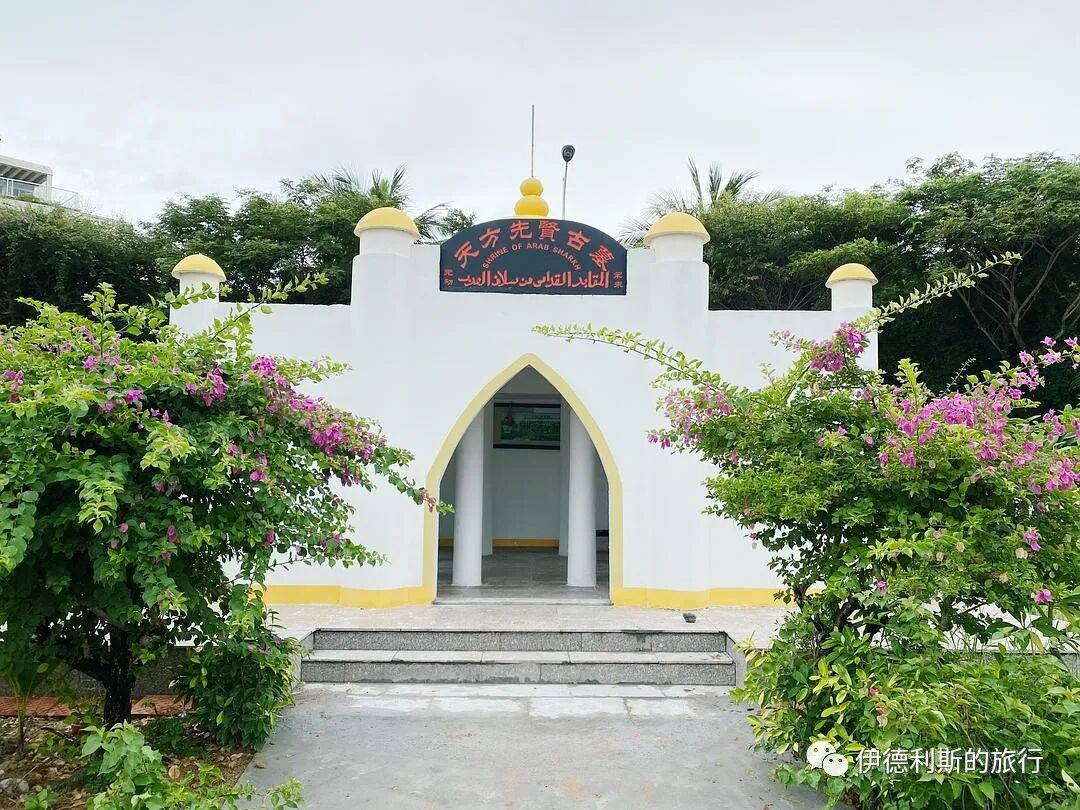
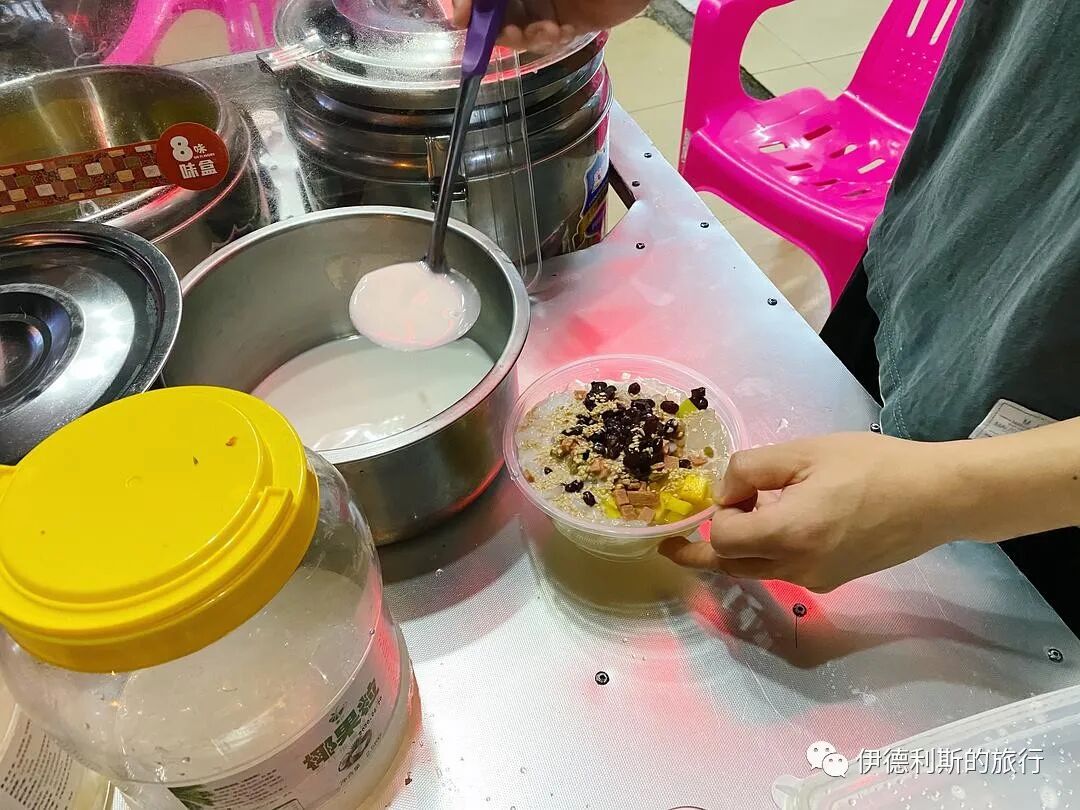
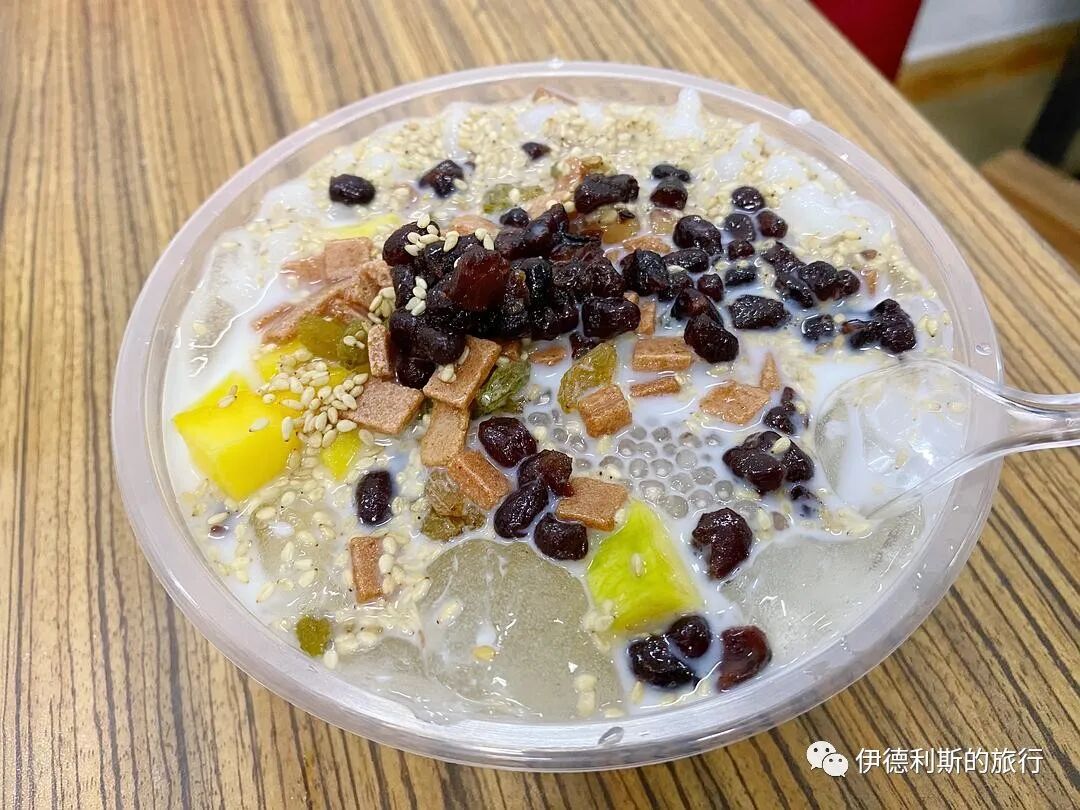
On a summer afternoon in Huixin Village, a coconut and a bowl of qingbuliang (a refreshing herbal dessert soup) are so pleasant.
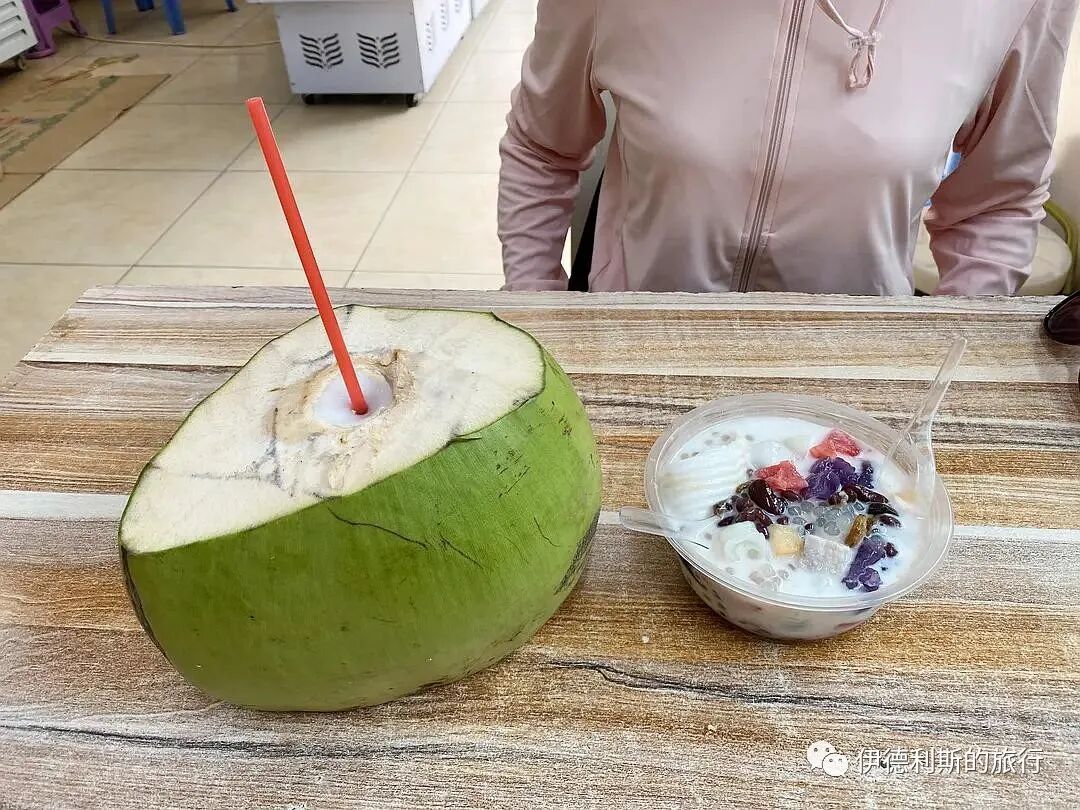
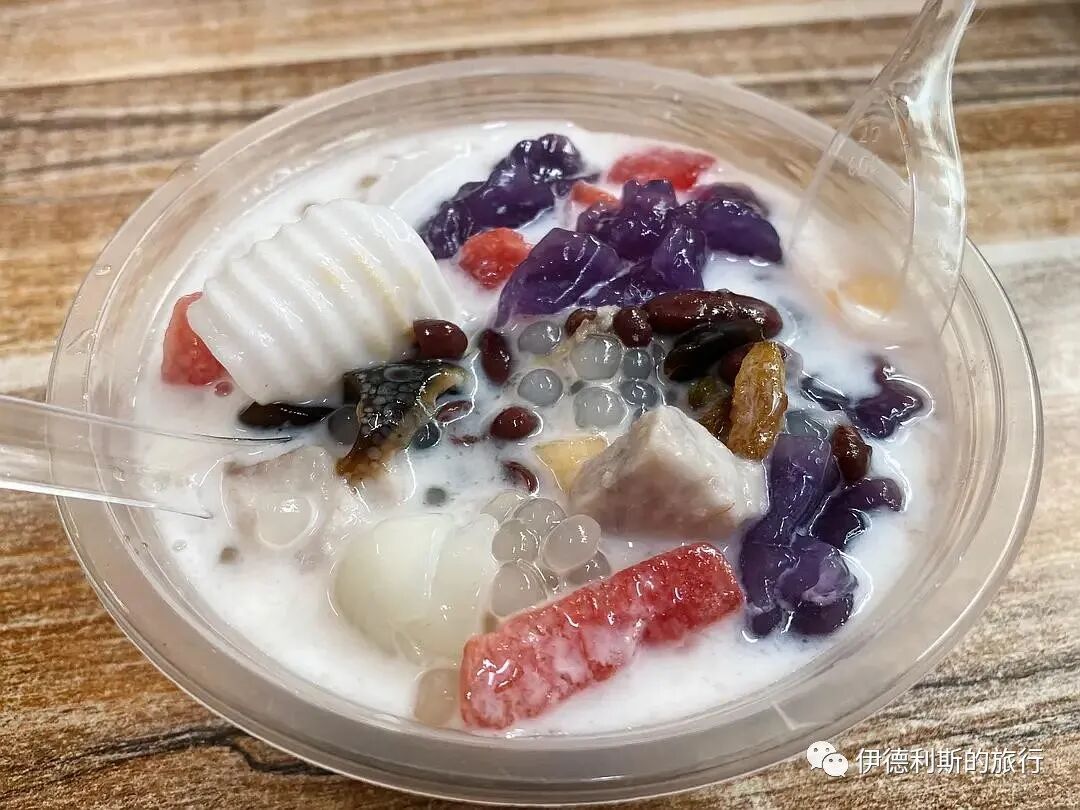
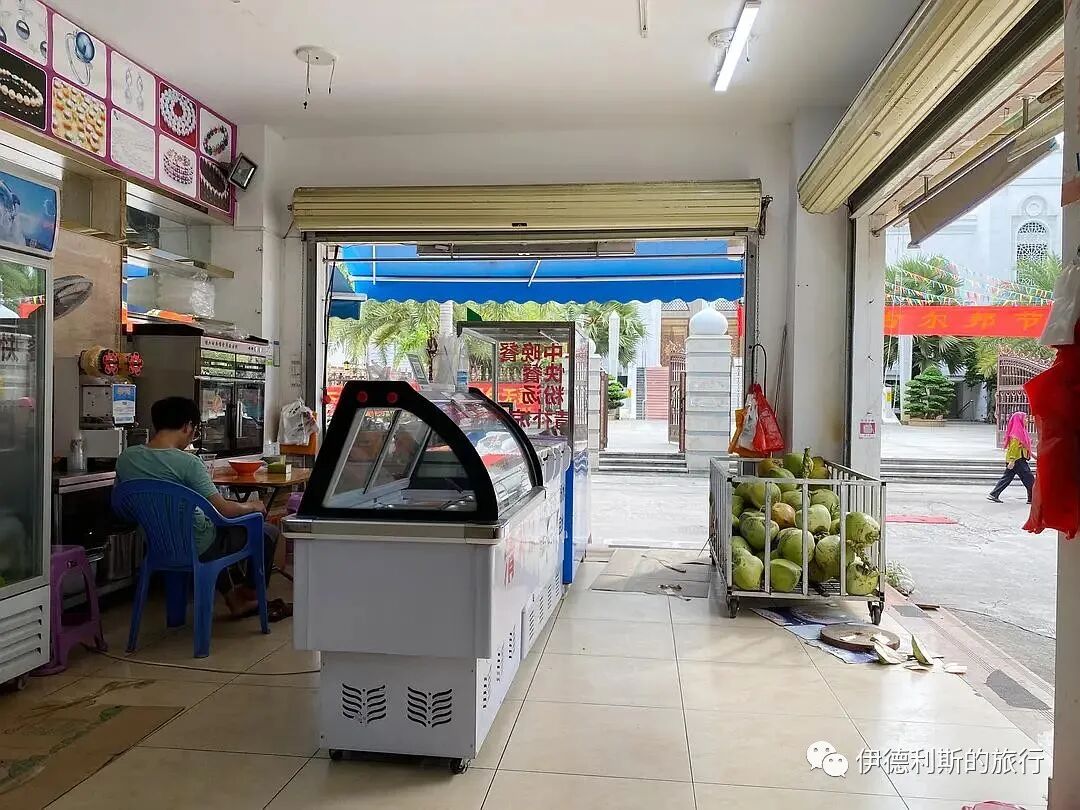
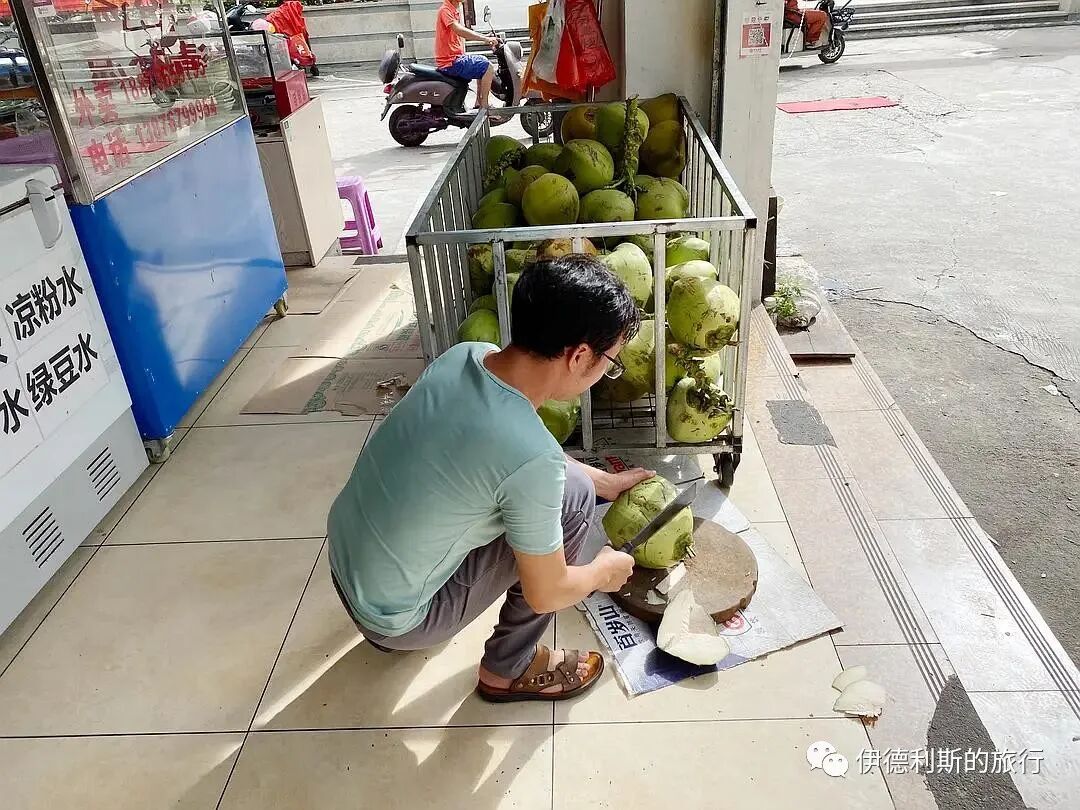
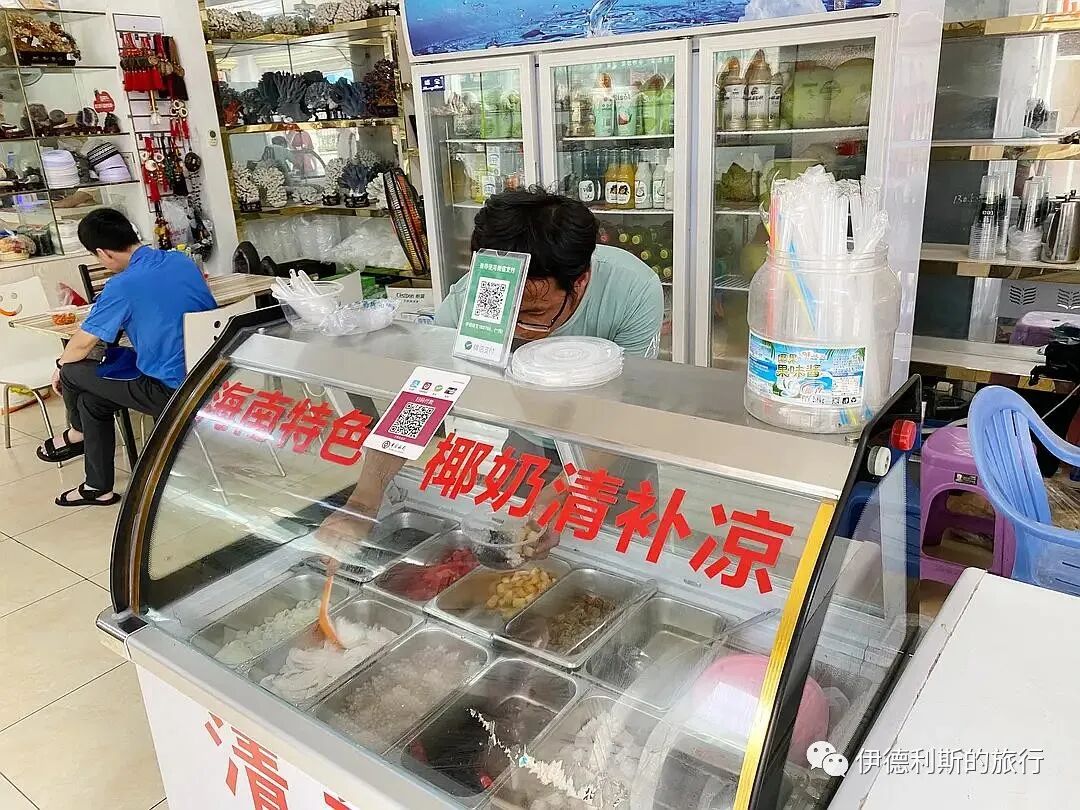
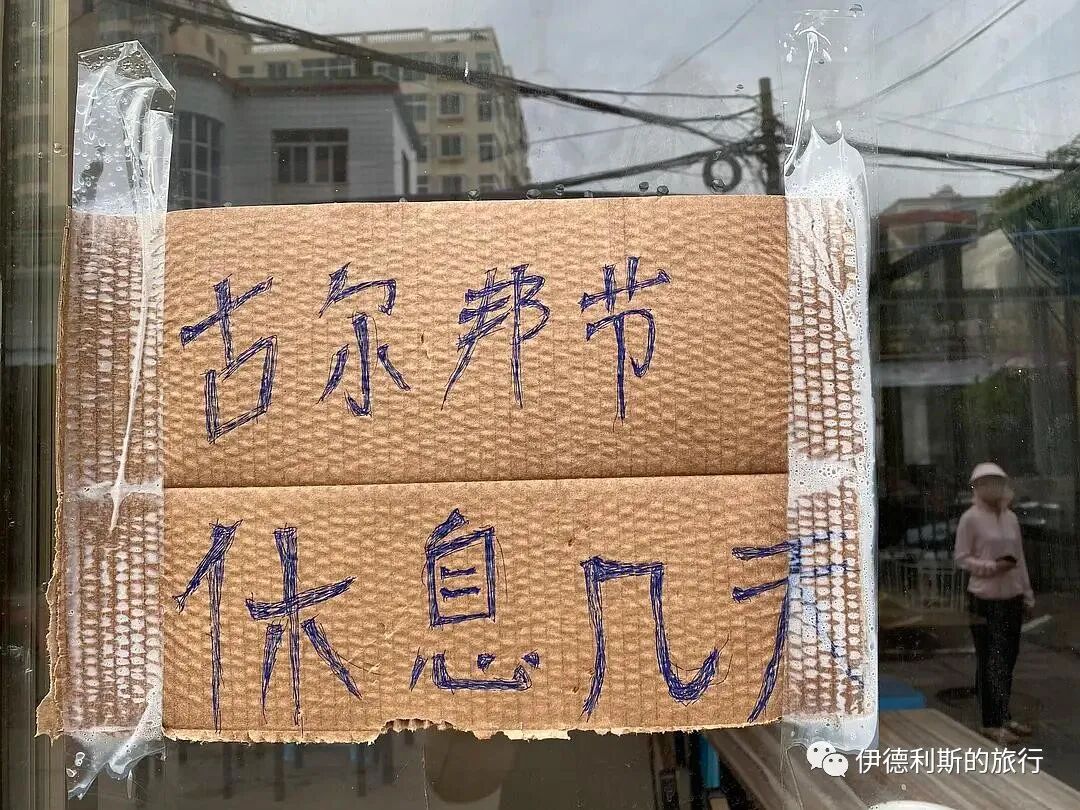
Time to rest.
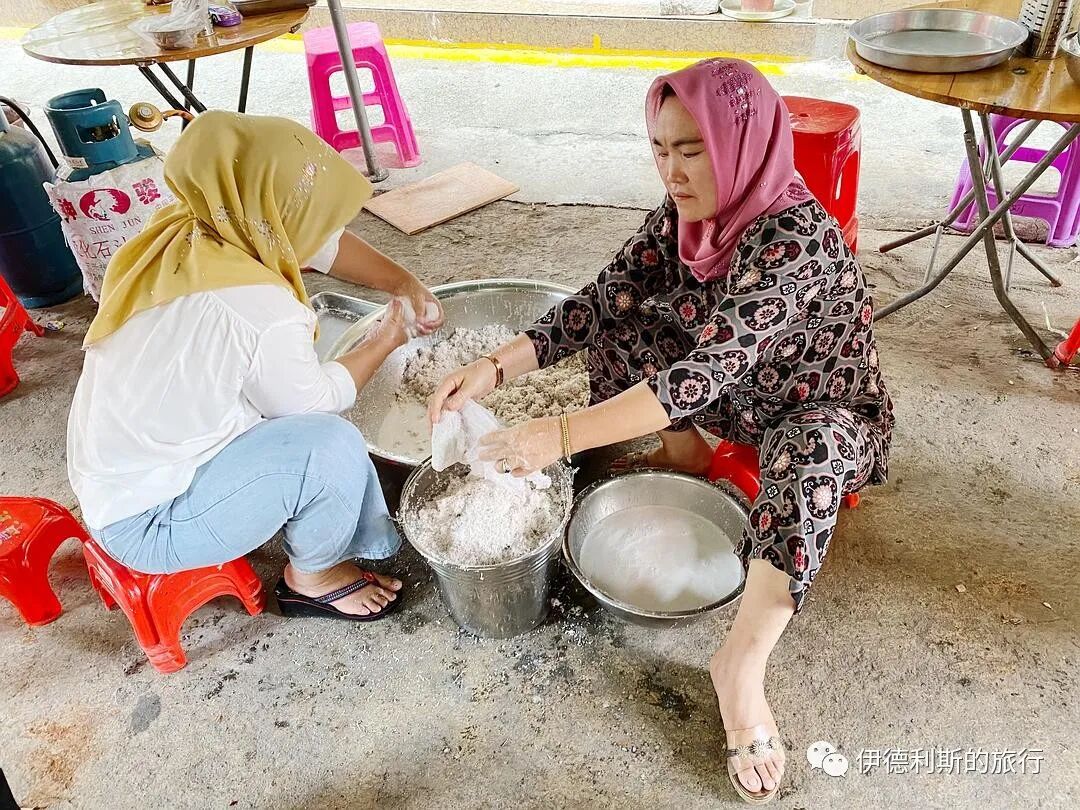
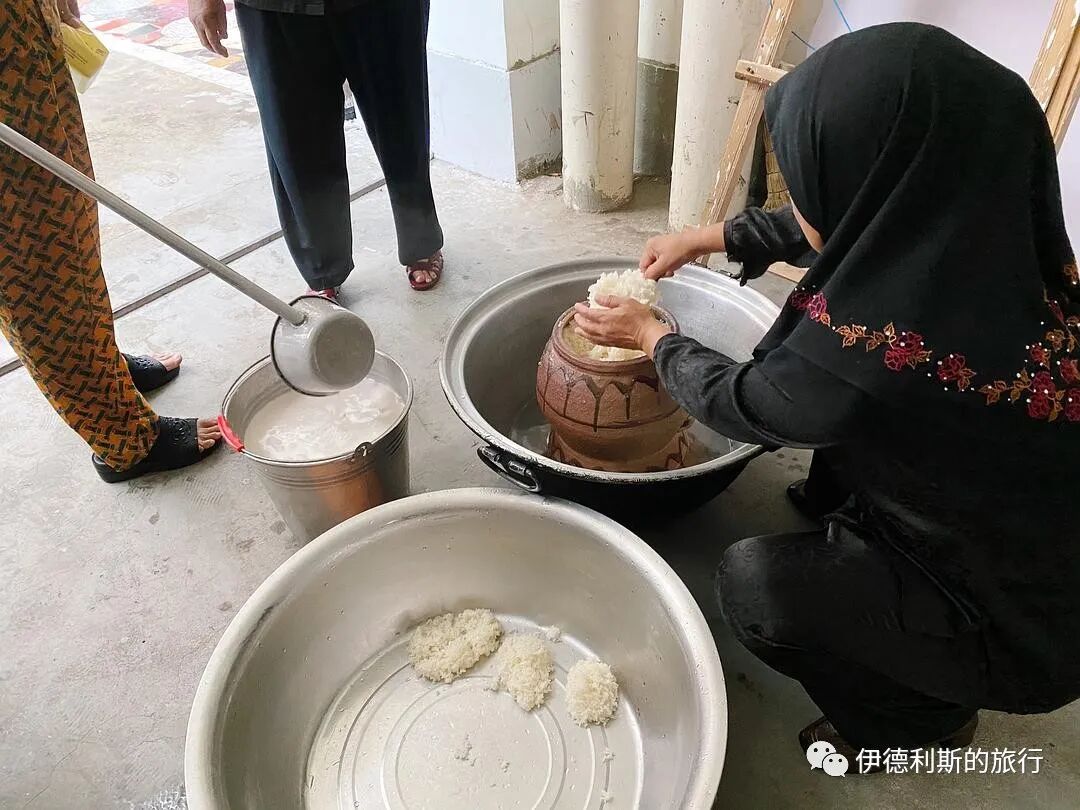
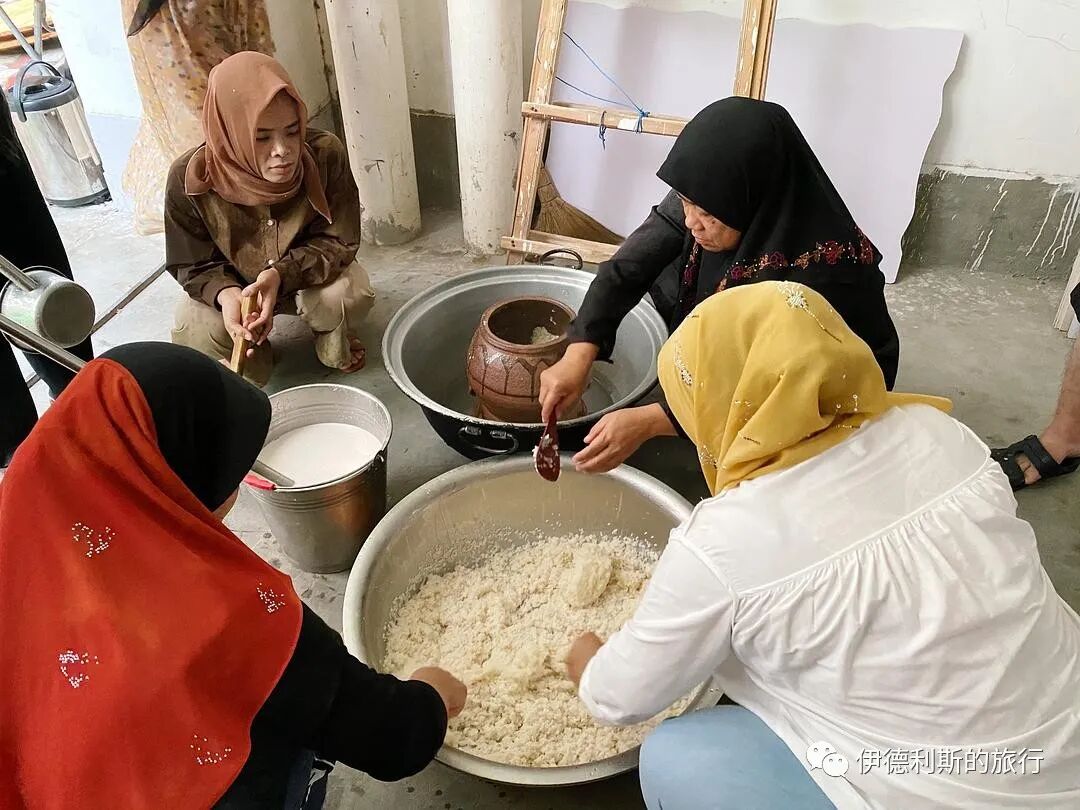
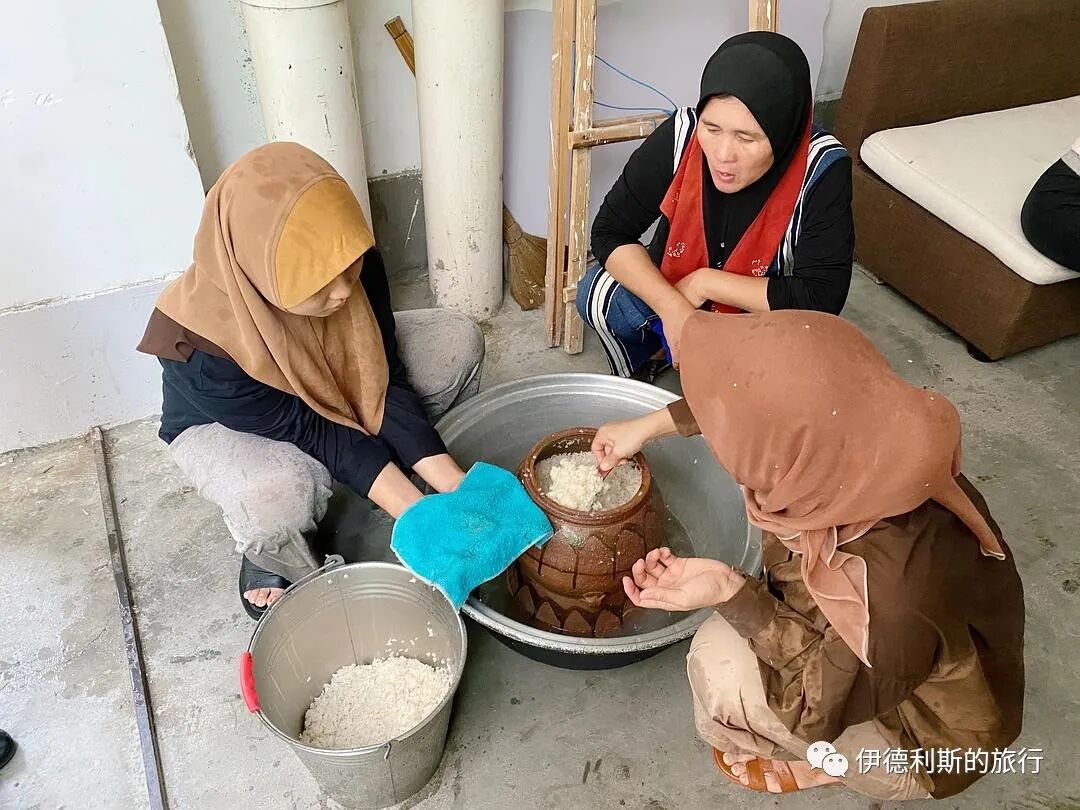
In the afternoon, I returned to the place that hosted the banquet for the Zhongzhuangyuan (a top scholar) to watch the Hui Muslims of Huihui village make traditional nasi lemak (coconut milk rice).
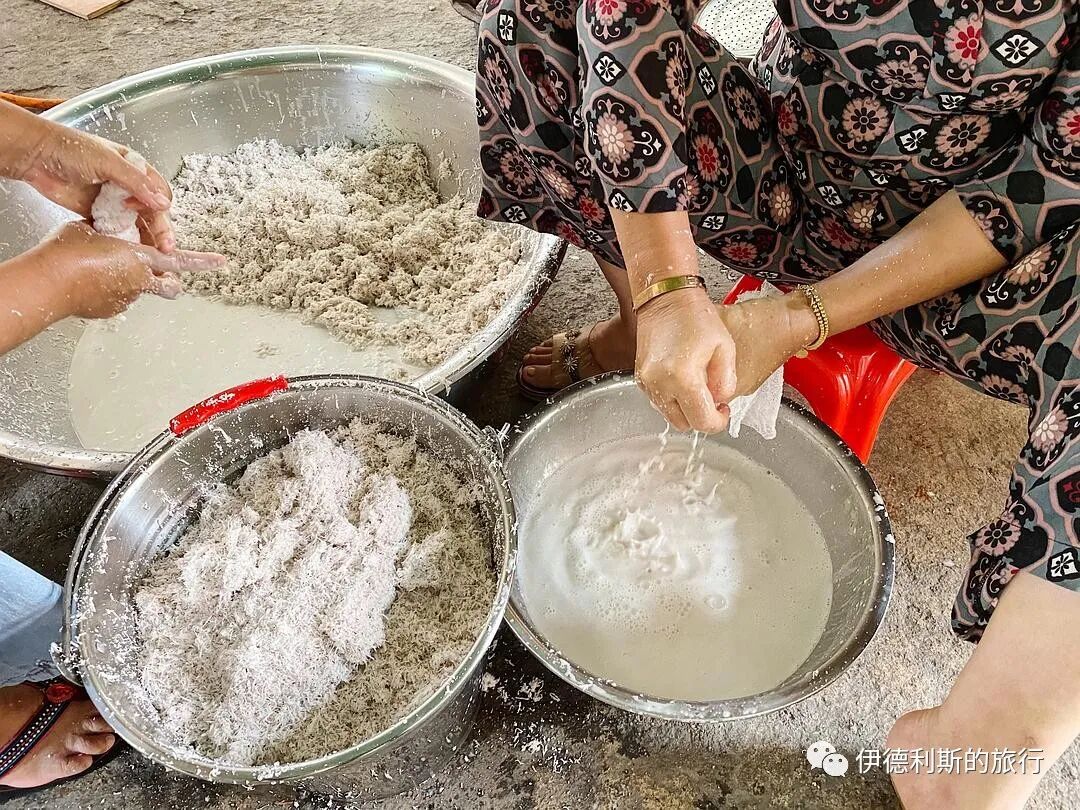
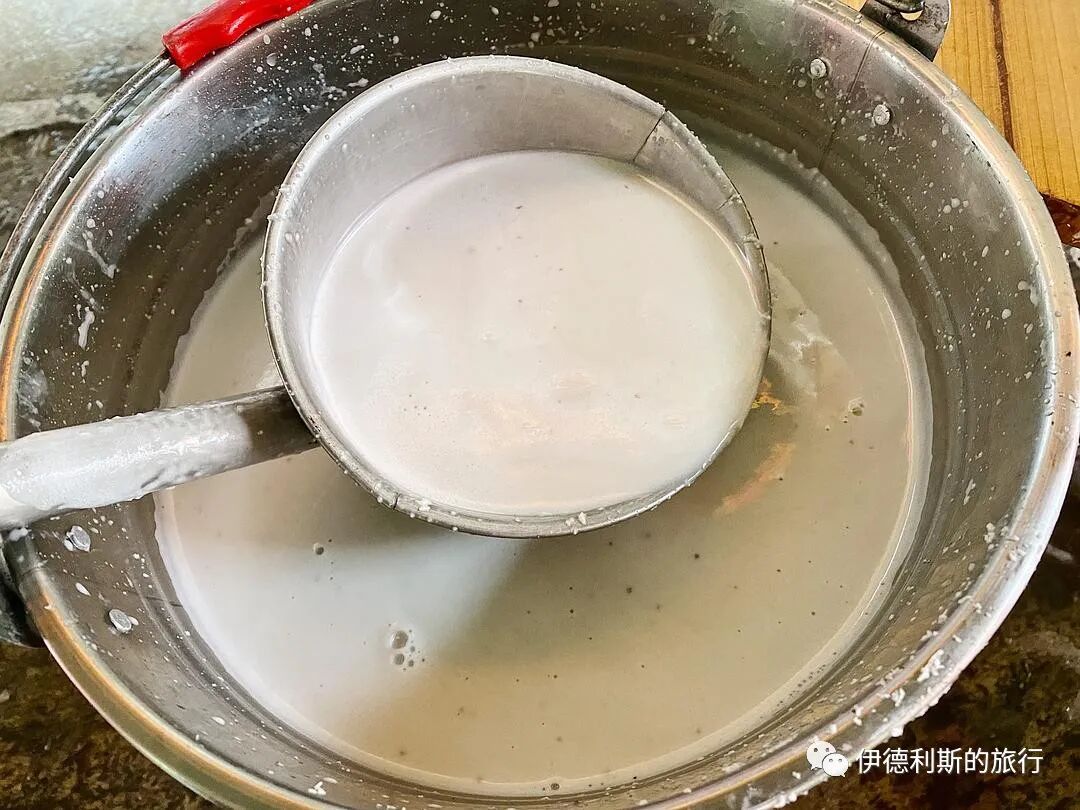
First, you must use old coconuts with thick meat, scrape all the coconut meat into shreds, and then use cheesecloth to squeeze out all the coconut oil.
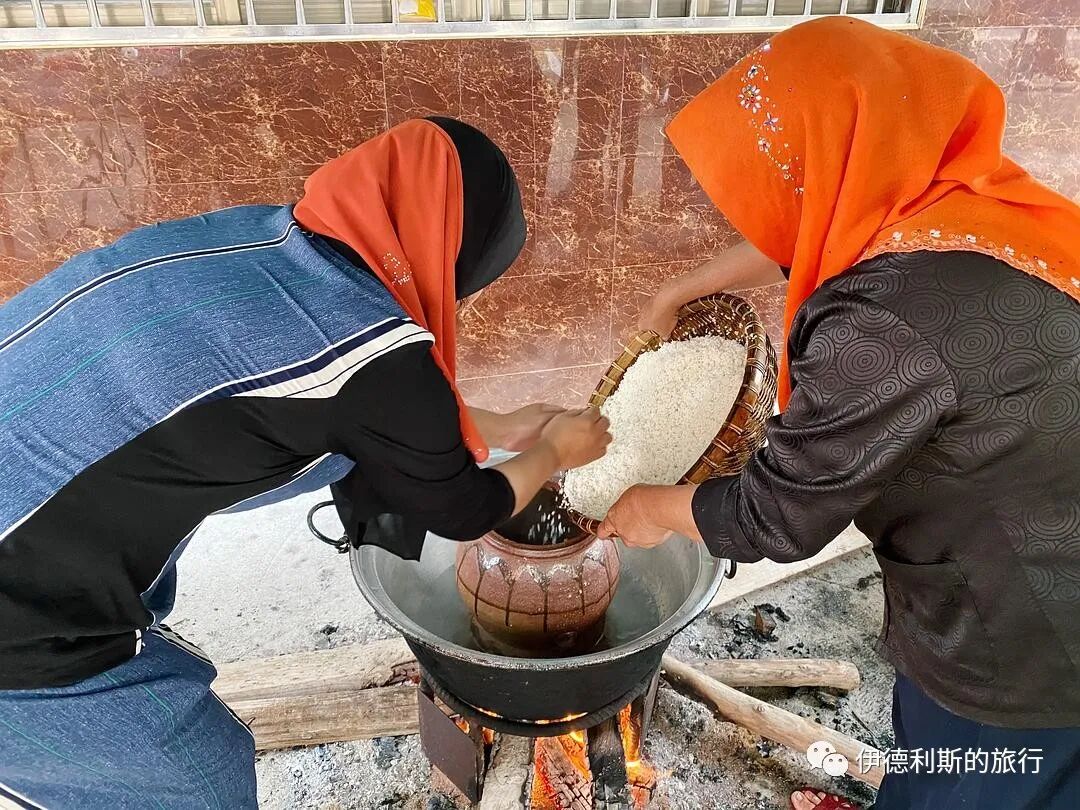
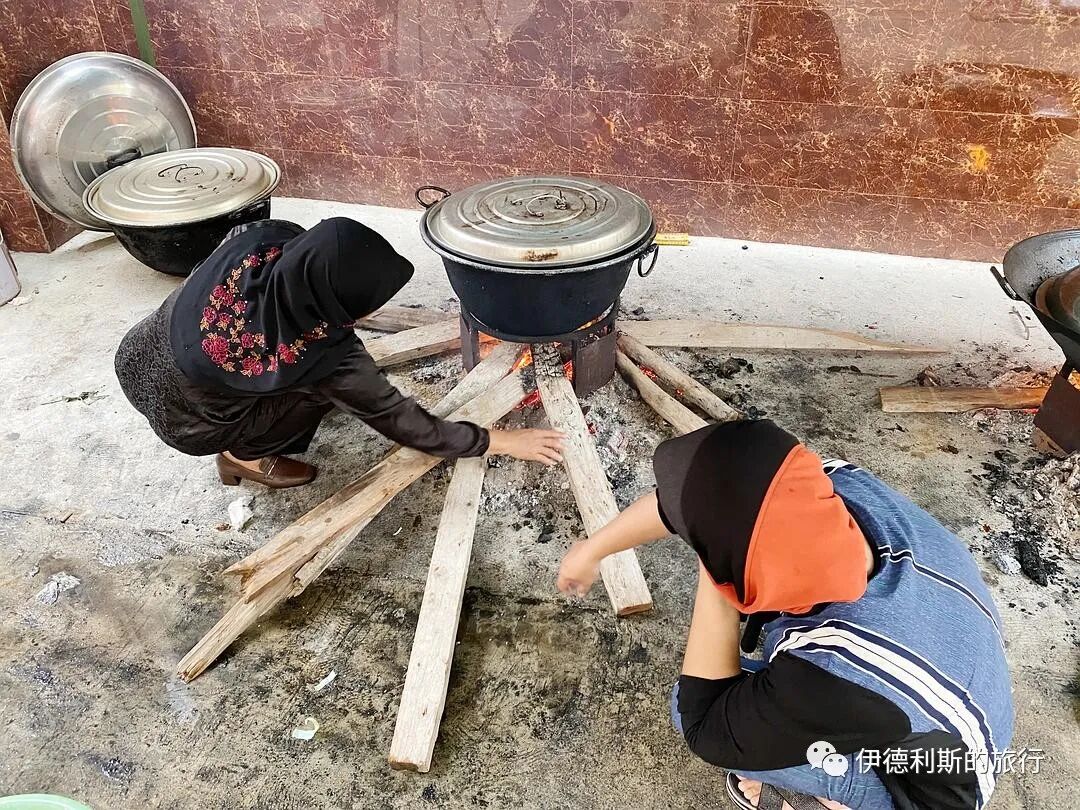
The rice is steamed using a traditional Li ethnic group pottery steamer, and after the rice is cooked, the coconut milk and rice are thoroughly mixed together. At this stage, the coconut milk rice is very firm and chewy.
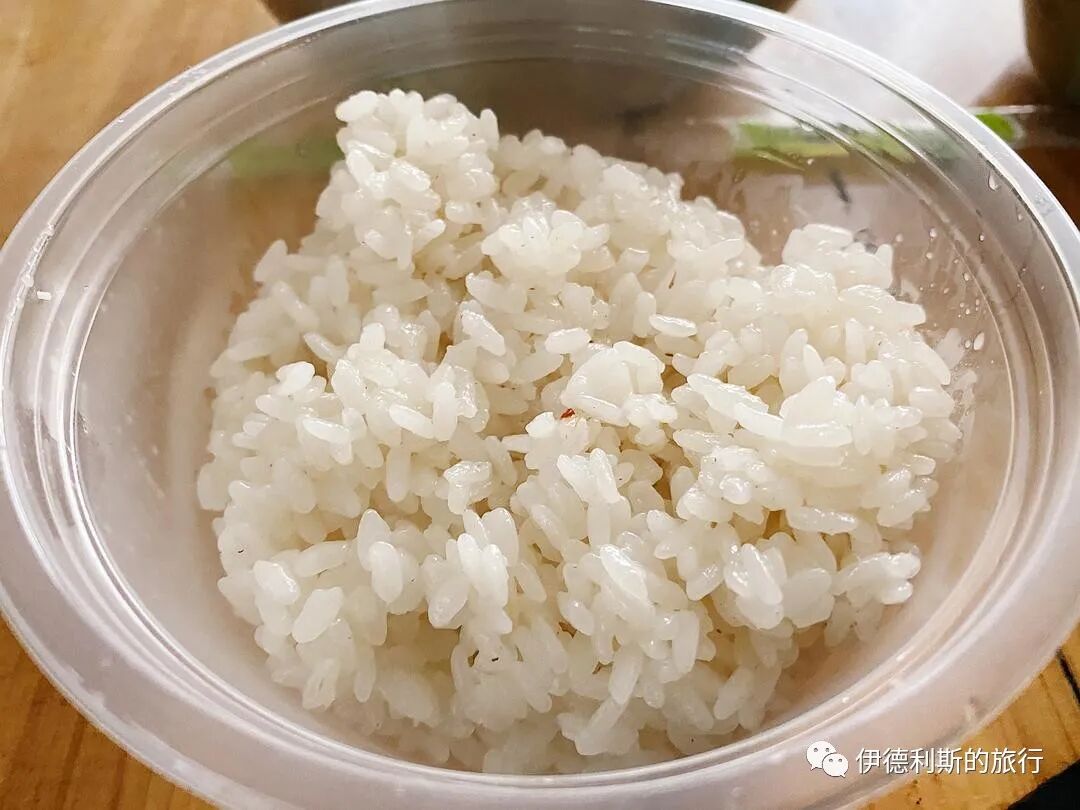
Then, the mixed coconut milk rice is steamed a second time in the pottery steamer; at this point, the rice is softer and stickier than in the first stage, and the coconut milk and rice are completely fused together.
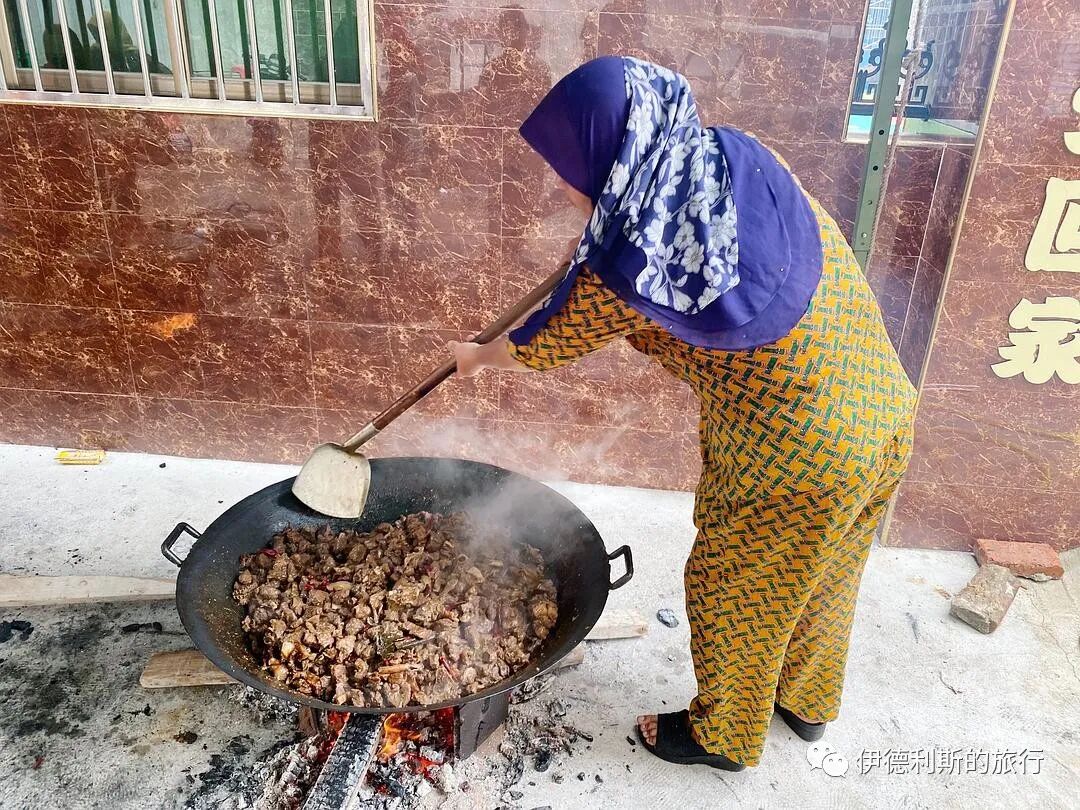
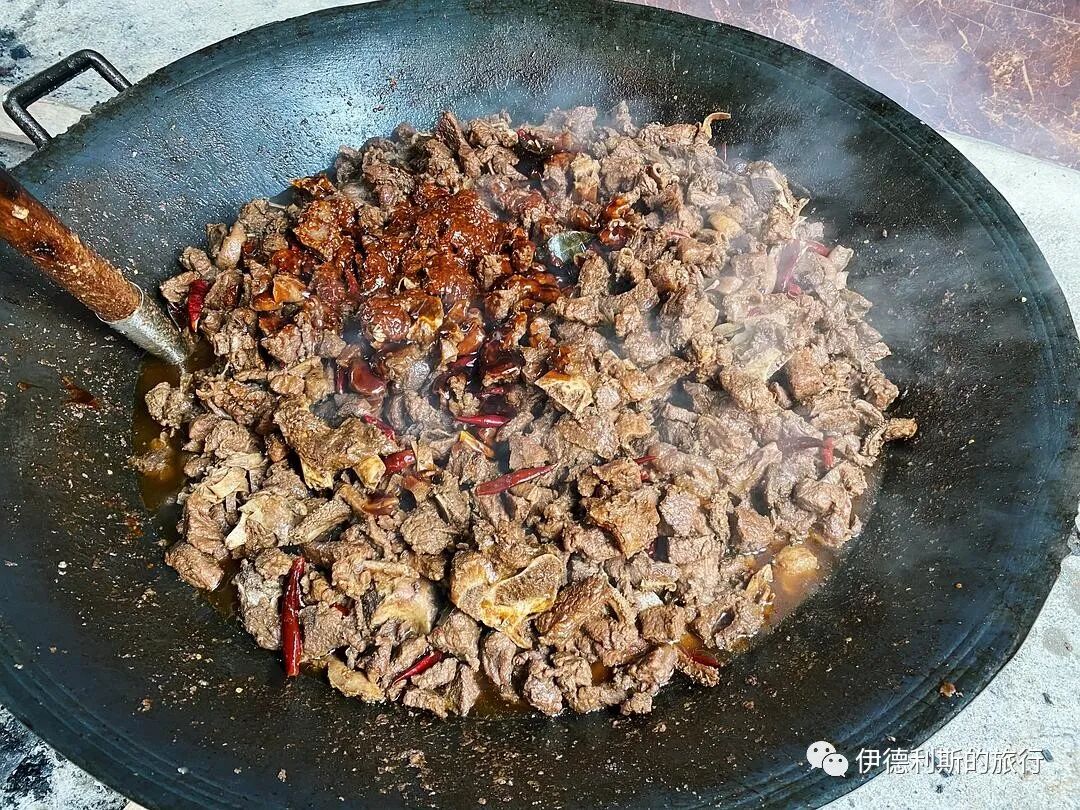
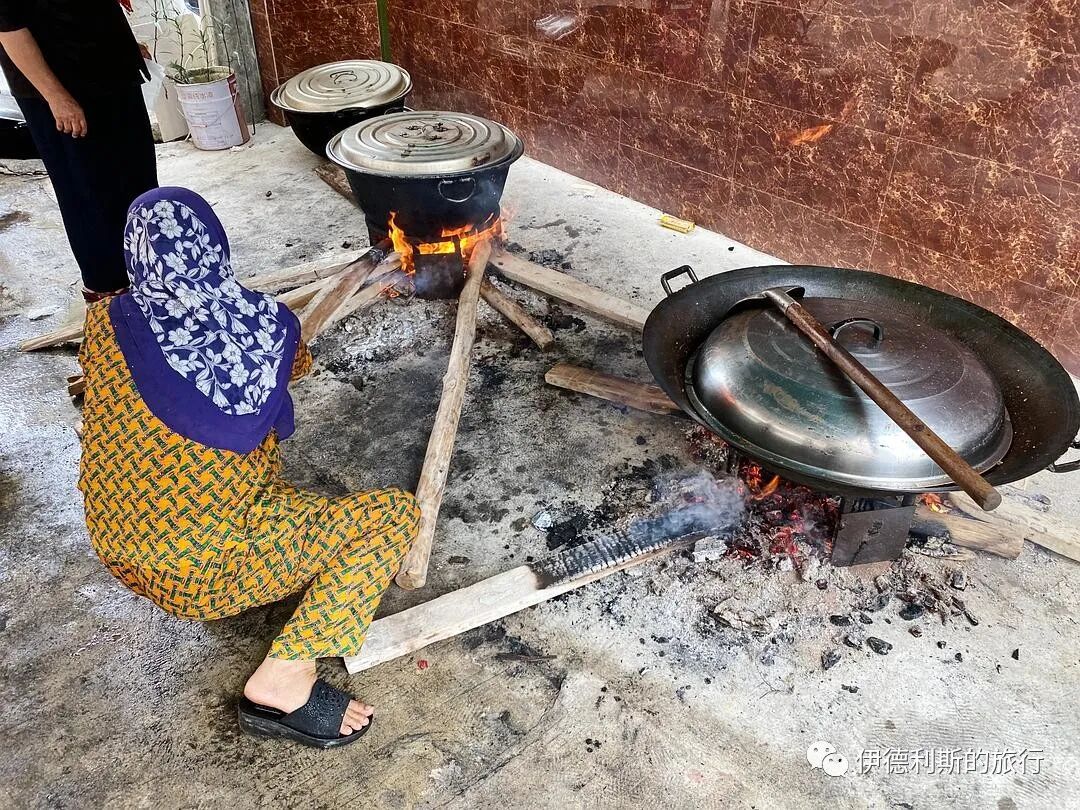
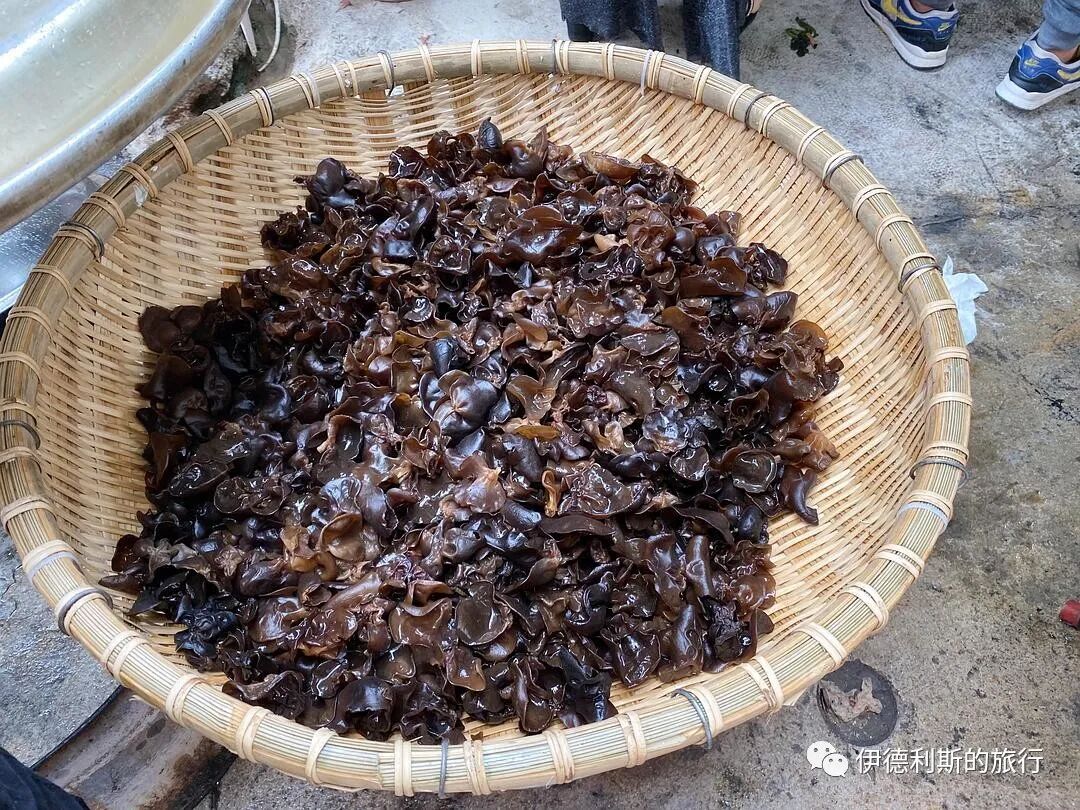
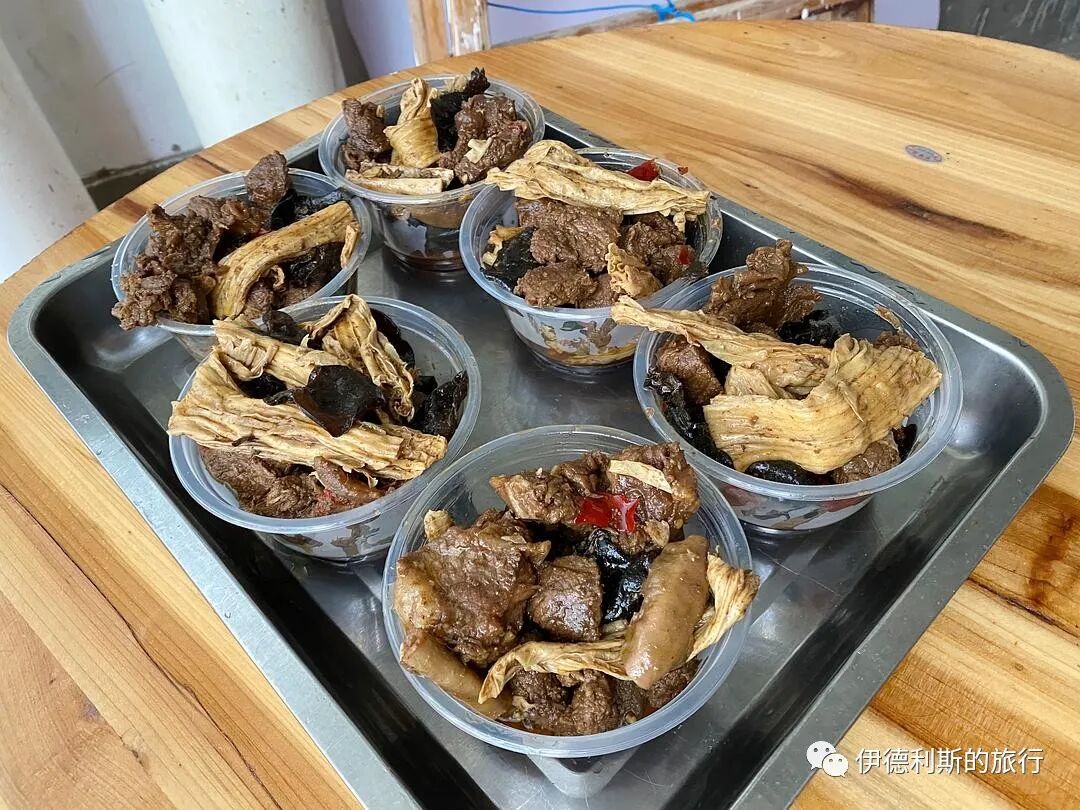
They used beef slaughtered the day before for Eid al-Adha, stewing the meat first and then adding wood ear mushrooms and dried bean curd sticks; this is a classic main dish at Huihui village banquets.
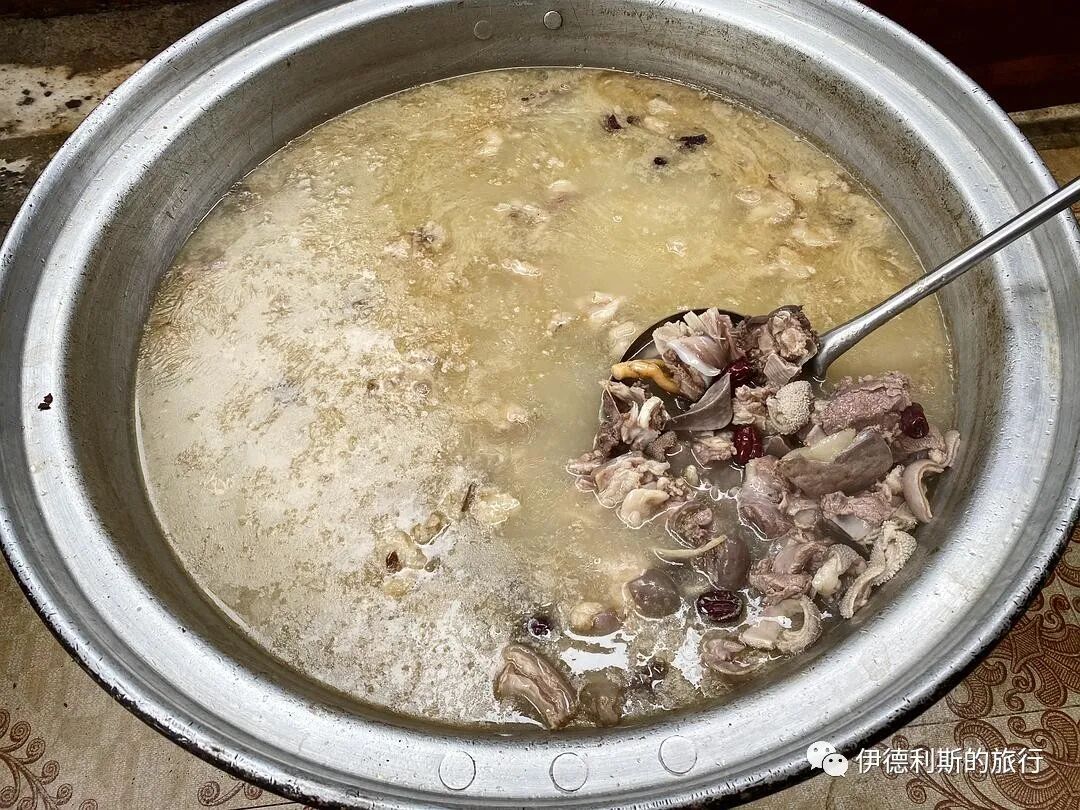
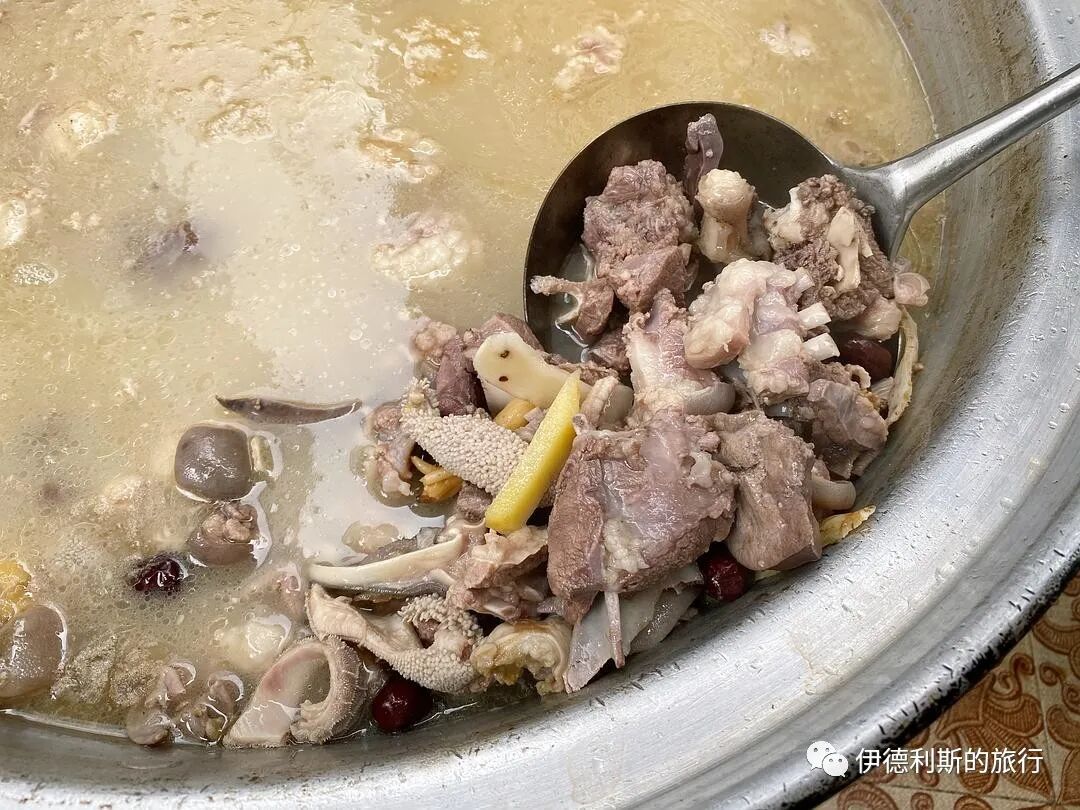
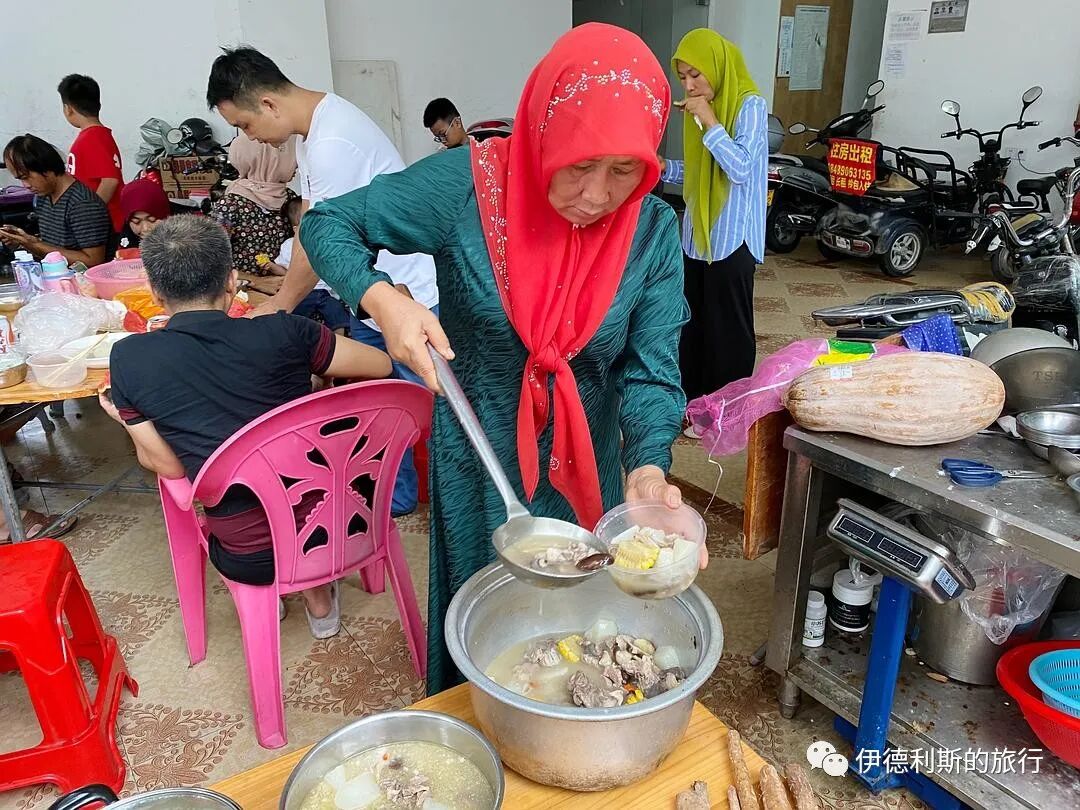
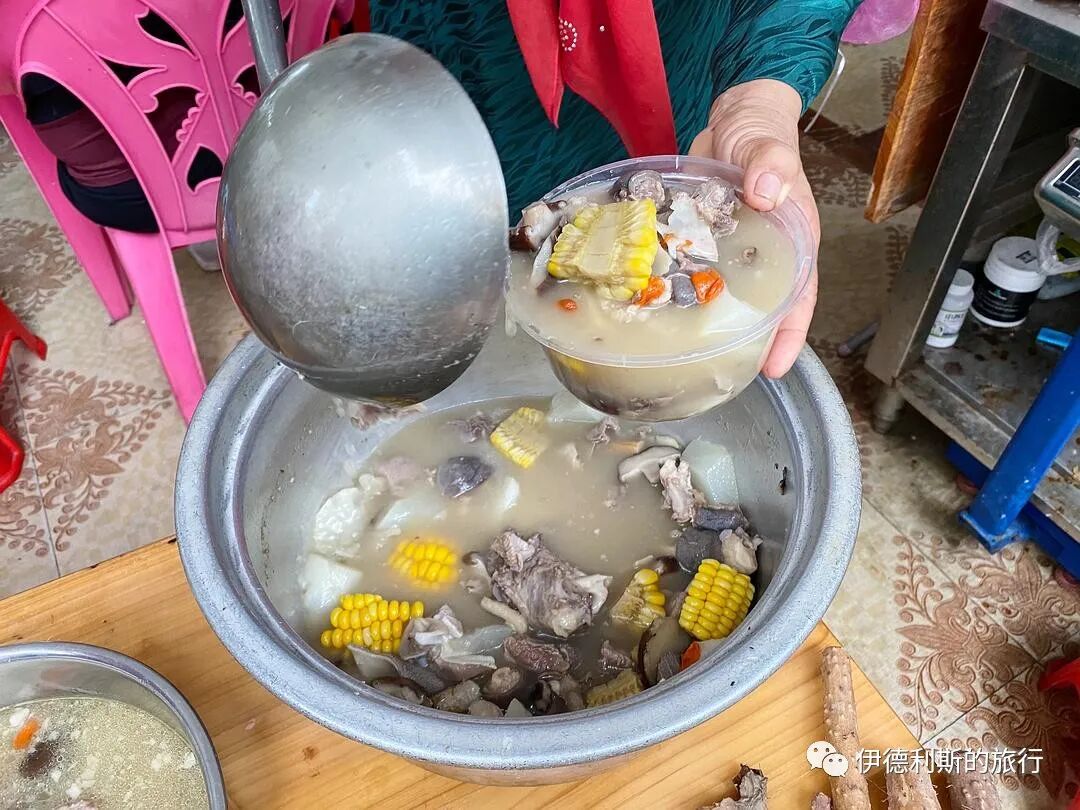
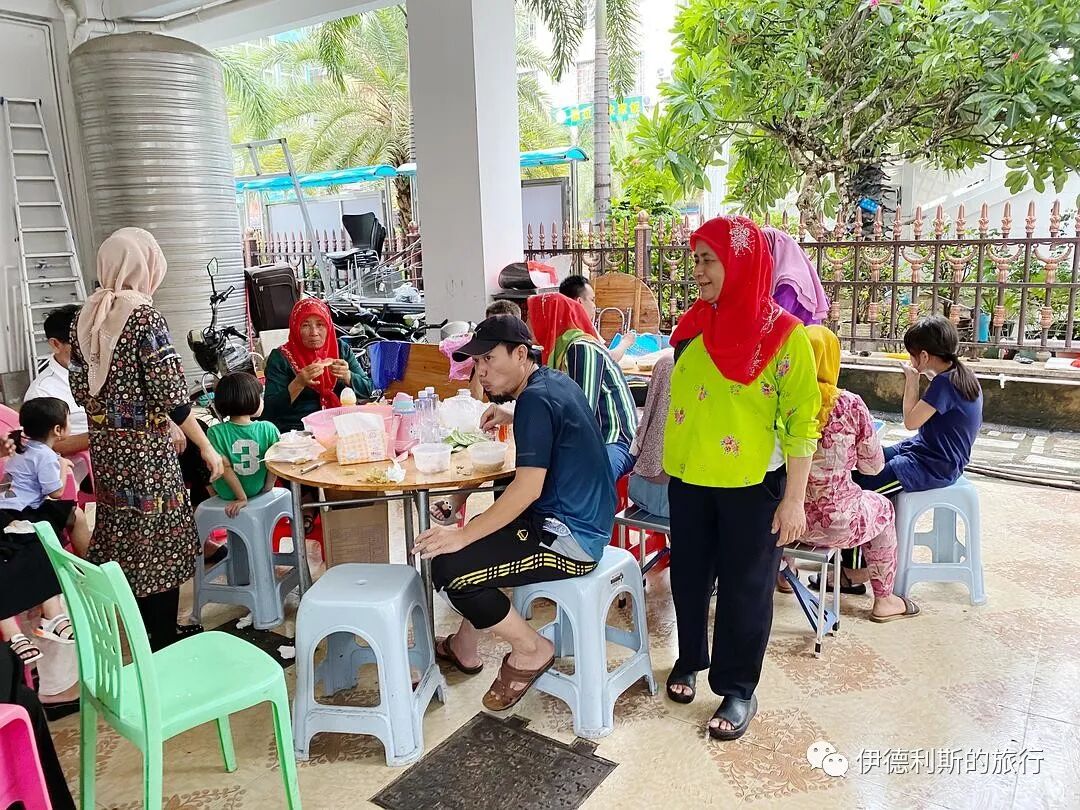
A Huihui family living downstairs from us slaughtered a sheep yesterday, and today they are stewing lamb offal soup. The Huihui people in Sanya rarely eat lamb, basically only eating the Dongshan goat they slaughter themselves once a year during Eid al-Adha. After slaughtering the sheep, the Huihui people scrape off the hair, as they believe lamb with the skin on is the most delicious.
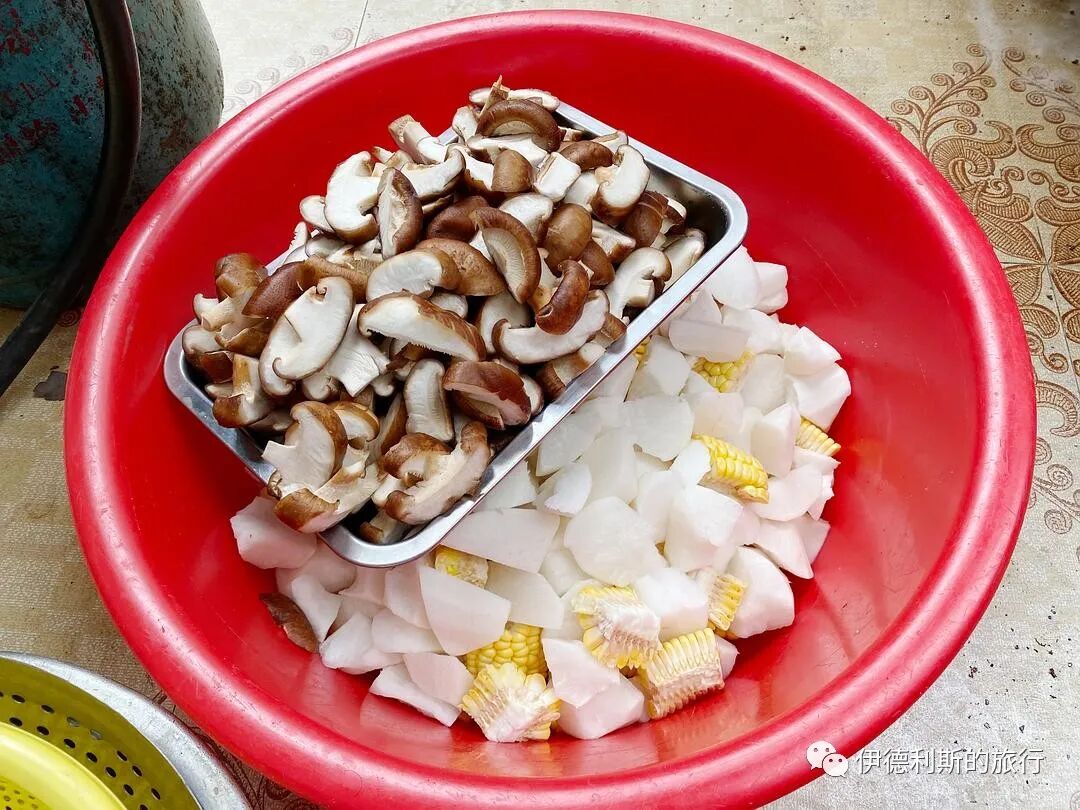
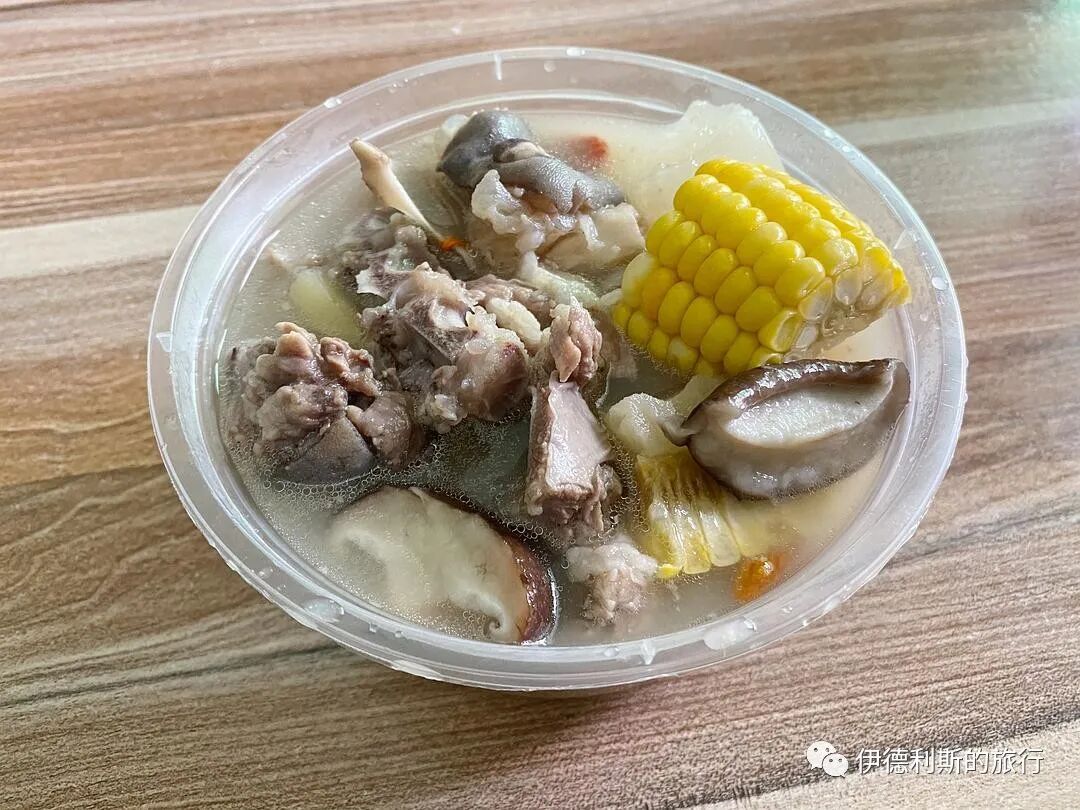
When stewing the lamb offal, they include the sheep's feet, stewing from morning until afternoon, and also adding various meat seasonings. Finally, they add radishes, corn, and shiitake mushrooms; the taste is completely different from northern lamb soup, offering another unique delicious flavor.
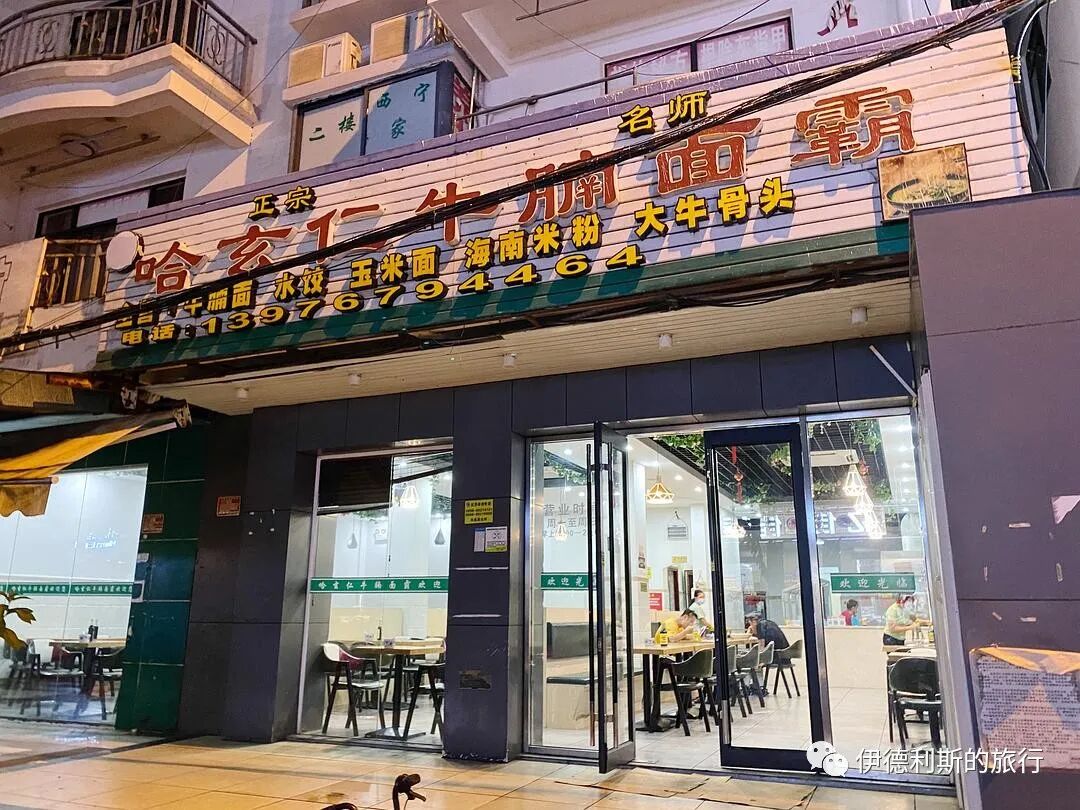
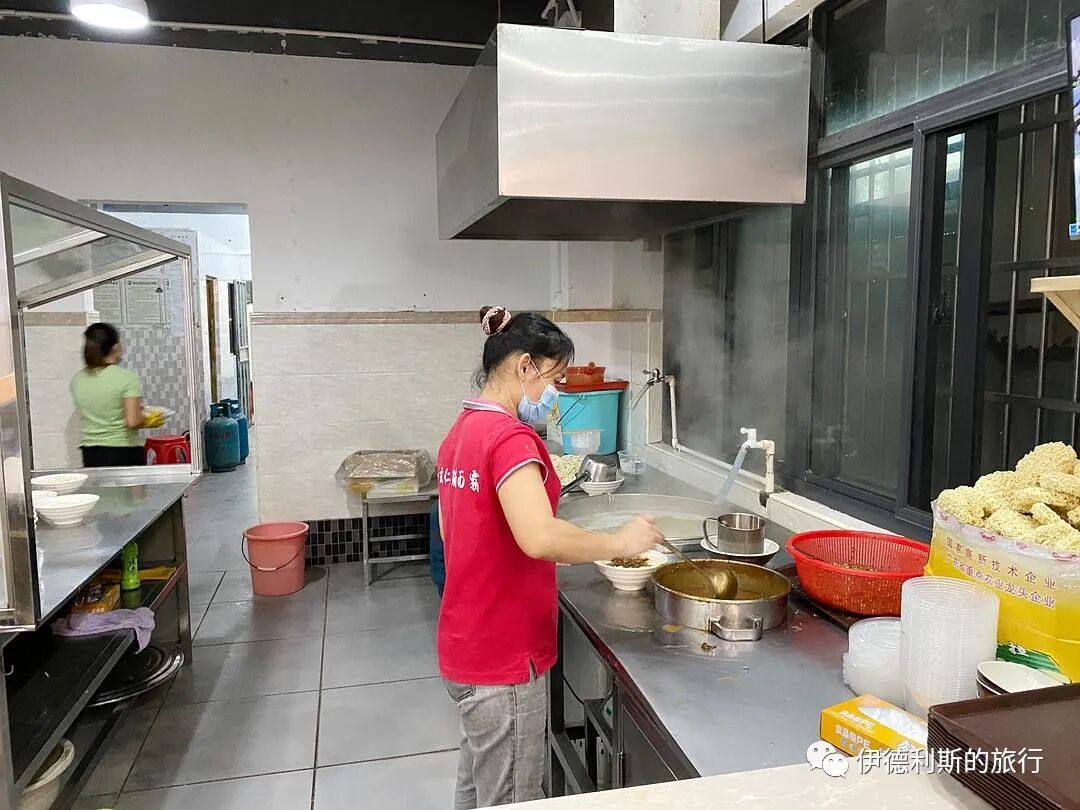
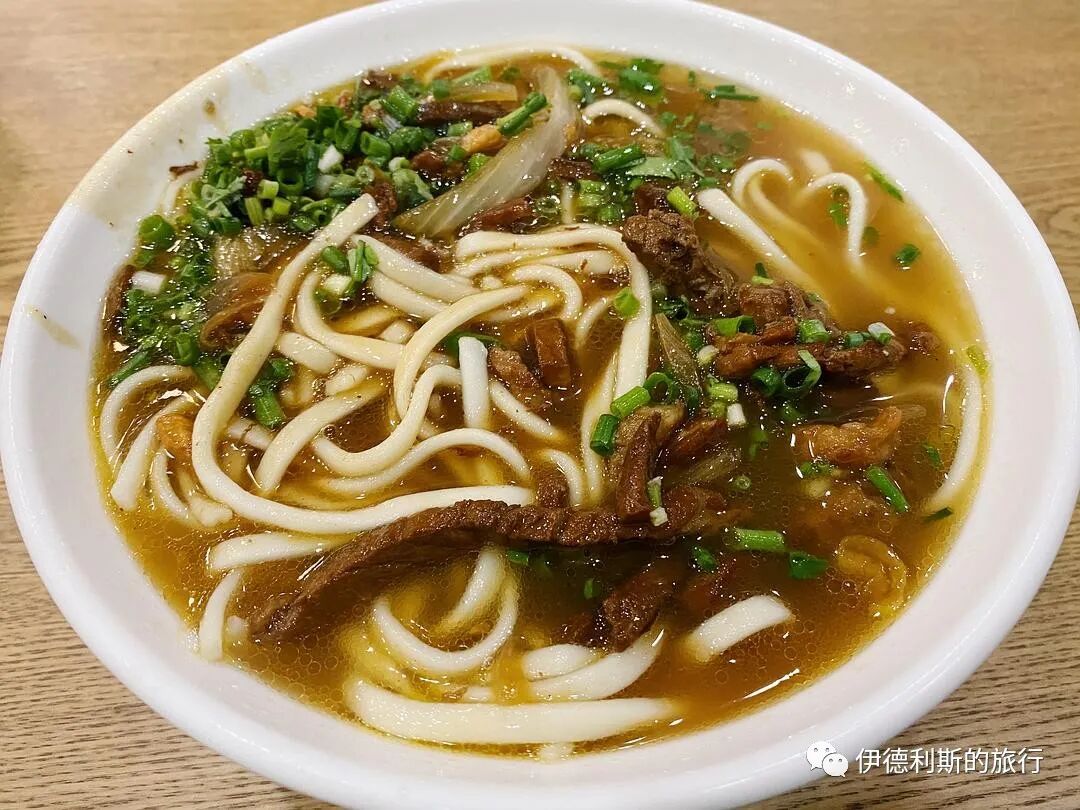
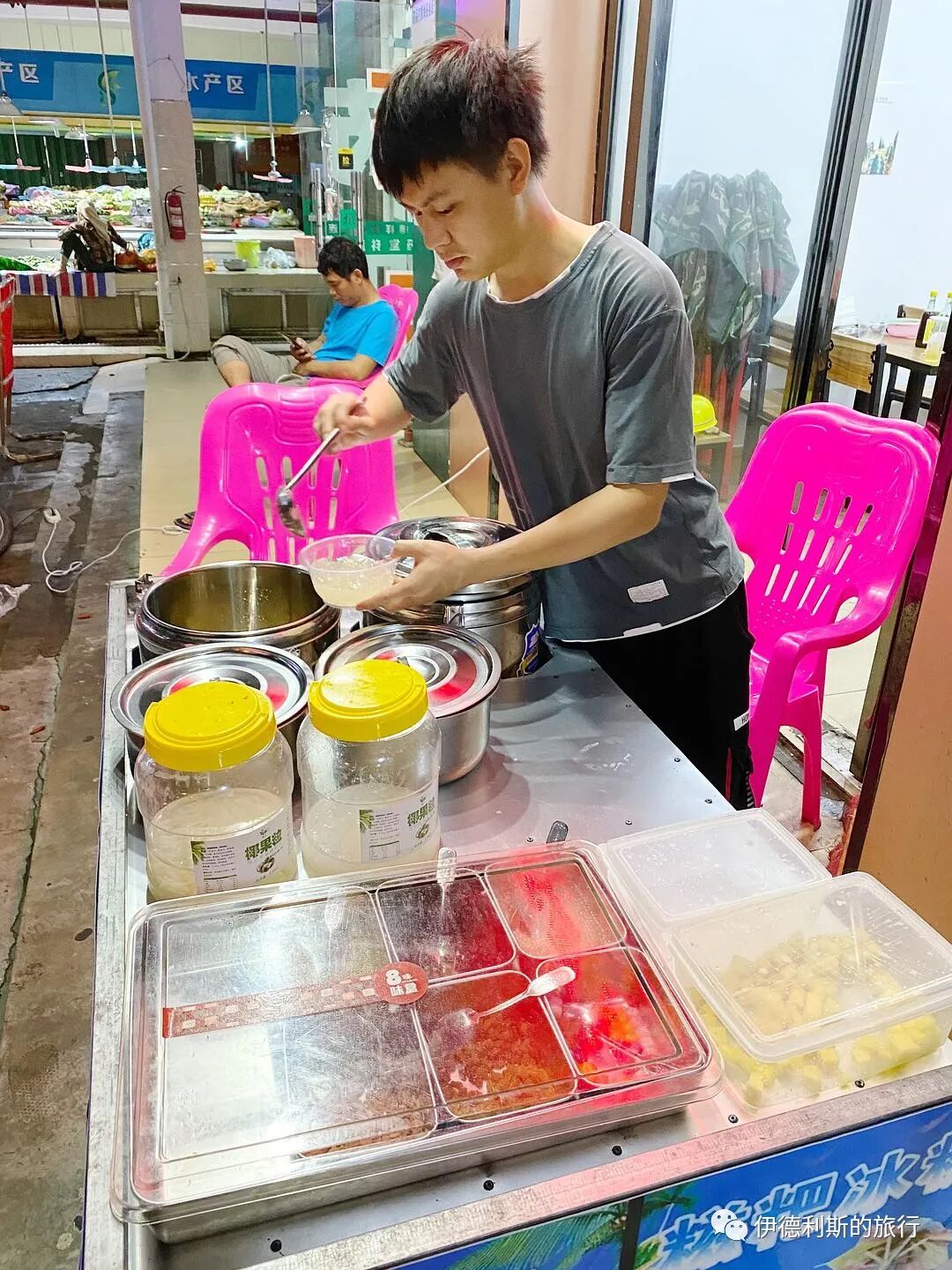
In the evening, I had beef brisket noodles at Haxuanren in Huihui Village, and then had coconut milk ice jelly across the street.
August 2nd
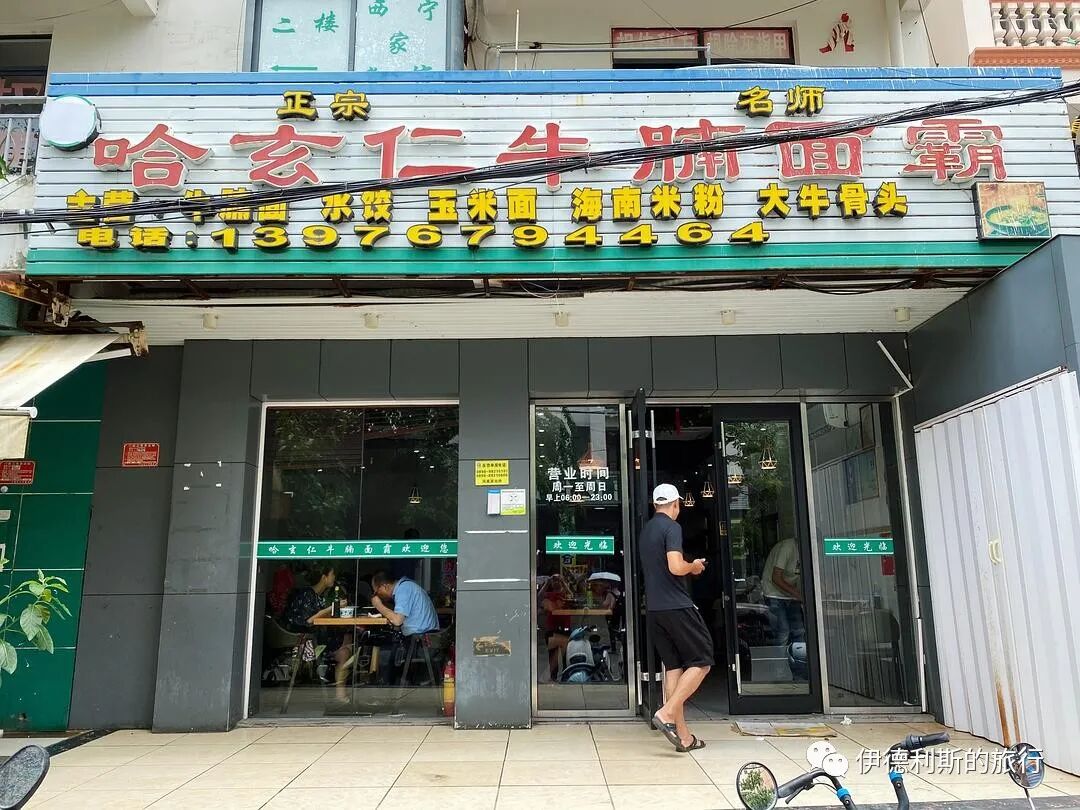
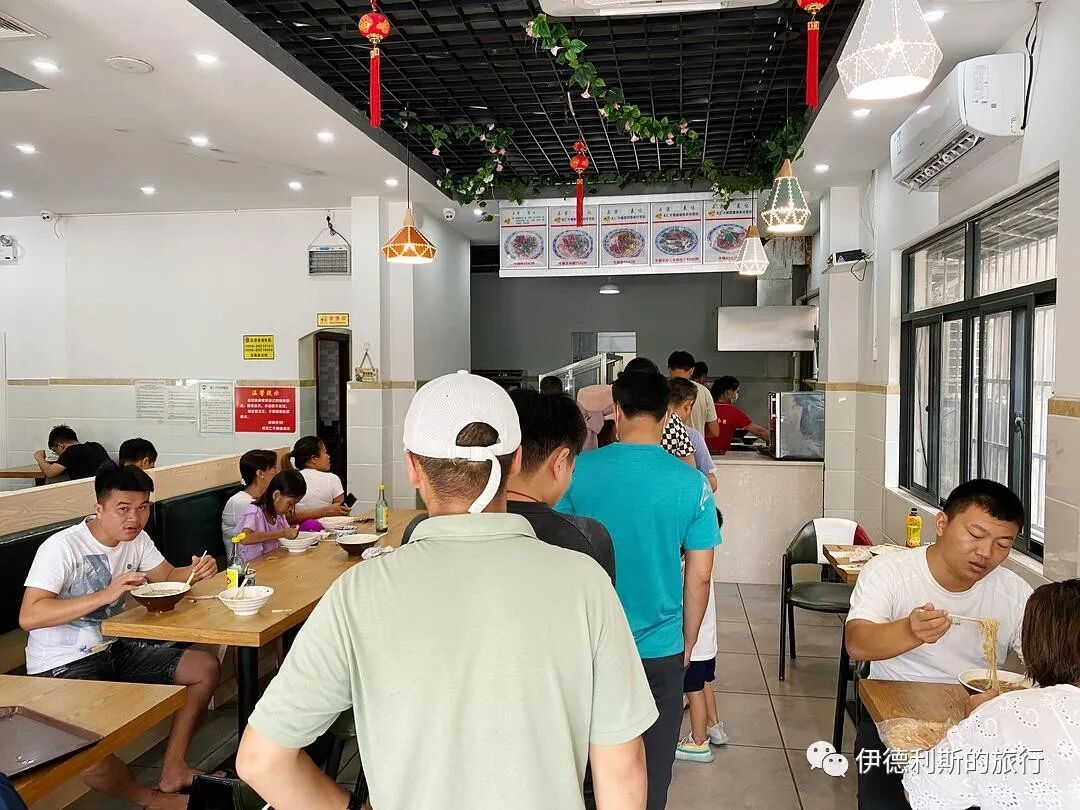
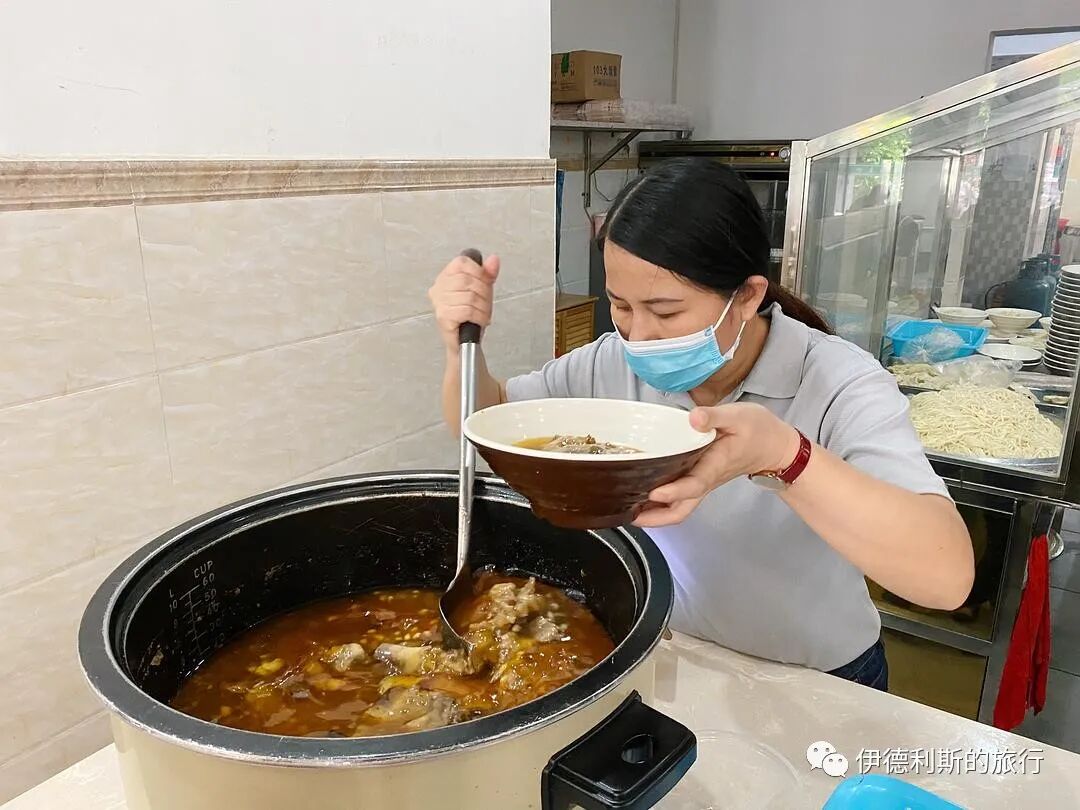
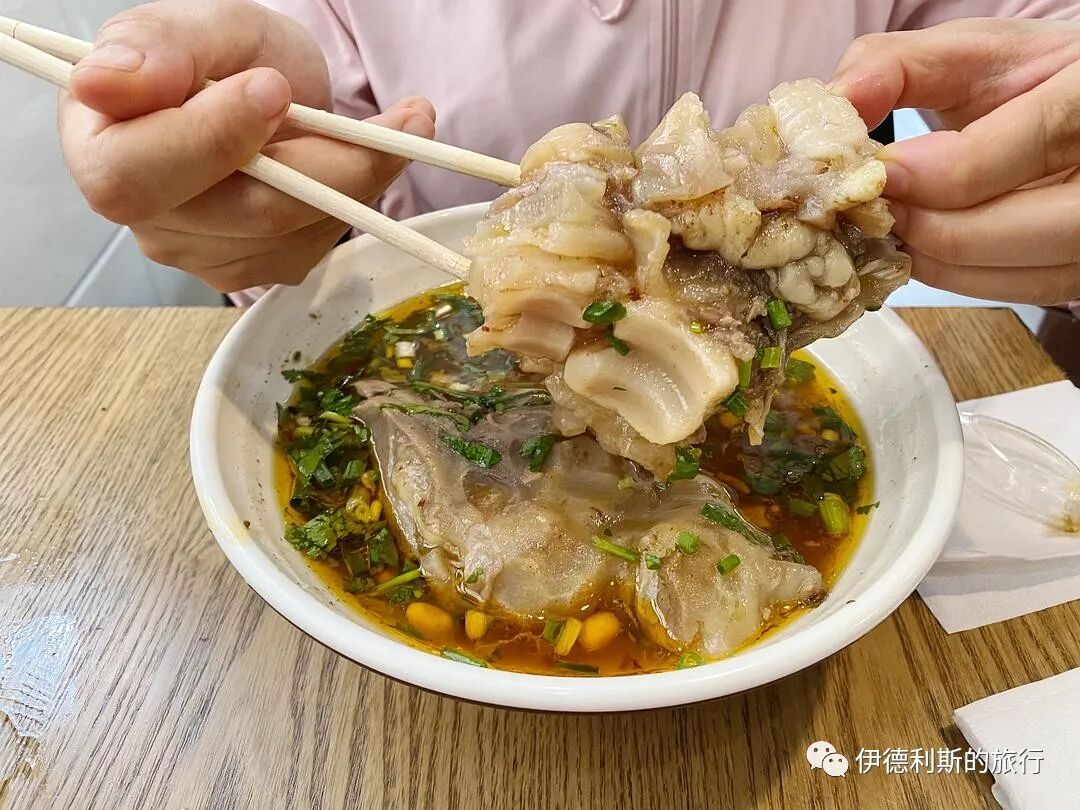
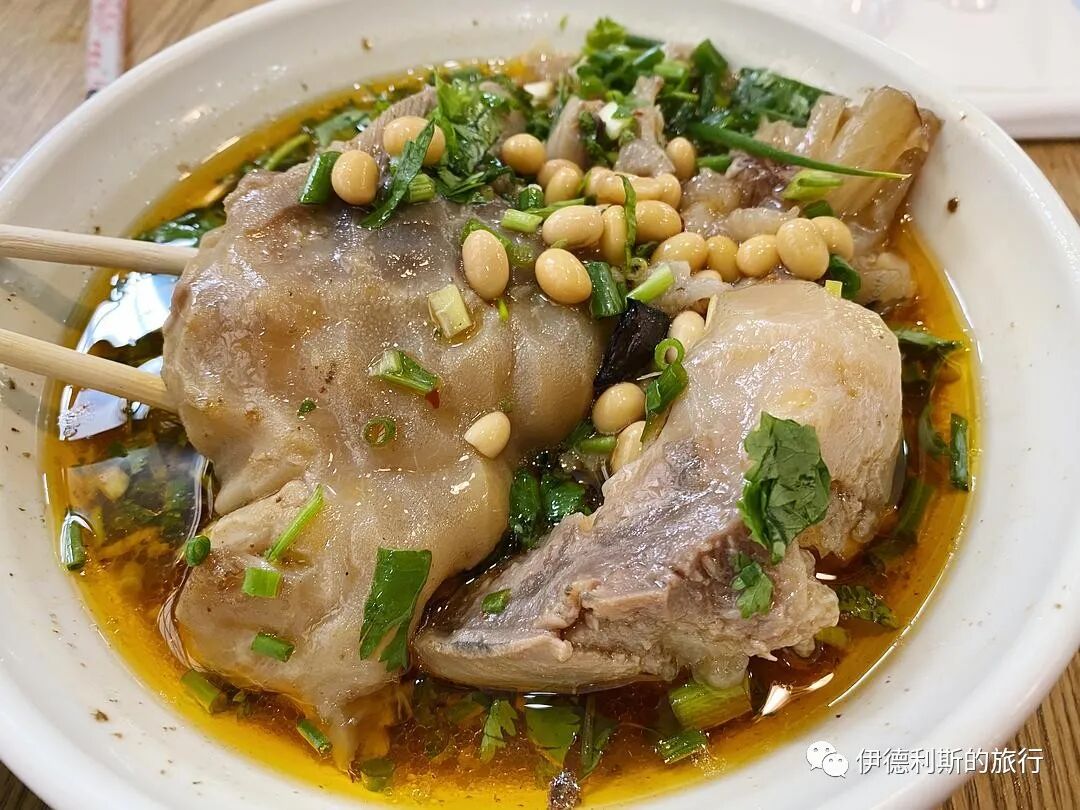
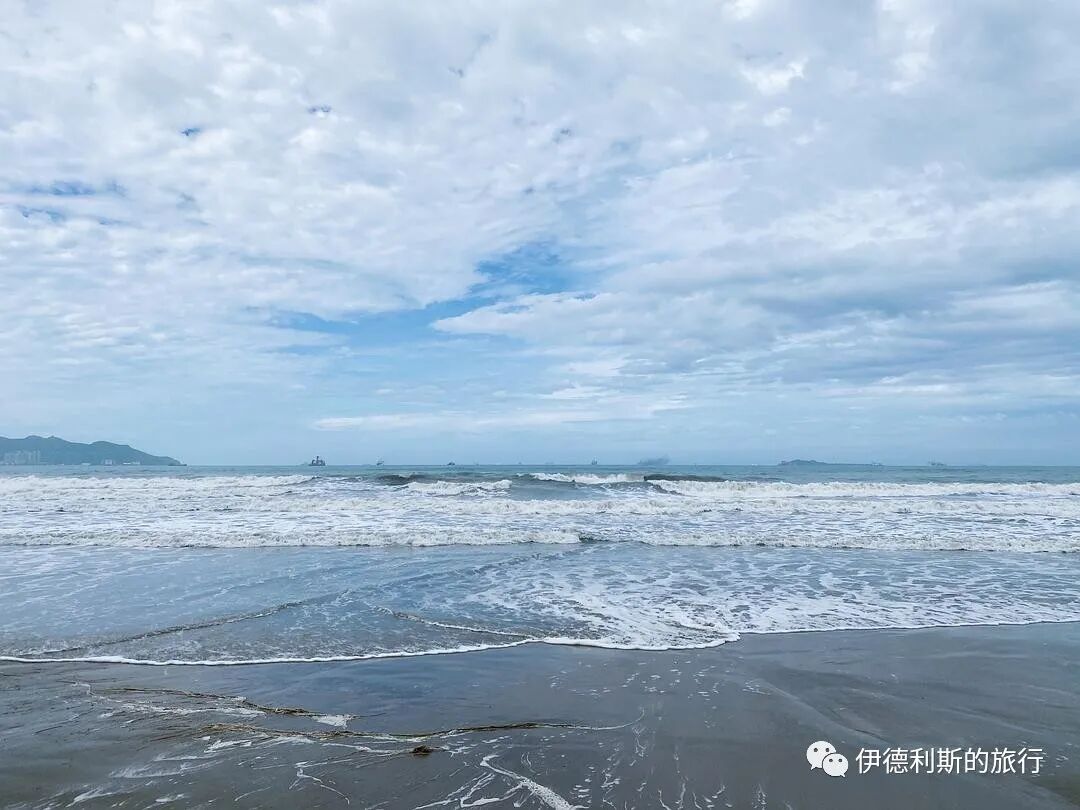
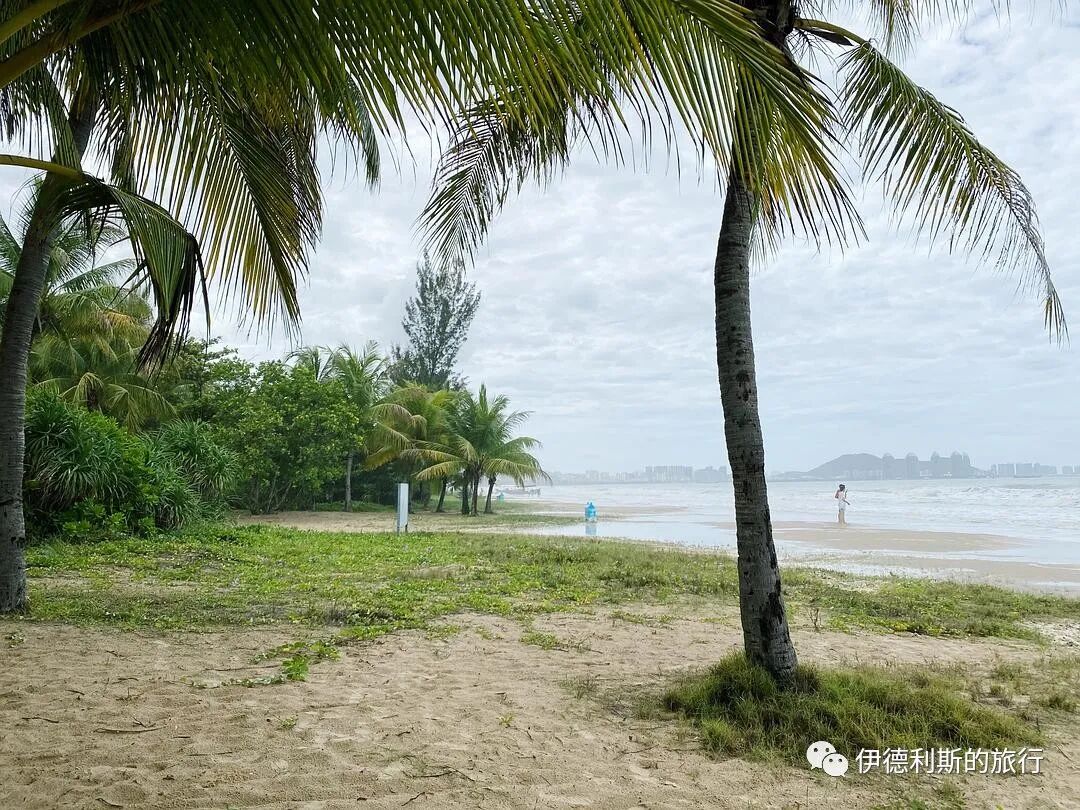
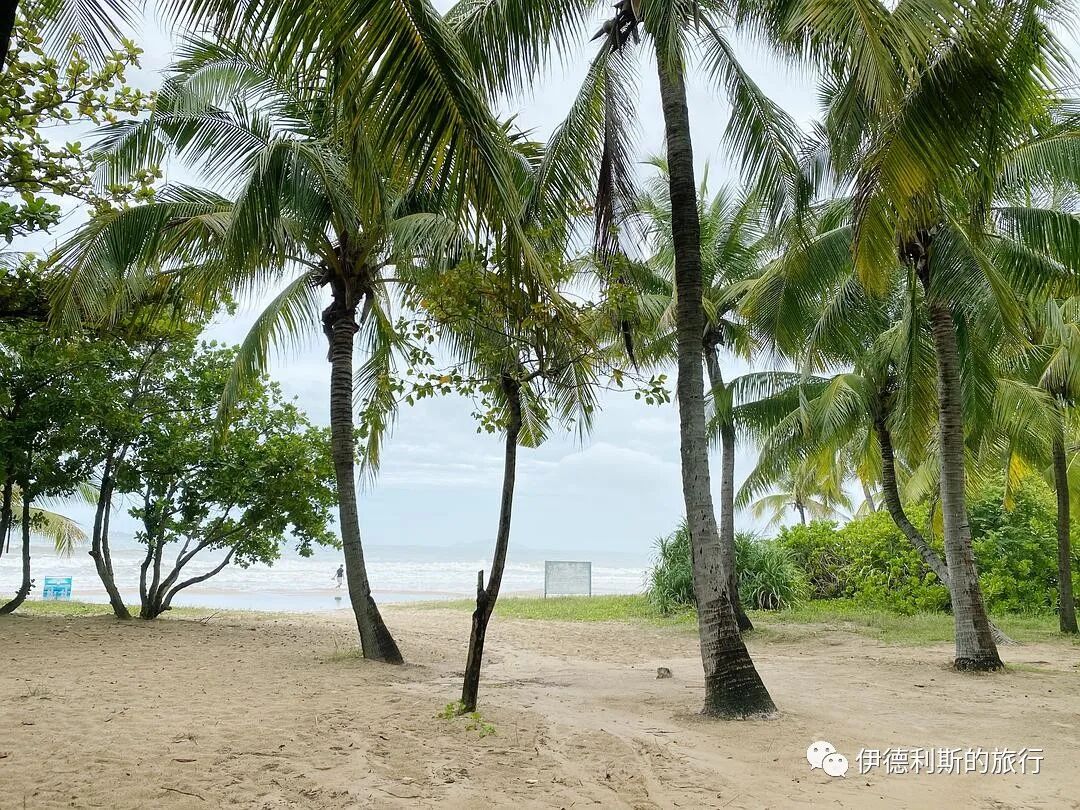
In the morning, I went back to Haxuanren beef brisket noodles in Huihui Village to eat stewed beef feet. Due to the summer off-season and the Eid al-Adha holiday, most restaurants in Huixin Village were closed, so Haxuanren was very crowded because it was open every day. After eating, I continued to stroll through the coconut grove by the beach.
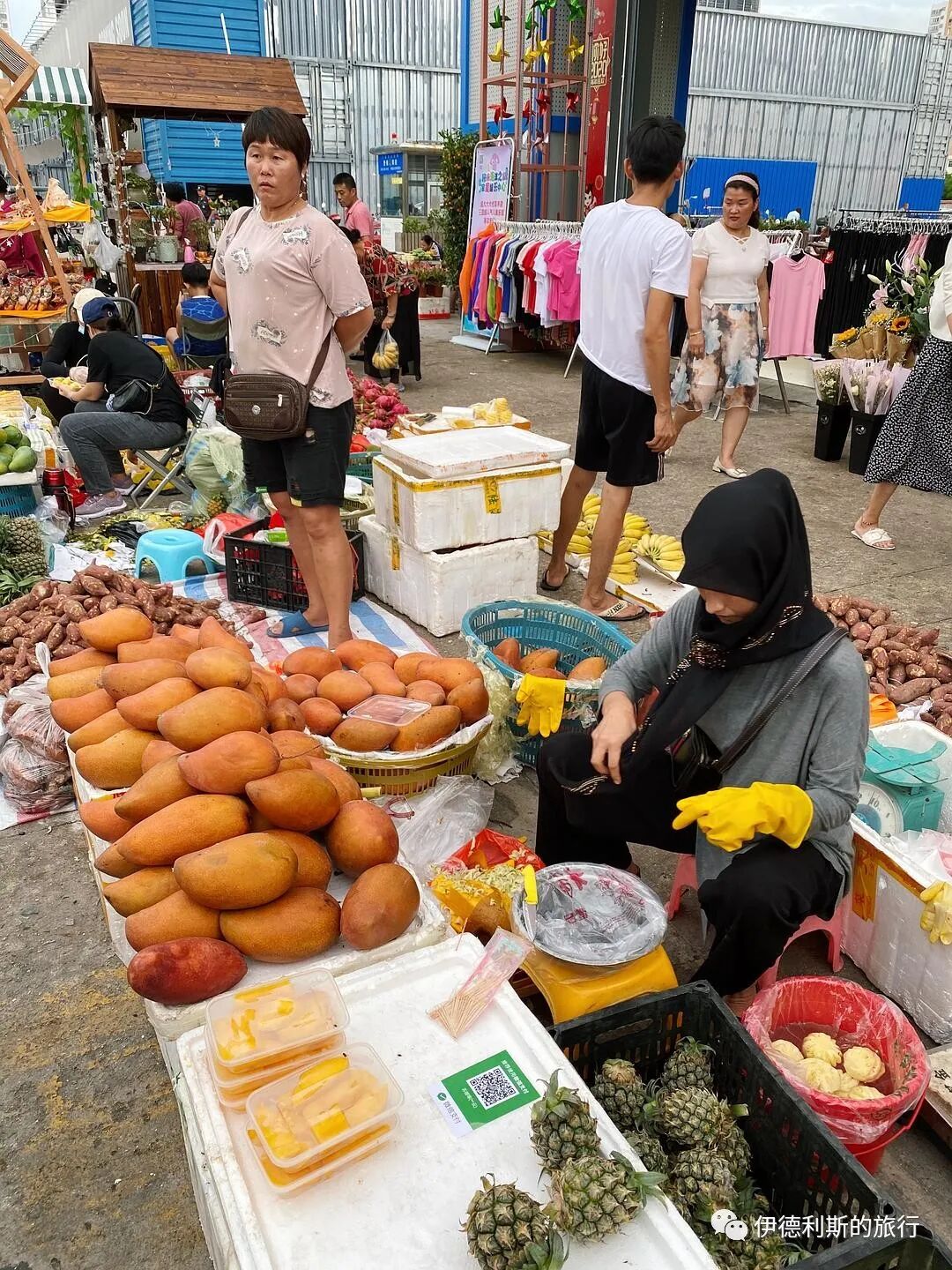
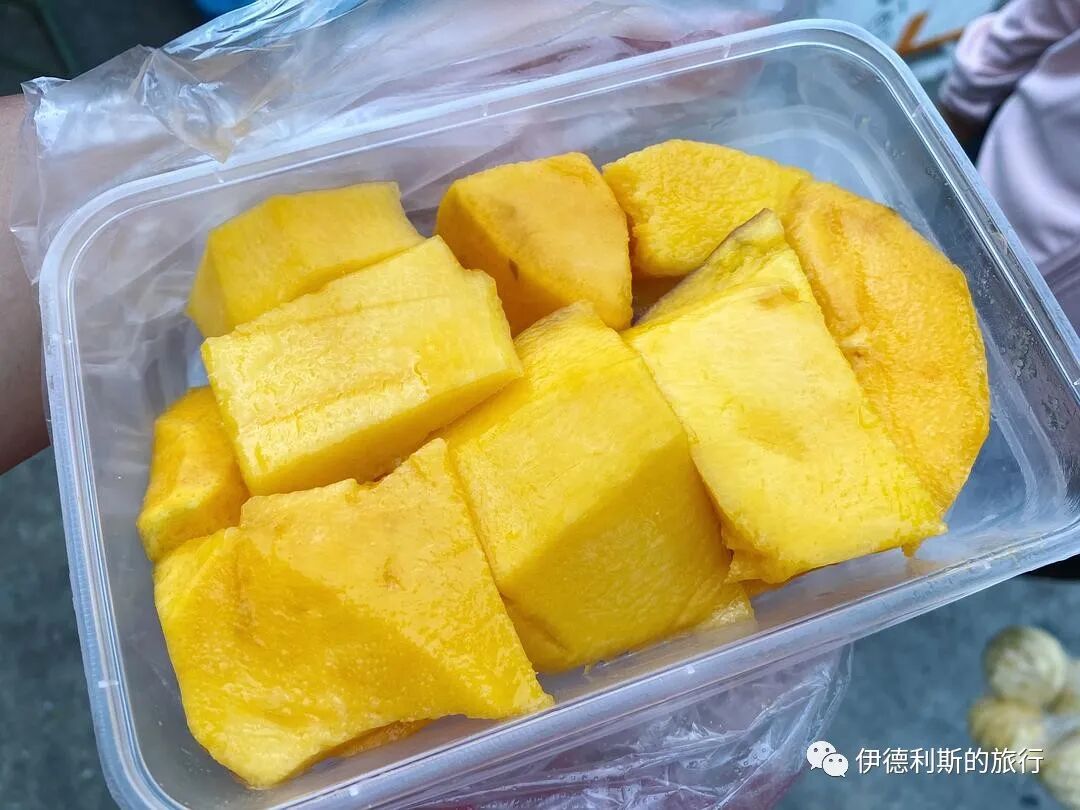
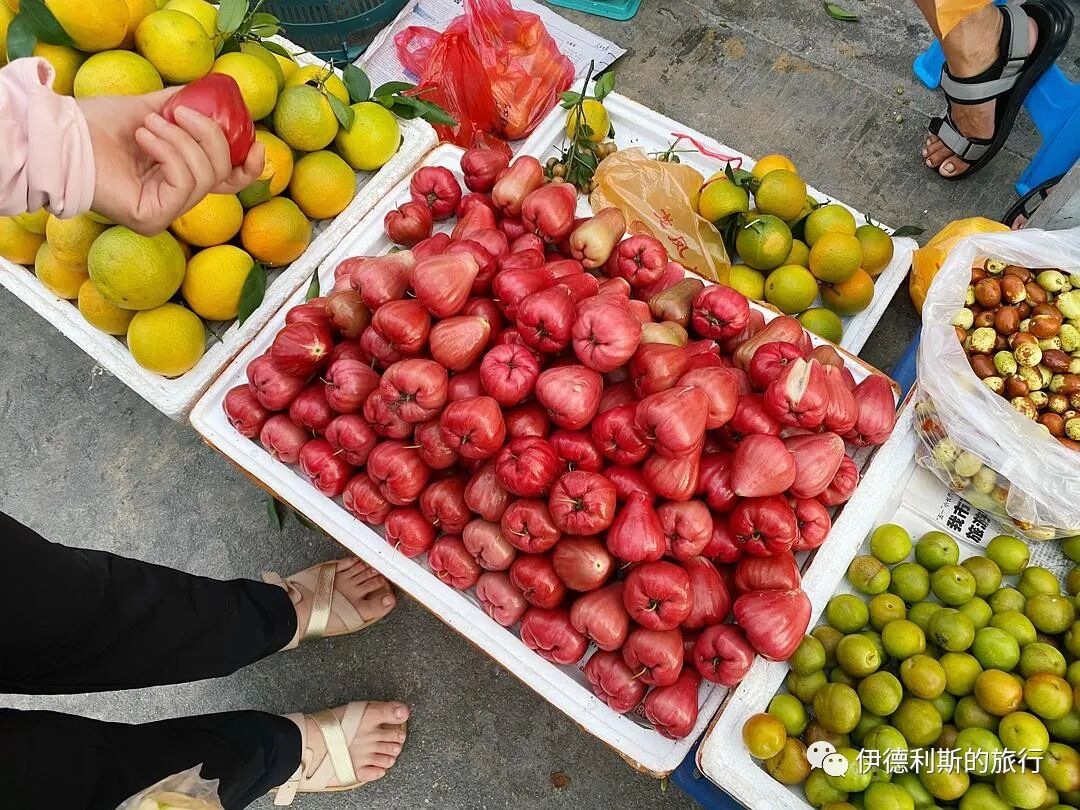
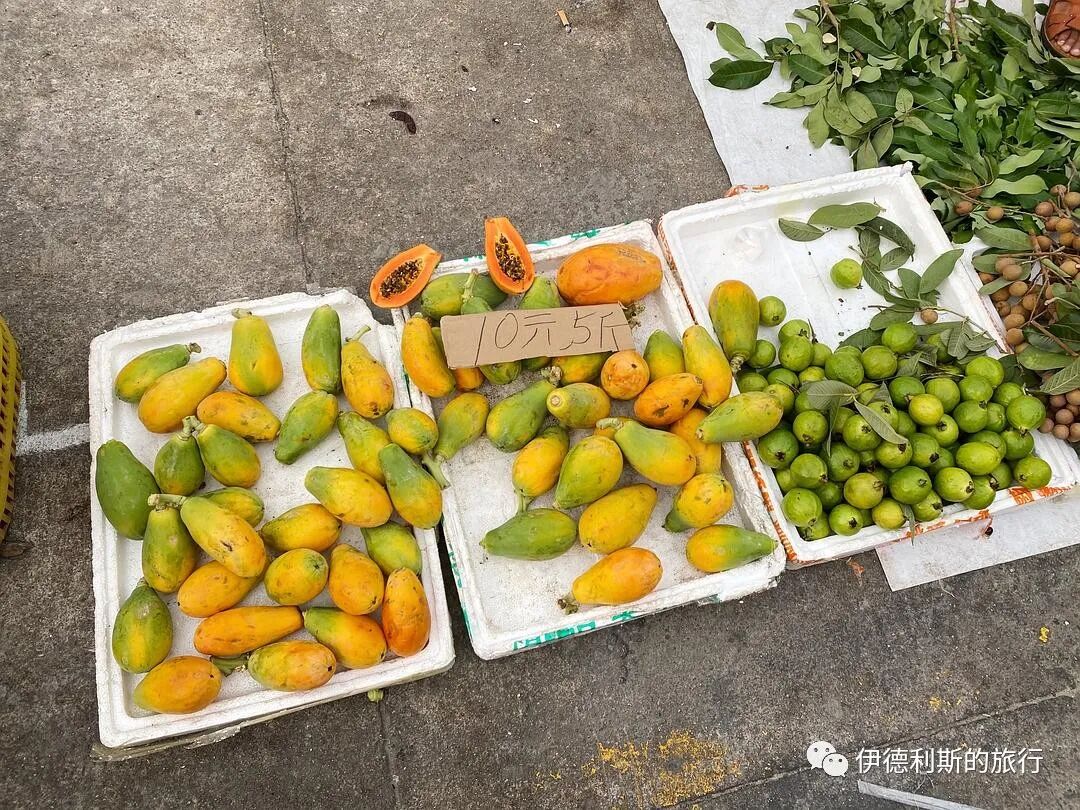
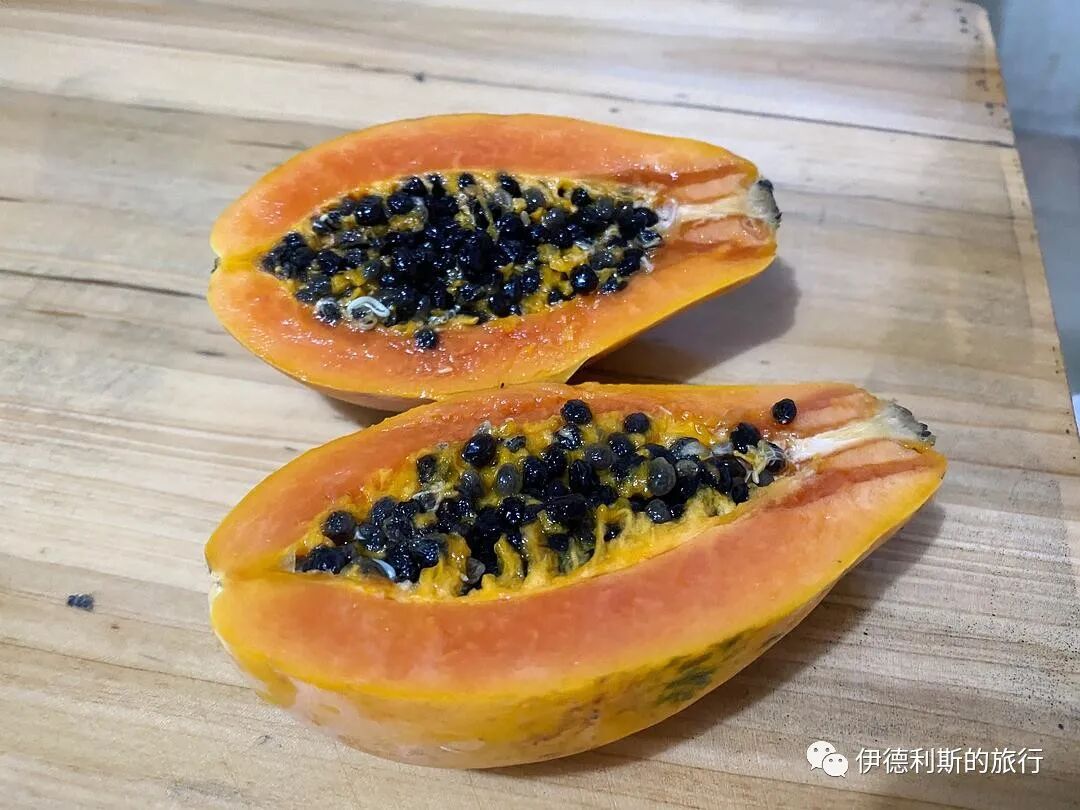
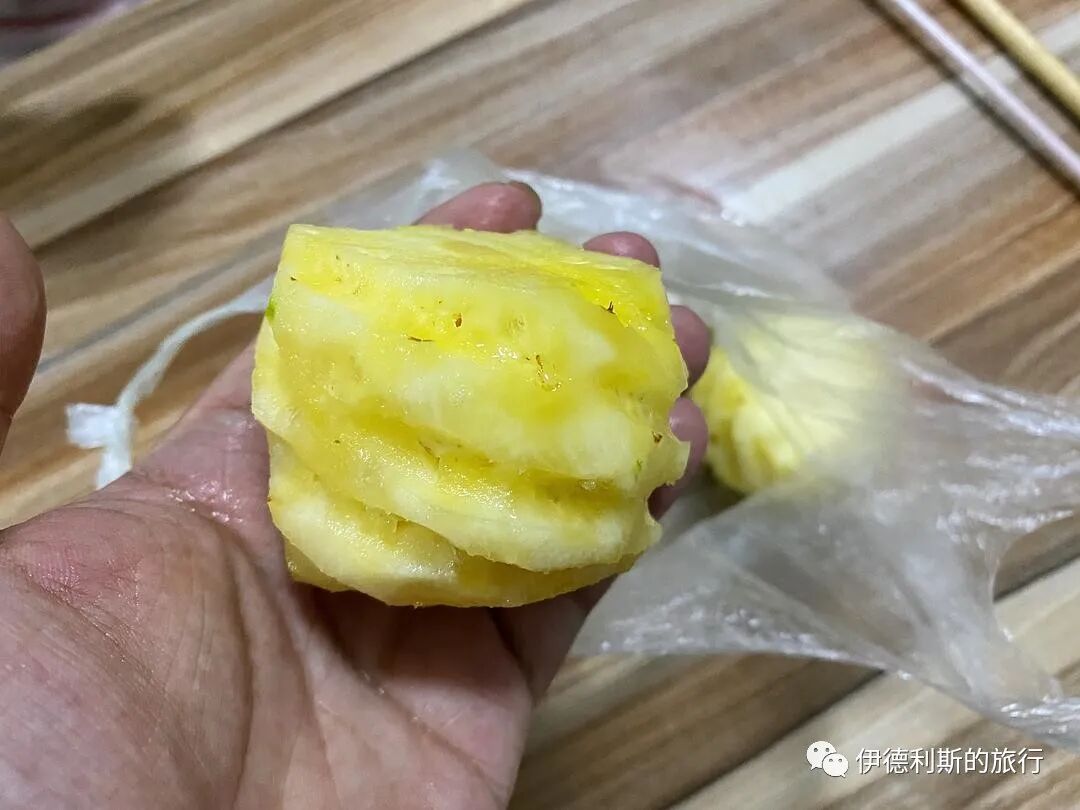
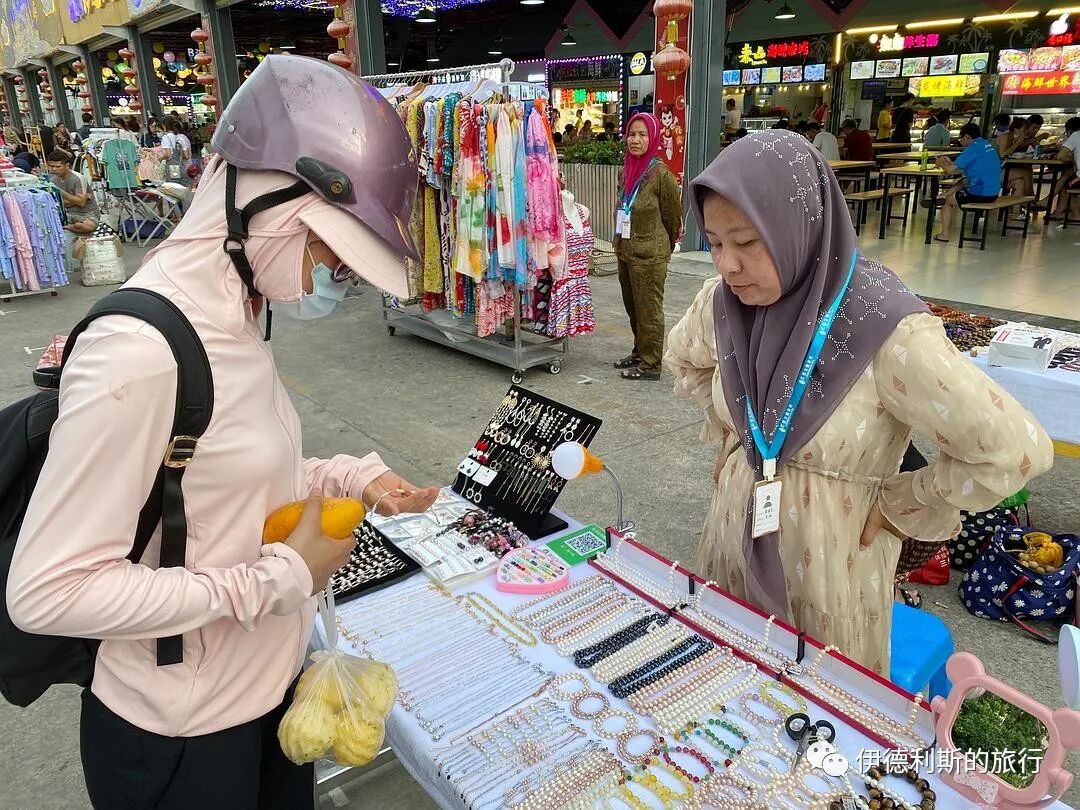
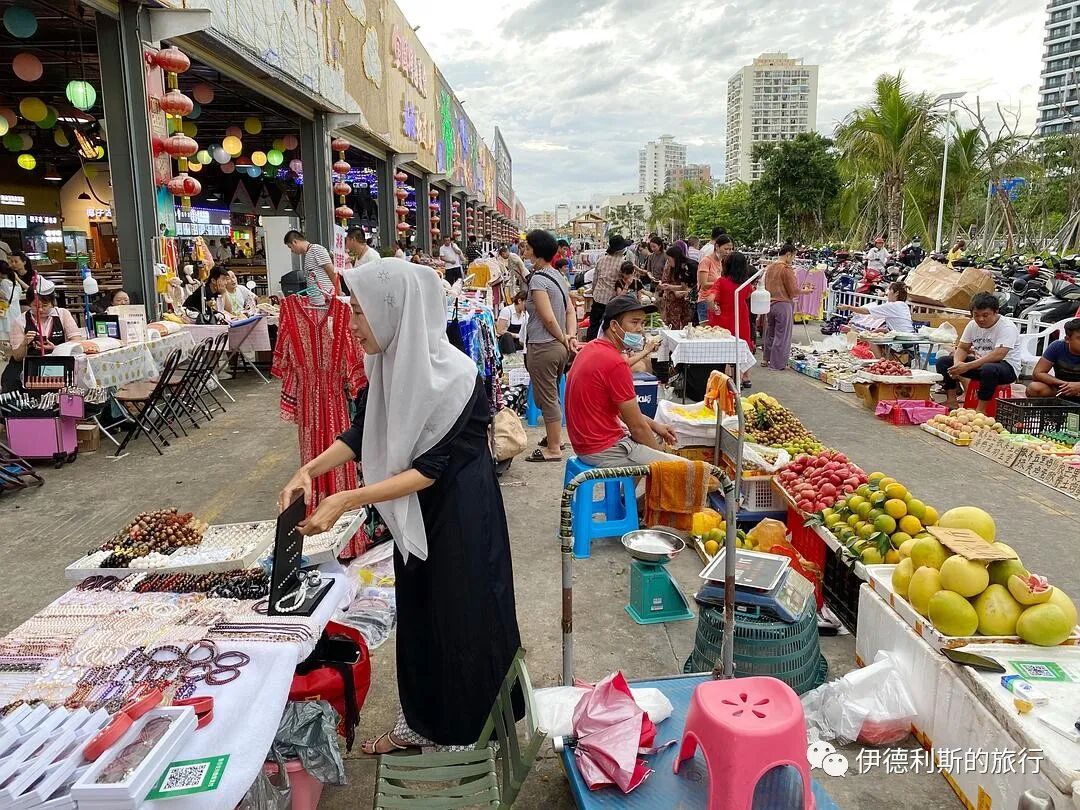
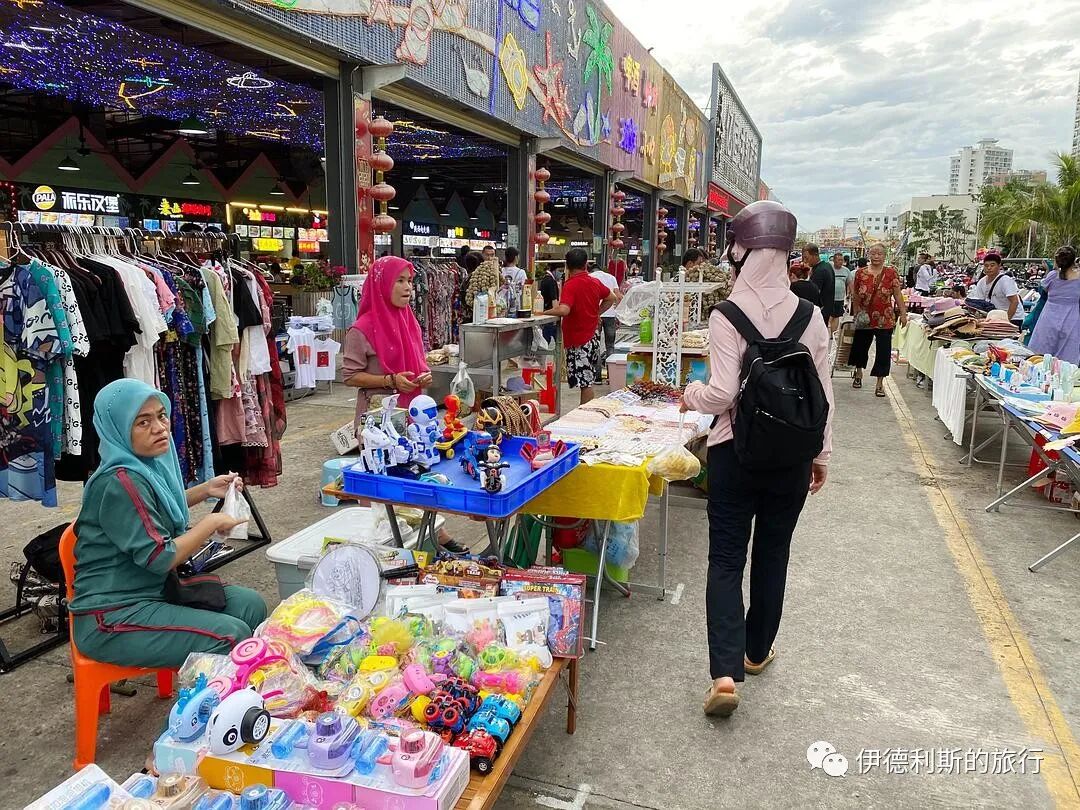
In the afternoon, I went to visit the Guangbaina night market next to Huixin Village; the papayas, wax apples, small pineapples, and various other fruits were all fresh and delicious, and I also bought some pearl bracelets as gifts for the children at home.
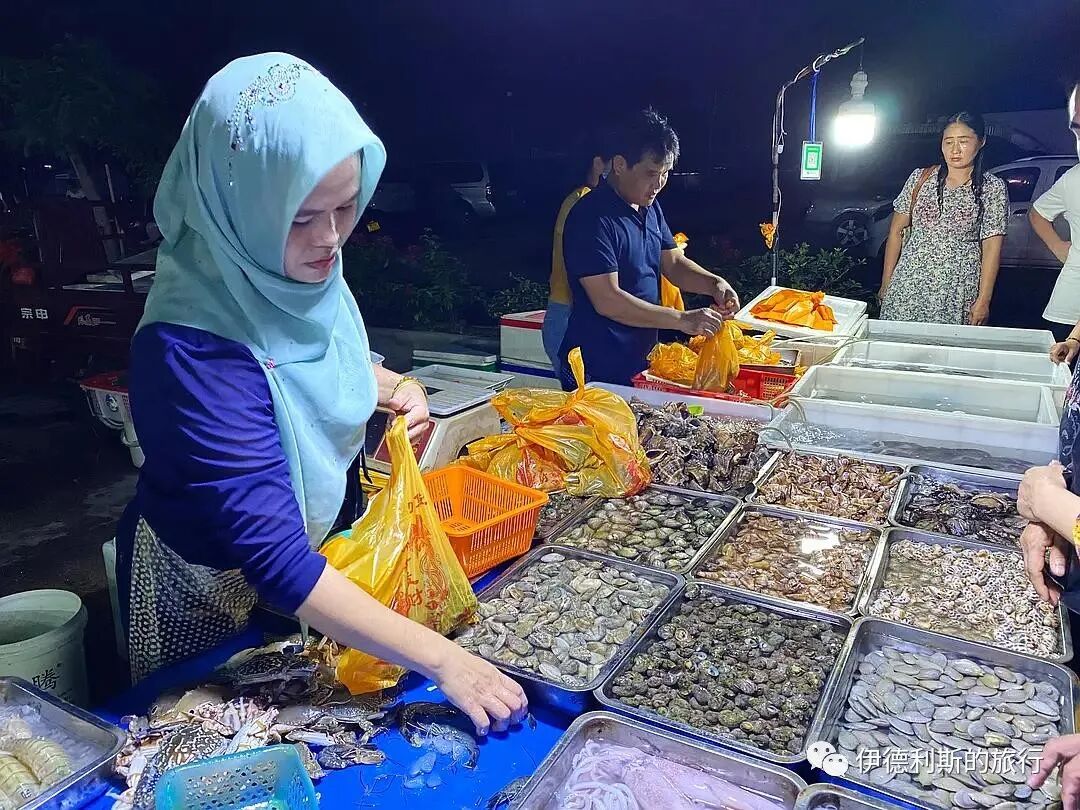
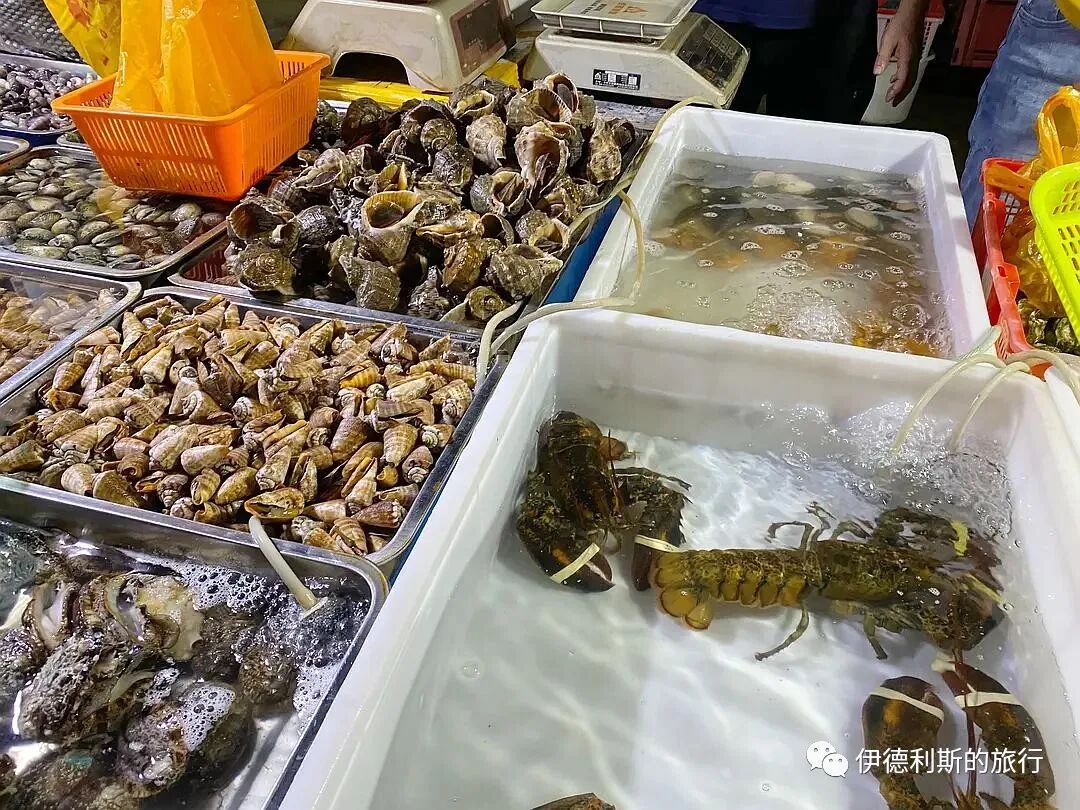
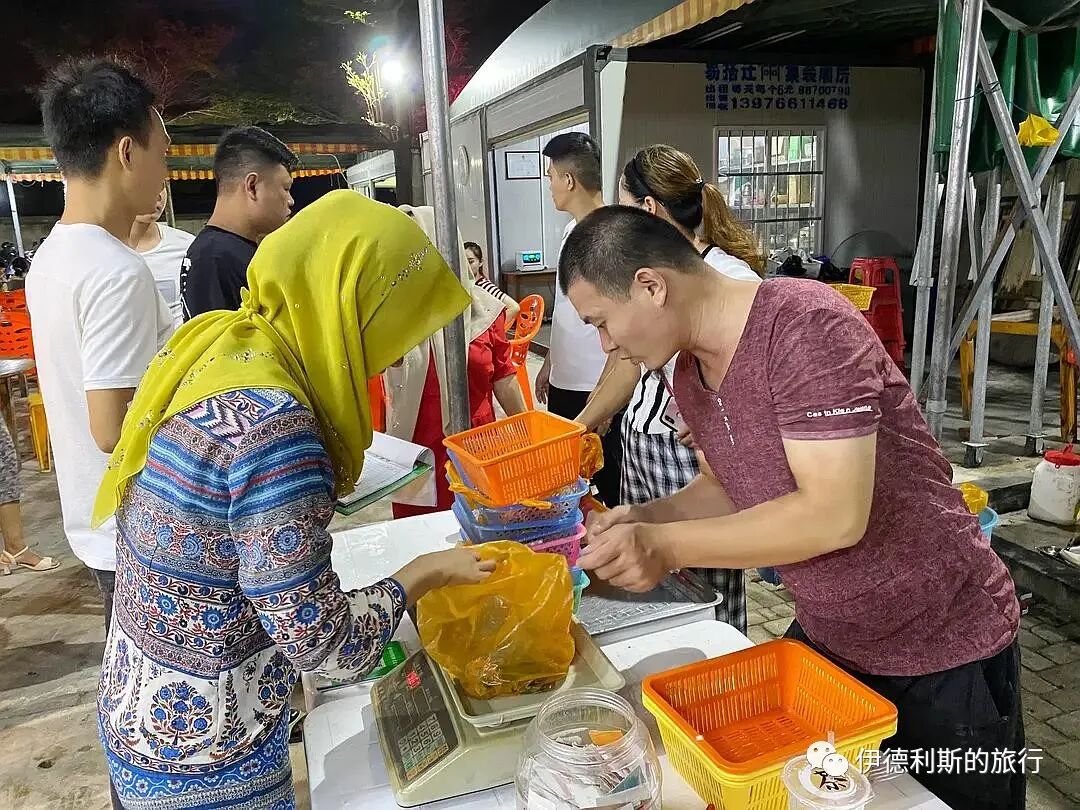
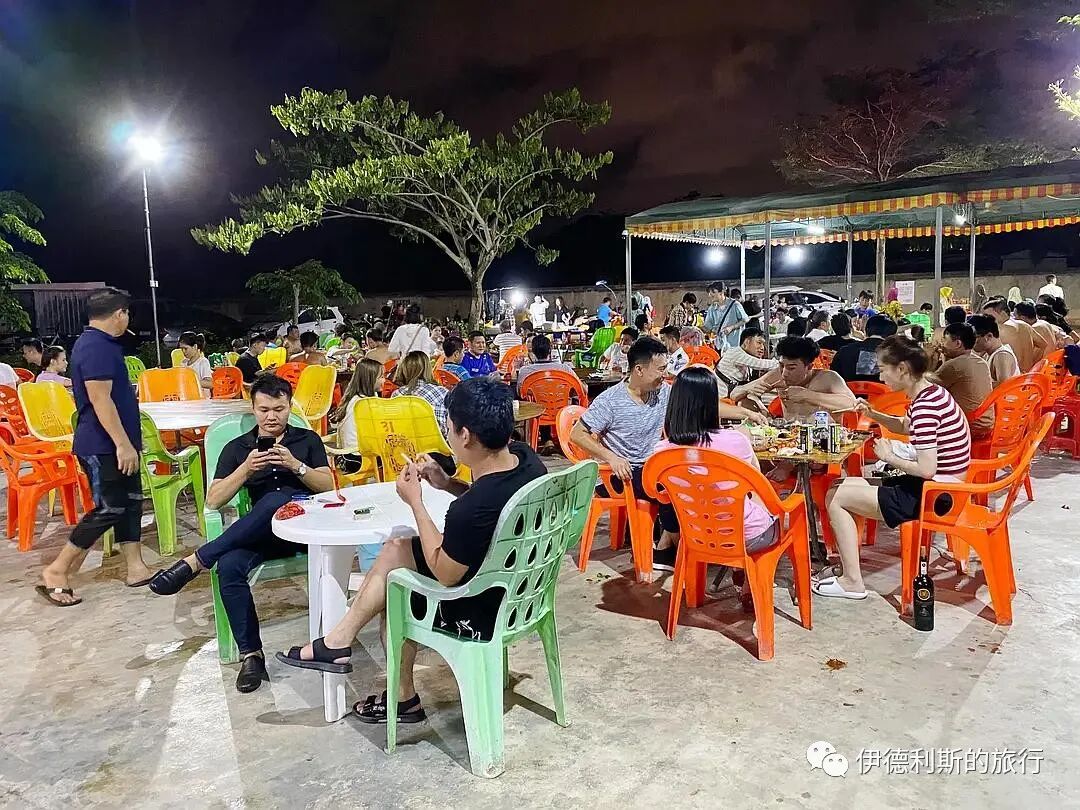
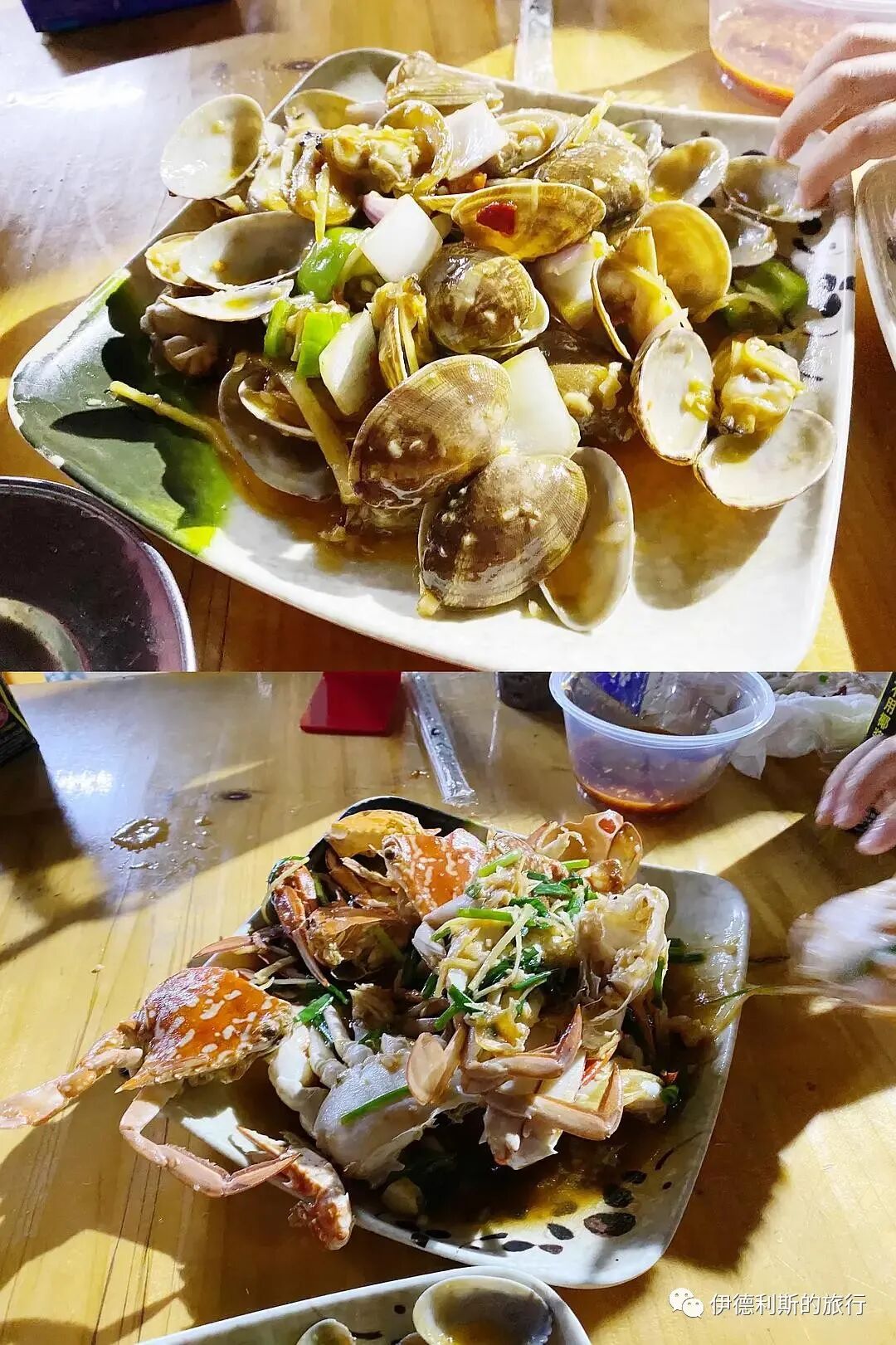
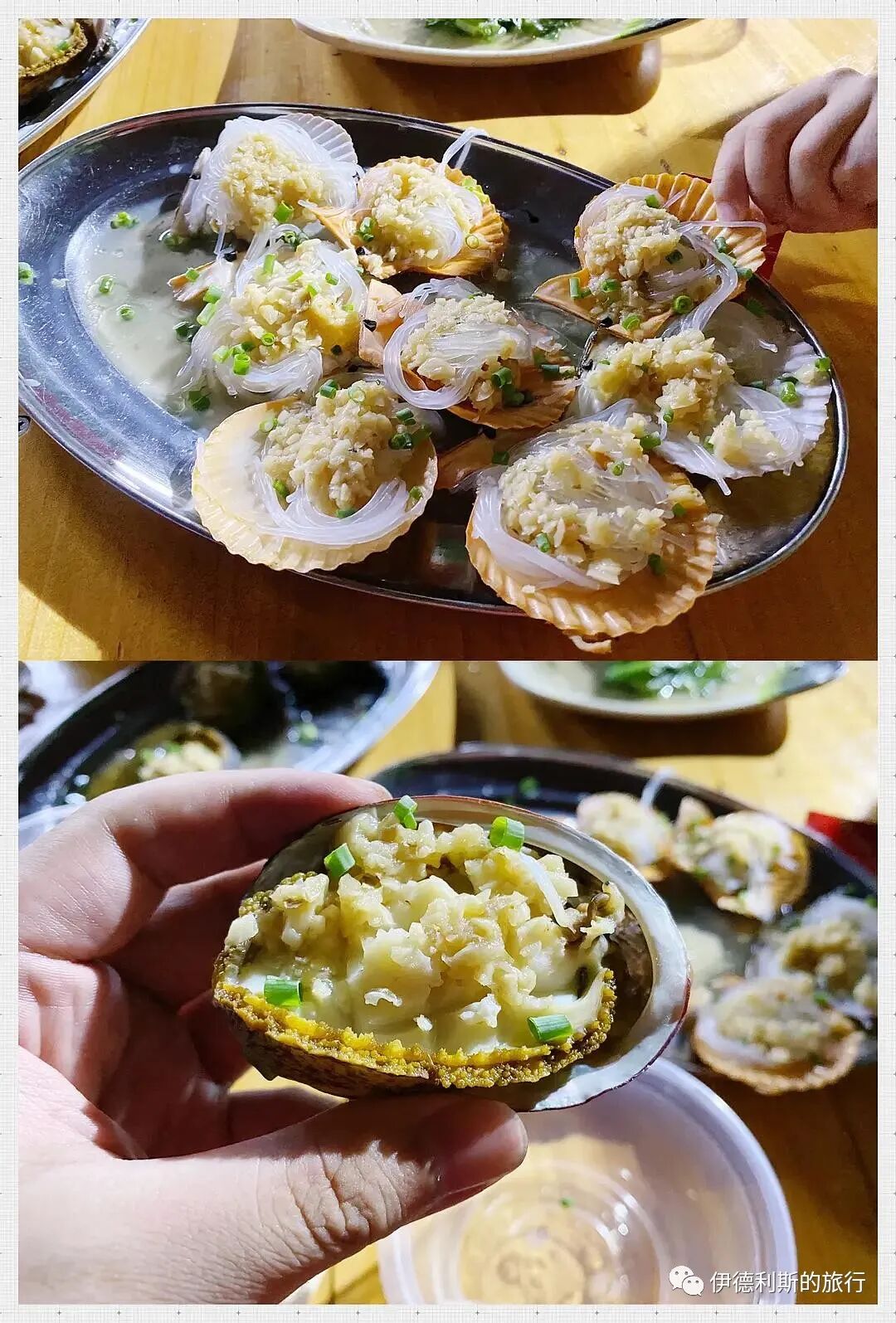
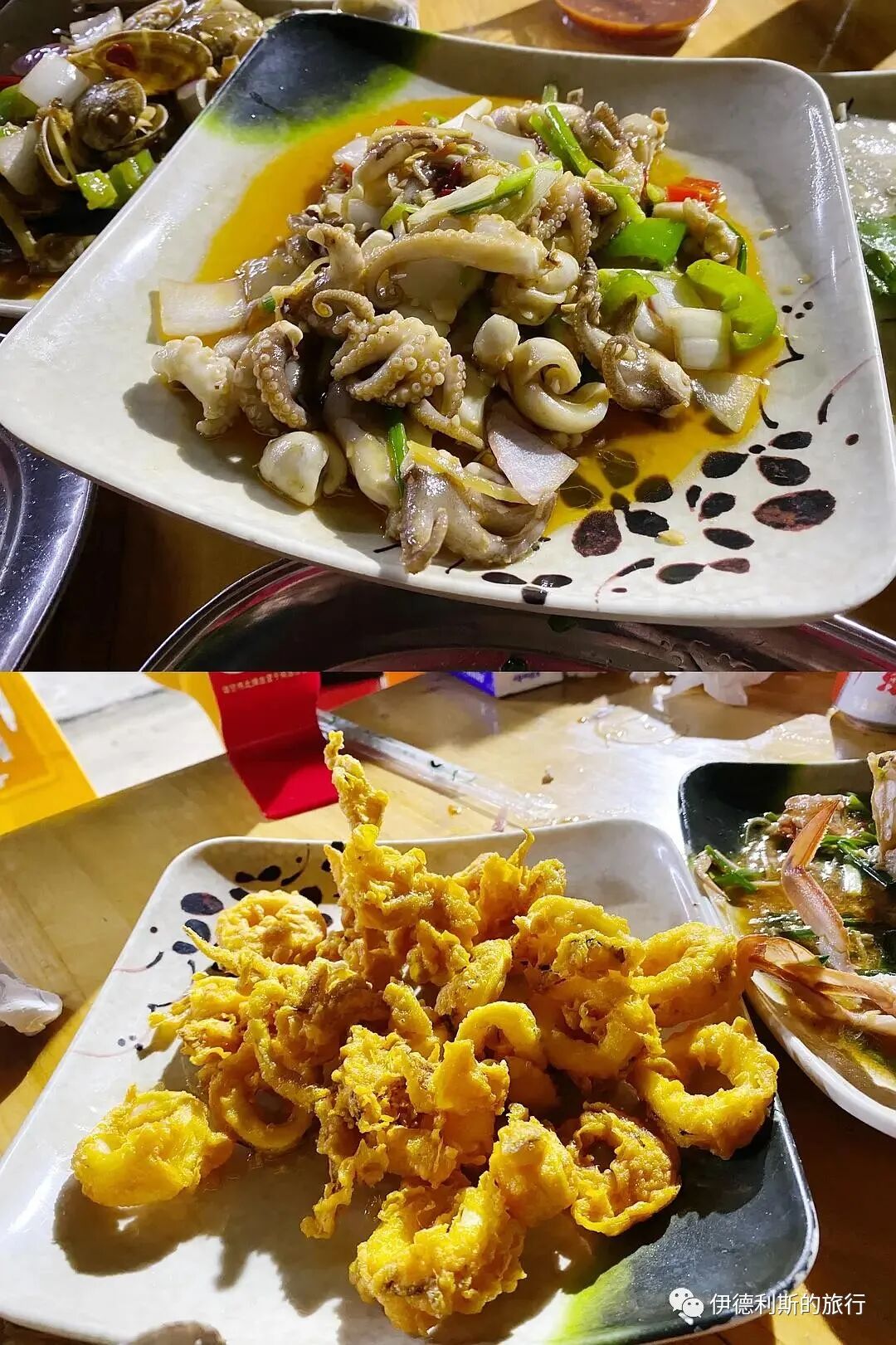
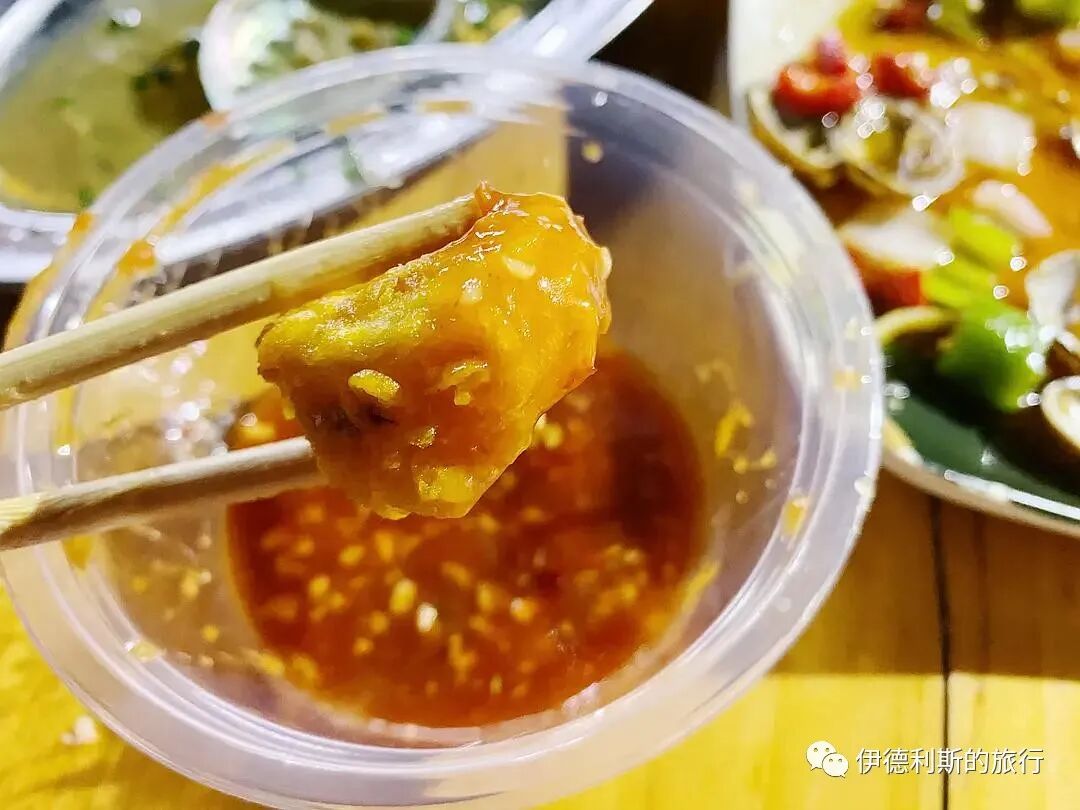
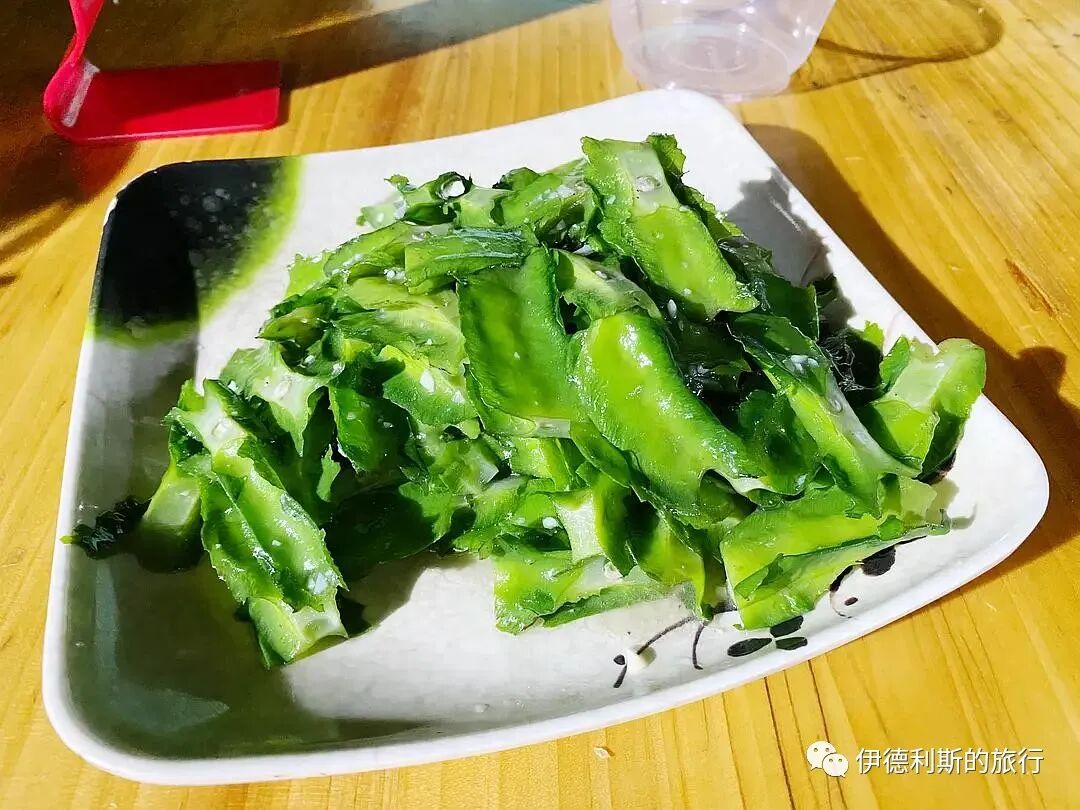
In the evening, Muning treated us to seafood at the seafood market near the beach in Huixin Village. We ordered crab, scallops, abalone, clams, octopus, fried calamari rings, and the specialty winged beans; everything was exceptionally delicious, with no fishy smell at all, only a fragrant aroma. I especially recommend the signature dipping sauce, made with ketchup, sweet chili sauce, minced garlic, and tamarind; it was so good with the seafood that I couldn't stop eating.
This seafood market in Huixin Village is likely the best value in the area; not only Hui Muslims but also the surrounding Han people love to come here to eat, and business is booming.
August 3rd
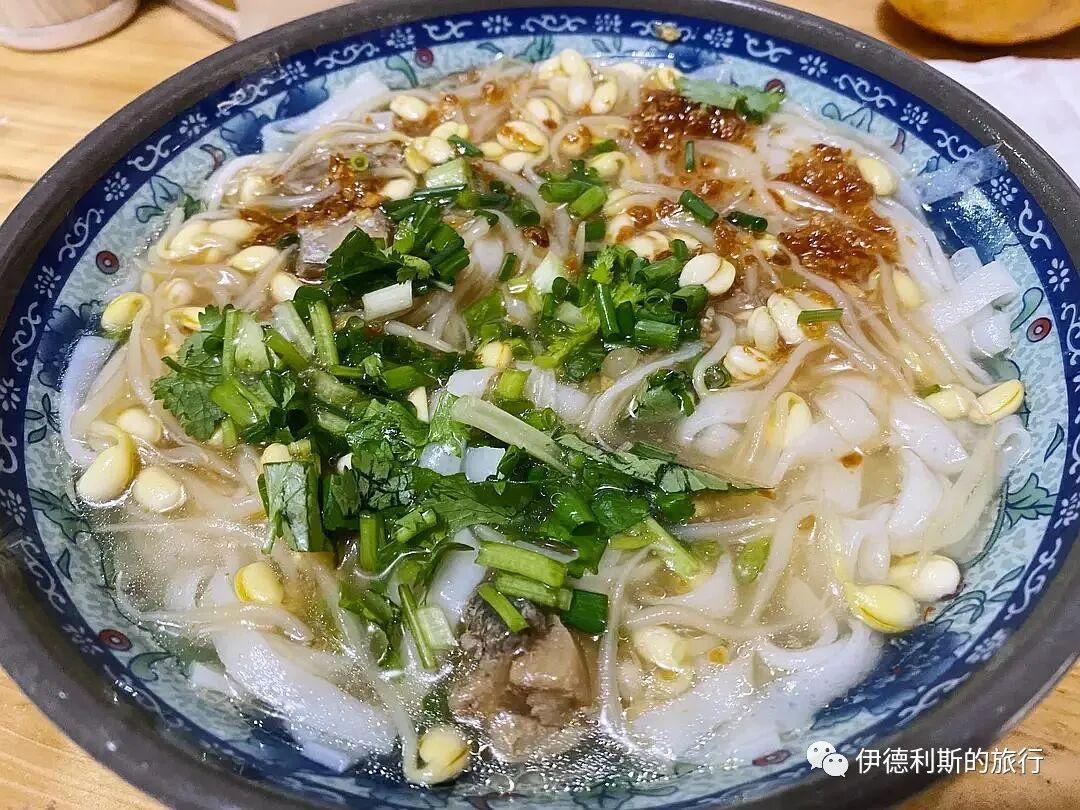
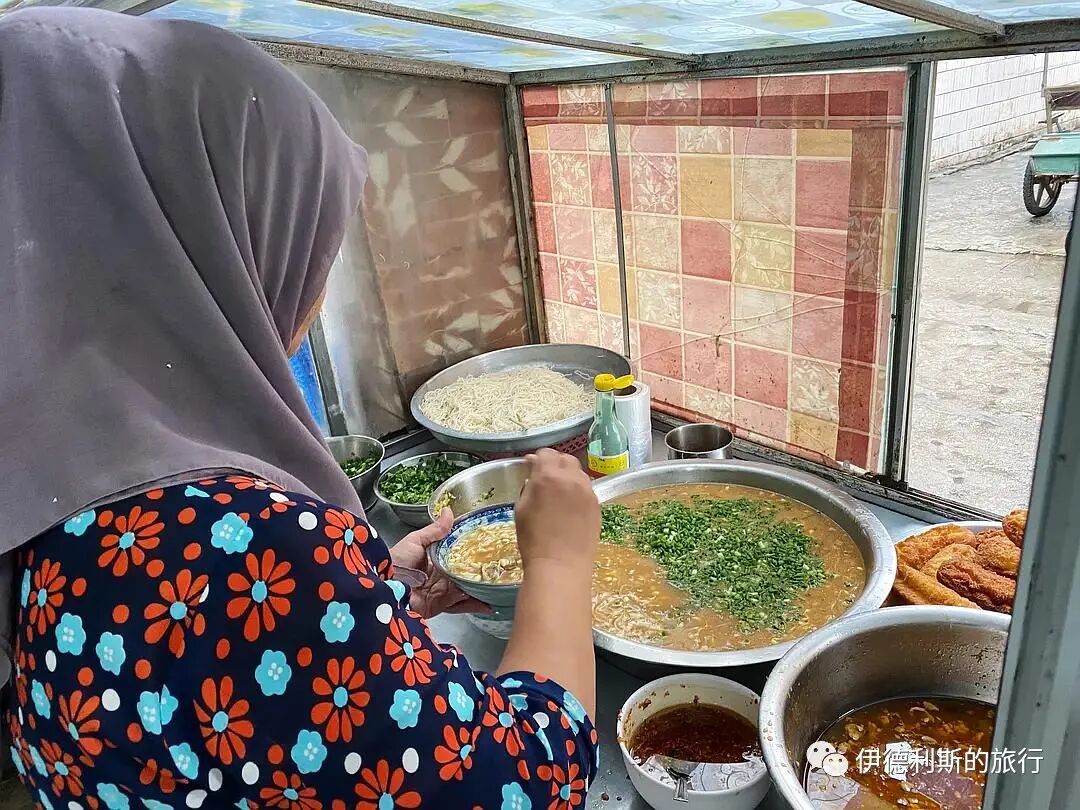
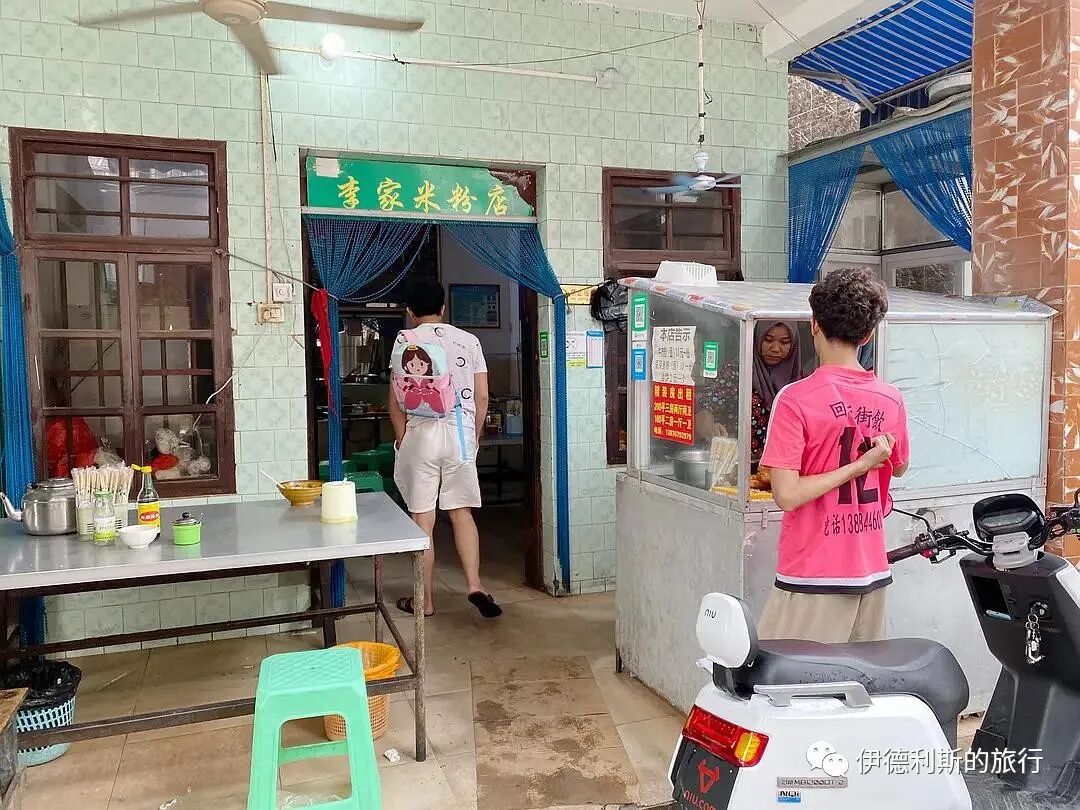
In the morning, I had chicken rice noodles at Li's Rice Noodles in Huixin Village, Sanya; it was super fresh! After the three-day Eid al-Adha celebration ended, their shop finally opened.
Then, I reluctantly left Sanya.
Summary: This travel note introduces Eid al-Adha in Sanya: Hainan Muslim Travel Notes (Part 2). On a summer afternoon in Huixin Village, a coconut and a bowl of qingbuliang (a refreshing herbal dessert soup) are so pleasant. It is useful for readers interested in Sanya Travel, Eid al-Adha, Muslim Travel.
On a summer afternoon in Huixin Village, a coconut and a bowl of qingbuliang (a refreshing herbal dessert soup) are so pleasant.
Time to rest.
In the afternoon, I returned to the place that hosted the banquet for the Zhongzhuangyuan (a top scholar) to watch the Hui Muslims of Huihui village make traditional nasi lemak (coconut milk rice).
First, you must use old coconuts with thick meat, scrape all the coconut meat into shreds, and then use cheesecloth to squeeze out all the coconut oil.
The rice is steamed using a traditional Li ethnic group pottery steamer, and after the rice is cooked, the coconut milk and rice are thoroughly mixed together. At this stage, the coconut milk rice is very firm and chewy.
Then, the mixed coconut milk rice is steamed a second time in the pottery steamer; at this point, the rice is softer and stickier than in the first stage, and the coconut milk and rice are completely fused together.
They used beef slaughtered the day before for Eid al-Adha, stewing the meat first and then adding wood ear mushrooms and dried bean curd sticks; this is a classic main dish at Huihui village banquets.
A Huihui family living downstairs from us slaughtered a sheep yesterday, and today they are stewing lamb offal soup. The Huihui people in Sanya rarely eat lamb, basically only eating the Dongshan goat they slaughter themselves once a year during Eid al-Adha. After slaughtering the sheep, the Huihui people scrape off the hair, as they believe lamb with the skin on is the most delicious.
When stewing the lamb offal, they include the sheep's feet, stewing from morning until afternoon, and also adding various meat seasonings. Finally, they add radishes, corn, and shiitake mushrooms; the taste is completely different from northern lamb soup, offering another unique delicious flavor.
In the evening, I had beef brisket noodles at Haxuanren in Huihui Village, and then had coconut milk ice jelly across the street.
August 2nd
In the morning, I went back to Haxuanren beef brisket noodles in Huihui Village to eat stewed beef feet. Due to the summer off-season and the Eid al-Adha holiday, most restaurants in Huixin Village were closed, so Haxuanren was very crowded because it was open every day. After eating, I continued to stroll through the coconut grove by the beach.
In the afternoon, I went to visit the Guangbaina night market next to Huixin Village; the papayas, wax apples, small pineapples, and various other fruits were all fresh and delicious, and I also bought some pearl bracelets as gifts for the children at home.
In the evening, Muning treated us to seafood at the seafood market near the beach in Huixin Village. We ordered crab, scallops, abalone, clams, octopus, fried calamari rings, and the specialty winged beans; everything was exceptionally delicious, with no fishy smell at all, only a fragrant aroma. I especially recommend the signature dipping sauce, made with ketchup, sweet chili sauce, minced garlic, and tamarind; it was so good with the seafood that I couldn't stop eating.
This seafood market in Huixin Village is likely the best value in the area; not only Hui Muslims but also the surrounding Han people love to come here to eat, and business is booming.
August 3rd
In the morning, I had chicken rice noodles at Li's Rice Noodles in Huixin Village, Sanya; it was super fresh! After the three-day Eid al-Adha celebration ended, their shop finally opened.
Then, I reluctantly left Sanya.
