
Eid al-Adha in Sanya: Hainan Muslim Travel Notes (Part 1)
Reposted from the web
Summary: This travel note introduces Eid al-Adha in Sanya: Hainan Muslim Travel Notes (Part 1). In July and August 2020, Zainab and I took our marriage leave to travel, and our first stop was Sanya to celebrate Eid al-Adha. It is useful for readers interested in Sanya Travel, Eid al-Adha, Muslim Travel.
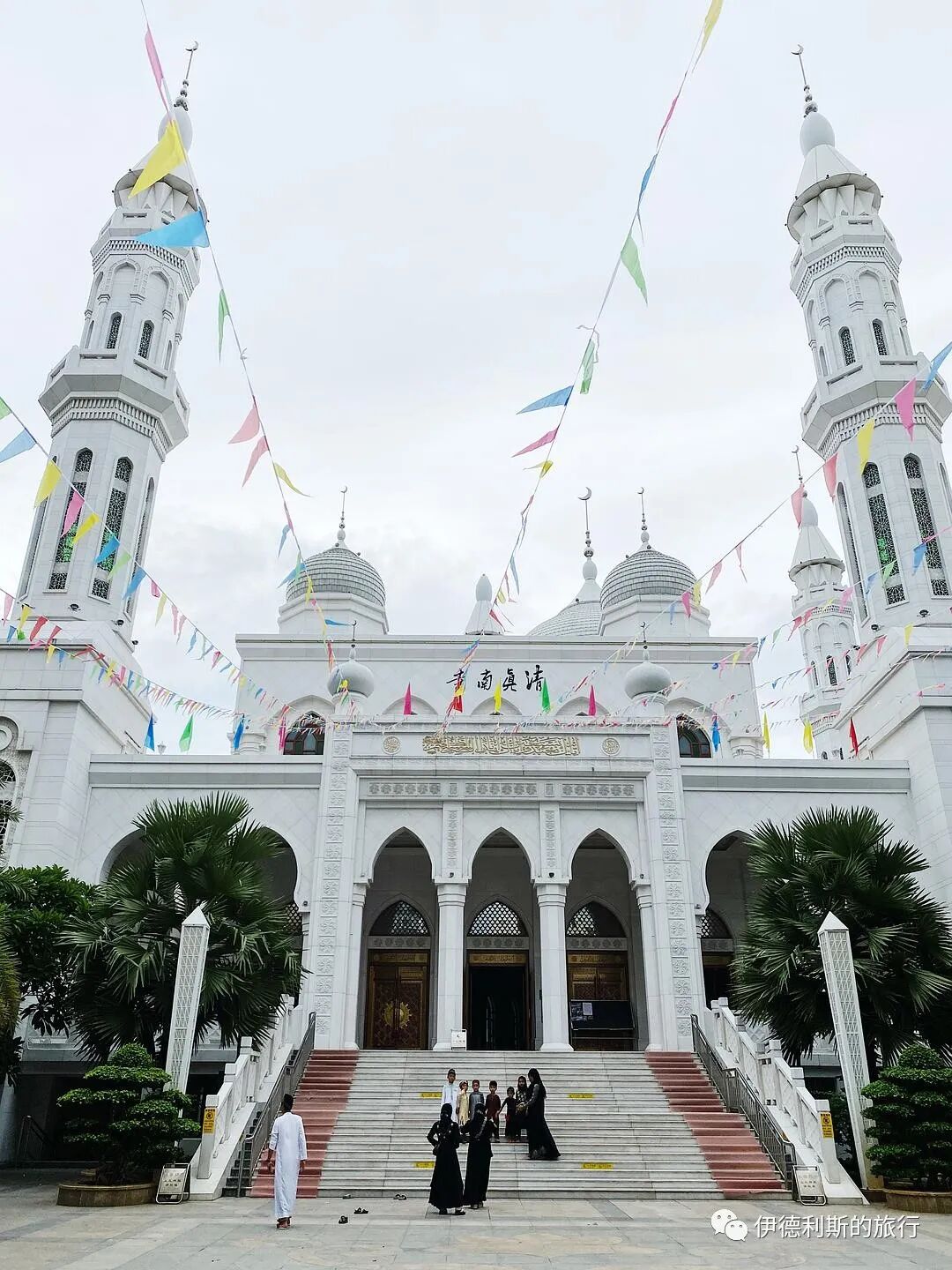
In July and August 2020, Zainab and I took our marriage leave to travel, and our first stop was Sanya to celebrate Eid al-Adha. A few years ago, I visited the local Muslim community in Sanya on my own, but this time, having our good friend, the young Muslim artist Muning, guide us through the holiday made it much more interesting.
July 31st
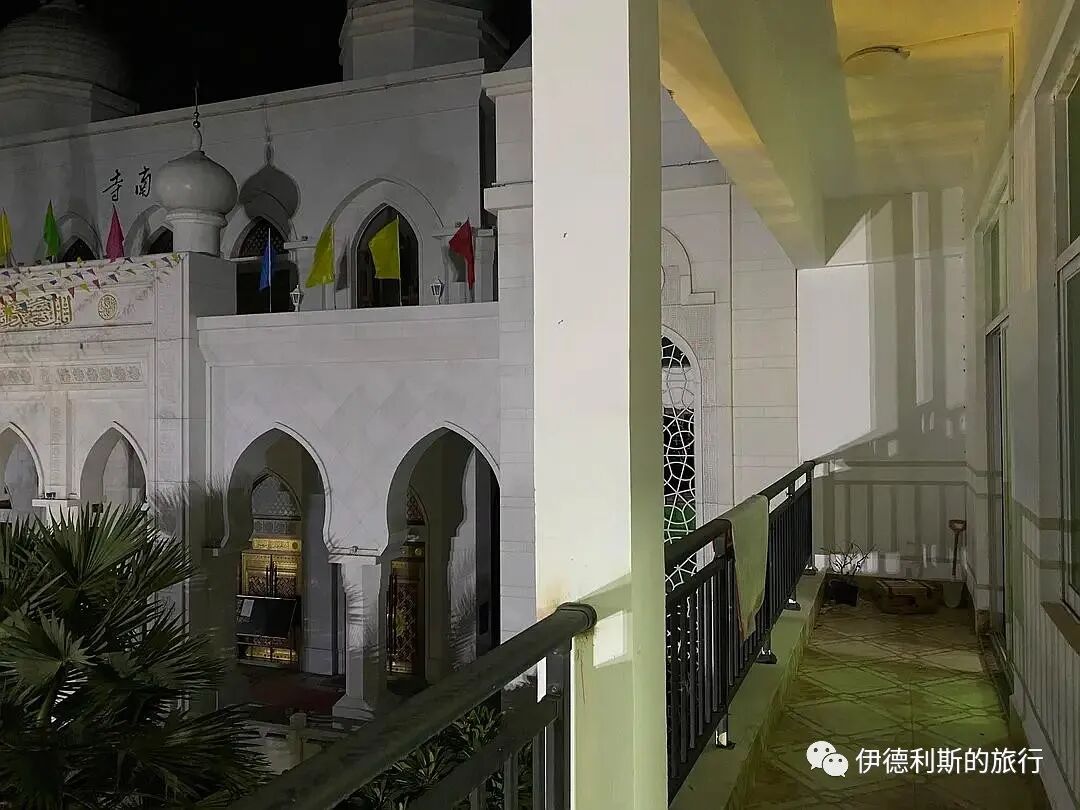
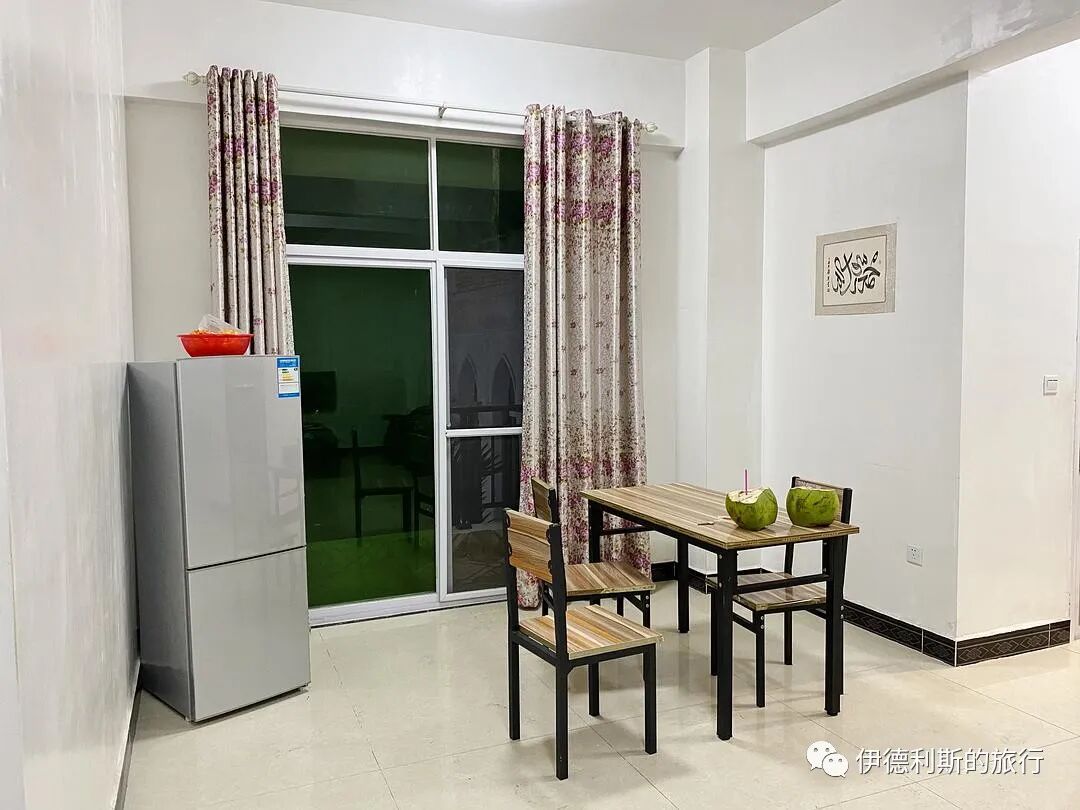
We flew from Beijing on the night of July 30th and arrived in Sanya in the early hours of the 31st. Muning arranged for us to stay right next to the Southern Mosque in Huixin Village, a room with a pure view of the mosque. In winter, Muslims from all over the country come here to rent rooms, but in summer, there is almost no one.
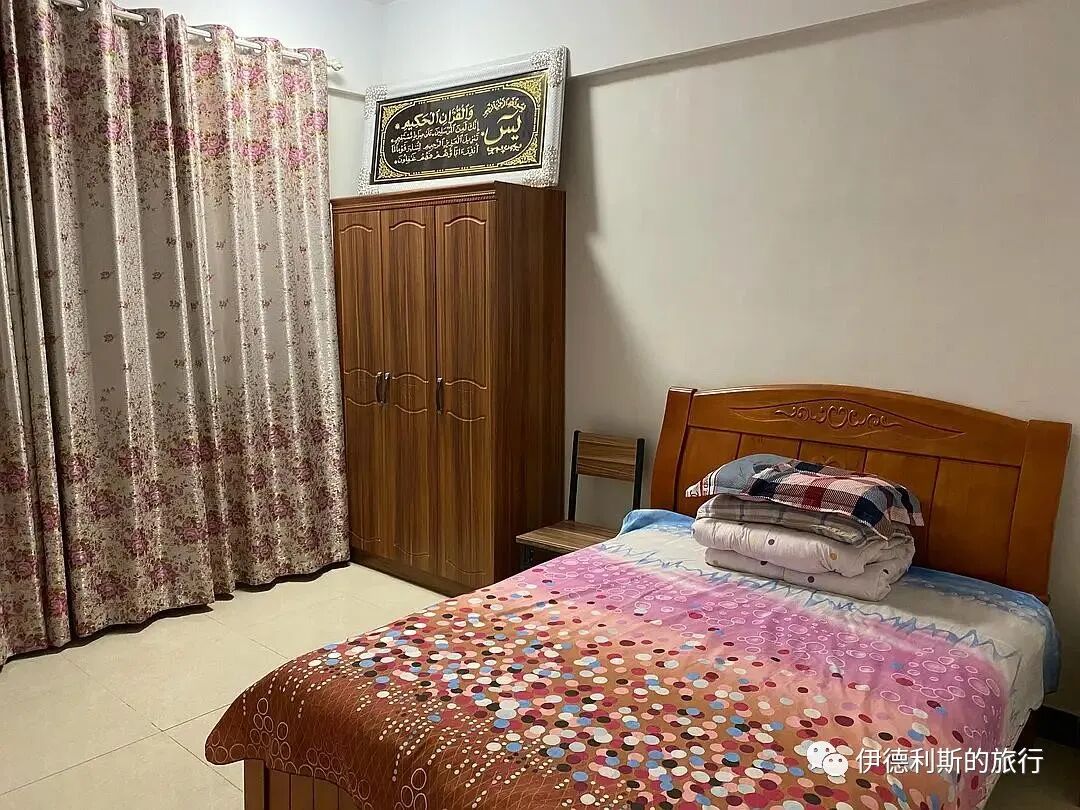
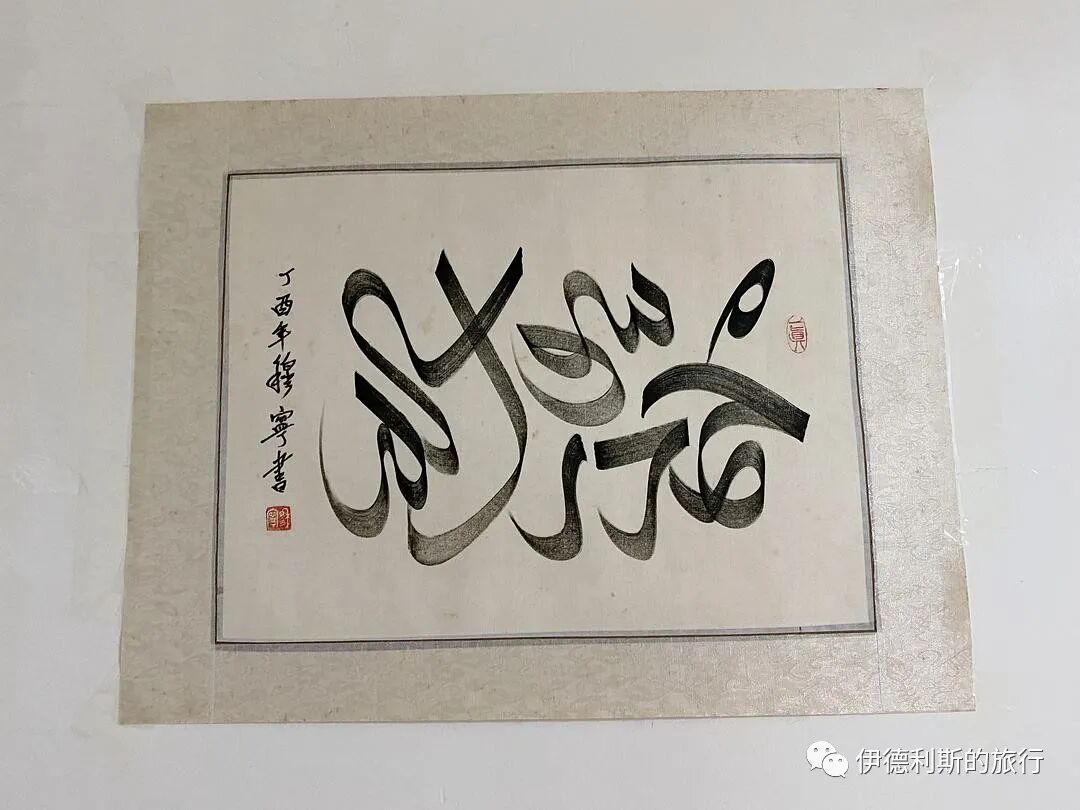
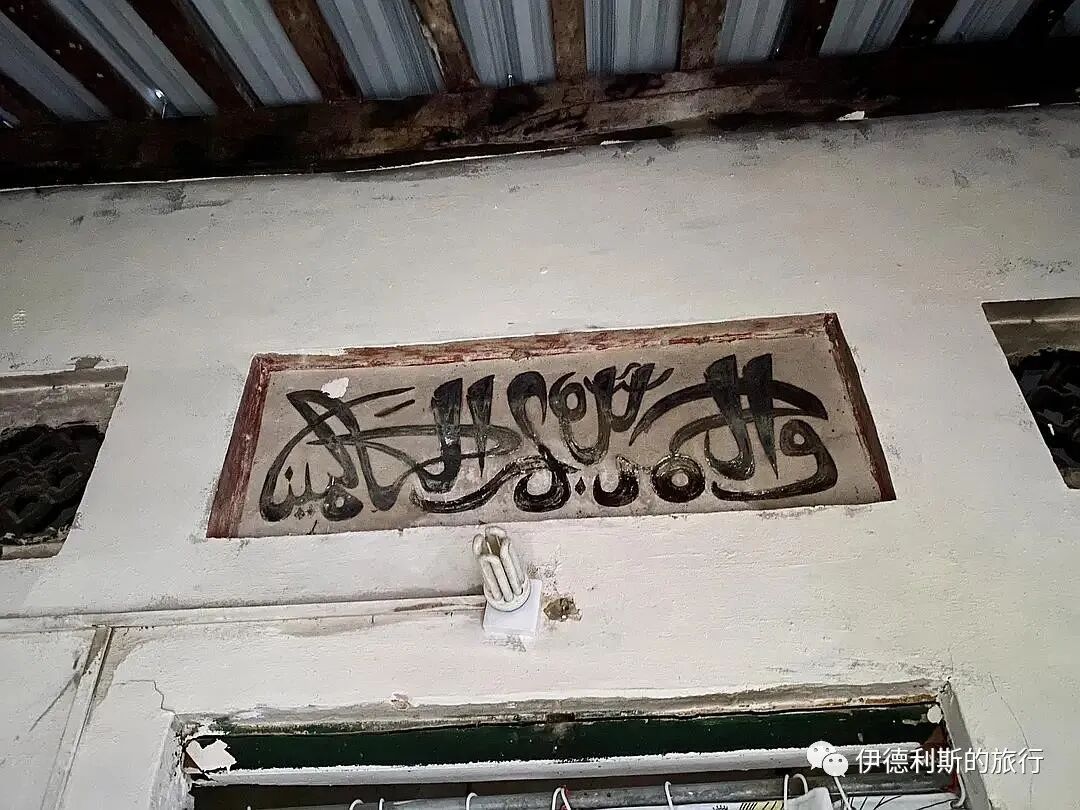
On the wall is Arabic calligraphy by Muning.
After resting a little, we went downstairs to the Southern Mosque to perform the Fajr (dawn) prayer.
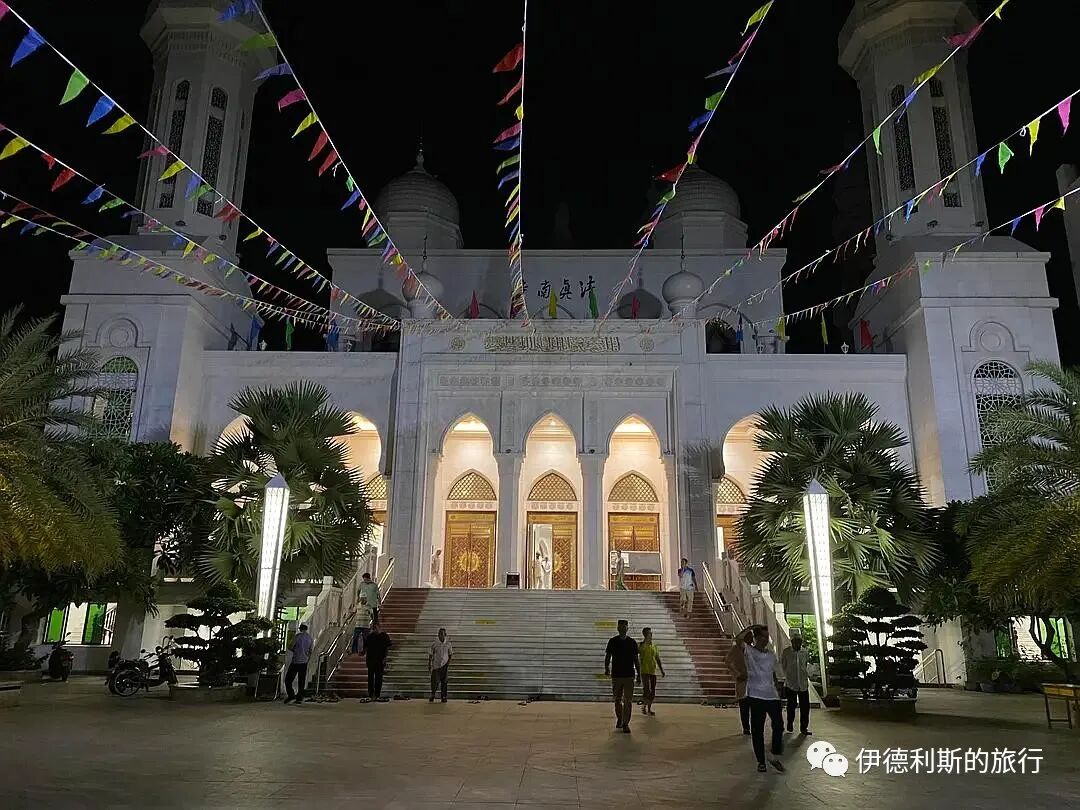
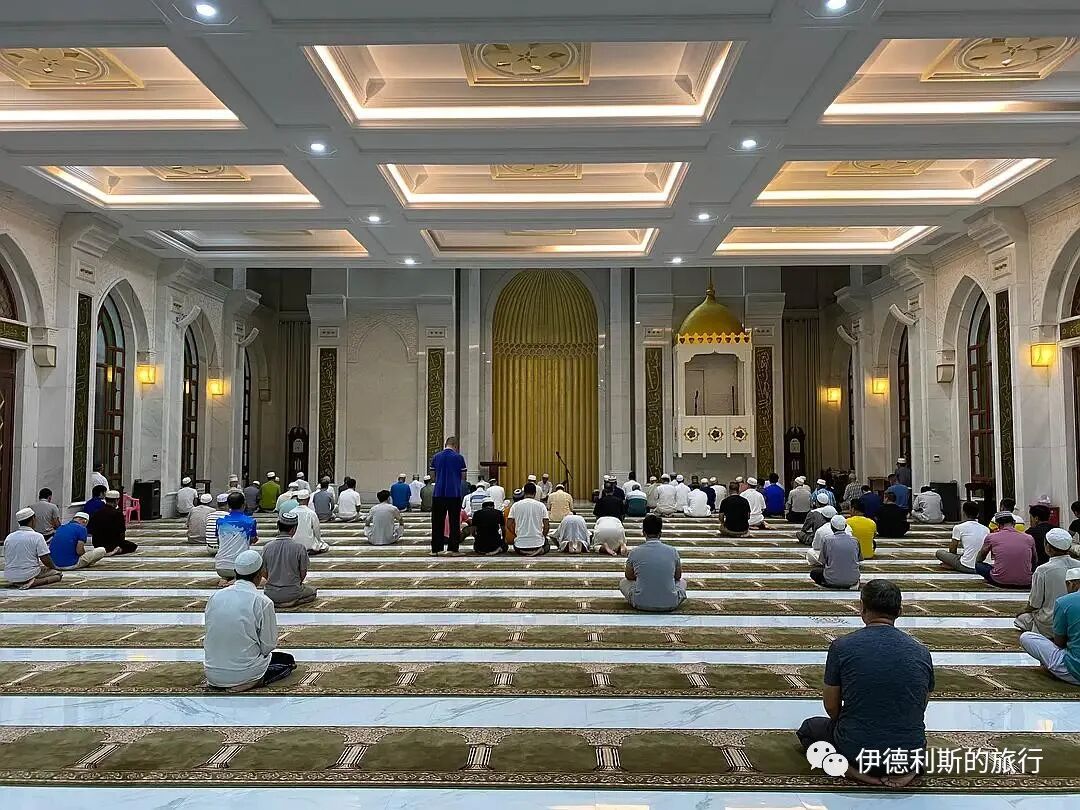
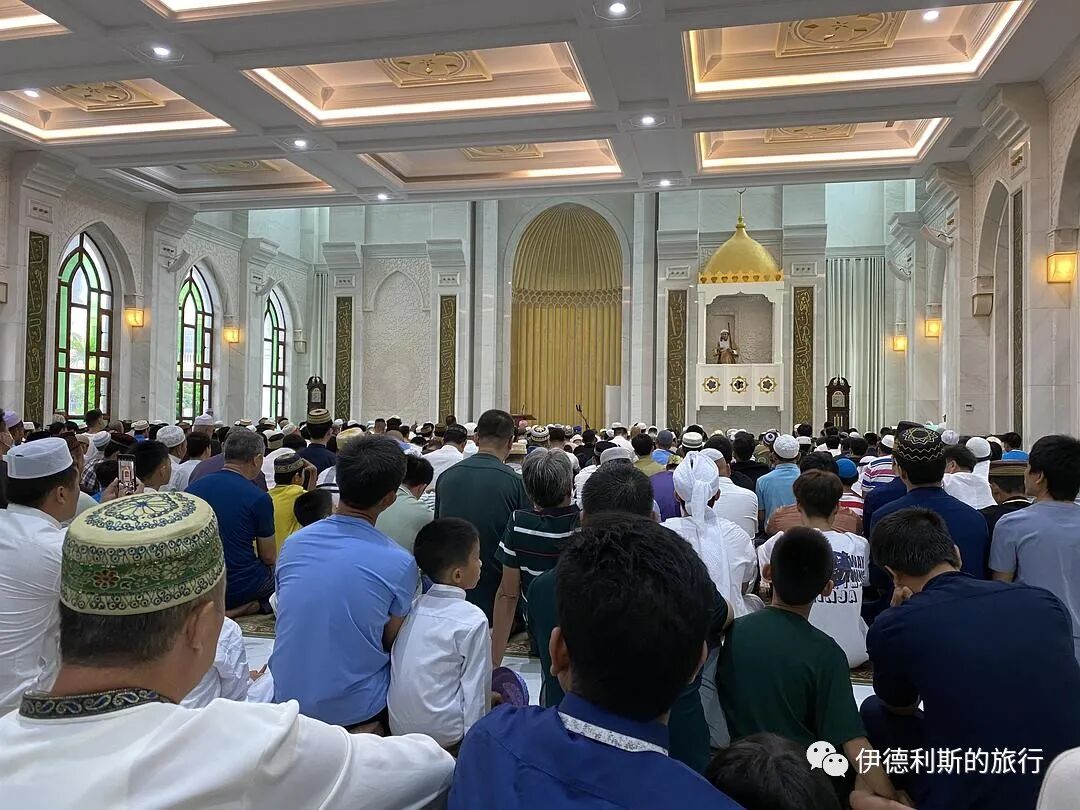
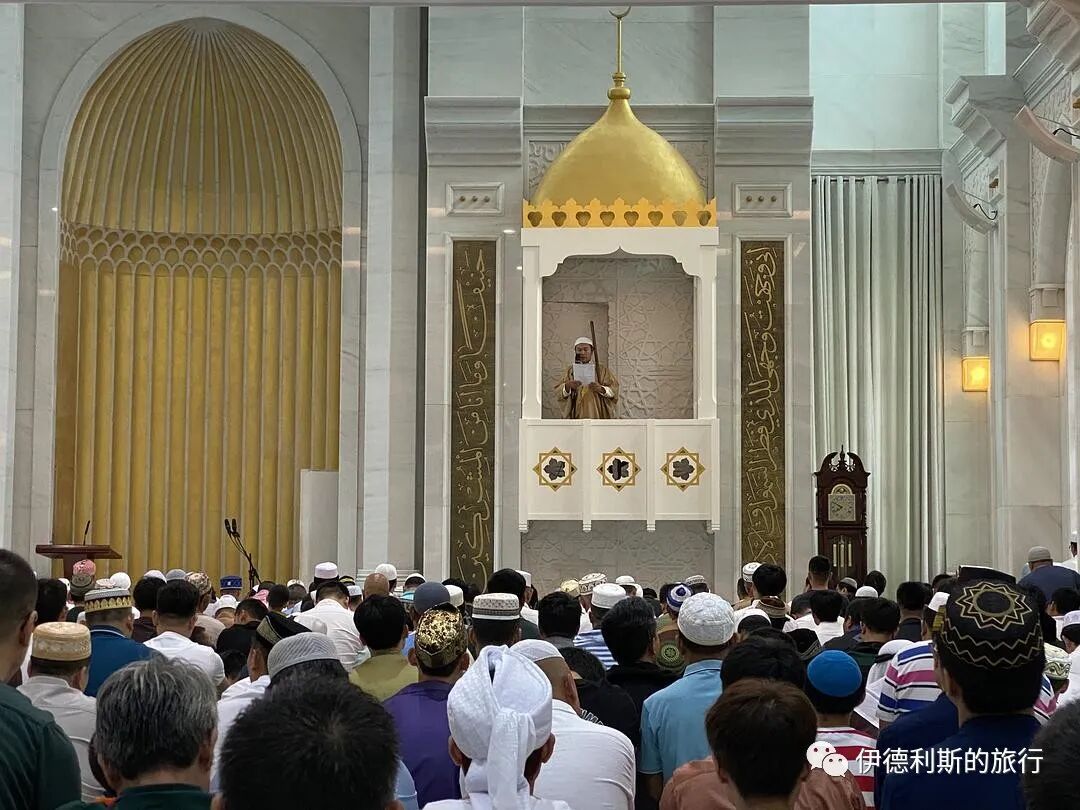
After the Fajr prayer, we rested for a while, and at 7 o'clock, we went back to the main hall to perform the Eid al-Adha prayer. The Imams here are all local Hui Muslims from the Huihui community, and the wa'z (sermon) is delivered in the Huihui language. To someone who doesn't understand the language, it sounds like a mixture of Malay, Chinese, and Arabic.
The Huihui language (Tsat language) is currently classified under the Chamic branch of the Malayo-Polynesian languages within the Austronesian language family. It is most closely related to the Roglai language of the Chamic branch in southern Vietnam, but it is also the most unique language in the Chamic branch, as it contains a large amount of Sino-Tibetan components. The language used by the Huihui people when they first entered Hainan was likely similar to the original Chamic language. However, with close interaction with the surrounding Chinese-speaking groups, the Huihui language has constantly changed. Its grammar has become closer to Chinese, its Chinese vocabulary has increased significantly, and it has developed a monosyllabic, multi-tonal system that does not exist in the Austronesian language family.
Professor Zheng Yiqing's book, Research on the Huihui Language, compares the Huihui language with the Rade language, a Chamic language in the mountainous areas of southern Vietnam, and concludes that the separation of the Huihui language and the Rade language should have occurred 1,000 years ago.
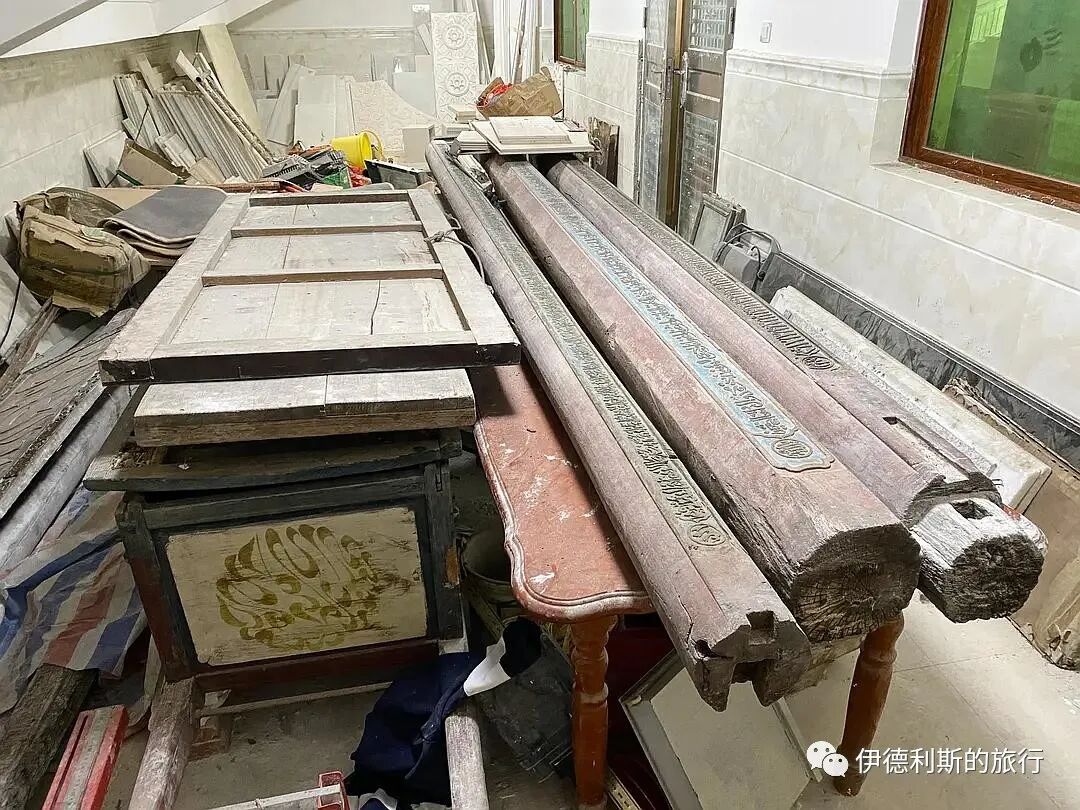
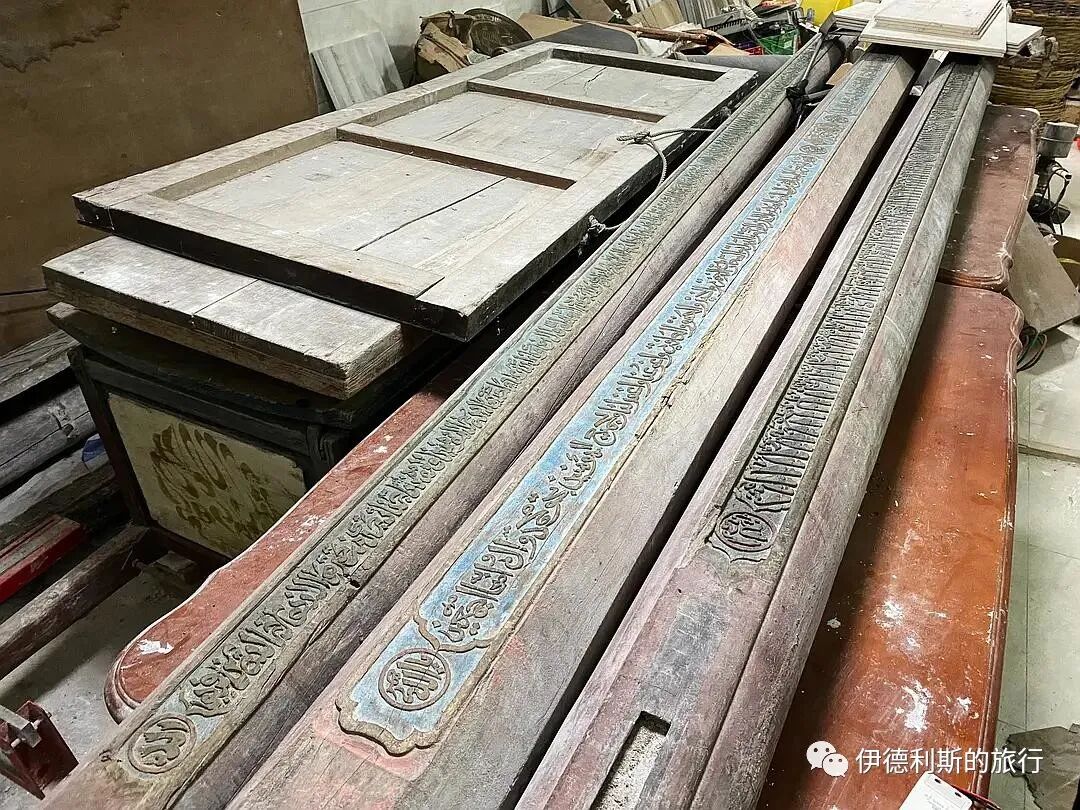
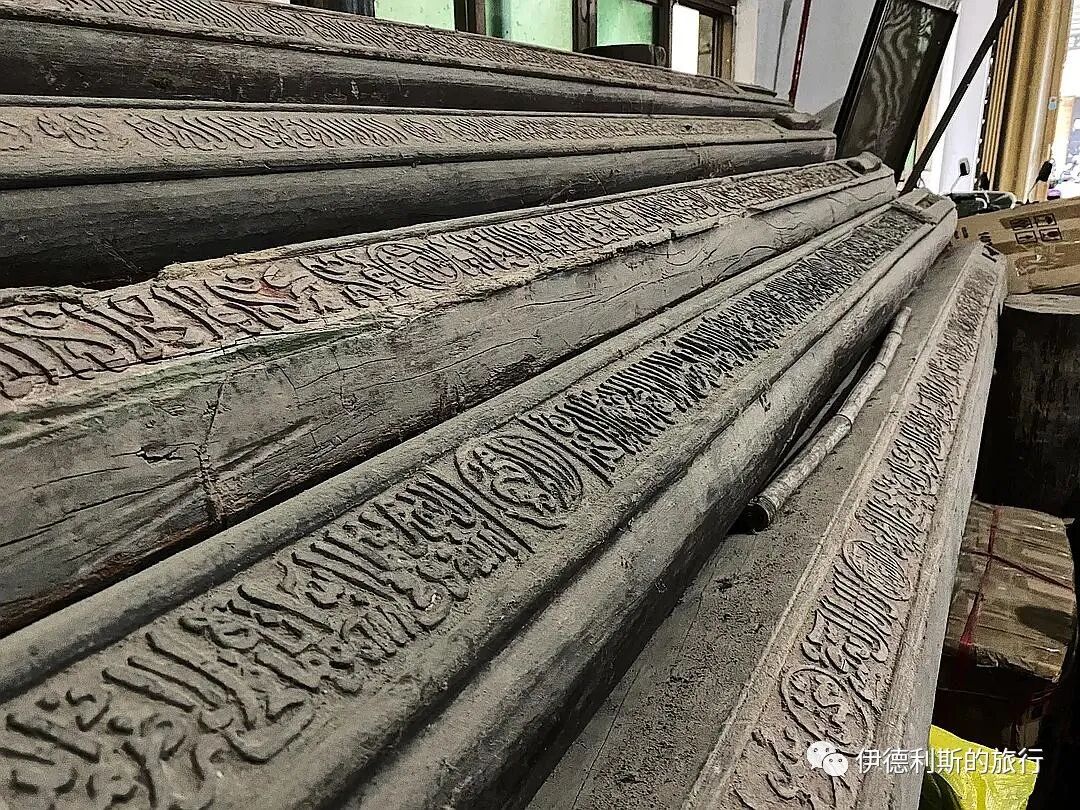
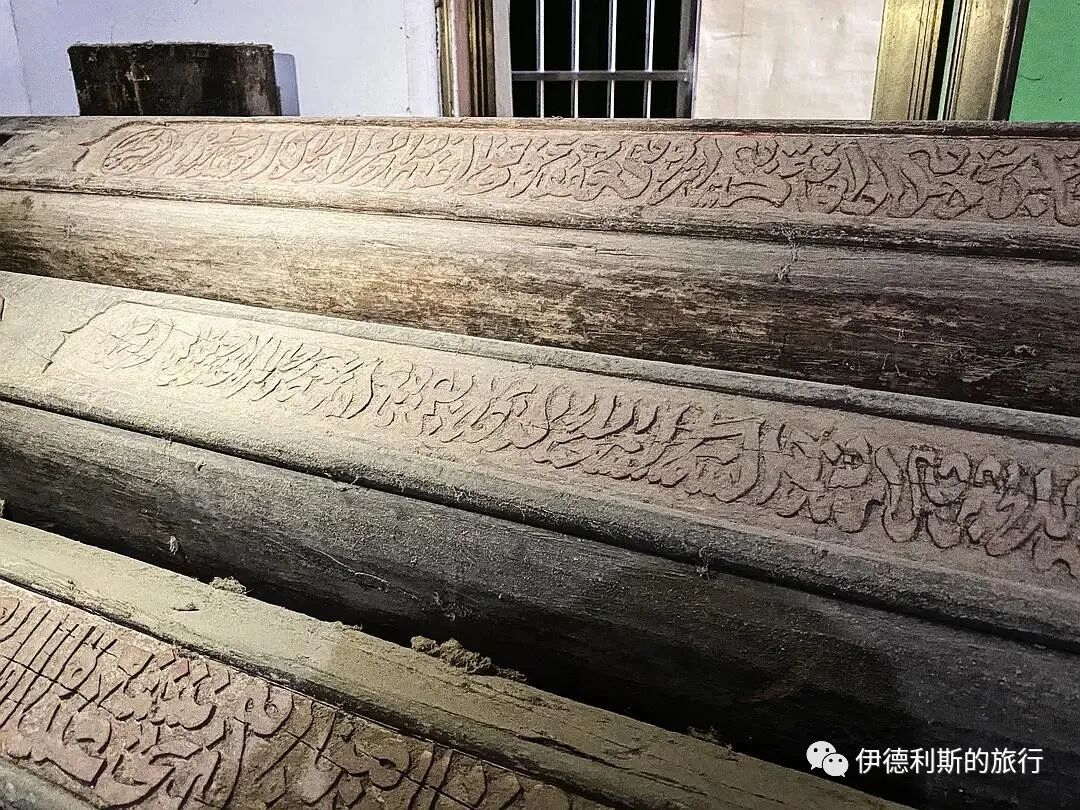
After the Eid prayer, Muning showed me the roof purlins and plaques from the Qing Dynasty that were stored in the warehouse of the Southern Mosque.
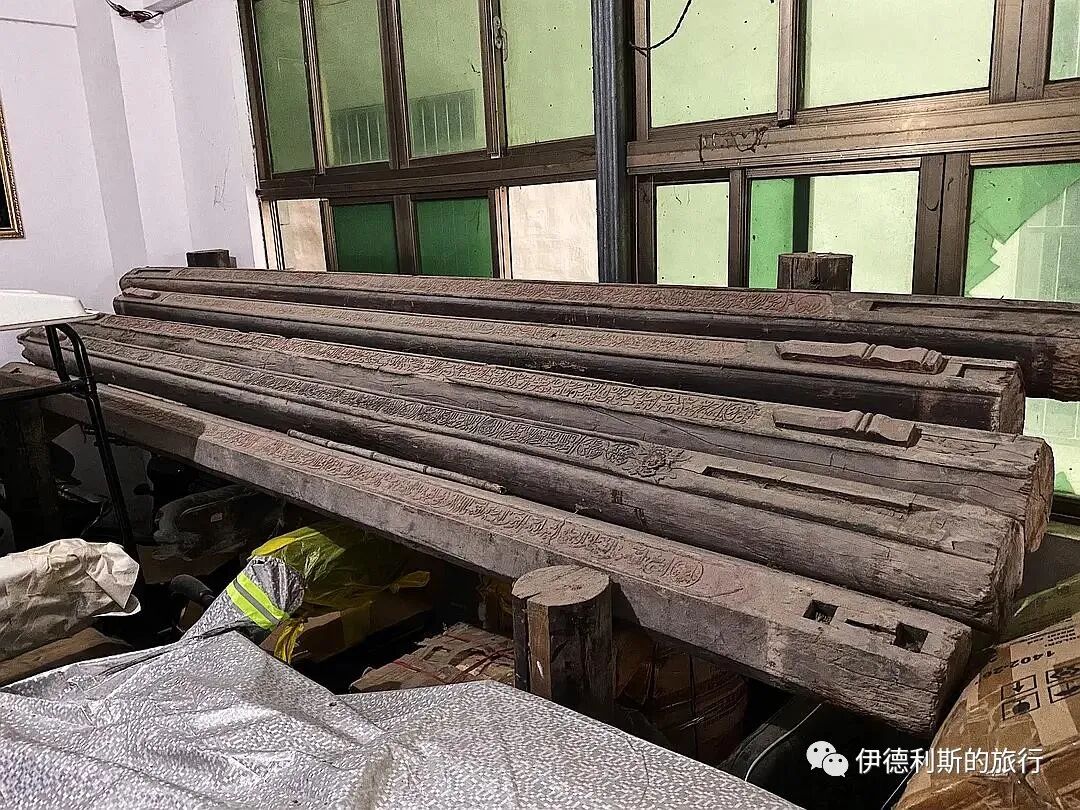
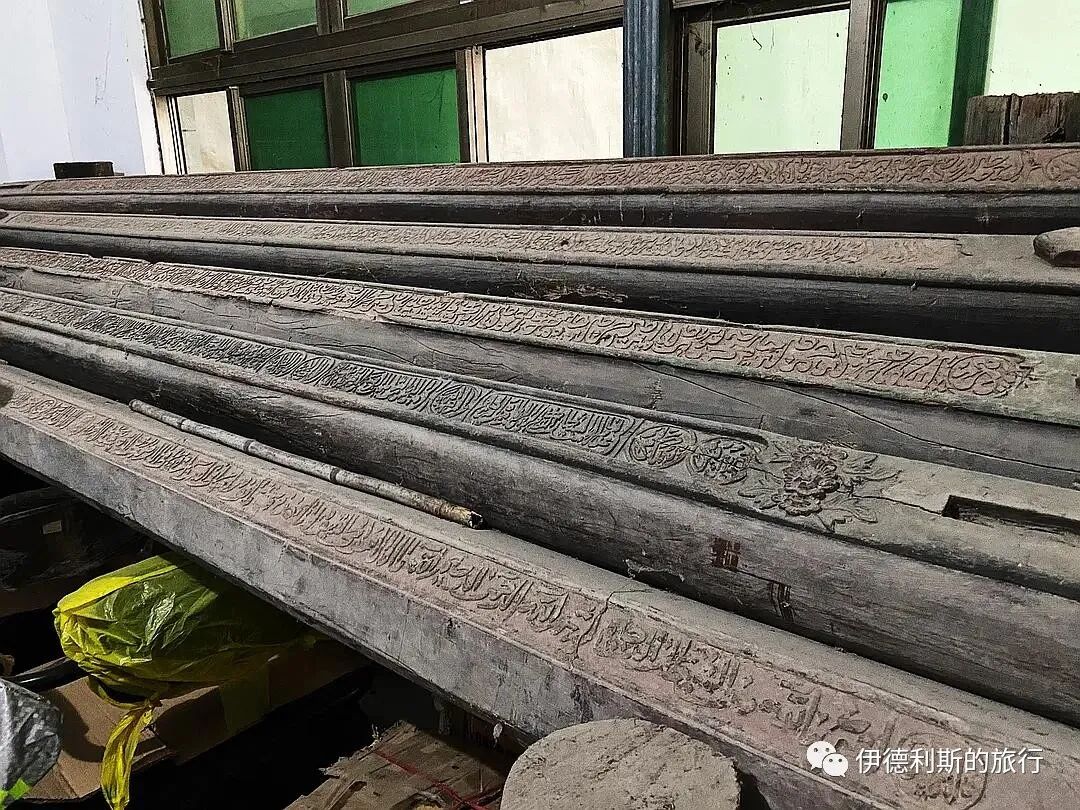
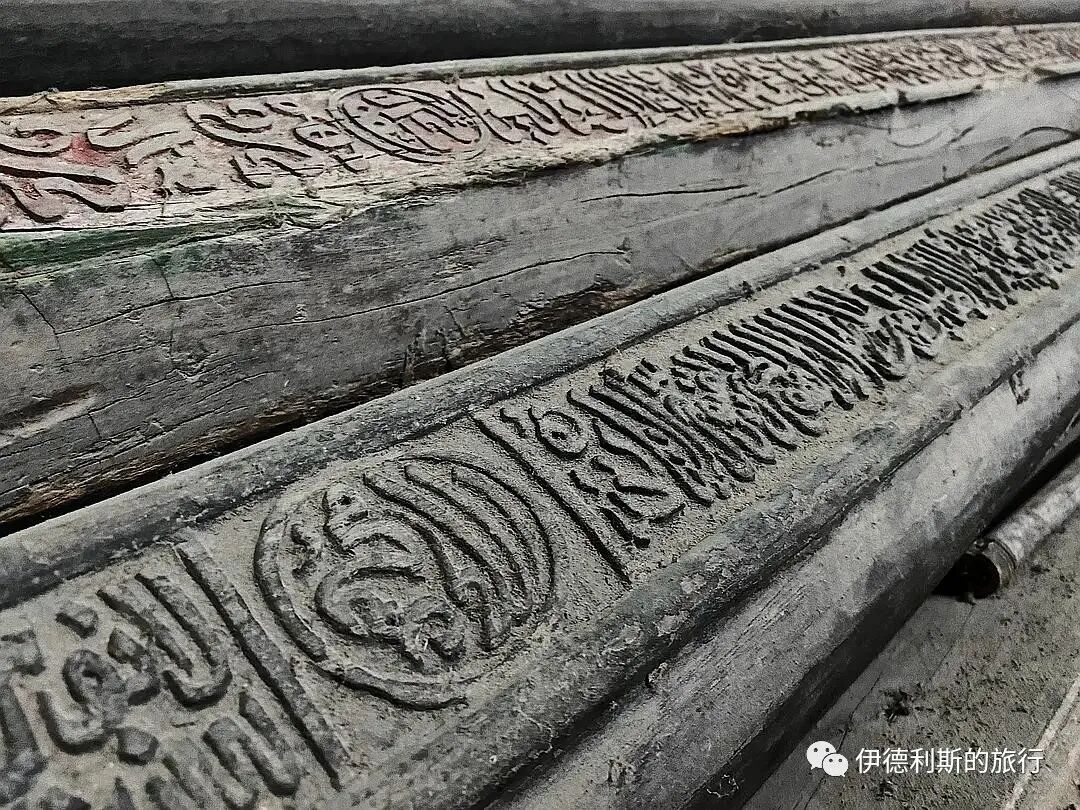
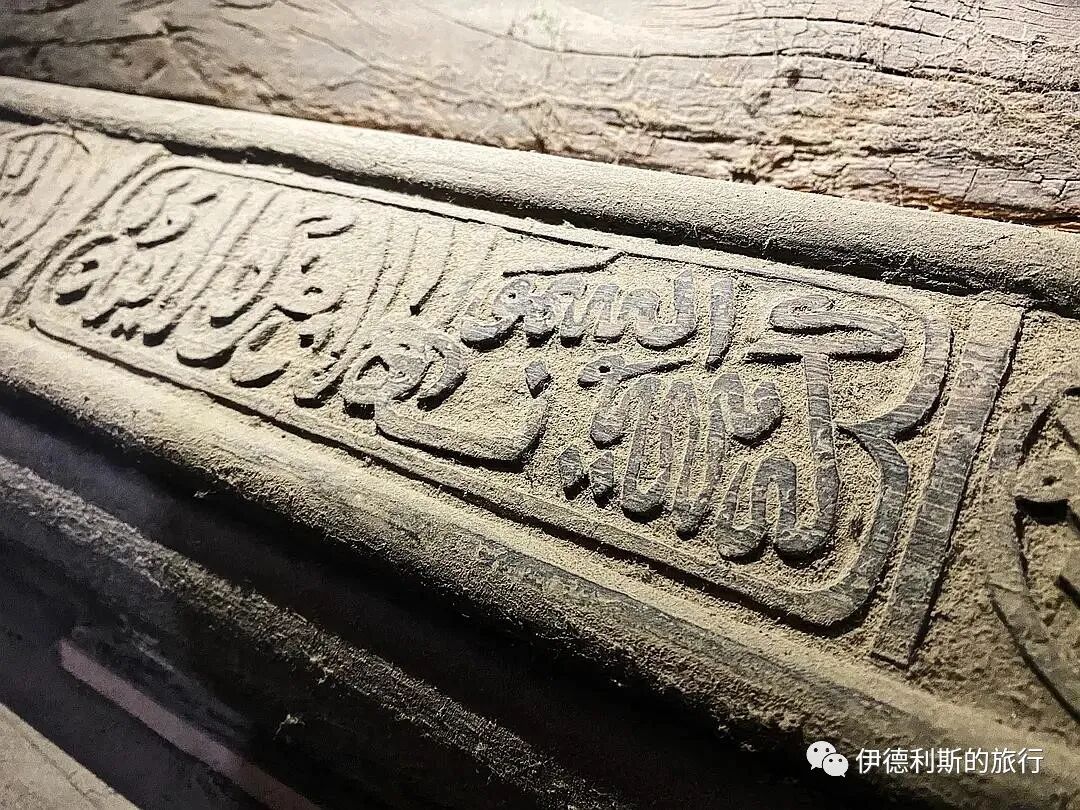
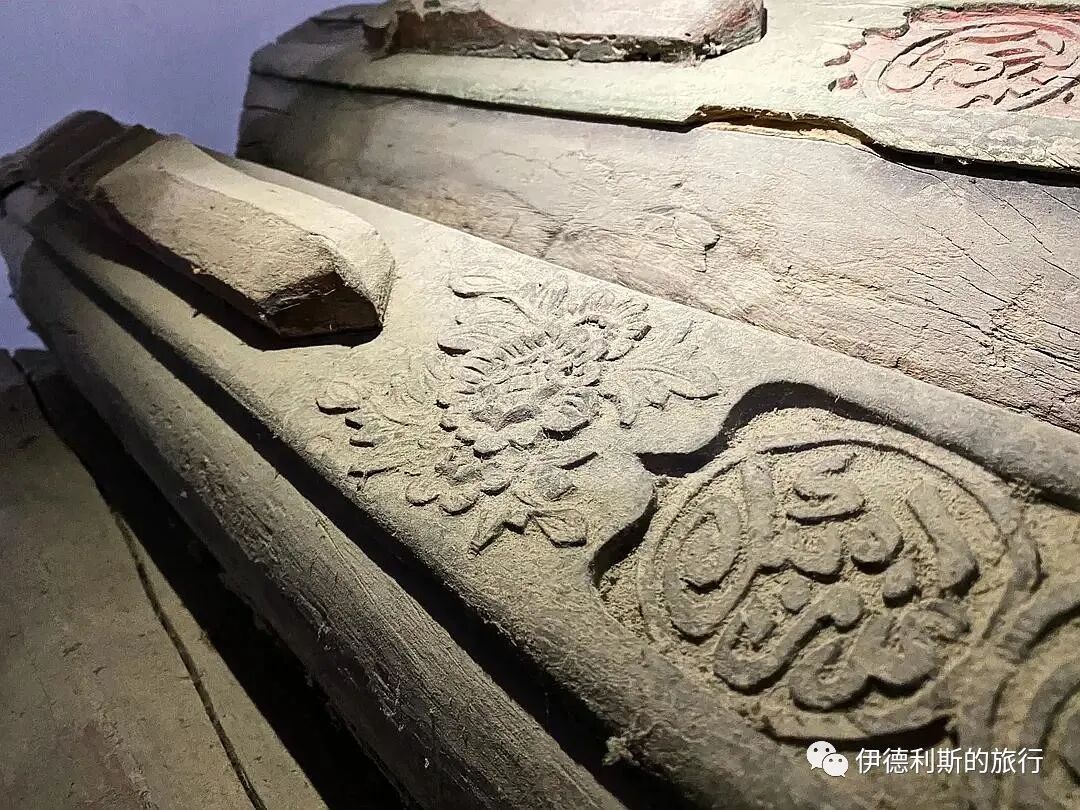
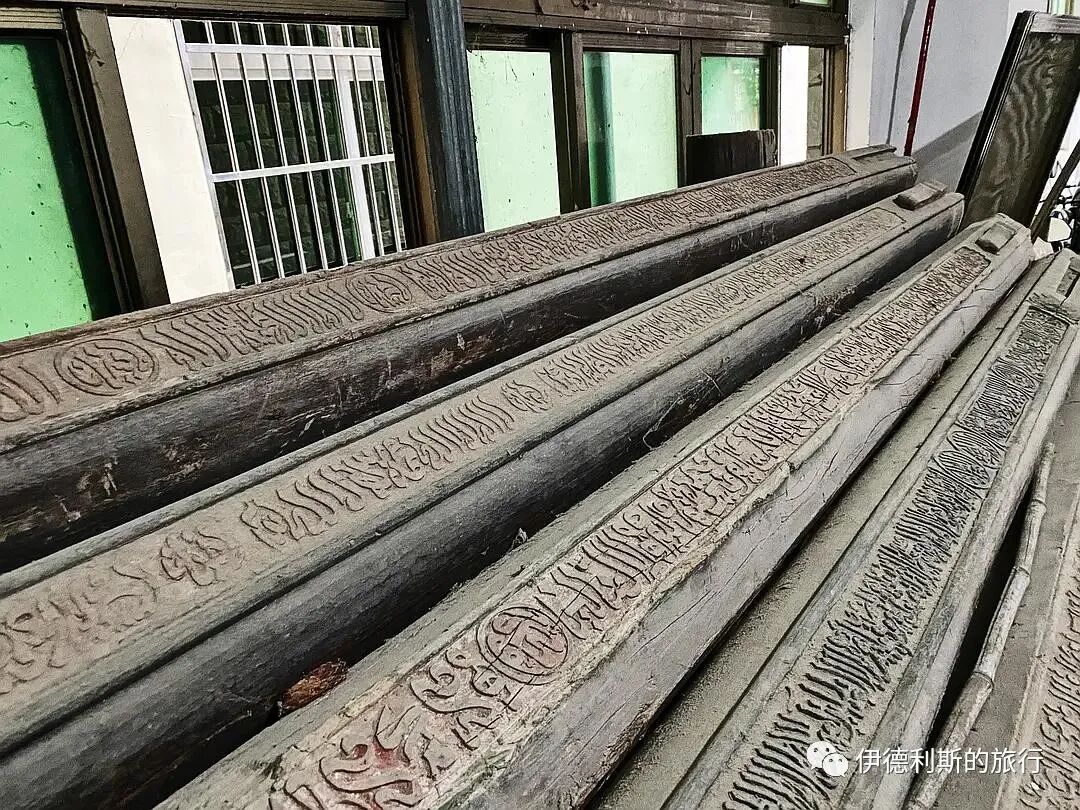
The roof purlins of traditional brick-and-tile houses of the Sanya Huihui people usually featured exquisite wood carvings of scriptures, but with the renovation and reconstruction of houses, there are very few left now.
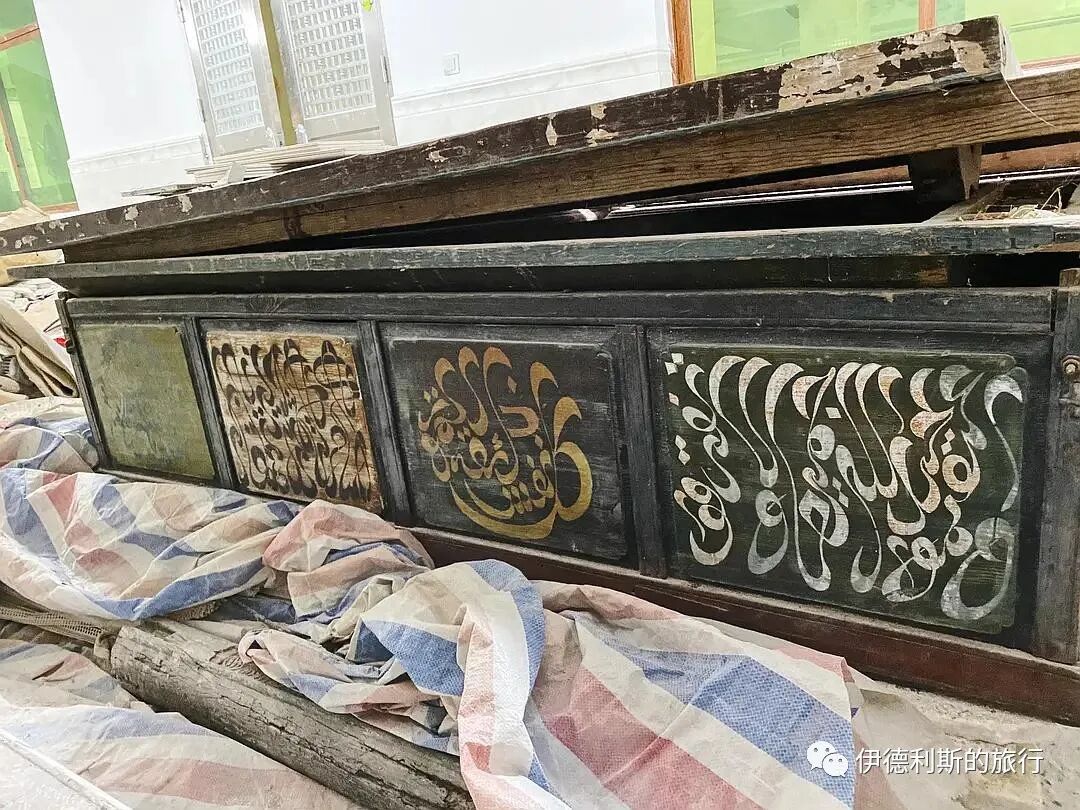
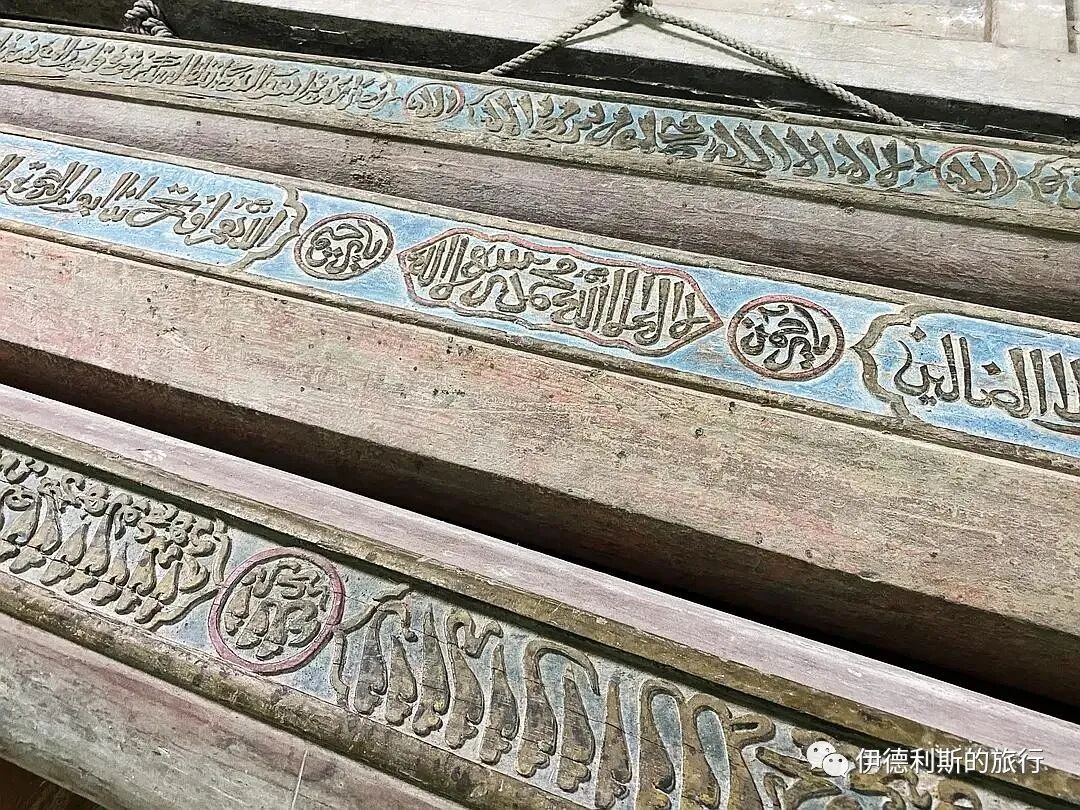
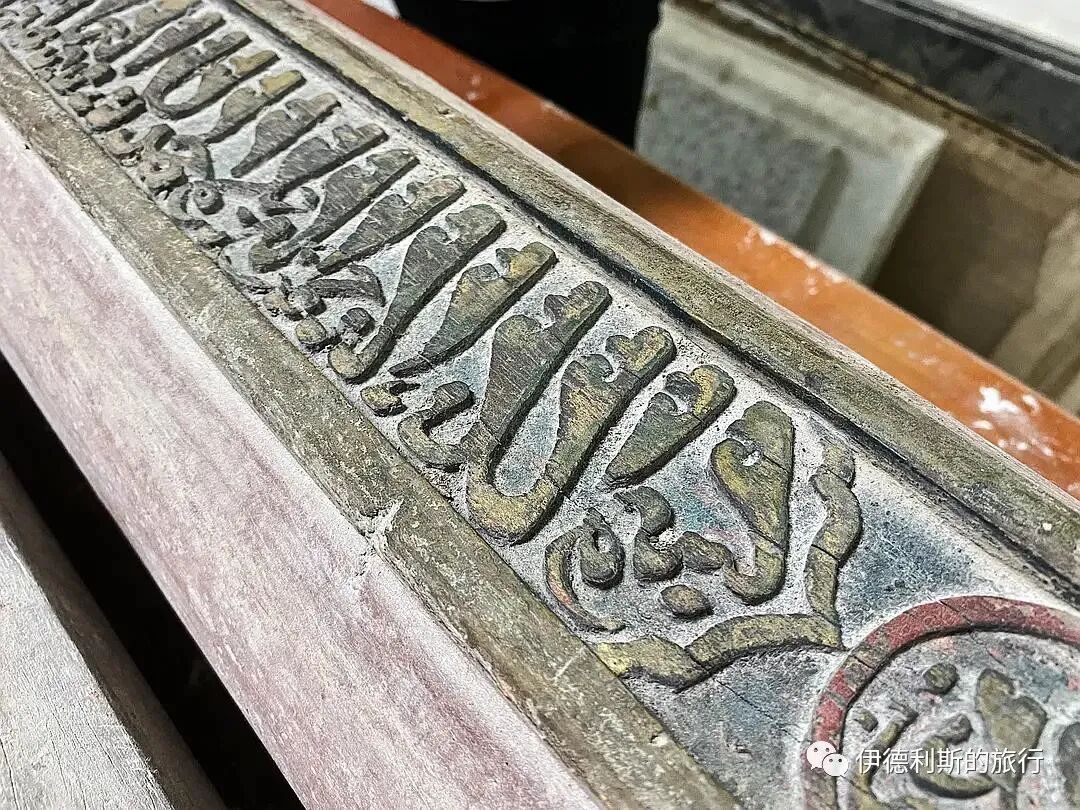
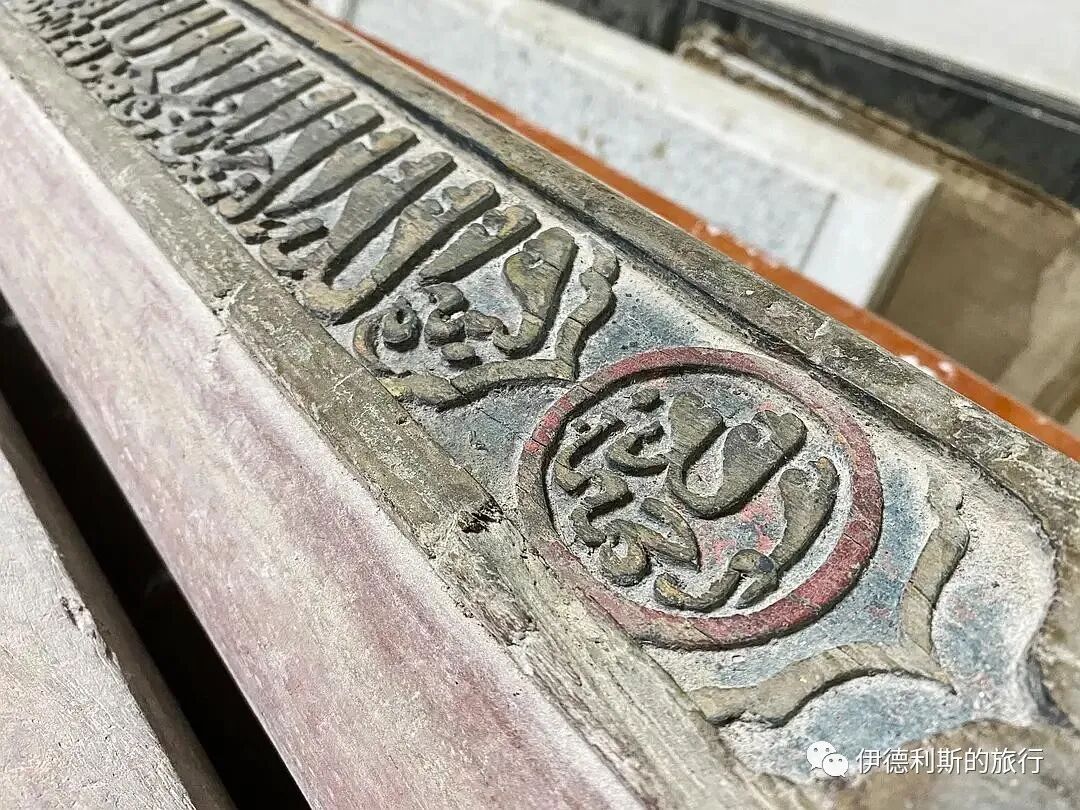
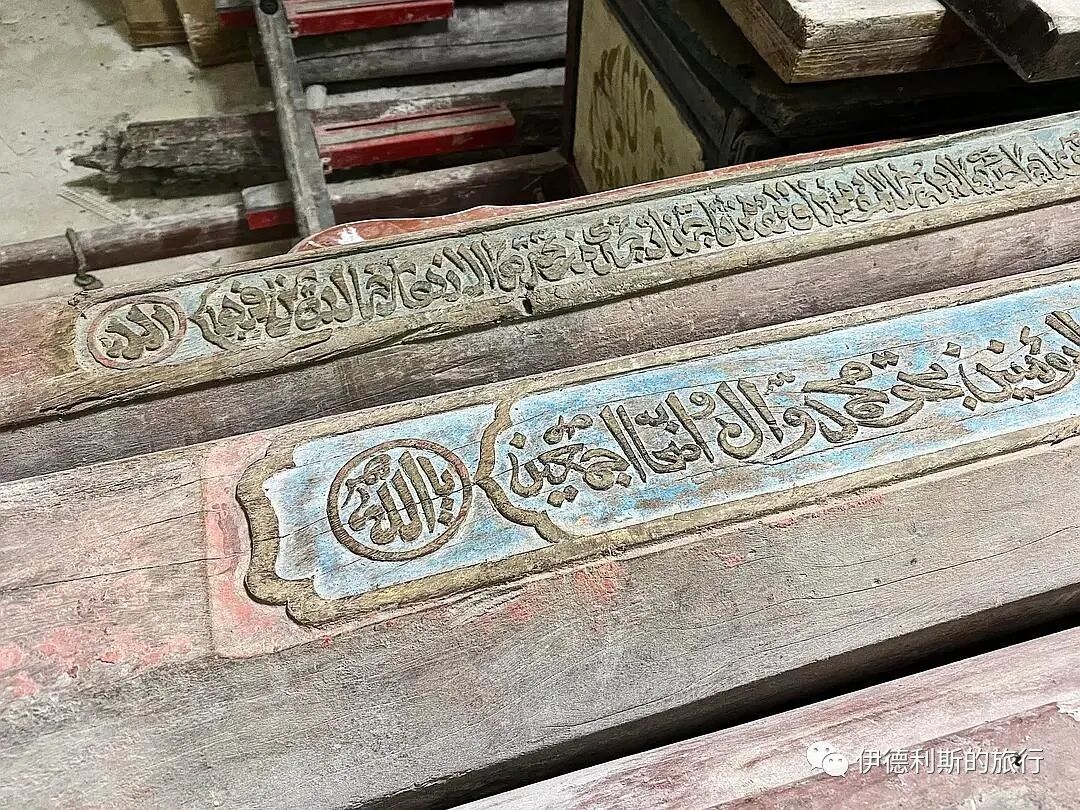
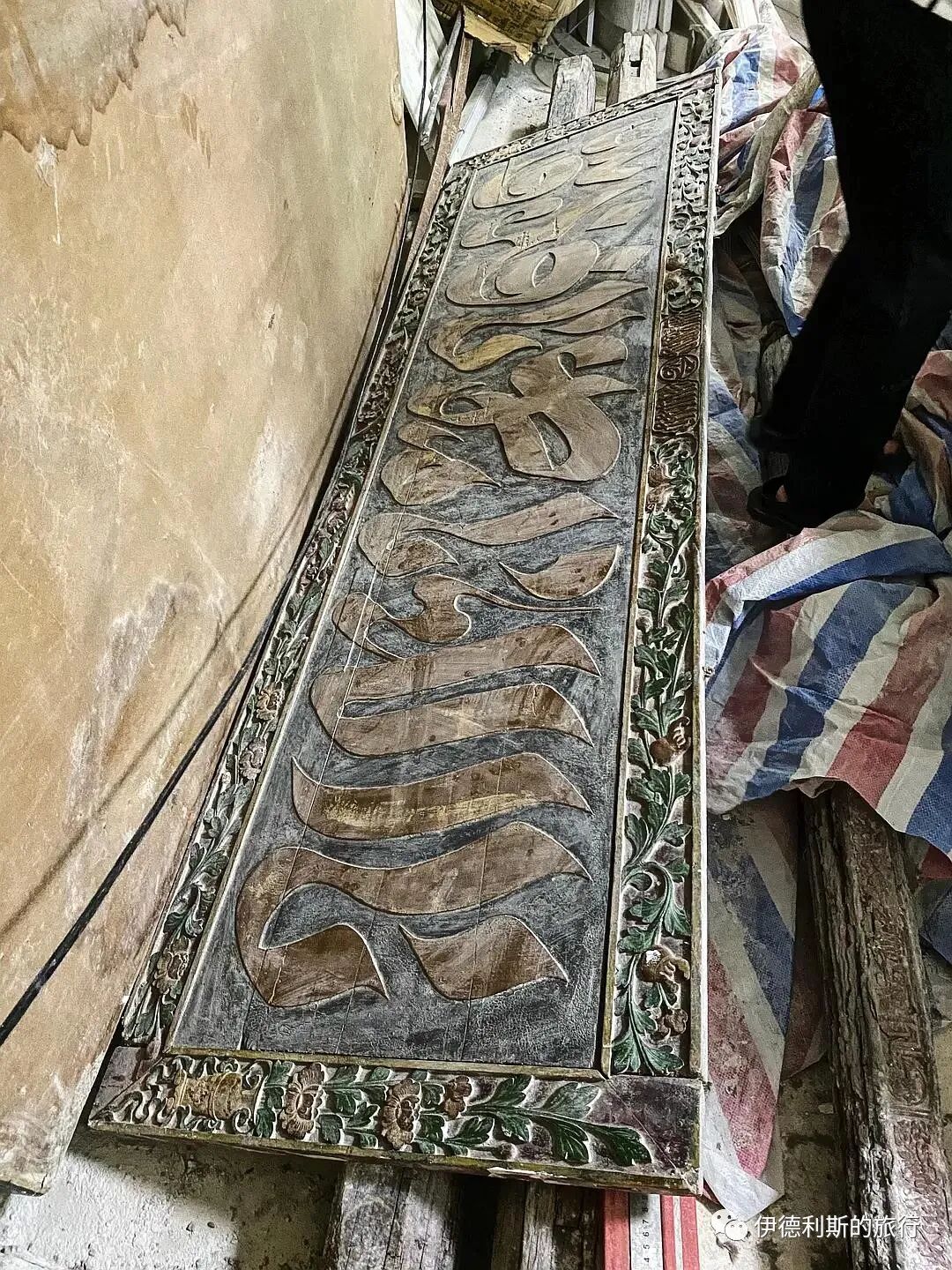
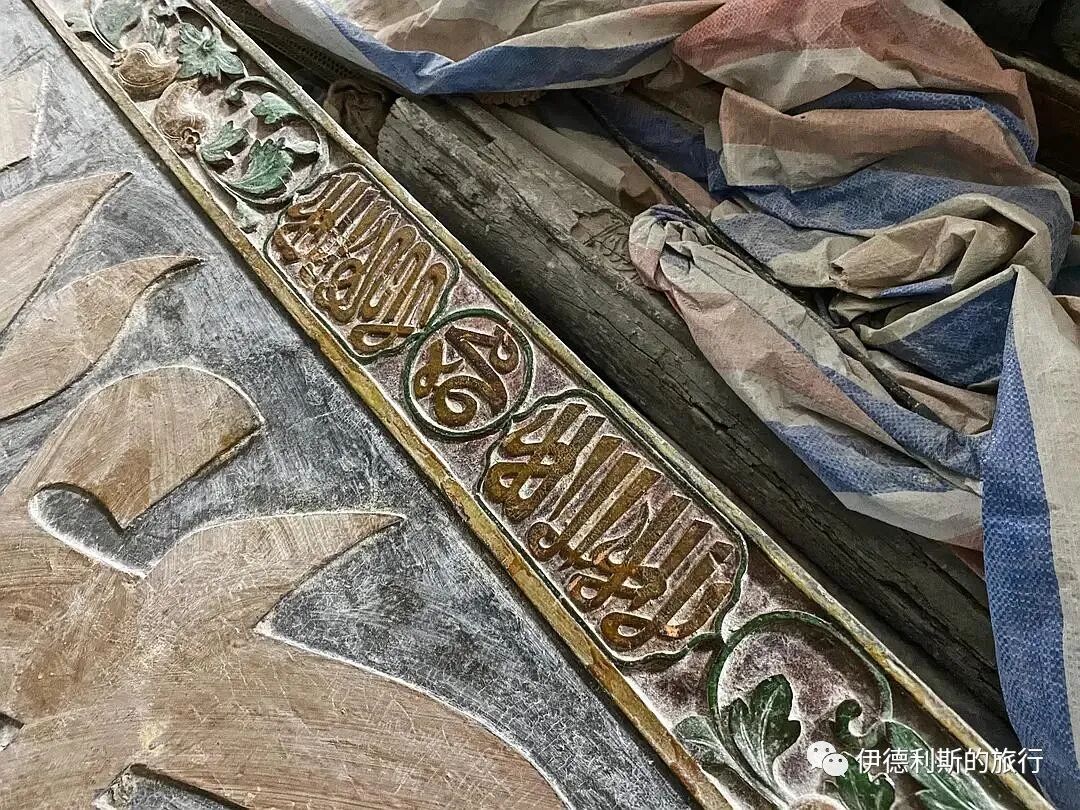
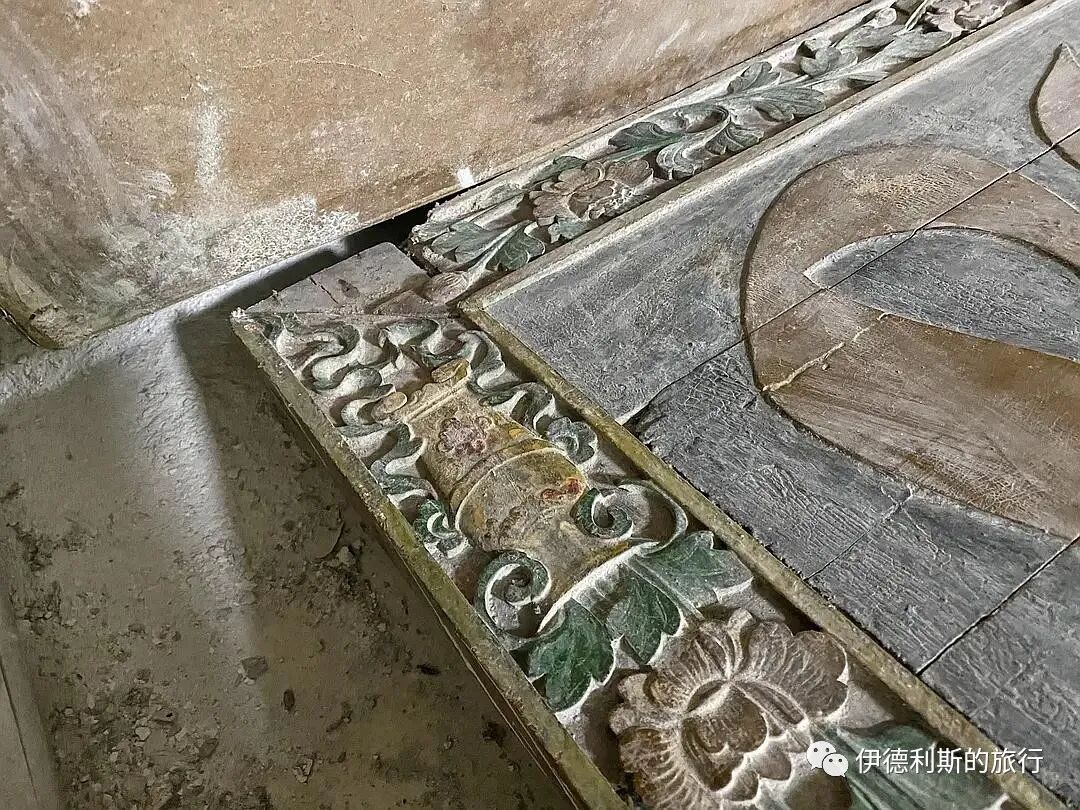
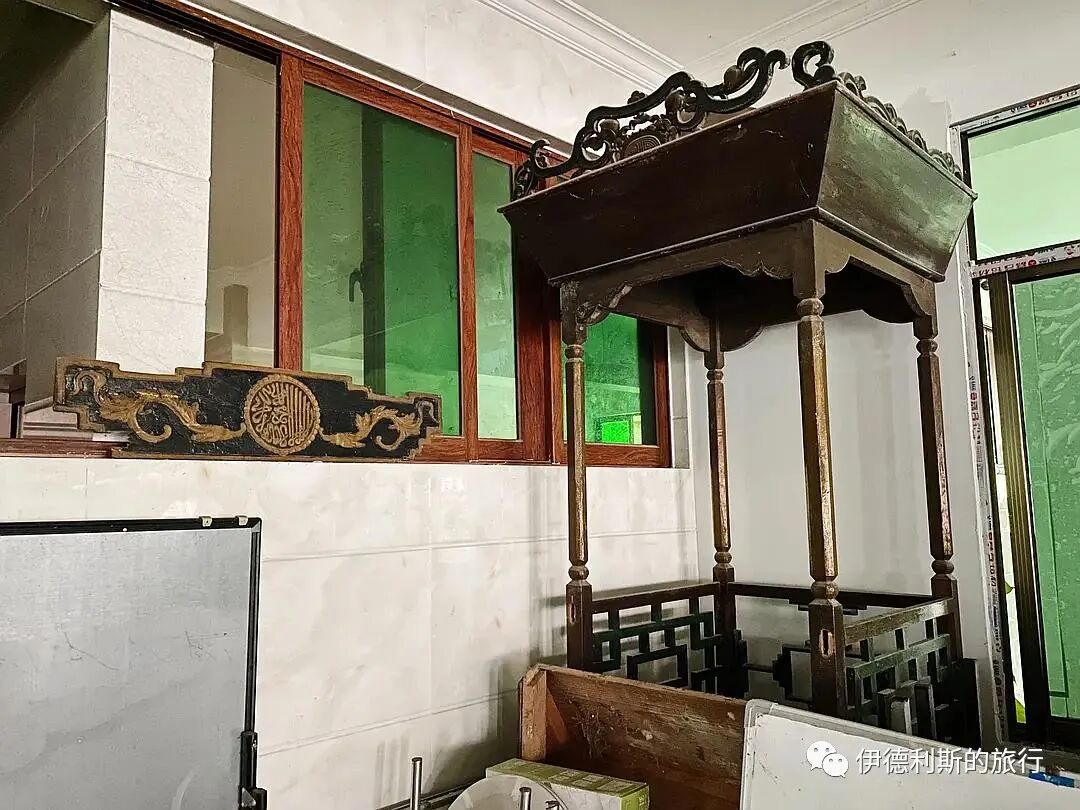
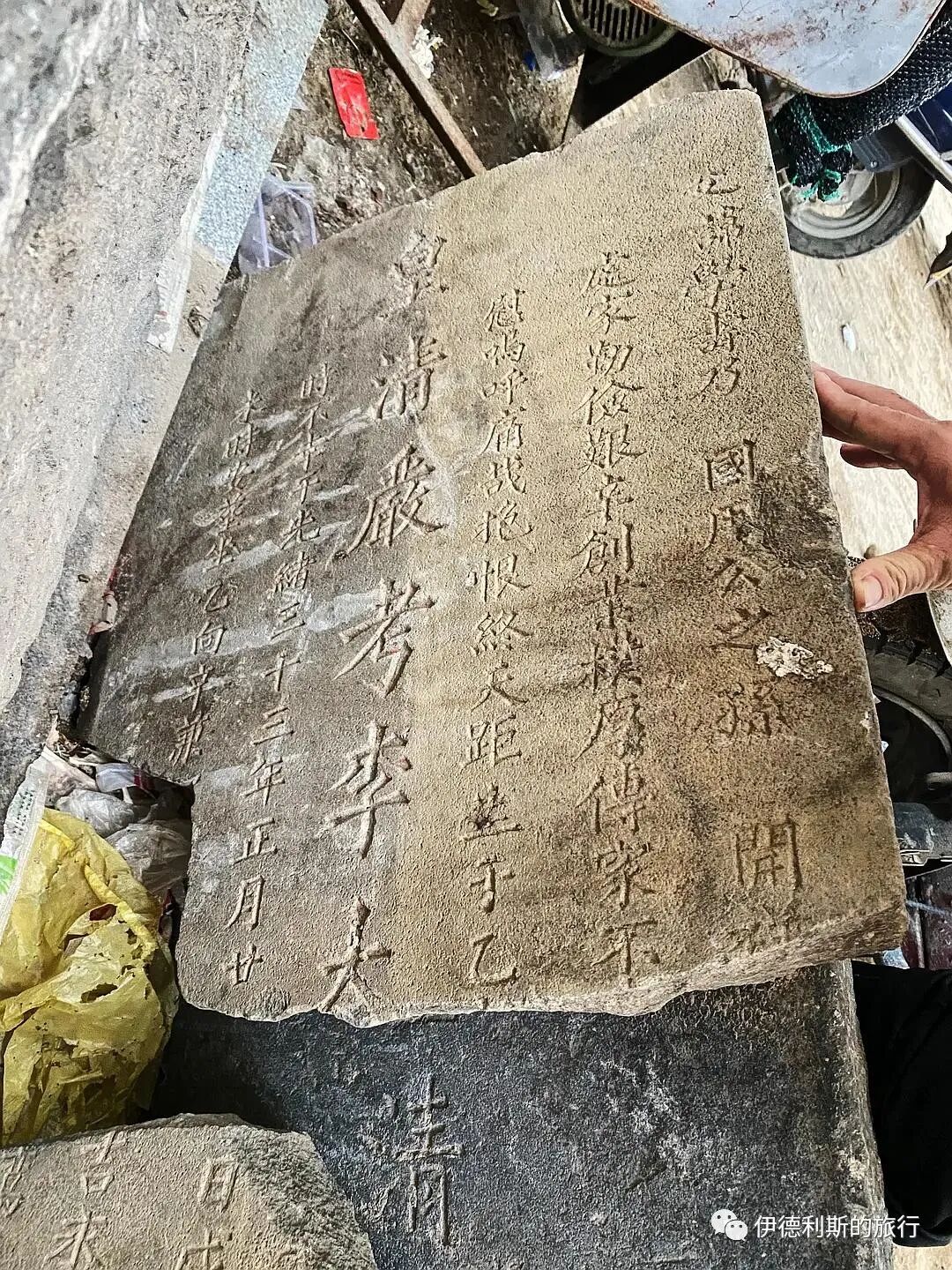
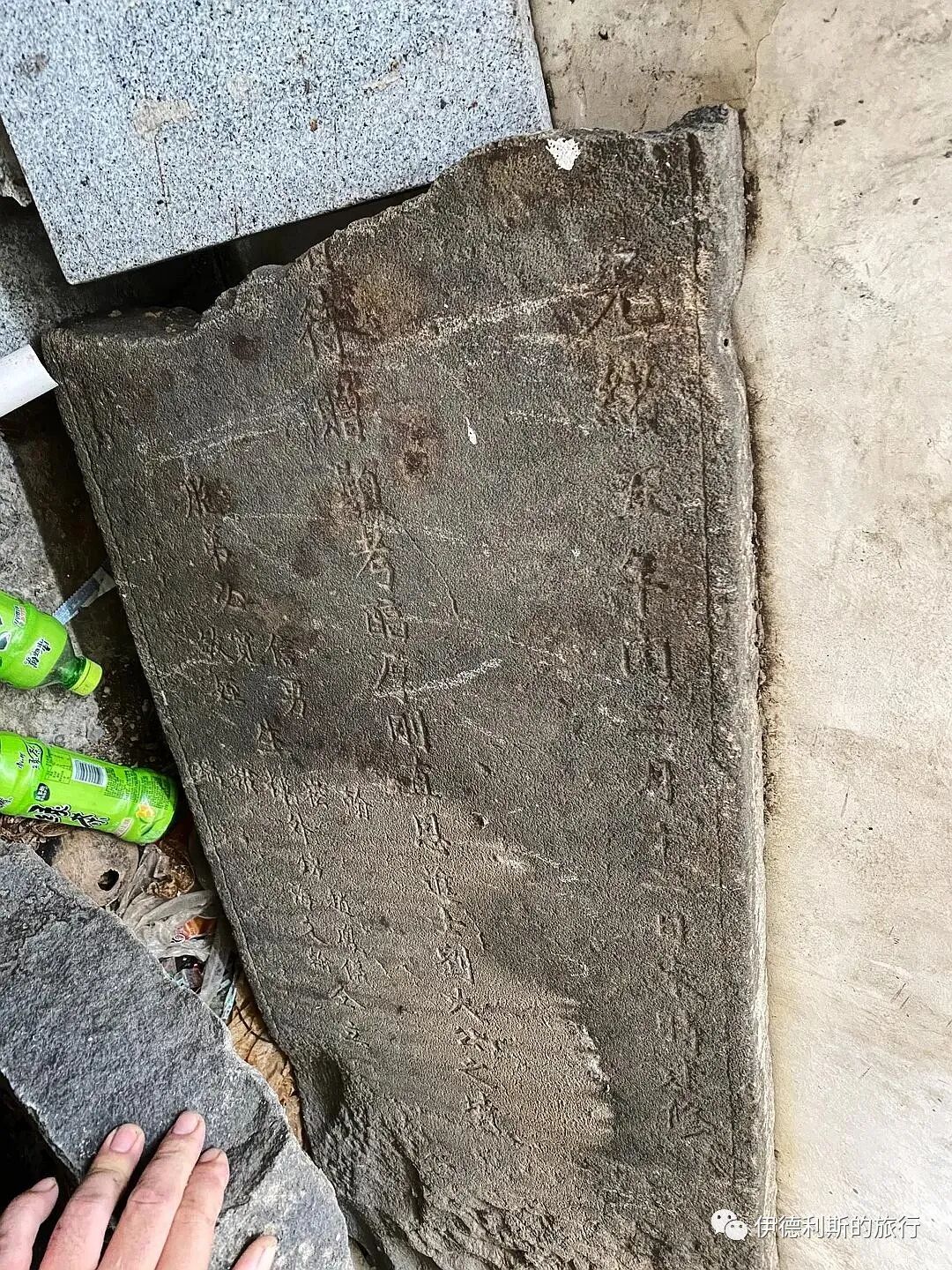
Minbar (pulpit) components and Qing Dynasty tombstones are piled up in every corner of the Southern Mosque.
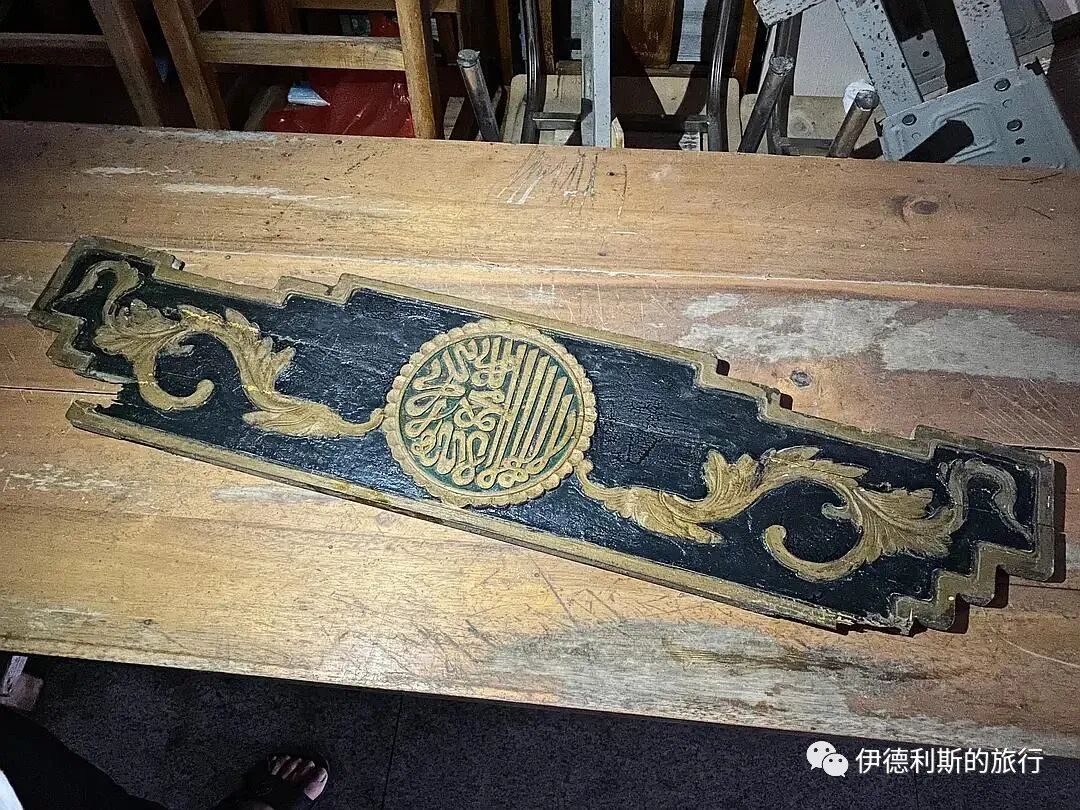
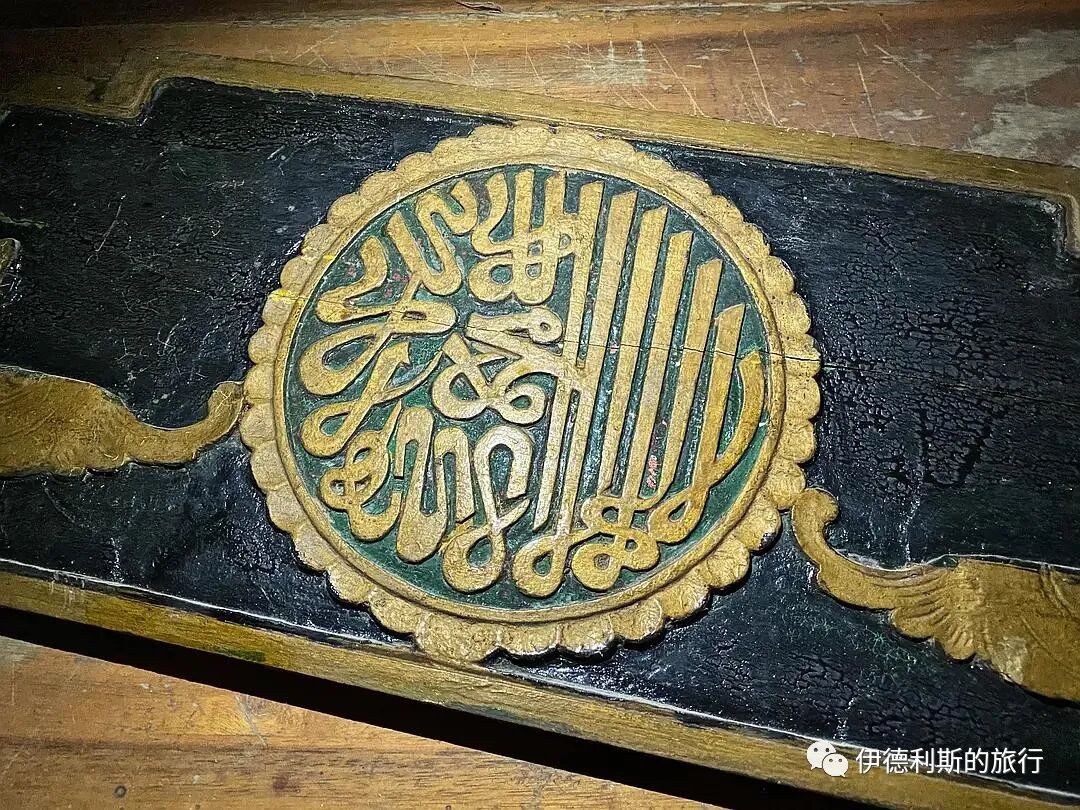
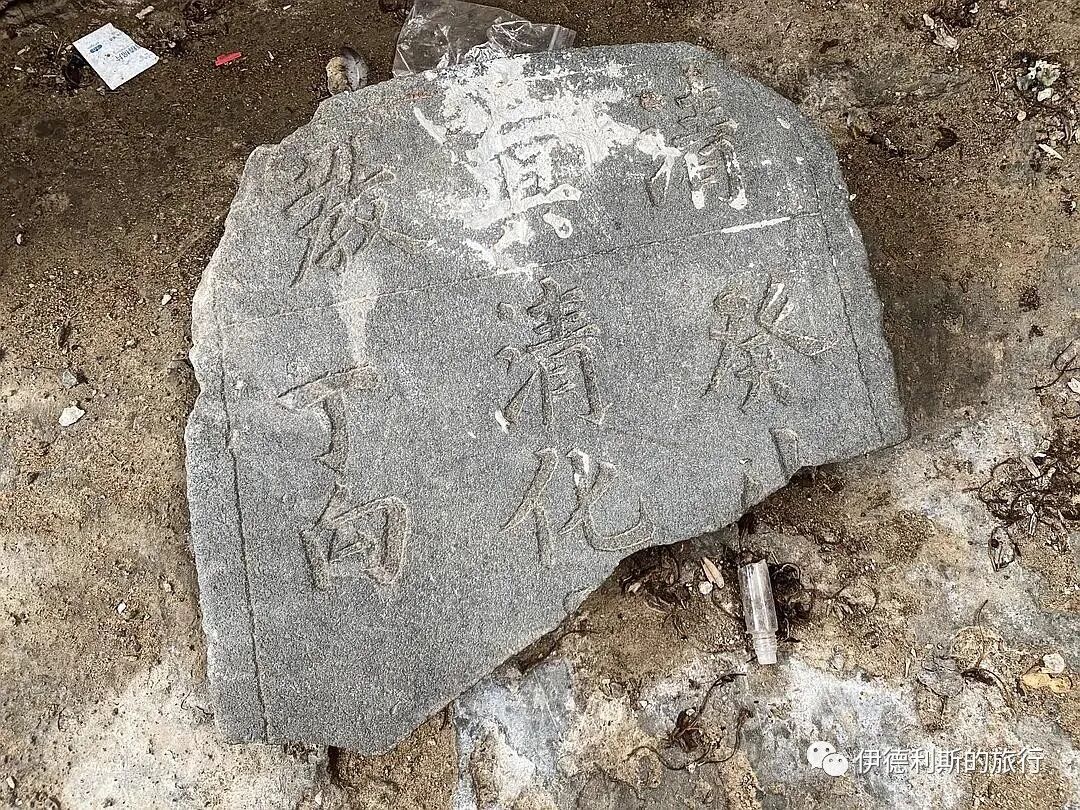
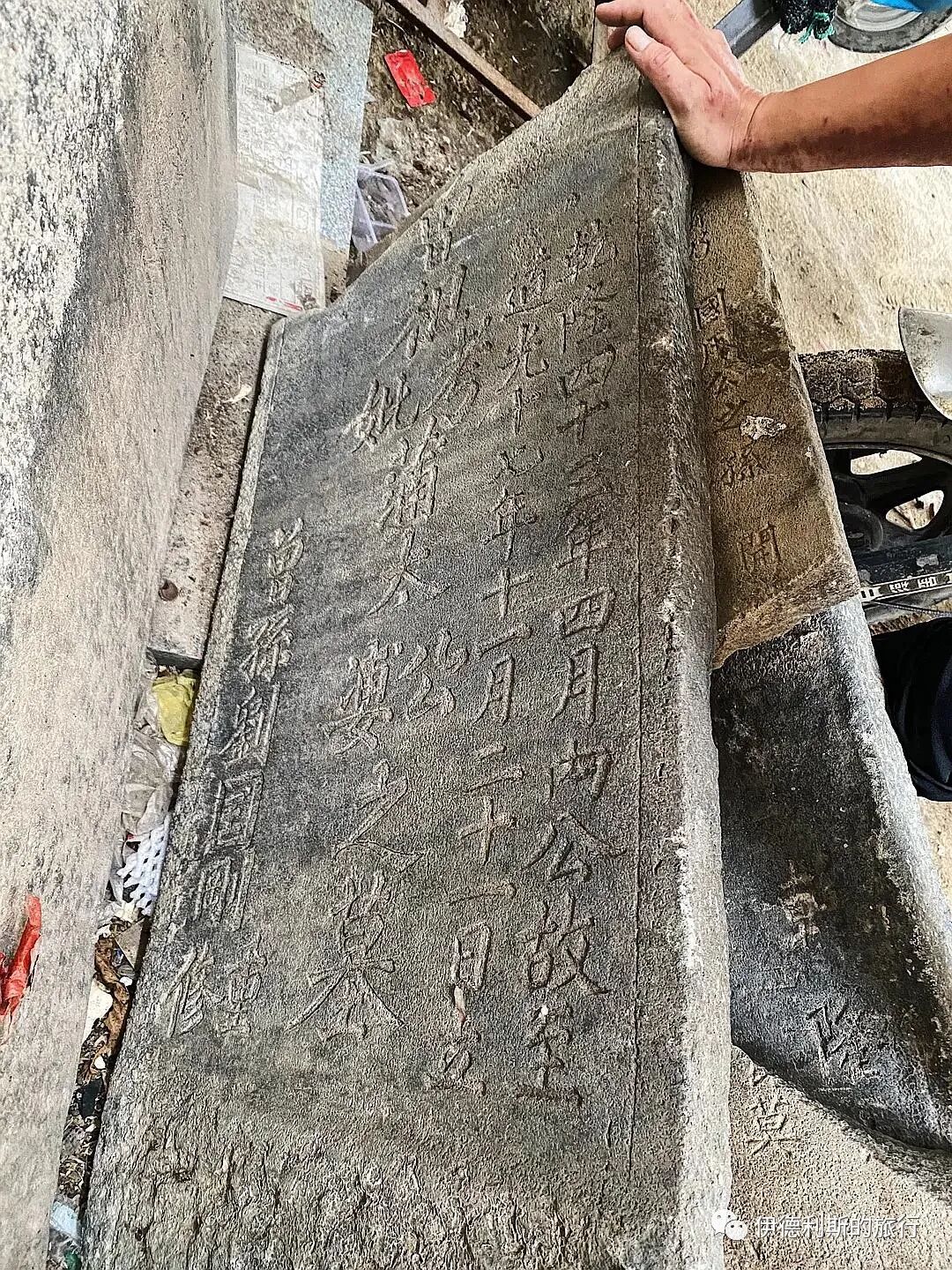
After leaving the Southern Mosque, Muning took me to the home of a teacher who collects traditional Huihui scripture-inscribed roof purlins. Every purlin here was once part of a traditional brick-and-tile house of the Sanya Huihui people.
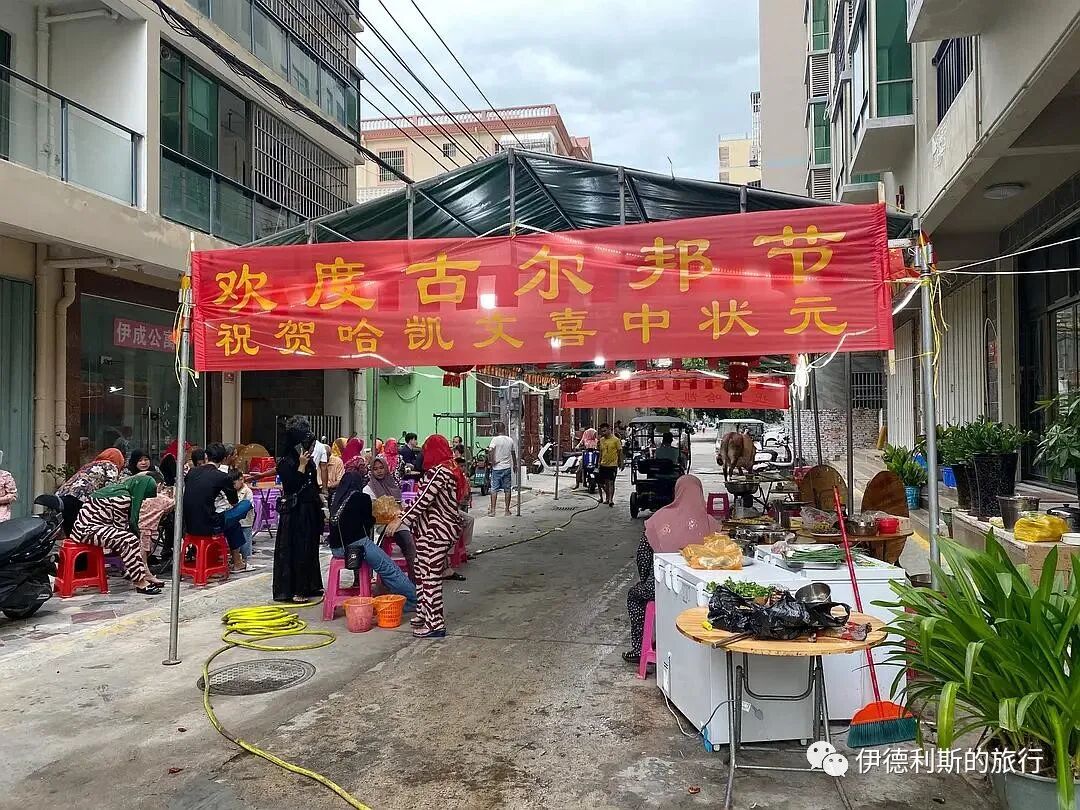
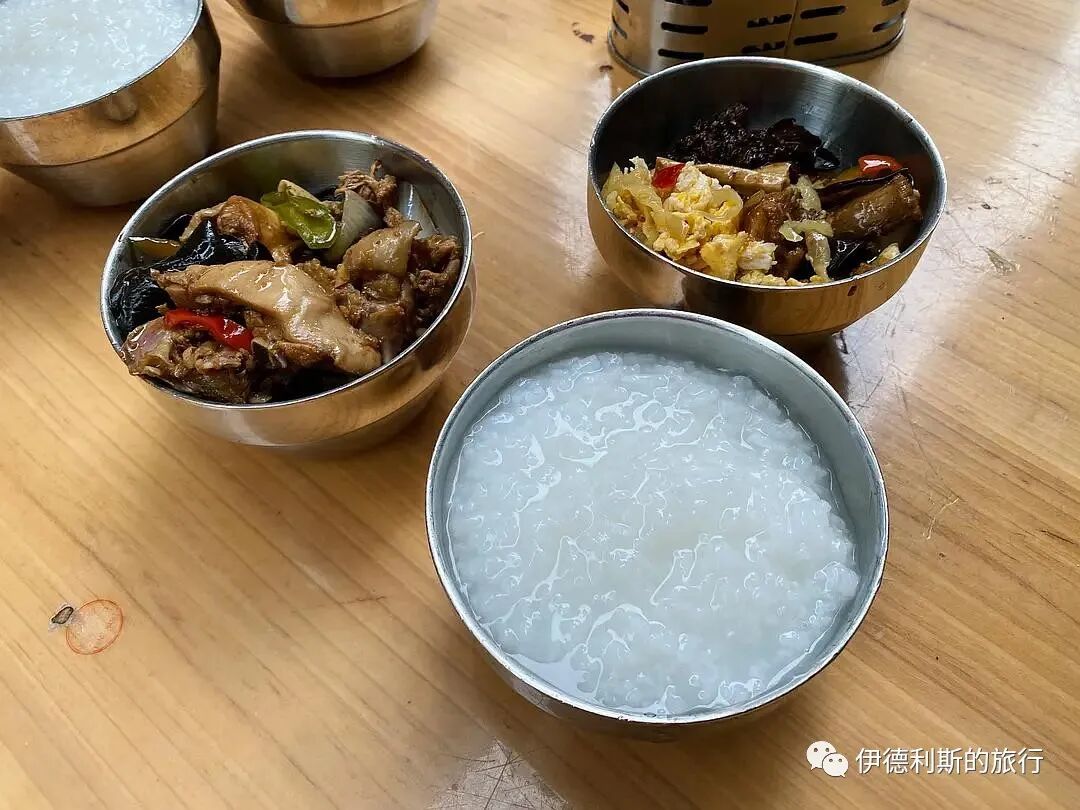
Muning took us for breakfast, and we happened to run into a family hosting a banquet because their child had been admitted to Tsinghua University.
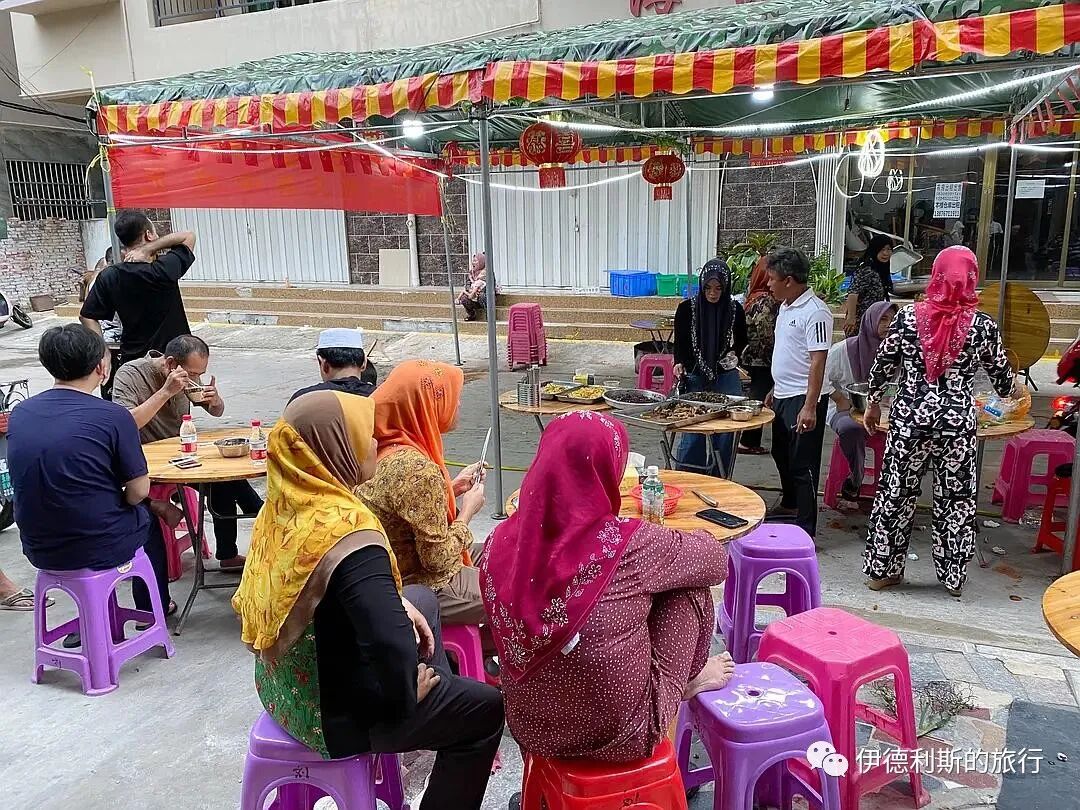
Rice porridge with chicken.
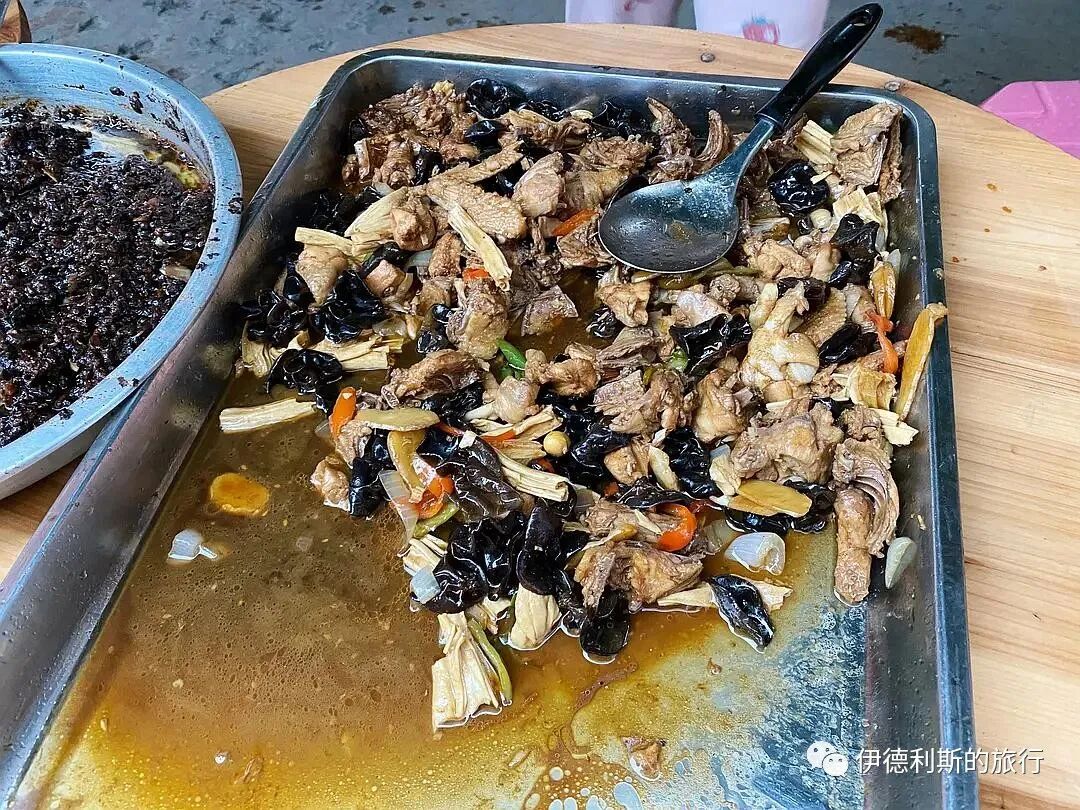
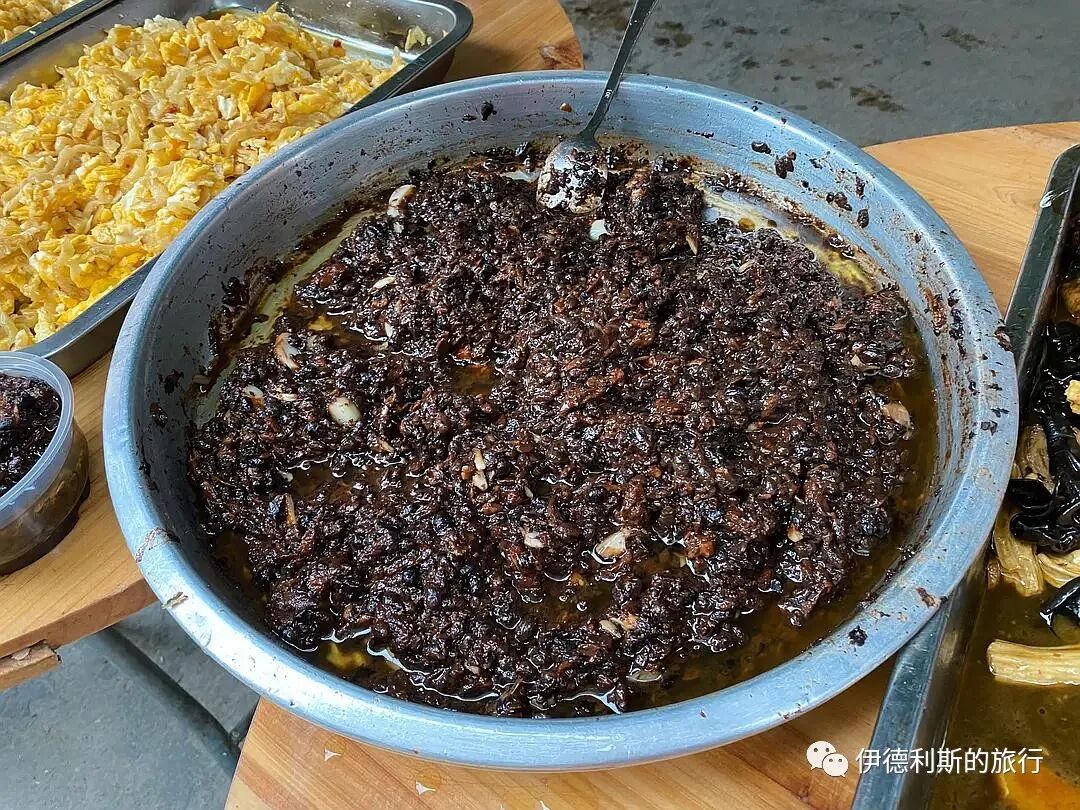
The soybean paste was delicious.
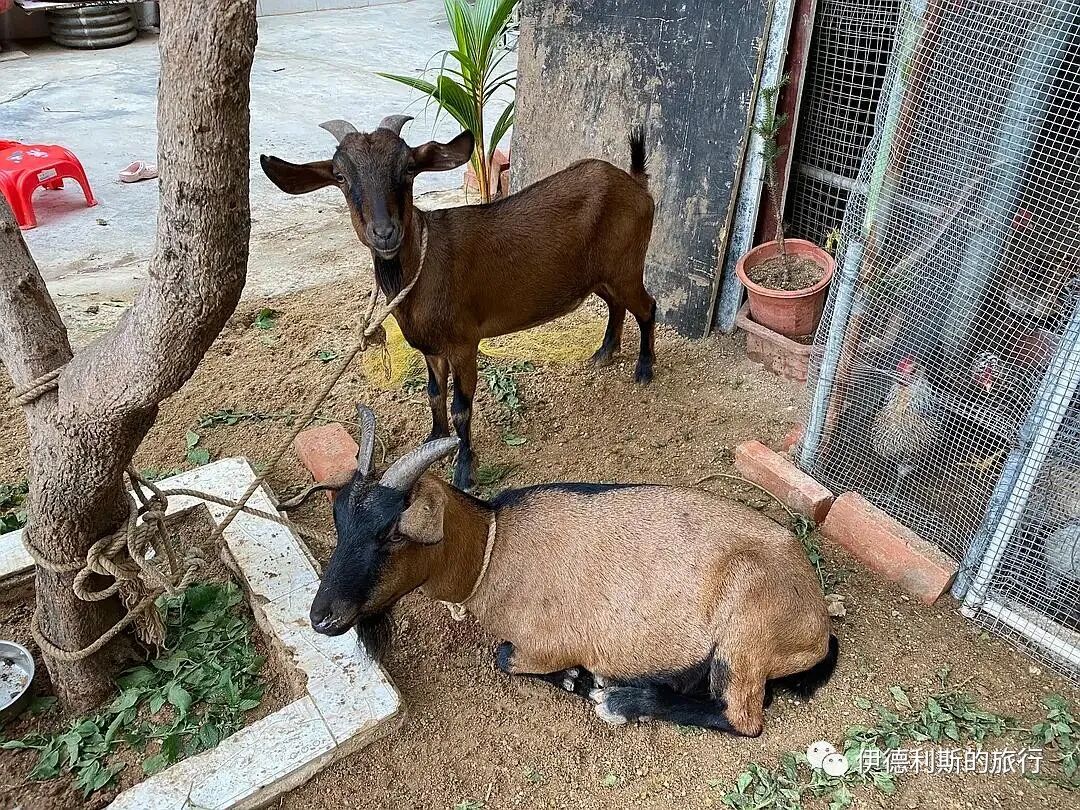
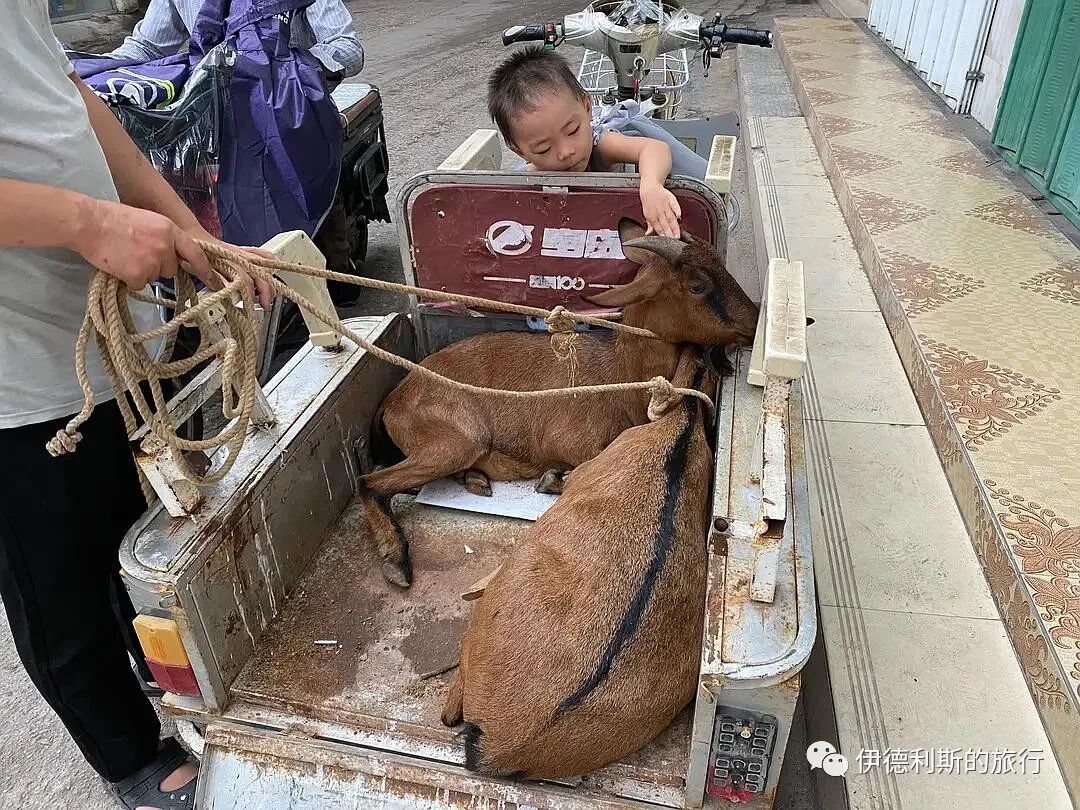
After breakfast, Muning took us to her home to pull the sheep. One of these two sheep was intended for sacrifice by Zainab and me, and the other was intended by Muning's family. They were Hainan Dongshan goats bought by Muning.
We took the sheep to the place of slaughter.
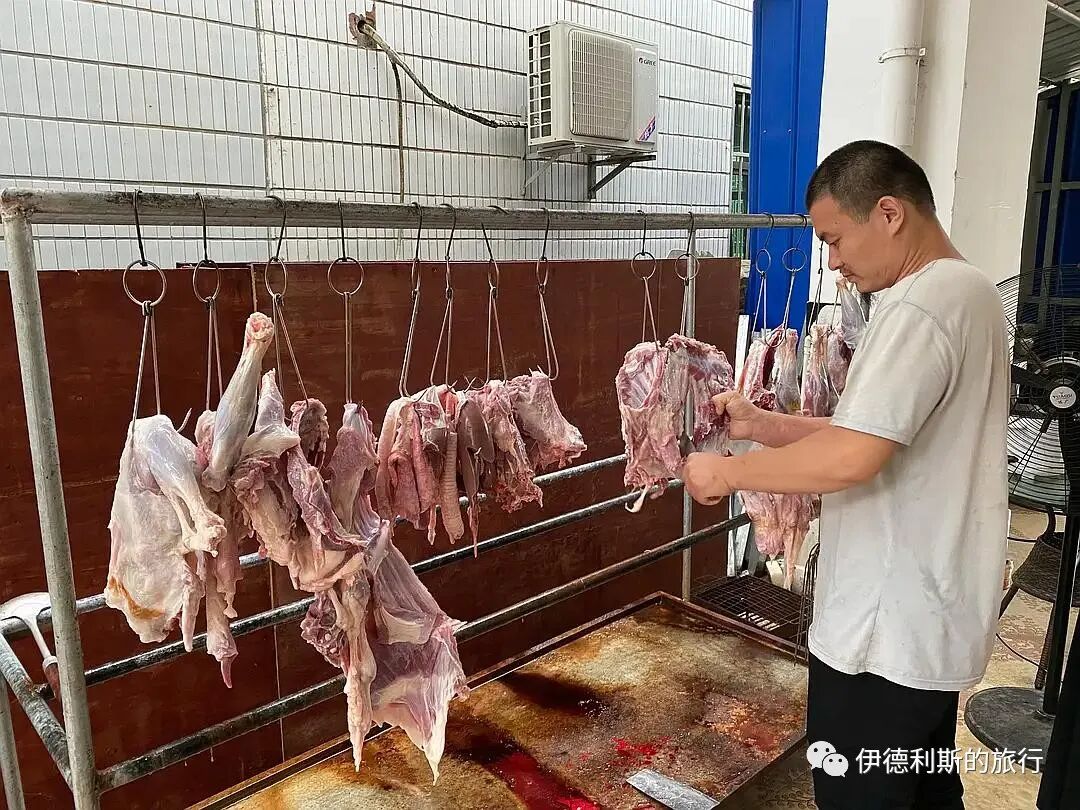
After the slaughter, we divided the meat into three parts: one for ourselves, one for friends, and one for the poor.
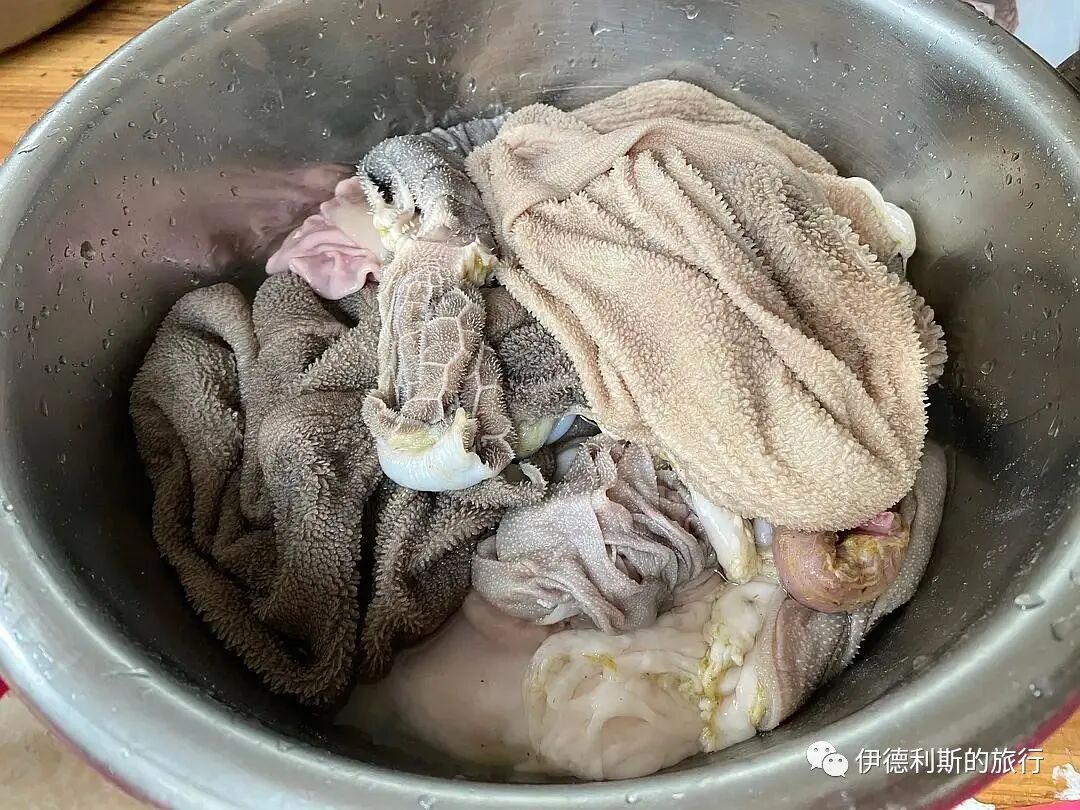
Cleaned sheep tripe and intestines.
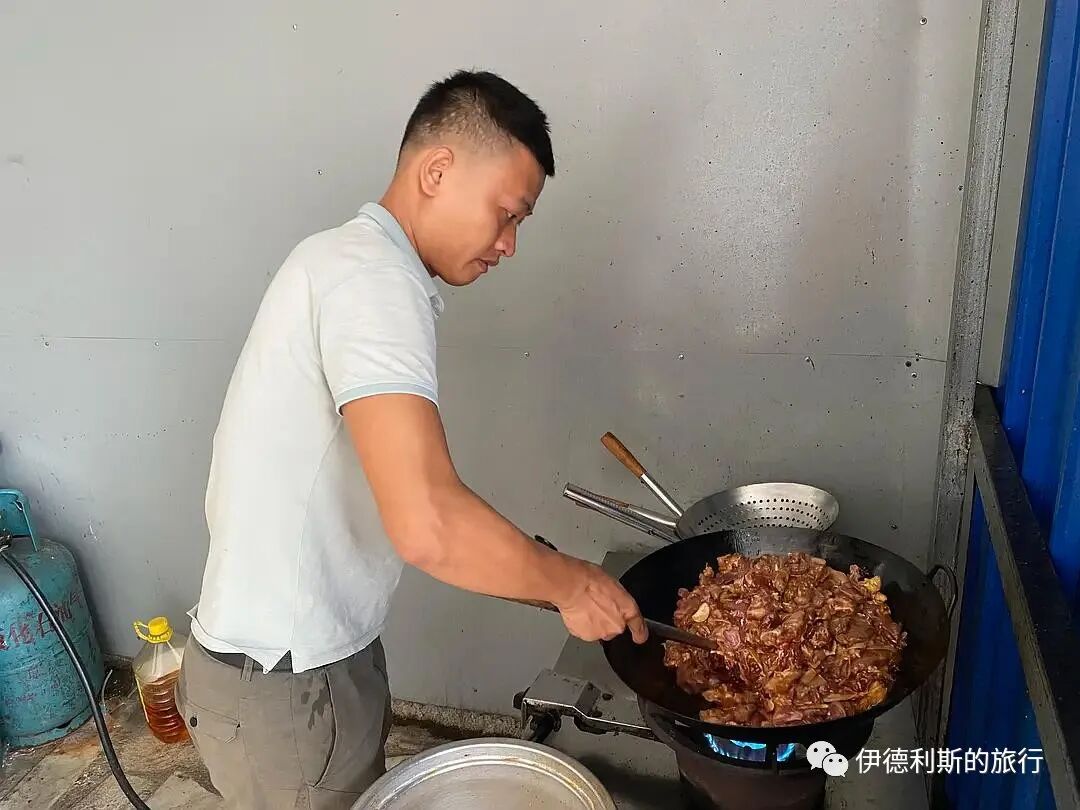
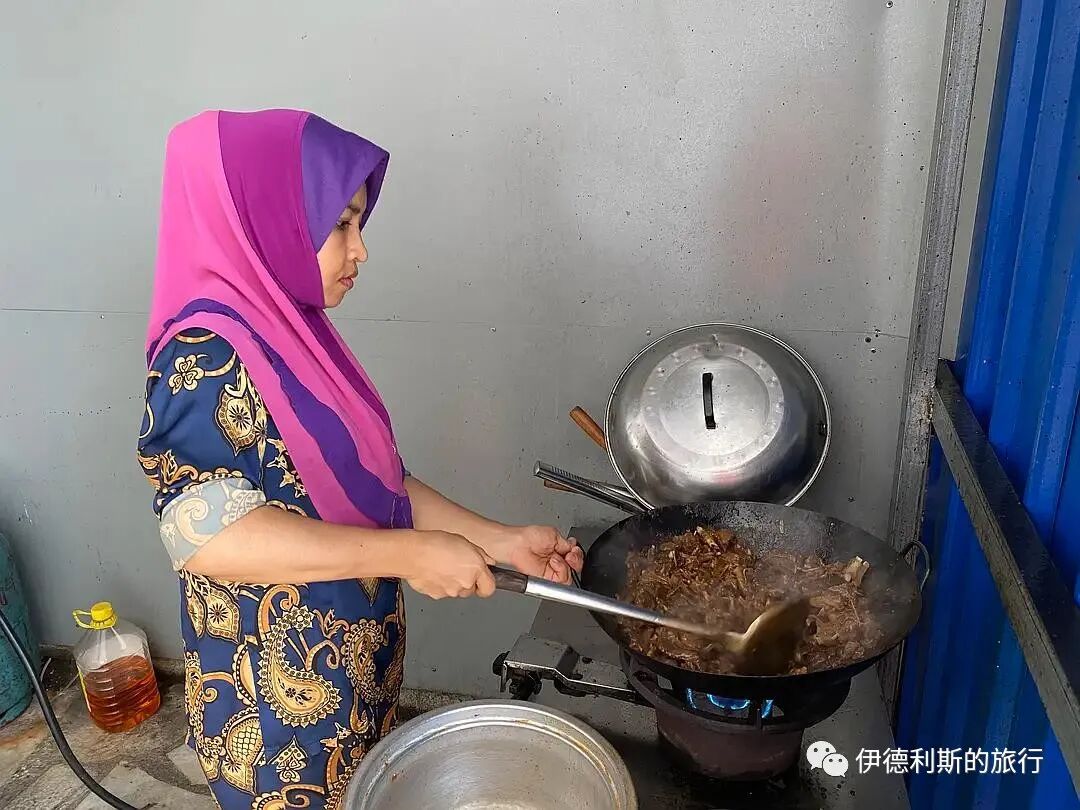
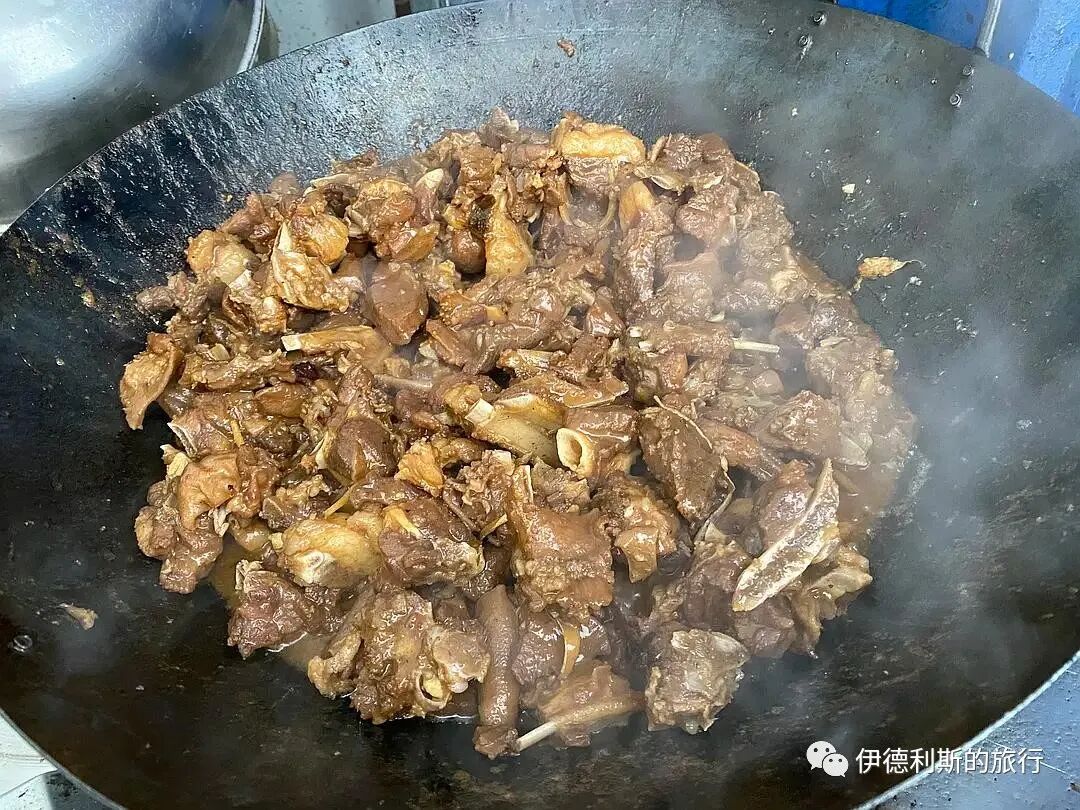
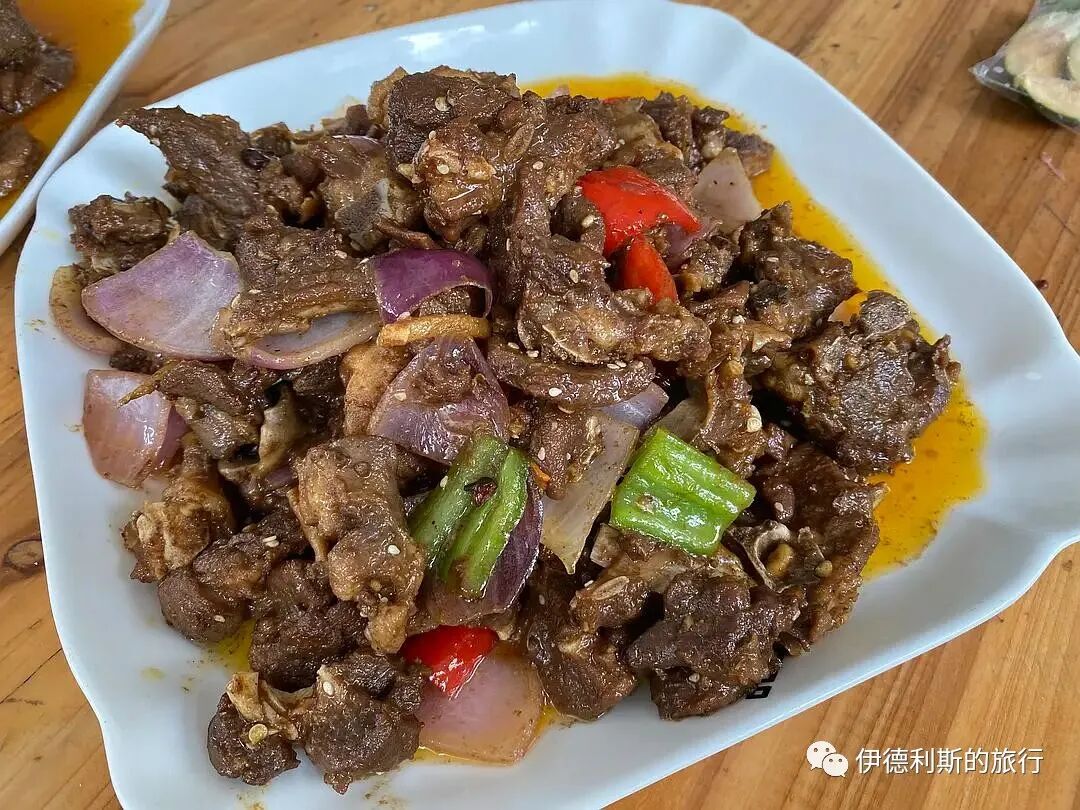
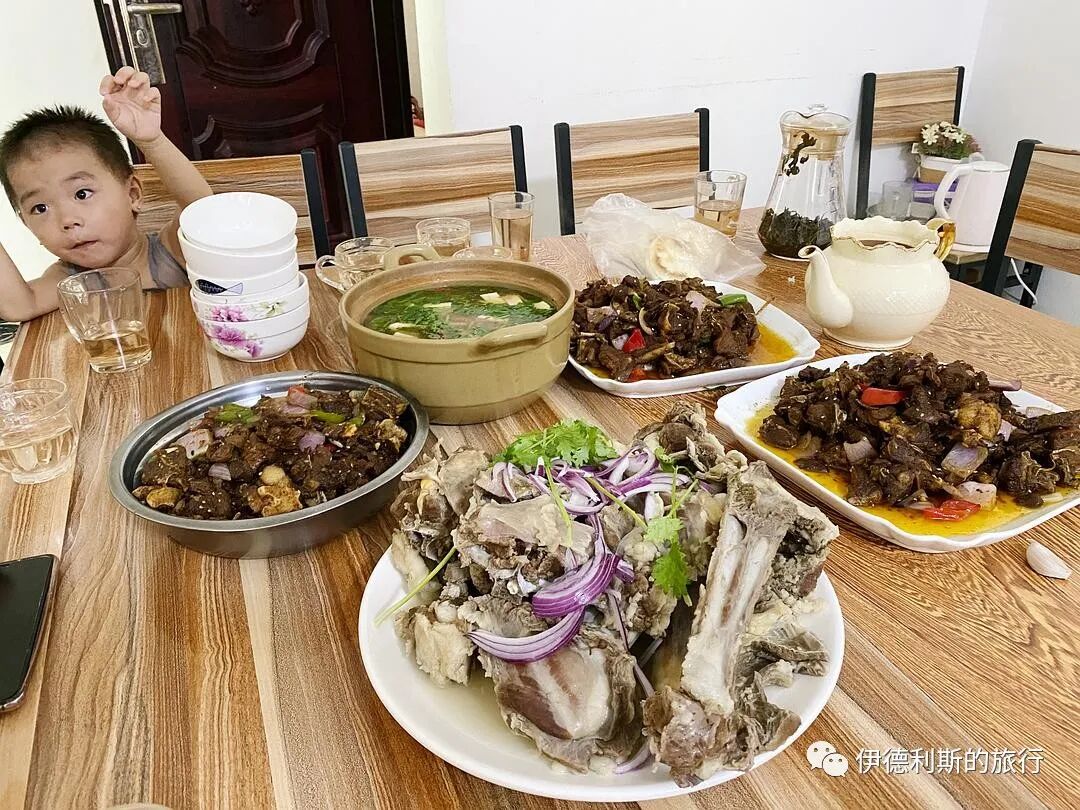
We asked our neighbor to make us a dish of dry-fried mutton in the local Sanya style. Their family usually sells roast duck next to the Southern Mosque in Huixin Village, but they were closed for the Eid al-Adha holiday.
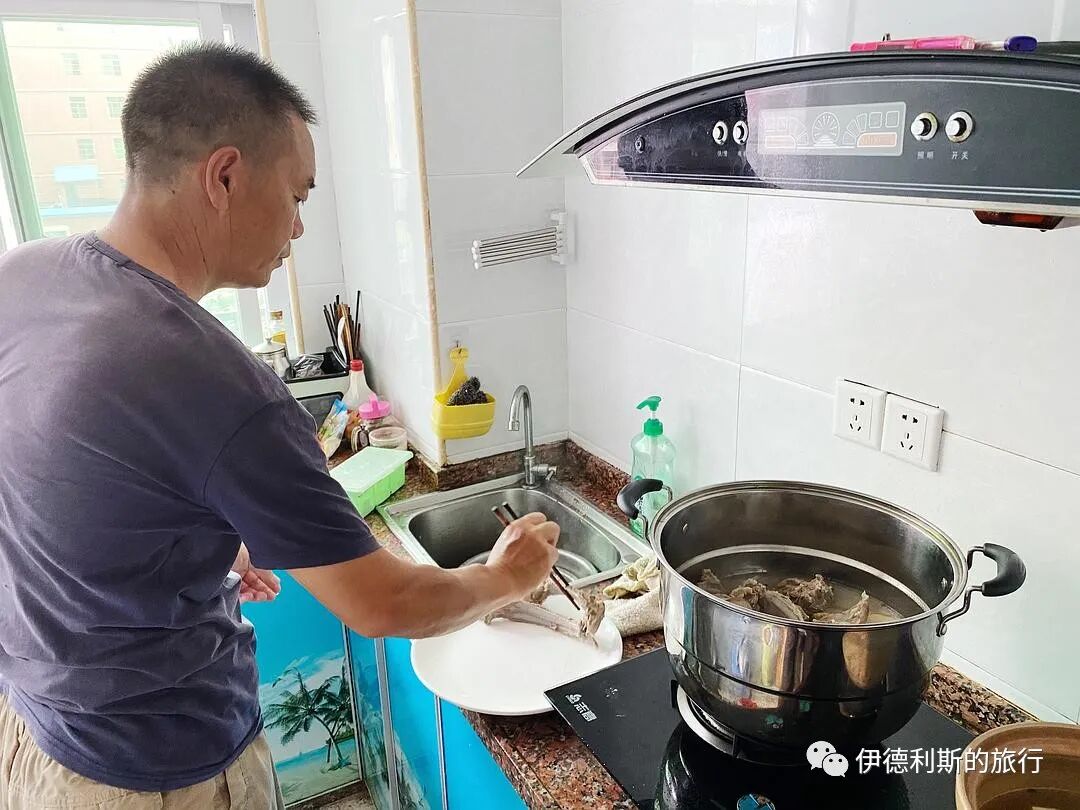
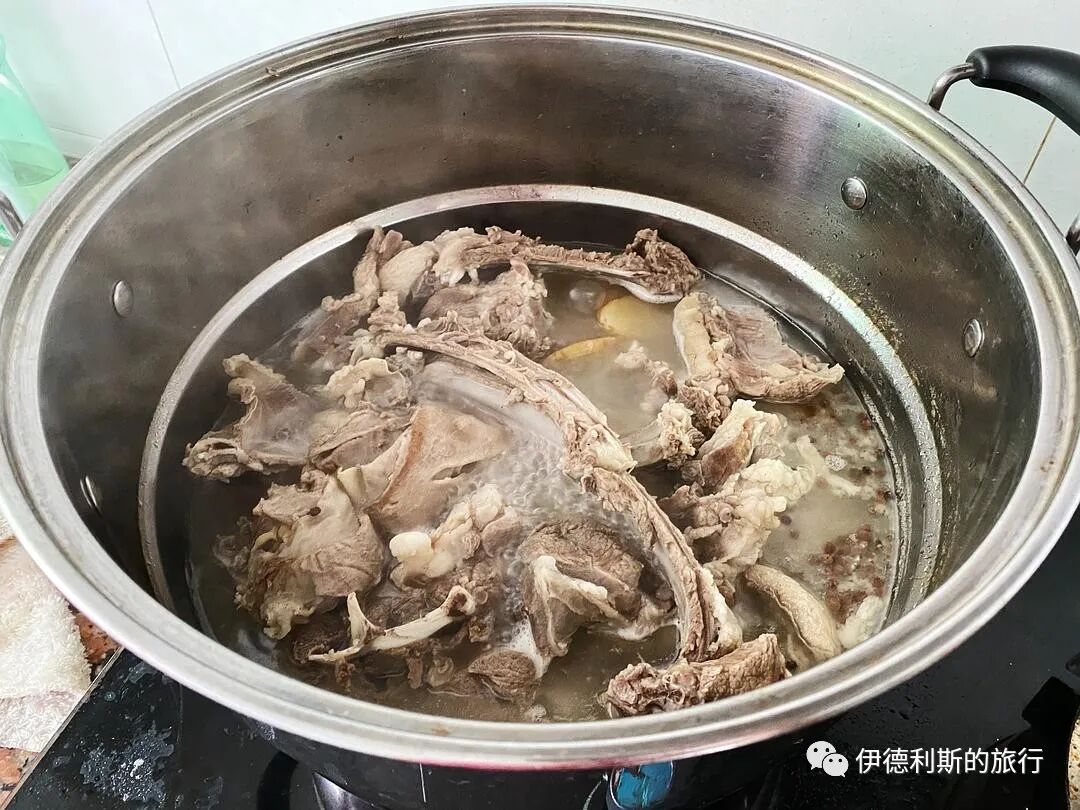
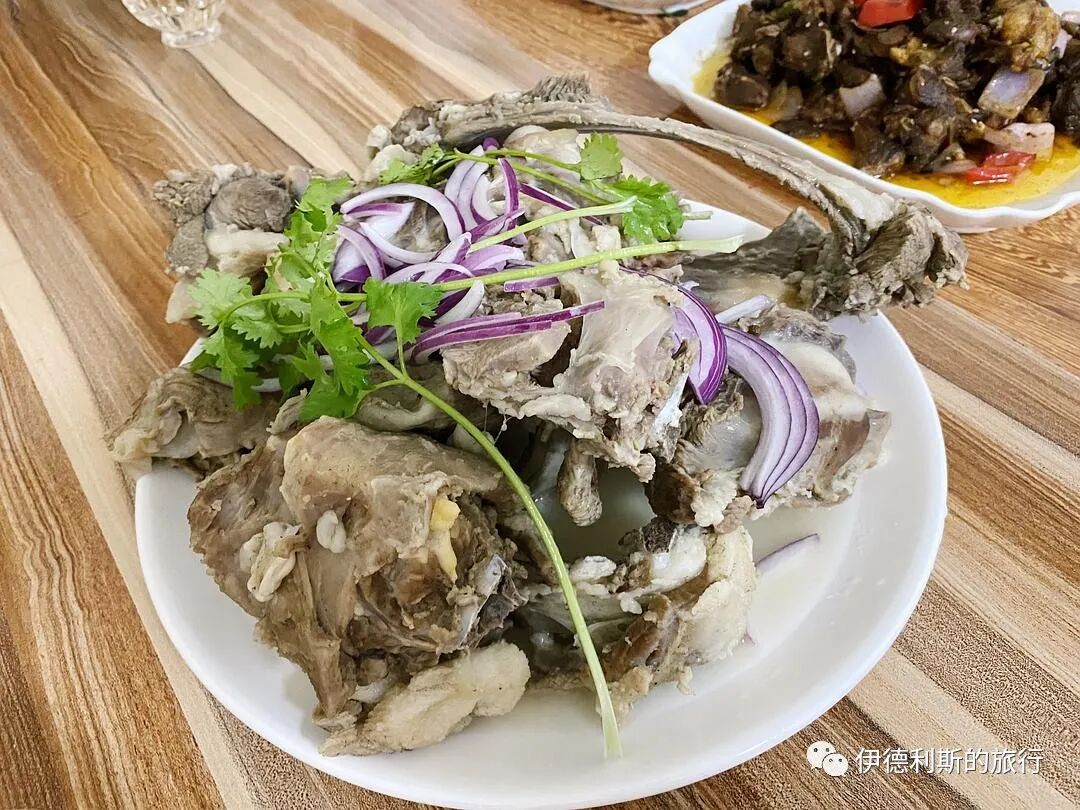
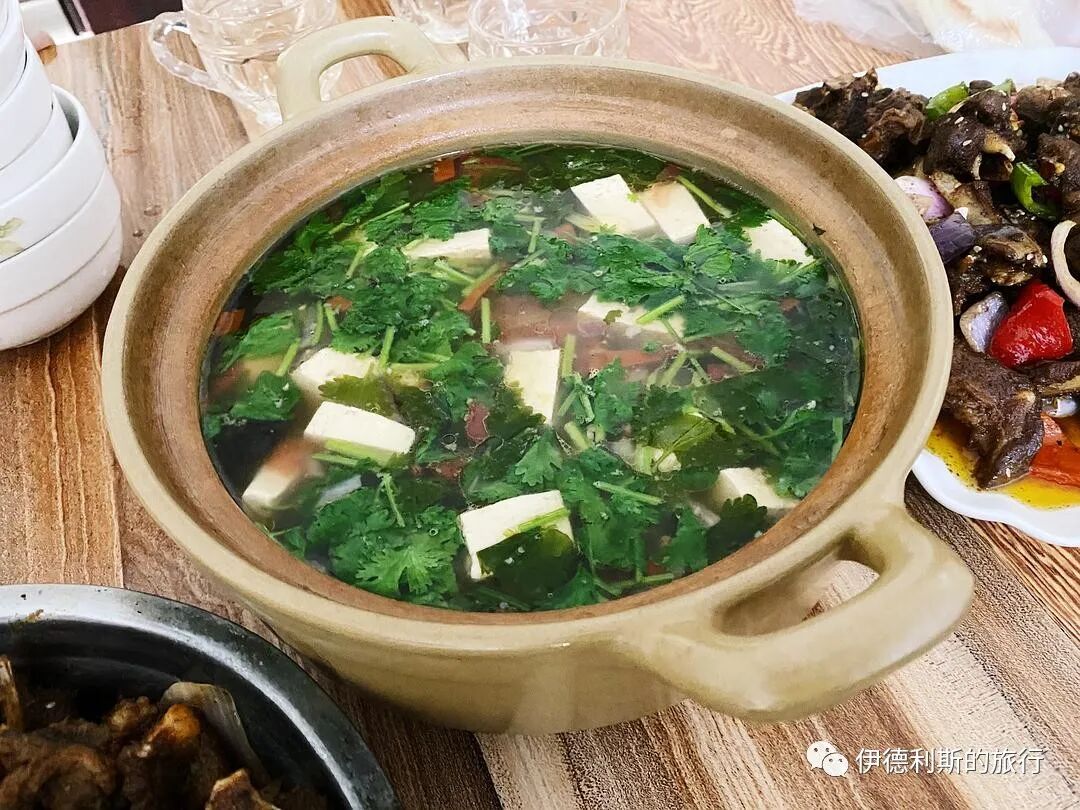
The Imam from Turpan, Xinjiang, who performed the sacrifice for us, made us Xinjiang-style clear-stewed mutton, which was super delicious, and the mutton soup was also very good.
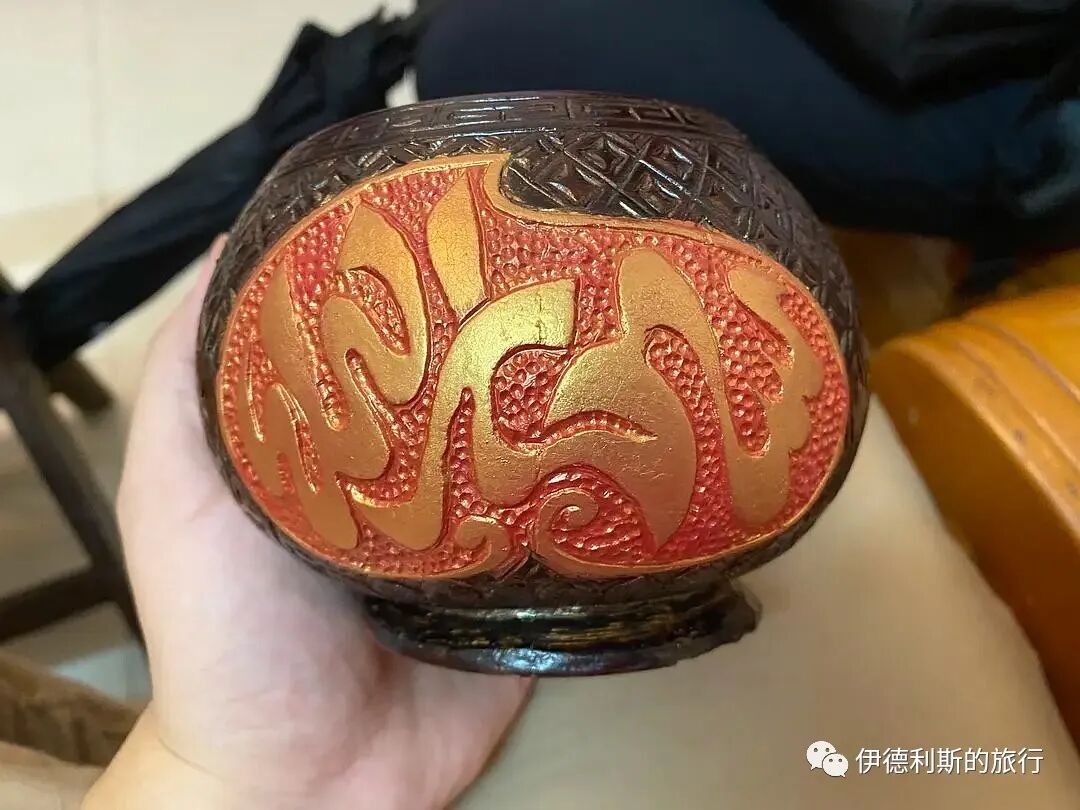
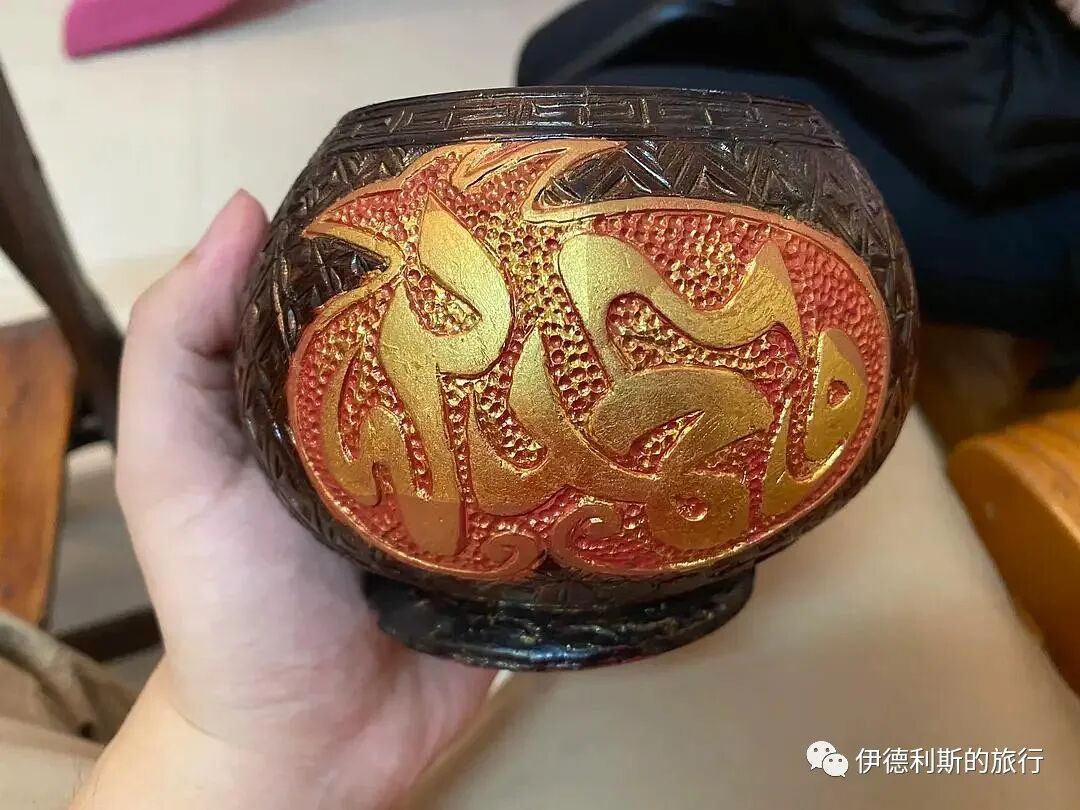
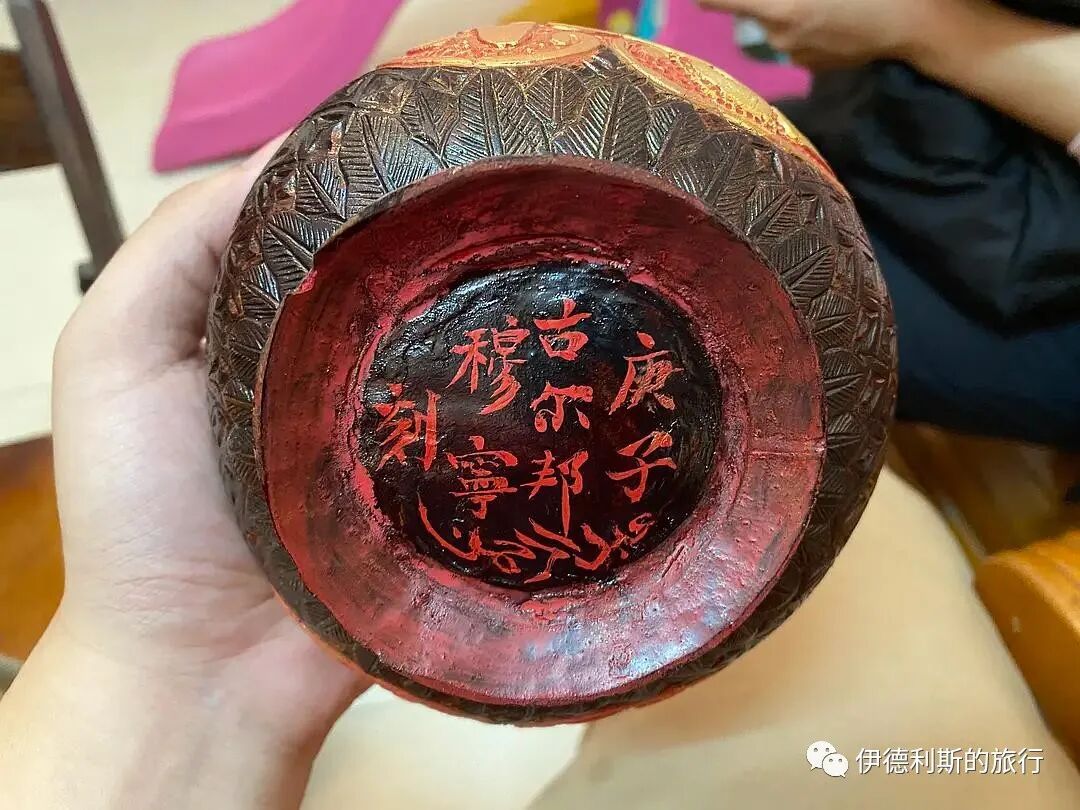
Muning gave me an Arabic handicraft he carved by hand from a coconut shell; it was super beautiful.
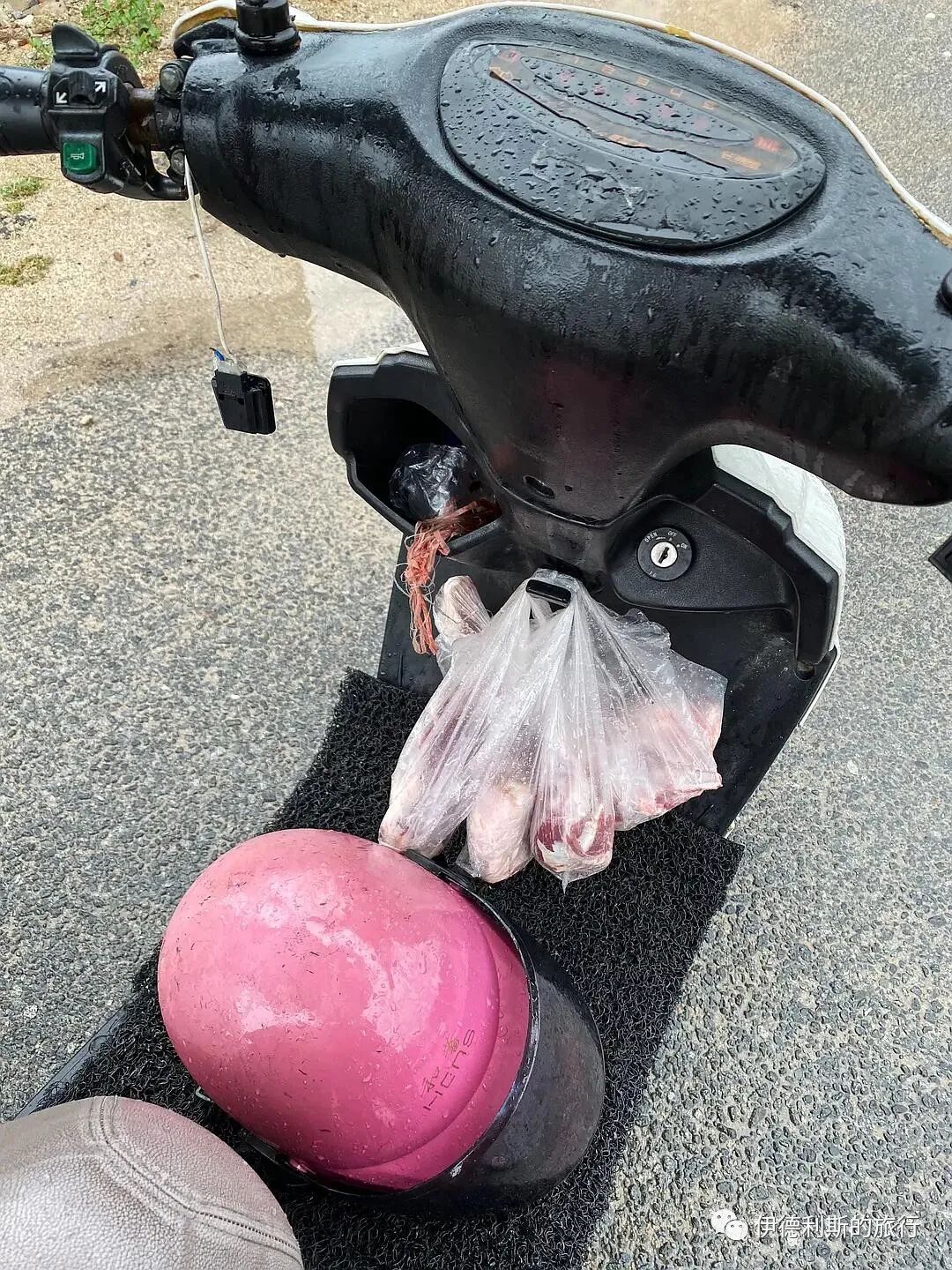
After the meal, I went with Muning to distribute the other part of the meat to friends.
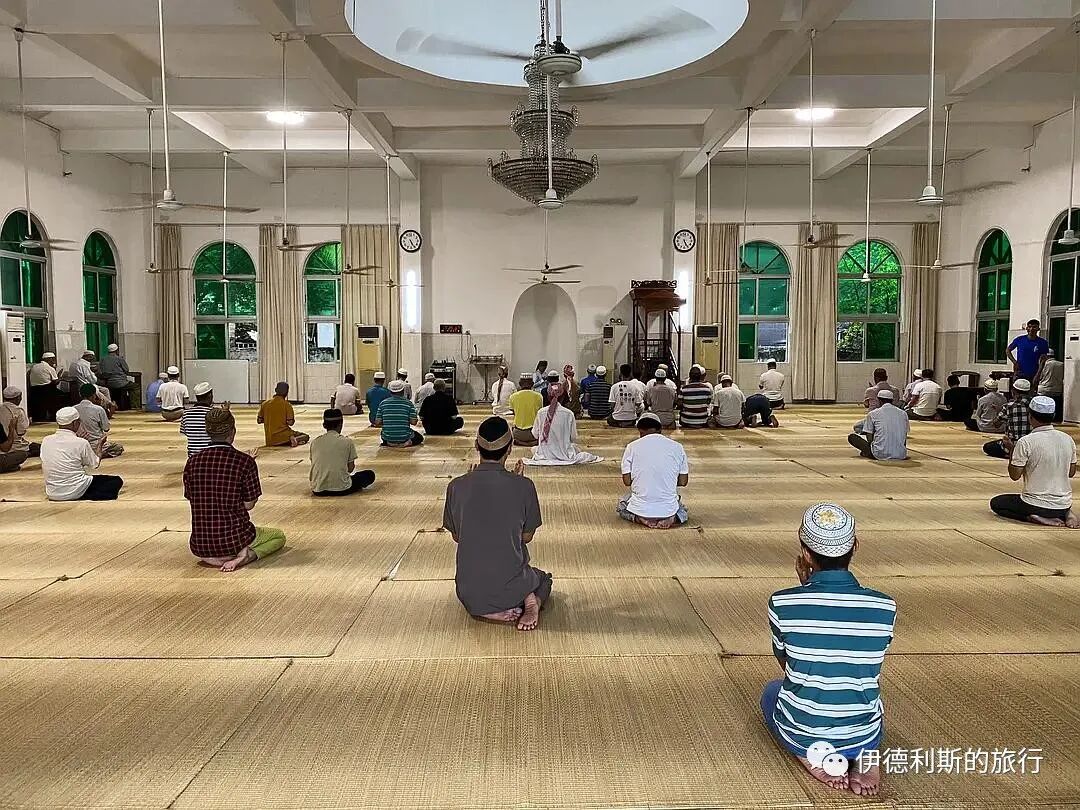
We prayed at the Nankai Mosque in Huixin Village, where mats, not carpets, were laid out in the main hall.
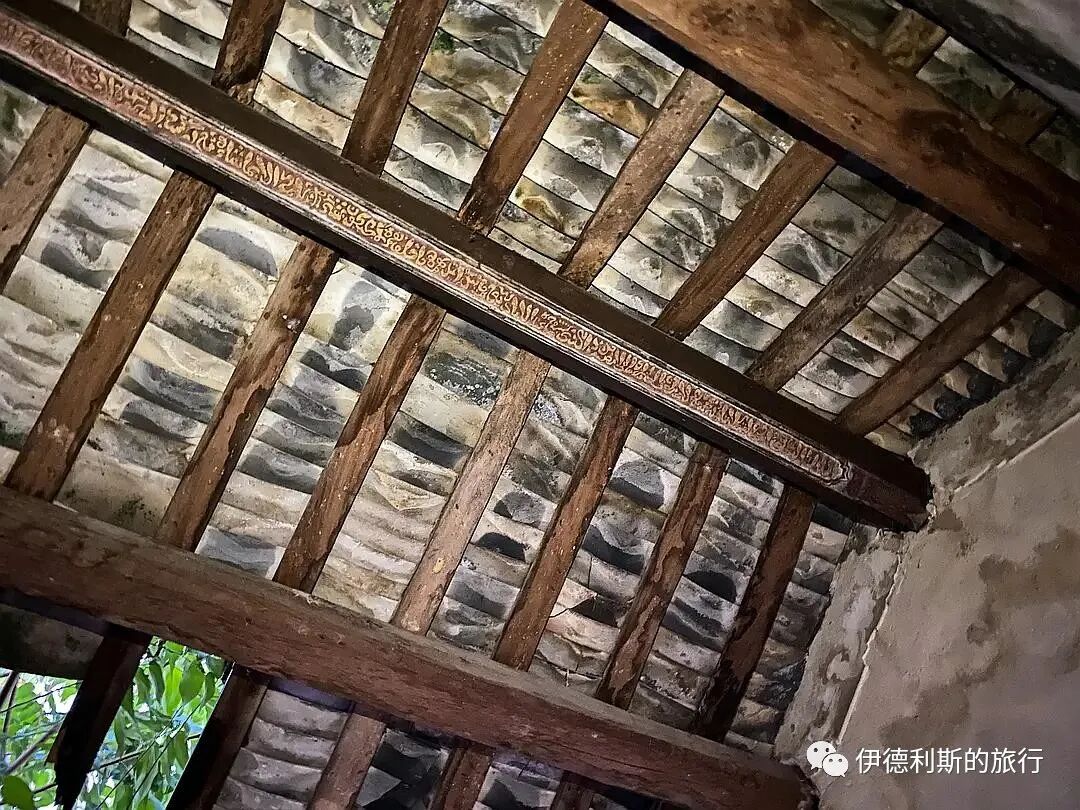
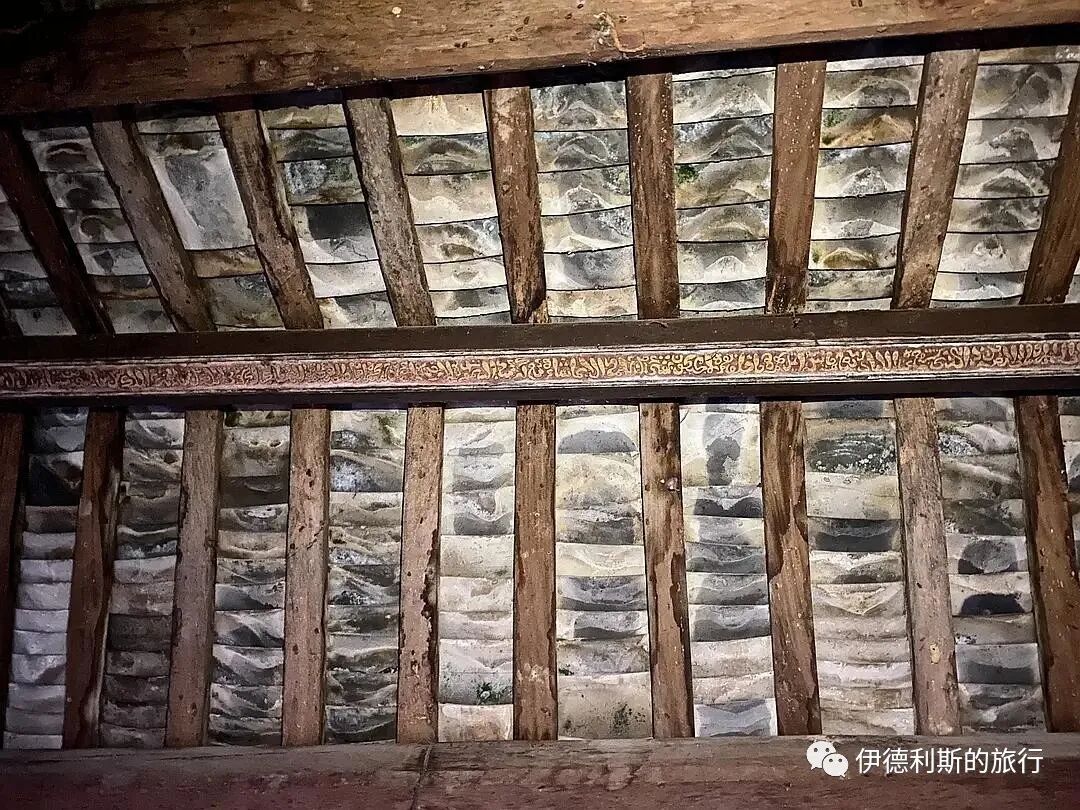
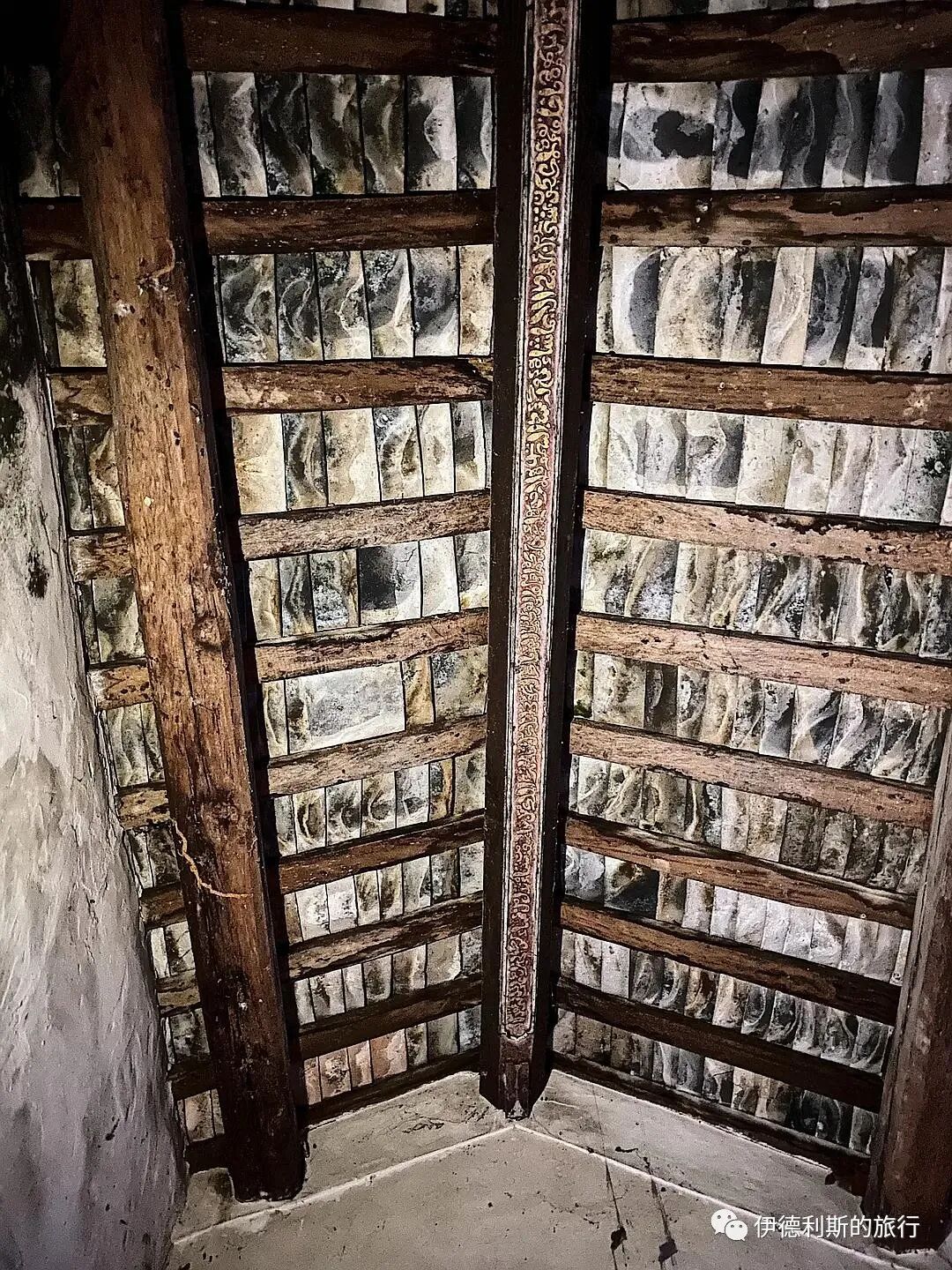
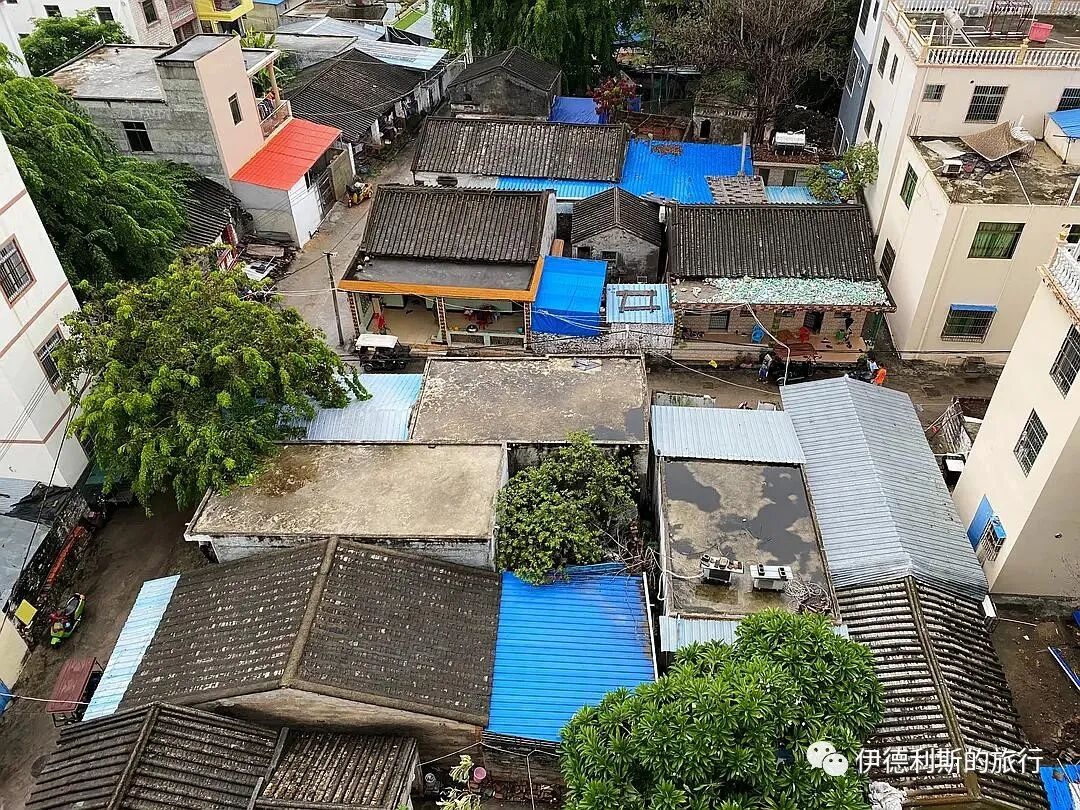
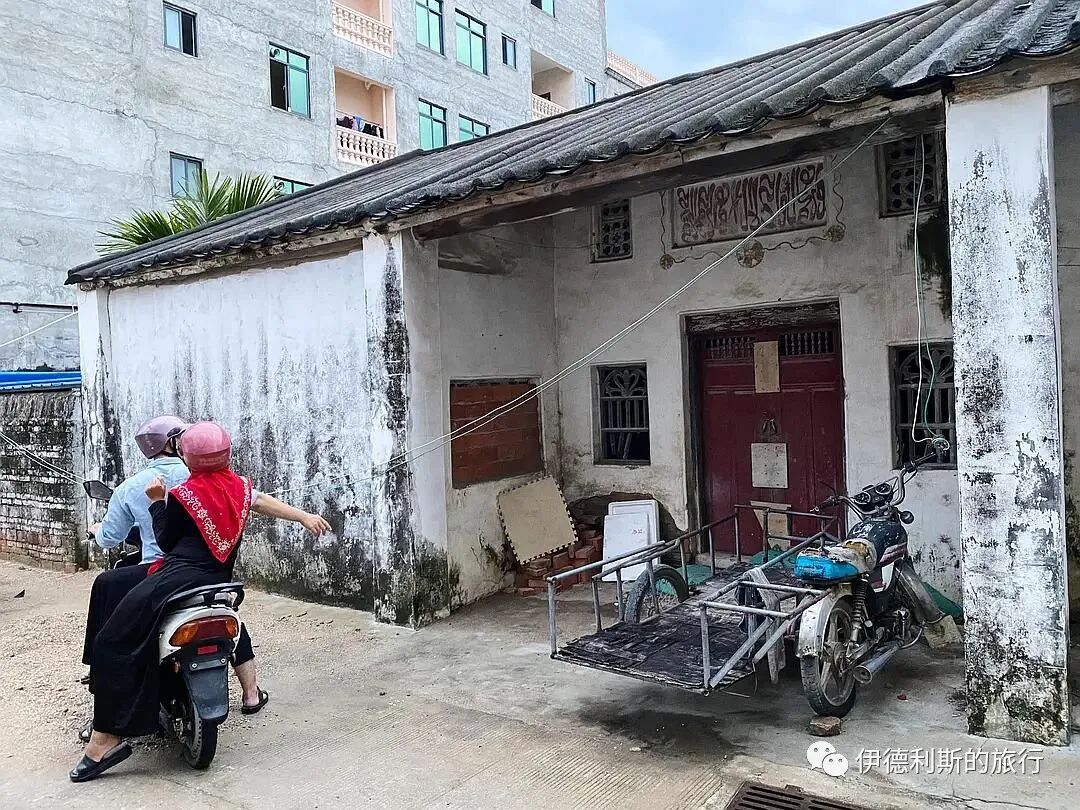
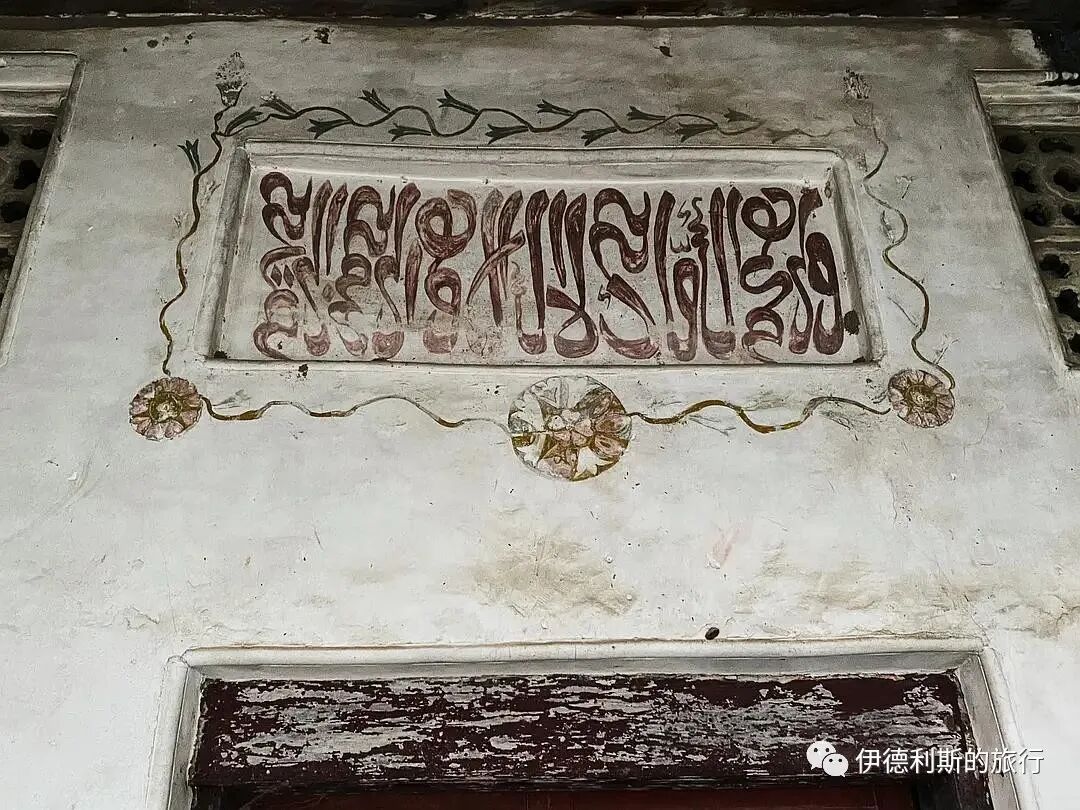
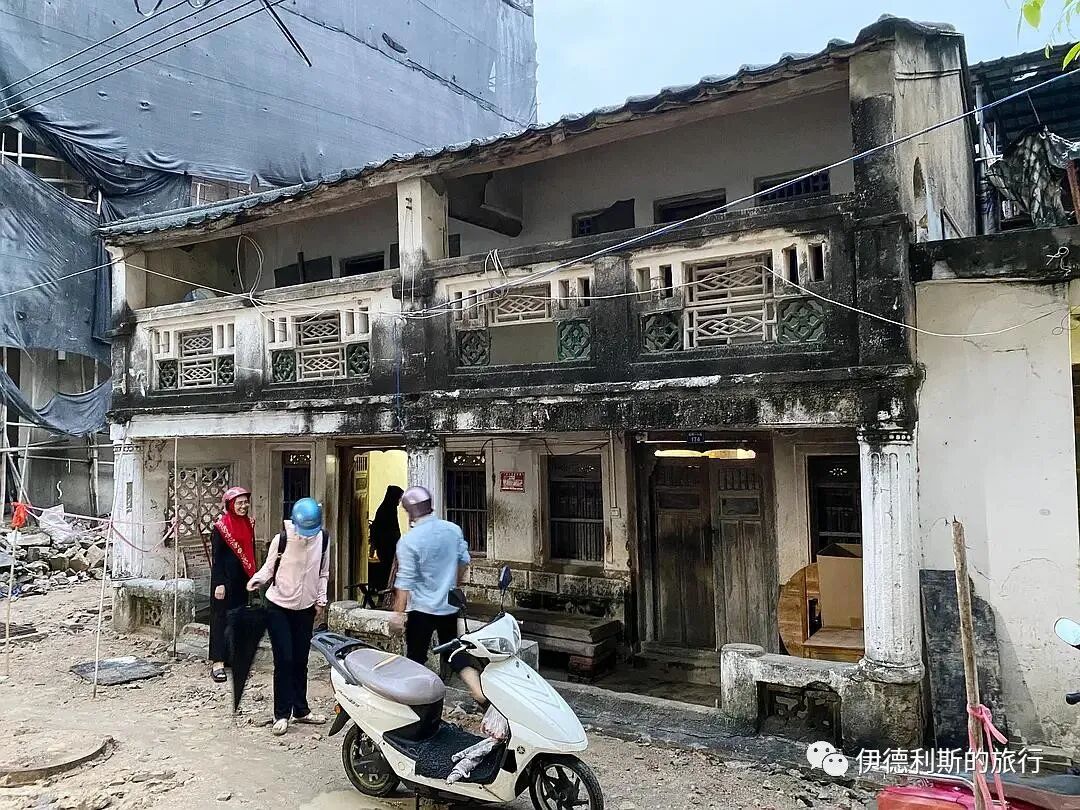
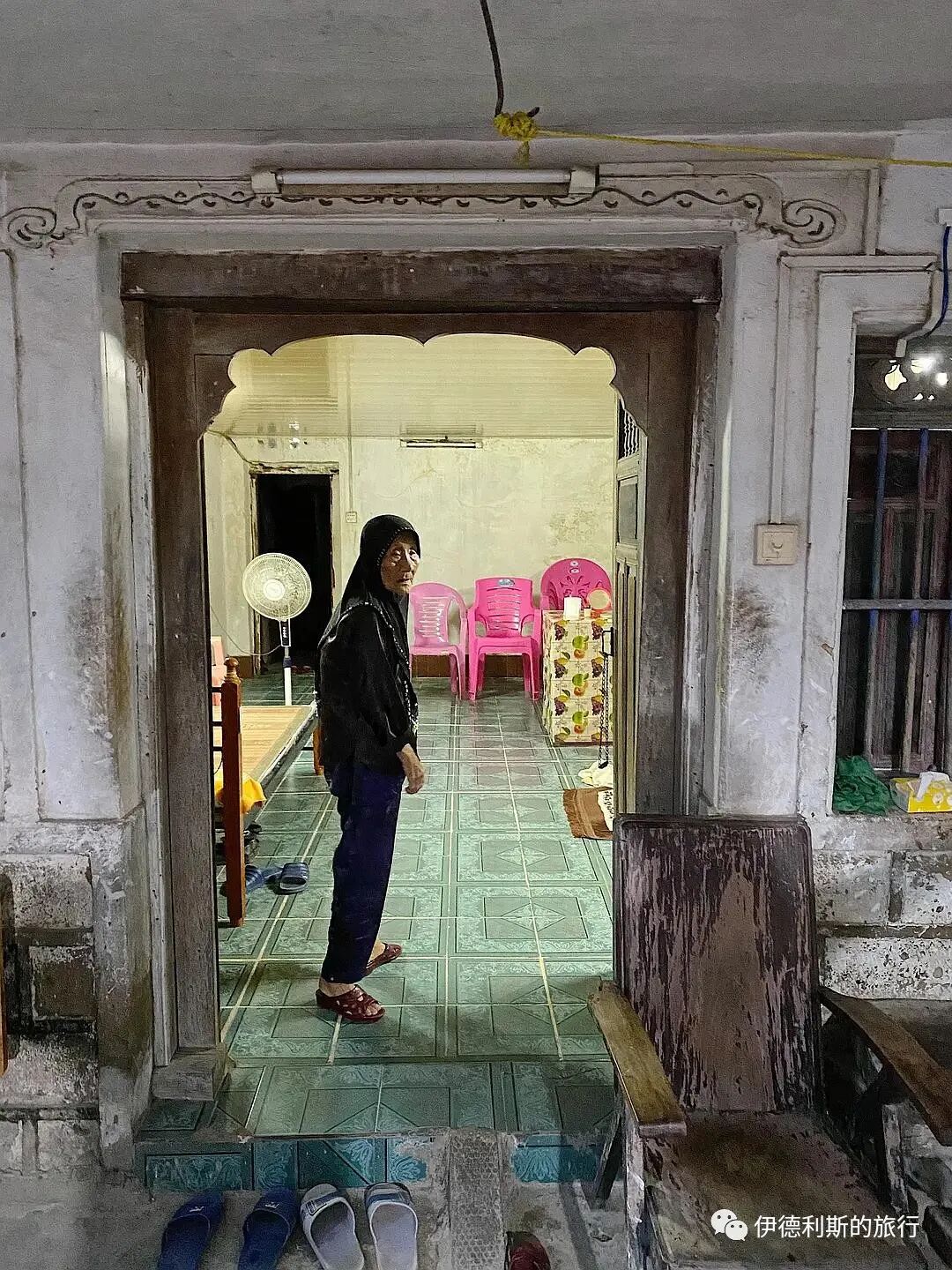
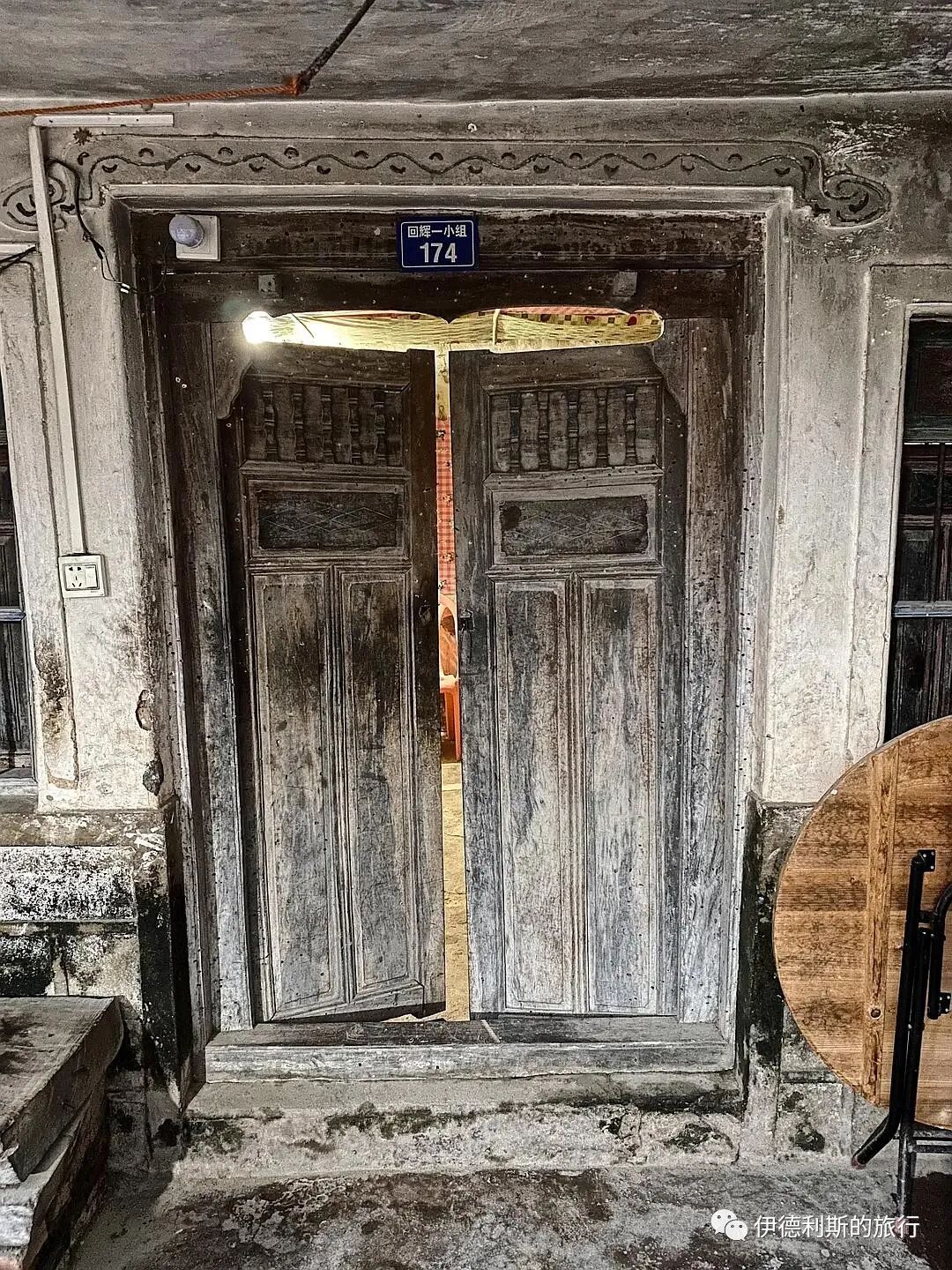
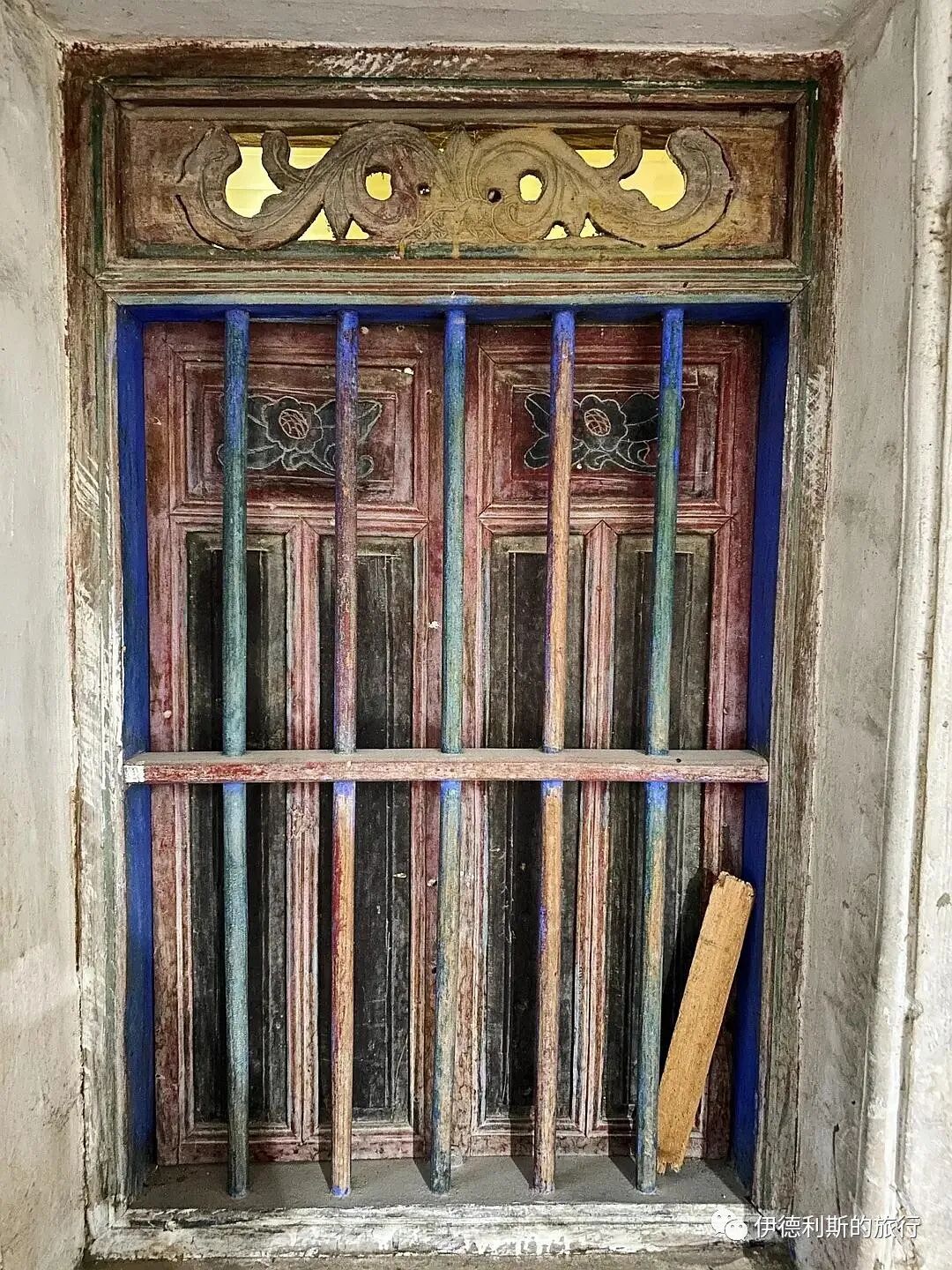
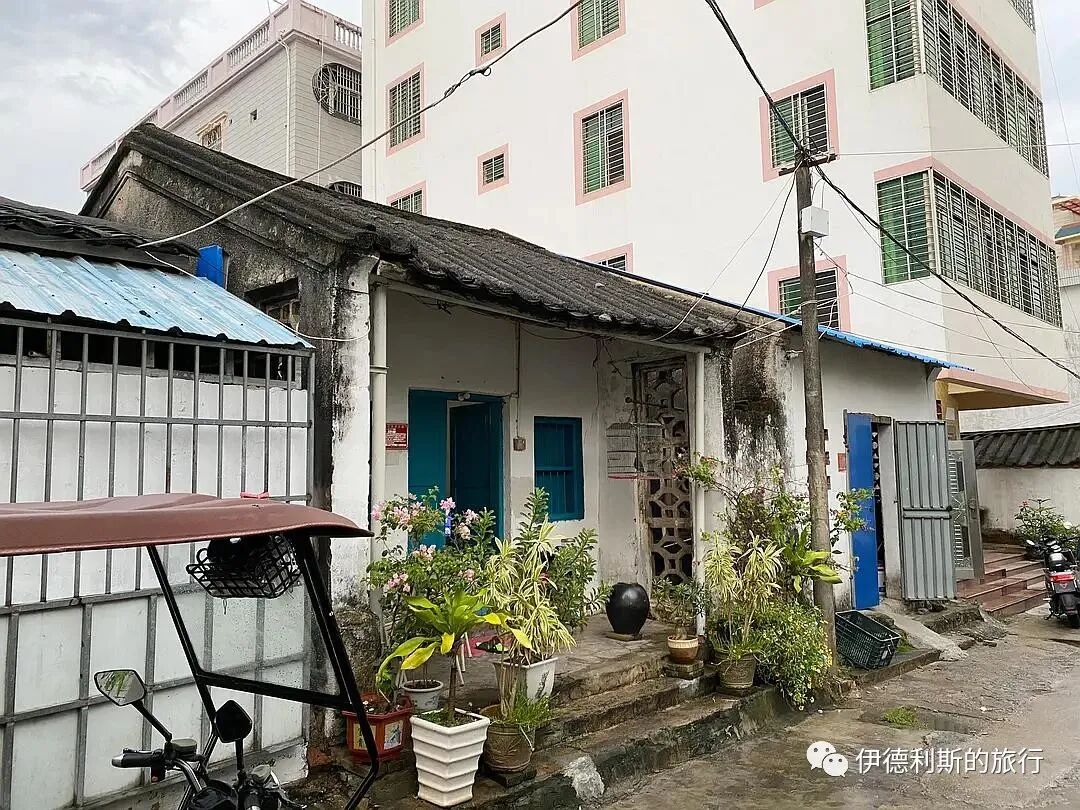
In the afternoon, Muning took me to see old houses in the Huihui village of Sanya, and for the first time, I saw old roof purlins with scripture inscriptions.
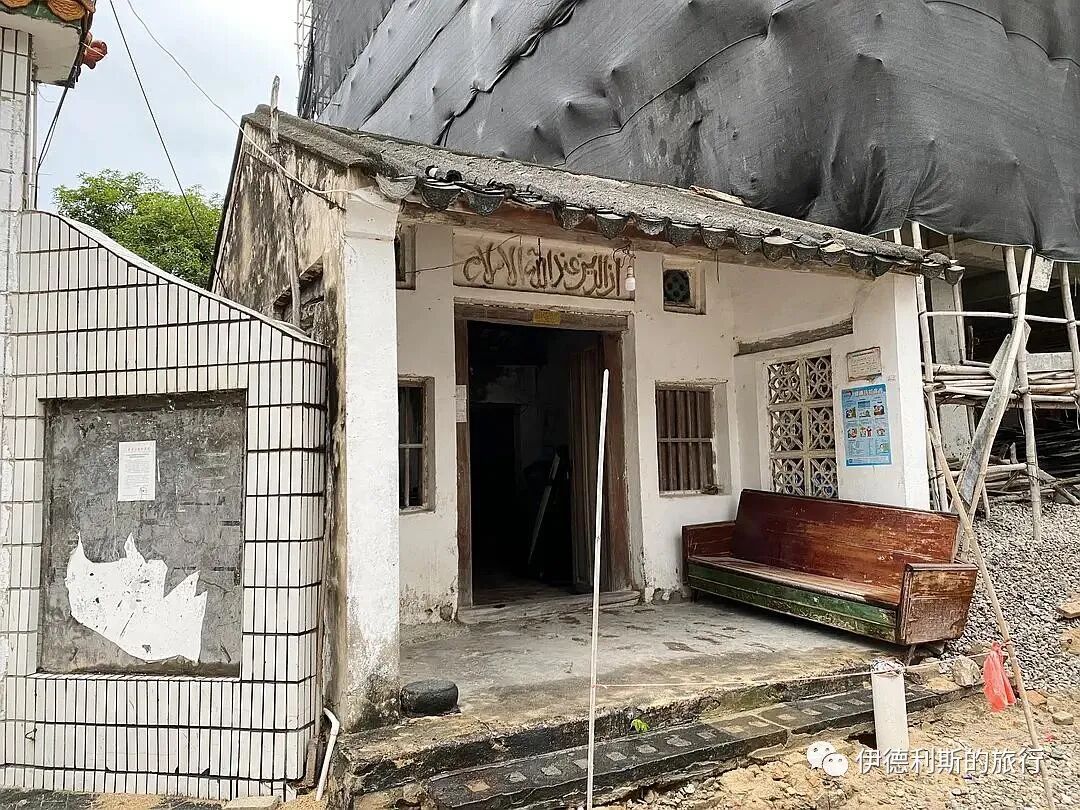
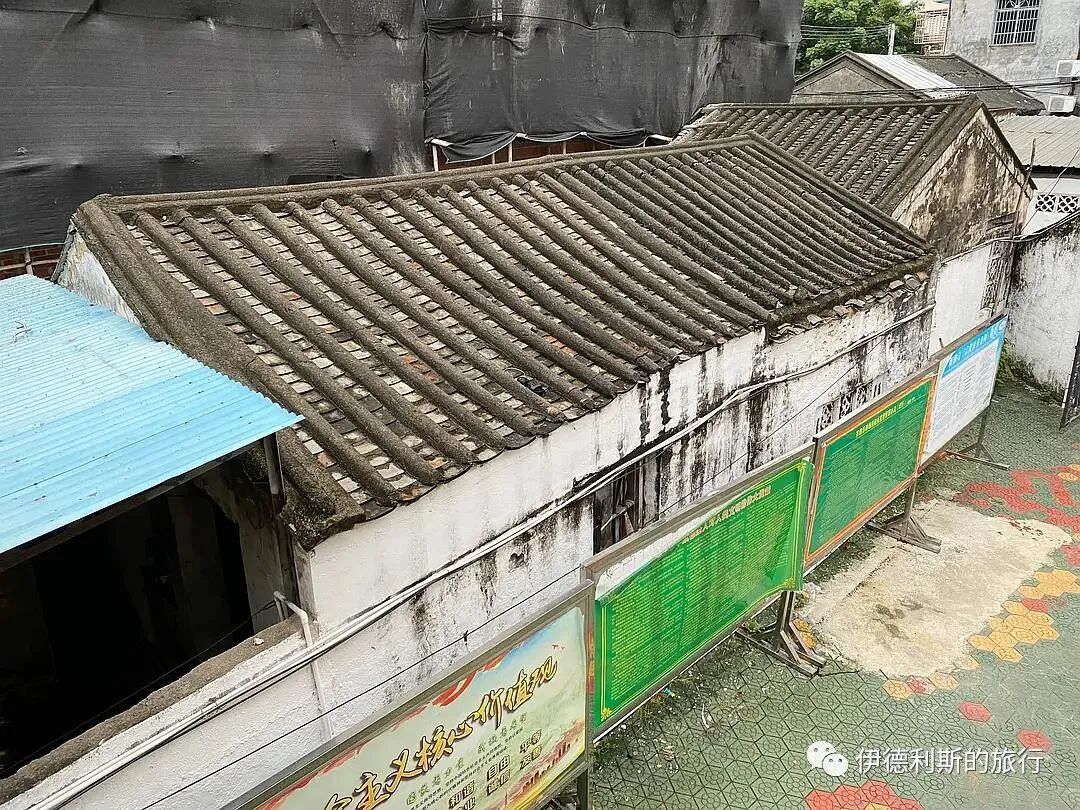
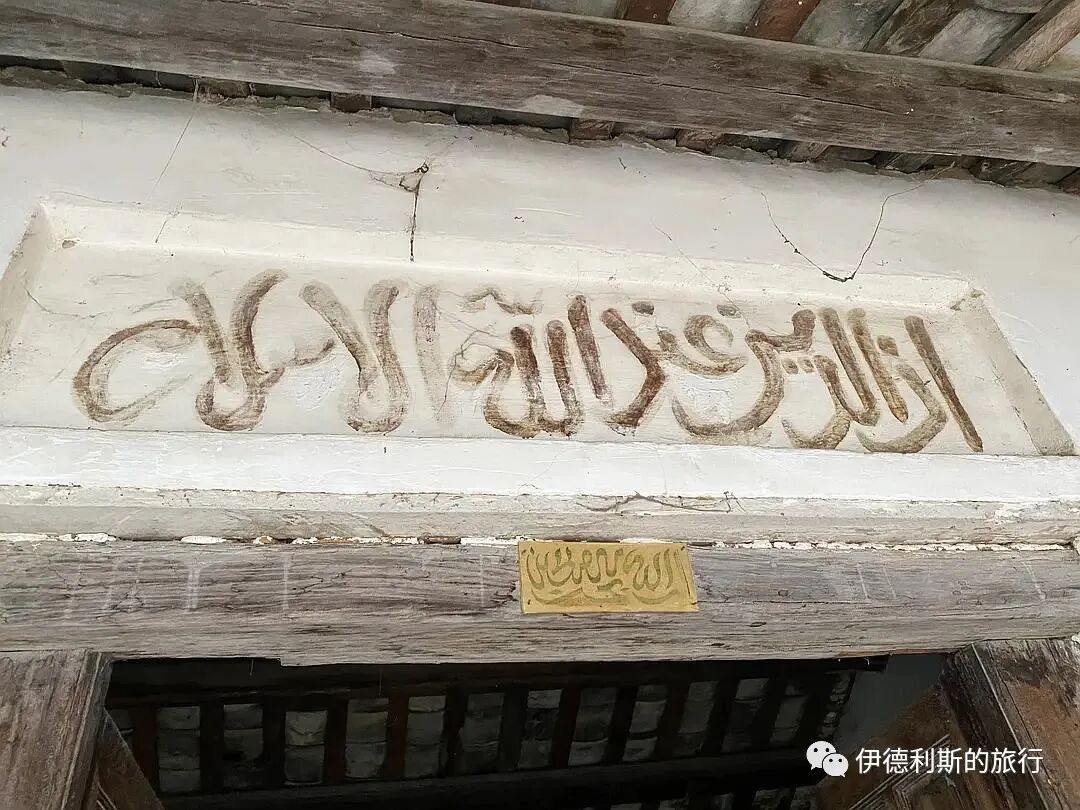
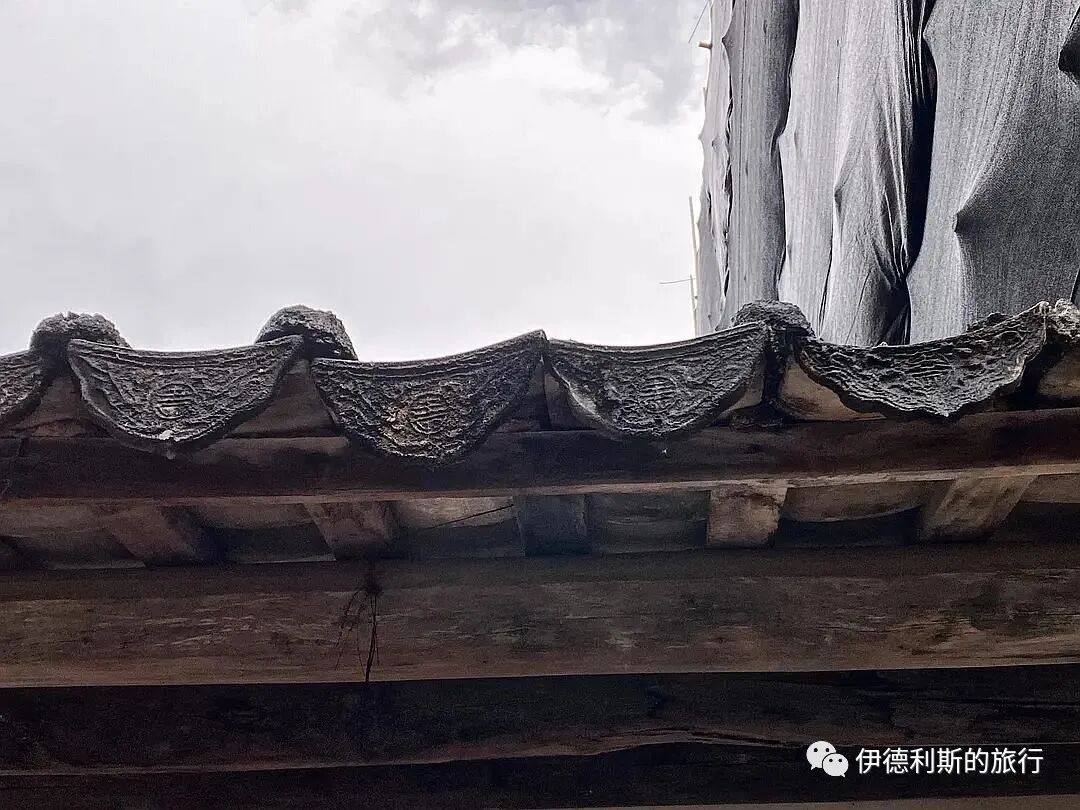
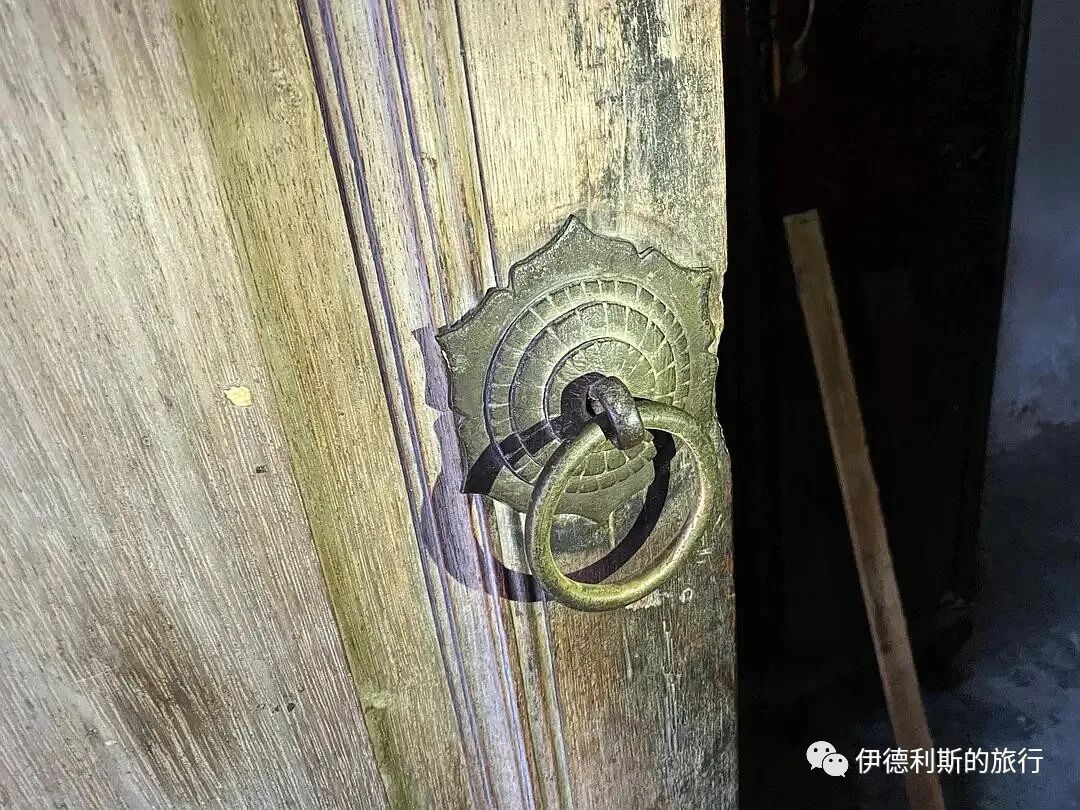
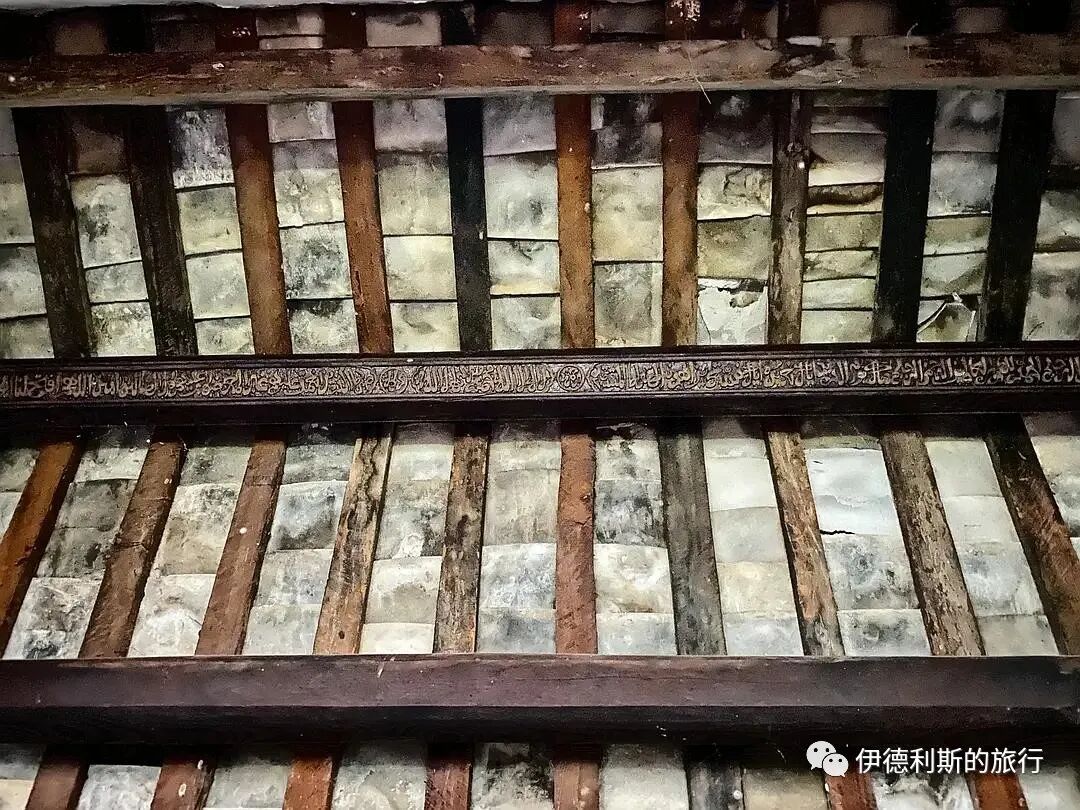
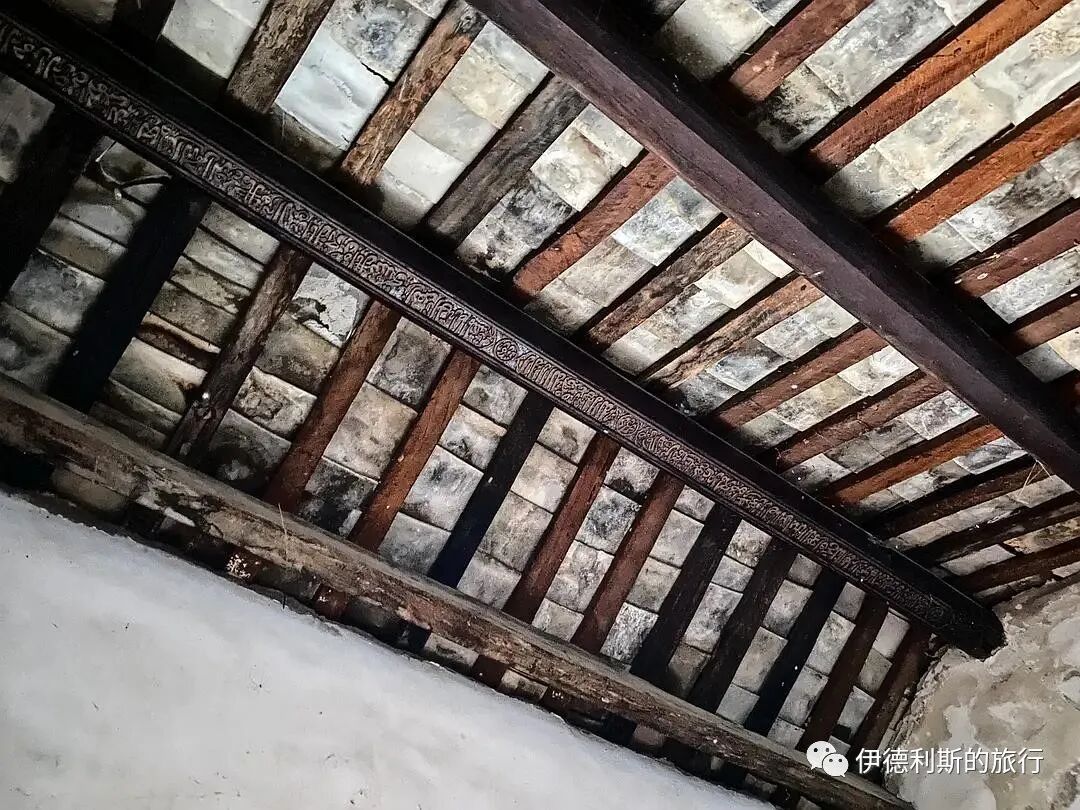
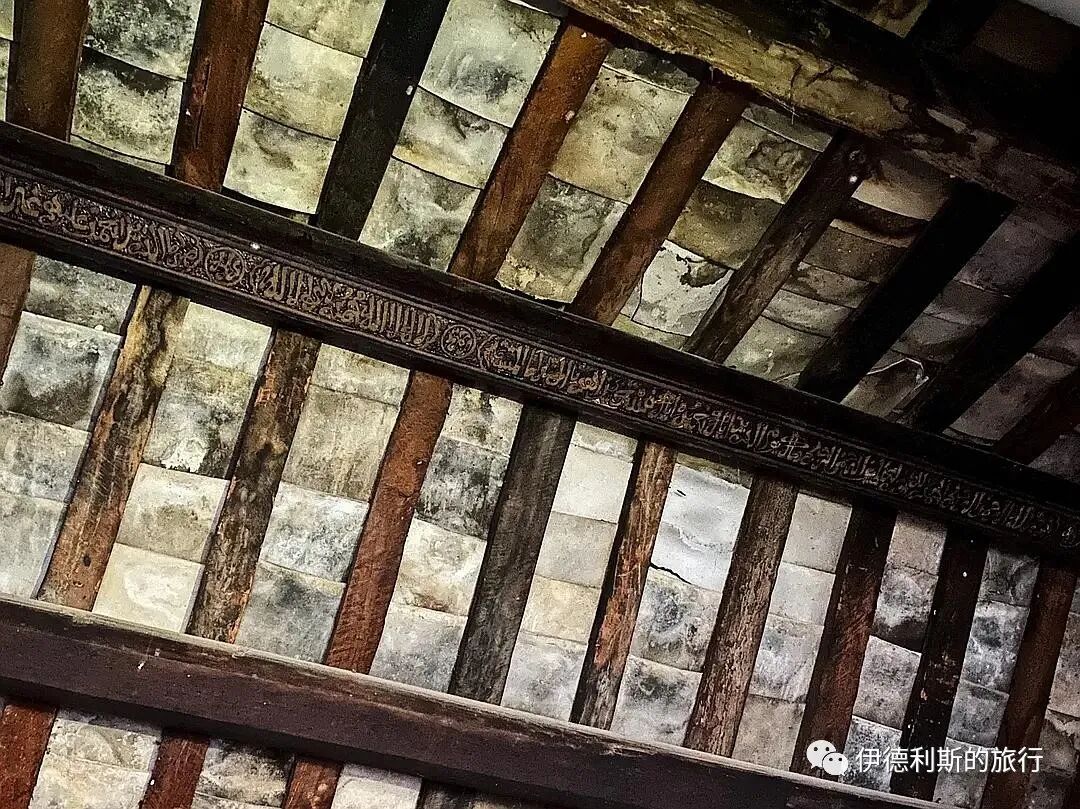
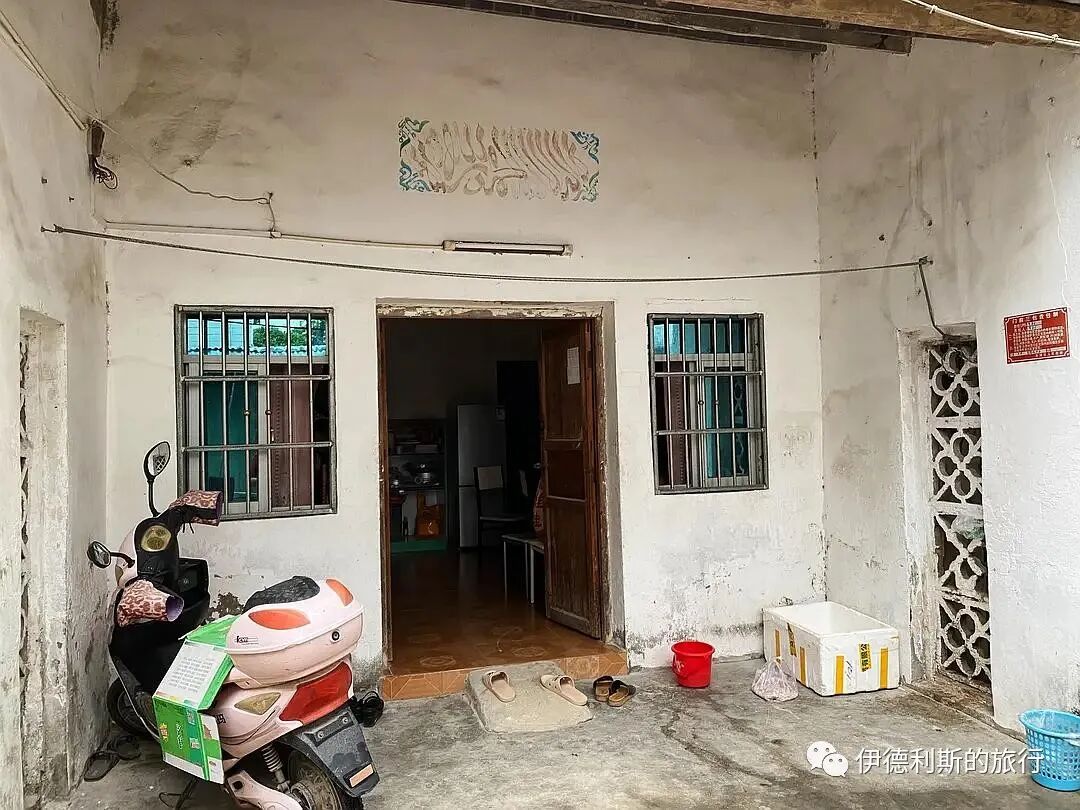
This is the most beautiful set of scripture-inscribed roof purlins preserved in their original location in Huihui Village, with the gold-painted scripture characters shining under the light.
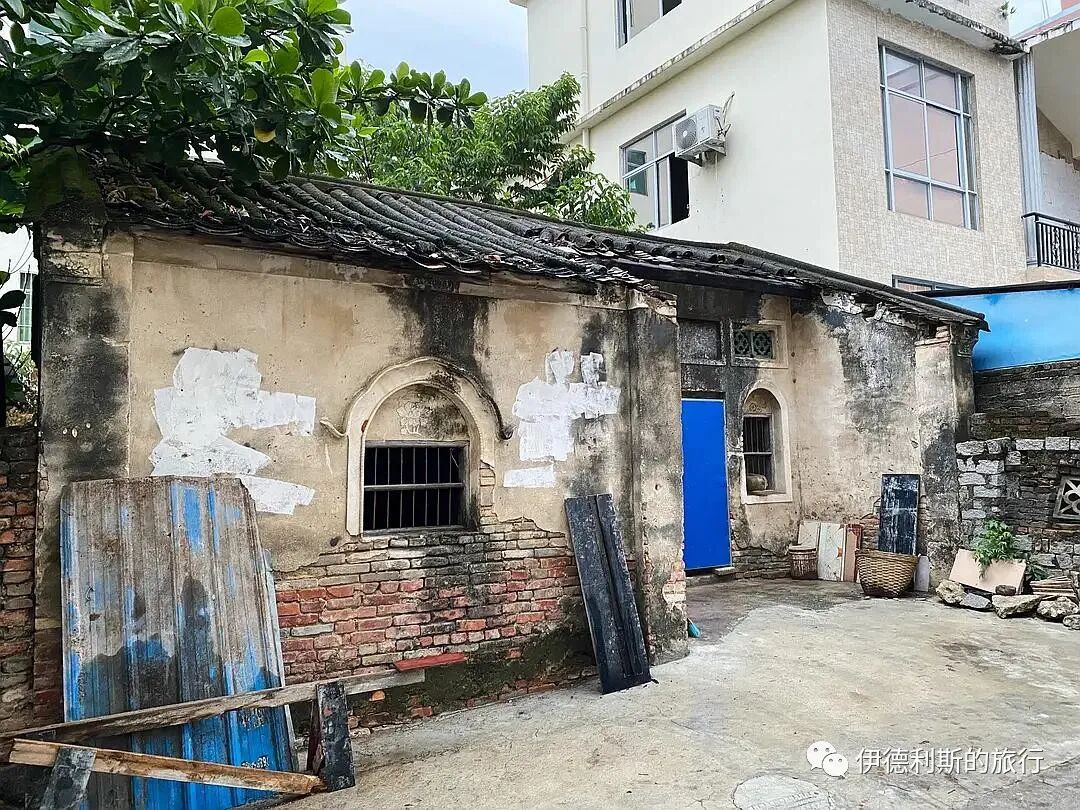
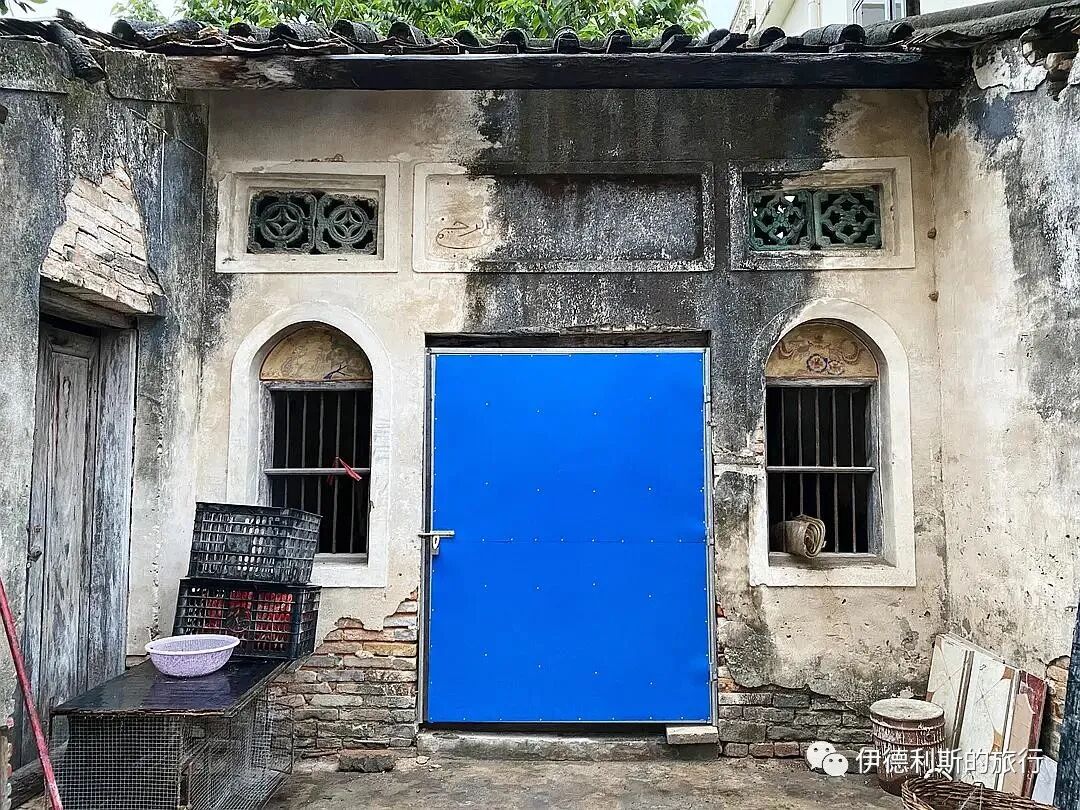
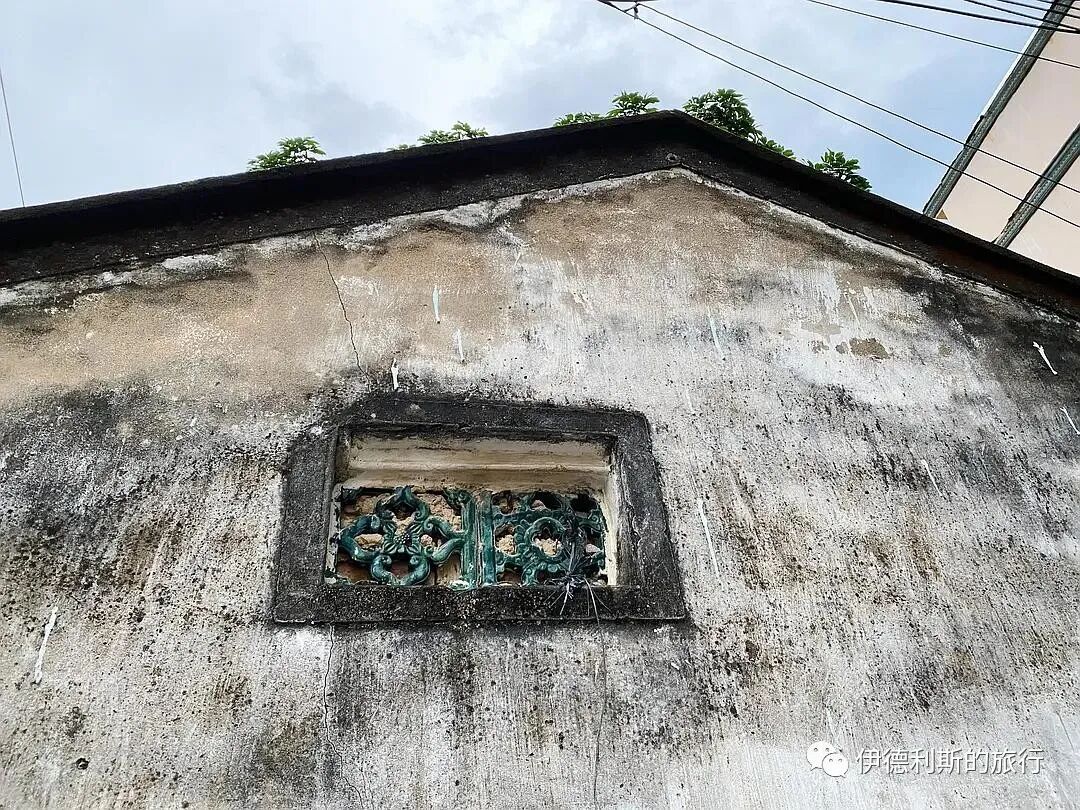
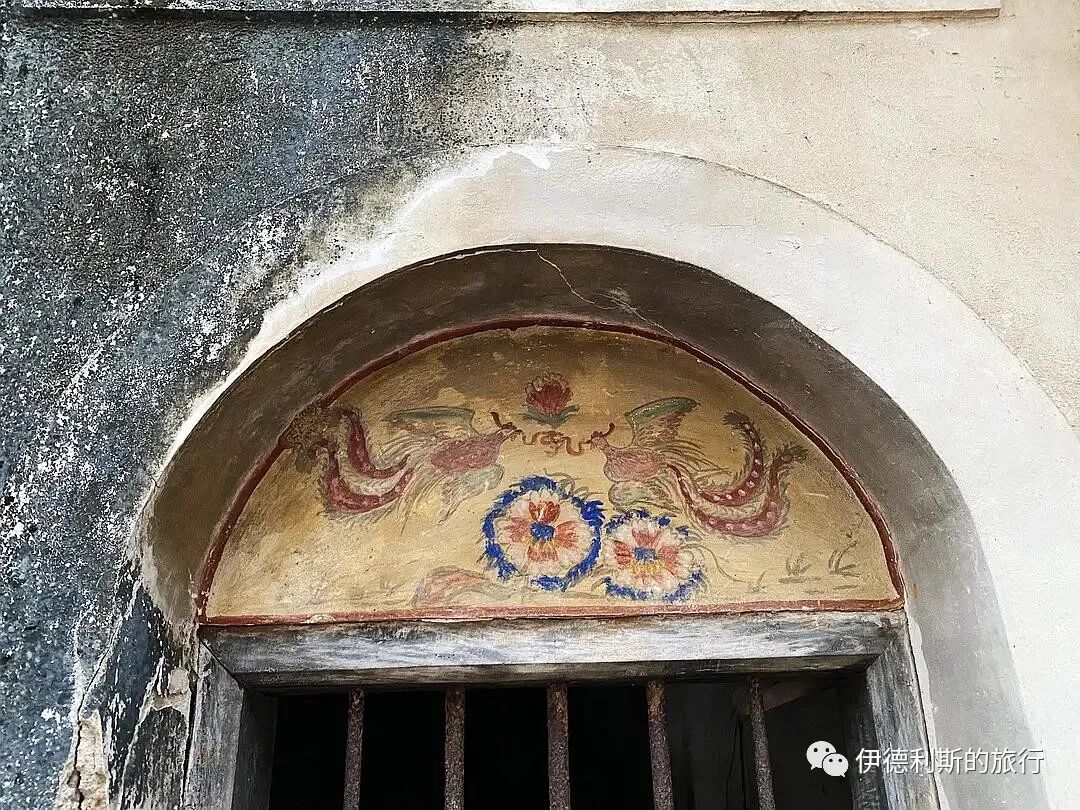
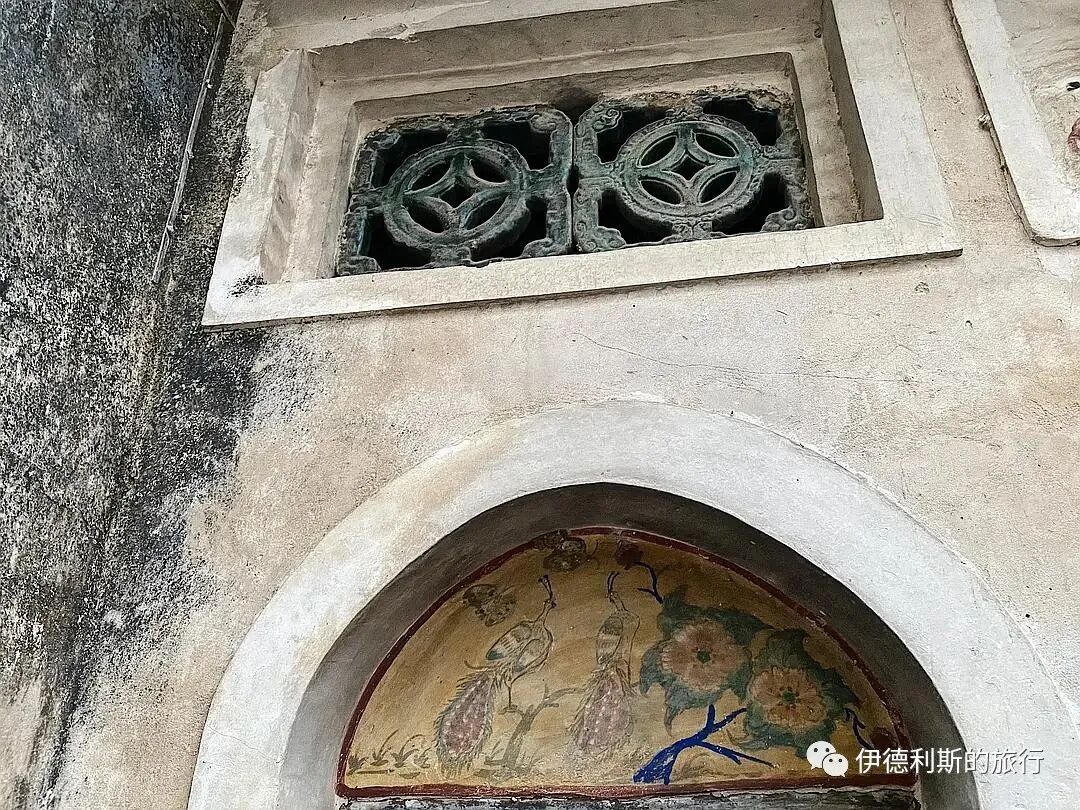
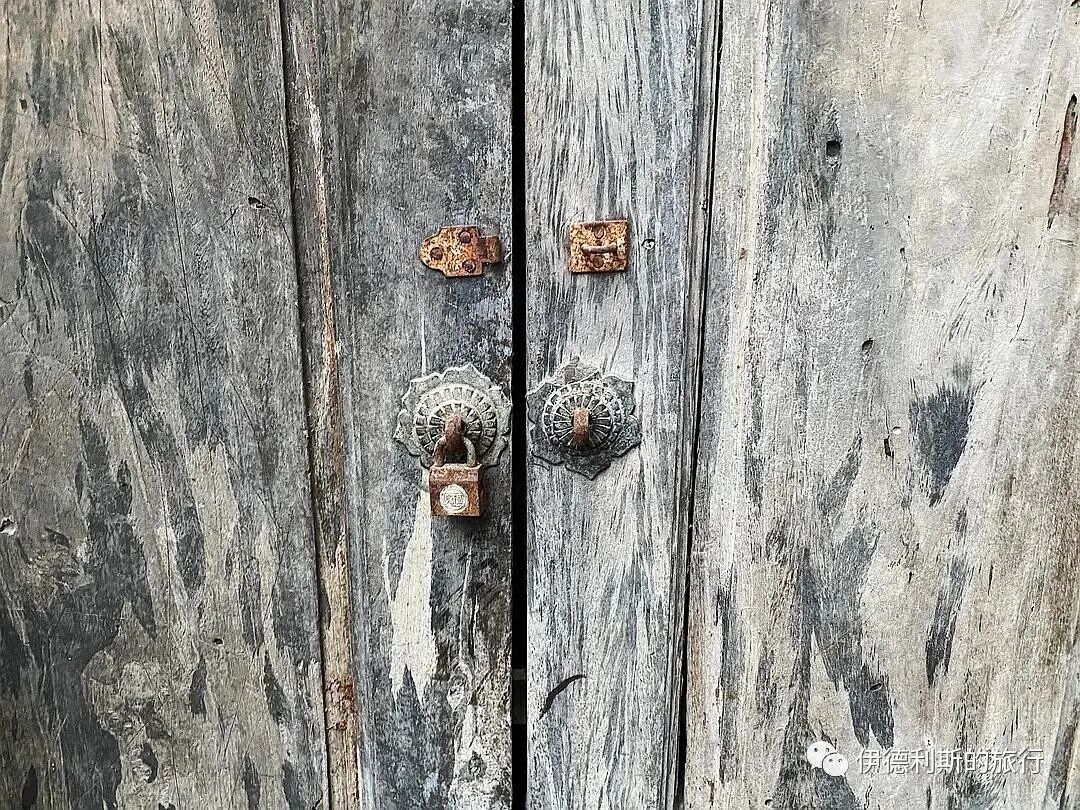
The last old house in Huihui Village.
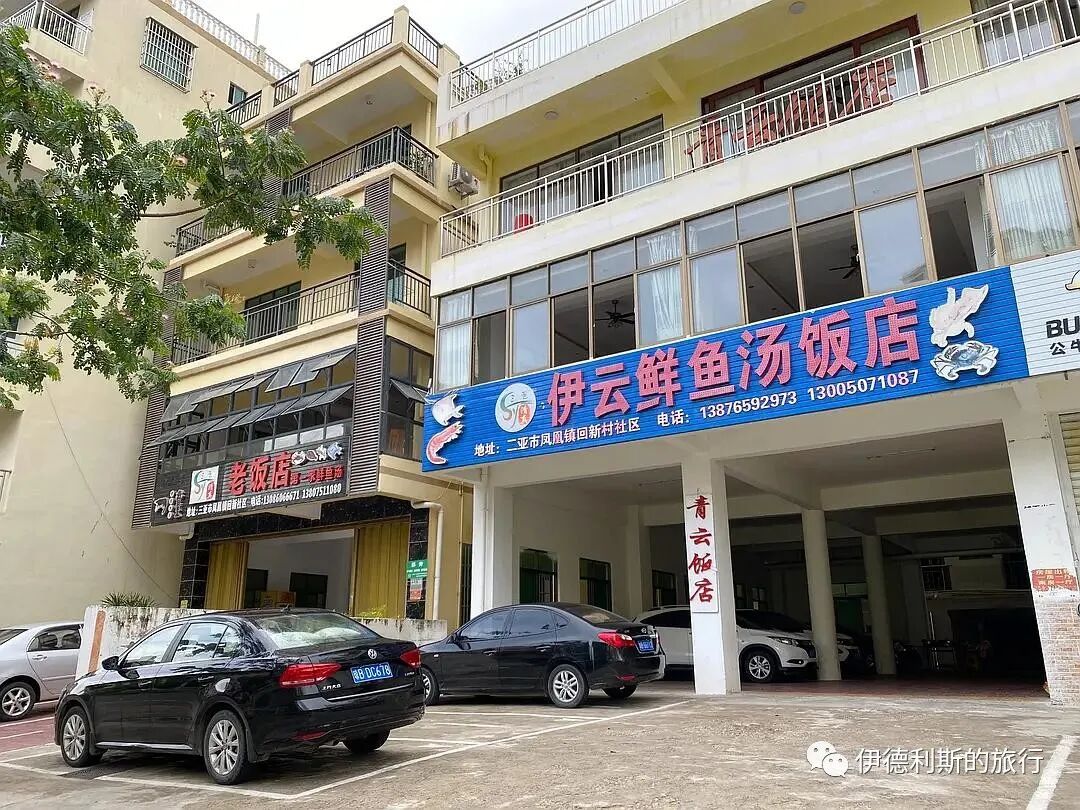
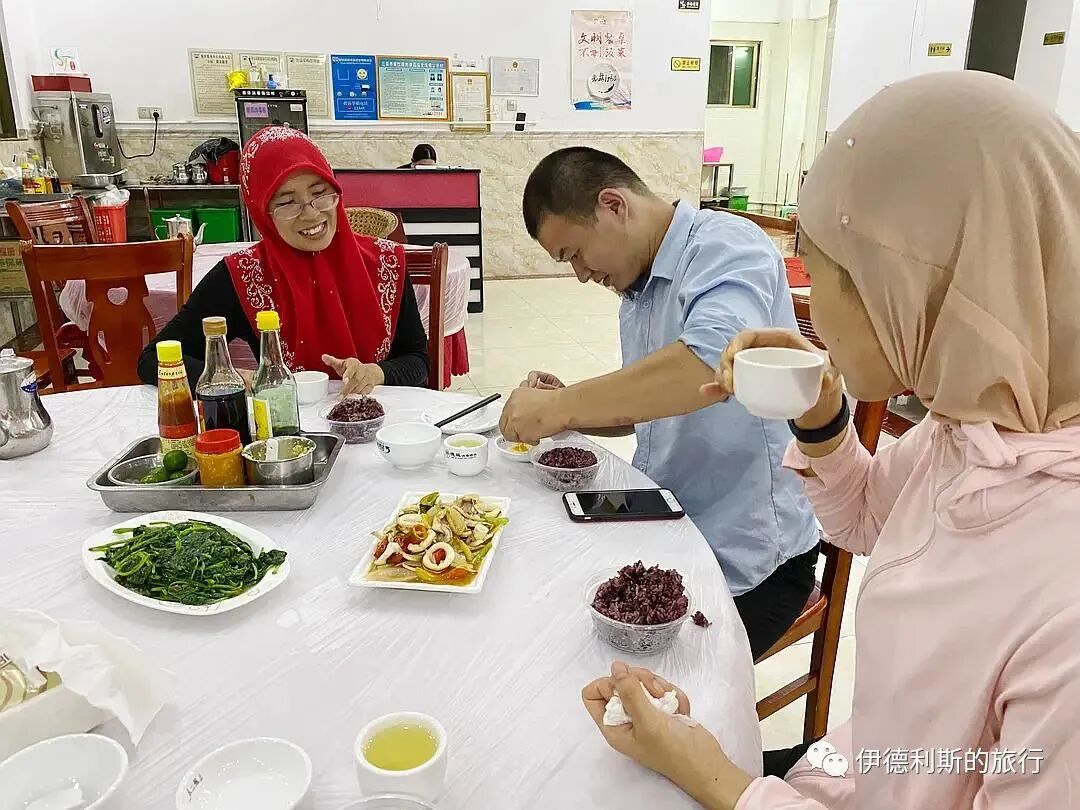
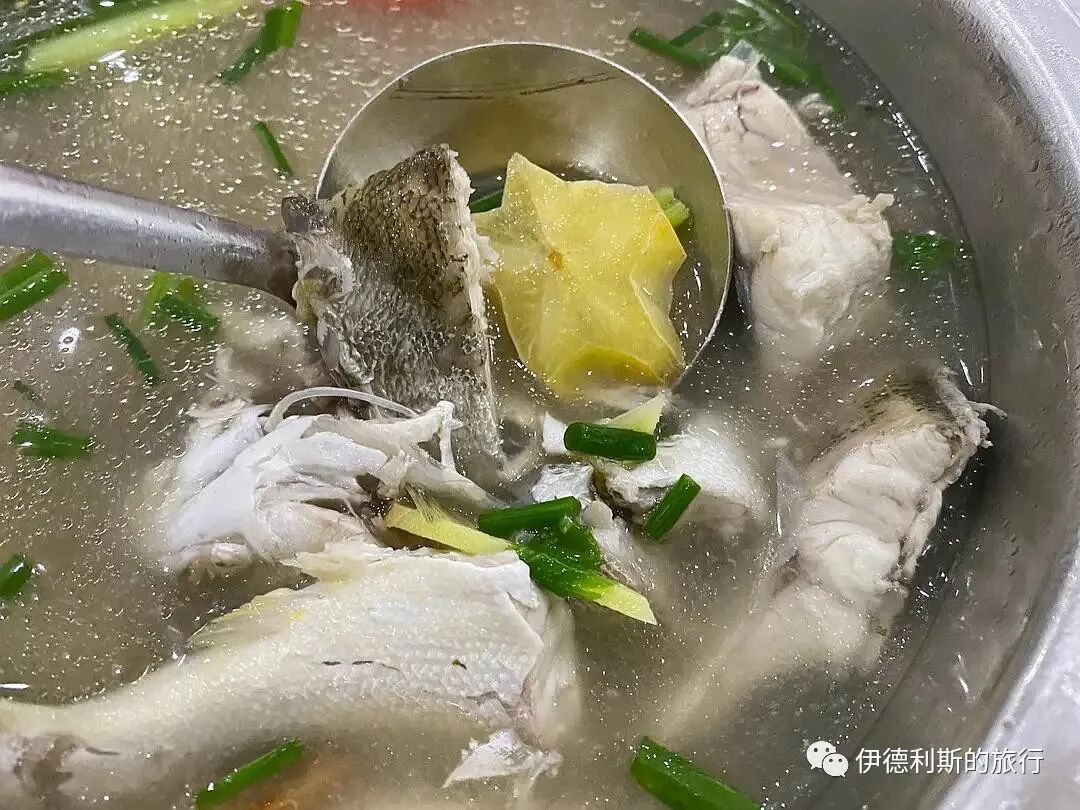
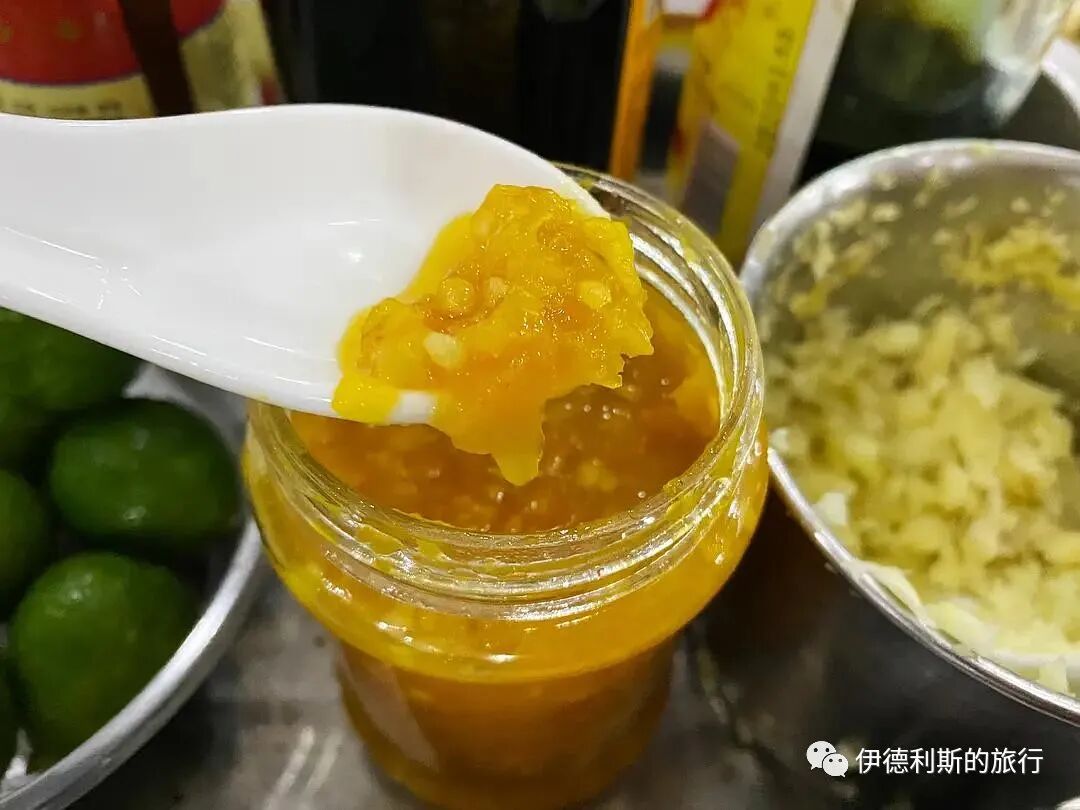
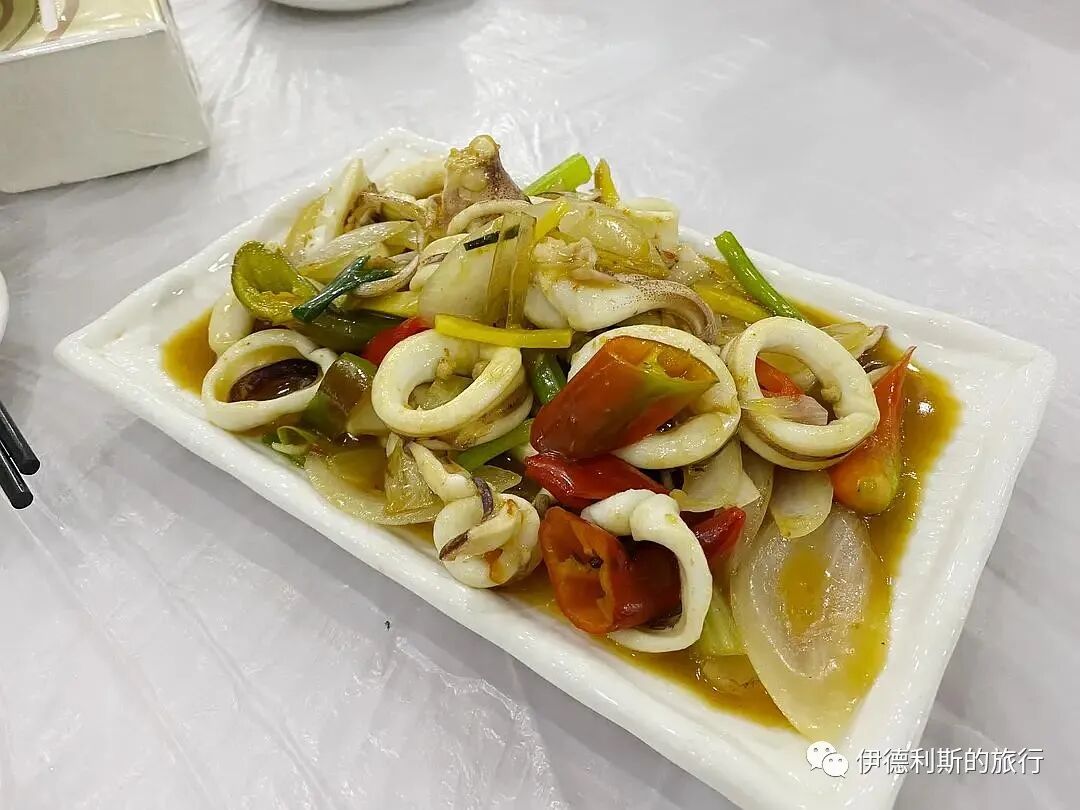
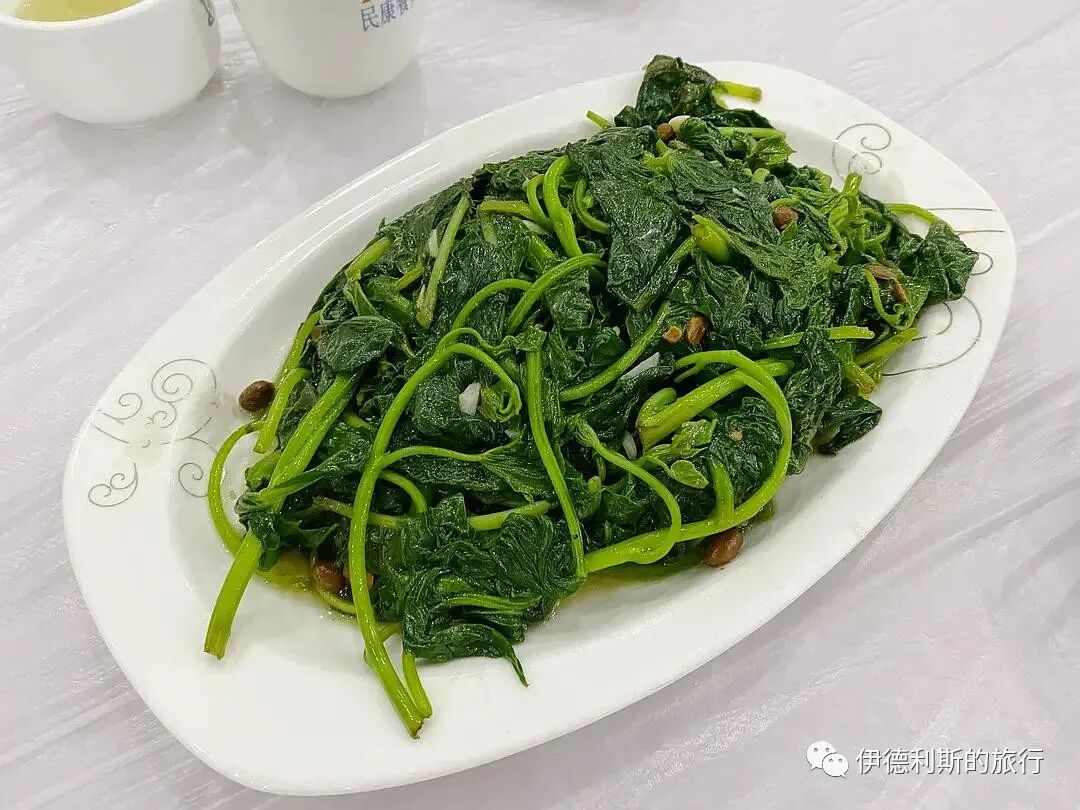
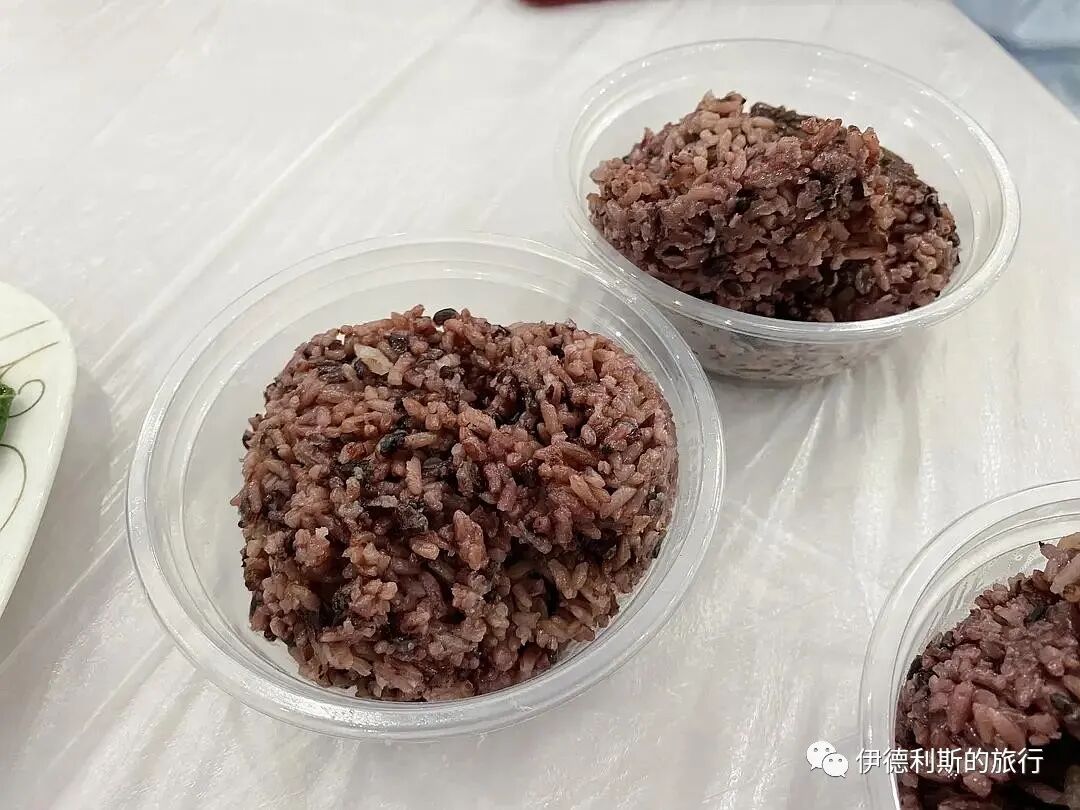
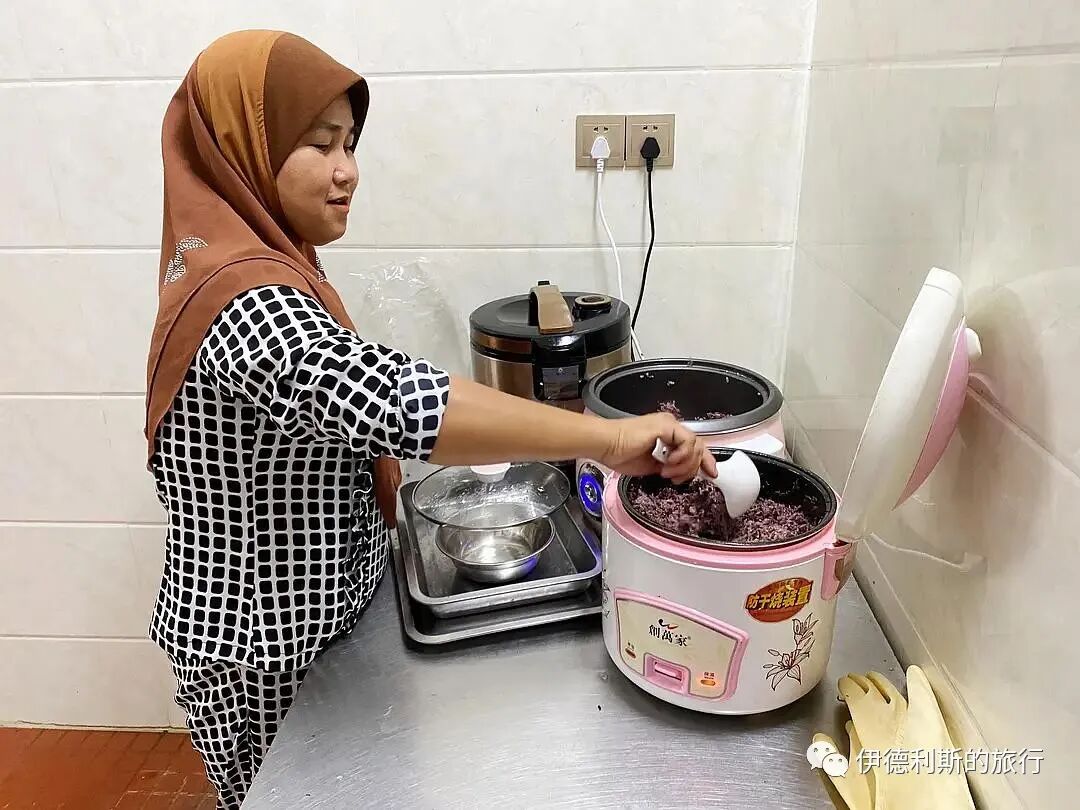
In the evening, Muning's family treated Zainab and me to fresh fish soup at the entrance of Huixin Village in Sanya. The Huihui people's signature fresh fish soup is made with starfruit, tamarind, and tomatoes, giving it a very strong sour taste. You can choose from a variety of sea fish. When eating, you have to make your own dipping sauce. You must use the Hainan yellow lantern chili in moderation, as it is extremely spicy. We also ate coconut milk red rice, sweet potato vines, and stir-fried squid, all of which were quite delicious.
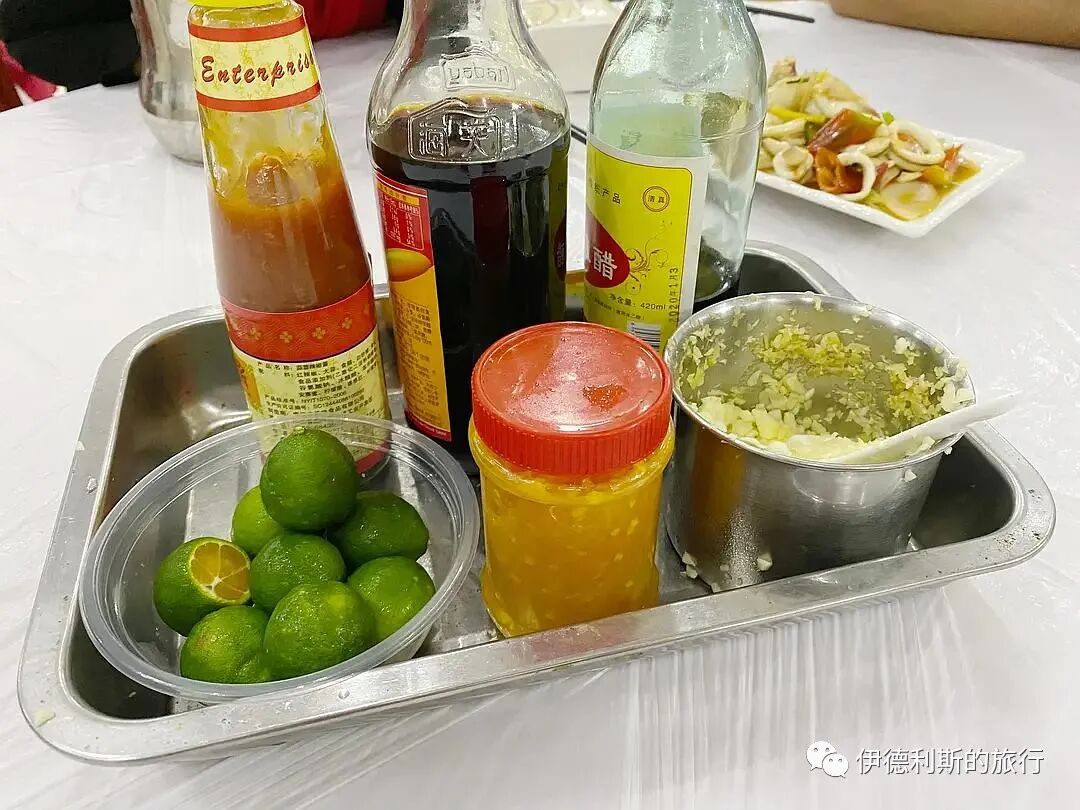
Yellow lantern chili.
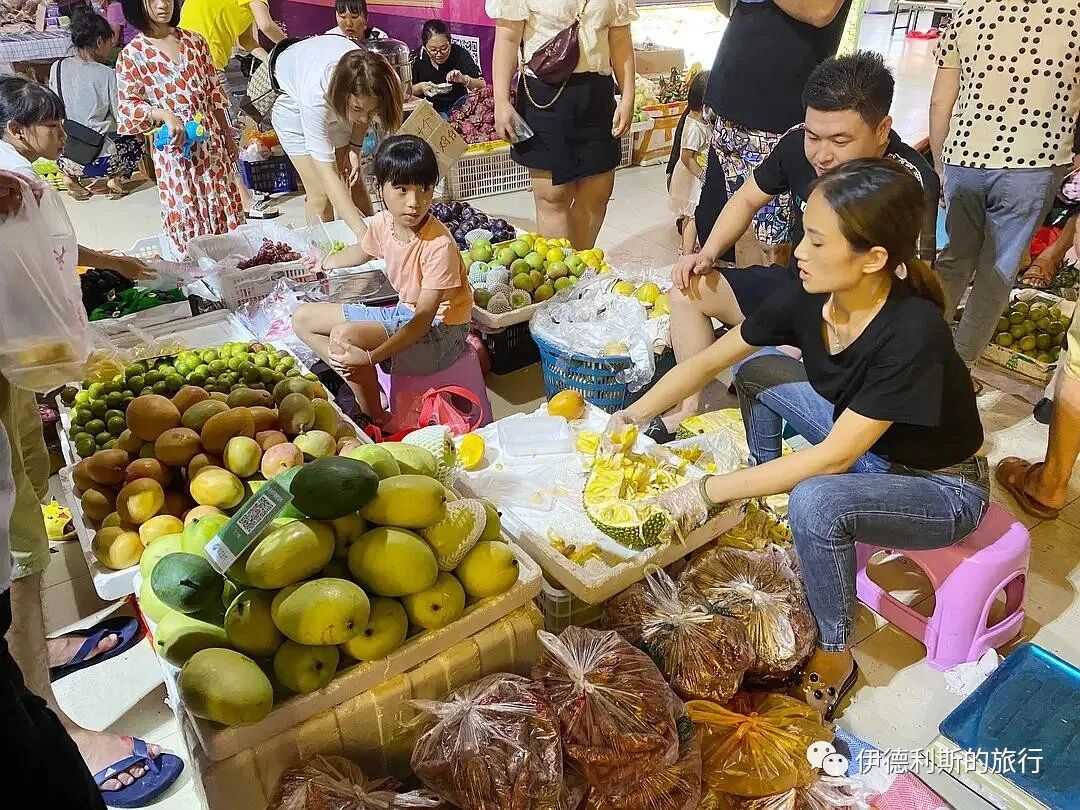
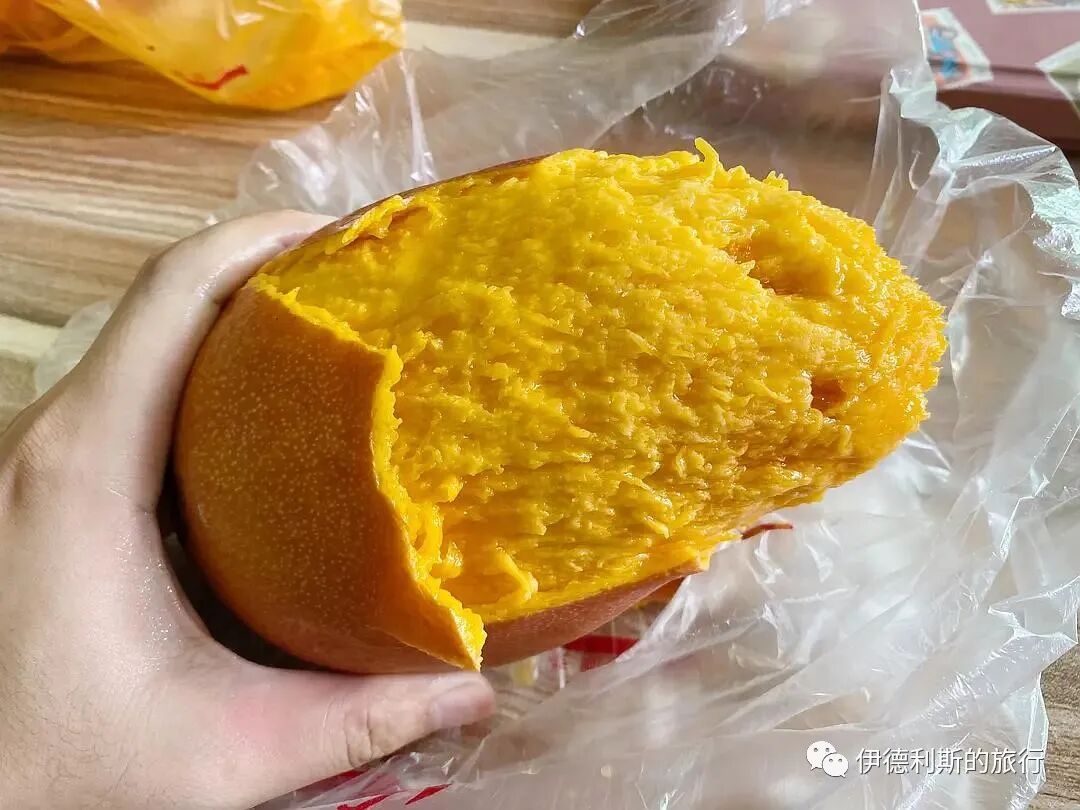
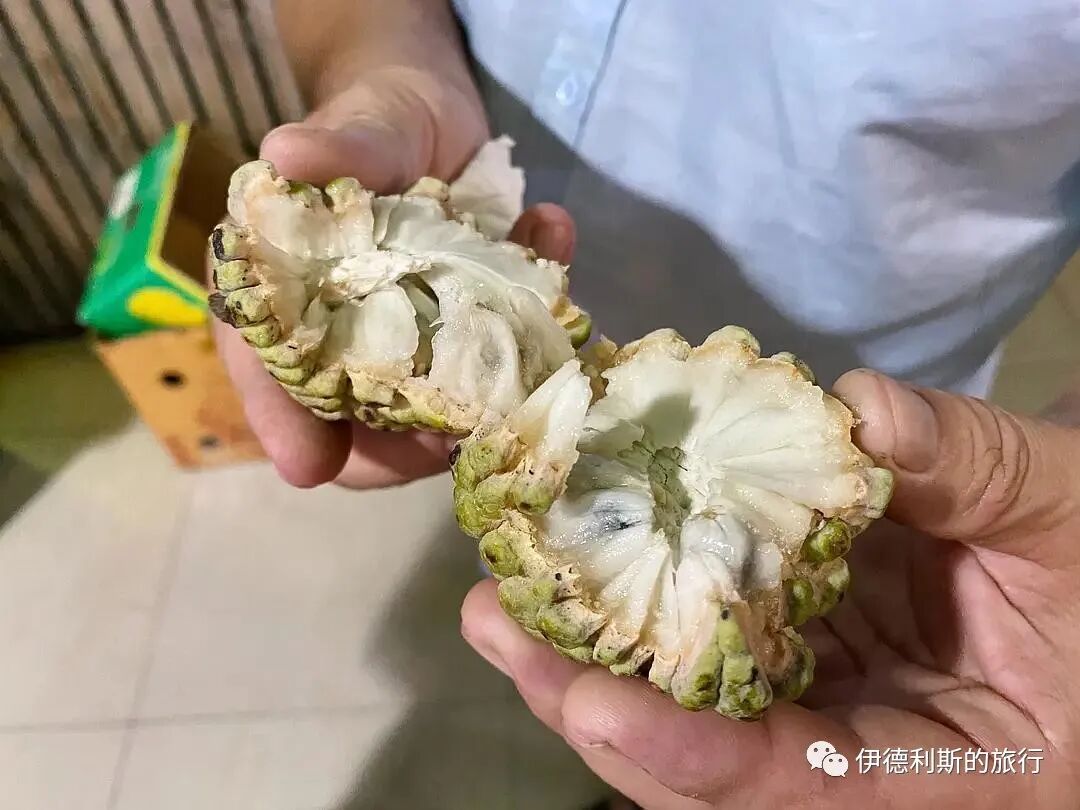
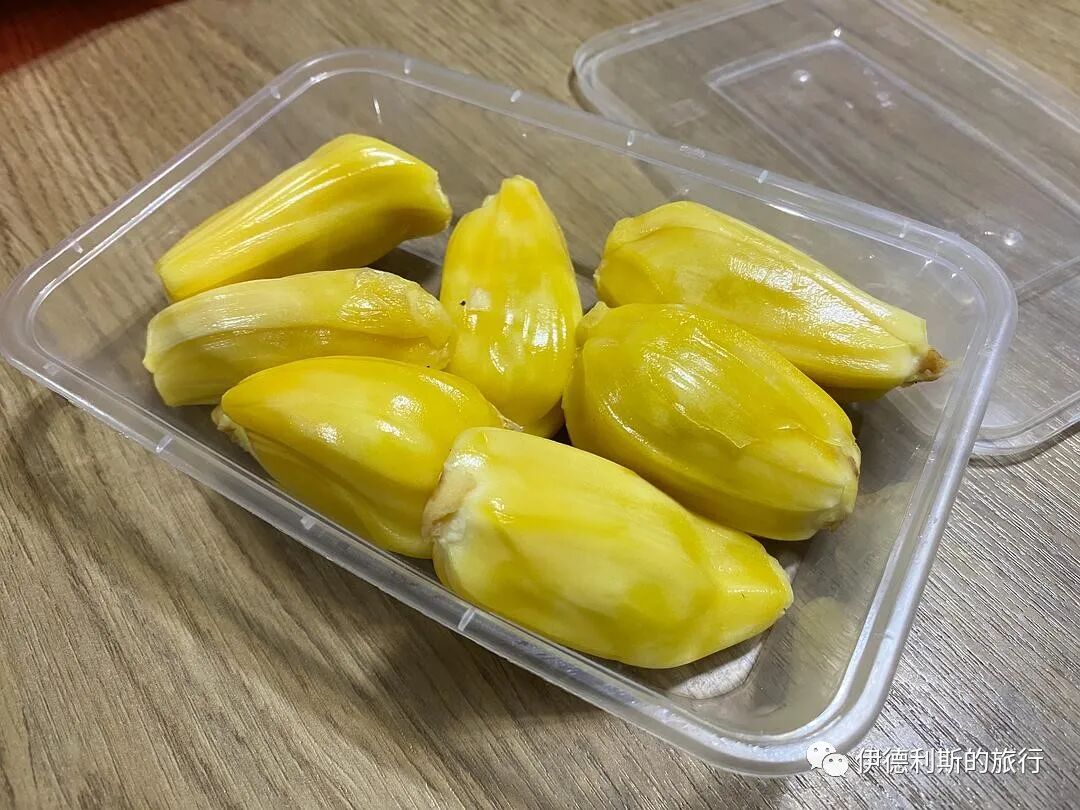
In the evening, we went to the Guangbaina night market next to Huixin Village. Since the rise of the street stall economy this year, Guangbaina has become increasingly lively. There is no stall fee here, and many people sell fruit grown in their own homes, so the prices are the lowest in the area. We ate sugar-apple, jackfruit, and mango, all of which were cheap and delicious.
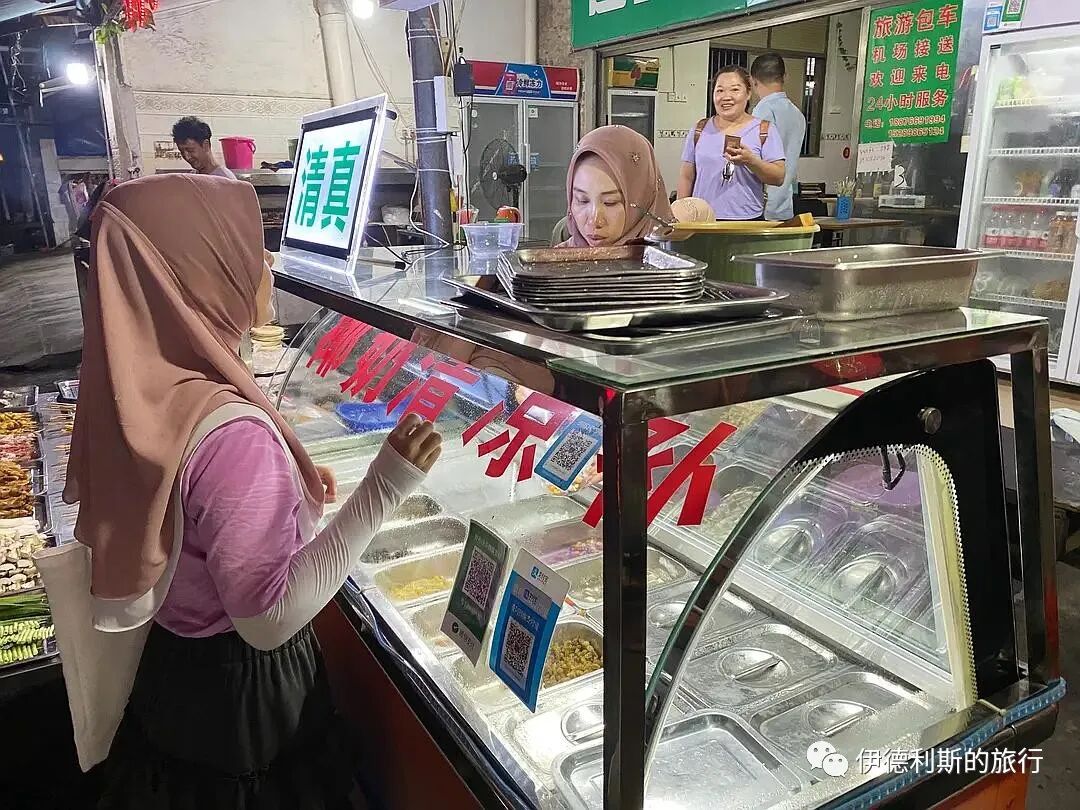
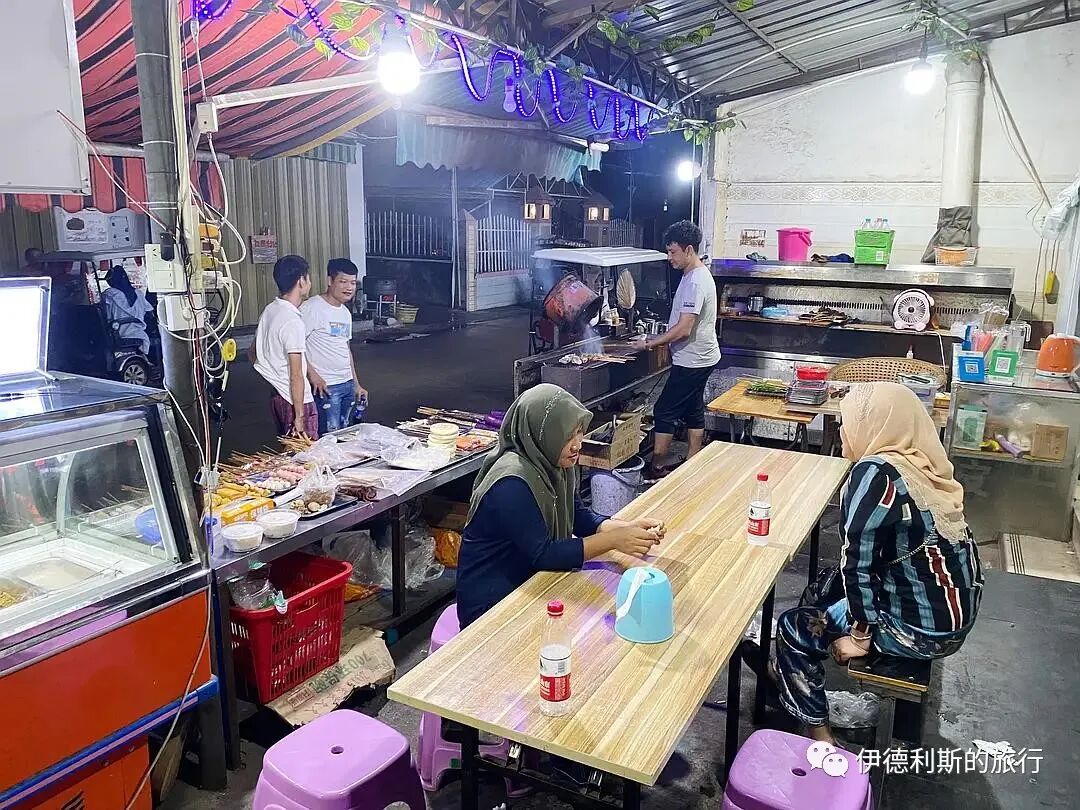
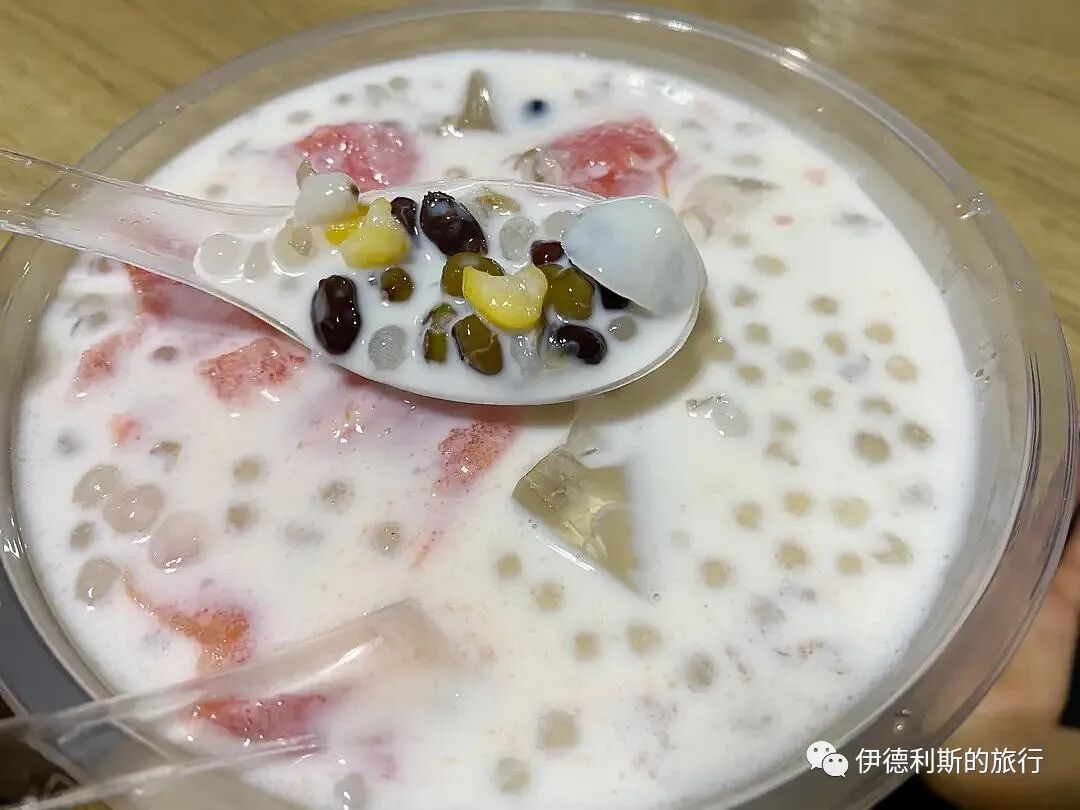
After visiting the night market, we returned to Huixin Village to eat Qingbuliang (a refreshing dessert with coconut milk and various toppings). The ingredients for Qingbuliang in every shop in Sanya are different, and you have to try them all to know which one you like.
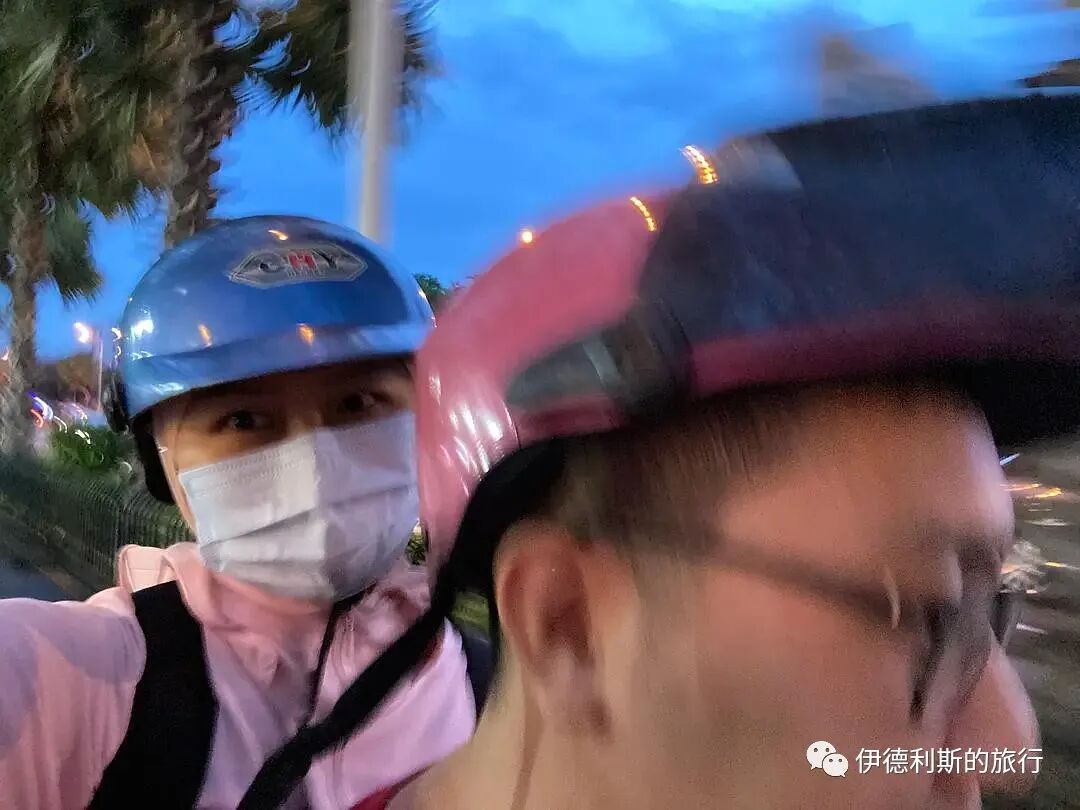
Still wanting more, we went out again in the evening to ride an electric scooter.
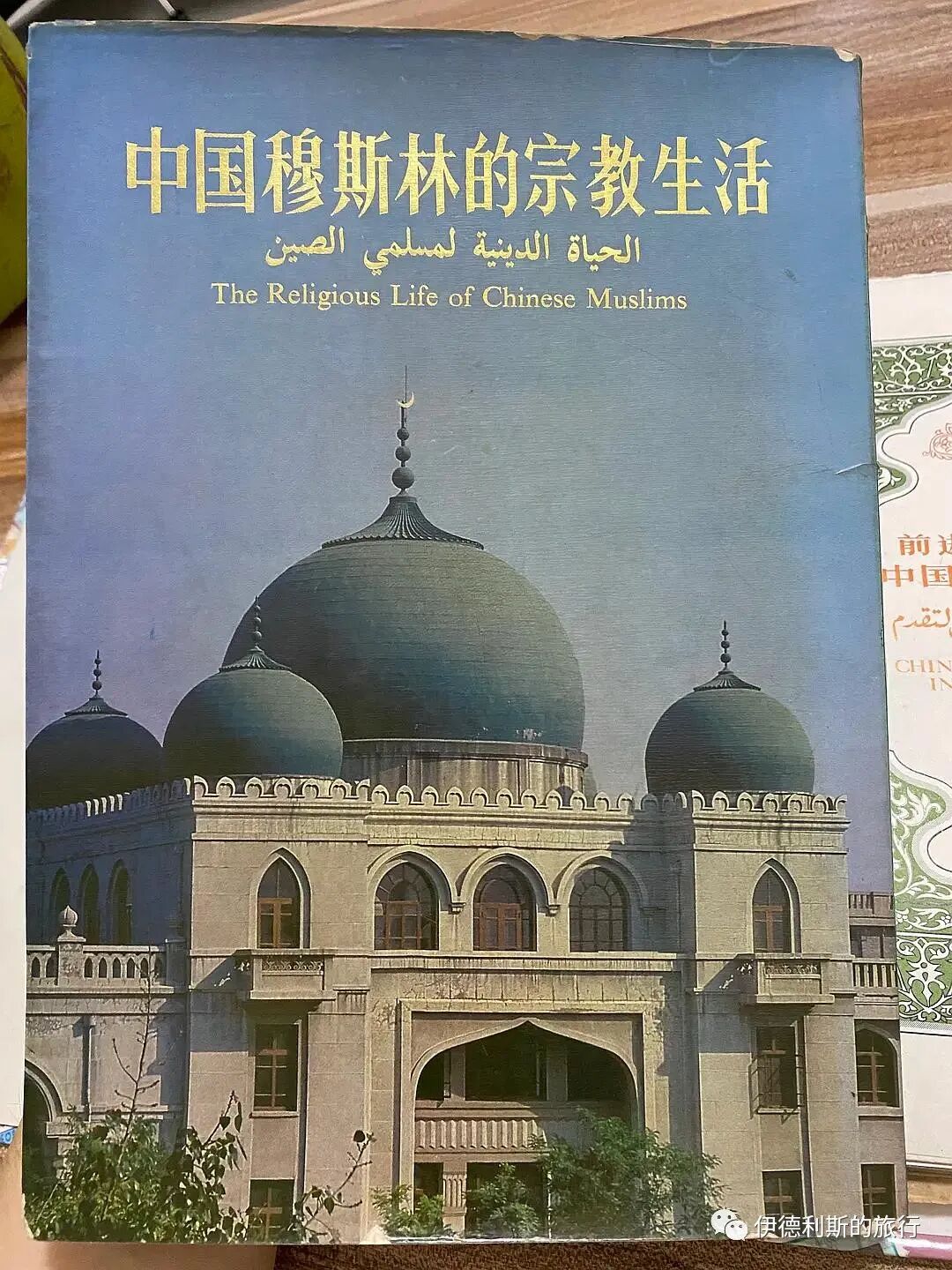
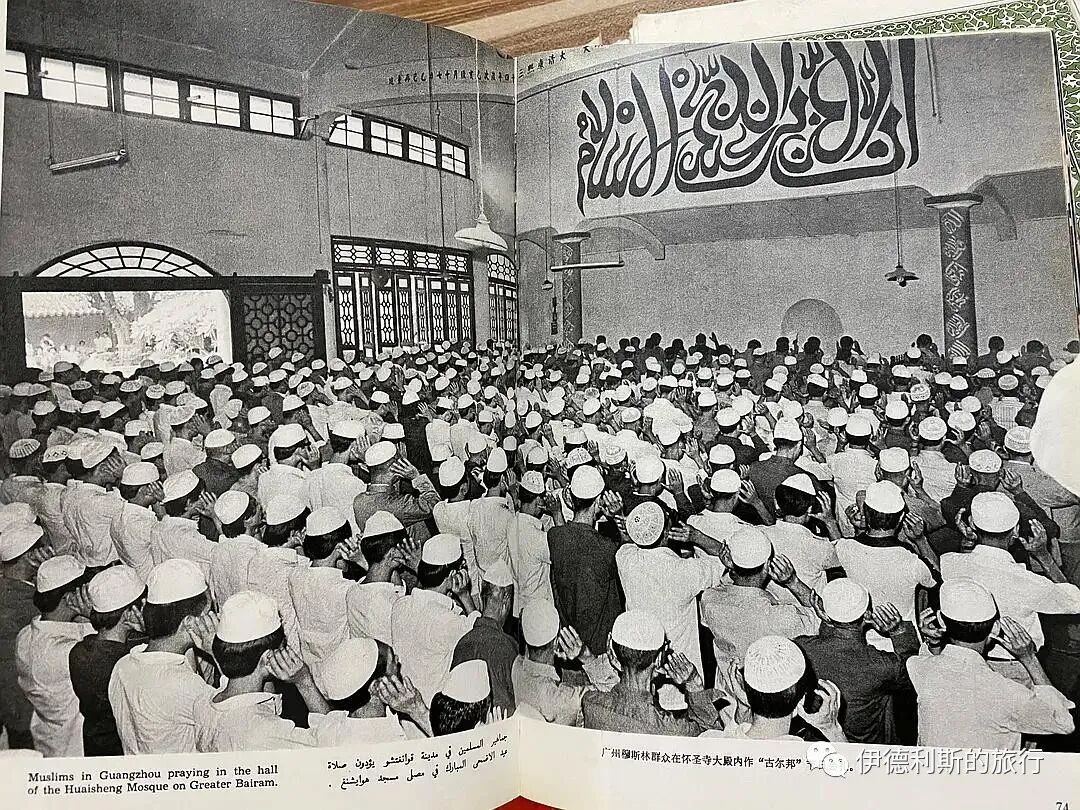
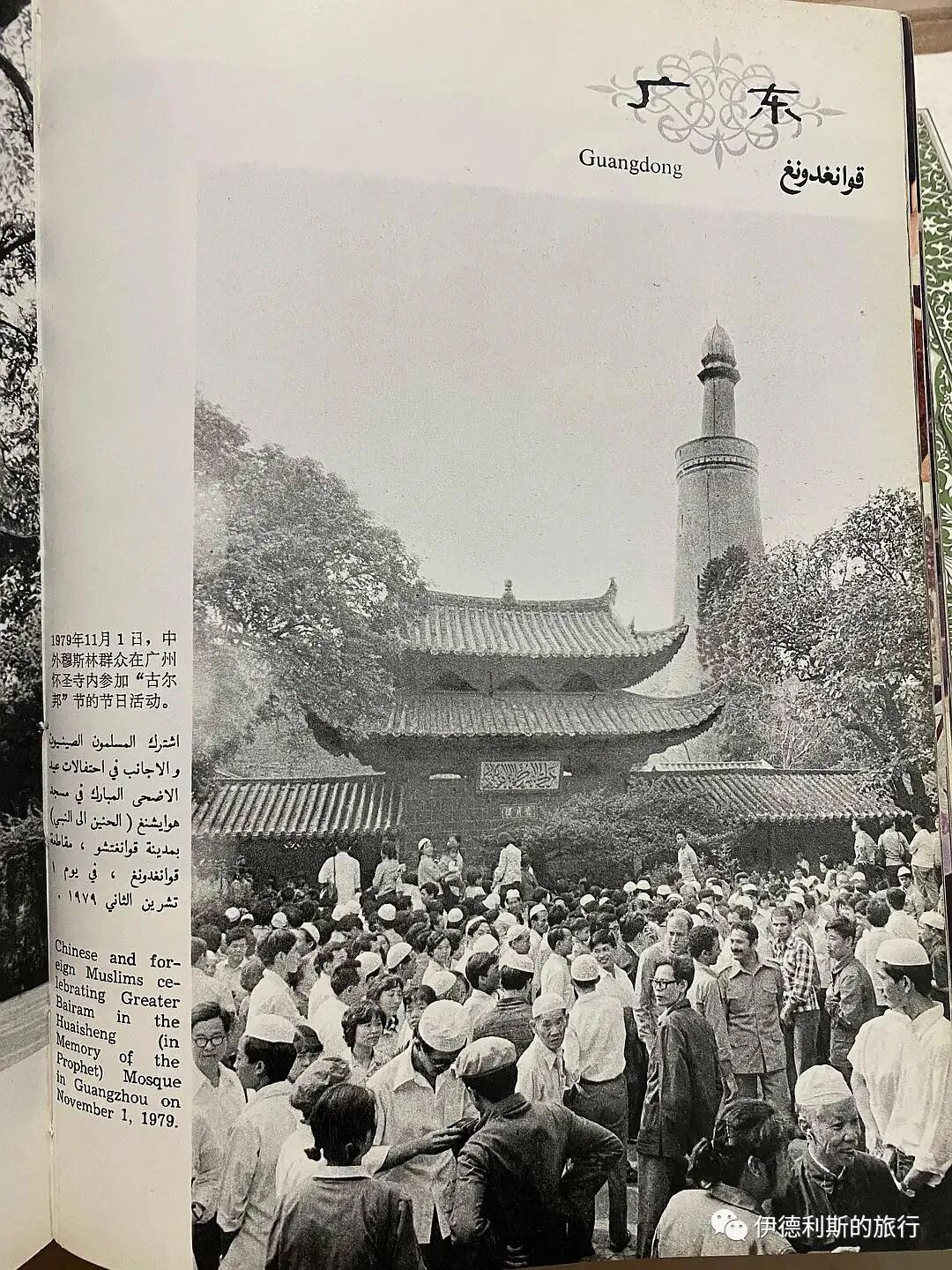
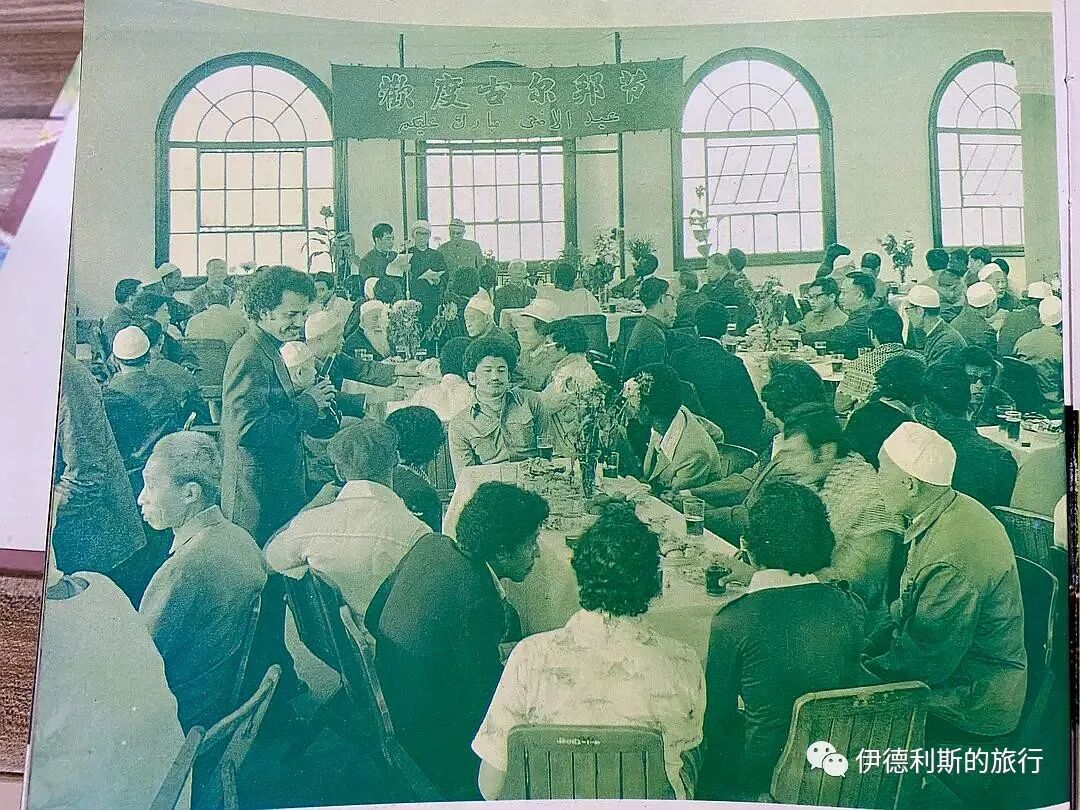
After returning, I looked through the old books collected by Muning, which included records of Eid al-Adha in 1979.
August 1st
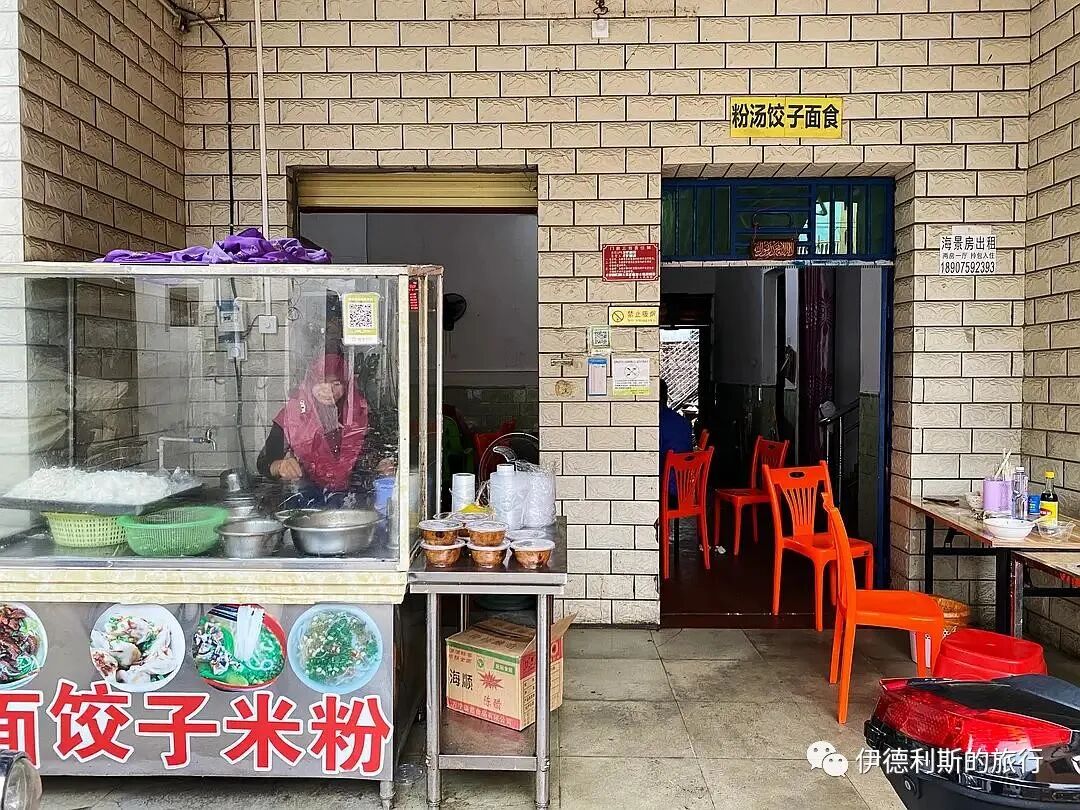
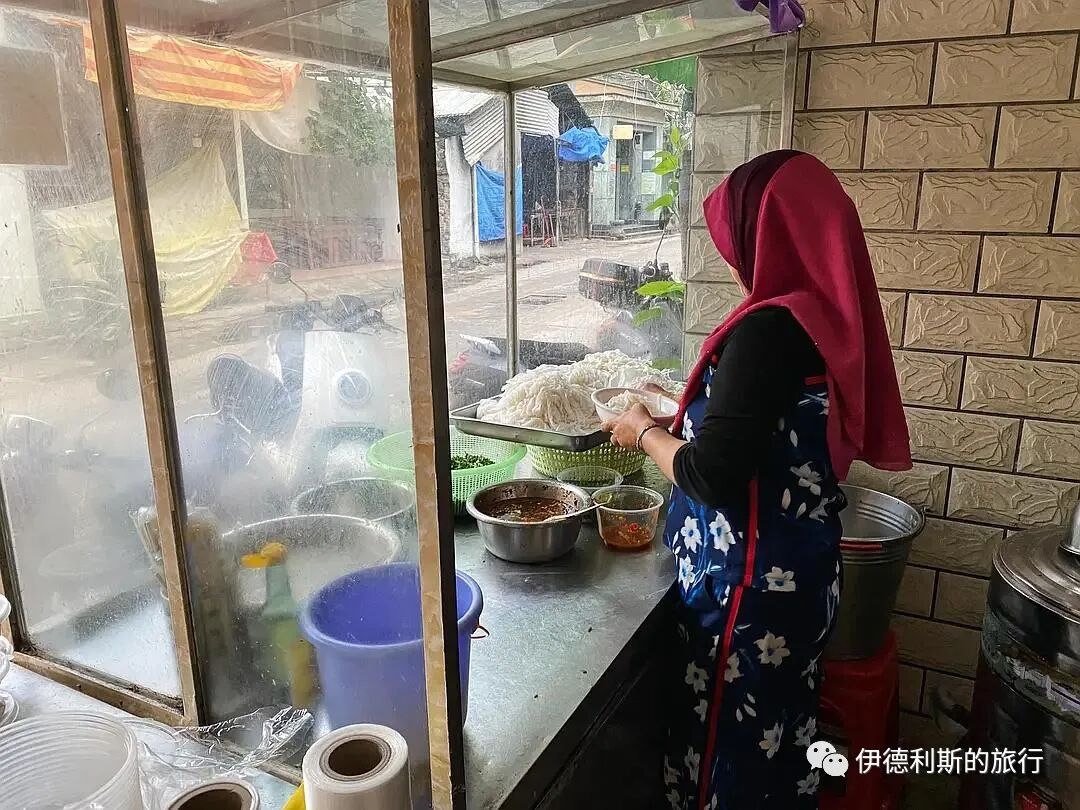
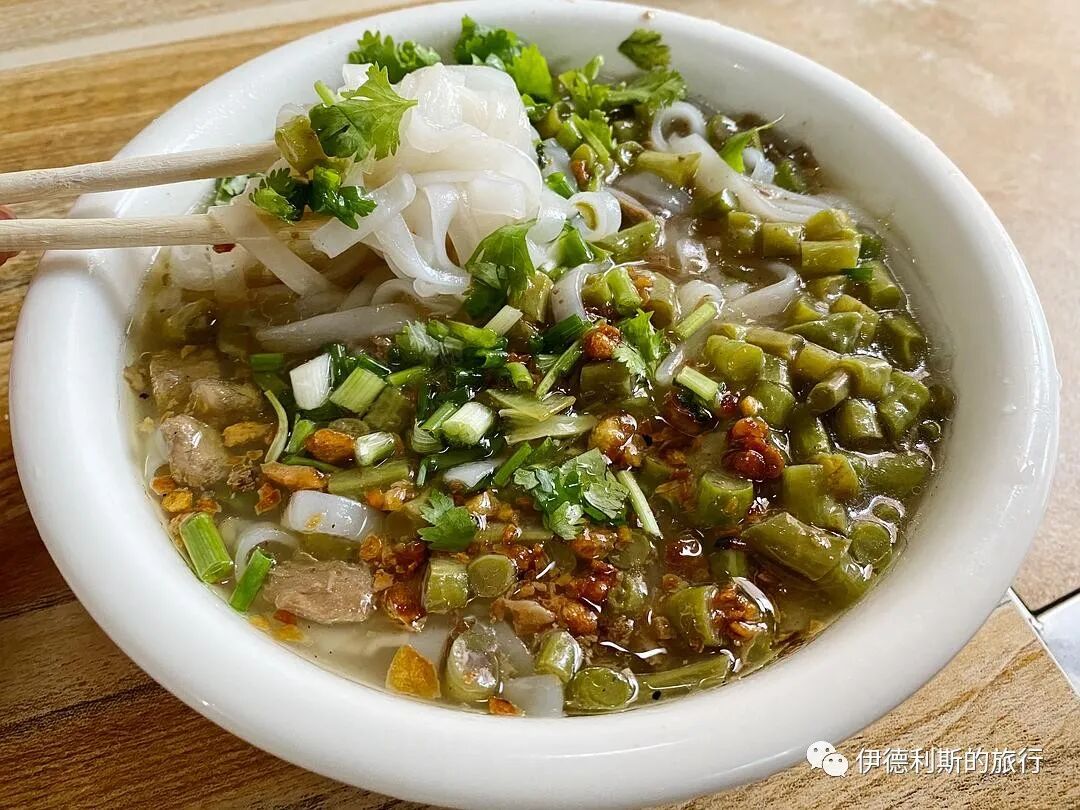
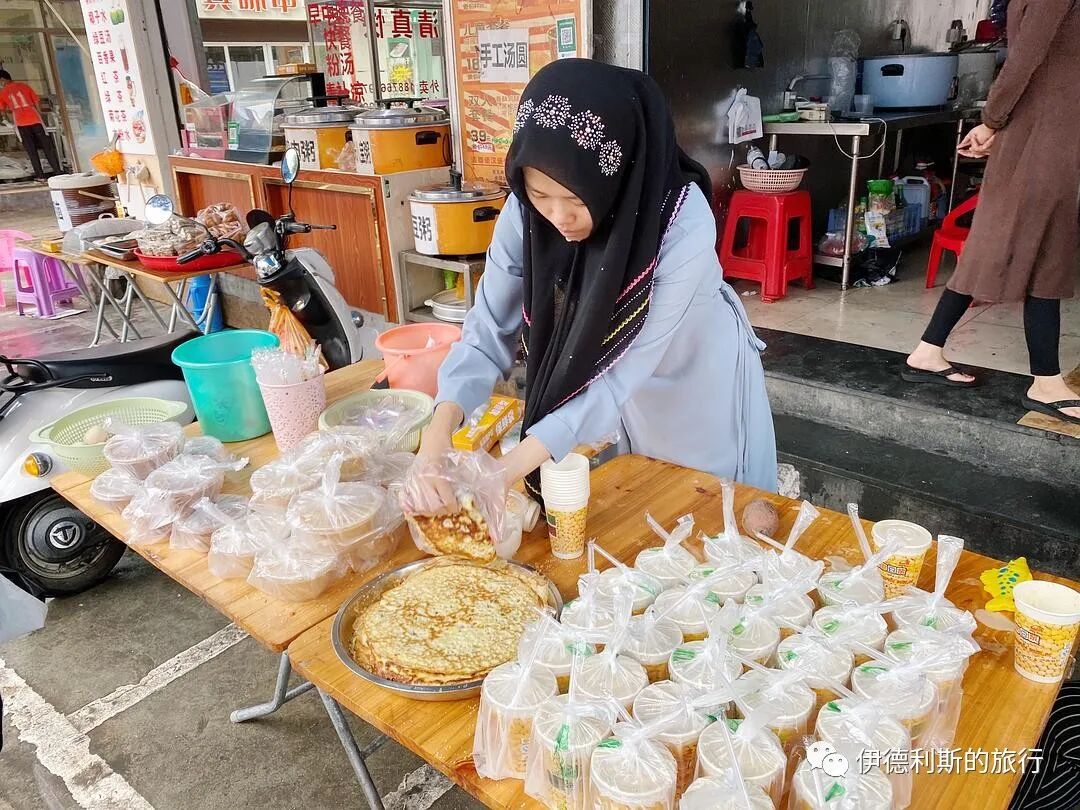
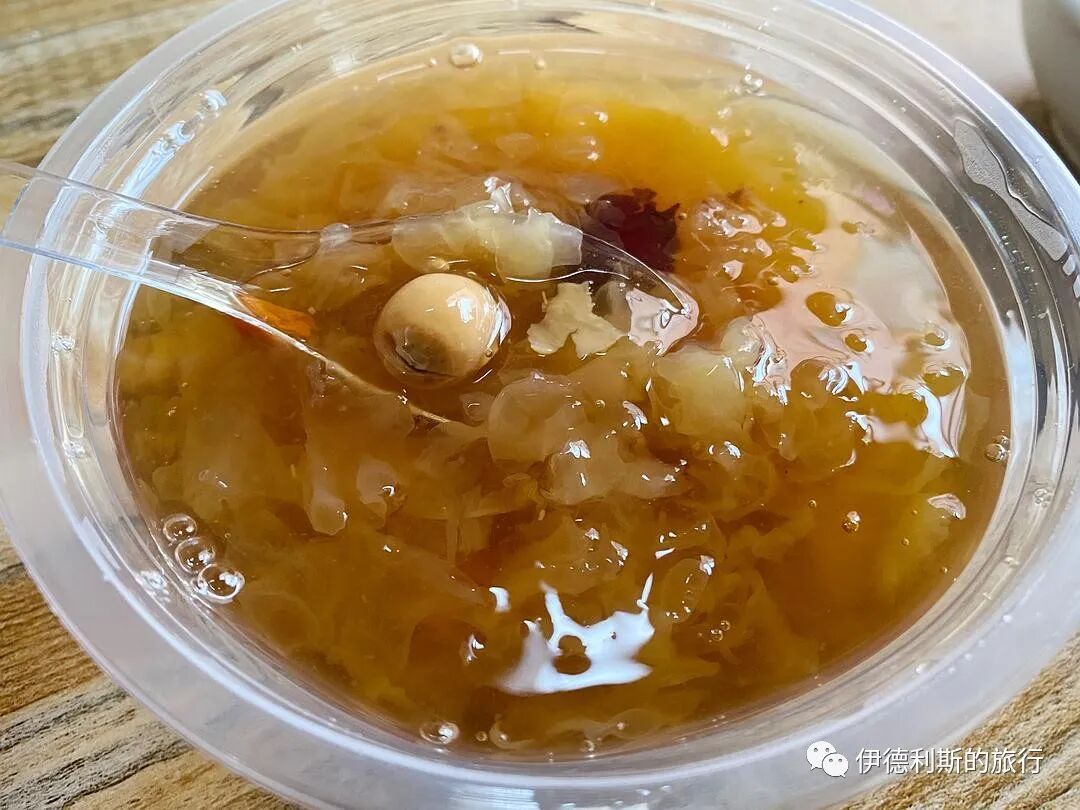
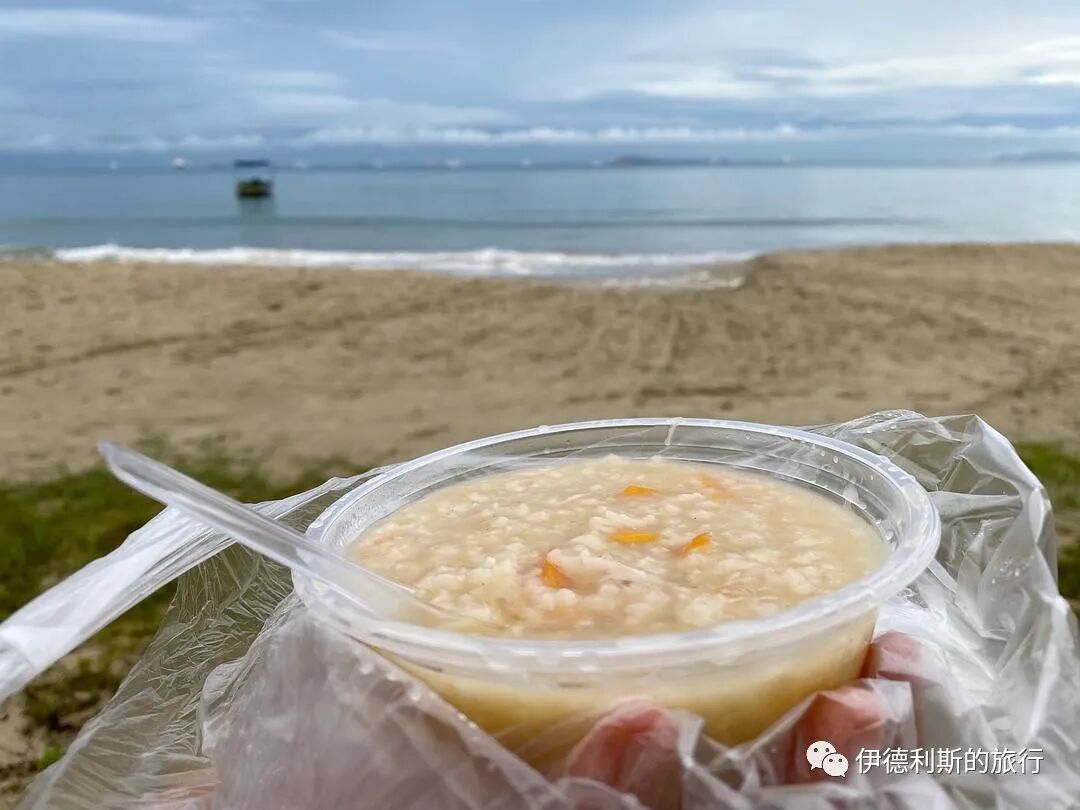
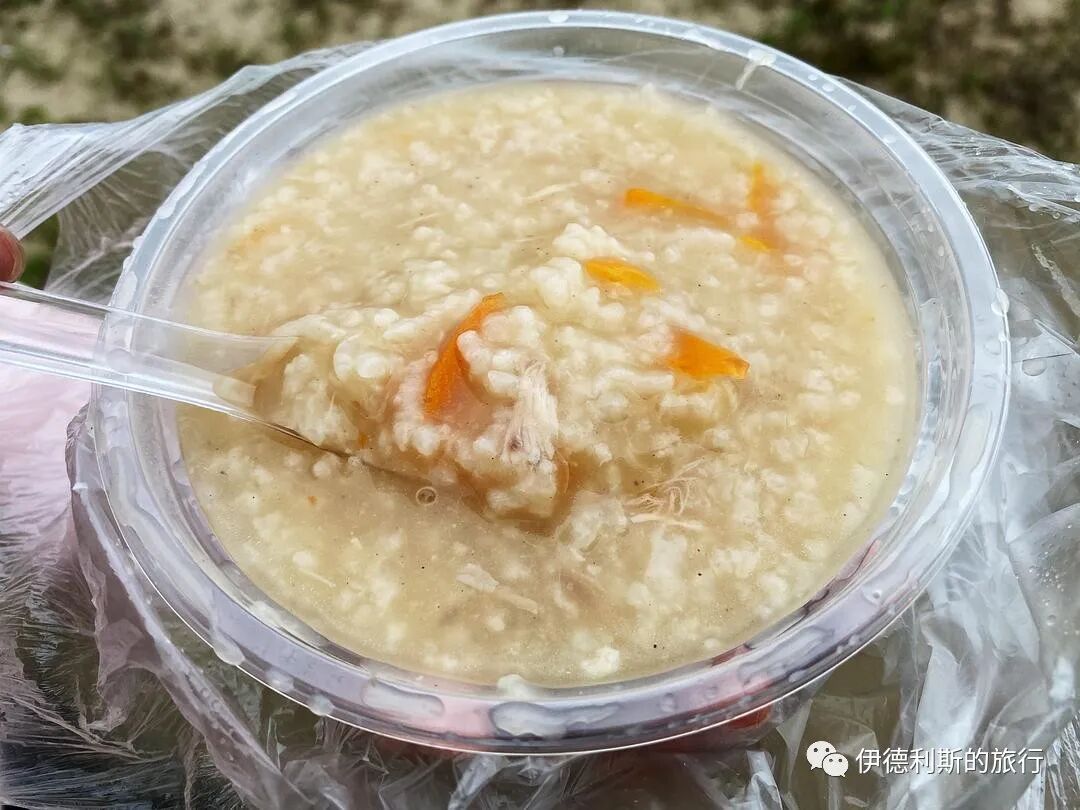
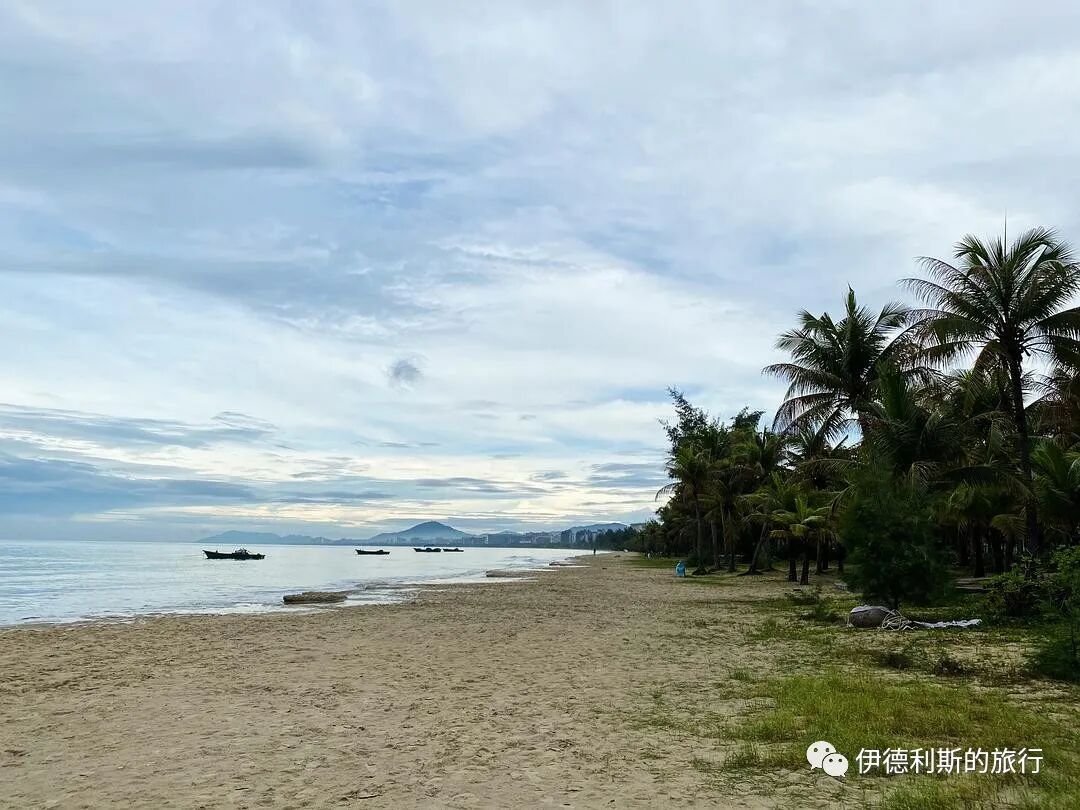
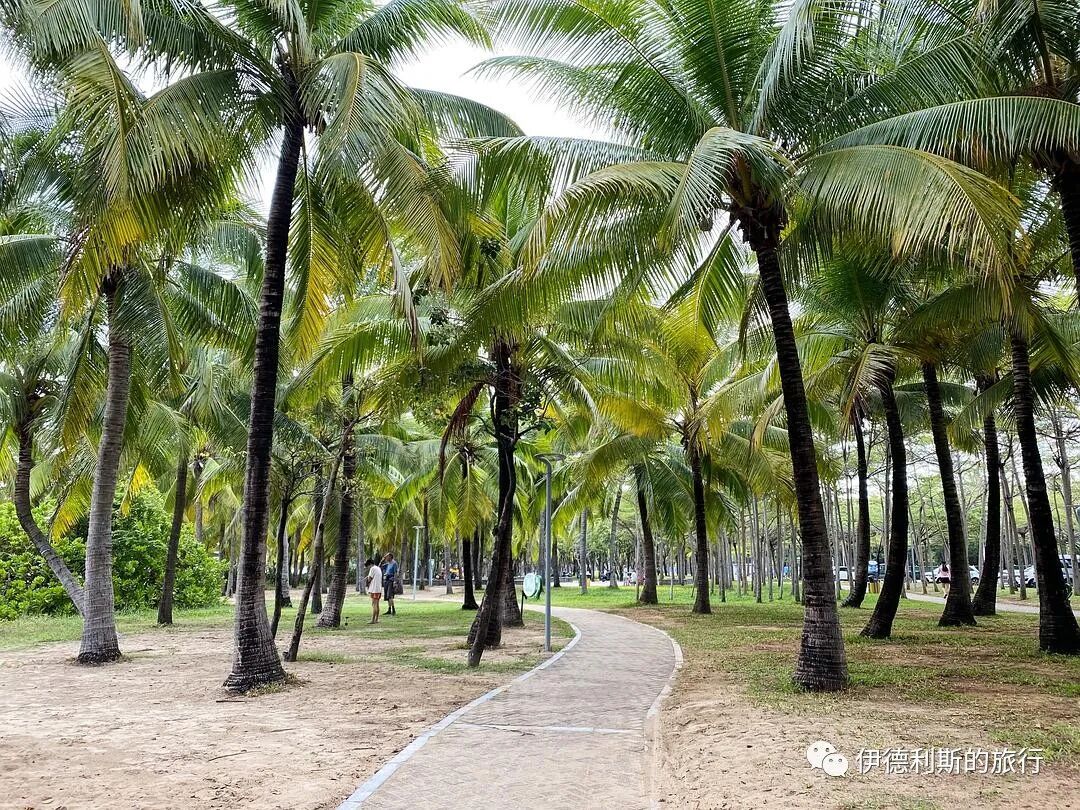
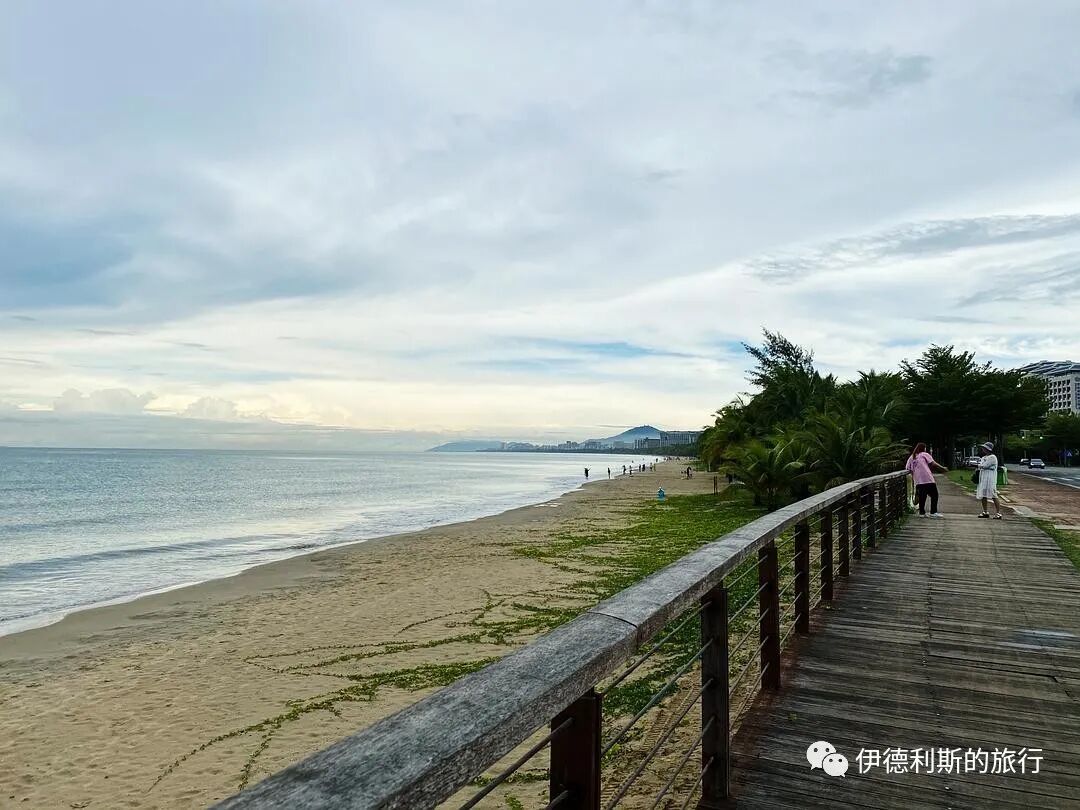
I woke up in the morning and had beef noodles made by the Huihui people in Huixin Village, then bought white fungus and lotus seed porridge and chicken porridge at the gate of the Southern Mosque to drink by the sea. After drinking, we took a walk in the coconut grove by the sea.
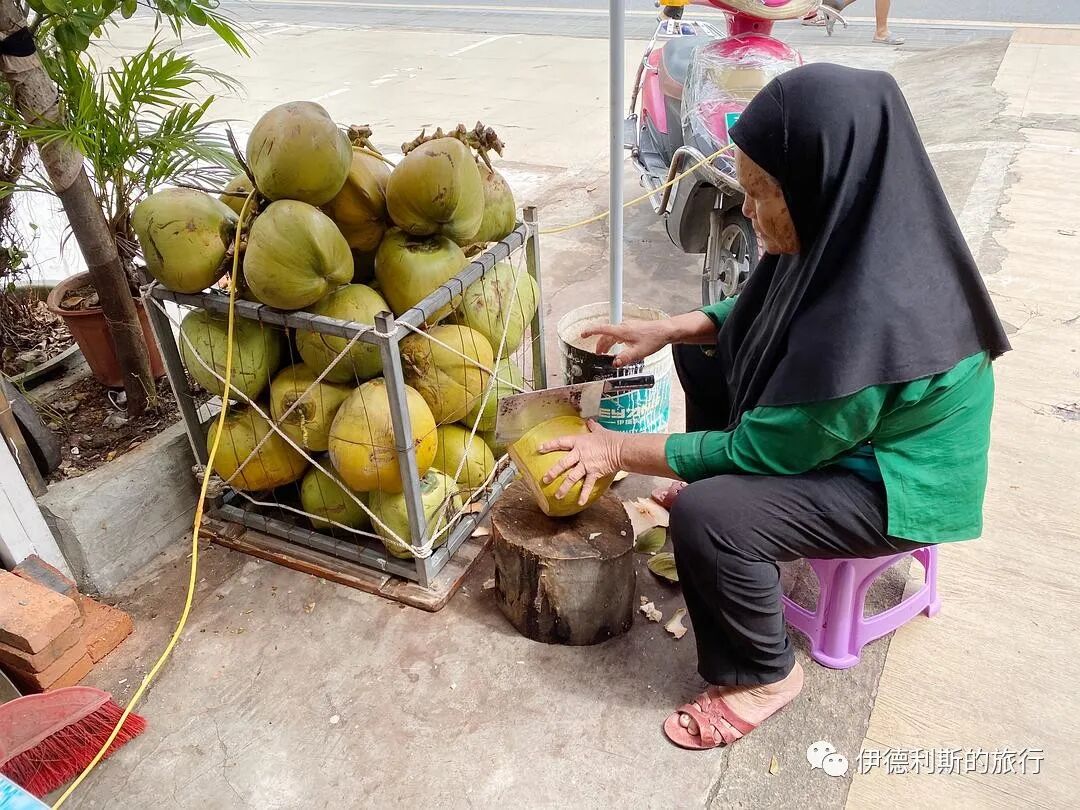
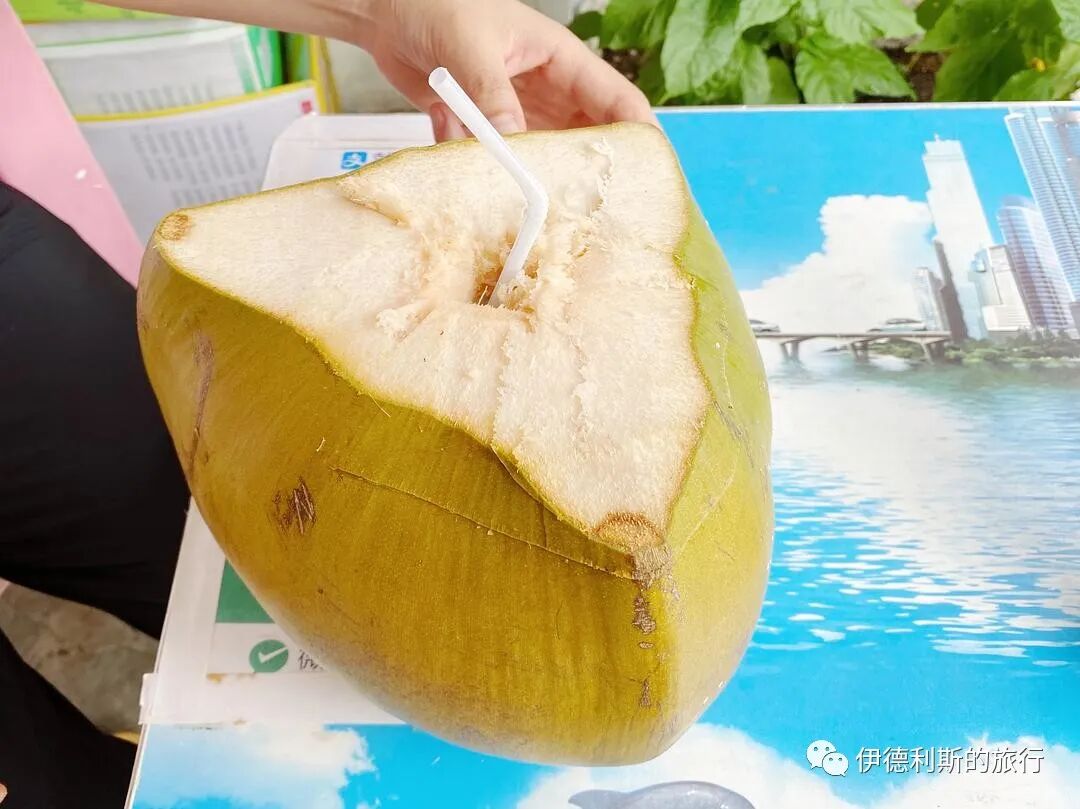
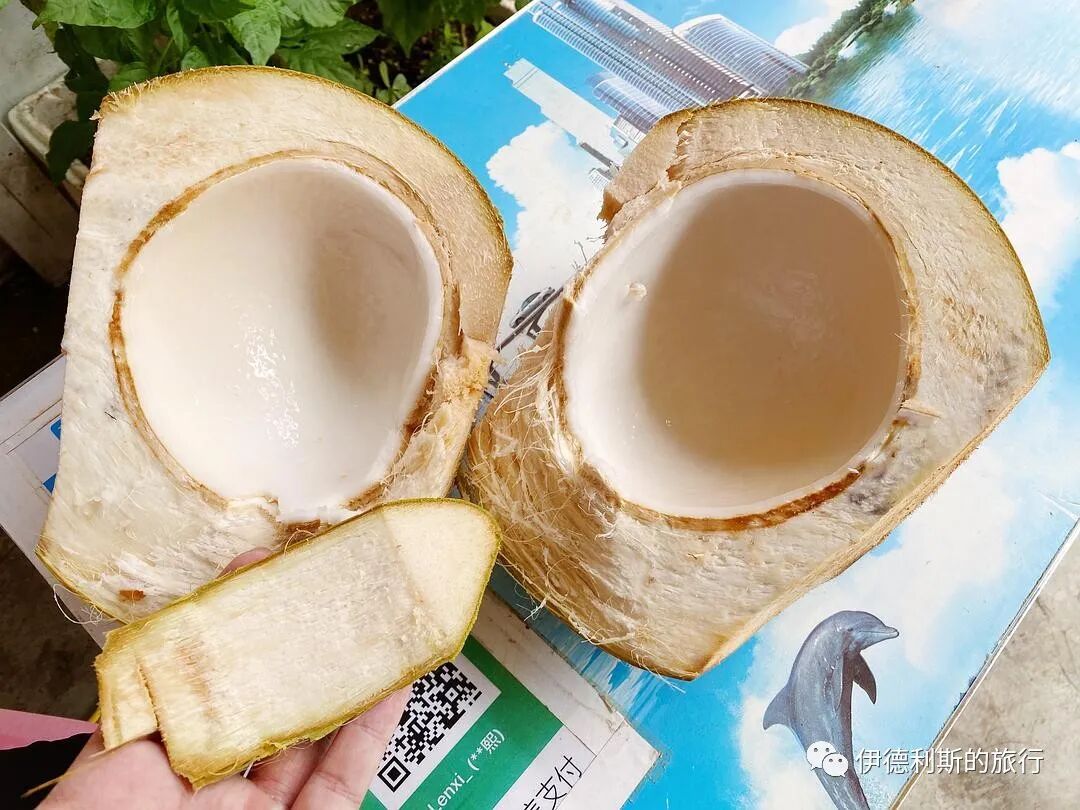
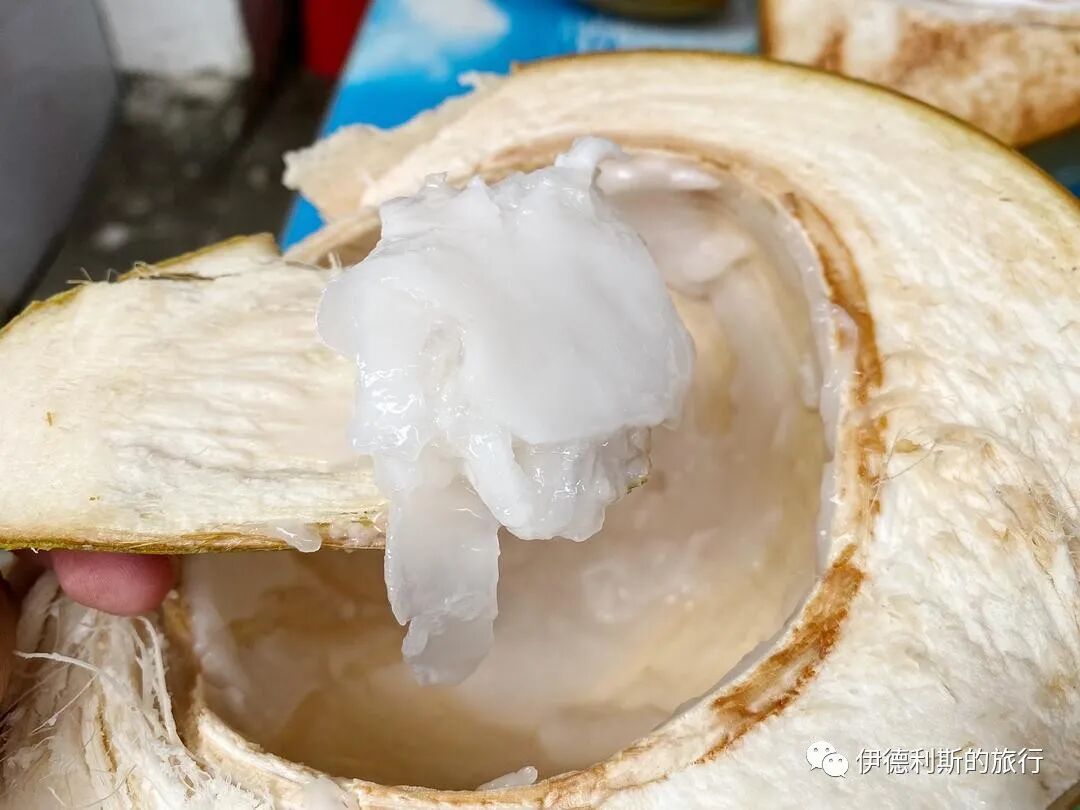
After strolling by the sea, we went to Huihui Village to drink some coconut juice.
Summary: This travel note introduces Eid al-Adha in Sanya: Hainan Muslim Travel Notes (Part 1). In July and August 2020, Zainab and I took our marriage leave to travel, and our first stop was Sanya to celebrate Eid al-Adha. It is useful for readers interested in Sanya Travel, Eid al-Adha, Muslim Travel.
In July and August 2020, Zainab and I took our marriage leave to travel, and our first stop was Sanya to celebrate Eid al-Adha. A few years ago, I visited the local Muslim community in Sanya on my own, but this time, having our good friend, the young Muslim artist Muning, guide us through the holiday made it much more interesting.
July 31st
We flew from Beijing on the night of July 30th and arrived in Sanya in the early hours of the 31st. Muning arranged for us to stay right next to the Southern Mosque in Huixin Village, a room with a pure view of the mosque. In winter, Muslims from all over the country come here to rent rooms, but in summer, there is almost no one.
On the wall is Arabic calligraphy by Muning.
After resting a little, we went downstairs to the Southern Mosque to perform the Fajr (dawn) prayer.
After the Fajr prayer, we rested for a while, and at 7 o'clock, we went back to the main hall to perform the Eid al-Adha prayer. The Imams here are all local Hui Muslims from the Huihui community, and the wa'z (sermon) is delivered in the Huihui language. To someone who doesn't understand the language, it sounds like a mixture of Malay, Chinese, and Arabic.
The Huihui language (Tsat language) is currently classified under the Chamic branch of the Malayo-Polynesian languages within the Austronesian language family. It is most closely related to the Roglai language of the Chamic branch in southern Vietnam, but it is also the most unique language in the Chamic branch, as it contains a large amount of Sino-Tibetan components. The language used by the Huihui people when they first entered Hainan was likely similar to the original Chamic language. However, with close interaction with the surrounding Chinese-speaking groups, the Huihui language has constantly changed. Its grammar has become closer to Chinese, its Chinese vocabulary has increased significantly, and it has developed a monosyllabic, multi-tonal system that does not exist in the Austronesian language family.
Professor Zheng Yiqing's book, Research on the Huihui Language, compares the Huihui language with the Rade language, a Chamic language in the mountainous areas of southern Vietnam, and concludes that the separation of the Huihui language and the Rade language should have occurred 1,000 years ago.
After the Eid prayer, Muning showed me the roof purlins and plaques from the Qing Dynasty that were stored in the warehouse of the Southern Mosque.
The roof purlins of traditional brick-and-tile houses of the Sanya Huihui people usually featured exquisite wood carvings of scriptures, but with the renovation and reconstruction of houses, there are very few left now.
Minbar (pulpit) components and Qing Dynasty tombstones are piled up in every corner of the Southern Mosque.
After leaving the Southern Mosque, Muning took me to the home of a teacher who collects traditional Huihui scripture-inscribed roof purlins. Every purlin here was once part of a traditional brick-and-tile house of the Sanya Huihui people.
Muning took us for breakfast, and we happened to run into a family hosting a banquet because their child had been admitted to Tsinghua University.
Rice porridge with chicken.
The soybean paste was delicious.
After breakfast, Muning took us to her home to pull the sheep. One of these two sheep was intended for sacrifice by Zainab and me, and the other was intended by Muning's family. They were Hainan Dongshan goats bought by Muning.
We took the sheep to the place of slaughter.
After the slaughter, we divided the meat into three parts: one for ourselves, one for friends, and one for the poor.
Cleaned sheep tripe and intestines.
We asked our neighbor to make us a dish of dry-fried mutton in the local Sanya style. Their family usually sells roast duck next to the Southern Mosque in Huixin Village, but they were closed for the Eid al-Adha holiday.
The Imam from Turpan, Xinjiang, who performed the sacrifice for us, made us Xinjiang-style clear-stewed mutton, which was super delicious, and the mutton soup was also very good.
Muning gave me an Arabic handicraft he carved by hand from a coconut shell; it was super beautiful.
After the meal, I went with Muning to distribute the other part of the meat to friends.
We prayed at the Nankai Mosque in Huixin Village, where mats, not carpets, were laid out in the main hall.
In the afternoon, Muning took me to see old houses in the Huihui village of Sanya, and for the first time, I saw old roof purlins with scripture inscriptions.
This is the most beautiful set of scripture-inscribed roof purlins preserved in their original location in Huihui Village, with the gold-painted scripture characters shining under the light.
The last old house in Huihui Village.
In the evening, Muning's family treated Zainab and me to fresh fish soup at the entrance of Huixin Village in Sanya. The Huihui people's signature fresh fish soup is made with starfruit, tamarind, and tomatoes, giving it a very strong sour taste. You can choose from a variety of sea fish. When eating, you have to make your own dipping sauce. You must use the Hainan yellow lantern chili in moderation, as it is extremely spicy. We also ate coconut milk red rice, sweet potato vines, and stir-fried squid, all of which were quite delicious.
Yellow lantern chili.
In the evening, we went to the Guangbaina night market next to Huixin Village. Since the rise of the street stall economy this year, Guangbaina has become increasingly lively. There is no stall fee here, and many people sell fruit grown in their own homes, so the prices are the lowest in the area. We ate sugar-apple, jackfruit, and mango, all of which were cheap and delicious.
After visiting the night market, we returned to Huixin Village to eat Qingbuliang (a refreshing dessert with coconut milk and various toppings). The ingredients for Qingbuliang in every shop in Sanya are different, and you have to try them all to know which one you like.
Still wanting more, we went out again in the evening to ride an electric scooter.
After returning, I looked through the old books collected by Muning, which included records of Eid al-Adha in 1979.
August 1st
I woke up in the morning and had beef noodles made by the Huihui people in Huixin Village, then bought white fungus and lotus seed porridge and chicken porridge at the gate of the Southern Mosque to drink by the sea. After drinking, we took a walk in the coconut grove by the sea.
After strolling by the sea, we went to Huihui Village to drink some coconut juice.
