
Zhaotong Halal Food Guide: Mosques, Muslim Streets and Yunnan Travel
Reposted from the web
Summary: This travel note introduces Zhaotong Halal Food Guide: Mosques, Muslim Streets and Yunnan Travel. In August 2020, Zainab and I took our marriage leave to travel to Yunnan. In Zhaotong, we were warmly received by Sister Azi and Brother Chen, friends of Dafei Ge. It is useful for readers interested in Zhaotong Travel, Halal Food, Yunnan Muslims.
In August 2020, Zainab and I took our marriage leave to travel to Yunnan. In Zhaotong, we were warmly received by Sister Azi and Brother Chen, friends of Dafei Ge. They took us to visit many interesting places and we ate various Zhaotong specialty foods.
August 9th
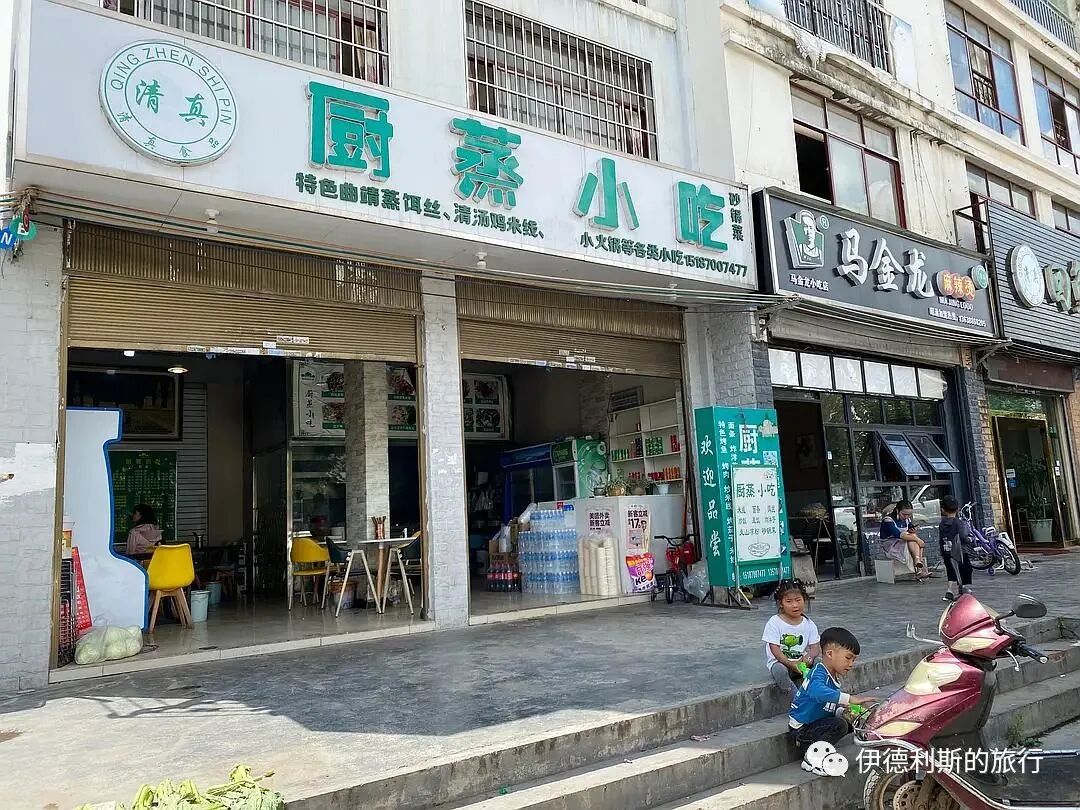
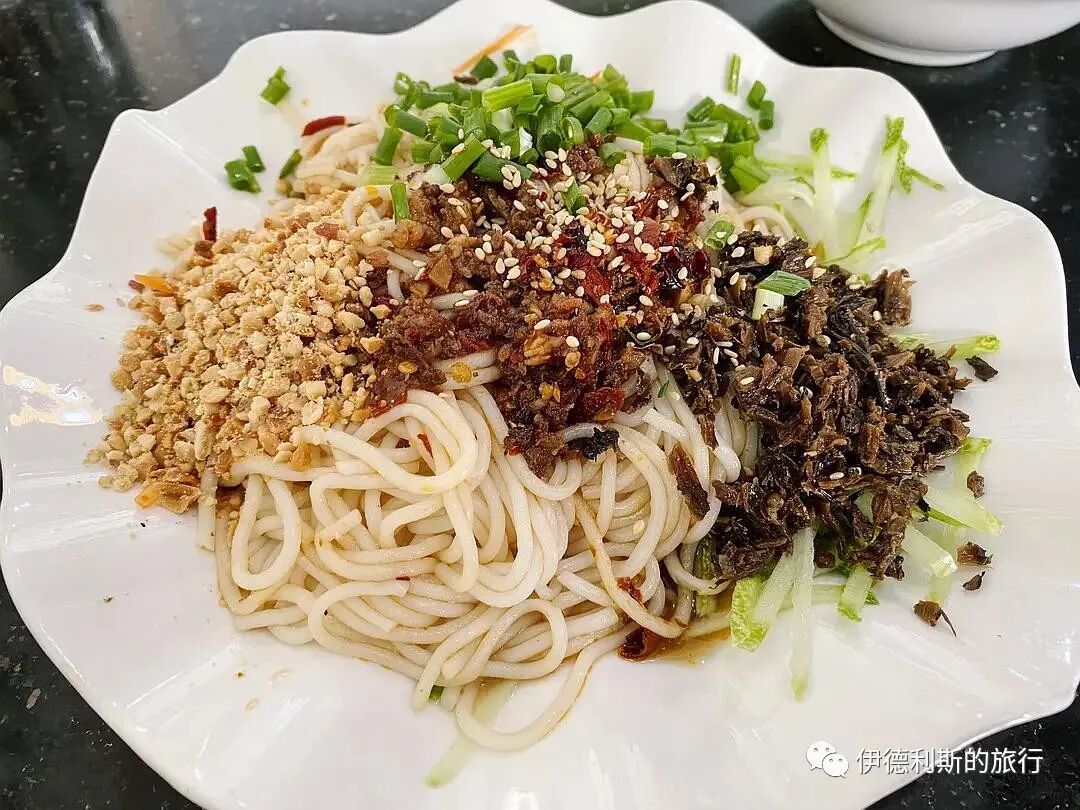
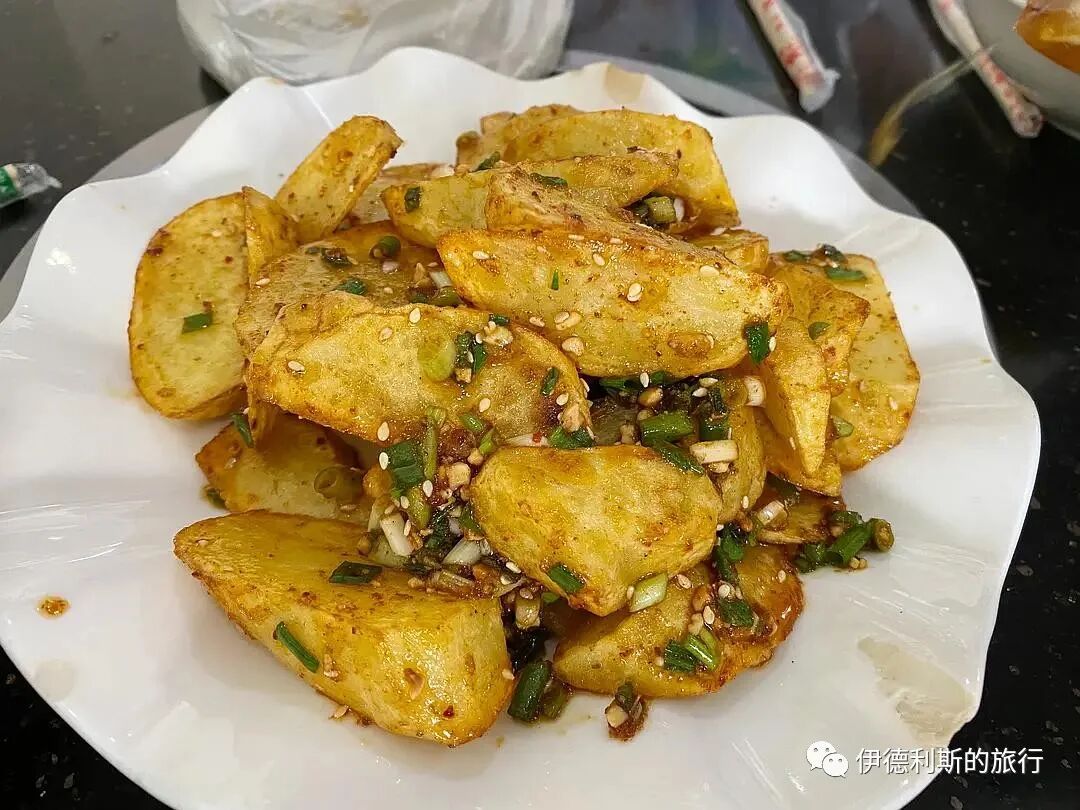
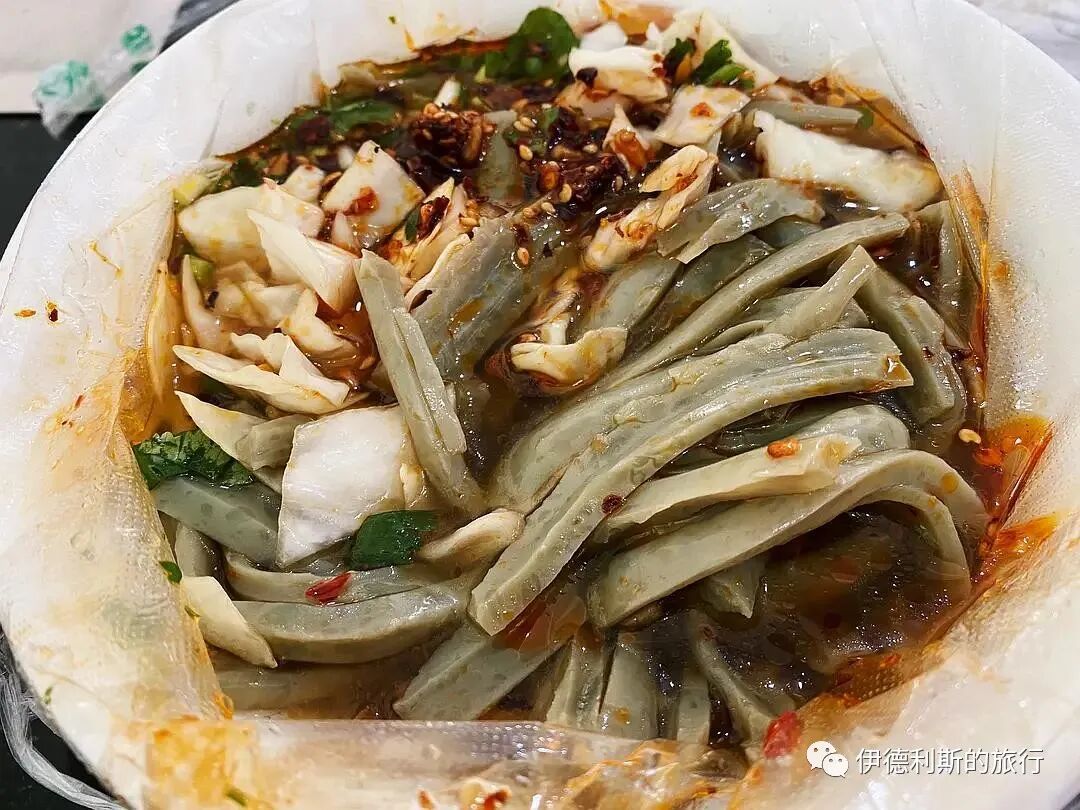
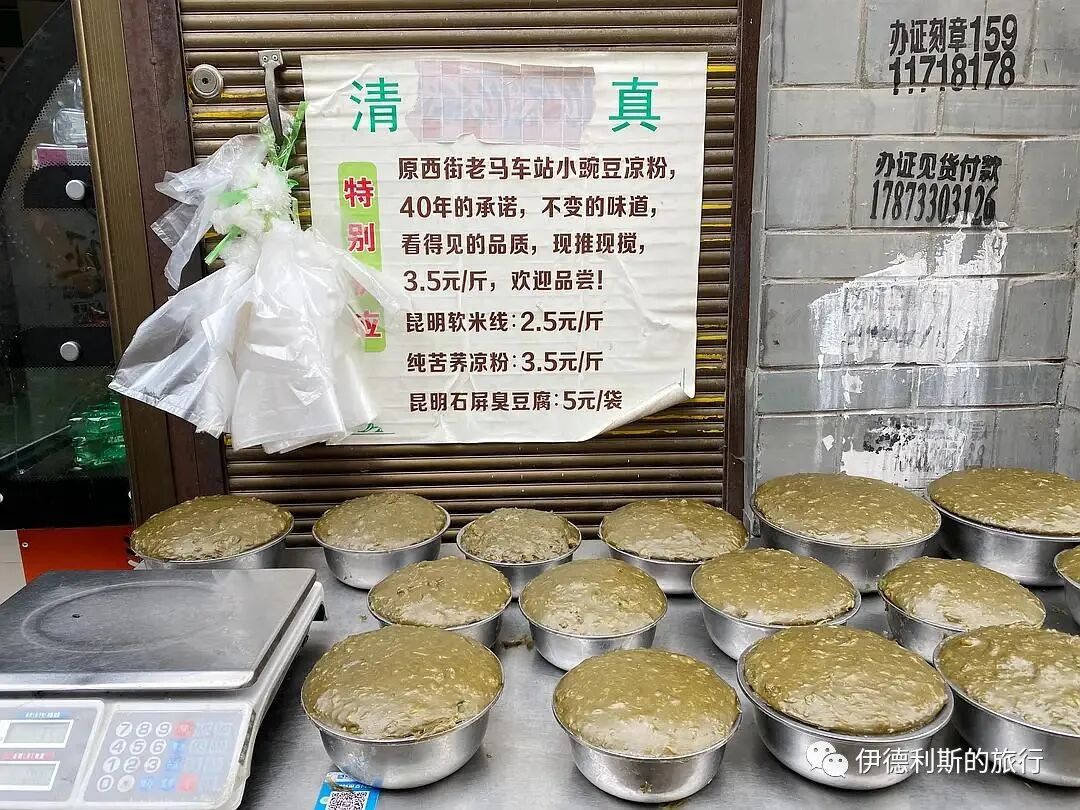
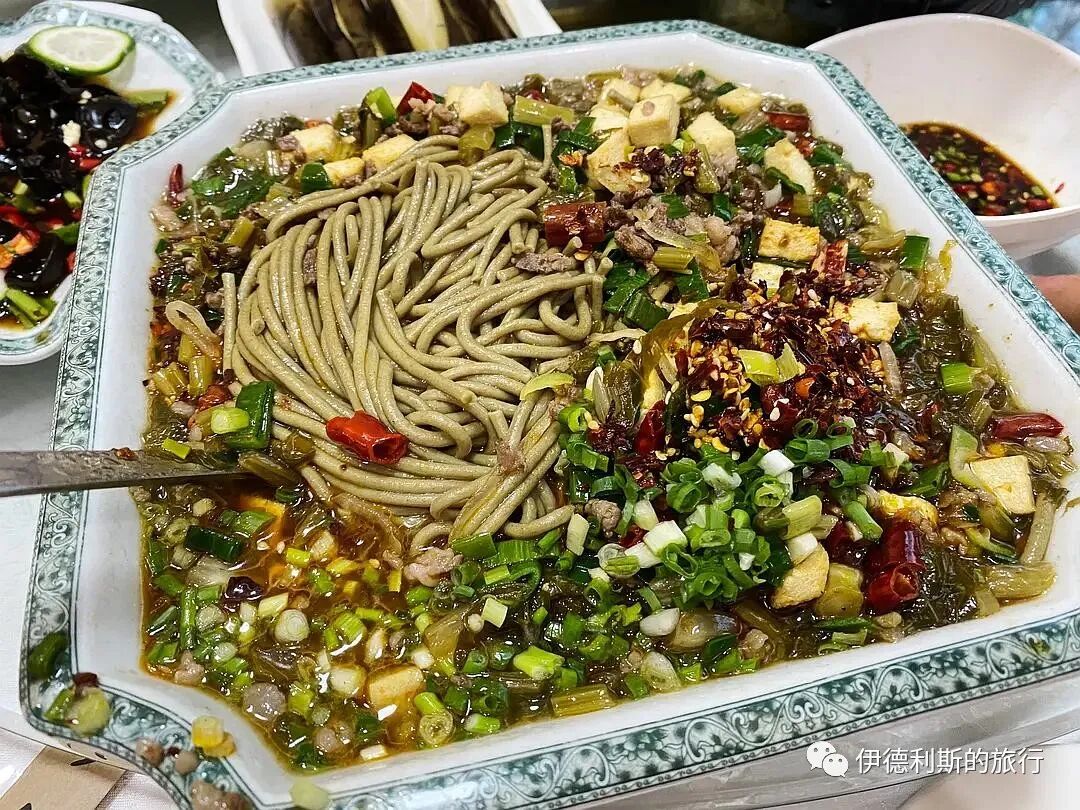
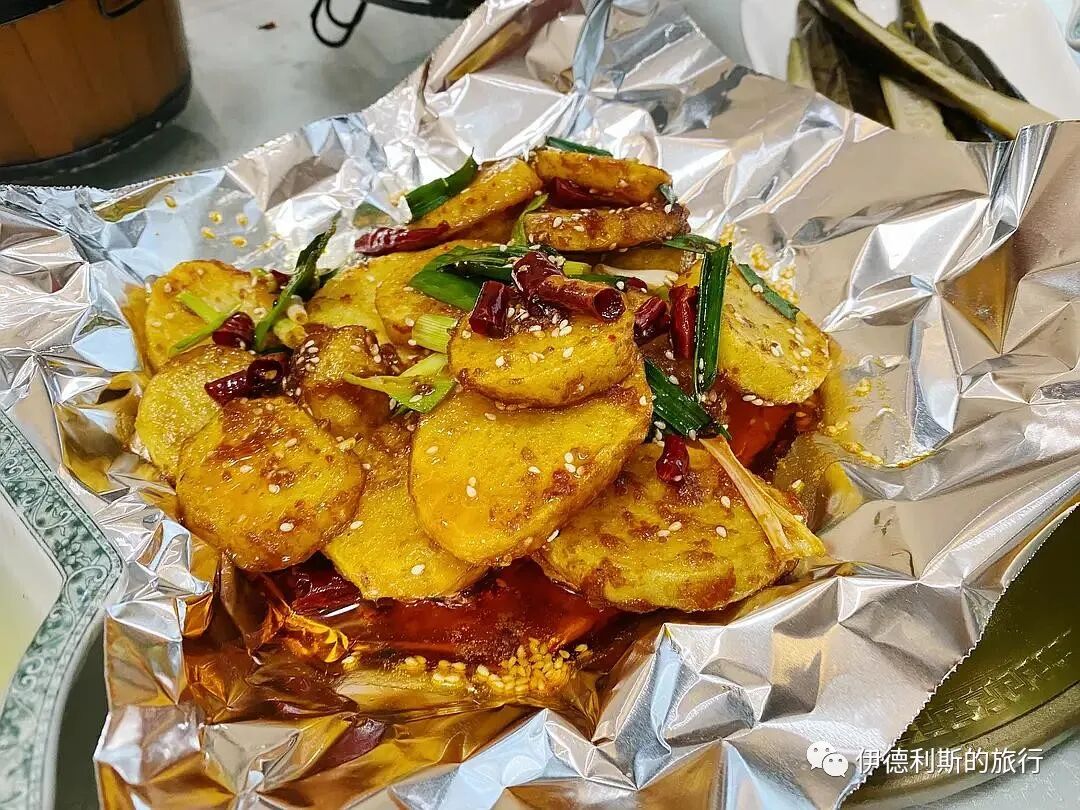
We flew from Kunming to Zhaotong at noon. In the afternoon, Sister Azi took us to eat snacks at the entrance of the Zhaotong Dongdasi (East Mosque). We ordered ran mixian (spicy stir-fried rice noodles) and zha yangyu (fried potatoes). Sister Azi also bought nuomi baba (glutinous rice cakes) and wandou liangfen (pea starch jelly) from a nearby shop. The snacks here feel different from those in Kunming.
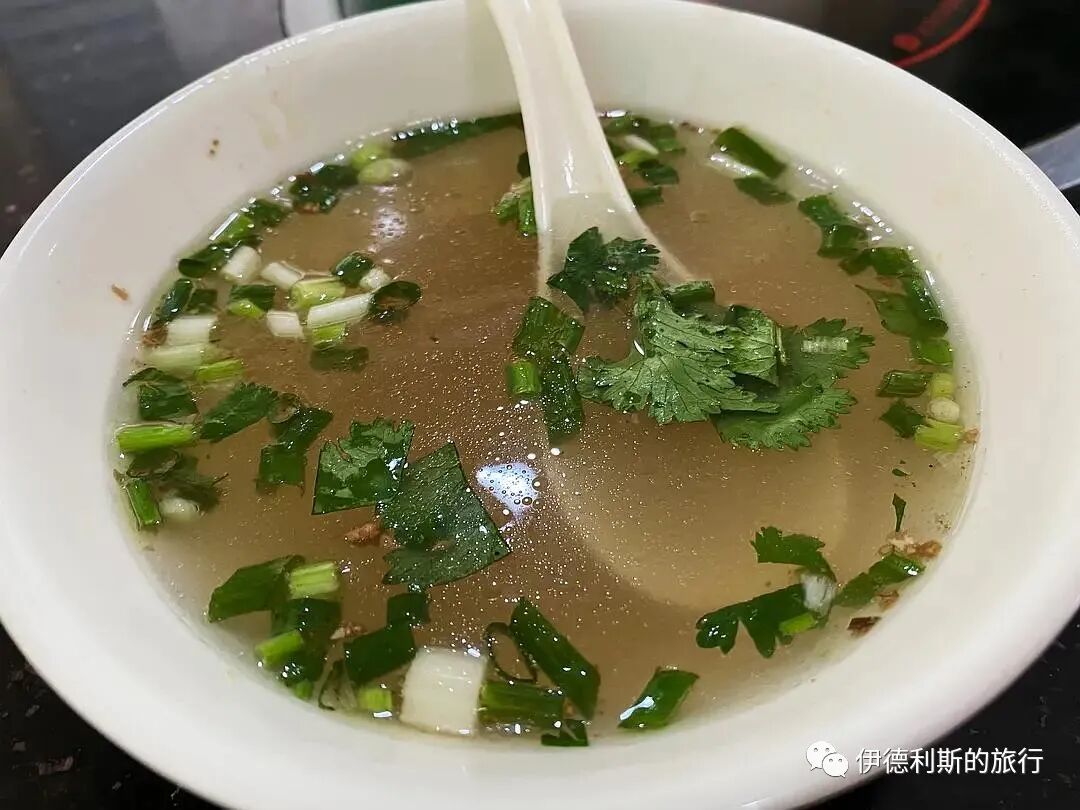
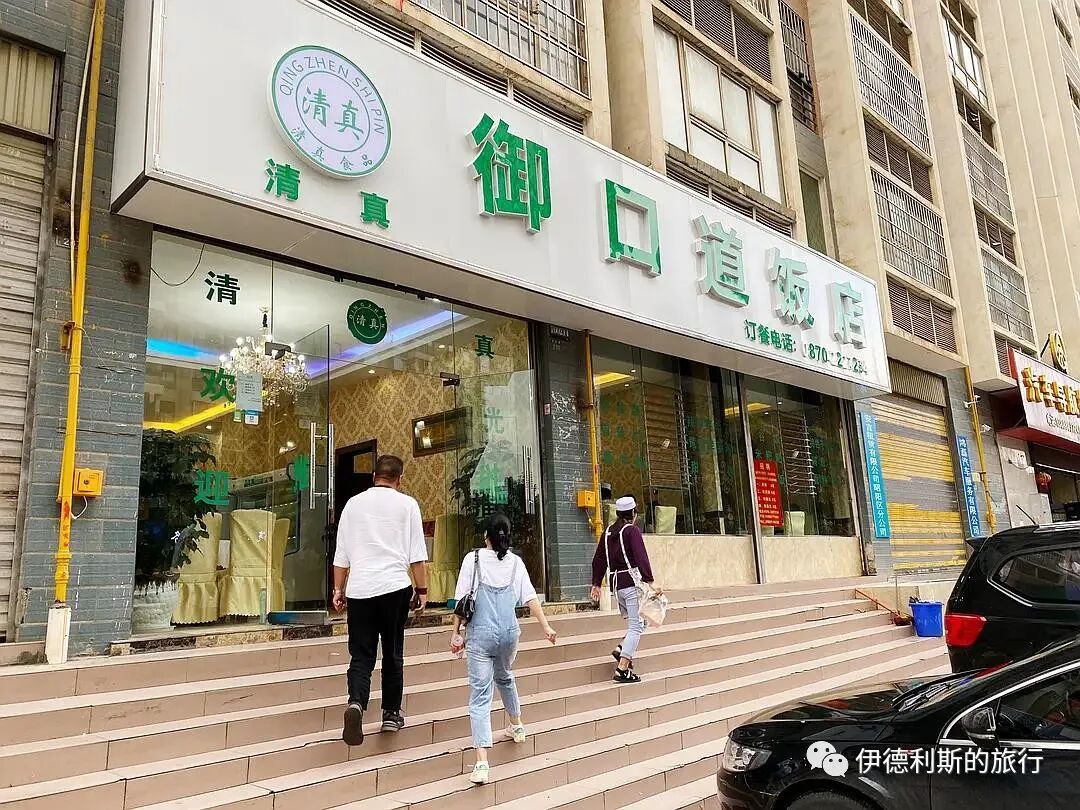
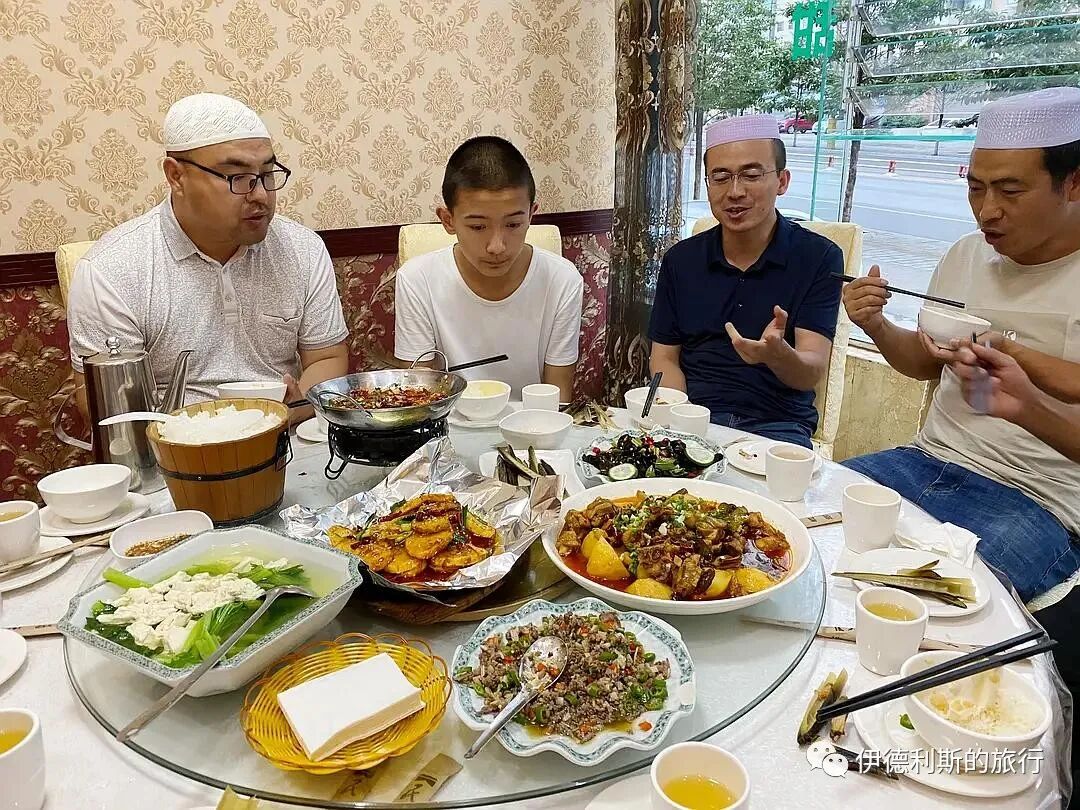
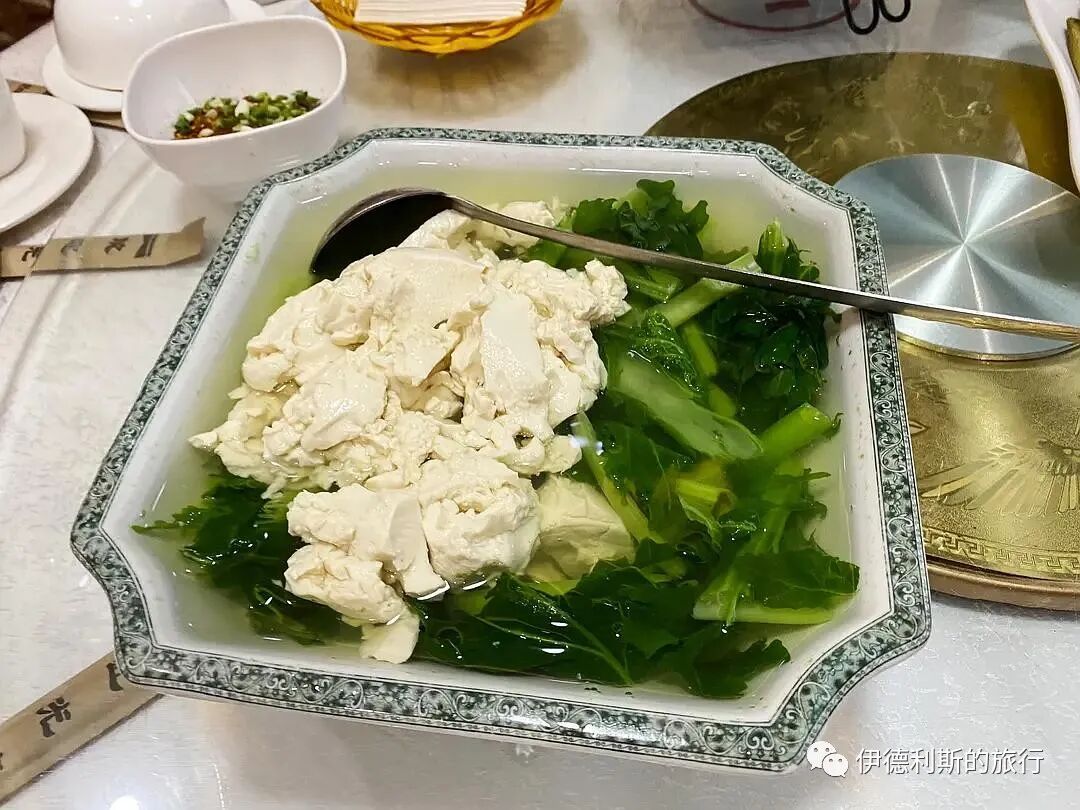
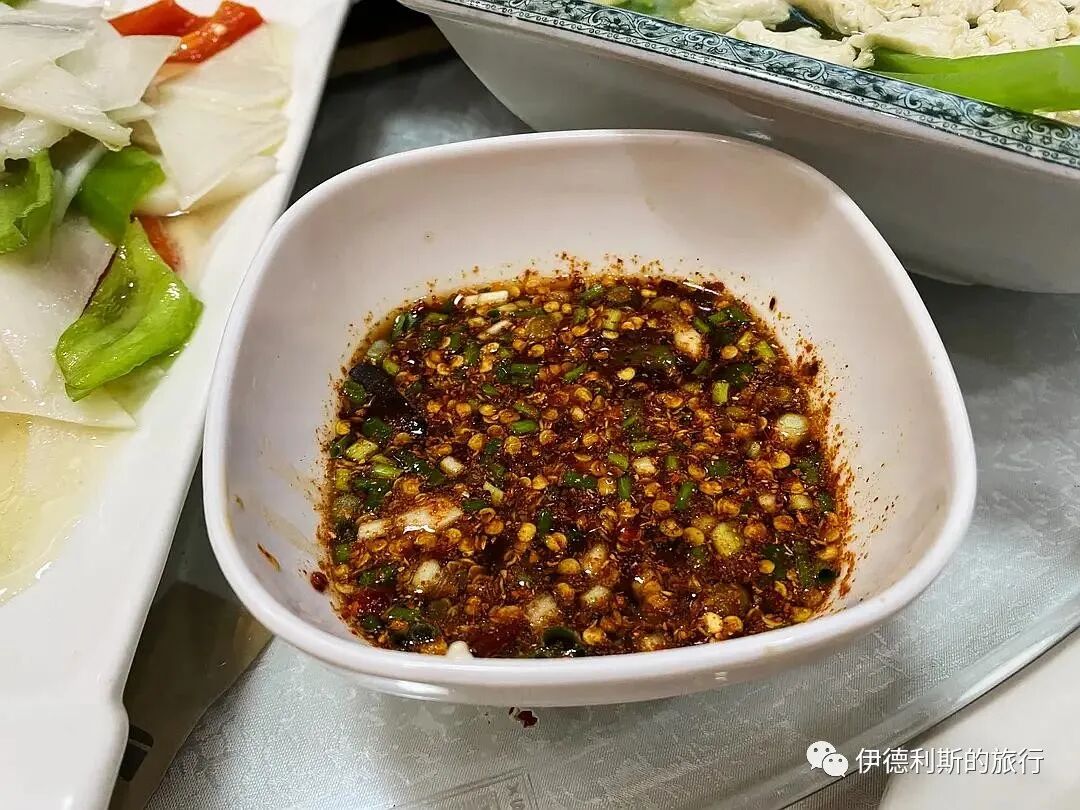
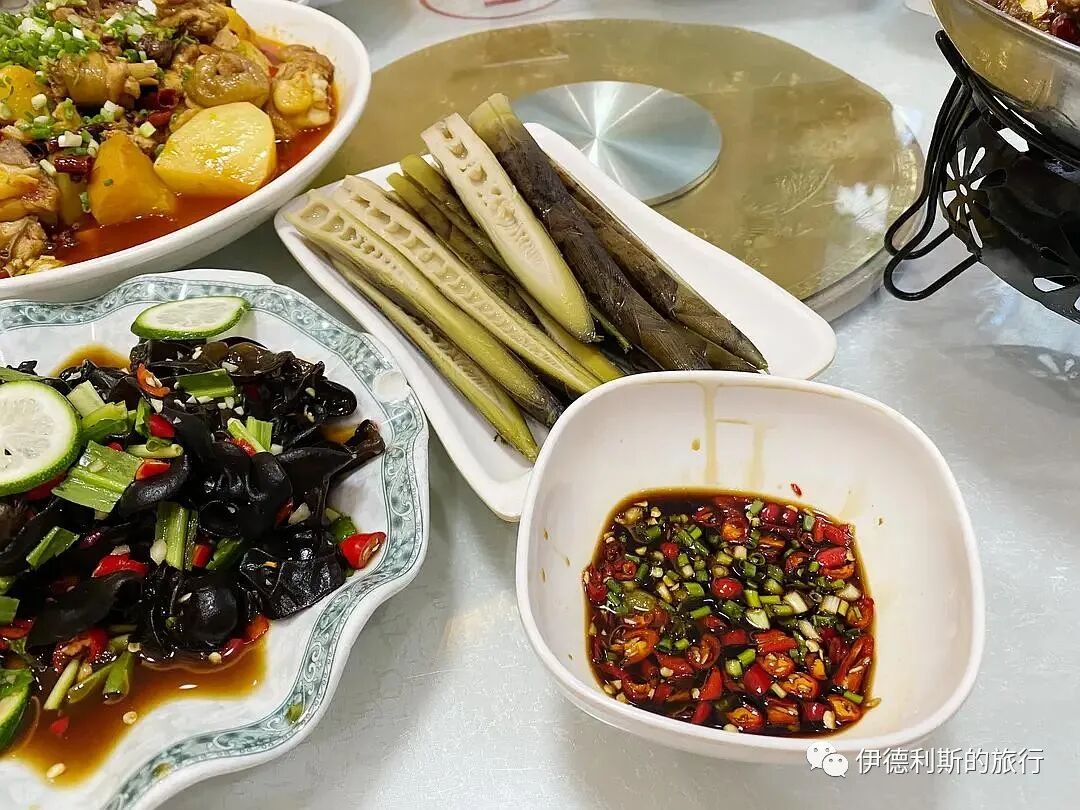
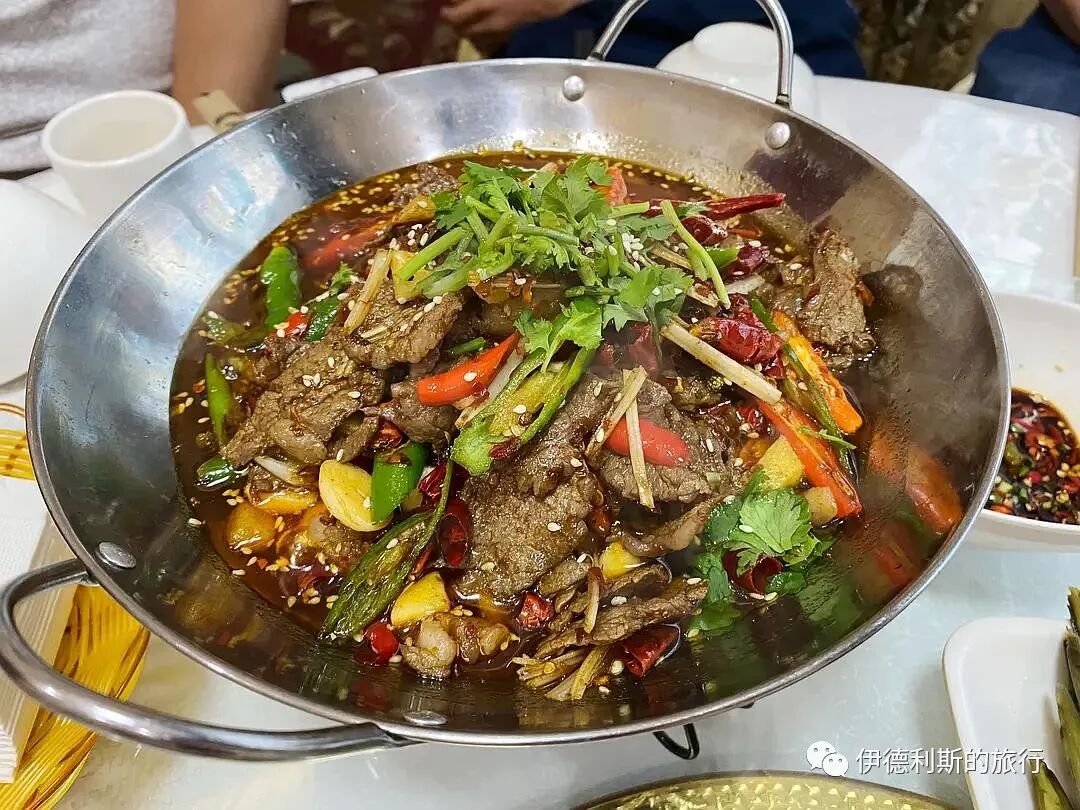
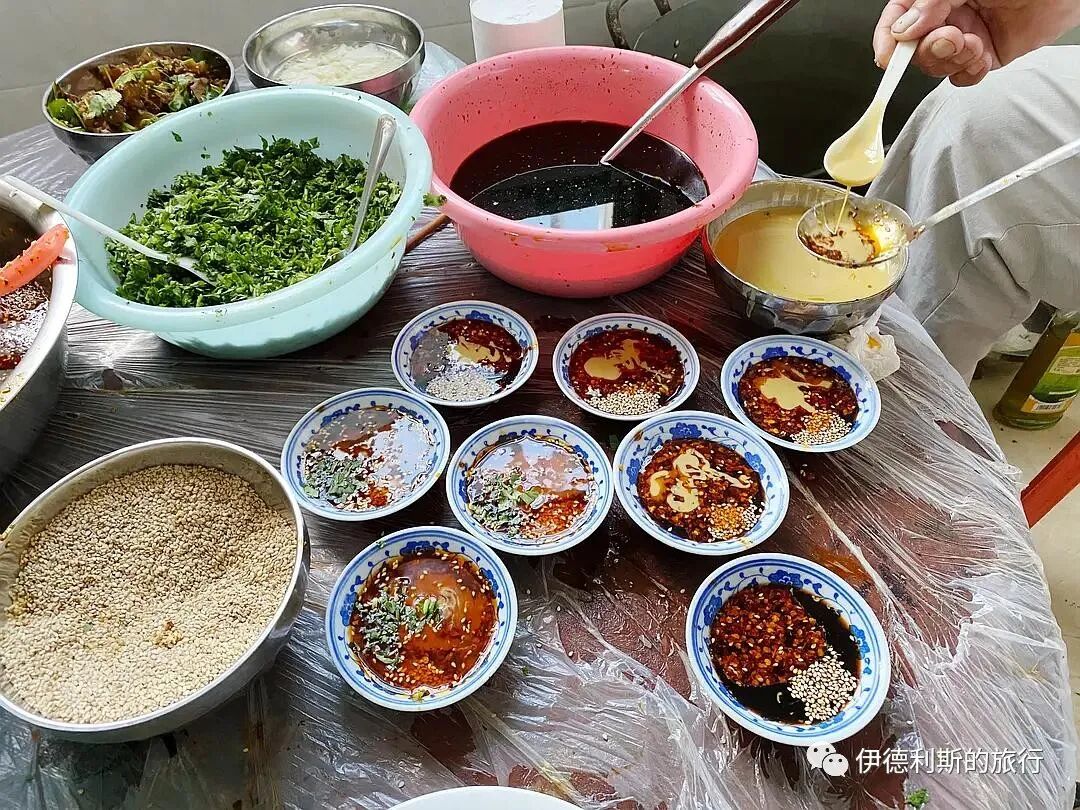
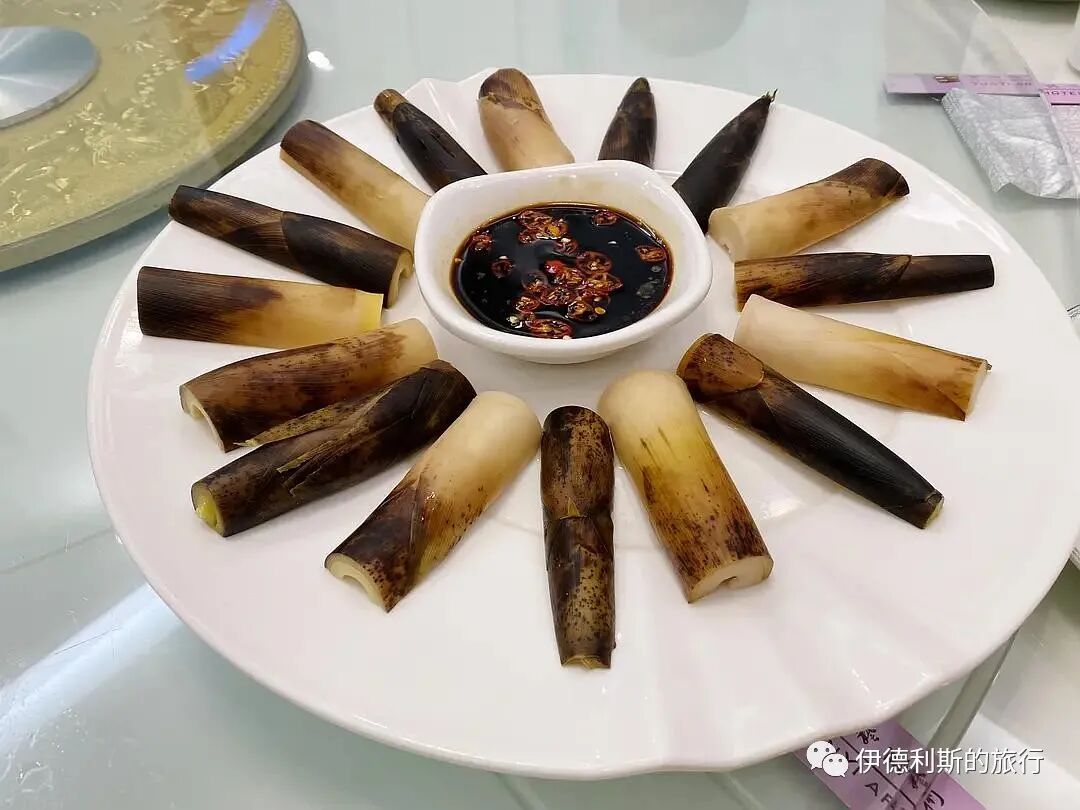
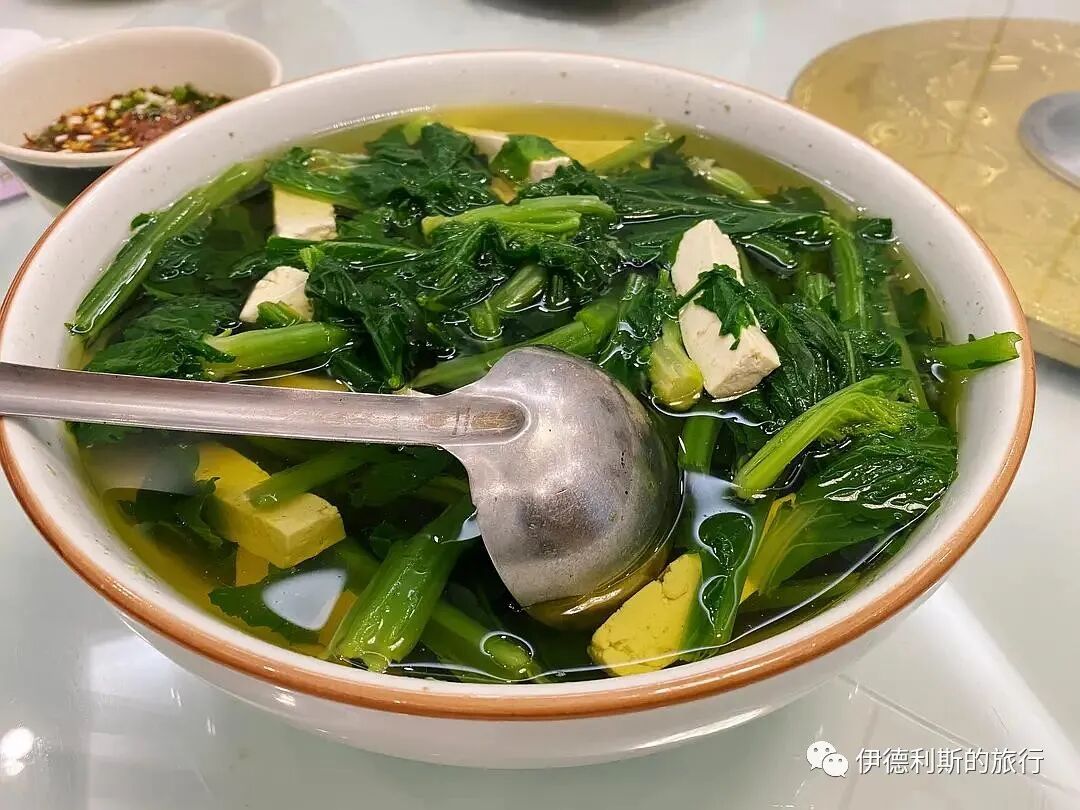
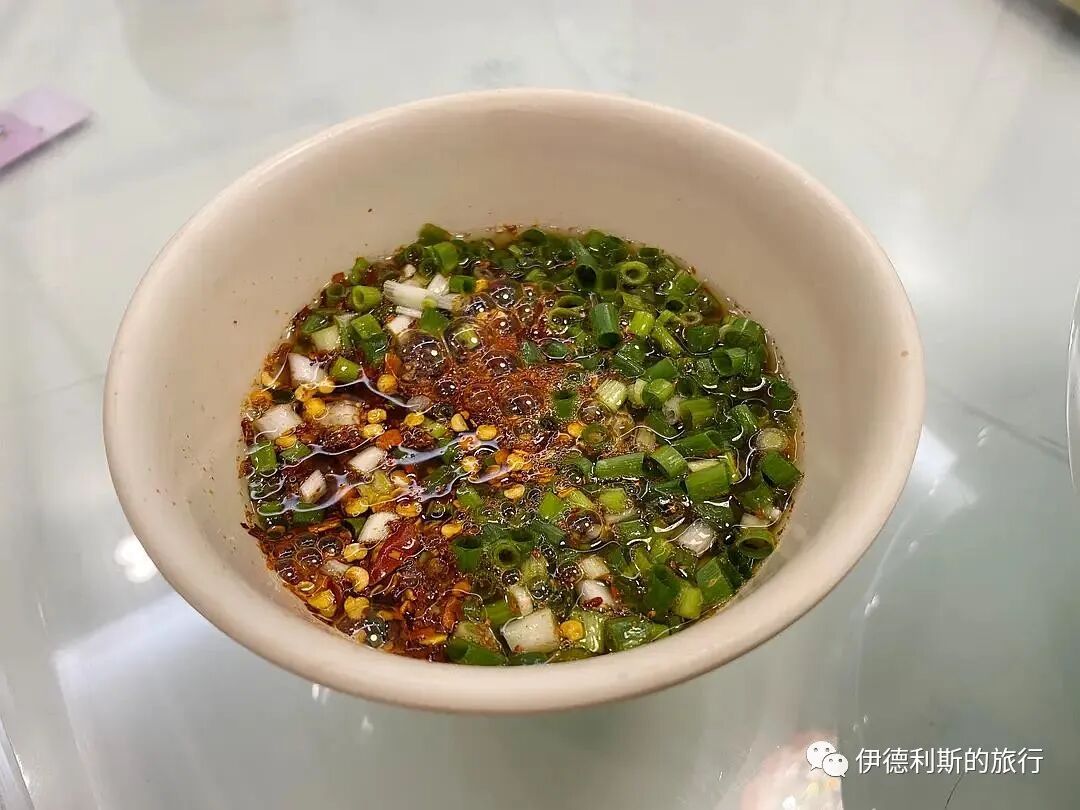
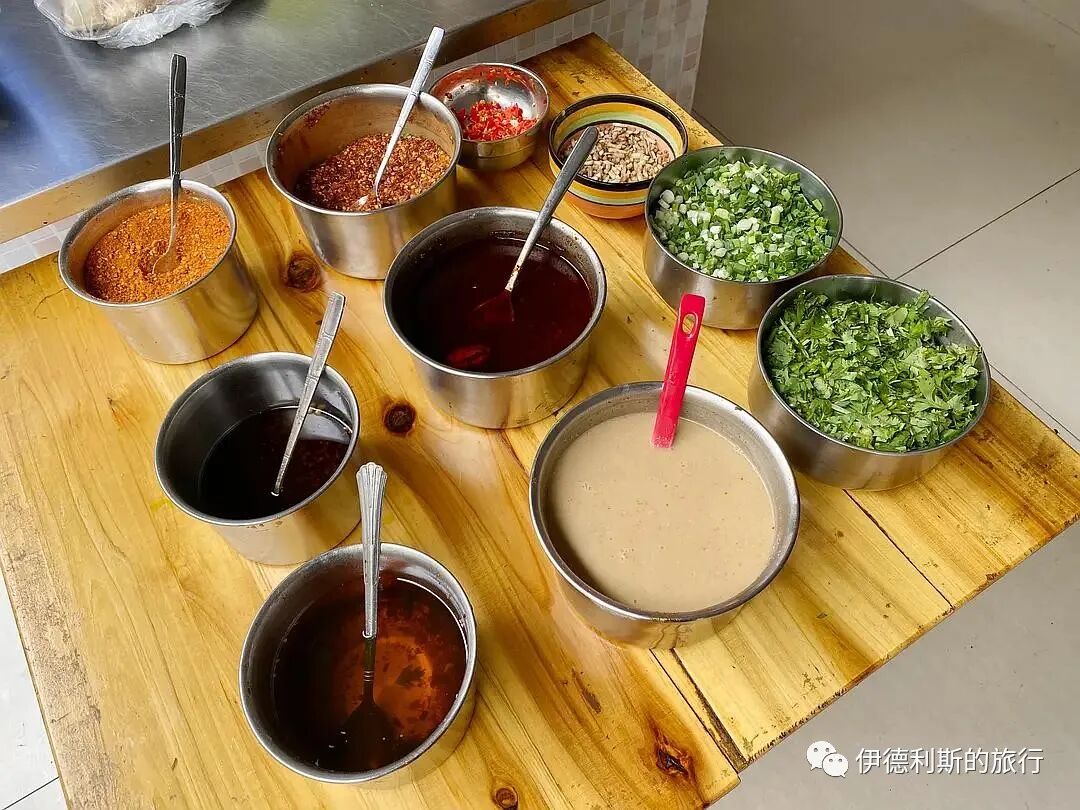
In the evening, Brother Chen took us to the Yukoudao Restaurant opposite the Zhaotong Nancheng Dasi (South City Mosque) to eat with several teachers from the Islamic Institute. Their restaurant is one of the few halal restaurants in Zhaotong that does not sell alcohol. On the dining table, there were both dry dipping sauces and wet dipping sauces. The wet dipping sauce is for dipping sweet bamboo shoots, and the dry dipping sauce is for dipping dancai (a local vegetable dish), which requires using the dancai broth to thin out the sauce. Brother Chen said he could go without meat for a few days, but if he doesn't eat dancai for a few days, he feels like something is missing.
August 10th
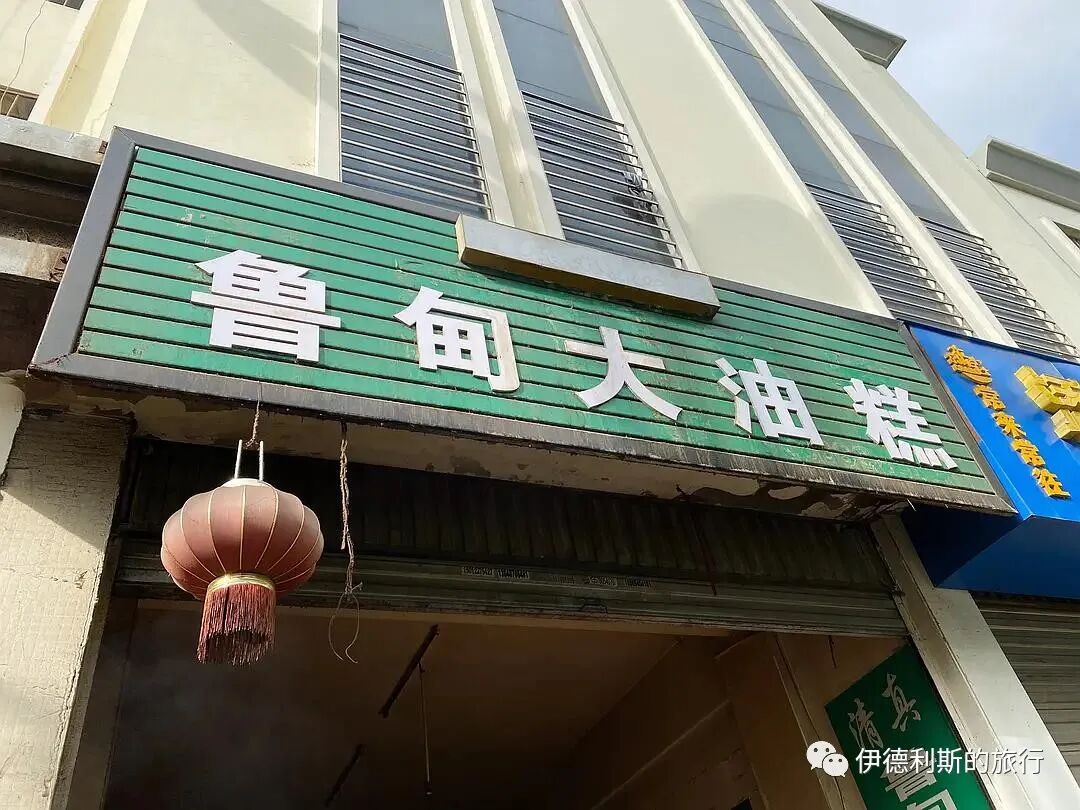
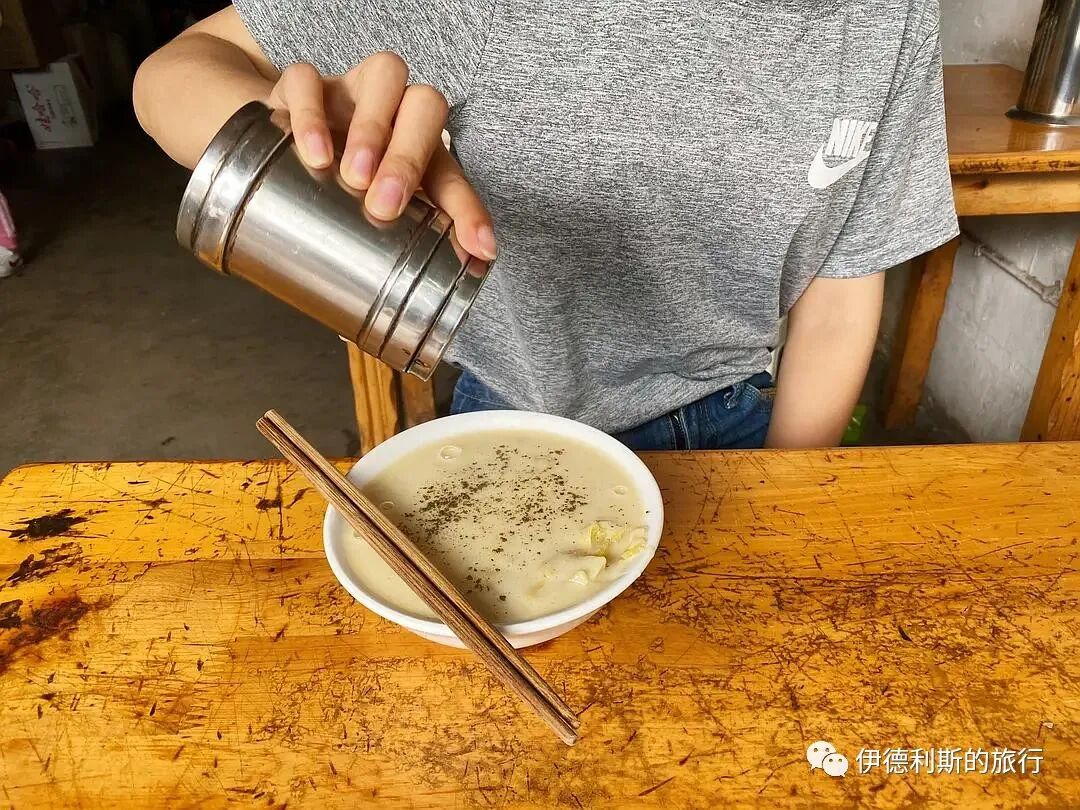
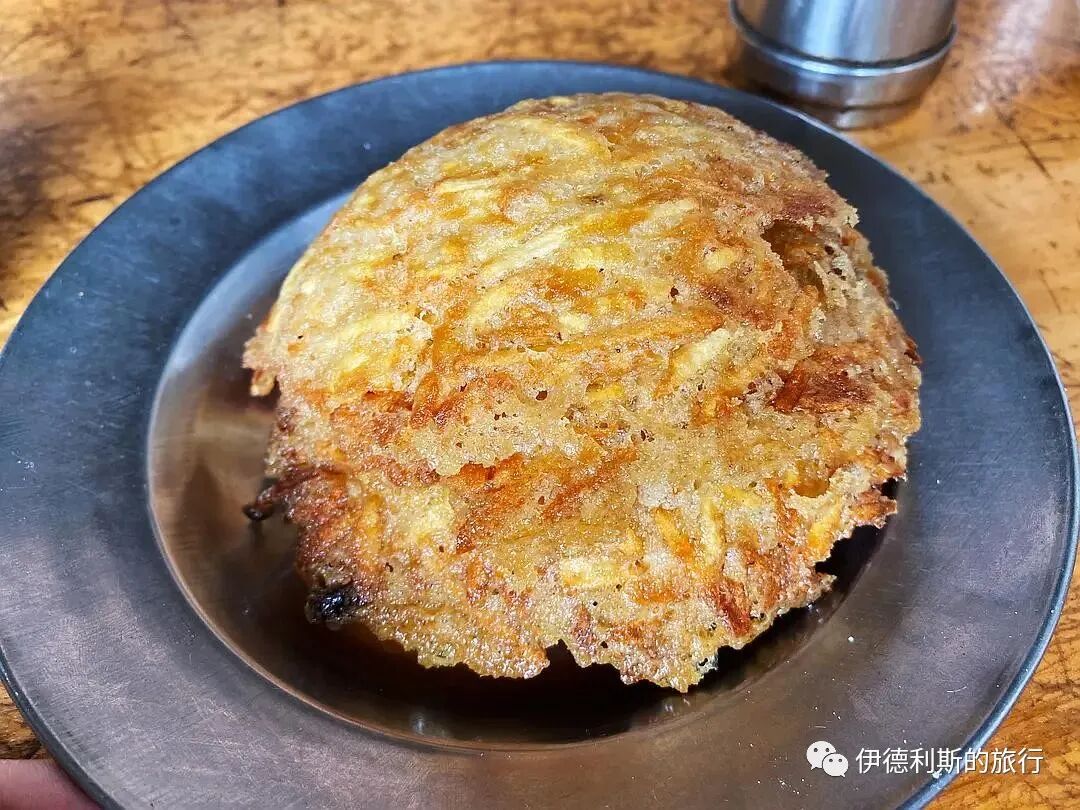
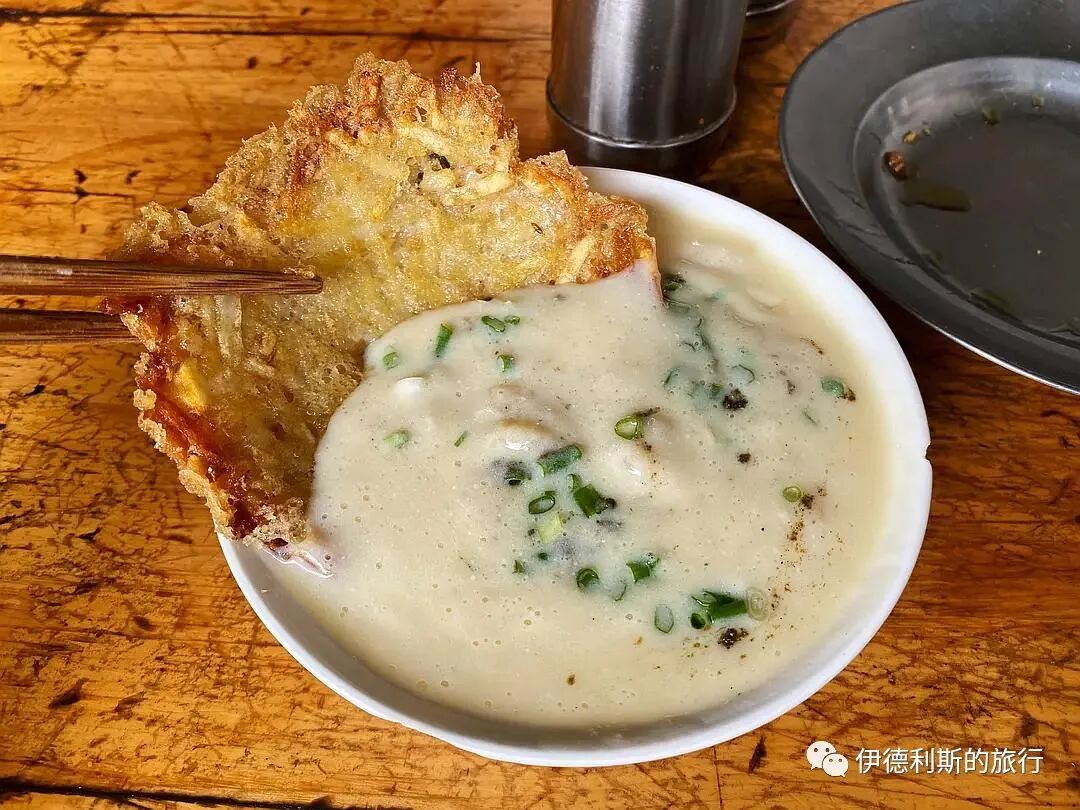
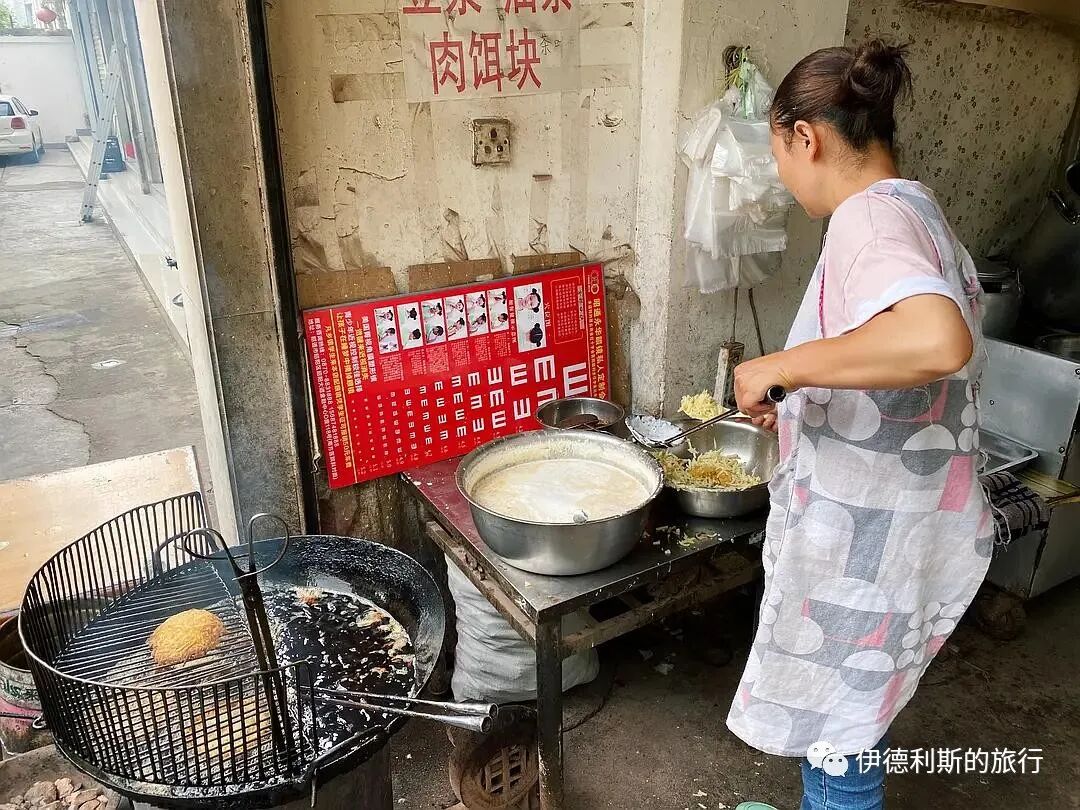
Early in the morning, we ate yangyu yougao (potato oil cakes) with xi doufen (thick pea porridge) on Tuanjie Road in Zhaotong. Sister Azi taught us to sprinkle Sichuan peppercorn powder on the xi doufen and then soak the yougao in it. After eating, I felt full of energy.
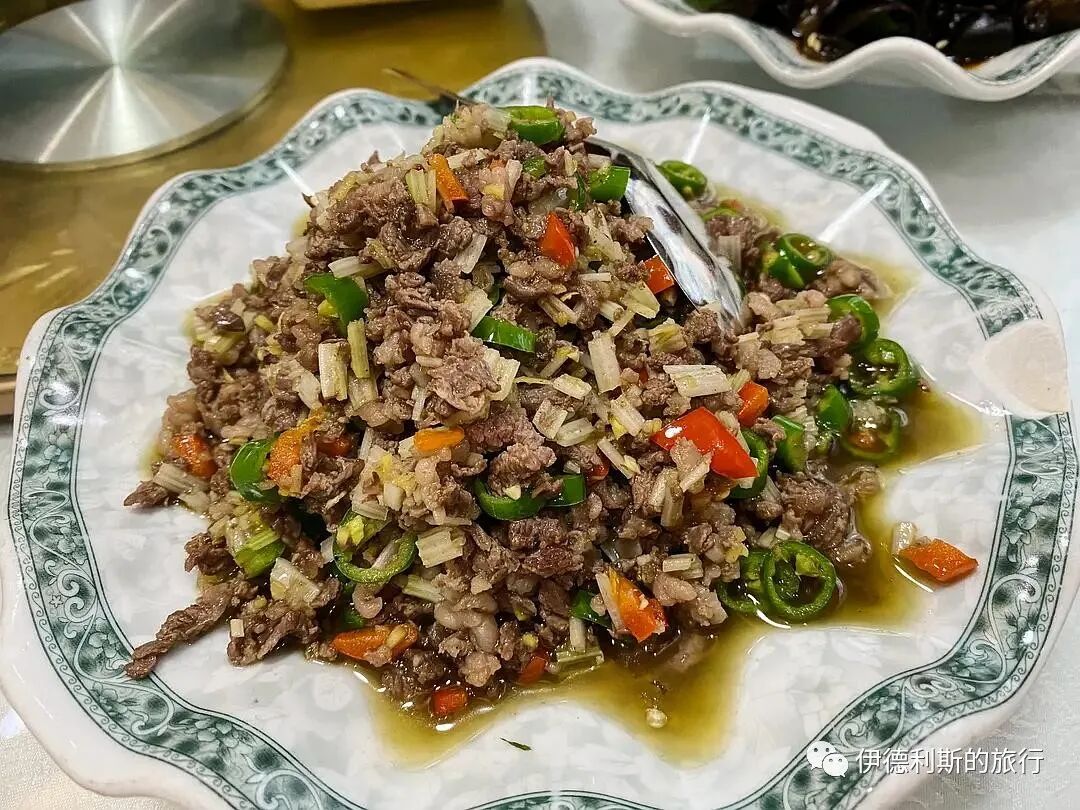
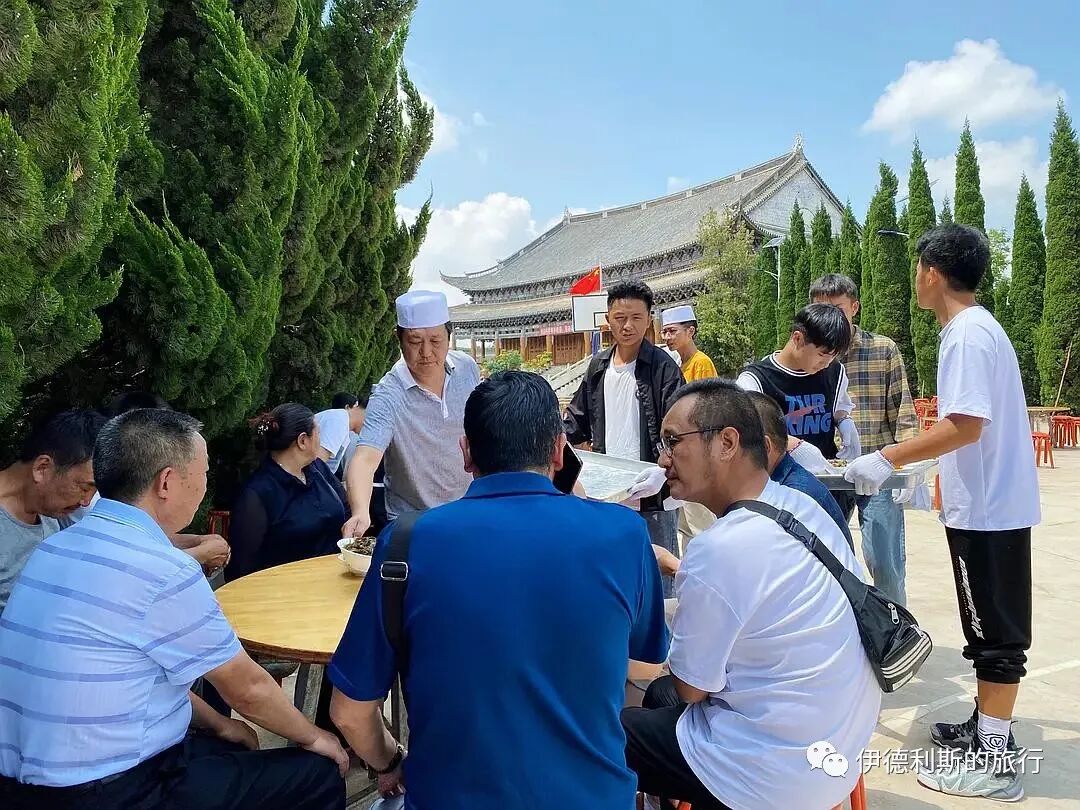
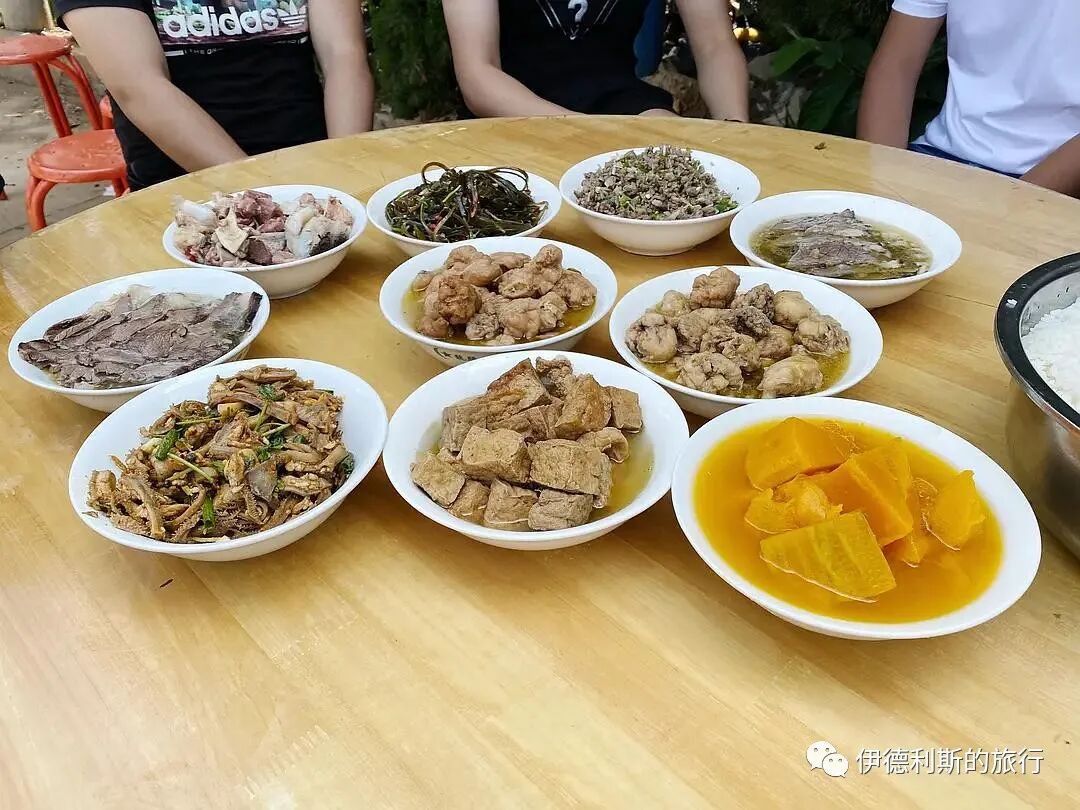
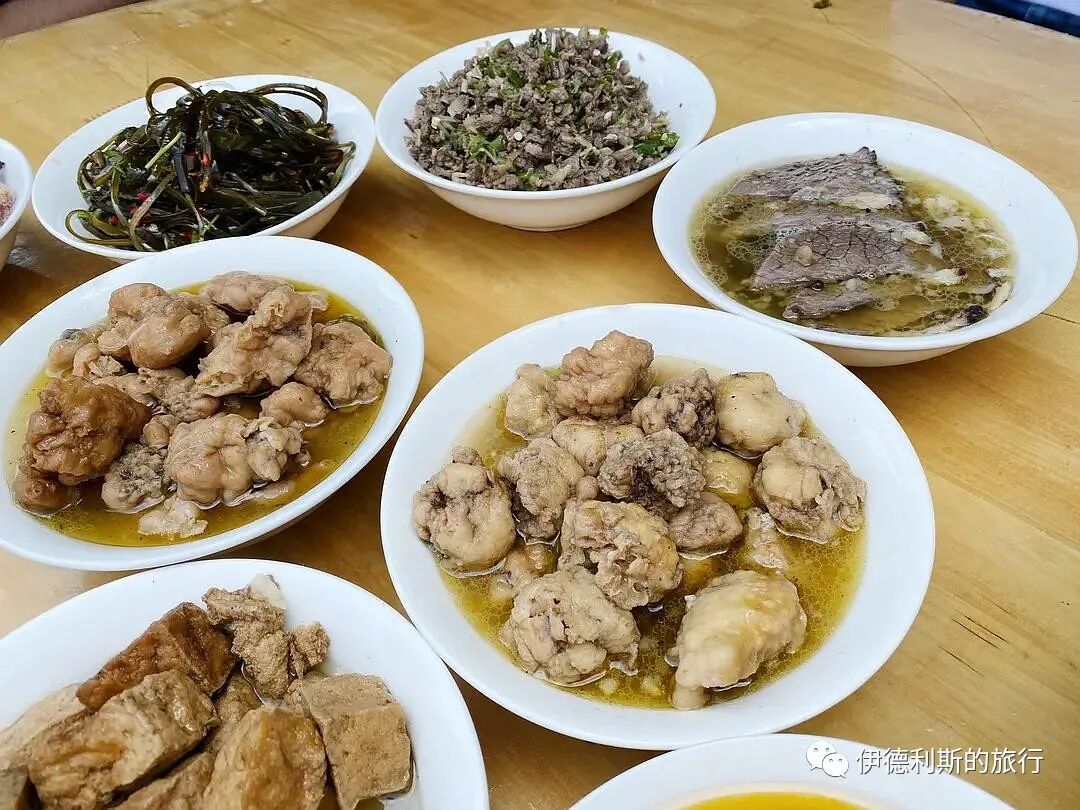
We set off from Zhaotong to Ludian to begin visiting traditional mosques. At noon, we arrived at the Longtoushan Mosque just in time for a funeral, and we were invited to the communal meal. I really love eating at these communal meals, especially the surou (crispy stir-fried meat/beef), it is so fragrant!
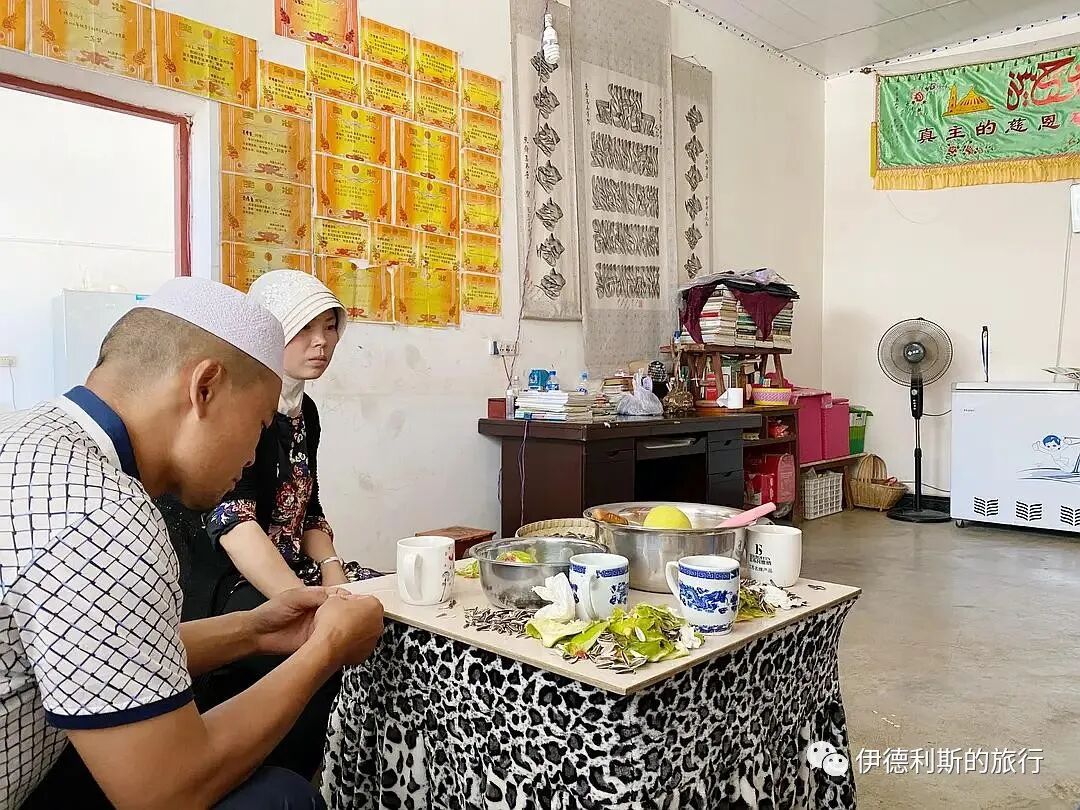
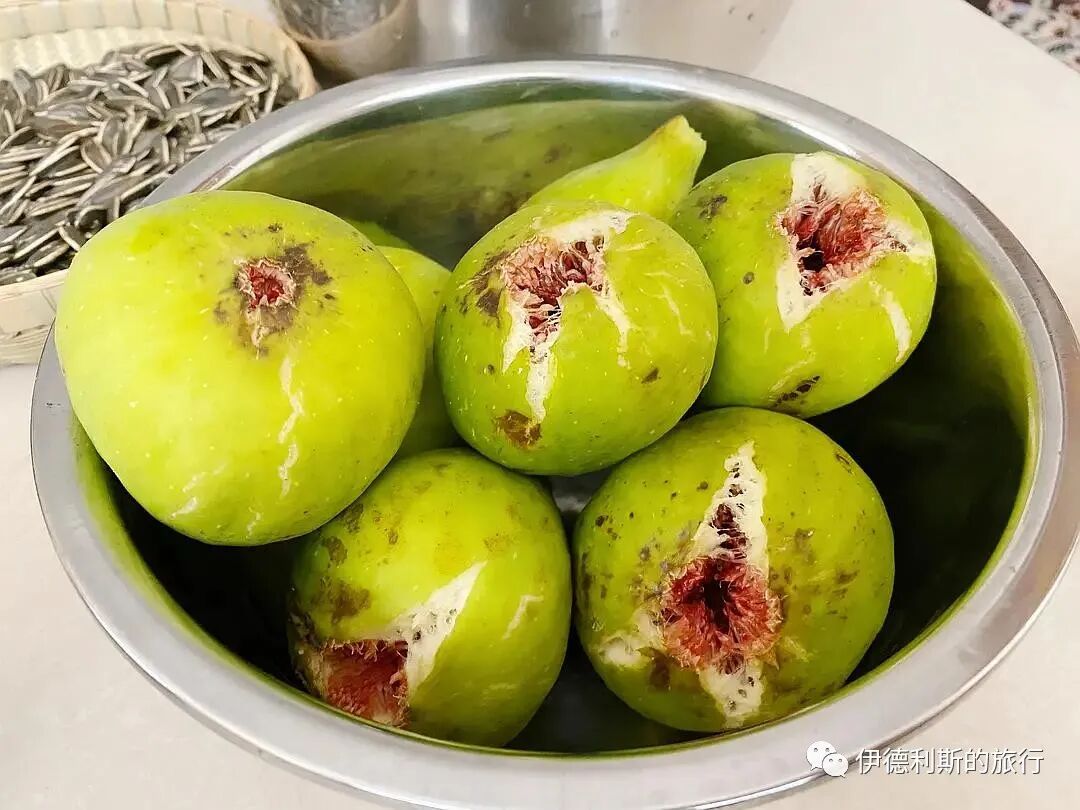
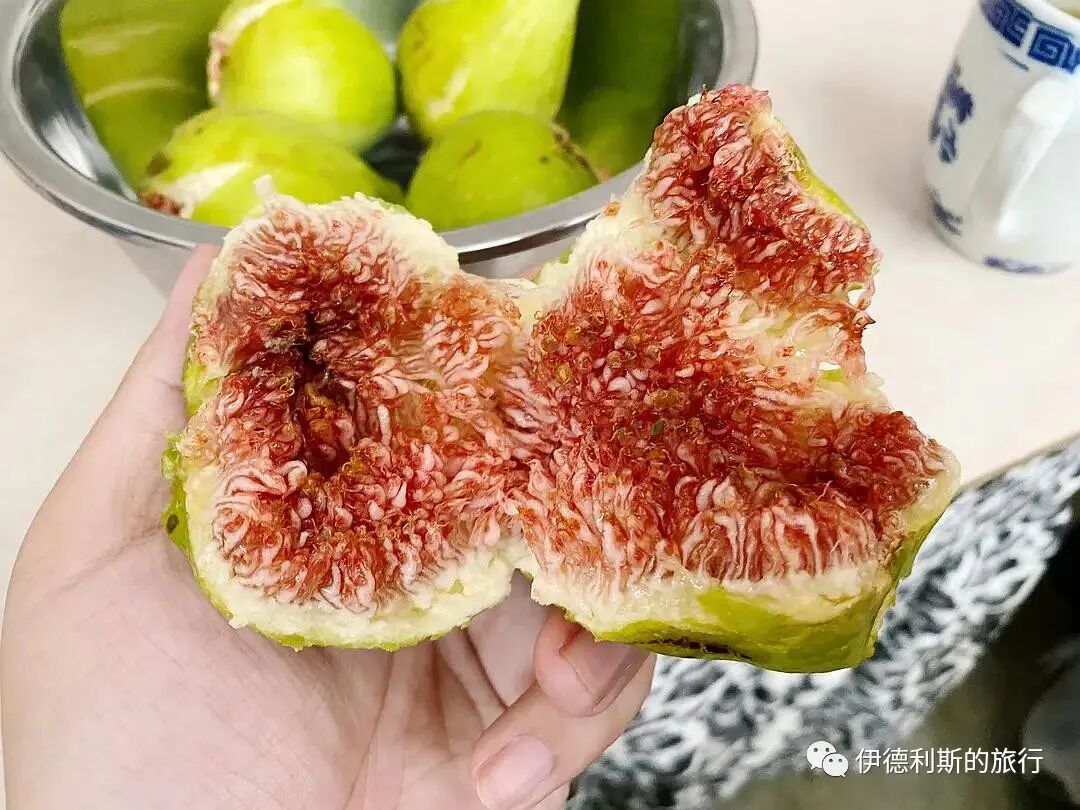
After eating at the Longtoushan Mosque, we went to visit the Taojiawan Mosque. Sister Azi's uncle, Ma Xingjian, serves as the Imam there. Upon learning of our visit, Imam Ma specially picked fresh figs from the mountains for us to eat. They were particularly sweet and clear, different from the small black figs in Dali.
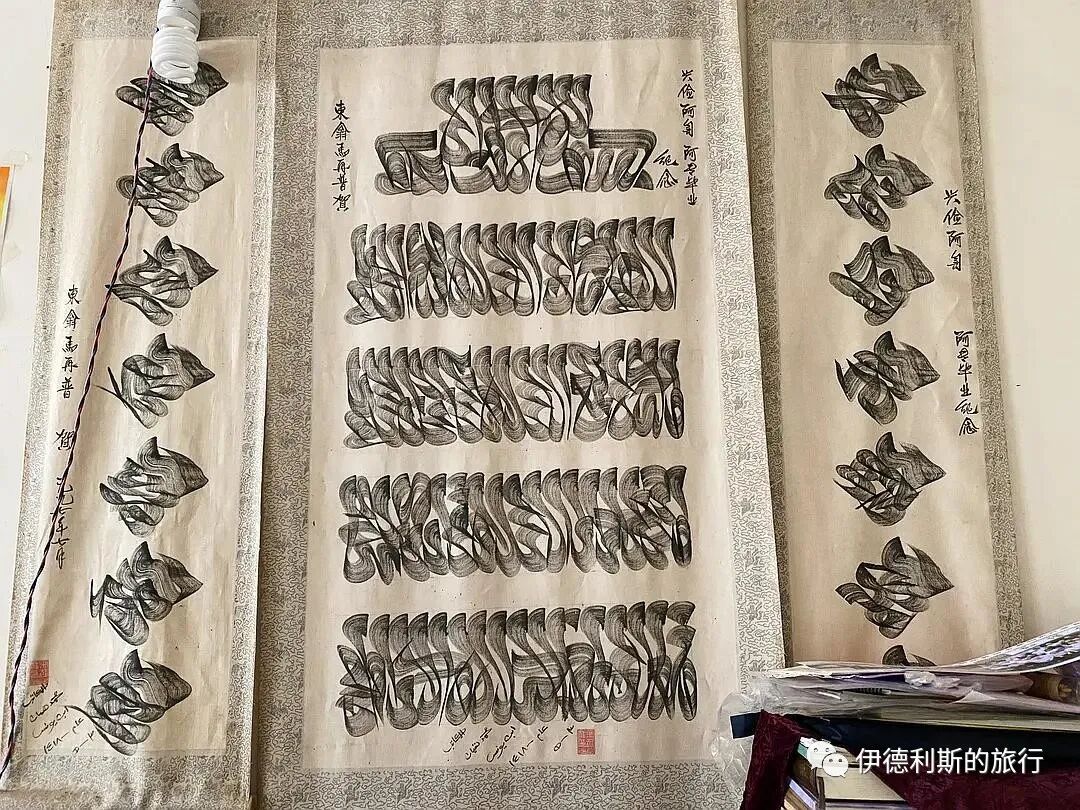
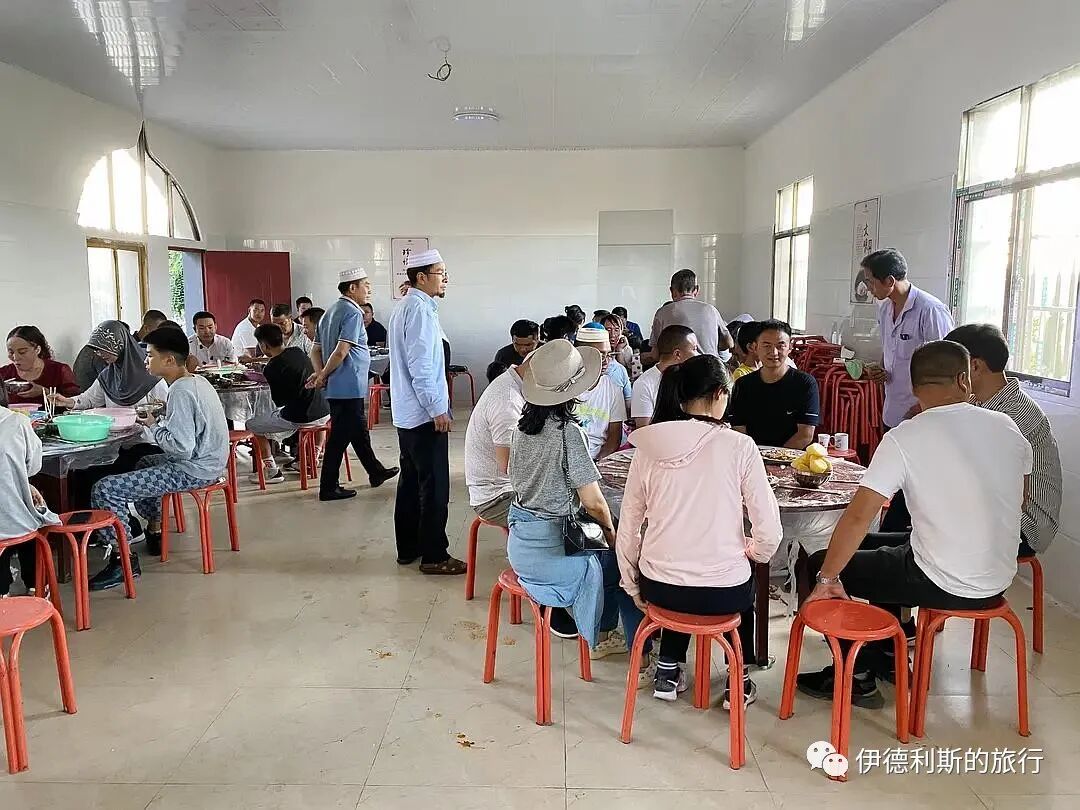
In the afternoon, we returned to Zhaotong from Ludian and went to the Baxian Qingzhen Dasi (Baxian Grand Mosque) for a communal meal to celebrate the resumption of educational activities at the mosque. In 1942, the Zhaoweilu Hui Muslim Joint Chongzhen Normal School was founded at the Baxian Grand Mosque. During the Republic of China era, it was another educational center for Muslims in the country, following the Chengda Normal School and the Shanghai Private Islamic Normal School.
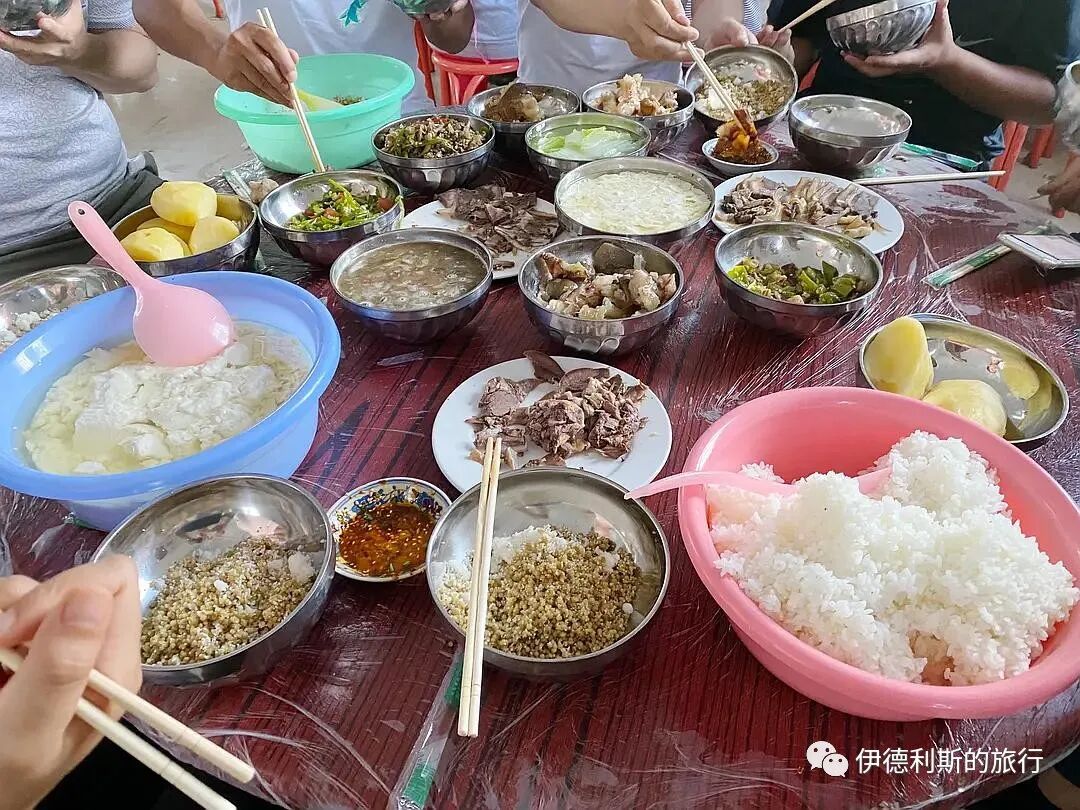
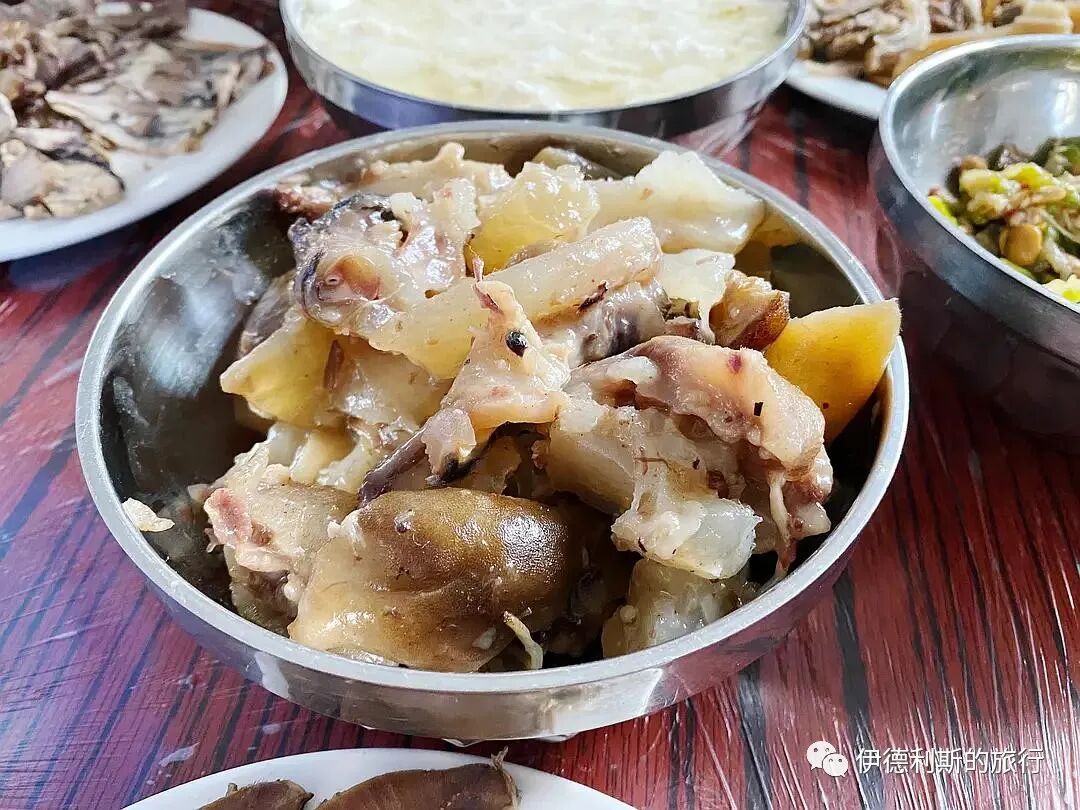
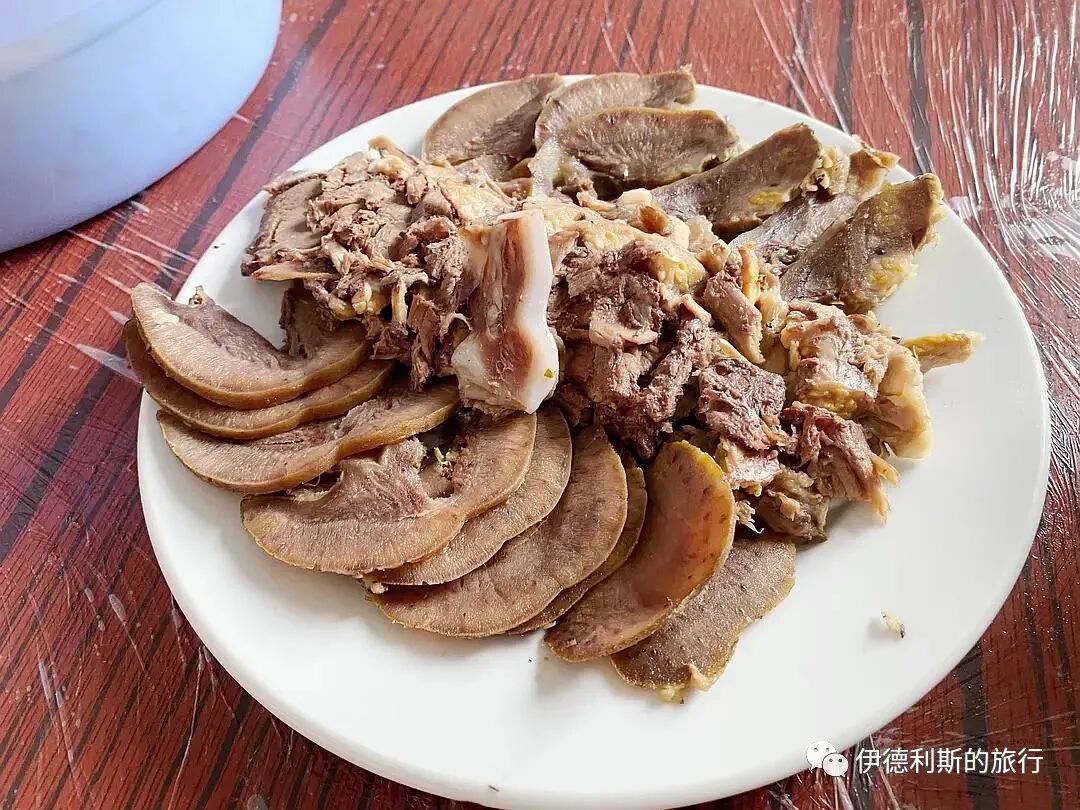
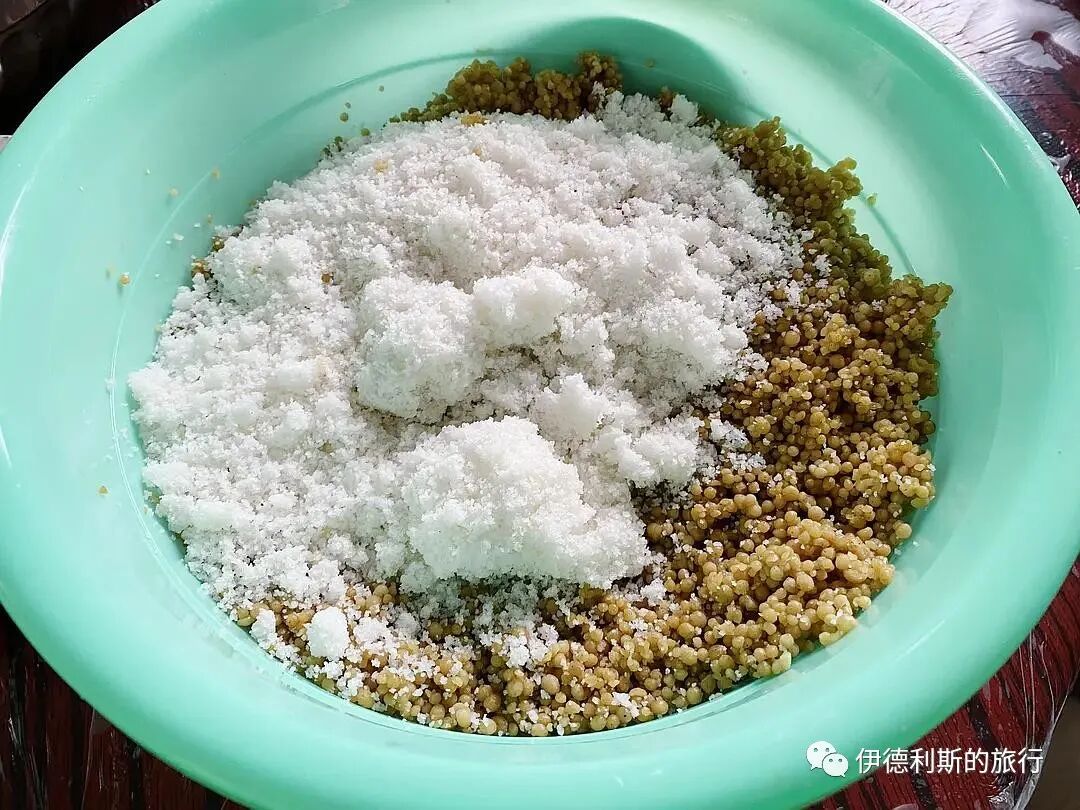
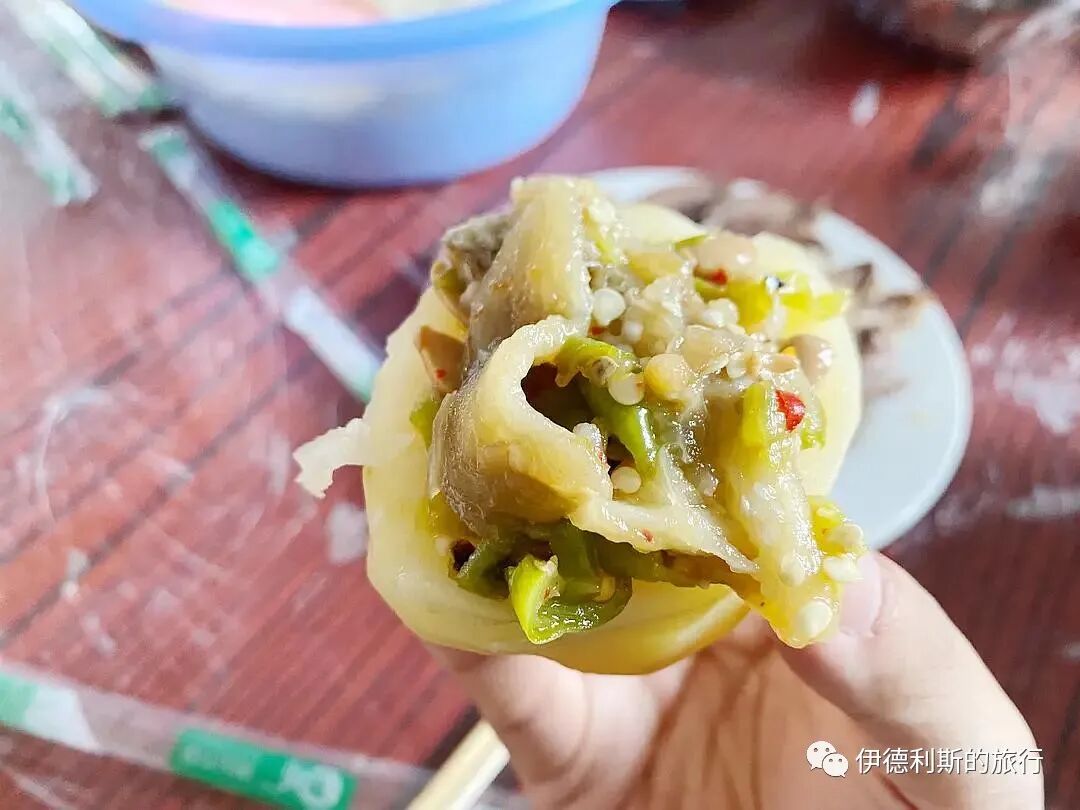
The main dishes at the meal were beef feet and beef tongue left over from Eid al-Adha. Among all places in Yunnan, Zhaotong celebrates Eid al-Adha the most lively and interestingly, but unfortunately, we missed it this year. In addition, we ate the specialty corn flour and buckwheat mixed rice and delicious douhua (soft tofu pudding).
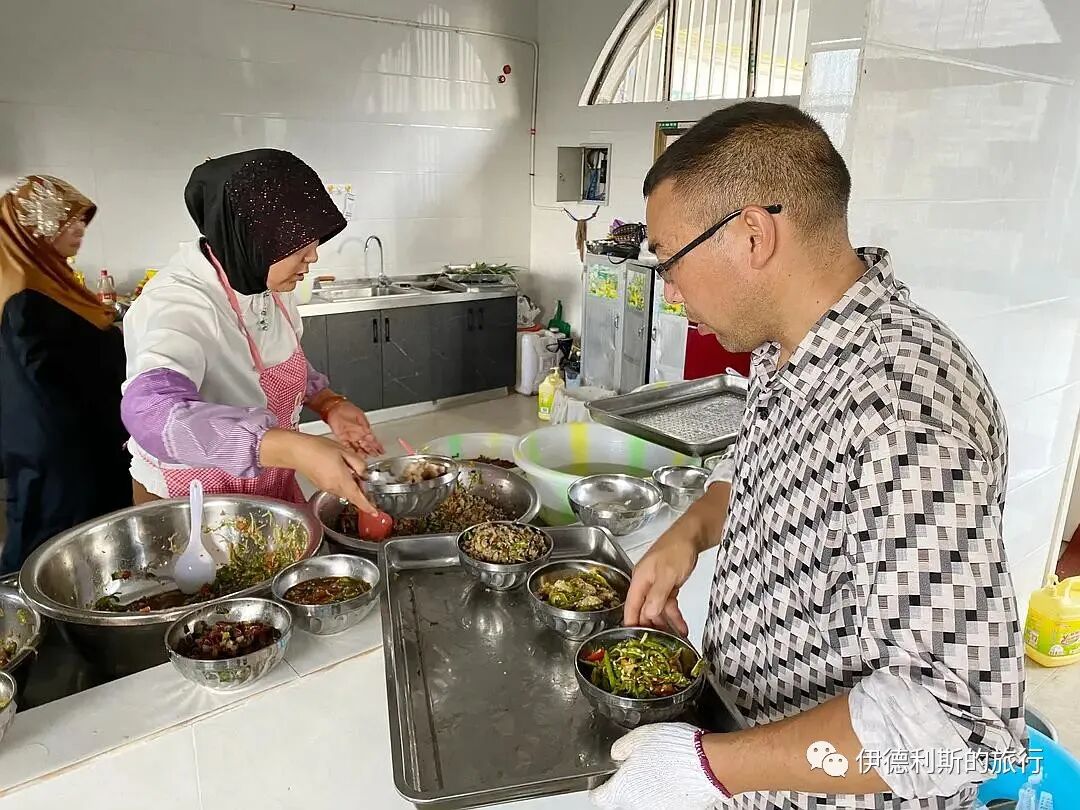
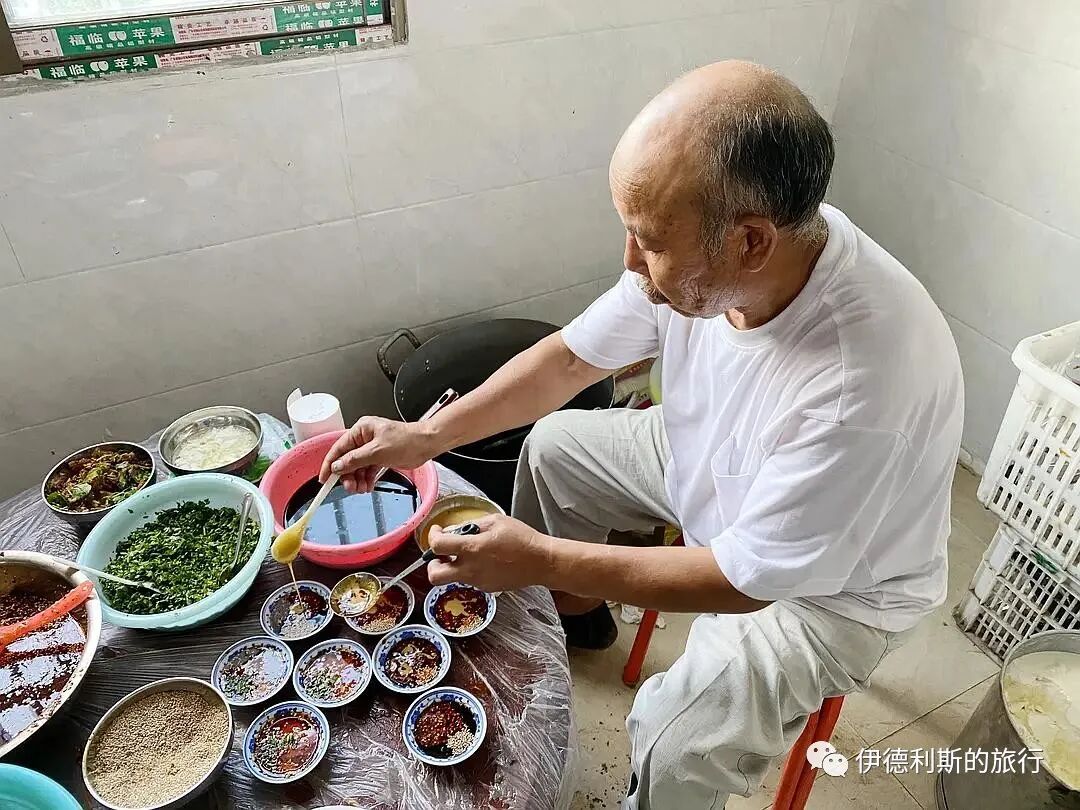
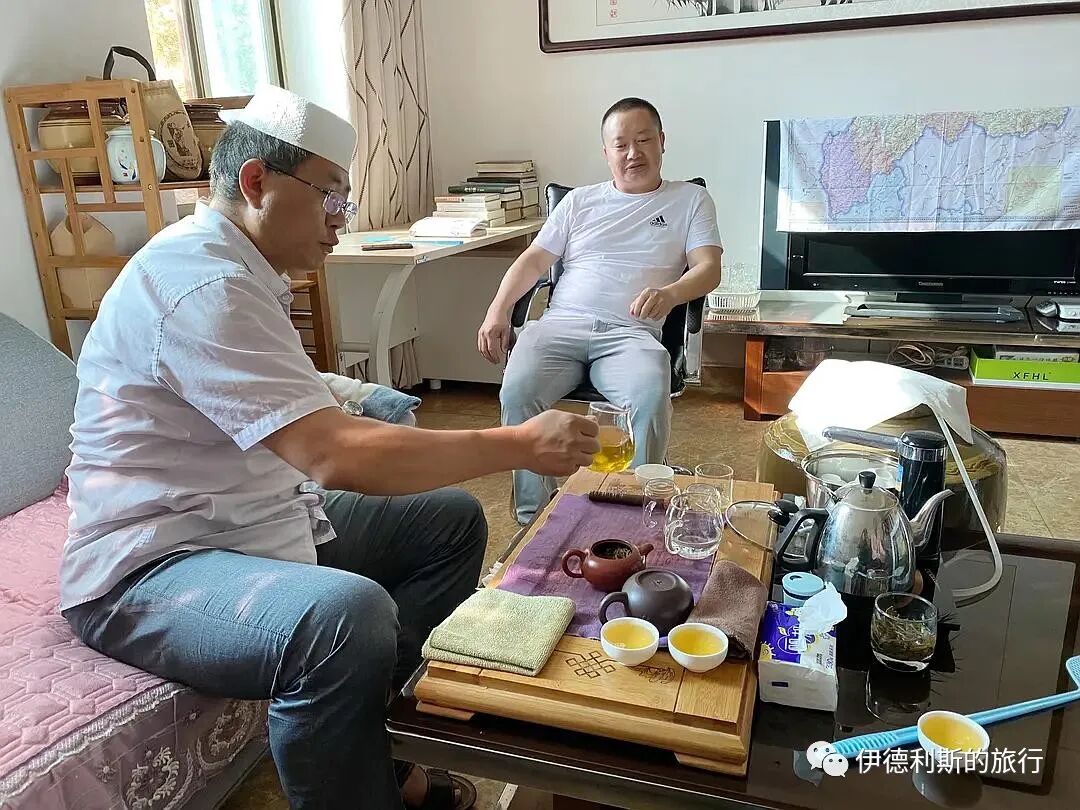
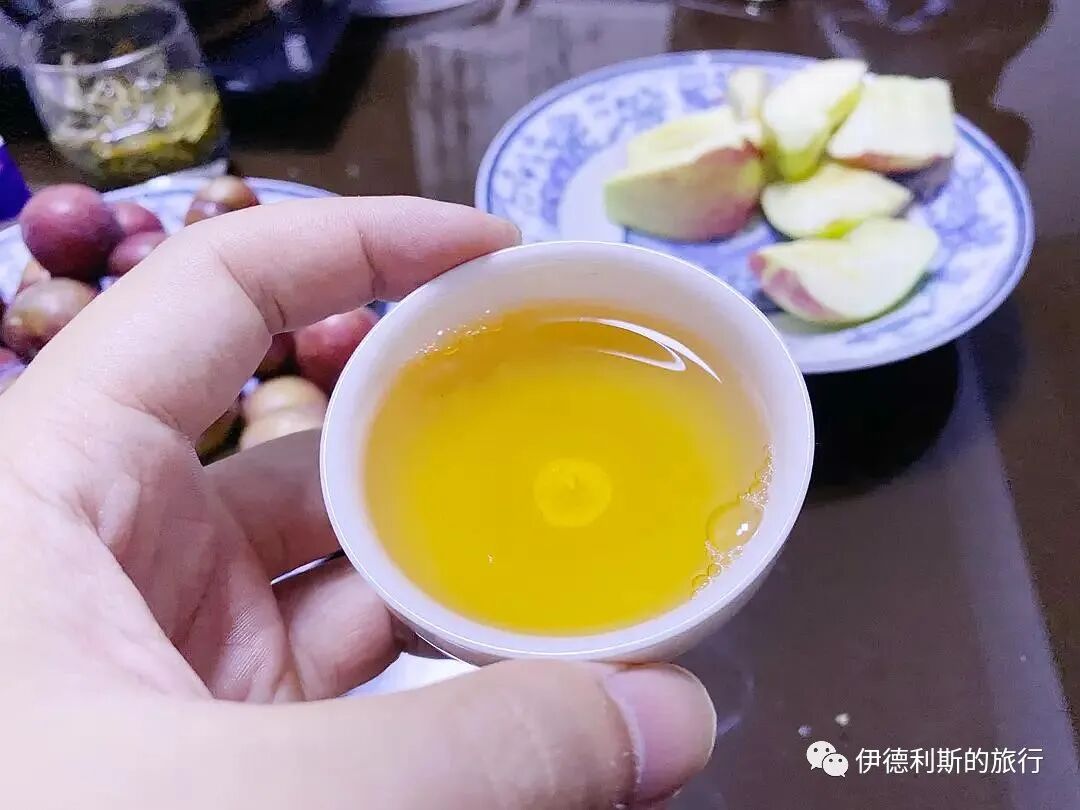
In the evening, we drank tea and chatted with Principal Wang Qiuping at the Songjiashan Islamic Scripture School. My friend and several people I know were once students of Principal Wang. Principal Wang uses spring water fetched from the mountains to brew tea.
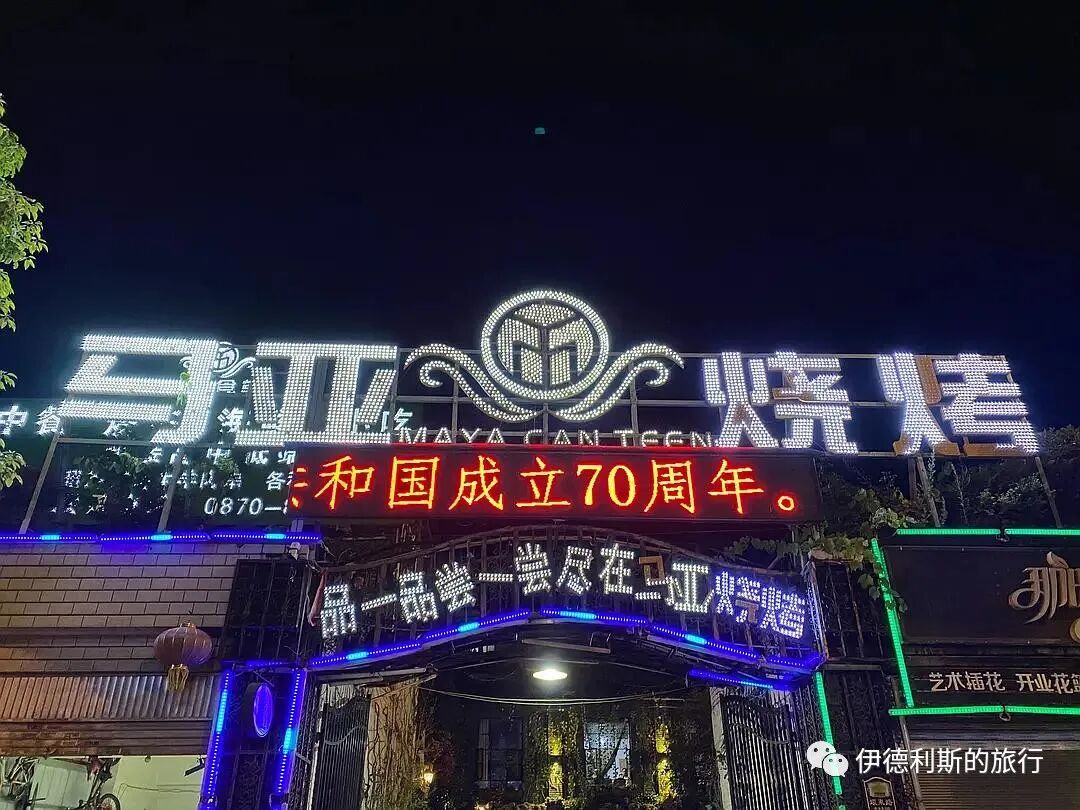
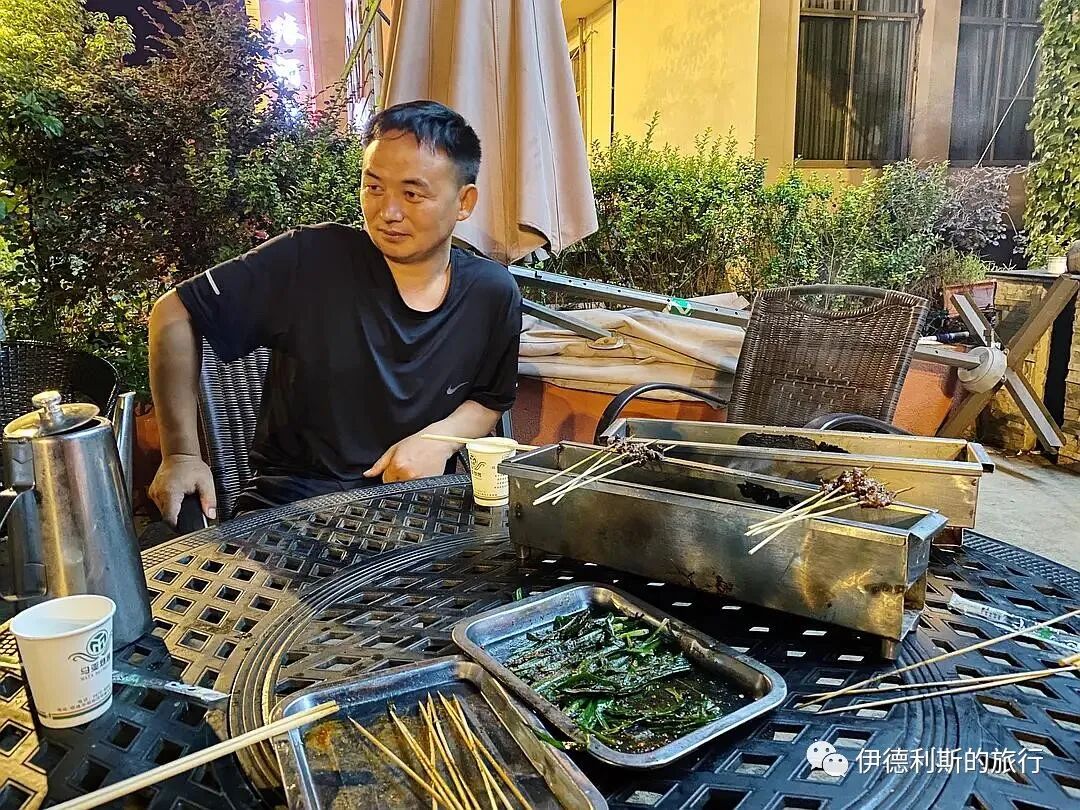
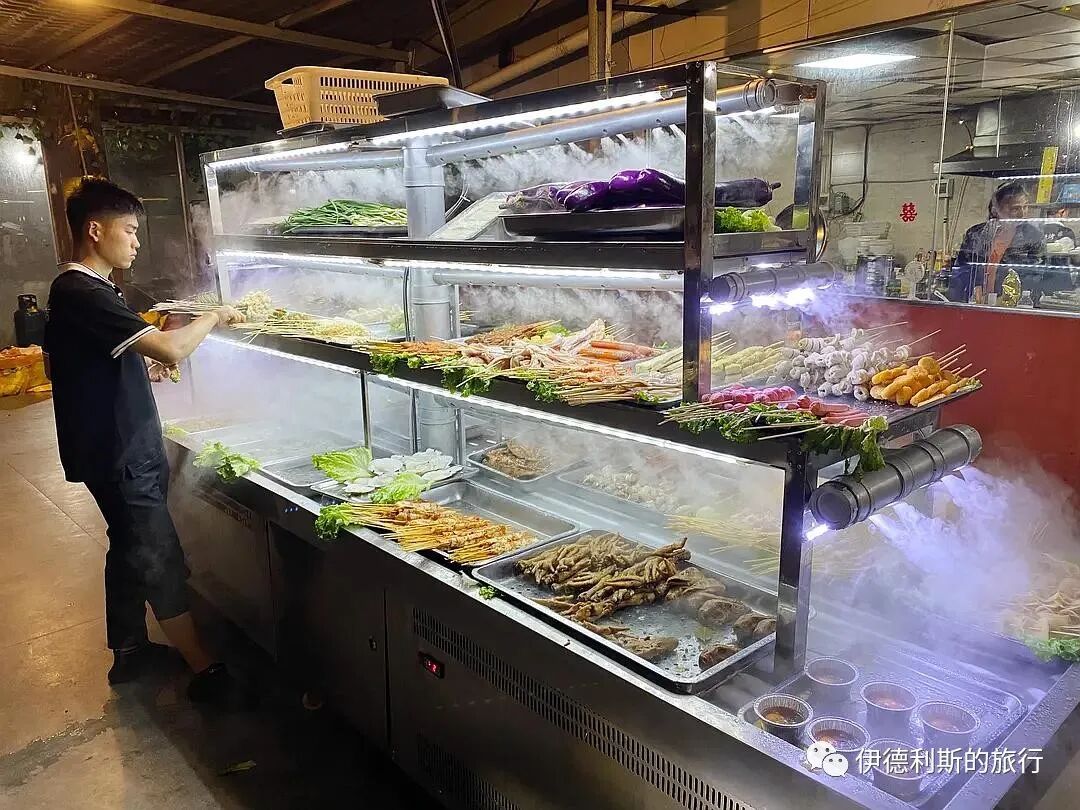
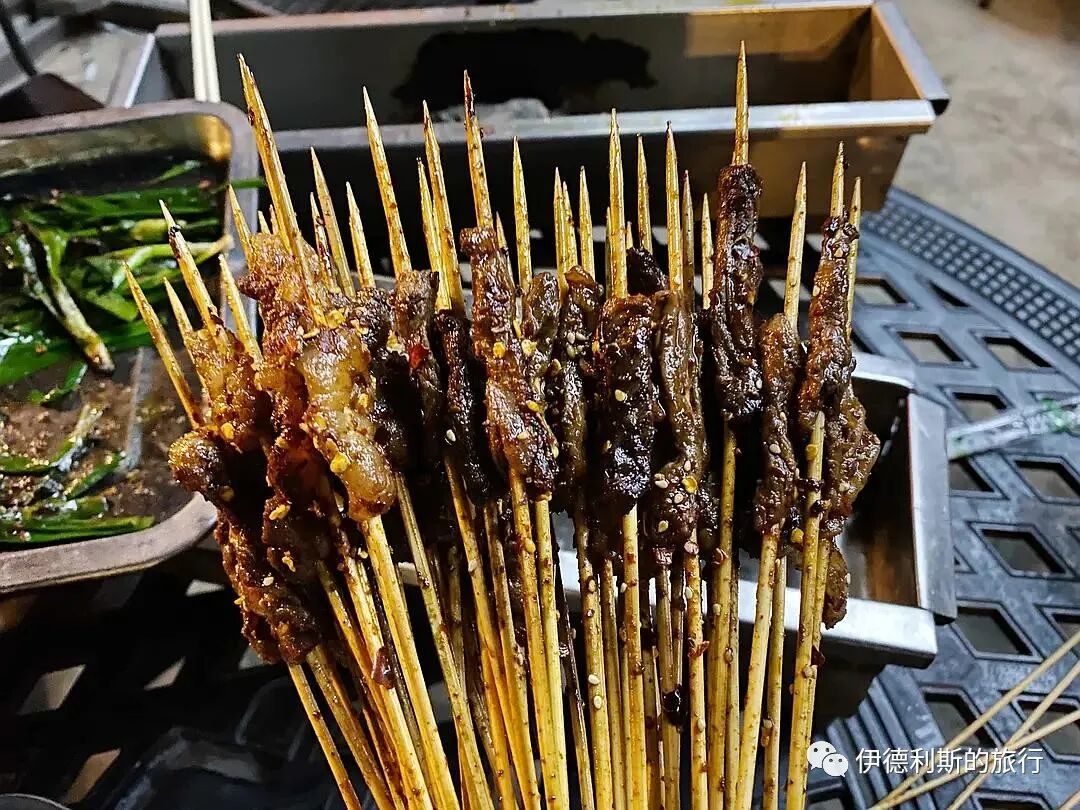
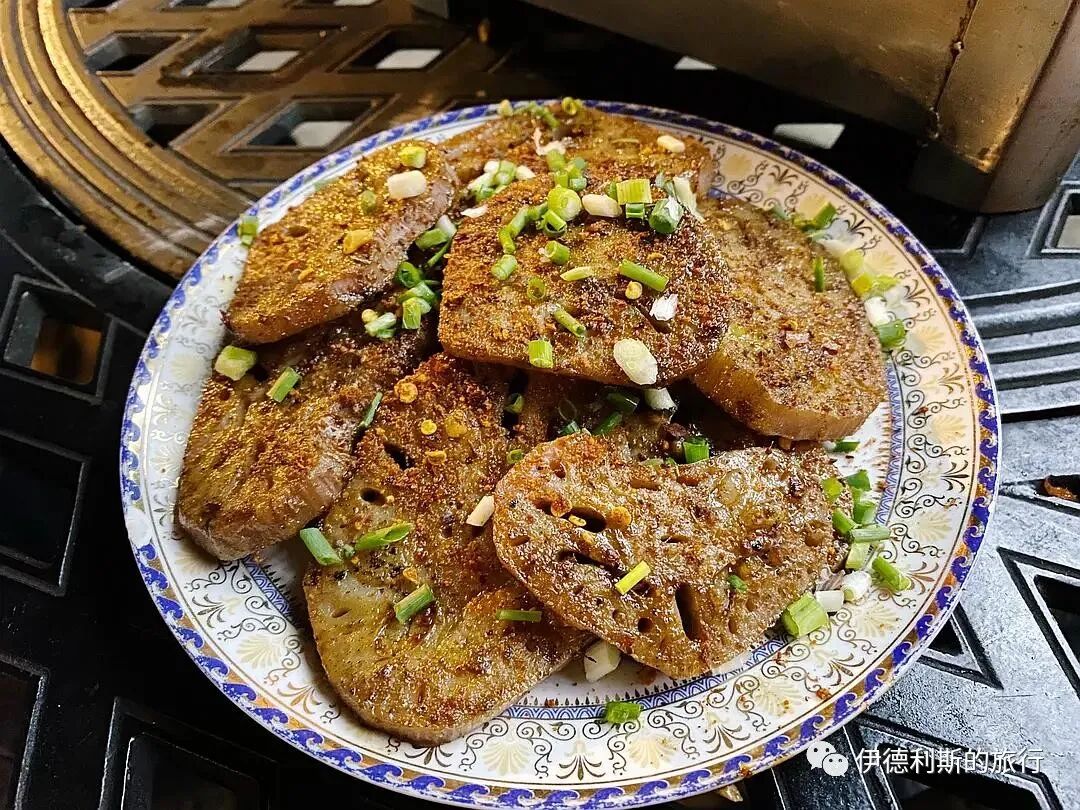
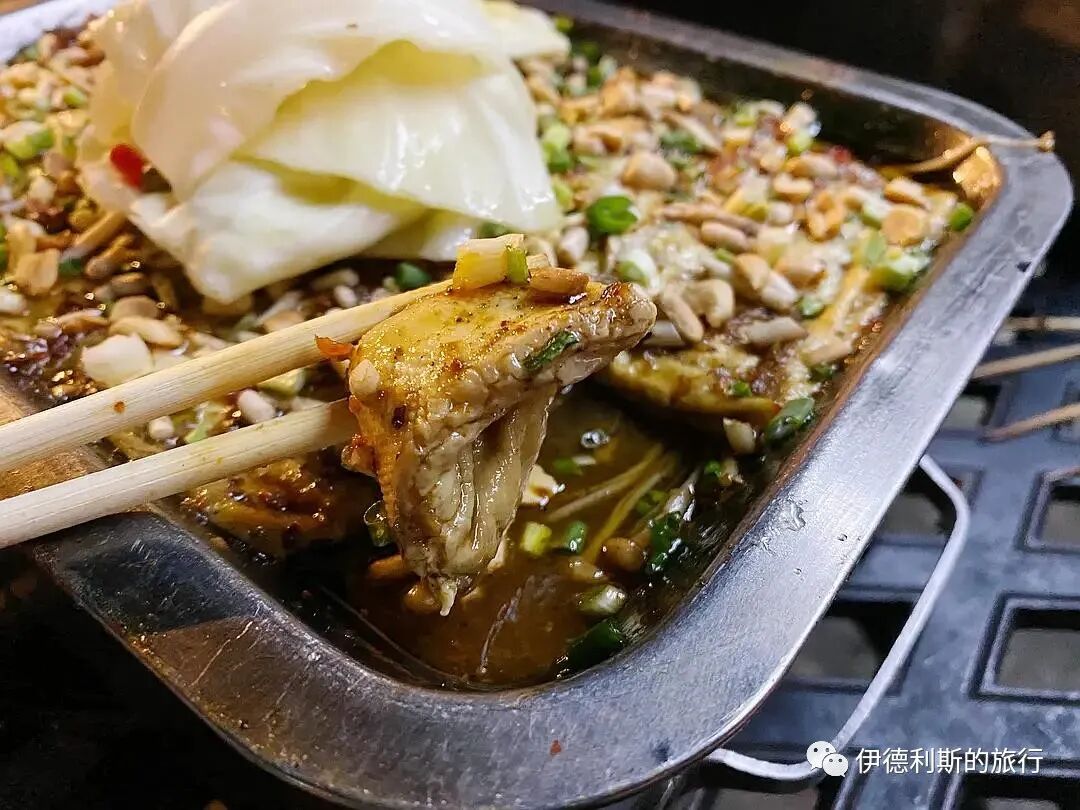
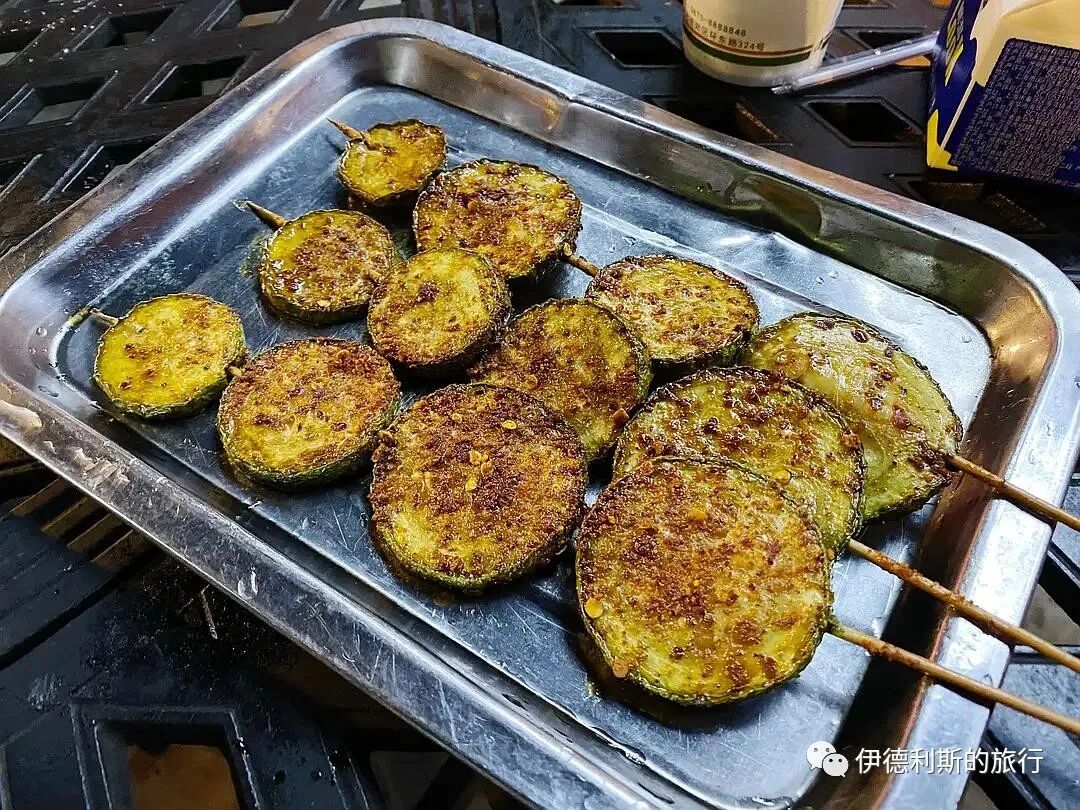
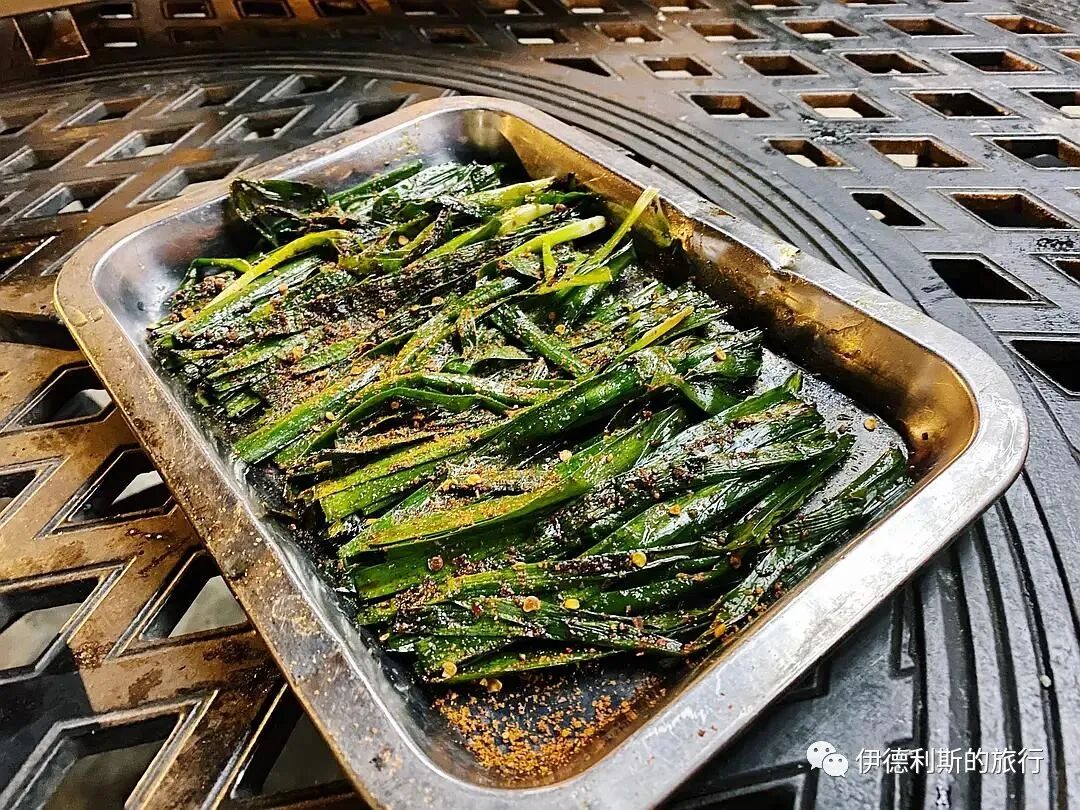
Back in Zhaotong city, we went to Maya Barbecue, owned by Sister Azi's friend Ma Ya, to eat Zhaotong-style small meat skewers. We also ordered baojiang doufu (fermented tofu with a creamy center), grilled chives, grilled lotus root slices, and chatted happily with Ma Ya.
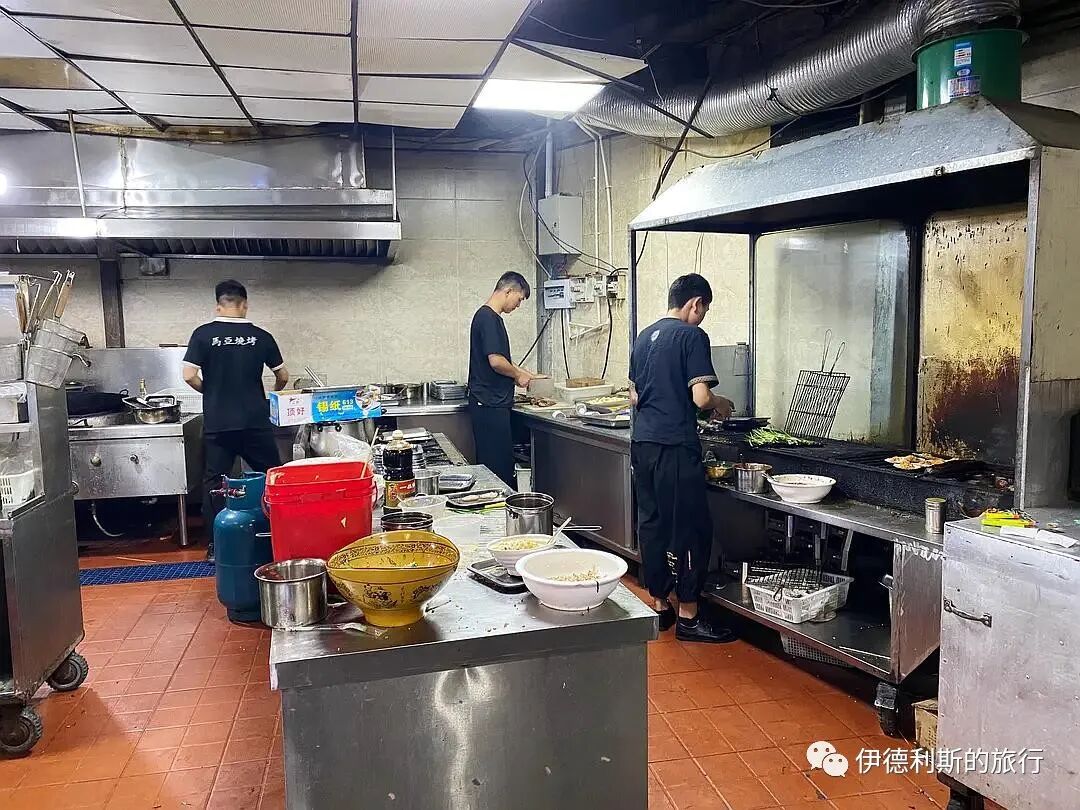
Maya Barbecue is considered a relatively large barbecue restaurant in Zhaotong and even has a branch in Kuala Lumpur, Malaysia, though it was suspended this year due to the pandemic. Ma Ya did not have much schooling growing up, but he is very hardworking and is very studious when it comes to running a restaurant, which is why his business is growing larger and larger. His restaurant is clean, tidy, and has good service, feeling very different from typical barbecue shops. In addition, Ma Ya is very enthusiastic about public welfare; he is an important participant in the Zhaotong Muqing Charity.
August 11th
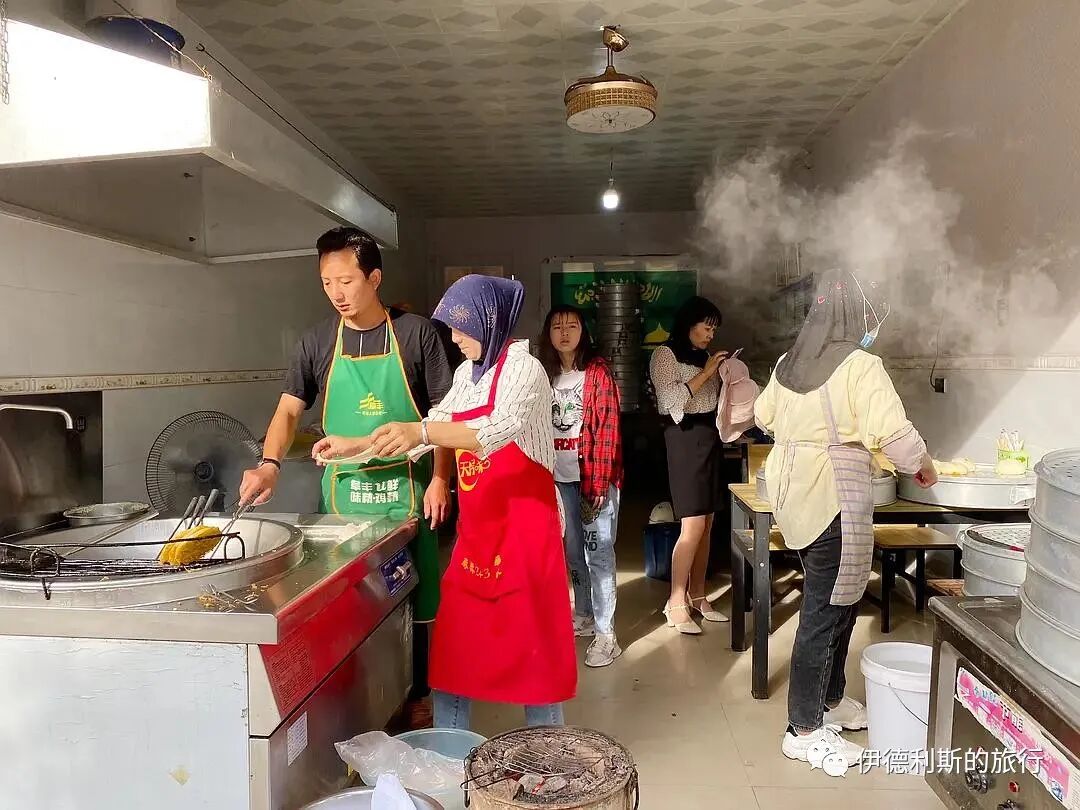
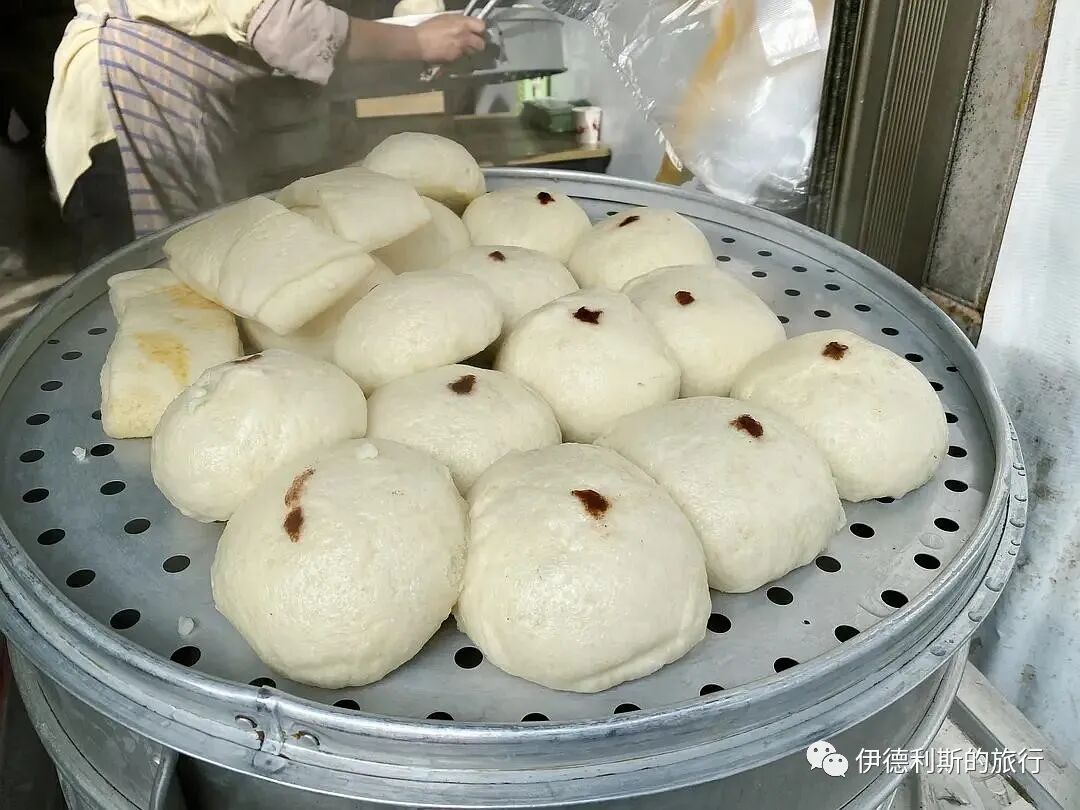
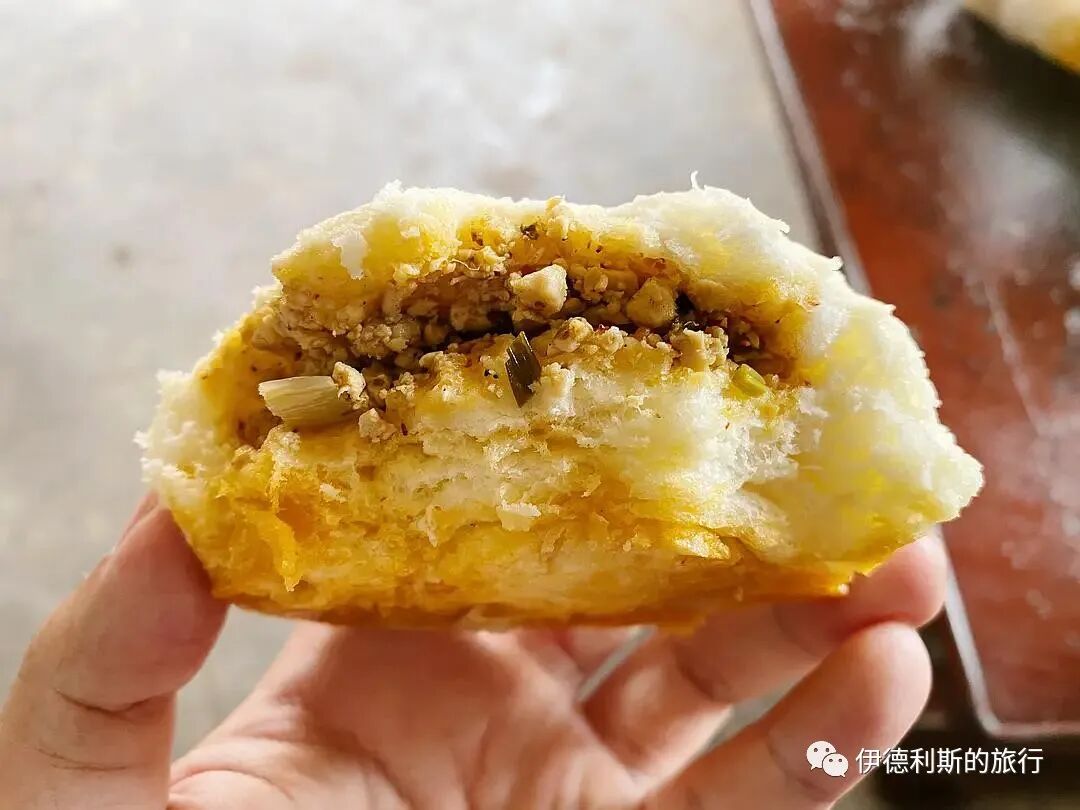
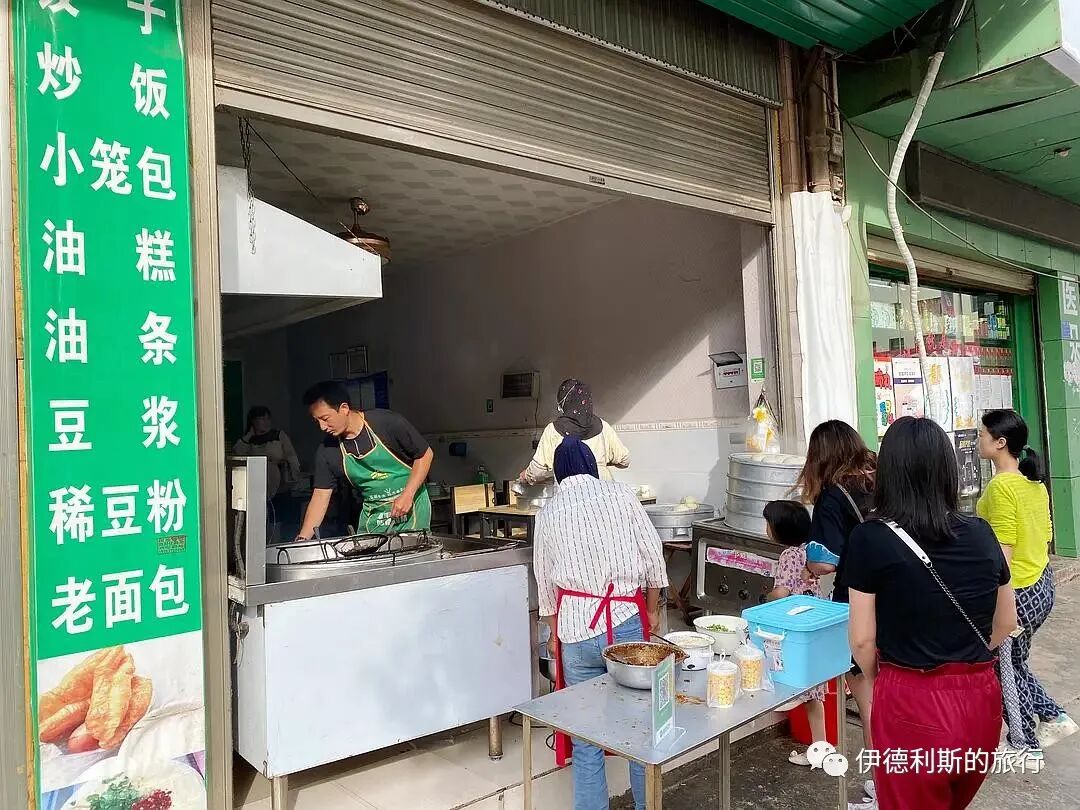
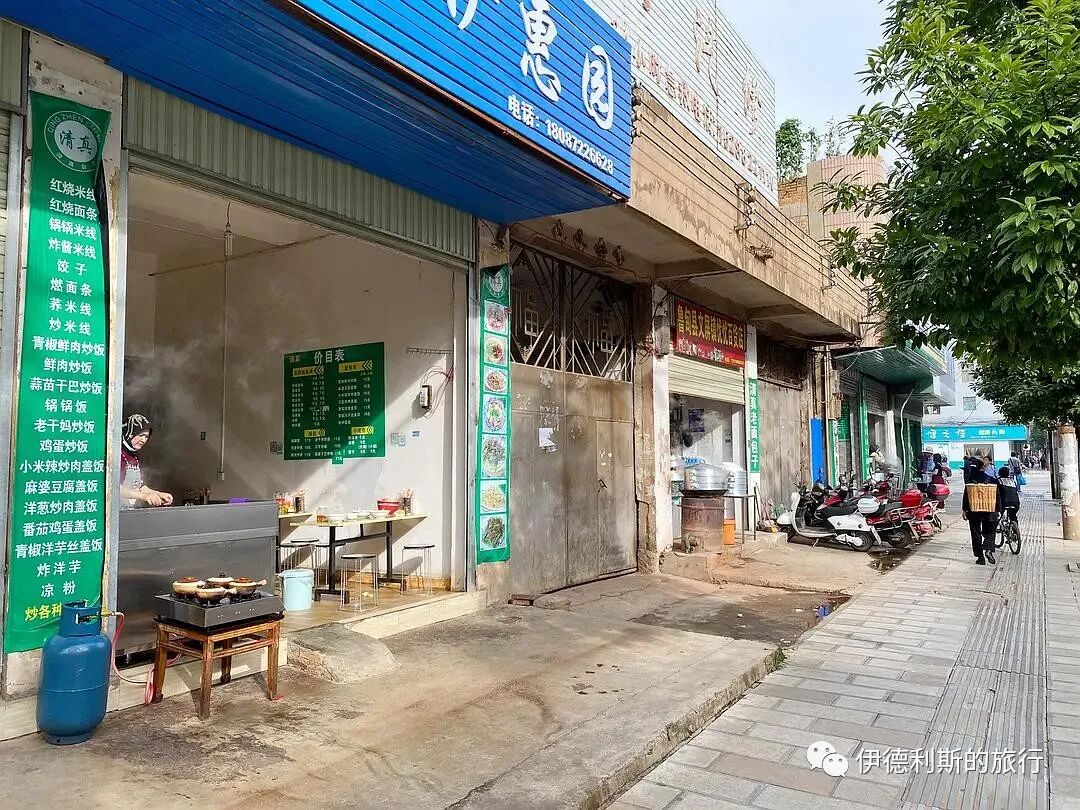
In the morning, we bought stuffed steamed buns at a small shop on Binhe Road in Ludian County.
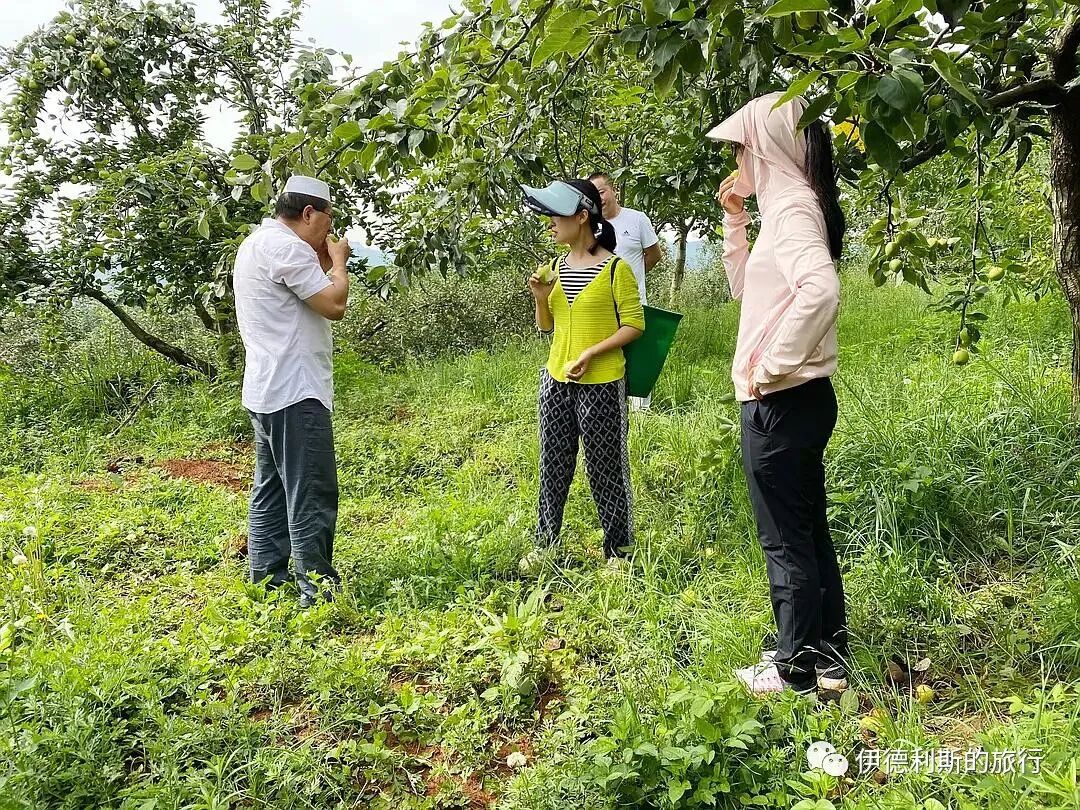
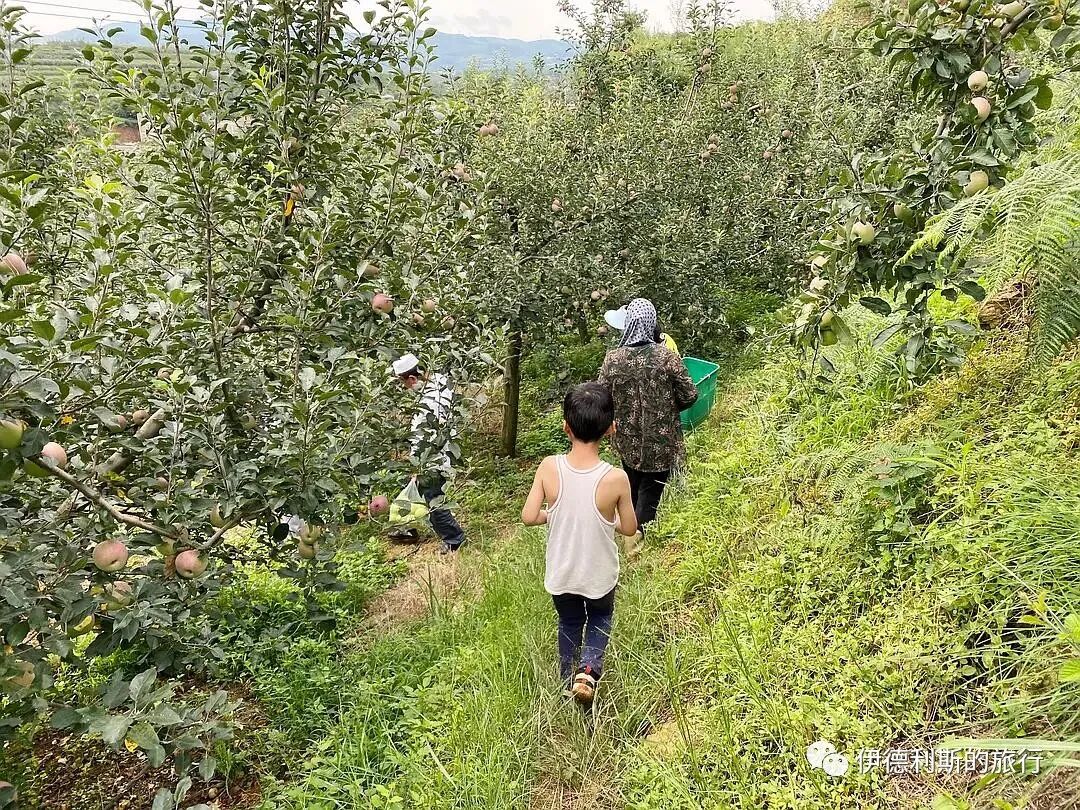
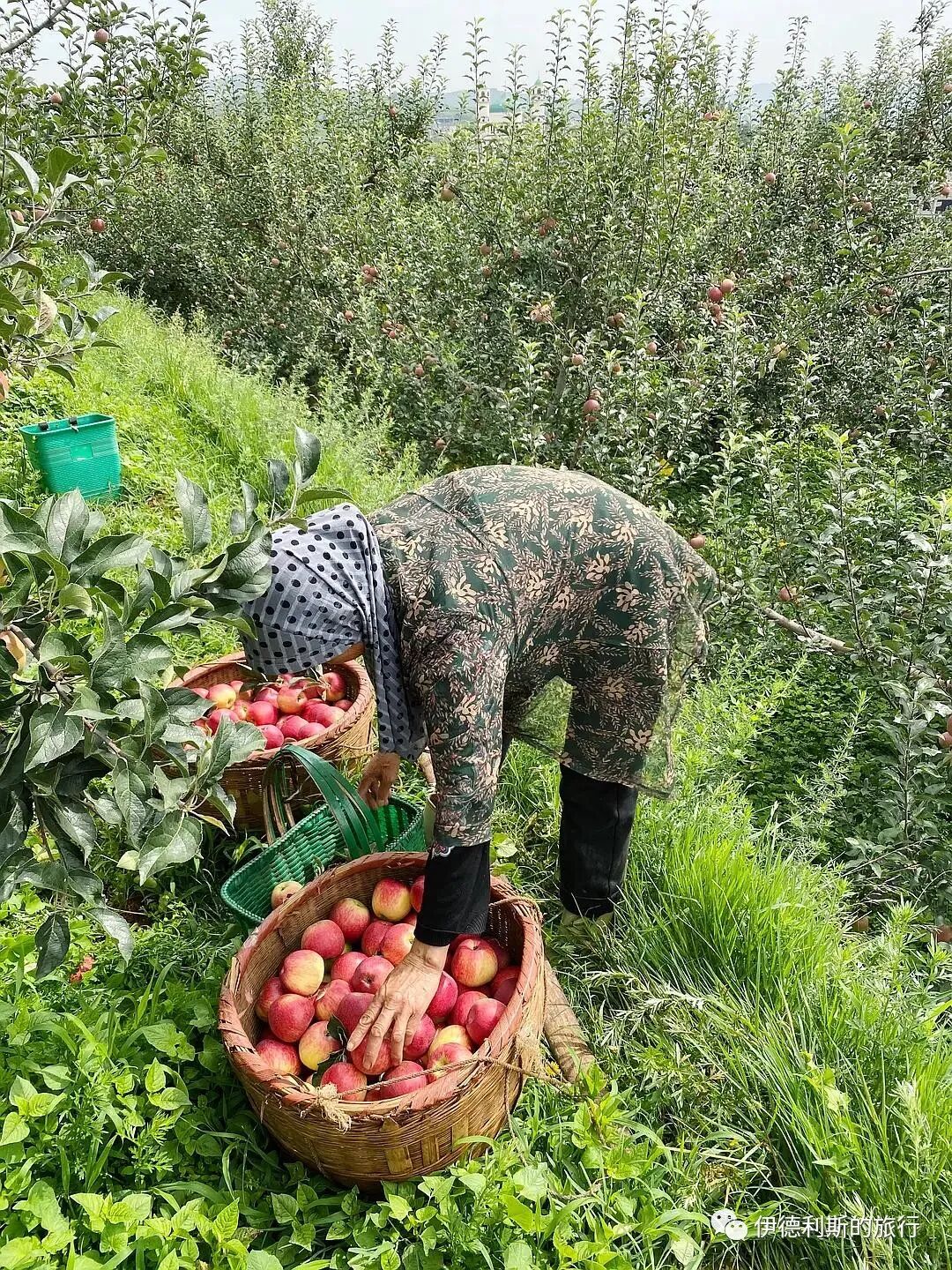
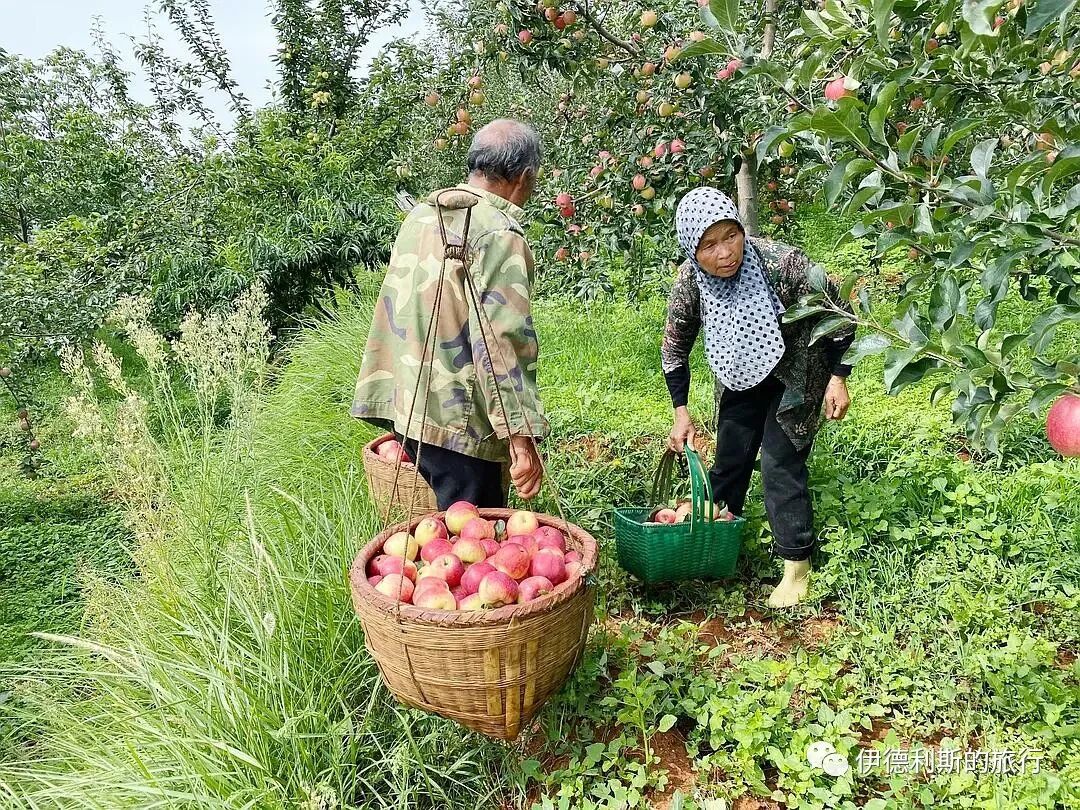
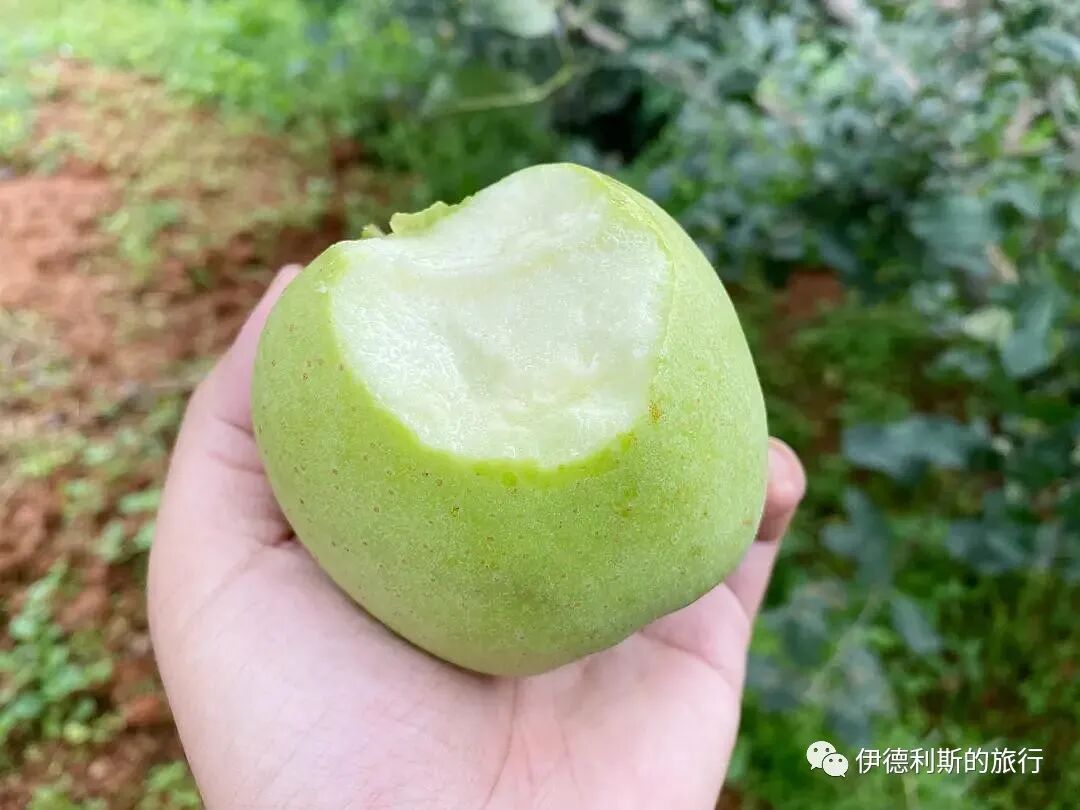
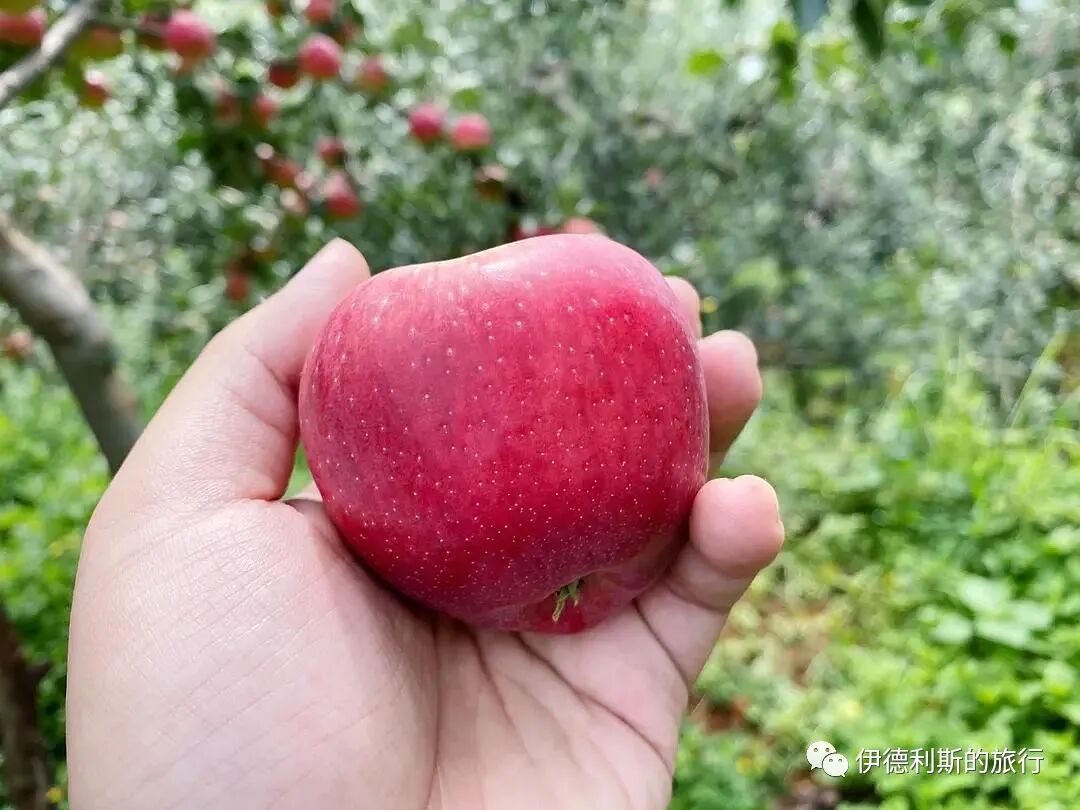
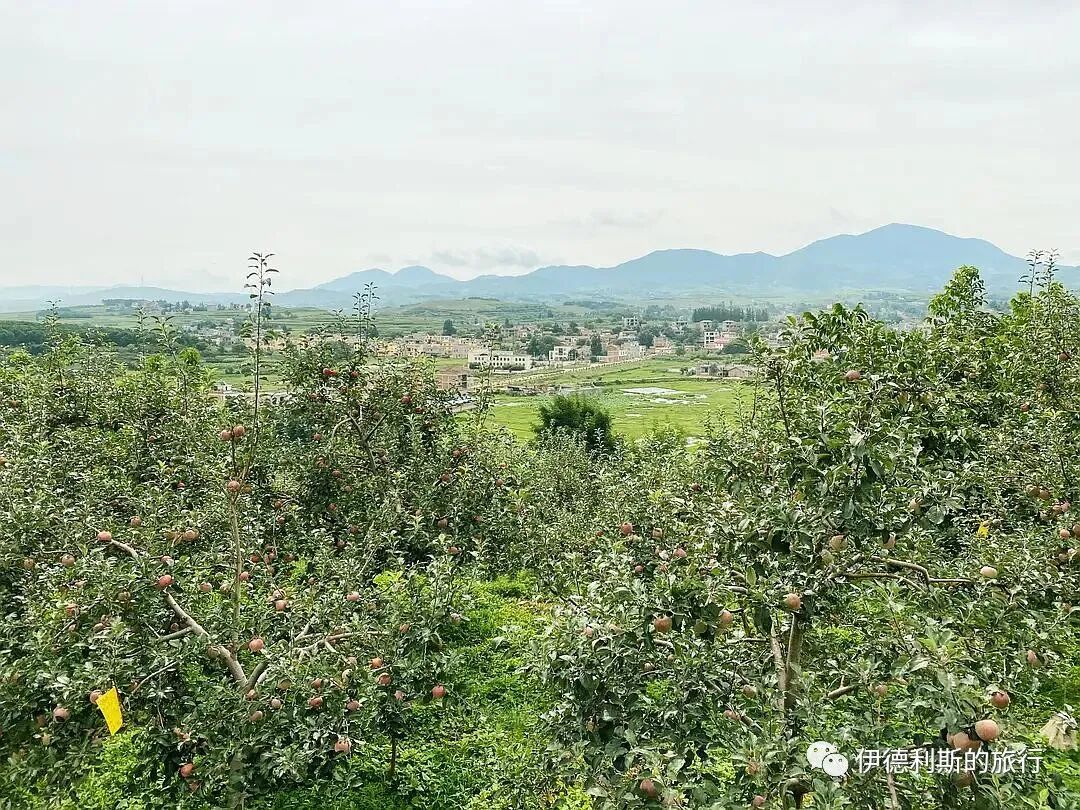
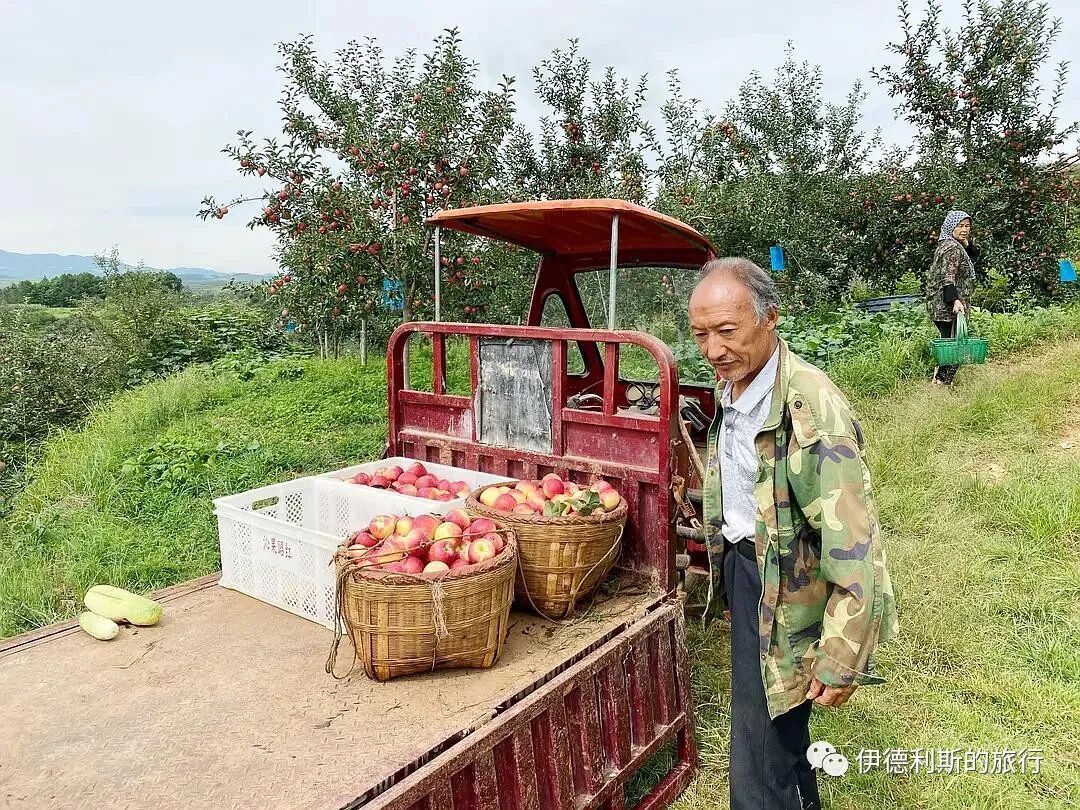
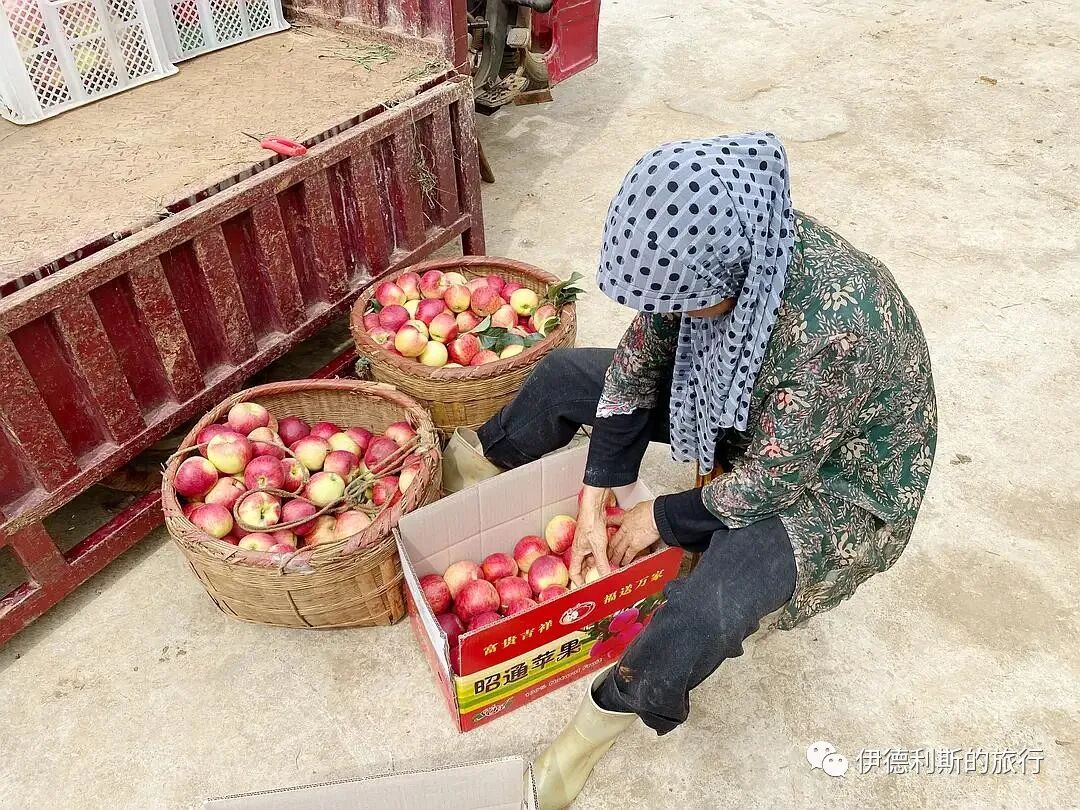
Sister Azi took me, Zainab, Principal Wang Qiuping, and Brother Ma Cun to her family's orchard to pick apples. In addition to the early-ripening red apples, there were also some green apples. Zhaotong apples are truly delicious.
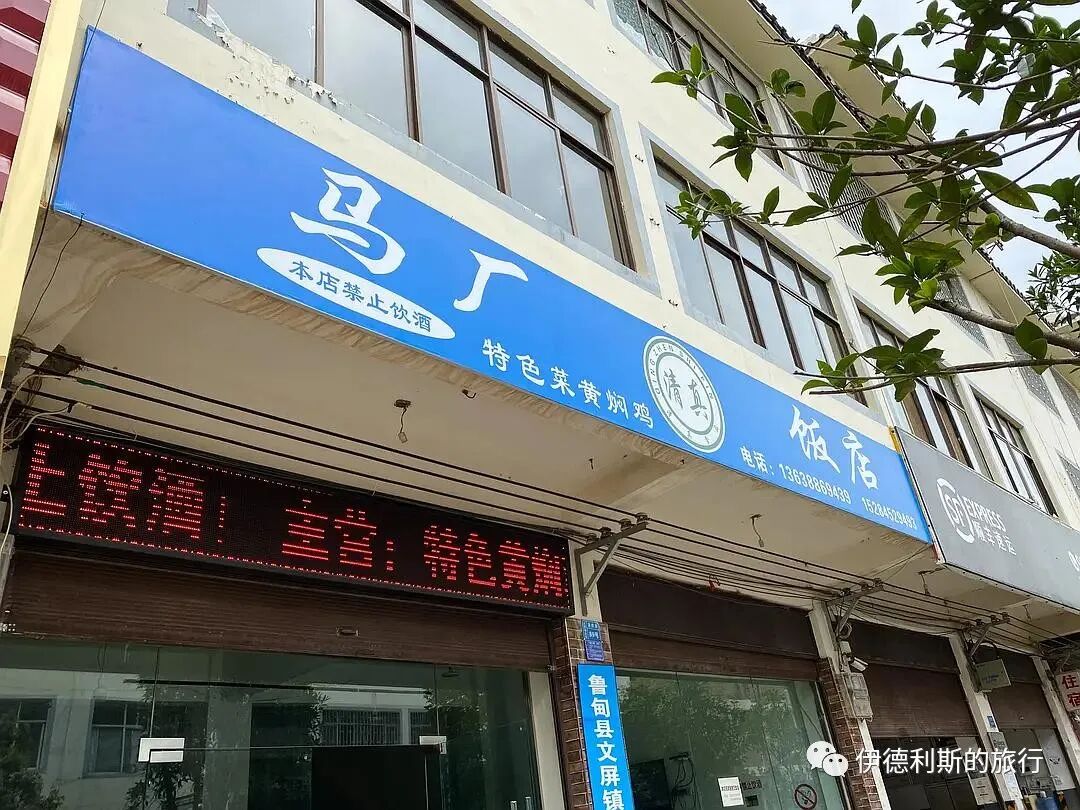
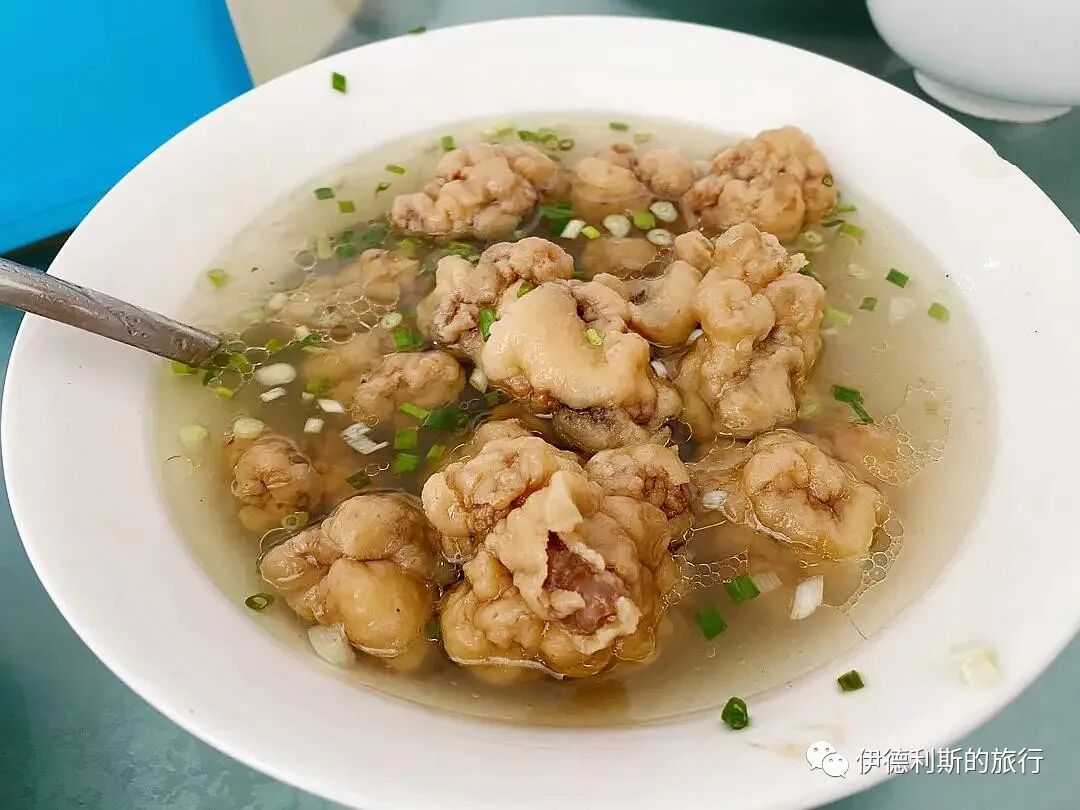
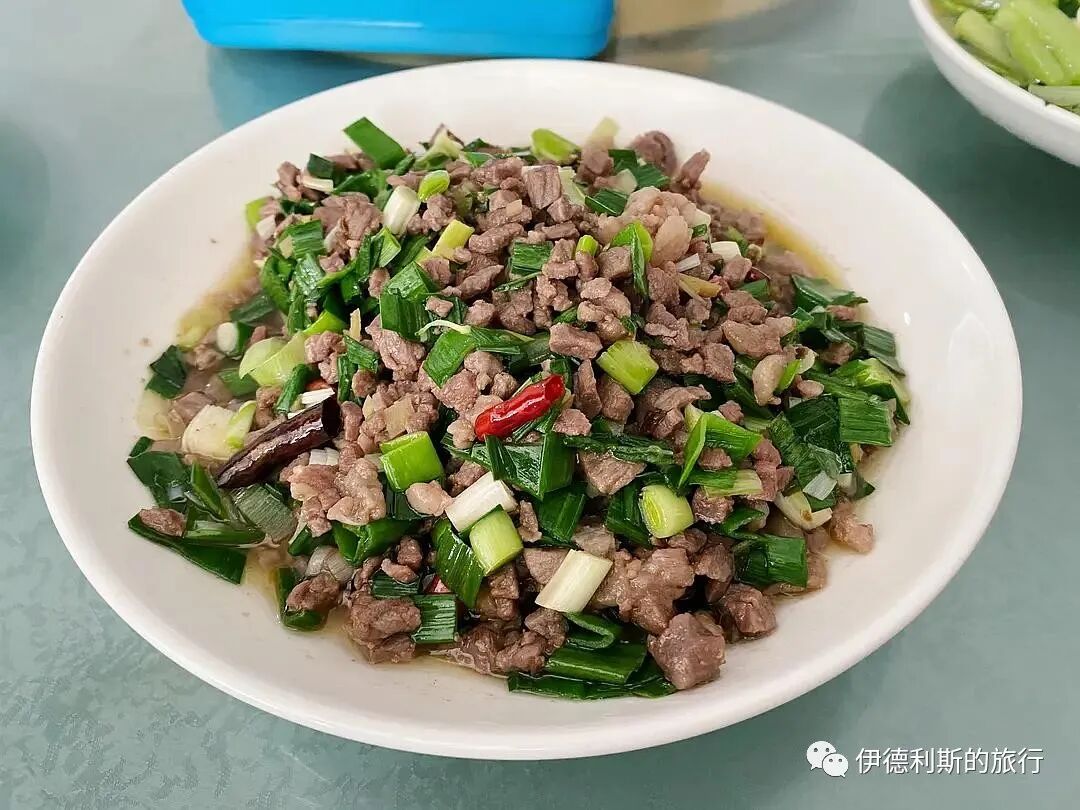
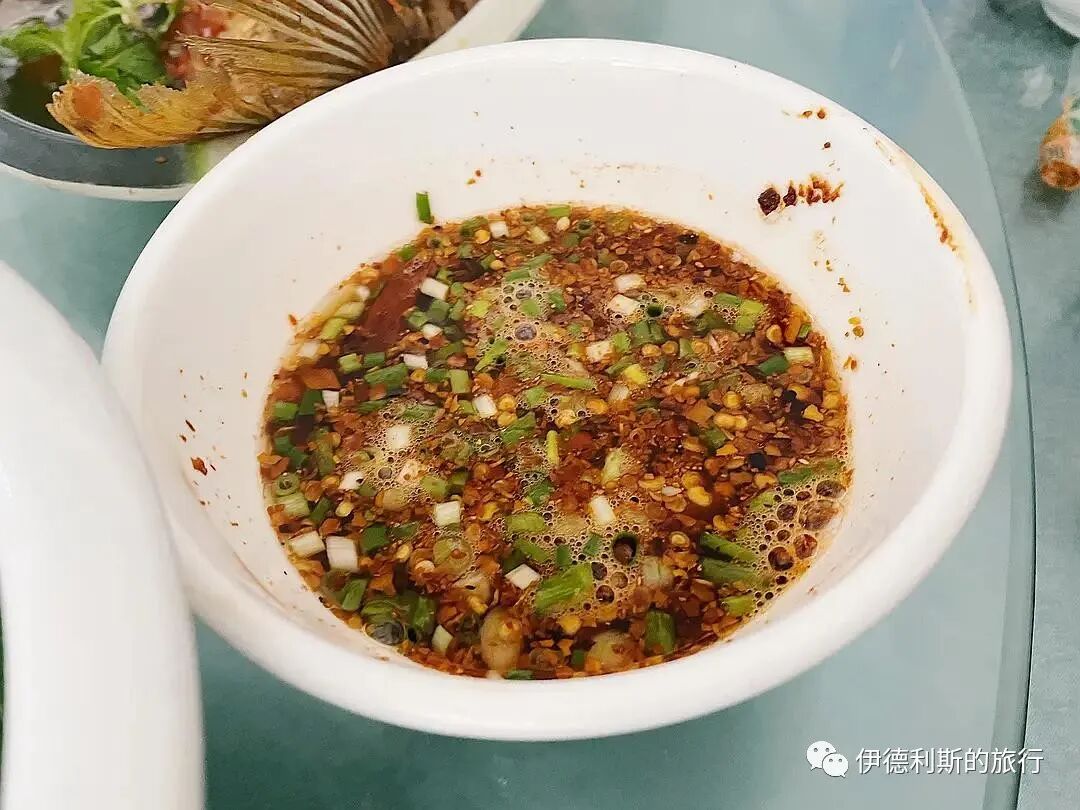
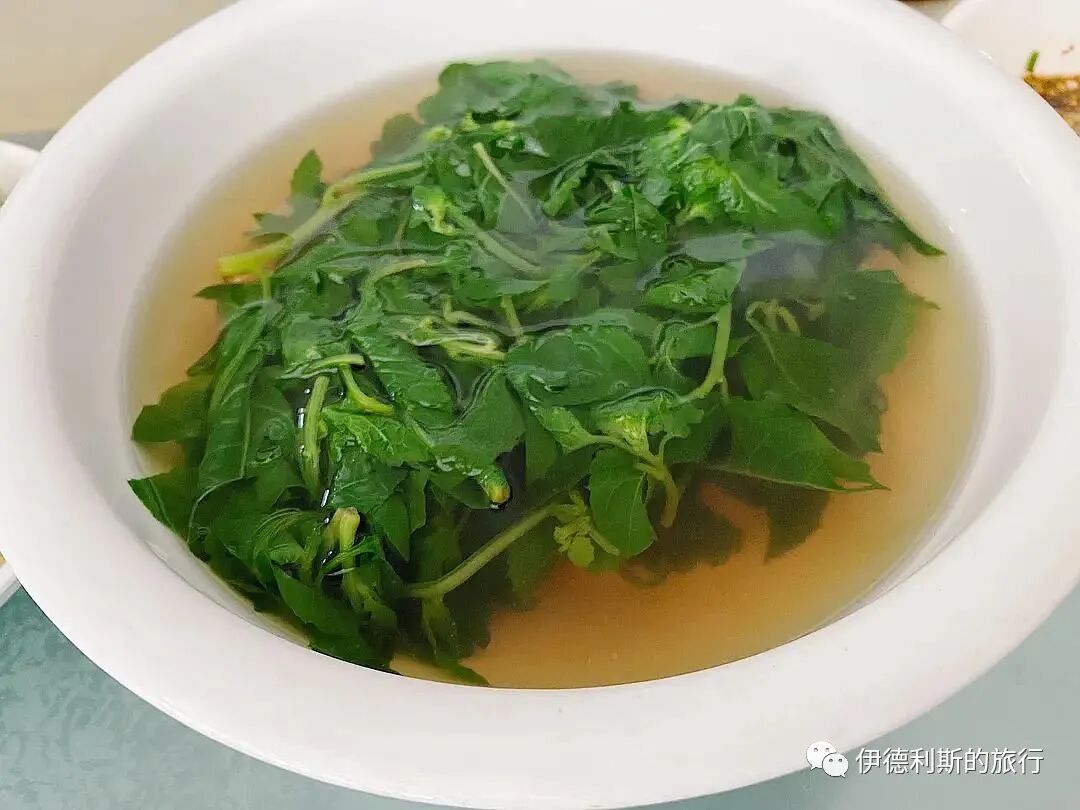
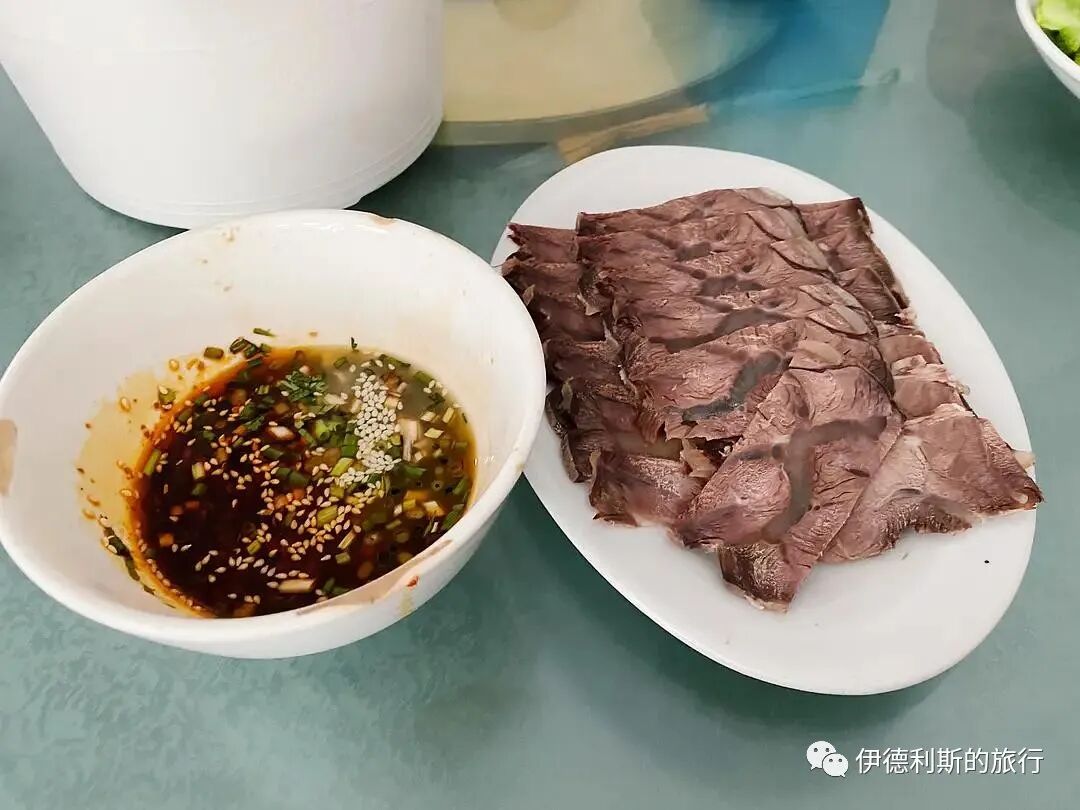
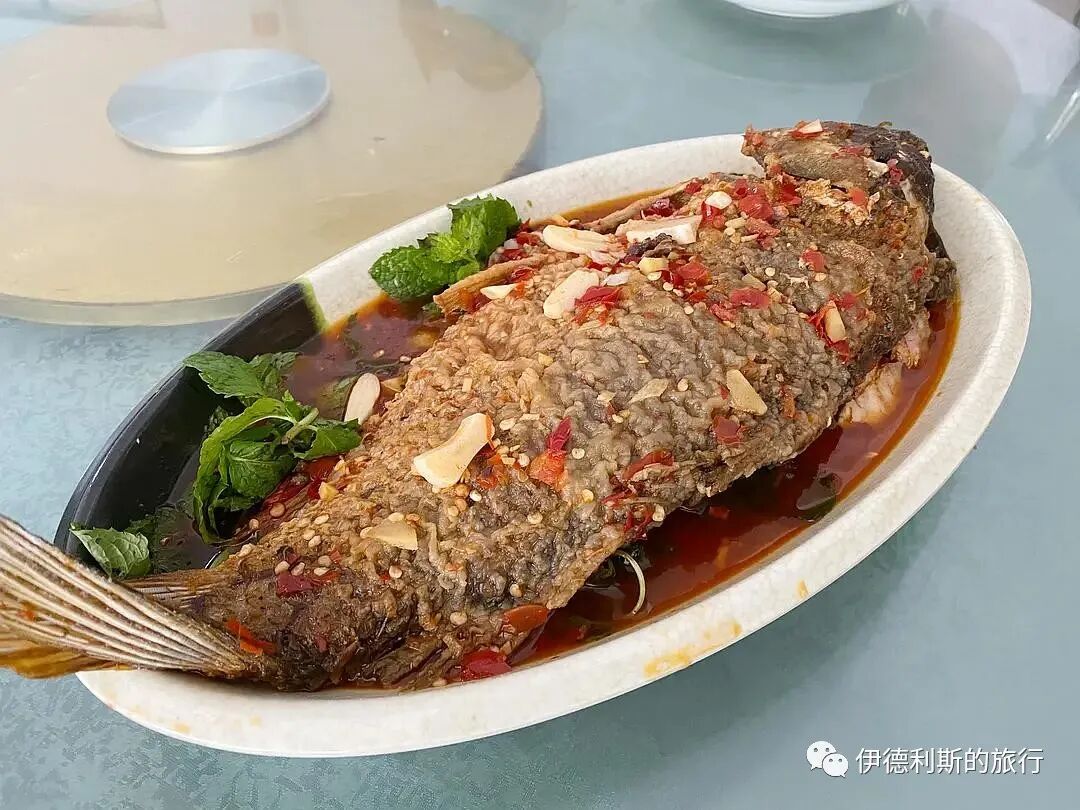
After picking apples, we returned to Ludian county town and had lunch at the Machang Restaurant on Ci Yuan Road. Their restaurant is also one of the few alcohol-free restaurants in Ludian. I ate my favorite suji (crispy chicken) and the most classic dancai here. The cold beef slices and fish were also very delicious. Once again, I praise the dipping sauces of Yunnan.
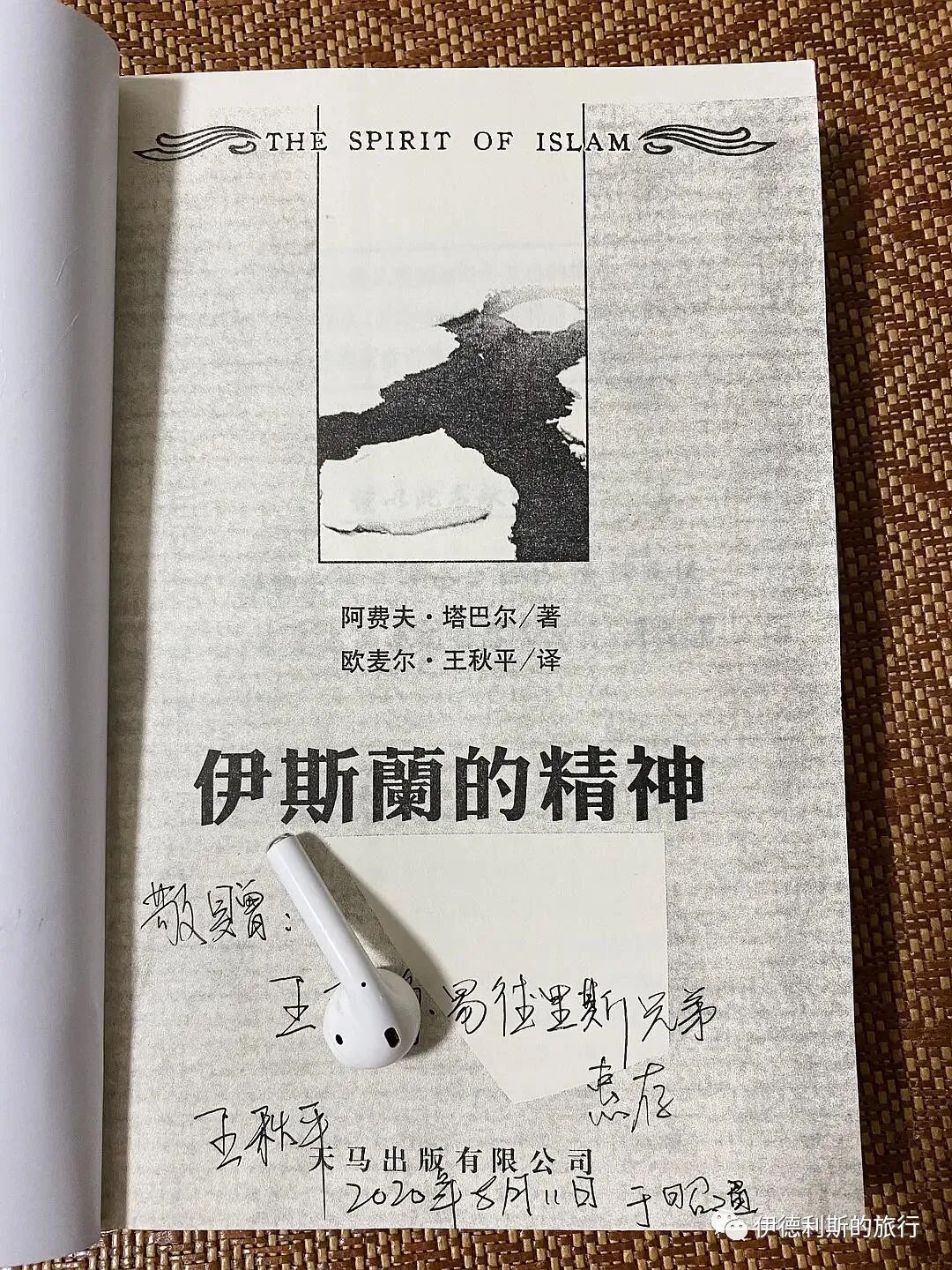
Then, Principal Wang Qiuping gave me a book he translated, which is well worth reading.
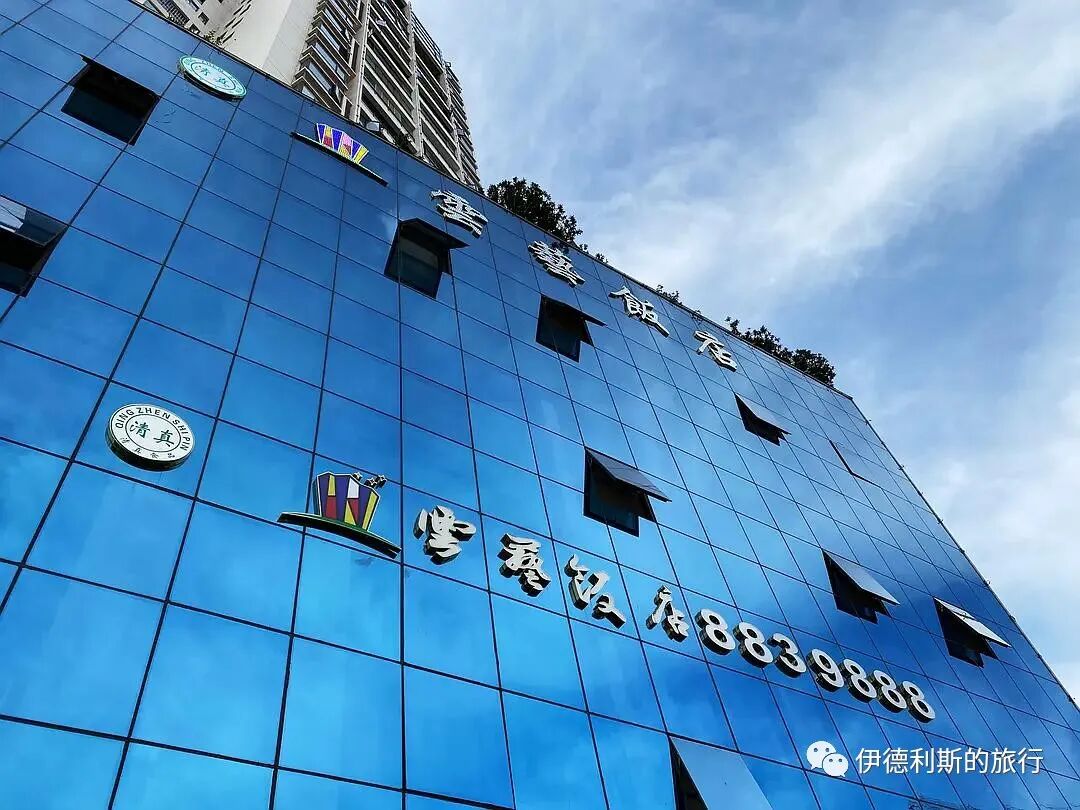
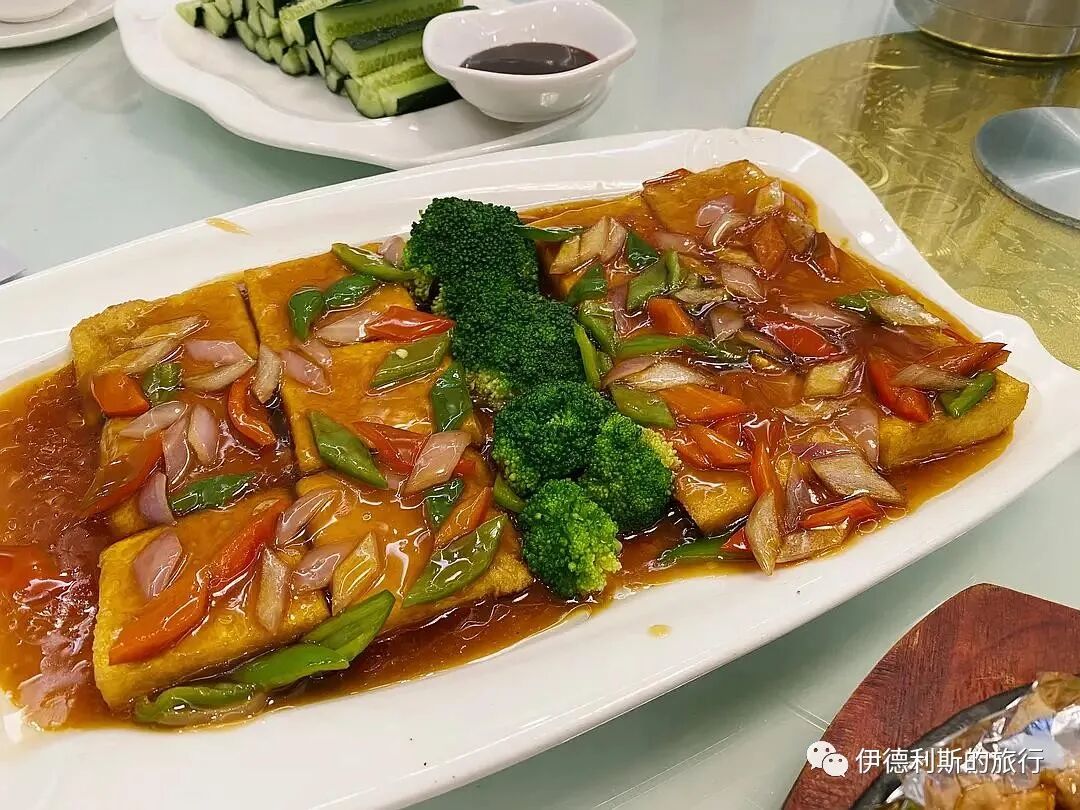
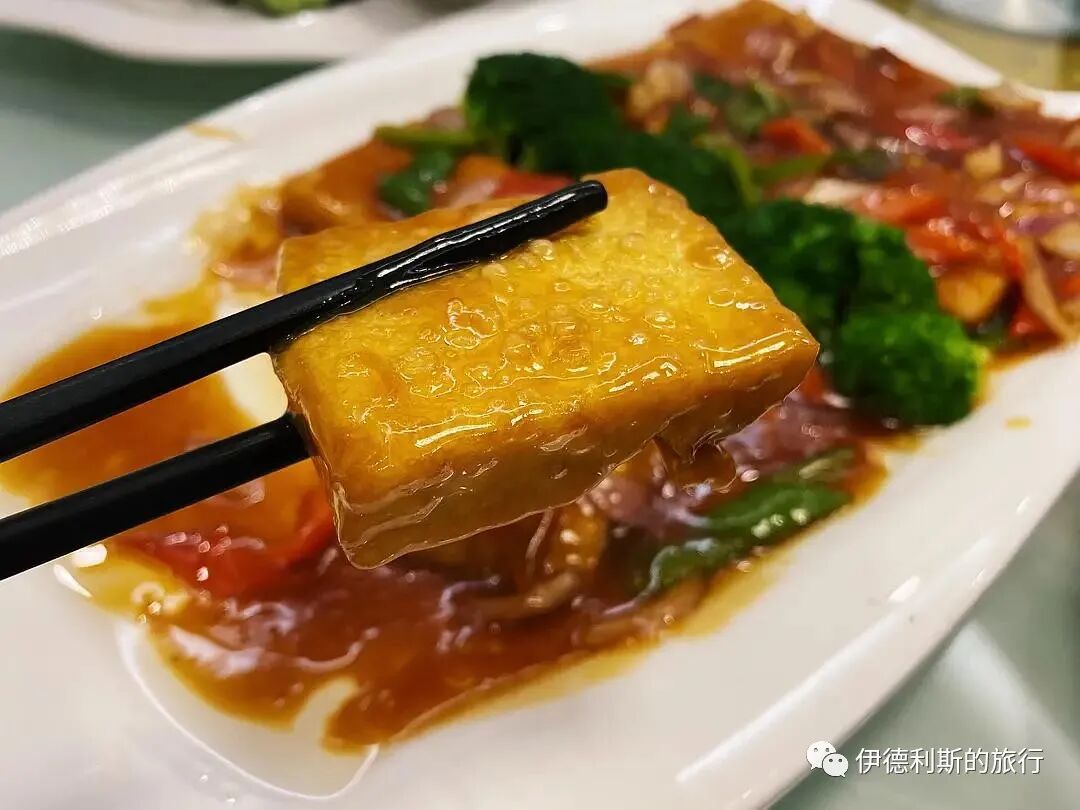
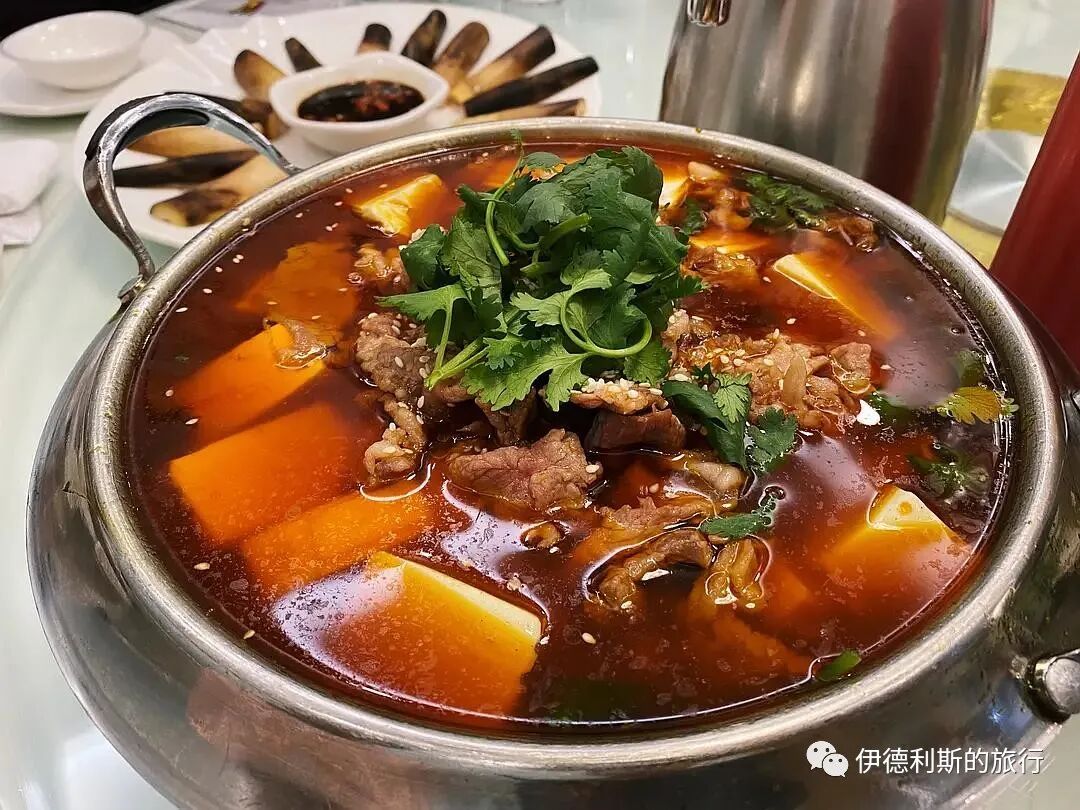
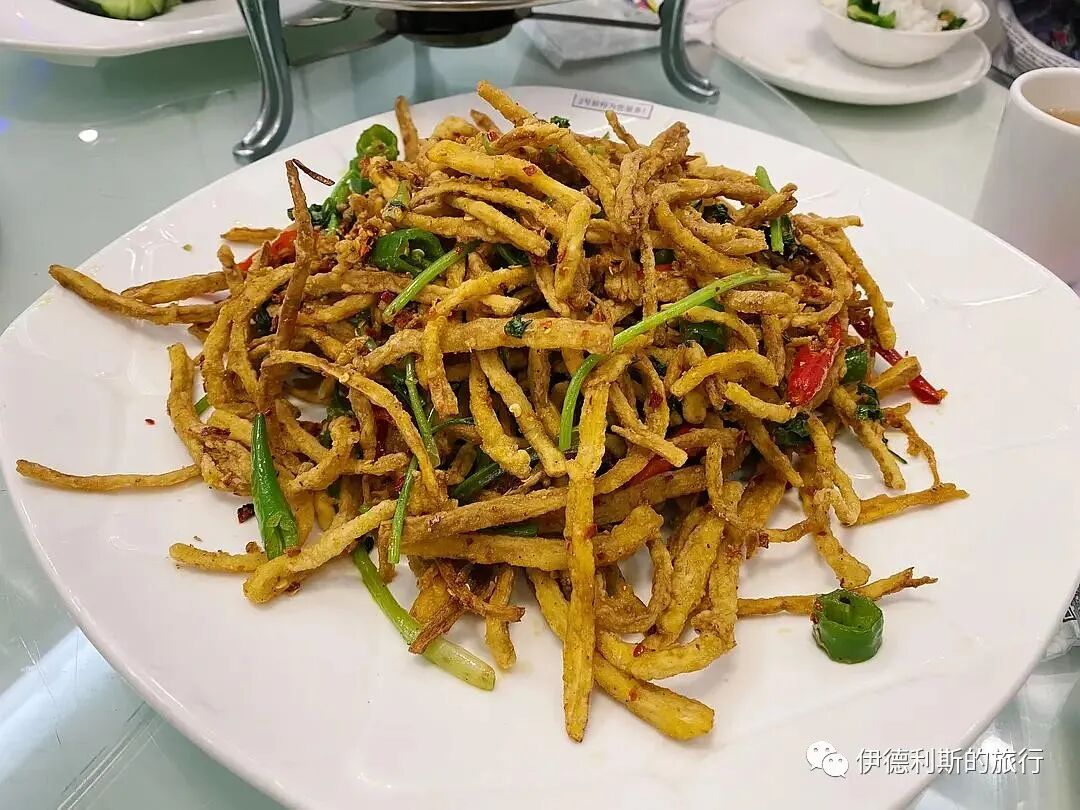
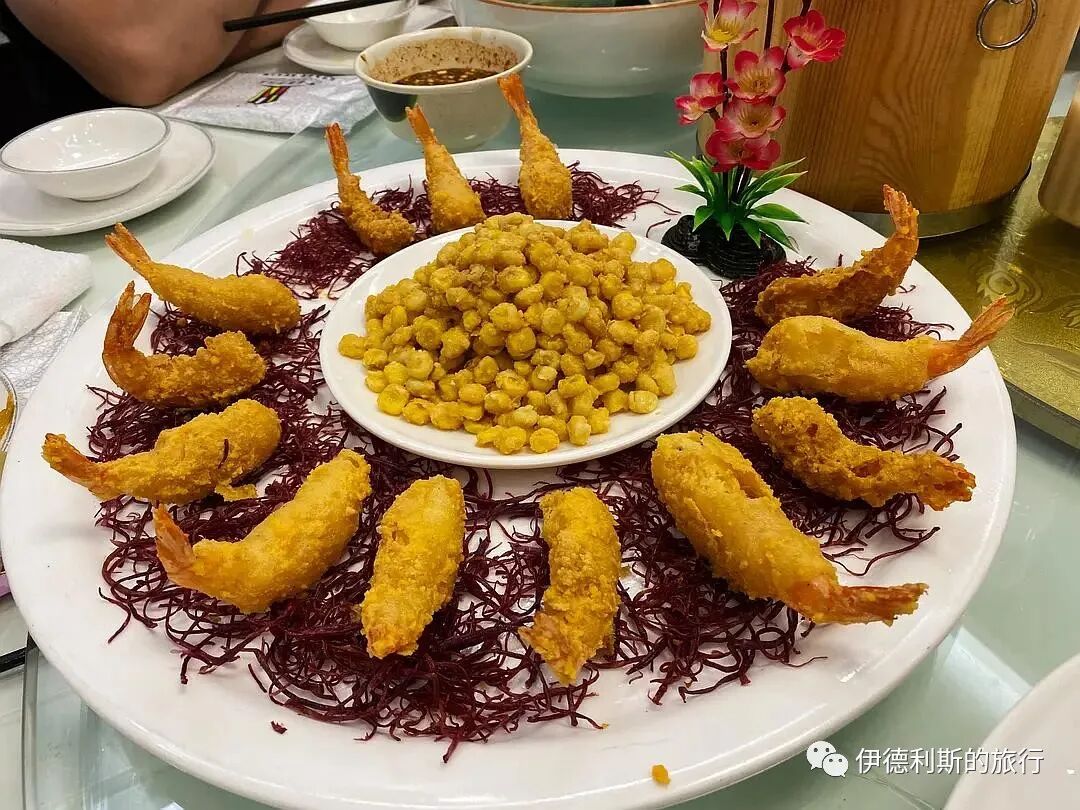
In the evening, Brother Chen treated us to dinner at the Yunyi Restaurant in downtown Zhaotong. Yunyi is considered a large restaurant with a relatively good environment in Zhaotong, and the food is also quite good. We ate sweet bamboo shoots, grilled tofu, fried tea tree mushrooms, and dancai soup.
August 12th
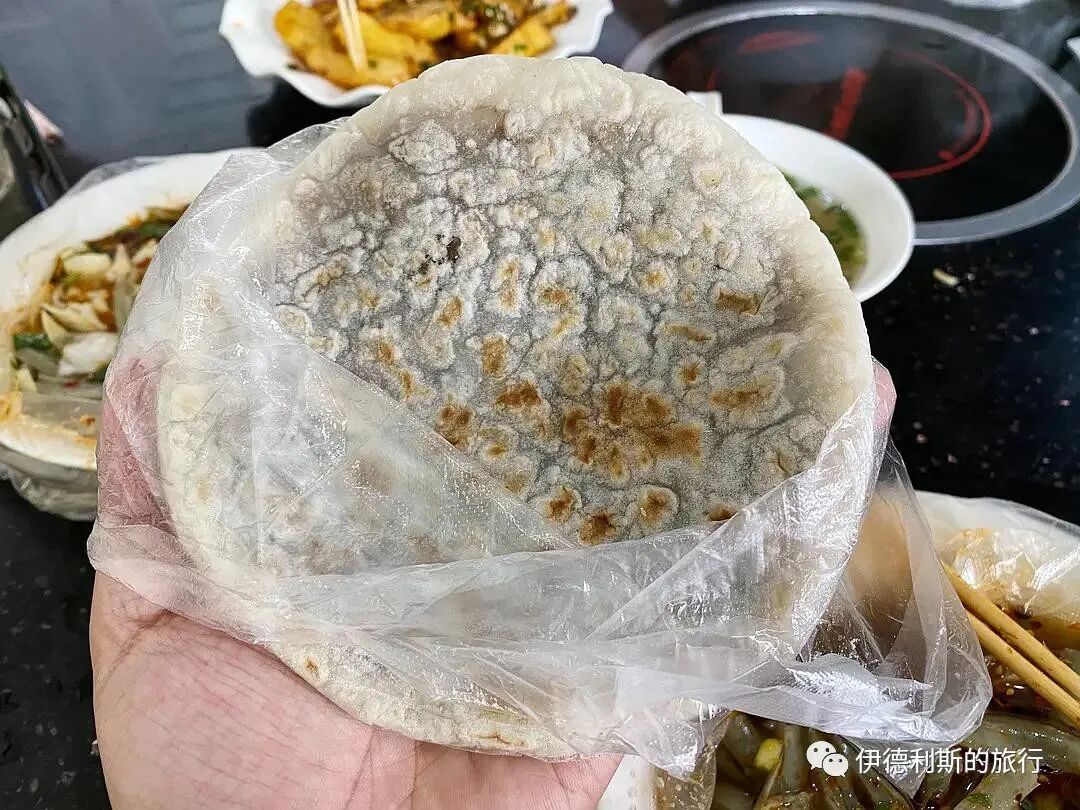
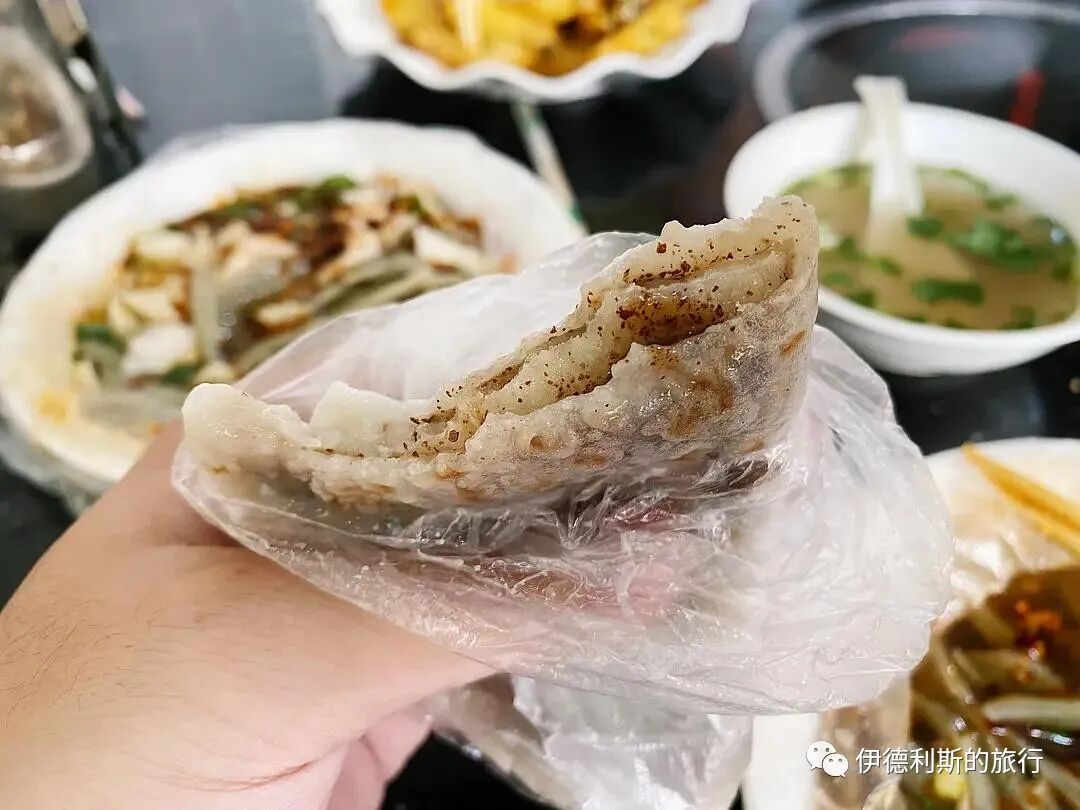
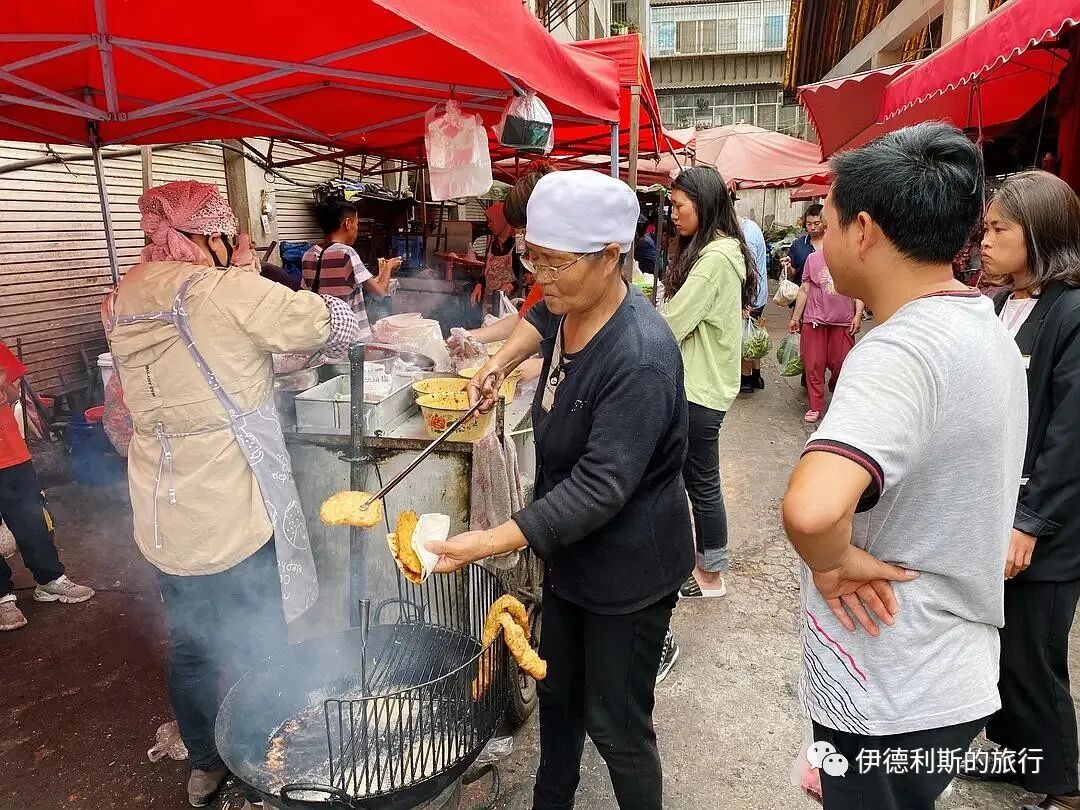
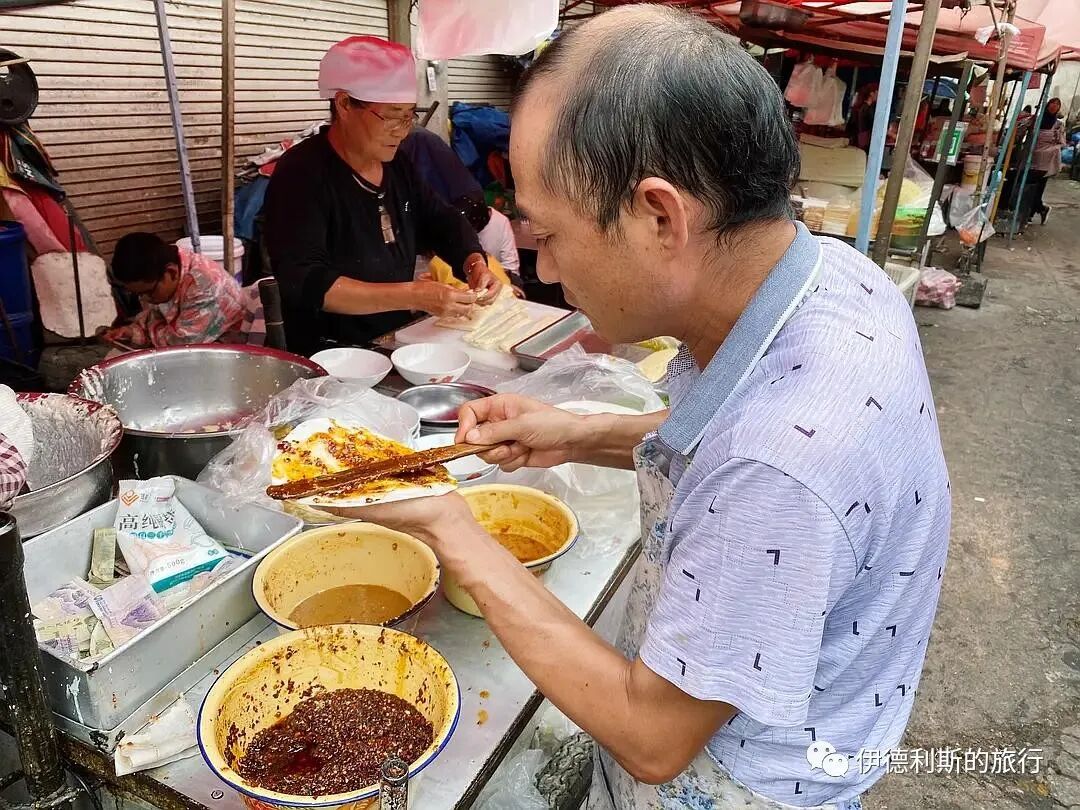
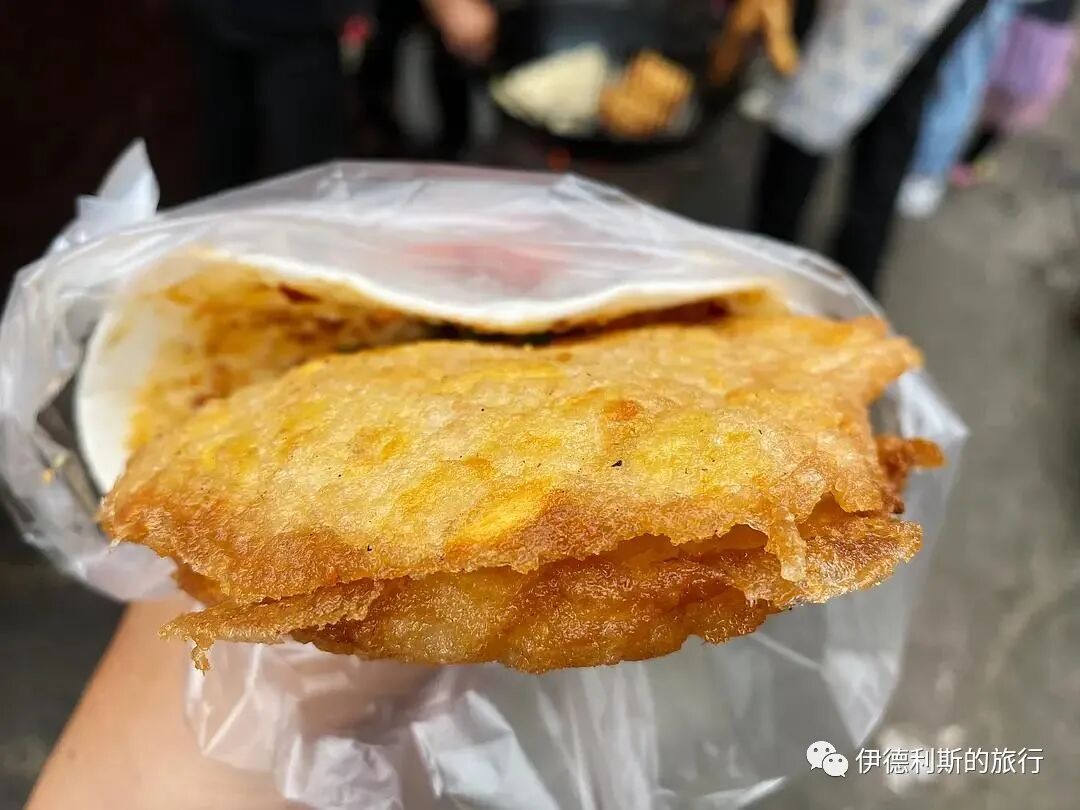
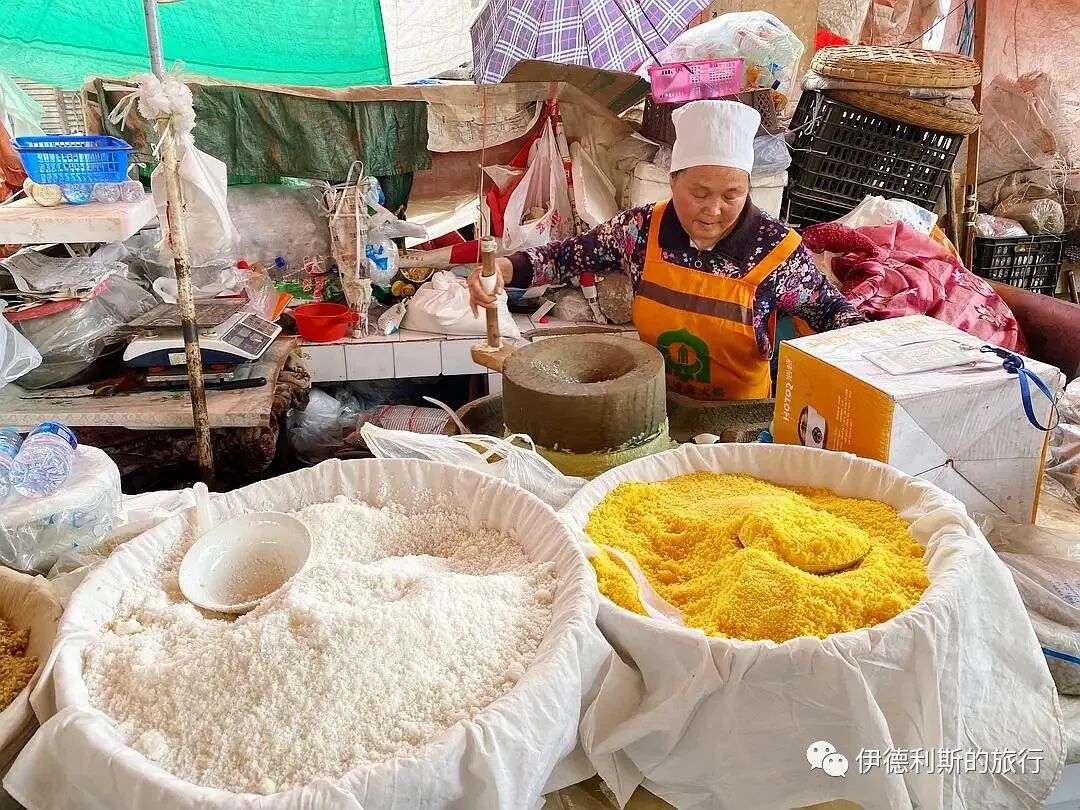
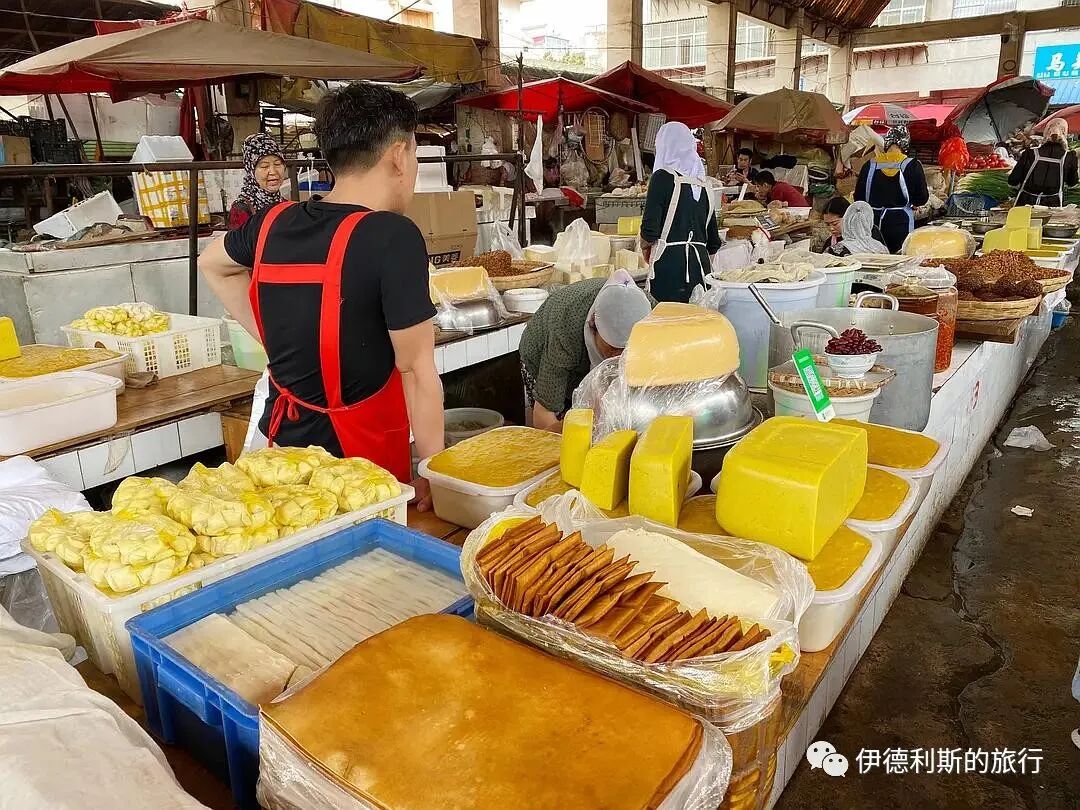
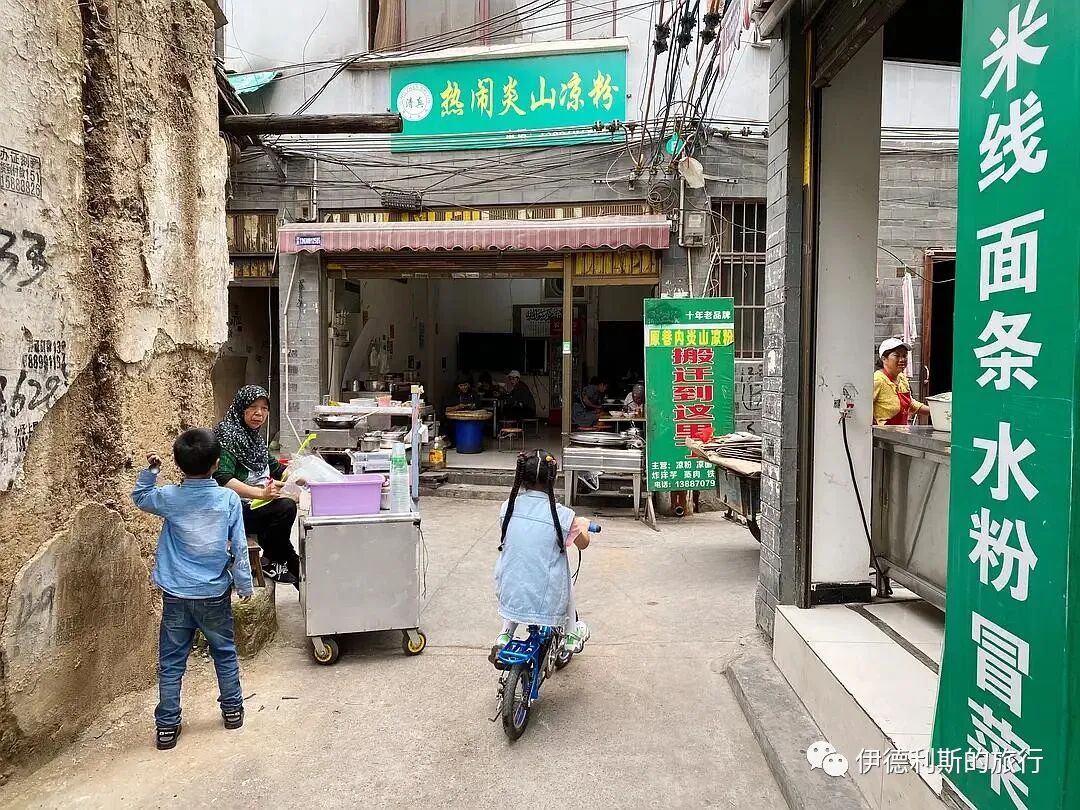
In the morning, we visited the Sanguanmiao wet market opposite the Zhaotong Dongdasi. It is full of stalls run by Hui Muslims, selling various raw and cooked meats, pea starch jelly, corn flour, etc. At a stall at the market entrance, we drank pea starch jelly and ate erkua (rice cake) stuffed with yougao, which is a local authentic traditional breakfast.
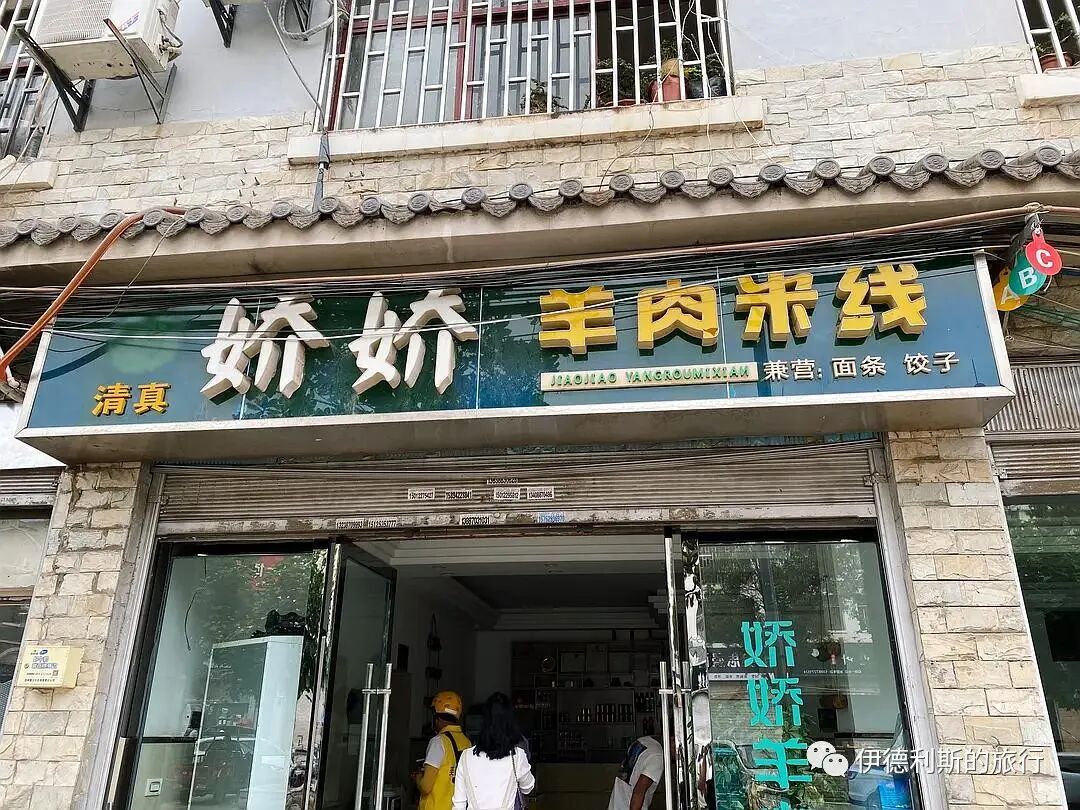
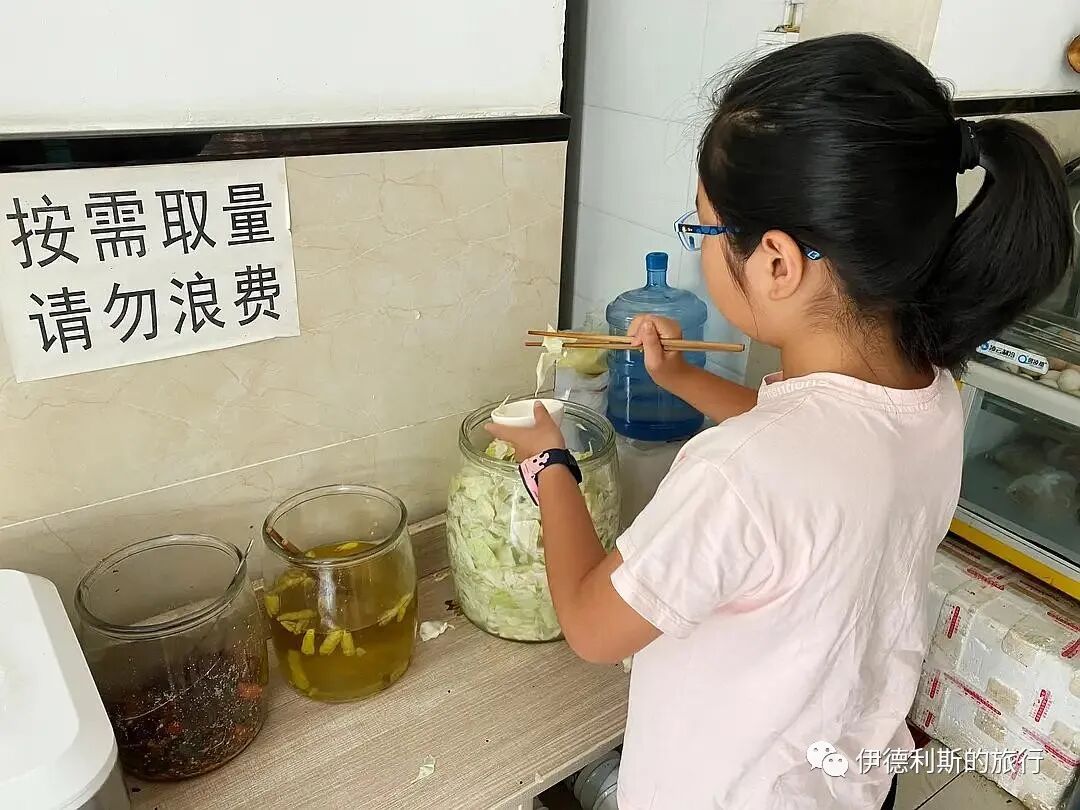
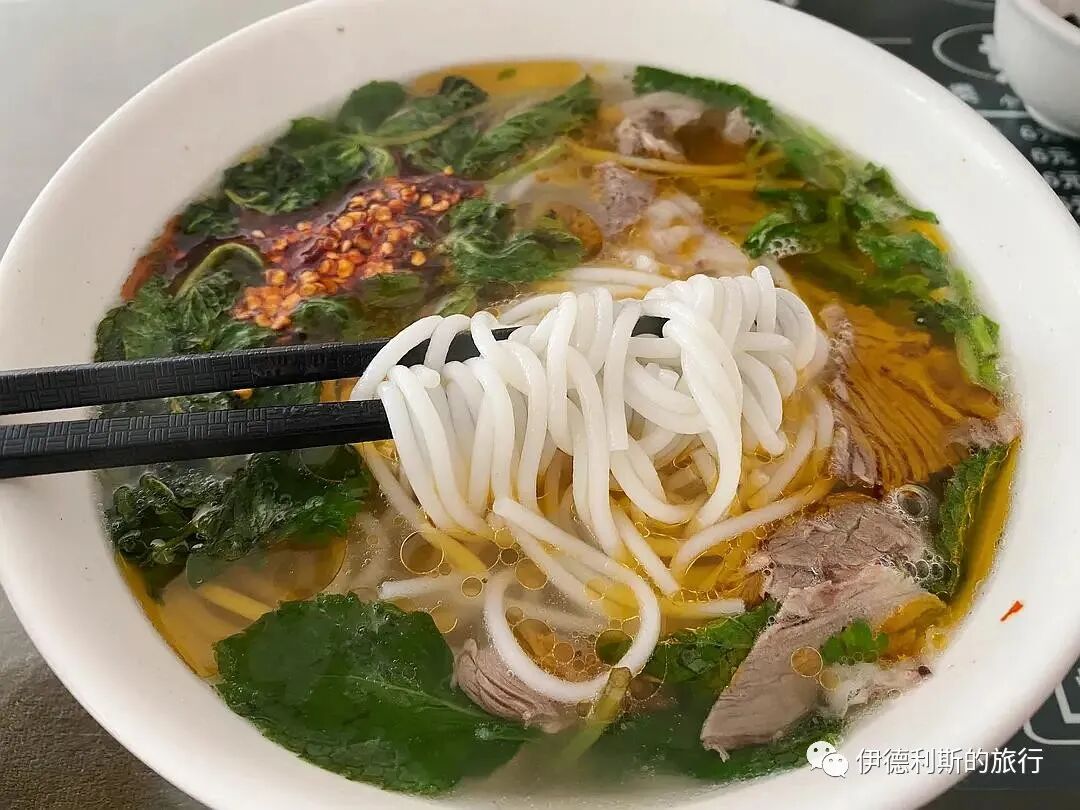
Then we ate mutton rice noodles opposite the Zhaotong Dongdasi. I have been to many places in Yunnan where they serve beef rice noodles, so this was the first time I had eaten mutton ones.
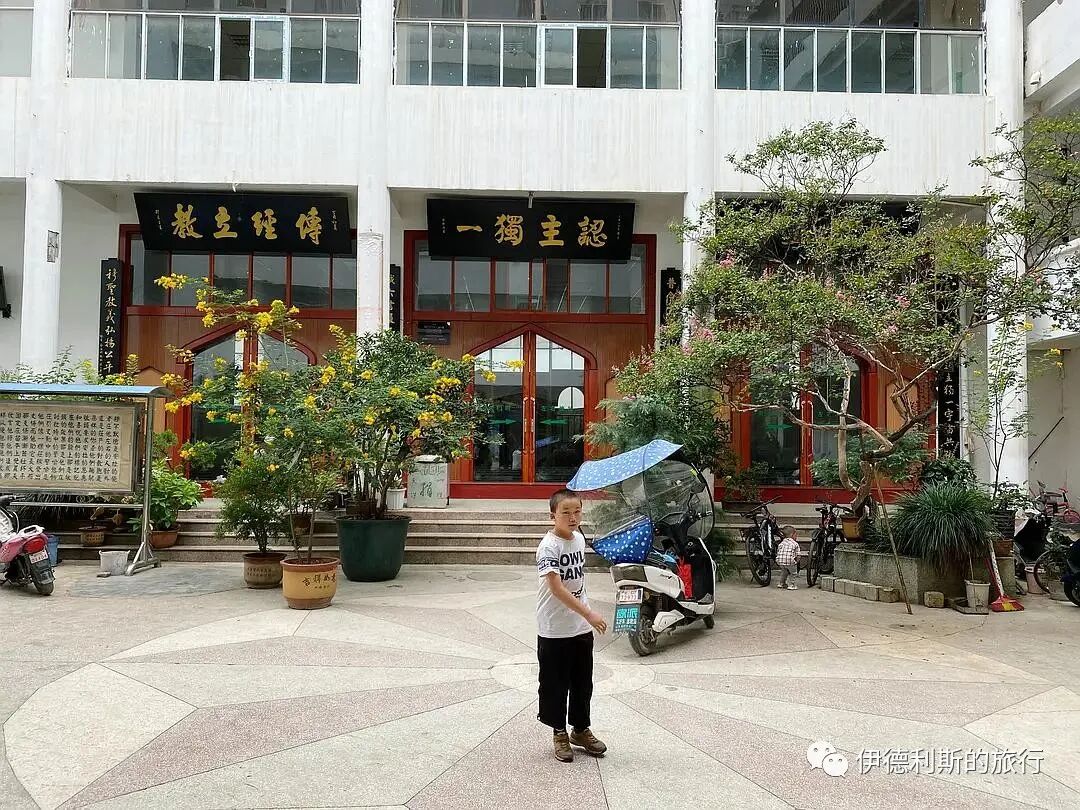
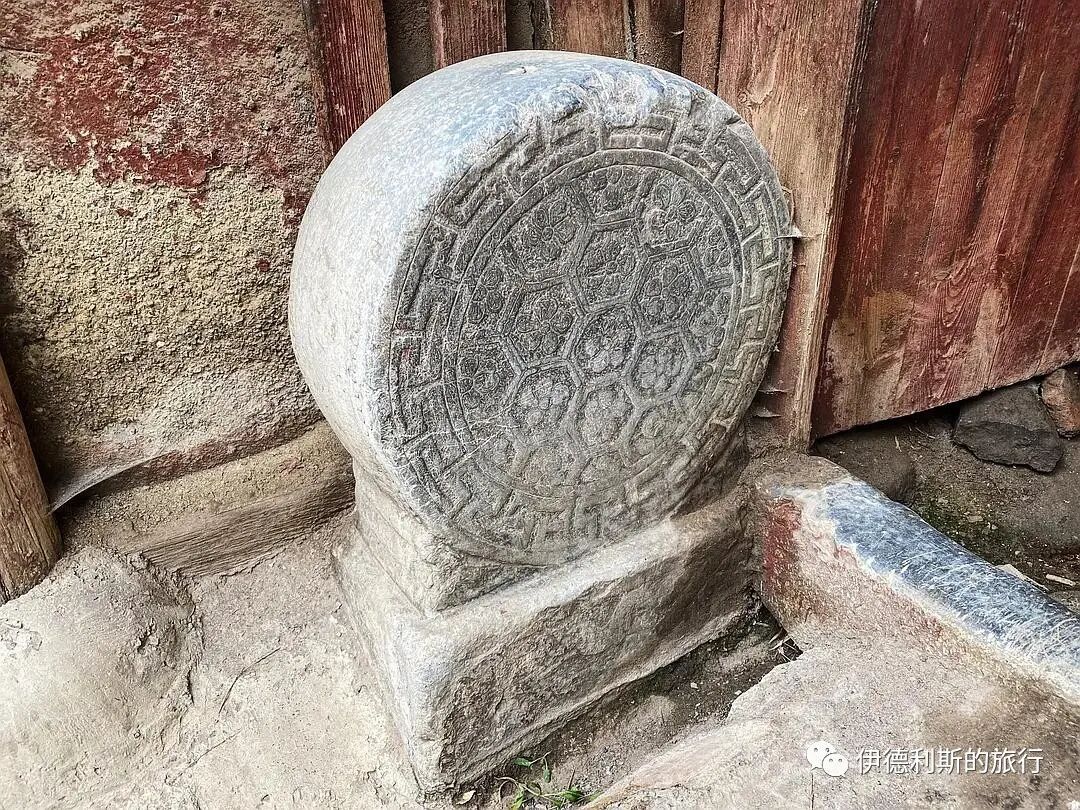
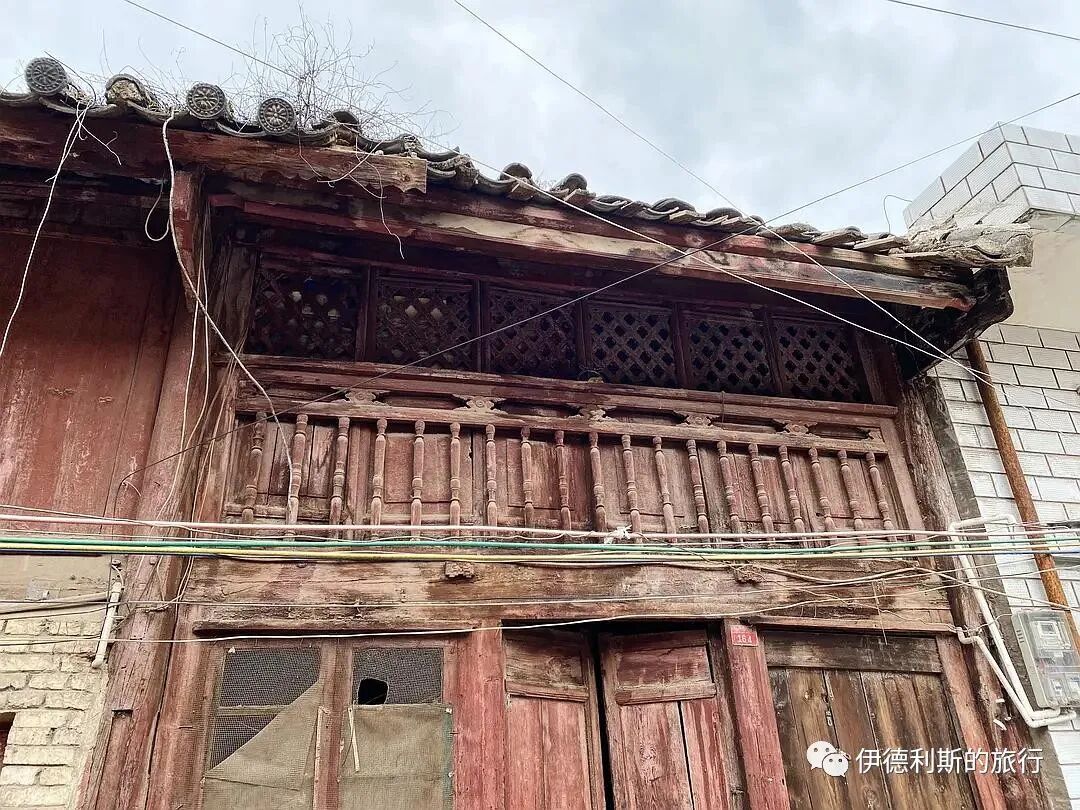
The famous Maohuojie Mosque; this small mosque once cultivated many outstanding young Muslims.
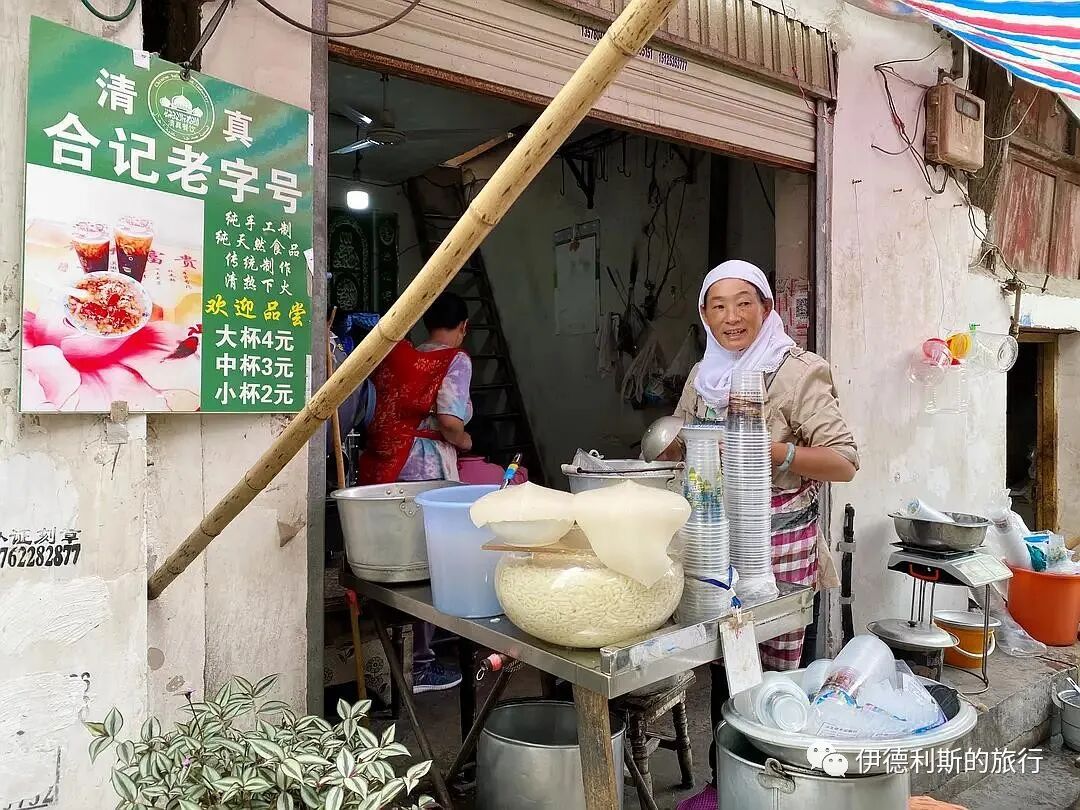
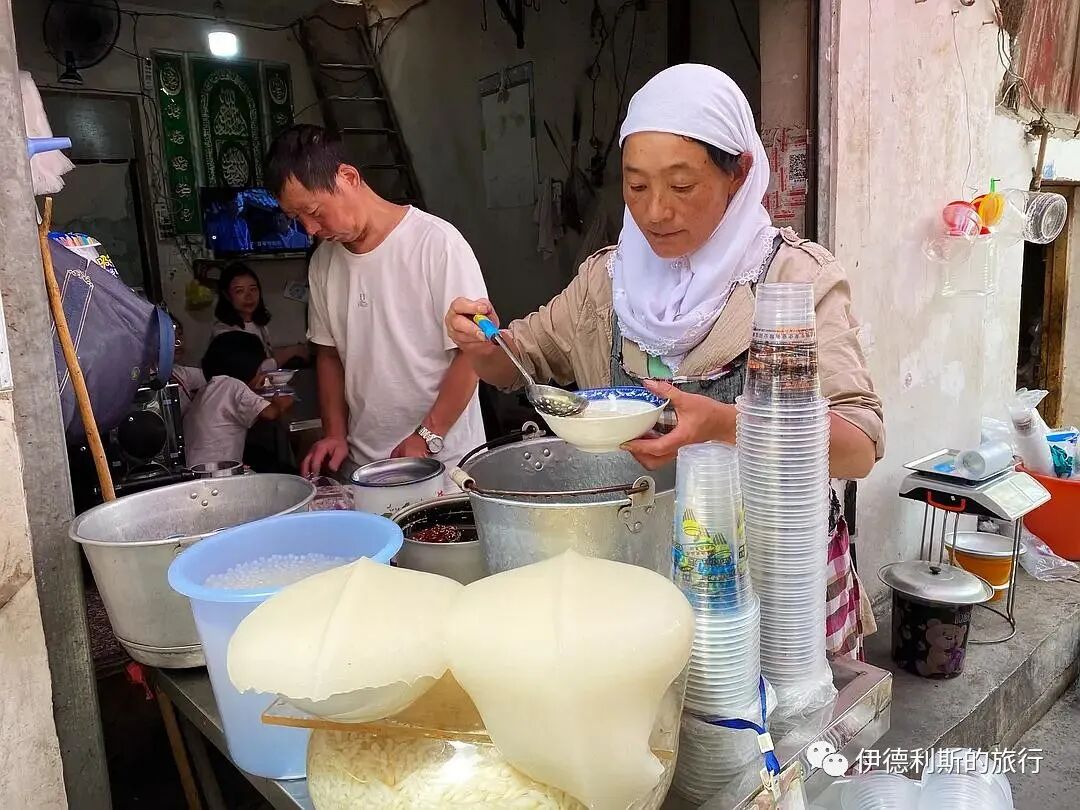
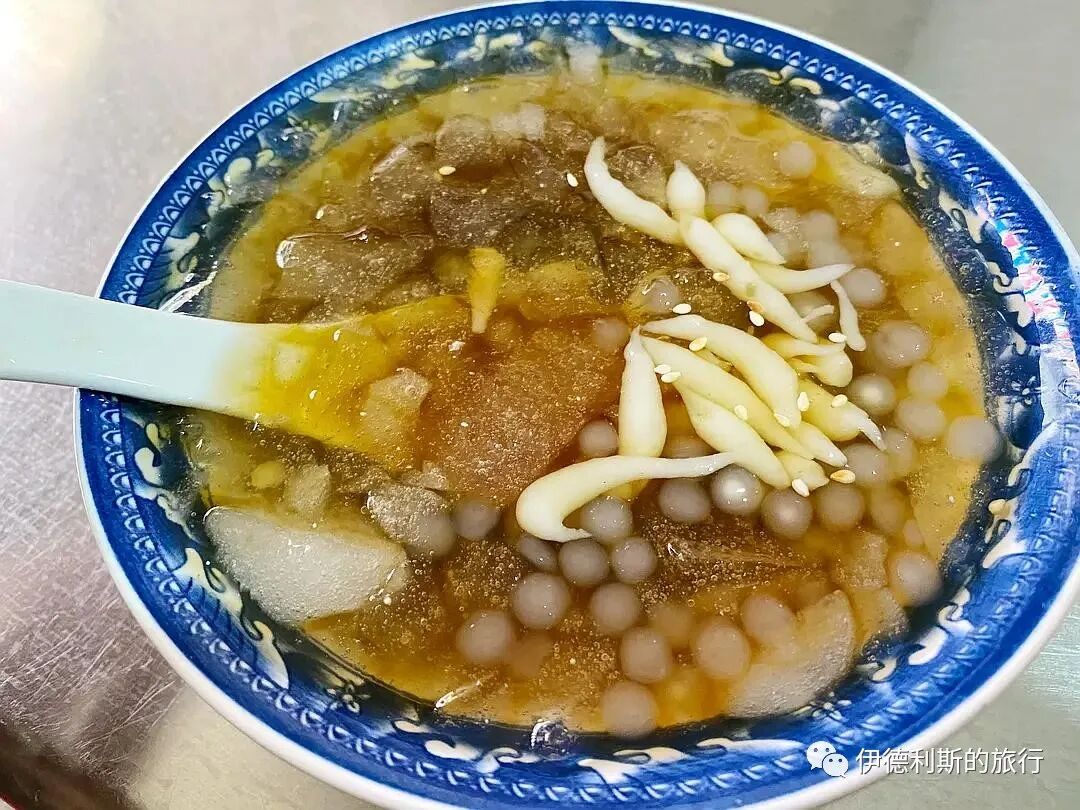
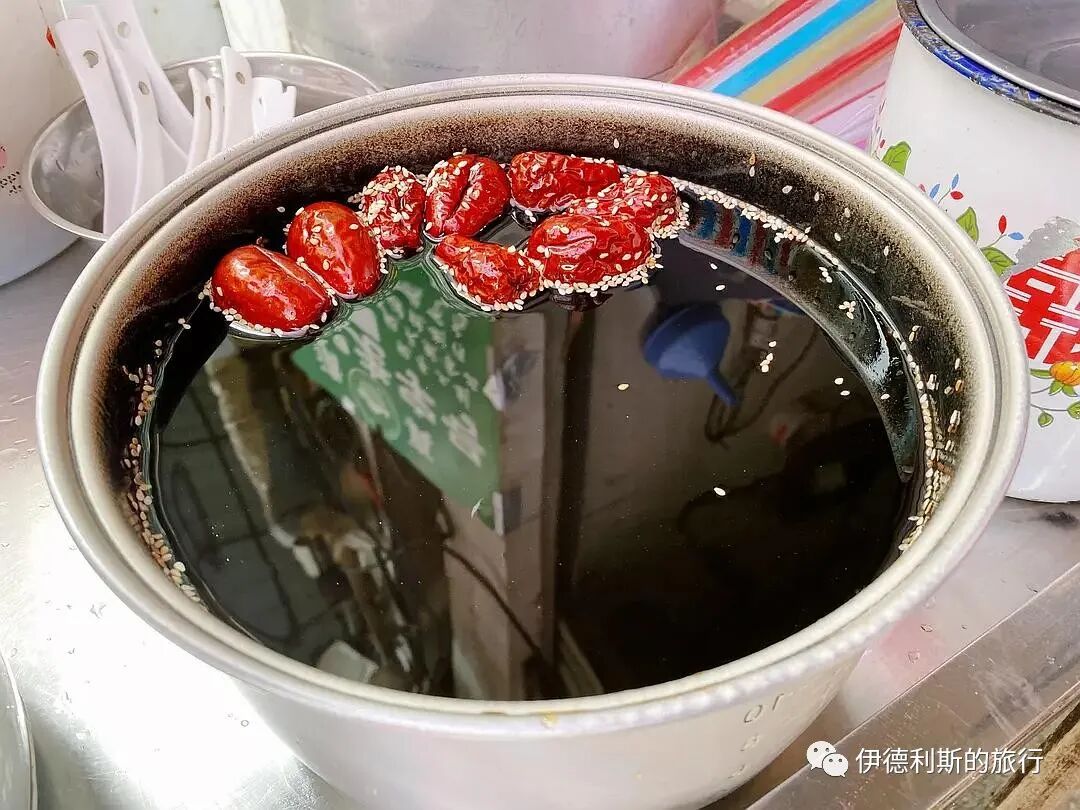
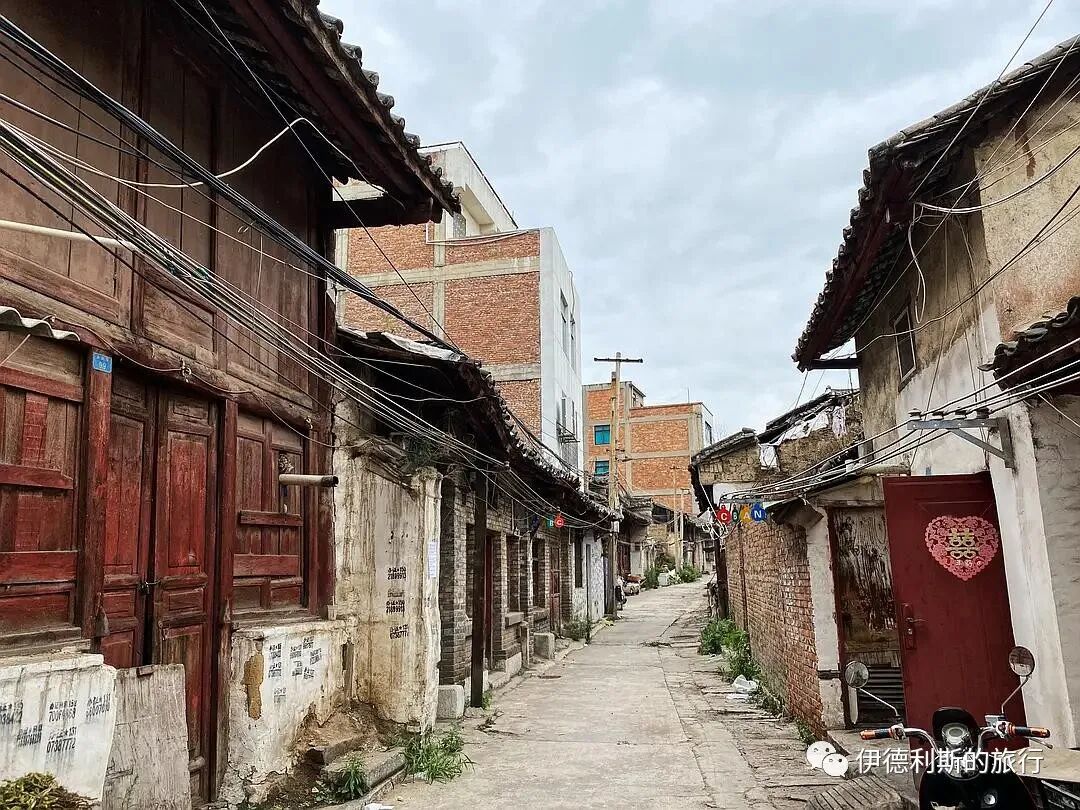
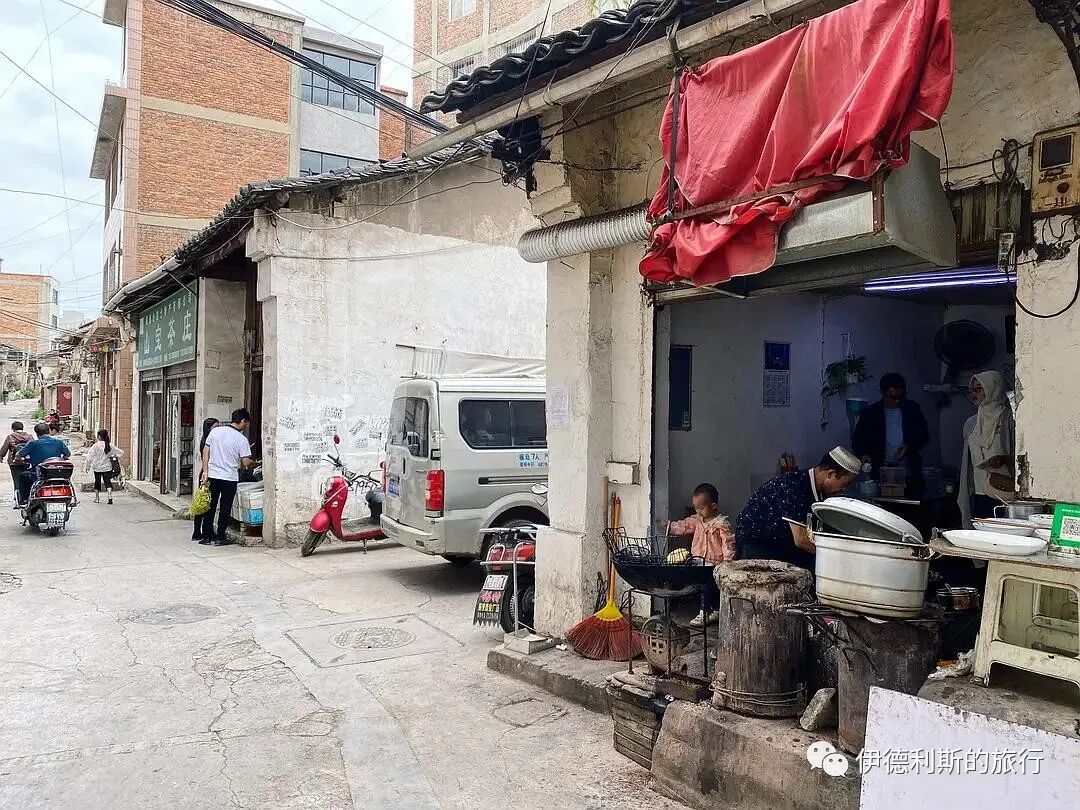
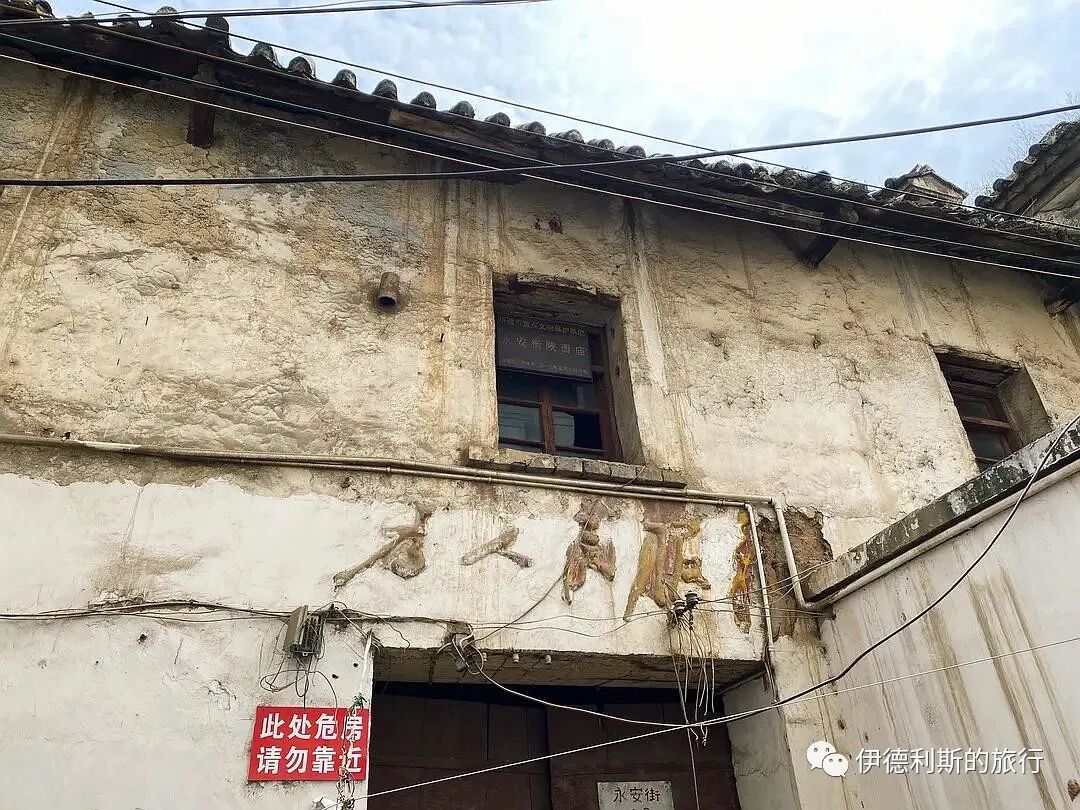
At noon, we strolled around the Maohuojie area in the old city of Zhaotong and drank a bowl of papaya ice jelly in a small alley. It was very refreshing, and their shop is especially popular with children. The ice jelly shop is called "Heji." The surname He was once the most important Hui Muslim surname in the Maohuojie area of Zhaotong. It is said to originate from the surname Ha and are descendants of General Ha Yuansheng, who led the army to pacify Wumeng in the early years of the Yongzheng reign.
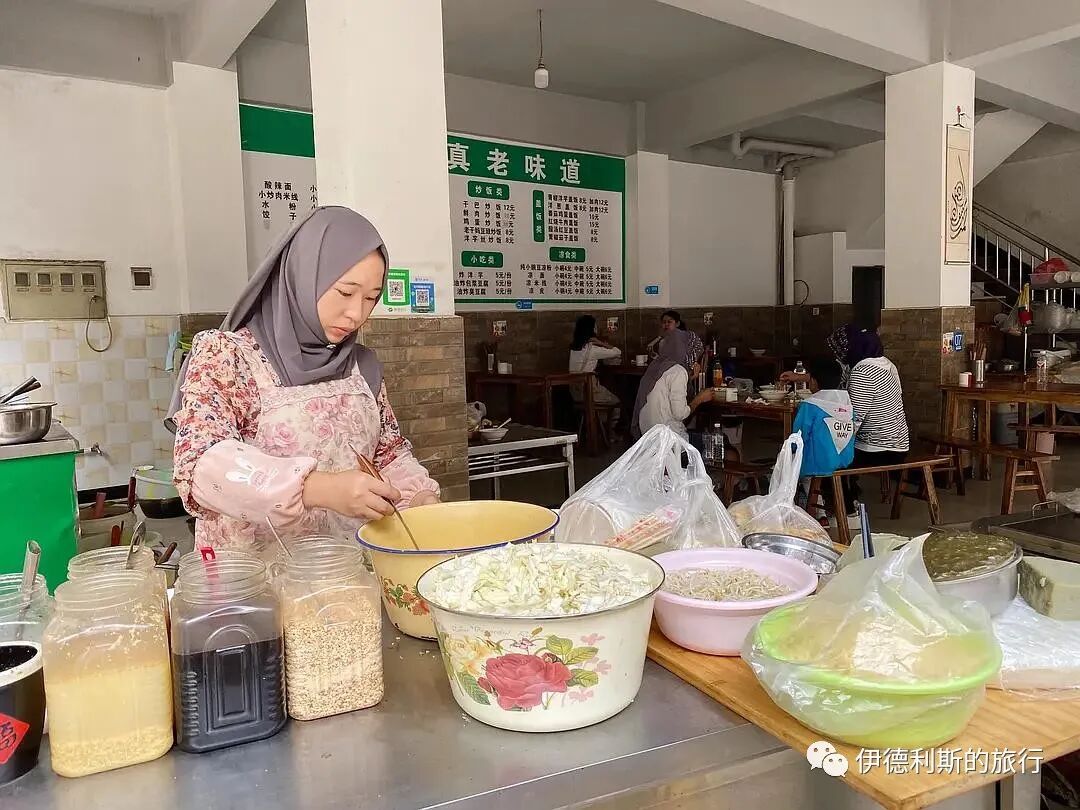
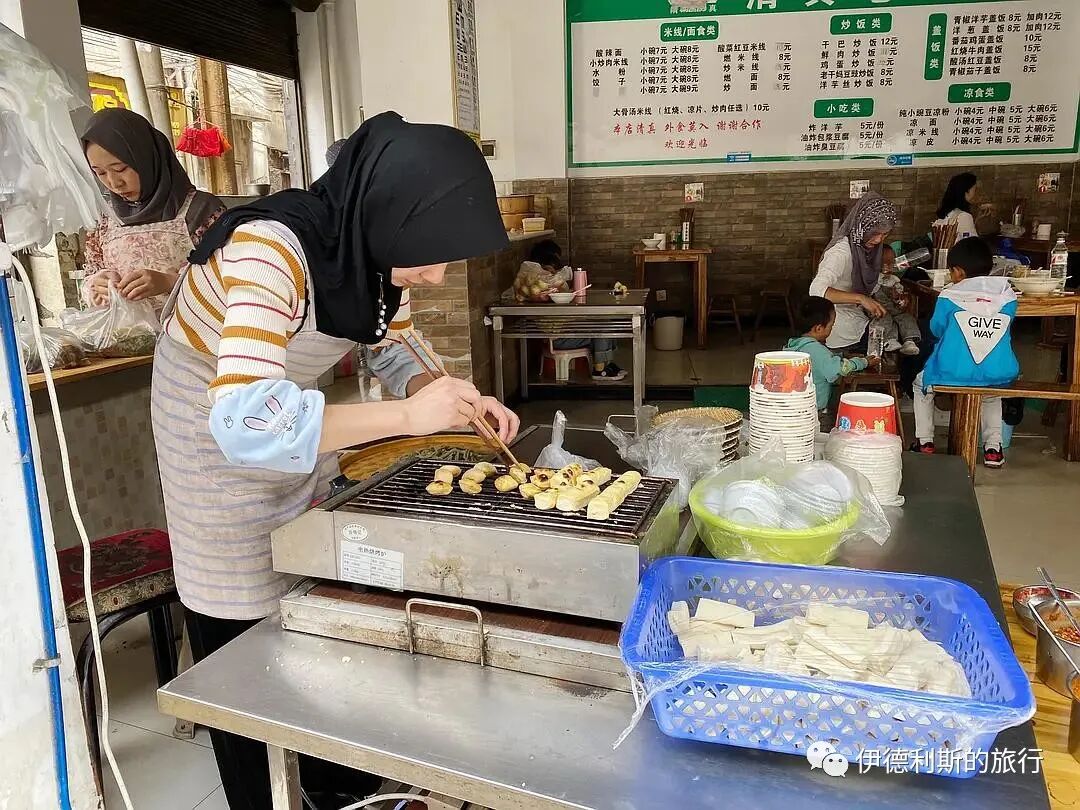
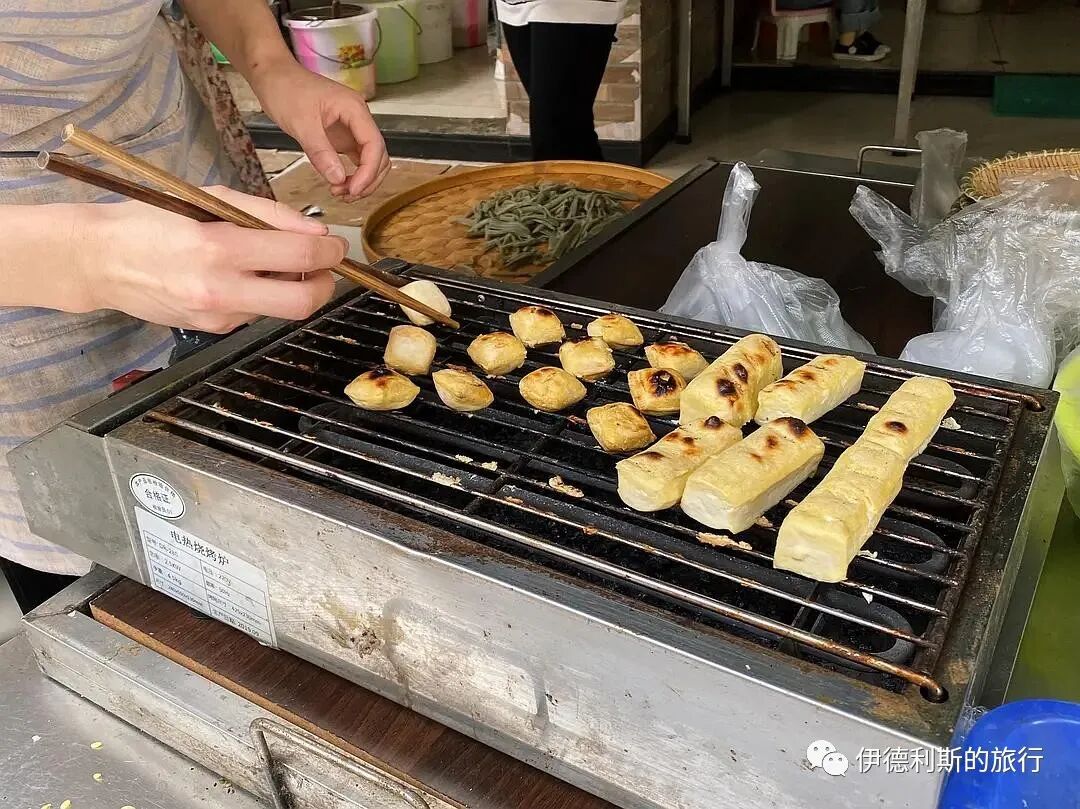
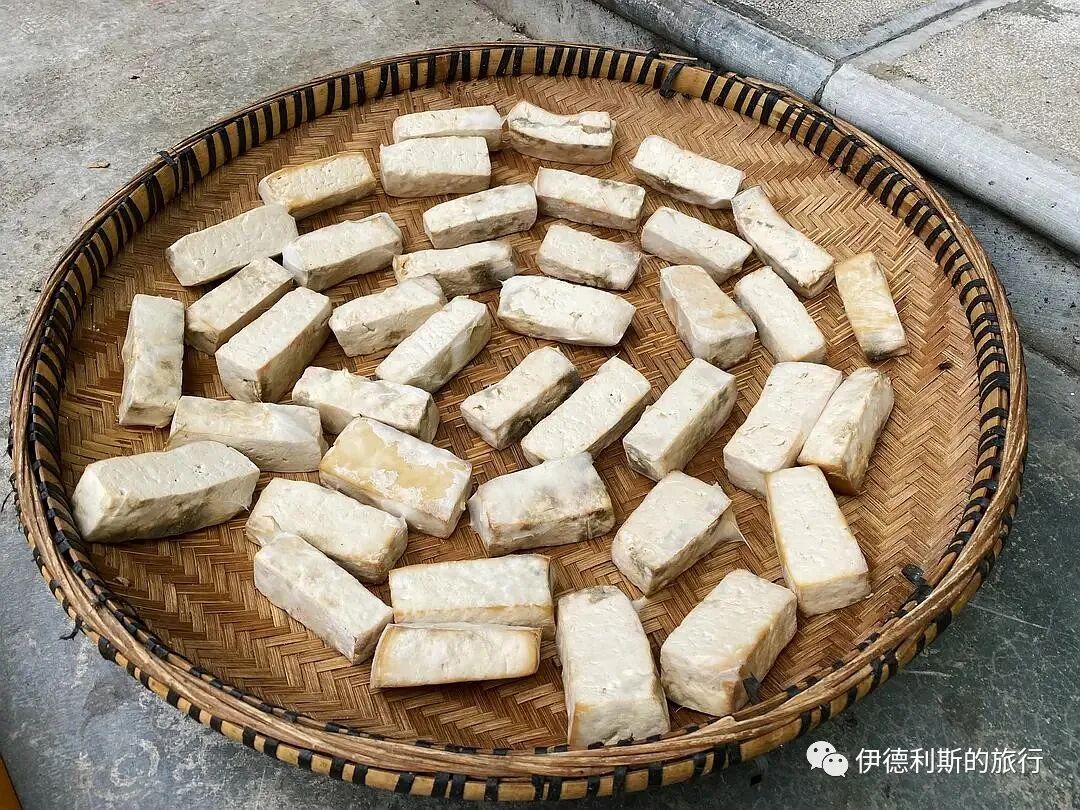
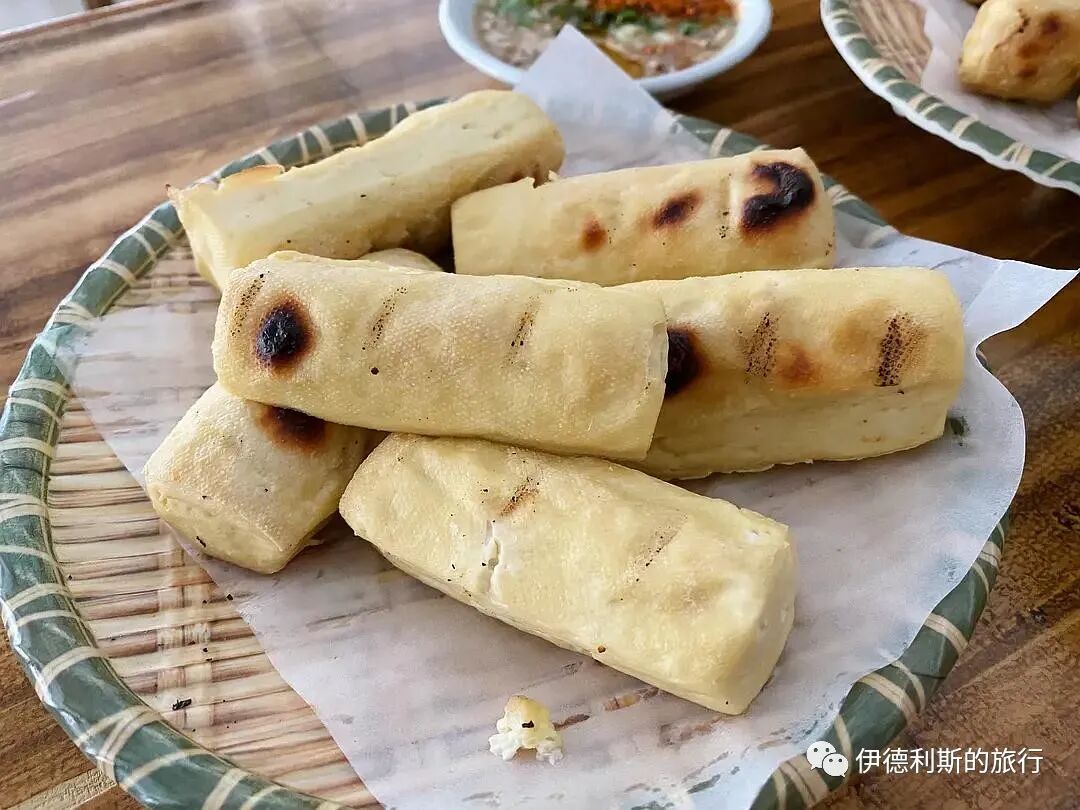
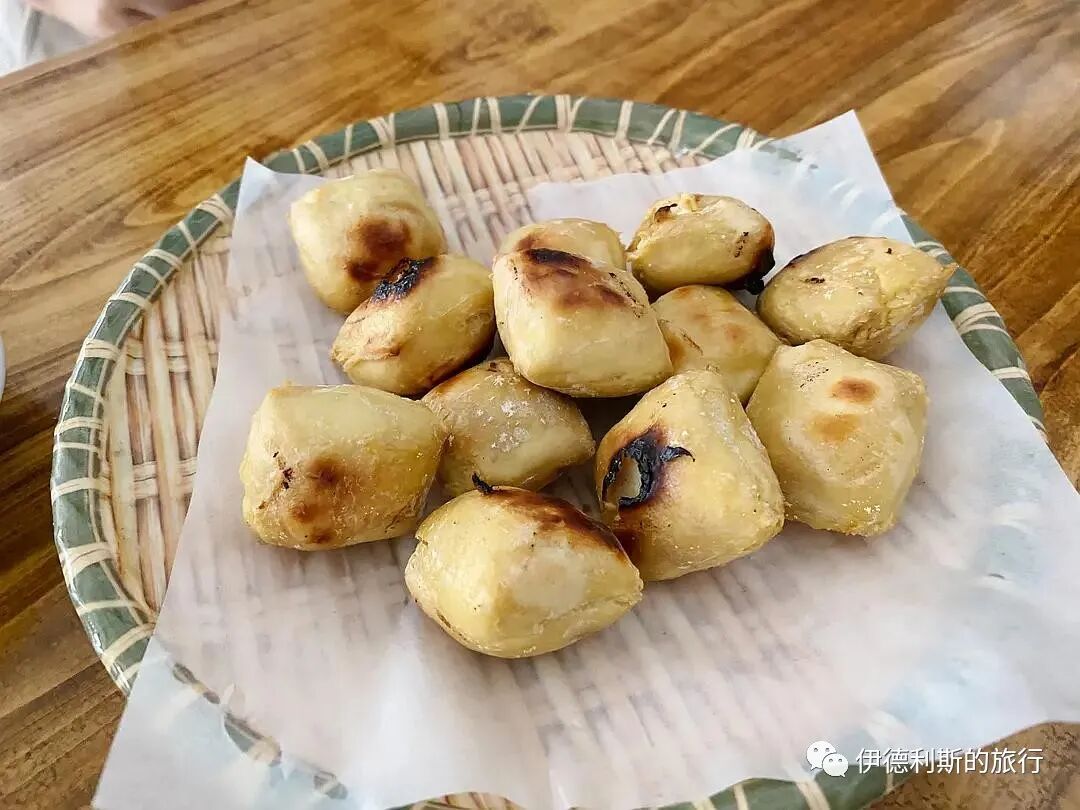
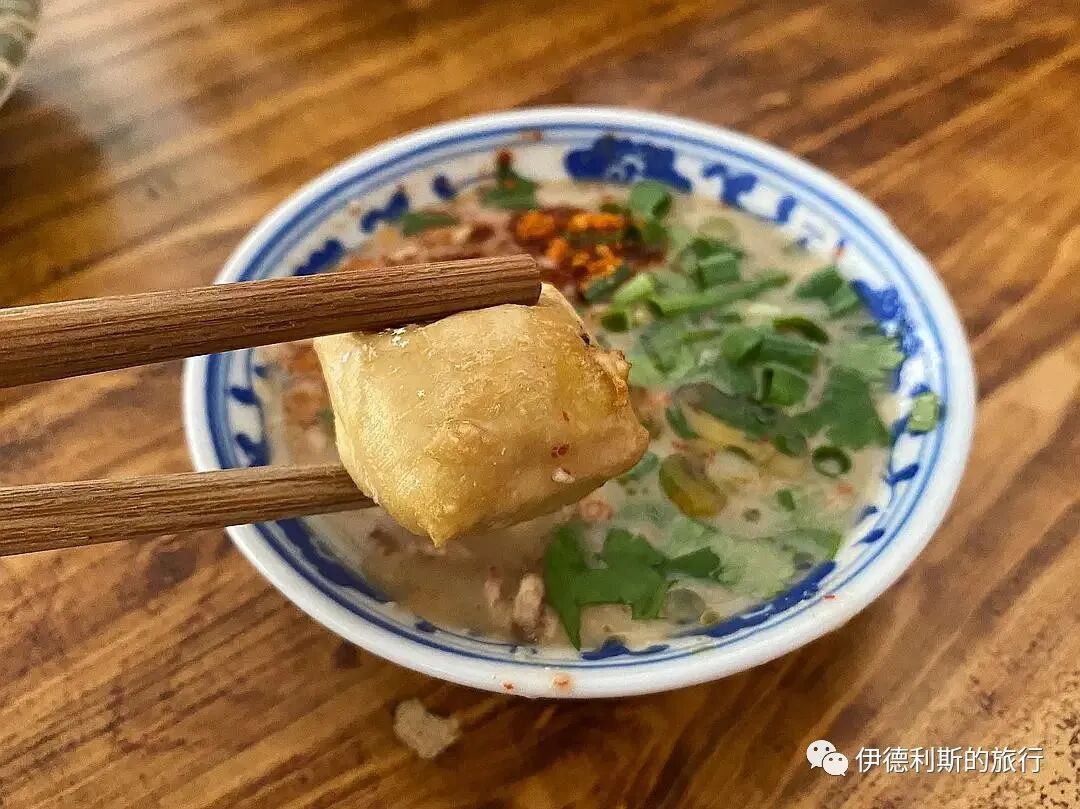
In a small restaurant near Maohuojie, we ate fried baojiang doufu and fried stinky tofu. Zainab loves Yunnan's fried tofu too much; it is especially fragrant when paired with the dipping sauce.
Summary: This travel note introduces Zhaotong Halal Food Guide: Mosques, Muslim Streets and Yunnan Travel. In August 2020, Zainab and I took our marriage leave to travel to Yunnan. In Zhaotong, we were warmly received by Sister Azi and Brother Chen, friends of Dafei Ge. It is useful for readers interested in Zhaotong Travel, Halal Food, Yunnan Muslims.
In August 2020, Zainab and I took our marriage leave to travel to Yunnan. In Zhaotong, we were warmly received by Sister Azi and Brother Chen, friends of Dafei Ge. They took us to visit many interesting places and we ate various Zhaotong specialty foods.
August 9th
We flew from Kunming to Zhaotong at noon. In the afternoon, Sister Azi took us to eat snacks at the entrance of the Zhaotong Dongdasi (East Mosque). We ordered ran mixian (spicy stir-fried rice noodles) and zha yangyu (fried potatoes). Sister Azi also bought nuomi baba (glutinous rice cakes) and wandou liangfen (pea starch jelly) from a nearby shop. The snacks here feel different from those in Kunming.
In the evening, Brother Chen took us to the Yukoudao Restaurant opposite the Zhaotong Nancheng Dasi (South City Mosque) to eat with several teachers from the Islamic Institute. Their restaurant is one of the few halal restaurants in Zhaotong that does not sell alcohol. On the dining table, there were both dry dipping sauces and wet dipping sauces. The wet dipping sauce is for dipping sweet bamboo shoots, and the dry dipping sauce is for dipping dancai (a local vegetable dish), which requires using the dancai broth to thin out the sauce. Brother Chen said he could go without meat for a few days, but if he doesn't eat dancai for a few days, he feels like something is missing.
August 10th
Early in the morning, we ate yangyu yougao (potato oil cakes) with xi doufen (thick pea porridge) on Tuanjie Road in Zhaotong. Sister Azi taught us to sprinkle Sichuan peppercorn powder on the xi doufen and then soak the yougao in it. After eating, I felt full of energy.
We set off from Zhaotong to Ludian to begin visiting traditional mosques. At noon, we arrived at the Longtoushan Mosque just in time for a funeral, and we were invited to the communal meal. I really love eating at these communal meals, especially the surou (crispy stir-fried meat/beef), it is so fragrant!
After eating at the Longtoushan Mosque, we went to visit the Taojiawan Mosque. Sister Azi's uncle, Ma Xingjian, serves as the Imam there. Upon learning of our visit, Imam Ma specially picked fresh figs from the mountains for us to eat. They were particularly sweet and clear, different from the small black figs in Dali.
In the afternoon, we returned to Zhaotong from Ludian and went to the Baxian Qingzhen Dasi (Baxian Grand Mosque) for a communal meal to celebrate the resumption of educational activities at the mosque. In 1942, the Zhaoweilu Hui Muslim Joint Chongzhen Normal School was founded at the Baxian Grand Mosque. During the Republic of China era, it was another educational center for Muslims in the country, following the Chengda Normal School and the Shanghai Private Islamic Normal School.
The main dishes at the meal were beef feet and beef tongue left over from Eid al-Adha. Among all places in Yunnan, Zhaotong celebrates Eid al-Adha the most lively and interestingly, but unfortunately, we missed it this year. In addition, we ate the specialty corn flour and buckwheat mixed rice and delicious douhua (soft tofu pudding).
In the evening, we drank tea and chatted with Principal Wang Qiuping at the Songjiashan Islamic Scripture School. My friend and several people I know were once students of Principal Wang. Principal Wang uses spring water fetched from the mountains to brew tea.
Back in Zhaotong city, we went to Maya Barbecue, owned by Sister Azi's friend Ma Ya, to eat Zhaotong-style small meat skewers. We also ordered baojiang doufu (fermented tofu with a creamy center), grilled chives, grilled lotus root slices, and chatted happily with Ma Ya.
Maya Barbecue is considered a relatively large barbecue restaurant in Zhaotong and even has a branch in Kuala Lumpur, Malaysia, though it was suspended this year due to the pandemic. Ma Ya did not have much schooling growing up, but he is very hardworking and is very studious when it comes to running a restaurant, which is why his business is growing larger and larger. His restaurant is clean, tidy, and has good service, feeling very different from typical barbecue shops. In addition, Ma Ya is very enthusiastic about public welfare; he is an important participant in the Zhaotong Muqing Charity.
August 11th
In the morning, we bought stuffed steamed buns at a small shop on Binhe Road in Ludian County.
Sister Azi took me, Zainab, Principal Wang Qiuping, and Brother Ma Cun to her family's orchard to pick apples. In addition to the early-ripening red apples, there were also some green apples. Zhaotong apples are truly delicious.
After picking apples, we returned to Ludian county town and had lunch at the Machang Restaurant on Ci Yuan Road. Their restaurant is also one of the few alcohol-free restaurants in Ludian. I ate my favorite suji (crispy chicken) and the most classic dancai here. The cold beef slices and fish were also very delicious. Once again, I praise the dipping sauces of Yunnan.
Then, Principal Wang Qiuping gave me a book he translated, which is well worth reading.
In the evening, Brother Chen treated us to dinner at the Yunyi Restaurant in downtown Zhaotong. Yunyi is considered a large restaurant with a relatively good environment in Zhaotong, and the food is also quite good. We ate sweet bamboo shoots, grilled tofu, fried tea tree mushrooms, and dancai soup.
August 12th
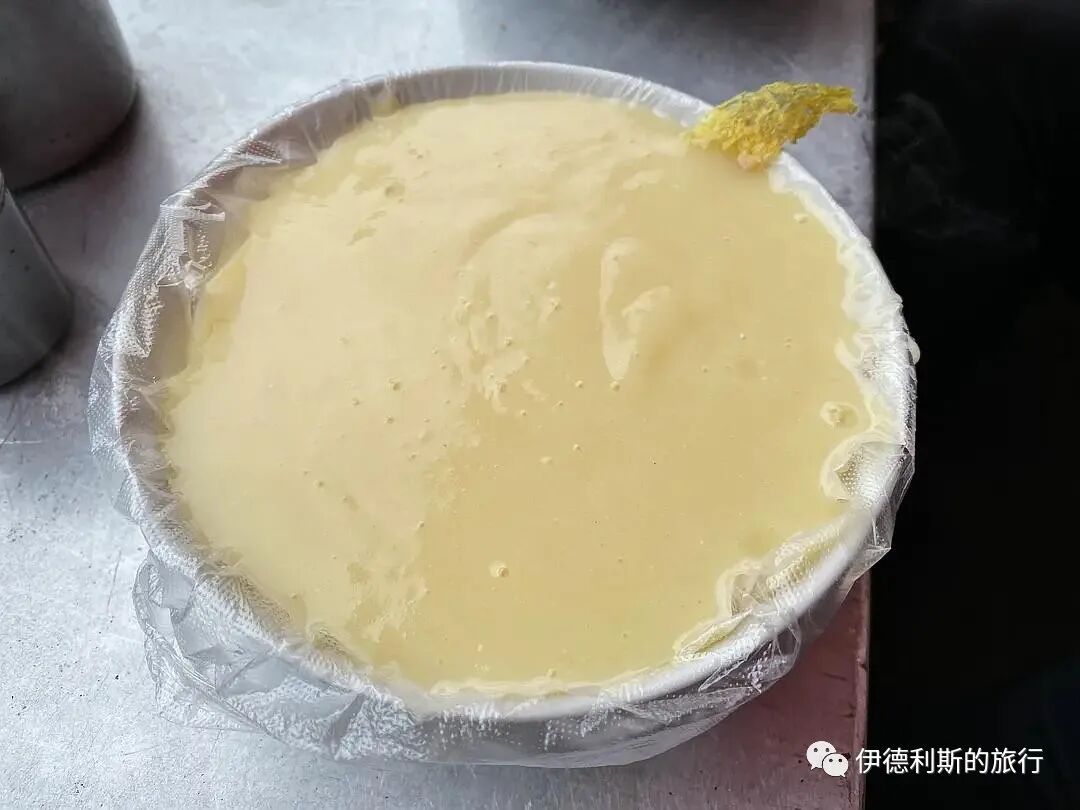
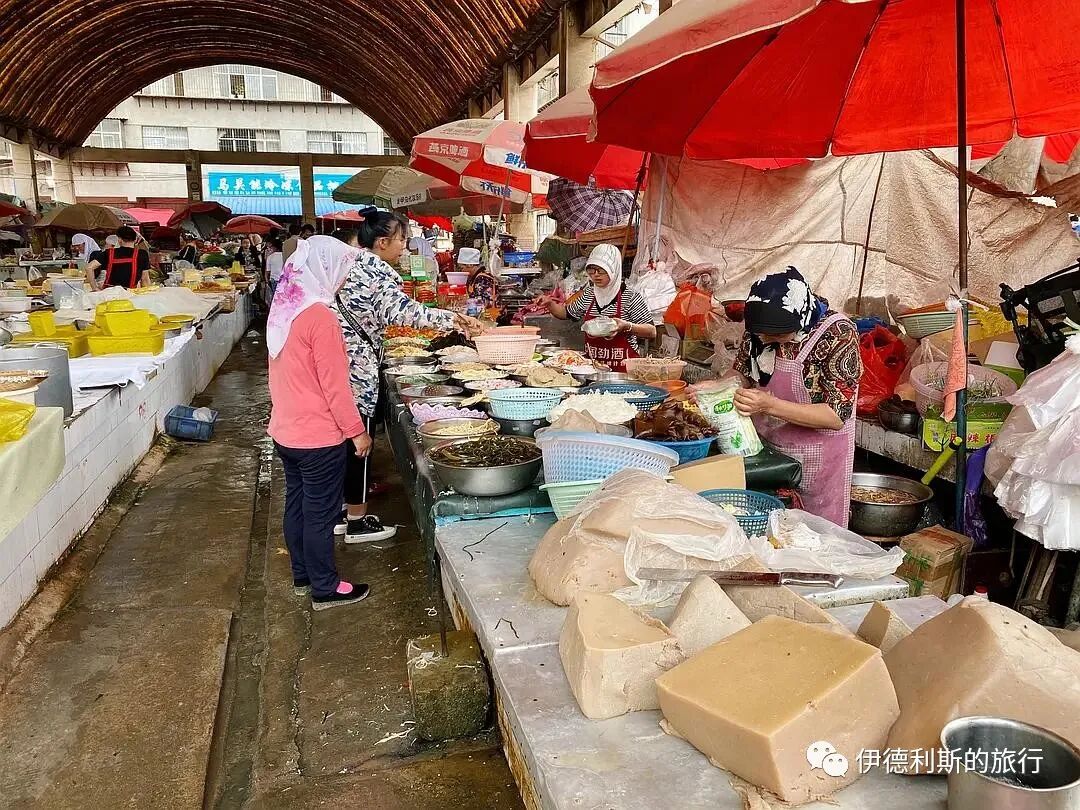
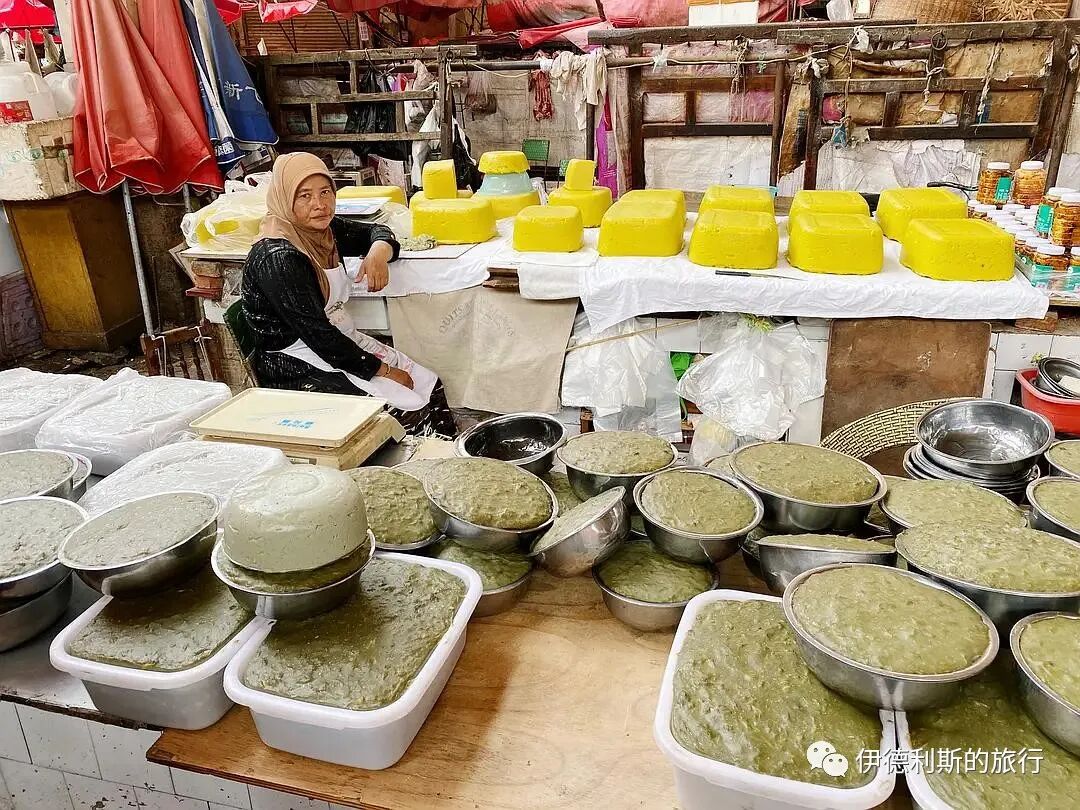
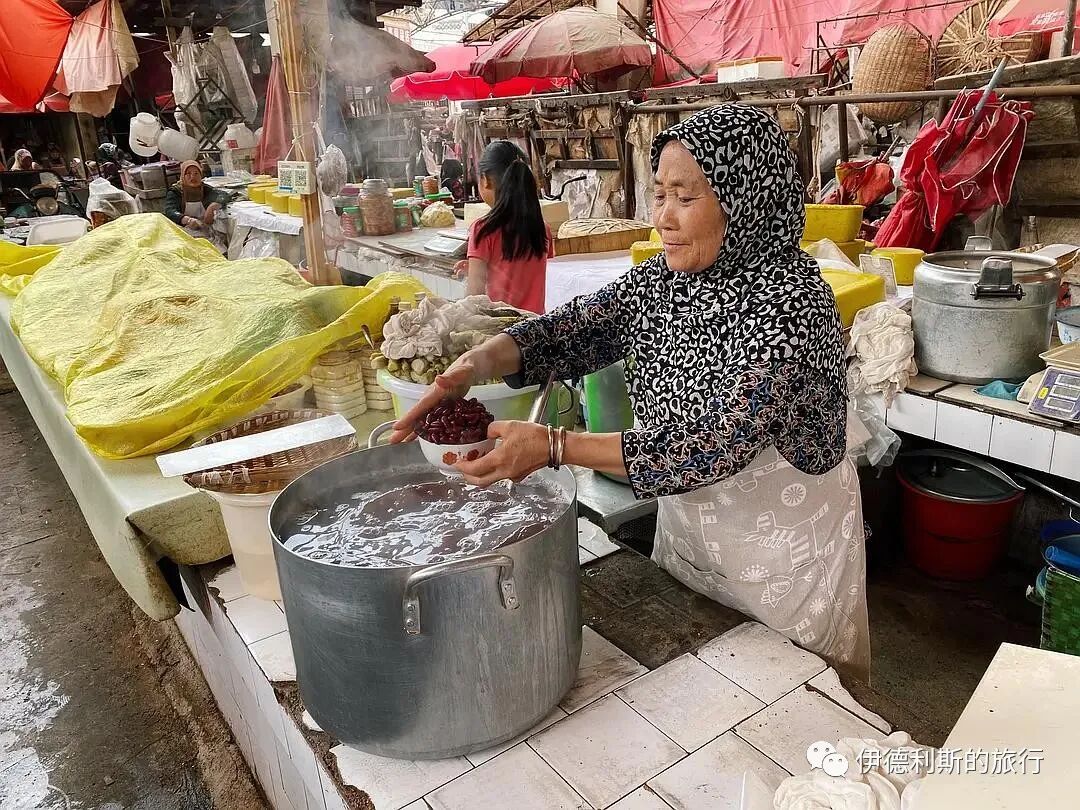
In the morning, we visited the Sanguanmiao wet market opposite the Zhaotong Dongdasi. It is full of stalls run by Hui Muslims, selling various raw and cooked meats, pea starch jelly, corn flour, etc. At a stall at the market entrance, we drank pea starch jelly and ate erkua (rice cake) stuffed with yougao, which is a local authentic traditional breakfast.
Then we ate mutton rice noodles opposite the Zhaotong Dongdasi. I have been to many places in Yunnan where they serve beef rice noodles, so this was the first time I had eaten mutton ones.
The famous Maohuojie Mosque; this small mosque once cultivated many outstanding young Muslims.
At noon, we strolled around the Maohuojie area in the old city of Zhaotong and drank a bowl of papaya ice jelly in a small alley. It was very refreshing, and their shop is especially popular with children. The ice jelly shop is called "Heji." The surname He was once the most important Hui Muslim surname in the Maohuojie area of Zhaotong. It is said to originate from the surname Ha and are descendants of General Ha Yuansheng, who led the army to pacify Wumeng in the early years of the Yongzheng reign.
In a small restaurant near Maohuojie, we ate fried baojiang doufu and fried stinky tofu. Zainab loves Yunnan's fried tofu too much; it is especially fragrant when paired with the dipping sauce.
