

Yunnan Muslims
Discovering Yunnan's Unique Zhuang-Hui Muslims: Culture, Food & History
Articles • Hasan09 posted the article • 0 comments • 1 views • 1 hours ago
Liping Hu, Yu Feng: A Closer Look at the "Zhuang-Hui" Muslims of Wenshan, Yunnan
Abstract:
The "Zhuang-Hui" are a unique group of Hui Muslims living in Wenshan Prefecture, Yunnan Province. Over the course of history, they have blended elements of Islamic faith with distinct Zhuang cultural traditions, creating a rich, pluralistic ethnic culture.
1. Origins and Overview of the Hui People in Wenshan Prefecture, Yunnan
Wenshan Zhuang and Miao Autonomous Prefecture is home to over 23,000 Hui Muslims, making up about 0.007% of the prefecture's total population of 3.28 million. They are scattered across four counties: Wenshan, Yanshan, Qiubei, and Guangnan. Wenshan city sits at the center, surrounded by Maguan, Xichou, Malipo, Funing, Yanshan, Qiubei, and Guangnan counties. Aside from a few Hui civil servants and temporary residents working in Xichou, Maguan, Malipo, and Funing, those four counties are essentially devoid of resident Hui populations.
The "Zhuang-Hui" are a unique group of Hui Muslims living in Wenshan Prefecture, Yunnan Province. Over the course of history, they have blended elements of Islamic faith with distinct Zhuang cultural traditions, creating a rich, pluralistic ethnic culture.
1. Origins and Overview of the Hui People in Wenshan Prefecture, Yunnan
Wenshan Zhuang and Miao Autonomous Prefecture is home to over 23,000 Hui Muslims, making up about 0.007% of the prefecture's total population of 3.28 million. They are scattered across four counties: Wenshan, Yanshan, Qiubei, and Guangnan. Wenshan city sits at the center, surrounded by Maguan, Xichou, Malipo, Funing, Yanshan, Qiubei, and Guangnan counties. Aside from a few Hui civil servants and temporary residents working in Xichou, Maguan, Malipo, and Funing, those four counties are essentially devoid of resident Hui populations.
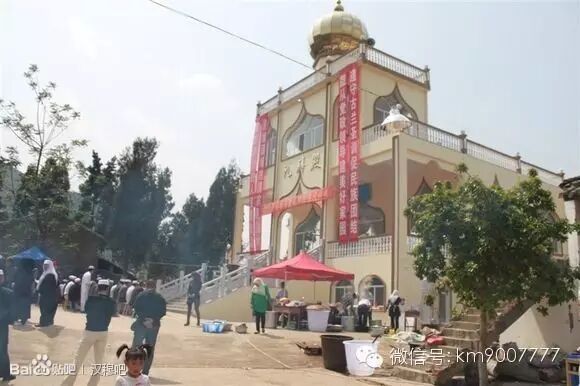
Wenshan's Hui population primarily lives along highways or in towns, mostly settled in flat valley basins with a small fraction living in mountainous areas. Hui villages tend to be tightly clustered, creating a settlement pattern of "large dispersion, small concentration." Currently, Yanshan has 19 Hui villages: Pingyuan Town includes Tianxin, Pingyuan, Songmaopo, Maolong, Sanjiacun, Xinzhuang, Xiaoyuan Road, Chebaini, Songshancun, and Shangmao Avenue; Jiayi Town includes Laojiaocheng, Xiaoshiqiao, Zhongzhai, Chengda, and Yanshan urban area; Ameng Town includes Ameng, Mifa, Mifa New Village, and Maodichong. Qiubei County has 9 Hui villages: Qiubei urban area, the Ball Manufacturing Plant, Jinping Town's Matoushan, Xincheng, Hewai, and Jiucheng, as well as Yuezhe Township's Yuezhe, Xinzhai, and Fuxing Village. Wenshan County has 9 Hui villages: Wenshan urban area, Matang Township's Huanglongba, Pingba Town's Pingba, Hongdian Hui Ethnic Township's Moke, Bajiazhai, along with self-declared repatriated ancestral villages Wulu Old Village, Wulu New Village, and Mulubai, plus Dehou Township's Kazuo Zhuang village Muslims. Guangnan County has two Hui residential areas in Guangnan urban area and Zhulin. Across the entire prefecture, there are 39 Hui residential villages and towns, housing a total of 40 mosques. Aside from the older mosques in Yuezhe and Guangnan, all other mosques have been successively renovated, expanded, or rebuilt by local villages and towns in recent times.
Generally speaking, the Hui population in Wenshan originated from migrations out of Dali, Kunming, Jianshui, Luliang, and Luxi during the Yongzheng, Qianlong, and Xianfeng reigns of the Qing Dynasty.
2. The Origins of Wenshan's Zhuang-Hui
Han, Hui, and other ethnic groups in Yunnan had historically lived together in harmony. However, the Qing government adopted a divide-and-rule policy of "using Han to control Hui," manufacturing ethnic divides that heightened tensions and damaged relations between the two communities.
In March 1856 (the 6th year of Xianfeng, Bingchen year), Yunnan Governor Shu Ahxing and Provincial Treasurer Qingsheng (a Manchu), acting on orders from the Qing court, commanded all prefectures, departments, sub-prefectures, and counties to "annihilate the Yunnan Hui and sweep them clean across eight hundred miles" (from Ma Minlin's *Records of the Great Calamity in Yunnan in the Fourteenth Year of Xianfeng*) and "gather mobs to slaughter the Hui," giving authorities a green light to kill Hui people with impunity. On April 16 and May 16, 1856, the Qing rulers carried out another brutal massacre of the Hui. Over 10,000 people in Kunming were slaughtered, leaving "almost no survivors" (from the *Inscribed Monument Marking the Reburial of Kunming's Five-Directional Hui Martyrs of the Bingchen Year of Xianfeng*). Today, the back of Jinjiashan in Kunming city serves as a mass grave (pit) for these massacred Hui people.
Before Du Wenxiu’s uprising broke out in western Yunnan in 1856 (the Bingchen year), the "Four Mountains Yi Rebellion" had already erupted around Wenshan and Qiubei. After Du Wenxiu's uprising began, Ma Zunxiang, a Hui from Moke Village in Wenshan, and Ma Jingju, a Hui from Xishan in Wenshan, also raised the banner of anti-Qing resistance. The anti-Qing struggle of Qiubei's Hui was deeply sympathized with and supported by local ethnic brothers. For instance, Yi people from places like Baima Cao secretly supplied grain to the Hui, highlighting the anti-Qing resistance of Hui in the Yuezhe area. As various ethnic groups united against the Qing, the Qing government—pursuing its policy of "gathering mobs to slaughter the Hui, wiping them straight out for eight hundred miles" and "giving permission to execute on sight any rebellious Hui troublemakers"—rolled out chilling slogans such as "First exterminate the Hui, next exterminate the Yi, and skin the Zhuang (Zhuang people) and Miao (Miao people) alive" to threaten anti-Manchu actions. After Du Wenxiu's uprising failed, almost every Hui village in Wenshan Prefecture was subjected to bloody purges and encirclement. Survivors were left destitute and displaced, fleeing to foreign lands. Afterward, Wenshan's Hui accepted pacification by the Qing court, but were forbidden from living in their ancestral homelands. Some Hui (such as those from the Yuezhe area) were escorted by troops to settle in Dazhang and Shadian in Hongju Prefecture.
During this period, some Hui who escaped by the skin of their teeth fled from various places into Zhuang villages, where they were sheltered by their Zhuang brothers. They began wearing Zhuang clothing, speaking the Zhuang language, intermarrying with local Zhuang, and raising families. Bingle Township's Wulu Old Village, New Village, Mulubai in Hongdian Township, and Kazuo Village in Dehou Township are entirely Zhuang communities, yet the ancestors of Wulu New Village, Old Village, and Mulubai were descendants of Dazhang Hui bearing the surname Ma and others. Today, New Village has 58 households, out of which 18 households adhere to Islam. Among these 18 households, 16 carry the surname Ma, 1 is surnamed Li, and 1 is surnamed Long. Old Village has over 200 households, with 24 households embracing Islam (18 Ma households, 4 Shen households, 1 Long household, and 1 Tian household). Among these Muslim households, while the Ma families trace their ancestry back to the Hui, the other surnames joined Islam after marrying daughters of the Ma family and becoming influenced by their Muslim relatives.
The ancestors of Kazuo Village originally came from Najiaying in Tonghai, belonging to the Na lineage. Legend has it that during the Bingchen incident of the Qing Dynasty, ancestors of the Ma family fled to Wulu and Mulubai, while ancestors of the Na family fled to Kazuo Village. Through intermarriage with other ethnic groups, they settled down, descendants multiplied, and as older generations passed away, the younger generations became assimilated by the local ethnic groups.
For example, in Wulu Village, Bingle Township, Wenshan Prefecture, there are currently two "Zhuang-Hui" villages known as Old Village and New Village, with New Village developing out of Old Village. According to local oral tradition, the shared male ancestor bearing the surname Ma fled from the Dazhang Hui enclave in Honghe Prefecture after the Bingchen incident and hid out in a Zhuang village. The male ancestor surnamed Ma married a local Zhuang woman, and all their descendants now carry the surname Ma. After the male ancestor passed away, his Dazhang Hui relatives would travel to Wulu every year during Eid al-Fitr to visit his grave. However, according to local recollections in Wulu, prior to 1990, Wulu's Ma villagers only knew that their ancestors were surnamed Ma and were Hui; they knew absolutely nothing about Islam or Hui culture and were practically indistinguishable from the local Zhuang. After 1990, Dazhang Hui people successively traveled to Wulu to preach Islam to the villagers, while also providing economic aid such as rice, sesame oil, and daily necessities. Ahong (Imam) Li Zaitang, who still serves as the religious leader at the Dazhang Mosque, was one of the earliest religious figures in the 1990s to help the villagers of Wulu return to Islam. Recalling how eagerly the villagers requested to "return" to the Hui fold, many memories remain vivid for him. Because local economic conditions were extremely harsh—roads were undeveloped and cars couldn't drive into the village—villagers used an ox cart to transport Ahong Li into the village. Both women and men eagerly studied religious knowledge; during the freezing winter without hot water, they used cold water to perform wudu (ablutions) before learning how to pray. Ahong Li described what he saw back then by saying he "was moved to tears multiple times." The Wulu Muslims who experienced this "return" maintain Islamic religious beliefs, yet they retain many cultural elements of both the Hui and Zhuang in their clothing, language, housing, and even their ethnic psychology.
3. Culture of the Wenshan Zhuang-Hui
(1) Language: Language is not only a marker of group identity and a differentiator from others, but also a social construction of the user group through cultural elements, generating cognitive, psychological, and conscious identification and interpretation. The Hui who migrated to the Zhuang areas of Yunnan embraced Zhuang cultural life and adopted the Zhuang language. The use of Zhuang is not limited to communication with Zhuang people; it is also widely used within the Hui community itself. The adoption of Zhuang has become a major hallmark of the "Zhuang-Hui." On their official ID cards, Wenshan Zhuang-Hui are registered as "Zhuang," and their language usage is identical to that of the local Zhuang. They refer to themselves as "Zhuang Muslims." Ma Guoxin, the current Ahong of the Old Village Mosque, is a local. During an evening of fieldwork, two cows belonging to a Zhuang family in Old Village fought and went missing, prompting them to seek help from the Ahong at the mosque. Ma Guoxin used a loudspeaker in the Zhuang language to help them find the cows. Hui men, women, old, and young in the village all speak and understand Zhuang, a practice the Zhuang refer to as "chatting." For instance, Ahong Ma Guoxin's children speak Mandarin at home with their parents, but speak Zhuang when playing with village playmates. Zhuang is a spoken language without a written script.
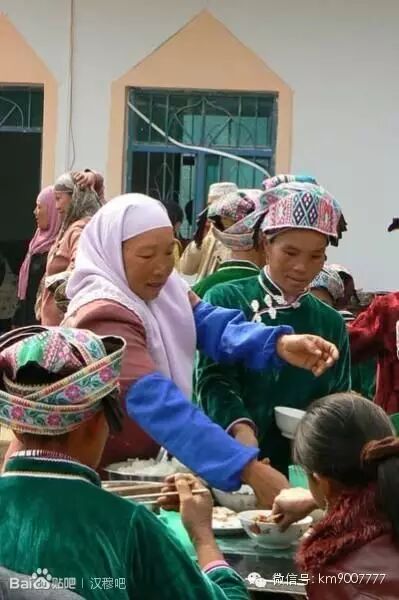
(2) Clothing: The attire of the "Zhuang-Hui" is also distinctive because it mirrors Zhuang dress, which is one reason they are called "Zhuang-Hui." During the historical formation of the Zhuang-Hui, this cultural shift of speaking Zhuang and wearing Zhuang clothing happened rapidly. Because the Hui adopted these two identity-marking traits of language and clothing, acquiring the outward cultural features of the Zhuang, outsiders came to call them "Zhuang-Hui." After returning to Islam, Hui men and women still wear clothing identical to that of the local Zhuang. Some elderly women still wear the traditional Zhuang headwrap at home, only switching to the Hui headscarf (hijab) when going out to attend Hui religious holidays.
(3) Diet: The "Zhuang-Hui" have also transitioned toward Zhuang characteristics in their culinary culture. Every year on the 15th day of the first lunar month, the Zhuang dye rice yellow using various flowers, and on the 24th day of the sixth lunar month, they celebrate the Red Rice Festival by dyeing glutinous rice red. The local Hui have likewise adopted these folk dietary customs while steadfastly upholding traditional Hui dietary habits and taboos.
(4) Funeral Customs: The Zhuang practice polytheism, worshipping mountains, rivers, and various aspects of nature. The Zhuang are extremely particular about choosing the right date for a funeral; if the day is wrong, the burial can be postponed for half a month or even a month after a loved one passes away. Wenshan Zhuang Muslims still retain their Zhuang identity status on their ID cards, referring to themselves as "Zhuang Muslims"—changing their religion without changing their official ethnicity. However, in funeral customs, Zhuang Muslims have inherited Hui traditions, handling the deceased according to Hui burial rites: prompt burial, janazah prayers led by an Ahong, and wrapping the body in white shrouds instead of using a coffin. In many families, some members practice Islam while others practice Zhuang polytheism. When a non-Muslim family member passes away, family members generally attend the funeral together, except that the Zhuang Muslims refrain from rituals that violate Islamic etiquette.
4. Pluralistic Cultural Identity
Cultural identity
refers to the social and psychological process by which an individual internalizes the culture and cultural group to which they belong, generating a sense of belonging, and thereby acquiring, maintaining, and innovating their own culture. Cultural identity encompasses identification with social value norms, religious beliefs, customs, language, and art. Cultural identity is also the process of forming the "self."
Wenshan's "Zhuang-Hui" demonstrate identity with local Zhuang in their daily life, economy, clothing, and customs, while primarily identifying as Hui in terms of their ethnic identity, religion, and communal emotional belonging. In Yunnan, there are similar groups identified by academics as "Yi-Hui" (in Xingping, Yuxi), "Tibetan-Hui" (in Shangri-La), and "Bai-Hui" (in Eryuan, Dali). They practice Islam, yet identify with local ethnic minority groups in their customs, habits, and language. Spiritually, they find their homecoming in Islam, even though their daily life paradigms have converged with local ethnic groups.
Due to historical reasons, the "Zhuang-Hui" group lacked sustained social interaction and demographic mobility with the mainstream Hui population for a long time. Instead, they maintained continuous, frequent interpersonal interactions, social contact, and cultural exchanges with the local Zhuang. However, this social process did not dilute their group belonging and identity regarding Hui traditional culture and mainstream emotional ties. Hui identity has persisted throughout the developmental history of the "Zhuang-Hui." An ancestral stele discovered in Wulu, Wenshan, titled *Stele Inscription of the Ma Progenitor*, records: "...yet the principles of the Islamic faith dare not be abandoned... After the ancestors passed away, there were no Hui teachers to guide us through the scriptures, hence later descendants changed their religion." Consequently, amid today's more open and frequent inter-ethnic interactions, some "Zhuang-Hui" have experienced a strong ethnic consciousness, symbolized by a religious return, sparking a series of social, cultural, and ideological revivals of traditional Hui social culture.
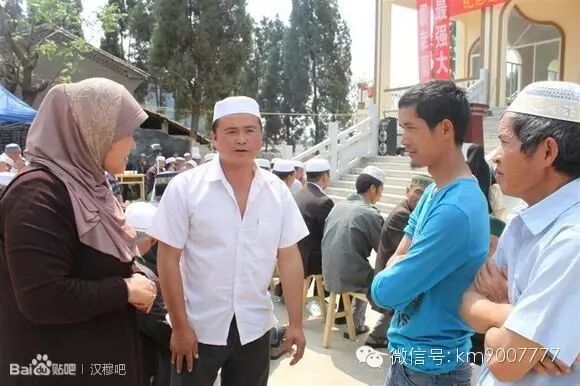
During fieldwork interviews, this pluralistic cultural identity of the Zhuang-Hui constantly shone through. Feng LF (female, 48 years old, wife of Ma KT's older brother, from Xiasheshu Village, a Zhuang who married into the Wulu Ma family and converted to Islam in 1990):
"Back then, Xue BJ (from Zhaotong, living in Dazhang) brought a group of about 20 young students from Dazhang to teach us how to perform wudu, pray, and recite scriptures. They told us our ancestors were Hui and that we needed to return to the Hui identity."
"After I became Hui, visiting my maiden family became a bit inconvenient, but I have my own cooking pots and stove. I still have 3 younger brothers and 2 younger sisters in Xiasheshu, and they are all Zhuang. Since I embraced Islam, I can no longer eat pork. I wash my face (perform wudu—author's note) and pray. Now I am Hui, but on my ID card, I still list my ethnicity as Zhuang. Going to the mosque to wash up and pray makes me feel much cleaner. All my kids love studying scriptures. My eldest son, Ma Mingli, is 22 this year. He's very smart, has a deep grasp of scriptural study, and is currently studying scriptures in Iran, funded by a Hui family in Tianxin Village."
"I feel life is better after embracing Islam than before. I don't feel any different from Hui people elsewhere; all Muslims around the world are one family. Whenever we are with Muslims anywhere, we feel like family, with no fear or awkwardness. Now, I still feel a bit shy around Nong people (Zhuang people—author's note), not daring to speak much, but when I see Muslims wearing hijabs, I feel a warm kinship. We live in a Zhuang area, and I wear a Muslim hijab now, but if there are events like accompanying a bride to a Zhuang village for a wedding, I will put on the traditional Nong headwrap and wear Nong clothing. Because if I went wearing a hijab, people would ask a million questions and feel we are different from them. I do feel there is a difference between us and the Nong; our diets are different, and they are busier than us."
Thus, a pluralistic ethnic culture characterized by Zhuang-Hui blending was formed. The transformation of these cultural traits represents a process of cultural acceptance and adaptation, achieving an adaptive integration of two cultures. After encountering Zhuang culture, the Hui borrowed its cultural elements, adapted to local geographic traits, altered their original lifestyle, and integrated Zhuang cultural elements like language, clothing, and housing into the internal structure of Hui culture. This integration primarily remained at the foundational level of daily life, whereas religious consciousness—the core domain constituting ethnic identity—has remained deeply rooted throughout the historical journey of the Zhuang-Hui.
5. Conclusion
The renowned American anthropologist Clifford Geertz
once brilliantly pointed out: "Ethnic identity is actually a group's strategic adjustment and adaptation when facing a certain type of social experience, and changes in ethnic identity are closely related to the 'boundary of ethnic groups.' And we must pay full attention to social boundary interactions because the two sides possess 'territorial counterparts.' For an ethnic group to maintain its identity, it must take into account the interactions between the people of both sides..."
Based on the above perspective, I think this better explains how the Wenshan Wulu Hui Muslims, as an immigrant ethnic minority upon entering the Wenshan Wulu Zhuang villages, developed an identity with the local Zhuang culture, beautifully reflecting the survival wisdom of Hui ancestors and the harmonious coexistence among different ethnic groups in the historical process.
Islam is not only a religion, but a complete way of life. Under the intersection of "faith and pragmatism," a diverse cultural identity concept of "harmony in diversity" has been formed among the Wenshan Hui Muslims. It embodies an open mindset and an enterprising spirit in the process of dialogue with different cultures. "Harmony" actually means seeking common ground while reserving differences, whereas "sameness" would mean eliminating differences for the sake of uniformity. "Harmony in diversity" advocates pursuing harmonious unity on the premise of respecting differences. The main spirit of "harmony" is to coordinate differences, achieve a new harmonious unity, and enable various different things to attain new development and become new, distinct entities.
[This article is a phased achievement of the National Social Science Fund Project: Research on Yunnan's Special Hui Ethnic Groups and Local Inter-Ethnic Social Harmonious Relations (Project No. 13CMZ027)]
References
1. Zhang Lijian, *Ethnic Identity in the Context of Scattered and Mixed Communities*, Ethnic Publishing House, 2009.
2. Yue Daiyun, "Two Dangers in Multicultural Development and the Contributions Culture Can Make," *Literature and Art Daily*, August 28, 2001.
(Hu Liping is a lecturer at the School of Social Management, Kunming University; Feng Yu is a lecturer at the Research Institute for Southwest China Border Ethnic Minorities, Yunnan University) view all
Liping Hu, Yu Feng: A Closer Look at the "Zhuang-Hui" Muslims of Wenshan, Yunnan
Abstract:
The "Zhuang-Hui" are a unique group of Hui Muslims living in Wenshan Prefecture, Yunnan Province. Over the course of history, they have blended elements of Islamic faith with distinct Zhuang cultural traditions, creating a rich, pluralistic ethnic culture.
1. Origins and Overview of the Hui People in Wenshan Prefecture, Yunnan
Wenshan Zhuang and Miao Autonomous Prefecture is home to over 23,000 Hui Muslims, making up about 0.007% of the prefecture's total population of 3.28 million. They are scattered across four counties: Wenshan, Yanshan, Qiubei, and Guangnan. Wenshan city sits at the center, surrounded by Maguan, Xichou, Malipo, Funing, Yanshan, Qiubei, and Guangnan counties. Aside from a few Hui civil servants and temporary residents working in Xichou, Maguan, Malipo, and Funing, those four counties are essentially devoid of resident Hui populations.
The "Zhuang-Hui" are a unique group of Hui Muslims living in Wenshan Prefecture, Yunnan Province. Over the course of history, they have blended elements of Islamic faith with distinct Zhuang cultural traditions, creating a rich, pluralistic ethnic culture.
1. Origins and Overview of the Hui People in Wenshan Prefecture, Yunnan
Wenshan Zhuang and Miao Autonomous Prefecture is home to over 23,000 Hui Muslims, making up about 0.007% of the prefecture's total population of 3.28 million. They are scattered across four counties: Wenshan, Yanshan, Qiubei, and Guangnan. Wenshan city sits at the center, surrounded by Maguan, Xichou, Malipo, Funing, Yanshan, Qiubei, and Guangnan counties. Aside from a few Hui civil servants and temporary residents working in Xichou, Maguan, Malipo, and Funing, those four counties are essentially devoid of resident Hui populations.
Wenshan's Hui population primarily lives along highways or in towns, mostly settled in flat valley basins with a small fraction living in mountainous areas. Hui villages tend to be tightly clustered, creating a settlement pattern of "large dispersion, small concentration." Currently, Yanshan has 19 Hui villages: Pingyuan Town includes Tianxin, Pingyuan, Songmaopo, Maolong, Sanjiacun, Xinzhuang, Xiaoyuan Road, Chebaini, Songshancun, and Shangmao Avenue; Jiayi Town includes Laojiaocheng, Xiaoshiqiao, Zhongzhai, Chengda, and Yanshan urban area; Ameng Town includes Ameng, Mifa, Mifa New Village, and Maodichong. Qiubei County has 9 Hui villages: Qiubei urban area, the Ball Manufacturing Plant, Jinping Town's Matoushan, Xincheng, Hewai, and Jiucheng, as well as Yuezhe Township's Yuezhe, Xinzhai, and Fuxing Village. Wenshan County has 9 Hui villages: Wenshan urban area, Matang Township's Huanglongba, Pingba Town's Pingba, Hongdian Hui Ethnic Township's Moke, Bajiazhai, along with self-declared repatriated ancestral villages Wulu Old Village, Wulu New Village, and Mulubai, plus Dehou Township's Kazuo Zhuang village Muslims. Guangnan County has two Hui residential areas in Guangnan urban area and Zhulin. Across the entire prefecture, there are 39 Hui residential villages and towns, housing a total of 40 mosques. Aside from the older mosques in Yuezhe and Guangnan, all other mosques have been successively renovated, expanded, or rebuilt by local villages and towns in recent times.
Generally speaking, the Hui population in Wenshan originated from migrations out of Dali, Kunming, Jianshui, Luliang, and Luxi during the Yongzheng, Qianlong, and Xianfeng reigns of the Qing Dynasty.
2. The Origins of Wenshan's Zhuang-Hui
Han, Hui, and other ethnic groups in Yunnan had historically lived together in harmony. However, the Qing government adopted a divide-and-rule policy of "using Han to control Hui," manufacturing ethnic divides that heightened tensions and damaged relations between the two communities.
In March 1856 (the 6th year of Xianfeng, Bingchen year), Yunnan Governor Shu Ahxing and Provincial Treasurer Qingsheng (a Manchu), acting on orders from the Qing court, commanded all prefectures, departments, sub-prefectures, and counties to "annihilate the Yunnan Hui and sweep them clean across eight hundred miles" (from Ma Minlin's *Records of the Great Calamity in Yunnan in the Fourteenth Year of Xianfeng*) and "gather mobs to slaughter the Hui," giving authorities a green light to kill Hui people with impunity. On April 16 and May 16, 1856, the Qing rulers carried out another brutal massacre of the Hui. Over 10,000 people in Kunming were slaughtered, leaving "almost no survivors" (from the *Inscribed Monument Marking the Reburial of Kunming's Five-Directional Hui Martyrs of the Bingchen Year of Xianfeng*). Today, the back of Jinjiashan in Kunming city serves as a mass grave (pit) for these massacred Hui people.
Before Du Wenxiu’s uprising broke out in western Yunnan in 1856 (the Bingchen year), the "Four Mountains Yi Rebellion" had already erupted around Wenshan and Qiubei. After Du Wenxiu's uprising began, Ma Zunxiang, a Hui from Moke Village in Wenshan, and Ma Jingju, a Hui from Xishan in Wenshan, also raised the banner of anti-Qing resistance. The anti-Qing struggle of Qiubei's Hui was deeply sympathized with and supported by local ethnic brothers. For instance, Yi people from places like Baima Cao secretly supplied grain to the Hui, highlighting the anti-Qing resistance of Hui in the Yuezhe area. As various ethnic groups united against the Qing, the Qing government—pursuing its policy of "gathering mobs to slaughter the Hui, wiping them straight out for eight hundred miles" and "giving permission to execute on sight any rebellious Hui troublemakers"—rolled out chilling slogans such as "First exterminate the Hui, next exterminate the Yi, and skin the Zhuang (Zhuang people) and Miao (Miao people) alive" to threaten anti-Manchu actions. After Du Wenxiu's uprising failed, almost every Hui village in Wenshan Prefecture was subjected to bloody purges and encirclement. Survivors were left destitute and displaced, fleeing to foreign lands. Afterward, Wenshan's Hui accepted pacification by the Qing court, but were forbidden from living in their ancestral homelands. Some Hui (such as those from the Yuezhe area) were escorted by troops to settle in Dazhang and Shadian in Hongju Prefecture.
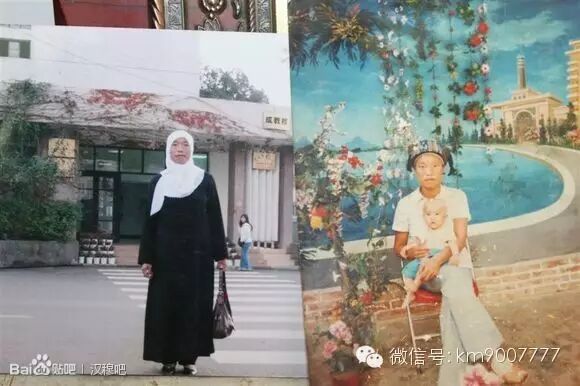
During this period, some Hui who escaped by the skin of their teeth fled from various places into Zhuang villages, where they were sheltered by their Zhuang brothers. They began wearing Zhuang clothing, speaking the Zhuang language, intermarrying with local Zhuang, and raising families. Bingle Township's Wulu Old Village, New Village, Mulubai in Hongdian Township, and Kazuo Village in Dehou Township are entirely Zhuang communities, yet the ancestors of Wulu New Village, Old Village, and Mulubai were descendants of Dazhang Hui bearing the surname Ma and others. Today, New Village has 58 households, out of which 18 households adhere to Islam. Among these 18 households, 16 carry the surname Ma, 1 is surnamed Li, and 1 is surnamed Long. Old Village has over 200 households, with 24 households embracing Islam (18 Ma households, 4 Shen households, 1 Long household, and 1 Tian household). Among these Muslim households, while the Ma families trace their ancestry back to the Hui, the other surnames joined Islam after marrying daughters of the Ma family and becoming influenced by their Muslim relatives.
The ancestors of Kazuo Village originally came from Najiaying in Tonghai, belonging to the Na lineage. Legend has it that during the Bingchen incident of the Qing Dynasty, ancestors of the Ma family fled to Wulu and Mulubai, while ancestors of the Na family fled to Kazuo Village. Through intermarriage with other ethnic groups, they settled down, descendants multiplied, and as older generations passed away, the younger generations became assimilated by the local ethnic groups.
For example, in Wulu Village, Bingle Township, Wenshan Prefecture, there are currently two "Zhuang-Hui" villages known as Old Village and New Village, with New Village developing out of Old Village. According to local oral tradition, the shared male ancestor bearing the surname Ma fled from the Dazhang Hui enclave in Honghe Prefecture after the Bingchen incident and hid out in a Zhuang village. The male ancestor surnamed Ma married a local Zhuang woman, and all their descendants now carry the surname Ma. After the male ancestor passed away, his Dazhang Hui relatives would travel to Wulu every year during Eid al-Fitr to visit his grave. However, according to local recollections in Wulu, prior to 1990, Wulu's Ma villagers only knew that their ancestors were surnamed Ma and were Hui; they knew absolutely nothing about Islam or Hui culture and were practically indistinguishable from the local Zhuang. After 1990, Dazhang Hui people successively traveled to Wulu to preach Islam to the villagers, while also providing economic aid such as rice, sesame oil, and daily necessities. Ahong (Imam) Li Zaitang, who still serves as the religious leader at the Dazhang Mosque, was one of the earliest religious figures in the 1990s to help the villagers of Wulu return to Islam. Recalling how eagerly the villagers requested to "return" to the Hui fold, many memories remain vivid for him. Because local economic conditions were extremely harsh—roads were undeveloped and cars couldn't drive into the village—villagers used an ox cart to transport Ahong Li into the village. Both women and men eagerly studied religious knowledge; during the freezing winter without hot water, they used cold water to perform wudu (ablutions) before learning how to pray. Ahong Li described what he saw back then by saying he "was moved to tears multiple times." The Wulu Muslims who experienced this "return" maintain Islamic religious beliefs, yet they retain many cultural elements of both the Hui and Zhuang in their clothing, language, housing, and even their ethnic psychology.
3. Culture of the Wenshan Zhuang-Hui
(1) Language: Language is not only a marker of group identity and a differentiator from others, but also a social construction of the user group through cultural elements, generating cognitive, psychological, and conscious identification and interpretation. The Hui who migrated to the Zhuang areas of Yunnan embraced Zhuang cultural life and adopted the Zhuang language. The use of Zhuang is not limited to communication with Zhuang people; it is also widely used within the Hui community itself. The adoption of Zhuang has become a major hallmark of the "Zhuang-Hui." On their official ID cards, Wenshan Zhuang-Hui are registered as "Zhuang," and their language usage is identical to that of the local Zhuang. They refer to themselves as "Zhuang Muslims." Ma Guoxin, the current Ahong of the Old Village Mosque, is a local. During an evening of fieldwork, two cows belonging to a Zhuang family in Old Village fought and went missing, prompting them to seek help from the Ahong at the mosque. Ma Guoxin used a loudspeaker in the Zhuang language to help them find the cows. Hui men, women, old, and young in the village all speak and understand Zhuang, a practice the Zhuang refer to as "chatting." For instance, Ahong Ma Guoxin's children speak Mandarin at home with their parents, but speak Zhuang when playing with village playmates. Zhuang is a spoken language without a written script.
(2) Clothing: The attire of the "Zhuang-Hui" is also distinctive because it mirrors Zhuang dress, which is one reason they are called "Zhuang-Hui." During the historical formation of the Zhuang-Hui, this cultural shift of speaking Zhuang and wearing Zhuang clothing happened rapidly. Because the Hui adopted these two identity-marking traits of language and clothing, acquiring the outward cultural features of the Zhuang, outsiders came to call them "Zhuang-Hui." After returning to Islam, Hui men and women still wear clothing identical to that of the local Zhuang. Some elderly women still wear the traditional Zhuang headwrap at home, only switching to the Hui headscarf (hijab) when going out to attend Hui religious holidays.
(3) Diet: The "Zhuang-Hui" have also transitioned toward Zhuang characteristics in their culinary culture. Every year on the 15th day of the first lunar month, the Zhuang dye rice yellow using various flowers, and on the 24th day of the sixth lunar month, they celebrate the Red Rice Festival by dyeing glutinous rice red. The local Hui have likewise adopted these folk dietary customs while steadfastly upholding traditional Hui dietary habits and taboos.
(4) Funeral Customs: The Zhuang practice polytheism, worshipping mountains, rivers, and various aspects of nature. The Zhuang are extremely particular about choosing the right date for a funeral; if the day is wrong, the burial can be postponed for half a month or even a month after a loved one passes away. Wenshan Zhuang Muslims still retain their Zhuang identity status on their ID cards, referring to themselves as "Zhuang Muslims"—changing their religion without changing their official ethnicity. However, in funeral customs, Zhuang Muslims have inherited Hui traditions, handling the deceased according to Hui burial rites: prompt burial, janazah prayers led by an Ahong, and wrapping the body in white shrouds instead of using a coffin. In many families, some members practice Islam while others practice Zhuang polytheism. When a non-Muslim family member passes away, family members generally attend the funeral together, except that the Zhuang Muslims refrain from rituals that violate Islamic etiquette.
4. Pluralistic Cultural Identity
Cultural identity
refers to the social and psychological process by which an individual internalizes the culture and cultural group to which they belong, generating a sense of belonging, and thereby acquiring, maintaining, and innovating their own culture. Cultural identity encompasses identification with social value norms, religious beliefs, customs, language, and art. Cultural identity is also the process of forming the "self."
Wenshan's "Zhuang-Hui" demonstrate identity with local Zhuang in their daily life, economy, clothing, and customs, while primarily identifying as Hui in terms of their ethnic identity, religion, and communal emotional belonging. In Yunnan, there are similar groups identified by academics as "Yi-Hui" (in Xingping, Yuxi), "Tibetan-Hui" (in Shangri-La), and "Bai-Hui" (in Eryuan, Dali). They practice Islam, yet identify with local ethnic minority groups in their customs, habits, and language. Spiritually, they find their homecoming in Islam, even though their daily life paradigms have converged with local ethnic groups.
Due to historical reasons, the "Zhuang-Hui" group lacked sustained social interaction and demographic mobility with the mainstream Hui population for a long time. Instead, they maintained continuous, frequent interpersonal interactions, social contact, and cultural exchanges with the local Zhuang. However, this social process did not dilute their group belonging and identity regarding Hui traditional culture and mainstream emotional ties. Hui identity has persisted throughout the developmental history of the "Zhuang-Hui." An ancestral stele discovered in Wulu, Wenshan, titled *Stele Inscription of the Ma Progenitor*, records: "...yet the principles of the Islamic faith dare not be abandoned... After the ancestors passed away, there were no Hui teachers to guide us through the scriptures, hence later descendants changed their religion." Consequently, amid today's more open and frequent inter-ethnic interactions, some "Zhuang-Hui" have experienced a strong ethnic consciousness, symbolized by a religious return, sparking a series of social, cultural, and ideological revivals of traditional Hui social culture.
During fieldwork interviews, this pluralistic cultural identity of the Zhuang-Hui constantly shone through. Feng LF (female, 48 years old, wife of Ma KT's older brother, from Xiasheshu Village, a Zhuang who married into the Wulu Ma family and converted to Islam in 1990):
"Back then, Xue BJ (from Zhaotong, living in Dazhang) brought a group of about 20 young students from Dazhang to teach us how to perform wudu, pray, and recite scriptures. They told us our ancestors were Hui and that we needed to return to the Hui identity."
"After I became Hui, visiting my maiden family became a bit inconvenient, but I have my own cooking pots and stove. I still have 3 younger brothers and 2 younger sisters in Xiasheshu, and they are all Zhuang. Since I embraced Islam, I can no longer eat pork. I wash my face (perform wudu—author's note) and pray. Now I am Hui, but on my ID card, I still list my ethnicity as Zhuang. Going to the mosque to wash up and pray makes me feel much cleaner. All my kids love studying scriptures. My eldest son, Ma Mingli, is 22 this year. He's very smart, has a deep grasp of scriptural study, and is currently studying scriptures in Iran, funded by a Hui family in Tianxin Village."
"I feel life is better after embracing Islam than before. I don't feel any different from Hui people elsewhere; all Muslims around the world are one family. Whenever we are with Muslims anywhere, we feel like family, with no fear or awkwardness. Now, I still feel a bit shy around Nong people (Zhuang people—author's note), not daring to speak much, but when I see Muslims wearing hijabs, I feel a warm kinship. We live in a Zhuang area, and I wear a Muslim hijab now, but if there are events like accompanying a bride to a Zhuang village for a wedding, I will put on the traditional Nong headwrap and wear Nong clothing. Because if I went wearing a hijab, people would ask a million questions and feel we are different from them. I do feel there is a difference between us and the Nong; our diets are different, and they are busier than us."
Thus, a pluralistic ethnic culture characterized by Zhuang-Hui blending was formed. The transformation of these cultural traits represents a process of cultural acceptance and adaptation, achieving an adaptive integration of two cultures. After encountering Zhuang culture, the Hui borrowed its cultural elements, adapted to local geographic traits, altered their original lifestyle, and integrated Zhuang cultural elements like language, clothing, and housing into the internal structure of Hui culture. This integration primarily remained at the foundational level of daily life, whereas religious consciousness—the core domain constituting ethnic identity—has remained deeply rooted throughout the historical journey of the Zhuang-Hui.
5. Conclusion
The renowned American anthropologist Clifford Geertz
once brilliantly pointed out: "Ethnic identity is actually a group's strategic adjustment and adaptation when facing a certain type of social experience, and changes in ethnic identity are closely related to the 'boundary of ethnic groups.' And we must pay full attention to social boundary interactions because the two sides possess 'territorial counterparts.' For an ethnic group to maintain its identity, it must take into account the interactions between the people of both sides..."
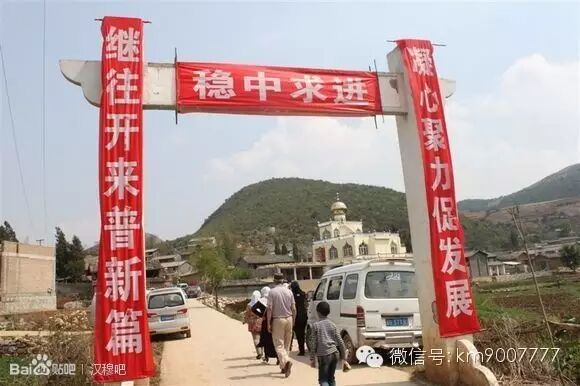
Based on the above perspective, I think this better explains how the Wenshan Wulu Hui Muslims, as an immigrant ethnic minority upon entering the Wenshan Wulu Zhuang villages, developed an identity with the local Zhuang culture, beautifully reflecting the survival wisdom of Hui ancestors and the harmonious coexistence among different ethnic groups in the historical process.
Islam is not only a religion, but a complete way of life. Under the intersection of "faith and pragmatism," a diverse cultural identity concept of "harmony in diversity" has been formed among the Wenshan Hui Muslims. It embodies an open mindset and an enterprising spirit in the process of dialogue with different cultures. "Harmony" actually means seeking common ground while reserving differences, whereas "sameness" would mean eliminating differences for the sake of uniformity. "Harmony in diversity" advocates pursuing harmonious unity on the premise of respecting differences. The main spirit of "harmony" is to coordinate differences, achieve a new harmonious unity, and enable various different things to attain new development and become new, distinct entities.
[This article is a phased achievement of the National Social Science Fund Project: Research on Yunnan's Special Hui Ethnic Groups and Local Inter-Ethnic Social Harmonious Relations (Project No. 13CMZ027)]
References
1. Zhang Lijian, *Ethnic Identity in the Context of Scattered and Mixed Communities*, Ethnic Publishing House, 2009.
2. Yue Daiyun, "Two Dangers in Multicultural Development and the Contributions Culture Can Make," *Literature and Art Daily*, August 28, 2001.
(Hu Liping is a lecturer at the School of Social Management, Kunming University; Feng Yu is a lecturer at the Research Institute for Southwest China Border Ethnic Minorities, Yunnan University)
China Mosque Travel Guide Yunnan: Children in Mosques, Muslim Youth and Community Revival
Articles • yusuf908 posted the article • 0 comments • 225 views • 2026-05-23 21:54
Summary: This old essay argues that a community begins to decline when children are no longer heard in the mosque, using Yunnan mosque education, khalifa students, family responsibility, and youth learning to show why Muslim community life needs the next generation.
In the past few days, I have seen many Muslim self-media writers in WeChat Moments focusing on the same issue - children playing in mosques. Everyone's views are surprisingly consistent, which is an excellent phenomenon, but in the current environment, everyone's concerns are becoming reality step by step.
Today I will also take advantage of the popularity of this type of tweets. The title of my tweet today is "The decline of religious communities started when there were no children's voices in the mosque!" ". I remember when I was a child, every winter and summer vacation, friends in the village would bring their holiday homework to the mosque, because the mosque would invite Hui college students to tutor the children's homework every holiday. The children also used each holiday to learn a lot of religious knowledge. At that time, in almost every place, many children who could not continue studying for various reasons came to mosques to recite the Qur'an and study. At that time, almost all mosques were full of books.
Today, almost everywhere in the country, religious communities are experiencing a cliff-like decline. To sum up, the root cause is that most mosques are empty because of some policy tightening, and young people are affected by the current social and economic wave. There are no students in many places. Only a few old people come during prayers. Otherwise, more often than not, imams and wives guard the mosques. Time passed slowly, and some of the old people who came to pray passed away, and some were unable to come to the mosque to pray due to physical reasons. Only the imam and the wife of the mosque guarded the empty mosque. Occasionally, one or two birds fell in the yard and they were considered "visitors." Even those mosques that are still working hard to run schools are basically "living on". The mosques have offered many favorable conditions for enrollment, such as the school providing free books and free meals, giving students hundreds of yuan in subsidies every month, and learning motor vehicle driving licenses for free during school... However, they still cannot attract many students. People are saying privately: “Hey, why is it getting harder and harder to recruit students now? ".
I saw a tweet in the past few days, saying that on the first four or five days of Ramadan this year, a mosque in a certain place was praying "Huo Futan", and someone brought a child to the mosque. The adults went in to pray, but the children were playing around outside. As soon as the Imam came out to pray with his eyes open, the old man shouted loudly: "You brought children here, please don't bring any more children. We can't pray quietly because of the noise!" ”, saying that from that night on, there were many fewer children who stopped praying. Children are the future of a nation. If children are completely cut off from contact and learning a little bit of religious knowledge, then this nation will soon disappear in the long river of history!
If the "khalifa students" (we here in Yunnan are accustomed to calling the students who recite the Qur'an in mosques "khalifa students") is the hope of a local religion, then children are the foundation of this local religion. The old people will eventually perish quickly, while the children will thrive, and the children are also the cradle of talent for the "khalifa students". If the roots of the religion are not rooted in the hearts of children, then when the children grow up, they will most likely send us to the crematorium after our death!
If the decline of religious communities in a place begins when there is no "khalifa students", then the decline of religious communities across the country begins when there are no children entering the mosque to cause trouble! Fellow citizens, please do not scold the children who are playing in the mosque! Taking advantage of the opportunity to bring your children to the mosque now, take your children to the mosque more times. I’m afraid you won’t have the chance in the future!
PS: I published this article on the public account four years ago, but I was bitten by a anti-Muslim hate account and complained, and then the post was deleted by Tencent. Today I am re-posting an old article with a new one, hoping to resonate with everyone. view all
Summary: This old essay argues that a community begins to decline when children are no longer heard in the mosque, using Yunnan mosque education, khalifa students, family responsibility, and youth learning to show why Muslim community life needs the next generation.
In the past few days, I have seen many Muslim self-media writers in WeChat Moments focusing on the same issue - children playing in mosques. Everyone's views are surprisingly consistent, which is an excellent phenomenon, but in the current environment, everyone's concerns are becoming reality step by step.
Today I will also take advantage of the popularity of this type of tweets. The title of my tweet today is "The decline of religious communities started when there were no children's voices in the mosque!" ". I remember when I was a child, every winter and summer vacation, friends in the village would bring their holiday homework to the mosque, because the mosque would invite Hui college students to tutor the children's homework every holiday. The children also used each holiday to learn a lot of religious knowledge. At that time, in almost every place, many children who could not continue studying for various reasons came to mosques to recite the Qur'an and study. At that time, almost all mosques were full of books.
Today, almost everywhere in the country, religious communities are experiencing a cliff-like decline. To sum up, the root cause is that most mosques are empty because of some policy tightening, and young people are affected by the current social and economic wave. There are no students in many places. Only a few old people come during prayers. Otherwise, more often than not, imams and wives guard the mosques. Time passed slowly, and some of the old people who came to pray passed away, and some were unable to come to the mosque to pray due to physical reasons. Only the imam and the wife of the mosque guarded the empty mosque. Occasionally, one or two birds fell in the yard and they were considered "visitors." Even those mosques that are still working hard to run schools are basically "living on". The mosques have offered many favorable conditions for enrollment, such as the school providing free books and free meals, giving students hundreds of yuan in subsidies every month, and learning motor vehicle driving licenses for free during school... However, they still cannot attract many students. People are saying privately: “Hey, why is it getting harder and harder to recruit students now? ".
I saw a tweet in the past few days, saying that on the first four or five days of Ramadan this year, a mosque in a certain place was praying "Huo Futan", and someone brought a child to the mosque. The adults went in to pray, but the children were playing around outside. As soon as the Imam came out to pray with his eyes open, the old man shouted loudly: "You brought children here, please don't bring any more children. We can't pray quietly because of the noise!" ”, saying that from that night on, there were many fewer children who stopped praying. Children are the future of a nation. If children are completely cut off from contact and learning a little bit of religious knowledge, then this nation will soon disappear in the long river of history!
If the "khalifa students" (we here in Yunnan are accustomed to calling the students who recite the Qur'an in mosques "khalifa students") is the hope of a local religion, then children are the foundation of this local religion. The old people will eventually perish quickly, while the children will thrive, and the children are also the cradle of talent for the "khalifa students". If the roots of the religion are not rooted in the hearts of children, then when the children grow up, they will most likely send us to the crematorium after our death!
If the decline of religious communities in a place begins when there is no "khalifa students", then the decline of religious communities across the country begins when there are no children entering the mosque to cause trouble! Fellow citizens, please do not scold the children who are playing in the mosque! Taking advantage of the opportunity to bring your children to the mosque now, take your children to the mosque more times. I’m afraid you won’t have the chance in the future!
PS: I published this article on the public account four years ago, but I was bitten by a anti-Muslim hate account and complained, and then the post was deleted by Tencent. Today I am re-posting an old article with a new one, hoping to resonate with everyone.
China Mosque Travel Guide: Mojiang Talang Mosque, Jahriyya Heritage and Hui Muslim Village
Articles • yusuf908 posted the article • 0 comments • 194 views • 2026-05-22 21:33
Summary: This China mosque travel guide visits Mojiang Talang Mosque in Yunnan, covering Jahriyya history, the Zhou school, Talang Hui Muslim village, Ma Shunqing gongbei, local halal food, and the mosque community.
Mojiang Talang Mosque—the Zhou Branch of the Jahriyya (Zheherenye) Order in Yunnan is presented here as a firsthand travel account in clear English, beginning with this scene: On the way south from Dali to Jianshui, I passed through Talang Village in Mojiang County. The account keeps its focus on Halal Travel, Yiwu Food, Mosque Travel while preserving the names, places, food, and historical details from the Chinese source.
On the way south from Dali to Jianshui, I passed through Talang Village in Mojiang County. I knew before coming that there was a Jahriyya mosque here. In the 46th year of the Qianlong reign of the Qing Dynasty (1781), after the Jahriyya founder Ma Mingxin was killed by the Qing court, his eldest son Ma Shunqing and some followers were exiled to Talang Village in Mojiang, Yunnan. They were rescued by Ma Mingxin's student Ma Xuecheng and settled in Talang Village.
During the Xianfeng and Tongzhi reigns, the Du Wenxiu uprising failed and the Hui Muslims of Talang Village fled. It was not until 1936 that the Hui Muslims gradually returned and rebuilt the Talang Mosque.
The Talang Mosque used to have a dome, but after renovations, a hexagonal roof was added. It looks like the hexagonal cap often worn by Jahriyya followers. However, this hexagonal cap is not exclusive to the Jahriyya; other menhuan and even the Gedimu have a tradition of wearing it. The renovation of this mosque involved quite a struggle.
A couplet written by Shagou Taoye Ma Yuanzhang:
First line: 'Clouds shine on the child who replaces the brother, completing the work of the infant.'
Second line: 'Talang assists Pingliang and stands as a place of Jahriyya victory.'
After the prayer (namaz), the imam was reciting the Quran alone in the main hall. We chatted for a bit and I learned he is from Gansu and had just returned from visiting graves in his hometown.
The mosque is built on a mountain, and there is a Hui Muslim village below. There are not many Hui Muslims in Mojiang, and they are mostly concentrated in Talang Village.
Halal Ark Restaurant
There is a halal restaurant below the mosque run by locals that does not sell alcohol. We had lunch there and chatted with the owner, which is when I learned that most people here are followers of the 'Yunnan Zhou School'.
The Zhou School is what outsiders call them. They revere an elder from Yunnan named Ma Yuzhu, whose original surname was Zhou. It is said he is the son of the eighth-generation Jahriyya leader Ma Zhenwu, who was fostered by a Han Chinese family named Zhou in Yunnan and changed his name to Ma Yuzhu after growing up.
Ma Yuzhu grew up in Yunnan and now lives in Kunming. He is over eighty and used to be a pediatrician. When he began to publicly claim he was a descendant of the Jahriyya founder, his identity was never recognized by the current leaders of the Jahriyya in the Northwest. We can learn this from a conversation between a researcher and an imam from the Jahriyya order in Gansu, as recorded in the research report Investigation of Menhuan in Linxia, Gansu by the Institute of World Religions at the Chinese Academy of Social Sciences.
The restaurant owner was surprised that I, a Beijinger, knew about the Yunnan Zhou school. I first heard of this school about ten years ago when a website called Shengchuan Zhendao was based in Yunnan and posted many of Zhou's works in the name of Sufism. I shared my doubts about the Zhou school, but the owner had a different take. They knew that people in the Northwest did not recognize the Yunnan Zhou school, but he told me stories about the old man from Yunnan.
He mentioned that several of the old man's prophecies came true. For example, a few years ago, two brothers in the village asked the old man about their jobs. The old man told them not to learn how to drive. The brothers didn't listen and went to work at an auto repair shop. One day, they got into a car accident and both passed away (returned to Allah) on the same day. They were buried in the cemetery behind the Talang Mosque.
Another story is that in the last century, some social events led to all the imams being arrested. With no imams around, there was no one to give Islamic names to newborns. But before this happened, the old man from Yunnan had handwritten dozens of names for unborn babies. This allowed children to receive their names even during the time when there were no imams. The villagers see these events as signs of the old man's spiritual power.
The owner is a follower who has followed the old man from Yunnan for over 30 years. He is now the director of the Talang Mosque management committee. He told me that the people living around the mosque are mostly followers of the old man. I asked about rumors from the outside world regarding the old man, such as claims that he would go into seclusion and stop naming a successor. The owner denied this, and the imam of Talang Mosque also denied it.
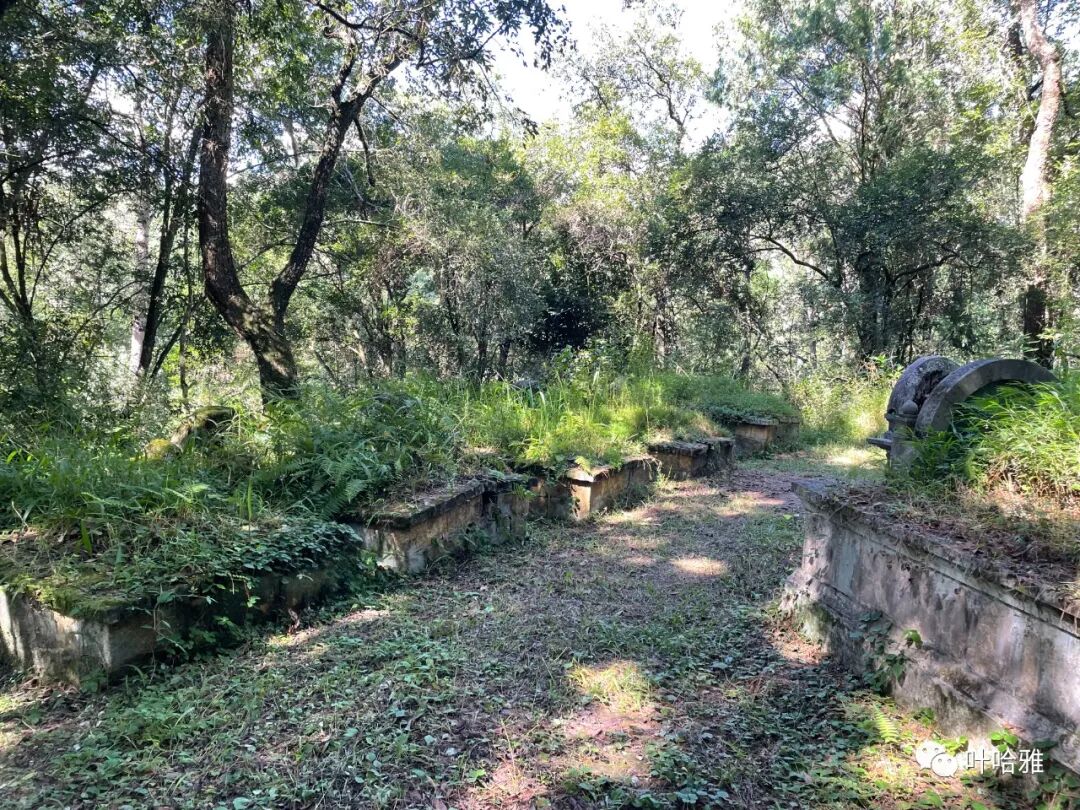
Walking further up to the top of the mountain, you can see a cemetery overgrown with weeds. A small path on the right leads to the graves of Han and Hani people. You can see crosses on some of their tombstones because many Hani people are Christians.
There is also the tomb of the martyr Xiong Chaochun.
Another wider and cleaner path leads to the Hui Muslim cemetery.
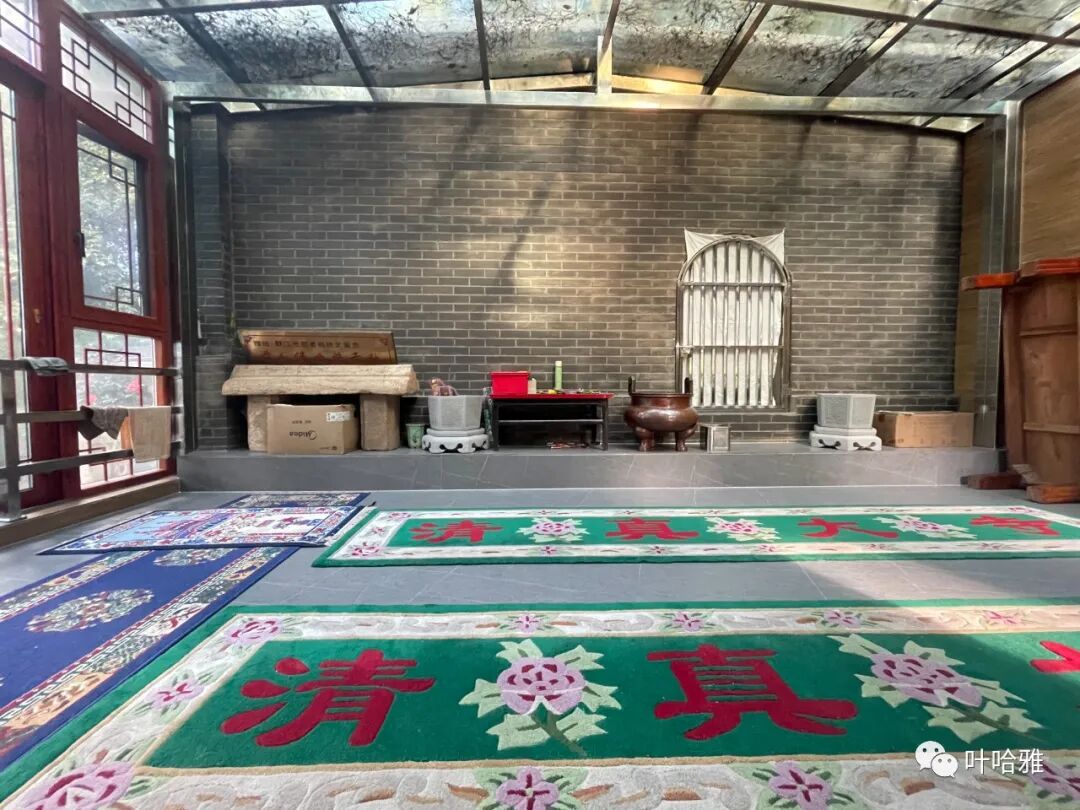
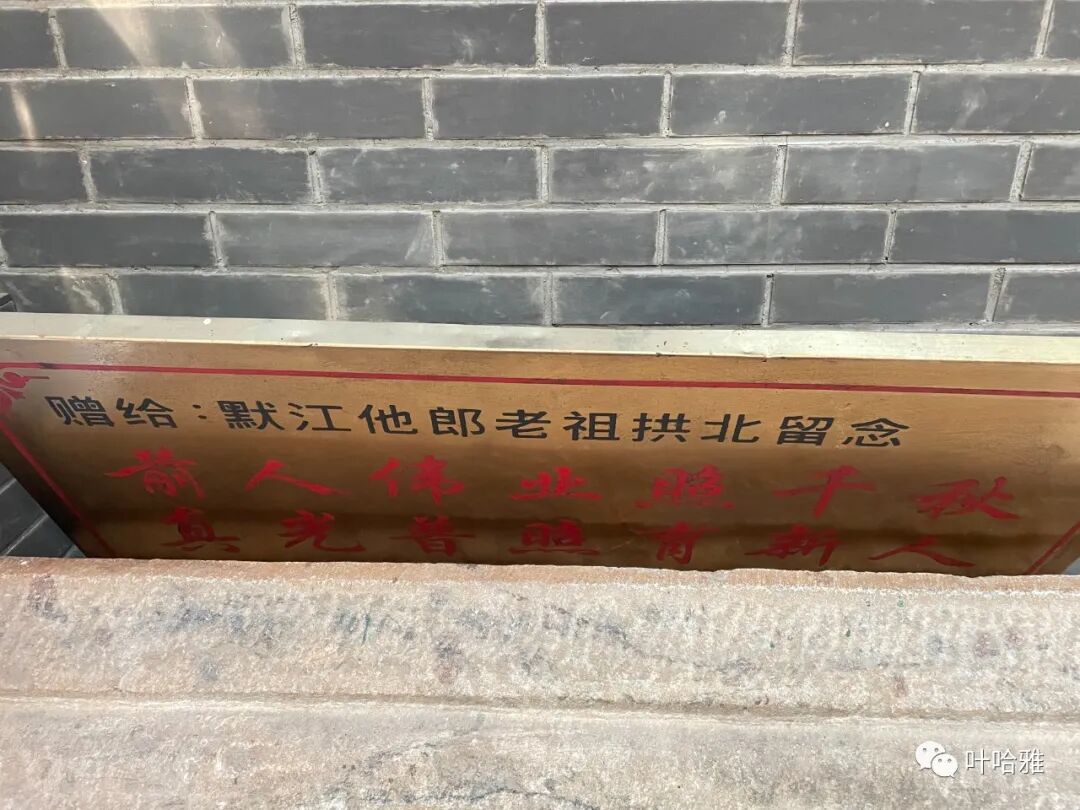
The gongbei (a domed tomb for a Sufi saint) of Ma Shunqing, the eldest son of Ma Mingxin, is here. I saw the gate was locked, and since I needed to reach Jianshui before dark, I prepared to leave. On the way back, I met the imam of Talang Mosque. He said he could contact the person with the key to open it, but I declined and drove onto the highway.
Something interesting happened. Half an hour after getting on the highway, my wife realized she had left her bag at the mosque gate. We had to turn back. I thought to myself that maybe it was meant to be and I wasn't supposed to leave just yet. After getting the bag, I asked the imam for the key to the gongbei. He told me to call the gatekeeper myself. When I called and the person learned I was from Beijing, he quickly came over to open the gate of the Talang gongbei.
This return trip brought new discoveries. The person guarding the gongbei is the only villager who follows the traditional Jahriyya order and does not associate with the Yunnan Zhou school. Because of this, the Zhou school cannot get the key to hold religious gatherings (a'ermaili) there. The Zhou school once wanted to build another gongbei next to it, but the local government rejected the proposal.
Ma Yuzhu had been here before, but he only got the doors opened because he was accompanied by the relevant authorities. I listened to the caretaker share stories about his family guarding this gongbei for generations. He told me about many unpleasant events that happened here, which made me feel quite sad. He said I was likely the second person from Beijing to visit. Zhang Chengzhi had been here, but he did not say who he was, so the caretaker did not recognize him.
To tell the truth, a DNA test would be enough to figure out what is real and what is fake. But I suspect things are not that simple. Even if the test results did not match, some people would still find a way to rationalize them with irrational reasons. It is hard to change someone's mind through logic between different sects or religions. Once you realize this, you stop trying to convince anyone. People often change their minds in a split second.
My short trip to Mojiang Talang turned out to be a very special side story of my Yunnan journey, and it is worth writing a travelogue about. I am not a member of the Jahriyya, but over the years, I have visited almost all the important Jahriyya gongbei across China. I have even been a guest in the homes of elders in Ningxia. I know the Jahriyya keep a low profile now and do not want to get involved in trouble. I have no intention of starting any disputes, so some things must stay in my heart. view all
Summary: This China mosque travel guide visits Mojiang Talang Mosque in Yunnan, covering Jahriyya history, the Zhou school, Talang Hui Muslim village, Ma Shunqing gongbei, local halal food, and the mosque community.
Mojiang Talang Mosque—the Zhou Branch of the Jahriyya (Zheherenye) Order in Yunnan is presented here as a firsthand travel account in clear English, beginning with this scene: On the way south from Dali to Jianshui, I passed through Talang Village in Mojiang County. The account keeps its focus on Halal Travel, Yiwu Food, Mosque Travel while preserving the names, places, food, and historical details from the Chinese source.
On the way south from Dali to Jianshui, I passed through Talang Village in Mojiang County. I knew before coming that there was a Jahriyya mosque here. In the 46th year of the Qianlong reign of the Qing Dynasty (1781), after the Jahriyya founder Ma Mingxin was killed by the Qing court, his eldest son Ma Shunqing and some followers were exiled to Talang Village in Mojiang, Yunnan. They were rescued by Ma Mingxin's student Ma Xuecheng and settled in Talang Village.
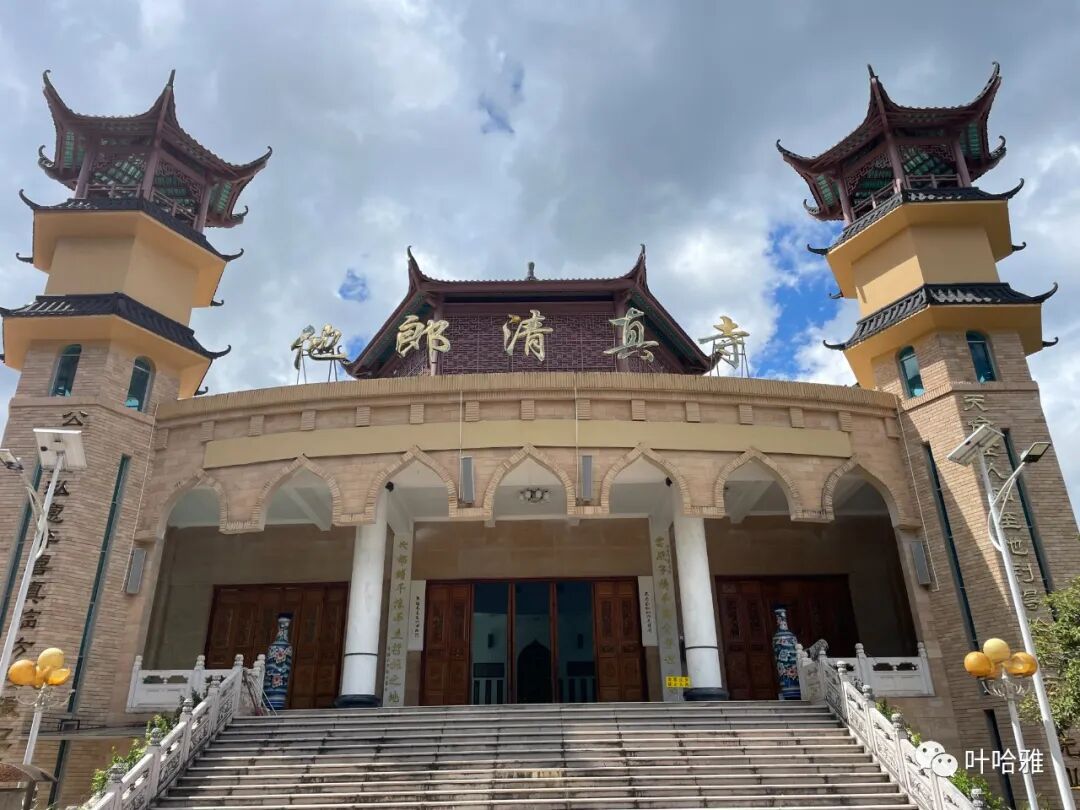
During the Xianfeng and Tongzhi reigns, the Du Wenxiu uprising failed and the Hui Muslims of Talang Village fled. It was not until 1936 that the Hui Muslims gradually returned and rebuilt the Talang Mosque.
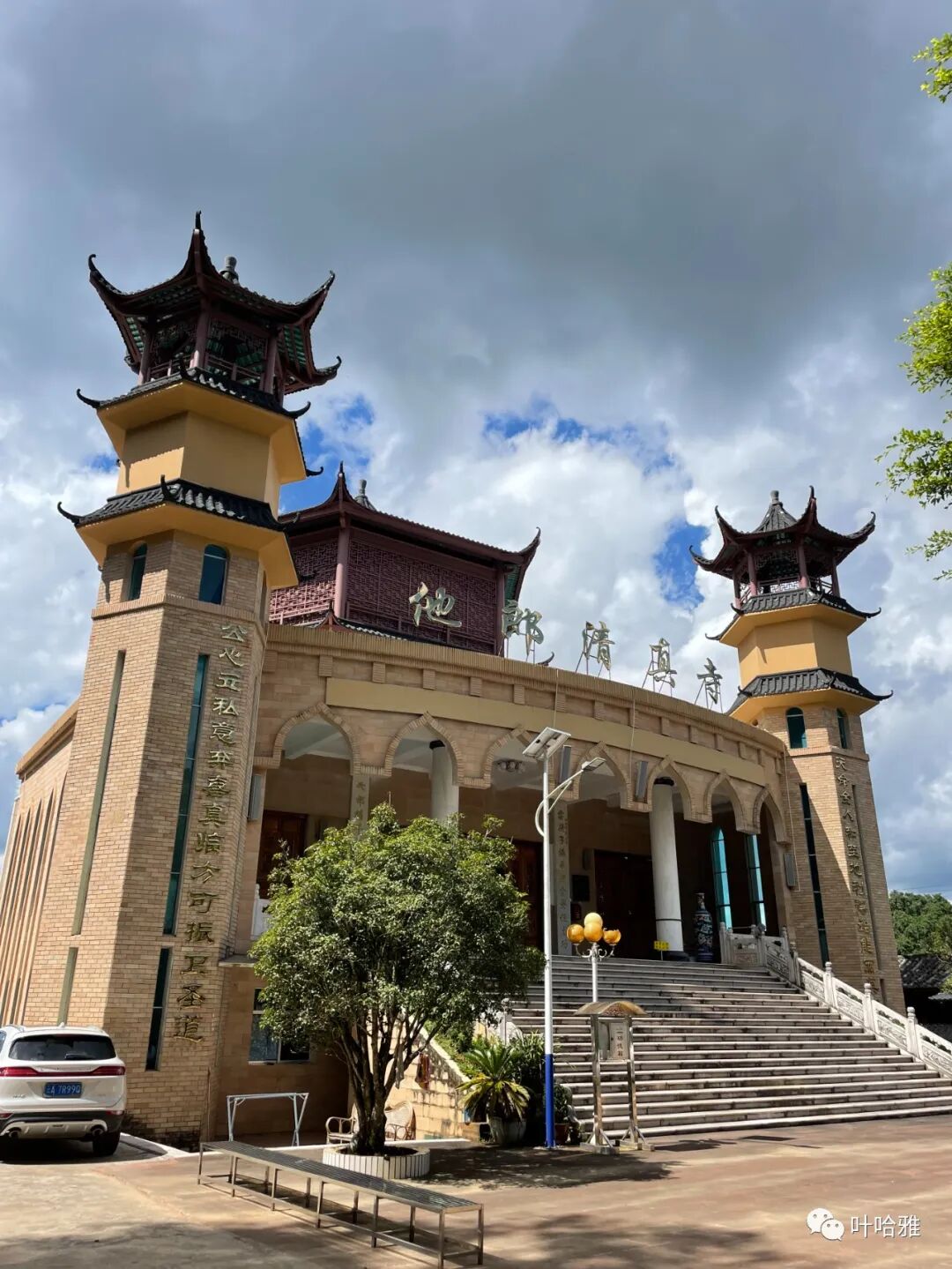
The Talang Mosque used to have a dome, but after renovations, a hexagonal roof was added. It looks like the hexagonal cap often worn by Jahriyya followers. However, this hexagonal cap is not exclusive to the Jahriyya; other menhuan and even the Gedimu have a tradition of wearing it. The renovation of this mosque involved quite a struggle.
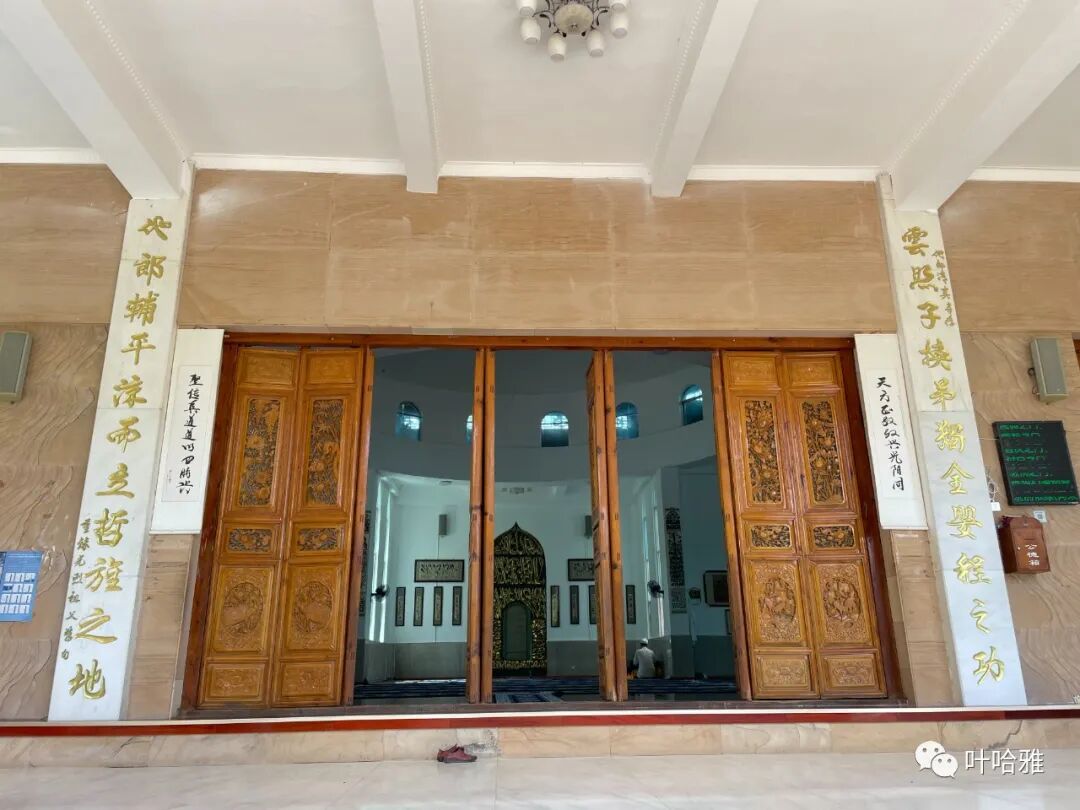
A couplet written by Shagou Taoye Ma Yuanzhang:
First line: 'Clouds shine on the child who replaces the brother, completing the work of the infant.'
Second line: 'Talang assists Pingliang and stands as a place of Jahriyya victory.'
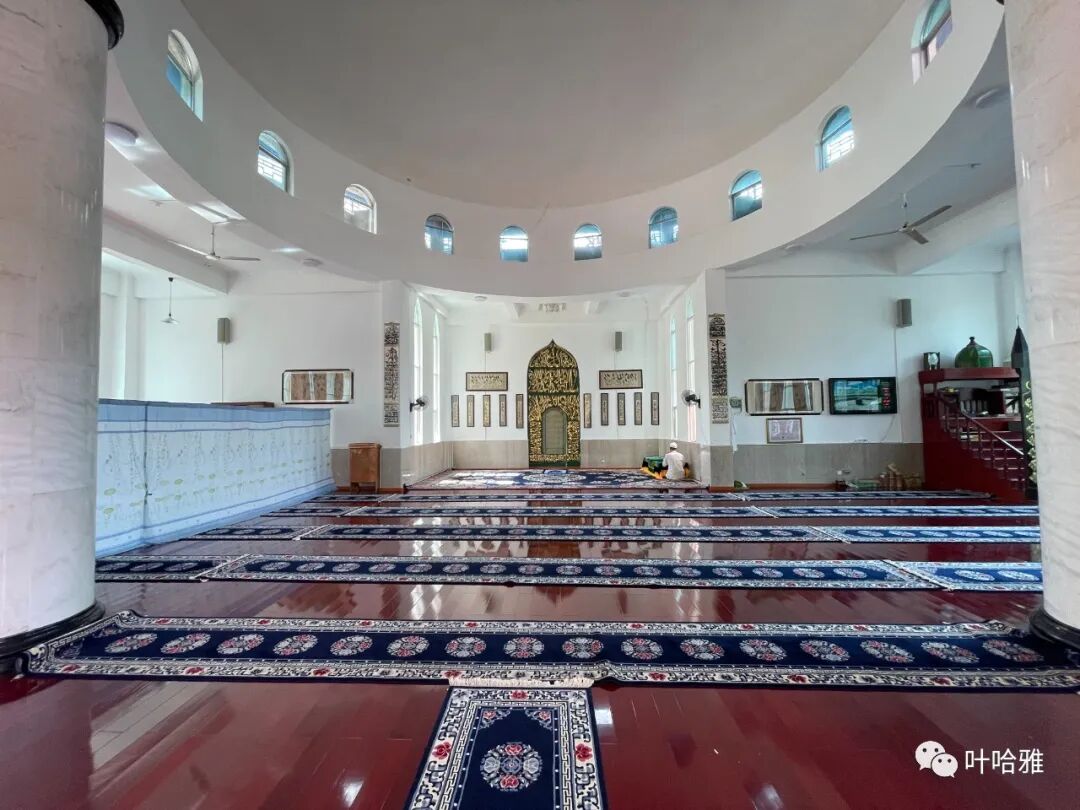
After the prayer (namaz), the imam was reciting the Quran alone in the main hall. We chatted for a bit and I learned he is from Gansu and had just returned from visiting graves in his hometown.
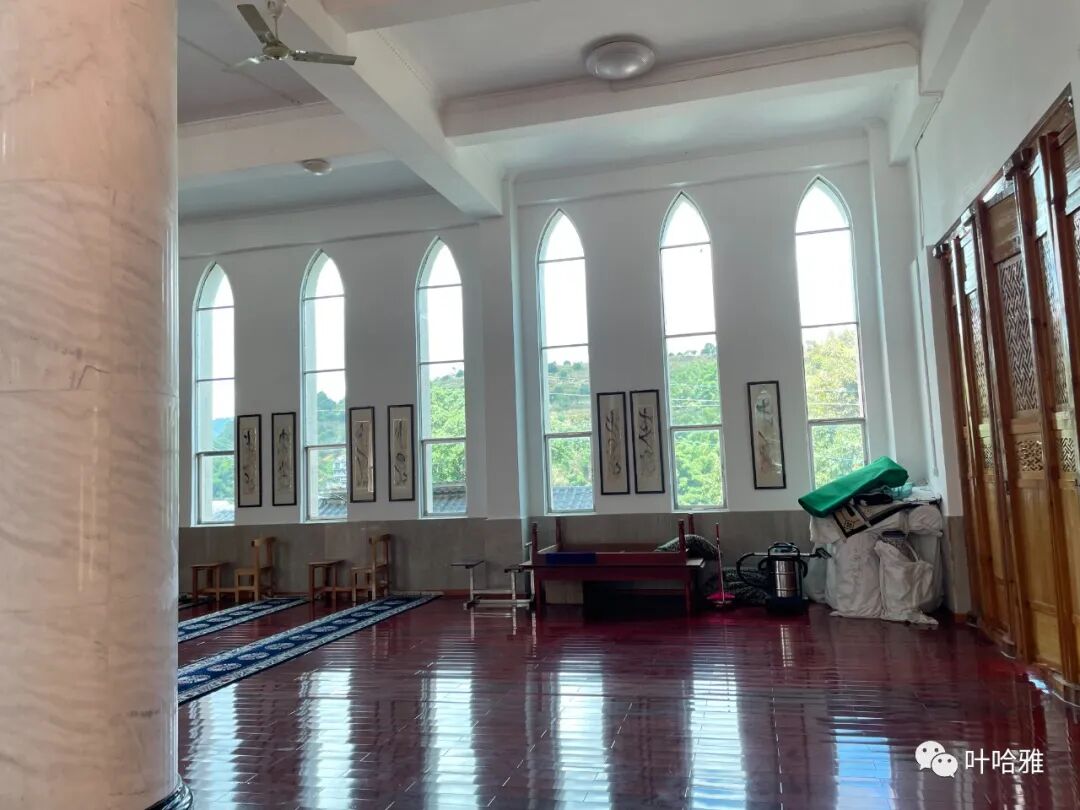
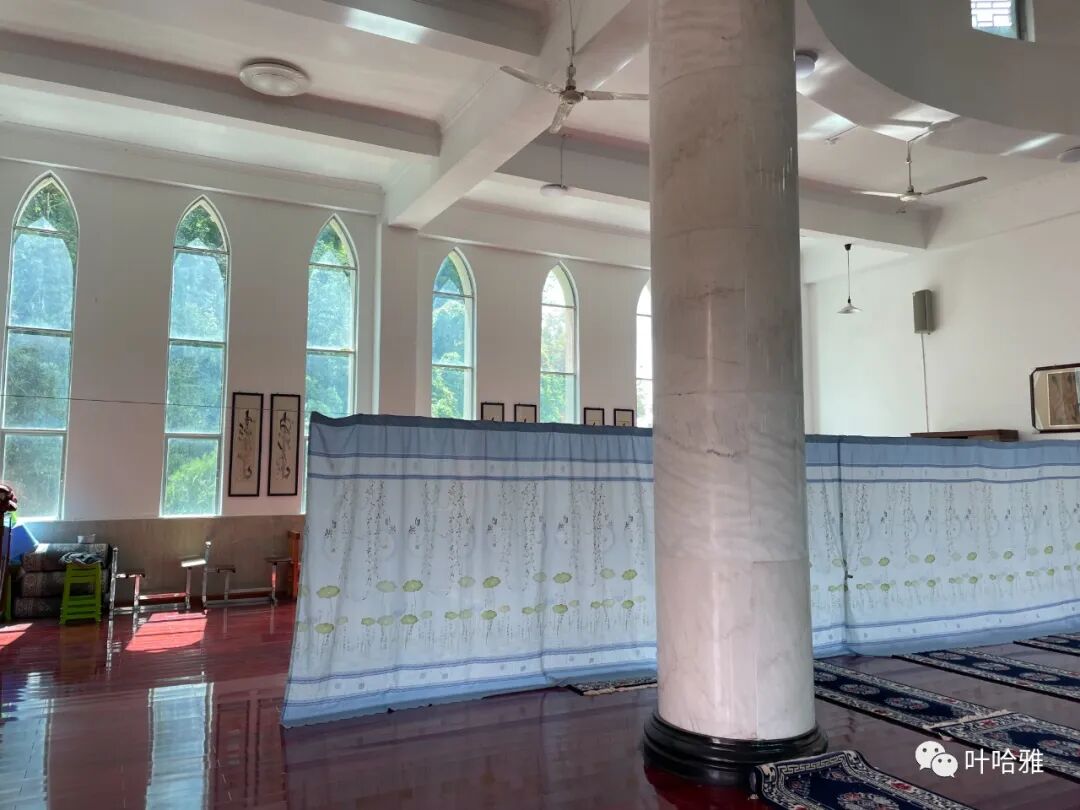
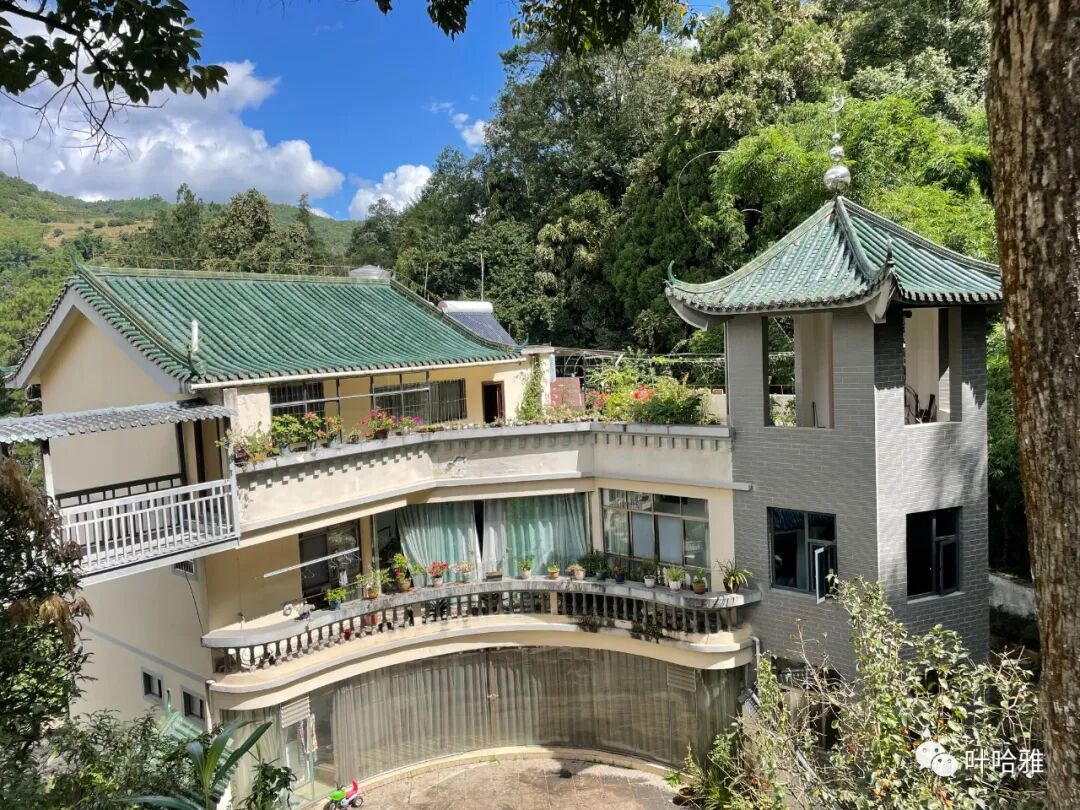
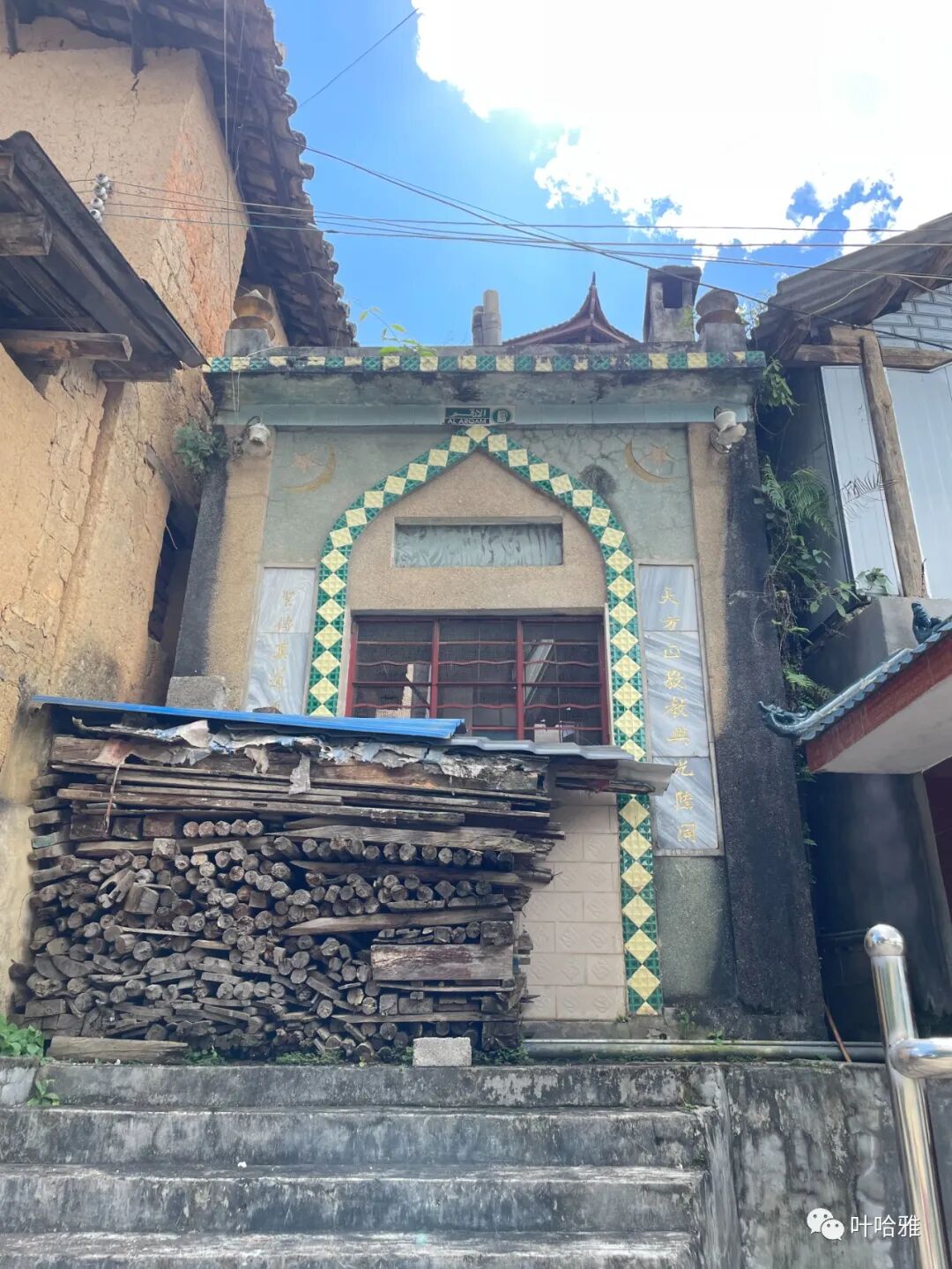
The mosque is built on a mountain, and there is a Hui Muslim village below. There are not many Hui Muslims in Mojiang, and they are mostly concentrated in Talang Village.
Halal Ark Restaurant
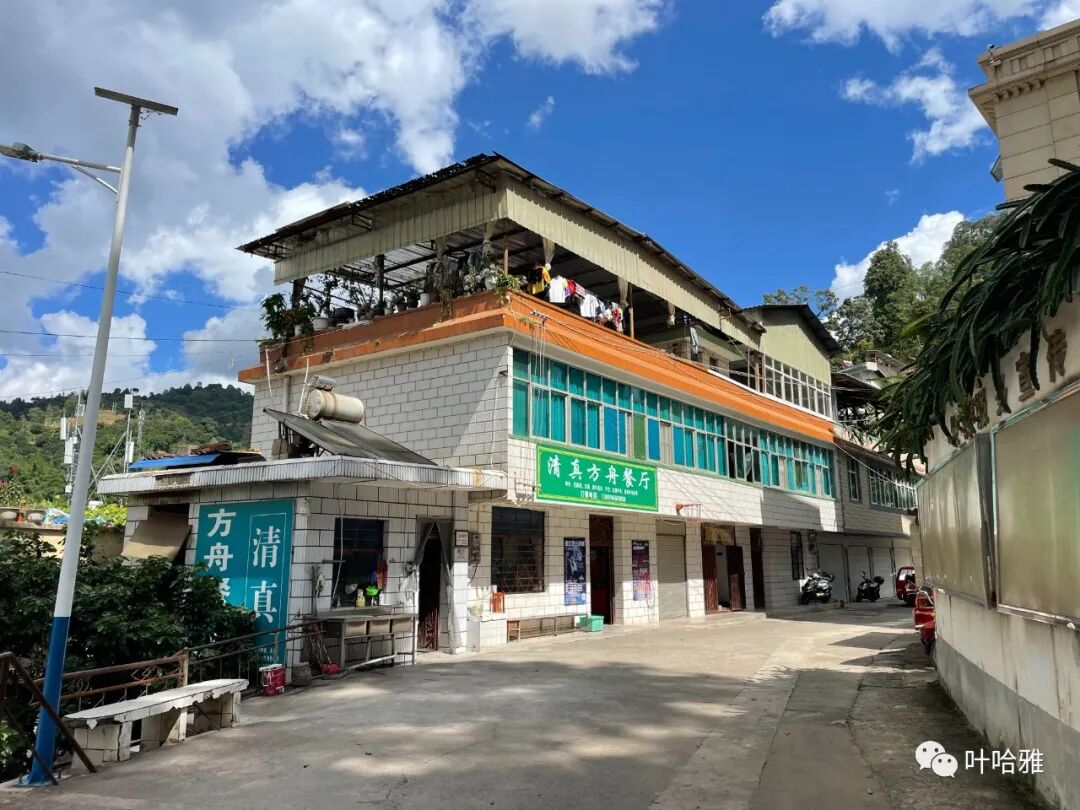
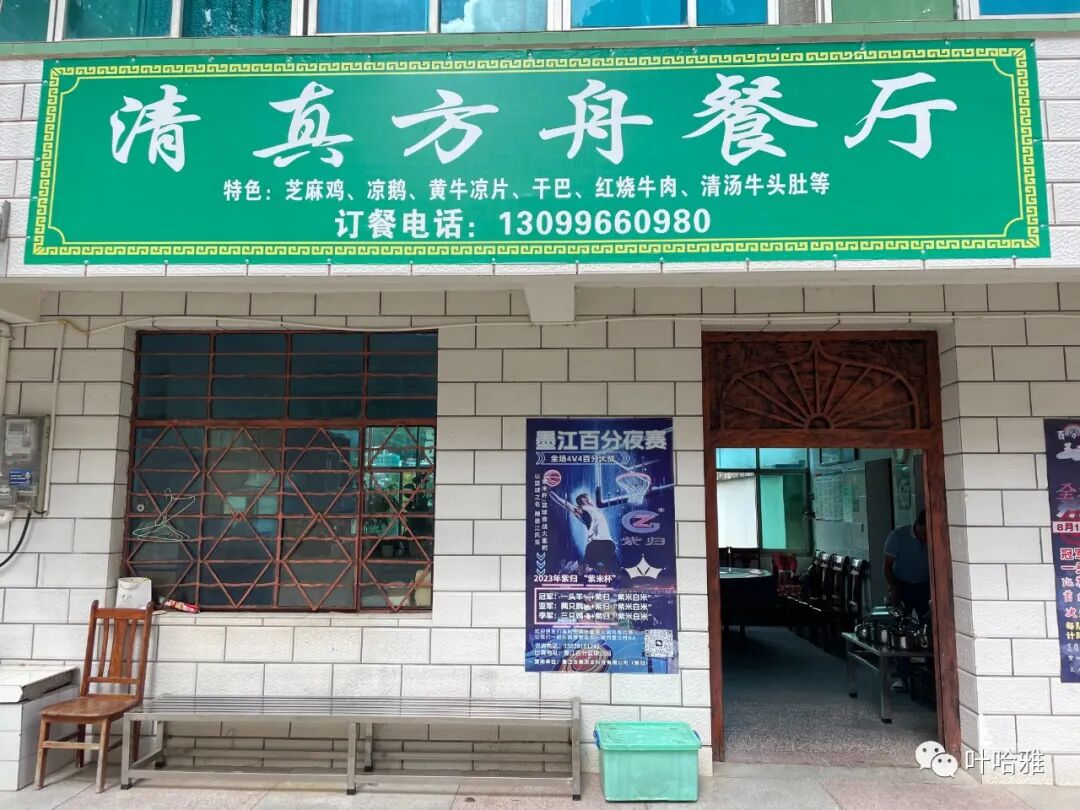
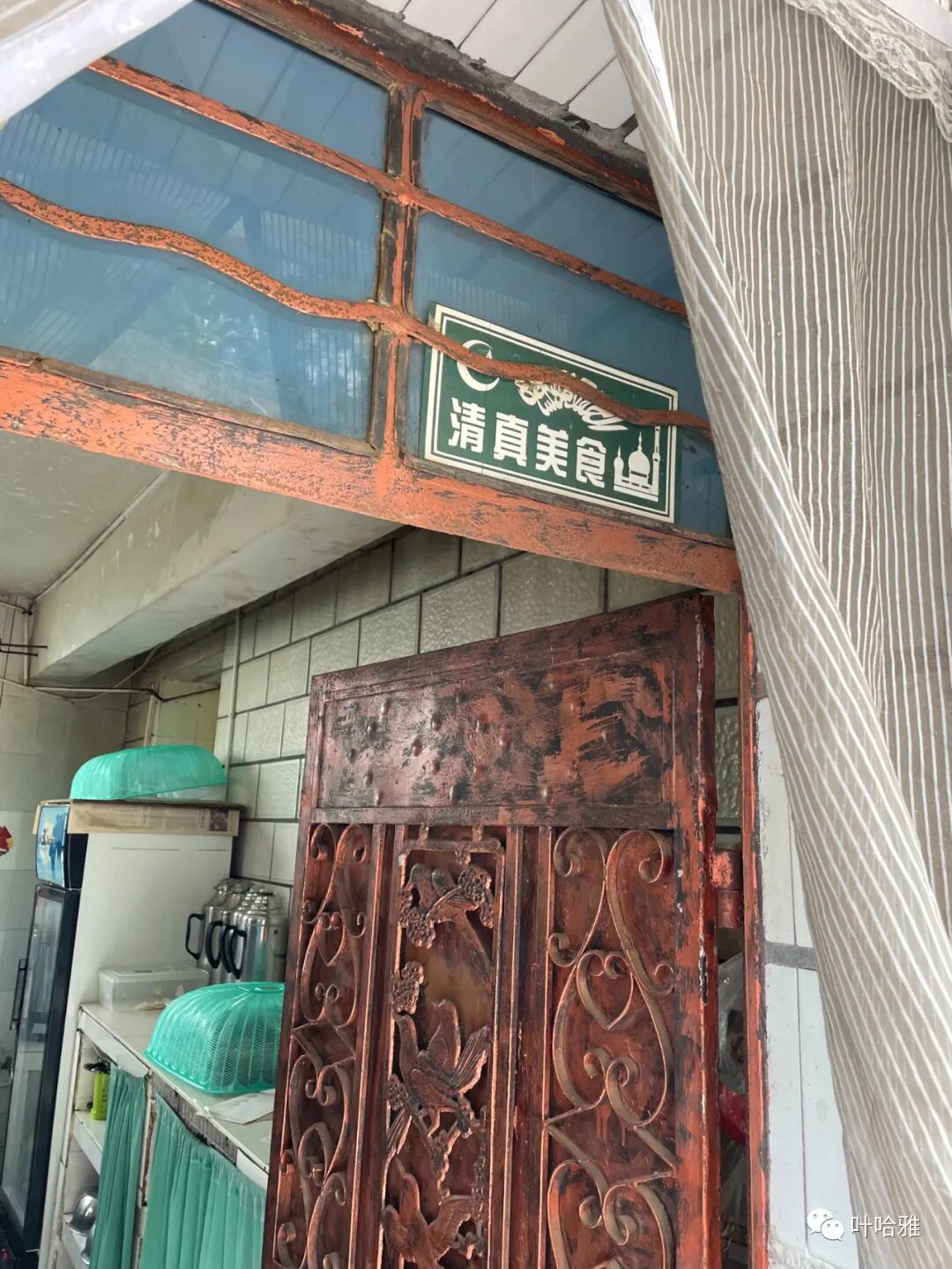
There is a halal restaurant below the mosque run by locals that does not sell alcohol. We had lunch there and chatted with the owner, which is when I learned that most people here are followers of the 'Yunnan Zhou School'.
The Zhou School is what outsiders call them. They revere an elder from Yunnan named Ma Yuzhu, whose original surname was Zhou. It is said he is the son of the eighth-generation Jahriyya leader Ma Zhenwu, who was fostered by a Han Chinese family named Zhou in Yunnan and changed his name to Ma Yuzhu after growing up.
Ma Yuzhu grew up in Yunnan and now lives in Kunming. He is over eighty and used to be a pediatrician. When he began to publicly claim he was a descendant of the Jahriyya founder, his identity was never recognized by the current leaders of the Jahriyya in the Northwest. We can learn this from a conversation between a researcher and an imam from the Jahriyya order in Gansu, as recorded in the research report Investigation of Menhuan in Linxia, Gansu by the Institute of World Religions at the Chinese Academy of Social Sciences.
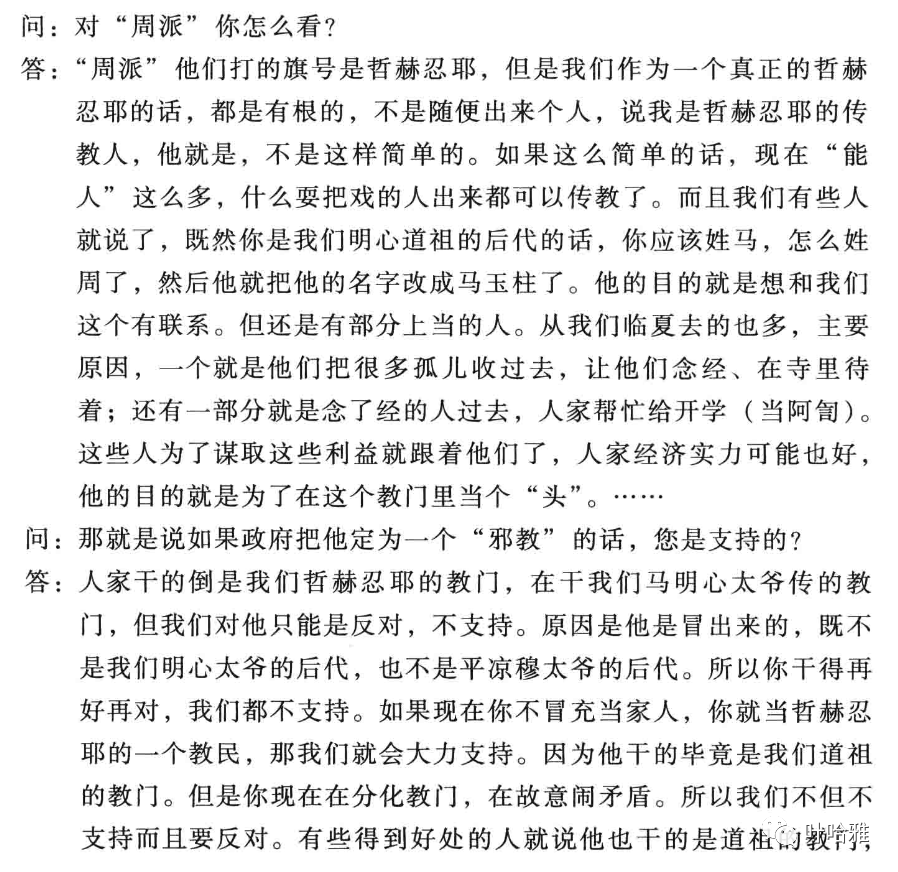
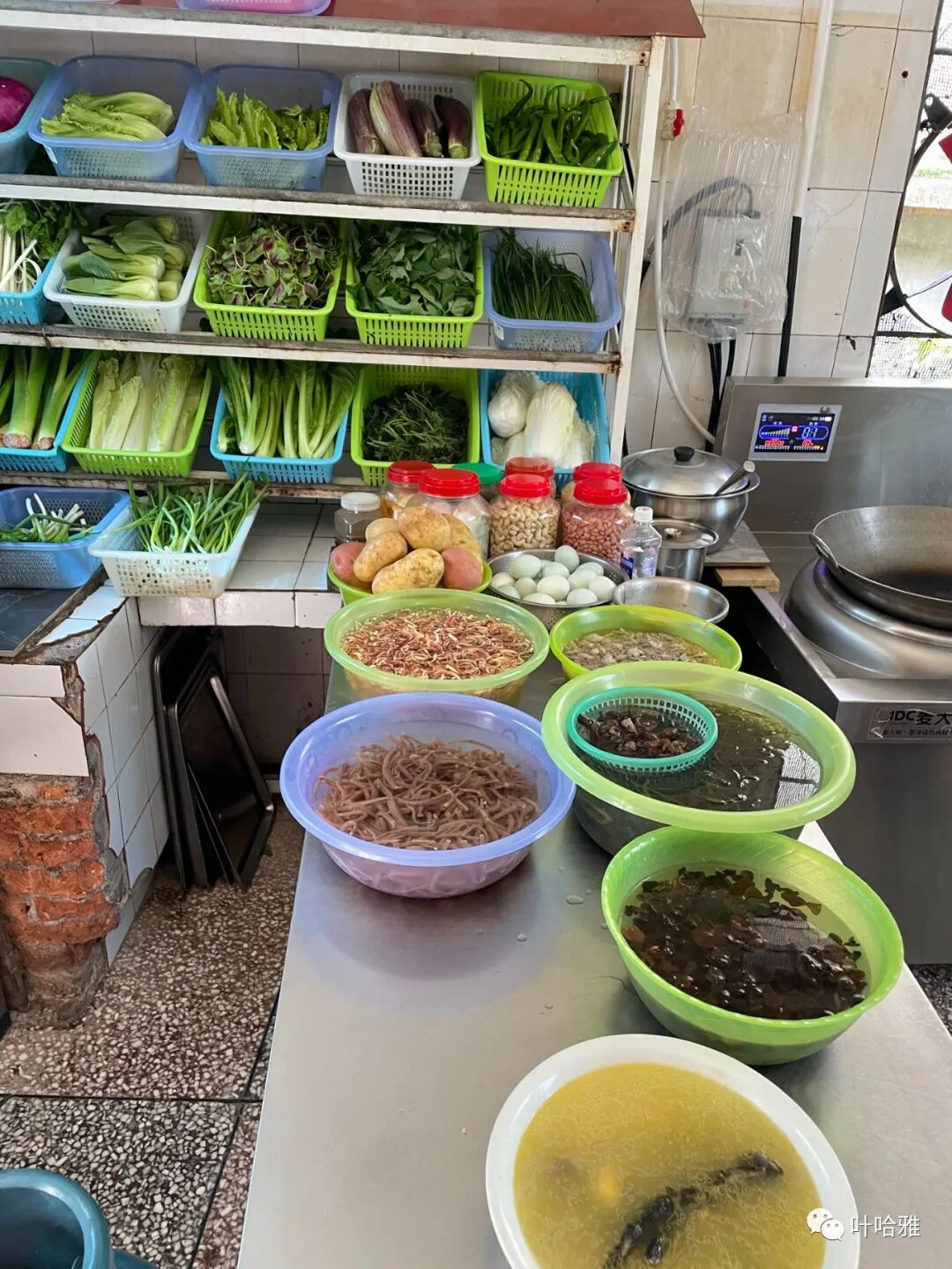
The restaurant owner was surprised that I, a Beijinger, knew about the Yunnan Zhou school. I first heard of this school about ten years ago when a website called Shengchuan Zhendao was based in Yunnan and posted many of Zhou's works in the name of Sufism. I shared my doubts about the Zhou school, but the owner had a different take. They knew that people in the Northwest did not recognize the Yunnan Zhou school, but he told me stories about the old man from Yunnan.
He mentioned that several of the old man's prophecies came true. For example, a few years ago, two brothers in the village asked the old man about their jobs. The old man told them not to learn how to drive. The brothers didn't listen and went to work at an auto repair shop. One day, they got into a car accident and both passed away (returned to Allah) on the same day. They were buried in the cemetery behind the Talang Mosque.
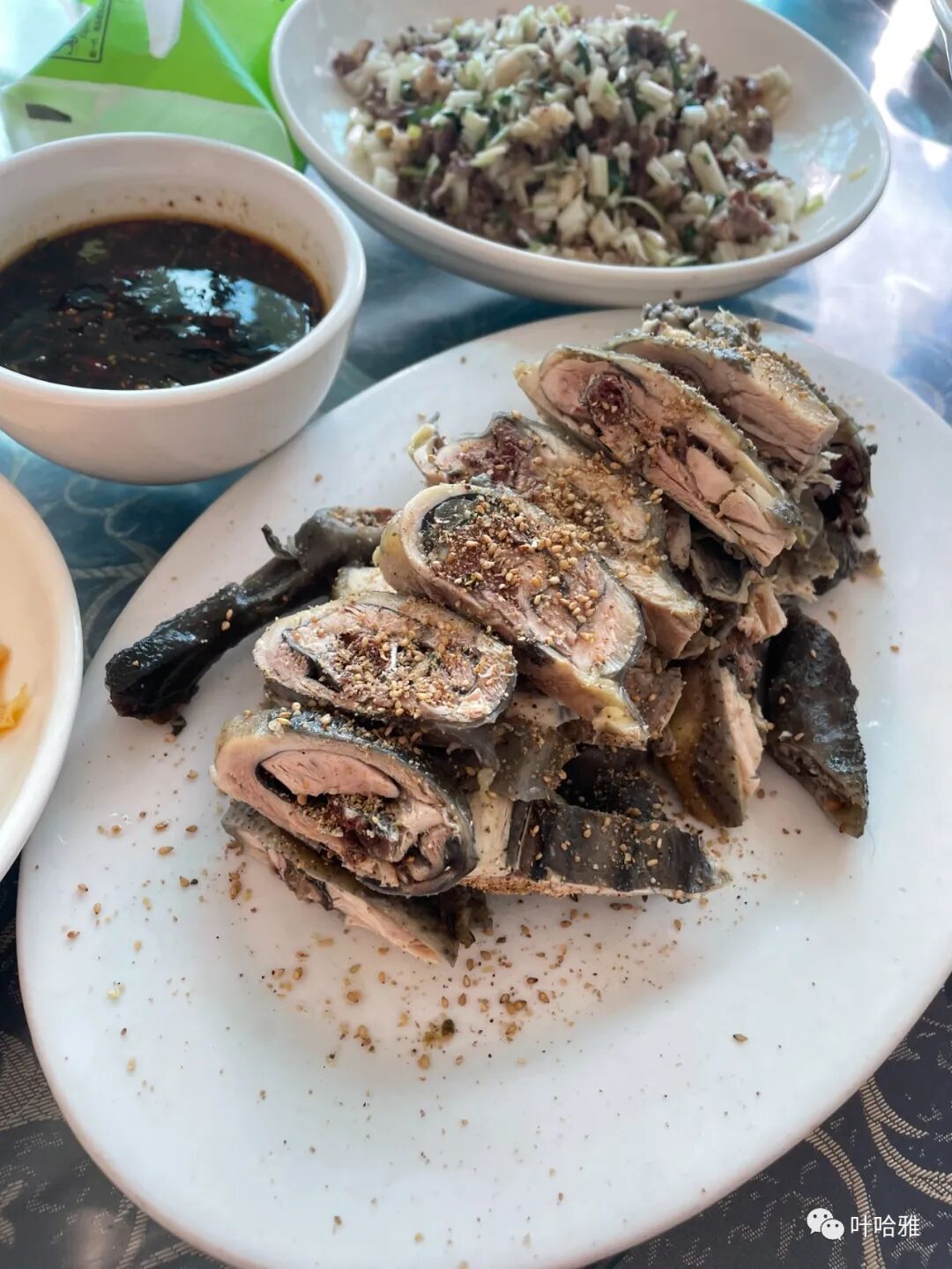
Another story is that in the last century, some social events led to all the imams being arrested. With no imams around, there was no one to give Islamic names to newborns. But before this happened, the old man from Yunnan had handwritten dozens of names for unborn babies. This allowed children to receive their names even during the time when there were no imams. The villagers see these events as signs of the old man's spiritual power.
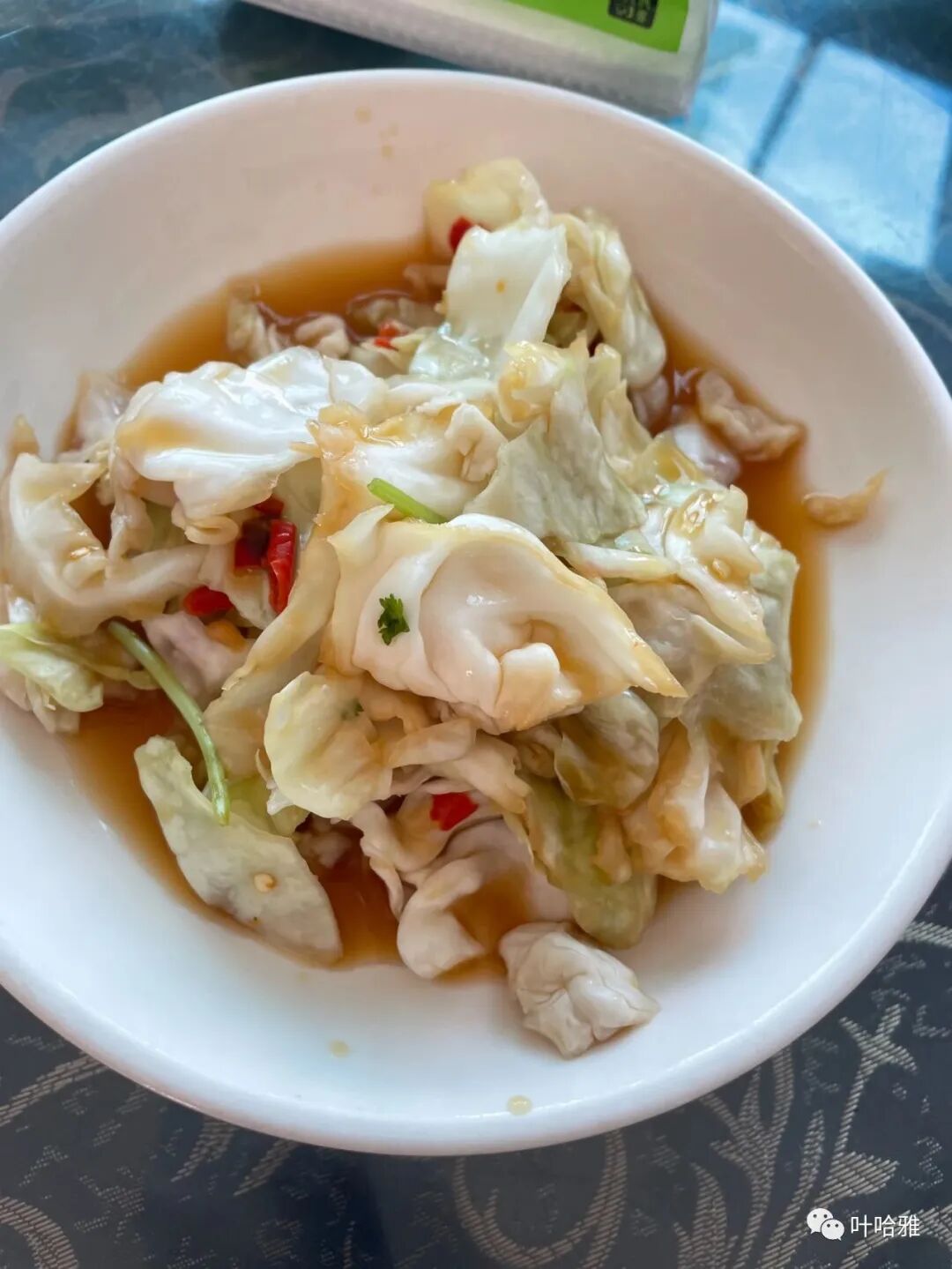
The owner is a follower who has followed the old man from Yunnan for over 30 years. He is now the director of the Talang Mosque management committee. He told me that the people living around the mosque are mostly followers of the old man. I asked about rumors from the outside world regarding the old man, such as claims that he would go into seclusion and stop naming a successor. The owner denied this, and the imam of Talang Mosque also denied it.
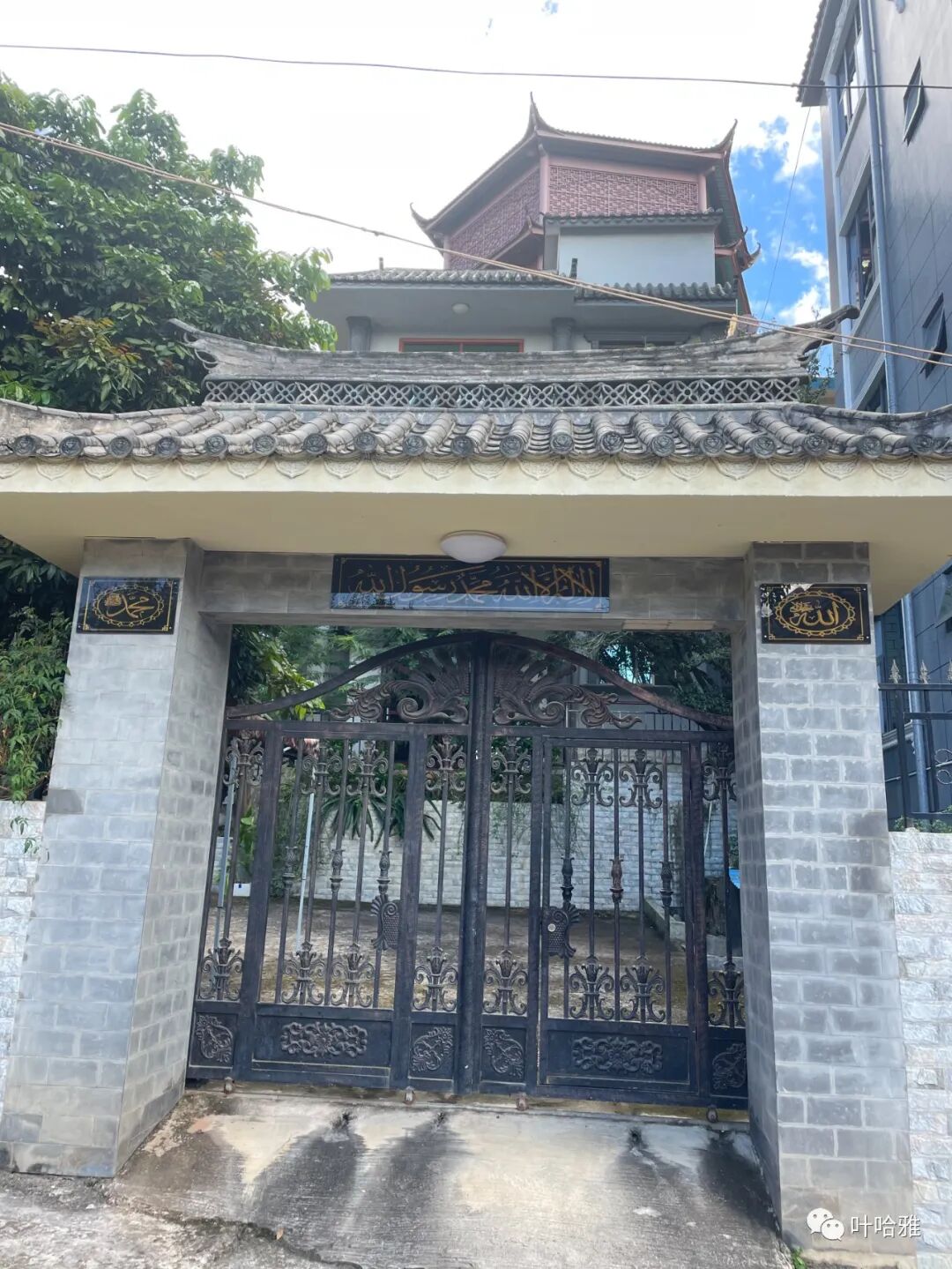
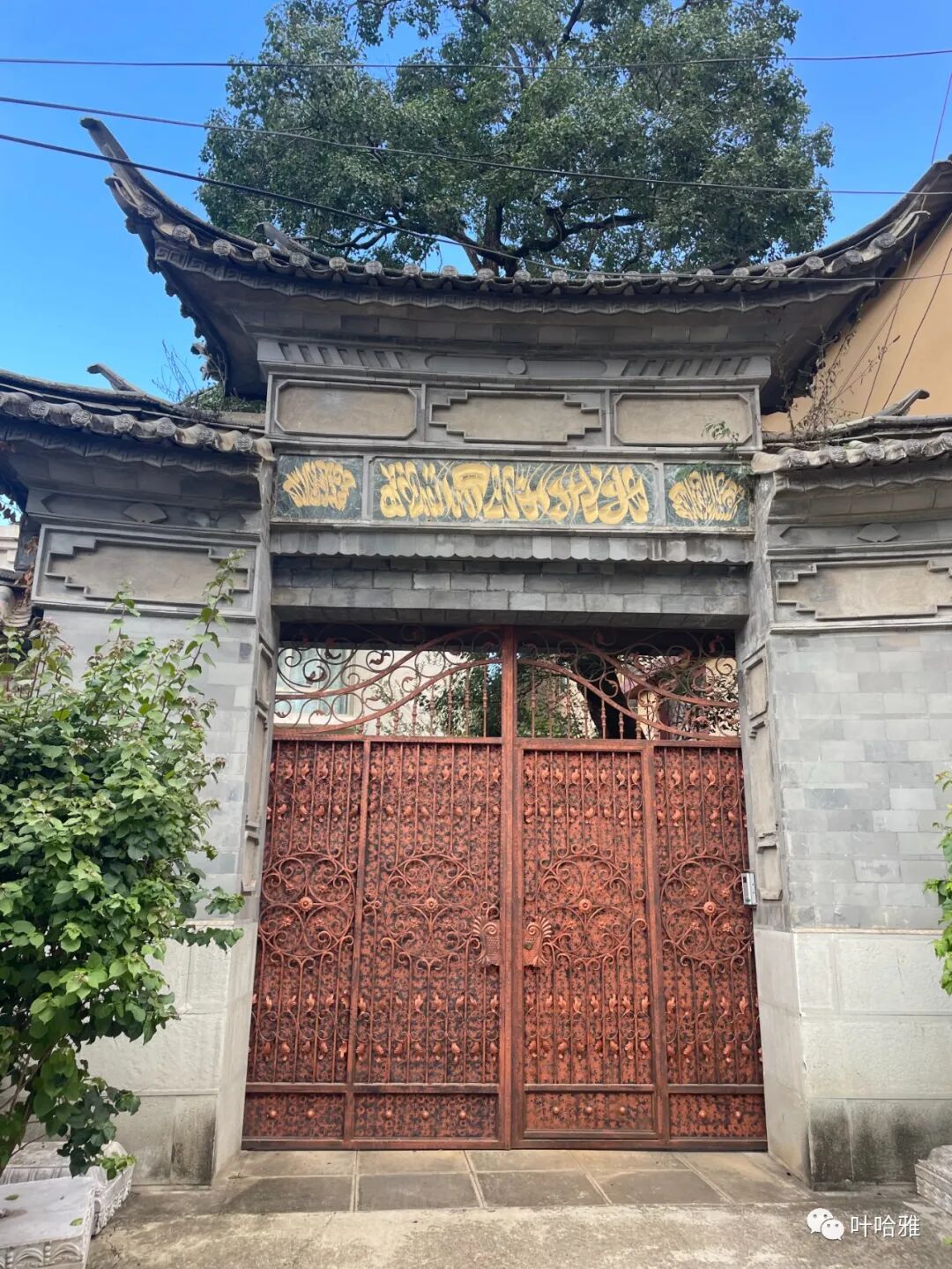
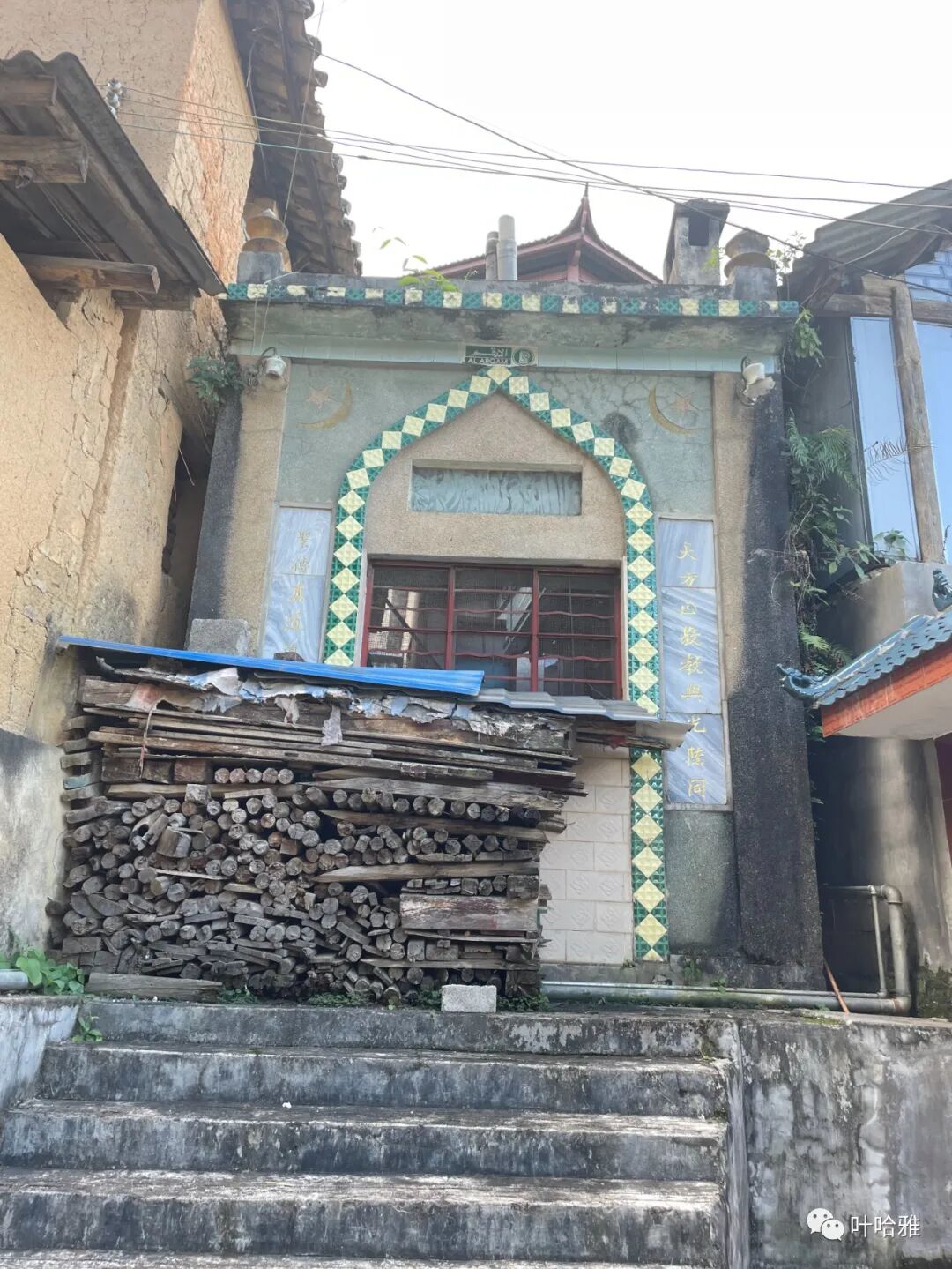
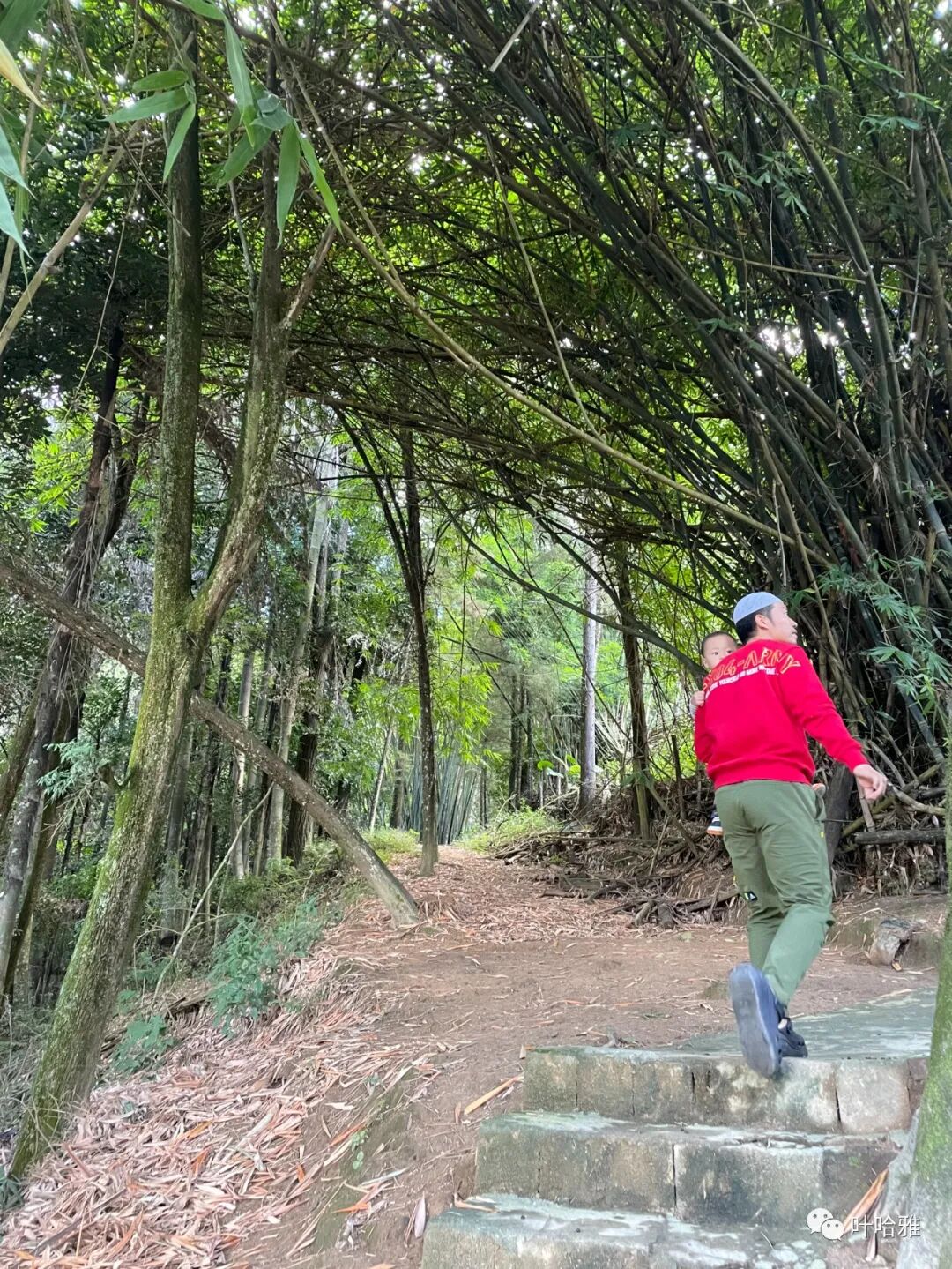
Walking further up to the top of the mountain, you can see a cemetery overgrown with weeds. A small path on the right leads to the graves of Han and Hani people. You can see crosses on some of their tombstones because many Hani people are Christians.
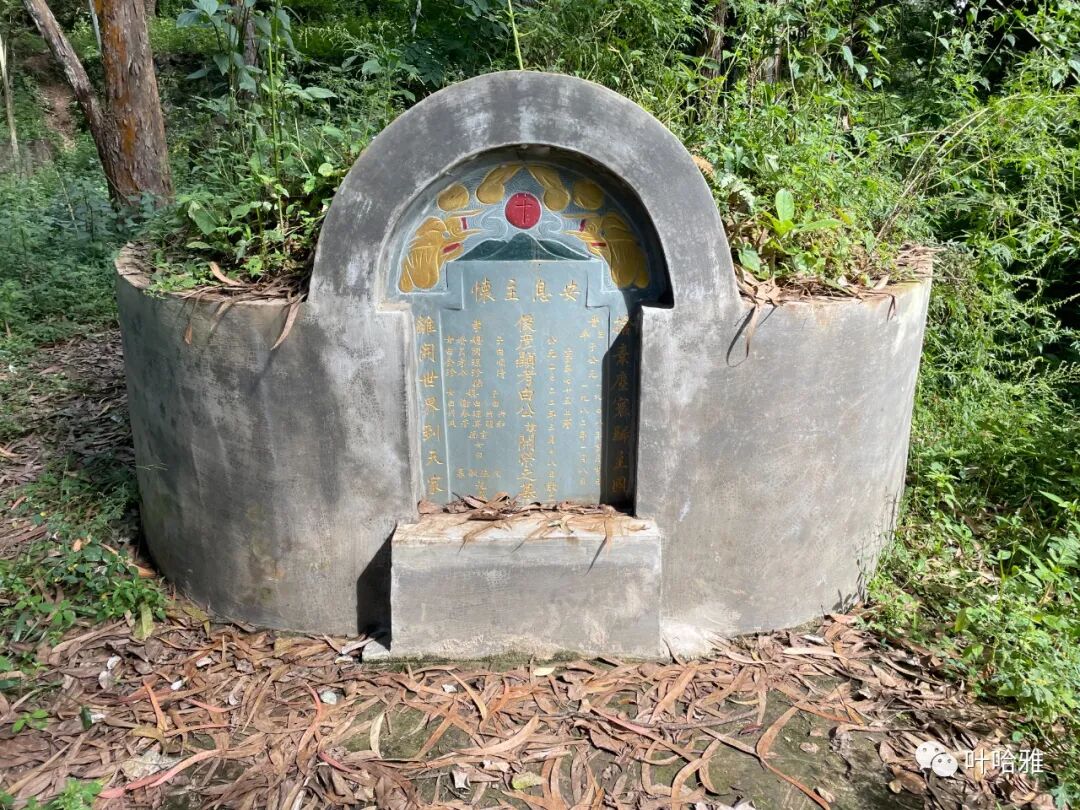
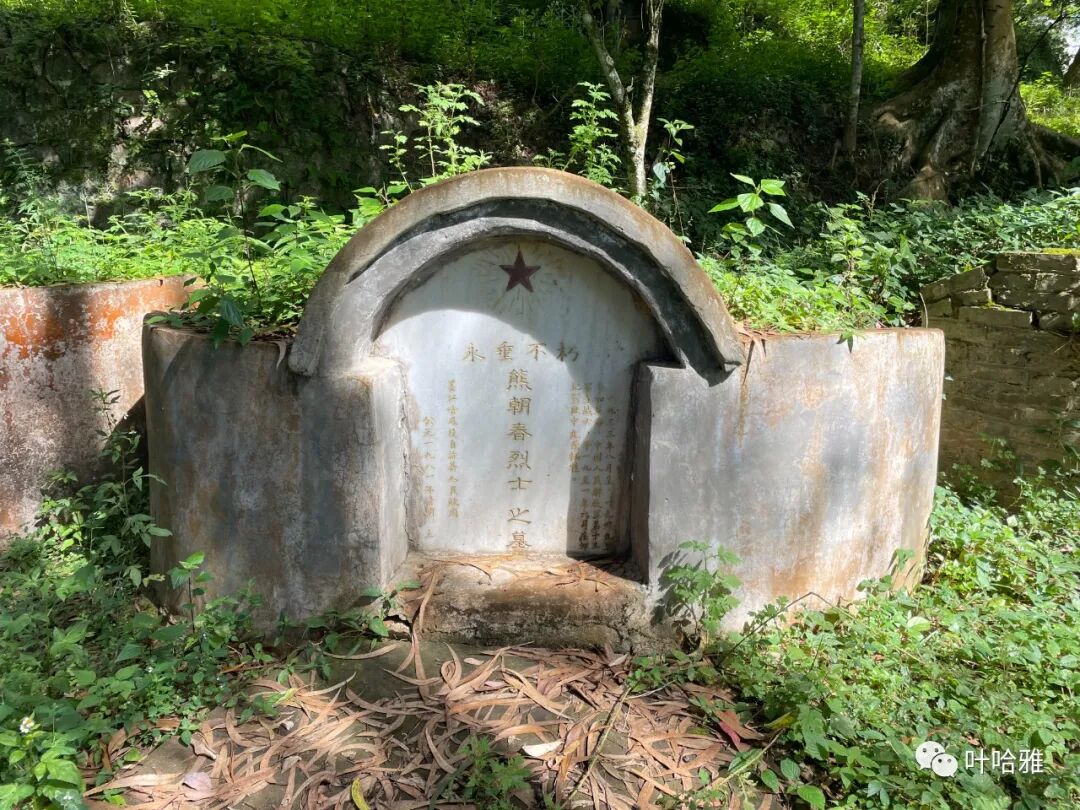
There is also the tomb of the martyr Xiong Chaochun.
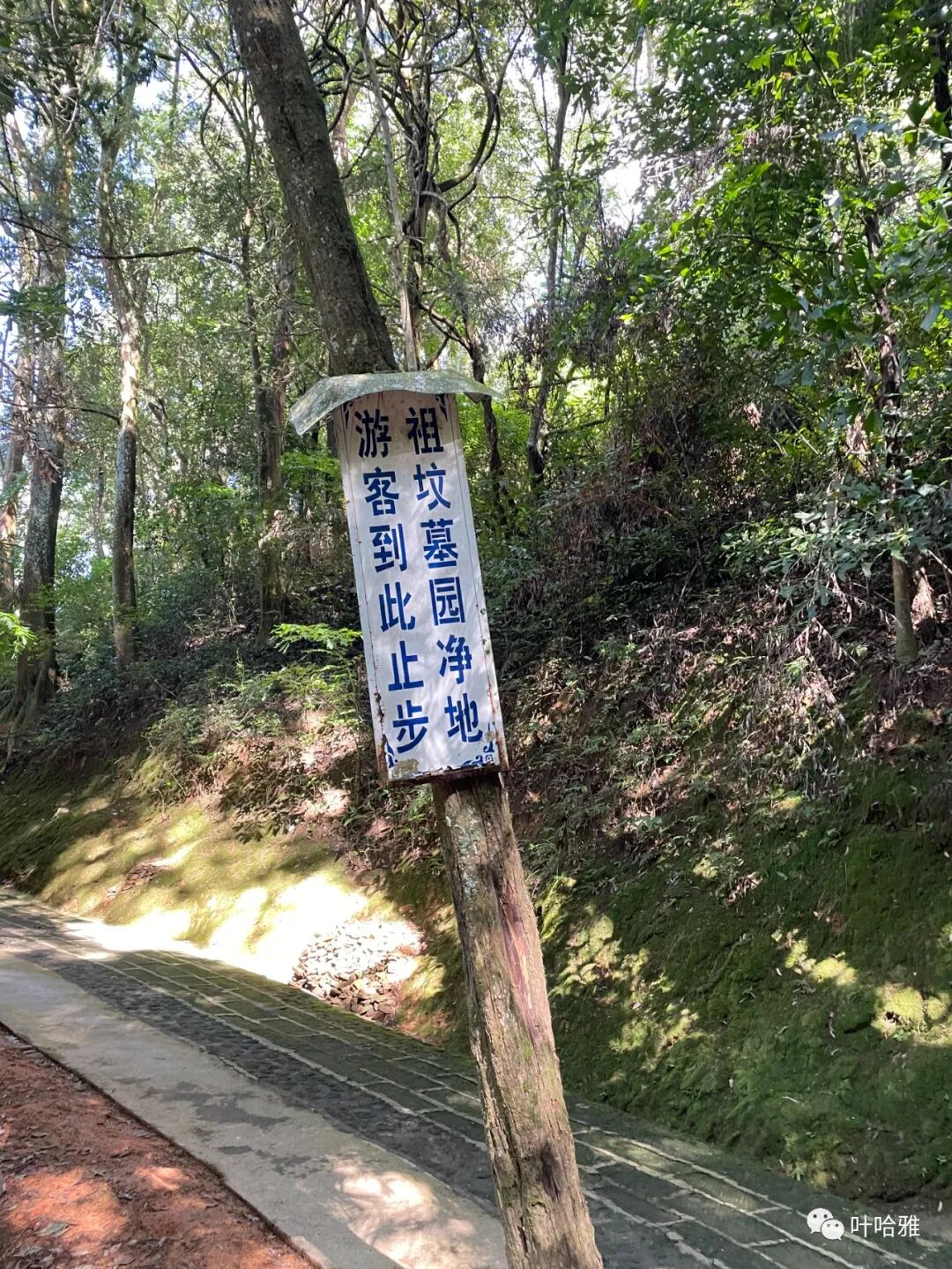
Another wider and cleaner path leads to the Hui Muslim cemetery.
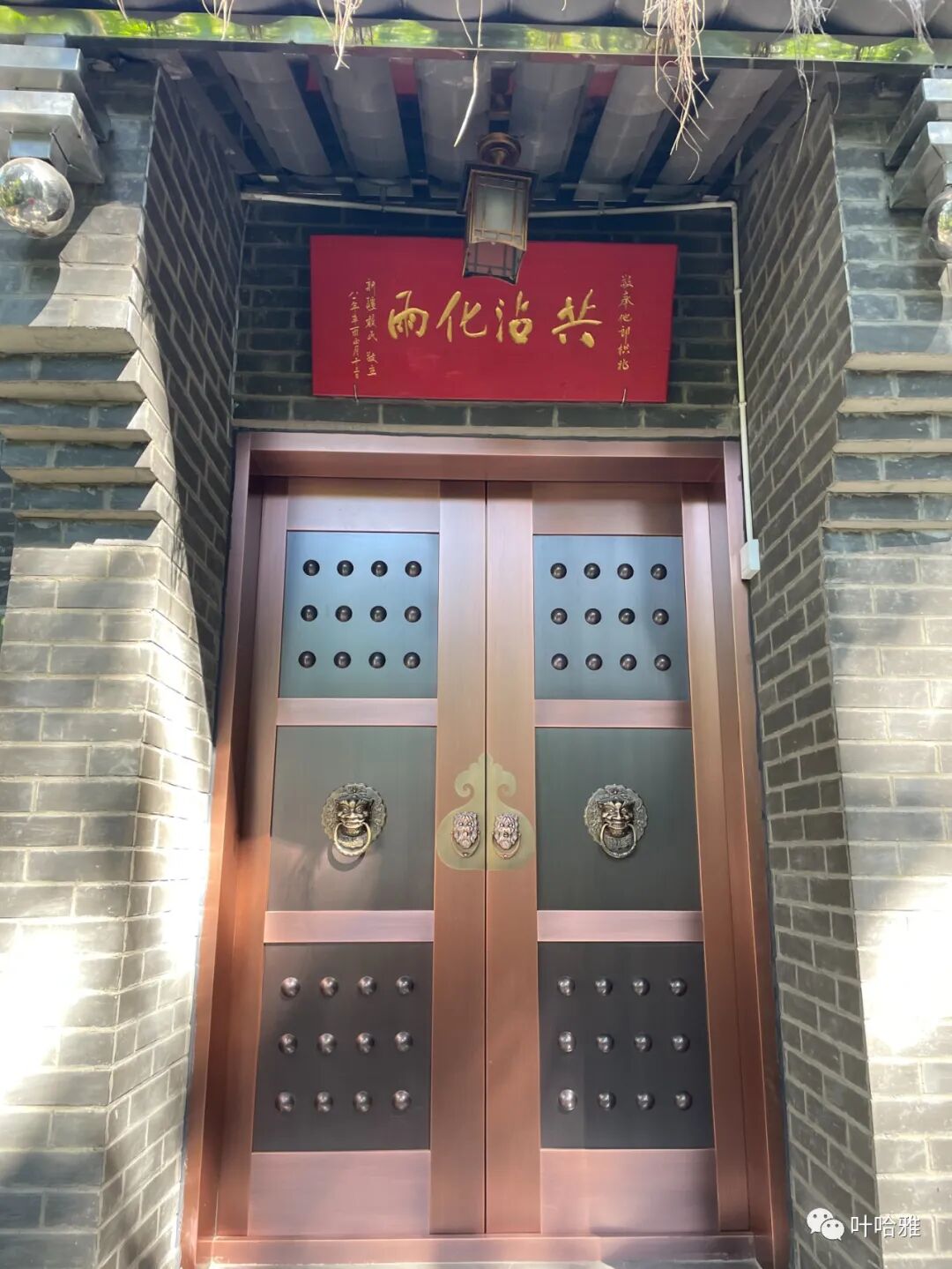
The gongbei (a domed tomb for a Sufi saint) of Ma Shunqing, the eldest son of Ma Mingxin, is here. I saw the gate was locked, and since I needed to reach Jianshui before dark, I prepared to leave. On the way back, I met the imam of Talang Mosque. He said he could contact the person with the key to open it, but I declined and drove onto the highway.
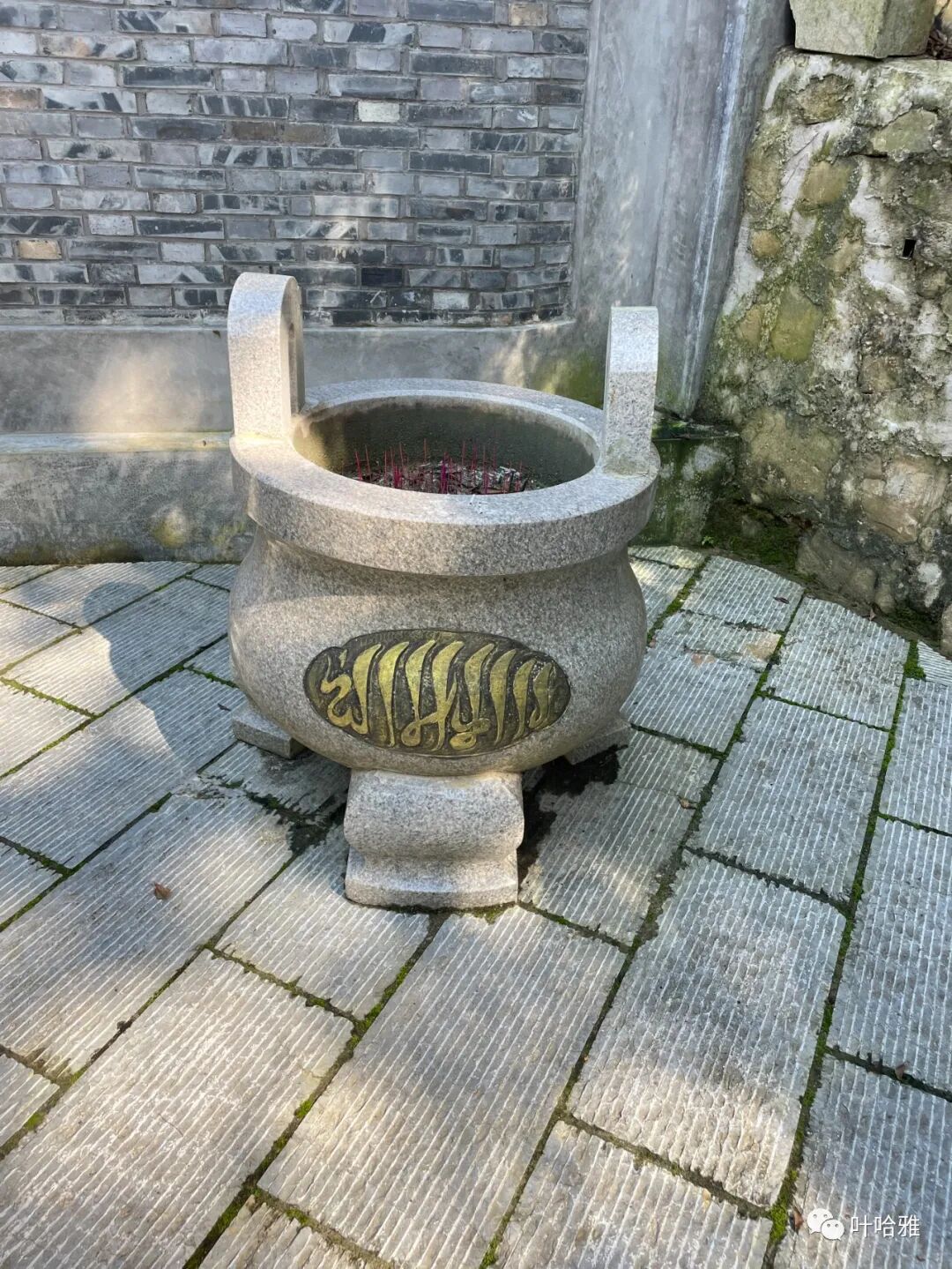
Something interesting happened. Half an hour after getting on the highway, my wife realized she had left her bag at the mosque gate. We had to turn back. I thought to myself that maybe it was meant to be and I wasn't supposed to leave just yet. After getting the bag, I asked the imam for the key to the gongbei. He told me to call the gatekeeper myself. When I called and the person learned I was from Beijing, he quickly came over to open the gate of the Talang gongbei.
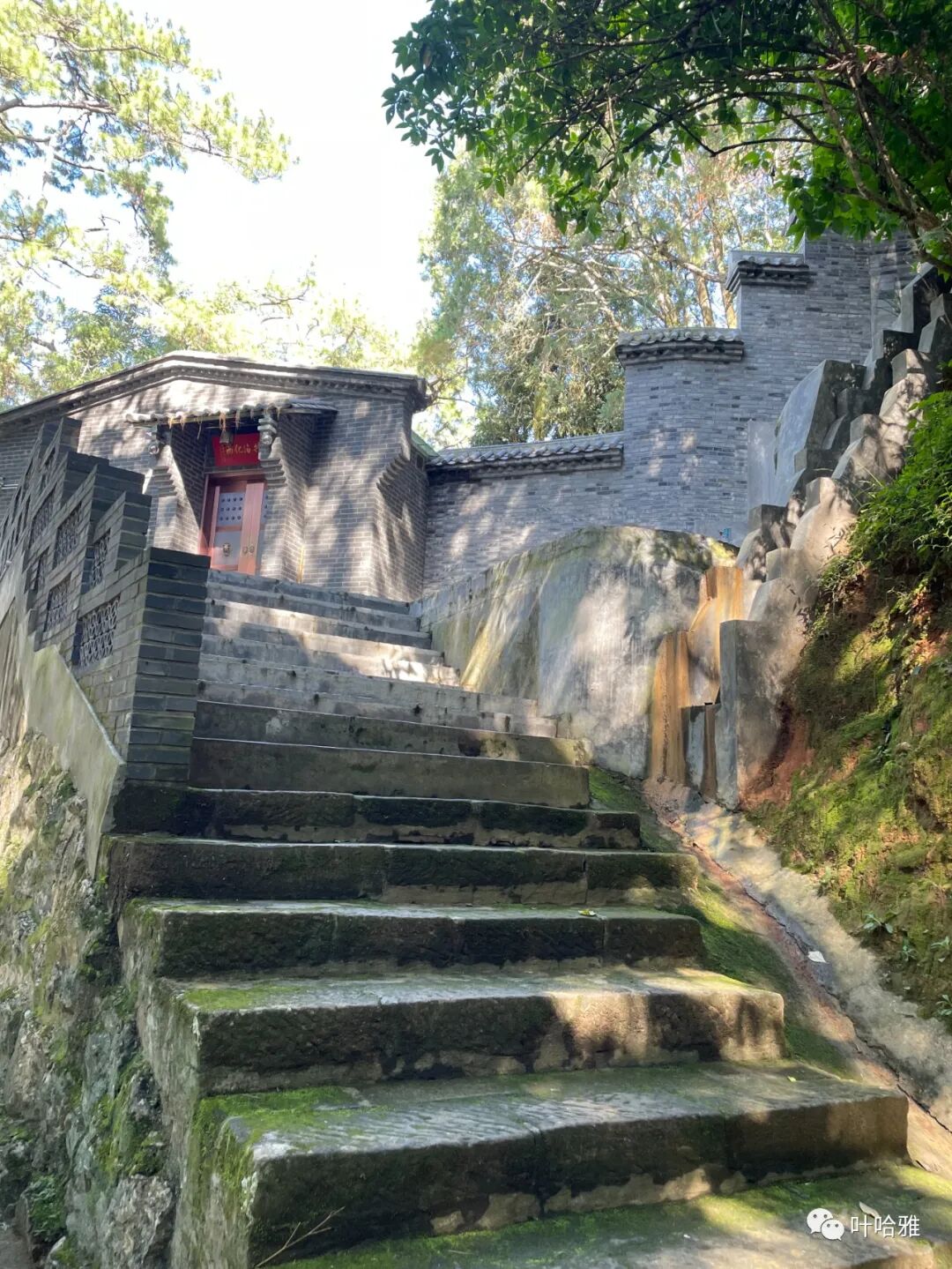
This return trip brought new discoveries. The person guarding the gongbei is the only villager who follows the traditional Jahriyya order and does not associate with the Yunnan Zhou school. Because of this, the Zhou school cannot get the key to hold religious gatherings (a'ermaili) there. The Zhou school once wanted to build another gongbei next to it, but the local government rejected the proposal.
Ma Yuzhu had been here before, but he only got the doors opened because he was accompanied by the relevant authorities. I listened to the caretaker share stories about his family guarding this gongbei for generations. He told me about many unpleasant events that happened here, which made me feel quite sad. He said I was likely the second person from Beijing to visit. Zhang Chengzhi had been here, but he did not say who he was, so the caretaker did not recognize him.
To tell the truth, a DNA test would be enough to figure out what is real and what is fake. But I suspect things are not that simple. Even if the test results did not match, some people would still find a way to rationalize them with irrational reasons. It is hard to change someone's mind through logic between different sects or religions. Once you realize this, you stop trying to convince anyone. People often change their minds in a split second.
My short trip to Mojiang Talang turned out to be a very special side story of my Yunnan journey, and it is worth writing a travelogue about. I am not a member of the Jahriyya, but over the years, I have visited almost all the important Jahriyya gongbei across China. I have even been a guest in the homes of elders in Ningxia. I know the Jahriyya keep a low profile now and do not want to get involved in trouble. I have no intention of starting any disputes, so some things must stay in my heart.
Muslim Travel Guide China 2026: Shadian Grand Mosque, Yunnan Hui Muslims and Local Halal Food
Articles • ali2007fr posted the article • 0 comments • 364 views • 2026-05-21 12:47
Summary: Muslim Travel Guide China 2026: Shadian Grand Mosque, Yunnan Hui Muslims and Local Halal Food is presented here as a clear English travel account for Muslim readers, beginning with this scene: Continuing from the previous Yunnan Yuxi Fuxian Lake, Daying, and Najiaying Muslim Tour, continue to the next destination, Shadian. From Kunming to Shadian, you need to take an intercity train to Mengzi. The article keeps the original place names, food details, photographs, and cultural context while focusing on Shadian Mosque, Yunnan Muslims, Halal Food.
Continuing from the previous Yunnan Yuxi Fuxian Lake, Daying, and Najiaying Muslim Tour, continue to the next destination, Shadian. From Kunming to Shadian, you need to take an intercity train to Mengzi Station. From Mengzi Station, you can take a taxi to Gejiu City's Ji Street or Shadian. Generally, you can take a taxi to Ji Street, which costs 50 yuan. Chicken Street is about 3 kilometers away from Shadian and is another neighborhood with concentrated food.
Mengzi City, the capital of Honghe Hani and Yi Autonomous Prefecture
Currently, there is no direct train from Kunming to Shadian. The fastest way is to reach Mengzi City first.
On the streets of Mengzi City, street signs with Yi characters can be seen everywhere.
The Hui population in Mengzi City is very small, accounting for less than 1% of the total population, but halal restaurants can also be found.
Ma's Braised Chicken Rice Noodles
Ma's braised chicken rice noodle shop, about 2 kilometers away from the train station, is halal and alcohol-free.
I have long heard that the braised chicken rice noodles are delicious, so I ordered a small portion, and it is indeed delicious. The seasoning of the braised chicken rice noodles has a special fragrance, which whets my appetite. Eating cold rice noodles in summer is also a good way to relieve the heat.
Mengzi City Mosque
The urban mosque, built in the 27th year of the Republic of China, has been renovated many times and transformed into a modern style.
After praying at the mosque in Mengzi City, we took a taxi to Ji Street in Gejiu City, which took about 50 minutes. I went to Chicken Street because there is the nationally famous Xida Education College, located right next to the Laoji Street Mosque.
Xida Education College is a Buddhist scriptures college established in 1999. Most of the school’s teachers have overseas study backgrounds. Many Dostis around them have studied scriptures here. When they mention their studying time in Xida, they miss it very much.
The Laoji Street Mosque has a history of more than 150 years. Its architectural style is close to traditional North African architecture and its appearance resembles the Hassan II Mosque in Morocco.
In the evening, I followed the Imam for the Fajr prayers and noticed that this place belongs to Salafi.
There is Ruirui BBQ 100 meters away from the Laoji Street Mosque. There are many barbecue restaurants here. Many friends recommended that I come to Shadin to eat roast chicken.
The proprietress of Ruirui BBQ was very enthusiastic. When she saw that I was from Beijing, she also chatted with me about her family life. Ruirui was her daughter’s name. I asked her for some local information and learned that there was Dusty from Beijing who was studying Buddhist scriptures at Chicken Street.
When I was eating roast chicken, the cat in the store came over and took a chicken wing away when I wasn't paying attention.
You need to take a motorcycle ride from Laoji Street to Shadian Street, which costs 6 yuan and takes 10 minutes.
The Jinjizhai Mosque, about 1 km away from the Shadian Grand Mosque, is a traditional-style building.
Here is a photocopy of the Bao Ming Sutra, an excerpt from the Chinese translation of the Quran, produced by Ma Lianyuan.
As usual, I prayed two rak'ahs in celebration and prepared to go to Xiying Mosque.
Xiying Mosque is located behind the Shadian Grand Mosque, about 300 meters away. It is also a South Asian style building and was built in 2008.
The garden pool in front of Chaozhen Hall is very beautiful and neat, with a Southeast Asian feel.
The village elders in the mosque were cleaning the place. The main hall was spacious and bright. After I finished praying and praying, I couldn't wait to get ready to go to the Shaden Grand Mosque.
After three days of running around, I finally arrived at the most important destination of this trip to Yunnan, the Shadin Grand Mosque. I wanted to come to the mosque before Friday to pray, because since the outbreak of the epidemic in February, all the mosques in Beijing have been closed. I have not attended the Juma prayer in half a year. It was because I heard that the Shadin Grand Mosque was open that I did not hesitate to book a flight.
The history of the construction of the Shadian Grand Mosque can be traced back to the 23rd year of Emperor Kangxi of the Qing Dynasty (1684). It was expanded to what it is today in 2005. It covers a total area of 21,000 square meters and is the largest mosque in southwest my country.
The mosque usually has volunteer guides who can provide local tourism information.
The Shadian Grand Mosque is a Qedime mosque, just like the Niujie Mosque in Beijing, which makes me feel more familiar.
The main hall can accommodate up to 10,000 people for worship, and the number of people on the main day accounted for about half of the main hall.
Walking one kilometer to the left from the main entrance of the mosque, you can reach the Sardin Shesid Monument.
The Sheshid Monument was built in the Muslim Cemetery in Fengwei Mountain to commemorate the more than 900 Shadian residents who were killed in their sleep by the Gang of Four because they opposed the closure of mosques by the ultra-left forces during the Cultural Revolution.
After the Third Plenary Session of the 11th Central Committee of the Communist Party of China, after correcting the chaos and redressing the unjust killings, the Yunnan Provincial Committee of the Communist Party of China and the Kunming Military Region Committee of the Communist Party of China reported to the Central Committee for approval and redressed Shadian on February 15, 1979.
Every martyred Dosti has a name.
They only lie in their graves for the time being, and will receive their due rewards in future generations.
Panoramic view of Shading from Fengwei Mountain.
Dosti of Shaden, the Shadin travel map drawn by the Lin brothers for me basically marked all the important information.
The delicious and fun check-in places are all at a glance, including some special delicacies. It’s hard to find them without local guidance.
The fried papa marked on the picture is a local specialty snack that can only be eaten in Shadin.
After Bangda lowers the mosque, turn left from the mosque and there is a Huiyuan snack bar that is already open.
I had a bowl of Shadine-style rice noodles here, or Shaxian for short.
Fried dough sticks
It seems that the only breakfast options are rice noodles and fried dough sticks, as well as a ramen restaurant owned by people from the northwest.
At the entrance of Shadian Mosque is the Golden Rooster Square. There is a night market here, mainly some restaurants from northwest Xinjiang, as well as several local snack bars.
Knott's sizzling squid
Bought handmade yogurt here.
Handmade yogurt
There are not many people in Jinji Square at night, and many shops are not open.
Halal catering for repeat customers
This is the only repeat shop that sells some local specialty snacks. I ordered a bowl of pineapple sugar water.
Pineapple in sugar water
I bought the Yunnan specialty tamarind juice at Jinji Plaza. You need to shake it before drinking because the sugar is at the bottom.
The Sardinian style shaomai eaten at Golden Rooster Square is particularly delicate and small, about the size of a quail egg. It is stuffed with mushrooms and vegetables and has a sticky skin.
Lisa BBQ
Lisa BBQ, recommended by many Sardin veterans, is open after 5 p.m. Also, Dusty recommended Sisi BBQ, Qingxiang BBQ, and Jinsong BBQ. I couldn’t get enough of them.
There are many stalls selling snacks on Saiying Road. This one is called Little Copper Pot Rice Noodles, which is a Shadin specialty.
Small steamed cake
Small steamed cakes with grains cost two yuan each. The girl selling steamed cakes also sells soy sauce cakes and physalis cakes.
This one is fried eggplant, and the other is fried potatoes. You can order a little bit of each to taste. The girl selling the food said that it tastes best when it is hot. The taste here is very similar to that of Southeast Asia, and I also like to eat fried food.
I want to take away and try each of the various pickles sold at the morning market.
Qingxiang Inn
If you want to eat traditional halal pastries, I recommend this Qingxiang Inn on Chicken Street. For delicious bread, I recommend Wei Xun. If you want to eat Yunnan stir-fry, friends in Shadian basically only go to Huiwei Restaurant near the mosque and Guanyi Restaurant next to it. Guanyi Restaurant is not as hygienic as Huiwei Restaurant, but the taste is excellent.
Shadian Hui Culture and Art Museum
This Hui Culture and Art Museum looks like a museum from the outside, but when you walk in, you find it is an art store.
If you have time, you can go to Dazhuang, which is more than 20 kilometers away from Shading, to eat Sanmei Shaomai. It’s more authentic there.
There is an ancient mosque in Dazhuang, which is worth seeing.
For accommodation, you can choose Sailmou Hotel which is closest to the mosque or Yiduo Hotel next to it. You can walk 100 meters to the mosque and the price is only 100 yuan. The waiters are all young ladies wearing beautiful headscarves. The appearance of the girls in Shading is obviously higher than that of other places.
The Muslim trip to Shadian has come to an end for the time being, but I still have a lot of regrets, and there are still a lot of delicious foods that I haven’t eaten. I hope to travel and study in Shadian with more friends in the future. Silversha Allah, my next stop will be to Ruili, a small town on the border of China and Myanmar, to look for Rohingya Dosti.
Preview for the next issue: Yunnan Ruili Muslim Tour view all
Summary: Muslim Travel Guide China 2026: Shadian Grand Mosque, Yunnan Hui Muslims and Local Halal Food is presented here as a clear English travel account for Muslim readers, beginning with this scene: Continuing from the previous Yunnan Yuxi Fuxian Lake, Daying, and Najiaying Muslim Tour, continue to the next destination, Shadian. From Kunming to Shadian, you need to take an intercity train to Mengzi. The article keeps the original place names, food details, photographs, and cultural context while focusing on Shadian Mosque, Yunnan Muslims, Halal Food.
Continuing from the previous Yunnan Yuxi Fuxian Lake, Daying, and Najiaying Muslim Tour, continue to the next destination, Shadian. From Kunming to Shadian, you need to take an intercity train to Mengzi Station. From Mengzi Station, you can take a taxi to Gejiu City's Ji Street or Shadian. Generally, you can take a taxi to Ji Street, which costs 50 yuan. Chicken Street is about 3 kilometers away from Shadian and is another neighborhood with concentrated food.
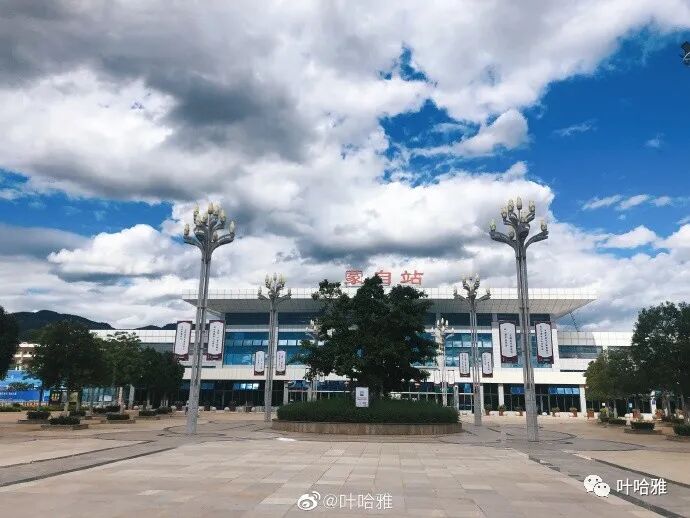
Mengzi City, the capital of Honghe Hani and Yi Autonomous Prefecture
Currently, there is no direct train from Kunming to Shadian. The fastest way is to reach Mengzi City first.
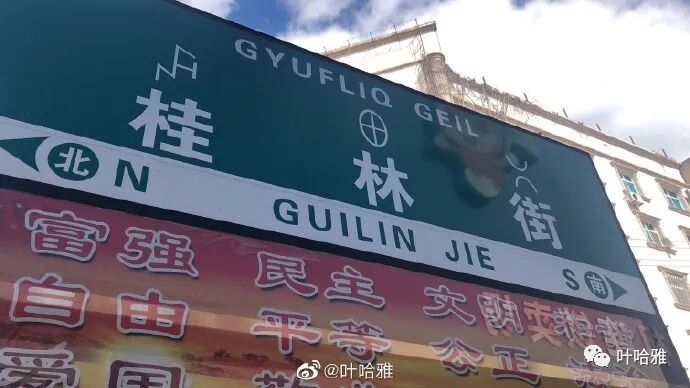
On the streets of Mengzi City, street signs with Yi characters can be seen everywhere.
The Hui population in Mengzi City is very small, accounting for less than 1% of the total population, but halal restaurants can also be found.
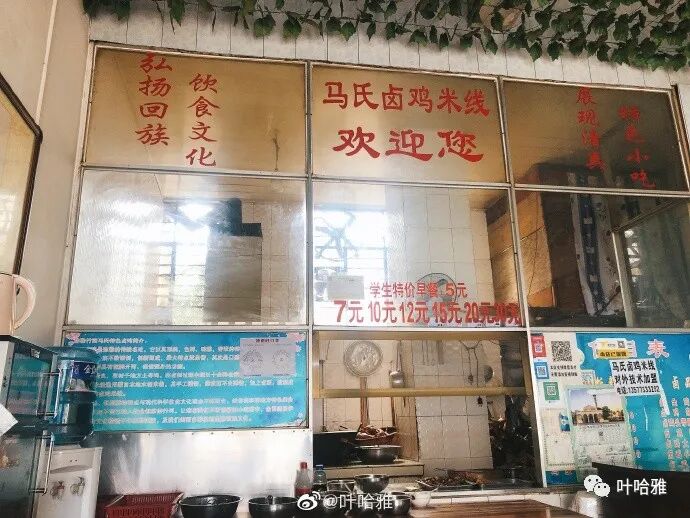
Ma's Braised Chicken Rice Noodles
Ma's braised chicken rice noodle shop, about 2 kilometers away from the train station, is halal and alcohol-free.
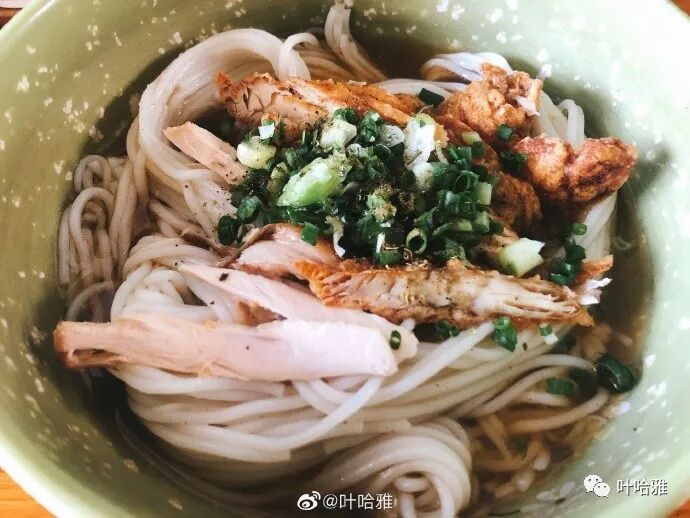
I have long heard that the braised chicken rice noodles are delicious, so I ordered a small portion, and it is indeed delicious. The seasoning of the braised chicken rice noodles has a special fragrance, which whets my appetite. Eating cold rice noodles in summer is also a good way to relieve the heat.
Mengzi City Mosque
The urban mosque, built in the 27th year of the Republic of China, has been renovated many times and transformed into a modern style.
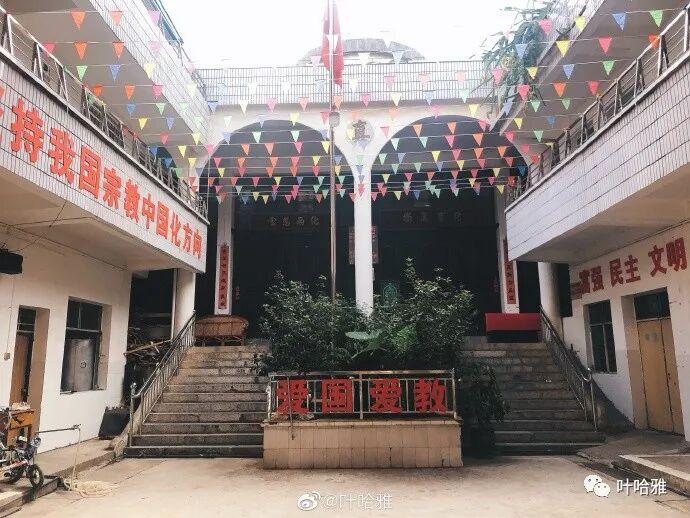
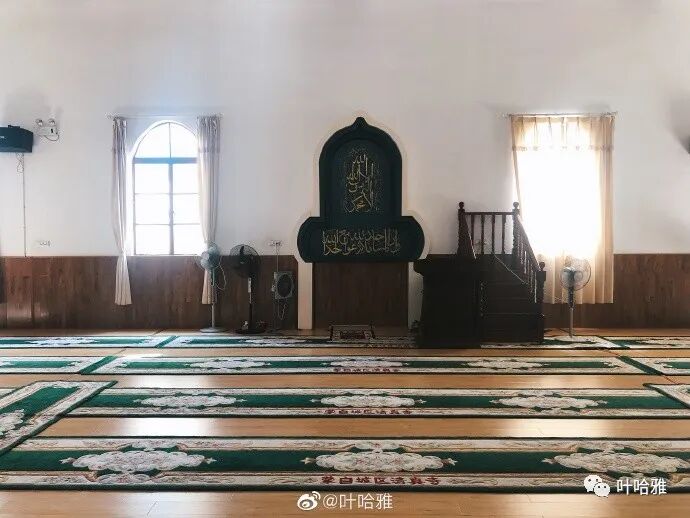
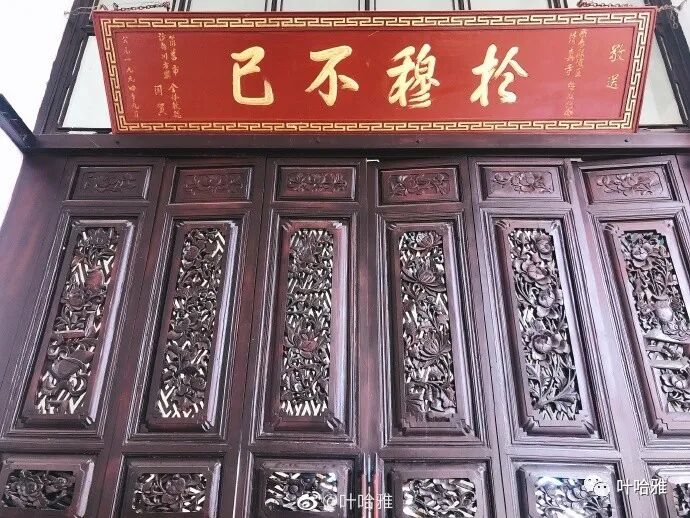
After praying at the mosque in Mengzi City, we took a taxi to Ji Street in Gejiu City, which took about 50 minutes. I went to Chicken Street because there is the nationally famous Xida Education College, located right next to the Laoji Street Mosque.
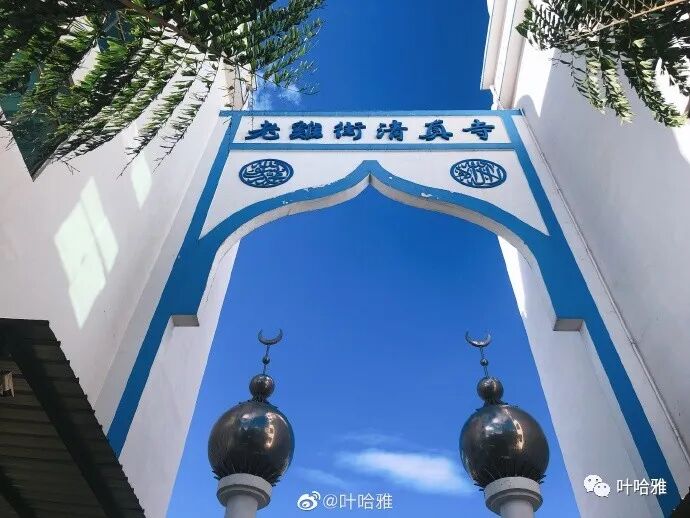
Xida Education College is a Buddhist scriptures college established in 1999. Most of the school’s teachers have overseas study backgrounds. Many Dostis around them have studied scriptures here. When they mention their studying time in Xida, they miss it very much.
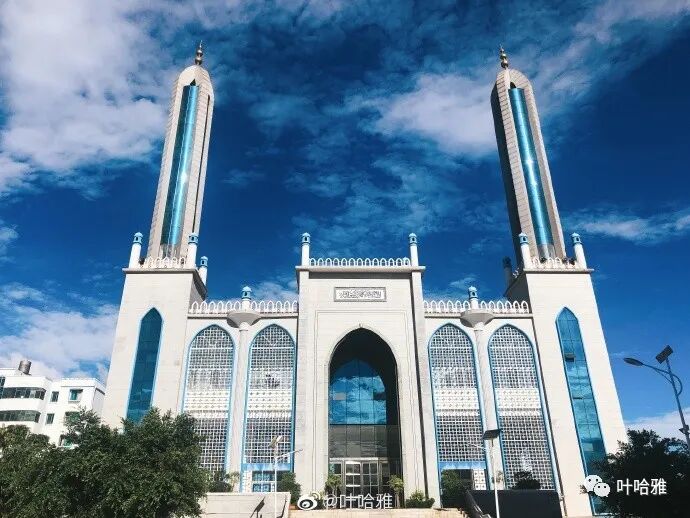
The Laoji Street Mosque has a history of more than 150 years. Its architectural style is close to traditional North African architecture and its appearance resembles the Hassan II Mosque in Morocco.
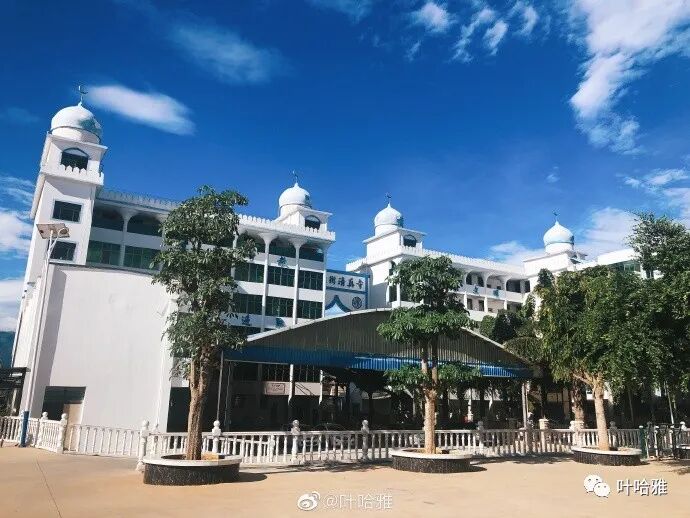
In the evening, I followed the Imam for the Fajr prayers and noticed that this place belongs to Salafi.
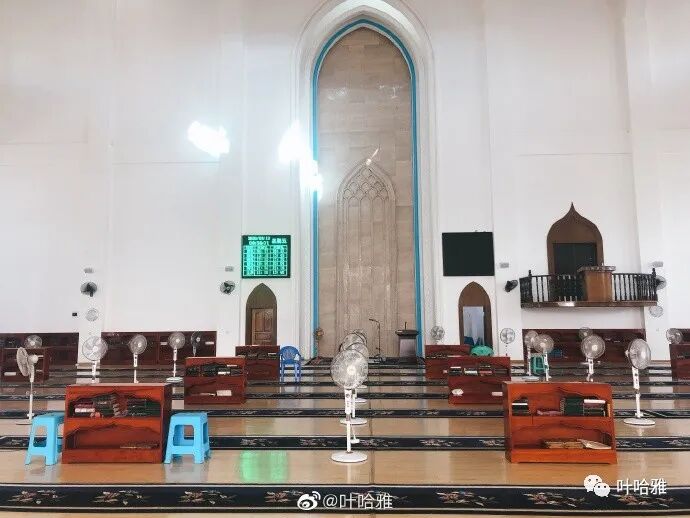
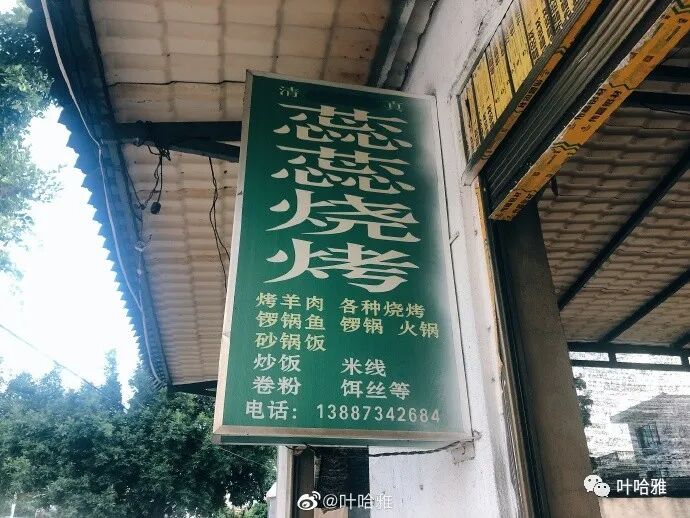
There is Ruirui BBQ 100 meters away from the Laoji Street Mosque. There are many barbecue restaurants here. Many friends recommended that I come to Shadin to eat roast chicken.
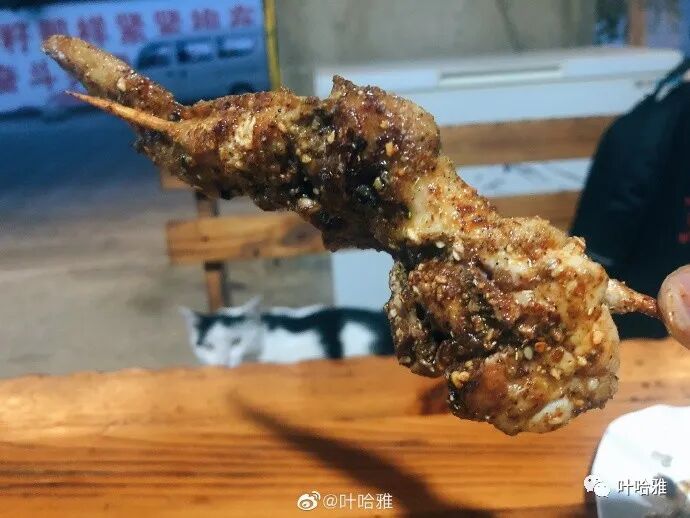
The proprietress of Ruirui BBQ was very enthusiastic. When she saw that I was from Beijing, she also chatted with me about her family life. Ruirui was her daughter’s name. I asked her for some local information and learned that there was Dusty from Beijing who was studying Buddhist scriptures at Chicken Street.
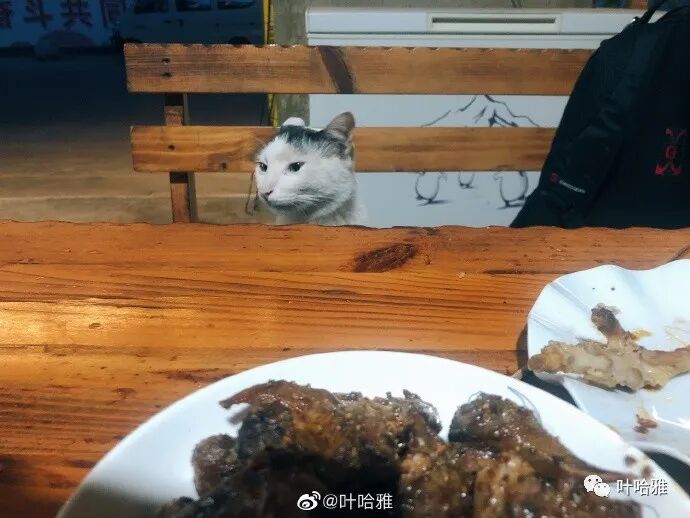
When I was eating roast chicken, the cat in the store came over and took a chicken wing away when I wasn't paying attention.
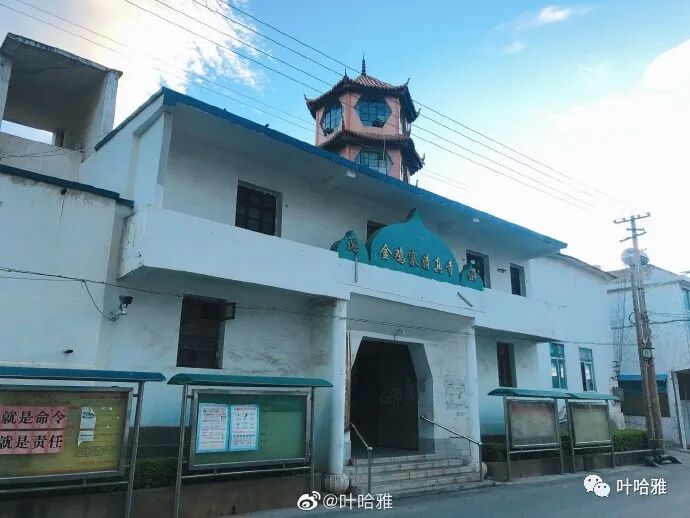
You need to take a motorcycle ride from Laoji Street to Shadian Street, which costs 6 yuan and takes 10 minutes.
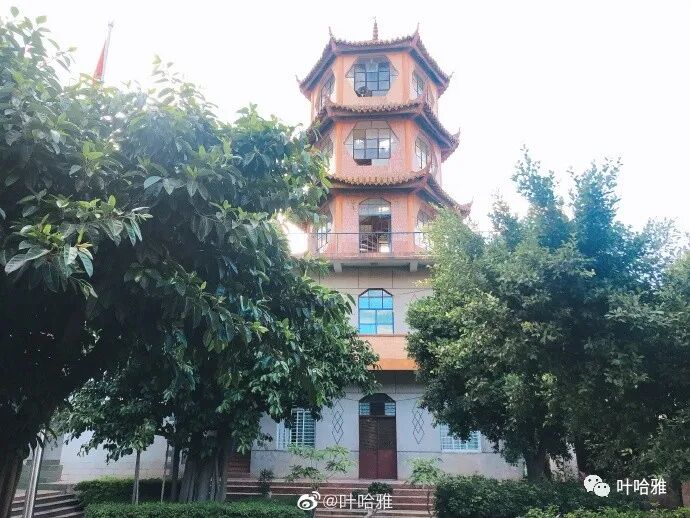
The Jinjizhai Mosque, about 1 km away from the Shadian Grand Mosque, is a traditional-style building.
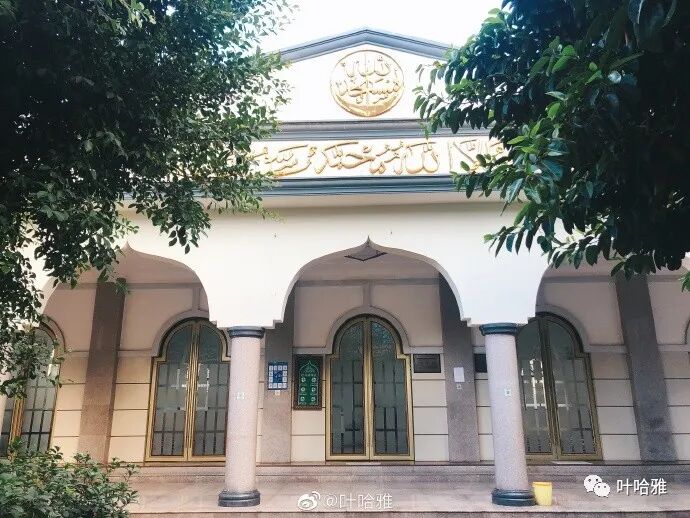
Here is a photocopy of the Bao Ming Sutra, an excerpt from the Chinese translation of the Quran, produced by Ma Lianyuan.
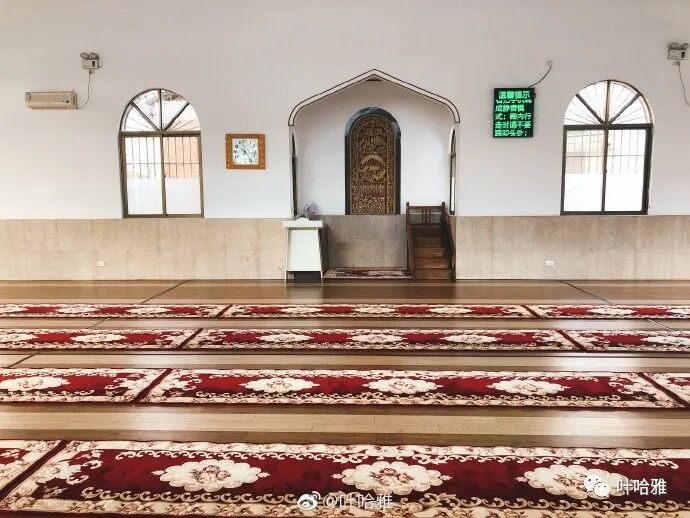
As usual, I prayed two rak'ahs in celebration and prepared to go to Xiying Mosque.
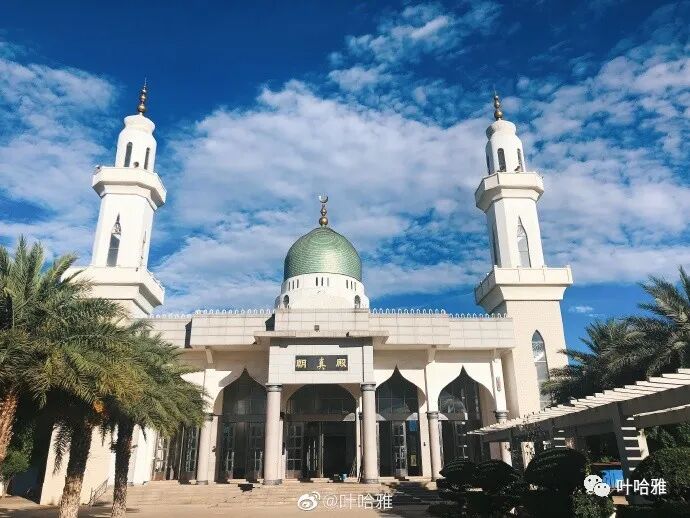
Xiying Mosque is located behind the Shadian Grand Mosque, about 300 meters away. It is also a South Asian style building and was built in 2008.
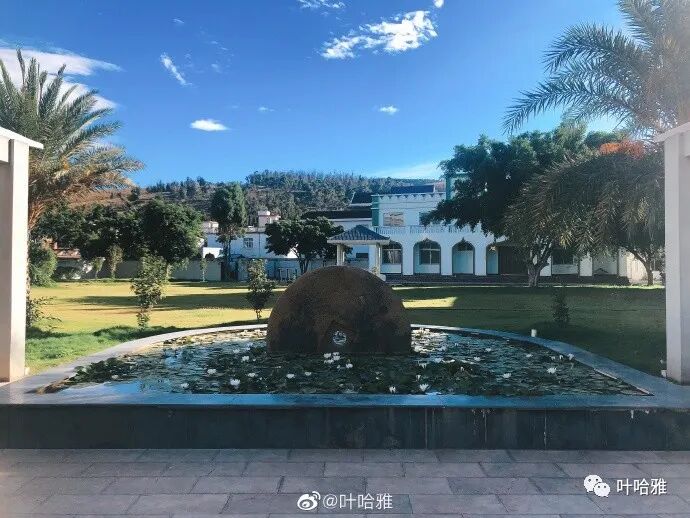
The garden pool in front of Chaozhen Hall is very beautiful and neat, with a Southeast Asian feel.
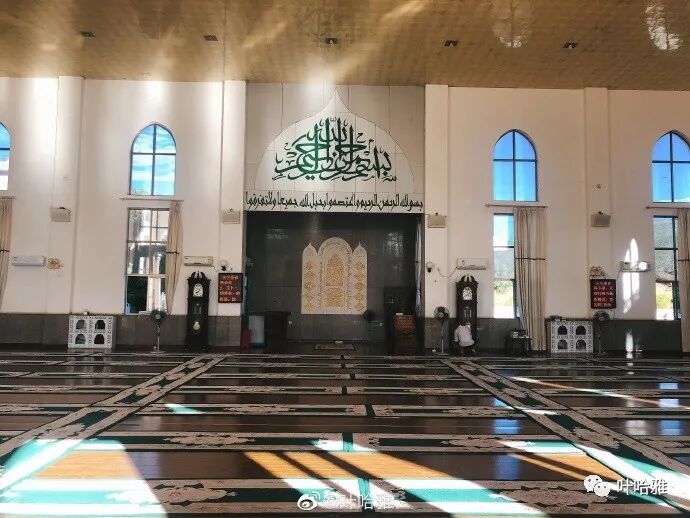
The village elders in the mosque were cleaning the place. The main hall was spacious and bright. After I finished praying and praying, I couldn't wait to get ready to go to the Shaden Grand Mosque.
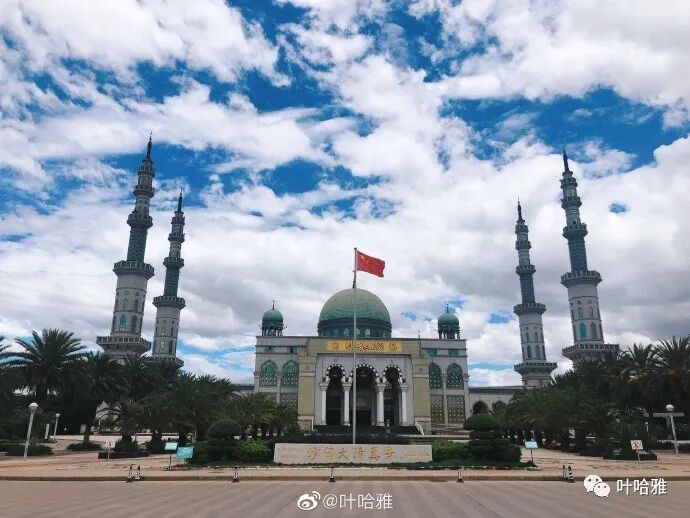
After three days of running around, I finally arrived at the most important destination of this trip to Yunnan, the Shadin Grand Mosque. I wanted to come to the mosque before Friday to pray, because since the outbreak of the epidemic in February, all the mosques in Beijing have been closed. I have not attended the Juma prayer in half a year. It was because I heard that the Shadin Grand Mosque was open that I did not hesitate to book a flight.
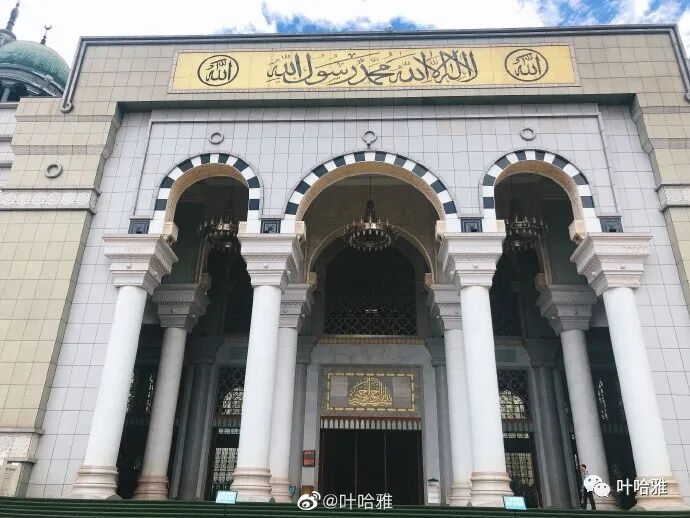
The history of the construction of the Shadian Grand Mosque can be traced back to the 23rd year of Emperor Kangxi of the Qing Dynasty (1684). It was expanded to what it is today in 2005. It covers a total area of 21,000 square meters and is the largest mosque in southwest my country.
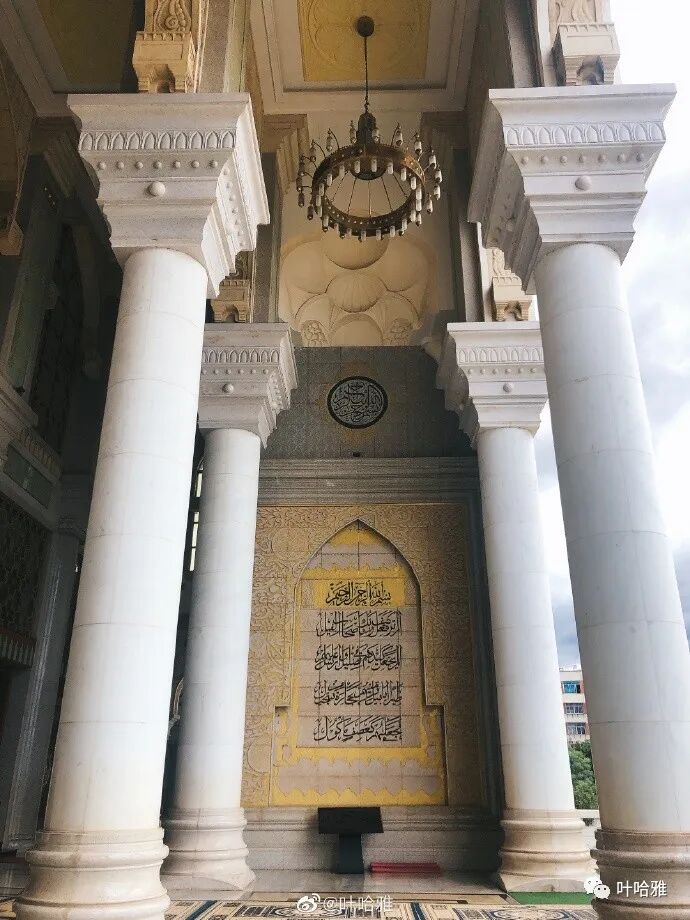
The mosque usually has volunteer guides who can provide local tourism information.
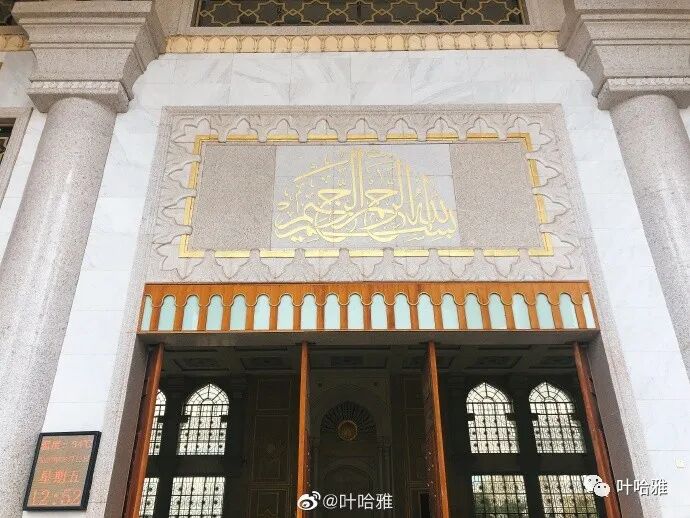
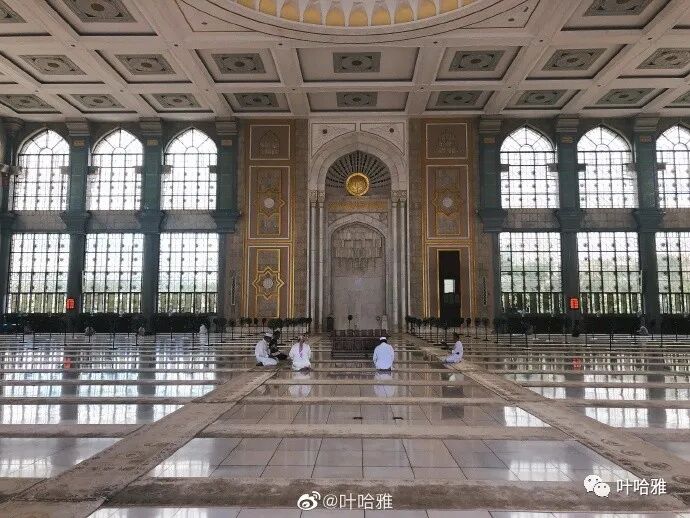
The Shadian Grand Mosque is a Qedime mosque, just like the Niujie Mosque in Beijing, which makes me feel more familiar.
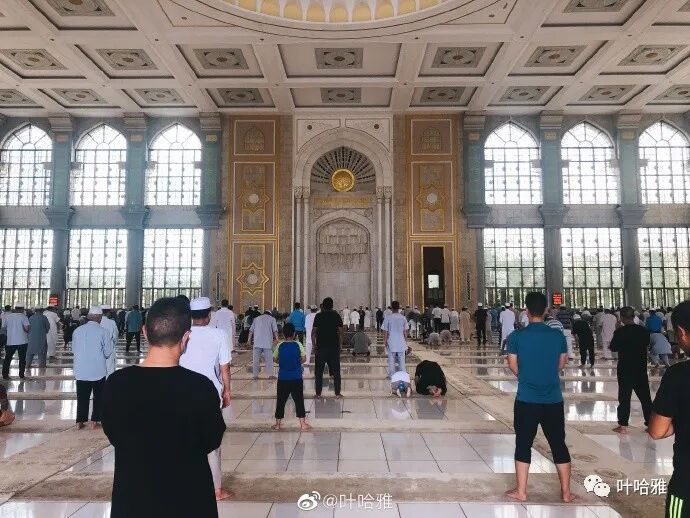
The main hall can accommodate up to 10,000 people for worship, and the number of people on the main day accounted for about half of the main hall.
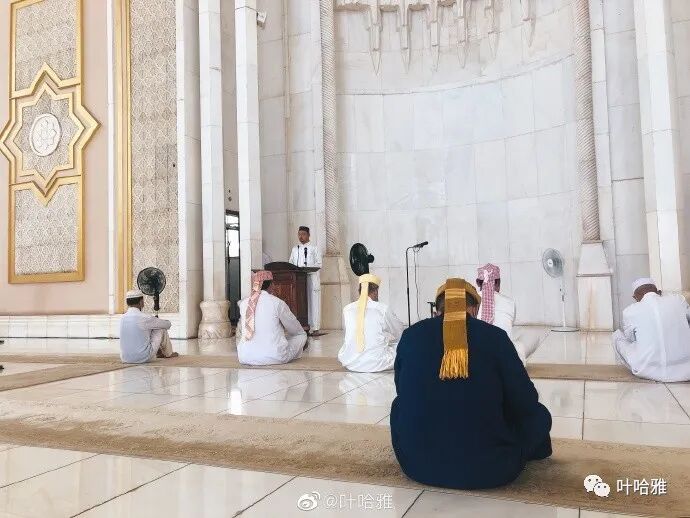
Walking one kilometer to the left from the main entrance of the mosque, you can reach the Sardin Shesid Monument.
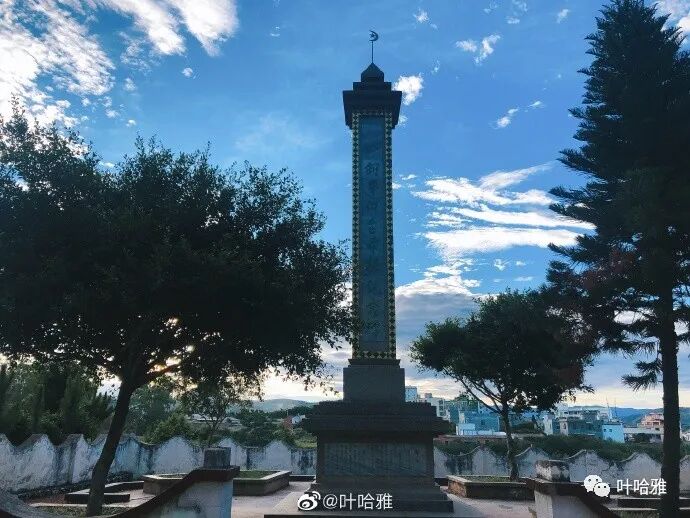
The Sheshid Monument was built in the Muslim Cemetery in Fengwei Mountain to commemorate the more than 900 Shadian residents who were killed in their sleep by the Gang of Four because they opposed the closure of mosques by the ultra-left forces during the Cultural Revolution.
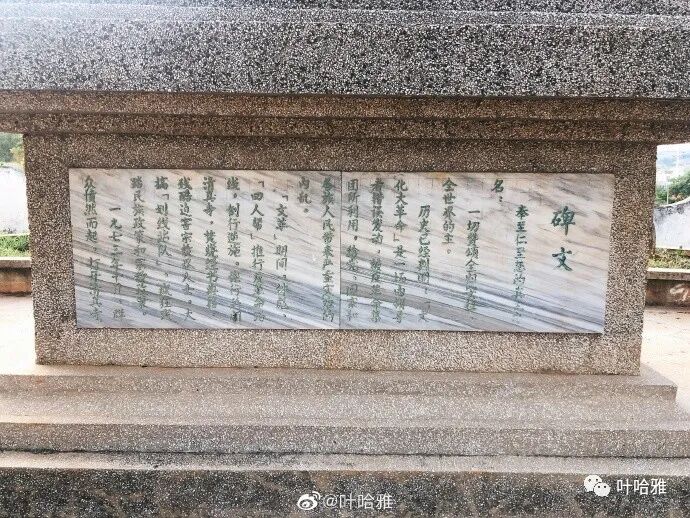
After the Third Plenary Session of the 11th Central Committee of the Communist Party of China, after correcting the chaos and redressing the unjust killings, the Yunnan Provincial Committee of the Communist Party of China and the Kunming Military Region Committee of the Communist Party of China reported to the Central Committee for approval and redressed Shadian on February 15, 1979.
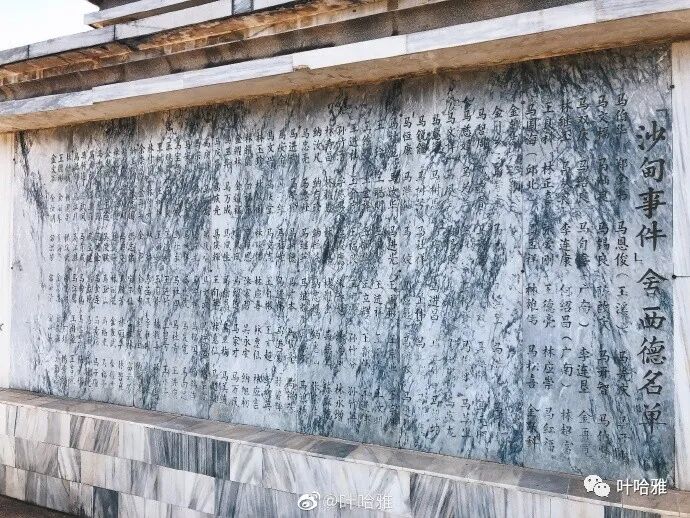
Every martyred Dosti has a name.
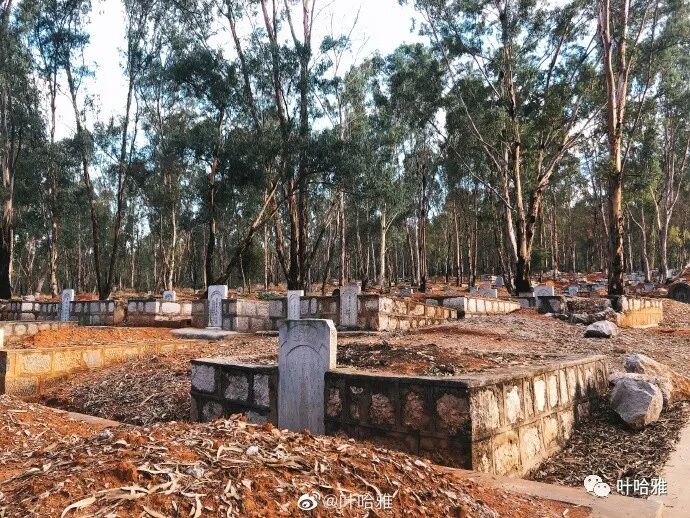
They only lie in their graves for the time being, and will receive their due rewards in future generations.
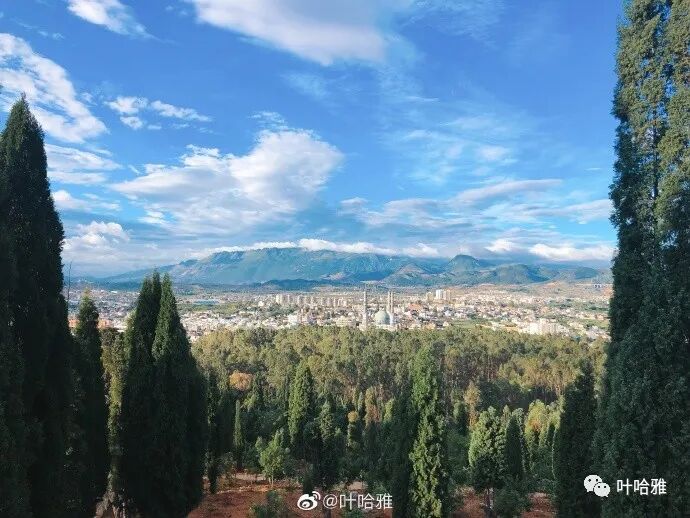
Panoramic view of Shading from Fengwei Mountain.
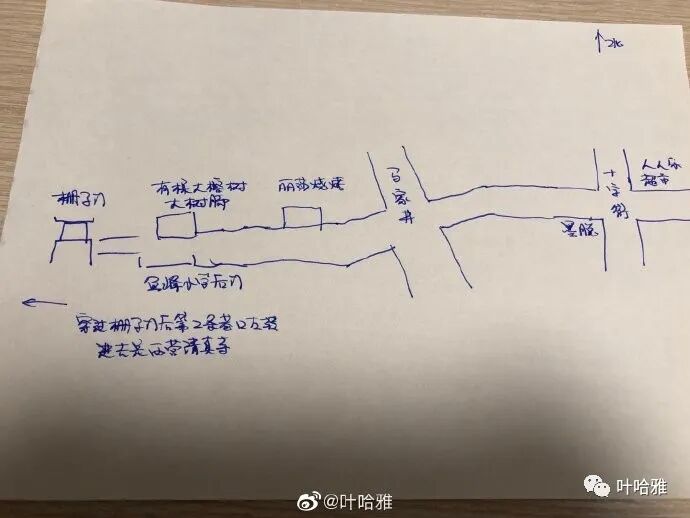
Dosti of Shaden, the Shadin travel map drawn by the Lin brothers for me basically marked all the important information.
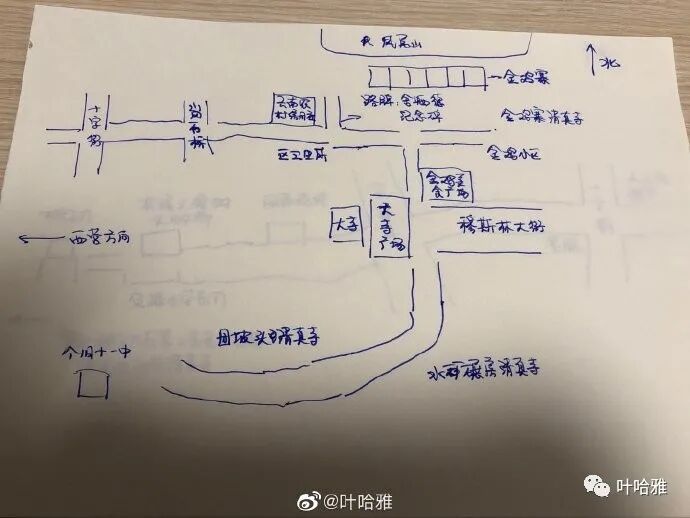
The delicious and fun check-in places are all at a glance, including some special delicacies. It’s hard to find them without local guidance.
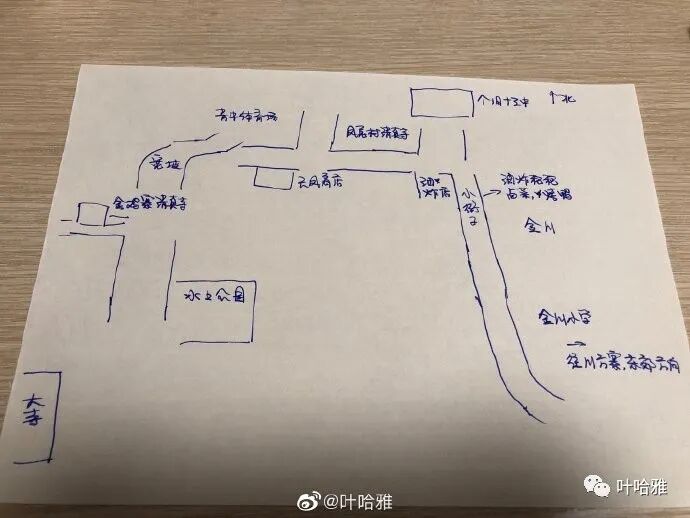
The fried papa marked on the picture is a local specialty snack that can only be eaten in Shadin.
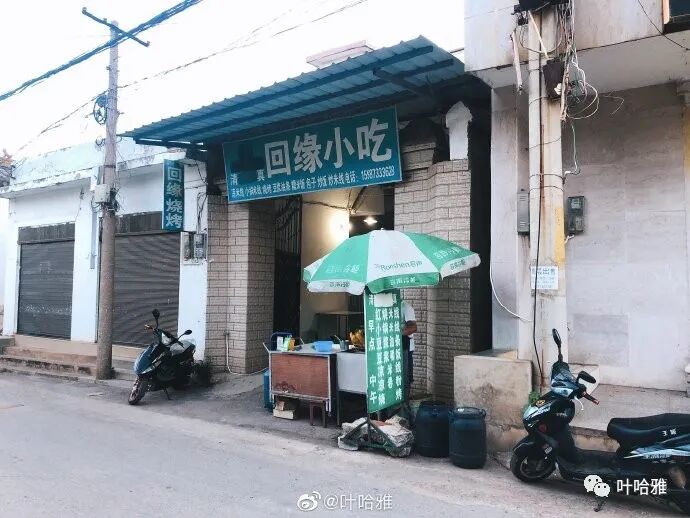
After Bangda lowers the mosque, turn left from the mosque and there is a Huiyuan snack bar that is already open.
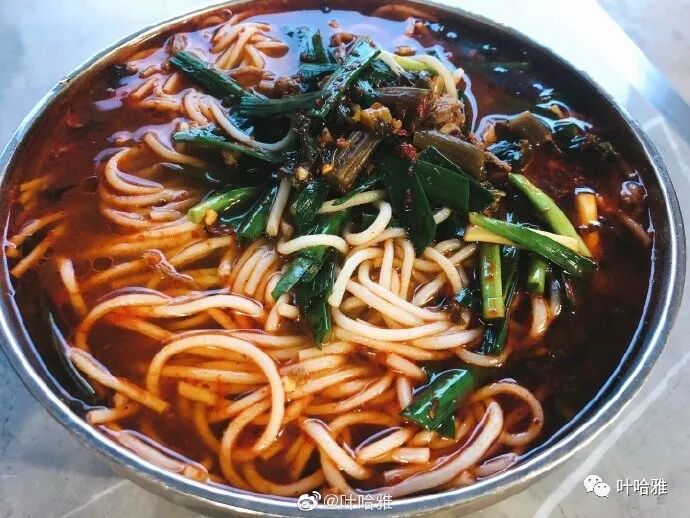
I had a bowl of Shadine-style rice noodles here, or Shaxian for short.
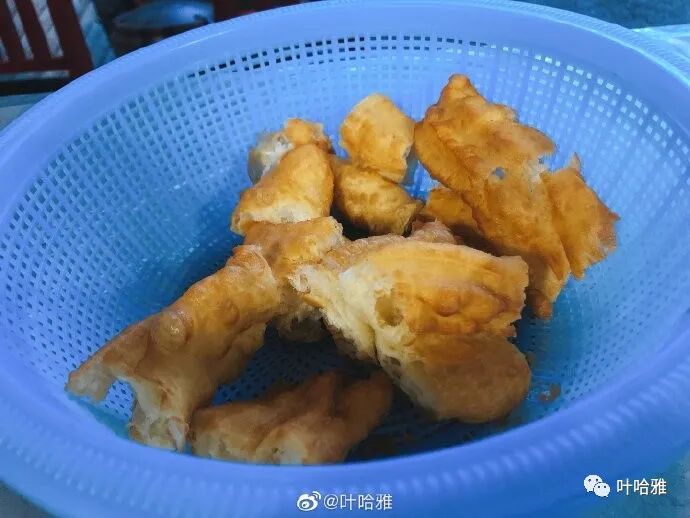
Fried dough sticks
It seems that the only breakfast options are rice noodles and fried dough sticks, as well as a ramen restaurant owned by people from the northwest.
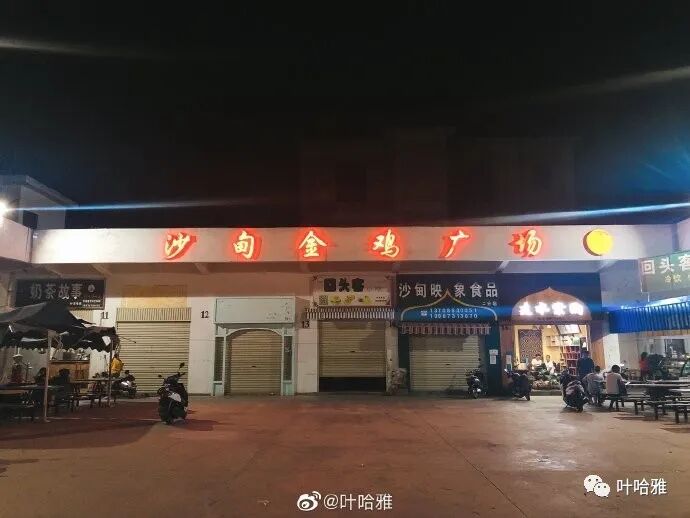
At the entrance of Shadian Mosque is the Golden Rooster Square. There is a night market here, mainly some restaurants from northwest Xinjiang, as well as several local snack bars.
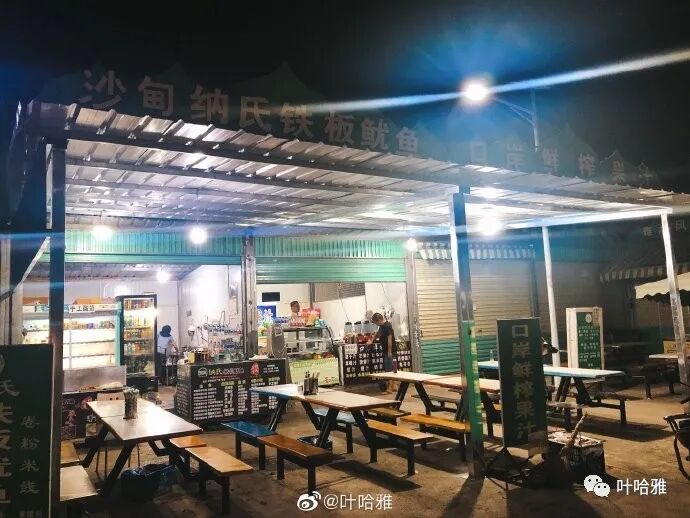
Knott's sizzling squid
Bought handmade yogurt here.
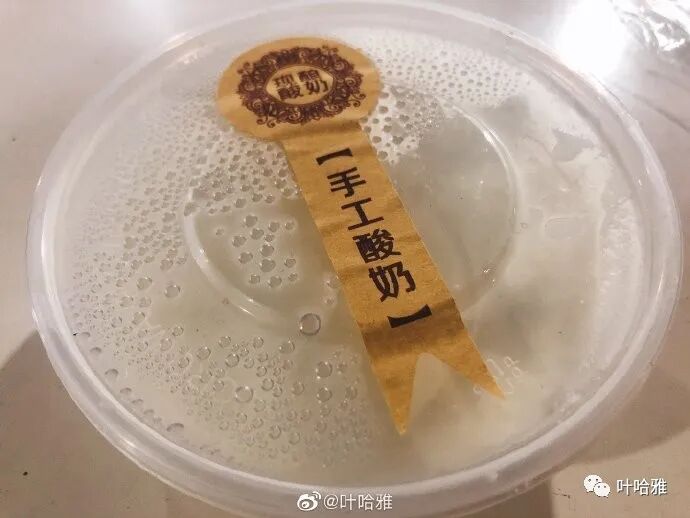
Handmade yogurt
There are not many people in Jinji Square at night, and many shops are not open.
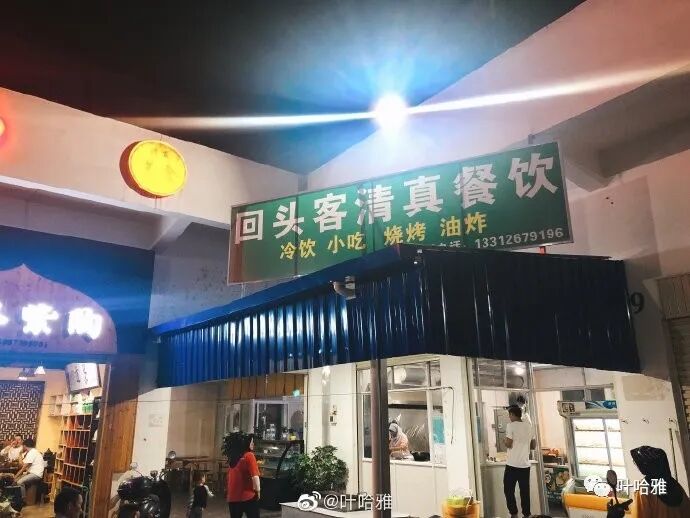
Halal catering for repeat customers
This is the only repeat shop that sells some local specialty snacks. I ordered a bowl of pineapple sugar water.
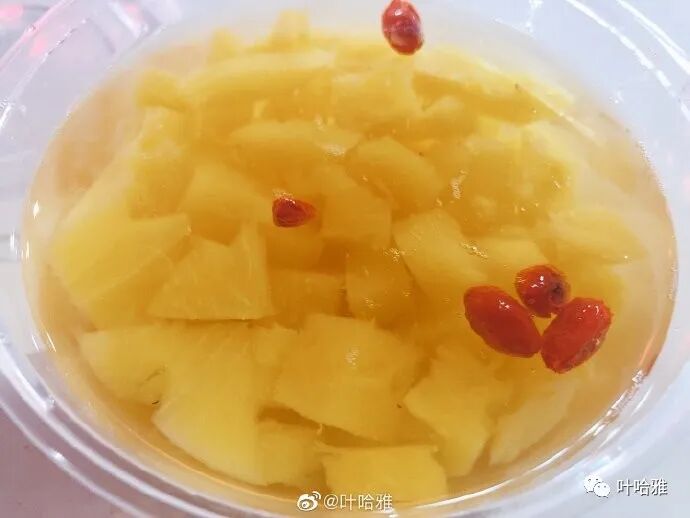
Pineapple in sugar water
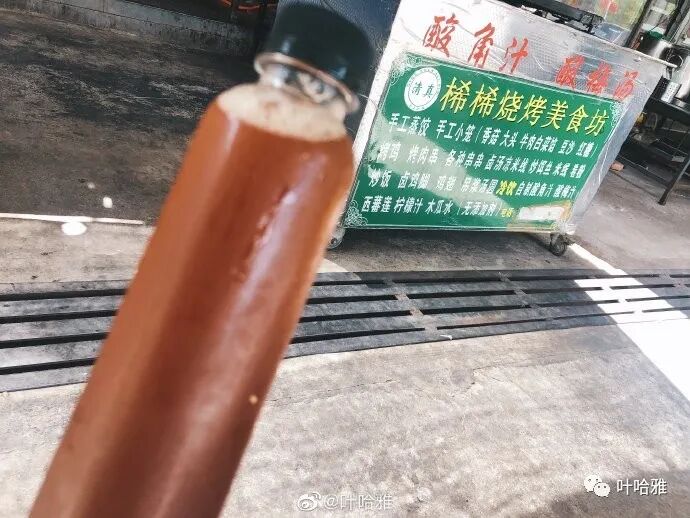
I bought the Yunnan specialty tamarind juice at Jinji Plaza. You need to shake it before drinking because the sugar is at the bottom.
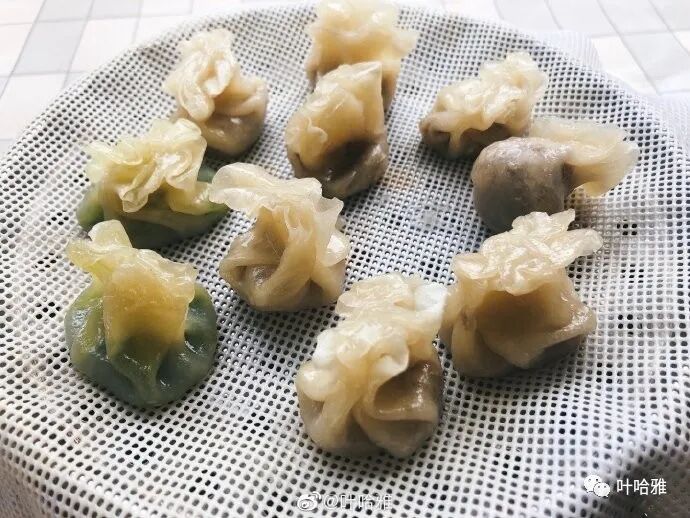
The Sardinian style shaomai eaten at Golden Rooster Square is particularly delicate and small, about the size of a quail egg. It is stuffed with mushrooms and vegetables and has a sticky skin.
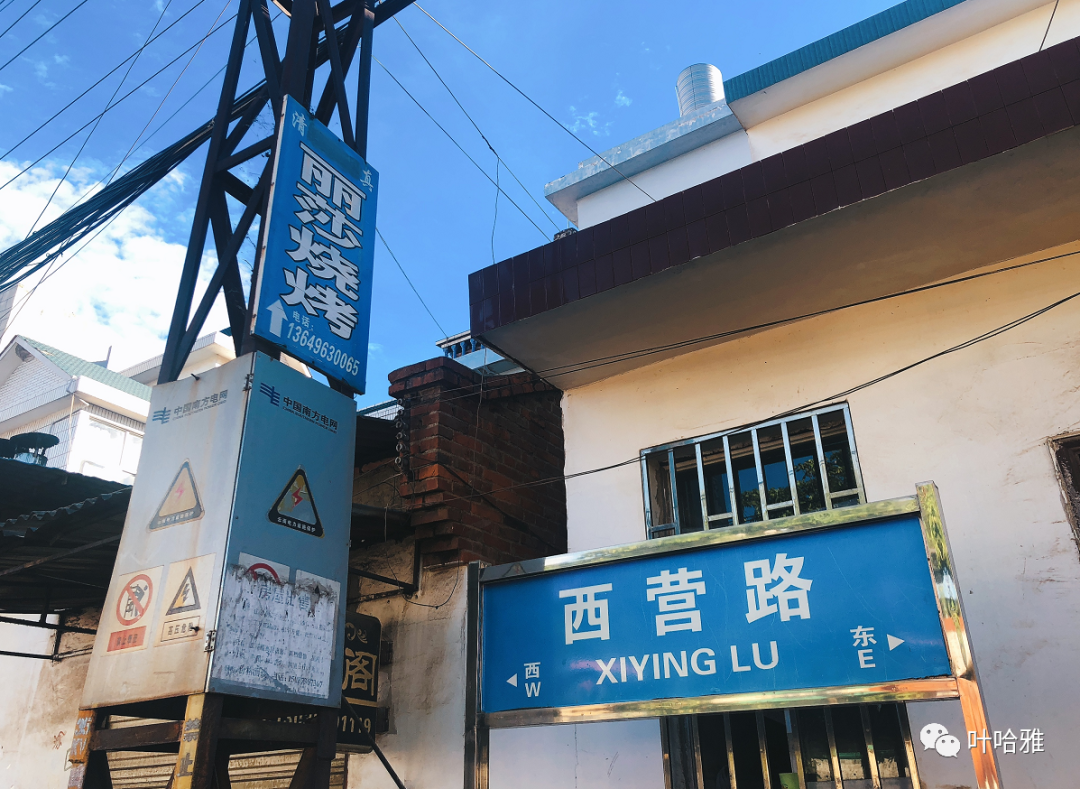
Lisa BBQ
Lisa BBQ, recommended by many Sardin veterans, is open after 5 p.m. Also, Dusty recommended Sisi BBQ, Qingxiang BBQ, and Jinsong BBQ. I couldn’t get enough of them.
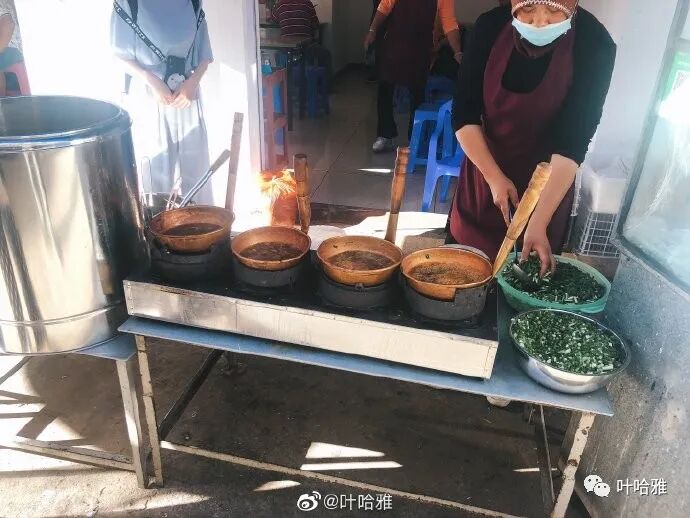
There are many stalls selling snacks on Saiying Road. This one is called Little Copper Pot Rice Noodles, which is a Shadin specialty.
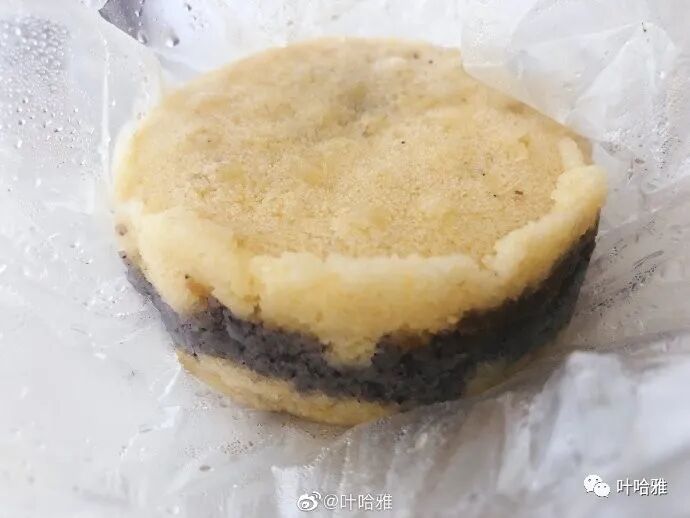
Small steamed cake
Small steamed cakes with grains cost two yuan each. The girl selling steamed cakes also sells soy sauce cakes and physalis cakes.

This one is fried eggplant, and the other is fried potatoes. You can order a little bit of each to taste. The girl selling the food said that it tastes best when it is hot. The taste here is very similar to that of Southeast Asia, and I also like to eat fried food.
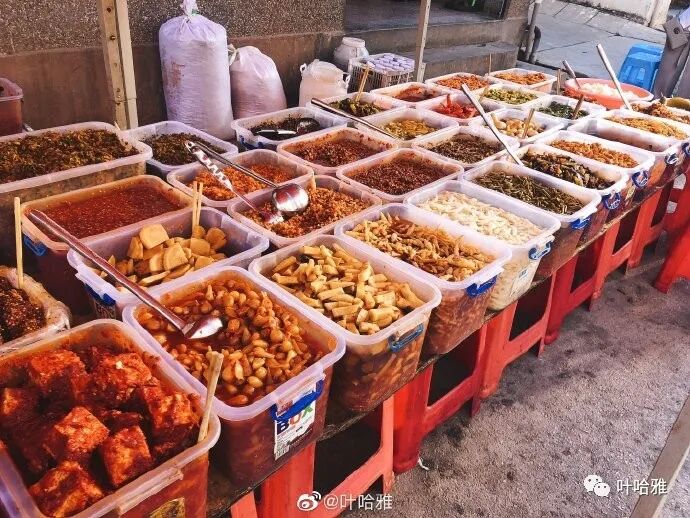
I want to take away and try each of the various pickles sold at the morning market.
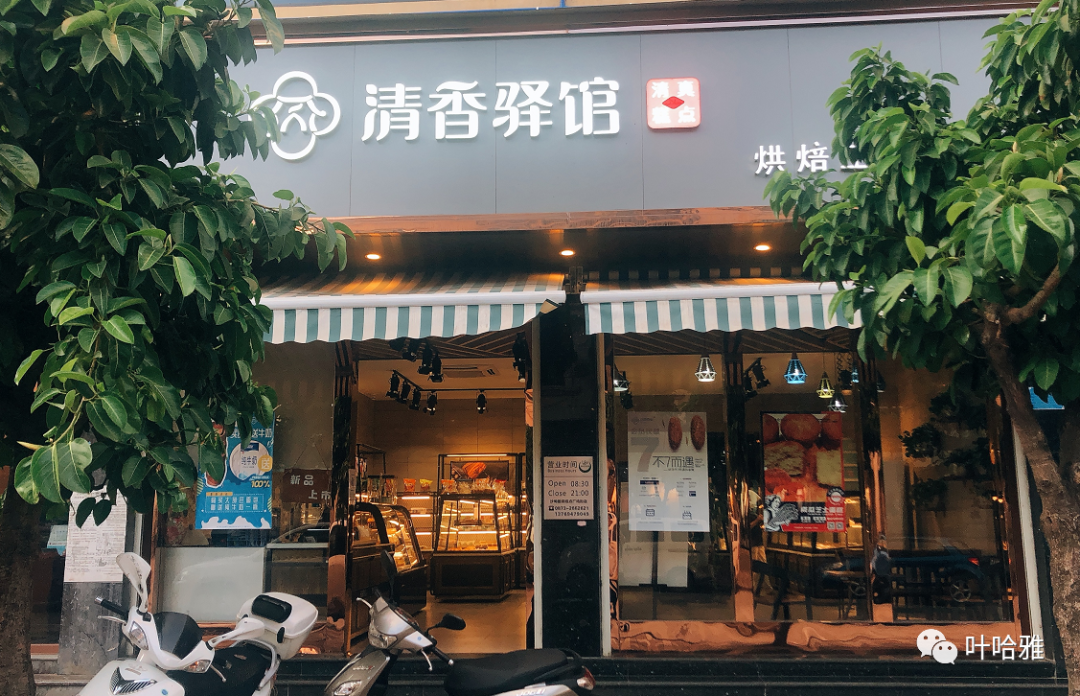
Qingxiang Inn
If you want to eat traditional halal pastries, I recommend this Qingxiang Inn on Chicken Street. For delicious bread, I recommend Wei Xun. If you want to eat Yunnan stir-fry, friends in Shadian basically only go to Huiwei Restaurant near the mosque and Guanyi Restaurant next to it. Guanyi Restaurant is not as hygienic as Huiwei Restaurant, but the taste is excellent.
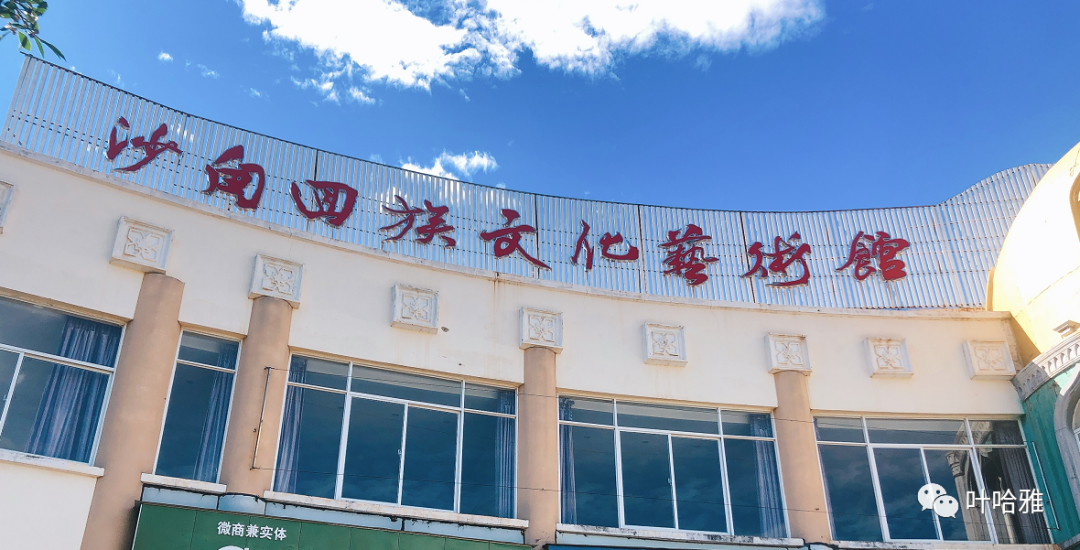
Shadian Hui Culture and Art Museum
This Hui Culture and Art Museum looks like a museum from the outside, but when you walk in, you find it is an art store.
If you have time, you can go to Dazhuang, which is more than 20 kilometers away from Shading, to eat Sanmei Shaomai. It’s more authentic there.
There is an ancient mosque in Dazhuang, which is worth seeing.
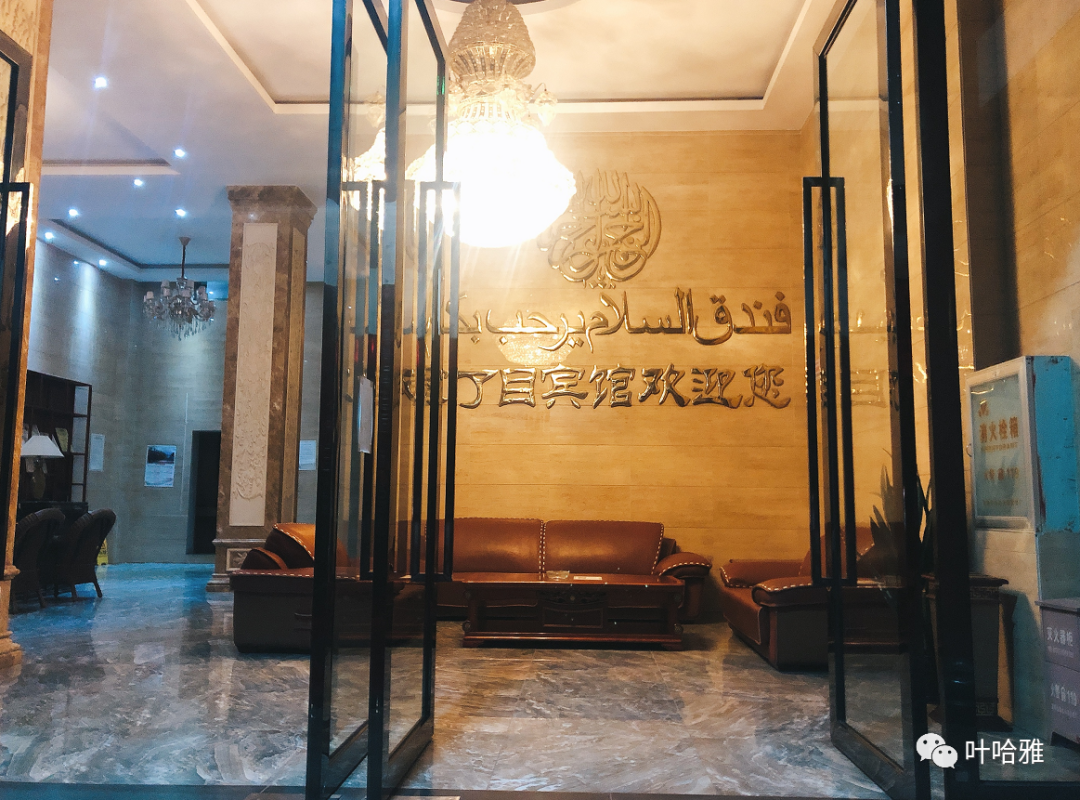
For accommodation, you can choose Sailmou Hotel which is closest to the mosque or Yiduo Hotel next to it. You can walk 100 meters to the mosque and the price is only 100 yuan. The waiters are all young ladies wearing beautiful headscarves. The appearance of the girls in Shading is obviously higher than that of other places.
The Muslim trip to Shadian has come to an end for the time being, but I still have a lot of regrets, and there are still a lot of delicious foods that I haven’t eaten. I hope to travel and study in Shadian with more friends in the future. Silversha Allah, my next stop will be to Ruili, a small town on the border of China and Myanmar, to look for Rohingya Dosti.
Preview for the next issue: Yunnan Ruili Muslim Tour
Halal Travel Guide: Dali Xiaguan — Century-Old Mosque Lane and Halal Food
Articles • ali2007fr posted the article • 0 comments • 177 views • 2026-05-18 20:36
Summary: Dali Xiaguan — Century-Old Mosque Lane and Halal Food is presented here as a firsthand travel account in clear English, beginning with this scene: On the afternoon of January 28, I took a train from Miyi County in Panzhihua, Sichuan, to Xiaguan in Dali, starting my third trip to Dali. The account keeps its focus on Dali Mosques, Xiaguan Food, Yunnan Muslims while preserving the names, places, food, and historical details from the Chinese source.
On the afternoon of January 28, I took a train from Miyi County in Panzhihua, Sichuan, to Xiaguan in Dali, starting my third trip to Dali. This time I visited Binju, Yangbi, Fengyi, and Weishan, where I visited mosques and tasted halal food. I also carefully explored the Hui Muslim neighborhood around Wenming Street and West Street in Xiaguan to learn about the history of the Xiaguan Mosque.
As a key town in western Yunnan, Xiaguan was once home to many Hui Muslims and had three ancient mosques: the Yidianhong Mosque (Upper Mosque), Yulong Mosque (Middle Mosque), and Caiyuan Mosque (Lower Mosque). However, after the hardships during the Tongzhi reign, the Hui Muslims of Xiaguan died or fled, and all three ancient mosques were destroyed.
It was not until the middle of the Guangxu reign that the Qing government's pacification policy encouraged some surviving Hui Muslims to return to Xiaguan. Later, more Hui Muslims came to Xiaguan for business and gradually settled in the Yulong Pass (Xiaguan) area and outside the pass.
In 1915, led by Ma Yulong and over ten others, the Hui Muslims of Xiaguan worked together to build the current Xiaguan Mosque. They also built a new street in front of the mosque, commonly known as Hui Street, which is now Wenming Street. This established the layout of the Xiaguan mosque district.
The current Xiaguan Mosque was rebuilt in 2004. Many Hui Muslims still live in the surrounding Wenming Street and West Street areas, where there are many halal restaurants.
This year, I noticed signs on some shop walls saying "rectification in use," and I wonder if there is a new plan for this area.
For my 2020 Dali trip, see "Eating and Visiting Halal Spots in Dali Xiaguan and Weishan" and "The Twenty Traditional Mosques of Dali."
Sha Family Courtyard
Today, many old Hui Muslim houses are still preserved around the Xiaguan Mosque, the most notable being the Sha Family Courtyard, which is over 110 years old. Fortunately, the descendants of the Sha family still live in the courtyard and run the Shajie Restaurant. You can enjoy a meal while experiencing the charm of this century-old Hui Muslim courtyard.
The Sha Family Courtyard follows the traditional Dali "three houses and one screen wall" (sanfang yizhaobi) layout, a style used by many local Bai, Han, and Hui Muslim families. The "three houses and one screen wall" layout means the main house and the east and west wing rooms are all two-story, three-room structures, with a large screen wall facing the main house.
I ate the most home-style Yunnan Hui Muslim food here: beef jerky rice (niu ganba fan) and pea sprout soup with pickled cucumbers. The Sha family is very welcoming, and it really doesn't feel like a restaurant; it feels like stepping into the daily life of the Hui Muslims in Xiaguan.
Inside the west wing of the Sha Family Courtyard, the middle room is a living room decorated with traditional calligraphy in the style of Weishan, Dali. The grandfather of the Sha family watches TV here in the evenings. On both sides are bedrooms, which have pictures of Mecca (tianfang tu) hanging inside.
Inside the north room, besides the calligraphy, there are photos of the Sha family from different periods, as well as gifts from Mrs. Sha's 80th and 90th birthday celebrations.
On the wall is a painting by the Yunnan Hui Muslim artist Wang Guowen Haji, featuring a little boy wearing an Ottoman fez hat. This is very interesting, and I suspect it relates to the Yunnan Islamic Progress Association organizing students to study at Al-Azhar University in Egypt after 1931. In 1829, the Ottoman Empire implemented a hat reform, ordering officials to stop wearing turbans and wear fez hats instead. The fez hat then became popular in Egypt under Ottoman rule.
Wenming Street
Wenming Street faces the Xiaguan Mosque, and there are many halal restaurants on the street.
In 2020, I ate braised meat rice noodles (menrou mixian) at this Renji shop.
Then I ate braised meat rice strips (menrou ersi) at this Baiweixuan shop; rice strips are firmer than rice noodles.
West Street
West Street is south of Wenming Street and also has many halal restaurants.
In the morning, I ate thick pea flour (xi doufen) with fried dough sticks (youtiao) and brown sugar boiled eggs at Ma Haibo's snack shop. Boss Ma is from Yongping County, Dali, which is the westernmost mountainous county in Dali, with the Lancang River just to the west.
The freshly fried dough sticks are crispy, and they taste great when dipped in the thick pea flour. The brown sugar boiled eggs have a warming feeling, making them perfect for breakfast.
The beef sauce rice cakes (erkua) made by local Hui Muslims on West Street come with different sauces, so you can have them sweet or spicy. The neighborhood kids love them. It is also very convenient to pack some rice cakes (erkua) to eat on the road when you get hungry.
Zhengyang Times Square
Zhengyang Times Square is right across from Wenming Street. It has many halal restaurants and is especially lively at night.
At night, I ate beef-covered rice balls (niudagun) and savory bean-flour soup dumplings (ganba doumian xiantangyuan) at Du's Tangyuan shop in Zhengyang Times Square. Yunnan has a really rich variety of rice balls (tangyuan), both sweet and savory. Beef-covered rice balls (niudagun) are made by rolling the rice balls in roasted soybean flour and adding maltose or rose jam. Their shop stays open until night, and it is mostly locals who come to eat here.
At a street stall in Zhengyang Times Square, I had a pineapple-flavored Burmese flatbread (Palata). Palata comes from the Indian flatbread Paratha. After it reached Burma, sugar was added to make it a snack. Hui Muslim caravans from Yunnan brought this snack back to their hometown, where it became known as tossed flatbread (shuaishou baba).
I had a copper pot stew (guoguocai) at Musheng Copper Pot. The owners are Hui Muslims from Xingzhuang in Xizhou Town, Dali. It is a beautiful Hui Muslim village located under Canglang Peak by Erhai Lake.
Copper pot stew (guoguocai) is similar to spicy hot pot (malatang) where you pick your own vegetables, but they do not weigh them. Unlike spicy hot pot (malatang), copper pot stew (guoguocai) is cooked in a small copper pot. You also add a topping of classic Yunnan Hui Muslim dishes like braised meat, cold-sliced meat, or yellow-braised chicken, and eat it with rice.
I ordered the mild spicy version, but it was on a completely different level than the mild spicy in Beijing. It made my nose run, my eyes water, and my lips feel like they were being electrocuted. Next time, I will honestly stick to the clear broth, but for those friends (dost) who love spicy food, I still recommend trying the spicy pot base!
I bought some milk fans (rufan) at a fresh milk shop at the corner of Zhengyang Times Square in 2020.
Outside the Hui Muslim Street
Besides the Hui Muslim street around Xiaguan Mosque, there are many other halal restaurants in other parts of Xiaguan. I will share a few more here.
Nafeng Halal Snack Shop is an old place where locals eat. I ordered a bowl of minced meat rice noodles (ersi) with a braised meat topping. The texture of the rice noodles (ersi) is softer and not as chewy as rice noodles (mixian).
At night, I had a late-night snack at Plato Zhaotong Specialty Small Meat Skewers next to Dali Station.
Their service is quite good; as soon as you sit down, they bring you tea and melon seeds. At first, I ordered Zhaotong small meat skewers, fermented tofu (baojiang doufu), and roasted potatoes. The Zhaotong small meat skewers are truly mini. Each skewer is just one bite, mostly to savor the flavor. The fermented tofu (baojiang doufu) is very tender. They added a lot of fish mint (zhe'ergen) to enhance the flavor, and there was charcoal fire underneath.
After eating these, I still wanted more. I checked their menu, which was really rich and quite bold, so with the encouragement of my friends (dostani) in the group, I ordered beef brain and roasted grasshoppers, which I had never eaten before. The texture of the brain is actually a bit like fermented tofu (baojiang doufu), and it tasted quite good. I had always wanted to try grasshoppers as a food mentioned in the teachings, and this time I finally did. It looked a bit hard to eat at first, but once I actually ate it, I felt it was acceptable. It was roasted very crispy and felt a bit like eating shrimp.
You can find halal restaurants from all over Dali in the Renmin South Road area west of Xingsheng Bus Station. In 2020, I bought braised dishes made by Hui Muslims from Weishan Huihuideng at the market on Renmin South Road.
In 2020, I visited a restaurant on Renmin South Road run by Hui Muslims from Yongping County, Dali. I ate the local Yongping specialty, yellow-braised papaya chicken (huangmen mugua ji). The black-footed free-range chicken was excellent, and the papaya juice gave it a nice sour taste. I also had fermented bean curd (mei doufu) stir-fried with garlic sprouts and pickled vegetable red bean soup. These red beans were different from the kind we usually eat.
Spring travels in 2023:
On January 23, I left Macau and visited the Macau mosque known as the Moor Garden (Moluoyuan), where I ate delicious Indonesian Javanese food (see "Moor Garden and Indonesian Food in Macau"). On January 25, I arrived in Guangzhou, visited friends (dost), and ate various halal foods (see "Hui Muslim Oil Cakes and Yemeni Food in Guangzhou").
At noon, I performed namaz at the Huaisheng Mosque, then went to visit the Ancient Tombs of the Worthies (see "Huaisheng Mosque and the Ancient Tombs of the Worthies in Guangzhou").
In the afternoon, I prayed the afternoon prayer (asr) at Haopan Mosque and the sunset prayer (maghrib) at Xiaodongying Mosque (see "Visiting Haopan Mosque and Xiaodongying Mosque in Guangzhou").
On the morning of January 26, I took a train from Guangzhou to Zhaoqing, visited two mosques, and ate halal Cantonese food (see "Halal Roast Goose and Starfruit at the Mosque in Zhaoqing, Guangdong").
On the morning of January 27, I flew from Guangzhou to Xichang, Sichuan. I performed Jumu'ah at the Xichang city mosque, visited the West Mosque and the East Mosque, and ate Xichang rice noodles (see "Performing Jumu'ah and Eating Rice Noodles in Xichang, Sichuan").
On January 28, I took a high-speed train south to Miyi County in Panzhihua, Sichuan. I visited the beautiful Hui Muslim village of Tianba and performed namaz at the old Tianba mosque. I also enjoyed a delicious meal at a local farmhouse restaurant (see "The Beautiful Hui Village Deep in the Mountains—Tianba, Miyi, Sichuan"). view all
Summary: Dali Xiaguan — Century-Old Mosque Lane and Halal Food is presented here as a firsthand travel account in clear English, beginning with this scene: On the afternoon of January 28, I took a train from Miyi County in Panzhihua, Sichuan, to Xiaguan in Dali, starting my third trip to Dali. The account keeps its focus on Dali Mosques, Xiaguan Food, Yunnan Muslims while preserving the names, places, food, and historical details from the Chinese source.
On the afternoon of January 28, I took a train from Miyi County in Panzhihua, Sichuan, to Xiaguan in Dali, starting my third trip to Dali. This time I visited Binju, Yangbi, Fengyi, and Weishan, where I visited mosques and tasted halal food. I also carefully explored the Hui Muslim neighborhood around Wenming Street and West Street in Xiaguan to learn about the history of the Xiaguan Mosque.
As a key town in western Yunnan, Xiaguan was once home to many Hui Muslims and had three ancient mosques: the Yidianhong Mosque (Upper Mosque), Yulong Mosque (Middle Mosque), and Caiyuan Mosque (Lower Mosque). However, after the hardships during the Tongzhi reign, the Hui Muslims of Xiaguan died or fled, and all three ancient mosques were destroyed.
It was not until the middle of the Guangxu reign that the Qing government's pacification policy encouraged some surviving Hui Muslims to return to Xiaguan. Later, more Hui Muslims came to Xiaguan for business and gradually settled in the Yulong Pass (Xiaguan) area and outside the pass.
In 1915, led by Ma Yulong and over ten others, the Hui Muslims of Xiaguan worked together to build the current Xiaguan Mosque. They also built a new street in front of the mosque, commonly known as Hui Street, which is now Wenming Street. This established the layout of the Xiaguan mosque district.
The current Xiaguan Mosque was rebuilt in 2004. Many Hui Muslims still live in the surrounding Wenming Street and West Street areas, where there are many halal restaurants.
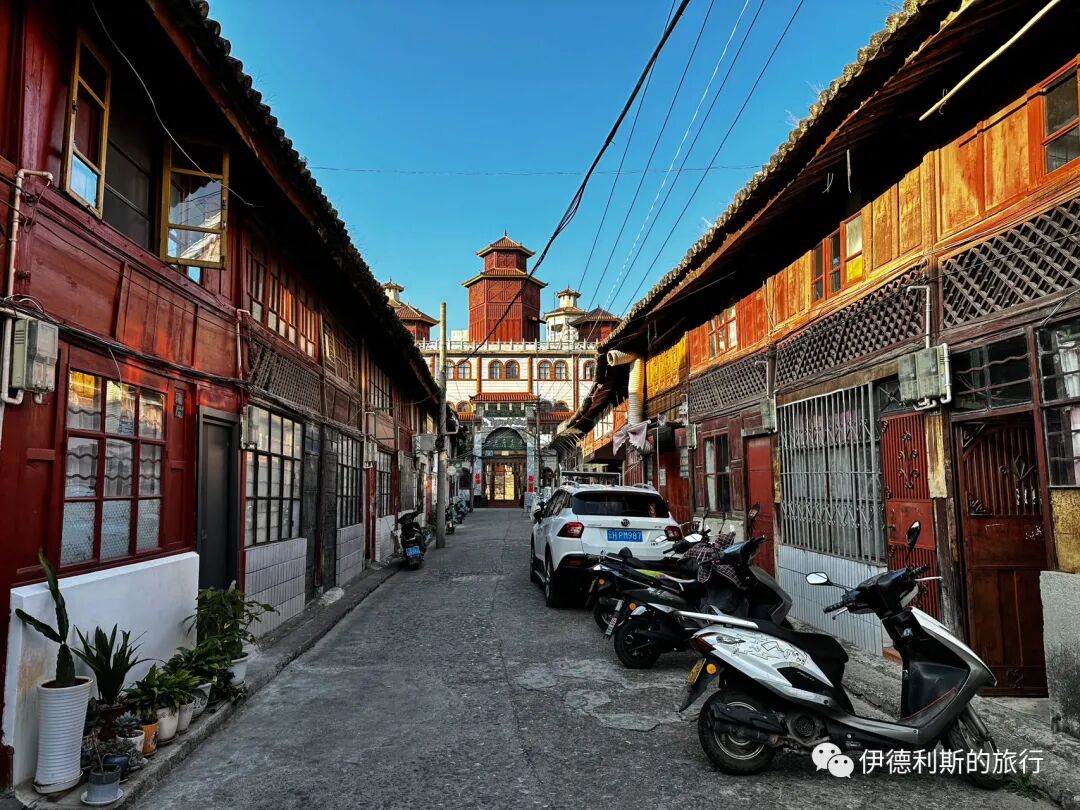
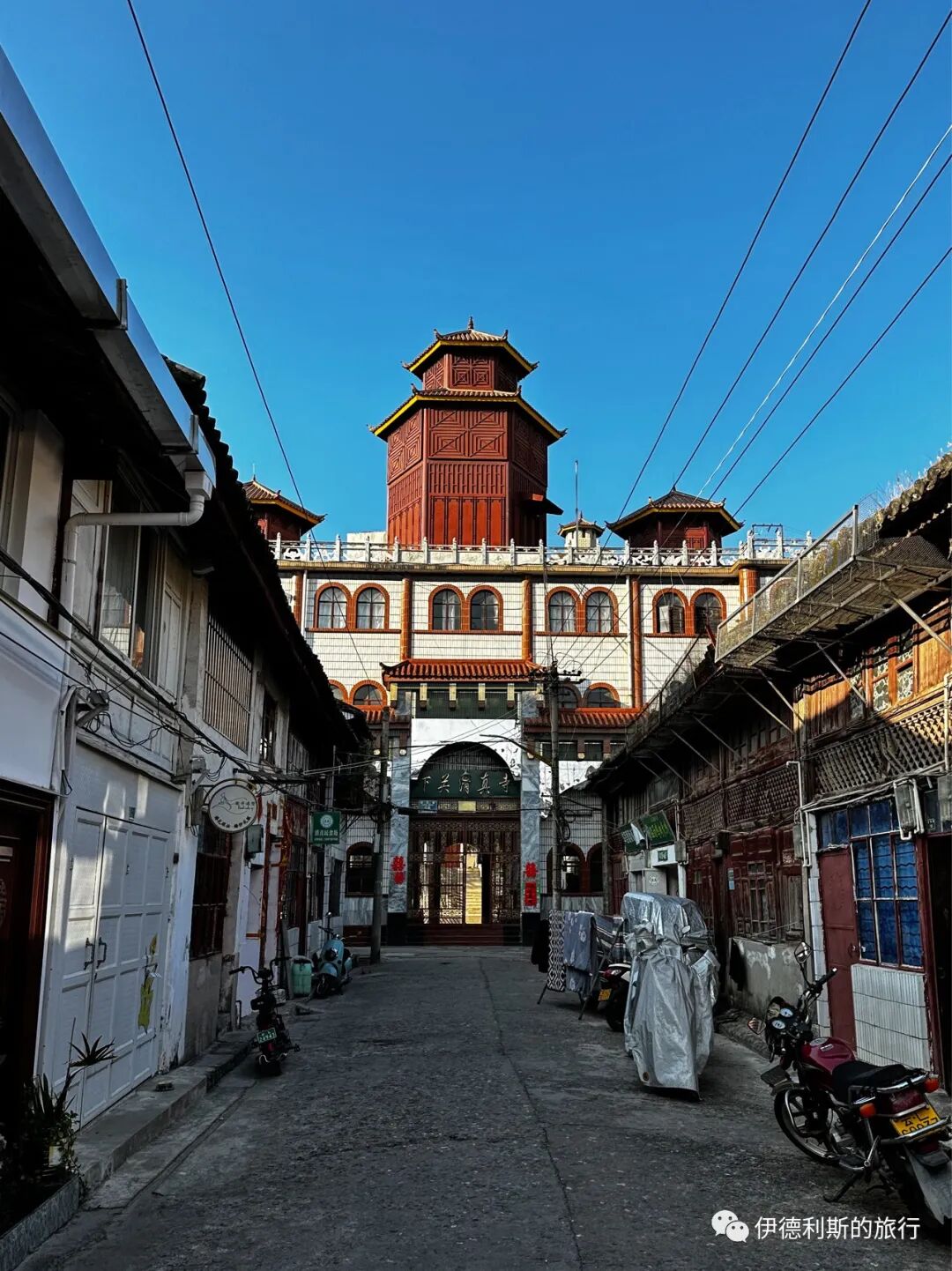
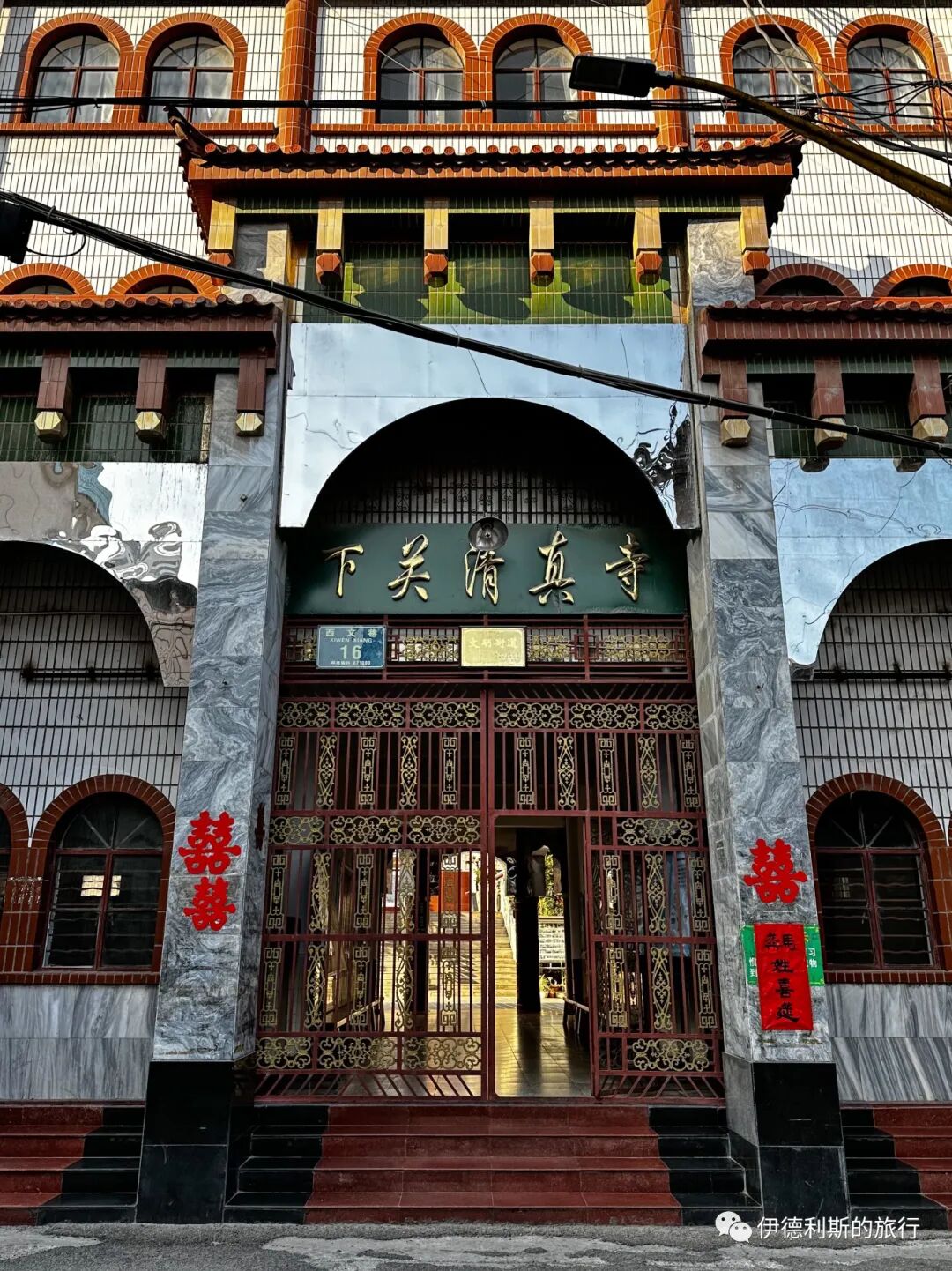
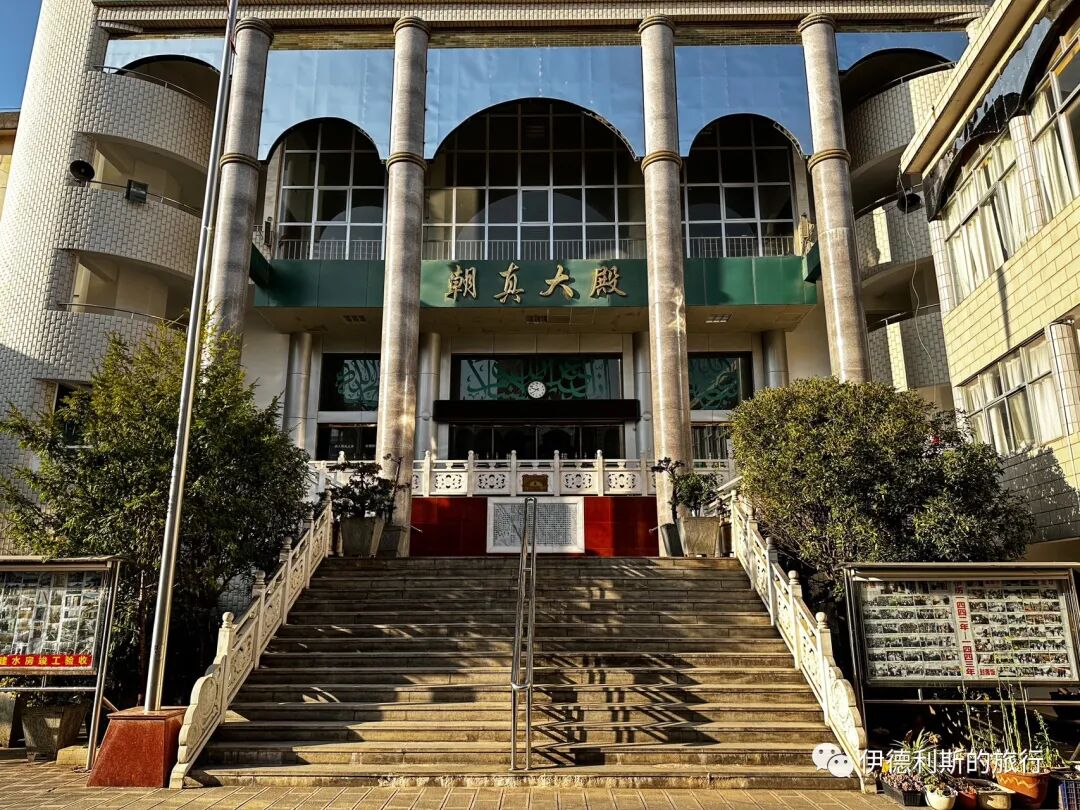
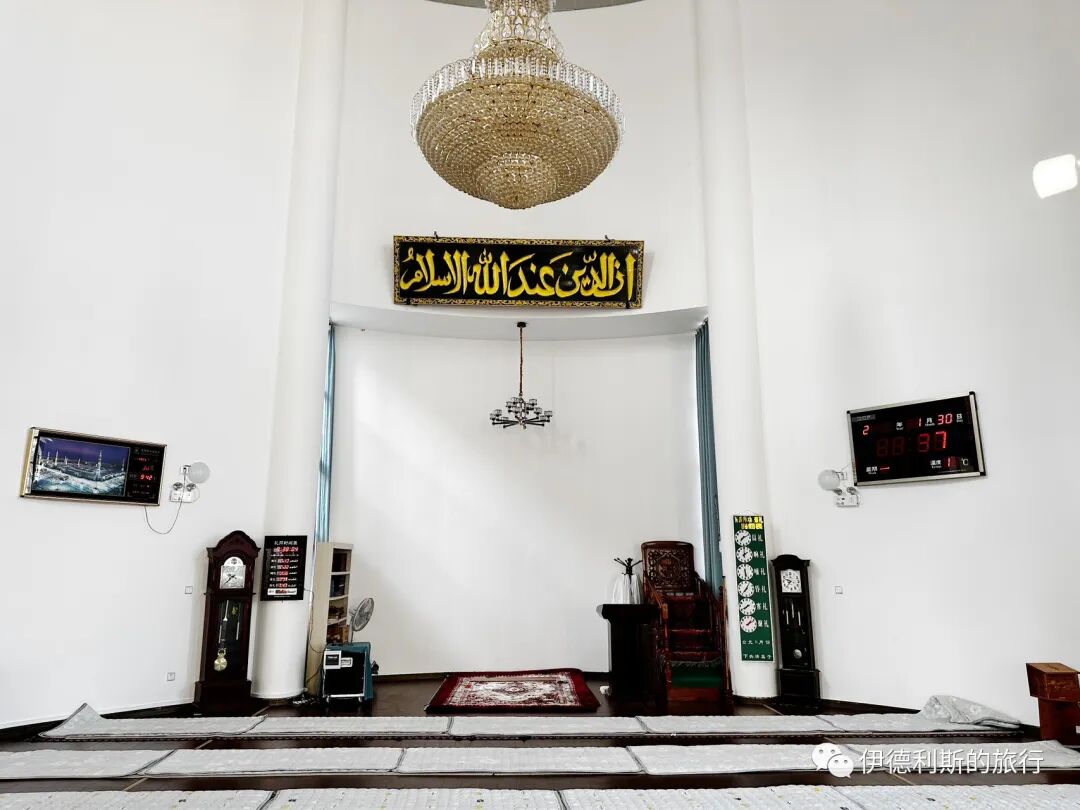
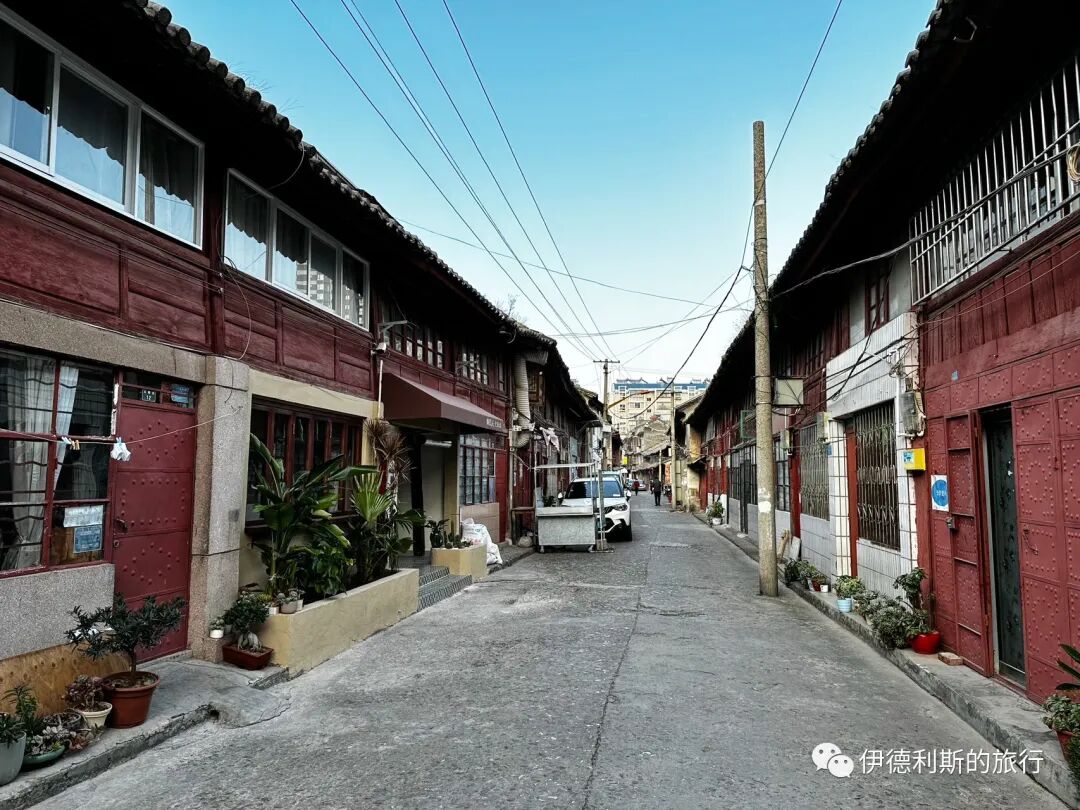
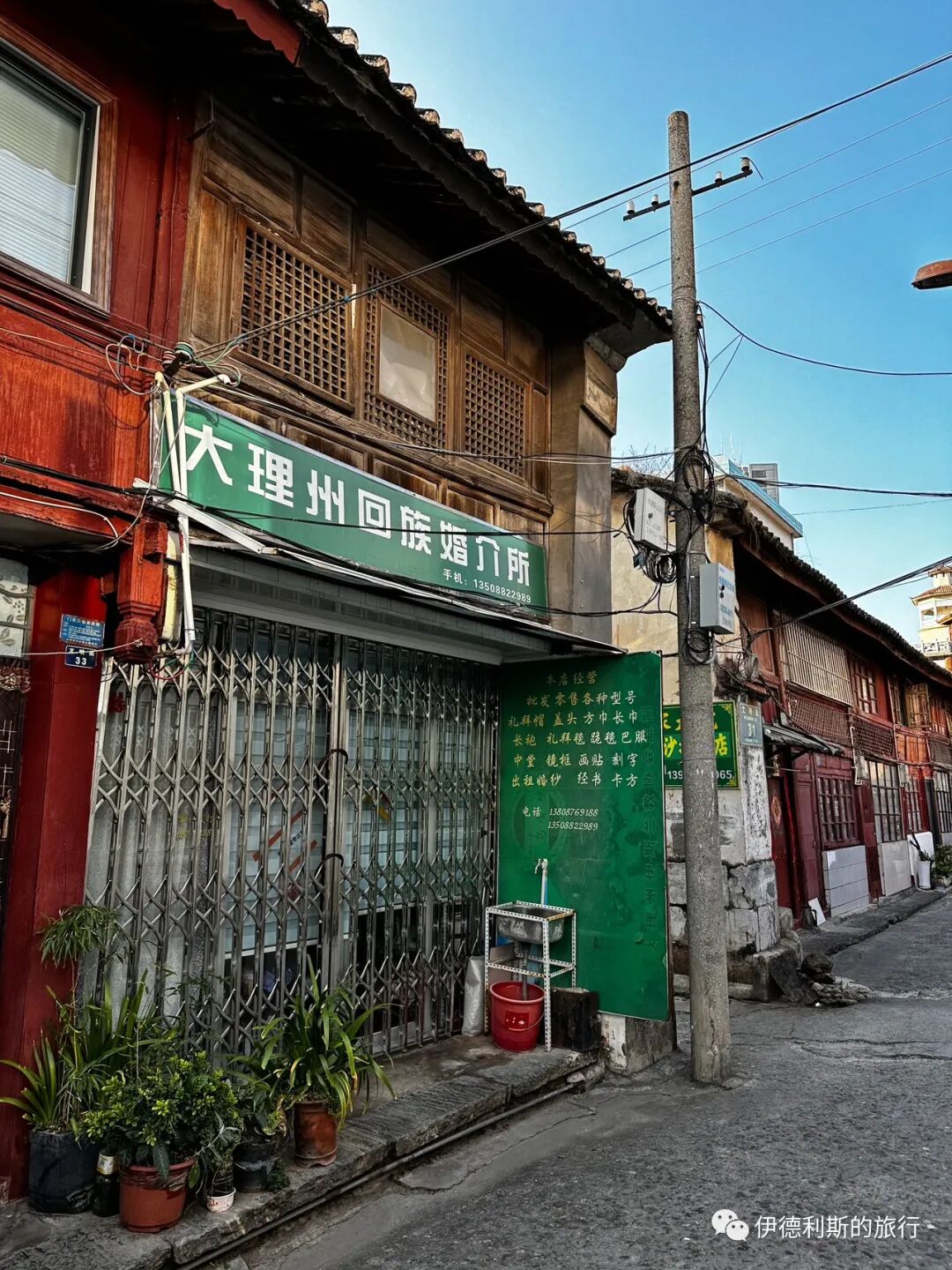
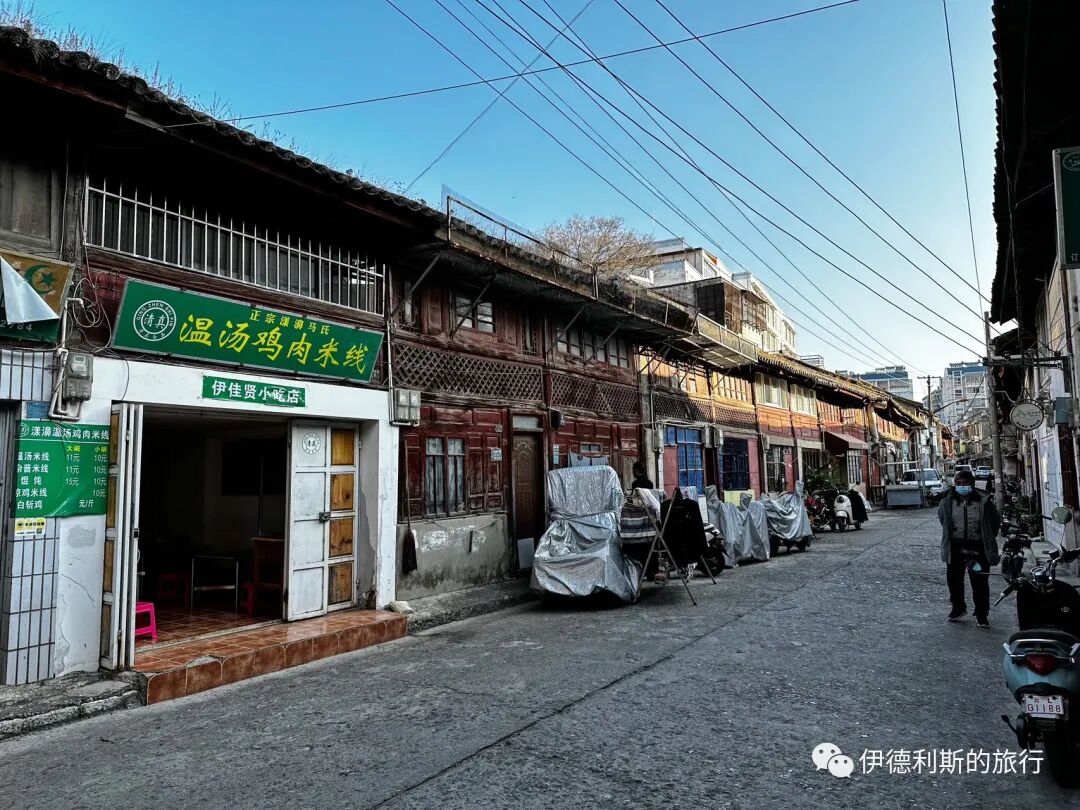
This year, I noticed signs on some shop walls saying "rectification in use," and I wonder if there is a new plan for this area.
For my 2020 Dali trip, see "Eating and Visiting Halal Spots in Dali Xiaguan and Weishan" and "The Twenty Traditional Mosques of Dali."
Sha Family Courtyard
Today, many old Hui Muslim houses are still preserved around the Xiaguan Mosque, the most notable being the Sha Family Courtyard, which is over 110 years old. Fortunately, the descendants of the Sha family still live in the courtyard and run the Shajie Restaurant. You can enjoy a meal while experiencing the charm of this century-old Hui Muslim courtyard.
The Sha Family Courtyard follows the traditional Dali "three houses and one screen wall" (sanfang yizhaobi) layout, a style used by many local Bai, Han, and Hui Muslim families. The "three houses and one screen wall" layout means the main house and the east and west wing rooms are all two-story, three-room structures, with a large screen wall facing the main house.
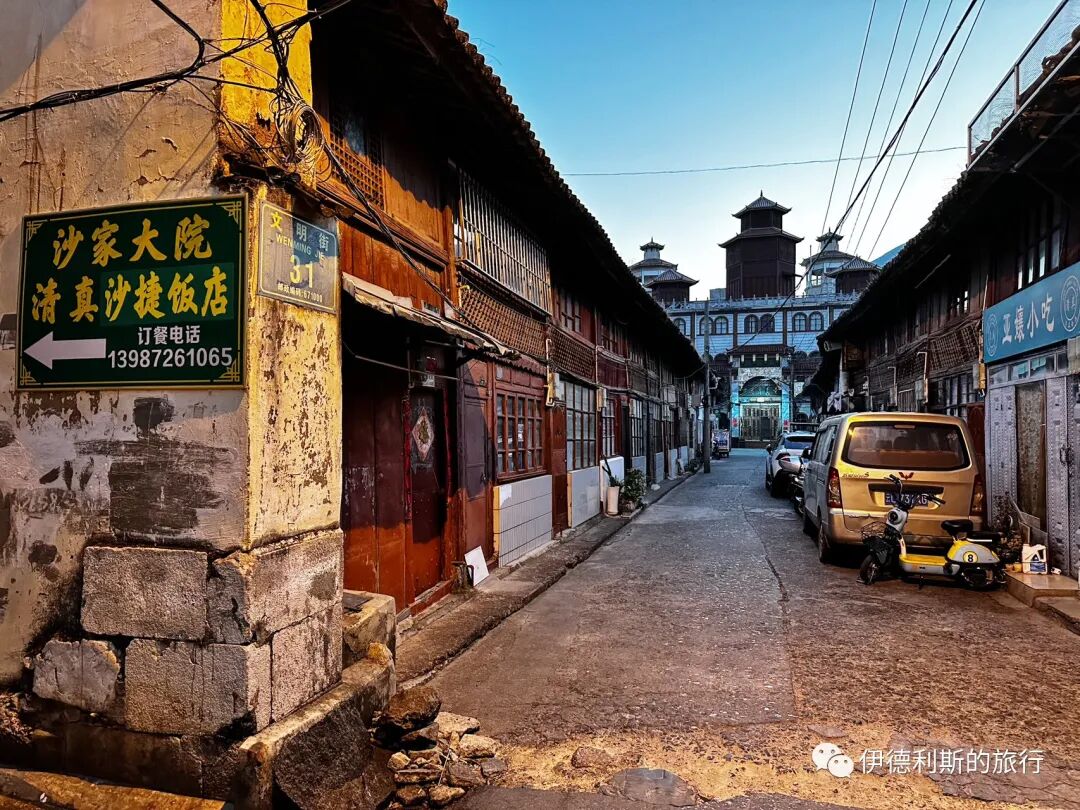
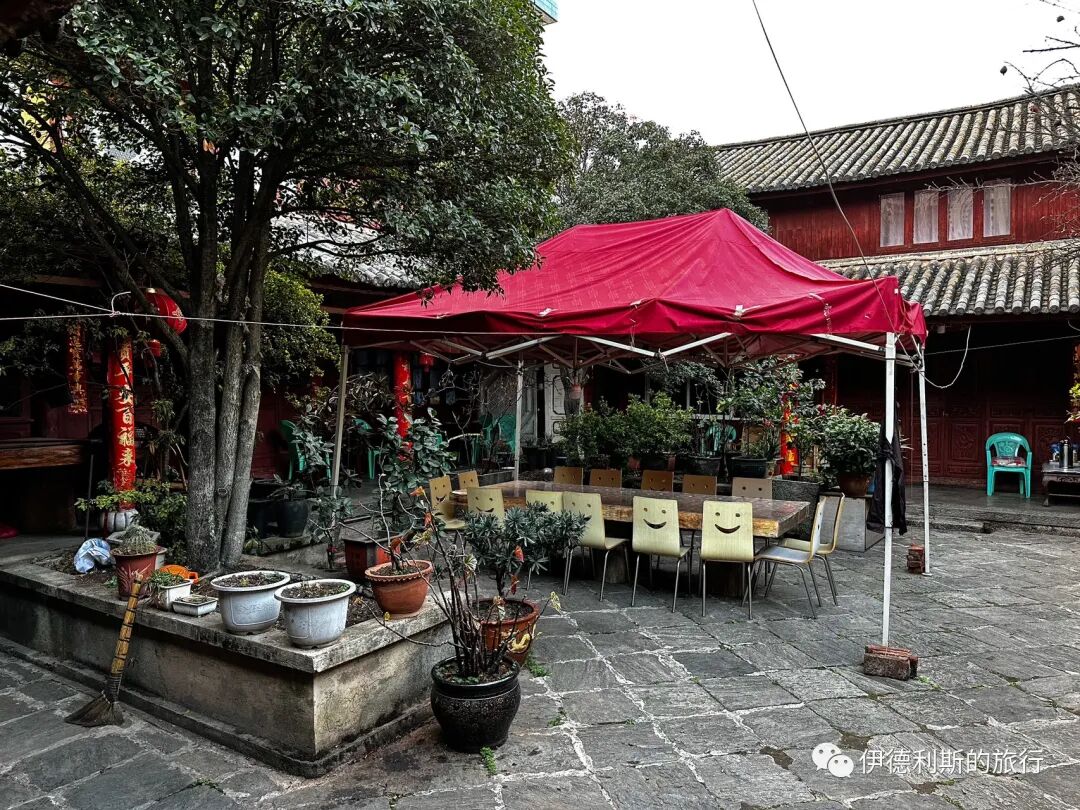
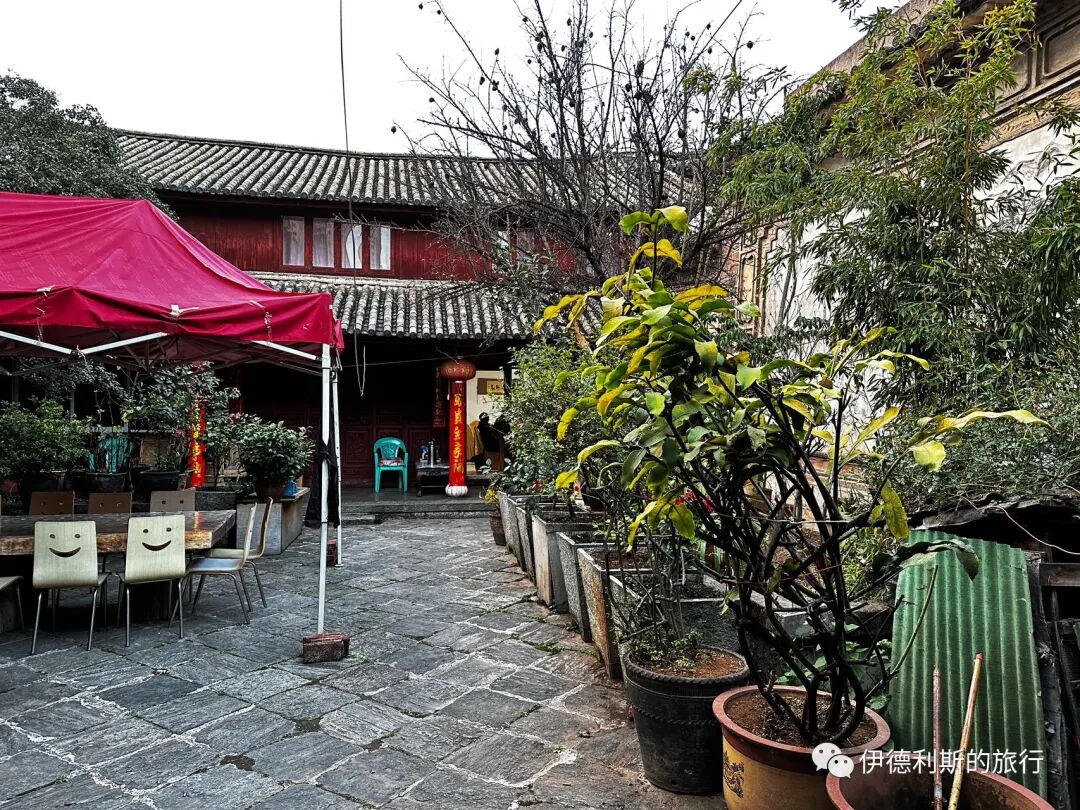
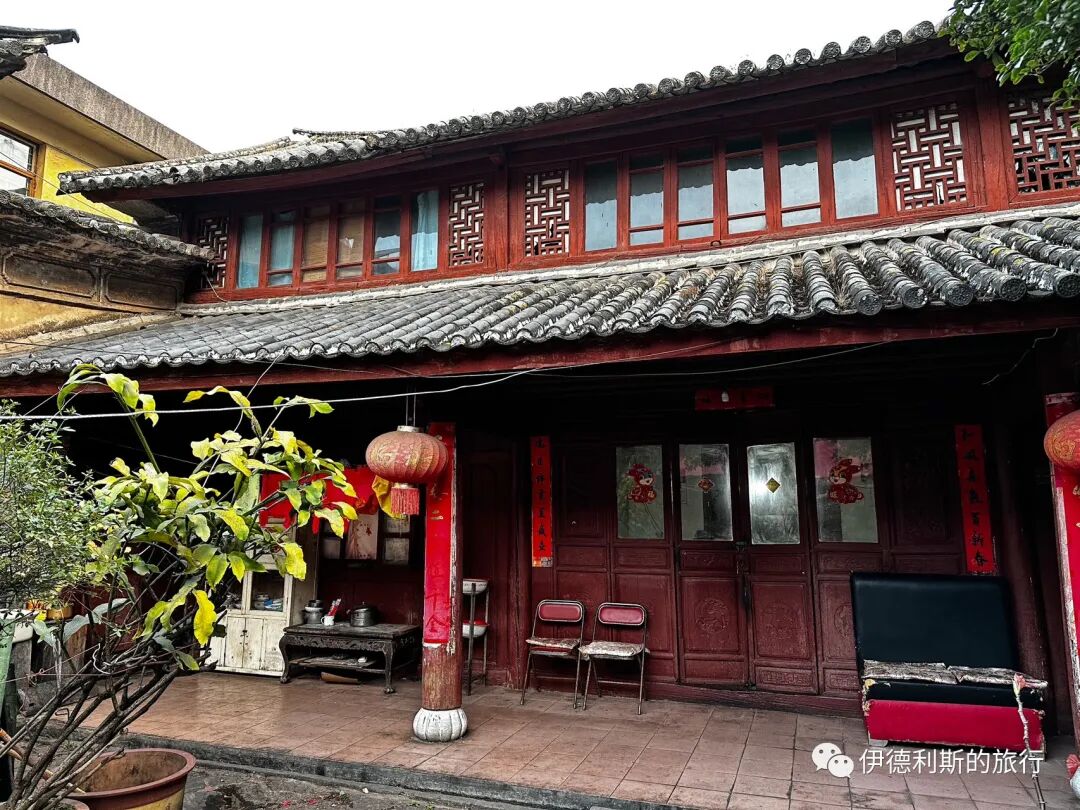
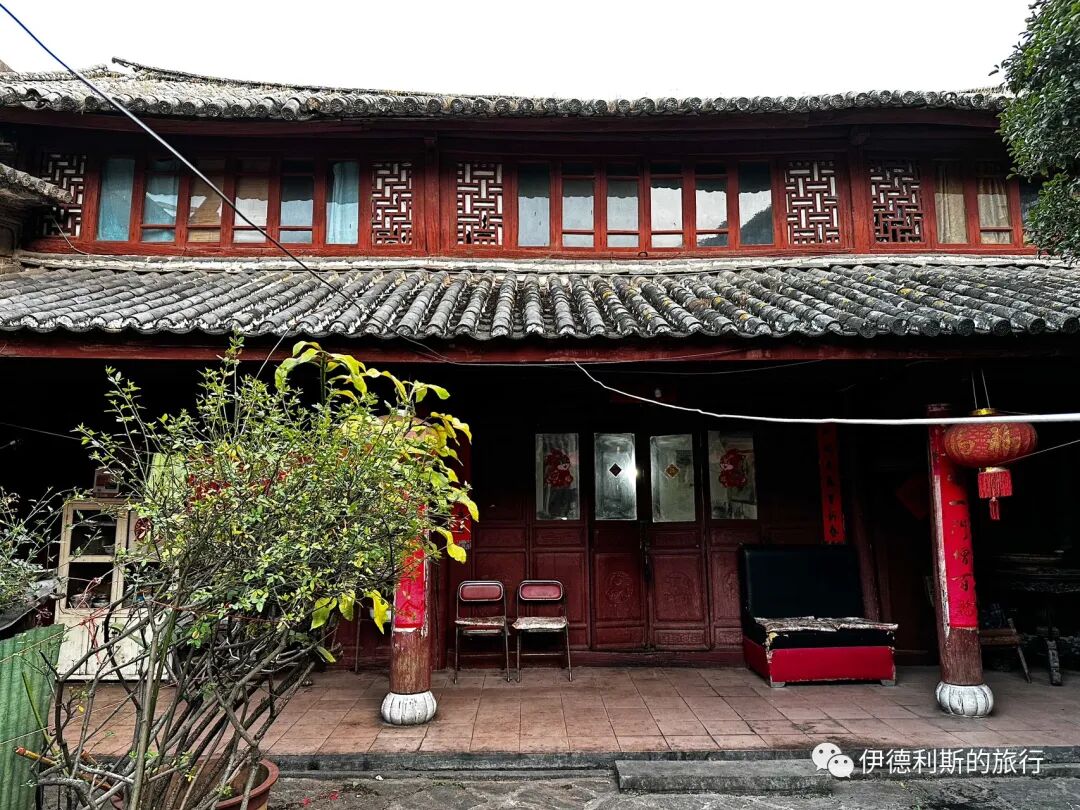
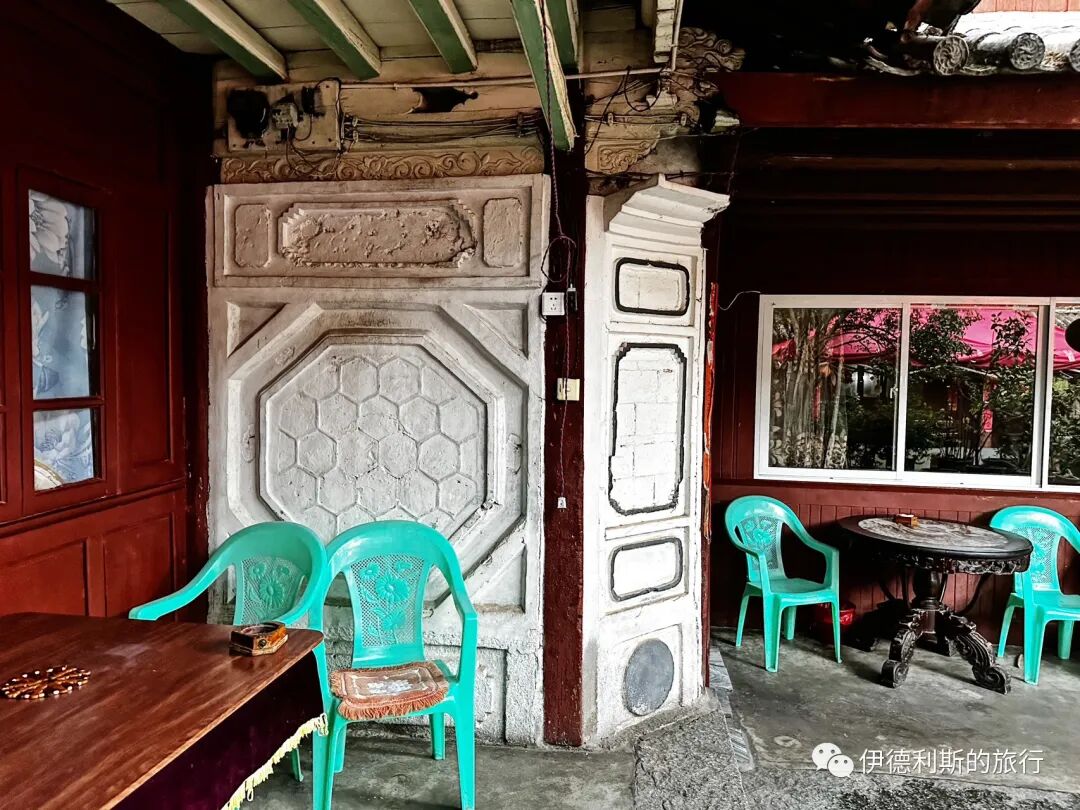
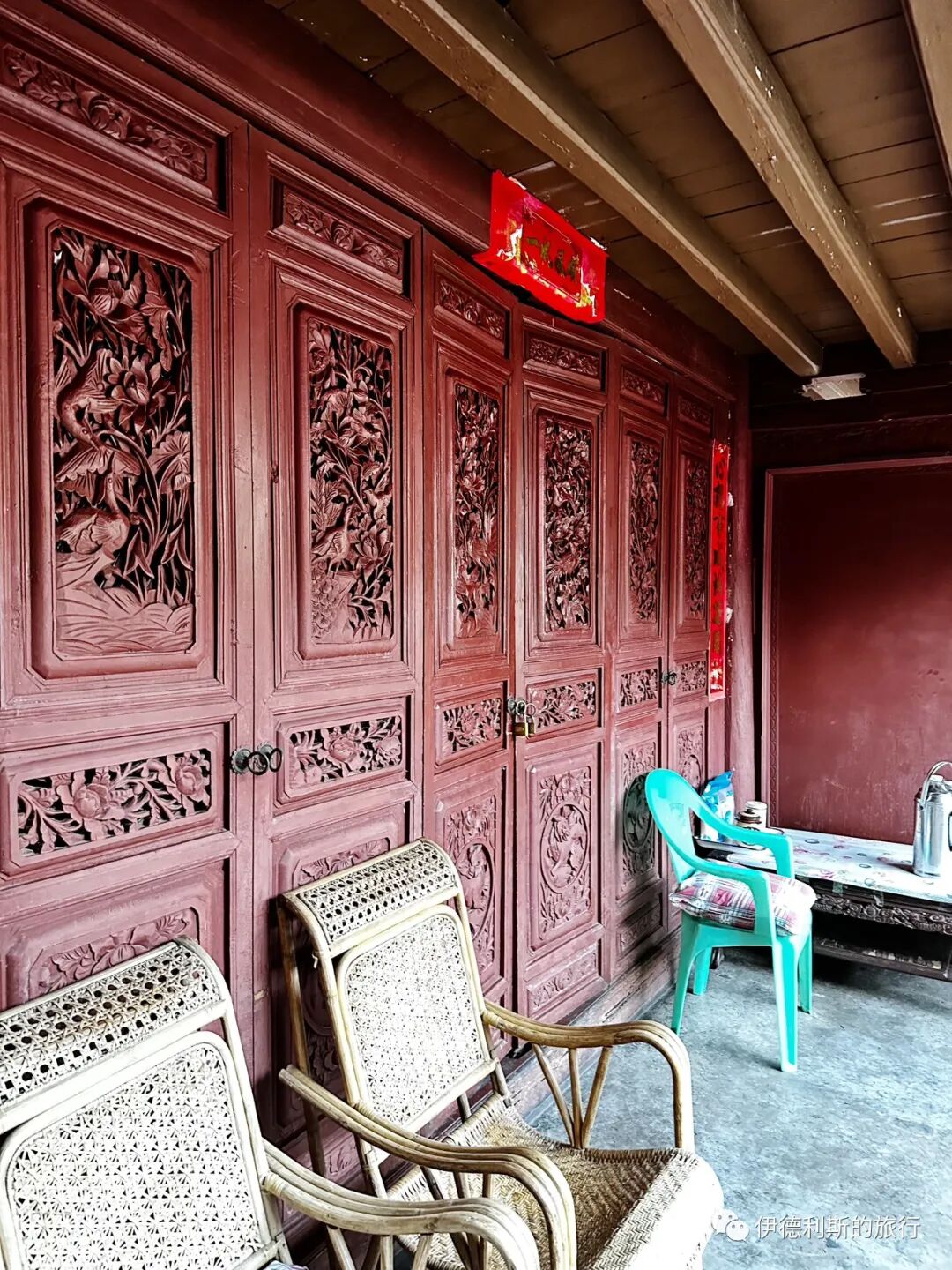
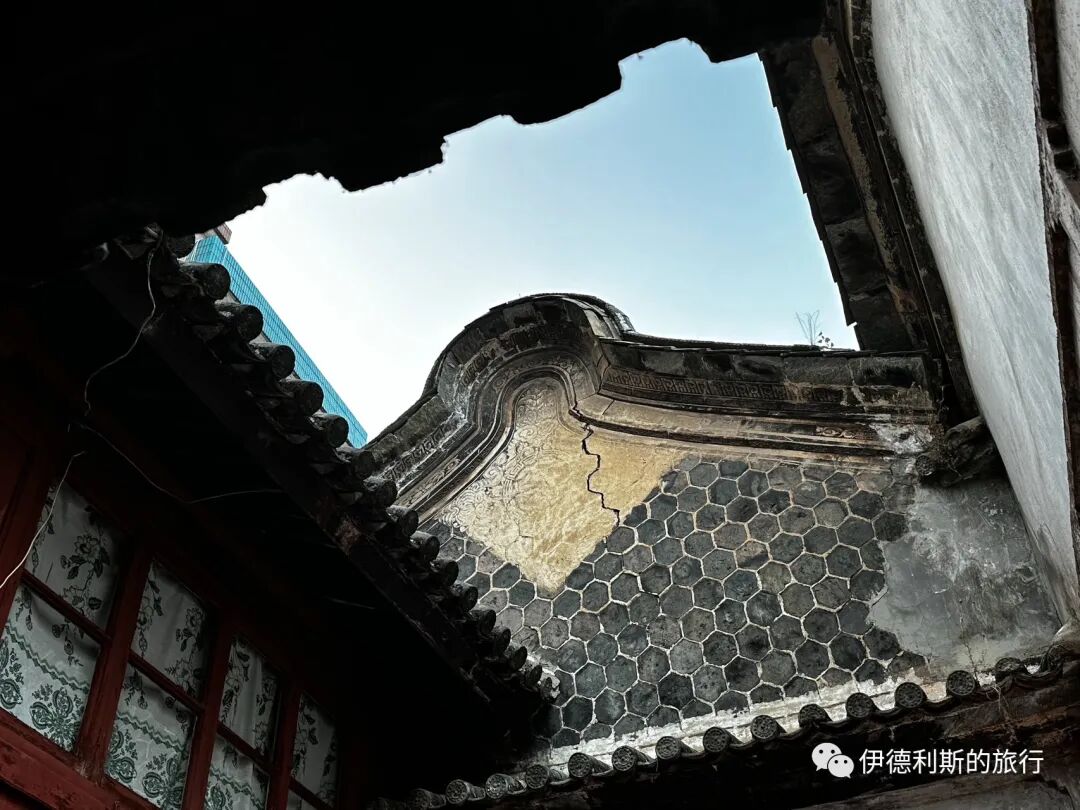
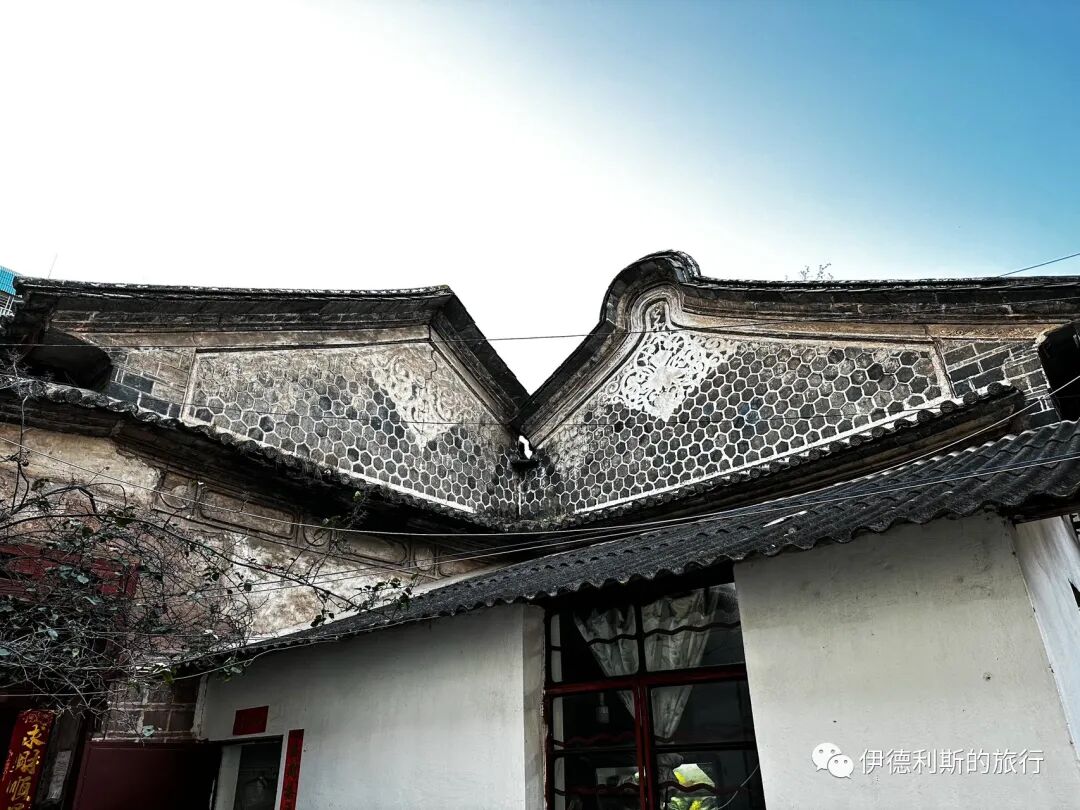
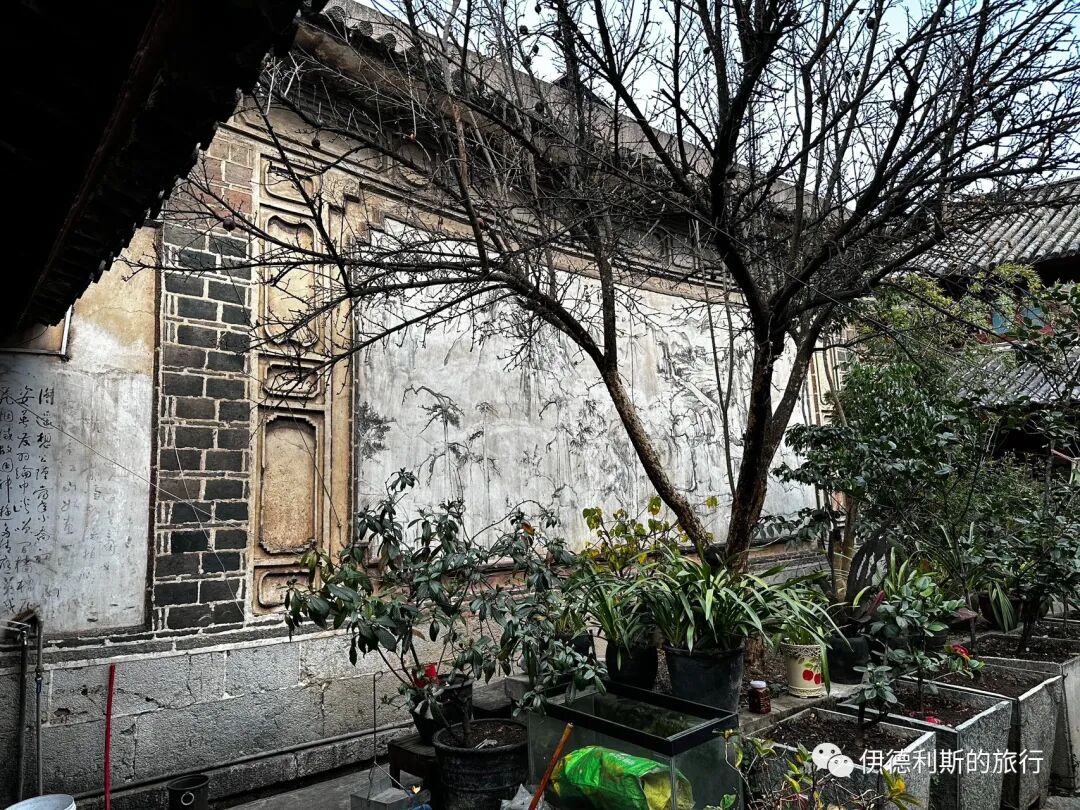
I ate the most home-style Yunnan Hui Muslim food here: beef jerky rice (niu ganba fan) and pea sprout soup with pickled cucumbers. The Sha family is very welcoming, and it really doesn't feel like a restaurant; it feels like stepping into the daily life of the Hui Muslims in Xiaguan.
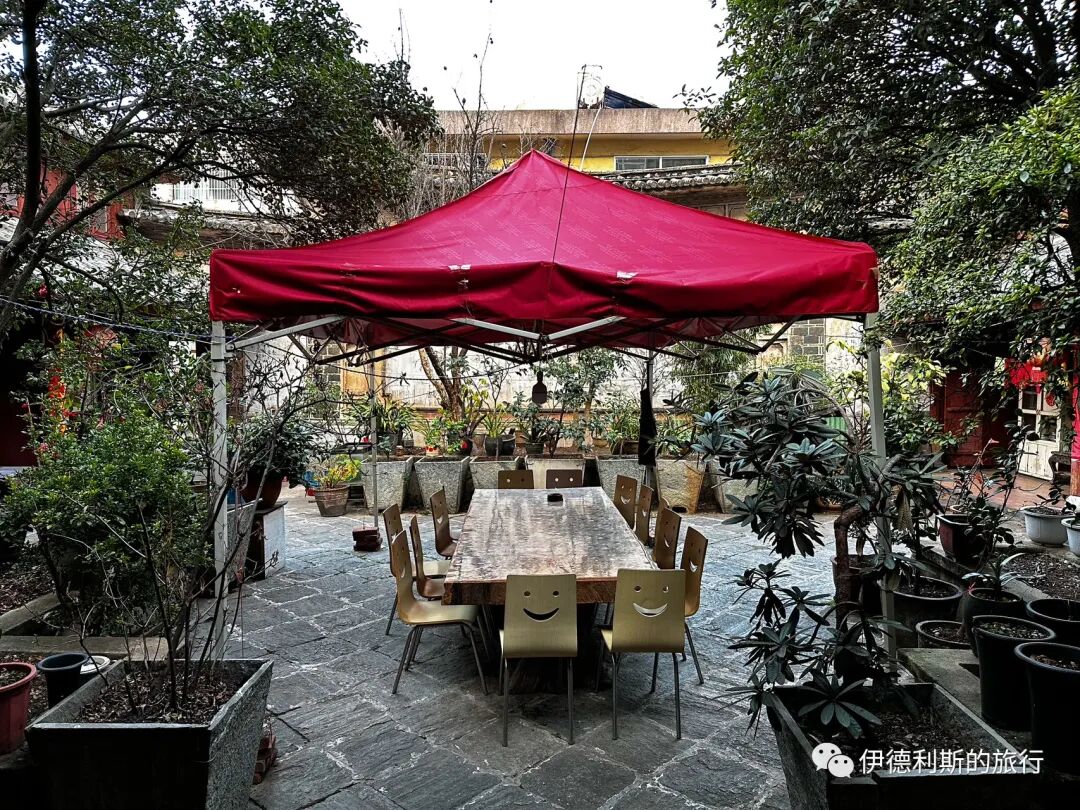
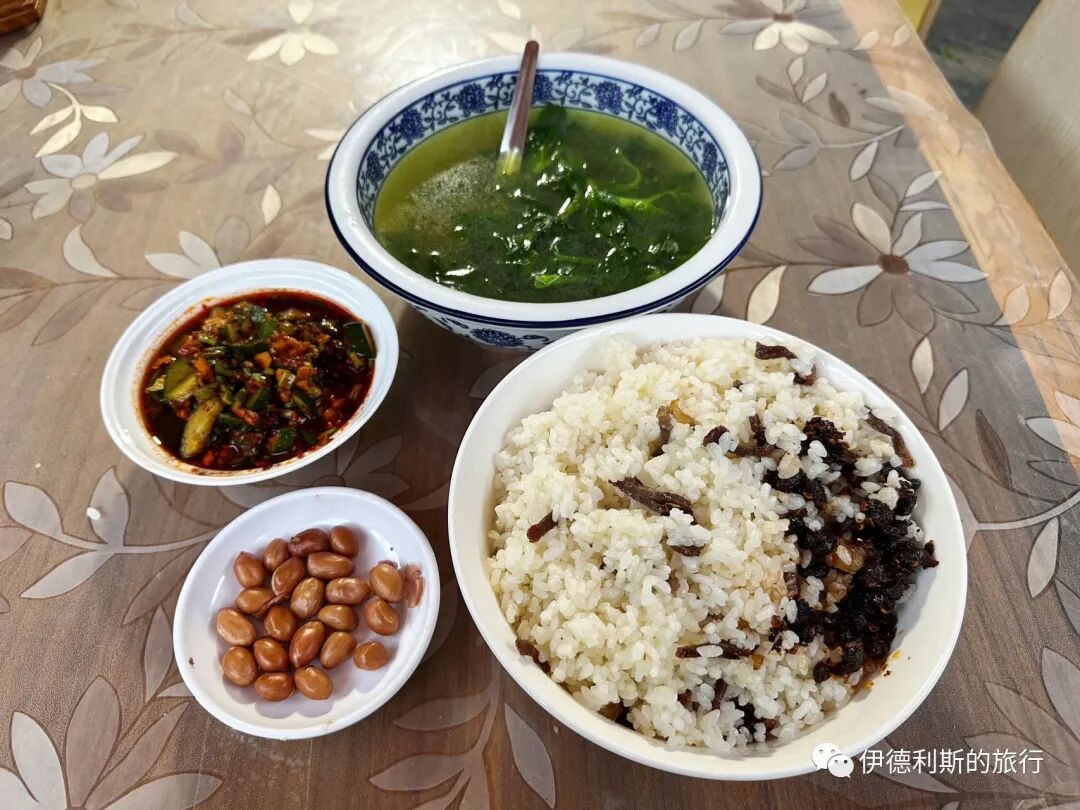
Inside the west wing of the Sha Family Courtyard, the middle room is a living room decorated with traditional calligraphy in the style of Weishan, Dali. The grandfather of the Sha family watches TV here in the evenings. On both sides are bedrooms, which have pictures of Mecca (tianfang tu) hanging inside.
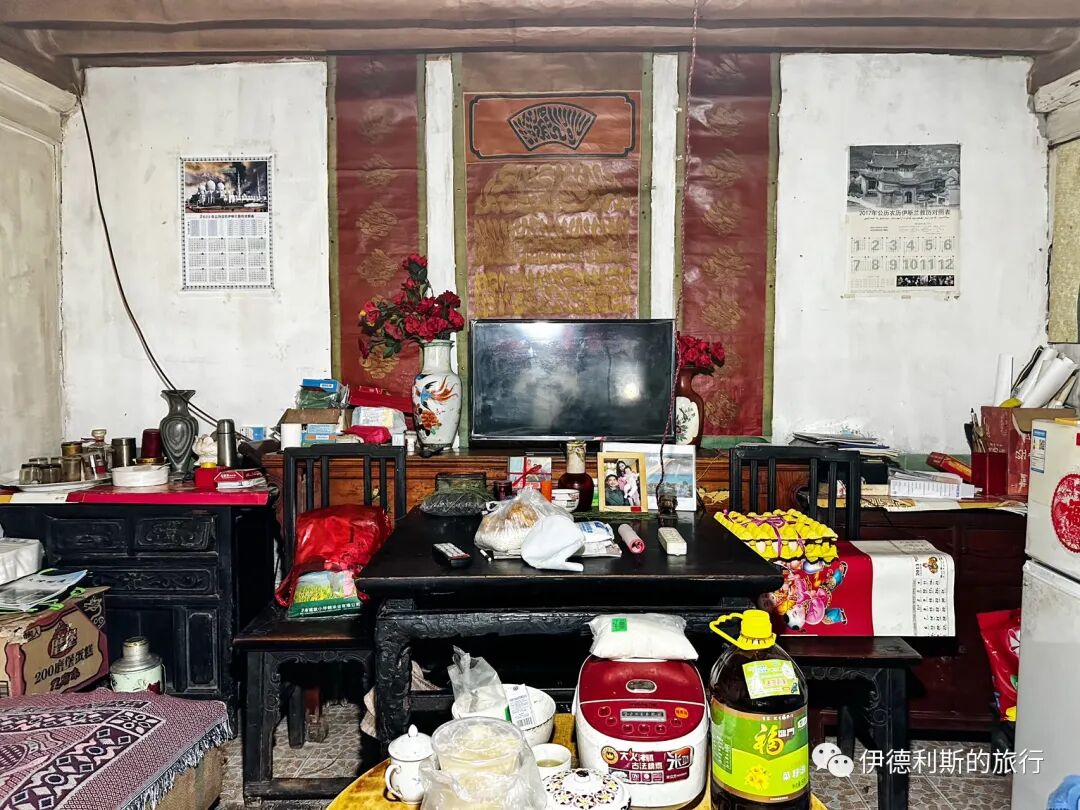
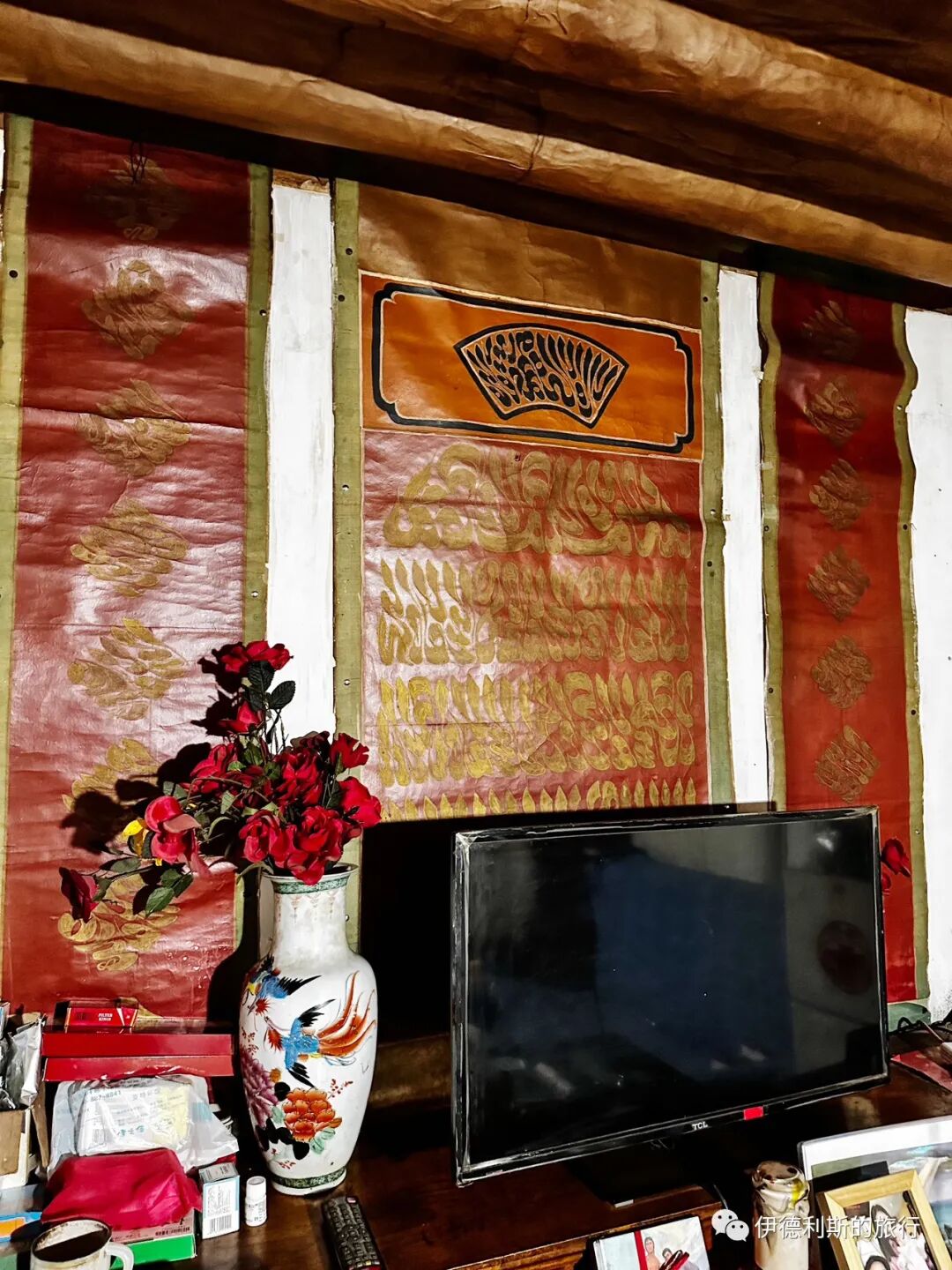
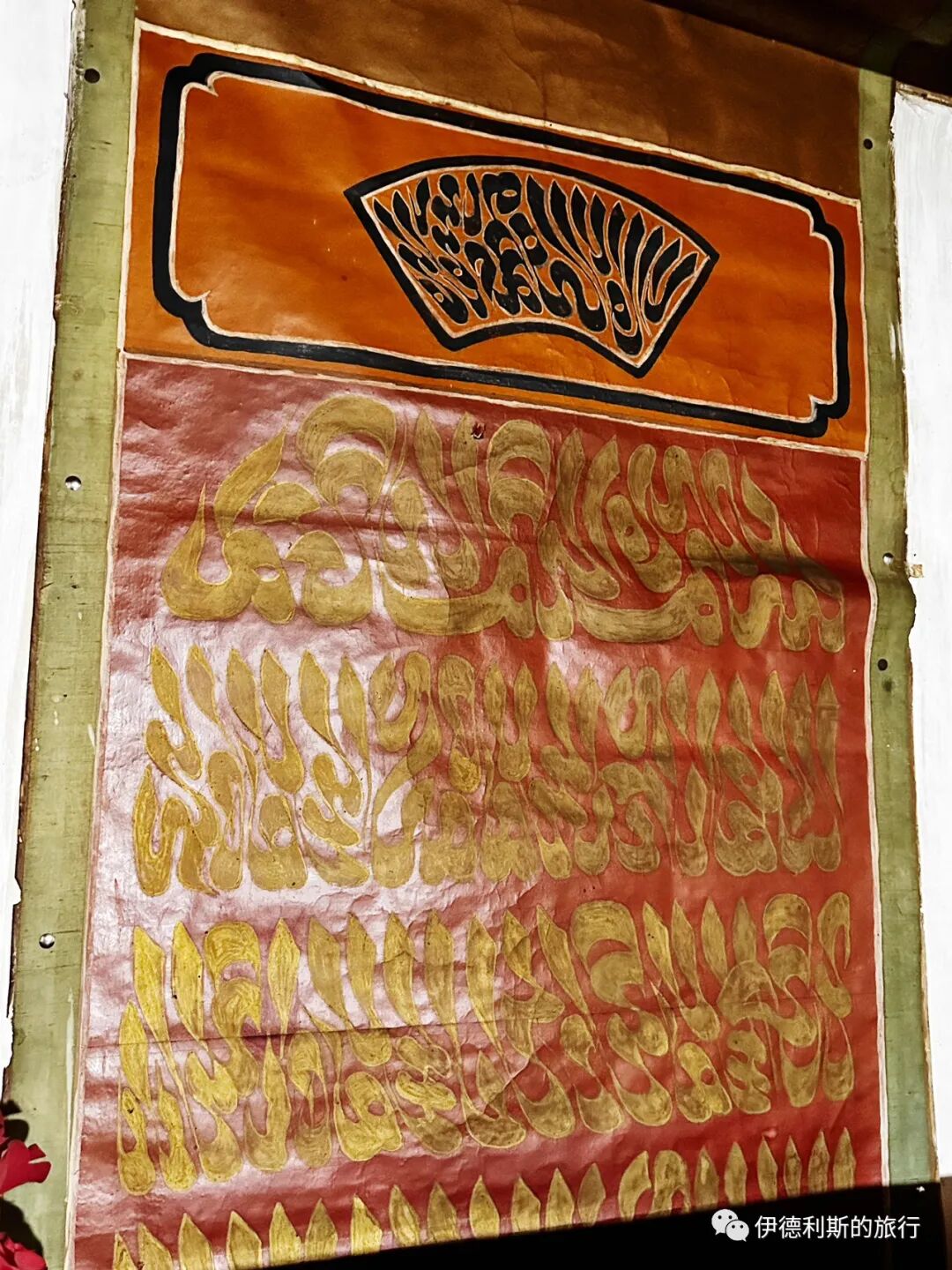
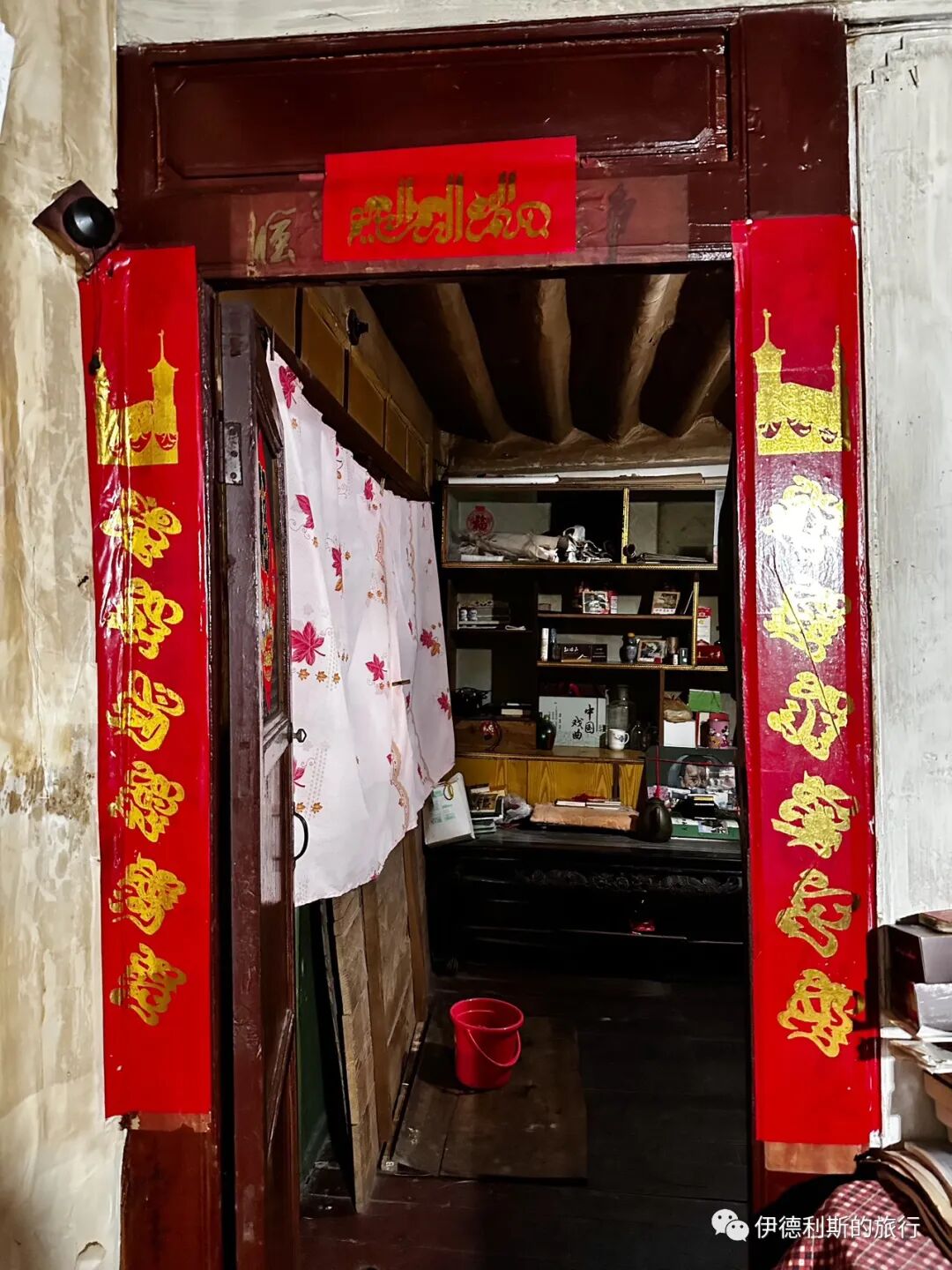
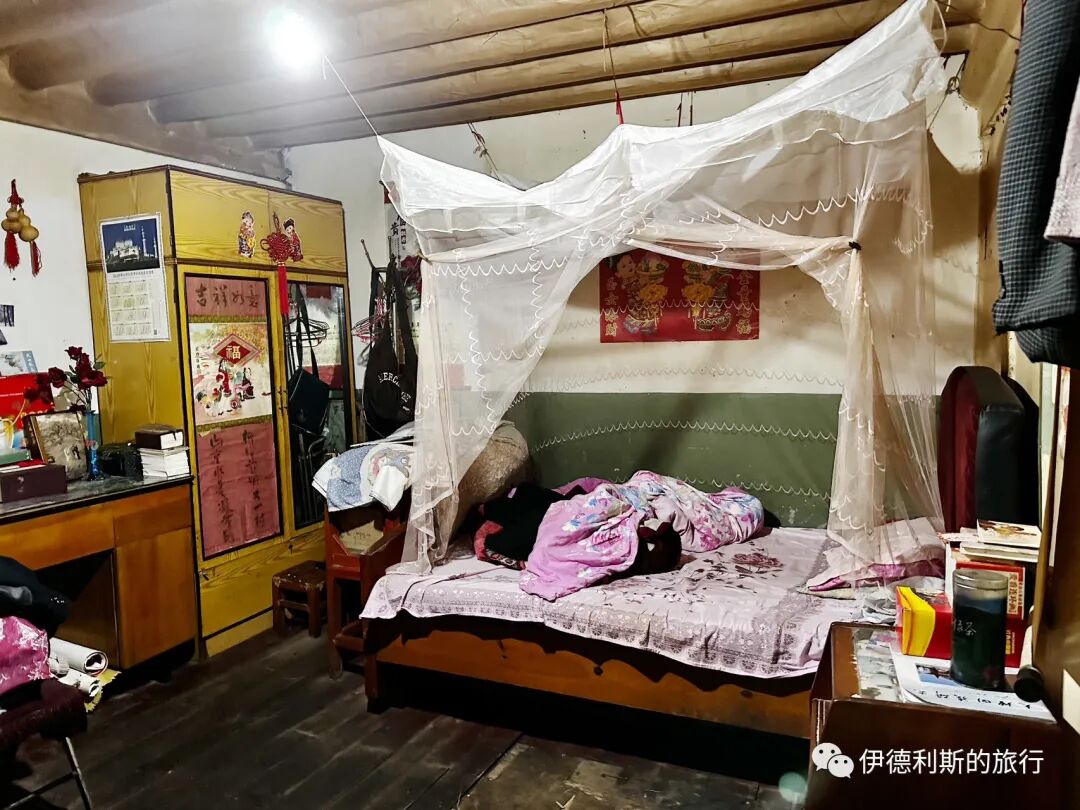
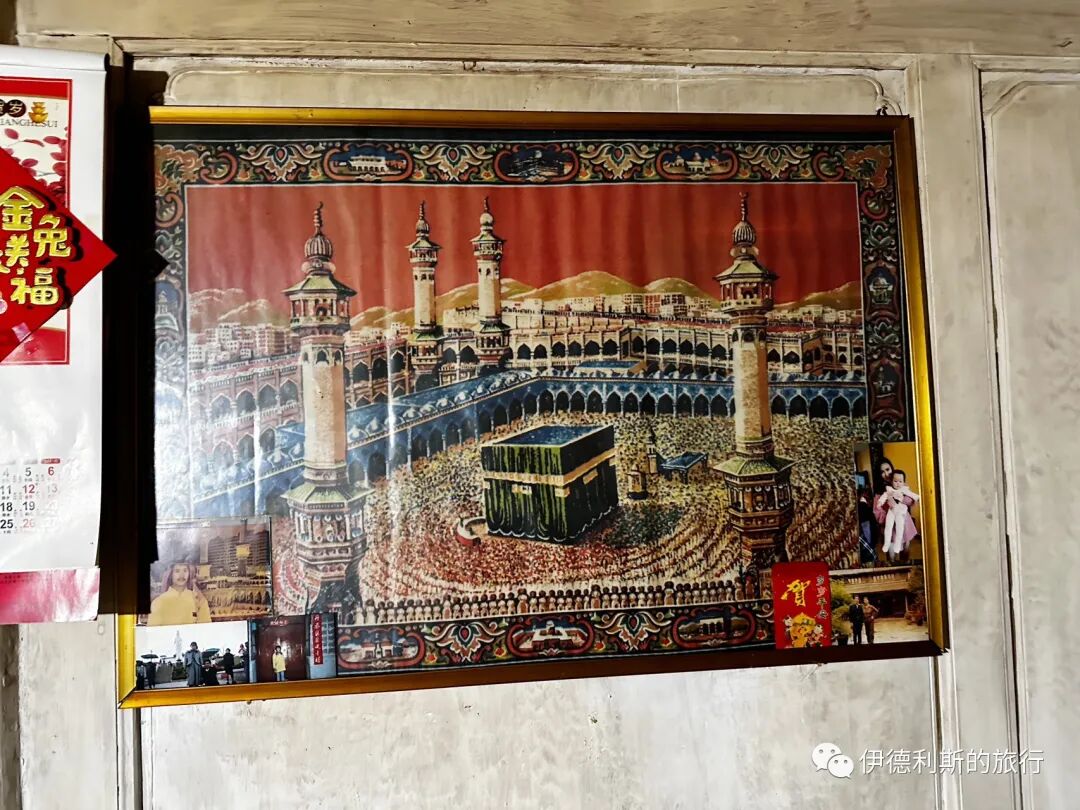
Inside the north room, besides the calligraphy, there are photos of the Sha family from different periods, as well as gifts from Mrs. Sha's 80th and 90th birthday celebrations.
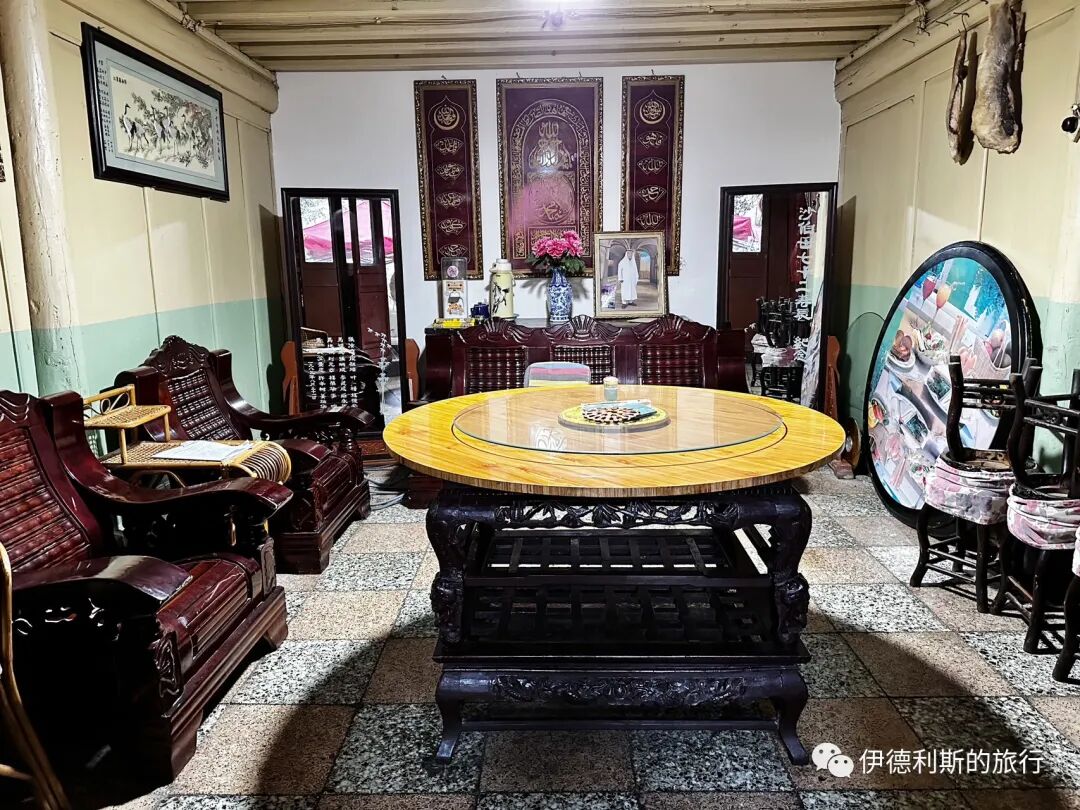
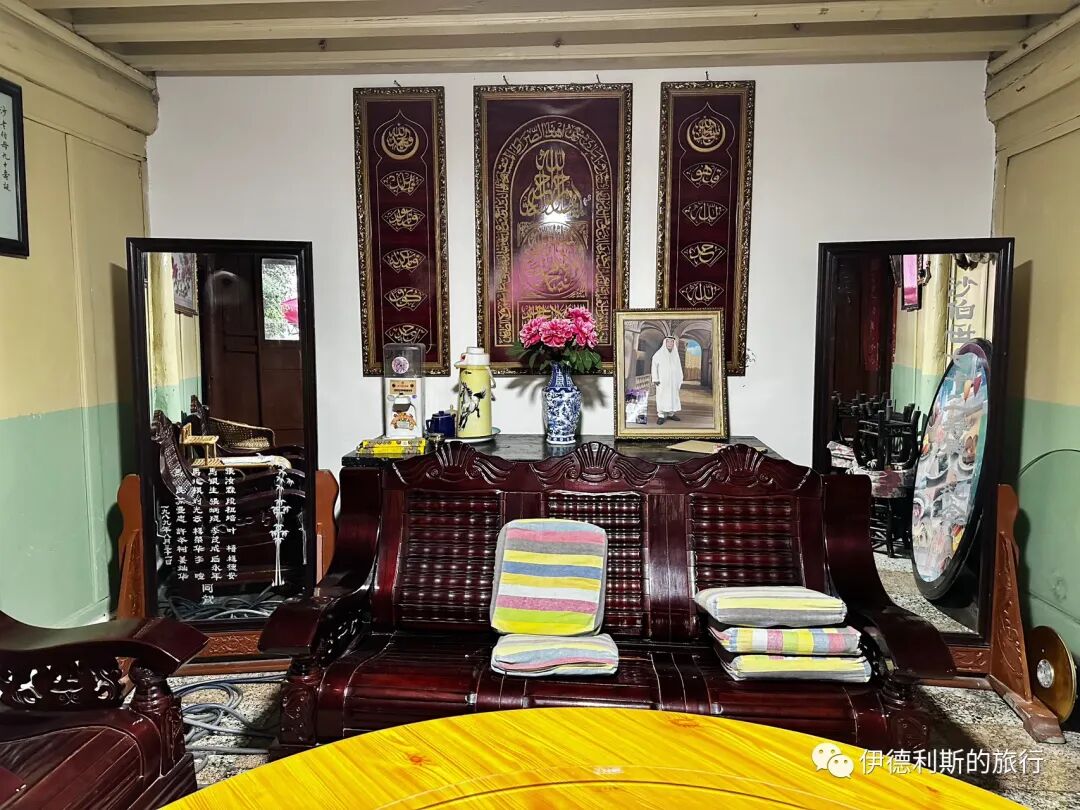
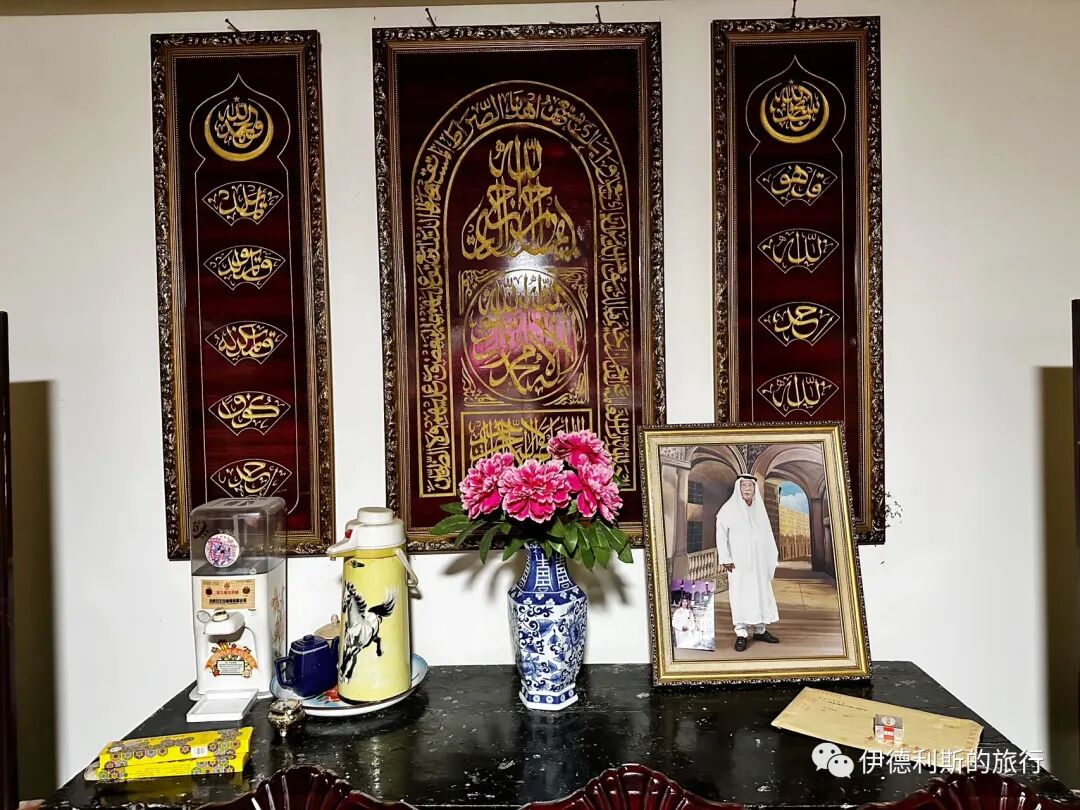
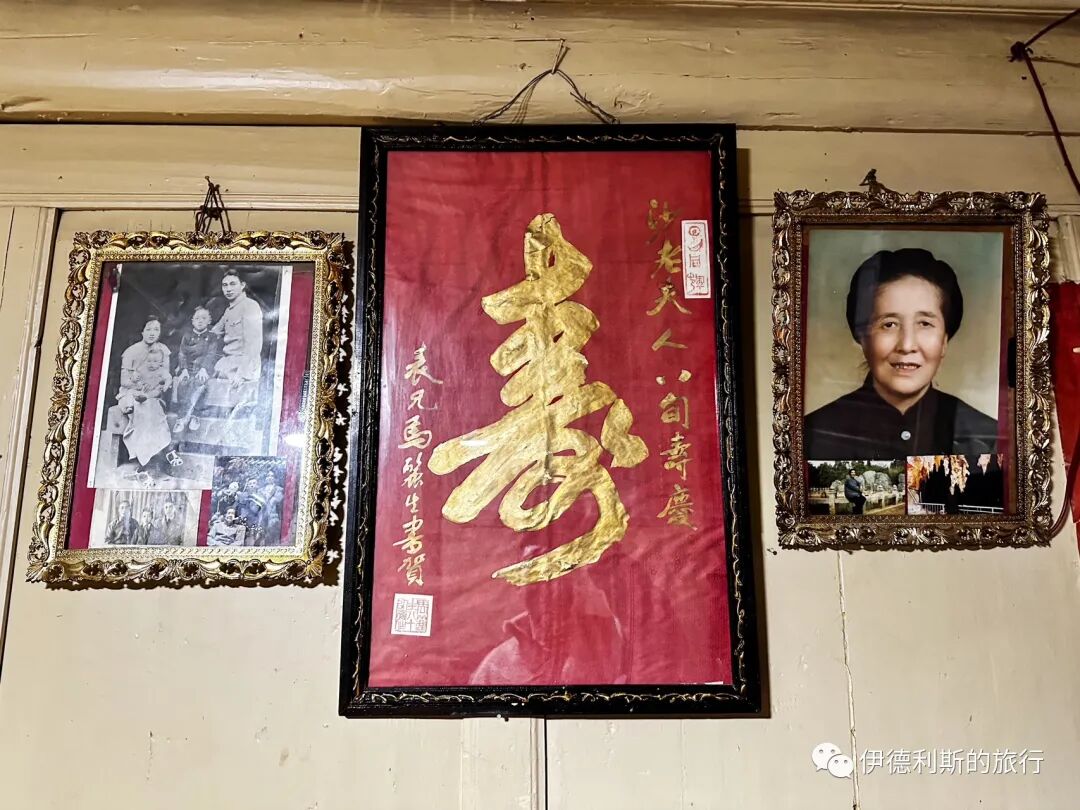
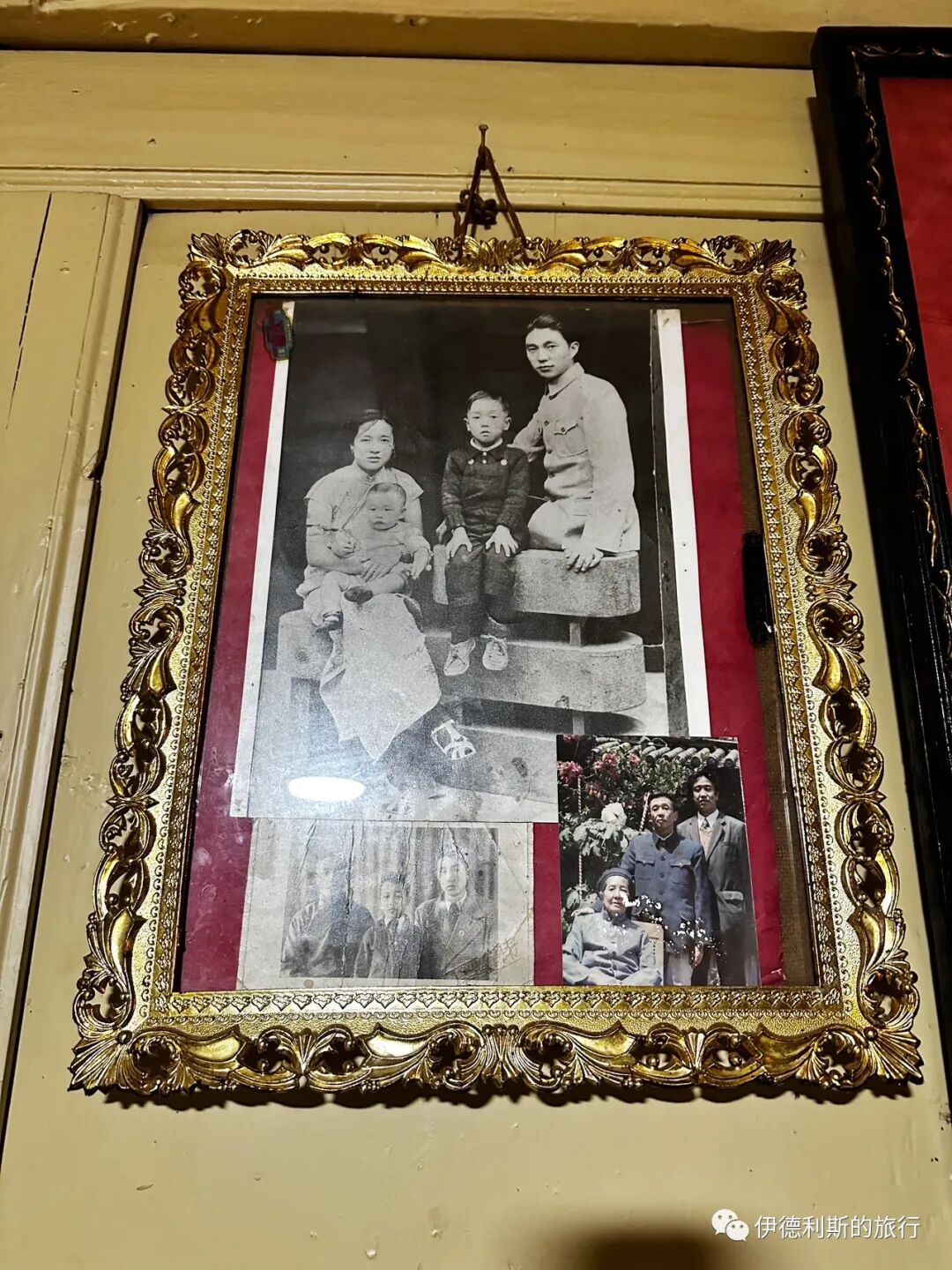
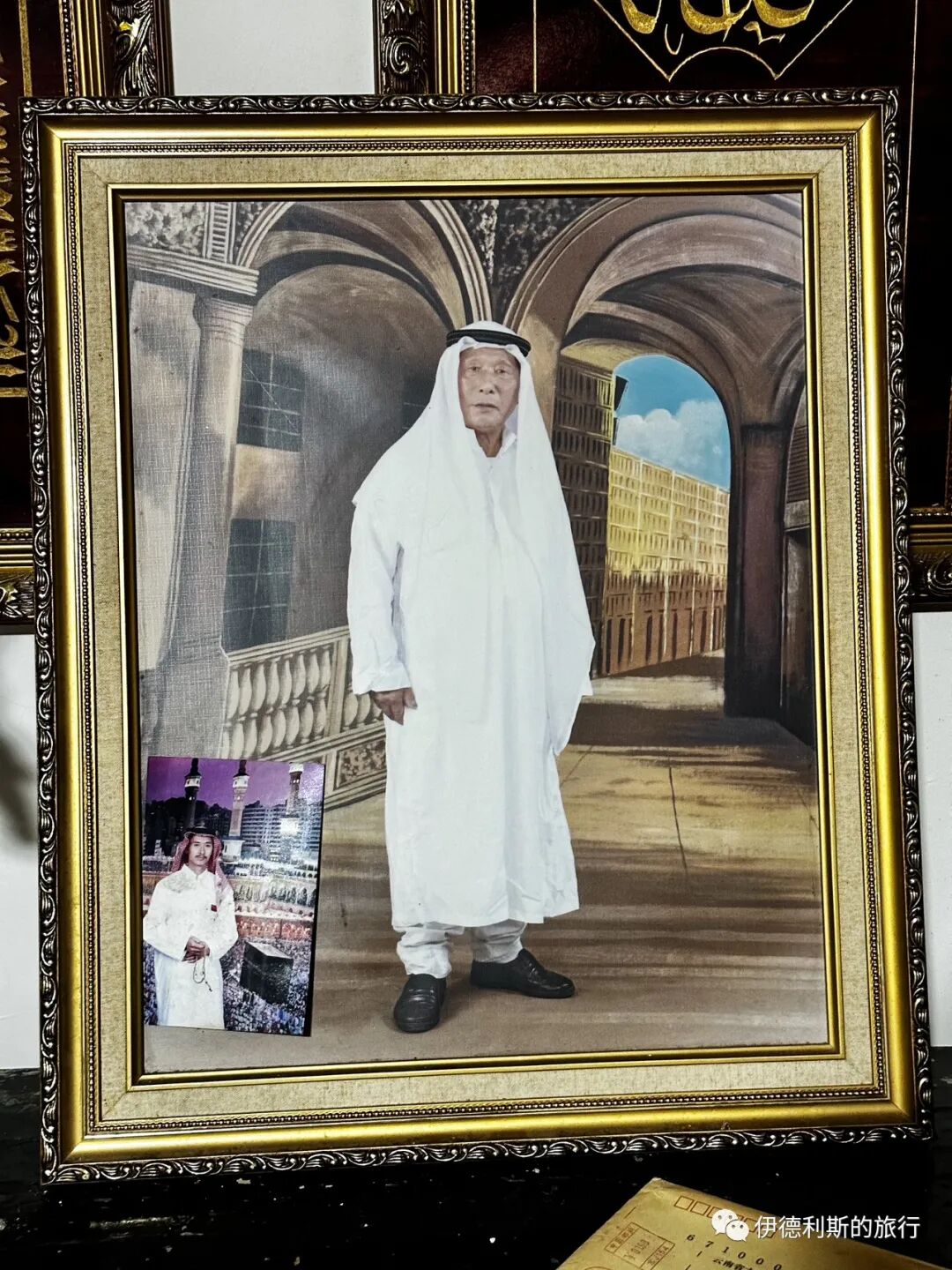
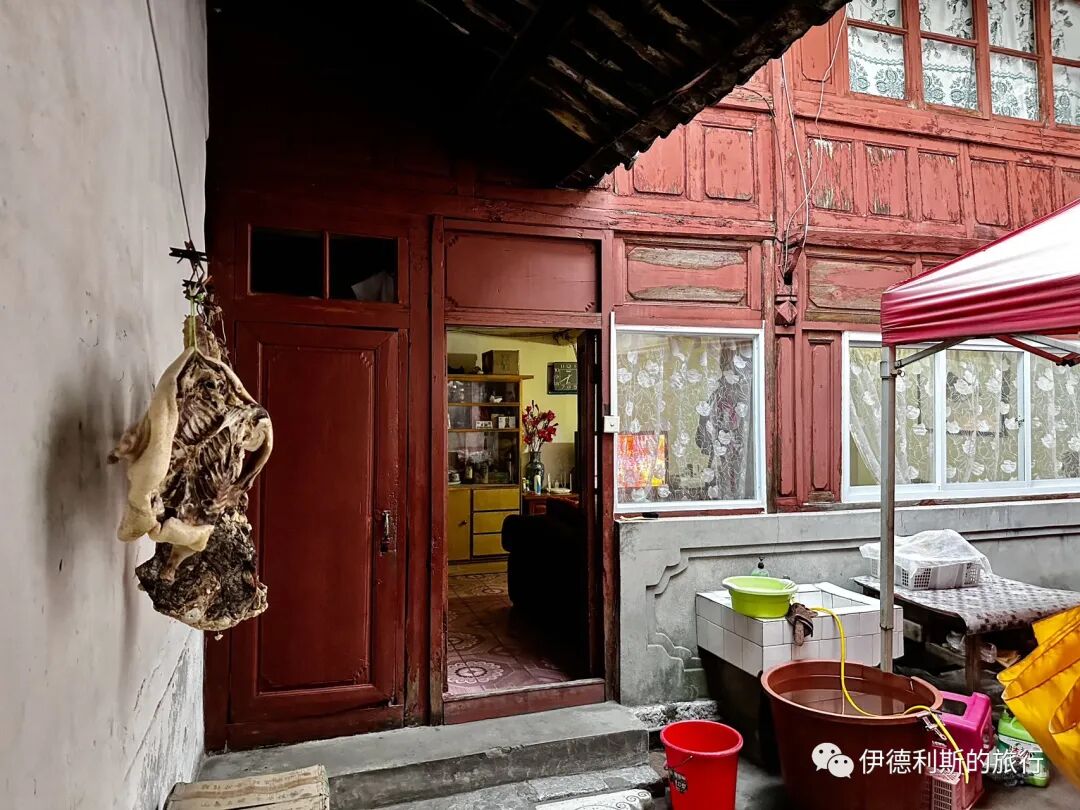
On the wall is a painting by the Yunnan Hui Muslim artist Wang Guowen Haji, featuring a little boy wearing an Ottoman fez hat. This is very interesting, and I suspect it relates to the Yunnan Islamic Progress Association organizing students to study at Al-Azhar University in Egypt after 1931. In 1829, the Ottoman Empire implemented a hat reform, ordering officials to stop wearing turbans and wear fez hats instead. The fez hat then became popular in Egypt under Ottoman rule.
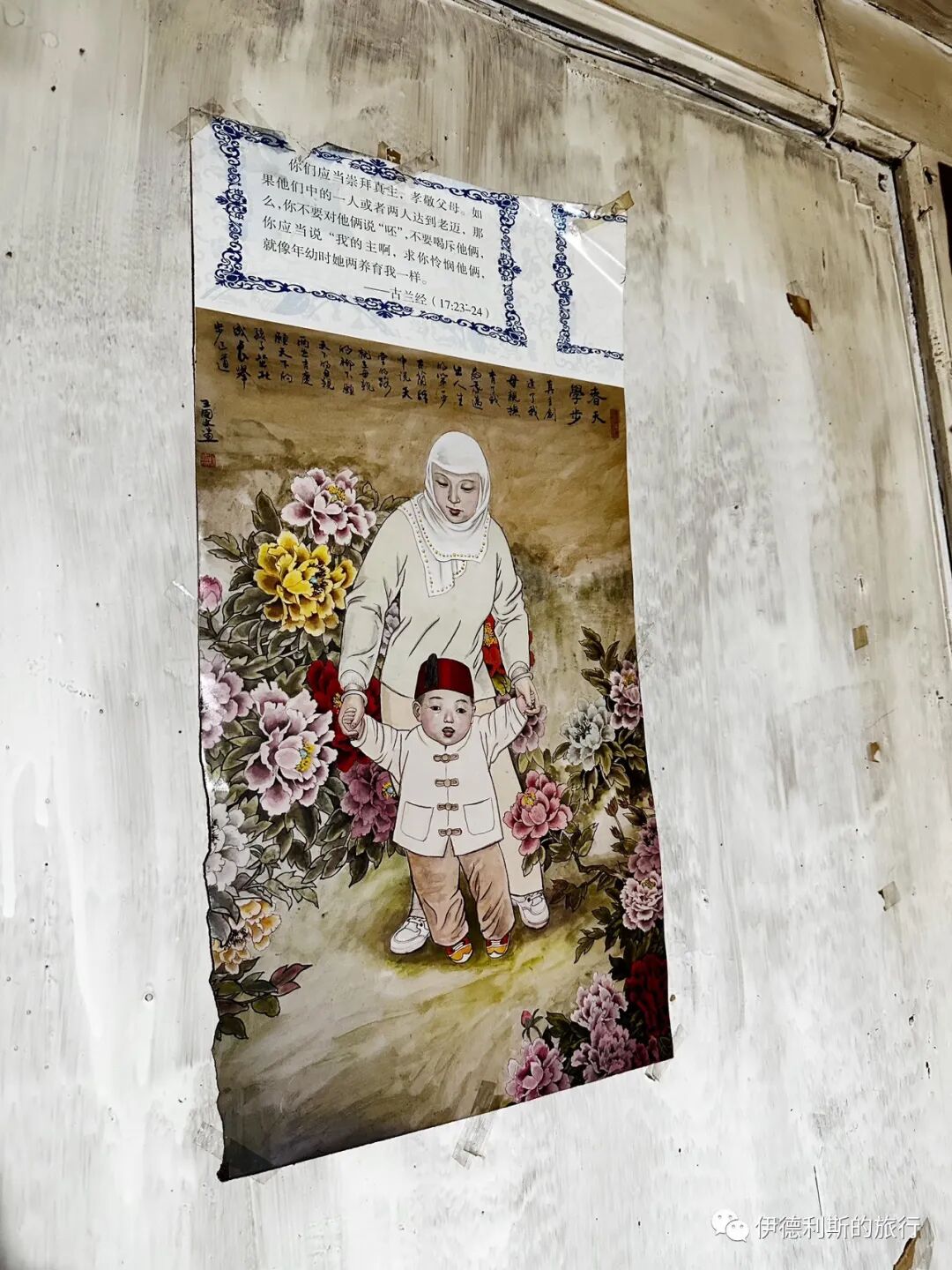
Wenming Street
Wenming Street faces the Xiaguan Mosque, and there are many halal restaurants on the street.
In 2020, I ate braised meat rice noodles (menrou mixian) at this Renji shop.
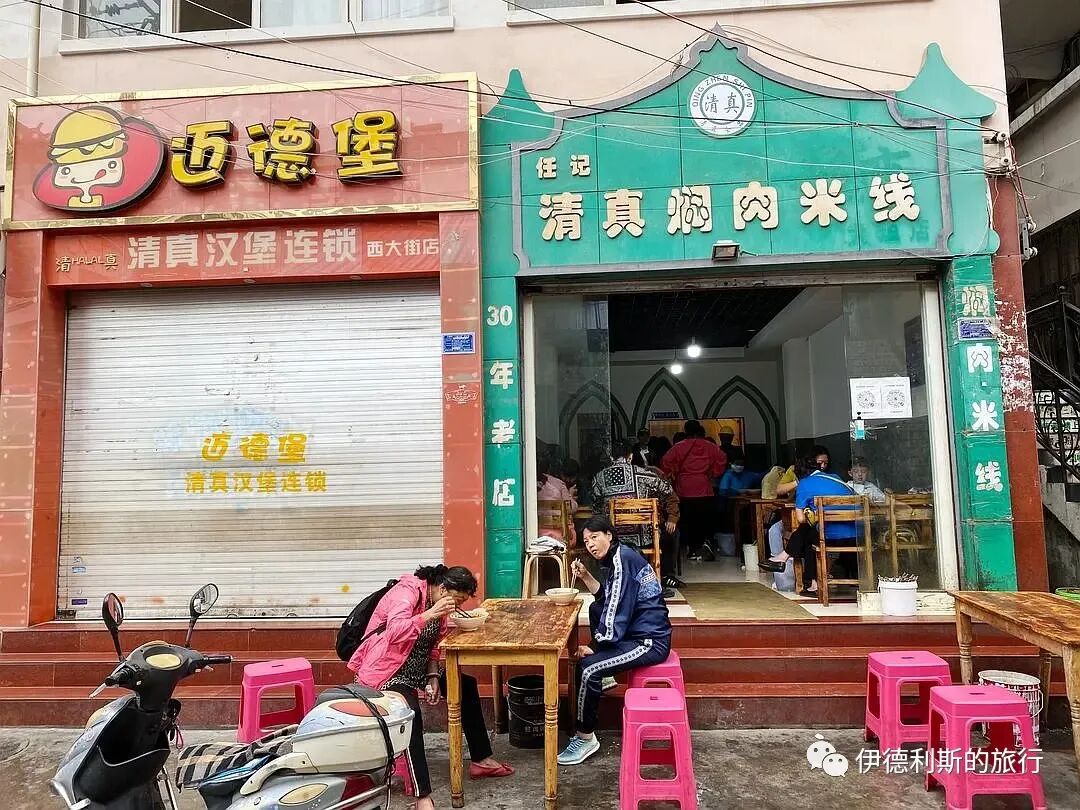
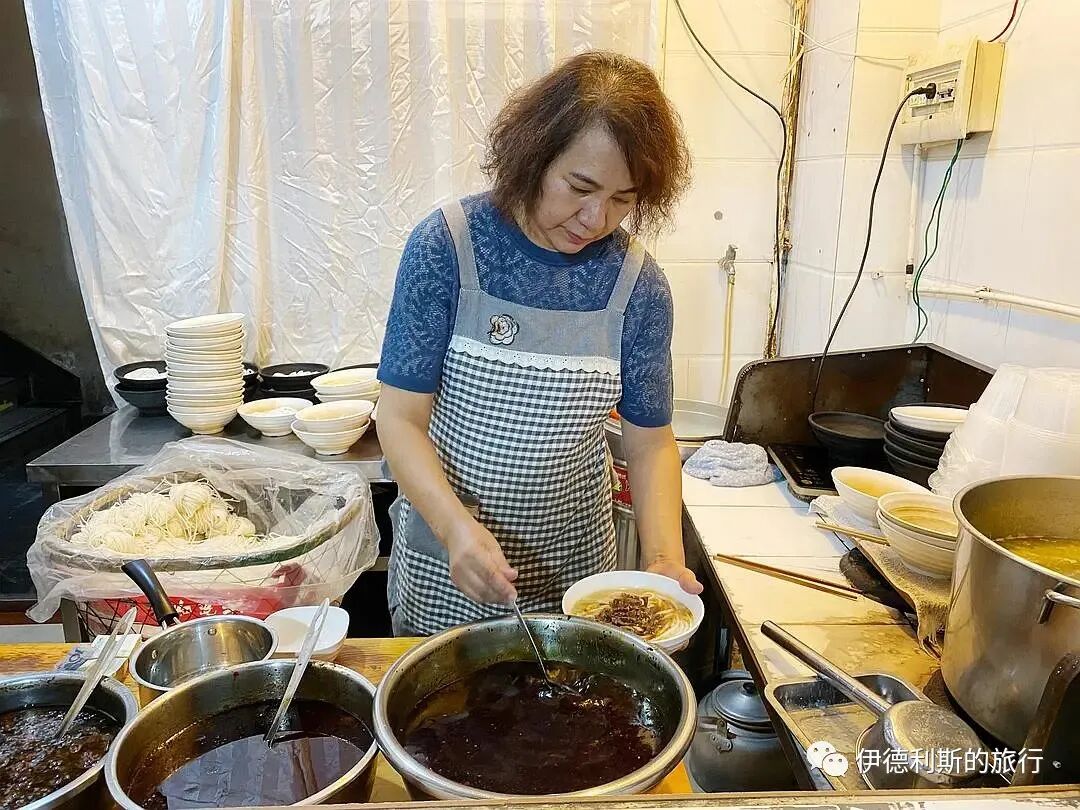
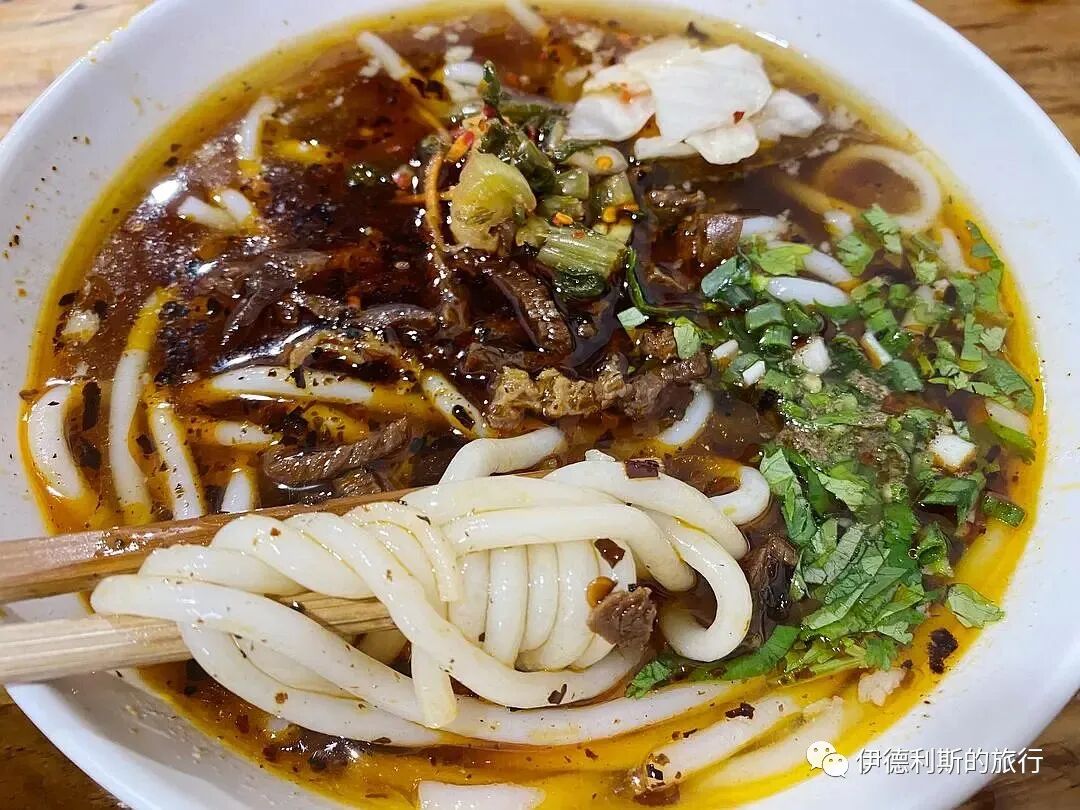
Then I ate braised meat rice strips (menrou ersi) at this Baiweixuan shop; rice strips are firmer than rice noodles.
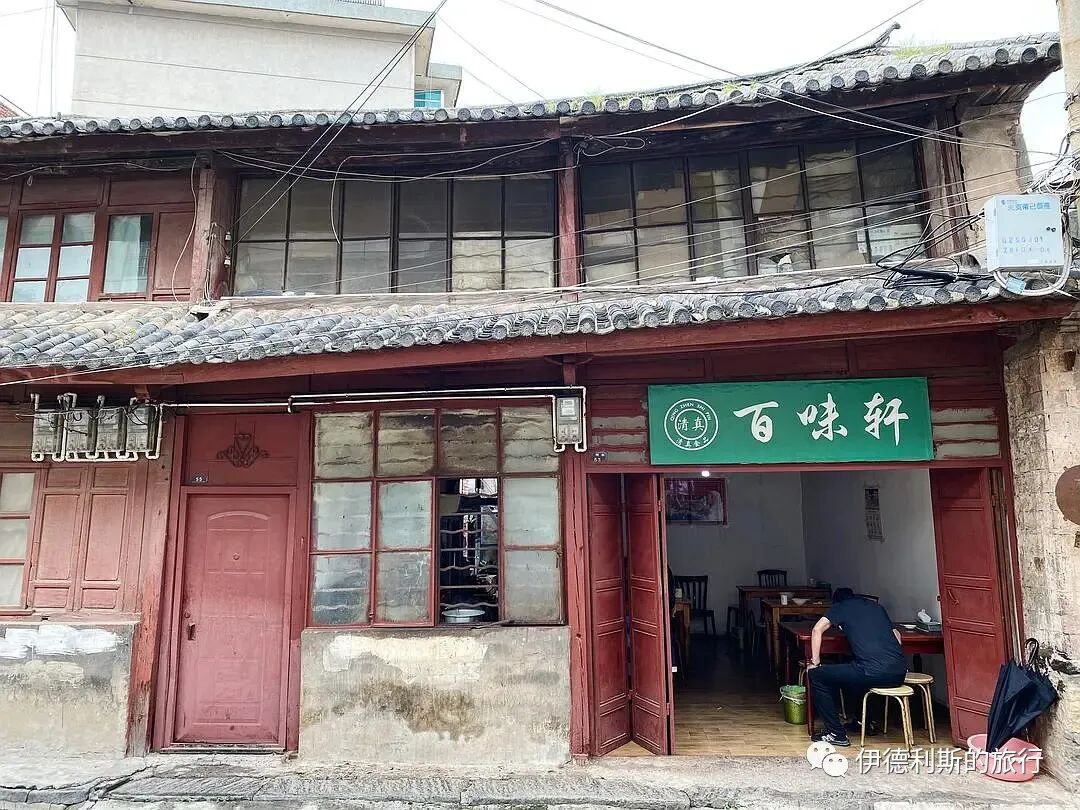
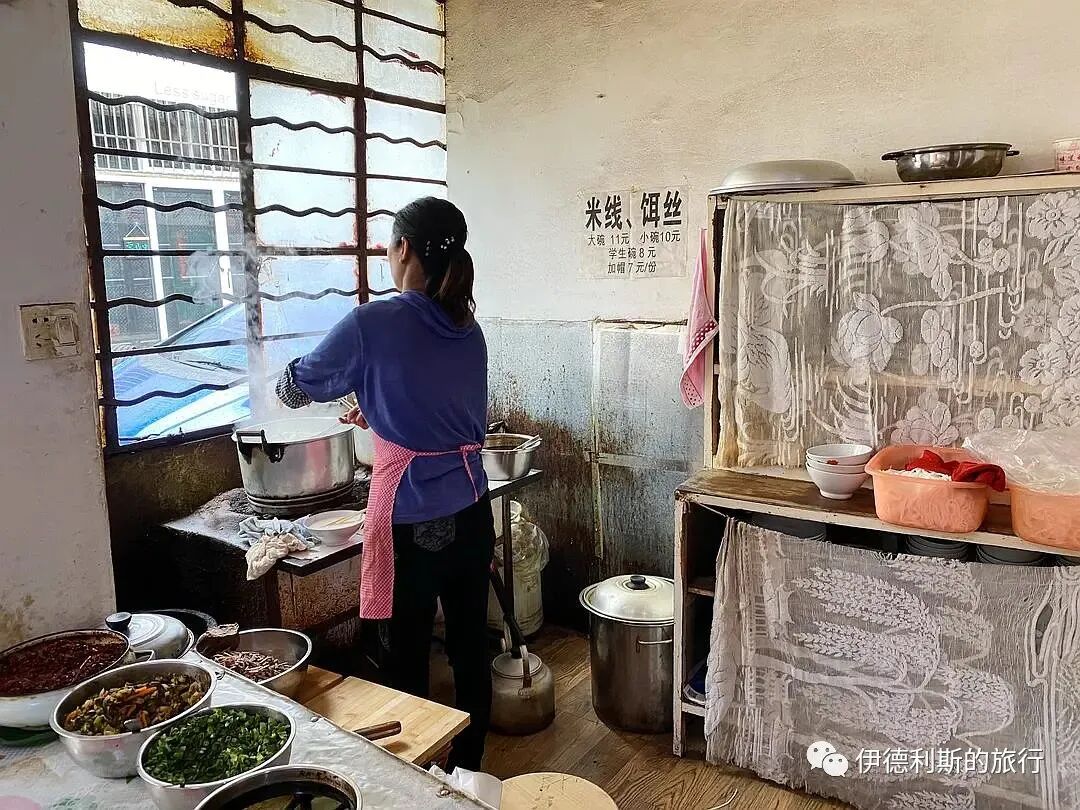
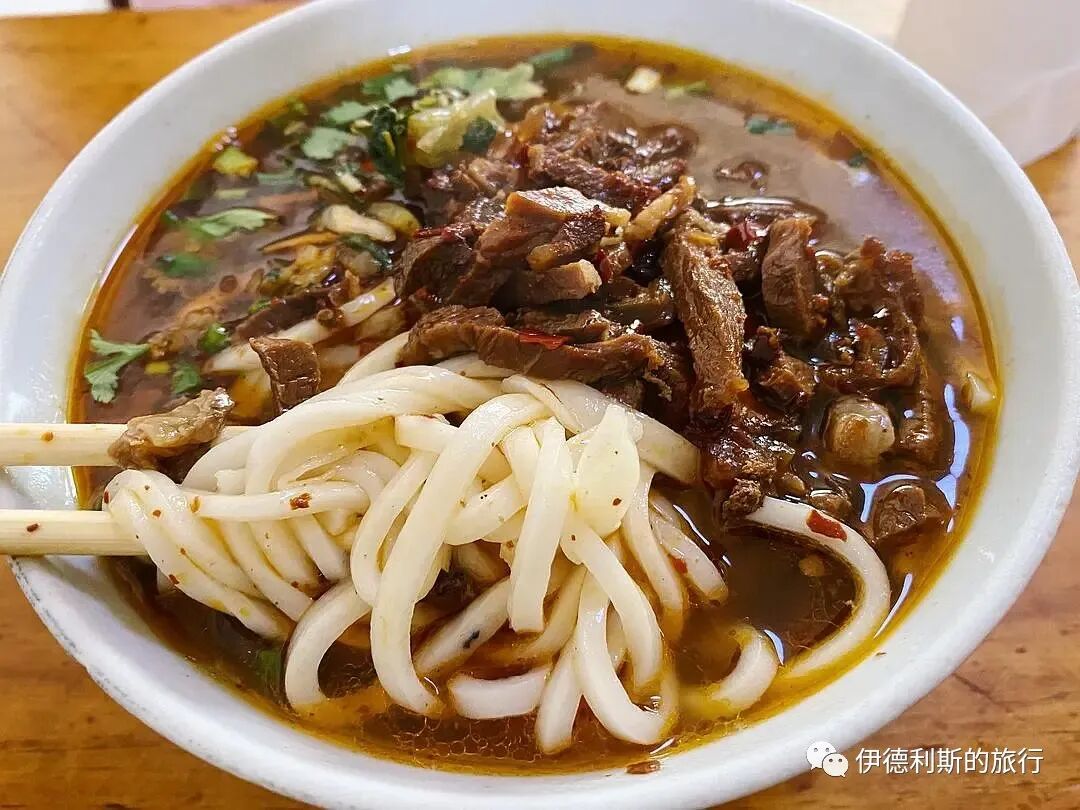
West Street
West Street is south of Wenming Street and also has many halal restaurants.
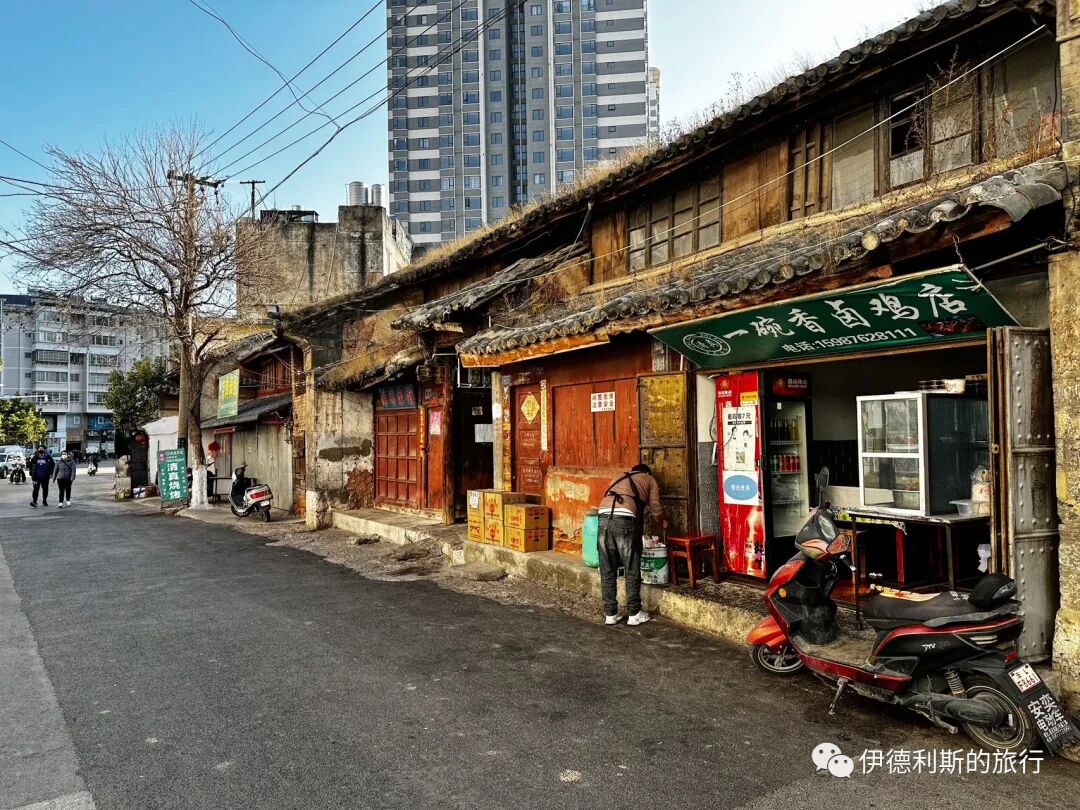
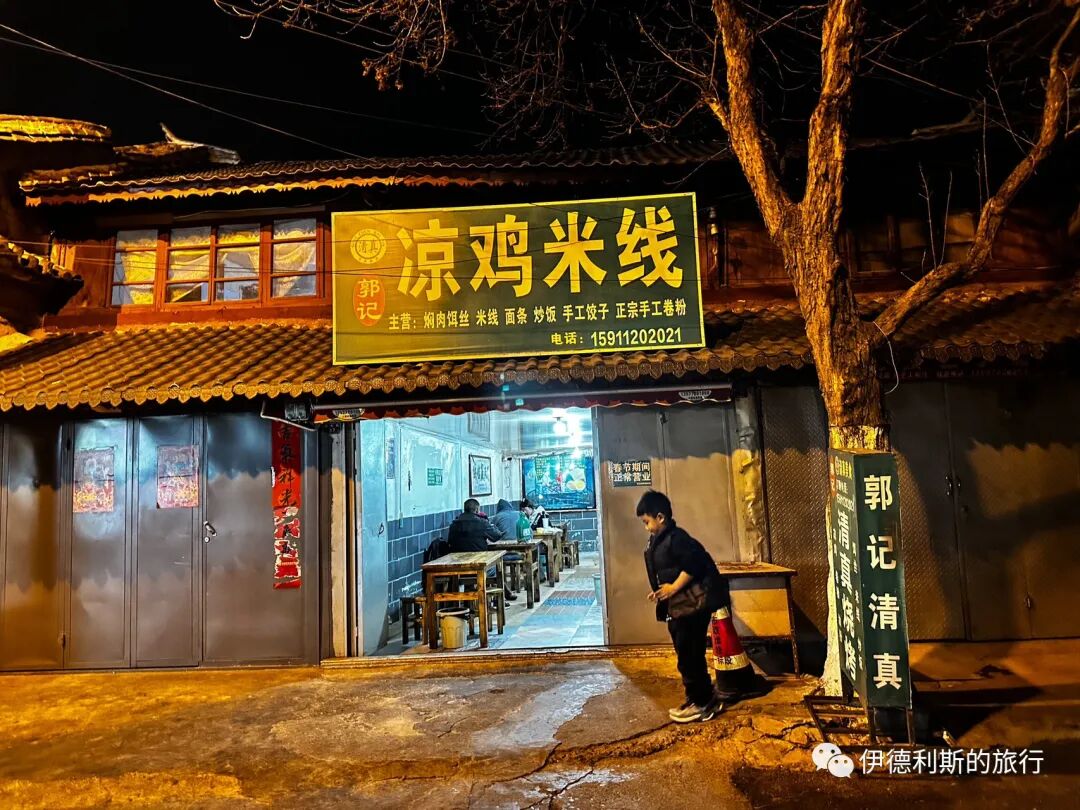
In the morning, I ate thick pea flour (xi doufen) with fried dough sticks (youtiao) and brown sugar boiled eggs at Ma Haibo's snack shop. Boss Ma is from Yongping County, Dali, which is the westernmost mountainous county in Dali, with the Lancang River just to the west.
The freshly fried dough sticks are crispy, and they taste great when dipped in the thick pea flour. The brown sugar boiled eggs have a warming feeling, making them perfect for breakfast.
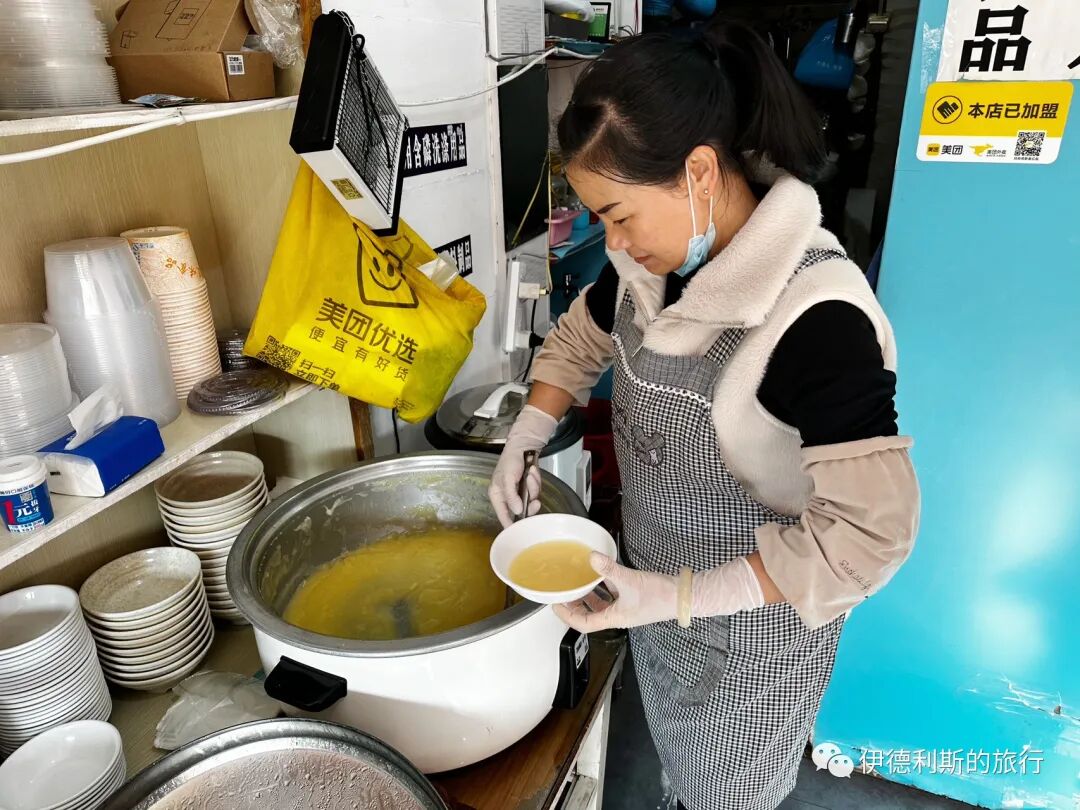
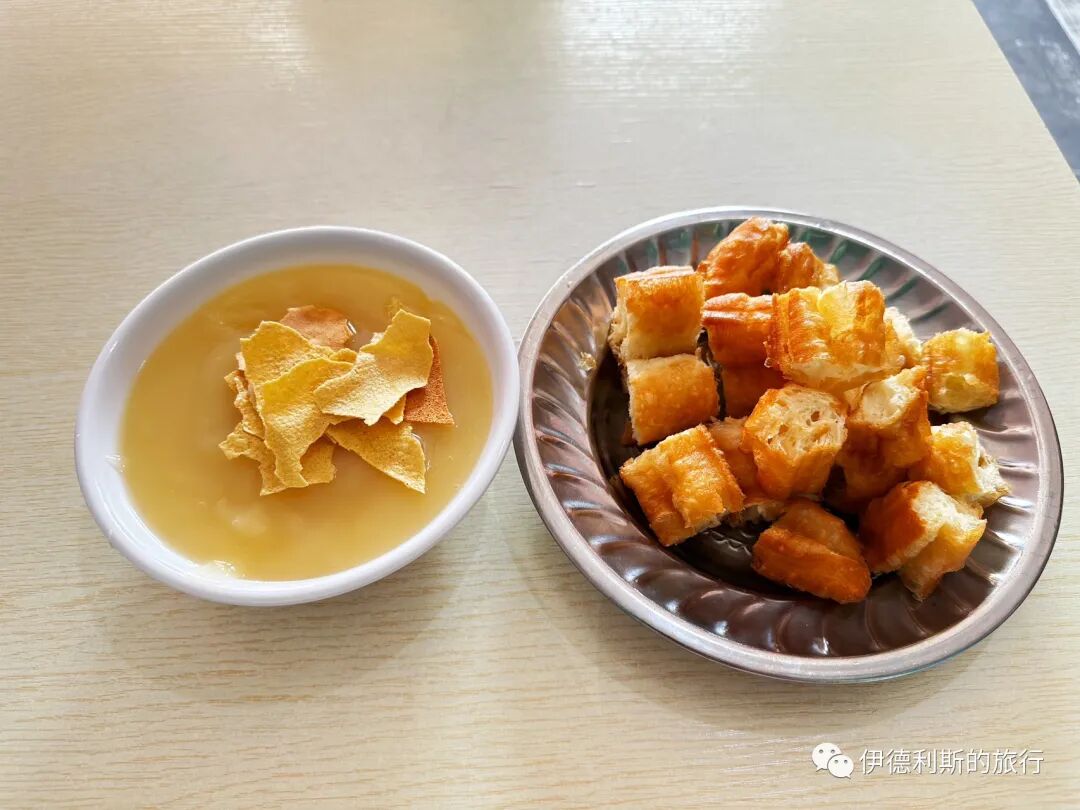
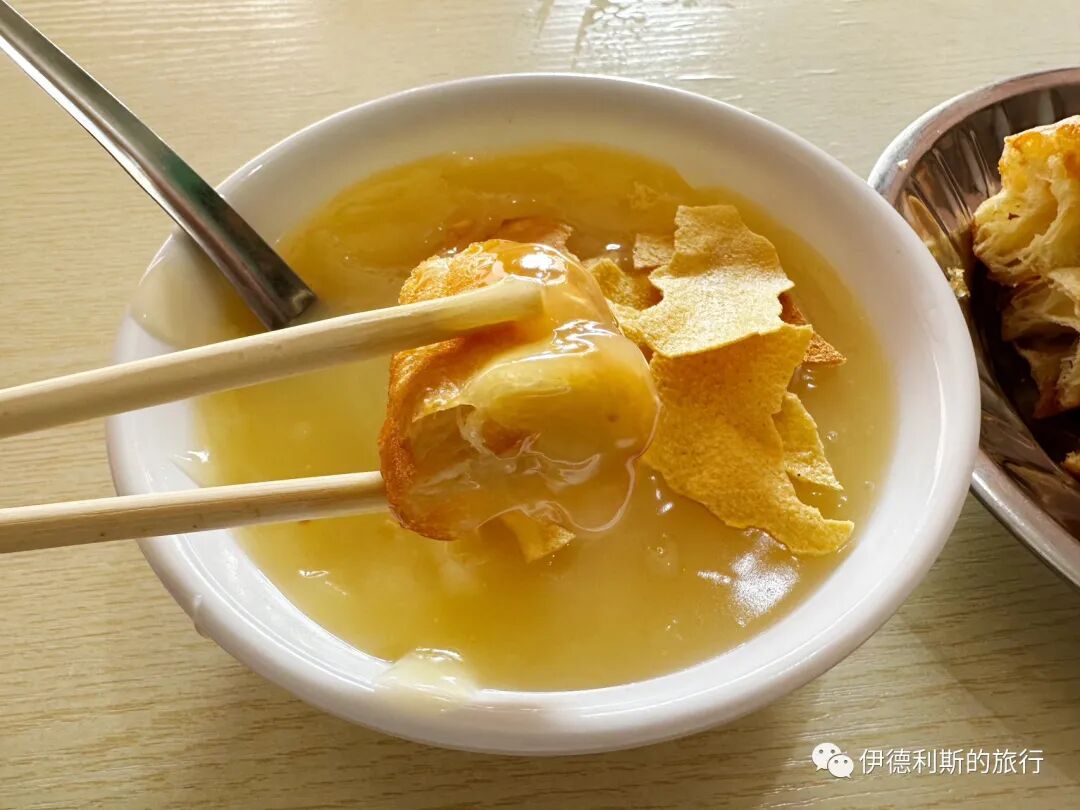
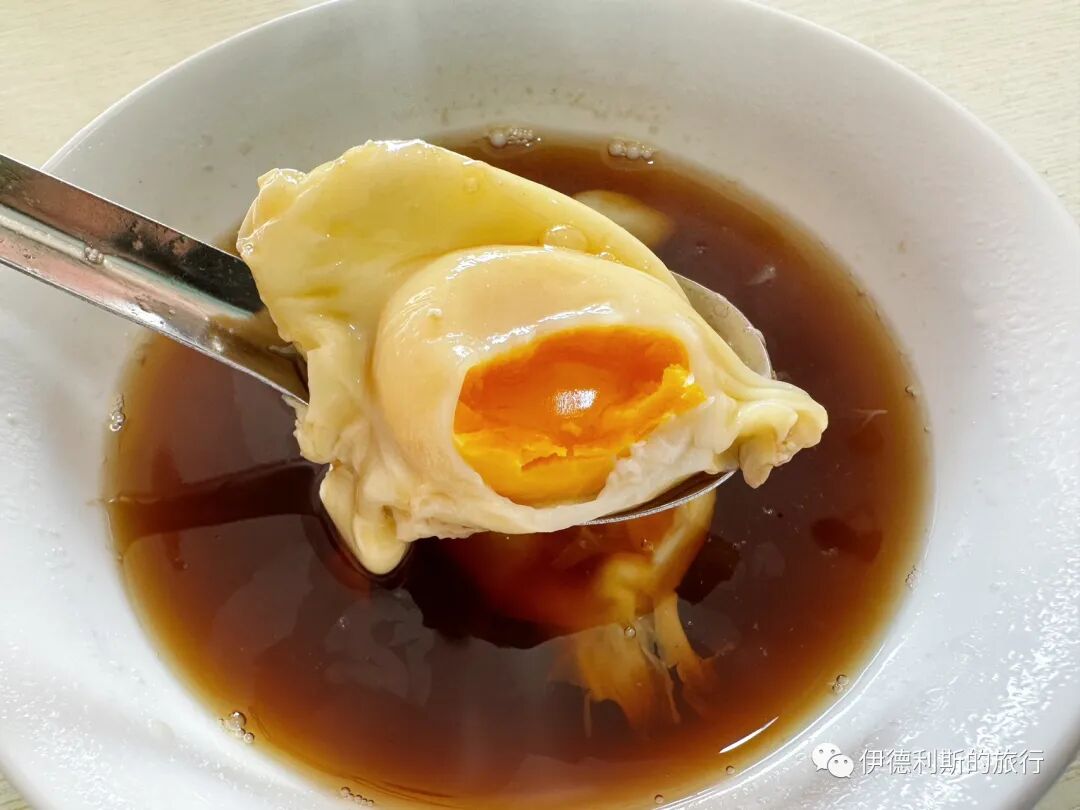
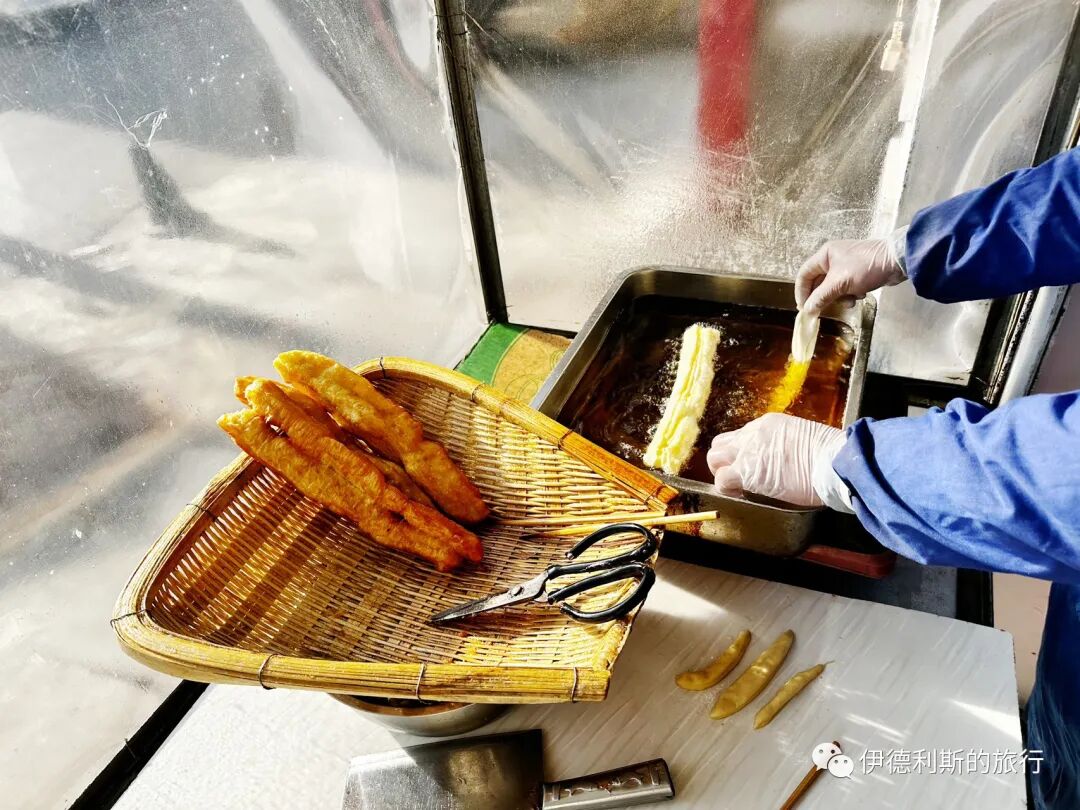
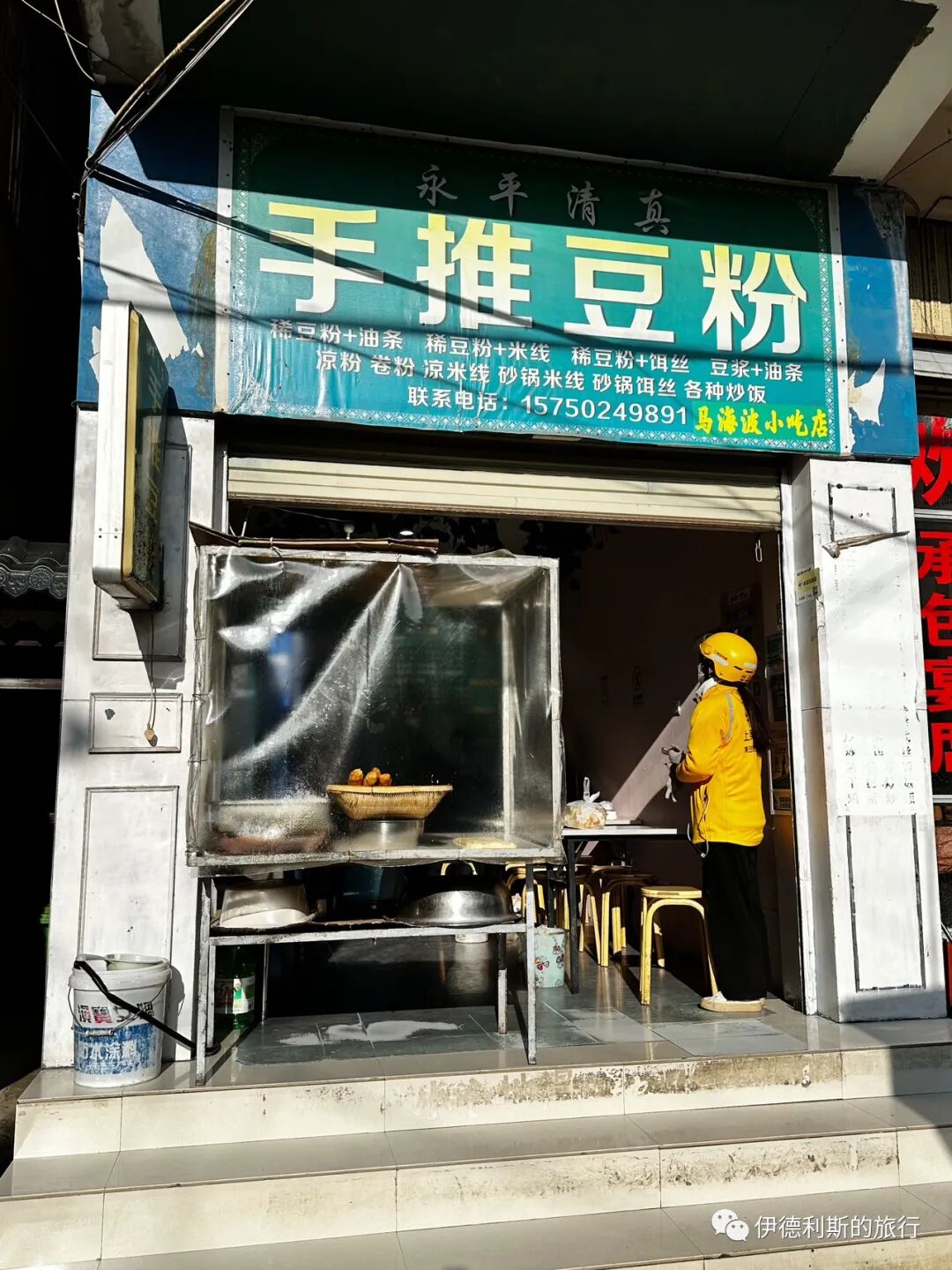
The beef sauce rice cakes (erkua) made by local Hui Muslims on West Street come with different sauces, so you can have them sweet or spicy. The neighborhood kids love them. It is also very convenient to pack some rice cakes (erkua) to eat on the road when you get hungry.
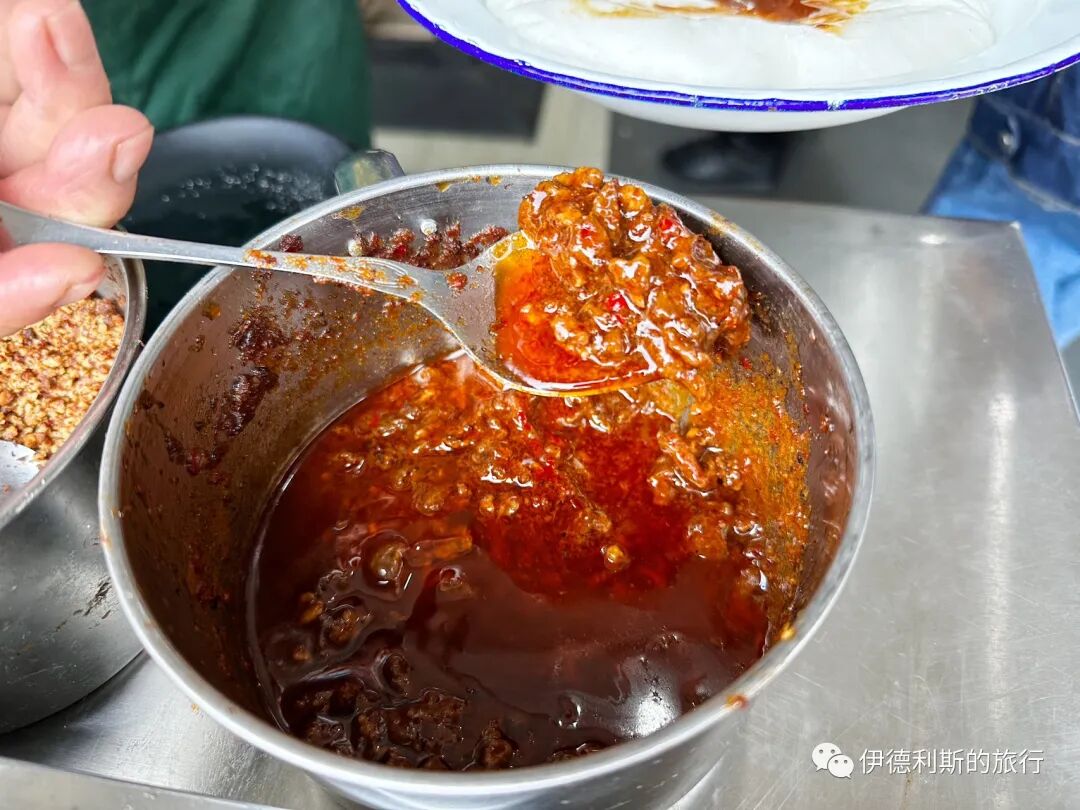
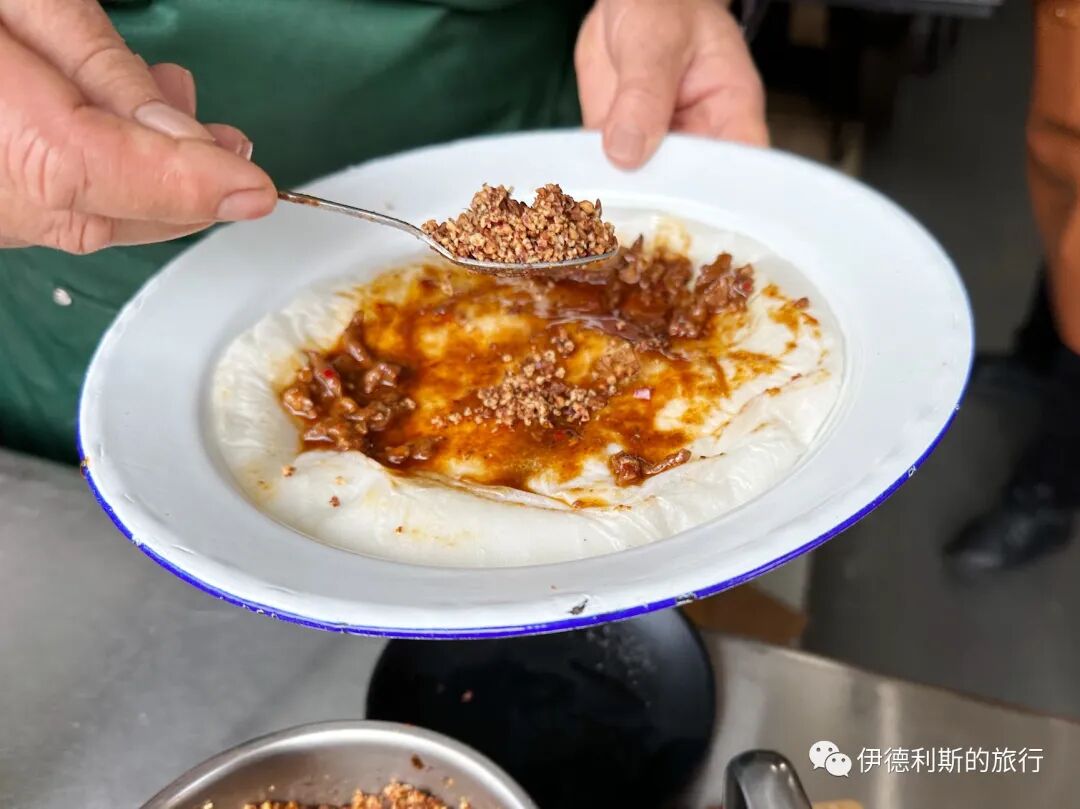
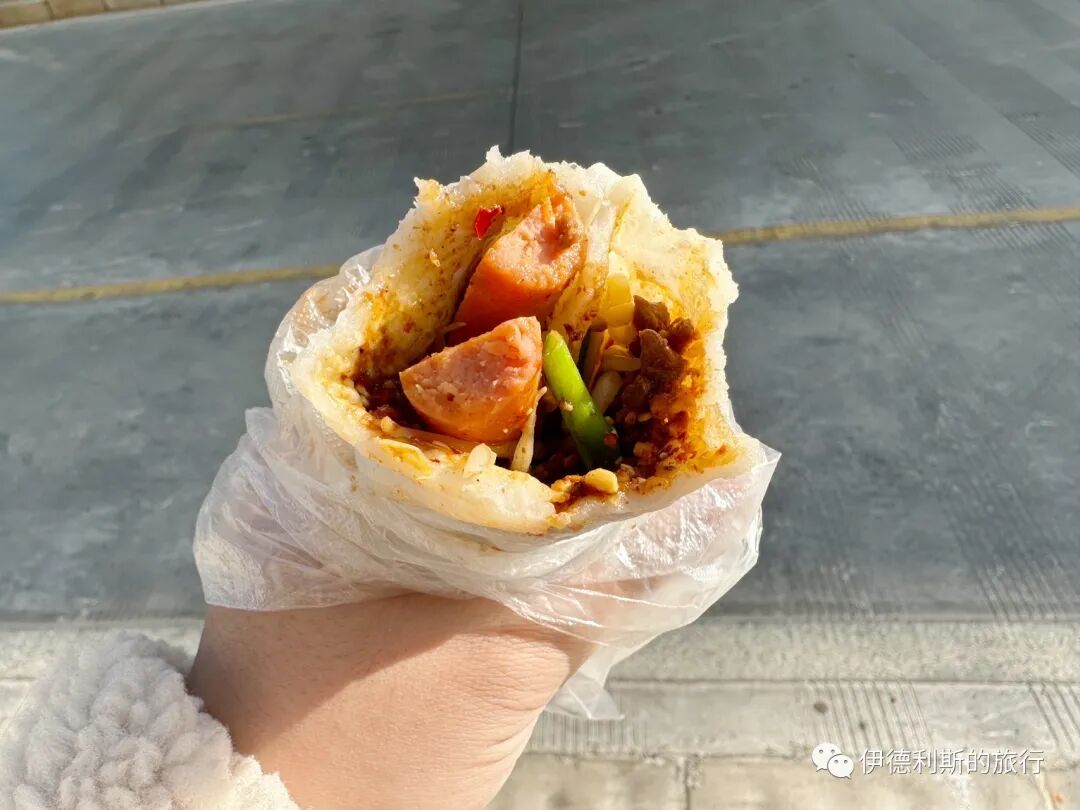
Zhengyang Times Square
Zhengyang Times Square is right across from Wenming Street. It has many halal restaurants and is especially lively at night.
At night, I ate beef-covered rice balls (niudagun) and savory bean-flour soup dumplings (ganba doumian xiantangyuan) at Du's Tangyuan shop in Zhengyang Times Square. Yunnan has a really rich variety of rice balls (tangyuan), both sweet and savory. Beef-covered rice balls (niudagun) are made by rolling the rice balls in roasted soybean flour and adding maltose or rose jam. Their shop stays open until night, and it is mostly locals who come to eat here.
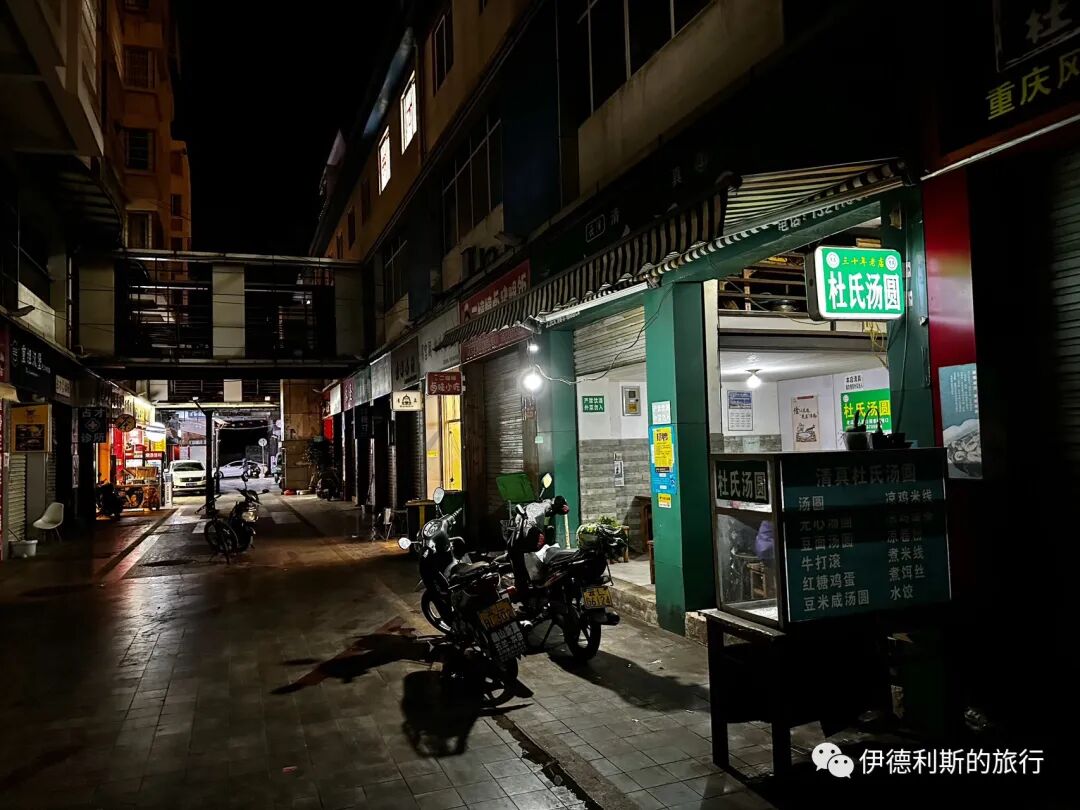
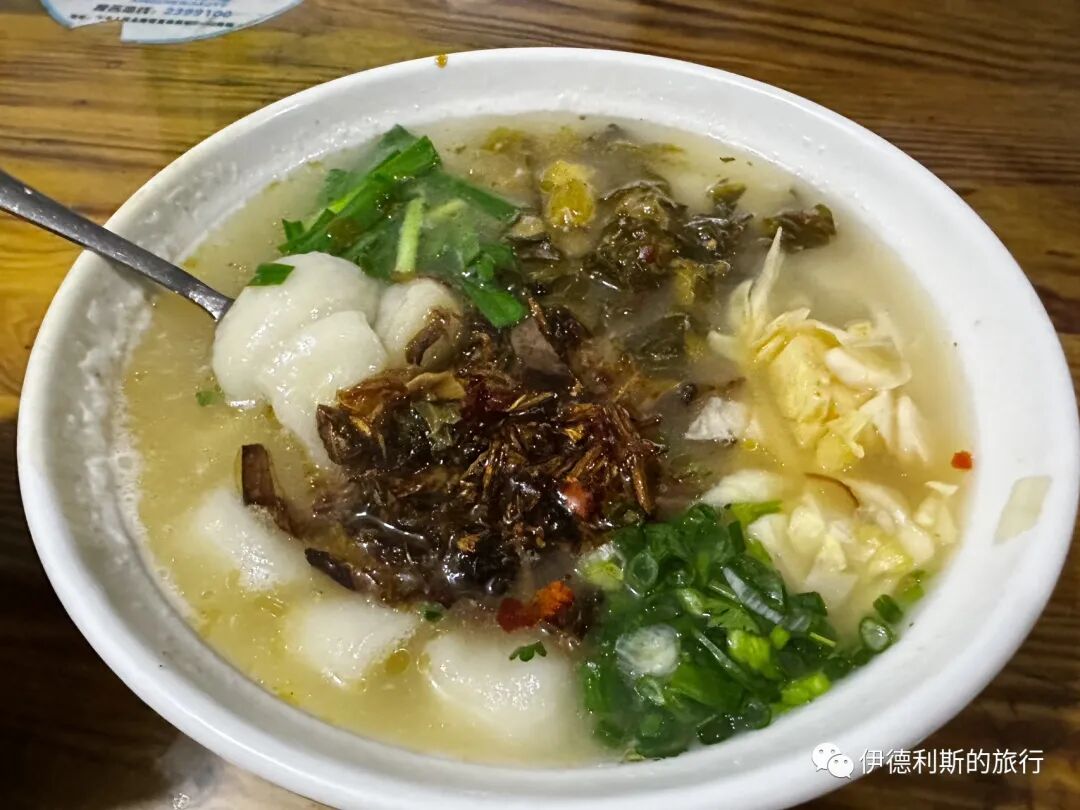
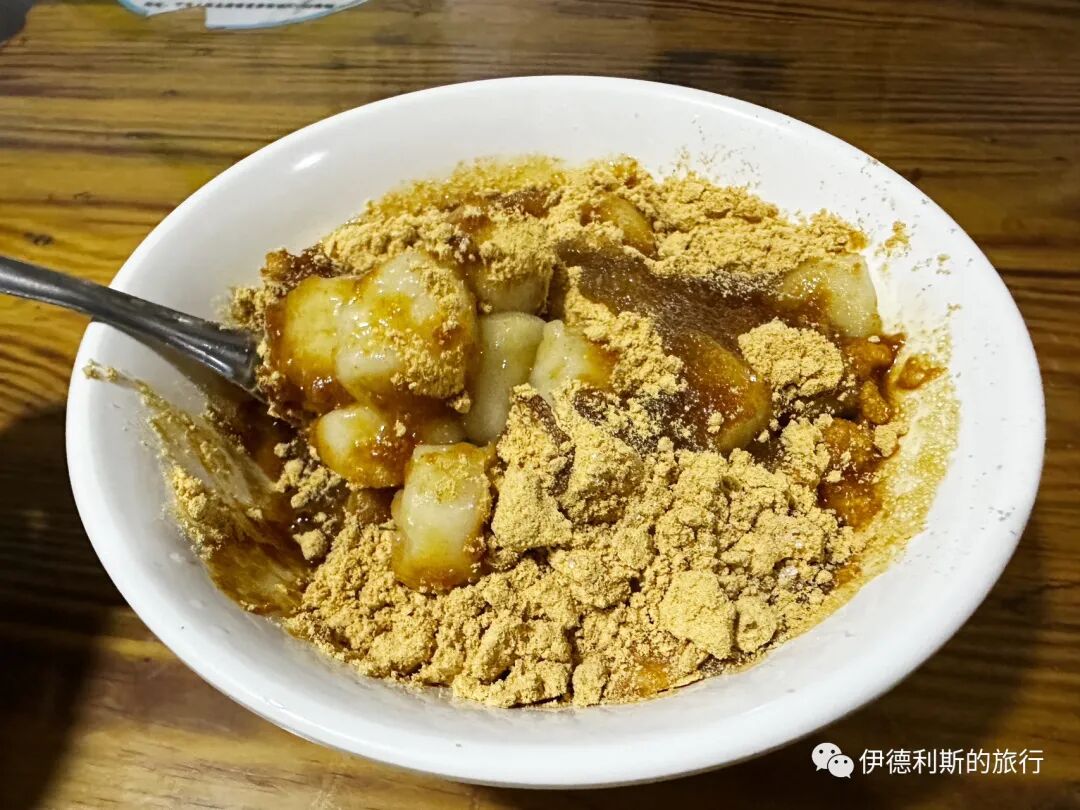
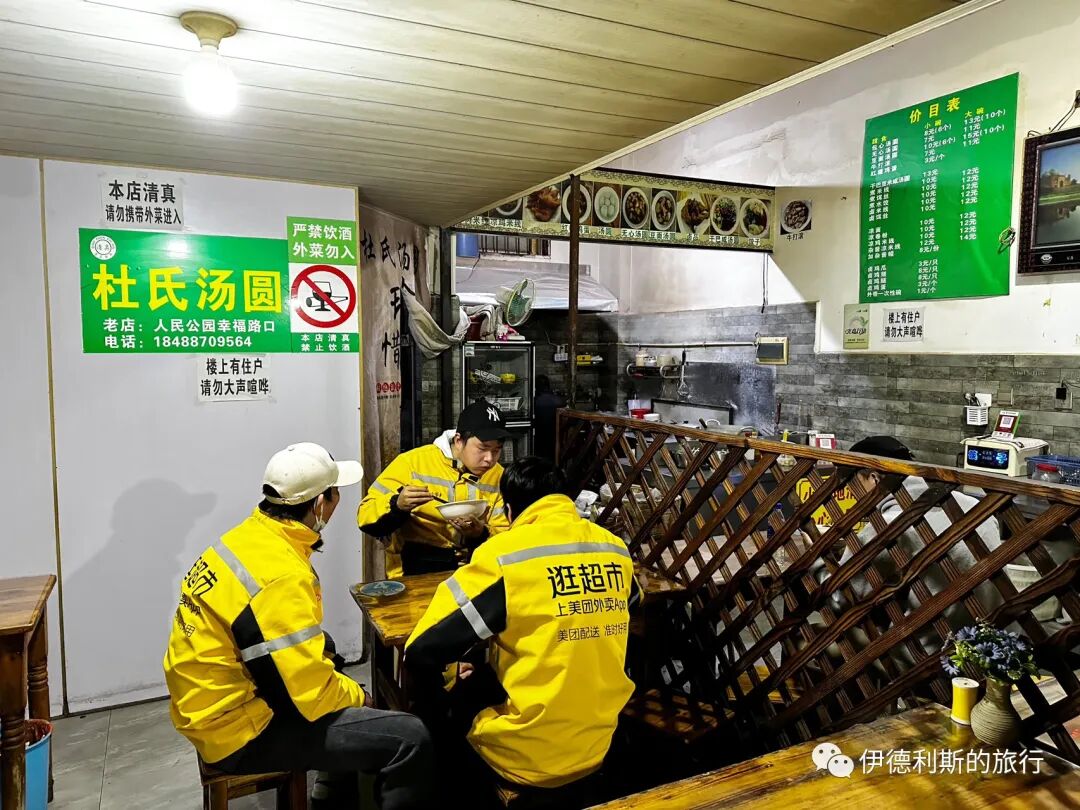
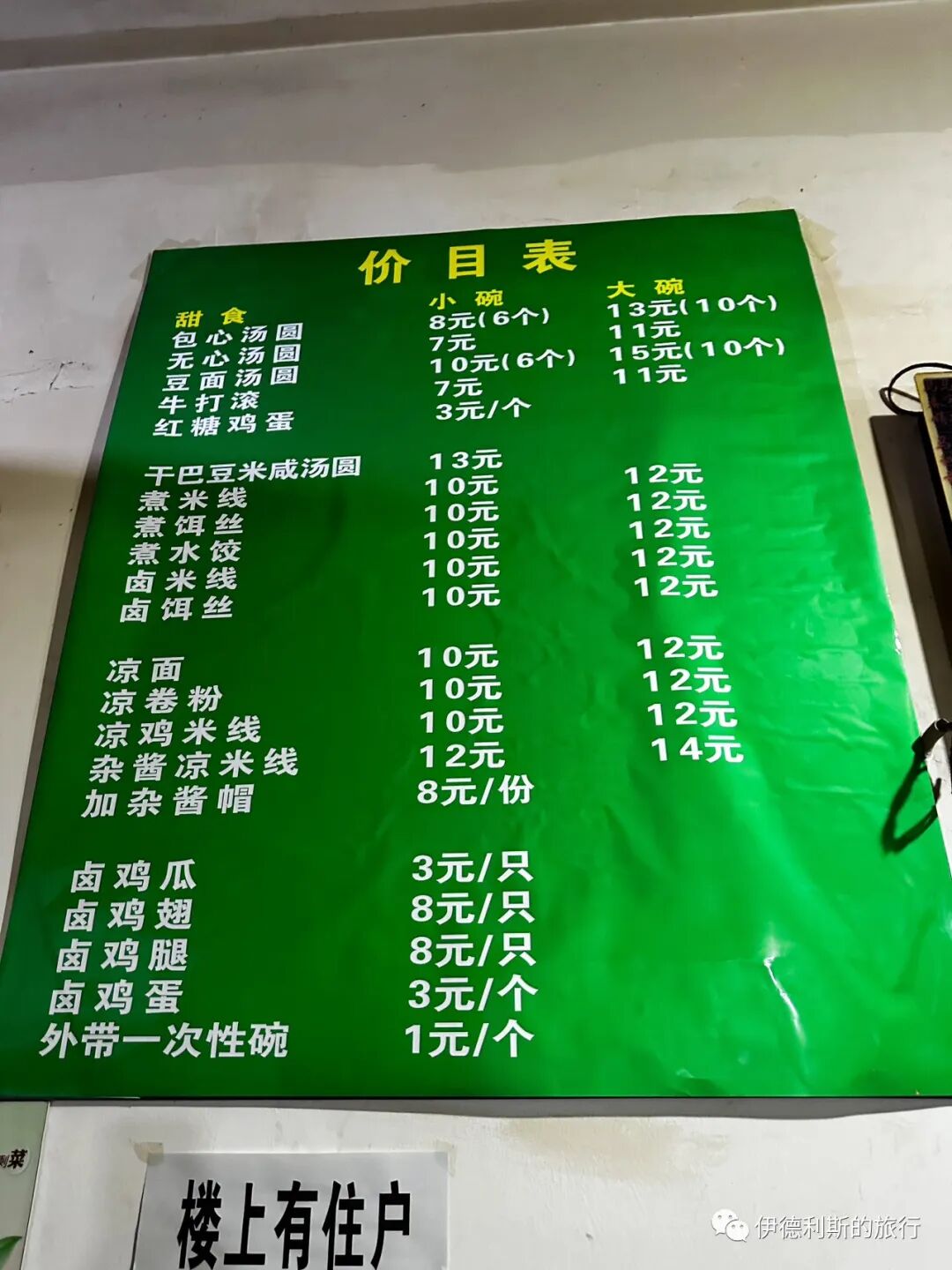
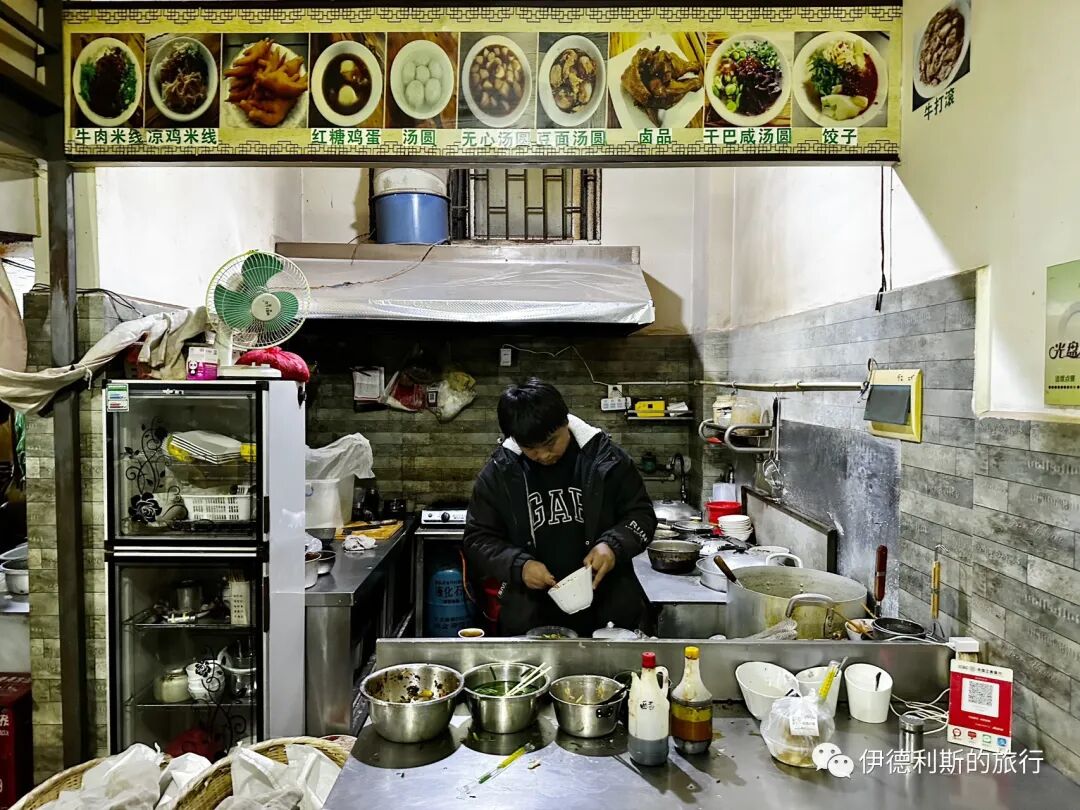
At a street stall in Zhengyang Times Square, I had a pineapple-flavored Burmese flatbread (Palata). Palata comes from the Indian flatbread Paratha. After it reached Burma, sugar was added to make it a snack. Hui Muslim caravans from Yunnan brought this snack back to their hometown, where it became known as tossed flatbread (shuaishou baba).
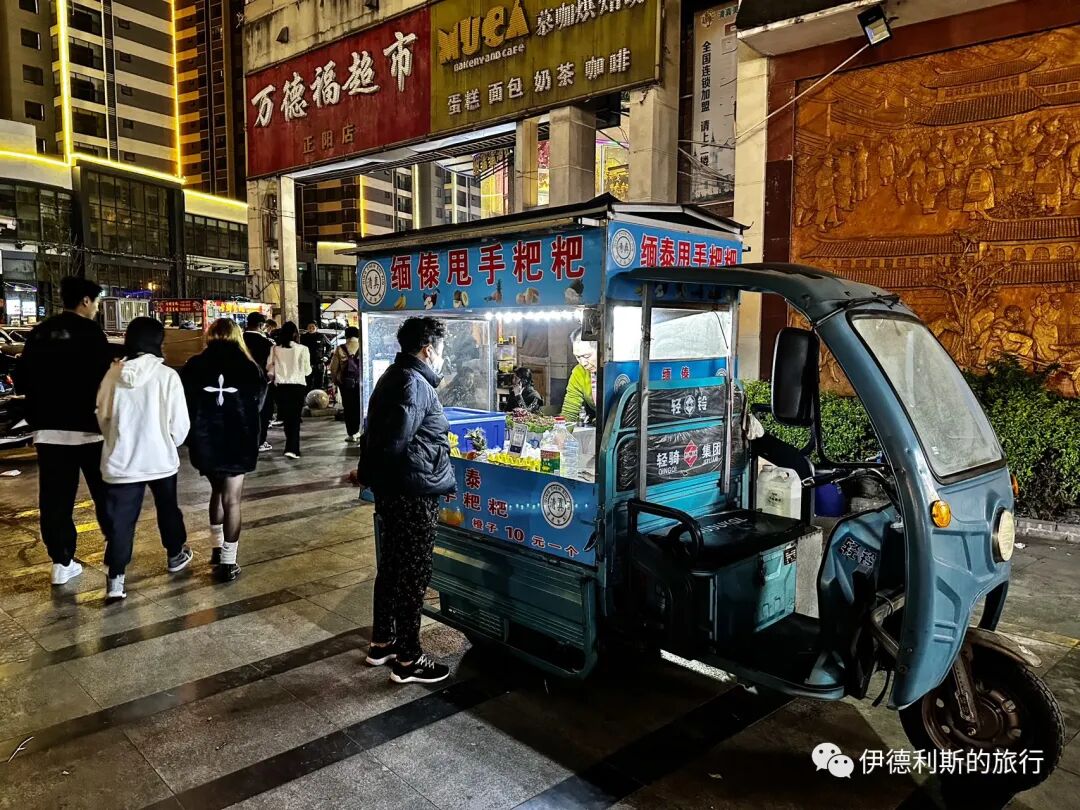
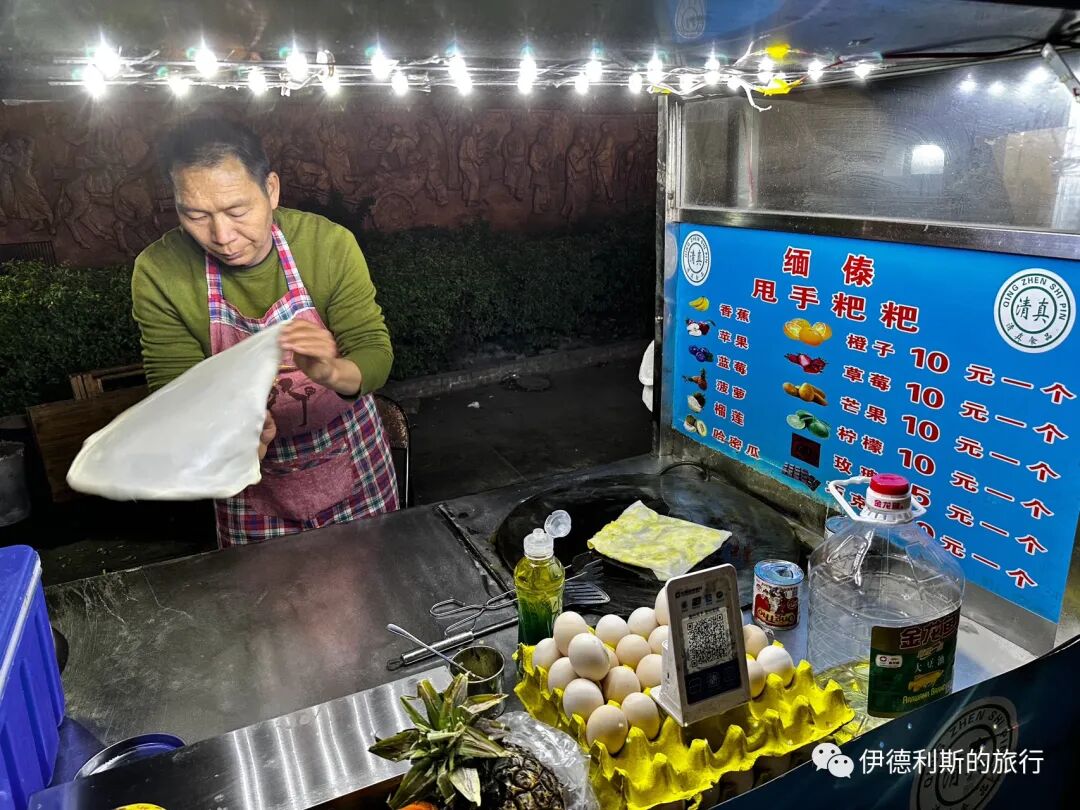
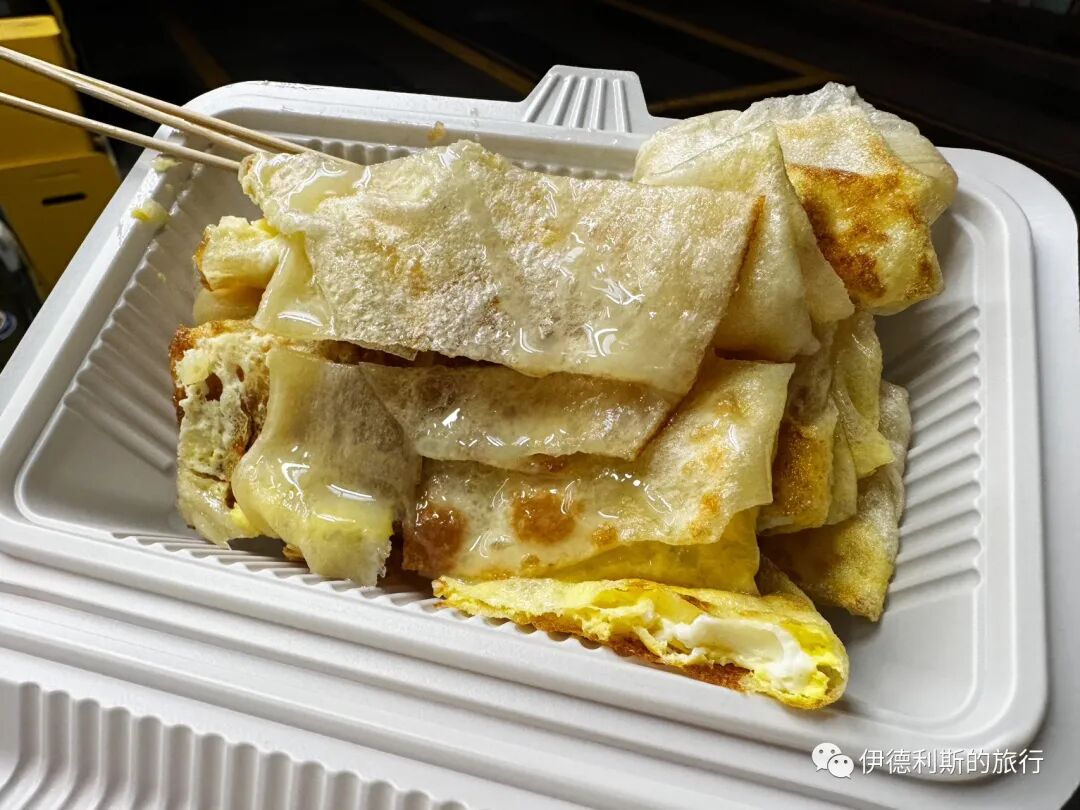
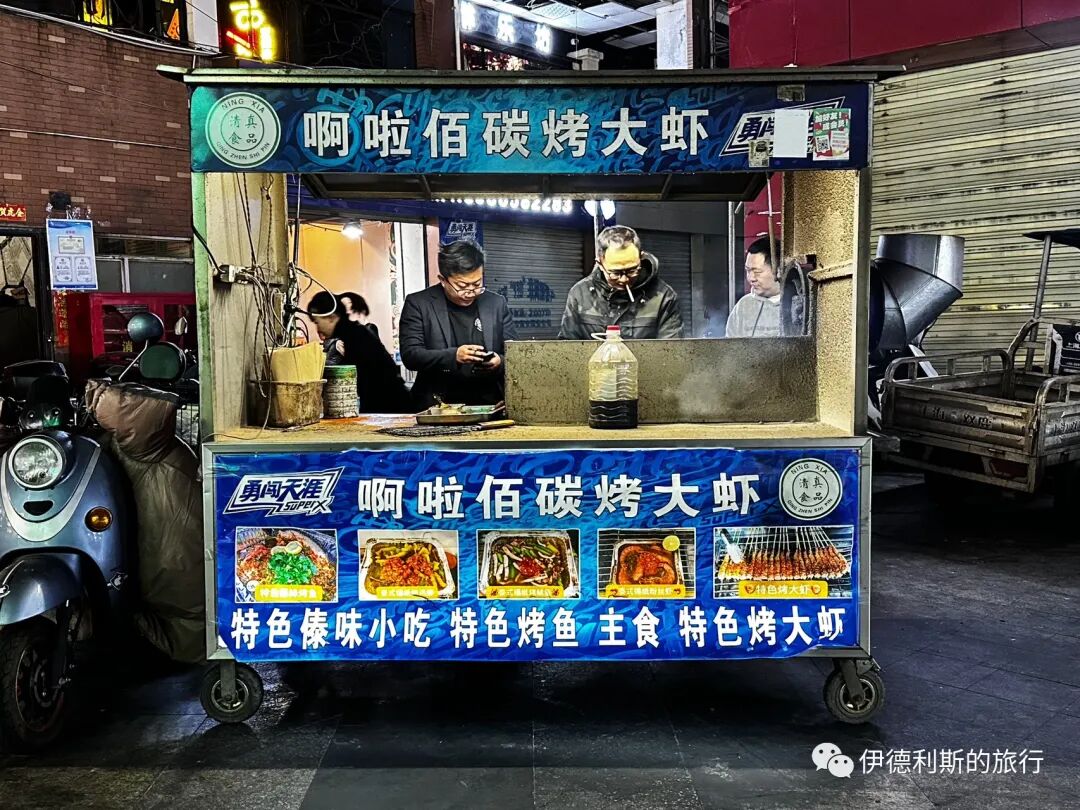
I had a copper pot stew (guoguocai) at Musheng Copper Pot. The owners are Hui Muslims from Xingzhuang in Xizhou Town, Dali. It is a beautiful Hui Muslim village located under Canglang Peak by Erhai Lake.
Copper pot stew (guoguocai) is similar to spicy hot pot (malatang) where you pick your own vegetables, but they do not weigh them. Unlike spicy hot pot (malatang), copper pot stew (guoguocai) is cooked in a small copper pot. You also add a topping of classic Yunnan Hui Muslim dishes like braised meat, cold-sliced meat, or yellow-braised chicken, and eat it with rice.
I ordered the mild spicy version, but it was on a completely different level than the mild spicy in Beijing. It made my nose run, my eyes water, and my lips feel like they were being electrocuted. Next time, I will honestly stick to the clear broth, but for those friends (dost) who love spicy food, I still recommend trying the spicy pot base!
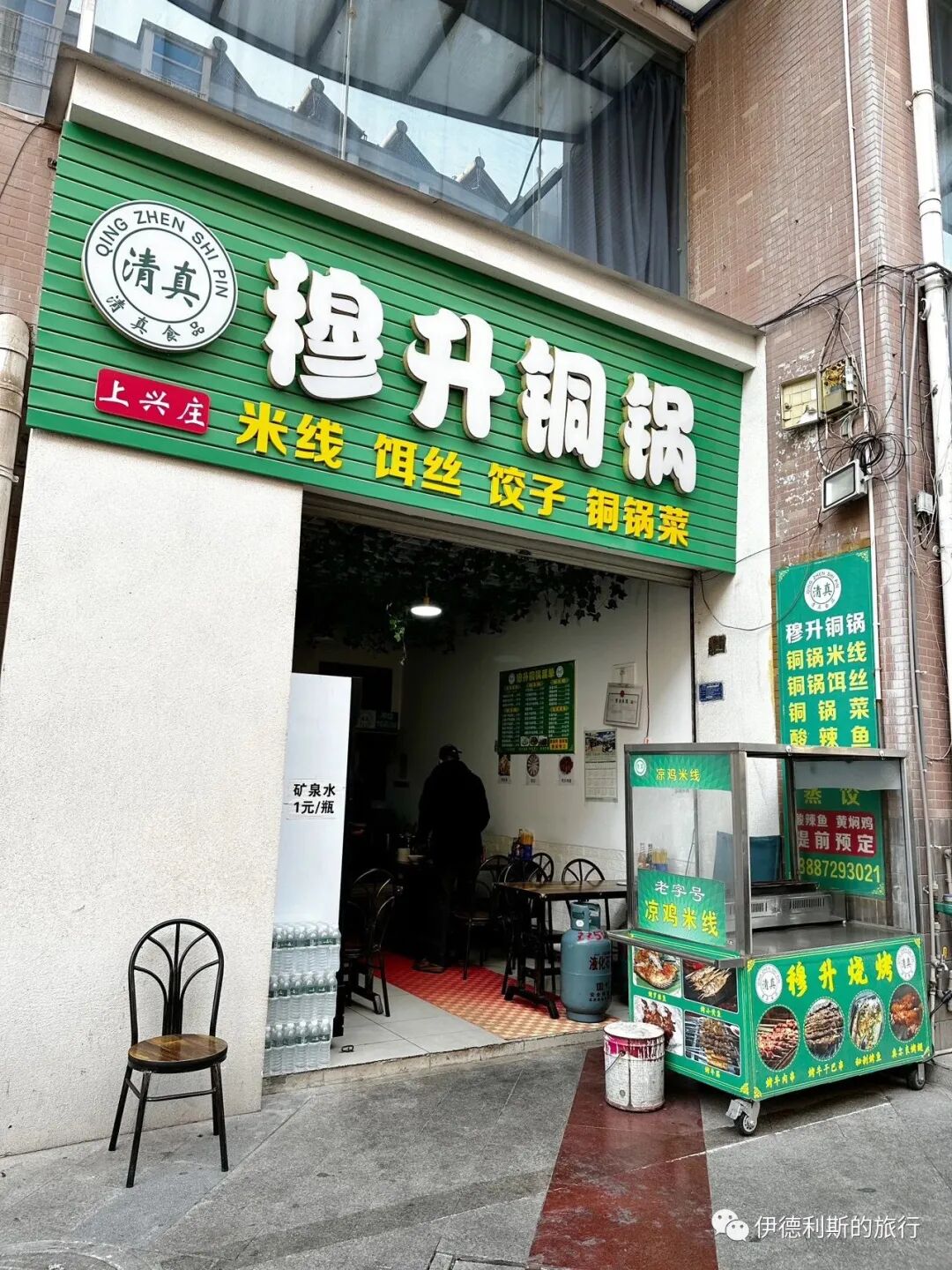
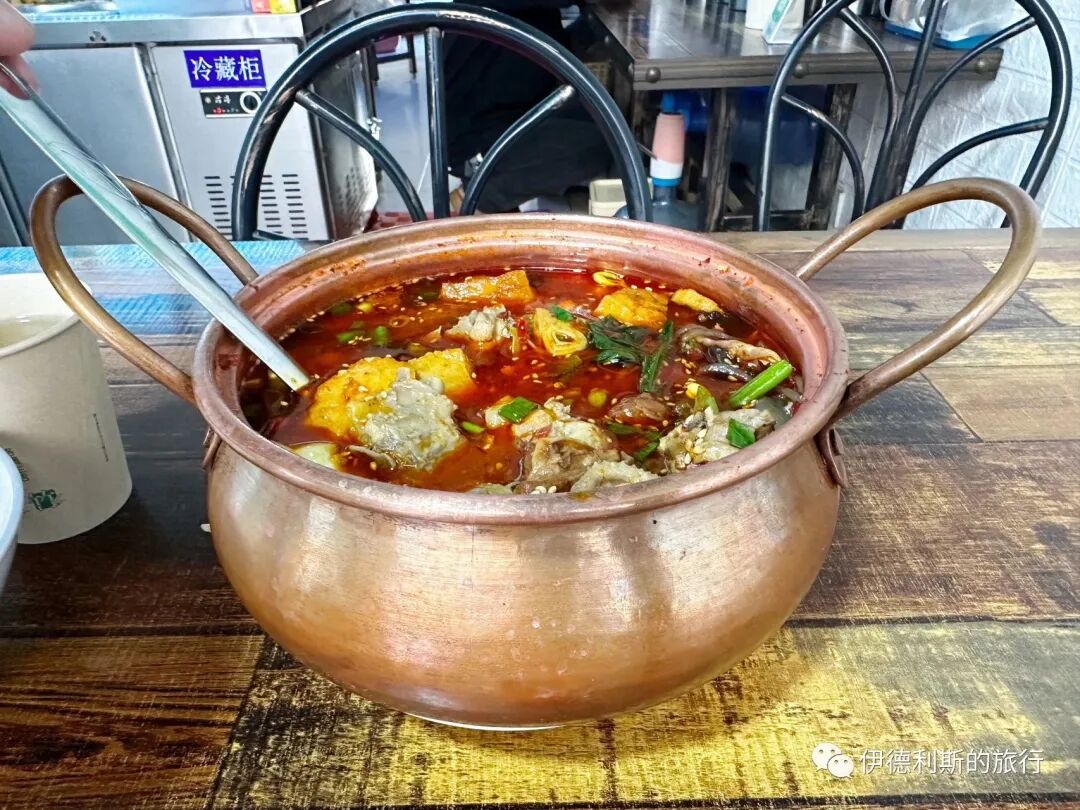
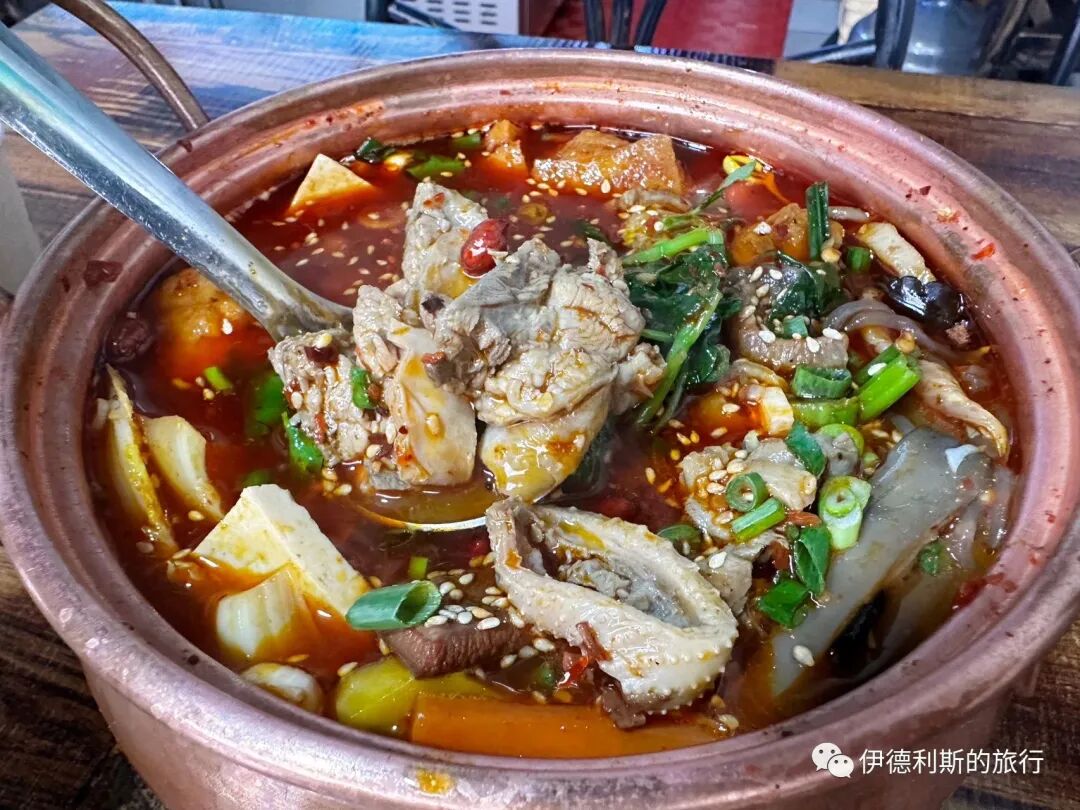
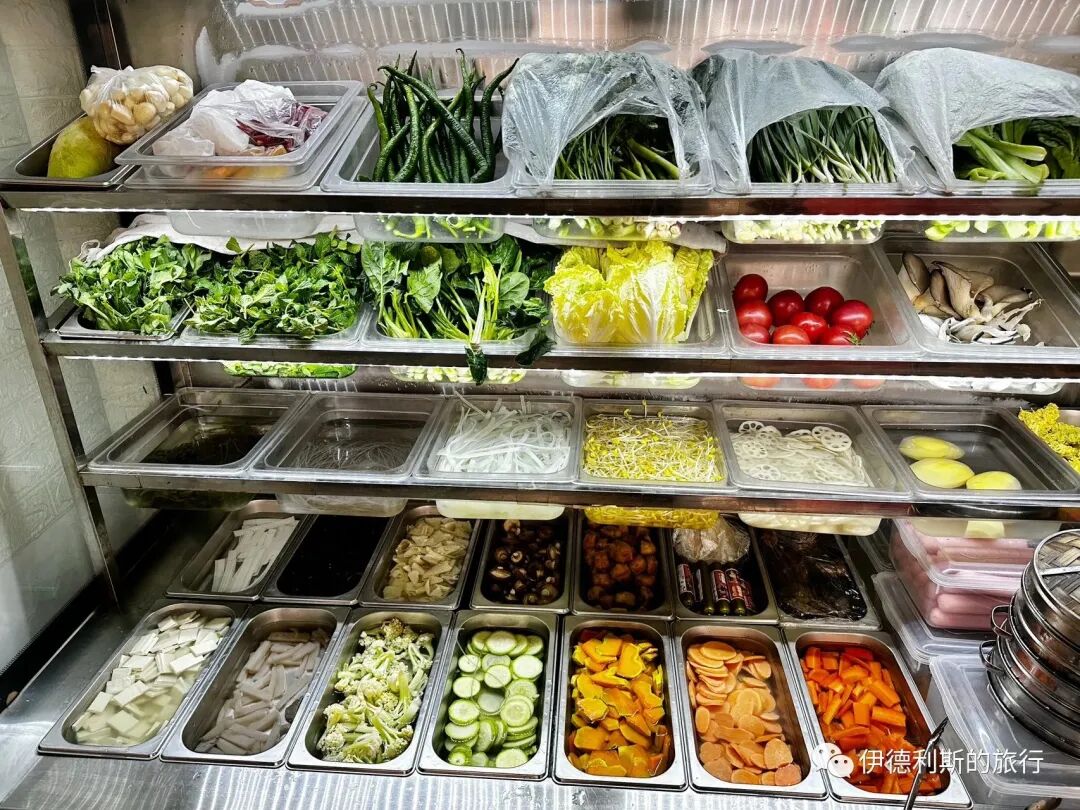
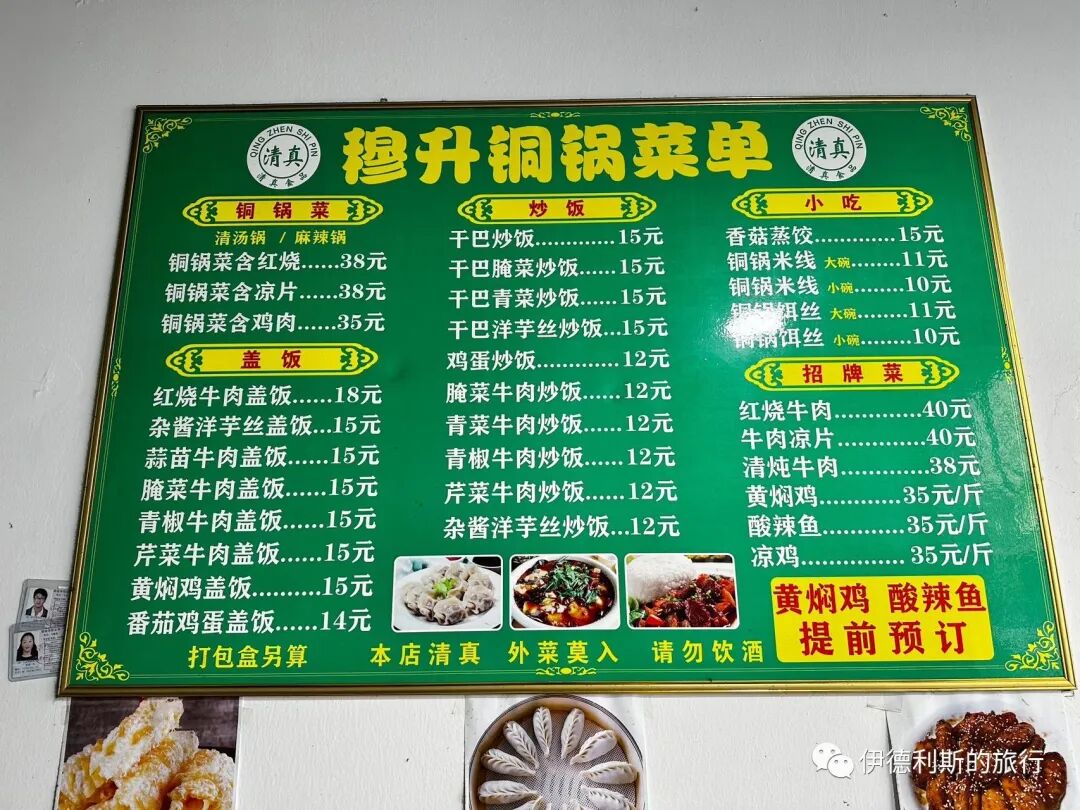
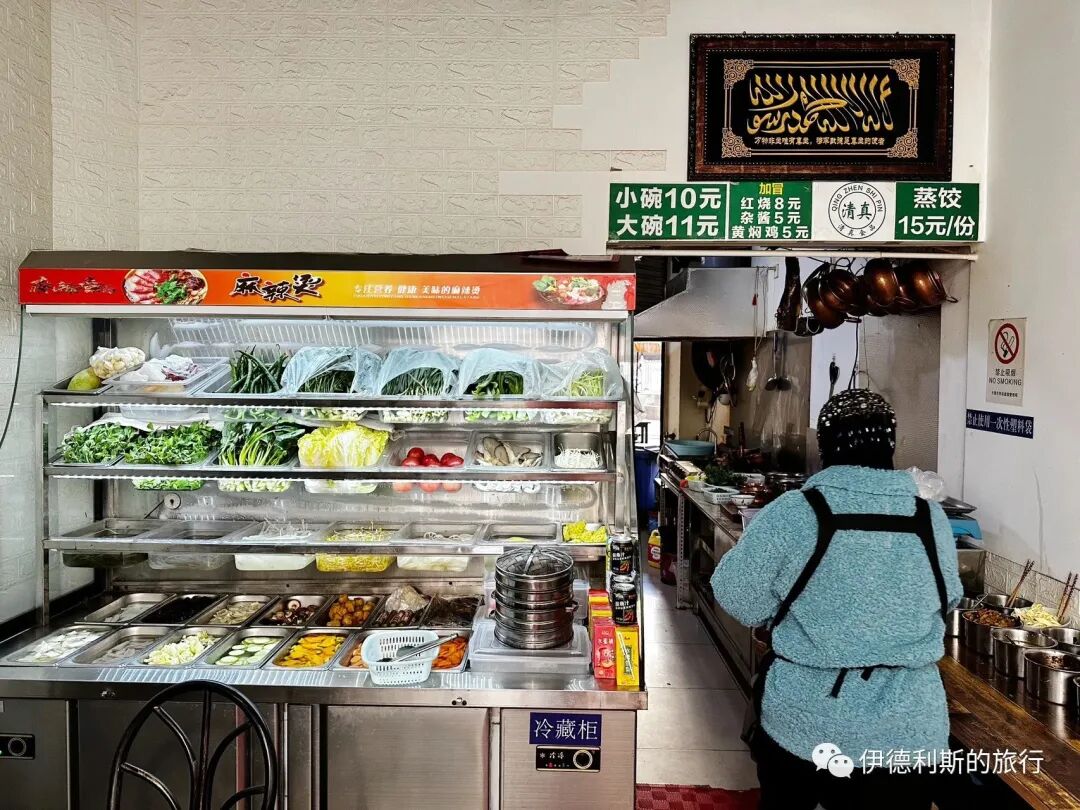
I bought some milk fans (rufan) at a fresh milk shop at the corner of Zhengyang Times Square in 2020.
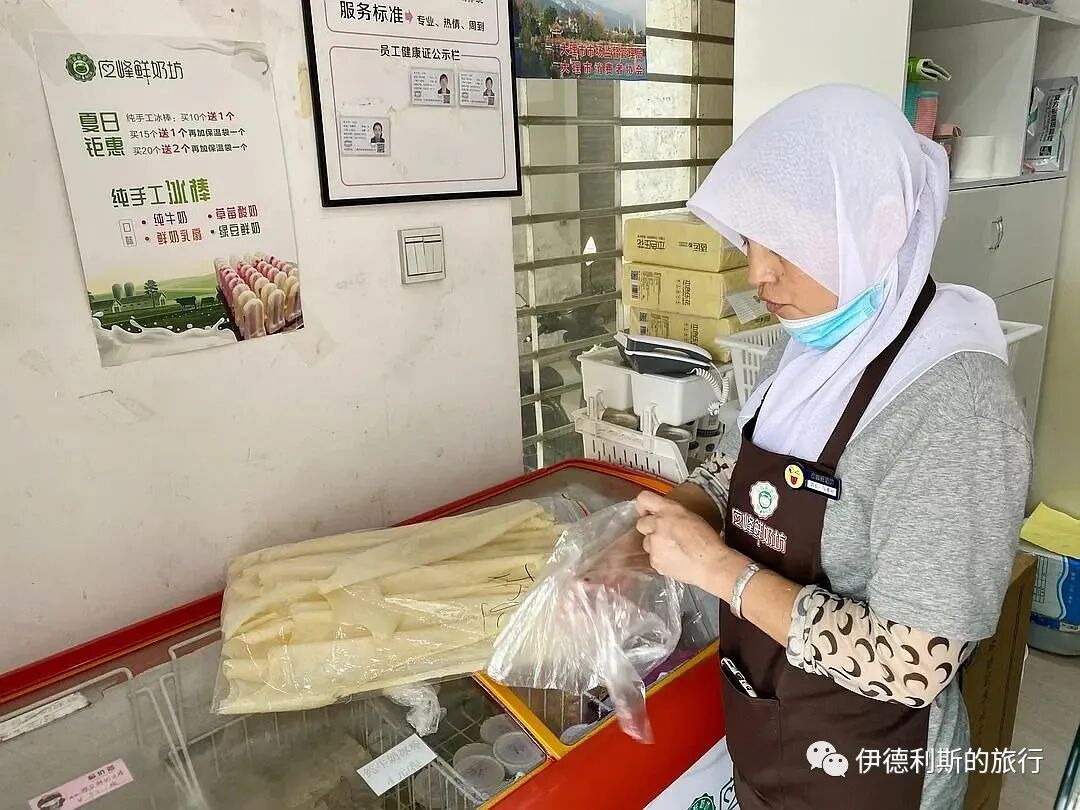
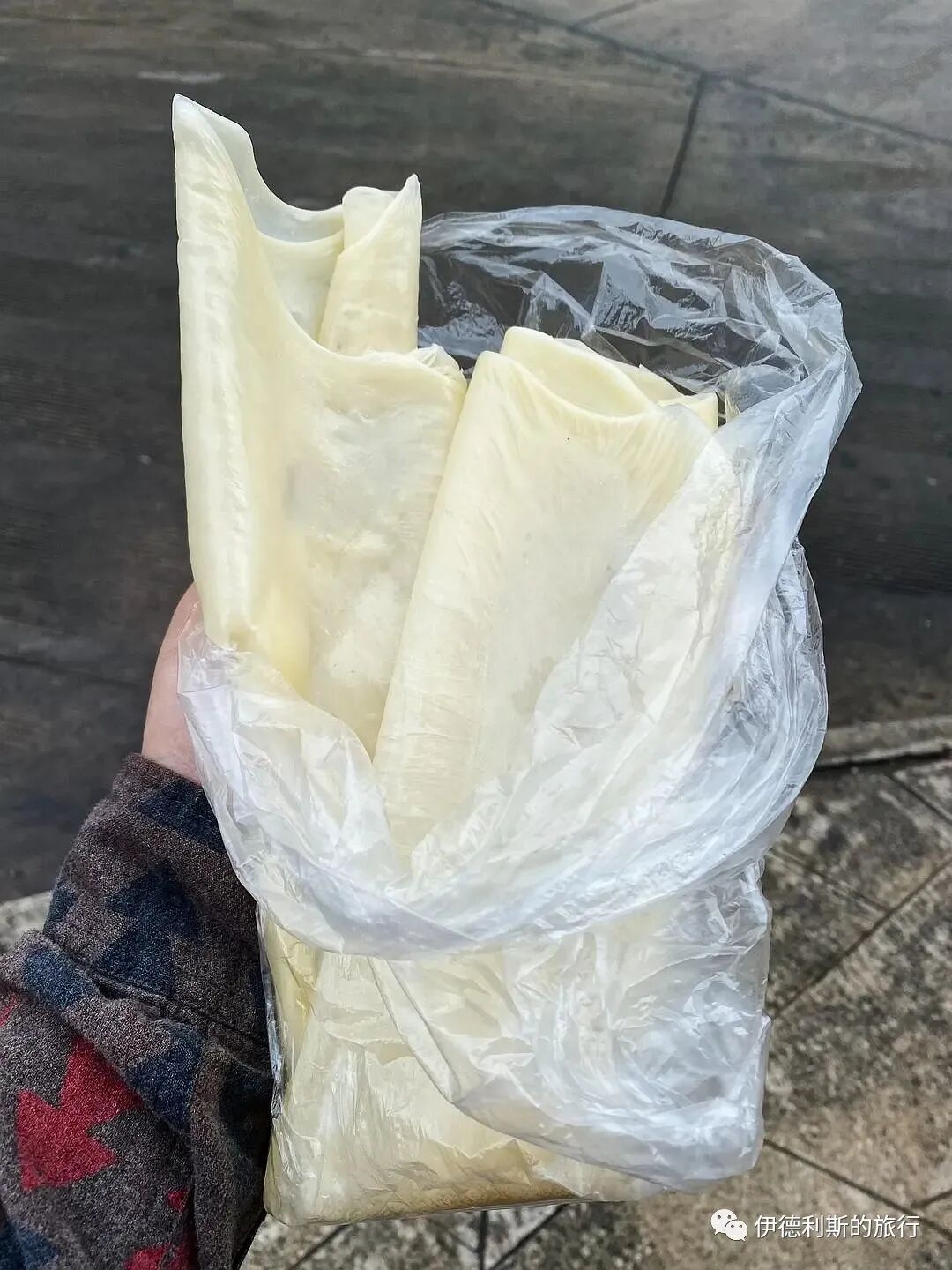
Outside the Hui Muslim Street
Besides the Hui Muslim street around Xiaguan Mosque, there are many other halal restaurants in other parts of Xiaguan. I will share a few more here.
Nafeng Halal Snack Shop is an old place where locals eat. I ordered a bowl of minced meat rice noodles (ersi) with a braised meat topping. The texture of the rice noodles (ersi) is softer and not as chewy as rice noodles (mixian).
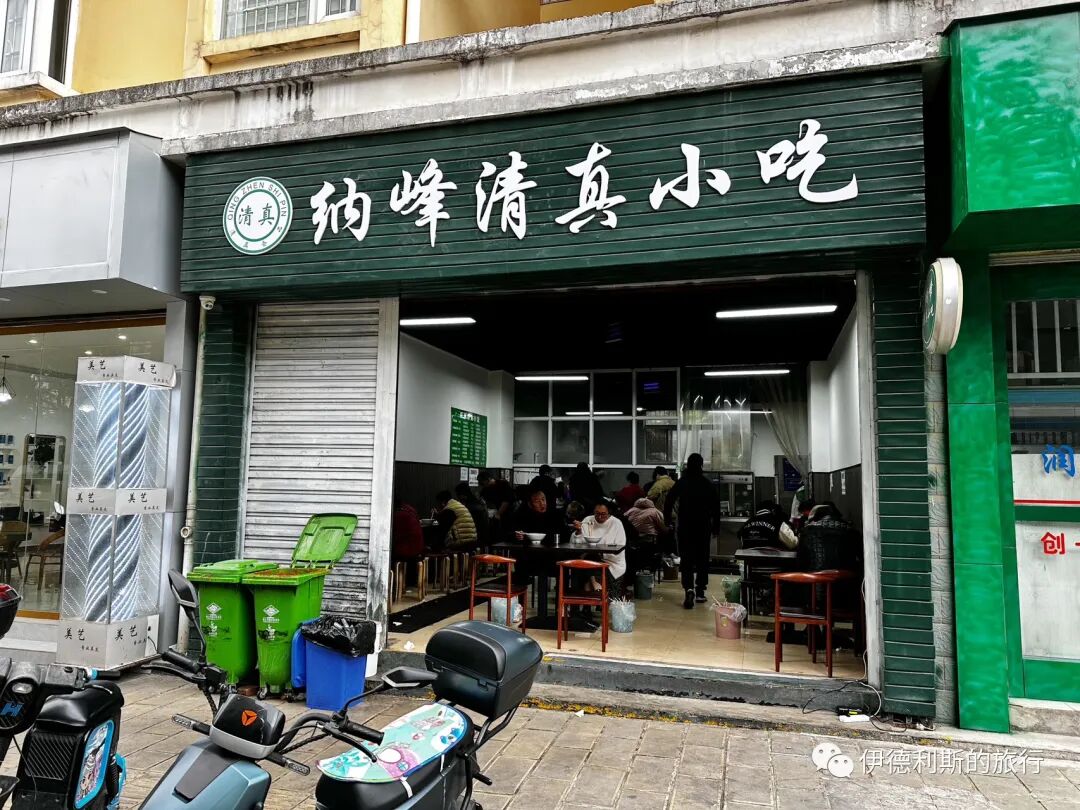
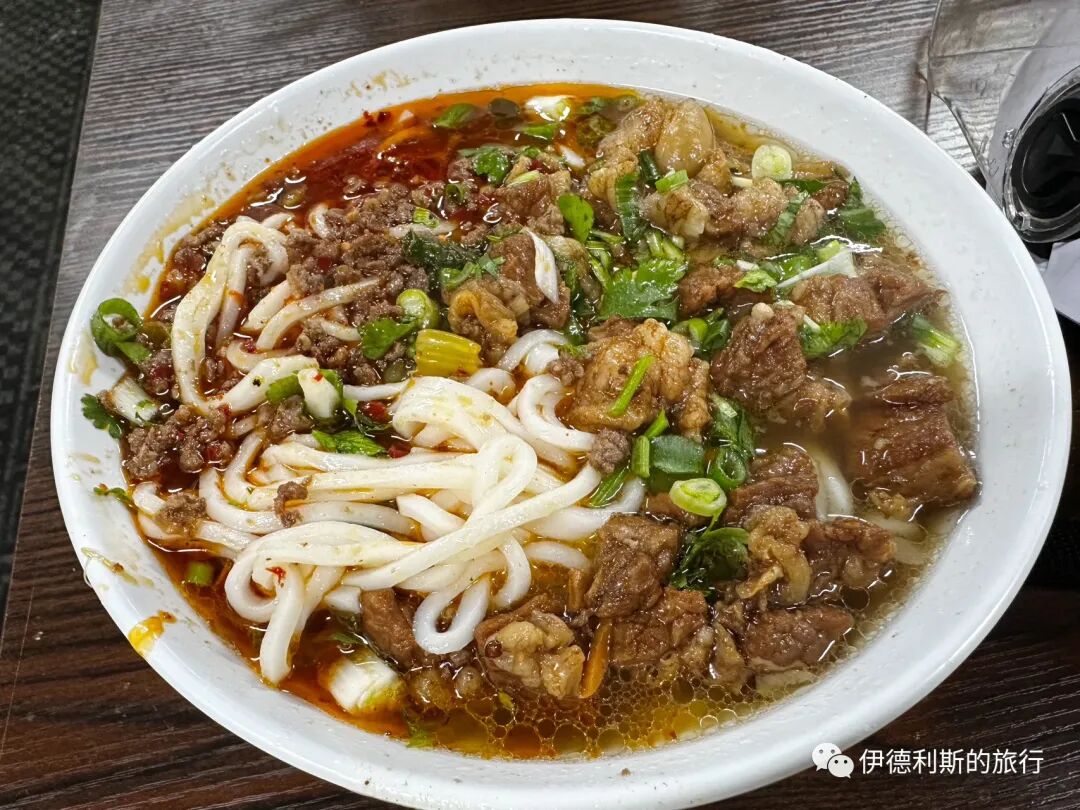
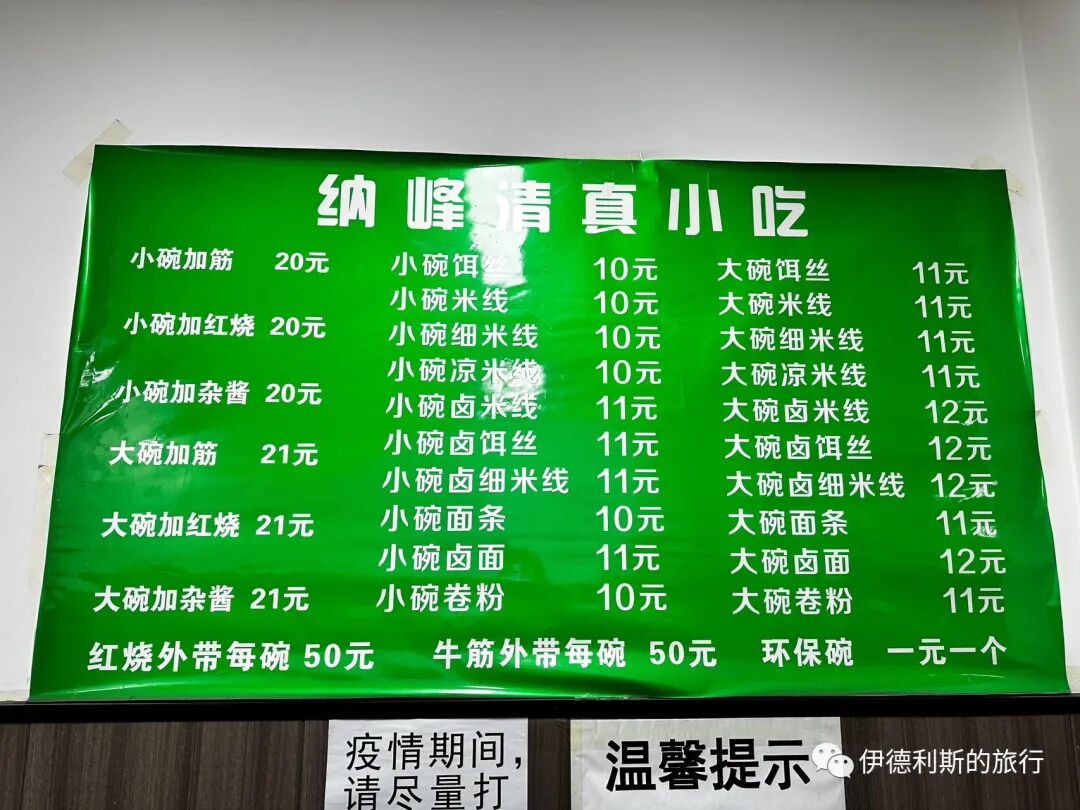
At night, I had a late-night snack at Plato Zhaotong Specialty Small Meat Skewers next to Dali Station.
Their service is quite good; as soon as you sit down, they bring you tea and melon seeds. At first, I ordered Zhaotong small meat skewers, fermented tofu (baojiang doufu), and roasted potatoes. The Zhaotong small meat skewers are truly mini. Each skewer is just one bite, mostly to savor the flavor. The fermented tofu (baojiang doufu) is very tender. They added a lot of fish mint (zhe'ergen) to enhance the flavor, and there was charcoal fire underneath.
After eating these, I still wanted more. I checked their menu, which was really rich and quite bold, so with the encouragement of my friends (dostani) in the group, I ordered beef brain and roasted grasshoppers, which I had never eaten before. The texture of the brain is actually a bit like fermented tofu (baojiang doufu), and it tasted quite good. I had always wanted to try grasshoppers as a food mentioned in the teachings, and this time I finally did. It looked a bit hard to eat at first, but once I actually ate it, I felt it was acceptable. It was roasted very crispy and felt a bit like eating shrimp.
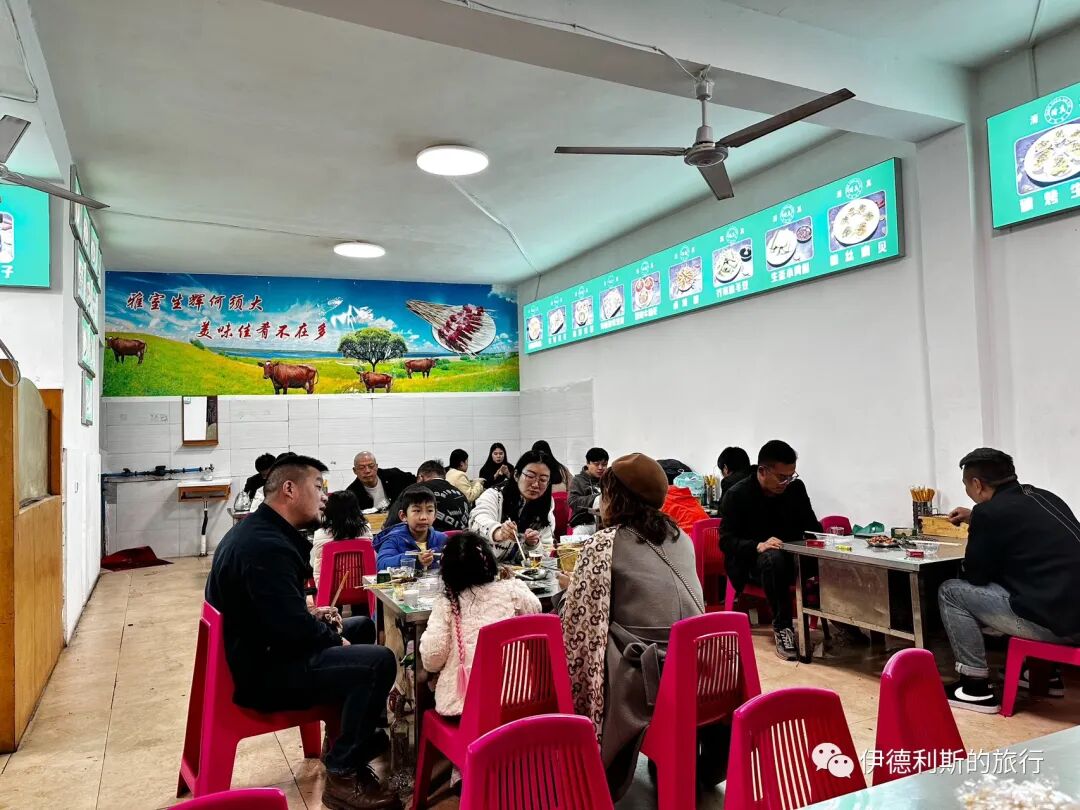
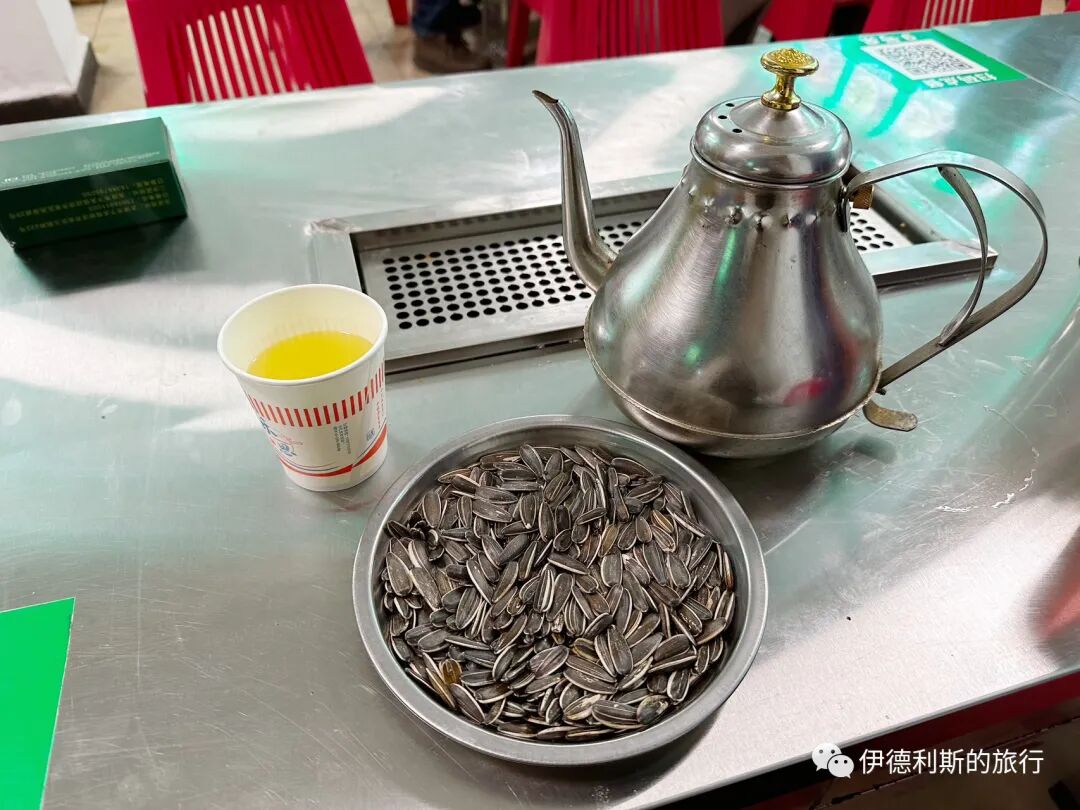
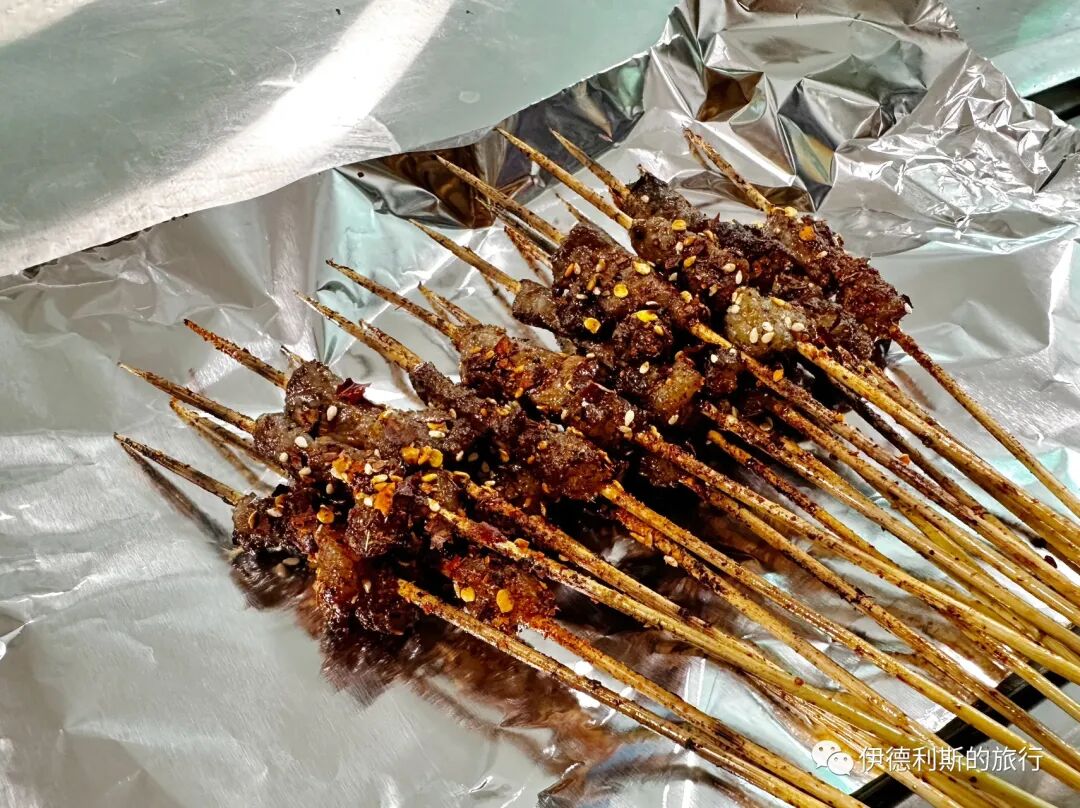
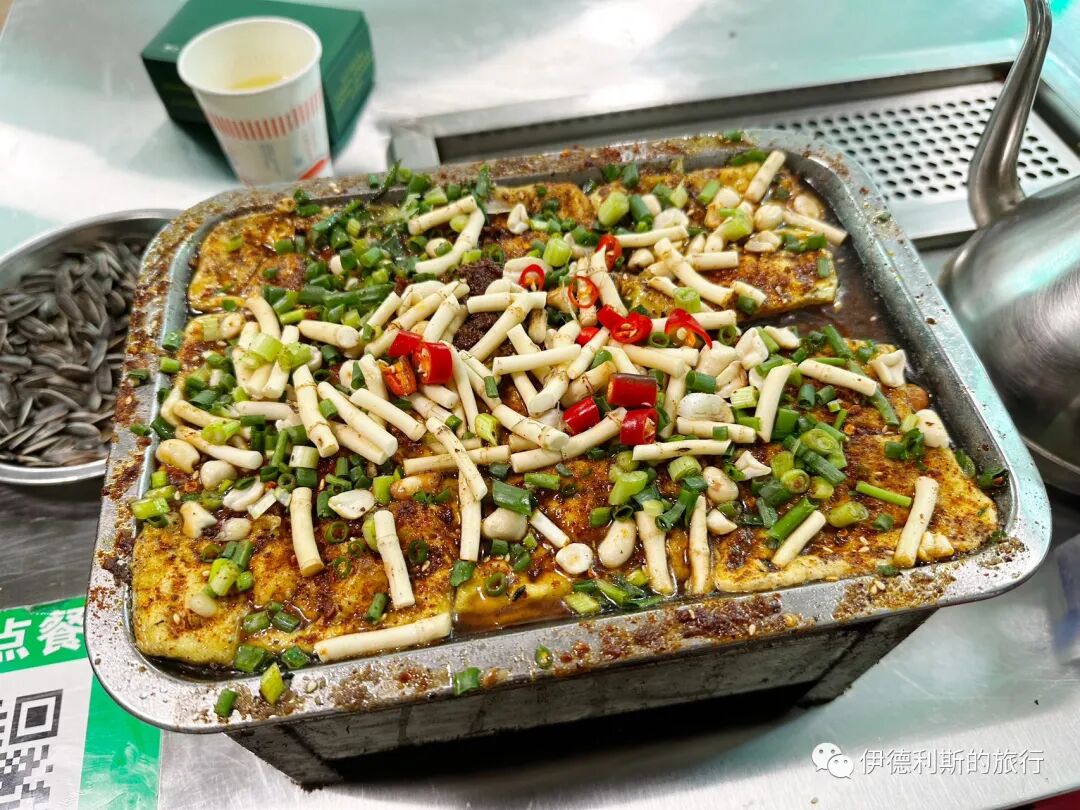
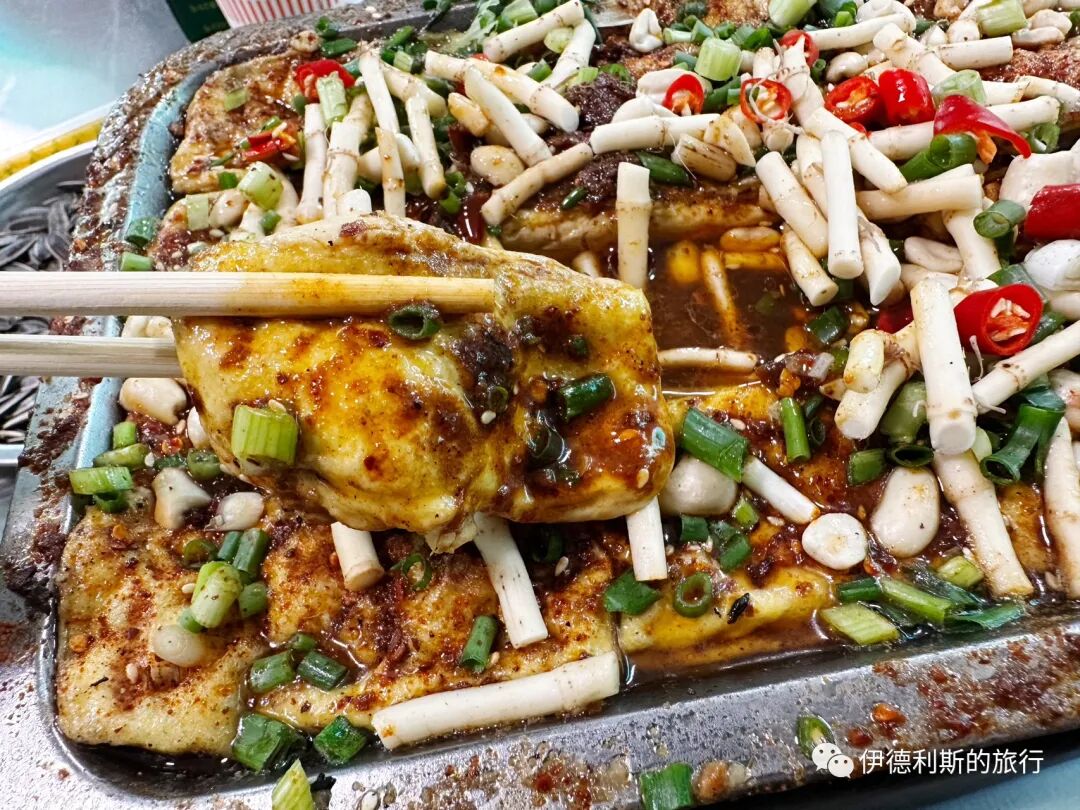
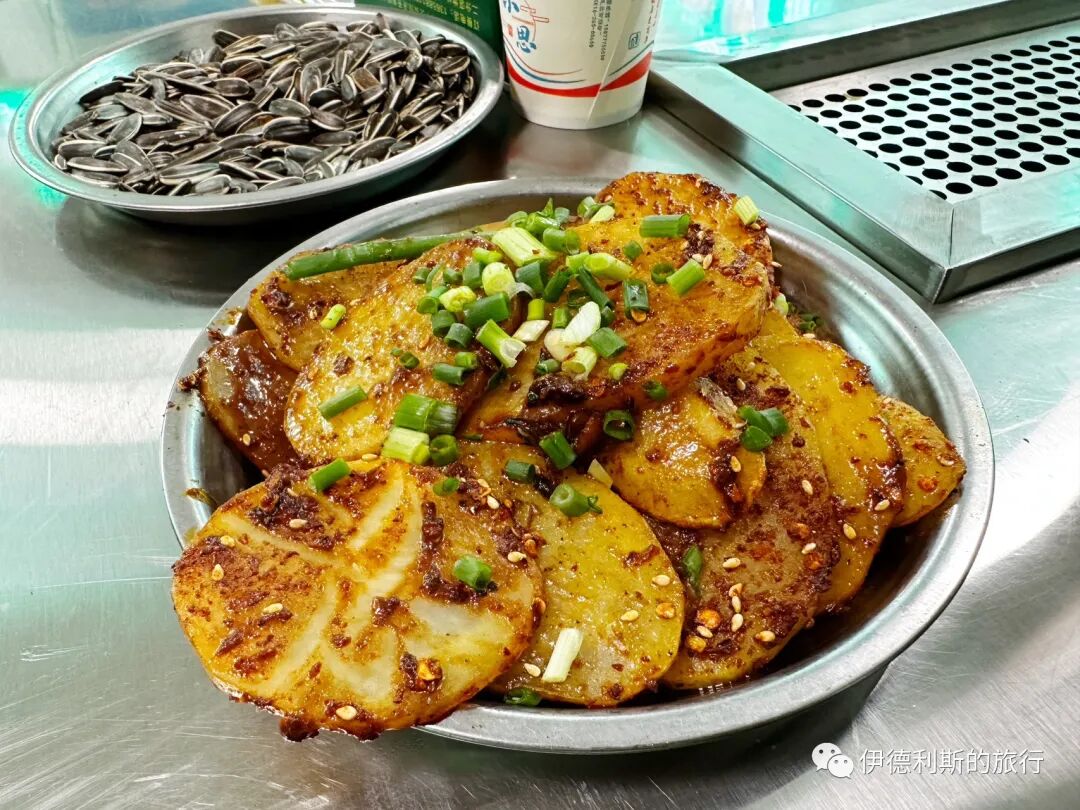
You can find halal restaurants from all over Dali in the Renmin South Road area west of Xingsheng Bus Station. In 2020, I bought braised dishes made by Hui Muslims from Weishan Huihuideng at the market on Renmin South Road.
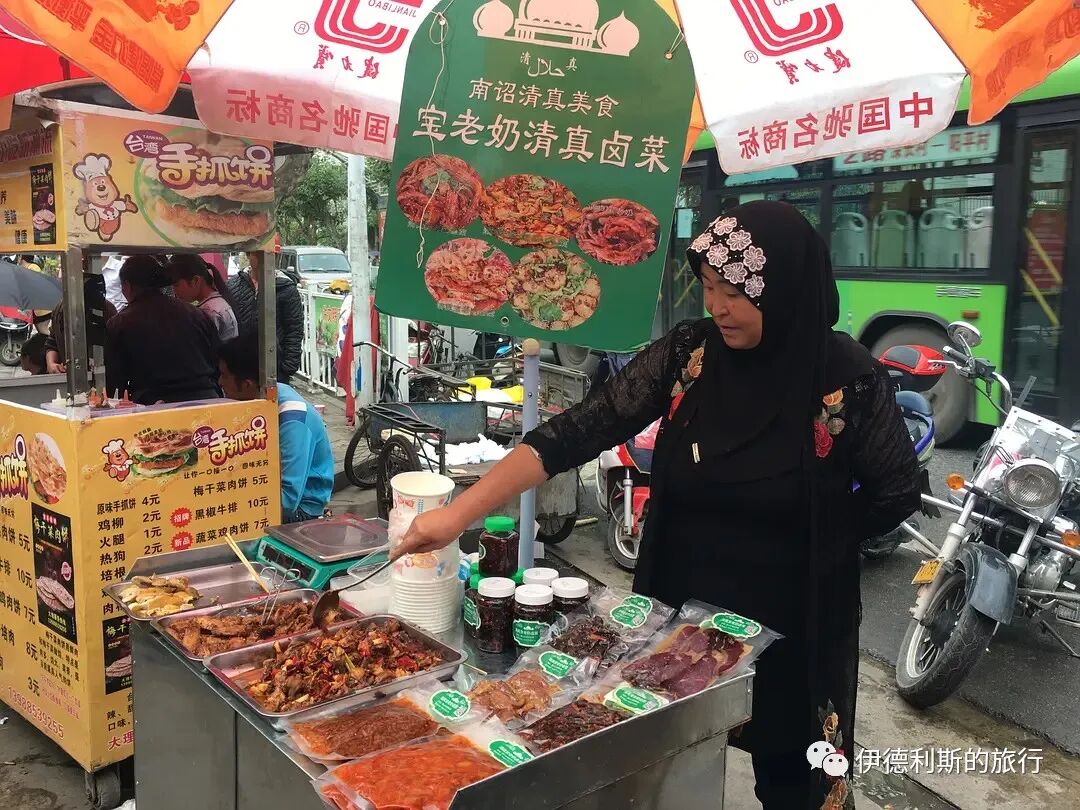
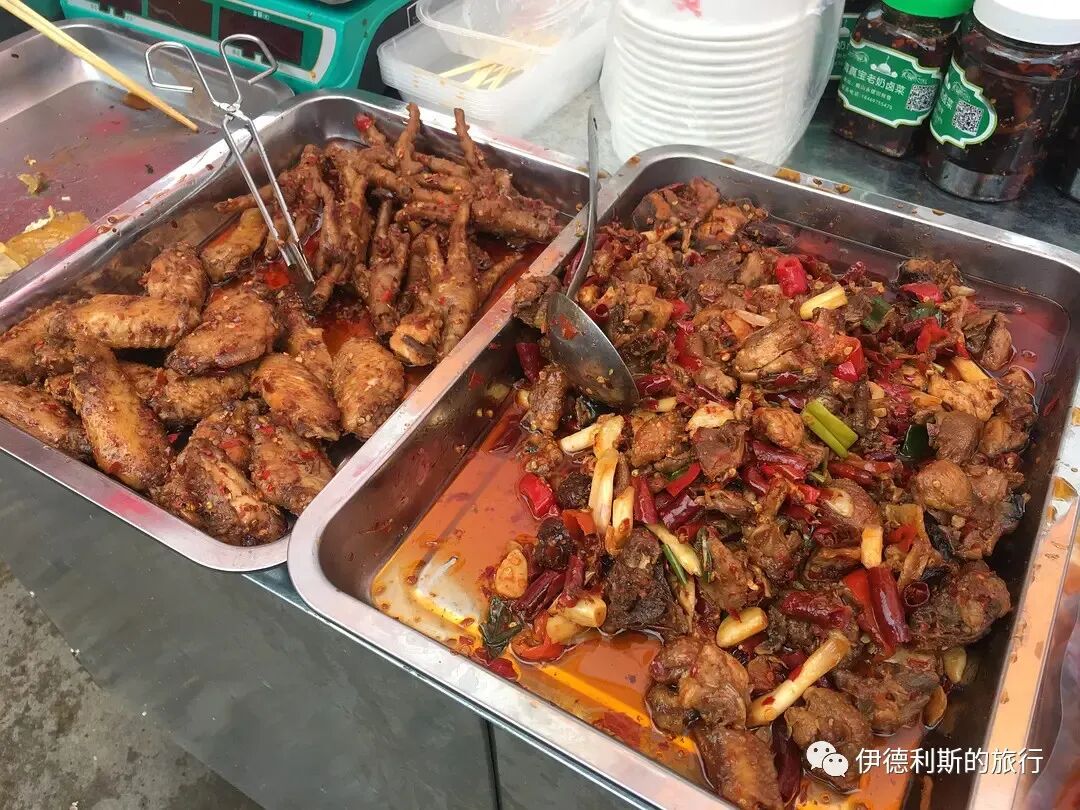
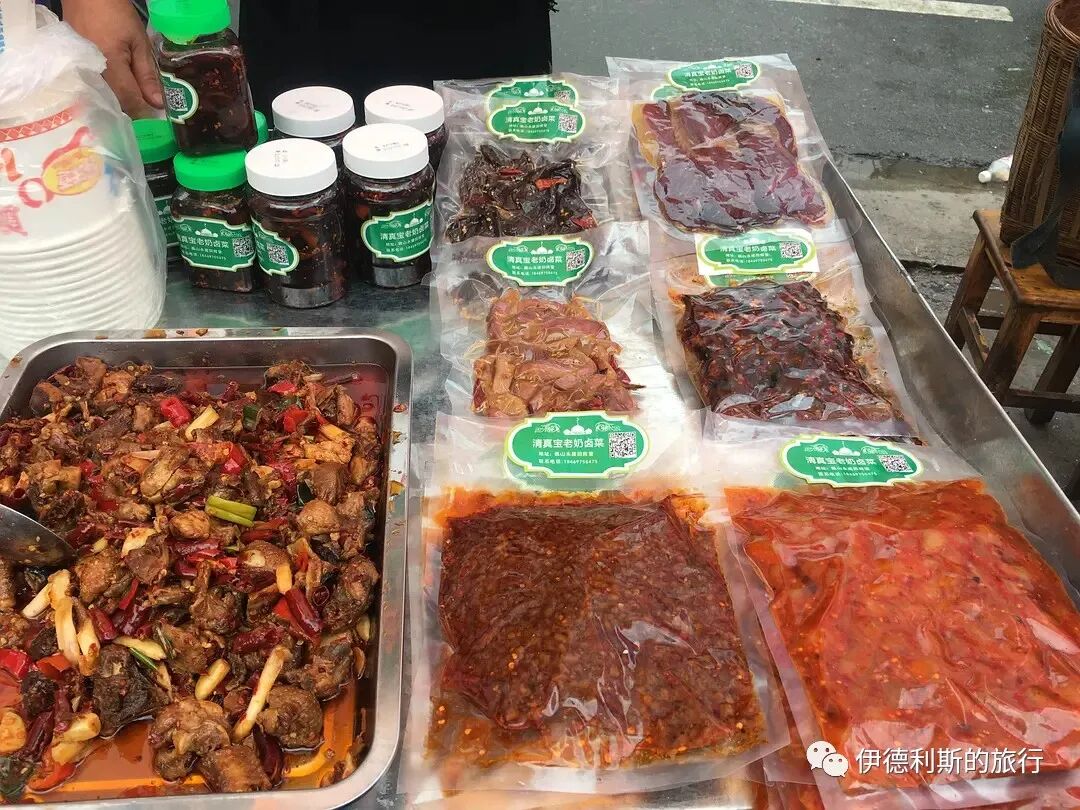
In 2020, I visited a restaurant on Renmin South Road run by Hui Muslims from Yongping County, Dali. I ate the local Yongping specialty, yellow-braised papaya chicken (huangmen mugua ji). The black-footed free-range chicken was excellent, and the papaya juice gave it a nice sour taste. I also had fermented bean curd (mei doufu) stir-fried with garlic sprouts and pickled vegetable red bean soup. These red beans were different from the kind we usually eat.
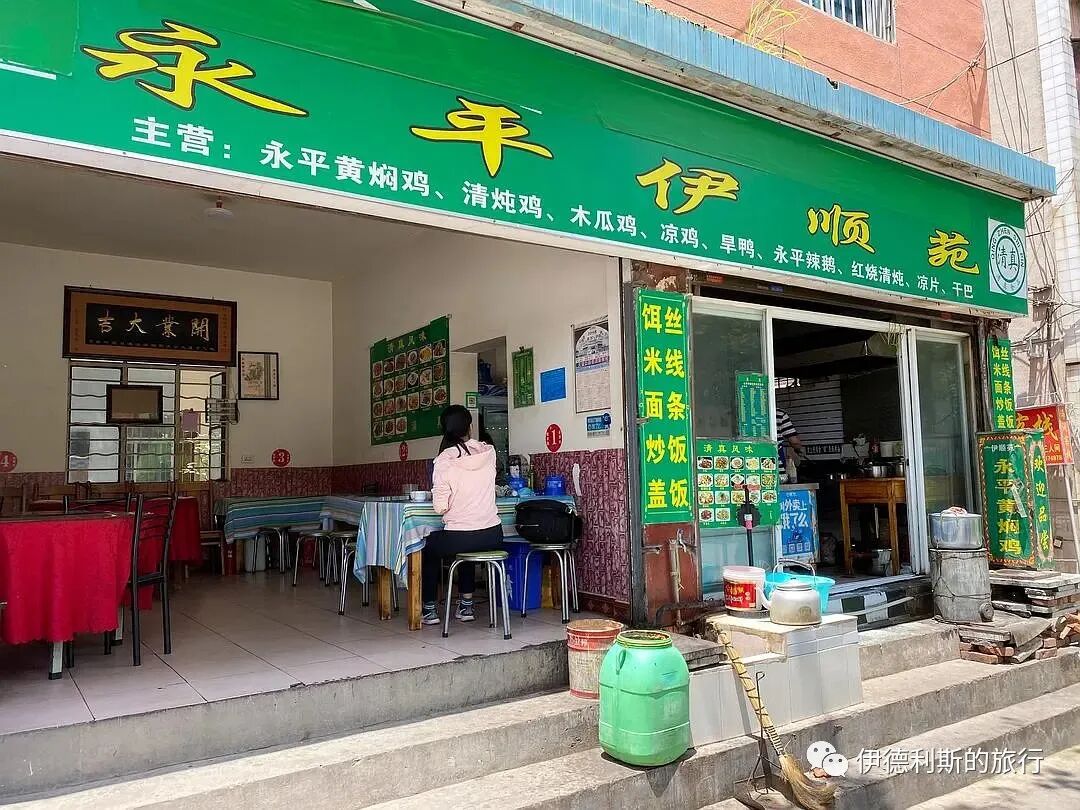
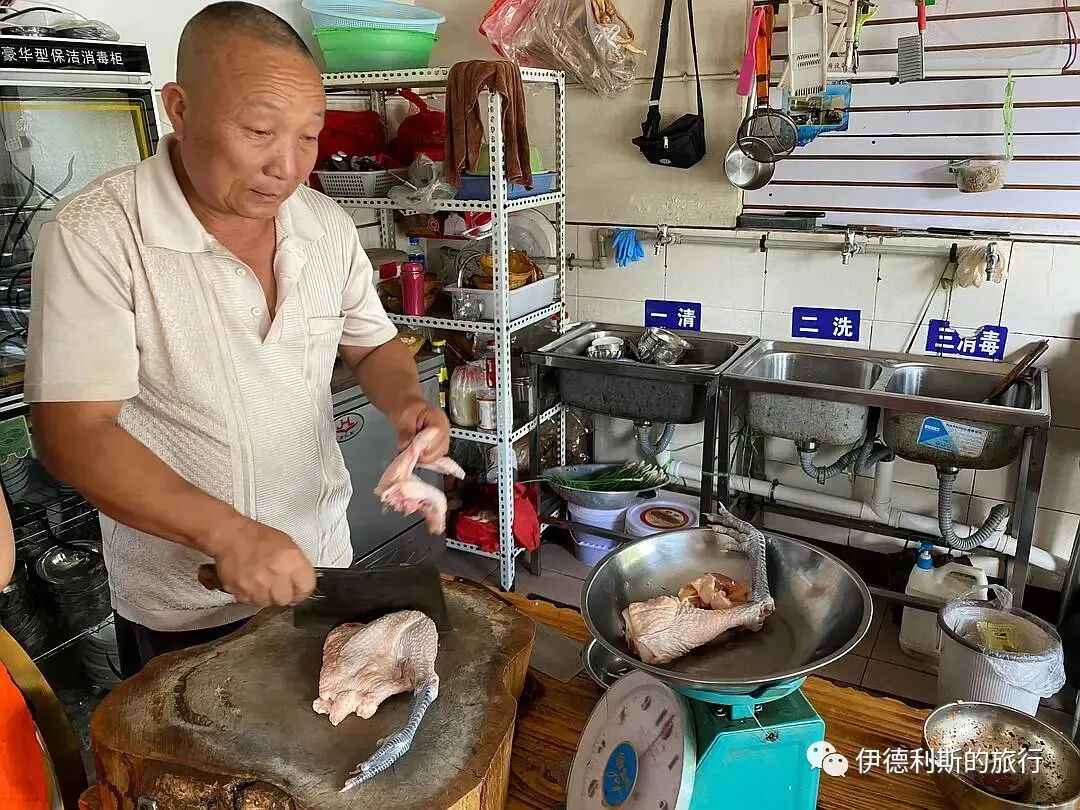
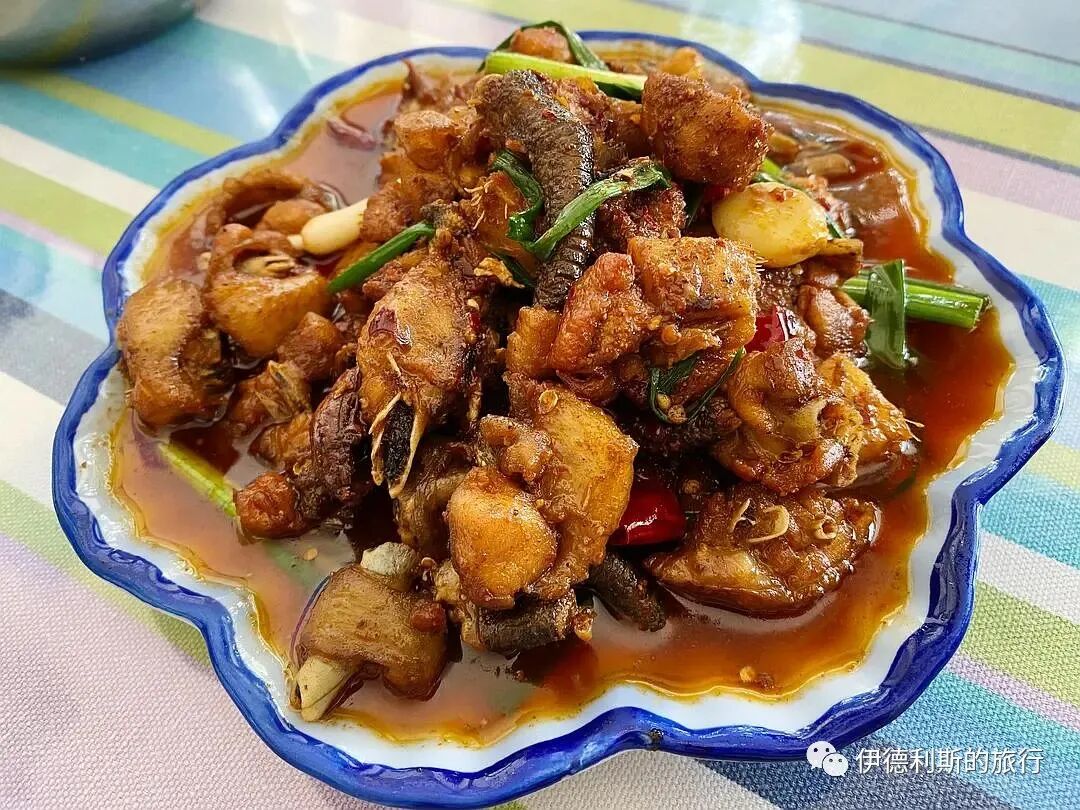
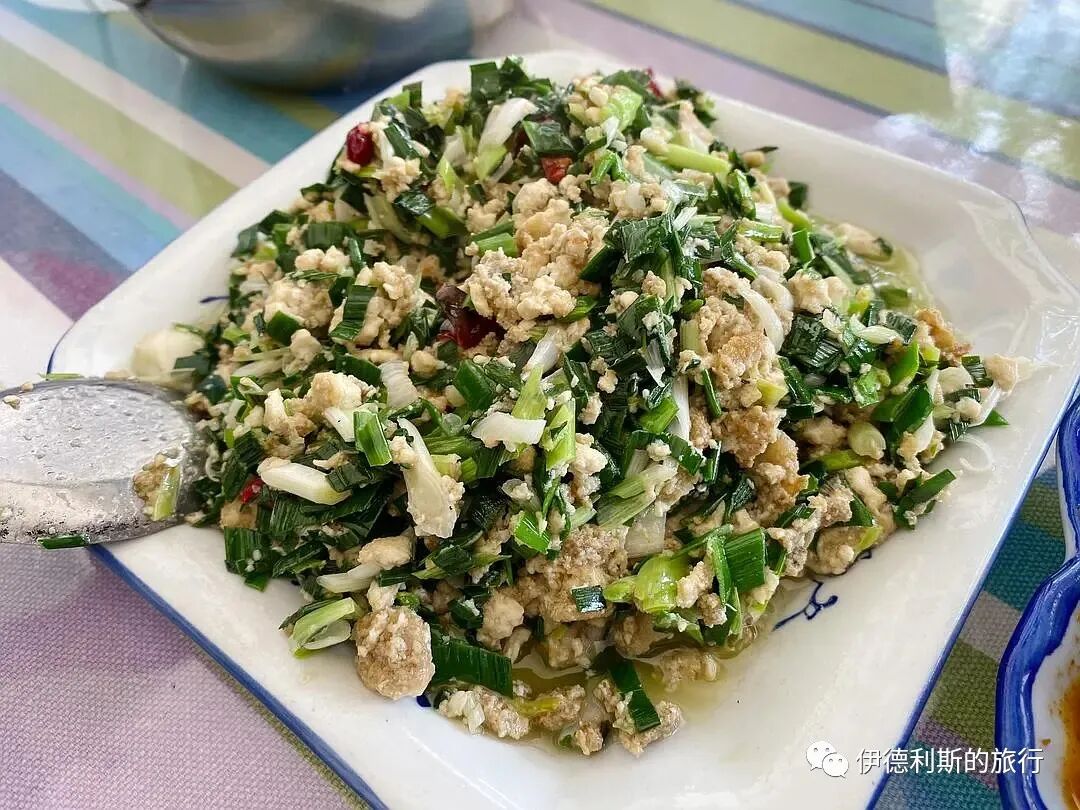
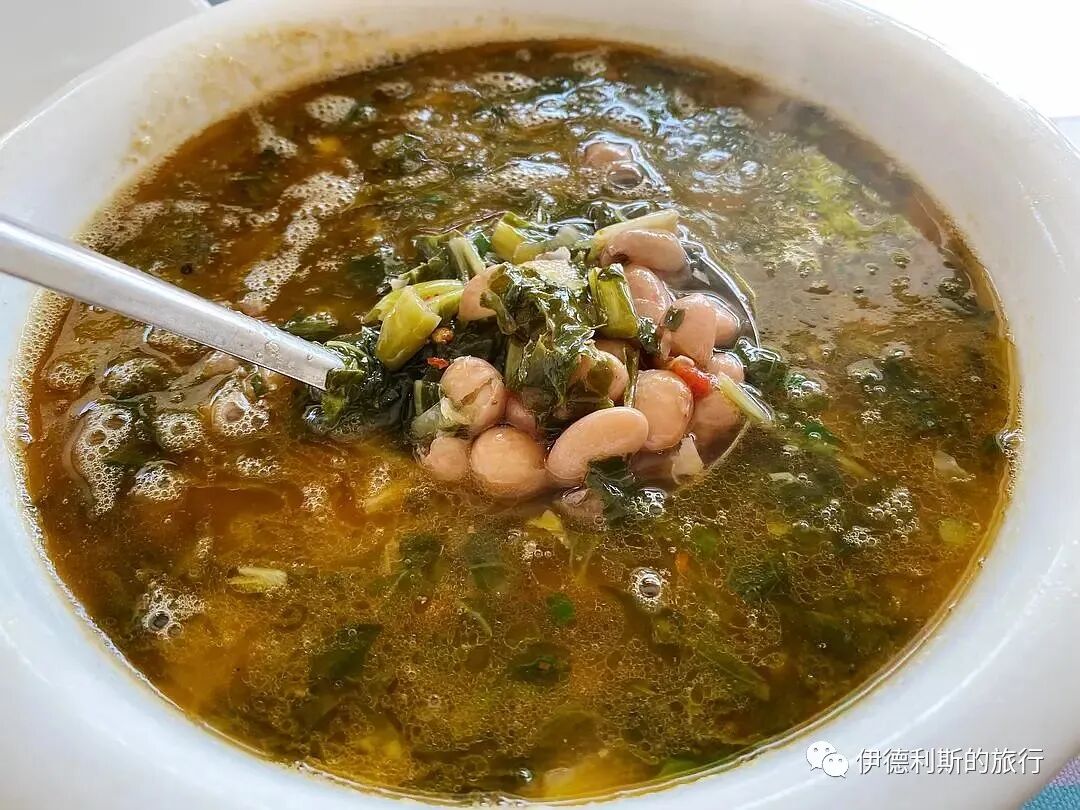
Spring travels in 2023:
On January 23, I left Macau and visited the Macau mosque known as the Moor Garden (Moluoyuan), where I ate delicious Indonesian Javanese food (see "Moor Garden and Indonesian Food in Macau"). On January 25, I arrived in Guangzhou, visited friends (dost), and ate various halal foods (see "Hui Muslim Oil Cakes and Yemeni Food in Guangzhou").
At noon, I performed namaz at the Huaisheng Mosque, then went to visit the Ancient Tombs of the Worthies (see "Huaisheng Mosque and the Ancient Tombs of the Worthies in Guangzhou").
In the afternoon, I prayed the afternoon prayer (asr) at Haopan Mosque and the sunset prayer (maghrib) at Xiaodongying Mosque (see "Visiting Haopan Mosque and Xiaodongying Mosque in Guangzhou").
On the morning of January 26, I took a train from Guangzhou to Zhaoqing, visited two mosques, and ate halal Cantonese food (see "Halal Roast Goose and Starfruit at the Mosque in Zhaoqing, Guangdong").
On the morning of January 27, I flew from Guangzhou to Xichang, Sichuan. I performed Jumu'ah at the Xichang city mosque, visited the West Mosque and the East Mosque, and ate Xichang rice noodles (see "Performing Jumu'ah and Eating Rice Noodles in Xichang, Sichuan").
On January 28, I took a high-speed train south to Miyi County in Panzhihua, Sichuan. I visited the beautiful Hui Muslim village of Tianba and performed namaz at the old Tianba mosque. I also enjoyed a delicious meal at a local farmhouse restaurant (see "The Beautiful Hui Village Deep in the Mountains—Tianba, Miyi, Sichuan").
Dali Halal Travel Guide: Xiaguan, Weishan, Mosques and Muslim Food
Articles • ali2007fr posted the article • 0 comments • 190 views • 2026-05-17 06:46
Summary: This travel note introduces Dali Halal Travel Guide: Xiaguan, Weishan, Mosques and Muslim Food. On August 3, 2020, we arrived in Kunming by plane, then transferred to a train to reach Xiaguan in Dali, officially starting our Yunnan trip. It is useful for readers interested in Dali Travel, Halal Food, Yunnan Muslims.
On August 3, 2020, we arrived in Kunming by plane, then transferred to a train to reach Xiaguan in Dali, officially starting our Yunnan trip. I had visited Dali once in 2017, going to some Hui Muslim villages in Weishan and Eryuan, which left a very good impression on me. This time, I mainly visited over a dozen Hui Muslim villages in Yongjian Town, Weishan County, visited over a dozen beautiful traditional mosques (see "Twenty Traditional Mosques in Dali"), also browsed the halal markets, and ate a lot of delicious food. I will share it with everyone below.
August 3: Arrive in Xiaguan
On the afternoon of August 3, we took a train from Kunming to Dali. In the evening, we ate at a Dai Muslim restaurant called Paxidai in Xiaguan. We ordered the Dai-style shouzhua fan (hand-grabbed rice), which included lemongrass grilled fish, potato balls, vegetable nammi (a type of spicy dipping sauce), pineapple rice, beef jerky potato rice, and shredded chicken with lemon. There was also qinglong guojiang tang (a type of soup) and paoluda (a dessert made with bread, coconut milk, and sago). I had eaten at a halal Dai restaurant called Paxidai in the Dali Ancient City before. This was the second time eating it, and I feel that Dai flavors are really both spicy and sour!
August 4: Xiaguan Hui Muslim Street
In the morning, we went hiking in Erhai Park, which is behind our accommodation in Xiaguan, Dali.
The Xiaguan Hui Muslim Street in Dali is now quite quiet, and basically only locals know about it.
We ate braised meat rice noodles, braised meat ersi (thick rice noodles), and rushan (grilled milk cheese) on the Hui Muslim Street.
Opposite the Hui Muslim Street is the Longweiguan Ancient Town.
Dianzhong Huiying
At noon, we went from Weishan County town to Dianzhong Huiying. We ate fried ganba (cured beef jerky) and stir-fried cowpeas (pronounced gandou) in the village. Their beef soup was so delicious!
Shenhe Village
After eating, we arrived at another Hui Muslim village, Shenhe Village, from Dianzhong Huiying. The scene in the village is like this.
Mamichang
We continued to visit Hui Muslim villages, strolling from Shenhe Village to Mamichang. The village is on a small hillside, and you can overlook the surrounding scenery.
Return to Yongjian Town
Returning to Yongjian Town from Mamichang, we ate corn baba (corn cakes) and douhua (soft tofu pudding) on Hedijie Street, the busiest street in the town. Hedijie Street has changed a lot since I went in 2017; there are fewer and fewer old houses, and the scripture bookstore is gone.
In the evening, we ate stir-fried cigu (arrowhead) with pickled vegetables and braised beef on the side of the road on Hedijie Street in Yongjian Town. The auntie who owns the place is from Xiaoweigeng Village. Restaurants that make stir-fry here generally do not have menus, but put all the ingredients in a freezer, and the guests point to whichever one they want, and they make it.
August 5: Market day in Yongjian Town
In the morning, we caught a very lively market in Yongjian Town. We ate hot youfen (pea starch jelly), juanfen (rolled rice noodles), qiaogao (buckwheat cake), and brown sugar liangxia (cold shrimp-shaped jelly), and also bought rose-flavored rushan. The youfen is really delicious. It is made by peeling peas and grinding them in a stone mill. The texture is soft and smooth, and it has crispy rice crust inside.
Yi and Hui Muslim aunties are together at the market.
Market day in Huihuideng
We set off from Yongjian Town to Huihuideng Village and caught another big market. We ate figs, ice cream, and soy milk. There are too many fun things here. Besides Hui Muslims, there are also many Yi aunties and grandmothers wearing traditional clothing. The Yi clothing is very beautiful.
Natto
The scenery of Huihuideng Village
A small shop in Huihuideng Village that makes handmade headscarves. Zainabu bought one here.
Qingmenkou Village
We strolled from Huihuideng Village to Qingmenkou Village. Qingmenkou is on the northwestern edge of the Weishan Basin and is a very beautiful Hui Muslim village.
On the way back to Huihuideng Village from another village, Xishulong Village, we walked for a while and then caught a tricycle.
At noon, we ate stir-fried dayudou (a type of bean) with minced meat and cold beef slices next to the market in Huihui Village.
Return to Weishan County town
In the evening, we ate braised chicken legs, bahu (stewed) beef, and stir-fried xiaomicai (a type of green vegetable) near the Dingjiachang Mosque in Weishan County town. We also asked the auntie in the shop to fry the rose-flavored rushan we bought at the market on Hedijie Street in Yongjian Town that morning. I must say that frying rushan really requires skill; the requirements for heat control are too high. Then we also ordered bahu beef, braised chicken legs, and xiaomicai.
August 6: Weishan County town
In the morning, we ate braised ersi and beef offal at the Dingliang Hui Muslim Canteen near the Dingjiachang Mosque in Weishan County town. Their place is the halal breakfast spot with the longest queue near Dingjiachang. Everyone basically eats the two most classic dishes: braised ersi and rice noodles. In addition, the owner is a Hajj, and "Returned with Honor from Hajj" is hung on the wall.
(Optional) Image description
Delete
Return to Xiaguan
At noon, we transferred from Weishan back to Kunming. Passing through Xiaguan, we ate at a restaurant opened by a Hui Muslim from Yongping. Yongping is a county west of Dali. We ate the Yongping specialty, yellow-braised papaya chicken, which is sour and made with papaya juice. We also ate stir-fried fermented bean curd with garlic sprouts and pickled vegetable red bean soup. This red bean is not the kind of red bean we usually call. view all
Summary: This travel note introduces Dali Halal Travel Guide: Xiaguan, Weishan, Mosques and Muslim Food. On August 3, 2020, we arrived in Kunming by plane, then transferred to a train to reach Xiaguan in Dali, officially starting our Yunnan trip. It is useful for readers interested in Dali Travel, Halal Food, Yunnan Muslims.
On August 3, 2020, we arrived in Kunming by plane, then transferred to a train to reach Xiaguan in Dali, officially starting our Yunnan trip. I had visited Dali once in 2017, going to some Hui Muslim villages in Weishan and Eryuan, which left a very good impression on me. This time, I mainly visited over a dozen Hui Muslim villages in Yongjian Town, Weishan County, visited over a dozen beautiful traditional mosques (see "Twenty Traditional Mosques in Dali"), also browsed the halal markets, and ate a lot of delicious food. I will share it with everyone below.
August 3: Arrive in Xiaguan
On the afternoon of August 3, we took a train from Kunming to Dali. In the evening, we ate at a Dai Muslim restaurant called Paxidai in Xiaguan. We ordered the Dai-style shouzhua fan (hand-grabbed rice), which included lemongrass grilled fish, potato balls, vegetable nammi (a type of spicy dipping sauce), pineapple rice, beef jerky potato rice, and shredded chicken with lemon. There was also qinglong guojiang tang (a type of soup) and paoluda (a dessert made with bread, coconut milk, and sago). I had eaten at a halal Dai restaurant called Paxidai in the Dali Ancient City before. This was the second time eating it, and I feel that Dai flavors are really both spicy and sour!
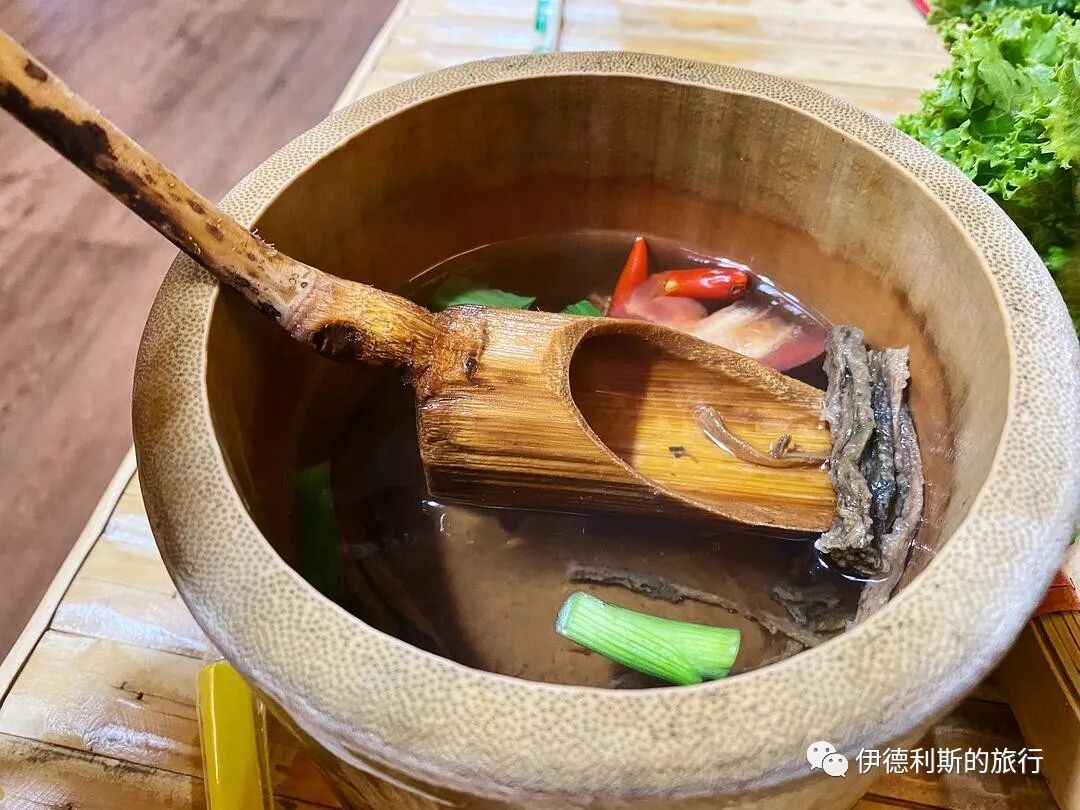
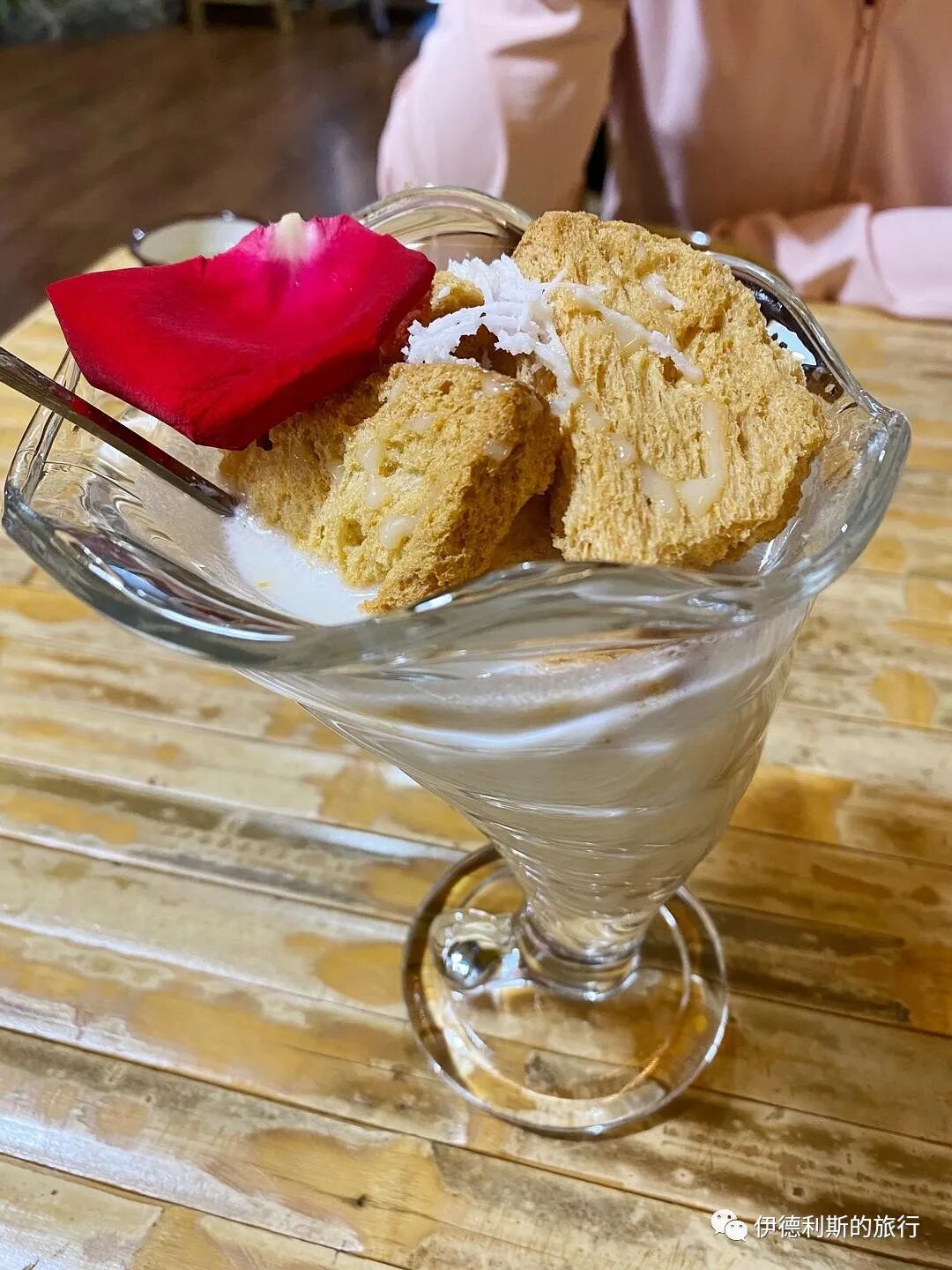
August 4: Xiaguan Hui Muslim Street
In the morning, we went hiking in Erhai Park, which is behind our accommodation in Xiaguan, Dali.
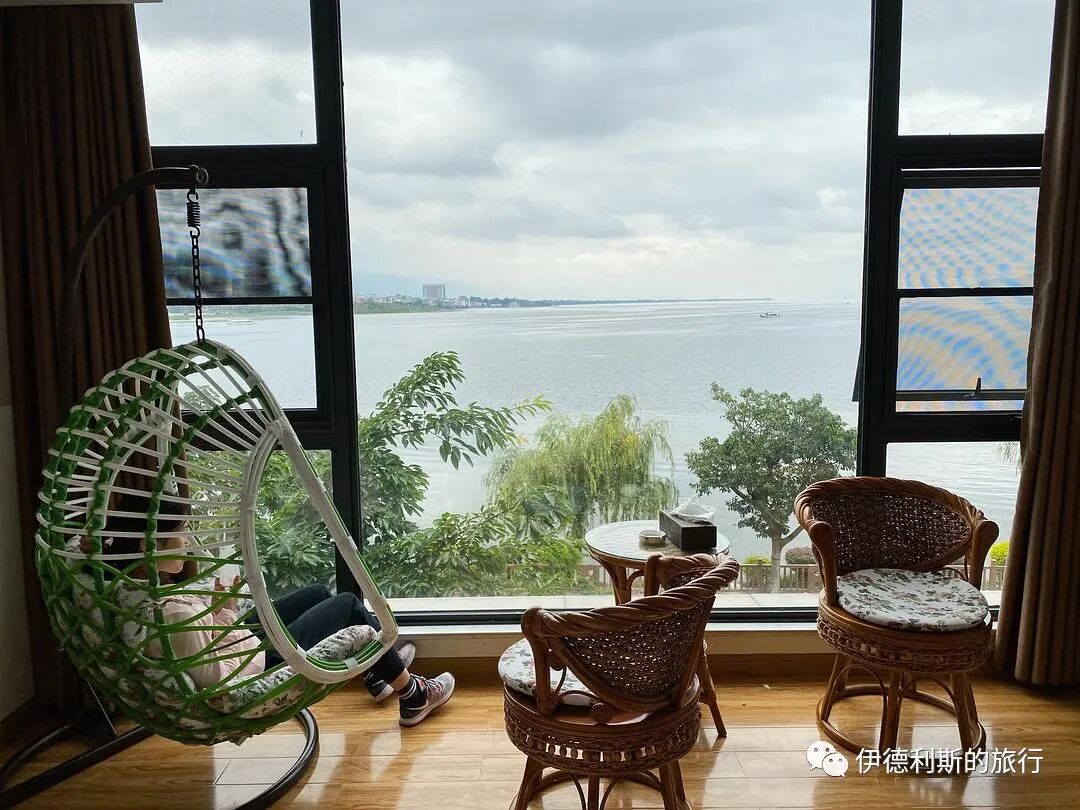
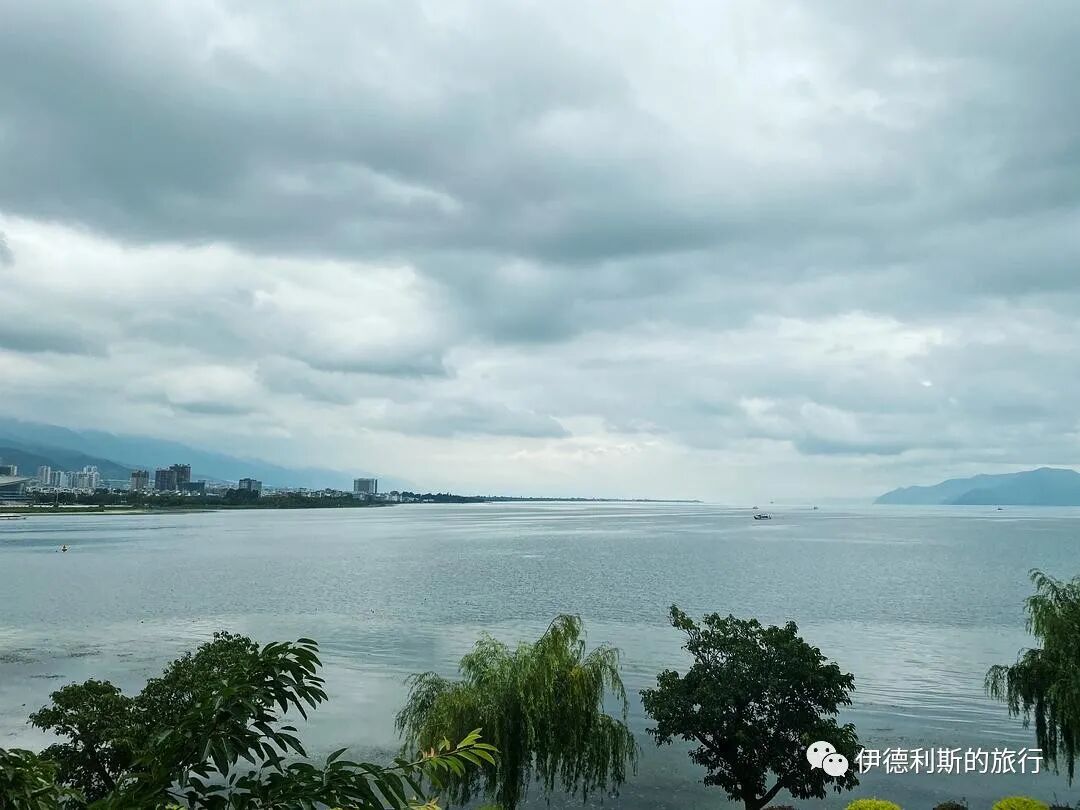
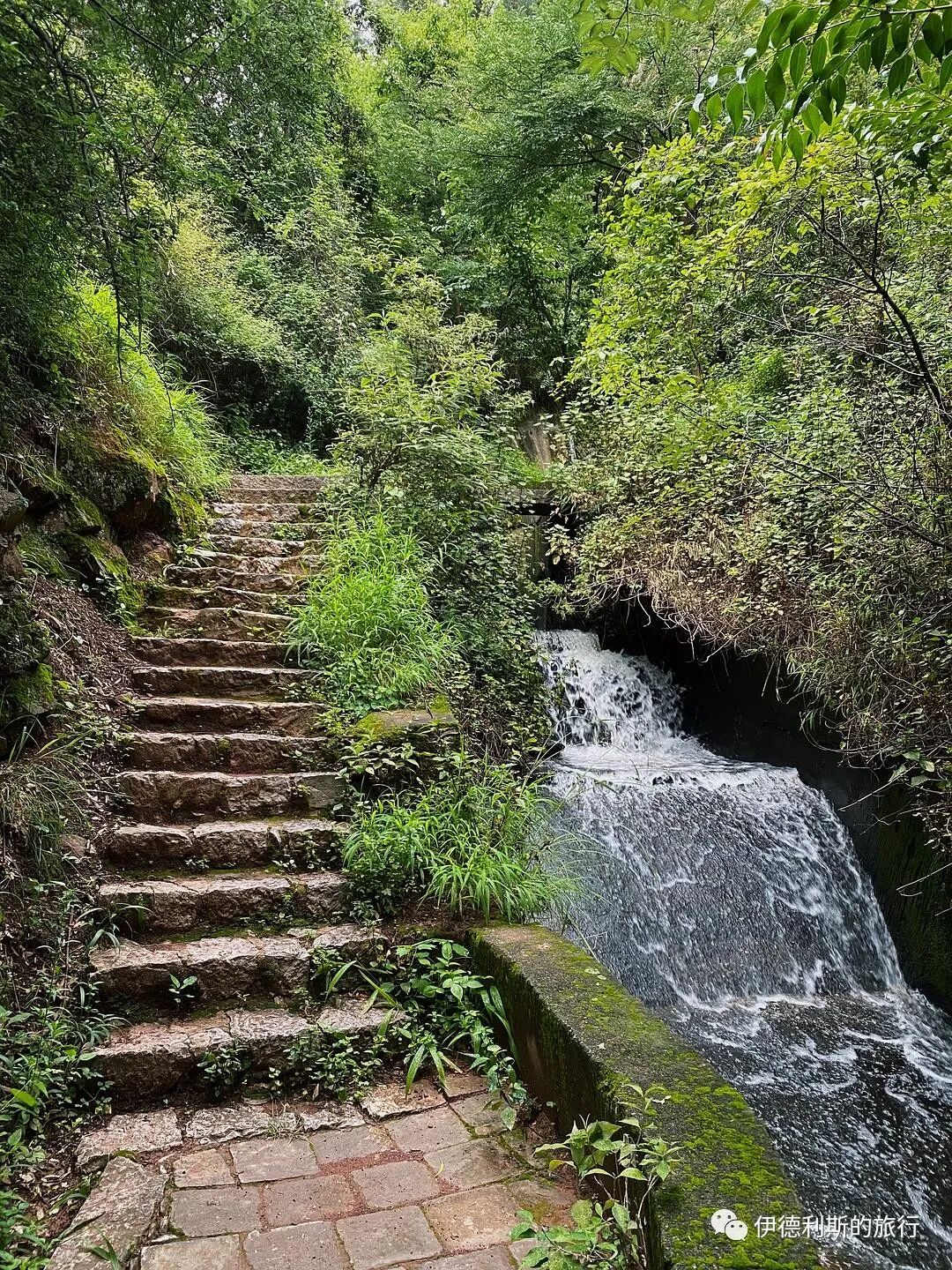
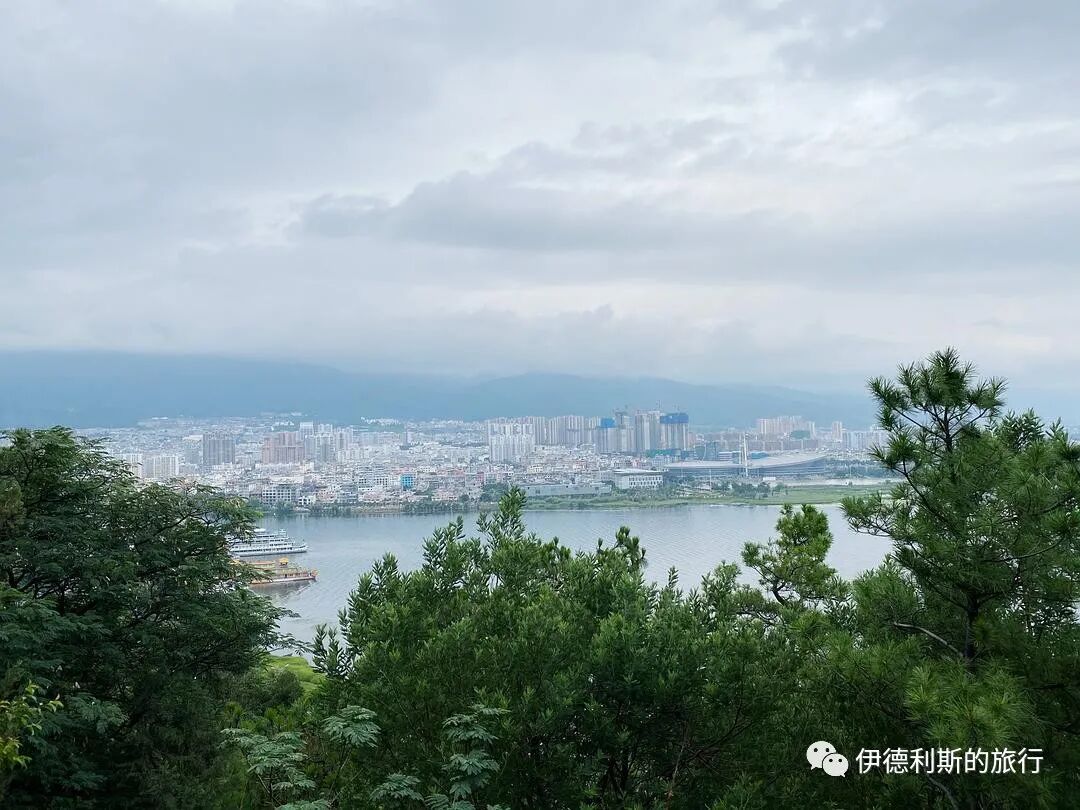
The Xiaguan Hui Muslim Street in Dali is now quite quiet, and basically only locals know about it.
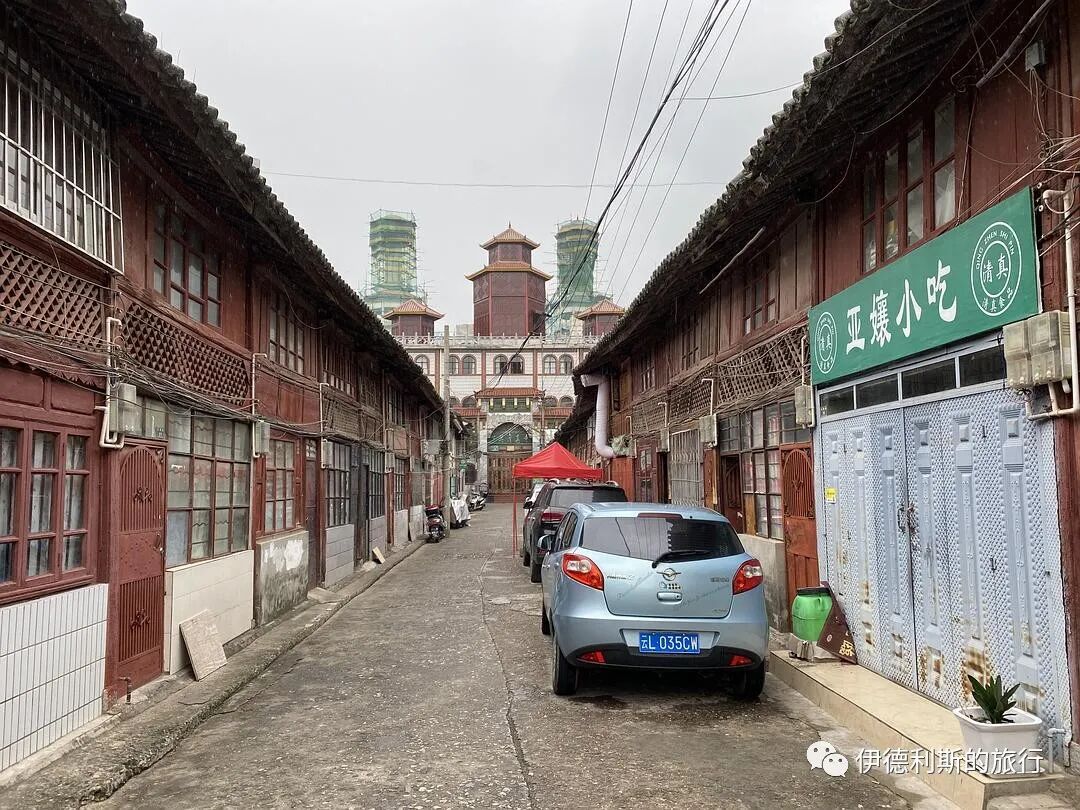
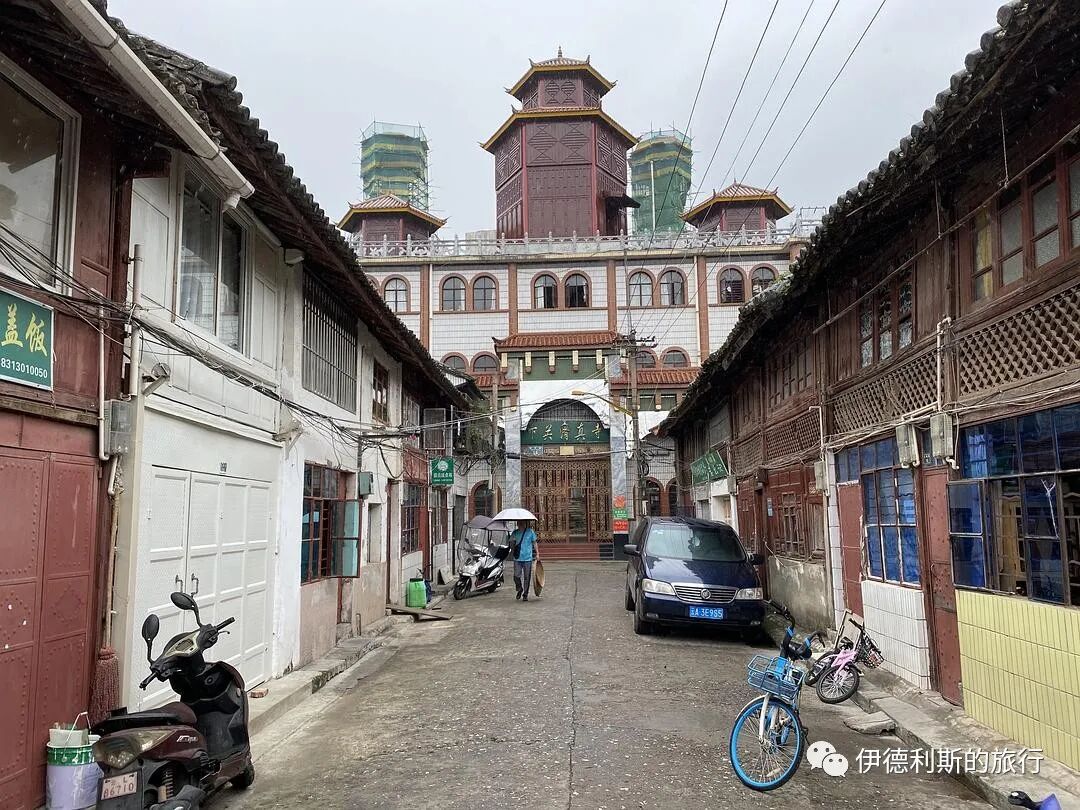
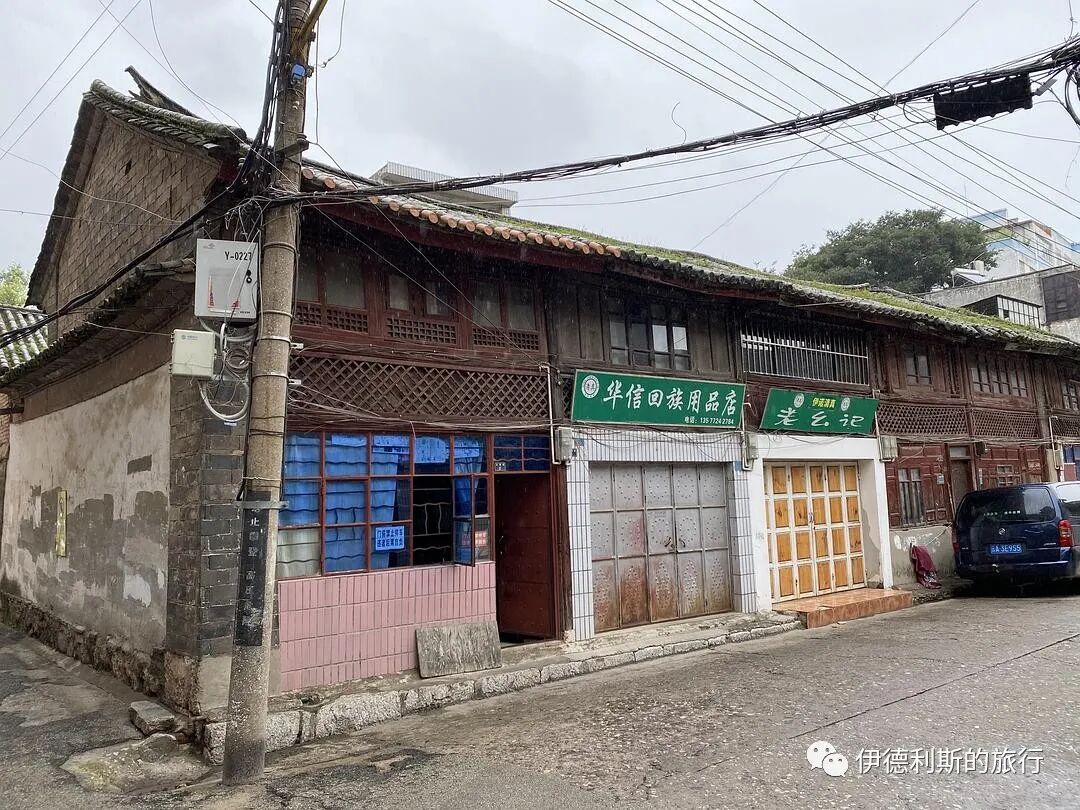
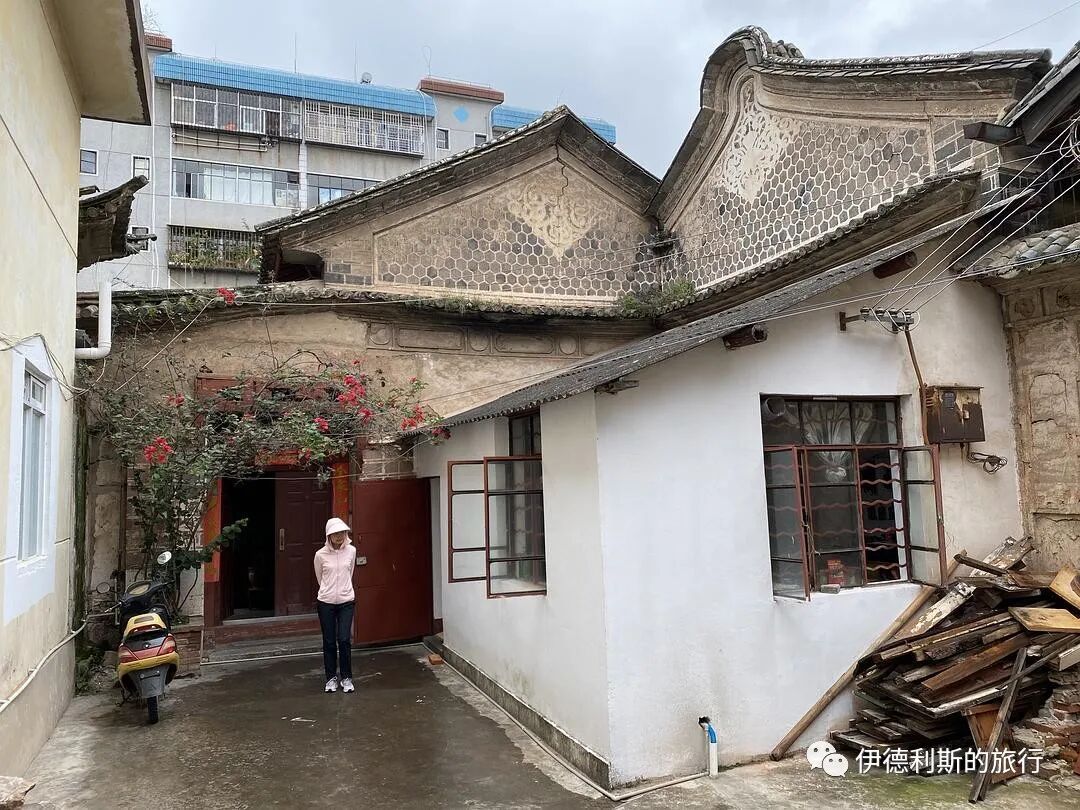
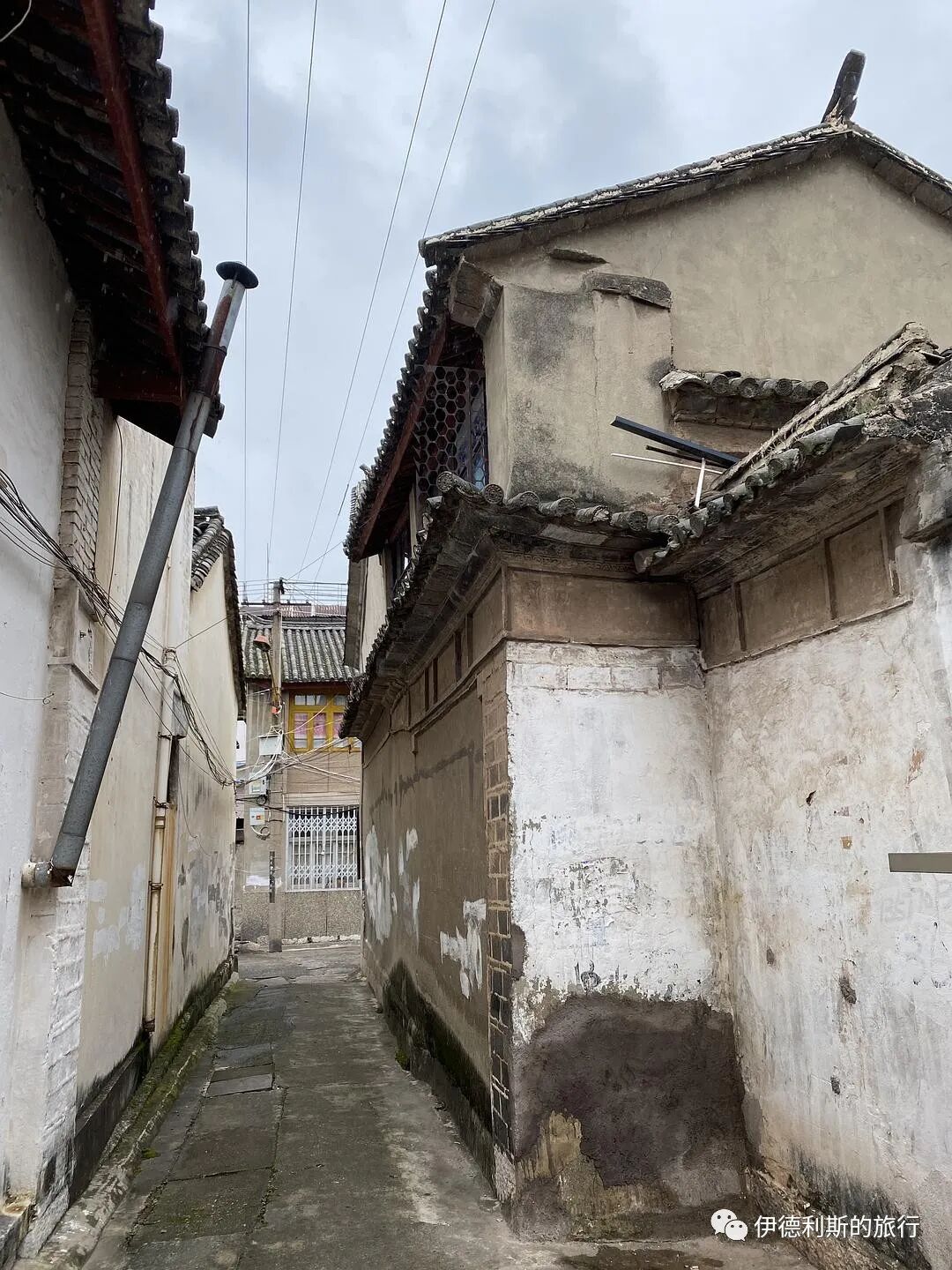
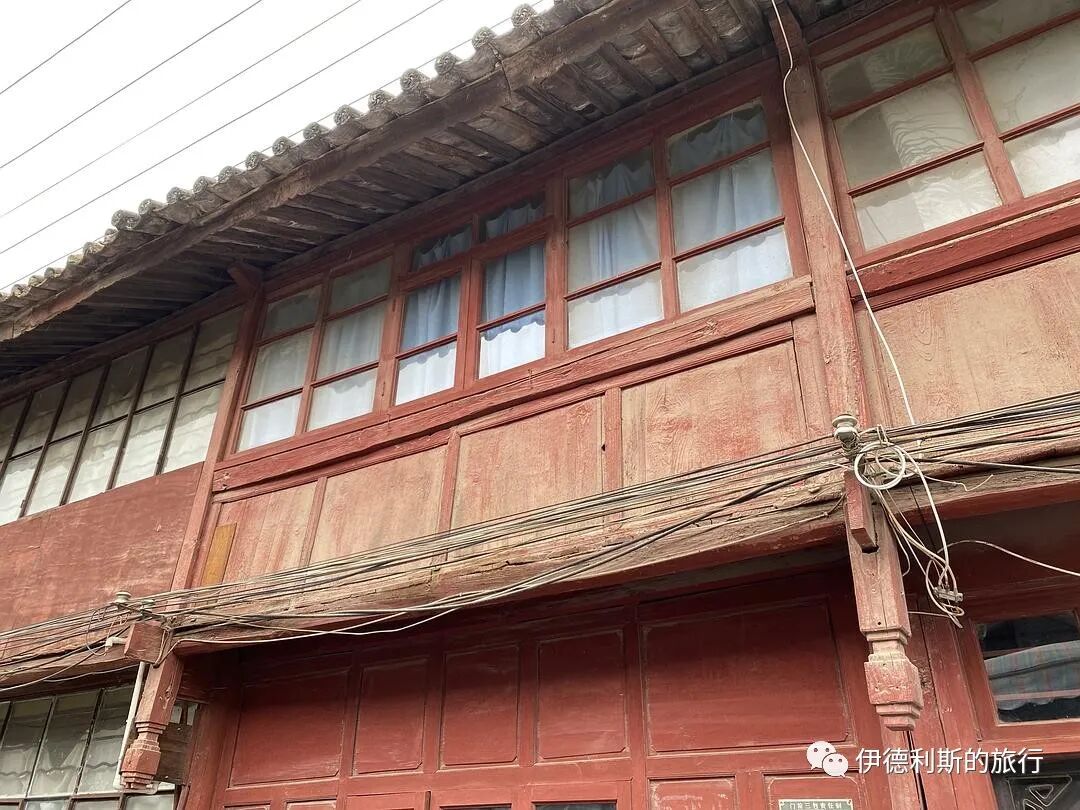
We ate braised meat rice noodles, braised meat ersi (thick rice noodles), and rushan (grilled milk cheese) on the Hui Muslim Street.
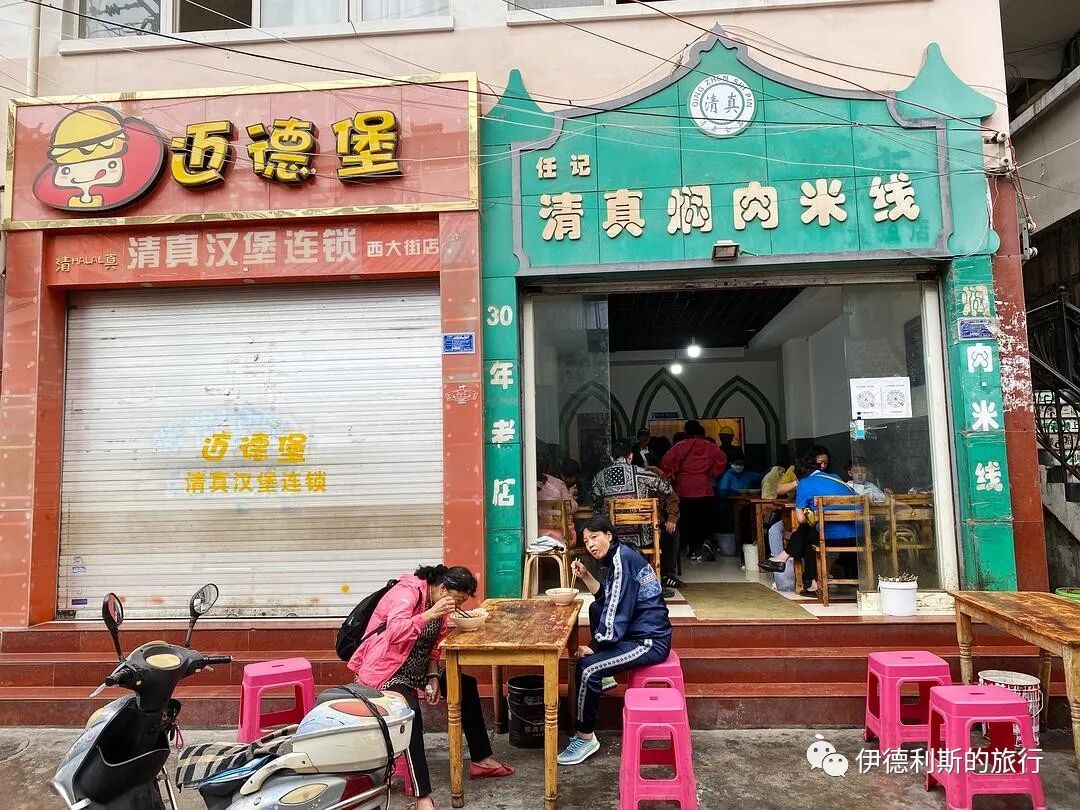
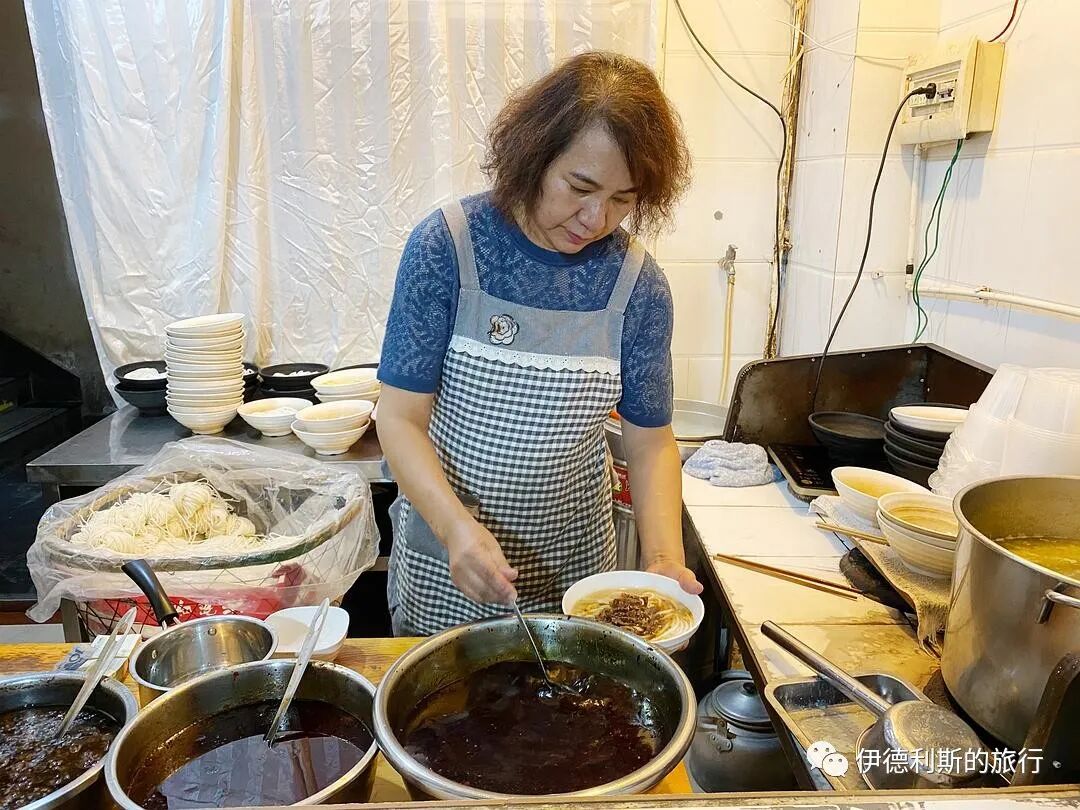
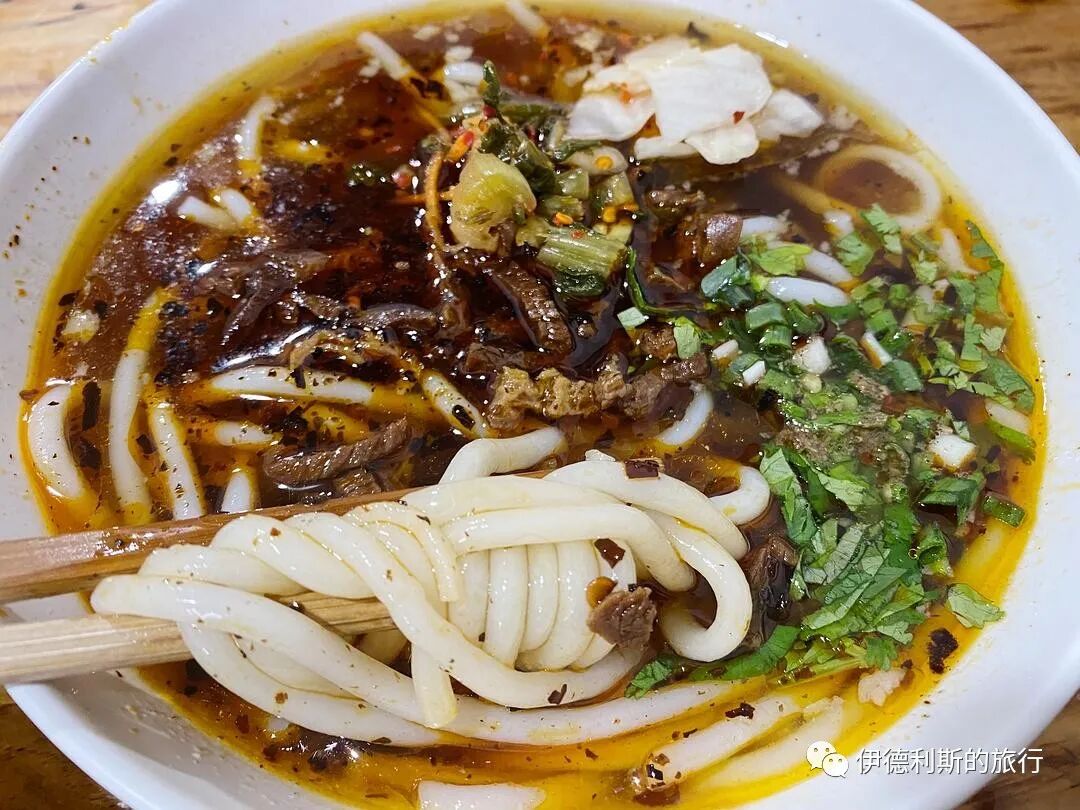
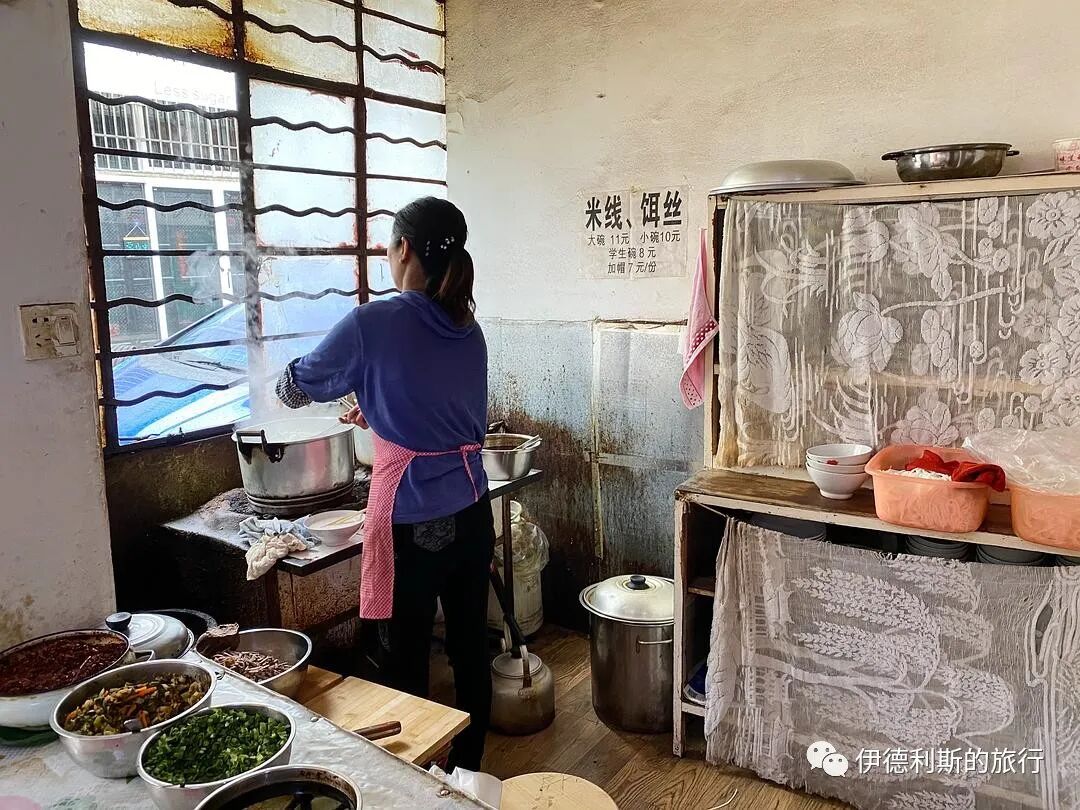
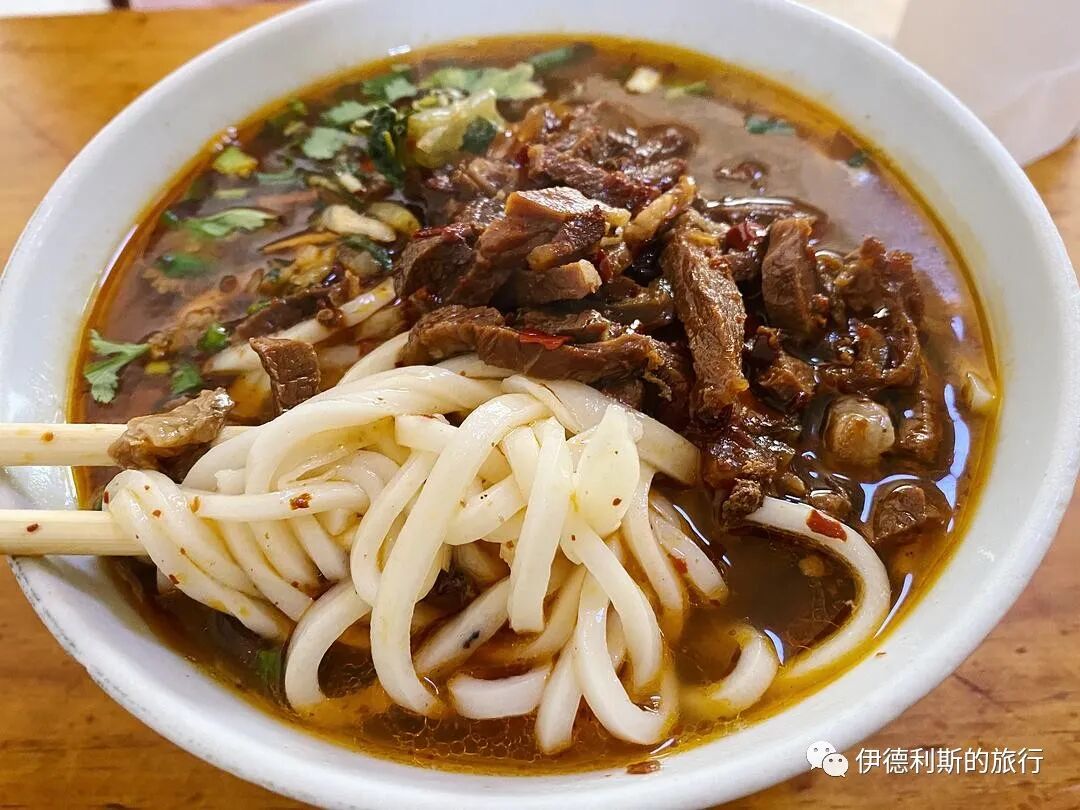
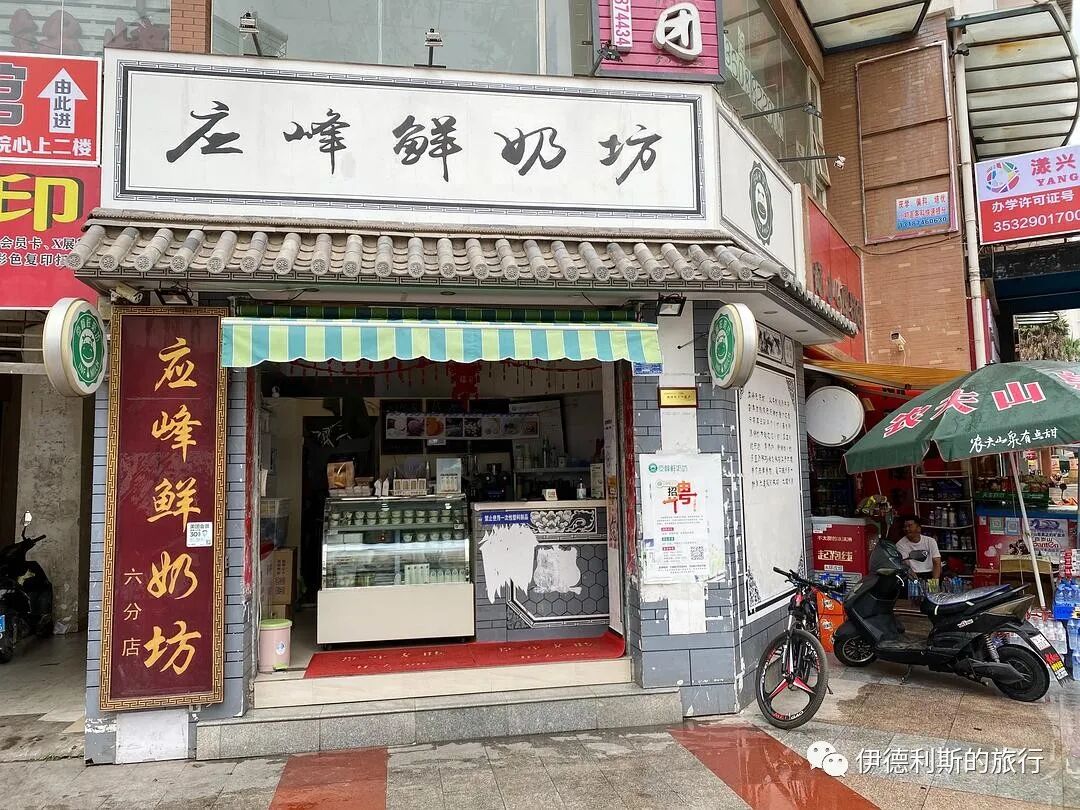
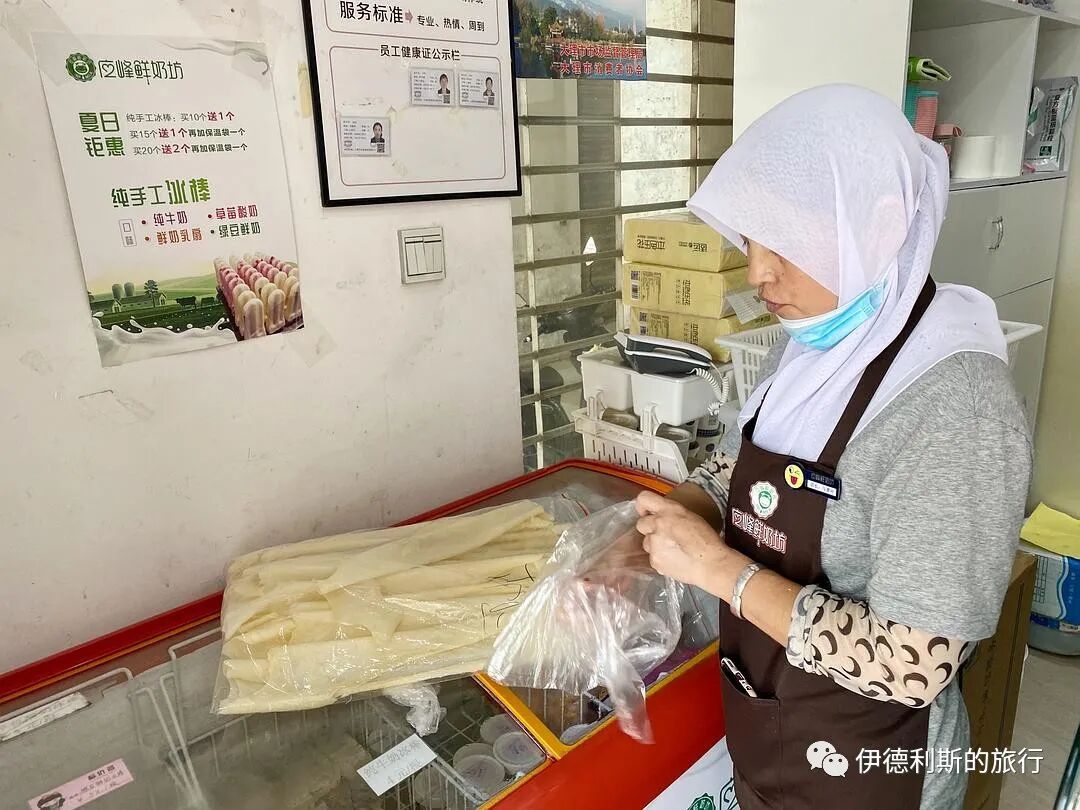
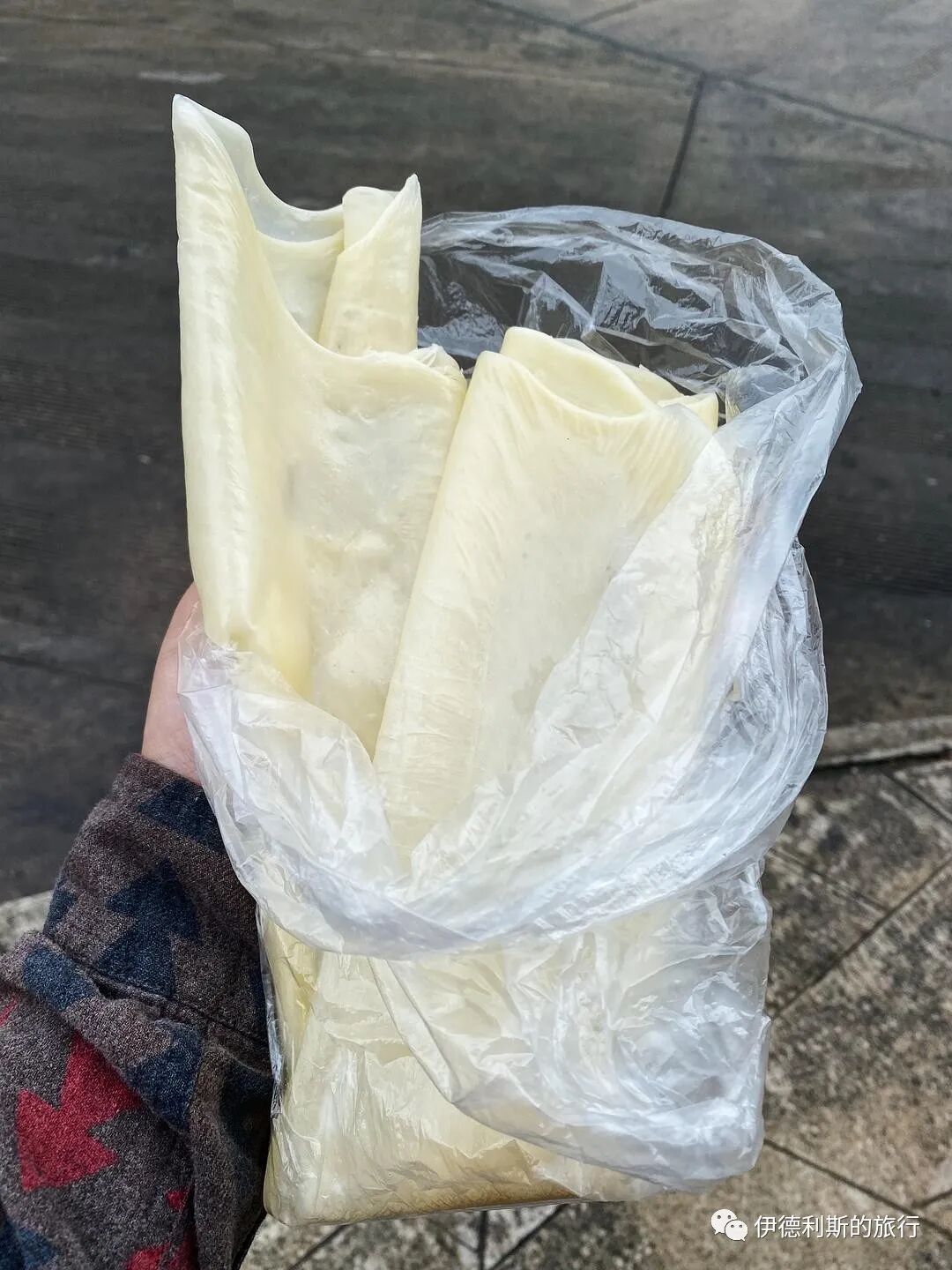
Opposite the Hui Muslim Street is the Longweiguan Ancient Town.
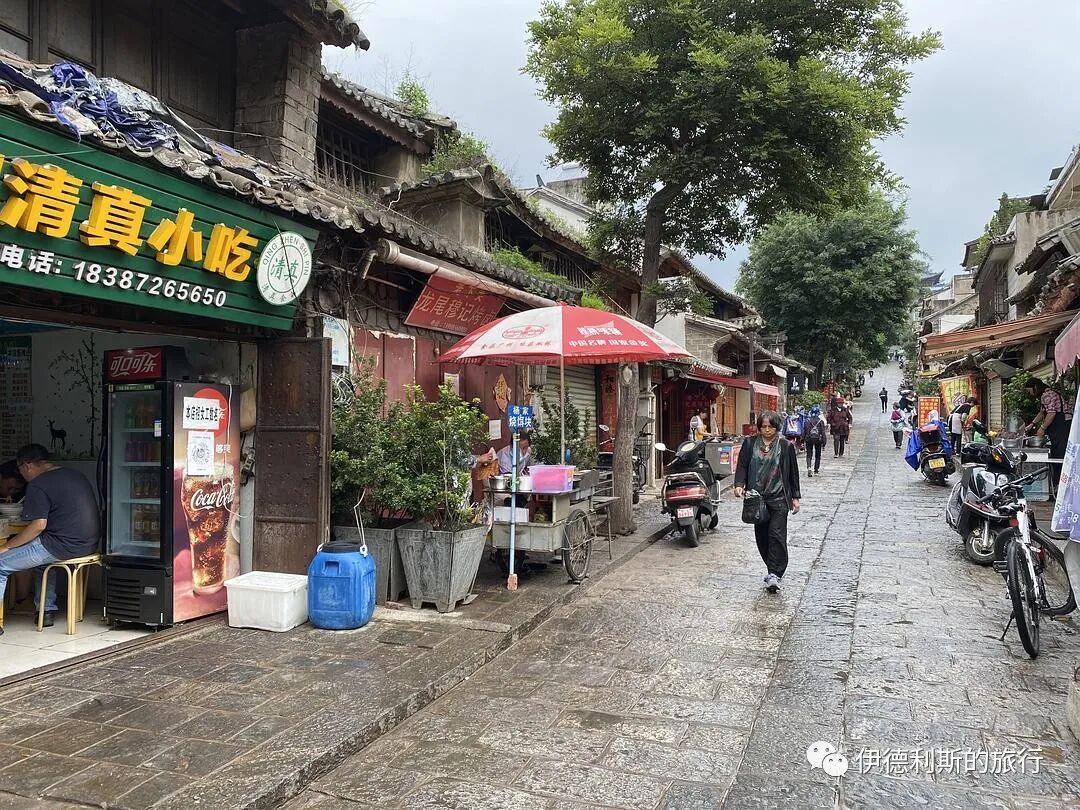
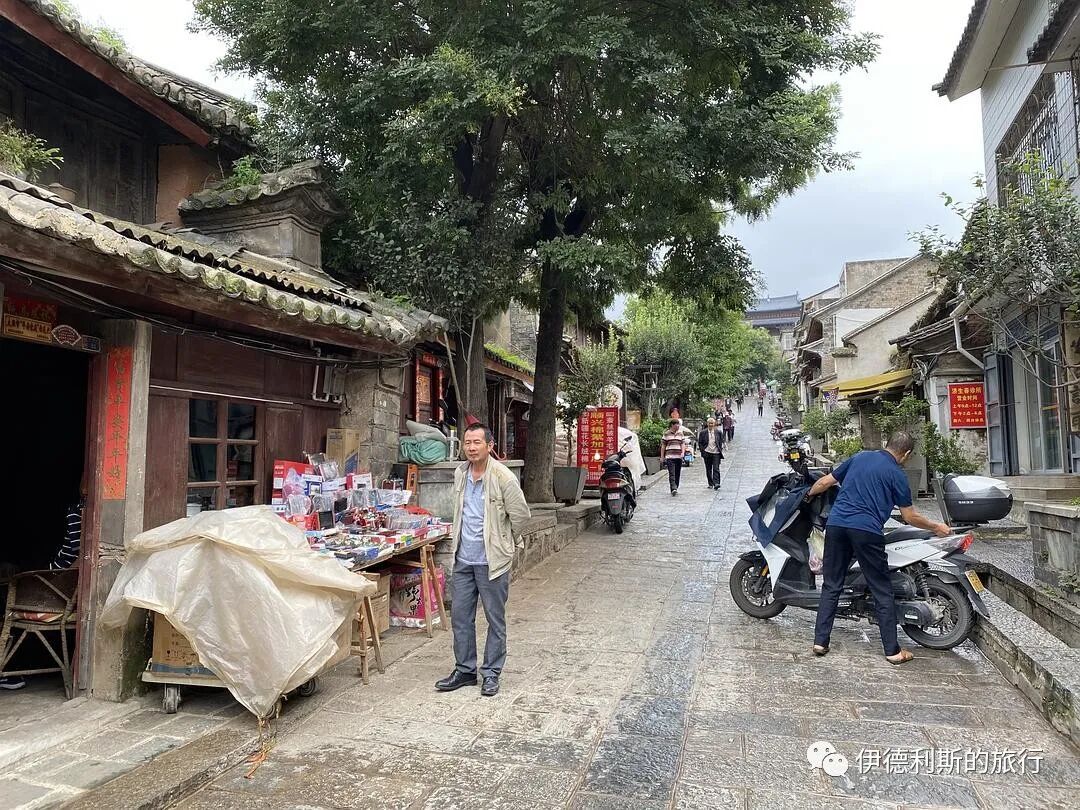
Dianzhong Huiying
At noon, we went from Weishan County town to Dianzhong Huiying. We ate fried ganba (cured beef jerky) and stir-fried cowpeas (pronounced gandou) in the village. Their beef soup was so delicious!
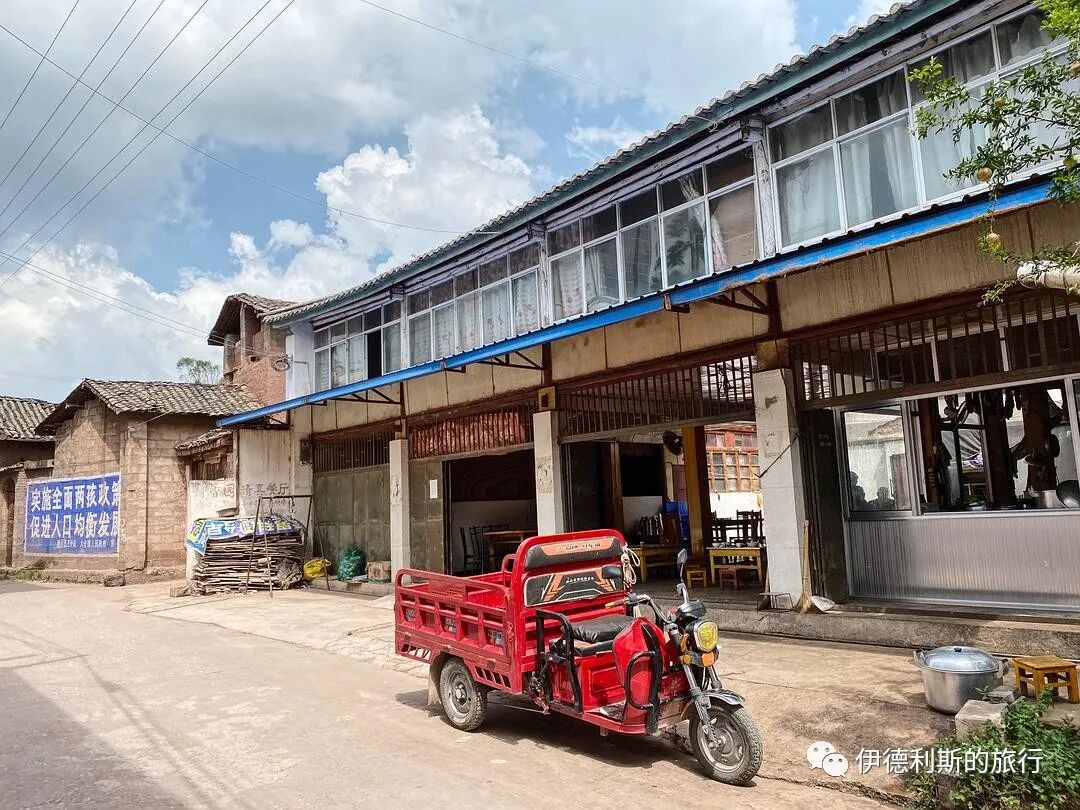
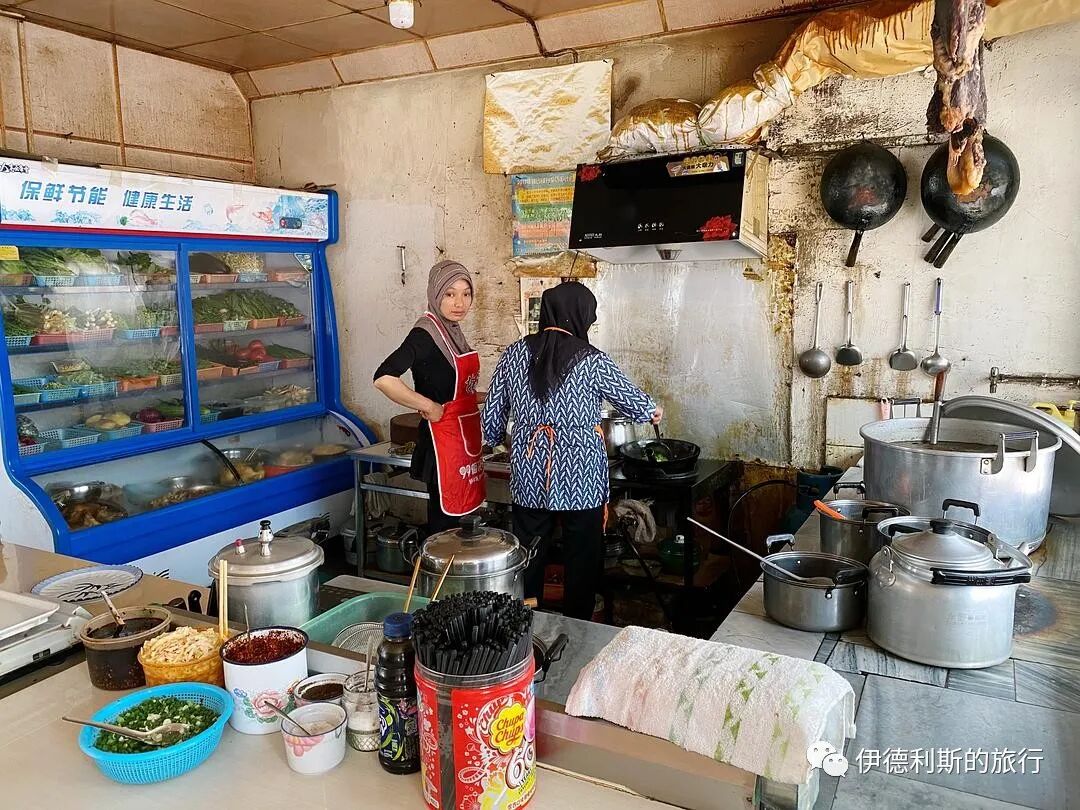
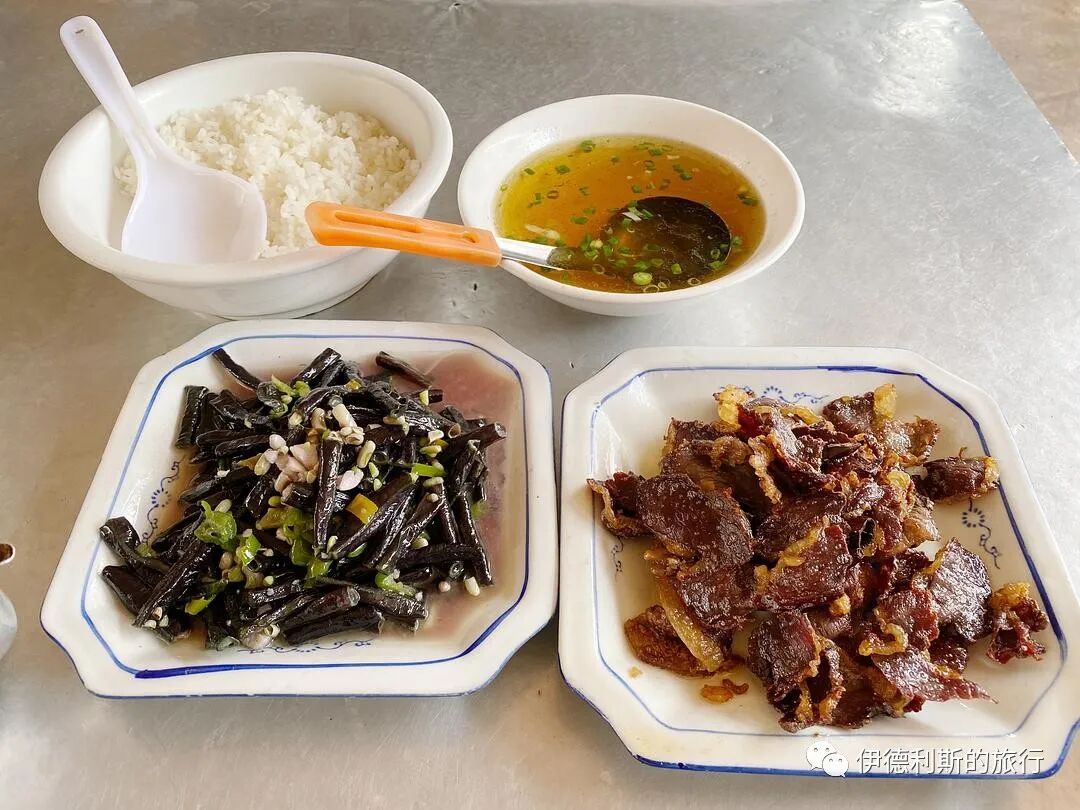
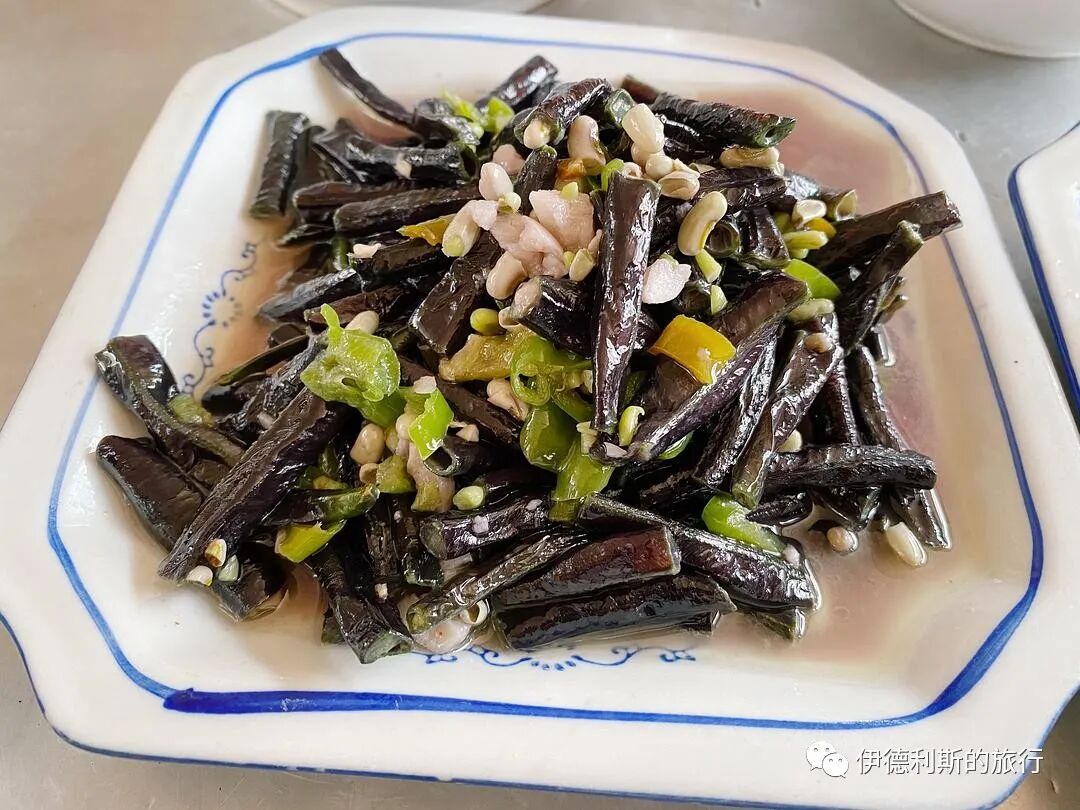
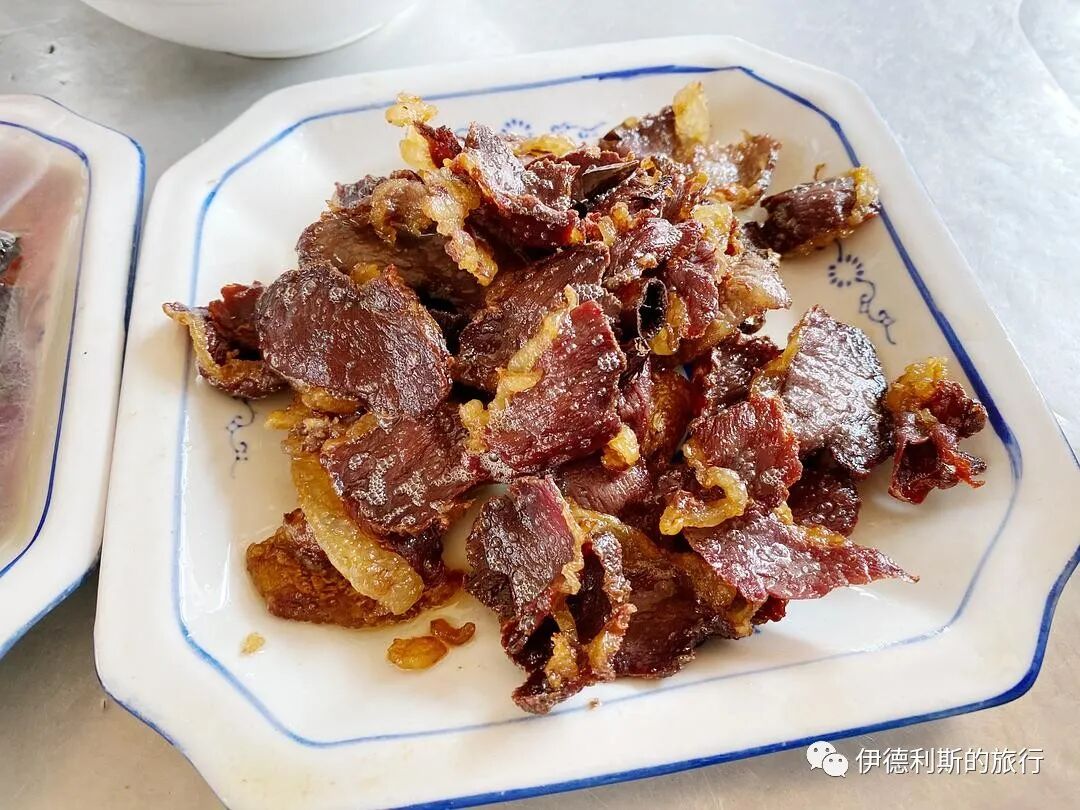
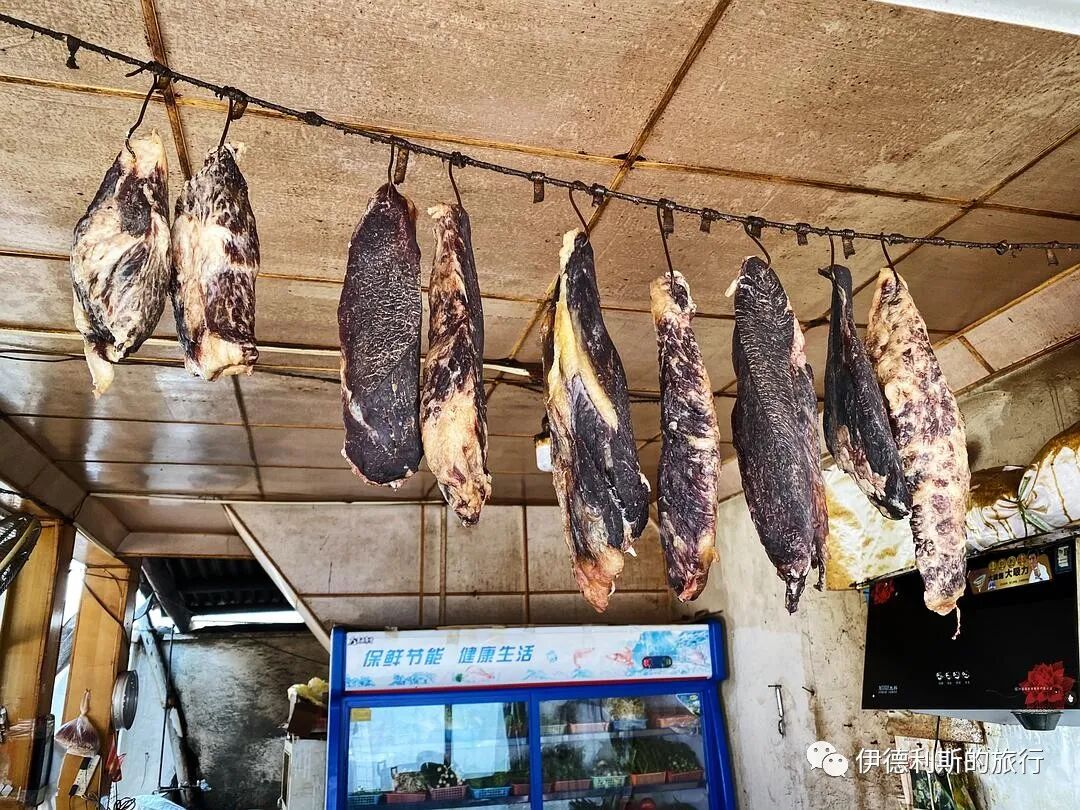
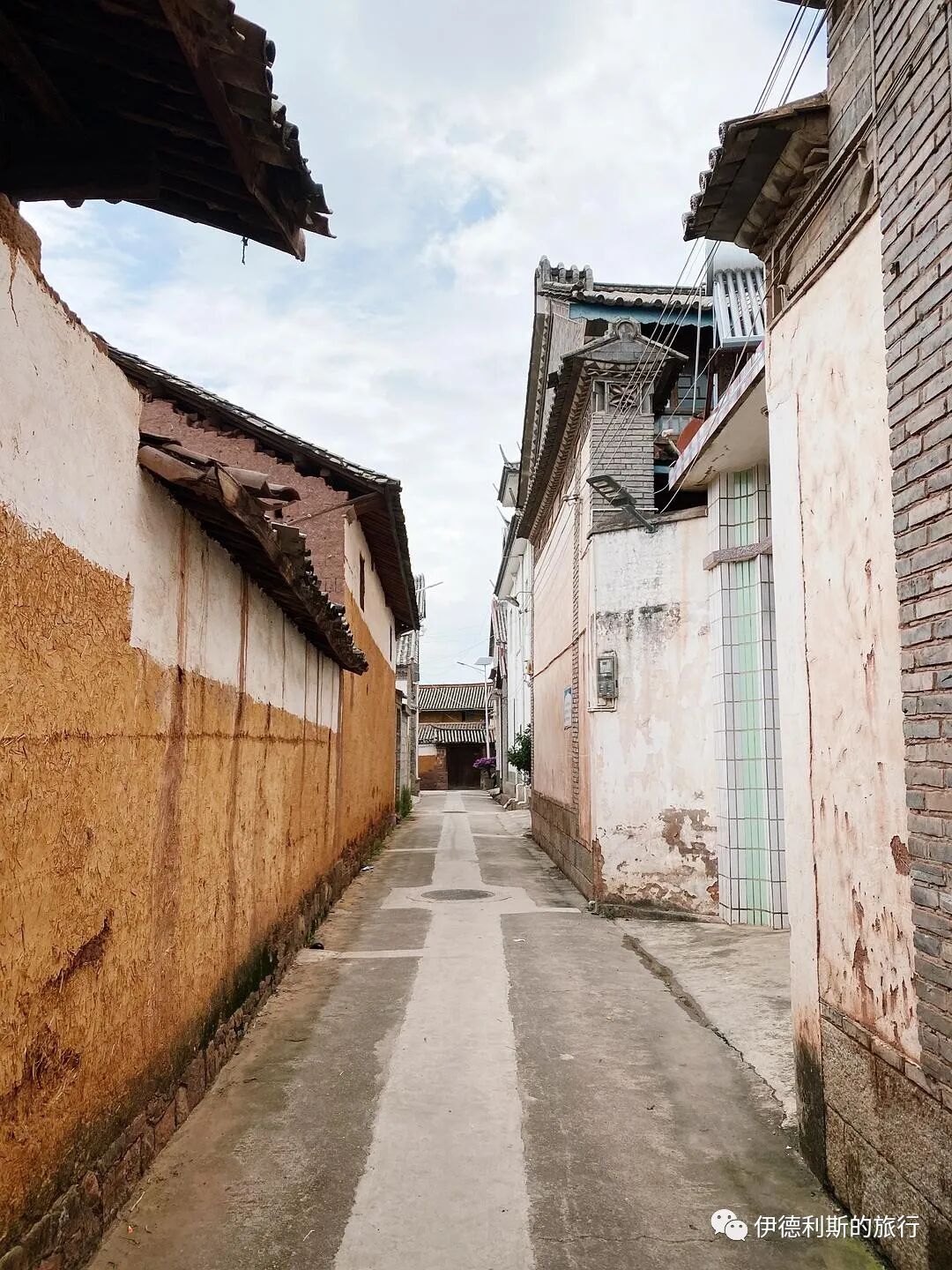
Shenhe Village
After eating, we arrived at another Hui Muslim village, Shenhe Village, from Dianzhong Huiying. The scene in the village is like this.
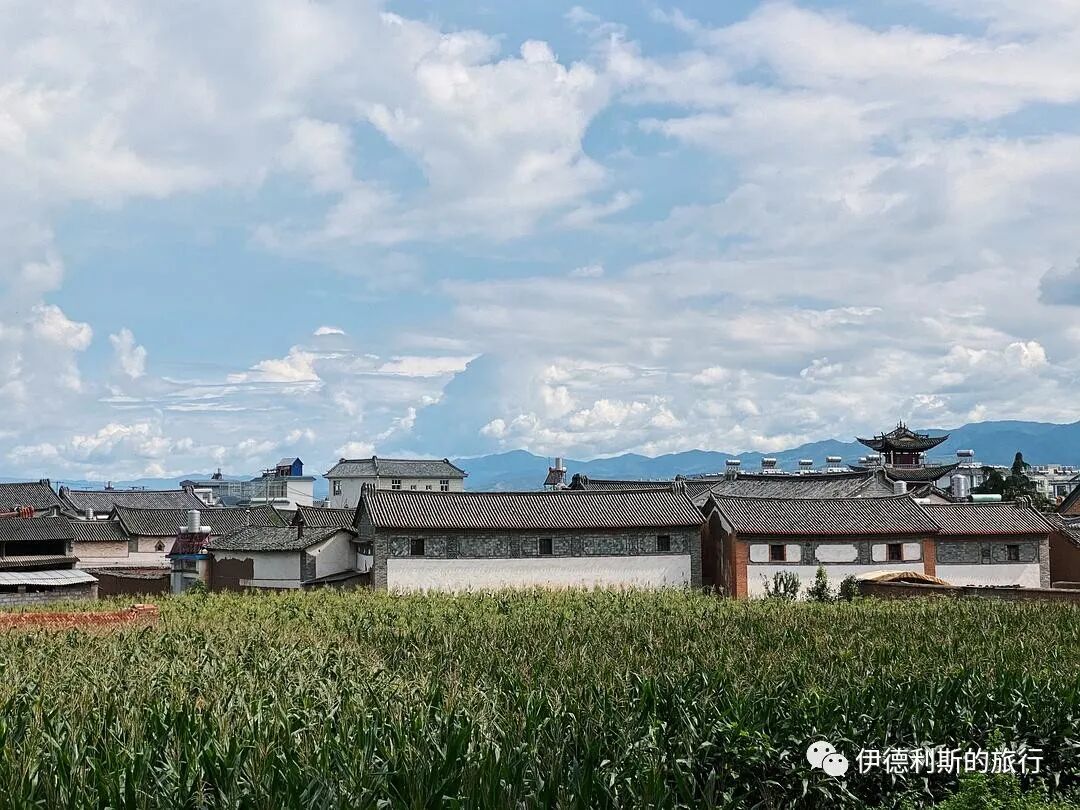
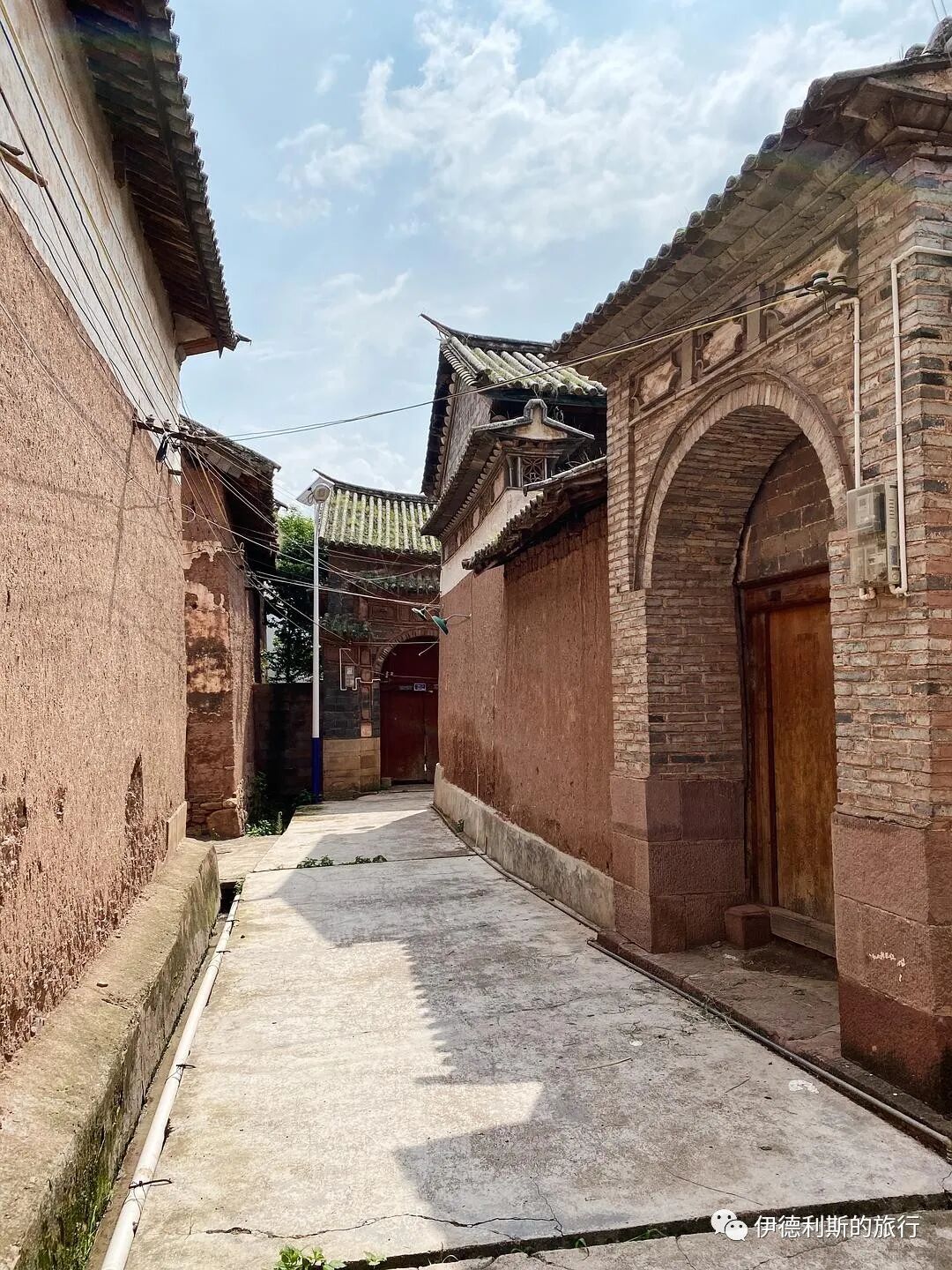
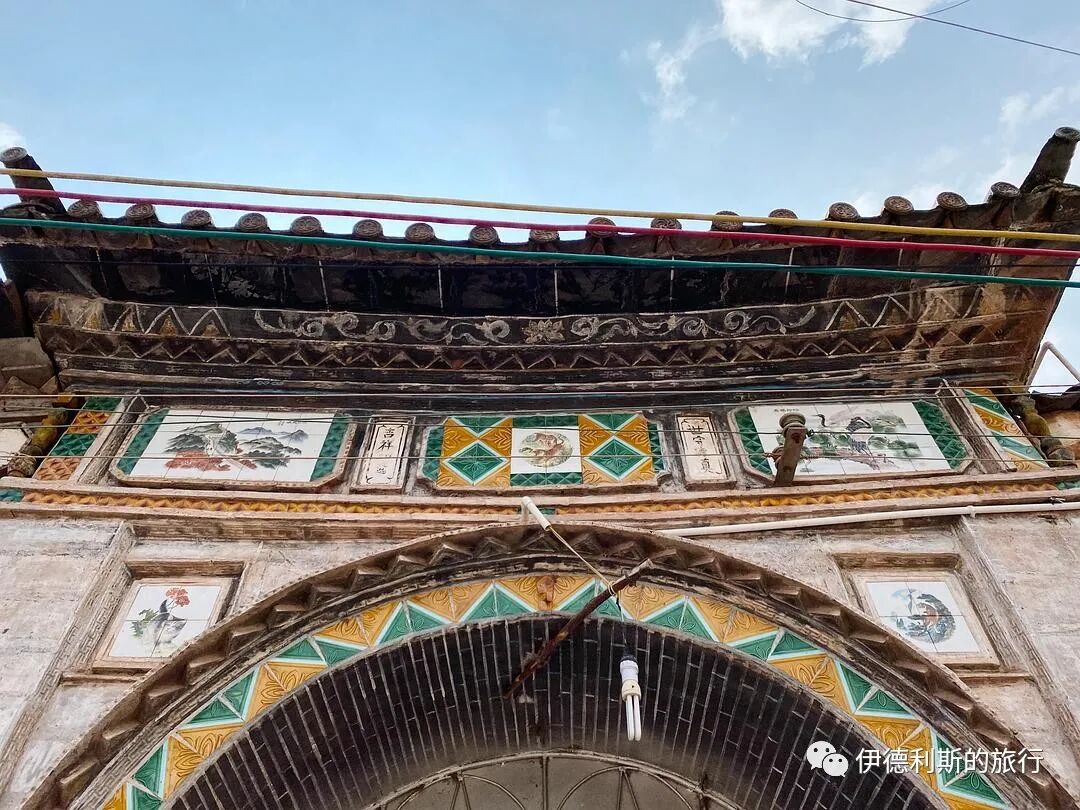
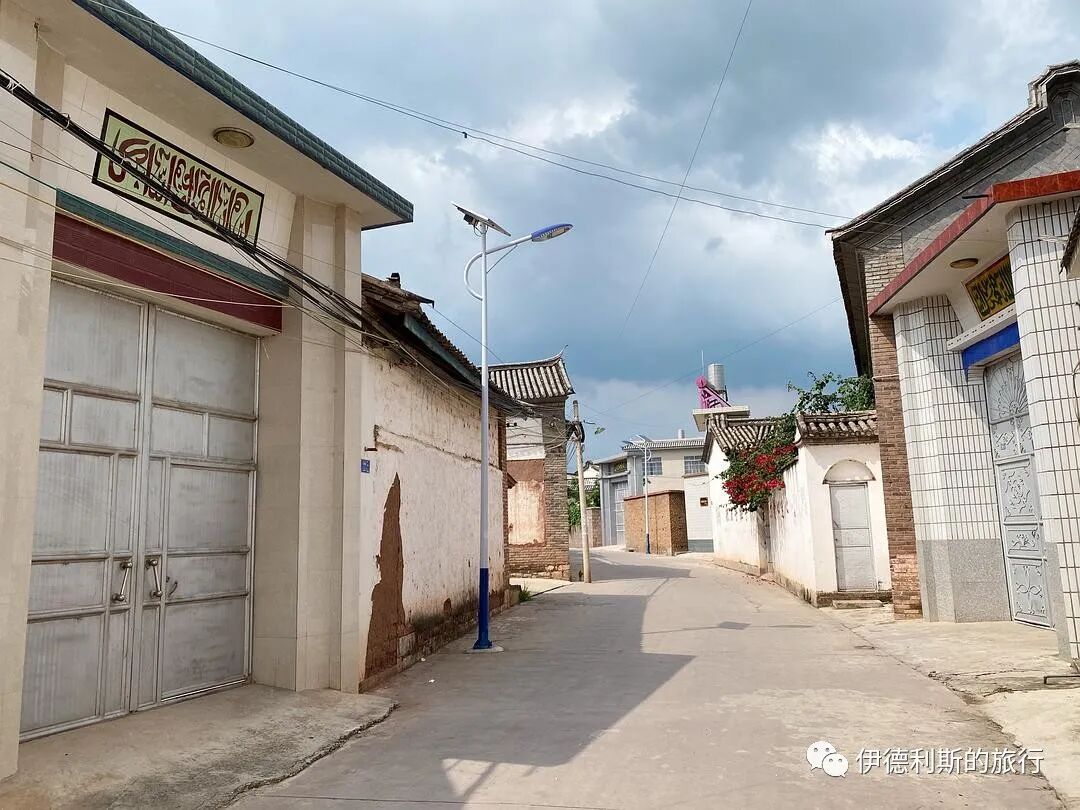
Mamichang
We continued to visit Hui Muslim villages, strolling from Shenhe Village to Mamichang. The village is on a small hillside, and you can overlook the surrounding scenery.
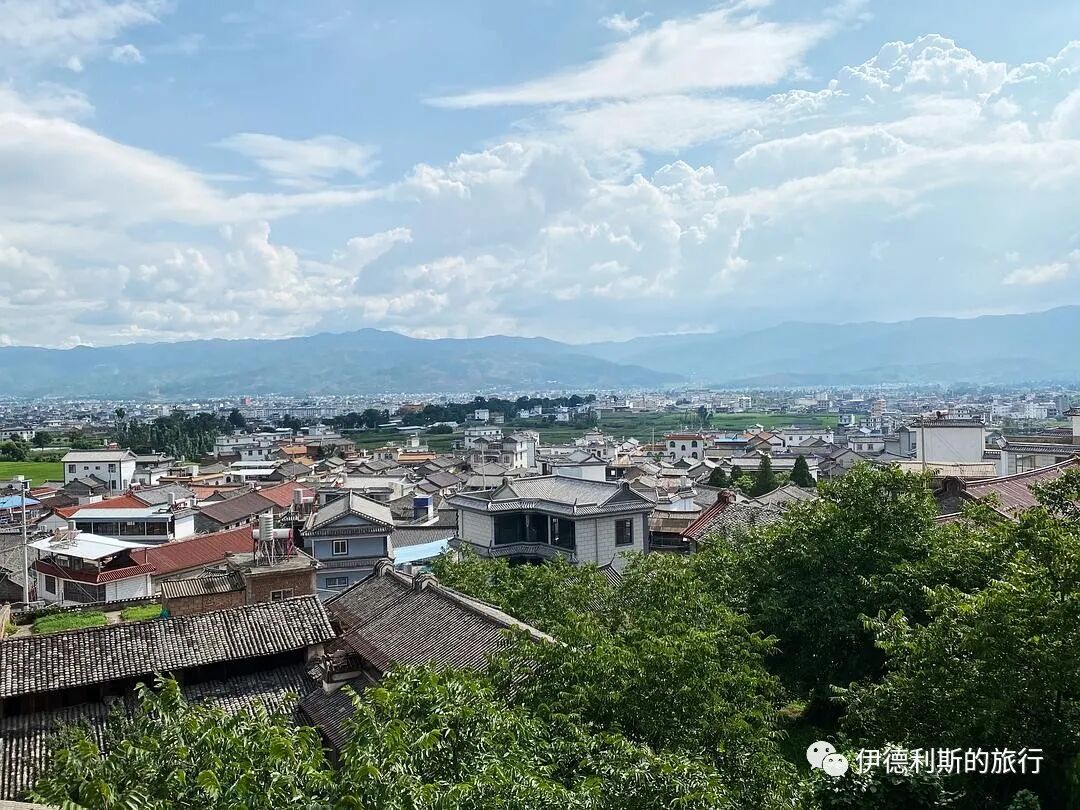
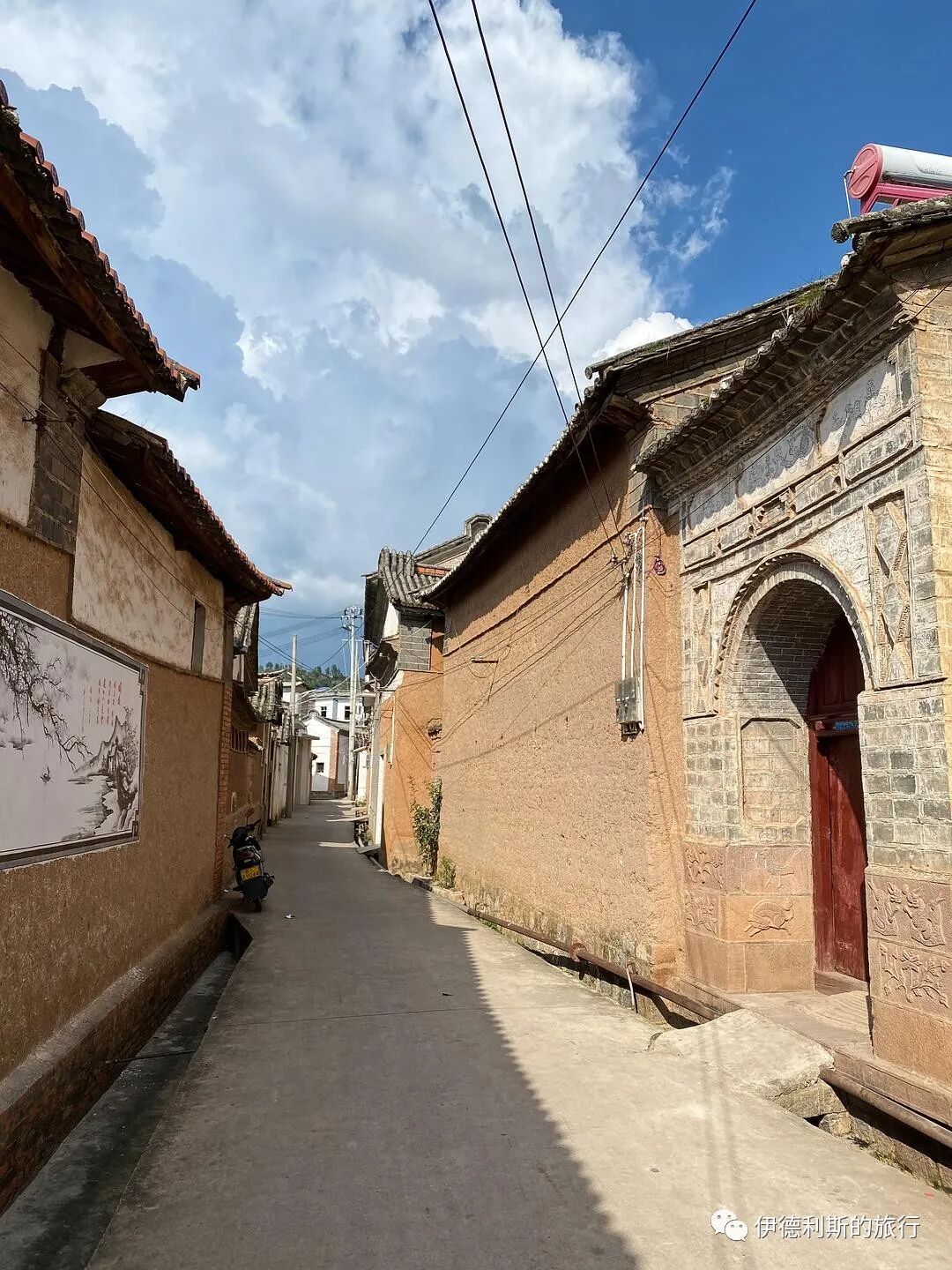
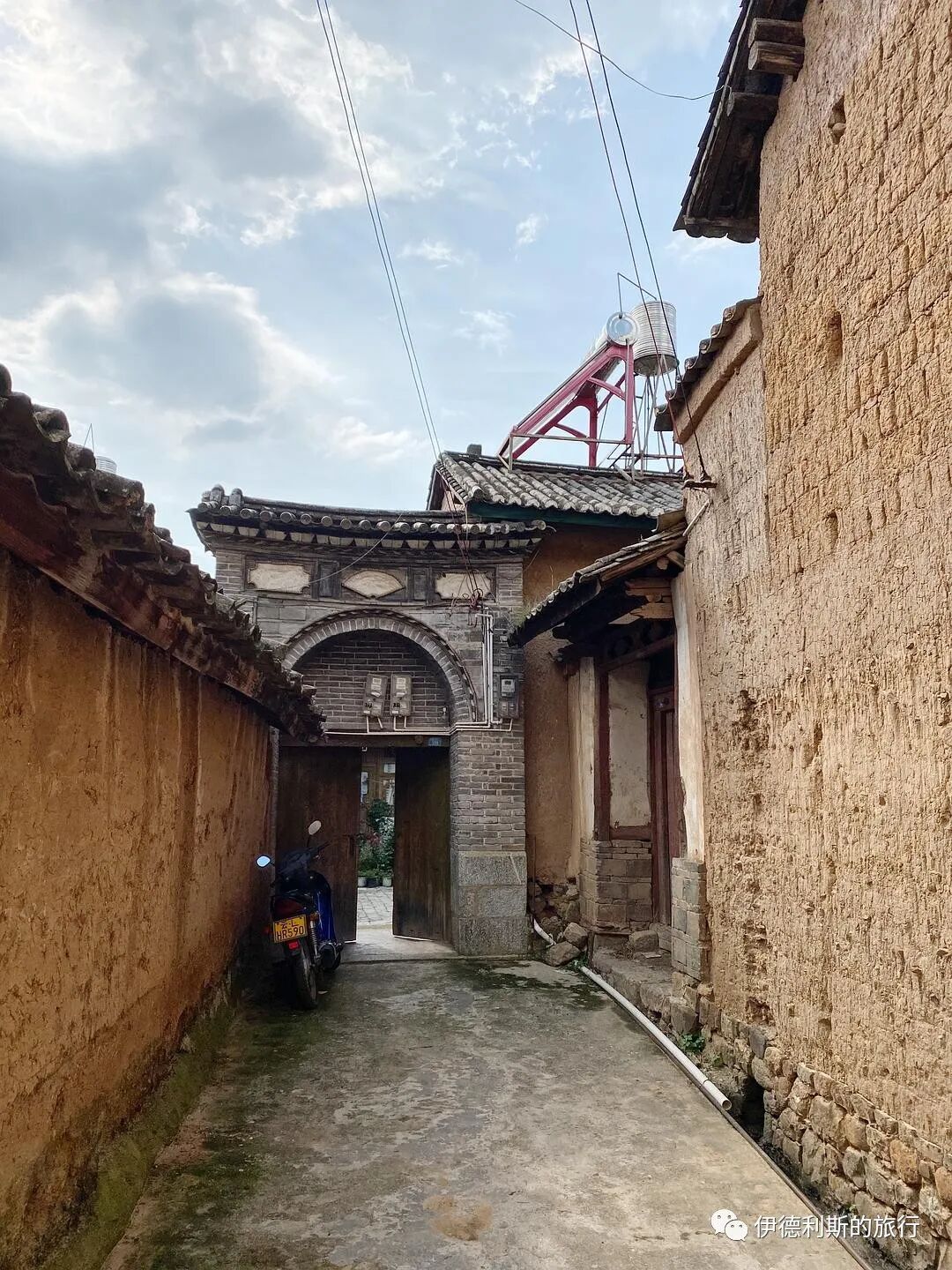
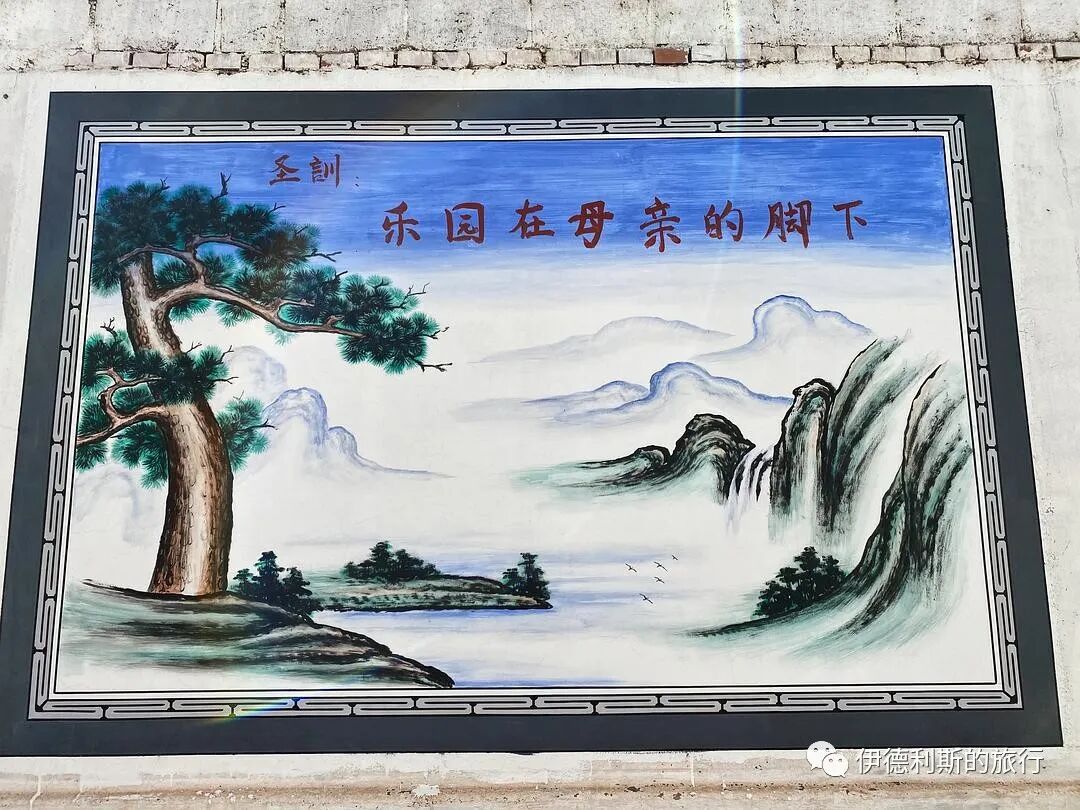
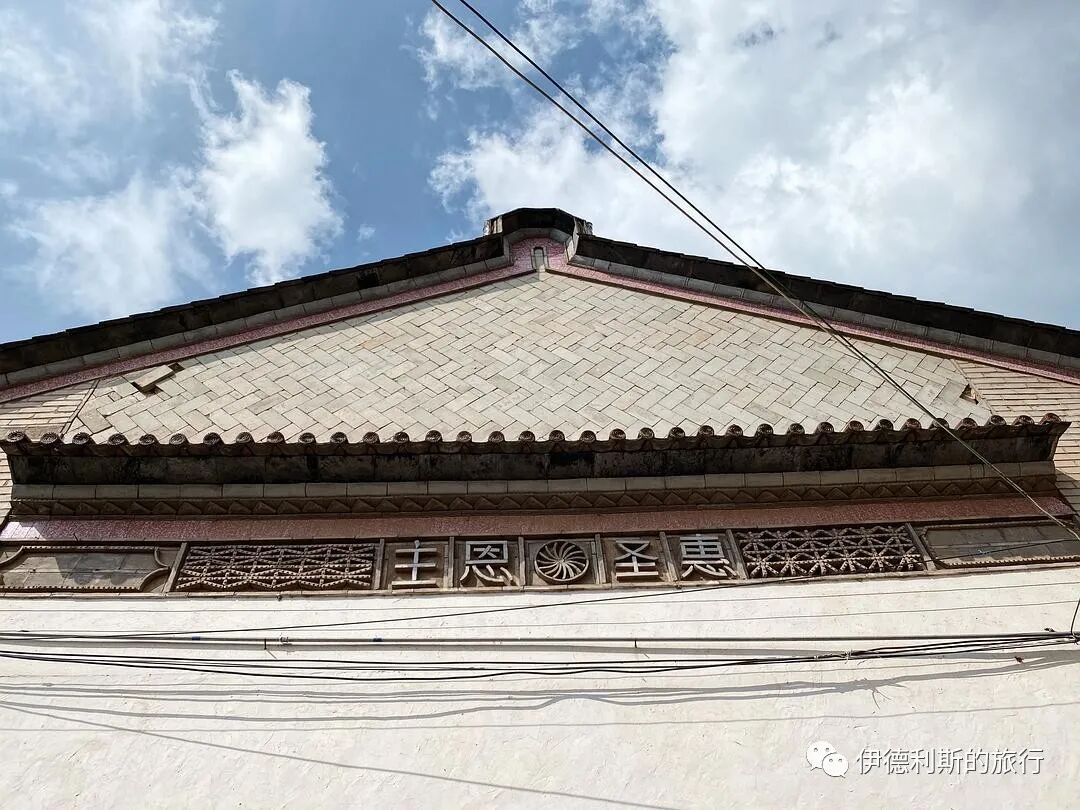
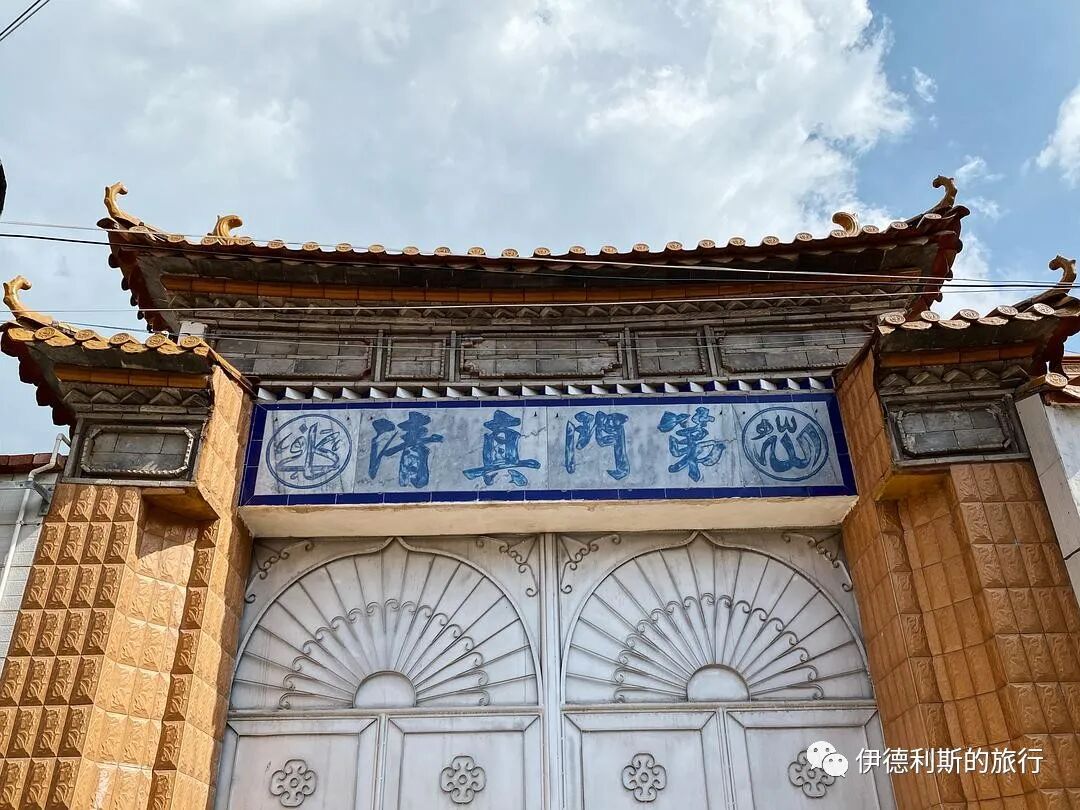
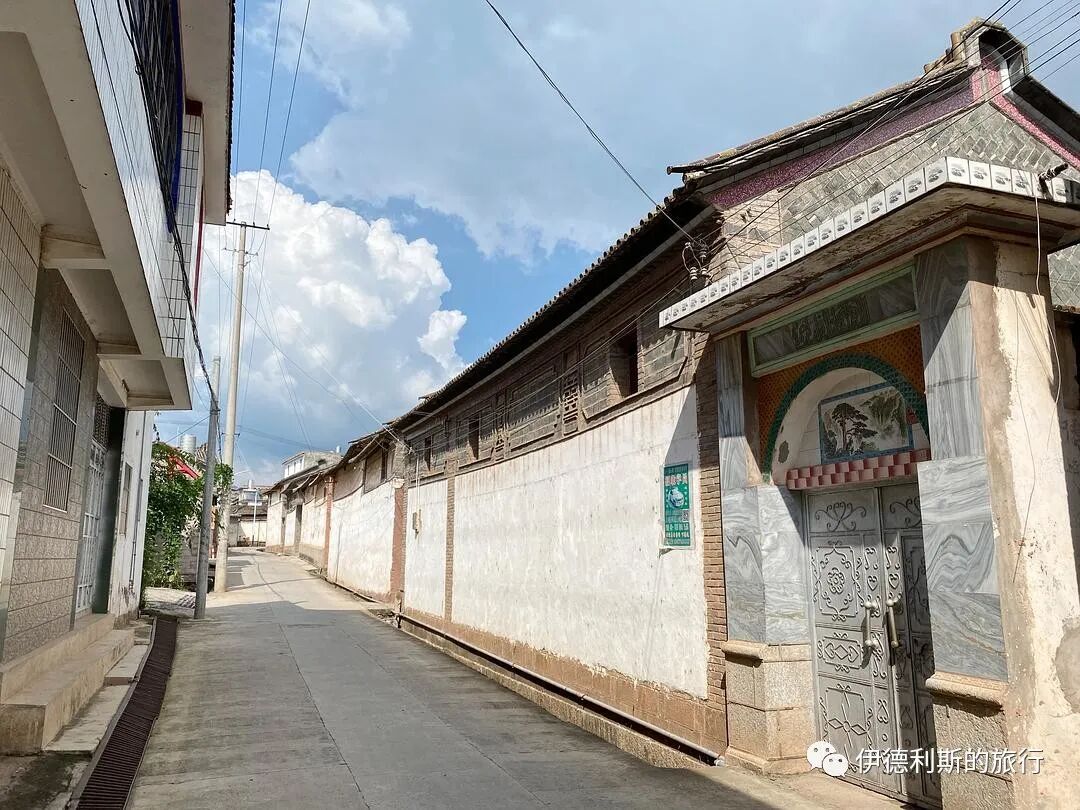
Return to Yongjian Town
Returning to Yongjian Town from Mamichang, we ate corn baba (corn cakes) and douhua (soft tofu pudding) on Hedijie Street, the busiest street in the town. Hedijie Street has changed a lot since I went in 2017; there are fewer and fewer old houses, and the scripture bookstore is gone.
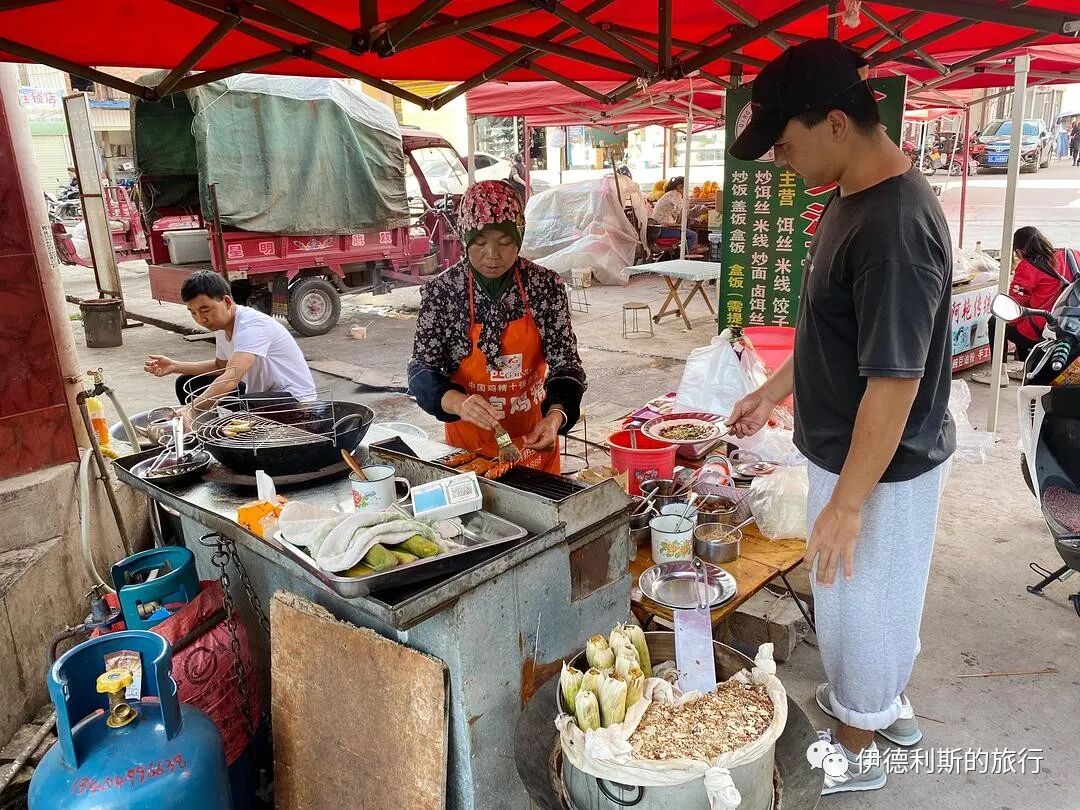
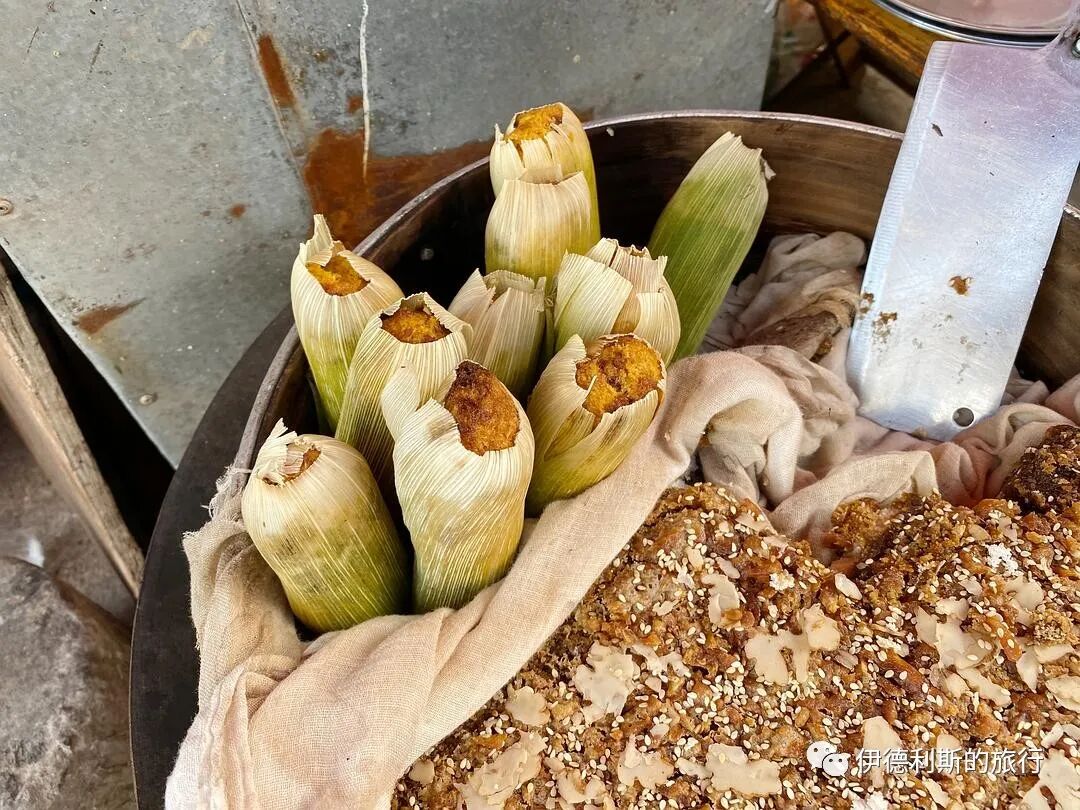
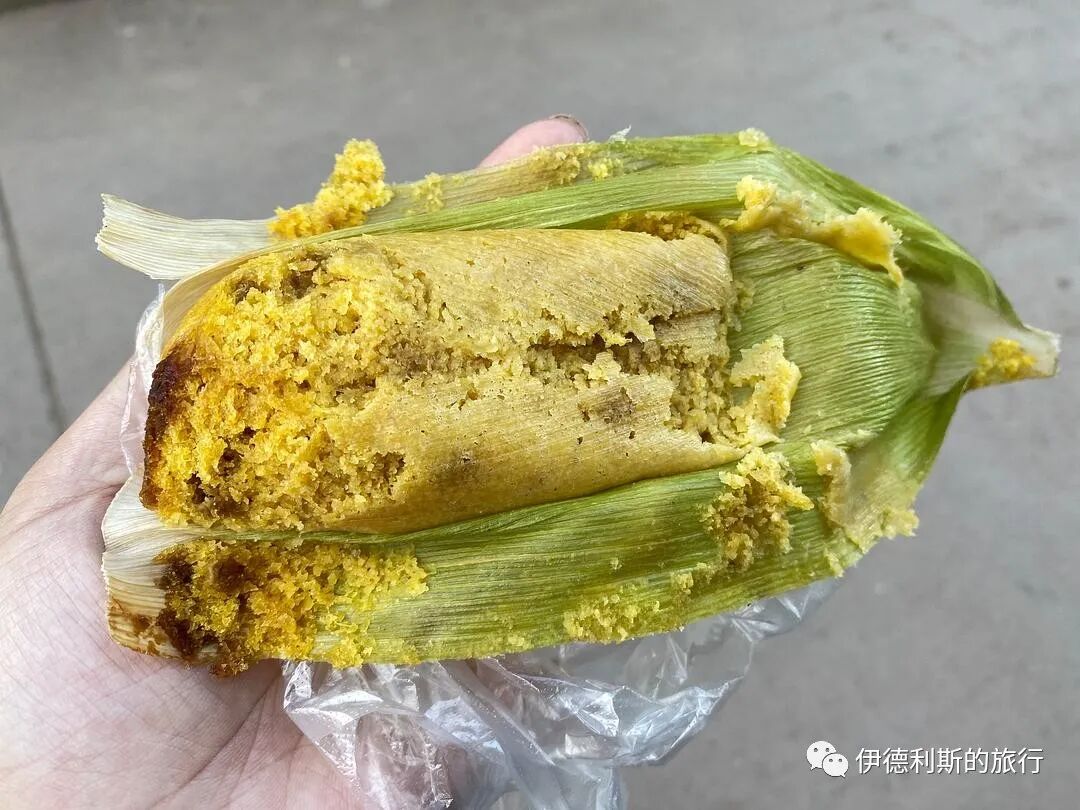
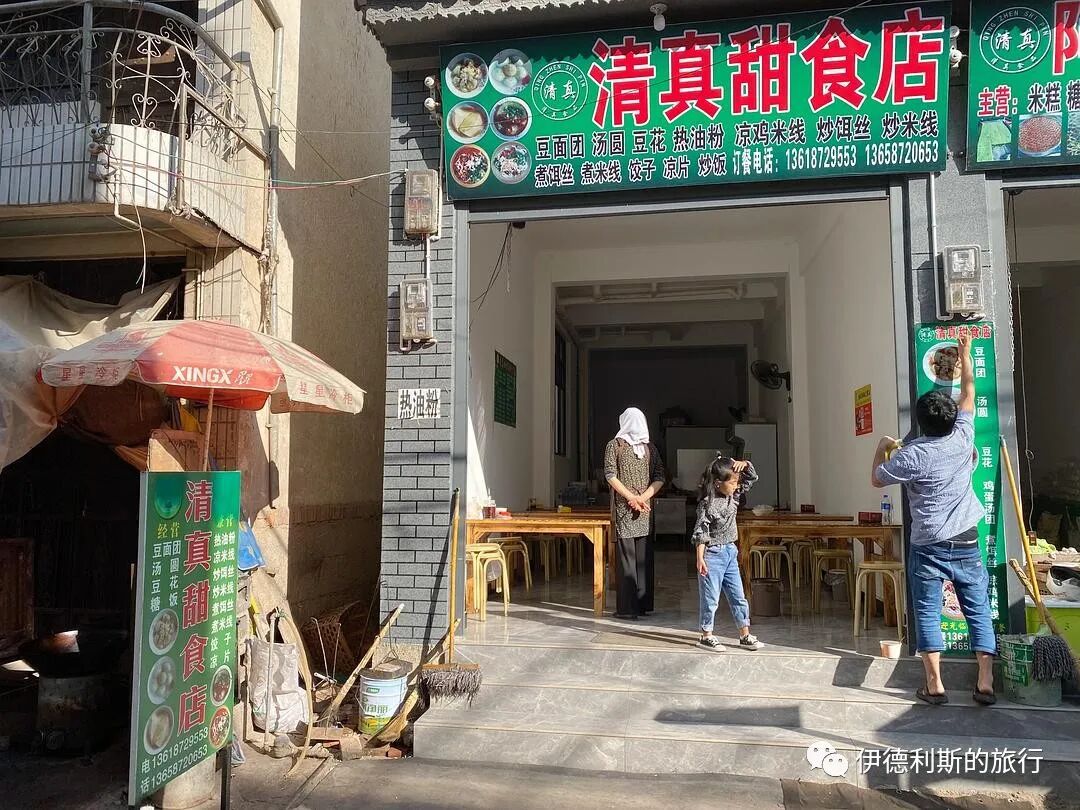
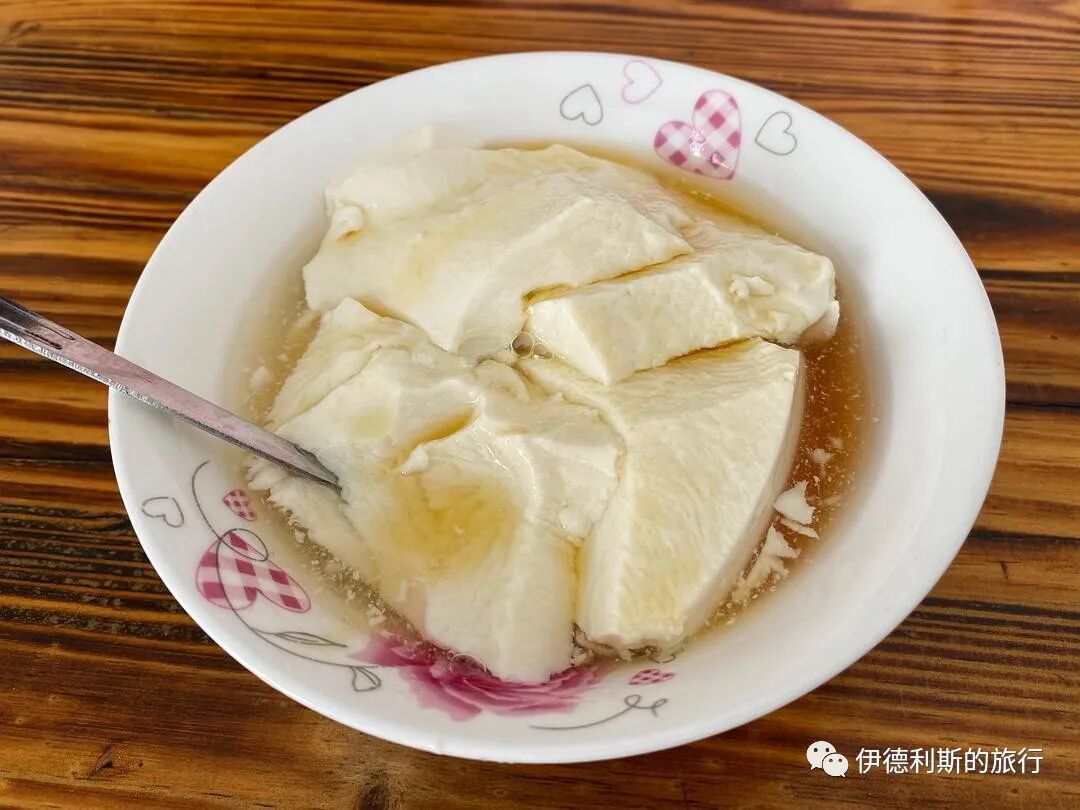
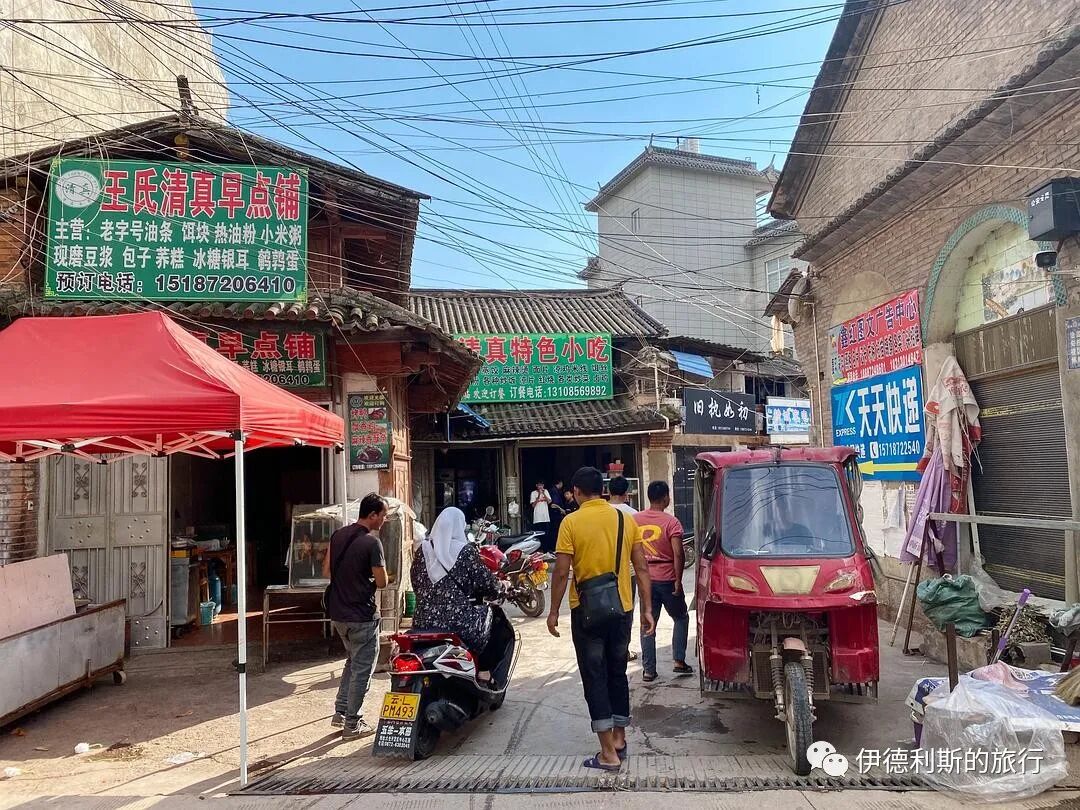
In the evening, we ate stir-fried cigu (arrowhead) with pickled vegetables and braised beef on the side of the road on Hedijie Street in Yongjian Town. The auntie who owns the place is from Xiaoweigeng Village. Restaurants that make stir-fry here generally do not have menus, but put all the ingredients in a freezer, and the guests point to whichever one they want, and they make it.
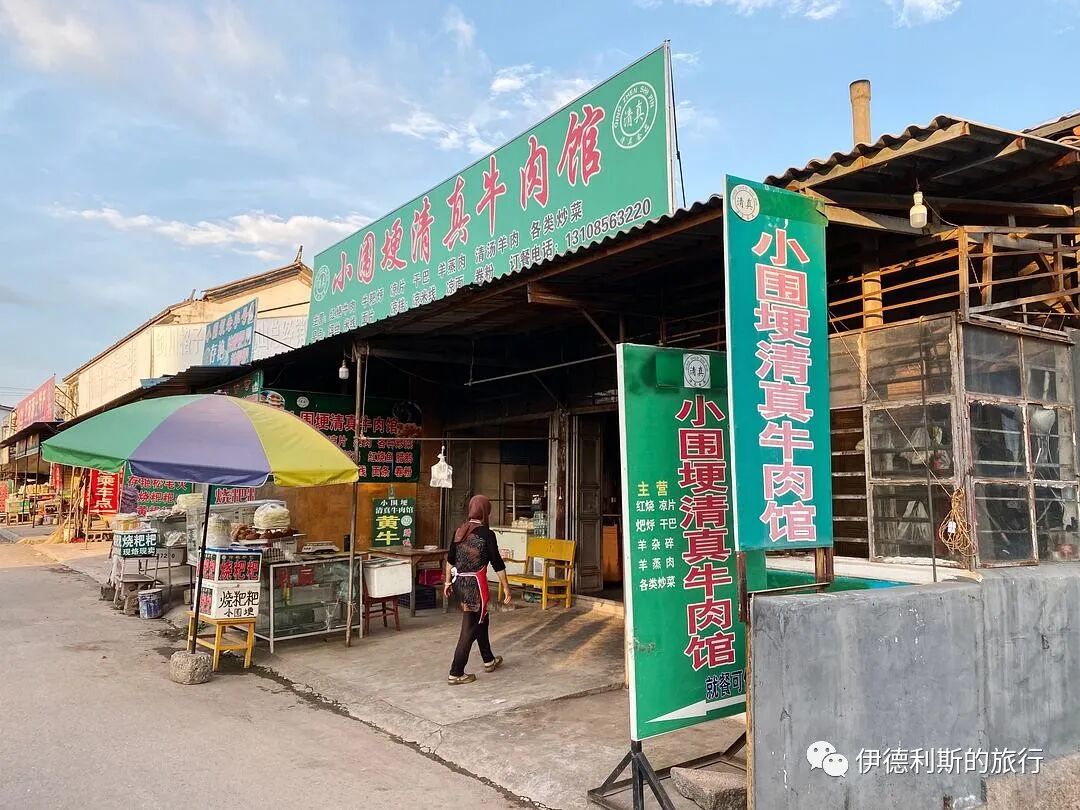
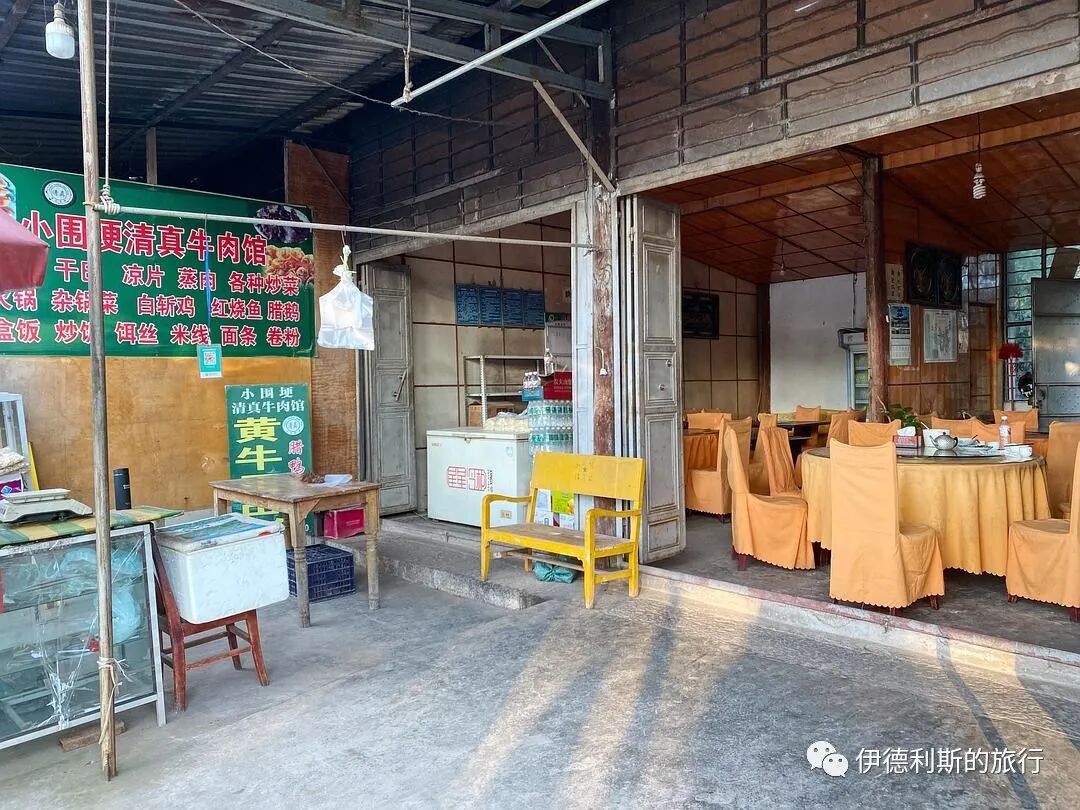
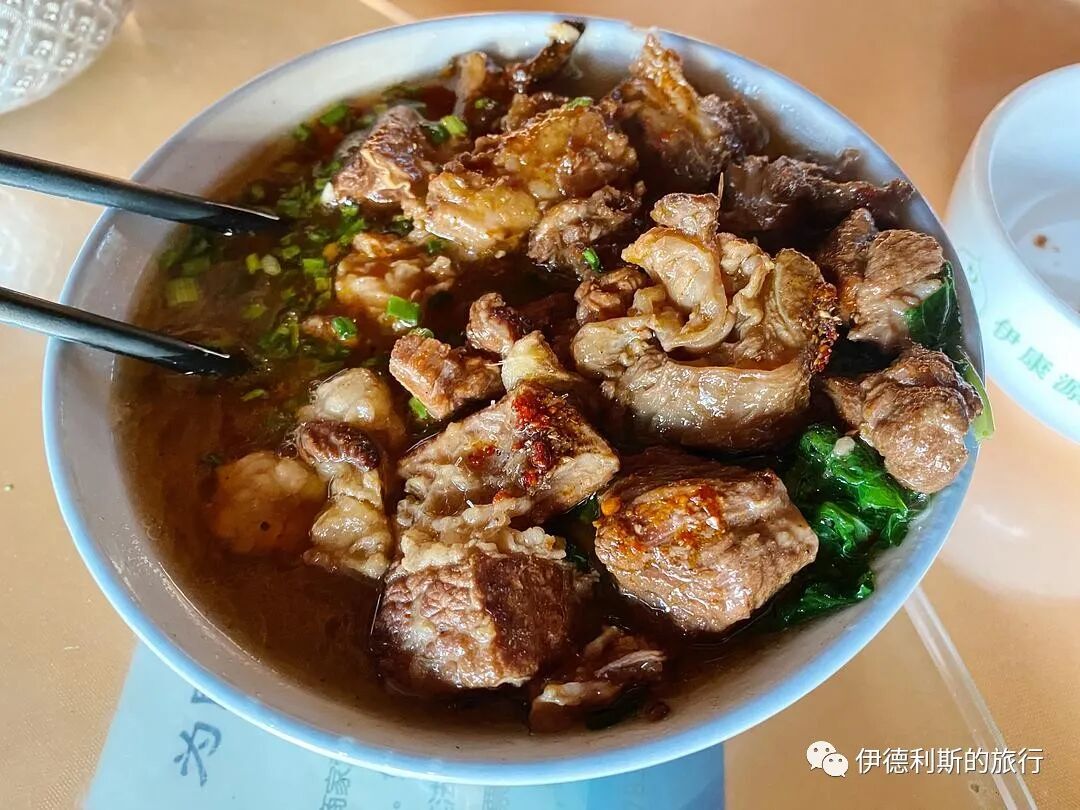
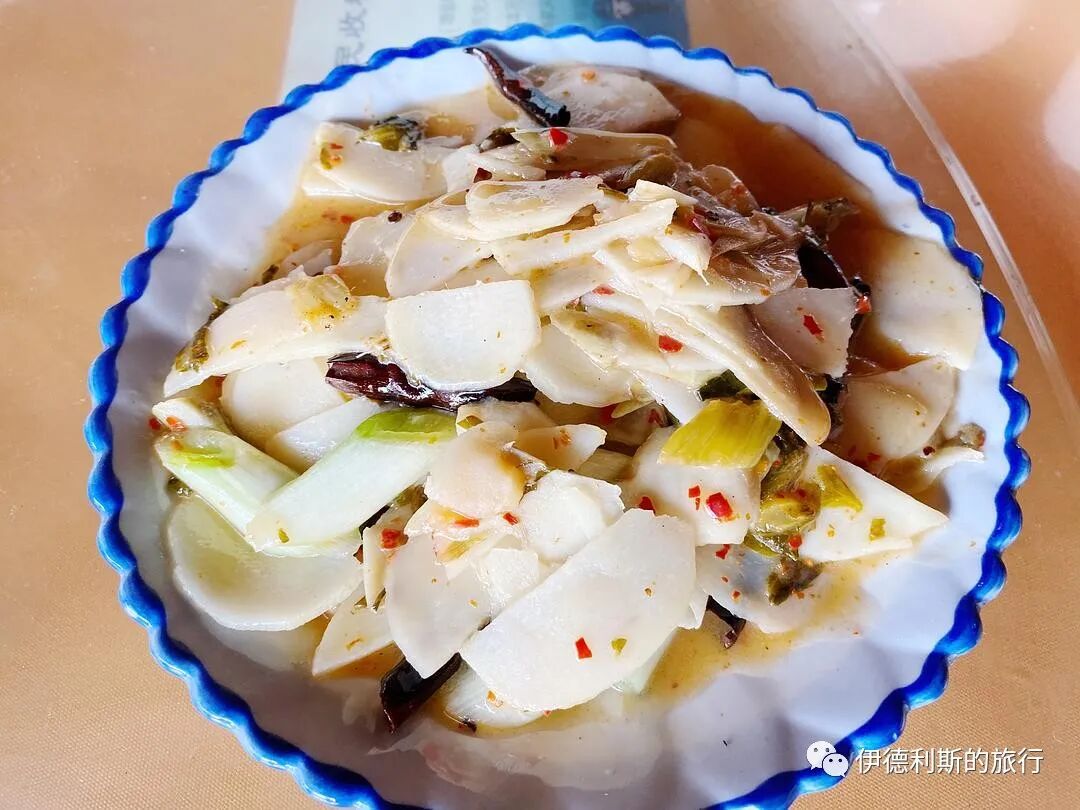
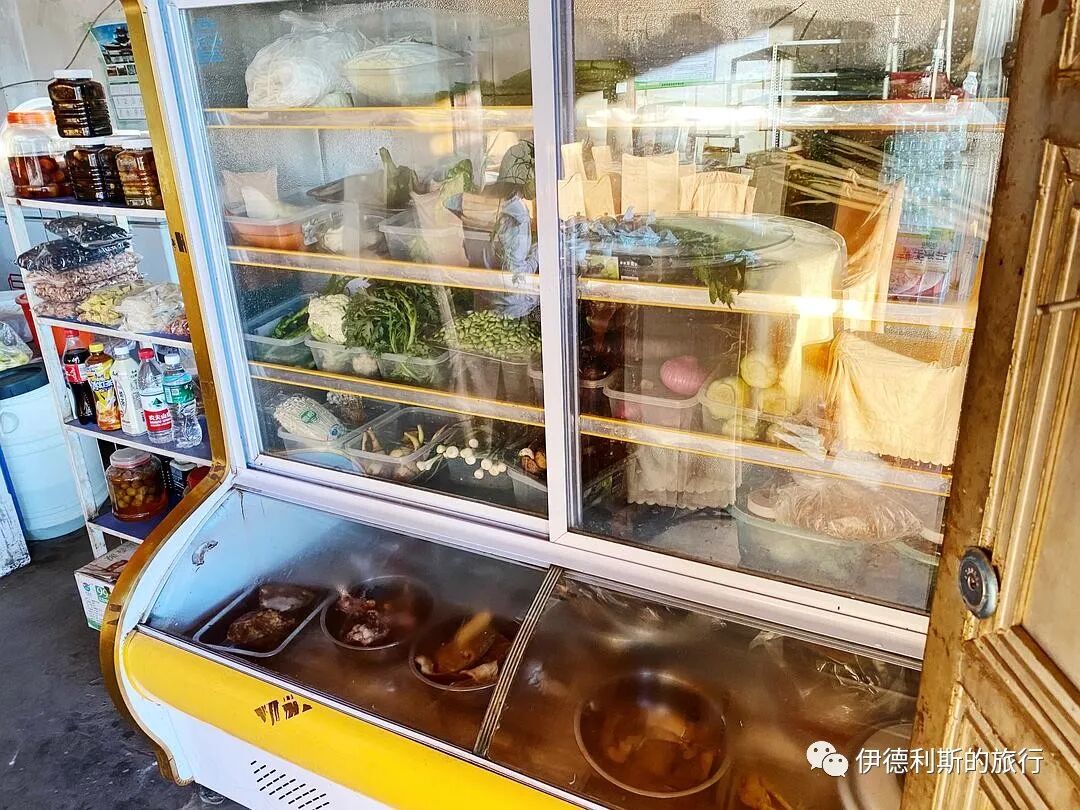
August 5: Market day in Yongjian Town
In the morning, we caught a very lively market in Yongjian Town. We ate hot youfen (pea starch jelly), juanfen (rolled rice noodles), qiaogao (buckwheat cake), and brown sugar liangxia (cold shrimp-shaped jelly), and also bought rose-flavored rushan. The youfen is really delicious. It is made by peeling peas and grinding them in a stone mill. The texture is soft and smooth, and it has crispy rice crust inside.
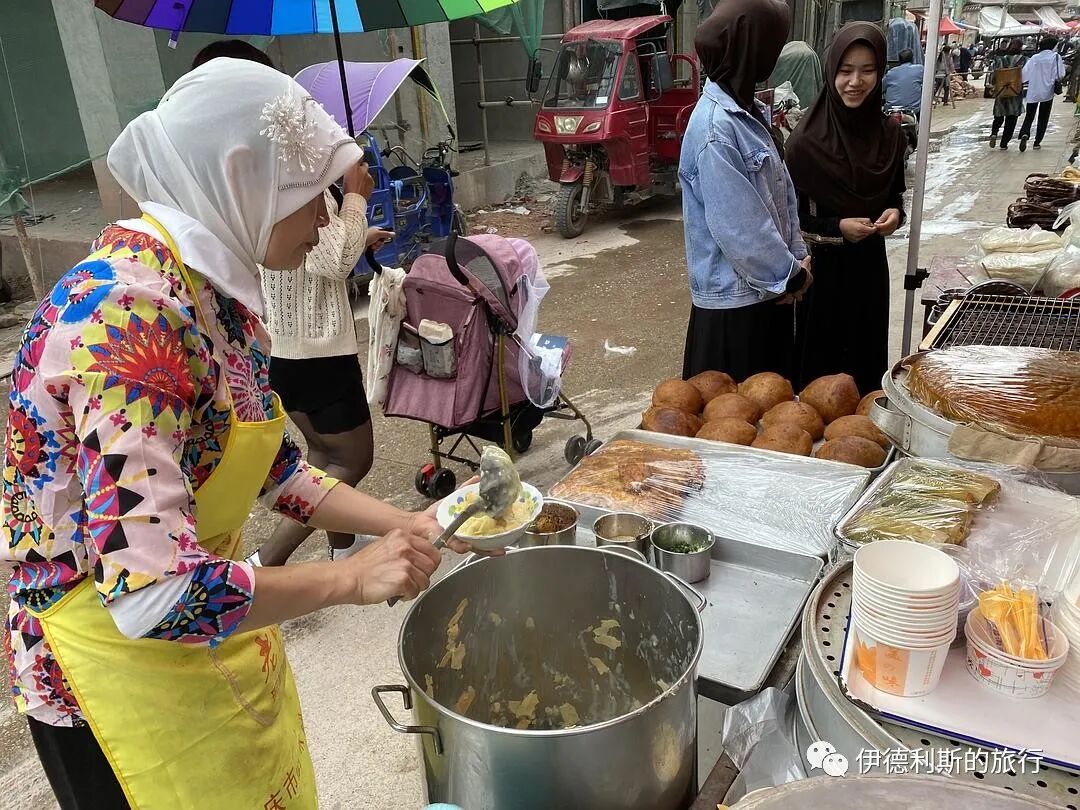
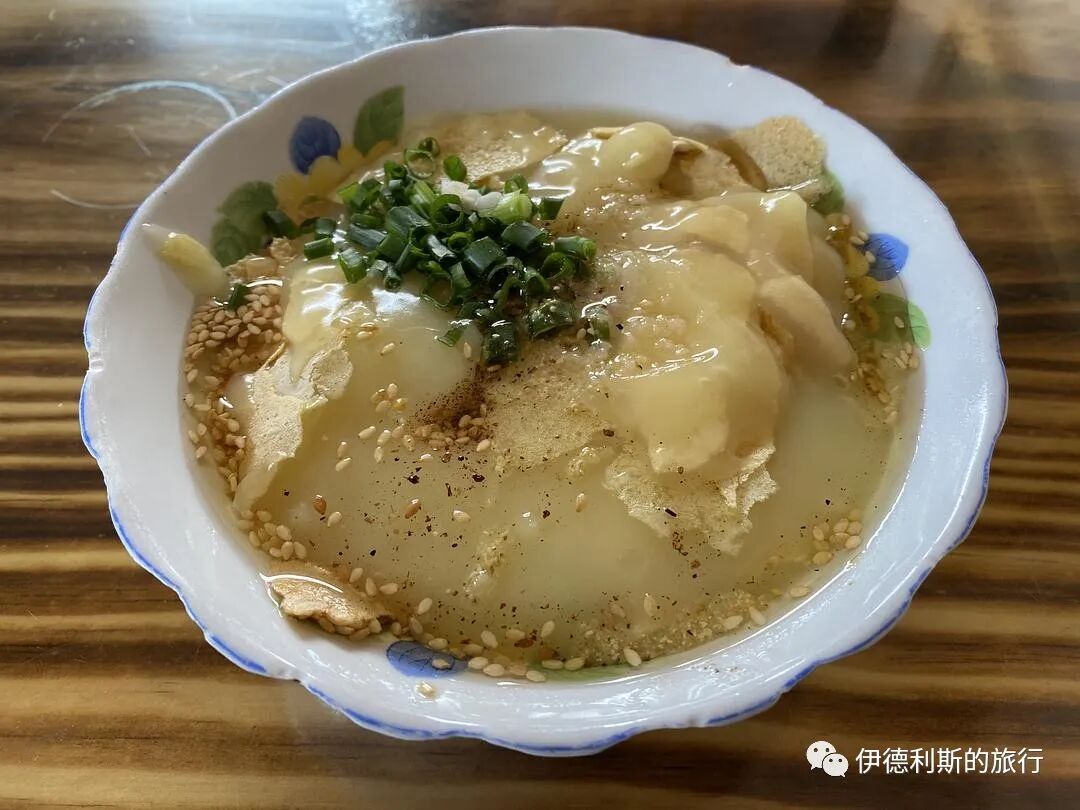
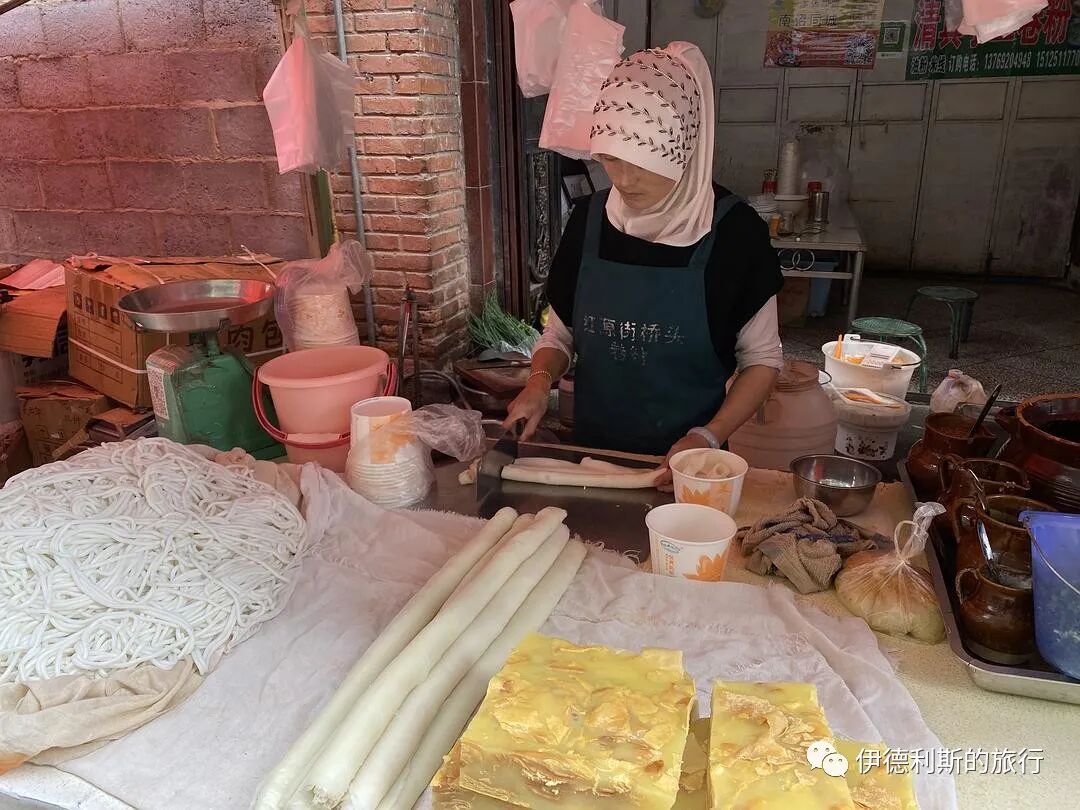
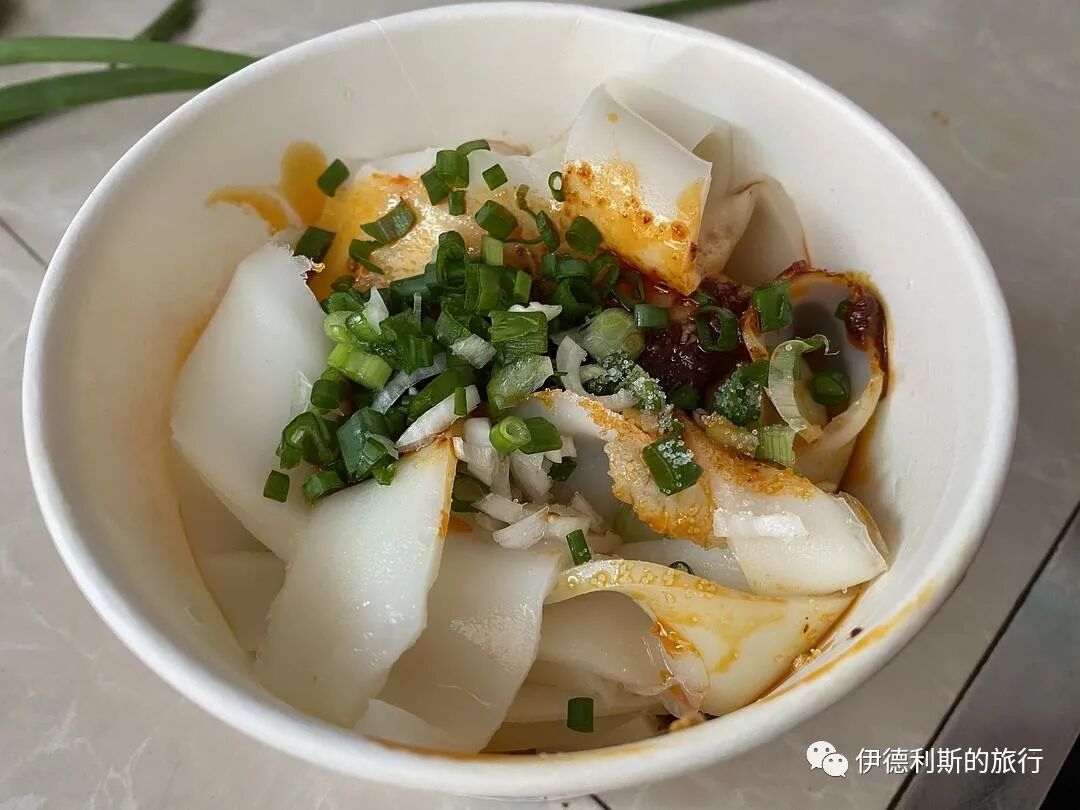
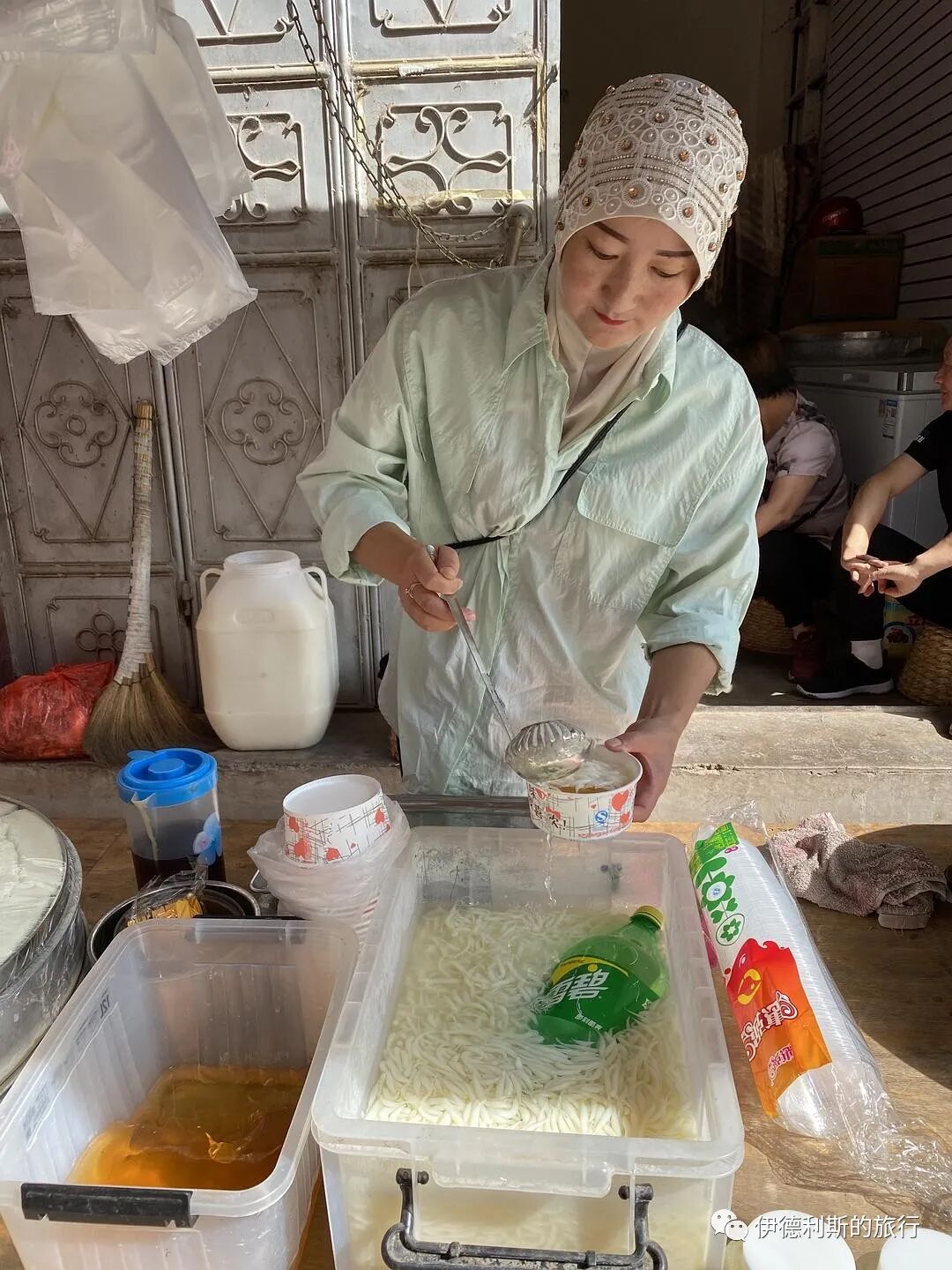
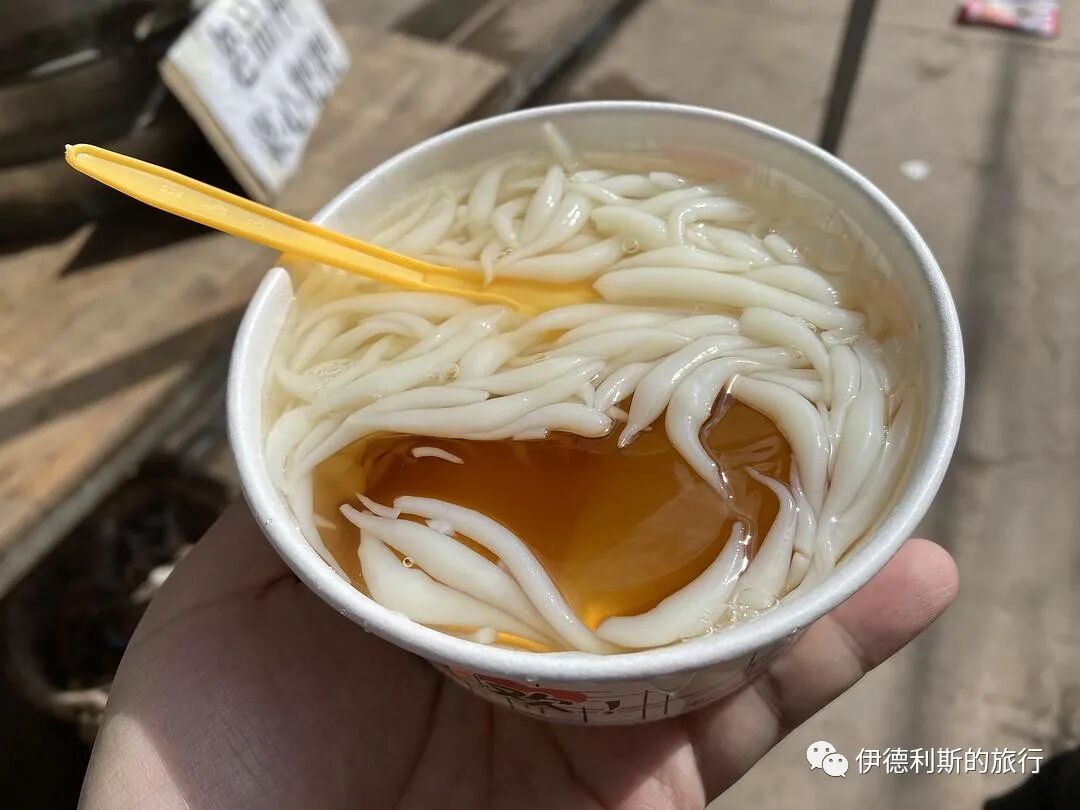
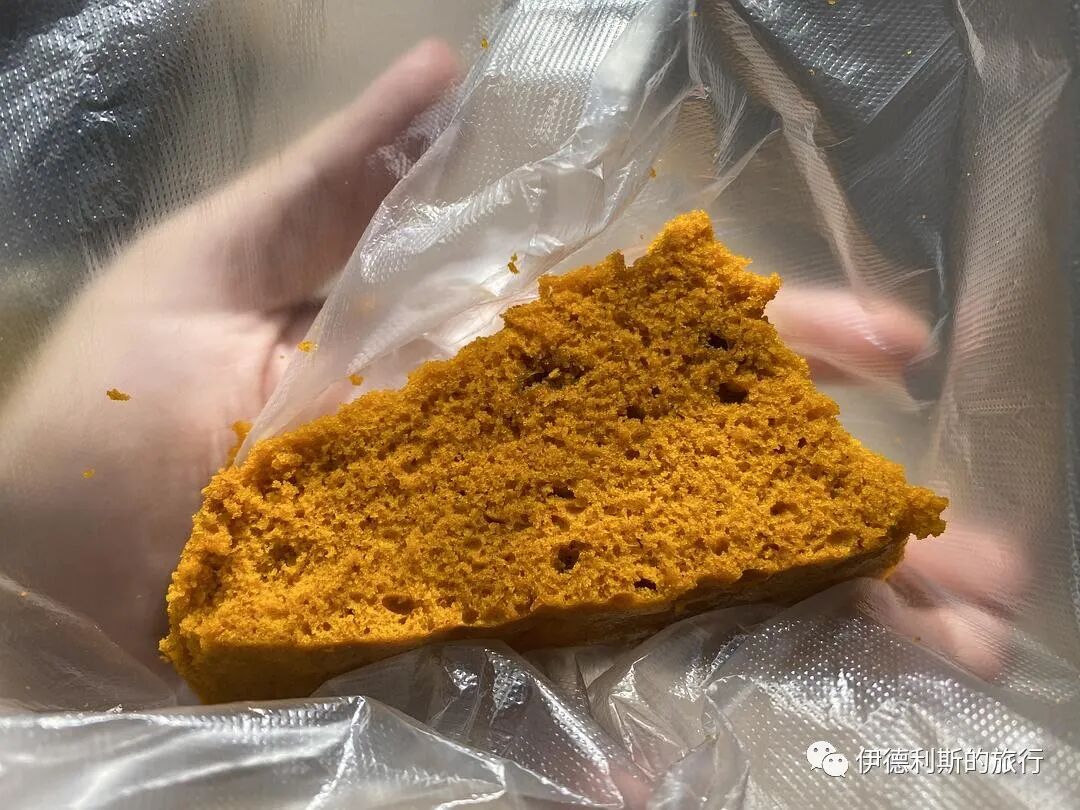
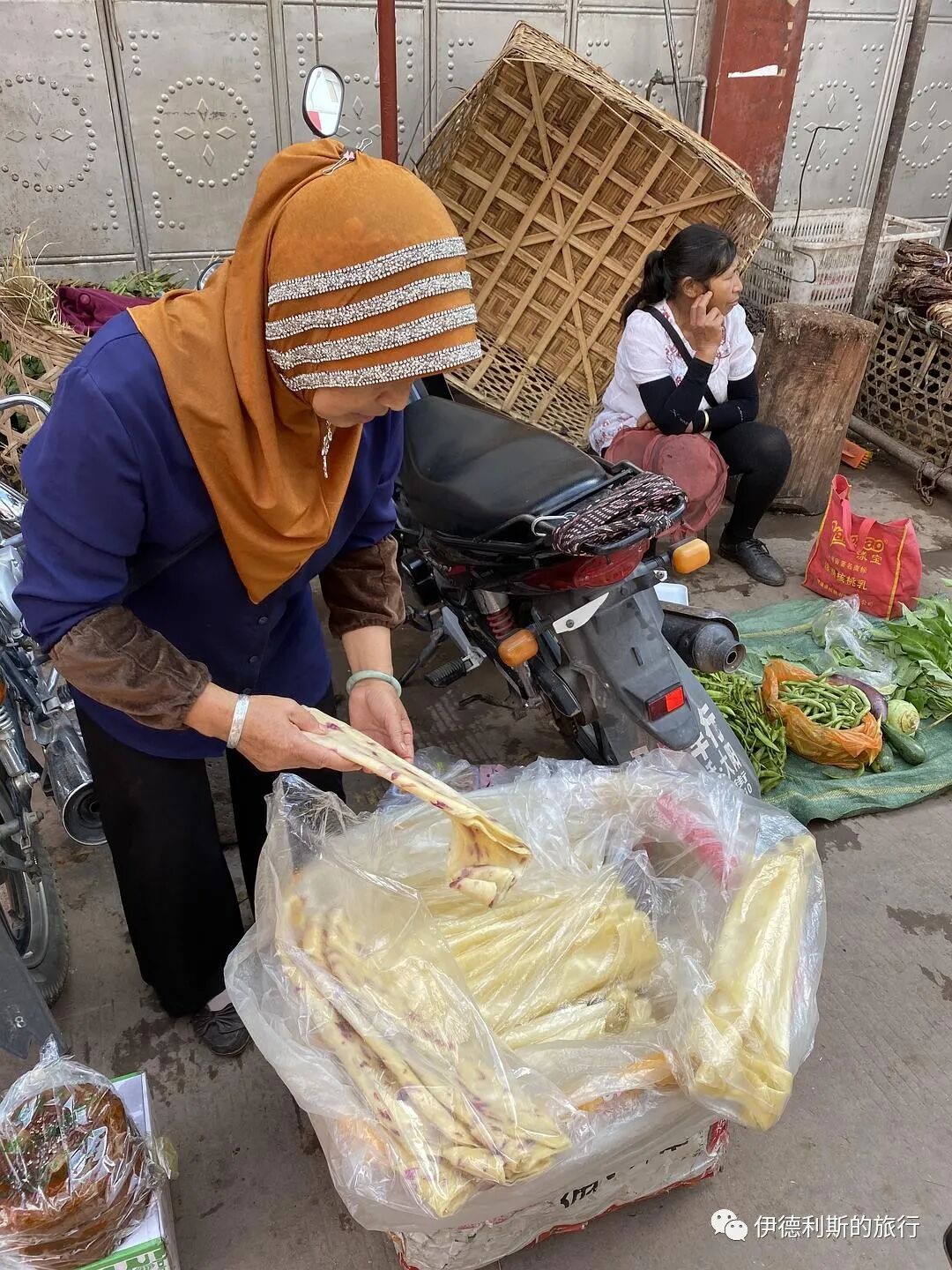
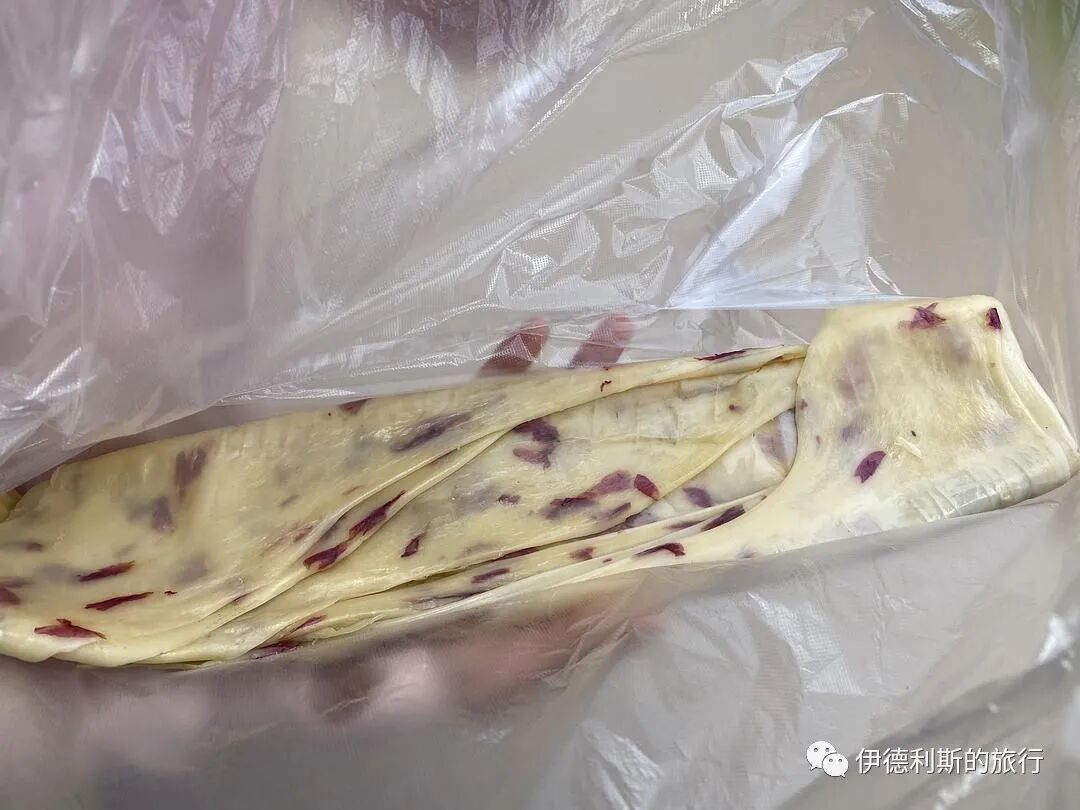
Yi and Hui Muslim aunties are together at the market.
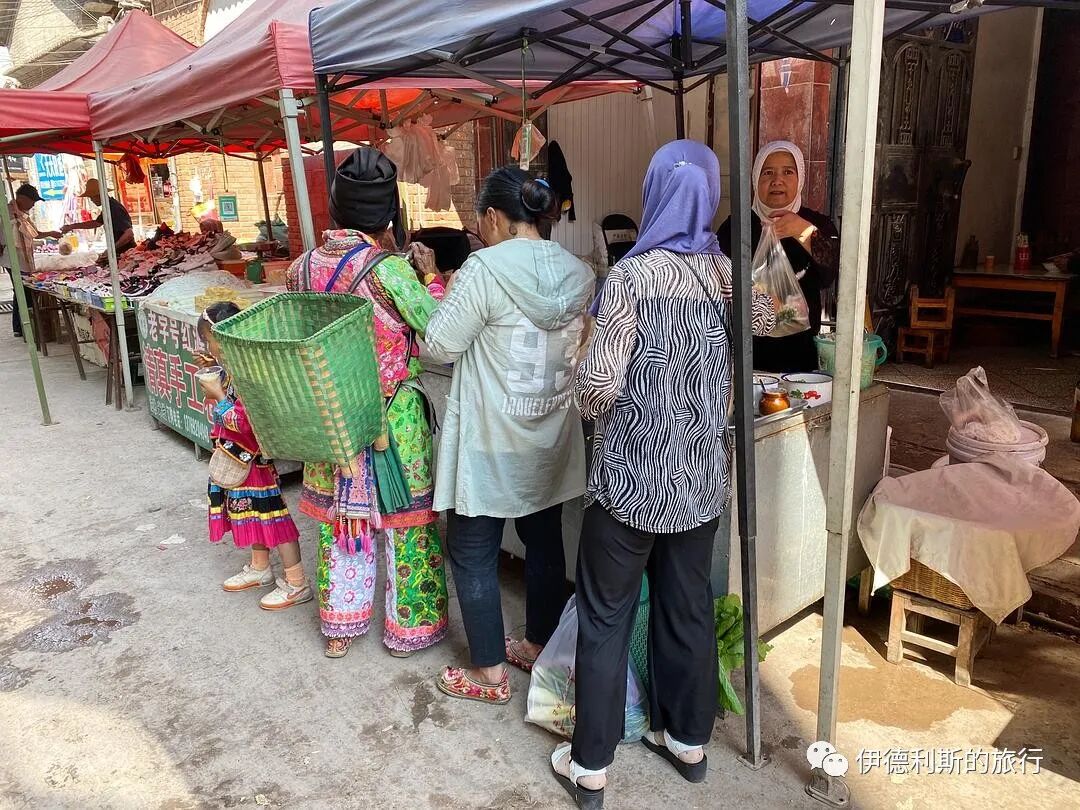
Market day in Huihuideng
We set off from Yongjian Town to Huihuideng Village and caught another big market. We ate figs, ice cream, and soy milk. There are too many fun things here. Besides Hui Muslims, there are also many Yi aunties and grandmothers wearing traditional clothing. The Yi clothing is very beautiful.
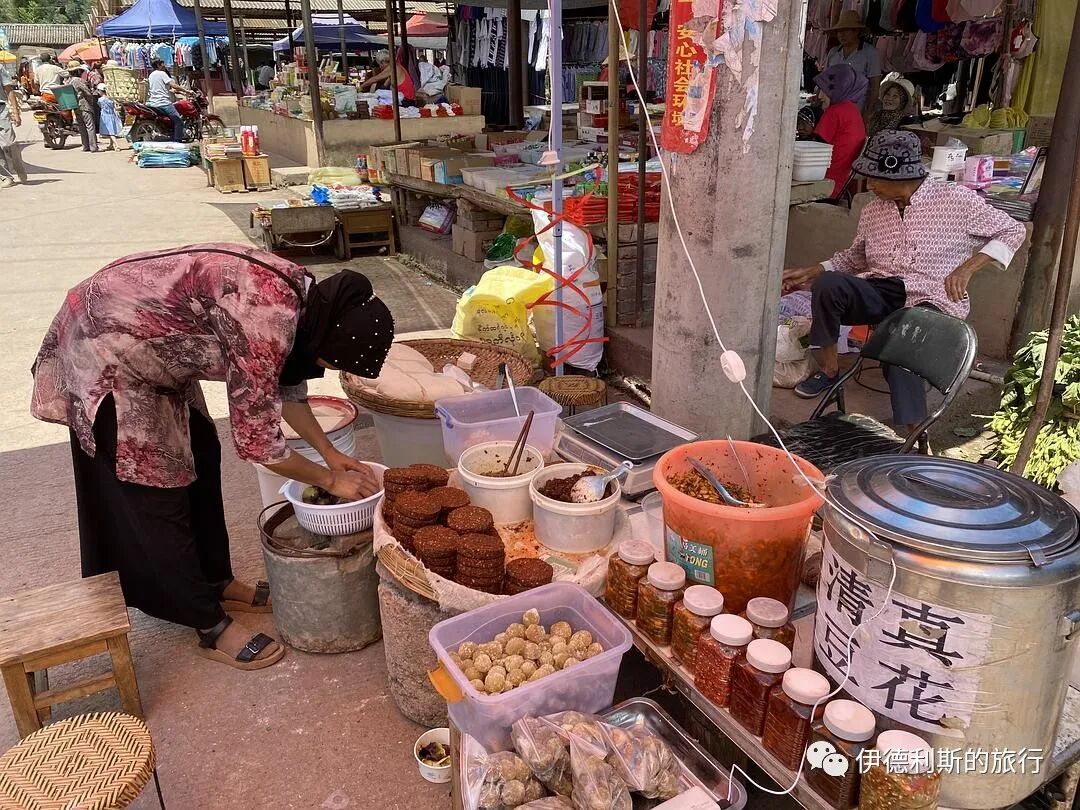
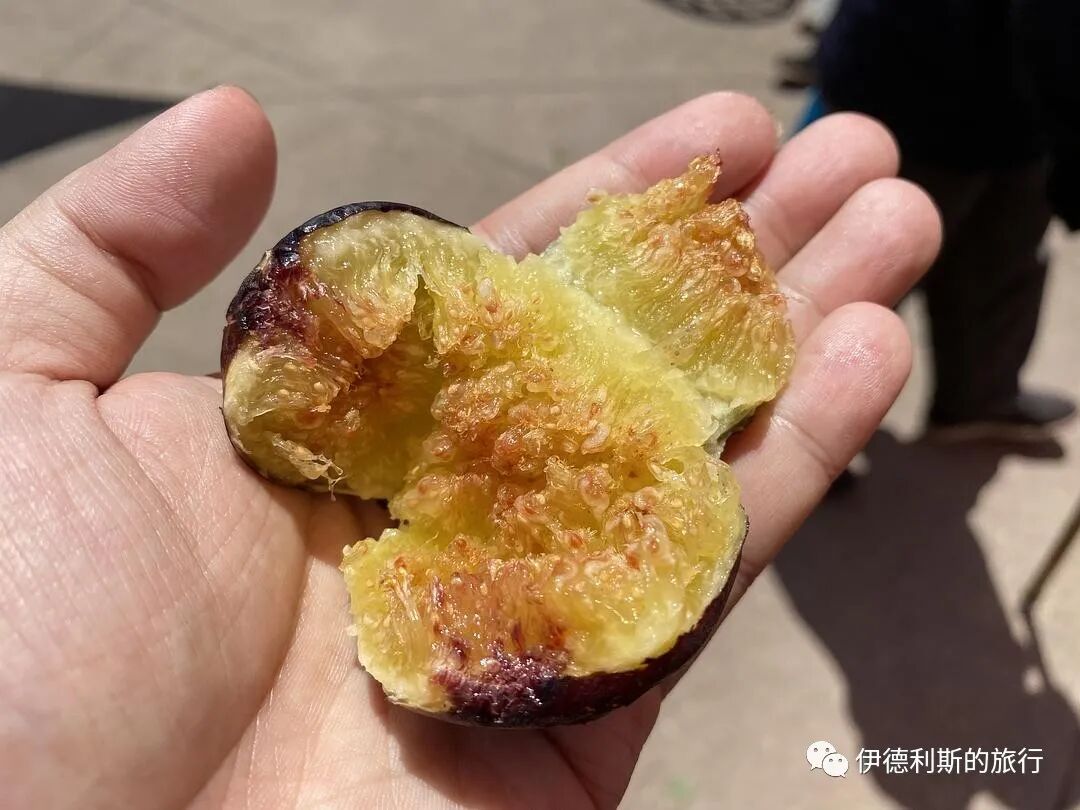
Natto
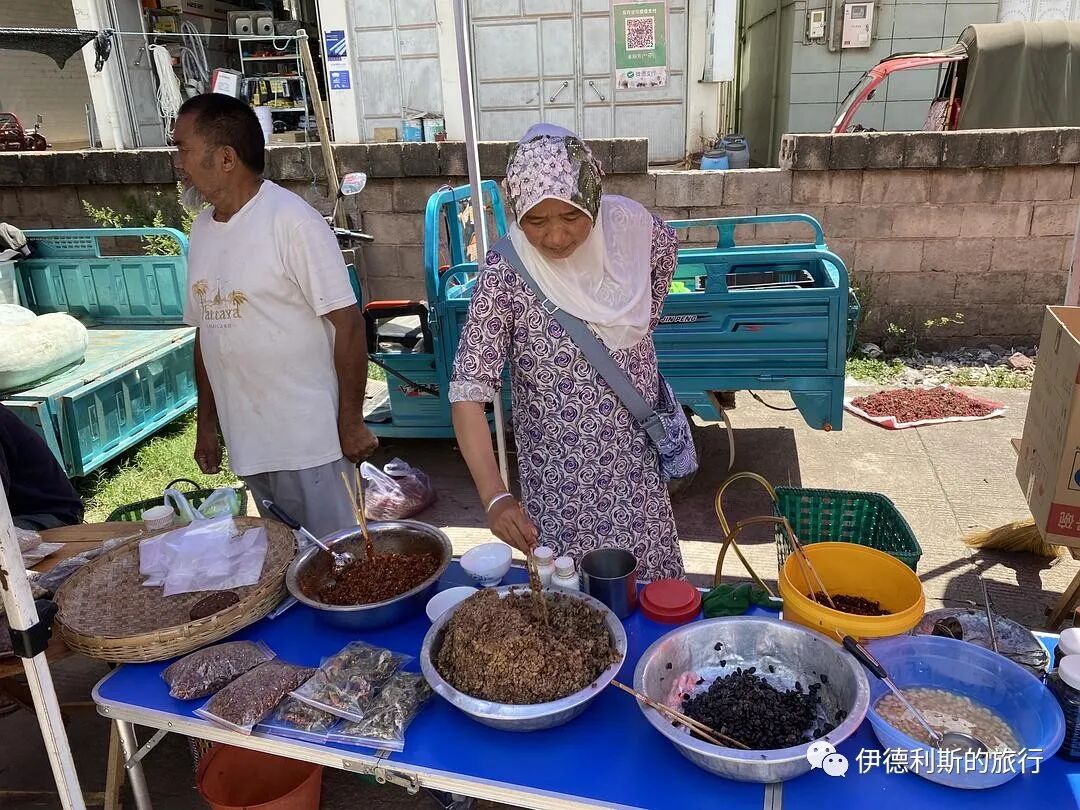
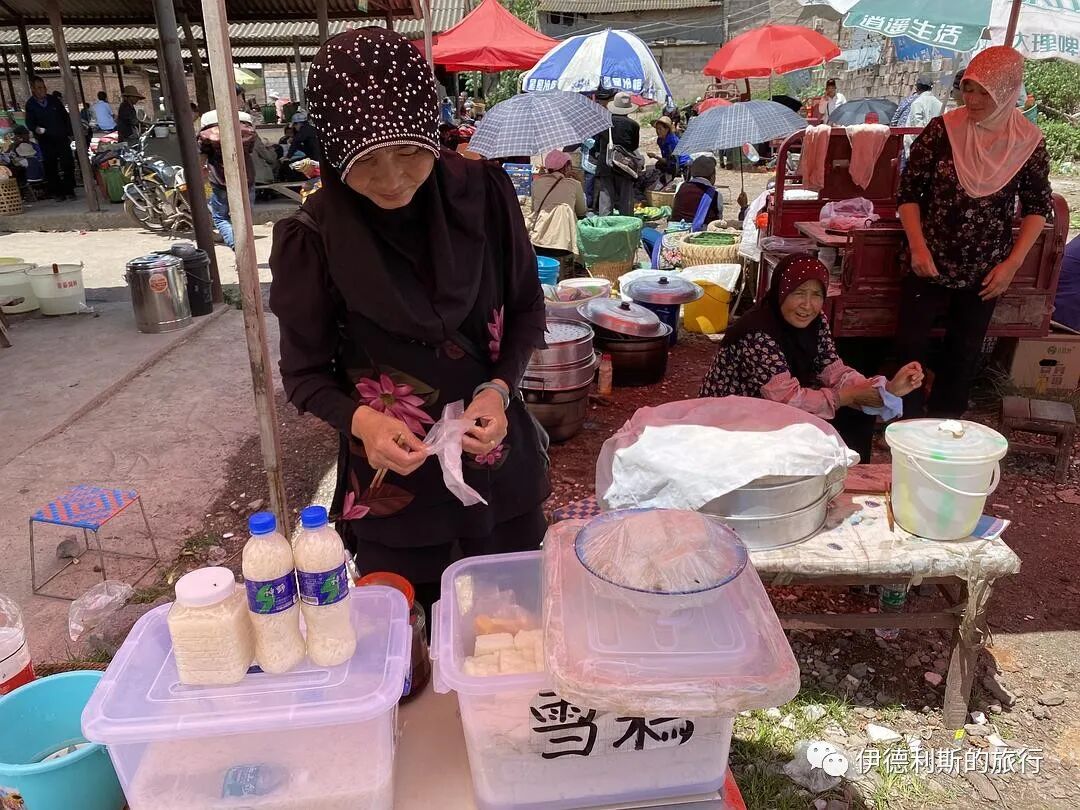
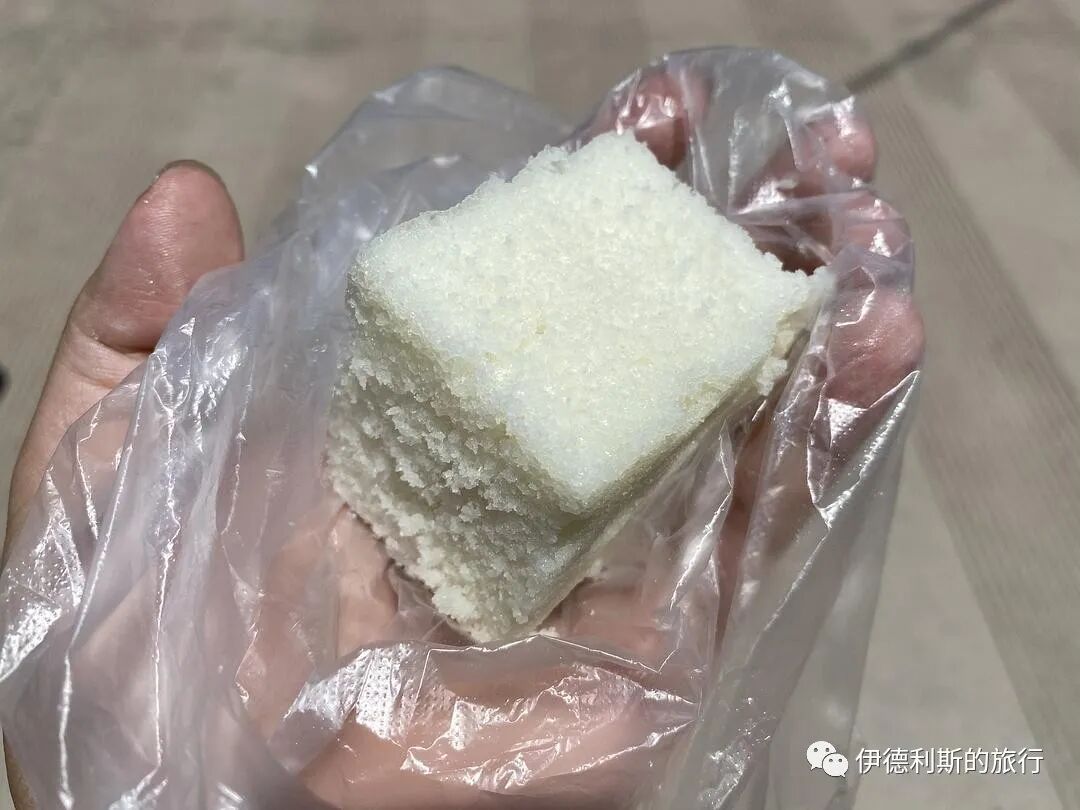
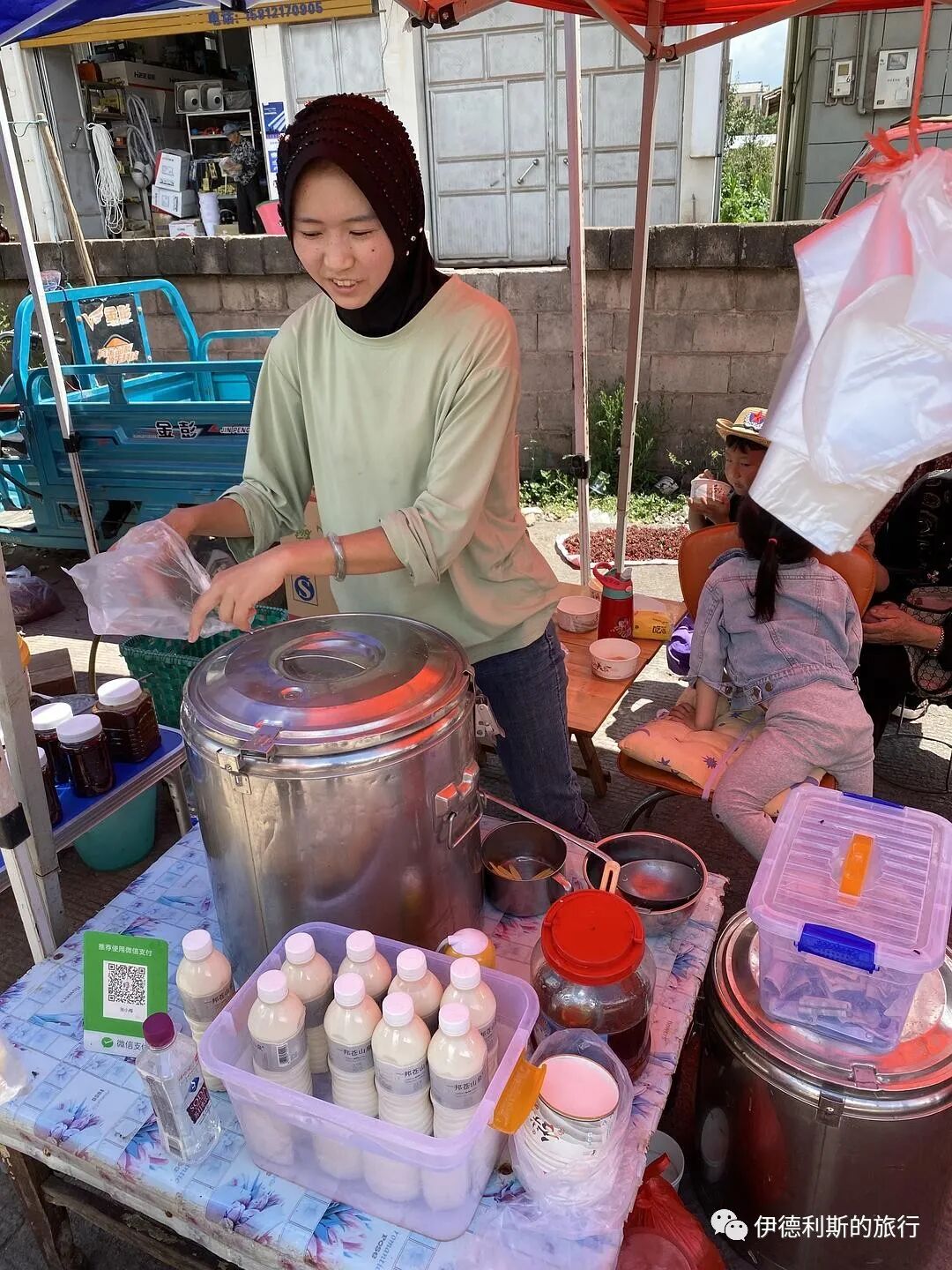
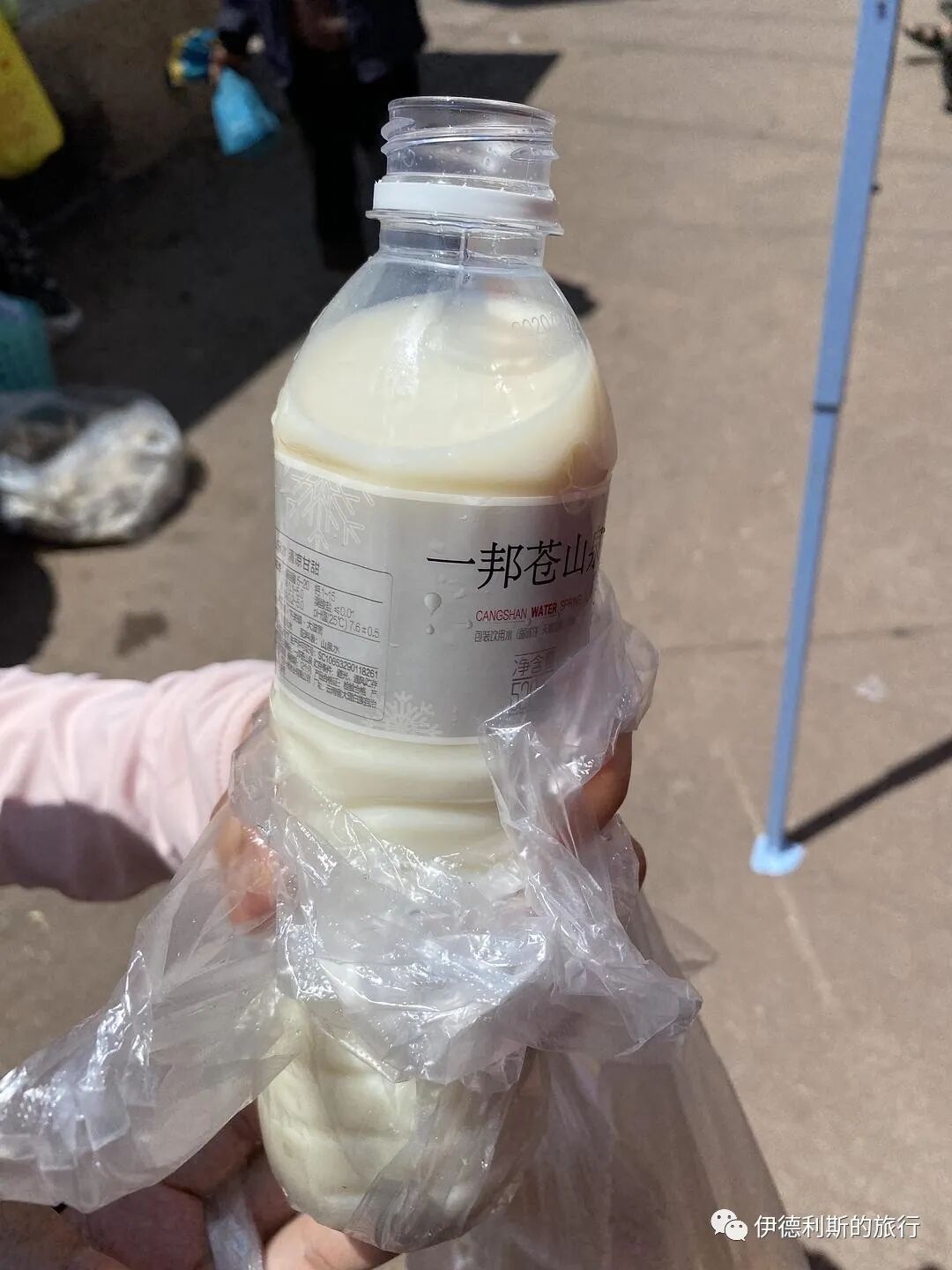
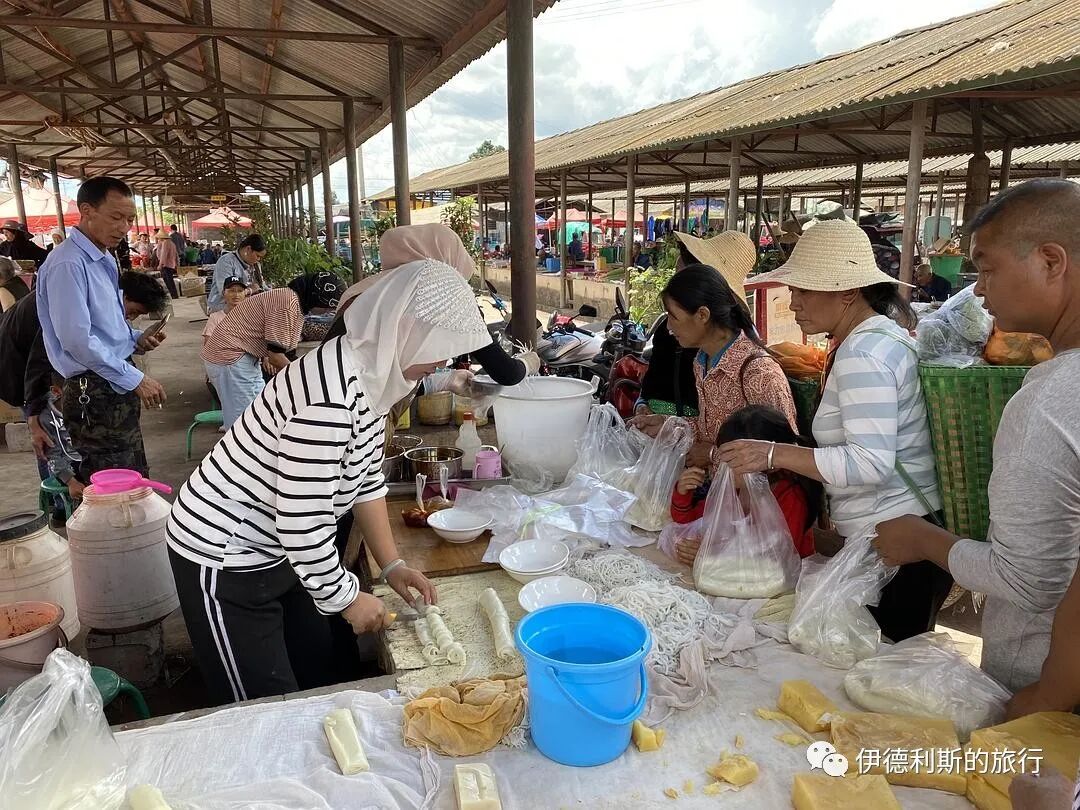
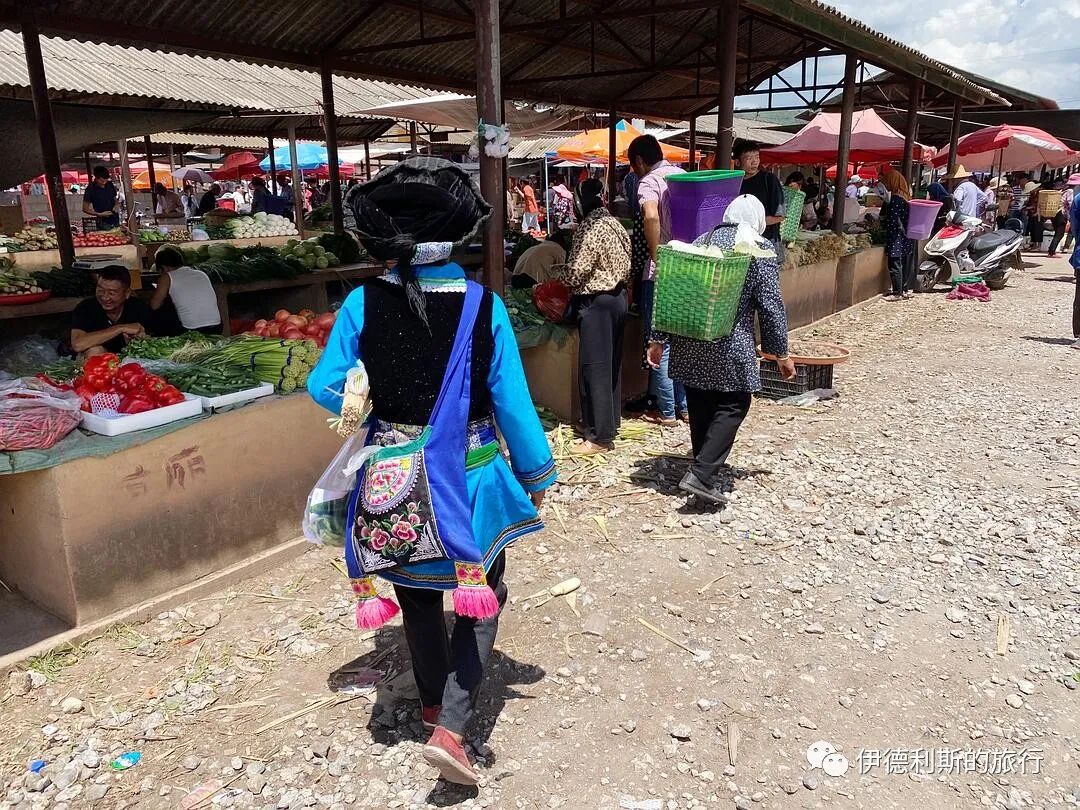
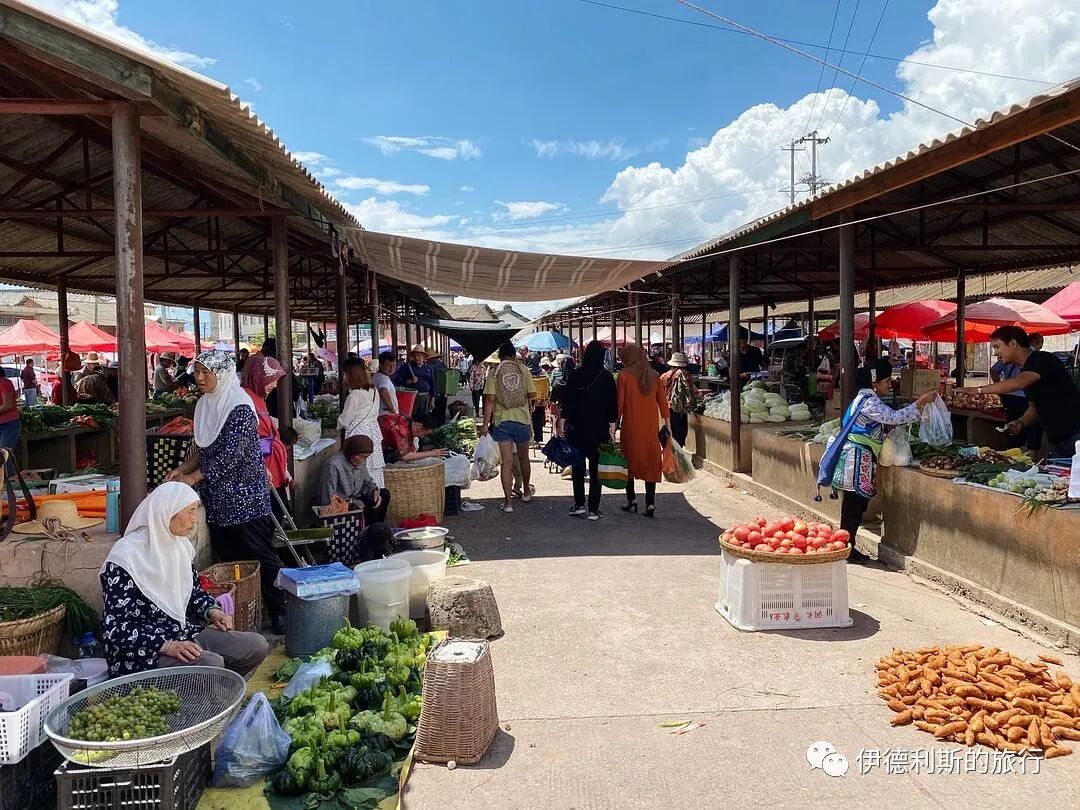
The scenery of Huihuideng Village
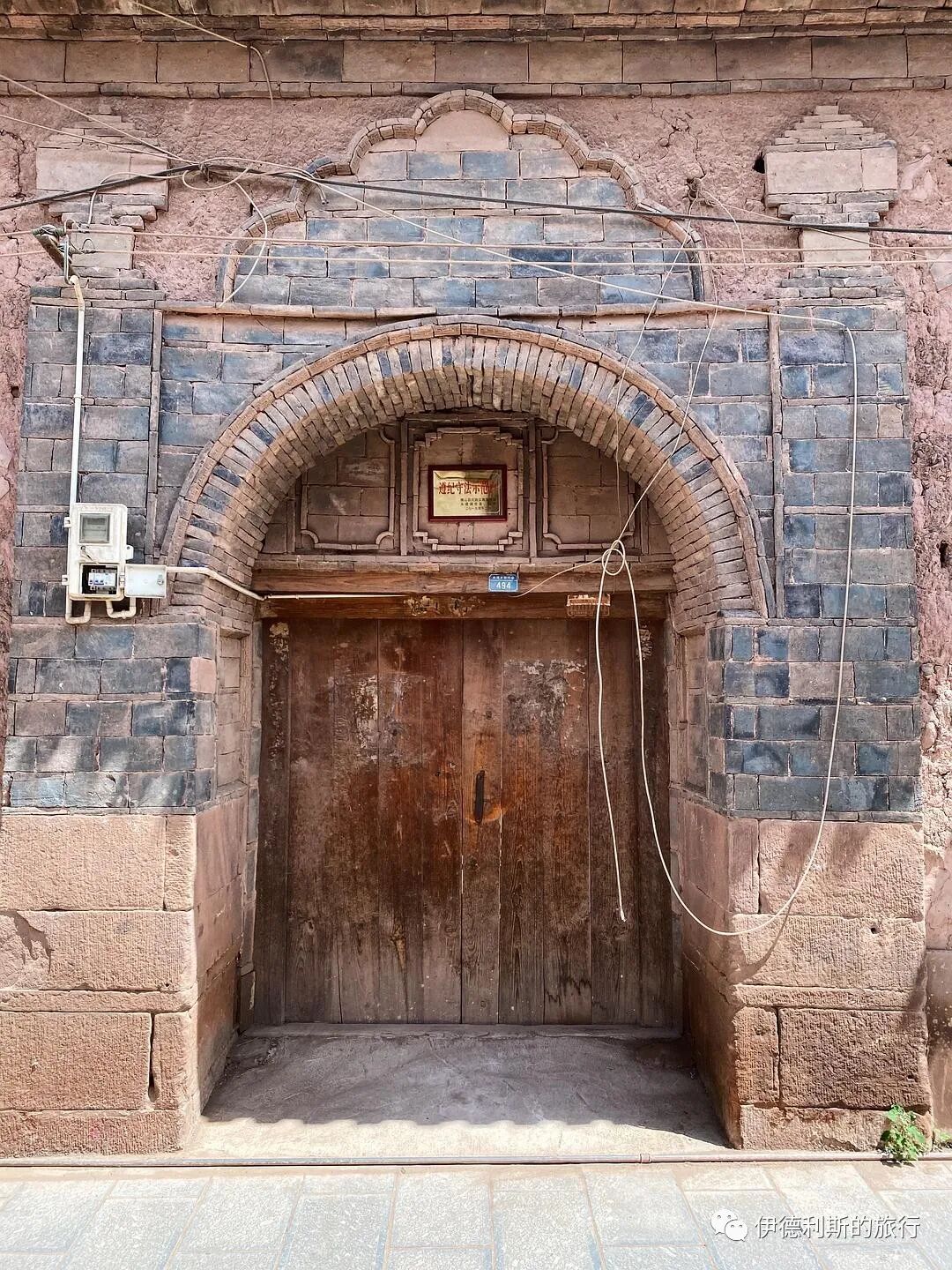
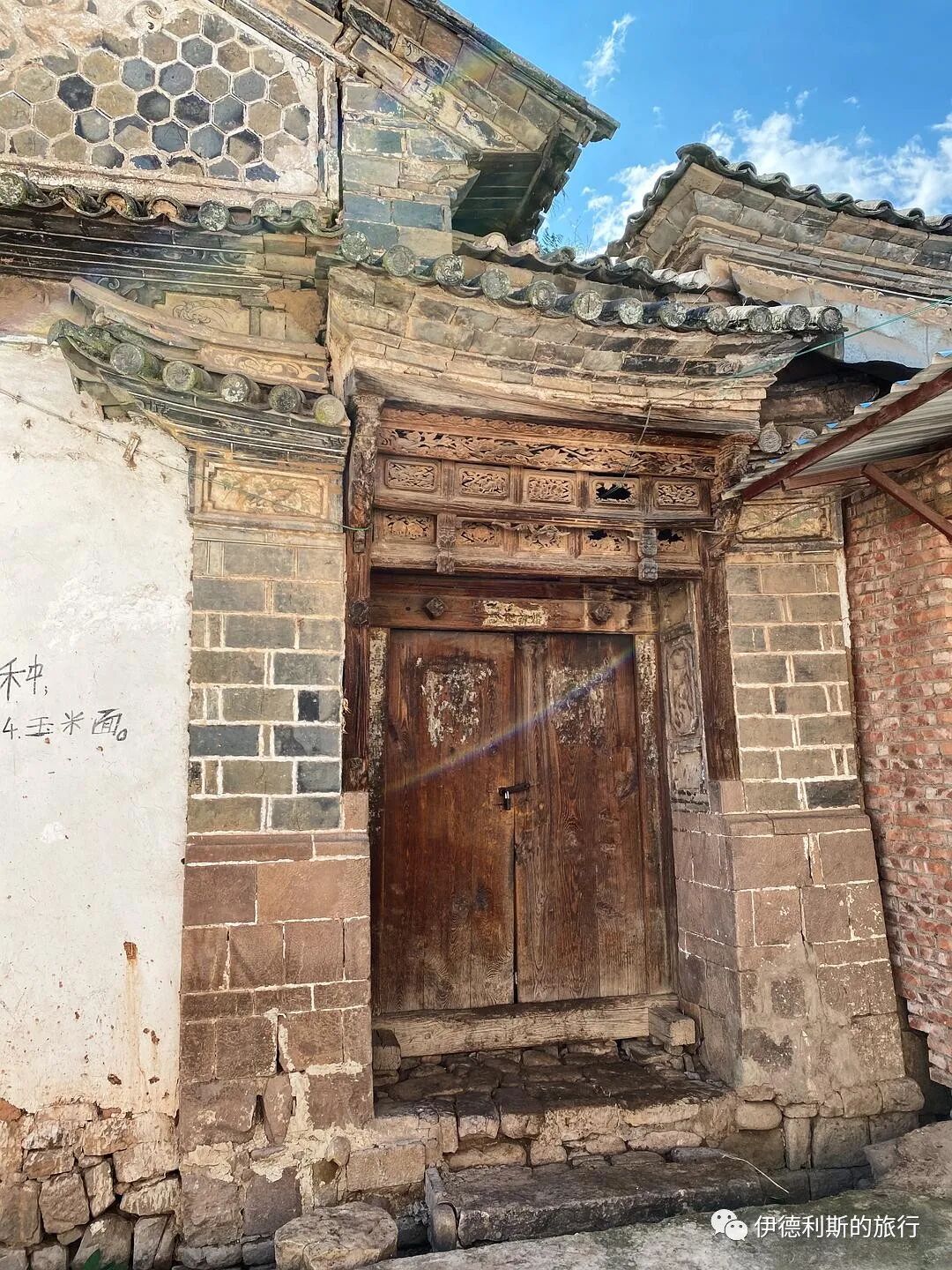
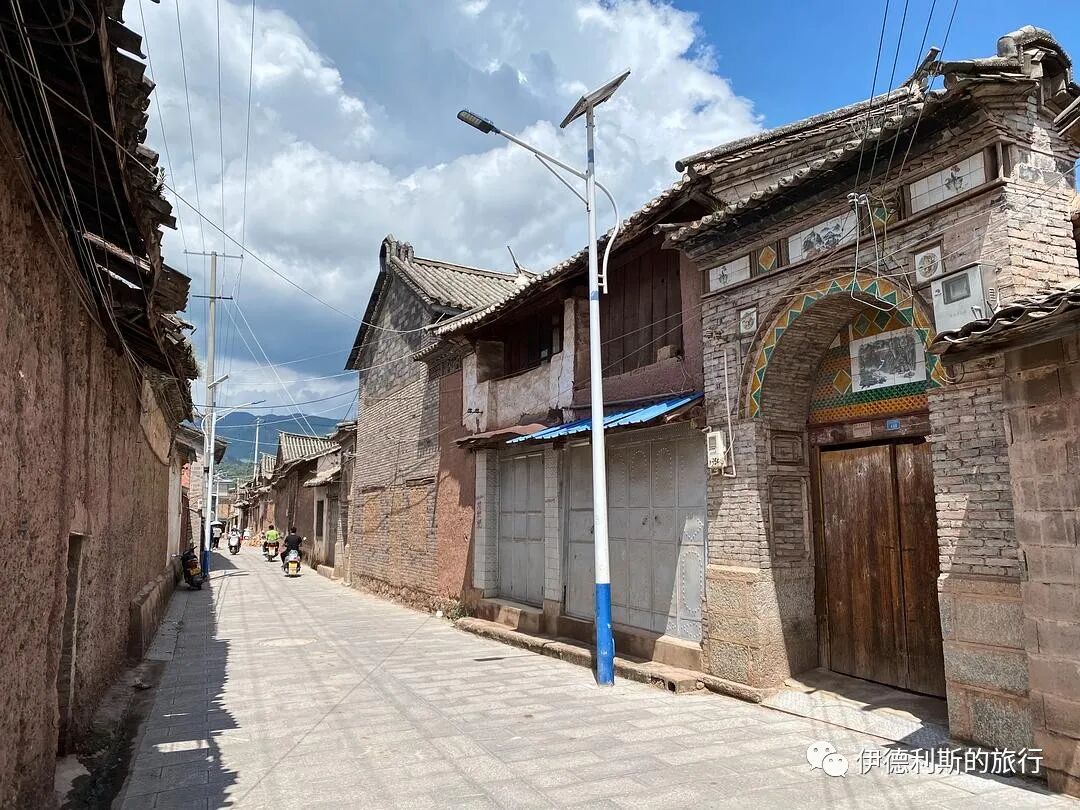
A small shop in Huihuideng Village that makes handmade headscarves. Zainabu bought one here.
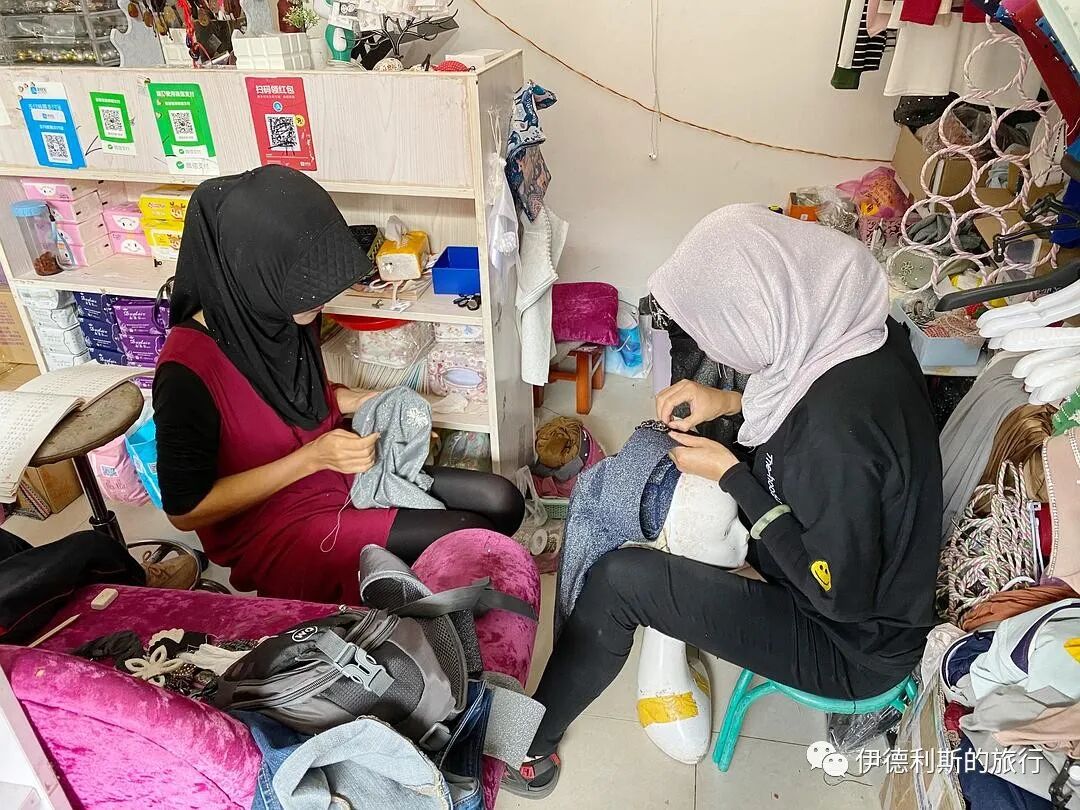
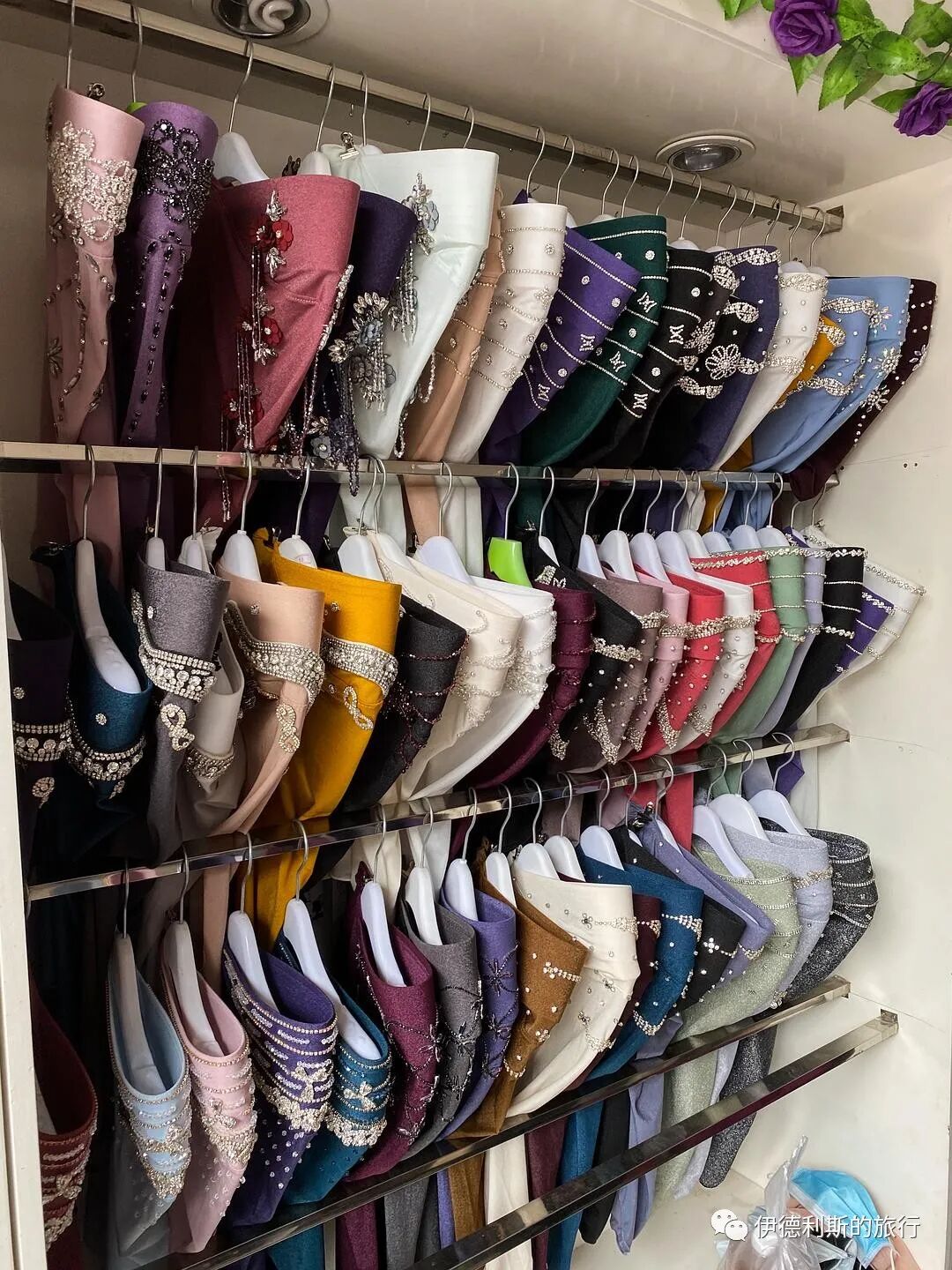
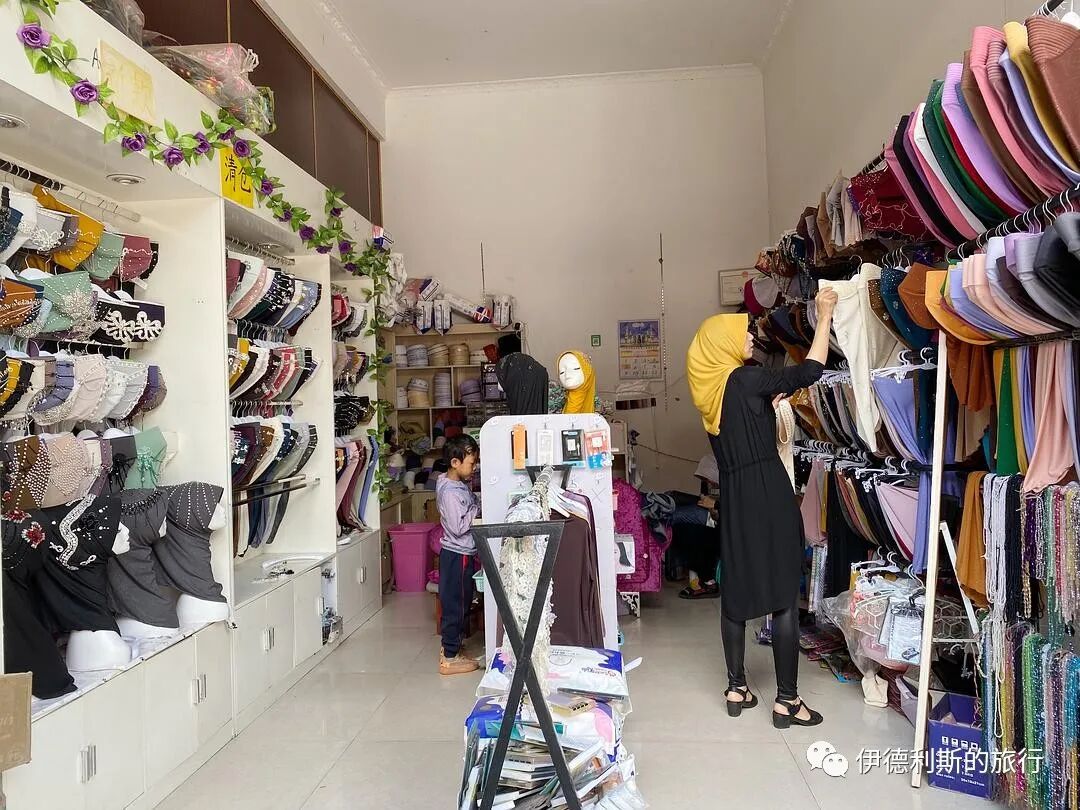
Qingmenkou Village
We strolled from Huihuideng Village to Qingmenkou Village. Qingmenkou is on the northwestern edge of the Weishan Basin and is a very beautiful Hui Muslim village.
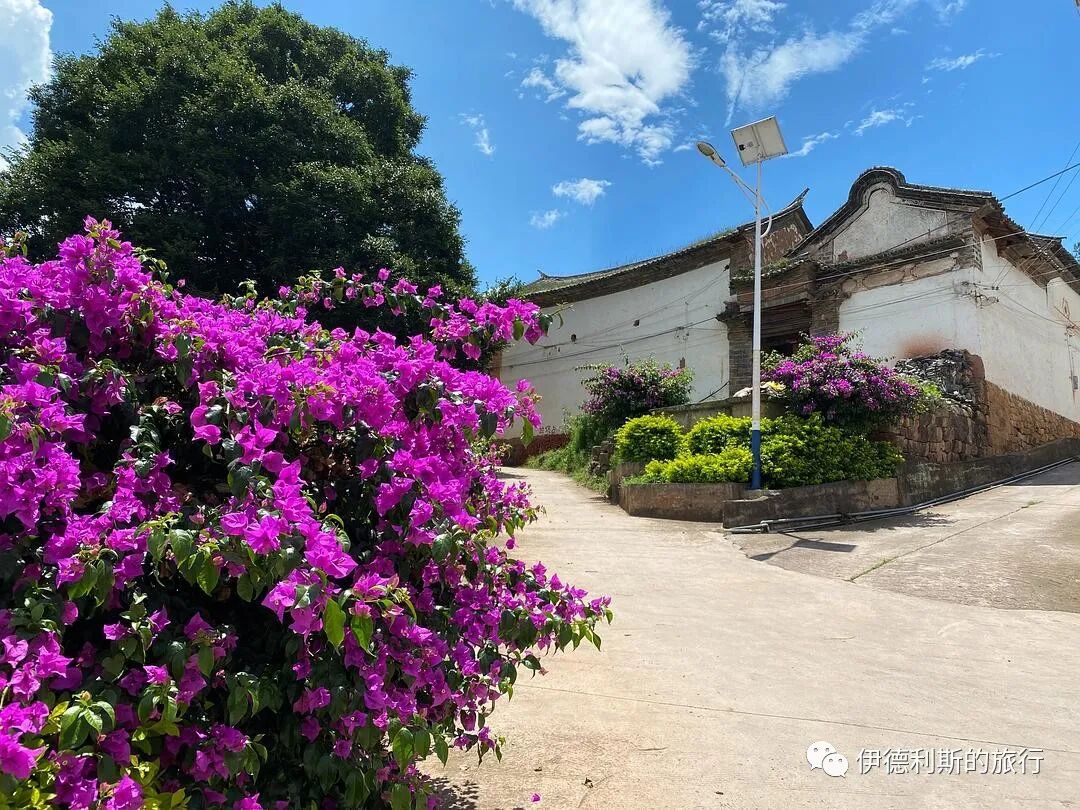
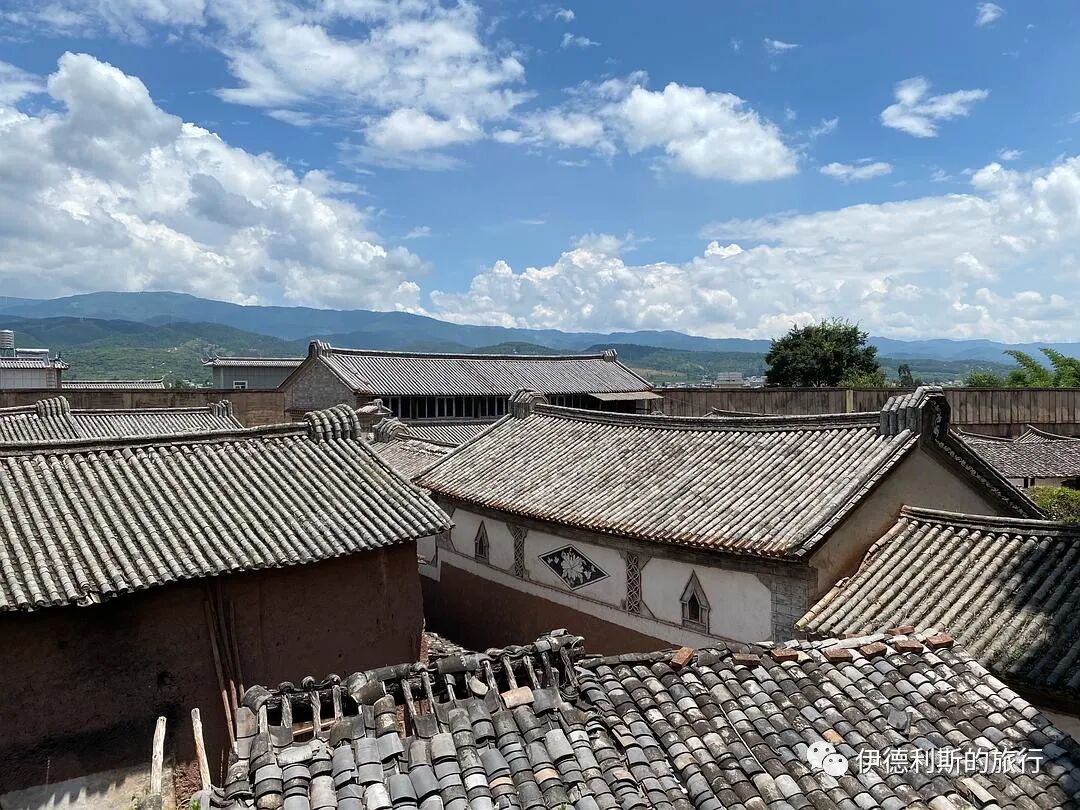
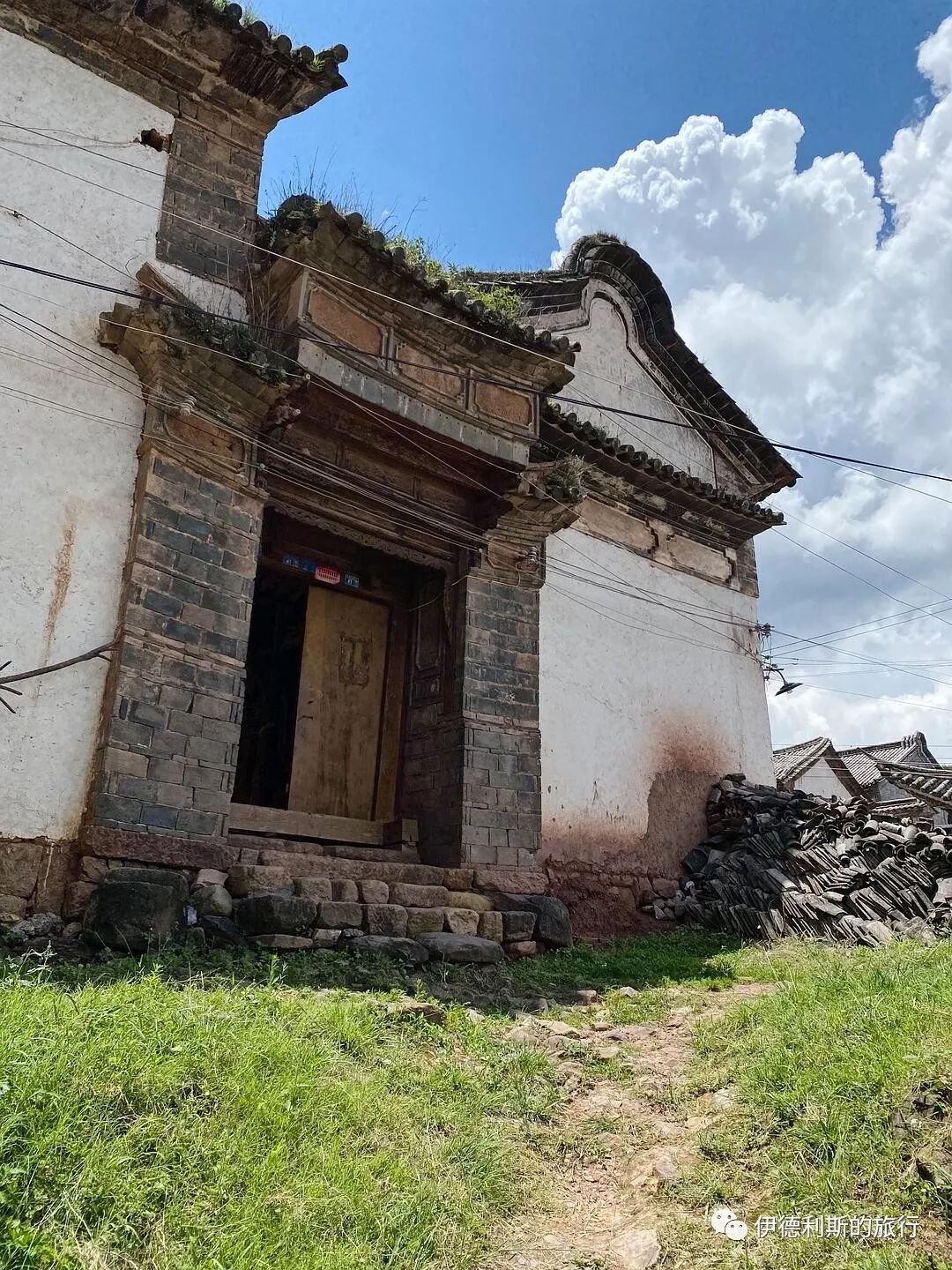
On the way back to Huihuideng Village from another village, Xishulong Village, we walked for a while and then caught a tricycle.
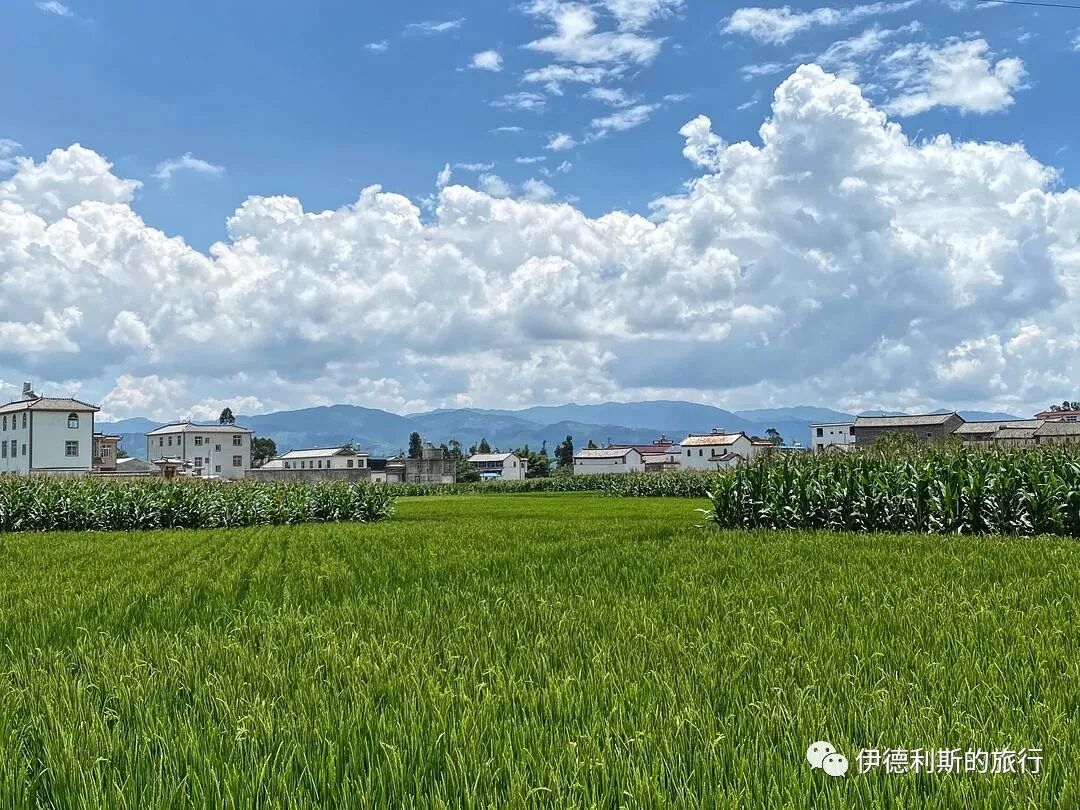
At noon, we ate stir-fried dayudou (a type of bean) with minced meat and cold beef slices next to the market in Huihui Village.
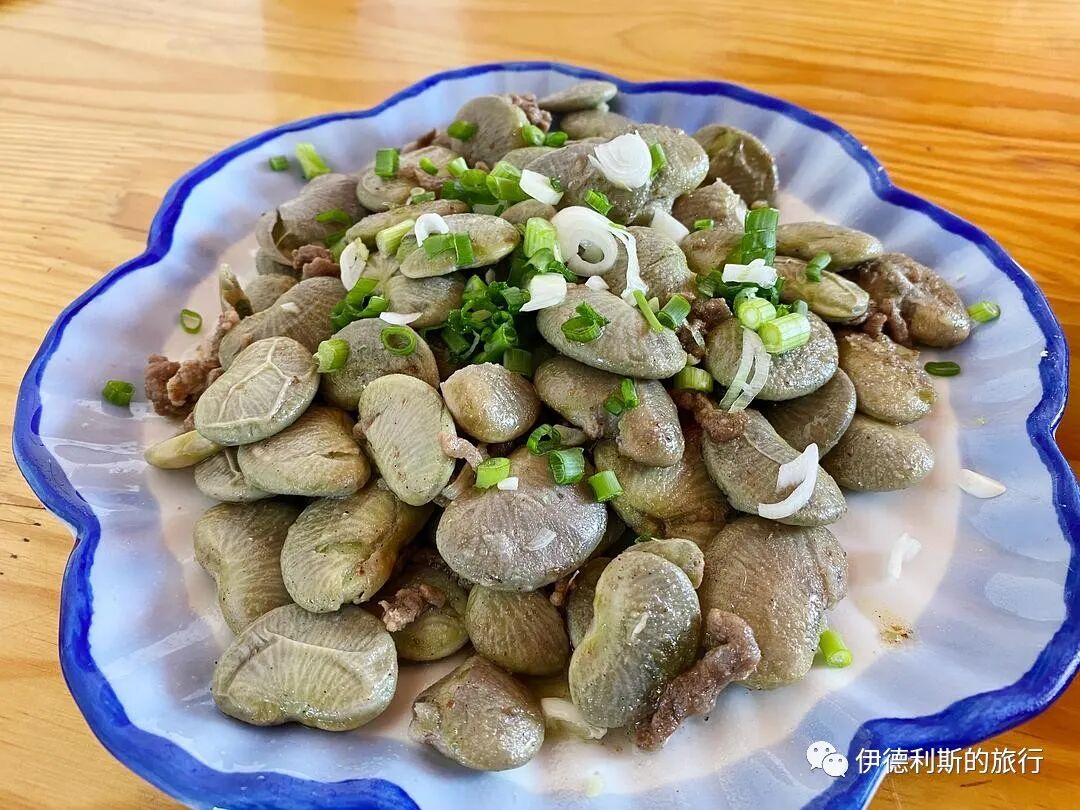
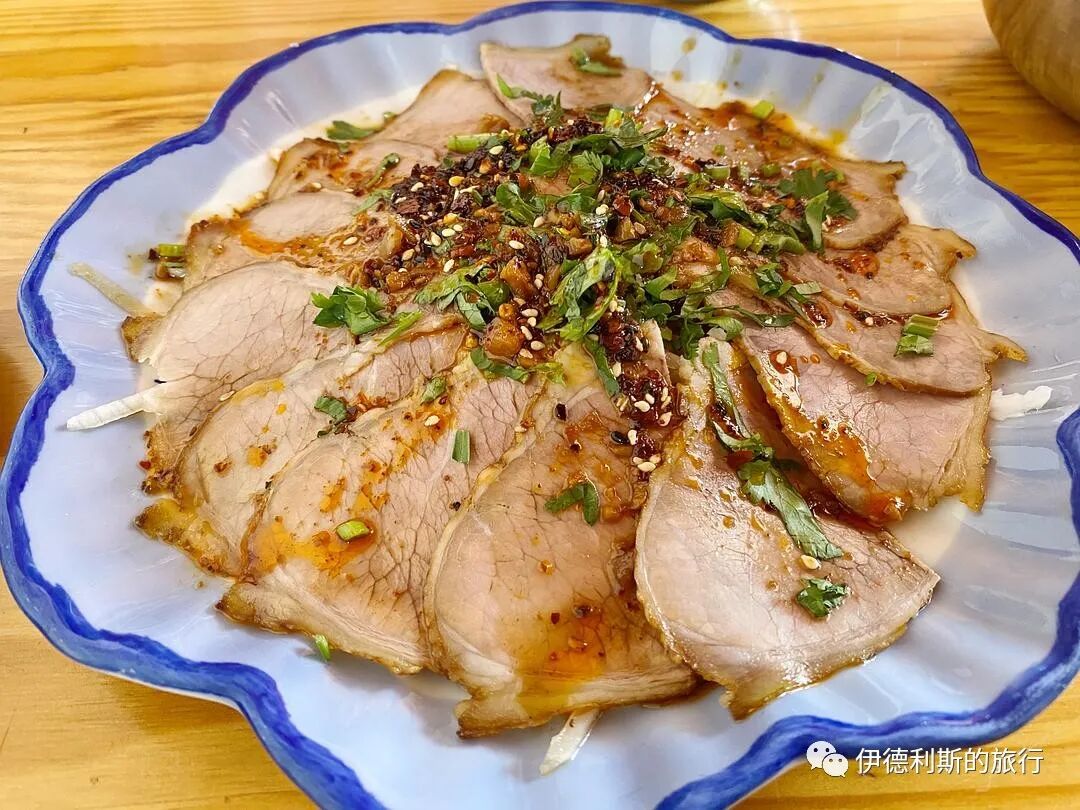
Return to Weishan County town
In the evening, we ate braised chicken legs, bahu (stewed) beef, and stir-fried xiaomicai (a type of green vegetable) near the Dingjiachang Mosque in Weishan County town. We also asked the auntie in the shop to fry the rose-flavored rushan we bought at the market on Hedijie Street in Yongjian Town that morning. I must say that frying rushan really requires skill; the requirements for heat control are too high. Then we also ordered bahu beef, braised chicken legs, and xiaomicai.
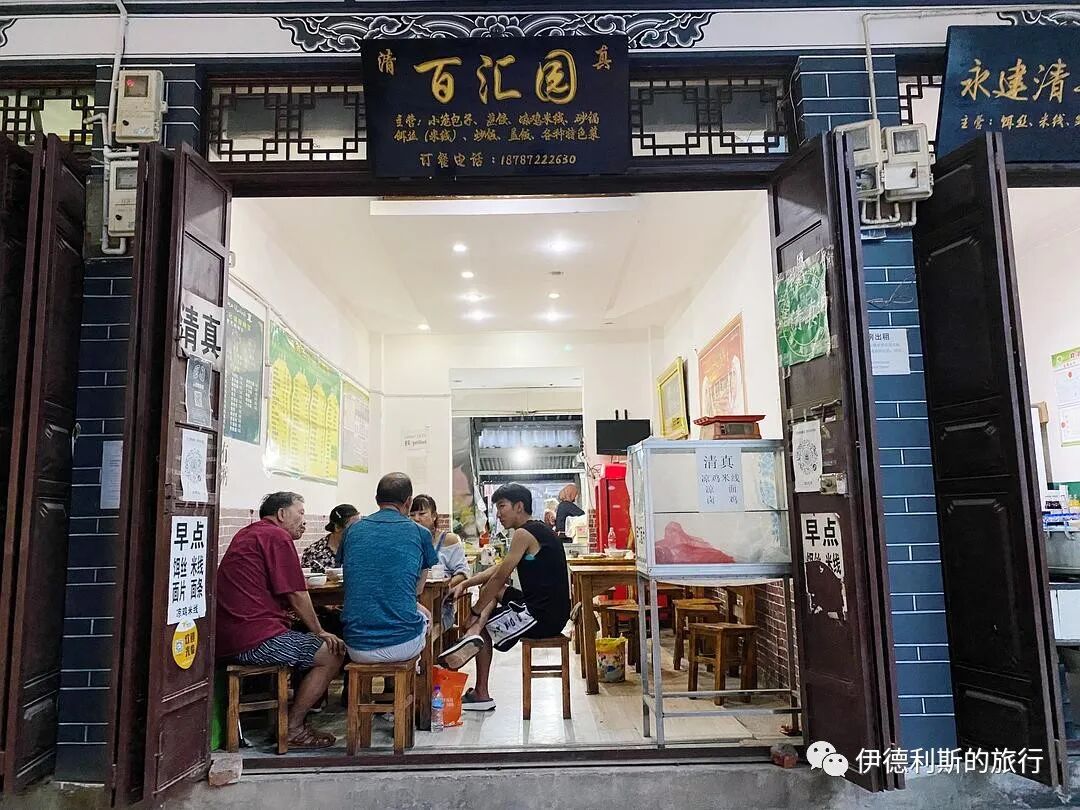
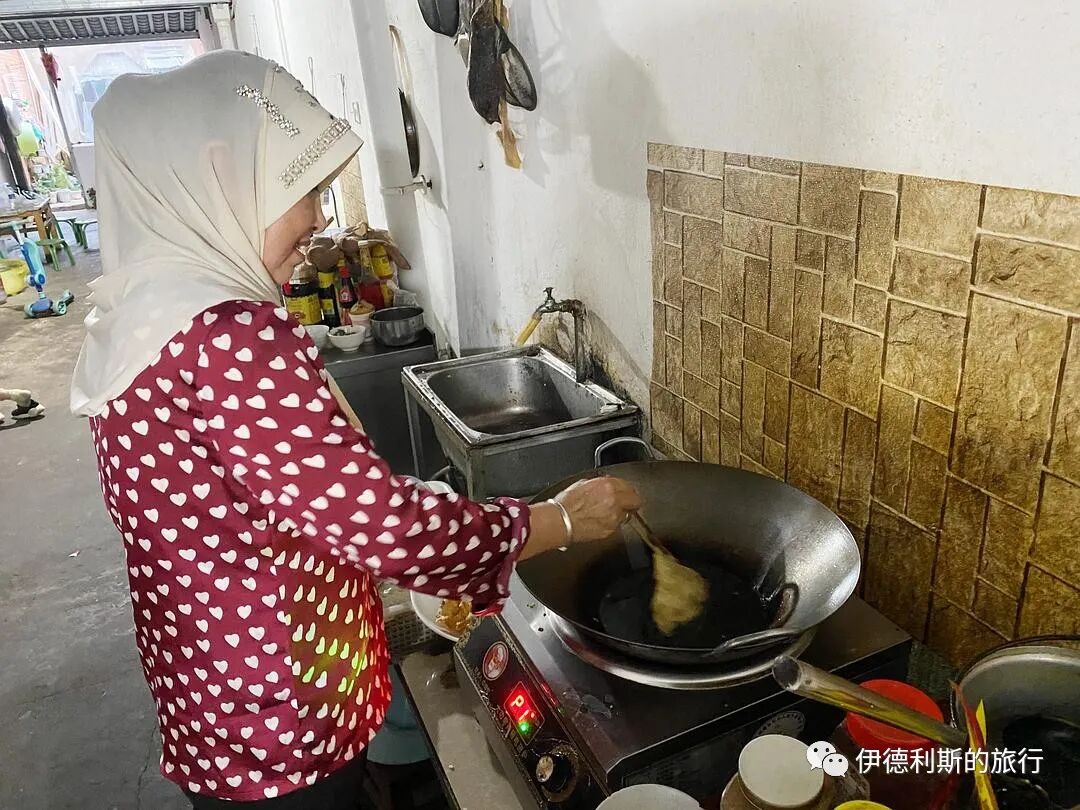
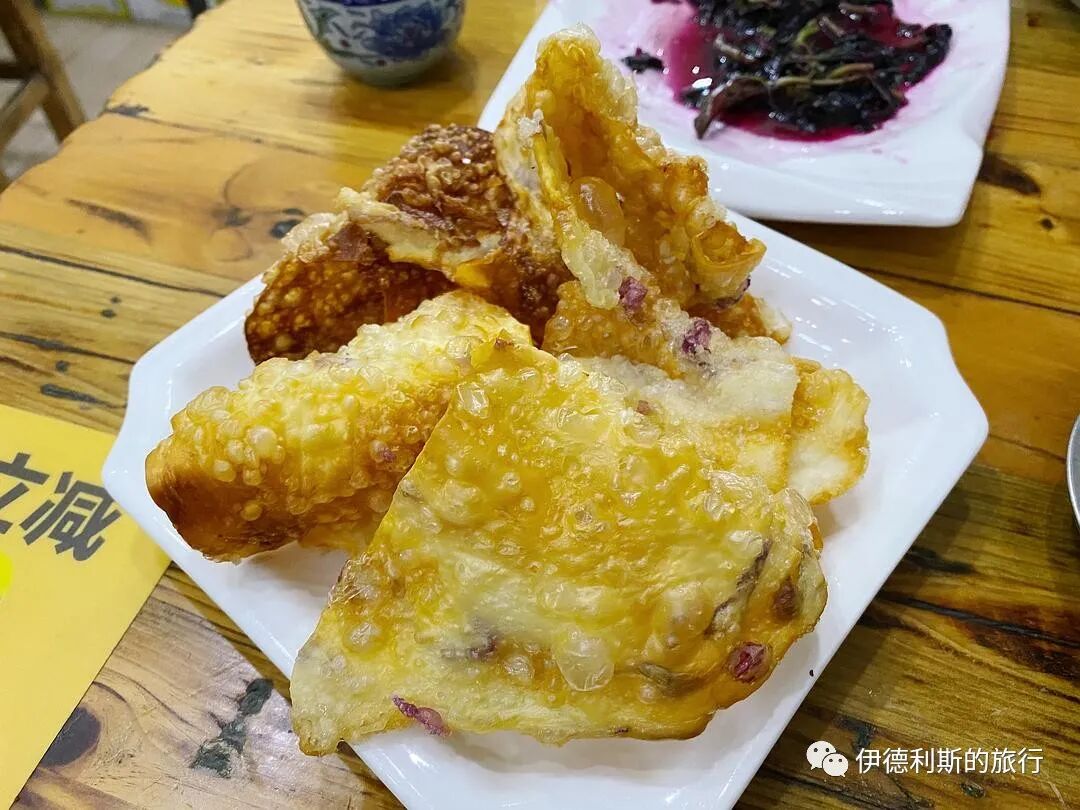
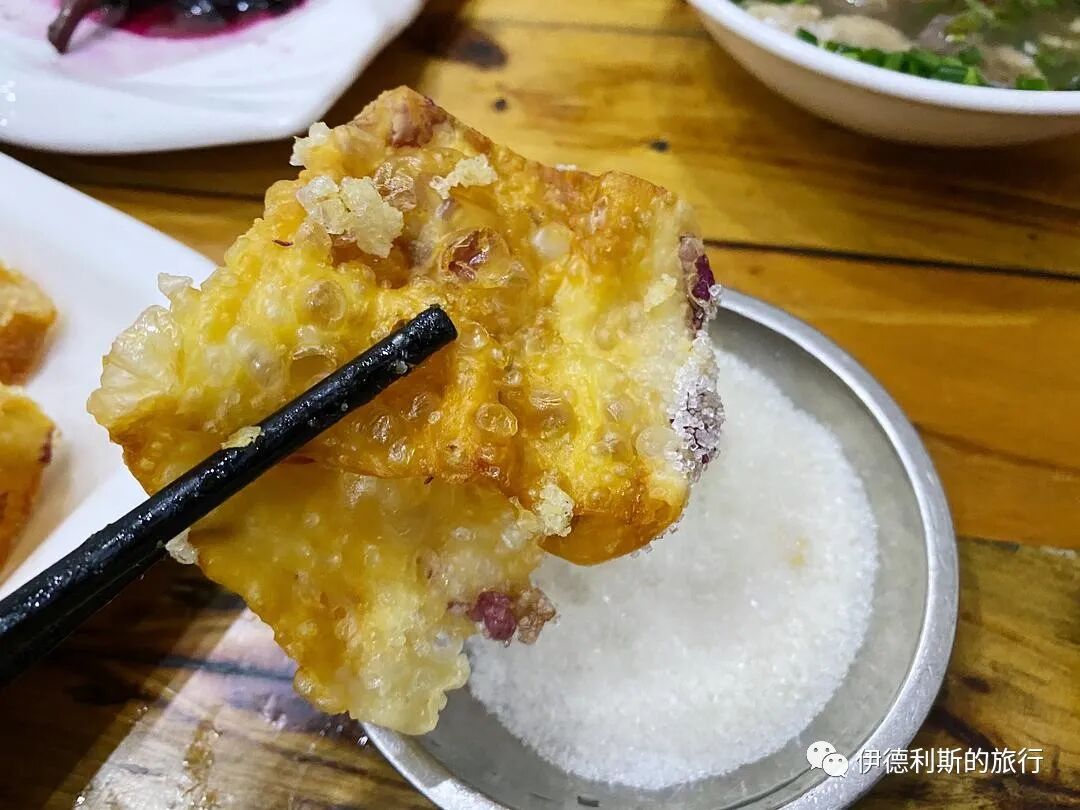
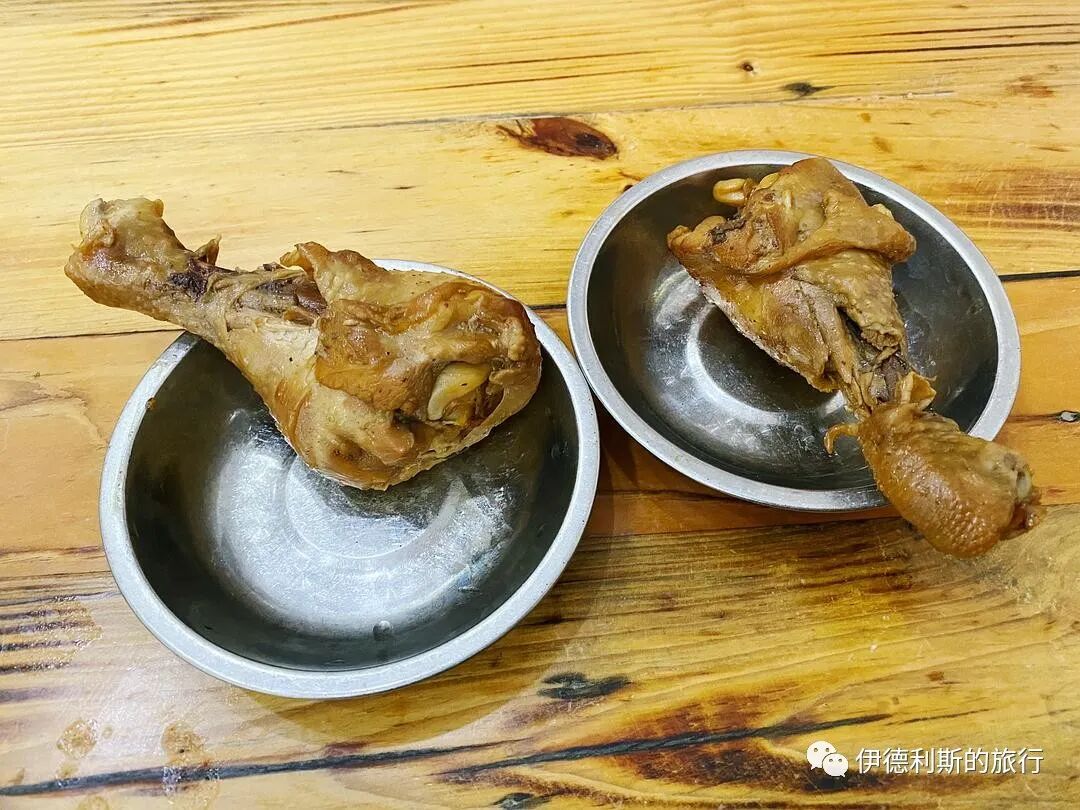
August 6: Weishan County town
In the morning, we ate braised ersi and beef offal at the Dingliang Hui Muslim Canteen near the Dingjiachang Mosque in Weishan County town. Their place is the halal breakfast spot with the longest queue near Dingjiachang. Everyone basically eats the two most classic dishes: braised ersi and rice noodles. In addition, the owner is a Hajj, and "Returned with Honor from Hajj" is hung on the wall.
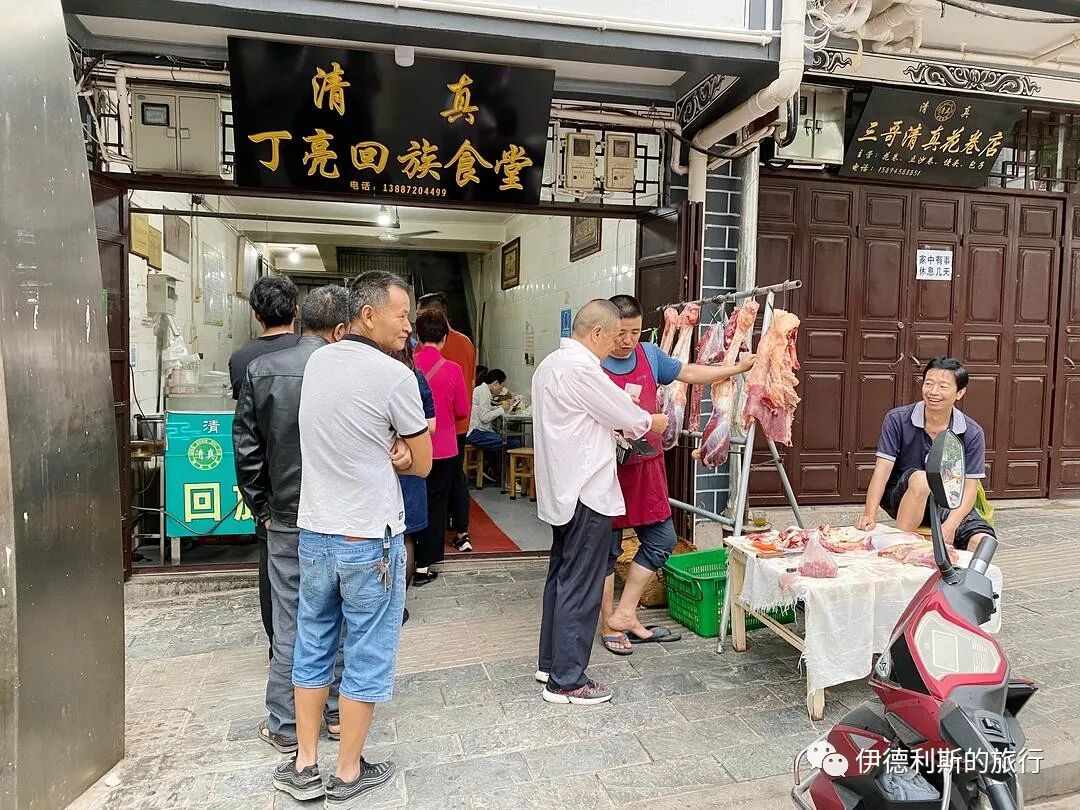
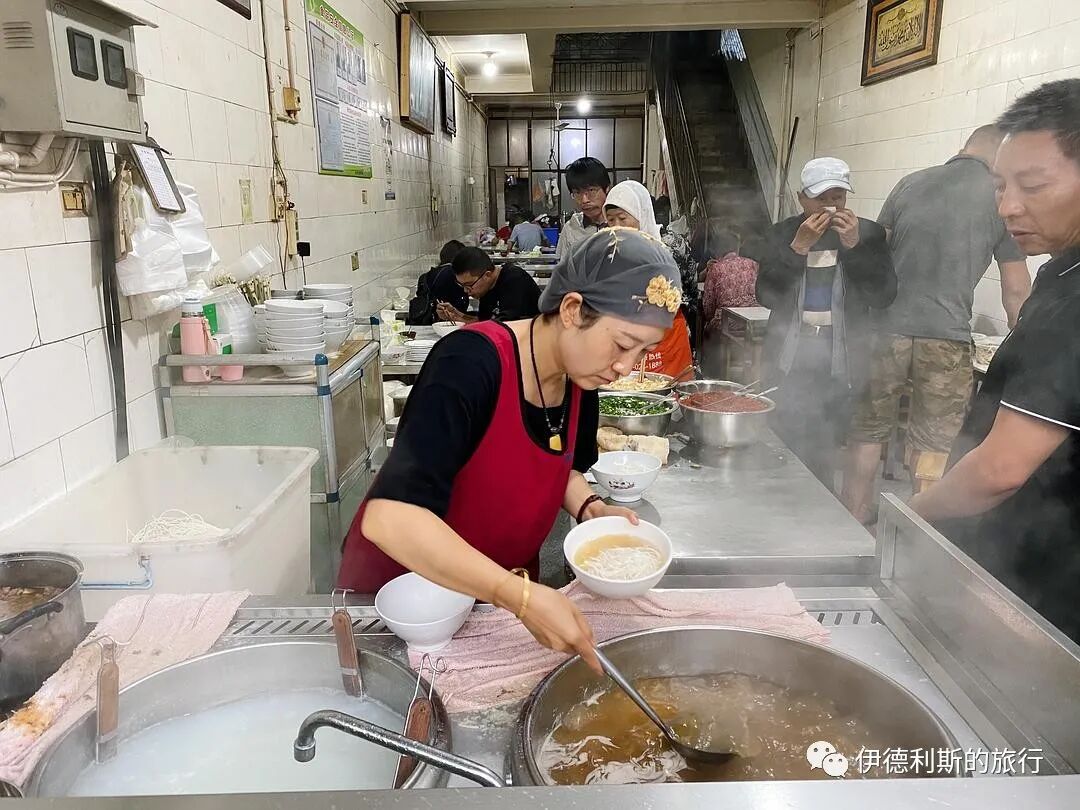
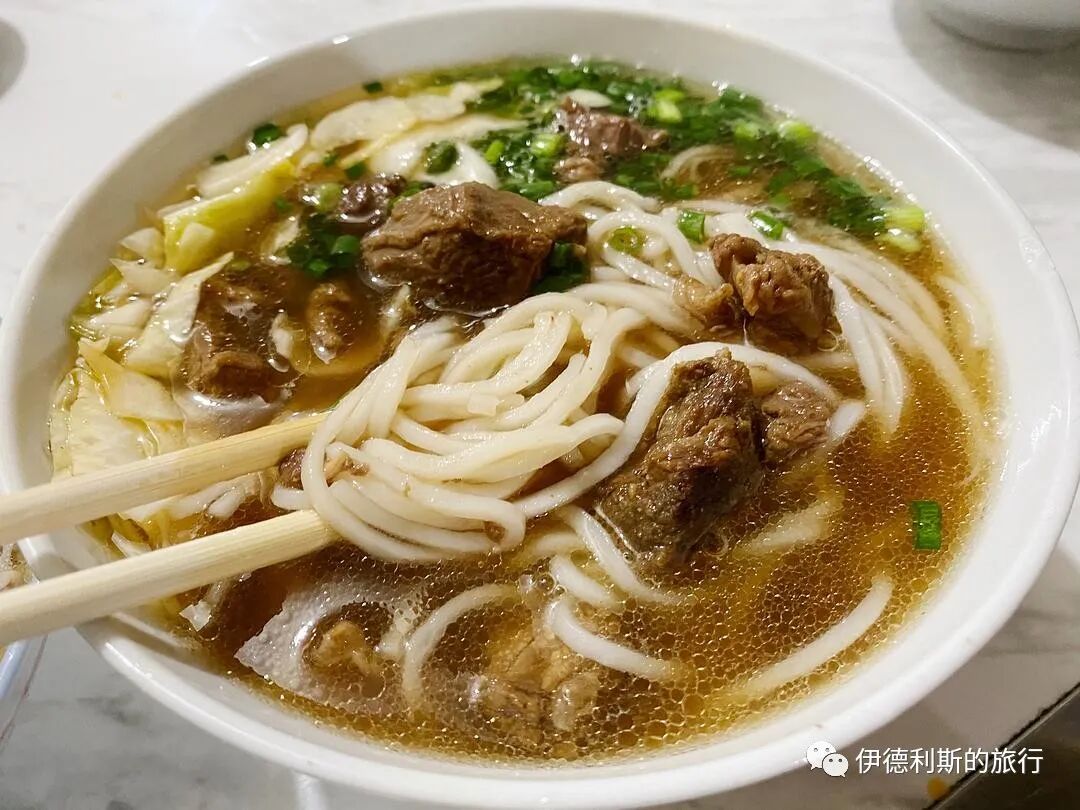
(Optional) Image description
Delete
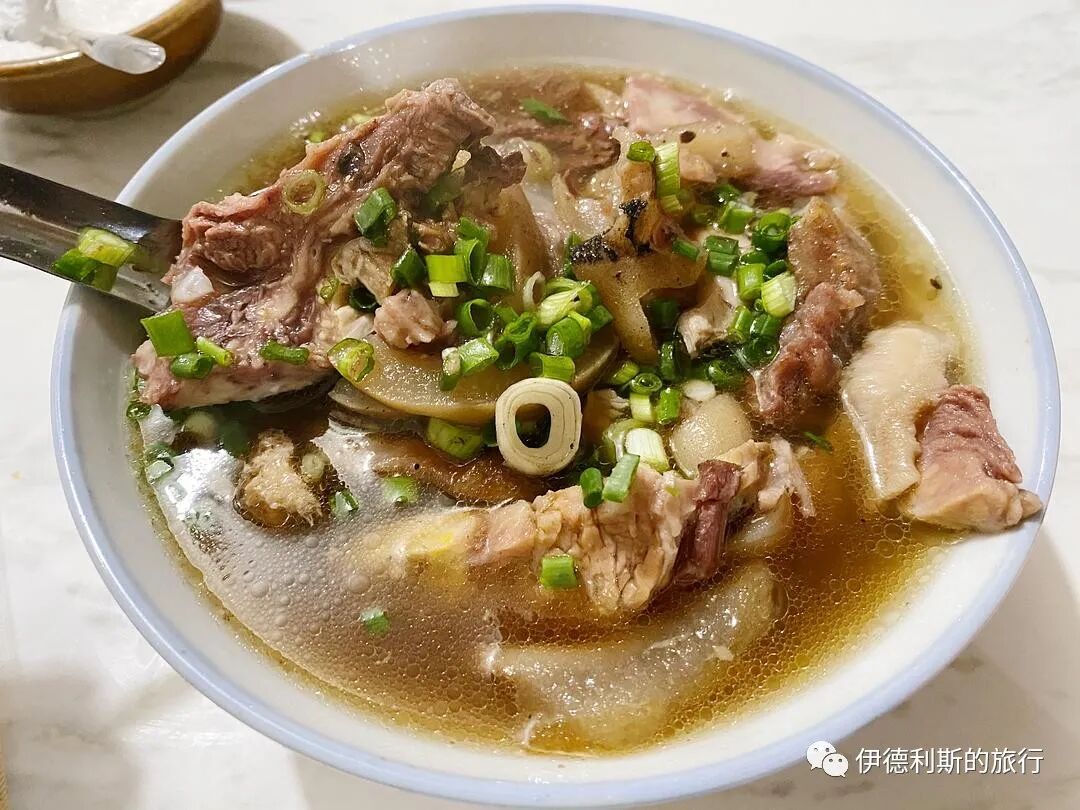
Return to Xiaguan
At noon, we transferred from Weishan back to Kunming. Passing through Xiaguan, we ate at a restaurant opened by a Hui Muslim from Yongping. Yongping is a county west of Dali. We ate the Yongping specialty, yellow-braised papaya chicken, which is sour and made with papaya juice. We also ate stir-fried fermented bean curd with garlic sprouts and pickled vegetable red bean soup. This red bean is not the kind of red bean we usually call.
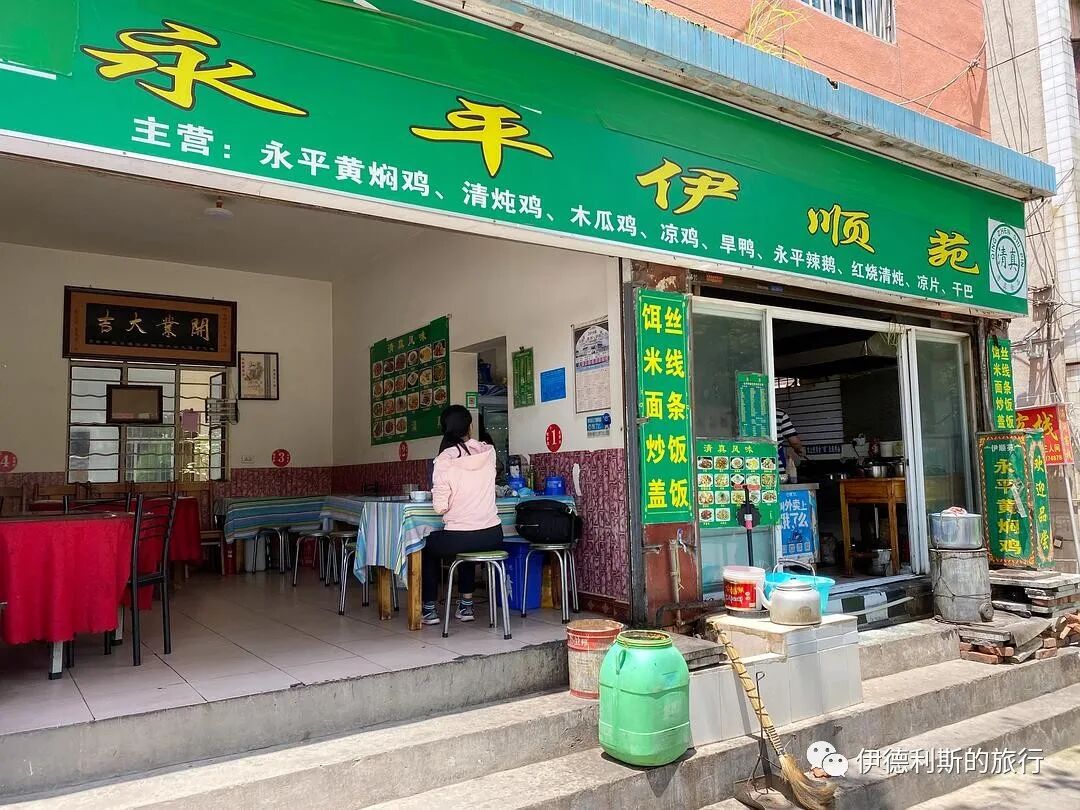
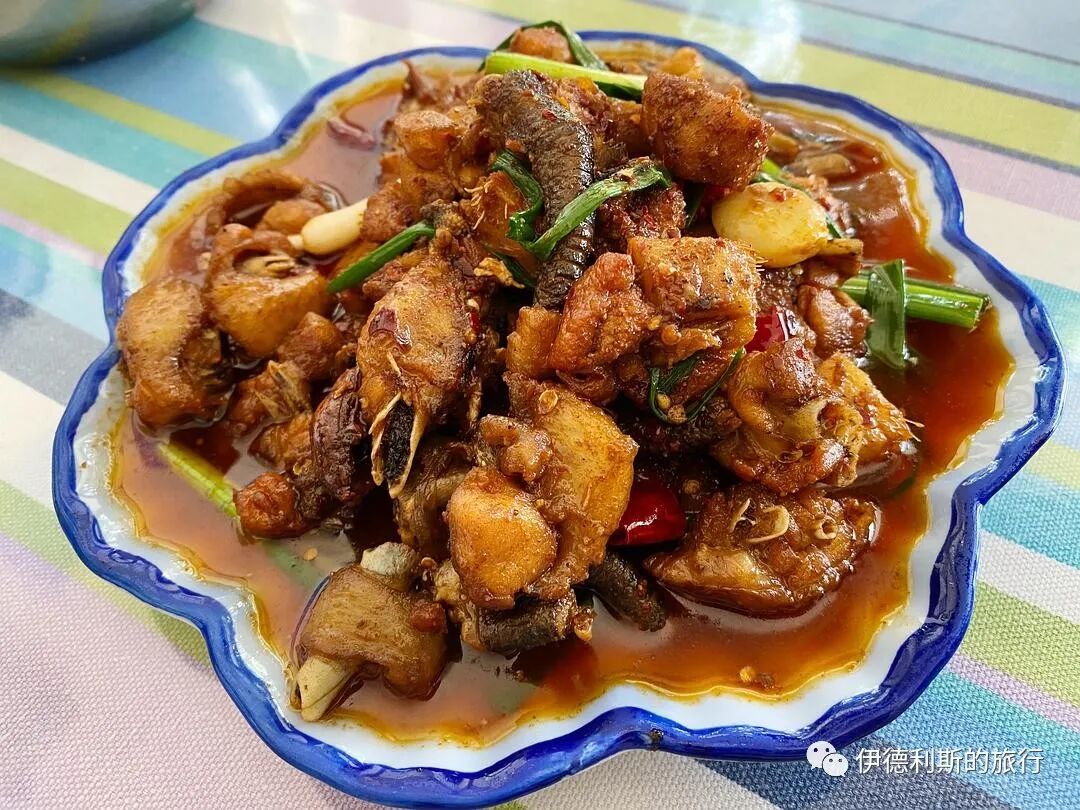
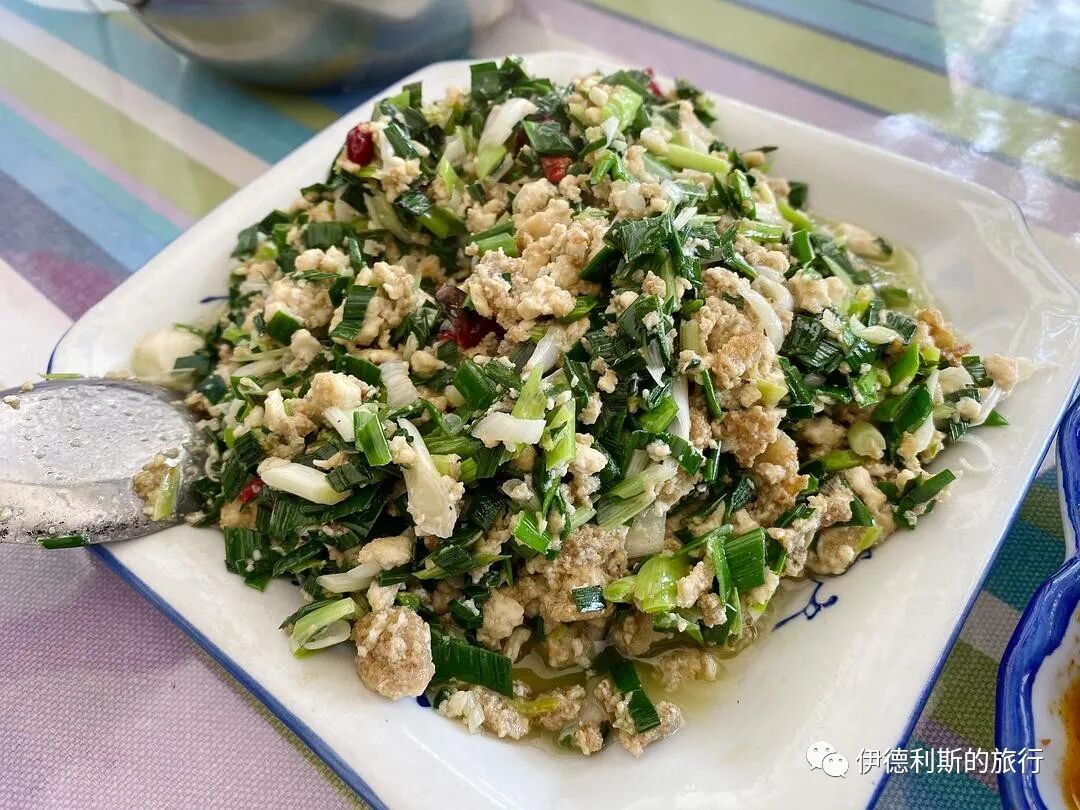
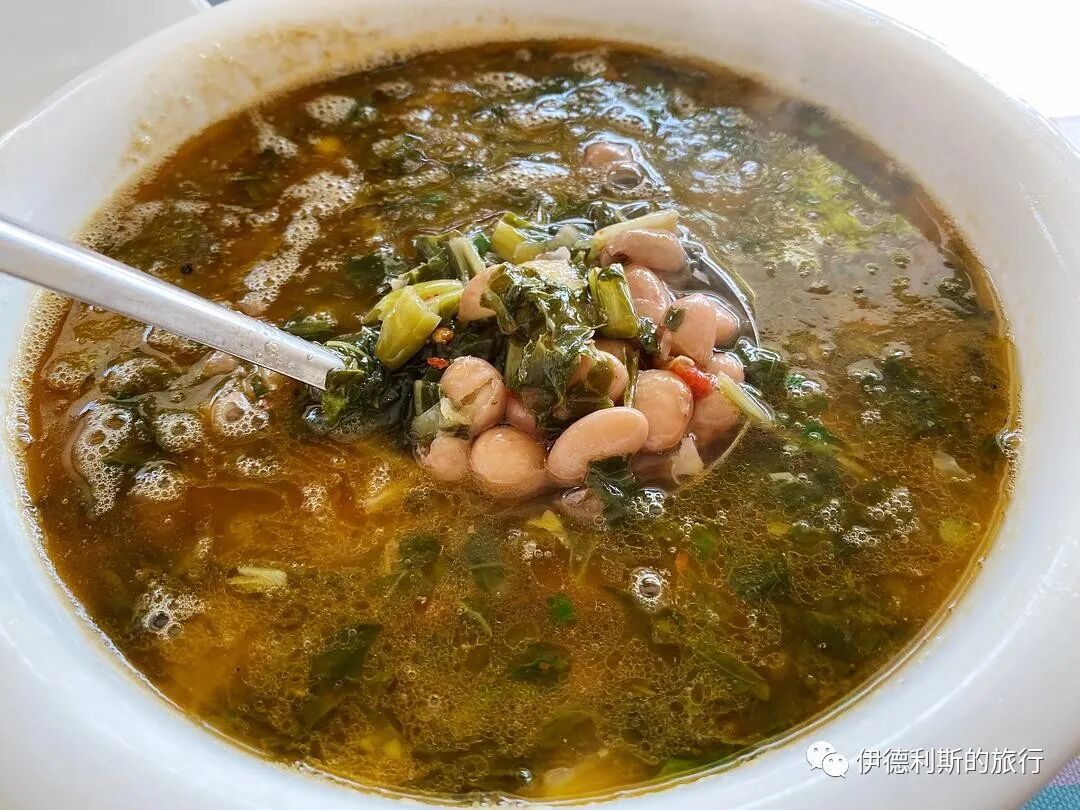
Xundian Tangzi Mosque Guide: Jumu'ah Prayer and Yunnan Muslim Heritage
Articles • ali2007fr posted the article • 0 comments • 138 views • 2026-05-17 06:26
Summary: This travel note introduces Xundian Tangzi Mosque Guide: Jumu'ah Prayer and Yunnan Muslim Heritage. Xundian is a county in the northeast of Kunming. The vast majority of the county is mountainous, with some bazis (flatlands between mountains) and river valleys distributed within it. It is useful for readers interested in Xundian Mosque, Jumu'ah Prayer, Yunnan Muslims.
Xundian is a county in the northeast of Kunming. The vast majority of the county is mountainous, with some bazis (flatlands between mountains) and river valleys distributed within it. The most important one, Rende Bazi, is where the county seat is located. Xundian is a Hui Muslim and Yi Autonomous County. There are many Hui Muslim villages within the county, as well as distinctive halal food and traditional mosques. After returning to Kunming from Dali during my marriage leave in 2020, I went to Xundian for a trip.
Performing Jumu'ah (Friday prayer) at Tangzi Mosque.
On August 7, I took a bus from Kunming to Xundian County, then transferred to a bus to Tangzi Mosque. Tangzi Mosque is the most accessible traditional mosque in Xundian. It was first built in the Ming Dynasty, destroyed by bandits in 1920, and rebuilt starting in 1923 through fundraising by elders such as Imam Yu Shaoqing. It was completed in 1927, and the current stone arch gate was added in 1937. Traditional Yunnan-style mosques generally consist of a courtyard enclosed by the main prayer hall, the minaret, and the north and south side rooms. Tangzi Mosque also has an additional gate forming a second courtyard, and it is designed with two-story verandas that connect to each other.
In 1941, Yunnan Army Major General Ma Deming respectfully presented the plaque 'Wan Shu Yi Ben' (All things are one in essence), and Yunnan Army Lieutenant General Ma Cong respectfully presented 'Wei Yi Wei Jing' (Only one, only pure).
After the Jumu'ah prayer, the local Koufuyuan Halal Pastry shop distributed youxiang (fried dough) and biscuits to everyone. The youxiang here is made differently from the way it is made in Kunming. At Tangzi Mosque, various shops often take turns distributing delicious food to the mosque, and the atmosphere is especially good.
The mosque's Imam, Ma Huiqun, invited Zaynab and me to eat local specialty juanfen (rolled rice noodles) and chatted with us for a long time. Imam Ma is from Weining, Guizhou, and has been in Xundian for over ten years. He is very eloquent.
In 1941, Bai Chongxi inscribed 'Xing Jiao Jian Guo' (Revive religion to build the nation).
That day, many local Hui Muslims came to ask the Imam to slaughter chickens, and the Imam slaughtered them very enthusiastically.
Returned to Xundian county seat.
In the evening, I ate mushroom soup grilled beef in the county seat. The mushroom soup was incredibly fresh, the beef was very tender, and the dipping sauce with zhe'ergen (fish mint) was very punchy.
Beiying Street Mosque in Xundian county seat was first built during the Chenghua period of the Ming Dynasty and rebuilt in 1902. The current mosque seems to have a steel-concrete structure added under the old mosque, lifting the wooden old mosque to the second floor. Newly built mosques in Yunnan often like to be made this way.
However, inside the mosque, there are beautiful Yunnan traditional-style calligraphic mihrabs (prayer niches) and Qing Dynasty plaques.
The county seat is very 1990s; walking on the street felt like returning to my childhood.
Night view of the old town crossroads.
On August 8, I had a bowl of rice noodles at the Guangming time-honored snack shop on Beiying Street in the county seat in the morning.
Luochong Mosque.
In the morning, I planned to go to Xundian's most famous Dangui Mosque, but I missed the bus at the passenger station, so I took a taxi to another mosque, Luochong Mosque. Luochong Mosque is located in a mountain village and is very quiet. The current mosque was built over 19 years, from 1881 to 1900.
The door panels of the main hall are very bright.
Scenery in the village. view all
Summary: This travel note introduces Xundian Tangzi Mosque Guide: Jumu'ah Prayer and Yunnan Muslim Heritage. Xundian is a county in the northeast of Kunming. The vast majority of the county is mountainous, with some bazis (flatlands between mountains) and river valleys distributed within it. It is useful for readers interested in Xundian Mosque, Jumu'ah Prayer, Yunnan Muslims.
Xundian is a county in the northeast of Kunming. The vast majority of the county is mountainous, with some bazis (flatlands between mountains) and river valleys distributed within it. The most important one, Rende Bazi, is where the county seat is located. Xundian is a Hui Muslim and Yi Autonomous County. There are many Hui Muslim villages within the county, as well as distinctive halal food and traditional mosques. After returning to Kunming from Dali during my marriage leave in 2020, I went to Xundian for a trip.
Performing Jumu'ah (Friday prayer) at Tangzi Mosque.
On August 7, I took a bus from Kunming to Xundian County, then transferred to a bus to Tangzi Mosque. Tangzi Mosque is the most accessible traditional mosque in Xundian. It was first built in the Ming Dynasty, destroyed by bandits in 1920, and rebuilt starting in 1923 through fundraising by elders such as Imam Yu Shaoqing. It was completed in 1927, and the current stone arch gate was added in 1937. Traditional Yunnan-style mosques generally consist of a courtyard enclosed by the main prayer hall, the minaret, and the north and south side rooms. Tangzi Mosque also has an additional gate forming a second courtyard, and it is designed with two-story verandas that connect to each other.
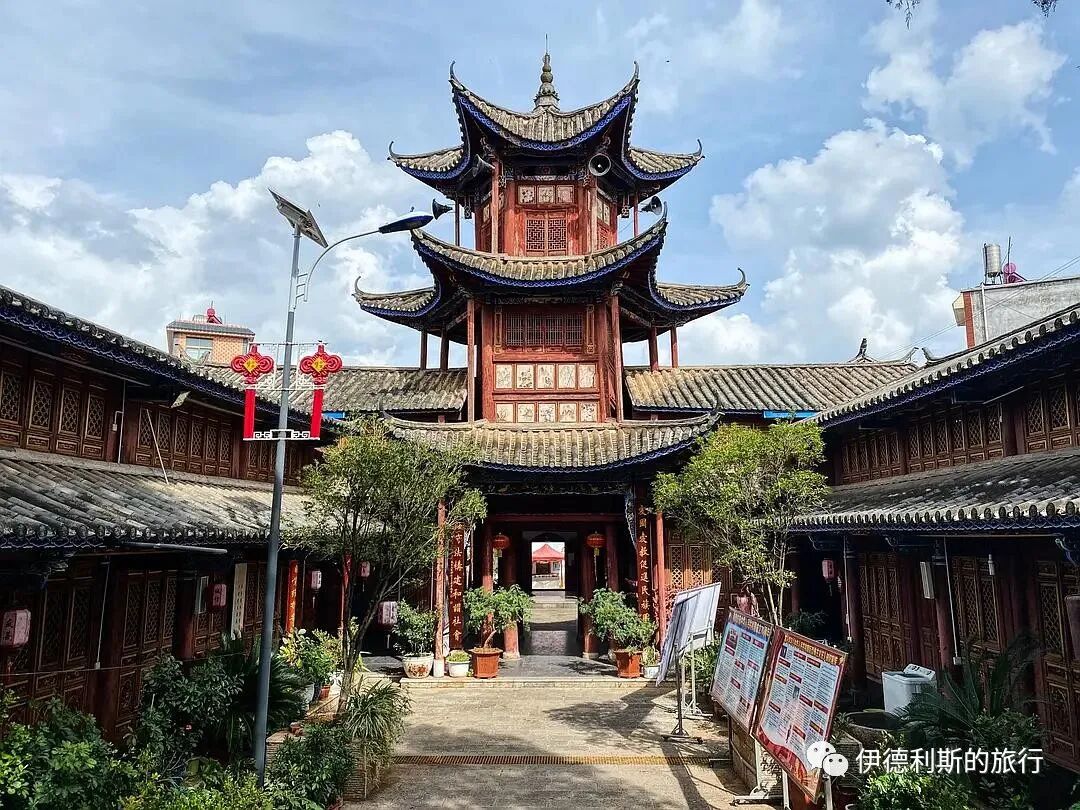
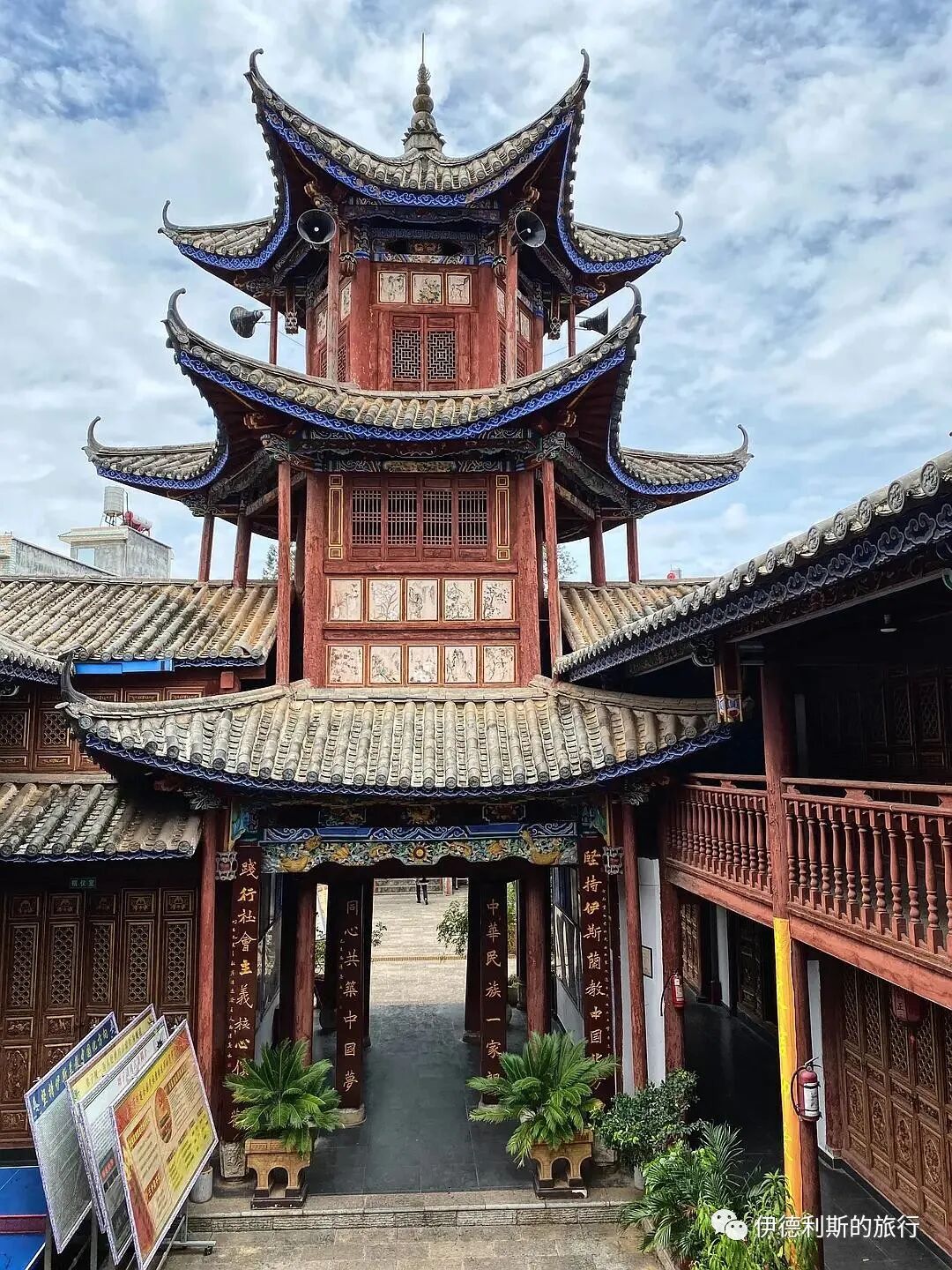
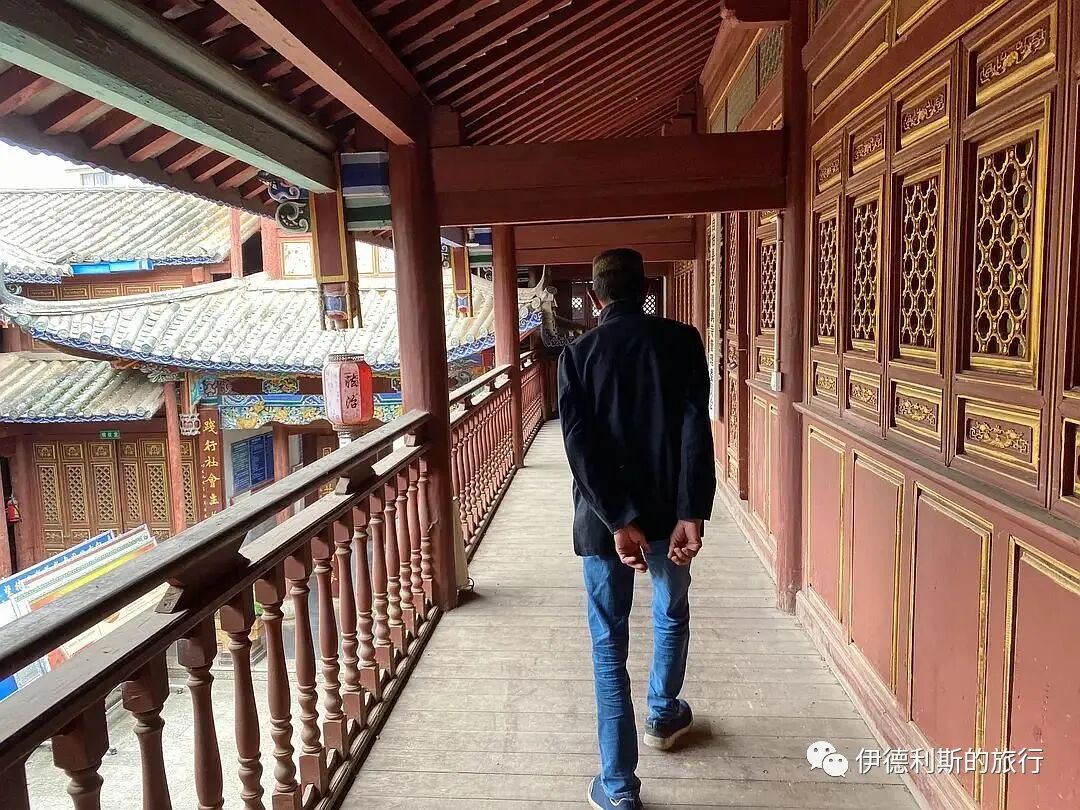
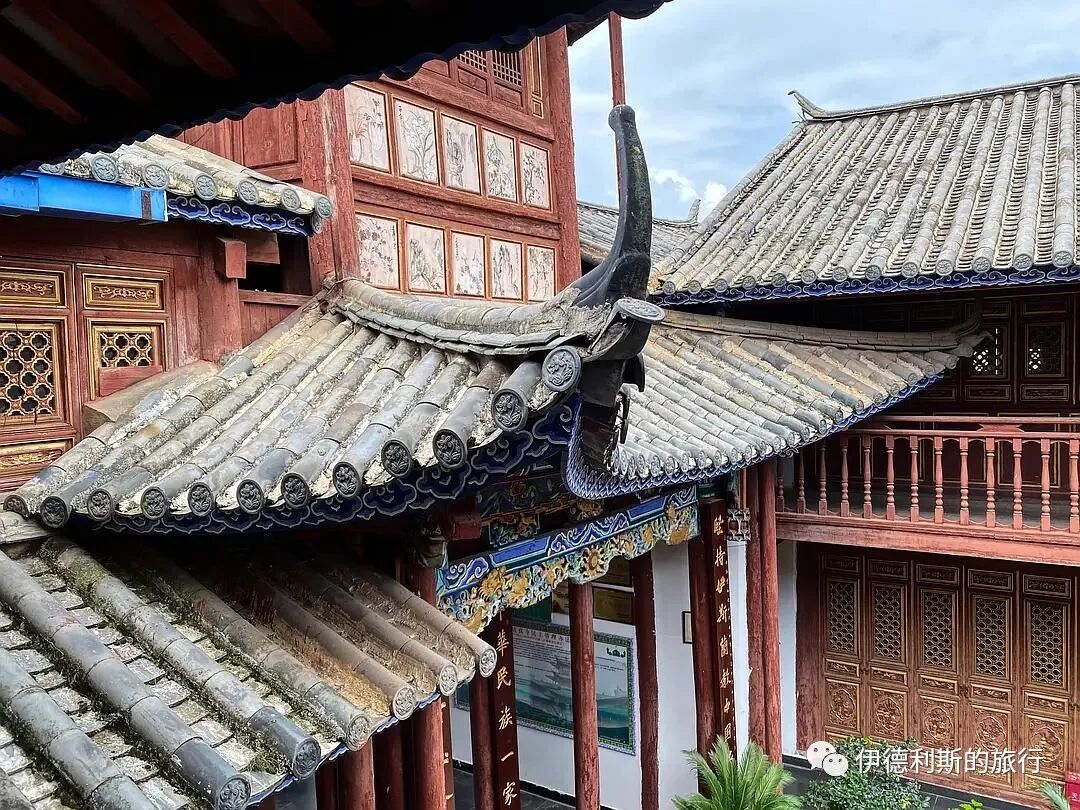
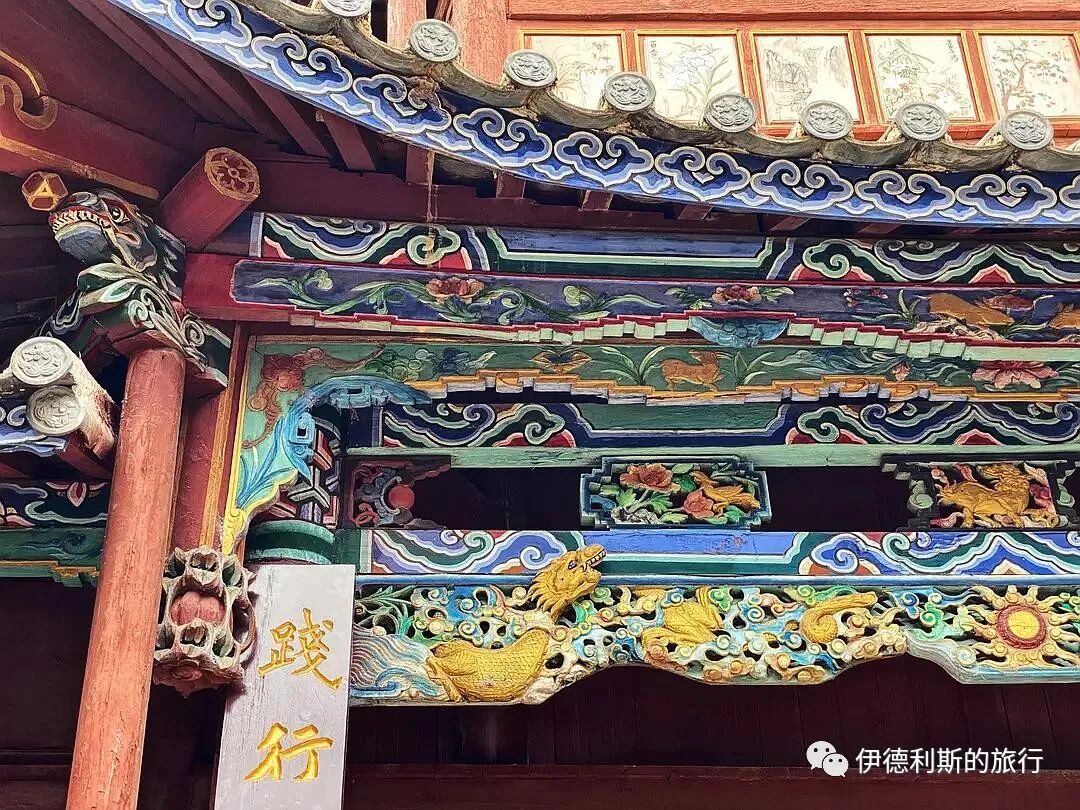
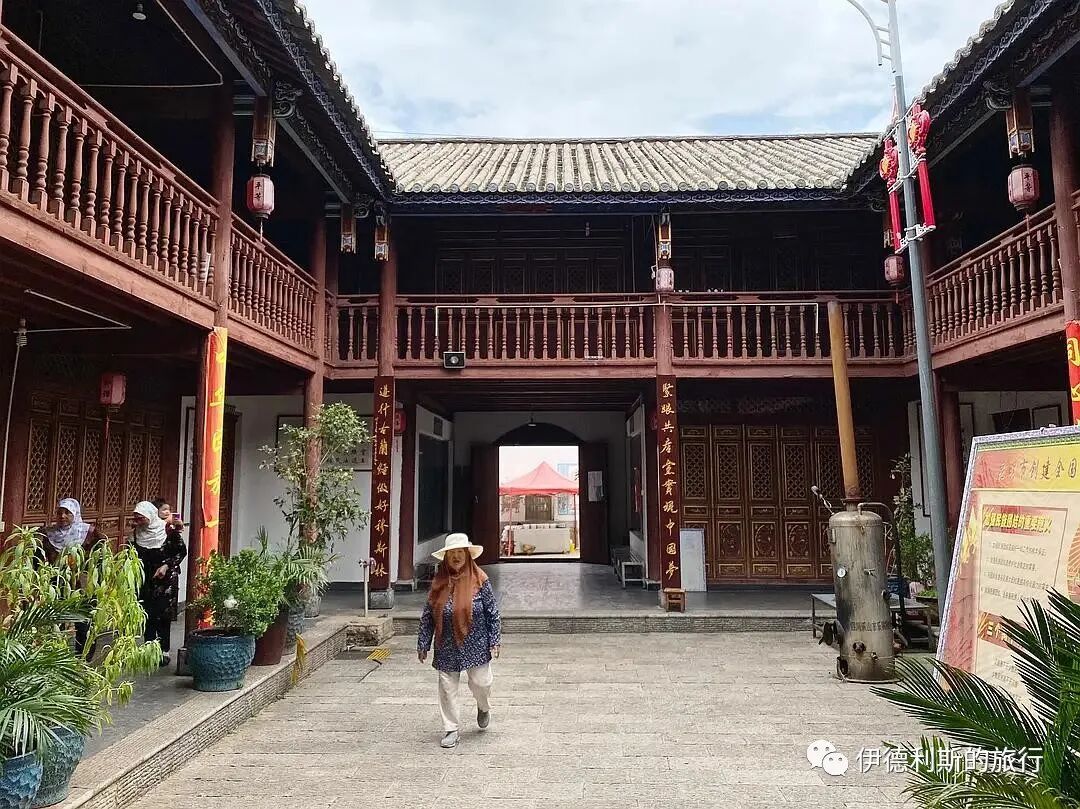
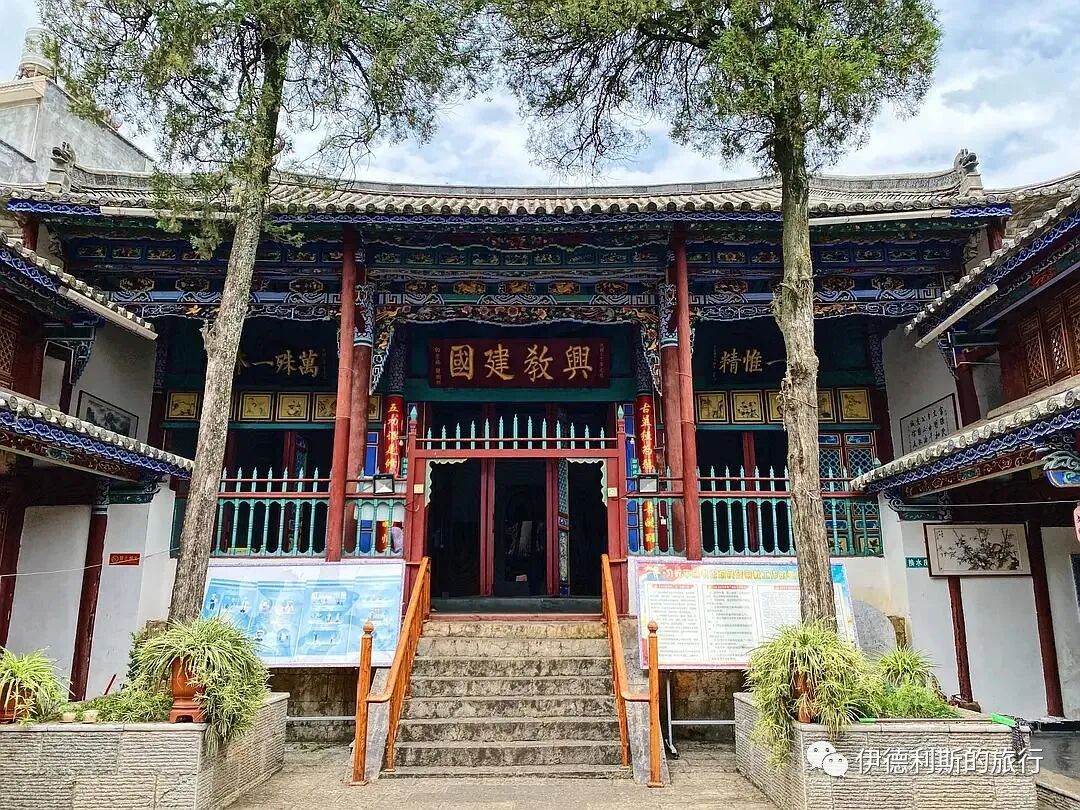
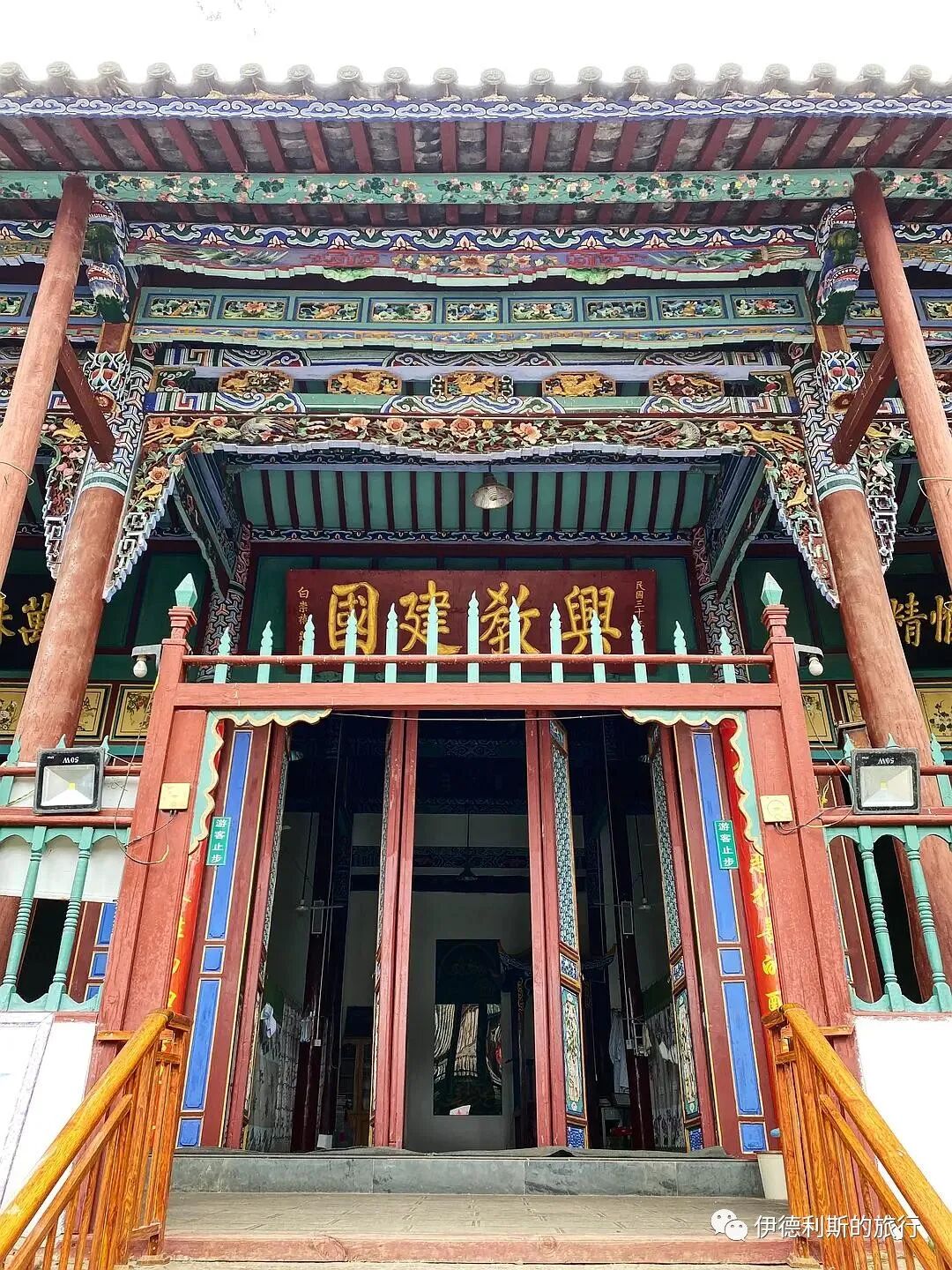
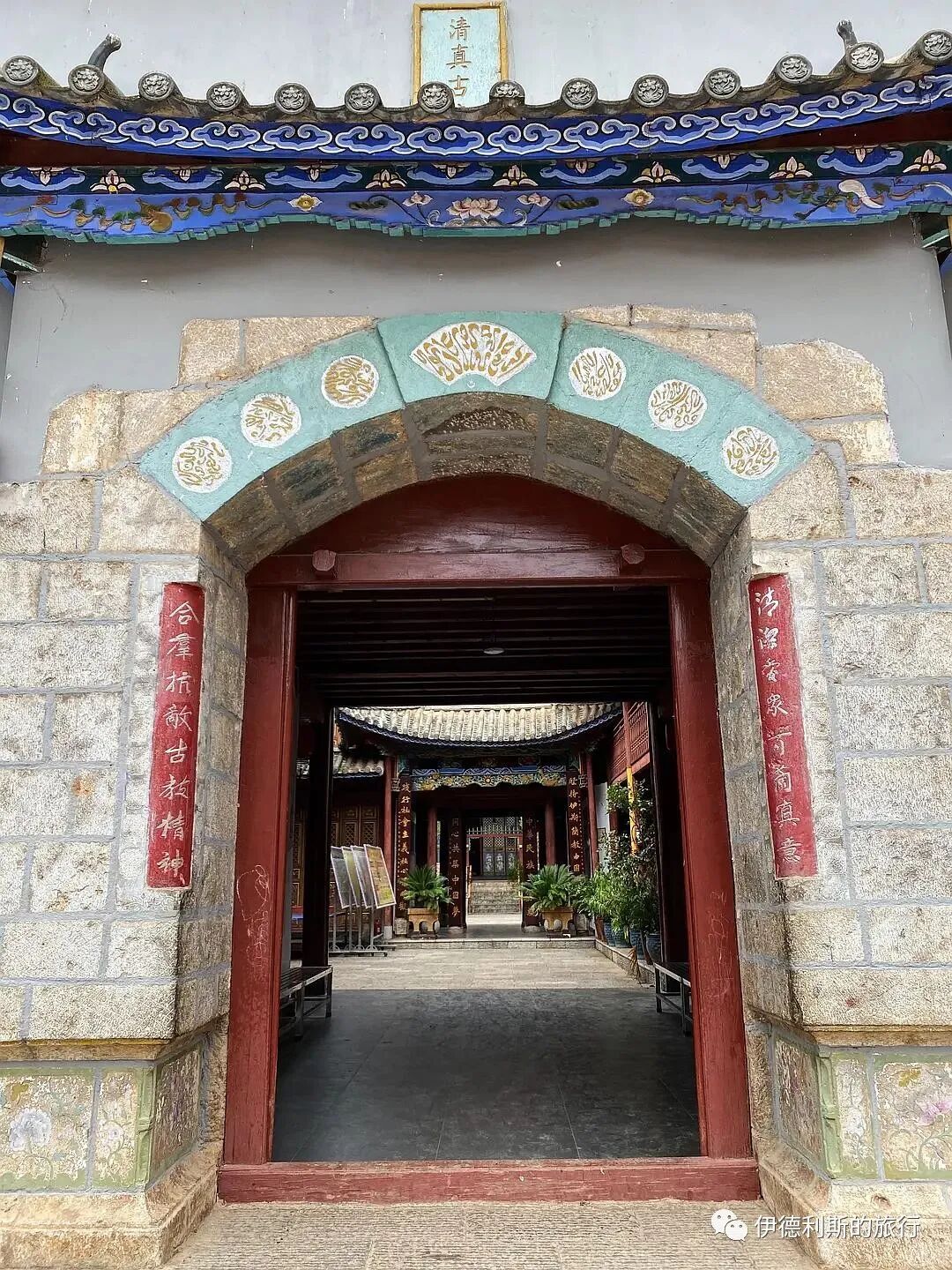
In 1941, Yunnan Army Major General Ma Deming respectfully presented the plaque 'Wan Shu Yi Ben' (All things are one in essence), and Yunnan Army Lieutenant General Ma Cong respectfully presented 'Wei Yi Wei Jing' (Only one, only pure).
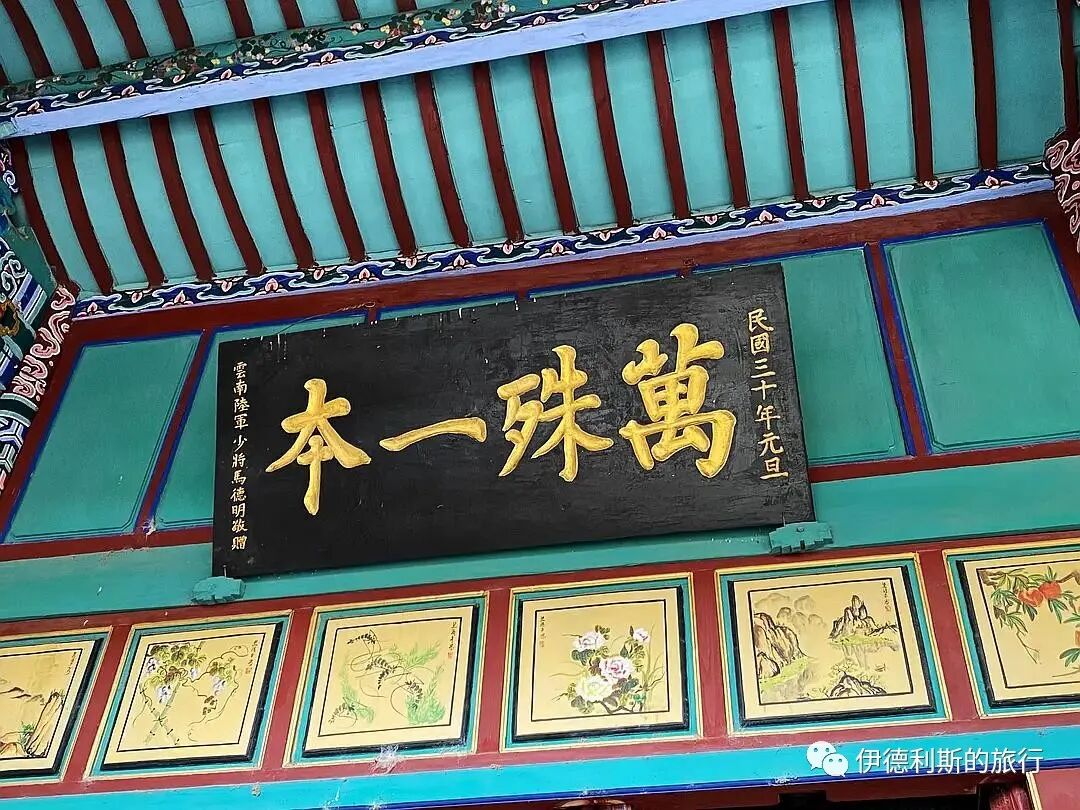
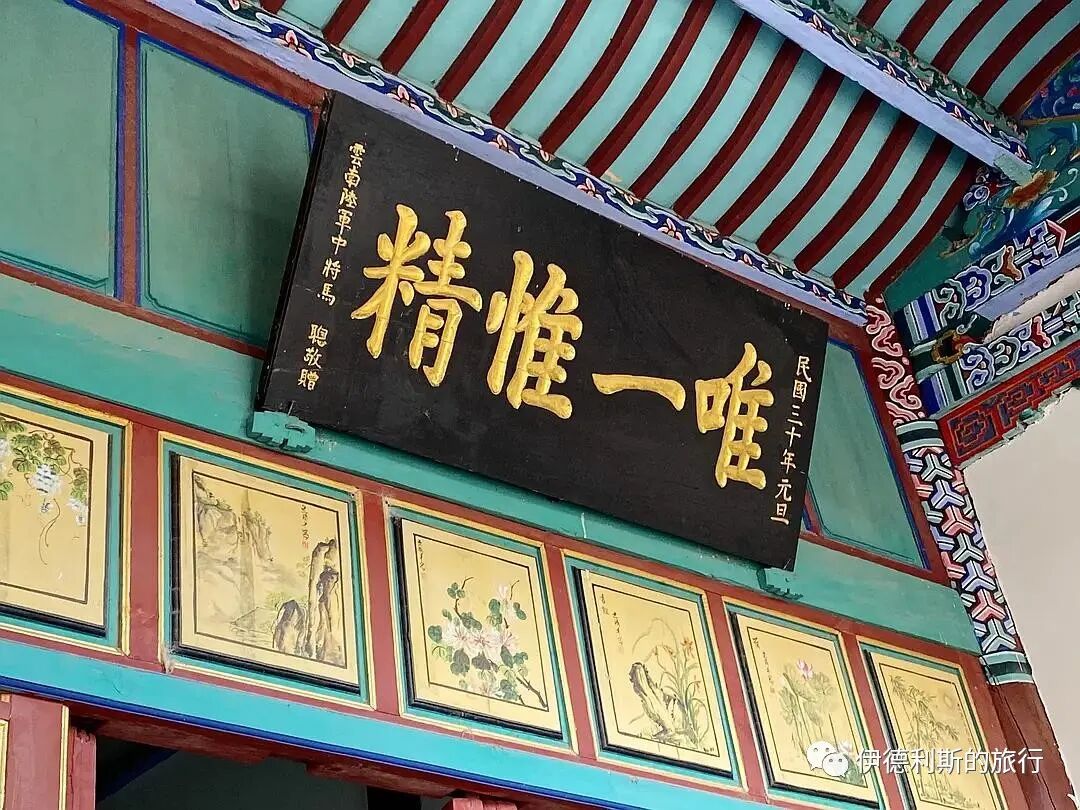
After the Jumu'ah prayer, the local Koufuyuan Halal Pastry shop distributed youxiang (fried dough) and biscuits to everyone. The youxiang here is made differently from the way it is made in Kunming. At Tangzi Mosque, various shops often take turns distributing delicious food to the mosque, and the atmosphere is especially good.
The mosque's Imam, Ma Huiqun, invited Zaynab and me to eat local specialty juanfen (rolled rice noodles) and chatted with us for a long time. Imam Ma is from Weining, Guizhou, and has been in Xundian for over ten years. He is very eloquent.
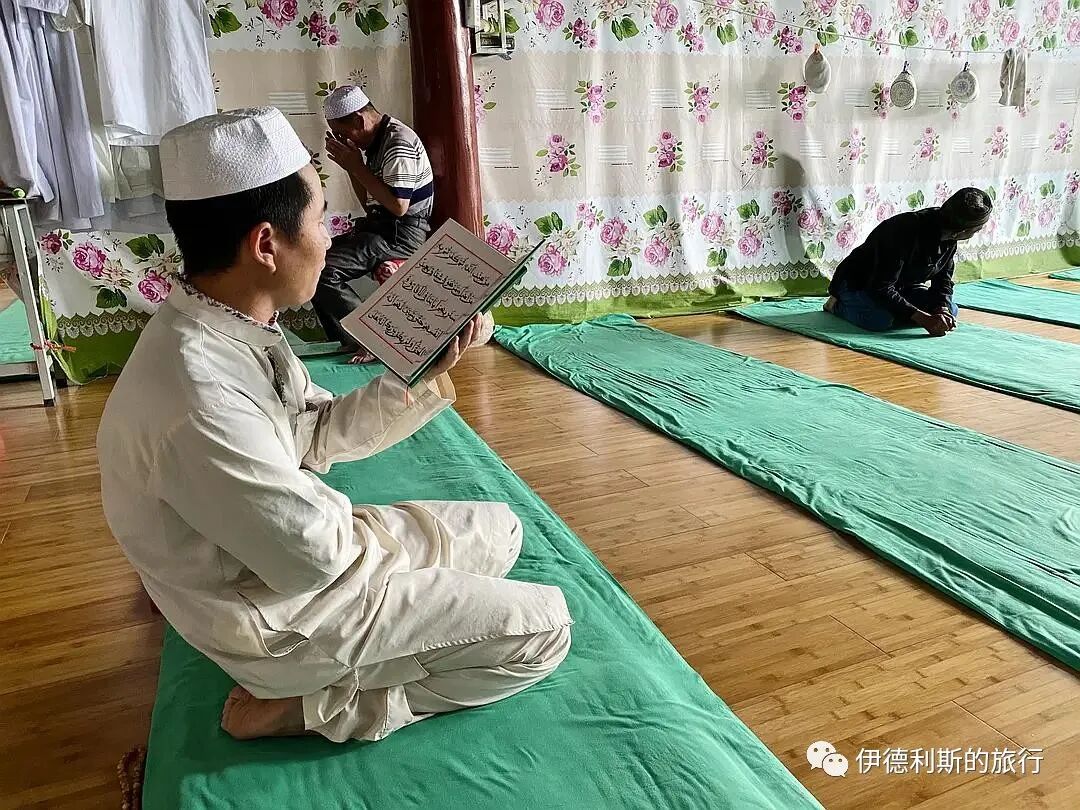
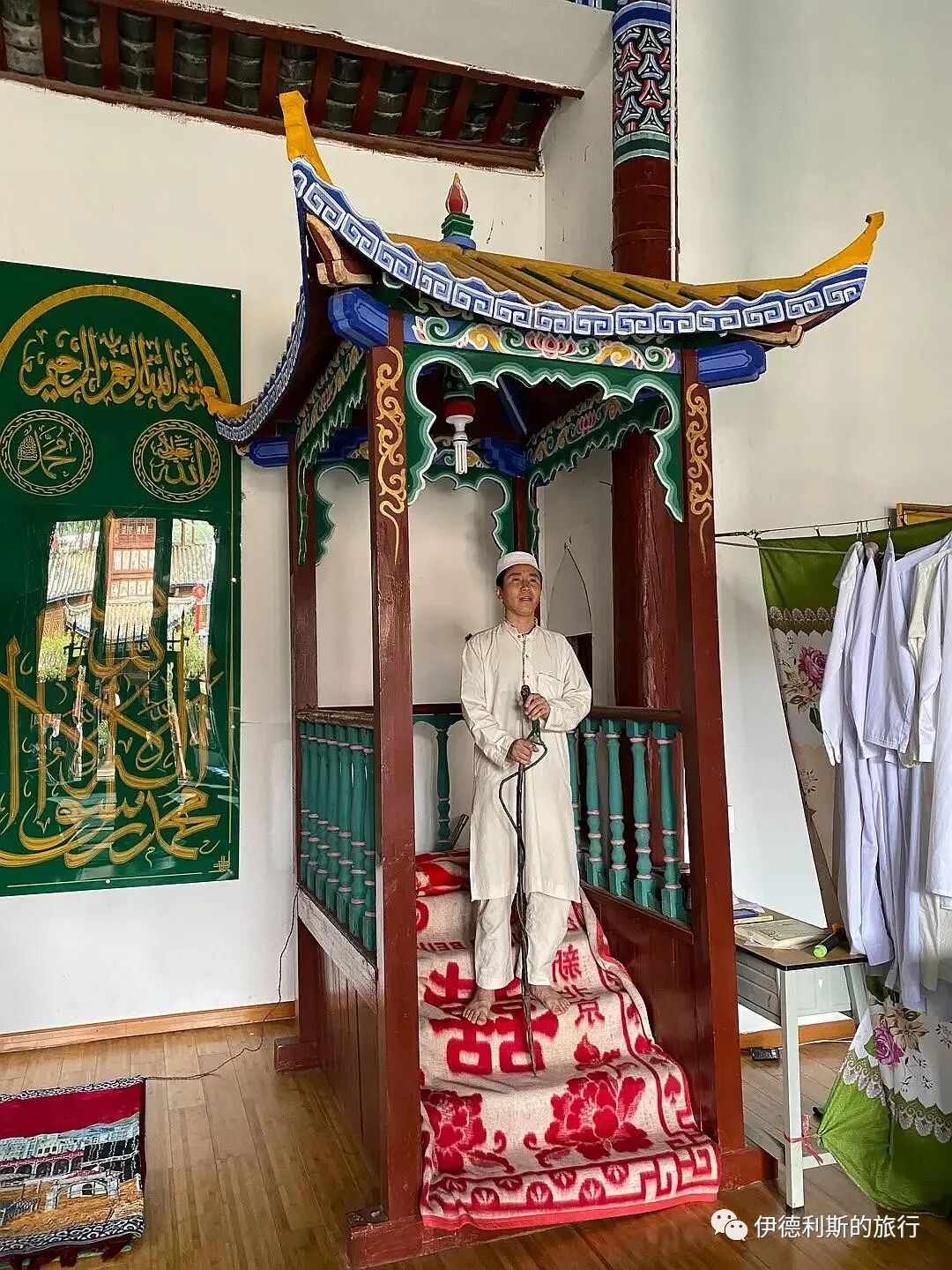
In 1941, Bai Chongxi inscribed 'Xing Jiao Jian Guo' (Revive religion to build the nation).
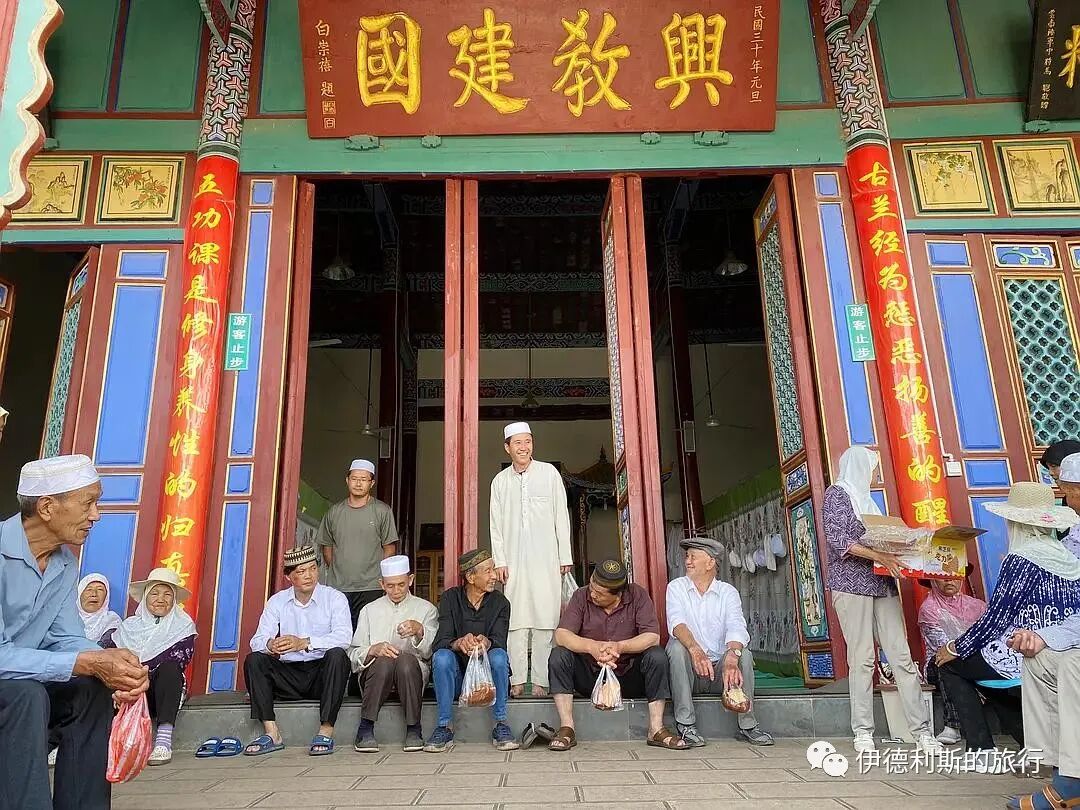
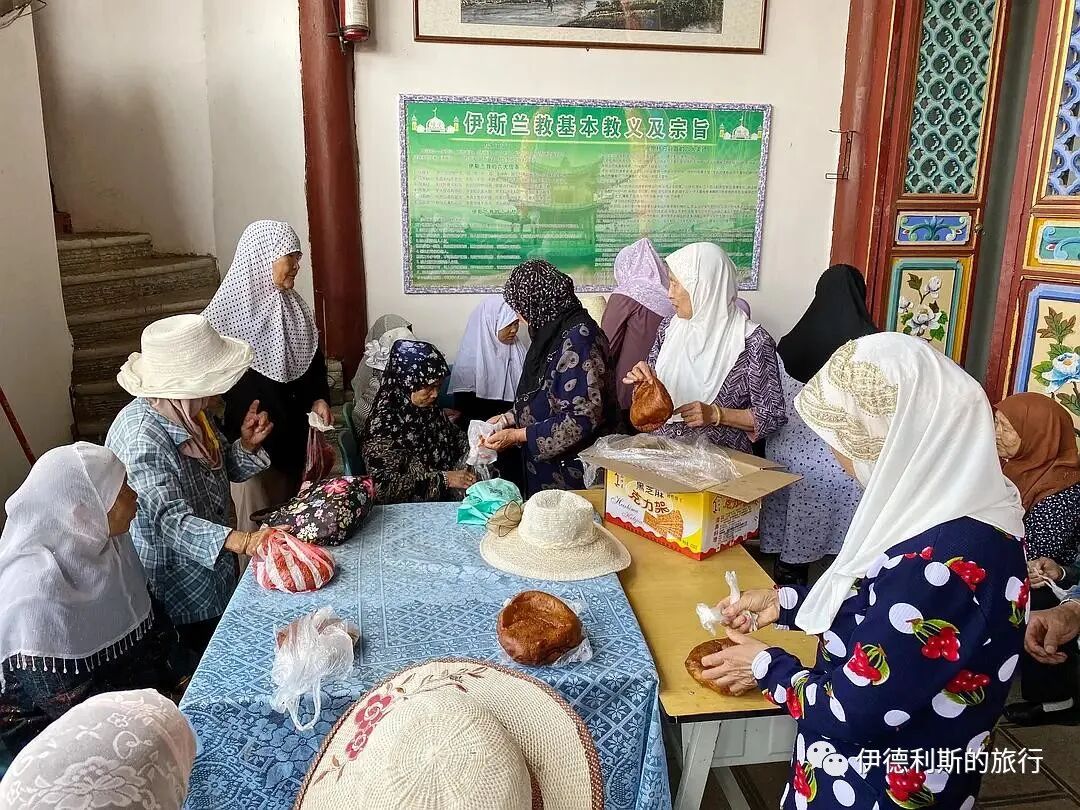
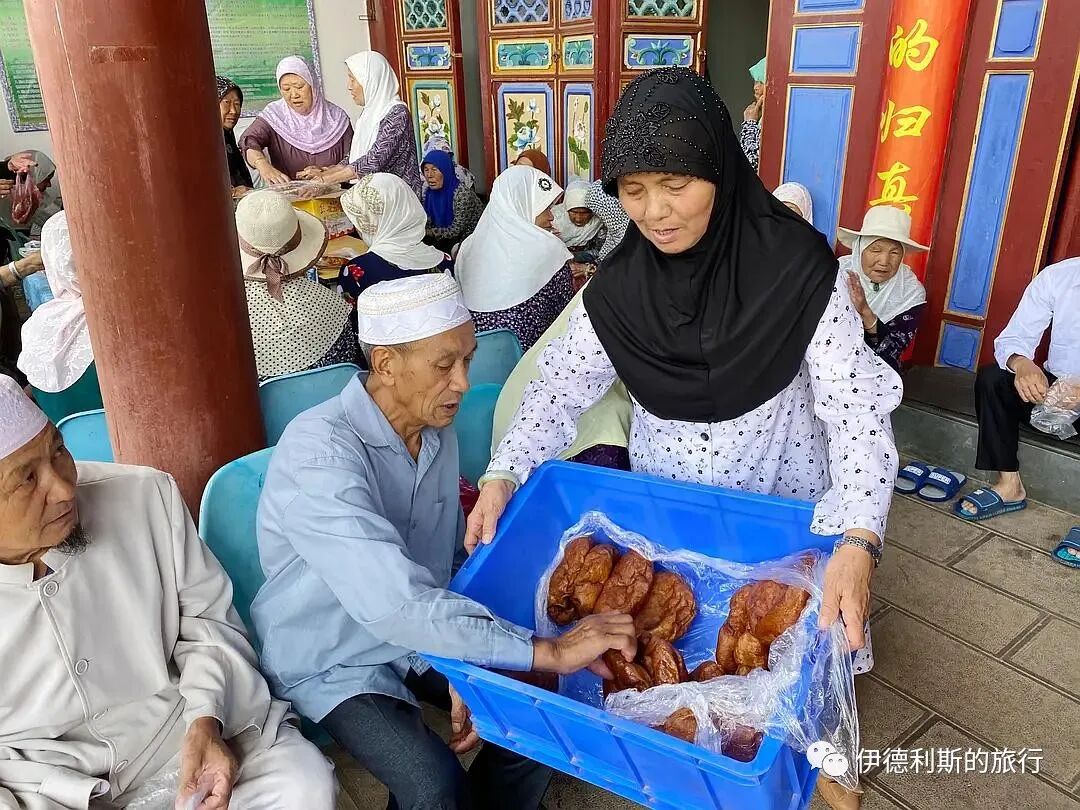
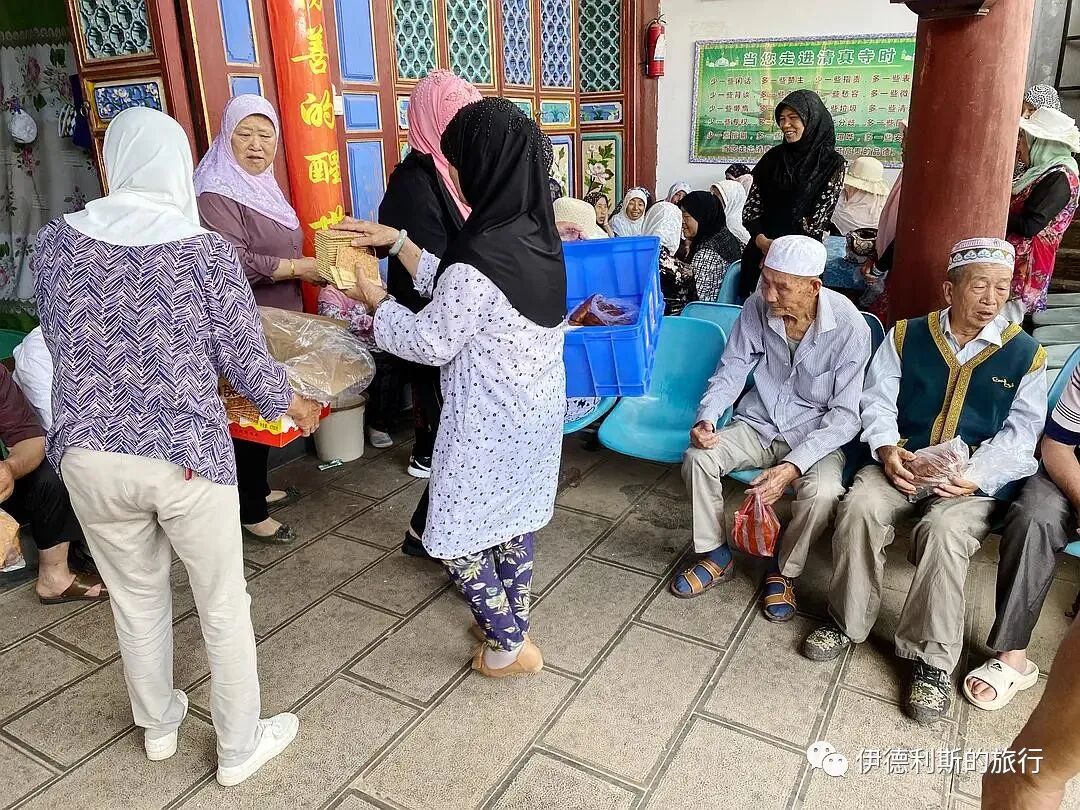
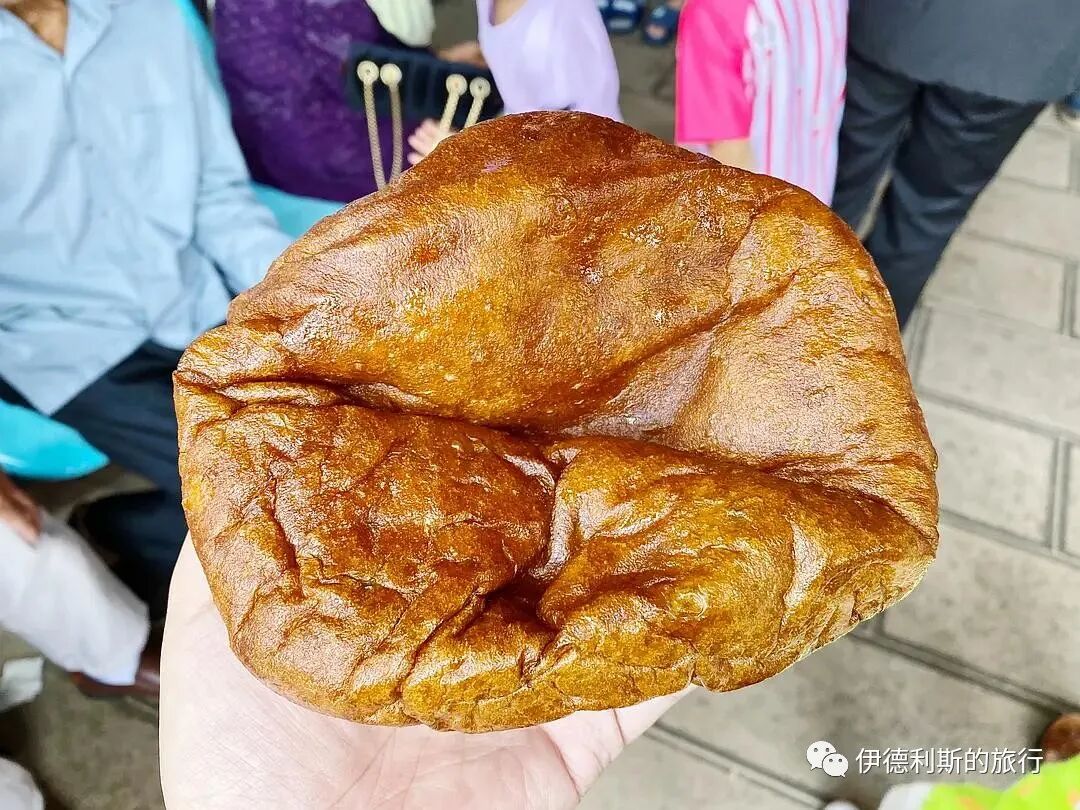
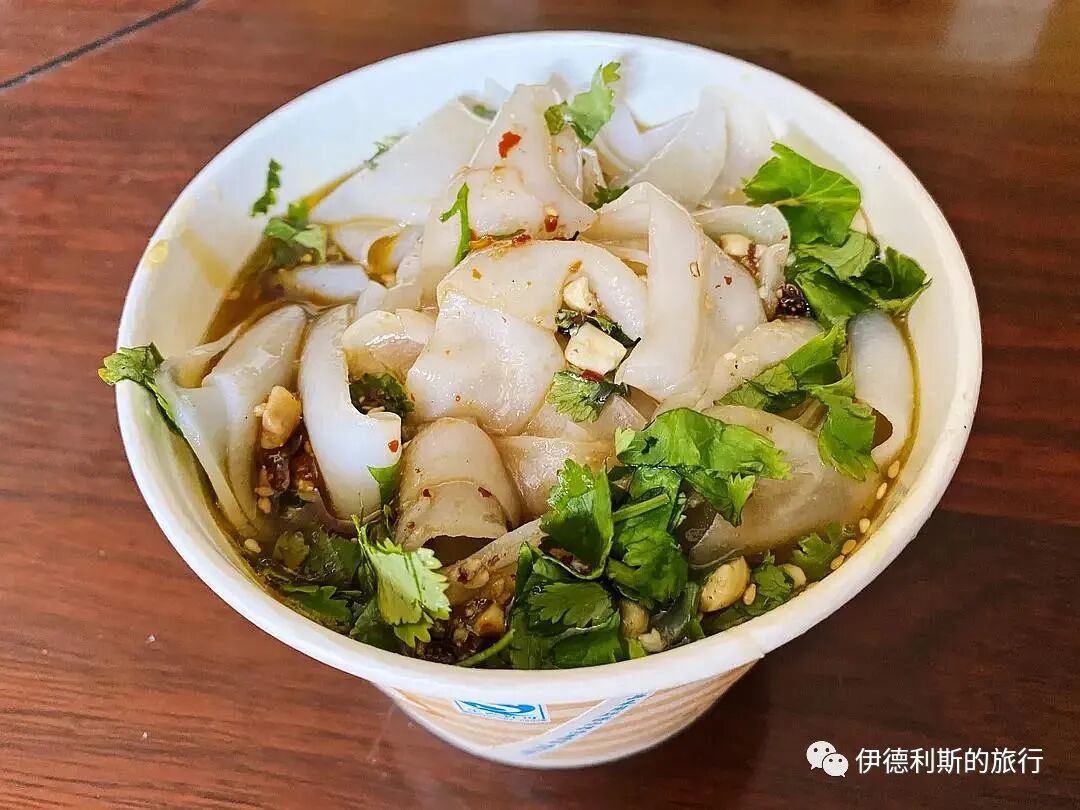
That day, many local Hui Muslims came to ask the Imam to slaughter chickens, and the Imam slaughtered them very enthusiastically.
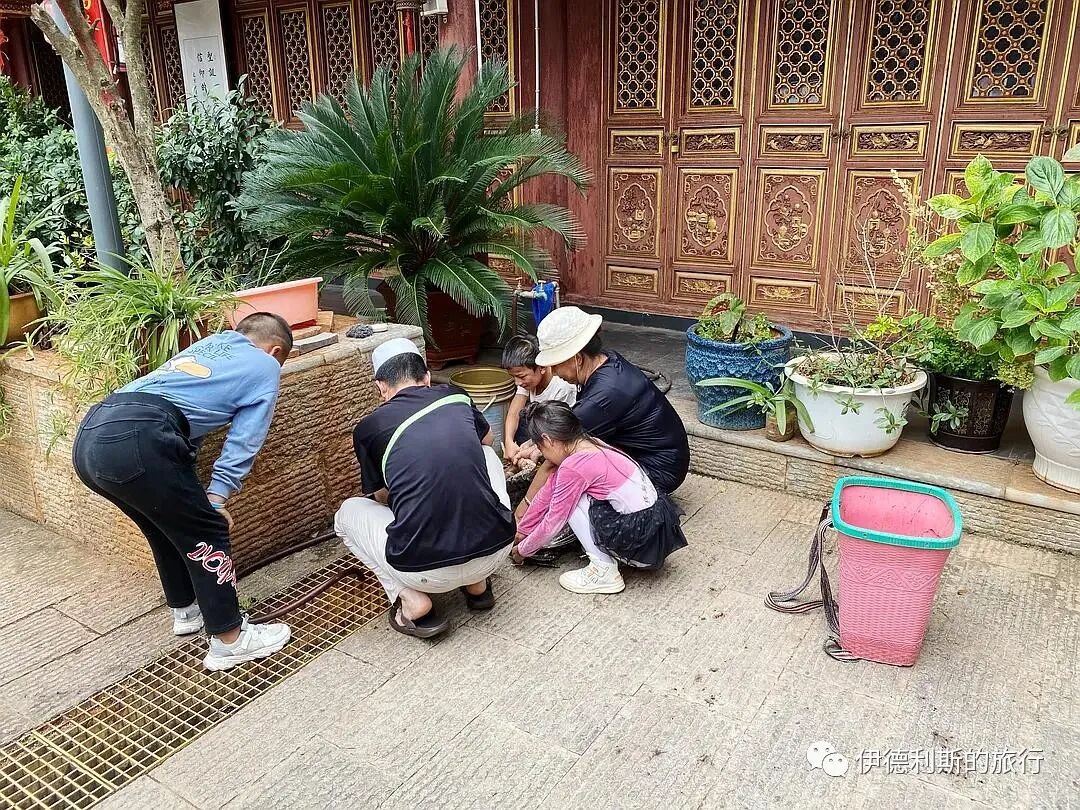
Returned to Xundian county seat.
In the evening, I ate mushroom soup grilled beef in the county seat. The mushroom soup was incredibly fresh, the beef was very tender, and the dipping sauce with zhe'ergen (fish mint) was very punchy.
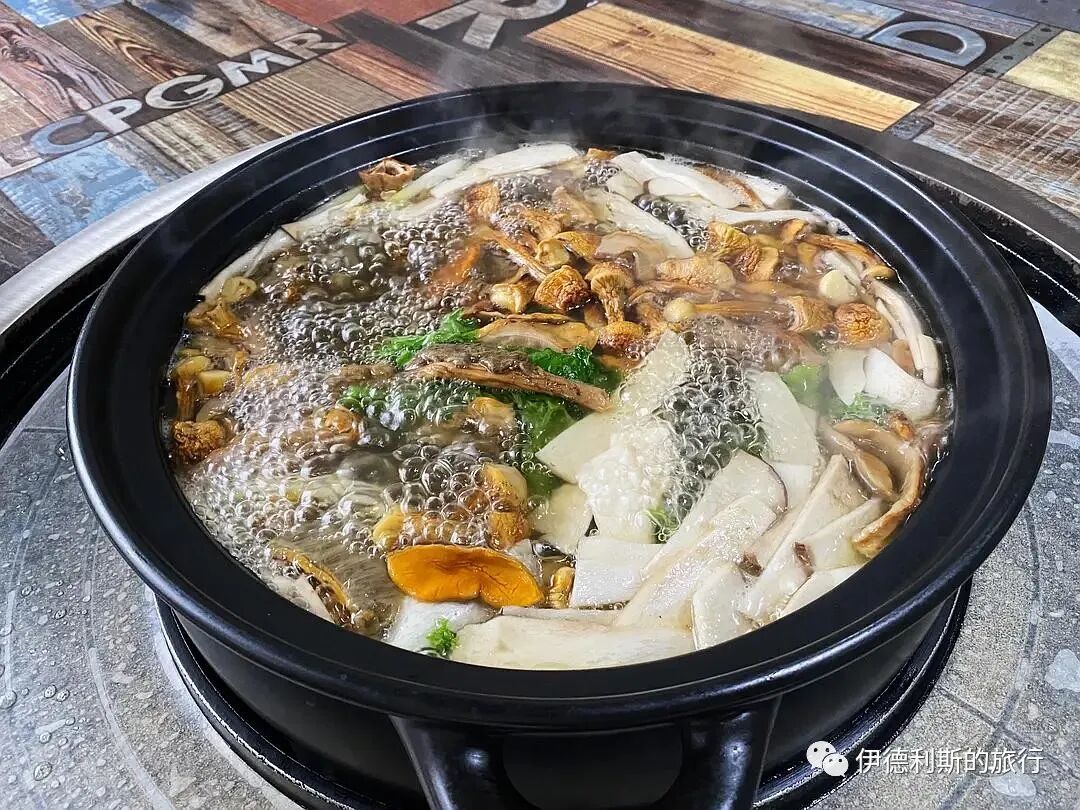
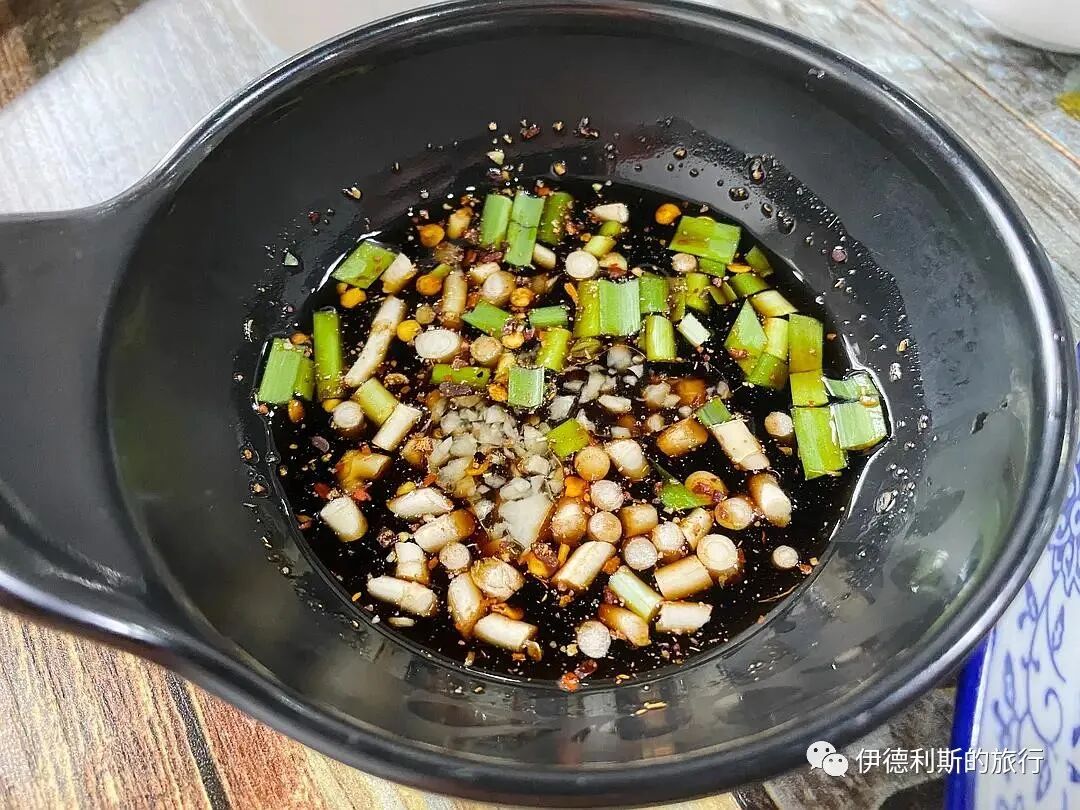
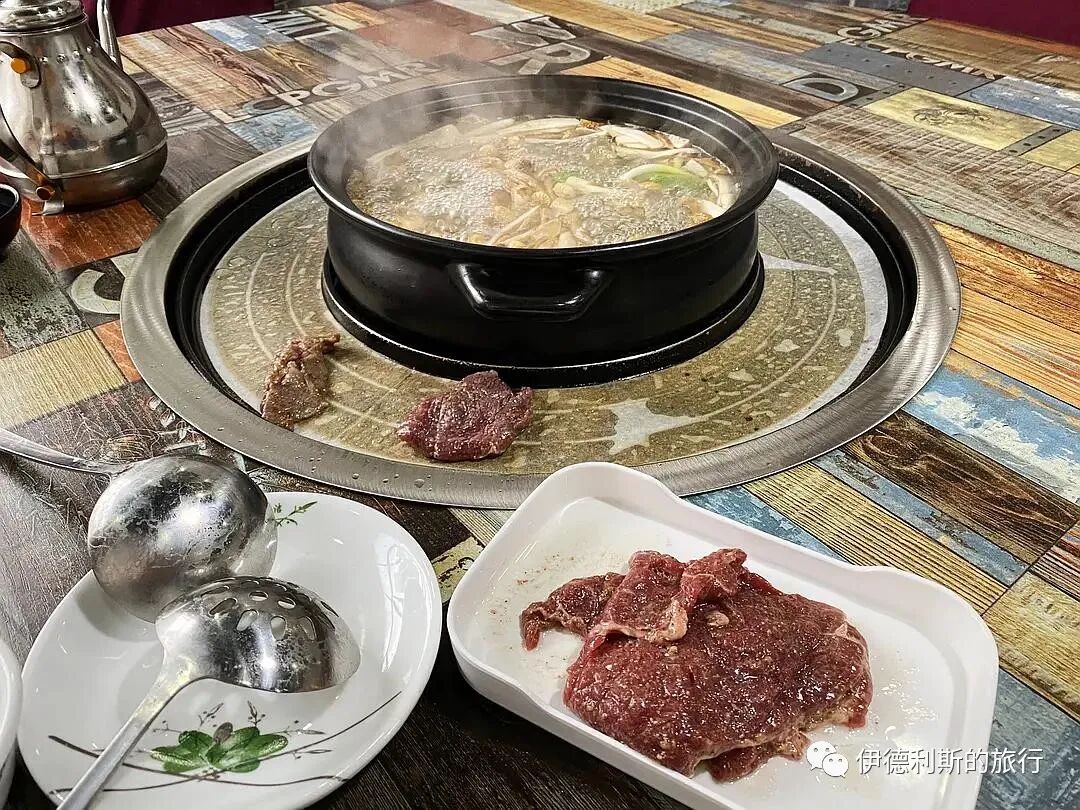
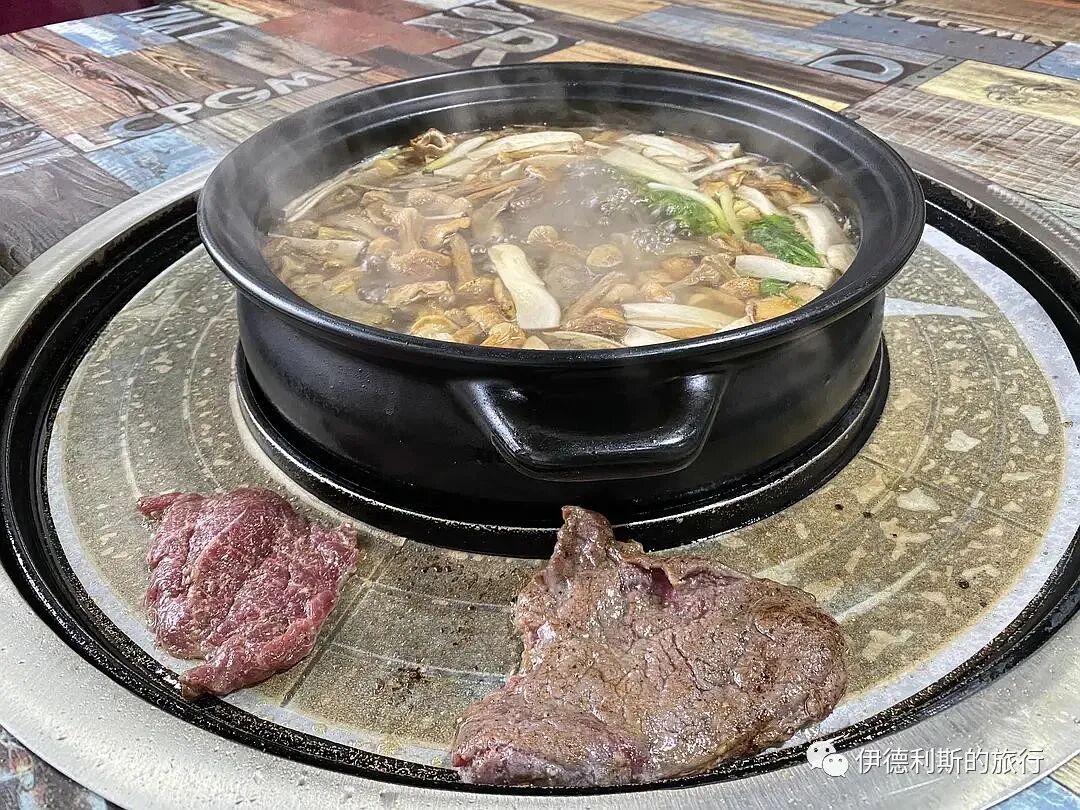
Beiying Street Mosque in Xundian county seat was first built during the Chenghua period of the Ming Dynasty and rebuilt in 1902. The current mosque seems to have a steel-concrete structure added under the old mosque, lifting the wooden old mosque to the second floor. Newly built mosques in Yunnan often like to be made this way.
However, inside the mosque, there are beautiful Yunnan traditional-style calligraphic mihrabs (prayer niches) and Qing Dynasty plaques.
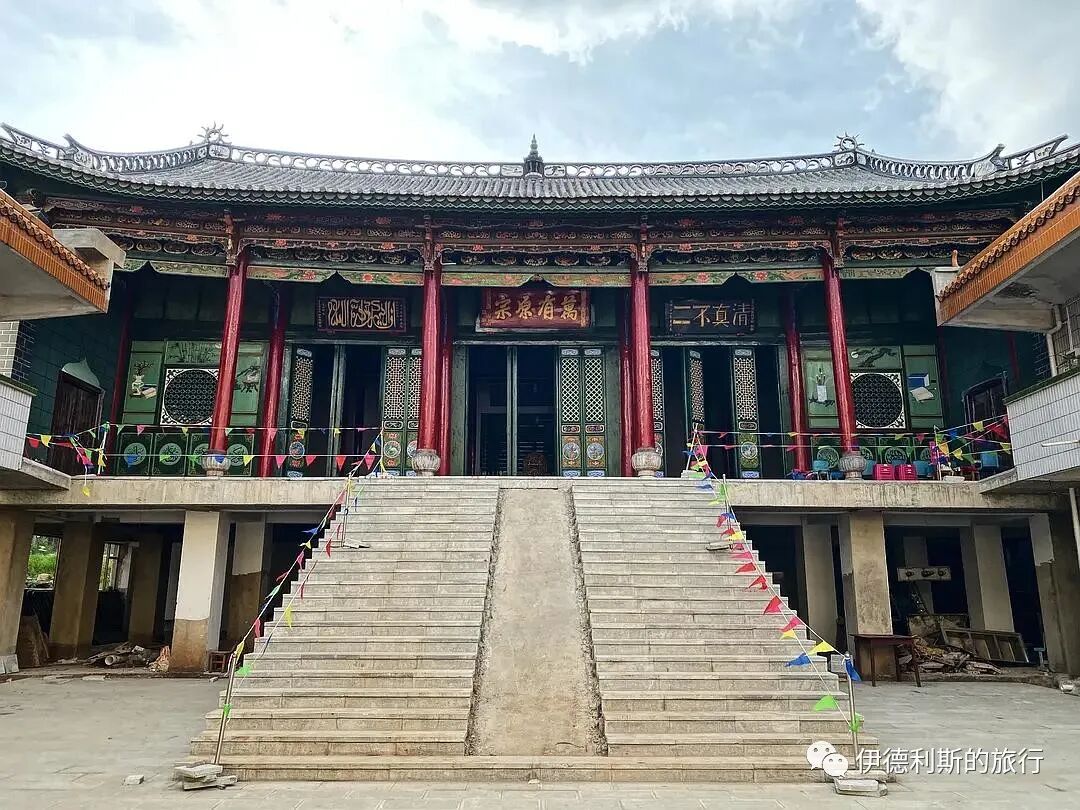
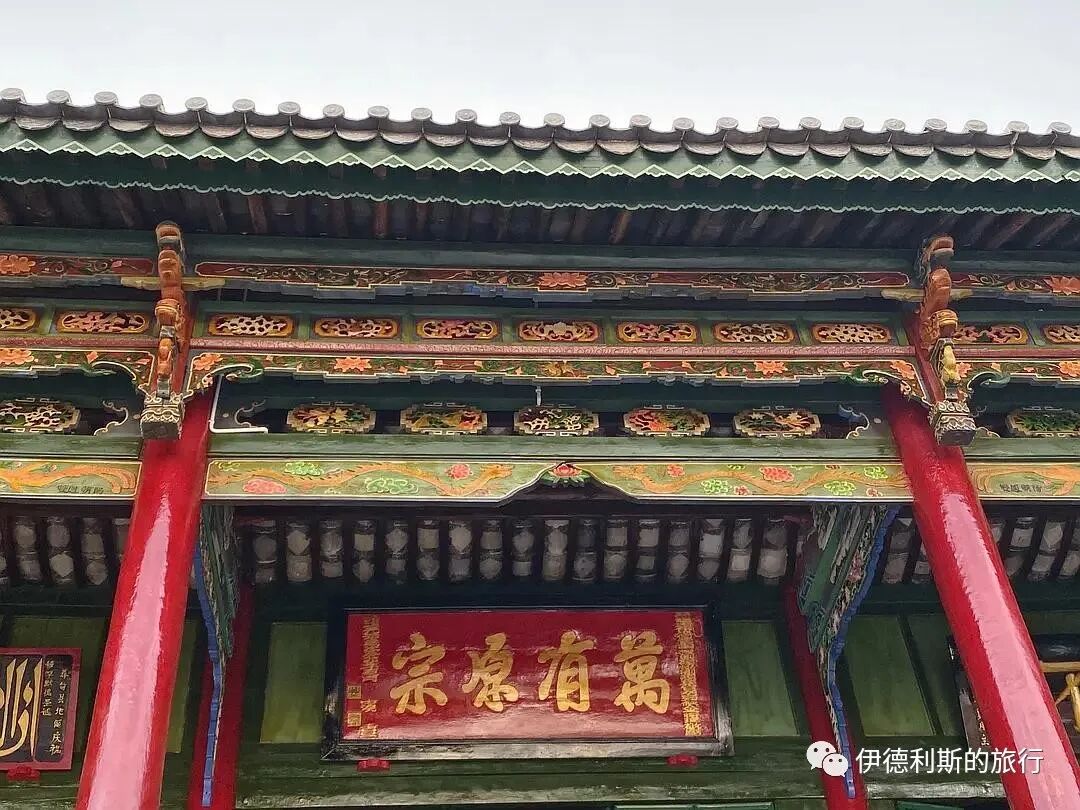
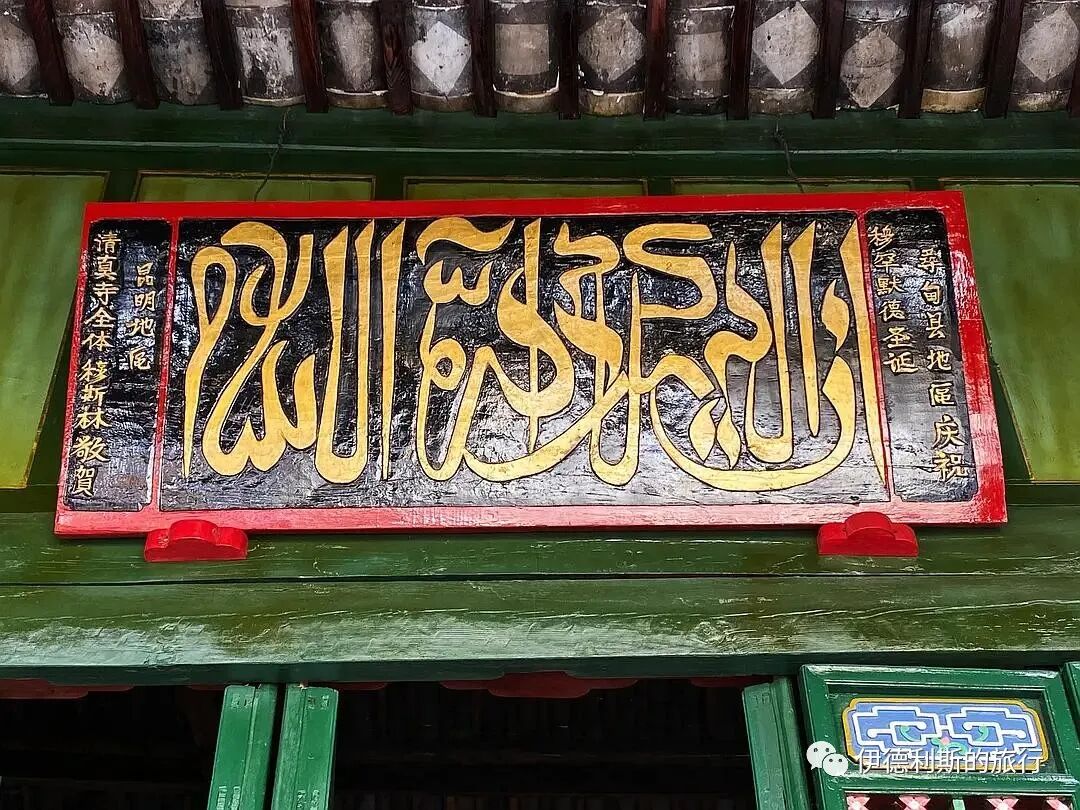
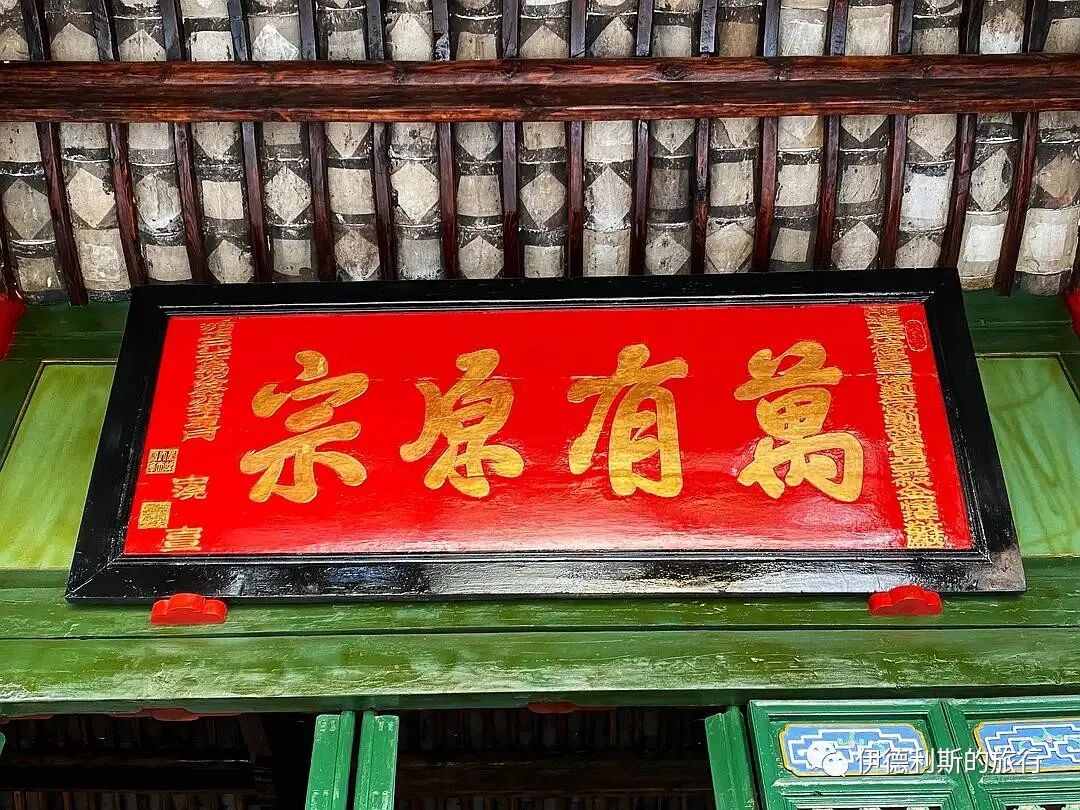
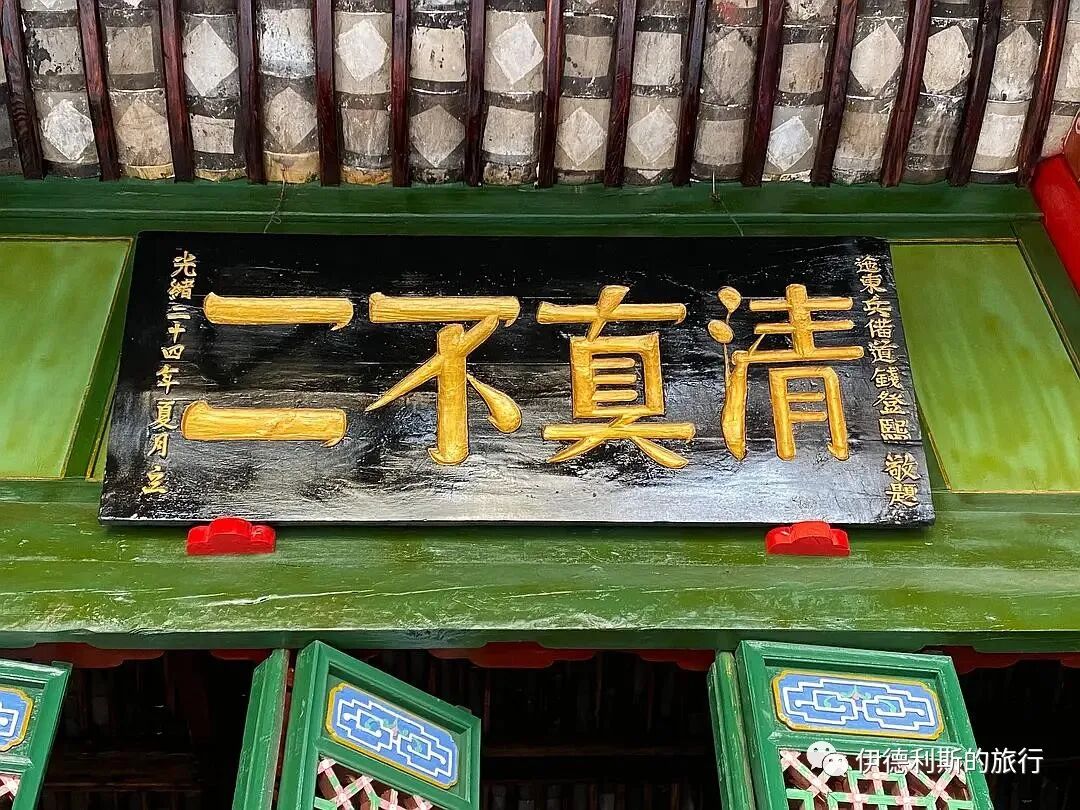
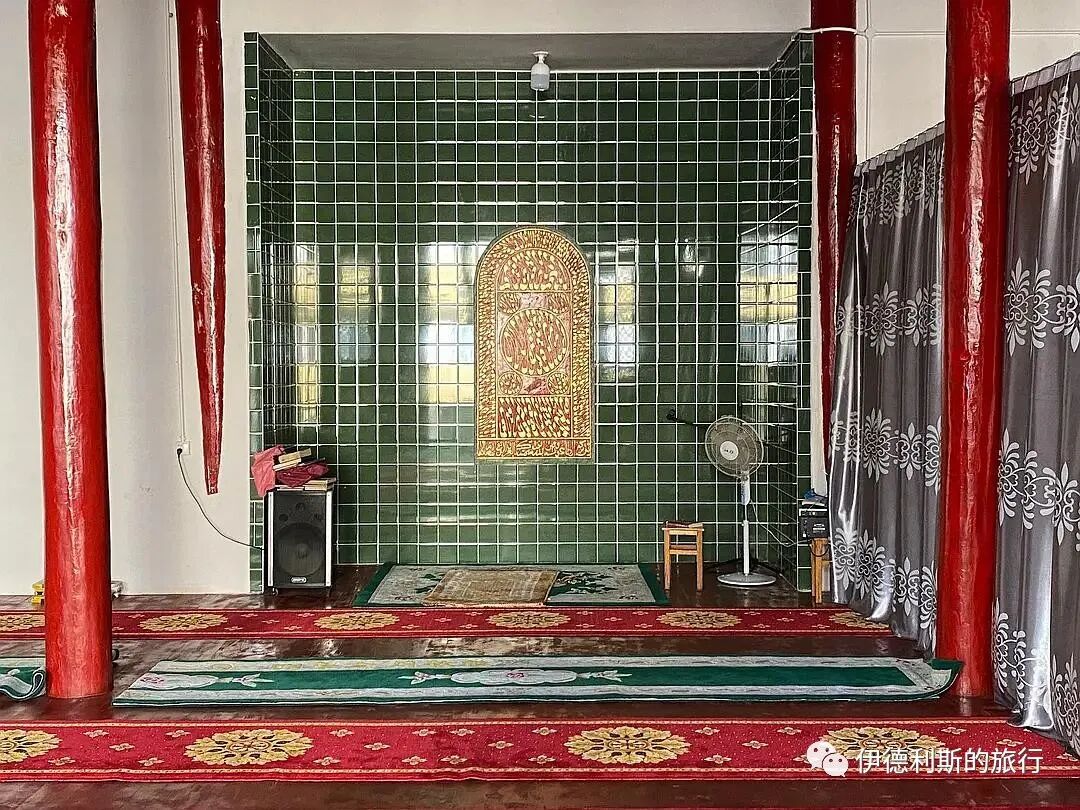
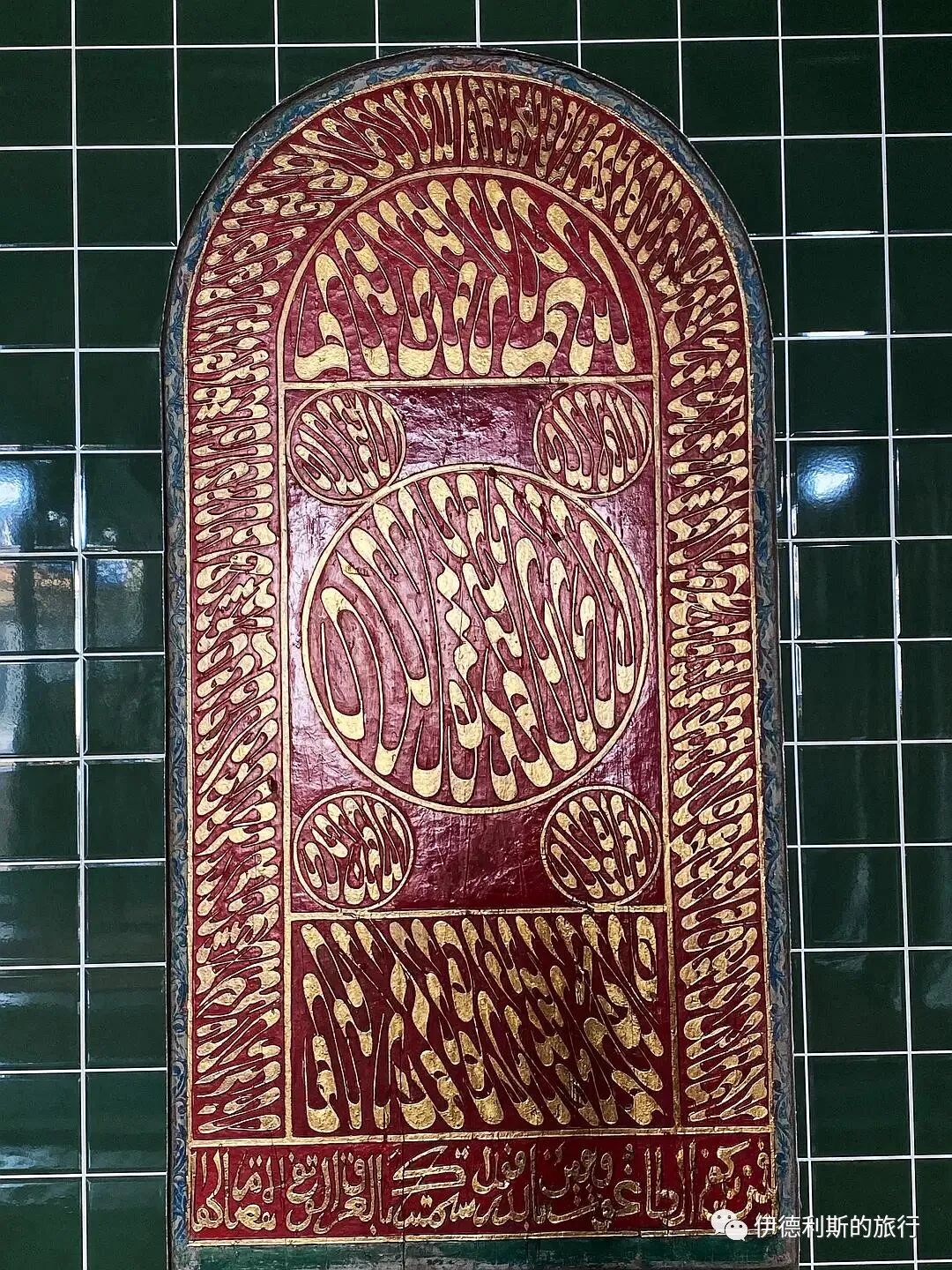
The county seat is very 1990s; walking on the street felt like returning to my childhood.
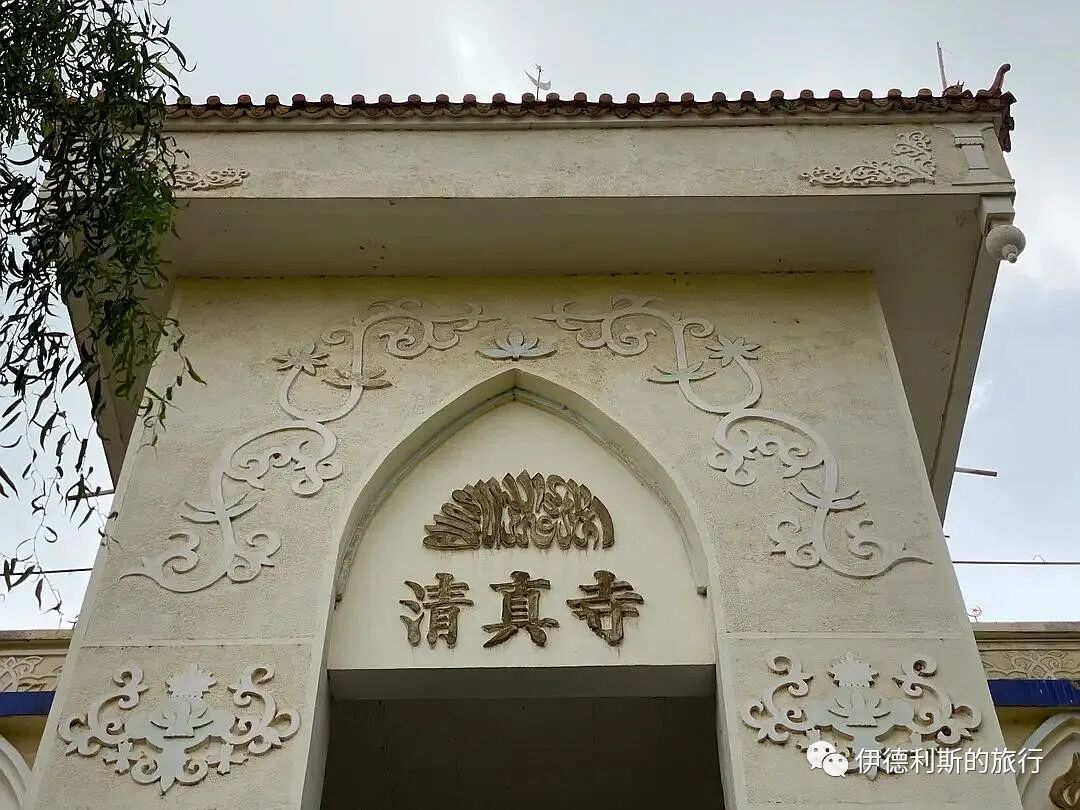
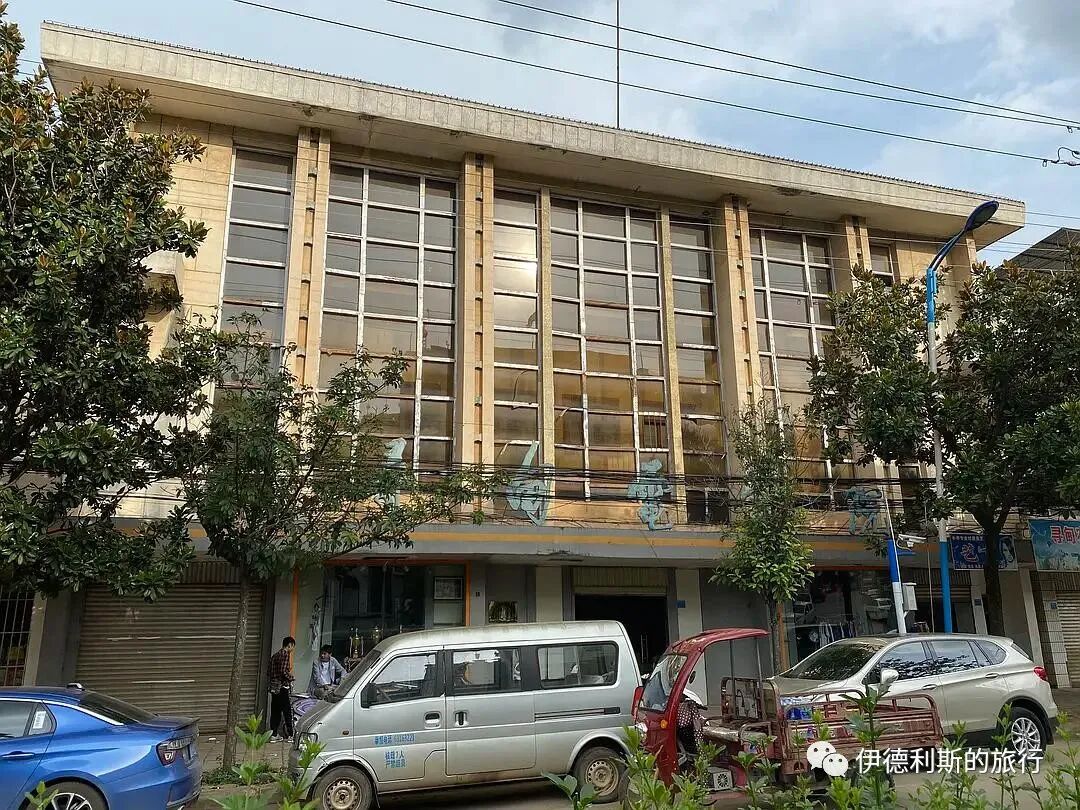
Night view of the old town crossroads.
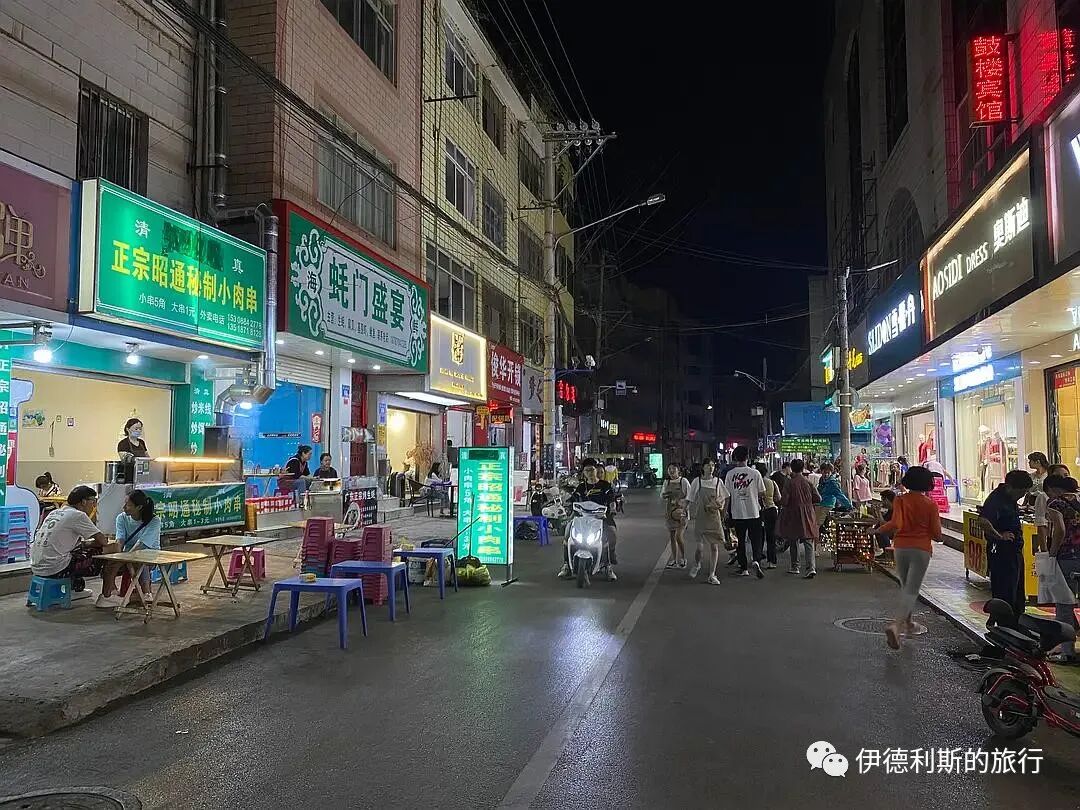
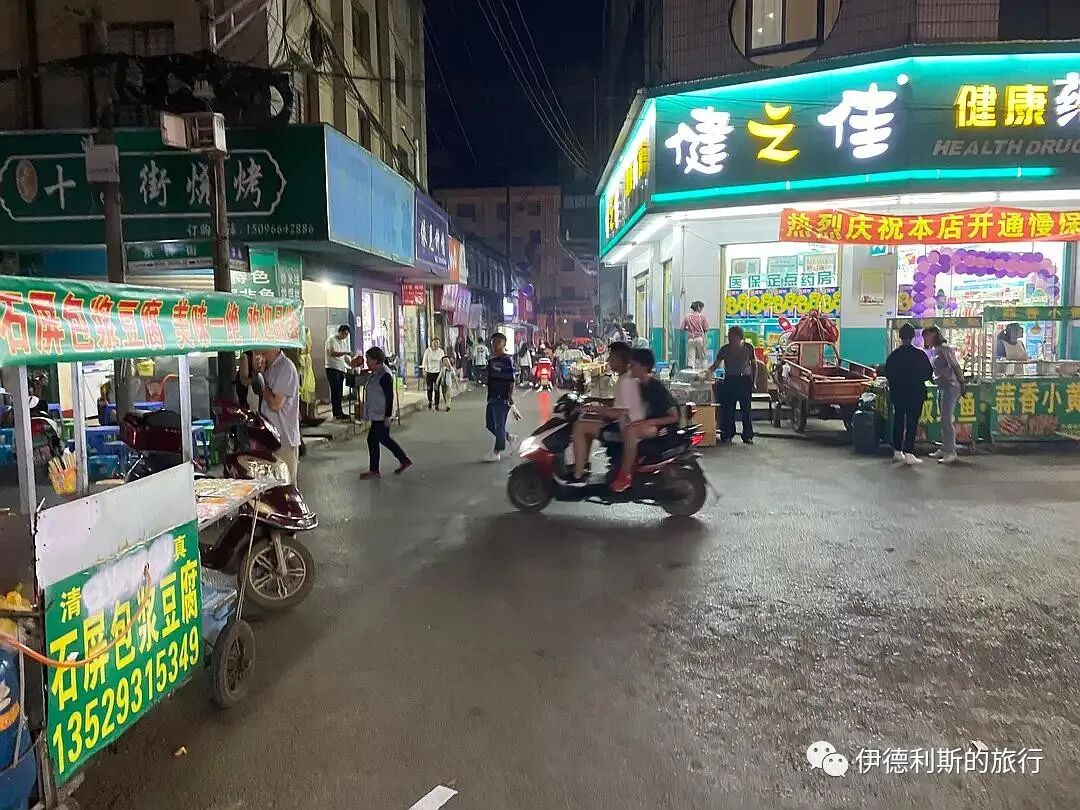
On August 8, I had a bowl of rice noodles at the Guangming time-honored snack shop on Beiying Street in the county seat in the morning.
Luochong Mosque.
In the morning, I planned to go to Xundian's most famous Dangui Mosque, but I missed the bus at the passenger station, so I took a taxi to another mosque, Luochong Mosque. Luochong Mosque is located in a mountain village and is very quiet. The current mosque was built over 19 years, from 1881 to 1900.
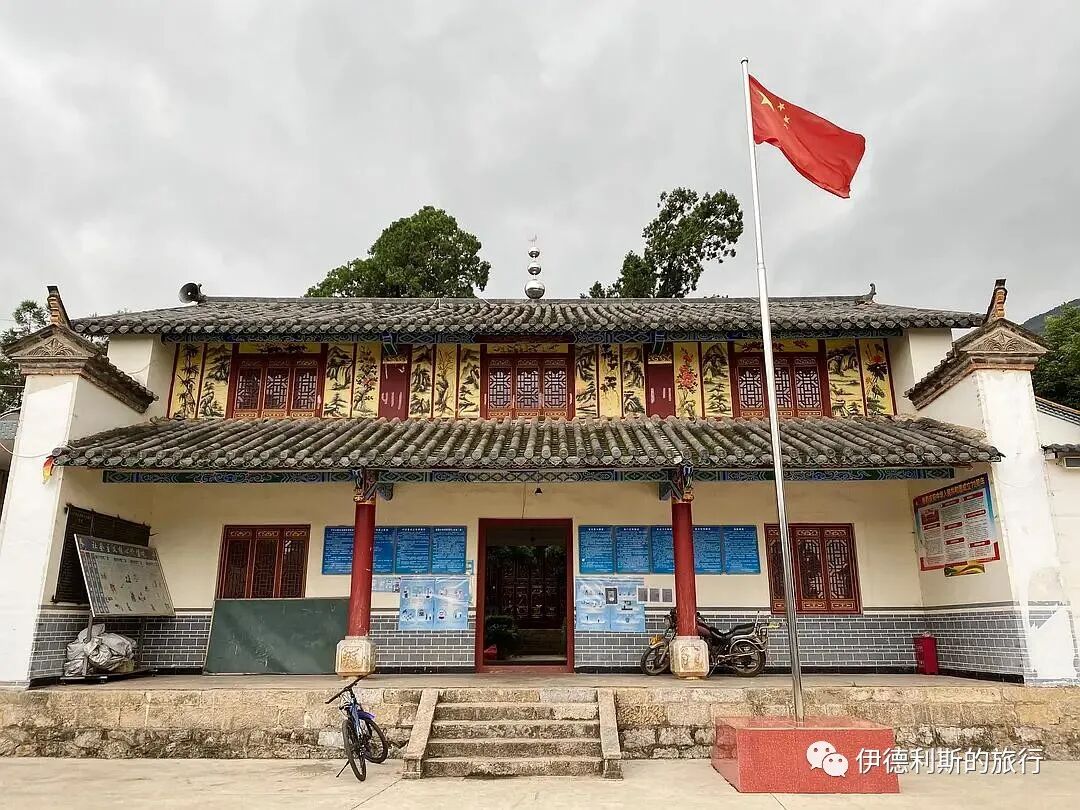
The door panels of the main hall are very bright.
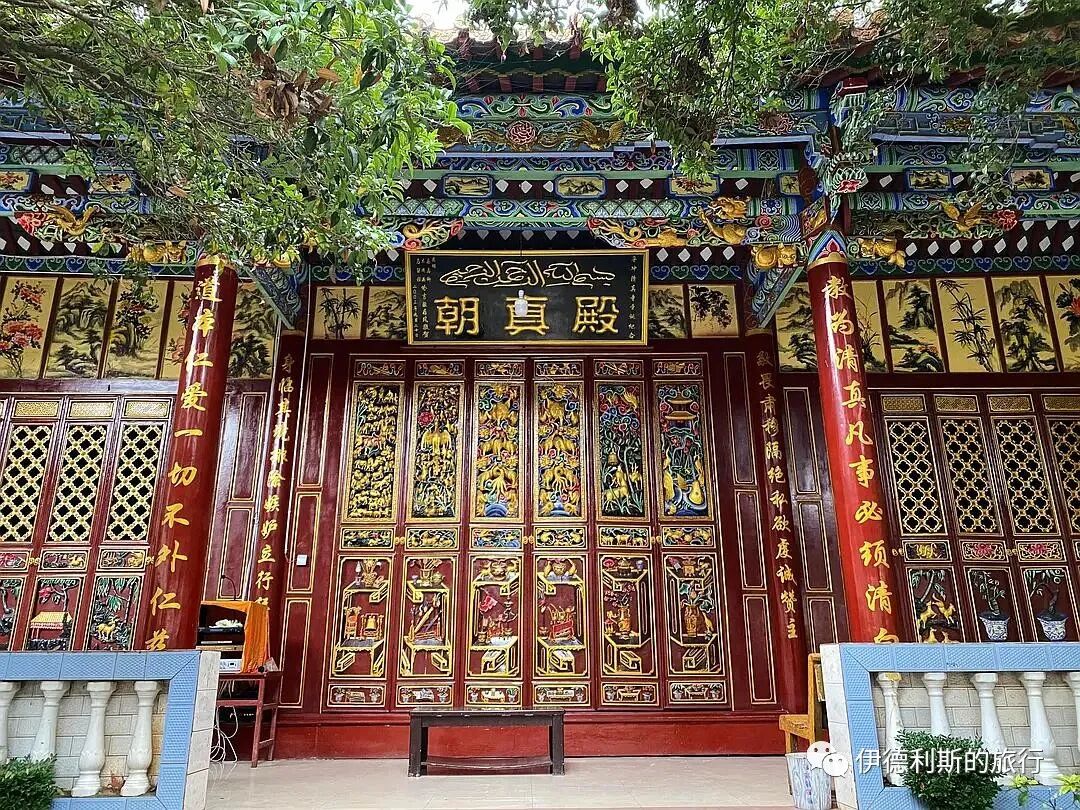
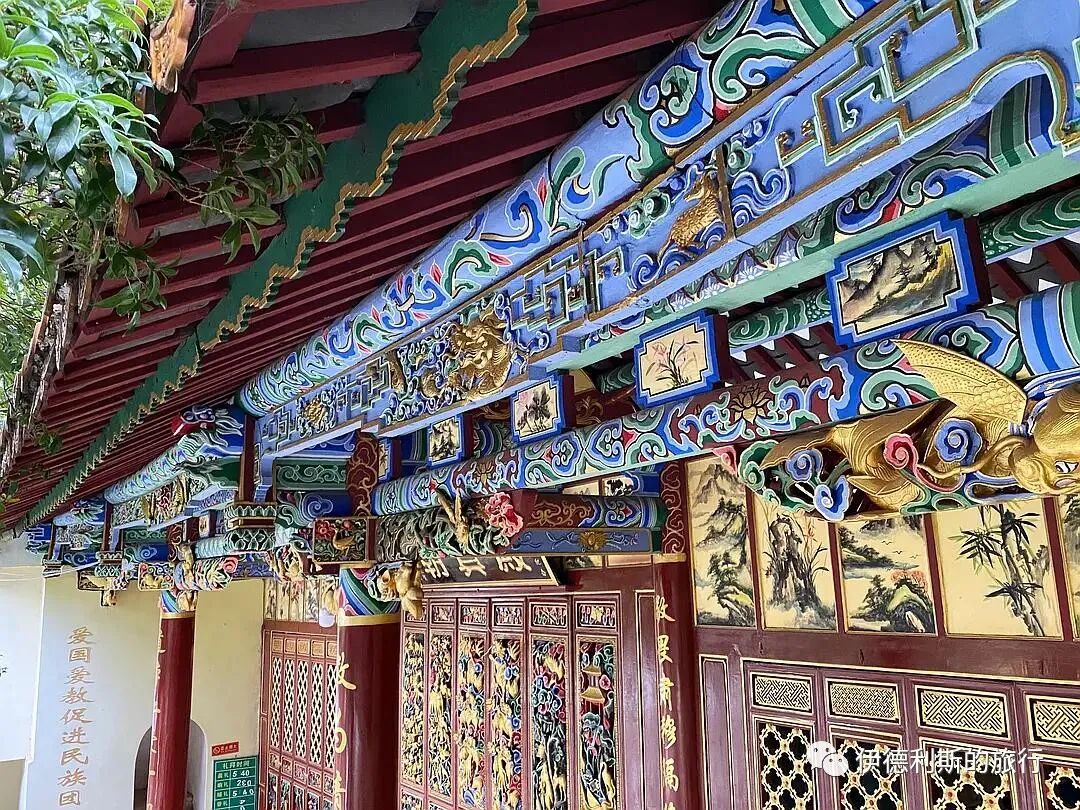
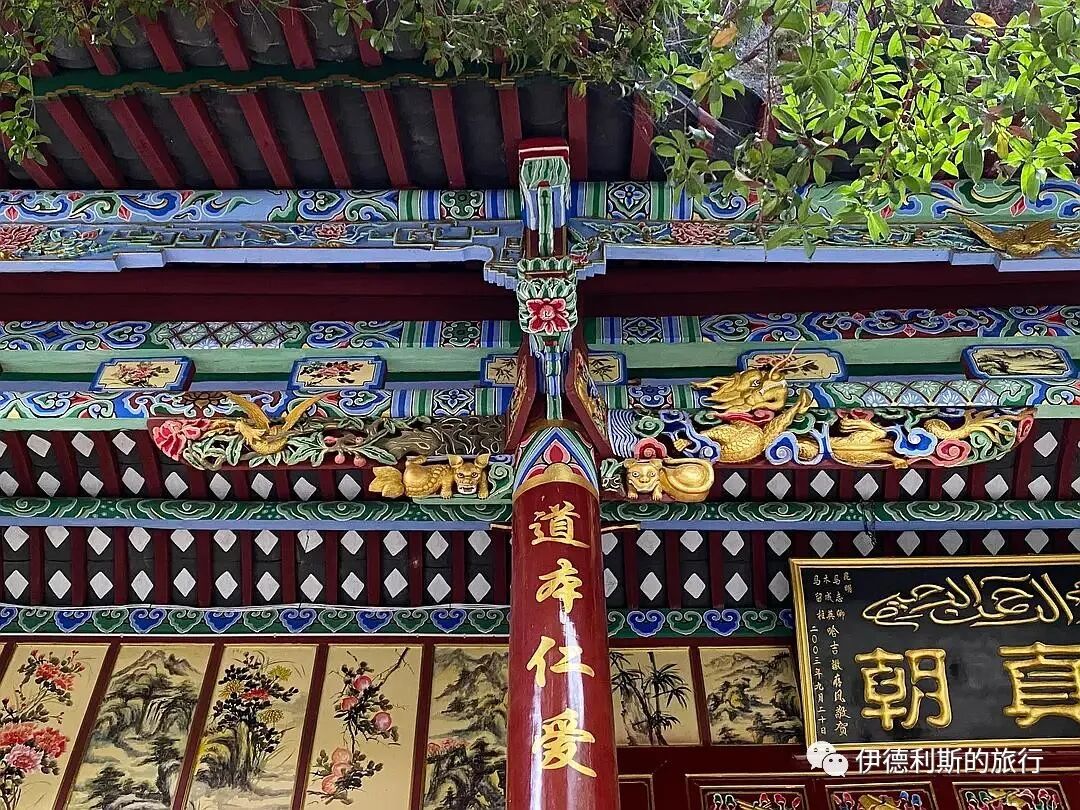
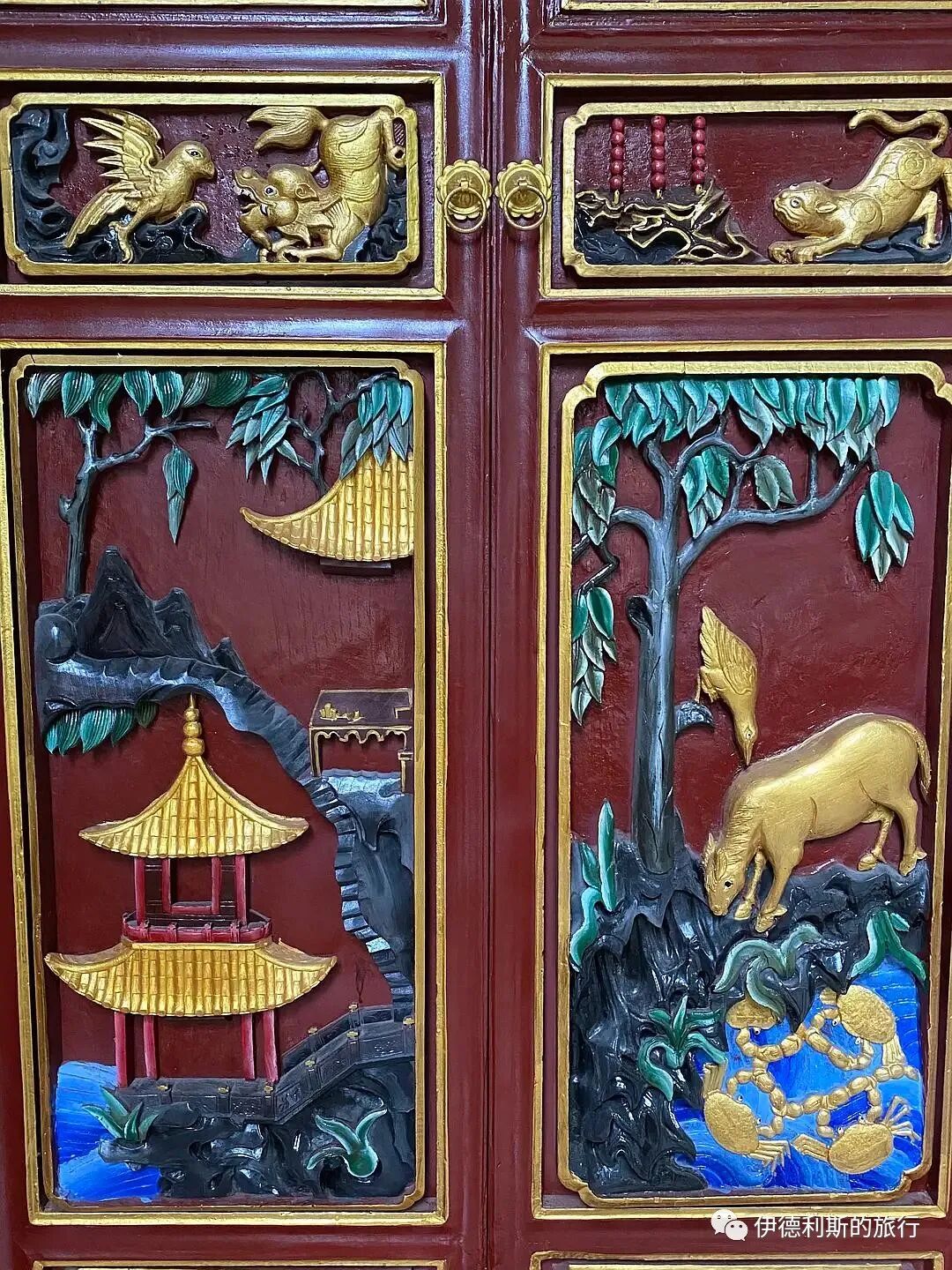
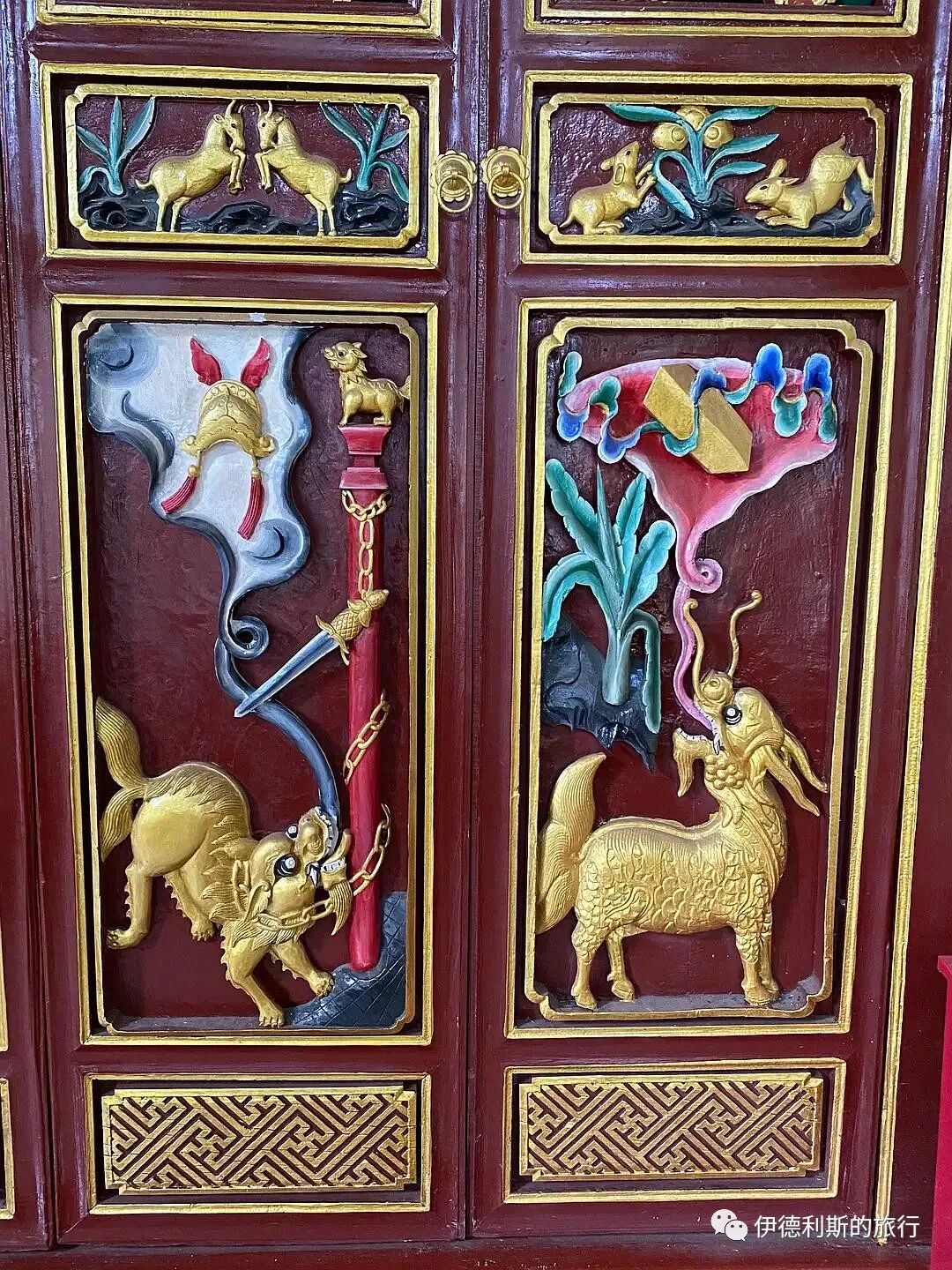
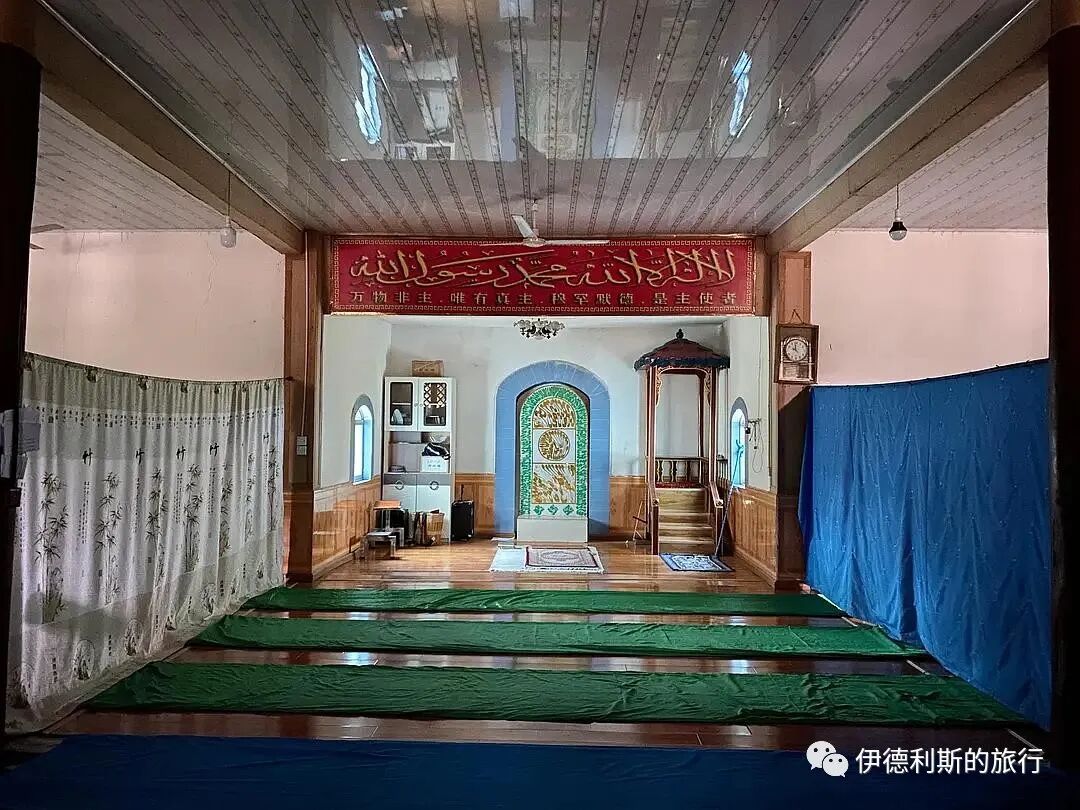
Scenery in the village.
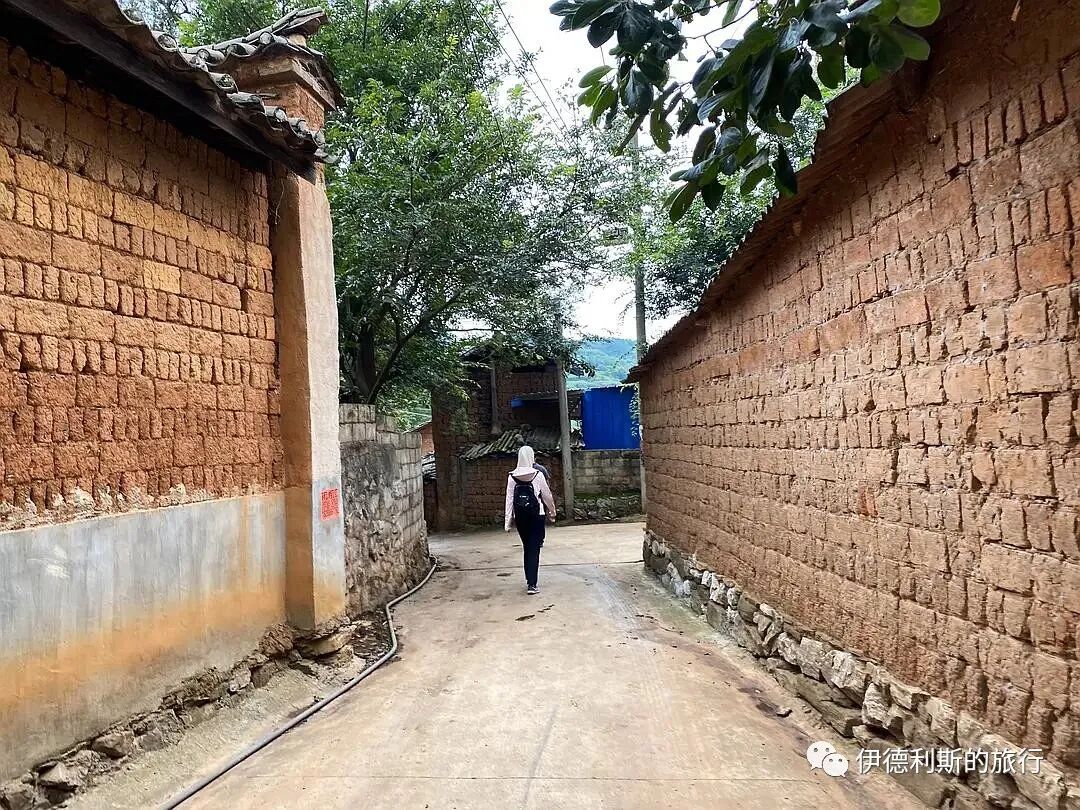
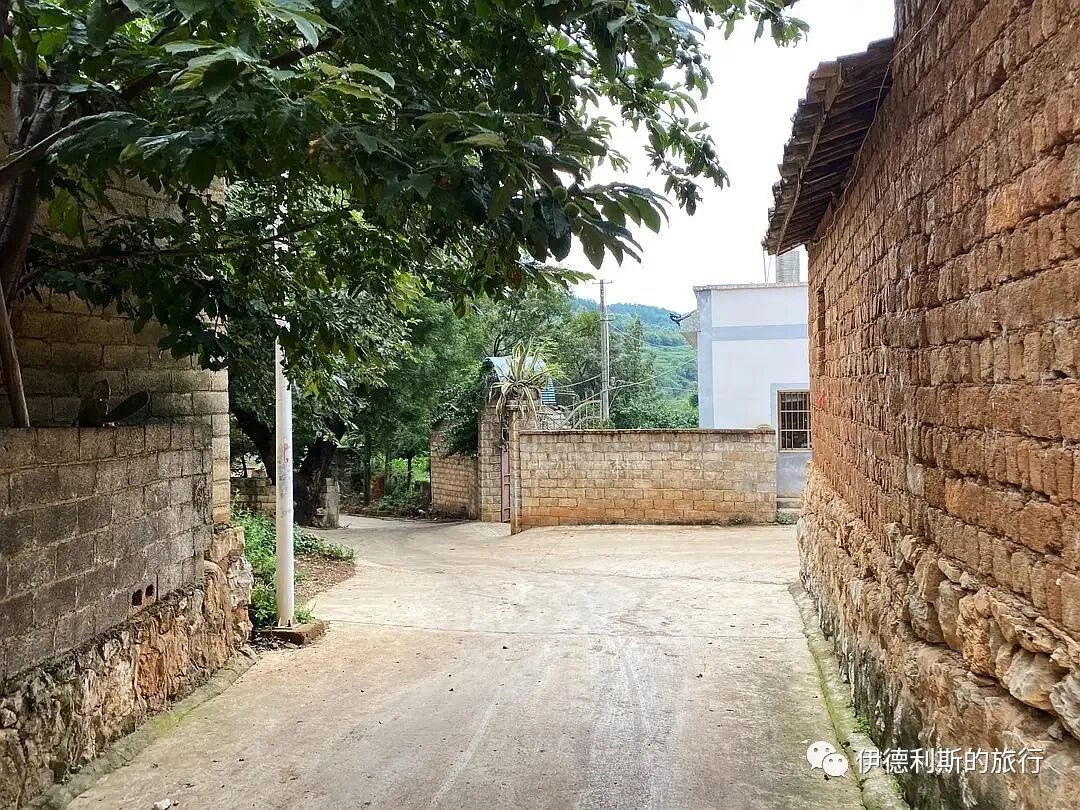
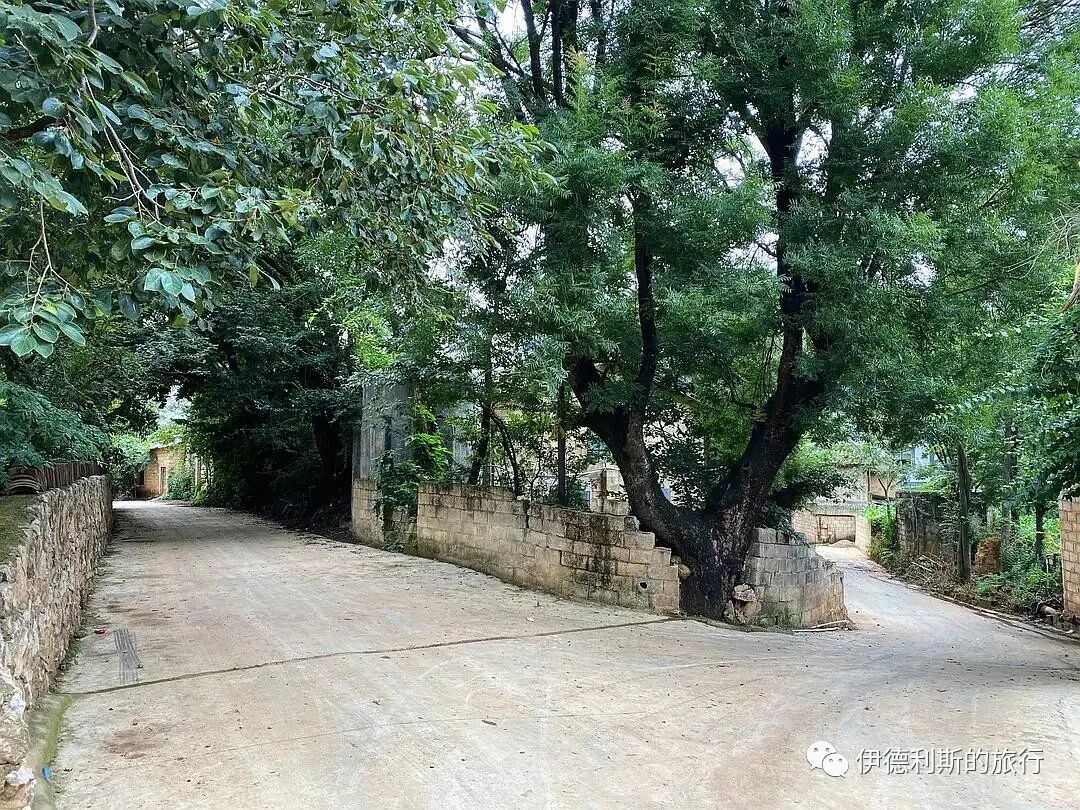
Zhaotong Halal Food Guide: Mosques, Muslim Streets and Yunnan Travel
Articles • ali2007fr posted the article • 0 comments • 163 views • 2026-05-17 06:26
Summary: This travel note introduces Zhaotong Halal Food Guide: Mosques, Muslim Streets and Yunnan Travel. In August 2020, Zainab and I took our marriage leave to travel to Yunnan. In Zhaotong, we were warmly received by Sister Azi and Brother Chen, friends of Dafei Ge. It is useful for readers interested in Zhaotong Travel, Halal Food, Yunnan Muslims.
In August 2020, Zainab and I took our marriage leave to travel to Yunnan. In Zhaotong, we were warmly received by Sister Azi and Brother Chen, friends of Dafei Ge. They took us to visit many interesting places and we ate various Zhaotong specialty foods.
August 9th
We flew from Kunming to Zhaotong at noon. In the afternoon, Sister Azi took us to eat snacks at the entrance of the Zhaotong Dongdasi (East Mosque). We ordered ran mixian (spicy stir-fried rice noodles) and zha yangyu (fried potatoes). Sister Azi also bought nuomi baba (glutinous rice cakes) and wandou liangfen (pea starch jelly) from a nearby shop. The snacks here feel different from those in Kunming.
In the evening, Brother Chen took us to the Yukoudao Restaurant opposite the Zhaotong Nancheng Dasi (South City Mosque) to eat with several teachers from the Islamic Institute. Their restaurant is one of the few halal restaurants in Zhaotong that does not sell alcohol. On the dining table, there were both dry dipping sauces and wet dipping sauces. The wet dipping sauce is for dipping sweet bamboo shoots, and the dry dipping sauce is for dipping dancai (a local vegetable dish), which requires using the dancai broth to thin out the sauce. Brother Chen said he could go without meat for a few days, but if he doesn't eat dancai for a few days, he feels like something is missing.
August 10th
Early in the morning, we ate yangyu yougao (potato oil cakes) with xi doufen (thick pea porridge) on Tuanjie Road in Zhaotong. Sister Azi taught us to sprinkle Sichuan peppercorn powder on the xi doufen and then soak the yougao in it. After eating, I felt full of energy.
We set off from Zhaotong to Ludian to begin visiting traditional mosques. At noon, we arrived at the Longtoushan Mosque just in time for a funeral, and we were invited to the communal meal. I really love eating at these communal meals, especially the surou (crispy stir-fried meat/beef), it is so fragrant!
After eating at the Longtoushan Mosque, we went to visit the Taojiawan Mosque. Sister Azi's uncle, Ma Xingjian, serves as the Imam there. Upon learning of our visit, Imam Ma specially picked fresh figs from the mountains for us to eat. They were particularly sweet and clear, different from the small black figs in Dali.
In the afternoon, we returned to Zhaotong from Ludian and went to the Baxian Qingzhen Dasi (Baxian Grand Mosque) for a communal meal to celebrate the resumption of educational activities at the mosque. In 1942, the Zhaoweilu Hui Muslim Joint Chongzhen Normal School was founded at the Baxian Grand Mosque. During the Republic of China era, it was another educational center for Muslims in the country, following the Chengda Normal School and the Shanghai Private Islamic Normal School.
The main dishes at the meal were beef feet and beef tongue left over from Eid al-Adha. Among all places in Yunnan, Zhaotong celebrates Eid al-Adha the most lively and interestingly, but unfortunately, we missed it this year. In addition, we ate the specialty corn flour and buckwheat mixed rice and delicious douhua (soft tofu pudding).
In the evening, we drank tea and chatted with Principal Wang Qiuping at the Songjiashan Islamic Scripture School. My friend and several people I know were once students of Principal Wang. Principal Wang uses spring water fetched from the mountains to brew tea.
Back in Zhaotong city, we went to Maya Barbecue, owned by Sister Azi's friend Ma Ya, to eat Zhaotong-style small meat skewers. We also ordered baojiang doufu (fermented tofu with a creamy center), grilled chives, grilled lotus root slices, and chatted happily with Ma Ya.
Maya Barbecue is considered a relatively large barbecue restaurant in Zhaotong and even has a branch in Kuala Lumpur, Malaysia, though it was suspended this year due to the pandemic. Ma Ya did not have much schooling growing up, but he is very hardworking and is very studious when it comes to running a restaurant, which is why his business is growing larger and larger. His restaurant is clean, tidy, and has good service, feeling very different from typical barbecue shops. In addition, Ma Ya is very enthusiastic about public welfare; he is an important participant in the Zhaotong Muqing Charity.
August 11th
In the morning, we bought stuffed steamed buns at a small shop on Binhe Road in Ludian County.
Sister Azi took me, Zainab, Principal Wang Qiuping, and Brother Ma Cun to her family's orchard to pick apples. In addition to the early-ripening red apples, there were also some green apples. Zhaotong apples are truly delicious.
After picking apples, we returned to Ludian county town and had lunch at the Machang Restaurant on Ci Yuan Road. Their restaurant is also one of the few alcohol-free restaurants in Ludian. I ate my favorite suji (crispy chicken) and the most classic dancai here. The cold beef slices and fish were also very delicious. Once again, I praise the dipping sauces of Yunnan.
Then, Principal Wang Qiuping gave me a book he translated, which is well worth reading.
In the evening, Brother Chen treated us to dinner at the Yunyi Restaurant in downtown Zhaotong. Yunyi is considered a large restaurant with a relatively good environment in Zhaotong, and the food is also quite good. We ate sweet bamboo shoots, grilled tofu, fried tea tree mushrooms, and dancai soup.
August 12th
In the morning, we visited the Sanguanmiao wet market opposite the Zhaotong Dongdasi. It is full of stalls run by Hui Muslims, selling various raw and cooked meats, pea starch jelly, corn flour, etc. At a stall at the market entrance, we drank pea starch jelly and ate erkua (rice cake) stuffed with yougao, which is a local authentic traditional breakfast.
Then we ate mutton rice noodles opposite the Zhaotong Dongdasi. I have been to many places in Yunnan where they serve beef rice noodles, so this was the first time I had eaten mutton ones.
The famous Maohuojie Mosque; this small mosque once cultivated many outstanding young Muslims.
At noon, we strolled around the Maohuojie area in the old city of Zhaotong and drank a bowl of papaya ice jelly in a small alley. It was very refreshing, and their shop is especially popular with children. The ice jelly shop is called "Heji." The surname He was once the most important Hui Muslim surname in the Maohuojie area of Zhaotong. It is said to originate from the surname Ha and are descendants of General Ha Yuansheng, who led the army to pacify Wumeng in the early years of the Yongzheng reign.
In a small restaurant near Maohuojie, we ate fried baojiang doufu and fried stinky tofu. Zainab loves Yunnan's fried tofu too much; it is especially fragrant when paired with the dipping sauce. view all
Summary: This travel note introduces Zhaotong Halal Food Guide: Mosques, Muslim Streets and Yunnan Travel. In August 2020, Zainab and I took our marriage leave to travel to Yunnan. In Zhaotong, we were warmly received by Sister Azi and Brother Chen, friends of Dafei Ge. It is useful for readers interested in Zhaotong Travel, Halal Food, Yunnan Muslims.
In August 2020, Zainab and I took our marriage leave to travel to Yunnan. In Zhaotong, we were warmly received by Sister Azi and Brother Chen, friends of Dafei Ge. They took us to visit many interesting places and we ate various Zhaotong specialty foods.
August 9th
We flew from Kunming to Zhaotong at noon. In the afternoon, Sister Azi took us to eat snacks at the entrance of the Zhaotong Dongdasi (East Mosque). We ordered ran mixian (spicy stir-fried rice noodles) and zha yangyu (fried potatoes). Sister Azi also bought nuomi baba (glutinous rice cakes) and wandou liangfen (pea starch jelly) from a nearby shop. The snacks here feel different from those in Kunming.
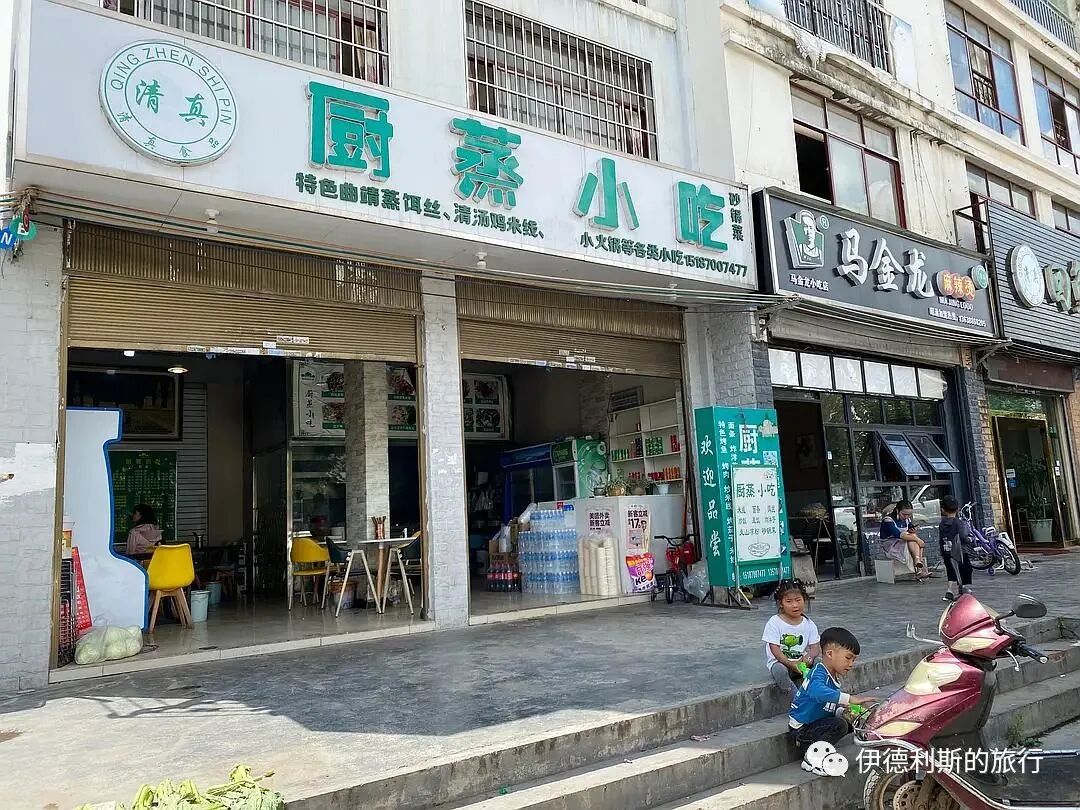
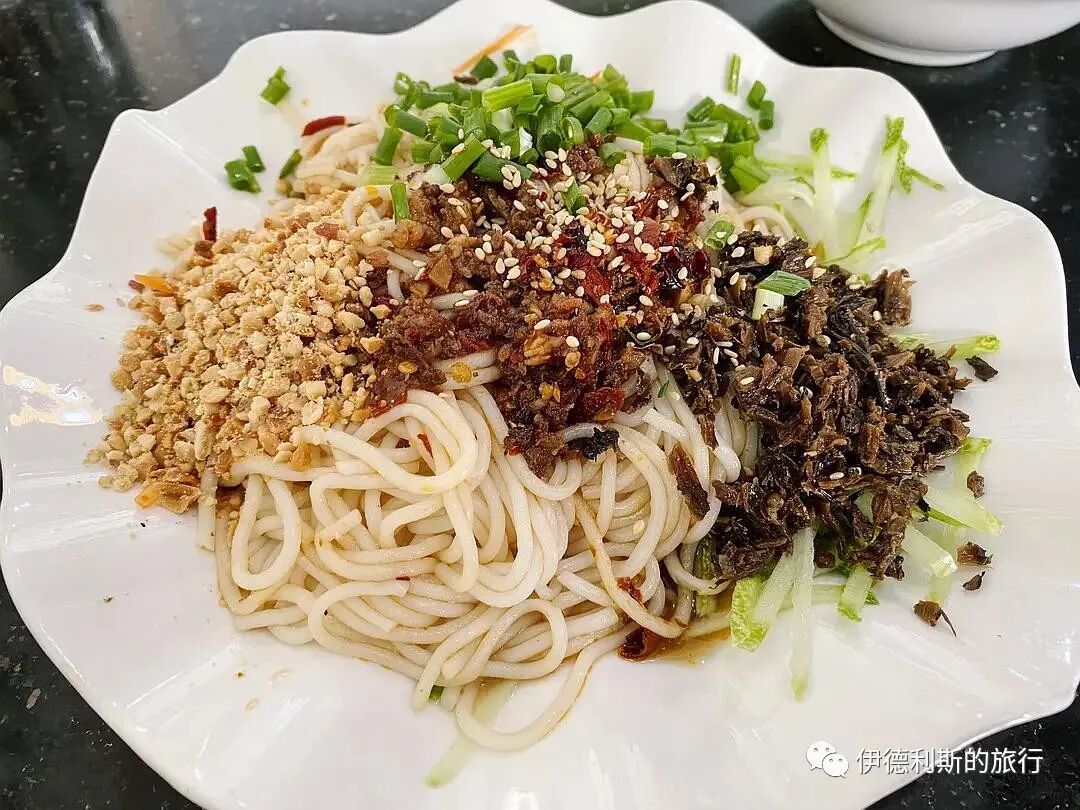
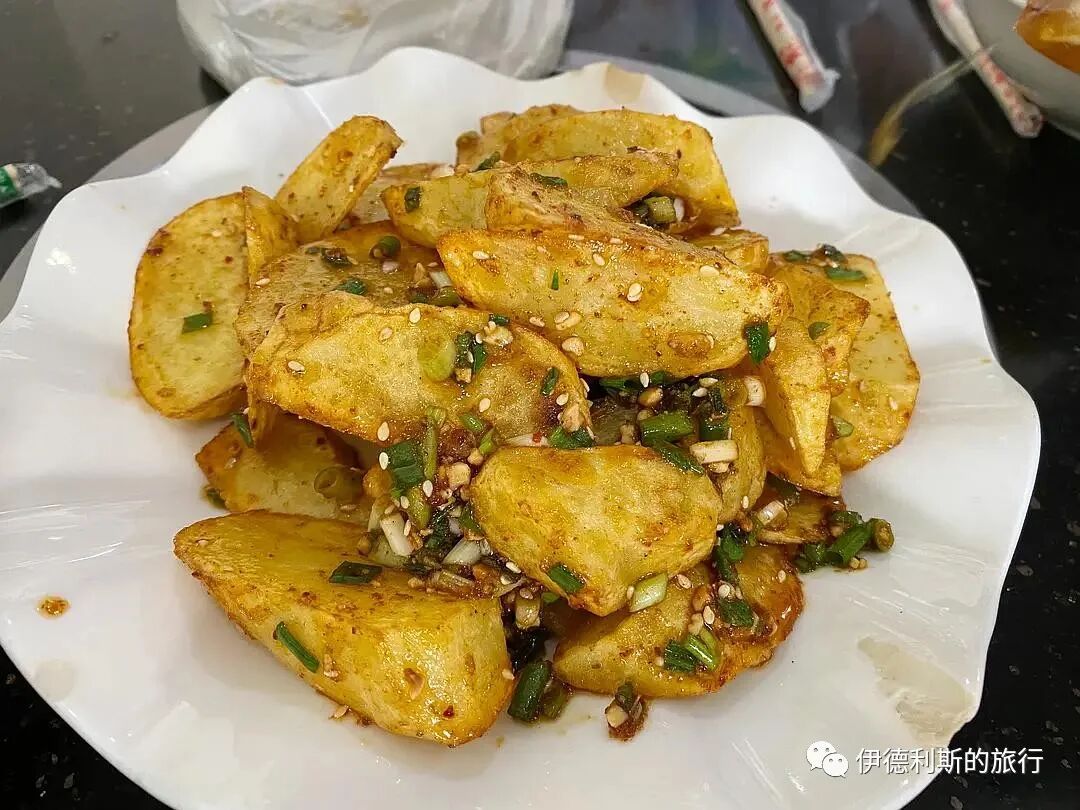
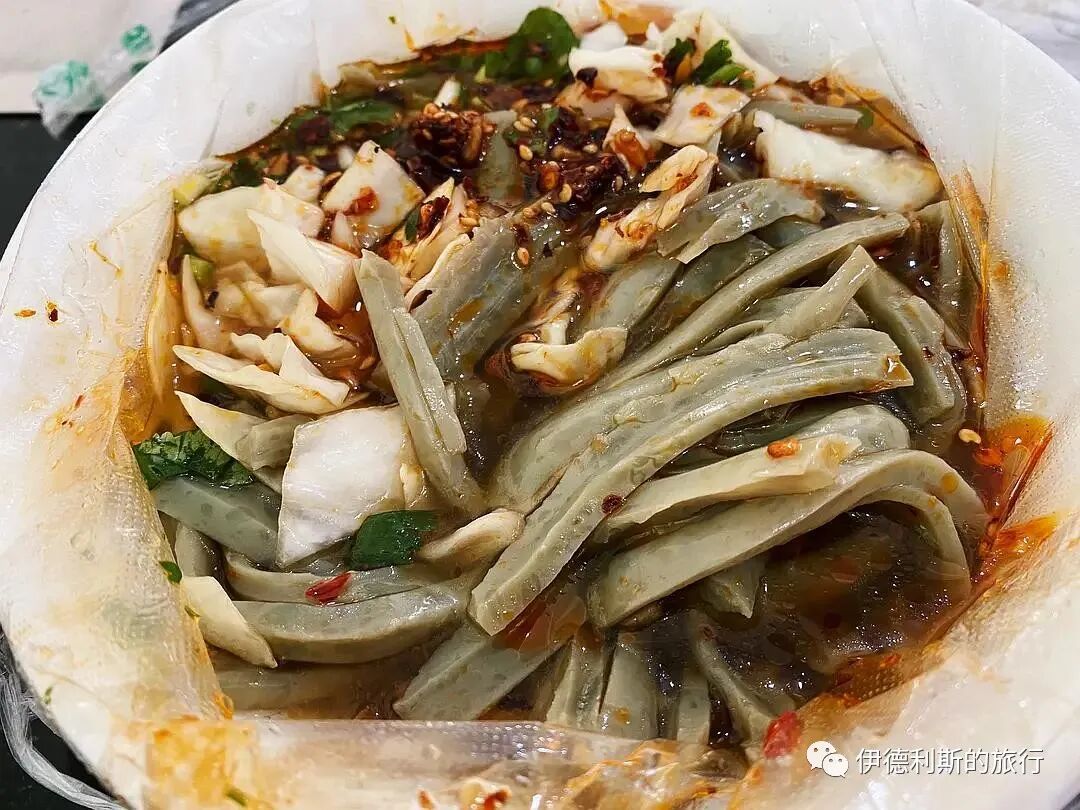
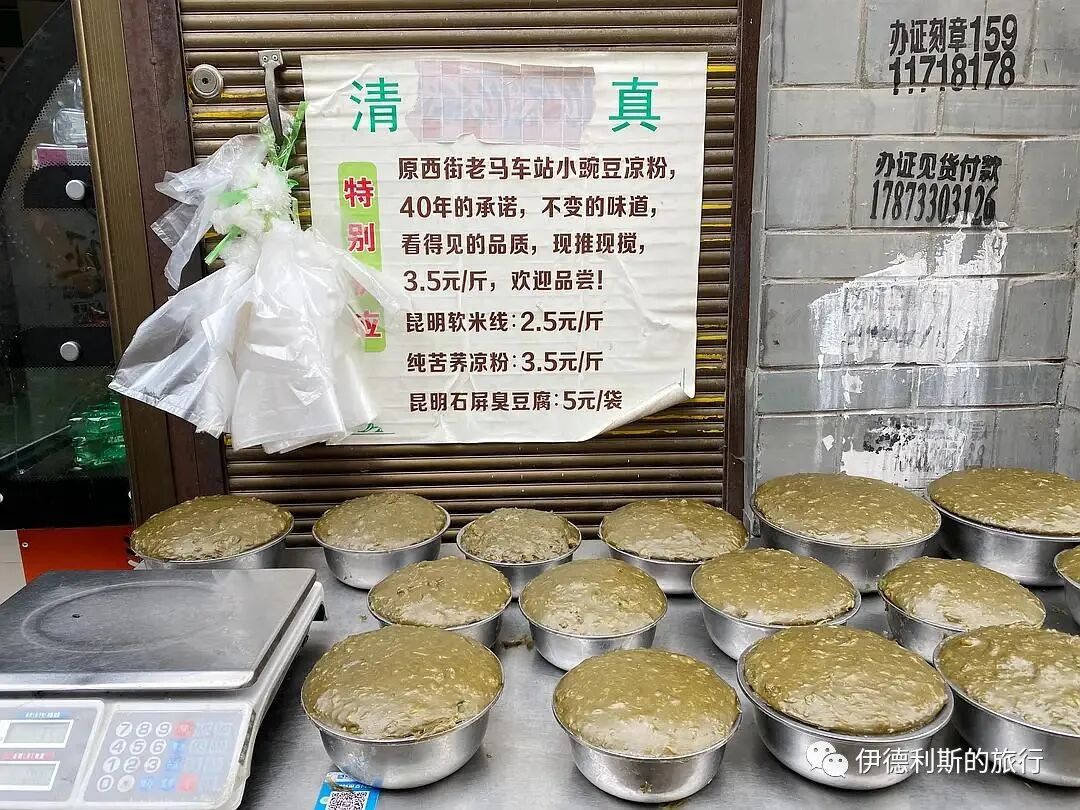
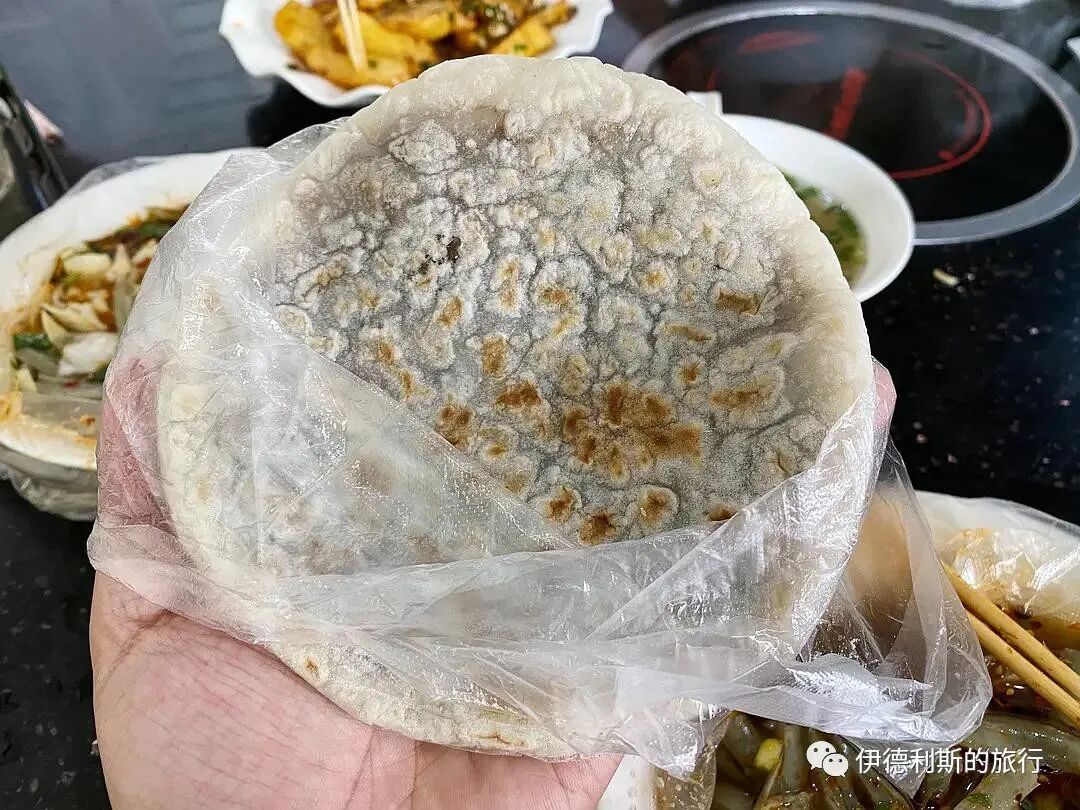
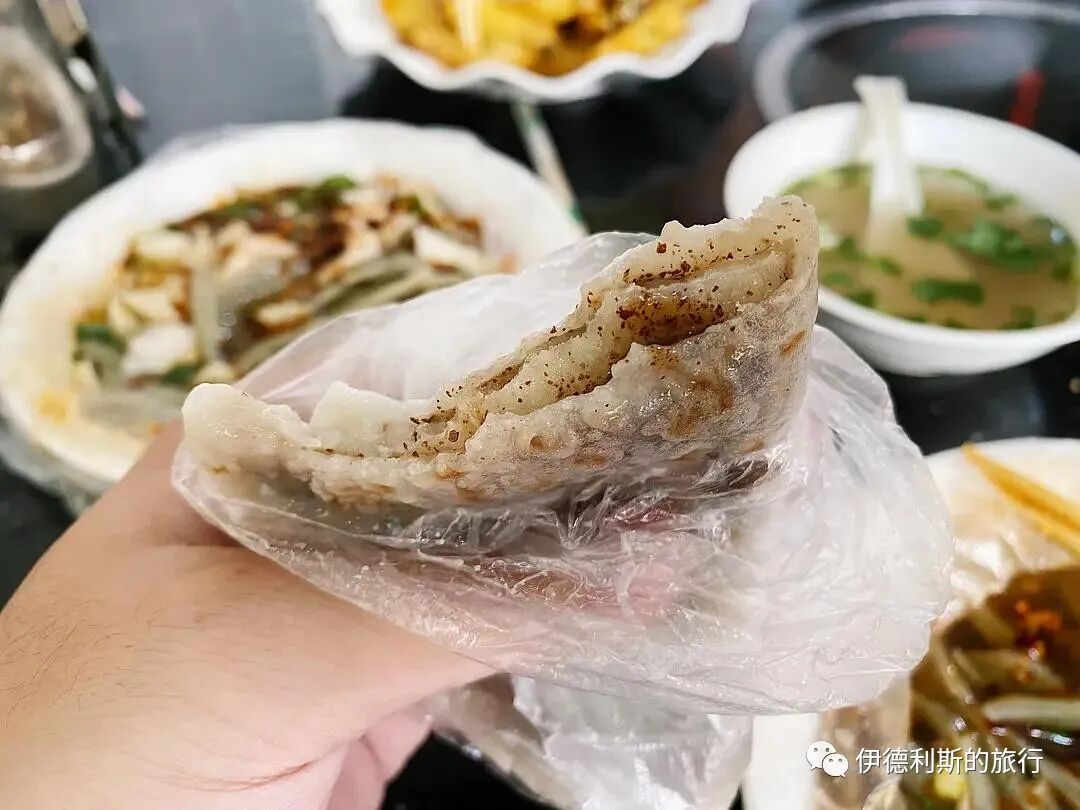
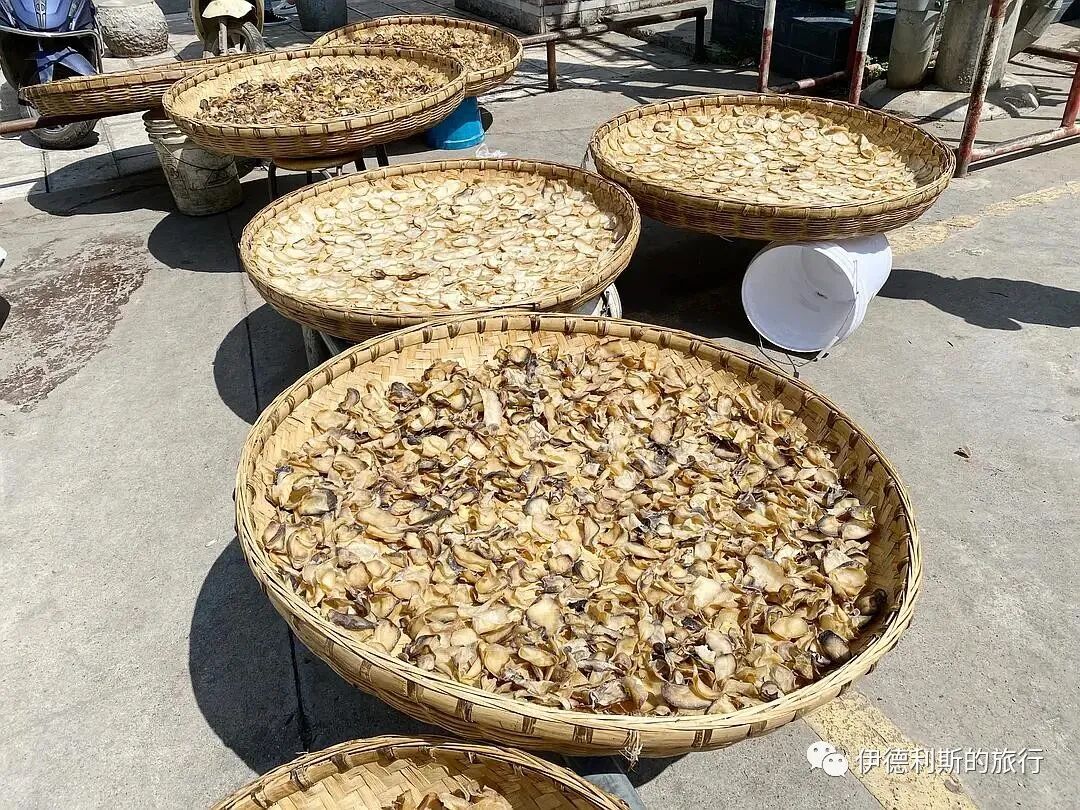
In the evening, Brother Chen took us to the Yukoudao Restaurant opposite the Zhaotong Nancheng Dasi (South City Mosque) to eat with several teachers from the Islamic Institute. Their restaurant is one of the few halal restaurants in Zhaotong that does not sell alcohol. On the dining table, there were both dry dipping sauces and wet dipping sauces. The wet dipping sauce is for dipping sweet bamboo shoots, and the dry dipping sauce is for dipping dancai (a local vegetable dish), which requires using the dancai broth to thin out the sauce. Brother Chen said he could go without meat for a few days, but if he doesn't eat dancai for a few days, he feels like something is missing.
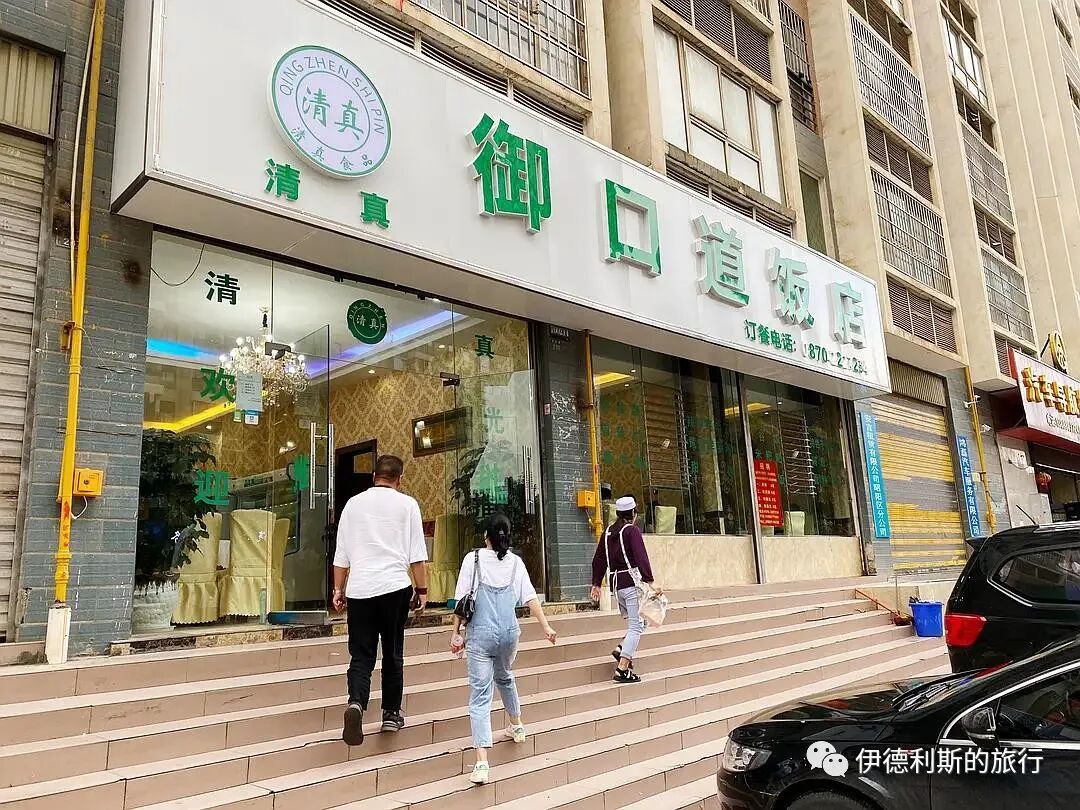
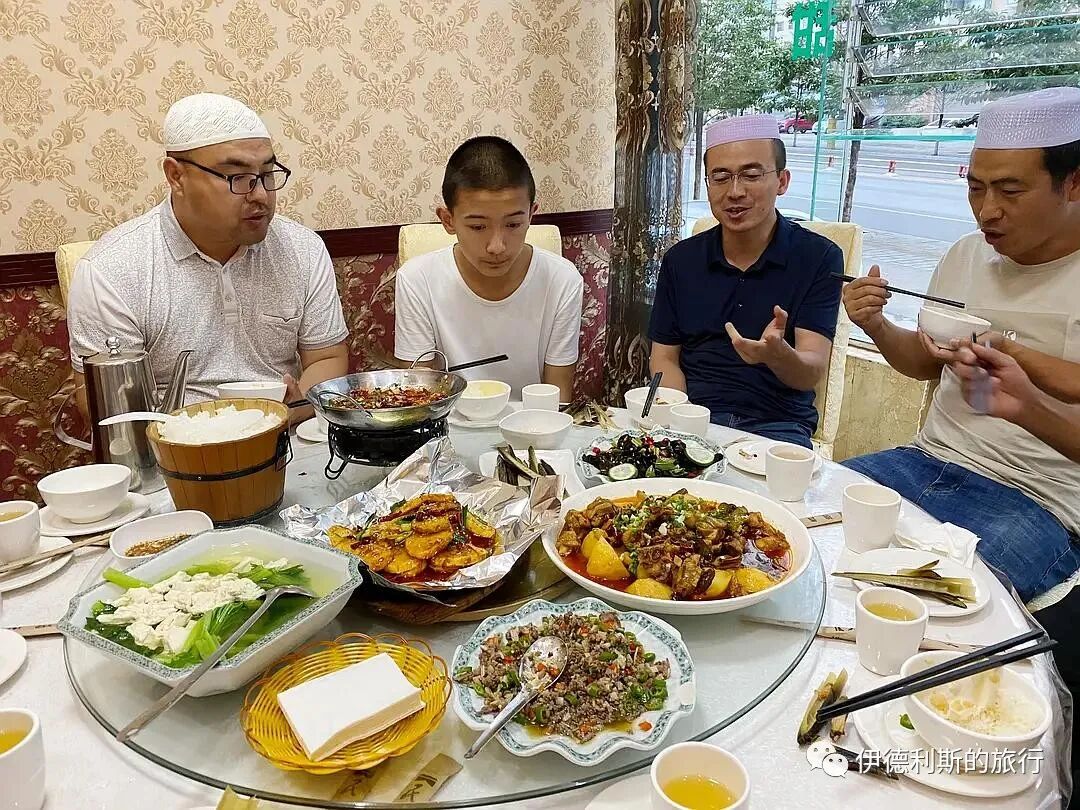
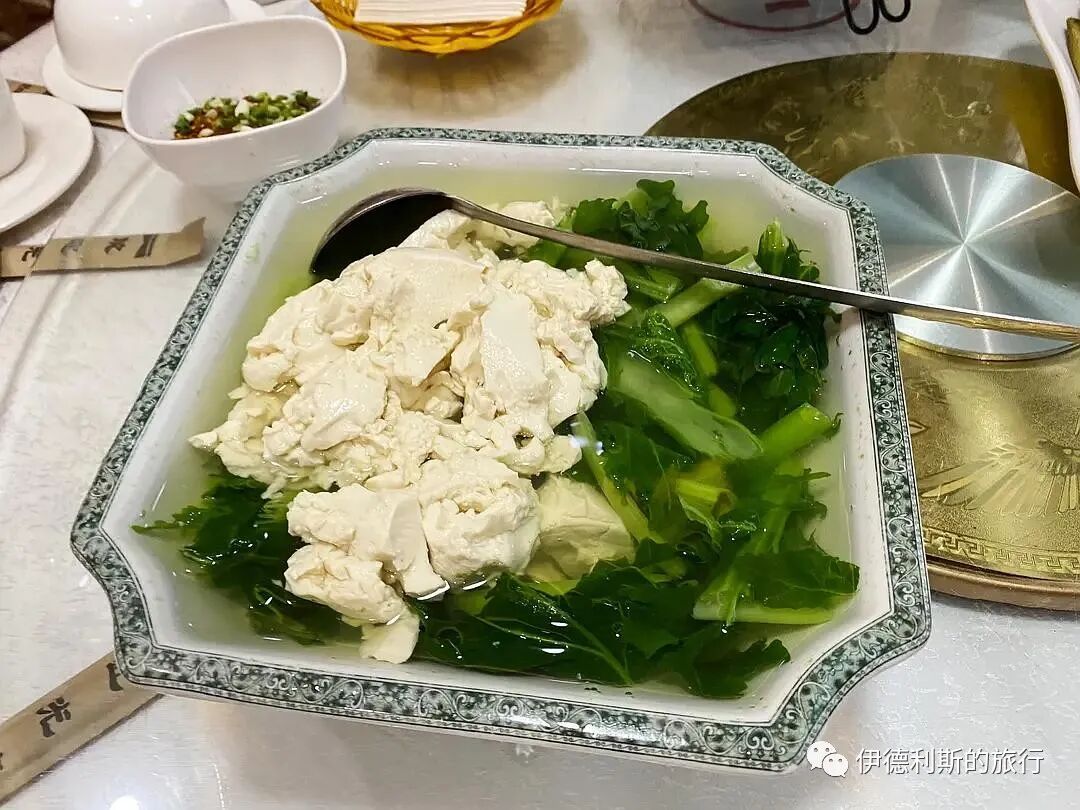
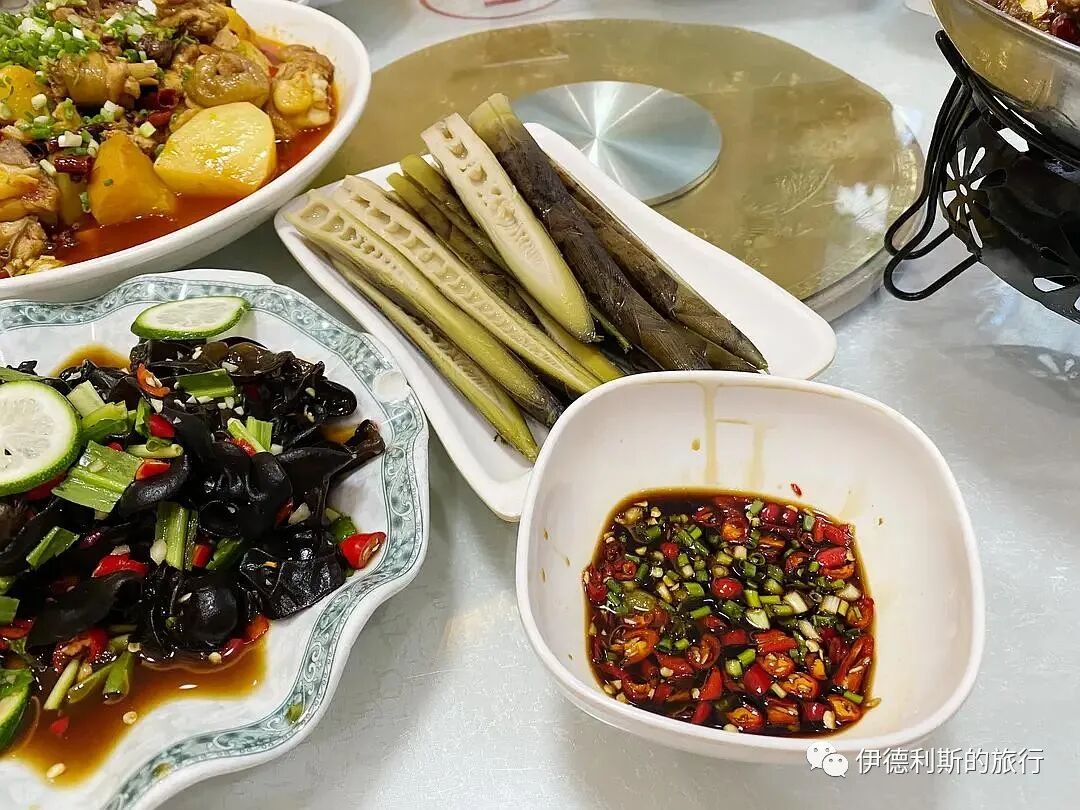
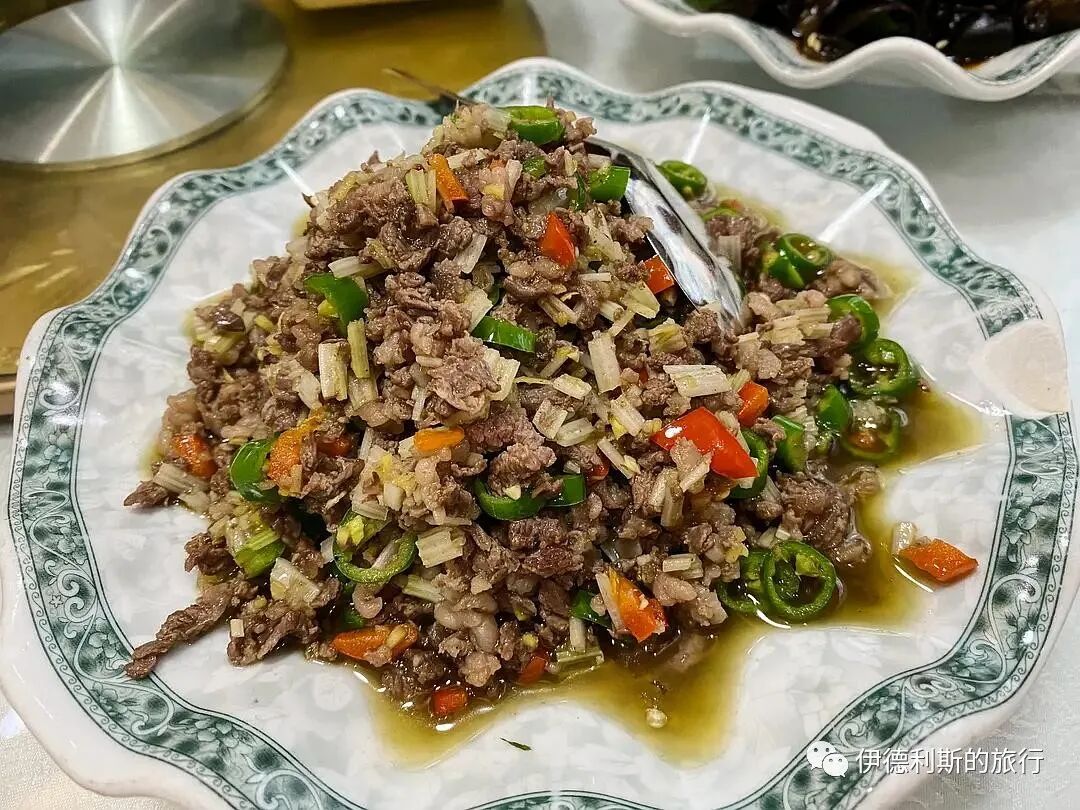
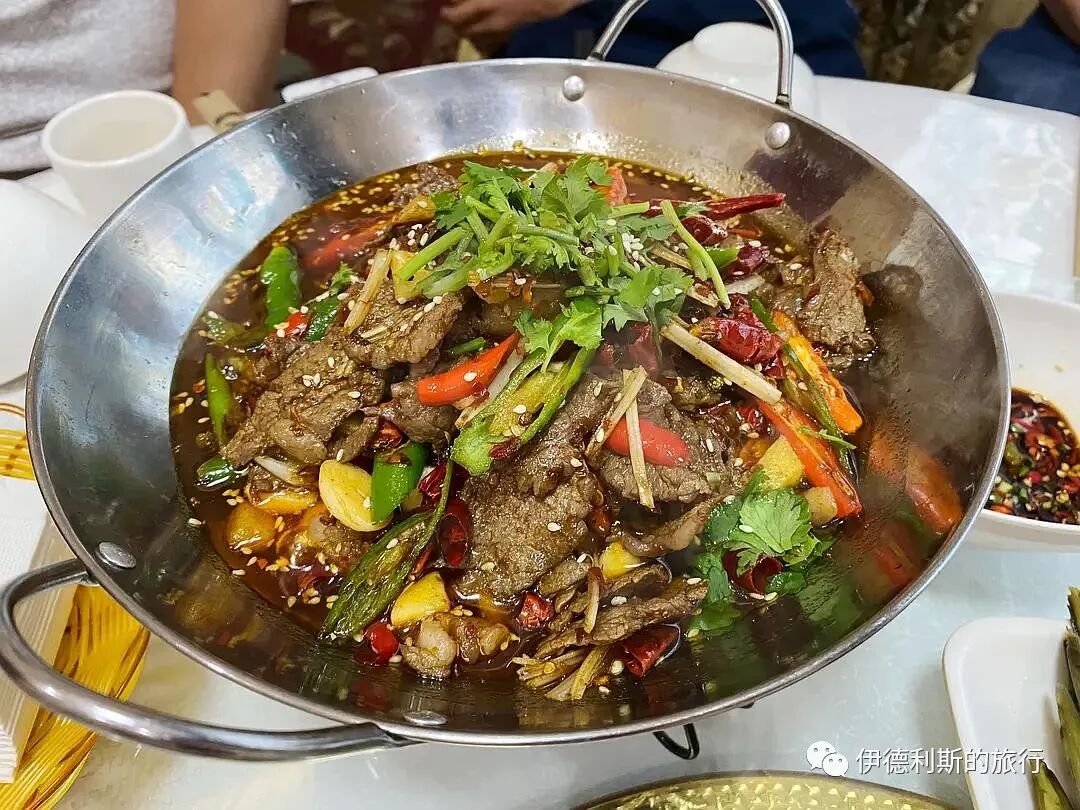
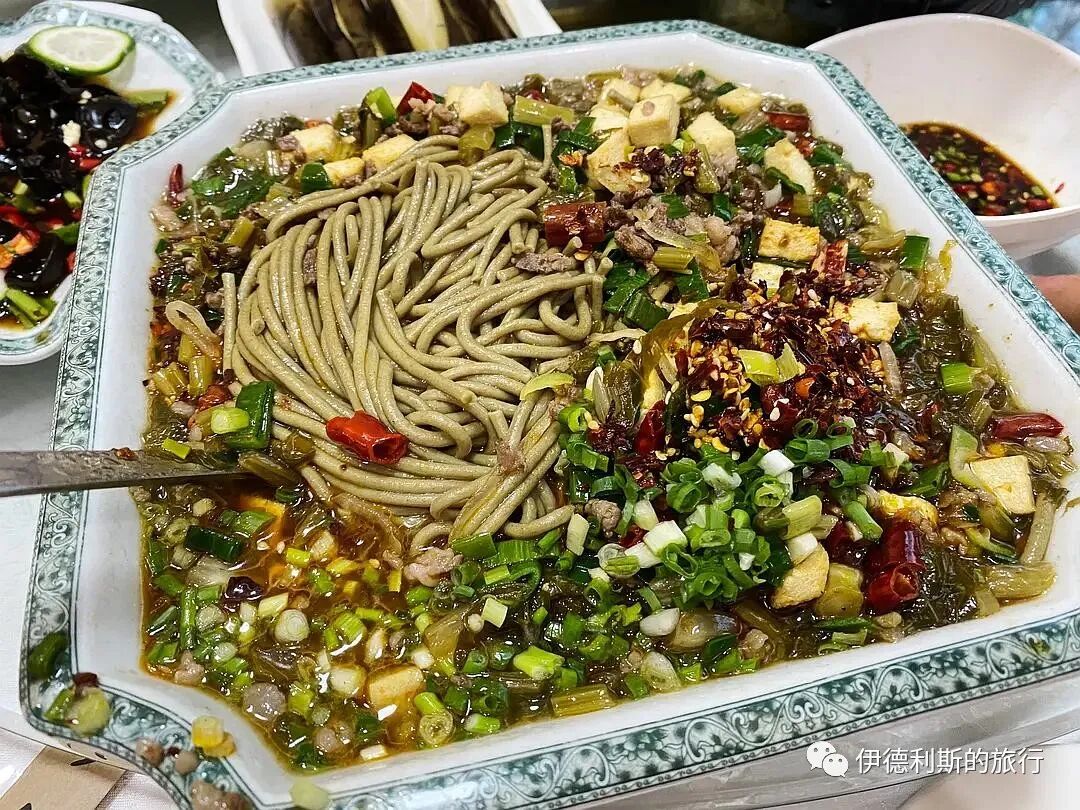
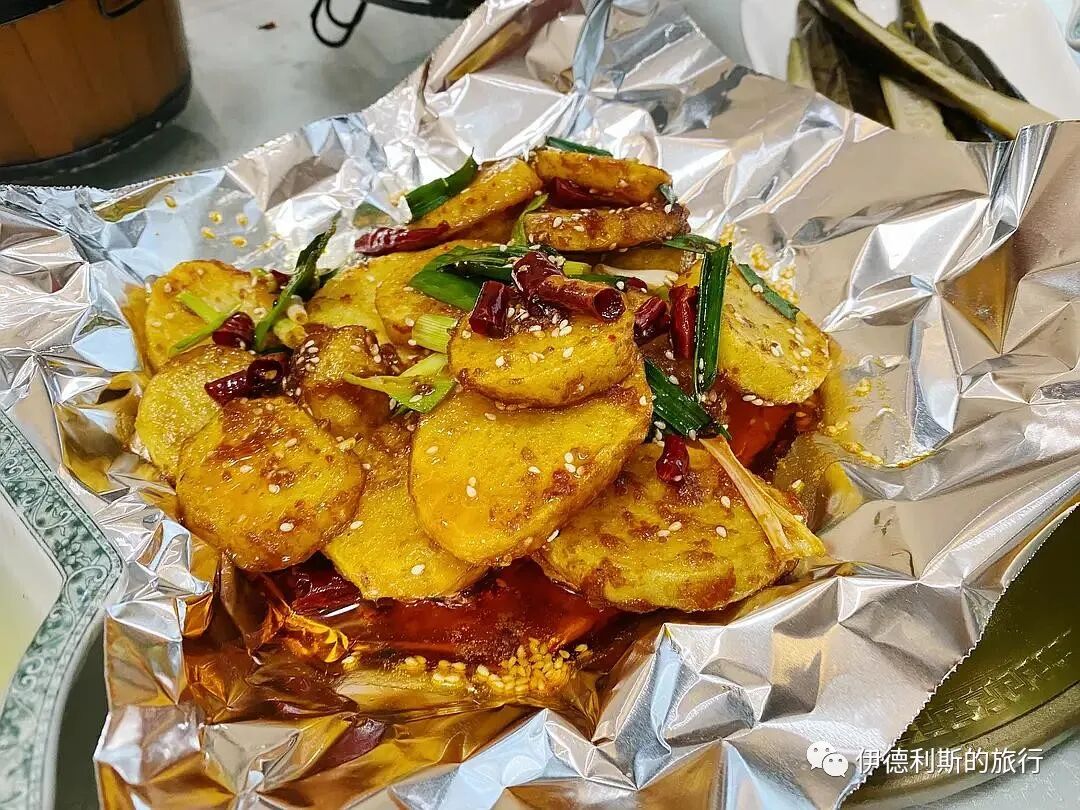
August 10th
Early in the morning, we ate yangyu yougao (potato oil cakes) with xi doufen (thick pea porridge) on Tuanjie Road in Zhaotong. Sister Azi taught us to sprinkle Sichuan peppercorn powder on the xi doufen and then soak the yougao in it. After eating, I felt full of energy.
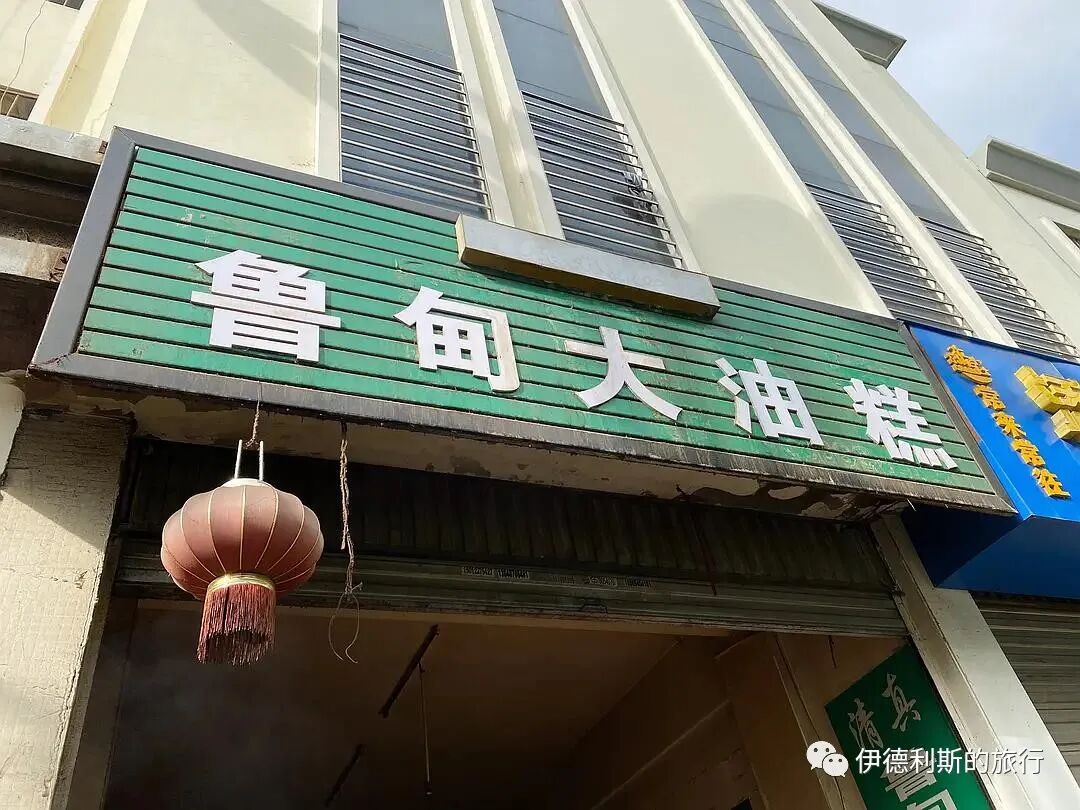
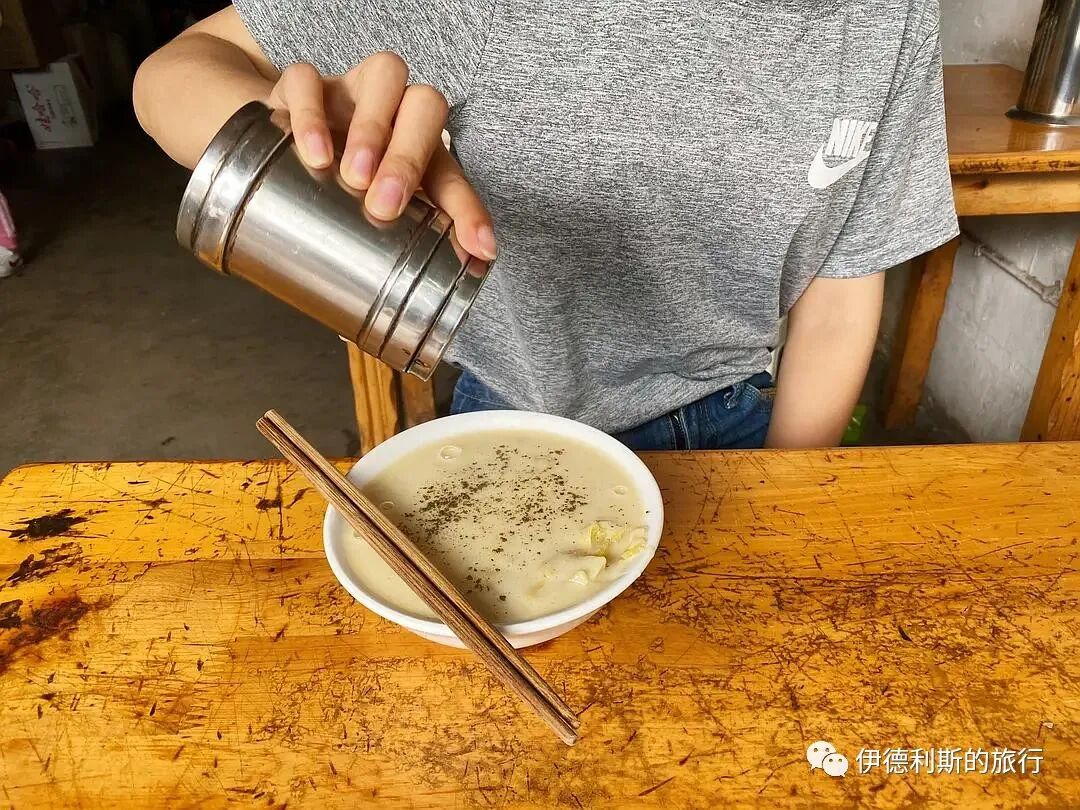
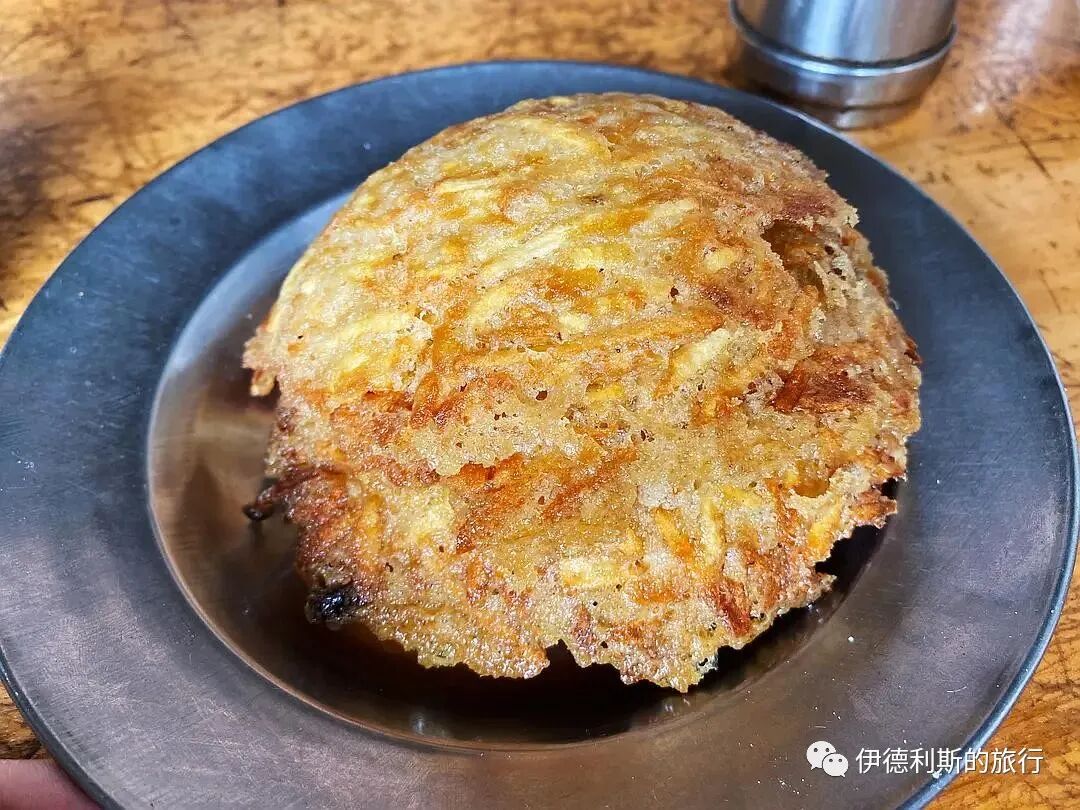
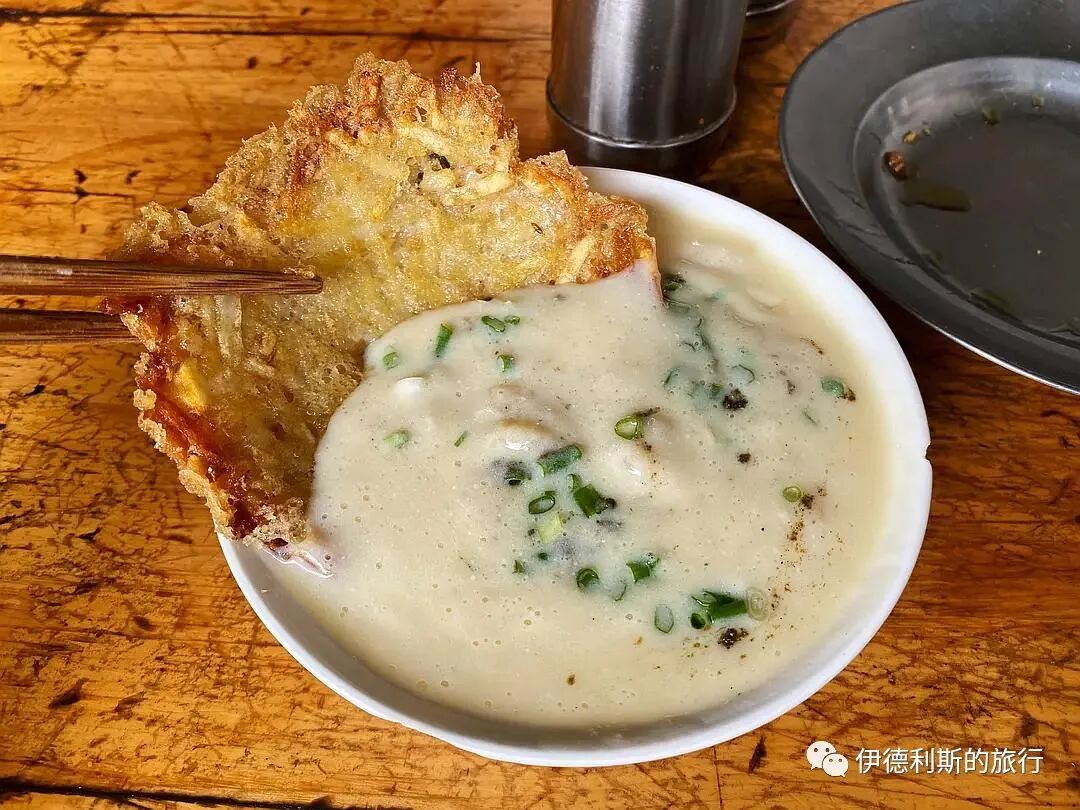
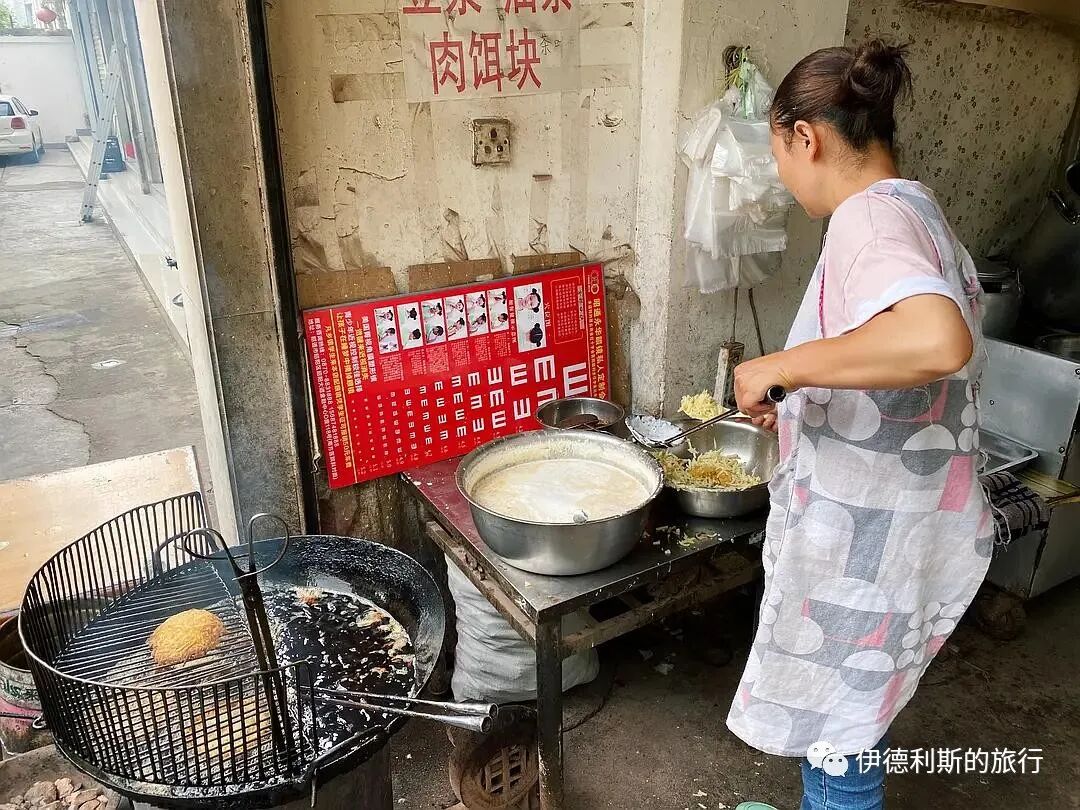
We set off from Zhaotong to Ludian to begin visiting traditional mosques. At noon, we arrived at the Longtoushan Mosque just in time for a funeral, and we were invited to the communal meal. I really love eating at these communal meals, especially the surou (crispy stir-fried meat/beef), it is so fragrant!
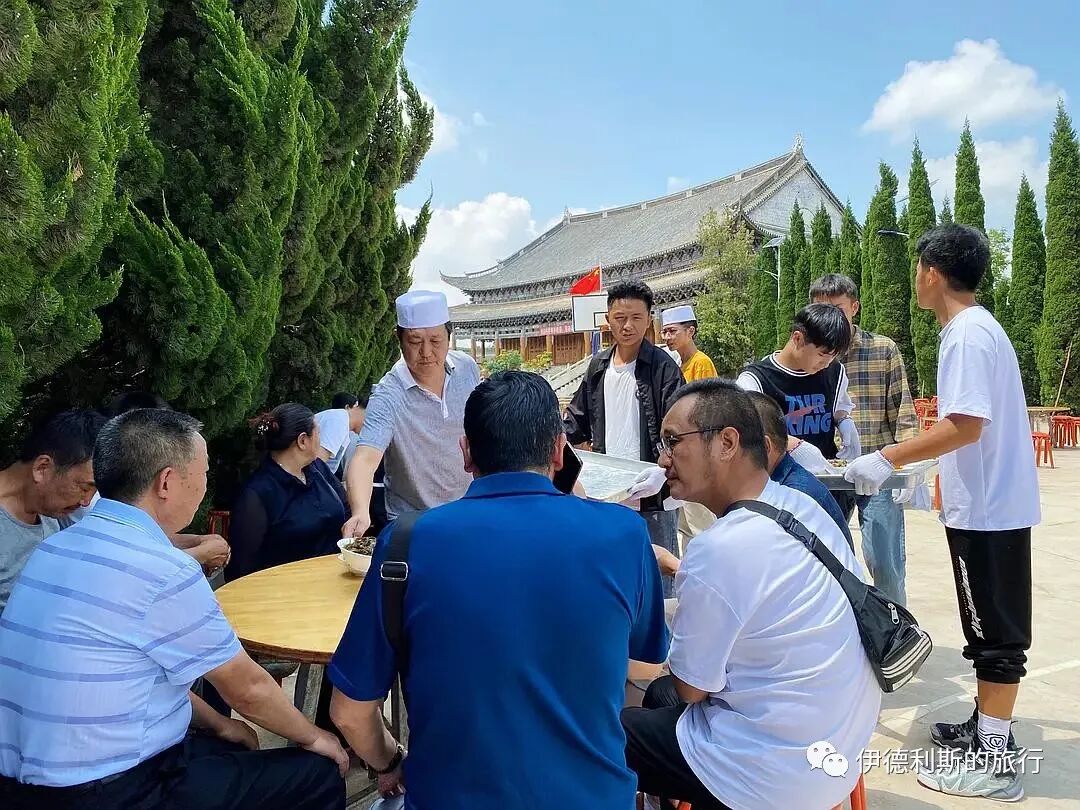
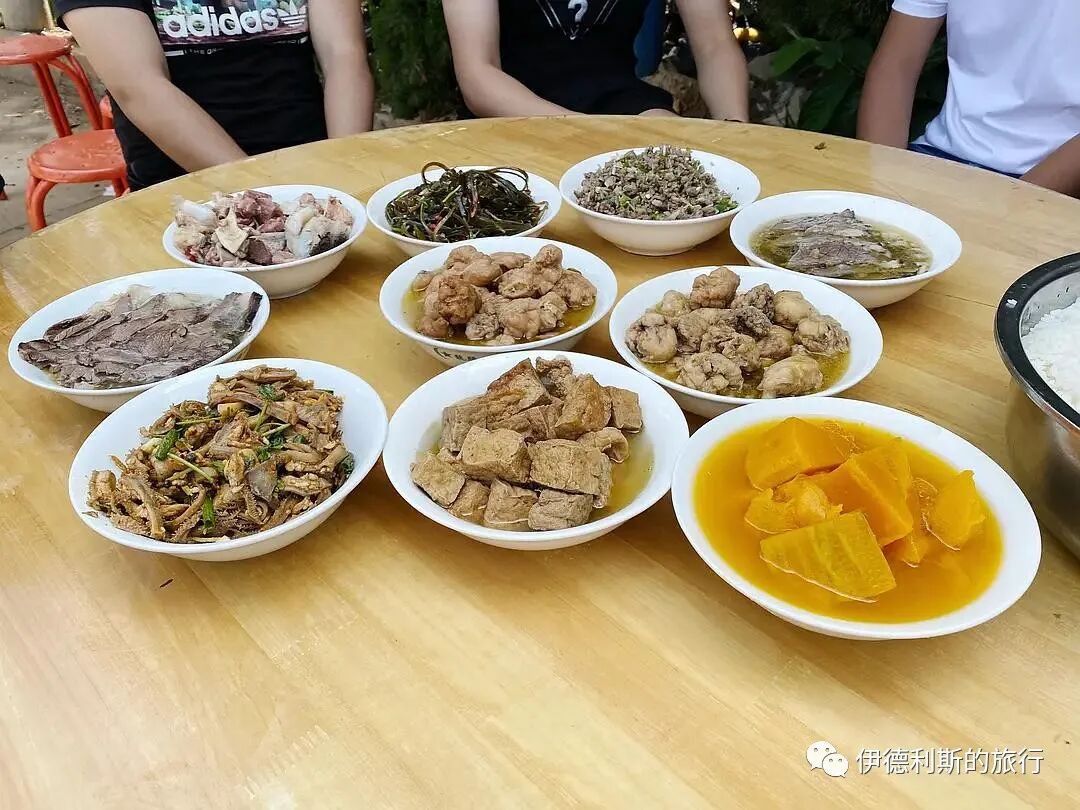
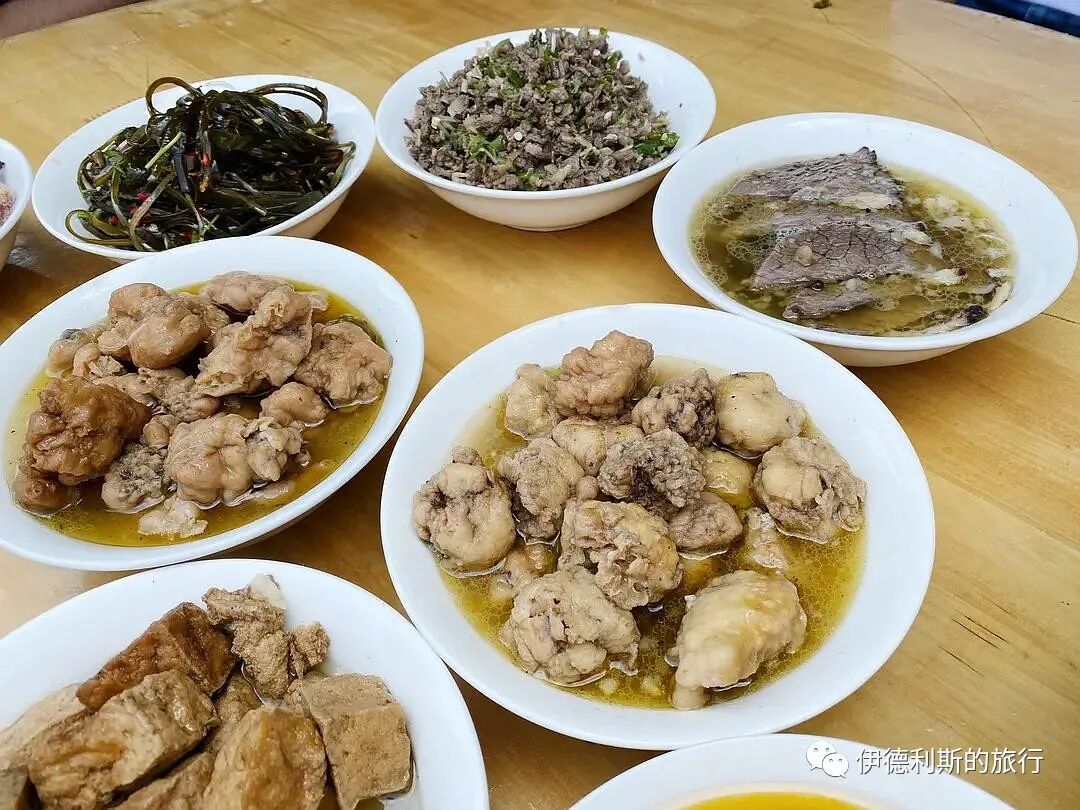
After eating at the Longtoushan Mosque, we went to visit the Taojiawan Mosque. Sister Azi's uncle, Ma Xingjian, serves as the Imam there. Upon learning of our visit, Imam Ma specially picked fresh figs from the mountains for us to eat. They were particularly sweet and clear, different from the small black figs in Dali.
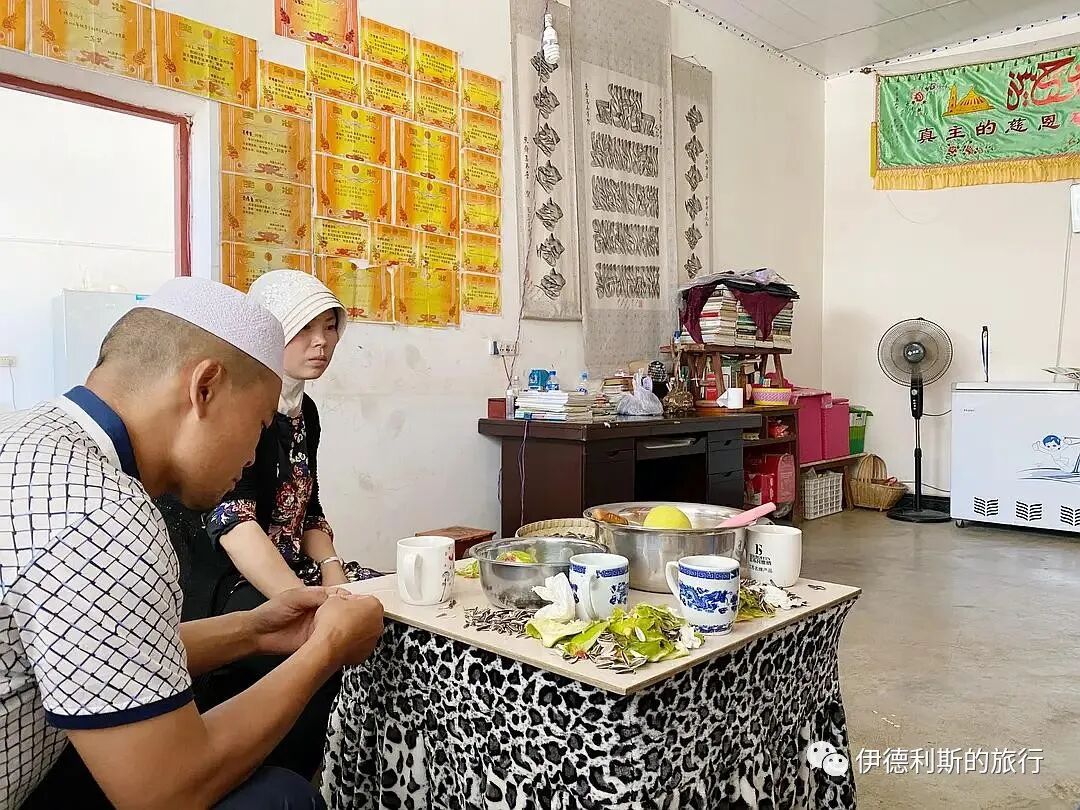
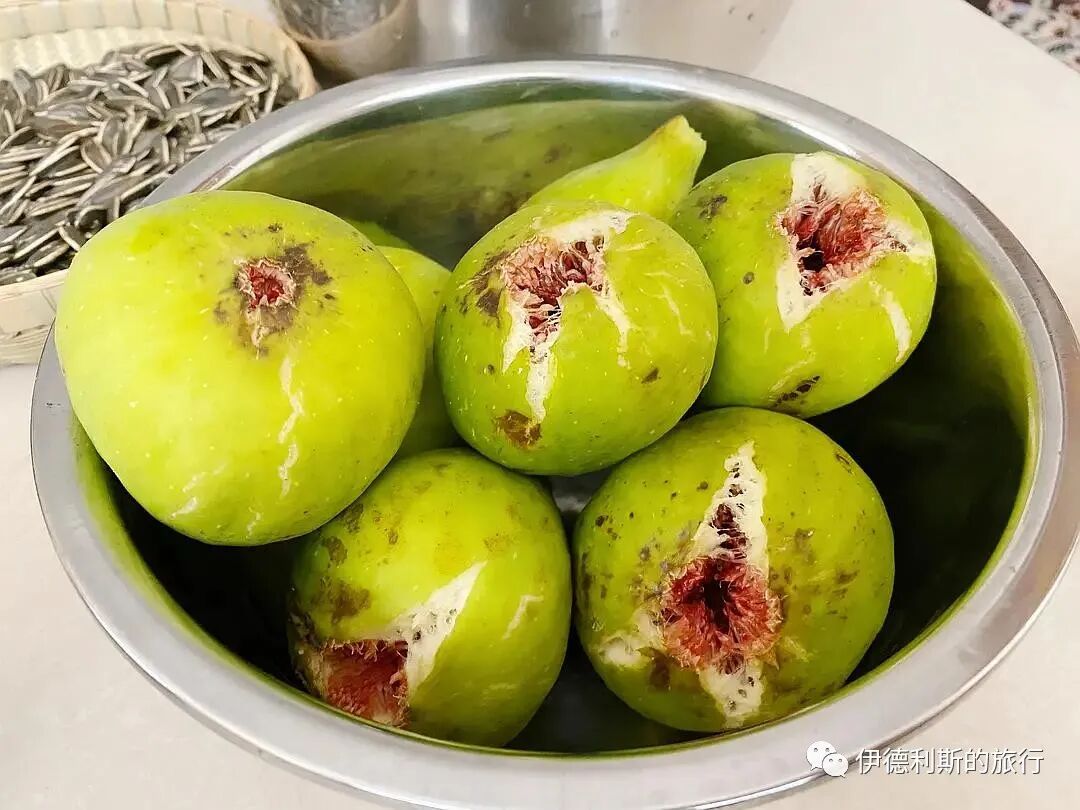
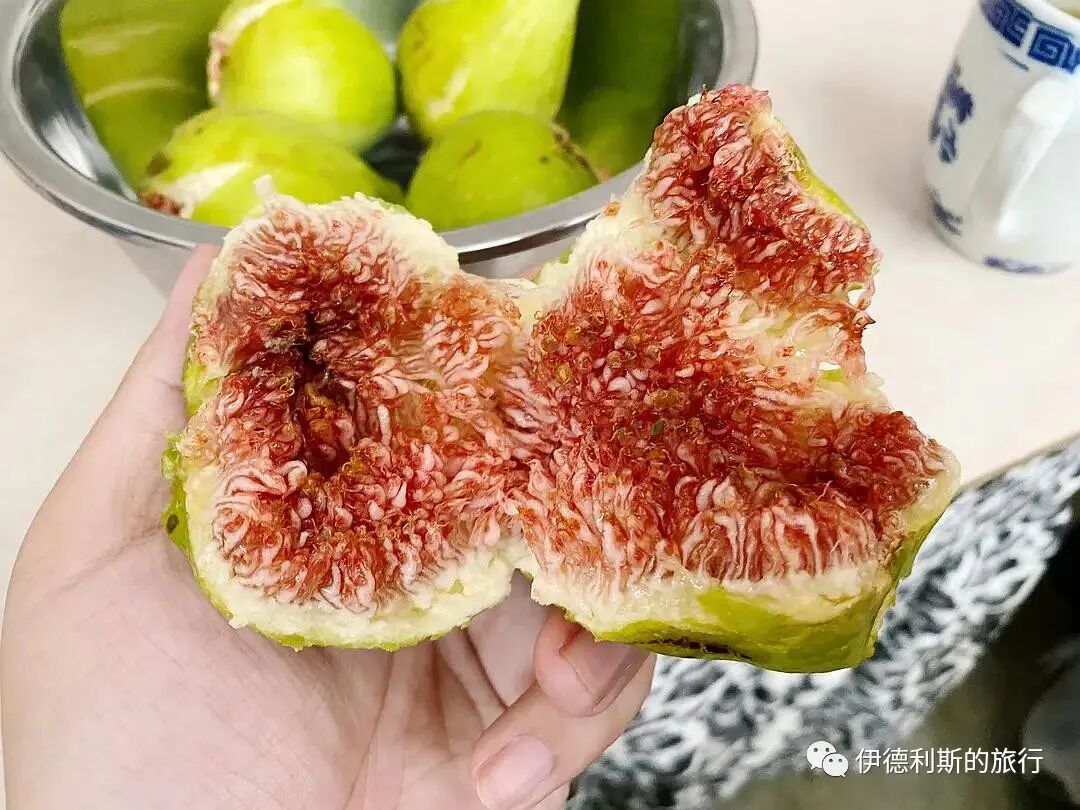
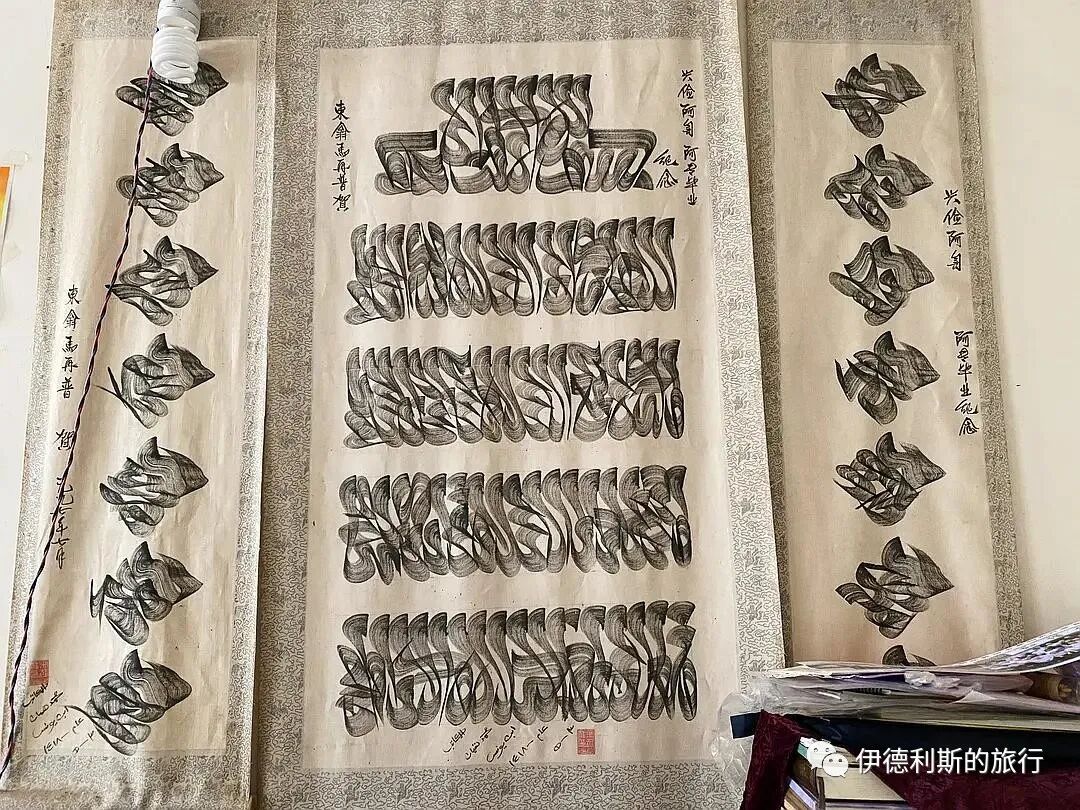
In the afternoon, we returned to Zhaotong from Ludian and went to the Baxian Qingzhen Dasi (Baxian Grand Mosque) for a communal meal to celebrate the resumption of educational activities at the mosque. In 1942, the Zhaoweilu Hui Muslim Joint Chongzhen Normal School was founded at the Baxian Grand Mosque. During the Republic of China era, it was another educational center for Muslims in the country, following the Chengda Normal School and the Shanghai Private Islamic Normal School.
The main dishes at the meal were beef feet and beef tongue left over from Eid al-Adha. Among all places in Yunnan, Zhaotong celebrates Eid al-Adha the most lively and interestingly, but unfortunately, we missed it this year. In addition, we ate the specialty corn flour and buckwheat mixed rice and delicious douhua (soft tofu pudding).
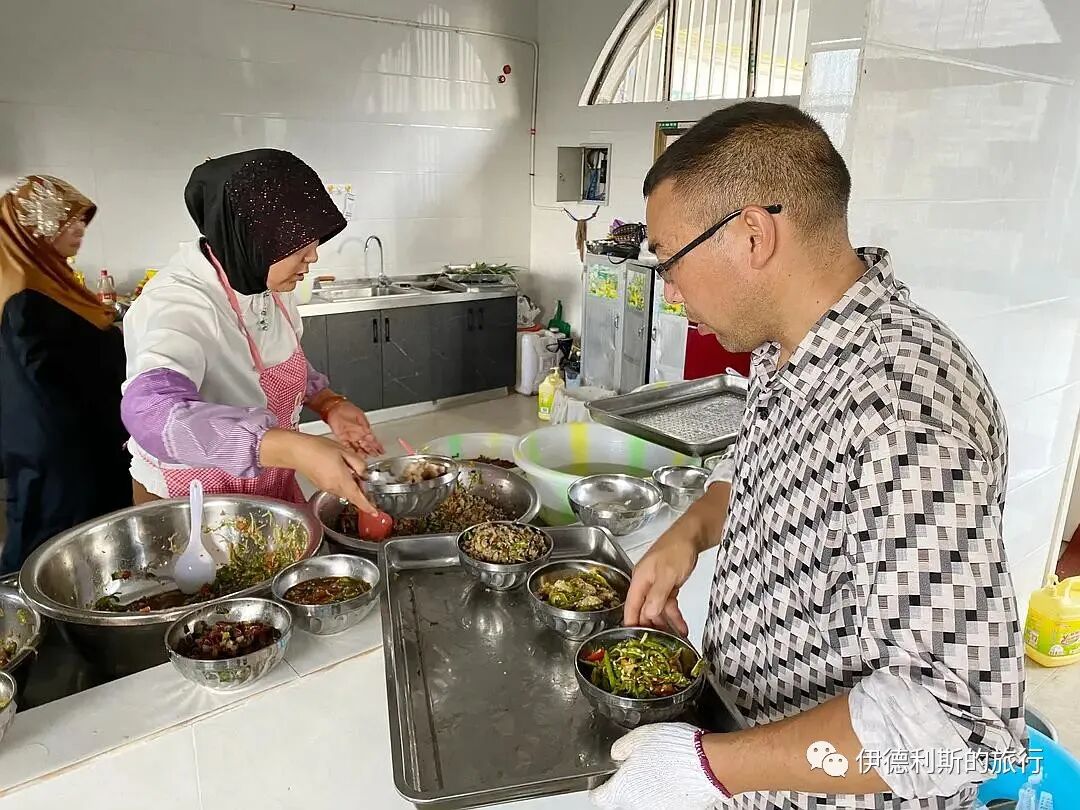
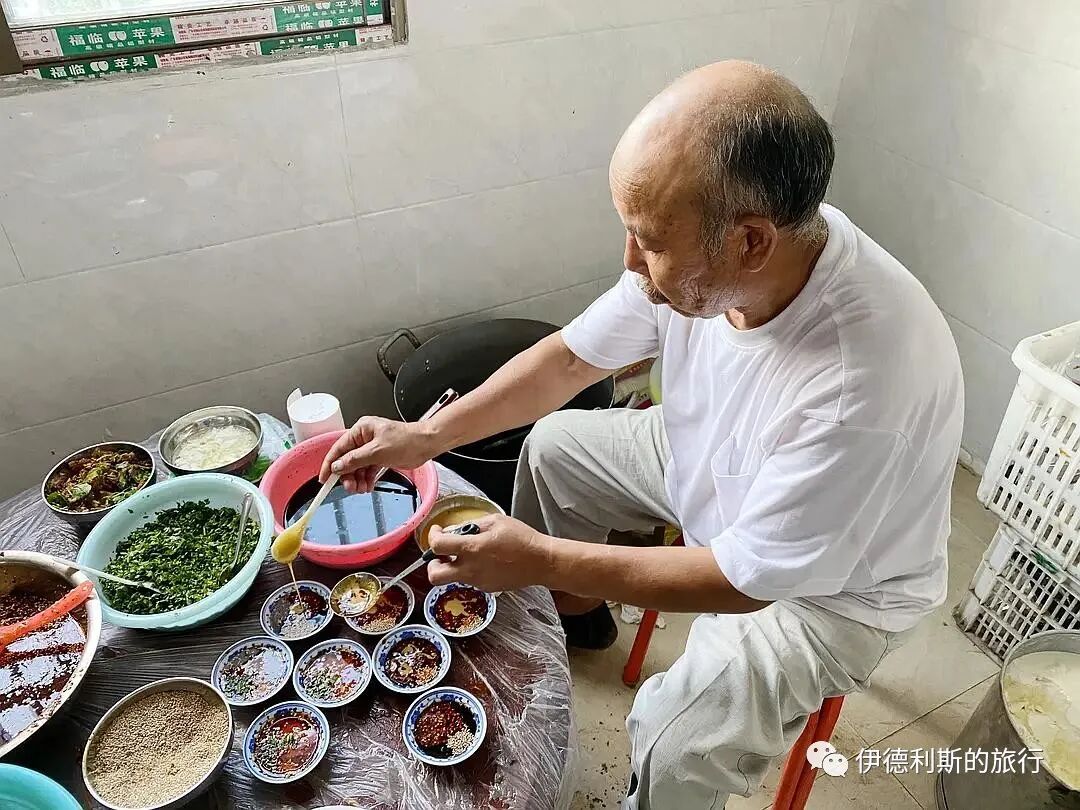
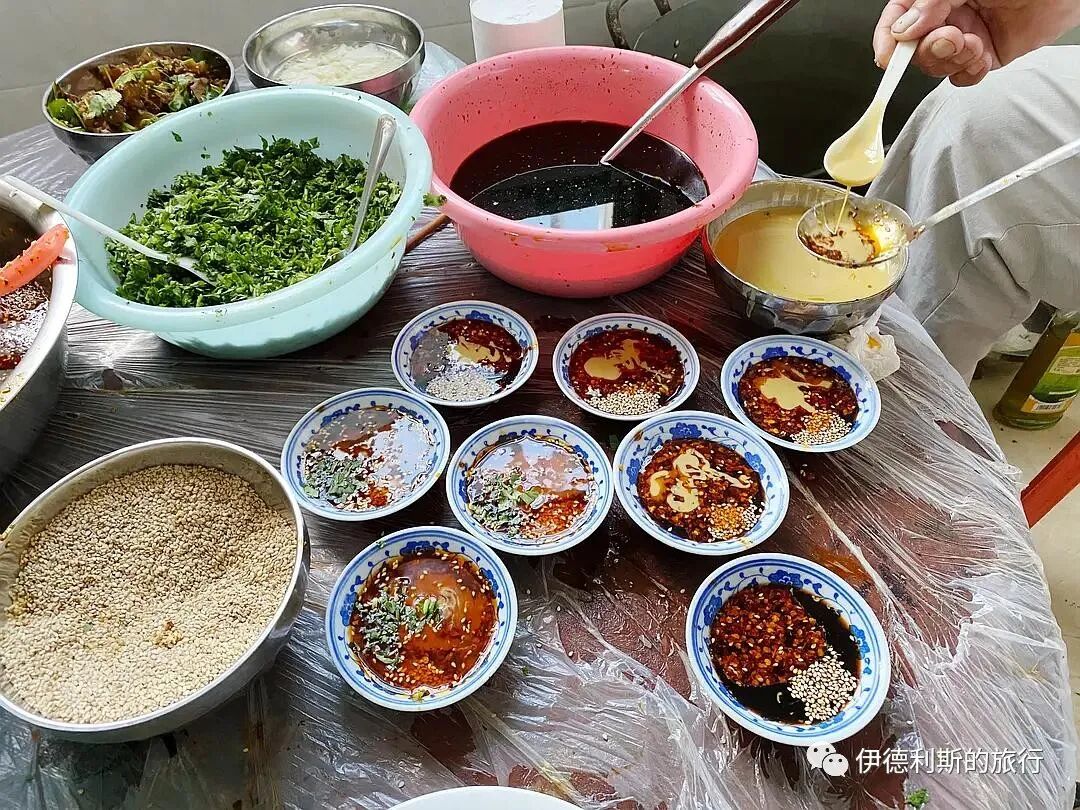
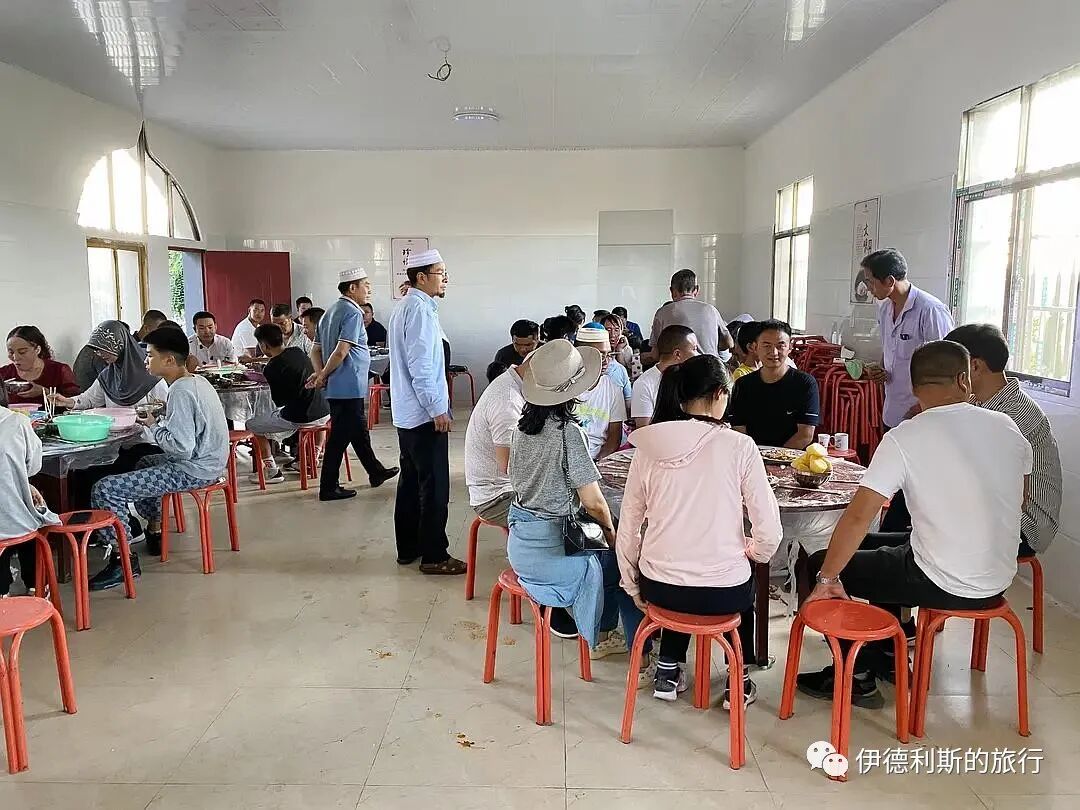
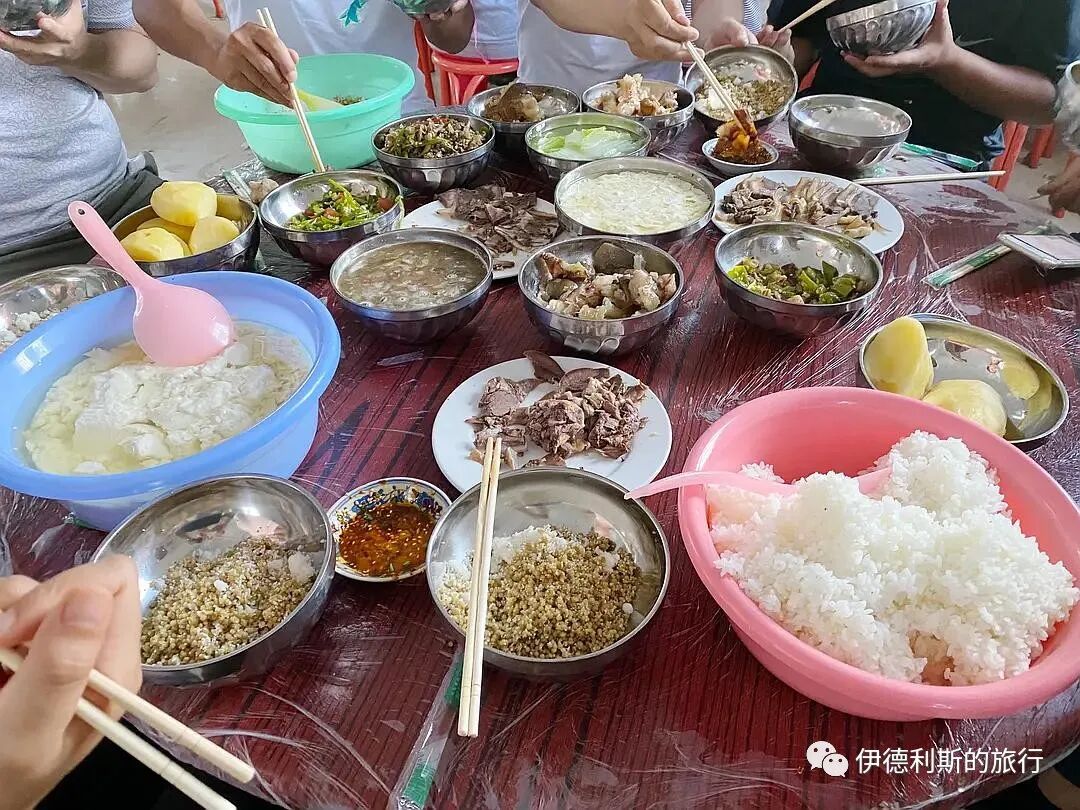
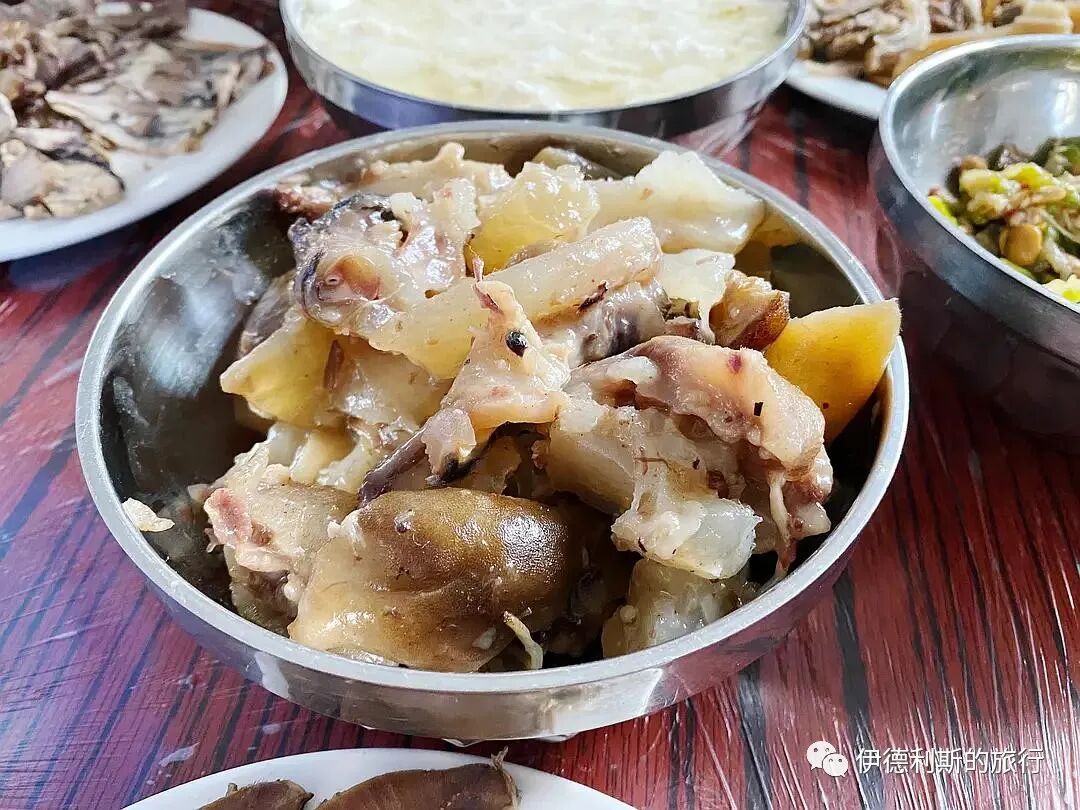
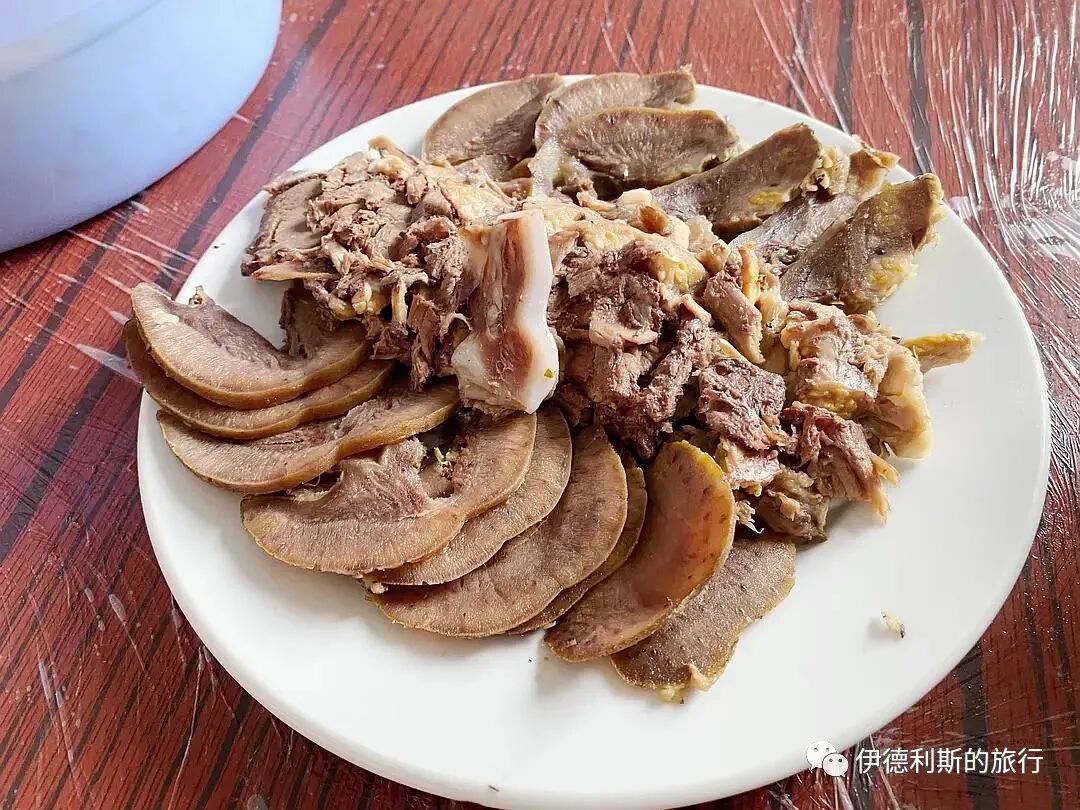
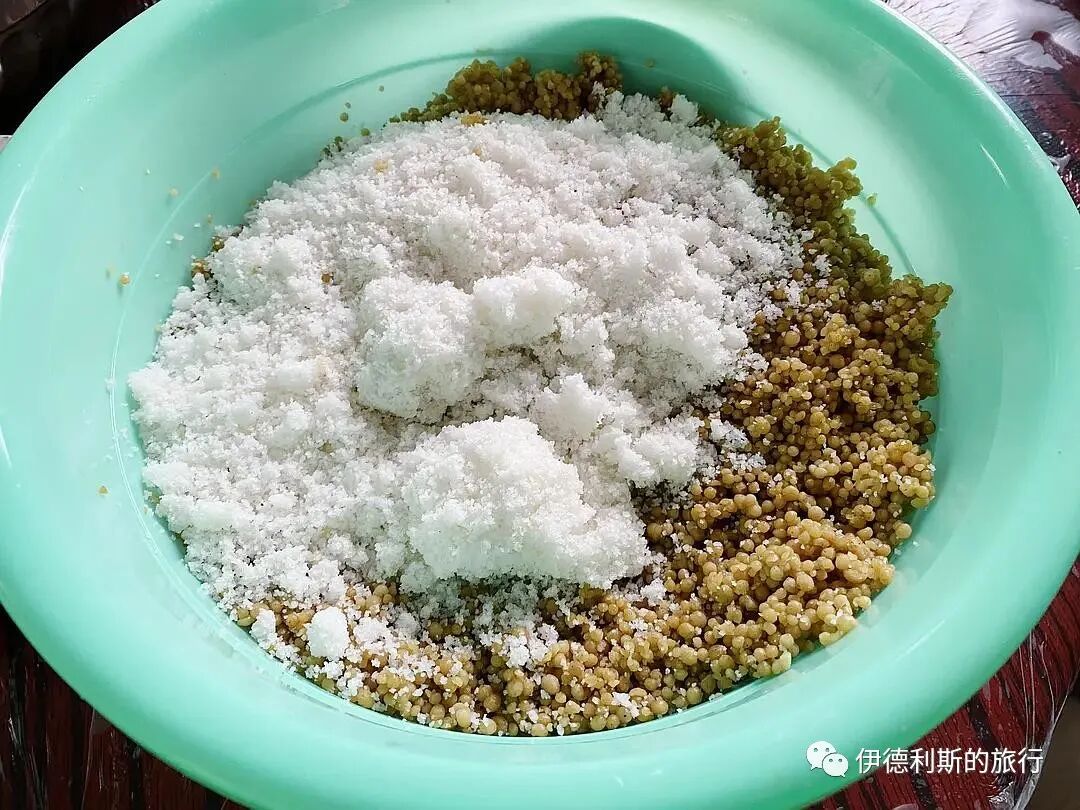
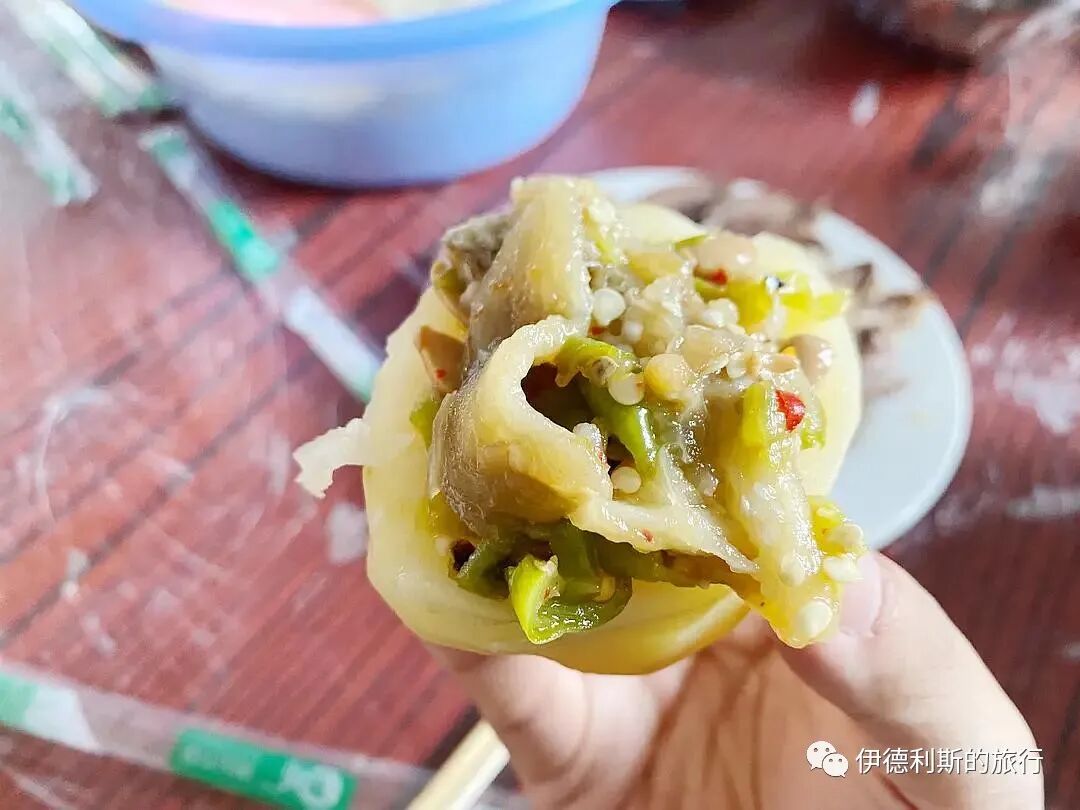
In the evening, we drank tea and chatted with Principal Wang Qiuping at the Songjiashan Islamic Scripture School. My friend and several people I know were once students of Principal Wang. Principal Wang uses spring water fetched from the mountains to brew tea.
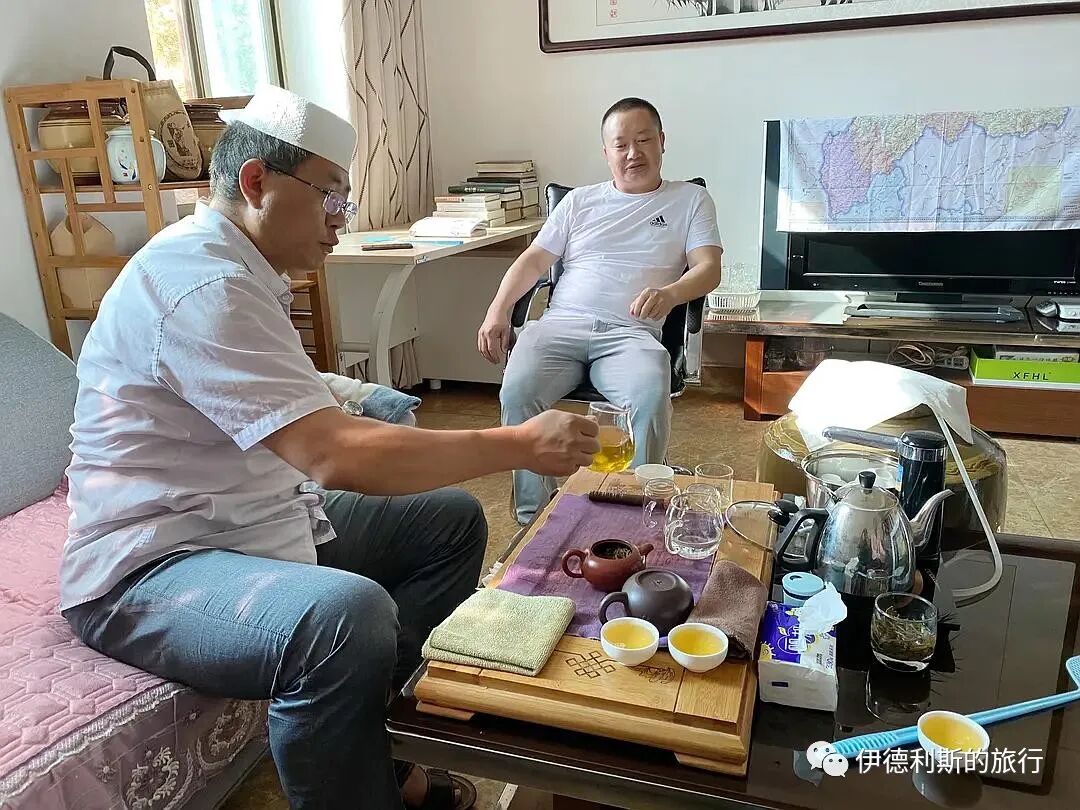
Back in Zhaotong city, we went to Maya Barbecue, owned by Sister Azi's friend Ma Ya, to eat Zhaotong-style small meat skewers. We also ordered baojiang doufu (fermented tofu with a creamy center), grilled chives, grilled lotus root slices, and chatted happily with Ma Ya.
Maya Barbecue is considered a relatively large barbecue restaurant in Zhaotong and even has a branch in Kuala Lumpur, Malaysia, though it was suspended this year due to the pandemic. Ma Ya did not have much schooling growing up, but he is very hardworking and is very studious when it comes to running a restaurant, which is why his business is growing larger and larger. His restaurant is clean, tidy, and has good service, feeling very different from typical barbecue shops. In addition, Ma Ya is very enthusiastic about public welfare; he is an important participant in the Zhaotong Muqing Charity.
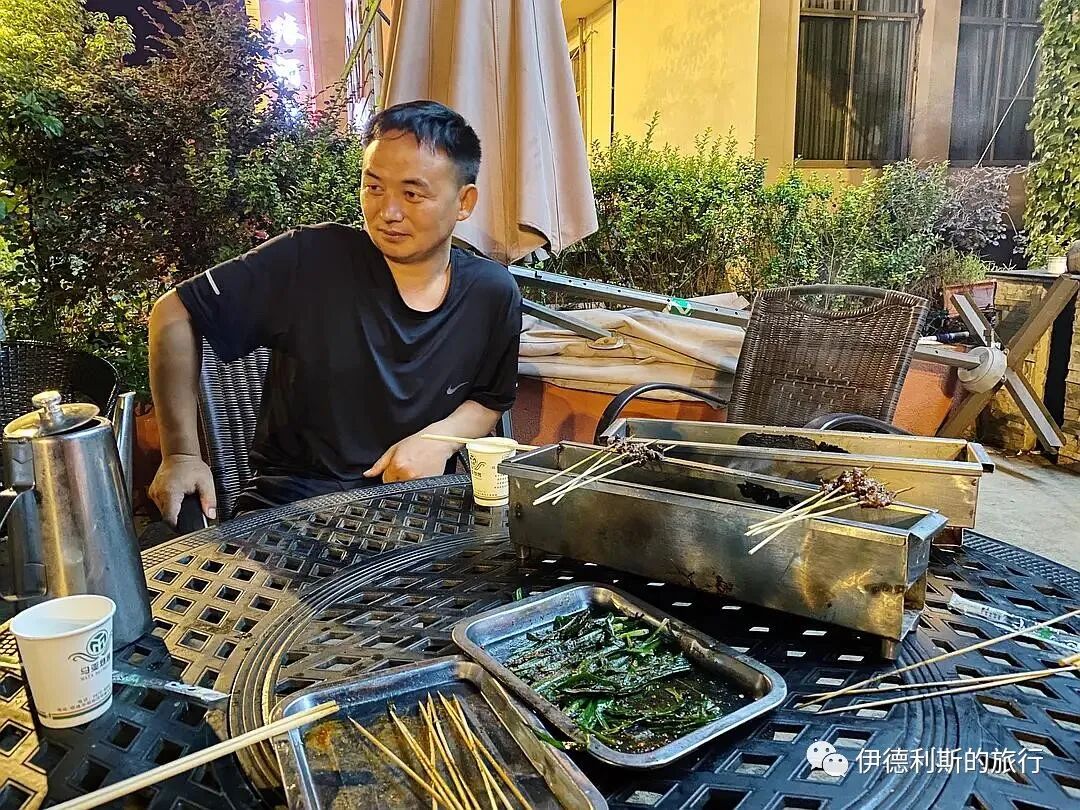
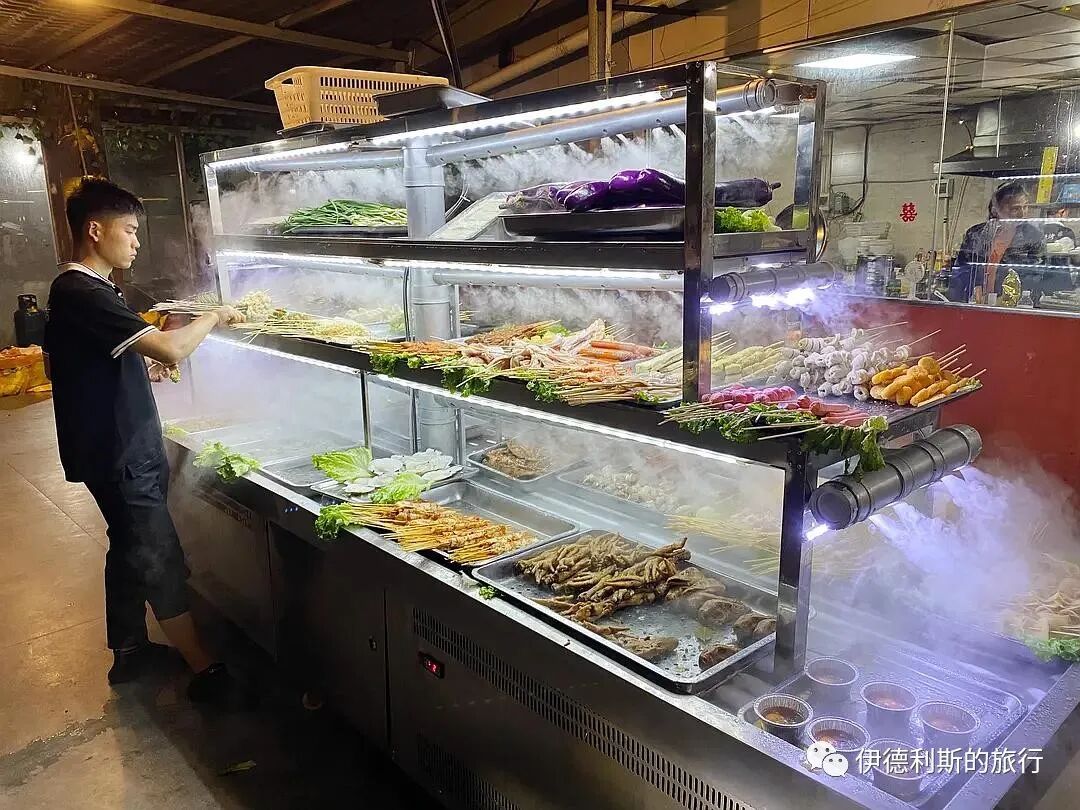
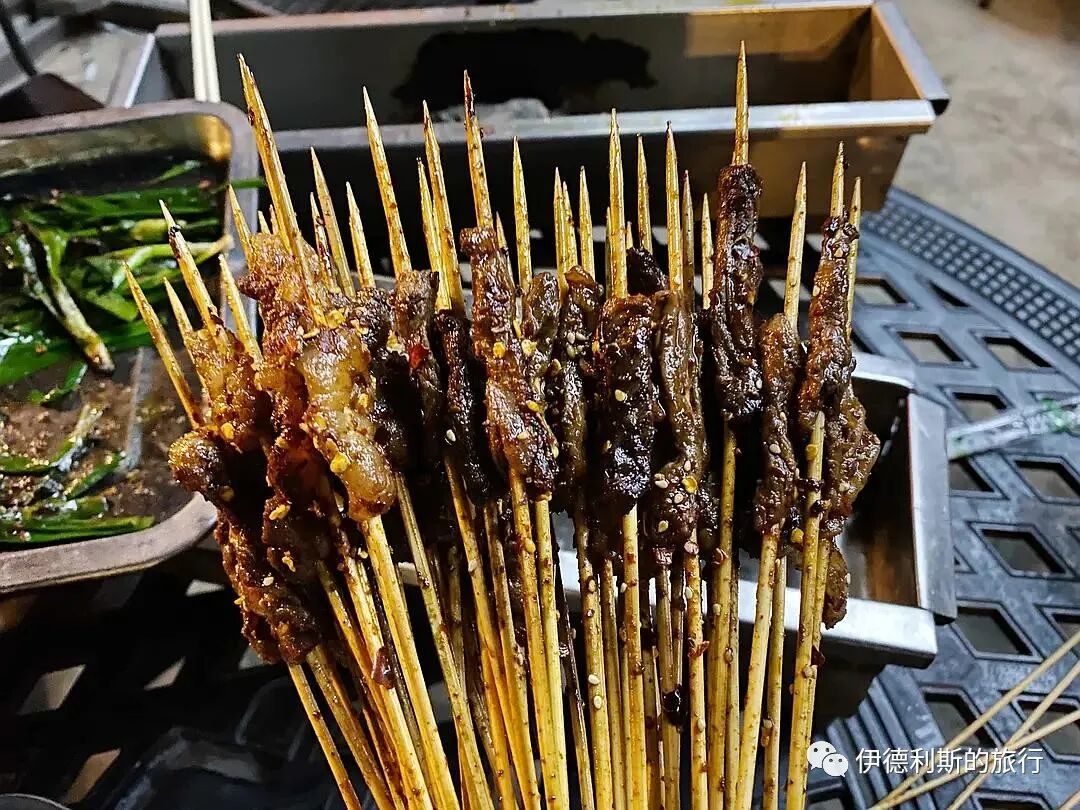
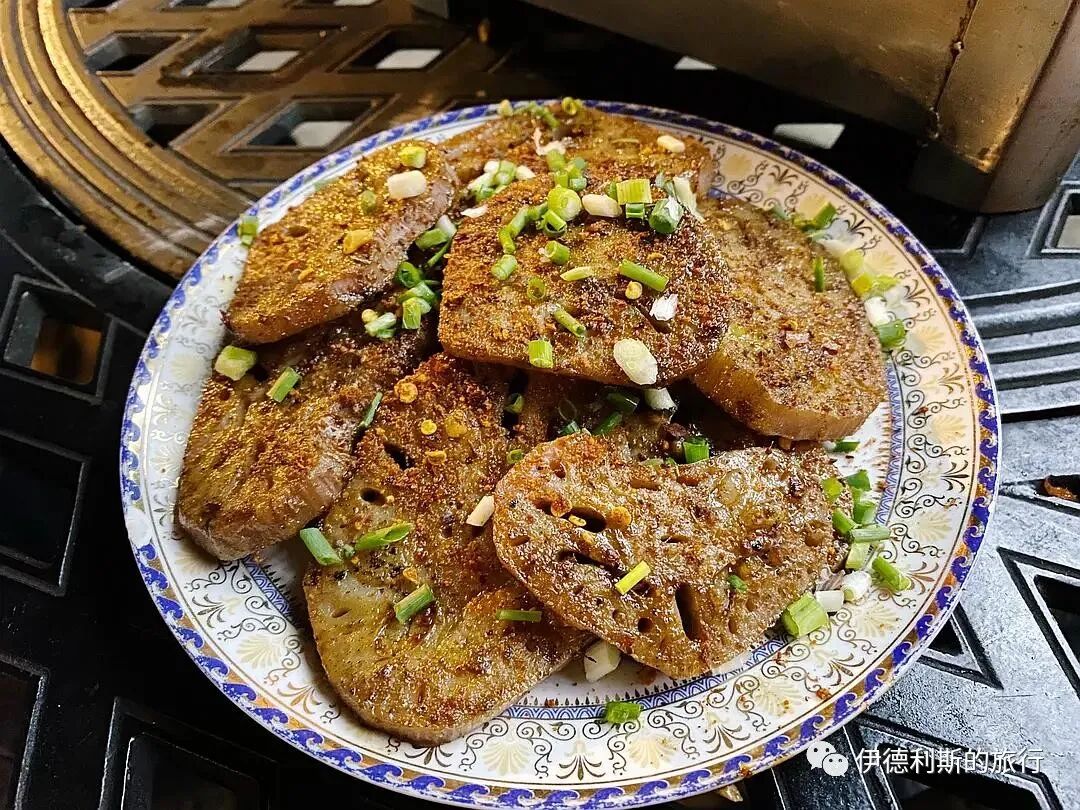
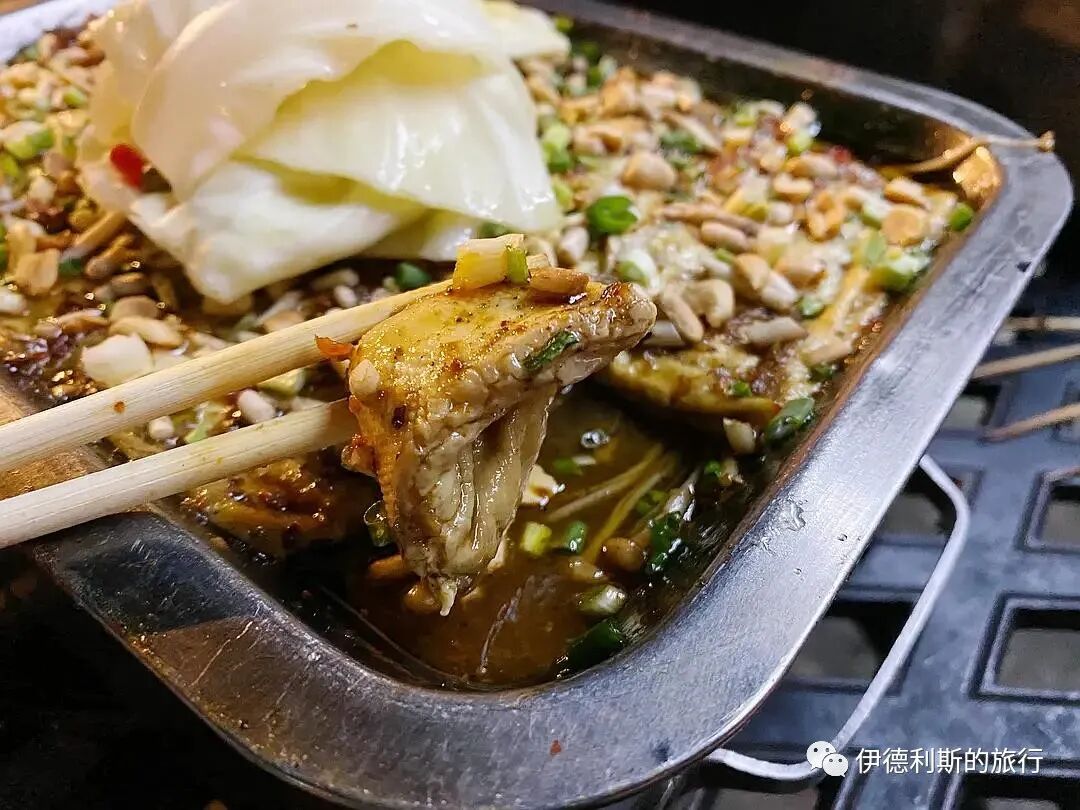
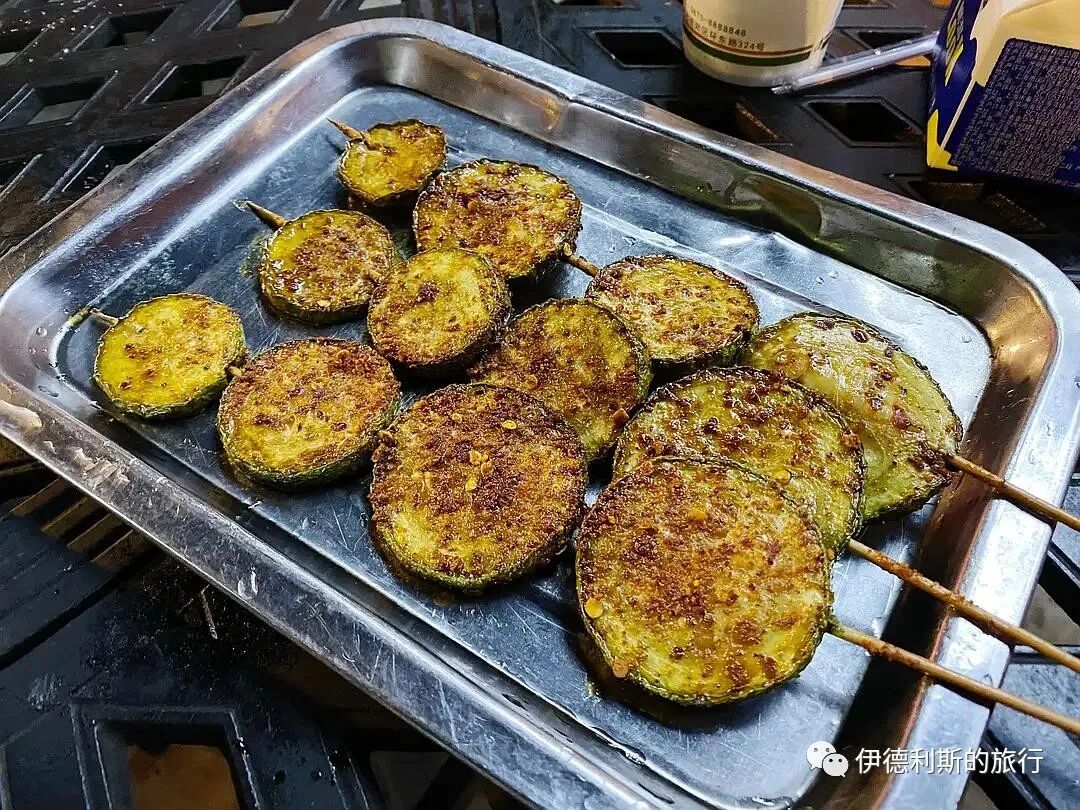
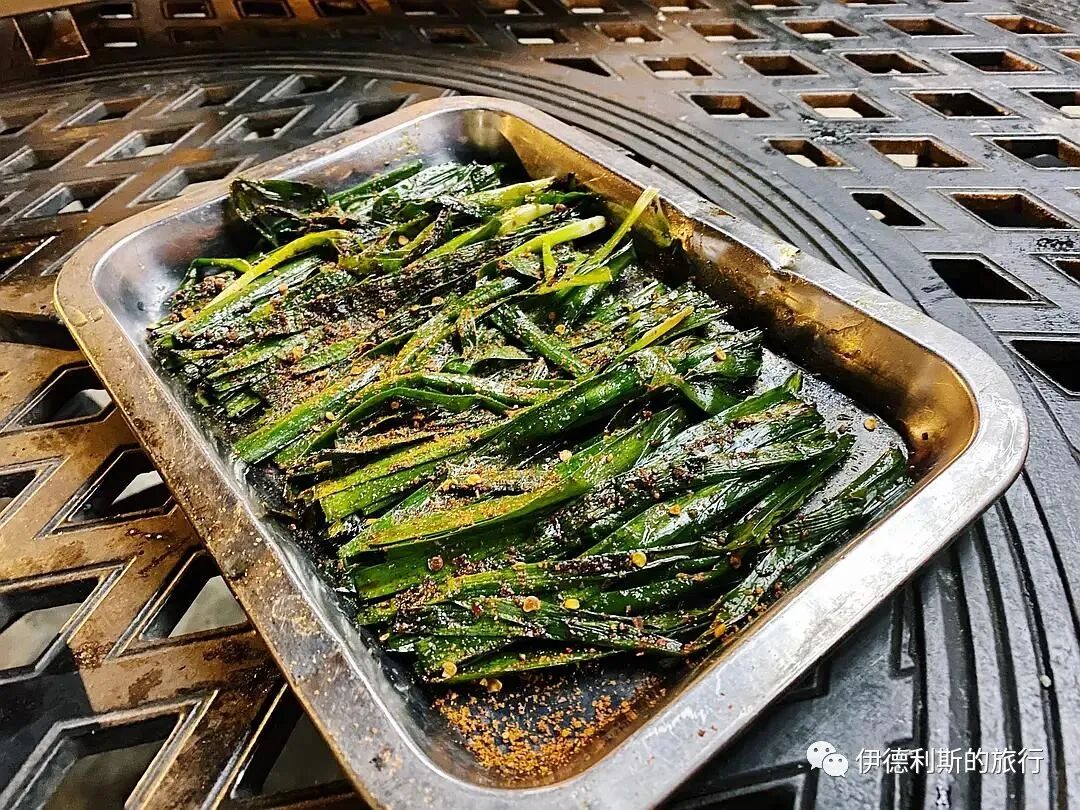
August 11th
In the morning, we bought stuffed steamed buns at a small shop on Binhe Road in Ludian County.
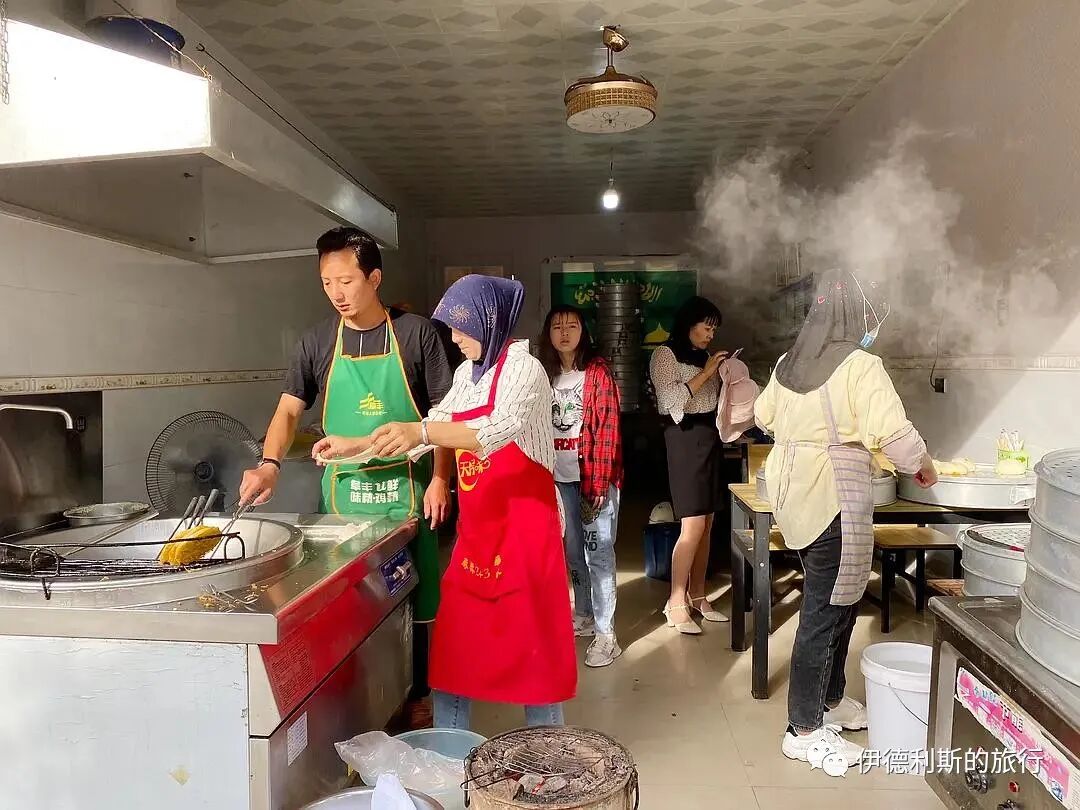
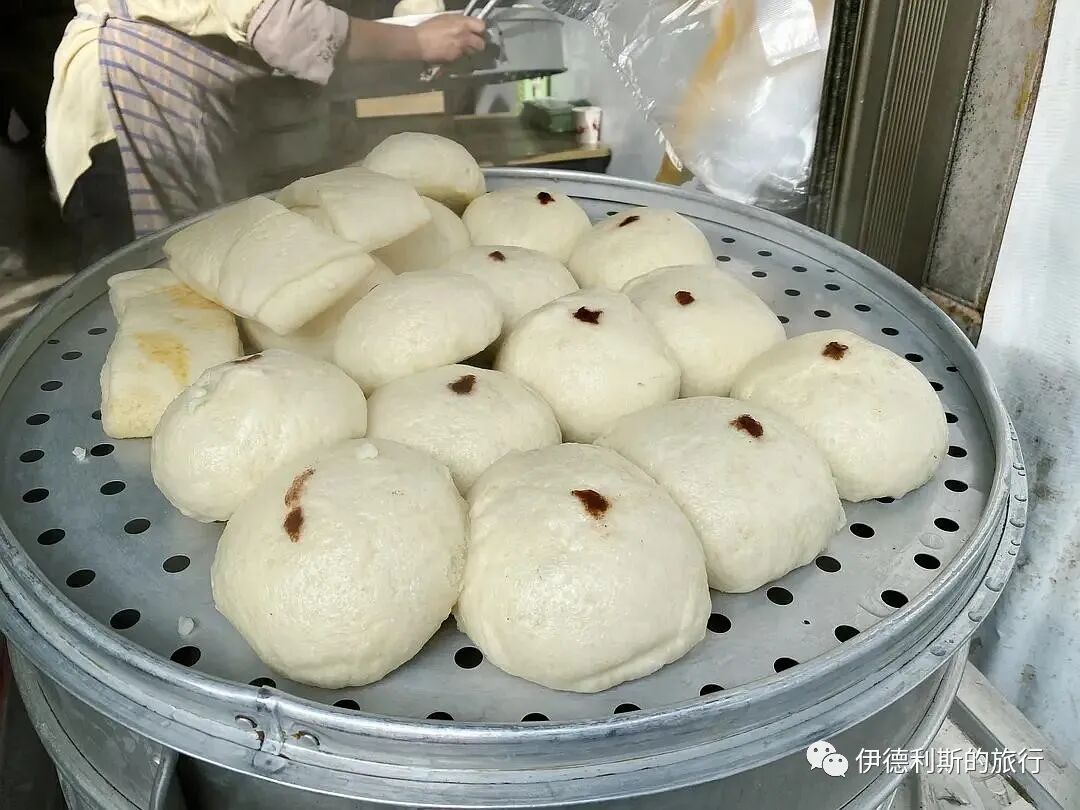
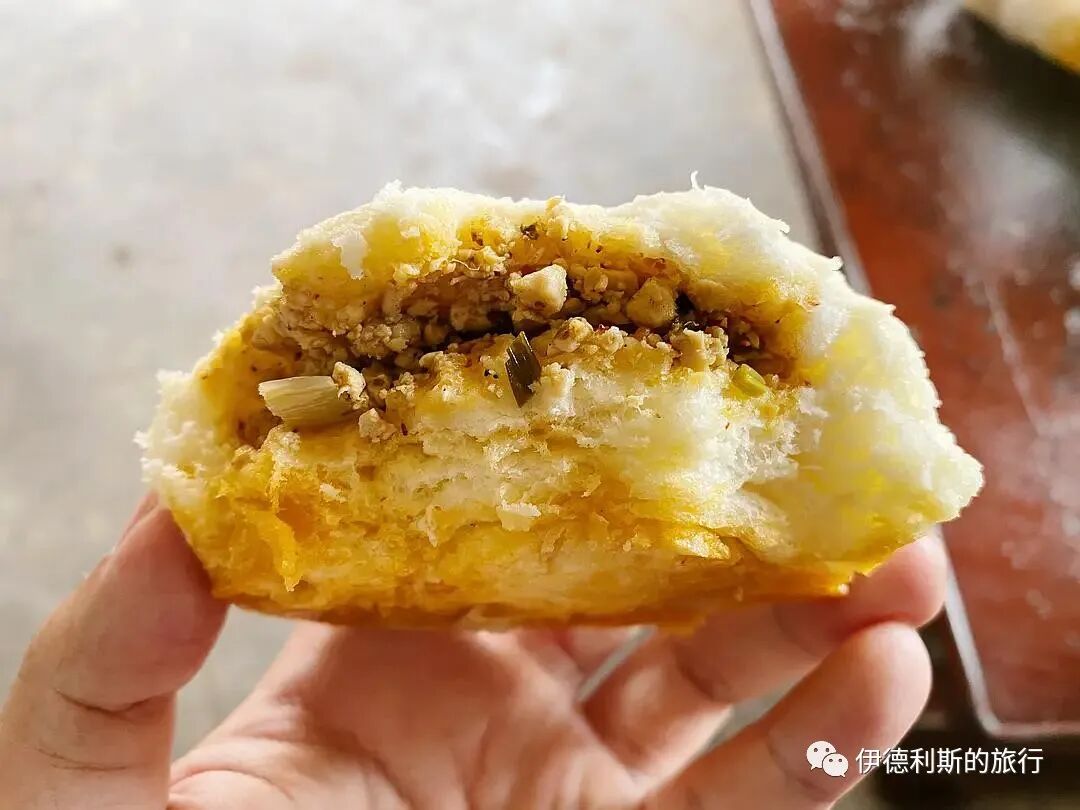
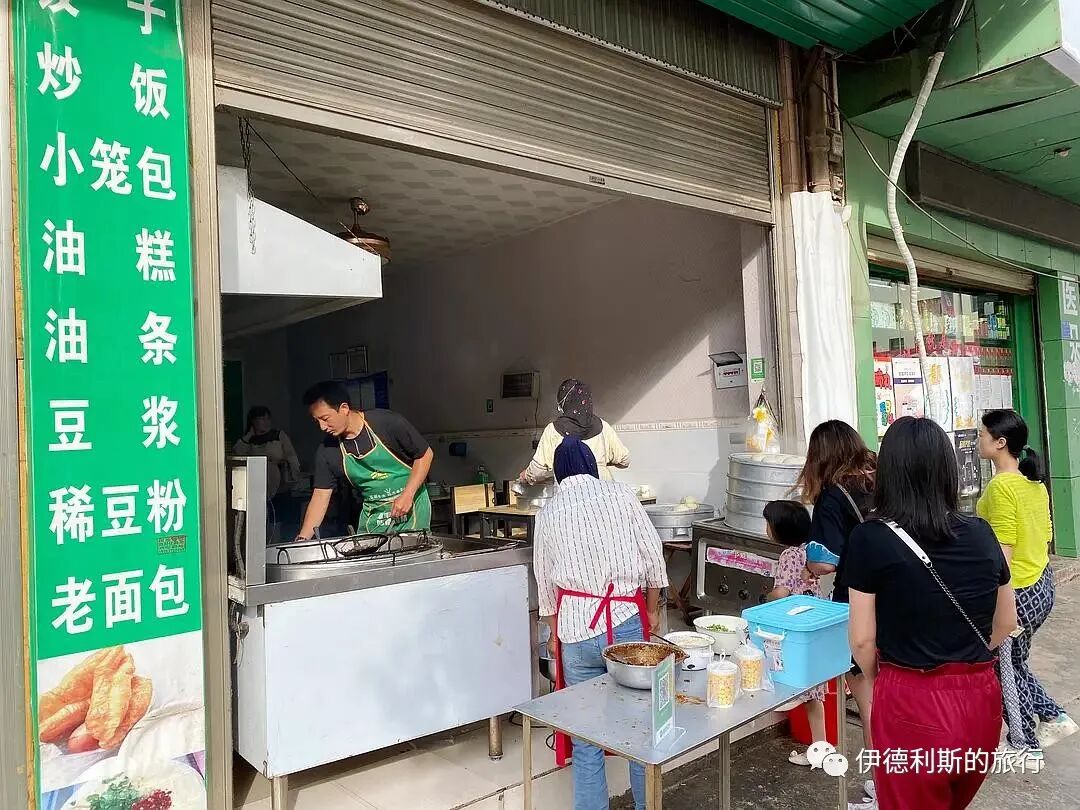
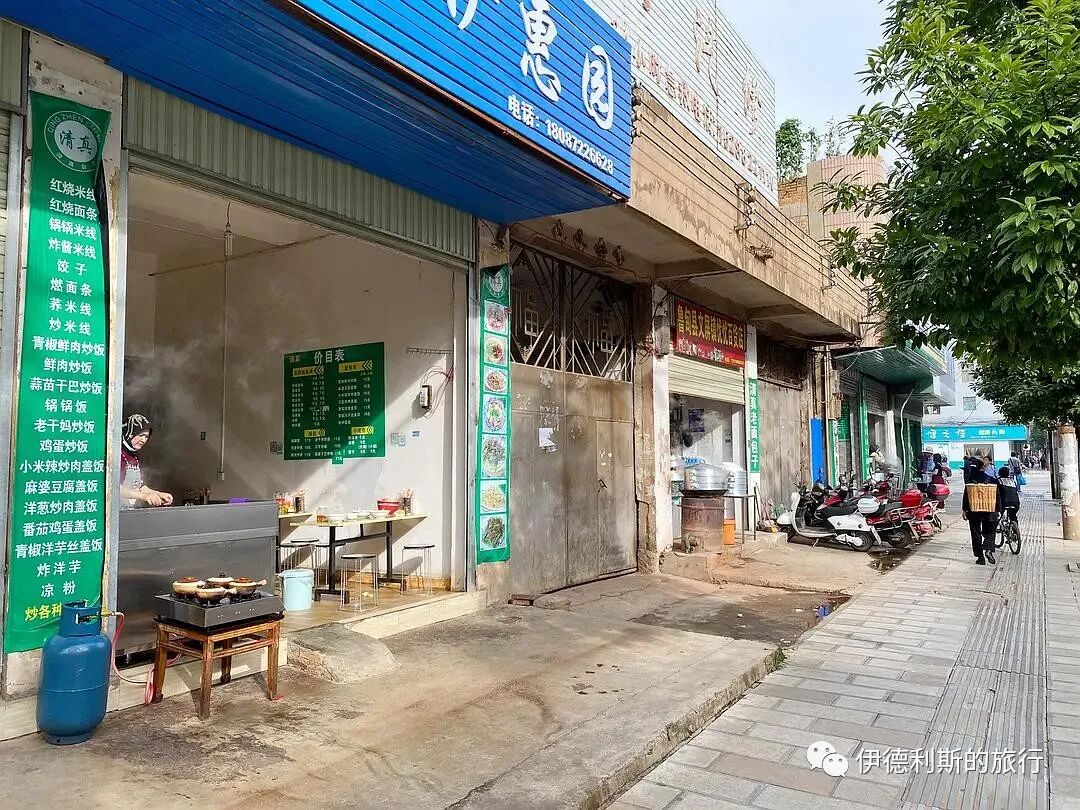
Sister Azi took me, Zainab, Principal Wang Qiuping, and Brother Ma Cun to her family's orchard to pick apples. In addition to the early-ripening red apples, there were also some green apples. Zhaotong apples are truly delicious.
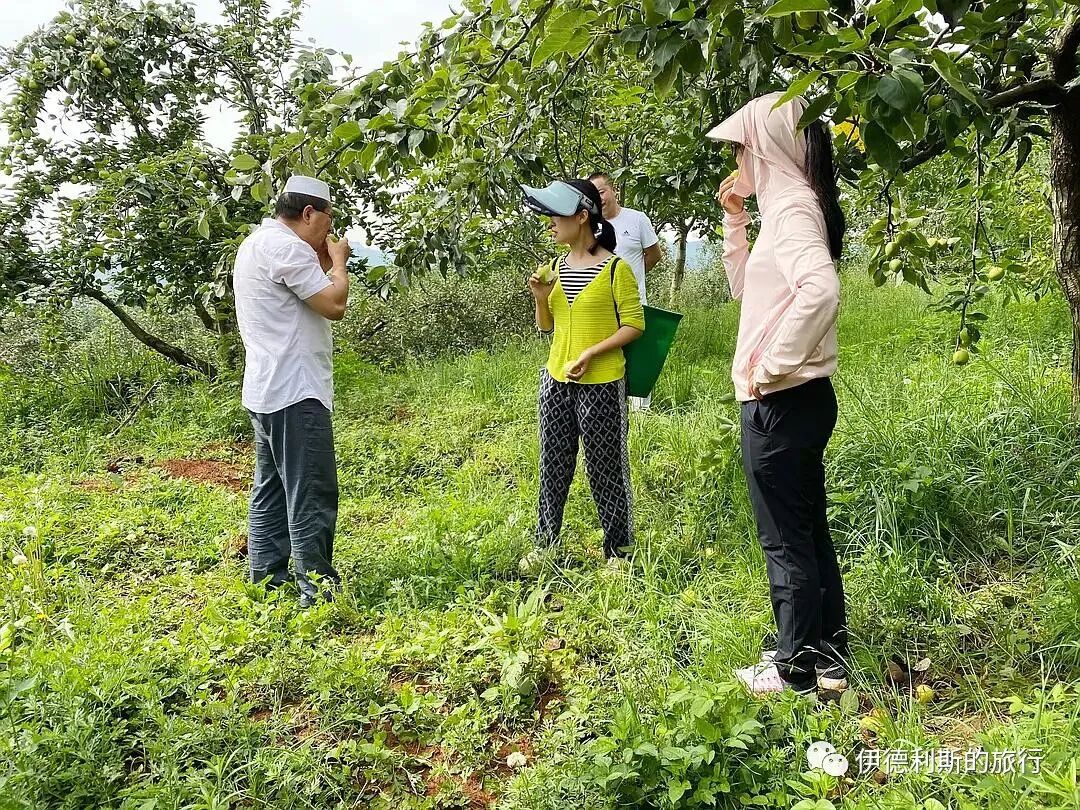
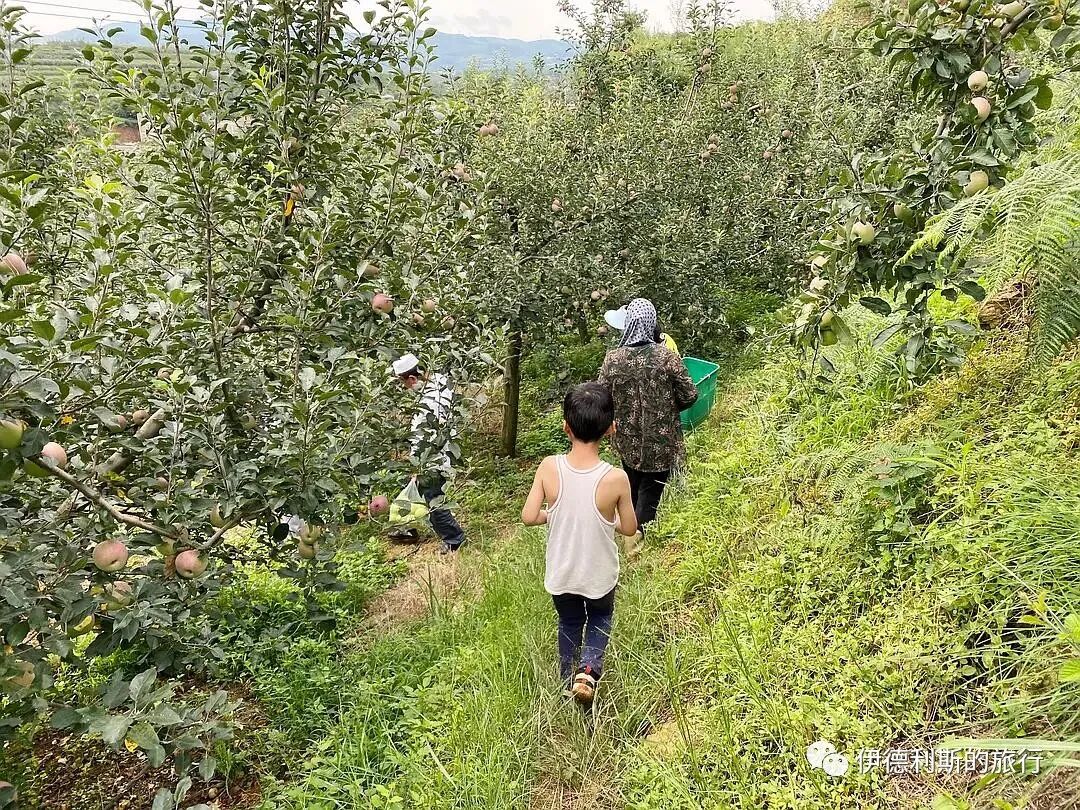
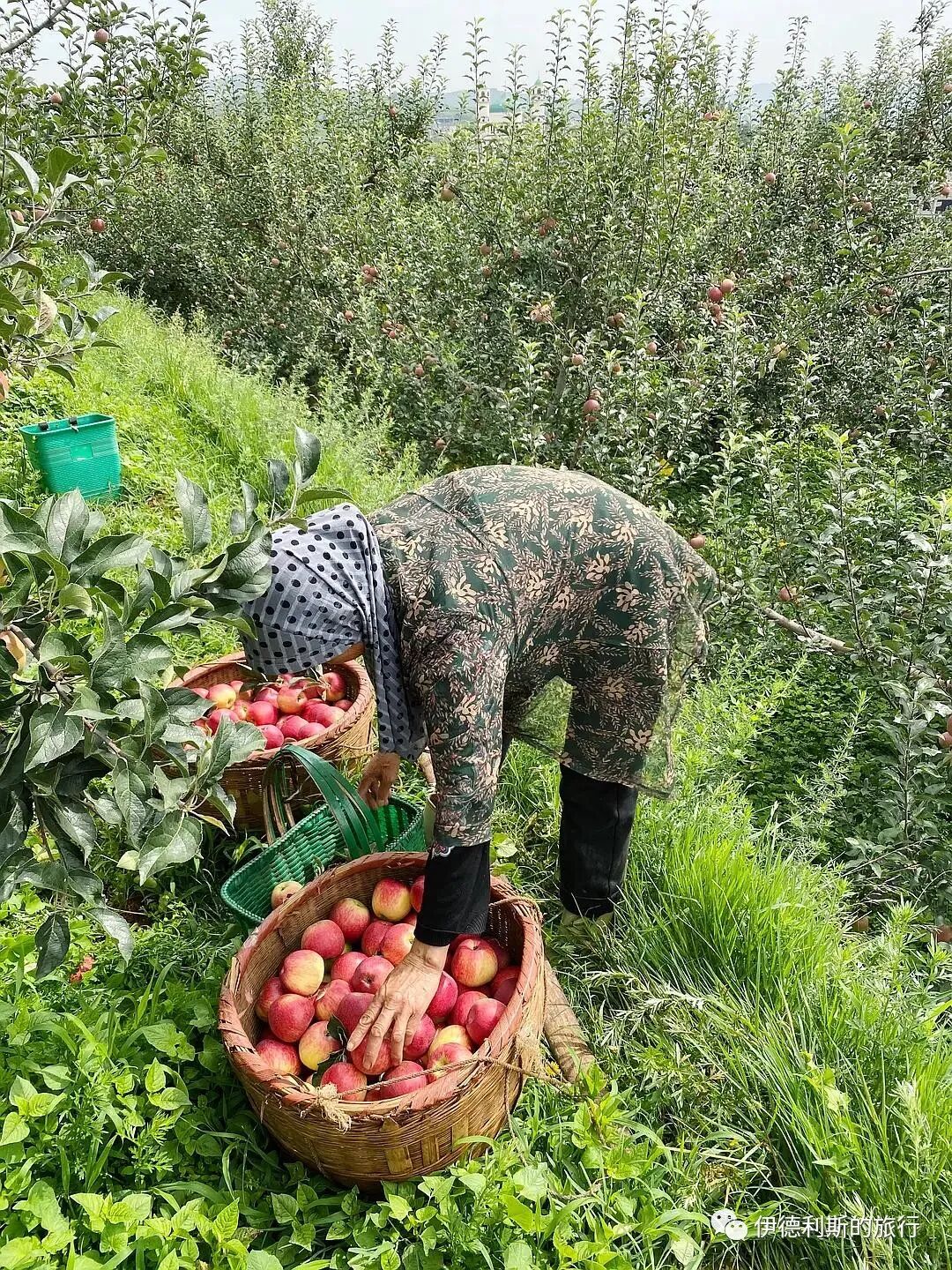
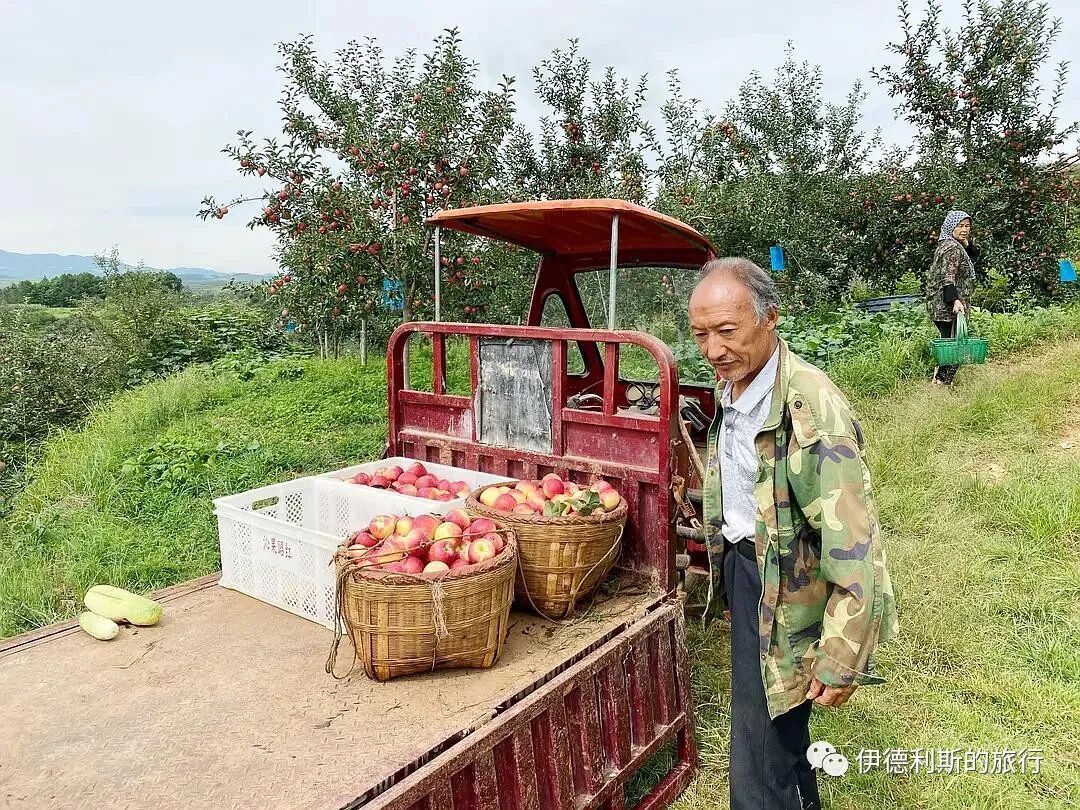
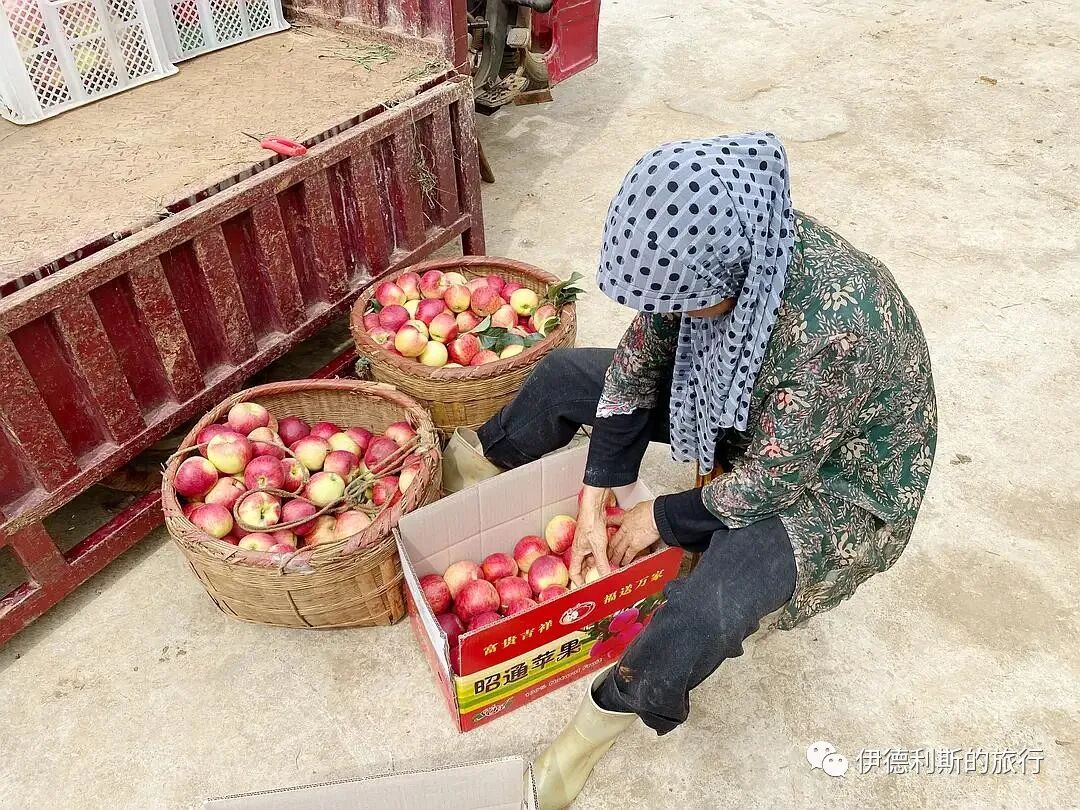
After picking apples, we returned to Ludian county town and had lunch at the Machang Restaurant on Ci Yuan Road. Their restaurant is also one of the few alcohol-free restaurants in Ludian. I ate my favorite suji (crispy chicken) and the most classic dancai here. The cold beef slices and fish were also very delicious. Once again, I praise the dipping sauces of Yunnan.
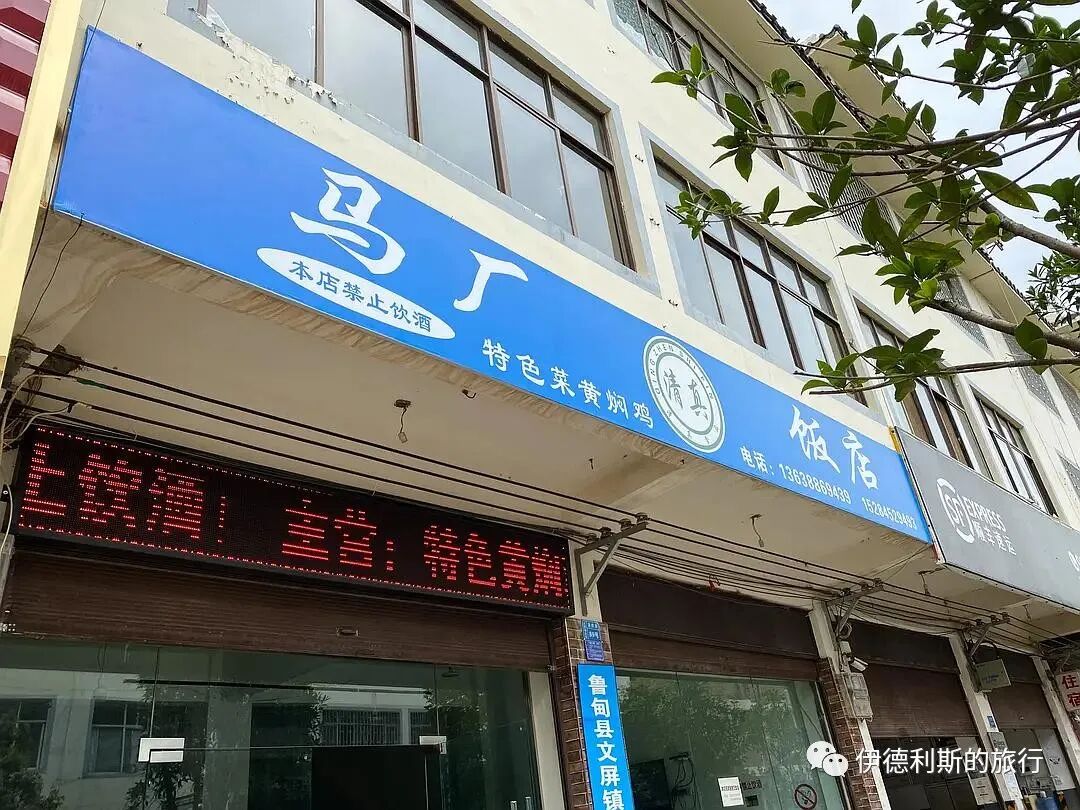
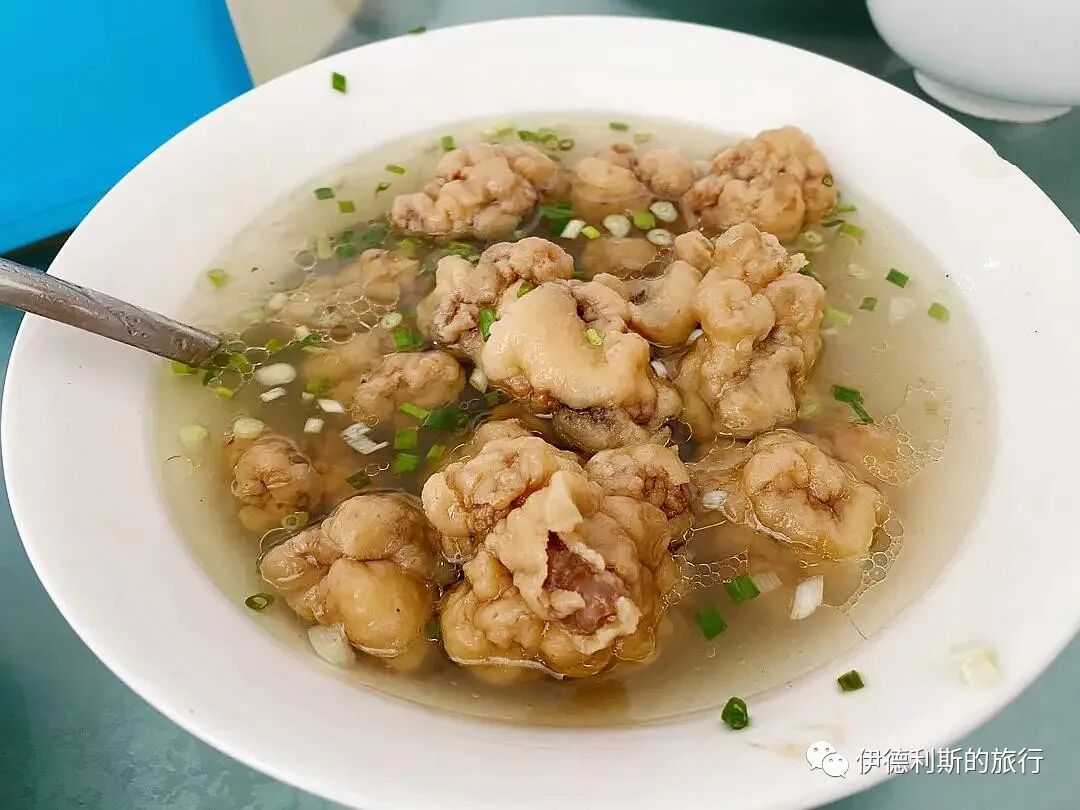
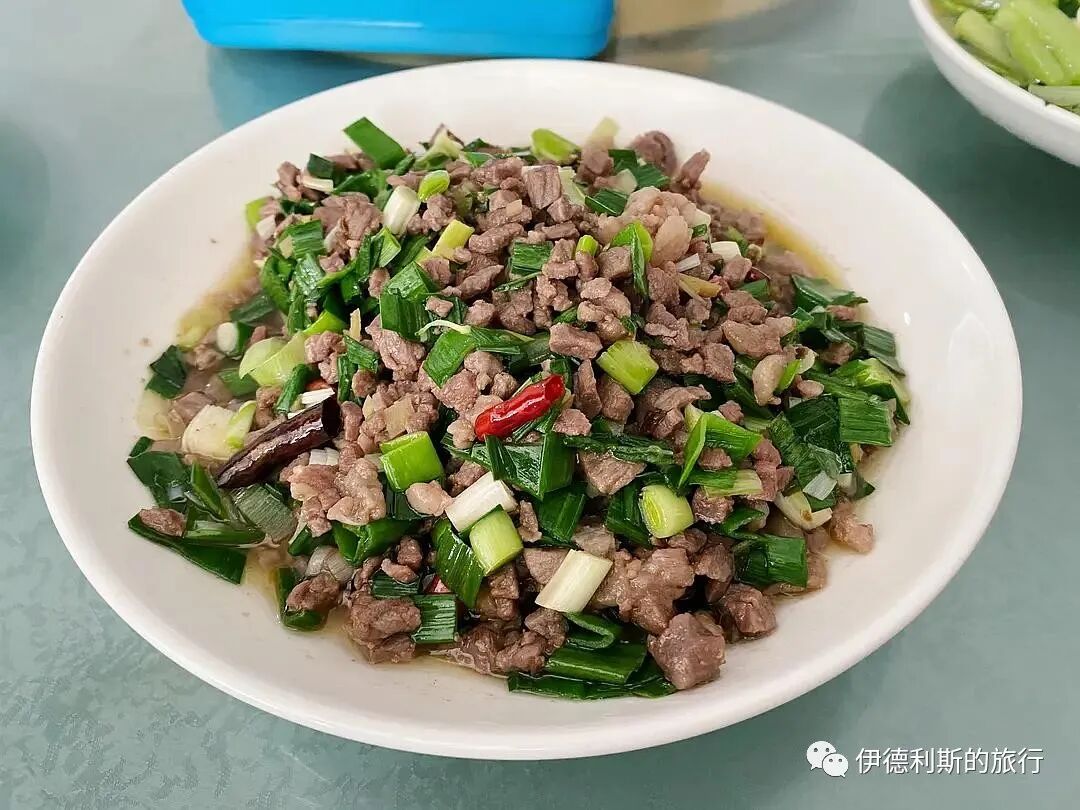
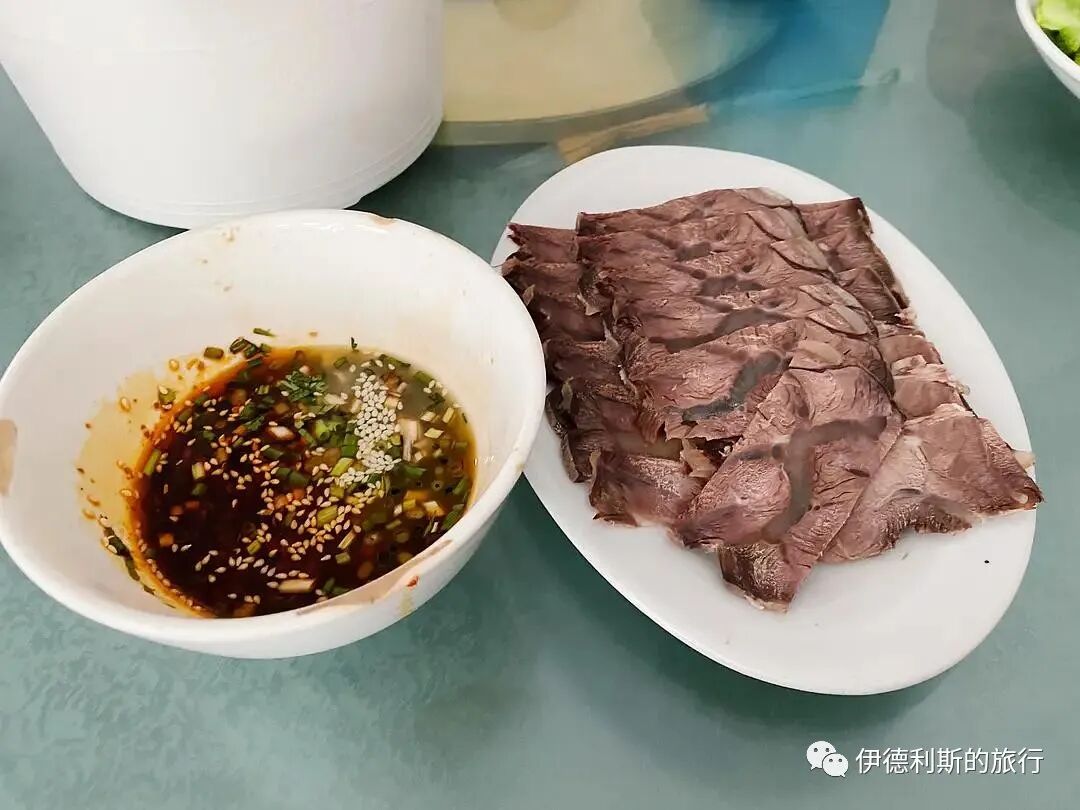
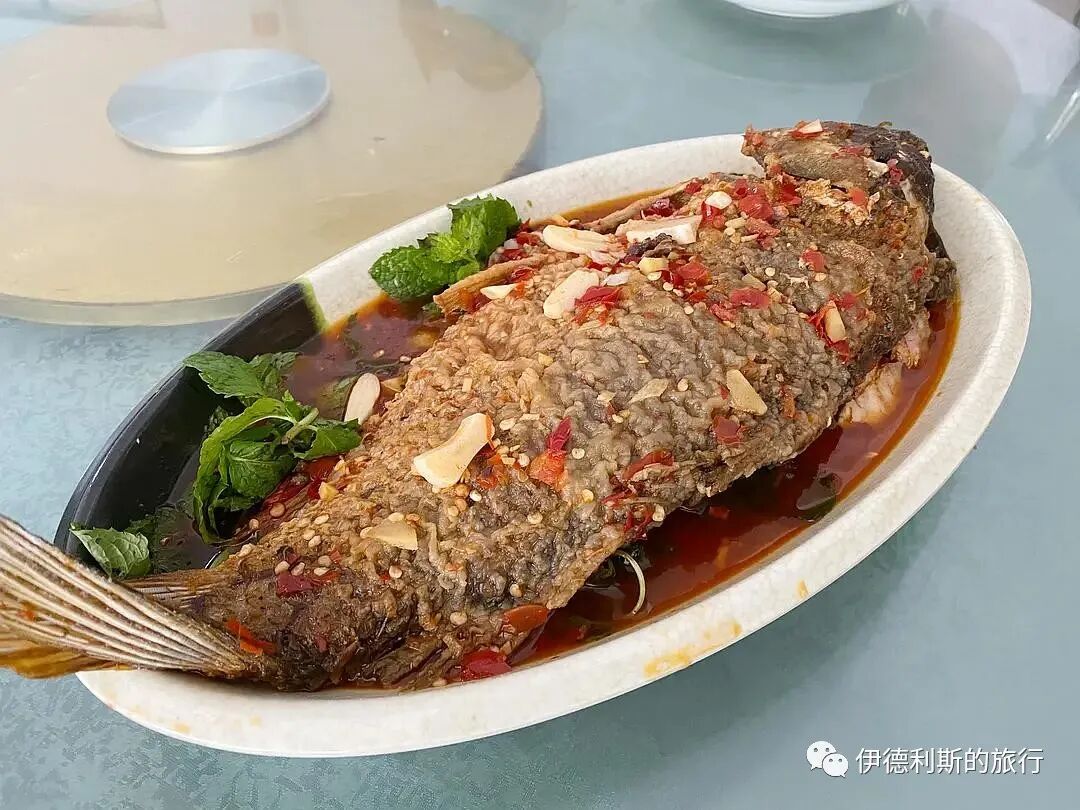
Then, Principal Wang Qiuping gave me a book he translated, which is well worth reading.
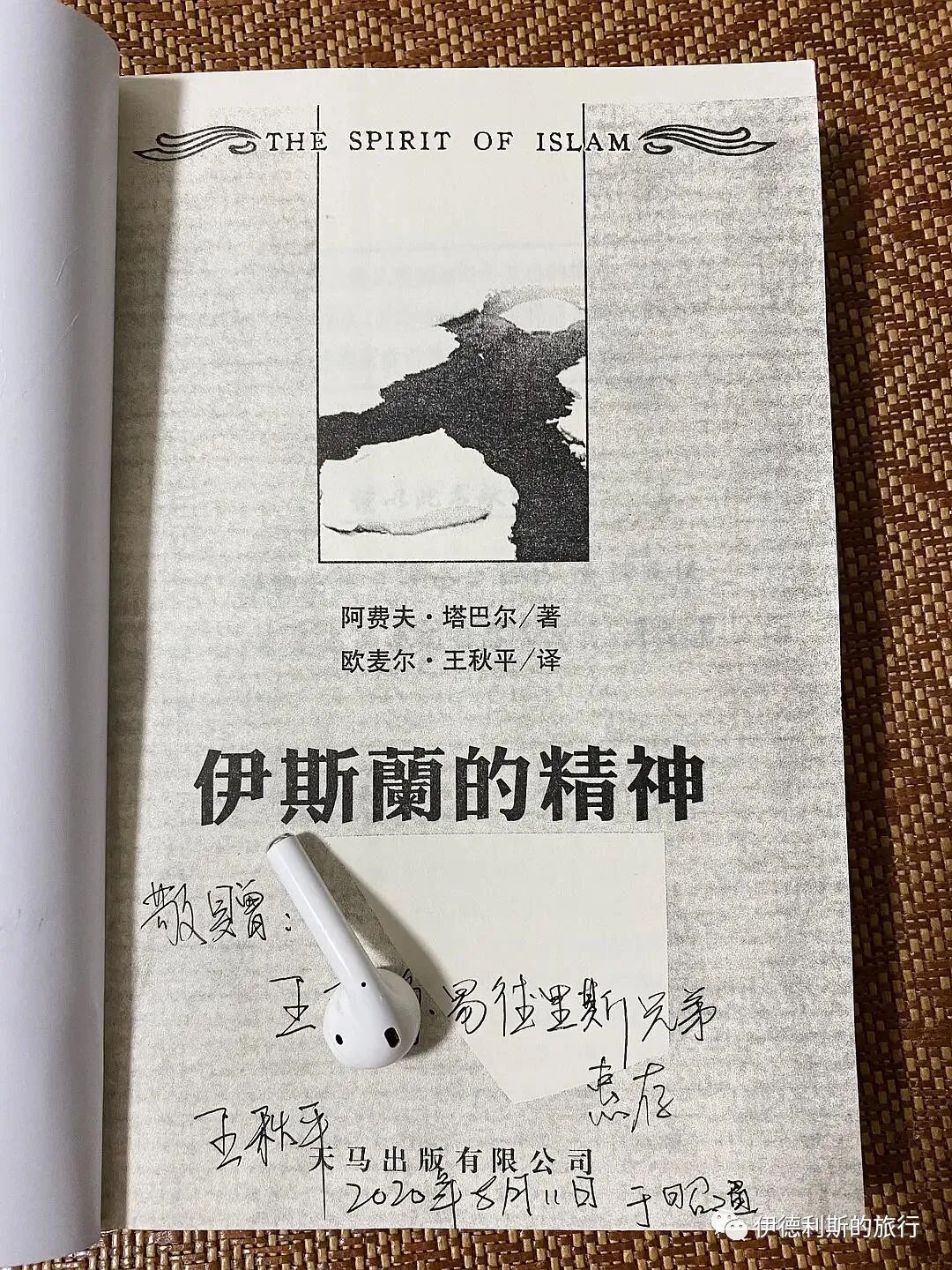
In the evening, Brother Chen treated us to dinner at the Yunyi Restaurant in downtown Zhaotong. Yunyi is considered a large restaurant with a relatively good environment in Zhaotong, and the food is also quite good. We ate sweet bamboo shoots, grilled tofu, fried tea tree mushrooms, and dancai soup.
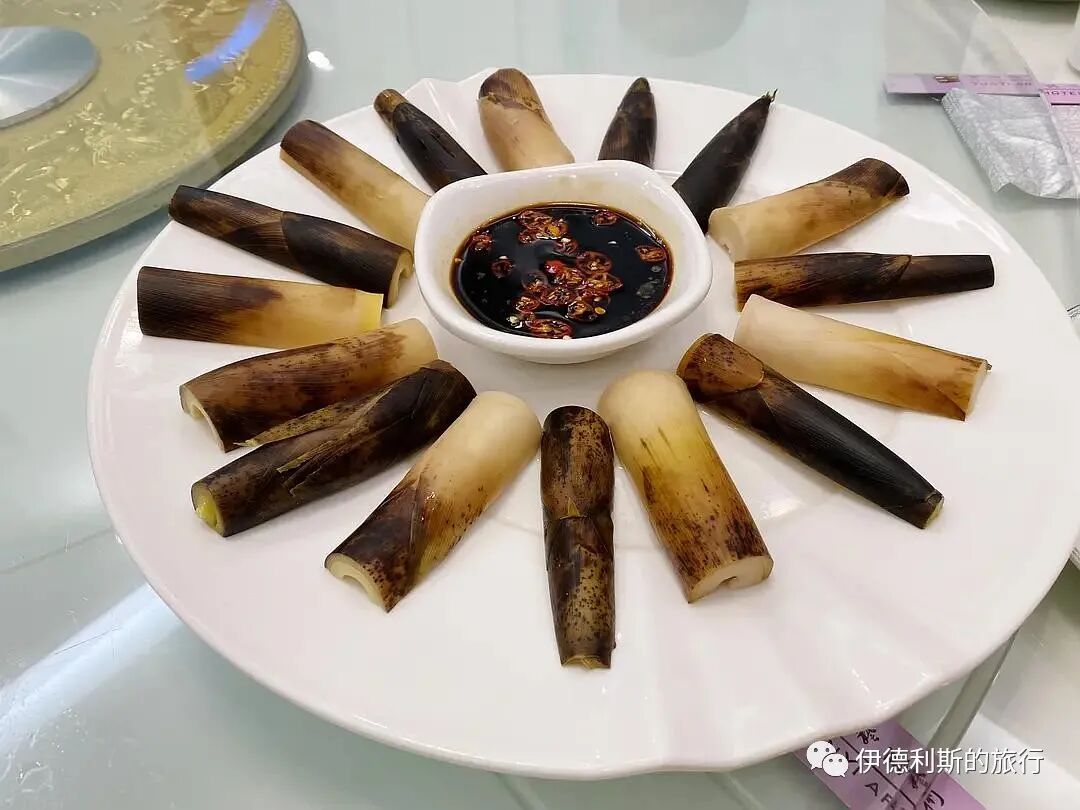
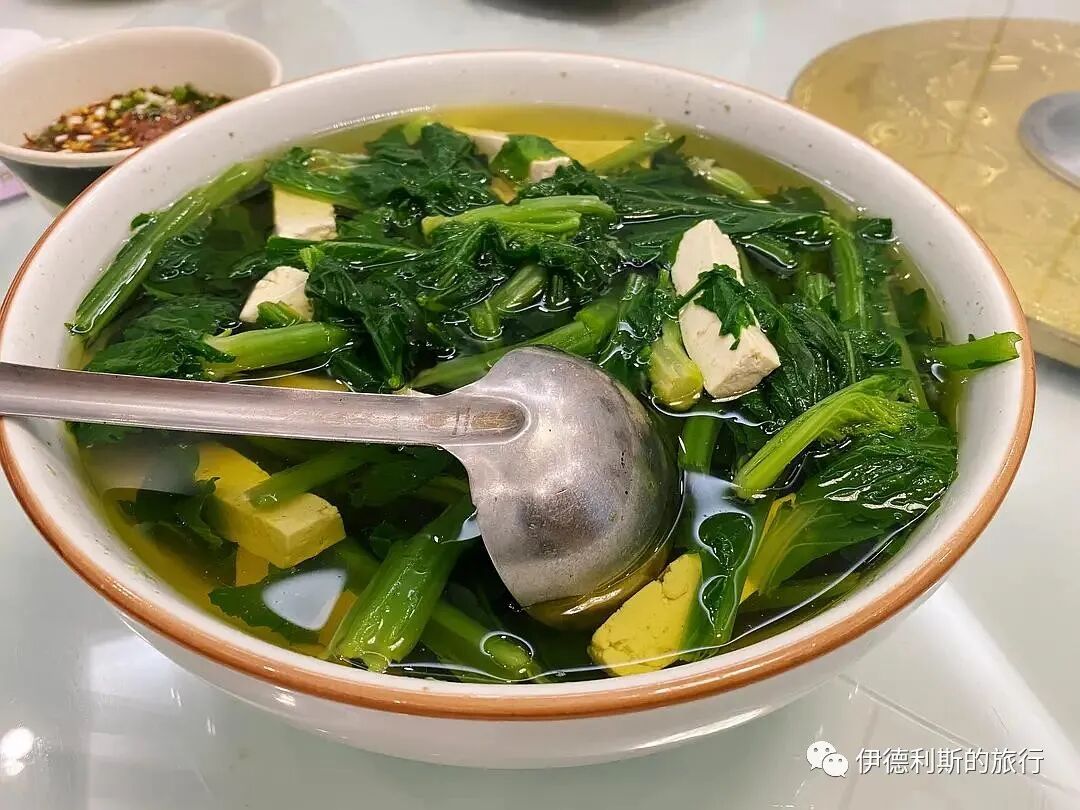
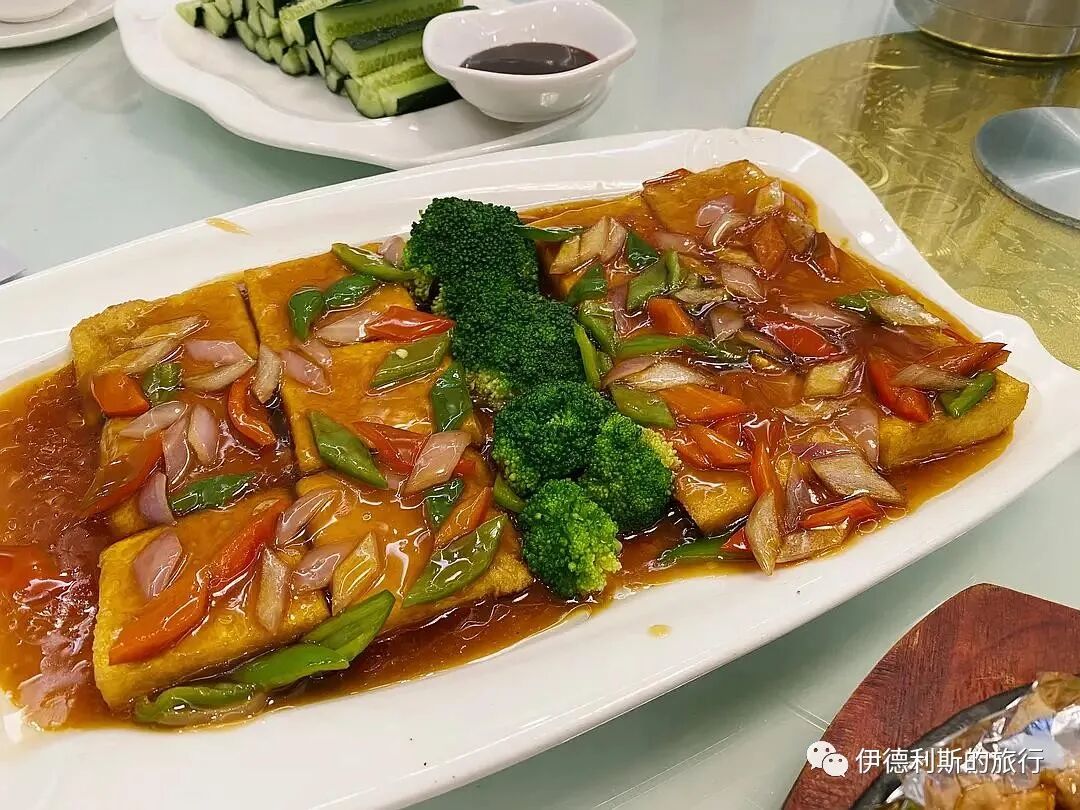
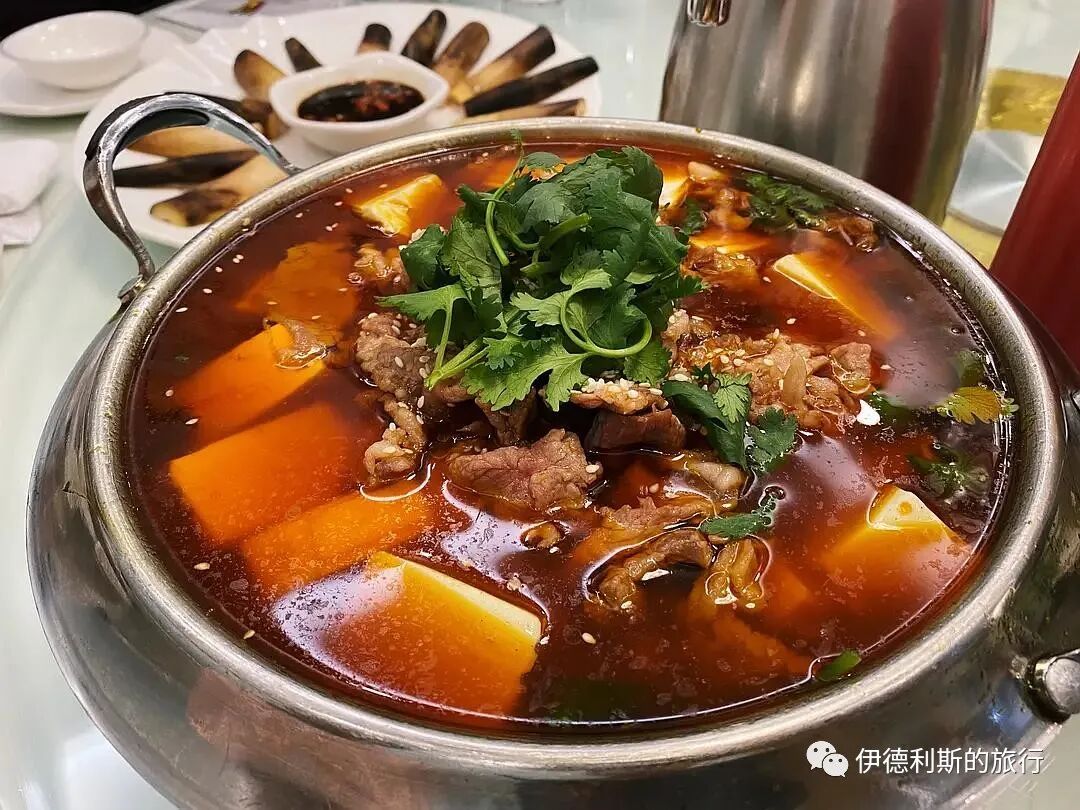
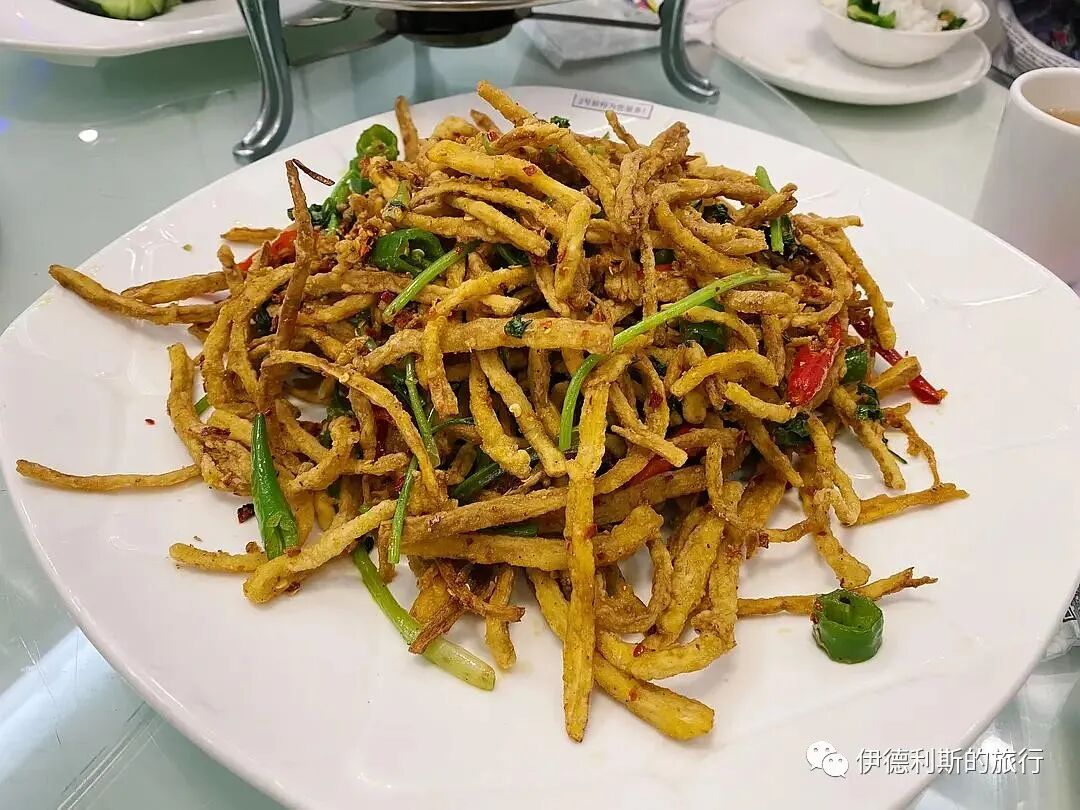
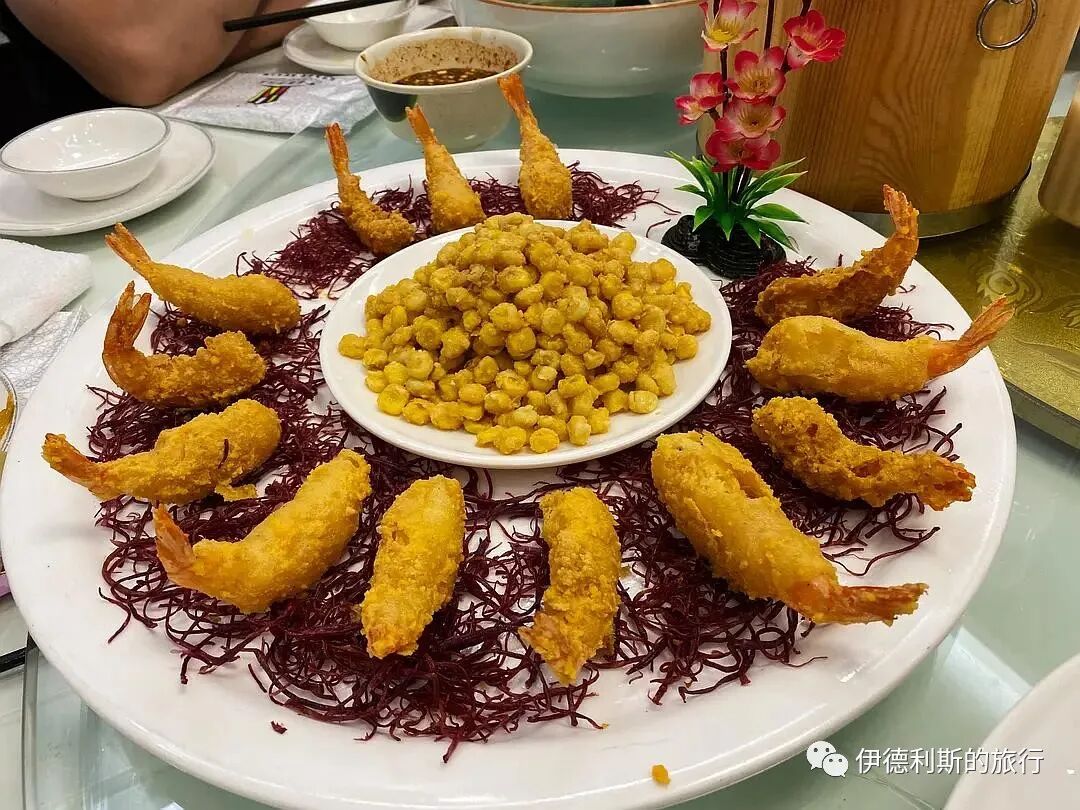
August 12th
In the morning, we visited the Sanguanmiao wet market opposite the Zhaotong Dongdasi. It is full of stalls run by Hui Muslims, selling various raw and cooked meats, pea starch jelly, corn flour, etc. At a stall at the market entrance, we drank pea starch jelly and ate erkua (rice cake) stuffed with yougao, which is a local authentic traditional breakfast.
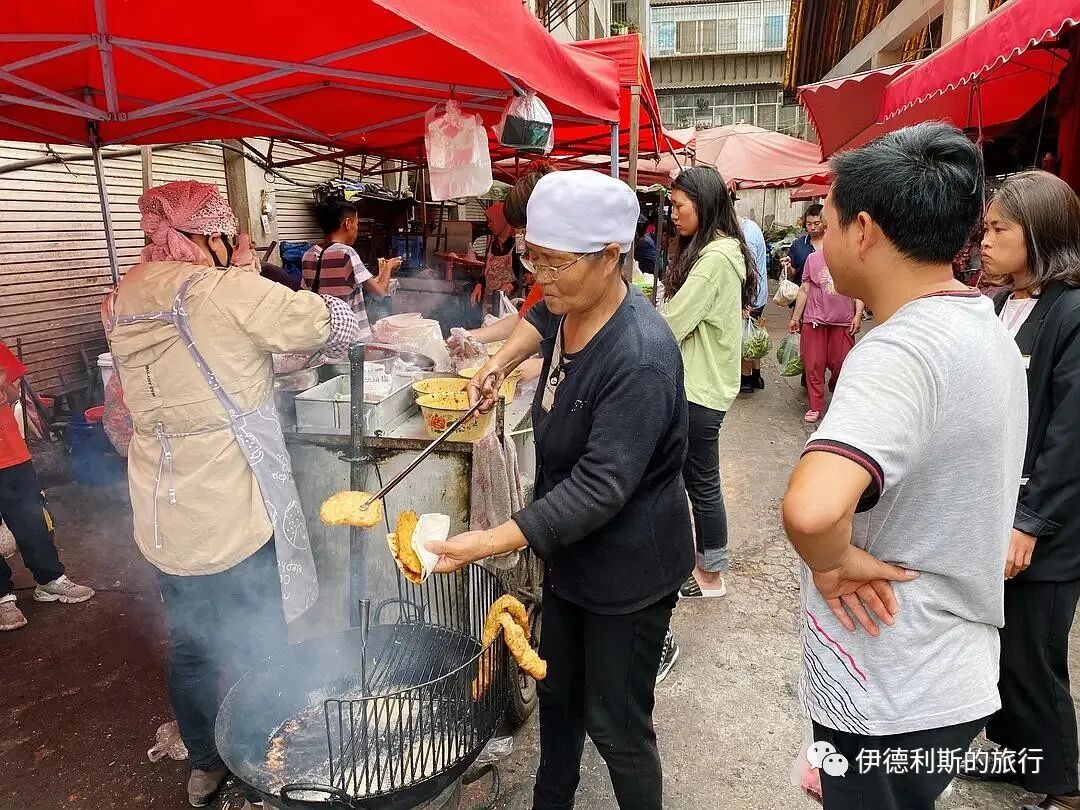
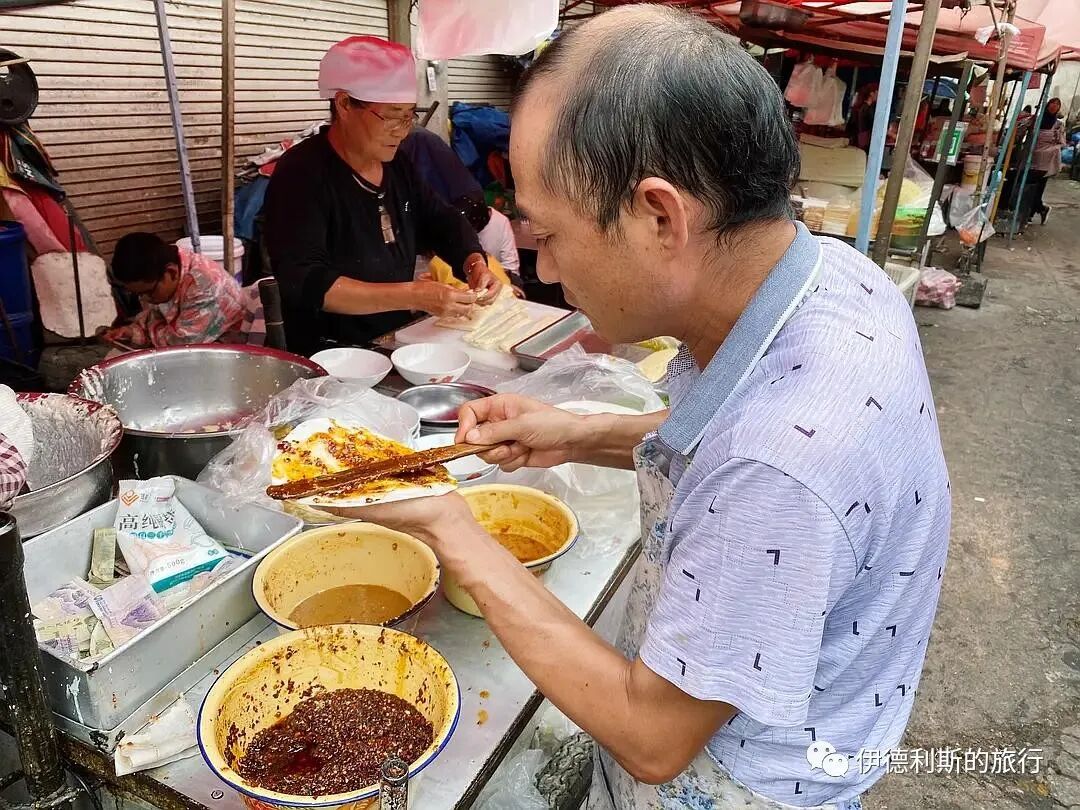
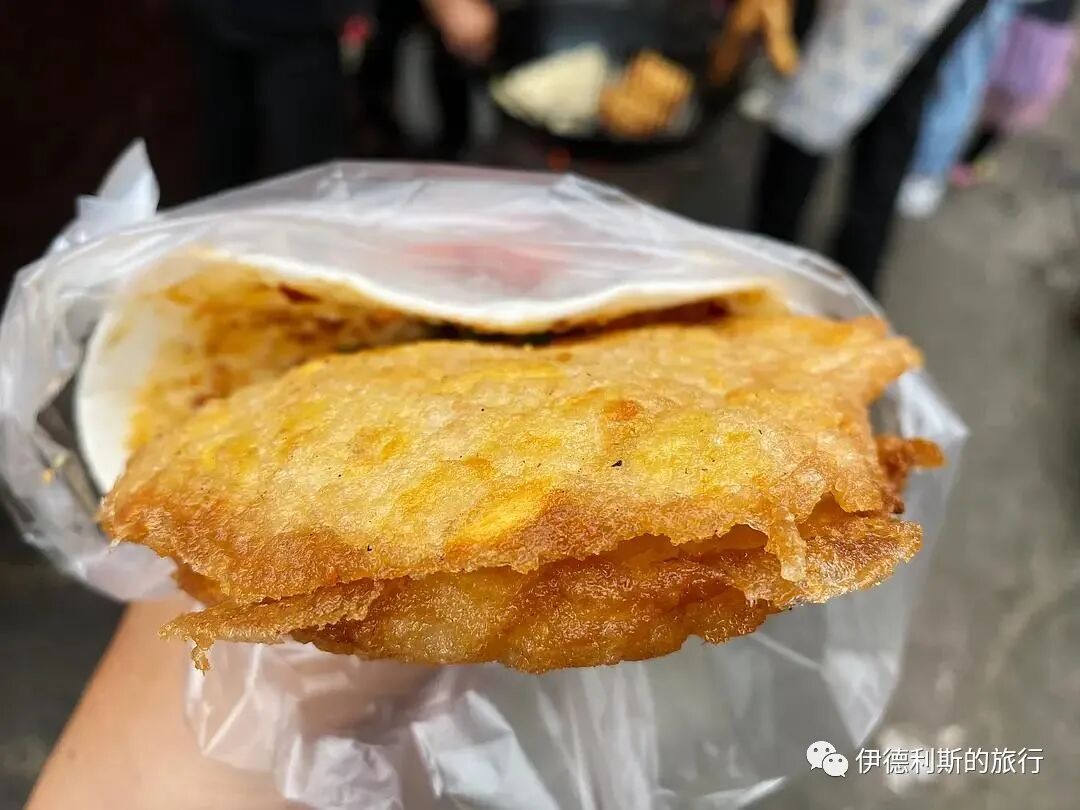
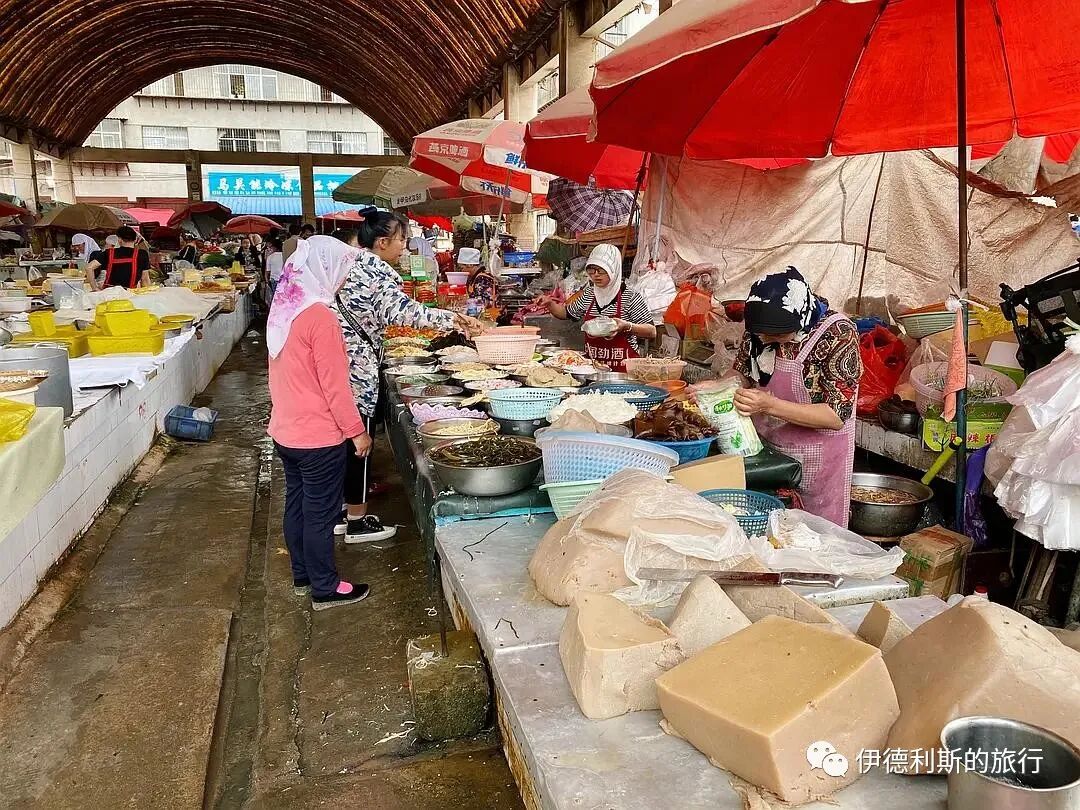
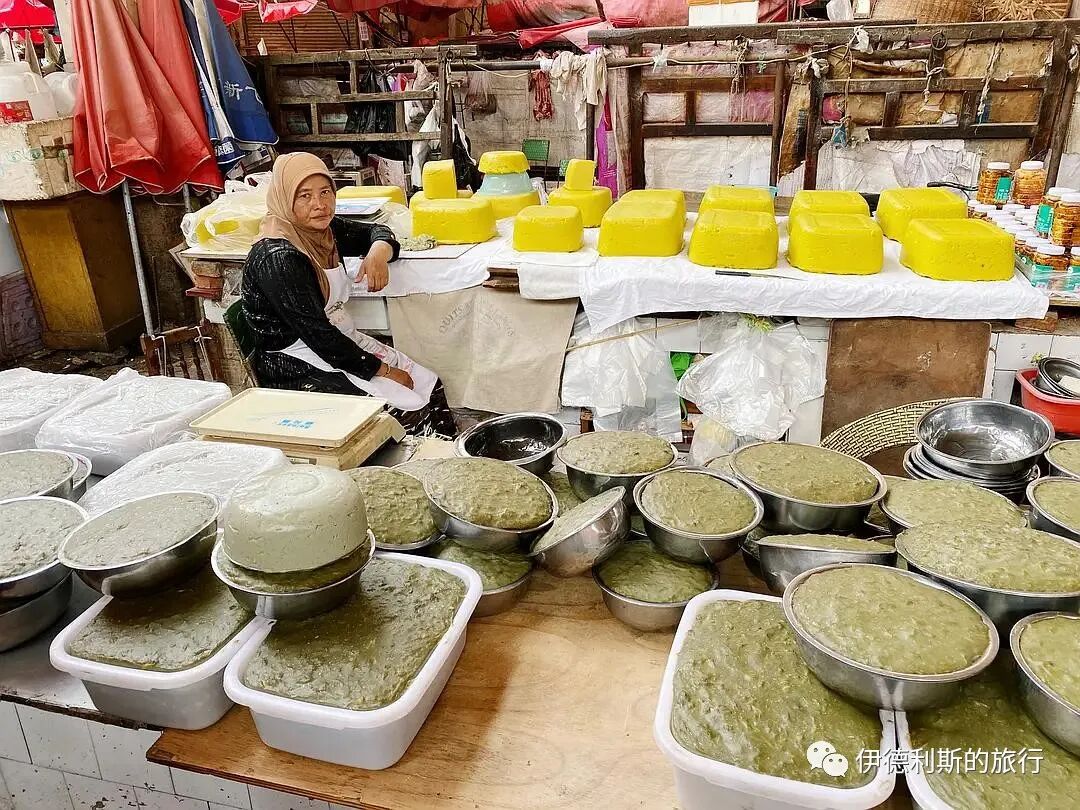
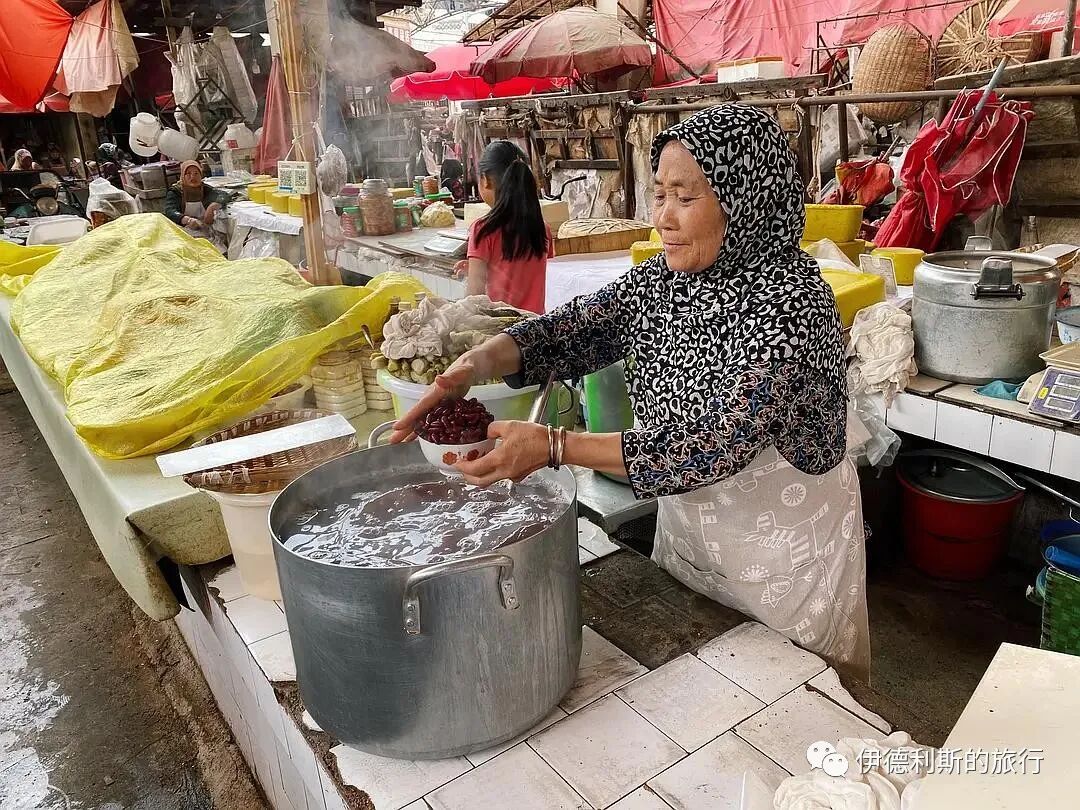
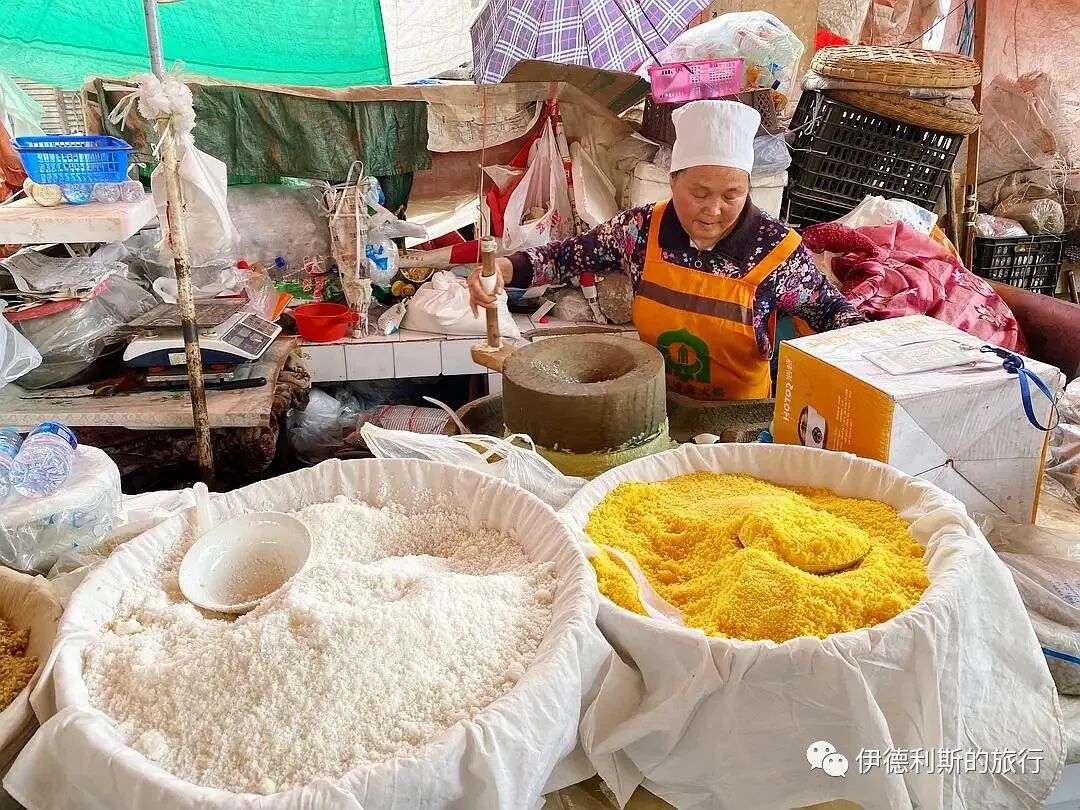
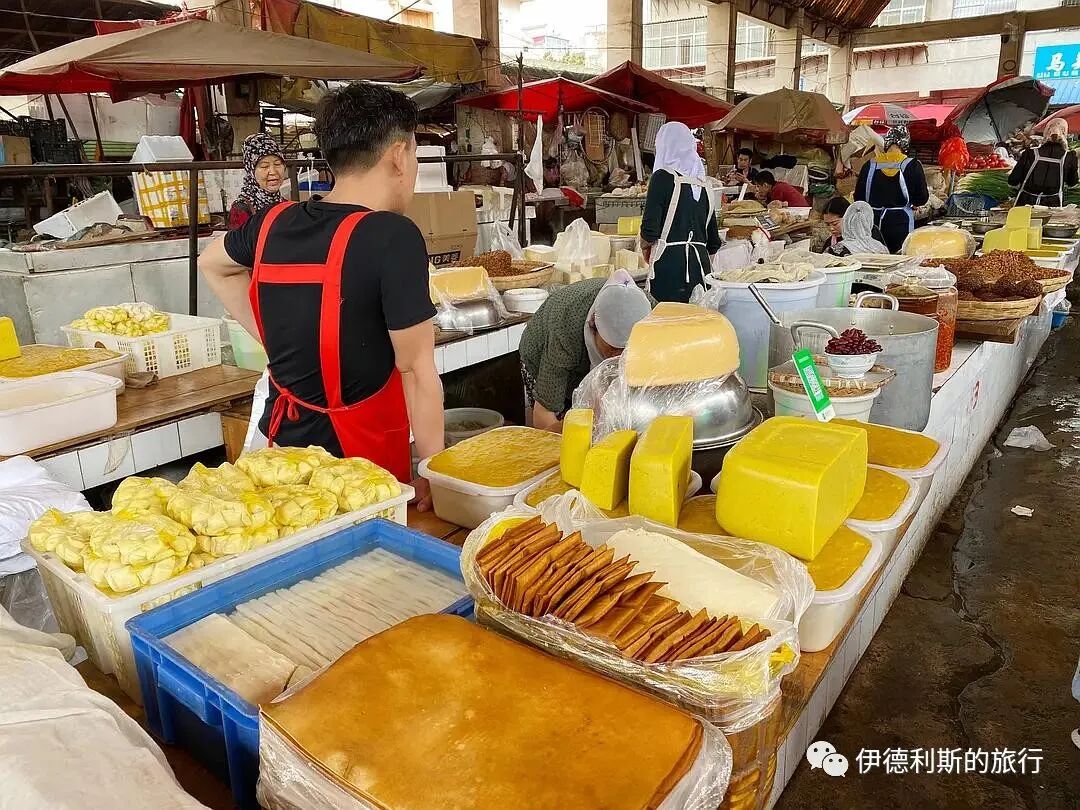
Then we ate mutton rice noodles opposite the Zhaotong Dongdasi. I have been to many places in Yunnan where they serve beef rice noodles, so this was the first time I had eaten mutton ones.
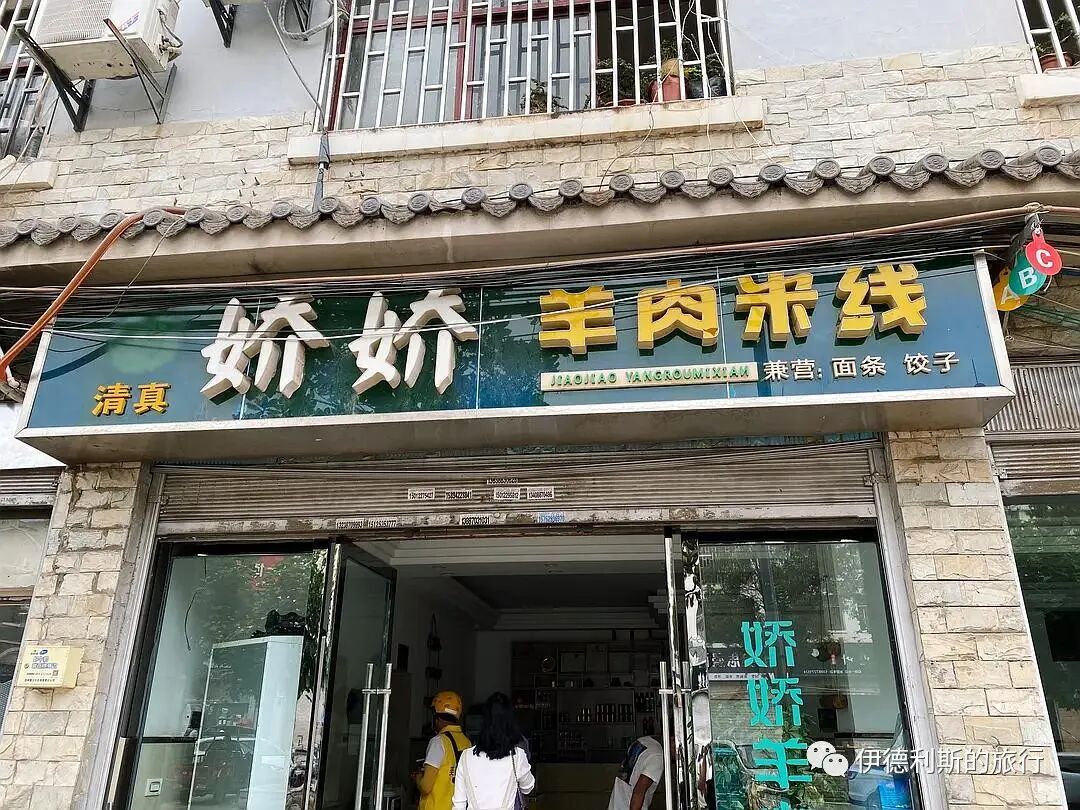
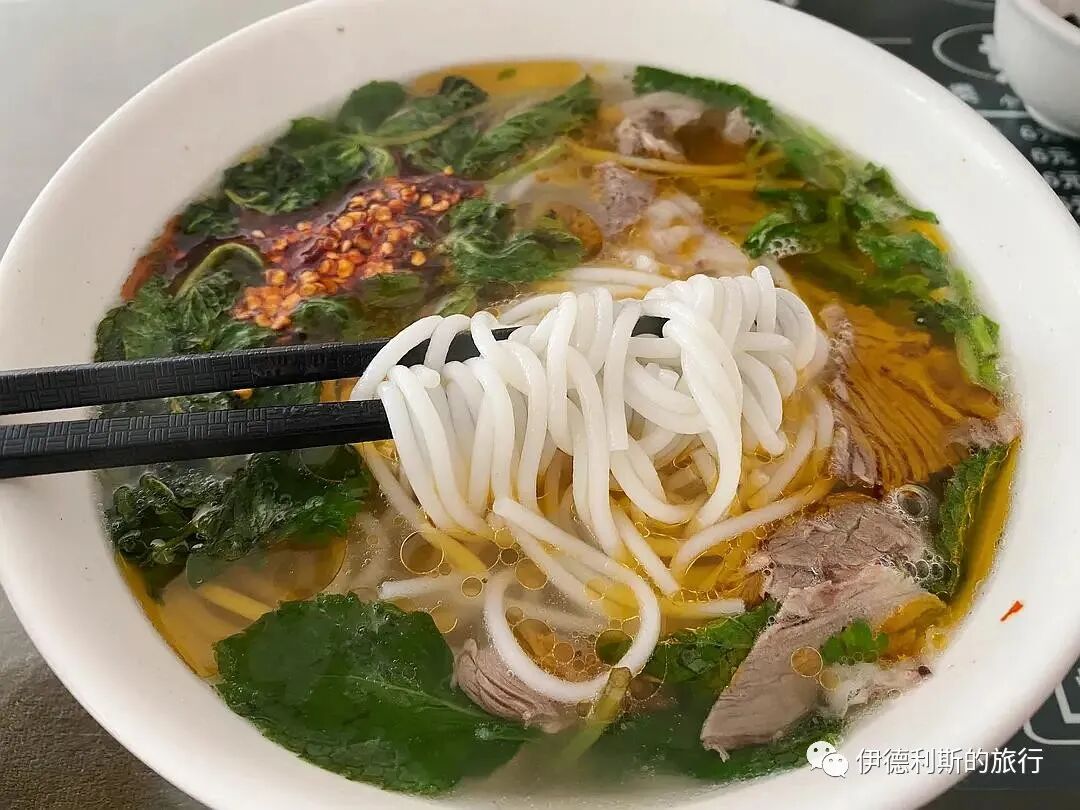
The famous Maohuojie Mosque; this small mosque once cultivated many outstanding young Muslims.
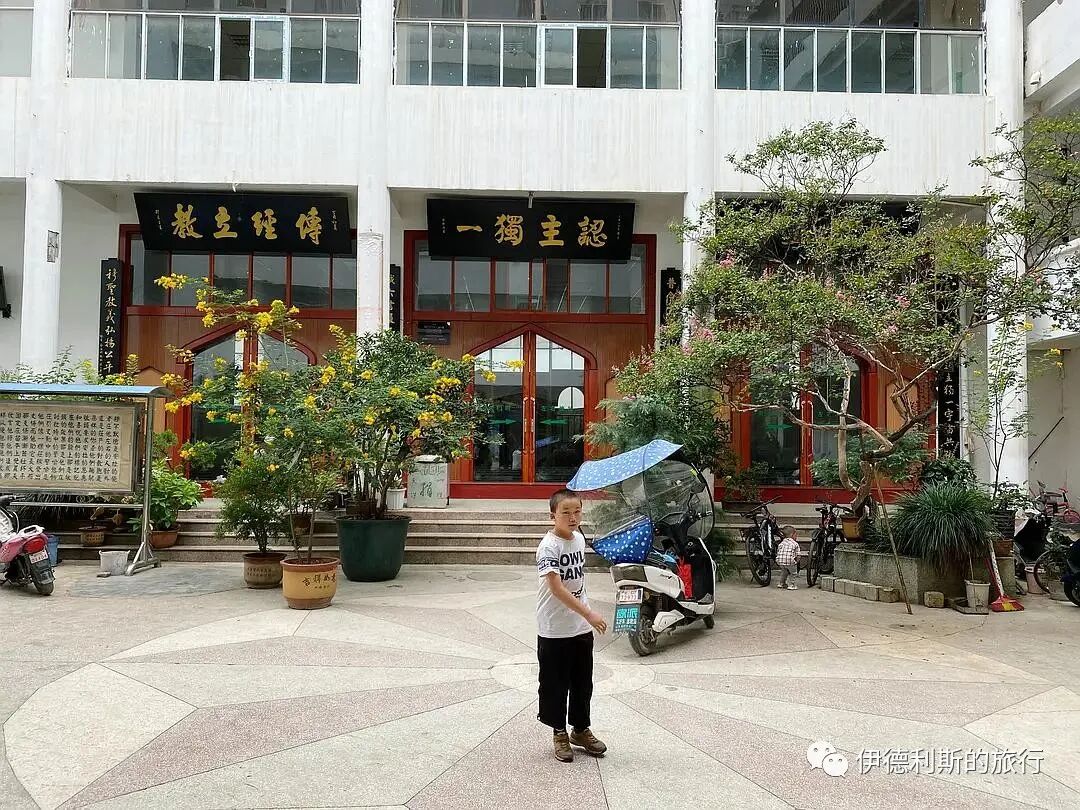
At noon, we strolled around the Maohuojie area in the old city of Zhaotong and drank a bowl of papaya ice jelly in a small alley. It was very refreshing, and their shop is especially popular with children. The ice jelly shop is called "Heji." The surname He was once the most important Hui Muslim surname in the Maohuojie area of Zhaotong. It is said to originate from the surname Ha and are descendants of General Ha Yuansheng, who led the army to pacify Wumeng in the early years of the Yongzheng reign.
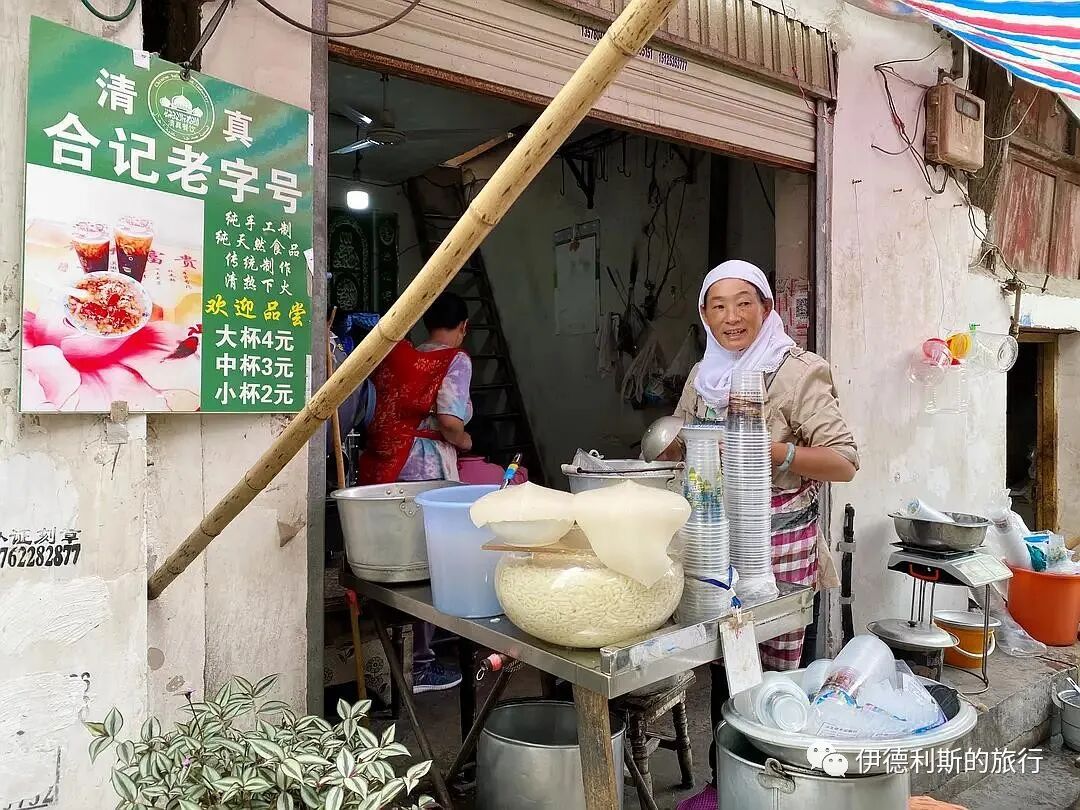
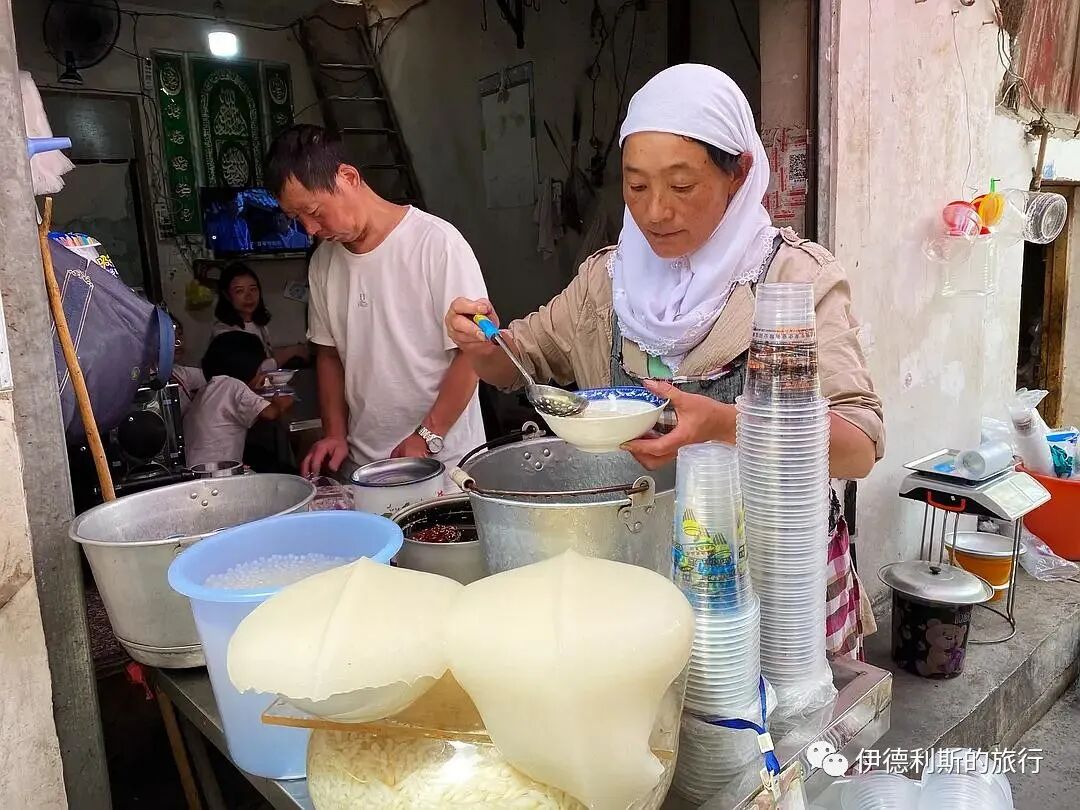
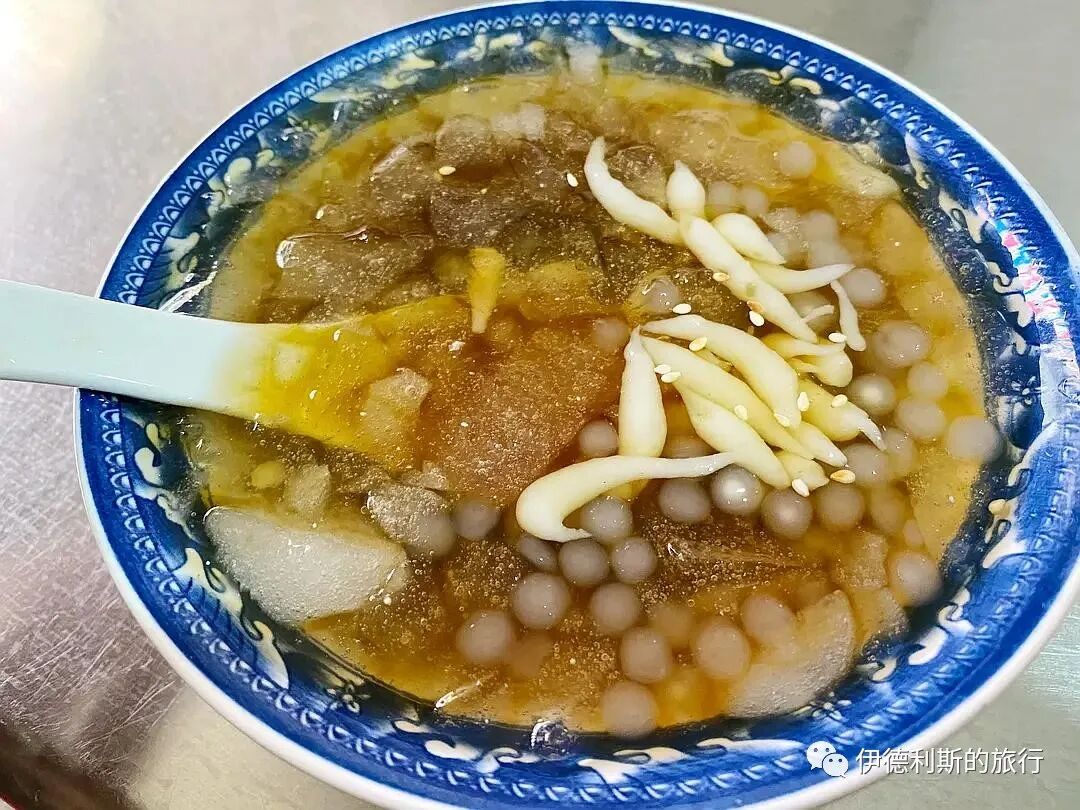
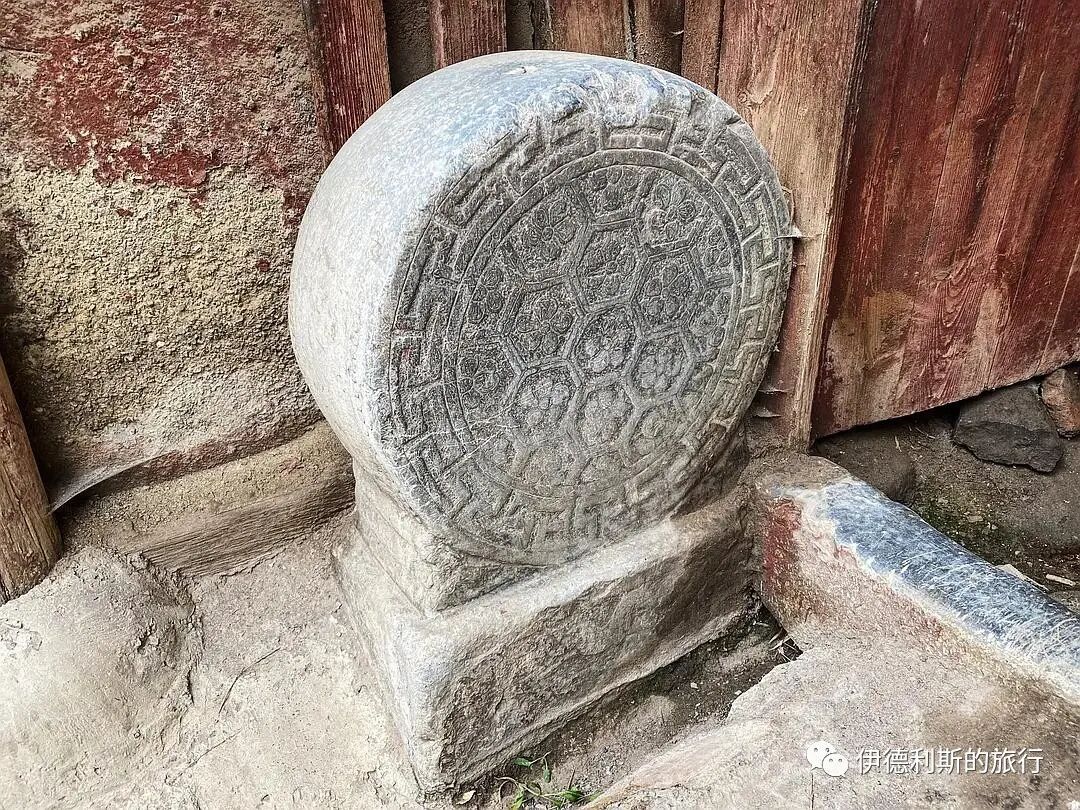
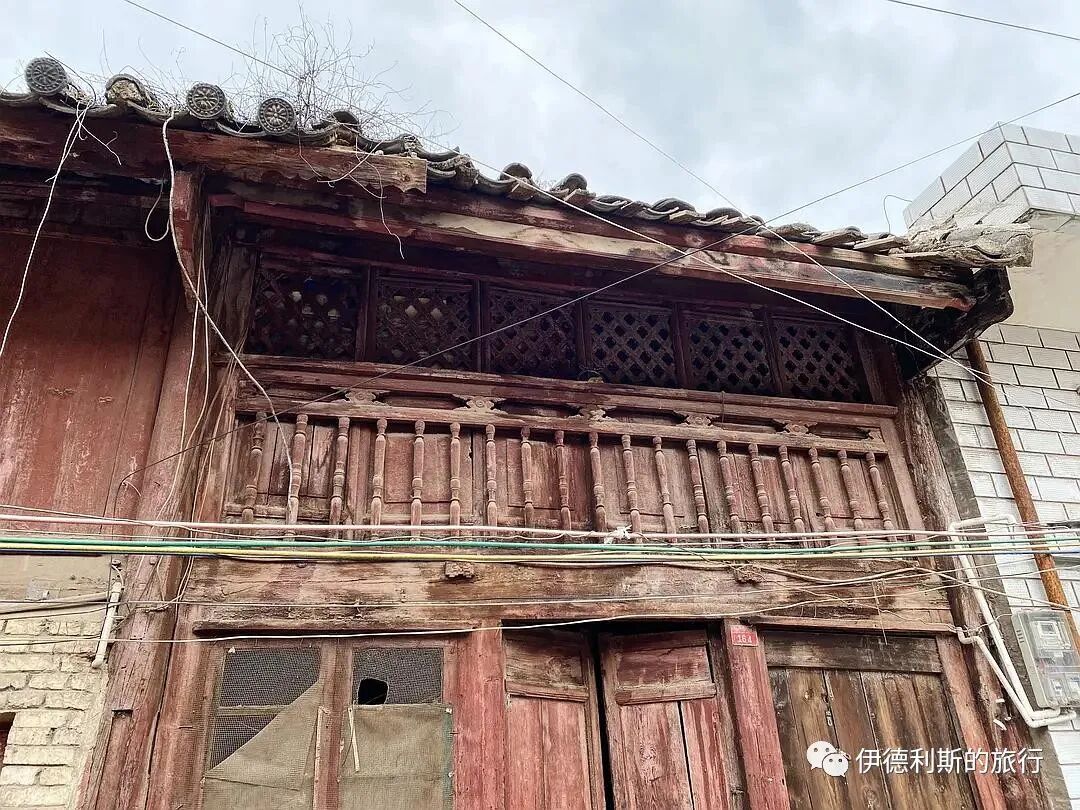
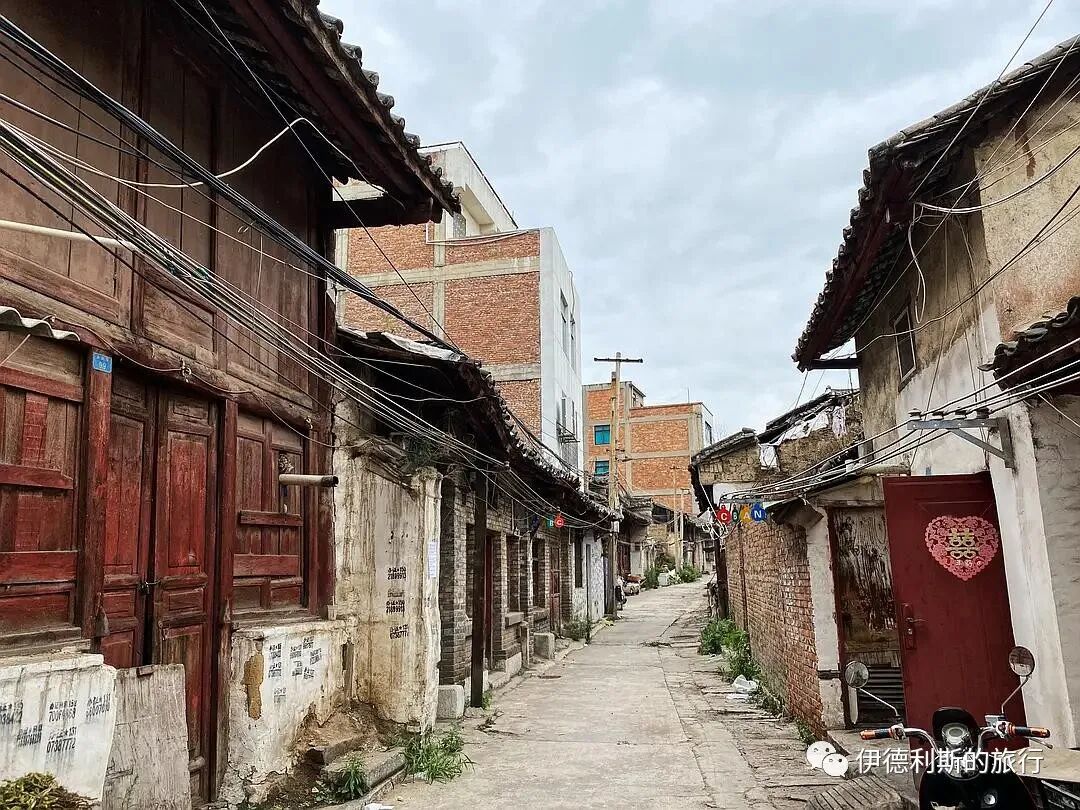
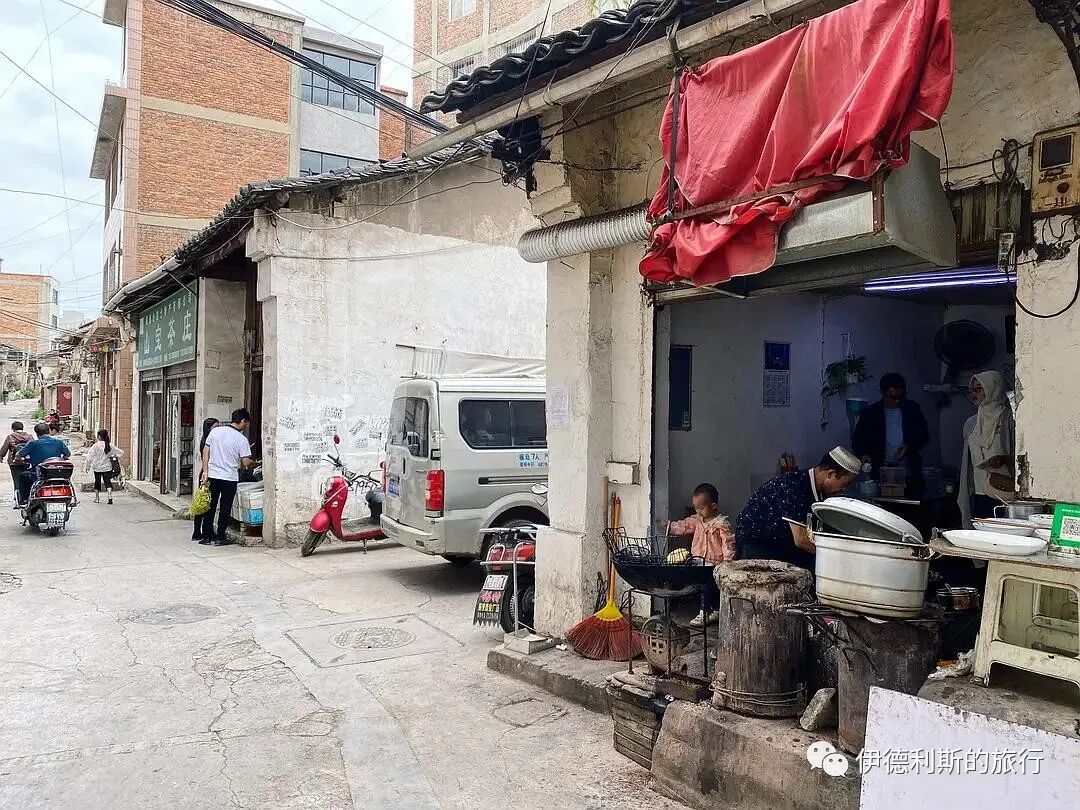
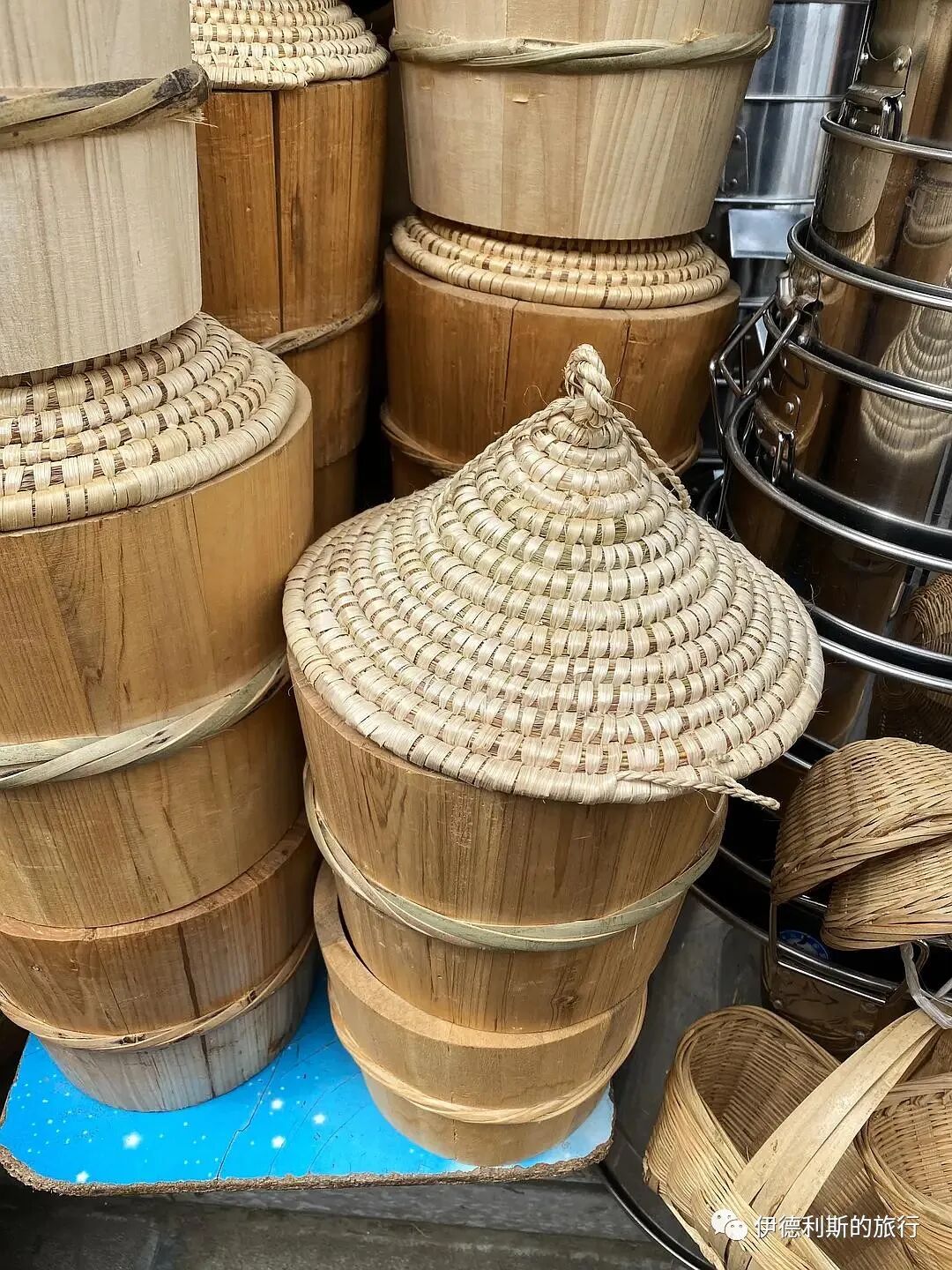
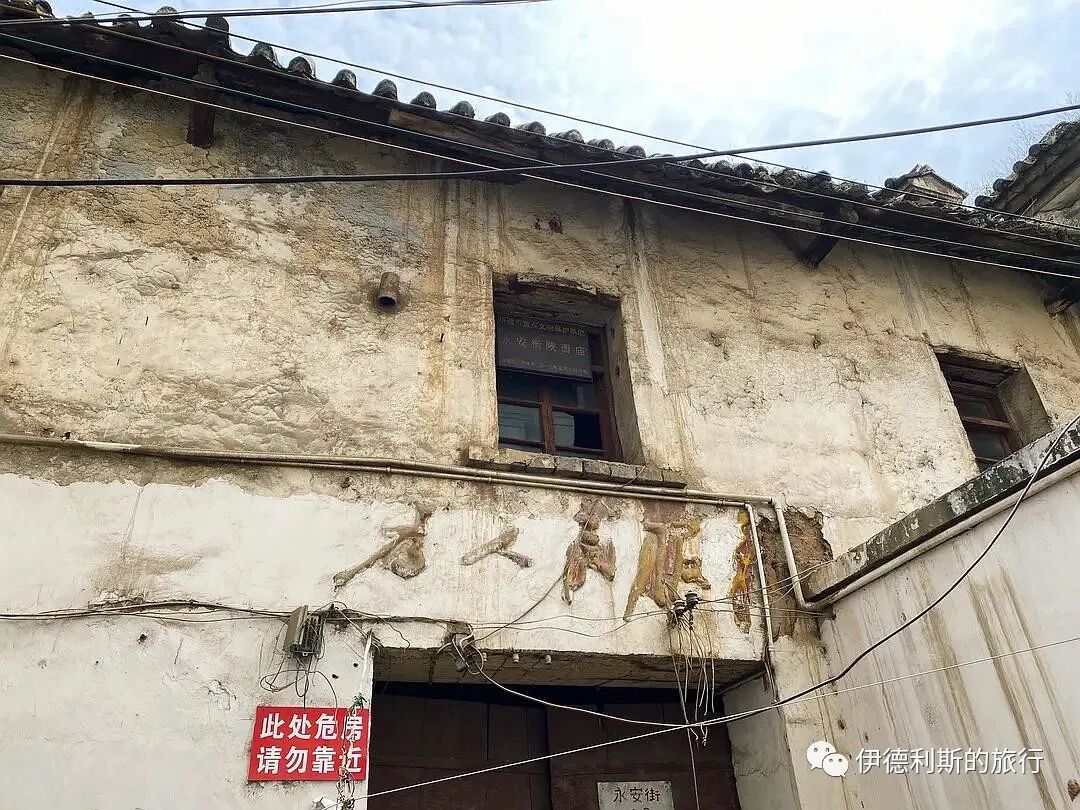
In a small restaurant near Maohuojie, we ate fried baojiang doufu and fried stinky tofu. Zainab loves Yunnan's fried tofu too much; it is especially fragrant when paired with the dipping sauce.
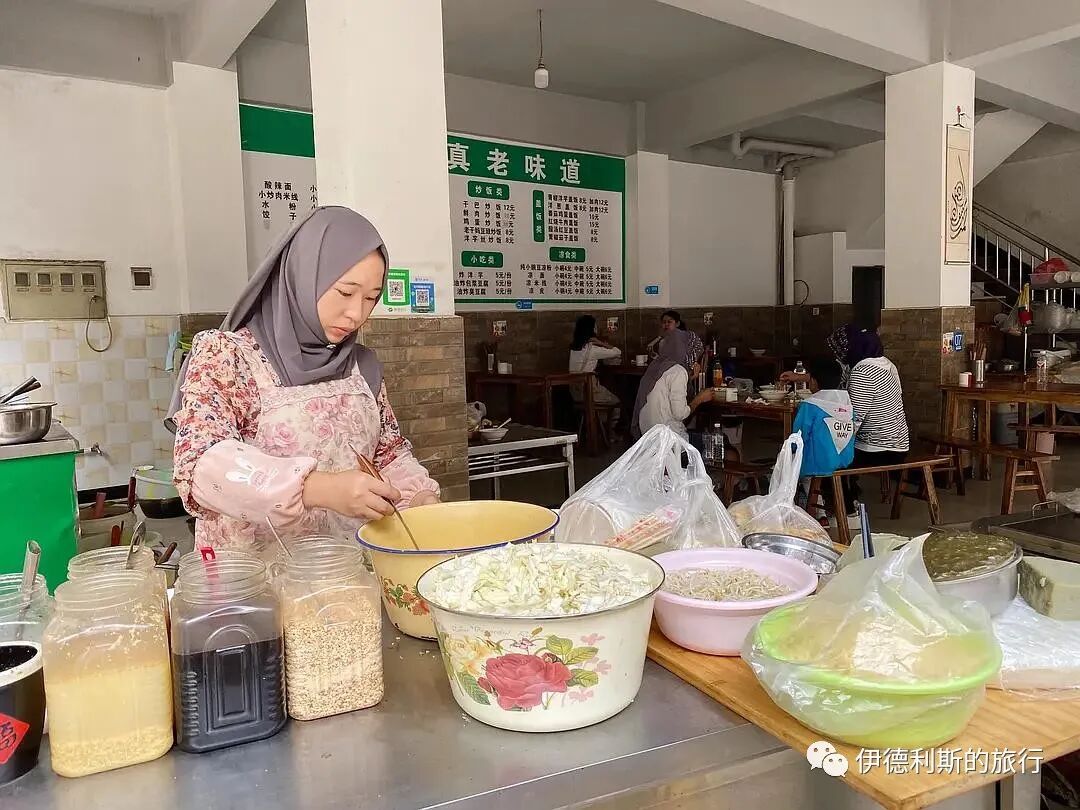
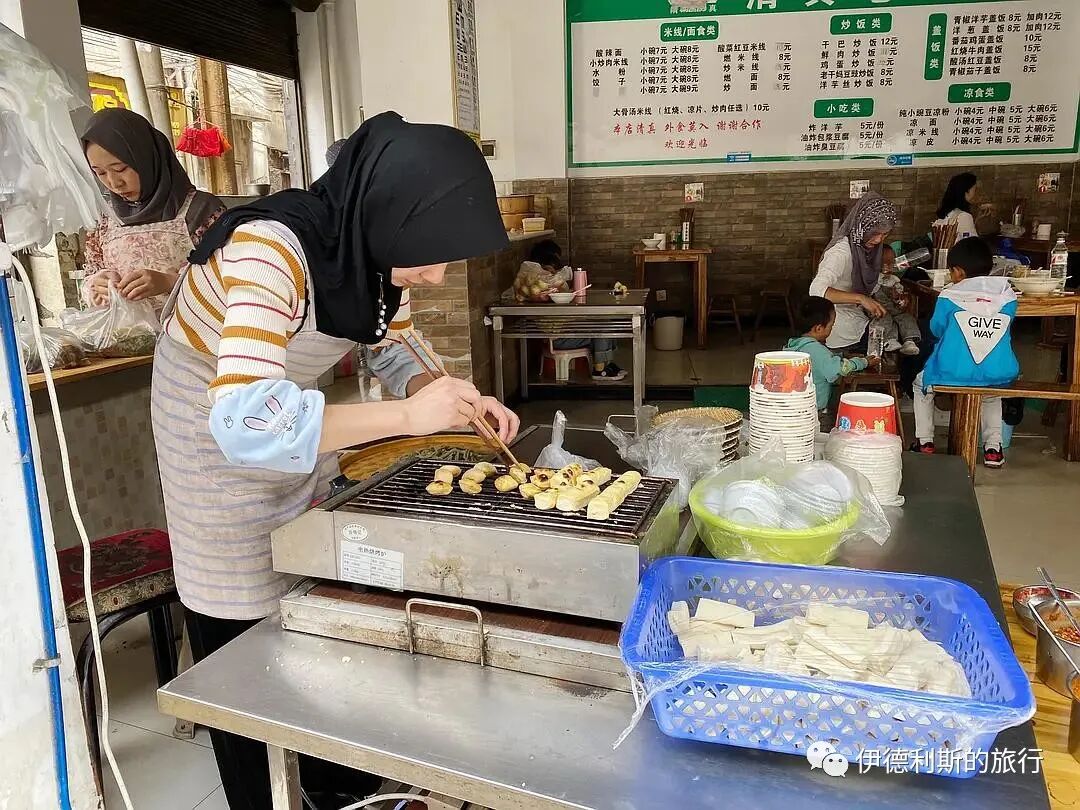
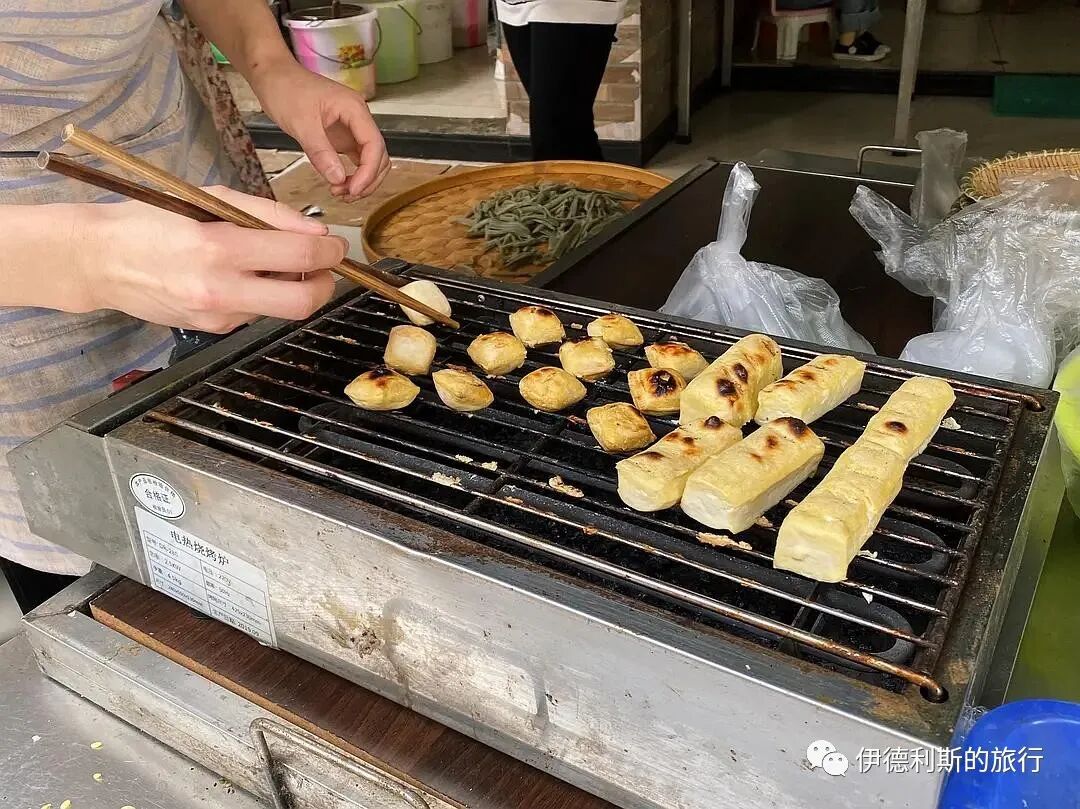
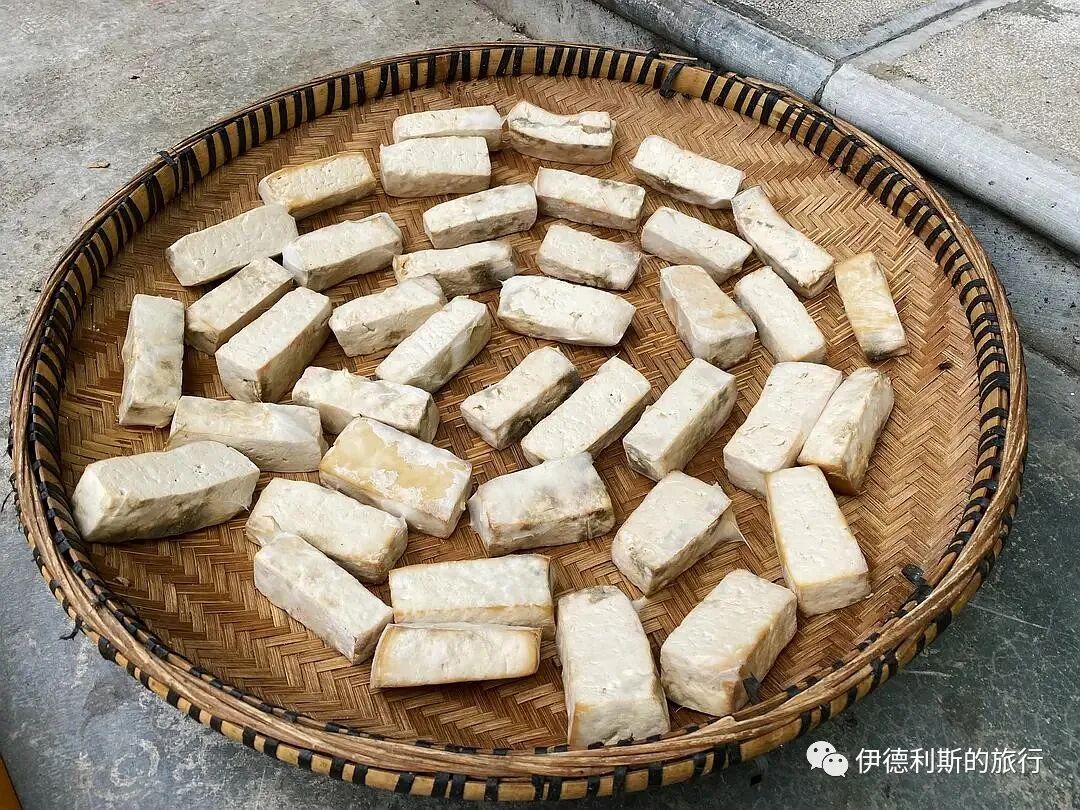
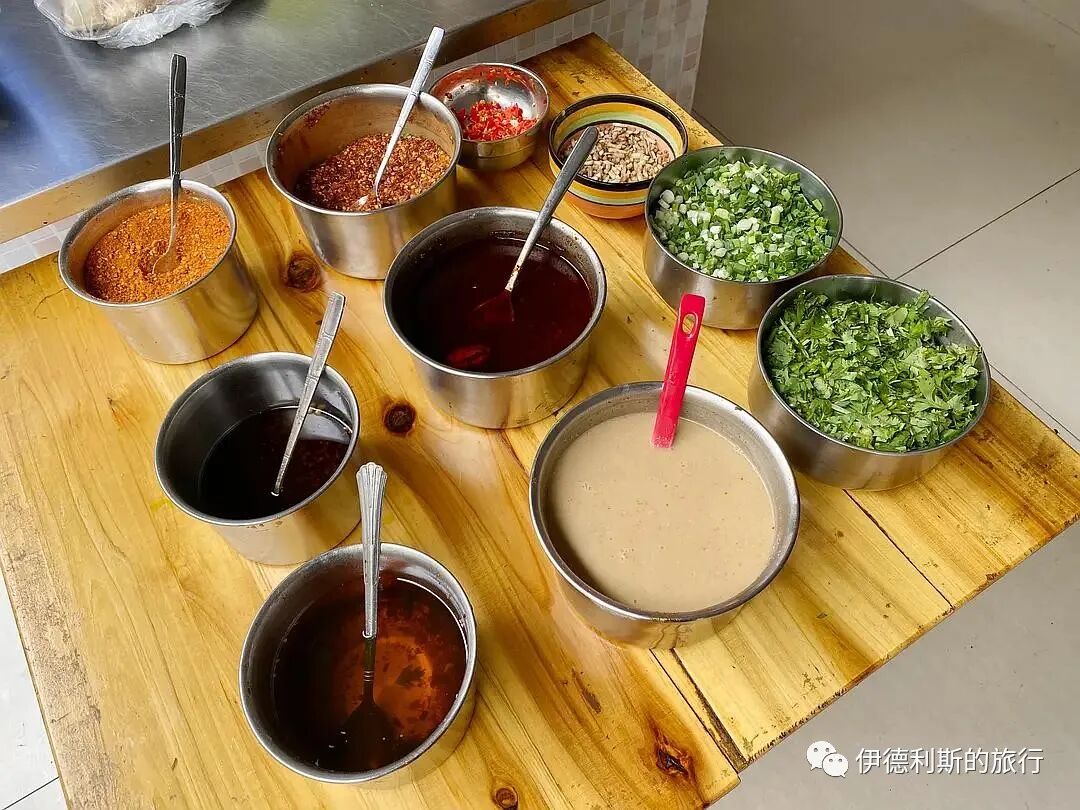
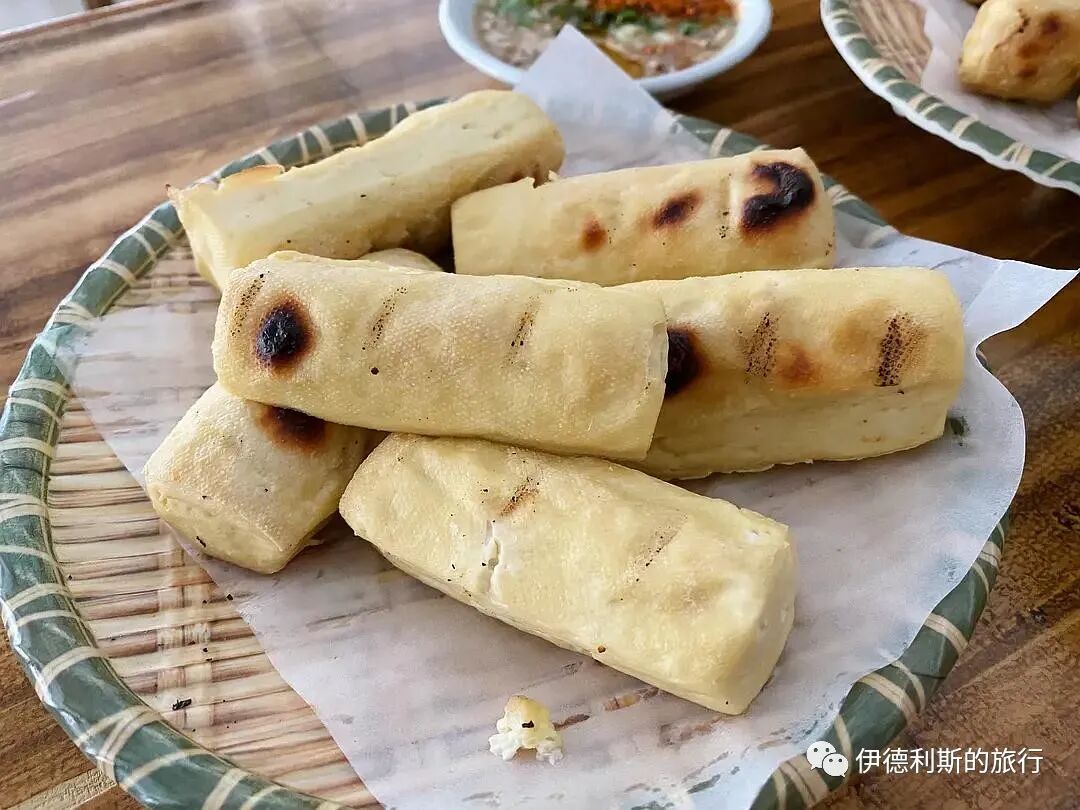
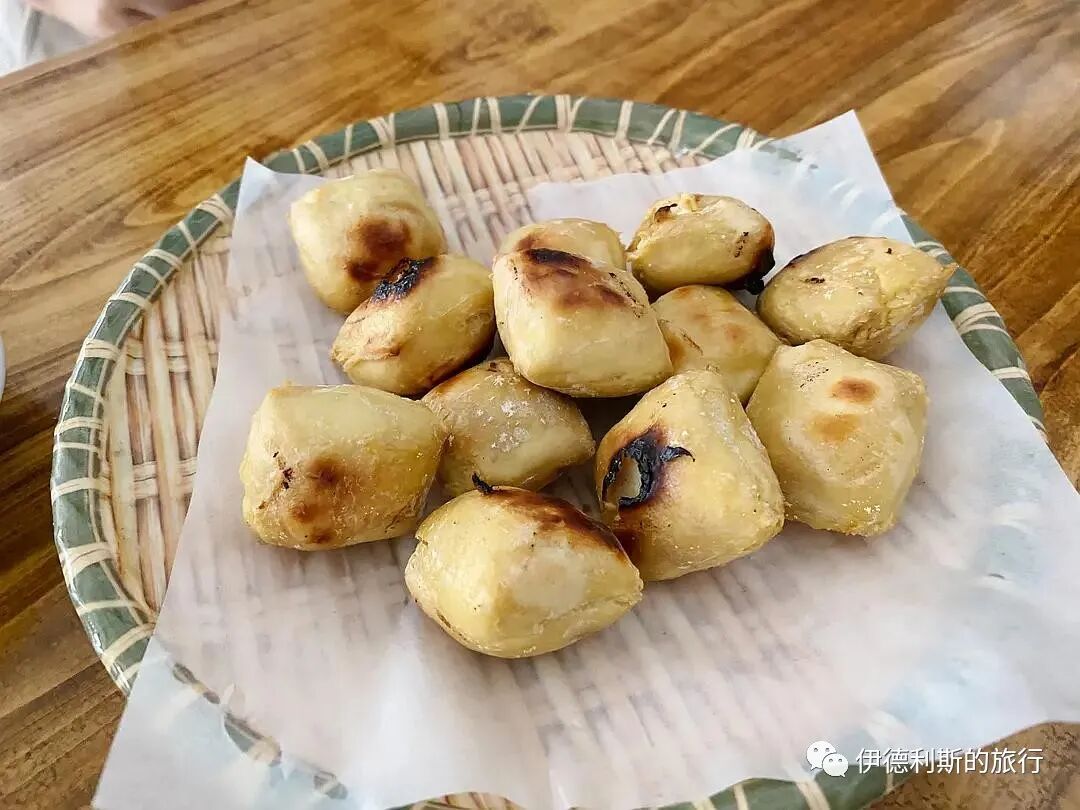
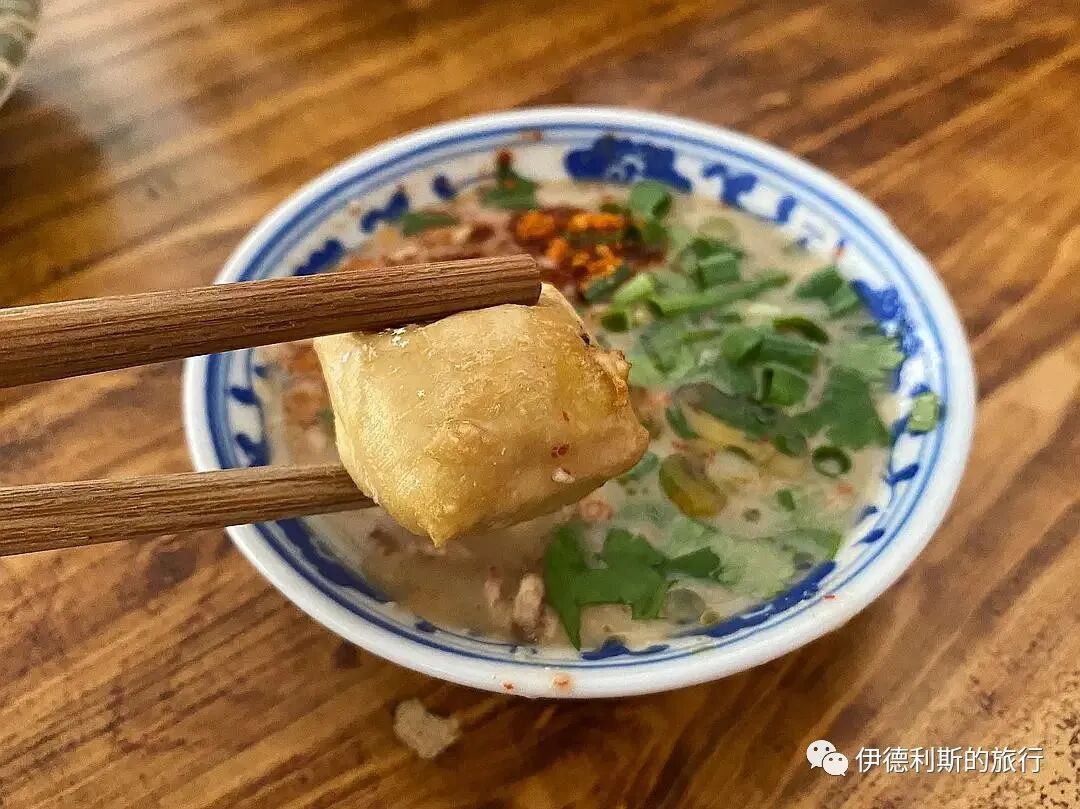
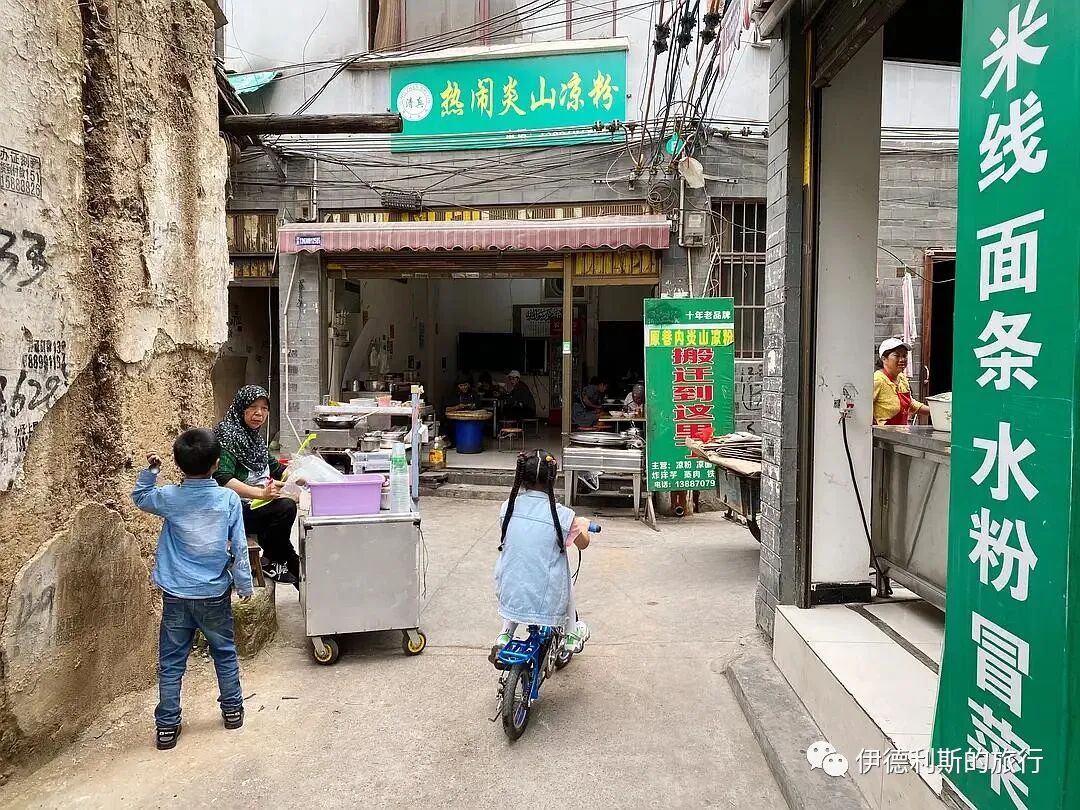
Discovering Yunnan's Unique Zhuang-Hui Muslims: Culture, Food & History
Articles • Hasan09 posted the article • 0 comments • 1 views • 1 hours ago
Liping Hu, Yu Feng: A Closer Look at the "Zhuang-Hui" Muslims of Wenshan, Yunnan
Abstract:
The "Zhuang-Hui" are a unique group of Hui Muslims living in Wenshan Prefecture, Yunnan Province. Over the course of history, they have blended elements of Islamic faith with distinct Zhuang cultural traditions, creating a rich, pluralistic ethnic culture.
1. Origins and Overview of the Hui People in Wenshan Prefecture, Yunnan
Wenshan Zhuang and Miao Autonomous Prefecture is home to over 23,000 Hui Muslims, making up about 0.007% of the prefecture's total population of 3.28 million. They are scattered across four counties: Wenshan, Yanshan, Qiubei, and Guangnan. Wenshan city sits at the center, surrounded by Maguan, Xichou, Malipo, Funing, Yanshan, Qiubei, and Guangnan counties. Aside from a few Hui civil servants and temporary residents working in Xichou, Maguan, Malipo, and Funing, those four counties are essentially devoid of resident Hui populations.
The "Zhuang-Hui" are a unique group of Hui Muslims living in Wenshan Prefecture, Yunnan Province. Over the course of history, they have blended elements of Islamic faith with distinct Zhuang cultural traditions, creating a rich, pluralistic ethnic culture.
1. Origins and Overview of the Hui People in Wenshan Prefecture, Yunnan
Wenshan Zhuang and Miao Autonomous Prefecture is home to over 23,000 Hui Muslims, making up about 0.007% of the prefecture's total population of 3.28 million. They are scattered across four counties: Wenshan, Yanshan, Qiubei, and Guangnan. Wenshan city sits at the center, surrounded by Maguan, Xichou, Malipo, Funing, Yanshan, Qiubei, and Guangnan counties. Aside from a few Hui civil servants and temporary residents working in Xichou, Maguan, Malipo, and Funing, those four counties are essentially devoid of resident Hui populations.
Wenshan's Hui population primarily lives along highways or in towns, mostly settled in flat valley basins with a small fraction living in mountainous areas. Hui villages tend to be tightly clustered, creating a settlement pattern of "large dispersion, small concentration." Currently, Yanshan has 19 Hui villages: Pingyuan Town includes Tianxin, Pingyuan, Songmaopo, Maolong, Sanjiacun, Xinzhuang, Xiaoyuan Road, Chebaini, Songshancun, and Shangmao Avenue; Jiayi Town includes Laojiaocheng, Xiaoshiqiao, Zhongzhai, Chengda, and Yanshan urban area; Ameng Town includes Ameng, Mifa, Mifa New Village, and Maodichong. Qiubei County has 9 Hui villages: Qiubei urban area, the Ball Manufacturing Plant, Jinping Town's Matoushan, Xincheng, Hewai, and Jiucheng, as well as Yuezhe Township's Yuezhe, Xinzhai, and Fuxing Village. Wenshan County has 9 Hui villages: Wenshan urban area, Matang Township's Huanglongba, Pingba Town's Pingba, Hongdian Hui Ethnic Township's Moke, Bajiazhai, along with self-declared repatriated ancestral villages Wulu Old Village, Wulu New Village, and Mulubai, plus Dehou Township's Kazuo Zhuang village Muslims. Guangnan County has two Hui residential areas in Guangnan urban area and Zhulin. Across the entire prefecture, there are 39 Hui residential villages and towns, housing a total of 40 mosques. Aside from the older mosques in Yuezhe and Guangnan, all other mosques have been successively renovated, expanded, or rebuilt by local villages and towns in recent times.
Generally speaking, the Hui population in Wenshan originated from migrations out of Dali, Kunming, Jianshui, Luliang, and Luxi during the Yongzheng, Qianlong, and Xianfeng reigns of the Qing Dynasty.
2. The Origins of Wenshan's Zhuang-Hui
Han, Hui, and other ethnic groups in Yunnan had historically lived together in harmony. However, the Qing government adopted a divide-and-rule policy of "using Han to control Hui," manufacturing ethnic divides that heightened tensions and damaged relations between the two communities.
In March 1856 (the 6th year of Xianfeng, Bingchen year), Yunnan Governor Shu Ahxing and Provincial Treasurer Qingsheng (a Manchu), acting on orders from the Qing court, commanded all prefectures, departments, sub-prefectures, and counties to "annihilate the Yunnan Hui and sweep them clean across eight hundred miles" (from Ma Minlin's *Records of the Great Calamity in Yunnan in the Fourteenth Year of Xianfeng*) and "gather mobs to slaughter the Hui," giving authorities a green light to kill Hui people with impunity. On April 16 and May 16, 1856, the Qing rulers carried out another brutal massacre of the Hui. Over 10,000 people in Kunming were slaughtered, leaving "almost no survivors" (from the *Inscribed Monument Marking the Reburial of Kunming's Five-Directional Hui Martyrs of the Bingchen Year of Xianfeng*). Today, the back of Jinjiashan in Kunming city serves as a mass grave (pit) for these massacred Hui people.
Before Du Wenxiu’s uprising broke out in western Yunnan in 1856 (the Bingchen year), the "Four Mountains Yi Rebellion" had already erupted around Wenshan and Qiubei. After Du Wenxiu's uprising began, Ma Zunxiang, a Hui from Moke Village in Wenshan, and Ma Jingju, a Hui from Xishan in Wenshan, also raised the banner of anti-Qing resistance. The anti-Qing struggle of Qiubei's Hui was deeply sympathized with and supported by local ethnic brothers. For instance, Yi people from places like Baima Cao secretly supplied grain to the Hui, highlighting the anti-Qing resistance of Hui in the Yuezhe area. As various ethnic groups united against the Qing, the Qing government—pursuing its policy of "gathering mobs to slaughter the Hui, wiping them straight out for eight hundred miles" and "giving permission to execute on sight any rebellious Hui troublemakers"—rolled out chilling slogans such as "First exterminate the Hui, next exterminate the Yi, and skin the Zhuang (Zhuang people) and Miao (Miao people) alive" to threaten anti-Manchu actions. After Du Wenxiu's uprising failed, almost every Hui village in Wenshan Prefecture was subjected to bloody purges and encirclement. Survivors were left destitute and displaced, fleeing to foreign lands. Afterward, Wenshan's Hui accepted pacification by the Qing court, but were forbidden from living in their ancestral homelands. Some Hui (such as those from the Yuezhe area) were escorted by troops to settle in Dazhang and Shadian in Hongju Prefecture.
During this period, some Hui who escaped by the skin of their teeth fled from various places into Zhuang villages, where they were sheltered by their Zhuang brothers. They began wearing Zhuang clothing, speaking the Zhuang language, intermarrying with local Zhuang, and raising families. Bingle Township's Wulu Old Village, New Village, Mulubai in Hongdian Township, and Kazuo Village in Dehou Township are entirely Zhuang communities, yet the ancestors of Wulu New Village, Old Village, and Mulubai were descendants of Dazhang Hui bearing the surname Ma and others. Today, New Village has 58 households, out of which 18 households adhere to Islam. Among these 18 households, 16 carry the surname Ma, 1 is surnamed Li, and 1 is surnamed Long. Old Village has over 200 households, with 24 households embracing Islam (18 Ma households, 4 Shen households, 1 Long household, and 1 Tian household). Among these Muslim households, while the Ma families trace their ancestry back to the Hui, the other surnames joined Islam after marrying daughters of the Ma family and becoming influenced by their Muslim relatives.
The ancestors of Kazuo Village originally came from Najiaying in Tonghai, belonging to the Na lineage. Legend has it that during the Bingchen incident of the Qing Dynasty, ancestors of the Ma family fled to Wulu and Mulubai, while ancestors of the Na family fled to Kazuo Village. Through intermarriage with other ethnic groups, they settled down, descendants multiplied, and as older generations passed away, the younger generations became assimilated by the local ethnic groups.
For example, in Wulu Village, Bingle Township, Wenshan Prefecture, there are currently two "Zhuang-Hui" villages known as Old Village and New Village, with New Village developing out of Old Village. According to local oral tradition, the shared male ancestor bearing the surname Ma fled from the Dazhang Hui enclave in Honghe Prefecture after the Bingchen incident and hid out in a Zhuang village. The male ancestor surnamed Ma married a local Zhuang woman, and all their descendants now carry the surname Ma. After the male ancestor passed away, his Dazhang Hui relatives would travel to Wulu every year during Eid al-Fitr to visit his grave. However, according to local recollections in Wulu, prior to 1990, Wulu's Ma villagers only knew that their ancestors were surnamed Ma and were Hui; they knew absolutely nothing about Islam or Hui culture and were practically indistinguishable from the local Zhuang. After 1990, Dazhang Hui people successively traveled to Wulu to preach Islam to the villagers, while also providing economic aid such as rice, sesame oil, and daily necessities. Ahong (Imam) Li Zaitang, who still serves as the religious leader at the Dazhang Mosque, was one of the earliest religious figures in the 1990s to help the villagers of Wulu return to Islam. Recalling how eagerly the villagers requested to "return" to the Hui fold, many memories remain vivid for him. Because local economic conditions were extremely harsh—roads were undeveloped and cars couldn't drive into the village—villagers used an ox cart to transport Ahong Li into the village. Both women and men eagerly studied religious knowledge; during the freezing winter without hot water, they used cold water to perform wudu (ablutions) before learning how to pray. Ahong Li described what he saw back then by saying he "was moved to tears multiple times." The Wulu Muslims who experienced this "return" maintain Islamic religious beliefs, yet they retain many cultural elements of both the Hui and Zhuang in their clothing, language, housing, and even their ethnic psychology.
3. Culture of the Wenshan Zhuang-Hui
(1) Language: Language is not only a marker of group identity and a differentiator from others, but also a social construction of the user group through cultural elements, generating cognitive, psychological, and conscious identification and interpretation. The Hui who migrated to the Zhuang areas of Yunnan embraced Zhuang cultural life and adopted the Zhuang language. The use of Zhuang is not limited to communication with Zhuang people; it is also widely used within the Hui community itself. The adoption of Zhuang has become a major hallmark of the "Zhuang-Hui." On their official ID cards, Wenshan Zhuang-Hui are registered as "Zhuang," and their language usage is identical to that of the local Zhuang. They refer to themselves as "Zhuang Muslims." Ma Guoxin, the current Ahong of the Old Village Mosque, is a local. During an evening of fieldwork, two cows belonging to a Zhuang family in Old Village fought and went missing, prompting them to seek help from the Ahong at the mosque. Ma Guoxin used a loudspeaker in the Zhuang language to help them find the cows. Hui men, women, old, and young in the village all speak and understand Zhuang, a practice the Zhuang refer to as "chatting." For instance, Ahong Ma Guoxin's children speak Mandarin at home with their parents, but speak Zhuang when playing with village playmates. Zhuang is a spoken language without a written script.
(2) Clothing: The attire of the "Zhuang-Hui" is also distinctive because it mirrors Zhuang dress, which is one reason they are called "Zhuang-Hui." During the historical formation of the Zhuang-Hui, this cultural shift of speaking Zhuang and wearing Zhuang clothing happened rapidly. Because the Hui adopted these two identity-marking traits of language and clothing, acquiring the outward cultural features of the Zhuang, outsiders came to call them "Zhuang-Hui." After returning to Islam, Hui men and women still wear clothing identical to that of the local Zhuang. Some elderly women still wear the traditional Zhuang headwrap at home, only switching to the Hui headscarf (hijab) when going out to attend Hui religious holidays.
(3) Diet: The "Zhuang-Hui" have also transitioned toward Zhuang characteristics in their culinary culture. Every year on the 15th day of the first lunar month, the Zhuang dye rice yellow using various flowers, and on the 24th day of the sixth lunar month, they celebrate the Red Rice Festival by dyeing glutinous rice red. The local Hui have likewise adopted these folk dietary customs while steadfastly upholding traditional Hui dietary habits and taboos.
(4) Funeral Customs: The Zhuang practice polytheism, worshipping mountains, rivers, and various aspects of nature. The Zhuang are extremely particular about choosing the right date for a funeral; if the day is wrong, the burial can be postponed for half a month or even a month after a loved one passes away. Wenshan Zhuang Muslims still retain their Zhuang identity status on their ID cards, referring to themselves as "Zhuang Muslims"—changing their religion without changing their official ethnicity. However, in funeral customs, Zhuang Muslims have inherited Hui traditions, handling the deceased according to Hui burial rites: prompt burial, janazah prayers led by an Ahong, and wrapping the body in white shrouds instead of using a coffin. In many families, some members practice Islam while others practice Zhuang polytheism. When a non-Muslim family member passes away, family members generally attend the funeral together, except that the Zhuang Muslims refrain from rituals that violate Islamic etiquette.
4. Pluralistic Cultural Identity
Cultural identity
refers to the social and psychological process by which an individual internalizes the culture and cultural group to which they belong, generating a sense of belonging, and thereby acquiring, maintaining, and innovating their own culture. Cultural identity encompasses identification with social value norms, religious beliefs, customs, language, and art. Cultural identity is also the process of forming the "self."
Wenshan's "Zhuang-Hui" demonstrate identity with local Zhuang in their daily life, economy, clothing, and customs, while primarily identifying as Hui in terms of their ethnic identity, religion, and communal emotional belonging. In Yunnan, there are similar groups identified by academics as "Yi-Hui" (in Xingping, Yuxi), "Tibetan-Hui" (in Shangri-La), and "Bai-Hui" (in Eryuan, Dali). They practice Islam, yet identify with local ethnic minority groups in their customs, habits, and language. Spiritually, they find their homecoming in Islam, even though their daily life paradigms have converged with local ethnic groups.
Due to historical reasons, the "Zhuang-Hui" group lacked sustained social interaction and demographic mobility with the mainstream Hui population for a long time. Instead, they maintained continuous, frequent interpersonal interactions, social contact, and cultural exchanges with the local Zhuang. However, this social process did not dilute their group belonging and identity regarding Hui traditional culture and mainstream emotional ties. Hui identity has persisted throughout the developmental history of the "Zhuang-Hui." An ancestral stele discovered in Wulu, Wenshan, titled *Stele Inscription of the Ma Progenitor*, records: "...yet the principles of the Islamic faith dare not be abandoned... After the ancestors passed away, there were no Hui teachers to guide us through the scriptures, hence later descendants changed their religion." Consequently, amid today's more open and frequent inter-ethnic interactions, some "Zhuang-Hui" have experienced a strong ethnic consciousness, symbolized by a religious return, sparking a series of social, cultural, and ideological revivals of traditional Hui social culture.
During fieldwork interviews, this pluralistic cultural identity of the Zhuang-Hui constantly shone through. Feng LF (female, 48 years old, wife of Ma KT's older brother, from Xiasheshu Village, a Zhuang who married into the Wulu Ma family and converted to Islam in 1990):
"Back then, Xue BJ (from Zhaotong, living in Dazhang) brought a group of about 20 young students from Dazhang to teach us how to perform wudu, pray, and recite scriptures. They told us our ancestors were Hui and that we needed to return to the Hui identity."
"After I became Hui, visiting my maiden family became a bit inconvenient, but I have my own cooking pots and stove. I still have 3 younger brothers and 2 younger sisters in Xiasheshu, and they are all Zhuang. Since I embraced Islam, I can no longer eat pork. I wash my face (perform wudu—author's note) and pray. Now I am Hui, but on my ID card, I still list my ethnicity as Zhuang. Going to the mosque to wash up and pray makes me feel much cleaner. All my kids love studying scriptures. My eldest son, Ma Mingli, is 22 this year. He's very smart, has a deep grasp of scriptural study, and is currently studying scriptures in Iran, funded by a Hui family in Tianxin Village."
"I feel life is better after embracing Islam than before. I don't feel any different from Hui people elsewhere; all Muslims around the world are one family. Whenever we are with Muslims anywhere, we feel like family, with no fear or awkwardness. Now, I still feel a bit shy around Nong people (Zhuang people—author's note), not daring to speak much, but when I see Muslims wearing hijabs, I feel a warm kinship. We live in a Zhuang area, and I wear a Muslim hijab now, but if there are events like accompanying a bride to a Zhuang village for a wedding, I will put on the traditional Nong headwrap and wear Nong clothing. Because if I went wearing a hijab, people would ask a million questions and feel we are different from them. I do feel there is a difference between us and the Nong; our diets are different, and they are busier than us."
Thus, a pluralistic ethnic culture characterized by Zhuang-Hui blending was formed. The transformation of these cultural traits represents a process of cultural acceptance and adaptation, achieving an adaptive integration of two cultures. After encountering Zhuang culture, the Hui borrowed its cultural elements, adapted to local geographic traits, altered their original lifestyle, and integrated Zhuang cultural elements like language, clothing, and housing into the internal structure of Hui culture. This integration primarily remained at the foundational level of daily life, whereas religious consciousness—the core domain constituting ethnic identity—has remained deeply rooted throughout the historical journey of the Zhuang-Hui.
5. Conclusion
The renowned American anthropologist Clifford Geertz
once brilliantly pointed out: "Ethnic identity is actually a group's strategic adjustment and adaptation when facing a certain type of social experience, and changes in ethnic identity are closely related to the 'boundary of ethnic groups.' And we must pay full attention to social boundary interactions because the two sides possess 'territorial counterparts.' For an ethnic group to maintain its identity, it must take into account the interactions between the people of both sides..."
Based on the above perspective, I think this better explains how the Wenshan Wulu Hui Muslims, as an immigrant ethnic minority upon entering the Wenshan Wulu Zhuang villages, developed an identity with the local Zhuang culture, beautifully reflecting the survival wisdom of Hui ancestors and the harmonious coexistence among different ethnic groups in the historical process.
Islam is not only a religion, but a complete way of life. Under the intersection of "faith and pragmatism," a diverse cultural identity concept of "harmony in diversity" has been formed among the Wenshan Hui Muslims. It embodies an open mindset and an enterprising spirit in the process of dialogue with different cultures. "Harmony" actually means seeking common ground while reserving differences, whereas "sameness" would mean eliminating differences for the sake of uniformity. "Harmony in diversity" advocates pursuing harmonious unity on the premise of respecting differences. The main spirit of "harmony" is to coordinate differences, achieve a new harmonious unity, and enable various different things to attain new development and become new, distinct entities.
[This article is a phased achievement of the National Social Science Fund Project: Research on Yunnan's Special Hui Ethnic Groups and Local Inter-Ethnic Social Harmonious Relations (Project No. 13CMZ027)]
References
1. Zhang Lijian, *Ethnic Identity in the Context of Scattered and Mixed Communities*, Ethnic Publishing House, 2009.
2. Yue Daiyun, "Two Dangers in Multicultural Development and the Contributions Culture Can Make," *Literature and Art Daily*, August 28, 2001.
(Hu Liping is a lecturer at the School of Social Management, Kunming University; Feng Yu is a lecturer at the Research Institute for Southwest China Border Ethnic Minorities, Yunnan University) view all
Liping Hu, Yu Feng: A Closer Look at the "Zhuang-Hui" Muslims of Wenshan, Yunnan
Abstract:
The "Zhuang-Hui" are a unique group of Hui Muslims living in Wenshan Prefecture, Yunnan Province. Over the course of history, they have blended elements of Islamic faith with distinct Zhuang cultural traditions, creating a rich, pluralistic ethnic culture.
1. Origins and Overview of the Hui People in Wenshan Prefecture, Yunnan
Wenshan Zhuang and Miao Autonomous Prefecture is home to over 23,000 Hui Muslims, making up about 0.007% of the prefecture's total population of 3.28 million. They are scattered across four counties: Wenshan, Yanshan, Qiubei, and Guangnan. Wenshan city sits at the center, surrounded by Maguan, Xichou, Malipo, Funing, Yanshan, Qiubei, and Guangnan counties. Aside from a few Hui civil servants and temporary residents working in Xichou, Maguan, Malipo, and Funing, those four counties are essentially devoid of resident Hui populations.
The "Zhuang-Hui" are a unique group of Hui Muslims living in Wenshan Prefecture, Yunnan Province. Over the course of history, they have blended elements of Islamic faith with distinct Zhuang cultural traditions, creating a rich, pluralistic ethnic culture.
1. Origins and Overview of the Hui People in Wenshan Prefecture, Yunnan
Wenshan Zhuang and Miao Autonomous Prefecture is home to over 23,000 Hui Muslims, making up about 0.007% of the prefecture's total population of 3.28 million. They are scattered across four counties: Wenshan, Yanshan, Qiubei, and Guangnan. Wenshan city sits at the center, surrounded by Maguan, Xichou, Malipo, Funing, Yanshan, Qiubei, and Guangnan counties. Aside from a few Hui civil servants and temporary residents working in Xichou, Maguan, Malipo, and Funing, those four counties are essentially devoid of resident Hui populations.
Wenshan's Hui population primarily lives along highways or in towns, mostly settled in flat valley basins with a small fraction living in mountainous areas. Hui villages tend to be tightly clustered, creating a settlement pattern of "large dispersion, small concentration." Currently, Yanshan has 19 Hui villages: Pingyuan Town includes Tianxin, Pingyuan, Songmaopo, Maolong, Sanjiacun, Xinzhuang, Xiaoyuan Road, Chebaini, Songshancun, and Shangmao Avenue; Jiayi Town includes Laojiaocheng, Xiaoshiqiao, Zhongzhai, Chengda, and Yanshan urban area; Ameng Town includes Ameng, Mifa, Mifa New Village, and Maodichong. Qiubei County has 9 Hui villages: Qiubei urban area, the Ball Manufacturing Plant, Jinping Town's Matoushan, Xincheng, Hewai, and Jiucheng, as well as Yuezhe Township's Yuezhe, Xinzhai, and Fuxing Village. Wenshan County has 9 Hui villages: Wenshan urban area, Matang Township's Huanglongba, Pingba Town's Pingba, Hongdian Hui Ethnic Township's Moke, Bajiazhai, along with self-declared repatriated ancestral villages Wulu Old Village, Wulu New Village, and Mulubai, plus Dehou Township's Kazuo Zhuang village Muslims. Guangnan County has two Hui residential areas in Guangnan urban area and Zhulin. Across the entire prefecture, there are 39 Hui residential villages and towns, housing a total of 40 mosques. Aside from the older mosques in Yuezhe and Guangnan, all other mosques have been successively renovated, expanded, or rebuilt by local villages and towns in recent times.
Generally speaking, the Hui population in Wenshan originated from migrations out of Dali, Kunming, Jianshui, Luliang, and Luxi during the Yongzheng, Qianlong, and Xianfeng reigns of the Qing Dynasty.
2. The Origins of Wenshan's Zhuang-Hui
Han, Hui, and other ethnic groups in Yunnan had historically lived together in harmony. However, the Qing government adopted a divide-and-rule policy of "using Han to control Hui," manufacturing ethnic divides that heightened tensions and damaged relations between the two communities.
In March 1856 (the 6th year of Xianfeng, Bingchen year), Yunnan Governor Shu Ahxing and Provincial Treasurer Qingsheng (a Manchu), acting on orders from the Qing court, commanded all prefectures, departments, sub-prefectures, and counties to "annihilate the Yunnan Hui and sweep them clean across eight hundred miles" (from Ma Minlin's *Records of the Great Calamity in Yunnan in the Fourteenth Year of Xianfeng*) and "gather mobs to slaughter the Hui," giving authorities a green light to kill Hui people with impunity. On April 16 and May 16, 1856, the Qing rulers carried out another brutal massacre of the Hui. Over 10,000 people in Kunming were slaughtered, leaving "almost no survivors" (from the *Inscribed Monument Marking the Reburial of Kunming's Five-Directional Hui Martyrs of the Bingchen Year of Xianfeng*). Today, the back of Jinjiashan in Kunming city serves as a mass grave (pit) for these massacred Hui people.
Before Du Wenxiu’s uprising broke out in western Yunnan in 1856 (the Bingchen year), the "Four Mountains Yi Rebellion" had already erupted around Wenshan and Qiubei. After Du Wenxiu's uprising began, Ma Zunxiang, a Hui from Moke Village in Wenshan, and Ma Jingju, a Hui from Xishan in Wenshan, also raised the banner of anti-Qing resistance. The anti-Qing struggle of Qiubei's Hui was deeply sympathized with and supported by local ethnic brothers. For instance, Yi people from places like Baima Cao secretly supplied grain to the Hui, highlighting the anti-Qing resistance of Hui in the Yuezhe area. As various ethnic groups united against the Qing, the Qing government—pursuing its policy of "gathering mobs to slaughter the Hui, wiping them straight out for eight hundred miles" and "giving permission to execute on sight any rebellious Hui troublemakers"—rolled out chilling slogans such as "First exterminate the Hui, next exterminate the Yi, and skin the Zhuang (Zhuang people) and Miao (Miao people) alive" to threaten anti-Manchu actions. After Du Wenxiu's uprising failed, almost every Hui village in Wenshan Prefecture was subjected to bloody purges and encirclement. Survivors were left destitute and displaced, fleeing to foreign lands. Afterward, Wenshan's Hui accepted pacification by the Qing court, but were forbidden from living in their ancestral homelands. Some Hui (such as those from the Yuezhe area) were escorted by troops to settle in Dazhang and Shadian in Hongju Prefecture.
During this period, some Hui who escaped by the skin of their teeth fled from various places into Zhuang villages, where they were sheltered by their Zhuang brothers. They began wearing Zhuang clothing, speaking the Zhuang language, intermarrying with local Zhuang, and raising families. Bingle Township's Wulu Old Village, New Village, Mulubai in Hongdian Township, and Kazuo Village in Dehou Township are entirely Zhuang communities, yet the ancestors of Wulu New Village, Old Village, and Mulubai were descendants of Dazhang Hui bearing the surname Ma and others. Today, New Village has 58 households, out of which 18 households adhere to Islam. Among these 18 households, 16 carry the surname Ma, 1 is surnamed Li, and 1 is surnamed Long. Old Village has over 200 households, with 24 households embracing Islam (18 Ma households, 4 Shen households, 1 Long household, and 1 Tian household). Among these Muslim households, while the Ma families trace their ancestry back to the Hui, the other surnames joined Islam after marrying daughters of the Ma family and becoming influenced by their Muslim relatives.
The ancestors of Kazuo Village originally came from Najiaying in Tonghai, belonging to the Na lineage. Legend has it that during the Bingchen incident of the Qing Dynasty, ancestors of the Ma family fled to Wulu and Mulubai, while ancestors of the Na family fled to Kazuo Village. Through intermarriage with other ethnic groups, they settled down, descendants multiplied, and as older generations passed away, the younger generations became assimilated by the local ethnic groups.
For example, in Wulu Village, Bingle Township, Wenshan Prefecture, there are currently two "Zhuang-Hui" villages known as Old Village and New Village, with New Village developing out of Old Village. According to local oral tradition, the shared male ancestor bearing the surname Ma fled from the Dazhang Hui enclave in Honghe Prefecture after the Bingchen incident and hid out in a Zhuang village. The male ancestor surnamed Ma married a local Zhuang woman, and all their descendants now carry the surname Ma. After the male ancestor passed away, his Dazhang Hui relatives would travel to Wulu every year during Eid al-Fitr to visit his grave. However, according to local recollections in Wulu, prior to 1990, Wulu's Ma villagers only knew that their ancestors were surnamed Ma and were Hui; they knew absolutely nothing about Islam or Hui culture and were practically indistinguishable from the local Zhuang. After 1990, Dazhang Hui people successively traveled to Wulu to preach Islam to the villagers, while also providing economic aid such as rice, sesame oil, and daily necessities. Ahong (Imam) Li Zaitang, who still serves as the religious leader at the Dazhang Mosque, was one of the earliest religious figures in the 1990s to help the villagers of Wulu return to Islam. Recalling how eagerly the villagers requested to "return" to the Hui fold, many memories remain vivid for him. Because local economic conditions were extremely harsh—roads were undeveloped and cars couldn't drive into the village—villagers used an ox cart to transport Ahong Li into the village. Both women and men eagerly studied religious knowledge; during the freezing winter without hot water, they used cold water to perform wudu (ablutions) before learning how to pray. Ahong Li described what he saw back then by saying he "was moved to tears multiple times." The Wulu Muslims who experienced this "return" maintain Islamic religious beliefs, yet they retain many cultural elements of both the Hui and Zhuang in their clothing, language, housing, and even their ethnic psychology.
3. Culture of the Wenshan Zhuang-Hui
(1) Language: Language is not only a marker of group identity and a differentiator from others, but also a social construction of the user group through cultural elements, generating cognitive, psychological, and conscious identification and interpretation. The Hui who migrated to the Zhuang areas of Yunnan embraced Zhuang cultural life and adopted the Zhuang language. The use of Zhuang is not limited to communication with Zhuang people; it is also widely used within the Hui community itself. The adoption of Zhuang has become a major hallmark of the "Zhuang-Hui." On their official ID cards, Wenshan Zhuang-Hui are registered as "Zhuang," and their language usage is identical to that of the local Zhuang. They refer to themselves as "Zhuang Muslims." Ma Guoxin, the current Ahong of the Old Village Mosque, is a local. During an evening of fieldwork, two cows belonging to a Zhuang family in Old Village fought and went missing, prompting them to seek help from the Ahong at the mosque. Ma Guoxin used a loudspeaker in the Zhuang language to help them find the cows. Hui men, women, old, and young in the village all speak and understand Zhuang, a practice the Zhuang refer to as "chatting." For instance, Ahong Ma Guoxin's children speak Mandarin at home with their parents, but speak Zhuang when playing with village playmates. Zhuang is a spoken language without a written script.
(2) Clothing: The attire of the "Zhuang-Hui" is also distinctive because it mirrors Zhuang dress, which is one reason they are called "Zhuang-Hui." During the historical formation of the Zhuang-Hui, this cultural shift of speaking Zhuang and wearing Zhuang clothing happened rapidly. Because the Hui adopted these two identity-marking traits of language and clothing, acquiring the outward cultural features of the Zhuang, outsiders came to call them "Zhuang-Hui." After returning to Islam, Hui men and women still wear clothing identical to that of the local Zhuang. Some elderly women still wear the traditional Zhuang headwrap at home, only switching to the Hui headscarf (hijab) when going out to attend Hui religious holidays.
(3) Diet: The "Zhuang-Hui" have also transitioned toward Zhuang characteristics in their culinary culture. Every year on the 15th day of the first lunar month, the Zhuang dye rice yellow using various flowers, and on the 24th day of the sixth lunar month, they celebrate the Red Rice Festival by dyeing glutinous rice red. The local Hui have likewise adopted these folk dietary customs while steadfastly upholding traditional Hui dietary habits and taboos.
(4) Funeral Customs: The Zhuang practice polytheism, worshipping mountains, rivers, and various aspects of nature. The Zhuang are extremely particular about choosing the right date for a funeral; if the day is wrong, the burial can be postponed for half a month or even a month after a loved one passes away. Wenshan Zhuang Muslims still retain their Zhuang identity status on their ID cards, referring to themselves as "Zhuang Muslims"—changing their religion without changing their official ethnicity. However, in funeral customs, Zhuang Muslims have inherited Hui traditions, handling the deceased according to Hui burial rites: prompt burial, janazah prayers led by an Ahong, and wrapping the body in white shrouds instead of using a coffin. In many families, some members practice Islam while others practice Zhuang polytheism. When a non-Muslim family member passes away, family members generally attend the funeral together, except that the Zhuang Muslims refrain from rituals that violate Islamic etiquette.
4. Pluralistic Cultural Identity
Cultural identity
refers to the social and psychological process by which an individual internalizes the culture and cultural group to which they belong, generating a sense of belonging, and thereby acquiring, maintaining, and innovating their own culture. Cultural identity encompasses identification with social value norms, religious beliefs, customs, language, and art. Cultural identity is also the process of forming the "self."
Wenshan's "Zhuang-Hui" demonstrate identity with local Zhuang in their daily life, economy, clothing, and customs, while primarily identifying as Hui in terms of their ethnic identity, religion, and communal emotional belonging. In Yunnan, there are similar groups identified by academics as "Yi-Hui" (in Xingping, Yuxi), "Tibetan-Hui" (in Shangri-La), and "Bai-Hui" (in Eryuan, Dali). They practice Islam, yet identify with local ethnic minority groups in their customs, habits, and language. Spiritually, they find their homecoming in Islam, even though their daily life paradigms have converged with local ethnic groups.
Due to historical reasons, the "Zhuang-Hui" group lacked sustained social interaction and demographic mobility with the mainstream Hui population for a long time. Instead, they maintained continuous, frequent interpersonal interactions, social contact, and cultural exchanges with the local Zhuang. However, this social process did not dilute their group belonging and identity regarding Hui traditional culture and mainstream emotional ties. Hui identity has persisted throughout the developmental history of the "Zhuang-Hui." An ancestral stele discovered in Wulu, Wenshan, titled *Stele Inscription of the Ma Progenitor*, records: "...yet the principles of the Islamic faith dare not be abandoned... After the ancestors passed away, there were no Hui teachers to guide us through the scriptures, hence later descendants changed their religion." Consequently, amid today's more open and frequent inter-ethnic interactions, some "Zhuang-Hui" have experienced a strong ethnic consciousness, symbolized by a religious return, sparking a series of social, cultural, and ideological revivals of traditional Hui social culture.
During fieldwork interviews, this pluralistic cultural identity of the Zhuang-Hui constantly shone through. Feng LF (female, 48 years old, wife of Ma KT's older brother, from Xiasheshu Village, a Zhuang who married into the Wulu Ma family and converted to Islam in 1990):
"Back then, Xue BJ (from Zhaotong, living in Dazhang) brought a group of about 20 young students from Dazhang to teach us how to perform wudu, pray, and recite scriptures. They told us our ancestors were Hui and that we needed to return to the Hui identity."
"After I became Hui, visiting my maiden family became a bit inconvenient, but I have my own cooking pots and stove. I still have 3 younger brothers and 2 younger sisters in Xiasheshu, and they are all Zhuang. Since I embraced Islam, I can no longer eat pork. I wash my face (perform wudu—author's note) and pray. Now I am Hui, but on my ID card, I still list my ethnicity as Zhuang. Going to the mosque to wash up and pray makes me feel much cleaner. All my kids love studying scriptures. My eldest son, Ma Mingli, is 22 this year. He's very smart, has a deep grasp of scriptural study, and is currently studying scriptures in Iran, funded by a Hui family in Tianxin Village."
"I feel life is better after embracing Islam than before. I don't feel any different from Hui people elsewhere; all Muslims around the world are one family. Whenever we are with Muslims anywhere, we feel like family, with no fear or awkwardness. Now, I still feel a bit shy around Nong people (Zhuang people—author's note), not daring to speak much, but when I see Muslims wearing hijabs, I feel a warm kinship. We live in a Zhuang area, and I wear a Muslim hijab now, but if there are events like accompanying a bride to a Zhuang village for a wedding, I will put on the traditional Nong headwrap and wear Nong clothing. Because if I went wearing a hijab, people would ask a million questions and feel we are different from them. I do feel there is a difference between us and the Nong; our diets are different, and they are busier than us."
Thus, a pluralistic ethnic culture characterized by Zhuang-Hui blending was formed. The transformation of these cultural traits represents a process of cultural acceptance and adaptation, achieving an adaptive integration of two cultures. After encountering Zhuang culture, the Hui borrowed its cultural elements, adapted to local geographic traits, altered their original lifestyle, and integrated Zhuang cultural elements like language, clothing, and housing into the internal structure of Hui culture. This integration primarily remained at the foundational level of daily life, whereas religious consciousness—the core domain constituting ethnic identity—has remained deeply rooted throughout the historical journey of the Zhuang-Hui.
5. Conclusion
The renowned American anthropologist Clifford Geertz
once brilliantly pointed out: "Ethnic identity is actually a group's strategic adjustment and adaptation when facing a certain type of social experience, and changes in ethnic identity are closely related to the 'boundary of ethnic groups.' And we must pay full attention to social boundary interactions because the two sides possess 'territorial counterparts.' For an ethnic group to maintain its identity, it must take into account the interactions between the people of both sides..."
Based on the above perspective, I think this better explains how the Wenshan Wulu Hui Muslims, as an immigrant ethnic minority upon entering the Wenshan Wulu Zhuang villages, developed an identity with the local Zhuang culture, beautifully reflecting the survival wisdom of Hui ancestors and the harmonious coexistence among different ethnic groups in the historical process.
Islam is not only a religion, but a complete way of life. Under the intersection of "faith and pragmatism," a diverse cultural identity concept of "harmony in diversity" has been formed among the Wenshan Hui Muslims. It embodies an open mindset and an enterprising spirit in the process of dialogue with different cultures. "Harmony" actually means seeking common ground while reserving differences, whereas "sameness" would mean eliminating differences for the sake of uniformity. "Harmony in diversity" advocates pursuing harmonious unity on the premise of respecting differences. The main spirit of "harmony" is to coordinate differences, achieve a new harmonious unity, and enable various different things to attain new development and become new, distinct entities.
[This article is a phased achievement of the National Social Science Fund Project: Research on Yunnan's Special Hui Ethnic Groups and Local Inter-Ethnic Social Harmonious Relations (Project No. 13CMZ027)]
References
1. Zhang Lijian, *Ethnic Identity in the Context of Scattered and Mixed Communities*, Ethnic Publishing House, 2009.
2. Yue Daiyun, "Two Dangers in Multicultural Development and the Contributions Culture Can Make," *Literature and Art Daily*, August 28, 2001.
(Hu Liping is a lecturer at the School of Social Management, Kunming University; Feng Yu is a lecturer at the Research Institute for Southwest China Border Ethnic Minorities, Yunnan University)
China Mosque Travel Guide Yunnan: Children in Mosques, Muslim Youth and Community Revival
Articles • yusuf908 posted the article • 0 comments • 225 views • 2026-05-23 21:54
Summary: This old essay argues that a community begins to decline when children are no longer heard in the mosque, using Yunnan mosque education, khalifa students, family responsibility, and youth learning to show why Muslim community life needs the next generation.
In the past few days, I have seen many Muslim self-media writers in WeChat Moments focusing on the same issue - children playing in mosques. Everyone's views are surprisingly consistent, which is an excellent phenomenon, but in the current environment, everyone's concerns are becoming reality step by step.
Today I will also take advantage of the popularity of this type of tweets. The title of my tweet today is "The decline of religious communities started when there were no children's voices in the mosque!" ". I remember when I was a child, every winter and summer vacation, friends in the village would bring their holiday homework to the mosque, because the mosque would invite Hui college students to tutor the children's homework every holiday. The children also used each holiday to learn a lot of religious knowledge. At that time, in almost every place, many children who could not continue studying for various reasons came to mosques to recite the Qur'an and study. At that time, almost all mosques were full of books.
Today, almost everywhere in the country, religious communities are experiencing a cliff-like decline. To sum up, the root cause is that most mosques are empty because of some policy tightening, and young people are affected by the current social and economic wave. There are no students in many places. Only a few old people come during prayers. Otherwise, more often than not, imams and wives guard the mosques. Time passed slowly, and some of the old people who came to pray passed away, and some were unable to come to the mosque to pray due to physical reasons. Only the imam and the wife of the mosque guarded the empty mosque. Occasionally, one or two birds fell in the yard and they were considered "visitors." Even those mosques that are still working hard to run schools are basically "living on". The mosques have offered many favorable conditions for enrollment, such as the school providing free books and free meals, giving students hundreds of yuan in subsidies every month, and learning motor vehicle driving licenses for free during school... However, they still cannot attract many students. People are saying privately: “Hey, why is it getting harder and harder to recruit students now? ".
I saw a tweet in the past few days, saying that on the first four or five days of Ramadan this year, a mosque in a certain place was praying "Huo Futan", and someone brought a child to the mosque. The adults went in to pray, but the children were playing around outside. As soon as the Imam came out to pray with his eyes open, the old man shouted loudly: "You brought children here, please don't bring any more children. We can't pray quietly because of the noise!" ”, saying that from that night on, there were many fewer children who stopped praying. Children are the future of a nation. If children are completely cut off from contact and learning a little bit of religious knowledge, then this nation will soon disappear in the long river of history!
If the "khalifa students" (we here in Yunnan are accustomed to calling the students who recite the Qur'an in mosques "khalifa students") is the hope of a local religion, then children are the foundation of this local religion. The old people will eventually perish quickly, while the children will thrive, and the children are also the cradle of talent for the "khalifa students". If the roots of the religion are not rooted in the hearts of children, then when the children grow up, they will most likely send us to the crematorium after our death!
If the decline of religious communities in a place begins when there is no "khalifa students", then the decline of religious communities across the country begins when there are no children entering the mosque to cause trouble! Fellow citizens, please do not scold the children who are playing in the mosque! Taking advantage of the opportunity to bring your children to the mosque now, take your children to the mosque more times. I’m afraid you won’t have the chance in the future!
PS: I published this article on the public account four years ago, but I was bitten by a anti-Muslim hate account and complained, and then the post was deleted by Tencent. Today I am re-posting an old article with a new one, hoping to resonate with everyone. view all
Summary: This old essay argues that a community begins to decline when children are no longer heard in the mosque, using Yunnan mosque education, khalifa students, family responsibility, and youth learning to show why Muslim community life needs the next generation.
In the past few days, I have seen many Muslim self-media writers in WeChat Moments focusing on the same issue - children playing in mosques. Everyone's views are surprisingly consistent, which is an excellent phenomenon, but in the current environment, everyone's concerns are becoming reality step by step.
Today I will also take advantage of the popularity of this type of tweets. The title of my tweet today is "The decline of religious communities started when there were no children's voices in the mosque!" ". I remember when I was a child, every winter and summer vacation, friends in the village would bring their holiday homework to the mosque, because the mosque would invite Hui college students to tutor the children's homework every holiday. The children also used each holiday to learn a lot of religious knowledge. At that time, in almost every place, many children who could not continue studying for various reasons came to mosques to recite the Qur'an and study. At that time, almost all mosques were full of books.
Today, almost everywhere in the country, religious communities are experiencing a cliff-like decline. To sum up, the root cause is that most mosques are empty because of some policy tightening, and young people are affected by the current social and economic wave. There are no students in many places. Only a few old people come during prayers. Otherwise, more often than not, imams and wives guard the mosques. Time passed slowly, and some of the old people who came to pray passed away, and some were unable to come to the mosque to pray due to physical reasons. Only the imam and the wife of the mosque guarded the empty mosque. Occasionally, one or two birds fell in the yard and they were considered "visitors." Even those mosques that are still working hard to run schools are basically "living on". The mosques have offered many favorable conditions for enrollment, such as the school providing free books and free meals, giving students hundreds of yuan in subsidies every month, and learning motor vehicle driving licenses for free during school... However, they still cannot attract many students. People are saying privately: “Hey, why is it getting harder and harder to recruit students now? ".
I saw a tweet in the past few days, saying that on the first four or five days of Ramadan this year, a mosque in a certain place was praying "Huo Futan", and someone brought a child to the mosque. The adults went in to pray, but the children were playing around outside. As soon as the Imam came out to pray with his eyes open, the old man shouted loudly: "You brought children here, please don't bring any more children. We can't pray quietly because of the noise!" ”, saying that from that night on, there were many fewer children who stopped praying. Children are the future of a nation. If children are completely cut off from contact and learning a little bit of religious knowledge, then this nation will soon disappear in the long river of history!
If the "khalifa students" (we here in Yunnan are accustomed to calling the students who recite the Qur'an in mosques "khalifa students") is the hope of a local religion, then children are the foundation of this local religion. The old people will eventually perish quickly, while the children will thrive, and the children are also the cradle of talent for the "khalifa students". If the roots of the religion are not rooted in the hearts of children, then when the children grow up, they will most likely send us to the crematorium after our death!
If the decline of religious communities in a place begins when there is no "khalifa students", then the decline of religious communities across the country begins when there are no children entering the mosque to cause trouble! Fellow citizens, please do not scold the children who are playing in the mosque! Taking advantage of the opportunity to bring your children to the mosque now, take your children to the mosque more times. I’m afraid you won’t have the chance in the future!
PS: I published this article on the public account four years ago, but I was bitten by a anti-Muslim hate account and complained, and then the post was deleted by Tencent. Today I am re-posting an old article with a new one, hoping to resonate with everyone.
China Mosque Travel Guide: Mojiang Talang Mosque, Jahriyya Heritage and Hui Muslim Village
Articles • yusuf908 posted the article • 0 comments • 194 views • 2026-05-22 21:33
Summary: This China mosque travel guide visits Mojiang Talang Mosque in Yunnan, covering Jahriyya history, the Zhou school, Talang Hui Muslim village, Ma Shunqing gongbei, local halal food, and the mosque community.
Mojiang Talang Mosque—the Zhou Branch of the Jahriyya (Zheherenye) Order in Yunnan is presented here as a firsthand travel account in clear English, beginning with this scene: On the way south from Dali to Jianshui, I passed through Talang Village in Mojiang County. The account keeps its focus on Halal Travel, Yiwu Food, Mosque Travel while preserving the names, places, food, and historical details from the Chinese source.
On the way south from Dali to Jianshui, I passed through Talang Village in Mojiang County. I knew before coming that there was a Jahriyya mosque here. In the 46th year of the Qianlong reign of the Qing Dynasty (1781), after the Jahriyya founder Ma Mingxin was killed by the Qing court, his eldest son Ma Shunqing and some followers were exiled to Talang Village in Mojiang, Yunnan. They were rescued by Ma Mingxin's student Ma Xuecheng and settled in Talang Village.
During the Xianfeng and Tongzhi reigns, the Du Wenxiu uprising failed and the Hui Muslims of Talang Village fled. It was not until 1936 that the Hui Muslims gradually returned and rebuilt the Talang Mosque.
The Talang Mosque used to have a dome, but after renovations, a hexagonal roof was added. It looks like the hexagonal cap often worn by Jahriyya followers. However, this hexagonal cap is not exclusive to the Jahriyya; other menhuan and even the Gedimu have a tradition of wearing it. The renovation of this mosque involved quite a struggle.
A couplet written by Shagou Taoye Ma Yuanzhang:
First line: 'Clouds shine on the child who replaces the brother, completing the work of the infant.'
Second line: 'Talang assists Pingliang and stands as a place of Jahriyya victory.'
After the prayer (namaz), the imam was reciting the Quran alone in the main hall. We chatted for a bit and I learned he is from Gansu and had just returned from visiting graves in his hometown.
The mosque is built on a mountain, and there is a Hui Muslim village below. There are not many Hui Muslims in Mojiang, and they are mostly concentrated in Talang Village.
Halal Ark Restaurant
There is a halal restaurant below the mosque run by locals that does not sell alcohol. We had lunch there and chatted with the owner, which is when I learned that most people here are followers of the 'Yunnan Zhou School'.
The Zhou School is what outsiders call them. They revere an elder from Yunnan named Ma Yuzhu, whose original surname was Zhou. It is said he is the son of the eighth-generation Jahriyya leader Ma Zhenwu, who was fostered by a Han Chinese family named Zhou in Yunnan and changed his name to Ma Yuzhu after growing up.
Ma Yuzhu grew up in Yunnan and now lives in Kunming. He is over eighty and used to be a pediatrician. When he began to publicly claim he was a descendant of the Jahriyya founder, his identity was never recognized by the current leaders of the Jahriyya in the Northwest. We can learn this from a conversation between a researcher and an imam from the Jahriyya order in Gansu, as recorded in the research report Investigation of Menhuan in Linxia, Gansu by the Institute of World Religions at the Chinese Academy of Social Sciences.
The restaurant owner was surprised that I, a Beijinger, knew about the Yunnan Zhou school. I first heard of this school about ten years ago when a website called Shengchuan Zhendao was based in Yunnan and posted many of Zhou's works in the name of Sufism. I shared my doubts about the Zhou school, but the owner had a different take. They knew that people in the Northwest did not recognize the Yunnan Zhou school, but he told me stories about the old man from Yunnan.
He mentioned that several of the old man's prophecies came true. For example, a few years ago, two brothers in the village asked the old man about their jobs. The old man told them not to learn how to drive. The brothers didn't listen and went to work at an auto repair shop. One day, they got into a car accident and both passed away (returned to Allah) on the same day. They were buried in the cemetery behind the Talang Mosque.
Another story is that in the last century, some social events led to all the imams being arrested. With no imams around, there was no one to give Islamic names to newborns. But before this happened, the old man from Yunnan had handwritten dozens of names for unborn babies. This allowed children to receive their names even during the time when there were no imams. The villagers see these events as signs of the old man's spiritual power.
The owner is a follower who has followed the old man from Yunnan for over 30 years. He is now the director of the Talang Mosque management committee. He told me that the people living around the mosque are mostly followers of the old man. I asked about rumors from the outside world regarding the old man, such as claims that he would go into seclusion and stop naming a successor. The owner denied this, and the imam of Talang Mosque also denied it.
Walking further up to the top of the mountain, you can see a cemetery overgrown with weeds. A small path on the right leads to the graves of Han and Hani people. You can see crosses on some of their tombstones because many Hani people are Christians.
There is also the tomb of the martyr Xiong Chaochun.
Another wider and cleaner path leads to the Hui Muslim cemetery.
The gongbei (a domed tomb for a Sufi saint) of Ma Shunqing, the eldest son of Ma Mingxin, is here. I saw the gate was locked, and since I needed to reach Jianshui before dark, I prepared to leave. On the way back, I met the imam of Talang Mosque. He said he could contact the person with the key to open it, but I declined and drove onto the highway.
Something interesting happened. Half an hour after getting on the highway, my wife realized she had left her bag at the mosque gate. We had to turn back. I thought to myself that maybe it was meant to be and I wasn't supposed to leave just yet. After getting the bag, I asked the imam for the key to the gongbei. He told me to call the gatekeeper myself. When I called and the person learned I was from Beijing, he quickly came over to open the gate of the Talang gongbei.
This return trip brought new discoveries. The person guarding the gongbei is the only villager who follows the traditional Jahriyya order and does not associate with the Yunnan Zhou school. Because of this, the Zhou school cannot get the key to hold religious gatherings (a'ermaili) there. The Zhou school once wanted to build another gongbei next to it, but the local government rejected the proposal.
Ma Yuzhu had been here before, but he only got the doors opened because he was accompanied by the relevant authorities. I listened to the caretaker share stories about his family guarding this gongbei for generations. He told me about many unpleasant events that happened here, which made me feel quite sad. He said I was likely the second person from Beijing to visit. Zhang Chengzhi had been here, but he did not say who he was, so the caretaker did not recognize him.
To tell the truth, a DNA test would be enough to figure out what is real and what is fake. But I suspect things are not that simple. Even if the test results did not match, some people would still find a way to rationalize them with irrational reasons. It is hard to change someone's mind through logic between different sects or religions. Once you realize this, you stop trying to convince anyone. People often change their minds in a split second.
My short trip to Mojiang Talang turned out to be a very special side story of my Yunnan journey, and it is worth writing a travelogue about. I am not a member of the Jahriyya, but over the years, I have visited almost all the important Jahriyya gongbei across China. I have even been a guest in the homes of elders in Ningxia. I know the Jahriyya keep a low profile now and do not want to get involved in trouble. I have no intention of starting any disputes, so some things must stay in my heart. view all
Summary: This China mosque travel guide visits Mojiang Talang Mosque in Yunnan, covering Jahriyya history, the Zhou school, Talang Hui Muslim village, Ma Shunqing gongbei, local halal food, and the mosque community.
Mojiang Talang Mosque—the Zhou Branch of the Jahriyya (Zheherenye) Order in Yunnan is presented here as a firsthand travel account in clear English, beginning with this scene: On the way south from Dali to Jianshui, I passed through Talang Village in Mojiang County. The account keeps its focus on Halal Travel, Yiwu Food, Mosque Travel while preserving the names, places, food, and historical details from the Chinese source.
On the way south from Dali to Jianshui, I passed through Talang Village in Mojiang County. I knew before coming that there was a Jahriyya mosque here. In the 46th year of the Qianlong reign of the Qing Dynasty (1781), after the Jahriyya founder Ma Mingxin was killed by the Qing court, his eldest son Ma Shunqing and some followers were exiled to Talang Village in Mojiang, Yunnan. They were rescued by Ma Mingxin's student Ma Xuecheng and settled in Talang Village.
During the Xianfeng and Tongzhi reigns, the Du Wenxiu uprising failed and the Hui Muslims of Talang Village fled. It was not until 1936 that the Hui Muslims gradually returned and rebuilt the Talang Mosque.
The Talang Mosque used to have a dome, but after renovations, a hexagonal roof was added. It looks like the hexagonal cap often worn by Jahriyya followers. However, this hexagonal cap is not exclusive to the Jahriyya; other menhuan and even the Gedimu have a tradition of wearing it. The renovation of this mosque involved quite a struggle.
A couplet written by Shagou Taoye Ma Yuanzhang:
First line: 'Clouds shine on the child who replaces the brother, completing the work of the infant.'
Second line: 'Talang assists Pingliang and stands as a place of Jahriyya victory.'
After the prayer (namaz), the imam was reciting the Quran alone in the main hall. We chatted for a bit and I learned he is from Gansu and had just returned from visiting graves in his hometown.
The mosque is built on a mountain, and there is a Hui Muslim village below. There are not many Hui Muslims in Mojiang, and they are mostly concentrated in Talang Village.
Halal Ark Restaurant
There is a halal restaurant below the mosque run by locals that does not sell alcohol. We had lunch there and chatted with the owner, which is when I learned that most people here are followers of the 'Yunnan Zhou School'.
The Zhou School is what outsiders call them. They revere an elder from Yunnan named Ma Yuzhu, whose original surname was Zhou. It is said he is the son of the eighth-generation Jahriyya leader Ma Zhenwu, who was fostered by a Han Chinese family named Zhou in Yunnan and changed his name to Ma Yuzhu after growing up.
Ma Yuzhu grew up in Yunnan and now lives in Kunming. He is over eighty and used to be a pediatrician. When he began to publicly claim he was a descendant of the Jahriyya founder, his identity was never recognized by the current leaders of the Jahriyya in the Northwest. We can learn this from a conversation between a researcher and an imam from the Jahriyya order in Gansu, as recorded in the research report Investigation of Menhuan in Linxia, Gansu by the Institute of World Religions at the Chinese Academy of Social Sciences.
The restaurant owner was surprised that I, a Beijinger, knew about the Yunnan Zhou school. I first heard of this school about ten years ago when a website called Shengchuan Zhendao was based in Yunnan and posted many of Zhou's works in the name of Sufism. I shared my doubts about the Zhou school, but the owner had a different take. They knew that people in the Northwest did not recognize the Yunnan Zhou school, but he told me stories about the old man from Yunnan.
He mentioned that several of the old man's prophecies came true. For example, a few years ago, two brothers in the village asked the old man about their jobs. The old man told them not to learn how to drive. The brothers didn't listen and went to work at an auto repair shop. One day, they got into a car accident and both passed away (returned to Allah) on the same day. They were buried in the cemetery behind the Talang Mosque.
Another story is that in the last century, some social events led to all the imams being arrested. With no imams around, there was no one to give Islamic names to newborns. But before this happened, the old man from Yunnan had handwritten dozens of names for unborn babies. This allowed children to receive their names even during the time when there were no imams. The villagers see these events as signs of the old man's spiritual power.
The owner is a follower who has followed the old man from Yunnan for over 30 years. He is now the director of the Talang Mosque management committee. He told me that the people living around the mosque are mostly followers of the old man. I asked about rumors from the outside world regarding the old man, such as claims that he would go into seclusion and stop naming a successor. The owner denied this, and the imam of Talang Mosque also denied it.
Walking further up to the top of the mountain, you can see a cemetery overgrown with weeds. A small path on the right leads to the graves of Han and Hani people. You can see crosses on some of their tombstones because many Hani people are Christians.
There is also the tomb of the martyr Xiong Chaochun.
Another wider and cleaner path leads to the Hui Muslim cemetery.
The gongbei (a domed tomb for a Sufi saint) of Ma Shunqing, the eldest son of Ma Mingxin, is here. I saw the gate was locked, and since I needed to reach Jianshui before dark, I prepared to leave. On the way back, I met the imam of Talang Mosque. He said he could contact the person with the key to open it, but I declined and drove onto the highway.
Something interesting happened. Half an hour after getting on the highway, my wife realized she had left her bag at the mosque gate. We had to turn back. I thought to myself that maybe it was meant to be and I wasn't supposed to leave just yet. After getting the bag, I asked the imam for the key to the gongbei. He told me to call the gatekeeper myself. When I called and the person learned I was from Beijing, he quickly came over to open the gate of the Talang gongbei.
This return trip brought new discoveries. The person guarding the gongbei is the only villager who follows the traditional Jahriyya order and does not associate with the Yunnan Zhou school. Because of this, the Zhou school cannot get the key to hold religious gatherings (a'ermaili) there. The Zhou school once wanted to build another gongbei next to it, but the local government rejected the proposal.
Ma Yuzhu had been here before, but he only got the doors opened because he was accompanied by the relevant authorities. I listened to the caretaker share stories about his family guarding this gongbei for generations. He told me about many unpleasant events that happened here, which made me feel quite sad. He said I was likely the second person from Beijing to visit. Zhang Chengzhi had been here, but he did not say who he was, so the caretaker did not recognize him.
To tell the truth, a DNA test would be enough to figure out what is real and what is fake. But I suspect things are not that simple. Even if the test results did not match, some people would still find a way to rationalize them with irrational reasons. It is hard to change someone's mind through logic between different sects or religions. Once you realize this, you stop trying to convince anyone. People often change their minds in a split second.
My short trip to Mojiang Talang turned out to be a very special side story of my Yunnan journey, and it is worth writing a travelogue about. I am not a member of the Jahriyya, but over the years, I have visited almost all the important Jahriyya gongbei across China. I have even been a guest in the homes of elders in Ningxia. I know the Jahriyya keep a low profile now and do not want to get involved in trouble. I have no intention of starting any disputes, so some things must stay in my heart.
Muslim Travel Guide China 2026: Shadian Grand Mosque, Yunnan Hui Muslims and Local Halal Food
Articles • ali2007fr posted the article • 0 comments • 364 views • 2026-05-21 12:47
Summary: Muslim Travel Guide China 2026: Shadian Grand Mosque, Yunnan Hui Muslims and Local Halal Food is presented here as a clear English travel account for Muslim readers, beginning with this scene: Continuing from the previous Yunnan Yuxi Fuxian Lake, Daying, and Najiaying Muslim Tour, continue to the next destination, Shadian. From Kunming to Shadian, you need to take an intercity train to Mengzi. The article keeps the original place names, food details, photographs, and cultural context while focusing on Shadian Mosque, Yunnan Muslims, Halal Food.
Continuing from the previous Yunnan Yuxi Fuxian Lake, Daying, and Najiaying Muslim Tour, continue to the next destination, Shadian. From Kunming to Shadian, you need to take an intercity train to Mengzi Station. From Mengzi Station, you can take a taxi to Gejiu City's Ji Street or Shadian. Generally, you can take a taxi to Ji Street, which costs 50 yuan. Chicken Street is about 3 kilometers away from Shadian and is another neighborhood with concentrated food.
Mengzi City, the capital of Honghe Hani and Yi Autonomous Prefecture
Currently, there is no direct train from Kunming to Shadian. The fastest way is to reach Mengzi City first.
On the streets of Mengzi City, street signs with Yi characters can be seen everywhere.
The Hui population in Mengzi City is very small, accounting for less than 1% of the total population, but halal restaurants can also be found.
Ma's Braised Chicken Rice Noodles
Ma's braised chicken rice noodle shop, about 2 kilometers away from the train station, is halal and alcohol-free.
I have long heard that the braised chicken rice noodles are delicious, so I ordered a small portion, and it is indeed delicious. The seasoning of the braised chicken rice noodles has a special fragrance, which whets my appetite. Eating cold rice noodles in summer is also a good way to relieve the heat.
Mengzi City Mosque
The urban mosque, built in the 27th year of the Republic of China, has been renovated many times and transformed into a modern style.
After praying at the mosque in Mengzi City, we took a taxi to Ji Street in Gejiu City, which took about 50 minutes. I went to Chicken Street because there is the nationally famous Xida Education College, located right next to the Laoji Street Mosque.
Xida Education College is a Buddhist scriptures college established in 1999. Most of the school’s teachers have overseas study backgrounds. Many Dostis around them have studied scriptures here. When they mention their studying time in Xida, they miss it very much.
The Laoji Street Mosque has a history of more than 150 years. Its architectural style is close to traditional North African architecture and its appearance resembles the Hassan II Mosque in Morocco.
In the evening, I followed the Imam for the Fajr prayers and noticed that this place belongs to Salafi.
There is Ruirui BBQ 100 meters away from the Laoji Street Mosque. There are many barbecue restaurants here. Many friends recommended that I come to Shadin to eat roast chicken.
The proprietress of Ruirui BBQ was very enthusiastic. When she saw that I was from Beijing, she also chatted with me about her family life. Ruirui was her daughter’s name. I asked her for some local information and learned that there was Dusty from Beijing who was studying Buddhist scriptures at Chicken Street.
When I was eating roast chicken, the cat in the store came over and took a chicken wing away when I wasn't paying attention.
You need to take a motorcycle ride from Laoji Street to Shadian Street, which costs 6 yuan and takes 10 minutes.
The Jinjizhai Mosque, about 1 km away from the Shadian Grand Mosque, is a traditional-style building.
Here is a photocopy of the Bao Ming Sutra, an excerpt from the Chinese translation of the Quran, produced by Ma Lianyuan.
As usual, I prayed two rak'ahs in celebration and prepared to go to Xiying Mosque.
Xiying Mosque is located behind the Shadian Grand Mosque, about 300 meters away. It is also a South Asian style building and was built in 2008.
The garden pool in front of Chaozhen Hall is very beautiful and neat, with a Southeast Asian feel.
The village elders in the mosque were cleaning the place. The main hall was spacious and bright. After I finished praying and praying, I couldn't wait to get ready to go to the Shaden Grand Mosque.
After three days of running around, I finally arrived at the most important destination of this trip to Yunnan, the Shadin Grand Mosque. I wanted to come to the mosque before Friday to pray, because since the outbreak of the epidemic in February, all the mosques in Beijing have been closed. I have not attended the Juma prayer in half a year. It was because I heard that the Shadin Grand Mosque was open that I did not hesitate to book a flight.
The history of the construction of the Shadian Grand Mosque can be traced back to the 23rd year of Emperor Kangxi of the Qing Dynasty (1684). It was expanded to what it is today in 2005. It covers a total area of 21,000 square meters and is the largest mosque in southwest my country.
The mosque usually has volunteer guides who can provide local tourism information.
The Shadian Grand Mosque is a Qedime mosque, just like the Niujie Mosque in Beijing, which makes me feel more familiar.
The main hall can accommodate up to 10,000 people for worship, and the number of people on the main day accounted for about half of the main hall.
Walking one kilometer to the left from the main entrance of the mosque, you can reach the Sardin Shesid Monument.
The Sheshid Monument was built in the Muslim Cemetery in Fengwei Mountain to commemorate the more than 900 Shadian residents who were killed in their sleep by the Gang of Four because they opposed the closure of mosques by the ultra-left forces during the Cultural Revolution.
After the Third Plenary Session of the 11th Central Committee of the Communist Party of China, after correcting the chaos and redressing the unjust killings, the Yunnan Provincial Committee of the Communist Party of China and the Kunming Military Region Committee of the Communist Party of China reported to the Central Committee for approval and redressed Shadian on February 15, 1979.
Every martyred Dosti has a name.
They only lie in their graves for the time being, and will receive their due rewards in future generations.
Panoramic view of Shading from Fengwei Mountain.
Dosti of Shaden, the Shadin travel map drawn by the Lin brothers for me basically marked all the important information.
The delicious and fun check-in places are all at a glance, including some special delicacies. It’s hard to find them without local guidance.
The fried papa marked on the picture is a local specialty snack that can only be eaten in Shadin.
After Bangda lowers the mosque, turn left from the mosque and there is a Huiyuan snack bar that is already open.
I had a bowl of Shadine-style rice noodles here, or Shaxian for short.
Fried dough sticks
It seems that the only breakfast options are rice noodles and fried dough sticks, as well as a ramen restaurant owned by people from the northwest.
At the entrance of Shadian Mosque is the Golden Rooster Square. There is a night market here, mainly some restaurants from northwest Xinjiang, as well as several local snack bars.
Knott's sizzling squid
Bought handmade yogurt here.
Handmade yogurt
There are not many people in Jinji Square at night, and many shops are not open.
Halal catering for repeat customers
This is the only repeat shop that sells some local specialty snacks. I ordered a bowl of pineapple sugar water.
Pineapple in sugar water
I bought the Yunnan specialty tamarind juice at Jinji Plaza. You need to shake it before drinking because the sugar is at the bottom.
The Sardinian style shaomai eaten at Golden Rooster Square is particularly delicate and small, about the size of a quail egg. It is stuffed with mushrooms and vegetables and has a sticky skin.
Lisa BBQ
Lisa BBQ, recommended by many Sardin veterans, is open after 5 p.m. Also, Dusty recommended Sisi BBQ, Qingxiang BBQ, and Jinsong BBQ. I couldn’t get enough of them.
There are many stalls selling snacks on Saiying Road. This one is called Little Copper Pot Rice Noodles, which is a Shadin specialty.
Small steamed cake
Small steamed cakes with grains cost two yuan each. The girl selling steamed cakes also sells soy sauce cakes and physalis cakes.
This one is fried eggplant, and the other is fried potatoes. You can order a little bit of each to taste. The girl selling the food said that it tastes best when it is hot. The taste here is very similar to that of Southeast Asia, and I also like to eat fried food.
I want to take away and try each of the various pickles sold at the morning market.
Qingxiang Inn
If you want to eat traditional halal pastries, I recommend this Qingxiang Inn on Chicken Street. For delicious bread, I recommend Wei Xun. If you want to eat Yunnan stir-fry, friends in Shadian basically only go to Huiwei Restaurant near the mosque and Guanyi Restaurant next to it. Guanyi Restaurant is not as hygienic as Huiwei Restaurant, but the taste is excellent.
Shadian Hui Culture and Art Museum
This Hui Culture and Art Museum looks like a museum from the outside, but when you walk in, you find it is an art store.
If you have time, you can go to Dazhuang, which is more than 20 kilometers away from Shading, to eat Sanmei Shaomai. It’s more authentic there.
There is an ancient mosque in Dazhuang, which is worth seeing.
For accommodation, you can choose Sailmou Hotel which is closest to the mosque or Yiduo Hotel next to it. You can walk 100 meters to the mosque and the price is only 100 yuan. The waiters are all young ladies wearing beautiful headscarves. The appearance of the girls in Shading is obviously higher than that of other places.
The Muslim trip to Shadian has come to an end for the time being, but I still have a lot of regrets, and there are still a lot of delicious foods that I haven’t eaten. I hope to travel and study in Shadian with more friends in the future. Silversha Allah, my next stop will be to Ruili, a small town on the border of China and Myanmar, to look for Rohingya Dosti.
Preview for the next issue: Yunnan Ruili Muslim Tour view all
Summary: Muslim Travel Guide China 2026: Shadian Grand Mosque, Yunnan Hui Muslims and Local Halal Food is presented here as a clear English travel account for Muslim readers, beginning with this scene: Continuing from the previous Yunnan Yuxi Fuxian Lake, Daying, and Najiaying Muslim Tour, continue to the next destination, Shadian. From Kunming to Shadian, you need to take an intercity train to Mengzi. The article keeps the original place names, food details, photographs, and cultural context while focusing on Shadian Mosque, Yunnan Muslims, Halal Food.
Continuing from the previous Yunnan Yuxi Fuxian Lake, Daying, and Najiaying Muslim Tour, continue to the next destination, Shadian. From Kunming to Shadian, you need to take an intercity train to Mengzi Station. From Mengzi Station, you can take a taxi to Gejiu City's Ji Street or Shadian. Generally, you can take a taxi to Ji Street, which costs 50 yuan. Chicken Street is about 3 kilometers away from Shadian and is another neighborhood with concentrated food.
Mengzi City, the capital of Honghe Hani and Yi Autonomous Prefecture
Currently, there is no direct train from Kunming to Shadian. The fastest way is to reach Mengzi City first.
On the streets of Mengzi City, street signs with Yi characters can be seen everywhere.
The Hui population in Mengzi City is very small, accounting for less than 1% of the total population, but halal restaurants can also be found.
Ma's Braised Chicken Rice Noodles
Ma's braised chicken rice noodle shop, about 2 kilometers away from the train station, is halal and alcohol-free.
I have long heard that the braised chicken rice noodles are delicious, so I ordered a small portion, and it is indeed delicious. The seasoning of the braised chicken rice noodles has a special fragrance, which whets my appetite. Eating cold rice noodles in summer is also a good way to relieve the heat.
Mengzi City Mosque
The urban mosque, built in the 27th year of the Republic of China, has been renovated many times and transformed into a modern style.
After praying at the mosque in Mengzi City, we took a taxi to Ji Street in Gejiu City, which took about 50 minutes. I went to Chicken Street because there is the nationally famous Xida Education College, located right next to the Laoji Street Mosque.
Xida Education College is a Buddhist scriptures college established in 1999. Most of the school’s teachers have overseas study backgrounds. Many Dostis around them have studied scriptures here. When they mention their studying time in Xida, they miss it very much.
The Laoji Street Mosque has a history of more than 150 years. Its architectural style is close to traditional North African architecture and its appearance resembles the Hassan II Mosque in Morocco.
In the evening, I followed the Imam for the Fajr prayers and noticed that this place belongs to Salafi.
There is Ruirui BBQ 100 meters away from the Laoji Street Mosque. There are many barbecue restaurants here. Many friends recommended that I come to Shadin to eat roast chicken.
The proprietress of Ruirui BBQ was very enthusiastic. When she saw that I was from Beijing, she also chatted with me about her family life. Ruirui was her daughter’s name. I asked her for some local information and learned that there was Dusty from Beijing who was studying Buddhist scriptures at Chicken Street.
When I was eating roast chicken, the cat in the store came over and took a chicken wing away when I wasn't paying attention.
You need to take a motorcycle ride from Laoji Street to Shadian Street, which costs 6 yuan and takes 10 minutes.
The Jinjizhai Mosque, about 1 km away from the Shadian Grand Mosque, is a traditional-style building.
Here is a photocopy of the Bao Ming Sutra, an excerpt from the Chinese translation of the Quran, produced by Ma Lianyuan.
As usual, I prayed two rak'ahs in celebration and prepared to go to Xiying Mosque.
Xiying Mosque is located behind the Shadian Grand Mosque, about 300 meters away. It is also a South Asian style building and was built in 2008.
The garden pool in front of Chaozhen Hall is very beautiful and neat, with a Southeast Asian feel.
The village elders in the mosque were cleaning the place. The main hall was spacious and bright. After I finished praying and praying, I couldn't wait to get ready to go to the Shaden Grand Mosque.
After three days of running around, I finally arrived at the most important destination of this trip to Yunnan, the Shadin Grand Mosque. I wanted to come to the mosque before Friday to pray, because since the outbreak of the epidemic in February, all the mosques in Beijing have been closed. I have not attended the Juma prayer in half a year. It was because I heard that the Shadin Grand Mosque was open that I did not hesitate to book a flight.
The history of the construction of the Shadian Grand Mosque can be traced back to the 23rd year of Emperor Kangxi of the Qing Dynasty (1684). It was expanded to what it is today in 2005. It covers a total area of 21,000 square meters and is the largest mosque in southwest my country.
The mosque usually has volunteer guides who can provide local tourism information.
The Shadian Grand Mosque is a Qedime mosque, just like the Niujie Mosque in Beijing, which makes me feel more familiar.
The main hall can accommodate up to 10,000 people for worship, and the number of people on the main day accounted for about half of the main hall.
Walking one kilometer to the left from the main entrance of the mosque, you can reach the Sardin Shesid Monument.
The Sheshid Monument was built in the Muslim Cemetery in Fengwei Mountain to commemorate the more than 900 Shadian residents who were killed in their sleep by the Gang of Four because they opposed the closure of mosques by the ultra-left forces during the Cultural Revolution.
After the Third Plenary Session of the 11th Central Committee of the Communist Party of China, after correcting the chaos and redressing the unjust killings, the Yunnan Provincial Committee of the Communist Party of China and the Kunming Military Region Committee of the Communist Party of China reported to the Central Committee for approval and redressed Shadian on February 15, 1979.
Every martyred Dosti has a name.
They only lie in their graves for the time being, and will receive their due rewards in future generations.
Panoramic view of Shading from Fengwei Mountain.
Dosti of Shaden, the Shadin travel map drawn by the Lin brothers for me basically marked all the important information.
The delicious and fun check-in places are all at a glance, including some special delicacies. It’s hard to find them without local guidance.
The fried papa marked on the picture is a local specialty snack that can only be eaten in Shadin.
After Bangda lowers the mosque, turn left from the mosque and there is a Huiyuan snack bar that is already open.
I had a bowl of Shadine-style rice noodles here, or Shaxian for short.
Fried dough sticks
It seems that the only breakfast options are rice noodles and fried dough sticks, as well as a ramen restaurant owned by people from the northwest.
At the entrance of Shadian Mosque is the Golden Rooster Square. There is a night market here, mainly some restaurants from northwest Xinjiang, as well as several local snack bars.
Knott's sizzling squid
Bought handmade yogurt here.
Handmade yogurt
There are not many people in Jinji Square at night, and many shops are not open.
Halal catering for repeat customers
This is the only repeat shop that sells some local specialty snacks. I ordered a bowl of pineapple sugar water.
Pineapple in sugar water
I bought the Yunnan specialty tamarind juice at Jinji Plaza. You need to shake it before drinking because the sugar is at the bottom.
The Sardinian style shaomai eaten at Golden Rooster Square is particularly delicate and small, about the size of a quail egg. It is stuffed with mushrooms and vegetables and has a sticky skin.
Lisa BBQ
Lisa BBQ, recommended by many Sardin veterans, is open after 5 p.m. Also, Dusty recommended Sisi BBQ, Qingxiang BBQ, and Jinsong BBQ. I couldn’t get enough of them.
There are many stalls selling snacks on Saiying Road. This one is called Little Copper Pot Rice Noodles, which is a Shadin specialty.
Small steamed cake
Small steamed cakes with grains cost two yuan each. The girl selling steamed cakes also sells soy sauce cakes and physalis cakes.
This one is fried eggplant, and the other is fried potatoes. You can order a little bit of each to taste. The girl selling the food said that it tastes best when it is hot. The taste here is very similar to that of Southeast Asia, and I also like to eat fried food.
I want to take away and try each of the various pickles sold at the morning market.
Qingxiang Inn
If you want to eat traditional halal pastries, I recommend this Qingxiang Inn on Chicken Street. For delicious bread, I recommend Wei Xun. If you want to eat Yunnan stir-fry, friends in Shadian basically only go to Huiwei Restaurant near the mosque and Guanyi Restaurant next to it. Guanyi Restaurant is not as hygienic as Huiwei Restaurant, but the taste is excellent.
Shadian Hui Culture and Art Museum
This Hui Culture and Art Museum looks like a museum from the outside, but when you walk in, you find it is an art store.
If you have time, you can go to Dazhuang, which is more than 20 kilometers away from Shading, to eat Sanmei Shaomai. It’s more authentic there.
There is an ancient mosque in Dazhuang, which is worth seeing.
For accommodation, you can choose Sailmou Hotel which is closest to the mosque or Yiduo Hotel next to it. You can walk 100 meters to the mosque and the price is only 100 yuan. The waiters are all young ladies wearing beautiful headscarves. The appearance of the girls in Shading is obviously higher than that of other places.
The Muslim trip to Shadian has come to an end for the time being, but I still have a lot of regrets, and there are still a lot of delicious foods that I haven’t eaten. I hope to travel and study in Shadian with more friends in the future. Silversha Allah, my next stop will be to Ruili, a small town on the border of China and Myanmar, to look for Rohingya Dosti.
Preview for the next issue: Yunnan Ruili Muslim Tour
Halal Travel Guide: Dali Xiaguan — Century-Old Mosque Lane and Halal Food
Articles • ali2007fr posted the article • 0 comments • 177 views • 2026-05-18 20:36
Summary: Dali Xiaguan — Century-Old Mosque Lane and Halal Food is presented here as a firsthand travel account in clear English, beginning with this scene: On the afternoon of January 28, I took a train from Miyi County in Panzhihua, Sichuan, to Xiaguan in Dali, starting my third trip to Dali. The account keeps its focus on Dali Mosques, Xiaguan Food, Yunnan Muslims while preserving the names, places, food, and historical details from the Chinese source.
On the afternoon of January 28, I took a train from Miyi County in Panzhihua, Sichuan, to Xiaguan in Dali, starting my third trip to Dali. This time I visited Binju, Yangbi, Fengyi, and Weishan, where I visited mosques and tasted halal food. I also carefully explored the Hui Muslim neighborhood around Wenming Street and West Street in Xiaguan to learn about the history of the Xiaguan Mosque.
As a key town in western Yunnan, Xiaguan was once home to many Hui Muslims and had three ancient mosques: the Yidianhong Mosque (Upper Mosque), Yulong Mosque (Middle Mosque), and Caiyuan Mosque (Lower Mosque). However, after the hardships during the Tongzhi reign, the Hui Muslims of Xiaguan died or fled, and all three ancient mosques were destroyed.
It was not until the middle of the Guangxu reign that the Qing government's pacification policy encouraged some surviving Hui Muslims to return to Xiaguan. Later, more Hui Muslims came to Xiaguan for business and gradually settled in the Yulong Pass (Xiaguan) area and outside the pass.
In 1915, led by Ma Yulong and over ten others, the Hui Muslims of Xiaguan worked together to build the current Xiaguan Mosque. They also built a new street in front of the mosque, commonly known as Hui Street, which is now Wenming Street. This established the layout of the Xiaguan mosque district.
The current Xiaguan Mosque was rebuilt in 2004. Many Hui Muslims still live in the surrounding Wenming Street and West Street areas, where there are many halal restaurants.
This year, I noticed signs on some shop walls saying "rectification in use," and I wonder if there is a new plan for this area.
For my 2020 Dali trip, see "Eating and Visiting Halal Spots in Dali Xiaguan and Weishan" and "The Twenty Traditional Mosques of Dali."
Sha Family Courtyard
Today, many old Hui Muslim houses are still preserved around the Xiaguan Mosque, the most notable being the Sha Family Courtyard, which is over 110 years old. Fortunately, the descendants of the Sha family still live in the courtyard and run the Shajie Restaurant. You can enjoy a meal while experiencing the charm of this century-old Hui Muslim courtyard.
The Sha Family Courtyard follows the traditional Dali "three houses and one screen wall" (sanfang yizhaobi) layout, a style used by many local Bai, Han, and Hui Muslim families. The "three houses and one screen wall" layout means the main house and the east and west wing rooms are all two-story, three-room structures, with a large screen wall facing the main house.
I ate the most home-style Yunnan Hui Muslim food here: beef jerky rice (niu ganba fan) and pea sprout soup with pickled cucumbers. The Sha family is very welcoming, and it really doesn't feel like a restaurant; it feels like stepping into the daily life of the Hui Muslims in Xiaguan.
Inside the west wing of the Sha Family Courtyard, the middle room is a living room decorated with traditional calligraphy in the style of Weishan, Dali. The grandfather of the Sha family watches TV here in the evenings. On both sides are bedrooms, which have pictures of Mecca (tianfang tu) hanging inside.
Inside the north room, besides the calligraphy, there are photos of the Sha family from different periods, as well as gifts from Mrs. Sha's 80th and 90th birthday celebrations.
On the wall is a painting by the Yunnan Hui Muslim artist Wang Guowen Haji, featuring a little boy wearing an Ottoman fez hat. This is very interesting, and I suspect it relates to the Yunnan Islamic Progress Association organizing students to study at Al-Azhar University in Egypt after 1931. In 1829, the Ottoman Empire implemented a hat reform, ordering officials to stop wearing turbans and wear fez hats instead. The fez hat then became popular in Egypt under Ottoman rule.
Wenming Street
Wenming Street faces the Xiaguan Mosque, and there are many halal restaurants on the street.
In 2020, I ate braised meat rice noodles (menrou mixian) at this Renji shop.
Then I ate braised meat rice strips (menrou ersi) at this Baiweixuan shop; rice strips are firmer than rice noodles.
West Street
West Street is south of Wenming Street and also has many halal restaurants.
In the morning, I ate thick pea flour (xi doufen) with fried dough sticks (youtiao) and brown sugar boiled eggs at Ma Haibo's snack shop. Boss Ma is from Yongping County, Dali, which is the westernmost mountainous county in Dali, with the Lancang River just to the west.
The freshly fried dough sticks are crispy, and they taste great when dipped in the thick pea flour. The brown sugar boiled eggs have a warming feeling, making them perfect for breakfast.
The beef sauce rice cakes (erkua) made by local Hui Muslims on West Street come with different sauces, so you can have them sweet or spicy. The neighborhood kids love them. It is also very convenient to pack some rice cakes (erkua) to eat on the road when you get hungry.
Zhengyang Times Square
Zhengyang Times Square is right across from Wenming Street. It has many halal restaurants and is especially lively at night.
At night, I ate beef-covered rice balls (niudagun) and savory bean-flour soup dumplings (ganba doumian xiantangyuan) at Du's Tangyuan shop in Zhengyang Times Square. Yunnan has a really rich variety of rice balls (tangyuan), both sweet and savory. Beef-covered rice balls (niudagun) are made by rolling the rice balls in roasted soybean flour and adding maltose or rose jam. Their shop stays open until night, and it is mostly locals who come to eat here.
At a street stall in Zhengyang Times Square, I had a pineapple-flavored Burmese flatbread (Palata). Palata comes from the Indian flatbread Paratha. After it reached Burma, sugar was added to make it a snack. Hui Muslim caravans from Yunnan brought this snack back to their hometown, where it became known as tossed flatbread (shuaishou baba).
I had a copper pot stew (guoguocai) at Musheng Copper Pot. The owners are Hui Muslims from Xingzhuang in Xizhou Town, Dali. It is a beautiful Hui Muslim village located under Canglang Peak by Erhai Lake.
Copper pot stew (guoguocai) is similar to spicy hot pot (malatang) where you pick your own vegetables, but they do not weigh them. Unlike spicy hot pot (malatang), copper pot stew (guoguocai) is cooked in a small copper pot. You also add a topping of classic Yunnan Hui Muslim dishes like braised meat, cold-sliced meat, or yellow-braised chicken, and eat it with rice.
I ordered the mild spicy version, but it was on a completely different level than the mild spicy in Beijing. It made my nose run, my eyes water, and my lips feel like they were being electrocuted. Next time, I will honestly stick to the clear broth, but for those friends (dost) who love spicy food, I still recommend trying the spicy pot base!
I bought some milk fans (rufan) at a fresh milk shop at the corner of Zhengyang Times Square in 2020.
Outside the Hui Muslim Street
Besides the Hui Muslim street around Xiaguan Mosque, there are many other halal restaurants in other parts of Xiaguan. I will share a few more here.
Nafeng Halal Snack Shop is an old place where locals eat. I ordered a bowl of minced meat rice noodles (ersi) with a braised meat topping. The texture of the rice noodles (ersi) is softer and not as chewy as rice noodles (mixian).
At night, I had a late-night snack at Plato Zhaotong Specialty Small Meat Skewers next to Dali Station.
Their service is quite good; as soon as you sit down, they bring you tea and melon seeds. At first, I ordered Zhaotong small meat skewers, fermented tofu (baojiang doufu), and roasted potatoes. The Zhaotong small meat skewers are truly mini. Each skewer is just one bite, mostly to savor the flavor. The fermented tofu (baojiang doufu) is very tender. They added a lot of fish mint (zhe'ergen) to enhance the flavor, and there was charcoal fire underneath.
After eating these, I still wanted more. I checked their menu, which was really rich and quite bold, so with the encouragement of my friends (dostani) in the group, I ordered beef brain and roasted grasshoppers, which I had never eaten before. The texture of the brain is actually a bit like fermented tofu (baojiang doufu), and it tasted quite good. I had always wanted to try grasshoppers as a food mentioned in the teachings, and this time I finally did. It looked a bit hard to eat at first, but once I actually ate it, I felt it was acceptable. It was roasted very crispy and felt a bit like eating shrimp.
You can find halal restaurants from all over Dali in the Renmin South Road area west of Xingsheng Bus Station. In 2020, I bought braised dishes made by Hui Muslims from Weishan Huihuideng at the market on Renmin South Road.
In 2020, I visited a restaurant on Renmin South Road run by Hui Muslims from Yongping County, Dali. I ate the local Yongping specialty, yellow-braised papaya chicken (huangmen mugua ji). The black-footed free-range chicken was excellent, and the papaya juice gave it a nice sour taste. I also had fermented bean curd (mei doufu) stir-fried with garlic sprouts and pickled vegetable red bean soup. These red beans were different from the kind we usually eat.
Spring travels in 2023:
On January 23, I left Macau and visited the Macau mosque known as the Moor Garden (Moluoyuan), where I ate delicious Indonesian Javanese food (see "Moor Garden and Indonesian Food in Macau"). On January 25, I arrived in Guangzhou, visited friends (dost), and ate various halal foods (see "Hui Muslim Oil Cakes and Yemeni Food in Guangzhou").
At noon, I performed namaz at the Huaisheng Mosque, then went to visit the Ancient Tombs of the Worthies (see "Huaisheng Mosque and the Ancient Tombs of the Worthies in Guangzhou").
In the afternoon, I prayed the afternoon prayer (asr) at Haopan Mosque and the sunset prayer (maghrib) at Xiaodongying Mosque (see "Visiting Haopan Mosque and Xiaodongying Mosque in Guangzhou").
On the morning of January 26, I took a train from Guangzhou to Zhaoqing, visited two mosques, and ate halal Cantonese food (see "Halal Roast Goose and Starfruit at the Mosque in Zhaoqing, Guangdong").
On the morning of January 27, I flew from Guangzhou to Xichang, Sichuan. I performed Jumu'ah at the Xichang city mosque, visited the West Mosque and the East Mosque, and ate Xichang rice noodles (see "Performing Jumu'ah and Eating Rice Noodles in Xichang, Sichuan").
On January 28, I took a high-speed train south to Miyi County in Panzhihua, Sichuan. I visited the beautiful Hui Muslim village of Tianba and performed namaz at the old Tianba mosque. I also enjoyed a delicious meal at a local farmhouse restaurant (see "The Beautiful Hui Village Deep in the Mountains—Tianba, Miyi, Sichuan"). view all
Summary: Dali Xiaguan — Century-Old Mosque Lane and Halal Food is presented here as a firsthand travel account in clear English, beginning with this scene: On the afternoon of January 28, I took a train from Miyi County in Panzhihua, Sichuan, to Xiaguan in Dali, starting my third trip to Dali. The account keeps its focus on Dali Mosques, Xiaguan Food, Yunnan Muslims while preserving the names, places, food, and historical details from the Chinese source.
On the afternoon of January 28, I took a train from Miyi County in Panzhihua, Sichuan, to Xiaguan in Dali, starting my third trip to Dali. This time I visited Binju, Yangbi, Fengyi, and Weishan, where I visited mosques and tasted halal food. I also carefully explored the Hui Muslim neighborhood around Wenming Street and West Street in Xiaguan to learn about the history of the Xiaguan Mosque.
As a key town in western Yunnan, Xiaguan was once home to many Hui Muslims and had three ancient mosques: the Yidianhong Mosque (Upper Mosque), Yulong Mosque (Middle Mosque), and Caiyuan Mosque (Lower Mosque). However, after the hardships during the Tongzhi reign, the Hui Muslims of Xiaguan died or fled, and all three ancient mosques were destroyed.
It was not until the middle of the Guangxu reign that the Qing government's pacification policy encouraged some surviving Hui Muslims to return to Xiaguan. Later, more Hui Muslims came to Xiaguan for business and gradually settled in the Yulong Pass (Xiaguan) area and outside the pass.
In 1915, led by Ma Yulong and over ten others, the Hui Muslims of Xiaguan worked together to build the current Xiaguan Mosque. They also built a new street in front of the mosque, commonly known as Hui Street, which is now Wenming Street. This established the layout of the Xiaguan mosque district.
The current Xiaguan Mosque was rebuilt in 2004. Many Hui Muslims still live in the surrounding Wenming Street and West Street areas, where there are many halal restaurants.
This year, I noticed signs on some shop walls saying "rectification in use," and I wonder if there is a new plan for this area.
For my 2020 Dali trip, see "Eating and Visiting Halal Spots in Dali Xiaguan and Weishan" and "The Twenty Traditional Mosques of Dali."
Sha Family Courtyard
Today, many old Hui Muslim houses are still preserved around the Xiaguan Mosque, the most notable being the Sha Family Courtyard, which is over 110 years old. Fortunately, the descendants of the Sha family still live in the courtyard and run the Shajie Restaurant. You can enjoy a meal while experiencing the charm of this century-old Hui Muslim courtyard.
The Sha Family Courtyard follows the traditional Dali "three houses and one screen wall" (sanfang yizhaobi) layout, a style used by many local Bai, Han, and Hui Muslim families. The "three houses and one screen wall" layout means the main house and the east and west wing rooms are all two-story, three-room structures, with a large screen wall facing the main house.
I ate the most home-style Yunnan Hui Muslim food here: beef jerky rice (niu ganba fan) and pea sprout soup with pickled cucumbers. The Sha family is very welcoming, and it really doesn't feel like a restaurant; it feels like stepping into the daily life of the Hui Muslims in Xiaguan.
Inside the west wing of the Sha Family Courtyard, the middle room is a living room decorated with traditional calligraphy in the style of Weishan, Dali. The grandfather of the Sha family watches TV here in the evenings. On both sides are bedrooms, which have pictures of Mecca (tianfang tu) hanging inside.
Inside the north room, besides the calligraphy, there are photos of the Sha family from different periods, as well as gifts from Mrs. Sha's 80th and 90th birthday celebrations.
On the wall is a painting by the Yunnan Hui Muslim artist Wang Guowen Haji, featuring a little boy wearing an Ottoman fez hat. This is very interesting, and I suspect it relates to the Yunnan Islamic Progress Association organizing students to study at Al-Azhar University in Egypt after 1931. In 1829, the Ottoman Empire implemented a hat reform, ordering officials to stop wearing turbans and wear fez hats instead. The fez hat then became popular in Egypt under Ottoman rule.
Wenming Street
Wenming Street faces the Xiaguan Mosque, and there are many halal restaurants on the street.
In 2020, I ate braised meat rice noodles (menrou mixian) at this Renji shop.
Then I ate braised meat rice strips (menrou ersi) at this Baiweixuan shop; rice strips are firmer than rice noodles.
West Street
West Street is south of Wenming Street and also has many halal restaurants.
In the morning, I ate thick pea flour (xi doufen) with fried dough sticks (youtiao) and brown sugar boiled eggs at Ma Haibo's snack shop. Boss Ma is from Yongping County, Dali, which is the westernmost mountainous county in Dali, with the Lancang River just to the west.
The freshly fried dough sticks are crispy, and they taste great when dipped in the thick pea flour. The brown sugar boiled eggs have a warming feeling, making them perfect for breakfast.
The beef sauce rice cakes (erkua) made by local Hui Muslims on West Street come with different sauces, so you can have them sweet or spicy. The neighborhood kids love them. It is also very convenient to pack some rice cakes (erkua) to eat on the road when you get hungry.
Zhengyang Times Square
Zhengyang Times Square is right across from Wenming Street. It has many halal restaurants and is especially lively at night.
At night, I ate beef-covered rice balls (niudagun) and savory bean-flour soup dumplings (ganba doumian xiantangyuan) at Du's Tangyuan shop in Zhengyang Times Square. Yunnan has a really rich variety of rice balls (tangyuan), both sweet and savory. Beef-covered rice balls (niudagun) are made by rolling the rice balls in roasted soybean flour and adding maltose or rose jam. Their shop stays open until night, and it is mostly locals who come to eat here.
At a street stall in Zhengyang Times Square, I had a pineapple-flavored Burmese flatbread (Palata). Palata comes from the Indian flatbread Paratha. After it reached Burma, sugar was added to make it a snack. Hui Muslim caravans from Yunnan brought this snack back to their hometown, where it became known as tossed flatbread (shuaishou baba).
I had a copper pot stew (guoguocai) at Musheng Copper Pot. The owners are Hui Muslims from Xingzhuang in Xizhou Town, Dali. It is a beautiful Hui Muslim village located under Canglang Peak by Erhai Lake.
Copper pot stew (guoguocai) is similar to spicy hot pot (malatang) where you pick your own vegetables, but they do not weigh them. Unlike spicy hot pot (malatang), copper pot stew (guoguocai) is cooked in a small copper pot. You also add a topping of classic Yunnan Hui Muslim dishes like braised meat, cold-sliced meat, or yellow-braised chicken, and eat it with rice.
I ordered the mild spicy version, but it was on a completely different level than the mild spicy in Beijing. It made my nose run, my eyes water, and my lips feel like they were being electrocuted. Next time, I will honestly stick to the clear broth, but for those friends (dost) who love spicy food, I still recommend trying the spicy pot base!
I bought some milk fans (rufan) at a fresh milk shop at the corner of Zhengyang Times Square in 2020.
Outside the Hui Muslim Street
Besides the Hui Muslim street around Xiaguan Mosque, there are many other halal restaurants in other parts of Xiaguan. I will share a few more here.
Nafeng Halal Snack Shop is an old place where locals eat. I ordered a bowl of minced meat rice noodles (ersi) with a braised meat topping. The texture of the rice noodles (ersi) is softer and not as chewy as rice noodles (mixian).
At night, I had a late-night snack at Plato Zhaotong Specialty Small Meat Skewers next to Dali Station.
Their service is quite good; as soon as you sit down, they bring you tea and melon seeds. At first, I ordered Zhaotong small meat skewers, fermented tofu (baojiang doufu), and roasted potatoes. The Zhaotong small meat skewers are truly mini. Each skewer is just one bite, mostly to savor the flavor. The fermented tofu (baojiang doufu) is very tender. They added a lot of fish mint (zhe'ergen) to enhance the flavor, and there was charcoal fire underneath.
After eating these, I still wanted more. I checked their menu, which was really rich and quite bold, so with the encouragement of my friends (dostani) in the group, I ordered beef brain and roasted grasshoppers, which I had never eaten before. The texture of the brain is actually a bit like fermented tofu (baojiang doufu), and it tasted quite good. I had always wanted to try grasshoppers as a food mentioned in the teachings, and this time I finally did. It looked a bit hard to eat at first, but once I actually ate it, I felt it was acceptable. It was roasted very crispy and felt a bit like eating shrimp.
You can find halal restaurants from all over Dali in the Renmin South Road area west of Xingsheng Bus Station. In 2020, I bought braised dishes made by Hui Muslims from Weishan Huihuideng at the market on Renmin South Road.
In 2020, I visited a restaurant on Renmin South Road run by Hui Muslims from Yongping County, Dali. I ate the local Yongping specialty, yellow-braised papaya chicken (huangmen mugua ji). The black-footed free-range chicken was excellent, and the papaya juice gave it a nice sour taste. I also had fermented bean curd (mei doufu) stir-fried with garlic sprouts and pickled vegetable red bean soup. These red beans were different from the kind we usually eat.
Spring travels in 2023:
On January 23, I left Macau and visited the Macau mosque known as the Moor Garden (Moluoyuan), where I ate delicious Indonesian Javanese food (see "Moor Garden and Indonesian Food in Macau"). On January 25, I arrived in Guangzhou, visited friends (dost), and ate various halal foods (see "Hui Muslim Oil Cakes and Yemeni Food in Guangzhou").
At noon, I performed namaz at the Huaisheng Mosque, then went to visit the Ancient Tombs of the Worthies (see "Huaisheng Mosque and the Ancient Tombs of the Worthies in Guangzhou").
In the afternoon, I prayed the afternoon prayer (asr) at Haopan Mosque and the sunset prayer (maghrib) at Xiaodongying Mosque (see "Visiting Haopan Mosque and Xiaodongying Mosque in Guangzhou").
On the morning of January 26, I took a train from Guangzhou to Zhaoqing, visited two mosques, and ate halal Cantonese food (see "Halal Roast Goose and Starfruit at the Mosque in Zhaoqing, Guangdong").
On the morning of January 27, I flew from Guangzhou to Xichang, Sichuan. I performed Jumu'ah at the Xichang city mosque, visited the West Mosque and the East Mosque, and ate Xichang rice noodles (see "Performing Jumu'ah and Eating Rice Noodles in Xichang, Sichuan").
On January 28, I took a high-speed train south to Miyi County in Panzhihua, Sichuan. I visited the beautiful Hui Muslim village of Tianba and performed namaz at the old Tianba mosque. I also enjoyed a delicious meal at a local farmhouse restaurant (see "The Beautiful Hui Village Deep in the Mountains—Tianba, Miyi, Sichuan").
Dali Halal Travel Guide: Xiaguan, Weishan, Mosques and Muslim Food
Articles • ali2007fr posted the article • 0 comments • 190 views • 2026-05-17 06:46
Summary: This travel note introduces Dali Halal Travel Guide: Xiaguan, Weishan, Mosques and Muslim Food. On August 3, 2020, we arrived in Kunming by plane, then transferred to a train to reach Xiaguan in Dali, officially starting our Yunnan trip. It is useful for readers interested in Dali Travel, Halal Food, Yunnan Muslims.
On August 3, 2020, we arrived in Kunming by plane, then transferred to a train to reach Xiaguan in Dali, officially starting our Yunnan trip. I had visited Dali once in 2017, going to some Hui Muslim villages in Weishan and Eryuan, which left a very good impression on me. This time, I mainly visited over a dozen Hui Muslim villages in Yongjian Town, Weishan County, visited over a dozen beautiful traditional mosques (see "Twenty Traditional Mosques in Dali"), also browsed the halal markets, and ate a lot of delicious food. I will share it with everyone below.
August 3: Arrive in Xiaguan
On the afternoon of August 3, we took a train from Kunming to Dali. In the evening, we ate at a Dai Muslim restaurant called Paxidai in Xiaguan. We ordered the Dai-style shouzhua fan (hand-grabbed rice), which included lemongrass grilled fish, potato balls, vegetable nammi (a type of spicy dipping sauce), pineapple rice, beef jerky potato rice, and shredded chicken with lemon. There was also qinglong guojiang tang (a type of soup) and paoluda (a dessert made with bread, coconut milk, and sago). I had eaten at a halal Dai restaurant called Paxidai in the Dali Ancient City before. This was the second time eating it, and I feel that Dai flavors are really both spicy and sour!
August 4: Xiaguan Hui Muslim Street
In the morning, we went hiking in Erhai Park, which is behind our accommodation in Xiaguan, Dali.
The Xiaguan Hui Muslim Street in Dali is now quite quiet, and basically only locals know about it.
We ate braised meat rice noodles, braised meat ersi (thick rice noodles), and rushan (grilled milk cheese) on the Hui Muslim Street.
Opposite the Hui Muslim Street is the Longweiguan Ancient Town.
Dianzhong Huiying
At noon, we went from Weishan County town to Dianzhong Huiying. We ate fried ganba (cured beef jerky) and stir-fried cowpeas (pronounced gandou) in the village. Their beef soup was so delicious!
Shenhe Village
After eating, we arrived at another Hui Muslim village, Shenhe Village, from Dianzhong Huiying. The scene in the village is like this.
Mamichang
We continued to visit Hui Muslim villages, strolling from Shenhe Village to Mamichang. The village is on a small hillside, and you can overlook the surrounding scenery.
Return to Yongjian Town
Returning to Yongjian Town from Mamichang, we ate corn baba (corn cakes) and douhua (soft tofu pudding) on Hedijie Street, the busiest street in the town. Hedijie Street has changed a lot since I went in 2017; there are fewer and fewer old houses, and the scripture bookstore is gone.
In the evening, we ate stir-fried cigu (arrowhead) with pickled vegetables and braised beef on the side of the road on Hedijie Street in Yongjian Town. The auntie who owns the place is from Xiaoweigeng Village. Restaurants that make stir-fry here generally do not have menus, but put all the ingredients in a freezer, and the guests point to whichever one they want, and they make it.
August 5: Market day in Yongjian Town
In the morning, we caught a very lively market in Yongjian Town. We ate hot youfen (pea starch jelly), juanfen (rolled rice noodles), qiaogao (buckwheat cake), and brown sugar liangxia (cold shrimp-shaped jelly), and also bought rose-flavored rushan. The youfen is really delicious. It is made by peeling peas and grinding them in a stone mill. The texture is soft and smooth, and it has crispy rice crust inside.
Yi and Hui Muslim aunties are together at the market.
Market day in Huihuideng
We set off from Yongjian Town to Huihuideng Village and caught another big market. We ate figs, ice cream, and soy milk. There are too many fun things here. Besides Hui Muslims, there are also many Yi aunties and grandmothers wearing traditional clothing. The Yi clothing is very beautiful.
Natto
The scenery of Huihuideng Village
A small shop in Huihuideng Village that makes handmade headscarves. Zainabu bought one here.
Qingmenkou Village
We strolled from Huihuideng Village to Qingmenkou Village. Qingmenkou is on the northwestern edge of the Weishan Basin and is a very beautiful Hui Muslim village.
On the way back to Huihuideng Village from another village, Xishulong Village, we walked for a while and then caught a tricycle.
At noon, we ate stir-fried dayudou (a type of bean) with minced meat and cold beef slices next to the market in Huihui Village.
Return to Weishan County town
In the evening, we ate braised chicken legs, bahu (stewed) beef, and stir-fried xiaomicai (a type of green vegetable) near the Dingjiachang Mosque in Weishan County town. We also asked the auntie in the shop to fry the rose-flavored rushan we bought at the market on Hedijie Street in Yongjian Town that morning. I must say that frying rushan really requires skill; the requirements for heat control are too high. Then we also ordered bahu beef, braised chicken legs, and xiaomicai.
August 6: Weishan County town
In the morning, we ate braised ersi and beef offal at the Dingliang Hui Muslim Canteen near the Dingjiachang Mosque in Weishan County town. Their place is the halal breakfast spot with the longest queue near Dingjiachang. Everyone basically eats the two most classic dishes: braised ersi and rice noodles. In addition, the owner is a Hajj, and "Returned with Honor from Hajj" is hung on the wall.
(Optional) Image description
Delete
Return to Xiaguan
At noon, we transferred from Weishan back to Kunming. Passing through Xiaguan, we ate at a restaurant opened by a Hui Muslim from Yongping. Yongping is a county west of Dali. We ate the Yongping specialty, yellow-braised papaya chicken, which is sour and made with papaya juice. We also ate stir-fried fermented bean curd with garlic sprouts and pickled vegetable red bean soup. This red bean is not the kind of red bean we usually call. view all
Summary: This travel note introduces Dali Halal Travel Guide: Xiaguan, Weishan, Mosques and Muslim Food. On August 3, 2020, we arrived in Kunming by plane, then transferred to a train to reach Xiaguan in Dali, officially starting our Yunnan trip. It is useful for readers interested in Dali Travel, Halal Food, Yunnan Muslims.
On August 3, 2020, we arrived in Kunming by plane, then transferred to a train to reach Xiaguan in Dali, officially starting our Yunnan trip. I had visited Dali once in 2017, going to some Hui Muslim villages in Weishan and Eryuan, which left a very good impression on me. This time, I mainly visited over a dozen Hui Muslim villages in Yongjian Town, Weishan County, visited over a dozen beautiful traditional mosques (see "Twenty Traditional Mosques in Dali"), also browsed the halal markets, and ate a lot of delicious food. I will share it with everyone below.
August 3: Arrive in Xiaguan
On the afternoon of August 3, we took a train from Kunming to Dali. In the evening, we ate at a Dai Muslim restaurant called Paxidai in Xiaguan. We ordered the Dai-style shouzhua fan (hand-grabbed rice), which included lemongrass grilled fish, potato balls, vegetable nammi (a type of spicy dipping sauce), pineapple rice, beef jerky potato rice, and shredded chicken with lemon. There was also qinglong guojiang tang (a type of soup) and paoluda (a dessert made with bread, coconut milk, and sago). I had eaten at a halal Dai restaurant called Paxidai in the Dali Ancient City before. This was the second time eating it, and I feel that Dai flavors are really both spicy and sour!
August 4: Xiaguan Hui Muslim Street
In the morning, we went hiking in Erhai Park, which is behind our accommodation in Xiaguan, Dali.
The Xiaguan Hui Muslim Street in Dali is now quite quiet, and basically only locals know about it.
We ate braised meat rice noodles, braised meat ersi (thick rice noodles), and rushan (grilled milk cheese) on the Hui Muslim Street.
Opposite the Hui Muslim Street is the Longweiguan Ancient Town.
Dianzhong Huiying
At noon, we went from Weishan County town to Dianzhong Huiying. We ate fried ganba (cured beef jerky) and stir-fried cowpeas (pronounced gandou) in the village. Their beef soup was so delicious!
Shenhe Village
After eating, we arrived at another Hui Muslim village, Shenhe Village, from Dianzhong Huiying. The scene in the village is like this.
Mamichang
We continued to visit Hui Muslim villages, strolling from Shenhe Village to Mamichang. The village is on a small hillside, and you can overlook the surrounding scenery.
Return to Yongjian Town
Returning to Yongjian Town from Mamichang, we ate corn baba (corn cakes) and douhua (soft tofu pudding) on Hedijie Street, the busiest street in the town. Hedijie Street has changed a lot since I went in 2017; there are fewer and fewer old houses, and the scripture bookstore is gone.
In the evening, we ate stir-fried cigu (arrowhead) with pickled vegetables and braised beef on the side of the road on Hedijie Street in Yongjian Town. The auntie who owns the place is from Xiaoweigeng Village. Restaurants that make stir-fry here generally do not have menus, but put all the ingredients in a freezer, and the guests point to whichever one they want, and they make it.
August 5: Market day in Yongjian Town
In the morning, we caught a very lively market in Yongjian Town. We ate hot youfen (pea starch jelly), juanfen (rolled rice noodles), qiaogao (buckwheat cake), and brown sugar liangxia (cold shrimp-shaped jelly), and also bought rose-flavored rushan. The youfen is really delicious. It is made by peeling peas and grinding them in a stone mill. The texture is soft and smooth, and it has crispy rice crust inside.
Yi and Hui Muslim aunties are together at the market.
Market day in Huihuideng
We set off from Yongjian Town to Huihuideng Village and caught another big market. We ate figs, ice cream, and soy milk. There are too many fun things here. Besides Hui Muslims, there are also many Yi aunties and grandmothers wearing traditional clothing. The Yi clothing is very beautiful.
Natto
The scenery of Huihuideng Village
A small shop in Huihuideng Village that makes handmade headscarves. Zainabu bought one here.
Qingmenkou Village
We strolled from Huihuideng Village to Qingmenkou Village. Qingmenkou is on the northwestern edge of the Weishan Basin and is a very beautiful Hui Muslim village.
On the way back to Huihuideng Village from another village, Xishulong Village, we walked for a while and then caught a tricycle.
At noon, we ate stir-fried dayudou (a type of bean) with minced meat and cold beef slices next to the market in Huihui Village.
Return to Weishan County town
In the evening, we ate braised chicken legs, bahu (stewed) beef, and stir-fried xiaomicai (a type of green vegetable) near the Dingjiachang Mosque in Weishan County town. We also asked the auntie in the shop to fry the rose-flavored rushan we bought at the market on Hedijie Street in Yongjian Town that morning. I must say that frying rushan really requires skill; the requirements for heat control are too high. Then we also ordered bahu beef, braised chicken legs, and xiaomicai.
August 6: Weishan County town
In the morning, we ate braised ersi and beef offal at the Dingliang Hui Muslim Canteen near the Dingjiachang Mosque in Weishan County town. Their place is the halal breakfast spot with the longest queue near Dingjiachang. Everyone basically eats the two most classic dishes: braised ersi and rice noodles. In addition, the owner is a Hajj, and "Returned with Honor from Hajj" is hung on the wall.
(Optional) Image description
Delete
Return to Xiaguan
At noon, we transferred from Weishan back to Kunming. Passing through Xiaguan, we ate at a restaurant opened by a Hui Muslim from Yongping. Yongping is a county west of Dali. We ate the Yongping specialty, yellow-braised papaya chicken, which is sour and made with papaya juice. We also ate stir-fried fermented bean curd with garlic sprouts and pickled vegetable red bean soup. This red bean is not the kind of red bean we usually call.
Xundian Tangzi Mosque Guide: Jumu'ah Prayer and Yunnan Muslim Heritage
Articles • ali2007fr posted the article • 0 comments • 138 views • 2026-05-17 06:26
Summary: This travel note introduces Xundian Tangzi Mosque Guide: Jumu'ah Prayer and Yunnan Muslim Heritage. Xundian is a county in the northeast of Kunming. The vast majority of the county is mountainous, with some bazis (flatlands between mountains) and river valleys distributed within it. It is useful for readers interested in Xundian Mosque, Jumu'ah Prayer, Yunnan Muslims.
Xundian is a county in the northeast of Kunming. The vast majority of the county is mountainous, with some bazis (flatlands between mountains) and river valleys distributed within it. The most important one, Rende Bazi, is where the county seat is located. Xundian is a Hui Muslim and Yi Autonomous County. There are many Hui Muslim villages within the county, as well as distinctive halal food and traditional mosques. After returning to Kunming from Dali during my marriage leave in 2020, I went to Xundian for a trip.
Performing Jumu'ah (Friday prayer) at Tangzi Mosque.
On August 7, I took a bus from Kunming to Xundian County, then transferred to a bus to Tangzi Mosque. Tangzi Mosque is the most accessible traditional mosque in Xundian. It was first built in the Ming Dynasty, destroyed by bandits in 1920, and rebuilt starting in 1923 through fundraising by elders such as Imam Yu Shaoqing. It was completed in 1927, and the current stone arch gate was added in 1937. Traditional Yunnan-style mosques generally consist of a courtyard enclosed by the main prayer hall, the minaret, and the north and south side rooms. Tangzi Mosque also has an additional gate forming a second courtyard, and it is designed with two-story verandas that connect to each other.
In 1941, Yunnan Army Major General Ma Deming respectfully presented the plaque 'Wan Shu Yi Ben' (All things are one in essence), and Yunnan Army Lieutenant General Ma Cong respectfully presented 'Wei Yi Wei Jing' (Only one, only pure).
After the Jumu'ah prayer, the local Koufuyuan Halal Pastry shop distributed youxiang (fried dough) and biscuits to everyone. The youxiang here is made differently from the way it is made in Kunming. At Tangzi Mosque, various shops often take turns distributing delicious food to the mosque, and the atmosphere is especially good.
The mosque's Imam, Ma Huiqun, invited Zaynab and me to eat local specialty juanfen (rolled rice noodles) and chatted with us for a long time. Imam Ma is from Weining, Guizhou, and has been in Xundian for over ten years. He is very eloquent.
In 1941, Bai Chongxi inscribed 'Xing Jiao Jian Guo' (Revive religion to build the nation).
That day, many local Hui Muslims came to ask the Imam to slaughter chickens, and the Imam slaughtered them very enthusiastically.
Returned to Xundian county seat.
In the evening, I ate mushroom soup grilled beef in the county seat. The mushroom soup was incredibly fresh, the beef was very tender, and the dipping sauce with zhe'ergen (fish mint) was very punchy.
Beiying Street Mosque in Xundian county seat was first built during the Chenghua period of the Ming Dynasty and rebuilt in 1902. The current mosque seems to have a steel-concrete structure added under the old mosque, lifting the wooden old mosque to the second floor. Newly built mosques in Yunnan often like to be made this way.
However, inside the mosque, there are beautiful Yunnan traditional-style calligraphic mihrabs (prayer niches) and Qing Dynasty plaques.
The county seat is very 1990s; walking on the street felt like returning to my childhood.
Night view of the old town crossroads.
On August 8, I had a bowl of rice noodles at the Guangming time-honored snack shop on Beiying Street in the county seat in the morning.
Luochong Mosque.
In the morning, I planned to go to Xundian's most famous Dangui Mosque, but I missed the bus at the passenger station, so I took a taxi to another mosque, Luochong Mosque. Luochong Mosque is located in a mountain village and is very quiet. The current mosque was built over 19 years, from 1881 to 1900.
The door panels of the main hall are very bright.
Scenery in the village. view all
Summary: This travel note introduces Xundian Tangzi Mosque Guide: Jumu'ah Prayer and Yunnan Muslim Heritage. Xundian is a county in the northeast of Kunming. The vast majority of the county is mountainous, with some bazis (flatlands between mountains) and river valleys distributed within it. It is useful for readers interested in Xundian Mosque, Jumu'ah Prayer, Yunnan Muslims.
Xundian is a county in the northeast of Kunming. The vast majority of the county is mountainous, with some bazis (flatlands between mountains) and river valleys distributed within it. The most important one, Rende Bazi, is where the county seat is located. Xundian is a Hui Muslim and Yi Autonomous County. There are many Hui Muslim villages within the county, as well as distinctive halal food and traditional mosques. After returning to Kunming from Dali during my marriage leave in 2020, I went to Xundian for a trip.
Performing Jumu'ah (Friday prayer) at Tangzi Mosque.
On August 7, I took a bus from Kunming to Xundian County, then transferred to a bus to Tangzi Mosque. Tangzi Mosque is the most accessible traditional mosque in Xundian. It was first built in the Ming Dynasty, destroyed by bandits in 1920, and rebuilt starting in 1923 through fundraising by elders such as Imam Yu Shaoqing. It was completed in 1927, and the current stone arch gate was added in 1937. Traditional Yunnan-style mosques generally consist of a courtyard enclosed by the main prayer hall, the minaret, and the north and south side rooms. Tangzi Mosque also has an additional gate forming a second courtyard, and it is designed with two-story verandas that connect to each other.
In 1941, Yunnan Army Major General Ma Deming respectfully presented the plaque 'Wan Shu Yi Ben' (All things are one in essence), and Yunnan Army Lieutenant General Ma Cong respectfully presented 'Wei Yi Wei Jing' (Only one, only pure).
After the Jumu'ah prayer, the local Koufuyuan Halal Pastry shop distributed youxiang (fried dough) and biscuits to everyone. The youxiang here is made differently from the way it is made in Kunming. At Tangzi Mosque, various shops often take turns distributing delicious food to the mosque, and the atmosphere is especially good.
The mosque's Imam, Ma Huiqun, invited Zaynab and me to eat local specialty juanfen (rolled rice noodles) and chatted with us for a long time. Imam Ma is from Weining, Guizhou, and has been in Xundian for over ten years. He is very eloquent.
In 1941, Bai Chongxi inscribed 'Xing Jiao Jian Guo' (Revive religion to build the nation).
That day, many local Hui Muslims came to ask the Imam to slaughter chickens, and the Imam slaughtered them very enthusiastically.
Returned to Xundian county seat.
In the evening, I ate mushroom soup grilled beef in the county seat. The mushroom soup was incredibly fresh, the beef was very tender, and the dipping sauce with zhe'ergen (fish mint) was very punchy.
Beiying Street Mosque in Xundian county seat was first built during the Chenghua period of the Ming Dynasty and rebuilt in 1902. The current mosque seems to have a steel-concrete structure added under the old mosque, lifting the wooden old mosque to the second floor. Newly built mosques in Yunnan often like to be made this way.
However, inside the mosque, there are beautiful Yunnan traditional-style calligraphic mihrabs (prayer niches) and Qing Dynasty plaques.
The county seat is very 1990s; walking on the street felt like returning to my childhood.
Night view of the old town crossroads.
On August 8, I had a bowl of rice noodles at the Guangming time-honored snack shop on Beiying Street in the county seat in the morning.
Luochong Mosque.
In the morning, I planned to go to Xundian's most famous Dangui Mosque, but I missed the bus at the passenger station, so I took a taxi to another mosque, Luochong Mosque. Luochong Mosque is located in a mountain village and is very quiet. The current mosque was built over 19 years, from 1881 to 1900.
The door panels of the main hall are very bright.
Scenery in the village.
Zhaotong Halal Food Guide: Mosques, Muslim Streets and Yunnan Travel
Articles • ali2007fr posted the article • 0 comments • 163 views • 2026-05-17 06:26
Summary: This travel note introduces Zhaotong Halal Food Guide: Mosques, Muslim Streets and Yunnan Travel. In August 2020, Zainab and I took our marriage leave to travel to Yunnan. In Zhaotong, we were warmly received by Sister Azi and Brother Chen, friends of Dafei Ge. It is useful for readers interested in Zhaotong Travel, Halal Food, Yunnan Muslims.
In August 2020, Zainab and I took our marriage leave to travel to Yunnan. In Zhaotong, we were warmly received by Sister Azi and Brother Chen, friends of Dafei Ge. They took us to visit many interesting places and we ate various Zhaotong specialty foods.
August 9th
We flew from Kunming to Zhaotong at noon. In the afternoon, Sister Azi took us to eat snacks at the entrance of the Zhaotong Dongdasi (East Mosque). We ordered ran mixian (spicy stir-fried rice noodles) and zha yangyu (fried potatoes). Sister Azi also bought nuomi baba (glutinous rice cakes) and wandou liangfen (pea starch jelly) from a nearby shop. The snacks here feel different from those in Kunming.
In the evening, Brother Chen took us to the Yukoudao Restaurant opposite the Zhaotong Nancheng Dasi (South City Mosque) to eat with several teachers from the Islamic Institute. Their restaurant is one of the few halal restaurants in Zhaotong that does not sell alcohol. On the dining table, there were both dry dipping sauces and wet dipping sauces. The wet dipping sauce is for dipping sweet bamboo shoots, and the dry dipping sauce is for dipping dancai (a local vegetable dish), which requires using the dancai broth to thin out the sauce. Brother Chen said he could go without meat for a few days, but if he doesn't eat dancai for a few days, he feels like something is missing.
August 10th
Early in the morning, we ate yangyu yougao (potato oil cakes) with xi doufen (thick pea porridge) on Tuanjie Road in Zhaotong. Sister Azi taught us to sprinkle Sichuan peppercorn powder on the xi doufen and then soak the yougao in it. After eating, I felt full of energy.
We set off from Zhaotong to Ludian to begin visiting traditional mosques. At noon, we arrived at the Longtoushan Mosque just in time for a funeral, and we were invited to the communal meal. I really love eating at these communal meals, especially the surou (crispy stir-fried meat/beef), it is so fragrant!
After eating at the Longtoushan Mosque, we went to visit the Taojiawan Mosque. Sister Azi's uncle, Ma Xingjian, serves as the Imam there. Upon learning of our visit, Imam Ma specially picked fresh figs from the mountains for us to eat. They were particularly sweet and clear, different from the small black figs in Dali.
In the afternoon, we returned to Zhaotong from Ludian and went to the Baxian Qingzhen Dasi (Baxian Grand Mosque) for a communal meal to celebrate the resumption of educational activities at the mosque. In 1942, the Zhaoweilu Hui Muslim Joint Chongzhen Normal School was founded at the Baxian Grand Mosque. During the Republic of China era, it was another educational center for Muslims in the country, following the Chengda Normal School and the Shanghai Private Islamic Normal School.
The main dishes at the meal were beef feet and beef tongue left over from Eid al-Adha. Among all places in Yunnan, Zhaotong celebrates Eid al-Adha the most lively and interestingly, but unfortunately, we missed it this year. In addition, we ate the specialty corn flour and buckwheat mixed rice and delicious douhua (soft tofu pudding).
In the evening, we drank tea and chatted with Principal Wang Qiuping at the Songjiashan Islamic Scripture School. My friend and several people I know were once students of Principal Wang. Principal Wang uses spring water fetched from the mountains to brew tea.
Back in Zhaotong city, we went to Maya Barbecue, owned by Sister Azi's friend Ma Ya, to eat Zhaotong-style small meat skewers. We also ordered baojiang doufu (fermented tofu with a creamy center), grilled chives, grilled lotus root slices, and chatted happily with Ma Ya.
Maya Barbecue is considered a relatively large barbecue restaurant in Zhaotong and even has a branch in Kuala Lumpur, Malaysia, though it was suspended this year due to the pandemic. Ma Ya did not have much schooling growing up, but he is very hardworking and is very studious when it comes to running a restaurant, which is why his business is growing larger and larger. His restaurant is clean, tidy, and has good service, feeling very different from typical barbecue shops. In addition, Ma Ya is very enthusiastic about public welfare; he is an important participant in the Zhaotong Muqing Charity.
August 11th
In the morning, we bought stuffed steamed buns at a small shop on Binhe Road in Ludian County.
Sister Azi took me, Zainab, Principal Wang Qiuping, and Brother Ma Cun to her family's orchard to pick apples. In addition to the early-ripening red apples, there were also some green apples. Zhaotong apples are truly delicious.
After picking apples, we returned to Ludian county town and had lunch at the Machang Restaurant on Ci Yuan Road. Their restaurant is also one of the few alcohol-free restaurants in Ludian. I ate my favorite suji (crispy chicken) and the most classic dancai here. The cold beef slices and fish were also very delicious. Once again, I praise the dipping sauces of Yunnan.
Then, Principal Wang Qiuping gave me a book he translated, which is well worth reading.
In the evening, Brother Chen treated us to dinner at the Yunyi Restaurant in downtown Zhaotong. Yunyi is considered a large restaurant with a relatively good environment in Zhaotong, and the food is also quite good. We ate sweet bamboo shoots, grilled tofu, fried tea tree mushrooms, and dancai soup.
August 12th
In the morning, we visited the Sanguanmiao wet market opposite the Zhaotong Dongdasi. It is full of stalls run by Hui Muslims, selling various raw and cooked meats, pea starch jelly, corn flour, etc. At a stall at the market entrance, we drank pea starch jelly and ate erkua (rice cake) stuffed with yougao, which is a local authentic traditional breakfast.
Then we ate mutton rice noodles opposite the Zhaotong Dongdasi. I have been to many places in Yunnan where they serve beef rice noodles, so this was the first time I had eaten mutton ones.
The famous Maohuojie Mosque; this small mosque once cultivated many outstanding young Muslims.
At noon, we strolled around the Maohuojie area in the old city of Zhaotong and drank a bowl of papaya ice jelly in a small alley. It was very refreshing, and their shop is especially popular with children. The ice jelly shop is called "Heji." The surname He was once the most important Hui Muslim surname in the Maohuojie area of Zhaotong. It is said to originate from the surname Ha and are descendants of General Ha Yuansheng, who led the army to pacify Wumeng in the early years of the Yongzheng reign.
In a small restaurant near Maohuojie, we ate fried baojiang doufu and fried stinky tofu. Zainab loves Yunnan's fried tofu too much; it is especially fragrant when paired with the dipping sauce. view all
Summary: This travel note introduces Zhaotong Halal Food Guide: Mosques, Muslim Streets and Yunnan Travel. In August 2020, Zainab and I took our marriage leave to travel to Yunnan. In Zhaotong, we were warmly received by Sister Azi and Brother Chen, friends of Dafei Ge. It is useful for readers interested in Zhaotong Travel, Halal Food, Yunnan Muslims.
In August 2020, Zainab and I took our marriage leave to travel to Yunnan. In Zhaotong, we were warmly received by Sister Azi and Brother Chen, friends of Dafei Ge. They took us to visit many interesting places and we ate various Zhaotong specialty foods.
August 9th
We flew from Kunming to Zhaotong at noon. In the afternoon, Sister Azi took us to eat snacks at the entrance of the Zhaotong Dongdasi (East Mosque). We ordered ran mixian (spicy stir-fried rice noodles) and zha yangyu (fried potatoes). Sister Azi also bought nuomi baba (glutinous rice cakes) and wandou liangfen (pea starch jelly) from a nearby shop. The snacks here feel different from those in Kunming.
In the evening, Brother Chen took us to the Yukoudao Restaurant opposite the Zhaotong Nancheng Dasi (South City Mosque) to eat with several teachers from the Islamic Institute. Their restaurant is one of the few halal restaurants in Zhaotong that does not sell alcohol. On the dining table, there were both dry dipping sauces and wet dipping sauces. The wet dipping sauce is for dipping sweet bamboo shoots, and the dry dipping sauce is for dipping dancai (a local vegetable dish), which requires using the dancai broth to thin out the sauce. Brother Chen said he could go without meat for a few days, but if he doesn't eat dancai for a few days, he feels like something is missing.
August 10th
Early in the morning, we ate yangyu yougao (potato oil cakes) with xi doufen (thick pea porridge) on Tuanjie Road in Zhaotong. Sister Azi taught us to sprinkle Sichuan peppercorn powder on the xi doufen and then soak the yougao in it. After eating, I felt full of energy.
We set off from Zhaotong to Ludian to begin visiting traditional mosques. At noon, we arrived at the Longtoushan Mosque just in time for a funeral, and we were invited to the communal meal. I really love eating at these communal meals, especially the surou (crispy stir-fried meat/beef), it is so fragrant!
After eating at the Longtoushan Mosque, we went to visit the Taojiawan Mosque. Sister Azi's uncle, Ma Xingjian, serves as the Imam there. Upon learning of our visit, Imam Ma specially picked fresh figs from the mountains for us to eat. They were particularly sweet and clear, different from the small black figs in Dali.
In the afternoon, we returned to Zhaotong from Ludian and went to the Baxian Qingzhen Dasi (Baxian Grand Mosque) for a communal meal to celebrate the resumption of educational activities at the mosque. In 1942, the Zhaoweilu Hui Muslim Joint Chongzhen Normal School was founded at the Baxian Grand Mosque. During the Republic of China era, it was another educational center for Muslims in the country, following the Chengda Normal School and the Shanghai Private Islamic Normal School.
The main dishes at the meal were beef feet and beef tongue left over from Eid al-Adha. Among all places in Yunnan, Zhaotong celebrates Eid al-Adha the most lively and interestingly, but unfortunately, we missed it this year. In addition, we ate the specialty corn flour and buckwheat mixed rice and delicious douhua (soft tofu pudding).
In the evening, we drank tea and chatted with Principal Wang Qiuping at the Songjiashan Islamic Scripture School. My friend and several people I know were once students of Principal Wang. Principal Wang uses spring water fetched from the mountains to brew tea.
Back in Zhaotong city, we went to Maya Barbecue, owned by Sister Azi's friend Ma Ya, to eat Zhaotong-style small meat skewers. We also ordered baojiang doufu (fermented tofu with a creamy center), grilled chives, grilled lotus root slices, and chatted happily with Ma Ya.
Maya Barbecue is considered a relatively large barbecue restaurant in Zhaotong and even has a branch in Kuala Lumpur, Malaysia, though it was suspended this year due to the pandemic. Ma Ya did not have much schooling growing up, but he is very hardworking and is very studious when it comes to running a restaurant, which is why his business is growing larger and larger. His restaurant is clean, tidy, and has good service, feeling very different from typical barbecue shops. In addition, Ma Ya is very enthusiastic about public welfare; he is an important participant in the Zhaotong Muqing Charity.
August 11th
In the morning, we bought stuffed steamed buns at a small shop on Binhe Road in Ludian County.
Sister Azi took me, Zainab, Principal Wang Qiuping, and Brother Ma Cun to her family's orchard to pick apples. In addition to the early-ripening red apples, there were also some green apples. Zhaotong apples are truly delicious.
After picking apples, we returned to Ludian county town and had lunch at the Machang Restaurant on Ci Yuan Road. Their restaurant is also one of the few alcohol-free restaurants in Ludian. I ate my favorite suji (crispy chicken) and the most classic dancai here. The cold beef slices and fish were also very delicious. Once again, I praise the dipping sauces of Yunnan.
Then, Principal Wang Qiuping gave me a book he translated, which is well worth reading.
In the evening, Brother Chen treated us to dinner at the Yunyi Restaurant in downtown Zhaotong. Yunyi is considered a large restaurant with a relatively good environment in Zhaotong, and the food is also quite good. We ate sweet bamboo shoots, grilled tofu, fried tea tree mushrooms, and dancai soup.
August 12th
In the morning, we visited the Sanguanmiao wet market opposite the Zhaotong Dongdasi. It is full of stalls run by Hui Muslims, selling various raw and cooked meats, pea starch jelly, corn flour, etc. At a stall at the market entrance, we drank pea starch jelly and ate erkua (rice cake) stuffed with yougao, which is a local authentic traditional breakfast.
Then we ate mutton rice noodles opposite the Zhaotong Dongdasi. I have been to many places in Yunnan where they serve beef rice noodles, so this was the first time I had eaten mutton ones.
The famous Maohuojie Mosque; this small mosque once cultivated many outstanding young Muslims.
At noon, we strolled around the Maohuojie area in the old city of Zhaotong and drank a bowl of papaya ice jelly in a small alley. It was very refreshing, and their shop is especially popular with children. The ice jelly shop is called "Heji." The surname He was once the most important Hui Muslim surname in the Maohuojie area of Zhaotong. It is said to originate from the surname Ha and are descendants of General Ha Yuansheng, who led the army to pacify Wumeng in the early years of the Yongzheng reign.
In a small restaurant near Maohuojie, we ate fried baojiang doufu and fried stinky tofu. Zainab loves Yunnan's fried tofu too much; it is especially fragrant when paired with the dipping sauce.