
Dali Halal Travel Guide: Xiaguan, Weishan, Mosques and Muslim Food
Reposted from the web
Summary: This travel note introduces Dali Halal Travel Guide: Xiaguan, Weishan, Mosques and Muslim Food. On August 3, 2020, we arrived in Kunming by plane, then transferred to a train to reach Xiaguan in Dali, officially starting our Yunnan trip. It is useful for readers interested in Dali Travel, Halal Food, Yunnan Muslims.
On August 3, 2020, we arrived in Kunming by plane, then transferred to a train to reach Xiaguan in Dali, officially starting our Yunnan trip. I had visited Dali once in 2017, going to some Hui Muslim villages in Weishan and Eryuan, which left a very good impression on me. This time, I mainly visited over a dozen Hui Muslim villages in Yongjian Town, Weishan County, visited over a dozen beautiful traditional mosques (see "Twenty Traditional Mosques in Dali"), also browsed the halal markets, and ate a lot of delicious food. I will share it with everyone below.
August 3: Arrive in Xiaguan
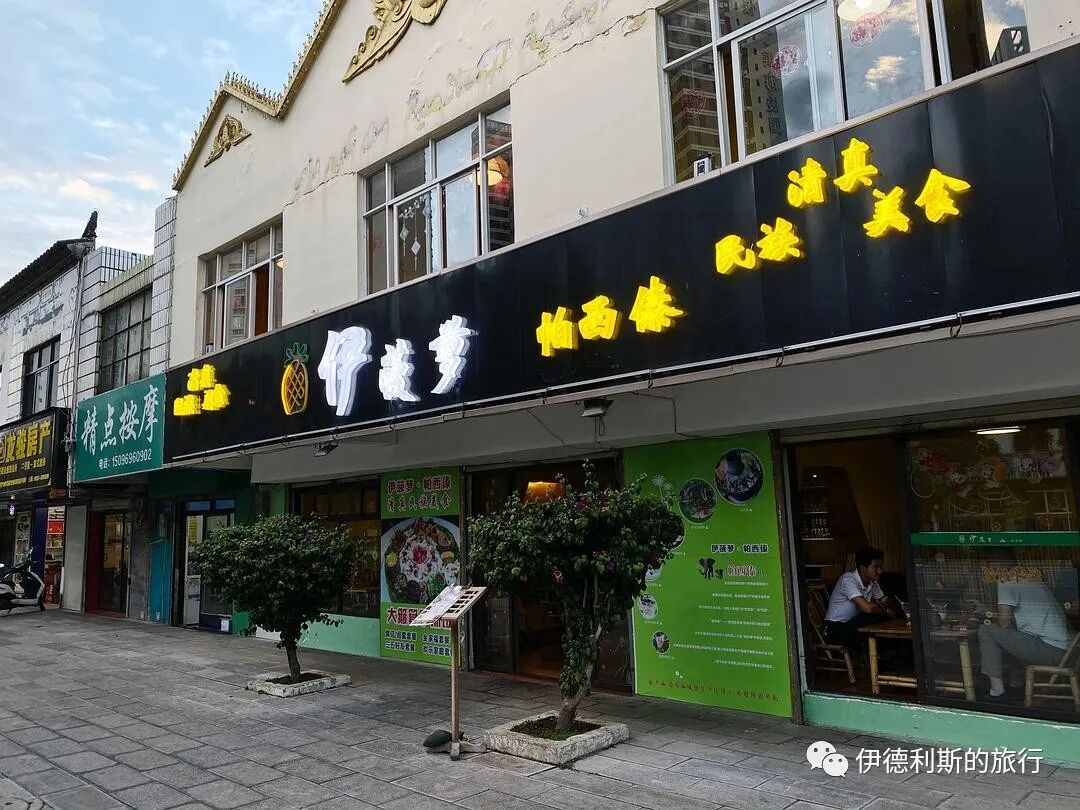
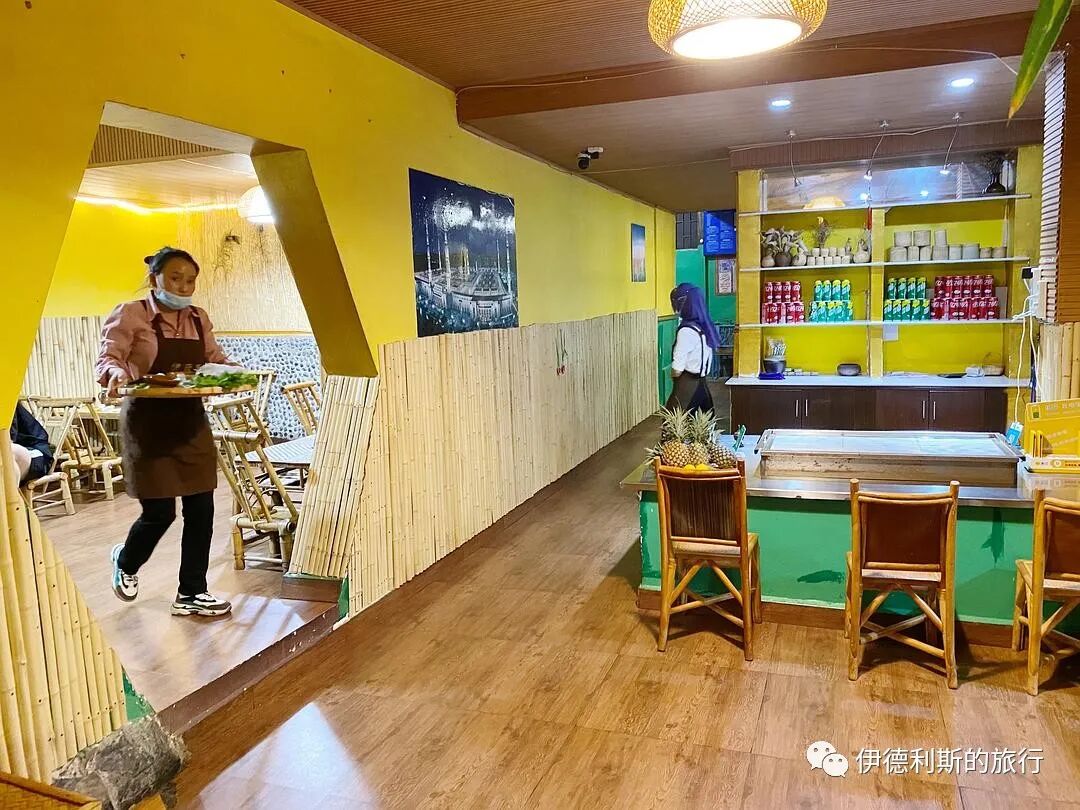
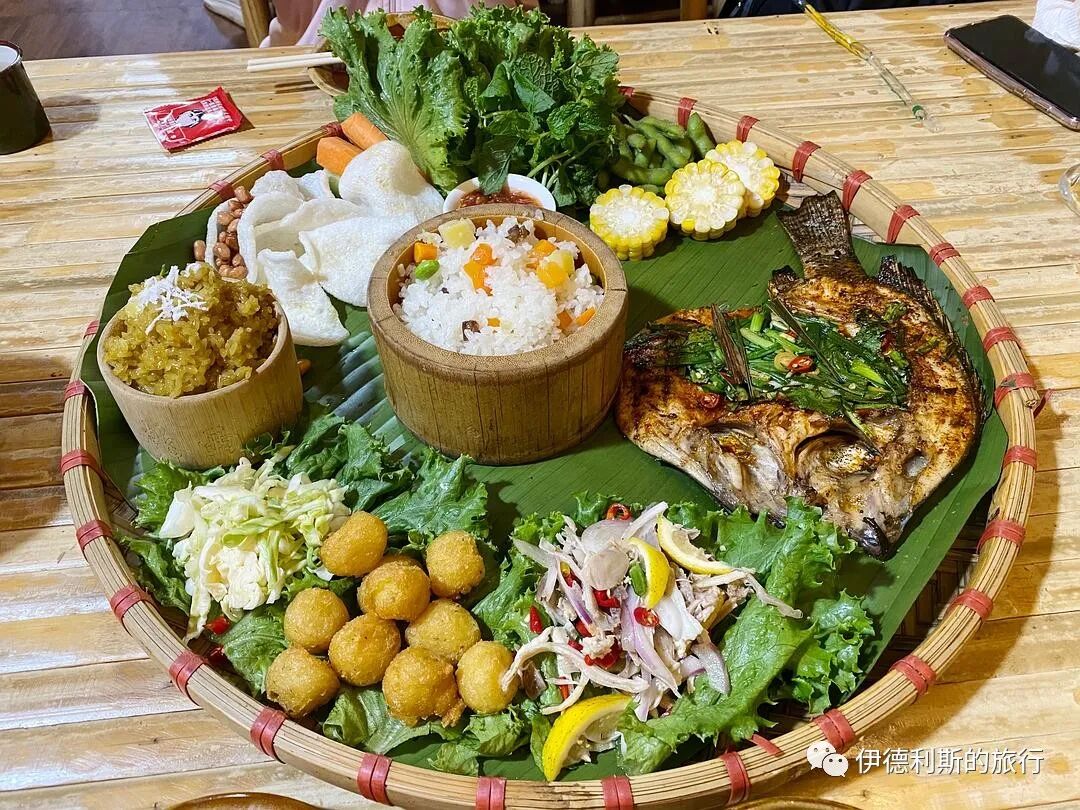
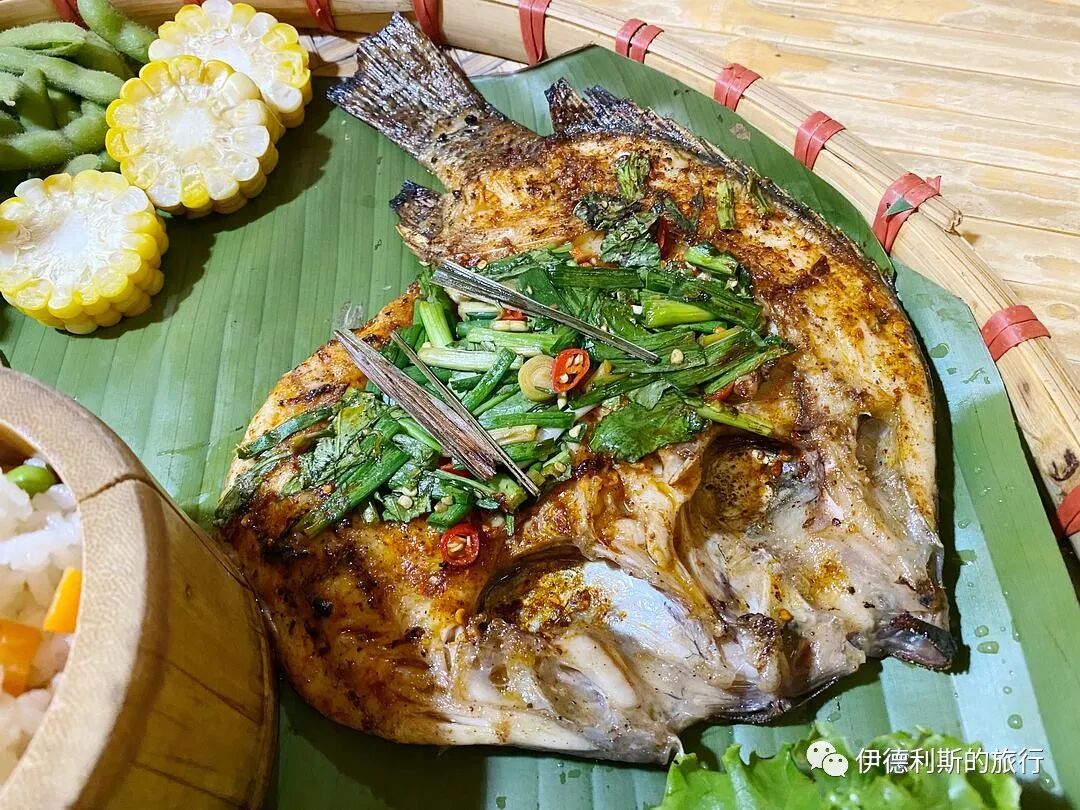
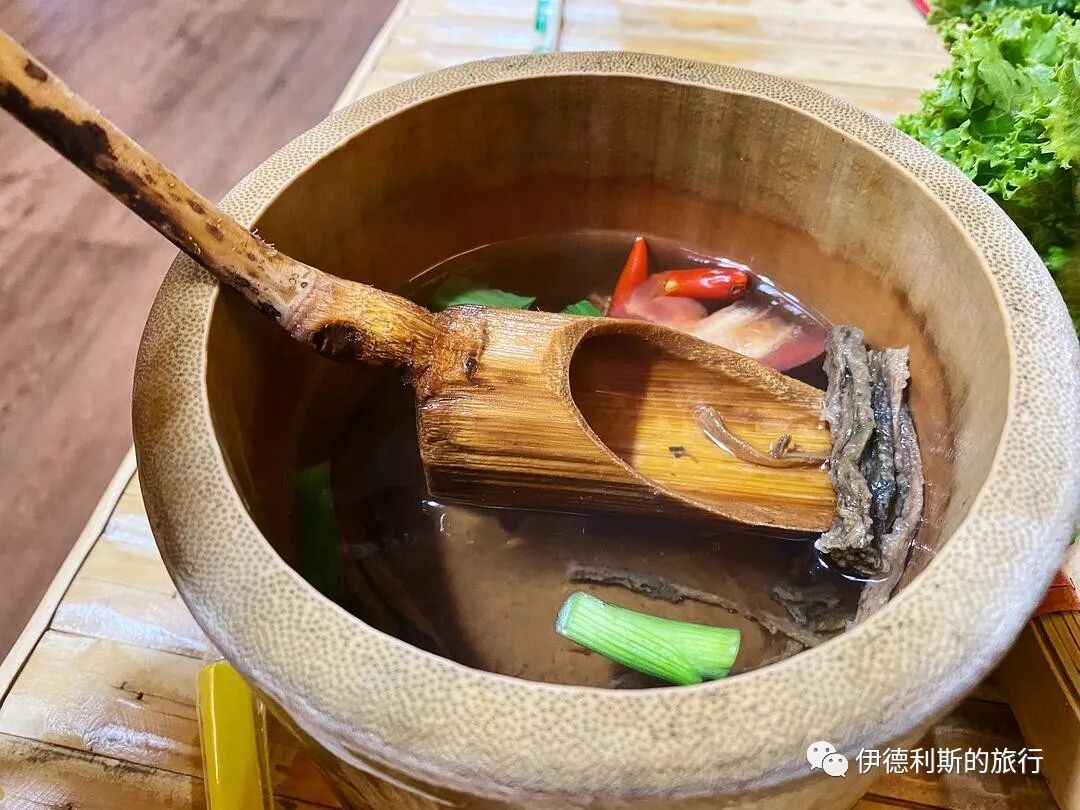
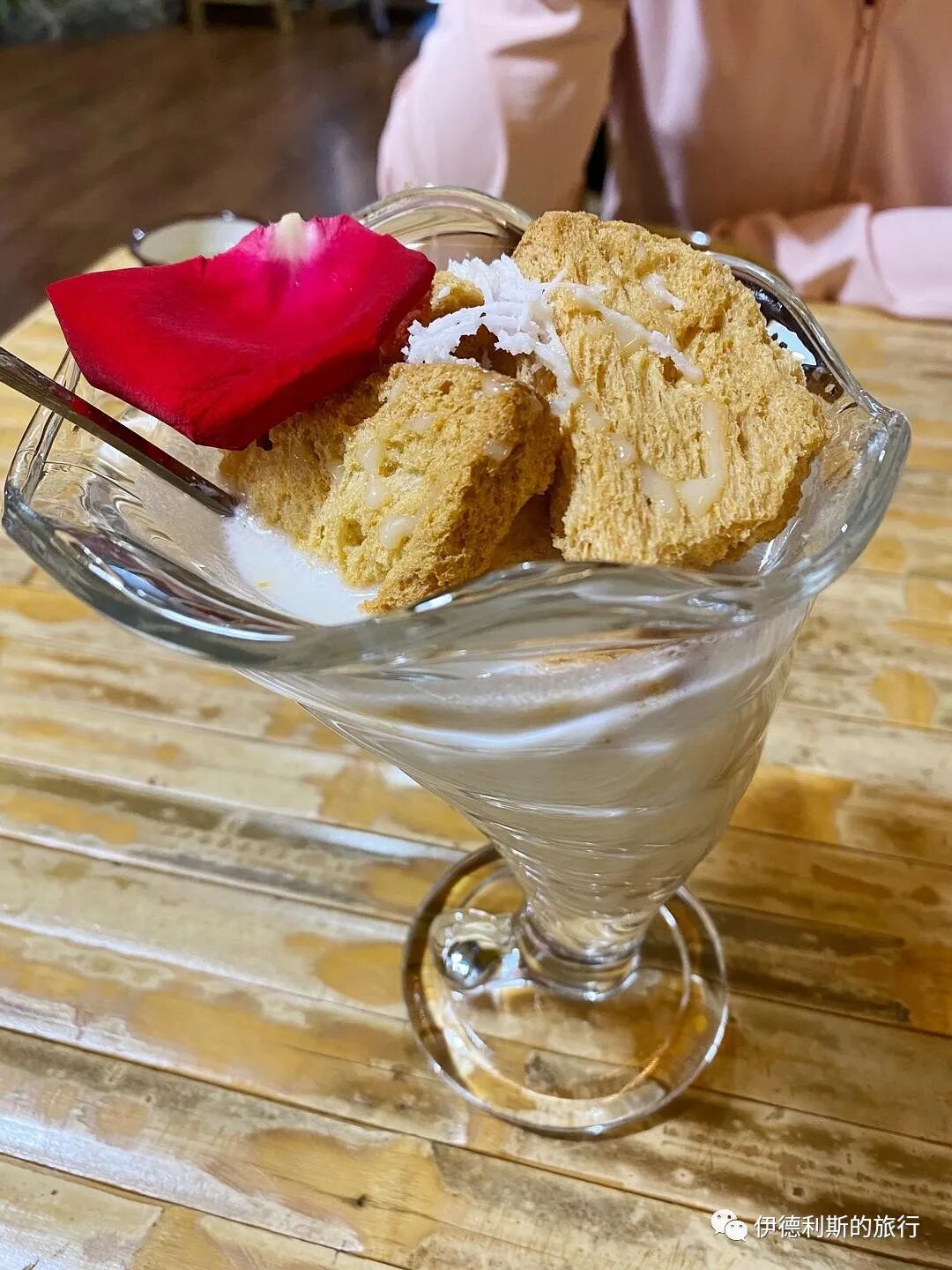
On the afternoon of August 3, we took a train from Kunming to Dali. In the evening, we ate at a Dai Muslim restaurant called Paxidai in Xiaguan. We ordered the Dai-style shouzhua fan (hand-grabbed rice), which included lemongrass grilled fish, potato balls, vegetable nammi (a type of spicy dipping sauce), pineapple rice, beef jerky potato rice, and shredded chicken with lemon. There was also qinglong guojiang tang (a type of soup) and paoluda (a dessert made with bread, coconut milk, and sago). I had eaten at a halal Dai restaurant called Paxidai in the Dali Ancient City before. This was the second time eating it, and I feel that Dai flavors are really both spicy and sour!
August 4: Xiaguan Hui Muslim Street
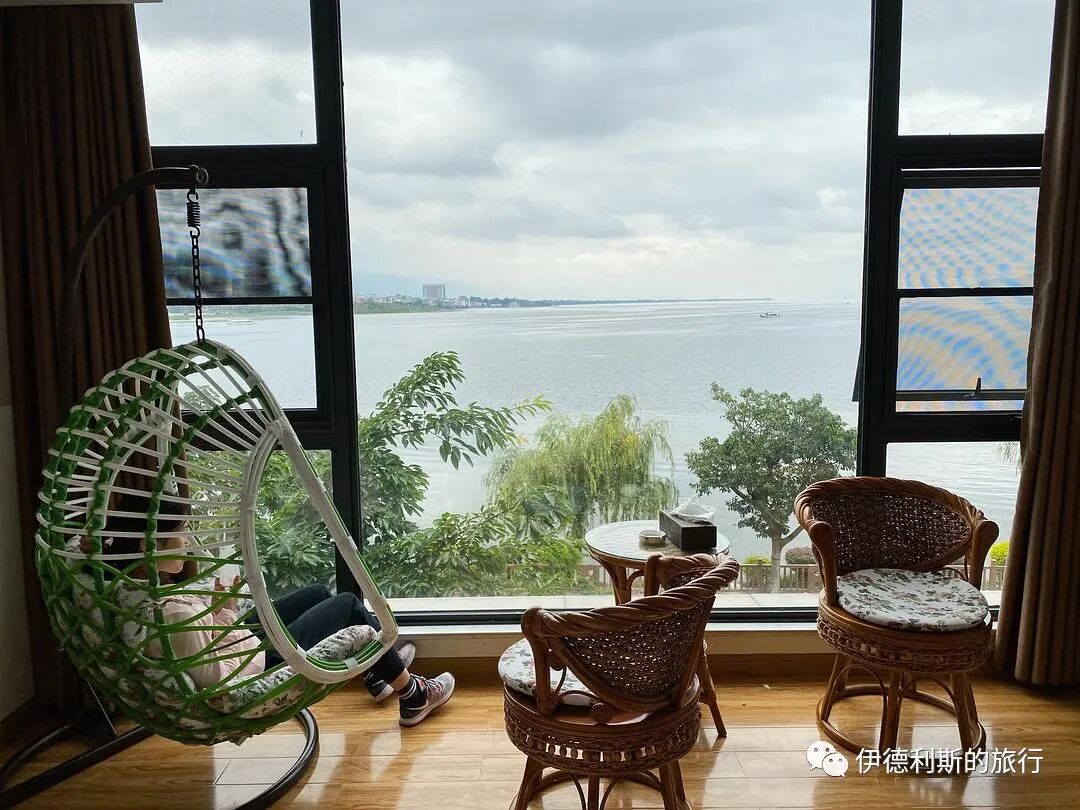
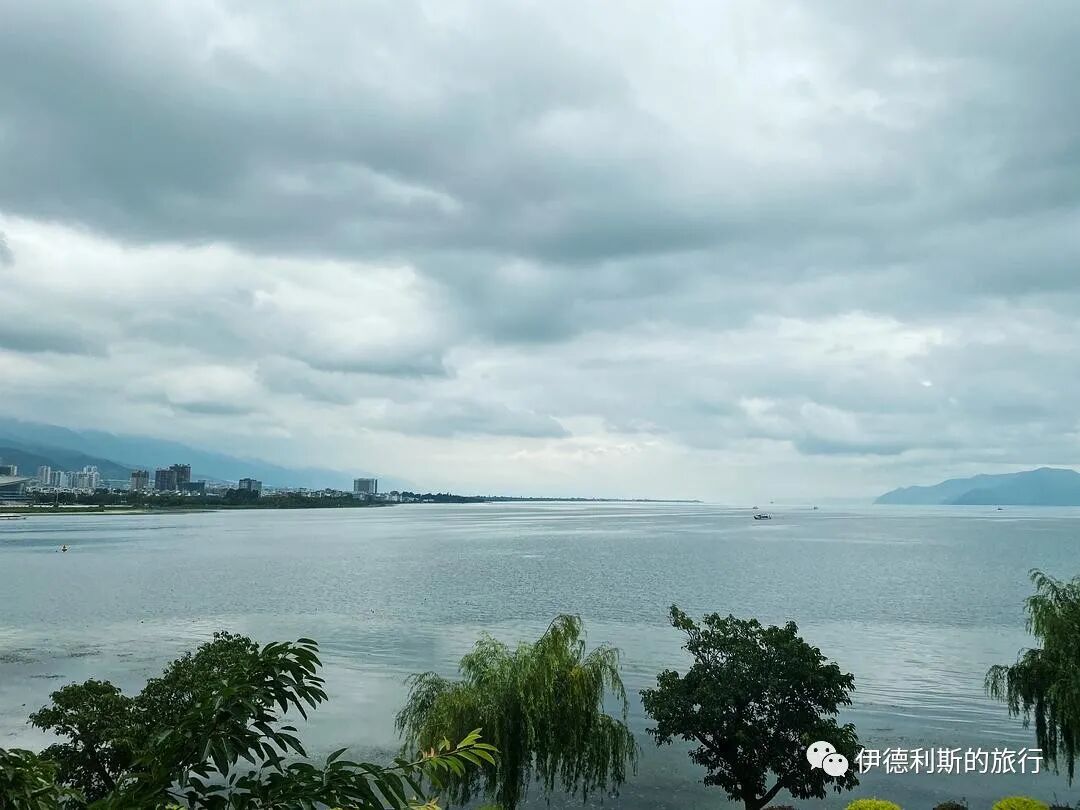
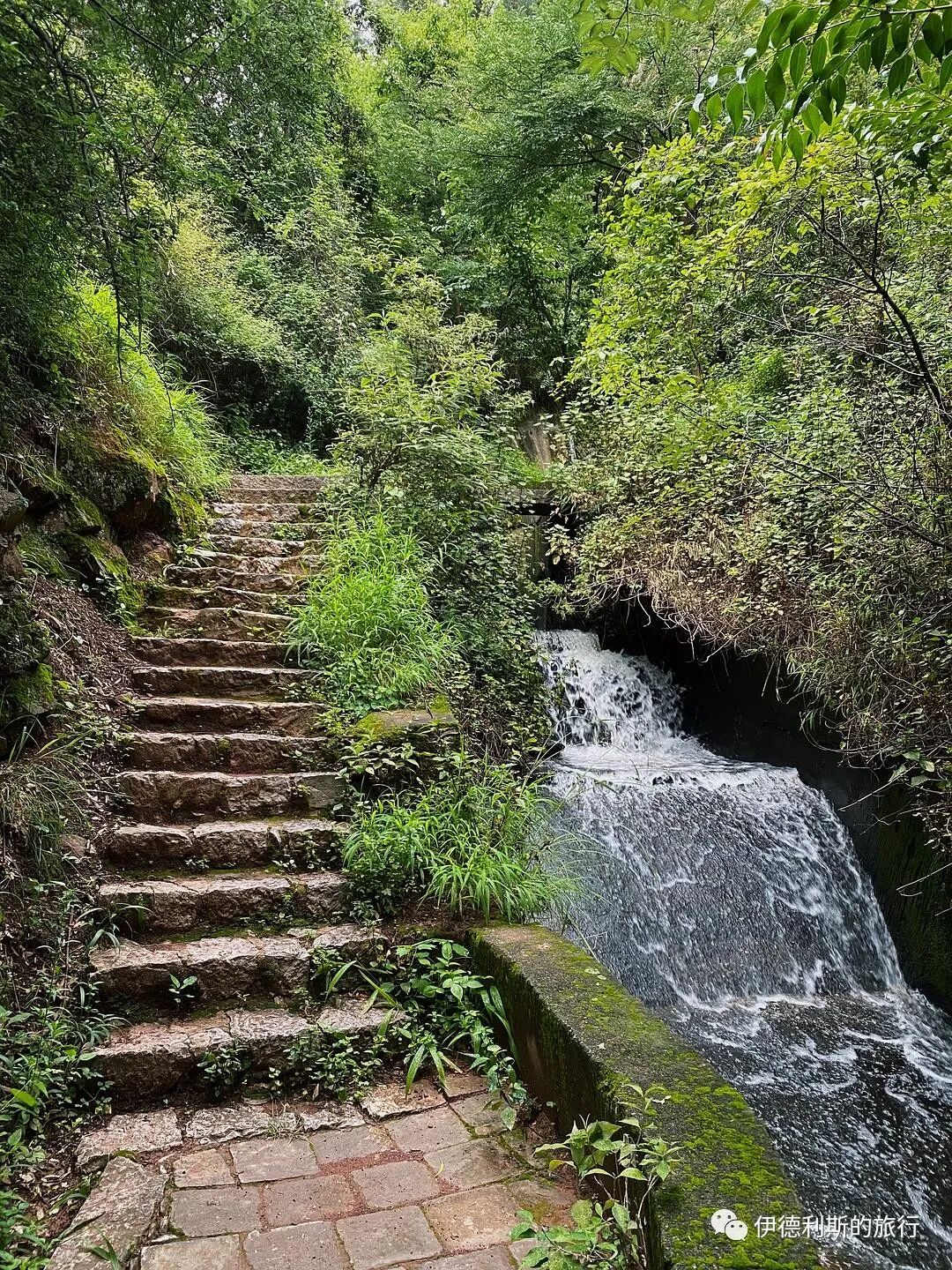
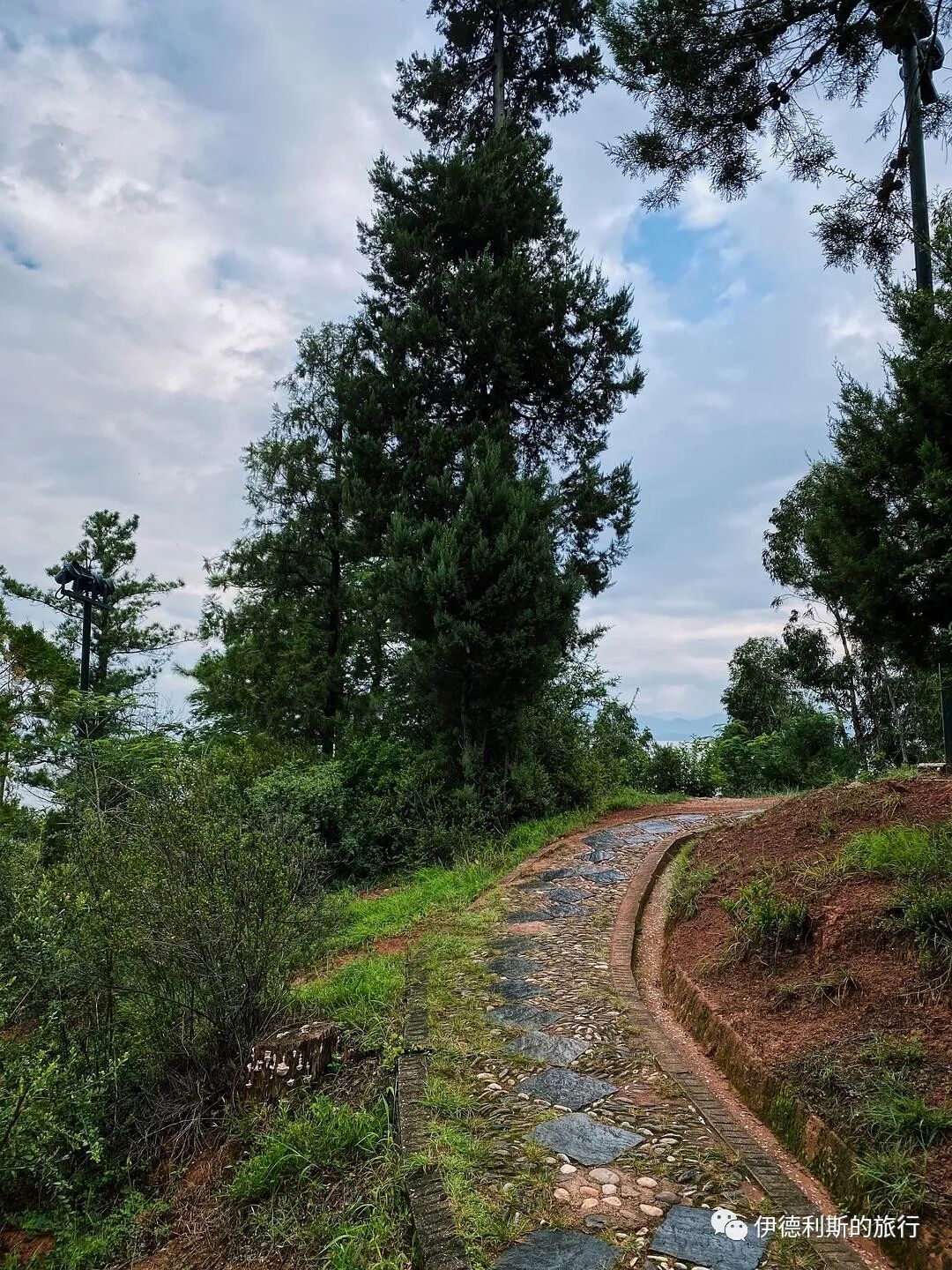
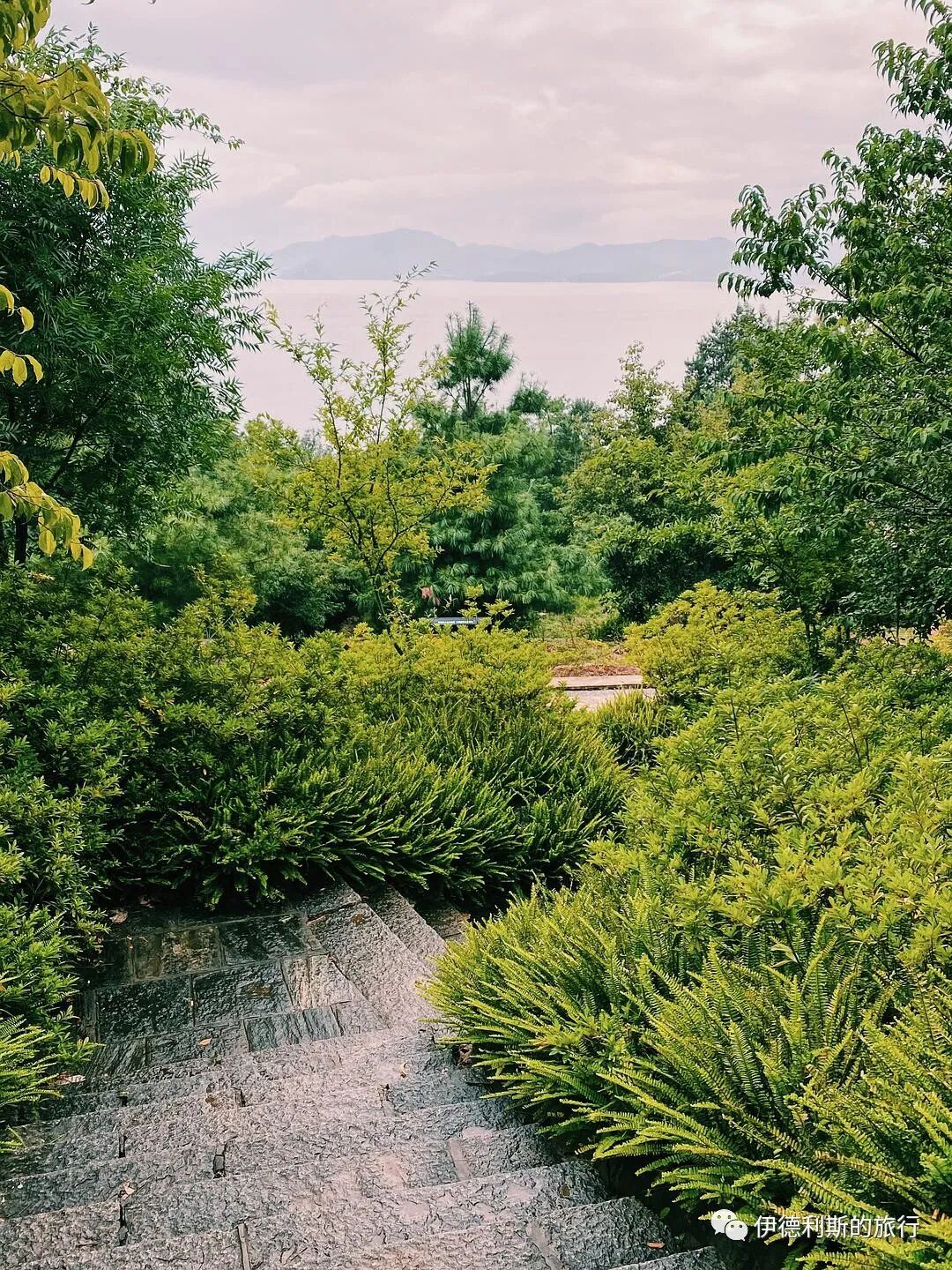
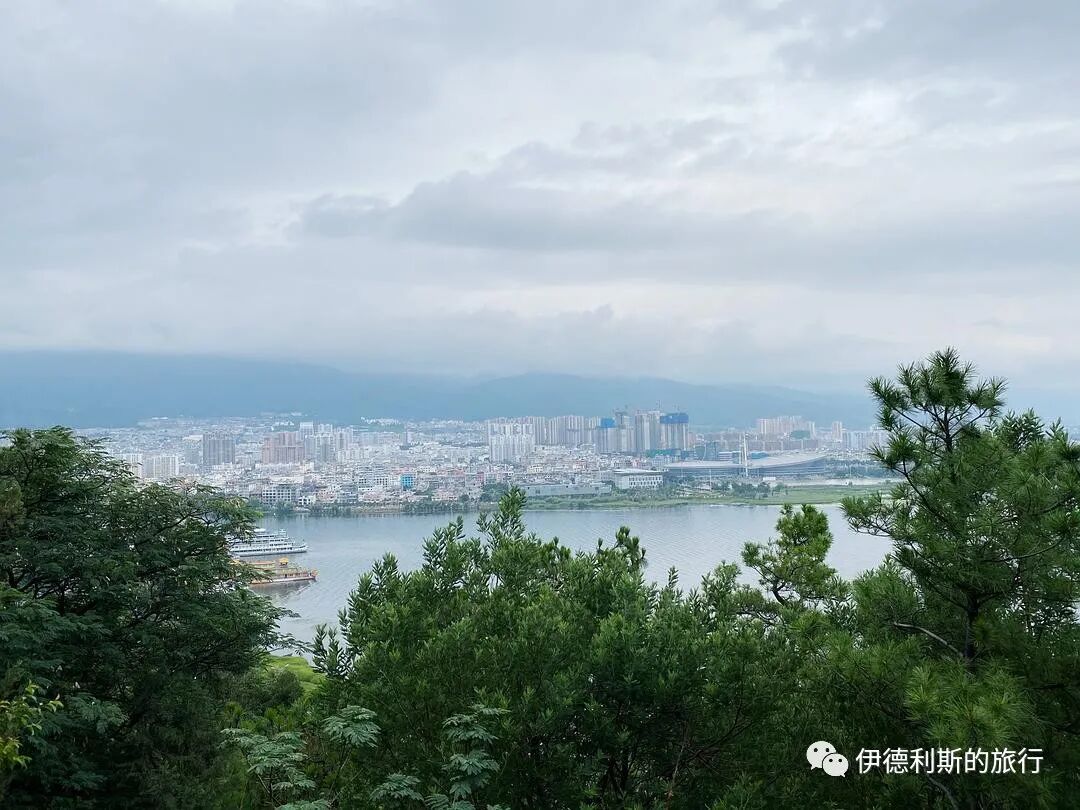
In the morning, we went hiking in Erhai Park, which is behind our accommodation in Xiaguan, Dali.
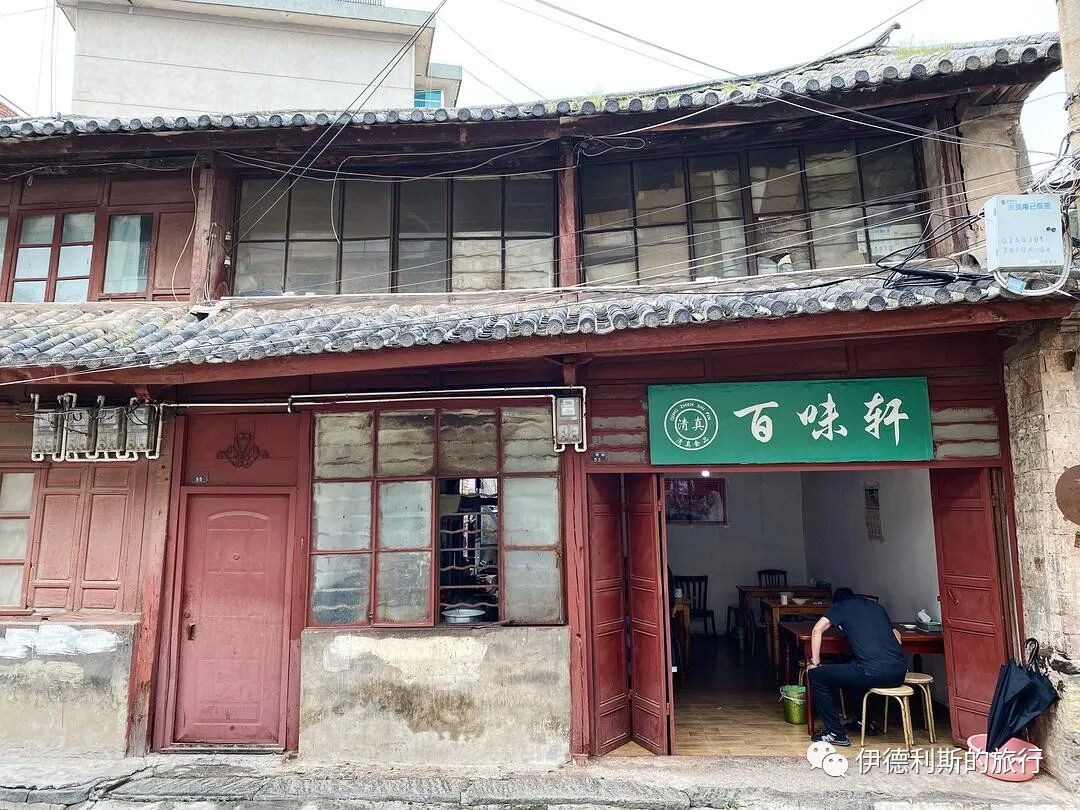
The Xiaguan Hui Muslim Street in Dali is now quite quiet, and basically only locals know about it.
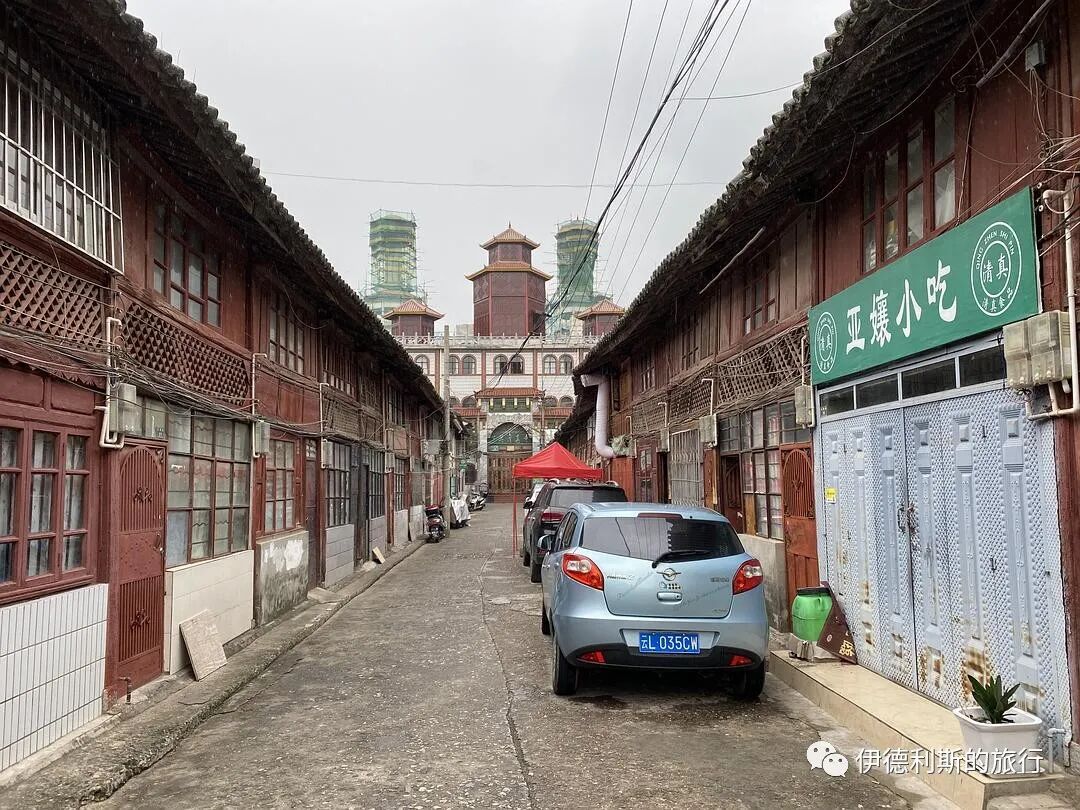
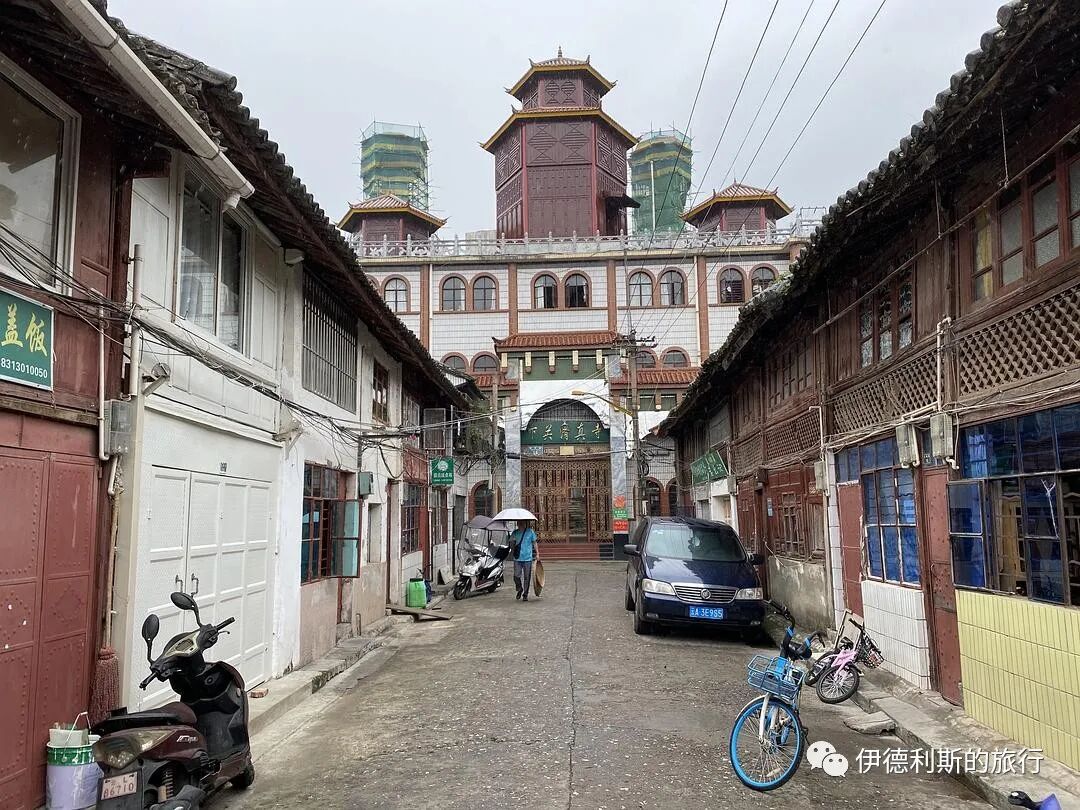
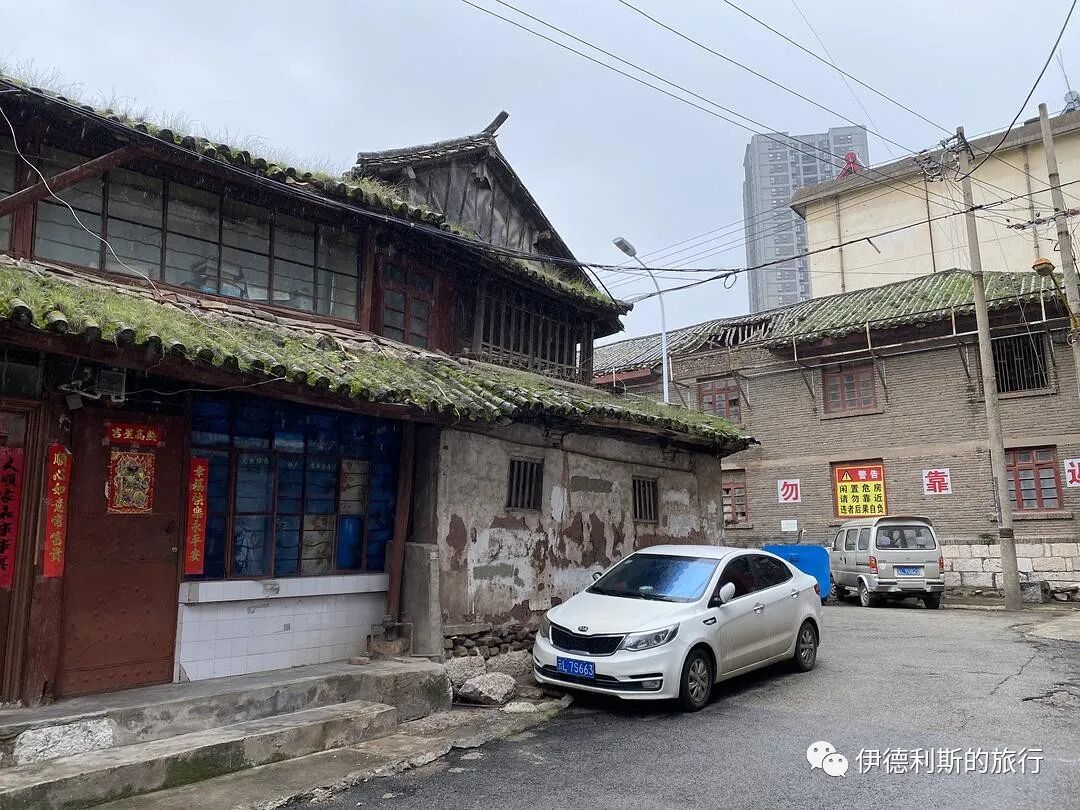
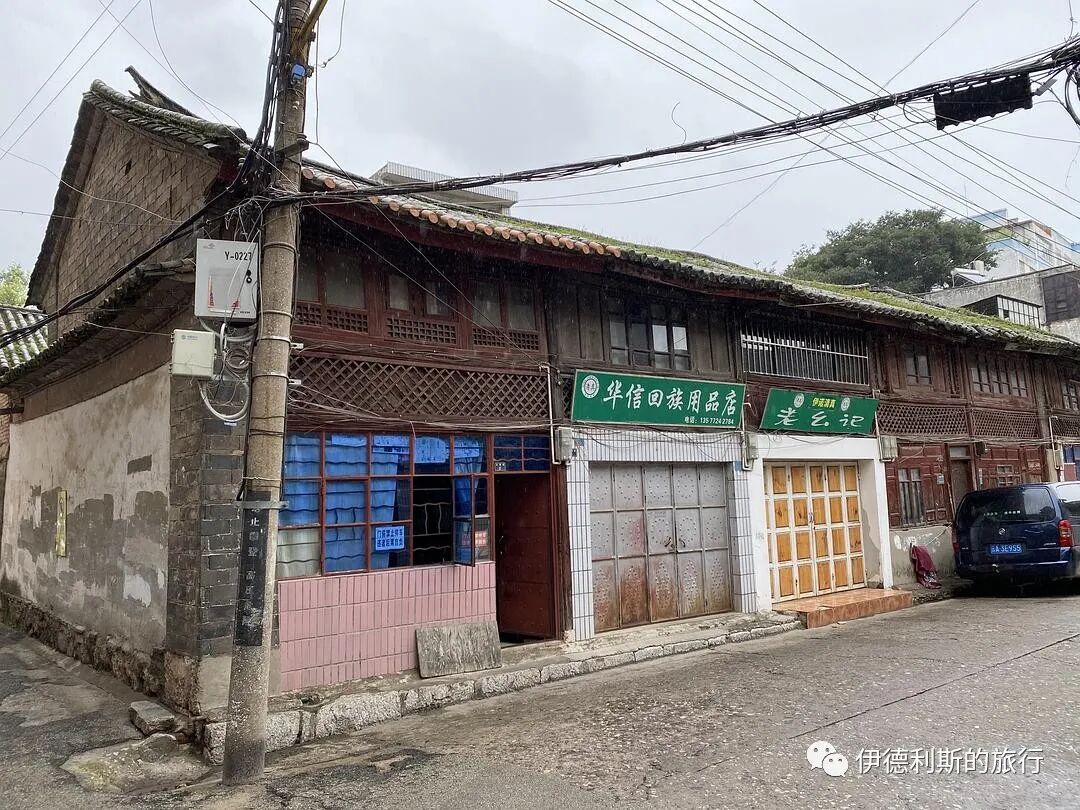
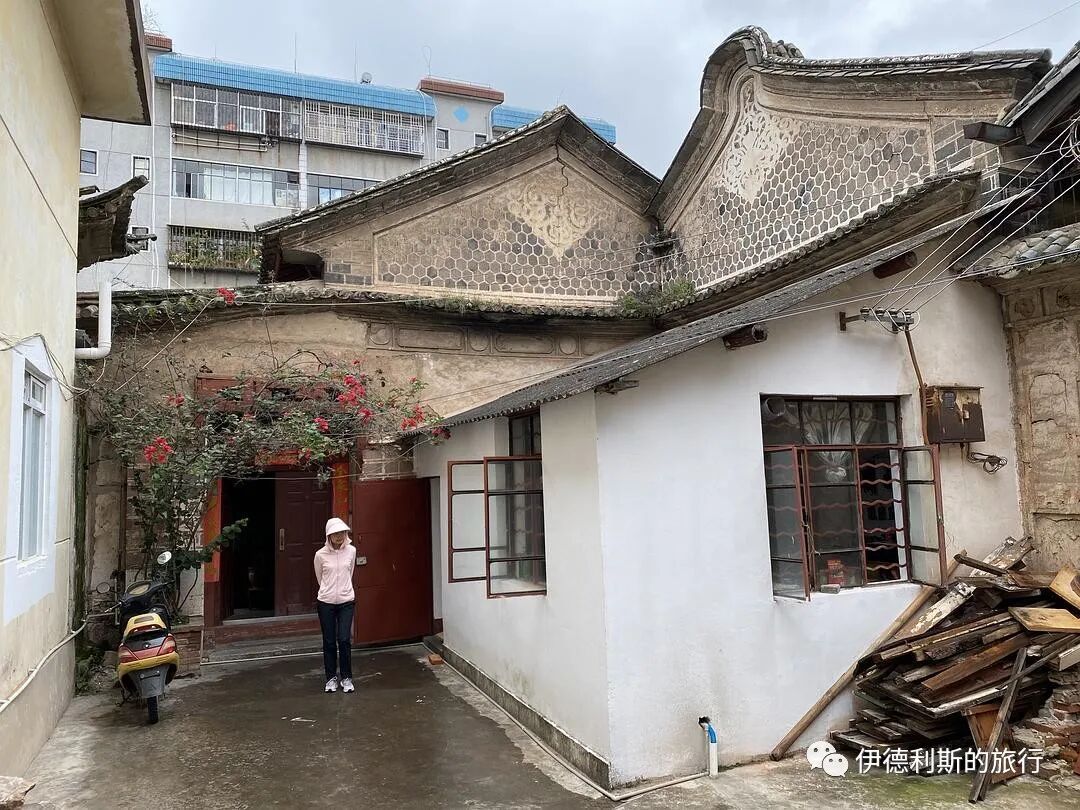
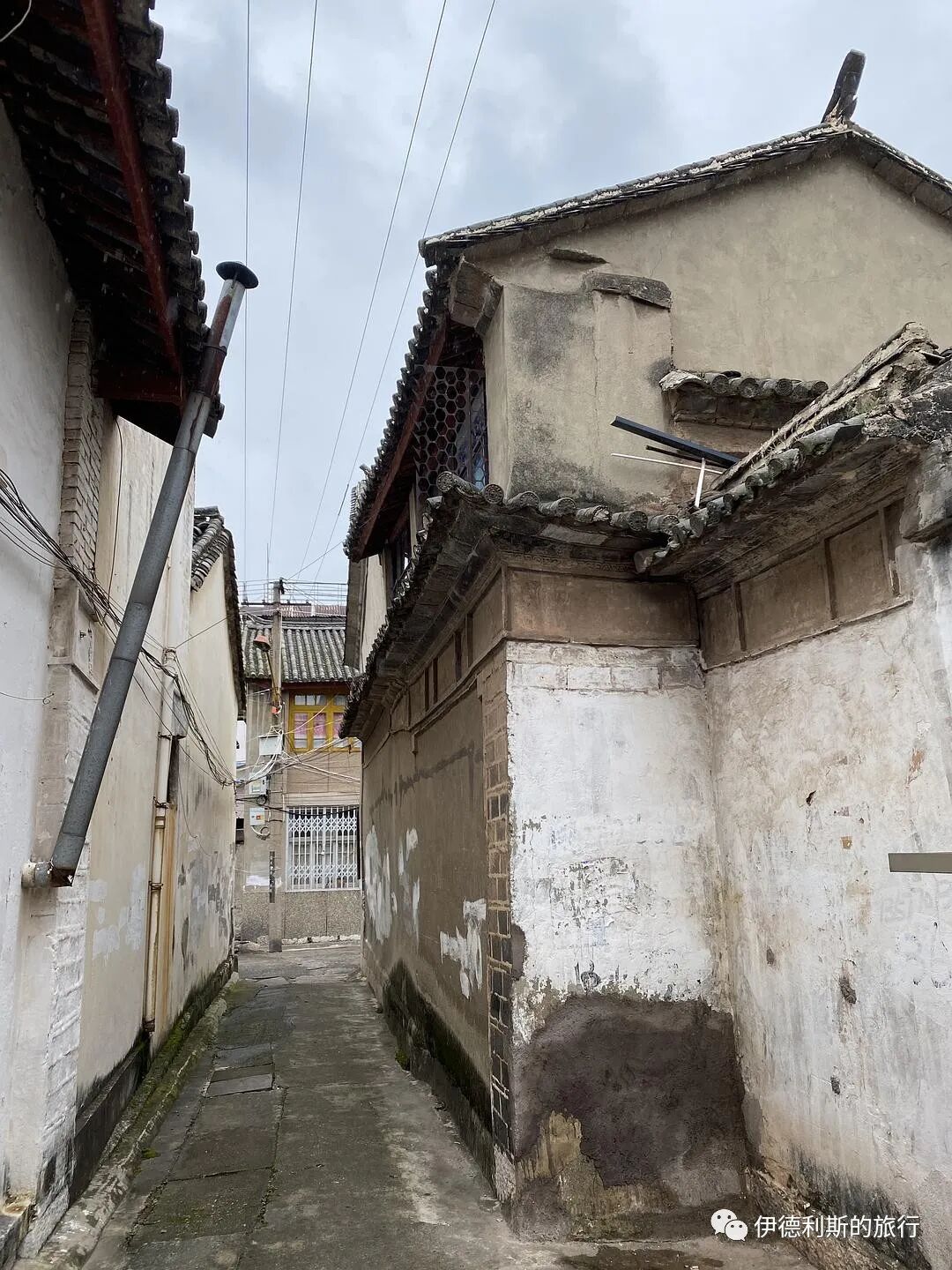
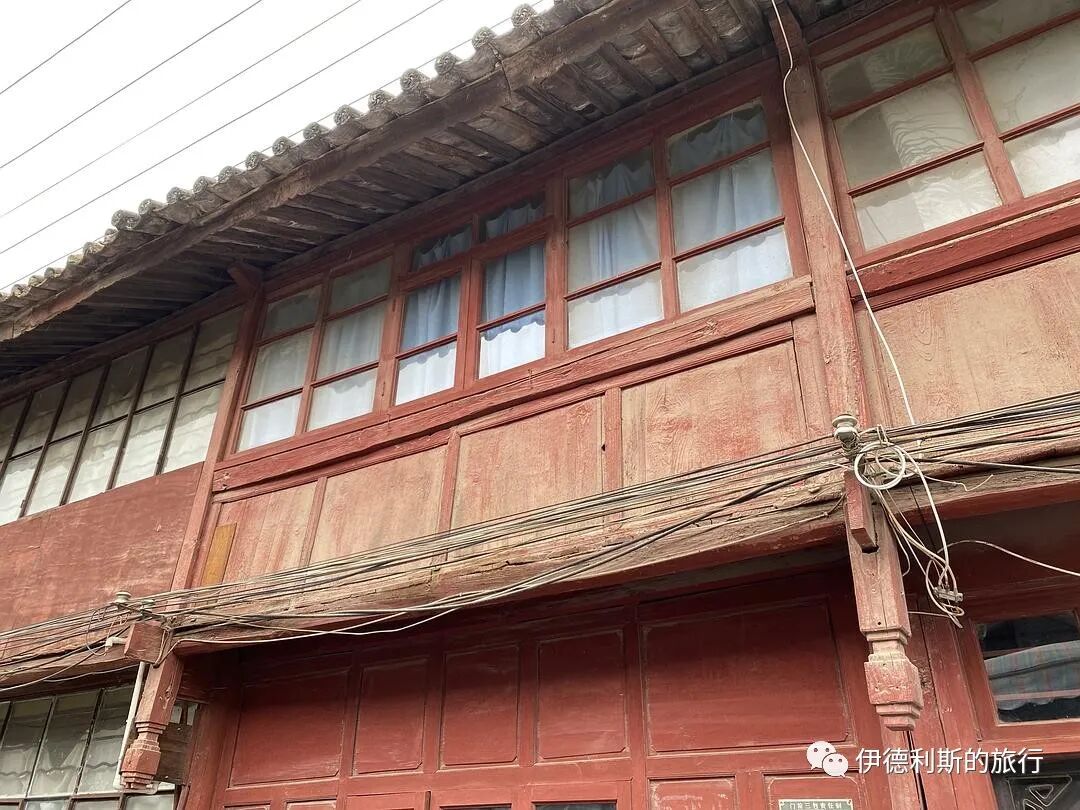
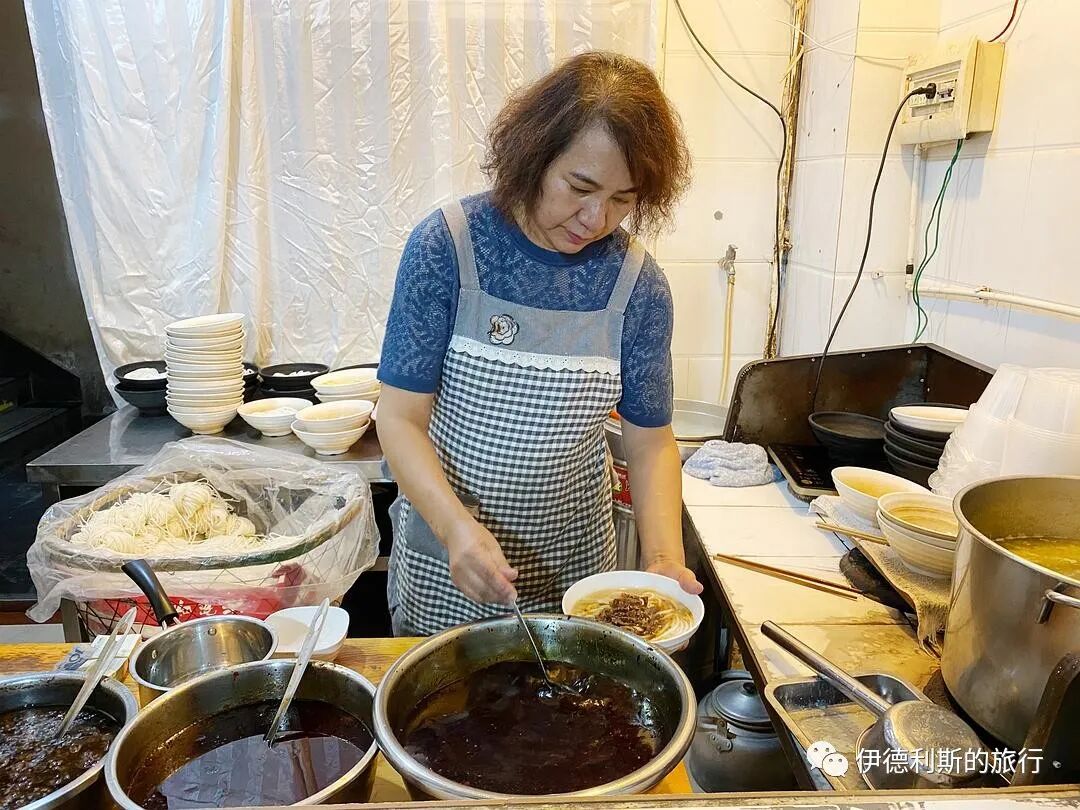
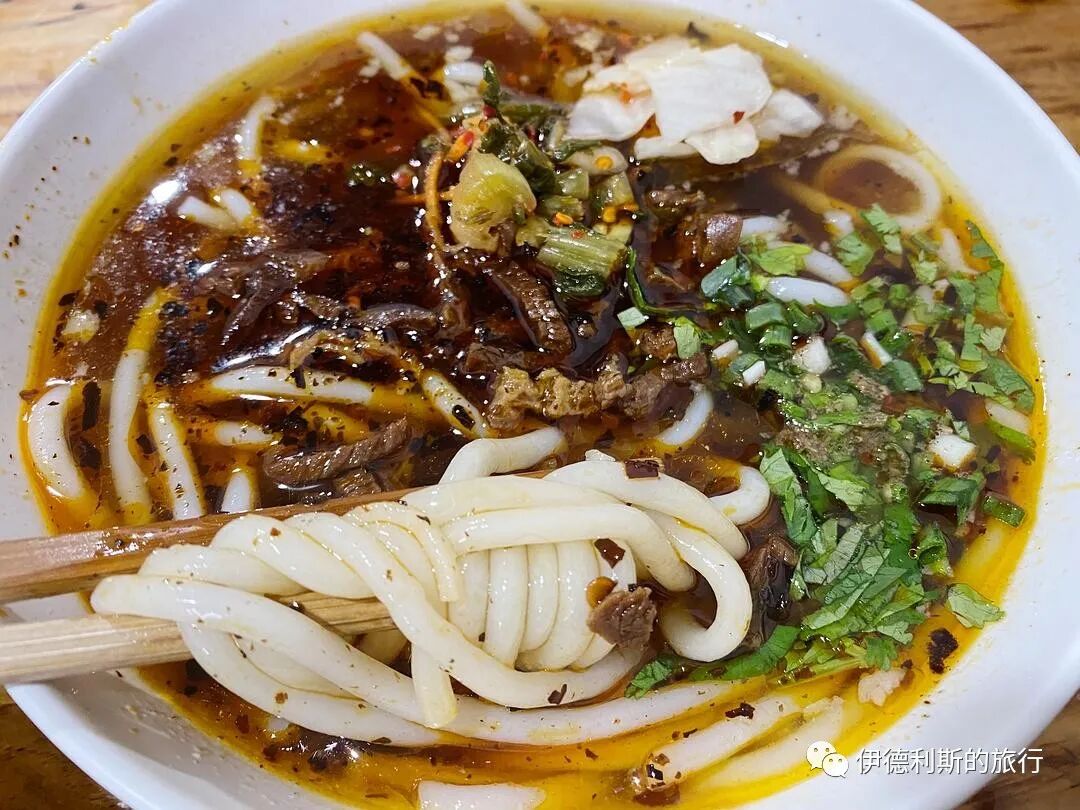
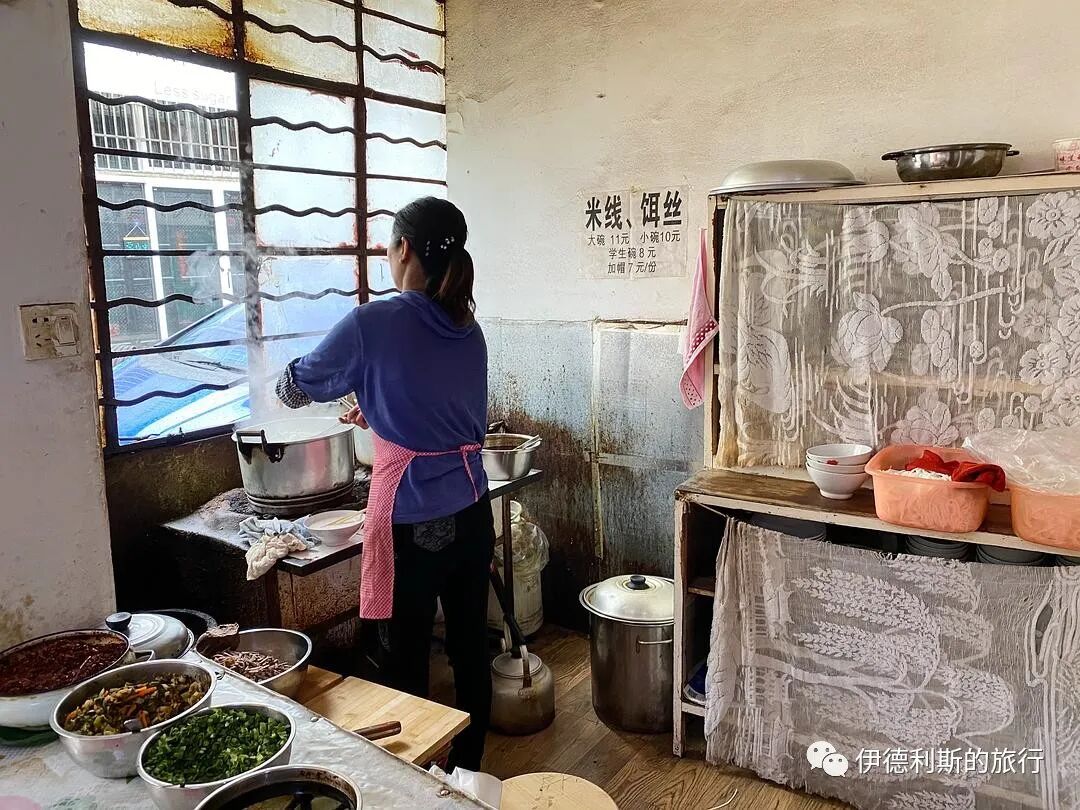
We ate braised meat rice noodles, braised meat ersi (thick rice noodles), and rushan (grilled milk cheese) on the Hui Muslim Street.
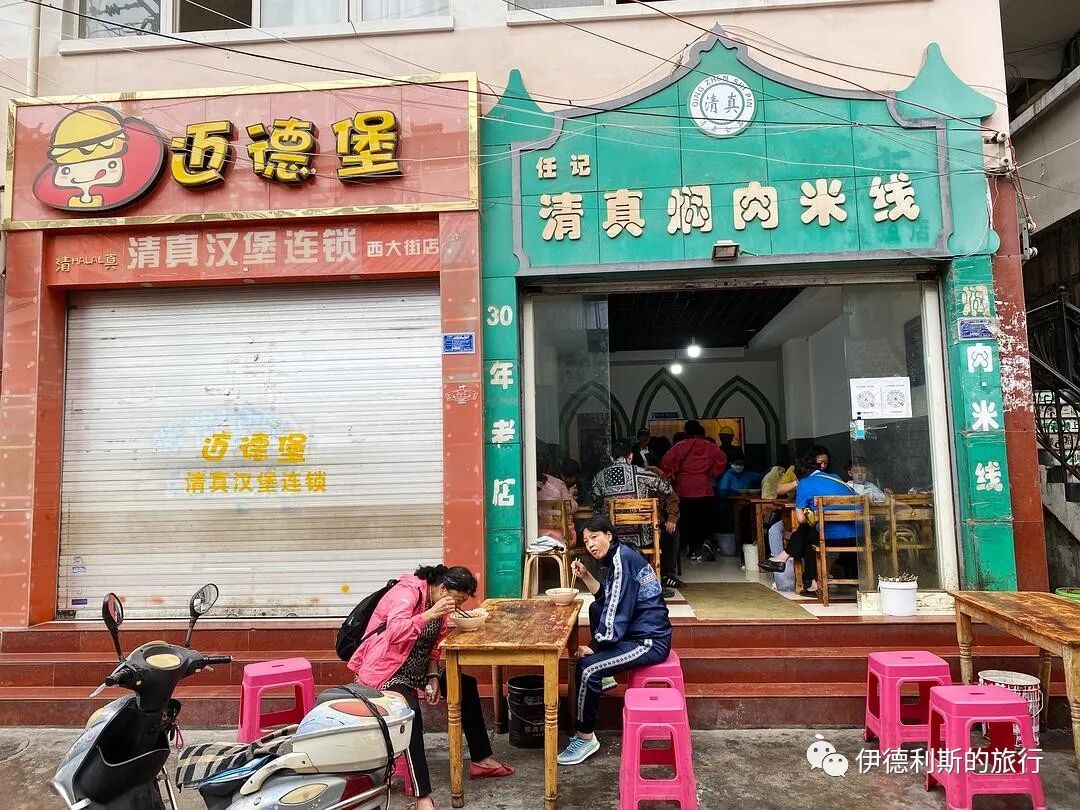
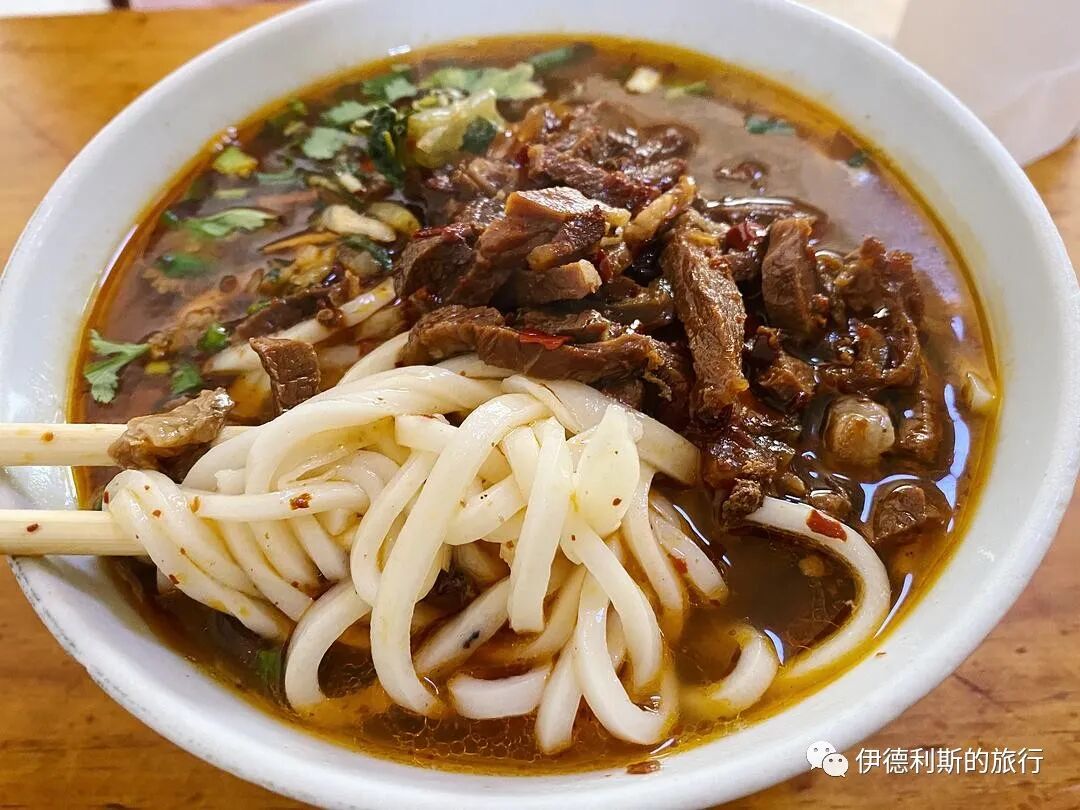
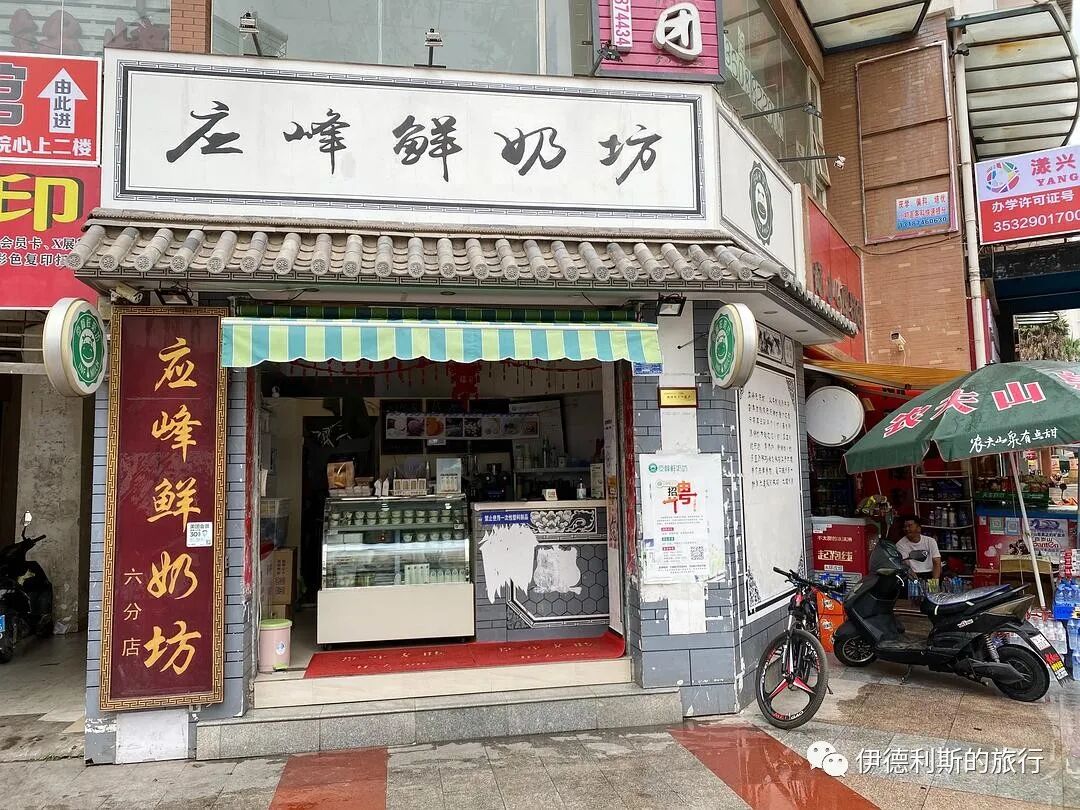
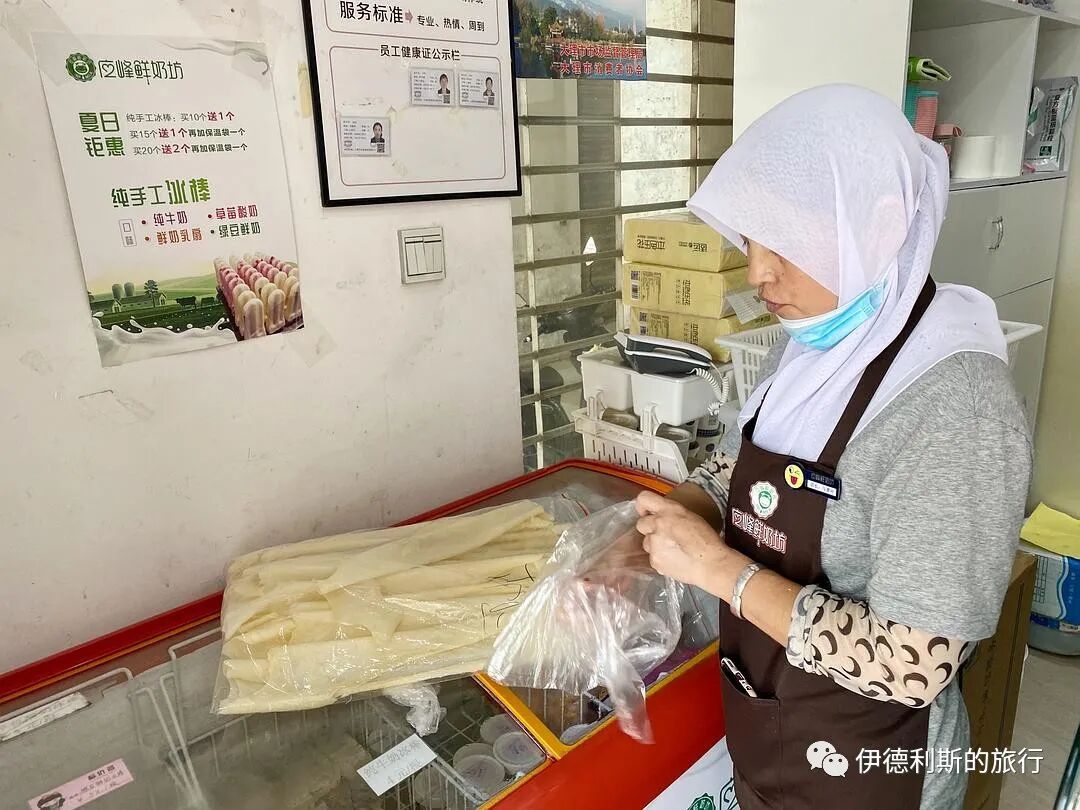
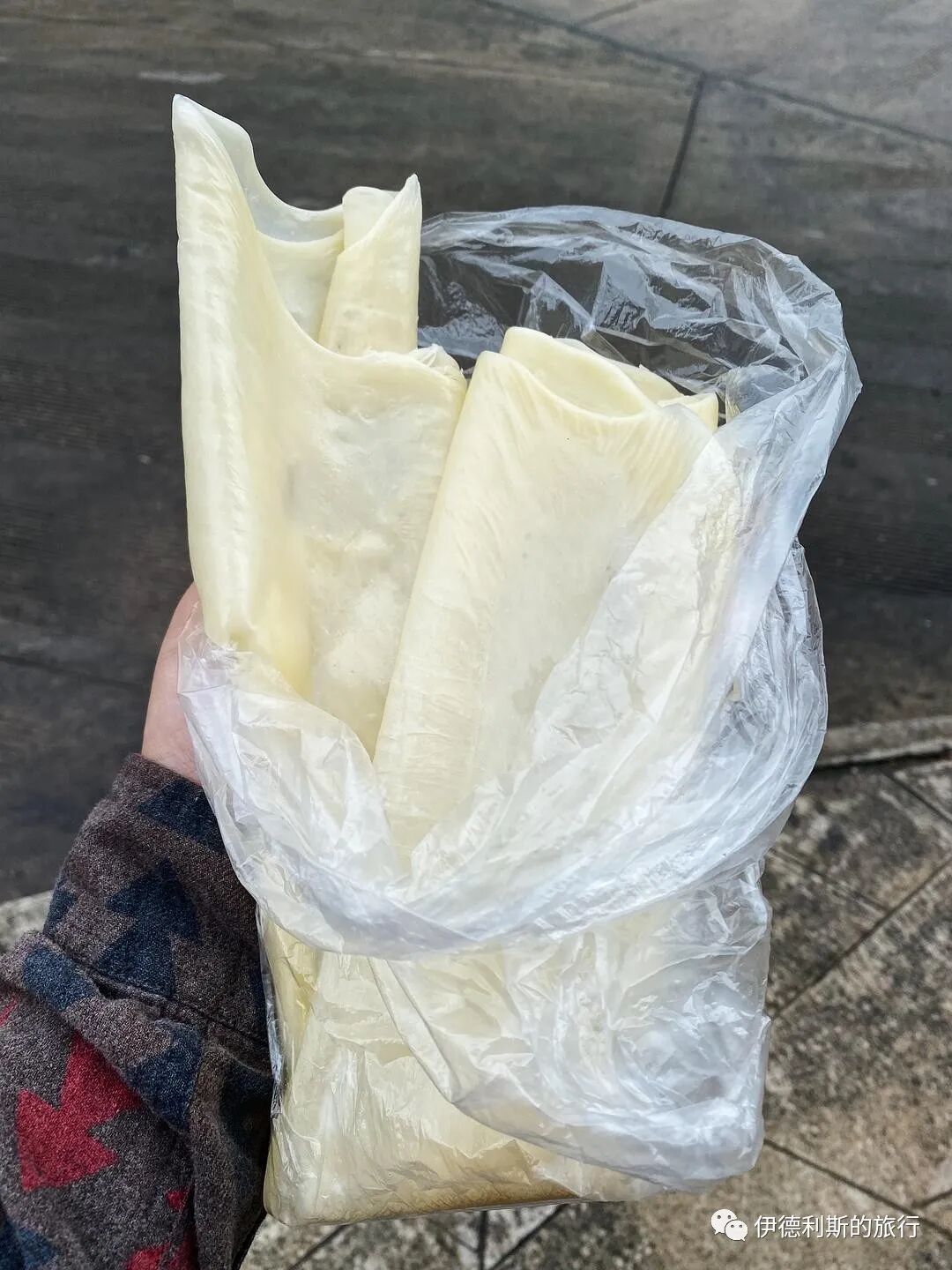
Opposite the Hui Muslim Street is the Longweiguan Ancient Town.
Dianzhong Huiying
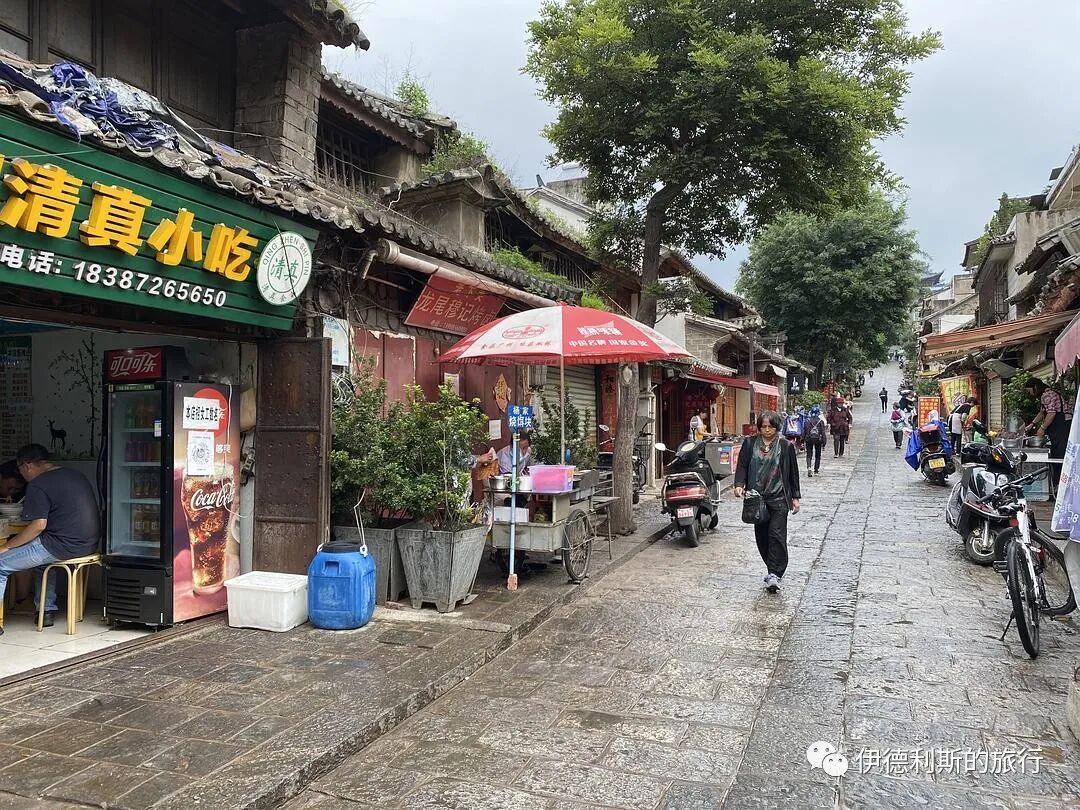
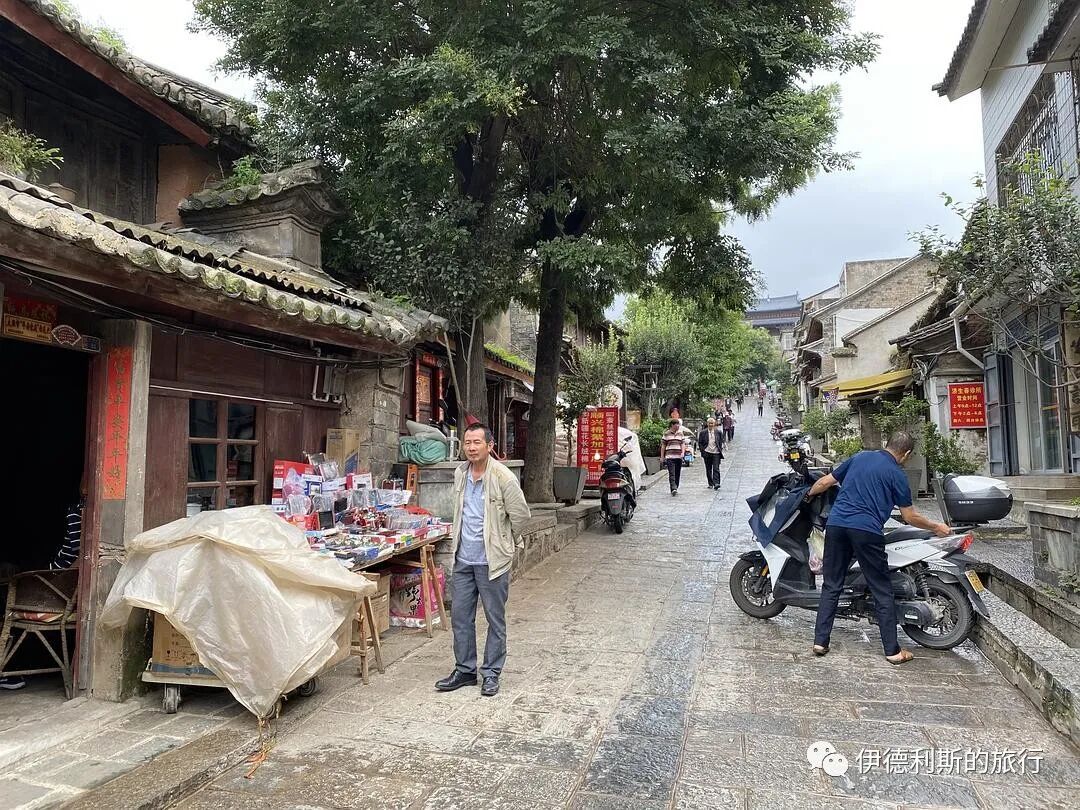
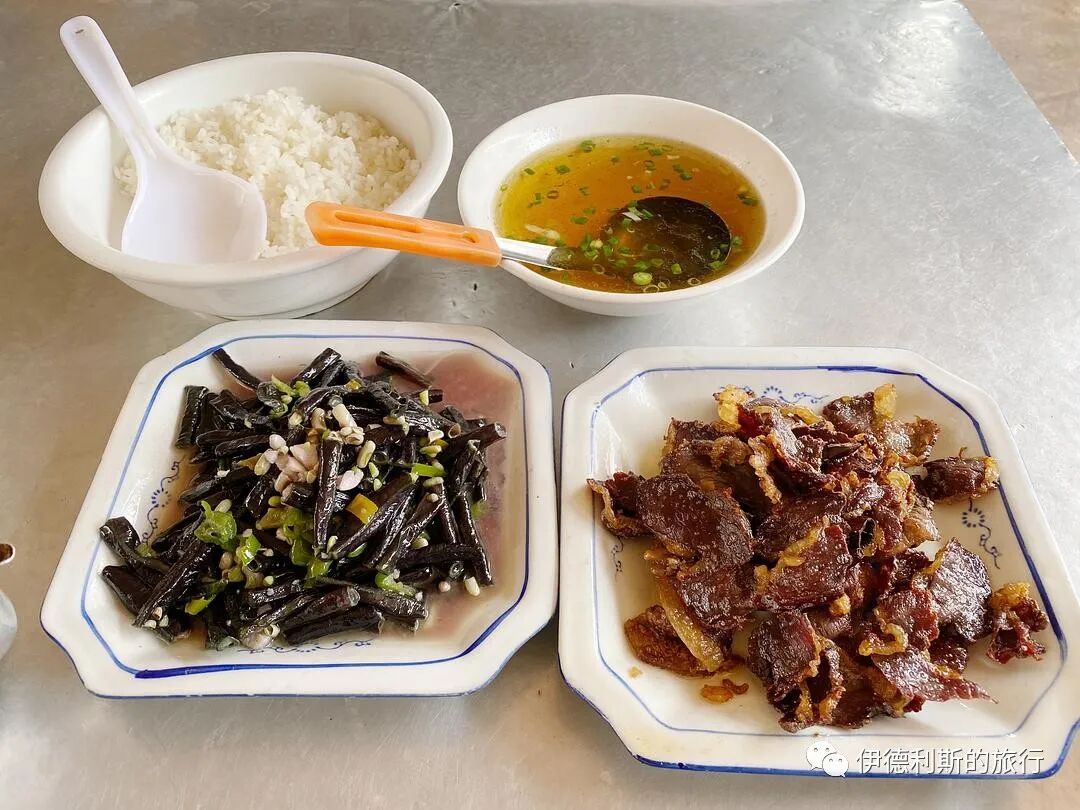
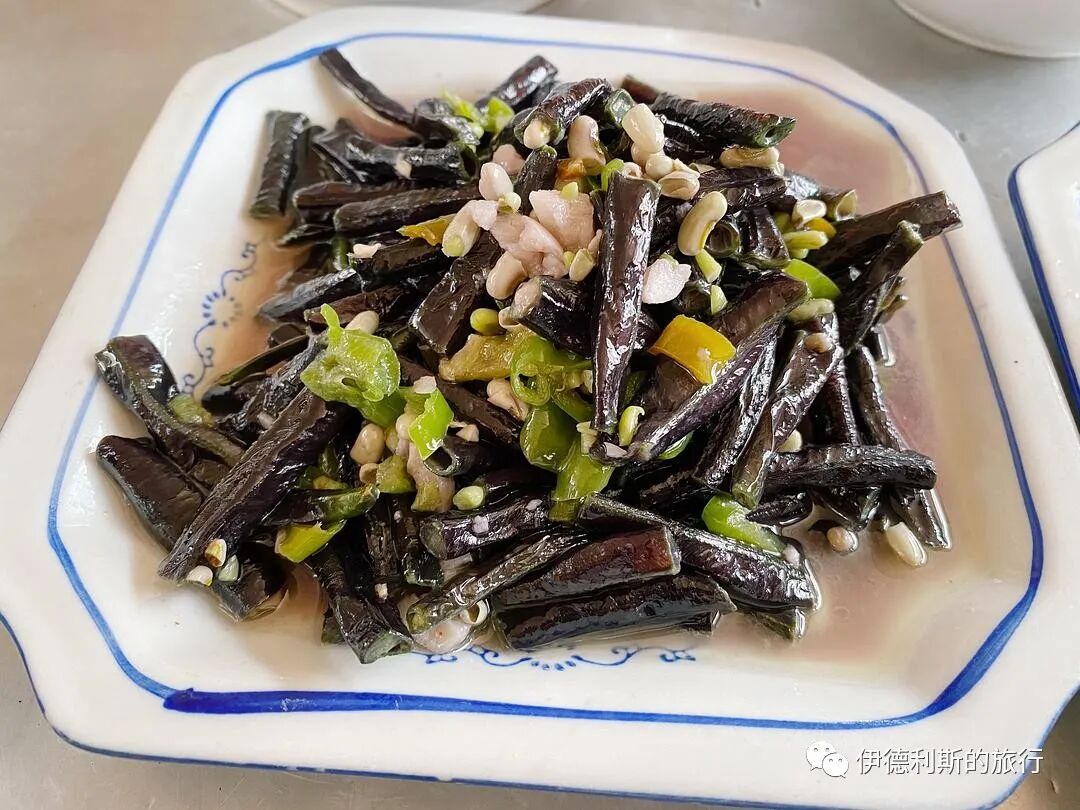
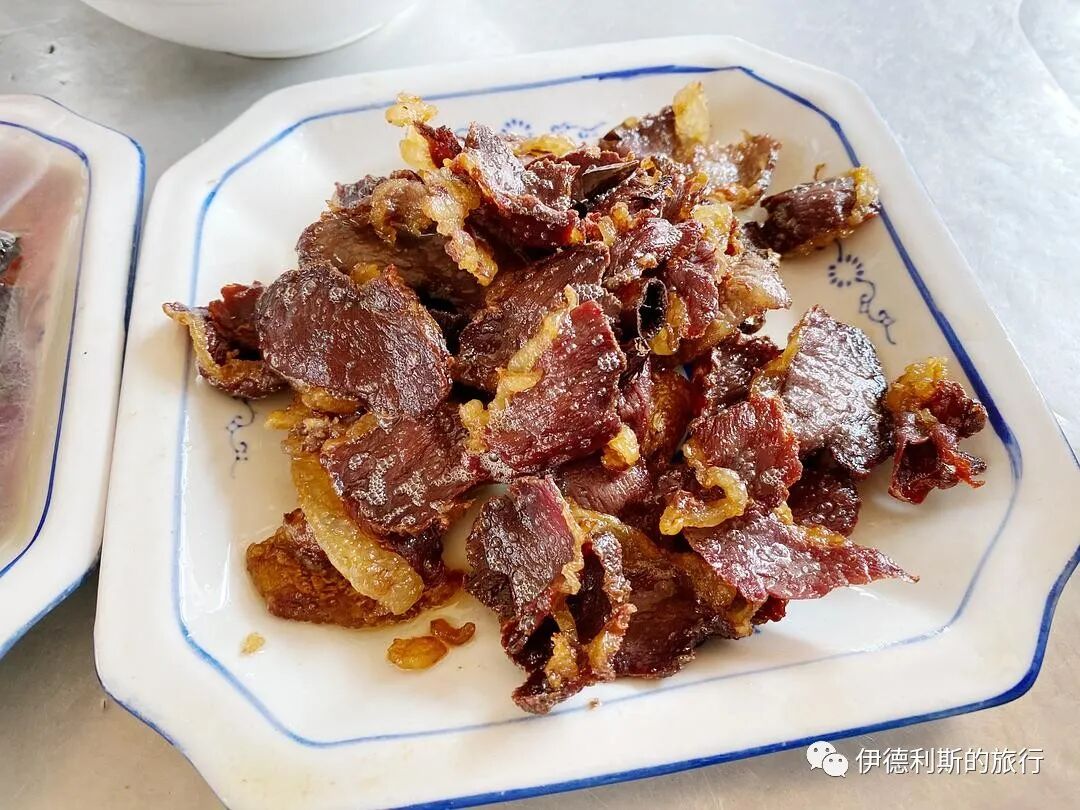
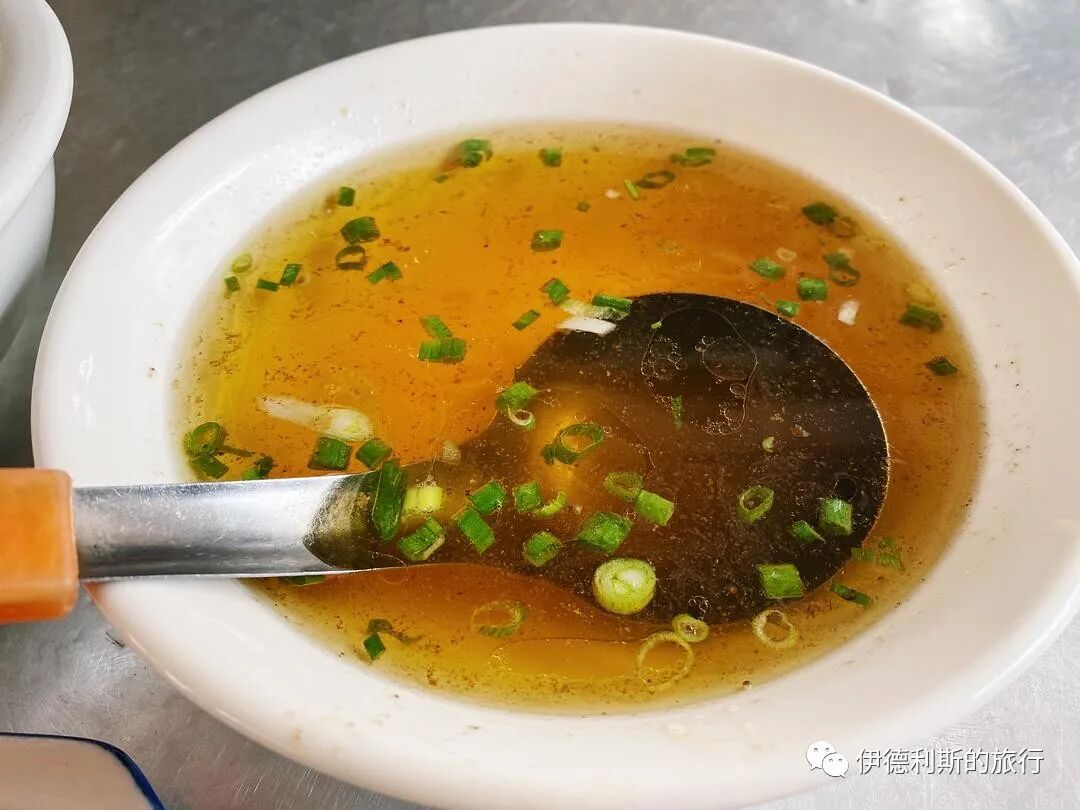
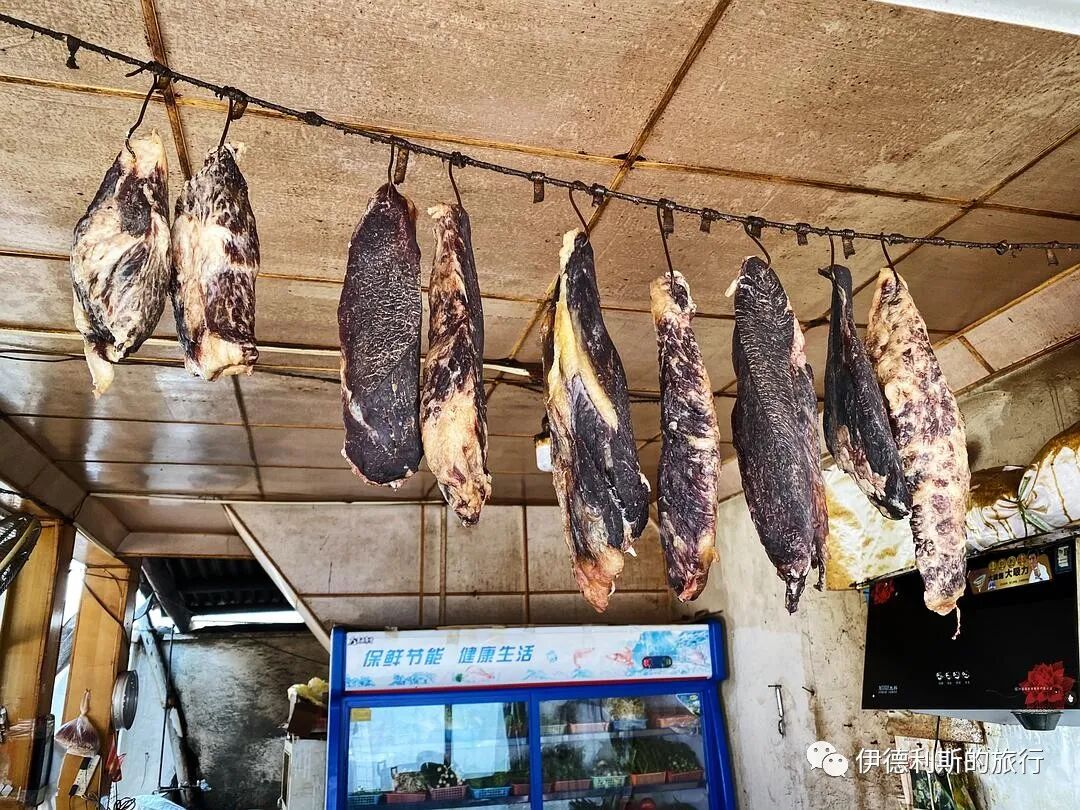
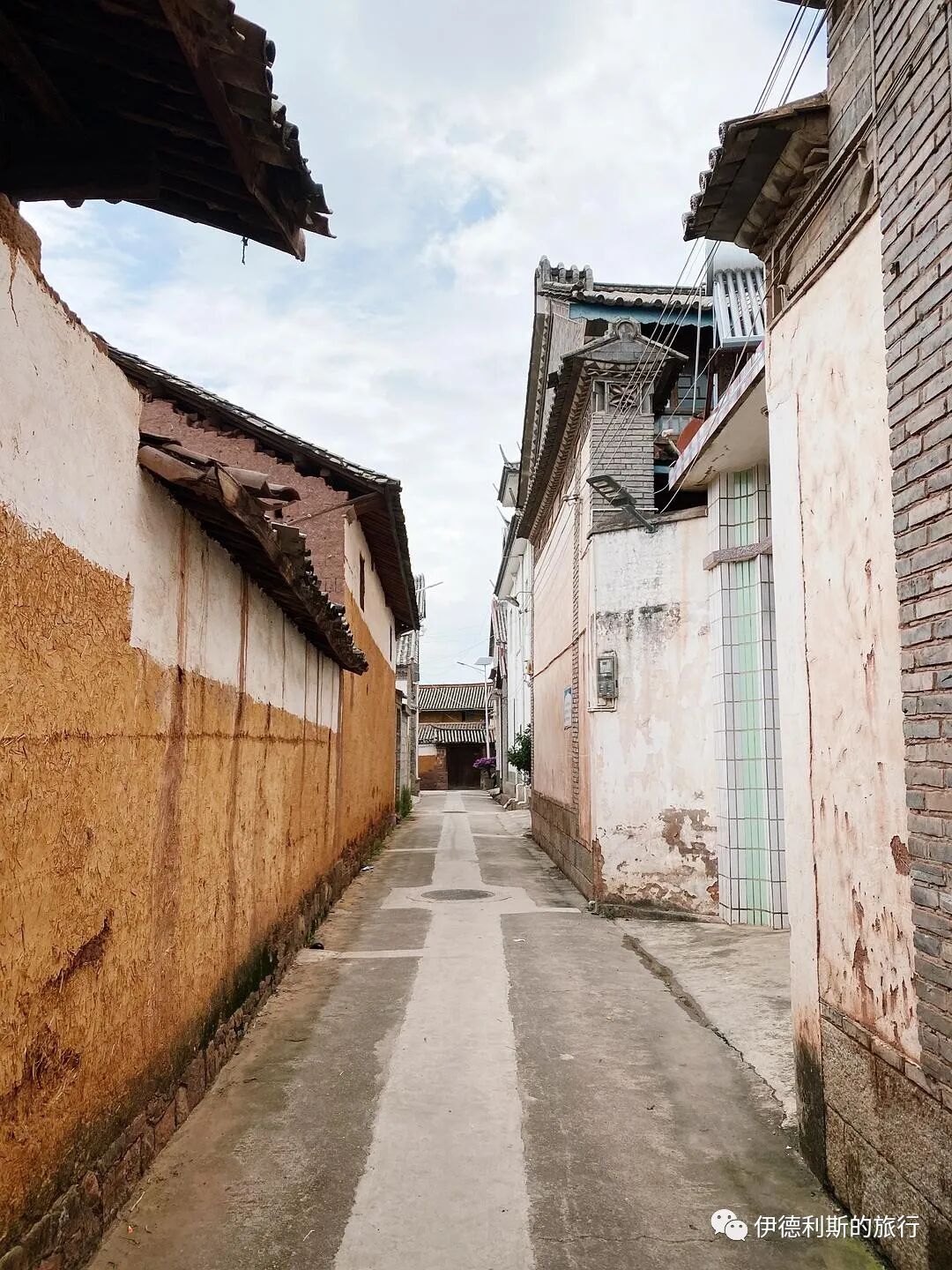
At noon, we went from Weishan County town to Dianzhong Huiying. We ate fried ganba (cured beef jerky) and stir-fried cowpeas (pronounced gandou) in the village. Their beef soup was so delicious!
Shenhe Village
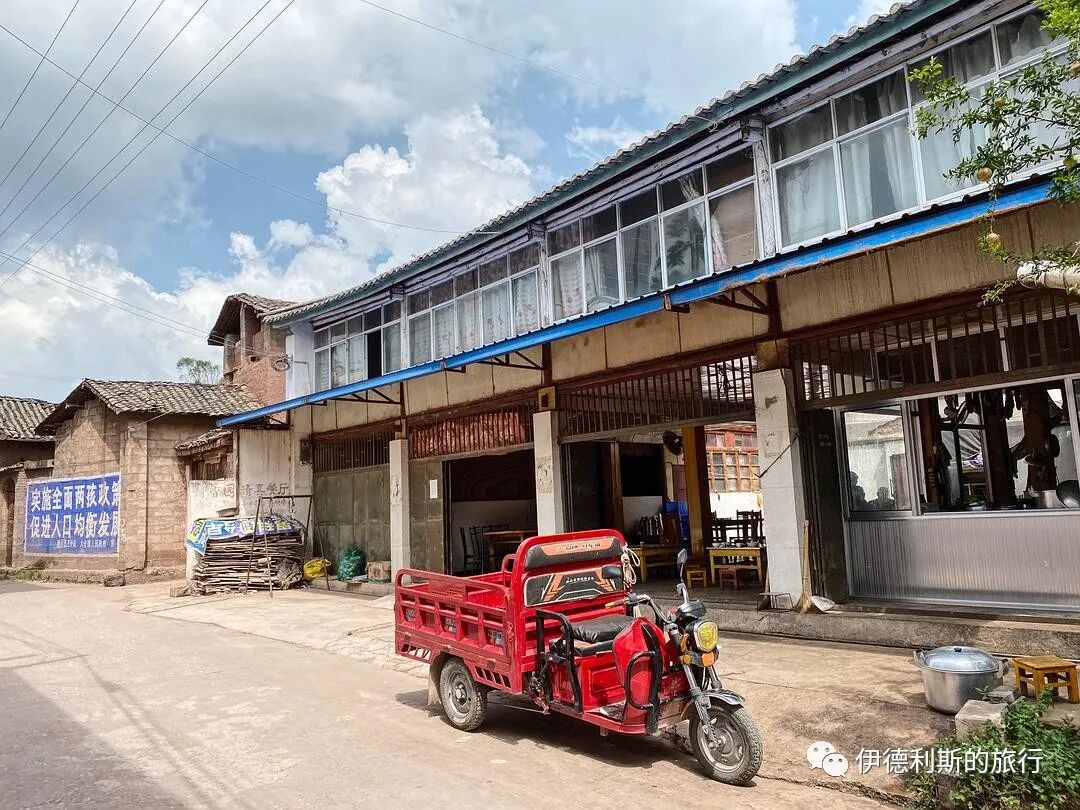
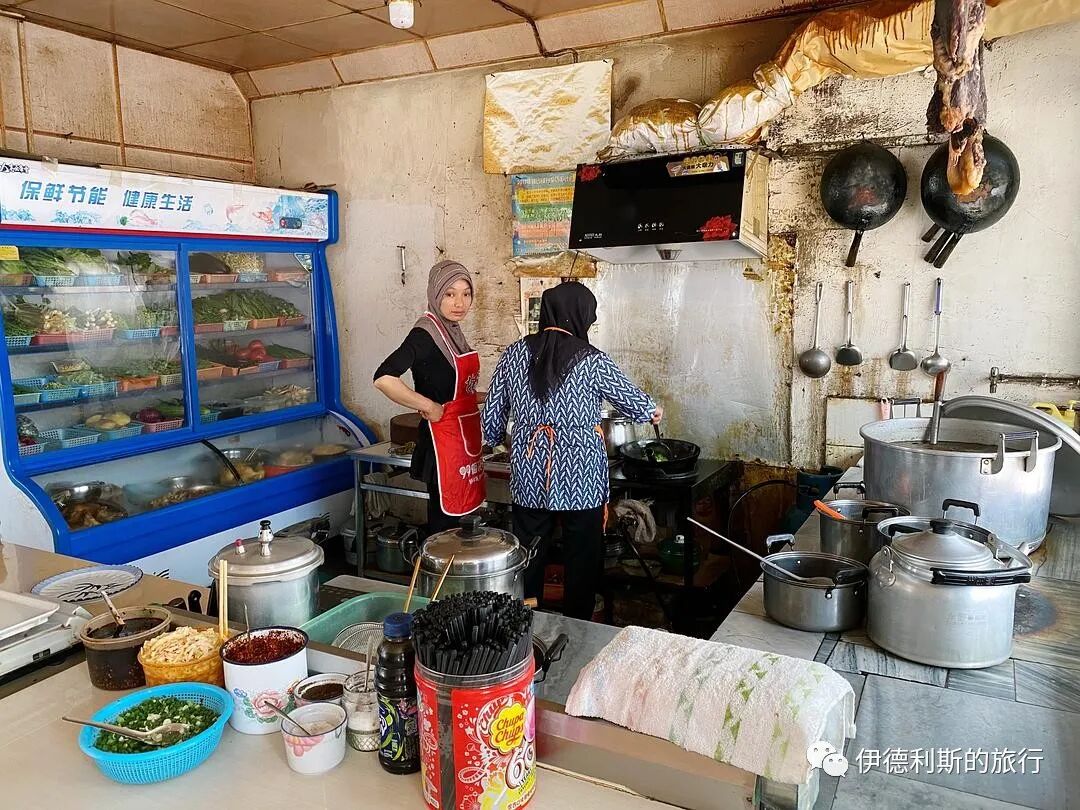
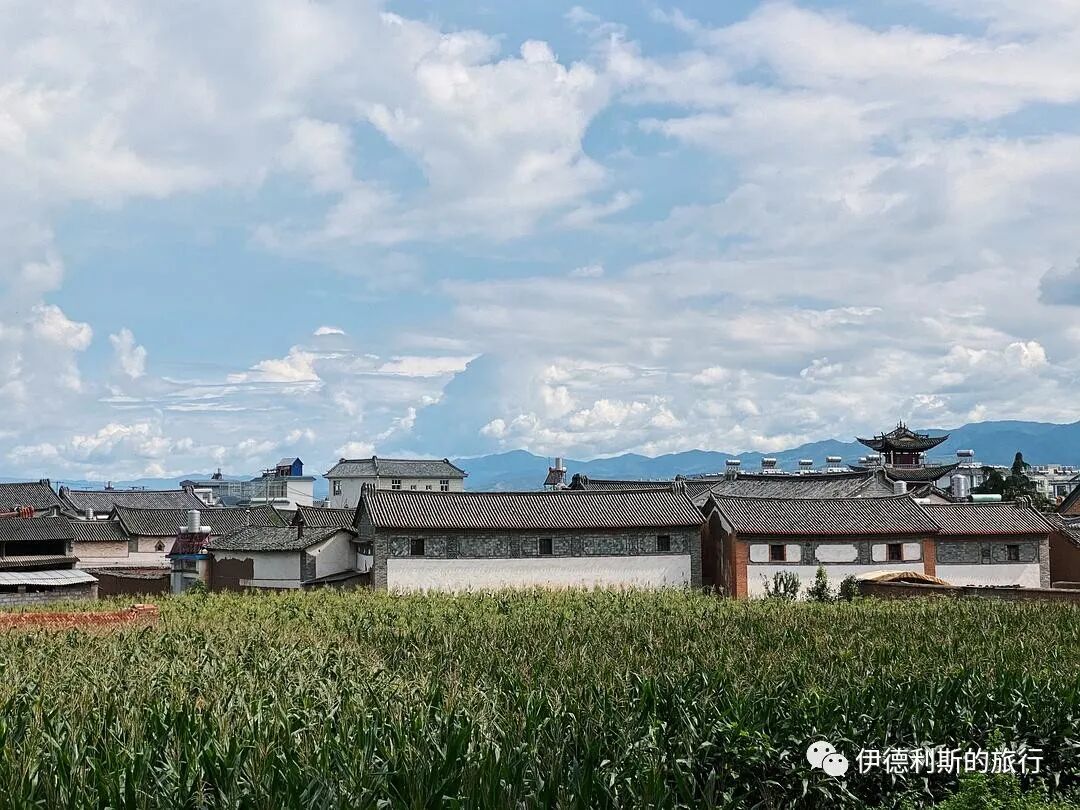
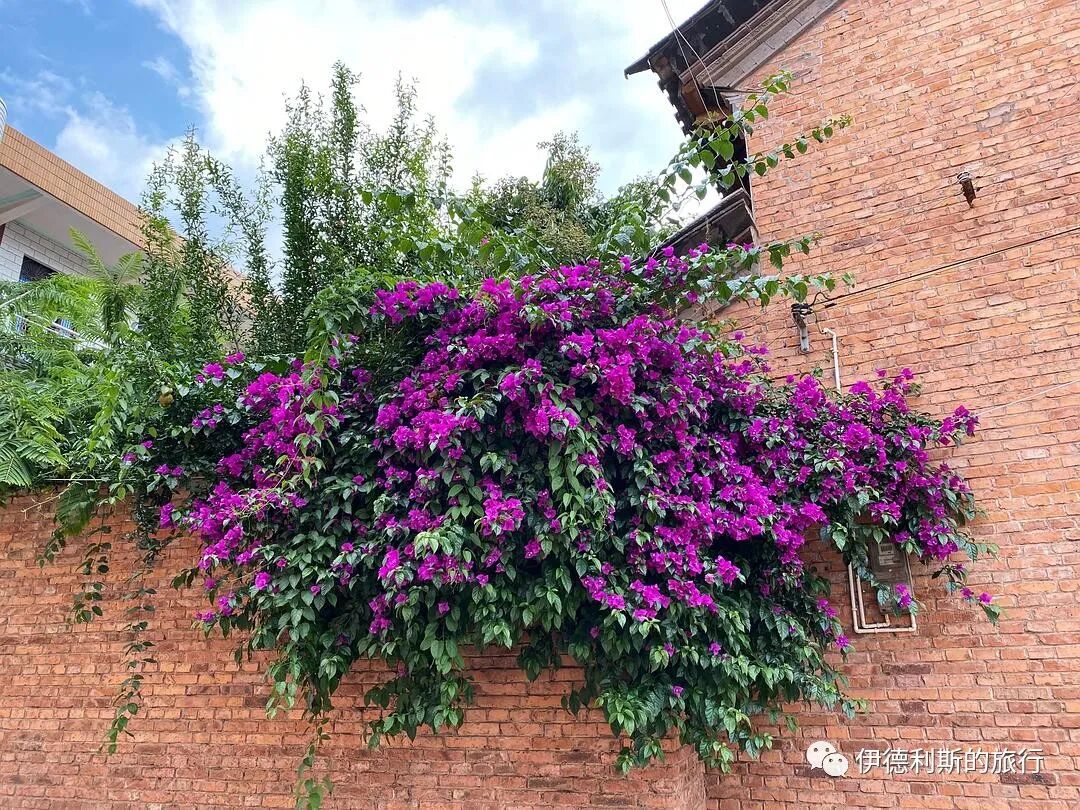
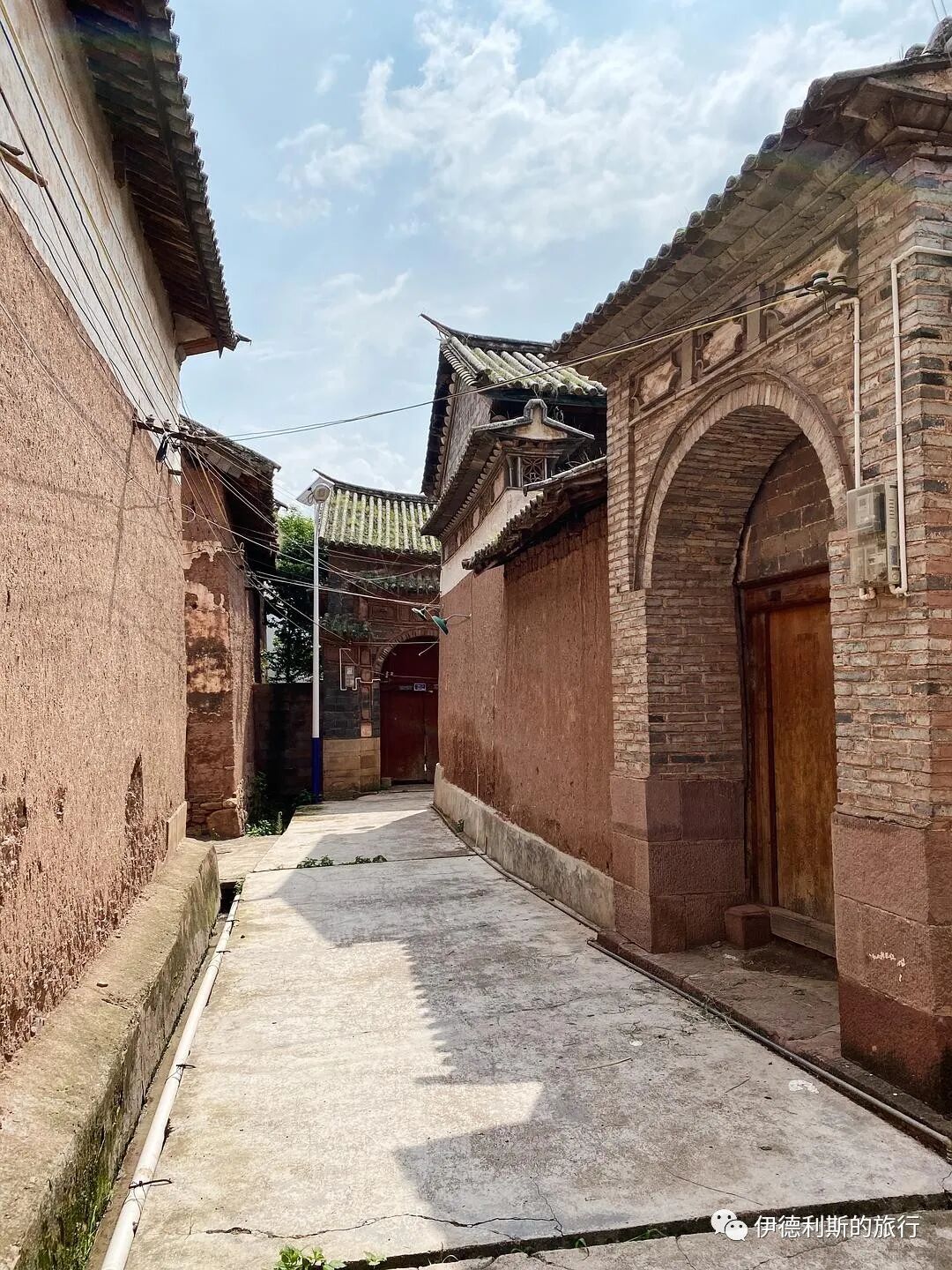
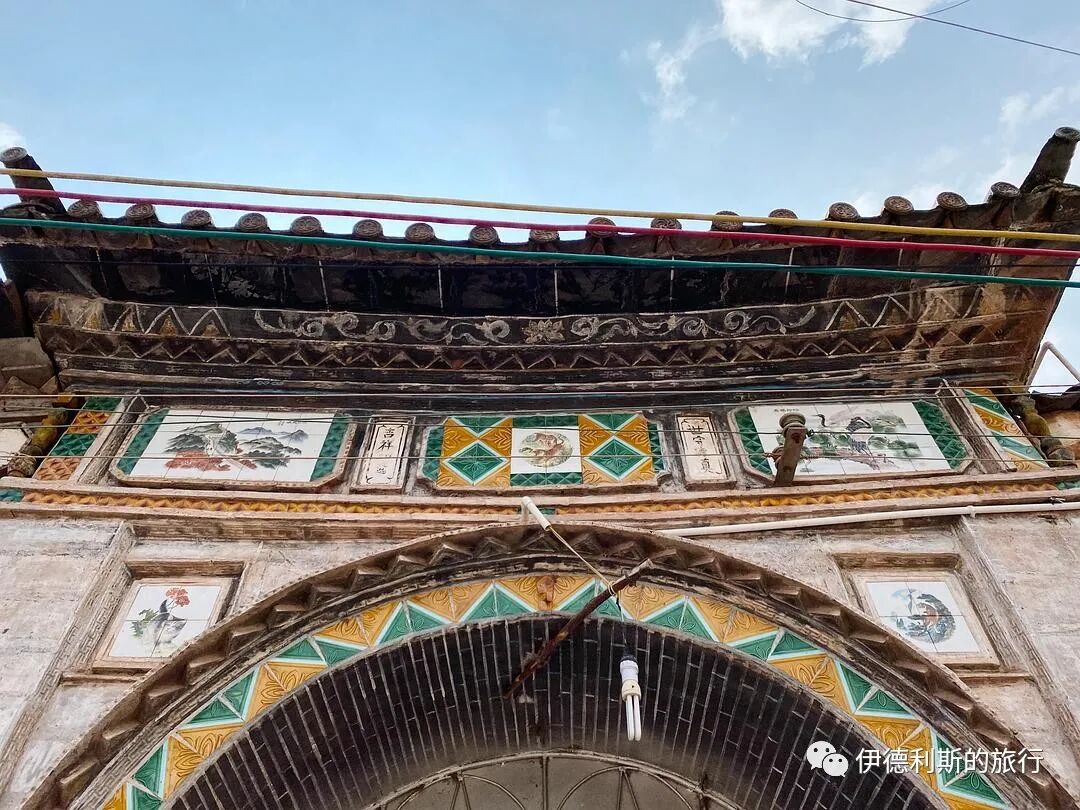
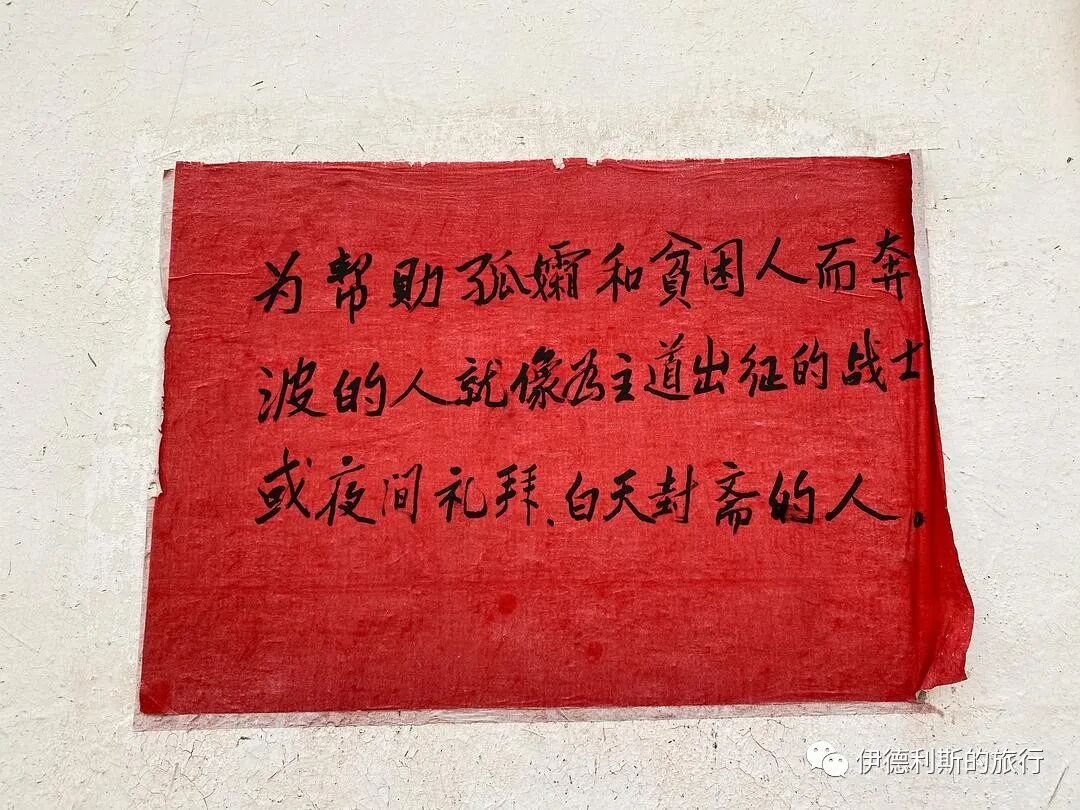
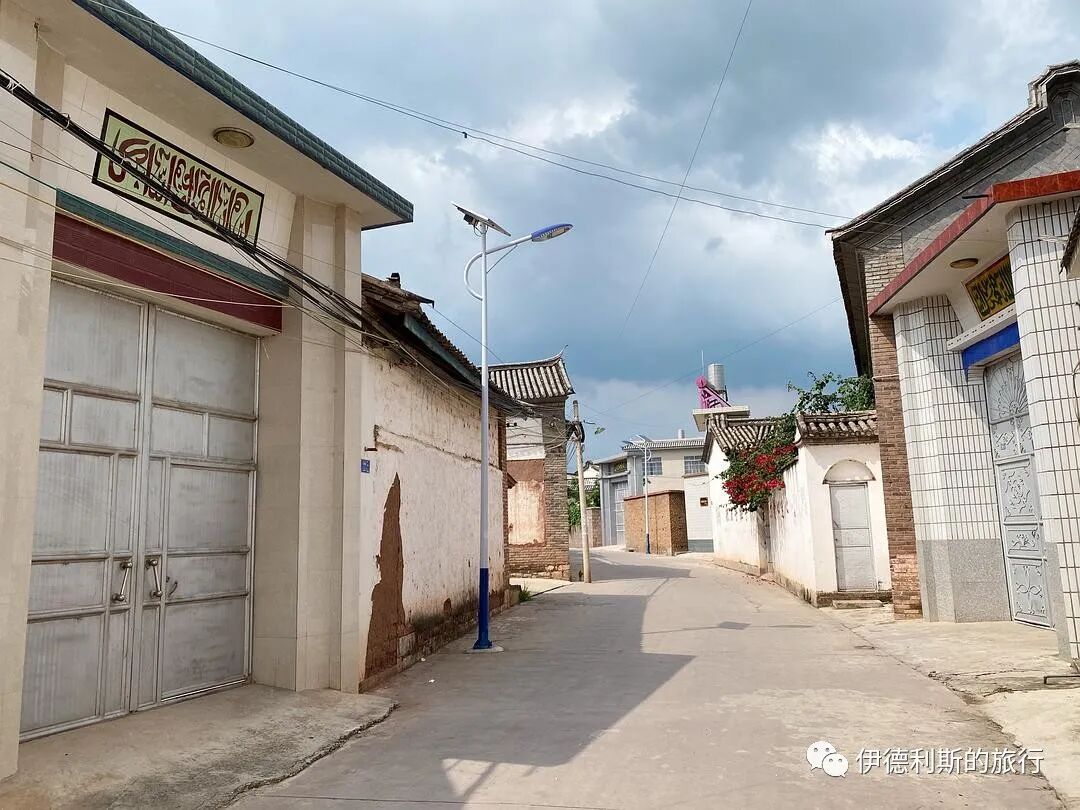
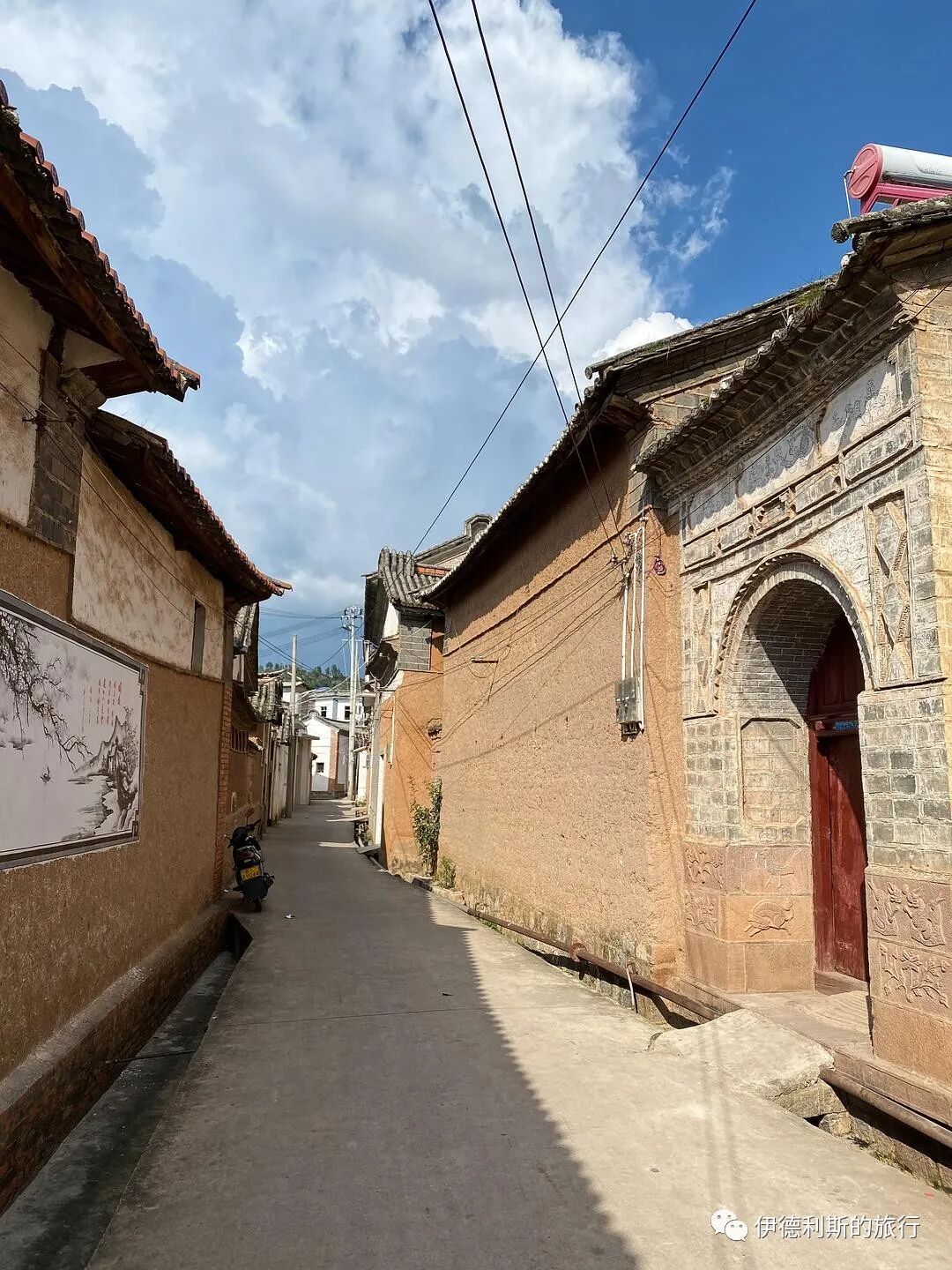
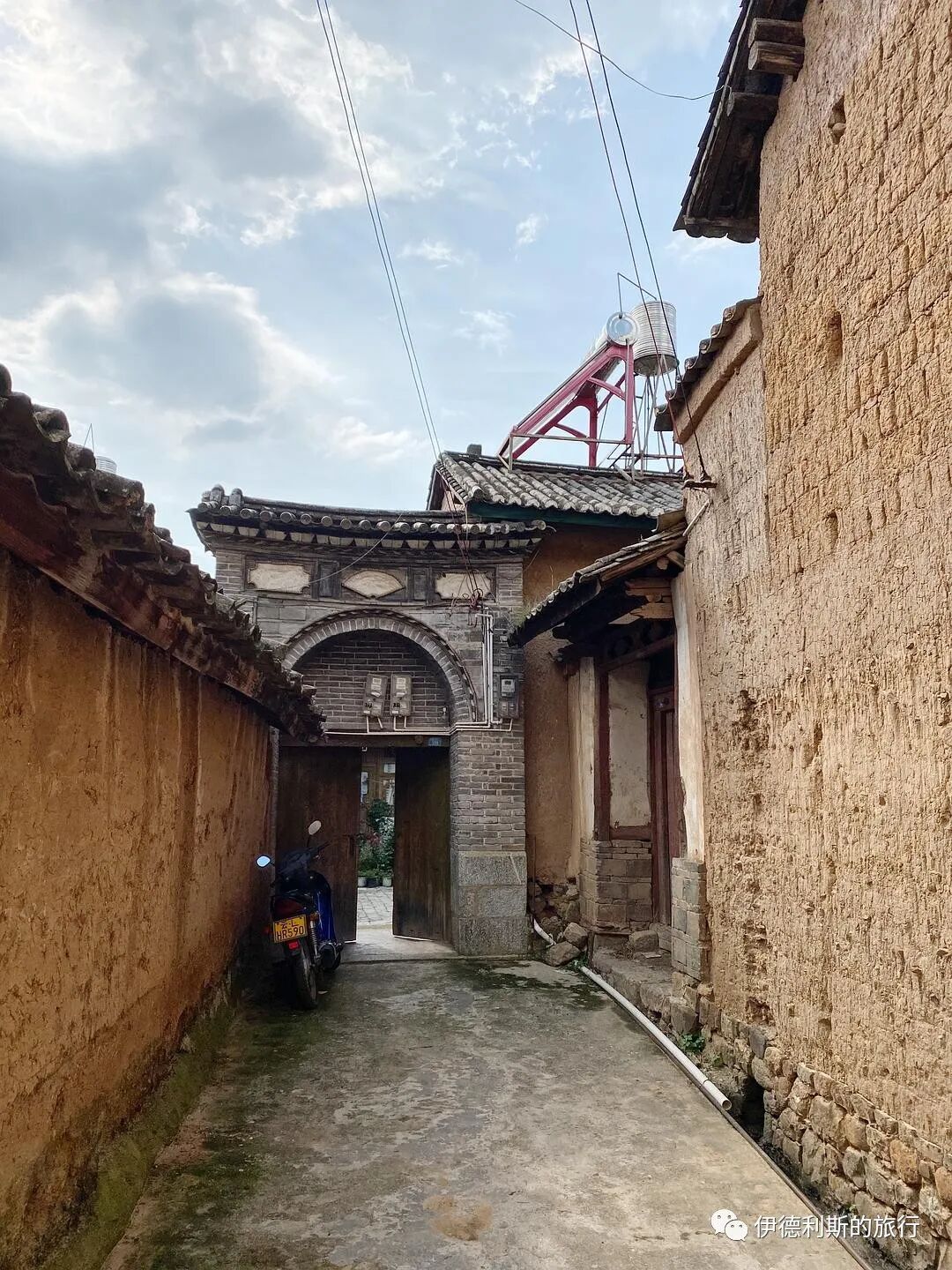
After eating, we arrived at another Hui Muslim village, Shenhe Village, from Dianzhong Huiying. The scene in the village is like this.
Mamichang
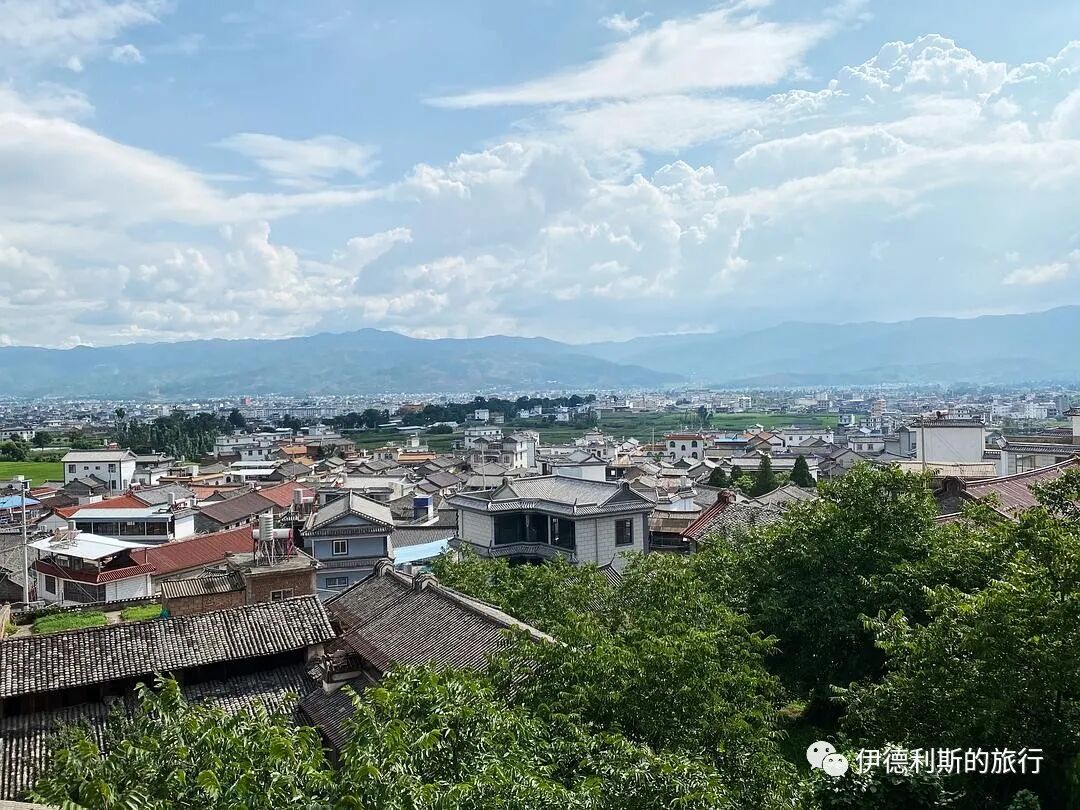
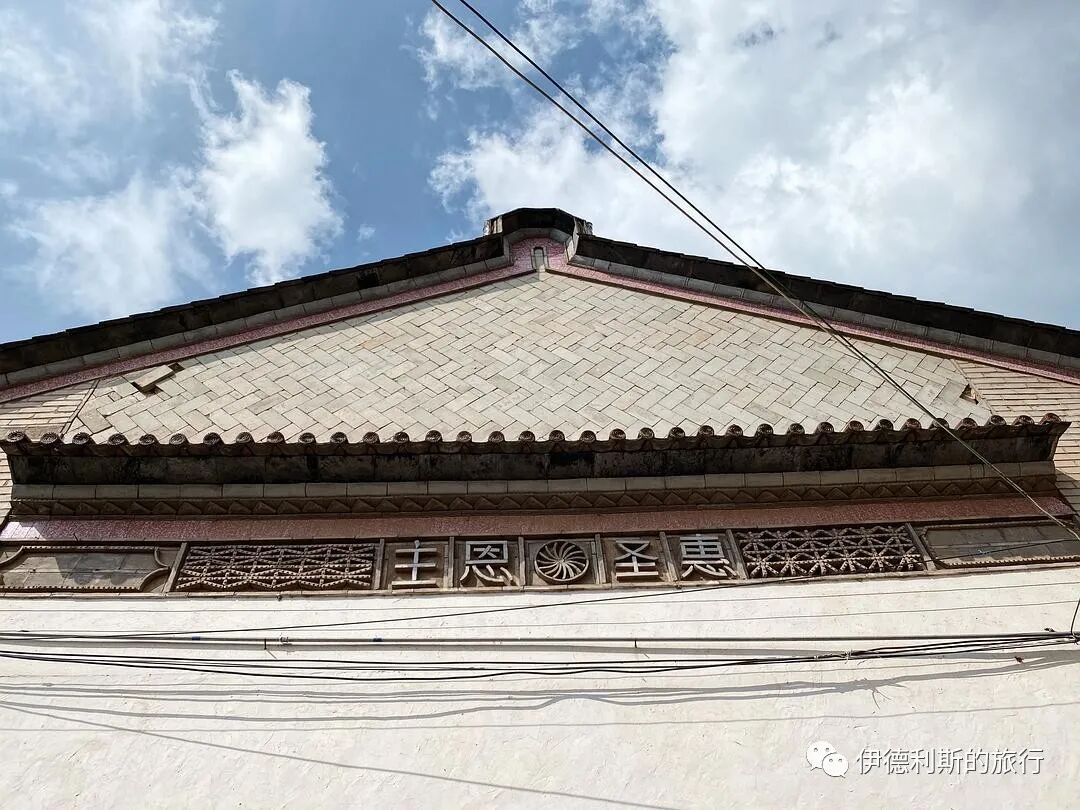
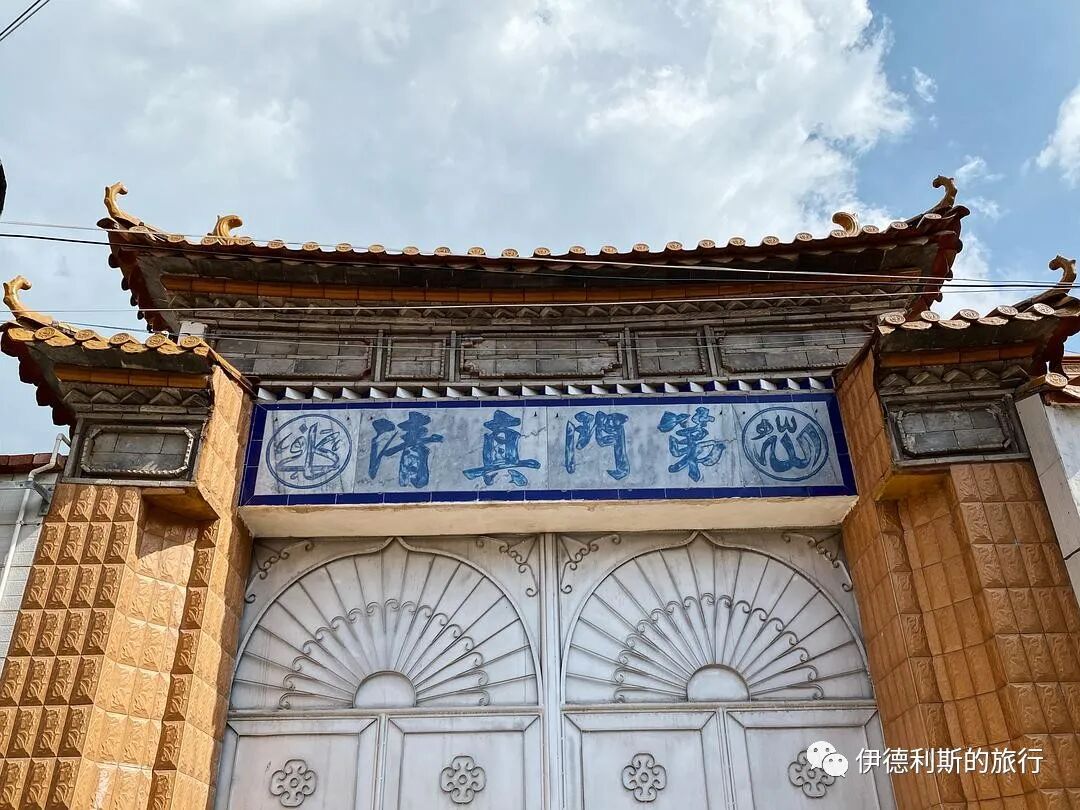
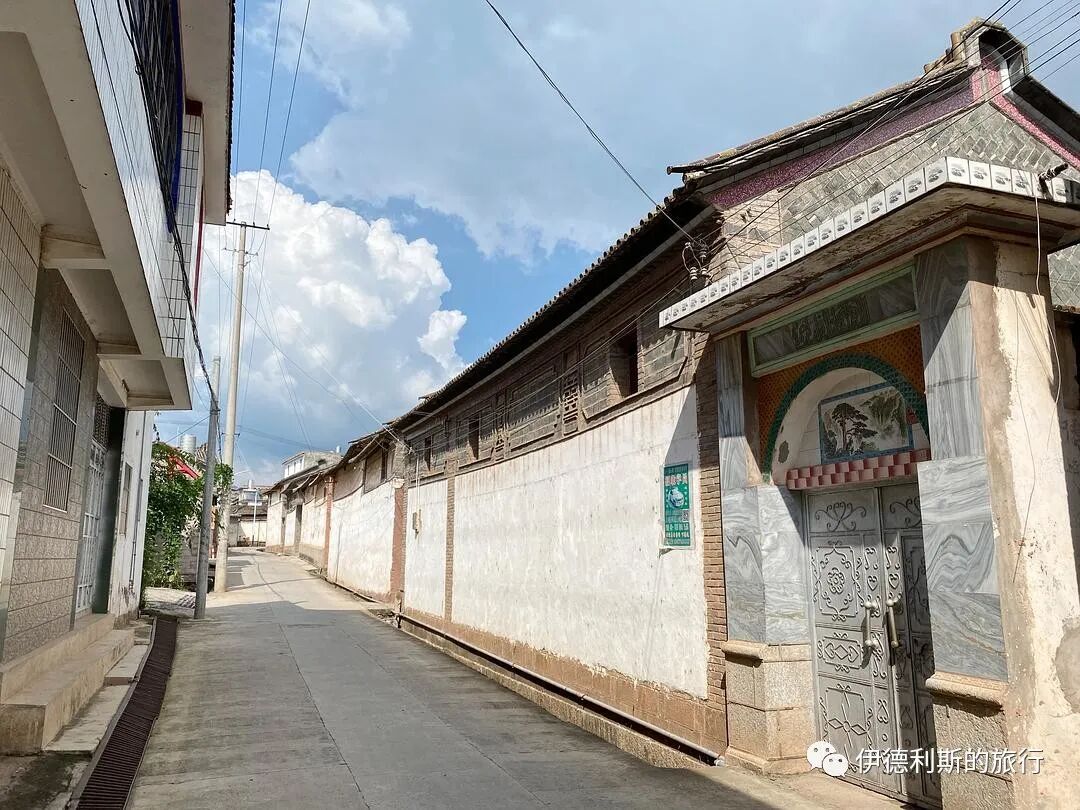
We continued to visit Hui Muslim villages, strolling from Shenhe Village to Mamichang. The village is on a small hillside, and you can overlook the surrounding scenery.
Return to Yongjian Town
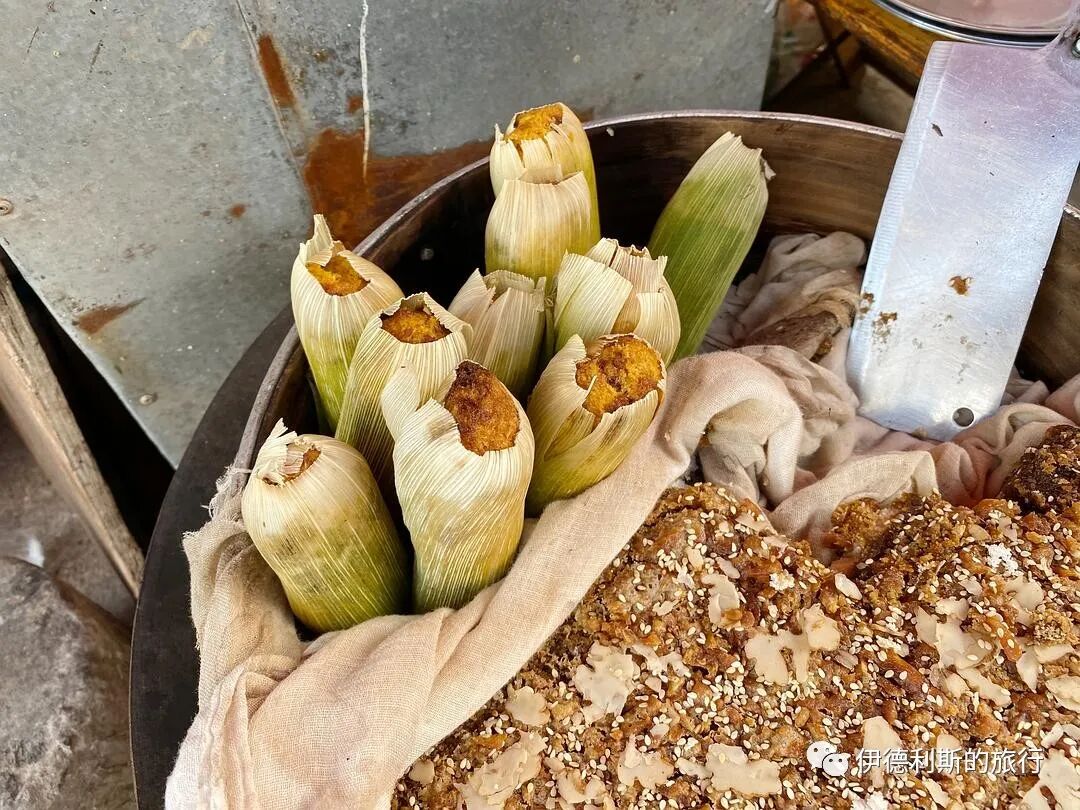
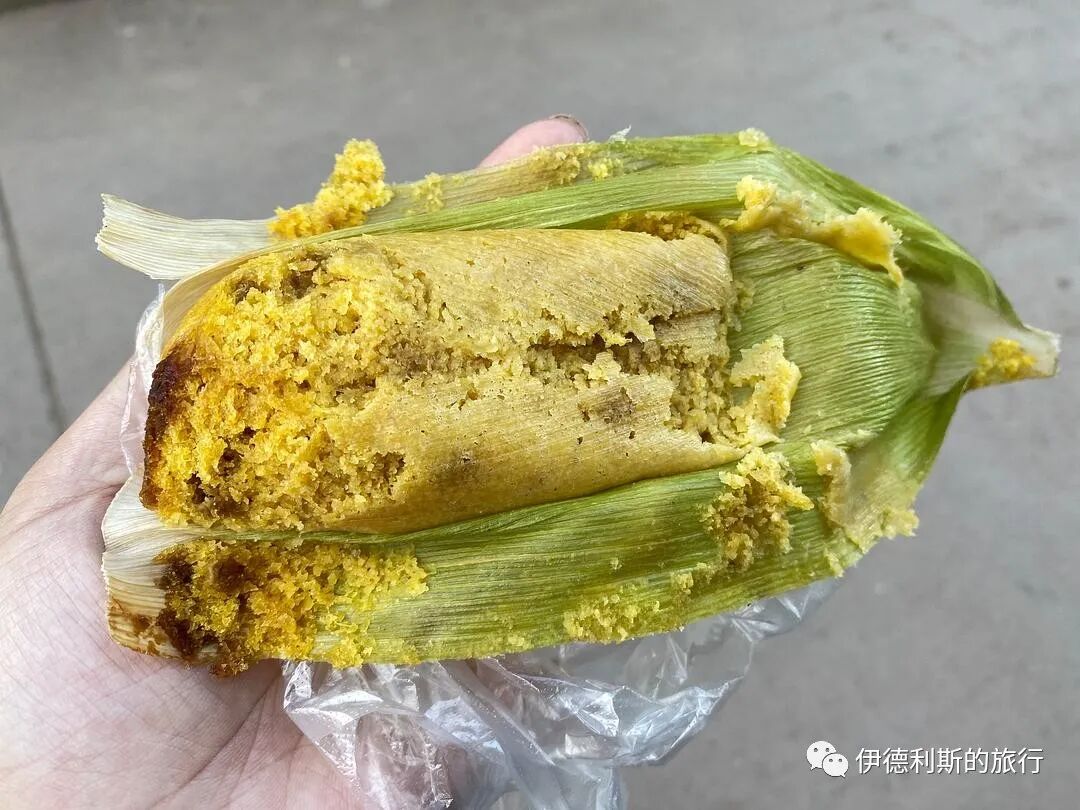
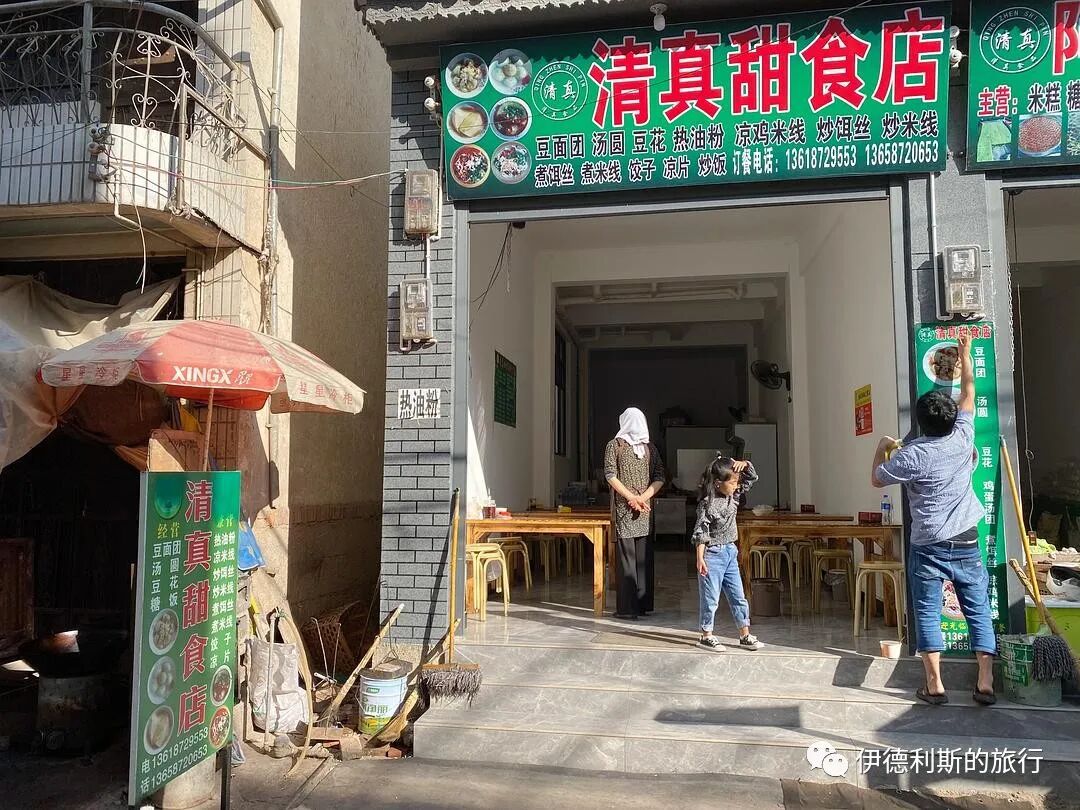
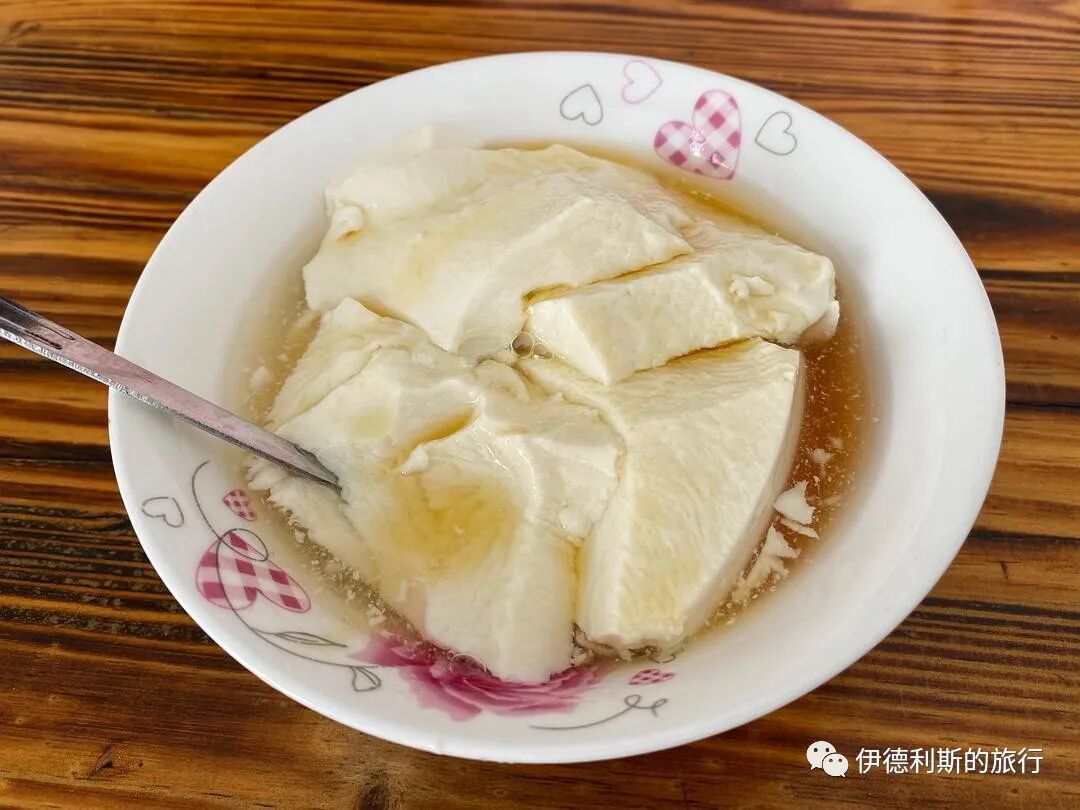
Returning to Yongjian Town from Mamichang, we ate corn baba (corn cakes) and douhua (soft tofu pudding) on Hedijie Street, the busiest street in the town. Hedijie Street has changed a lot since I went in 2017; there are fewer and fewer old houses, and the scripture bookstore is gone.
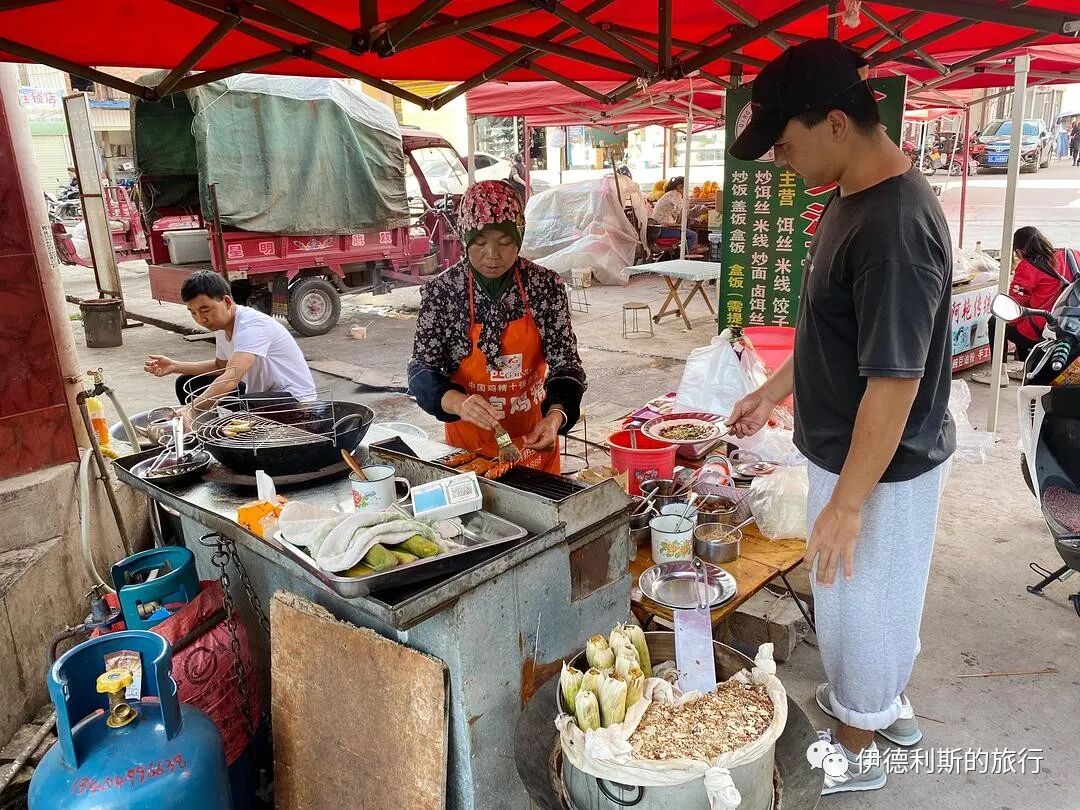
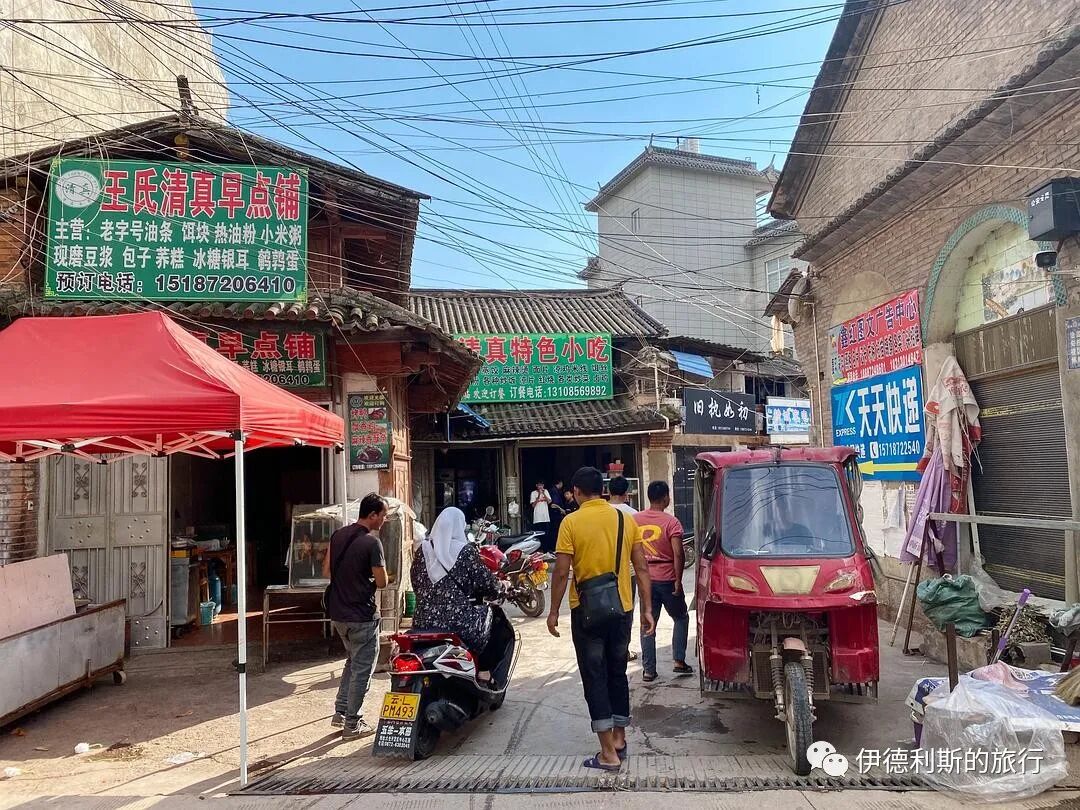
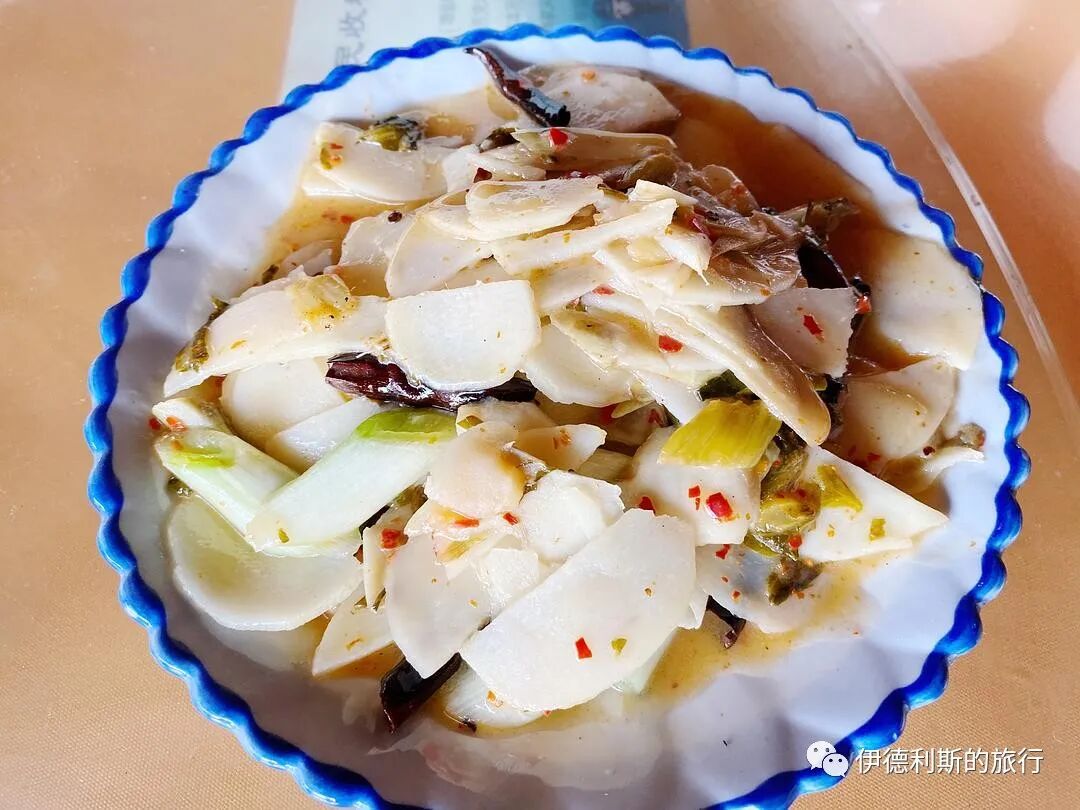
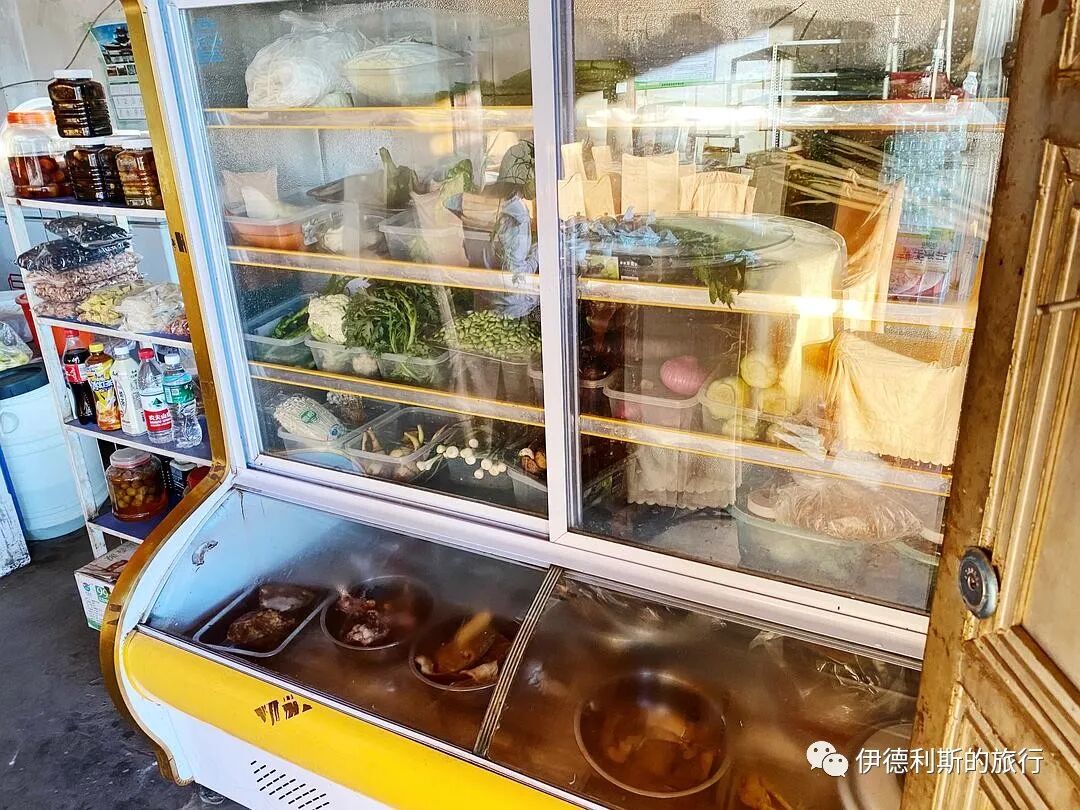
In the evening, we ate stir-fried cigu (arrowhead) with pickled vegetables and braised beef on the side of the road on Hedijie Street in Yongjian Town. The auntie who owns the place is from Xiaoweigeng Village. Restaurants that make stir-fry here generally do not have menus, but put all the ingredients in a freezer, and the guests point to whichever one they want, and they make it.
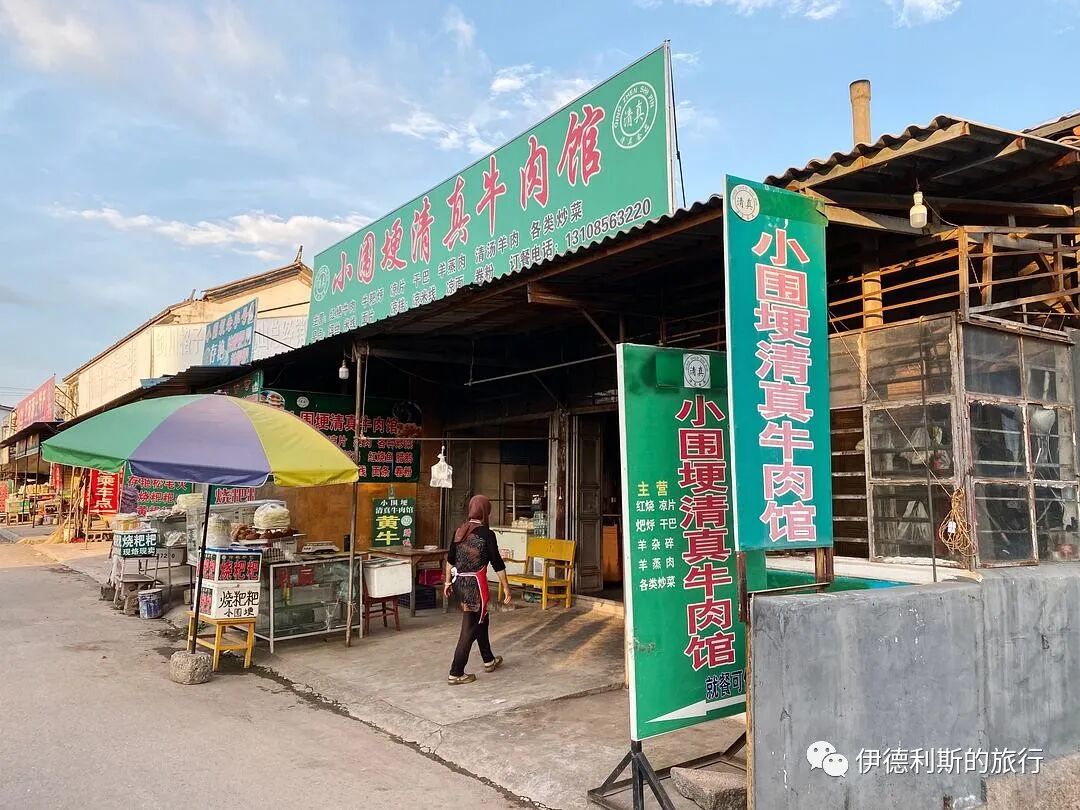
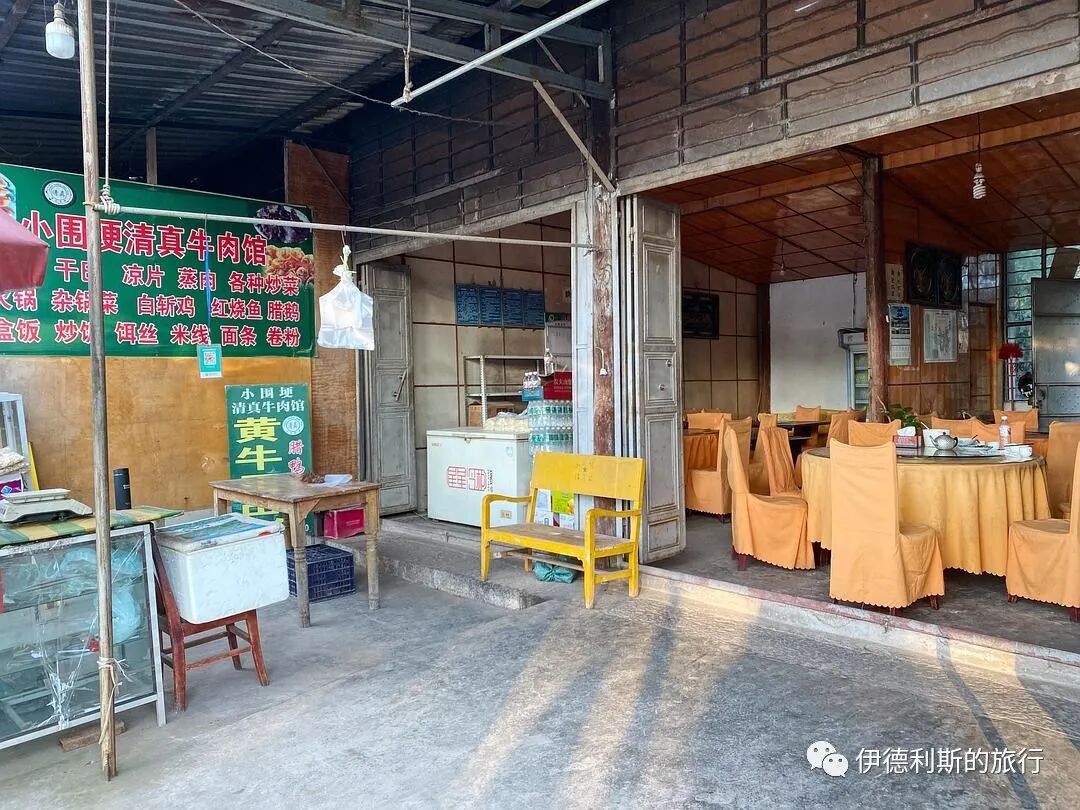
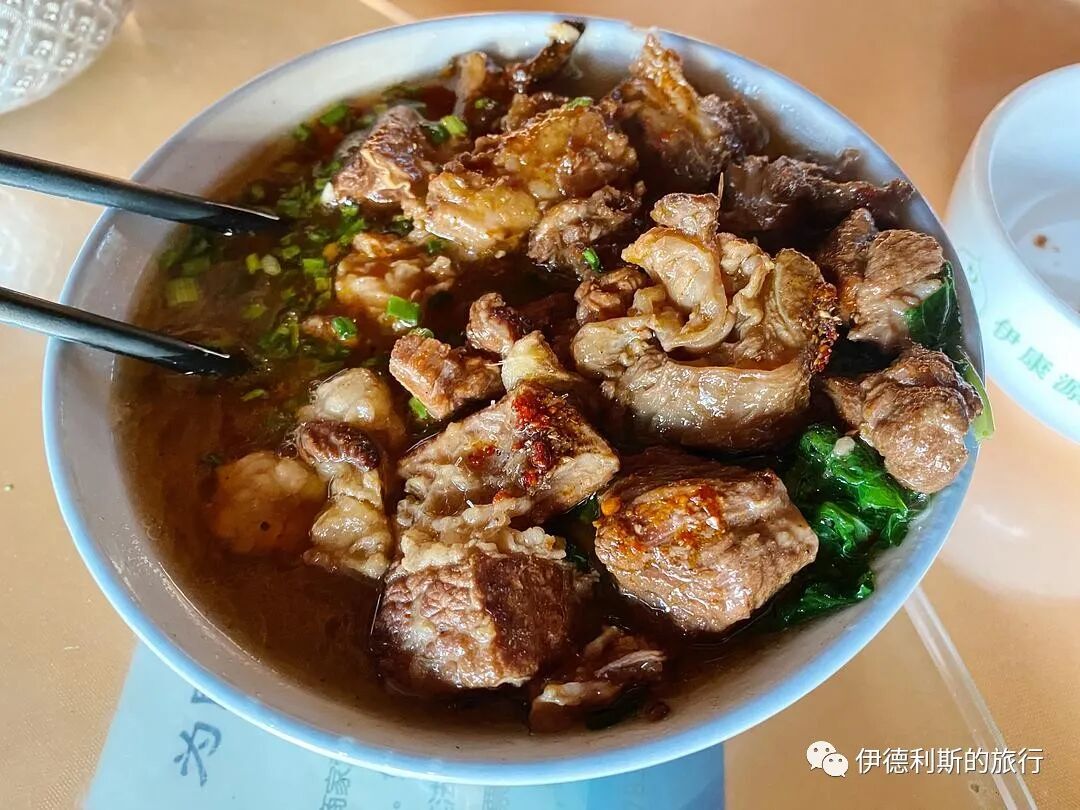
August 5: Market day in Yongjian Town
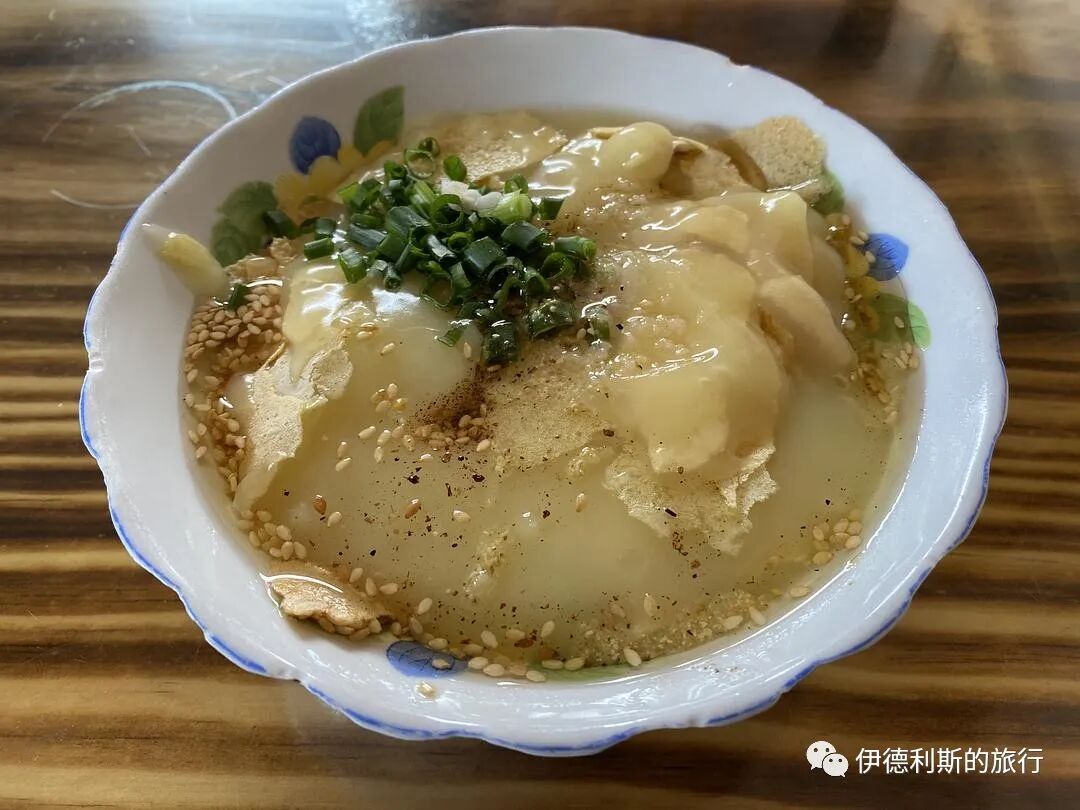
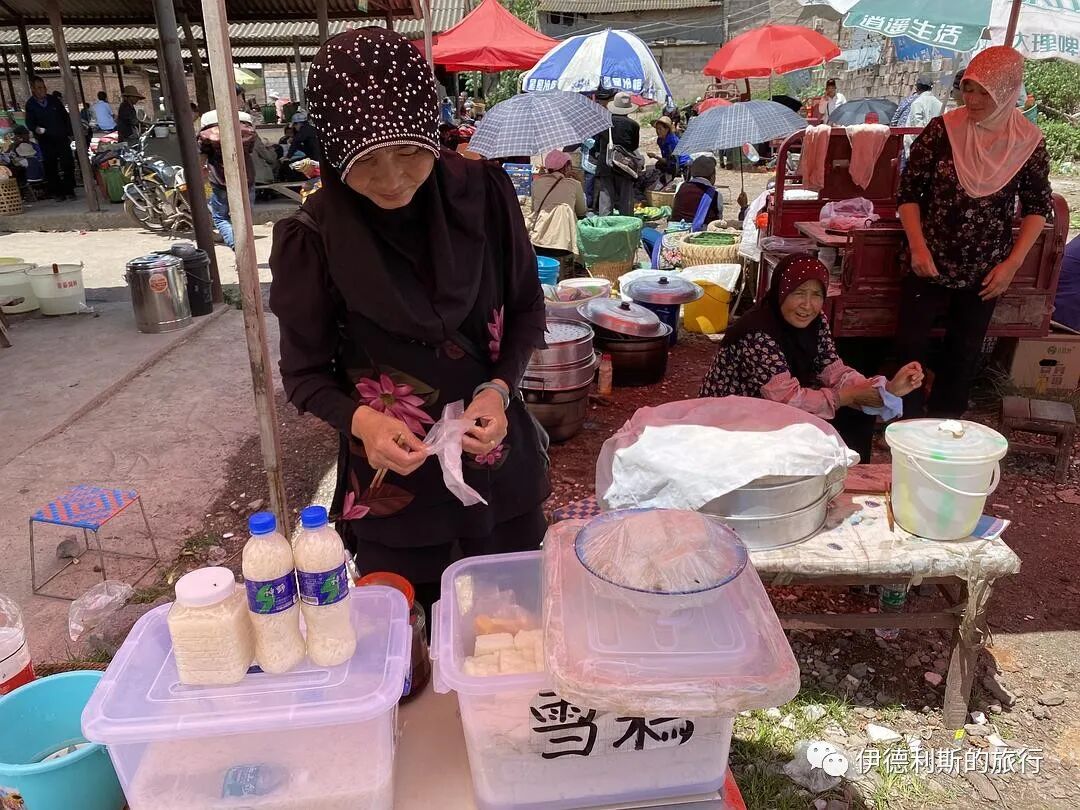
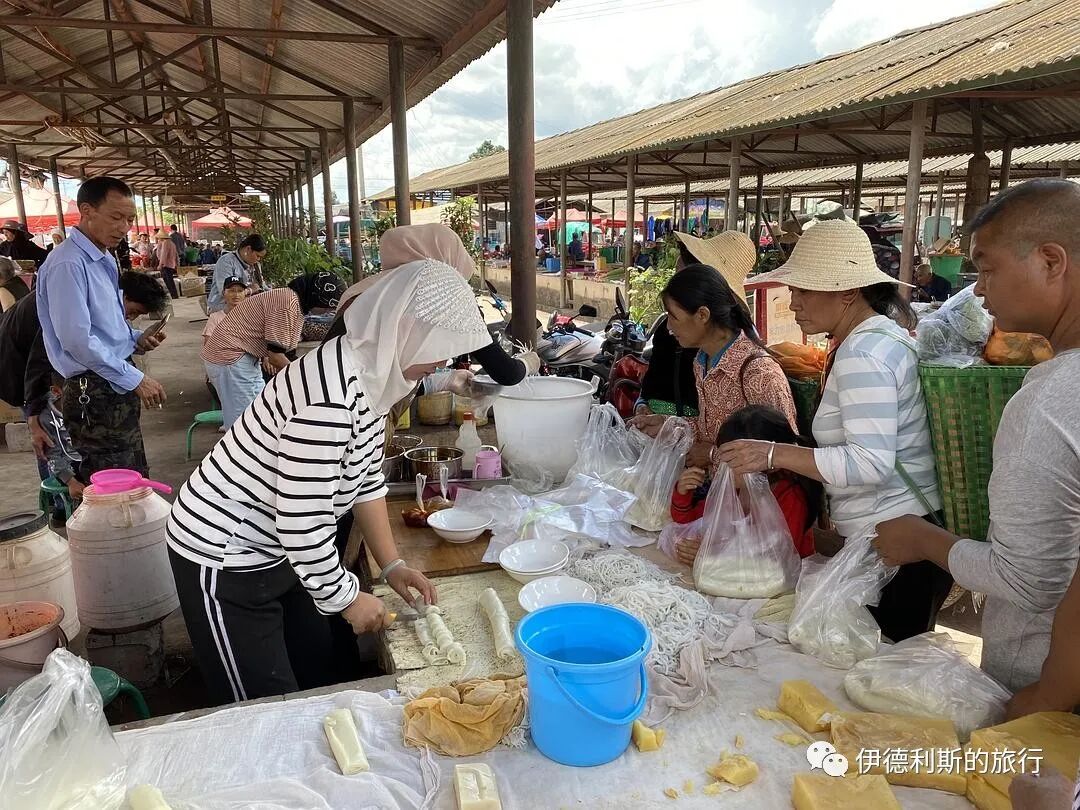
In the morning, we caught a very lively market in Yongjian Town. We ate hot youfen (pea starch jelly), juanfen (rolled rice noodles), qiaogao (buckwheat cake), and brown sugar liangxia (cold shrimp-shaped jelly), and also bought rose-flavored rushan. The youfen is really delicious. It is made by peeling peas and grinding them in a stone mill. The texture is soft and smooth, and it has crispy rice crust inside.
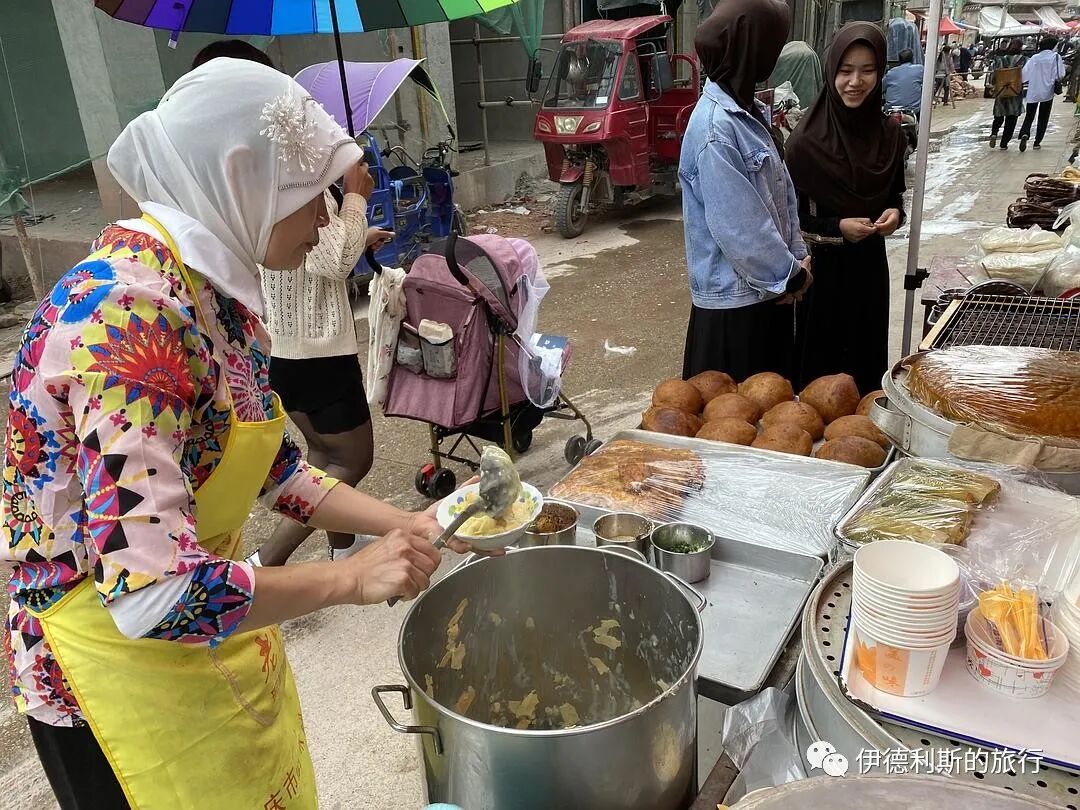
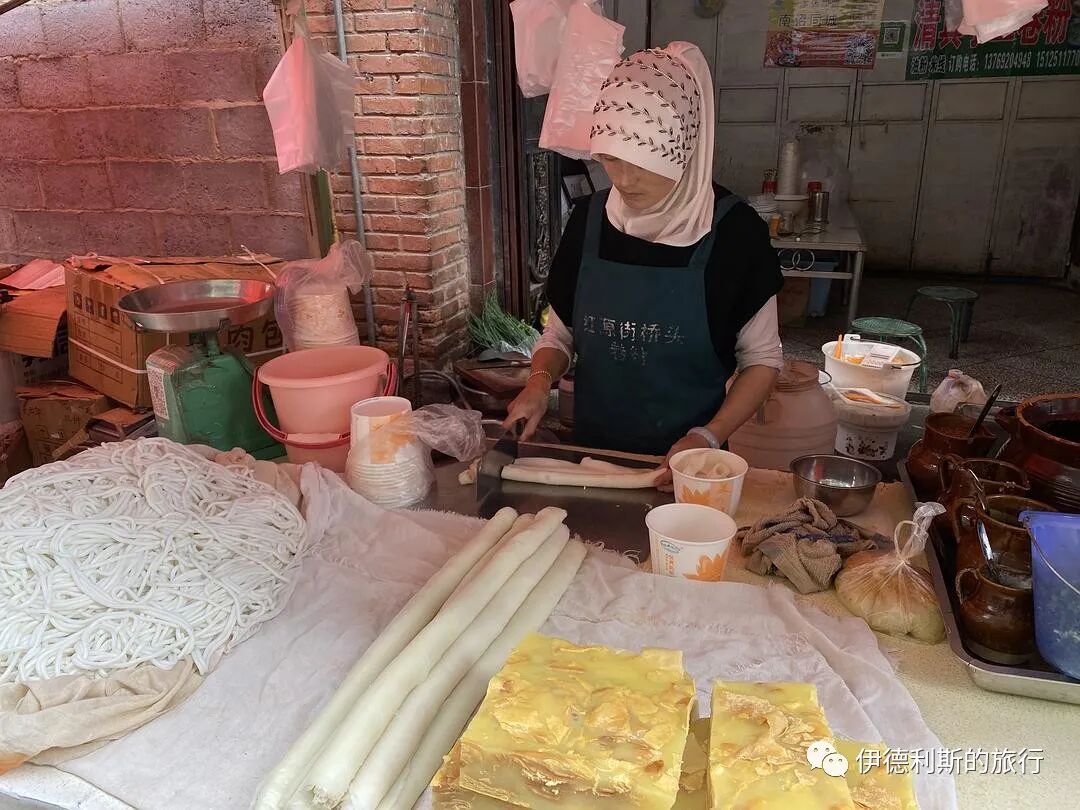
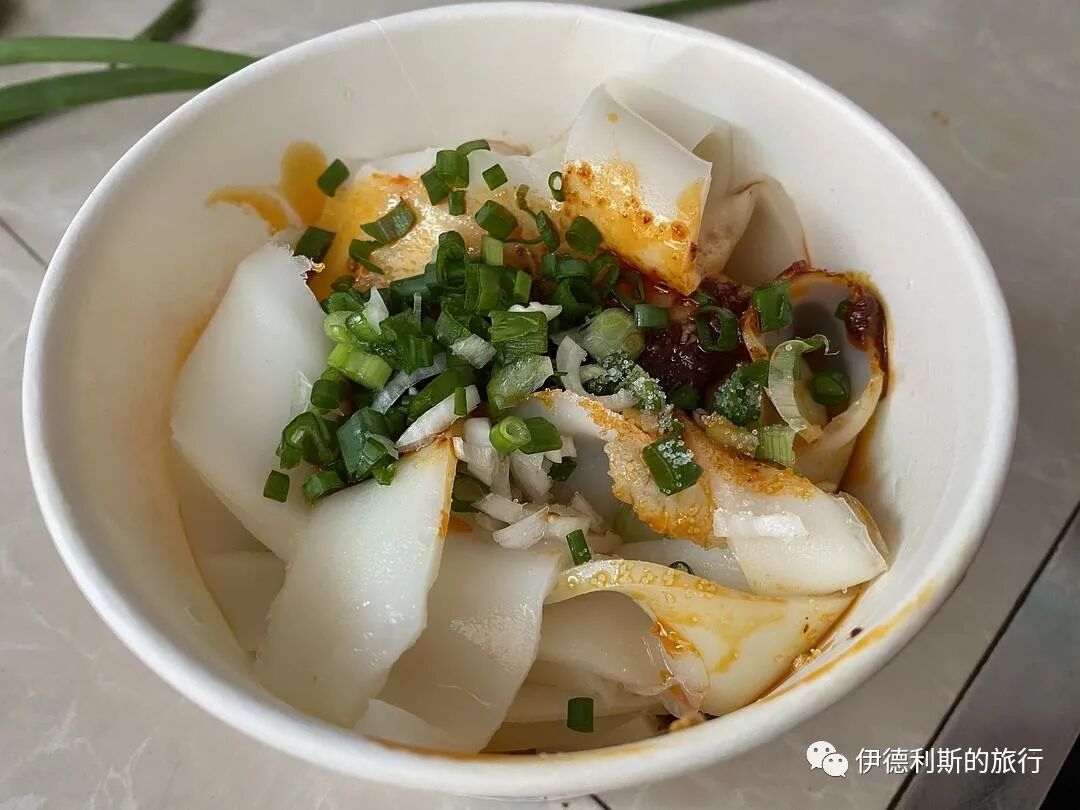
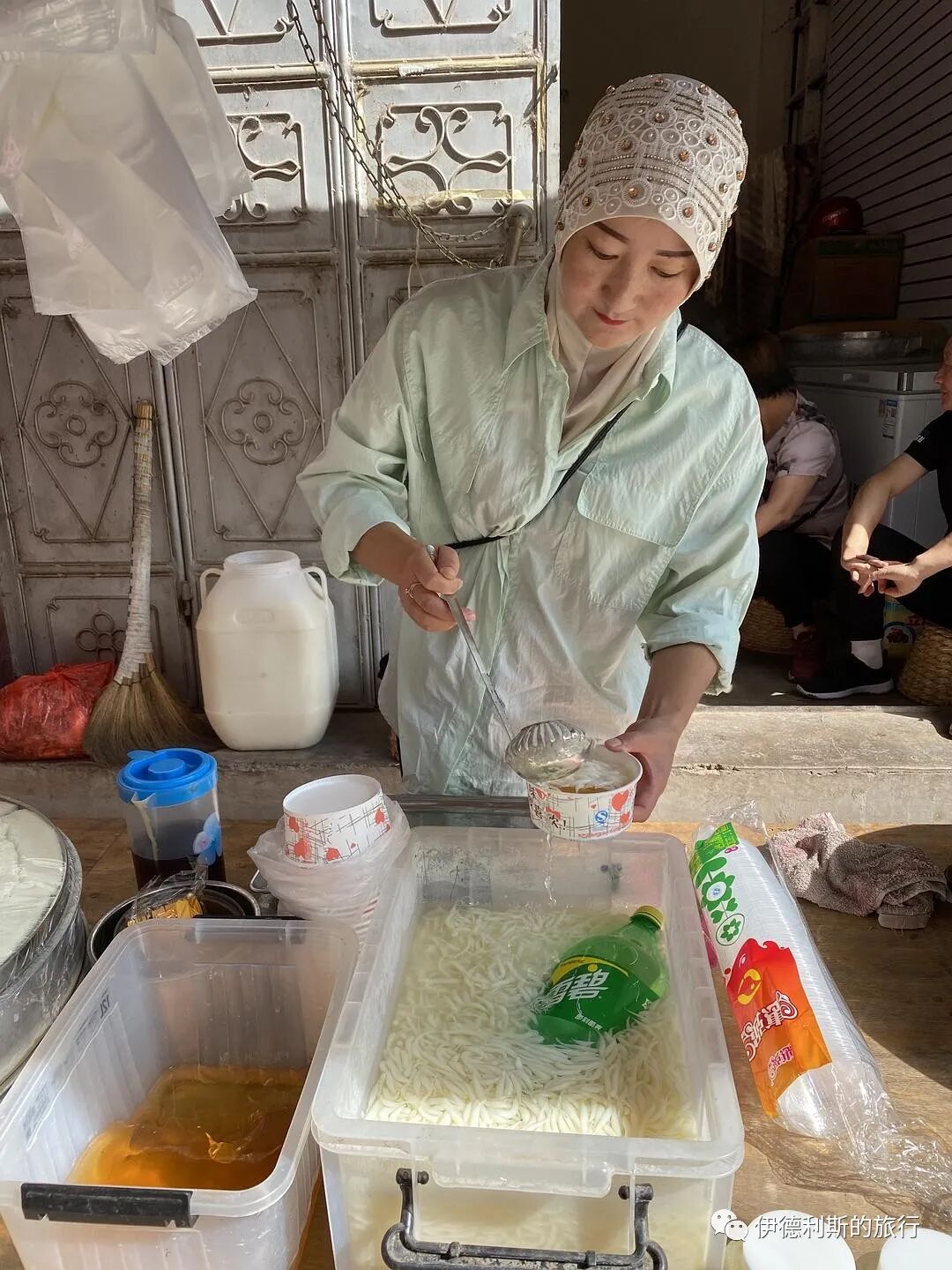
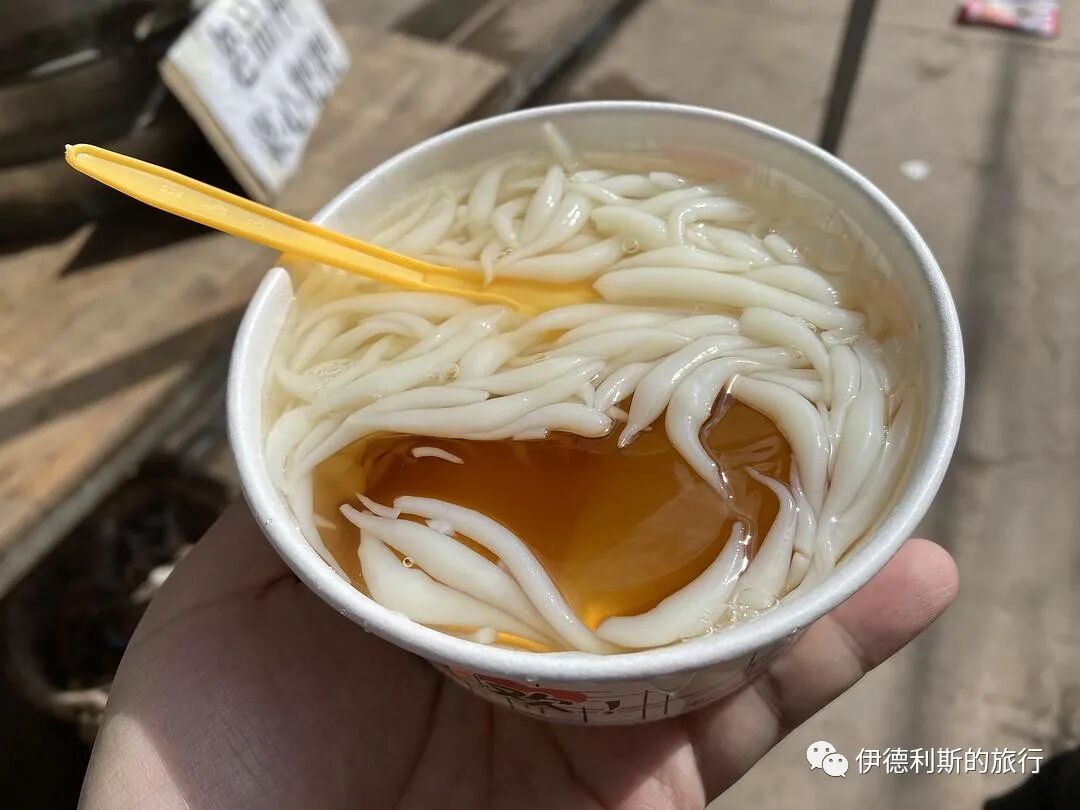
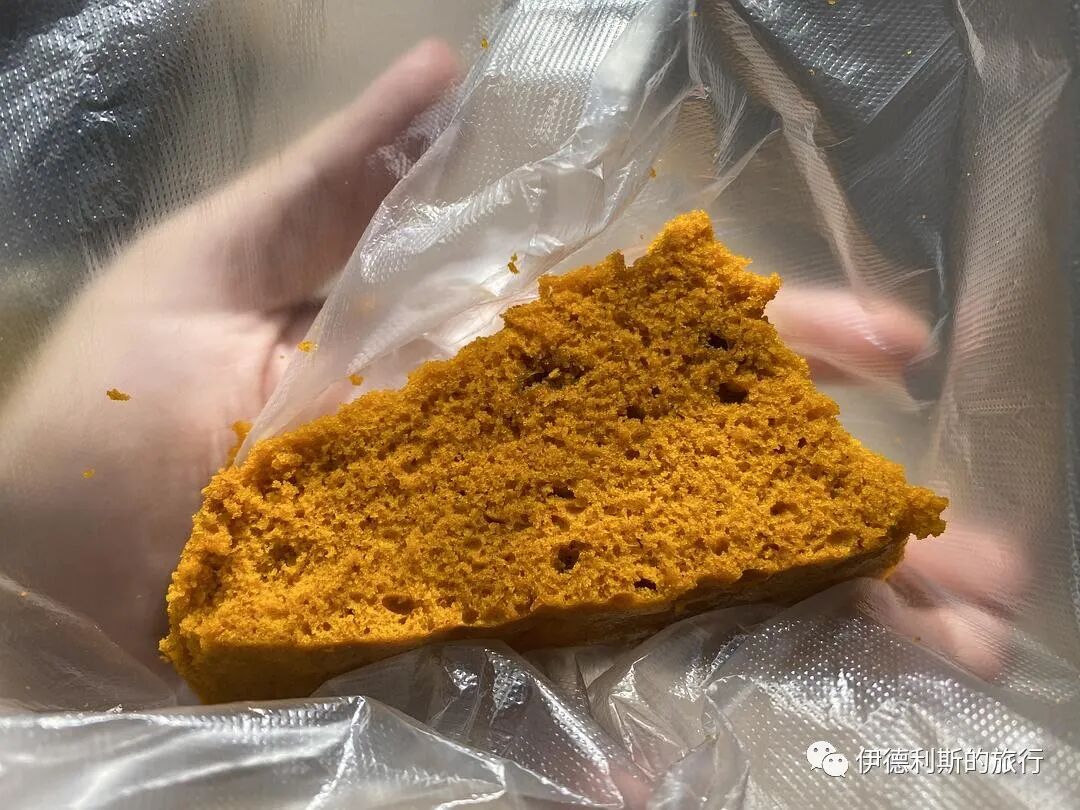
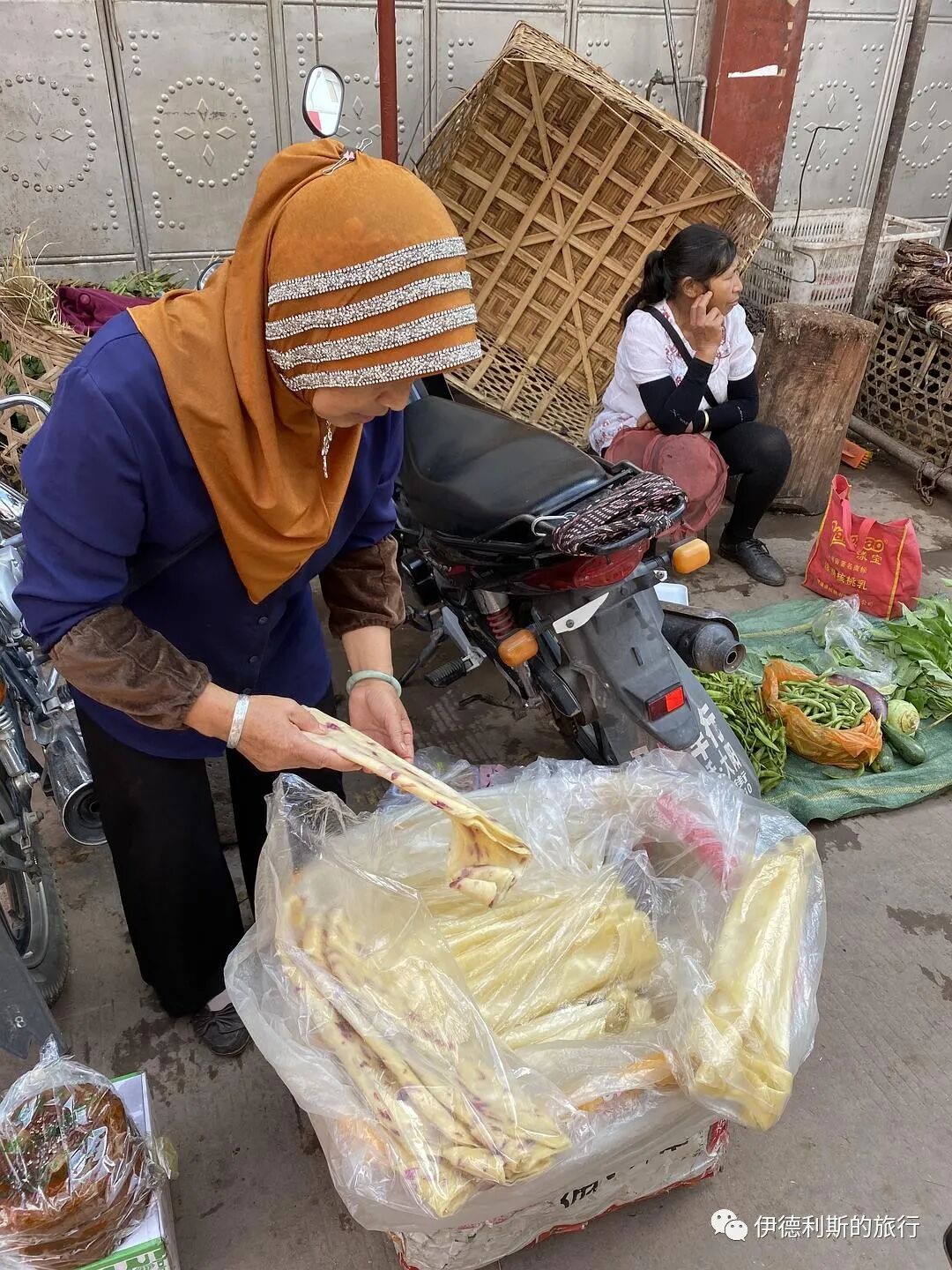
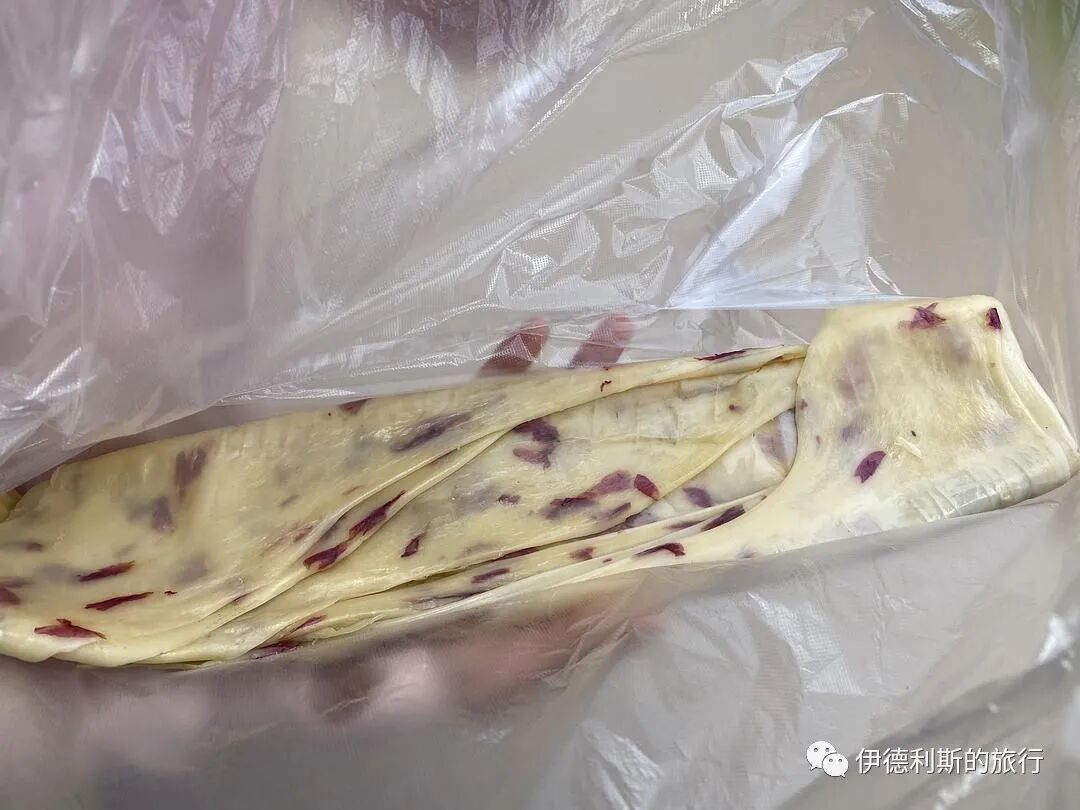
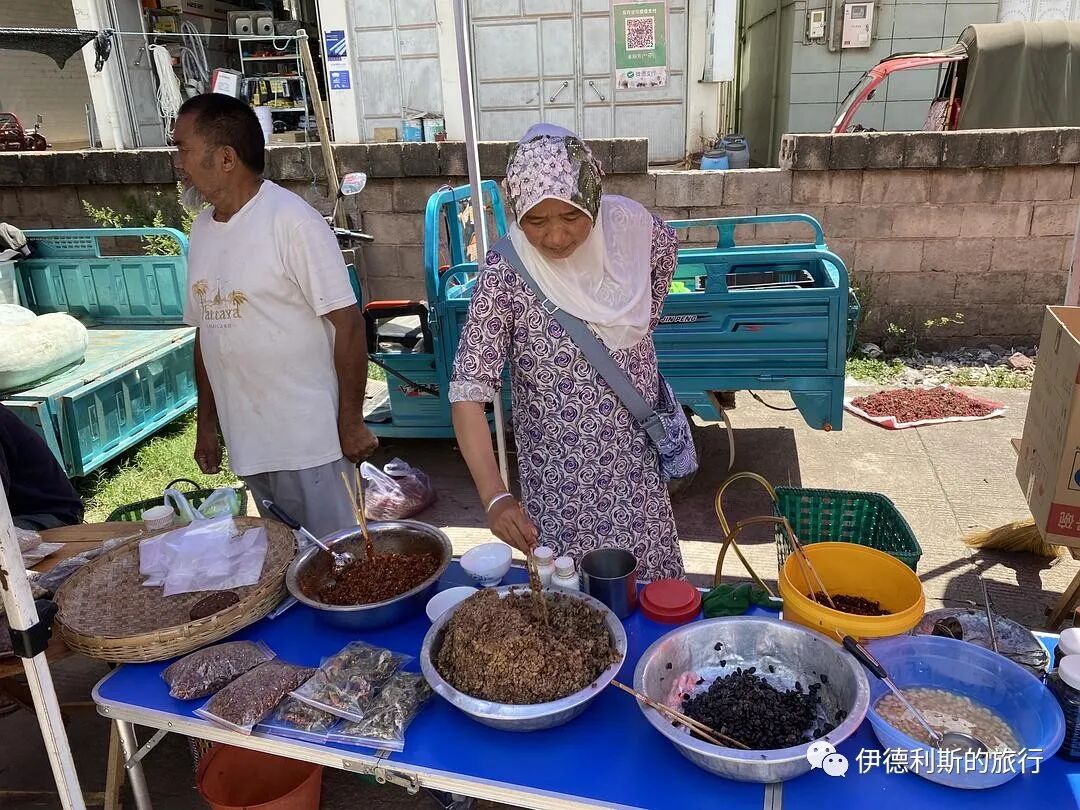
Yi and Hui Muslim aunties are together at the market.
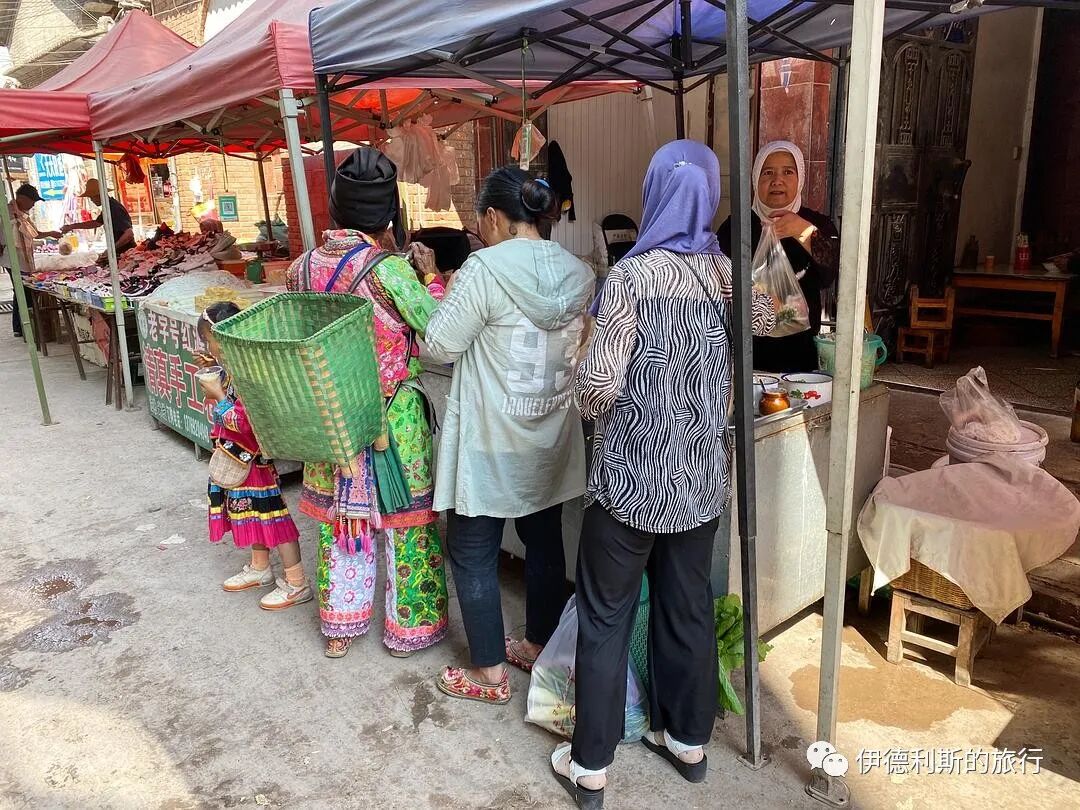
Market day in Huihuideng
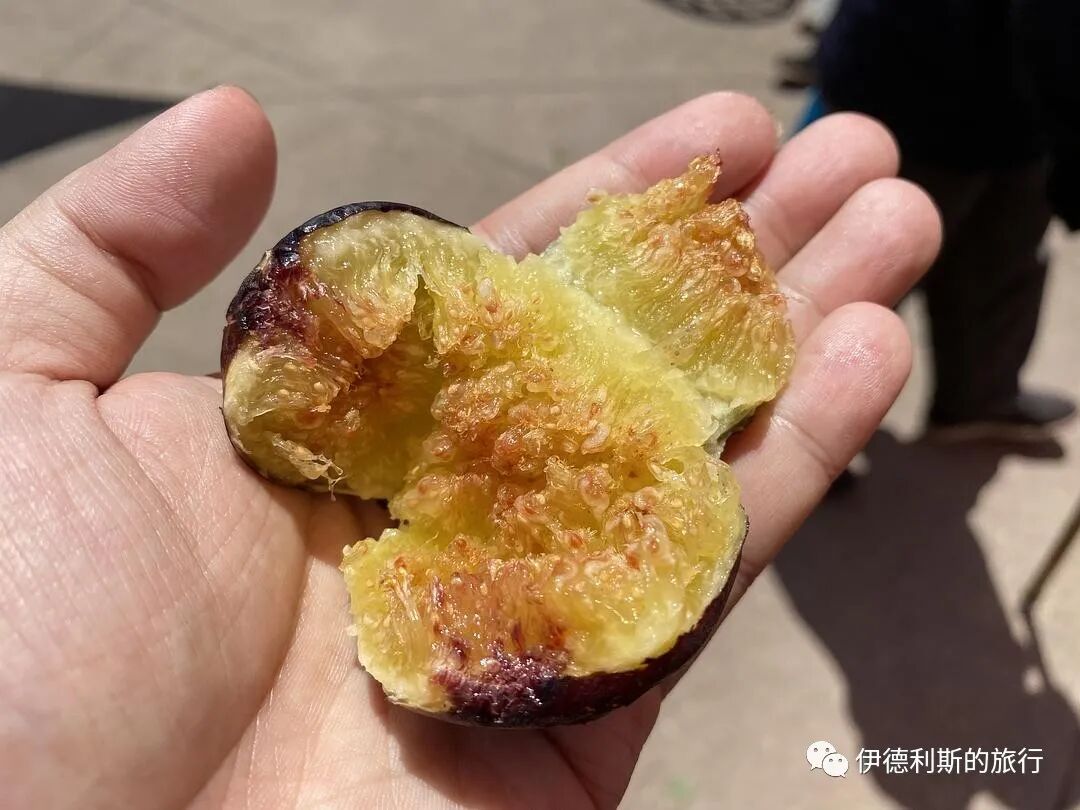
We set off from Yongjian Town to Huihuideng Village and caught another big market. We ate figs, ice cream, and soy milk. There are too many fun things here. Besides Hui Muslims, there are also many Yi aunties and grandmothers wearing traditional clothing. The Yi clothing is very beautiful.
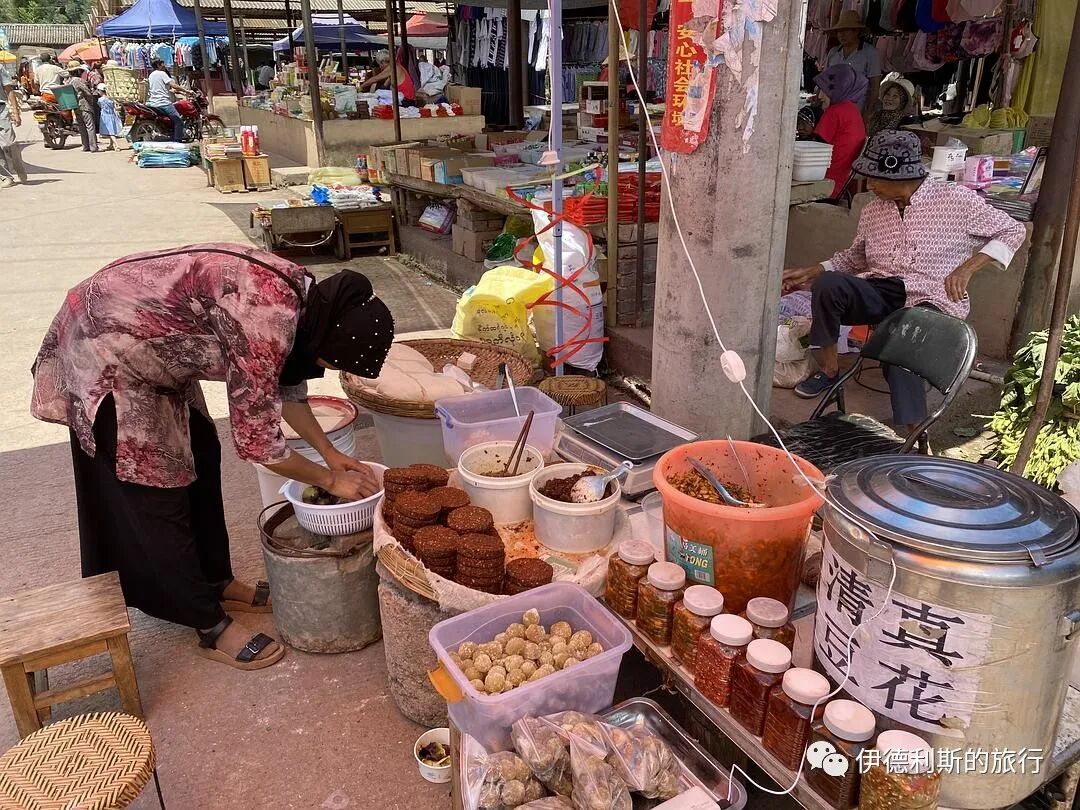
Natto
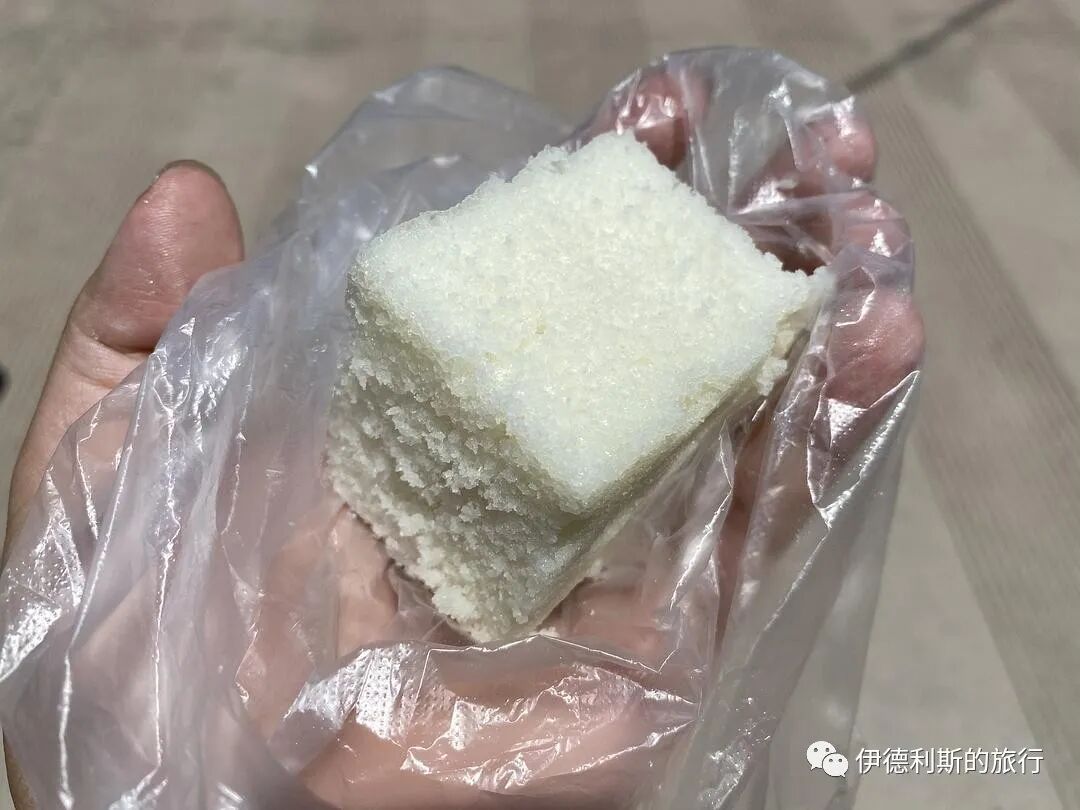
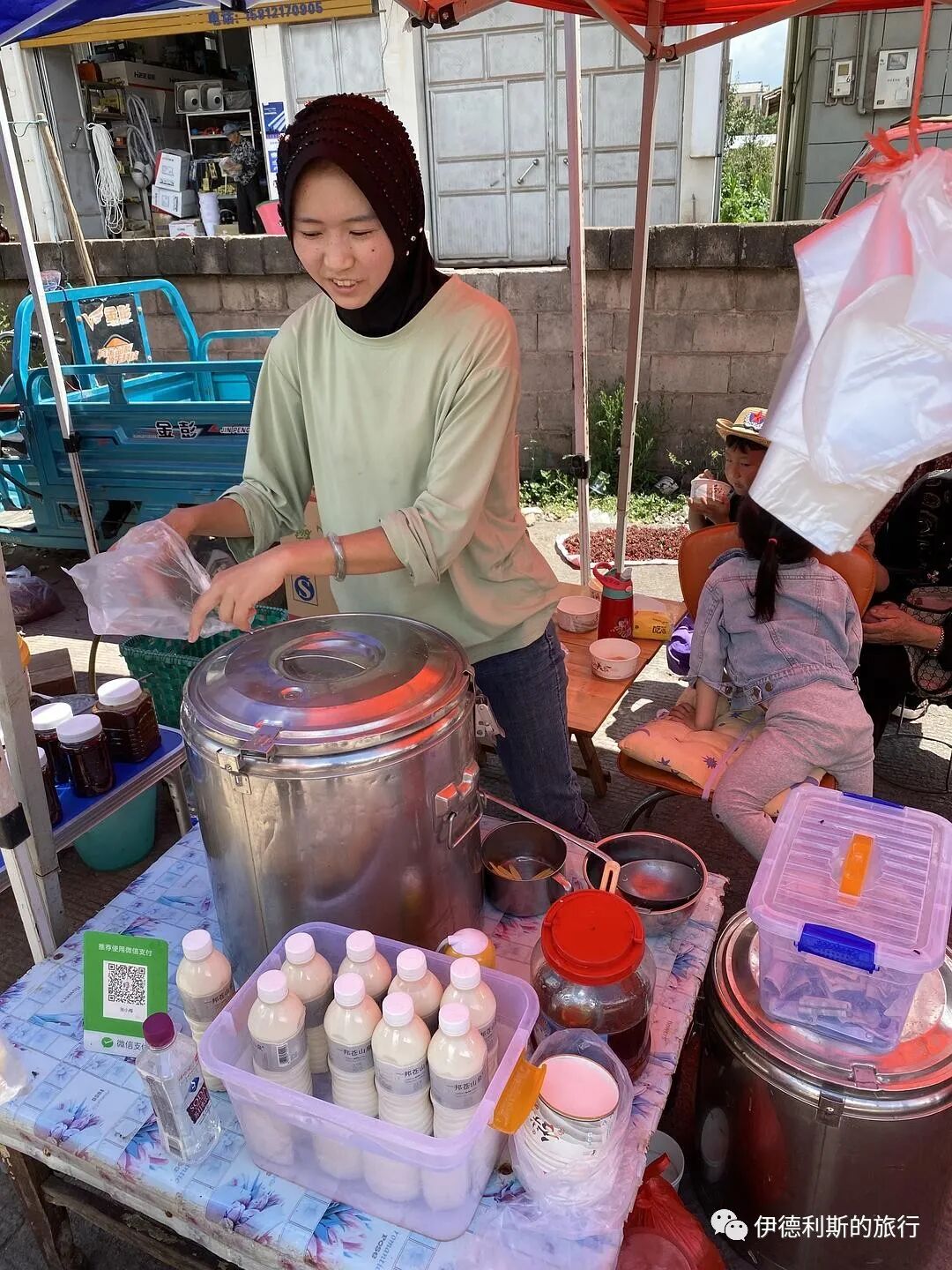
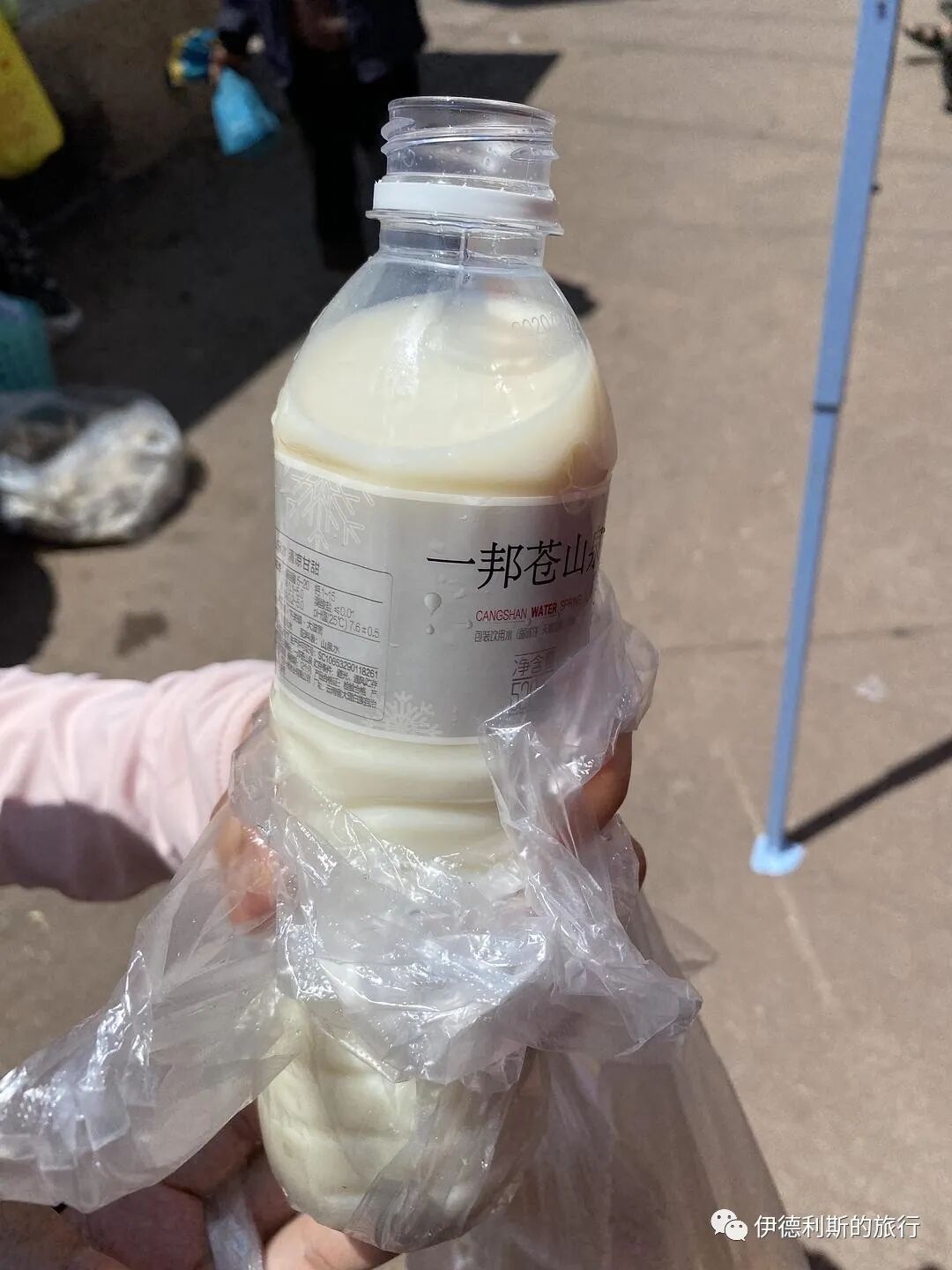
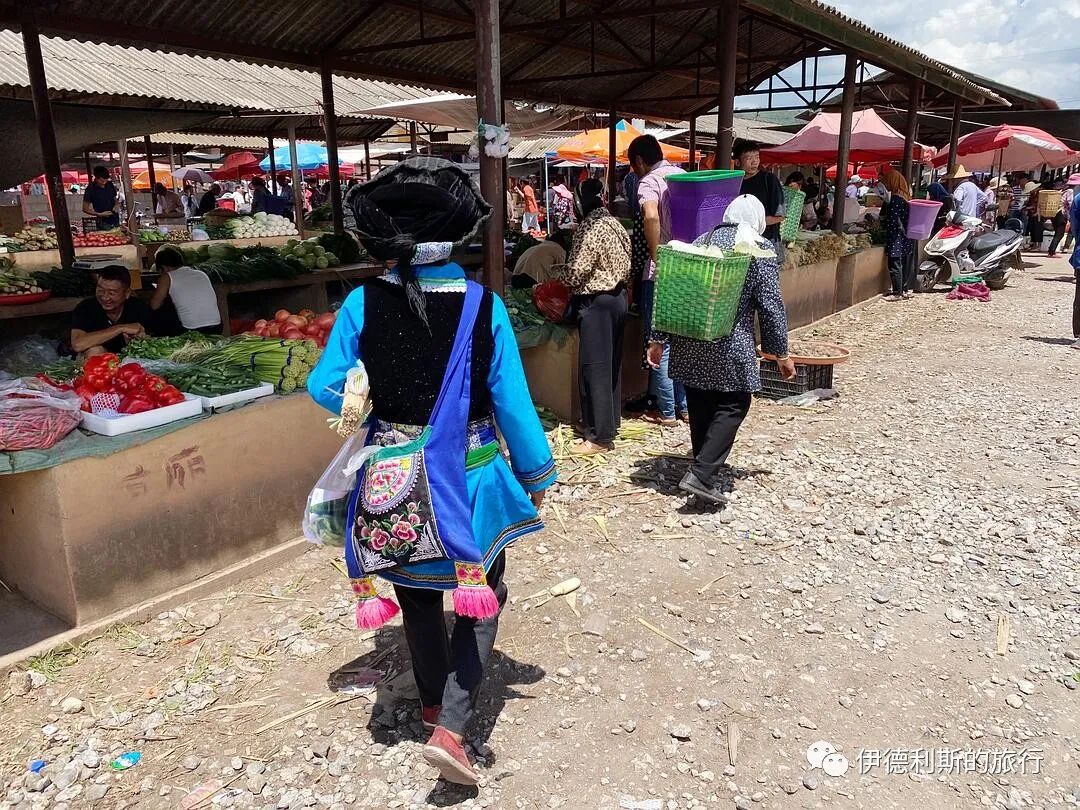
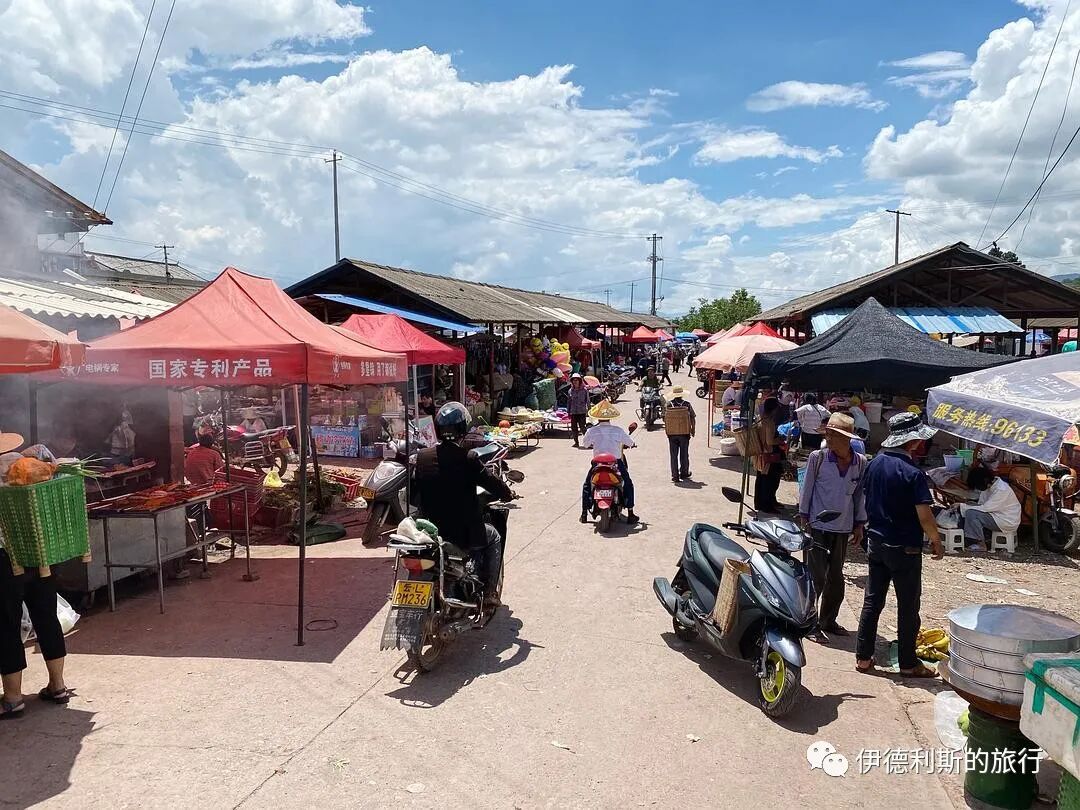
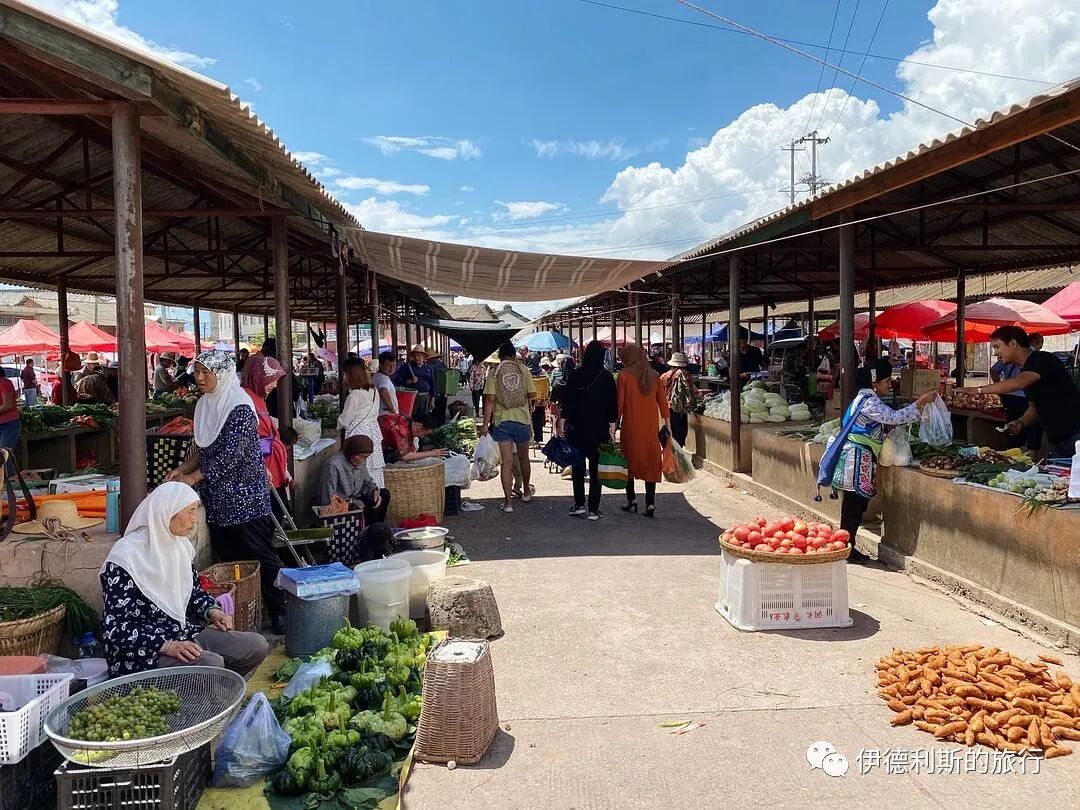
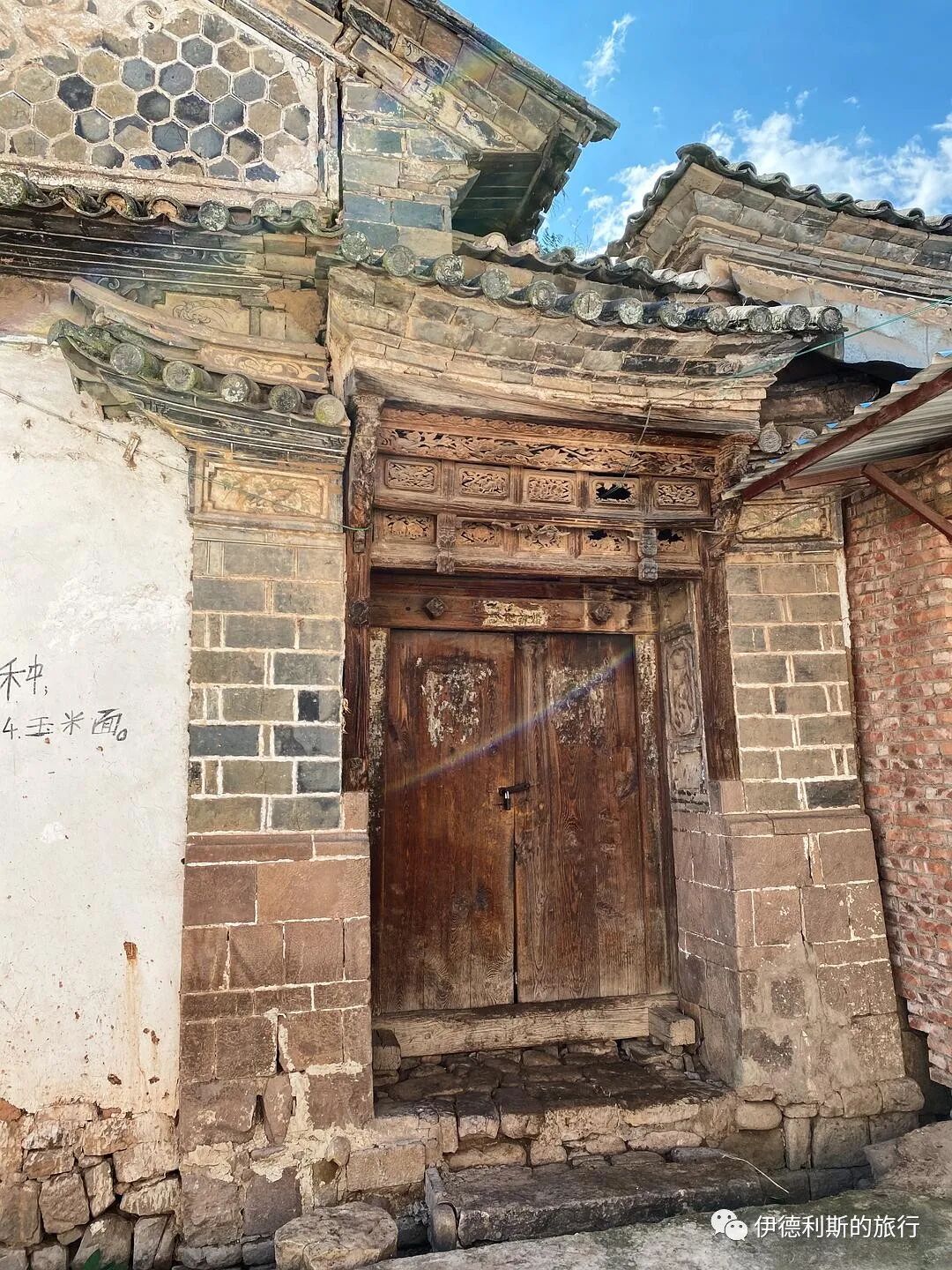
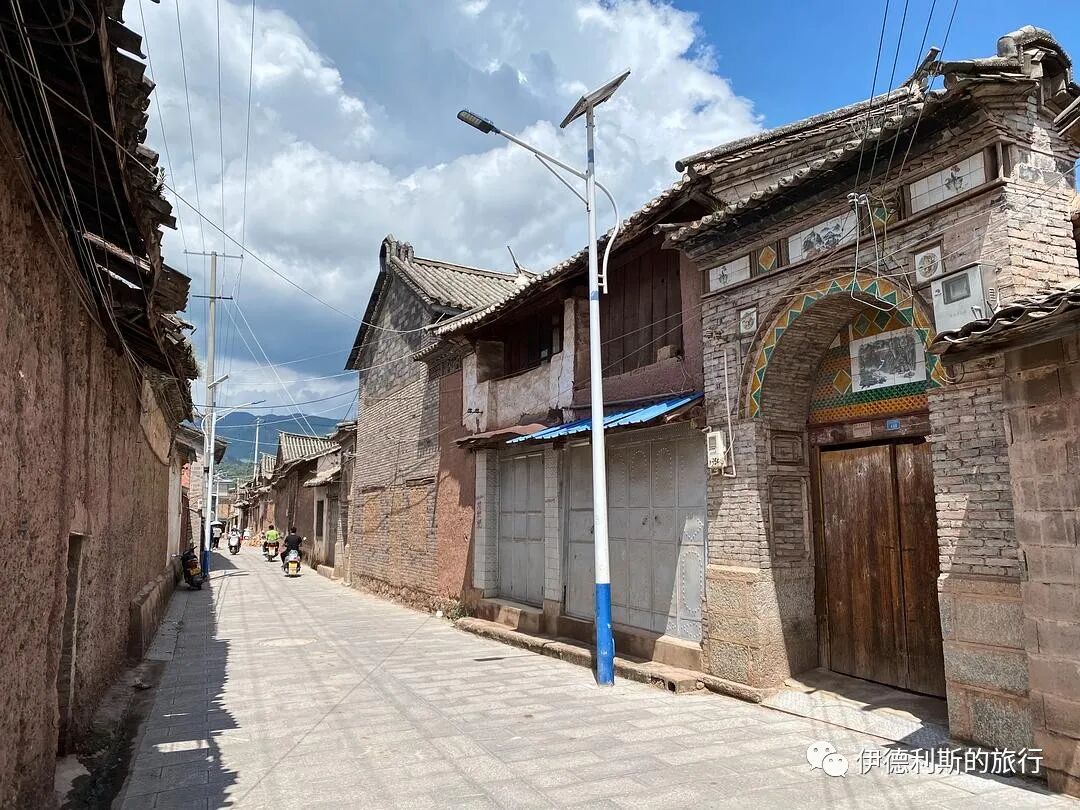
The scenery of Huihuideng Village
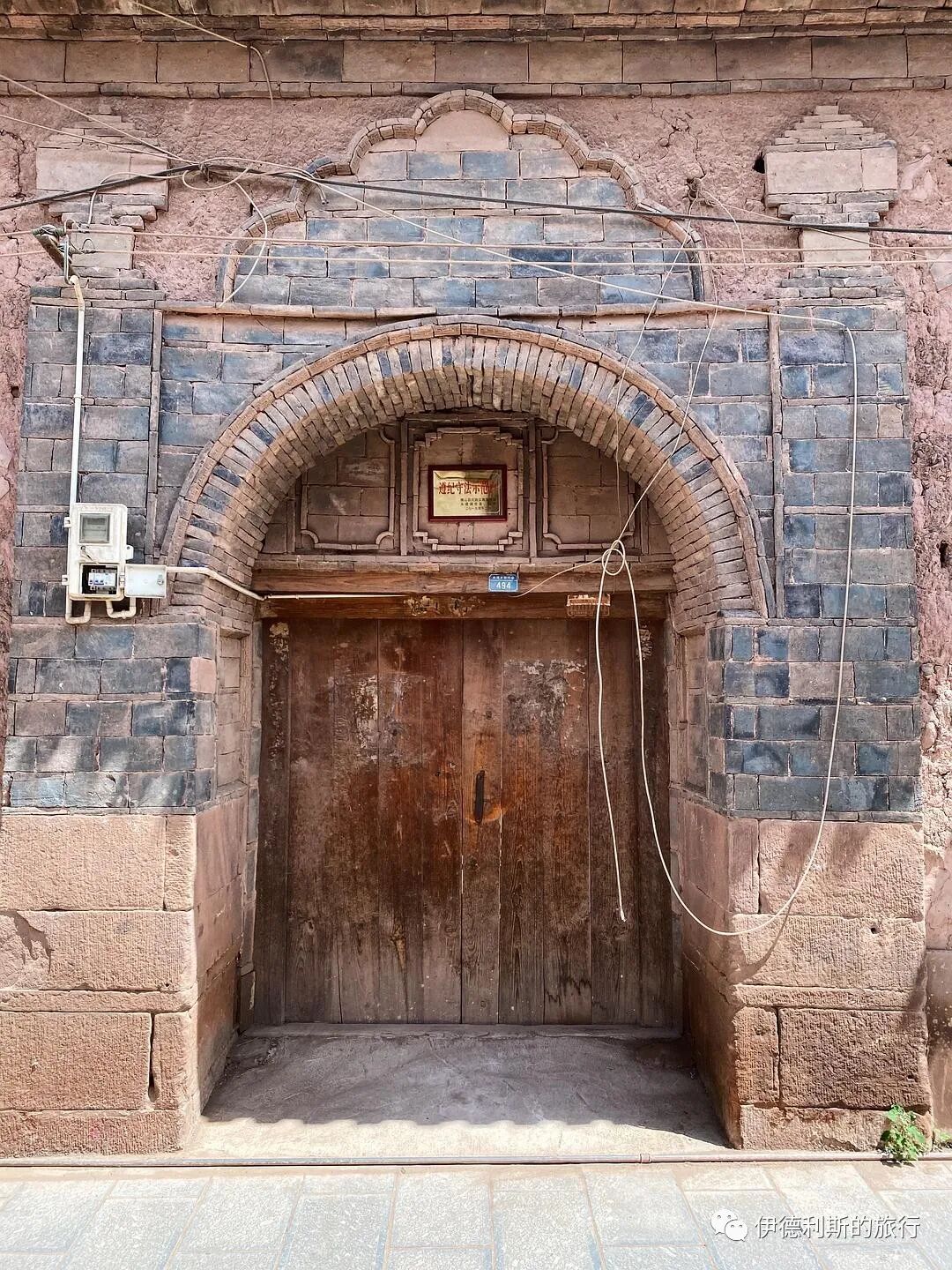
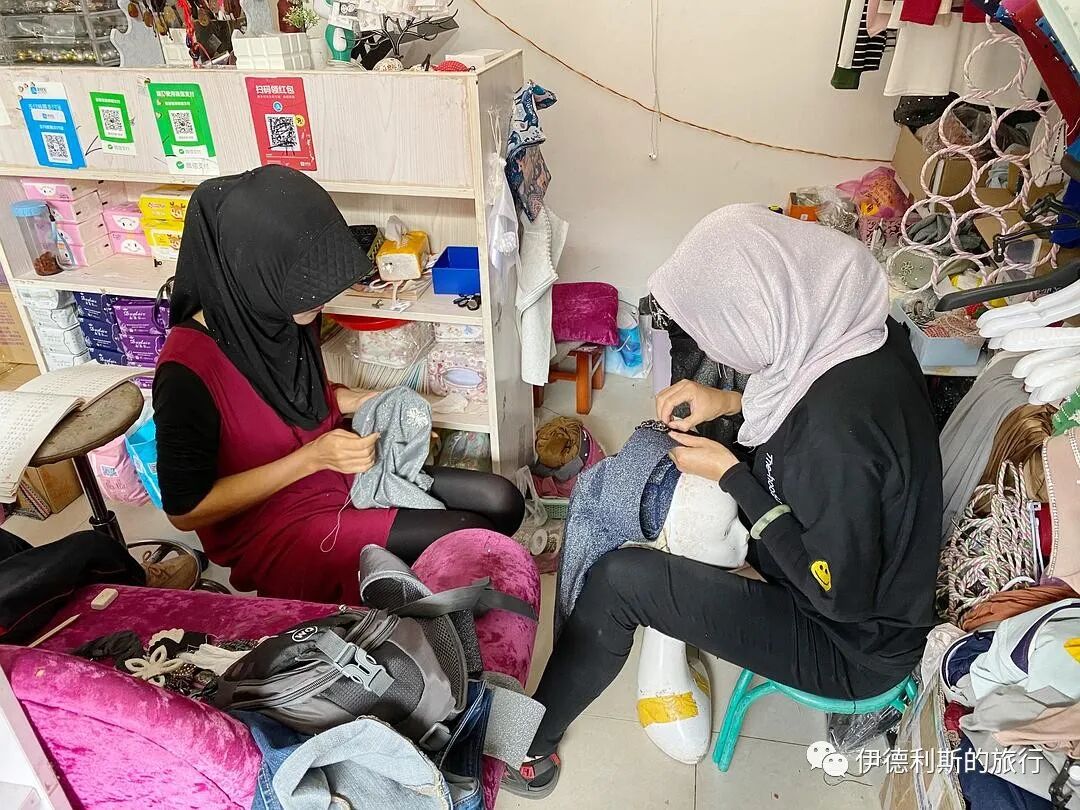
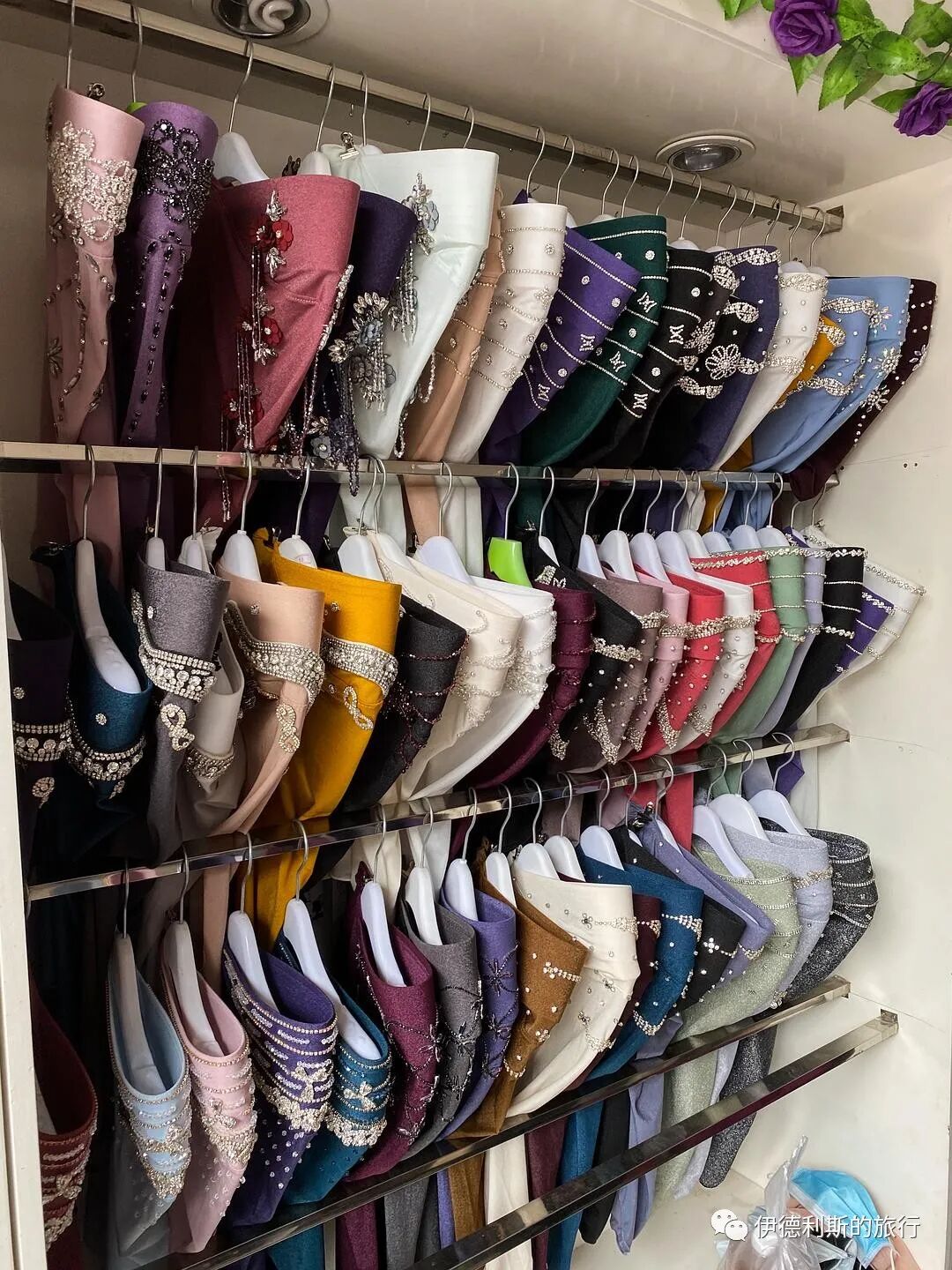
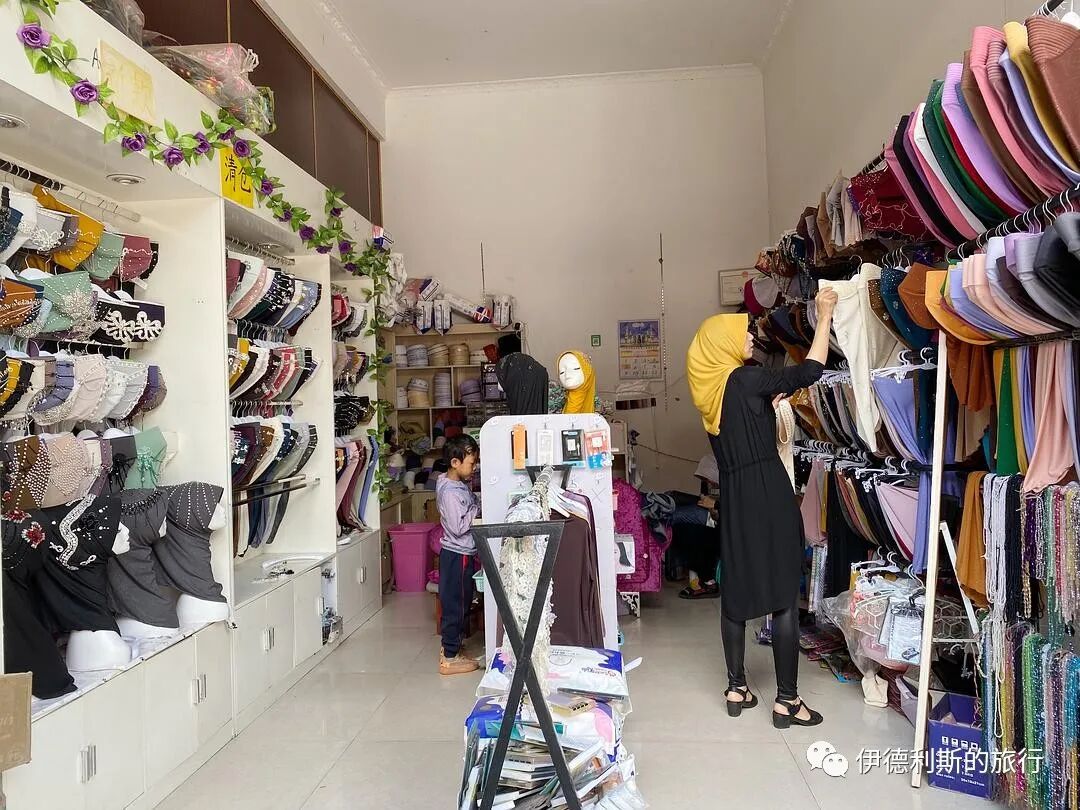
A small shop in Huihuideng Village that makes handmade headscarves. Zainabu bought one here.
Qingmenkou Village
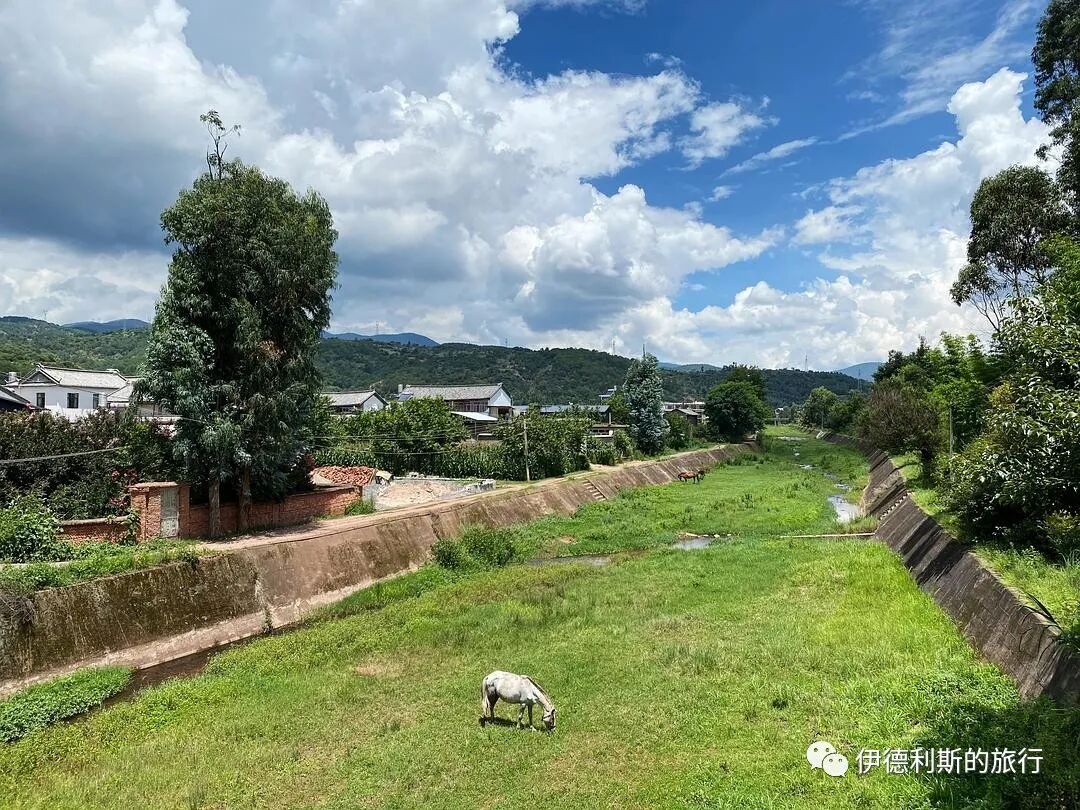
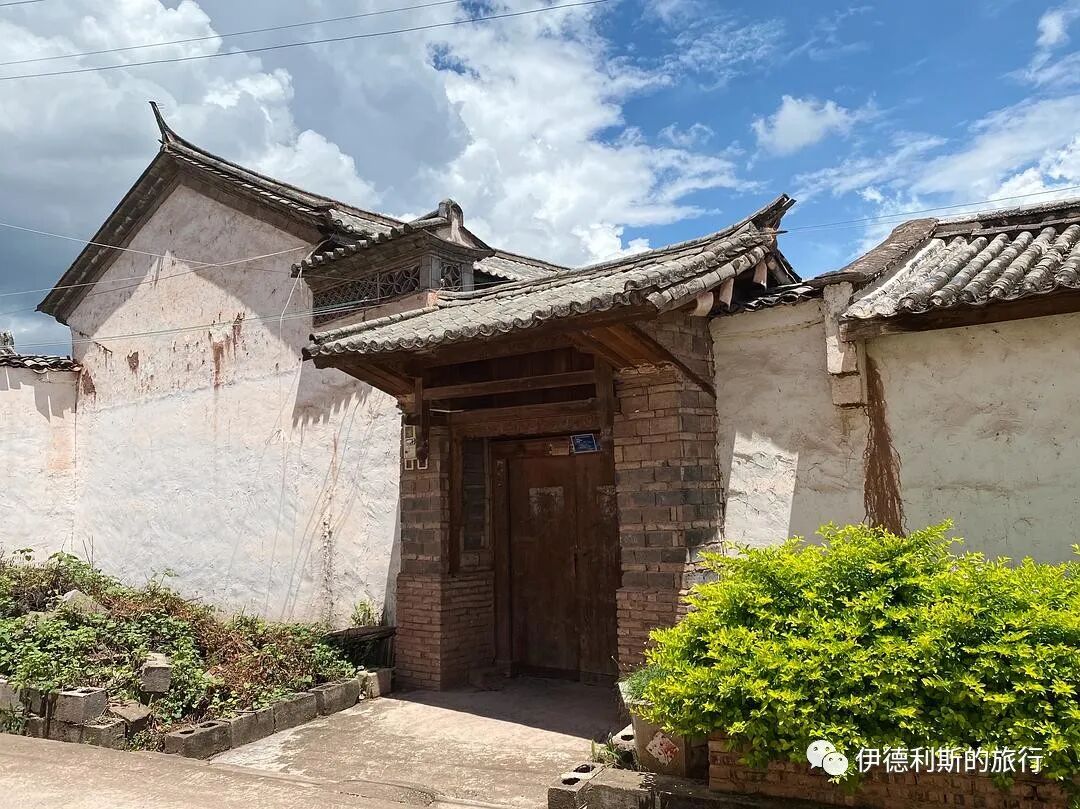
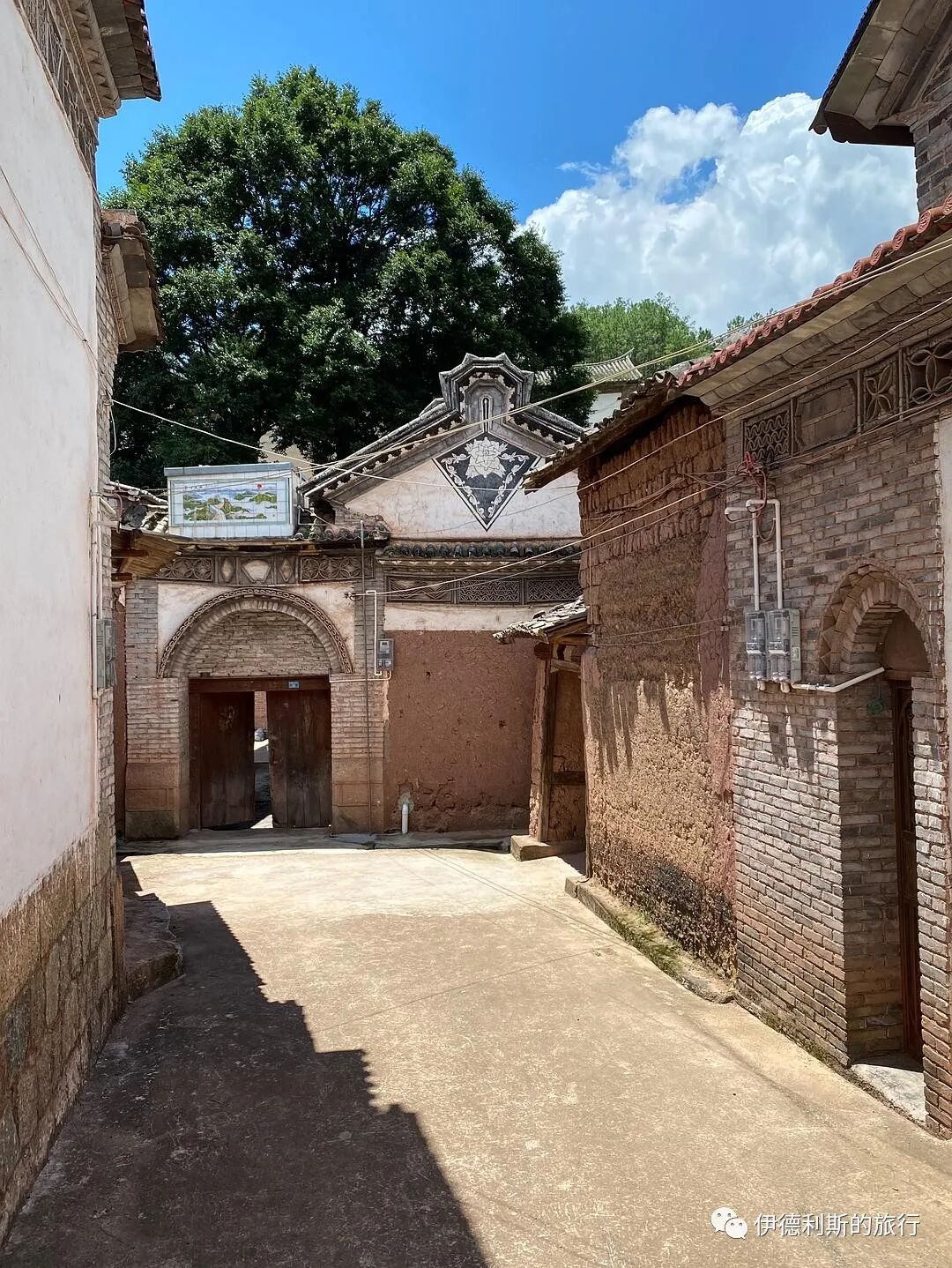
We strolled from Huihuideng Village to Qingmenkou Village. Qingmenkou is on the northwestern edge of the Weishan Basin and is a very beautiful Hui Muslim village.
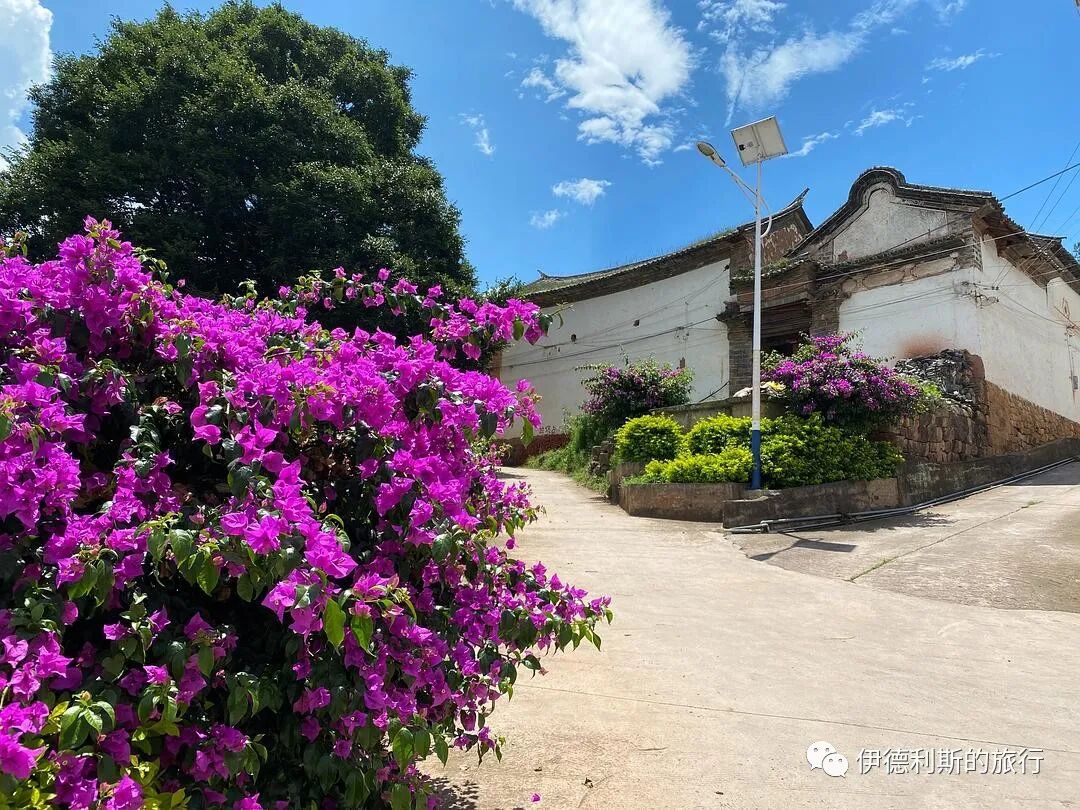
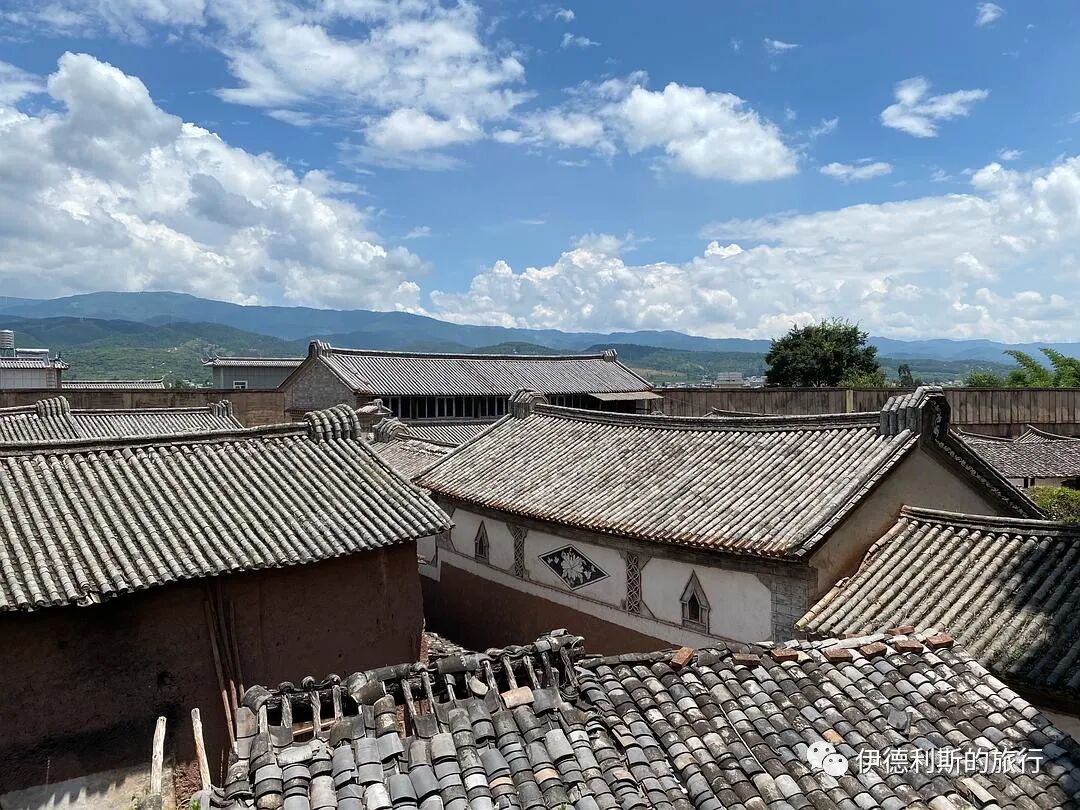
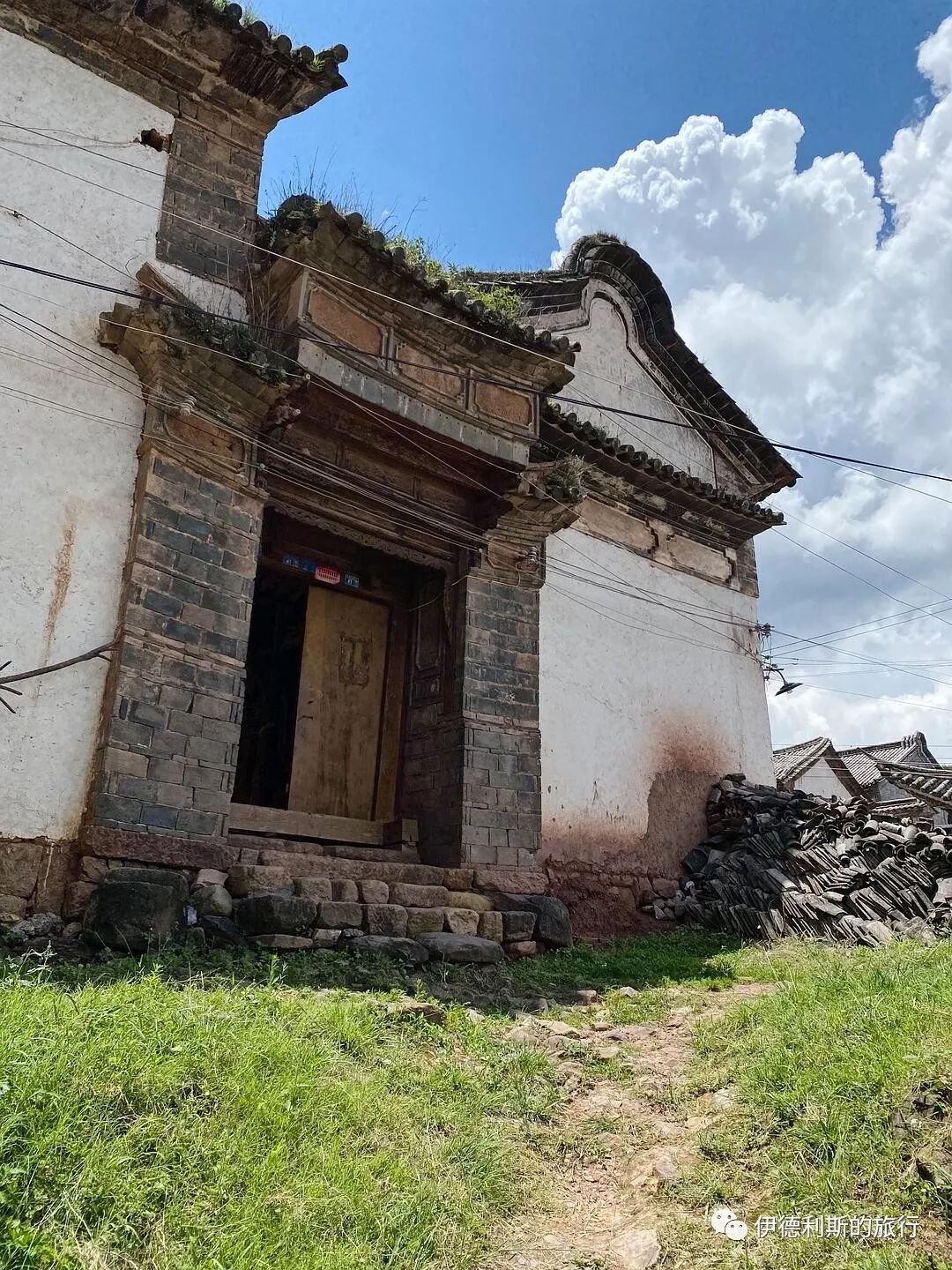
On the way back to Huihuideng Village from another village, Xishulong Village, we walked for a while and then caught a tricycle.
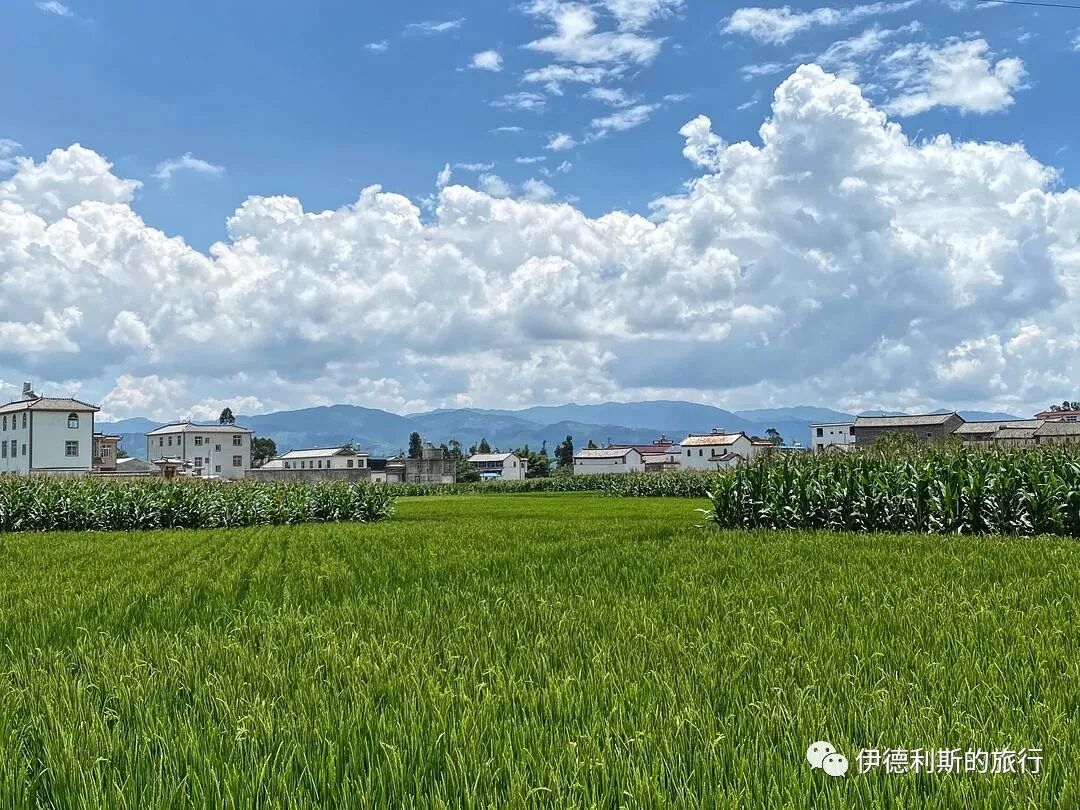
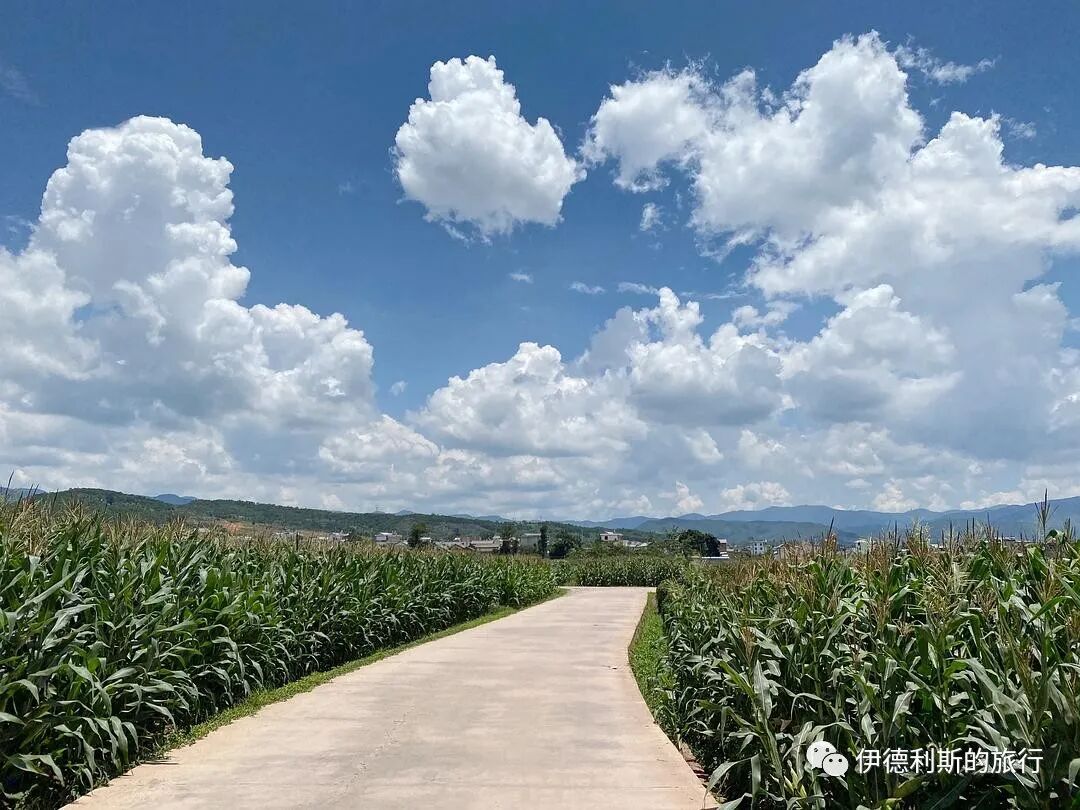
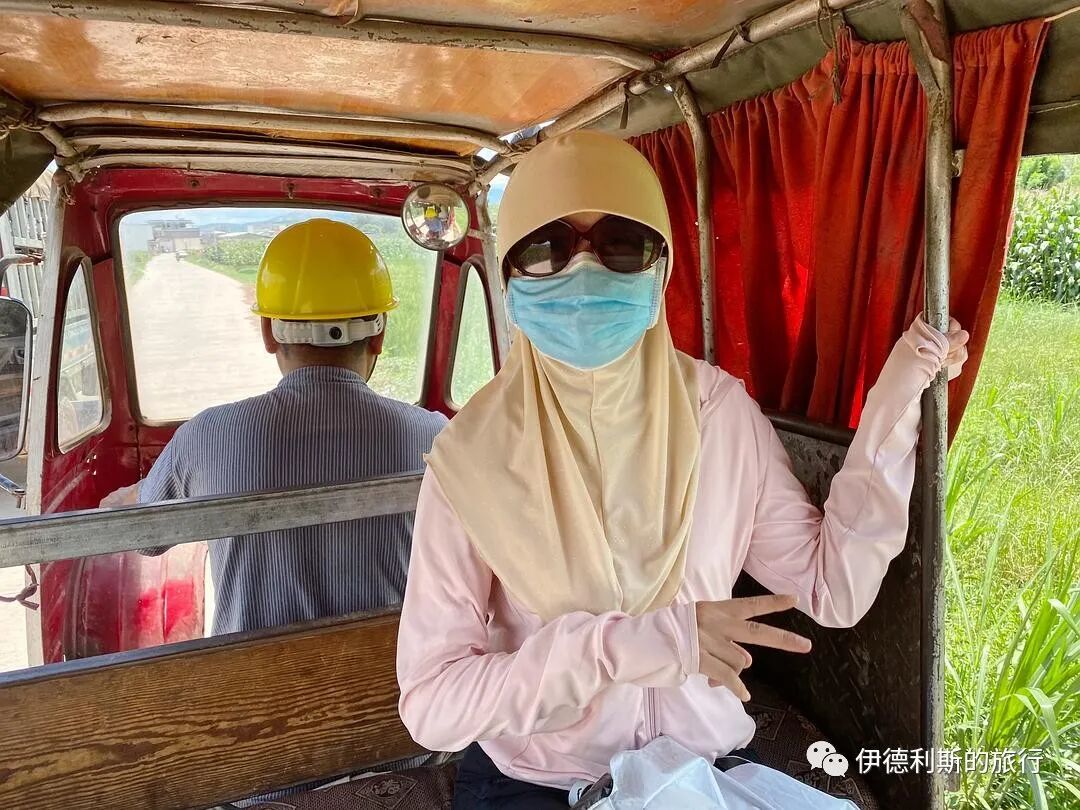
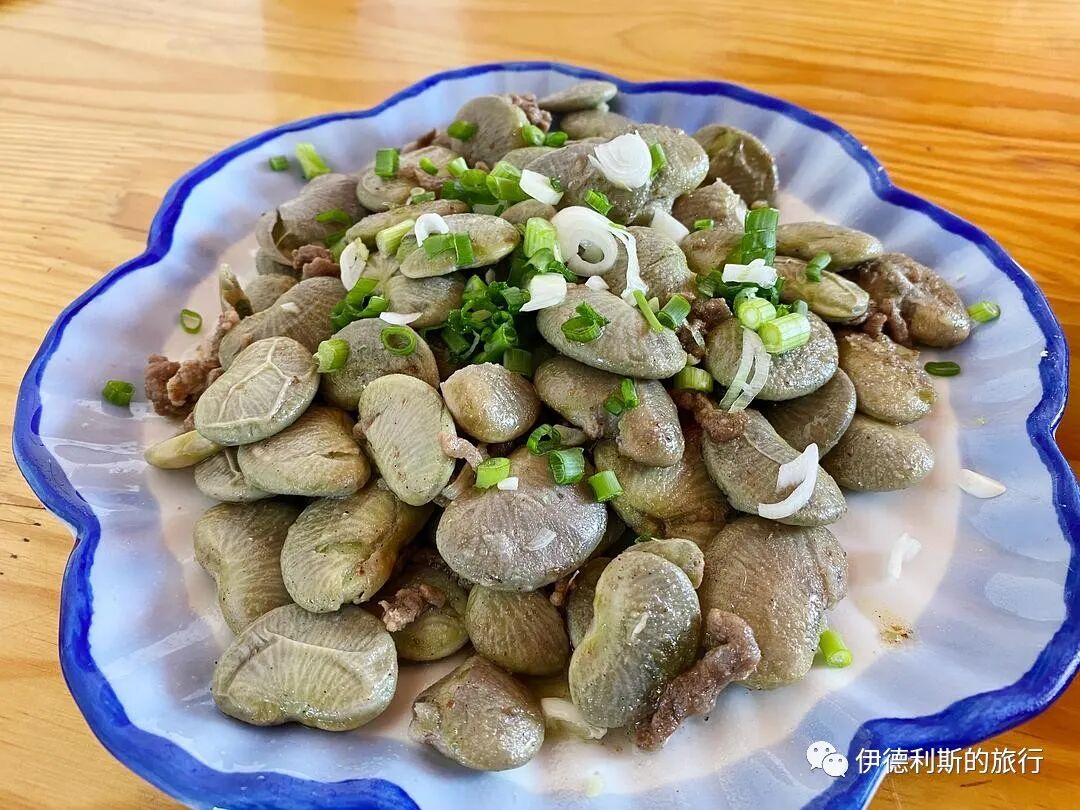
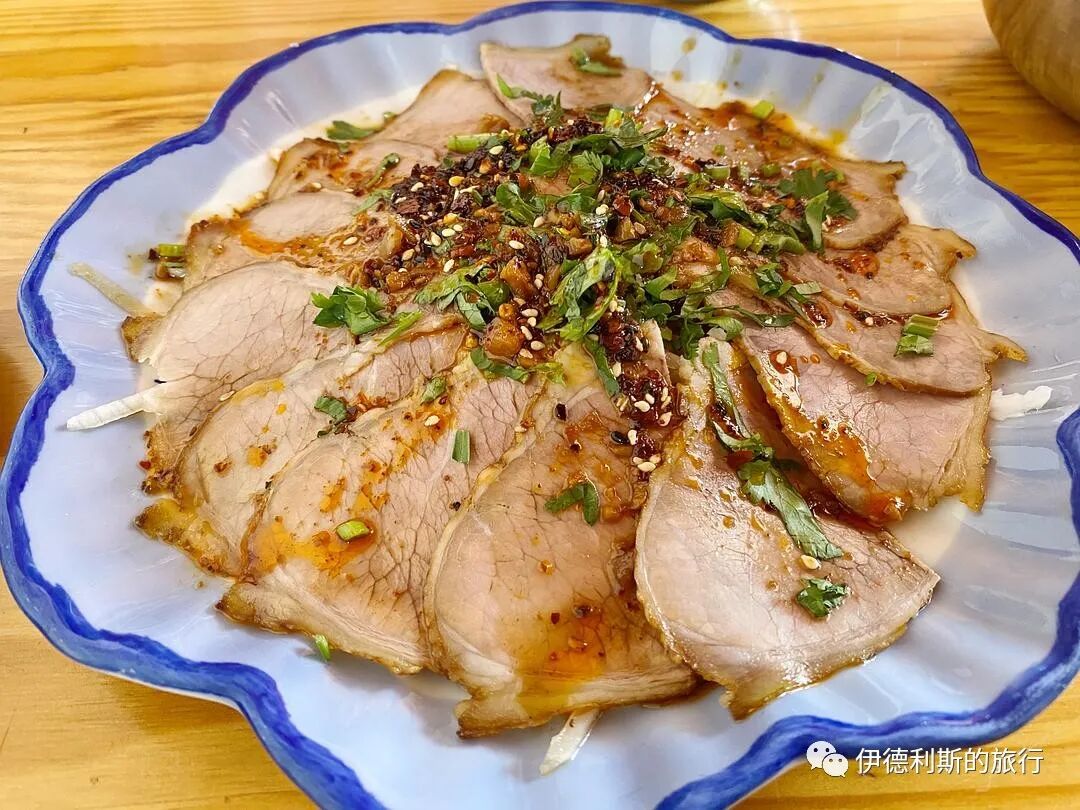
At noon, we ate stir-fried dayudou (a type of bean) with minced meat and cold beef slices next to the market in Huihui Village.
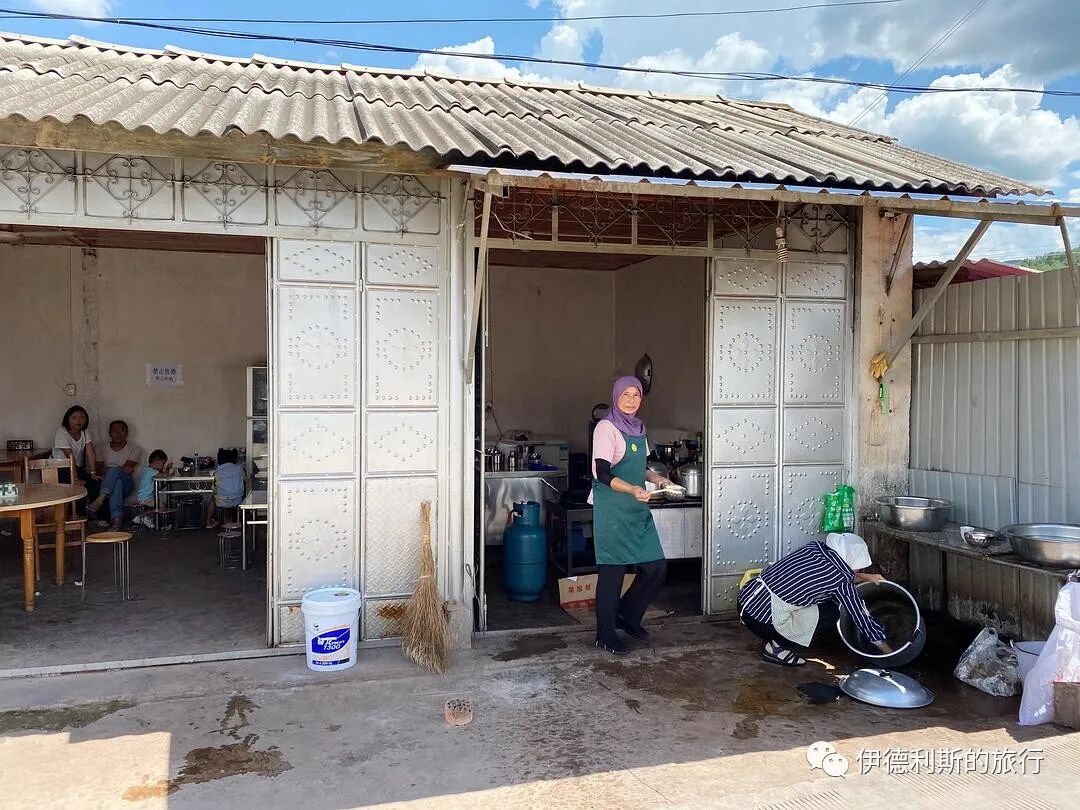
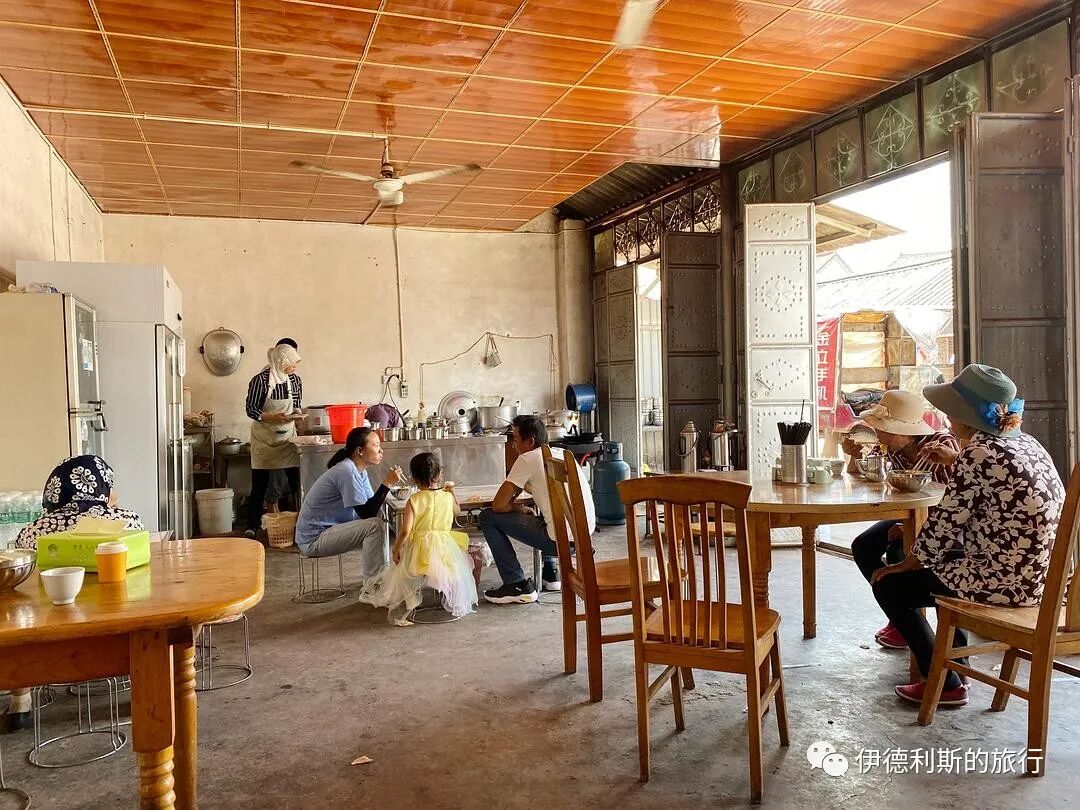
Return to Weishan County town
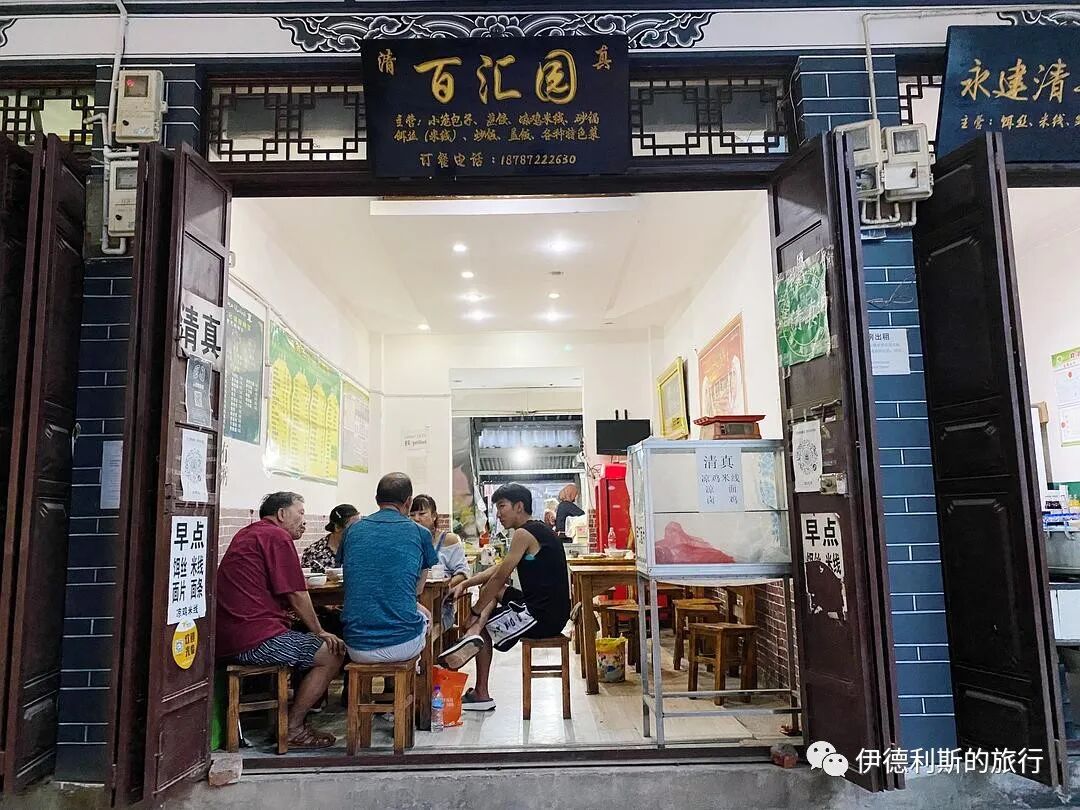
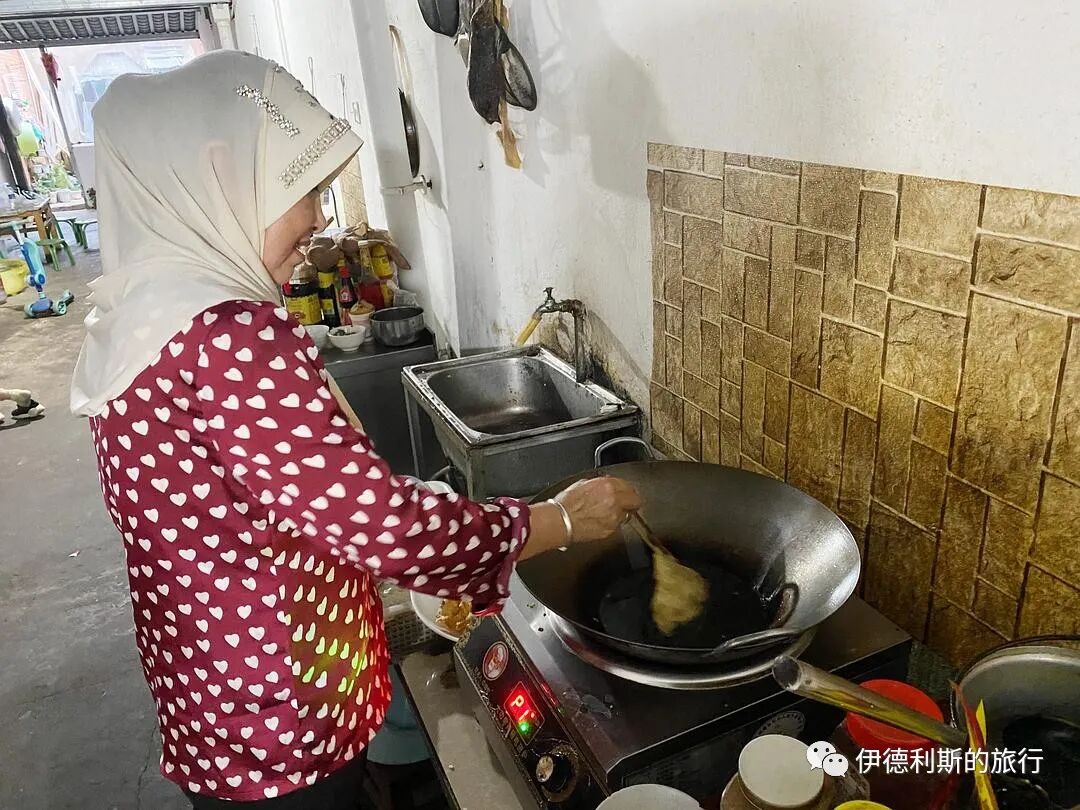
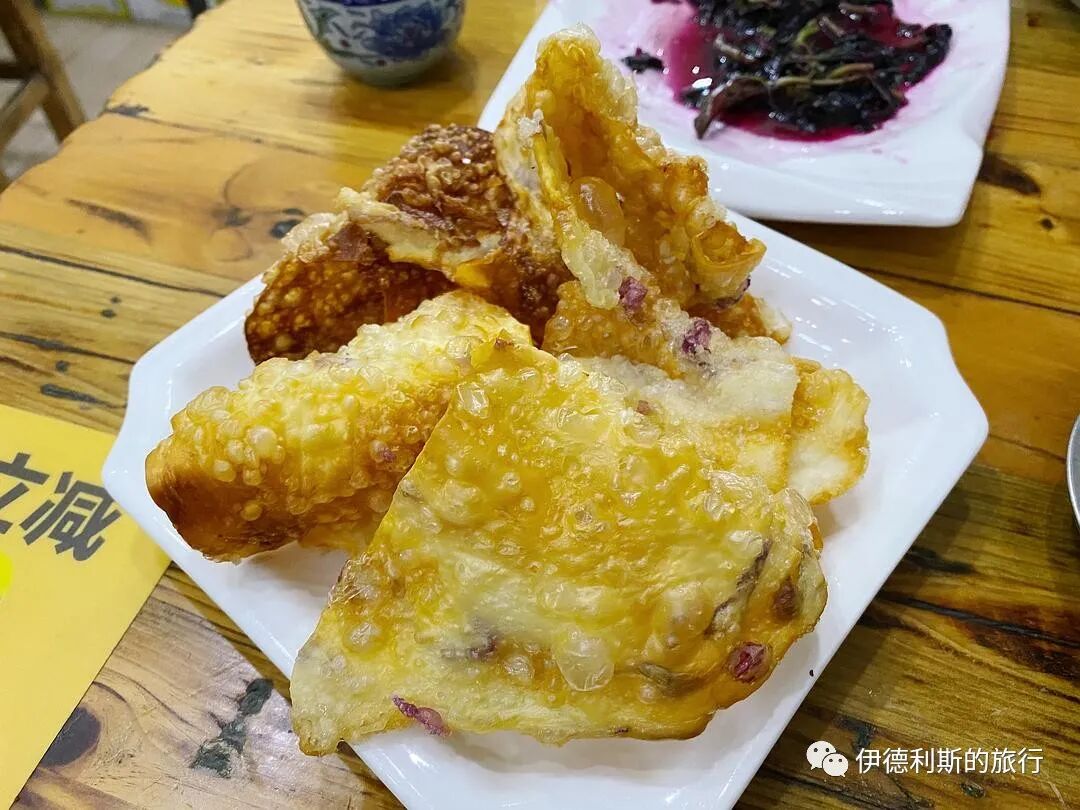
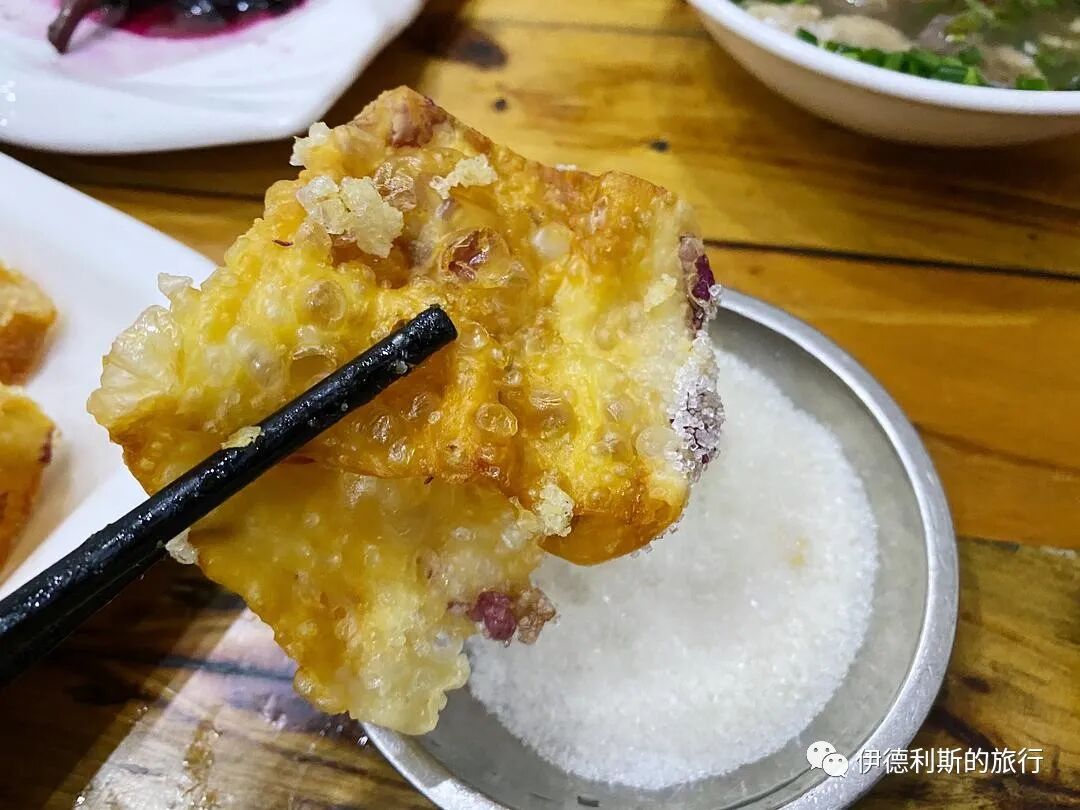
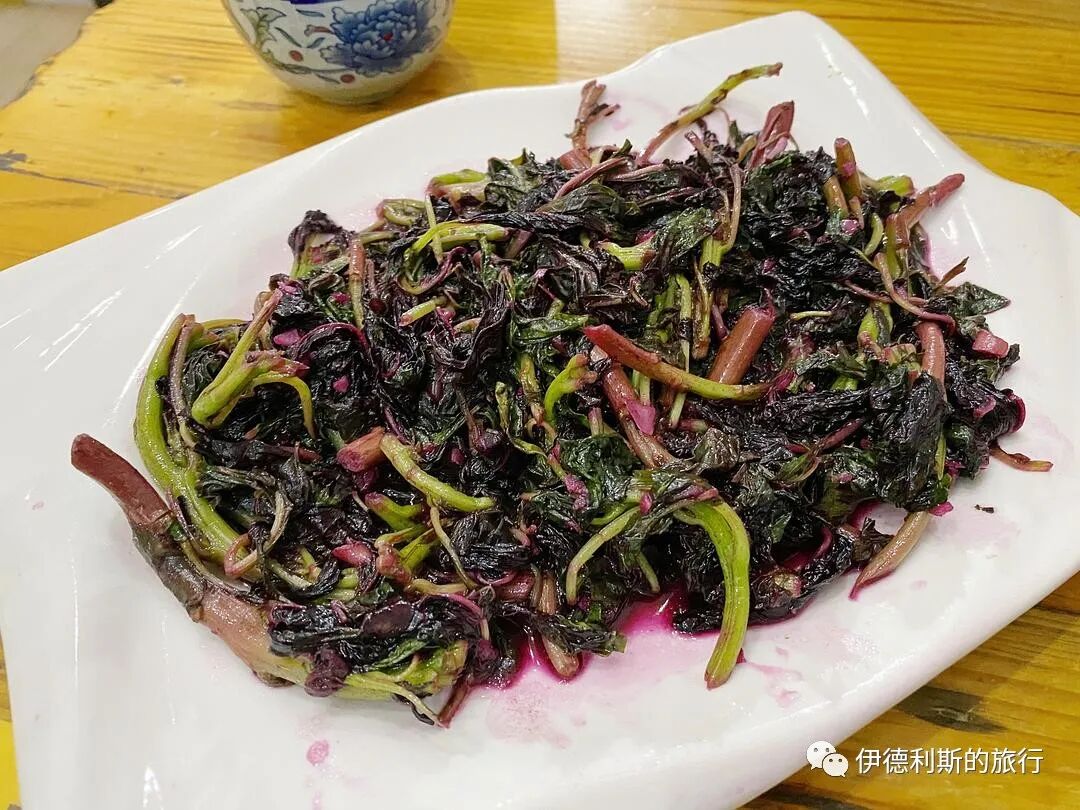
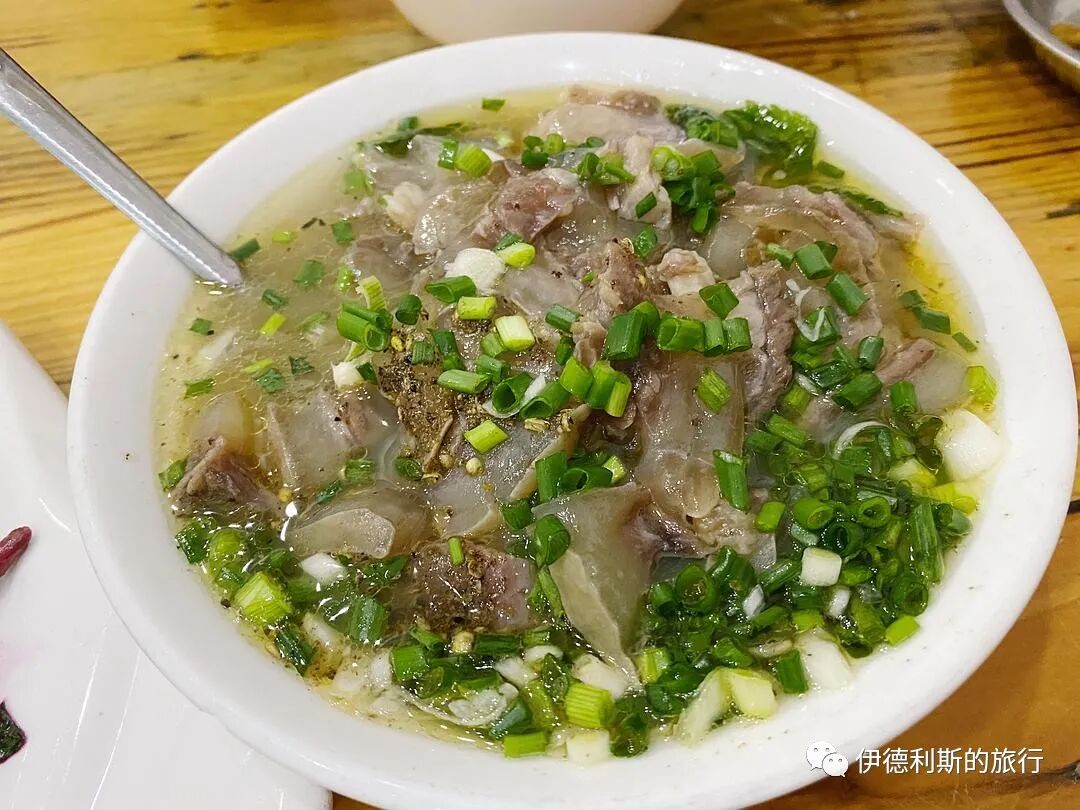
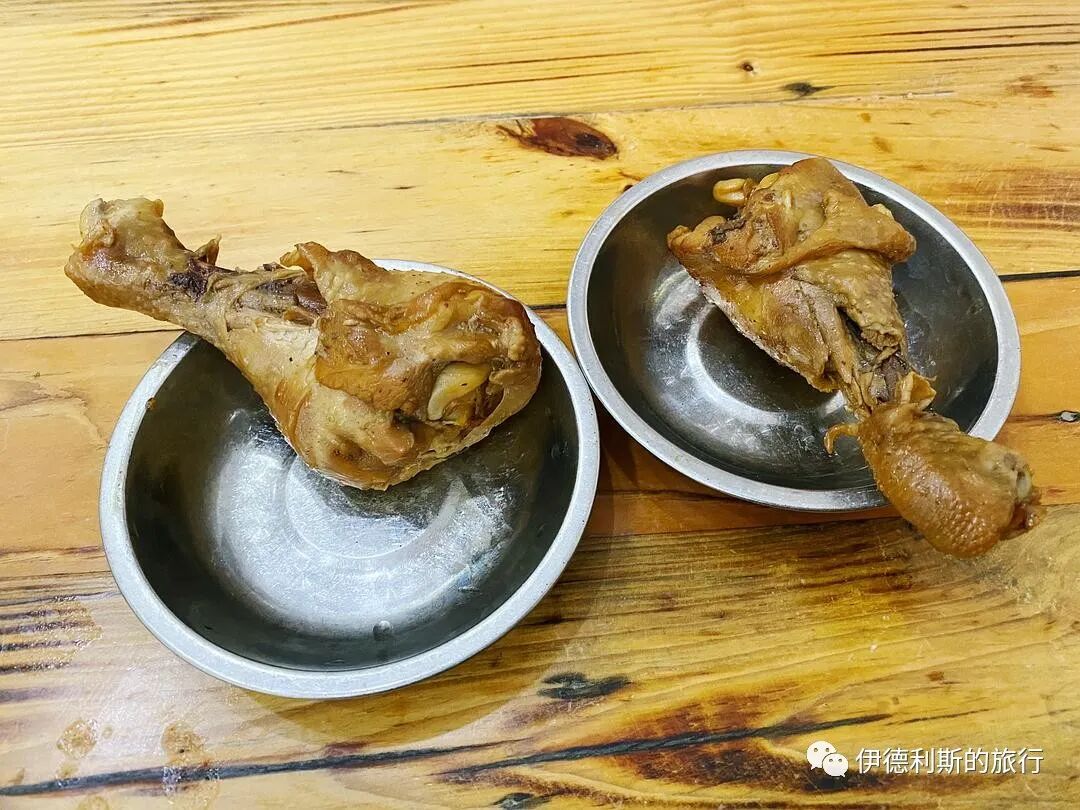
In the evening, we ate braised chicken legs, bahu (stewed) beef, and stir-fried xiaomicai (a type of green vegetable) near the Dingjiachang Mosque in Weishan County town. We also asked the auntie in the shop to fry the rose-flavored rushan we bought at the market on Hedijie Street in Yongjian Town that morning. I must say that frying rushan really requires skill; the requirements for heat control are too high. Then we also ordered bahu beef, braised chicken legs, and xiaomicai.
August 6: Weishan County town
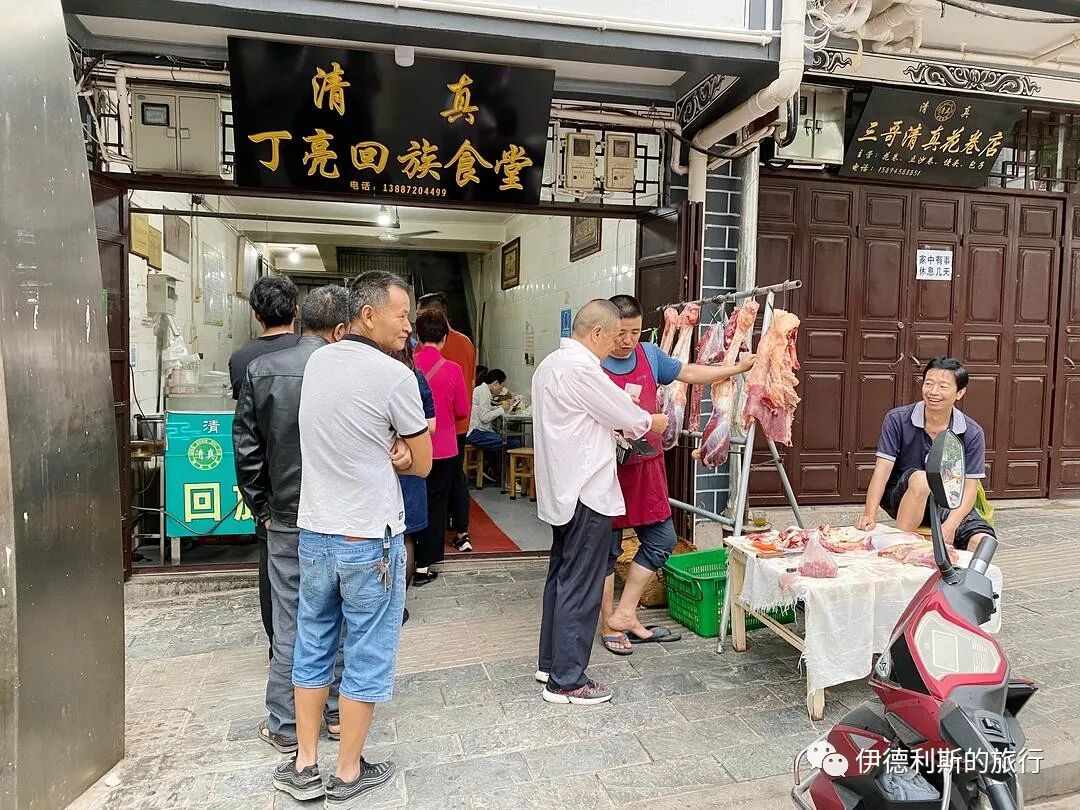
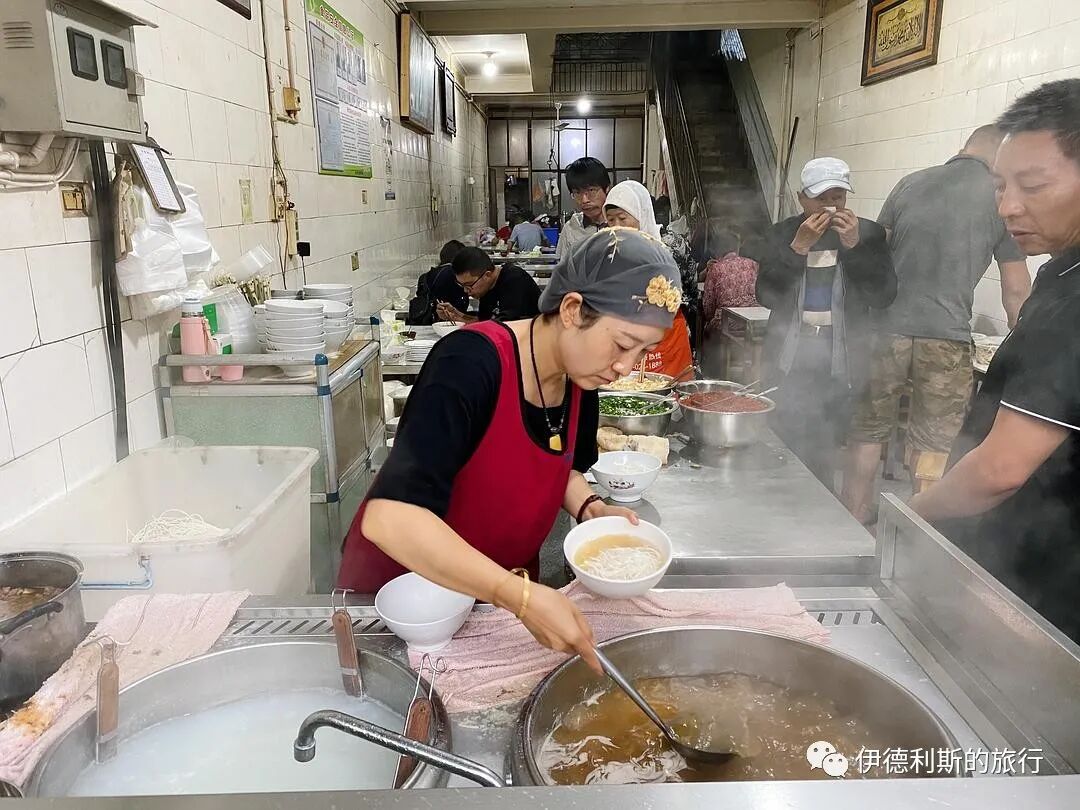
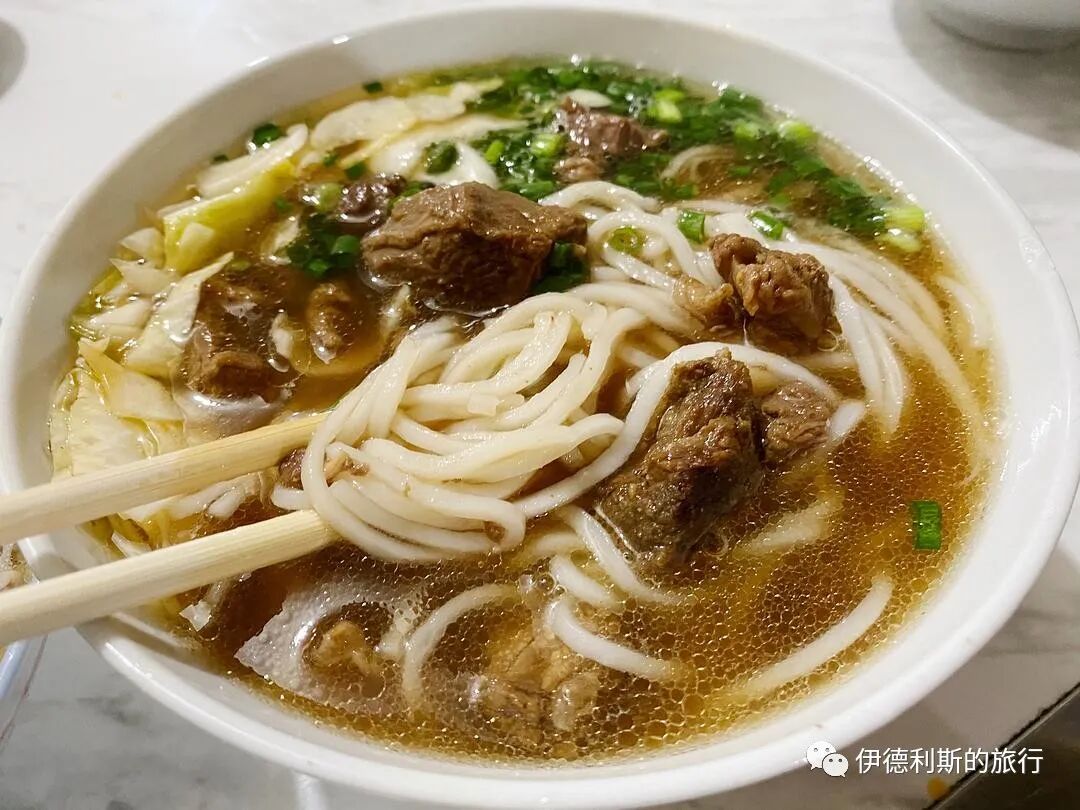
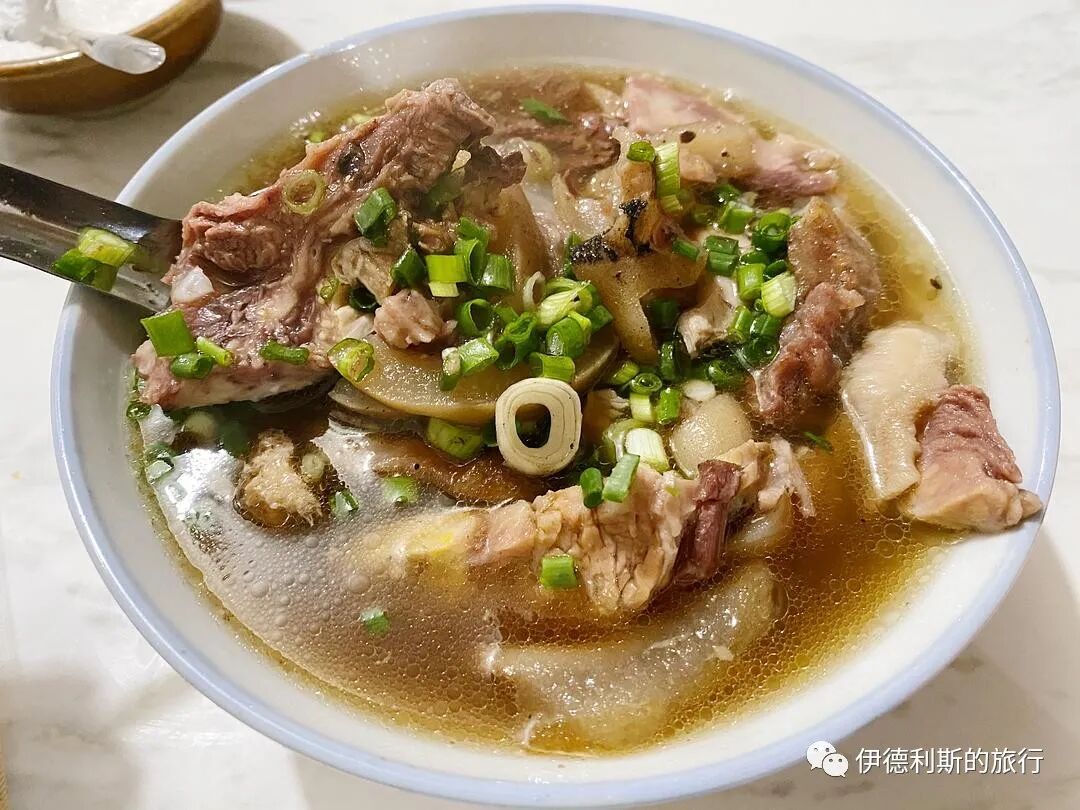
In the morning, we ate braised ersi and beef offal at the Dingliang Hui Muslim Canteen near the Dingjiachang Mosque in Weishan County town. Their place is the halal breakfast spot with the longest queue near Dingjiachang. Everyone basically eats the two most classic dishes: braised ersi and rice noodles. In addition, the owner is a Hajj, and "Returned with Honor from Hajj" is hung on the wall.
(Optional) Image description
Delete
Return to Xiaguan
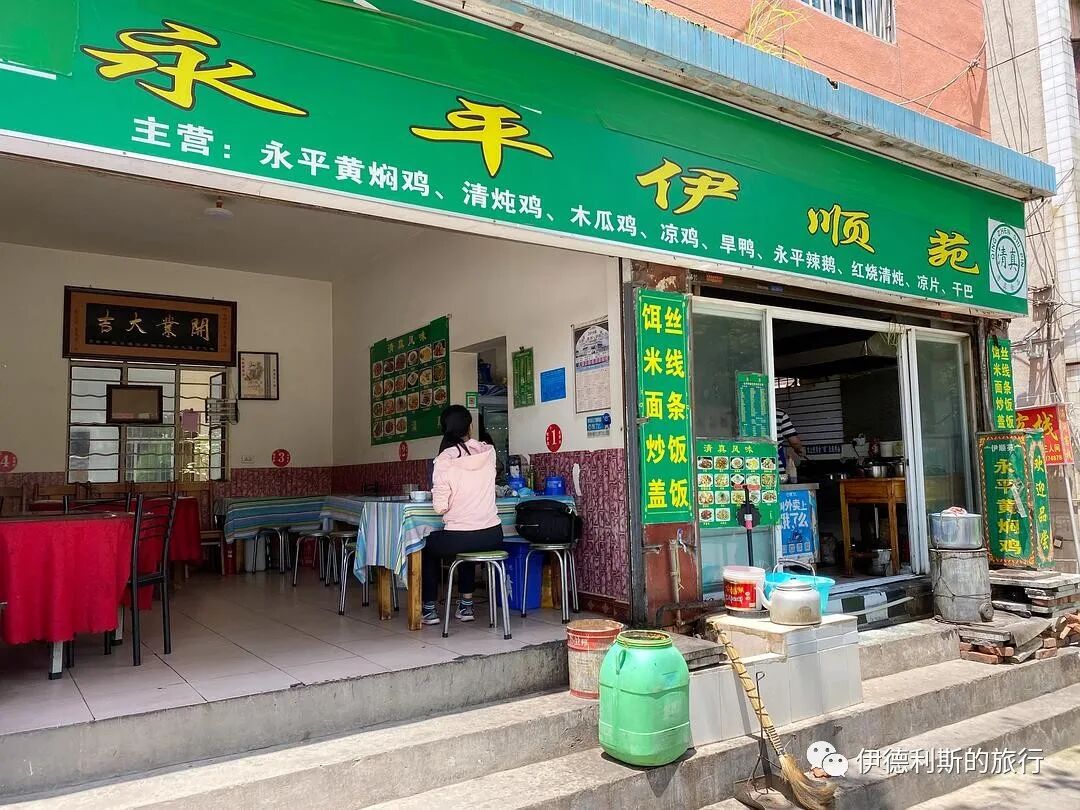
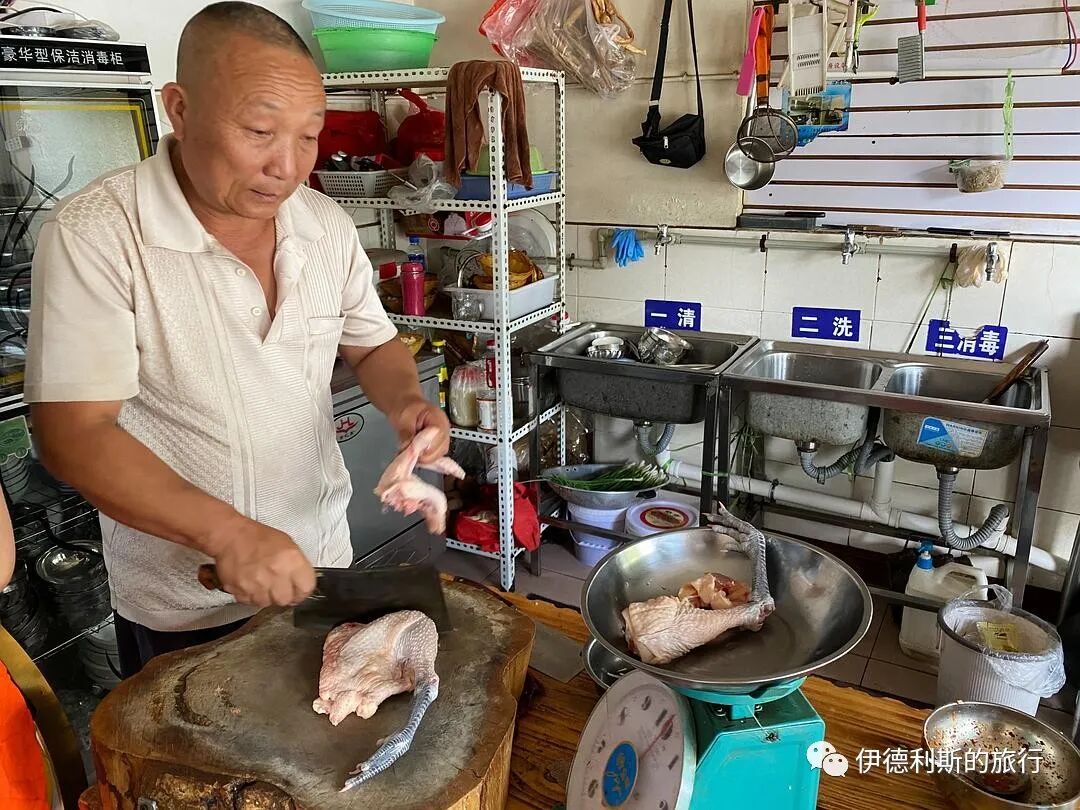
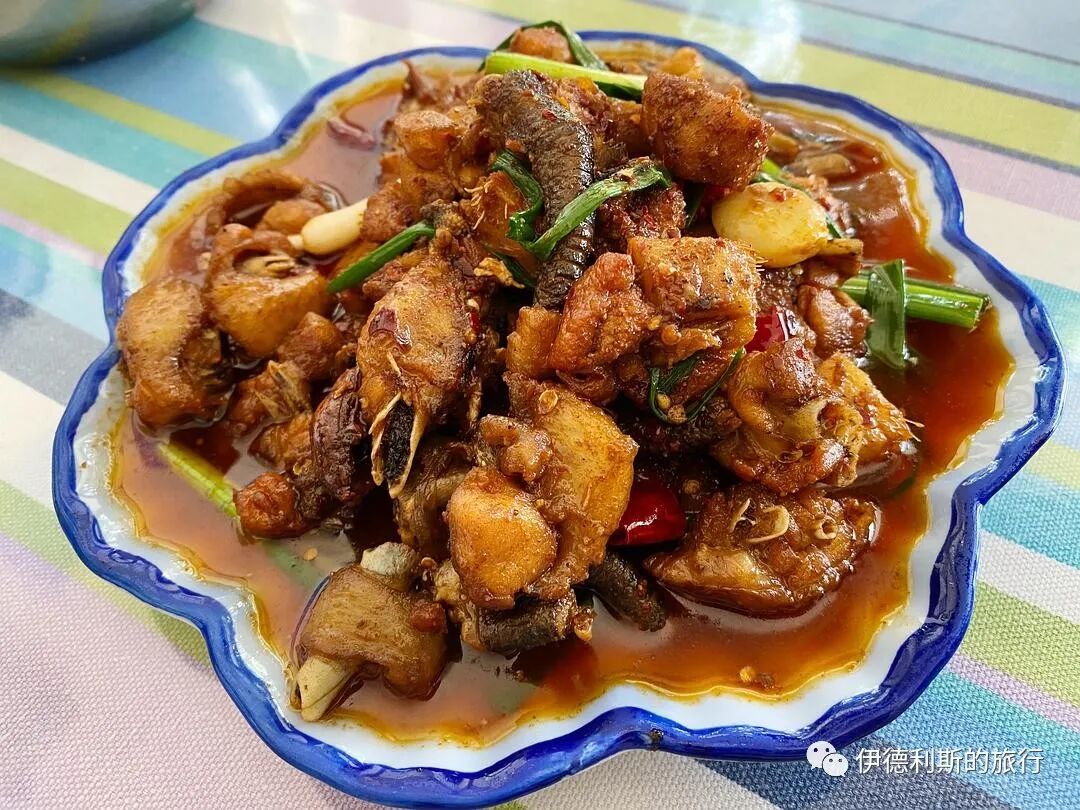
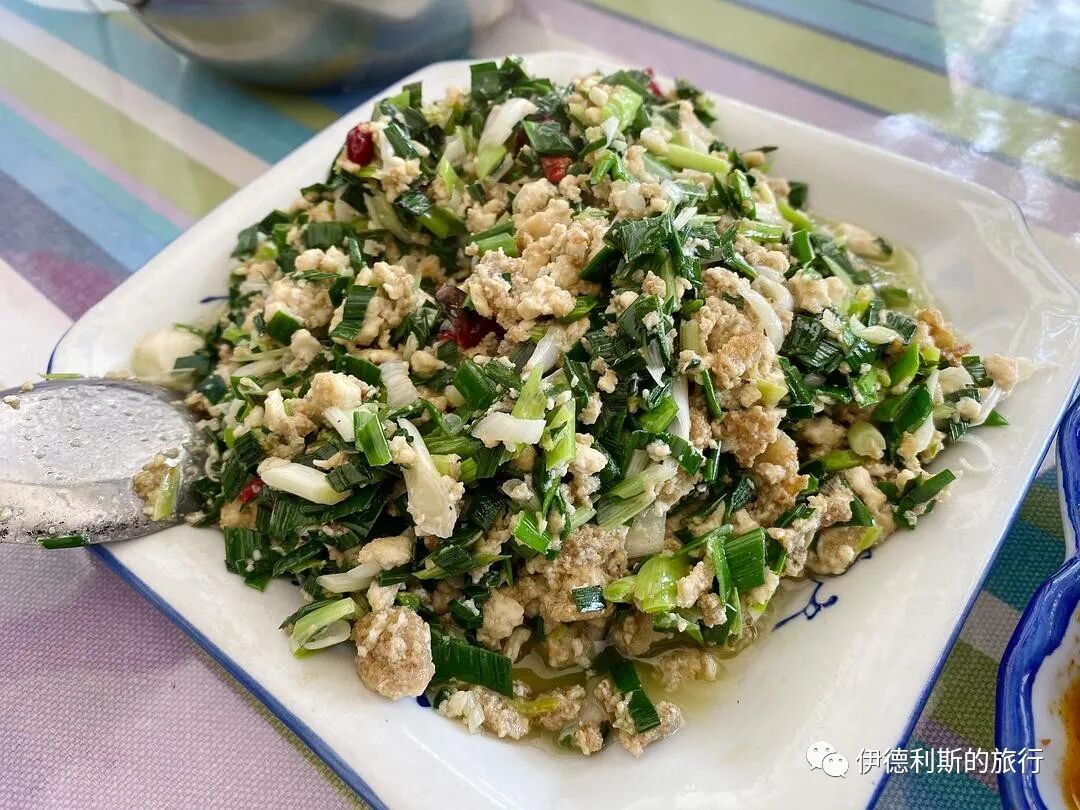
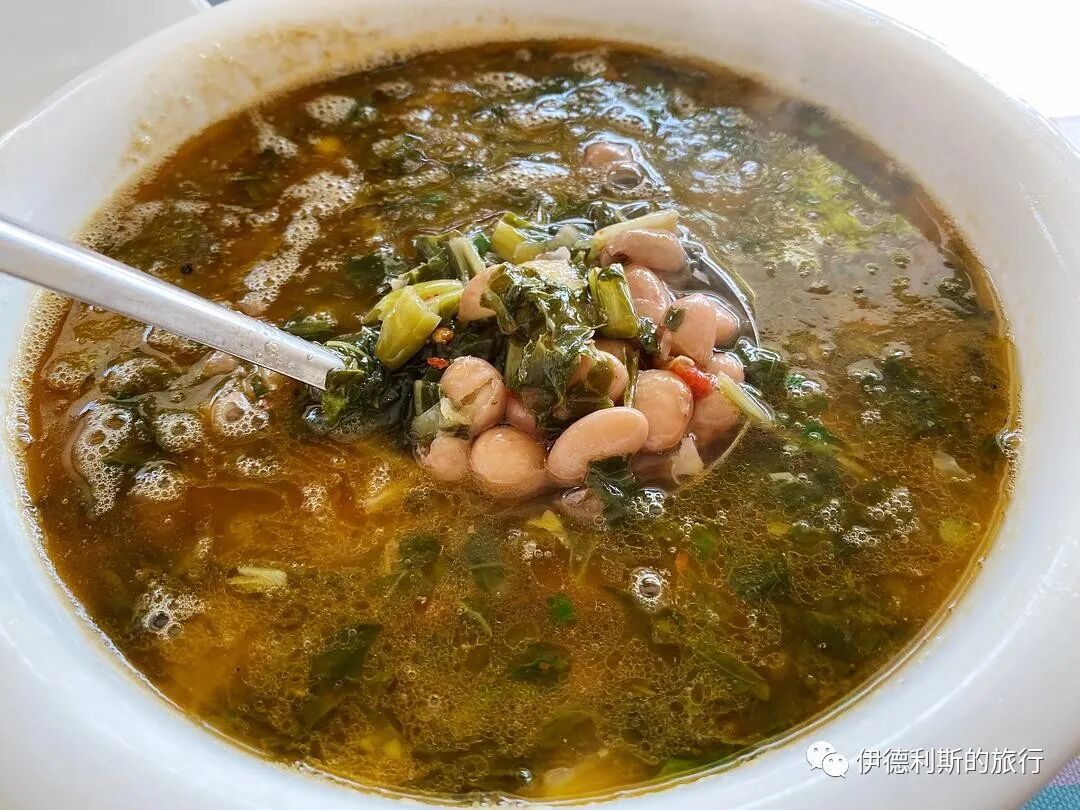
At noon, we transferred from Weishan back to Kunming. Passing through Xiaguan, we ate at a restaurant opened by a Hui Muslim from Yongping. Yongping is a county west of Dali. We ate the Yongping specialty, yellow-braised papaya chicken, which is sour and made with papaya juice. We also ate stir-fried fermented bean curd with garlic sprouts and pickled vegetable red bean soup. This red bean is not the kind of red bean we usually call.
Summary: This travel note introduces Dali Halal Travel Guide: Xiaguan, Weishan, Mosques and Muslim Food. On August 3, 2020, we arrived in Kunming by plane, then transferred to a train to reach Xiaguan in Dali, officially starting our Yunnan trip. It is useful for readers interested in Dali Travel, Halal Food, Yunnan Muslims.
On August 3, 2020, we arrived in Kunming by plane, then transferred to a train to reach Xiaguan in Dali, officially starting our Yunnan trip. I had visited Dali once in 2017, going to some Hui Muslim villages in Weishan and Eryuan, which left a very good impression on me. This time, I mainly visited over a dozen Hui Muslim villages in Yongjian Town, Weishan County, visited over a dozen beautiful traditional mosques (see "Twenty Traditional Mosques in Dali"), also browsed the halal markets, and ate a lot of delicious food. I will share it with everyone below.
August 3: Arrive in Xiaguan
On the afternoon of August 3, we took a train from Kunming to Dali. In the evening, we ate at a Dai Muslim restaurant called Paxidai in Xiaguan. We ordered the Dai-style shouzhua fan (hand-grabbed rice), which included lemongrass grilled fish, potato balls, vegetable nammi (a type of spicy dipping sauce), pineapple rice, beef jerky potato rice, and shredded chicken with lemon. There was also qinglong guojiang tang (a type of soup) and paoluda (a dessert made with bread, coconut milk, and sago). I had eaten at a halal Dai restaurant called Paxidai in the Dali Ancient City before. This was the second time eating it, and I feel that Dai flavors are really both spicy and sour!
August 4: Xiaguan Hui Muslim Street
In the morning, we went hiking in Erhai Park, which is behind our accommodation in Xiaguan, Dali.
The Xiaguan Hui Muslim Street in Dali is now quite quiet, and basically only locals know about it.
We ate braised meat rice noodles, braised meat ersi (thick rice noodles), and rushan (grilled milk cheese) on the Hui Muslim Street.
Opposite the Hui Muslim Street is the Longweiguan Ancient Town.
Dianzhong Huiying
At noon, we went from Weishan County town to Dianzhong Huiying. We ate fried ganba (cured beef jerky) and stir-fried cowpeas (pronounced gandou) in the village. Their beef soup was so delicious!
Shenhe Village
After eating, we arrived at another Hui Muslim village, Shenhe Village, from Dianzhong Huiying. The scene in the village is like this.
Mamichang
We continued to visit Hui Muslim villages, strolling from Shenhe Village to Mamichang. The village is on a small hillside, and you can overlook the surrounding scenery.
Return to Yongjian Town
Returning to Yongjian Town from Mamichang, we ate corn baba (corn cakes) and douhua (soft tofu pudding) on Hedijie Street, the busiest street in the town. Hedijie Street has changed a lot since I went in 2017; there are fewer and fewer old houses, and the scripture bookstore is gone.
In the evening, we ate stir-fried cigu (arrowhead) with pickled vegetables and braised beef on the side of the road on Hedijie Street in Yongjian Town. The auntie who owns the place is from Xiaoweigeng Village. Restaurants that make stir-fry here generally do not have menus, but put all the ingredients in a freezer, and the guests point to whichever one they want, and they make it.
August 5: Market day in Yongjian Town
In the morning, we caught a very lively market in Yongjian Town. We ate hot youfen (pea starch jelly), juanfen (rolled rice noodles), qiaogao (buckwheat cake), and brown sugar liangxia (cold shrimp-shaped jelly), and also bought rose-flavored rushan. The youfen is really delicious. It is made by peeling peas and grinding them in a stone mill. The texture is soft and smooth, and it has crispy rice crust inside.
Yi and Hui Muslim aunties are together at the market.
Market day in Huihuideng
We set off from Yongjian Town to Huihuideng Village and caught another big market. We ate figs, ice cream, and soy milk. There are too many fun things here. Besides Hui Muslims, there are also many Yi aunties and grandmothers wearing traditional clothing. The Yi clothing is very beautiful.
Natto
The scenery of Huihuideng Village
A small shop in Huihuideng Village that makes handmade headscarves. Zainabu bought one here.
Qingmenkou Village
We strolled from Huihuideng Village to Qingmenkou Village. Qingmenkou is on the northwestern edge of the Weishan Basin and is a very beautiful Hui Muslim village.
On the way back to Huihuideng Village from another village, Xishulong Village, we walked for a while and then caught a tricycle.
At noon, we ate stir-fried dayudou (a type of bean) with minced meat and cold beef slices next to the market in Huihui Village.
Return to Weishan County town
In the evening, we ate braised chicken legs, bahu (stewed) beef, and stir-fried xiaomicai (a type of green vegetable) near the Dingjiachang Mosque in Weishan County town. We also asked the auntie in the shop to fry the rose-flavored rushan we bought at the market on Hedijie Street in Yongjian Town that morning. I must say that frying rushan really requires skill; the requirements for heat control are too high. Then we also ordered bahu beef, braised chicken legs, and xiaomicai.
August 6: Weishan County town
In the morning, we ate braised ersi and beef offal at the Dingliang Hui Muslim Canteen near the Dingjiachang Mosque in Weishan County town. Their place is the halal breakfast spot with the longest queue near Dingjiachang. Everyone basically eats the two most classic dishes: braised ersi and rice noodles. In addition, the owner is a Hajj, and "Returned with Honor from Hajj" is hung on the wall.
(Optional) Image description
Delete
Return to Xiaguan
At noon, we transferred from Weishan back to Kunming. Passing through Xiaguan, we ate at a restaurant opened by a Hui Muslim from Yongping. Yongping is a county west of Dali. We ate the Yongping specialty, yellow-braised papaya chicken, which is sour and made with papaya juice. We also ate stir-fried fermented bean curd with garlic sprouts and pickled vegetable red bean soup. This red bean is not the kind of red bean we usually call.
