
Xundian Tangzi Mosque Guide: Jumu'ah Prayer and Yunnan Muslim Heritage
Reposted from the web
Summary: This travel note introduces Xundian Tangzi Mosque Guide: Jumu'ah Prayer and Yunnan Muslim Heritage. Xundian is a county in the northeast of Kunming. The vast majority of the county is mountainous, with some bazis (flatlands between mountains) and river valleys distributed within it. It is useful for readers interested in Xundian Mosque, Jumu'ah Prayer, Yunnan Muslims.
Xundian is a county in the northeast of Kunming. The vast majority of the county is mountainous, with some bazis (flatlands between mountains) and river valleys distributed within it. The most important one, Rende Bazi, is where the county seat is located. Xundian is a Hui Muslim and Yi Autonomous County. There are many Hui Muslim villages within the county, as well as distinctive halal food and traditional mosques. After returning to Kunming from Dali during my marriage leave in 2020, I went to Xundian for a trip.
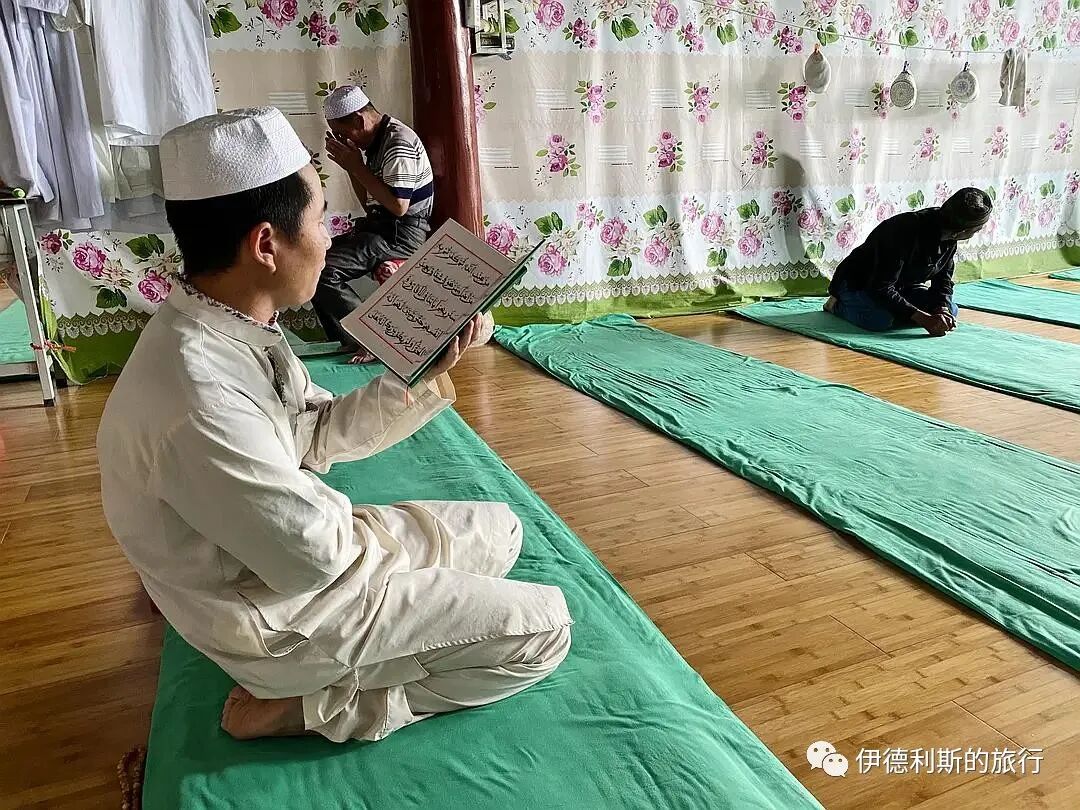
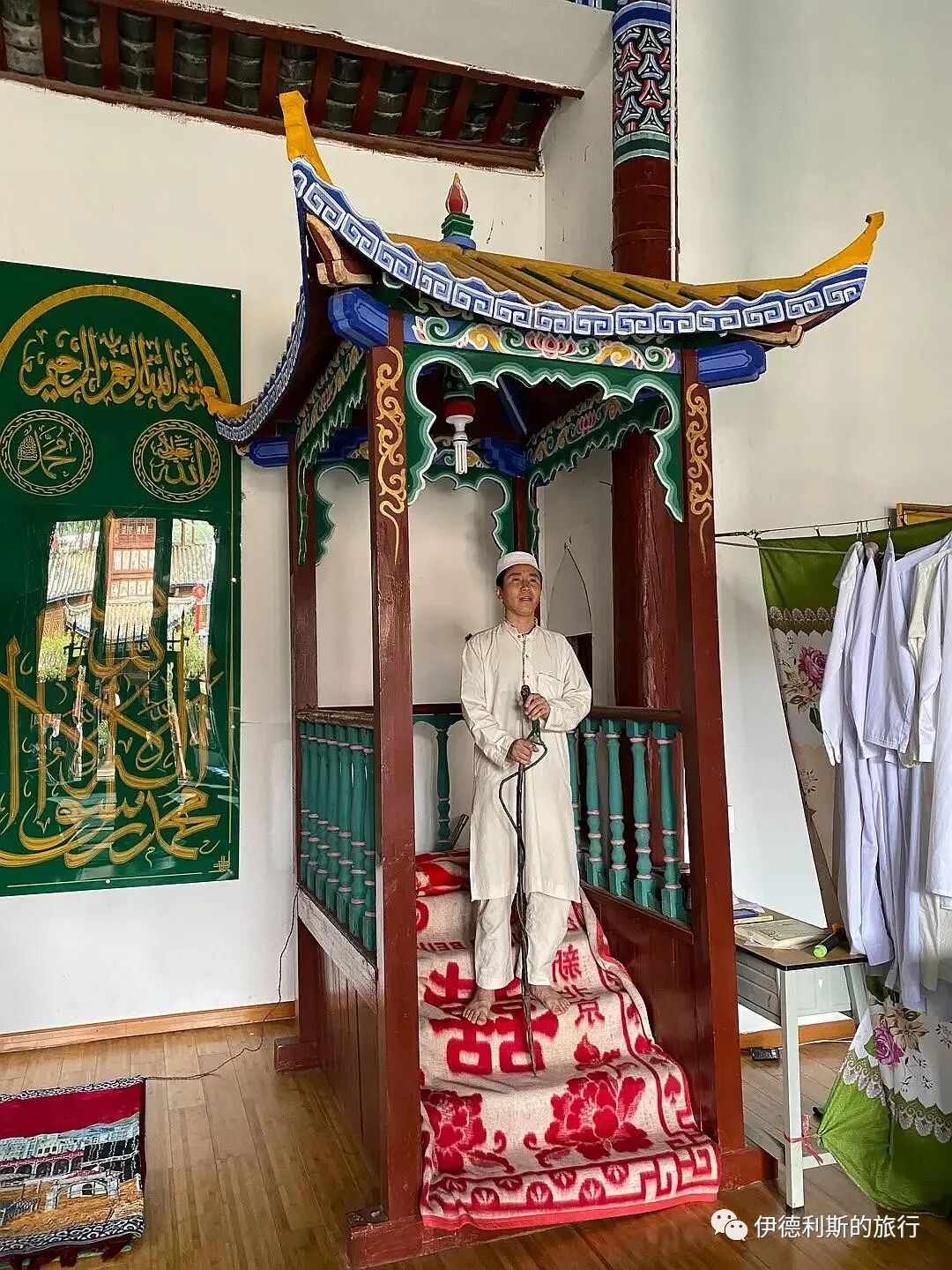
Performing Jumu'ah (Friday prayer) at Tangzi Mosque.
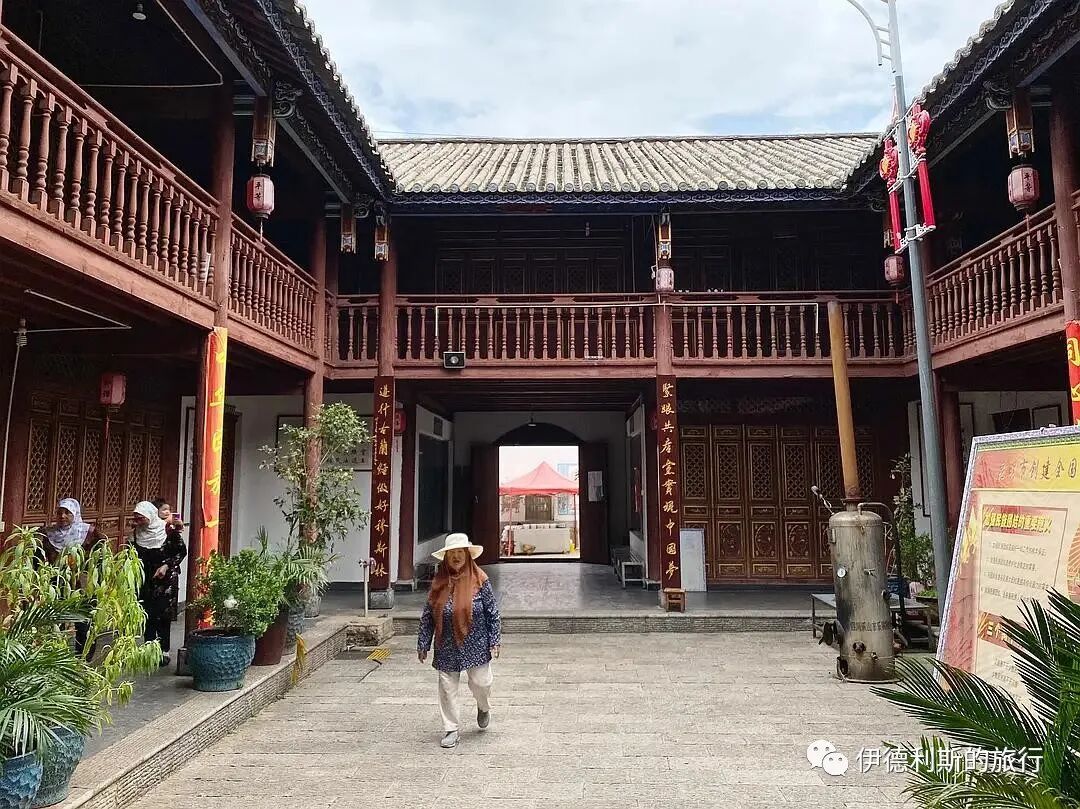
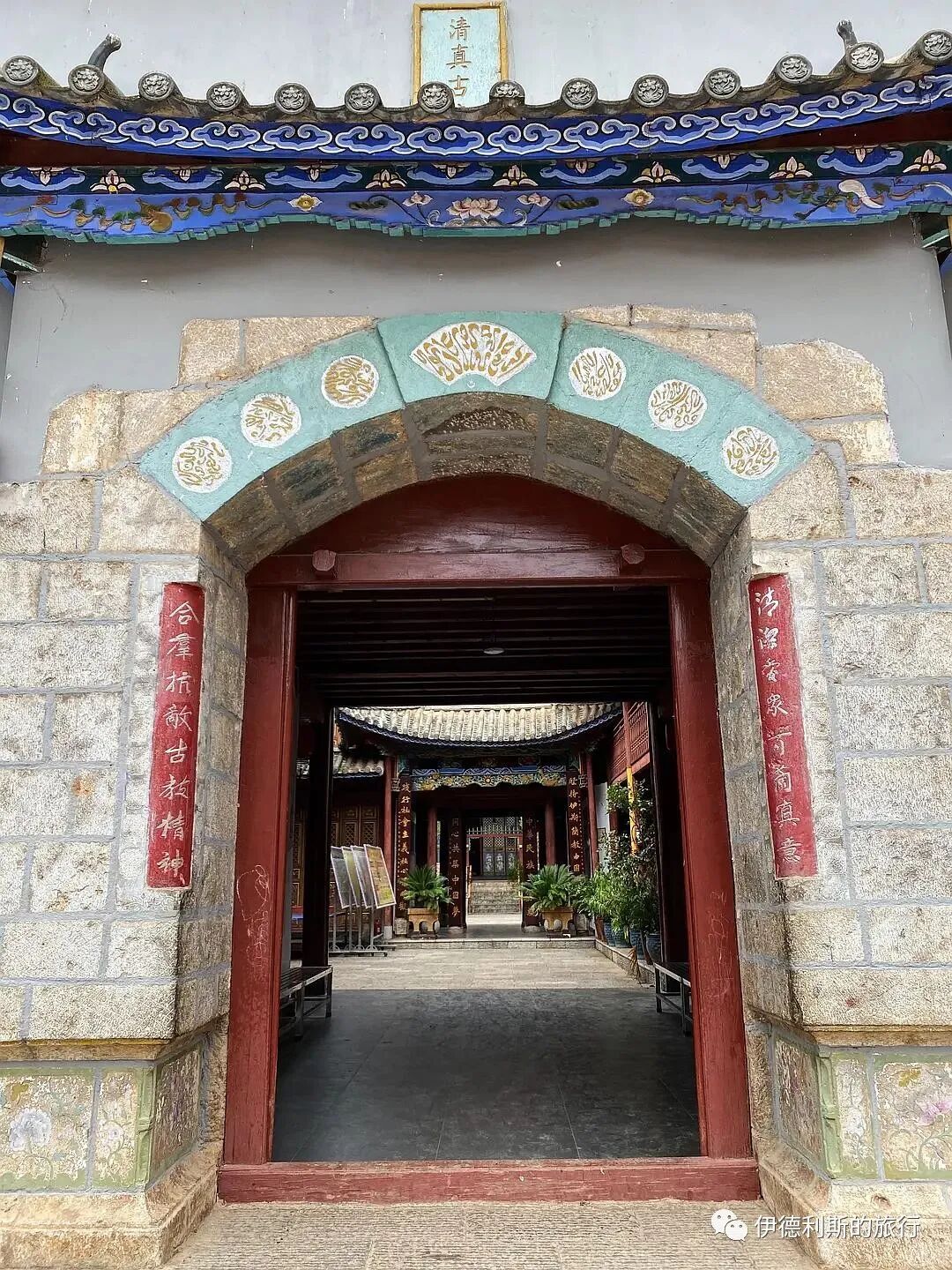
On August 7, I took a bus from Kunming to Xundian County, then transferred to a bus to Tangzi Mosque. Tangzi Mosque is the most accessible traditional mosque in Xundian. It was first built in the Ming Dynasty, destroyed by bandits in 1920, and rebuilt starting in 1923 through fundraising by elders such as Imam Yu Shaoqing. It was completed in 1927, and the current stone arch gate was added in 1937. Traditional Yunnan-style mosques generally consist of a courtyard enclosed by the main prayer hall, the minaret, and the north and south side rooms. Tangzi Mosque also has an additional gate forming a second courtyard, and it is designed with two-story verandas that connect to each other.
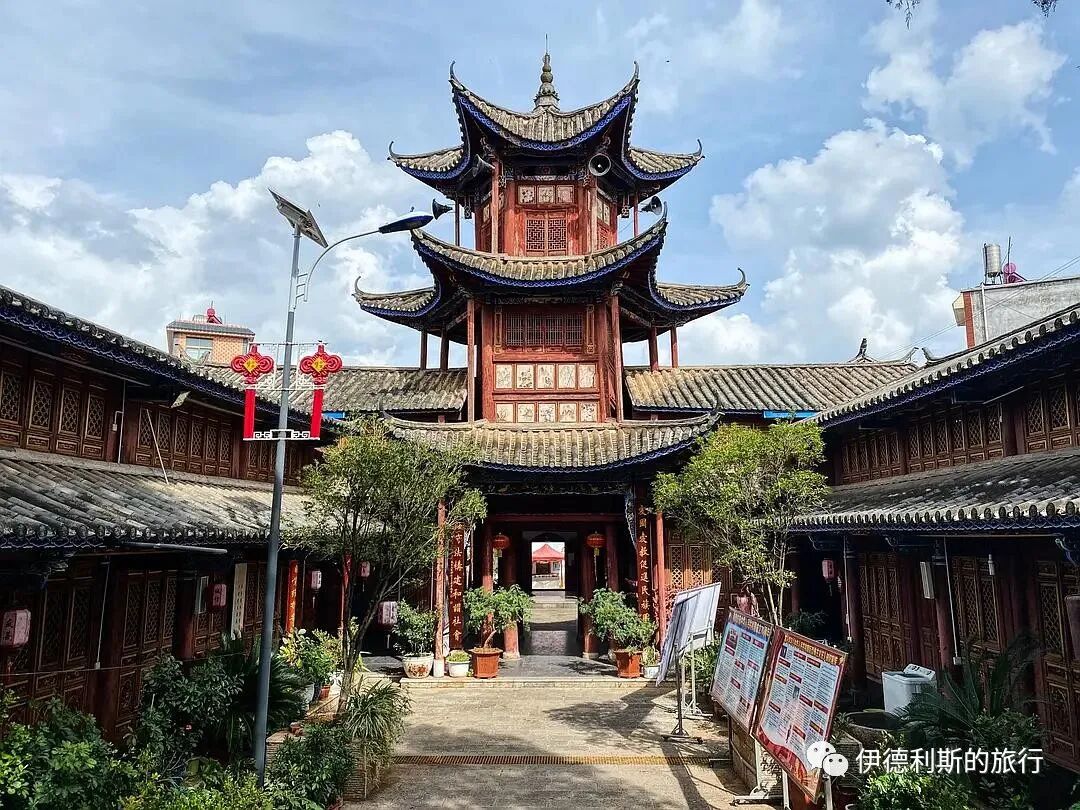
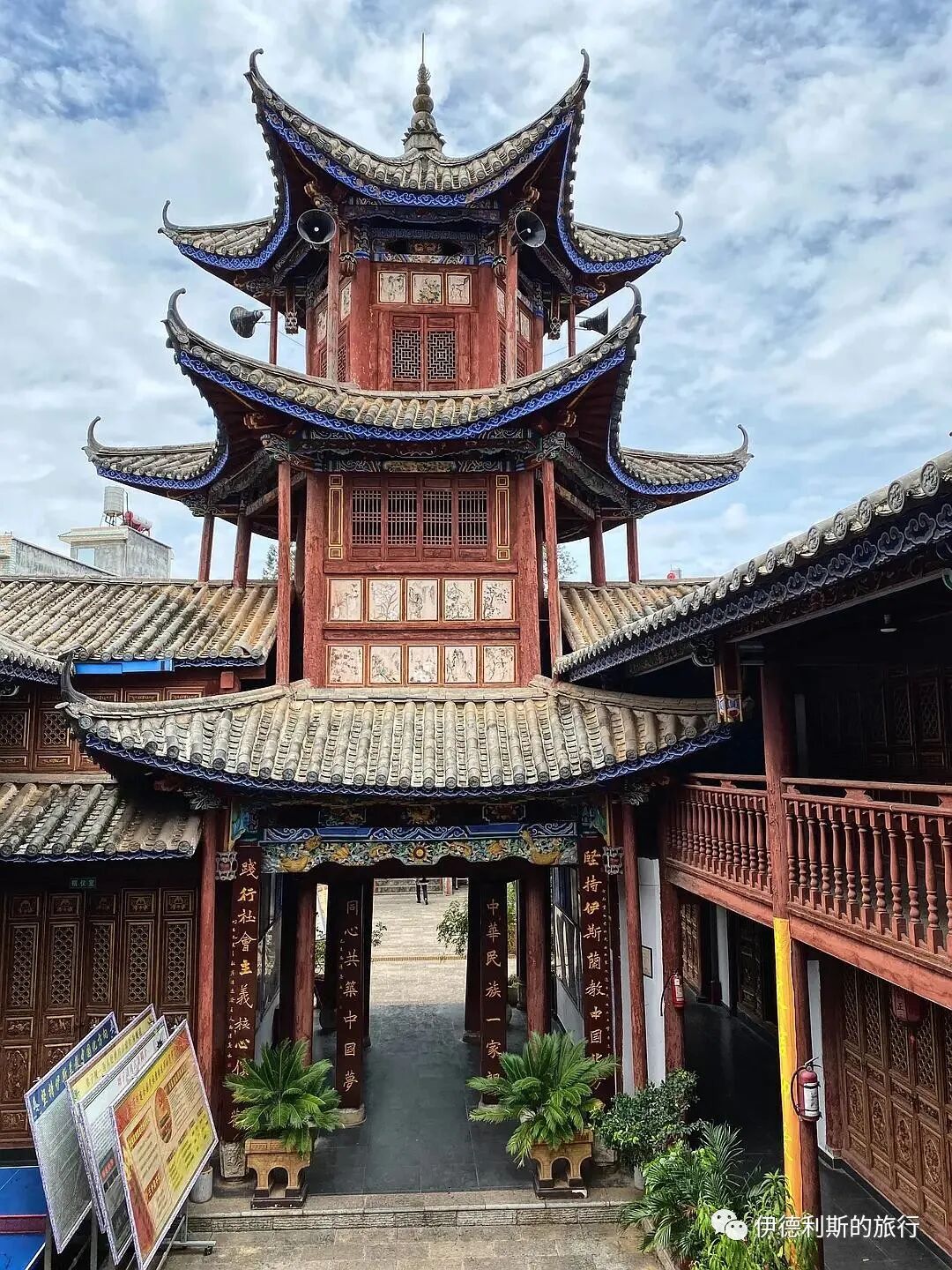
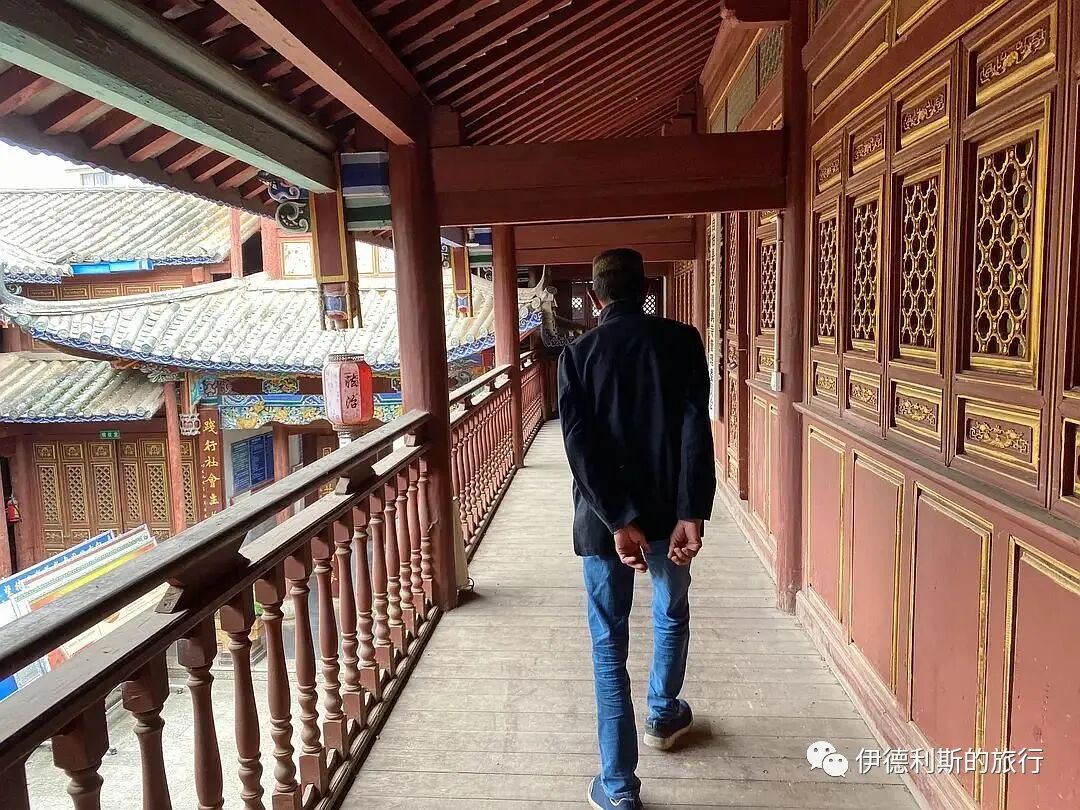
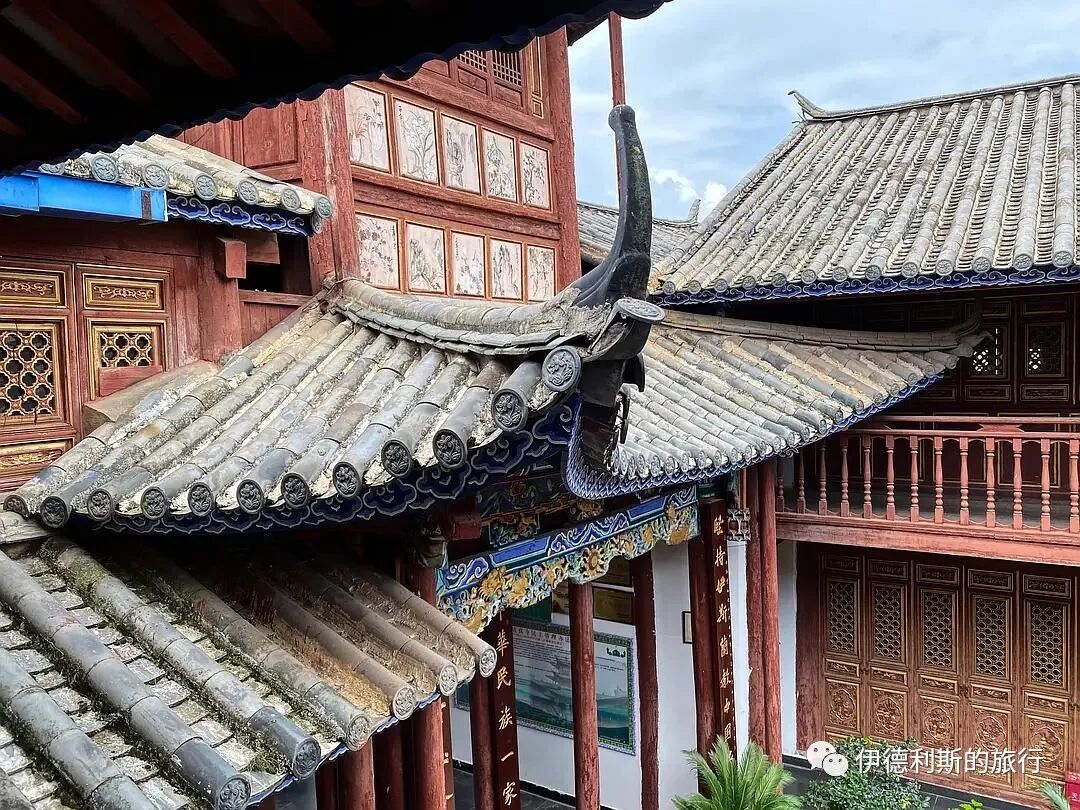
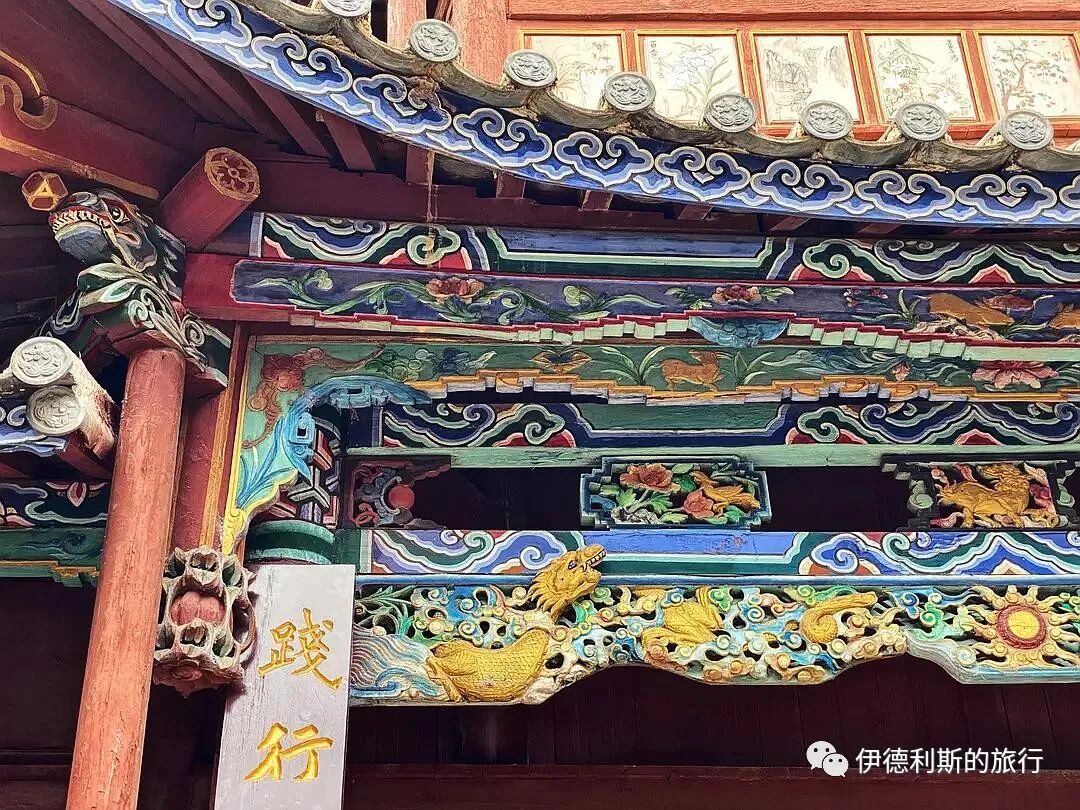
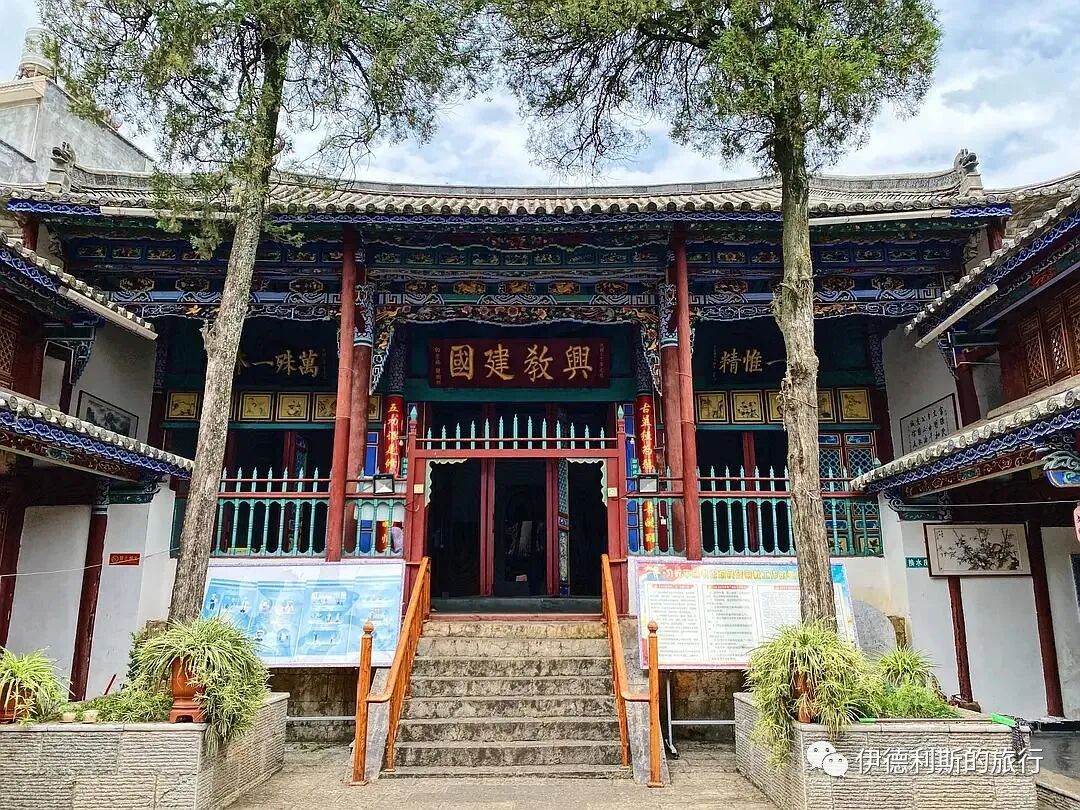
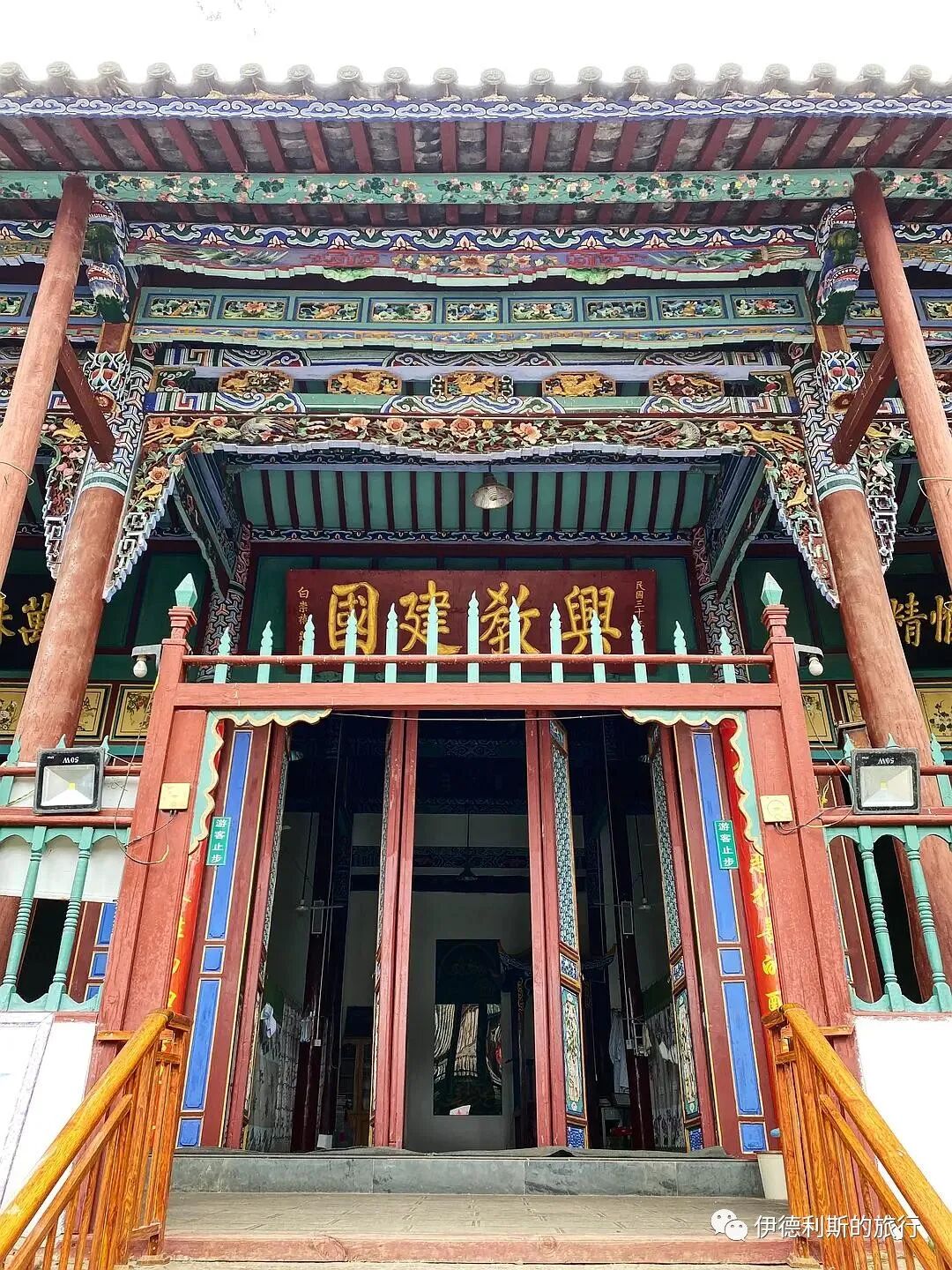
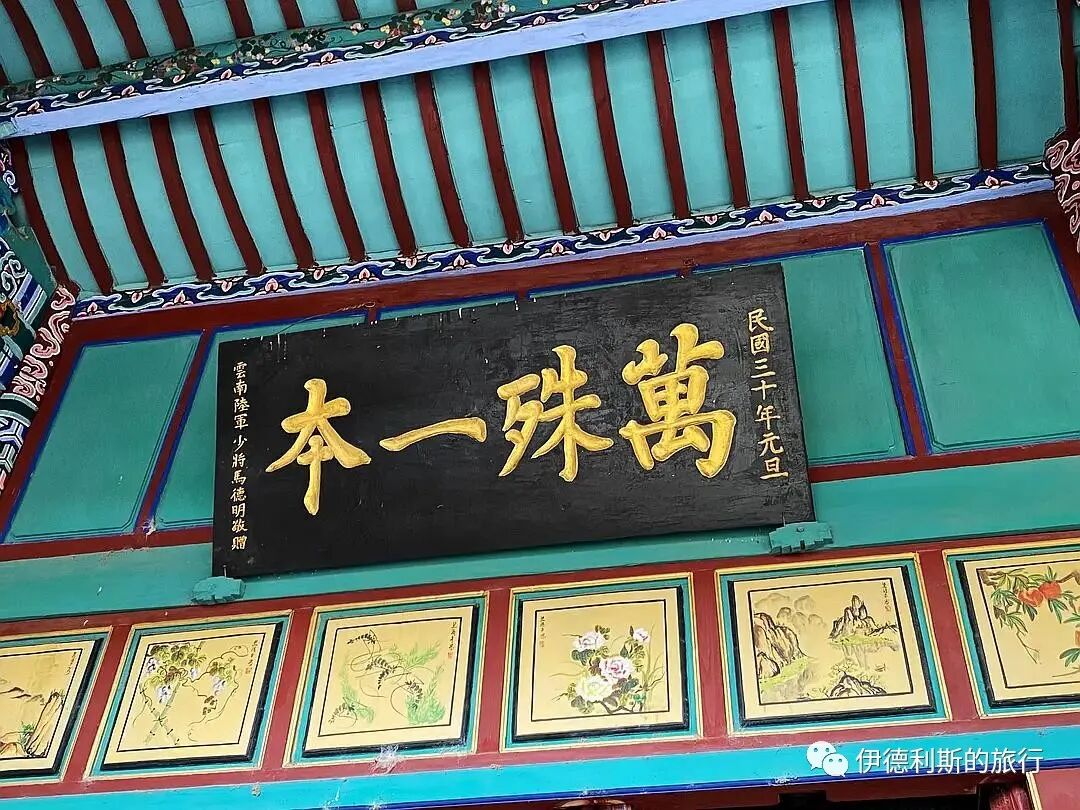
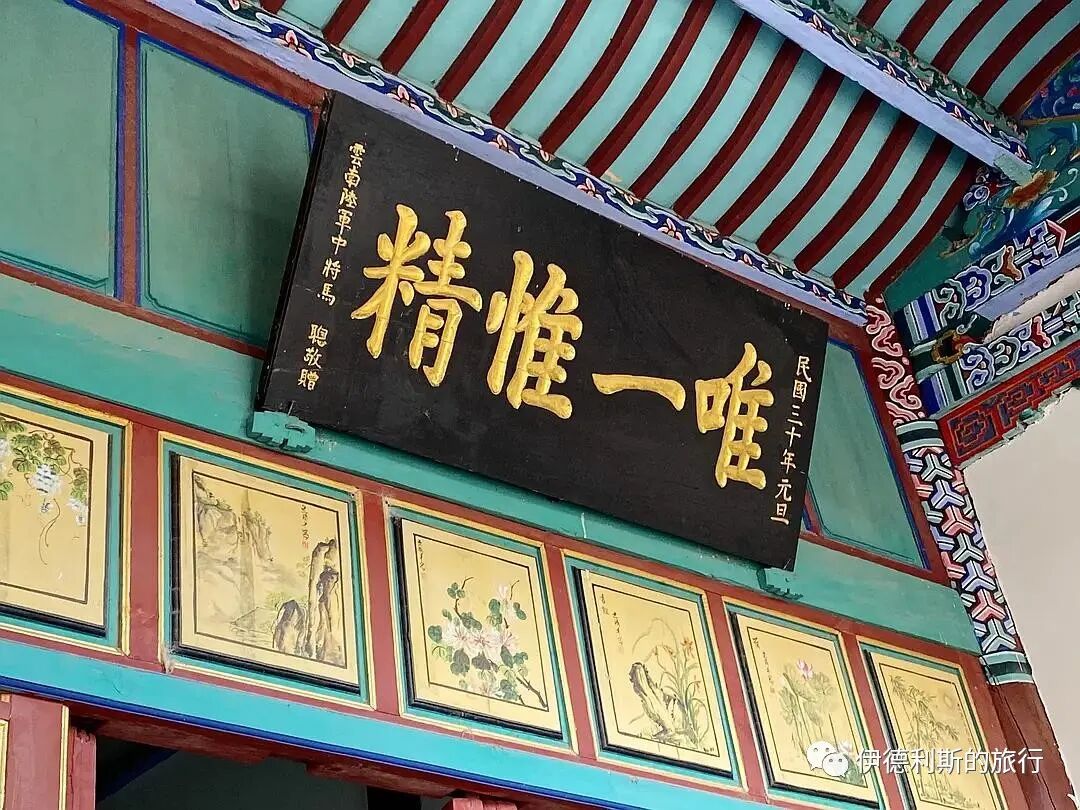
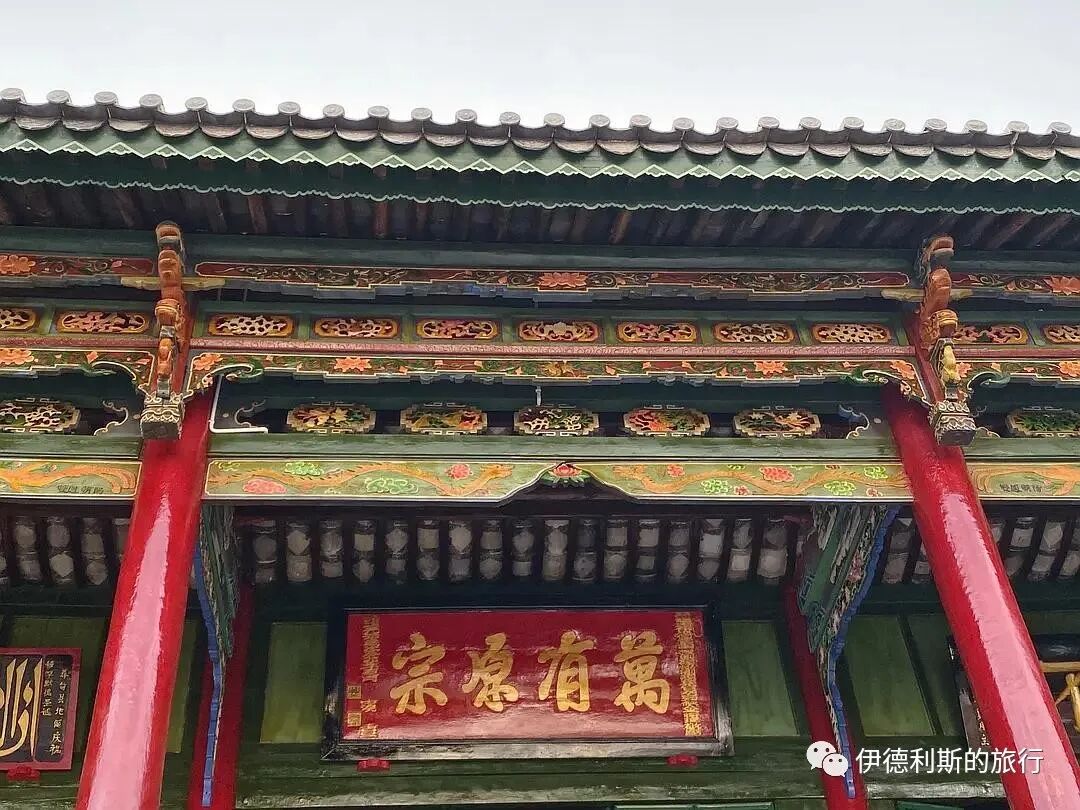
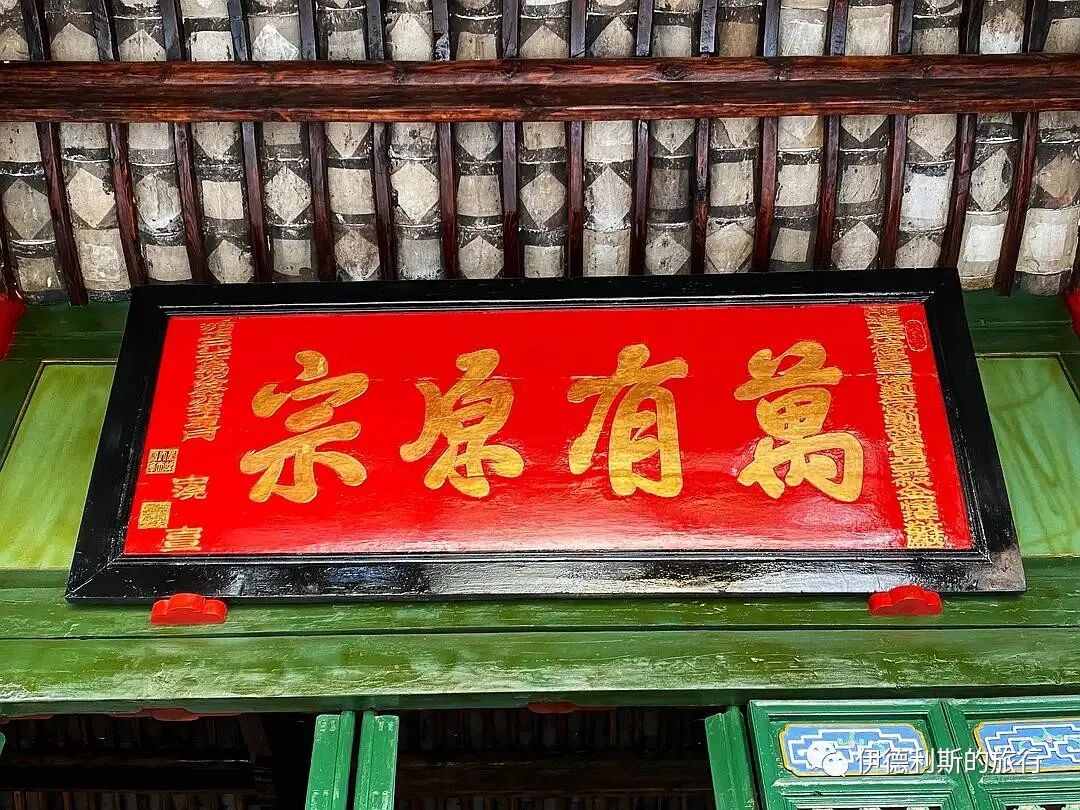
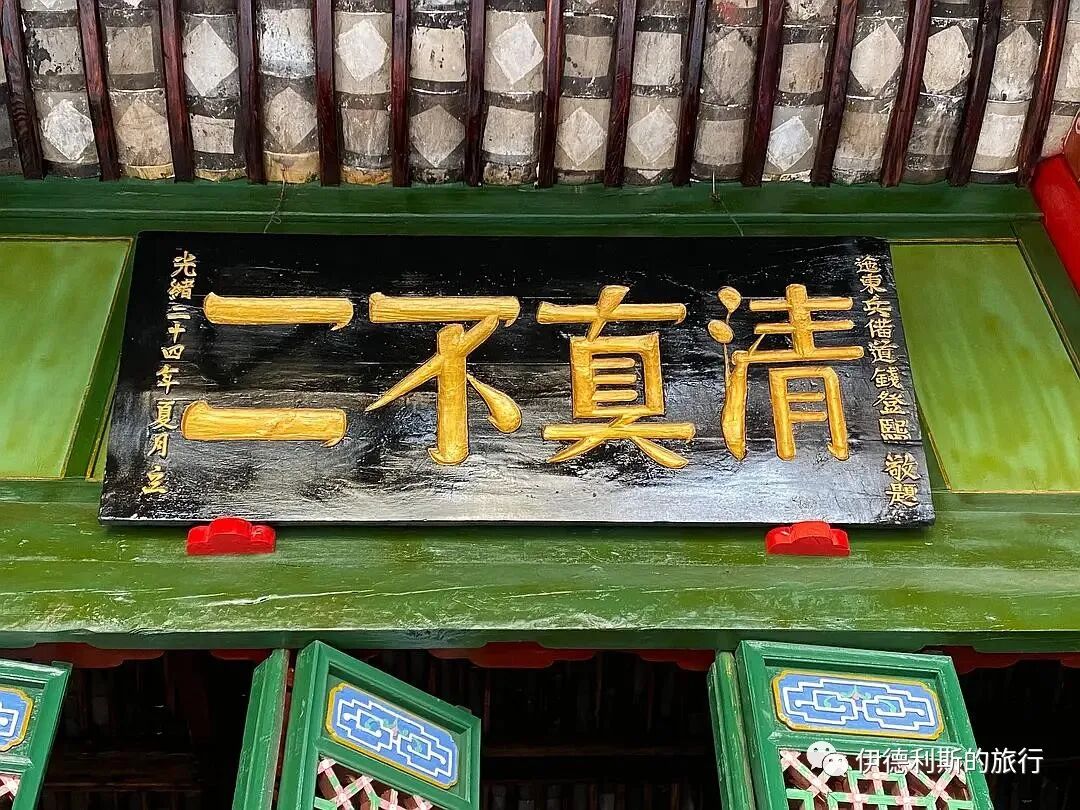
In 1941, Yunnan Army Major General Ma Deming respectfully presented the plaque 'Wan Shu Yi Ben' (All things are one in essence), and Yunnan Army Lieutenant General Ma Cong respectfully presented 'Wei Yi Wei Jing' (Only one, only pure).
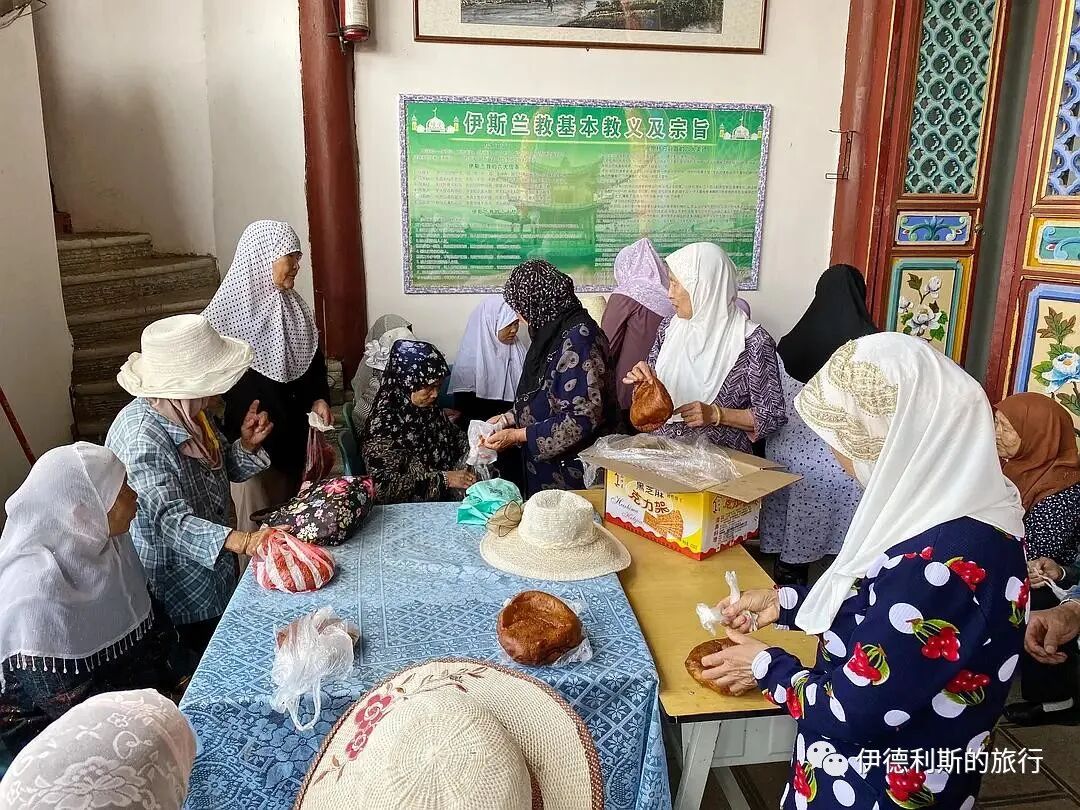
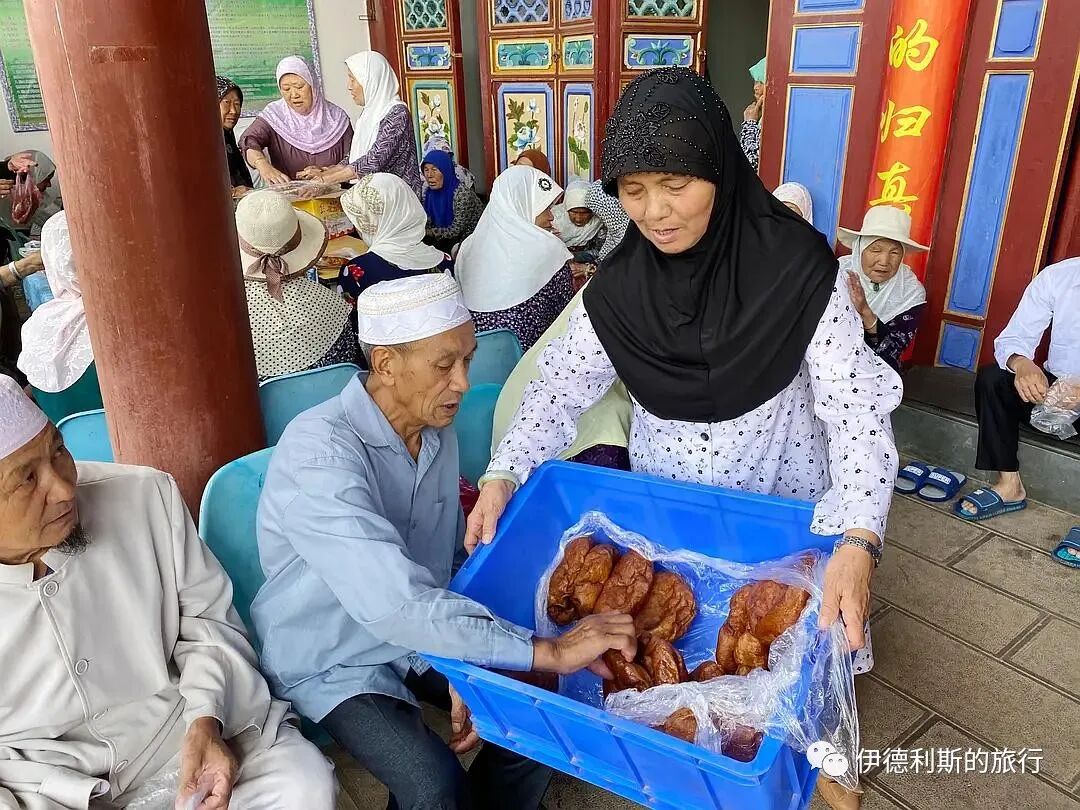
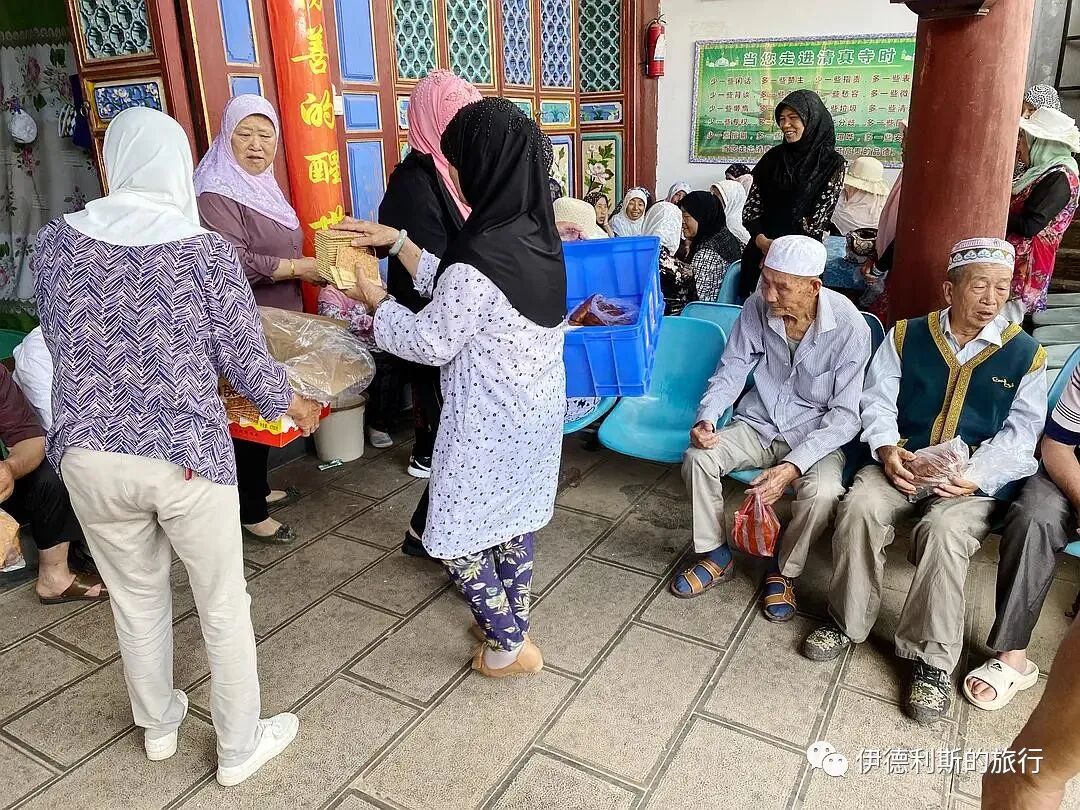
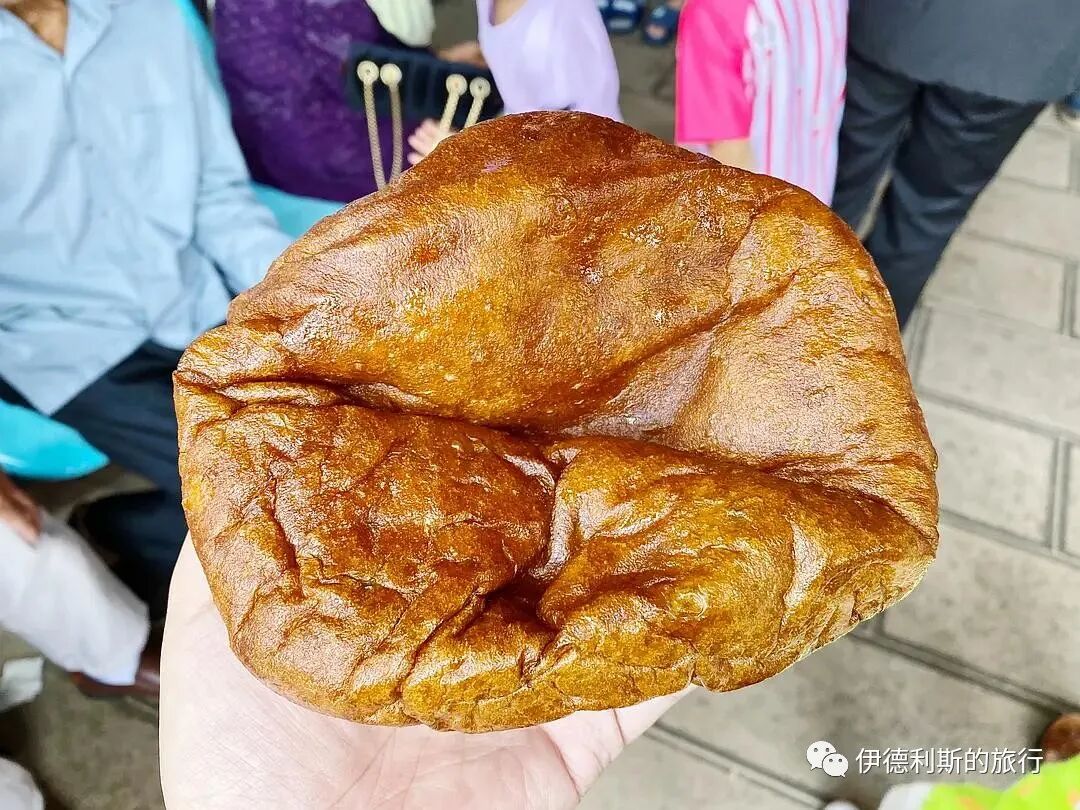
After the Jumu'ah prayer, the local Koufuyuan Halal Pastry shop distributed youxiang (fried dough) and biscuits to everyone. The youxiang here is made differently from the way it is made in Kunming. At Tangzi Mosque, various shops often take turns distributing delicious food to the mosque, and the atmosphere is especially good.
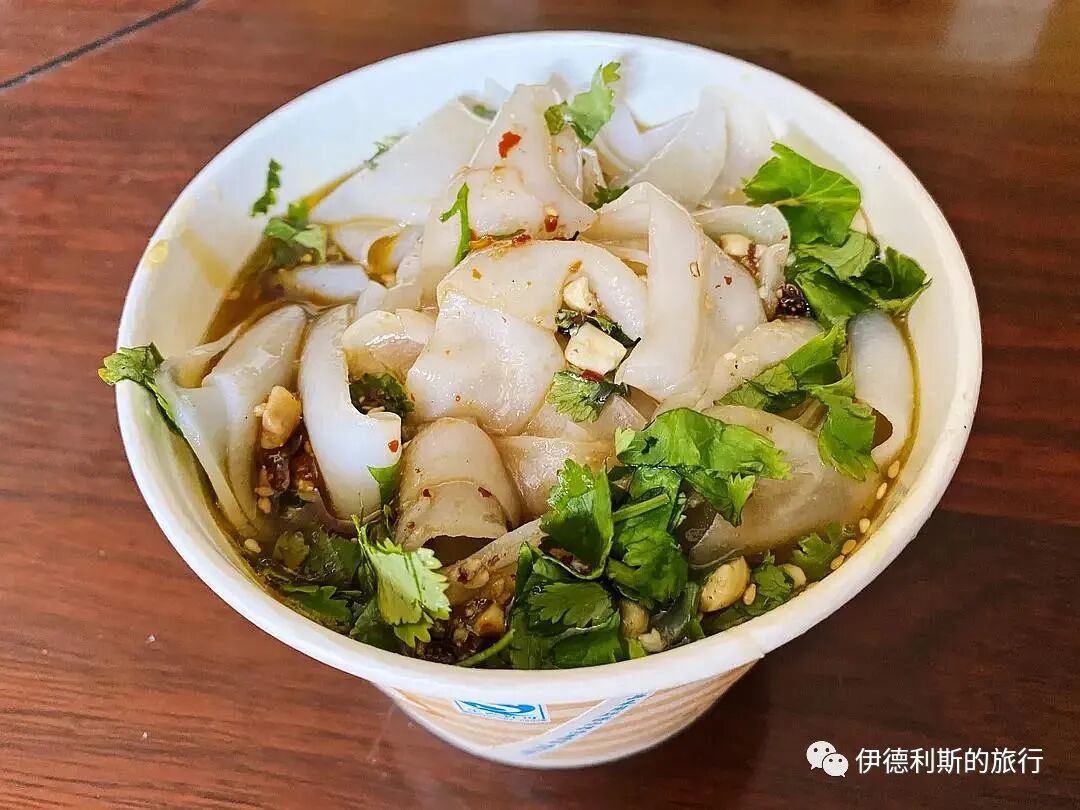
The mosque's Imam, Ma Huiqun, invited Zaynab and me to eat local specialty juanfen (rolled rice noodles) and chatted with us for a long time. Imam Ma is from Weining, Guizhou, and has been in Xundian for over ten years. He is very eloquent.
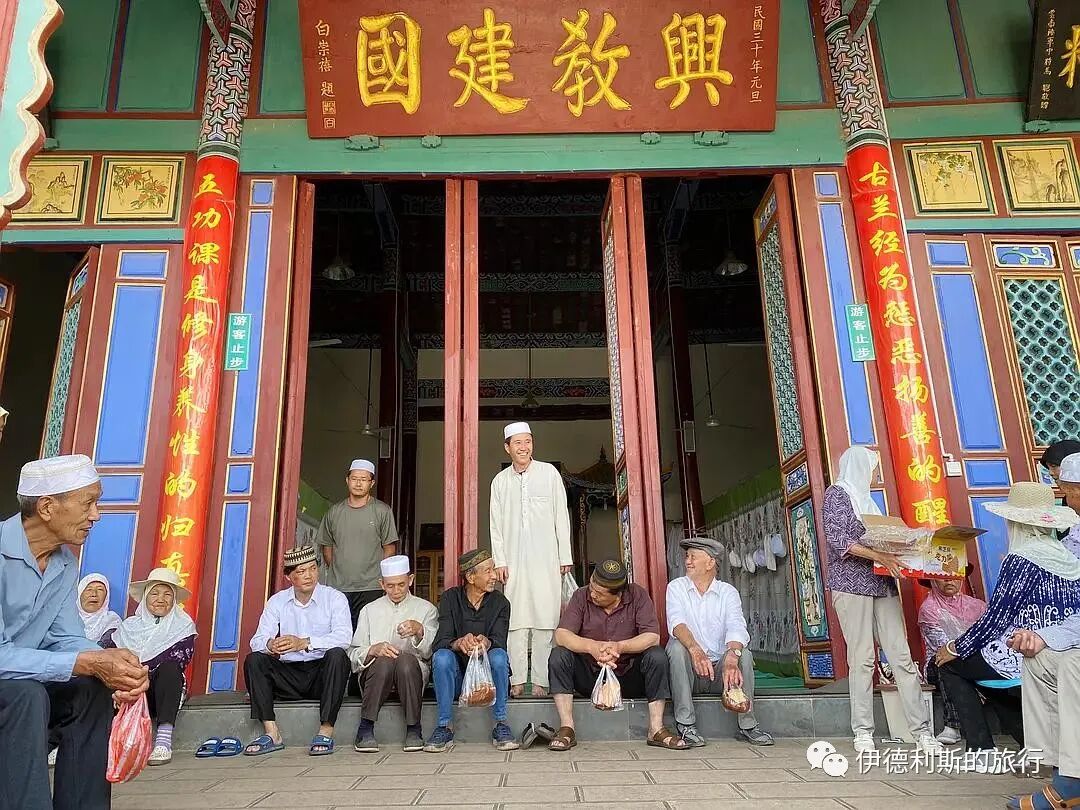
In 1941, Bai Chongxi inscribed 'Xing Jiao Jian Guo' (Revive religion to build the nation).
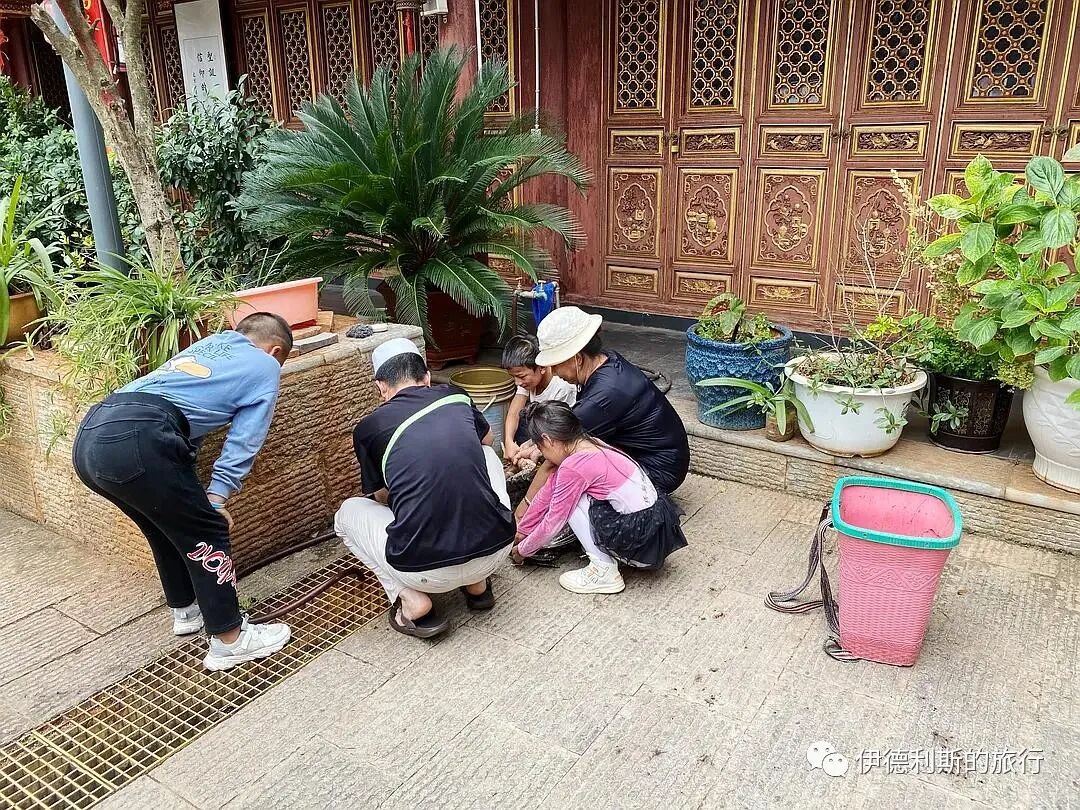
That day, many local Hui Muslims came to ask the Imam to slaughter chickens, and the Imam slaughtered them very enthusiastically.
Returned to Xundian county seat.
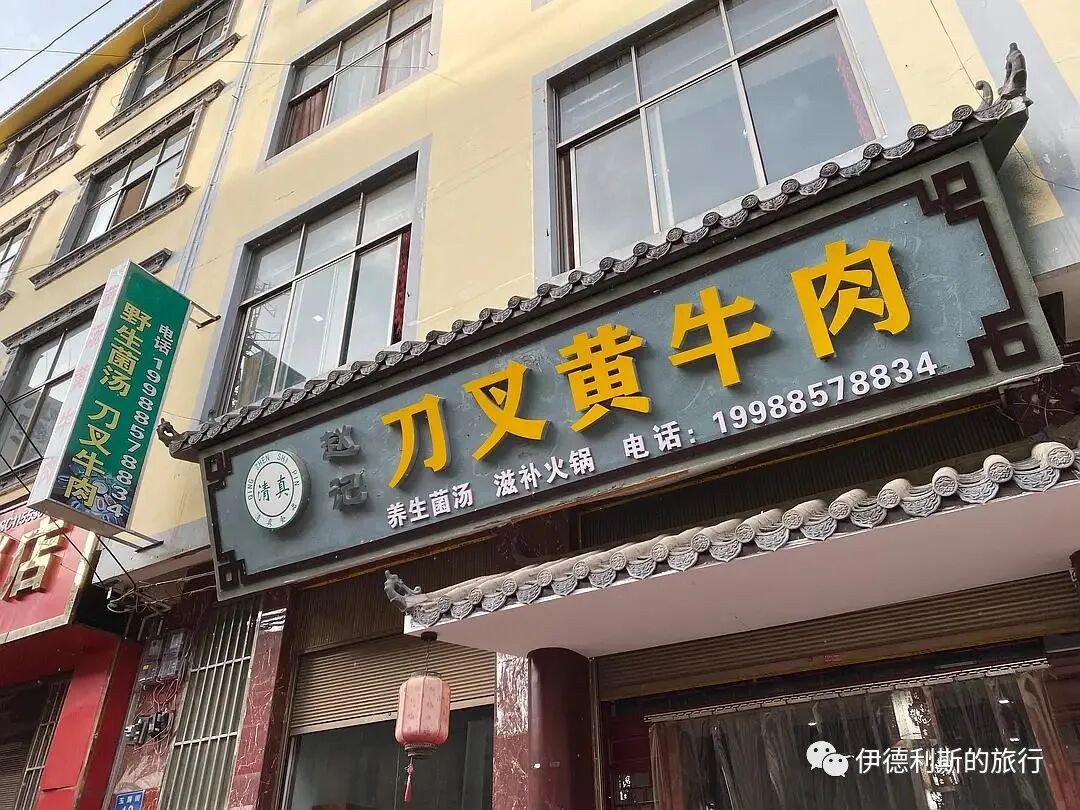
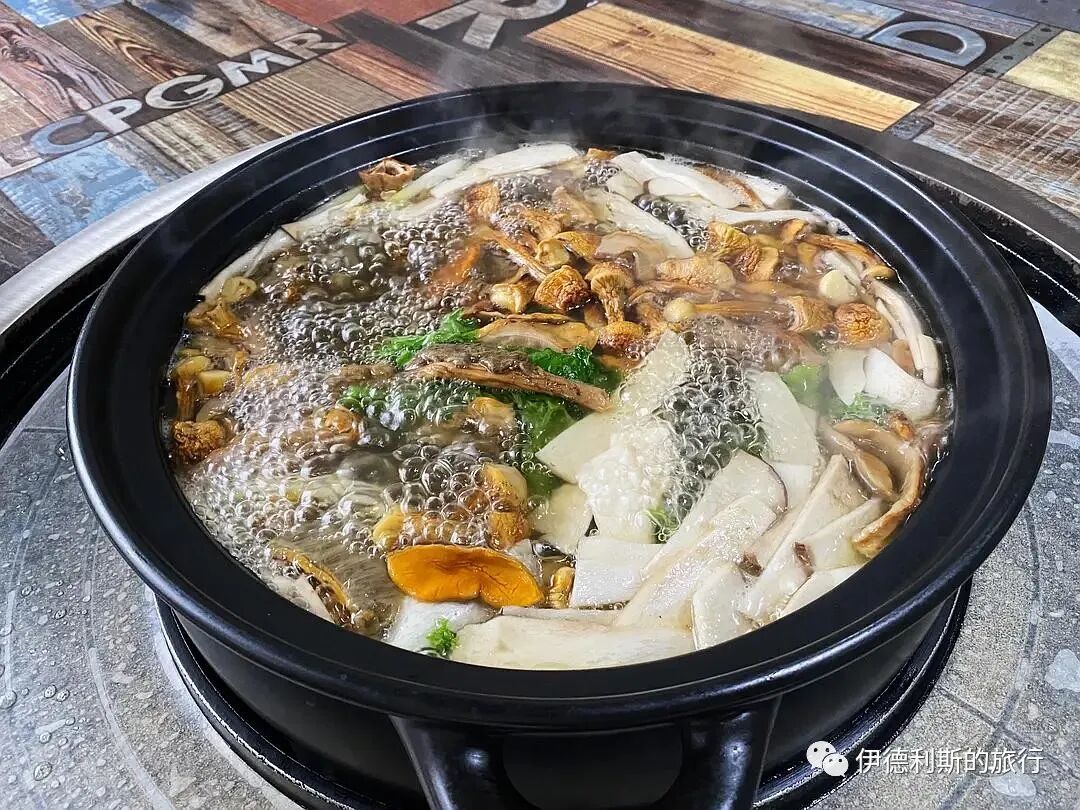
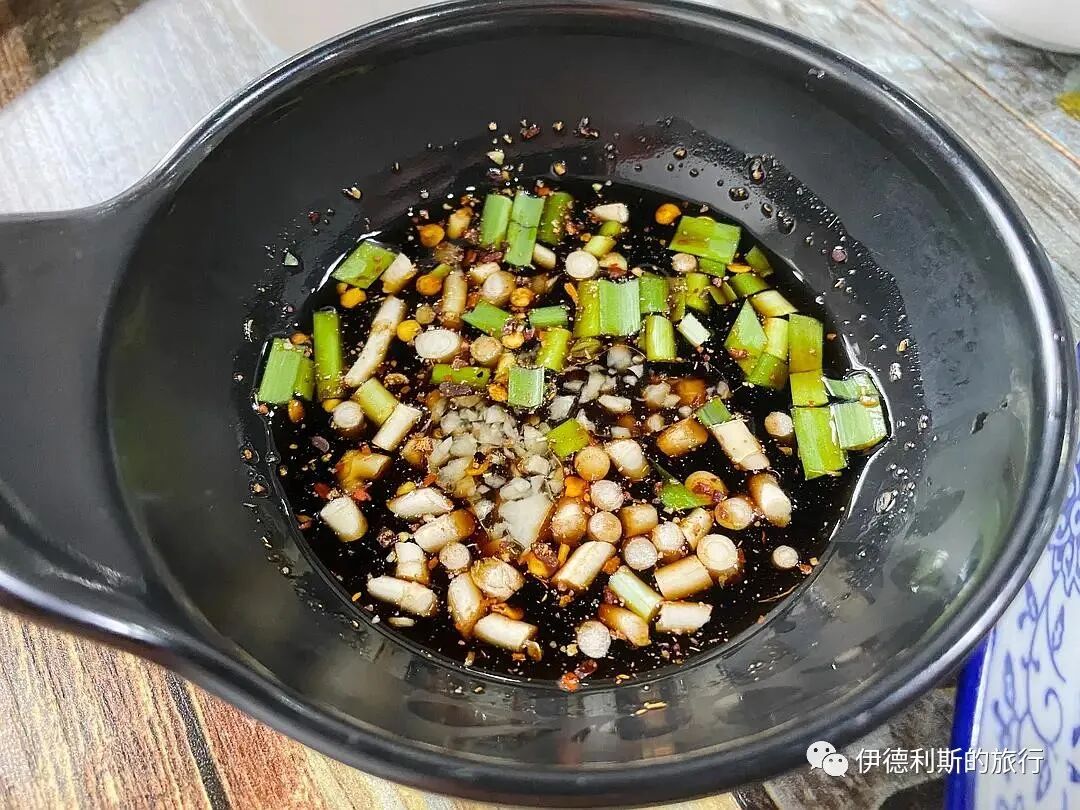
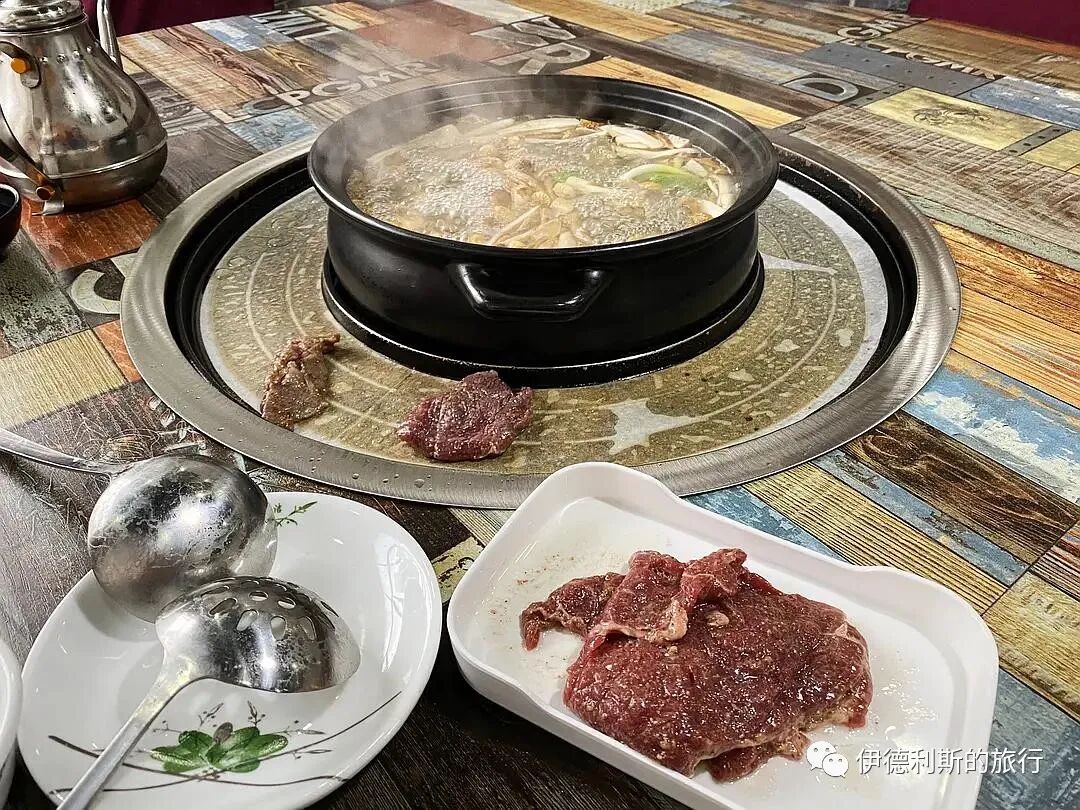
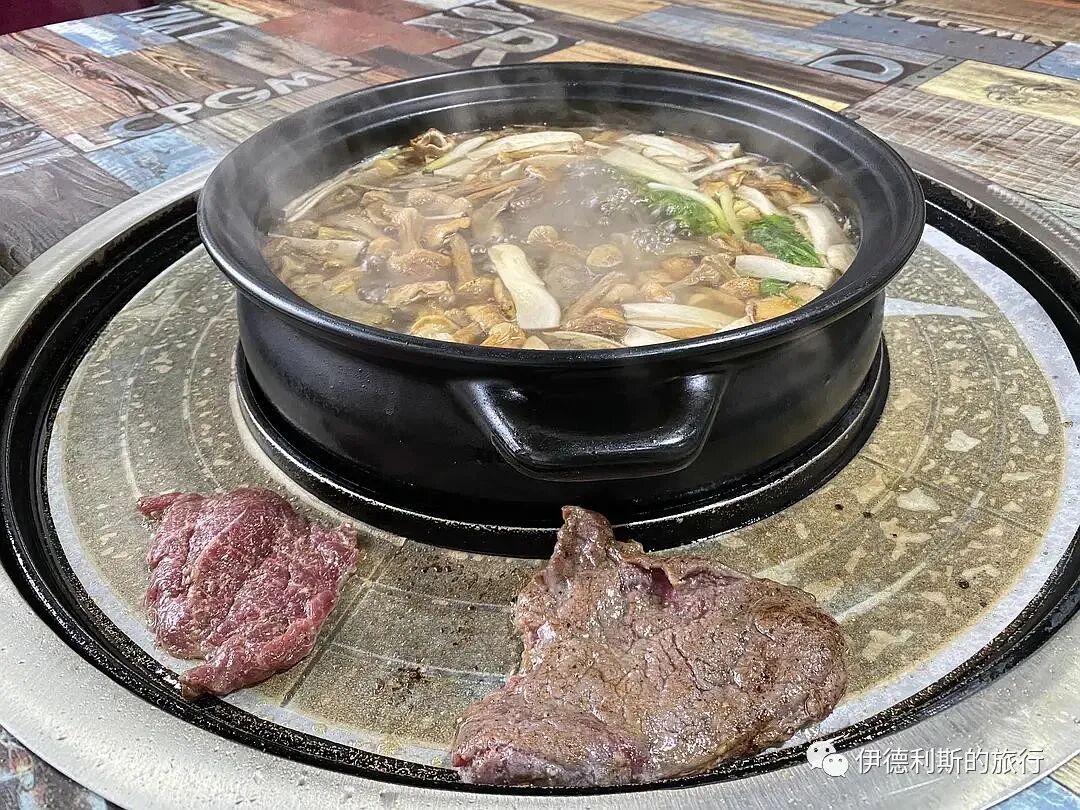
In the evening, I ate mushroom soup grilled beef in the county seat. The mushroom soup was incredibly fresh, the beef was very tender, and the dipping sauce with zhe'ergen (fish mint) was very punchy.
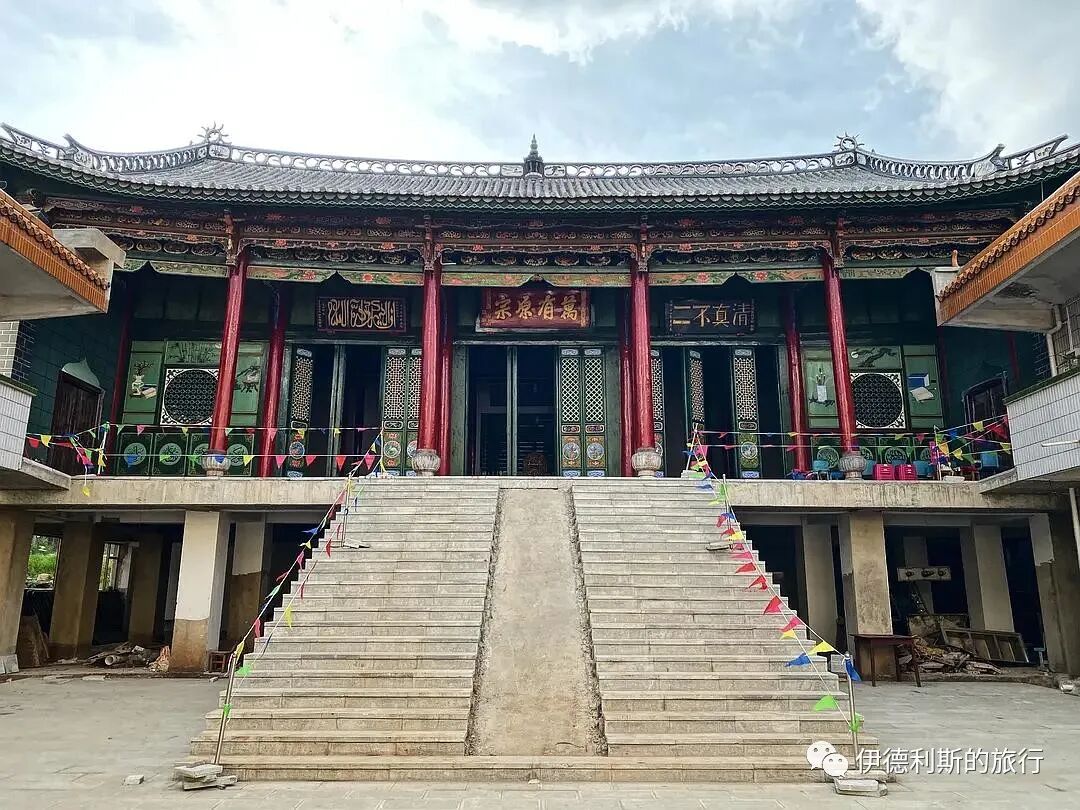
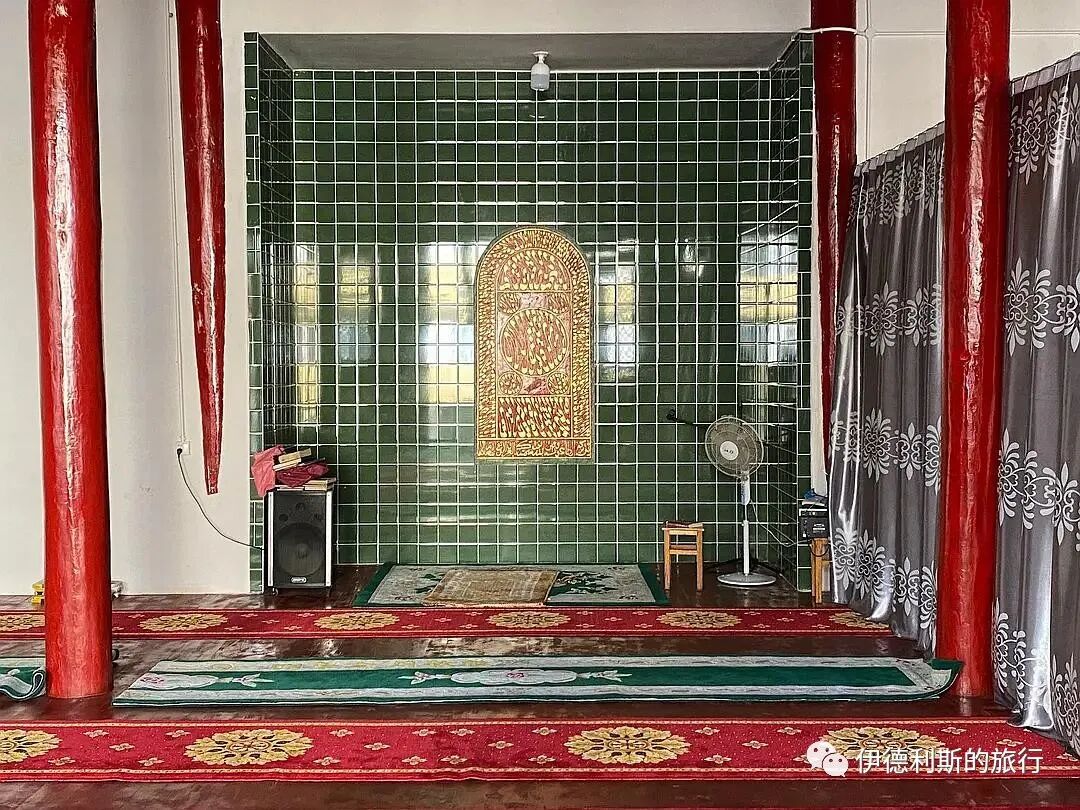
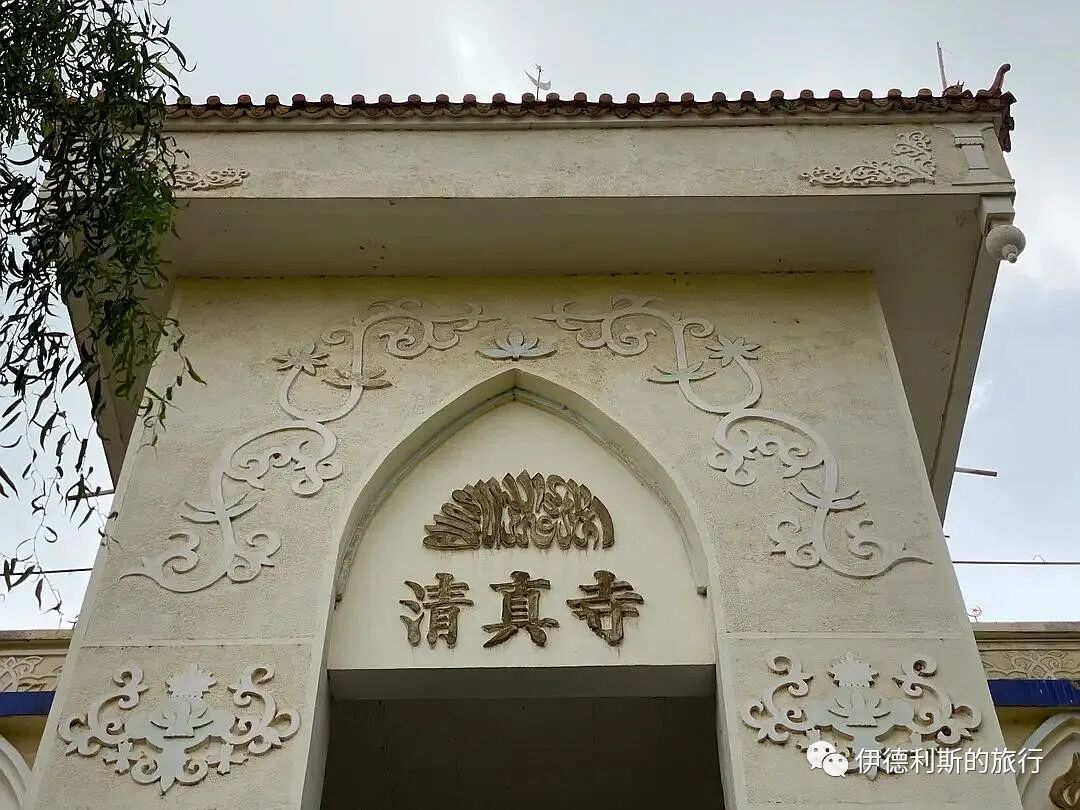
Beiying Street Mosque in Xundian county seat was first built during the Chenghua period of the Ming Dynasty and rebuilt in 1902. The current mosque seems to have a steel-concrete structure added under the old mosque, lifting the wooden old mosque to the second floor. Newly built mosques in Yunnan often like to be made this way.
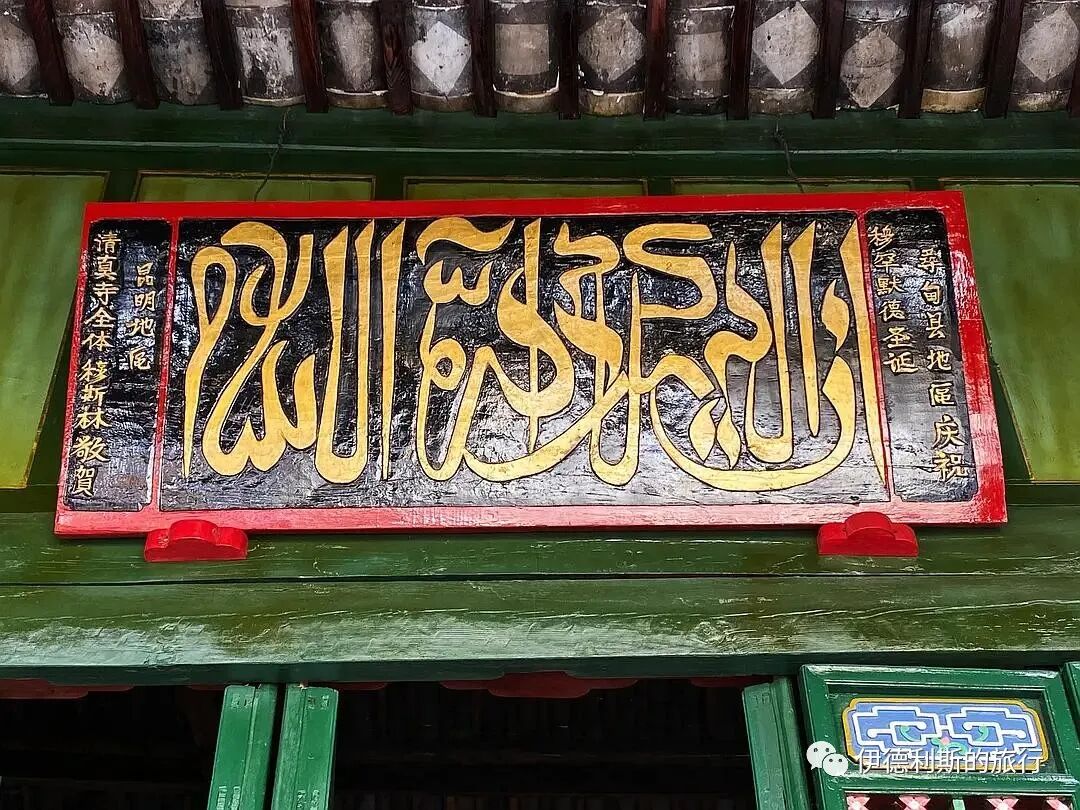
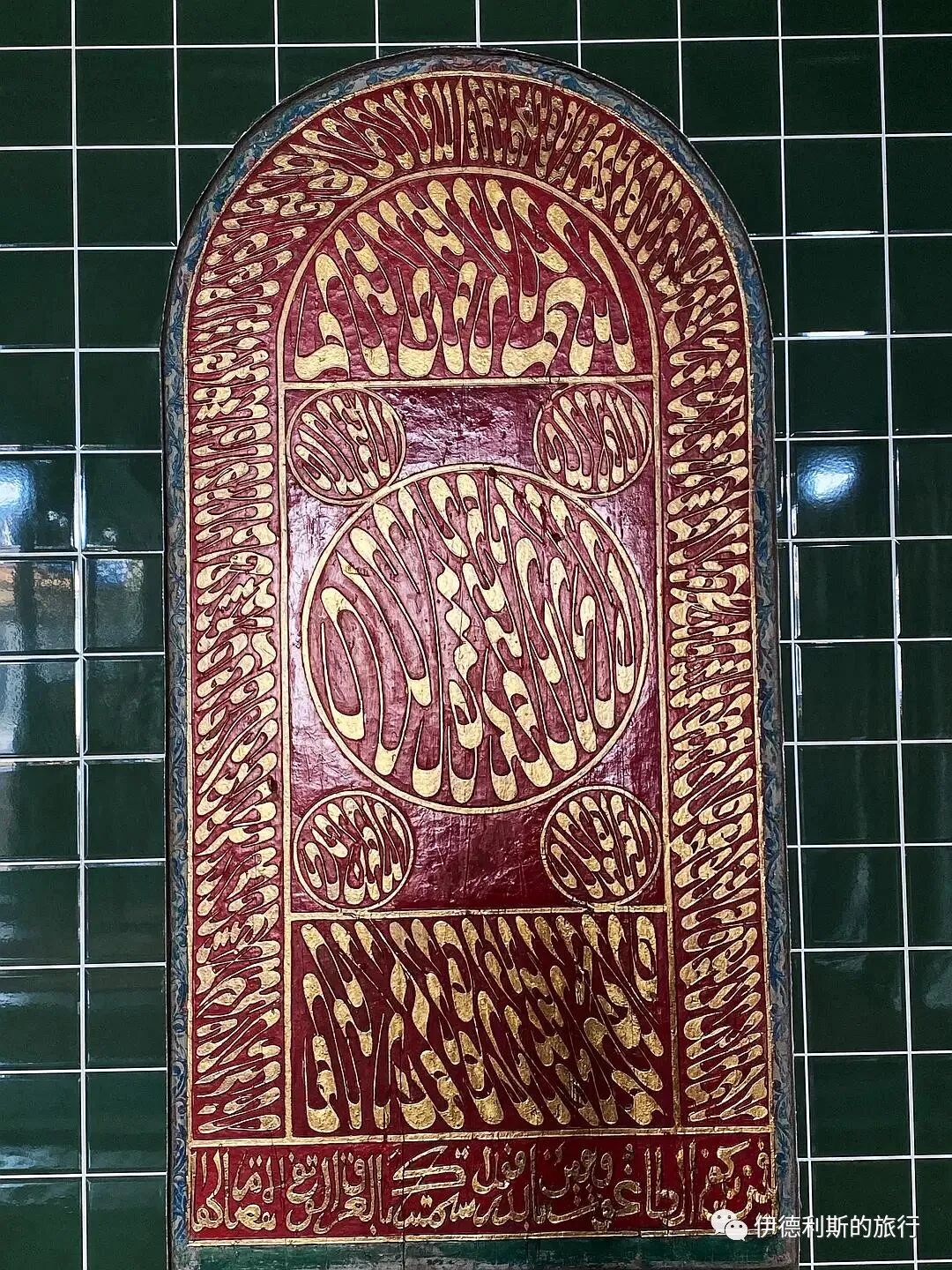
However, inside the mosque, there are beautiful Yunnan traditional-style calligraphic mihrabs (prayer niches) and Qing Dynasty plaques.
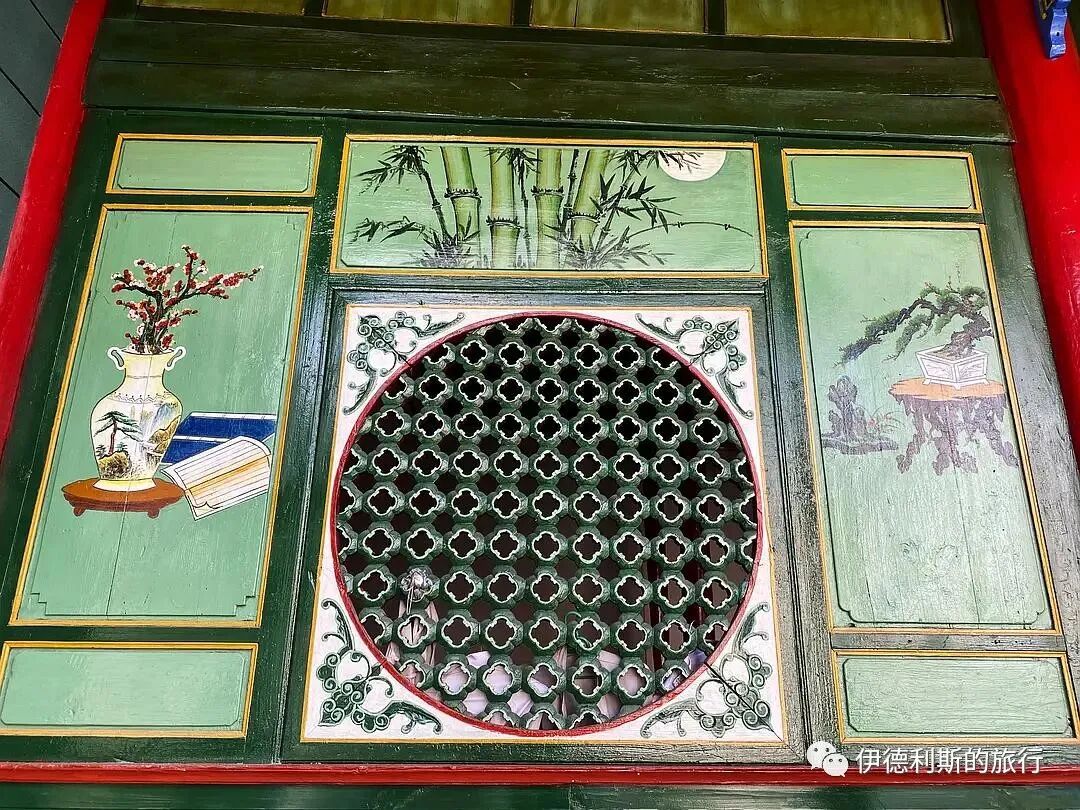
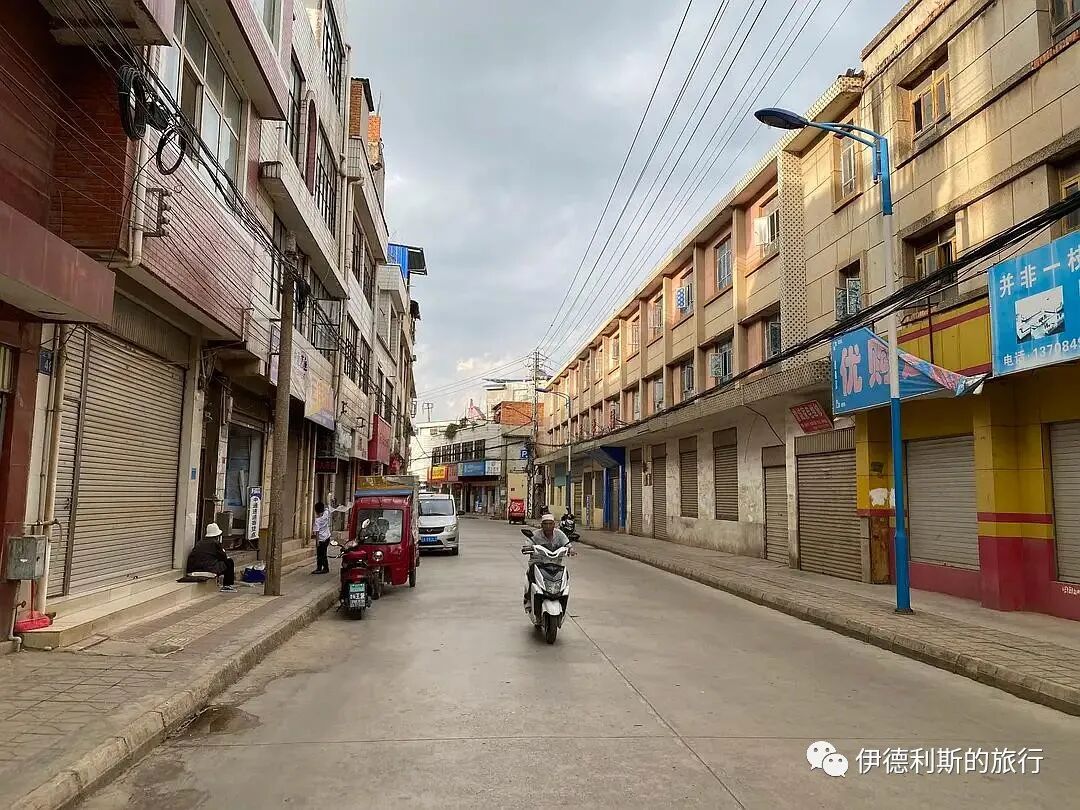
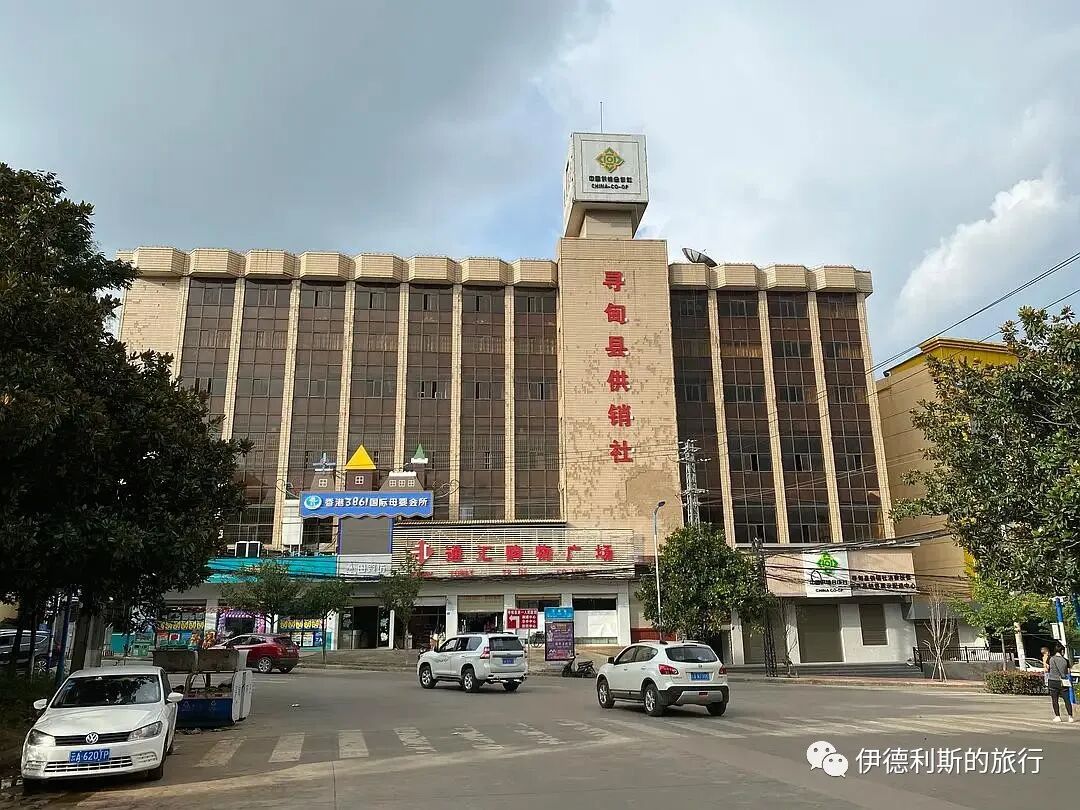
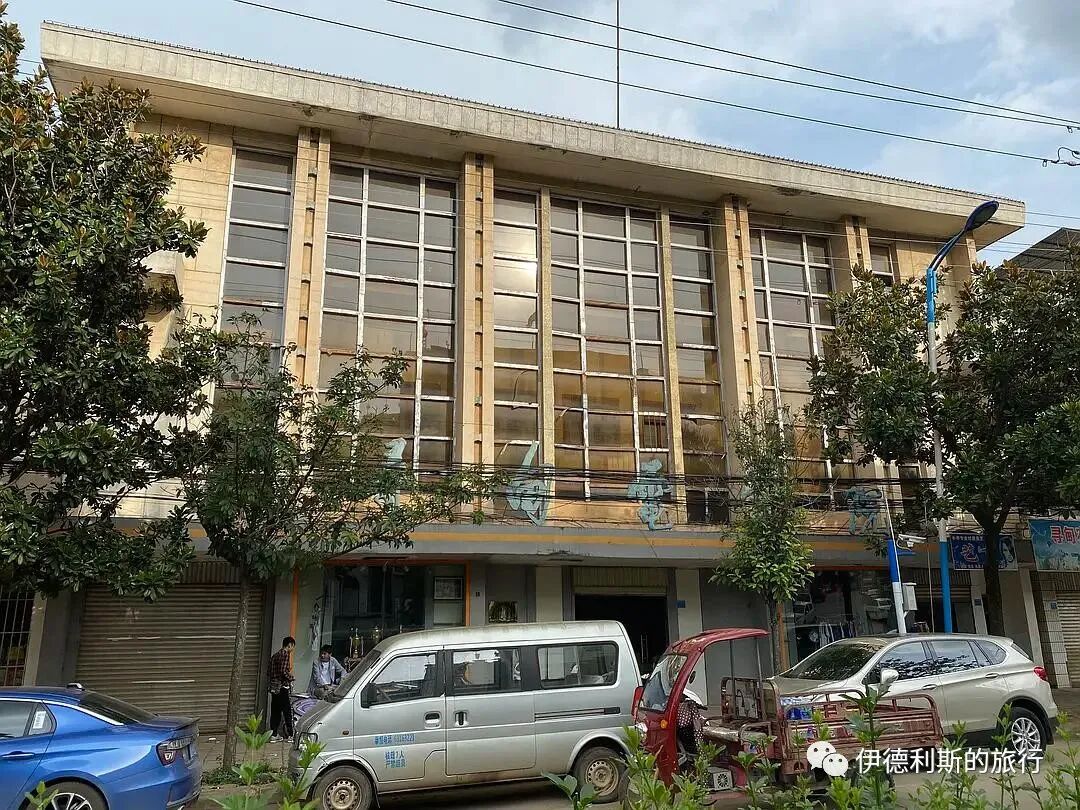
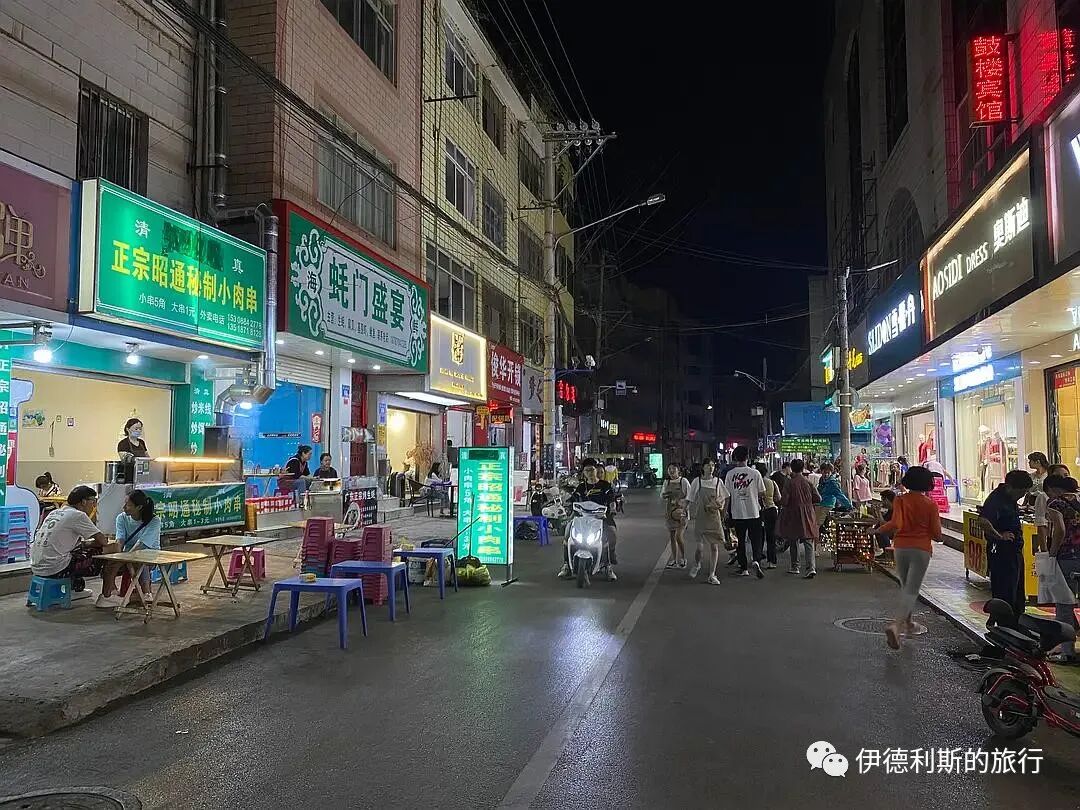
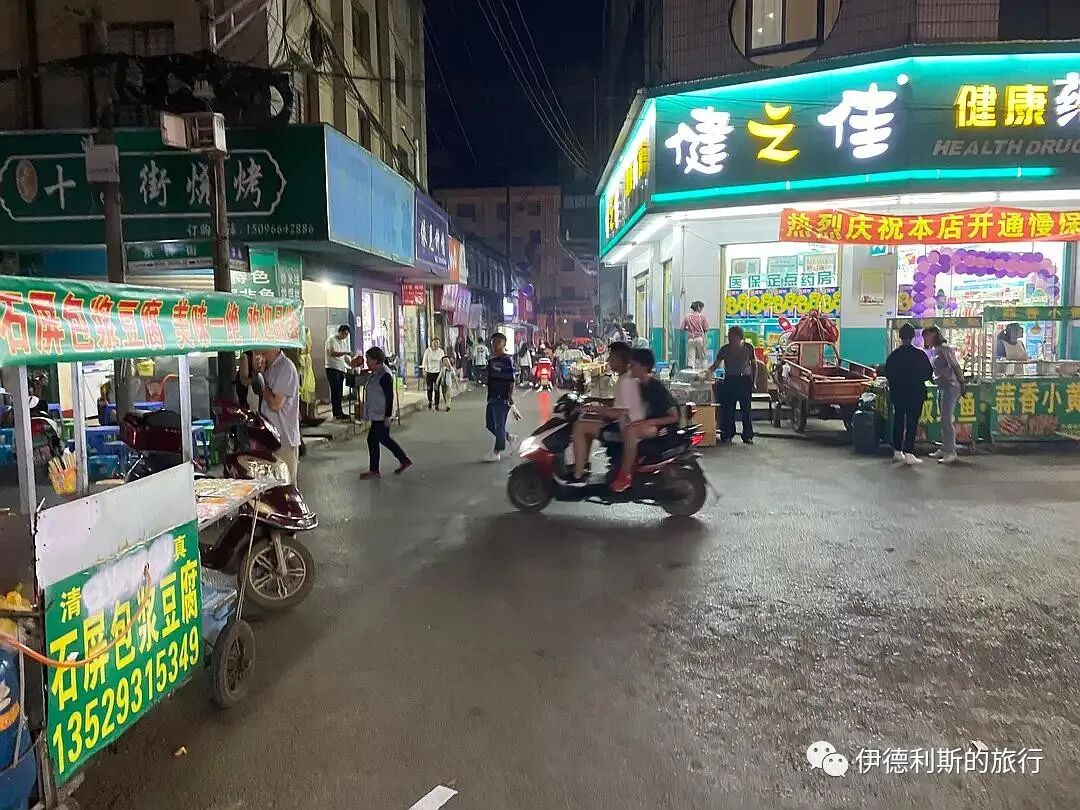
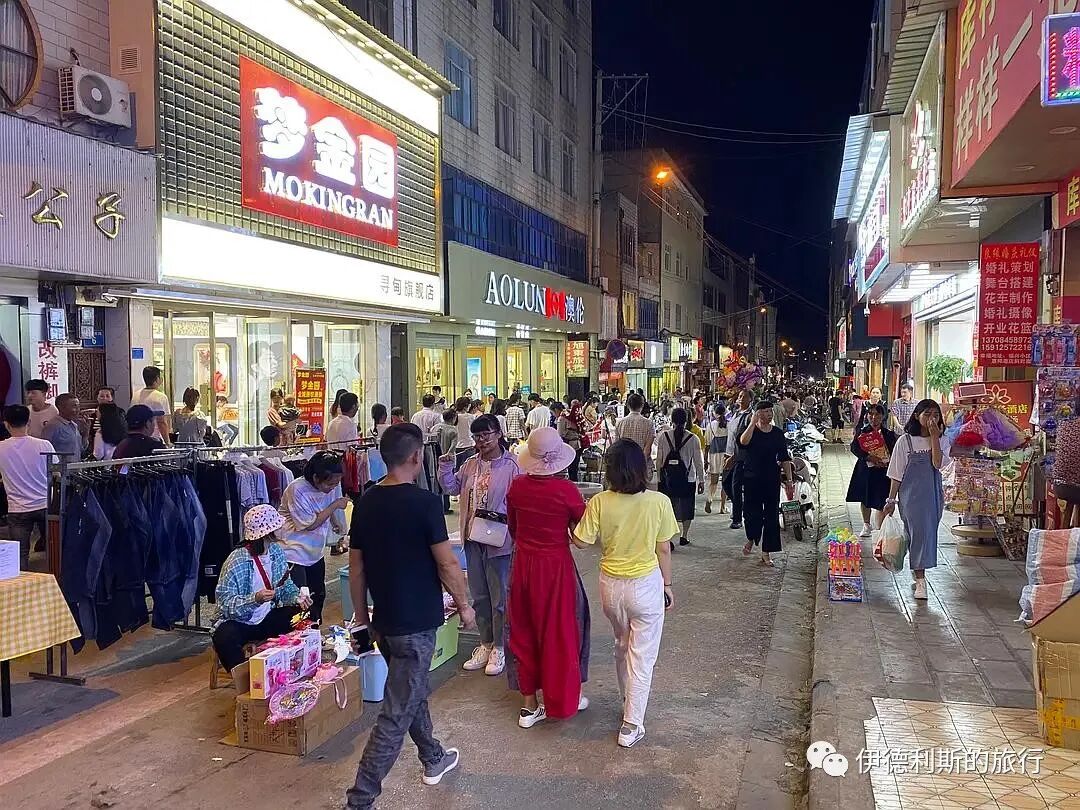
The county seat is very 1990s; walking on the street felt like returning to my childhood.
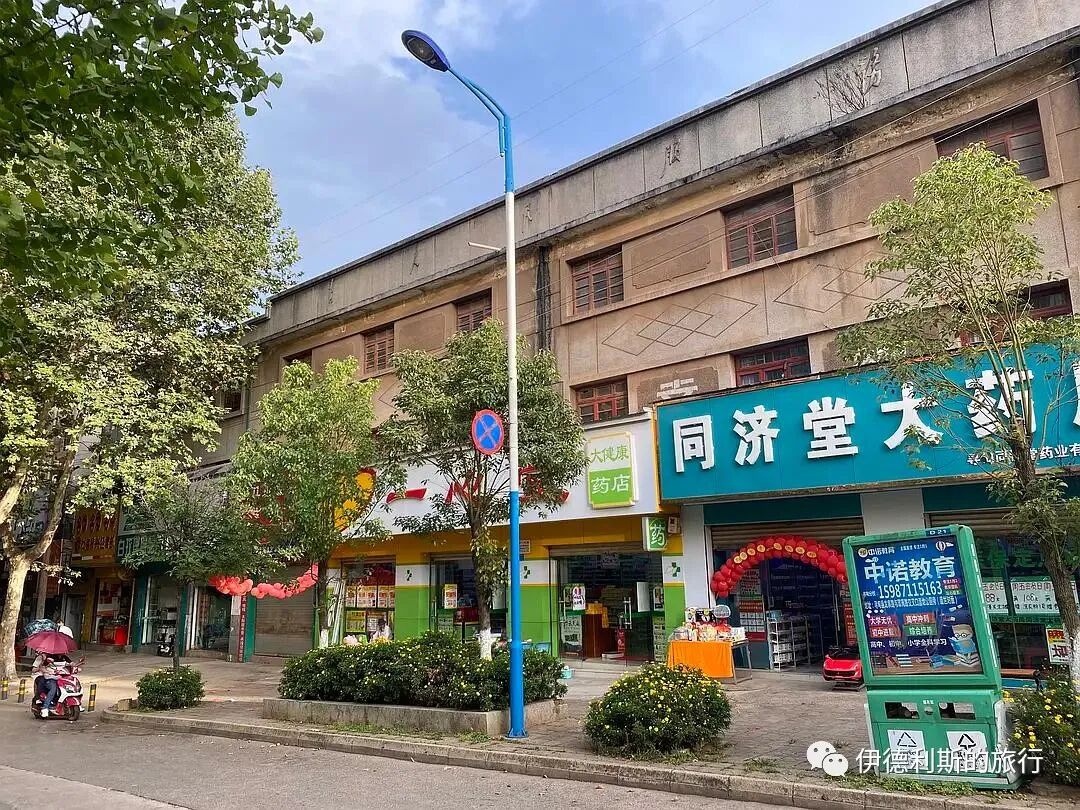
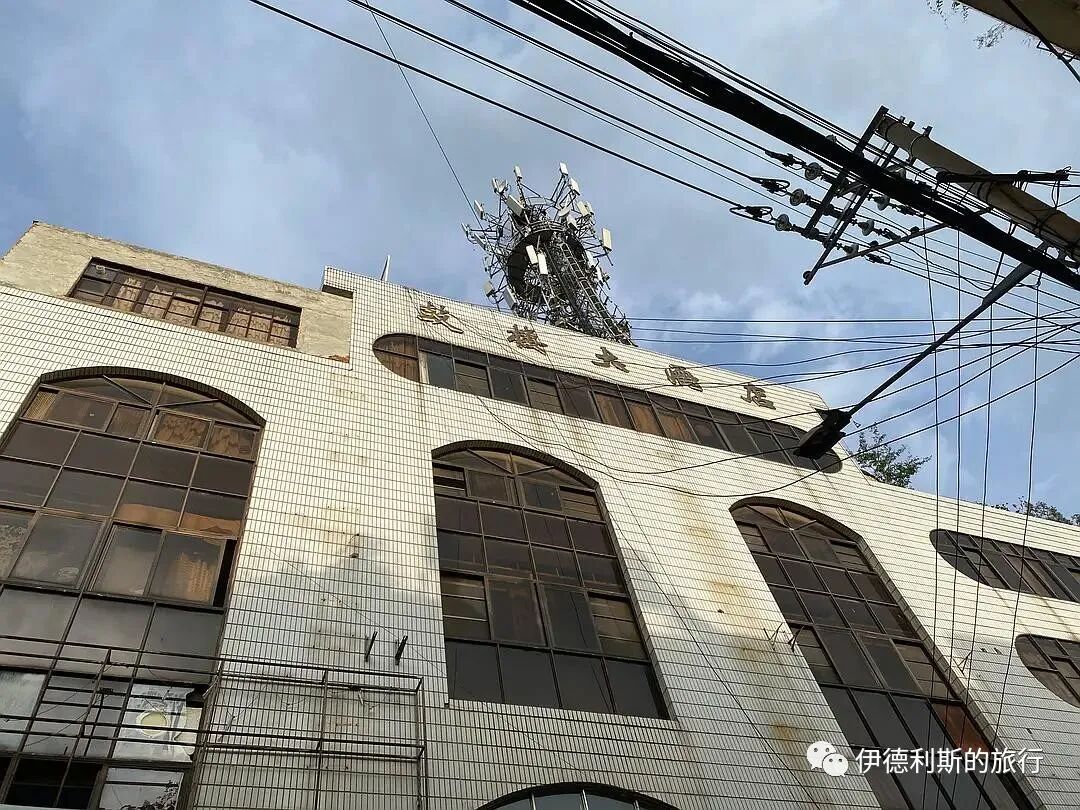
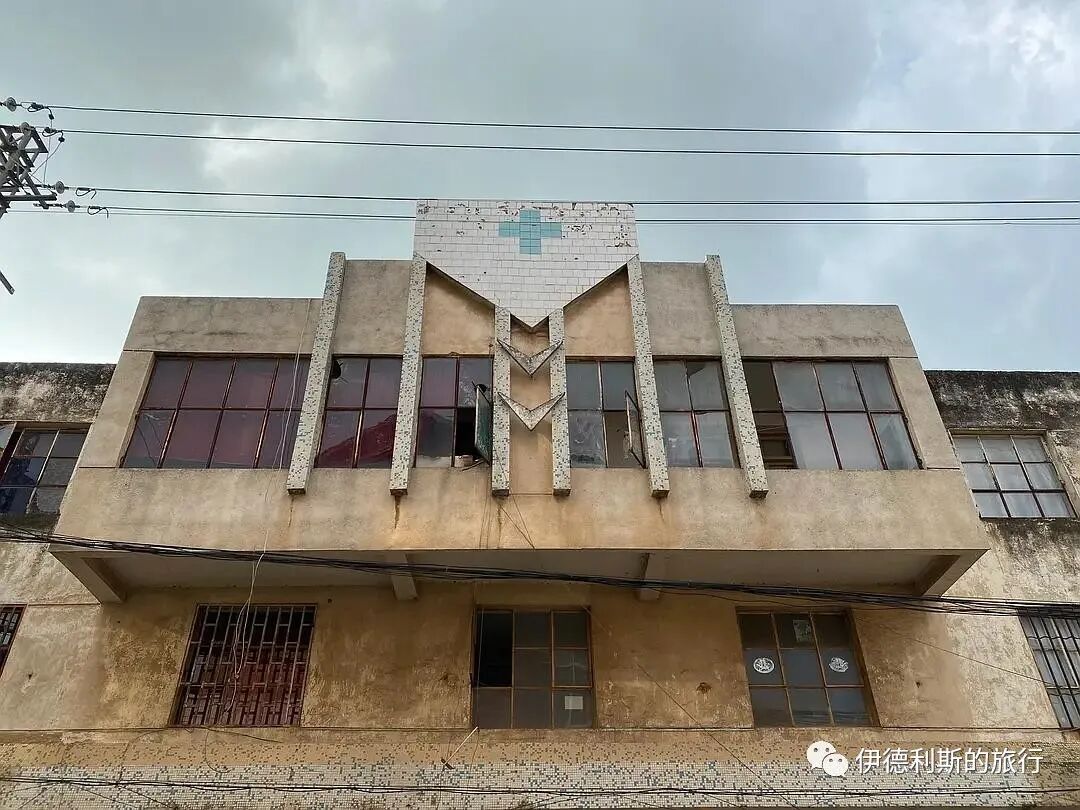
Night view of the old town crossroads.
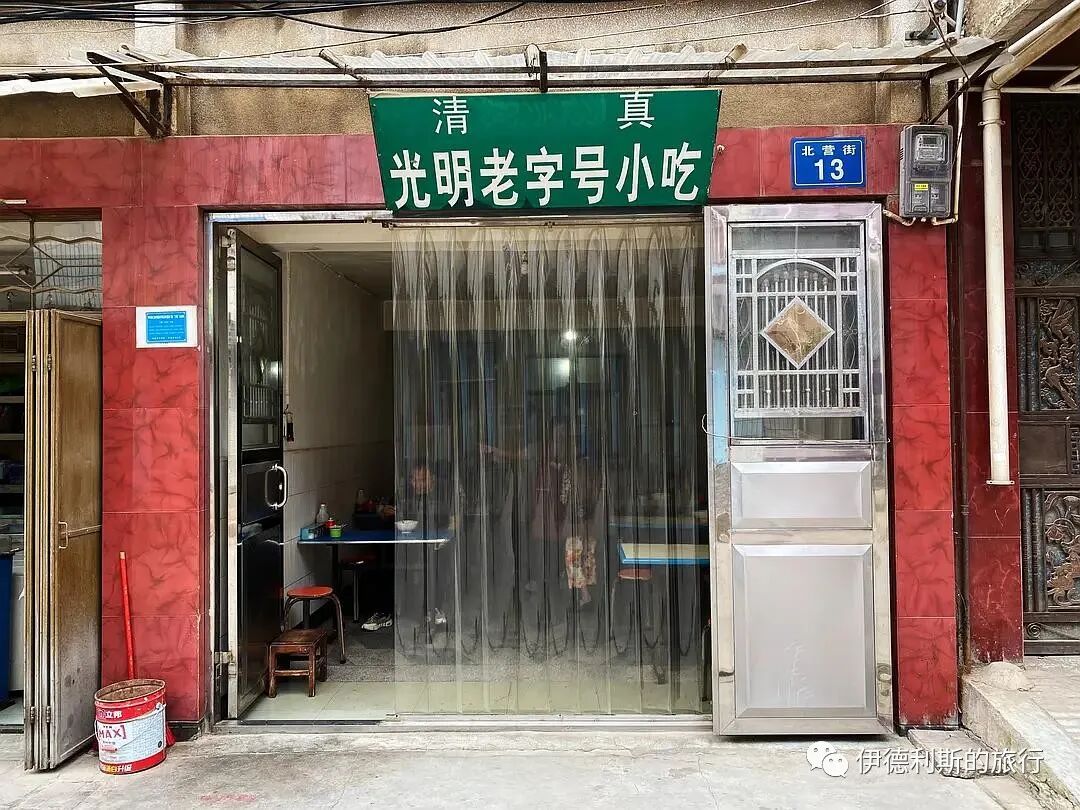
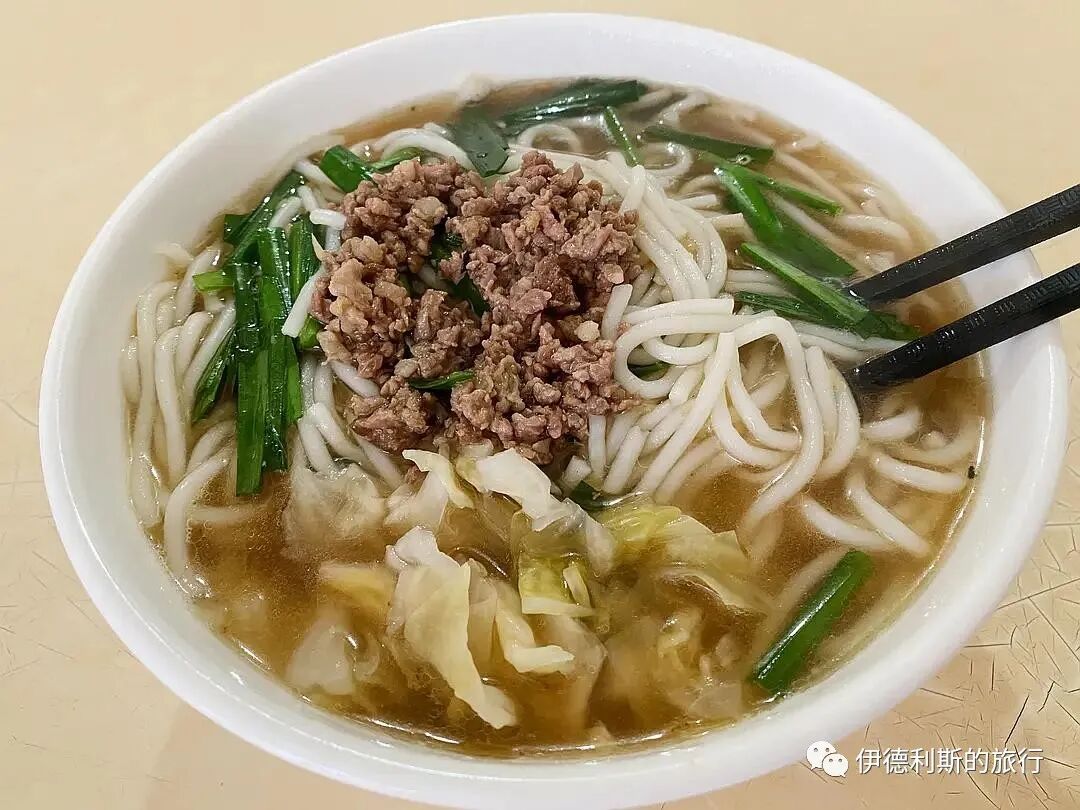
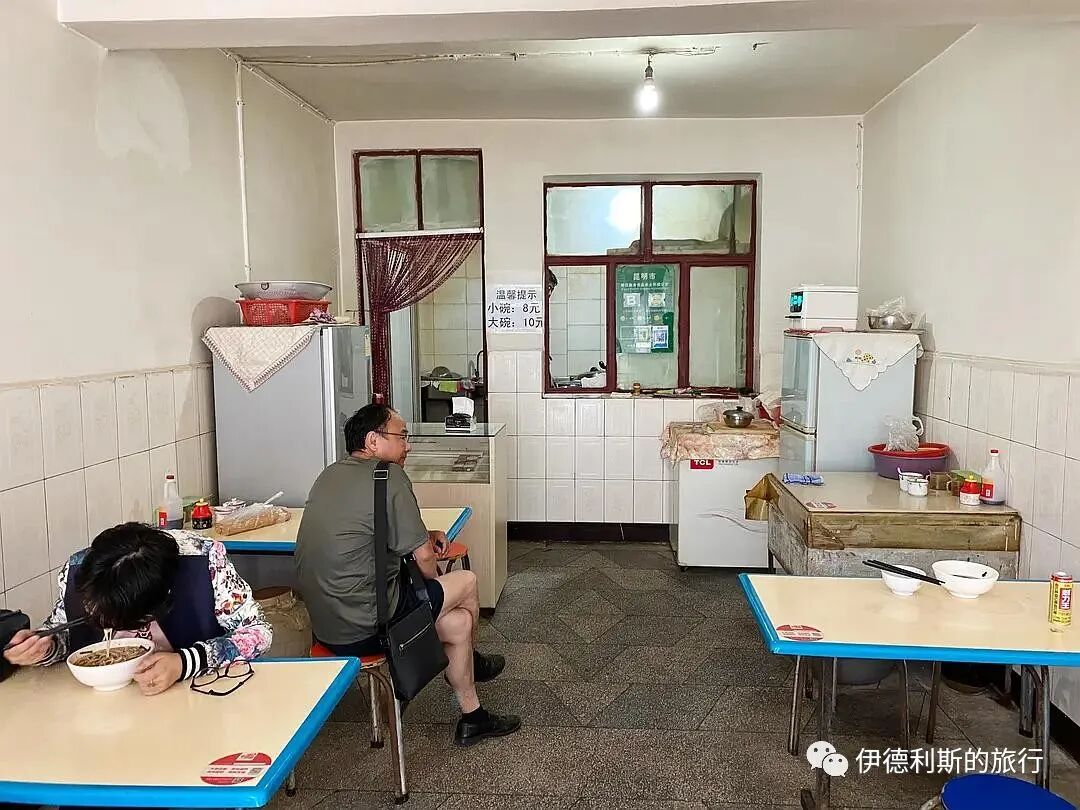
On August 8, I had a bowl of rice noodles at the Guangming time-honored snack shop on Beiying Street in the county seat in the morning.
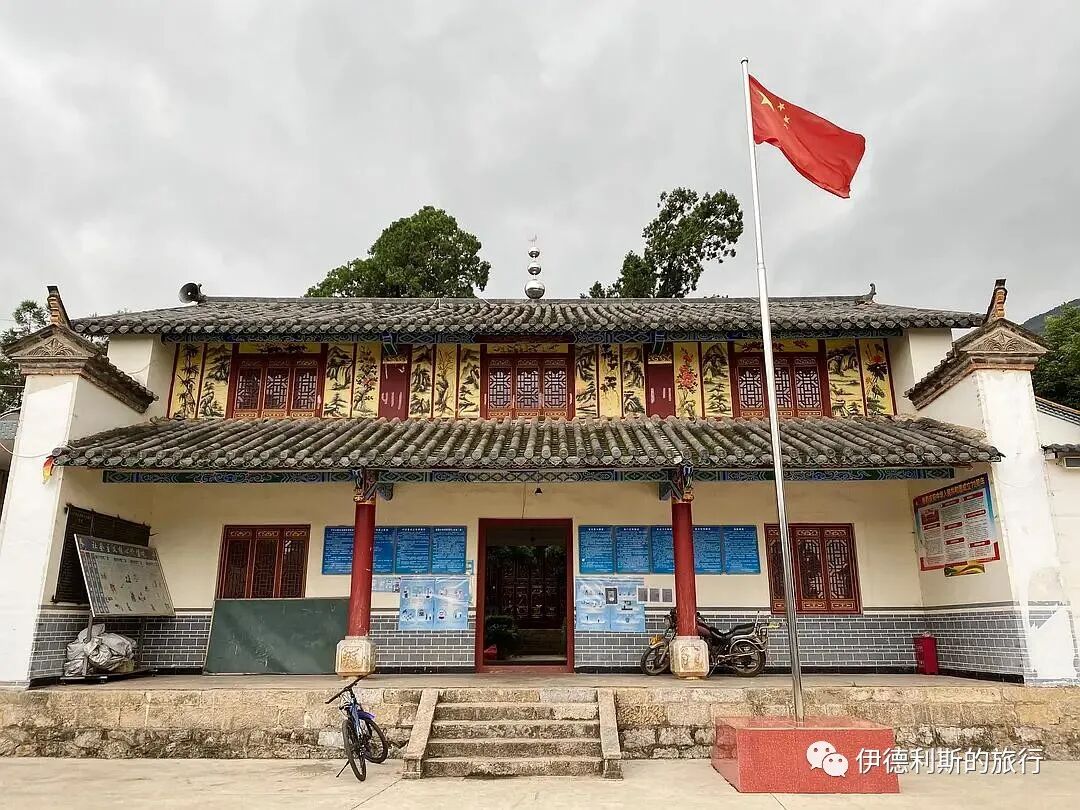
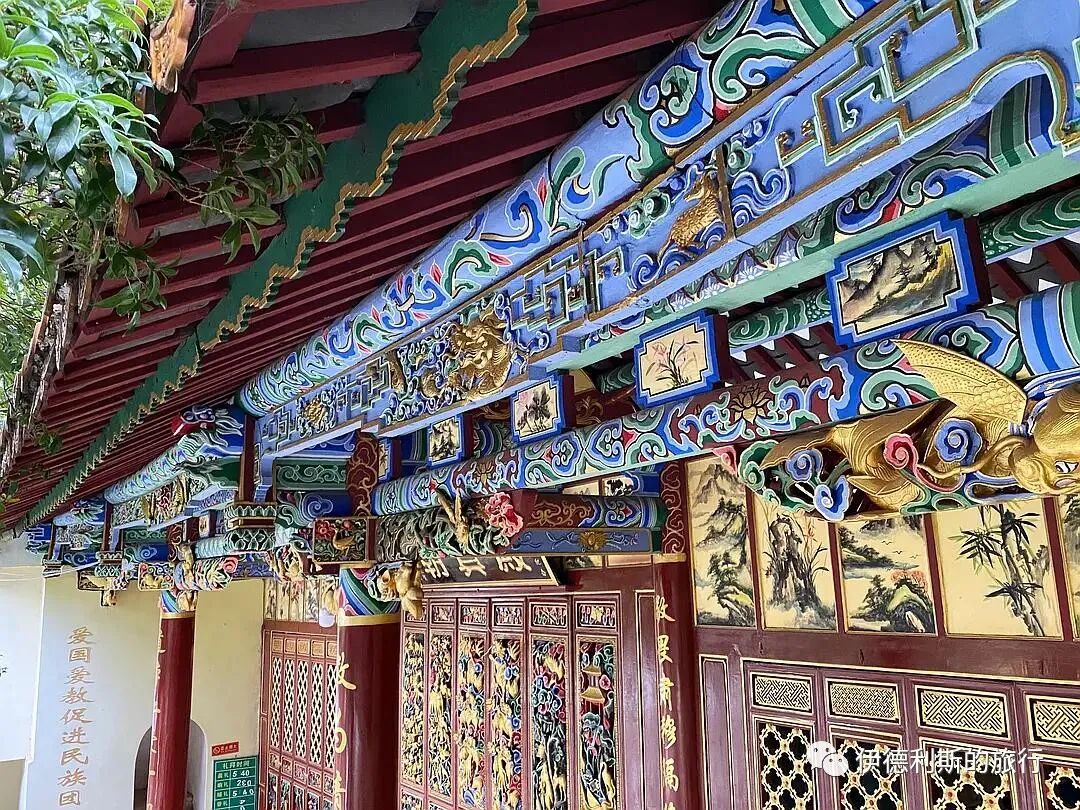
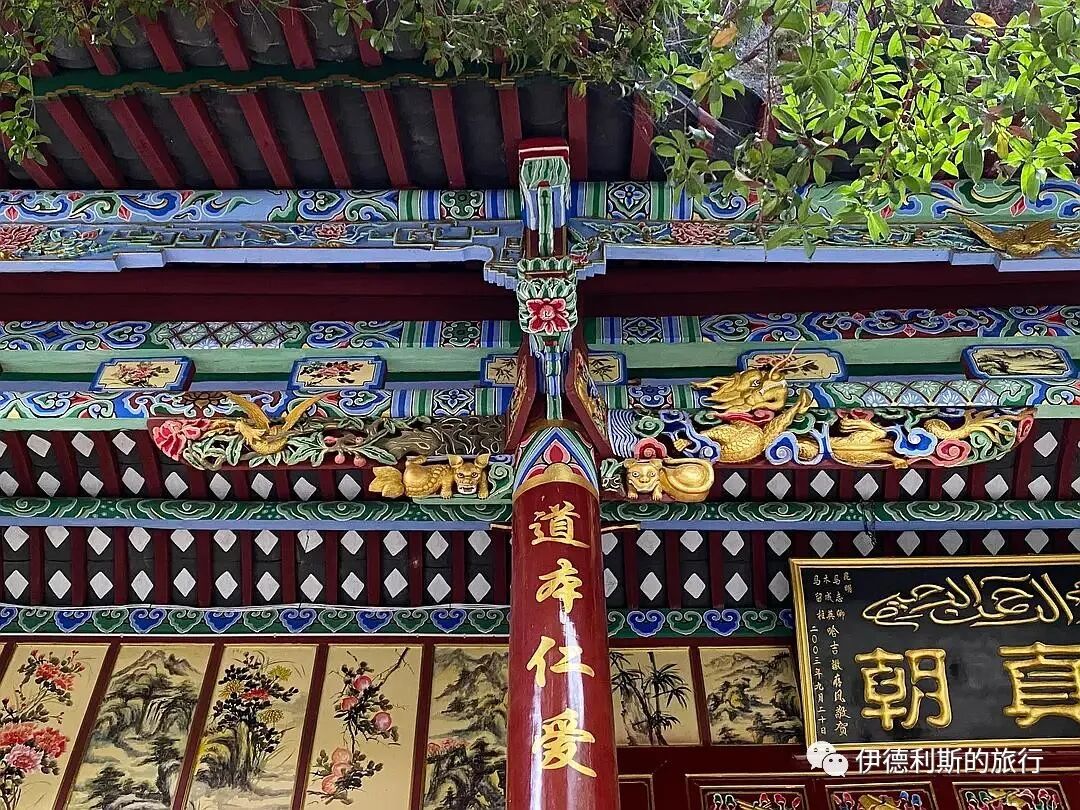
Luochong Mosque.
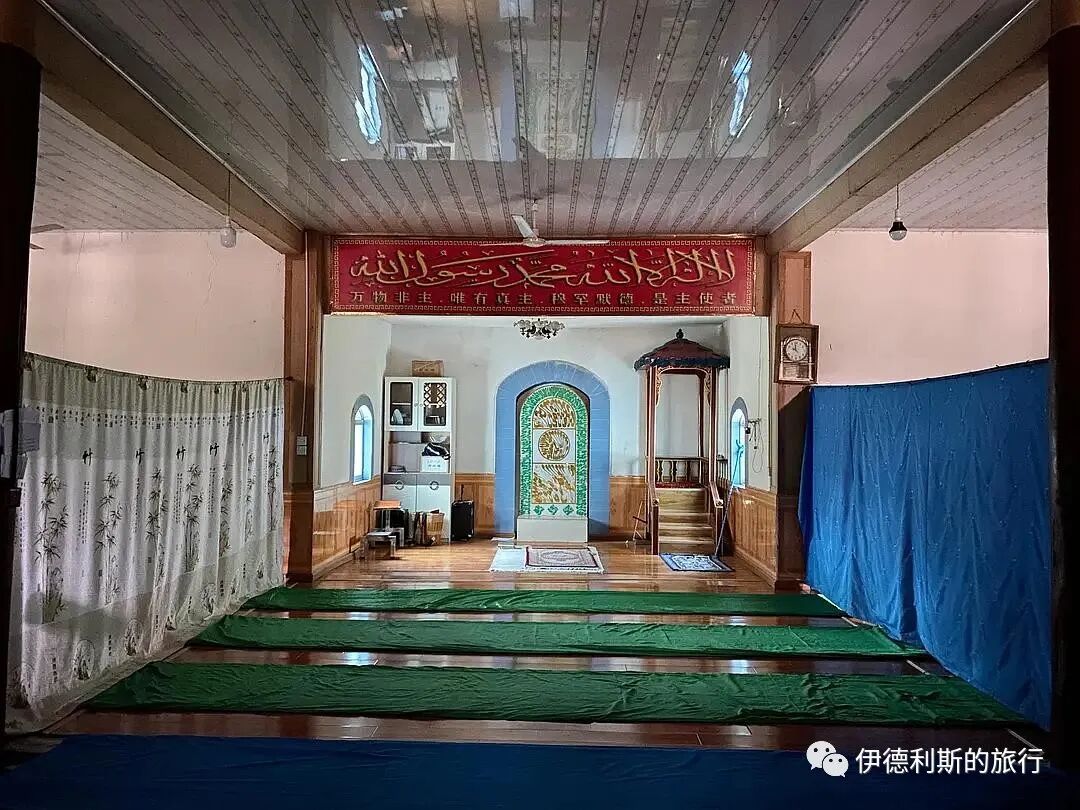
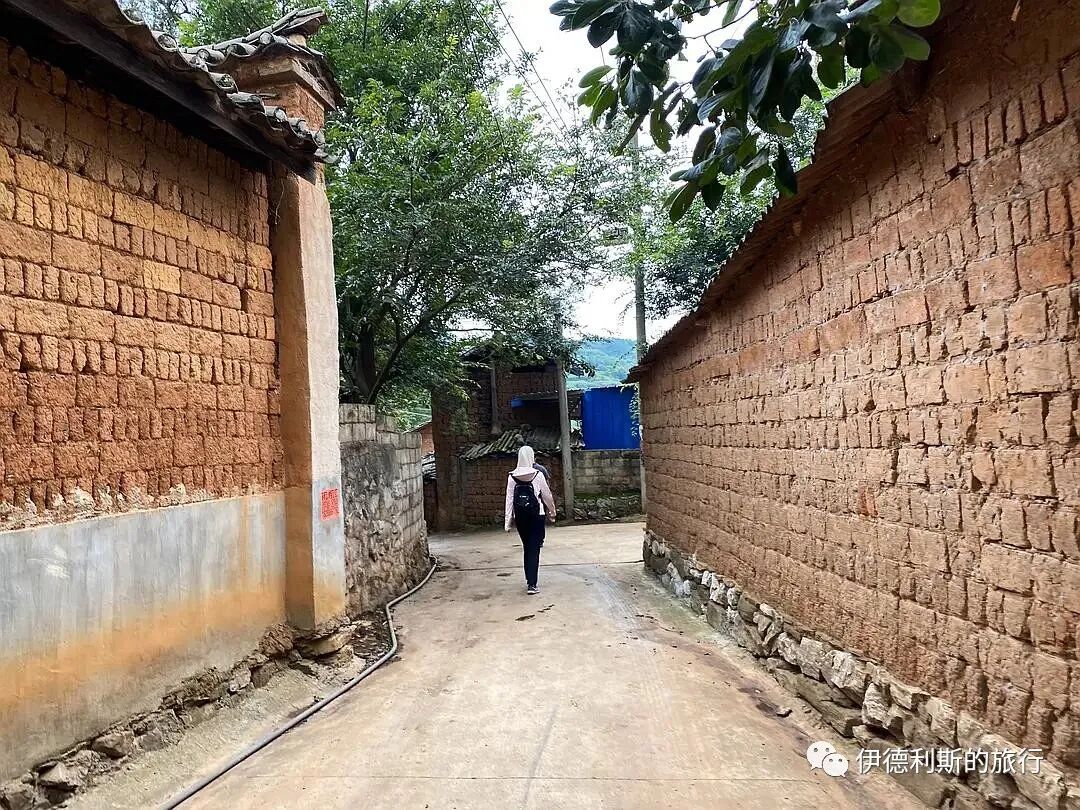
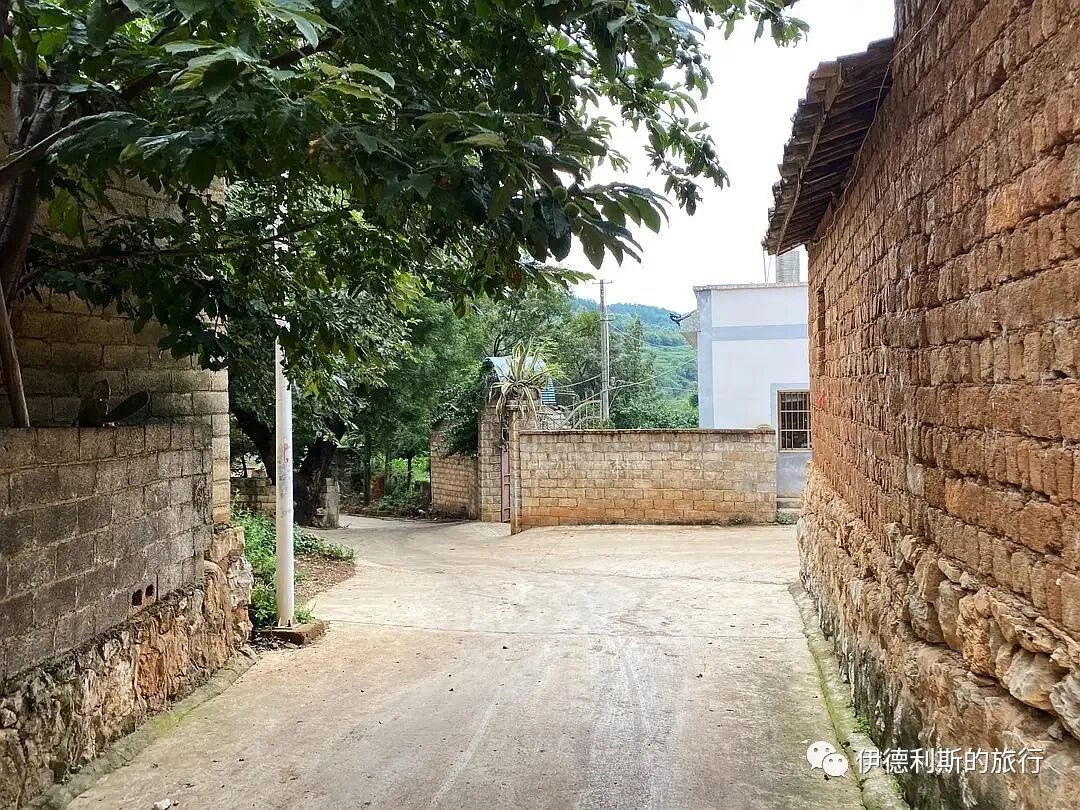
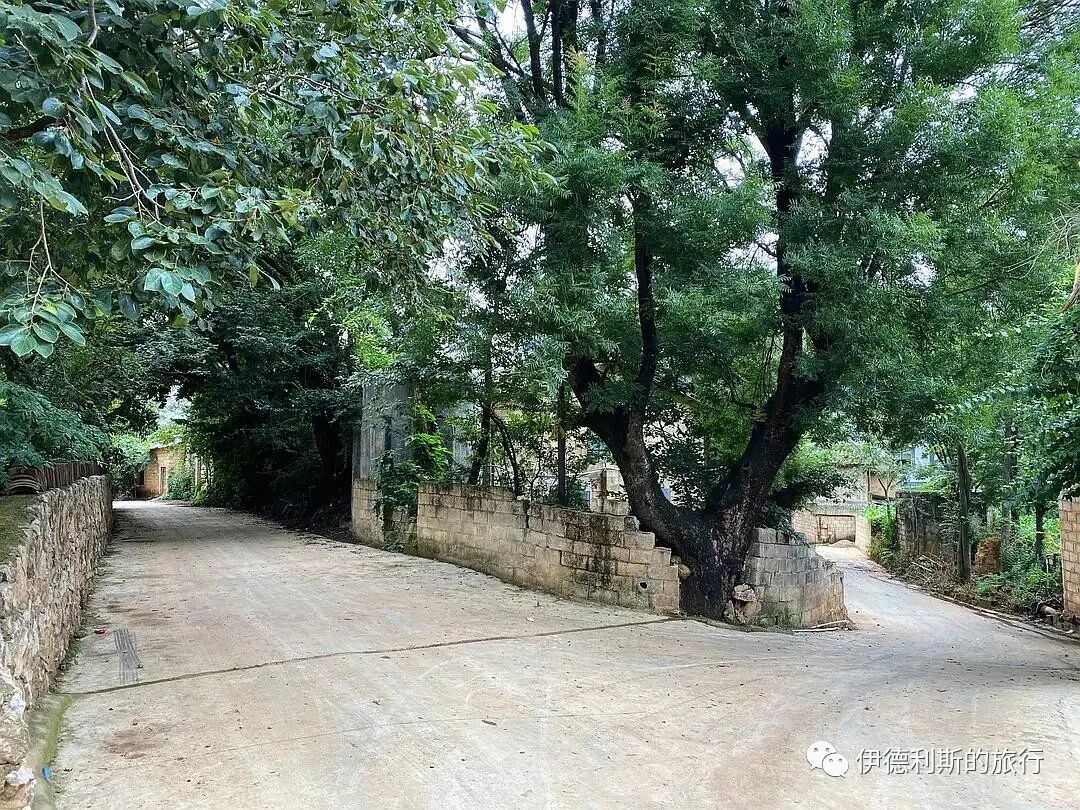
In the morning, I planned to go to Xundian's most famous Dangui Mosque, but I missed the bus at the passenger station, so I took a taxi to another mosque, Luochong Mosque. Luochong Mosque is located in a mountain village and is very quiet. The current mosque was built over 19 years, from 1881 to 1900.
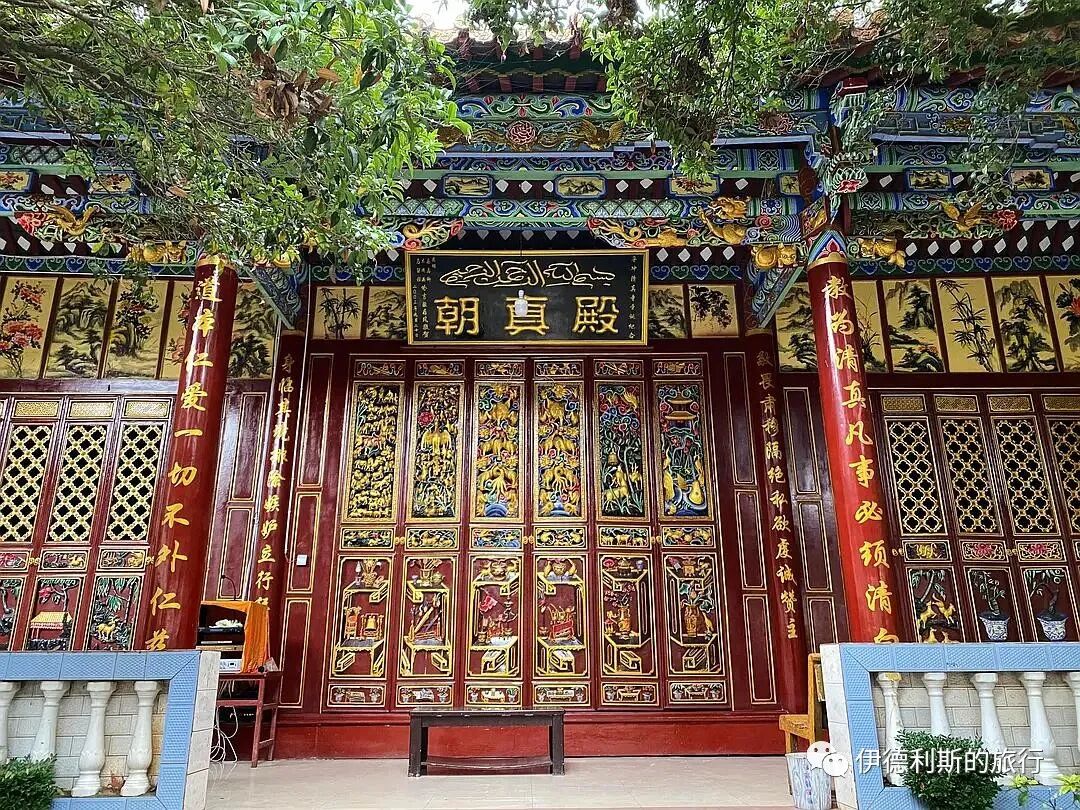
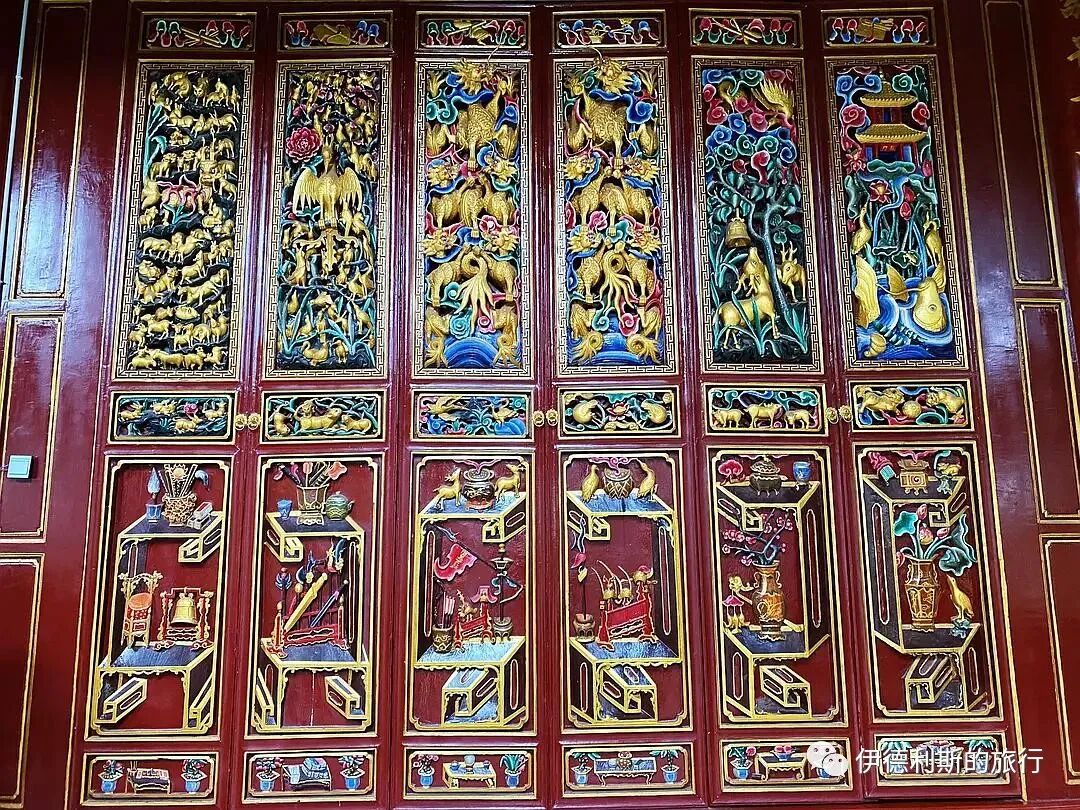
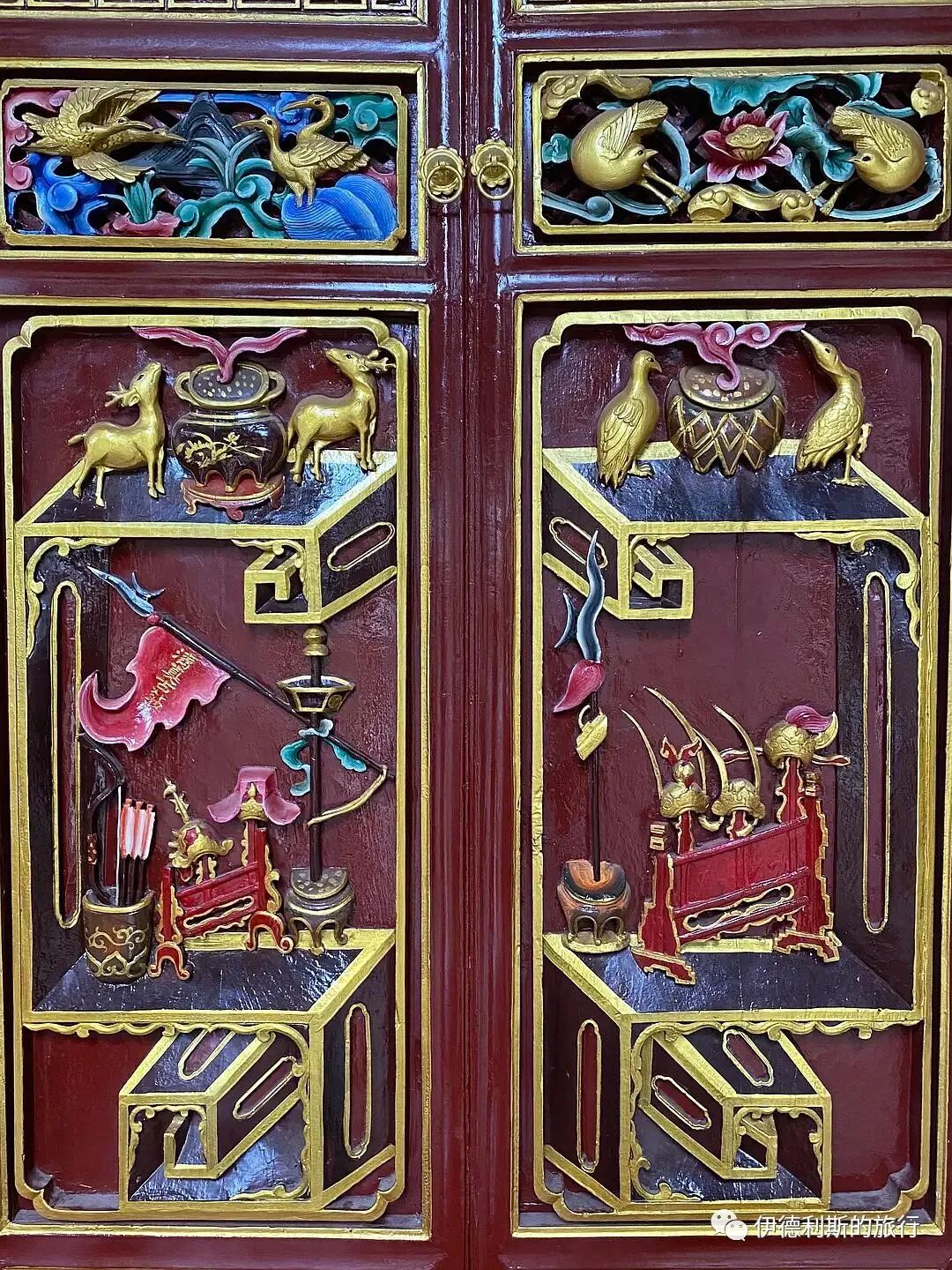
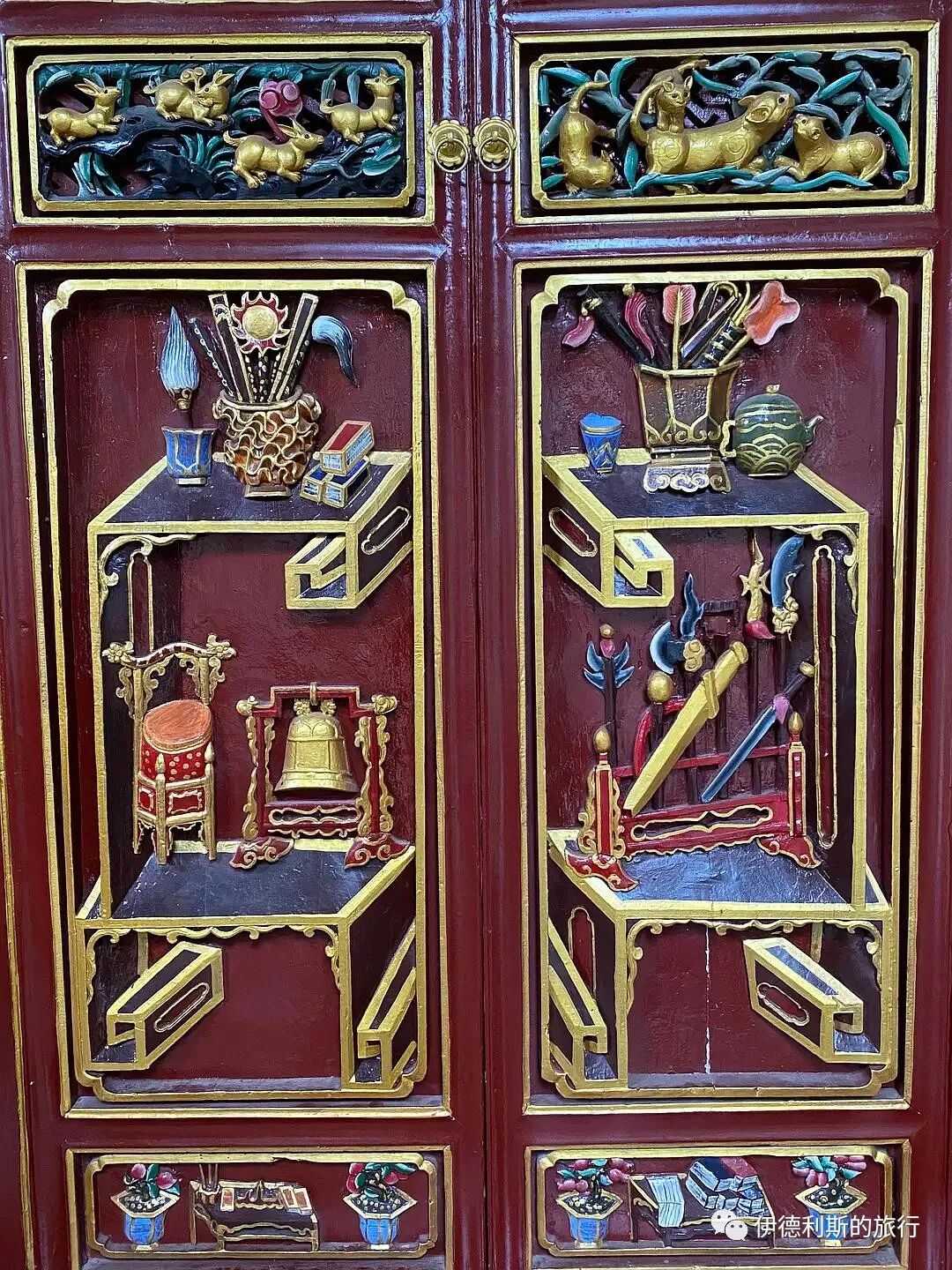
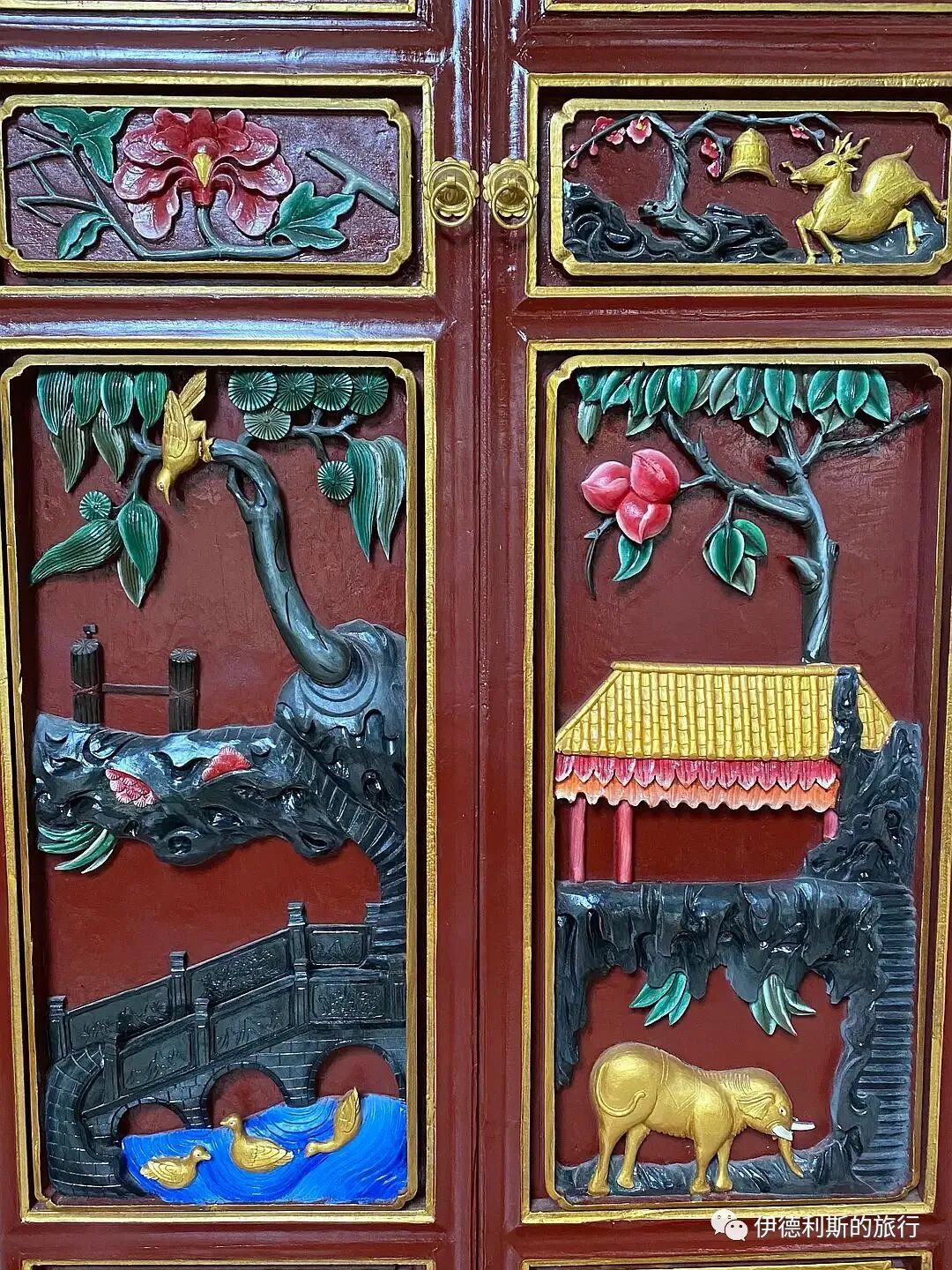
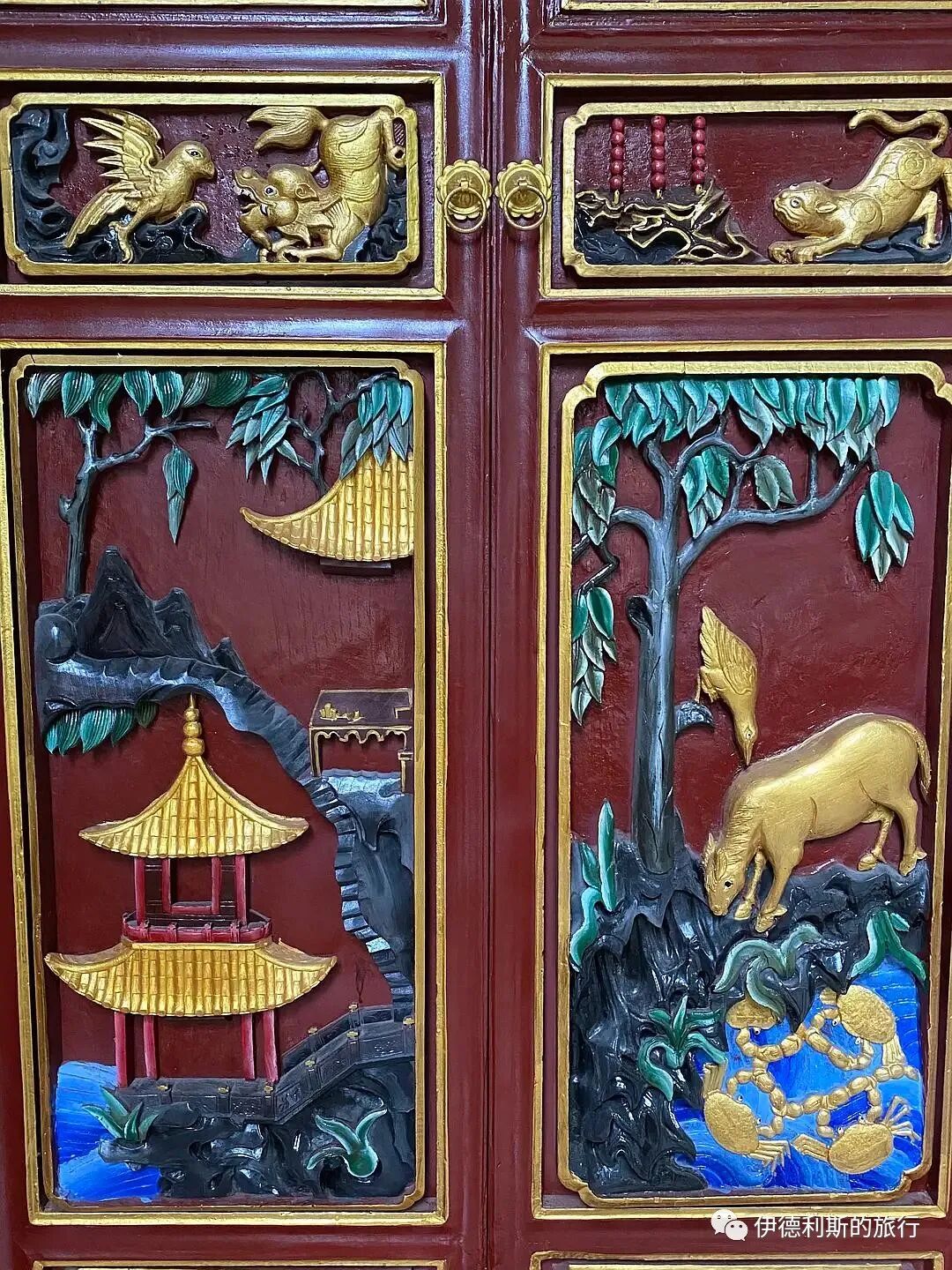
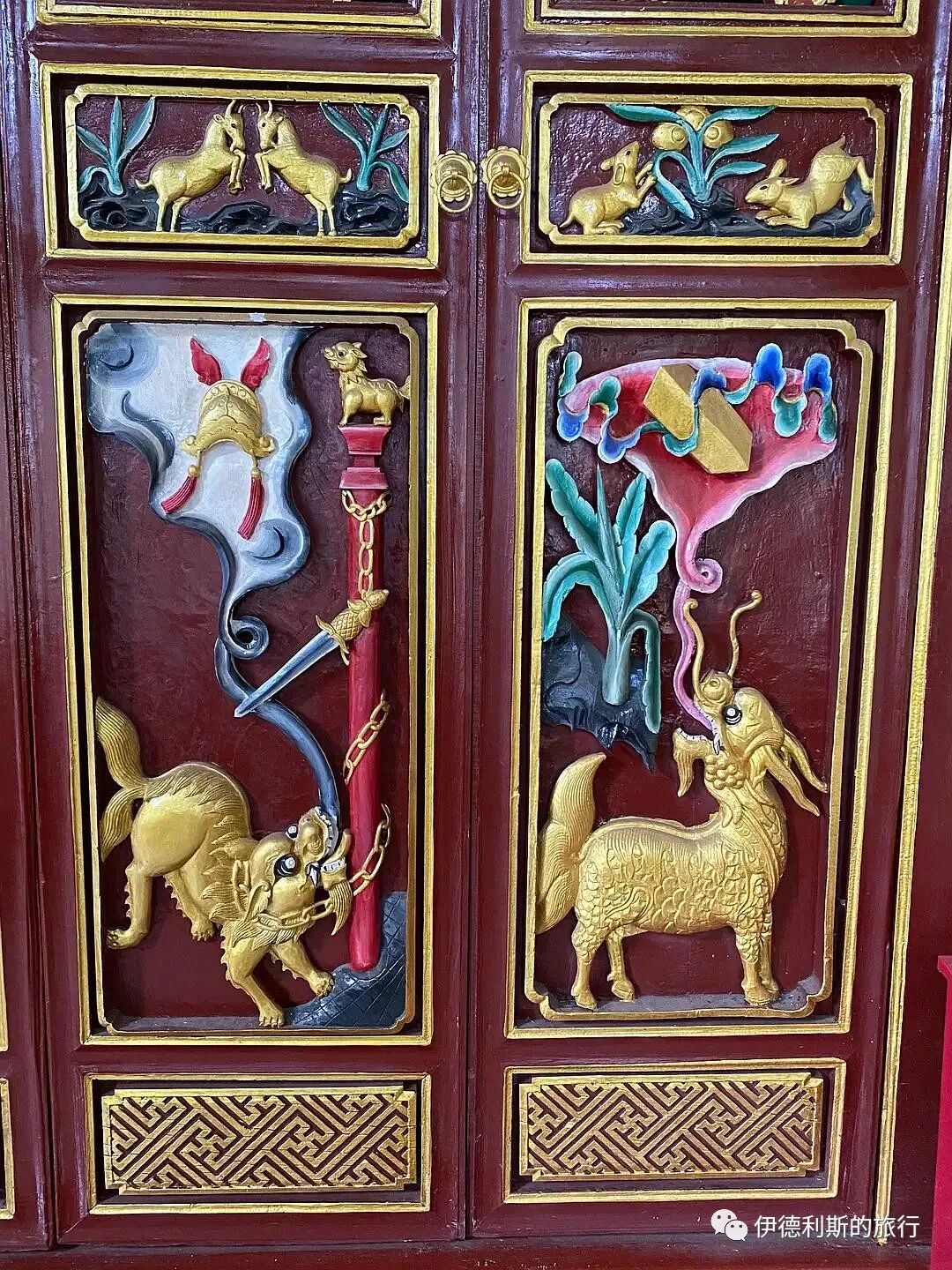
The door panels of the main hall are very bright.
Scenery in the village.
Summary: This travel note introduces Xundian Tangzi Mosque Guide: Jumu'ah Prayer and Yunnan Muslim Heritage. Xundian is a county in the northeast of Kunming. The vast majority of the county is mountainous, with some bazis (flatlands between mountains) and river valleys distributed within it. It is useful for readers interested in Xundian Mosque, Jumu'ah Prayer, Yunnan Muslims.
Xundian is a county in the northeast of Kunming. The vast majority of the county is mountainous, with some bazis (flatlands between mountains) and river valleys distributed within it. The most important one, Rende Bazi, is where the county seat is located. Xundian is a Hui Muslim and Yi Autonomous County. There are many Hui Muslim villages within the county, as well as distinctive halal food and traditional mosques. After returning to Kunming from Dali during my marriage leave in 2020, I went to Xundian for a trip.
Performing Jumu'ah (Friday prayer) at Tangzi Mosque.
On August 7, I took a bus from Kunming to Xundian County, then transferred to a bus to Tangzi Mosque. Tangzi Mosque is the most accessible traditional mosque in Xundian. It was first built in the Ming Dynasty, destroyed by bandits in 1920, and rebuilt starting in 1923 through fundraising by elders such as Imam Yu Shaoqing. It was completed in 1927, and the current stone arch gate was added in 1937. Traditional Yunnan-style mosques generally consist of a courtyard enclosed by the main prayer hall, the minaret, and the north and south side rooms. Tangzi Mosque also has an additional gate forming a second courtyard, and it is designed with two-story verandas that connect to each other.
In 1941, Yunnan Army Major General Ma Deming respectfully presented the plaque 'Wan Shu Yi Ben' (All things are one in essence), and Yunnan Army Lieutenant General Ma Cong respectfully presented 'Wei Yi Wei Jing' (Only one, only pure).
After the Jumu'ah prayer, the local Koufuyuan Halal Pastry shop distributed youxiang (fried dough) and biscuits to everyone. The youxiang here is made differently from the way it is made in Kunming. At Tangzi Mosque, various shops often take turns distributing delicious food to the mosque, and the atmosphere is especially good.
The mosque's Imam, Ma Huiqun, invited Zaynab and me to eat local specialty juanfen (rolled rice noodles) and chatted with us for a long time. Imam Ma is from Weining, Guizhou, and has been in Xundian for over ten years. He is very eloquent.
In 1941, Bai Chongxi inscribed 'Xing Jiao Jian Guo' (Revive religion to build the nation).
That day, many local Hui Muslims came to ask the Imam to slaughter chickens, and the Imam slaughtered them very enthusiastically.
Returned to Xundian county seat.
In the evening, I ate mushroom soup grilled beef in the county seat. The mushroom soup was incredibly fresh, the beef was very tender, and the dipping sauce with zhe'ergen (fish mint) was very punchy.
Beiying Street Mosque in Xundian county seat was first built during the Chenghua period of the Ming Dynasty and rebuilt in 1902. The current mosque seems to have a steel-concrete structure added under the old mosque, lifting the wooden old mosque to the second floor. Newly built mosques in Yunnan often like to be made this way.
However, inside the mosque, there are beautiful Yunnan traditional-style calligraphic mihrabs (prayer niches) and Qing Dynasty plaques.
The county seat is very 1990s; walking on the street felt like returning to my childhood.
Night view of the old town crossroads.
On August 8, I had a bowl of rice noodles at the Guangming time-honored snack shop on Beiying Street in the county seat in the morning.
Luochong Mosque.
In the morning, I planned to go to Xundian's most famous Dangui Mosque, but I missed the bus at the passenger station, so I took a taxi to another mosque, Luochong Mosque. Luochong Mosque is located in a mountain village and is very quiet. The current mosque was built over 19 years, from 1881 to 1900.
The door panels of the main hall are very bright.
Scenery in the village.
