

Jumu'ah Prayer
Halal Travel Guide: Kairouan, Tunisia - Great Mosque and Jumu'ah (Part 1)
Articles • ali2007fr posted the article • 0 comments • 224 views • 2026-05-19 22:56
Summary: This first part follows a visit to the Great Mosque of Kairouan for Jumu'ah in one of Tunisia's most important Islamic cities. It keeps the original prayer experience, mosque history, photographs, and travel details for readers interested in Muslim heritage in North Africa.
On Friday, we left from the Louage station south of Sousse and reached Kairouan, the most important ancient city in Tunisia, in just one hour. The Louage station in Kairouan is on the west side of the city, but you can ask the driver to drop you off right at the gate of the Great Mosque of Kairouan.
When we arrived at the Great Mosque at twelve o'clock, it was already closed. A young man at the gate told us that other mosques in Kairouan hold Jumu'ah prayer at one o'clock, but only the Great Mosque holds it at three, so he suggested we come back later.
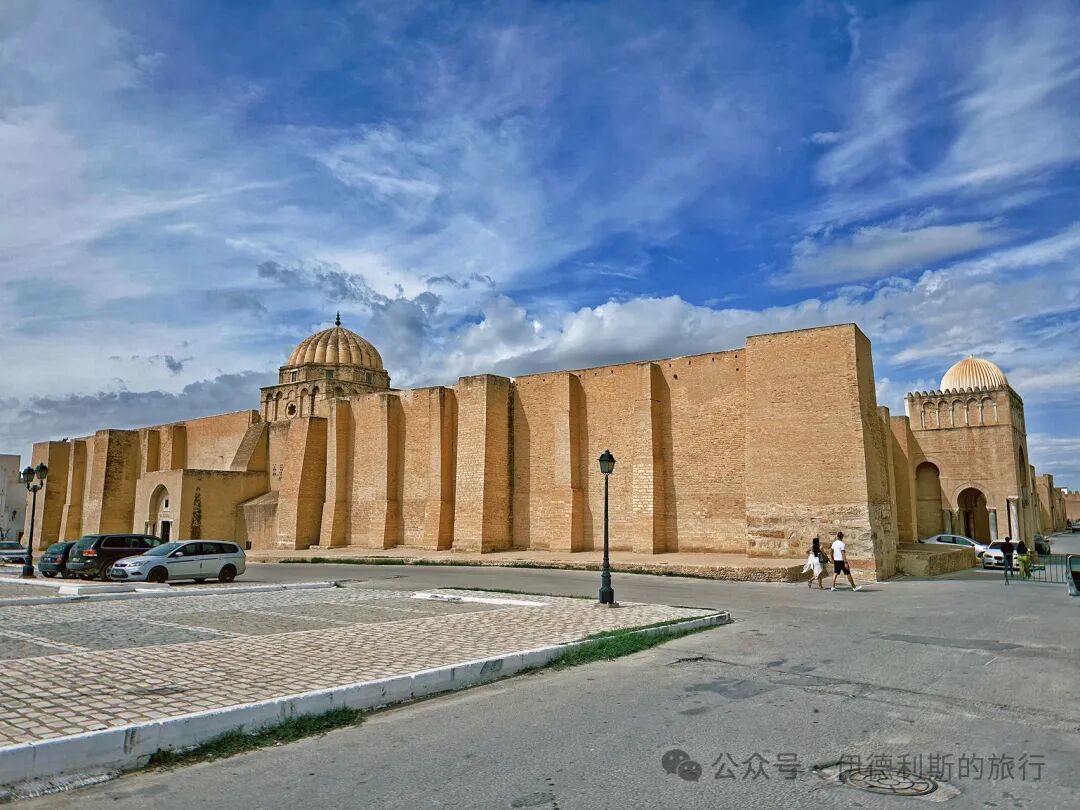
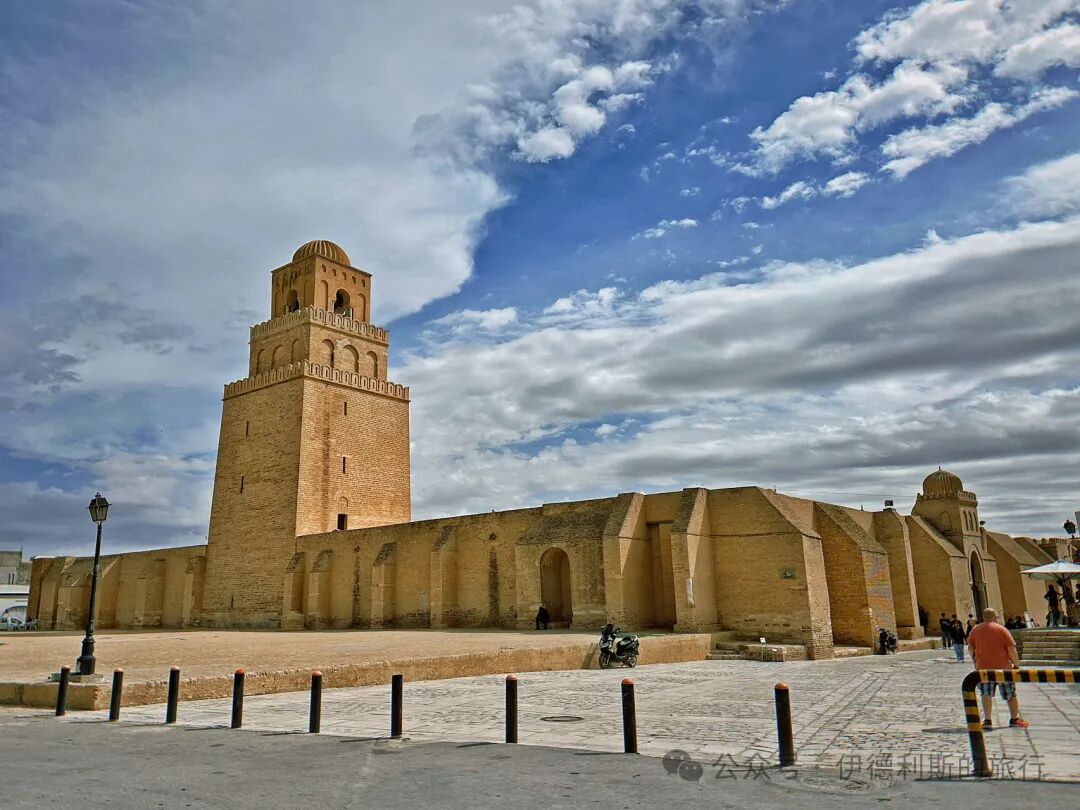
We used this time to look at the exterior of the mosque. The Great Mosque of Kairouan is the oldest and most spectacular Jumu'ah mosque in Tunisia. It was first built in 670 by order of Uqba ibn Nafi, a general of the Arab Umayyad Caliphate. It was destroyed by Christian Berbers in 690 and rebuilt by the Umayyad Caliphate in 703. As the Arab population in Tunisia grew, the number of Muslims in Kairouan increased. The Great Mosque was rebuilt and renovated many times between 724-728, 774, 836, 862-863, and 875, finally taking its current form in the 9th century.
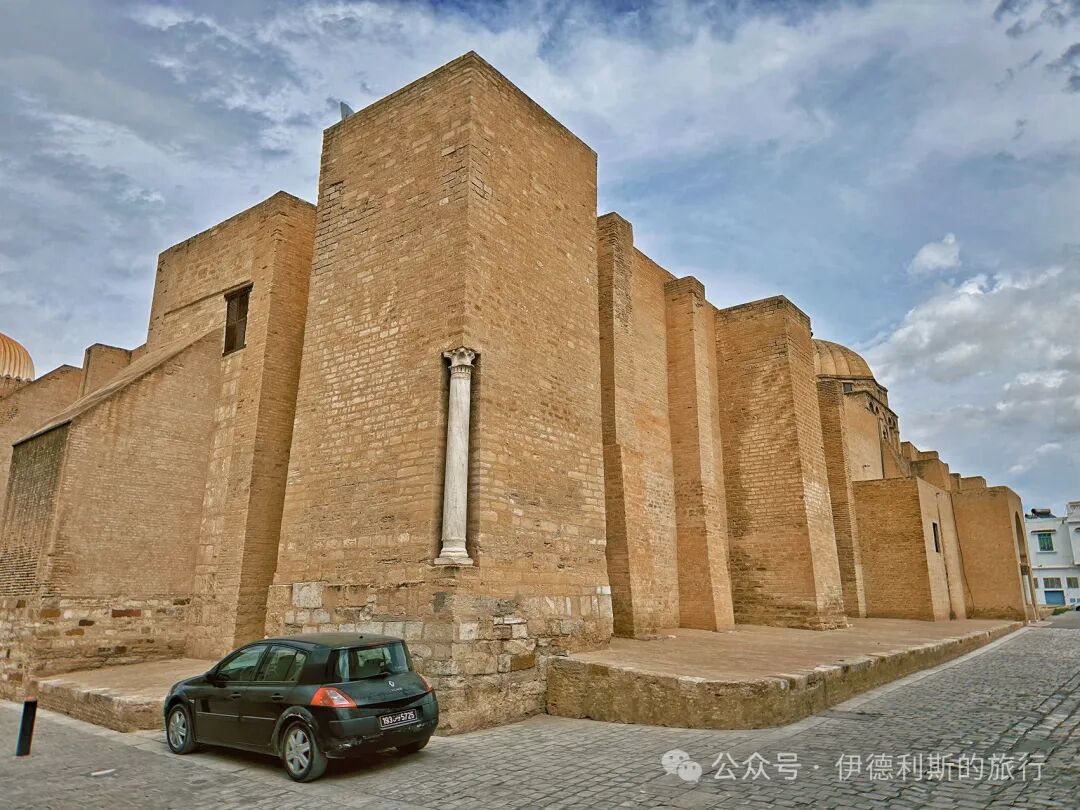
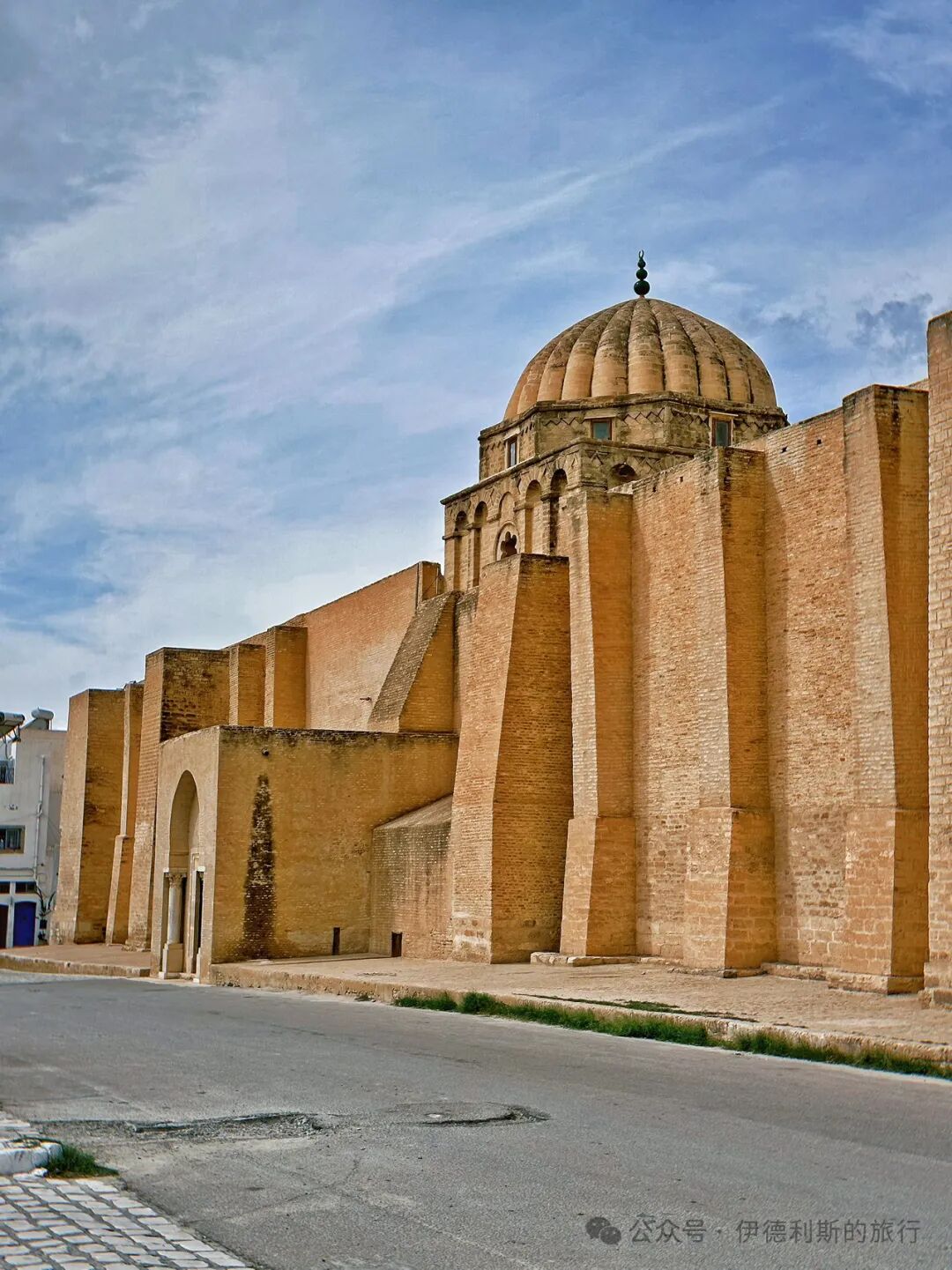
The Great Mosque is a huge, irregular quadrilateral with a perimeter of 405 meters, looking like a fortress from the outside. The outer walls are 1.9 meters thick and built from stone, rubble, and bricks. Because the ground is quite soft, many buttresses were built on the outer walls to increase stability.
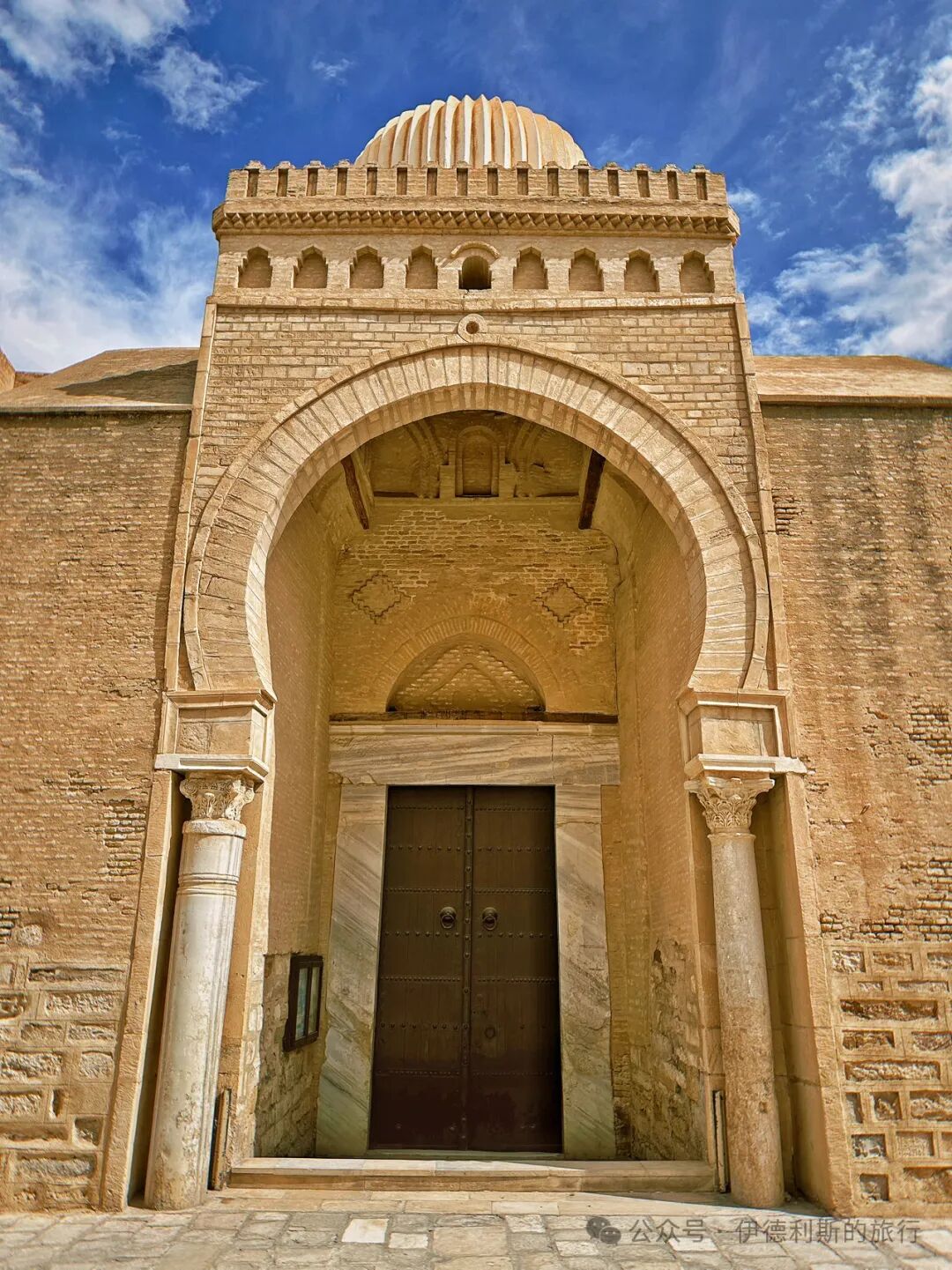
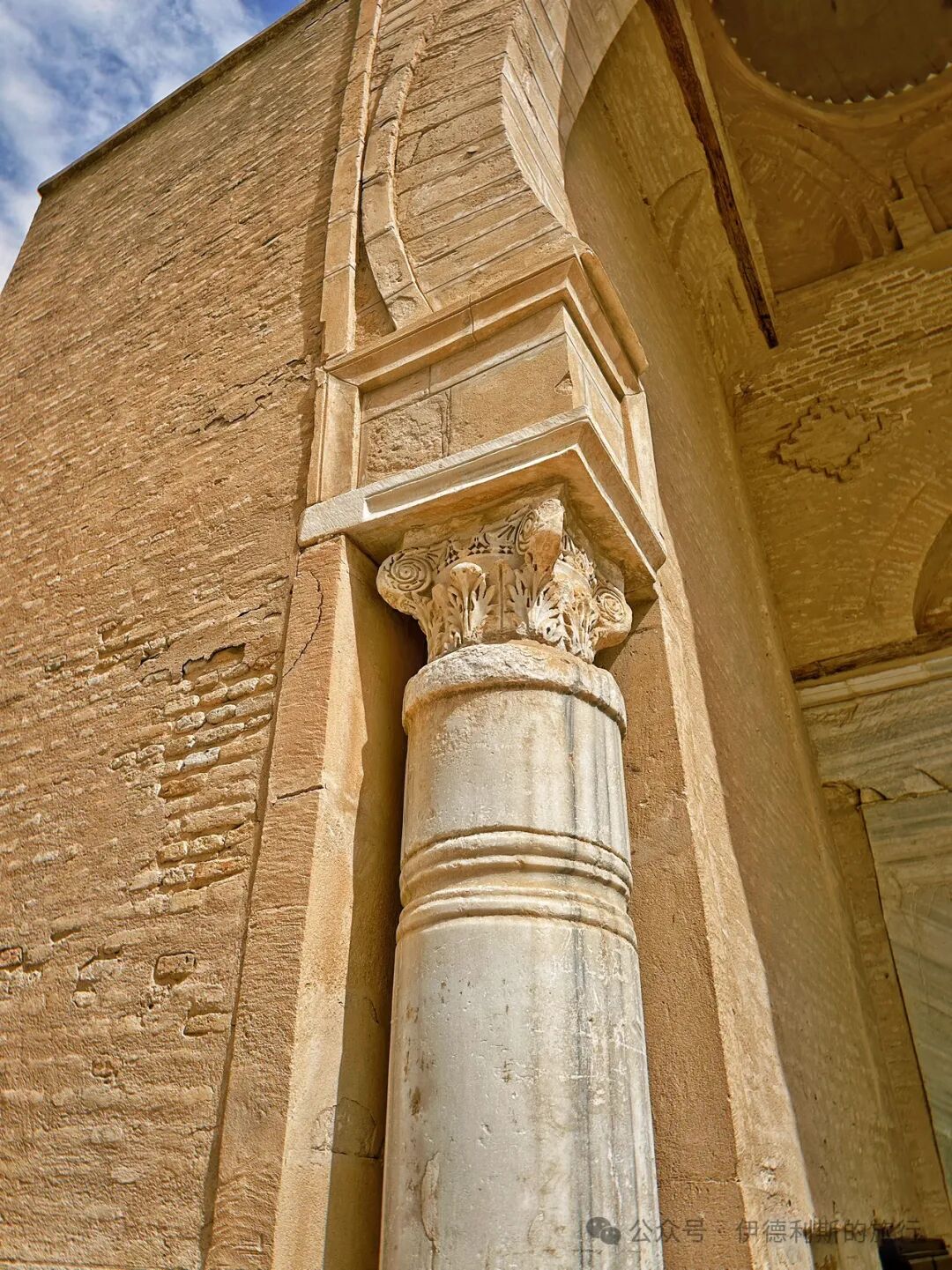
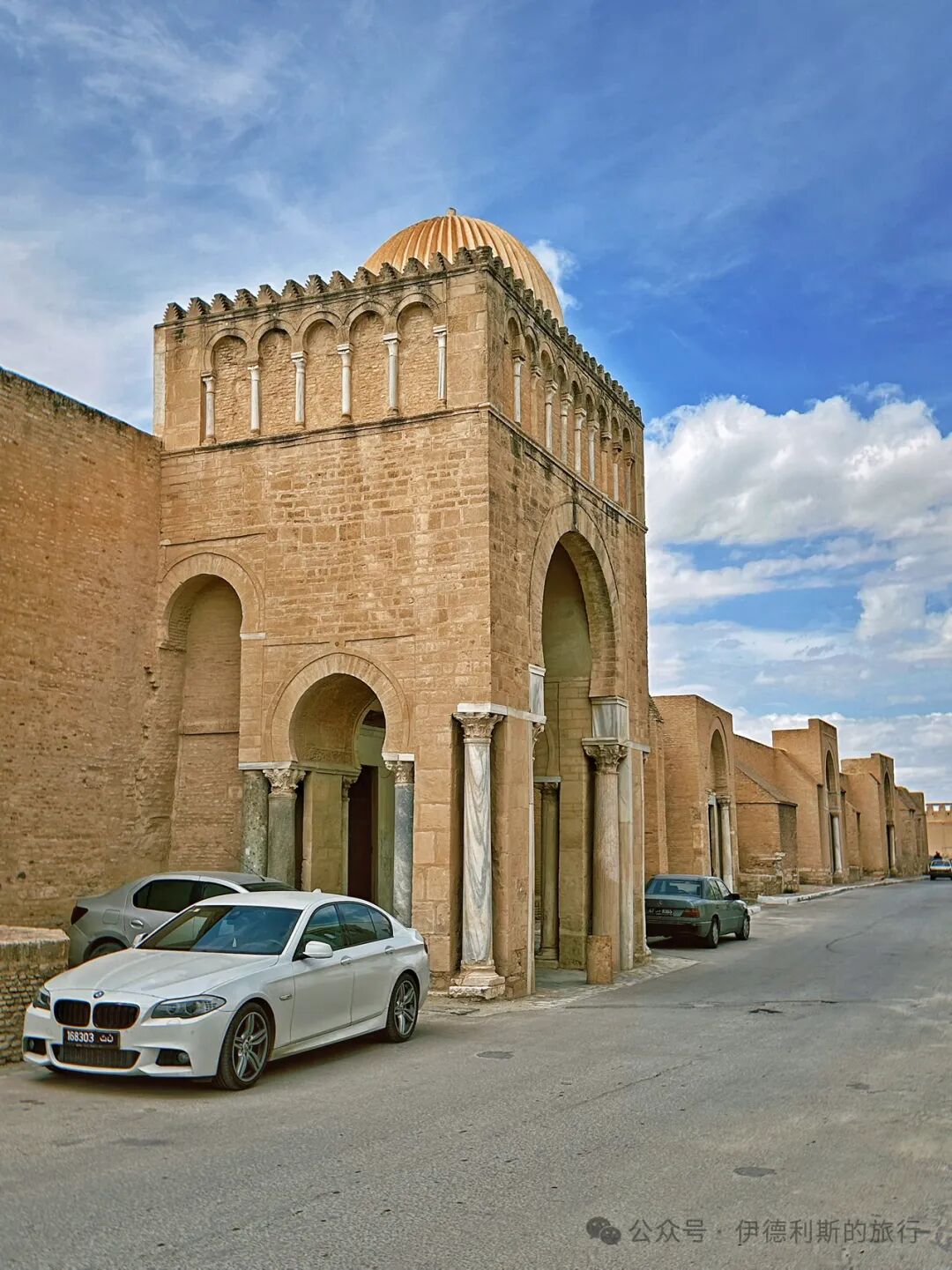
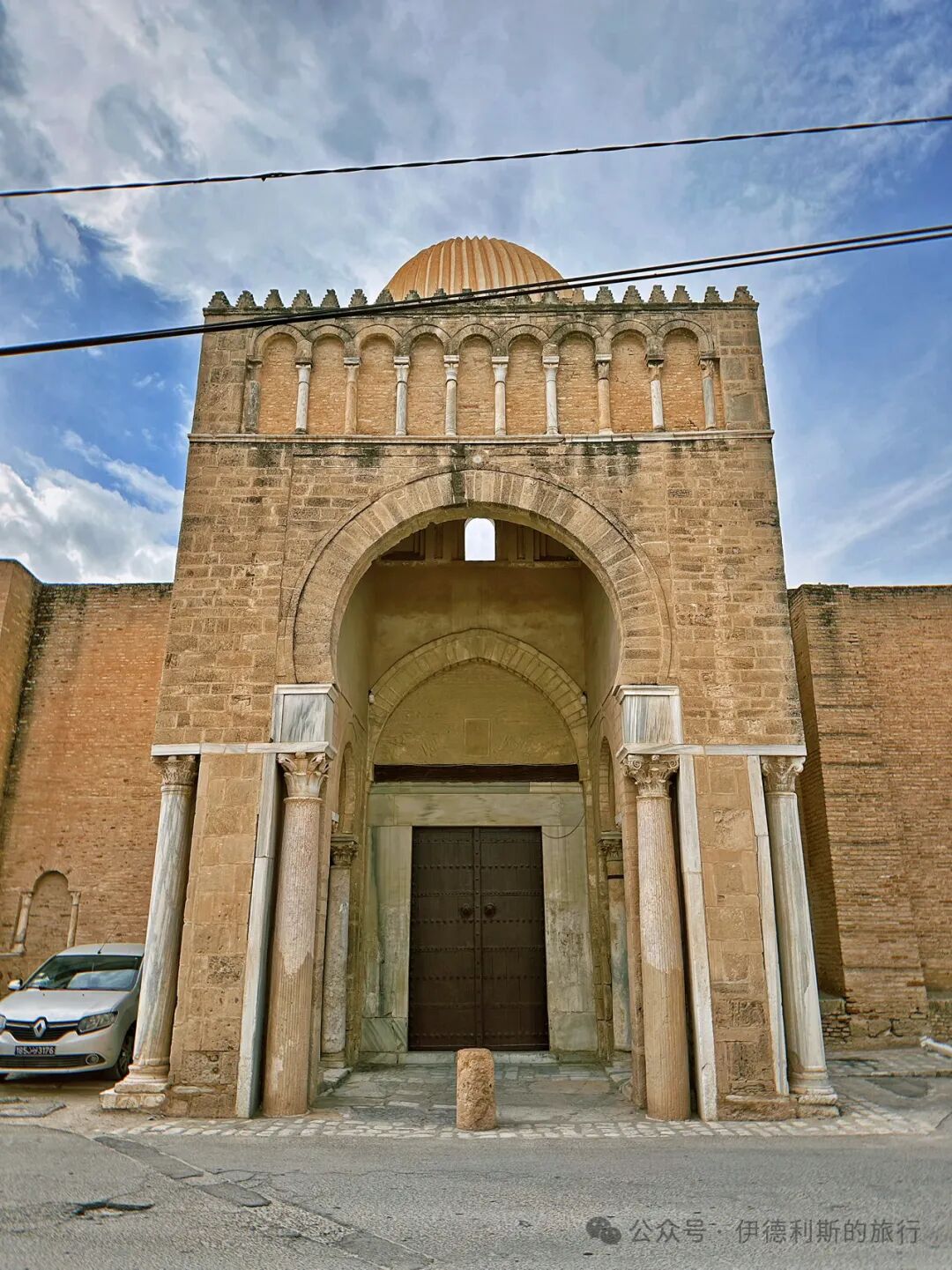
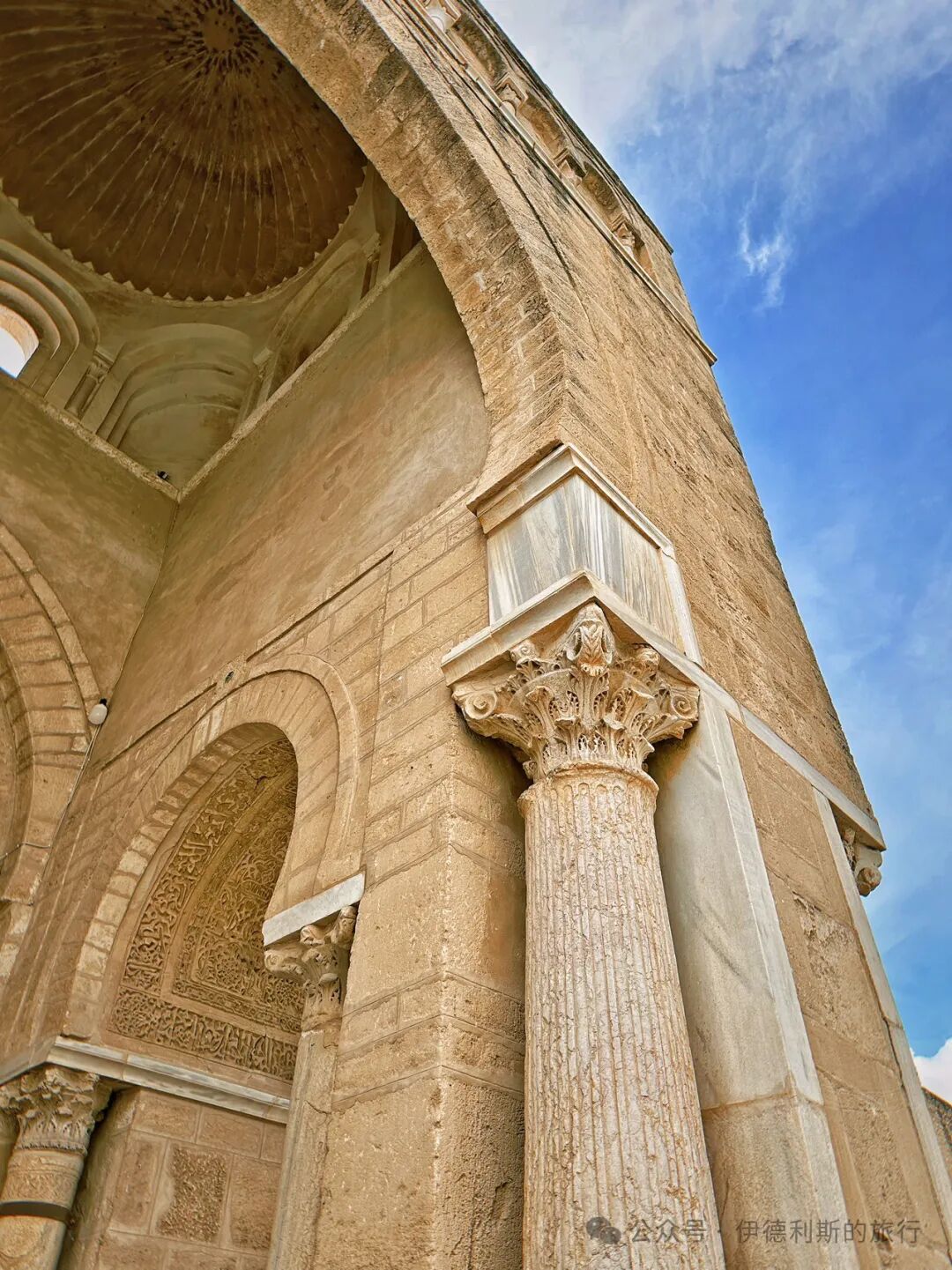
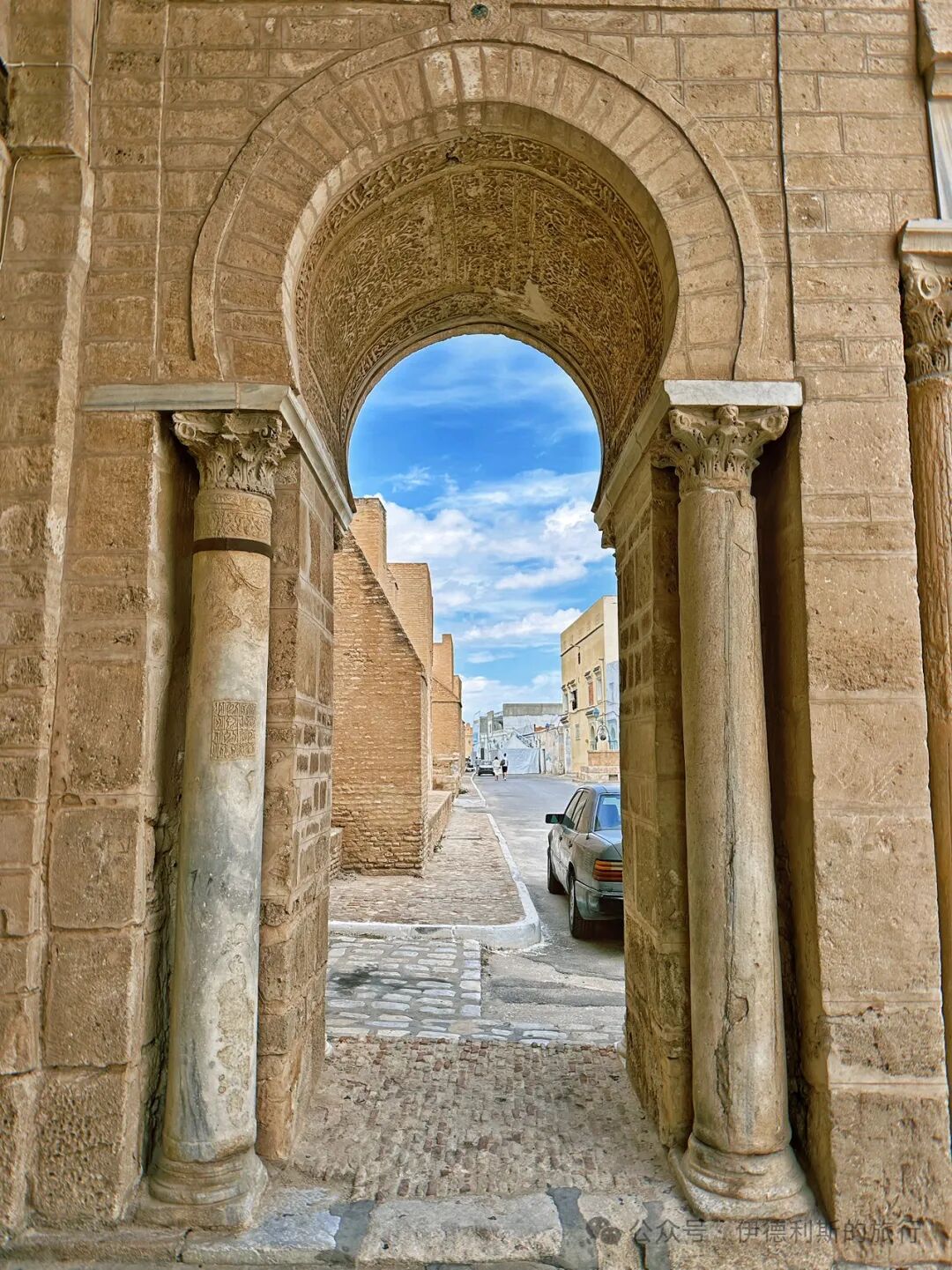
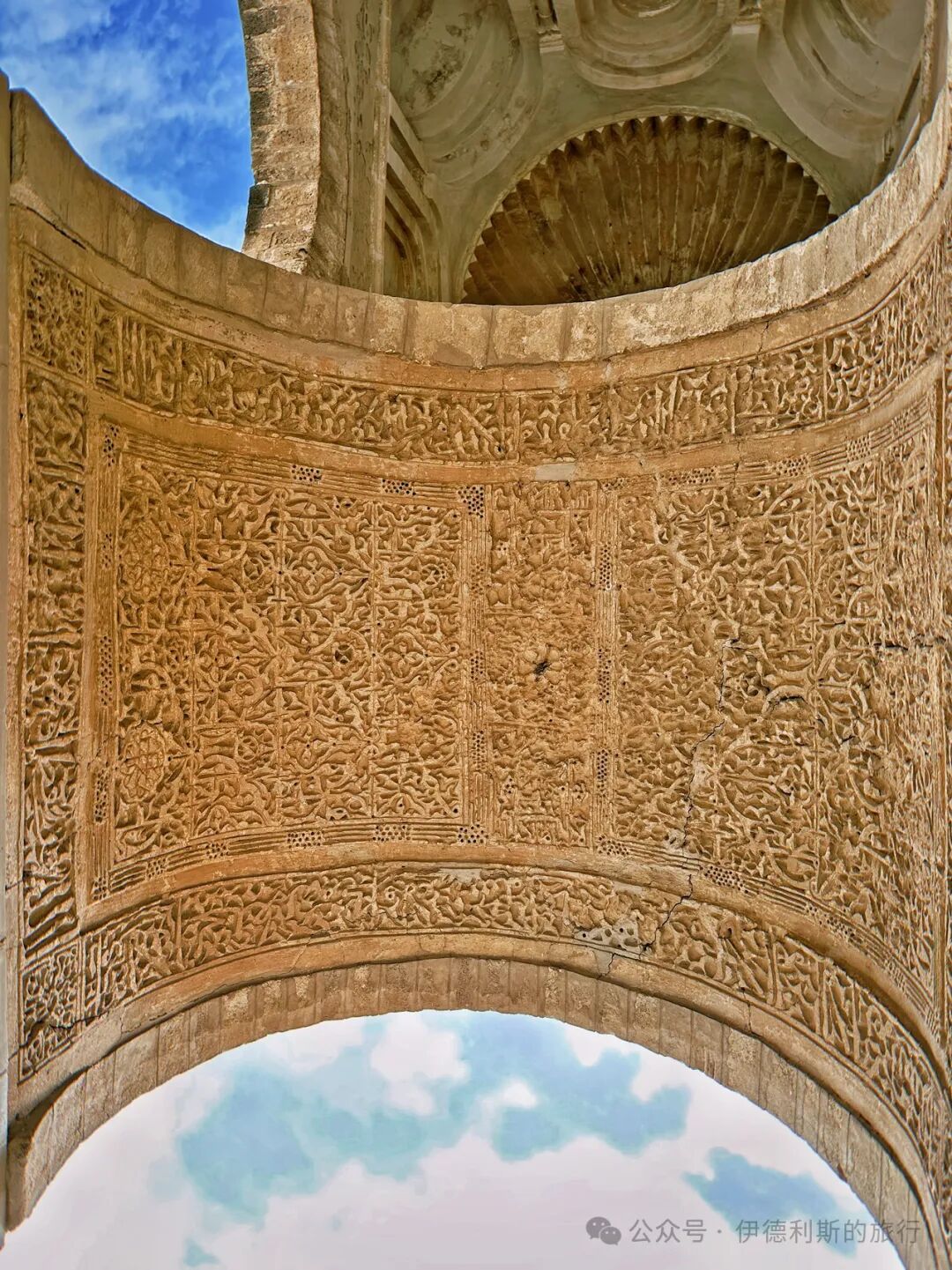
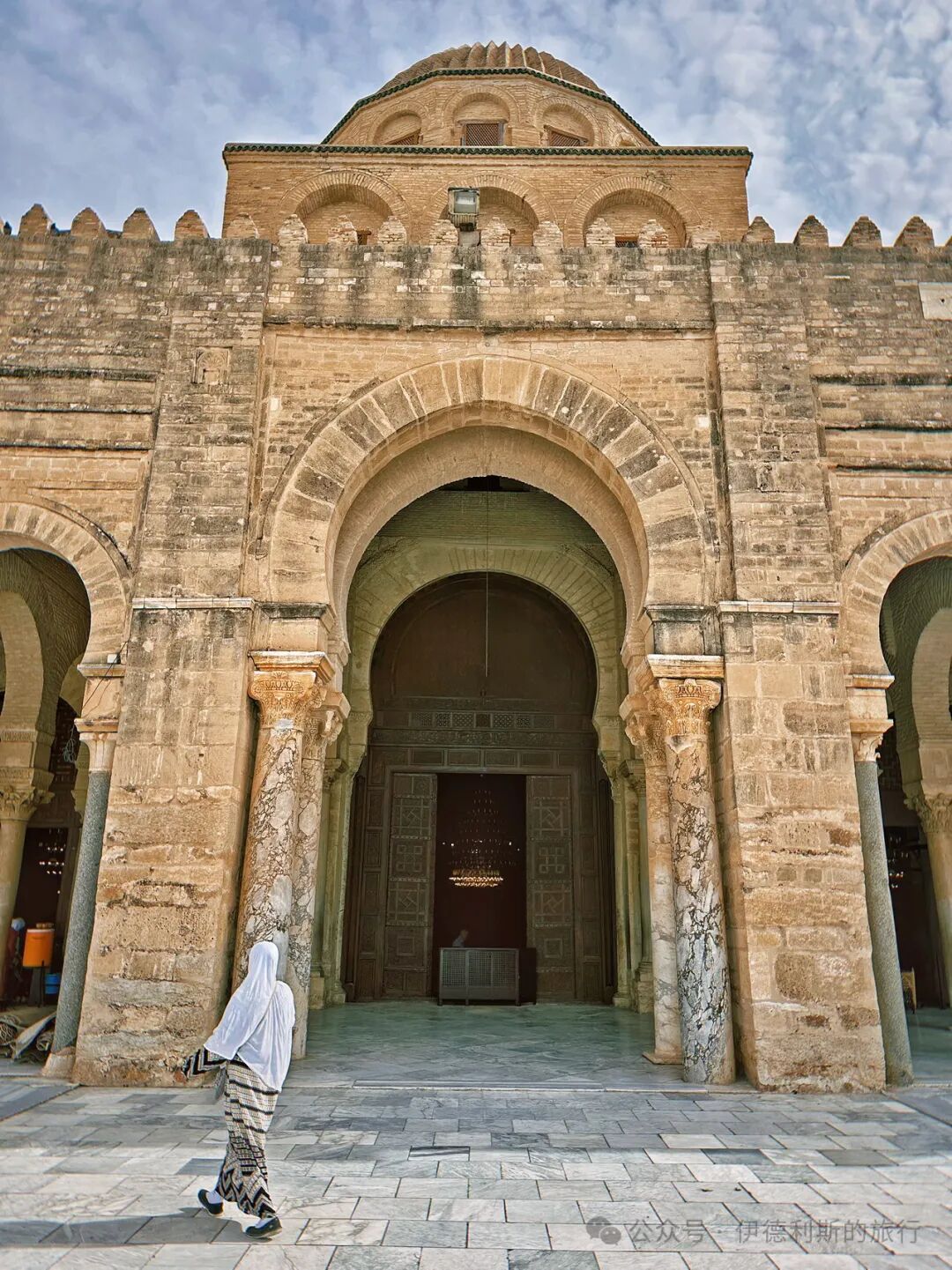
The Great Mosque has nine gates, some of which have porches and spiral-shaped domes. Bab Lalla Rihana on the southeast side was built in 1293 during the Hafsid dynasty. It features a horseshoe arch and ancient stone columns that blend perfectly with the 9th-century walls.
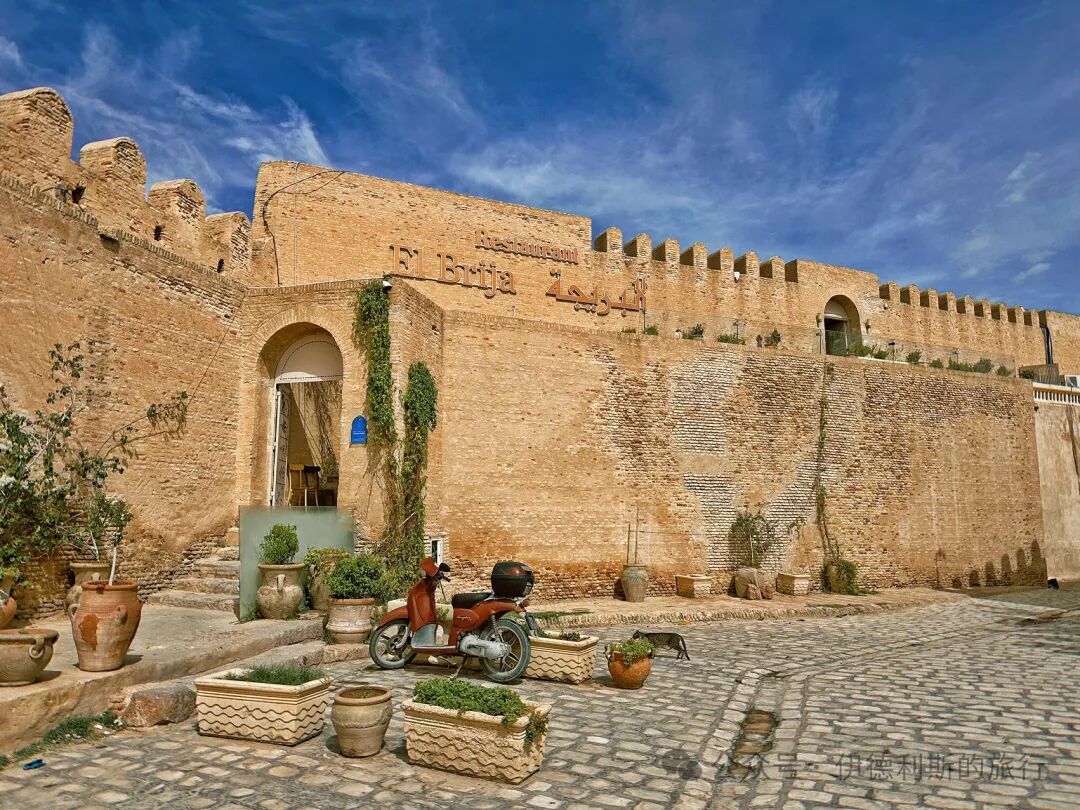
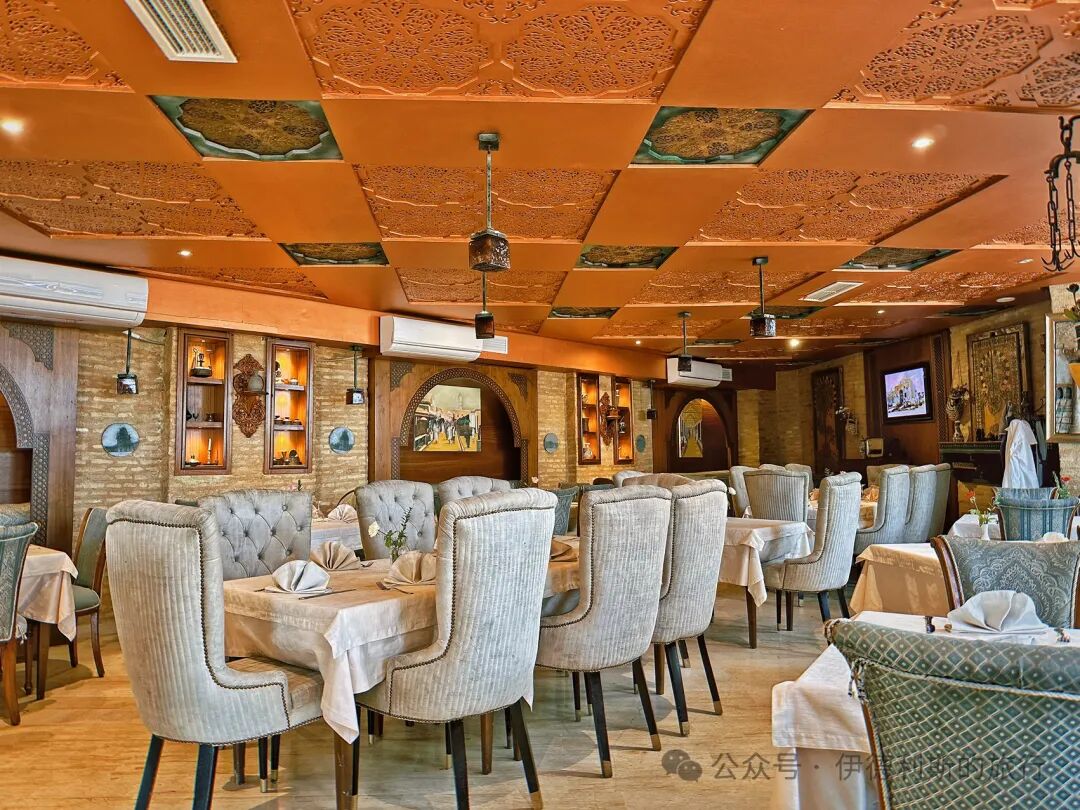
While waiting for Jumu'ah, we had lunch at El Brija Restaurant, located on the city wall next to the Great Mosque. The atmosphere and service were both good, and they serve traditional Tunisian food. I recommend eating here when visiting the Great Mosque.
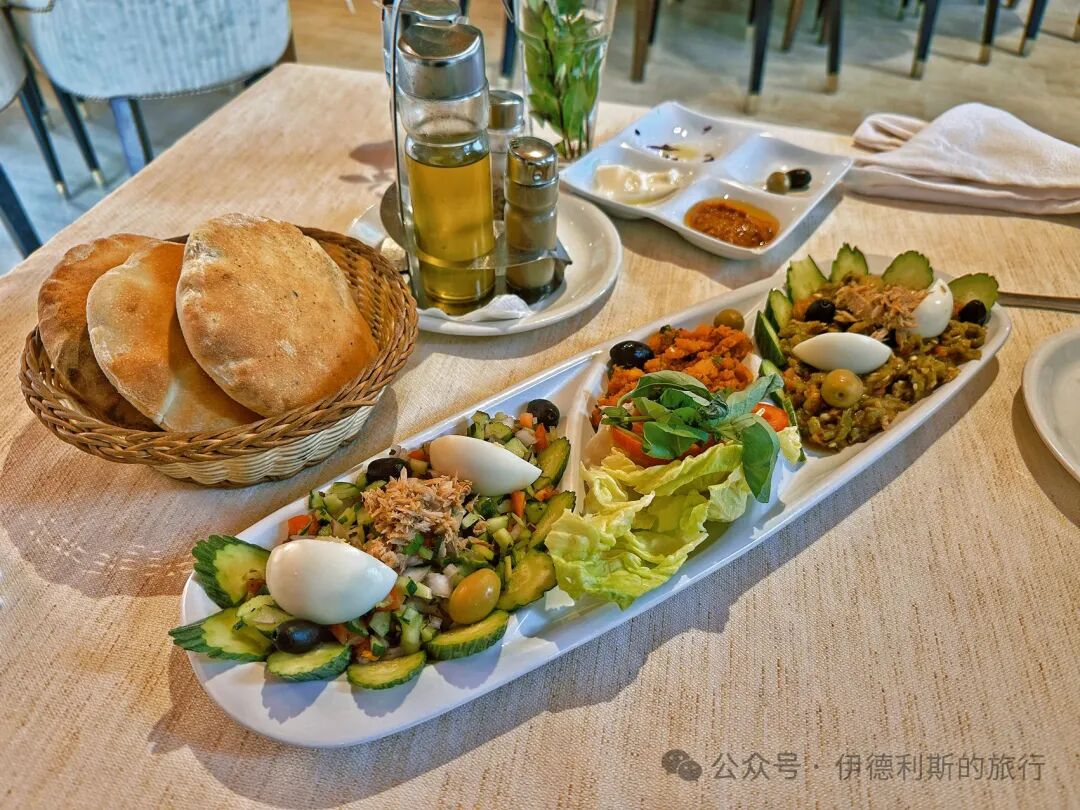
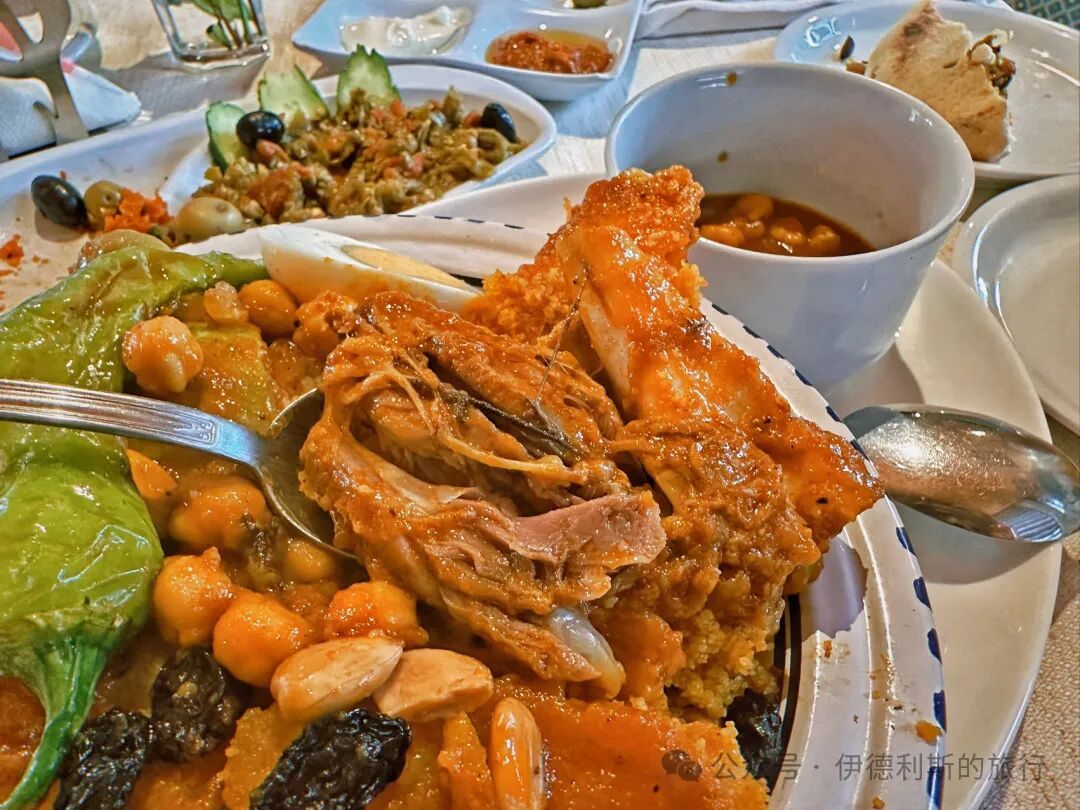
We ordered a traditional appetizer platter and a mixed couscous stew. When eating at a proper restaurant in Tunisia, you really only need to order the main course, as most places provide side dishes and bread.
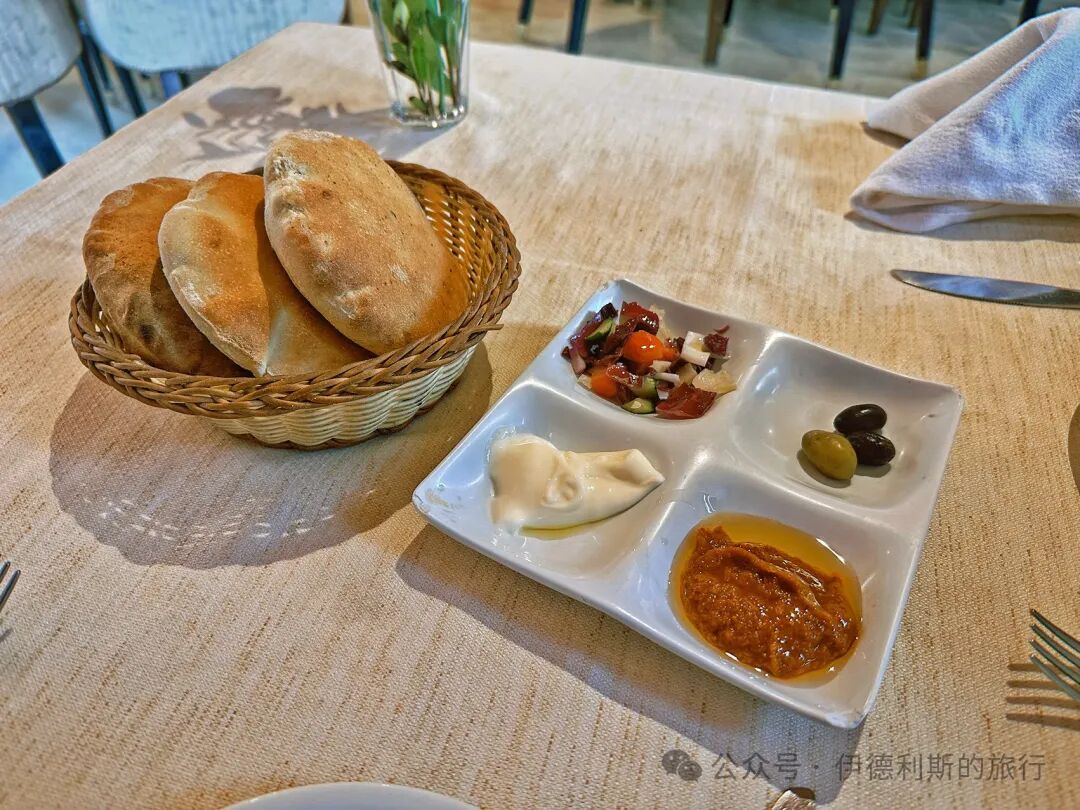
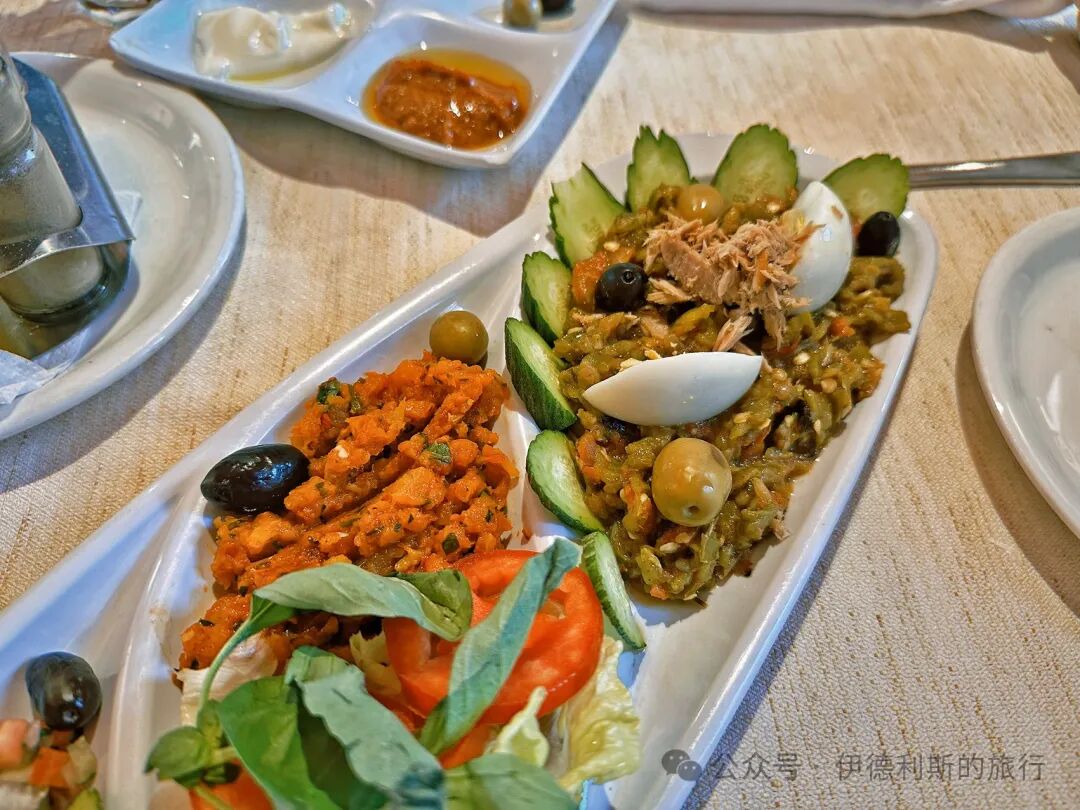
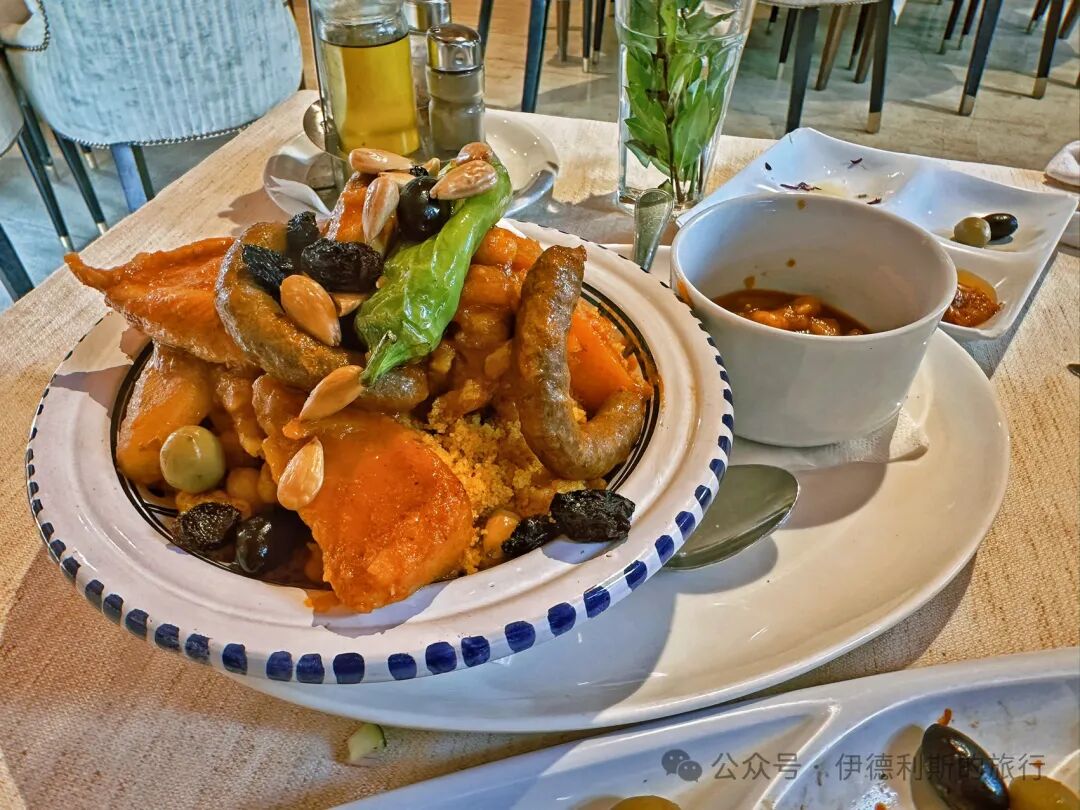
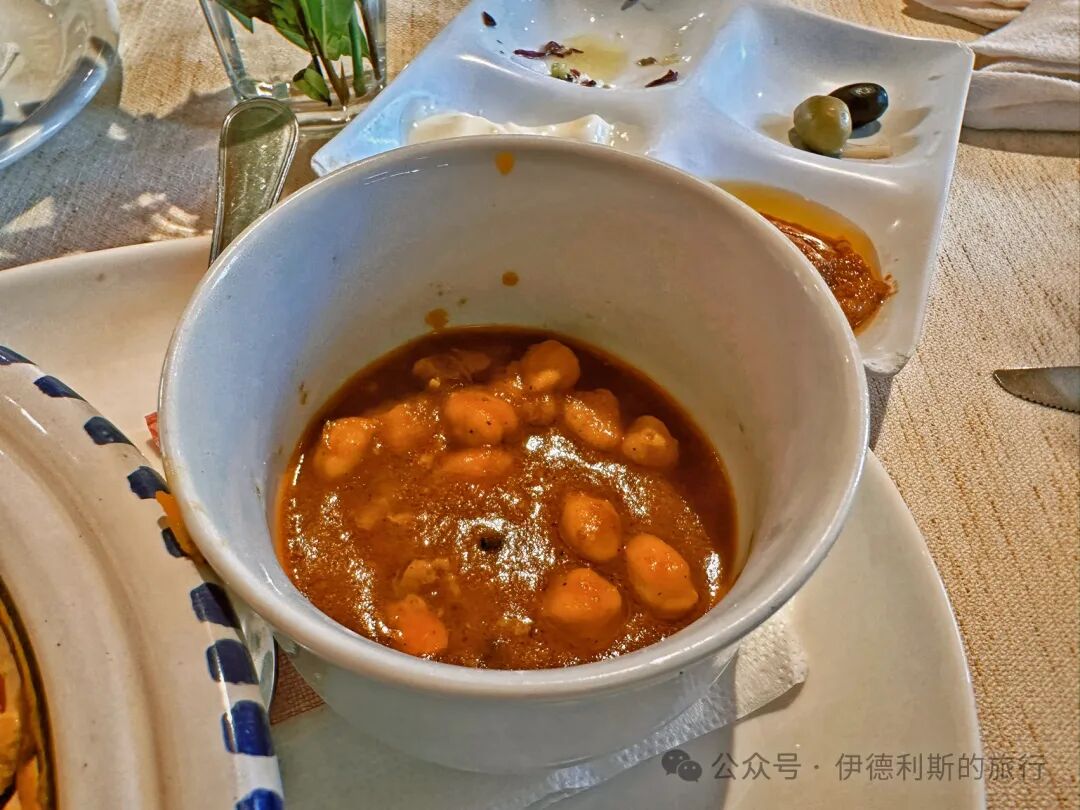
Our appetizer platter included Tunisian salad, Houria carrot salad, and Mechouia green pepper salad. We ate these three dishes almost every day in Tunisia. Tunisian salad is made of diced cucumbers, tomatoes, and onions mixed with olive oil, topped with boiled eggs and tuna. Mechouia salad contains green peppers, tomatoes, onions, garlic, and more. Tunisians love it, and it is rich in vitamins and very healthy. The couscous stew was very rich, containing lamb, Merguez sausage, chicken, beef, dried fruits, and preserved fruits. The Merguez sausage is seasoned with cumin and chili, making it very flavorful.
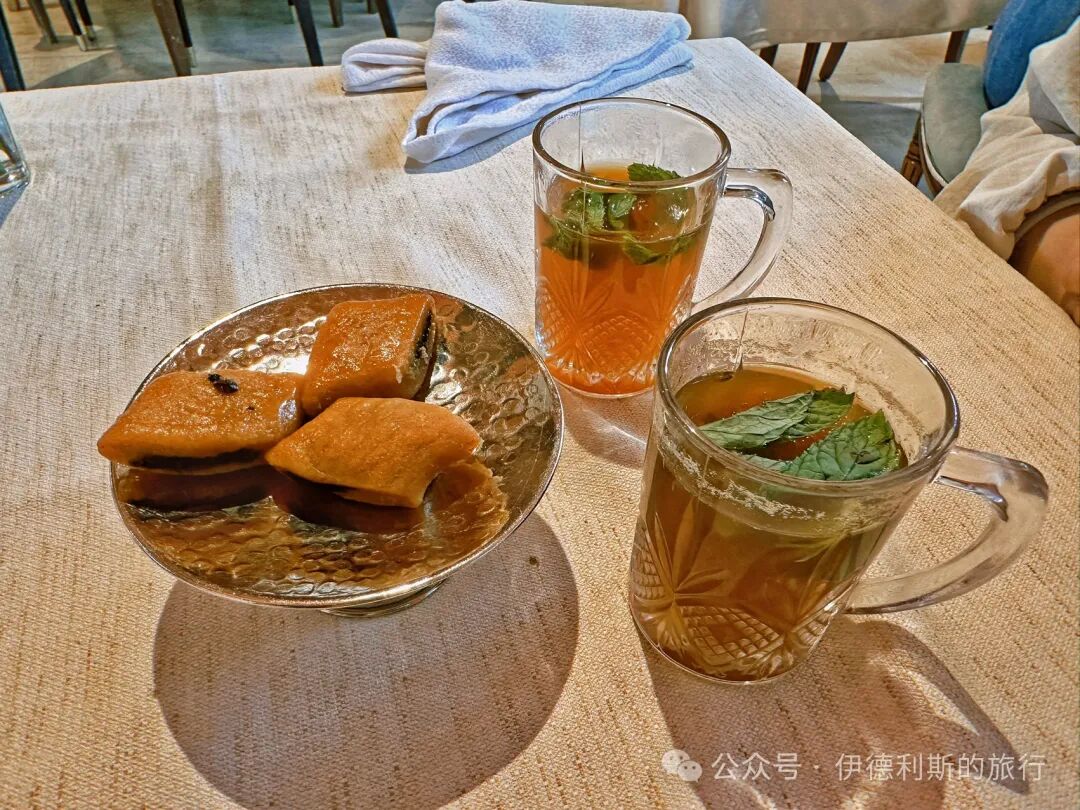
After the meal, we were served mint tea and Makroudh dessert. Makroudh is a classic North African Maghreb snack for breaking the fast. It is made of semolina on the outside, filled with date paste and dried fruits, then baked and soaked in syrup.
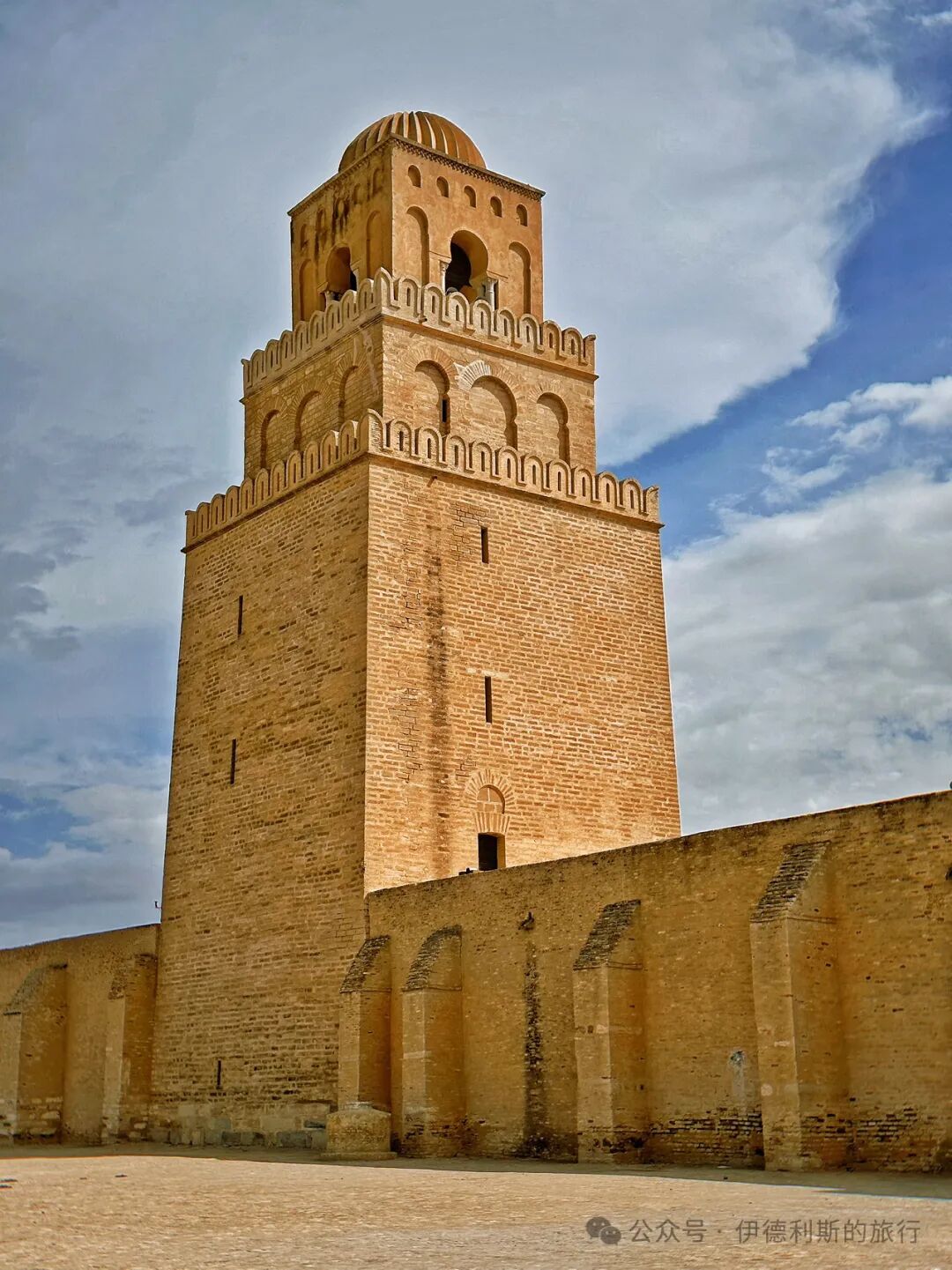
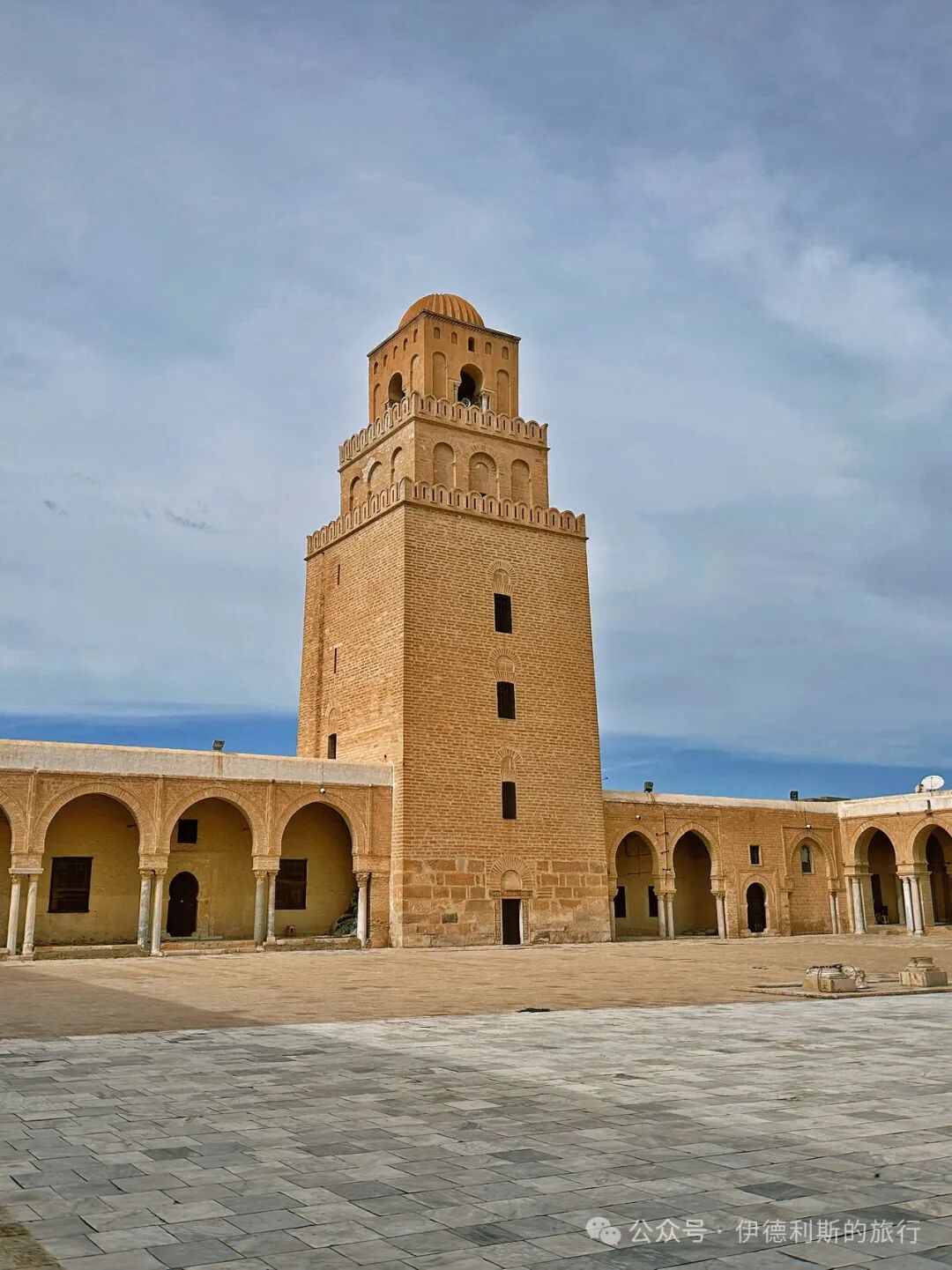
We returned to the Great Mosque after two o'clock, and people were already entering the prayer hall. Once inside the courtyard, the first thing you see is the oldest minaret (bangke ta) still in existence today. The minaret of the Great Mosque of Kairouan was built between the 8th and 9th centuries. The current structure mostly dates back to 836. It is one of the three most important early minarets, alongside the spiral minaret of the Great Mosque of Samarra in Iraq, built between 848 and 852, and the spiral minaret of the Abu Dulaf Mosque in Iraq, built in 859. These three served as models for later minarets across Andalusia and the Maghreb.
There were no minarets during the time of the Prophet and the four Caliphs. People called for prayer (adhan) from the mosque entrance or the roof. Platforms for calling the adhan appeared during the Umayyad dynasty in the 7th century, but true minarets did not emerge until the Abbasid dynasty in the 8th century. There is no final conclusion on the origin of the minaret. Some say it mimics the towers of Syrian churches, while others suggest it was inspired by the Lighthouse of Alexandria or Mesopotamian ziggurats. Four towers were built during the reconstruction of the Sacred Mosque in Mecca in the late 8th century, but they have not survived. The earliest surviving minarets are the one at the Great Mosque of Kairouan and the two in Iraq. The Bride's Minaret at the Umayyad Mosque in Damascus may also date to the 9th century, but there is no clear record of this.
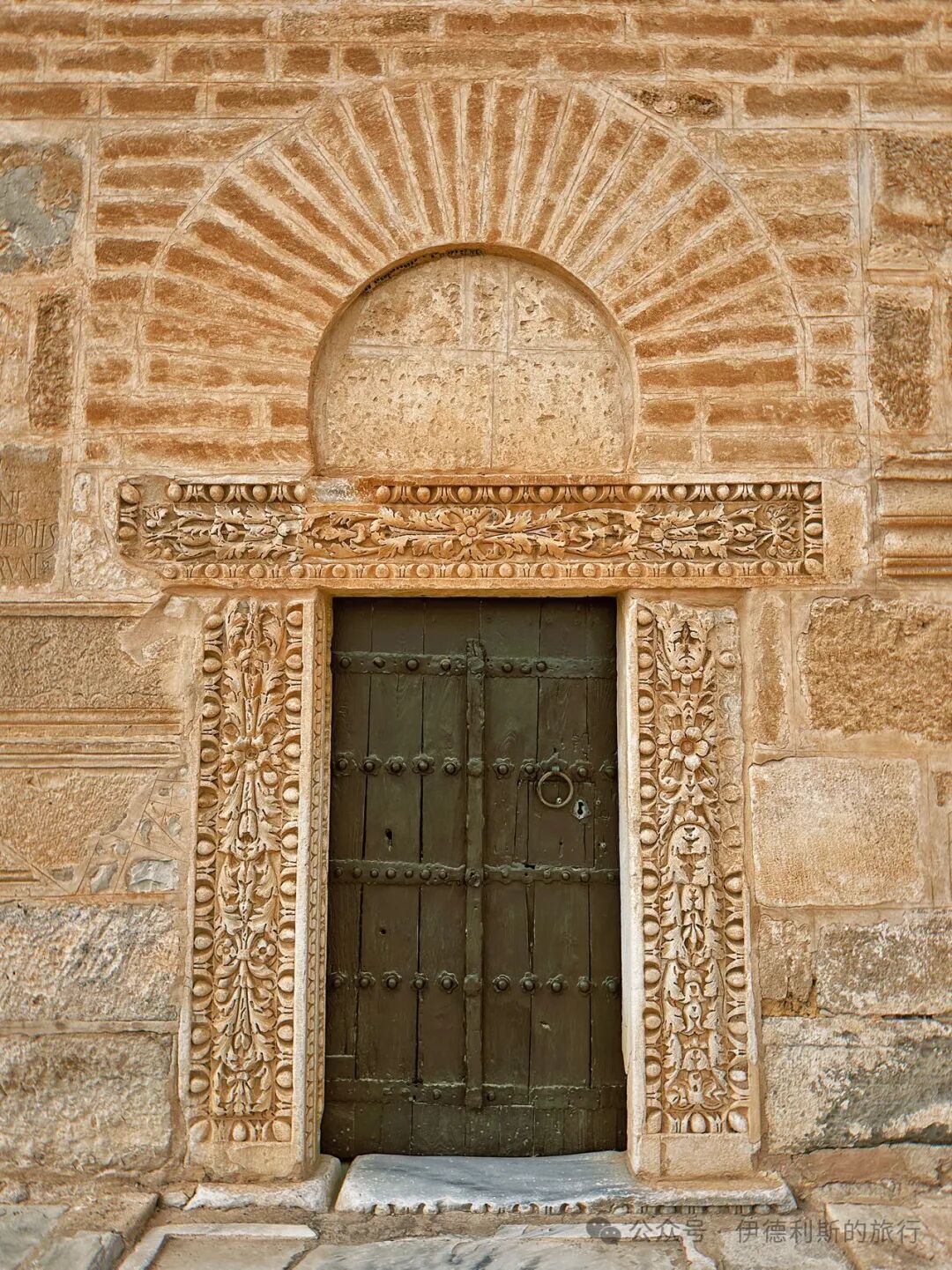
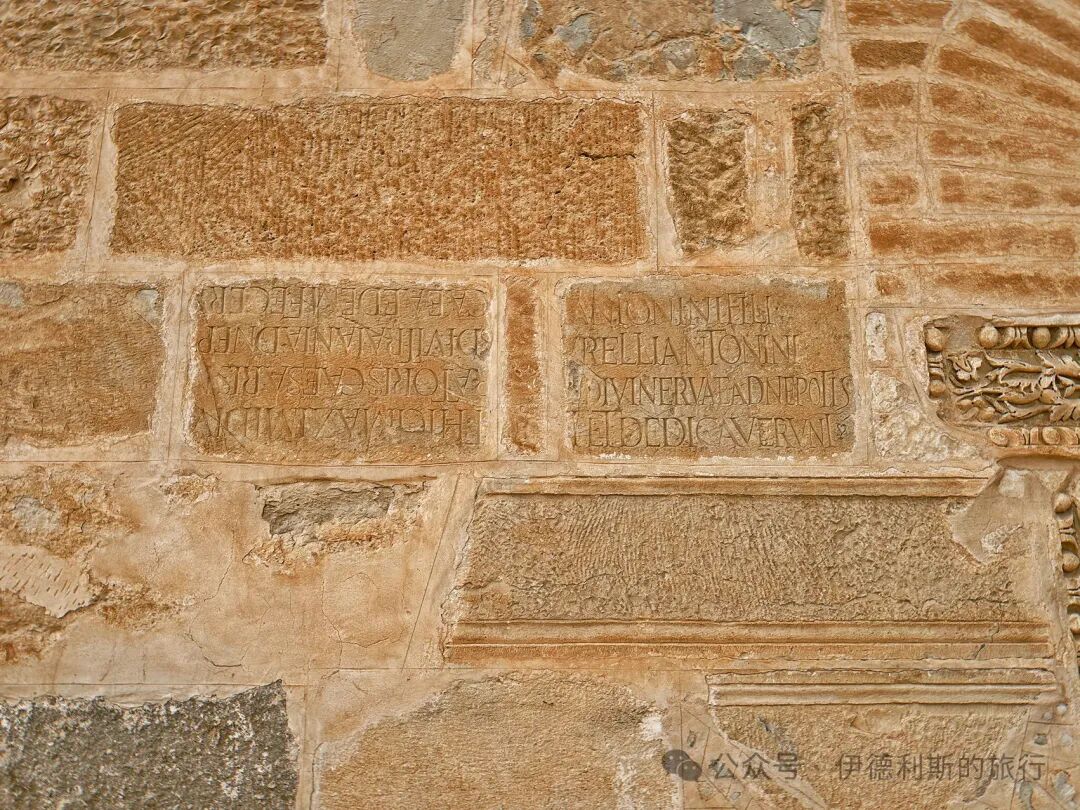
The minaret of the Great Mosque of Kairouan is 31.5 meters tall. Its base dates back to the Umayyad period in 725, and you can see Latin inscriptions from the Roman era on the walls. The first and second levels of the minaret were built in 836 using carefully cut stone. The side facing the courtyard has windows, while the other three sides have arrow slits. The third level of the minaret is a four-arched structure (chahartaq), which was likely added later.
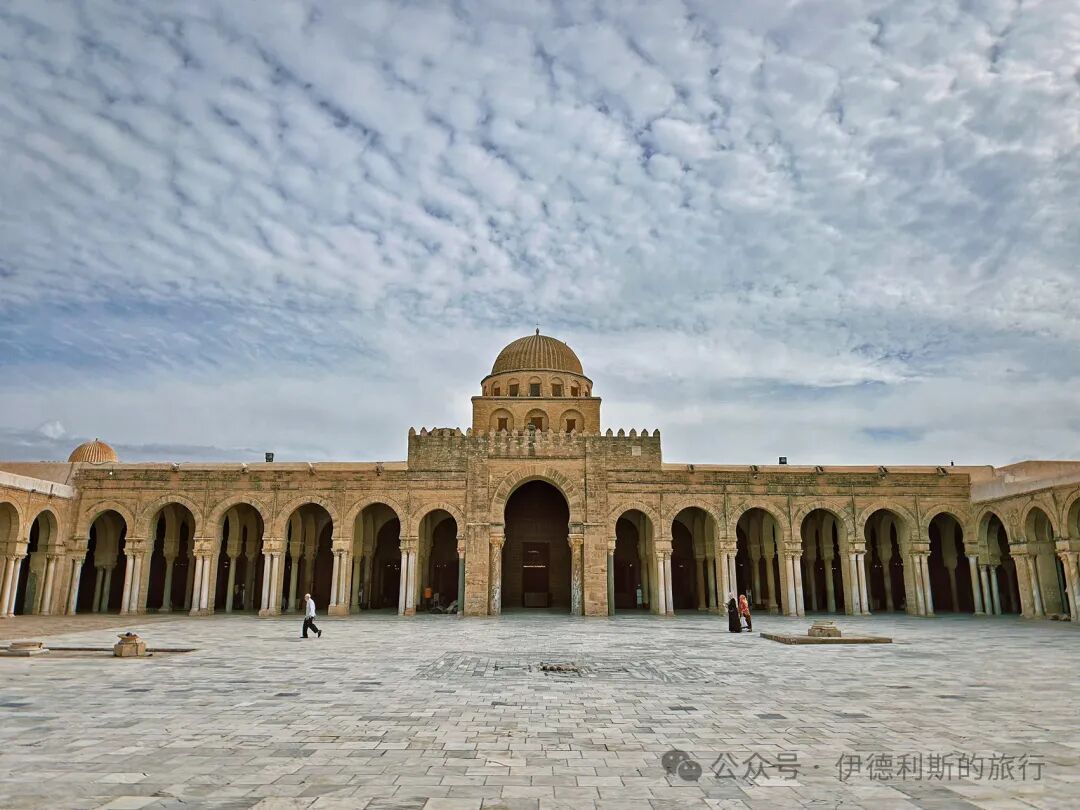
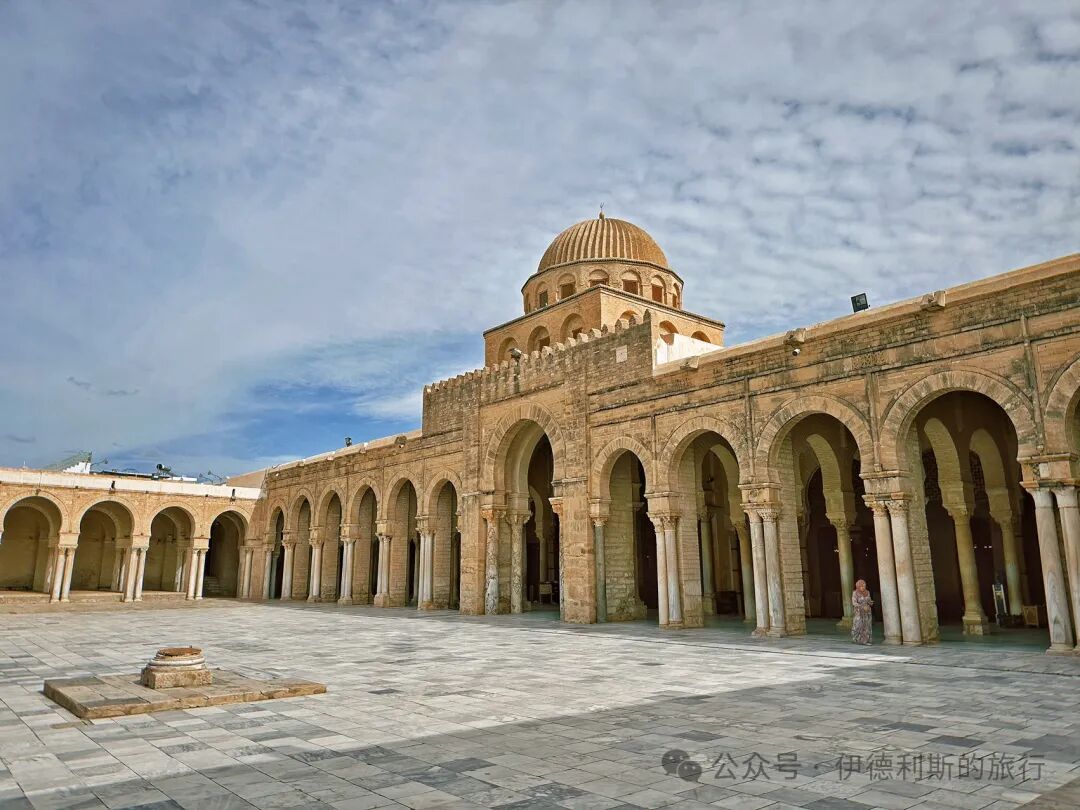
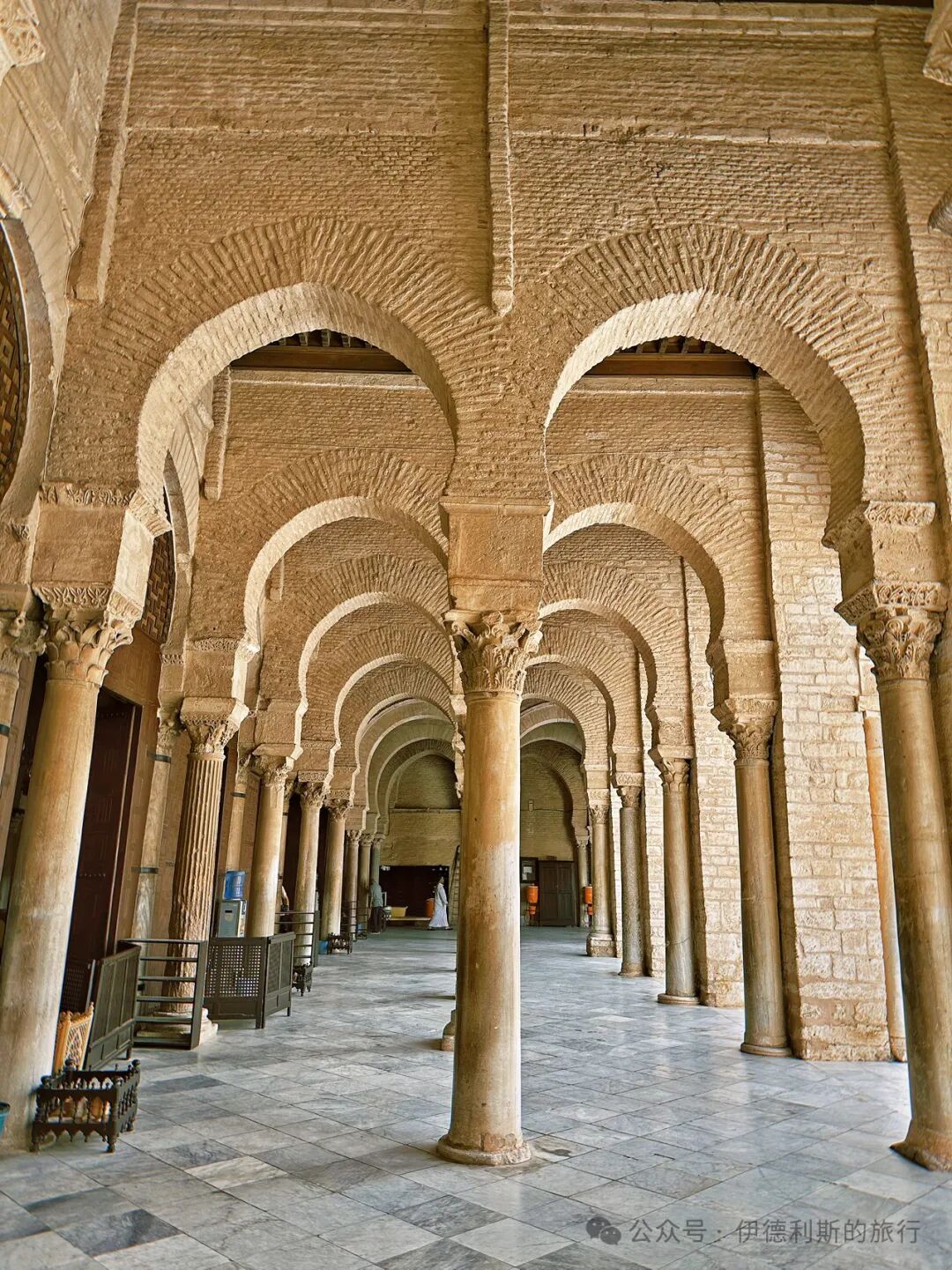
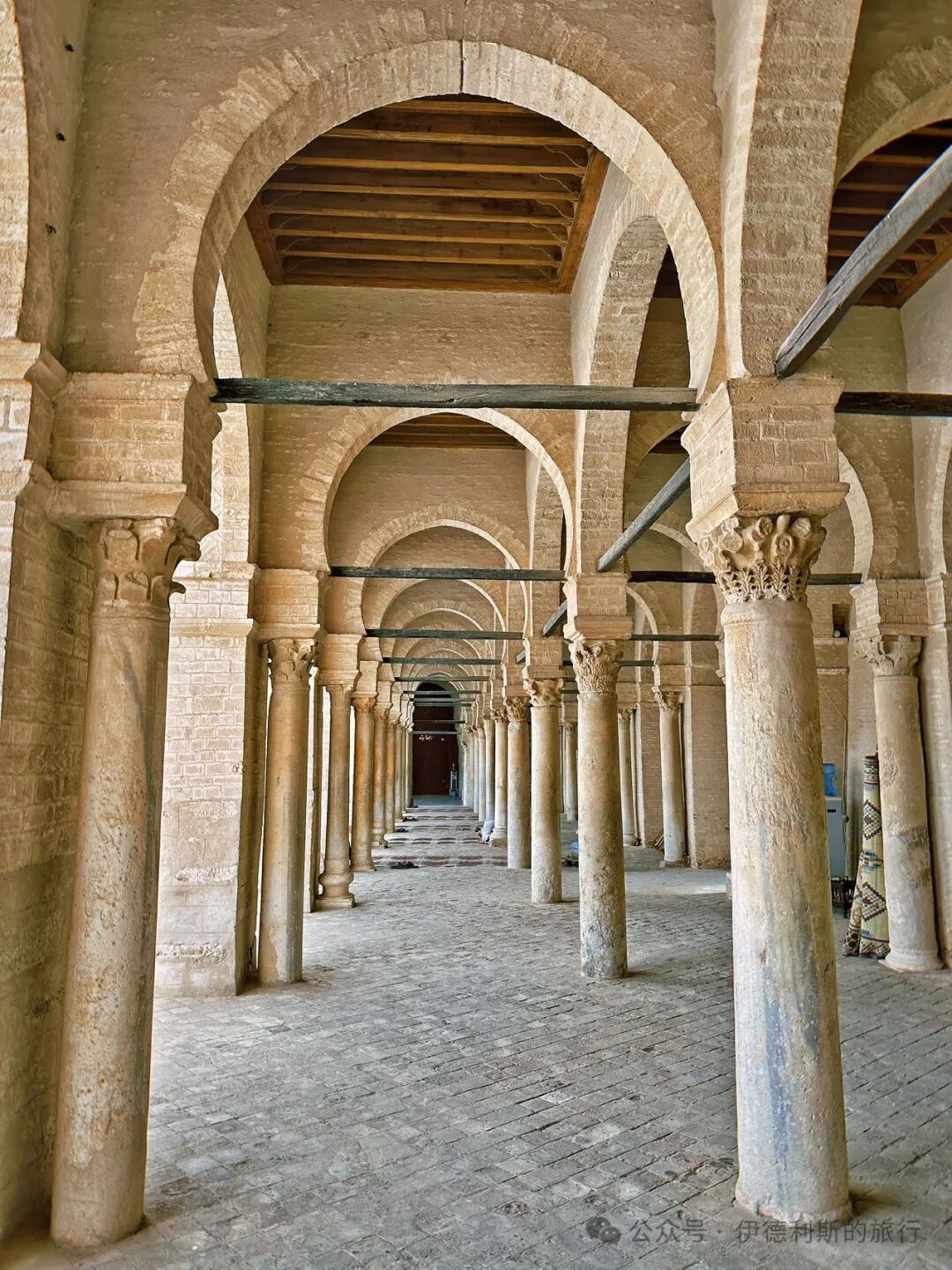
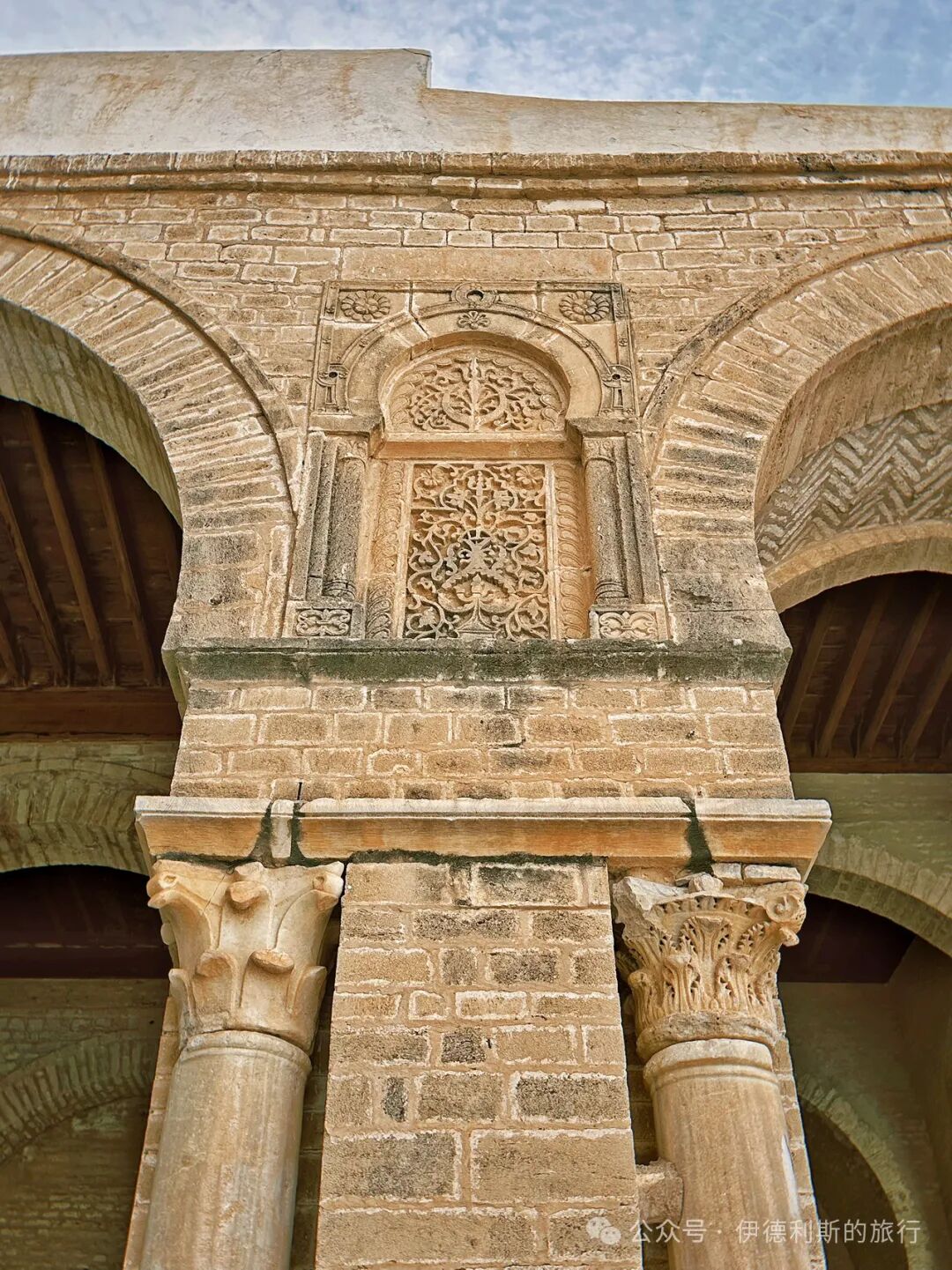
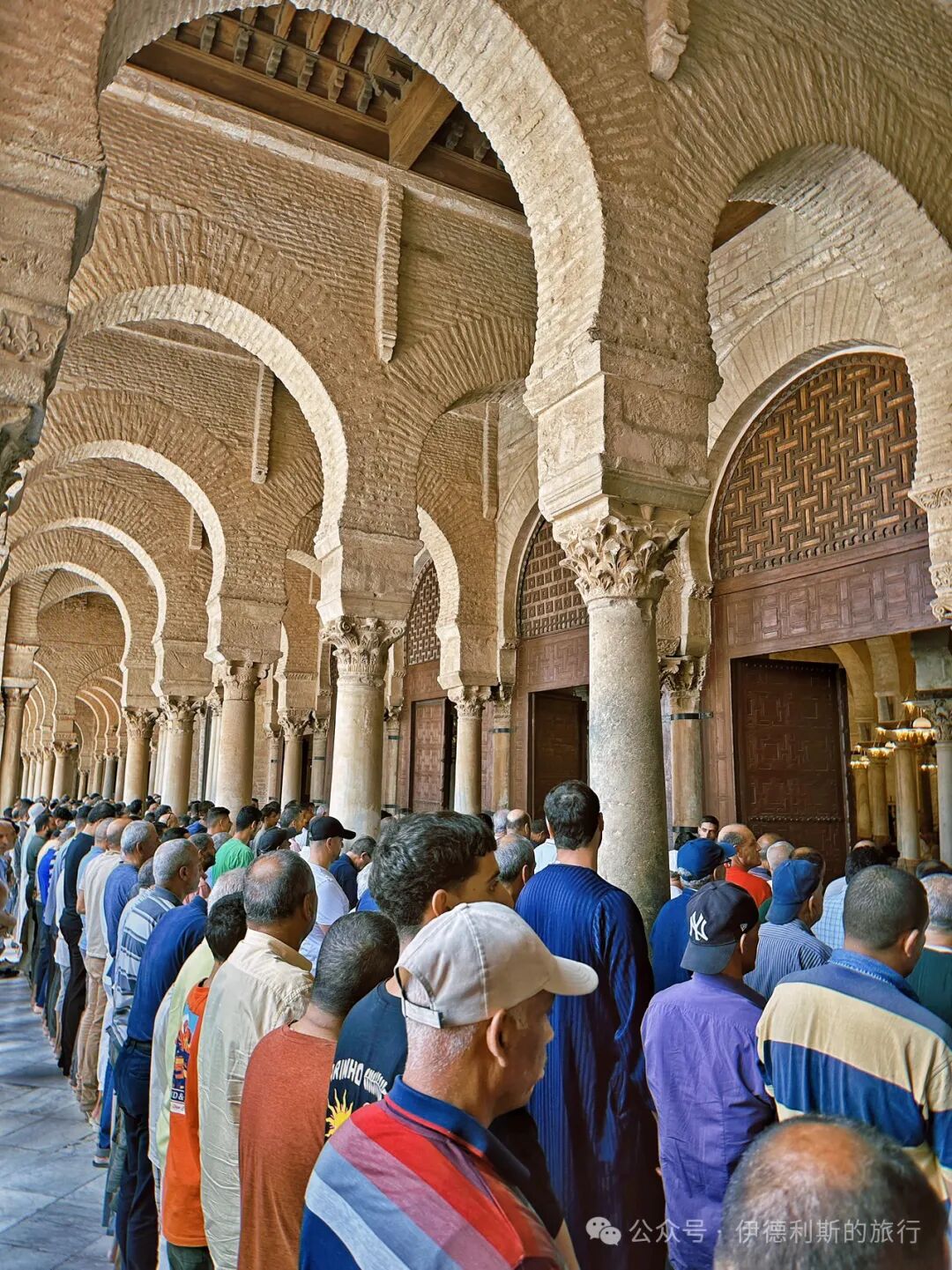
Three sides of the Great Mosque are surrounded by double-row horseshoe-shaped arcades. The columns come from various ancient Roman and Byzantine ruins, including some from the famous site of Carthage.
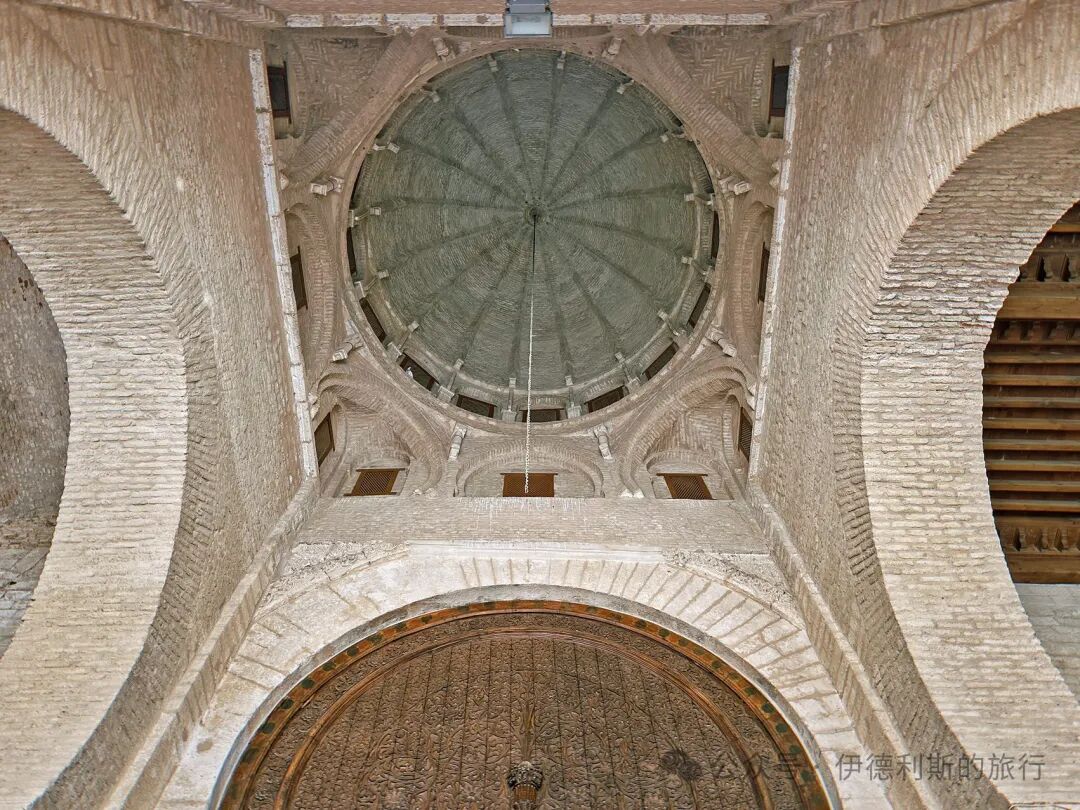
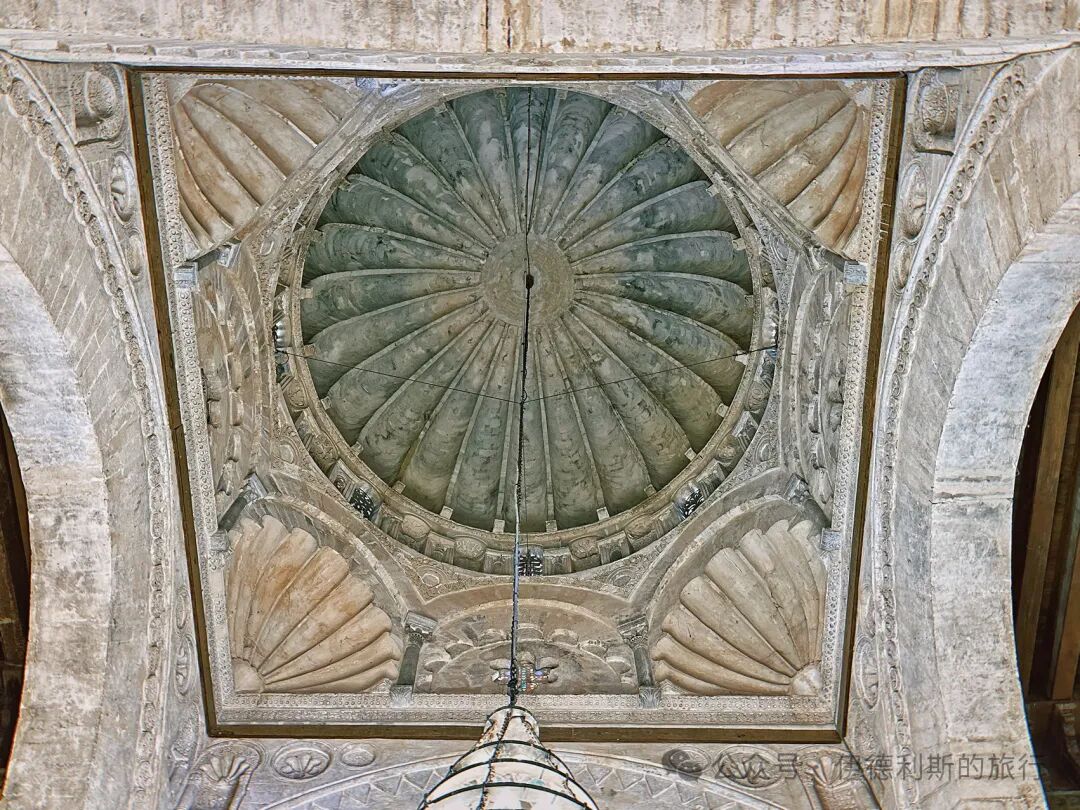
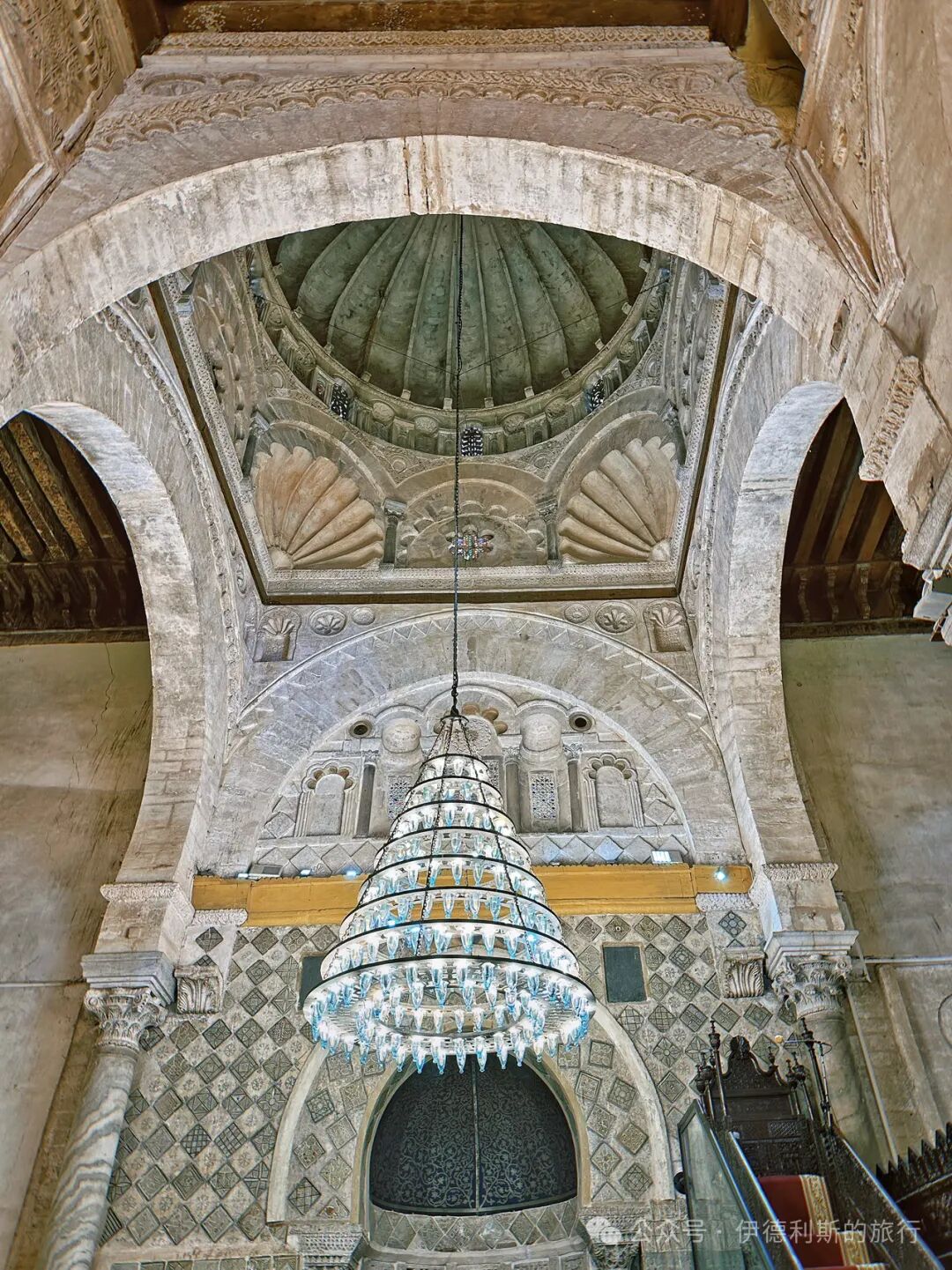
There is a dome above the main entrance of the prayer hall and another above the mihrab. These domes, built in 836, are important examples of early mosque domes.
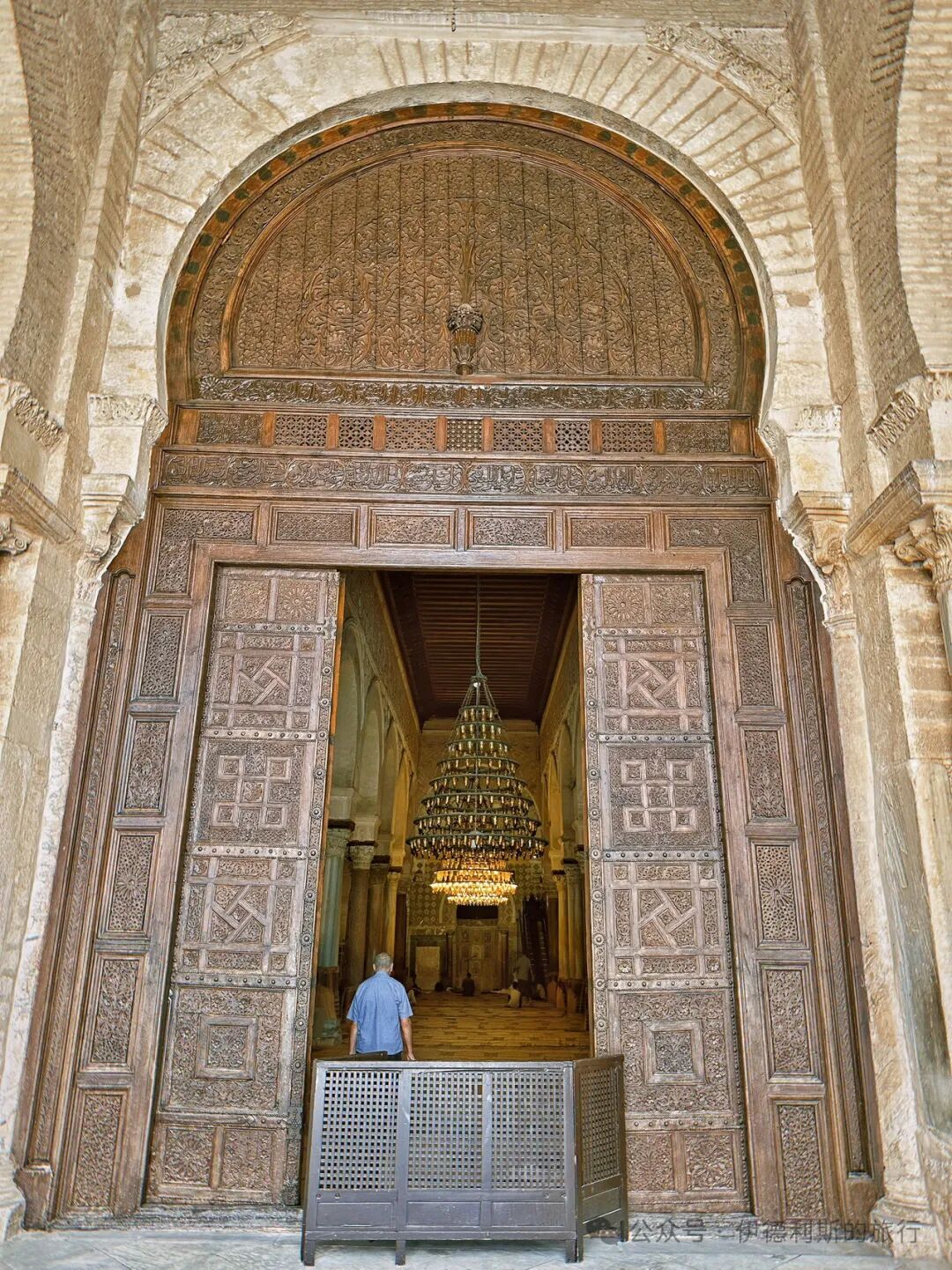
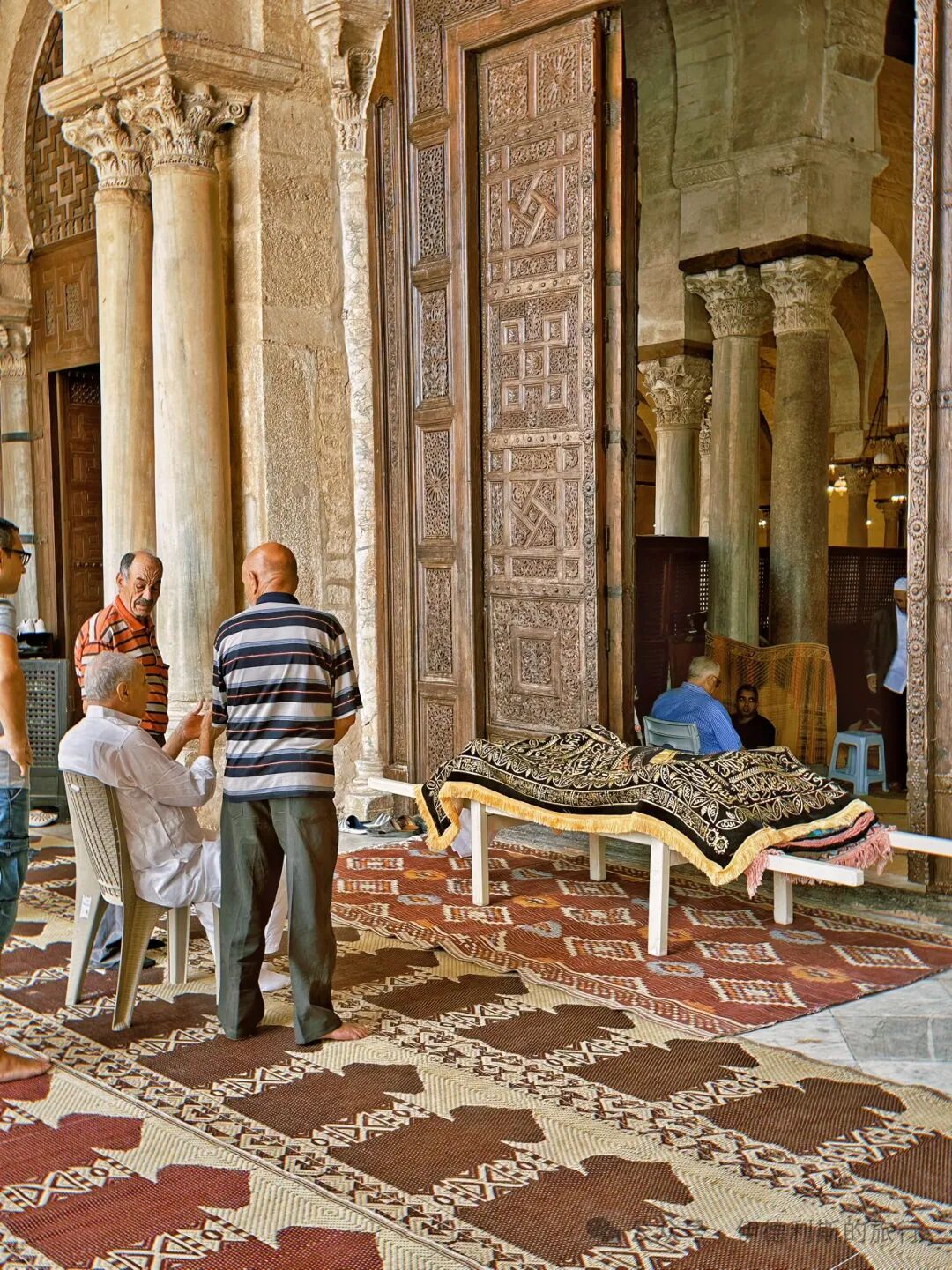
The prayer hall connects to the arcades through 17 carved wooden doors. The most beautiful one in the center was built in 1828 and features rich geometric and floral patterns.
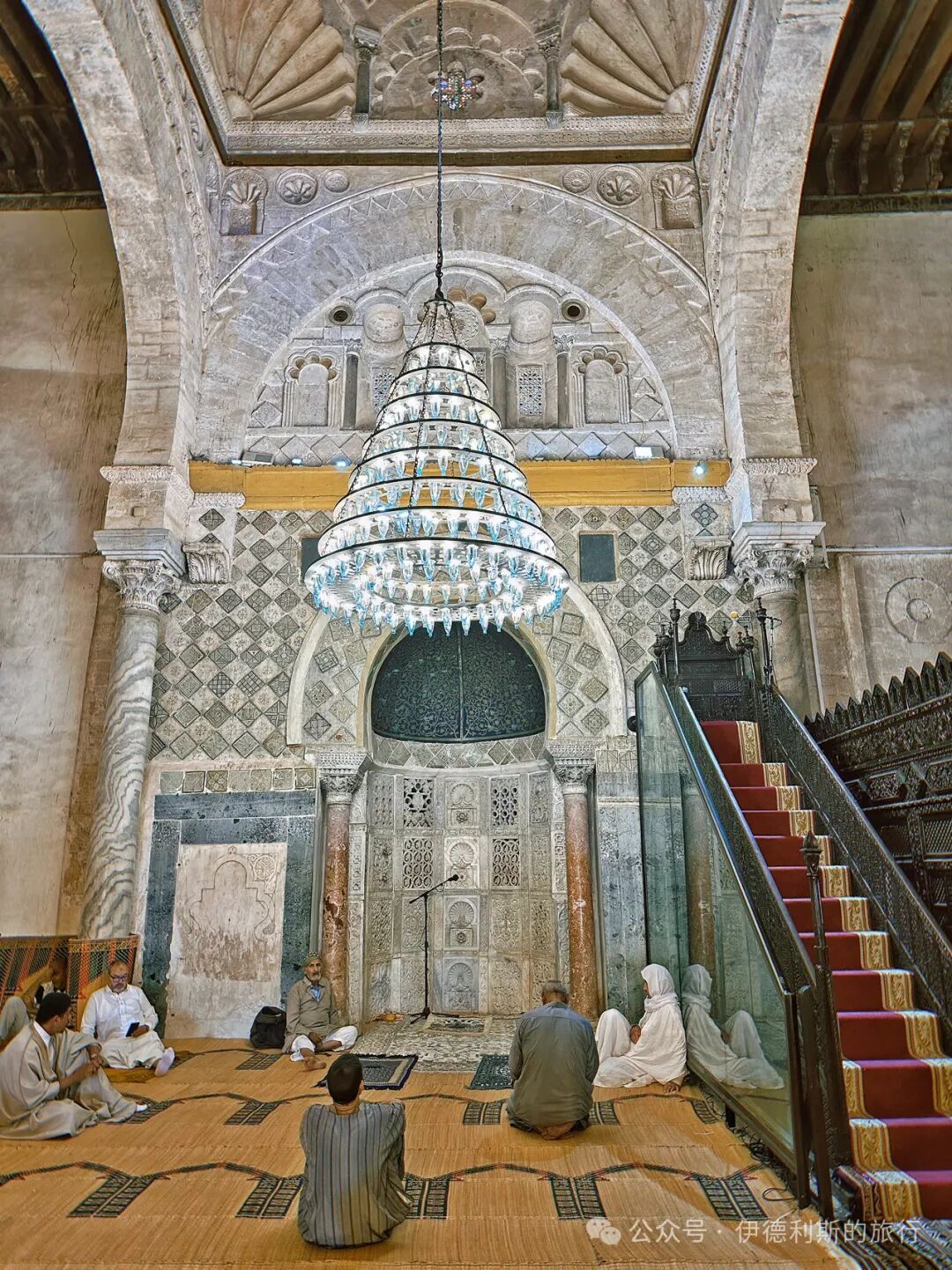
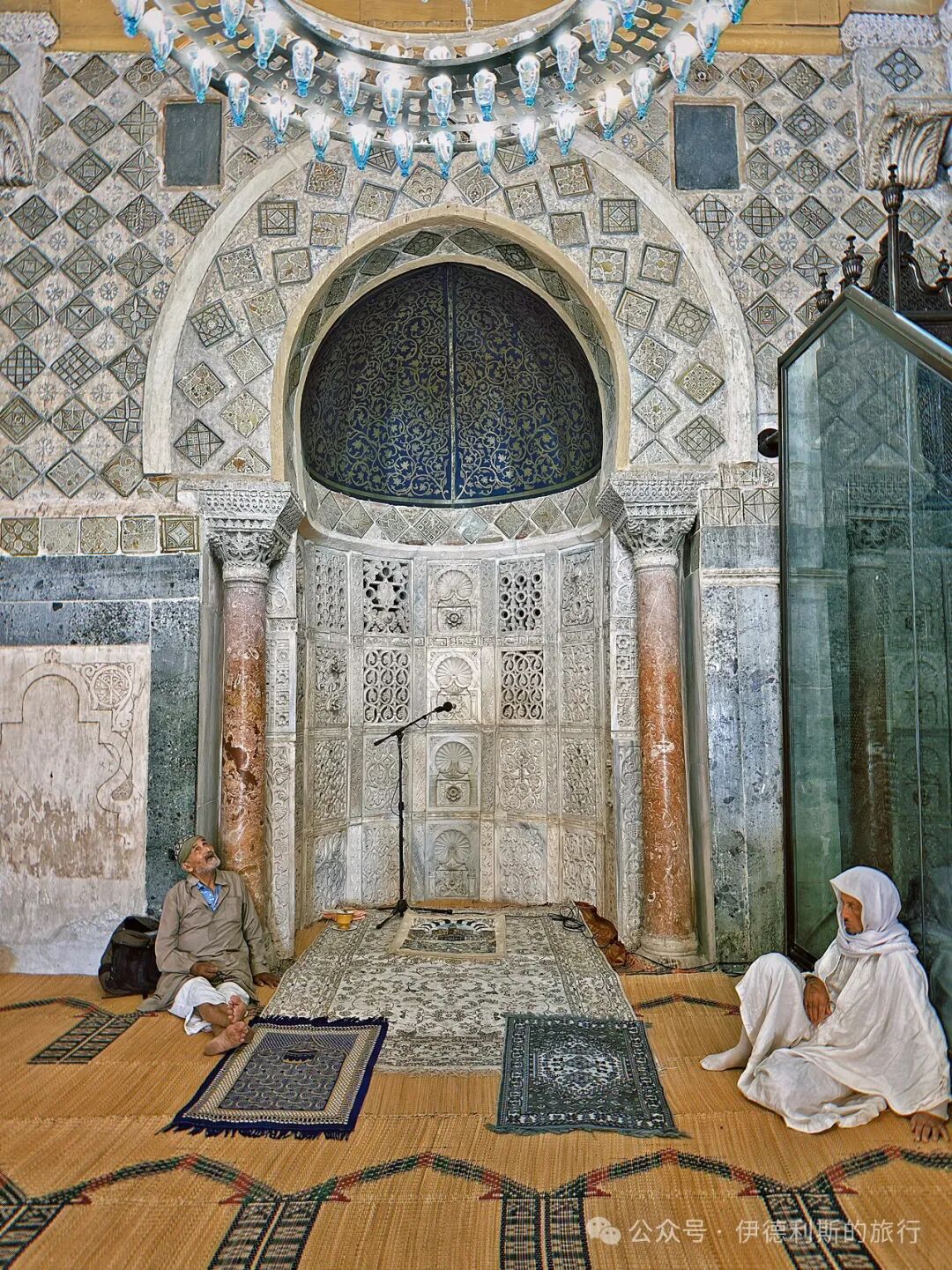
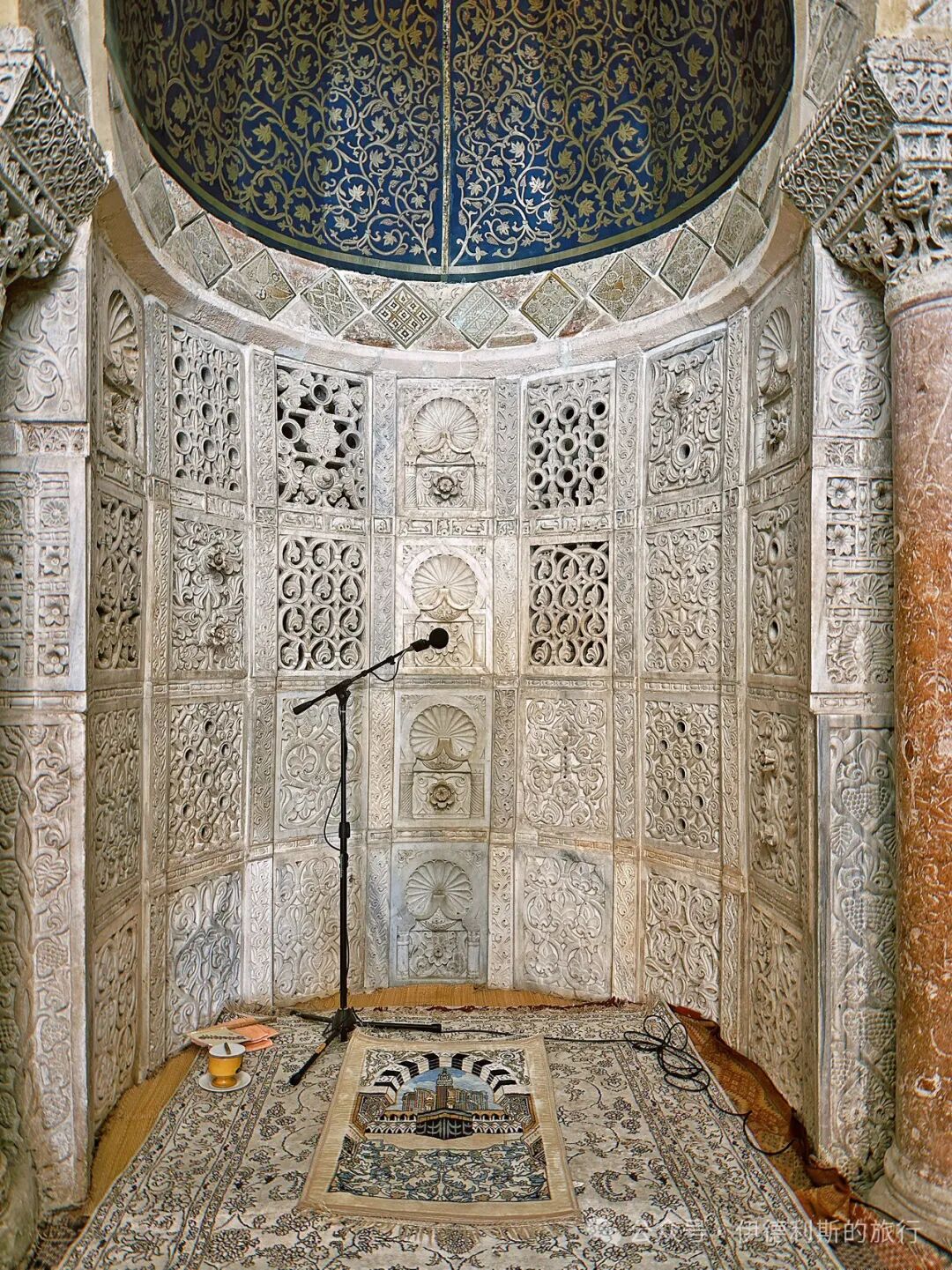
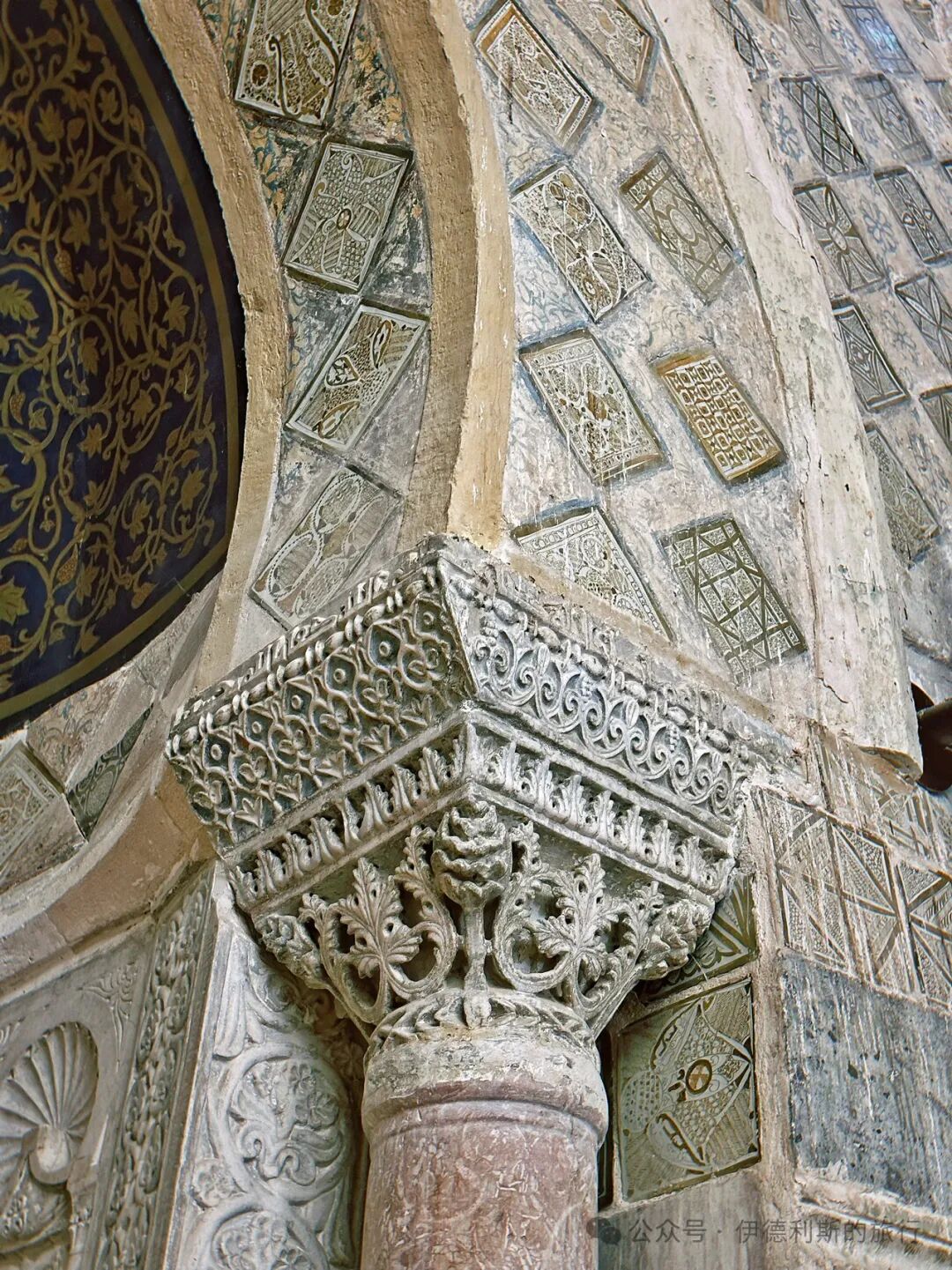
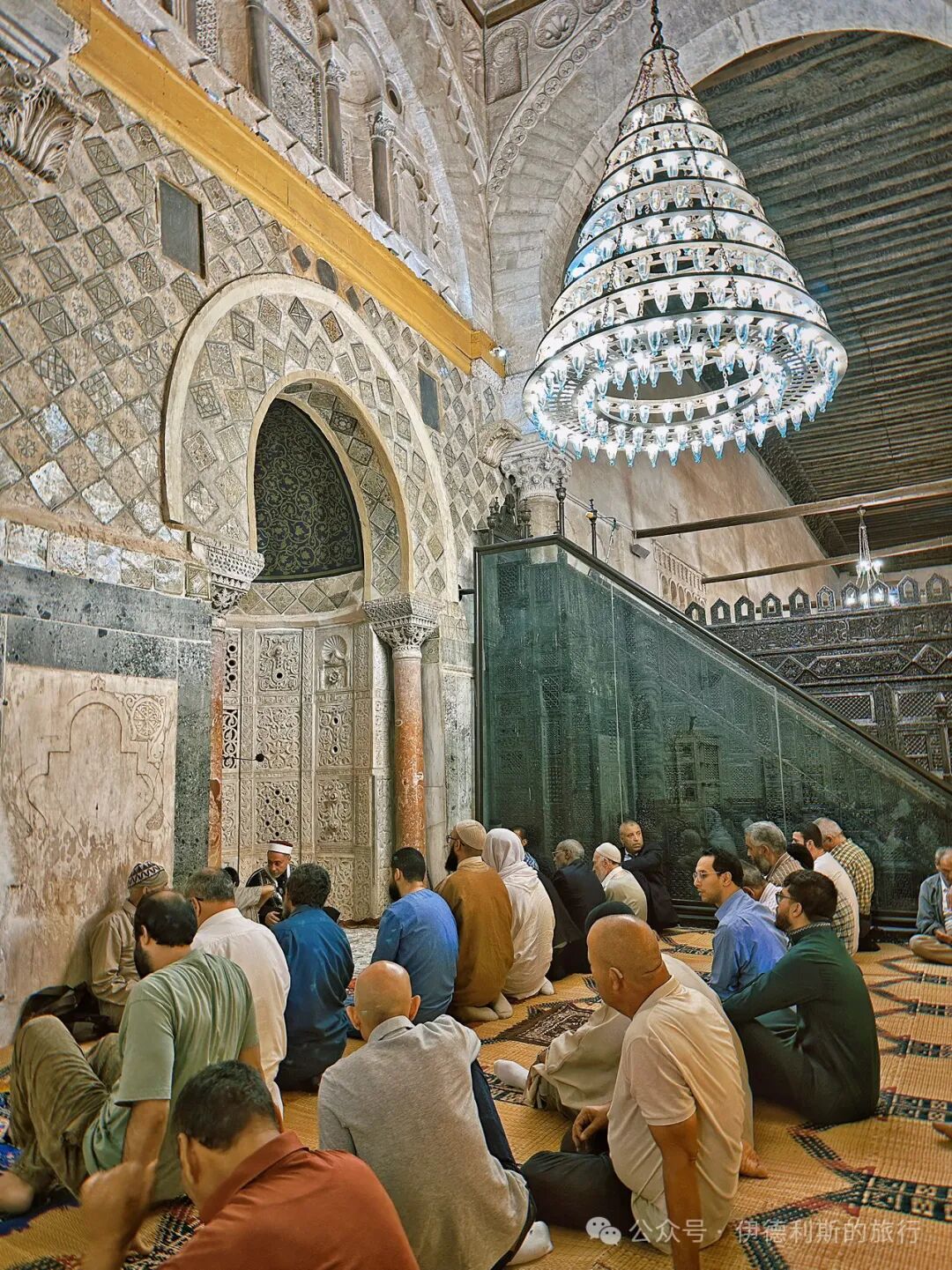
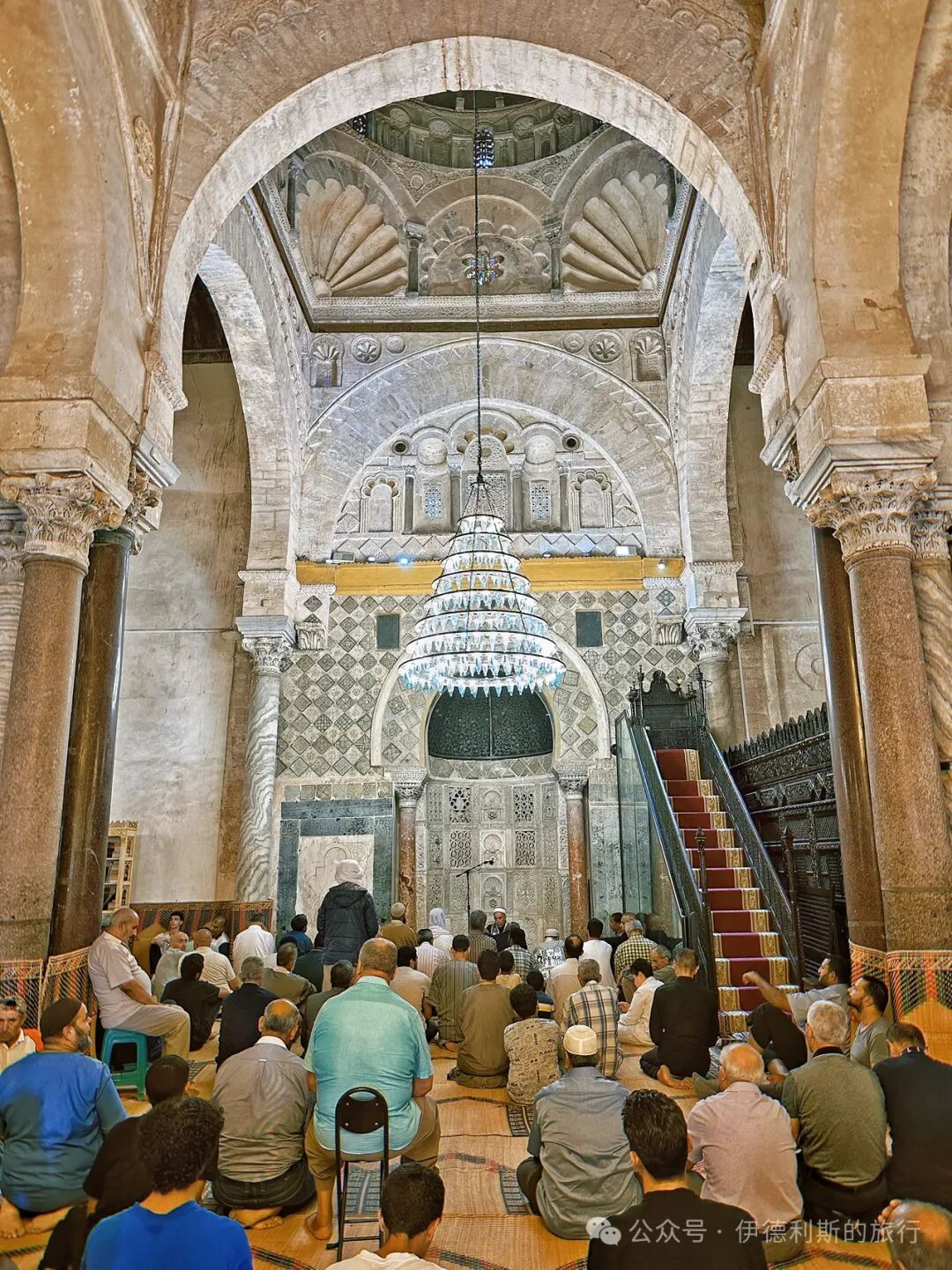
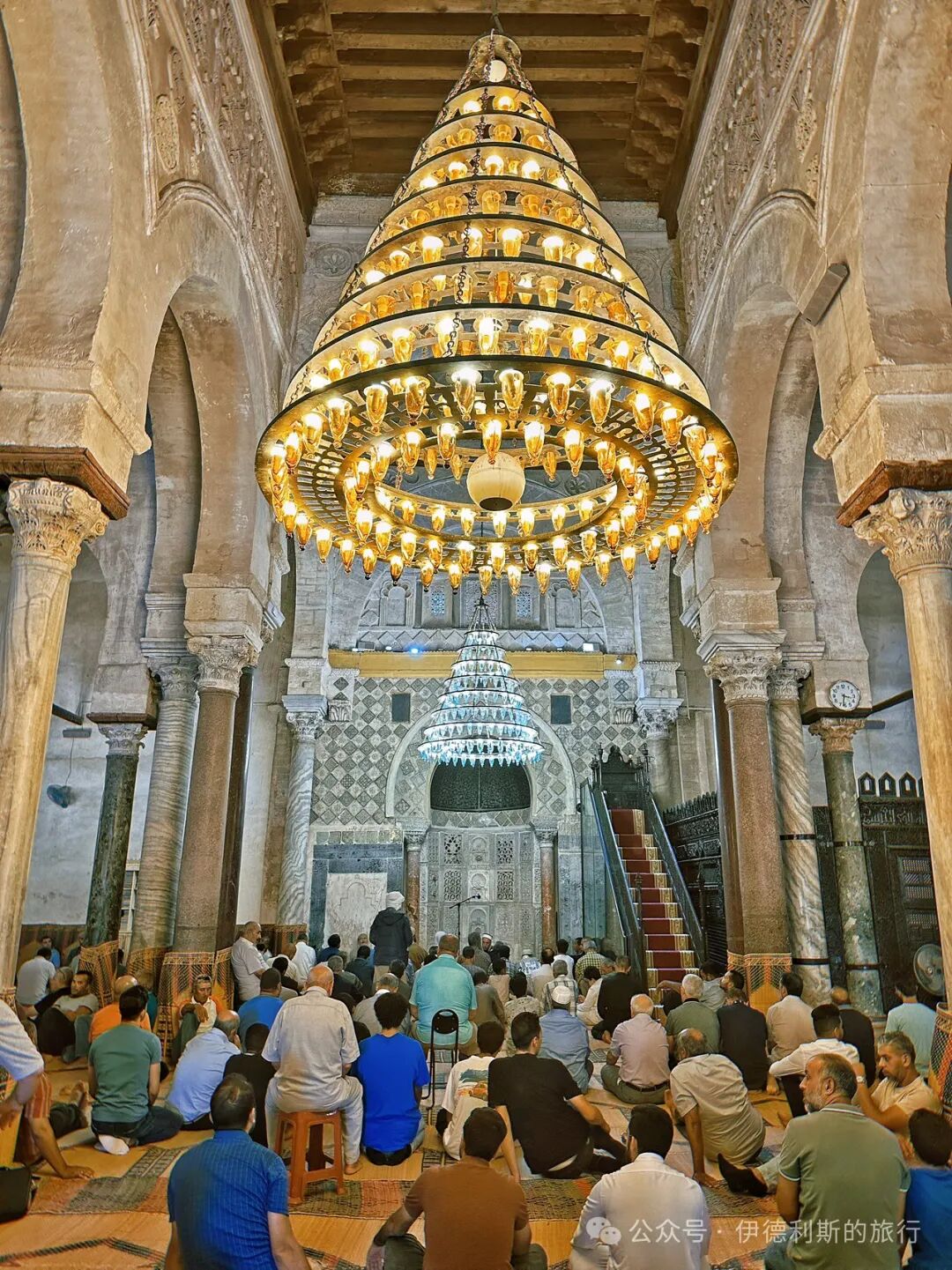
The mihrab of the Great Mosque is 5.1 meters high. It was built in 863 and is the oldest concave mihrab in the world. The main body of the mihrab is a horseshoe arch supported by two red marble columns. The columns have Byzantine-style capitals with very fine carvings.
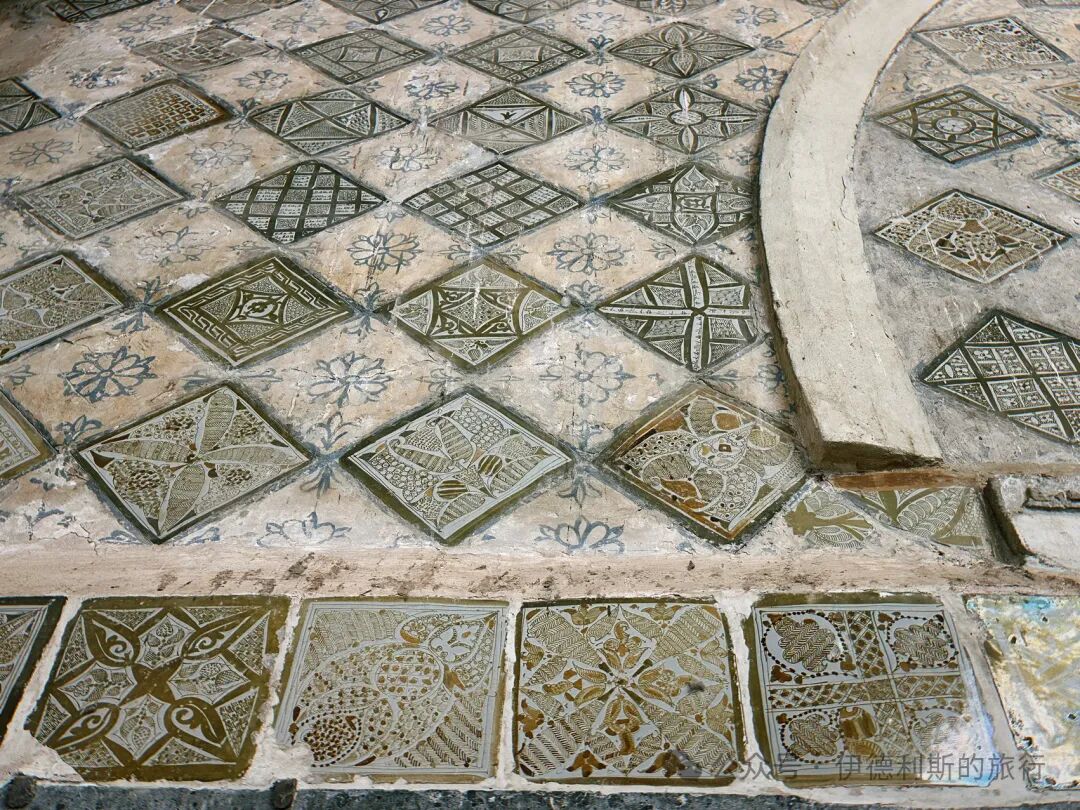
The upper part of the mihrab features 139 iridescent ceramic tiles fired in the second half of the 9th century. This metallic-lustre glazed pottery originated in Abbasid-ruled Iraq and was traded throughout West Asia and North Africa. It is not yet certain whether the iridescent tiles of the Great Mosque of Kairouan were fired in Iraq or if Iraqi craftsmen were invited to Kairouan to make them.
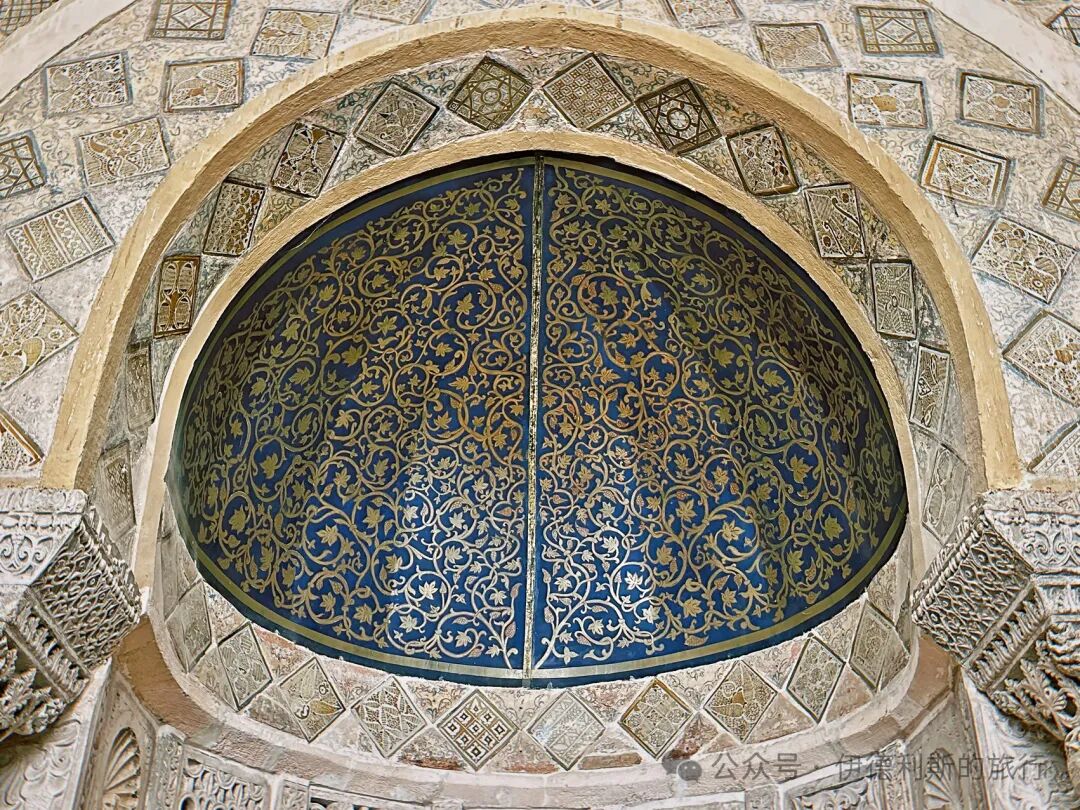
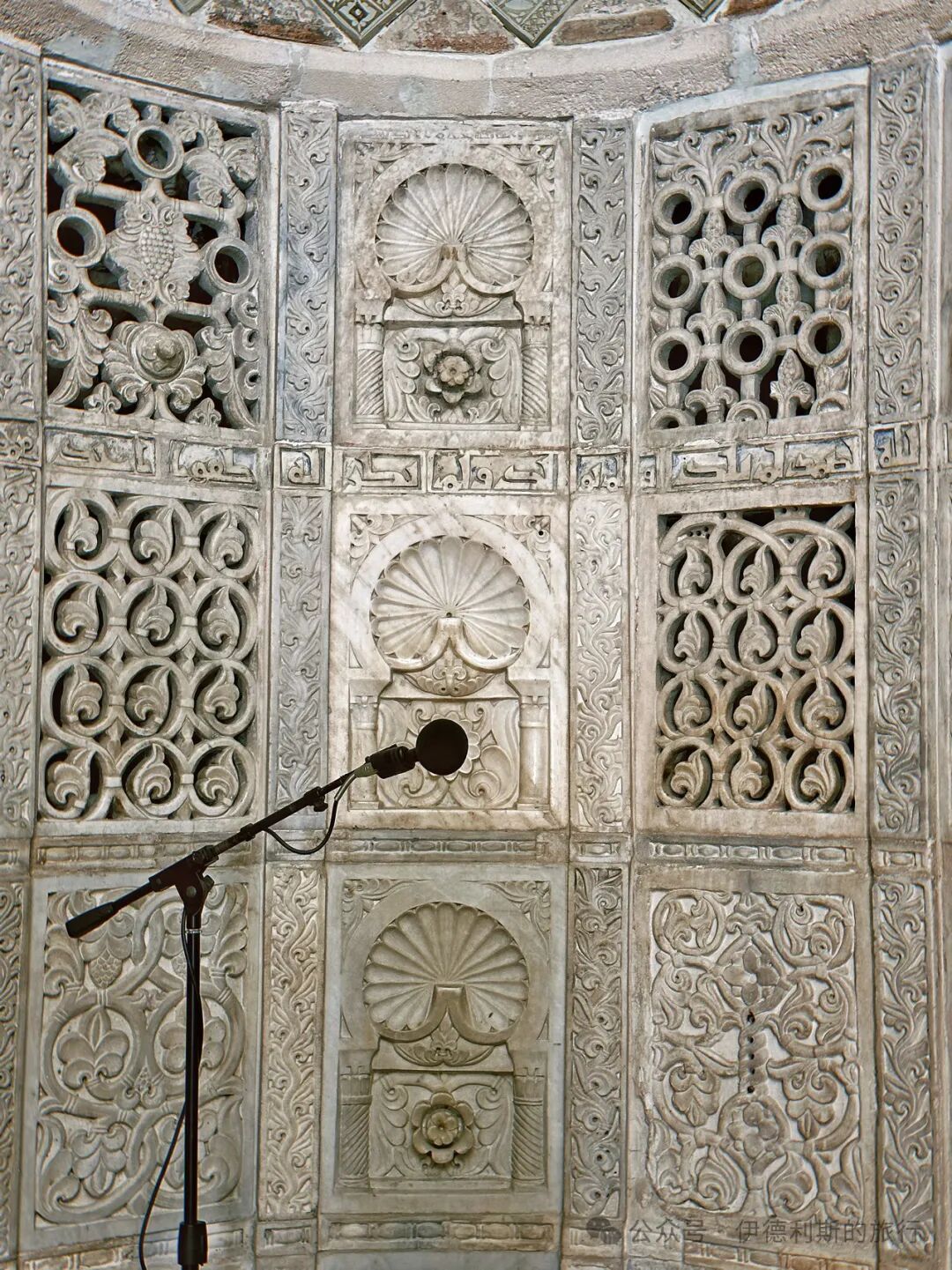
The concave center of the upper part is made of painted wood, featuring complex vine patterns in yellow on a blue background. The lower part is inlaid with 28 white marble slabs carved with complex floral and geometric patterns, including stylized grape leaves, flowers, and shells.
Next to the mihrab are the pulpit (minbar) for the Friday sermon and the enclosure (maqsurah) used by kings and nobles.
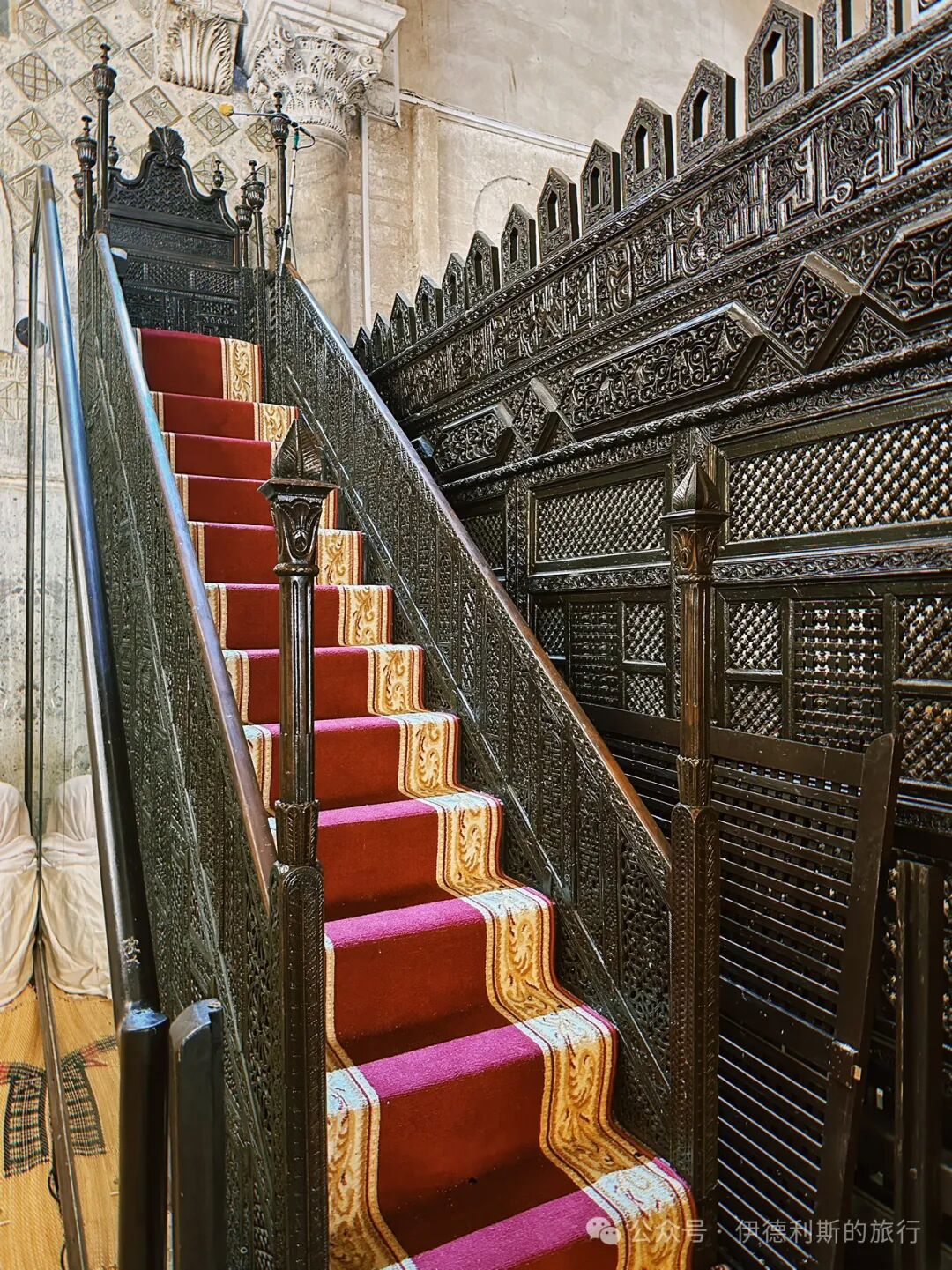
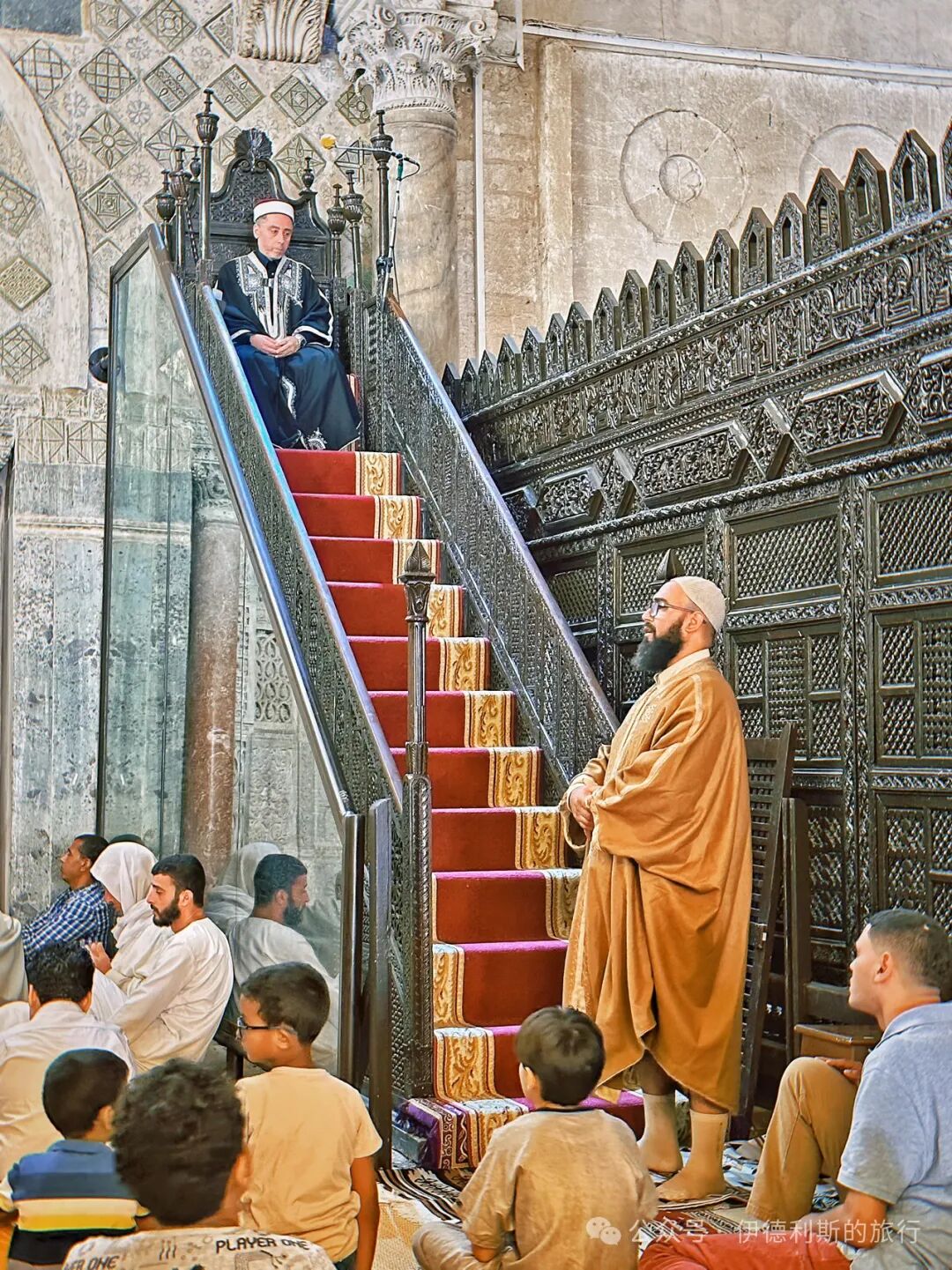
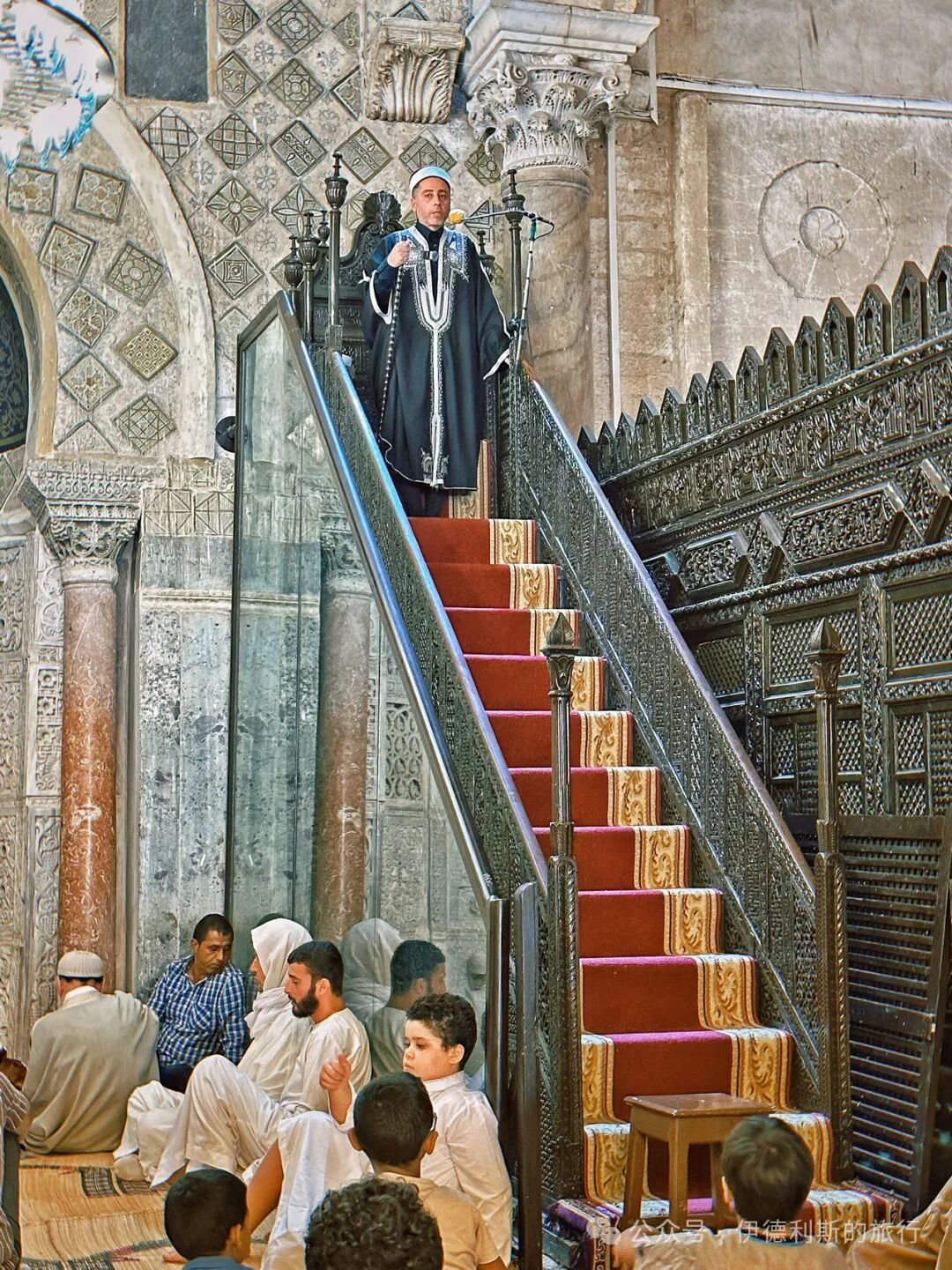
The minbar of the Great Mosque of Kairouan was also built in 863 and is the oldest surviving minbar in the world. The minbar is made of teak imported from India and is assembled from over 300 wooden panels carved with floral and geometric patterns. Although it was restored in the early 20th century, all but nine of the wooden panels are original pieces from over a thousand years ago. Today, the sides of the minbar are protected by glass, making it difficult to take photos due to the reflection.
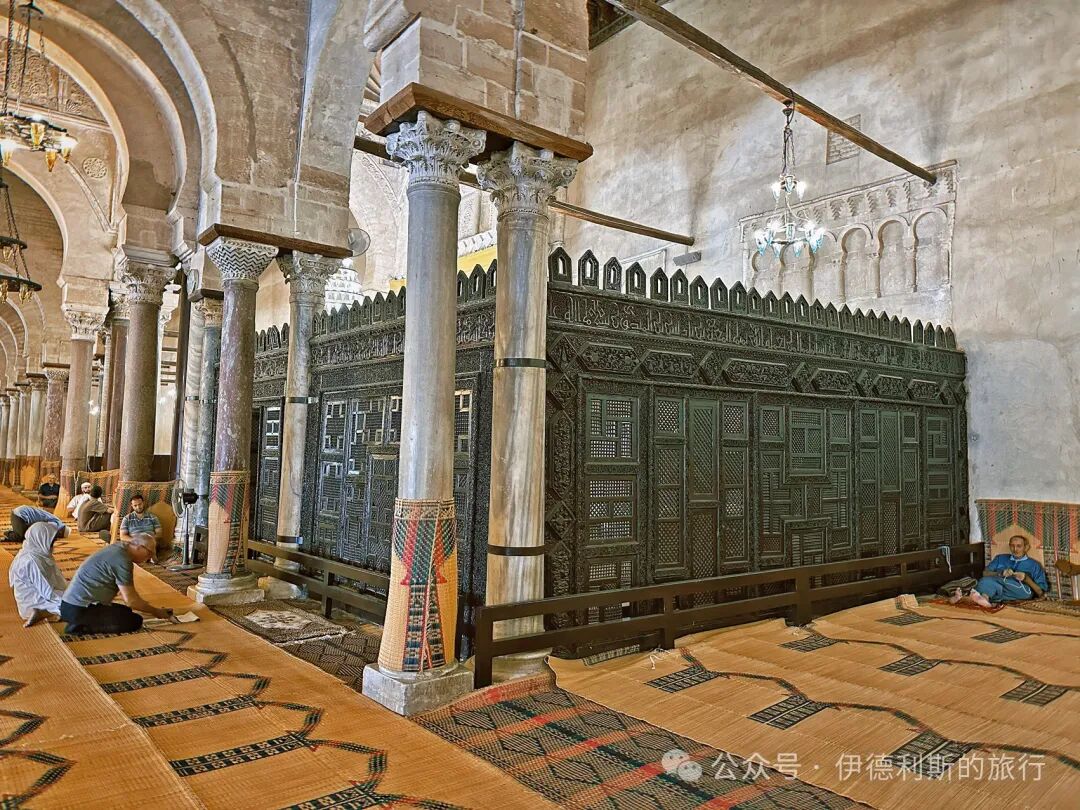
The maksura at the Great Mosque of Kairouan was built in the first half of the 11th century. It is the oldest maksura in the world still in use. The maksura at the Great Mosque of Cordoba in Spain was built in 965, but it is no longer used today. The maksura is made of cedar and is 14 meters long. It is carved with ornate Kufic calligraphy and floral patterns, representing the highest achievement in Tunisian carving art at that time.
The maksura originated during the time of Caliph Uthman in the mid-7th century. After Caliph Umar was assassinated inside the prayer hall, Uthman built a partition wall inside the hall to protect himself. Later, mosques where the Caliph resided would all have a maksura built inside.
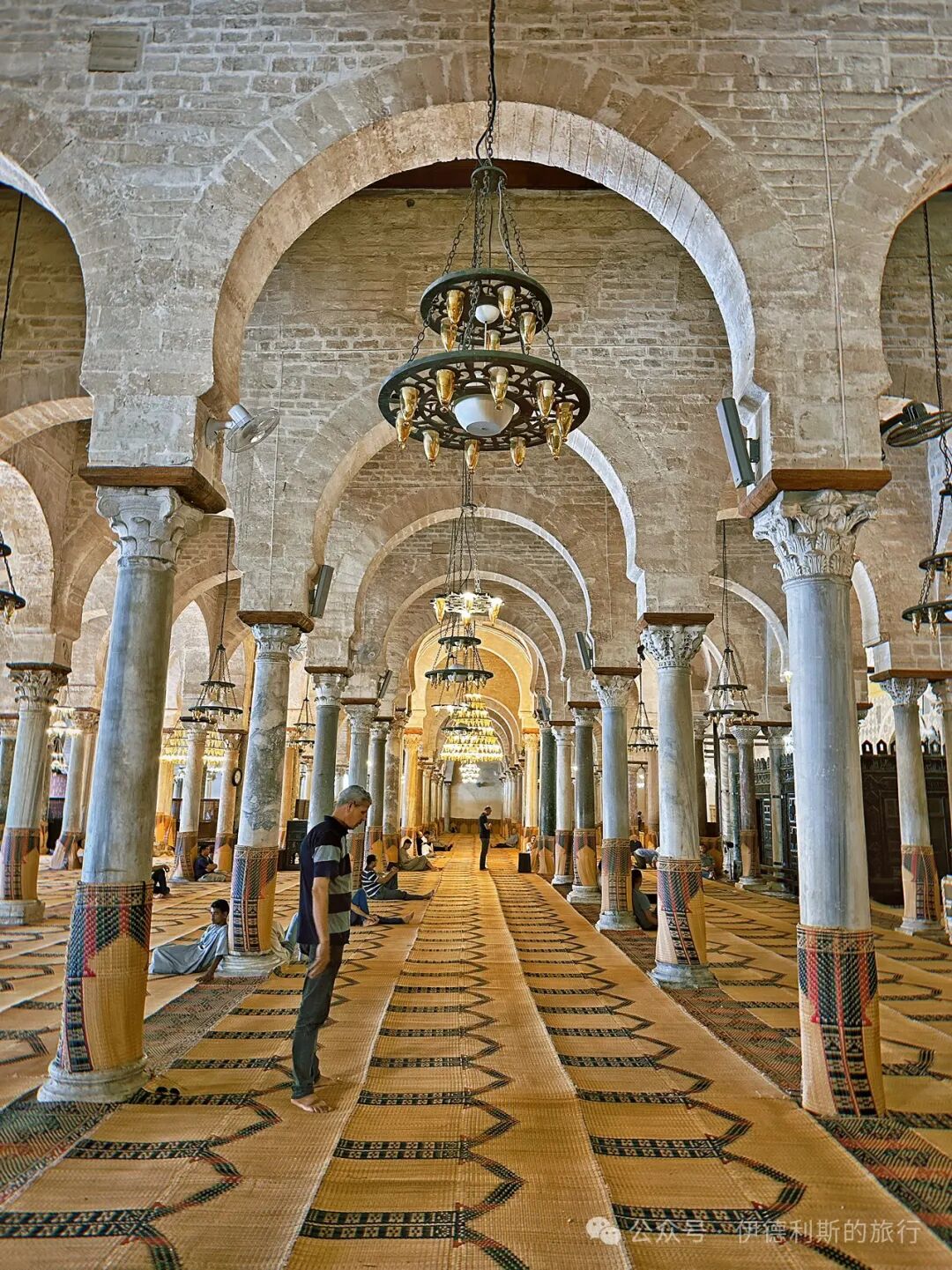
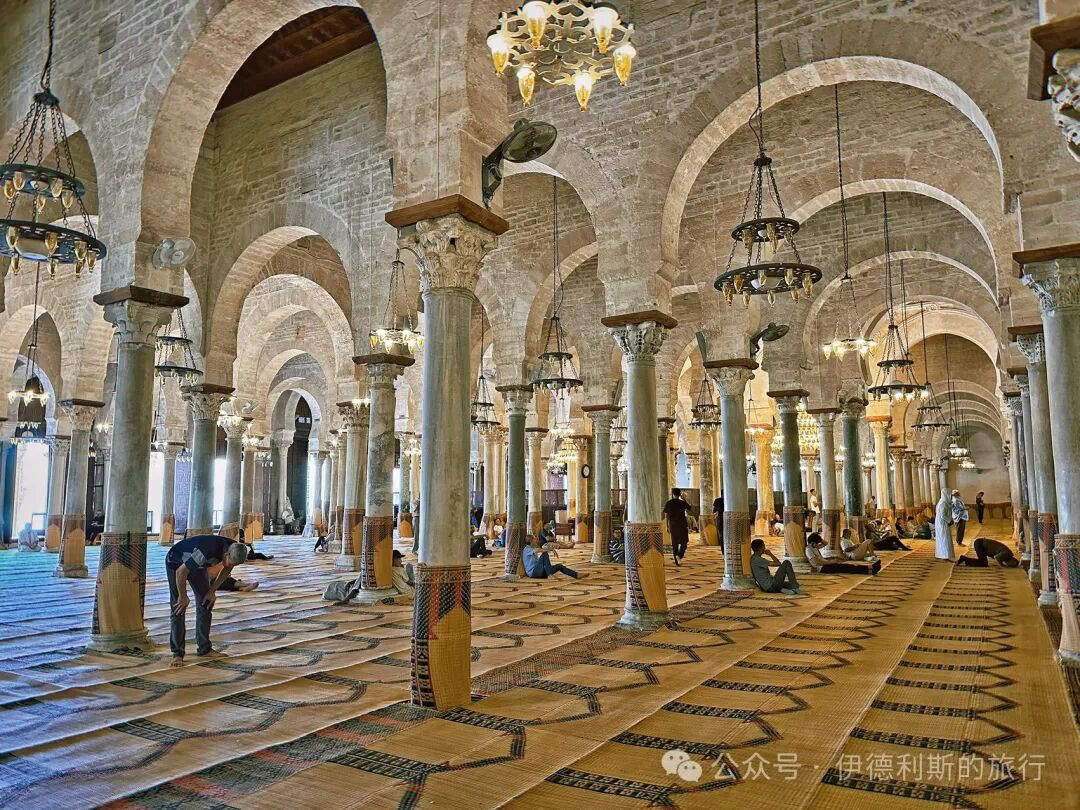
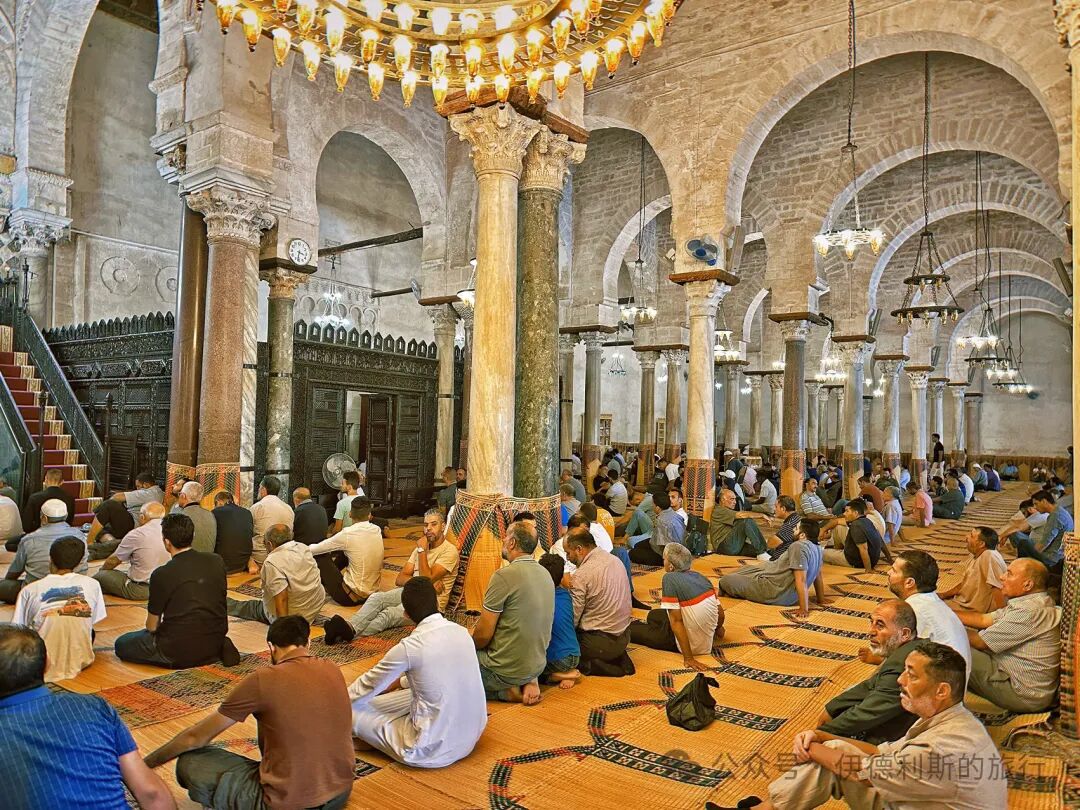
The prayer hall of the Great Mosque of Kairouan is 70.6 meters wide and 37.5 meters deep. It consists of 17 aisles, with the aisle directly facing the mihrab being the tallest and widest. This layout was later adopted by major mosques across the Maghreb and Andalusia.
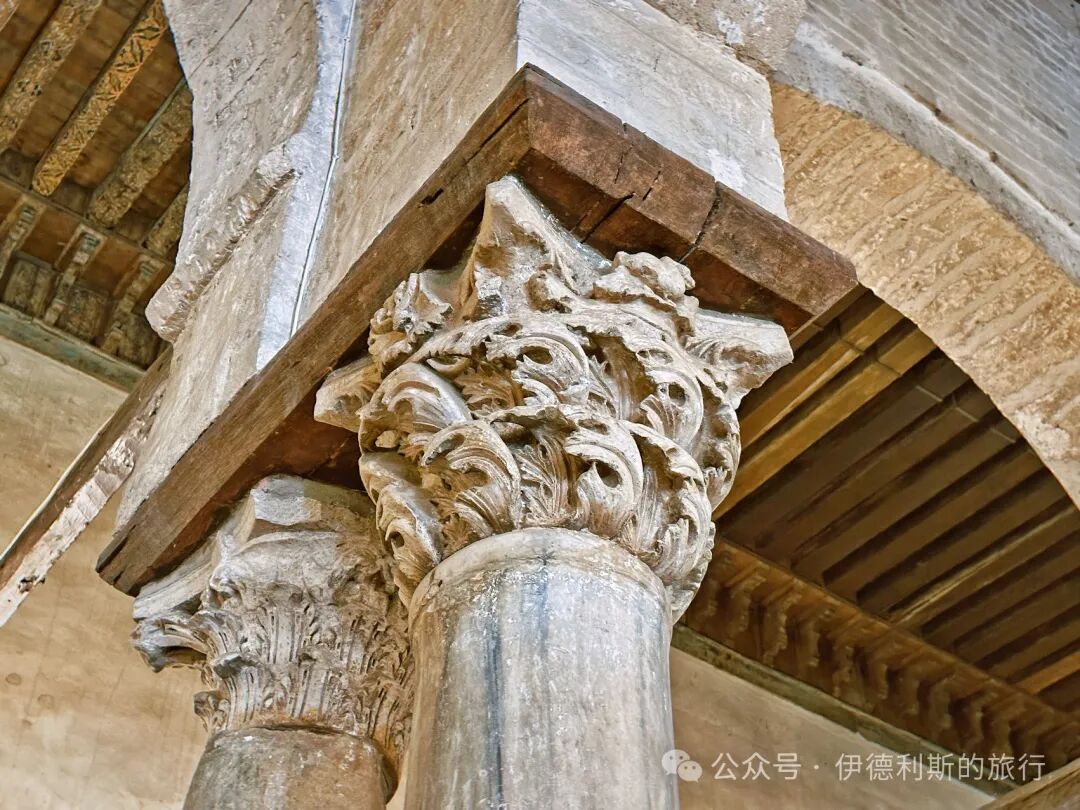
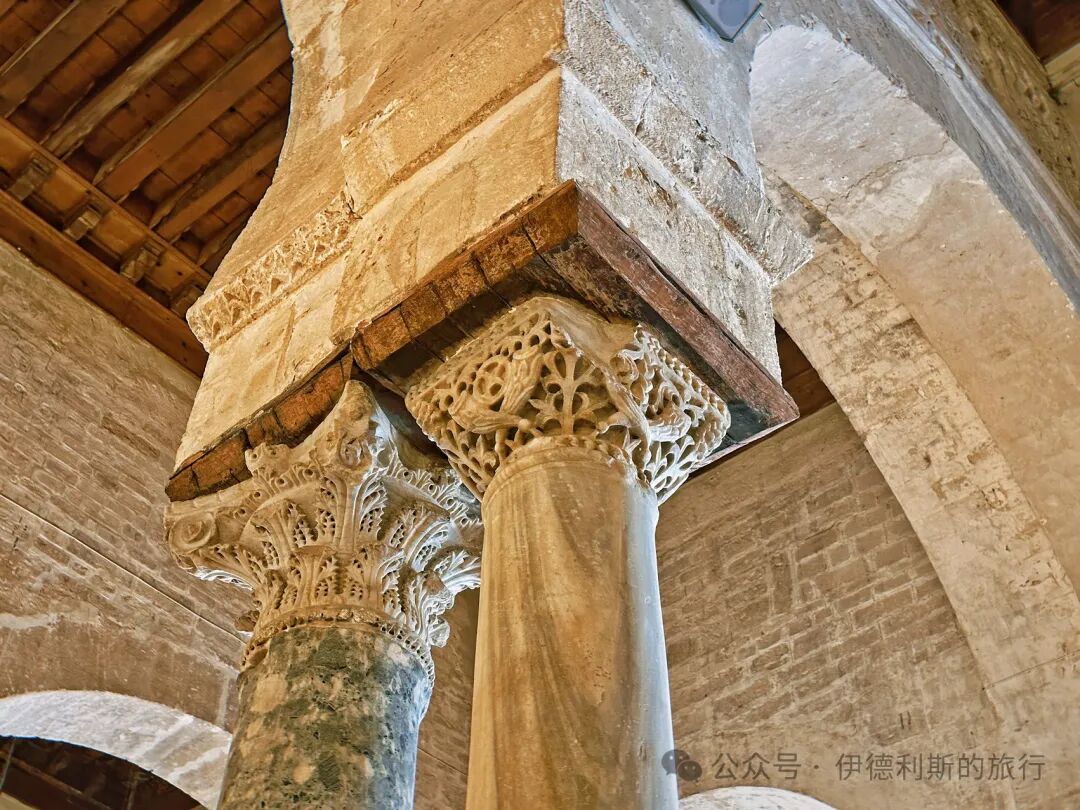
There are 414 stone columns inside the prayer hall. They are made of marble, granite, and porphyry, with capitals in styles including Corinthian, Ionic, and Composite. Some capitals were carved specifically for the prayer hall, while many others came from ancient Roman, Phoenician, and Byzantine sites in Tunisia, including the famous ancient city of Carthage.
The door inside the prayer hall's maksura is decorated with marble floral carvings. This door leads to the library behind the qibla wall, which is also where the imam usually stays. The imam only comes out from here to lead the prayer and deliver the khutbah.
The grand scene of Jumu'ah at the Great Mosque of Kairouan. After the adhan is finished, the imam slowly walks up the minbar to begin the khutbah. In Arabic-speaking regions, everyone understands the khutbah, so there is no sermon session beforehand.
Tunisia follows the Maliki school of thought. Their namaz movements are quite similar to our Hanafi school, including the initial takbir, but the main difference is that they also fold their arms when making intention.
After the prayer, we stood for janazah outside the prayer hall door. Because Jumu'ah was at three o'clock, we immediately returned to the prayer hall to perform Dhuhr after finishing.
From the 9th to the 11th century, the Great Mosque of Kairouan was the academic center for the entire Maghreb region and the Maliki school. to religious courses, it offered subjects like mathematics, astronomy, medicine, and botany. In 1045, the Zirid dynasty court in Kairouan announced its conversion to Sunni Islam. Upon hearing this, the Shi'a Fatimid dynasty in Egypt sent a group of Arab tribes to invade Kairouan. In 1057, these Arab tribes occupied and destroyed Kairouan. The Great Mosque of Kairouan declined from then on and did not slowly recover until after the 13th century.
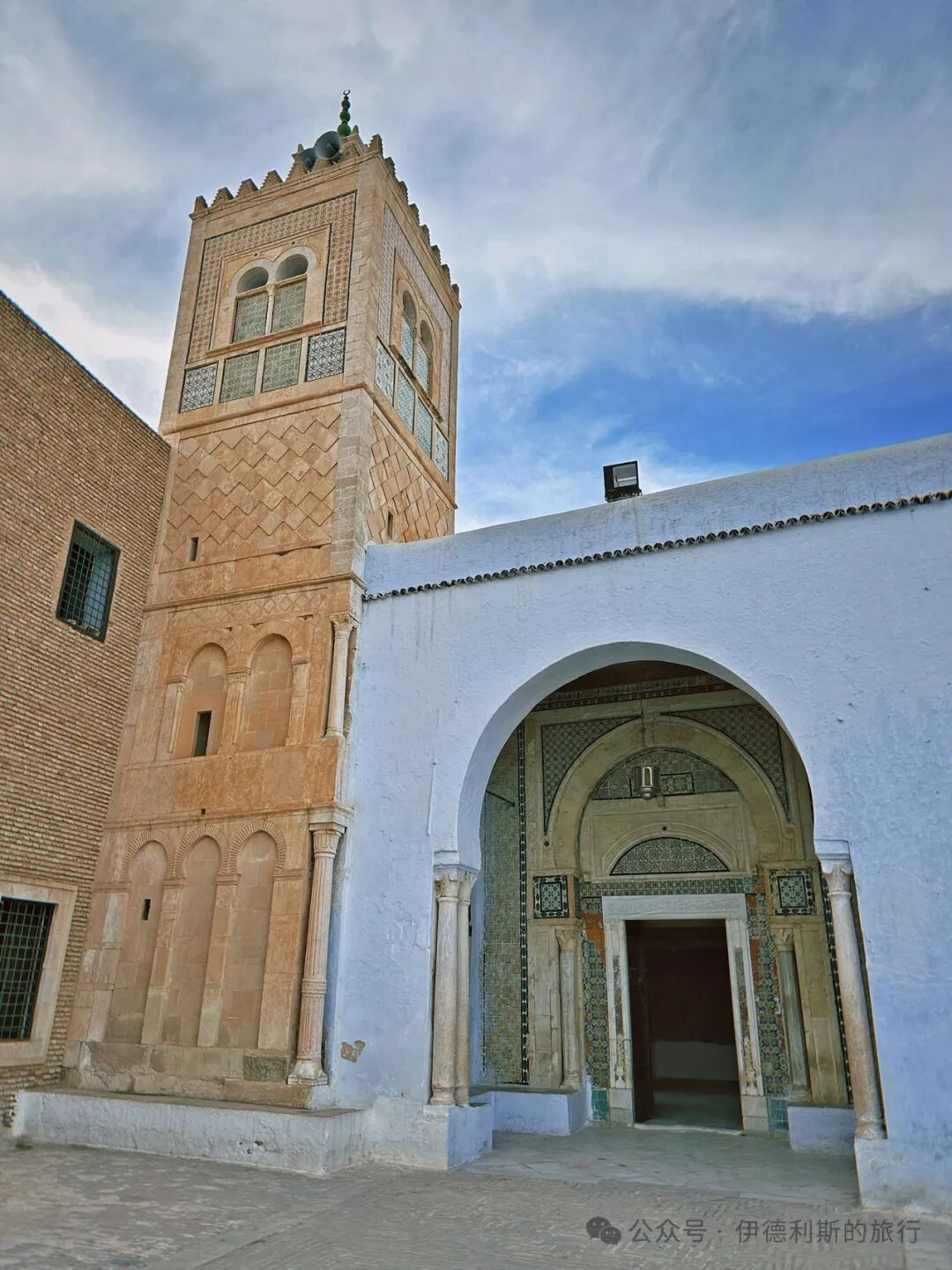
After leaving the Great Mosque of Kairouan, we started exploring the ancient medina of Kairouan. Besides the Great Mosque, the other ancient mosque remaining in Kairouan is the Mosque of the Three Doors (Masjid al-Thalathat Abwab), built in 866. This mosque has the oldest decorated facade of any religious building in the world.
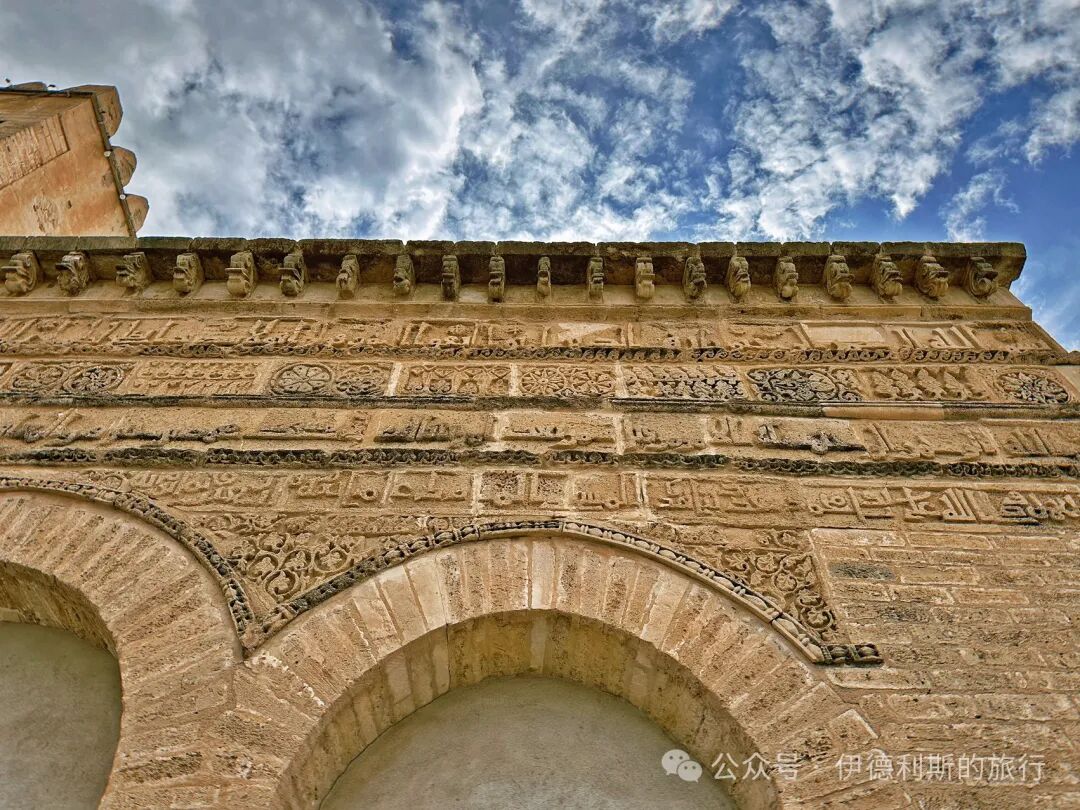
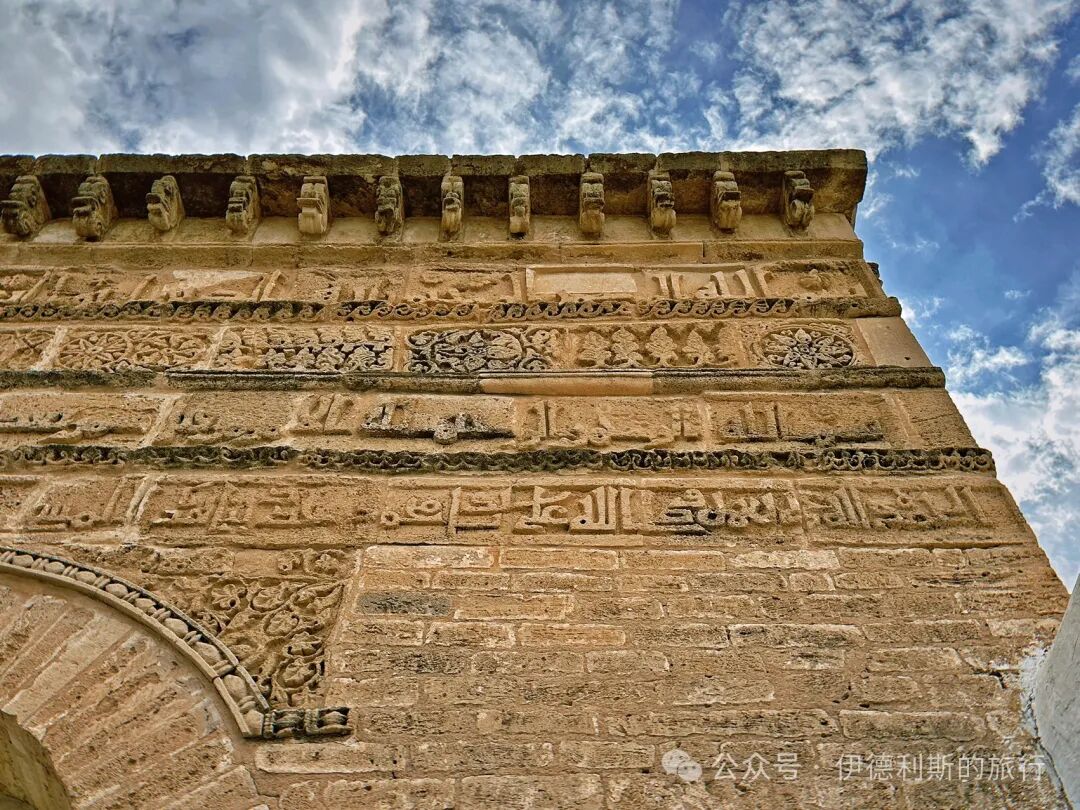
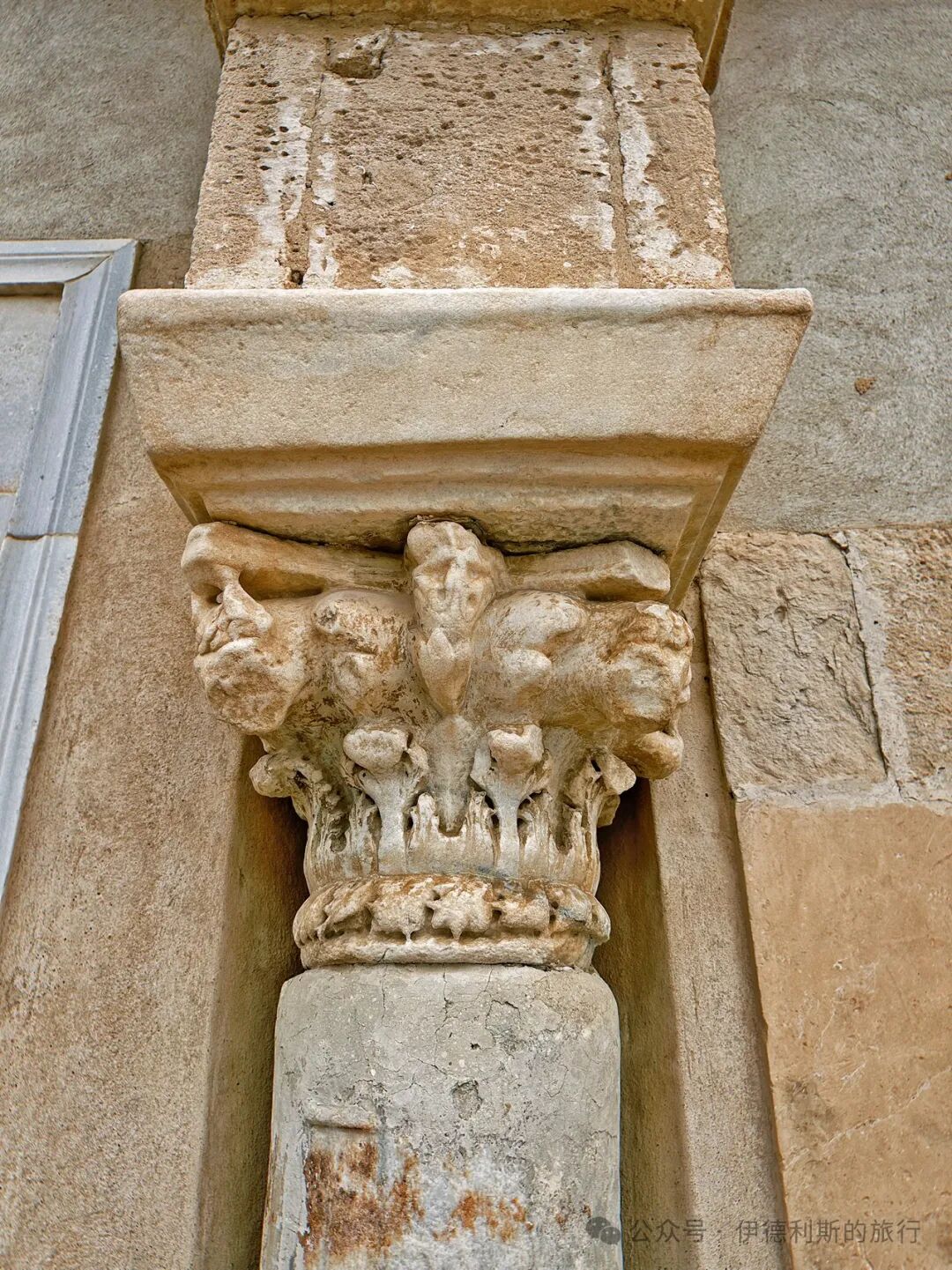
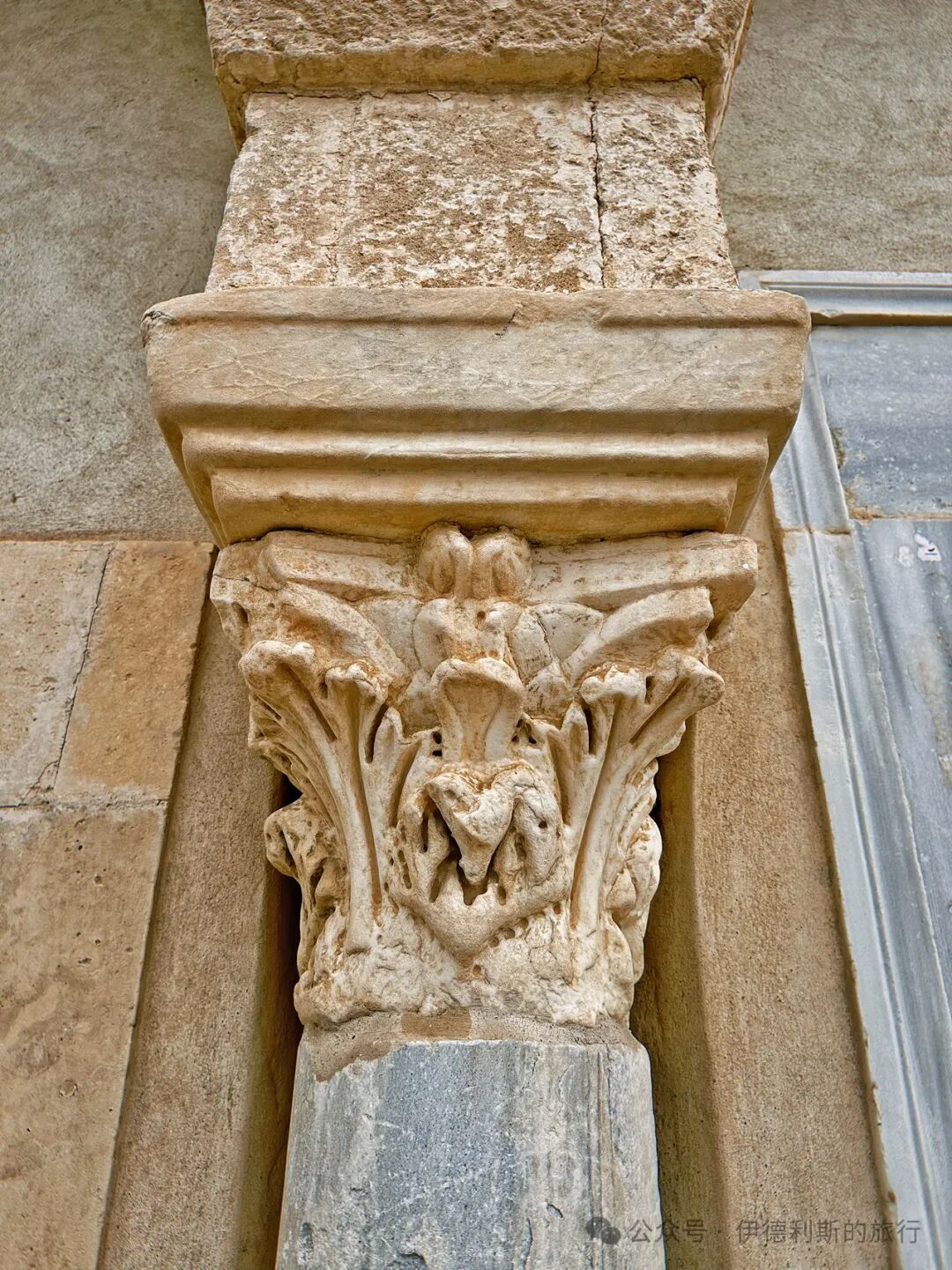
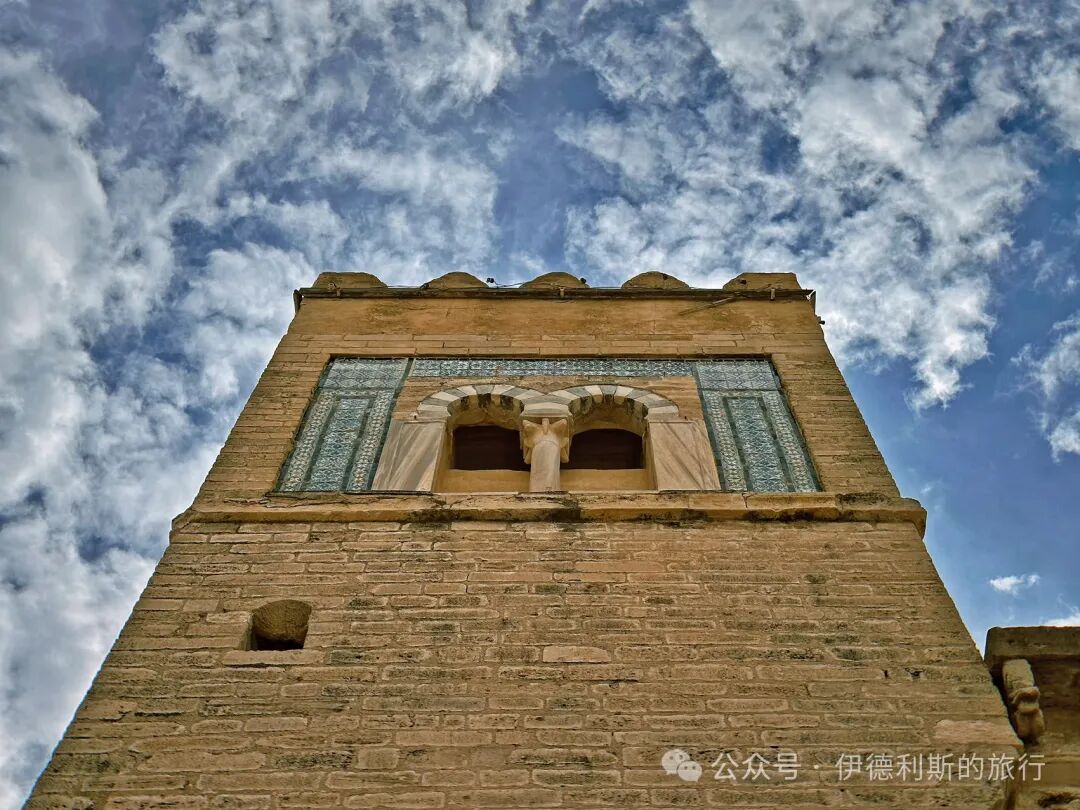
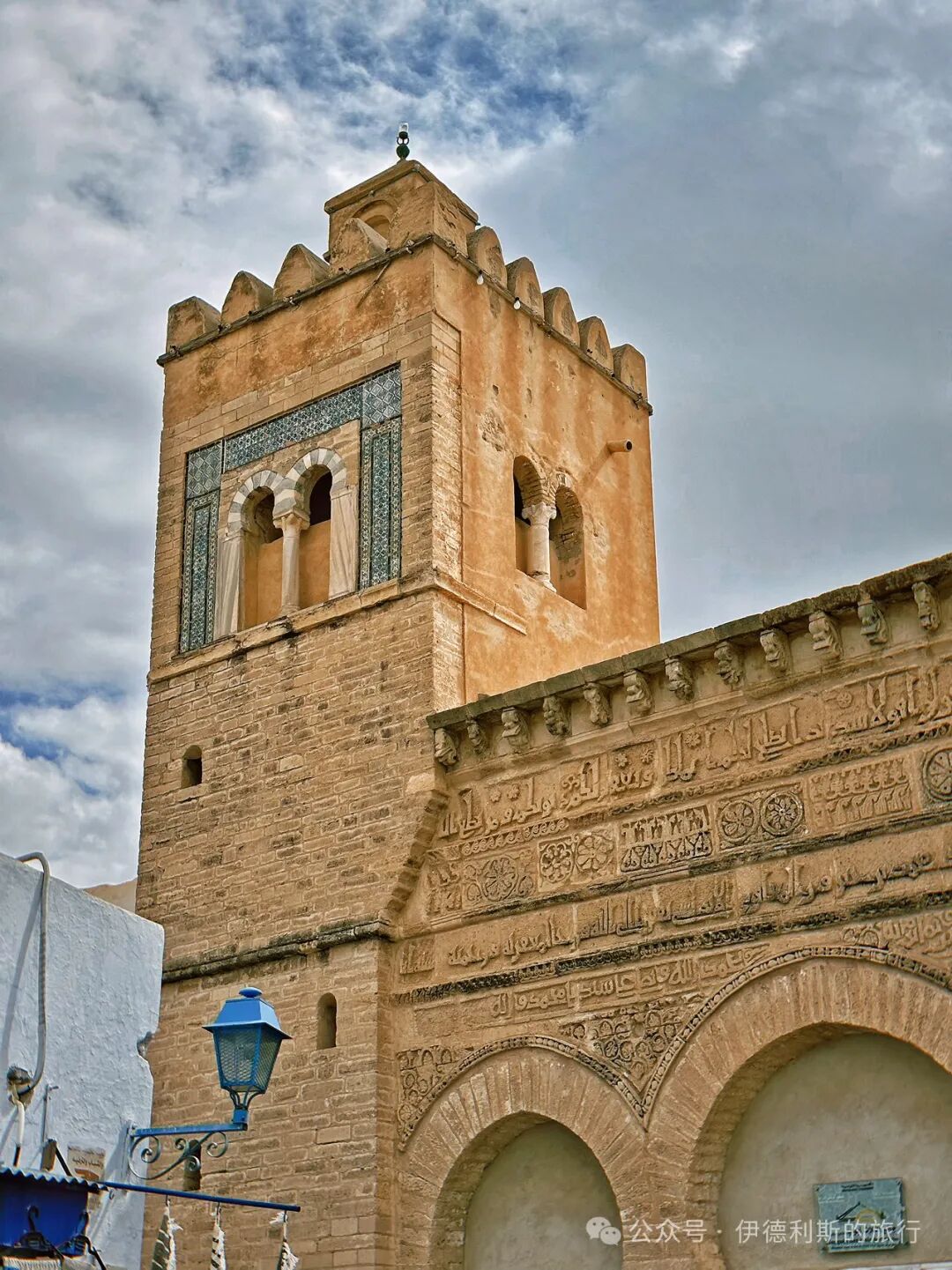
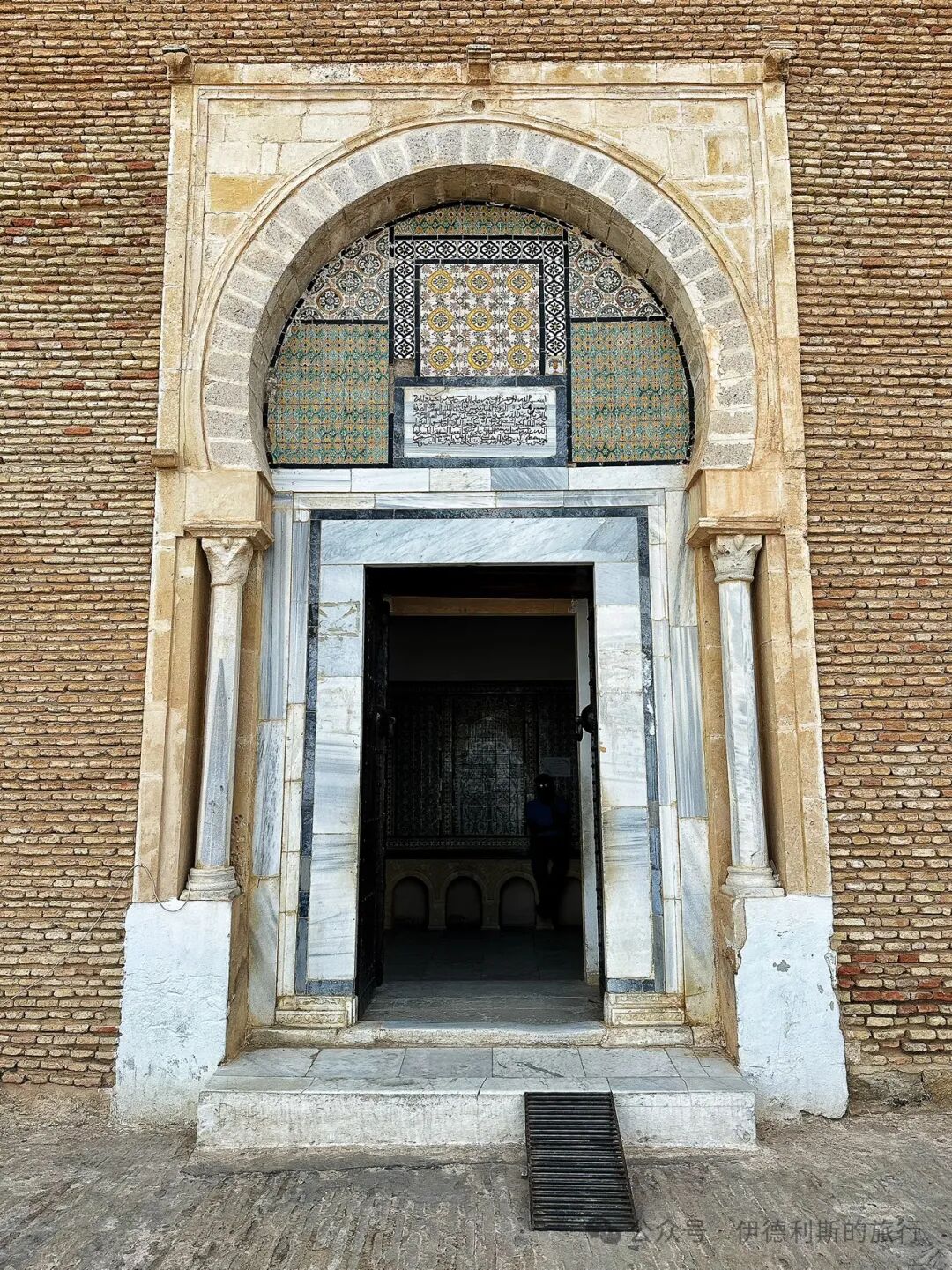
Today, only the facade of the Mosque of the Three Doors retains its 9th-century appearance, while the minaret next to it was added in 1440. The gate of the Mosque of the Three Doors consists of three horseshoe arches and features four ancient stone columns. The arch is carved with floral patterns and Kufic calligraphy, which includes verses from the Quran and the name of the builder, Muhammad ibn Khairun. Muhammad ibn Khairun was a scholar and merchant from Andalusia who traveled through Iraq and Egypt to reach Kairouan, Tunisia. When the minaret was added in 1440, the original 9th-century inscriptions were rearranged to make room for the new text.
In the northwest of the Kairouan Medina stands an important tomb for Sidi Sahib, a companion of the Prophet and his barber, which is why it is also called the Barber Mosque.
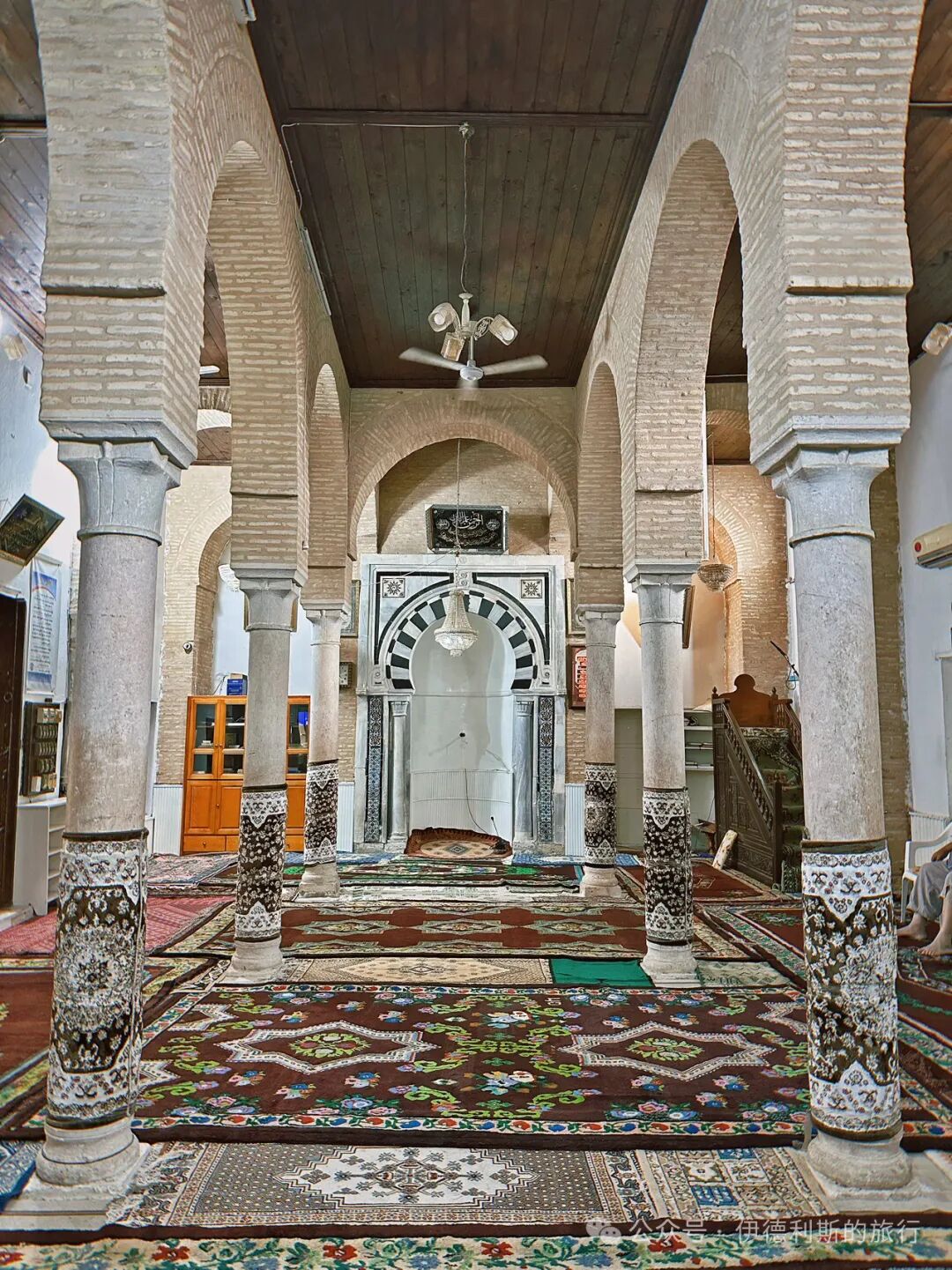
Legend says Sidi Sahib died in a battle in 654 and was buried here. By the 11th century, this place had become a famous holy site, and the tomb shrine (gongbei) was built in the 14th century. The Bey of Tunis, Hammuda Pasha (reigned 1631-66), expanded the tomb significantly in 1629 and built a new main hall. Another Bey, Mohamed (reigned 1675-96), built the minaret and a religious school (madrasa) between 1690 and 1695. Since the 19th century, the tomb of Sidi Sahib has undergone several renovations, but it still keeps its 17th-century architectural style.
The tomb of Sidi Sahib in Kairouan blends Andalusian, Italian Renaissance, and local Kairouan architectural styles. The interior features many classic 17th-century Tunisian Qallalin tiles and rich plaster carvings.
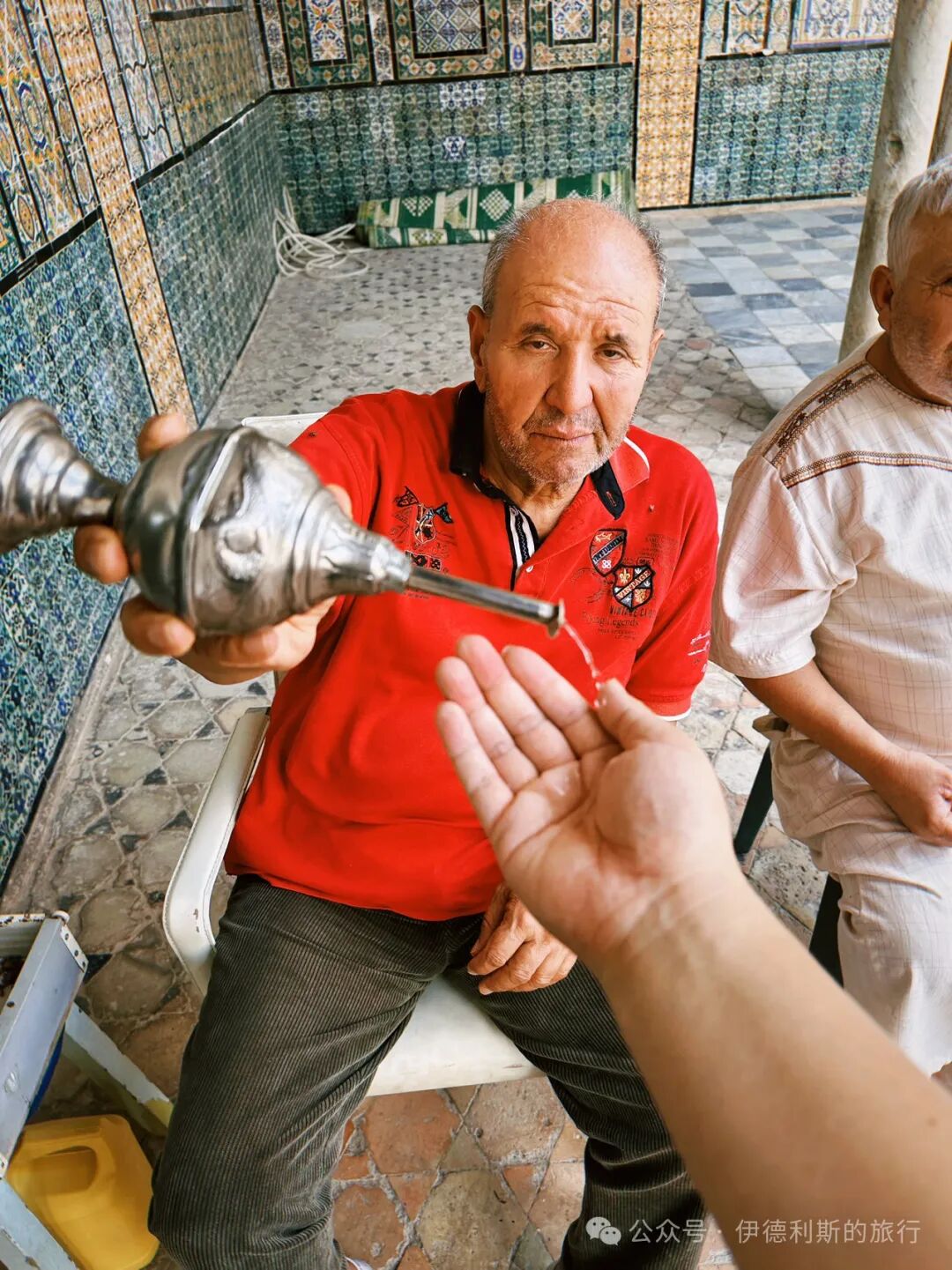
At the minaret, gate, and main hall of the Sidi Sahib tomb in Kairouan, an old man in the courtyard pours perfume into the hands of every visitor (dosti) who comes to pay their respects.
The Sidi Abid al-Ghariani school (madrasa) and shrine (zawiya) inside the Kairouan Medina were founded in the 14th century and expanded significantly in the 17th century. Abid al-Ghariani was a scholar, and his teacher, Al-Jadidi, was a famous judge in Kairouan. Al-Jadidi passed away in 1384 while on the Hajj pilgrimage in Mecca. Abid al-Ghariani took over his teacher's role to continue teaching in Kairouan, and after he died in 1402, he was buried next to the school.
Besides Abid al-Ghariani, the Hafsid dynasty Caliph Moulay Hasan (reigned 1526-1543) is also buried here. In 1534, the famous pirate Barbarossa led a fleet to invade Tunisia. Moulay Hasan eventually took back Tunisia with the help of the Holy Roman Empire, but he had to sign a treaty to become a vassal of Spain. In 1542, while Moulay Hasan was traveling to Italy to collect weapons and ammunition, his son usurped the throne, and he was eventually exiled. He lived in Naples and Sicily for several years and later met with the Holy Roman Emperor and the Pope, becoming the most well-known Arab monarch to Europeans of that era.
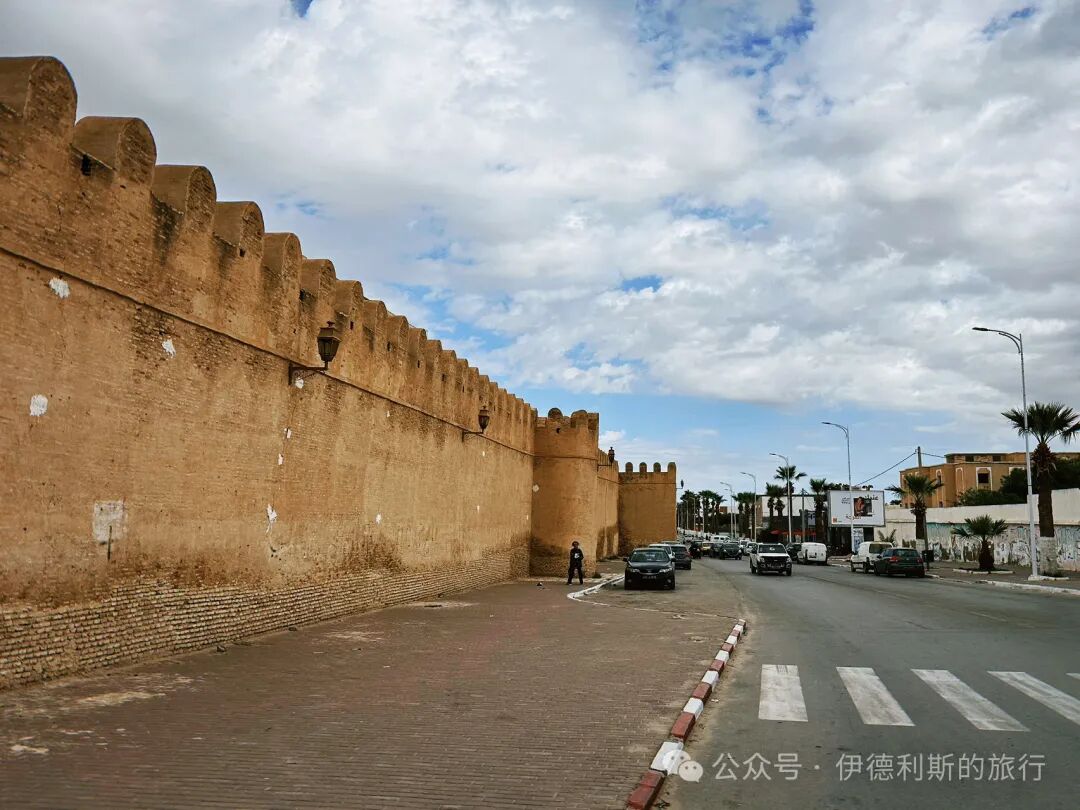
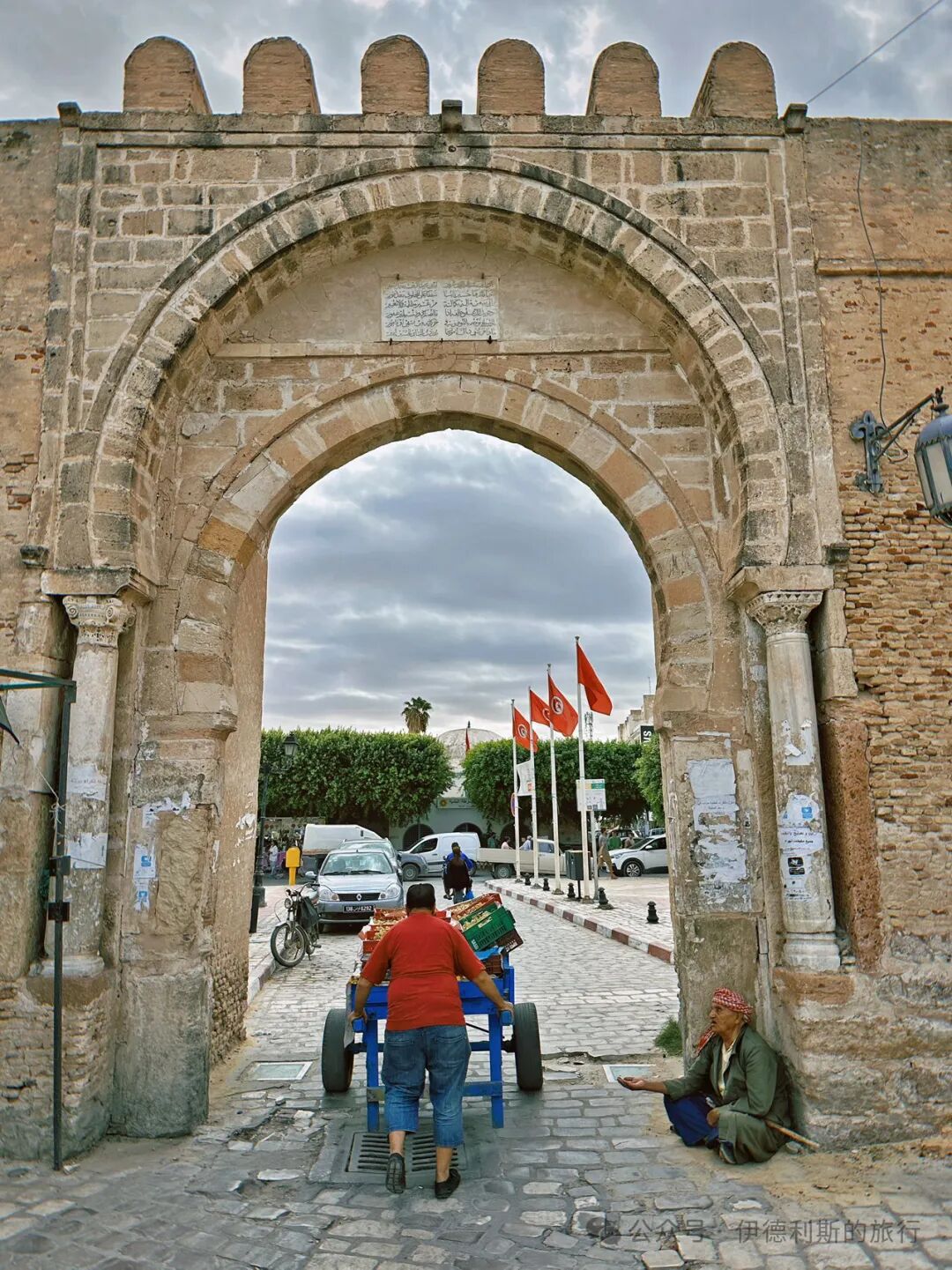
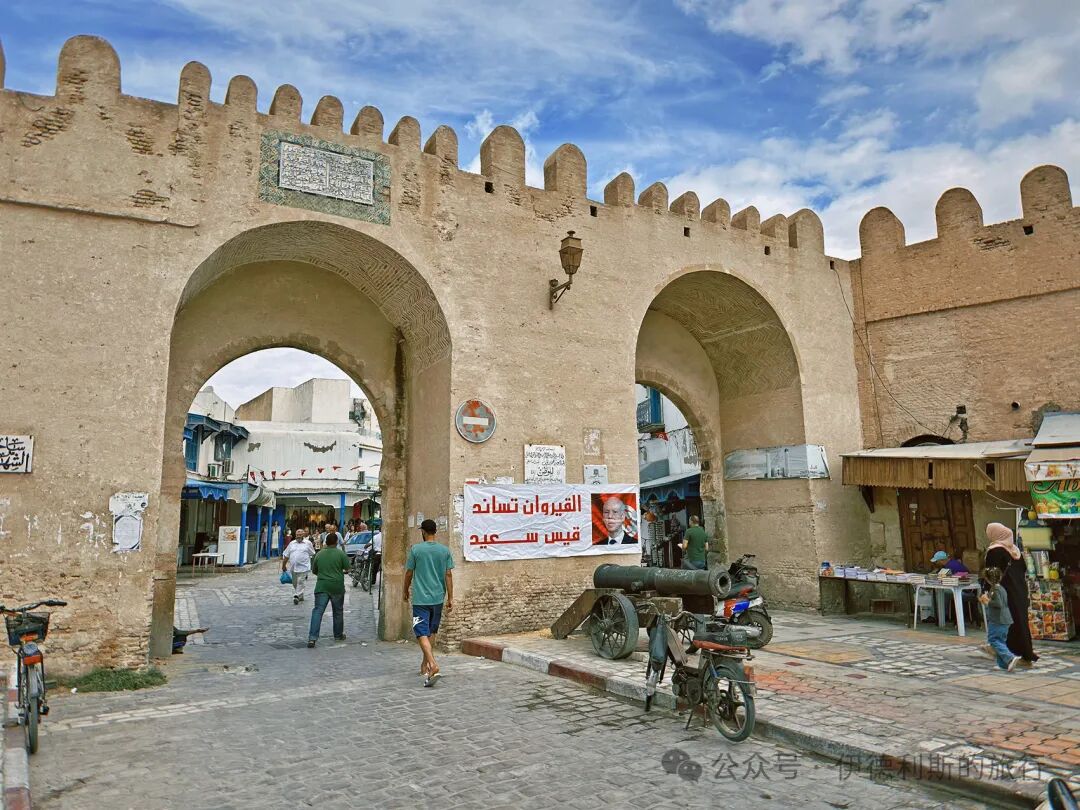
The city walls and gates of the Kairouan Medina.
Kairouan was founded in 670 by the Arab Umayyad general Uqba ibn Nafi, who chose the site to serve as a military base for the Arab conquest of Tunisia. Over the next hundred years, the Berbers launched wave after wave of uprisings against the Arabs. After surviving many attacks, Kairouan was finally captured by the Berbers in 745 and was not retaken until the end of the 8th century. view all
Summary: This first part follows a visit to the Great Mosque of Kairouan for Jumu'ah in one of Tunisia's most important Islamic cities. It keeps the original prayer experience, mosque history, photographs, and travel details for readers interested in Muslim heritage in North Africa.
On Friday, we left from the Louage station south of Sousse and reached Kairouan, the most important ancient city in Tunisia, in just one hour. The Louage station in Kairouan is on the west side of the city, but you can ask the driver to drop you off right at the gate of the Great Mosque of Kairouan.
When we arrived at the Great Mosque at twelve o'clock, it was already closed. A young man at the gate told us that other mosques in Kairouan hold Jumu'ah prayer at one o'clock, but only the Great Mosque holds it at three, so he suggested we come back later.
We used this time to look at the exterior of the mosque. The Great Mosque of Kairouan is the oldest and most spectacular Jumu'ah mosque in Tunisia. It was first built in 670 by order of Uqba ibn Nafi, a general of the Arab Umayyad Caliphate. It was destroyed by Christian Berbers in 690 and rebuilt by the Umayyad Caliphate in 703. As the Arab population in Tunisia grew, the number of Muslims in Kairouan increased. The Great Mosque was rebuilt and renovated many times between 724-728, 774, 836, 862-863, and 875, finally taking its current form in the 9th century.
The Great Mosque is a huge, irregular quadrilateral with a perimeter of 405 meters, looking like a fortress from the outside. The outer walls are 1.9 meters thick and built from stone, rubble, and bricks. Because the ground is quite soft, many buttresses were built on the outer walls to increase stability.
The Great Mosque has nine gates, some of which have porches and spiral-shaped domes. Bab Lalla Rihana on the southeast side was built in 1293 during the Hafsid dynasty. It features a horseshoe arch and ancient stone columns that blend perfectly with the 9th-century walls.
While waiting for Jumu'ah, we had lunch at El Brija Restaurant, located on the city wall next to the Great Mosque. The atmosphere and service were both good, and they serve traditional Tunisian food. I recommend eating here when visiting the Great Mosque.
We ordered a traditional appetizer platter and a mixed couscous stew. When eating at a proper restaurant in Tunisia, you really only need to order the main course, as most places provide side dishes and bread.
Our appetizer platter included Tunisian salad, Houria carrot salad, and Mechouia green pepper salad. We ate these three dishes almost every day in Tunisia. Tunisian salad is made of diced cucumbers, tomatoes, and onions mixed with olive oil, topped with boiled eggs and tuna. Mechouia salad contains green peppers, tomatoes, onions, garlic, and more. Tunisians love it, and it is rich in vitamins and very healthy. The couscous stew was very rich, containing lamb, Merguez sausage, chicken, beef, dried fruits, and preserved fruits. The Merguez sausage is seasoned with cumin and chili, making it very flavorful.
After the meal, we were served mint tea and Makroudh dessert. Makroudh is a classic North African Maghreb snack for breaking the fast. It is made of semolina on the outside, filled with date paste and dried fruits, then baked and soaked in syrup.
We returned to the Great Mosque after two o'clock, and people were already entering the prayer hall. Once inside the courtyard, the first thing you see is the oldest minaret (bangke ta) still in existence today. The minaret of the Great Mosque of Kairouan was built between the 8th and 9th centuries. The current structure mostly dates back to 836. It is one of the three most important early minarets, alongside the spiral minaret of the Great Mosque of Samarra in Iraq, built between 848 and 852, and the spiral minaret of the Abu Dulaf Mosque in Iraq, built in 859. These three served as models for later minarets across Andalusia and the Maghreb.
There were no minarets during the time of the Prophet and the four Caliphs. People called for prayer (adhan) from the mosque entrance or the roof. Platforms for calling the adhan appeared during the Umayyad dynasty in the 7th century, but true minarets did not emerge until the Abbasid dynasty in the 8th century. There is no final conclusion on the origin of the minaret. Some say it mimics the towers of Syrian churches, while others suggest it was inspired by the Lighthouse of Alexandria or Mesopotamian ziggurats. Four towers were built during the reconstruction of the Sacred Mosque in Mecca in the late 8th century, but they have not survived. The earliest surviving minarets are the one at the Great Mosque of Kairouan and the two in Iraq. The Bride's Minaret at the Umayyad Mosque in Damascus may also date to the 9th century, but there is no clear record of this.
The minaret of the Great Mosque of Kairouan is 31.5 meters tall. Its base dates back to the Umayyad period in 725, and you can see Latin inscriptions from the Roman era on the walls. The first and second levels of the minaret were built in 836 using carefully cut stone. The side facing the courtyard has windows, while the other three sides have arrow slits. The third level of the minaret is a four-arched structure (chahartaq), which was likely added later.
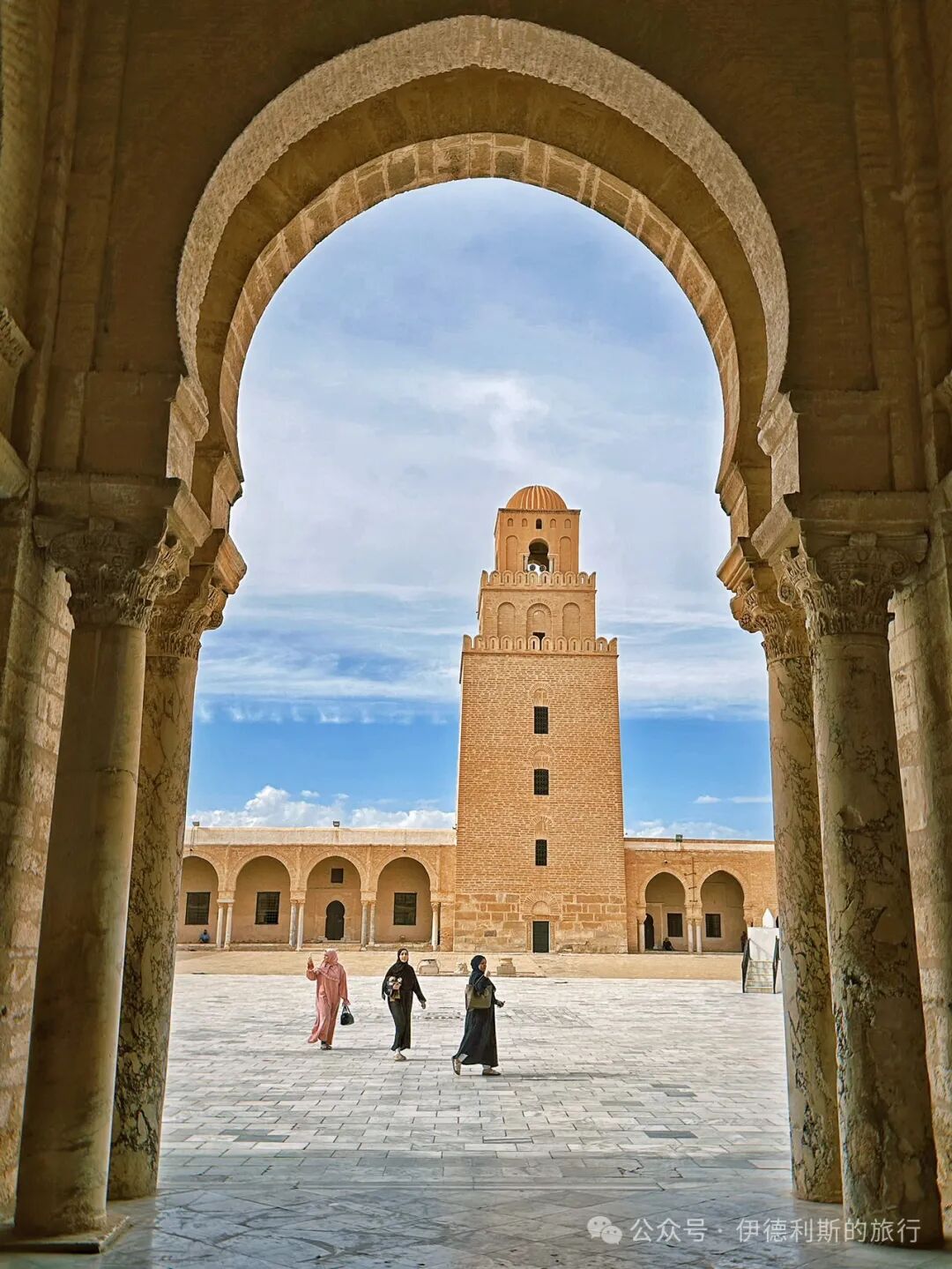
Three sides of the Great Mosque are surrounded by double-row horseshoe-shaped arcades. The columns come from various ancient Roman and Byzantine ruins, including some from the famous site of Carthage.
There is a dome above the main entrance of the prayer hall and another above the mihrab. These domes, built in 836, are important examples of early mosque domes.
The prayer hall connects to the arcades through 17 carved wooden doors. The most beautiful one in the center was built in 1828 and features rich geometric and floral patterns.
The mihrab of the Great Mosque is 5.1 meters high. It was built in 863 and is the oldest concave mihrab in the world. The main body of the mihrab is a horseshoe arch supported by two red marble columns. The columns have Byzantine-style capitals with very fine carvings.
The upper part of the mihrab features 139 iridescent ceramic tiles fired in the second half of the 9th century. This metallic-lustre glazed pottery originated in Abbasid-ruled Iraq and was traded throughout West Asia and North Africa. It is not yet certain whether the iridescent tiles of the Great Mosque of Kairouan were fired in Iraq or if Iraqi craftsmen were invited to Kairouan to make them.
The concave center of the upper part is made of painted wood, featuring complex vine patterns in yellow on a blue background. The lower part is inlaid with 28 white marble slabs carved with complex floral and geometric patterns, including stylized grape leaves, flowers, and shells.
Next to the mihrab are the pulpit (minbar) for the Friday sermon and the enclosure (maqsurah) used by kings and nobles.
The minbar of the Great Mosque of Kairouan was also built in 863 and is the oldest surviving minbar in the world. The minbar is made of teak imported from India and is assembled from over 300 wooden panels carved with floral and geometric patterns. Although it was restored in the early 20th century, all but nine of the wooden panels are original pieces from over a thousand years ago. Today, the sides of the minbar are protected by glass, making it difficult to take photos due to the reflection.
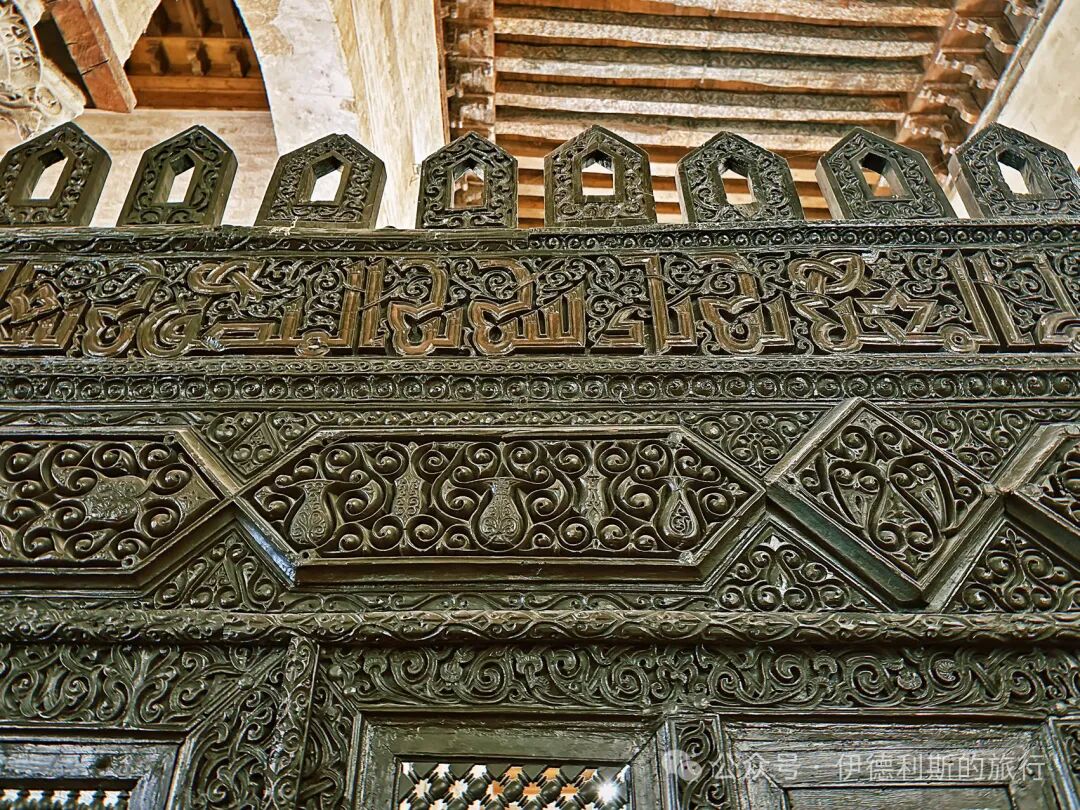
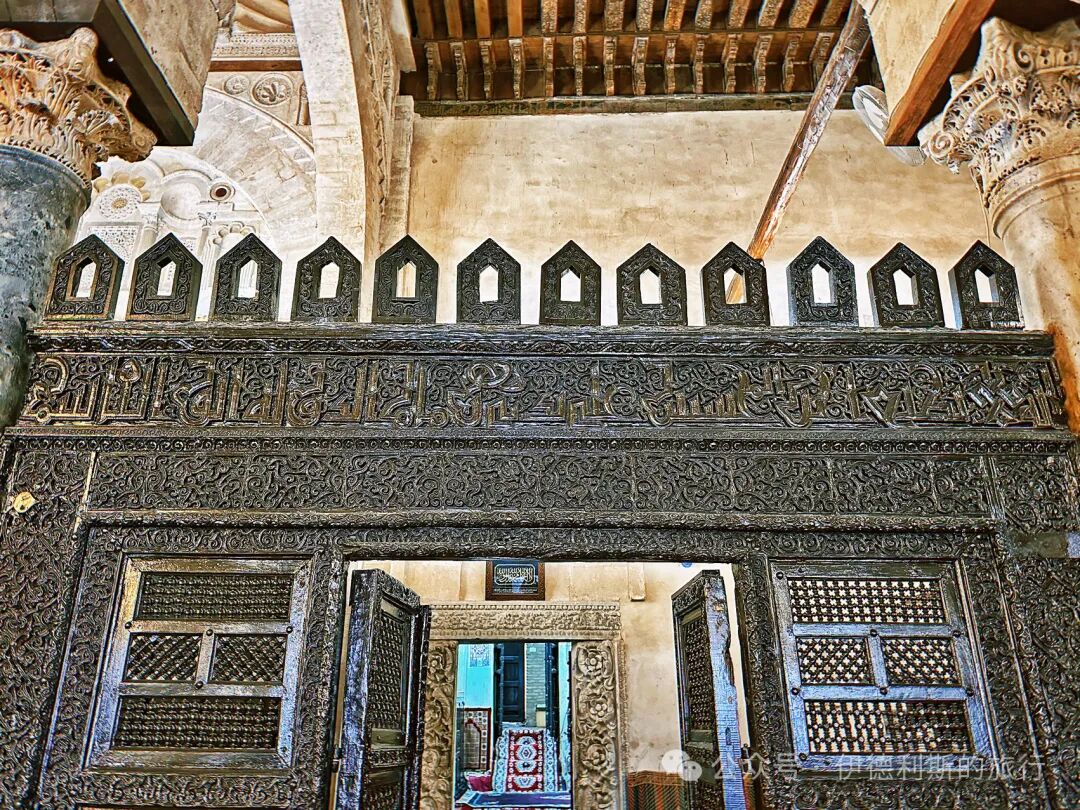
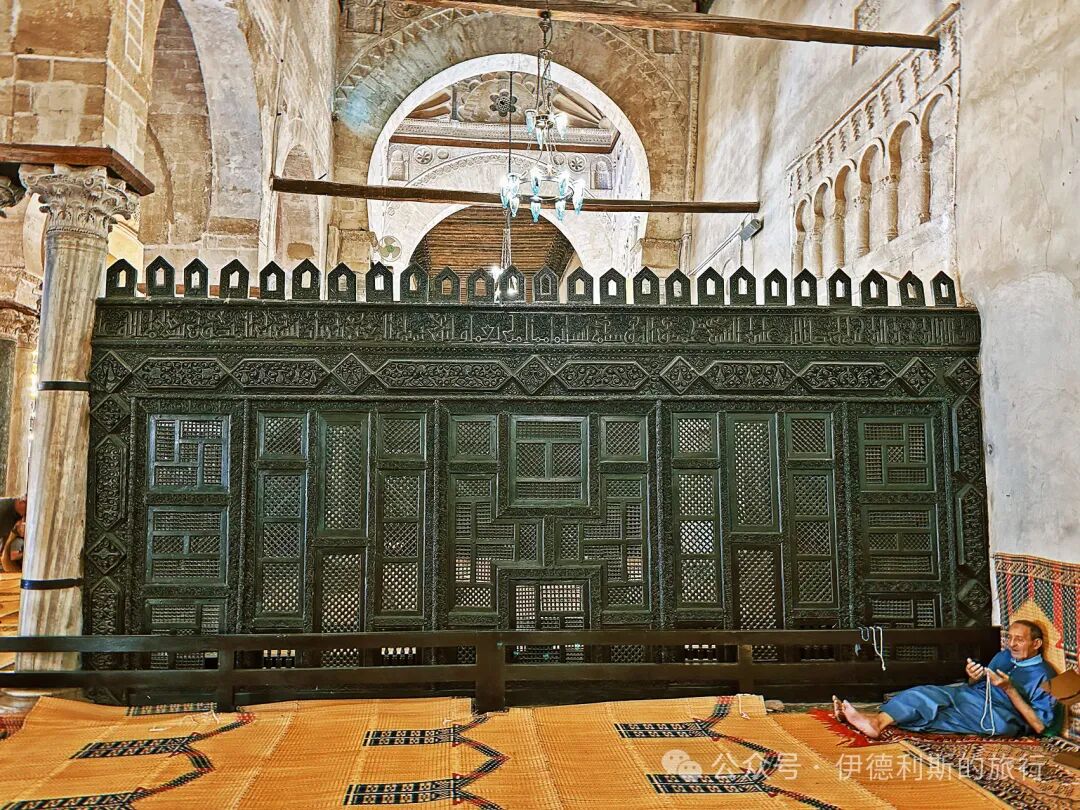
The maksura at the Great Mosque of Kairouan was built in the first half of the 11th century. It is the oldest maksura in the world still in use. The maksura at the Great Mosque of Cordoba in Spain was built in 965, but it is no longer used today. The maksura is made of cedar and is 14 meters long. It is carved with ornate Kufic calligraphy and floral patterns, representing the highest achievement in Tunisian carving art at that time.
The maksura originated during the time of Caliph Uthman in the mid-7th century. After Caliph Umar was assassinated inside the prayer hall, Uthman built a partition wall inside the hall to protect himself. Later, mosques where the Caliph resided would all have a maksura built inside.
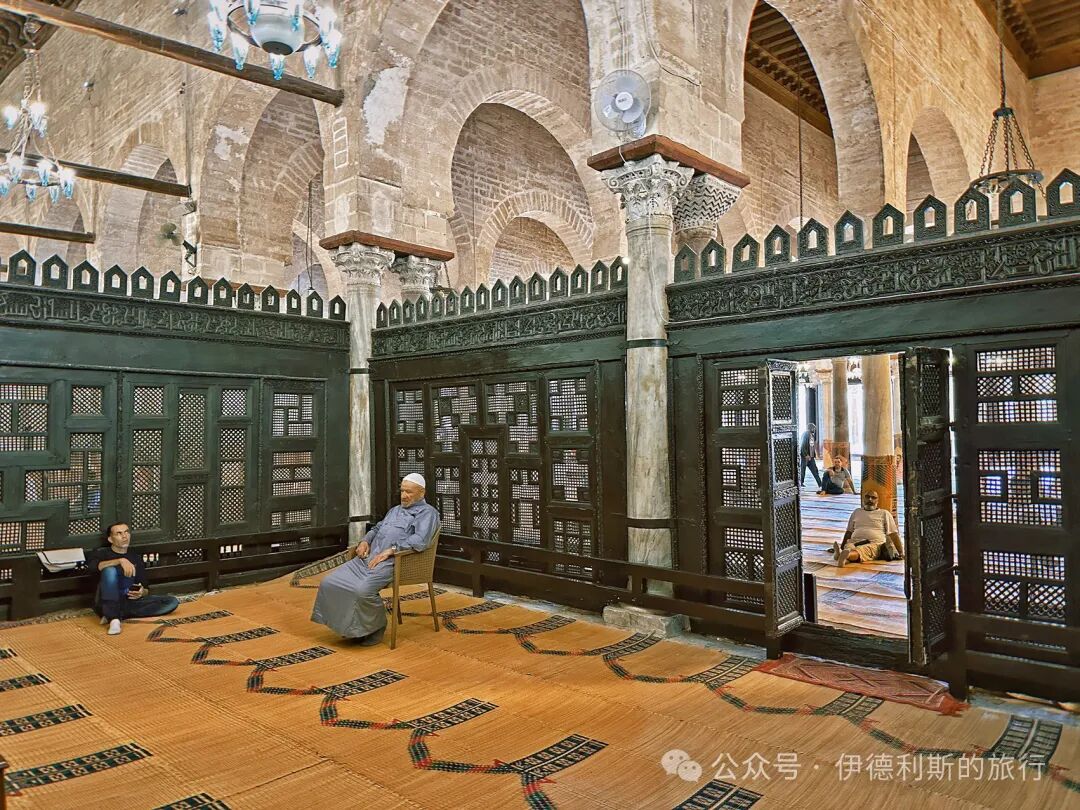
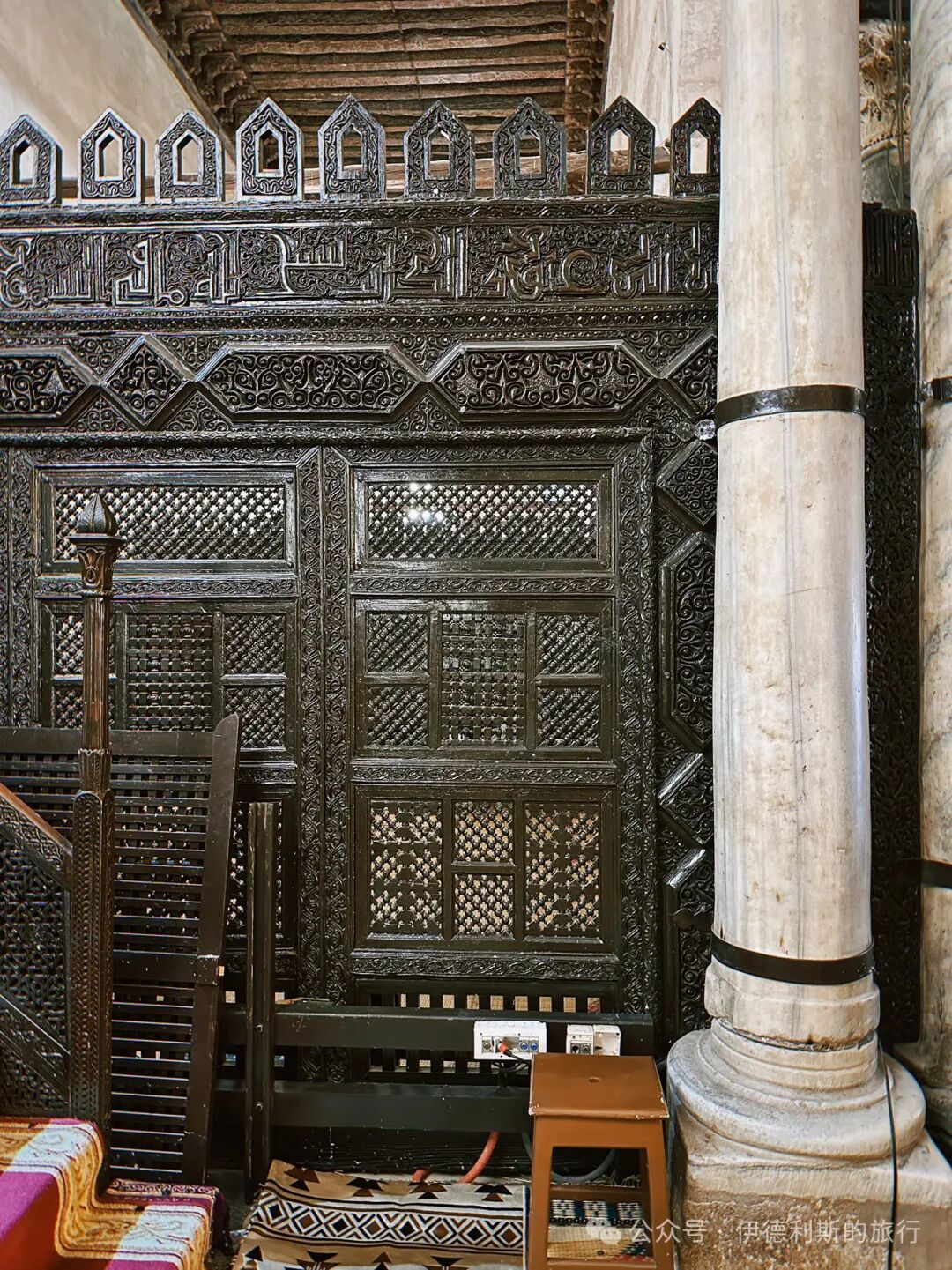
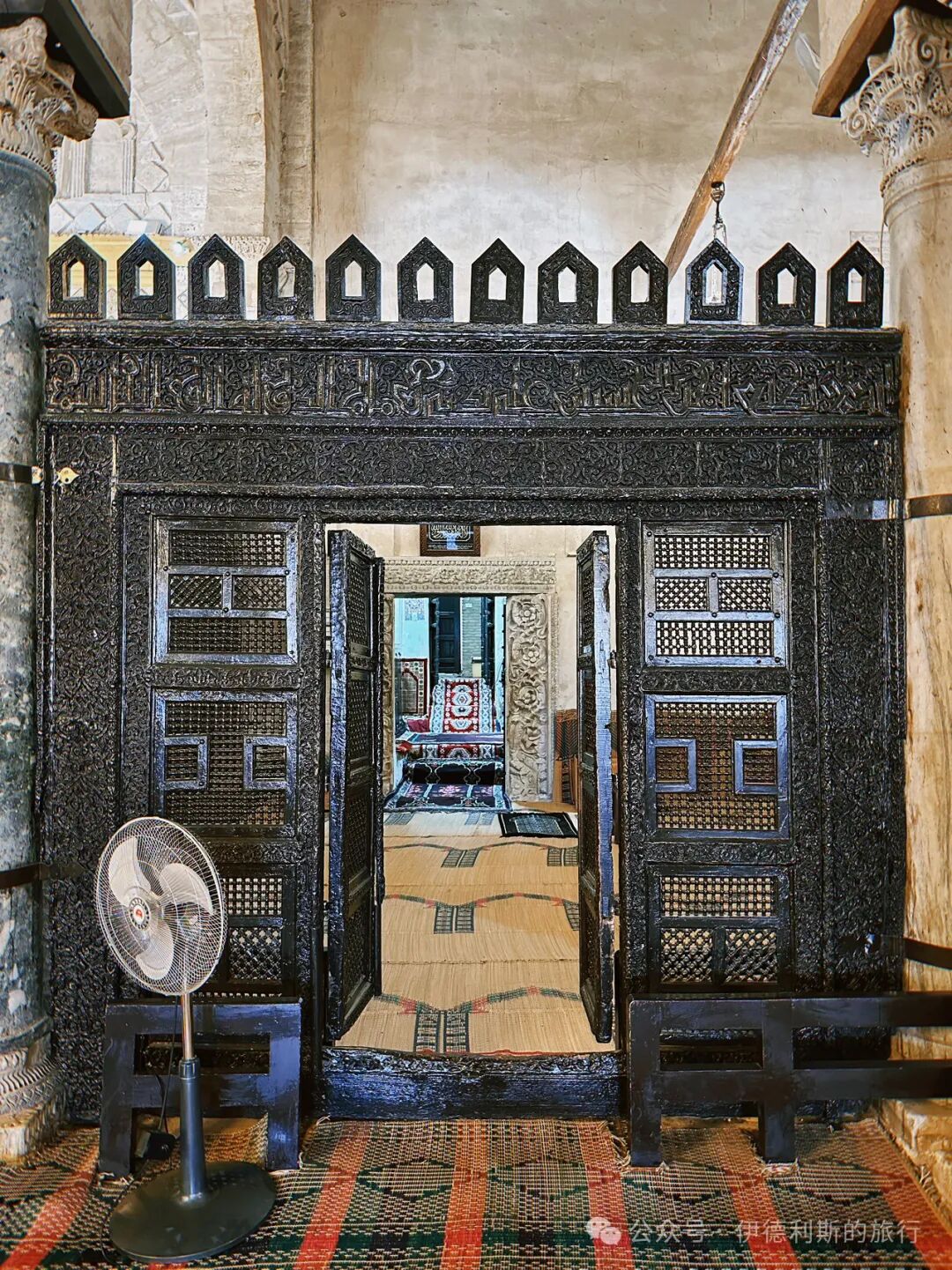
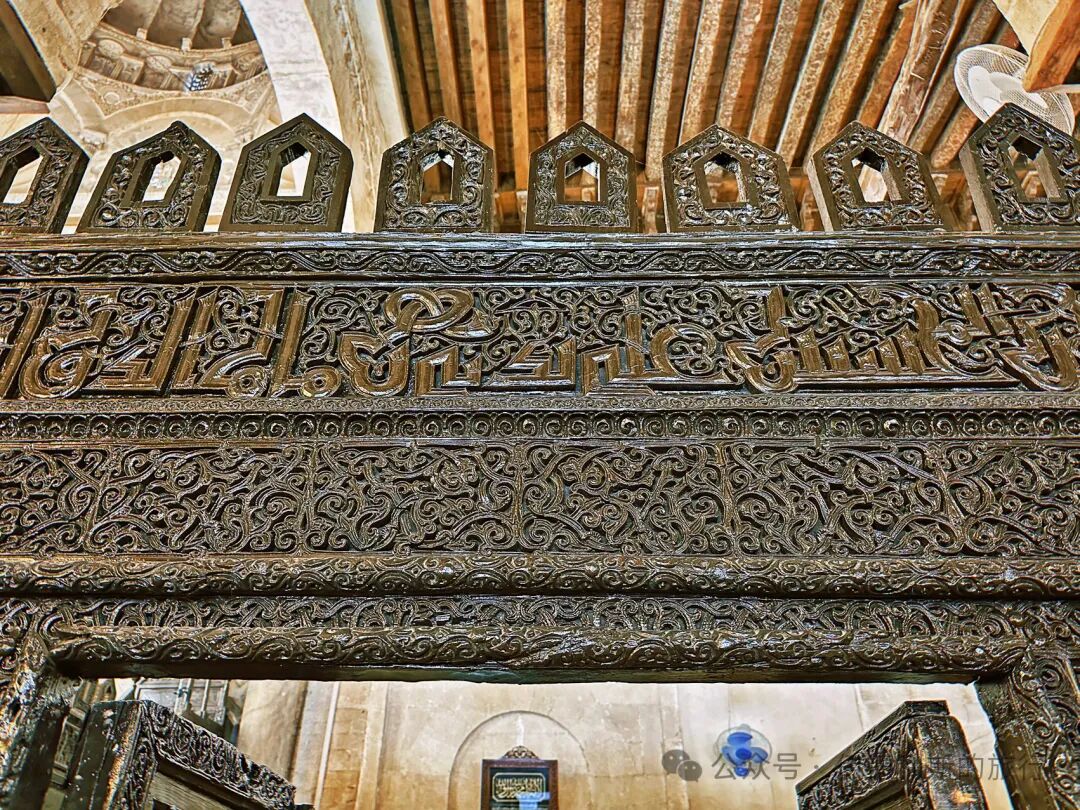
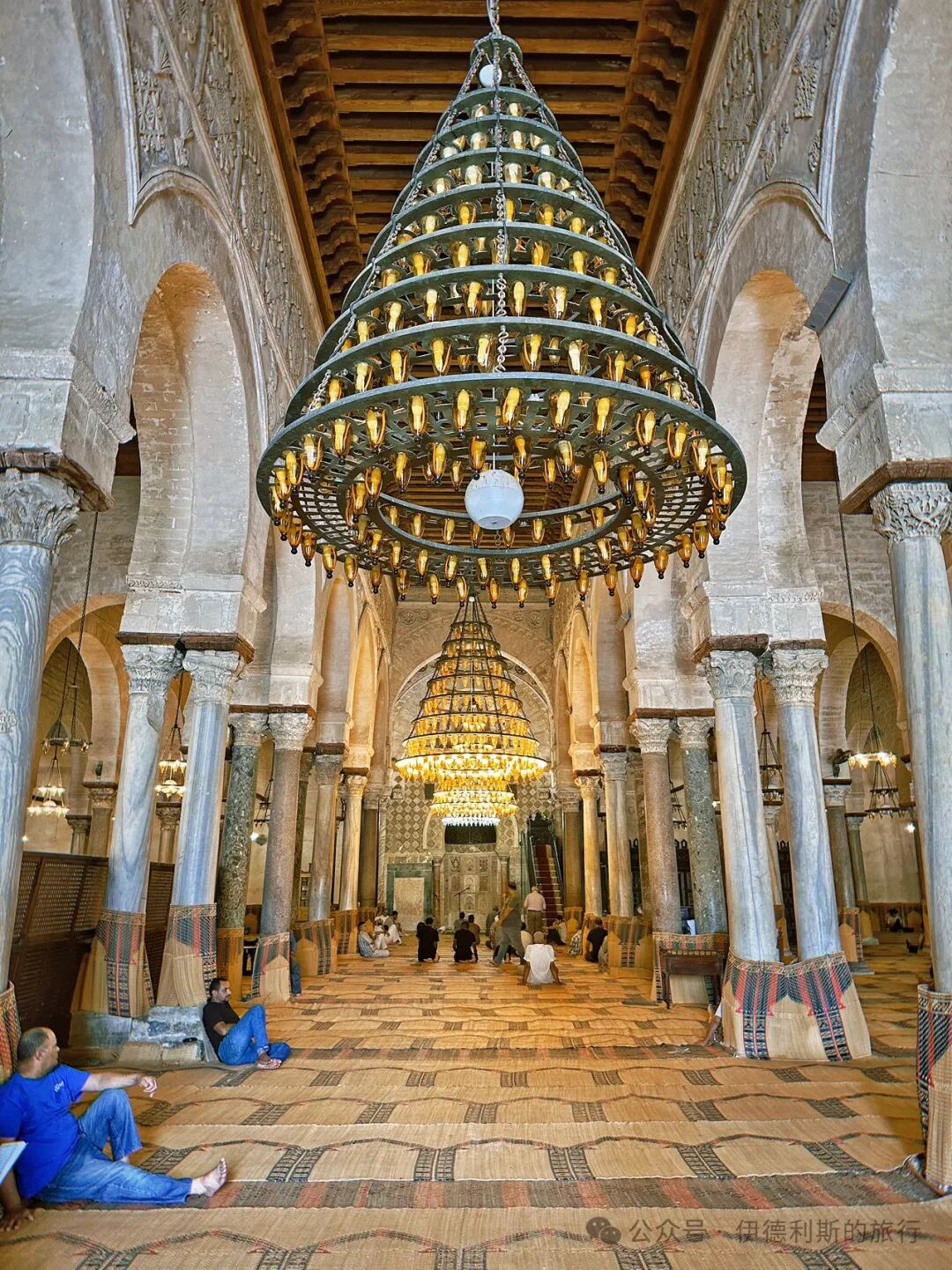
The prayer hall of the Great Mosque of Kairouan is 70.6 meters wide and 37.5 meters deep. It consists of 17 aisles, with the aisle directly facing the mihrab being the tallest and widest. This layout was later adopted by major mosques across the Maghreb and Andalusia.
There are 414 stone columns inside the prayer hall. They are made of marble, granite, and porphyry, with capitals in styles including Corinthian, Ionic, and Composite. Some capitals were carved specifically for the prayer hall, while many others came from ancient Roman, Phoenician, and Byzantine sites in Tunisia, including the famous ancient city of Carthage.
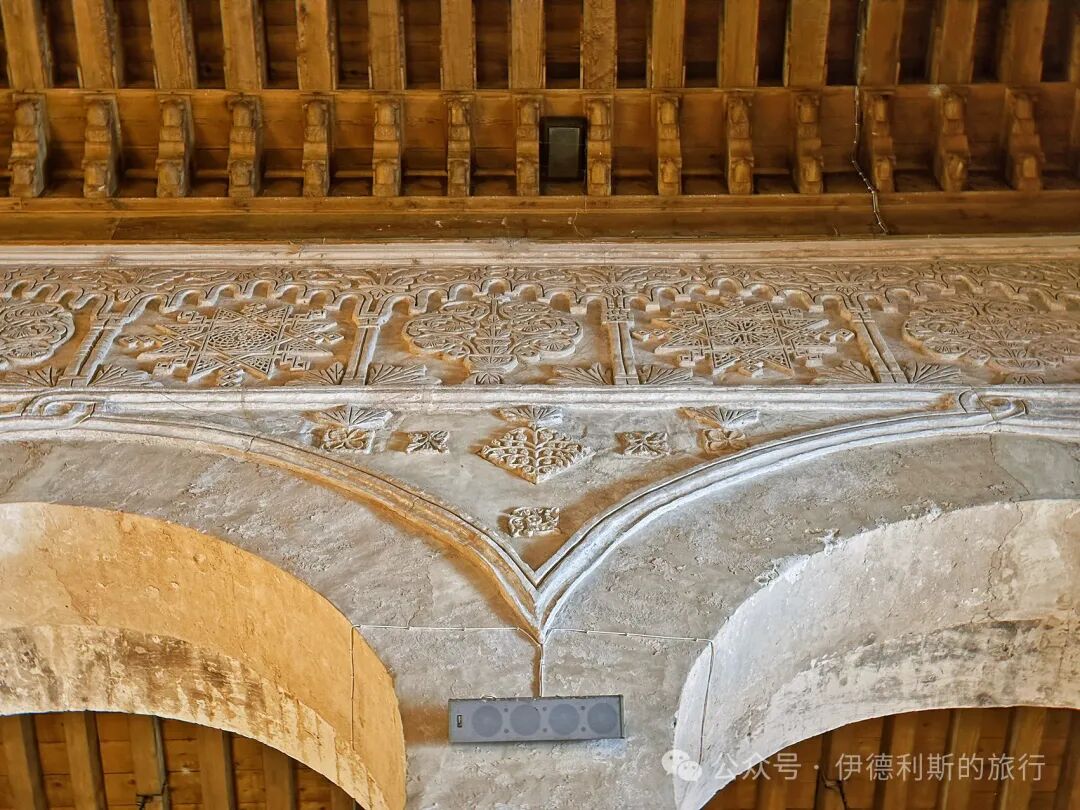
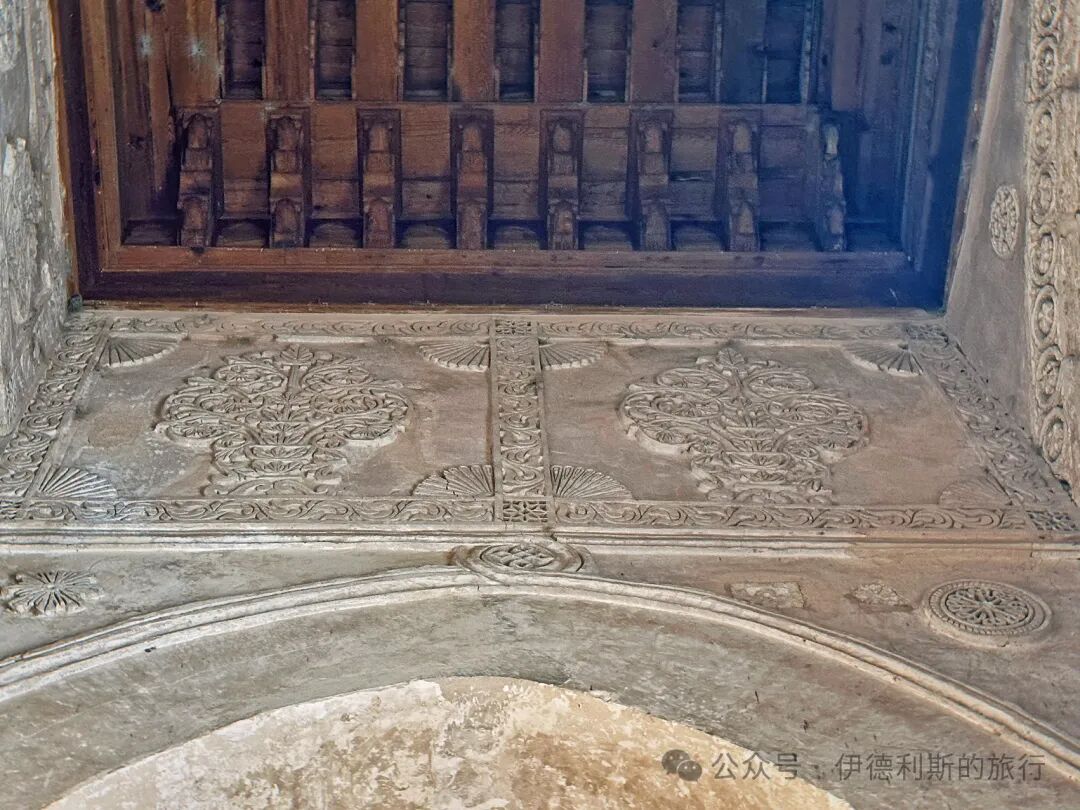
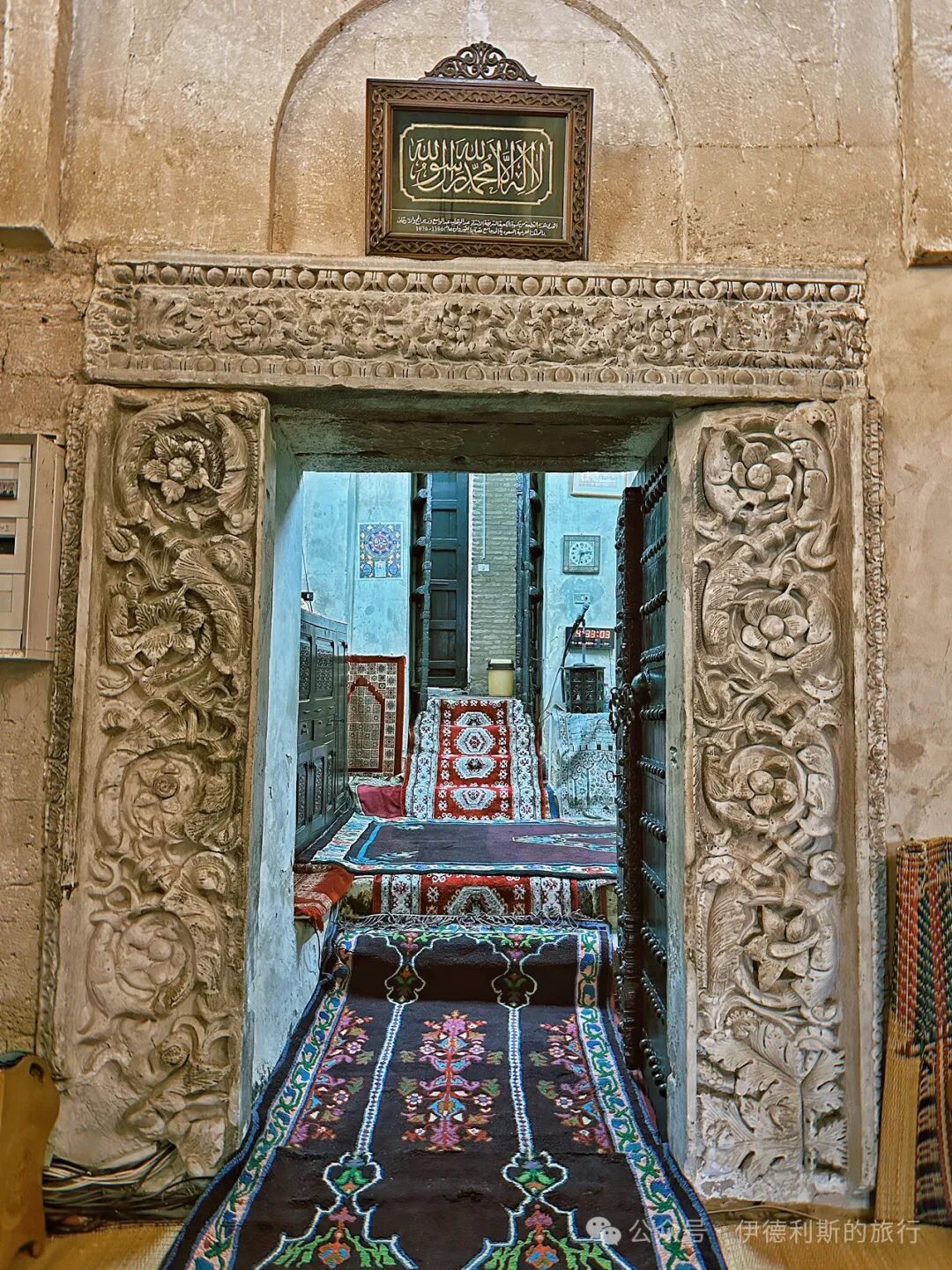
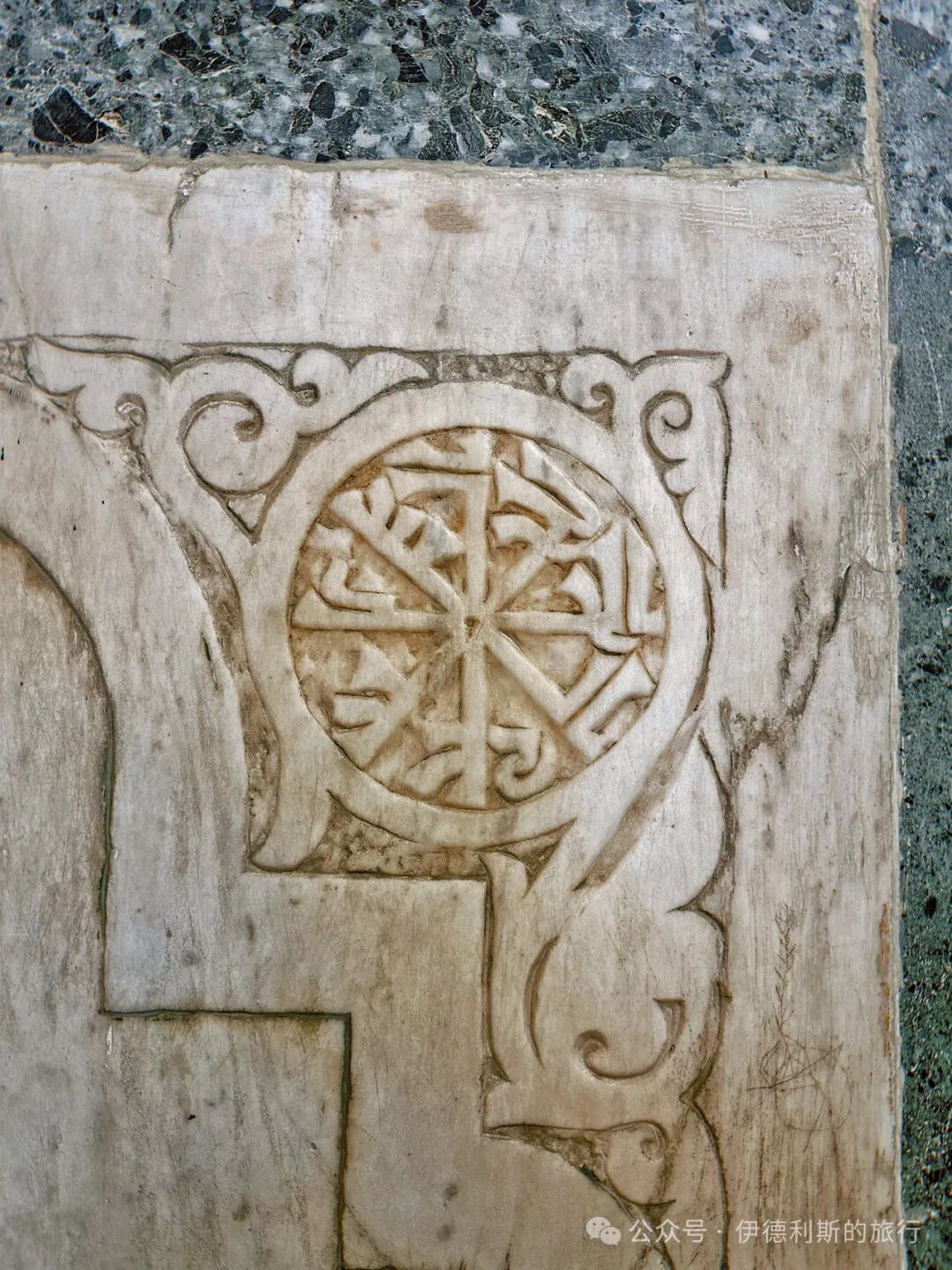
The door inside the prayer hall's maksura is decorated with marble floral carvings. This door leads to the library behind the qibla wall, which is also where the imam usually stays. The imam only comes out from here to lead the prayer and deliver the khutbah.
The grand scene of Jumu'ah at the Great Mosque of Kairouan. After the adhan is finished, the imam slowly walks up the minbar to begin the khutbah. In Arabic-speaking regions, everyone understands the khutbah, so there is no sermon session beforehand.
Tunisia follows the Maliki school of thought. Their namaz movements are quite similar to our Hanafi school, including the initial takbir, but the main difference is that they also fold their arms when making intention.
After the prayer, we stood for janazah outside the prayer hall door. Because Jumu'ah was at three o'clock, we immediately returned to the prayer hall to perform Dhuhr after finishing.
From the 9th to the 11th century, the Great Mosque of Kairouan was the academic center for the entire Maghreb region and the Maliki school. to religious courses, it offered subjects like mathematics, astronomy, medicine, and botany. In 1045, the Zirid dynasty court in Kairouan announced its conversion to Sunni Islam. Upon hearing this, the Shi'a Fatimid dynasty in Egypt sent a group of Arab tribes to invade Kairouan. In 1057, these Arab tribes occupied and destroyed Kairouan. The Great Mosque of Kairouan declined from then on and did not slowly recover until after the 13th century.
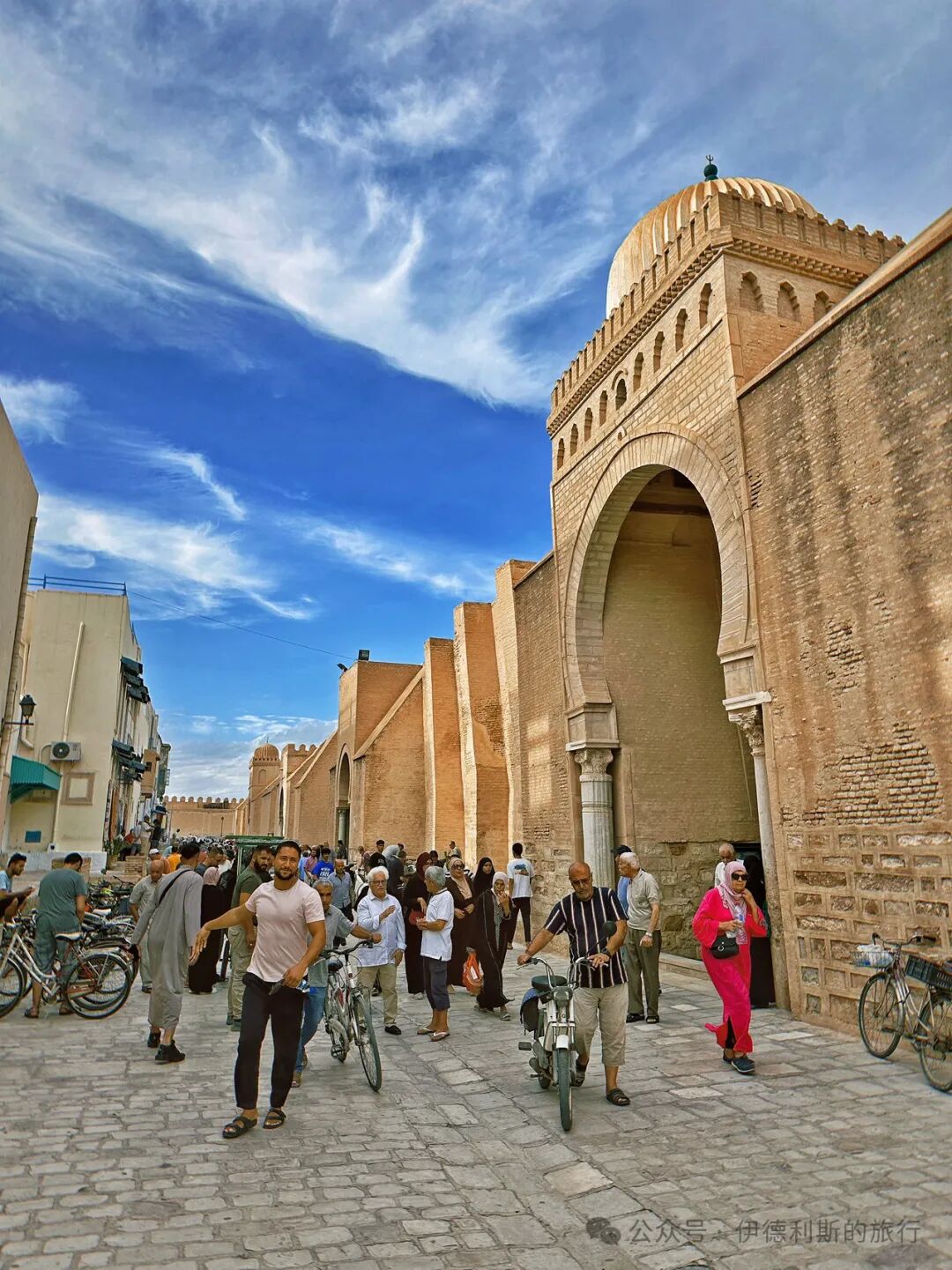
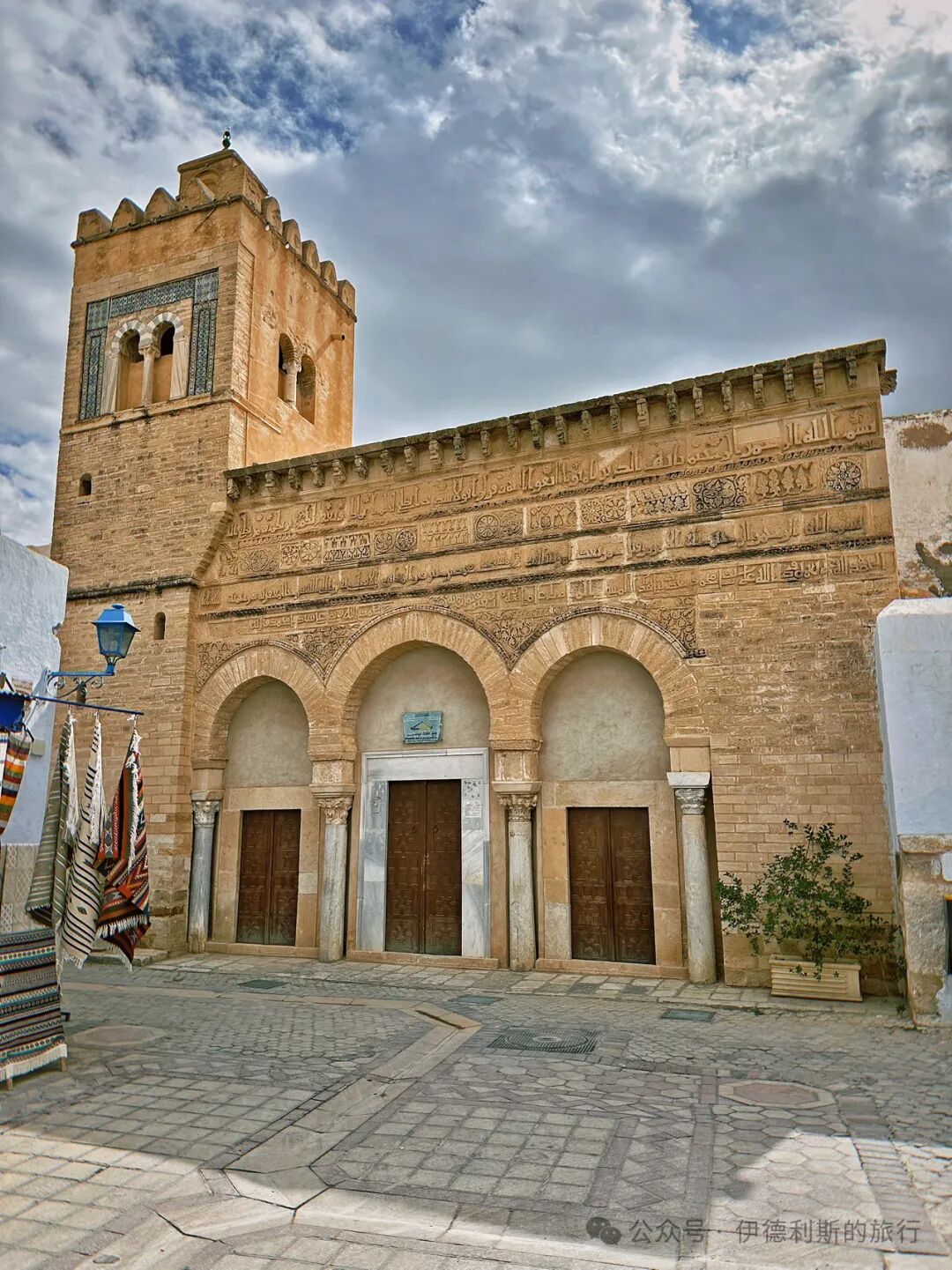
After leaving the Great Mosque of Kairouan, we started exploring the ancient medina of Kairouan. Besides the Great Mosque, the other ancient mosque remaining in Kairouan is the Mosque of the Three Doors (Masjid al-Thalathat Abwab), built in 866. This mosque has the oldest decorated facade of any religious building in the world.
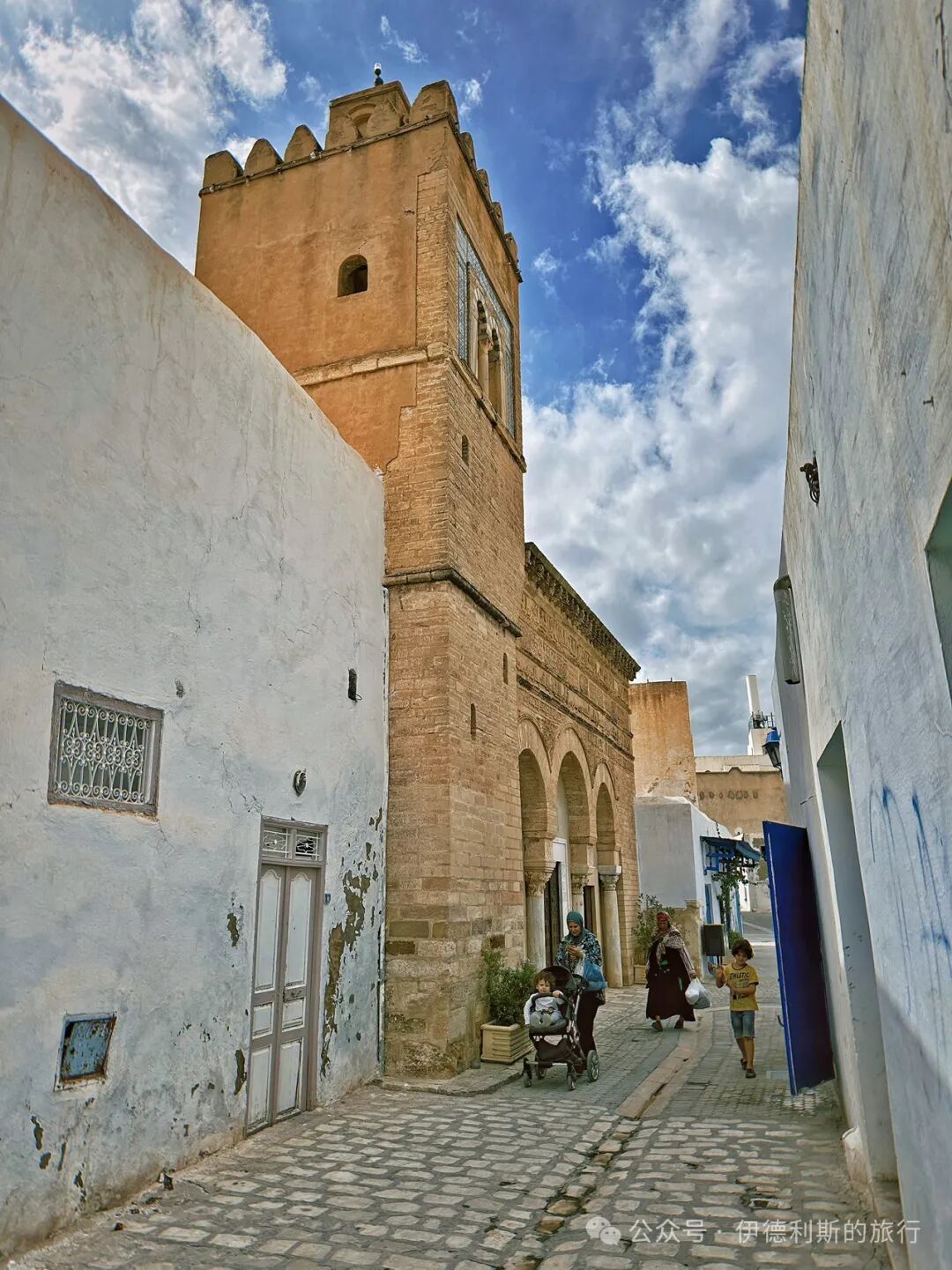
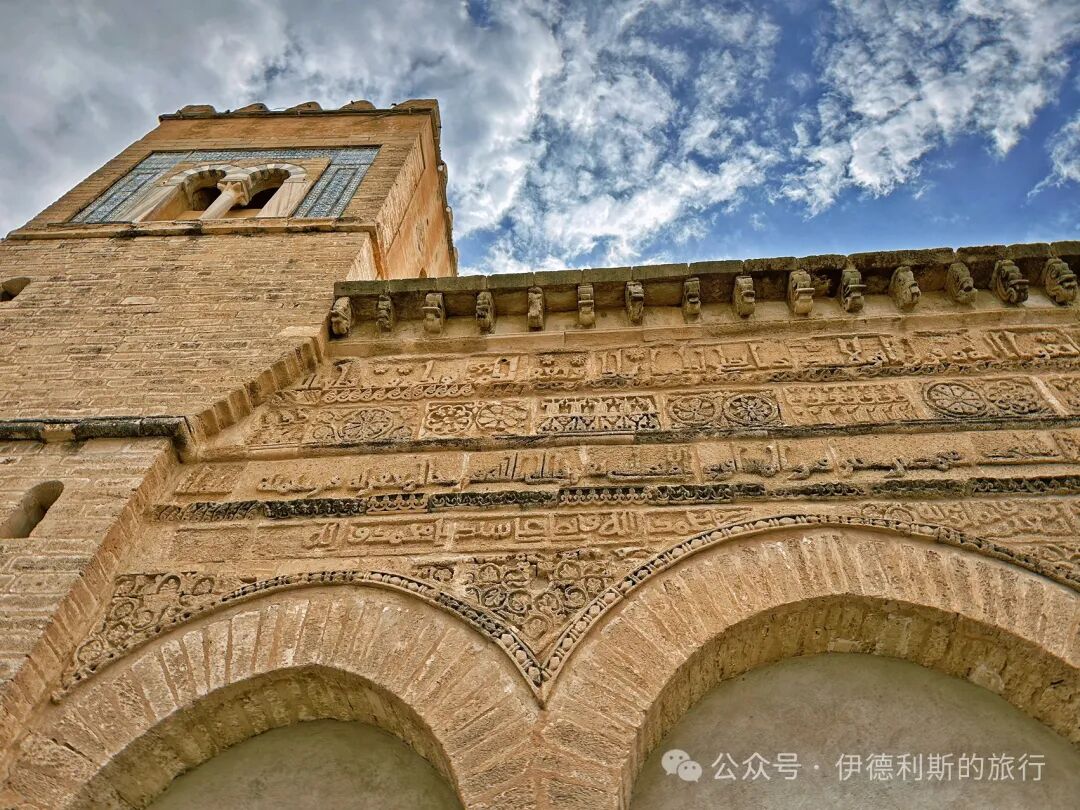
Today, only the facade of the Mosque of the Three Doors retains its 9th-century appearance, while the minaret next to it was added in 1440. The gate of the Mosque of the Three Doors consists of three horseshoe arches and features four ancient stone columns. The arch is carved with floral patterns and Kufic calligraphy, which includes verses from the Quran and the name of the builder, Muhammad ibn Khairun. Muhammad ibn Khairun was a scholar and merchant from Andalusia who traveled through Iraq and Egypt to reach Kairouan, Tunisia. When the minaret was added in 1440, the original 9th-century inscriptions were rearranged to make room for the new text.
In the northwest of the Kairouan Medina stands an important tomb for Sidi Sahib, a companion of the Prophet and his barber, which is why it is also called the Barber Mosque.
Legend says Sidi Sahib died in a battle in 654 and was buried here. By the 11th century, this place had become a famous holy site, and the tomb shrine (gongbei) was built in the 14th century. The Bey of Tunis, Hammuda Pasha (reigned 1631-66), expanded the tomb significantly in 1629 and built a new main hall. Another Bey, Mohamed (reigned 1675-96), built the minaret and a religious school (madrasa) between 1690 and 1695. Since the 19th century, the tomb of Sidi Sahib has undergone several renovations, but it still keeps its 17th-century architectural style.
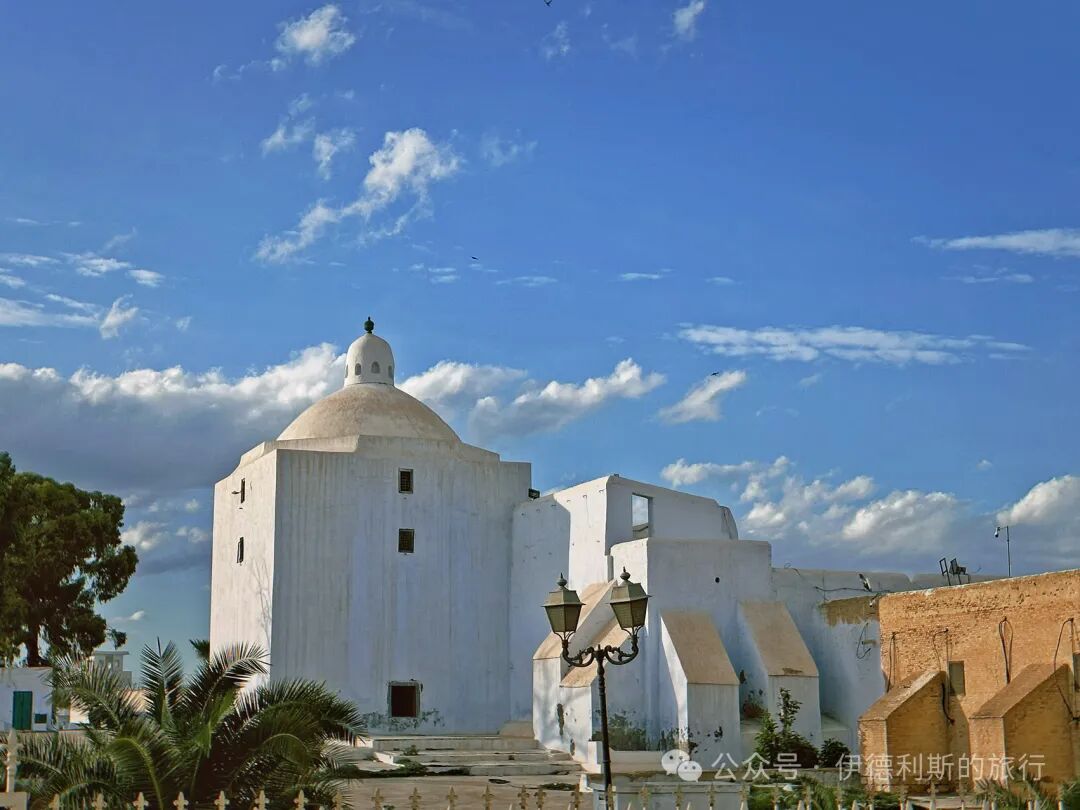
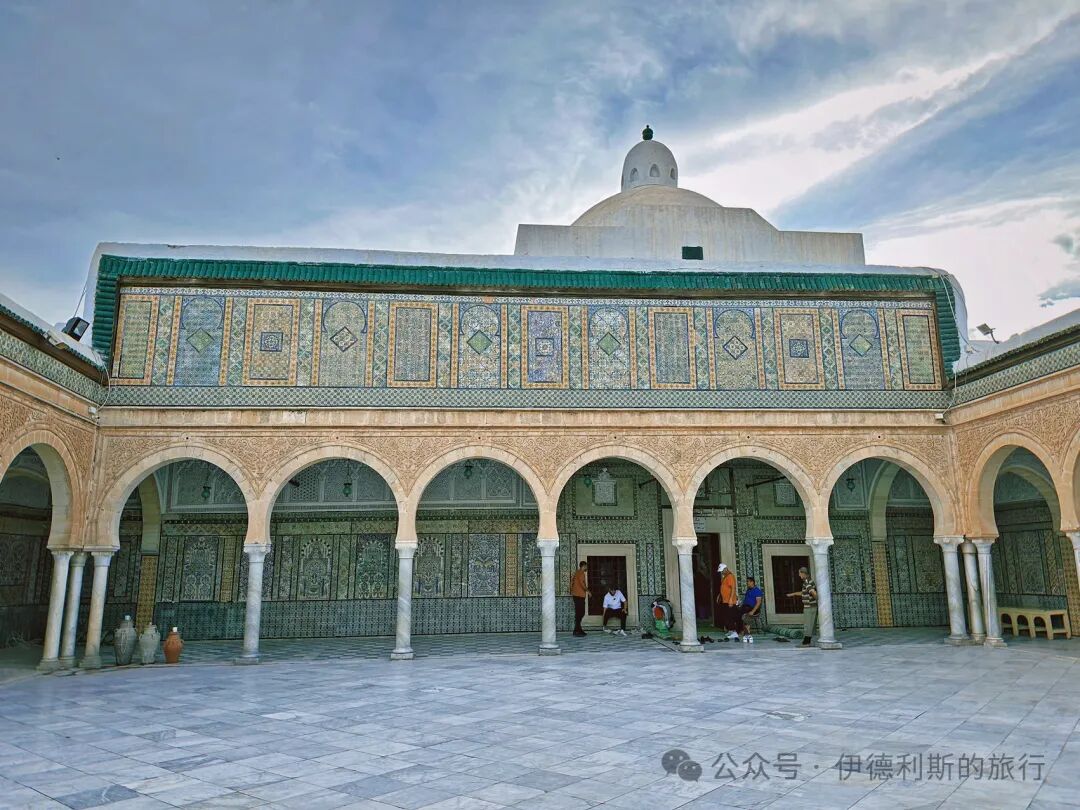
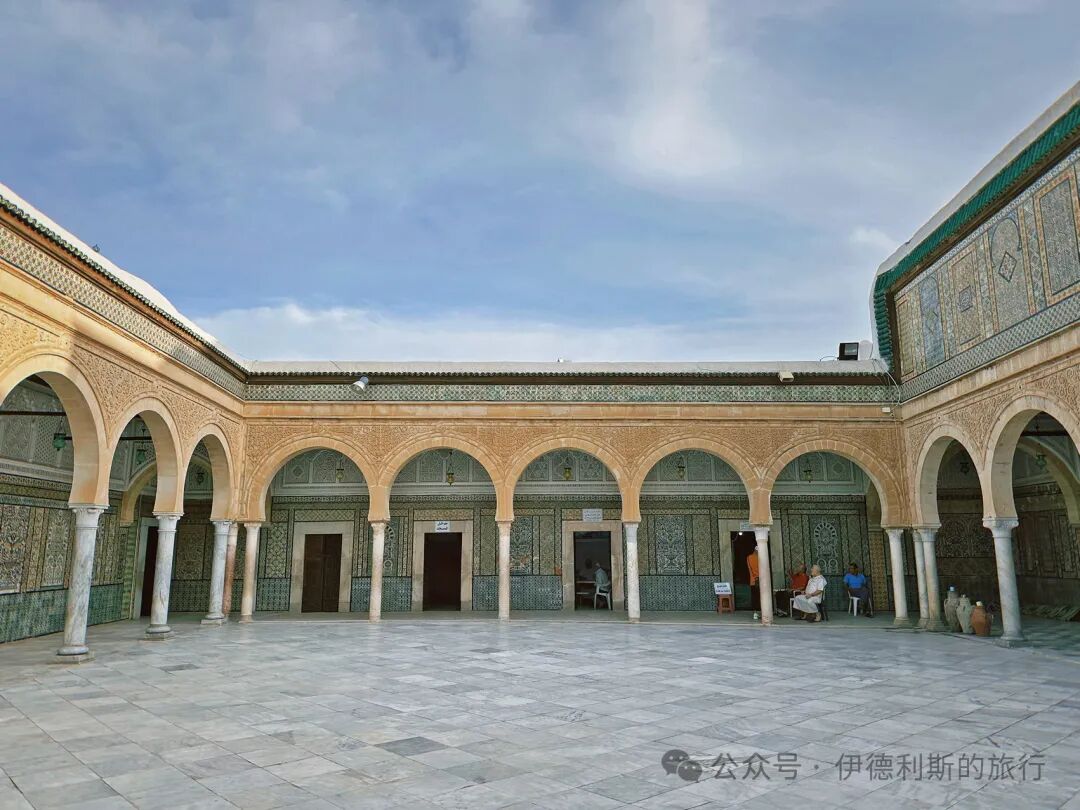
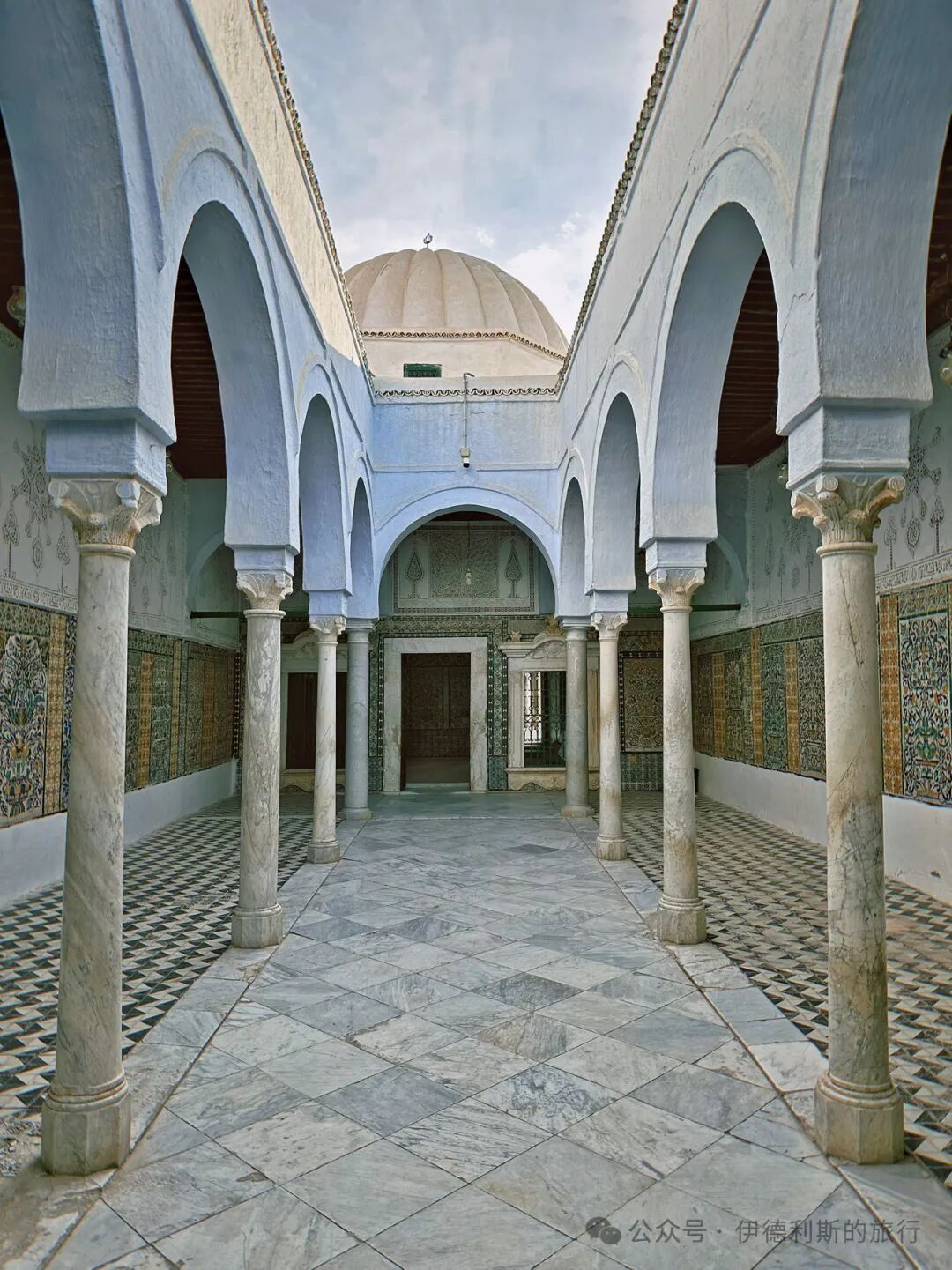
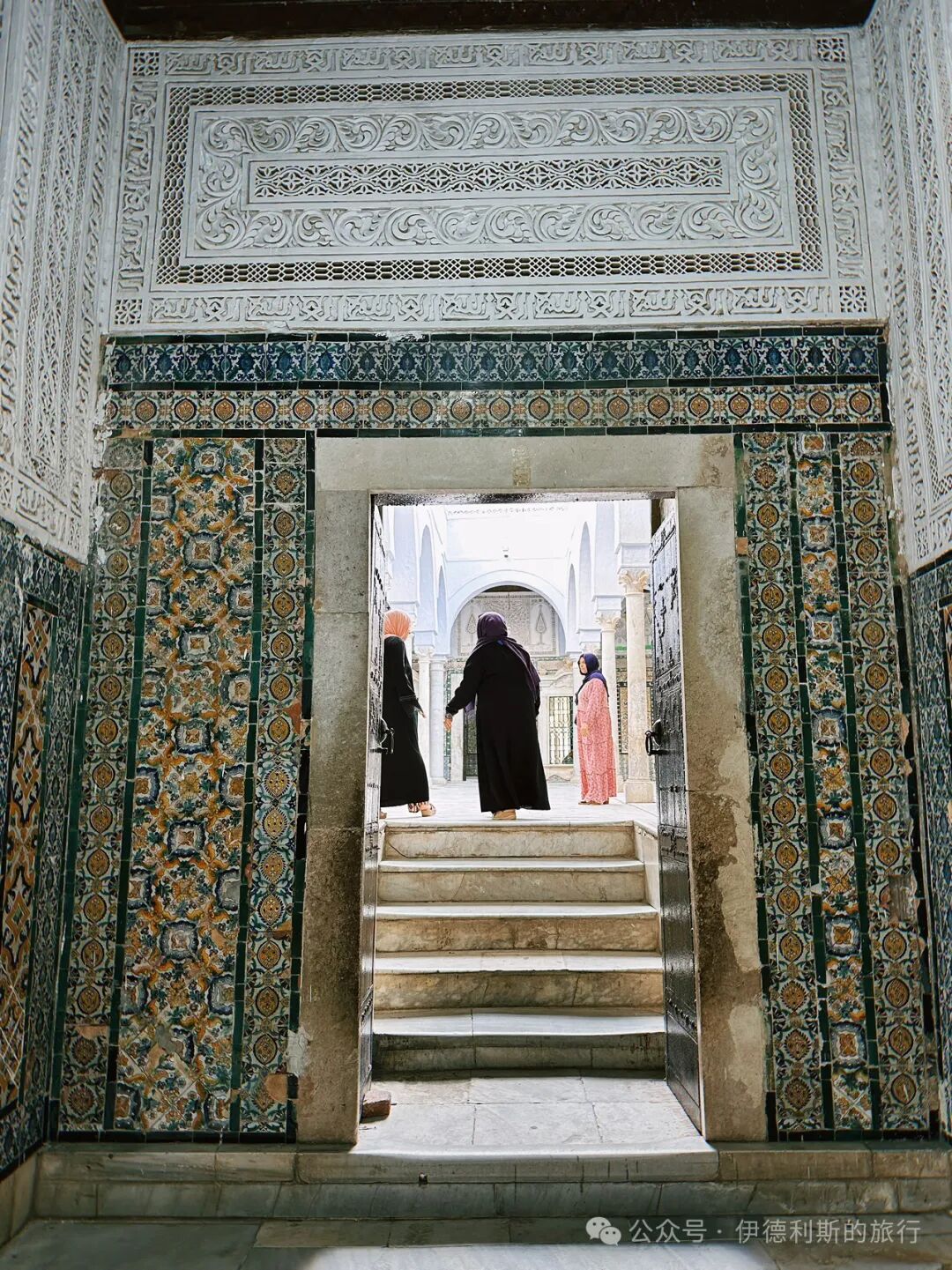
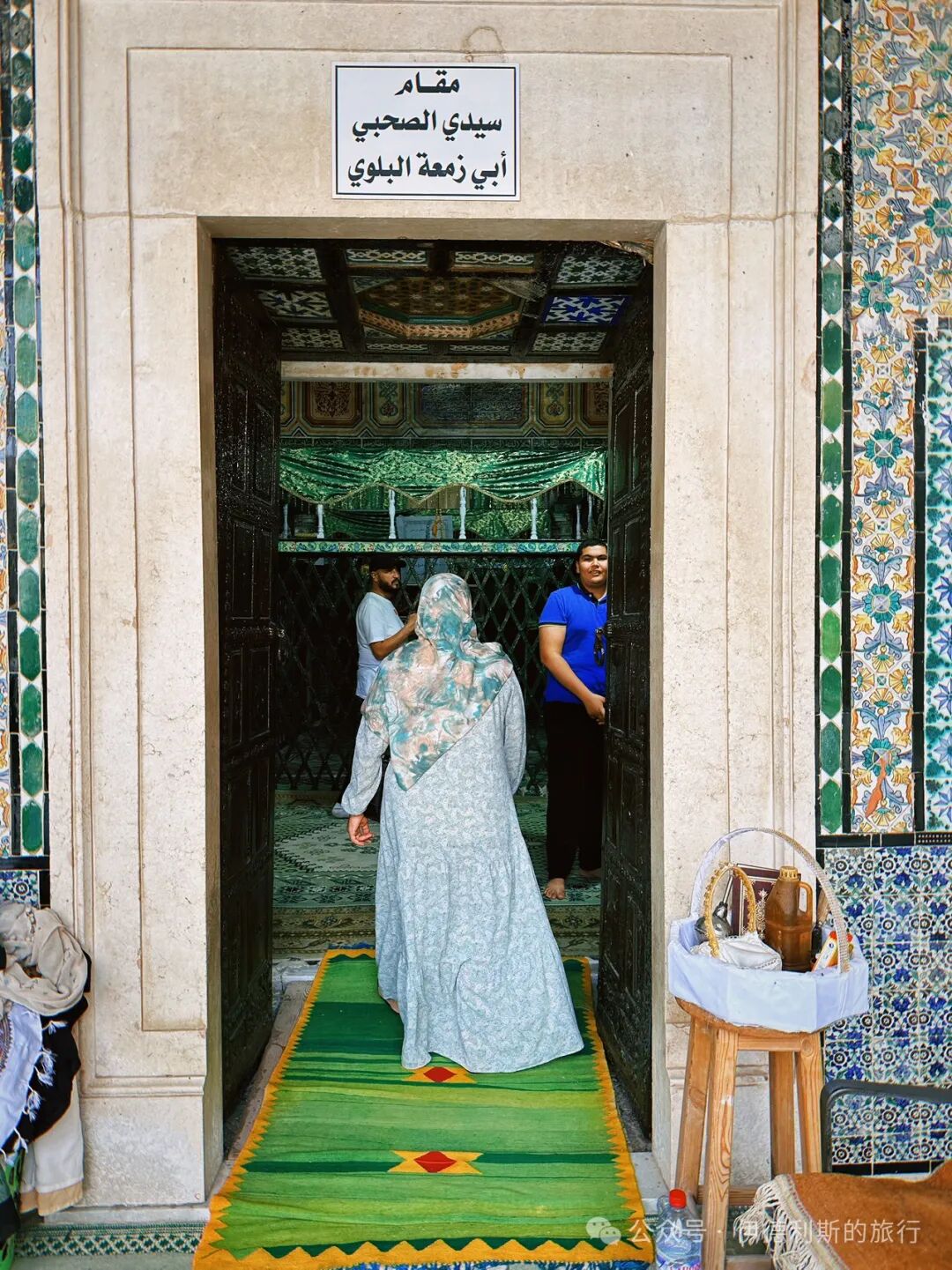
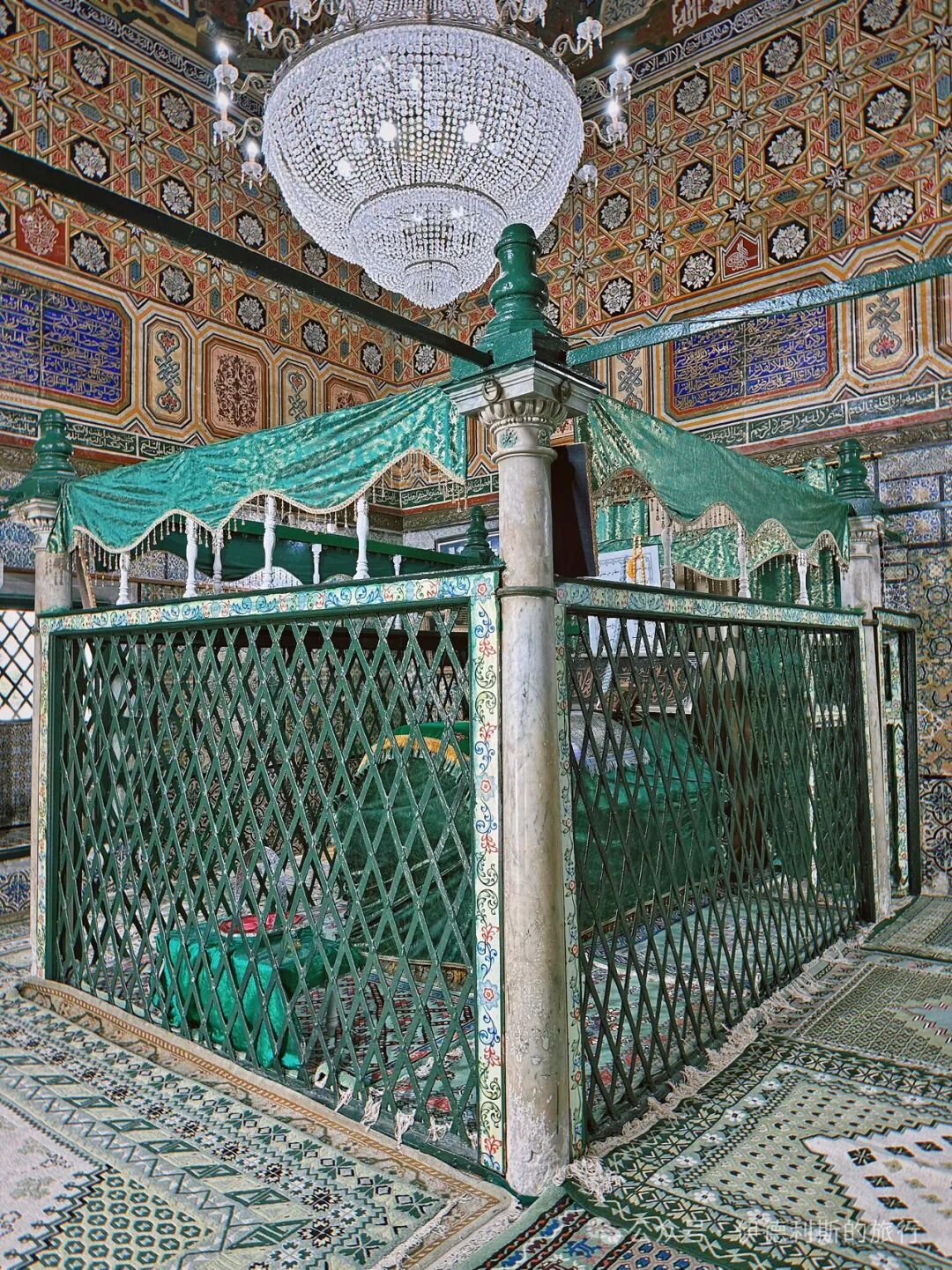
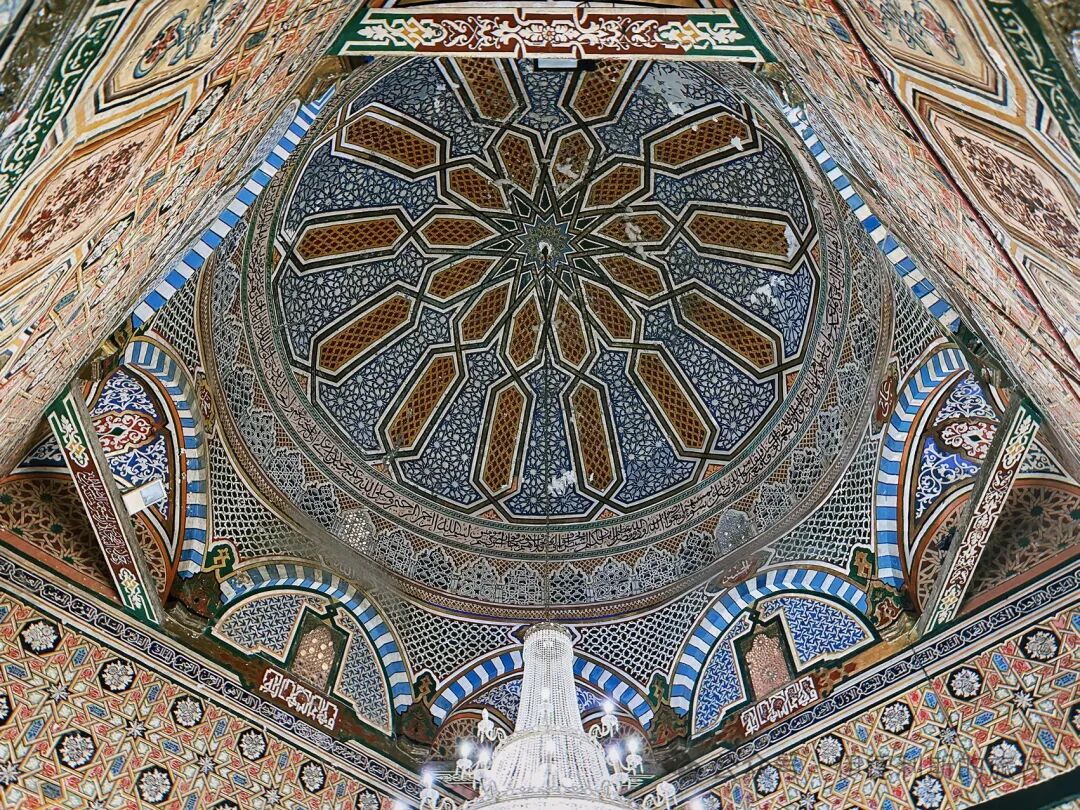
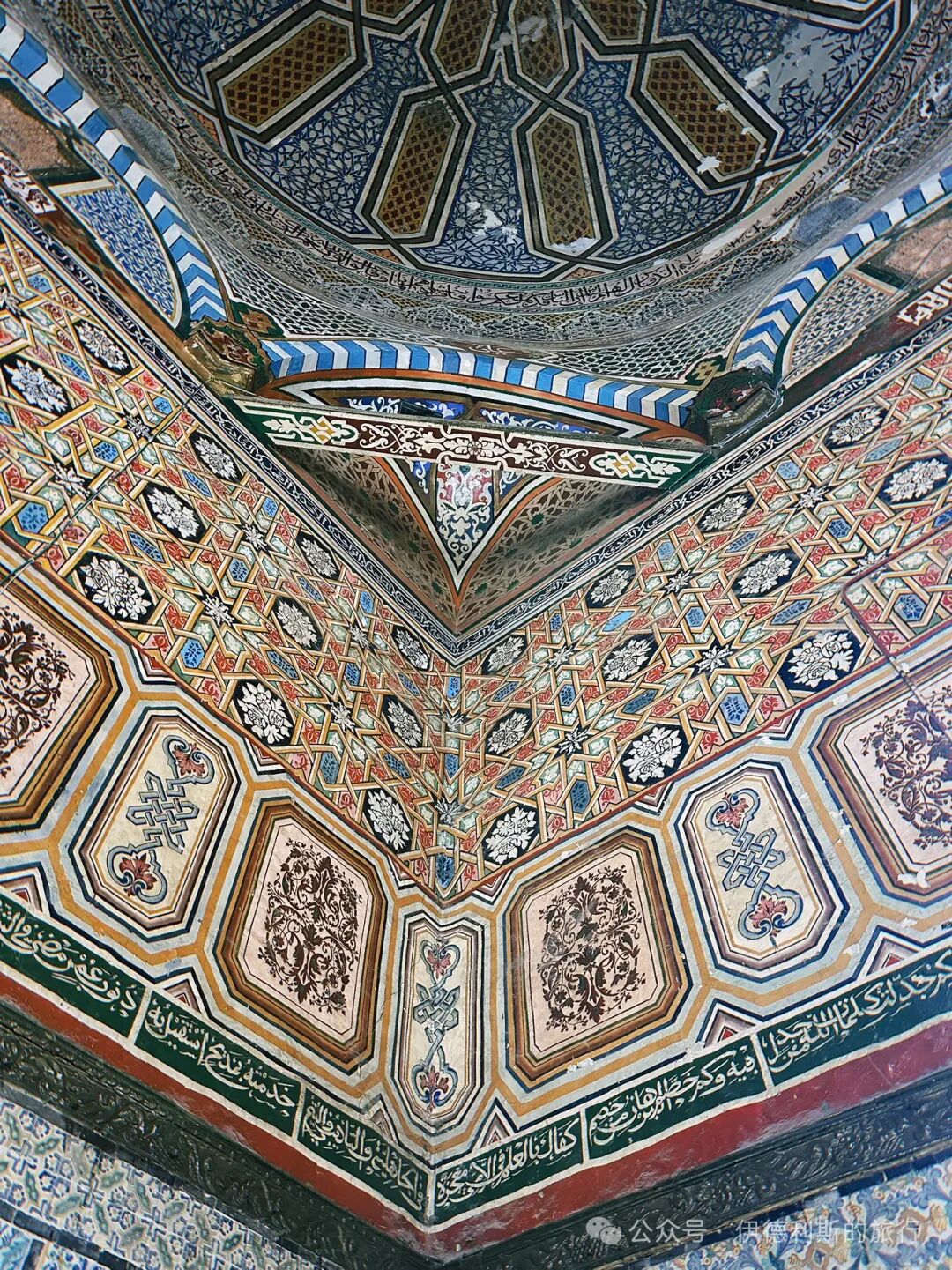
The tomb of Sidi Sahib in Kairouan blends Andalusian, Italian Renaissance, and local Kairouan architectural styles. The interior features many classic 17th-century Tunisian Qallalin tiles and rich plaster carvings.
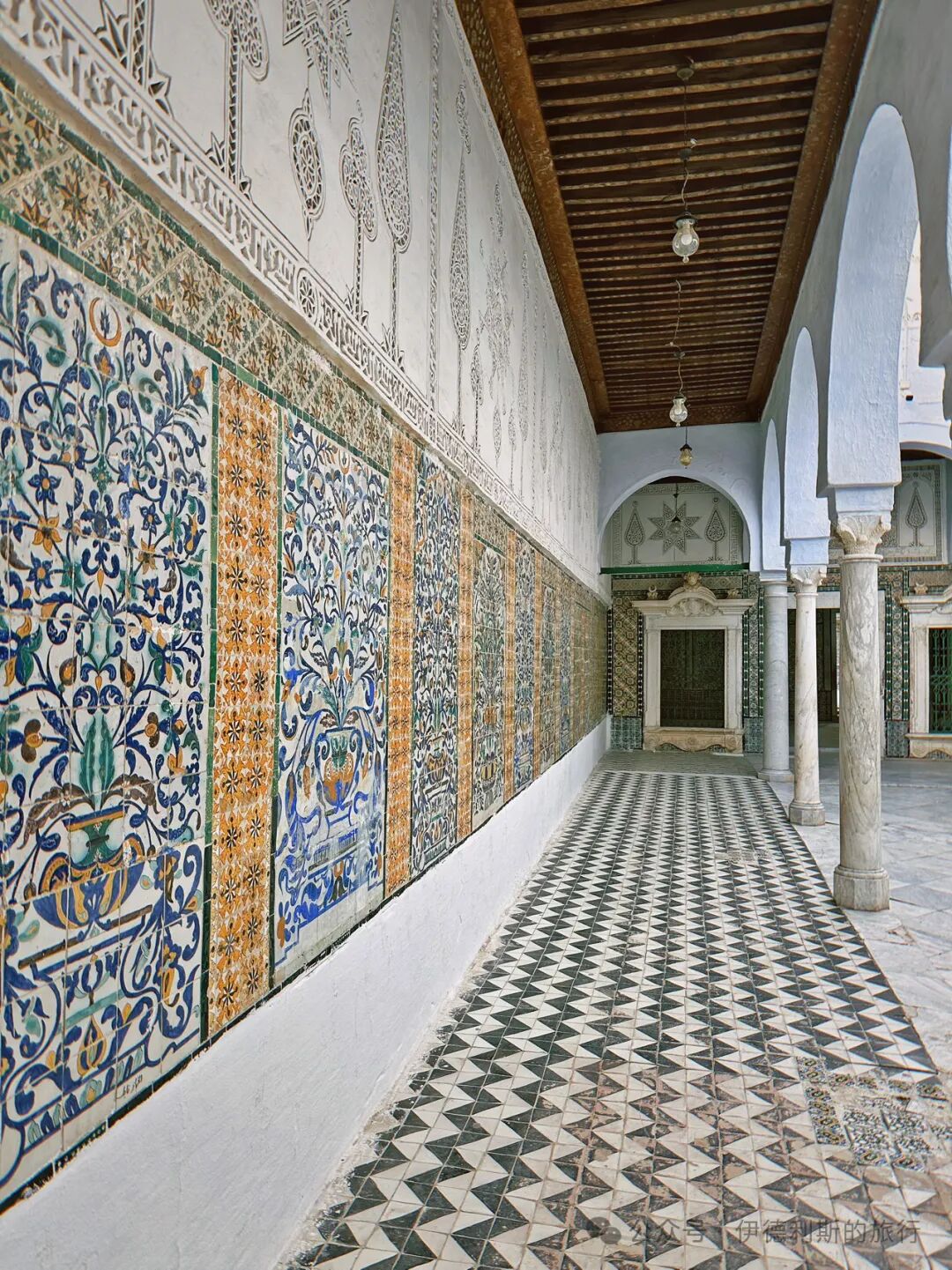
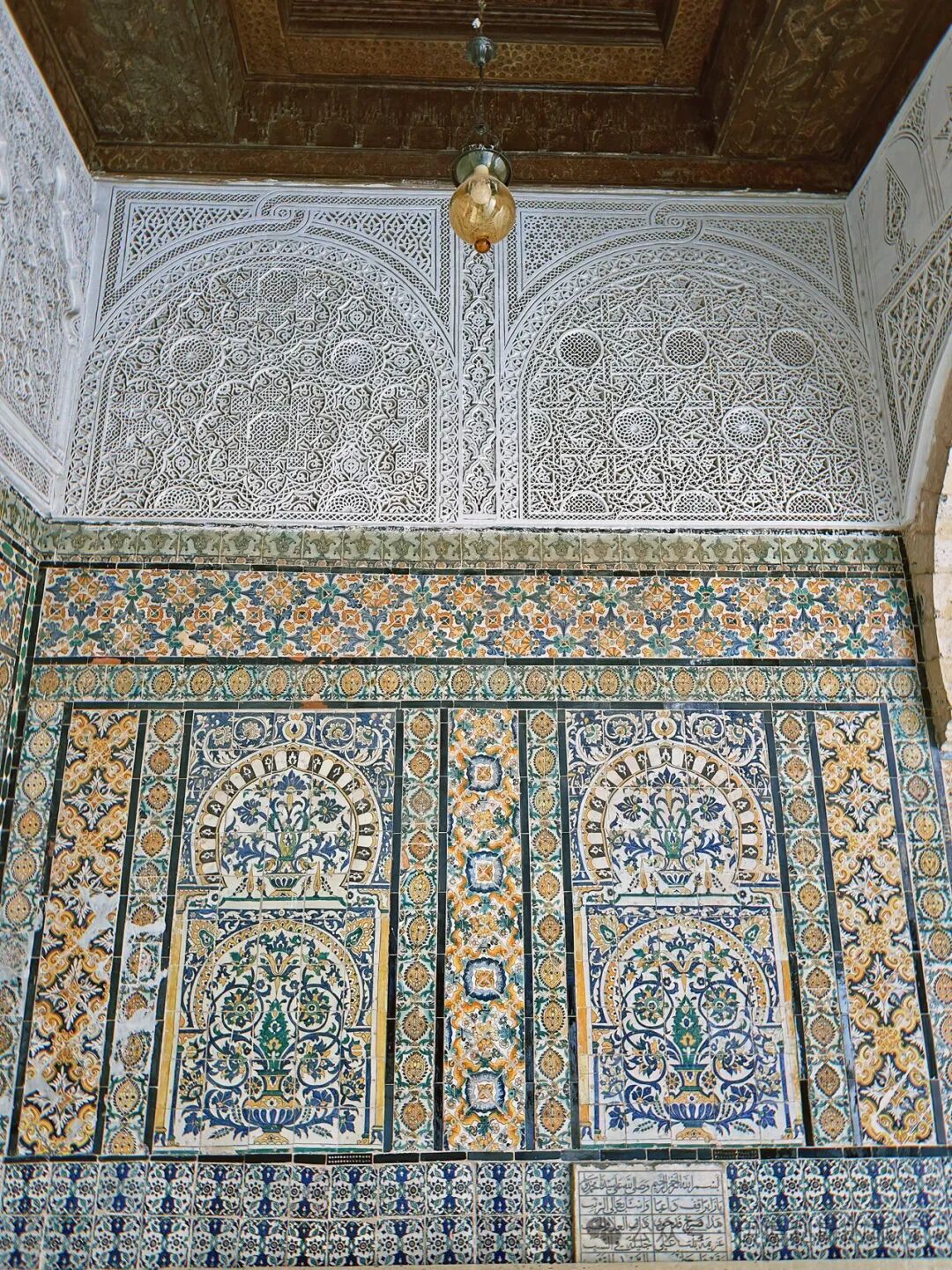
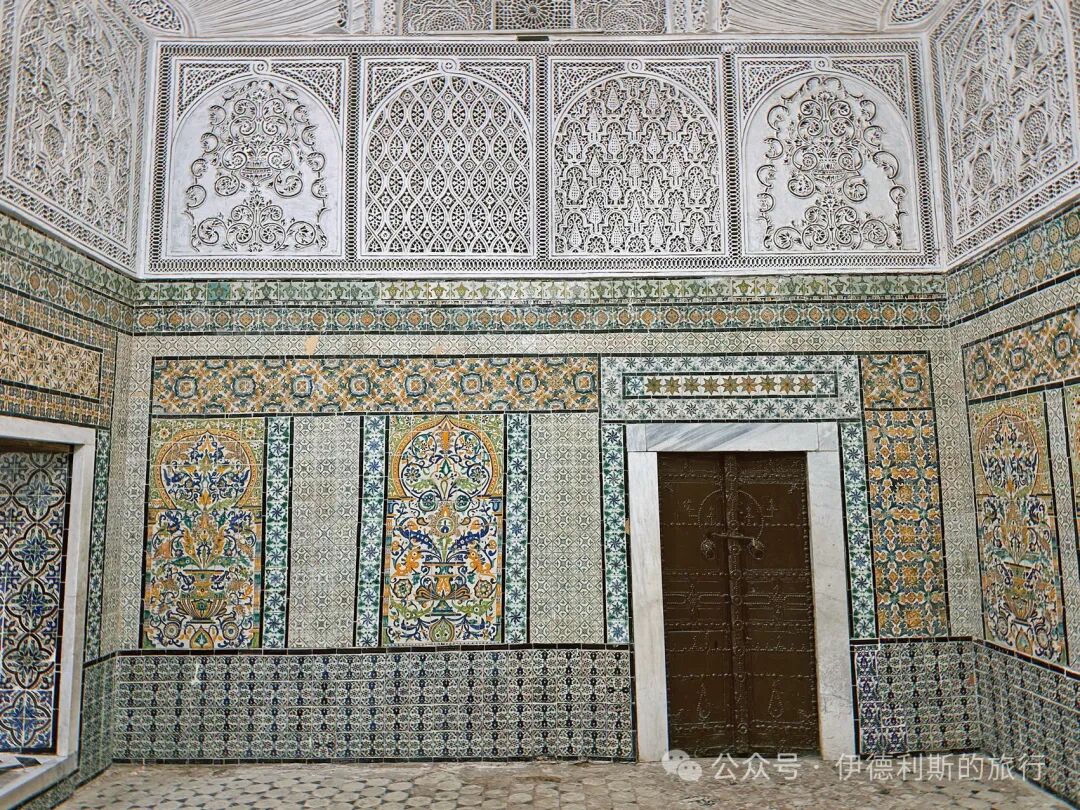
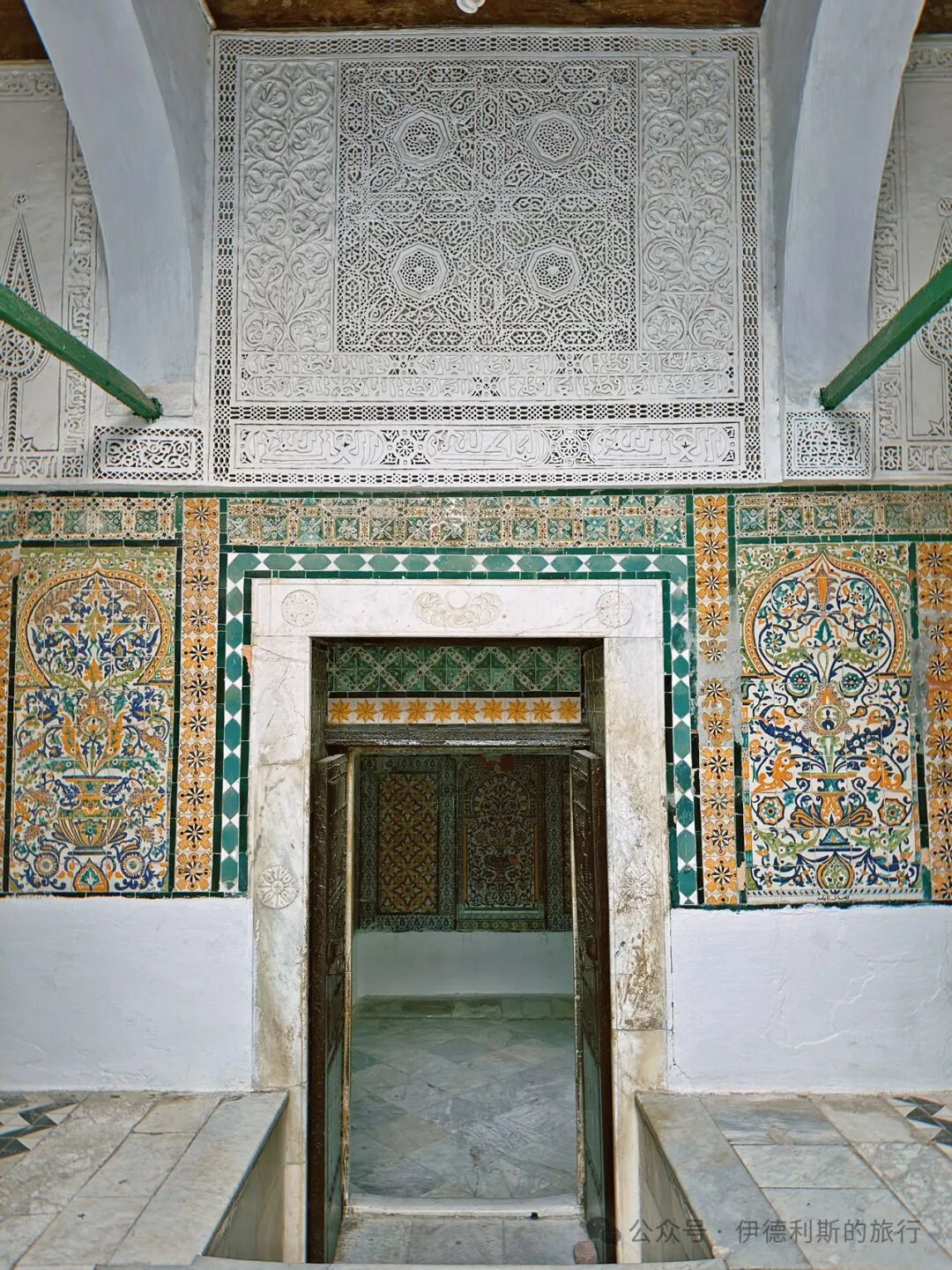
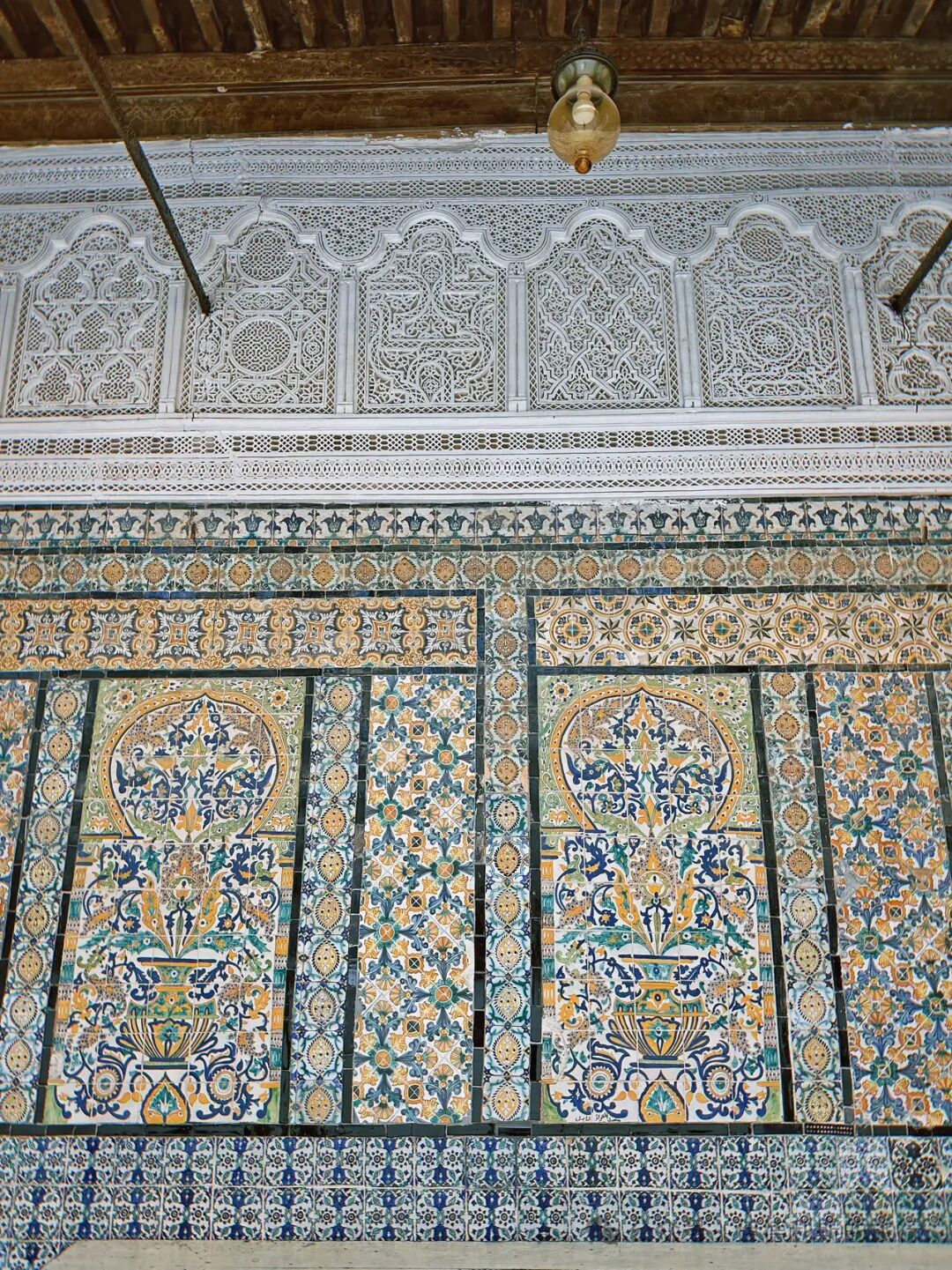
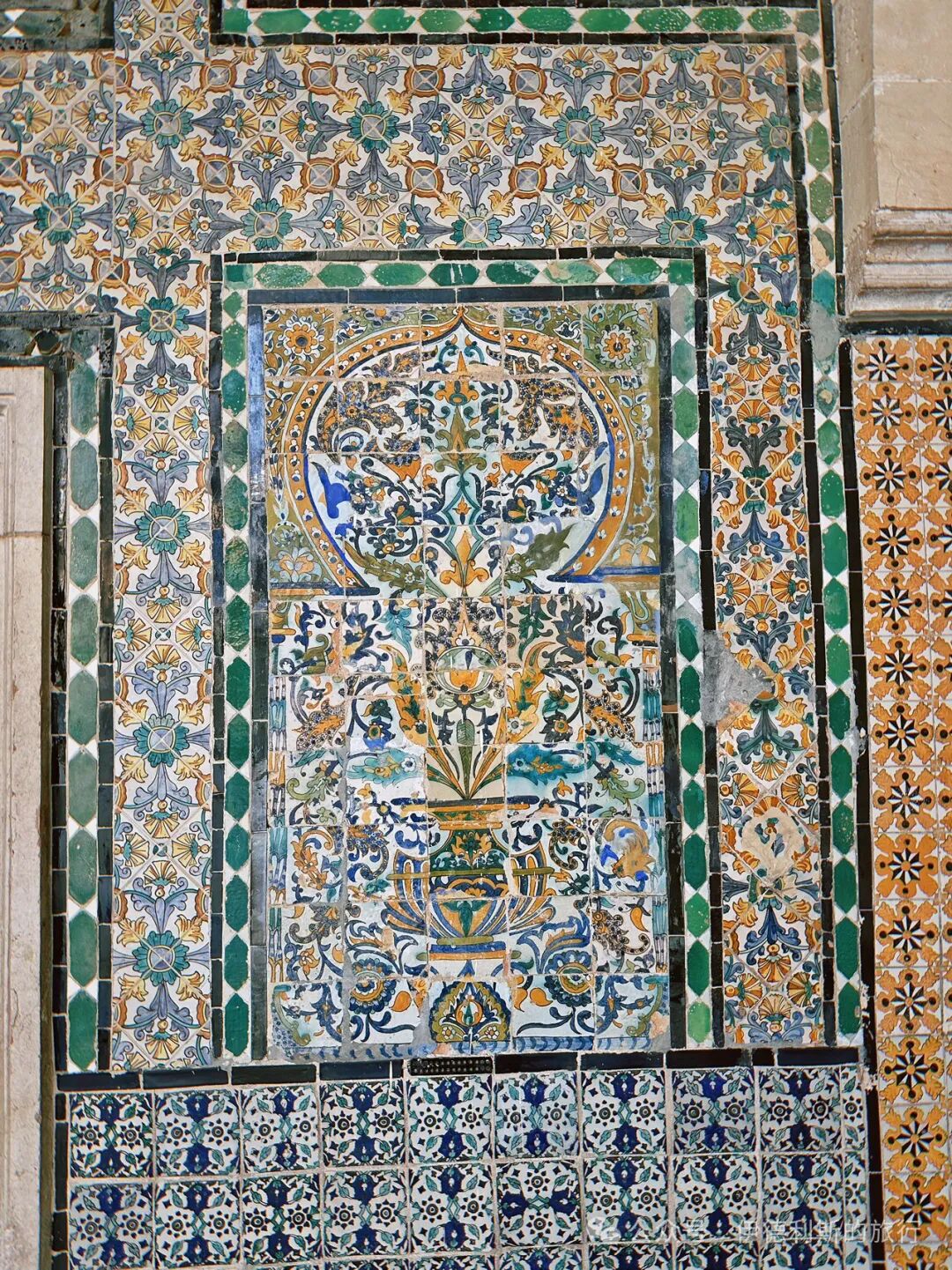
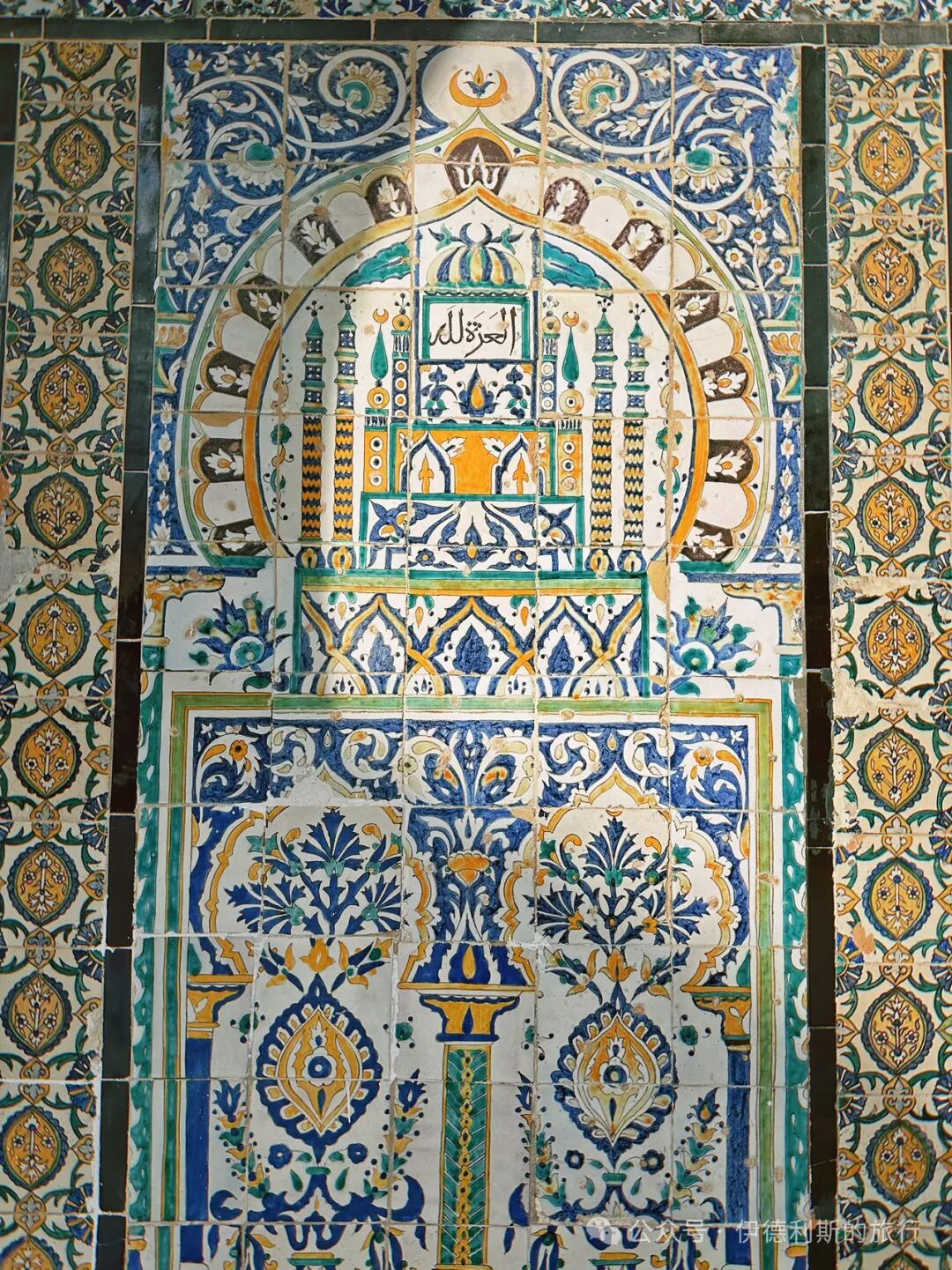
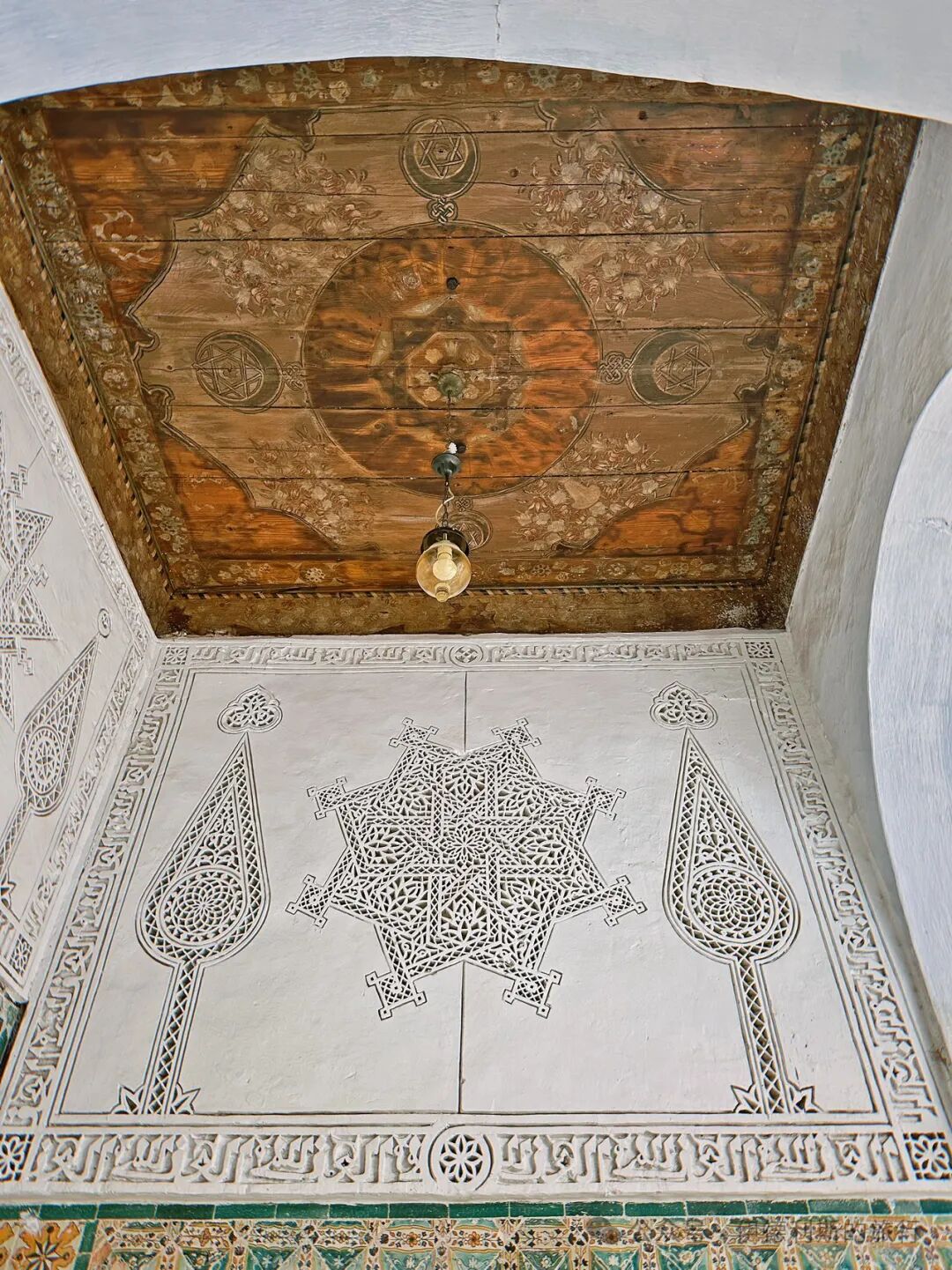
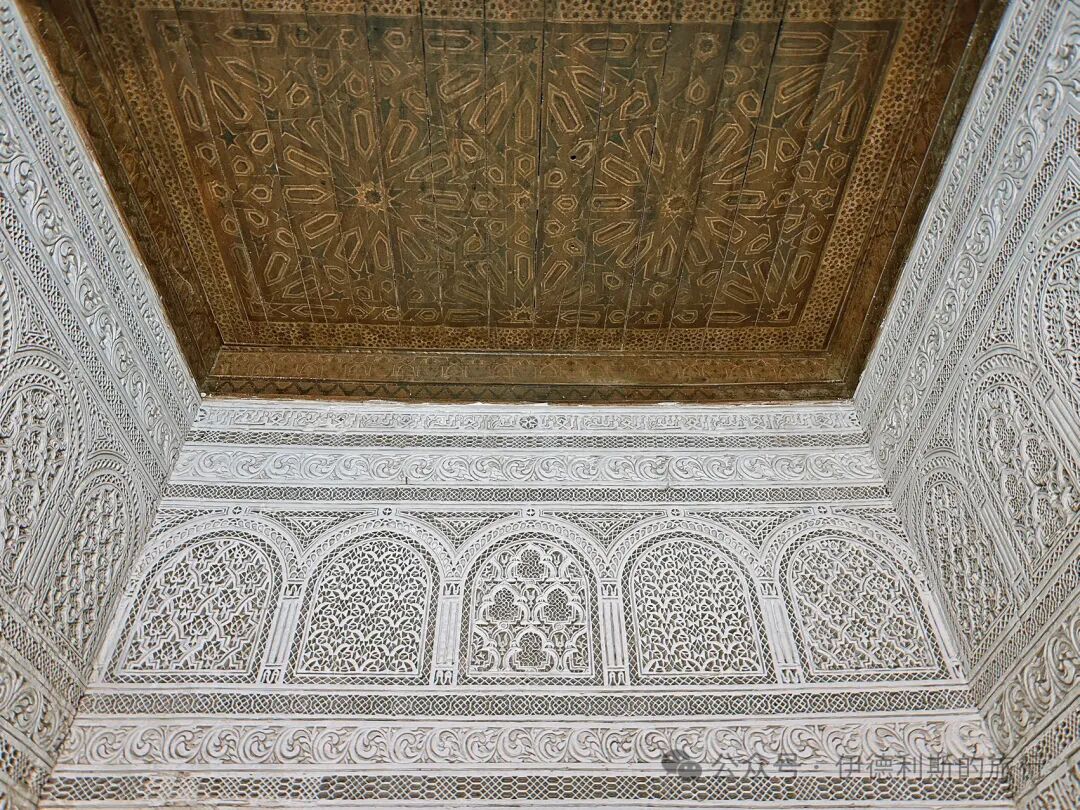
At the minaret, gate, and main hall of the Sidi Sahib tomb in Kairouan, an old man in the courtyard pours perfume into the hands of every visitor (dosti) who comes to pay their respects.
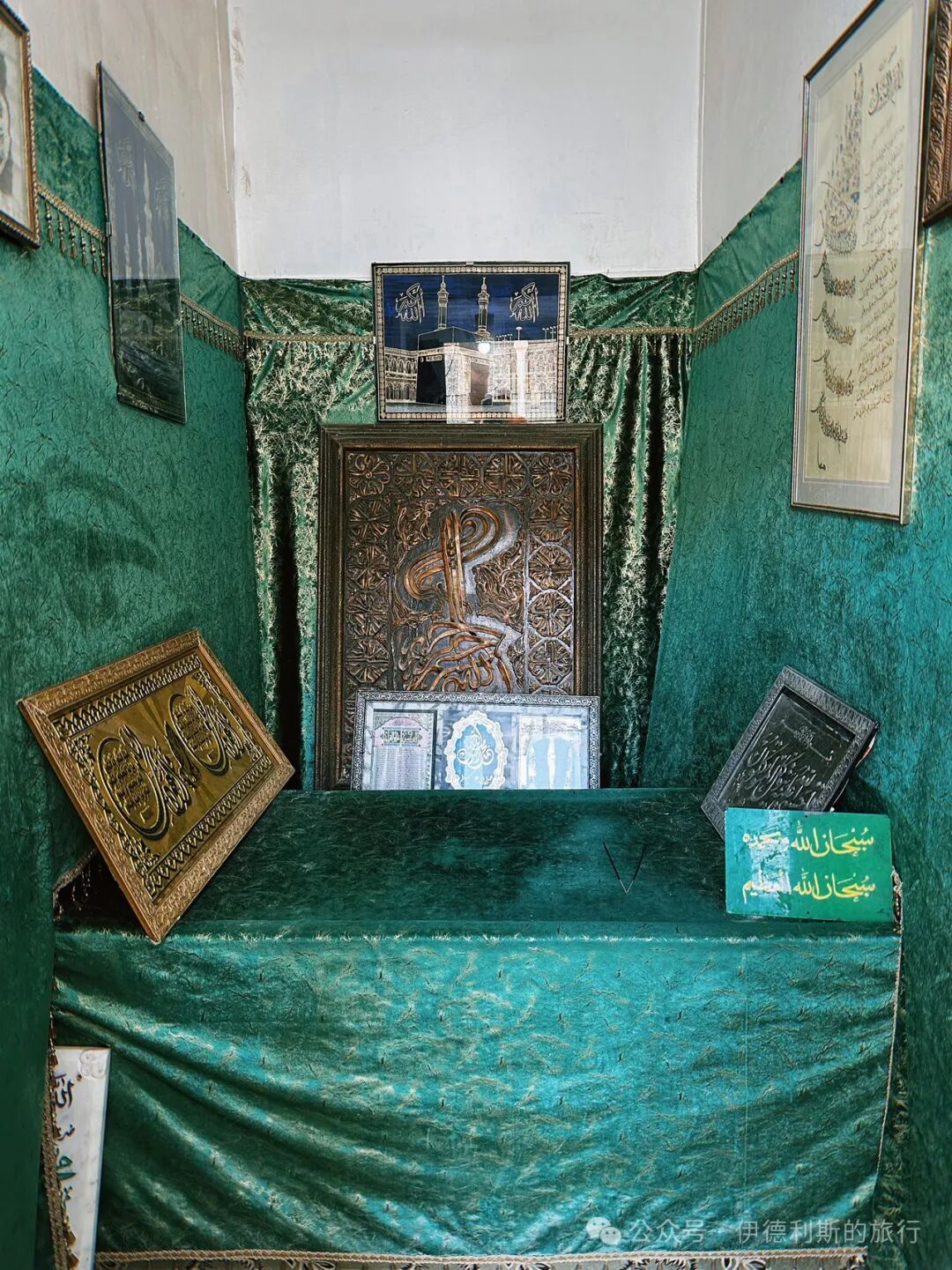
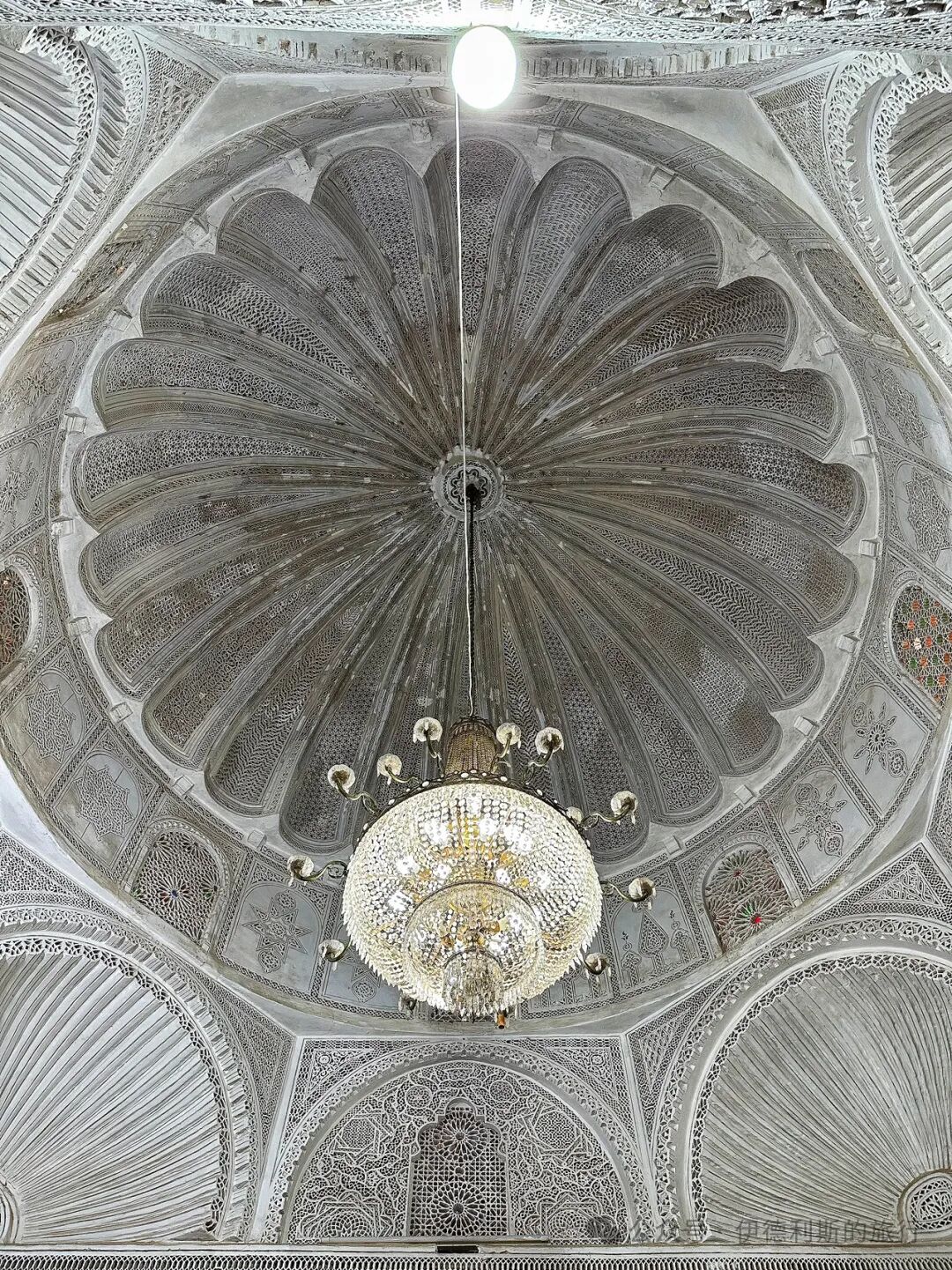
The Sidi Abid al-Ghariani school (madrasa) and shrine (zawiya) inside the Kairouan Medina were founded in the 14th century and expanded significantly in the 17th century. Abid al-Ghariani was a scholar, and his teacher, Al-Jadidi, was a famous judge in Kairouan. Al-Jadidi passed away in 1384 while on the Hajj pilgrimage in Mecca. Abid al-Ghariani took over his teacher's role to continue teaching in Kairouan, and after he died in 1402, he was buried next to the school.
Besides Abid al-Ghariani, the Hafsid dynasty Caliph Moulay Hasan (reigned 1526-1543) is also buried here. In 1534, the famous pirate Barbarossa led a fleet to invade Tunisia. Moulay Hasan eventually took back Tunisia with the help of the Holy Roman Empire, but he had to sign a treaty to become a vassal of Spain. In 1542, while Moulay Hasan was traveling to Italy to collect weapons and ammunition, his son usurped the throne, and he was eventually exiled. He lived in Naples and Sicily for several years and later met with the Holy Roman Emperor and the Pope, becoming the most well-known Arab monarch to Europeans of that era.
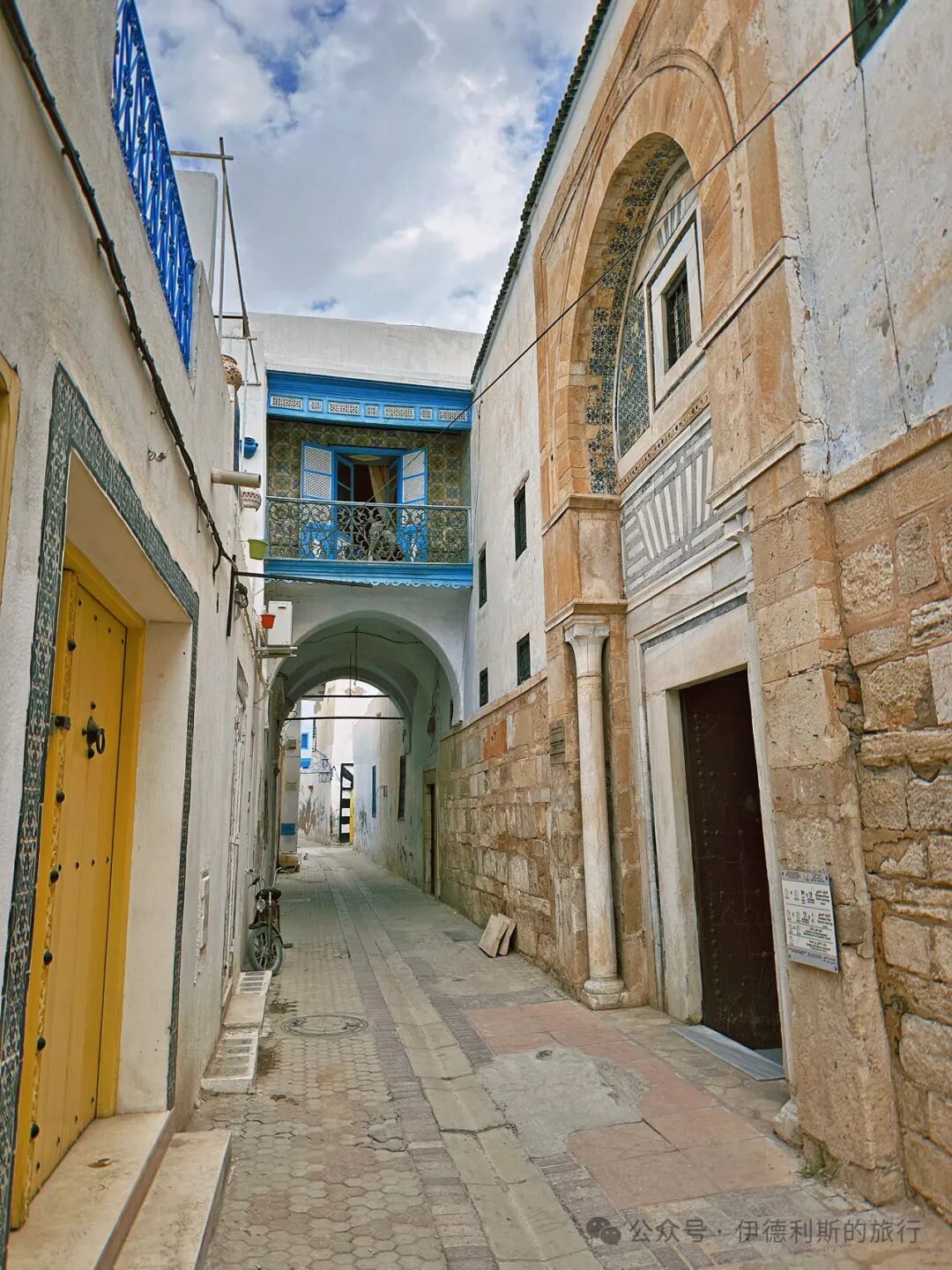
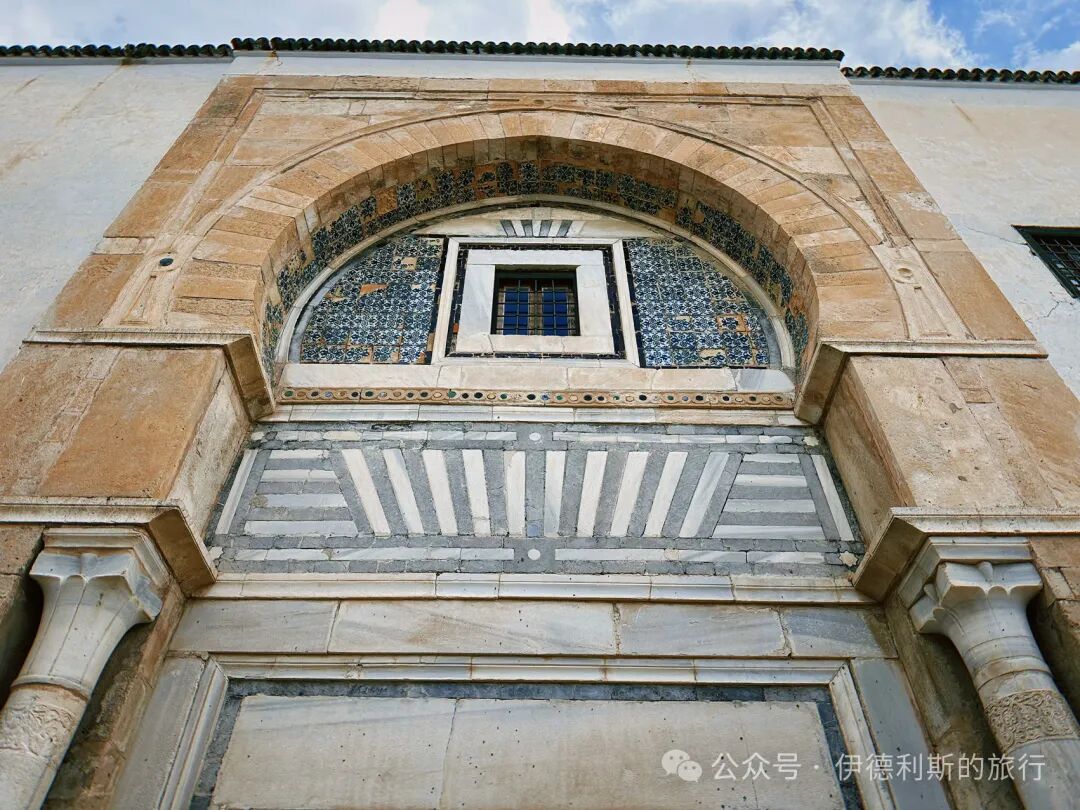
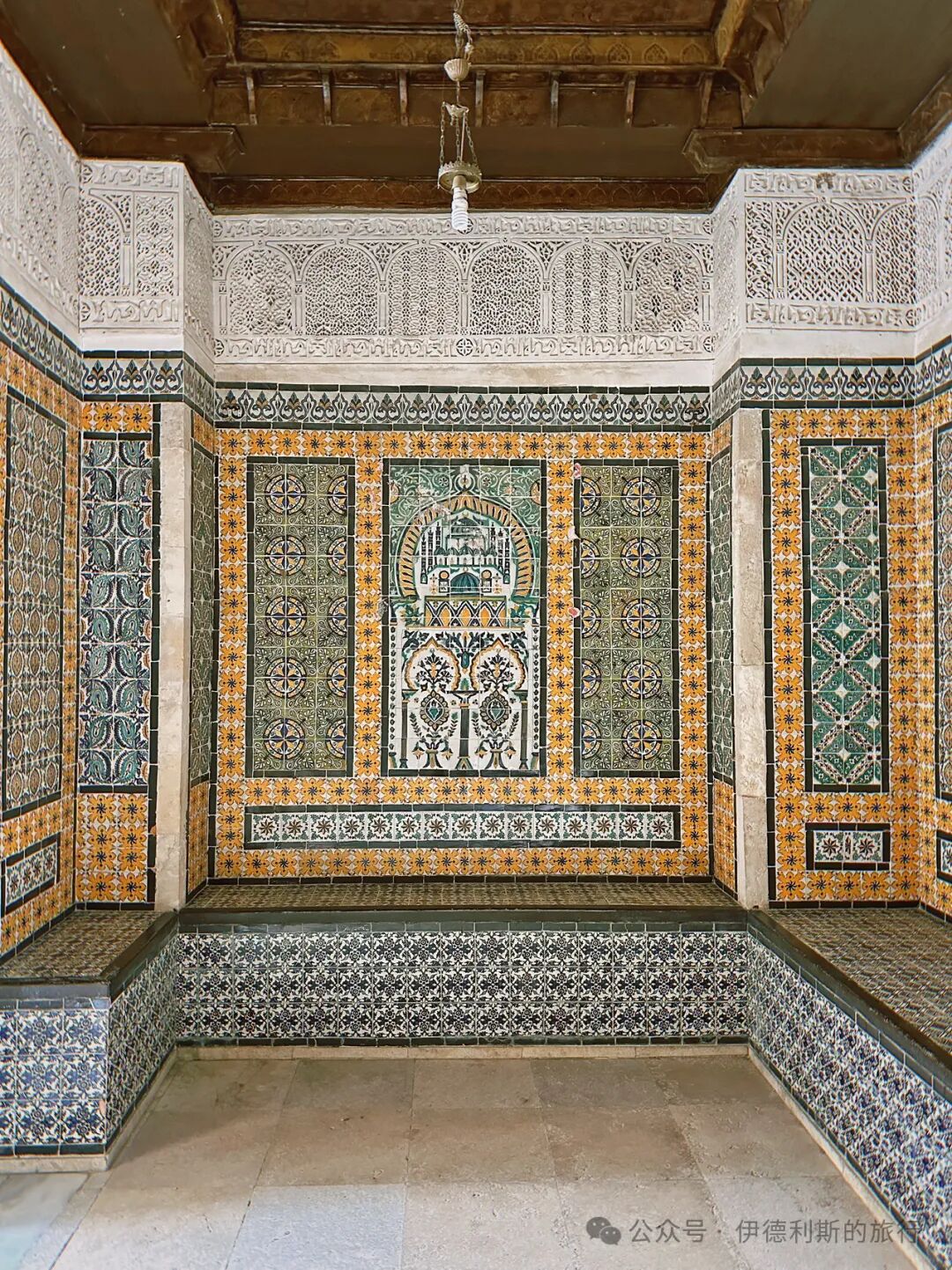
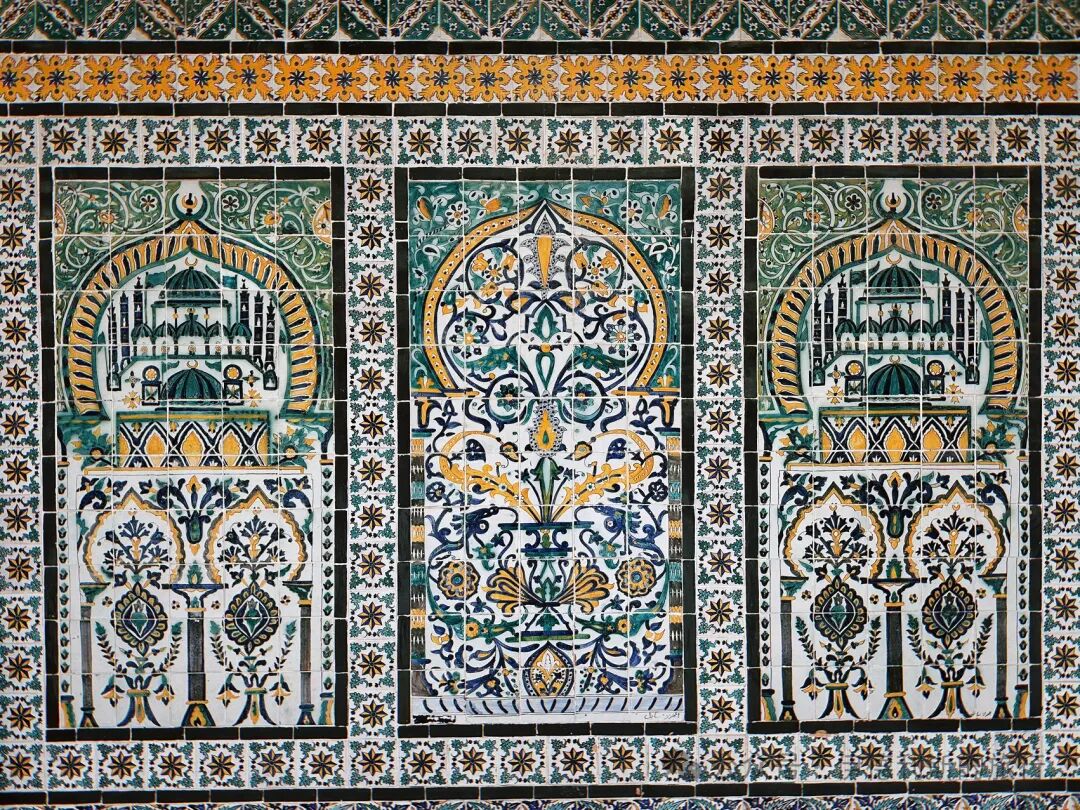
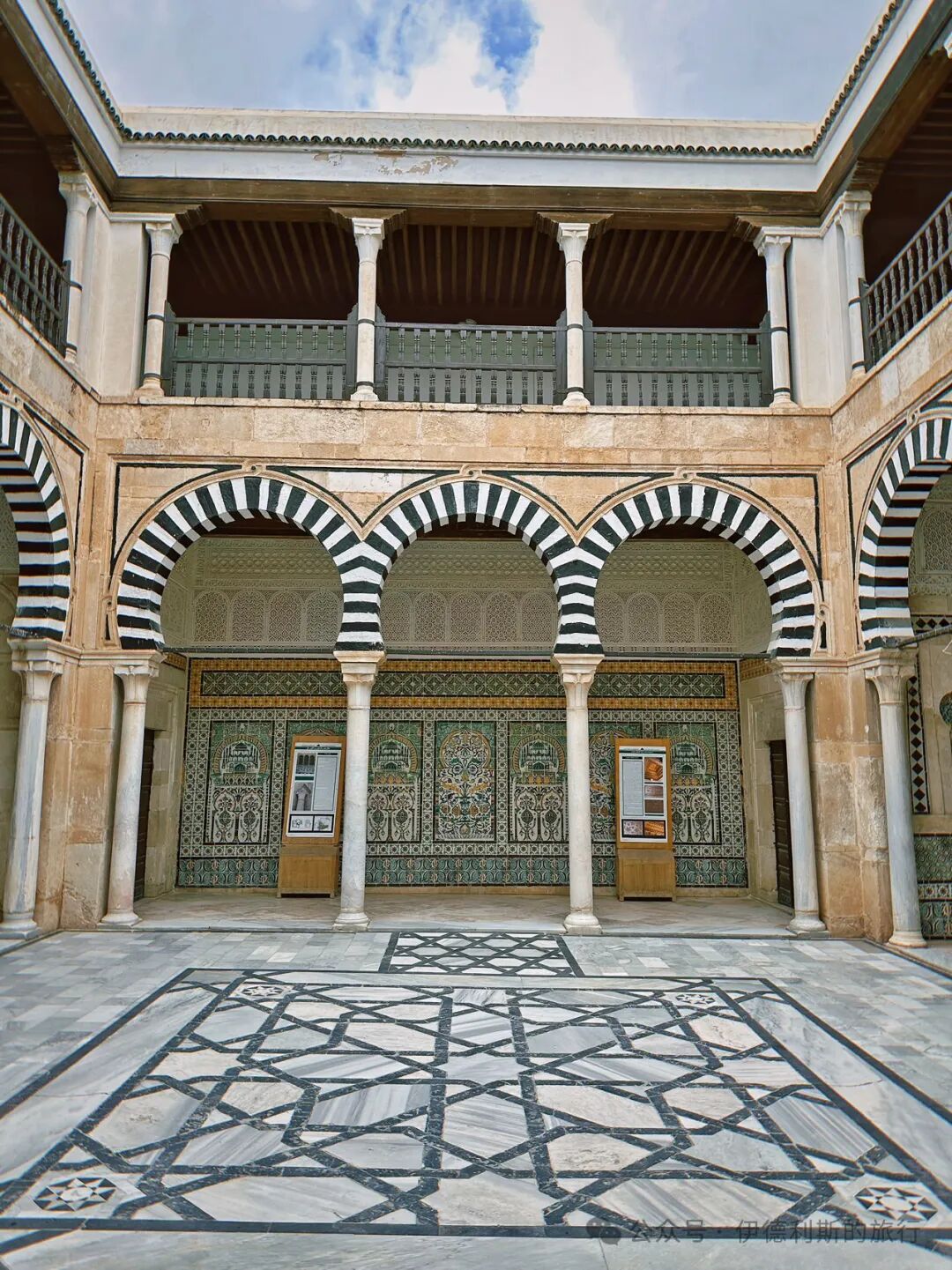
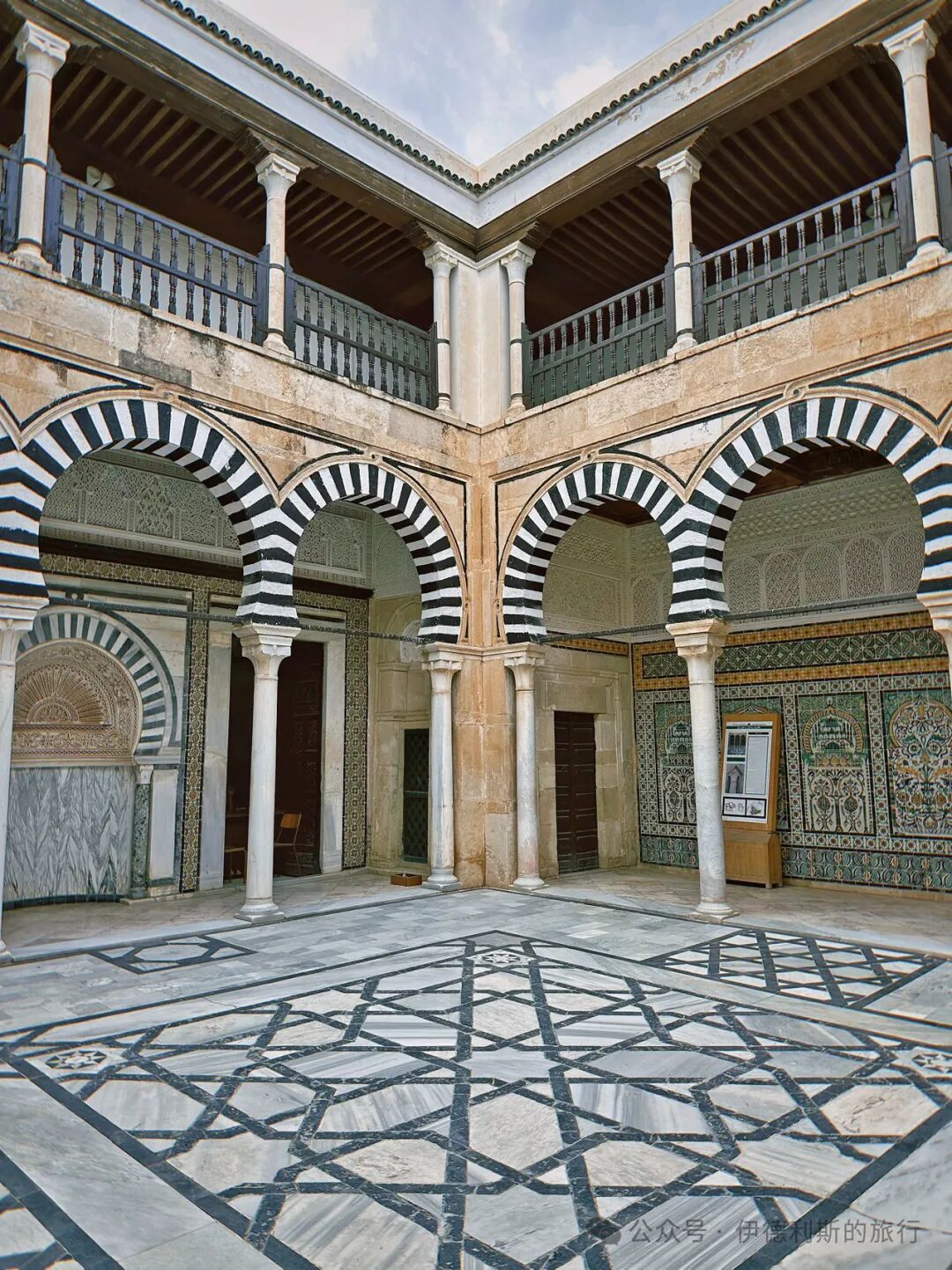
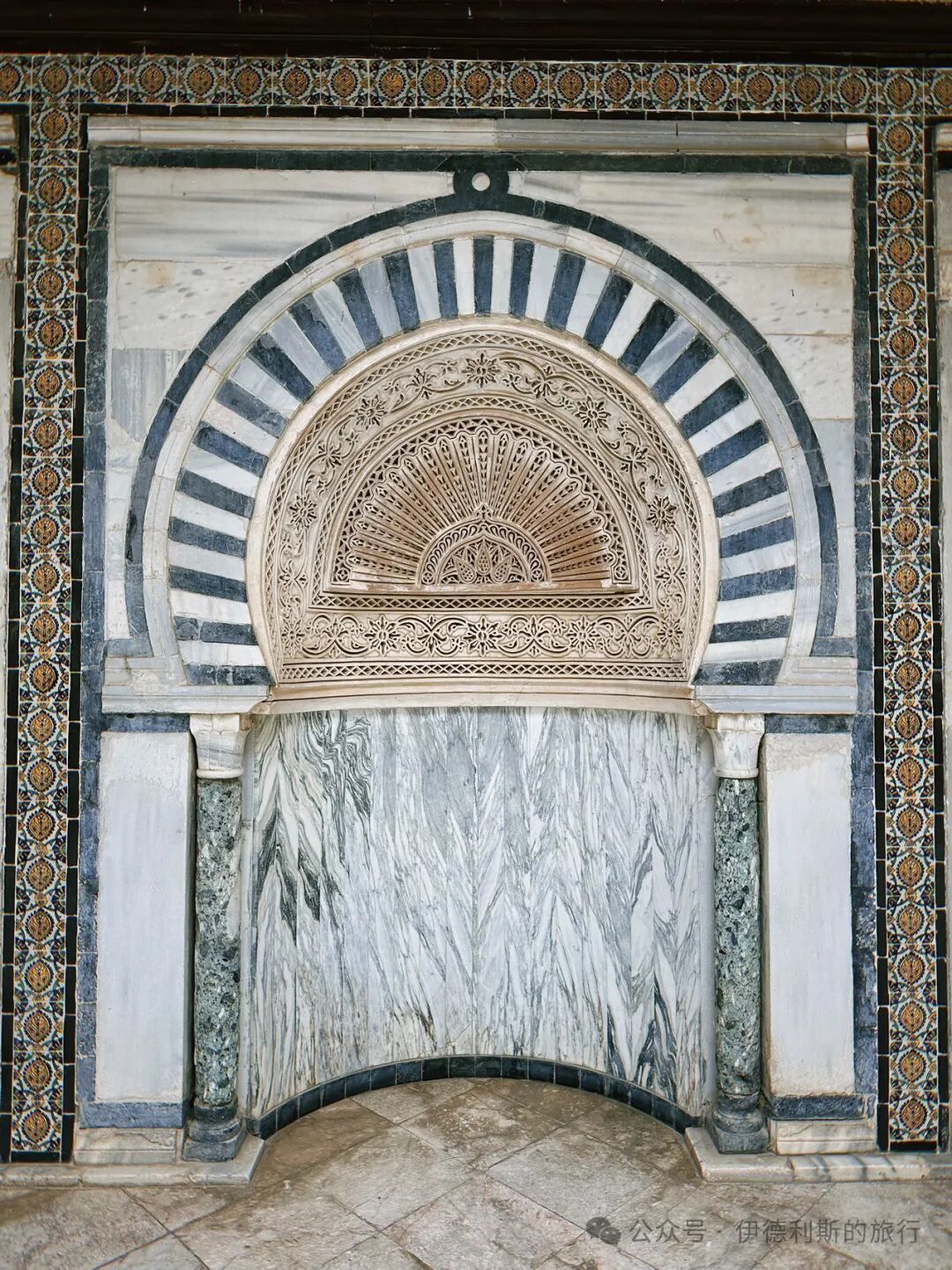
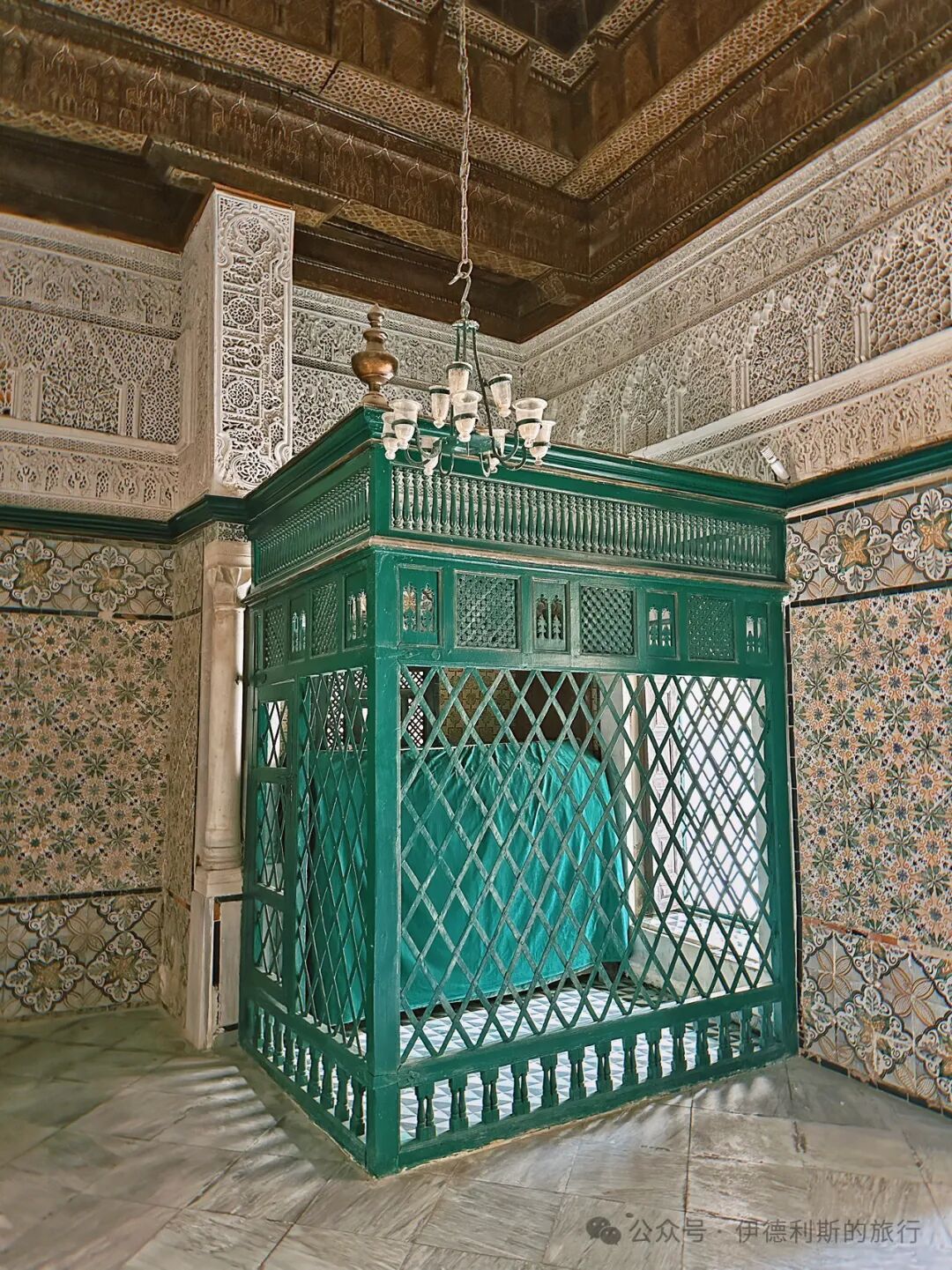
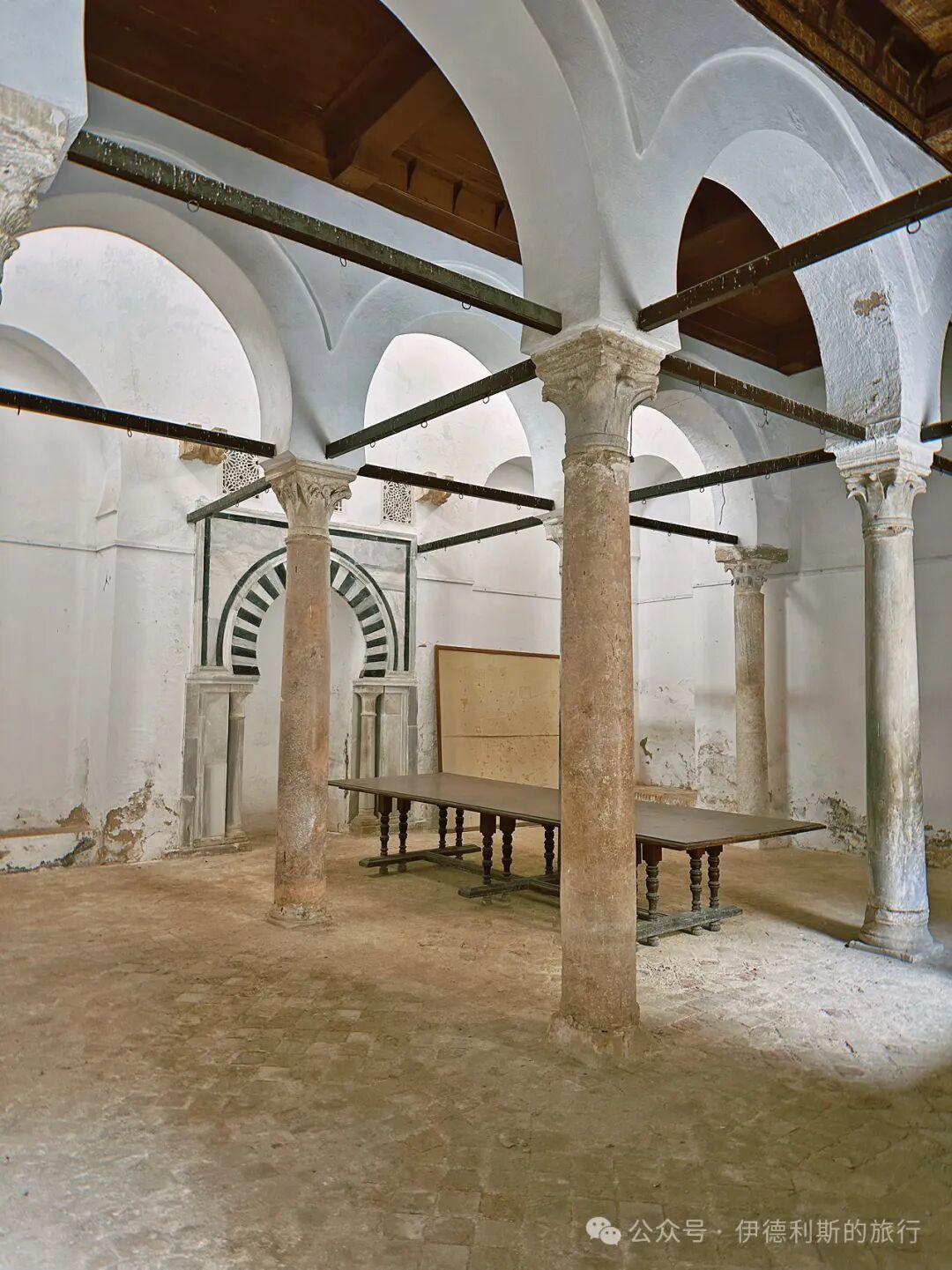
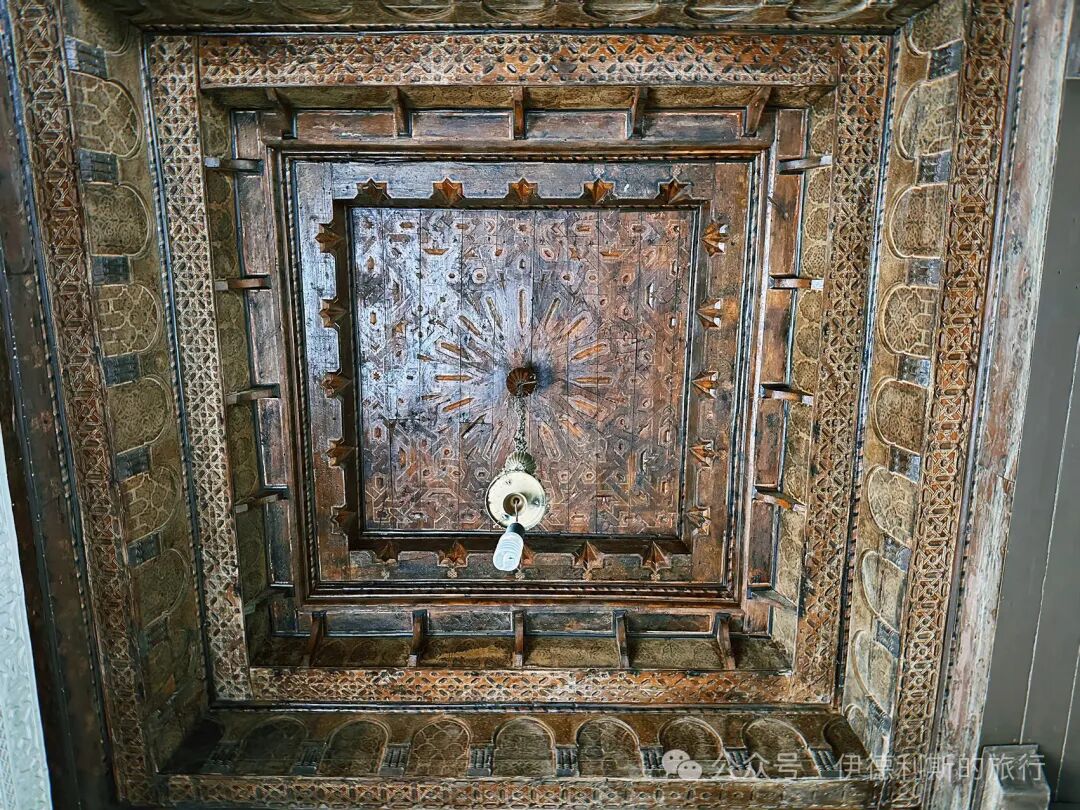
The city walls and gates of the Kairouan Medina.
Kairouan was founded in 670 by the Arab Umayyad general Uqba ibn Nafi, who chose the site to serve as a military base for the Arab conquest of Tunisia. Over the next hundred years, the Berbers launched wave after wave of uprisings against the Arabs. After surviving many attacks, Kairouan was finally captured by the Berbers in 745 and was not retaken until the end of the 8th century.
Halal Travel Guide: Kairouan, Tunisia - Great Mosque and Jumu'ah (Part 2)
Articles • ali2007fr posted the article • 0 comments • 138 views • 2026-05-19 22:19
Summary: This second part of the Kairouan travel account continues around the Great Mosque and the old city after Jumu'ah. It keeps the original mosque details, street scenes, photographs, and Muslim travel observations for readers interested in Tunisia's Islamic heritage.
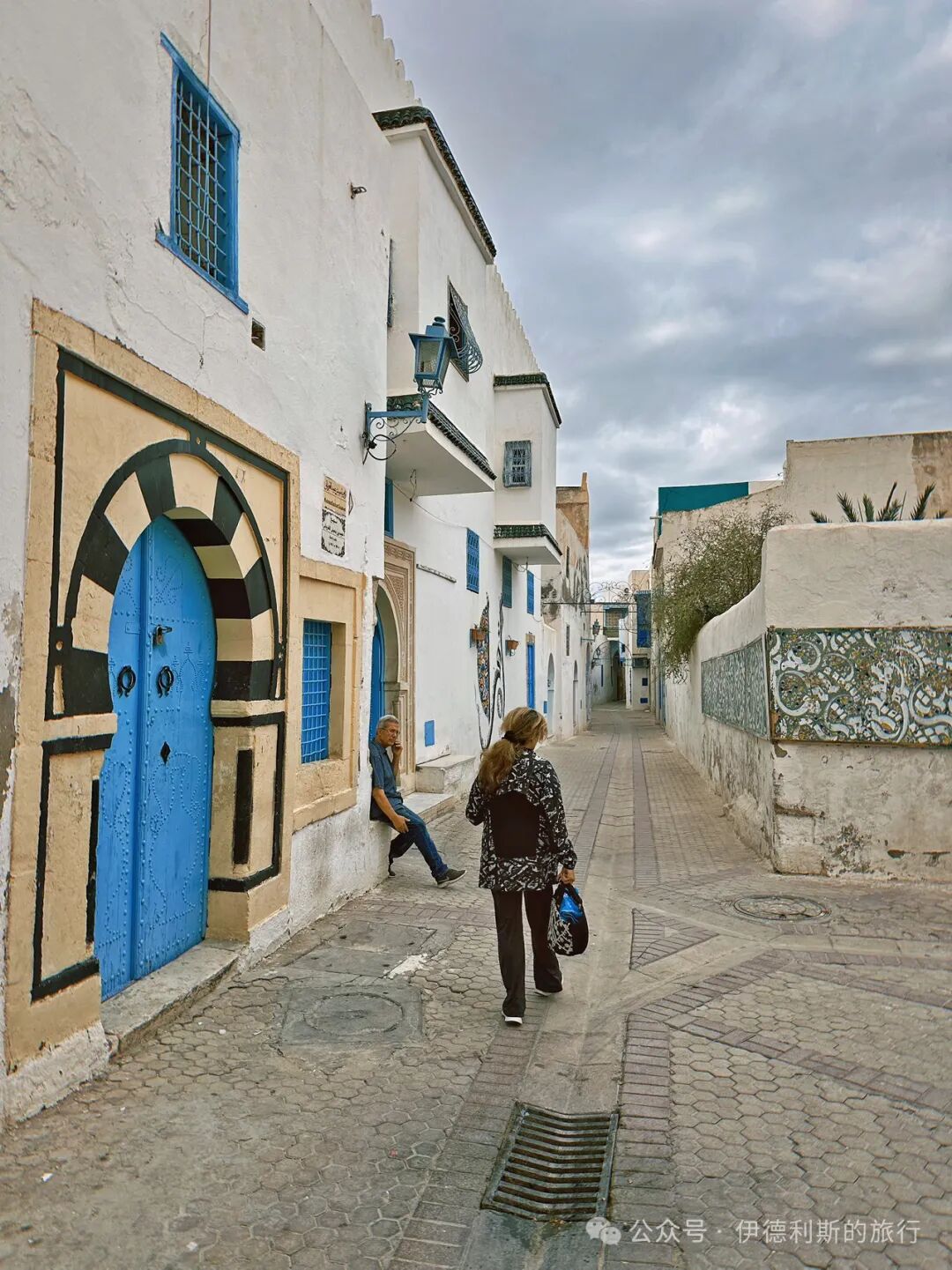
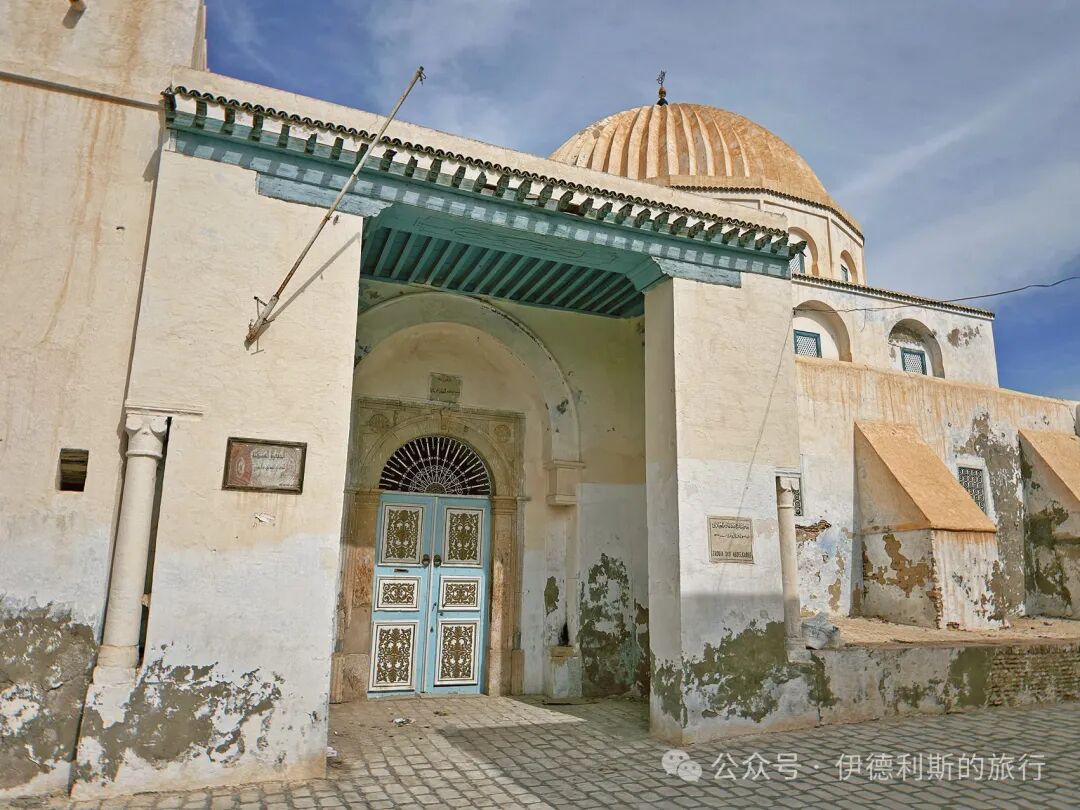
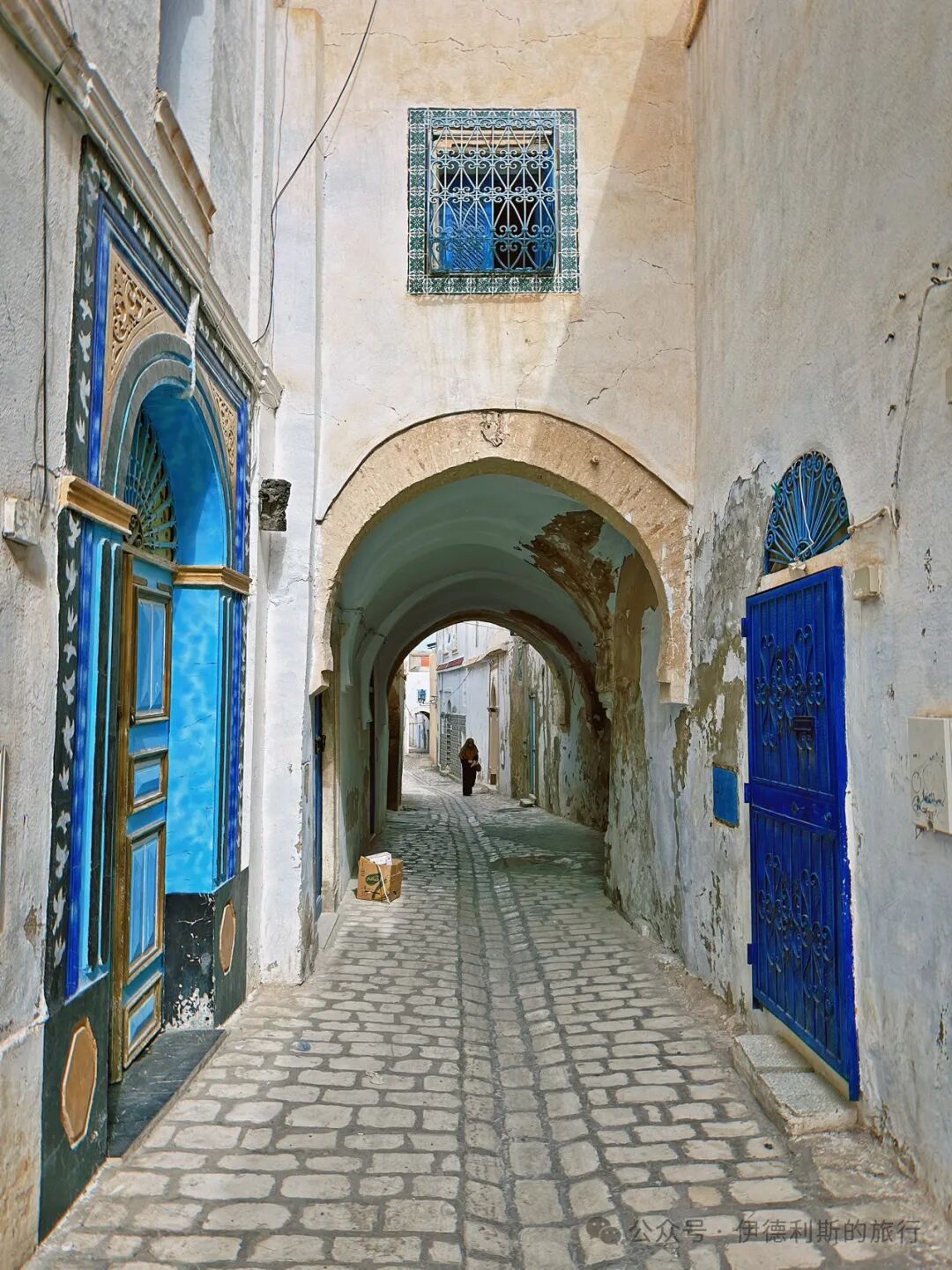
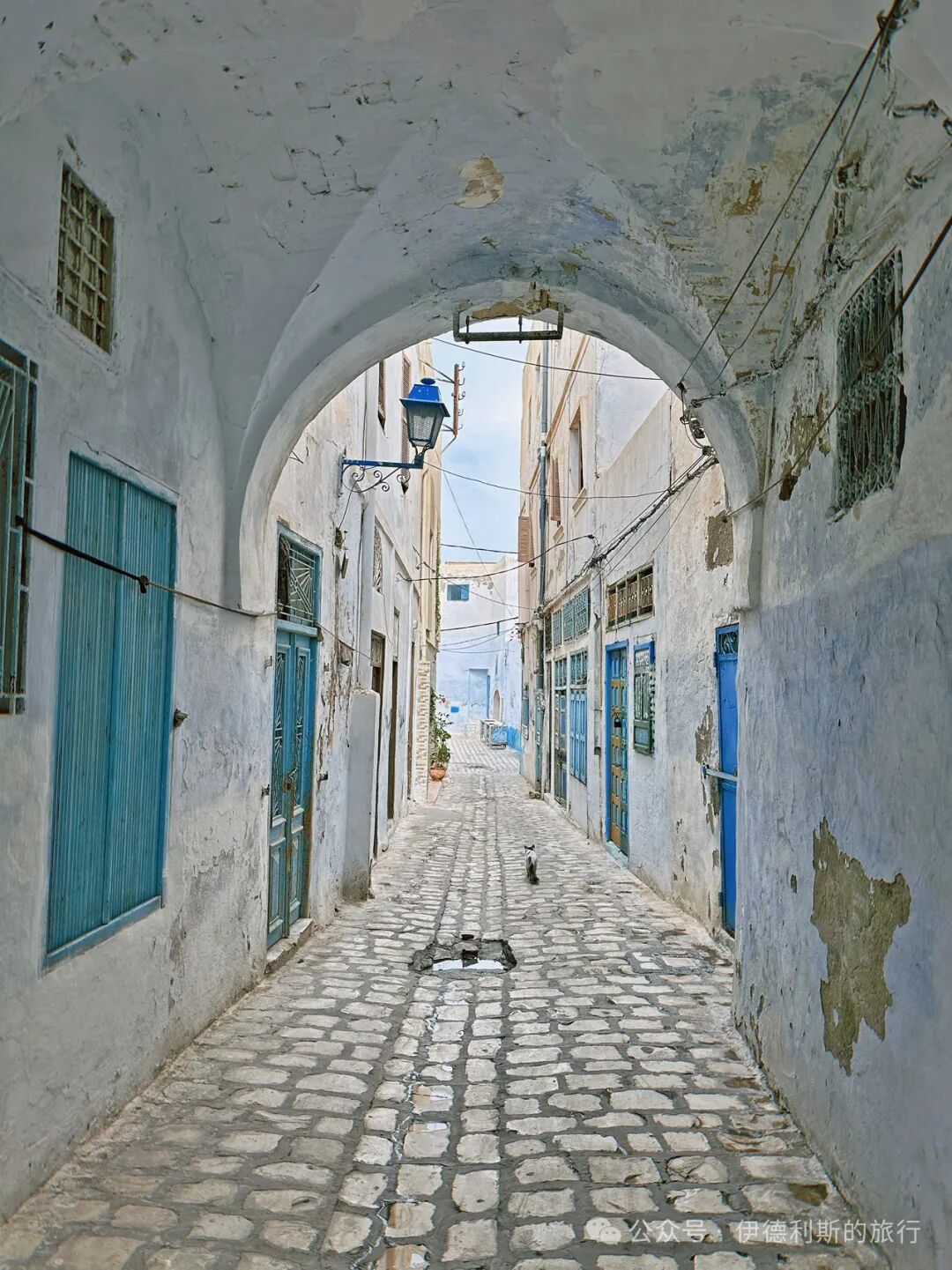
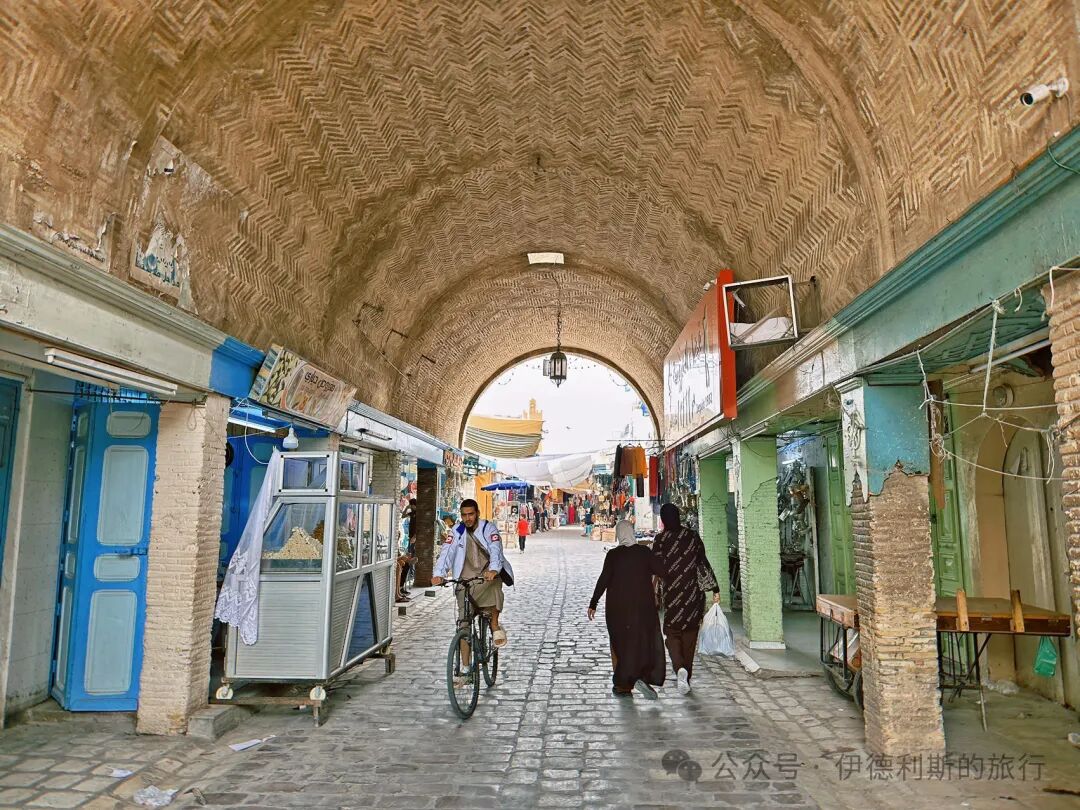
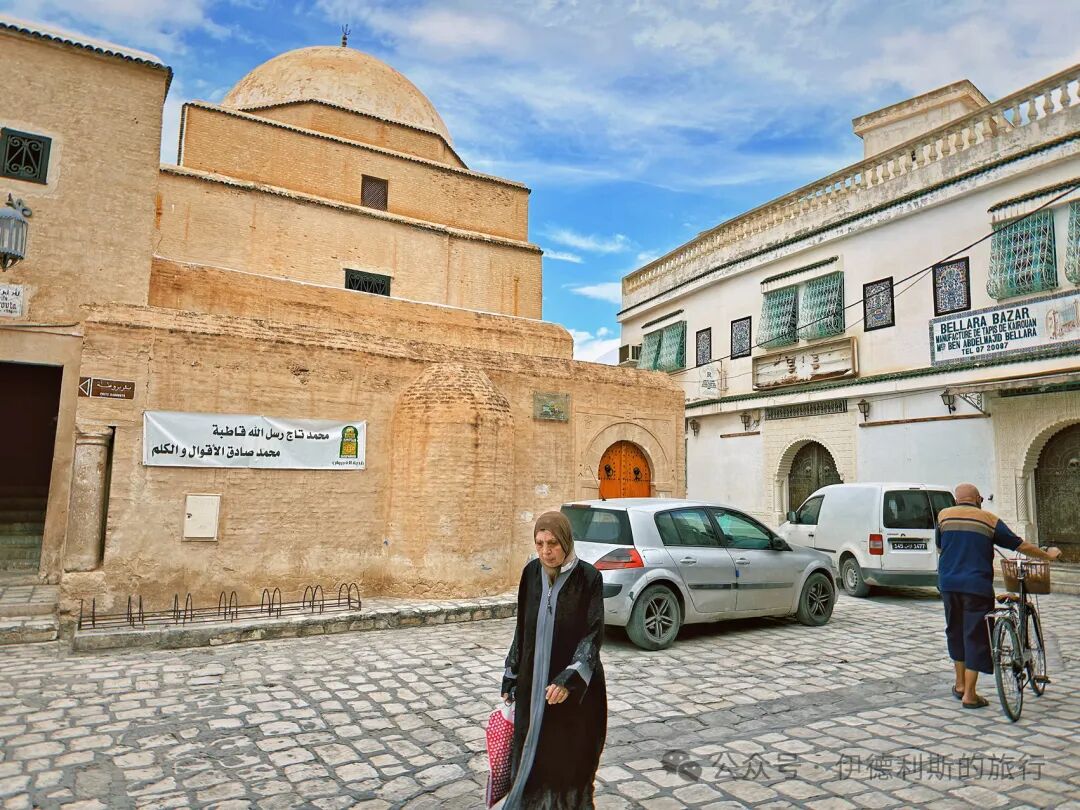
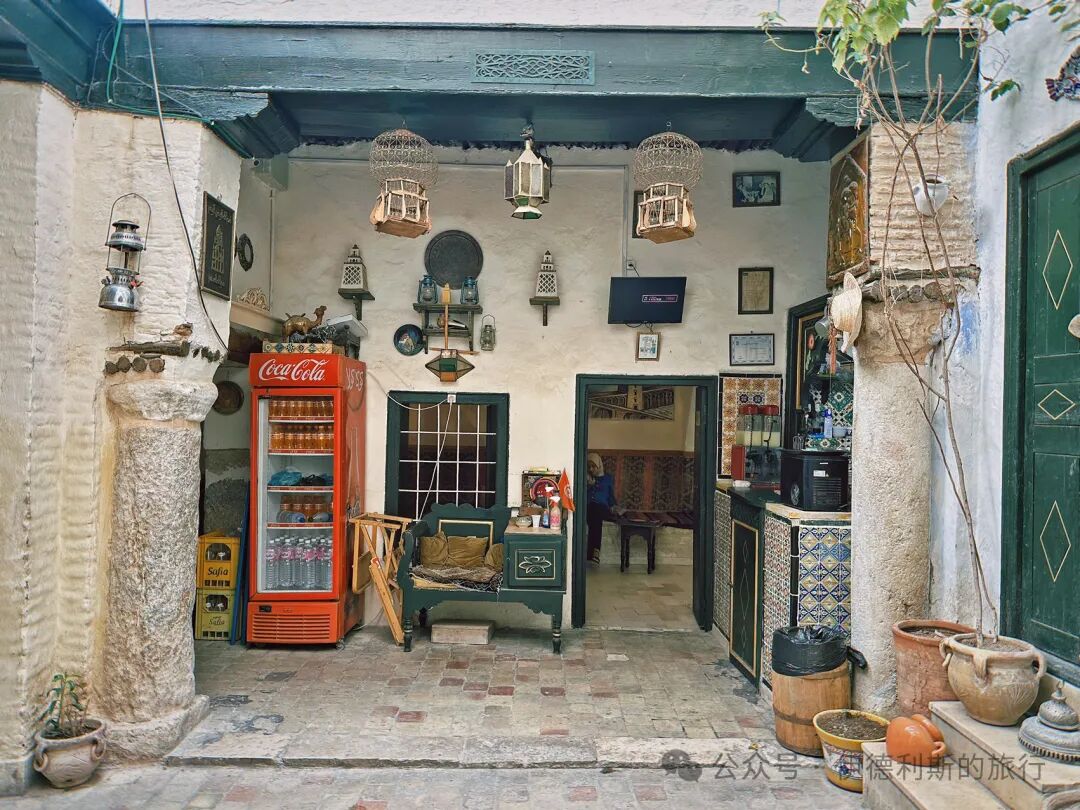
Street views of the old medina in Kairouan.
Kairouan was the capital of the Aghlabid and Zirid dynasties between the 9th and 11th centuries. The Aghlabid dynasty was an Arab emirate nominally under the Abbasid Caliphate. Kairouan grew quickly during this time and became known for its wealth and prosperity, rivaling cities like Basra and Kufa within the Abbasid realm. The Zirid dynasty was a Berber emirate nominally under the Fatimid Caliphate. Kairouan reached its peak in art, trade, and agriculture during this period, with education flourishing in particular. In the 1040s, the Zirid dynasty declared independence from the Fatimid Caliphate and recognized the Abbasid Caliphate. The Fatimid Caliphate then sent a group of Arab tribes to invade Kairouan. In 1057, these Arab tribes captured and destroyed Kairouan. The Zirid dynasty was forced to move its capital to Mahdia, and Kairouan never regained its former prosperity.
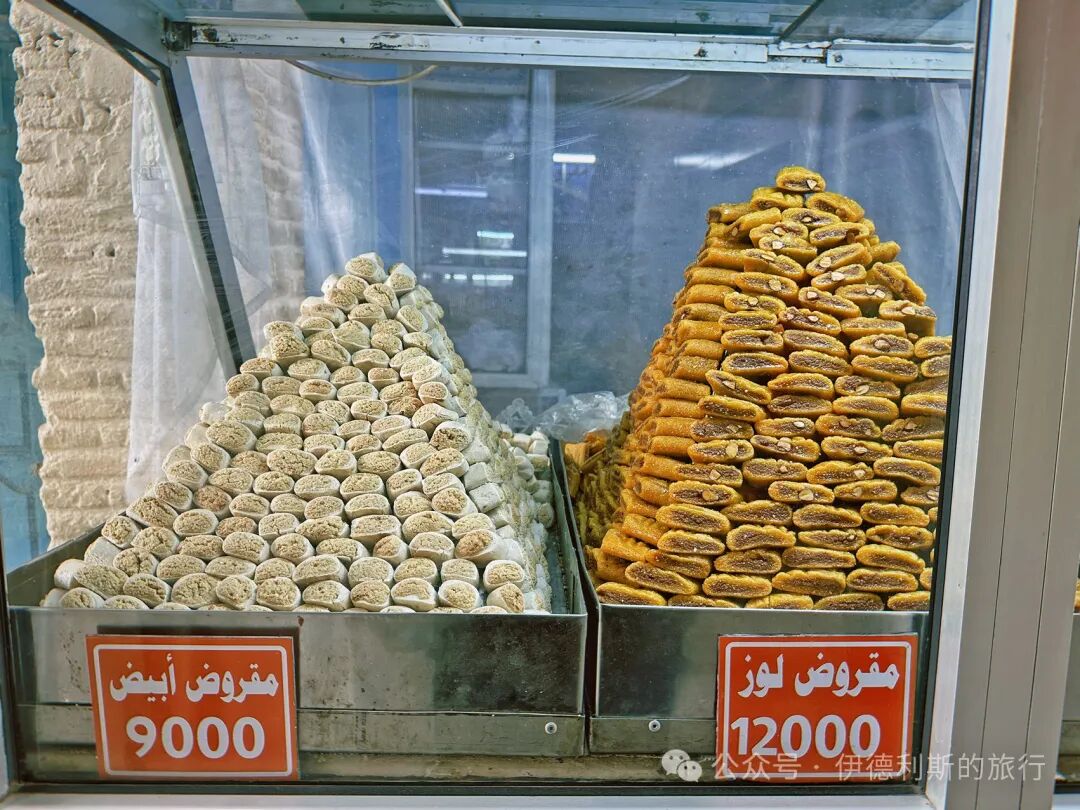
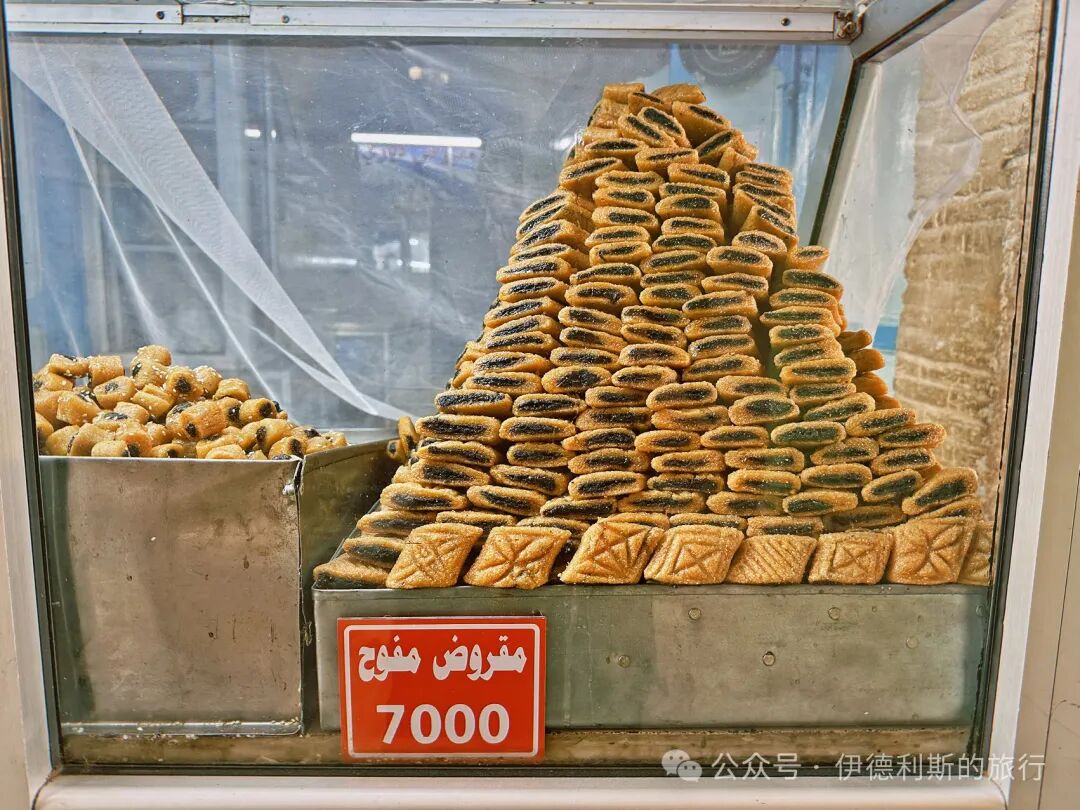
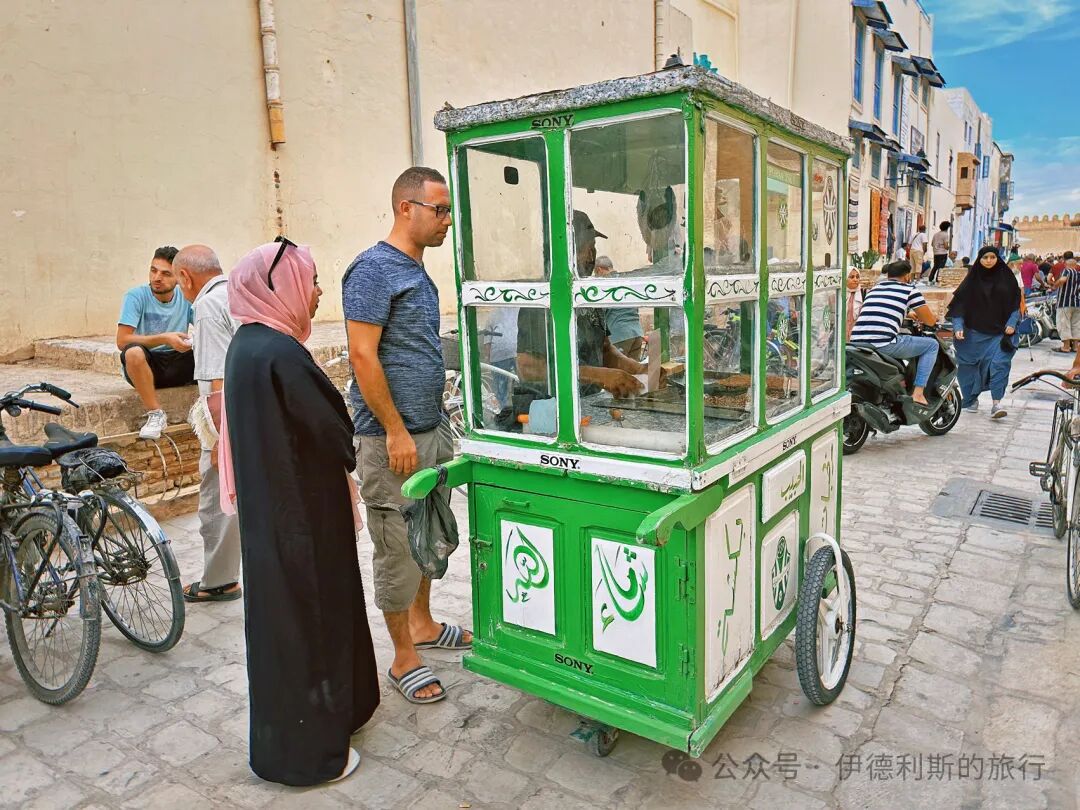
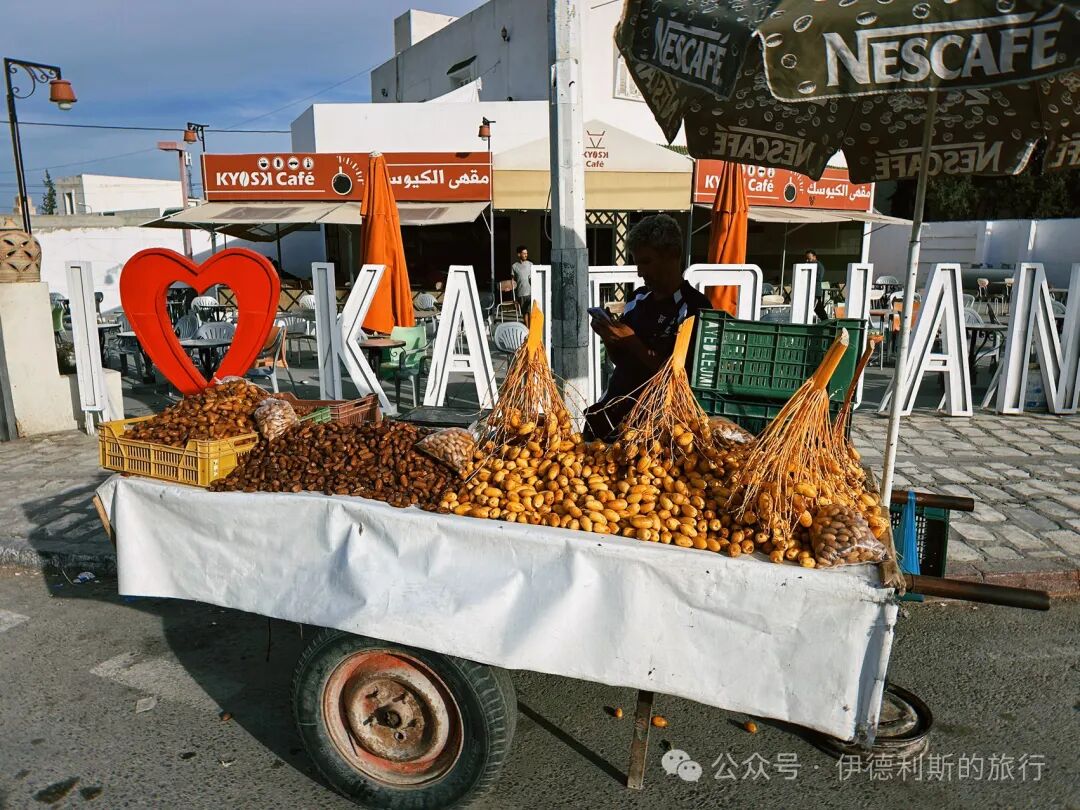
In the Kairouan medina market, various sweets are very popular, especially the date-filled pastry known as Makroudh.
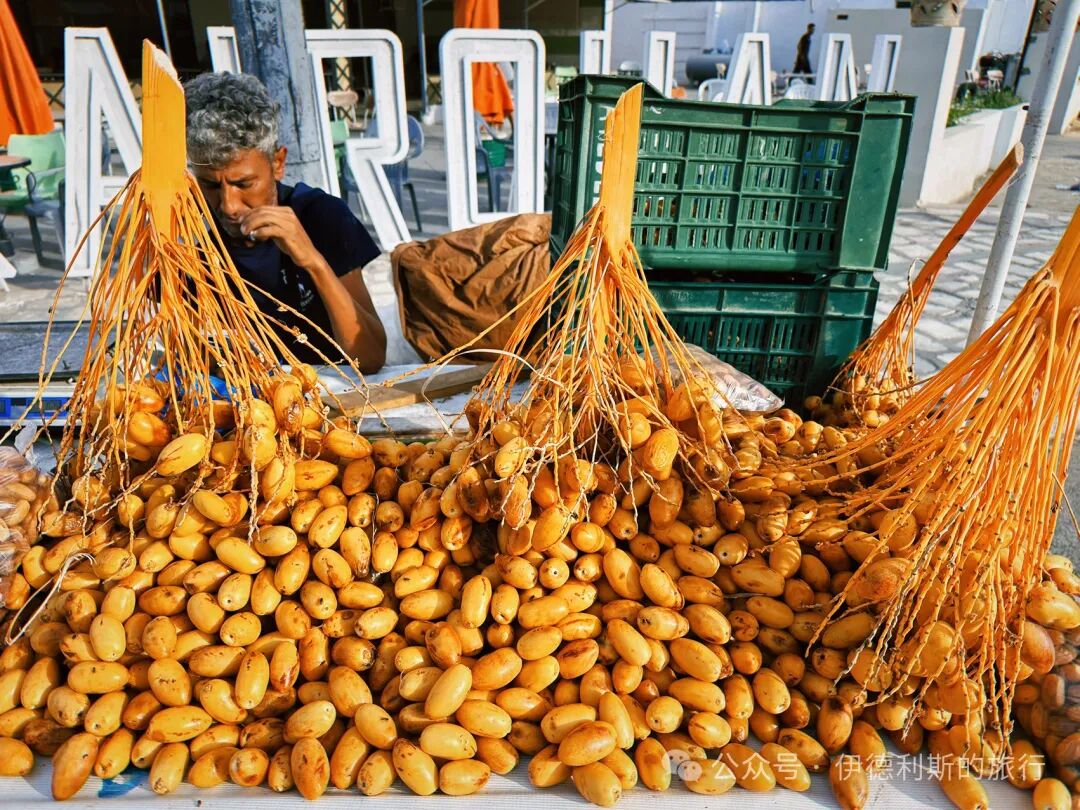
They also sell fresh dates here. They are quite sweet, though slightly more astringent than the dried ones.
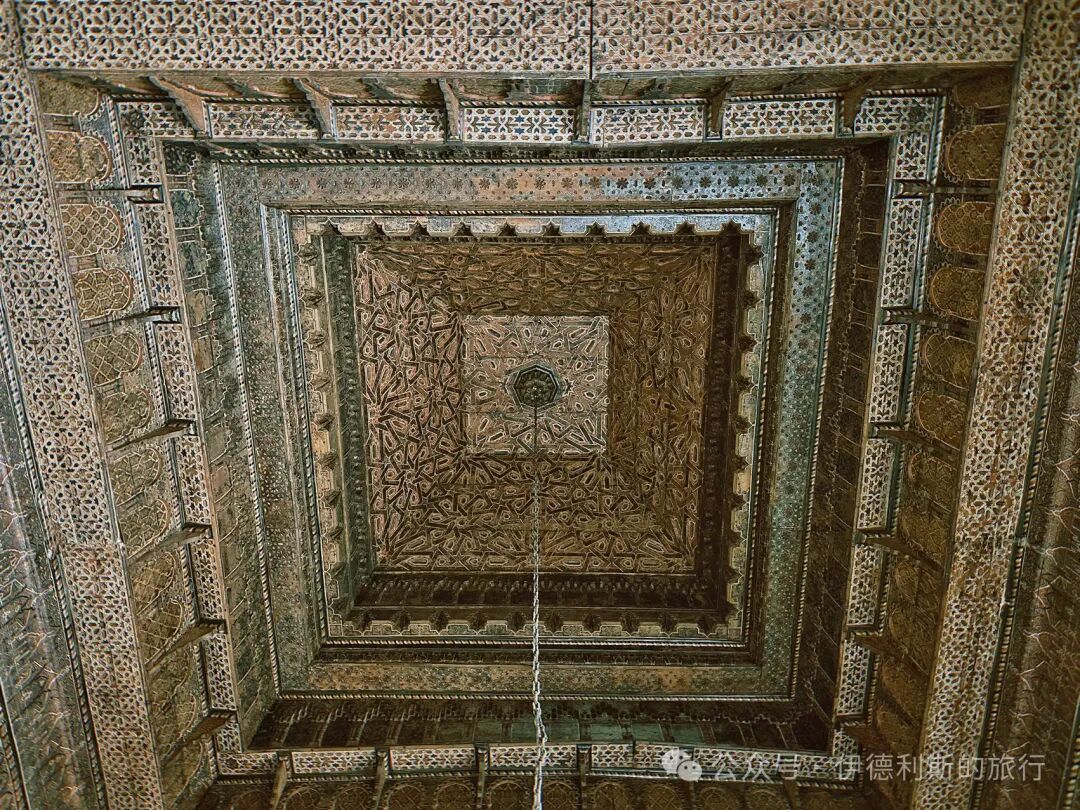
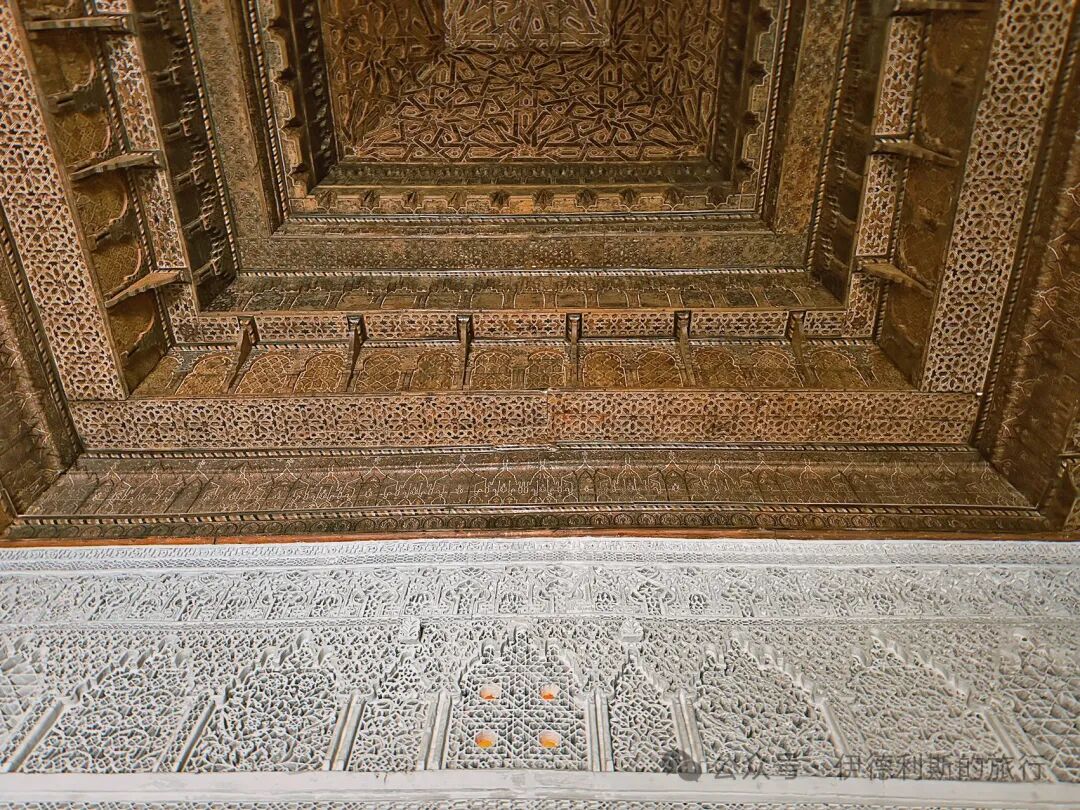
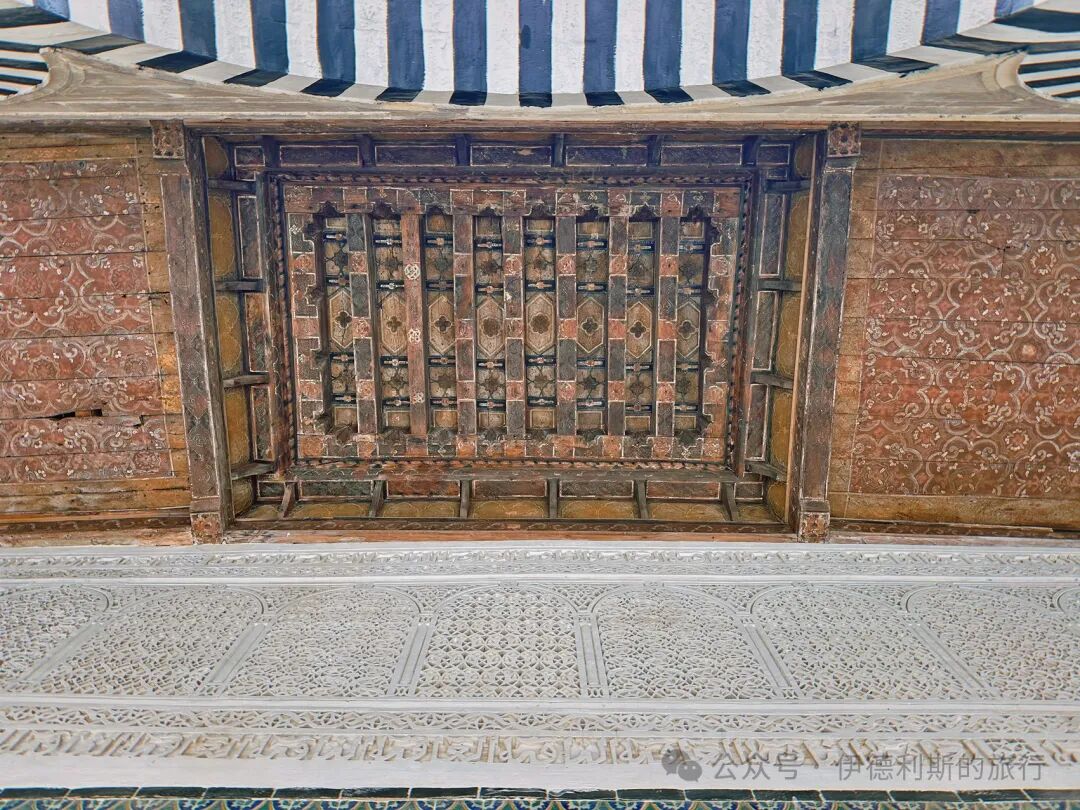
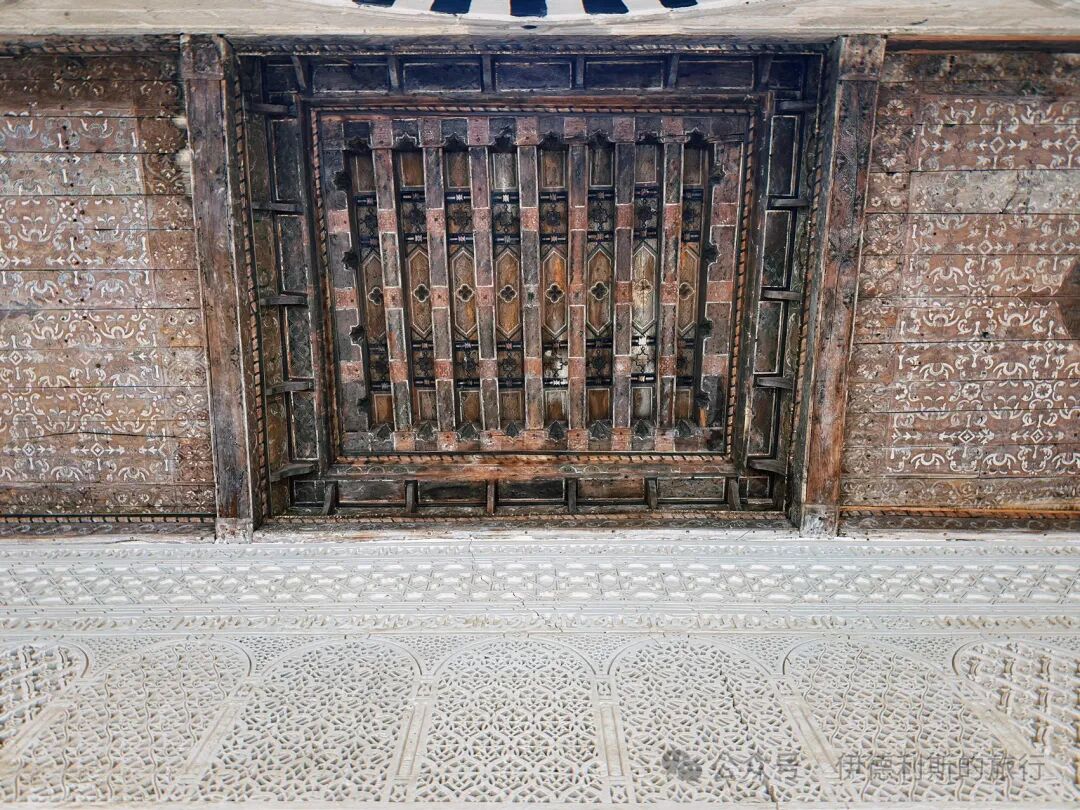
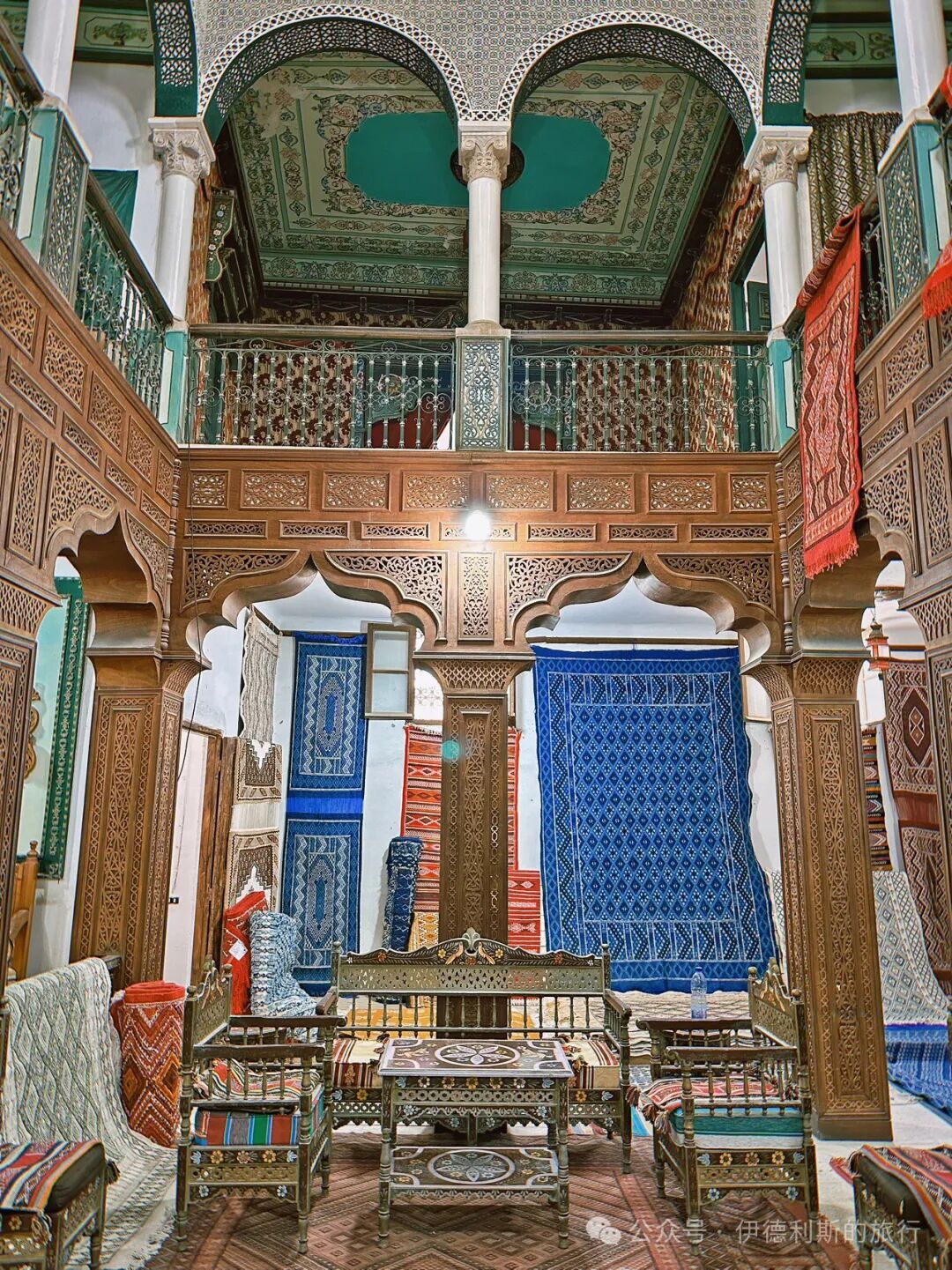
The 18th-century Kairouan Bey residence, Dar El Bey, is now a carpet shop. The residence has 18 rooms inside with very ornate ceilings. However, if you do not plan to buy a carpet, the staff might not let you see all the rooms.
The office of the Kairouan Poetry Association; this kind of ornate ceiling is a signature feature of Kairouan.
The ancient Bir Barrouta well in Kairouan. Legend says it was dug by the Abbasid governor Ibn El Ayoun in 796, and the current domed structure was rebuilt by the Bey of Tunis, Mohamed, in 1690. It is still in operation today, using a camel to power a water wheel (noria) to draw water, which people collect in clay pots.
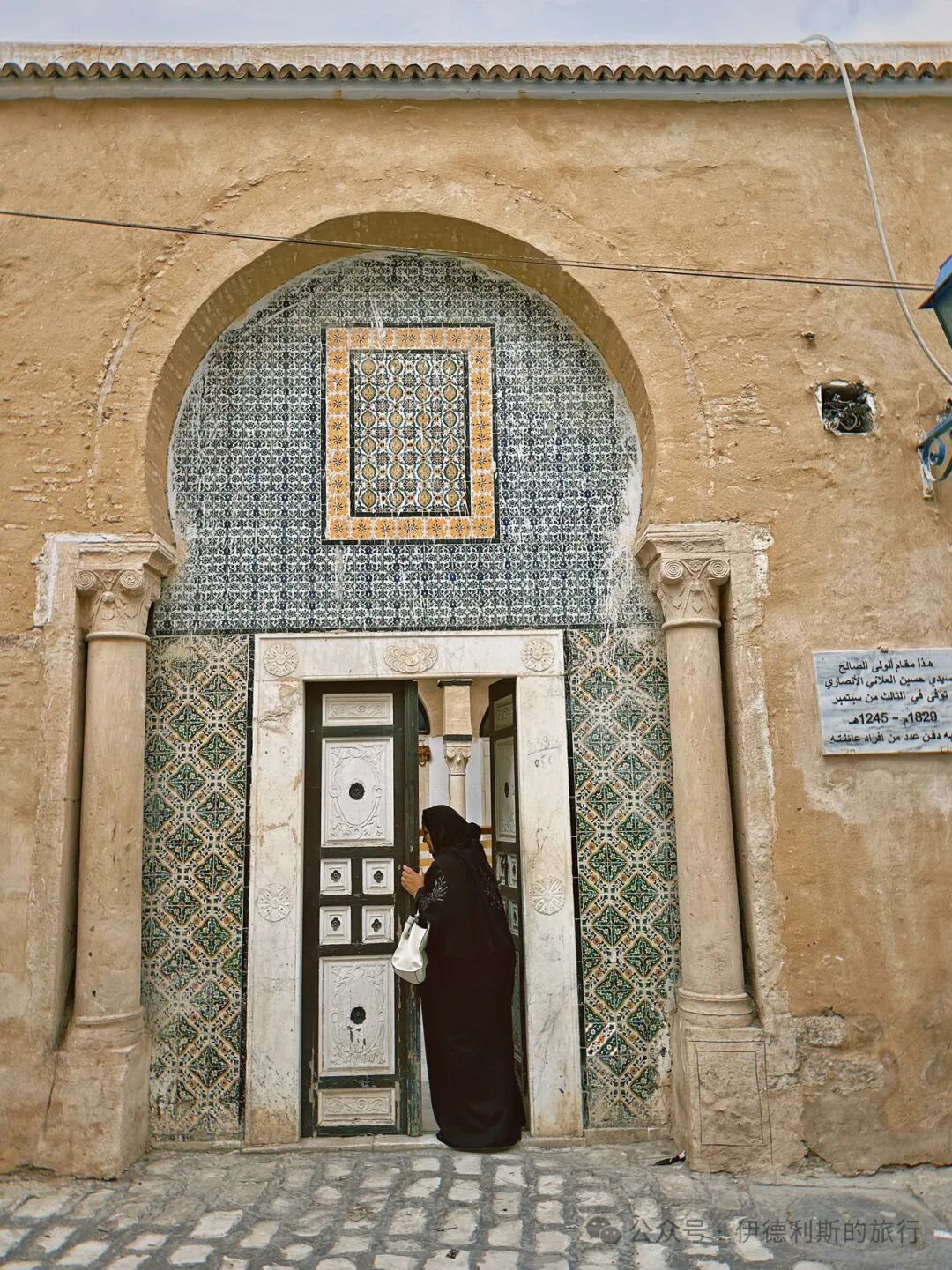
A gongbei built in 1829 in the old medina of Kairouan.
The Zeitouna Mosque outside the west gate of the old medina in Kairouan. Its architectural style is similar to the Great Mosque of Kairouan, but it is smaller in scale. view all
Summary: This second part of the Kairouan travel account continues around the Great Mosque and the old city after Jumu'ah. It keeps the original mosque details, street scenes, photographs, and Muslim travel observations for readers interested in Tunisia's Islamic heritage.
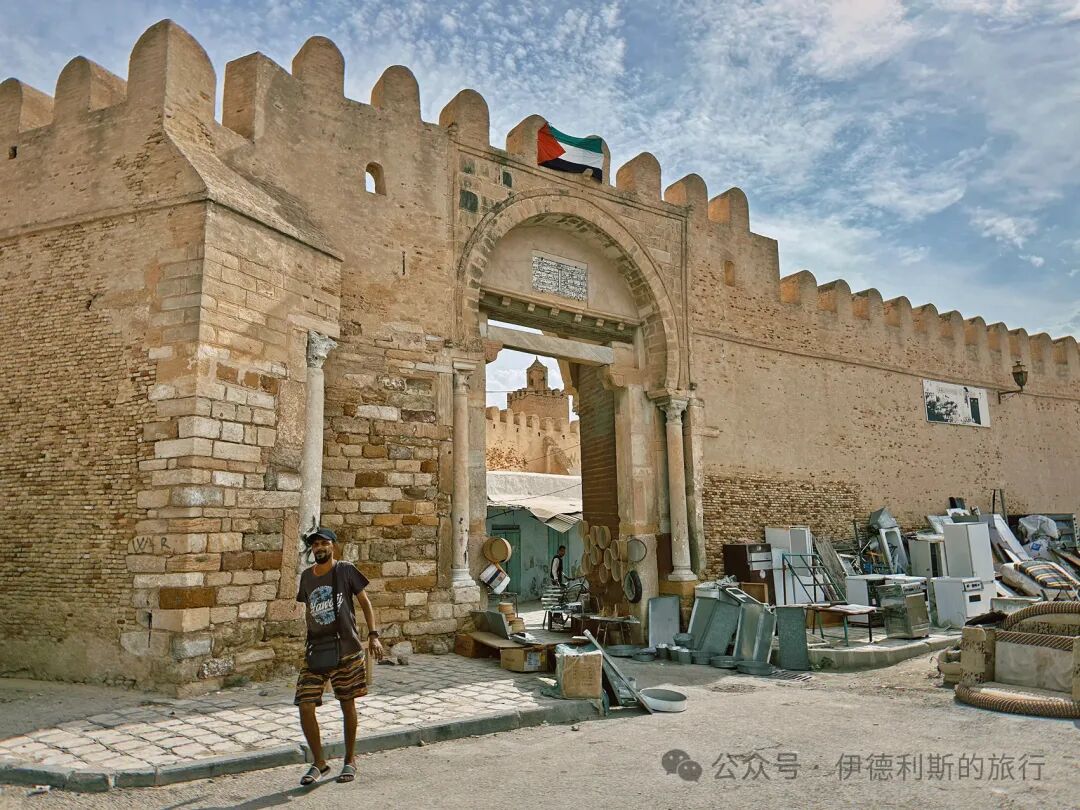
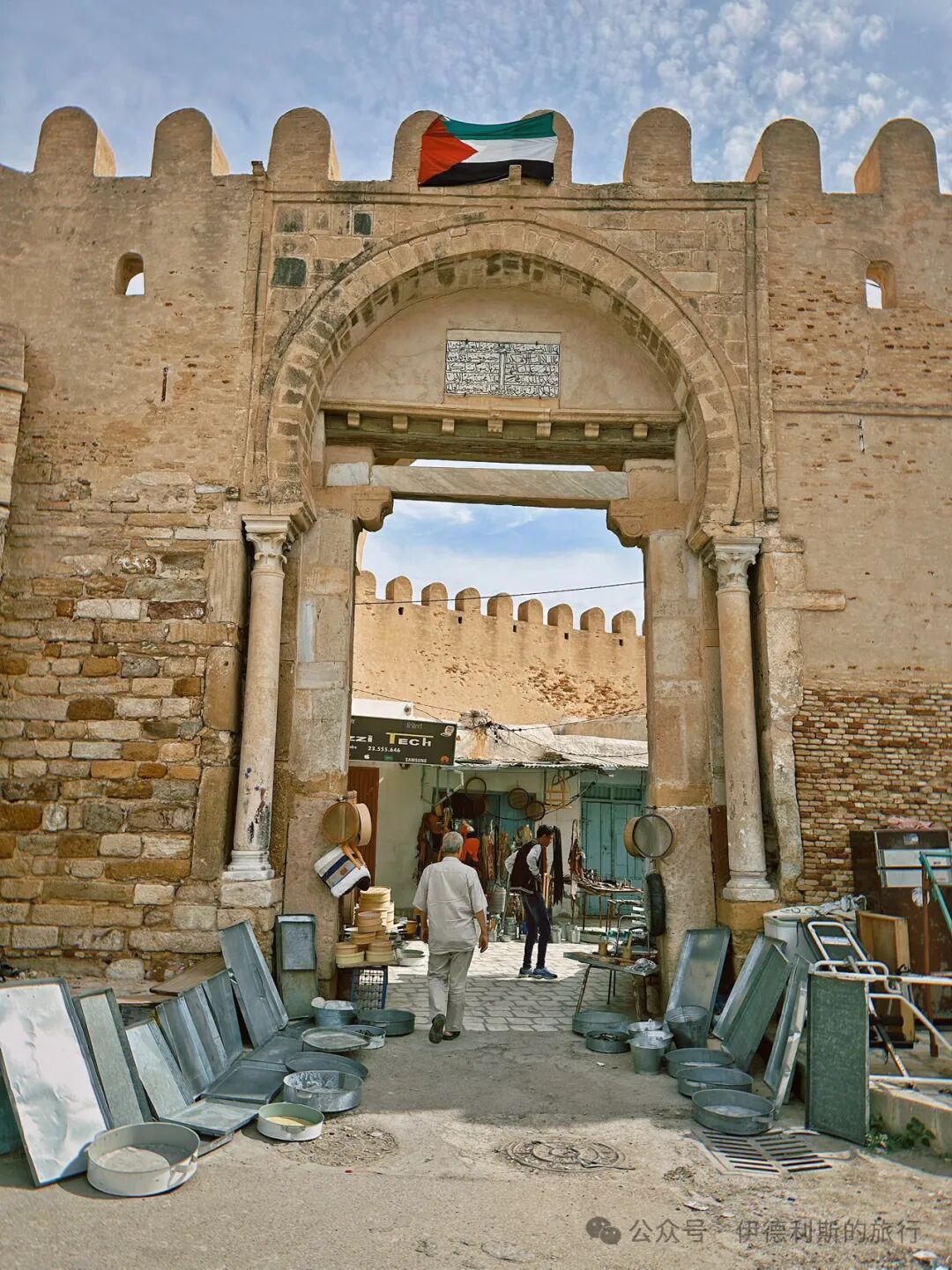
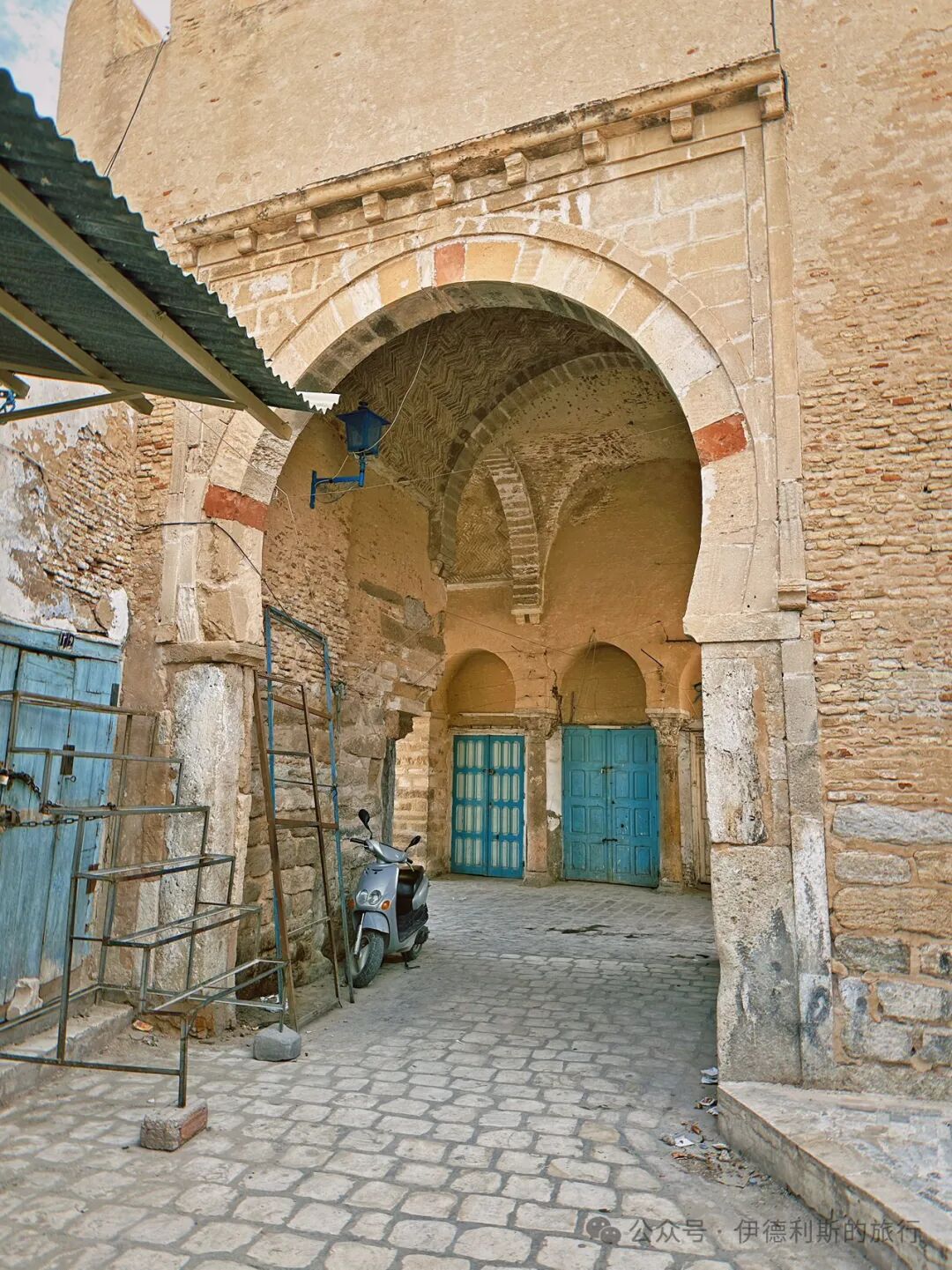
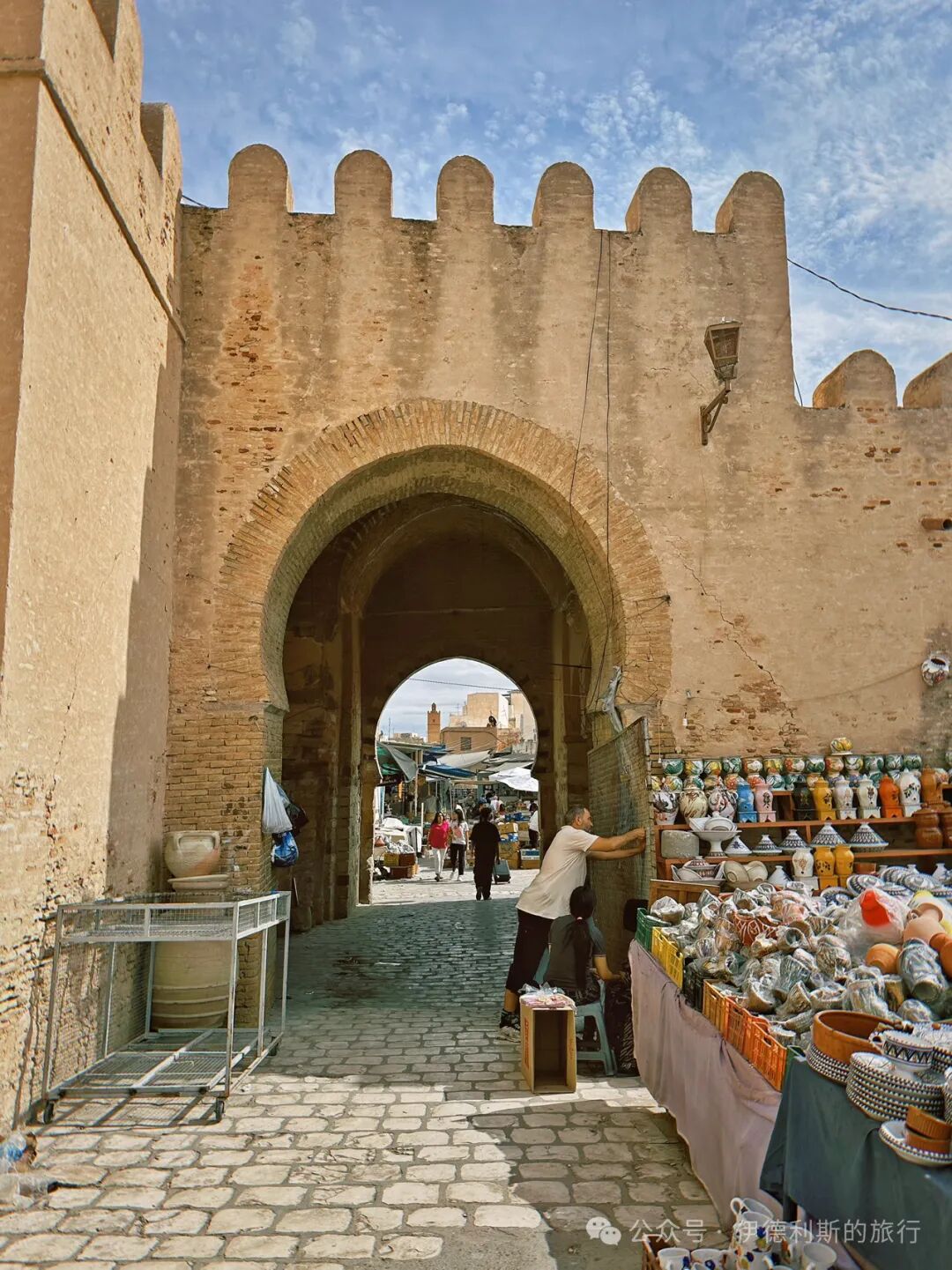
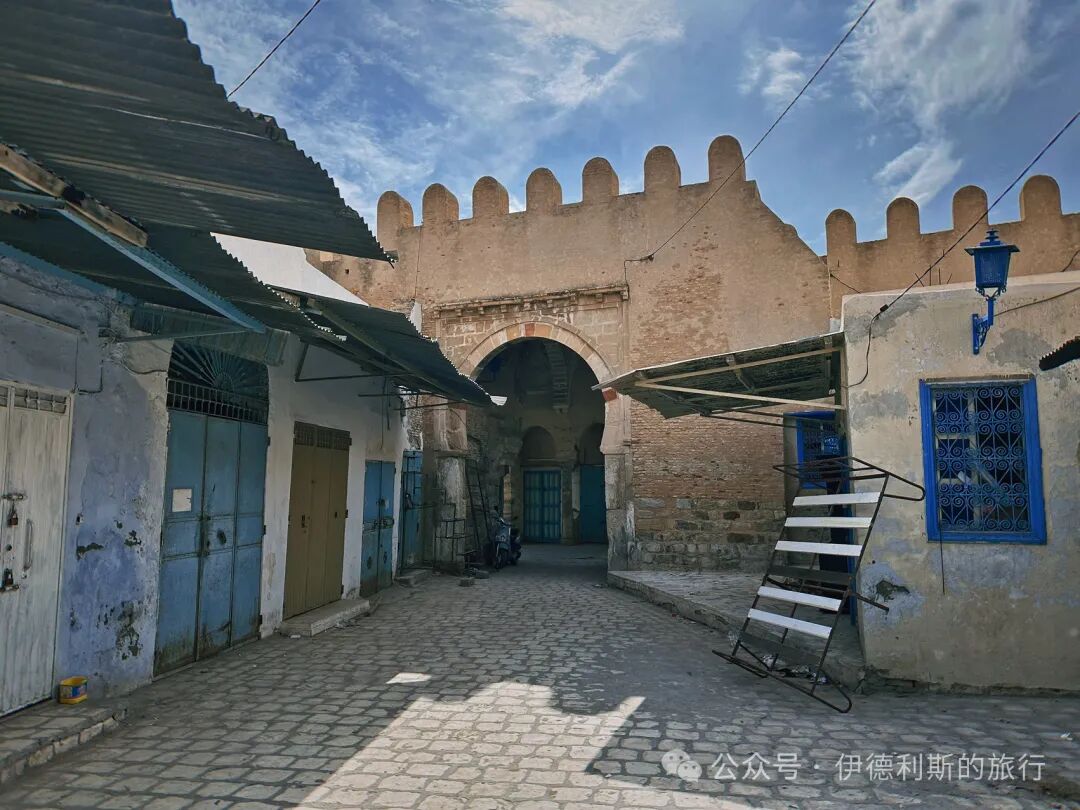
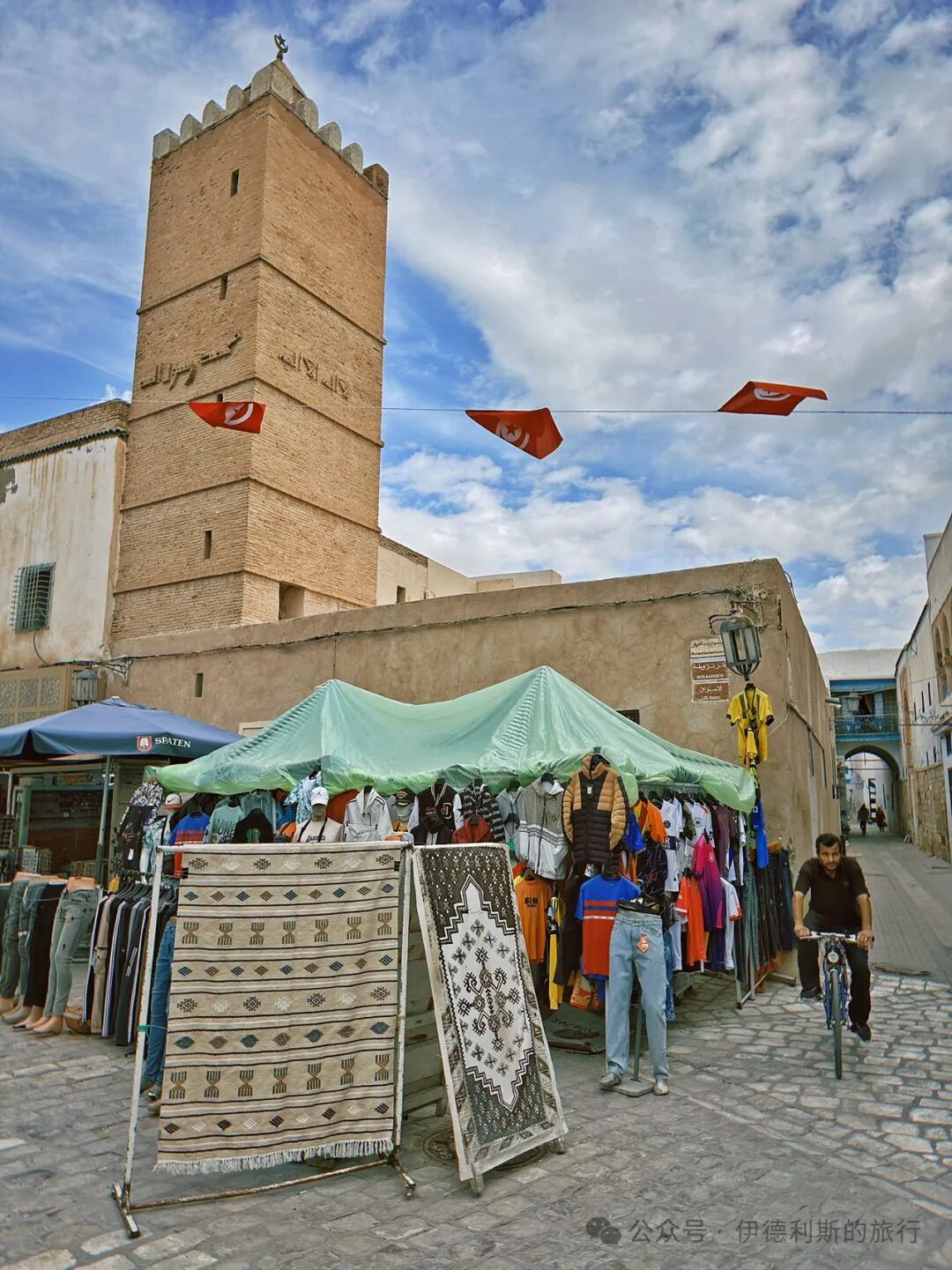
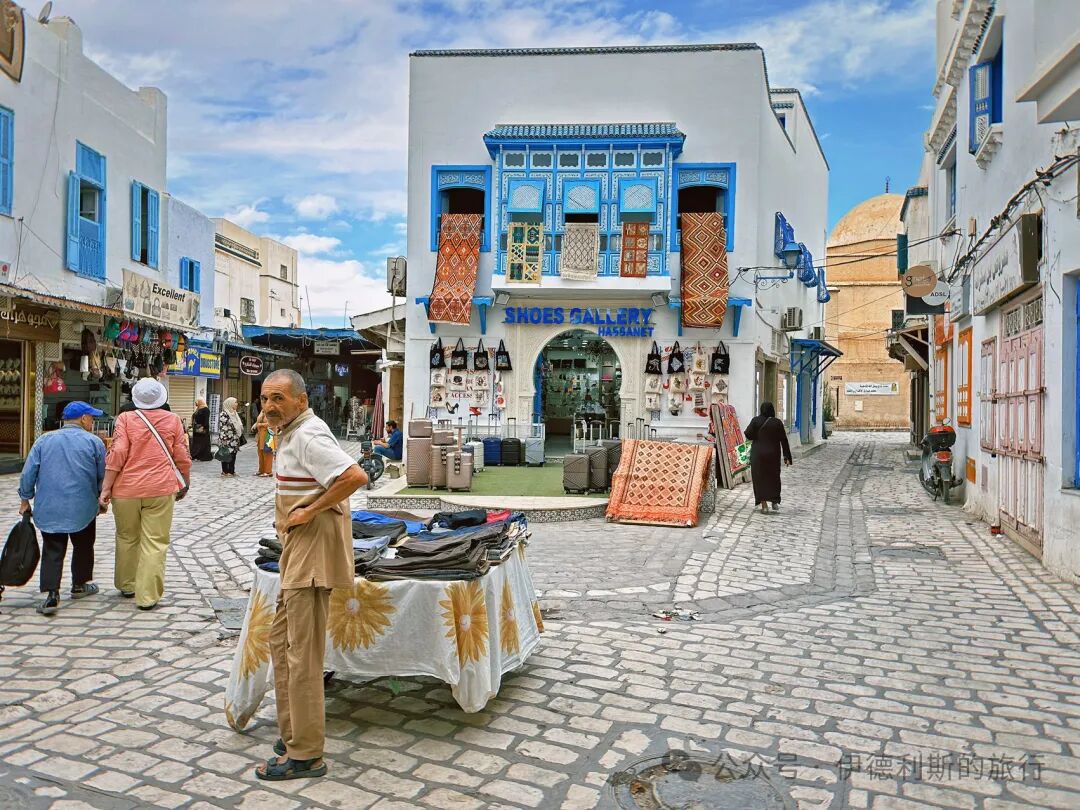
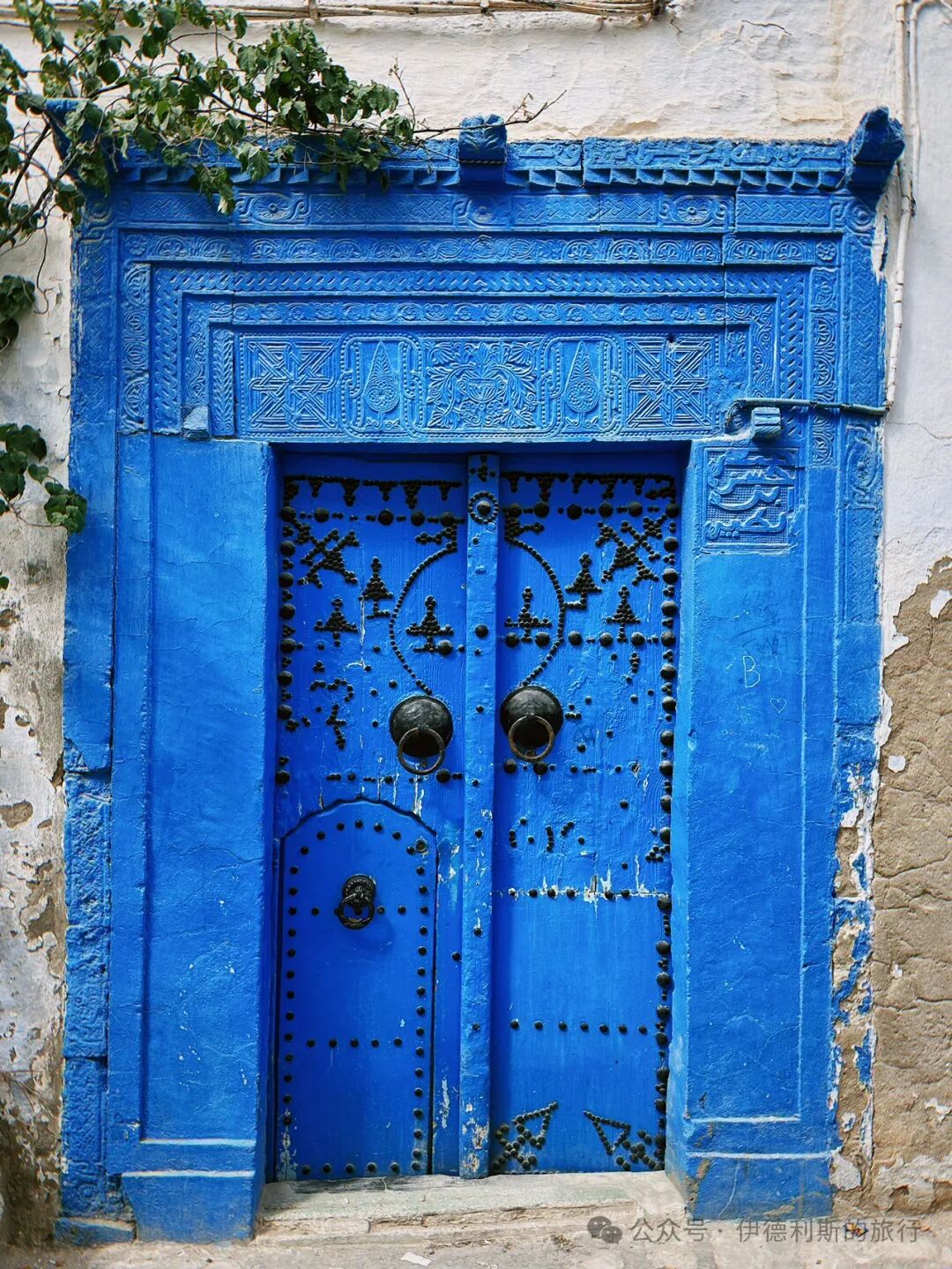
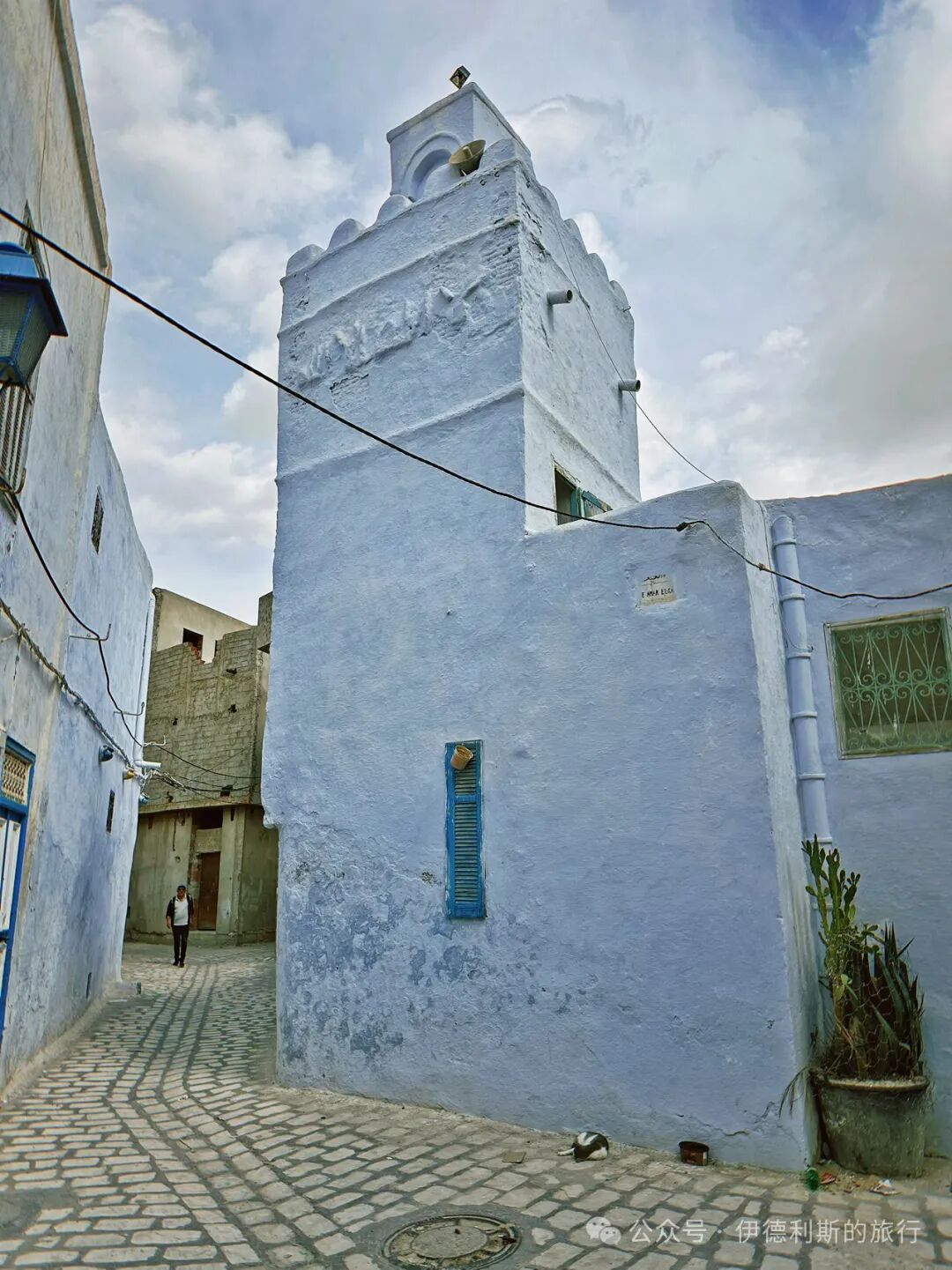
Street views of the old medina in Kairouan.
Kairouan was the capital of the Aghlabid and Zirid dynasties between the 9th and 11th centuries. The Aghlabid dynasty was an Arab emirate nominally under the Abbasid Caliphate. Kairouan grew quickly during this time and became known for its wealth and prosperity, rivaling cities like Basra and Kufa within the Abbasid realm. The Zirid dynasty was a Berber emirate nominally under the Fatimid Caliphate. Kairouan reached its peak in art, trade, and agriculture during this period, with education flourishing in particular. In the 1040s, the Zirid dynasty declared independence from the Fatimid Caliphate and recognized the Abbasid Caliphate. The Fatimid Caliphate then sent a group of Arab tribes to invade Kairouan. In 1057, these Arab tribes captured and destroyed Kairouan. The Zirid dynasty was forced to move its capital to Mahdia, and Kairouan never regained its former prosperity.
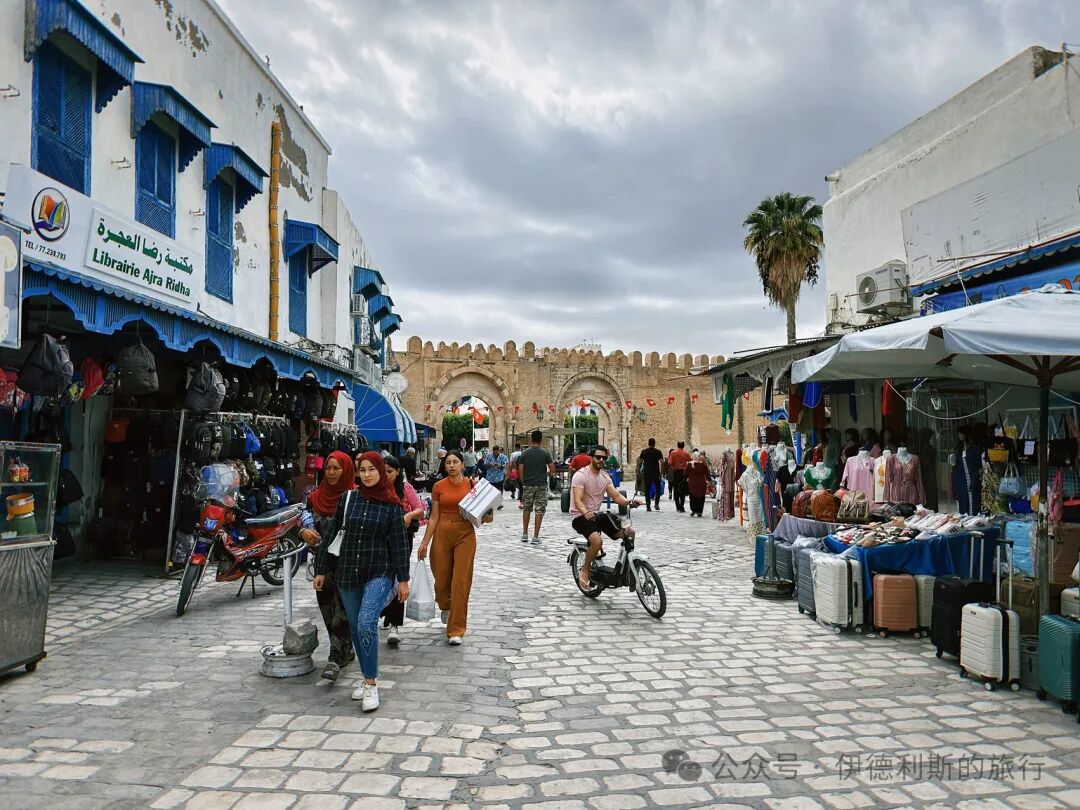
In the Kairouan medina market, various sweets are very popular, especially the date-filled pastry known as Makroudh.
They also sell fresh dates here. They are quite sweet, though slightly more astringent than the dried ones.
The 18th-century Kairouan Bey residence, Dar El Bey, is now a carpet shop. The residence has 18 rooms inside with very ornate ceilings. However, if you do not plan to buy a carpet, the staff might not let you see all the rooms.
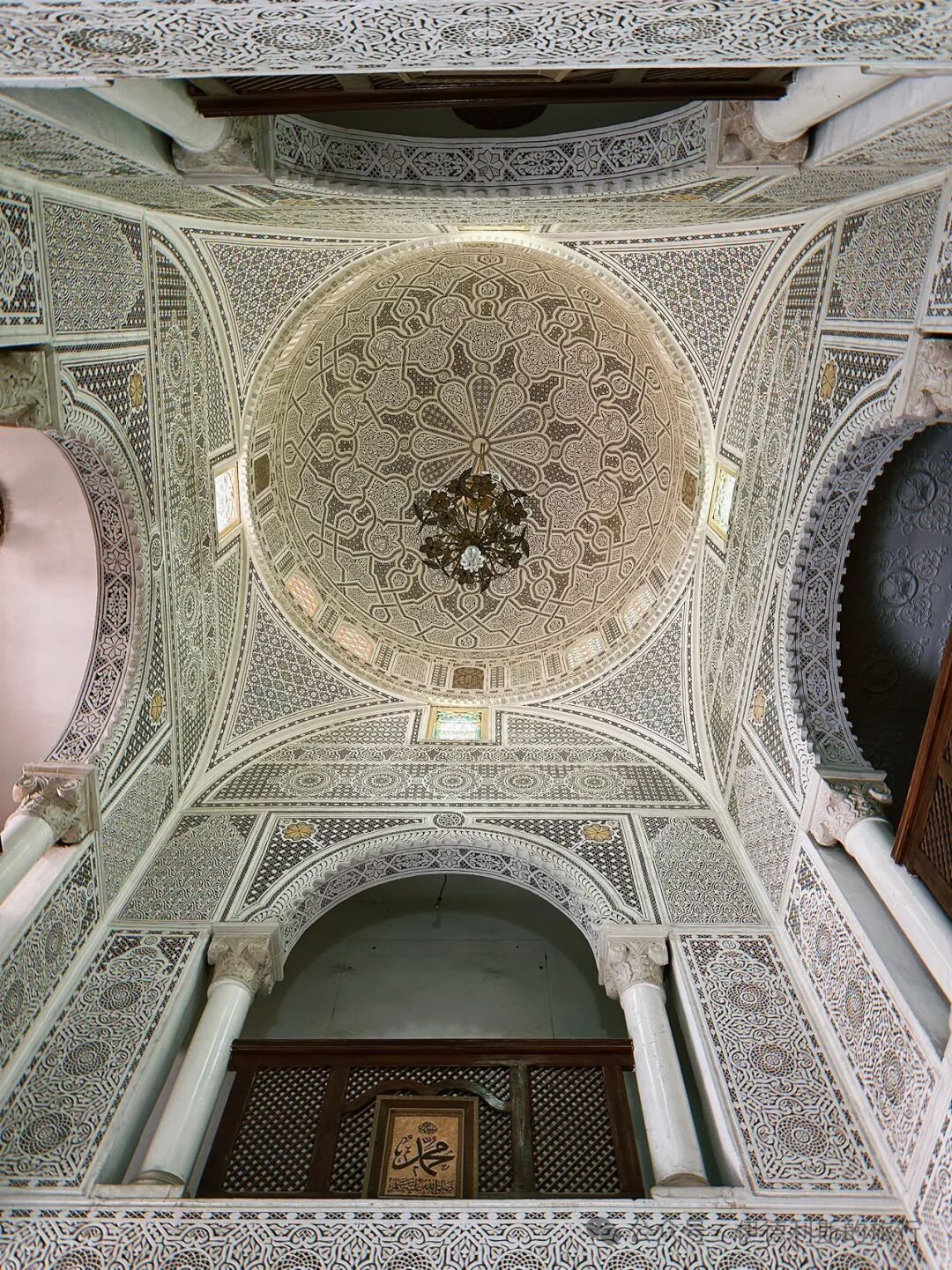
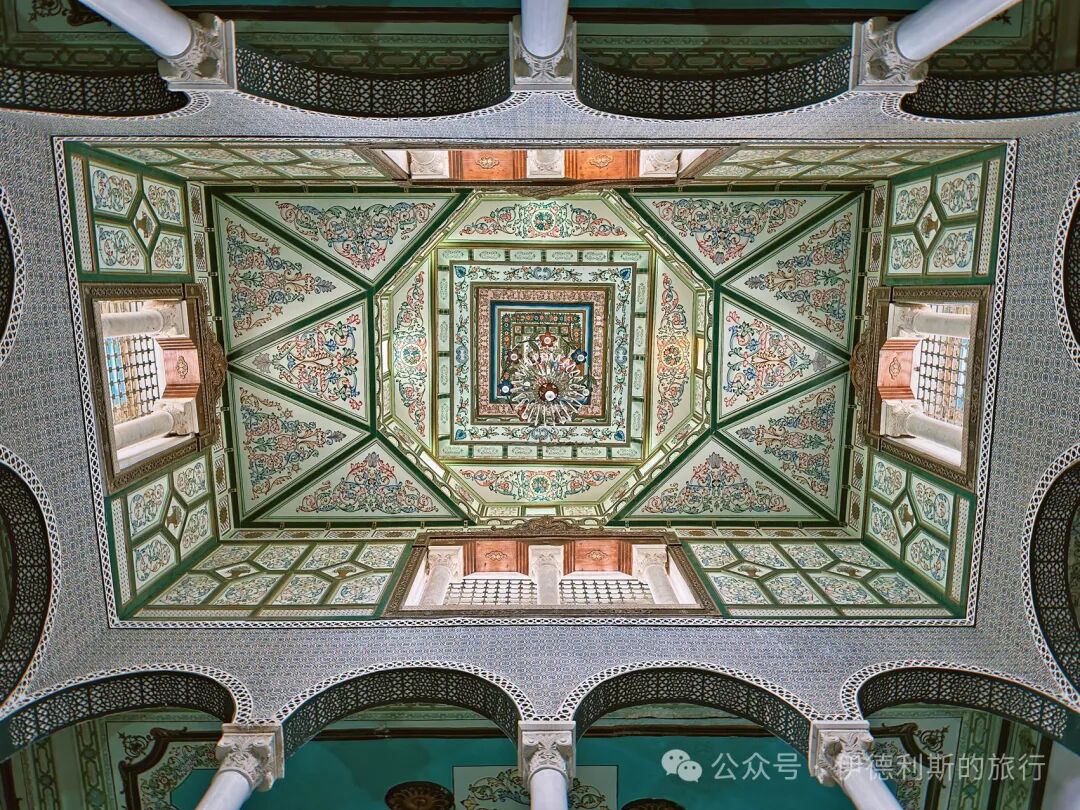
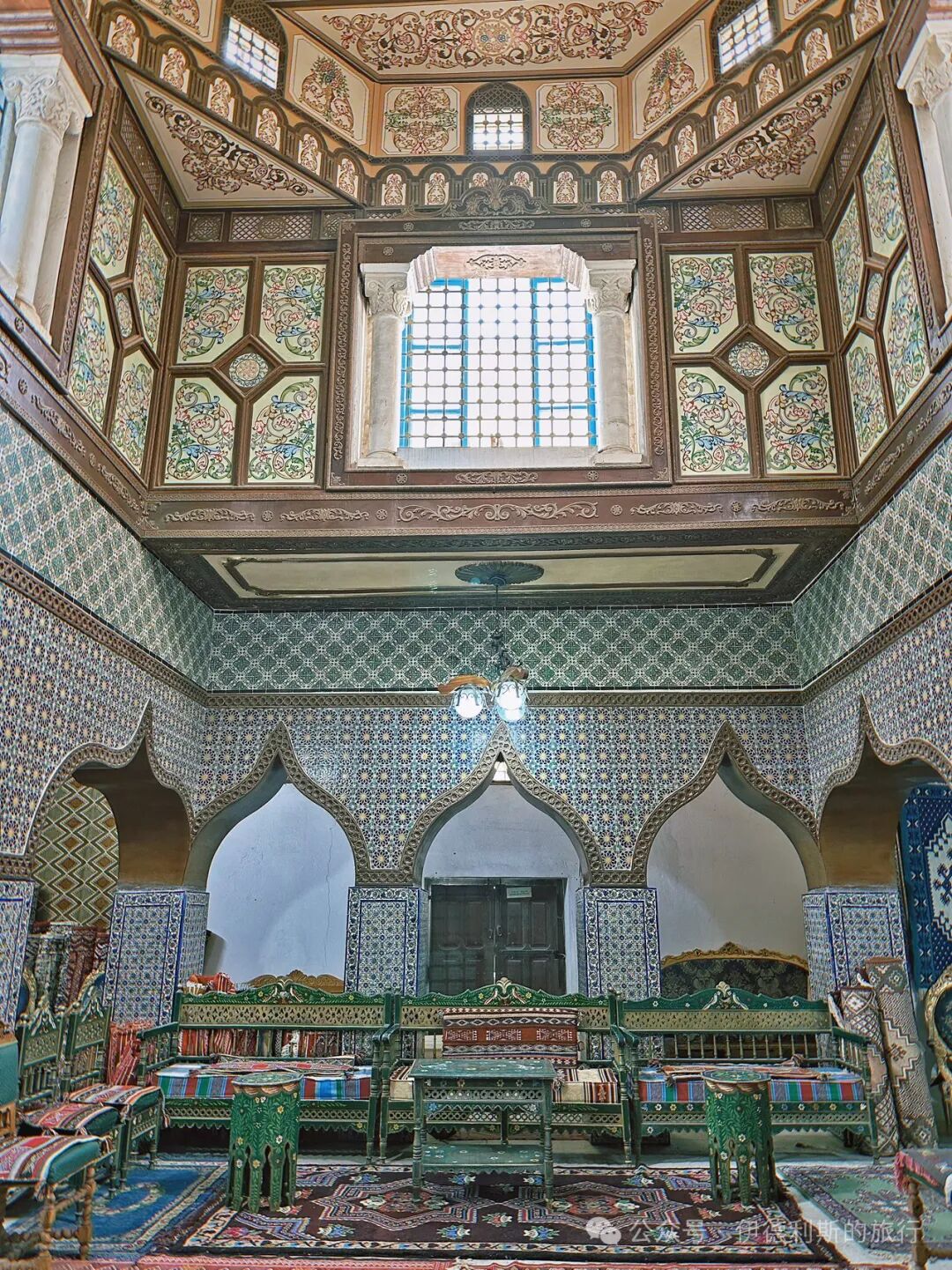
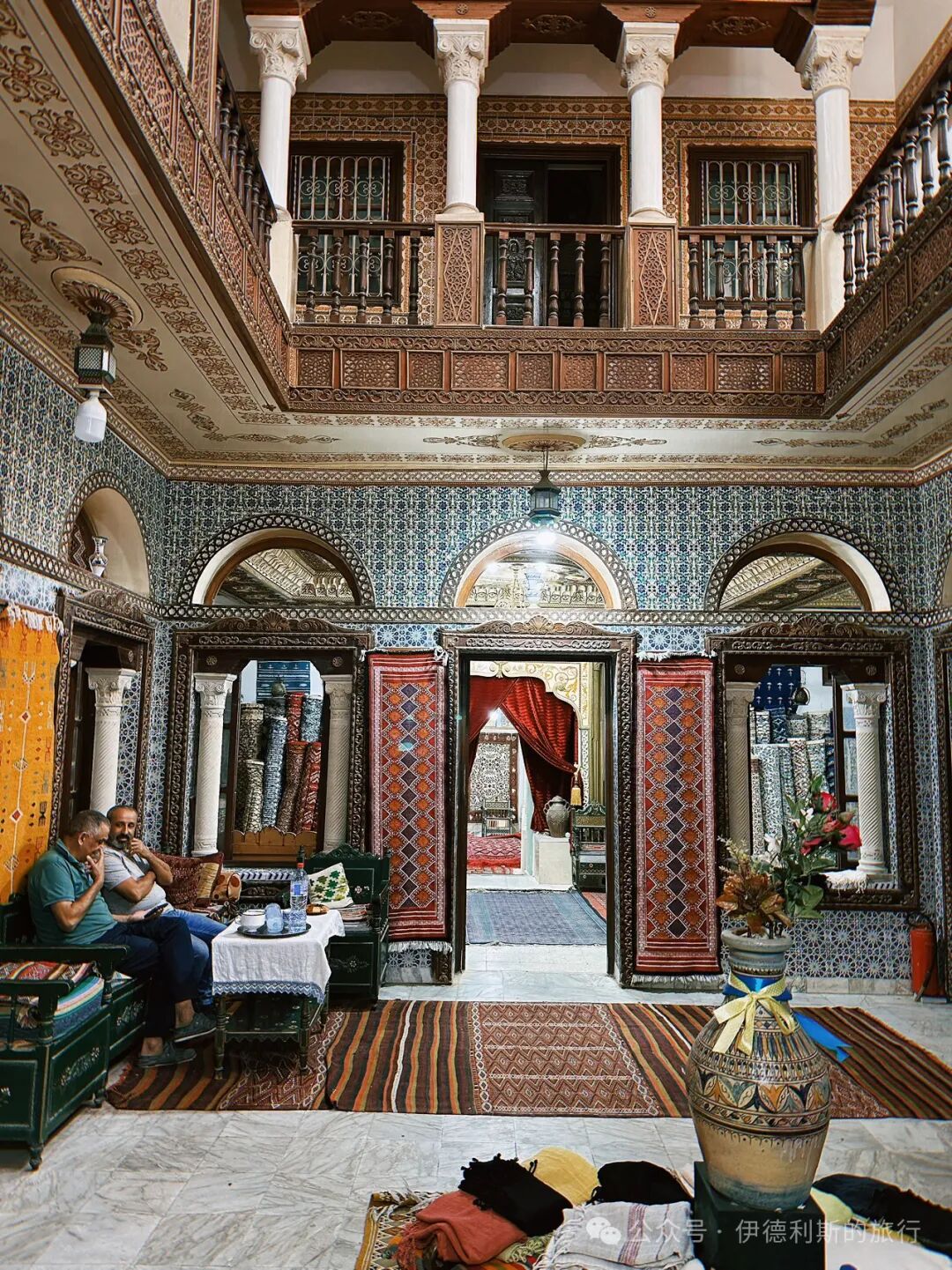
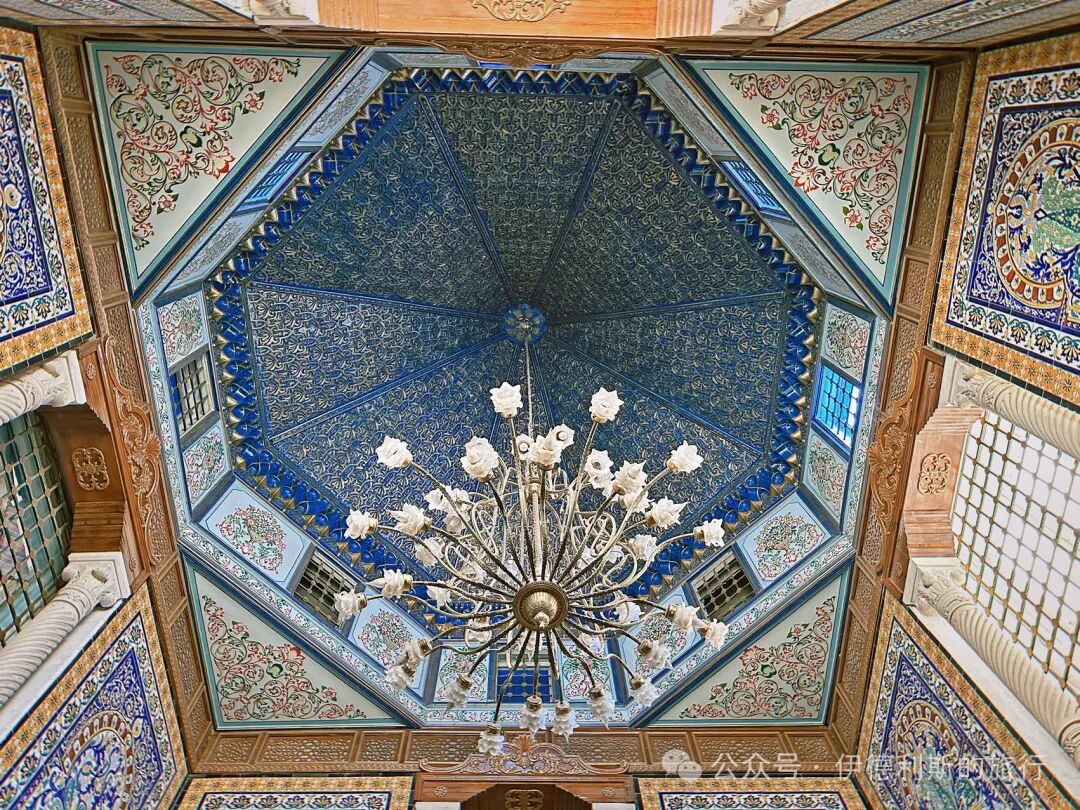
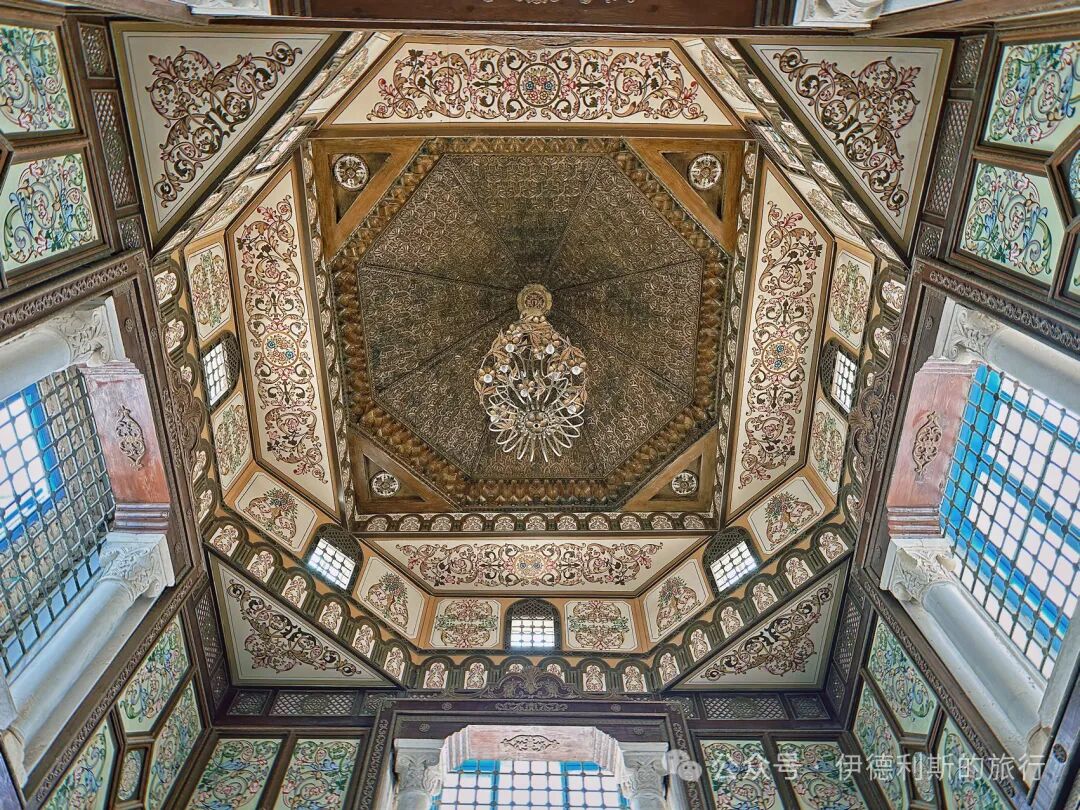
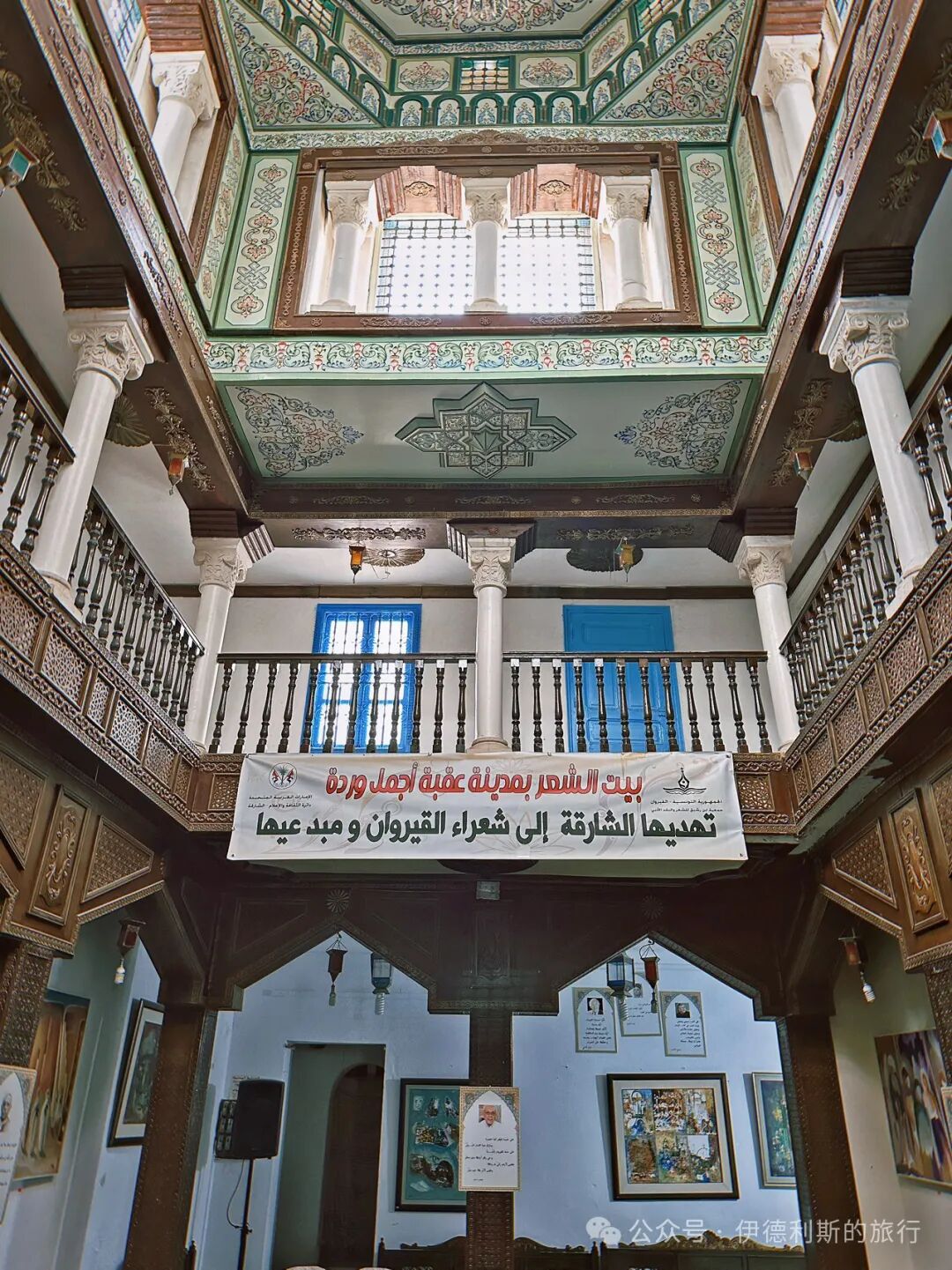
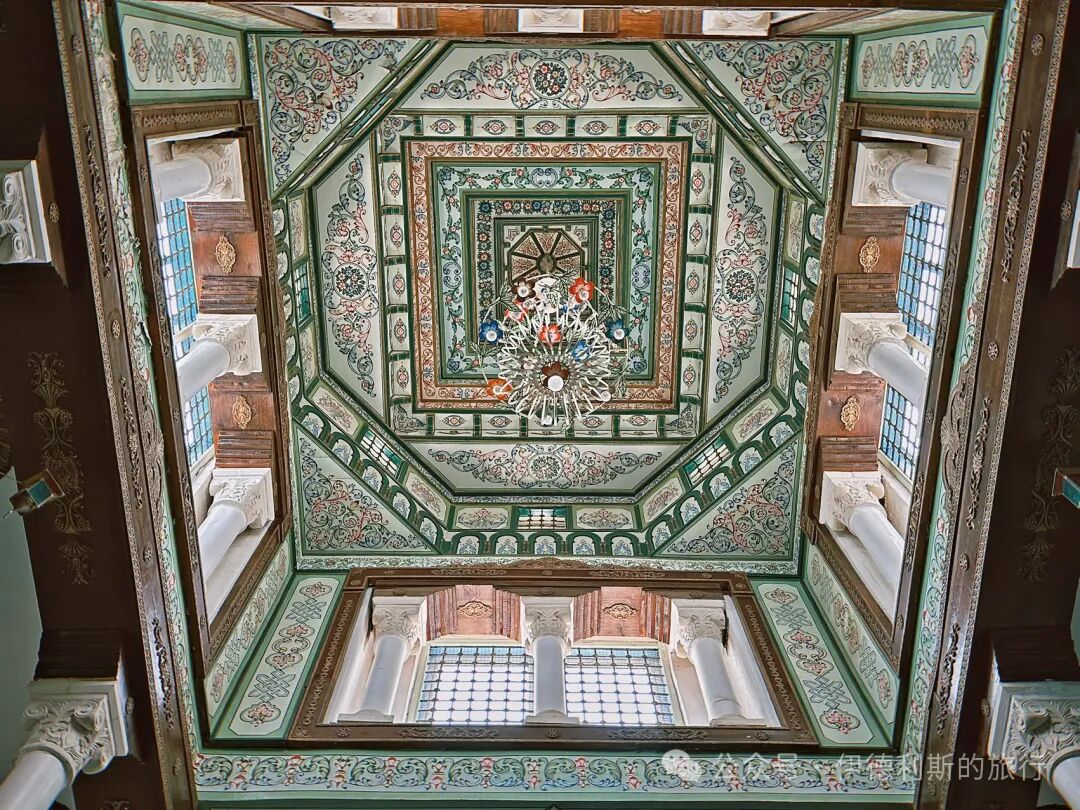
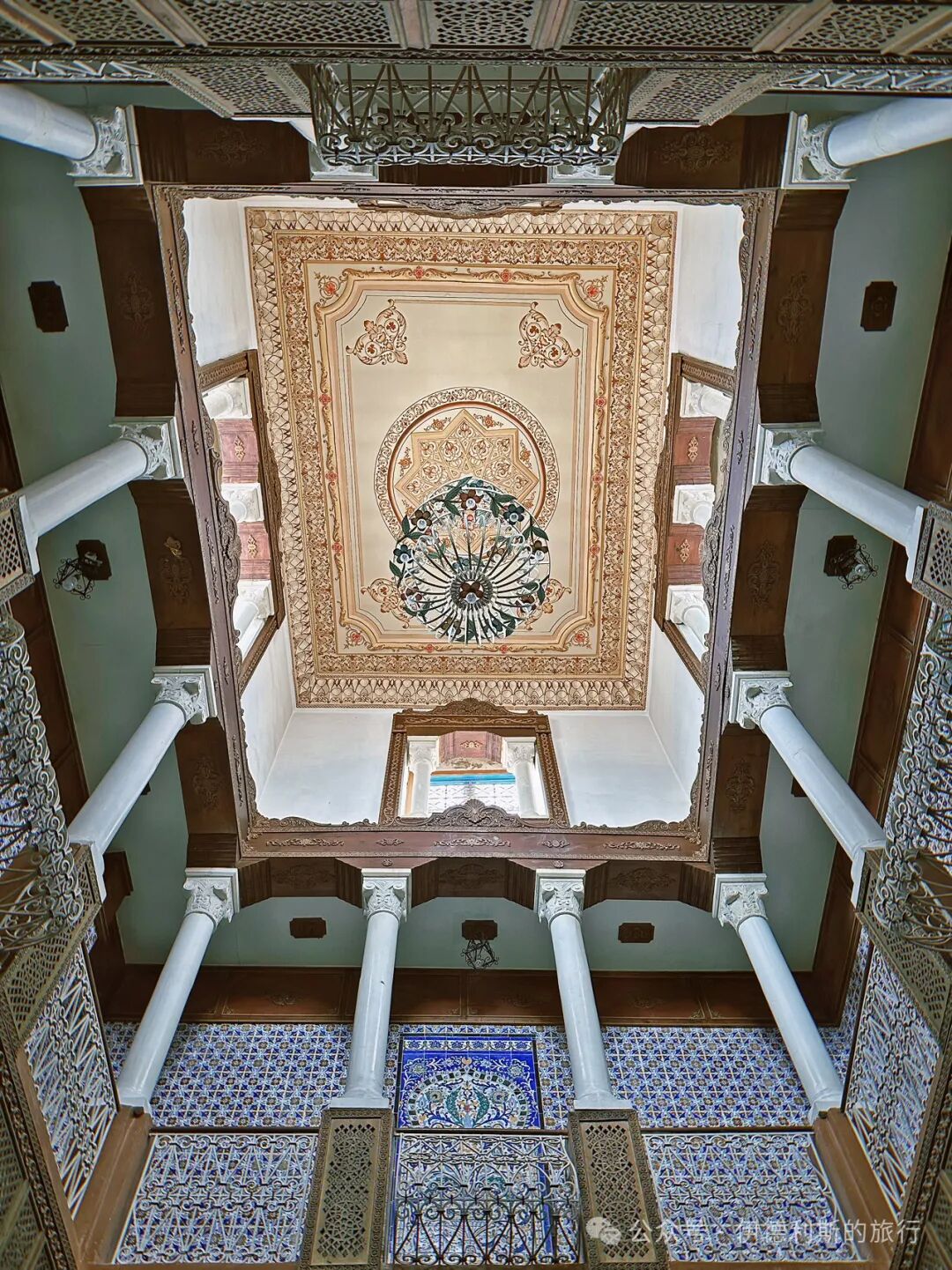
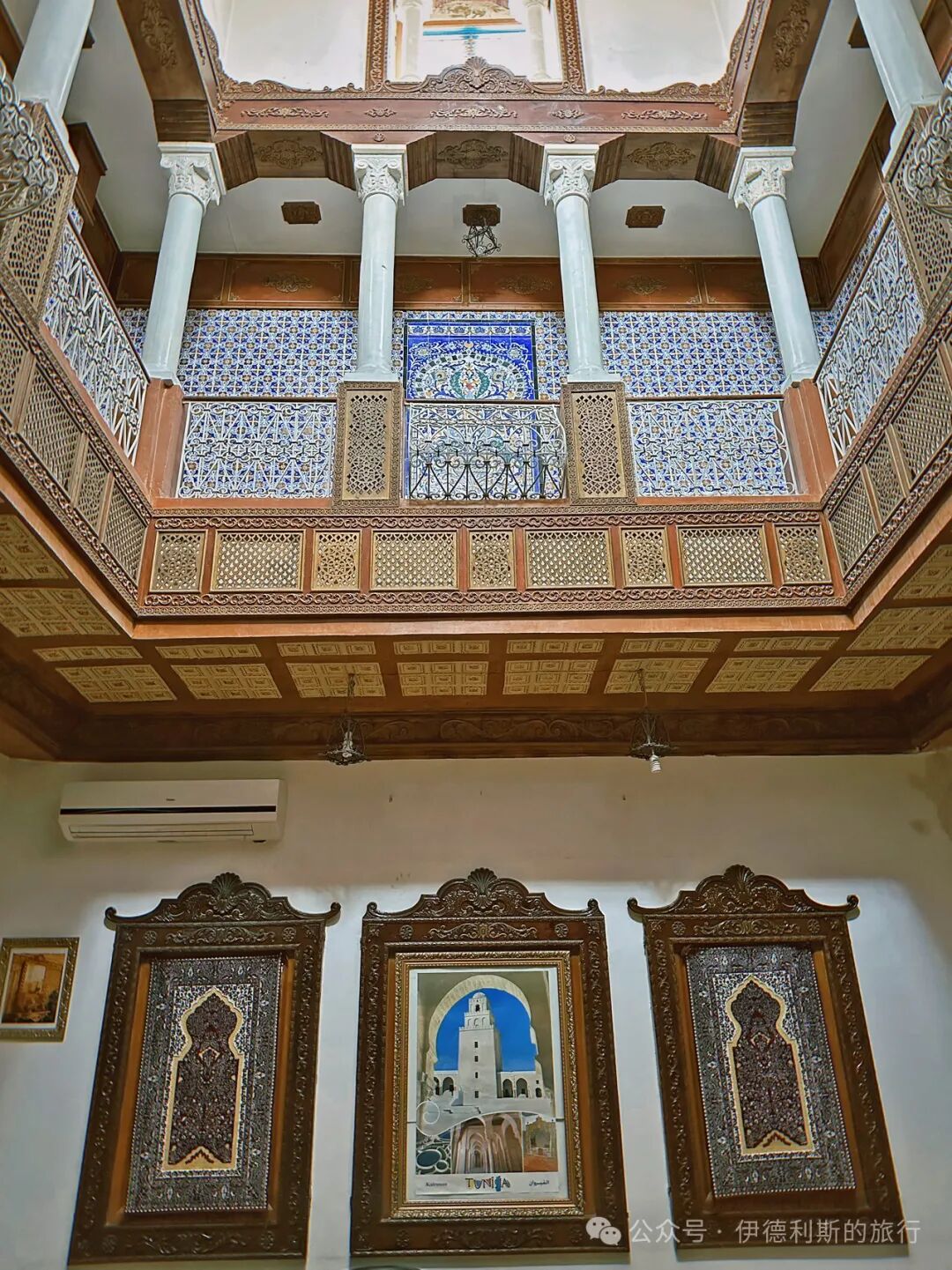
The office of the Kairouan Poetry Association; this kind of ornate ceiling is a signature feature of Kairouan.
The ancient Bir Barrouta well in Kairouan. Legend says it was dug by the Abbasid governor Ibn El Ayoun in 796, and the current domed structure was rebuilt by the Bey of Tunis, Mohamed, in 1690. It is still in operation today, using a camel to power a water wheel (noria) to draw water, which people collect in clay pots.
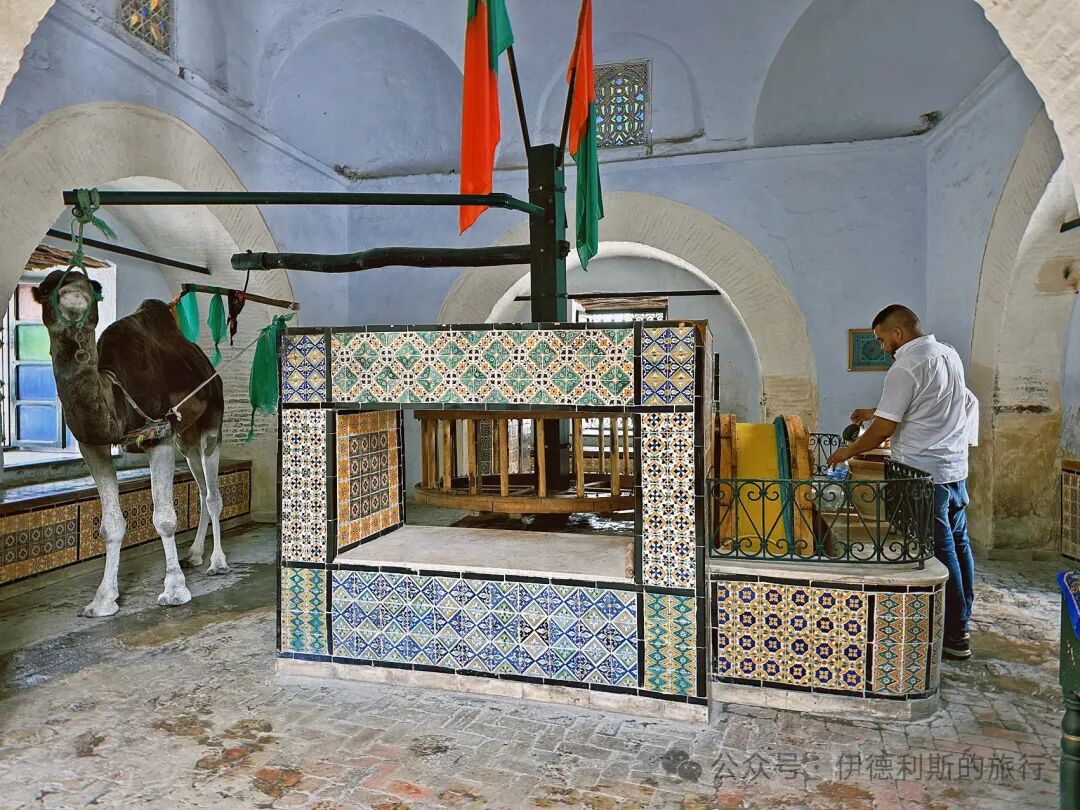
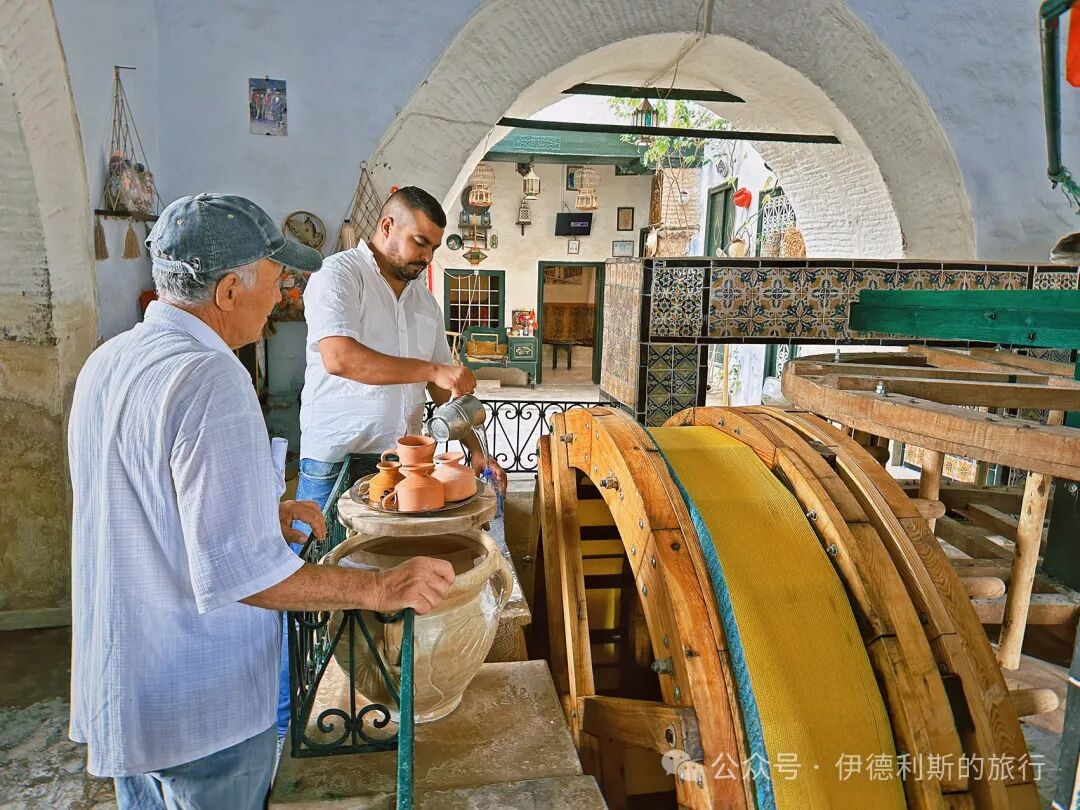
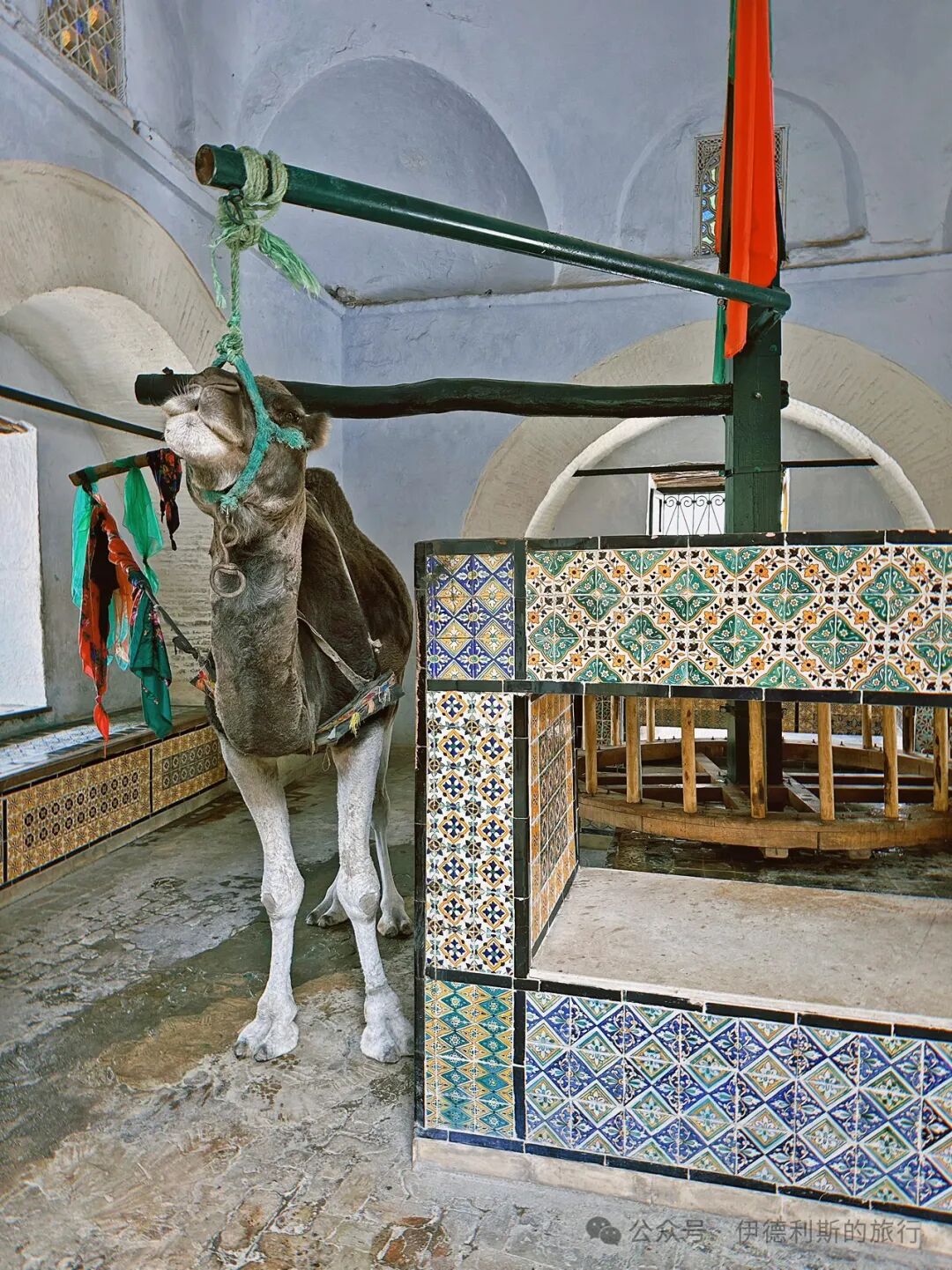
A gongbei built in 1829 in the old medina of Kairouan.
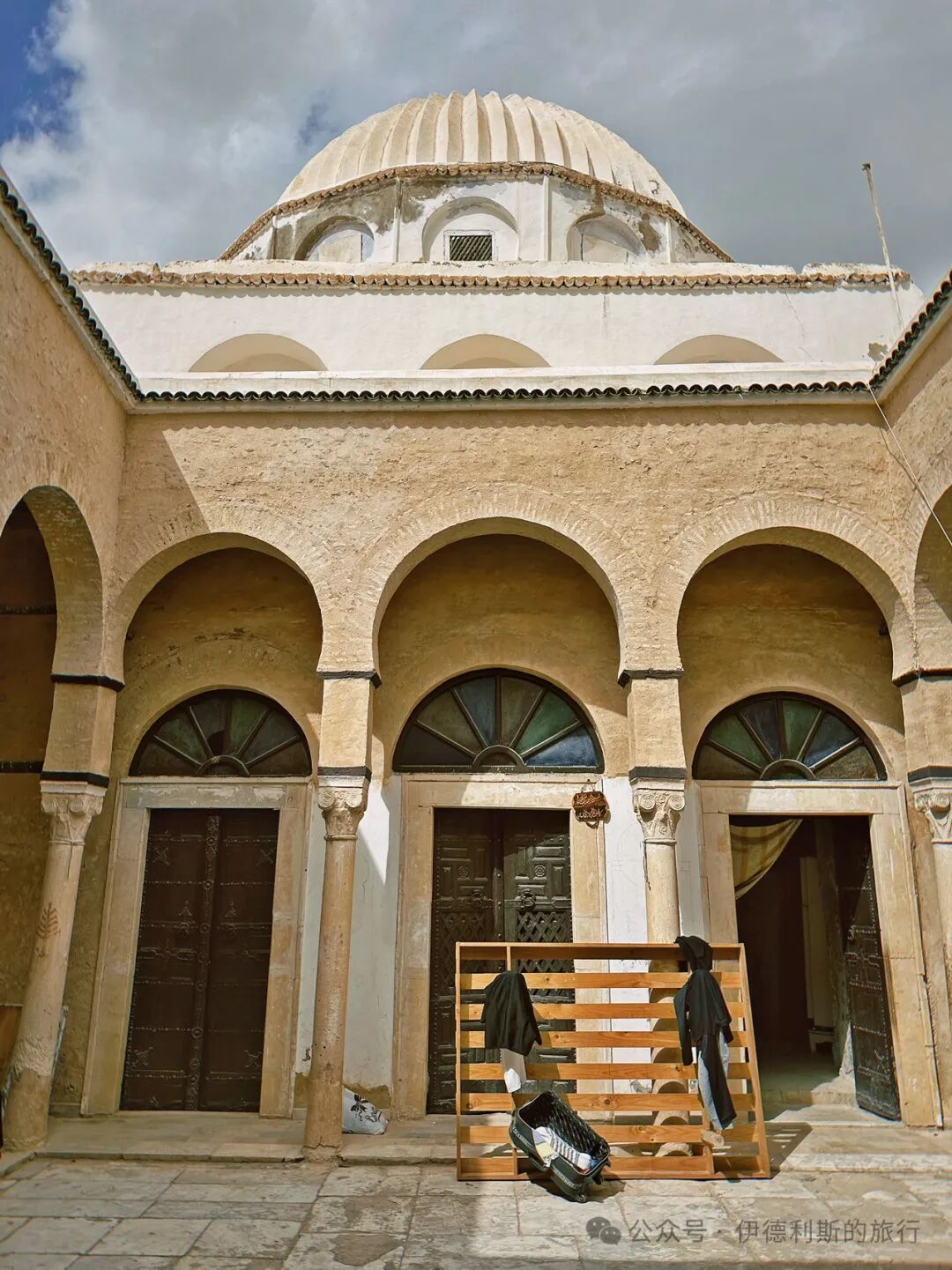
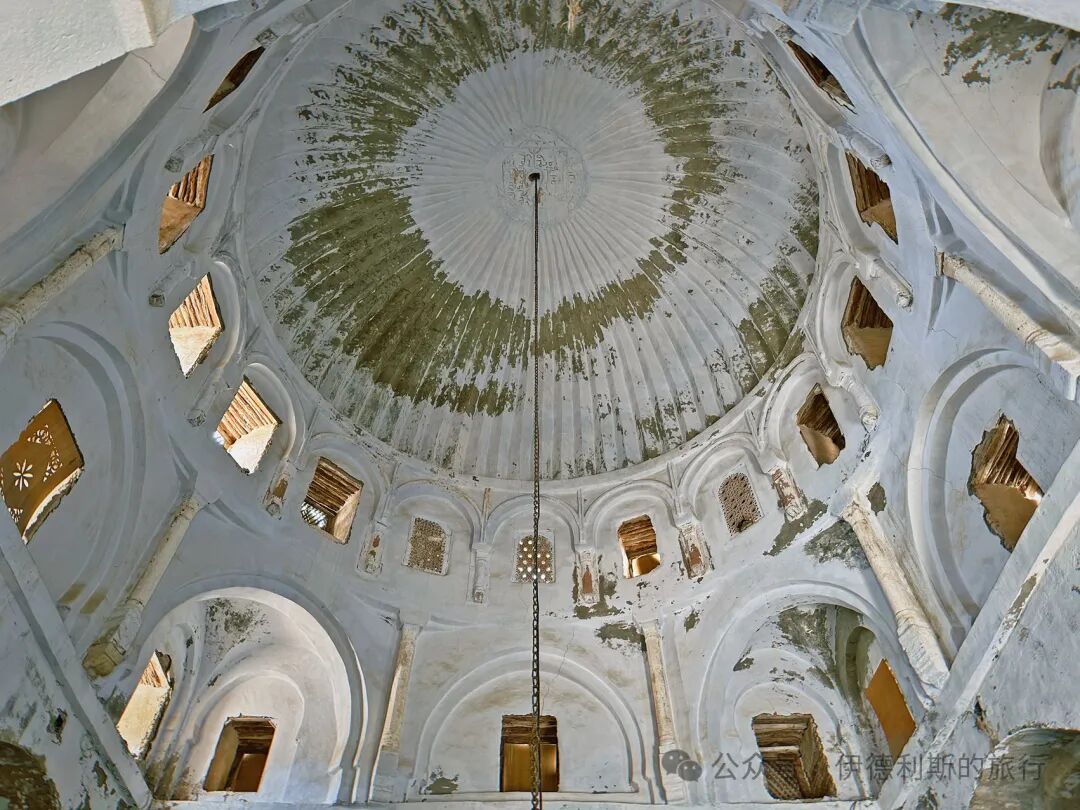
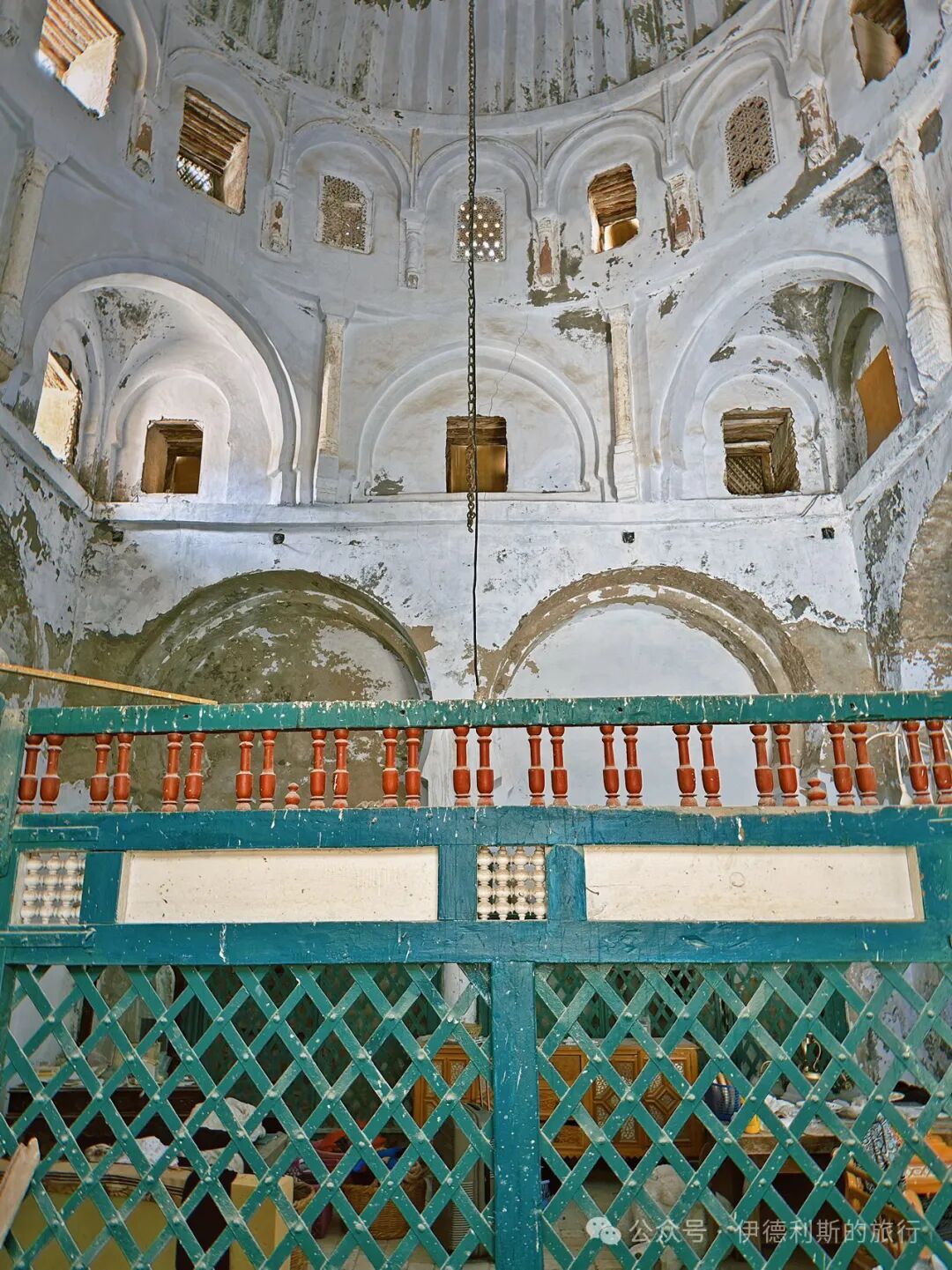
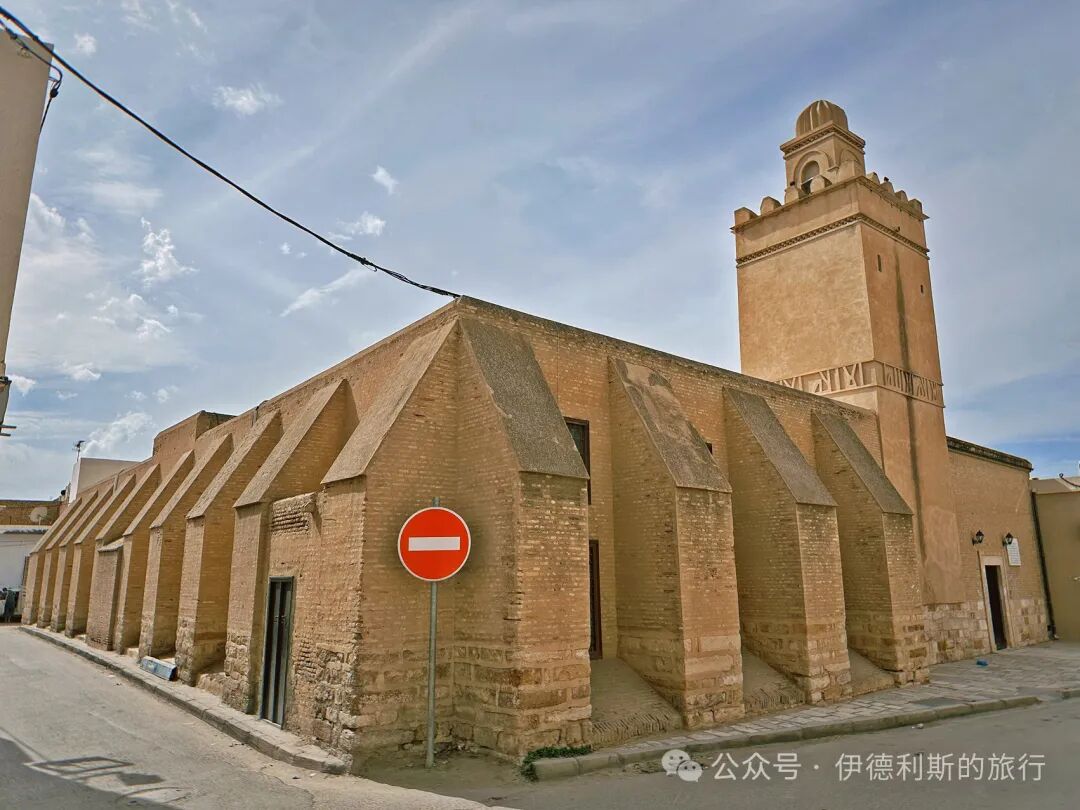
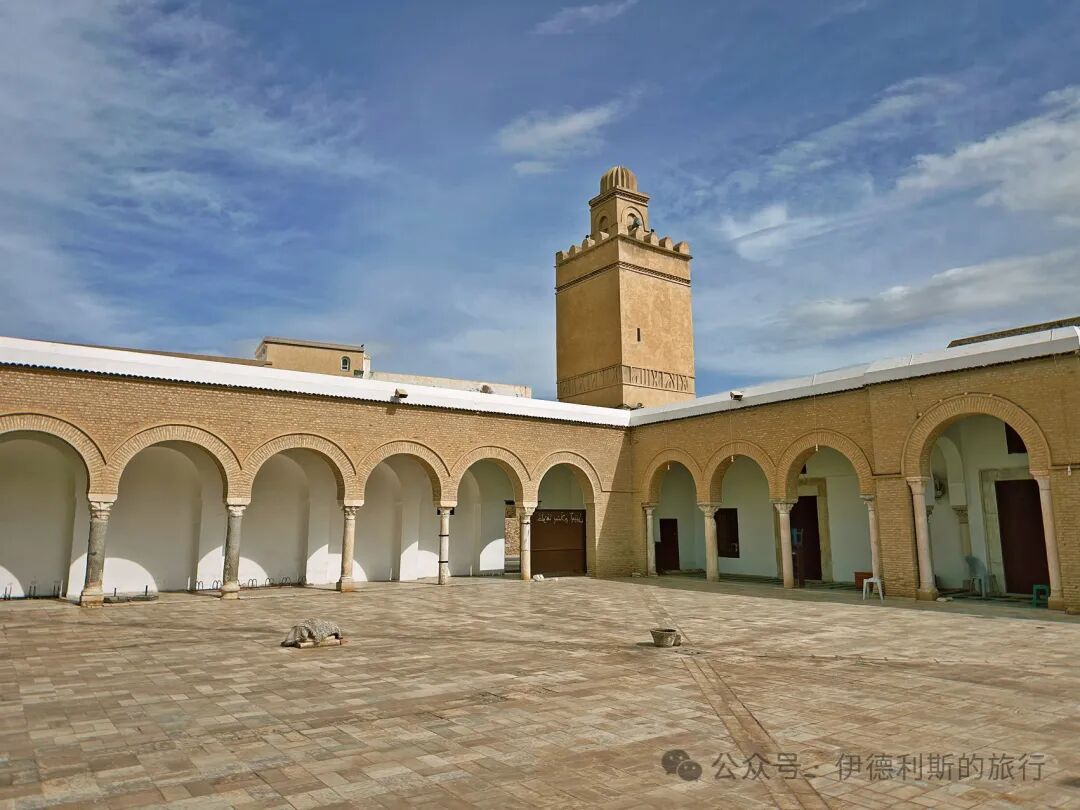
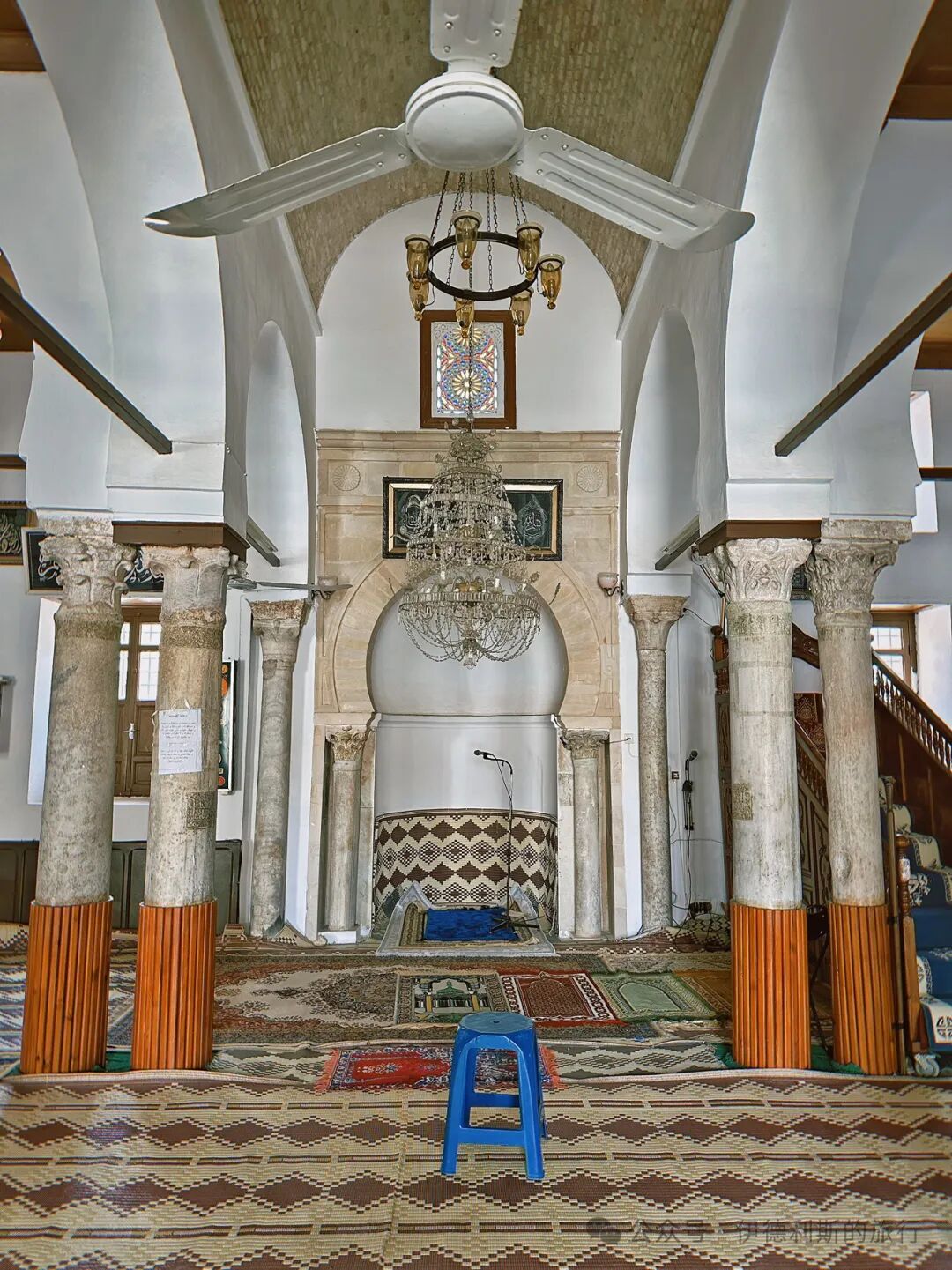
The Zeitouna Mosque outside the west gate of the old medina in Kairouan. Its architectural style is similar to the Great Mosque of Kairouan, but it is smaller in scale.
Halal Travel Guide: Xichang — Jumu'ah Prayer and Rice Noodles (Part 1)
Articles • ali2007fr posted the article • 0 comments • 135 views • 2026-05-18 20:36
Summary: Xichang — Jumu'ah Prayer and Rice Noodles is presented here as a firsthand travel account in clear English, beginning with this scene: On January 23, 2023, I left Macau to visit the Macau mosque known as Moro Garden (Moro Yuan) and enjoyed delicious Indonesian Javanese food (see "Moro Garden and Indonesian Food in Macau"). The account keeps its focus on Xichang Travel, Jumu'ah Prayer, Halal Food while preserving the names, places, food, and historical details from the Chinese source.
On January 23, 2023, I left Macau to visit the Macau mosque known as Moro Garden (Moro Yuan) and enjoyed delicious Indonesian Javanese food (see "Moro Garden and Indonesian Food in Macau"). On January 25, I arrived in Guangzhou, visited friends (dost), and ate various halal foods (see "Hui Muslim Oil Cakes and Yemeni Food in Guangzhou"). At noon, I prayed the noon prayer (dhuhr) at a Guangzhou mosque, then went to visit the Ancient Tomb of the Worthies (see "Huaisheng Mosque and the Ancient Tomb of the Worthies in Guangzhou"). In the afternoon, I prayed the afternoon prayer (asr) at Haopan Mosque and the sunset prayer (maghrib) at Xiaodongying Mosque (see "Visiting Haopan Mosque and Xiaodongying Mosque in Guangzhou").
On the morning of January 26, I took a train from Guangzhou to Zhaoqing, visited two mosques, and ate halal Cantonese food (see "Halal Roast Goose and Starfruit at the Mosque in Zhaoqing, Guangdong").
On the morning of January 27, I flew from Guangzhou to Xichang, Sichuan, to begin visiting the local mosques and halal food spots.
Xichang Rice Noodles
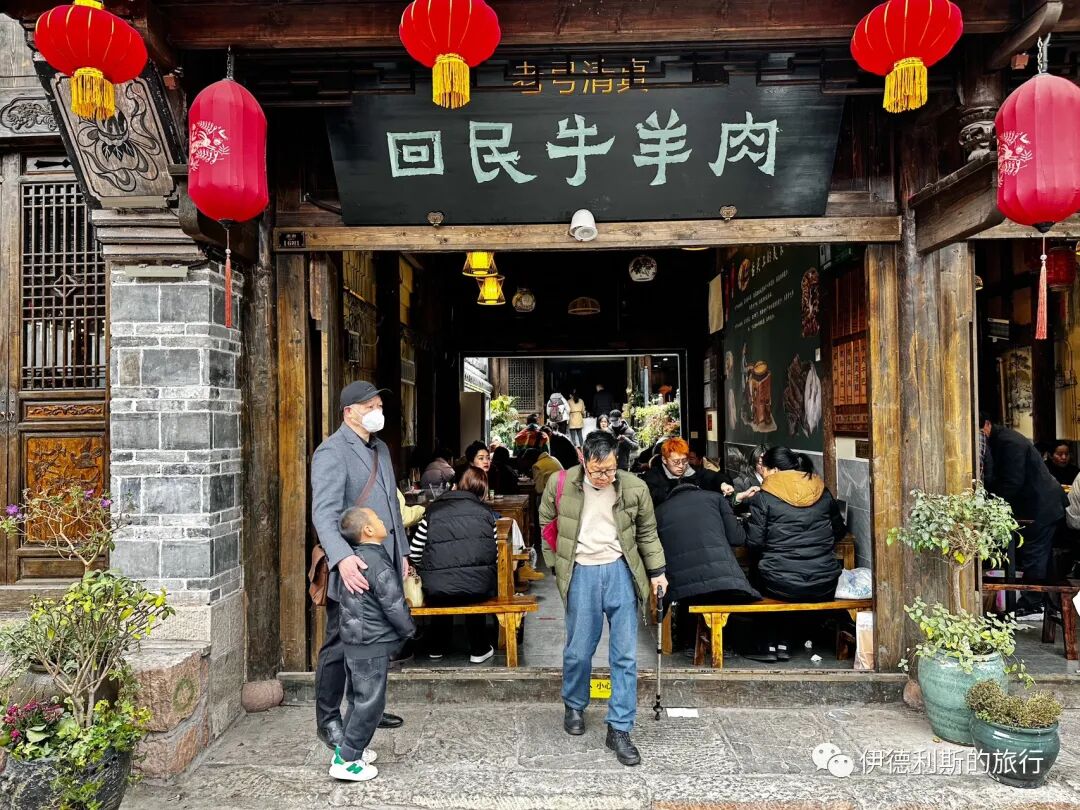
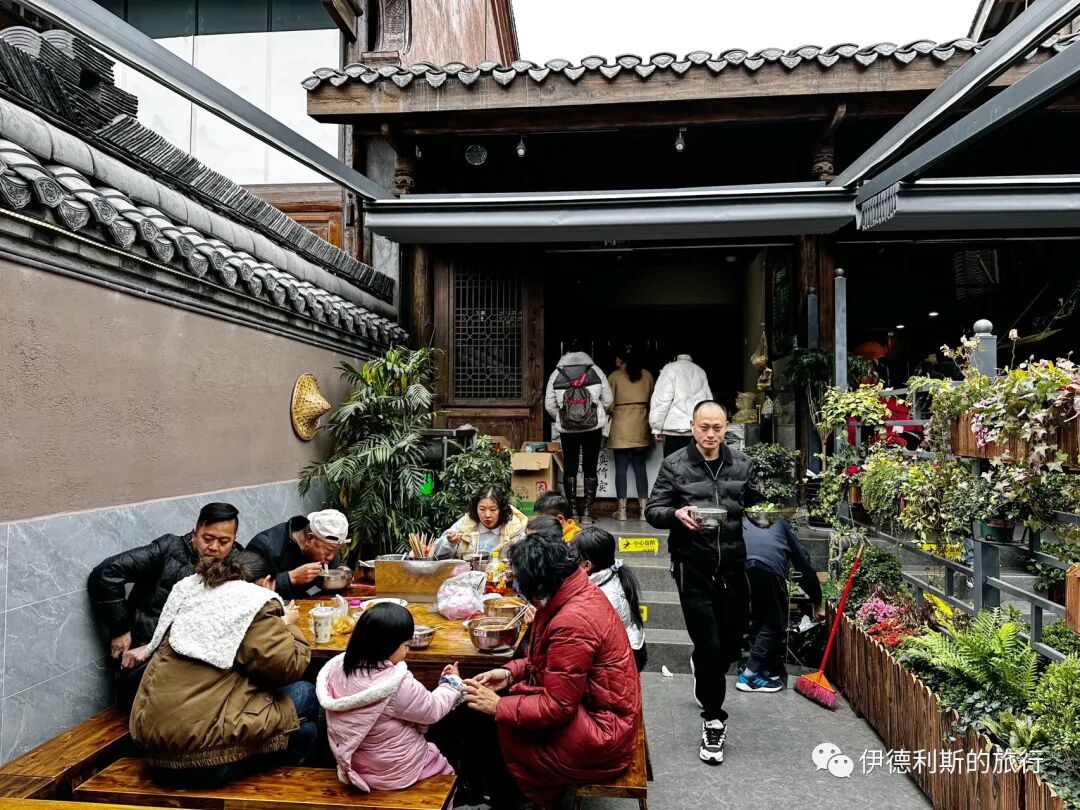
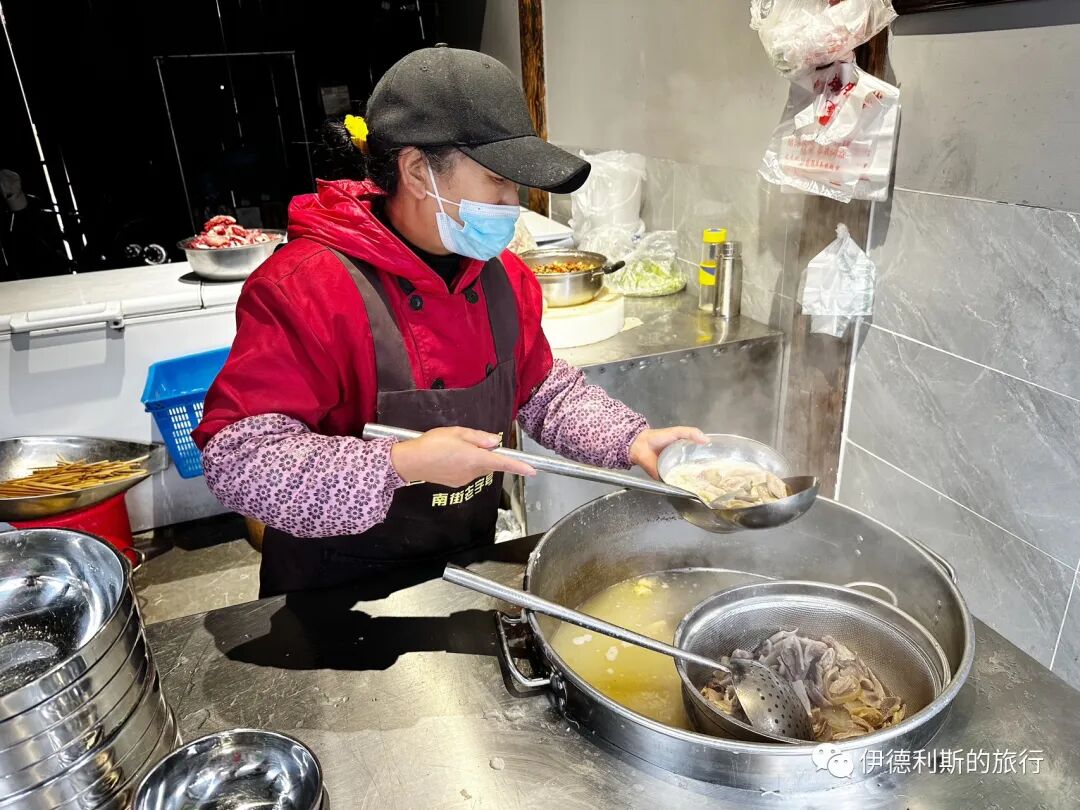
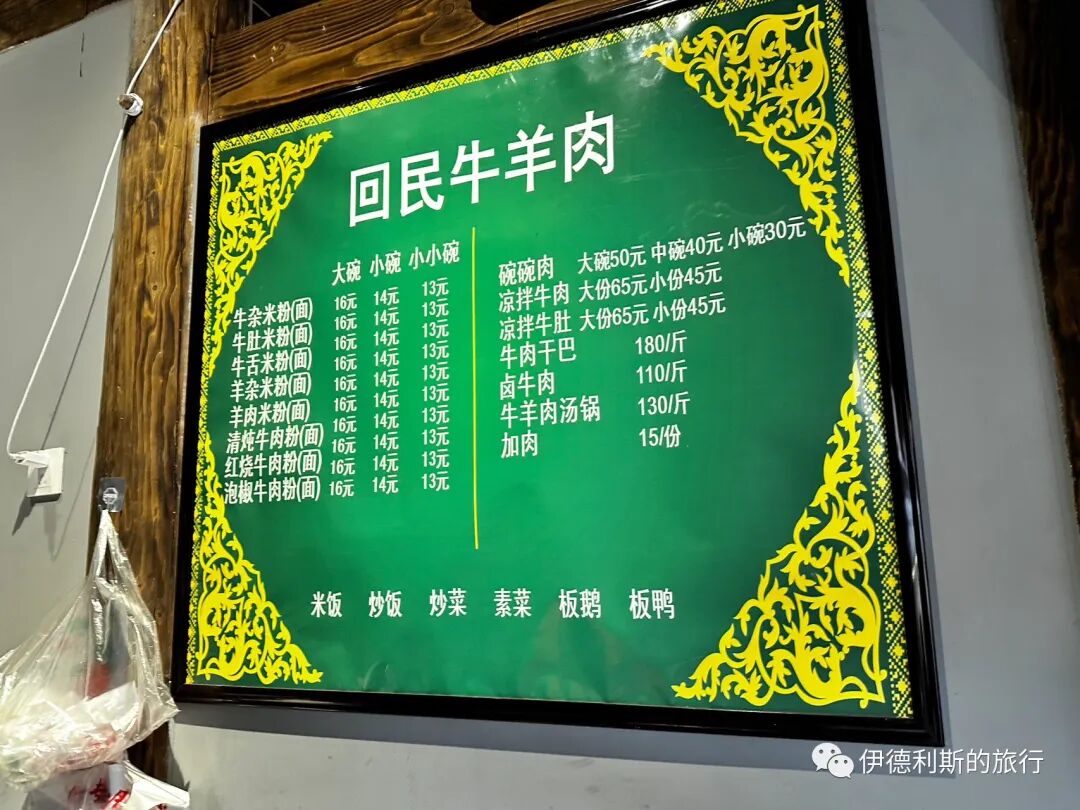
After arriving in Xichang, I first went to the Hui Muslim Beef and Mutton Restaurant on South Street in the Ancient City of Jianchang to eat Xichang rice noodles (mixian). According to Imam Sha from Dujiangyan, his family's restaurant was a famous halal spot in Xichang during the 1980s, originally serving traditional Sichuan Hui Muslim dishes like braised, stewed, steamed, stir-fried, and mixed cold dishes. Today, the Ancient City of Jianchang has been developed into a tourist area, and South Street has become a pedestrian street, so the Hui Muslim Beef and Mutton Restaurant now focuses mainly on selling Xichang rice noodles.
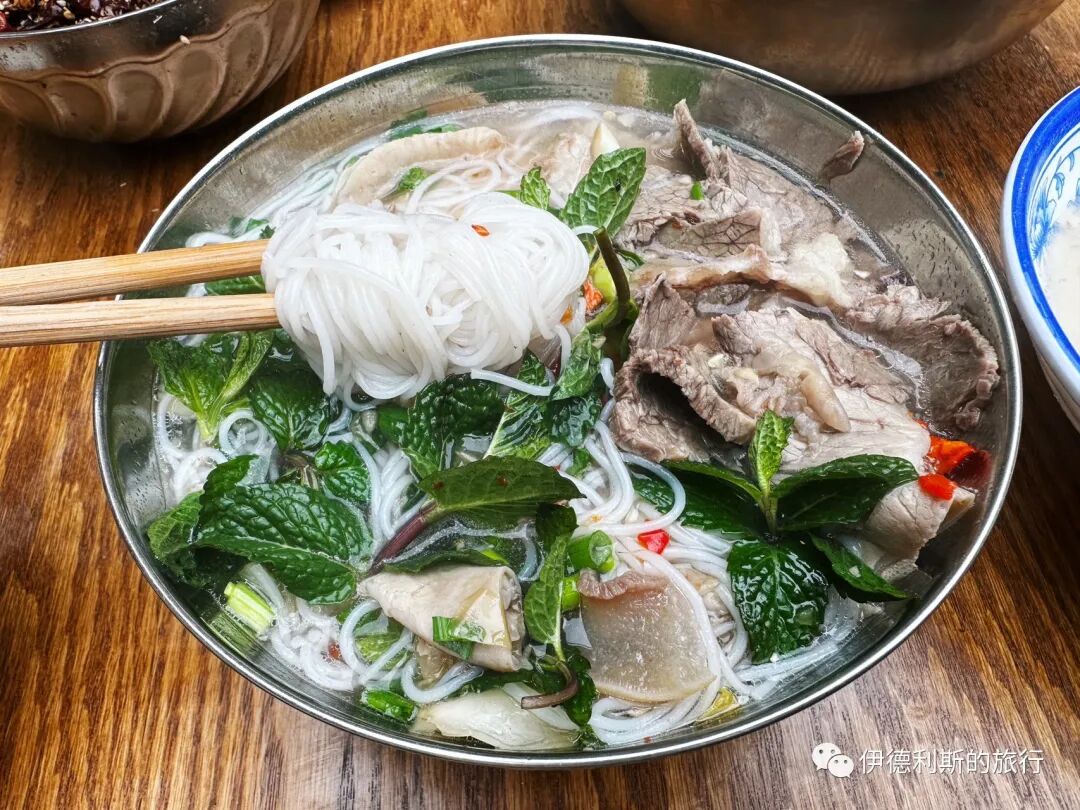
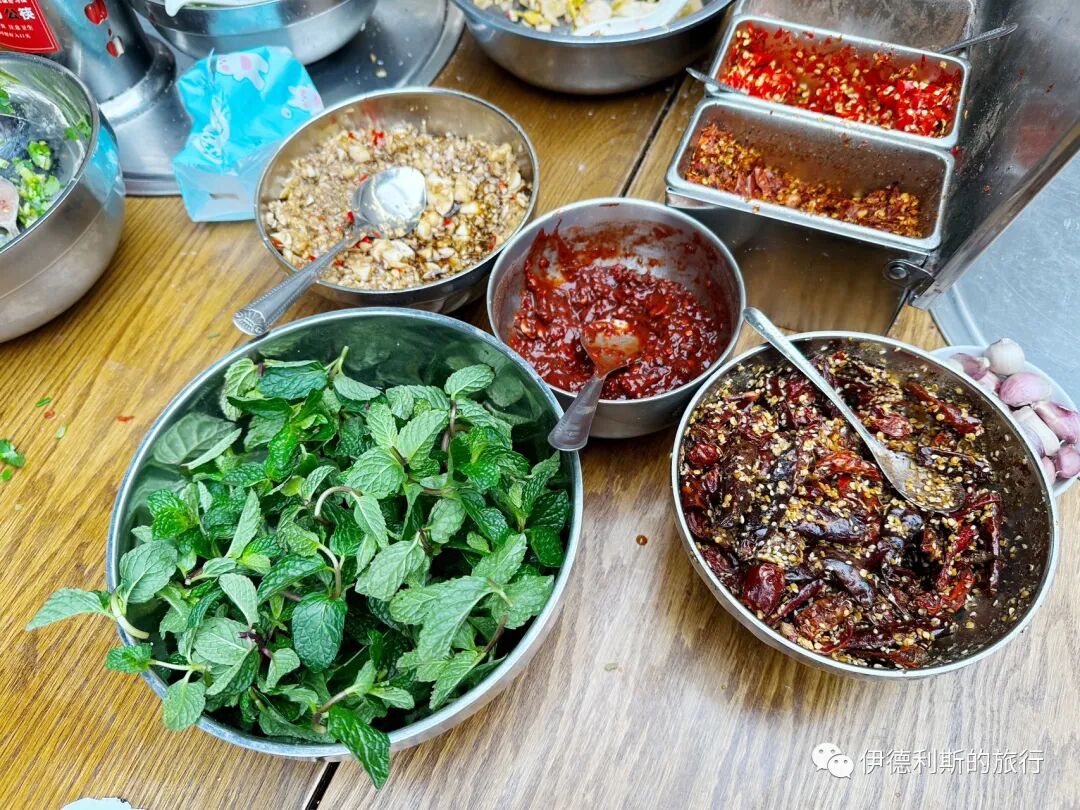
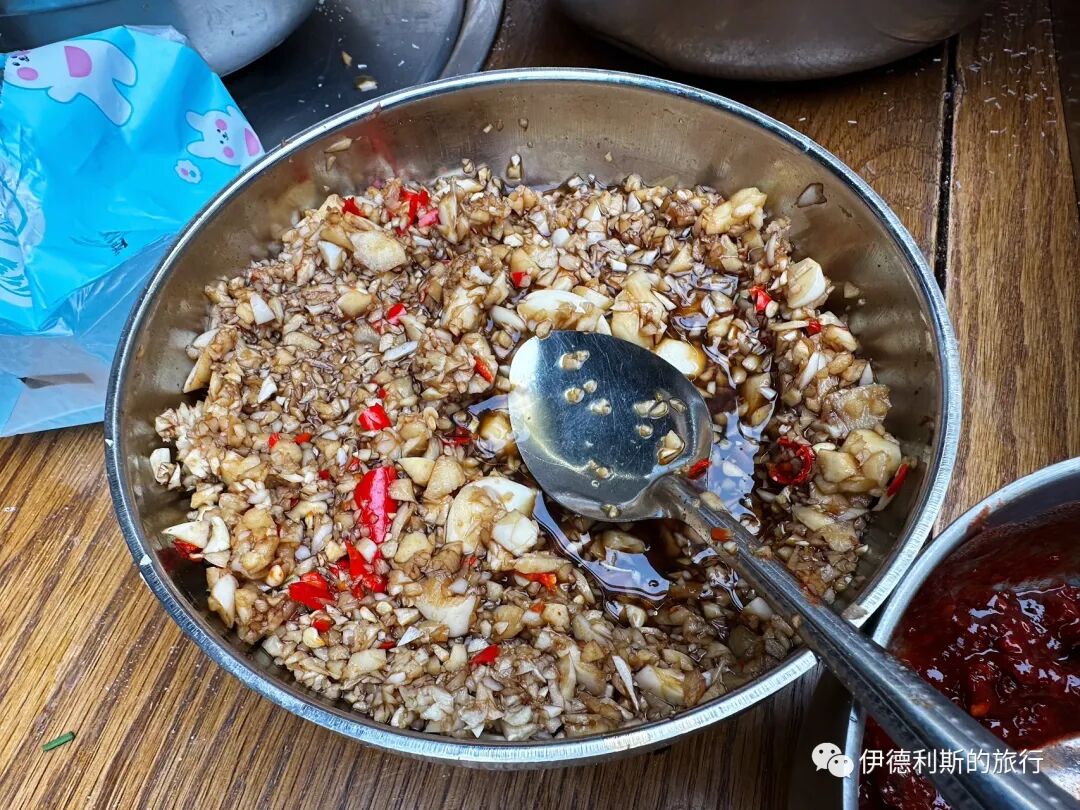
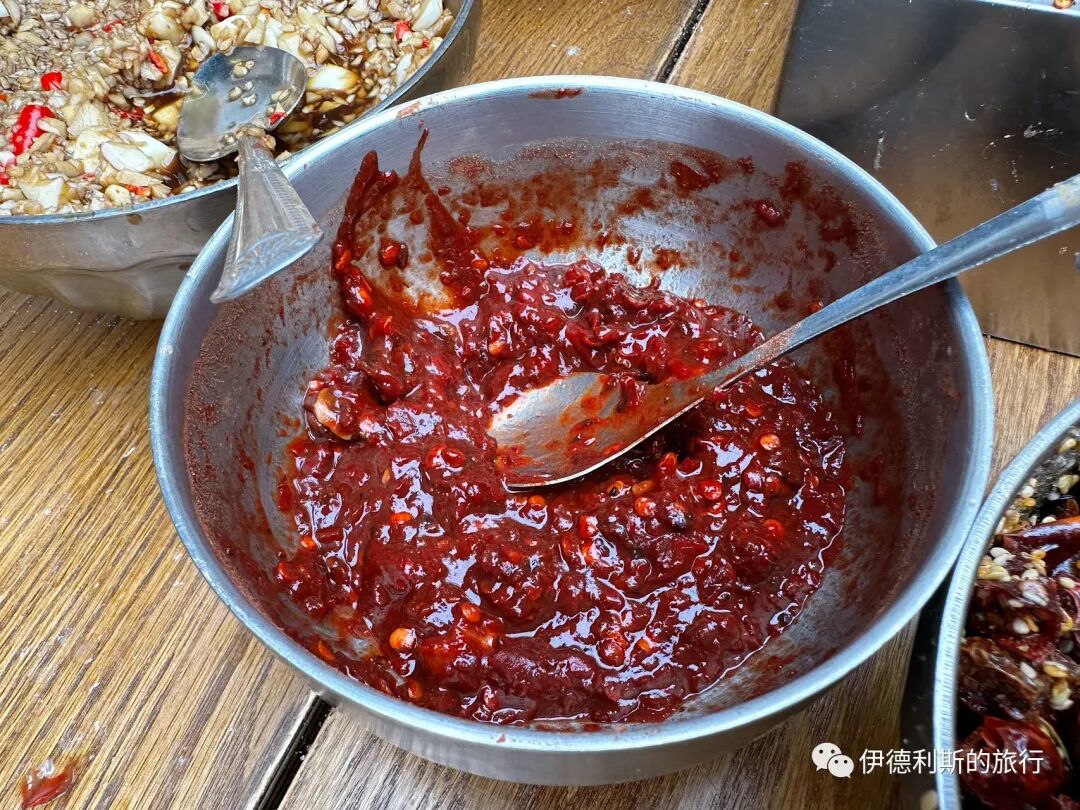
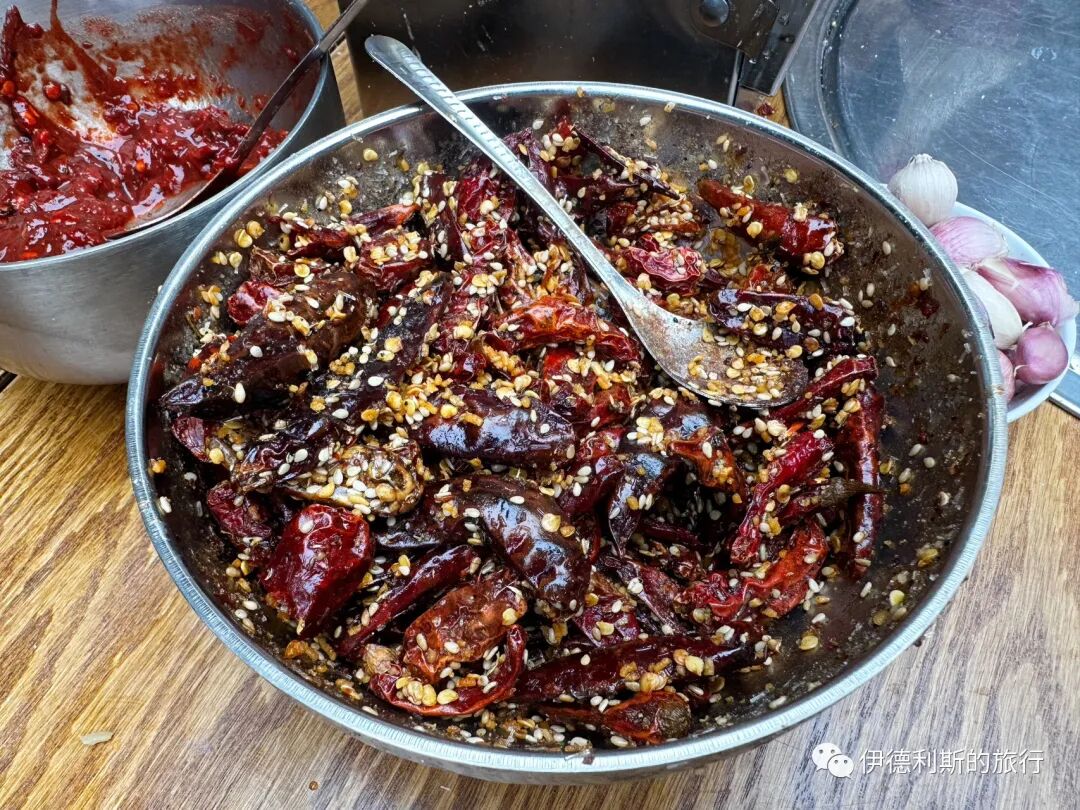
I felt the toppings for the Xichang rice noodles were very rich, with five or six different types of chili, and just like in Yunnan, you can add plenty of fresh mint. With a bone broth base, it was very comforting to eat. It is no wonder their place is crowded with people all day long.
Friday Prayer at Xichang City Mosque
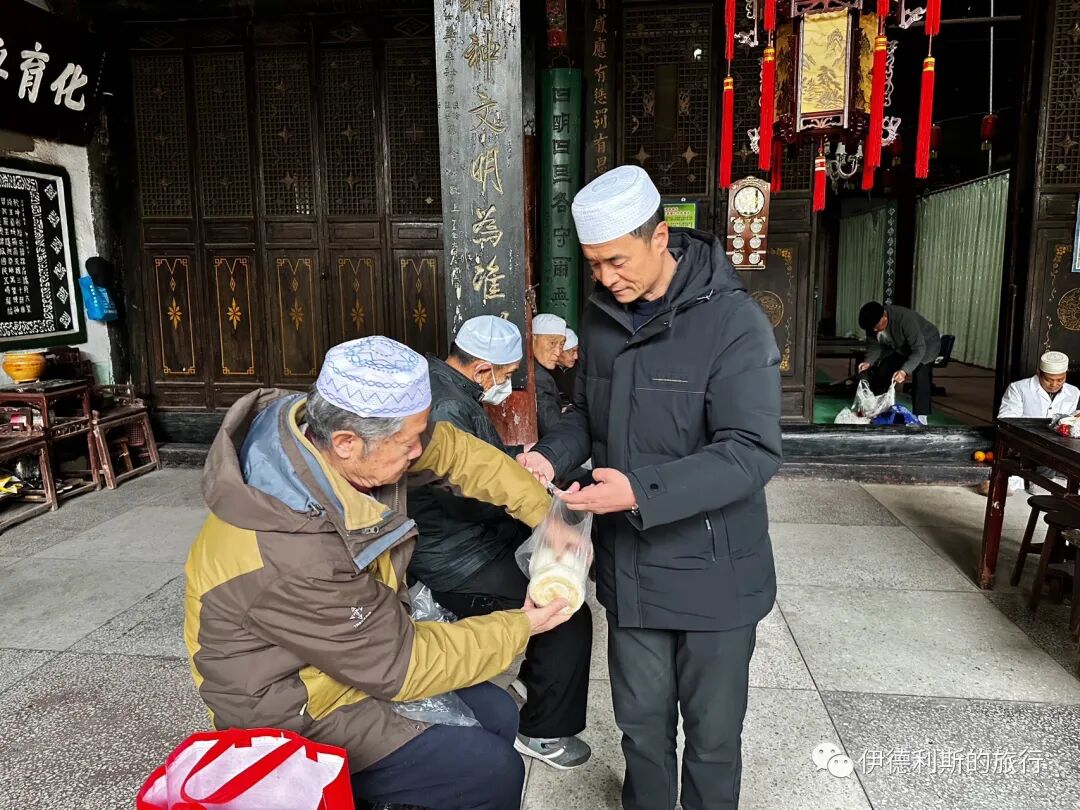
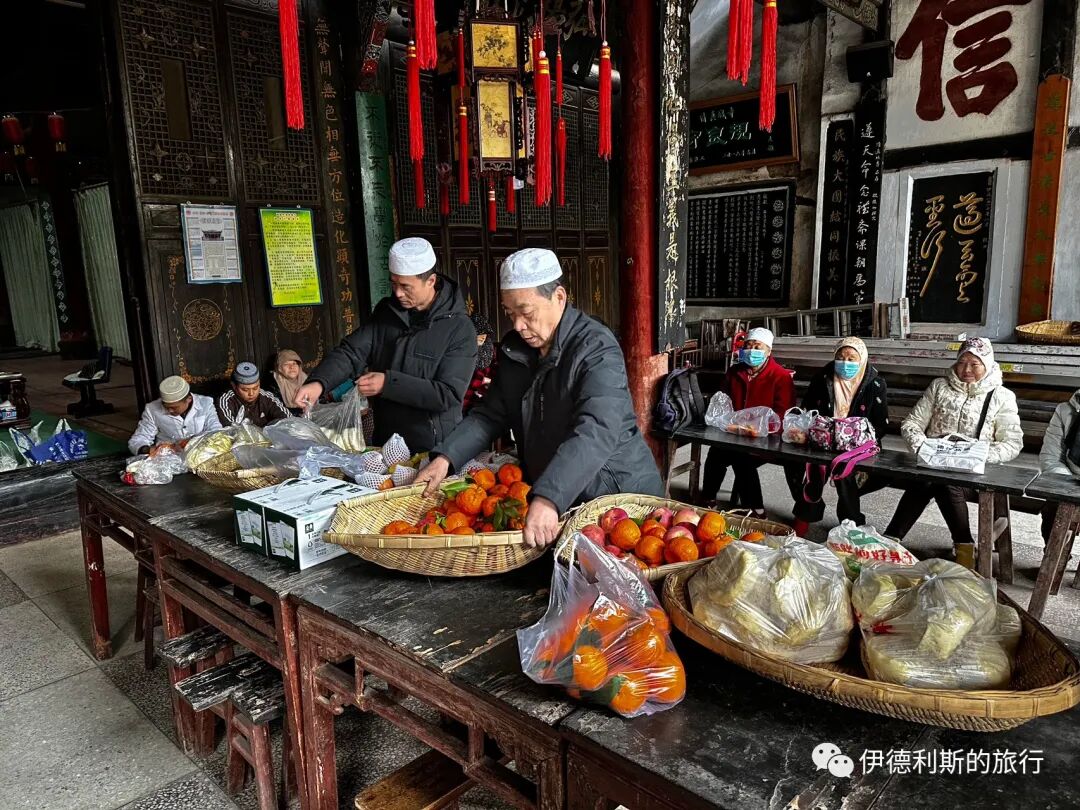
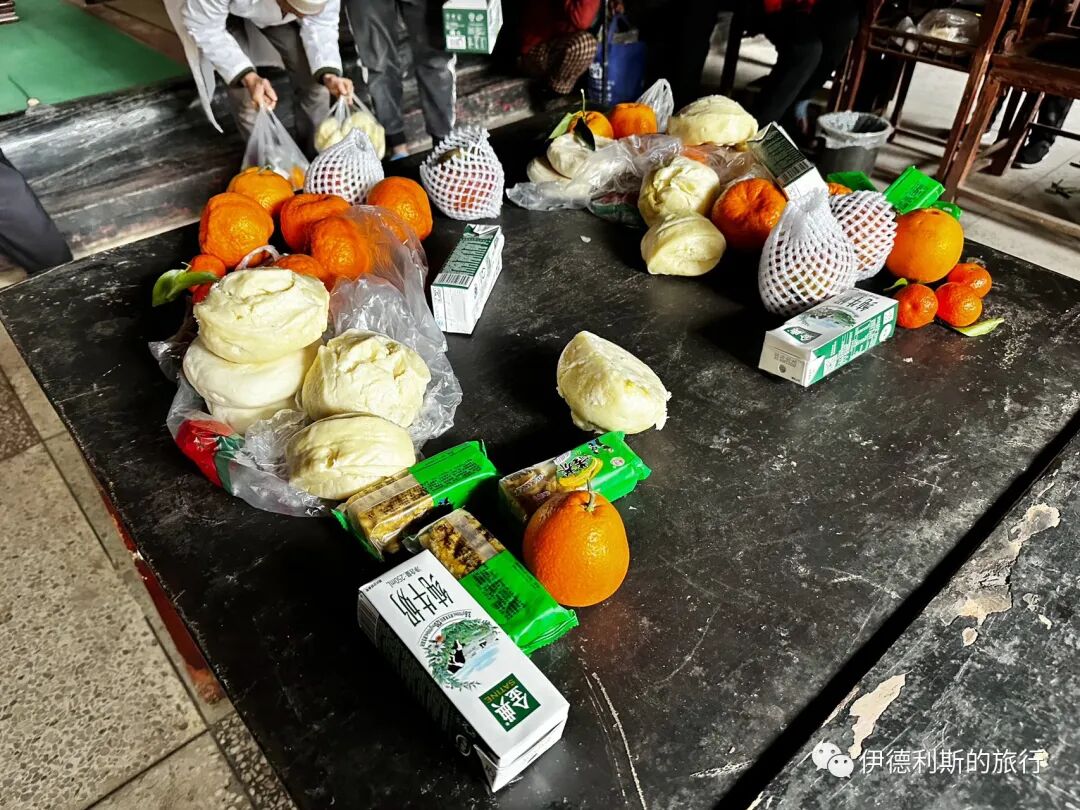
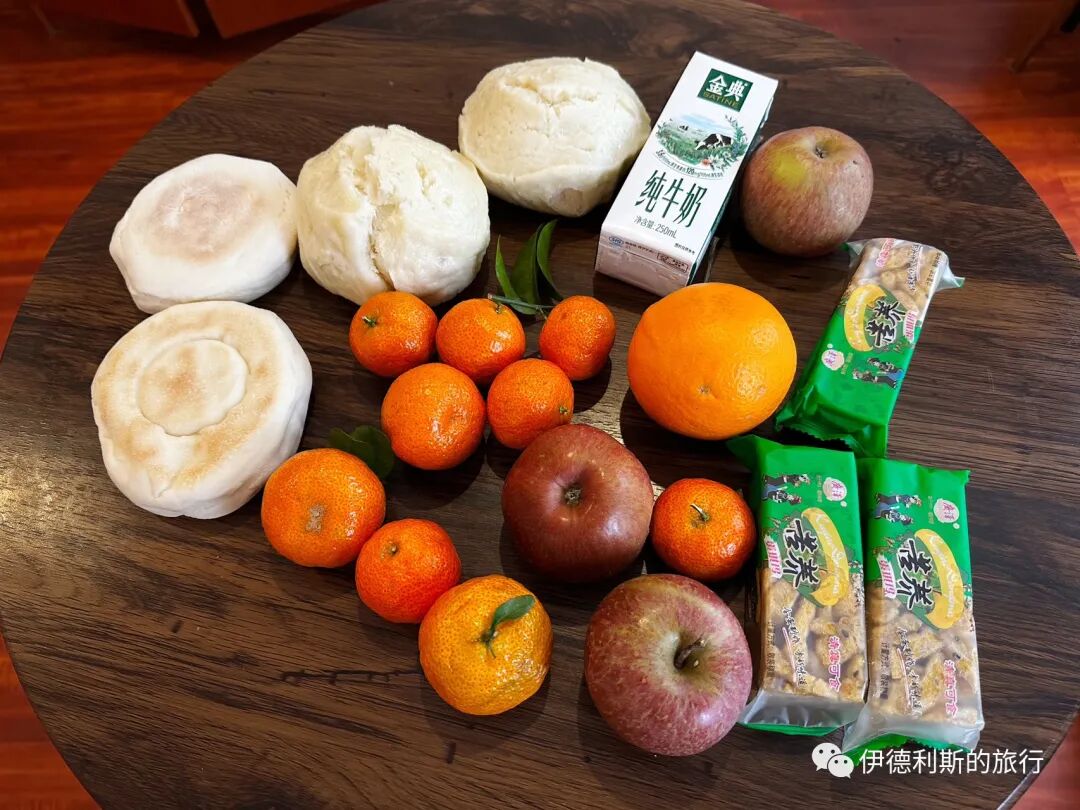
At noon, I prayed the Friday prayer (Jumu'ah) at Xichang City Mosque, and after the prayer, I caught the traditional tea-passing activity. On Friday mornings, community members (gaomu) arrive at the mosque one after another to deliver gifts (hadiya), which are daily items like steamed buns (momo), tangerines, buckwheat crispy treats (saqima), and milk, all placed in baskets (poluo) on the table in front of the main prayer hall. After the Friday prayer, everyone sits around the table and distributes the gifts bit by bit.
I feel this tea-passing tradition is excellent and really strengthens the unity of the mosque community. I have encountered this several times before while praying on Fridays in Yunnan; at Manluan Hui Mosque in Menghai, I received various tropical fruits, and at Tangzi Mosque in Xundian, I ate delicious pastries. This was my first time experiencing the tea-passing tradition in Sichuan. Imam Sha said that in Sichuan, this tradition only exists in Xichang, Miyi, and Panzhihua, which are close to Yunnan, and it takes place during Friday prayers and Ramadan.
The former director of the mosque management committee, Director Tuo, and Imam Ma.
Xichang City Mosque is located on Jiyang Lane within the Ancient City of Jianchang. It was built with funds raised by Muslims who came to Xichang for business during the Yuan Dynasty's Taiding era (1324-1328). It was relocated to its current site on Jiyang Lane in 1574 (the second year of the Ming Wanli era, though some say the Hongwu era) and rebuilt to its current form over six years starting in 1875 (the first year of the Qing Guangxi era), earning it the reputation as the premier mosque in Xichang.
During the Yuan Dynasty, Xichang belonged to the Jianchang Circuit of the Yunnan Province. Sumuding Wumoli, the fourth son of Sayyid Ajjal Shams al-Din, and his son Sheheiwusuman served successively as the administrators of the Jianchang Circuit. Another grandson of Sayyid Ajjal Shams al-Din, Yelu Timur, served as the Pingzhang Zhengshi (a high-ranking official) of the Jianchang Circuit at the end of the Yuan Dynasty. Today, descendants of Yelu Timur are among the Hui Muslims in Xichang.
According to the "History of Ming: Records of Sichuan Tusi," Yelu Timur submitted to the Ming Dynasty in 1382 (the 15th year of the Ming Hongwu era) and was appointed as the Jianchang Guard Commander. He rebelled again in 1392 (the 25th year of the Ming Hongwu era), led an army of over ten thousand to attack the city, but was defeated, fled to Baixing Prefecture (Yanyuan County, Liangshan Prefecture), and was eventually captured and executed. According to the genealogy of the Sha-surname Hui Muslims in Xichang, after Yelu Timur was killed, his descendants scattered. One branch fled to Huangcaoping in Miyi County, Panzhihua, hid their identity, and changed their name to Sha Shun. By the third generation, they moved to Heying Yantang Village in Xichang. Imam Sha from Dujiangyan is a descendant of Yelu Timur.
To suppress Yelu Timur, the Ming Dynasty dispatched 15,000 soldiers from the capital guards (the Jiangnan region) and the Shaanxi-Gansu region. Many Xichang Hui Muslims today are descendants of these Ming Dynasty garrison troops from Jiangnan and Shaanxi: Imperial Commander Ma Gang was from Suzhou Prefecture in Jiangnan, and his descendants became the Ma family of Shaguoying. Commander Ma Jun was from Suzhou Prefecture in Jiangnan, and his descendants became the Ma family of Hetao Village. Commander Ma Dengyi was from Dali, Yunnan, and his descendants became the Ma family of Yushitang. Deputy Commander Liu Yuanyuan was from Suzhou Prefecture in Jiangnan. His second generation married a Hui Muslim woman and converted to Islam, and his descendants settled in Xixi Dazi Camp.
The mosque is divided into two courtyards. The right side of the front courtyard contains offices, living quarters, and a washroom, while the left side has an ancient cypress tree that reaches the sky. Entering the inner courtyard through an arched gate, you find the standard main prayer hall and north and south side rooms. There are also two ancient cypress trees in front of the main hall. According to the Republic of China's "Xichang County Annals": "In the fifth year of the Kangxi era, a fire on South Street spread to the mosque. A person in green clothes appeared on the mosque's cypress tree, pouring water from a clean pot to douse the flames, and the fire stopped."
On the west side of the second courtyard is the entrance hall and the main prayer hall. After the 1960s, the entrance hall (baoting) and the two side rooms were taken over by a school, and the main prayer hall was closed off. They were not restored until after the 1980s. Today, the entrance hall and the main prayer hall are hung with various plaques and couplets in Chinese and Arabic, which are precious cultural heritage items of the mosque.
Inside the main prayer hall are the mihrab, minbar, scripture box, and various plaques and couplets.
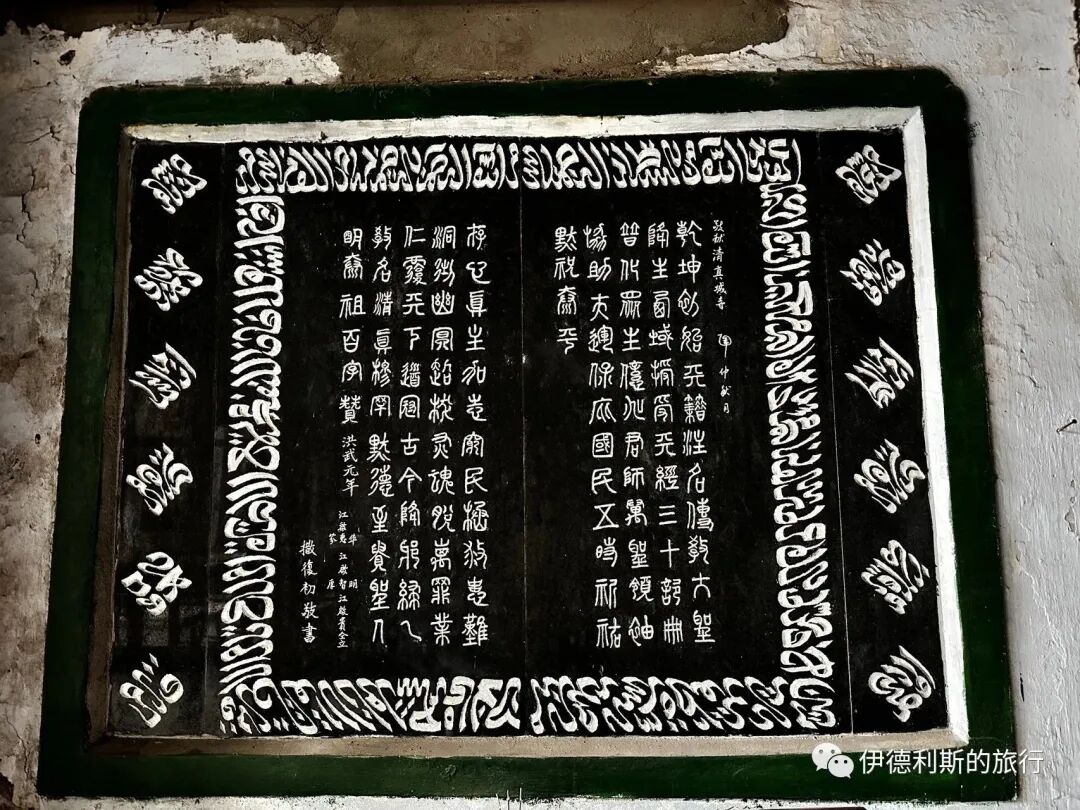
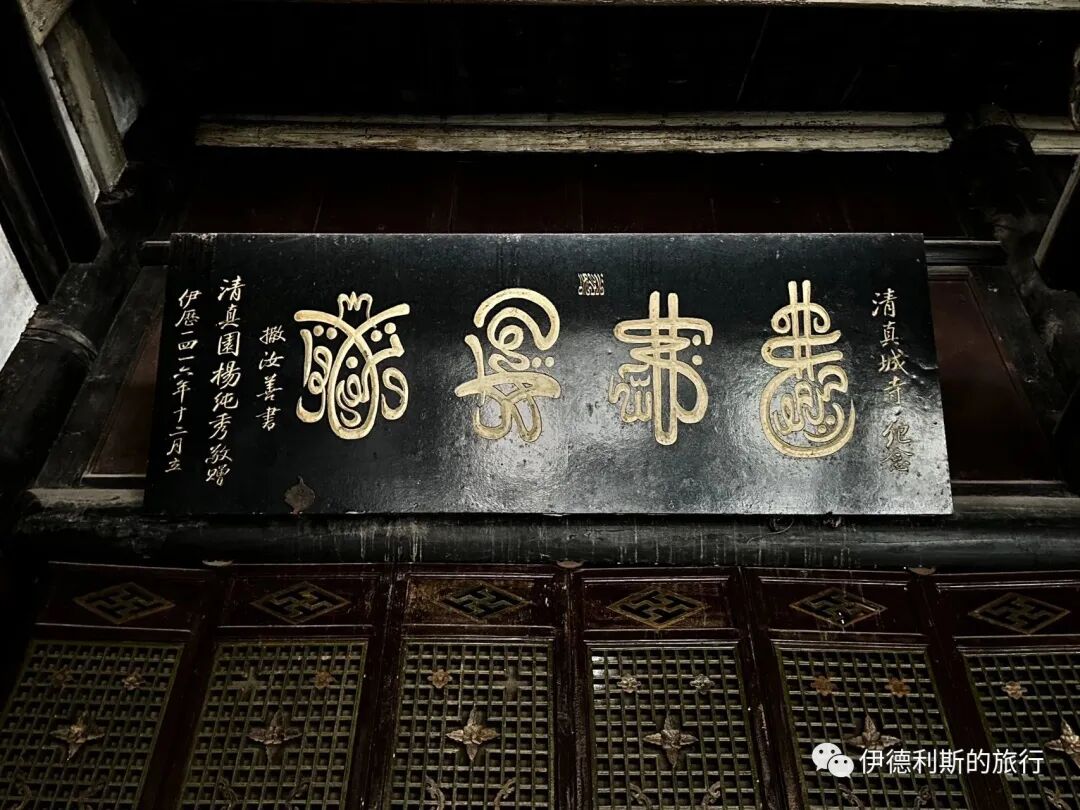
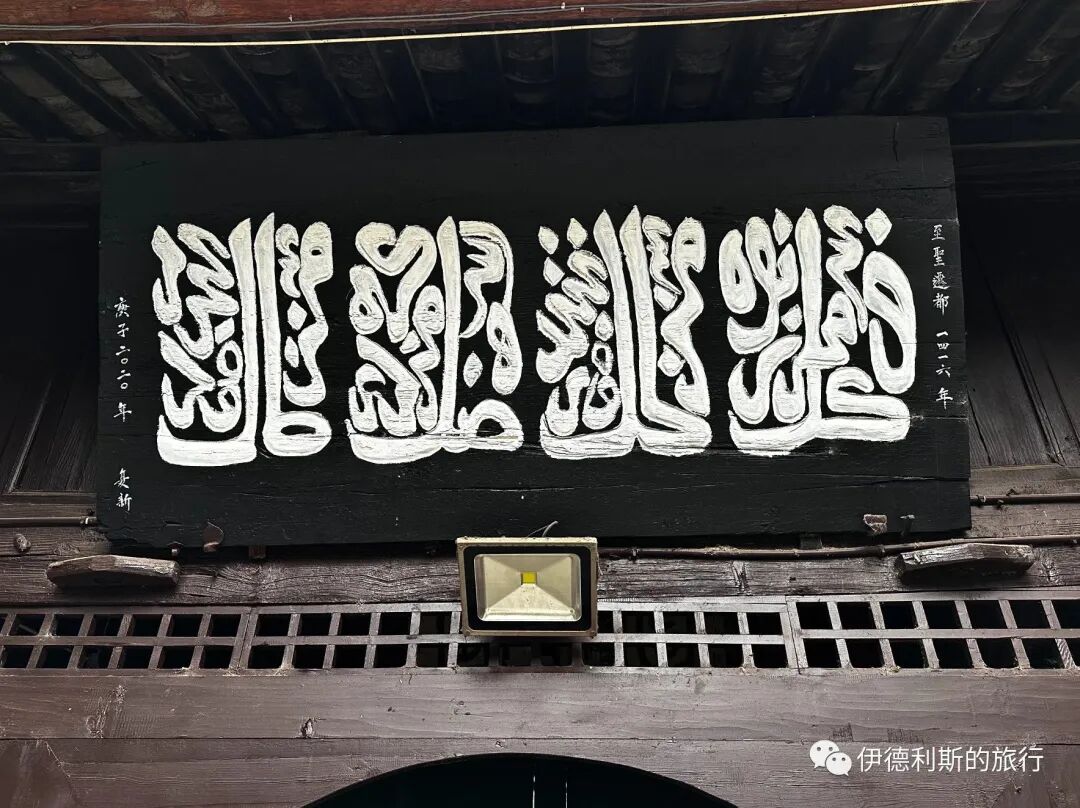
The mosque holds plaques from different periods, ranging from the Qing Dynasty and the Republic of China era to after the 1990s.
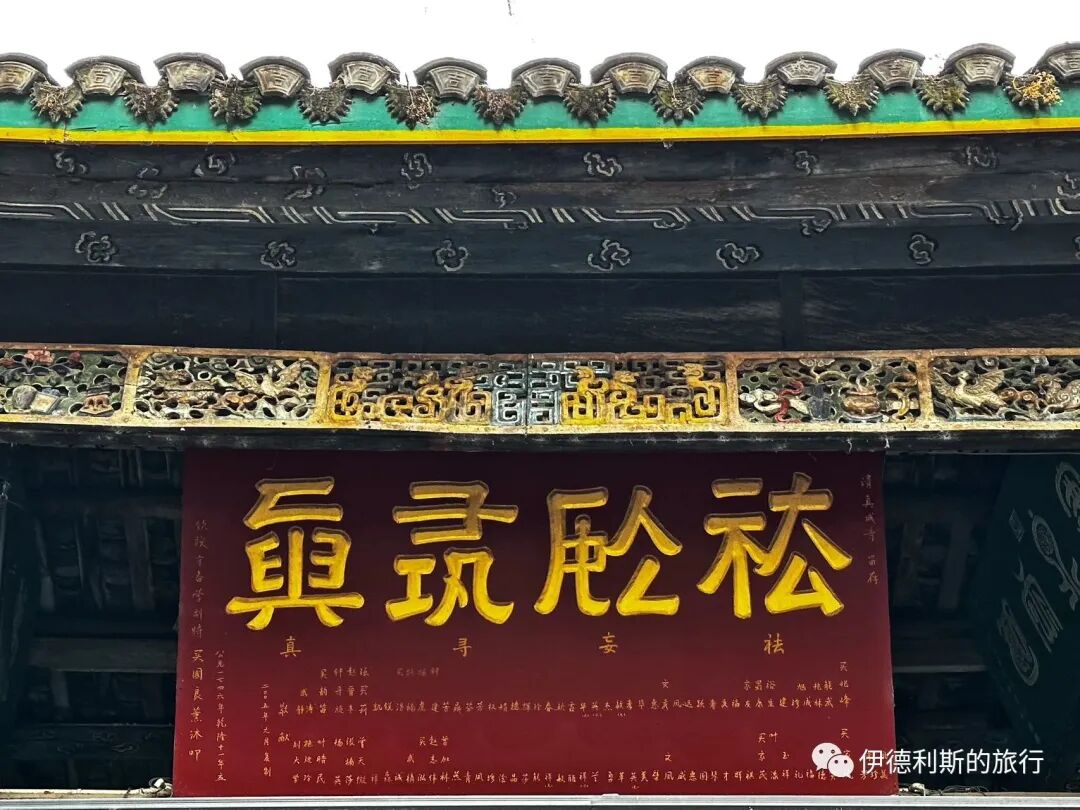
The plaque reading 'Qu Wang Xun Zhen' (Seeking Truth by Eliminating Falsehood) was replicated in 2005 from the original 1746 (11th year of Qianlong) version. The donor, Deputy General Mai Guoliang of the garrison, had ancestral roots in Fengxiang, Shaanxi. He settled in Xichang in 1738 (3rd year of Qianlong) due to military service, and his descendants are known as the Mai family of Shaanxi.
Imam Sa Fuchu was a famous Arabic calligrapher in Xichang.
Imam Sa passed away in 2014 at the age of 89.
Lao Hao Qingzhen Yuan restaurant.
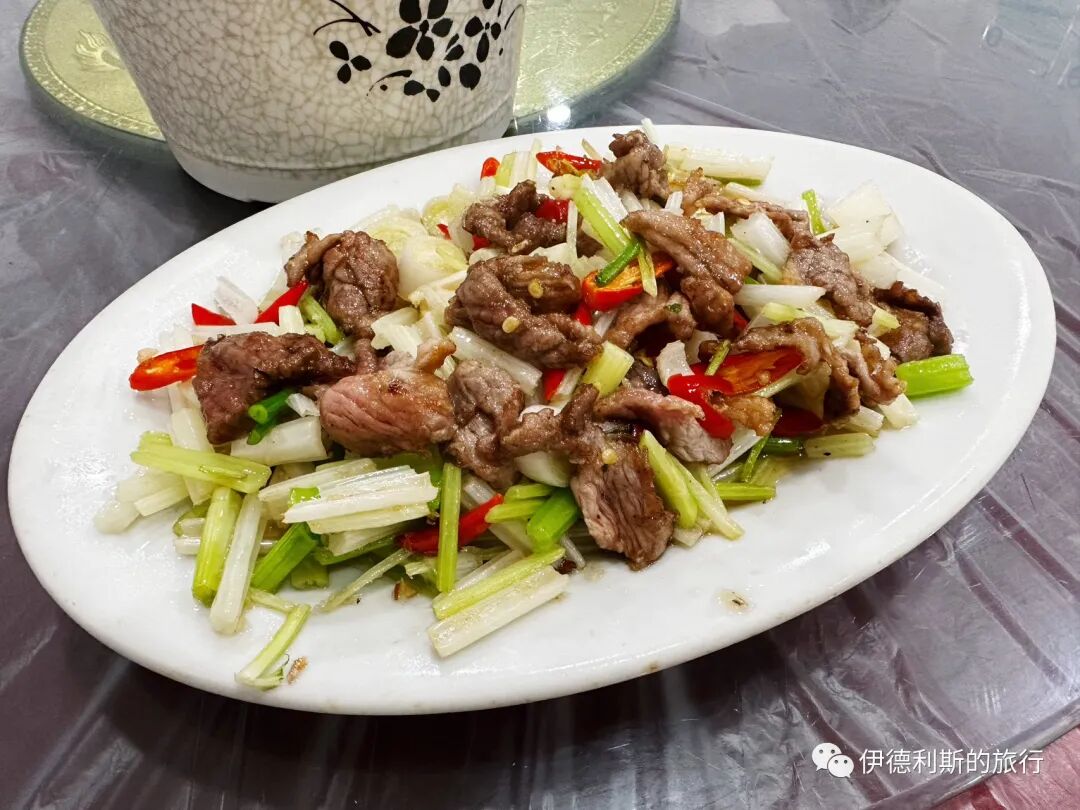
In the afternoon, I ate at the main branch of Lao Hao Qingzhen Yuan near the Xichang West Mosque. It is a restaurant serving traditional halal stir-fry dishes, and the owner is a member of the Yang family, who are community leaders (gaomu) of the Xichang West Mosque.
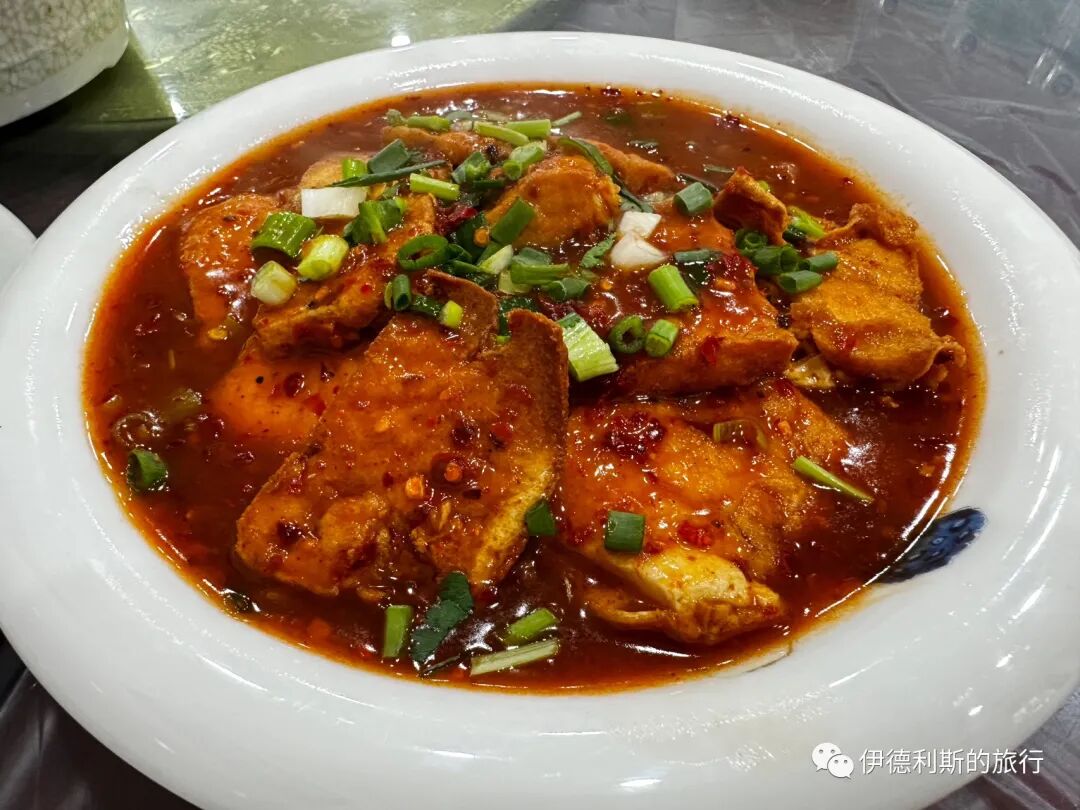
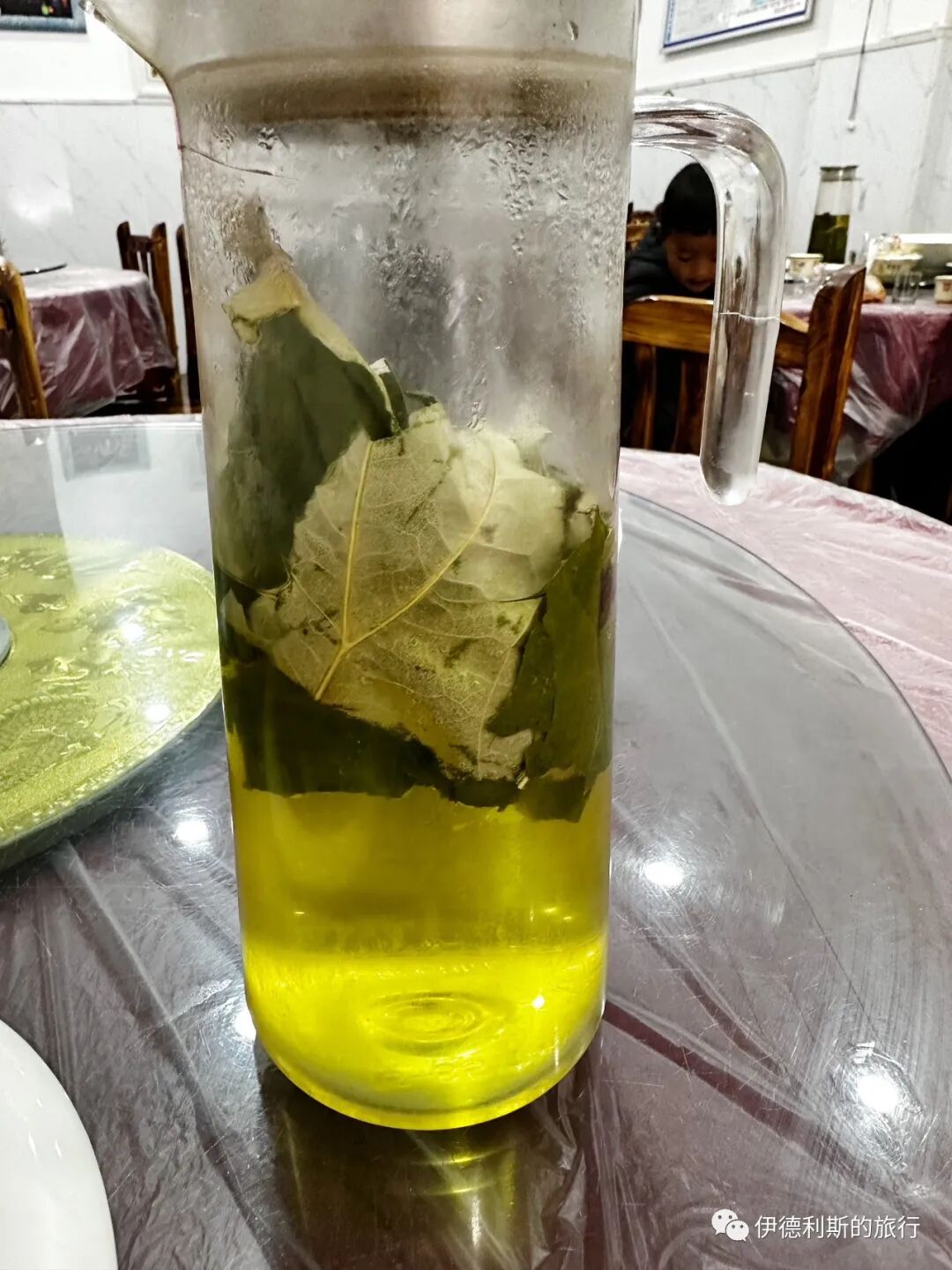
I ordered the small stir-fried meat (xiaochao rou) and bear paw tofu (xiongzhang doufu), and they also served me lotus leaf tea. It was my first time seeing a restaurant serve lotus leaf tea, and it smelled quite fragrant. The food arrived just five minutes after I ordered; they stir-fry really quickly! The small stir-fried meat is a classic, but it was my first time eating bear paw tofu. 'Bear paw' is actually what Sichuanese people call pan-fried tofu. It is a specialty Sichuan dish stir-fried with bean paste (doubanjiang) that is spicy and rich. It made my nose run and my eyes water, but Sichuan food is truly satisfying!
Xichang West Mosque.
Because the city bought up all the houses during the renovation of the Jianchang Ancient City, there are no longer community leaders (gaomu) living around the city mosque. Relatively speaking, the West Mosque outside the Jianchang Ancient City still maintains the layout of a traditional mosque neighborhood, and there are more halal restaurants nearby.
The Xichang West Mosque is also called the Mashuihe Mosque outside the city. Mashuihe Street has been a street for the Hui Muslim leather industry since the Qing Dynasty. The West Mosque was first built in 1801 (6th year of Jiaqing). When the Xichang earthquake hit in 1850 (30th year of Daoguang), the mosque buildings collapsed and were rebuilt with funding from the Wool Guild, a trade association of local leather workers. In 1935, to stop the Red Army from entering the city, the Chuan-Kang border defense forces burned down 28 streets and alleys outside Xichang for three consecutive days. The West Mosque was also destroyed and was rebuilt in 1948. After 1958, the West Mosque was occupied and severely damaged. It was gradually reclaimed after 1978 and rebuilt into its current form after 1999.
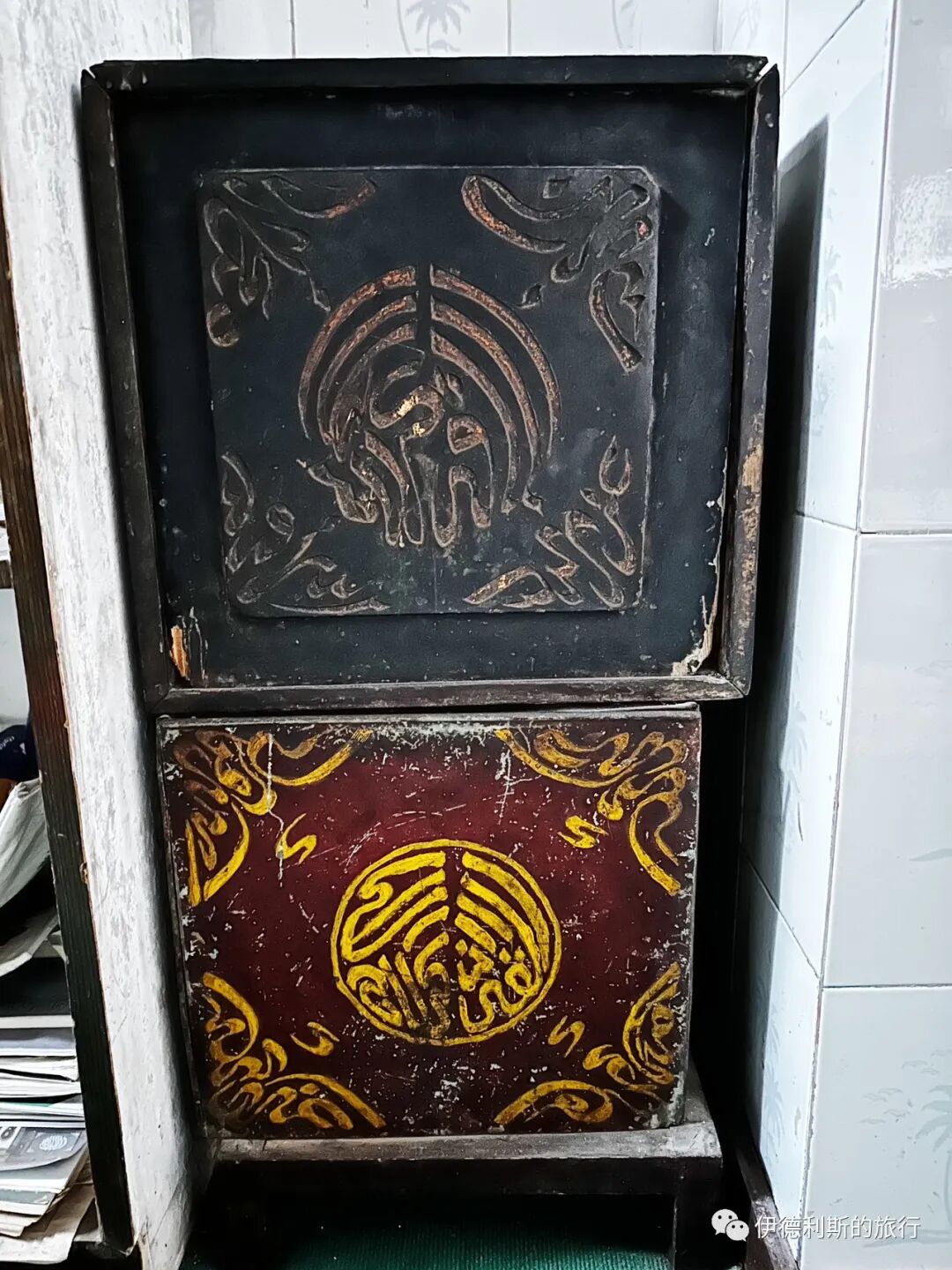
The calligraphy carvings on the minbar, scripture box, mihrab, door panels, and plaques of the West Mosque.
The West Mosque retains the column bases from the old Qing Dynasty main hall, which feature decorations adapted from the Taoist Eight Immortals. I have seen this before at the lower gongbei in Shangmazhuang, Bazanggou, Qinghai, which is a great example of cultural exchange between different religious traditions.
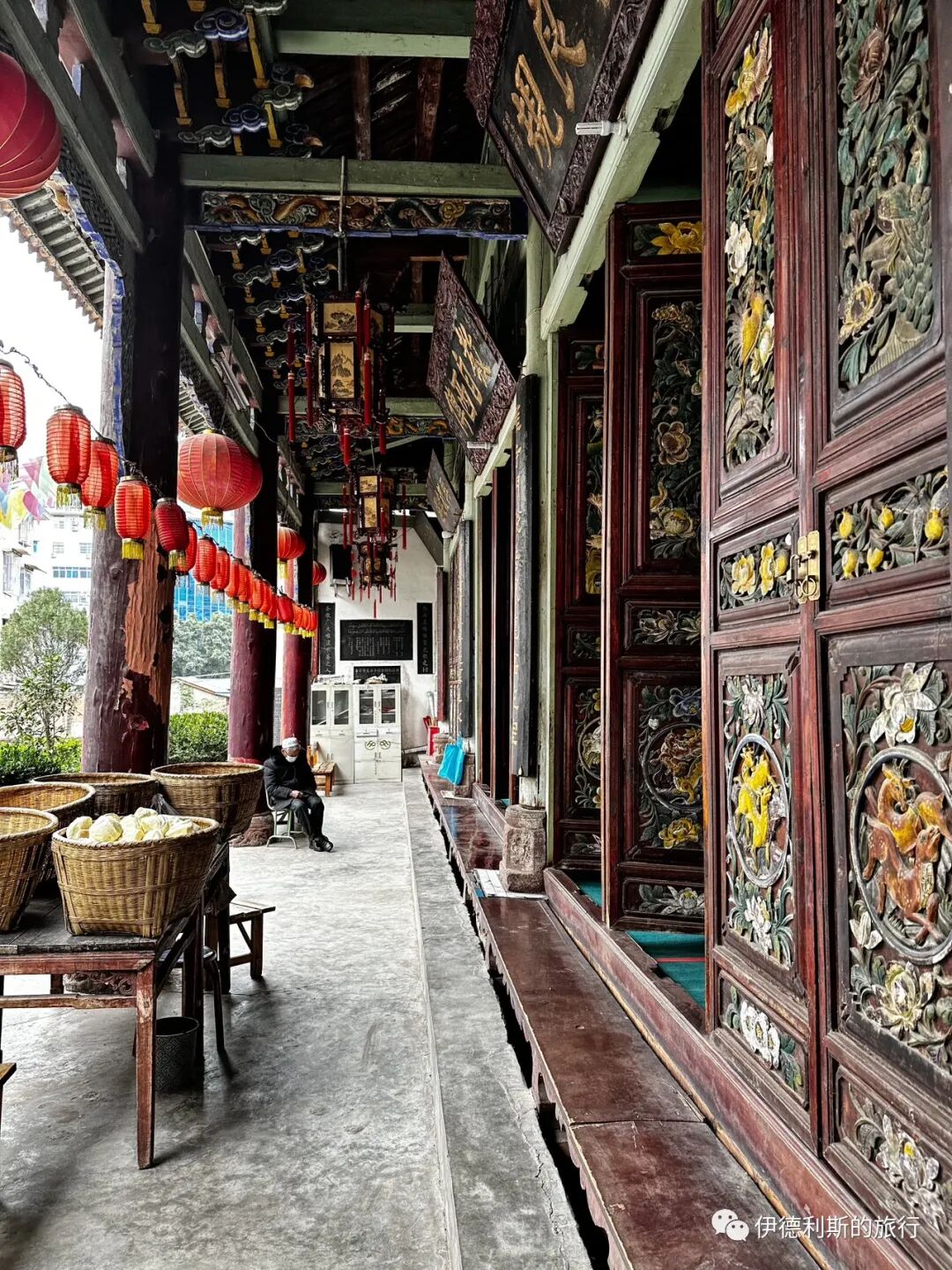
Additionally, there were sausages and pressed duck (banya) drying in the courtyard of the West Mosque, and bamboo baskets in front of the main hall held steamed buns (momo) used for tea after Friday prayers (jumu). These all added a lot of life to this ancient mosque.
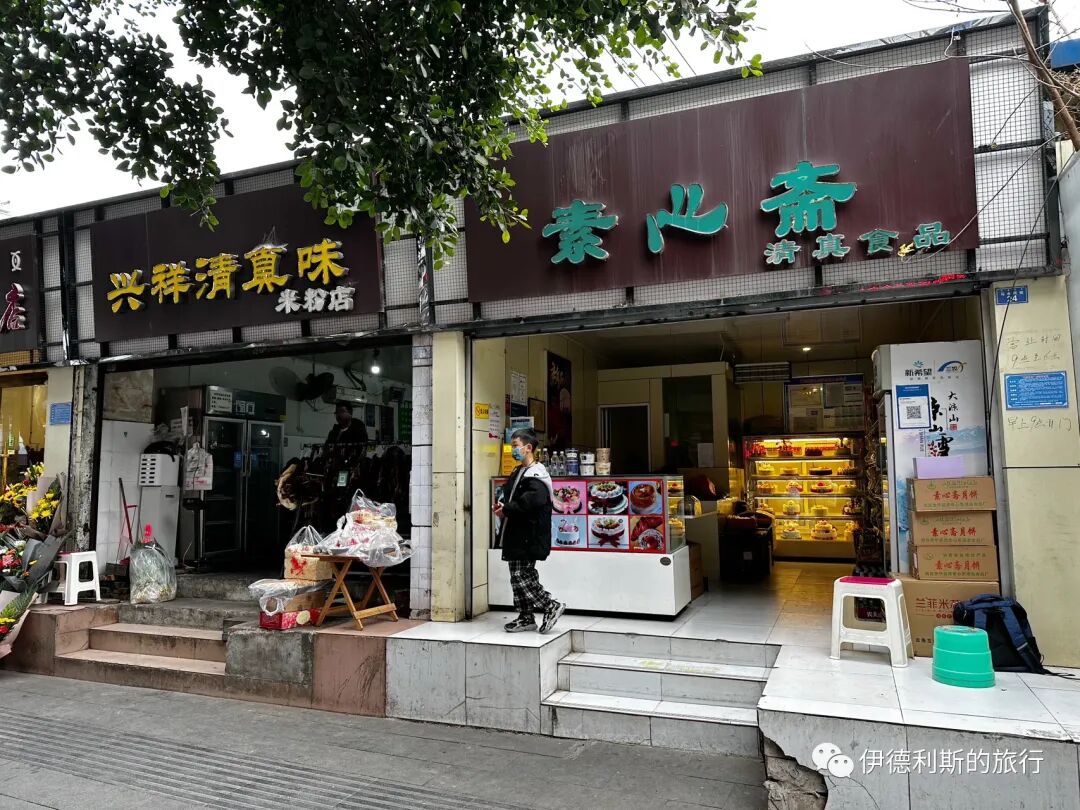
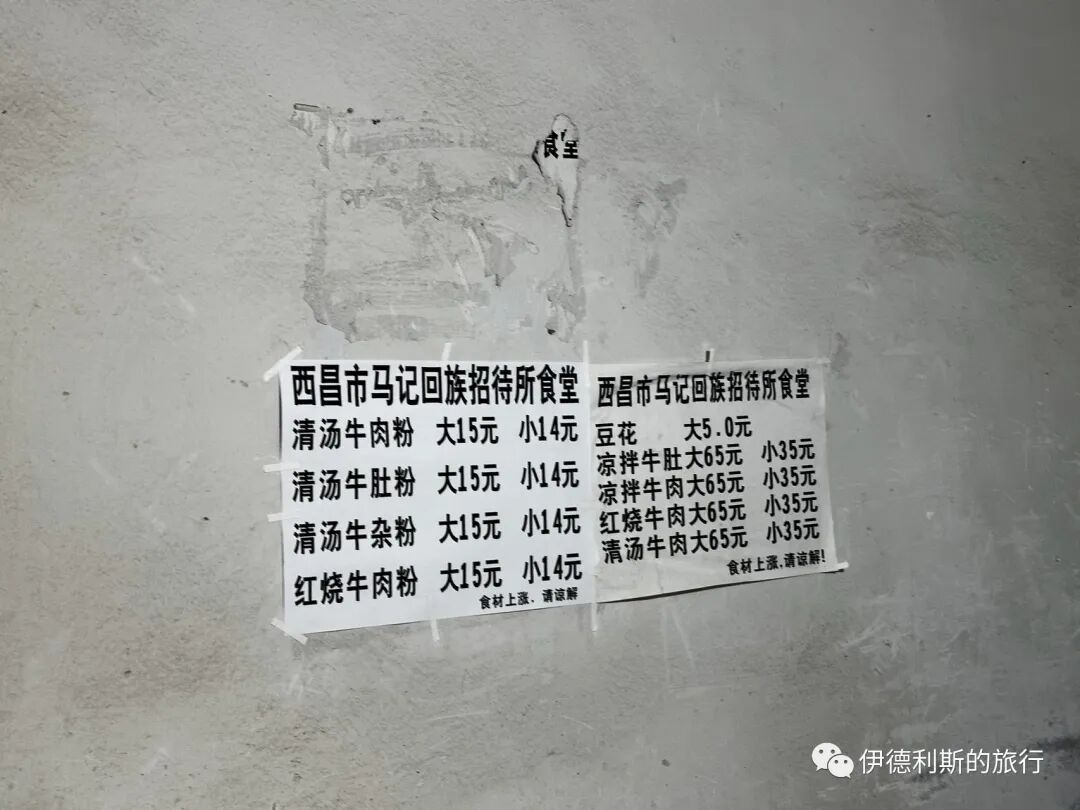
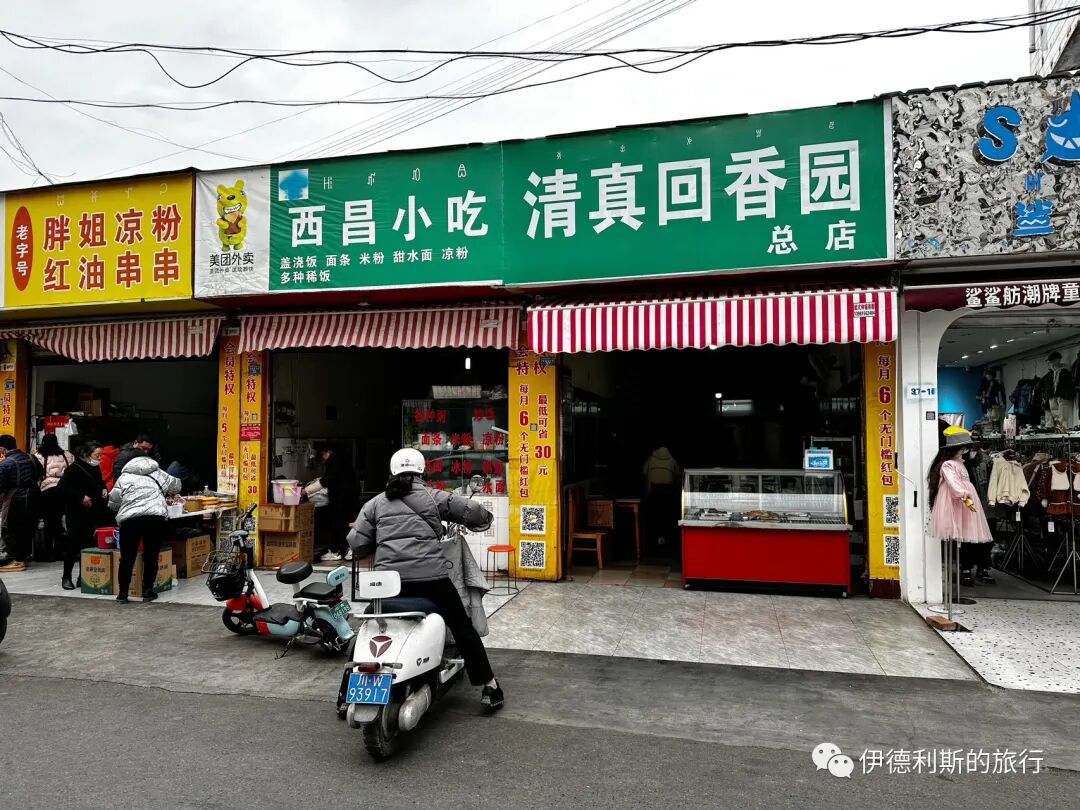
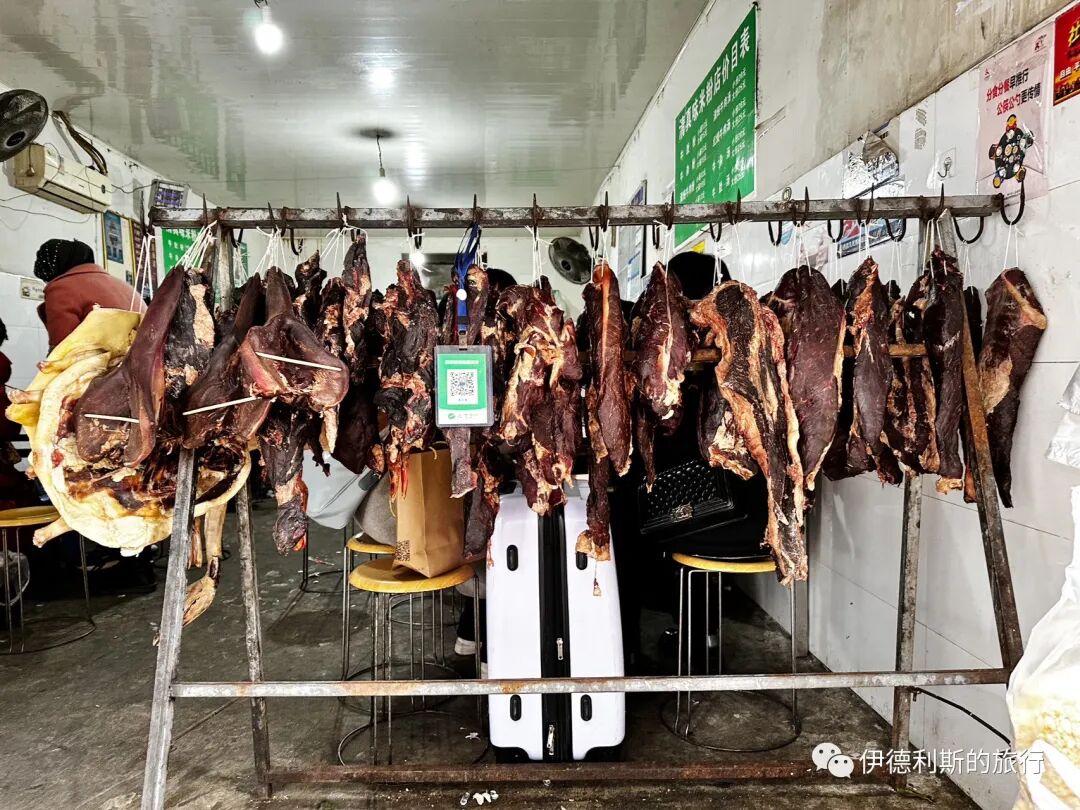
The halal restaurants near the West Mosque mainly serve Xichang rice noodles, as well as stir-fried dishes and pastries. The rice noodle shops are packed from early morning until noon; they are very popular. The dried beef (niu ganba) and pressed duck (banya) placed at the entrances of the restaurants are also specialties.
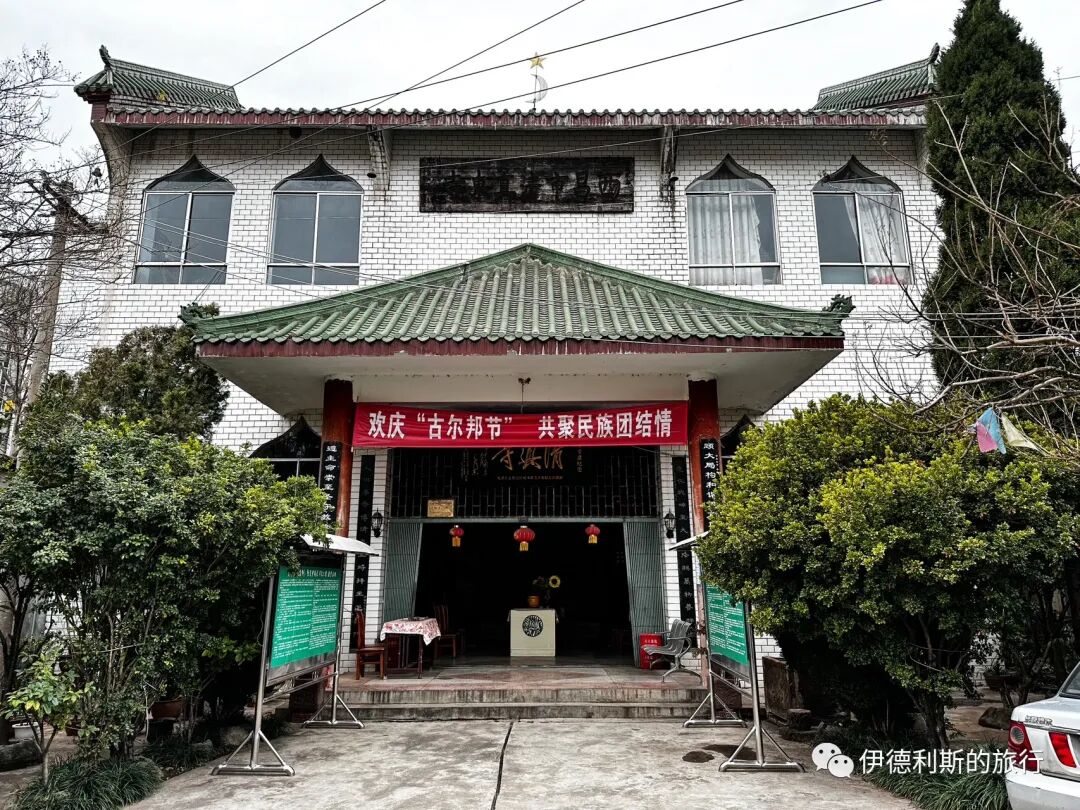
Xichang East Mosque.
The Xichang East Mosque is also called the East Street Mosque outside the city. It was first built in 1578 (6th year of Wanli in the Ming Dynasty). Most of the community leaders (gaomu) moved here from Shaanxi and the Jiangnan region during the Ming and Qing dynasties, mainly working in fur processing, cattle and sheep slaughtering, and the food industry. In 1850 (30th year of Daoguang in the Qing Dynasty), the East Mosque was damaged in the Xichang earthquake and was rebuilt in 1861 (11th year of Xianfeng). According to the Republic of China era 'Xichang County Annals,' it was 'grand in scale, the best among all the mosques.' In 1935, to stop the Red Army from entering the city, the East Mosque was burned down by the Chuan-Kang border defense forces, just like the West Mosque. It was rebuilt as simple one-story houses in 1948, occupied by a fur factory after the 1950s, reclaimed in 1982, and rebuilt into its current form in 2001.
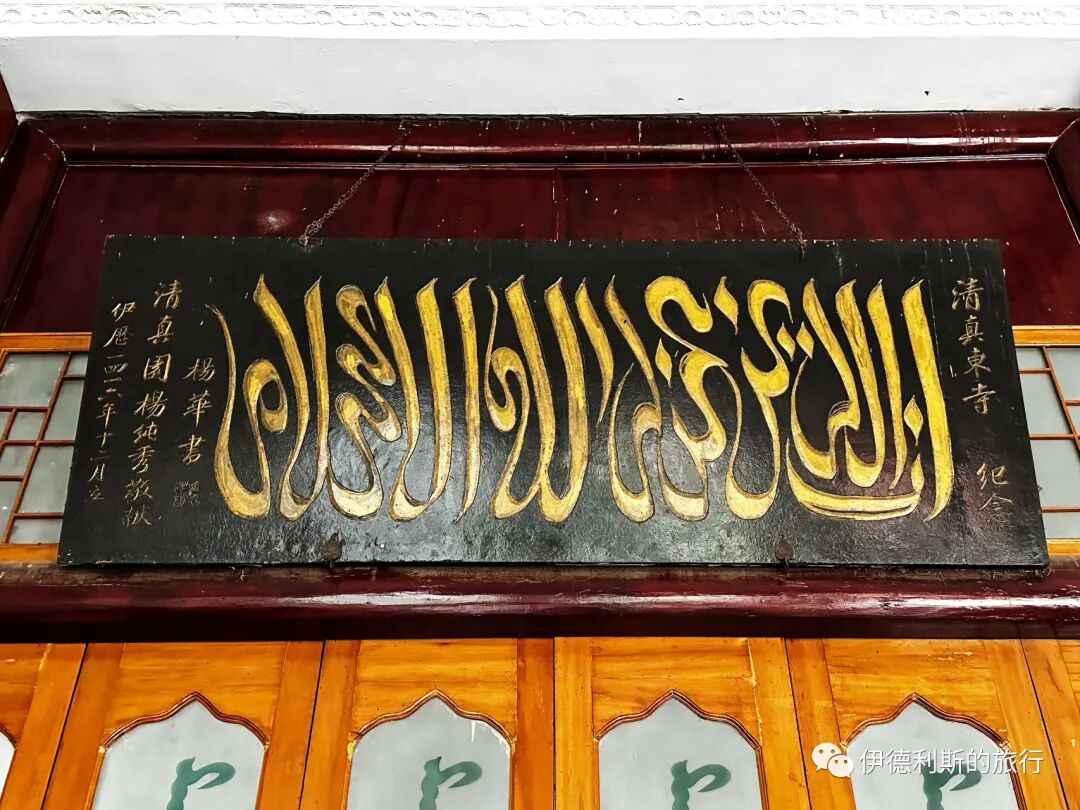
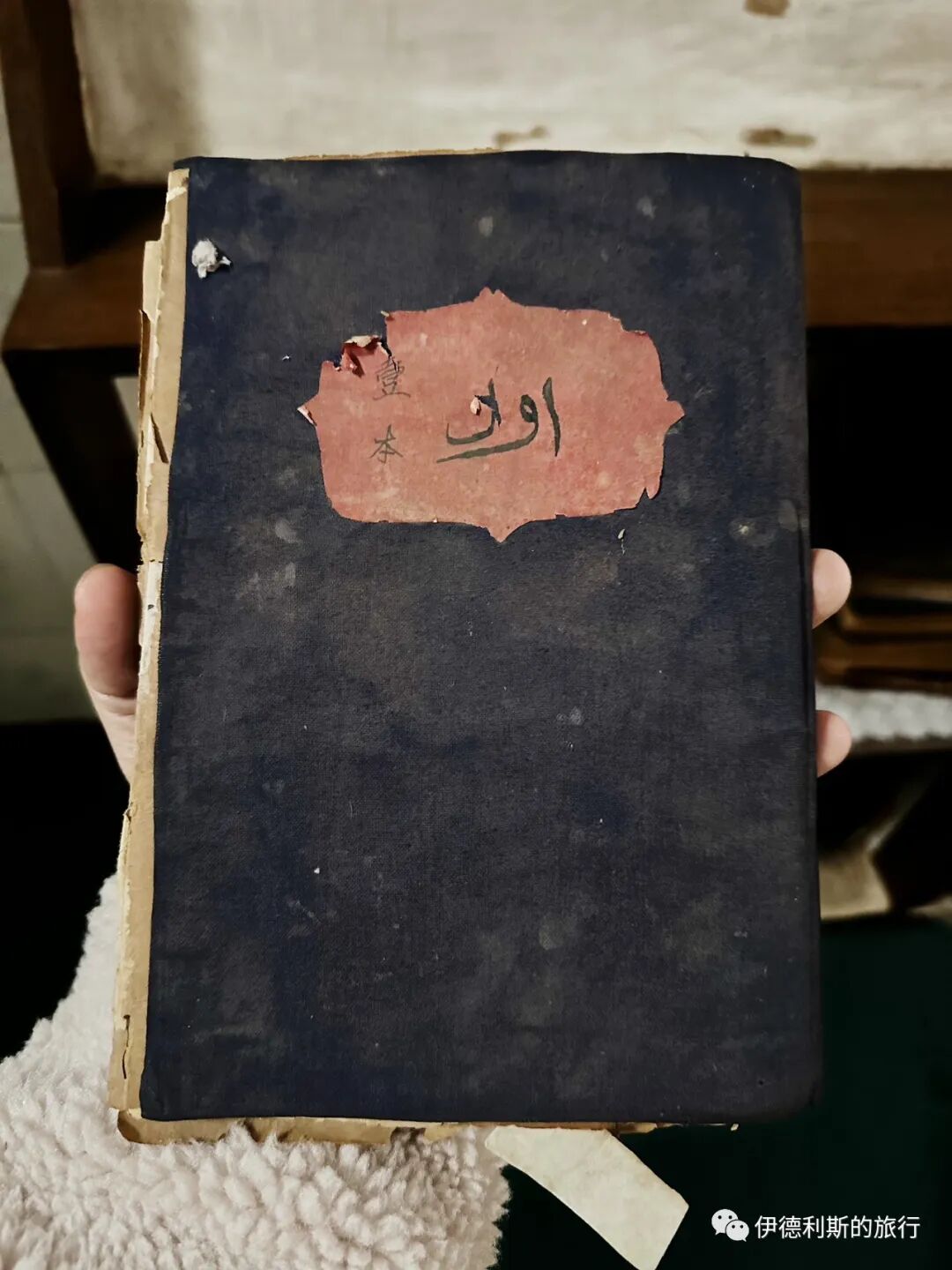
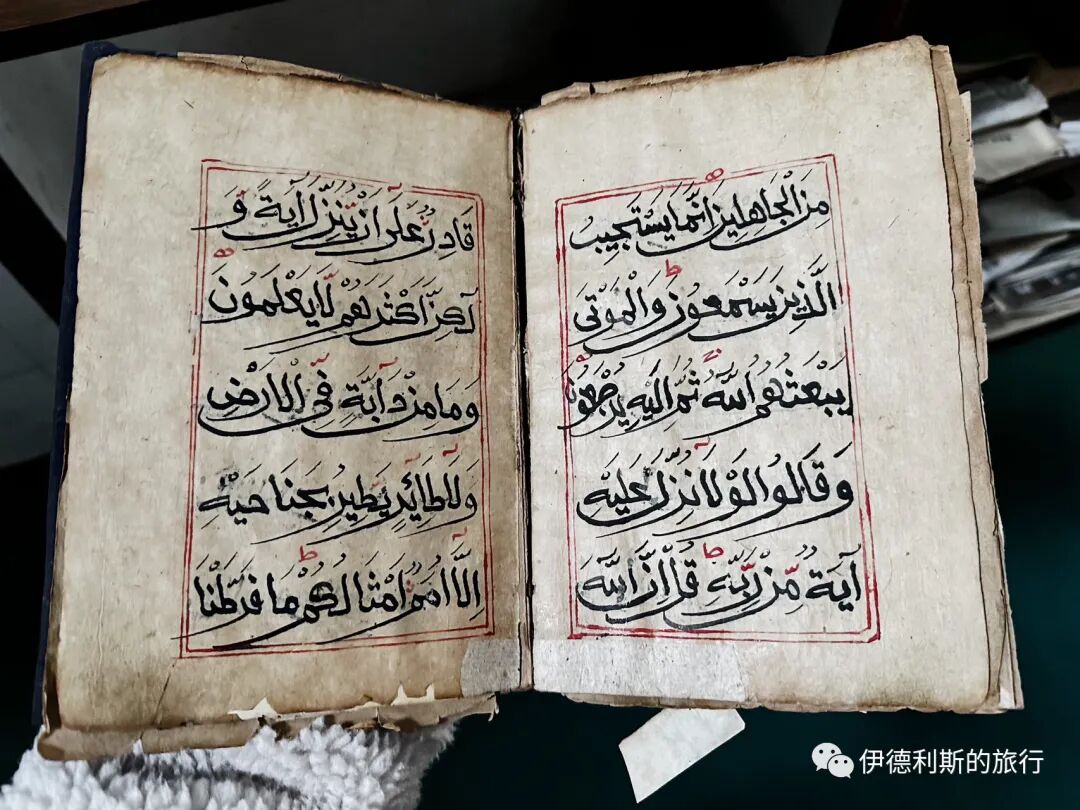
The East Mosque contains plaques and handwritten scriptures by the famous Sichuan scripture teacher Imam Yang Hua, as well as some stone inscriptions from the Qing Dynasty and the Republic of China era. Imam Yang Hua was a student of Imam Sha from Dujiangyan. His family roots were in Fengxiang Prefecture, Shaanxi, and he moved to Xichang during the Tongzhi reign after traveling through Songpan, Sichuan. Imam Yang Hua was born on Hedong Street in Xichang in 1922. He studied at the New Guest Mosque (Xinke Si) and the East Mosque (Dong Si), then taught at the Shaguoying Mosque for a long time. He taught over three hundred students and made a huge contribution to the development of the faith in Xichang.
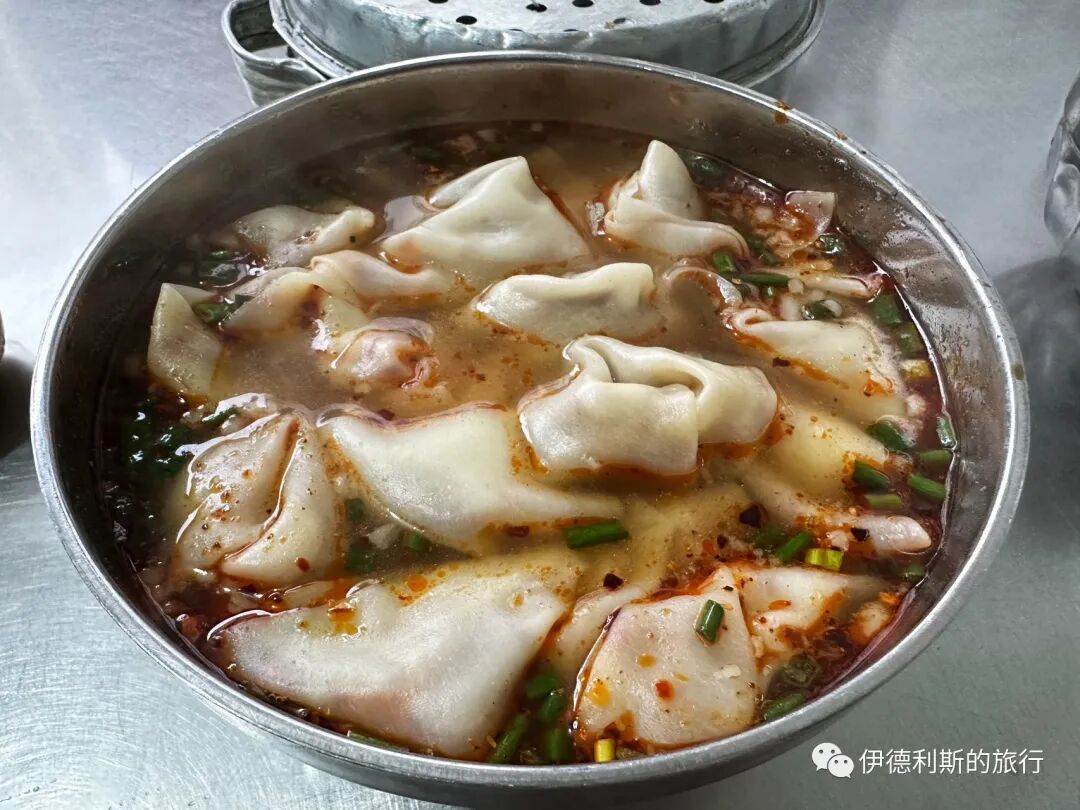
Beef wontons (chaoshou)
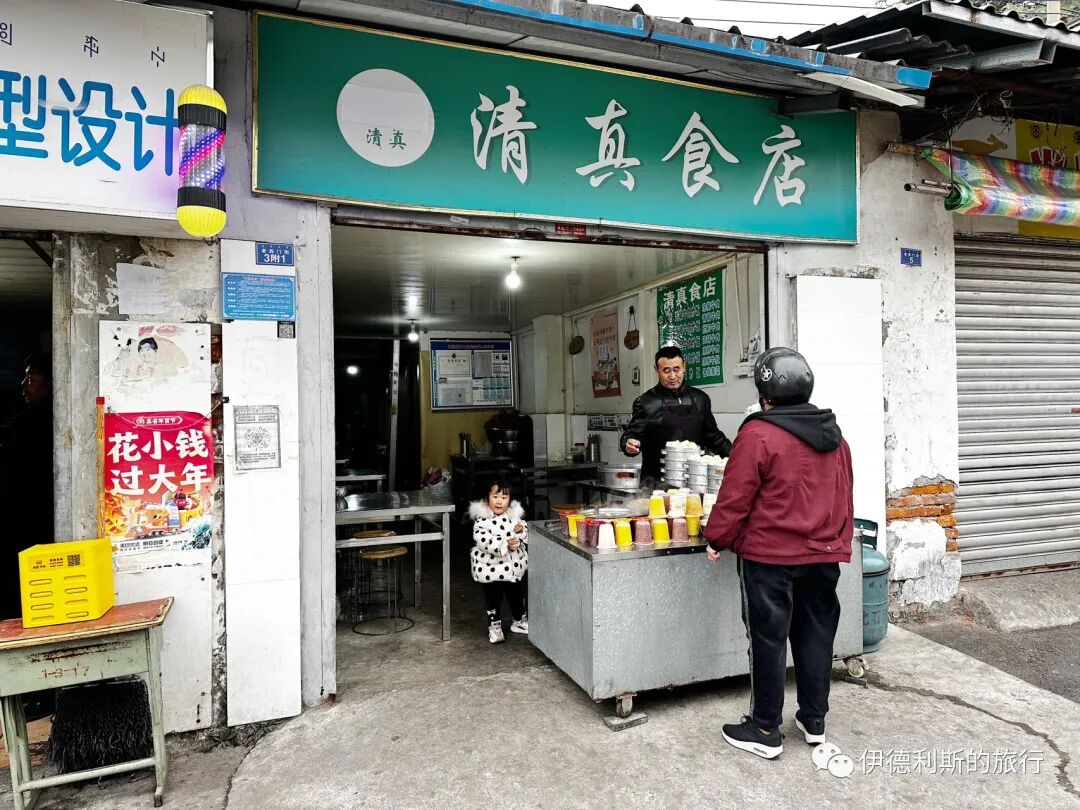
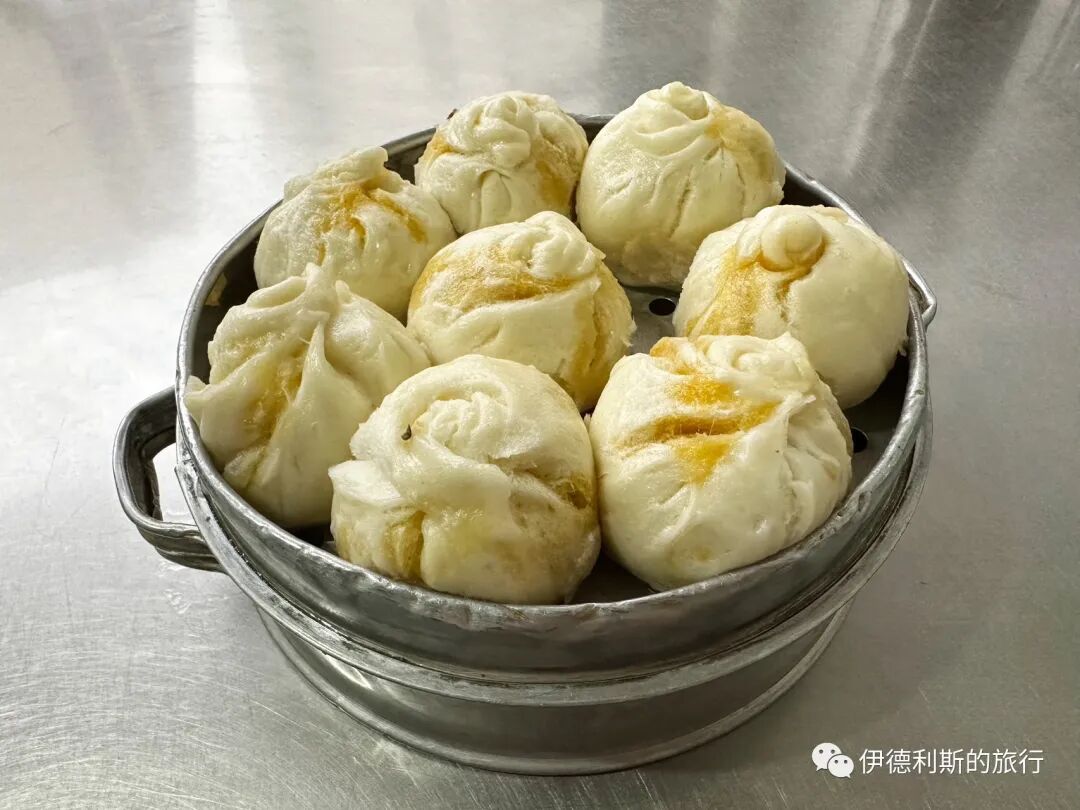
On the morning of January 28, I ate preserved vegetable and beef steamed buns (xiaolongbao) and beef wontons (chaoshou) next to the West Mosque (Xi Si) in Xichang. The owner is a local Hui Muslim named Ma.
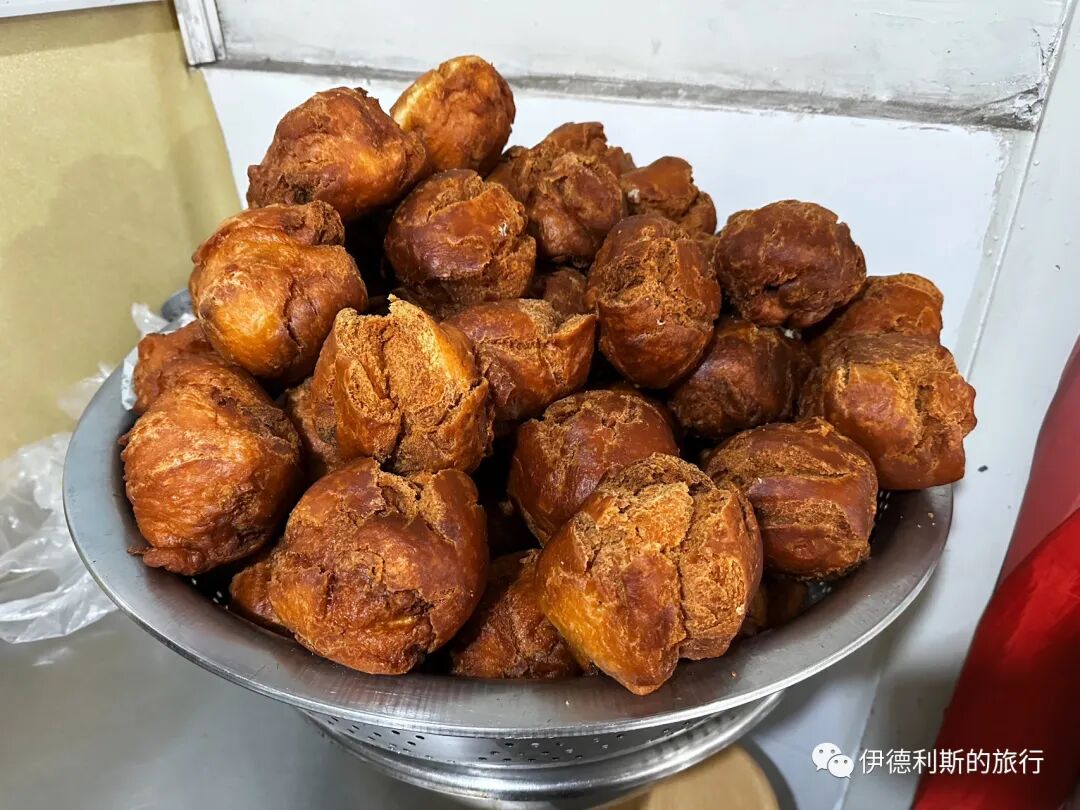
I really love the dipping sauces (zhanshui) in the Yunnan, Guizhou, and Sichuan regions. They add so much flavor to the buns! The wontons (chaoshou) didn't look very spicy with red oil, but they got spicier the more I ate. They have a real Sichuan flavor. I also saw some local fried dough (youxiang). It looked quite unique, and it was my first time seeing it.
While I was eating, many Yi ethnic aunties came to buy their buns. It seems they are really popular. The owner said that fewer people are making wheat-based foods here now. Many have switched to rice noodles because wheat-based foods take more time and effort. view all
Summary: Xichang — Jumu'ah Prayer and Rice Noodles is presented here as a firsthand travel account in clear English, beginning with this scene: On January 23, 2023, I left Macau to visit the Macau mosque known as Moro Garden (Moro Yuan) and enjoyed delicious Indonesian Javanese food (see "Moro Garden and Indonesian Food in Macau"). The account keeps its focus on Xichang Travel, Jumu'ah Prayer, Halal Food while preserving the names, places, food, and historical details from the Chinese source.
On January 23, 2023, I left Macau to visit the Macau mosque known as Moro Garden (Moro Yuan) and enjoyed delicious Indonesian Javanese food (see "Moro Garden and Indonesian Food in Macau"). On January 25, I arrived in Guangzhou, visited friends (dost), and ate various halal foods (see "Hui Muslim Oil Cakes and Yemeni Food in Guangzhou"). At noon, I prayed the noon prayer (dhuhr) at a Guangzhou mosque, then went to visit the Ancient Tomb of the Worthies (see "Huaisheng Mosque and the Ancient Tomb of the Worthies in Guangzhou"). In the afternoon, I prayed the afternoon prayer (asr) at Haopan Mosque and the sunset prayer (maghrib) at Xiaodongying Mosque (see "Visiting Haopan Mosque and Xiaodongying Mosque in Guangzhou").
On the morning of January 26, I took a train from Guangzhou to Zhaoqing, visited two mosques, and ate halal Cantonese food (see "Halal Roast Goose and Starfruit at the Mosque in Zhaoqing, Guangdong").
On the morning of January 27, I flew from Guangzhou to Xichang, Sichuan, to begin visiting the local mosques and halal food spots.
Xichang Rice Noodles
After arriving in Xichang, I first went to the Hui Muslim Beef and Mutton Restaurant on South Street in the Ancient City of Jianchang to eat Xichang rice noodles (mixian). According to Imam Sha from Dujiangyan, his family's restaurant was a famous halal spot in Xichang during the 1980s, originally serving traditional Sichuan Hui Muslim dishes like braised, stewed, steamed, stir-fried, and mixed cold dishes. Today, the Ancient City of Jianchang has been developed into a tourist area, and South Street has become a pedestrian street, so the Hui Muslim Beef and Mutton Restaurant now focuses mainly on selling Xichang rice noodles.
I felt the toppings for the Xichang rice noodles were very rich, with five or six different types of chili, and just like in Yunnan, you can add plenty of fresh mint. With a bone broth base, it was very comforting to eat. It is no wonder their place is crowded with people all day long.
Friday Prayer at Xichang City Mosque
At noon, I prayed the Friday prayer (Jumu'ah) at Xichang City Mosque, and after the prayer, I caught the traditional tea-passing activity. On Friday mornings, community members (gaomu) arrive at the mosque one after another to deliver gifts (hadiya), which are daily items like steamed buns (momo), tangerines, buckwheat crispy treats (saqima), and milk, all placed in baskets (poluo) on the table in front of the main prayer hall. After the Friday prayer, everyone sits around the table and distributes the gifts bit by bit.
I feel this tea-passing tradition is excellent and really strengthens the unity of the mosque community. I have encountered this several times before while praying on Fridays in Yunnan; at Manluan Hui Mosque in Menghai, I received various tropical fruits, and at Tangzi Mosque in Xundian, I ate delicious pastries. This was my first time experiencing the tea-passing tradition in Sichuan. Imam Sha said that in Sichuan, this tradition only exists in Xichang, Miyi, and Panzhihua, which are close to Yunnan, and it takes place during Friday prayers and Ramadan.
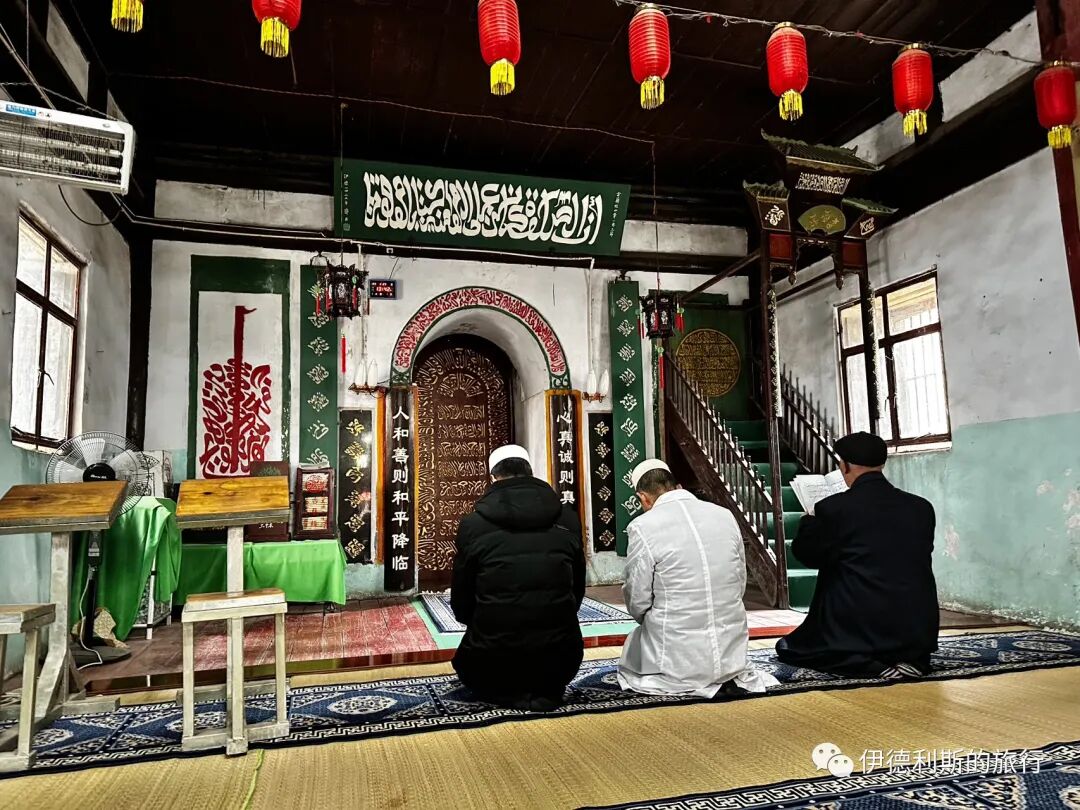
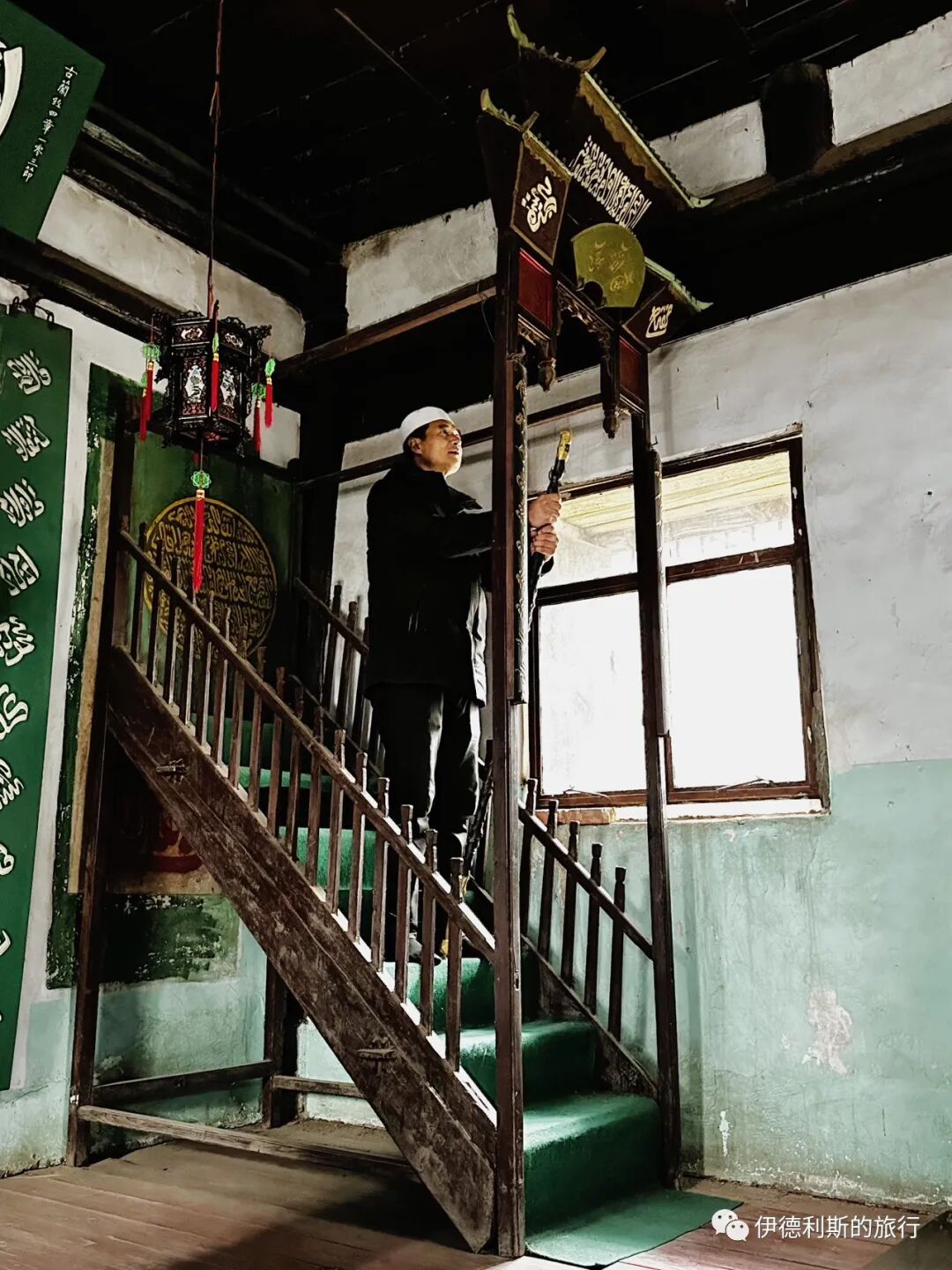
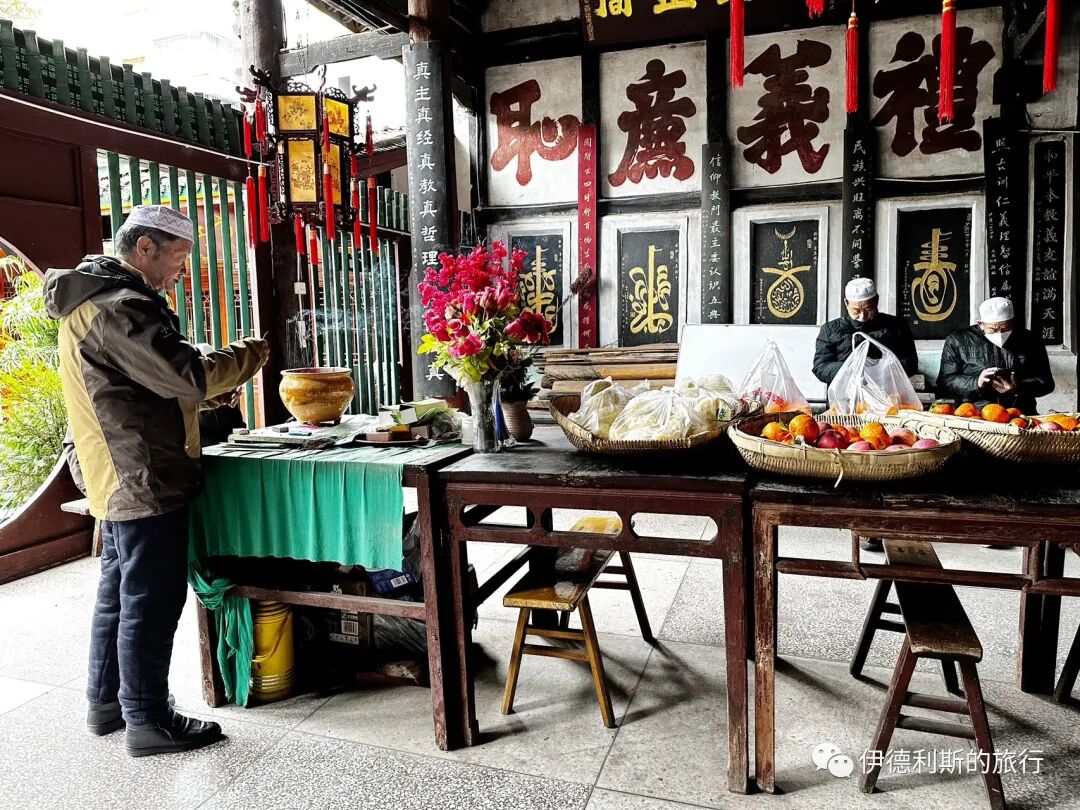
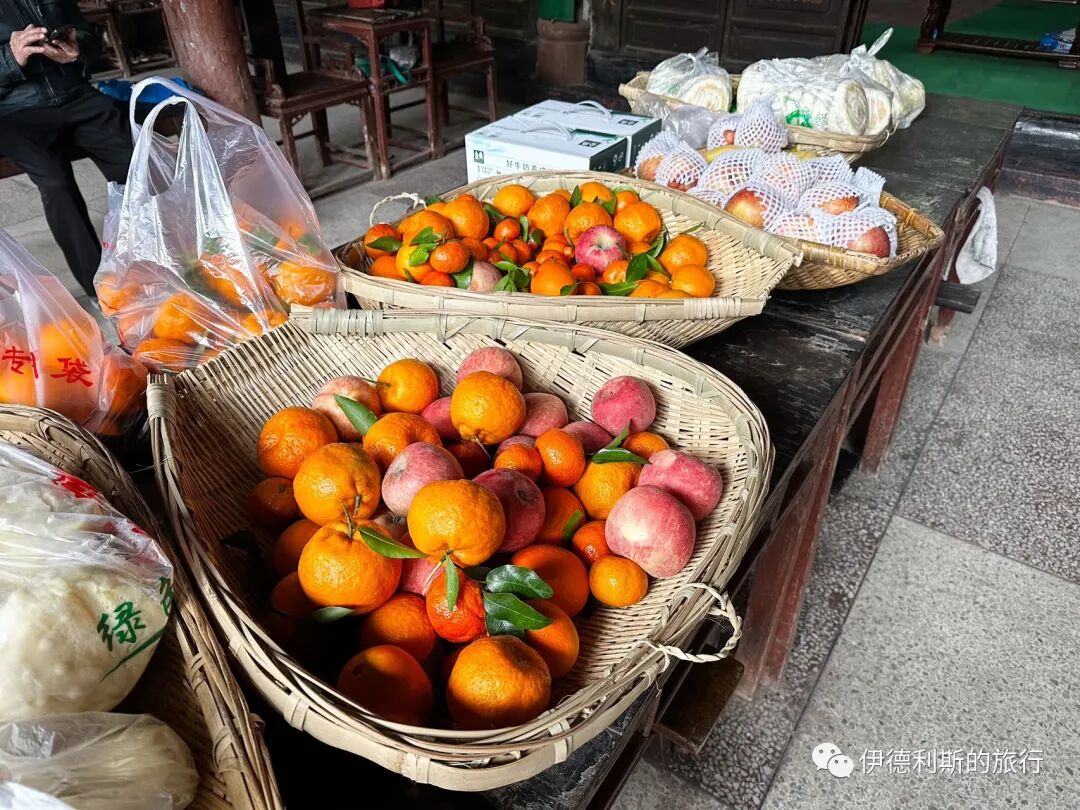
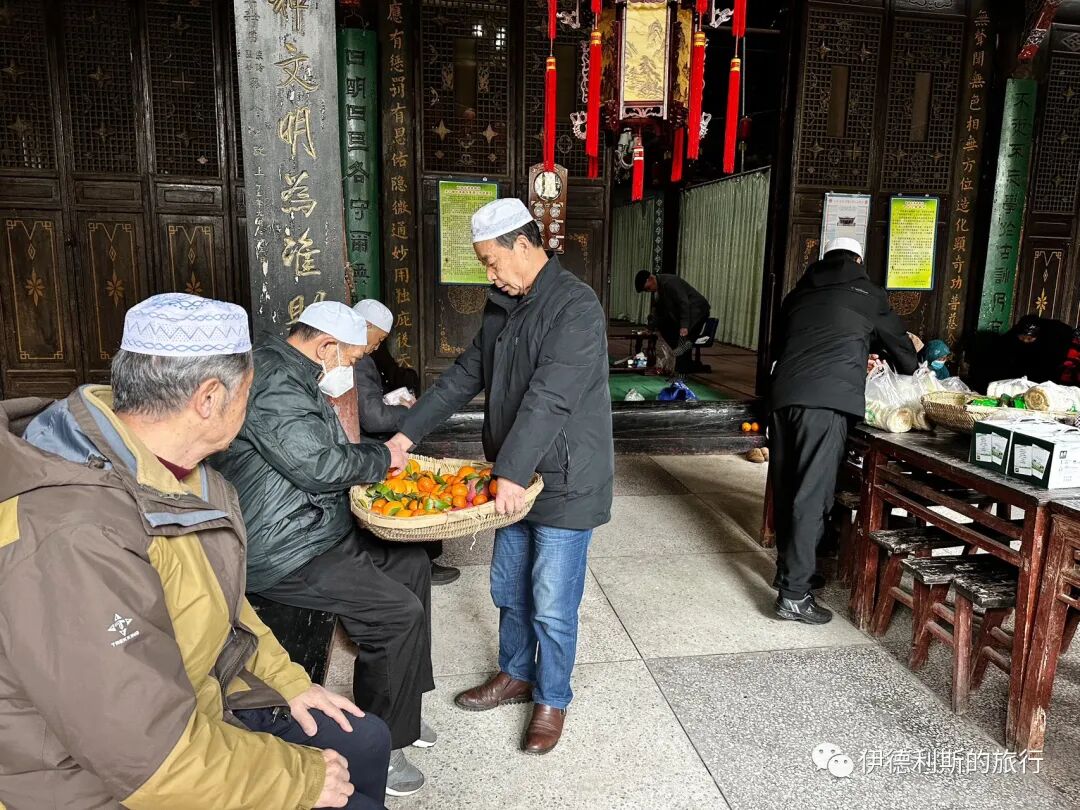
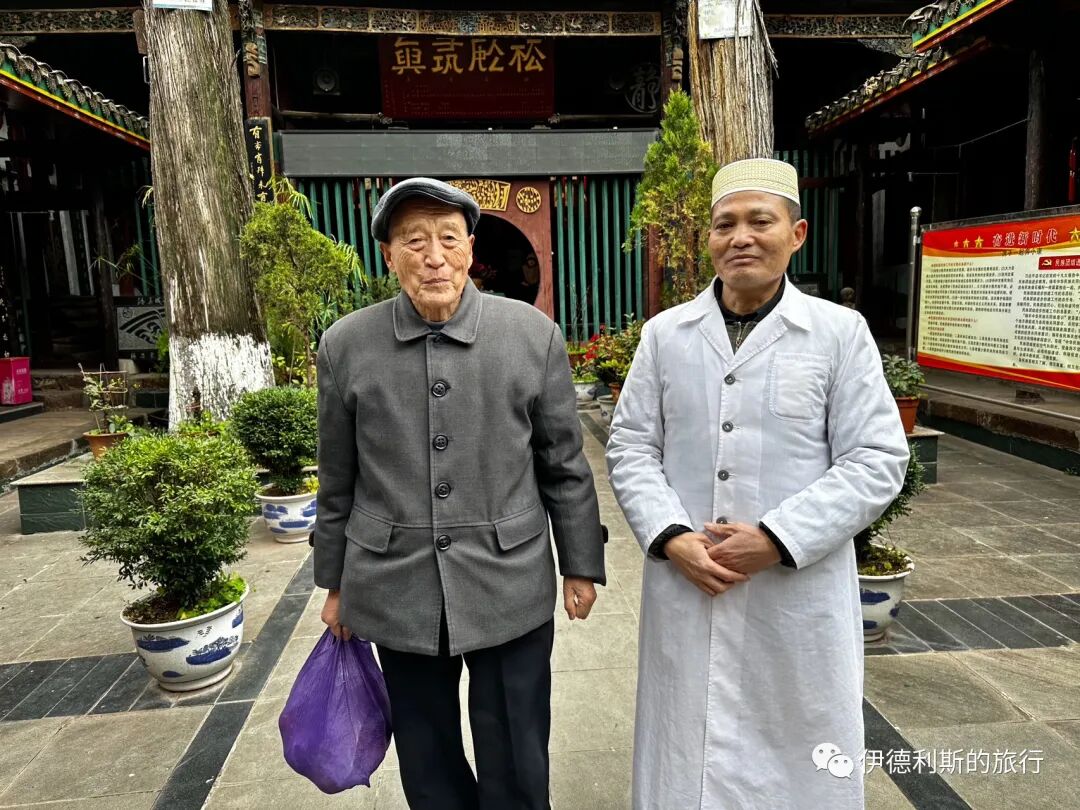
The former director of the mosque management committee, Director Tuo, and Imam Ma.
Xichang City Mosque is located on Jiyang Lane within the Ancient City of Jianchang. It was built with funds raised by Muslims who came to Xichang for business during the Yuan Dynasty's Taiding era (1324-1328). It was relocated to its current site on Jiyang Lane in 1574 (the second year of the Ming Wanli era, though some say the Hongwu era) and rebuilt to its current form over six years starting in 1875 (the first year of the Qing Guangxi era), earning it the reputation as the premier mosque in Xichang.
During the Yuan Dynasty, Xichang belonged to the Jianchang Circuit of the Yunnan Province. Sumuding Wumoli, the fourth son of Sayyid Ajjal Shams al-Din, and his son Sheheiwusuman served successively as the administrators of the Jianchang Circuit. Another grandson of Sayyid Ajjal Shams al-Din, Yelu Timur, served as the Pingzhang Zhengshi (a high-ranking official) of the Jianchang Circuit at the end of the Yuan Dynasty. Today, descendants of Yelu Timur are among the Hui Muslims in Xichang.
According to the "History of Ming: Records of Sichuan Tusi," Yelu Timur submitted to the Ming Dynasty in 1382 (the 15th year of the Ming Hongwu era) and was appointed as the Jianchang Guard Commander. He rebelled again in 1392 (the 25th year of the Ming Hongwu era), led an army of over ten thousand to attack the city, but was defeated, fled to Baixing Prefecture (Yanyuan County, Liangshan Prefecture), and was eventually captured and executed. According to the genealogy of the Sha-surname Hui Muslims in Xichang, after Yelu Timur was killed, his descendants scattered. One branch fled to Huangcaoping in Miyi County, Panzhihua, hid their identity, and changed their name to Sha Shun. By the third generation, they moved to Heying Yantang Village in Xichang. Imam Sha from Dujiangyan is a descendant of Yelu Timur.
To suppress Yelu Timur, the Ming Dynasty dispatched 15,000 soldiers from the capital guards (the Jiangnan region) and the Shaanxi-Gansu region. Many Xichang Hui Muslims today are descendants of these Ming Dynasty garrison troops from Jiangnan and Shaanxi: Imperial Commander Ma Gang was from Suzhou Prefecture in Jiangnan, and his descendants became the Ma family of Shaguoying. Commander Ma Jun was from Suzhou Prefecture in Jiangnan, and his descendants became the Ma family of Hetao Village. Commander Ma Dengyi was from Dali, Yunnan, and his descendants became the Ma family of Yushitang. Deputy Commander Liu Yuanyuan was from Suzhou Prefecture in Jiangnan. His second generation married a Hui Muslim woman and converted to Islam, and his descendants settled in Xixi Dazi Camp.
The mosque is divided into two courtyards. The right side of the front courtyard contains offices, living quarters, and a washroom, while the left side has an ancient cypress tree that reaches the sky. Entering the inner courtyard through an arched gate, you find the standard main prayer hall and north and south side rooms. There are also two ancient cypress trees in front of the main hall. According to the Republic of China's "Xichang County Annals": "In the fifth year of the Kangxi era, a fire on South Street spread to the mosque. A person in green clothes appeared on the mosque's cypress tree, pouring water from a clean pot to douse the flames, and the fire stopped."
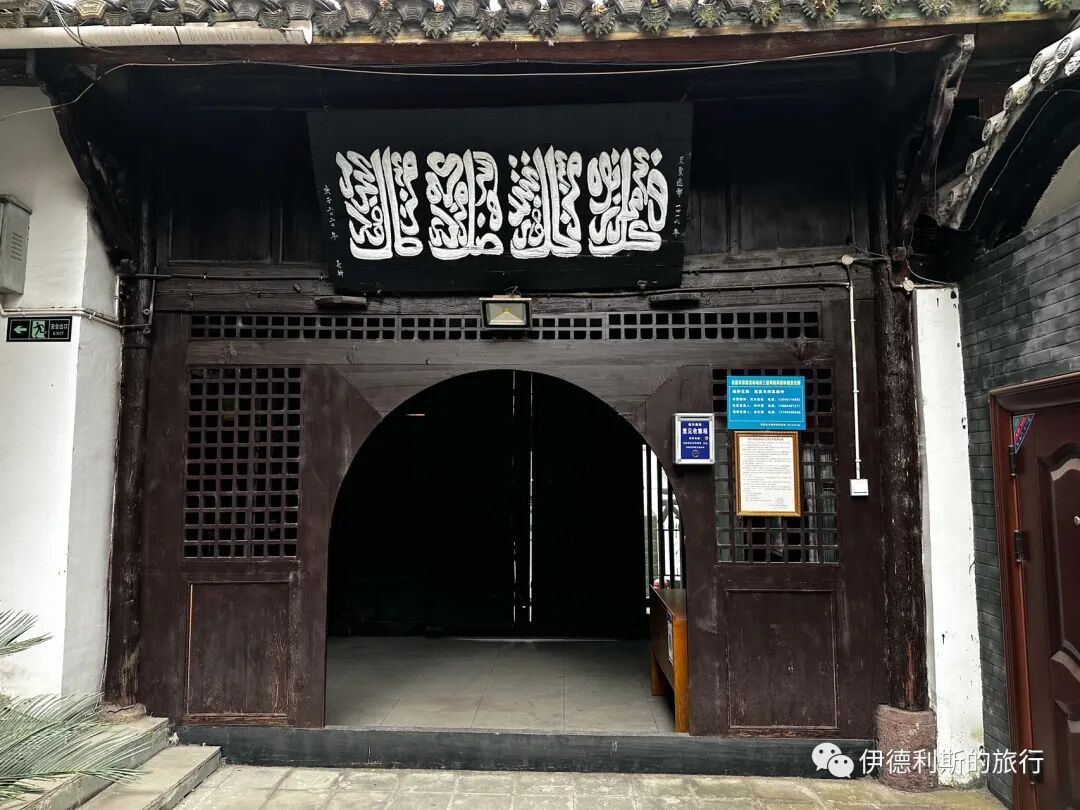
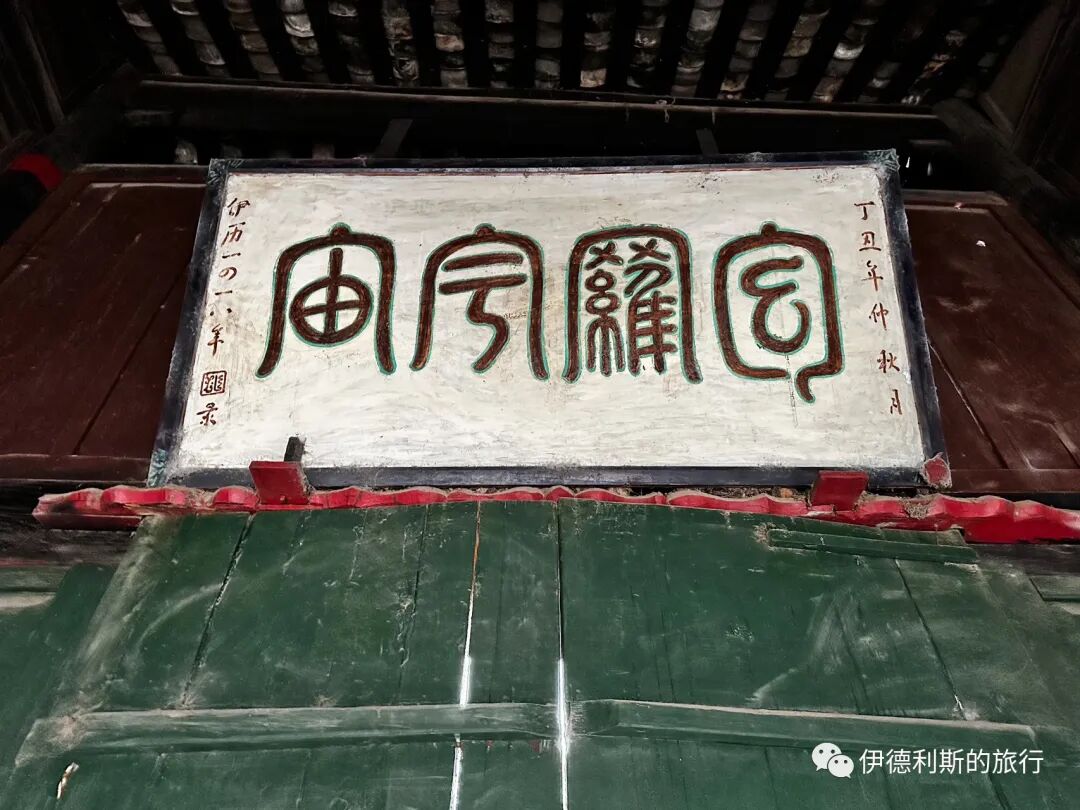
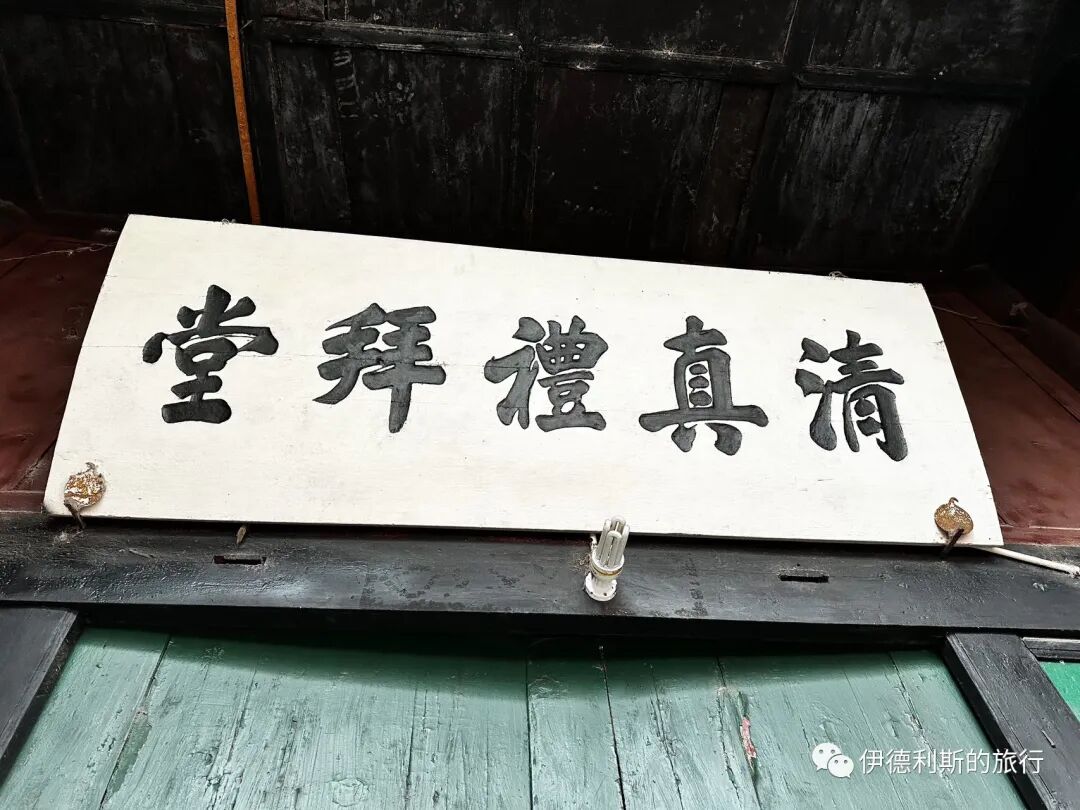
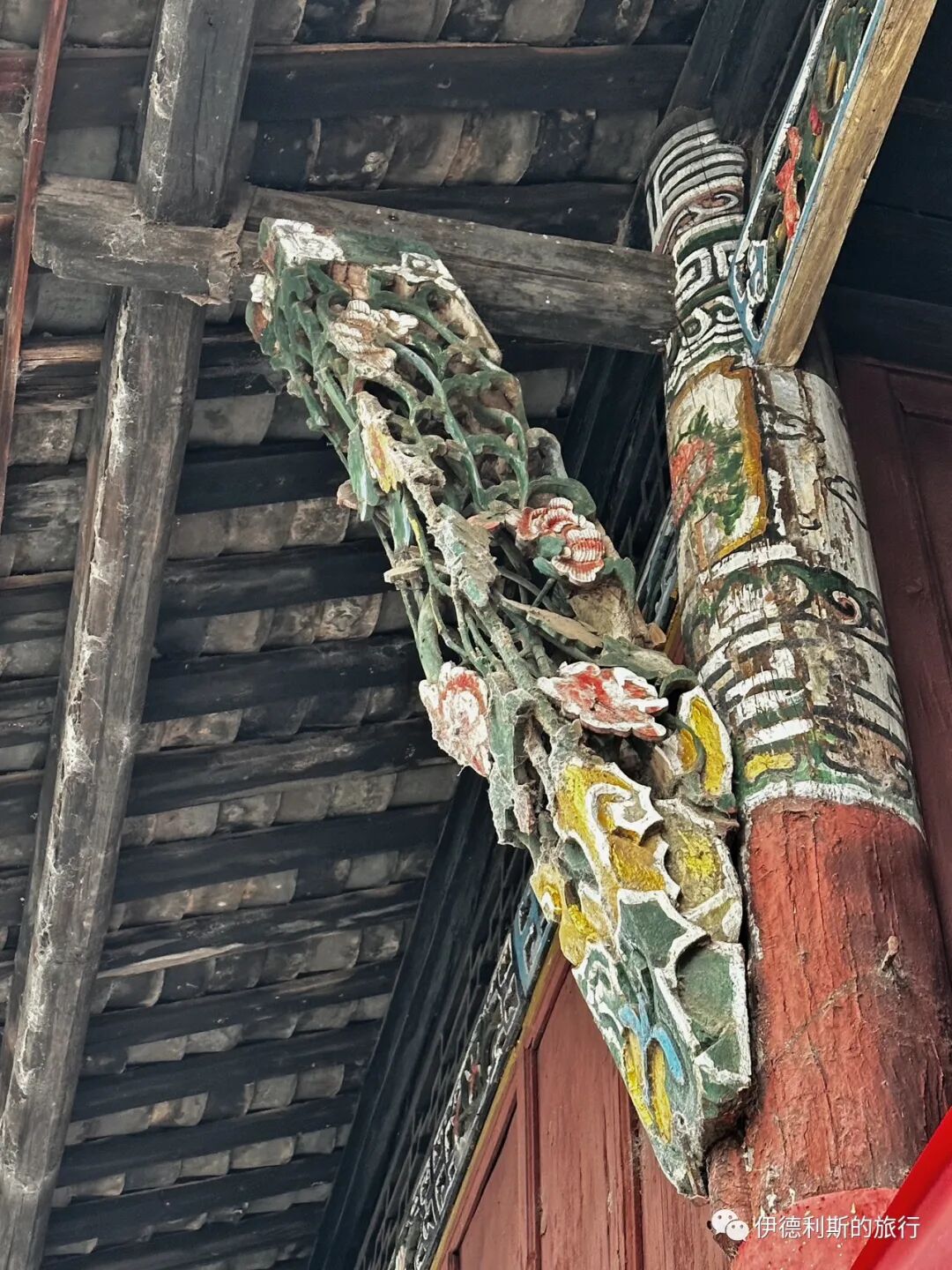
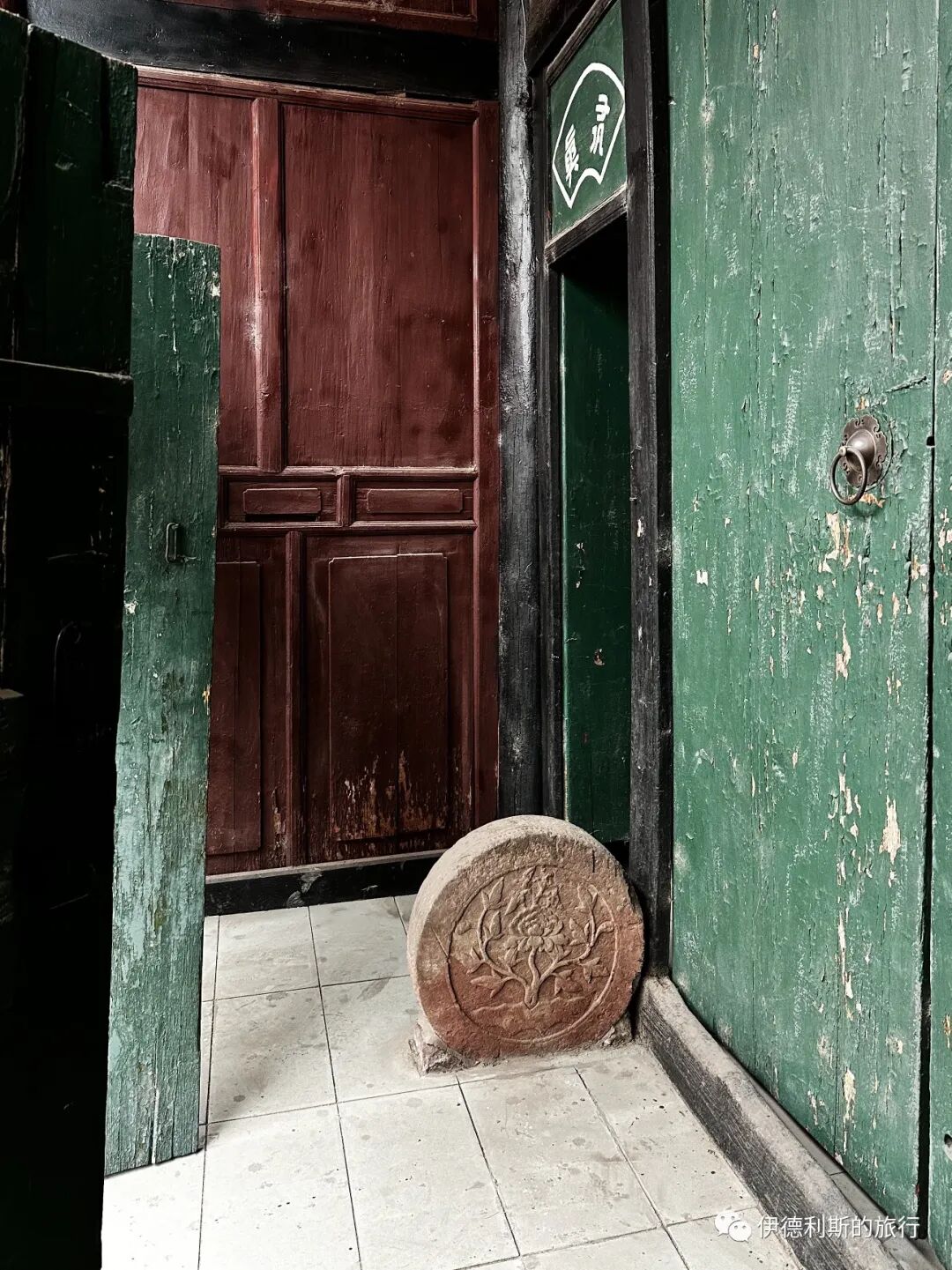
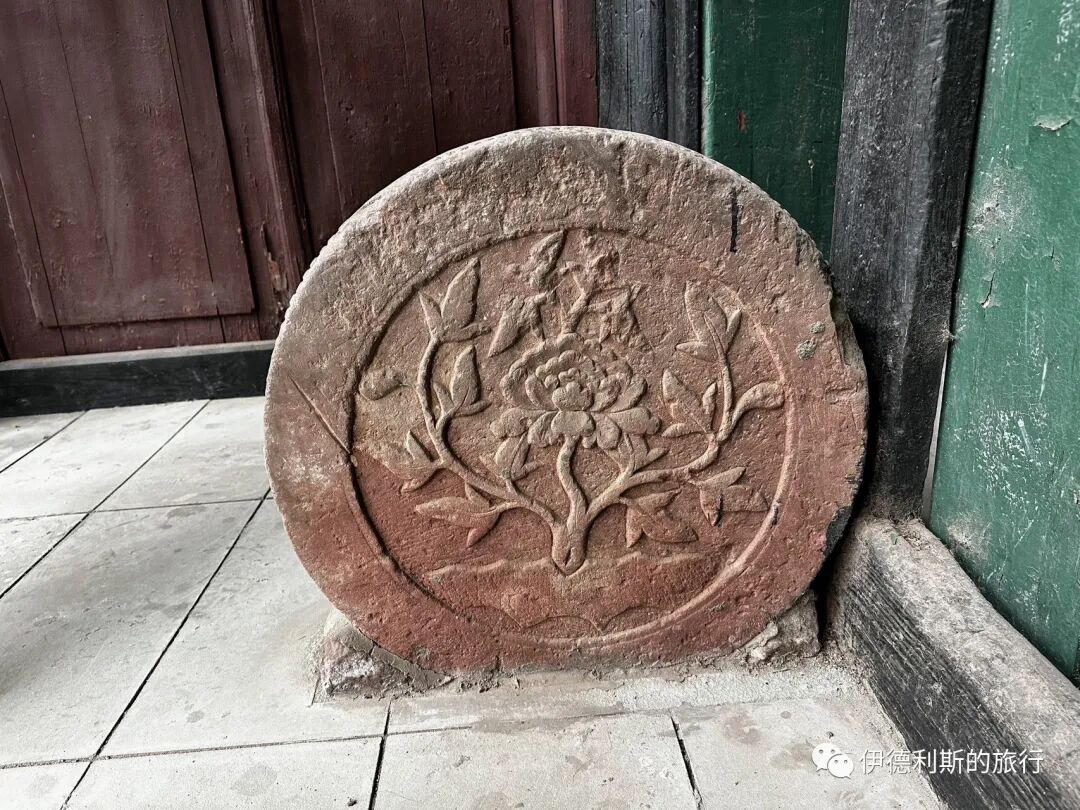
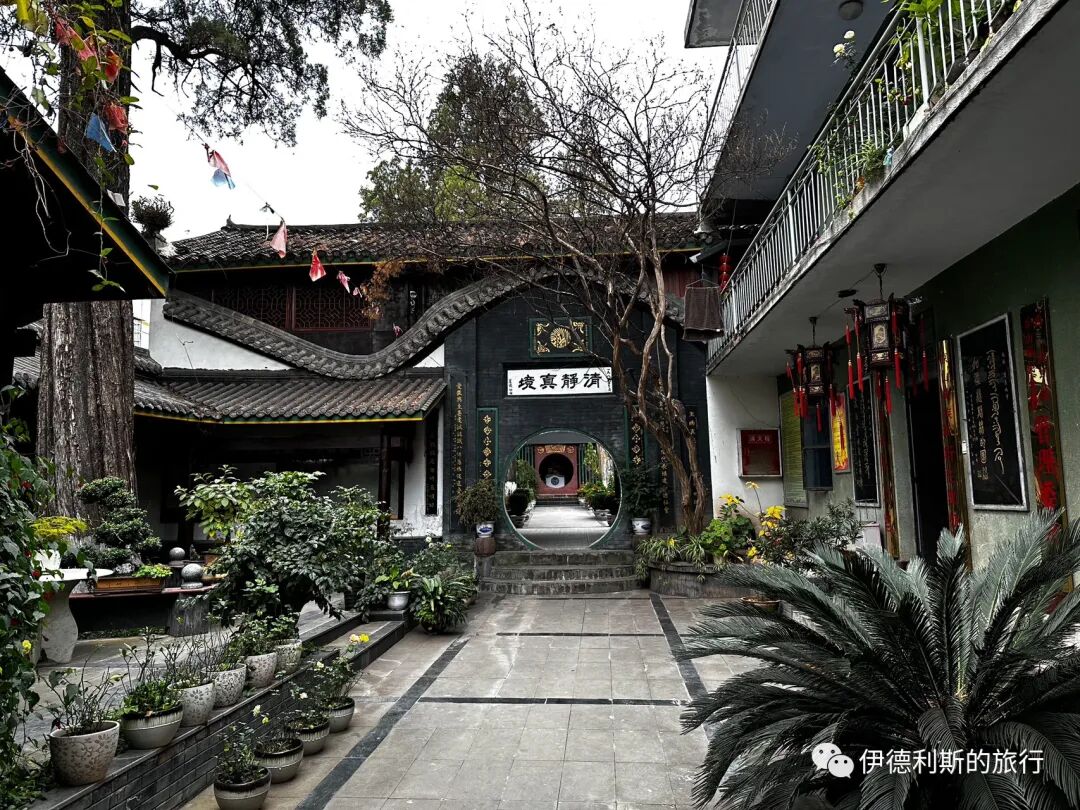
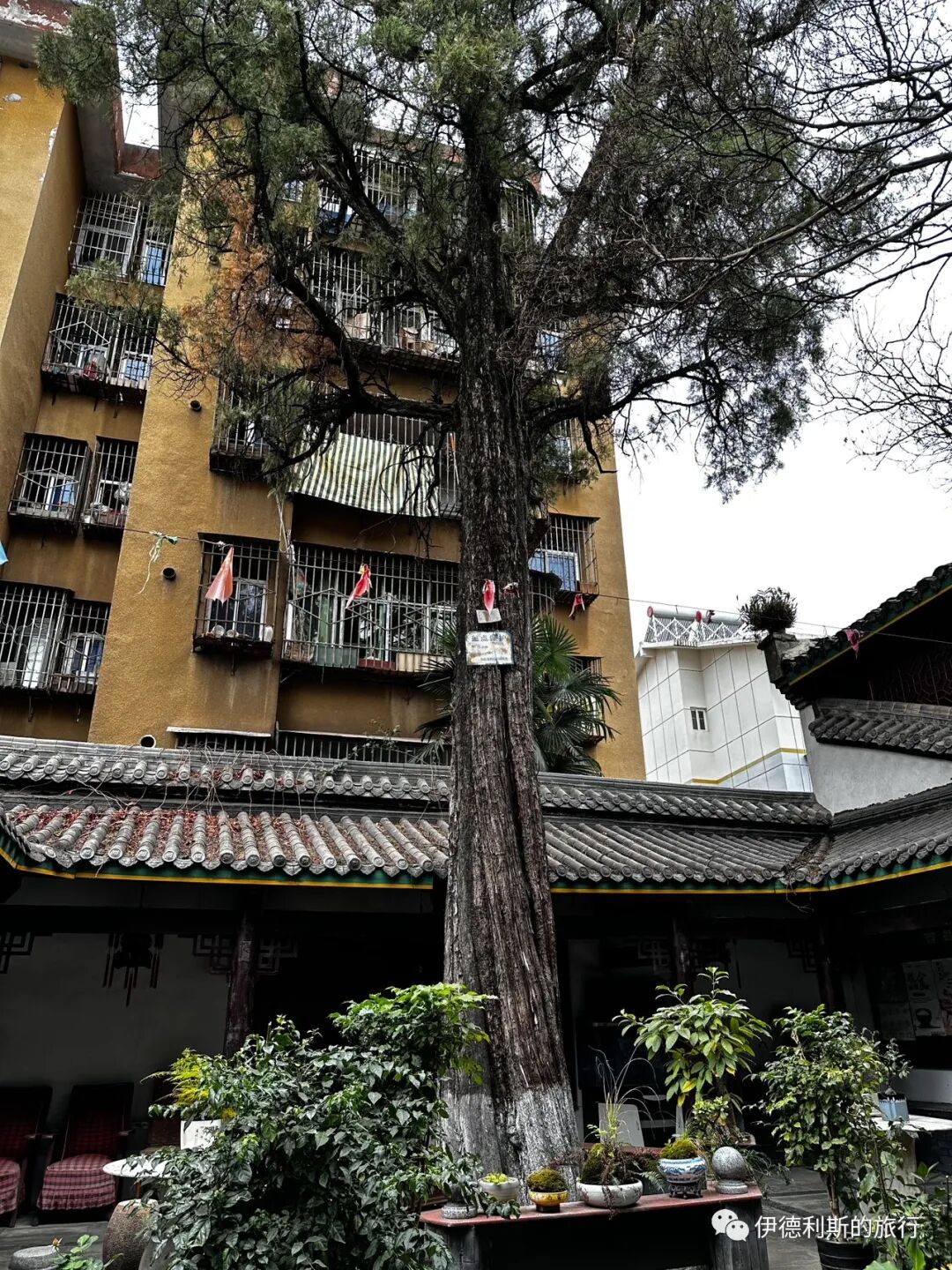
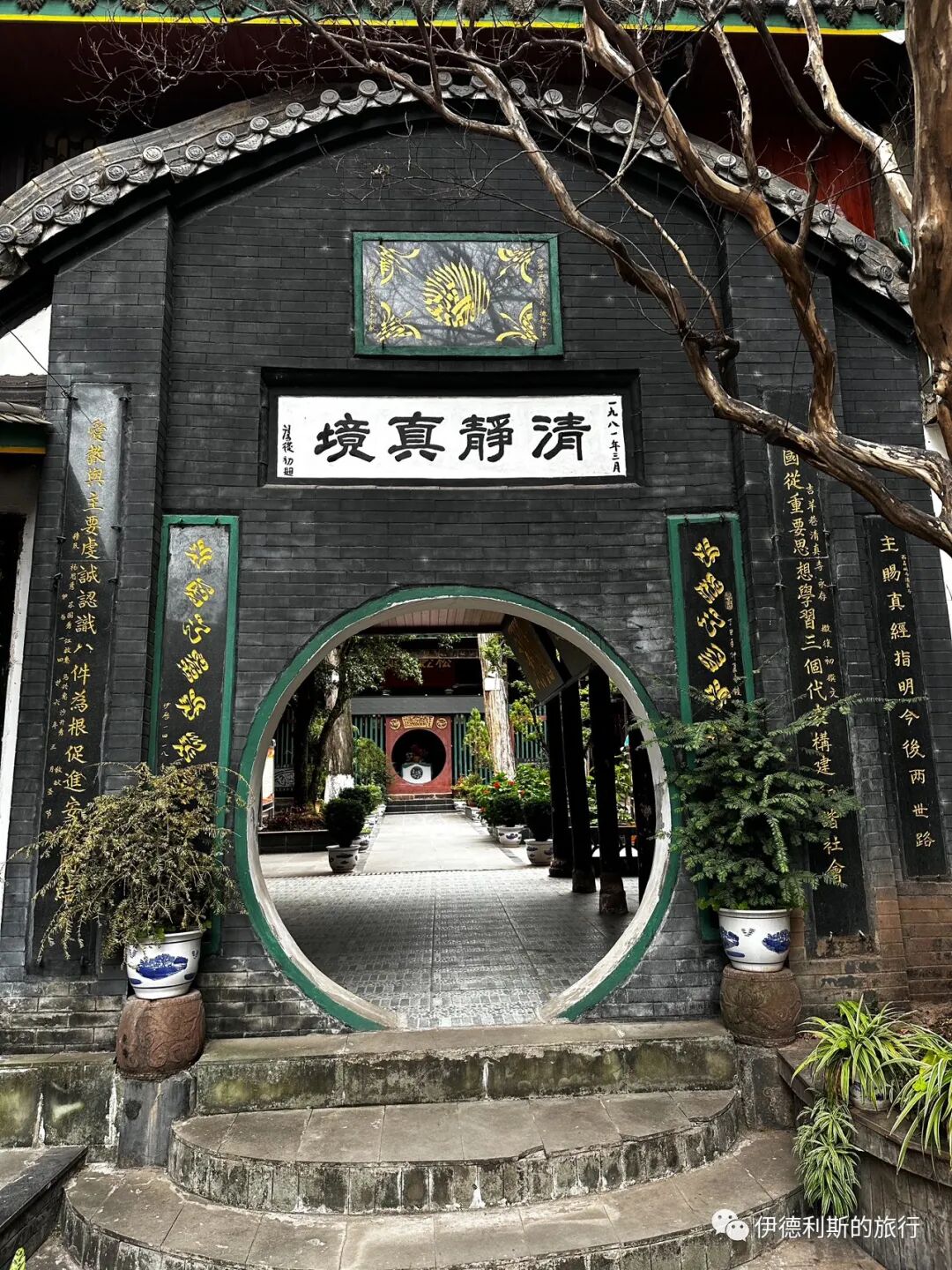
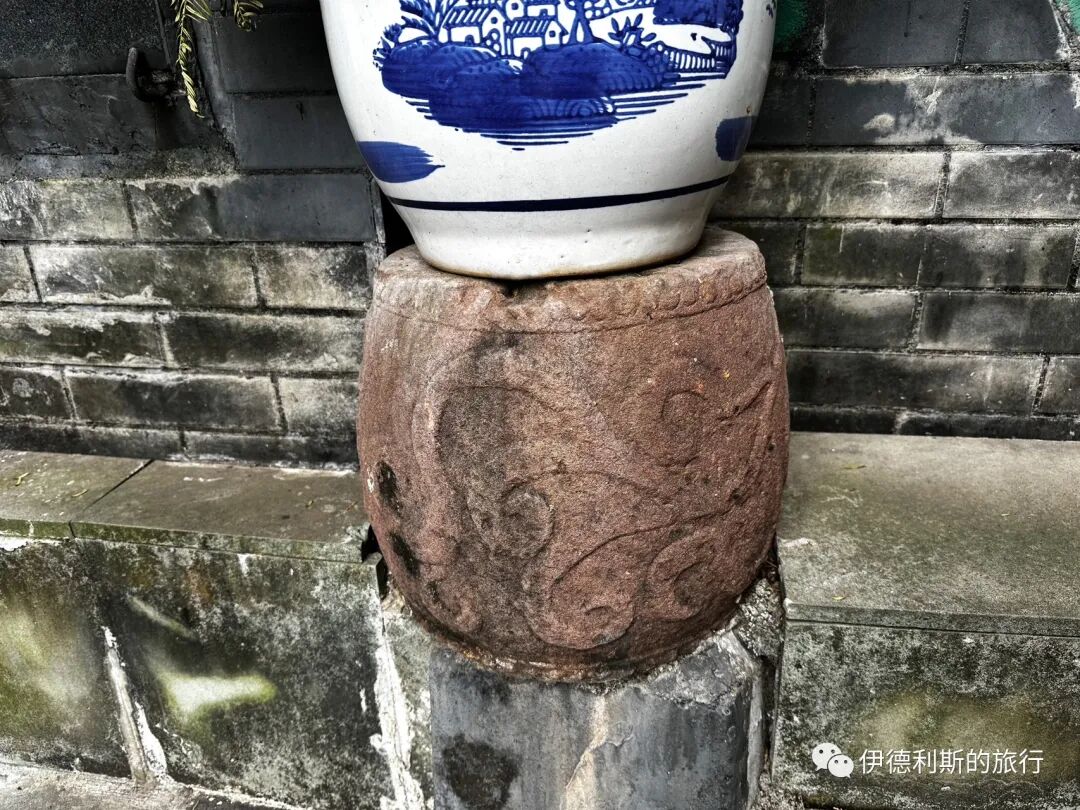
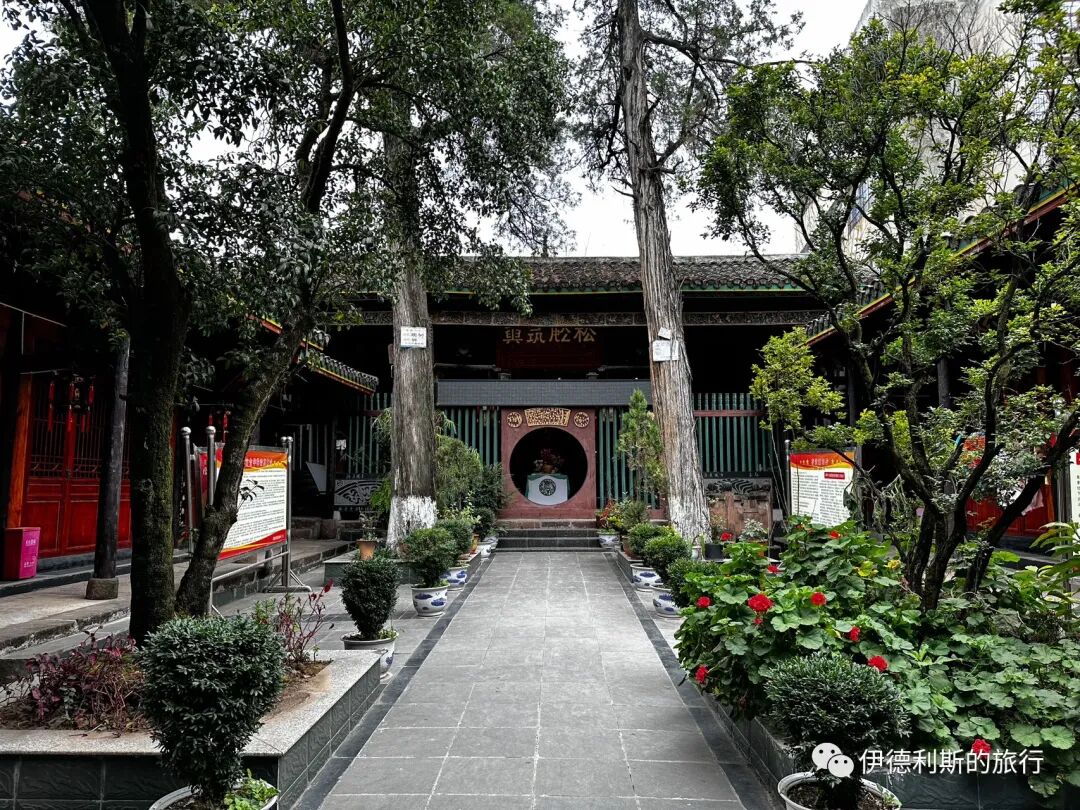
On the west side of the second courtyard is the entrance hall and the main prayer hall. After the 1960s, the entrance hall (baoting) and the two side rooms were taken over by a school, and the main prayer hall was closed off. They were not restored until after the 1980s. Today, the entrance hall and the main prayer hall are hung with various plaques and couplets in Chinese and Arabic, which are precious cultural heritage items of the mosque.
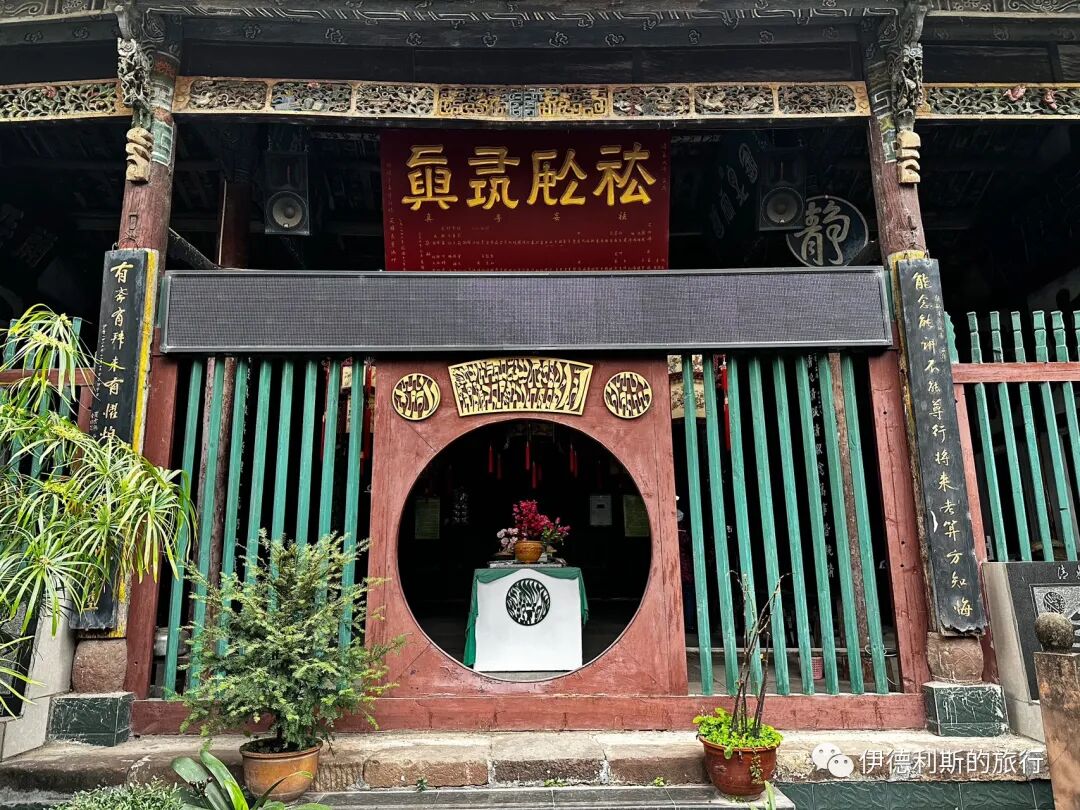
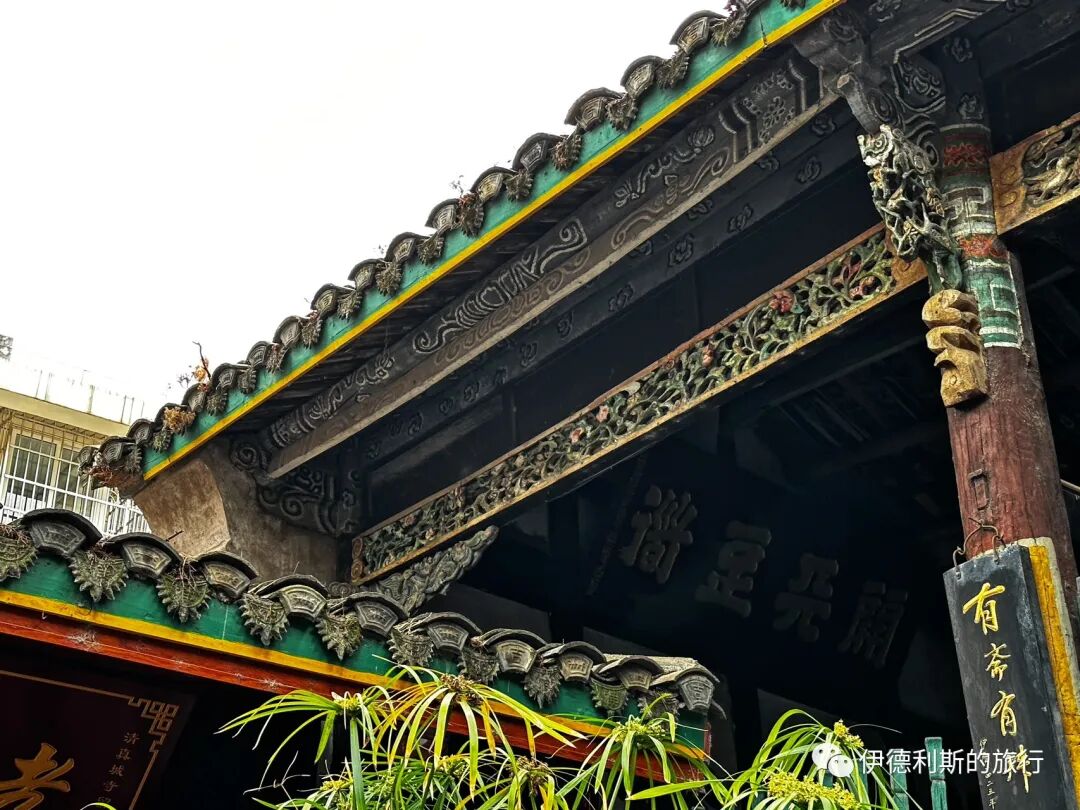
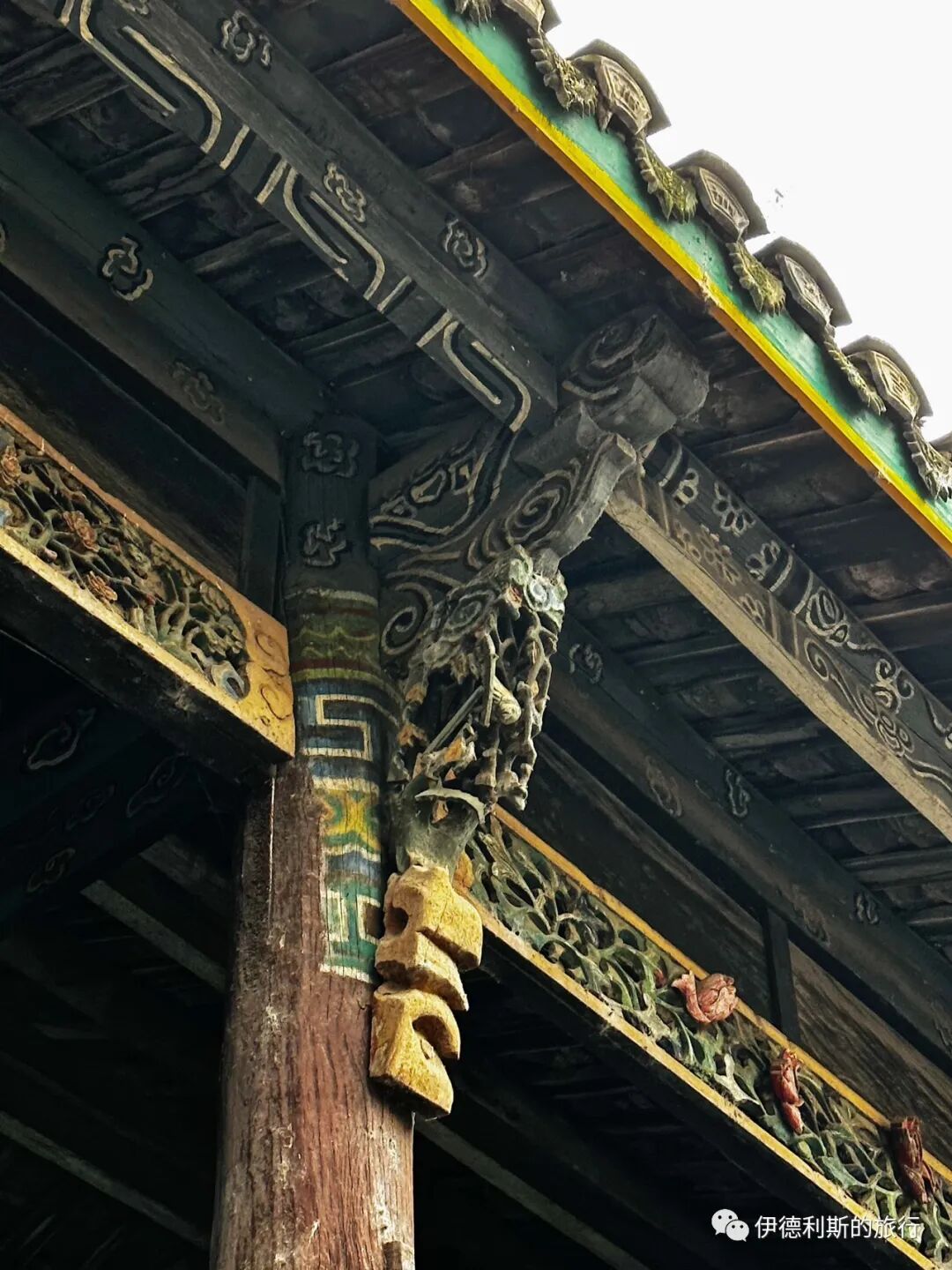
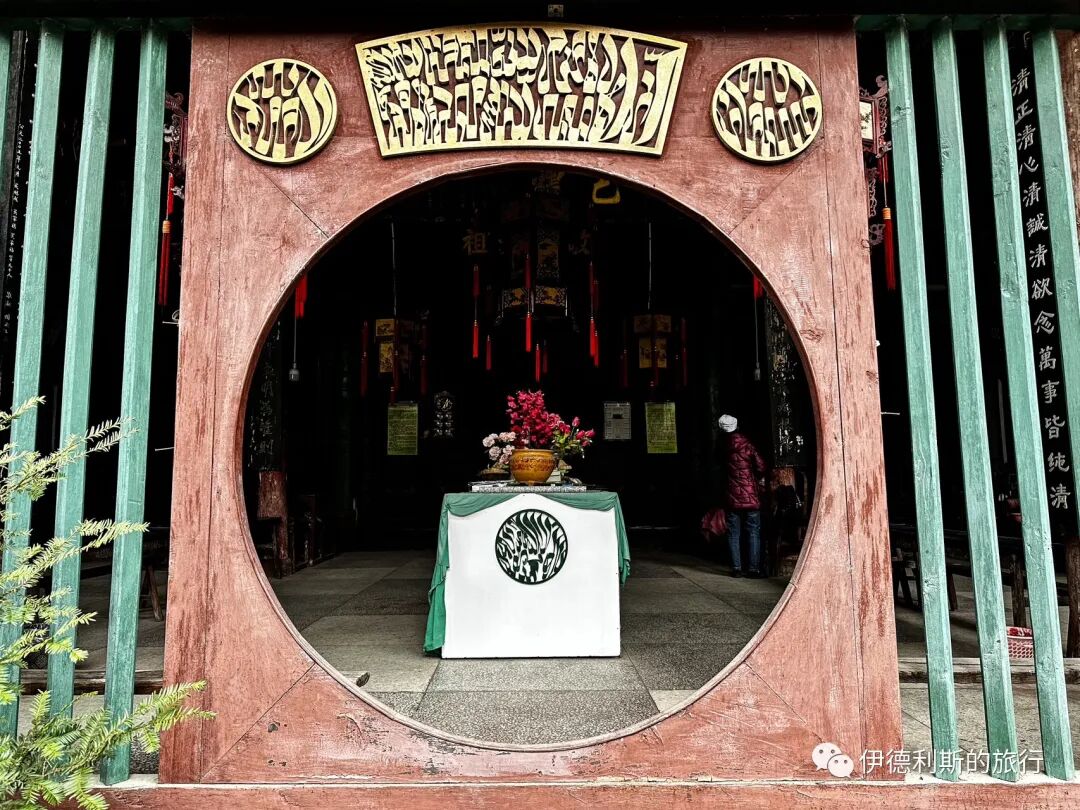
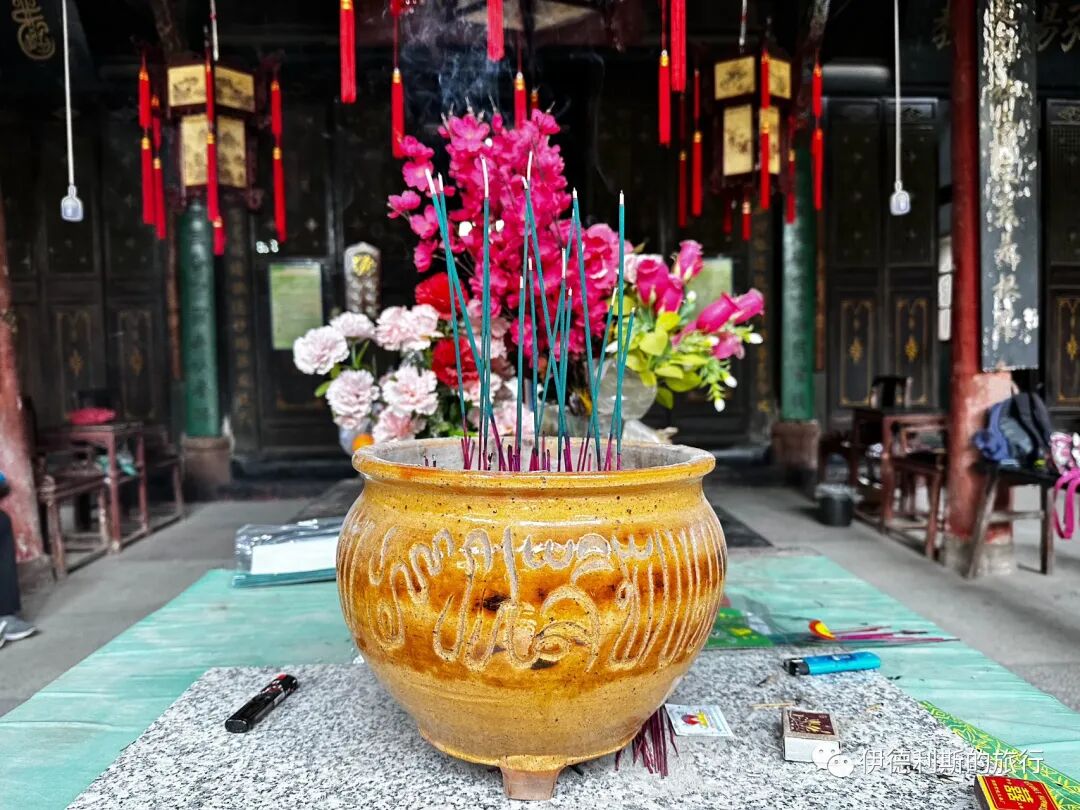
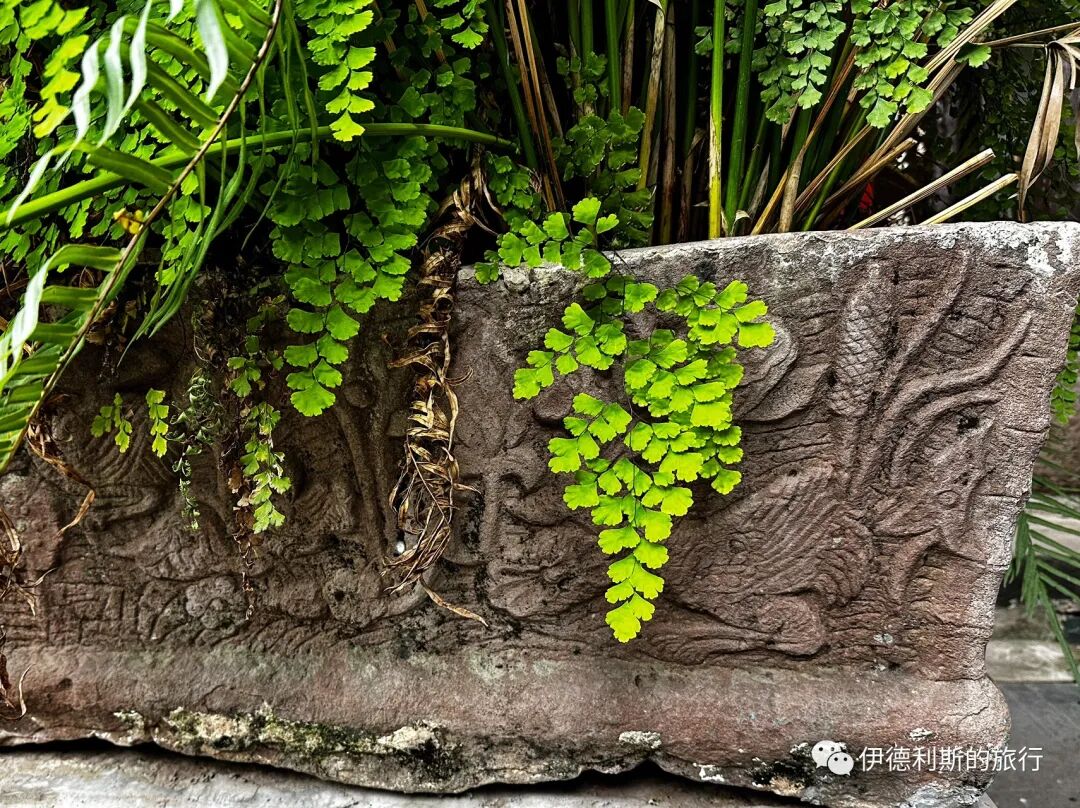
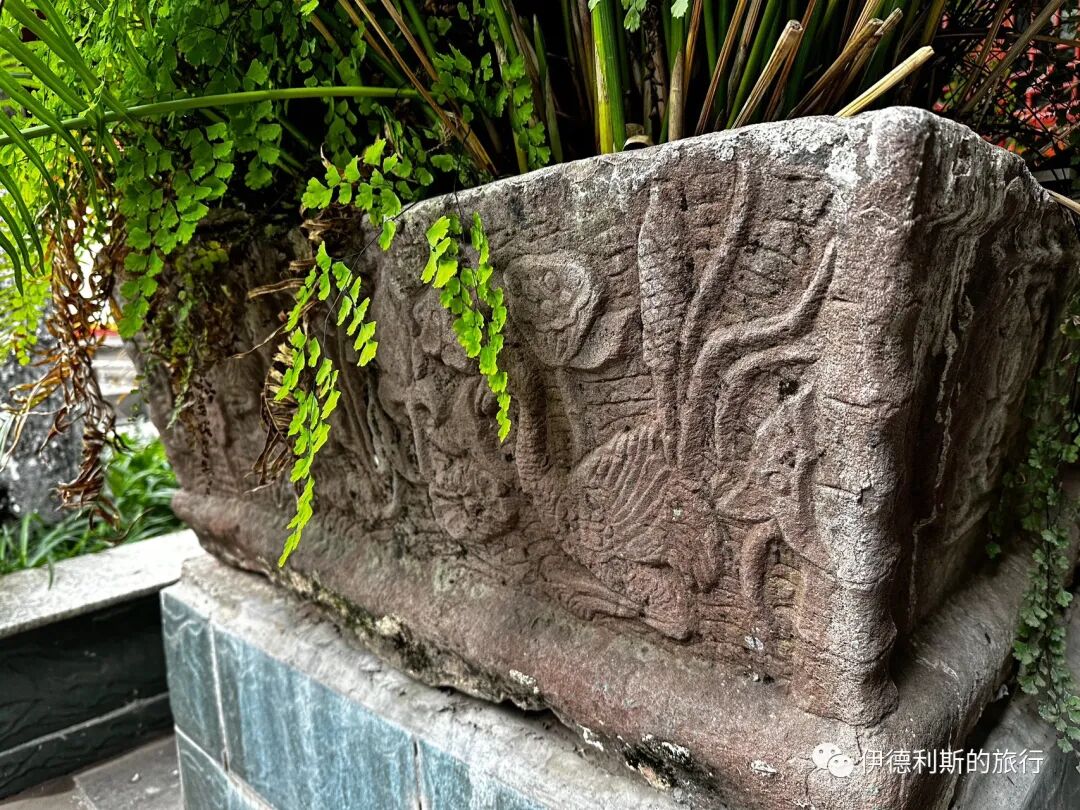
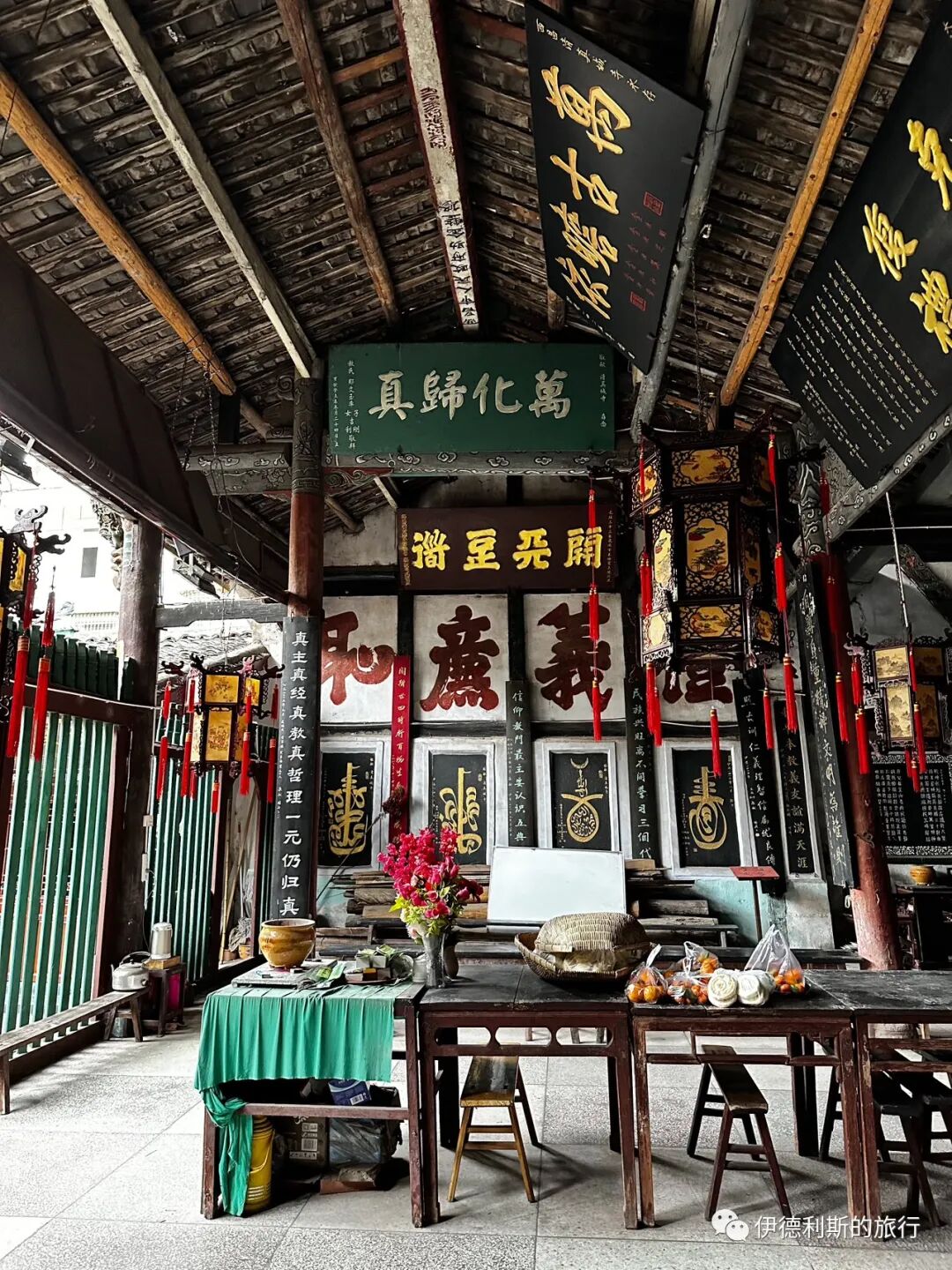
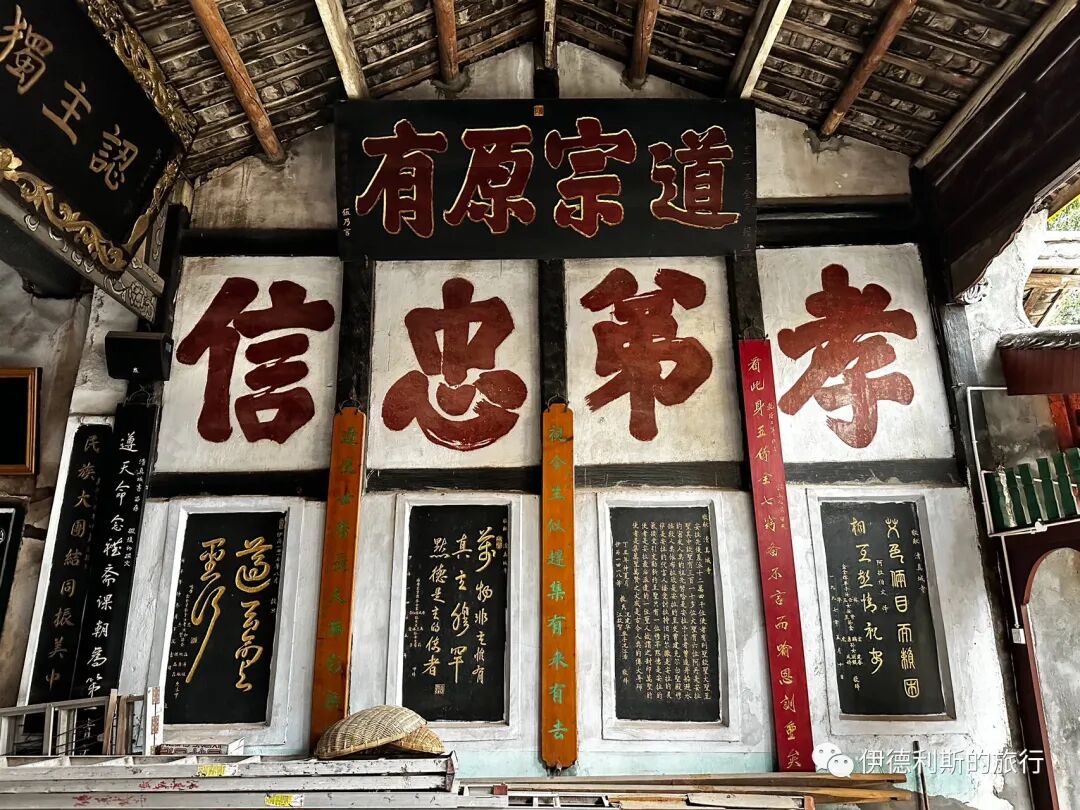
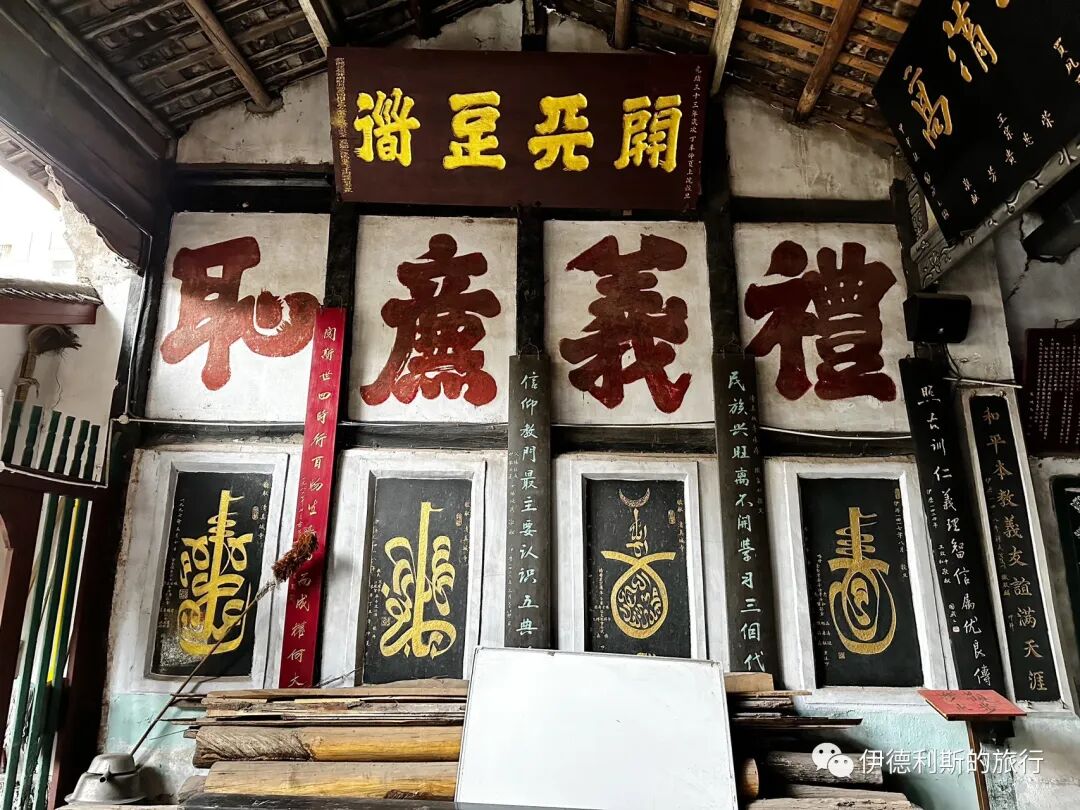
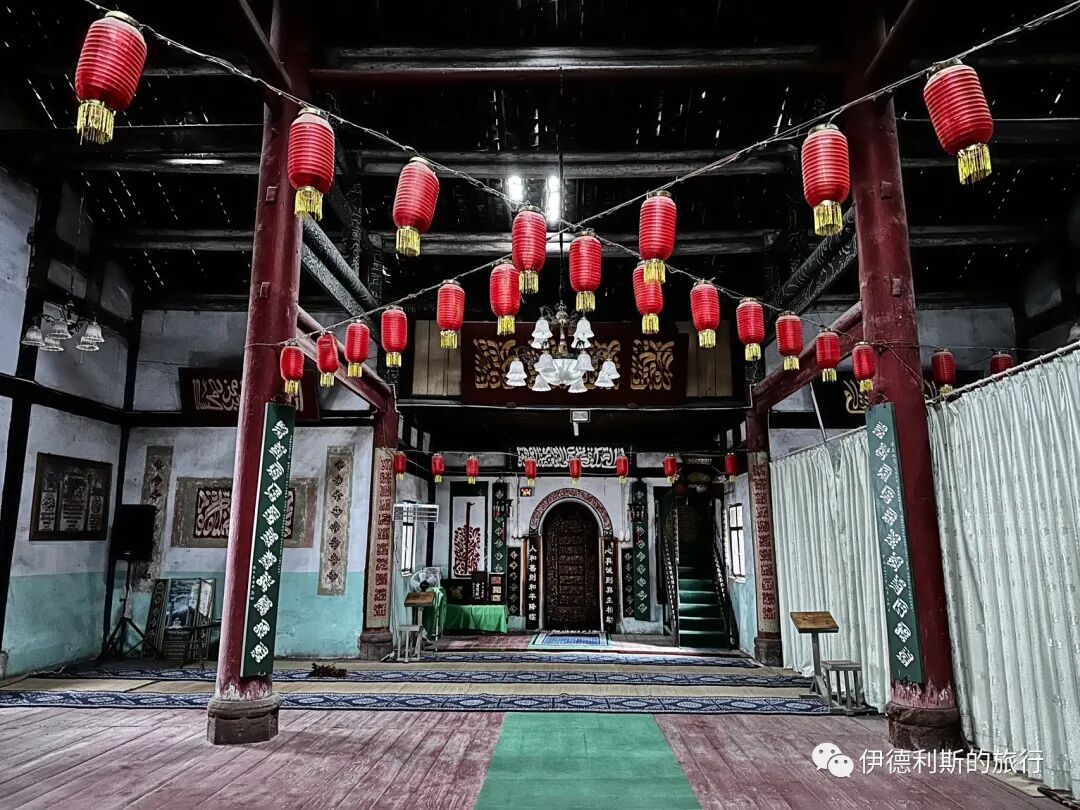
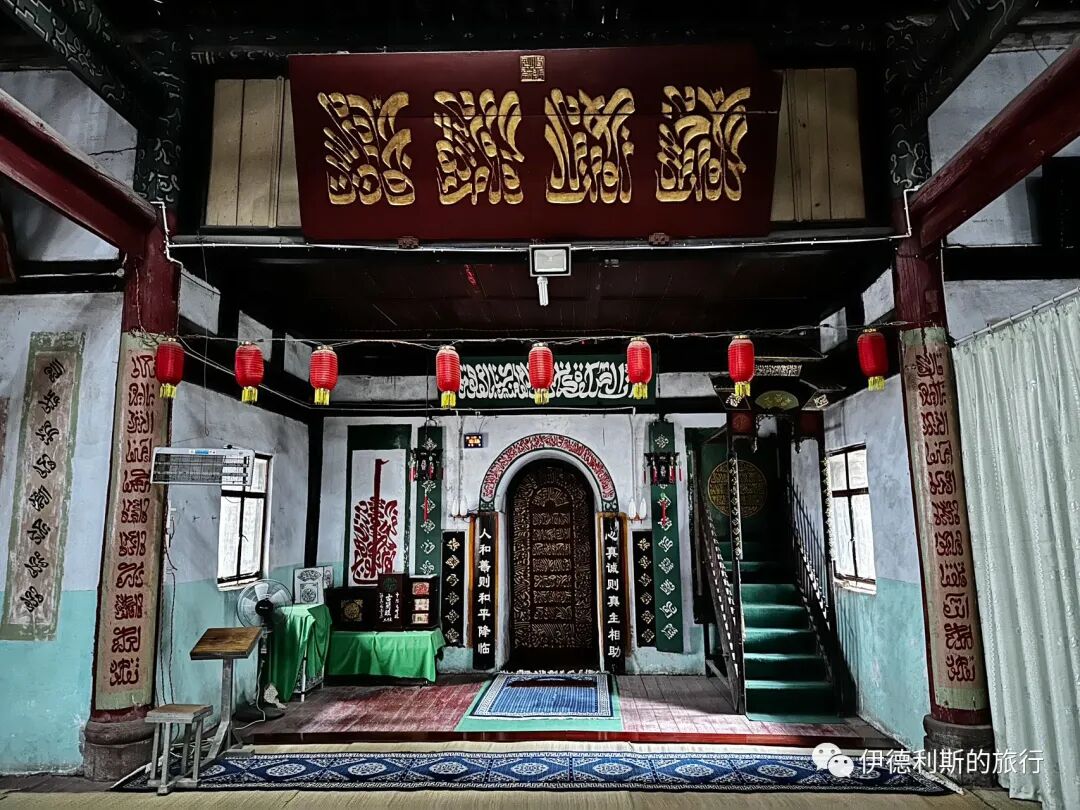
Inside the main prayer hall are the mihrab, minbar, scripture box, and various plaques and couplets.
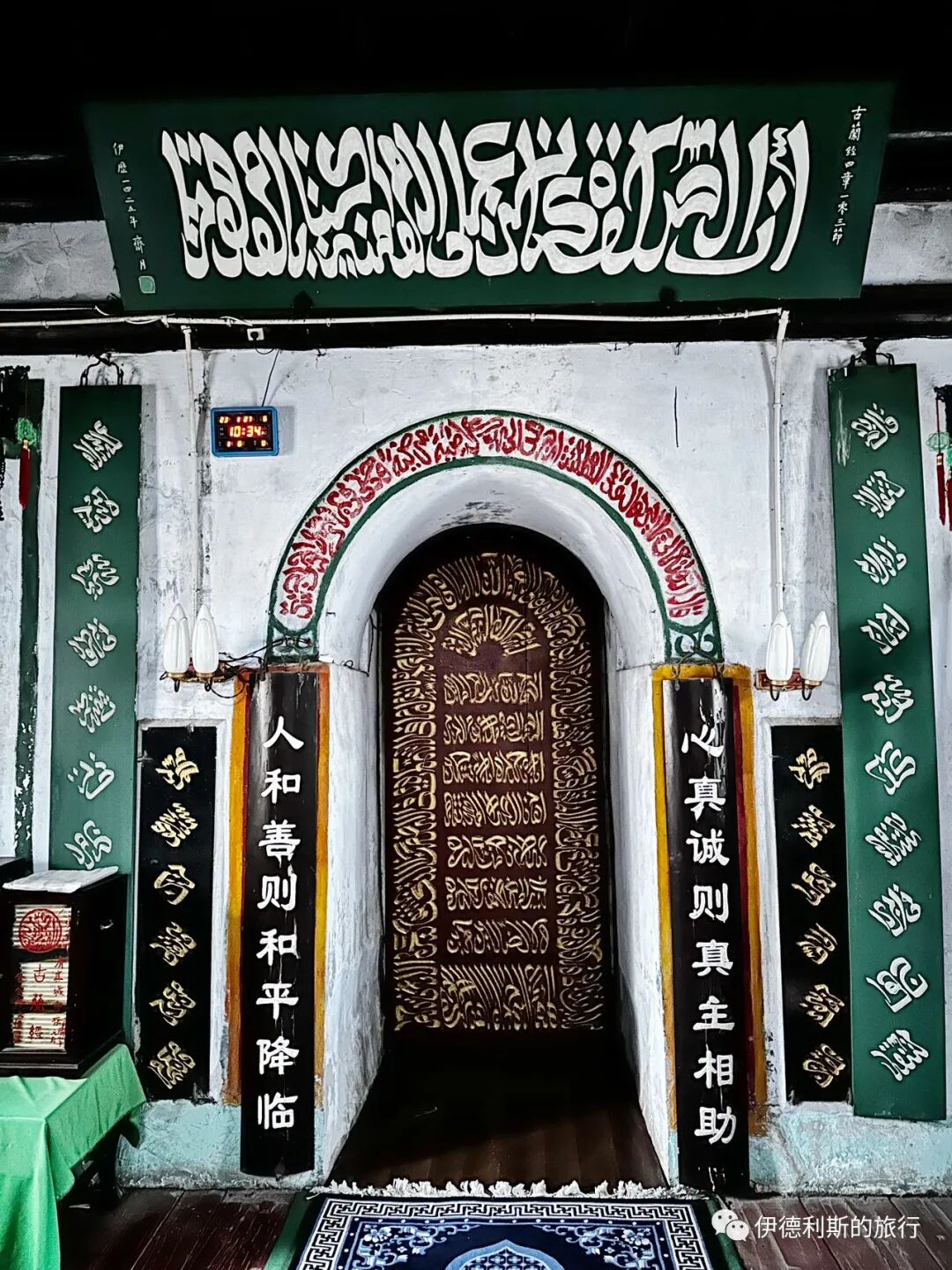
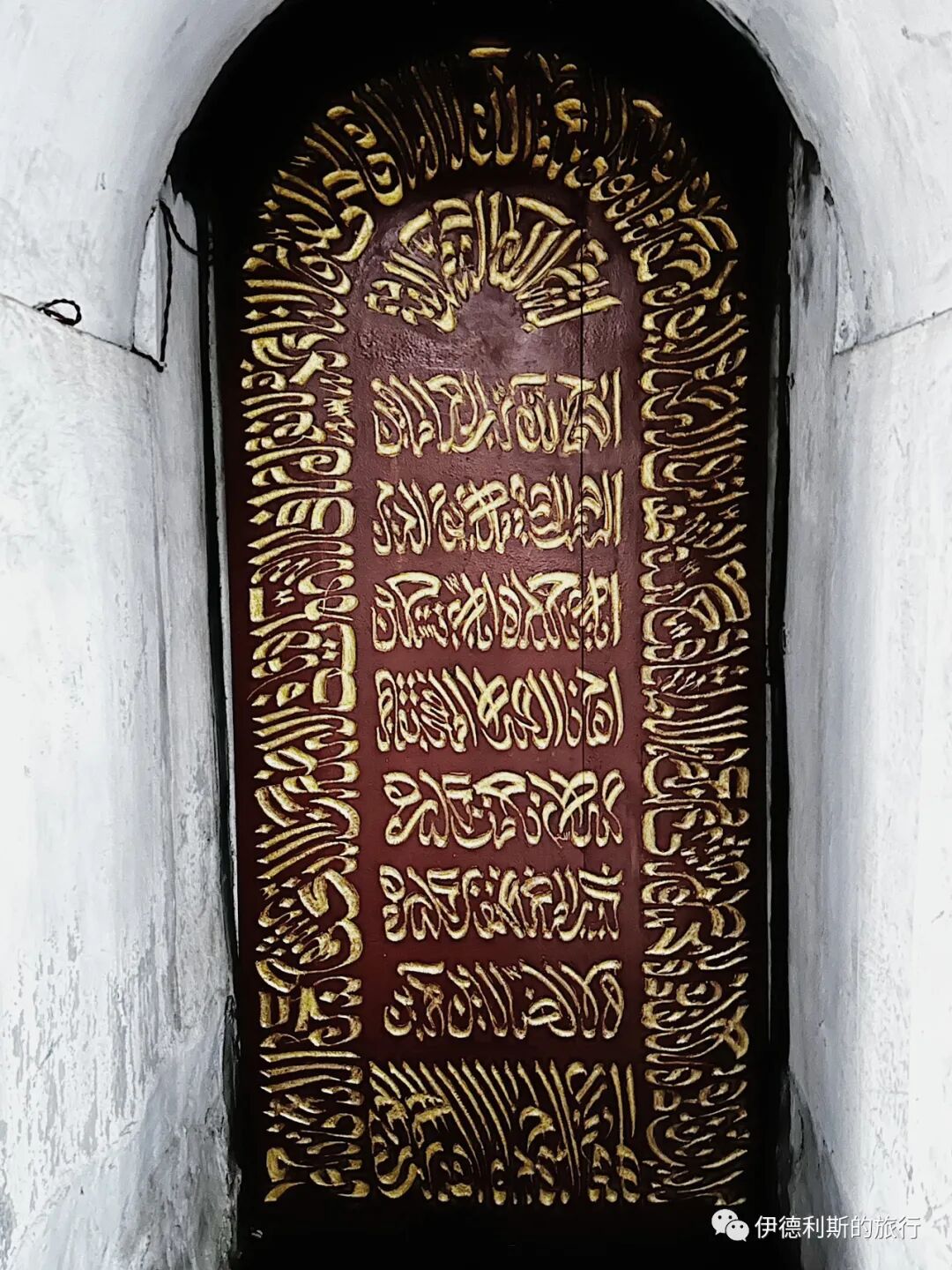
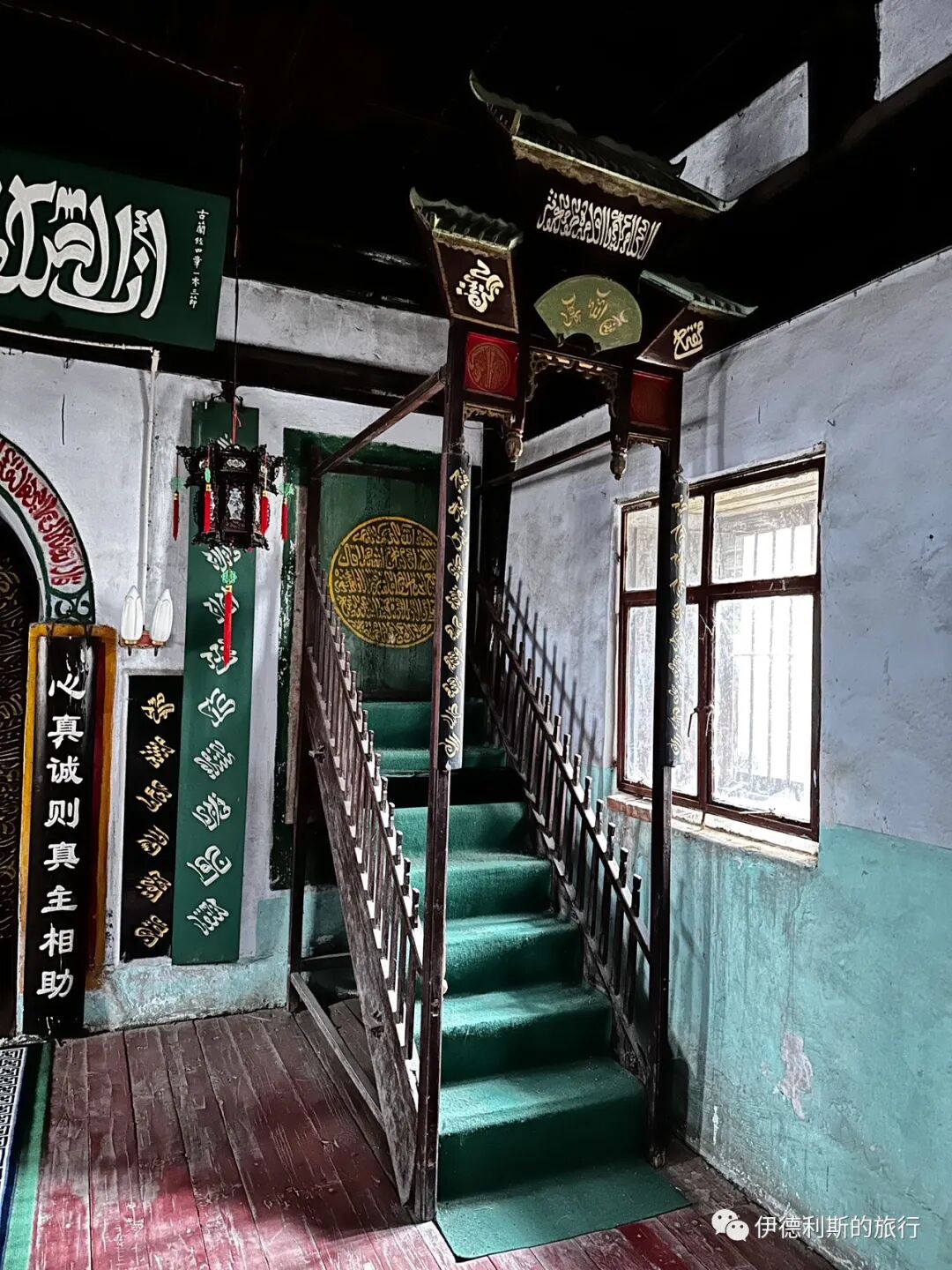
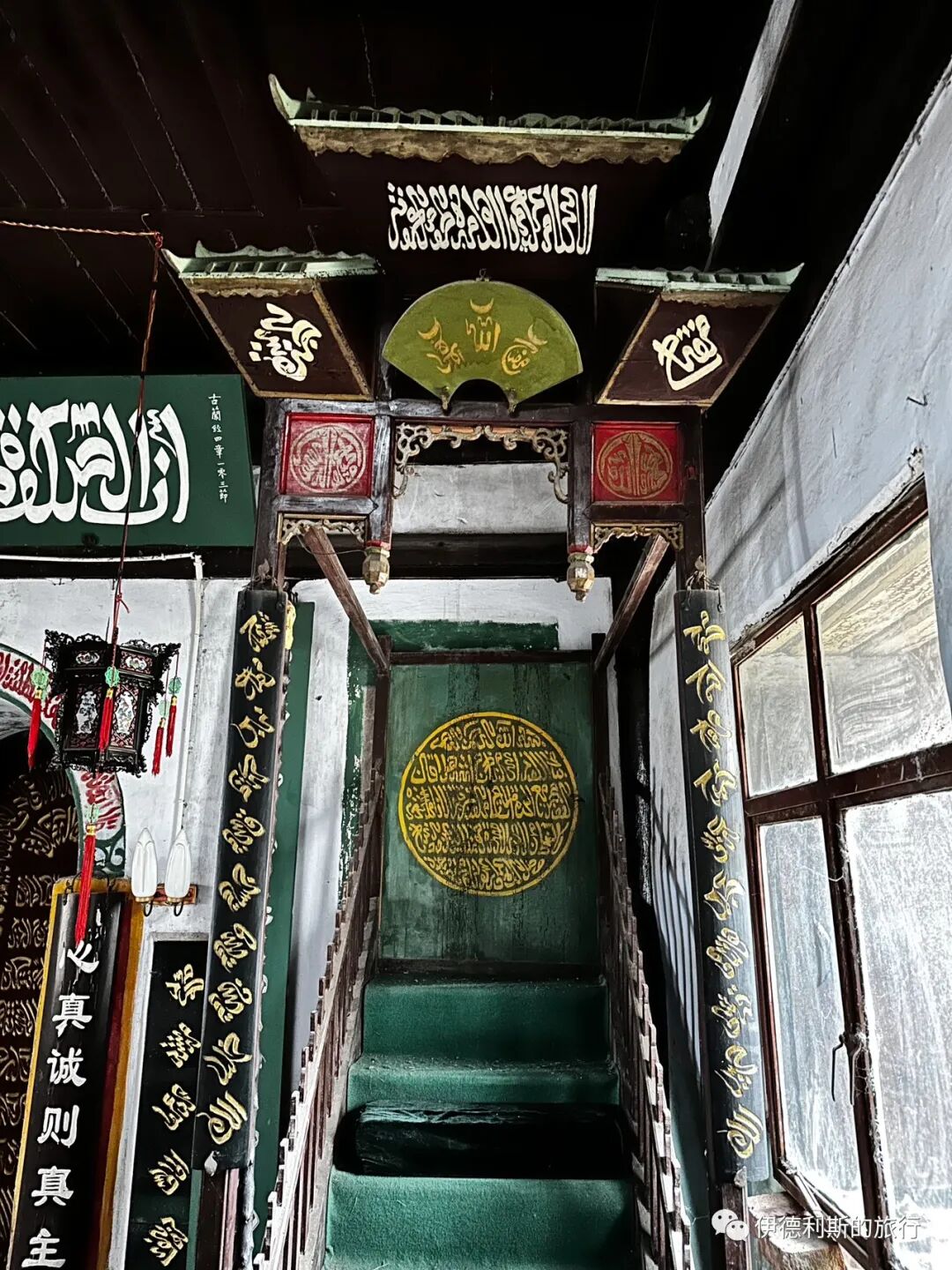
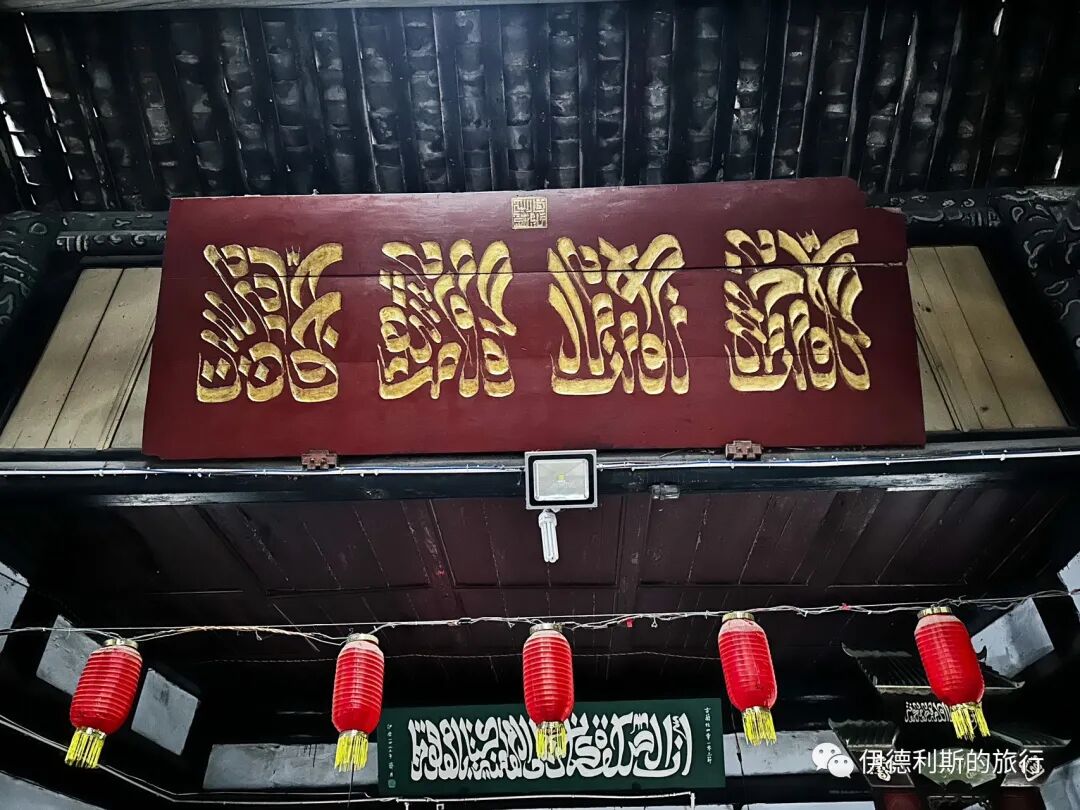
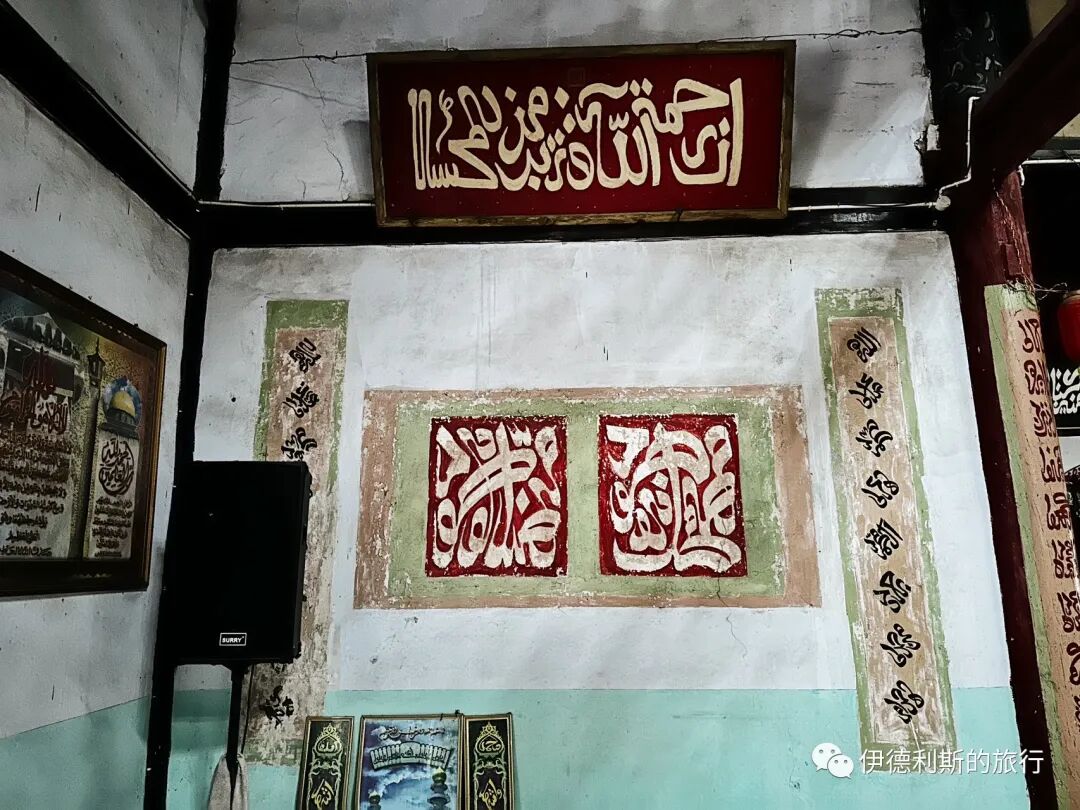
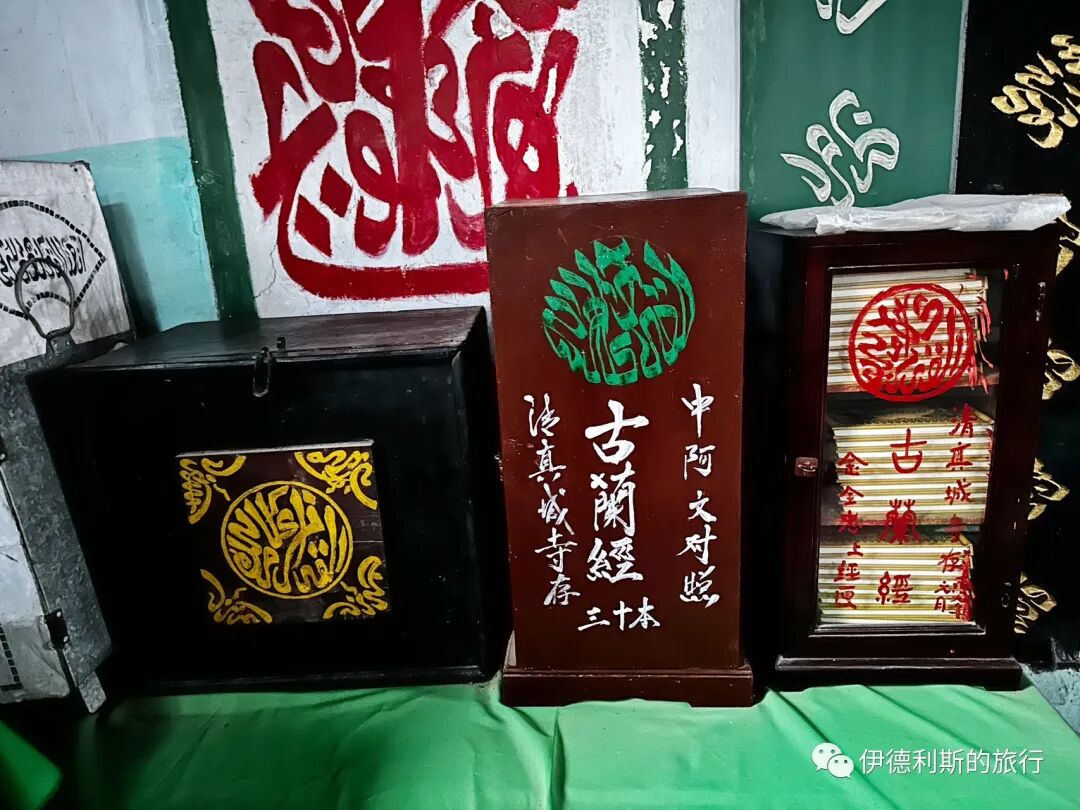
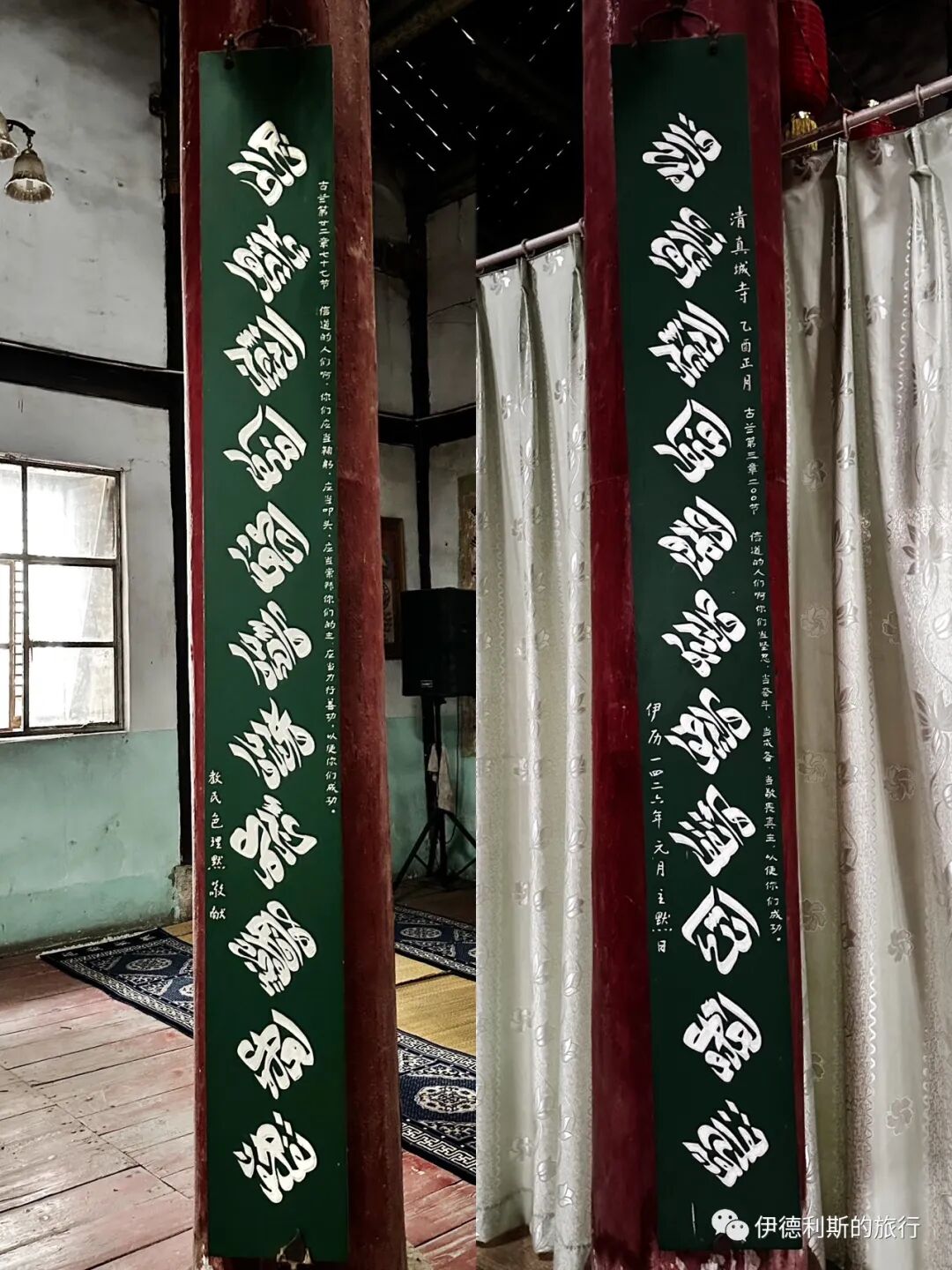
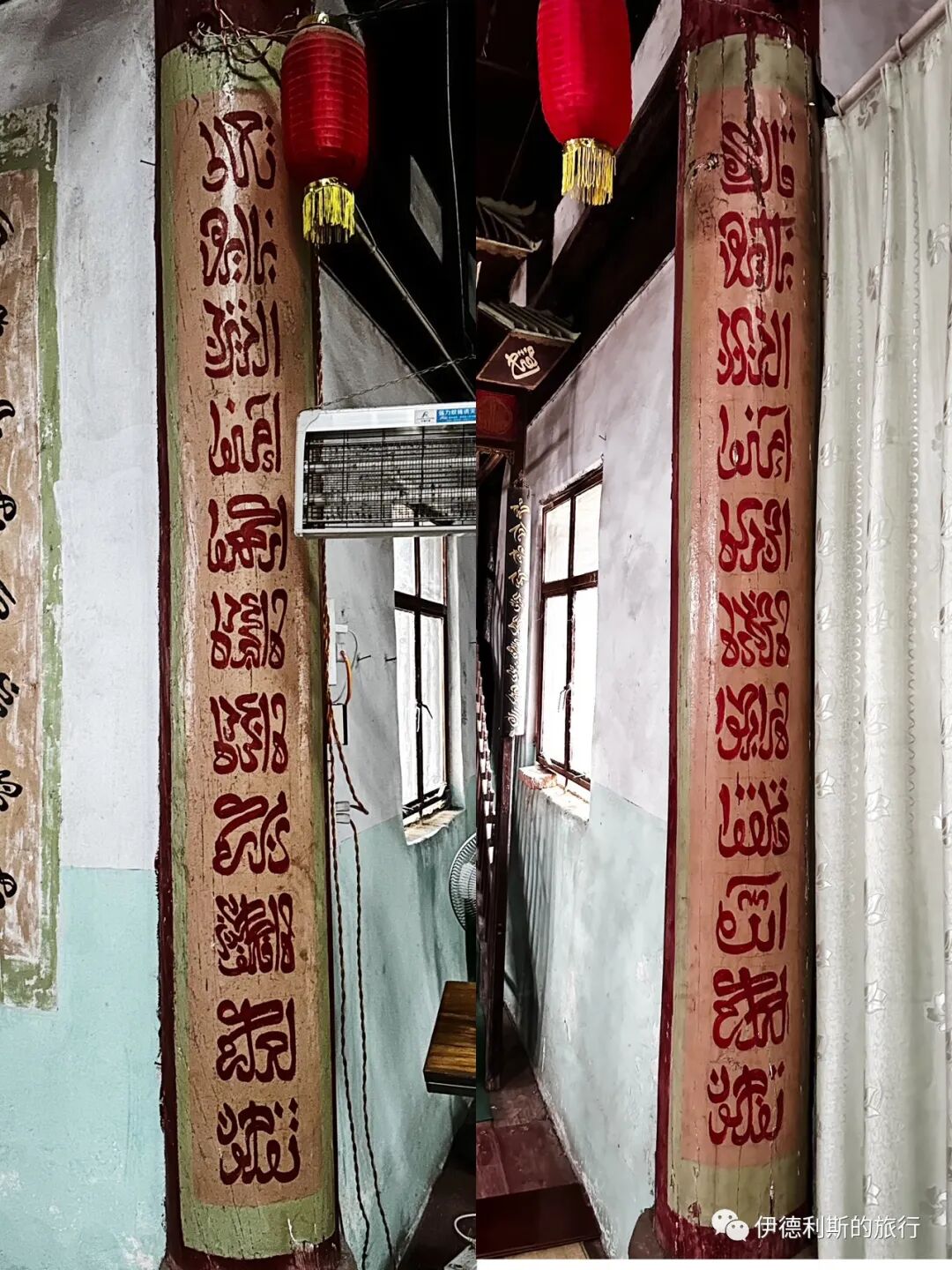
The mosque holds plaques from different periods, ranging from the Qing Dynasty and the Republic of China era to after the 1990s.
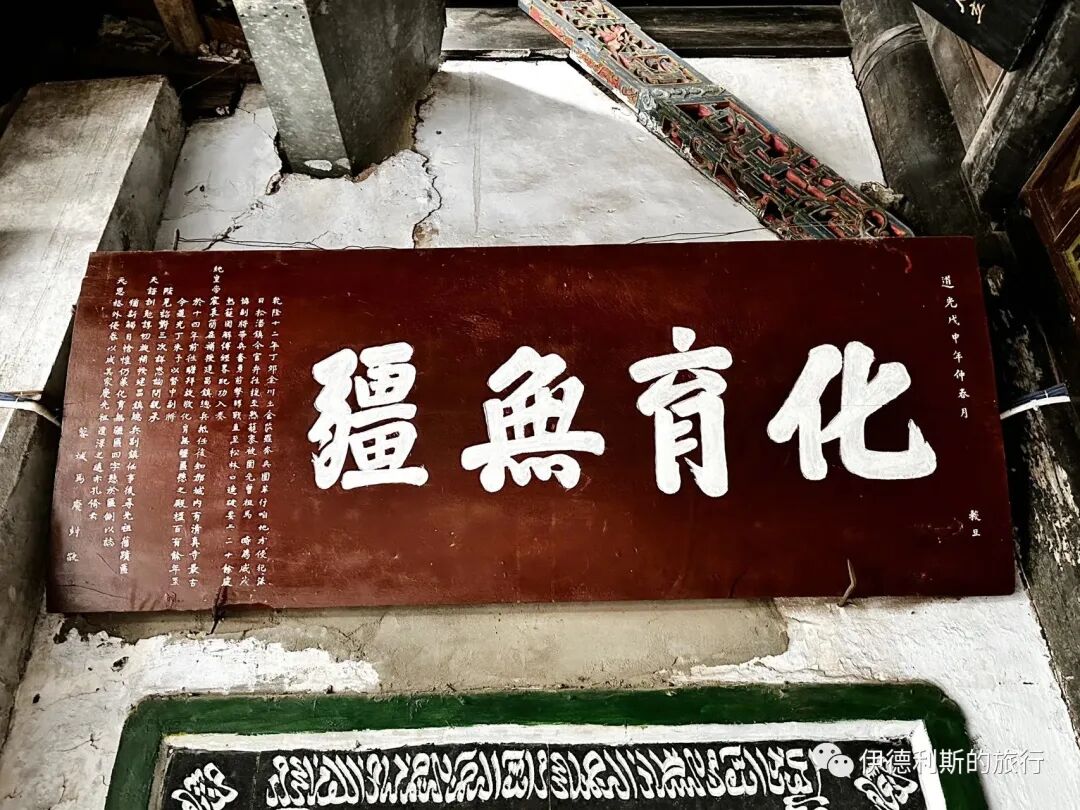
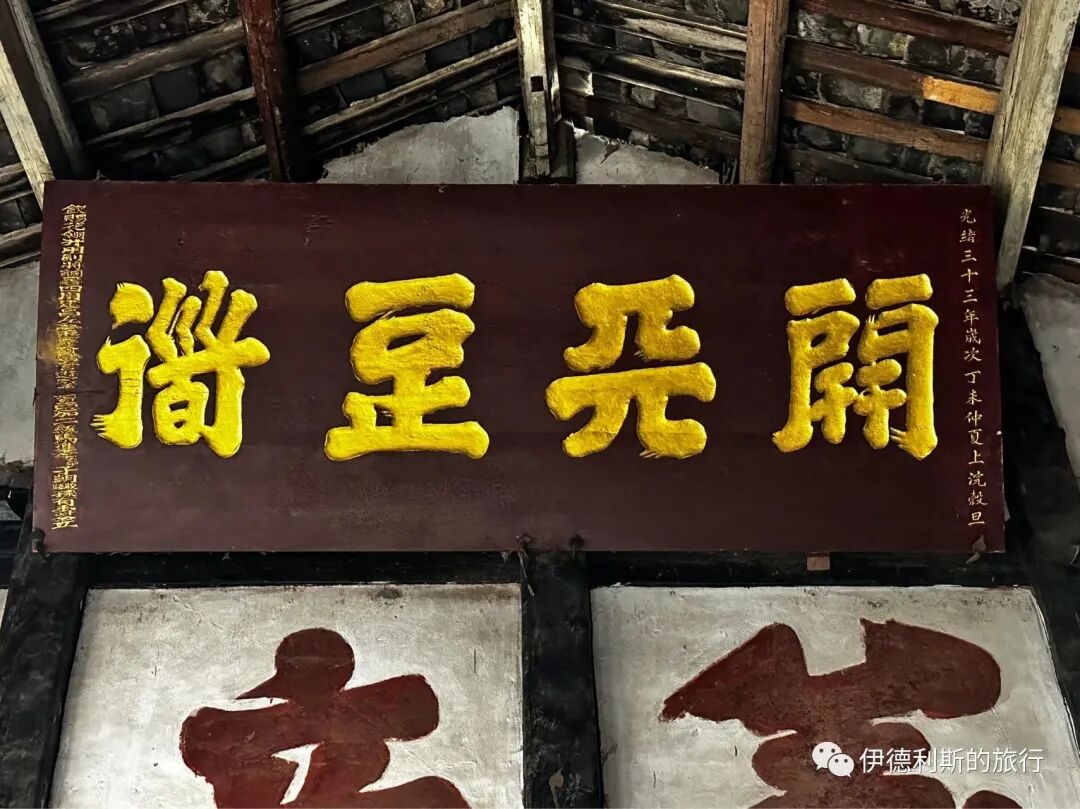
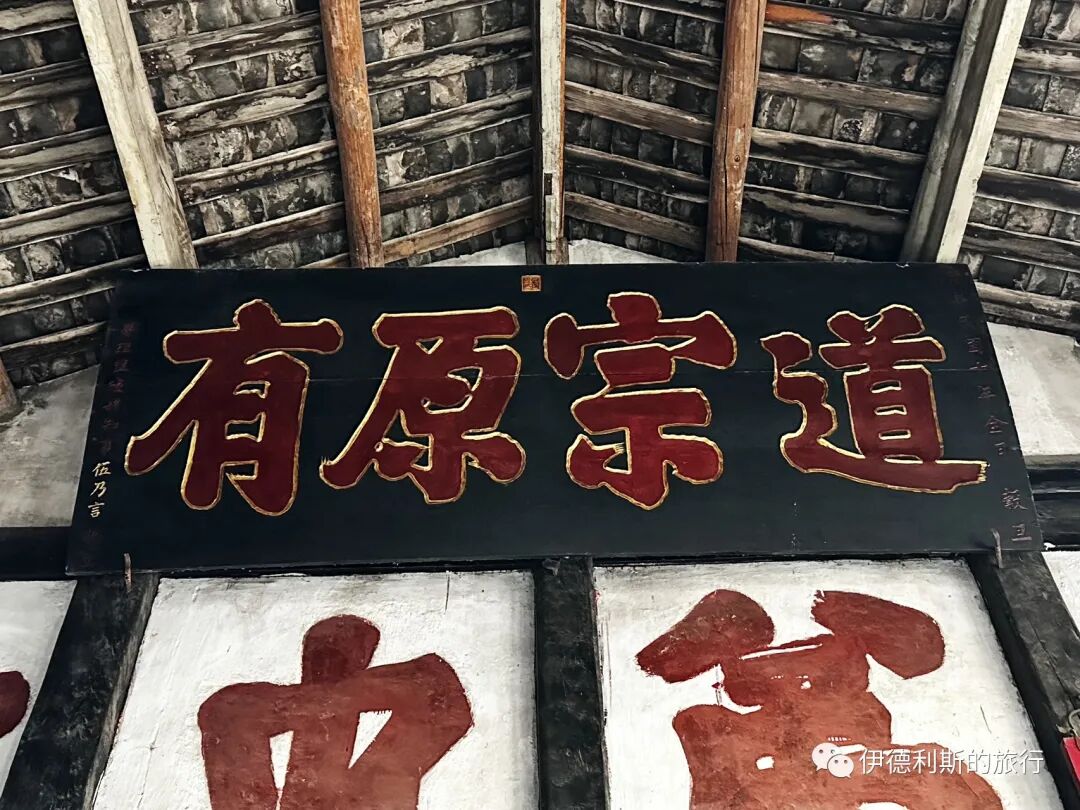
The plaque reading 'Qu Wang Xun Zhen' (Seeking Truth by Eliminating Falsehood) was replicated in 2005 from the original 1746 (11th year of Qianlong) version. The donor, Deputy General Mai Guoliang of the garrison, had ancestral roots in Fengxiang, Shaanxi. He settled in Xichang in 1738 (3rd year of Qianlong) due to military service, and his descendants are known as the Mai family of Shaanxi.
Imam Sa Fuchu was a famous Arabic calligrapher in Xichang.
Imam Sa passed away in 2014 at the age of 89.
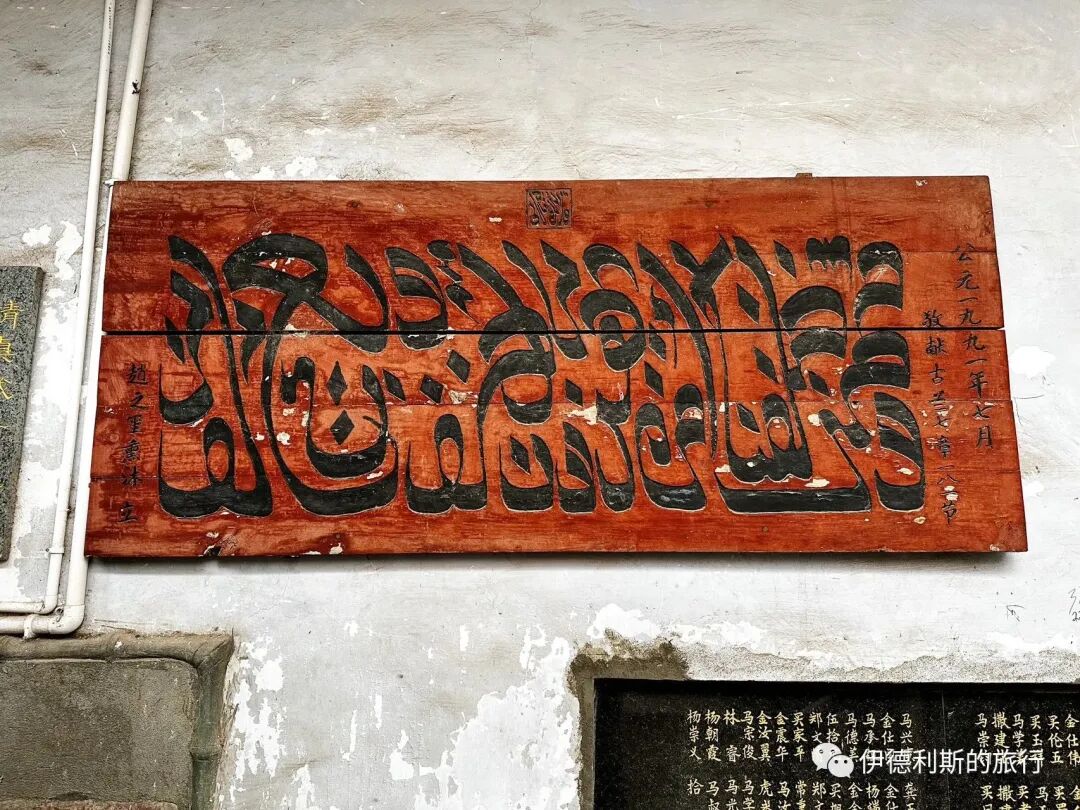
Lao Hao Qingzhen Yuan restaurant.
In the afternoon, I ate at the main branch of Lao Hao Qingzhen Yuan near the Xichang West Mosque. It is a restaurant serving traditional halal stir-fry dishes, and the owner is a member of the Yang family, who are community leaders (gaomu) of the Xichang West Mosque.
I ordered the small stir-fried meat (xiaochao rou) and bear paw tofu (xiongzhang doufu), and they also served me lotus leaf tea. It was my first time seeing a restaurant serve lotus leaf tea, and it smelled quite fragrant. The food arrived just five minutes after I ordered; they stir-fry really quickly! The small stir-fried meat is a classic, but it was my first time eating bear paw tofu. 'Bear paw' is actually what Sichuanese people call pan-fried tofu. It is a specialty Sichuan dish stir-fried with bean paste (doubanjiang) that is spicy and rich. It made my nose run and my eyes water, but Sichuan food is truly satisfying!
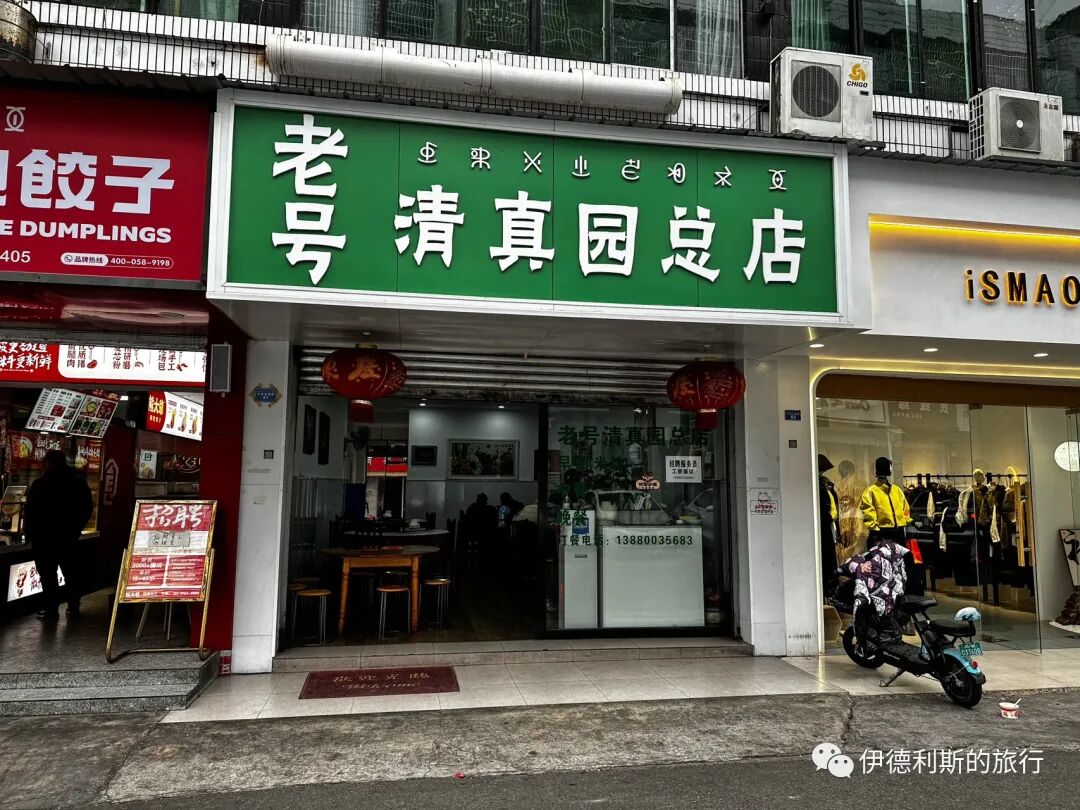
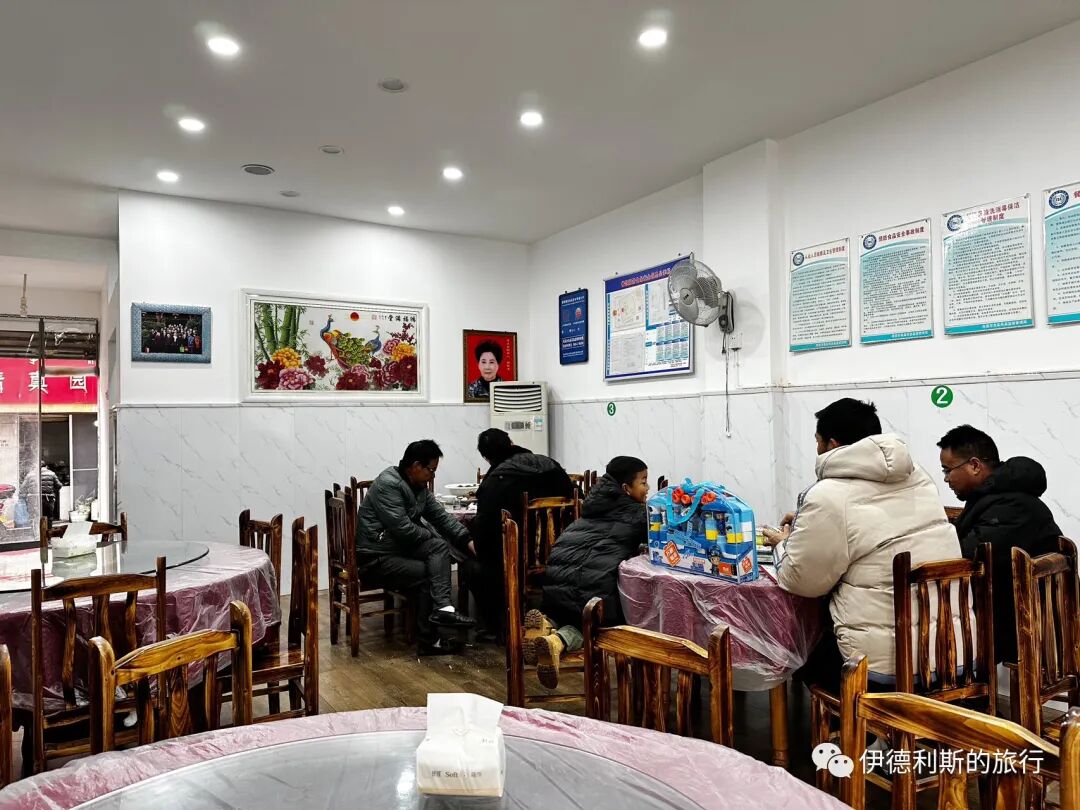
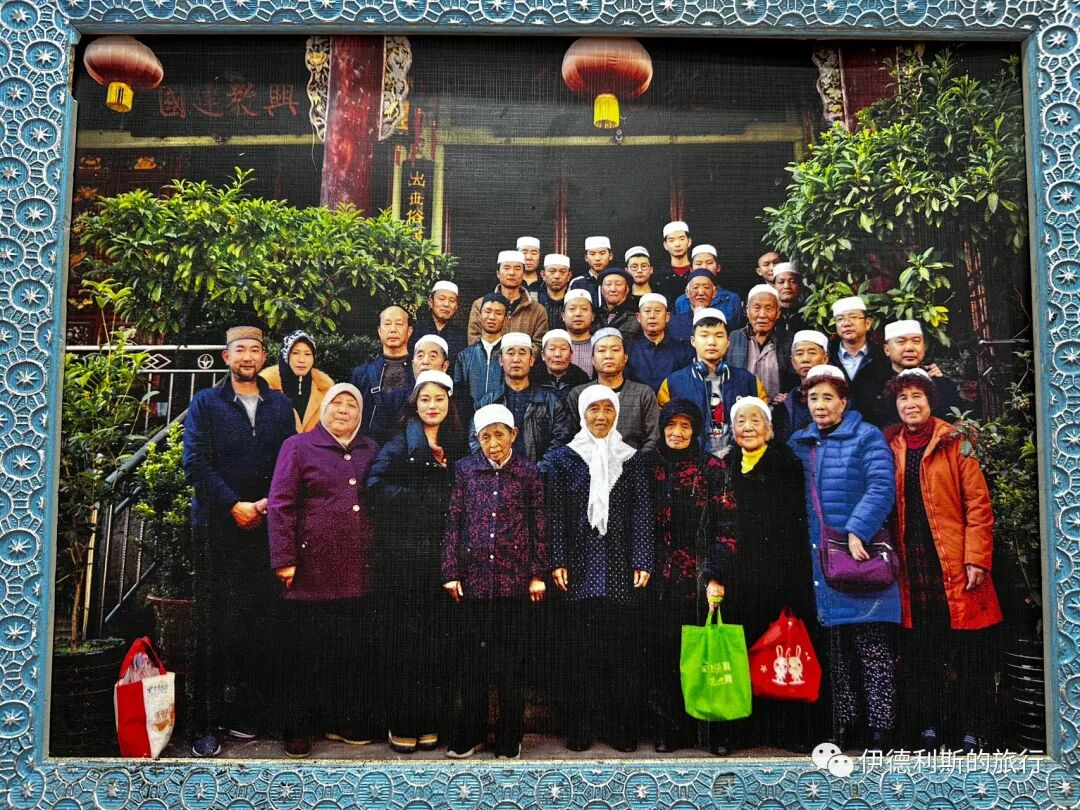
Xichang West Mosque.
Because the city bought up all the houses during the renovation of the Jianchang Ancient City, there are no longer community leaders (gaomu) living around the city mosque. Relatively speaking, the West Mosque outside the Jianchang Ancient City still maintains the layout of a traditional mosque neighborhood, and there are more halal restaurants nearby.
The Xichang West Mosque is also called the Mashuihe Mosque outside the city. Mashuihe Street has been a street for the Hui Muslim leather industry since the Qing Dynasty. The West Mosque was first built in 1801 (6th year of Jiaqing). When the Xichang earthquake hit in 1850 (30th year of Daoguang), the mosque buildings collapsed and were rebuilt with funding from the Wool Guild, a trade association of local leather workers. In 1935, to stop the Red Army from entering the city, the Chuan-Kang border defense forces burned down 28 streets and alleys outside Xichang for three consecutive days. The West Mosque was also destroyed and was rebuilt in 1948. After 1958, the West Mosque was occupied and severely damaged. It was gradually reclaimed after 1978 and rebuilt into its current form after 1999.
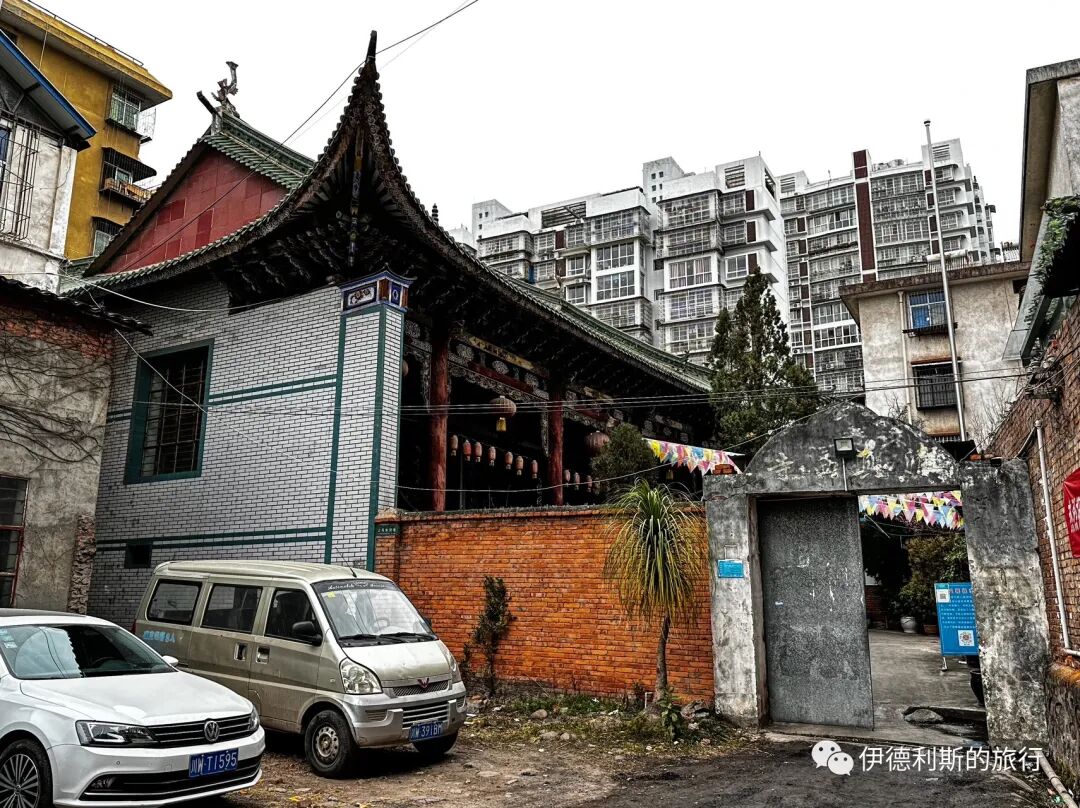
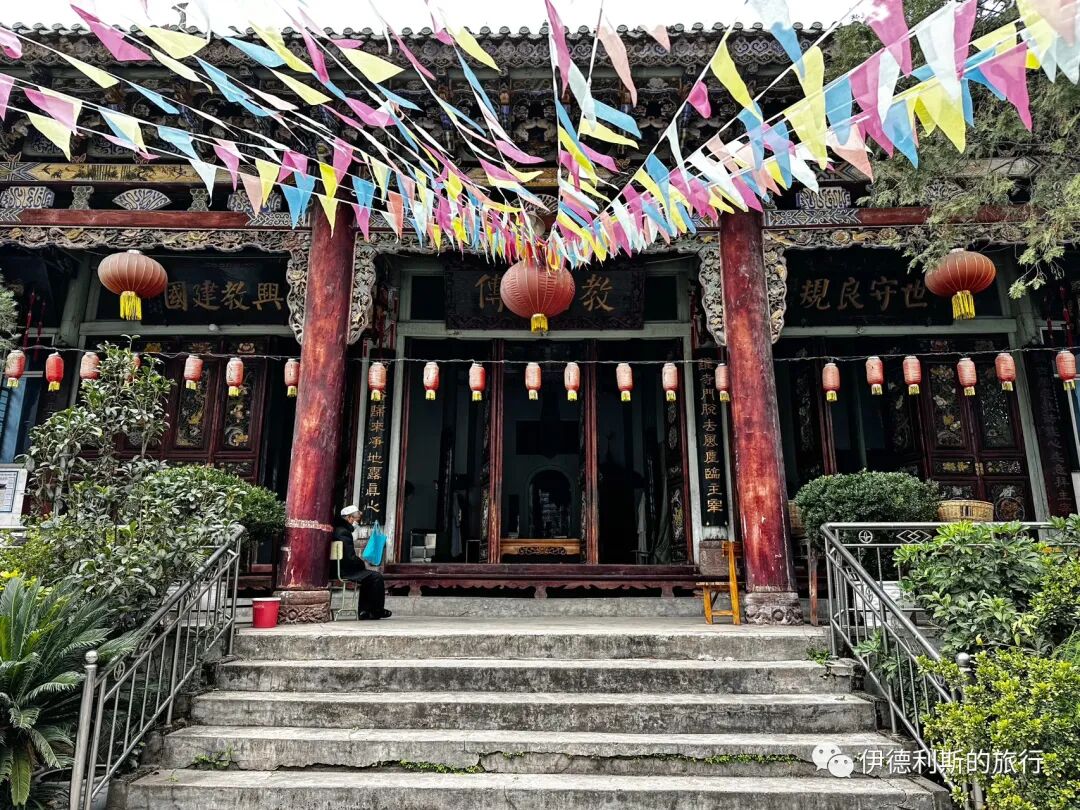
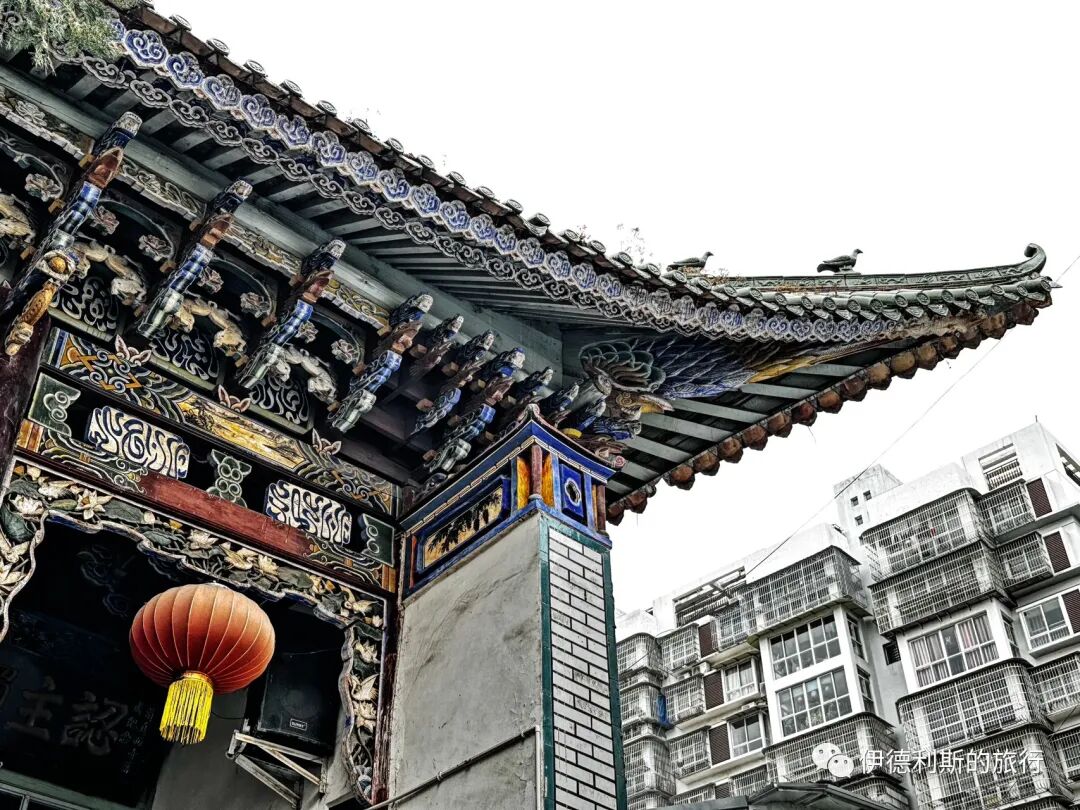
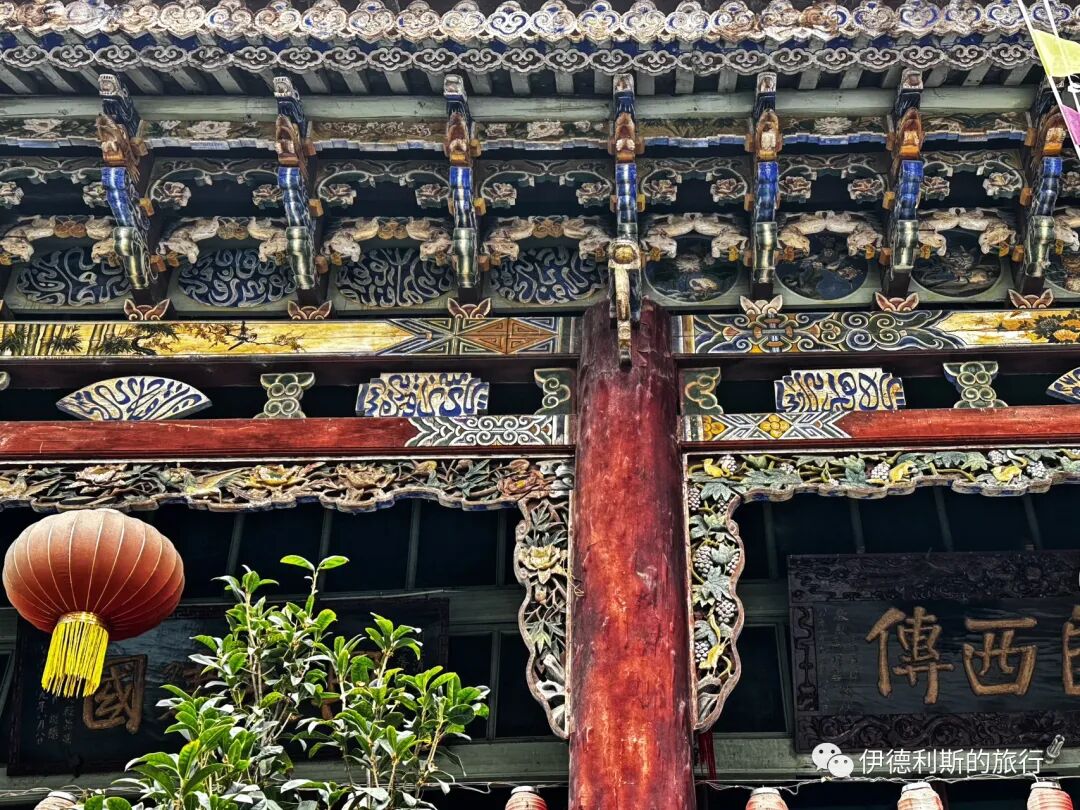
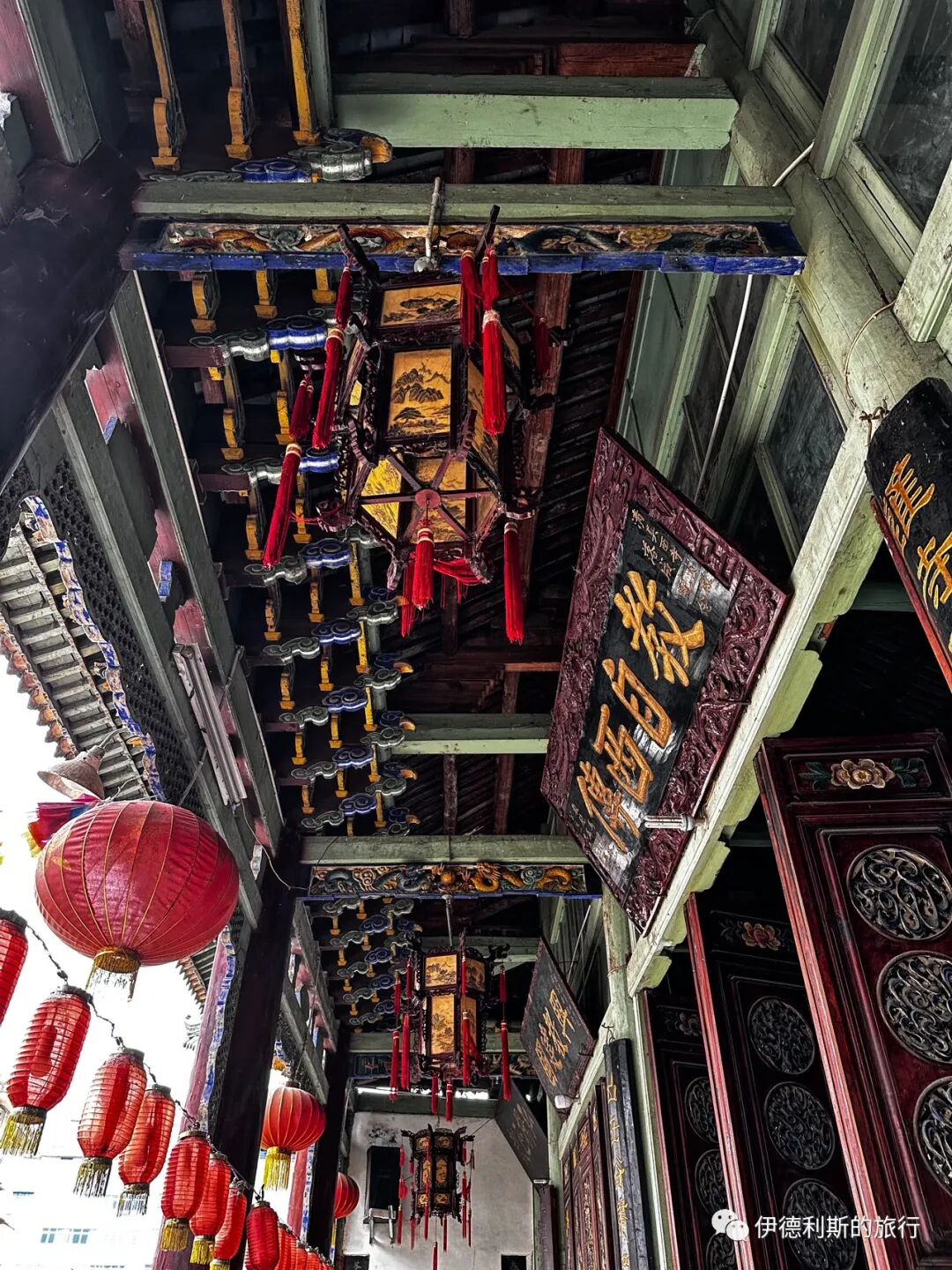
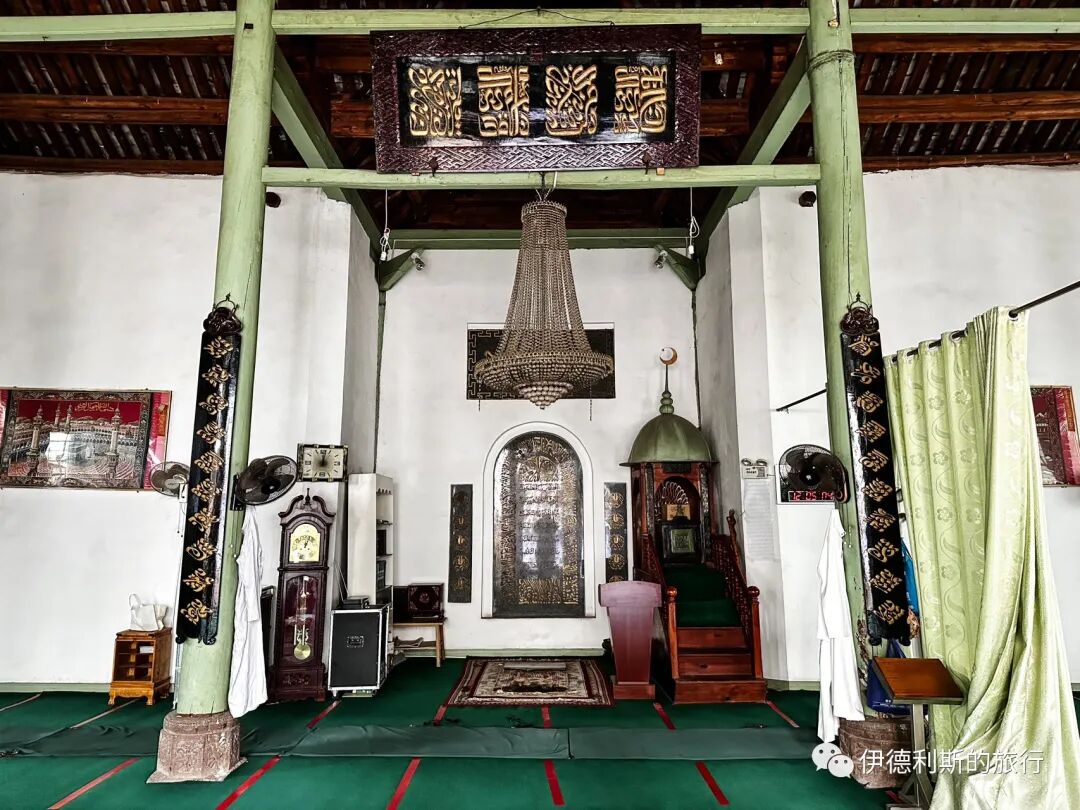
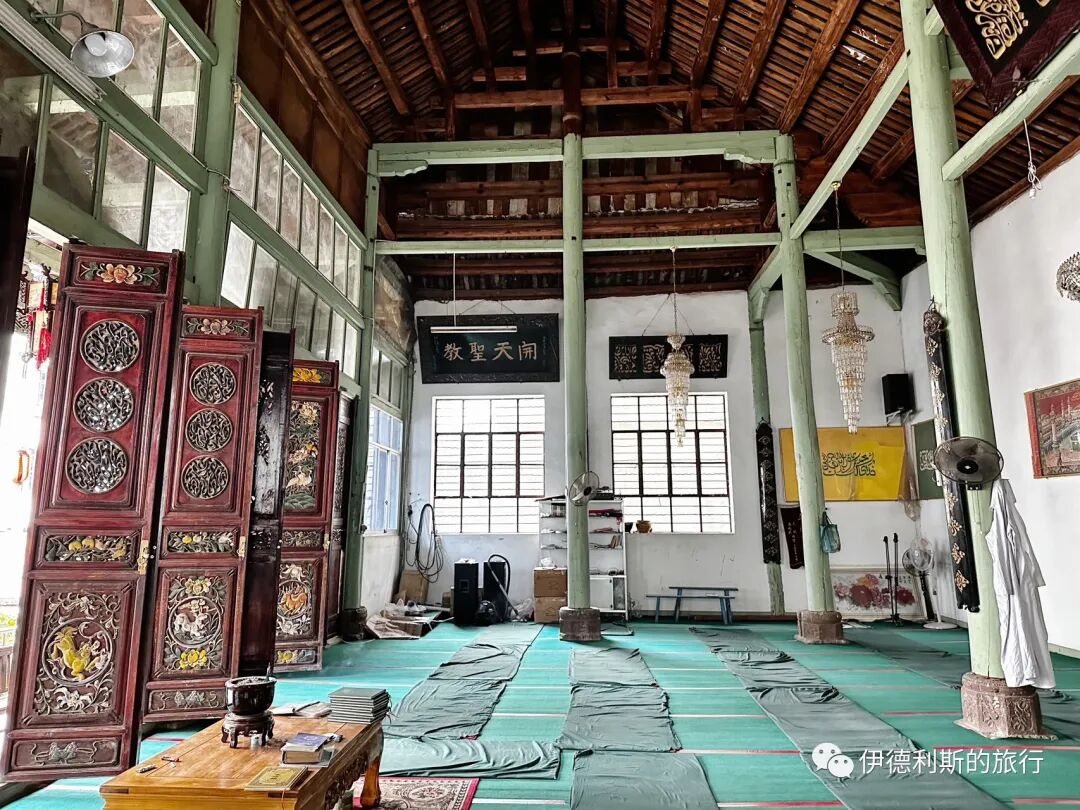
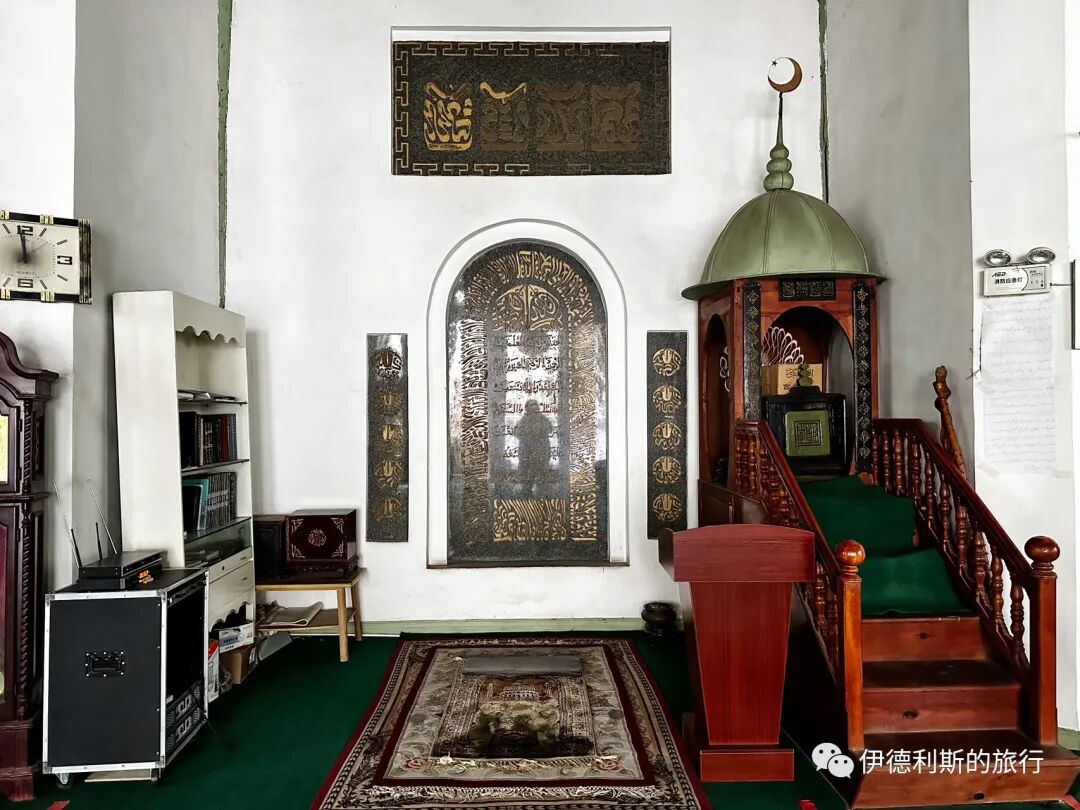
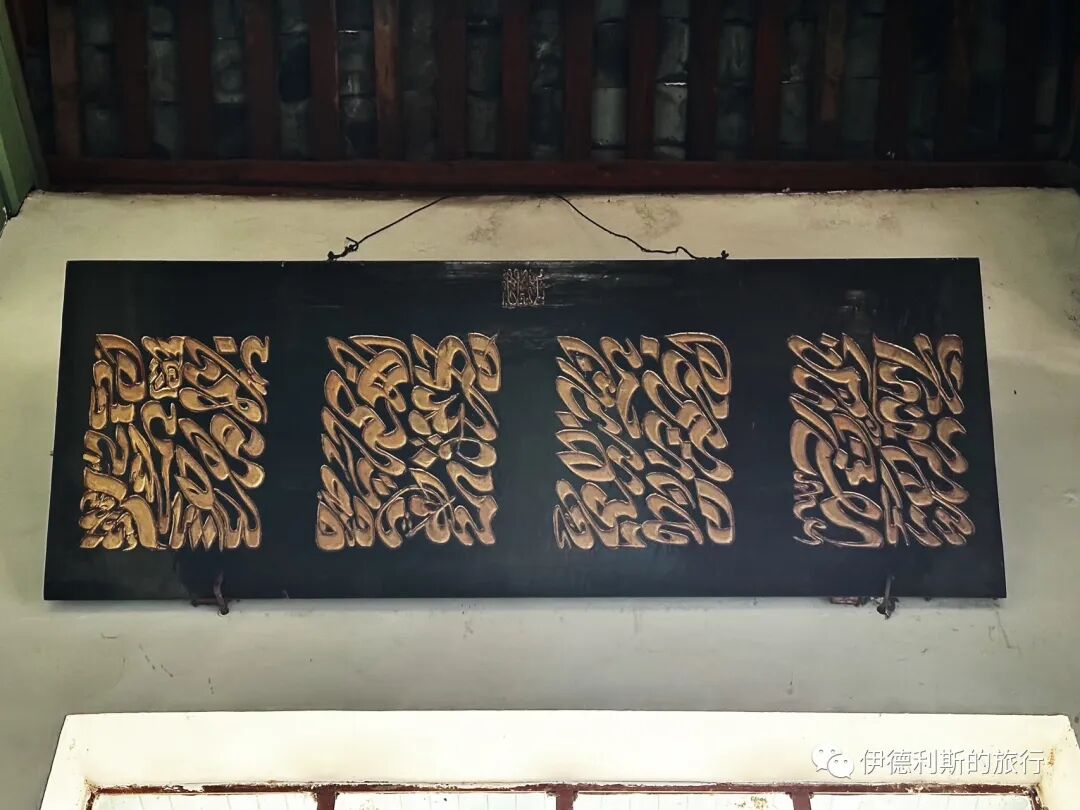
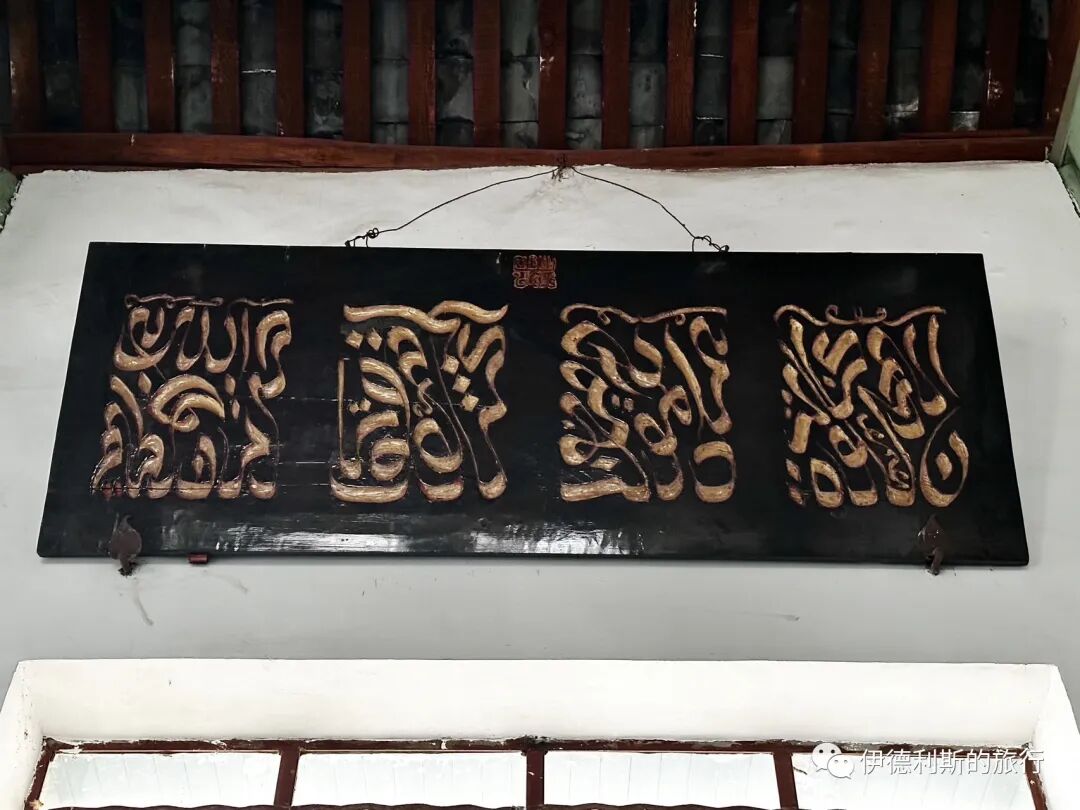
The calligraphy carvings on the minbar, scripture box, mihrab, door panels, and plaques of the West Mosque.
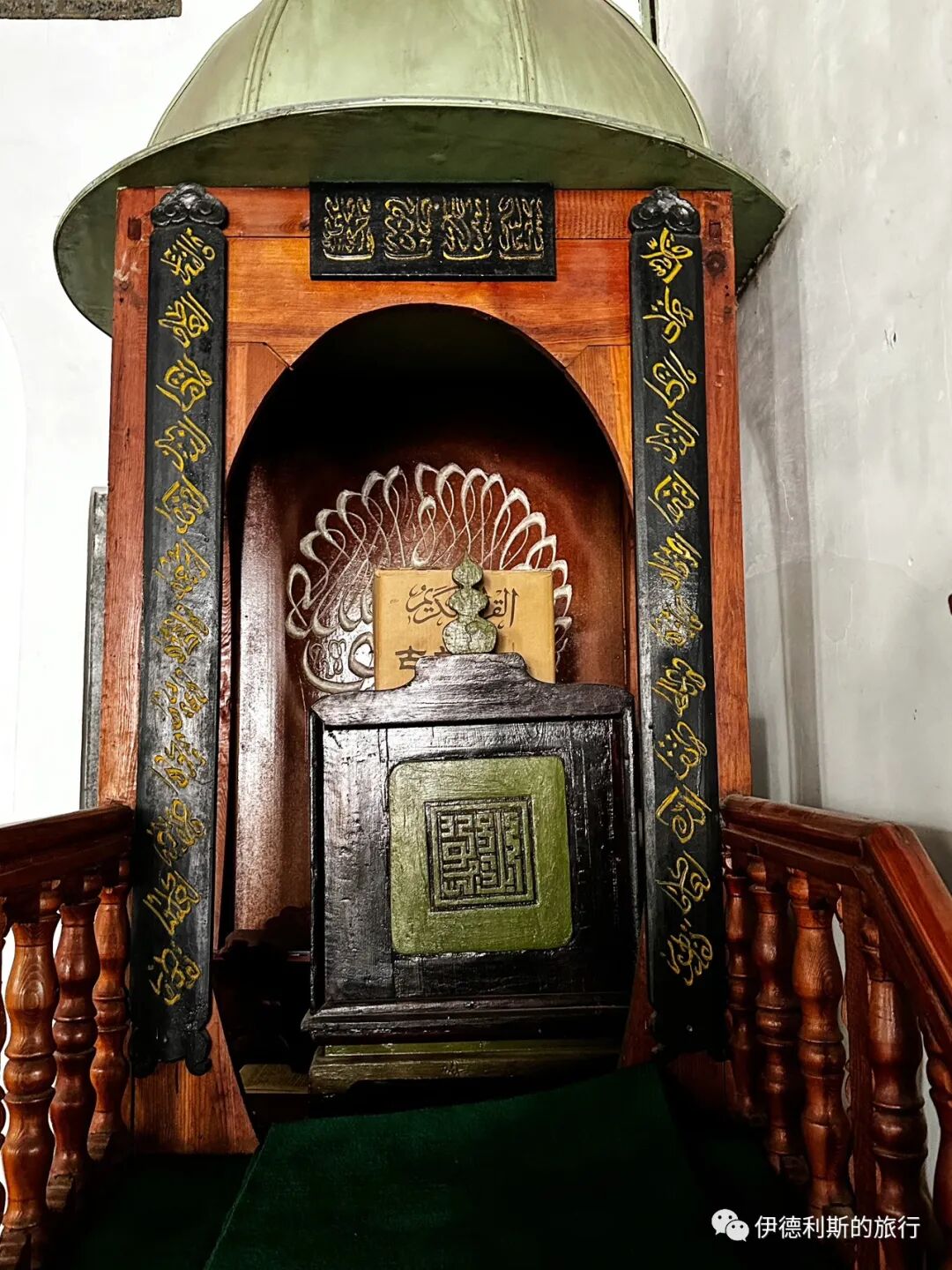
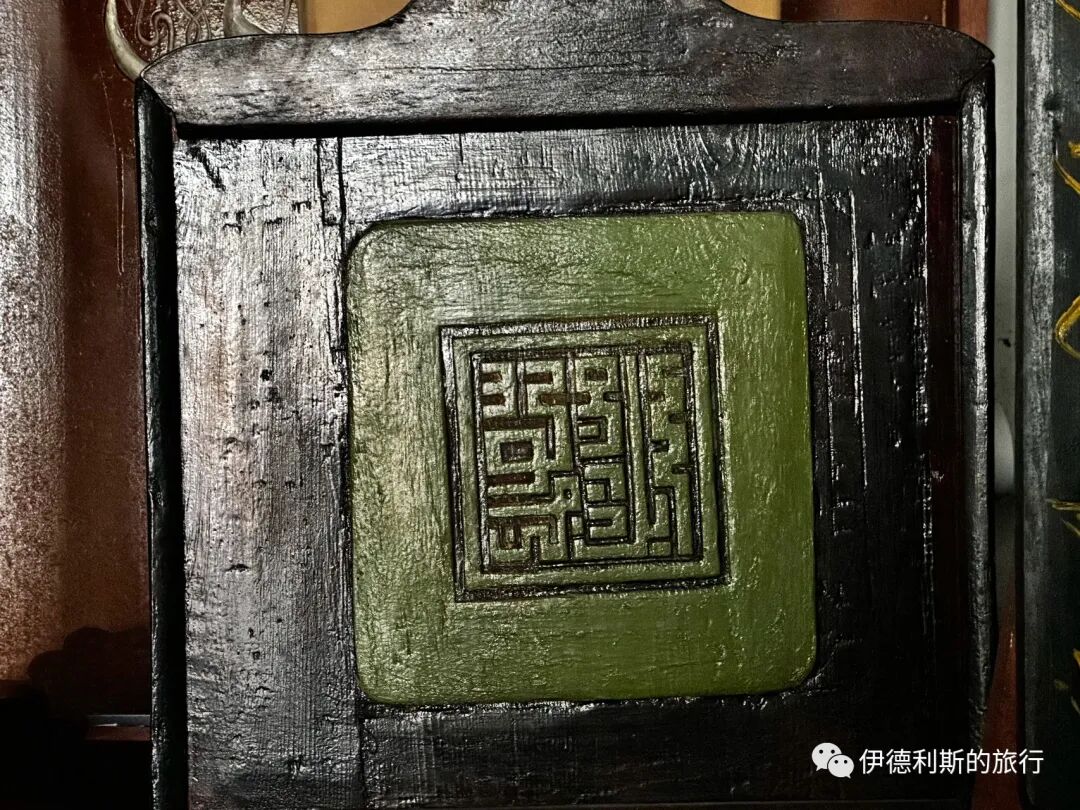
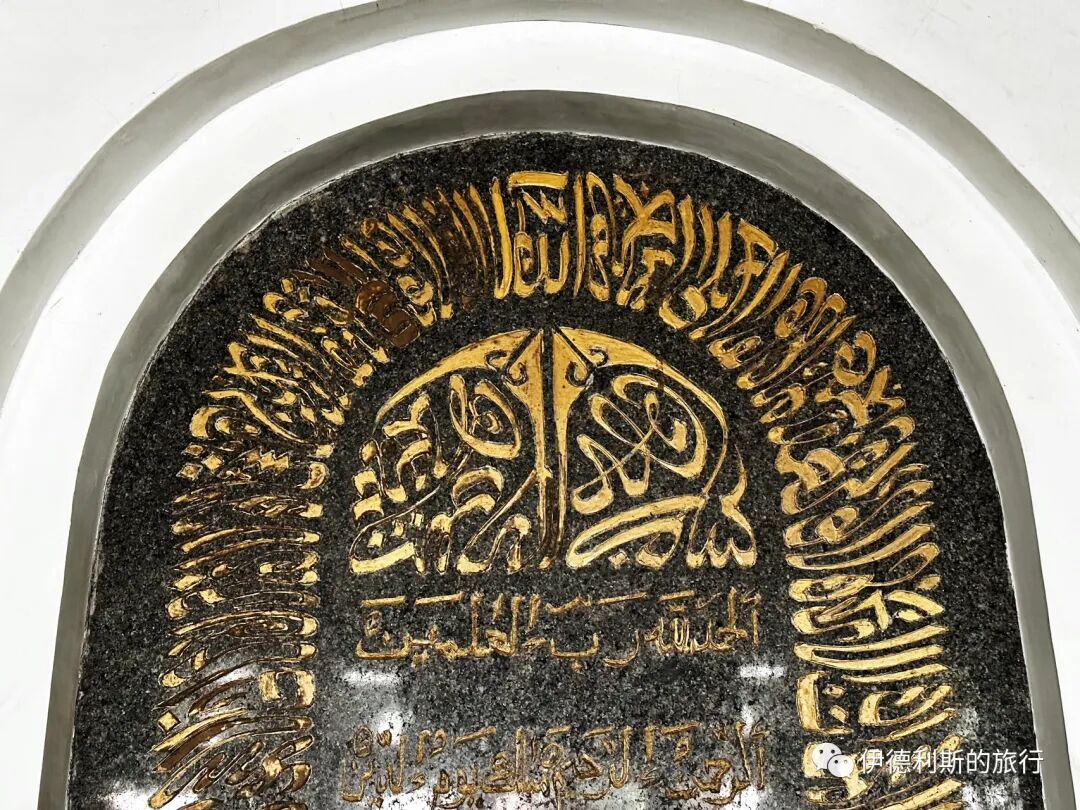
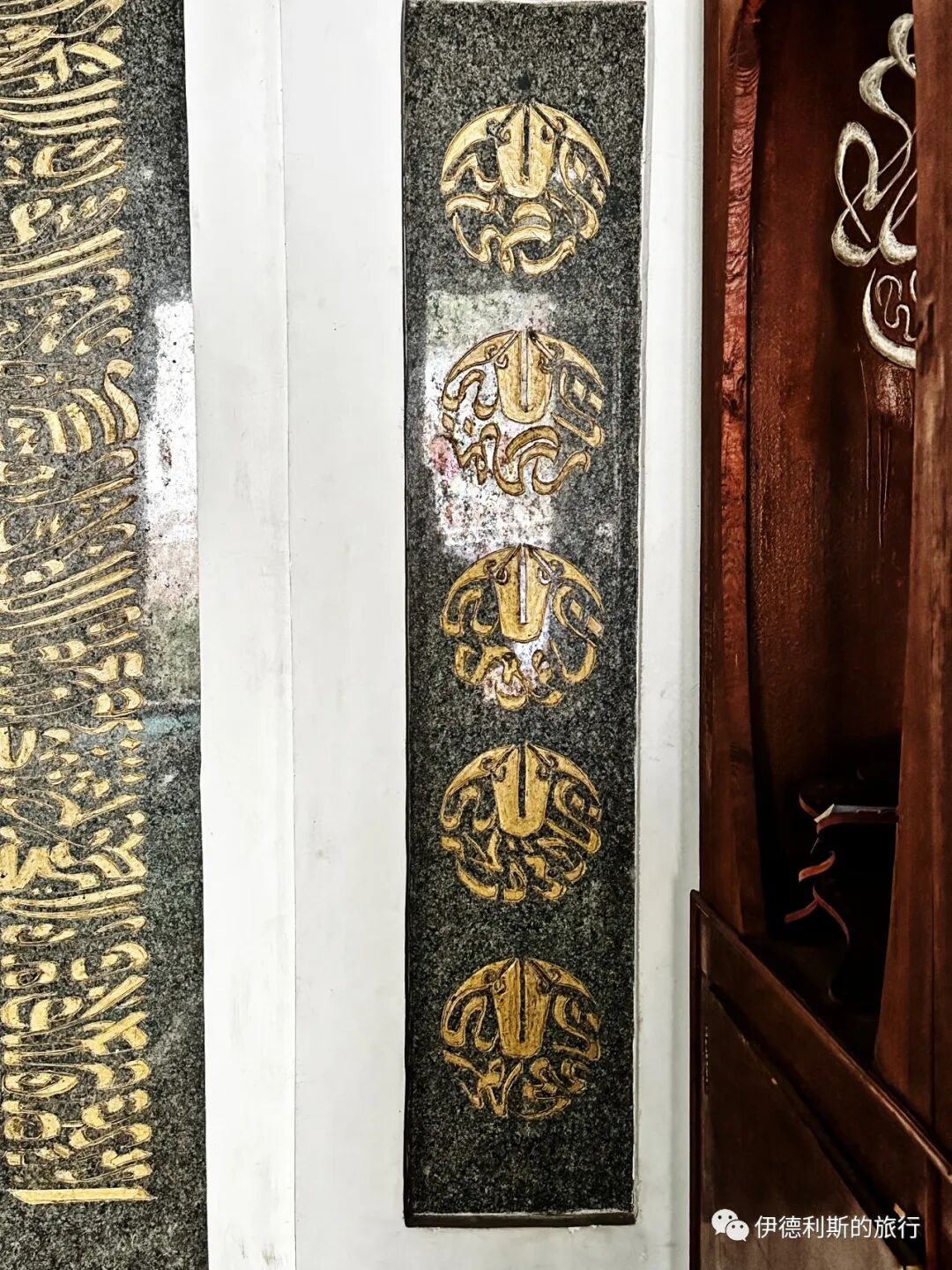
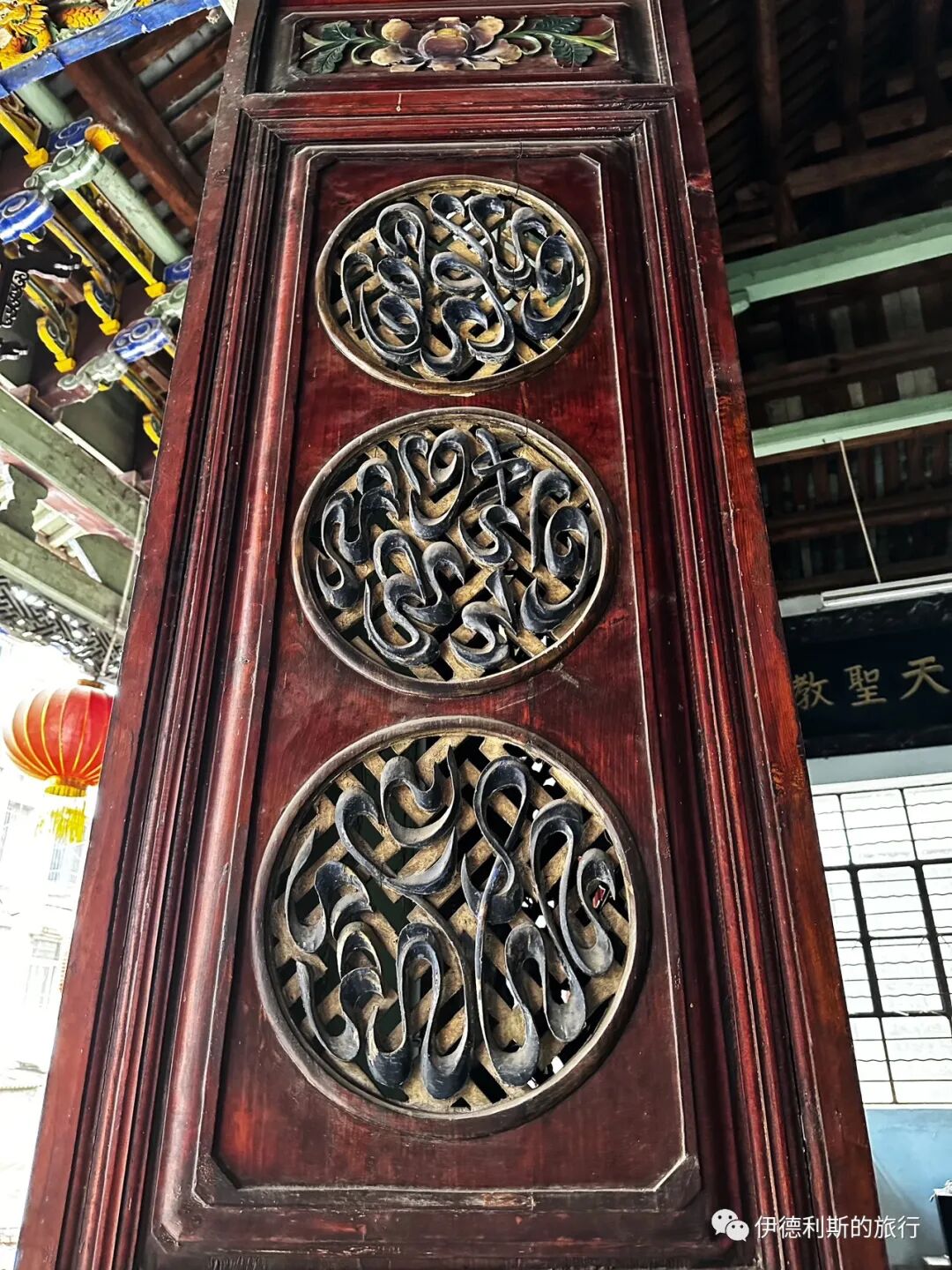
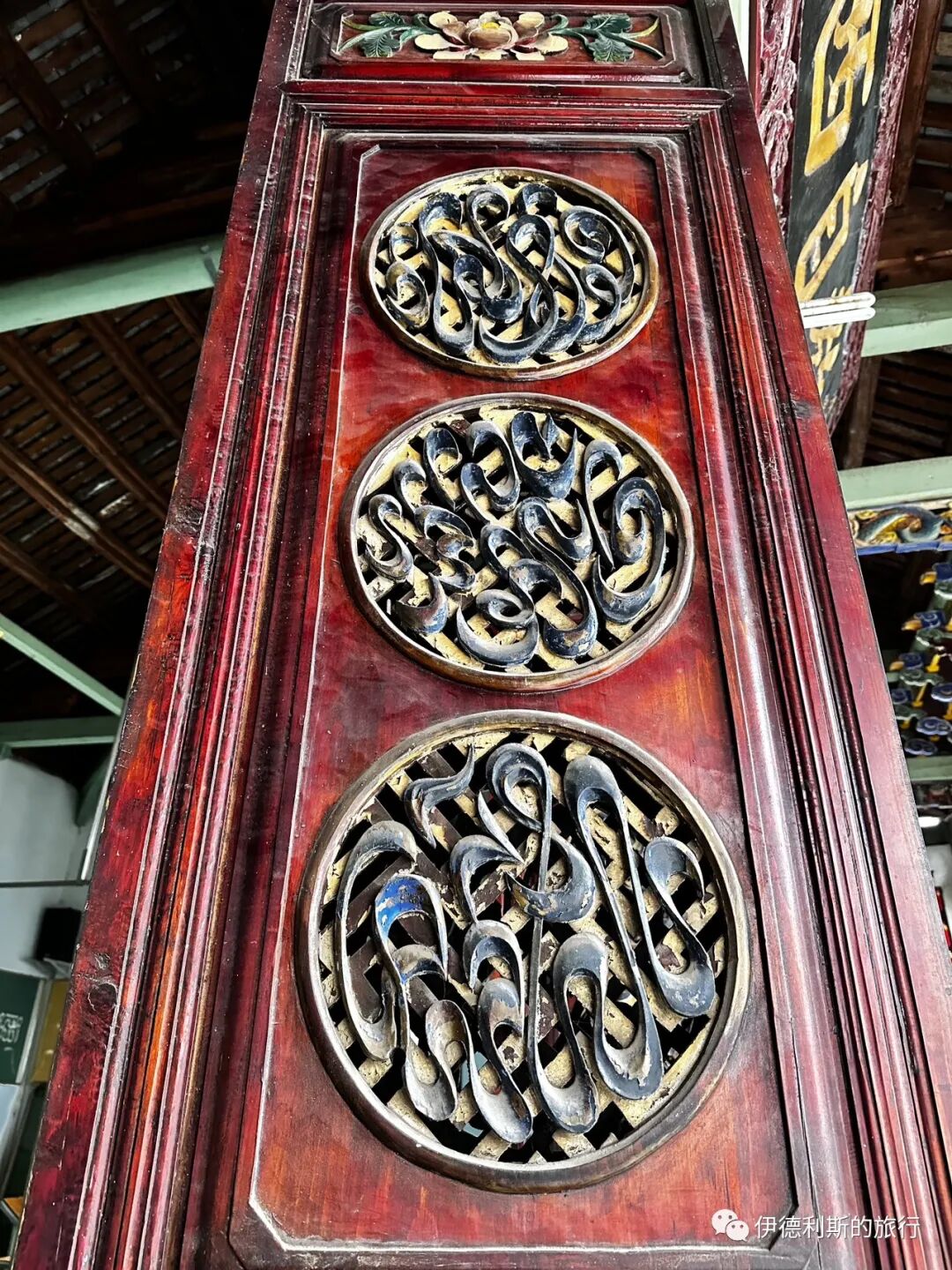
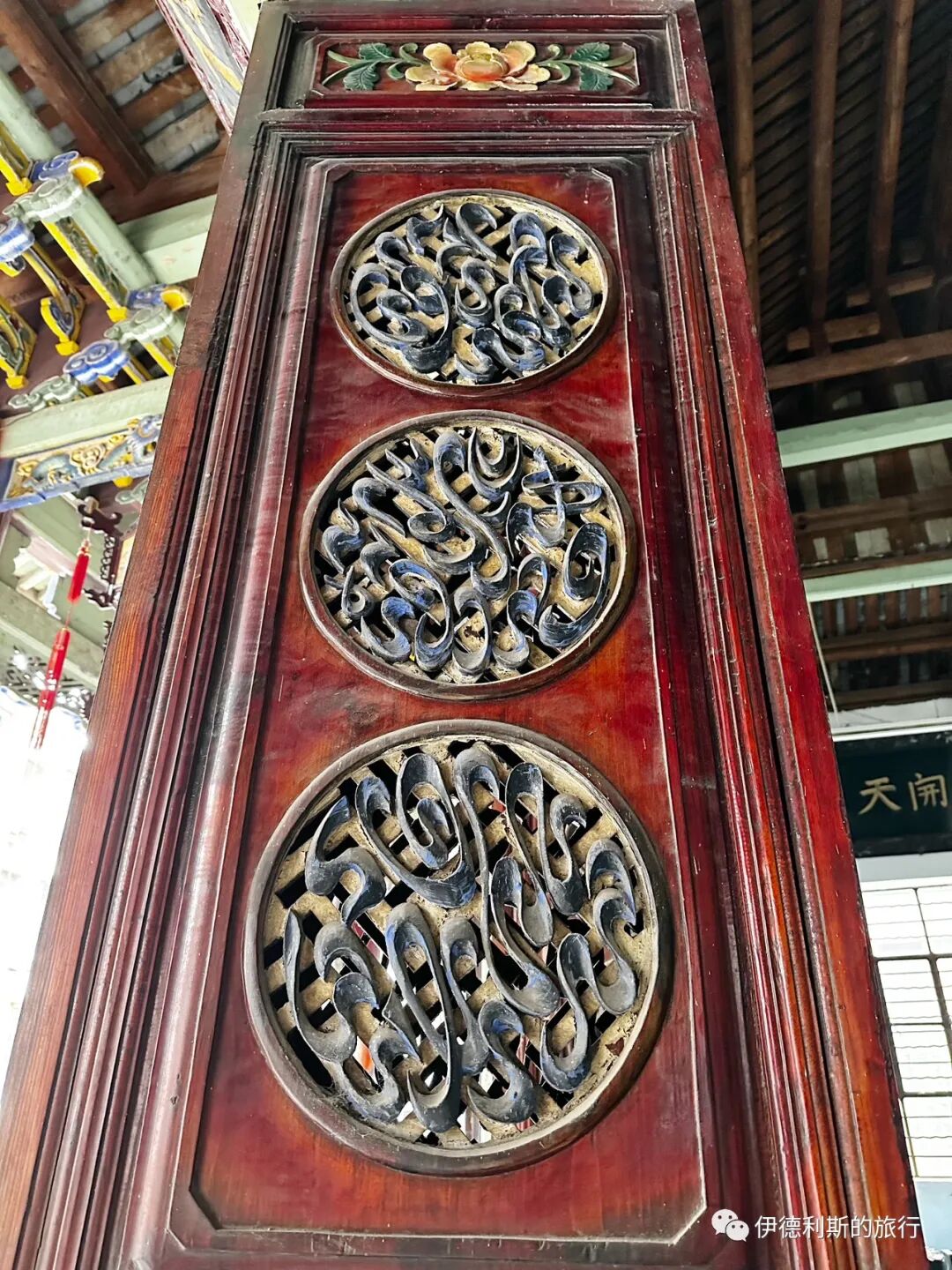
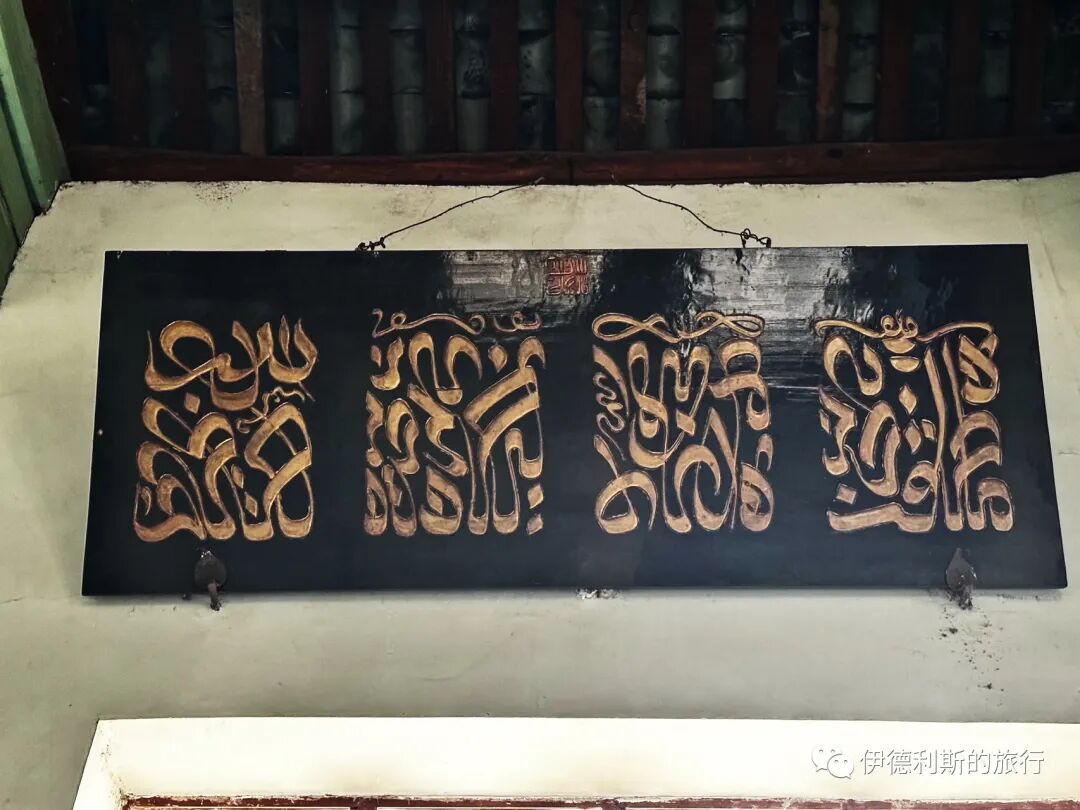
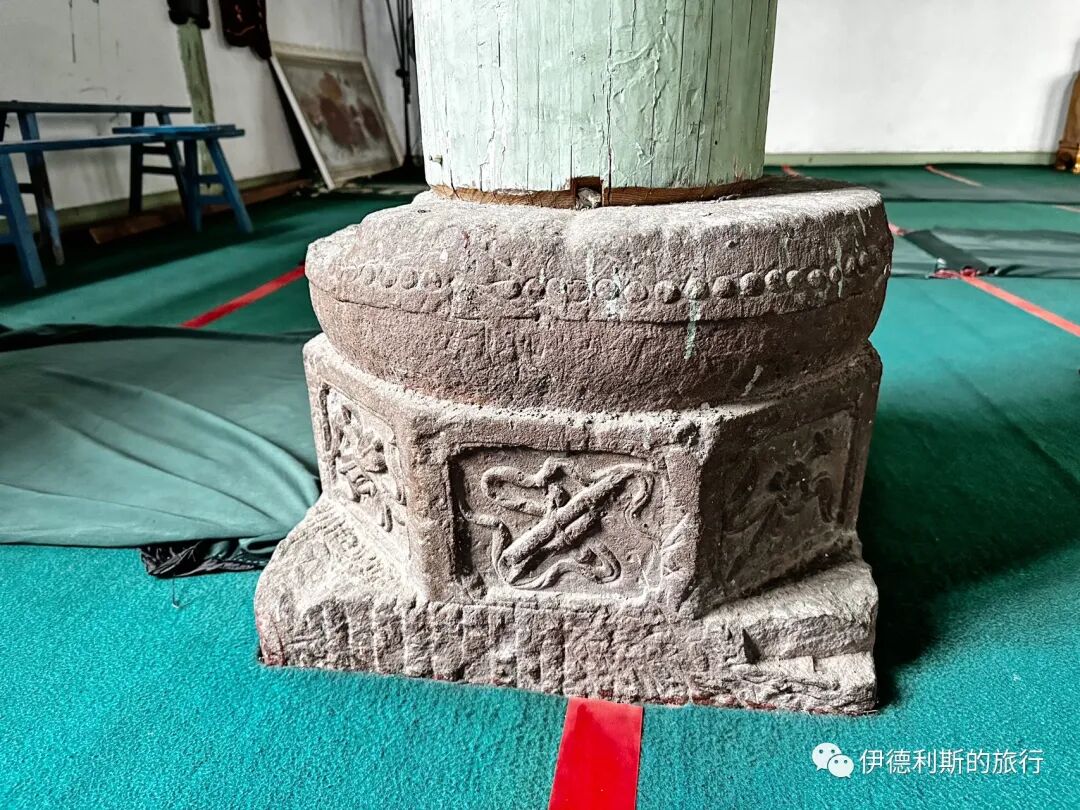
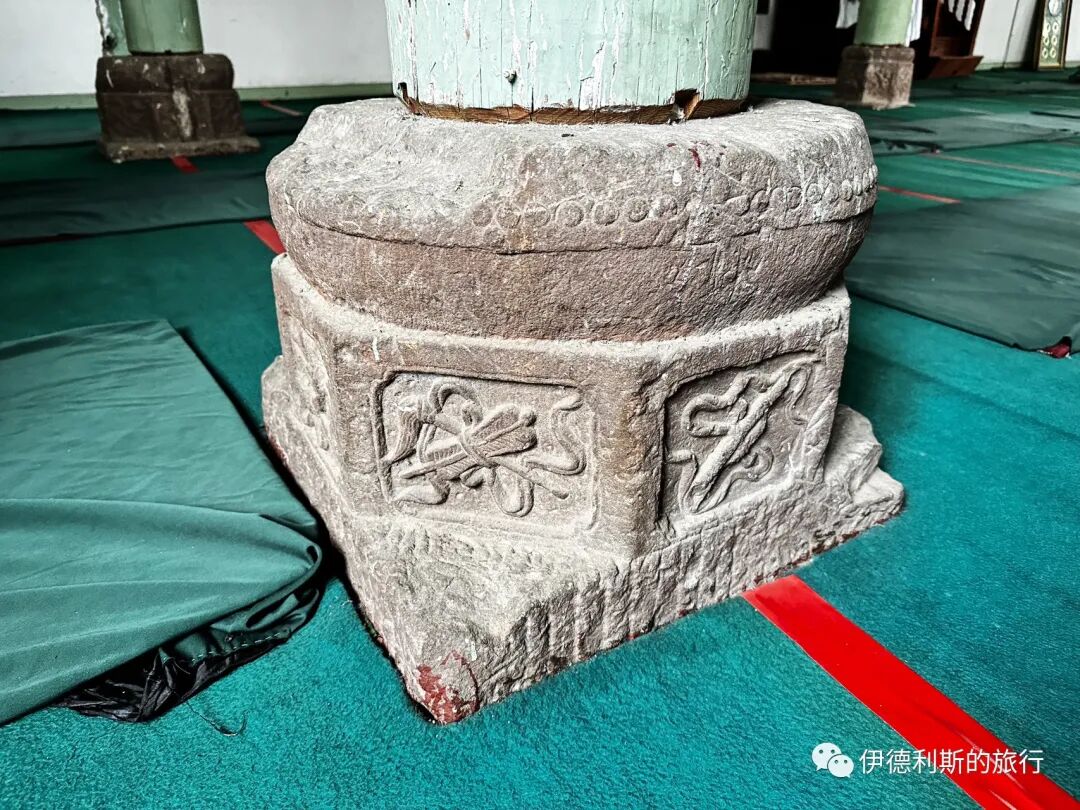
The West Mosque retains the column bases from the old Qing Dynasty main hall, which feature decorations adapted from the Taoist Eight Immortals. I have seen this before at the lower gongbei in Shangmazhuang, Bazanggou, Qinghai, which is a great example of cultural exchange between different religious traditions.
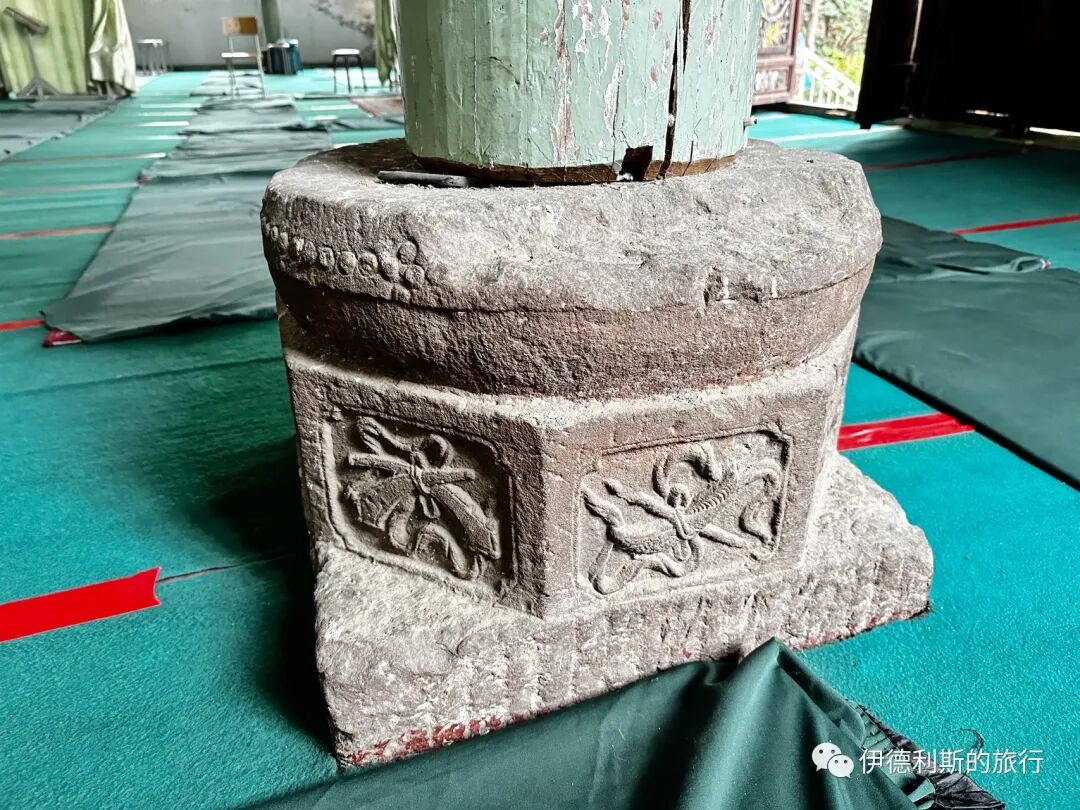
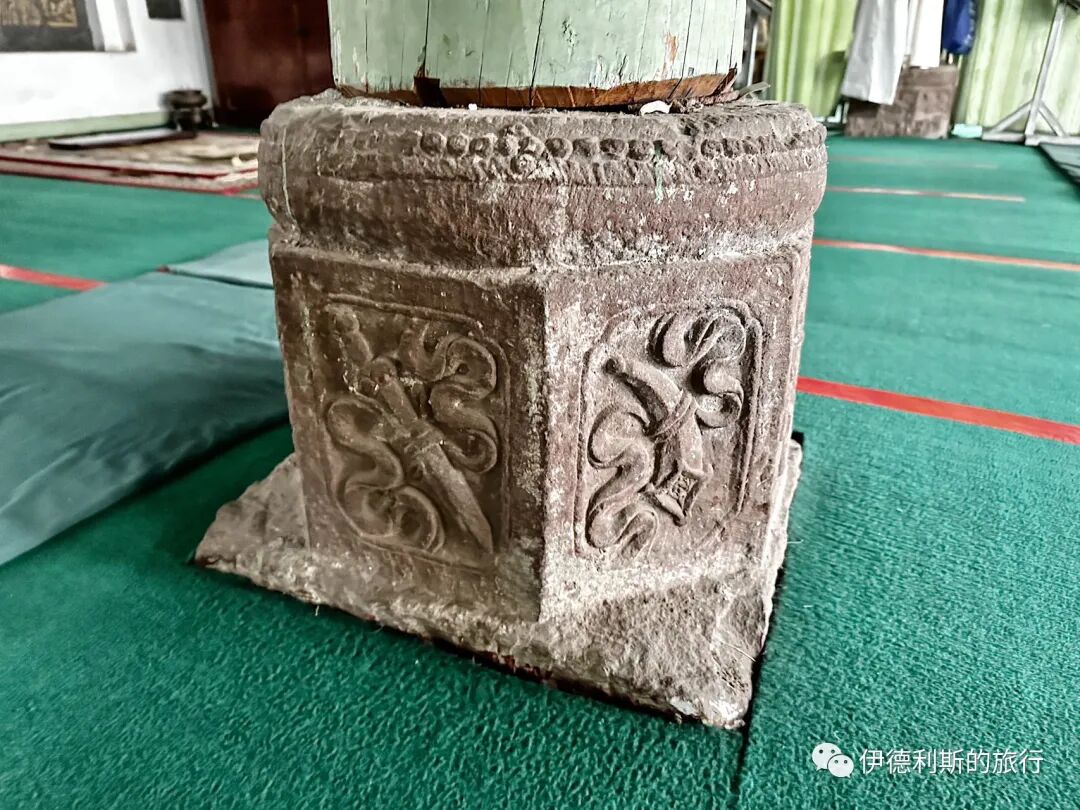
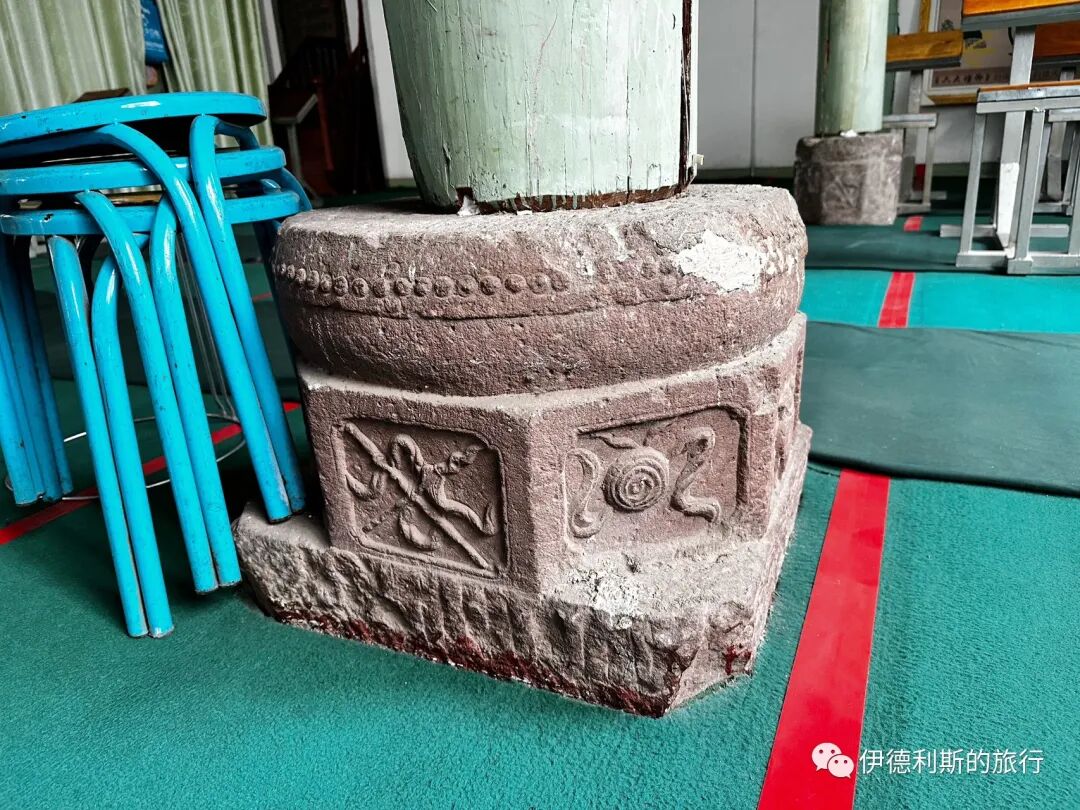
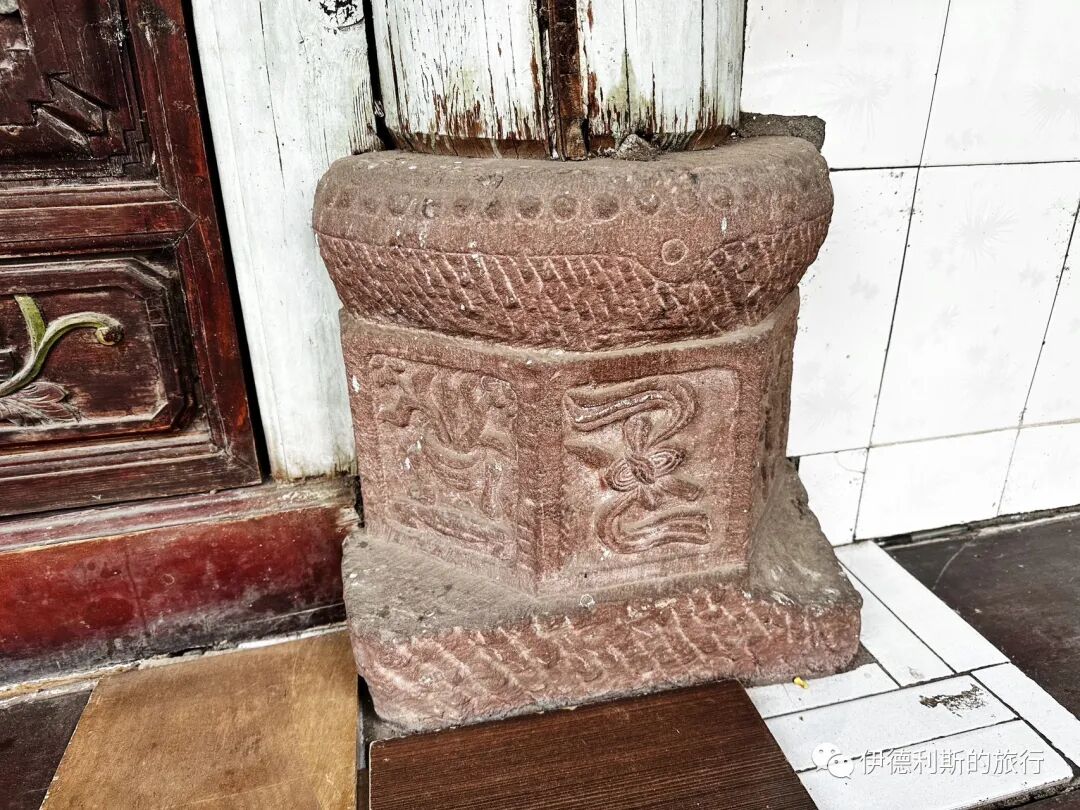
Additionally, there were sausages and pressed duck (banya) drying in the courtyard of the West Mosque, and bamboo baskets in front of the main hall held steamed buns (momo) used for tea after Friday prayers (jumu). These all added a lot of life to this ancient mosque.
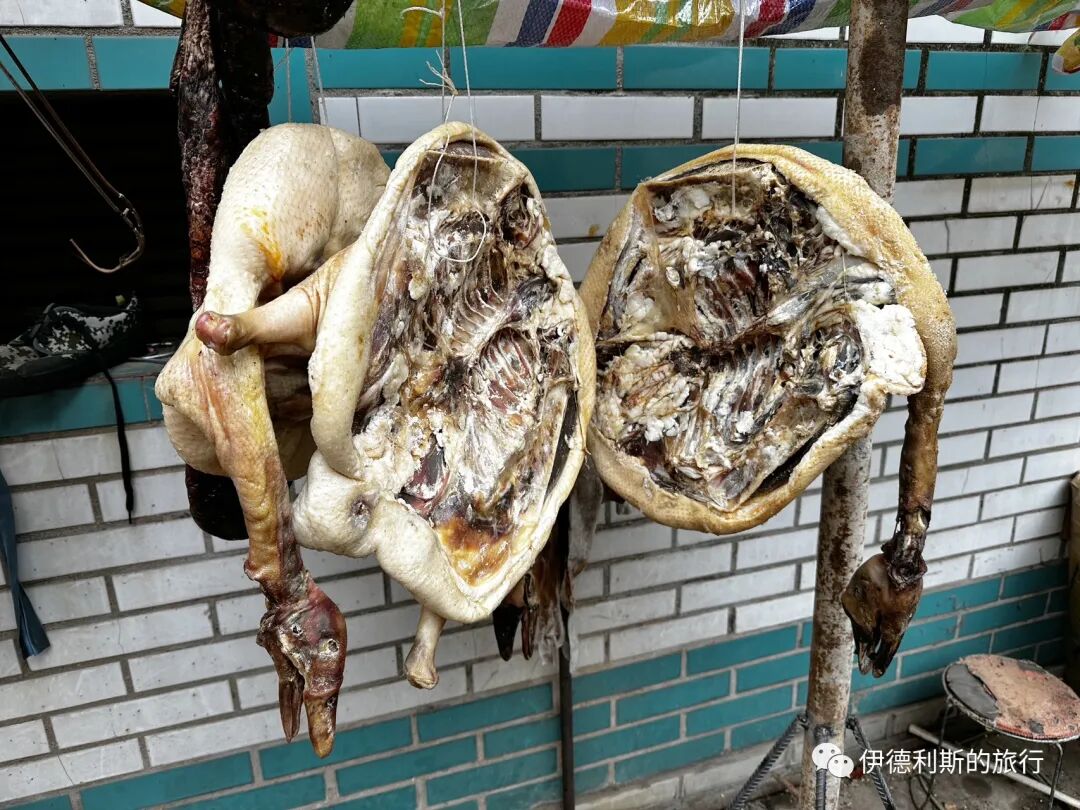
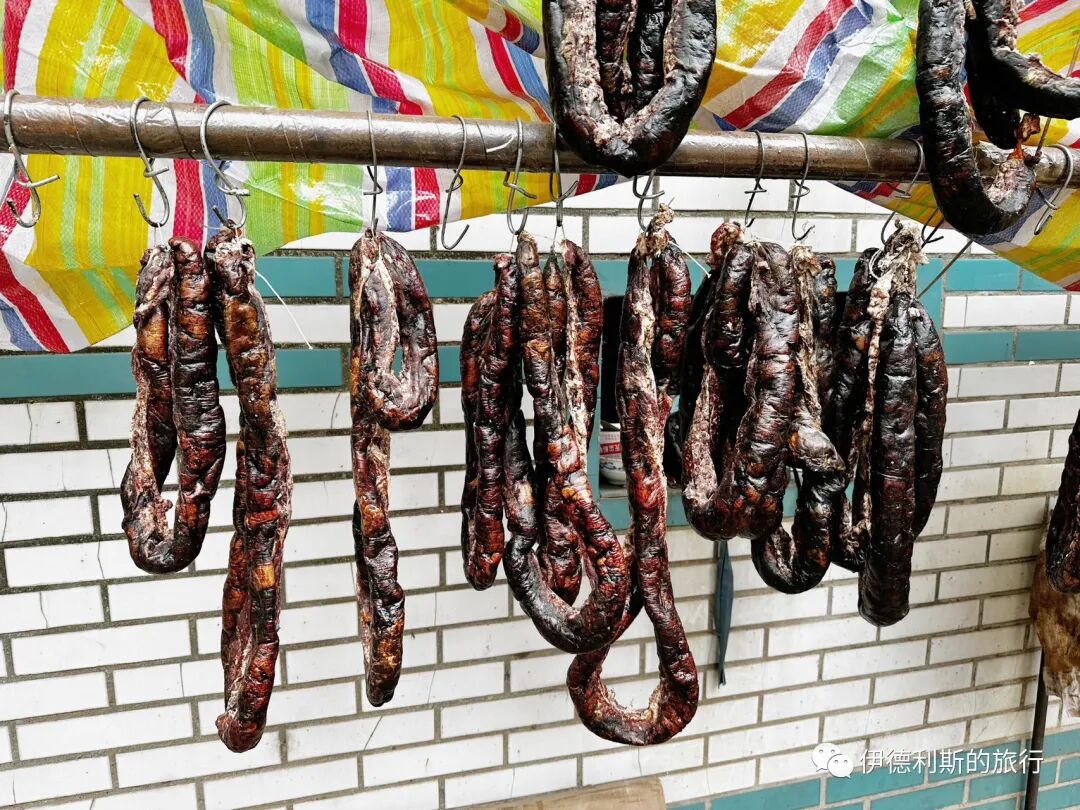
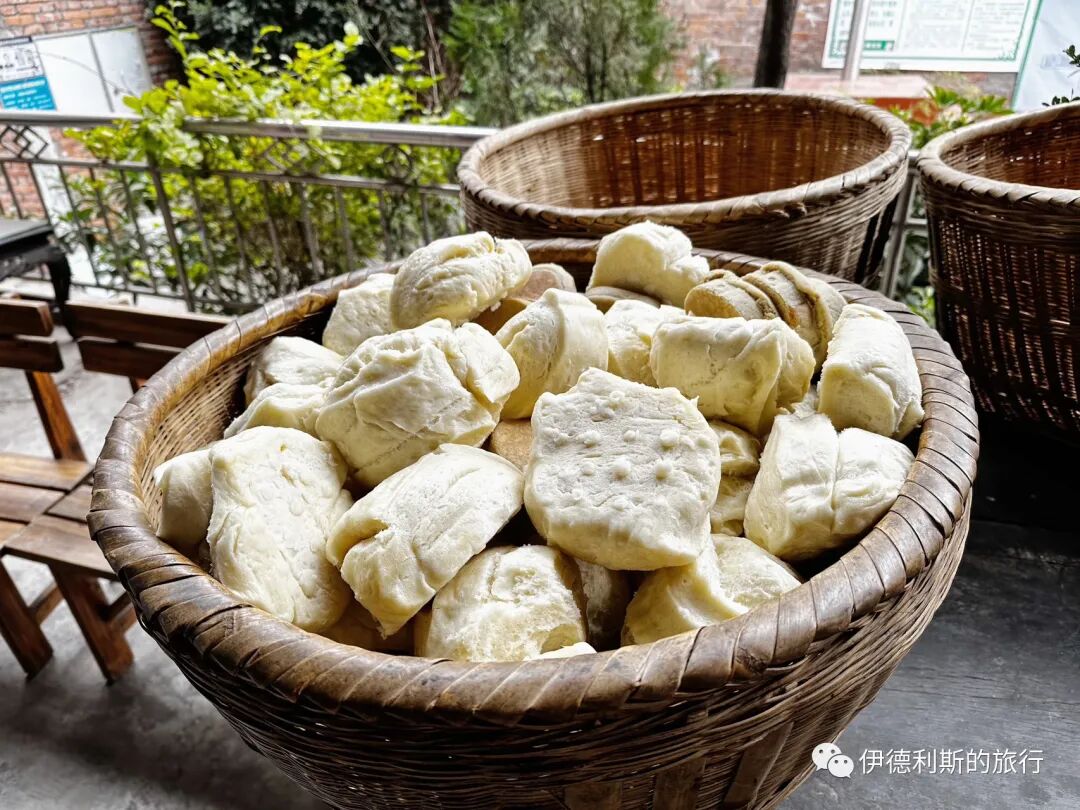
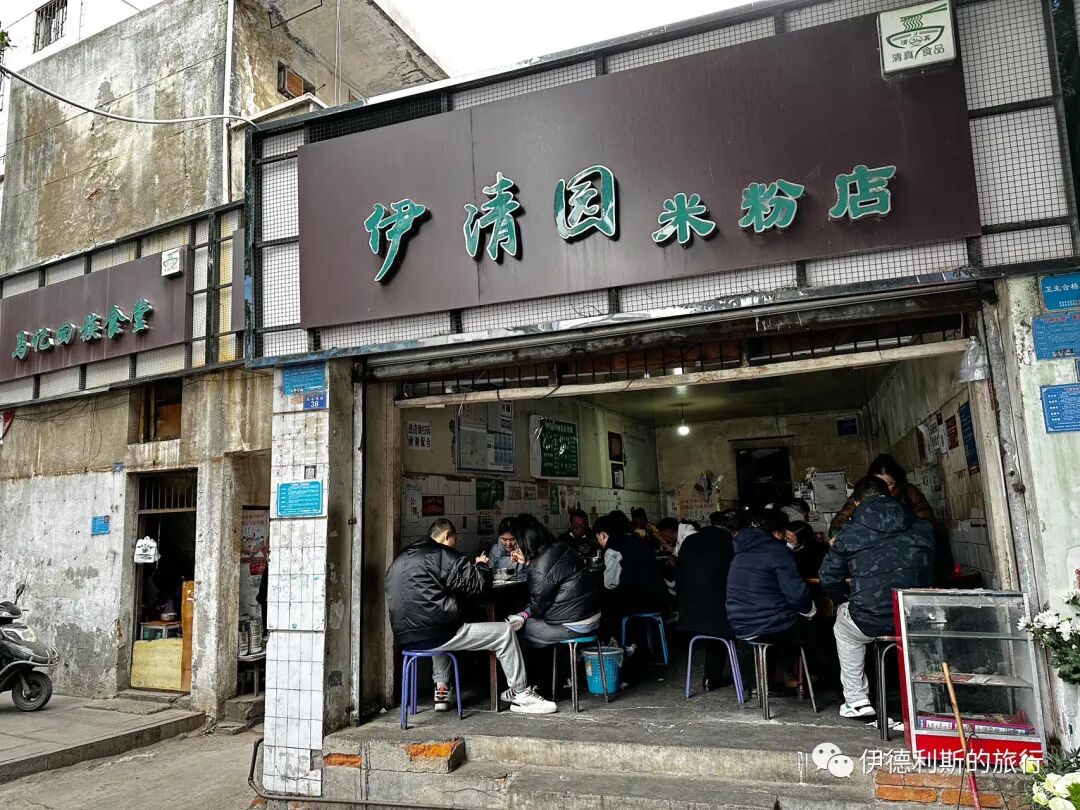
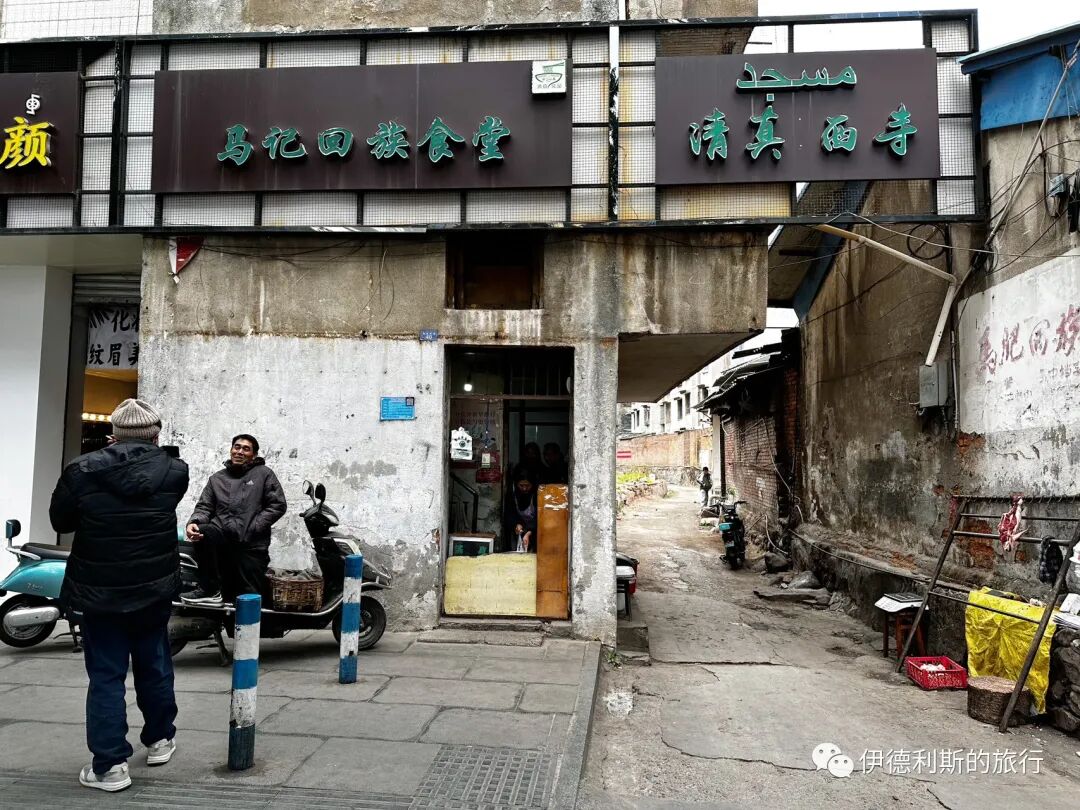
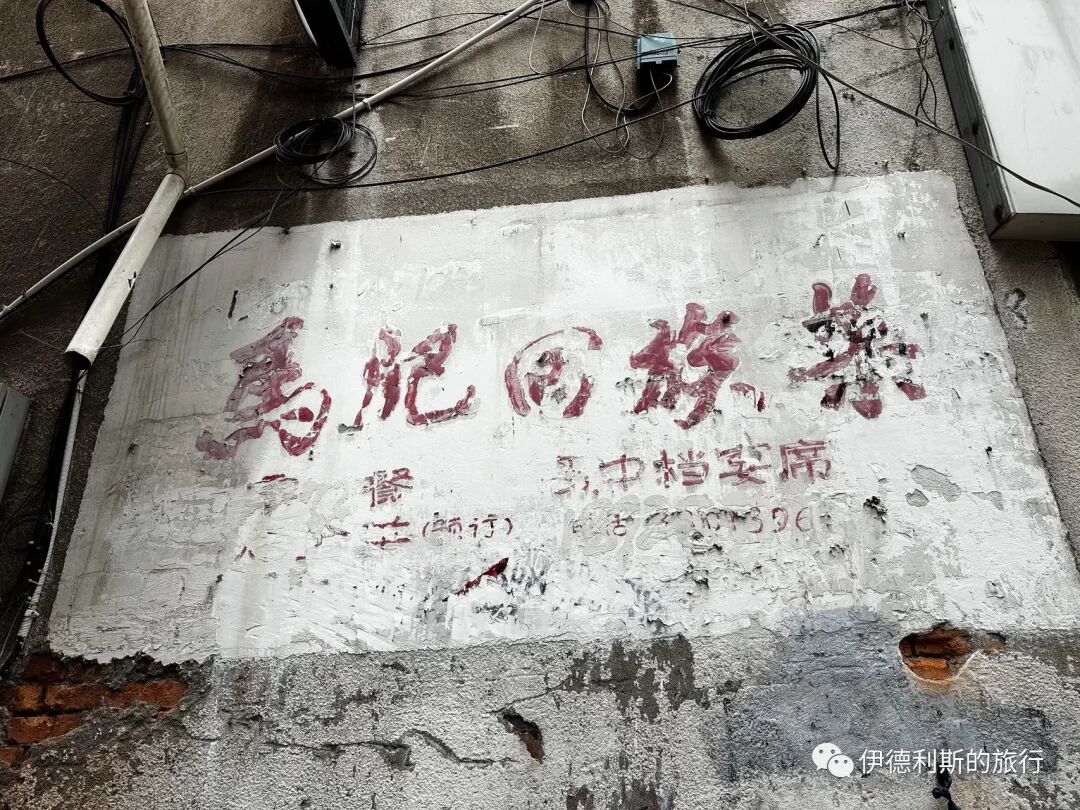
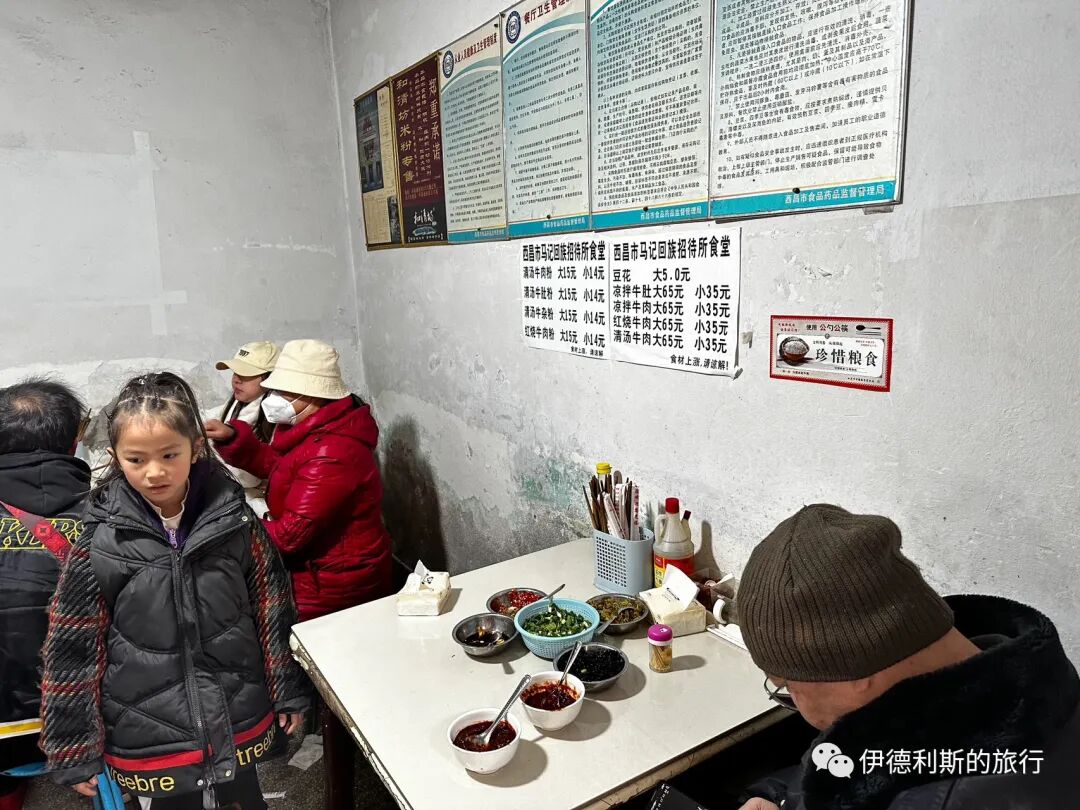
The halal restaurants near the West Mosque mainly serve Xichang rice noodles, as well as stir-fried dishes and pastries. The rice noodle shops are packed from early morning until noon; they are very popular. The dried beef (niu ganba) and pressed duck (banya) placed at the entrances of the restaurants are also specialties.
Xichang East Mosque.
The Xichang East Mosque is also called the East Street Mosque outside the city. It was first built in 1578 (6th year of Wanli in the Ming Dynasty). Most of the community leaders (gaomu) moved here from Shaanxi and the Jiangnan region during the Ming and Qing dynasties, mainly working in fur processing, cattle and sheep slaughtering, and the food industry. In 1850 (30th year of Daoguang in the Qing Dynasty), the East Mosque was damaged in the Xichang earthquake and was rebuilt in 1861 (11th year of Xianfeng). According to the Republic of China era 'Xichang County Annals,' it was 'grand in scale, the best among all the mosques.' In 1935, to stop the Red Army from entering the city, the East Mosque was burned down by the Chuan-Kang border defense forces, just like the West Mosque. It was rebuilt as simple one-story houses in 1948, occupied by a fur factory after the 1950s, reclaimed in 1982, and rebuilt into its current form in 2001.
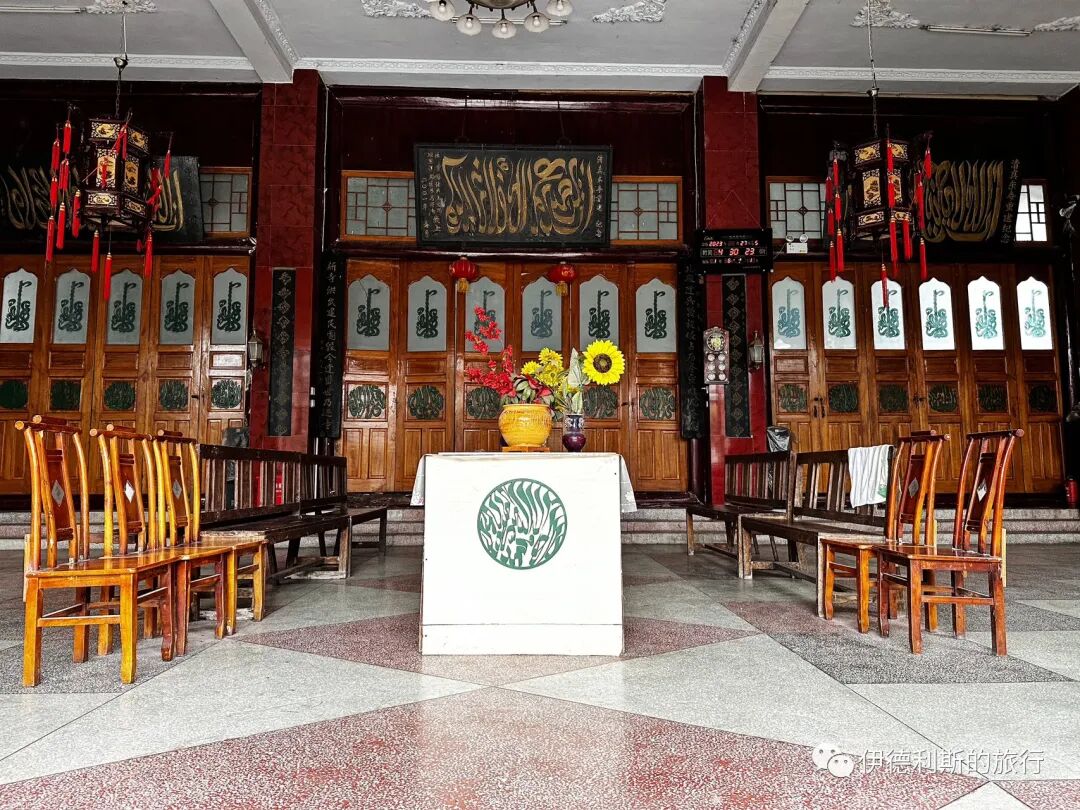
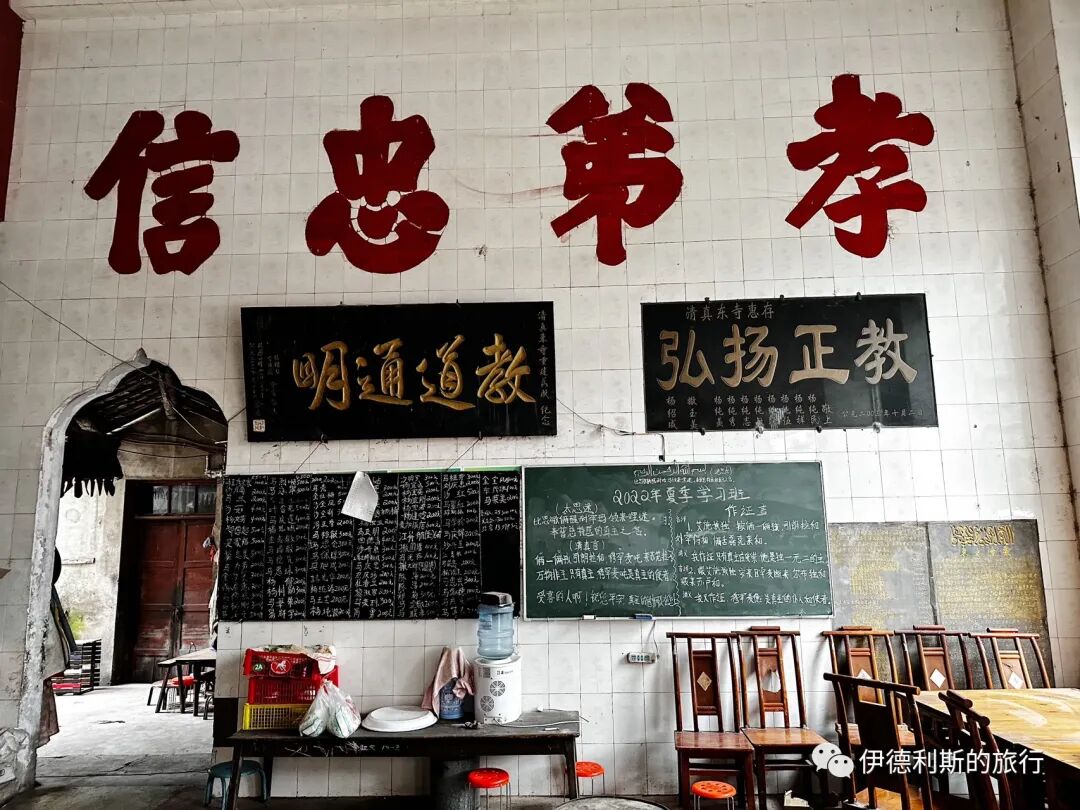
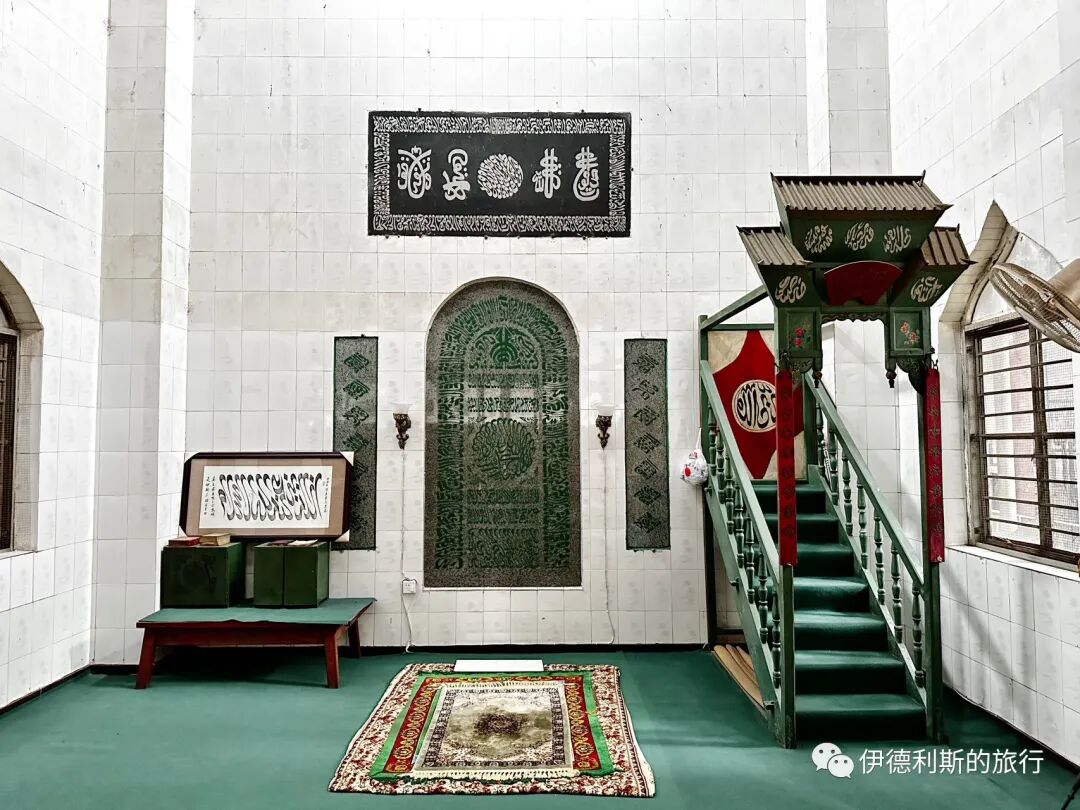
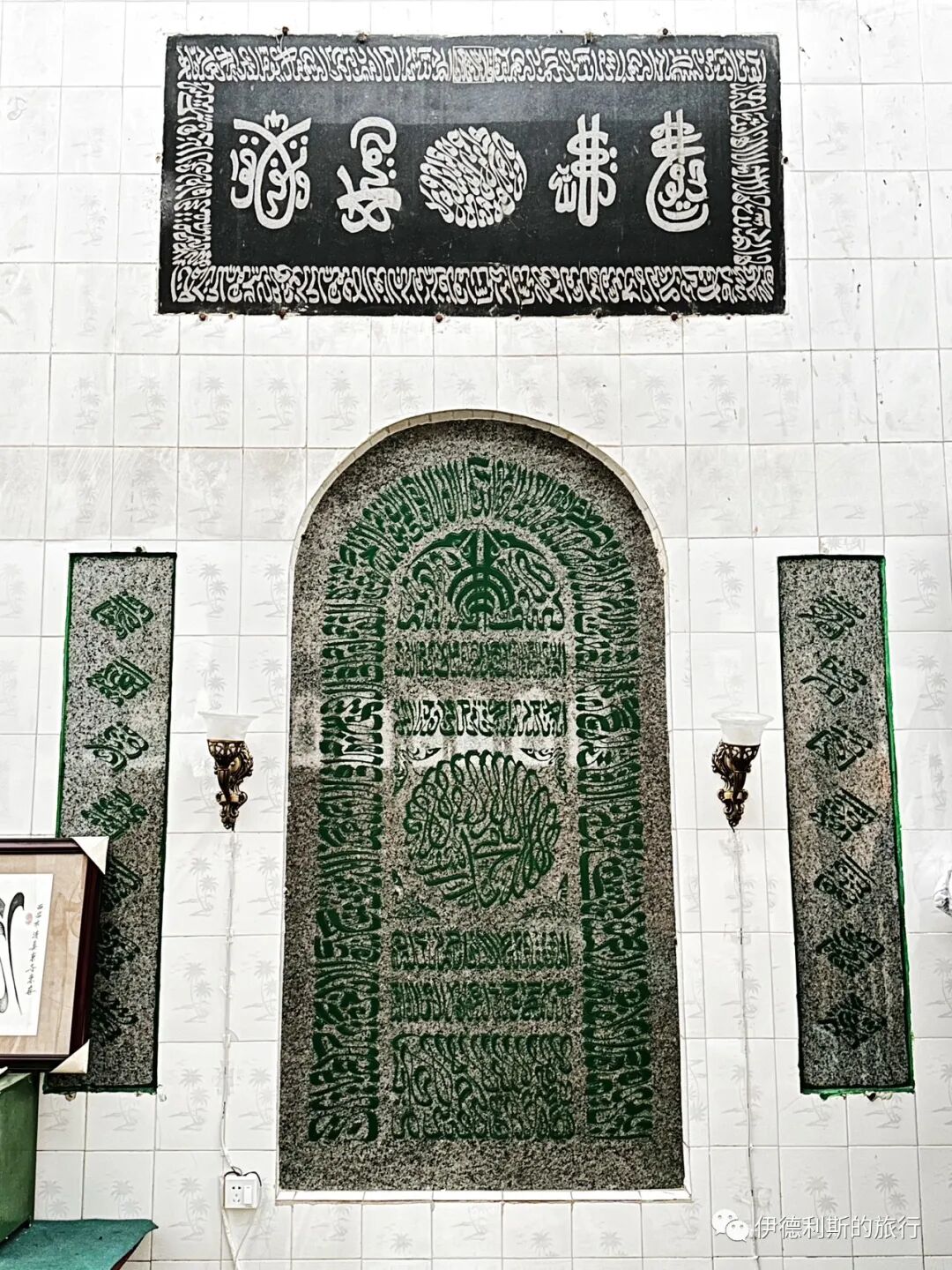
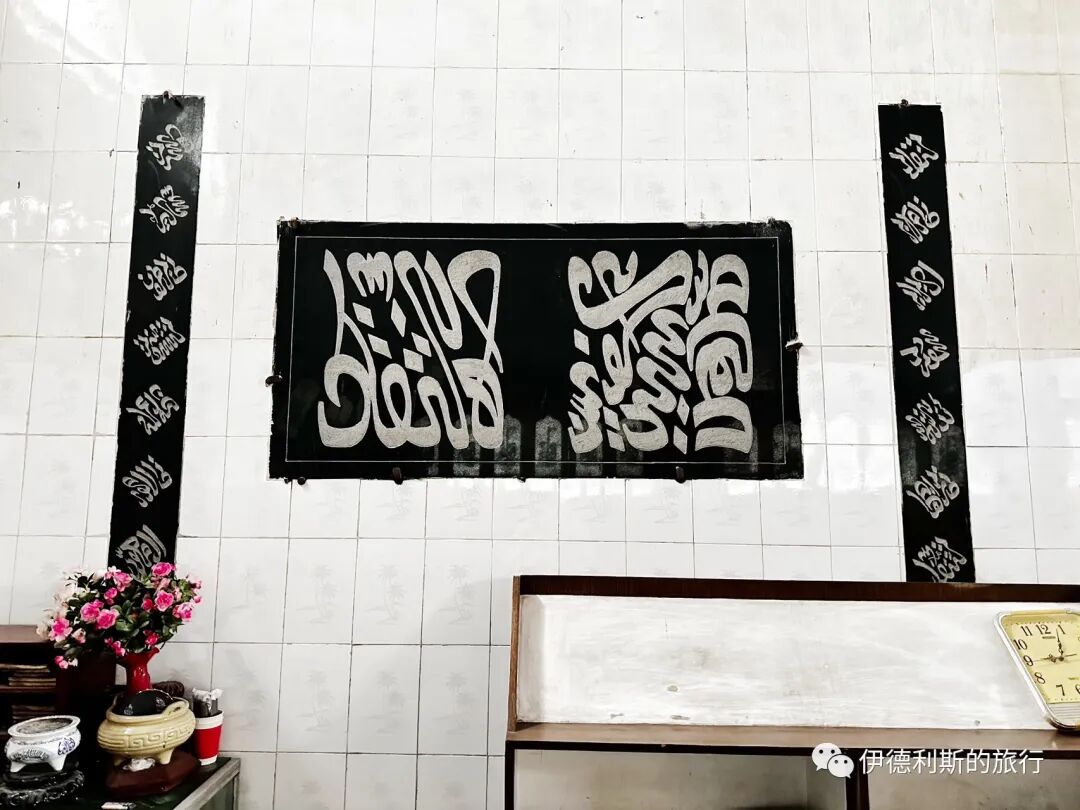
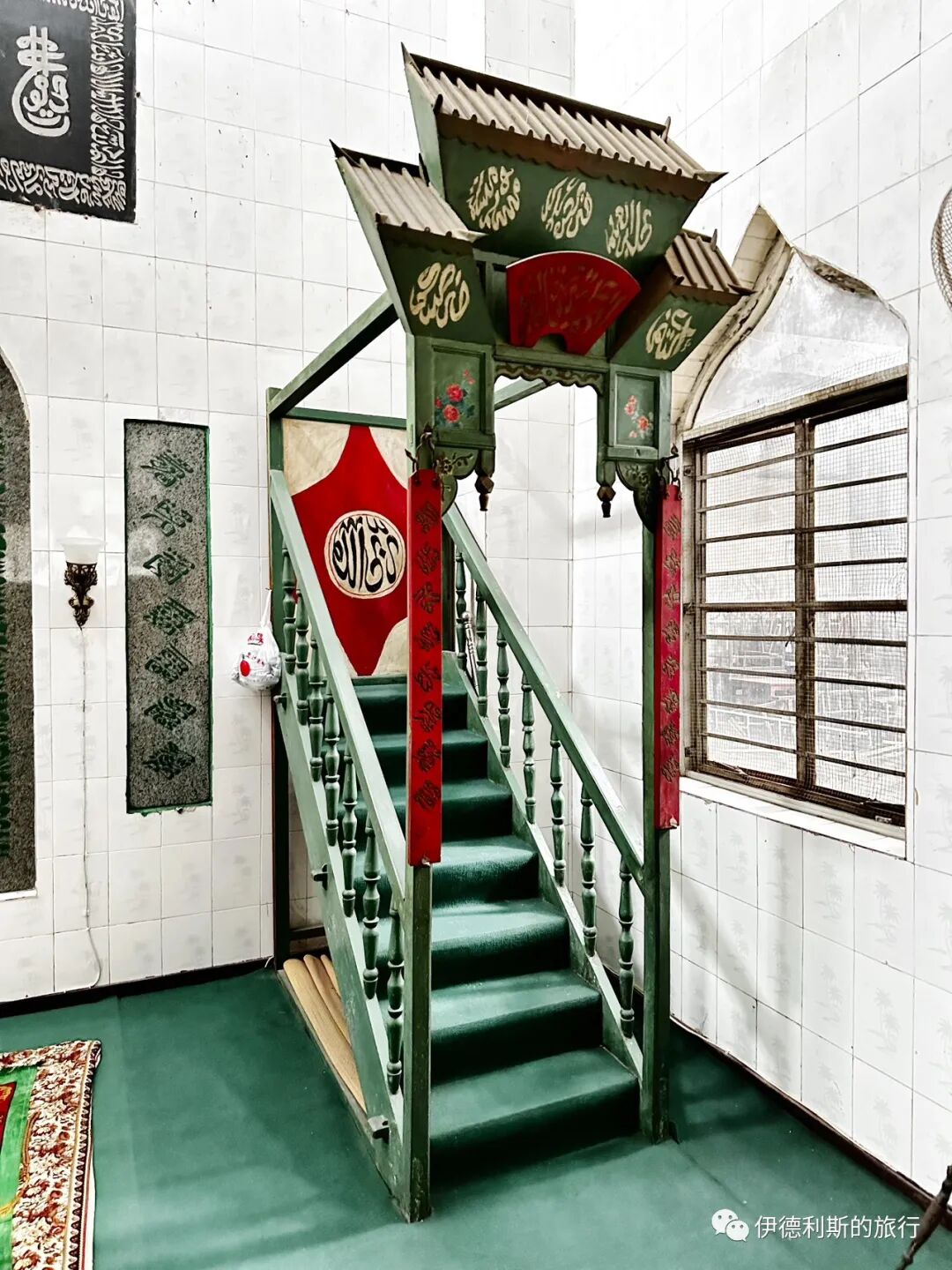
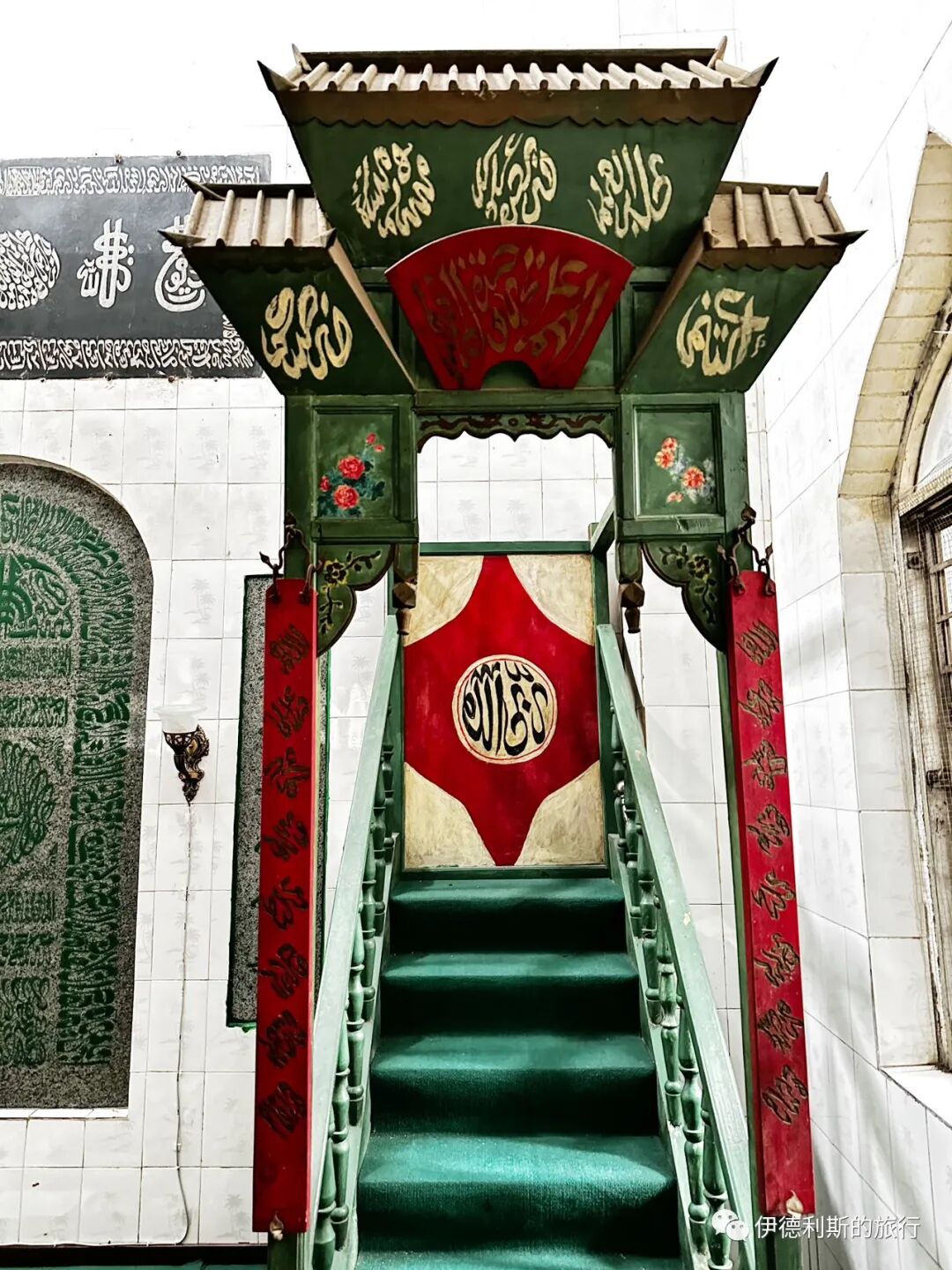
The East Mosque contains plaques and handwritten scriptures by the famous Sichuan scripture teacher Imam Yang Hua, as well as some stone inscriptions from the Qing Dynasty and the Republic of China era. Imam Yang Hua was a student of Imam Sha from Dujiangyan. His family roots were in Fengxiang Prefecture, Shaanxi, and he moved to Xichang during the Tongzhi reign after traveling through Songpan, Sichuan. Imam Yang Hua was born on Hedong Street in Xichang in 1922. He studied at the New Guest Mosque (Xinke Si) and the East Mosque (Dong Si), then taught at the Shaguoying Mosque for a long time. He taught over three hundred students and made a huge contribution to the development of the faith in Xichang.
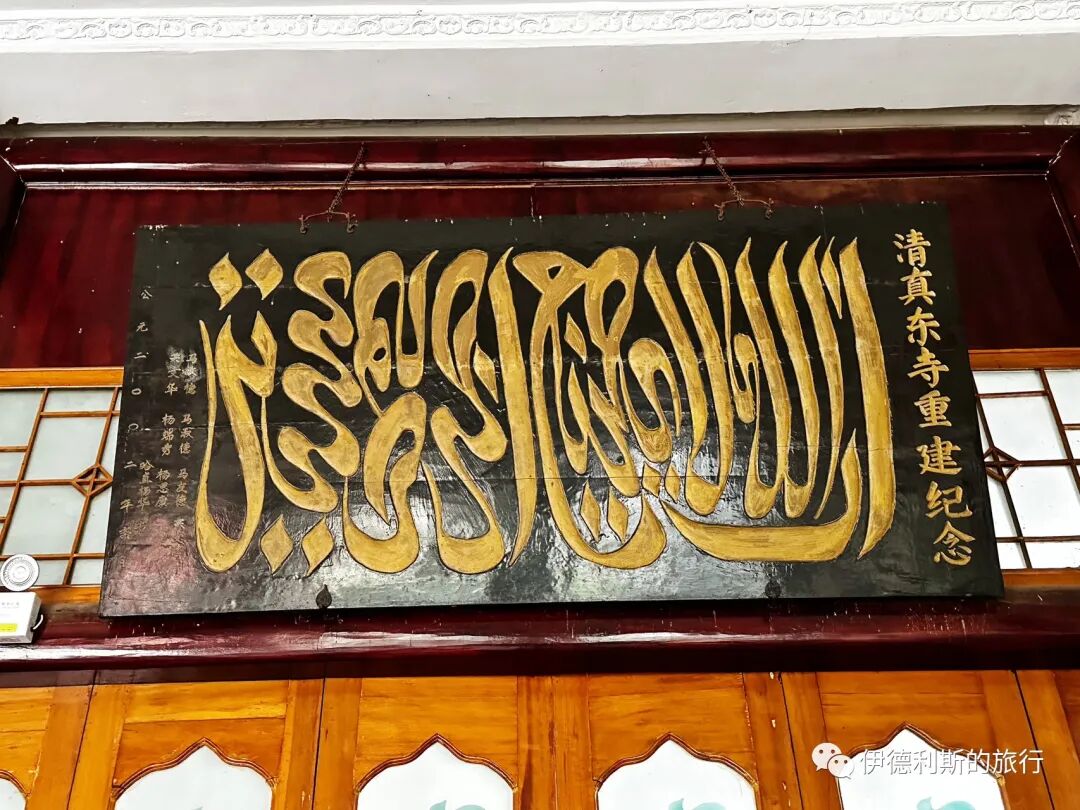
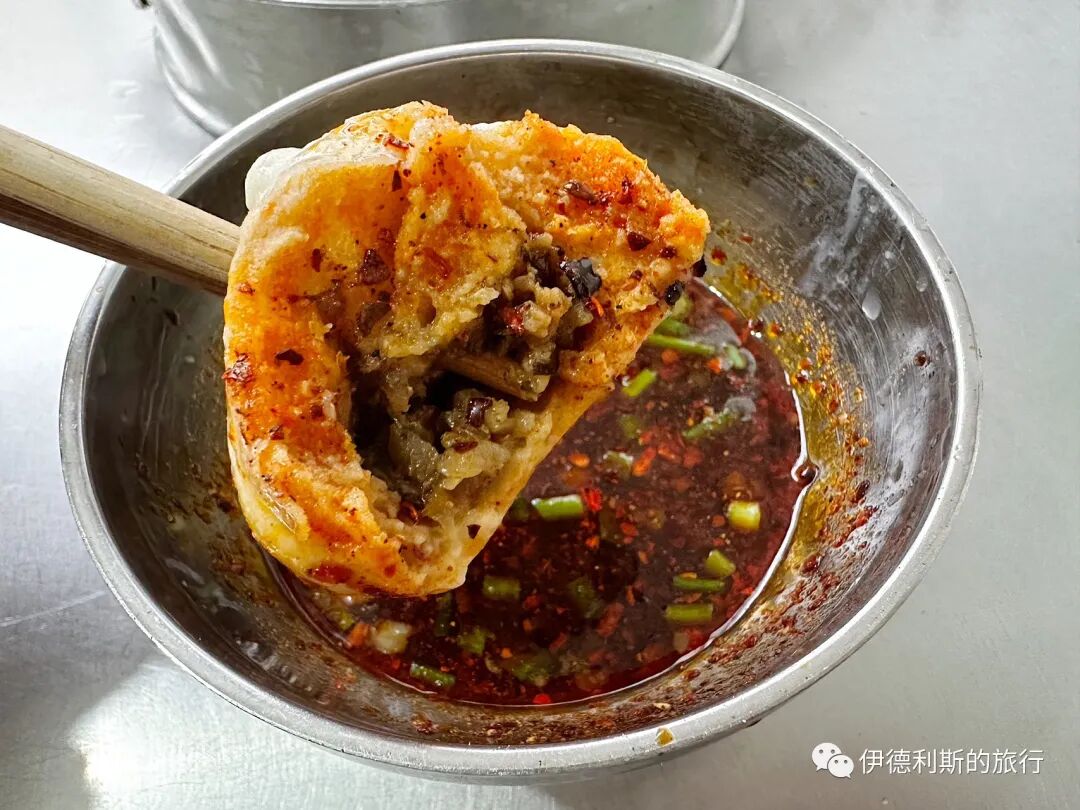
Beef wontons (chaoshou)
On the morning of January 28, I ate preserved vegetable and beef steamed buns (xiaolongbao) and beef wontons (chaoshou) next to the West Mosque (Xi Si) in Xichang. The owner is a local Hui Muslim named Ma.
I really love the dipping sauces (zhanshui) in the Yunnan, Guizhou, and Sichuan regions. They add so much flavor to the buns! The wontons (chaoshou) didn't look very spicy with red oil, but they got spicier the more I ate. They have a real Sichuan flavor. I also saw some local fried dough (youxiang). It looked quite unique, and it was my first time seeing it.
While I was eating, many Yi ethnic aunties came to buy their buns. It seems they are really popular. The owner said that fewer people are making wheat-based foods here now. Many have switched to rice noodles because wheat-based foods take more time and effort.
Halal Travel Guide: Xichang — Jumu'ah Prayer and Rice Noodles (Part 2)
Articles • ali2007fr posted the article • 0 comments • 130 views • 2026-05-18 20:36
Summary: Xichang — Jumu'ah Prayer and Rice Noodles is presented here as a firsthand travel account in clear English, beginning with this scene: Next, I will take the high-speed train from Xichang West Station to Miyi. The next post will introduce the Hui Muslim village of Tianba in Miyi. The account keeps its focus on Xichang Travel, Jumu'ah Prayer, Halal Food while preserving the names, places, food, and historical details from the Chinese source.
Next, I will take the high-speed train from Xichang West Station to Miyi. The next post will introduce the Hui Muslim village of Tianba in Miyi.
For a detailed introduction to the Hui Muslims of Xichang, I recommend checking out the WeChat official account "Shuzhong Huihui":
Origins of the Sichuan Hui: A Brief Analysis of the Surname Structure of the Hui Muslims in Xichang City, Sichuan
Origins of the Sichuan Hui: A Muslim Family Thriving Since the Yuan Dynasty—The Sha Family of Hui Muslims in Xichang, Sichuan view all
Summary: Xichang — Jumu'ah Prayer and Rice Noodles is presented here as a firsthand travel account in clear English, beginning with this scene: Next, I will take the high-speed train from Xichang West Station to Miyi. The next post will introduce the Hui Muslim village of Tianba in Miyi. The account keeps its focus on Xichang Travel, Jumu'ah Prayer, Halal Food while preserving the names, places, food, and historical details from the Chinese source.
Next, I will take the high-speed train from Xichang West Station to Miyi. The next post will introduce the Hui Muslim village of Tianba in Miyi.
For a detailed introduction to the Hui Muslims of Xichang, I recommend checking out the WeChat official account "Shuzhong Huihui":
Origins of the Sichuan Hui: A Brief Analysis of the Surname Structure of the Hui Muslims in Xichang City, Sichuan
Origins of the Sichuan Hui: A Muslim Family Thriving Since the Yuan Dynasty—The Sha Family of Hui Muslims in Xichang, Sichuan
Xundian Tangzi Mosque Guide: Jumu'ah Prayer and Yunnan Muslim Heritage
Articles • ali2007fr posted the article • 0 comments • 139 views • 2026-05-17 06:26
Summary: This travel note introduces Xundian Tangzi Mosque Guide: Jumu'ah Prayer and Yunnan Muslim Heritage. Xundian is a county in the northeast of Kunming. The vast majority of the county is mountainous, with some bazis (flatlands between mountains) and river valleys distributed within it. It is useful for readers interested in Xundian Mosque, Jumu'ah Prayer, Yunnan Muslims.
Xundian is a county in the northeast of Kunming. The vast majority of the county is mountainous, with some bazis (flatlands between mountains) and river valleys distributed within it. The most important one, Rende Bazi, is where the county seat is located. Xundian is a Hui Muslim and Yi Autonomous County. There are many Hui Muslim villages within the county, as well as distinctive halal food and traditional mosques. After returning to Kunming from Dali during my marriage leave in 2020, I went to Xundian for a trip.
Performing Jumu'ah (Friday prayer) at Tangzi Mosque.
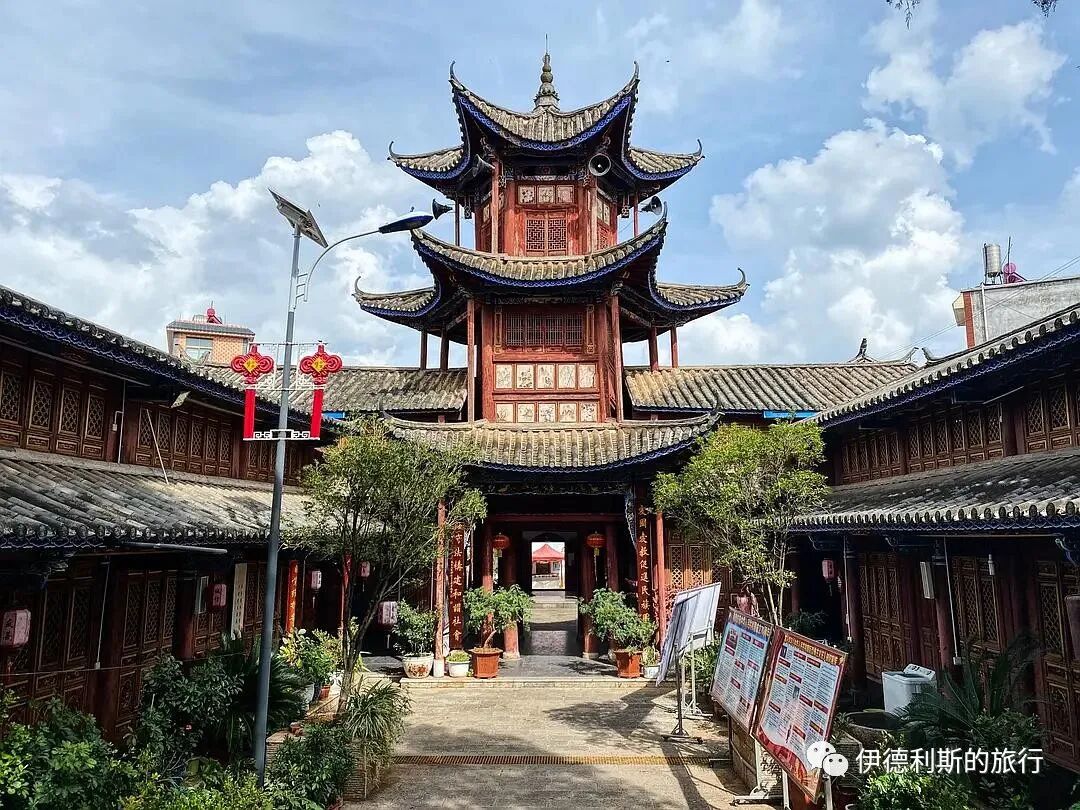
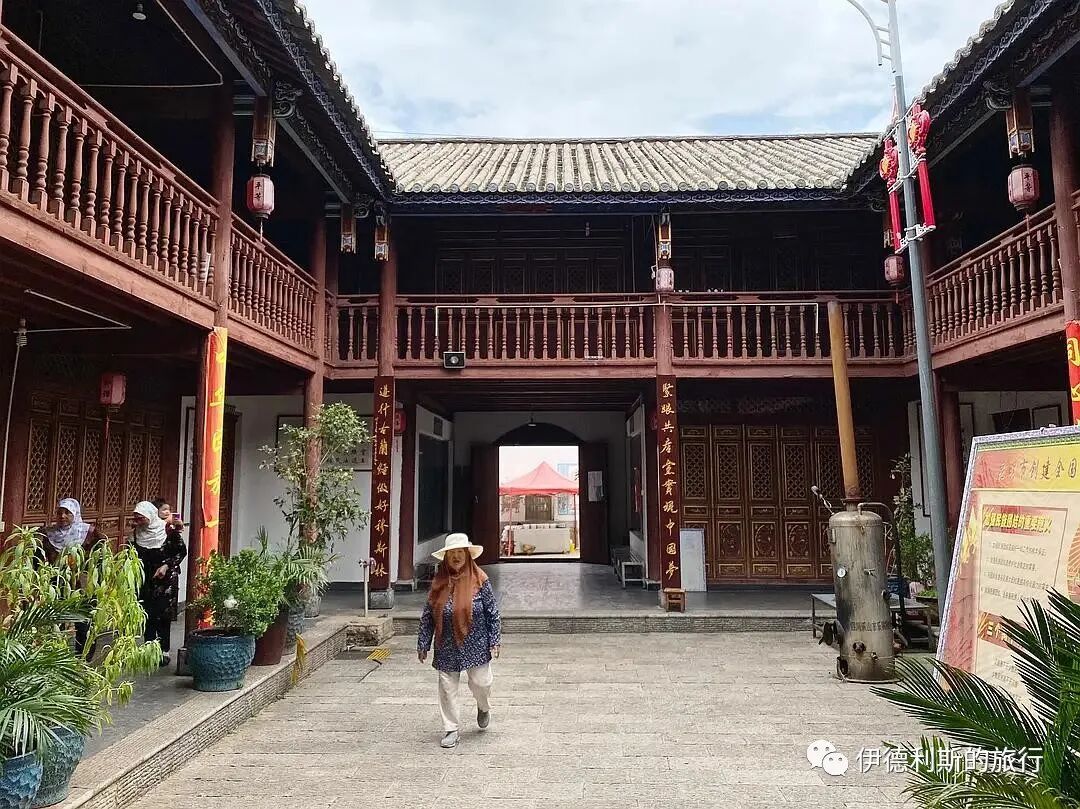
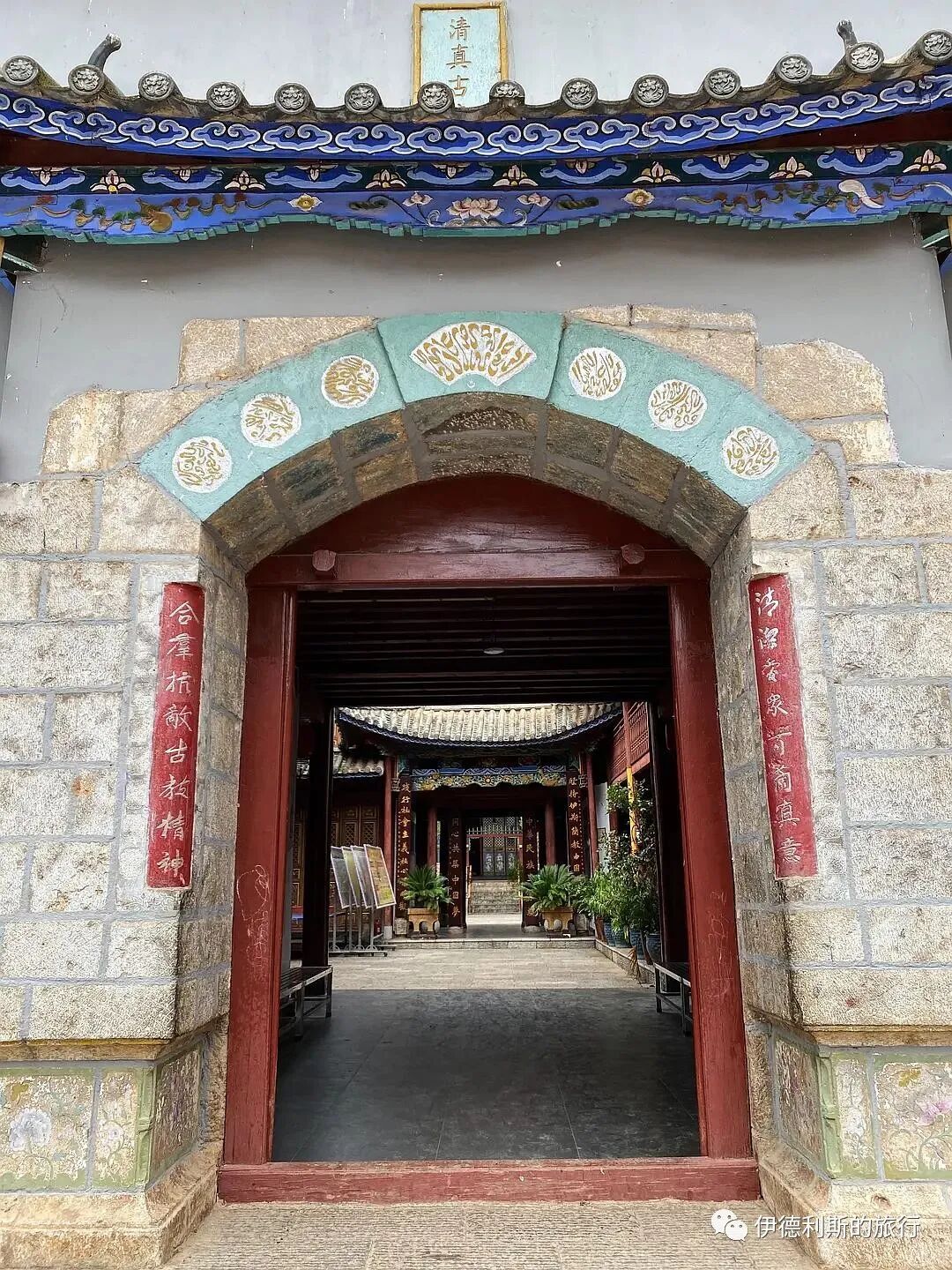
On August 7, I took a bus from Kunming to Xundian County, then transferred to a bus to Tangzi Mosque. Tangzi Mosque is the most accessible traditional mosque in Xundian. It was first built in the Ming Dynasty, destroyed by bandits in 1920, and rebuilt starting in 1923 through fundraising by elders such as Imam Yu Shaoqing. It was completed in 1927, and the current stone arch gate was added in 1937. Traditional Yunnan-style mosques generally consist of a courtyard enclosed by the main prayer hall, the minaret, and the north and south side rooms. Tangzi Mosque also has an additional gate forming a second courtyard, and it is designed with two-story verandas that connect to each other.
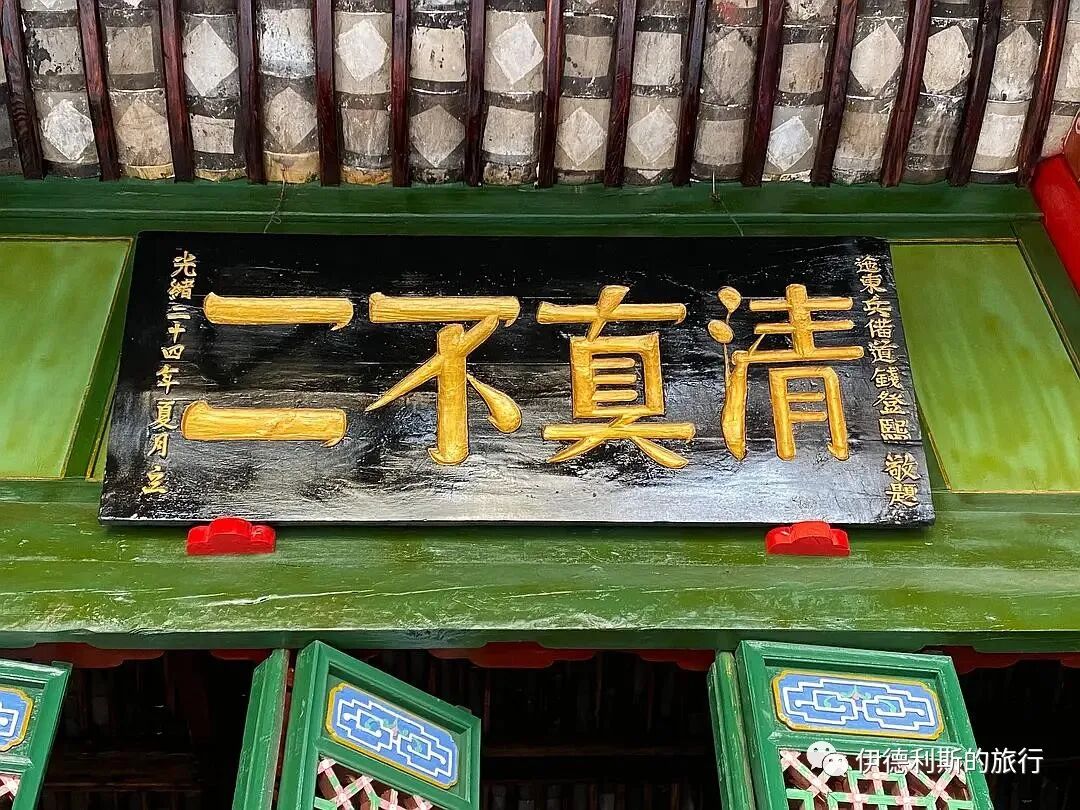
In 1941, Yunnan Army Major General Ma Deming respectfully presented the plaque 'Wan Shu Yi Ben' (All things are one in essence), and Yunnan Army Lieutenant General Ma Cong respectfully presented 'Wei Yi Wei Jing' (Only one, only pure).
After the Jumu'ah prayer, the local Koufuyuan Halal Pastry shop distributed youxiang (fried dough) and biscuits to everyone. The youxiang here is made differently from the way it is made in Kunming. At Tangzi Mosque, various shops often take turns distributing delicious food to the mosque, and the atmosphere is especially good.
The mosque's Imam, Ma Huiqun, invited Zaynab and me to eat local specialty juanfen (rolled rice noodles) and chatted with us for a long time. Imam Ma is from Weining, Guizhou, and has been in Xundian for over ten years. He is very eloquent.
In 1941, Bai Chongxi inscribed 'Xing Jiao Jian Guo' (Revive religion to build the nation).
That day, many local Hui Muslims came to ask the Imam to slaughter chickens, and the Imam slaughtered them very enthusiastically.
Returned to Xundian county seat.
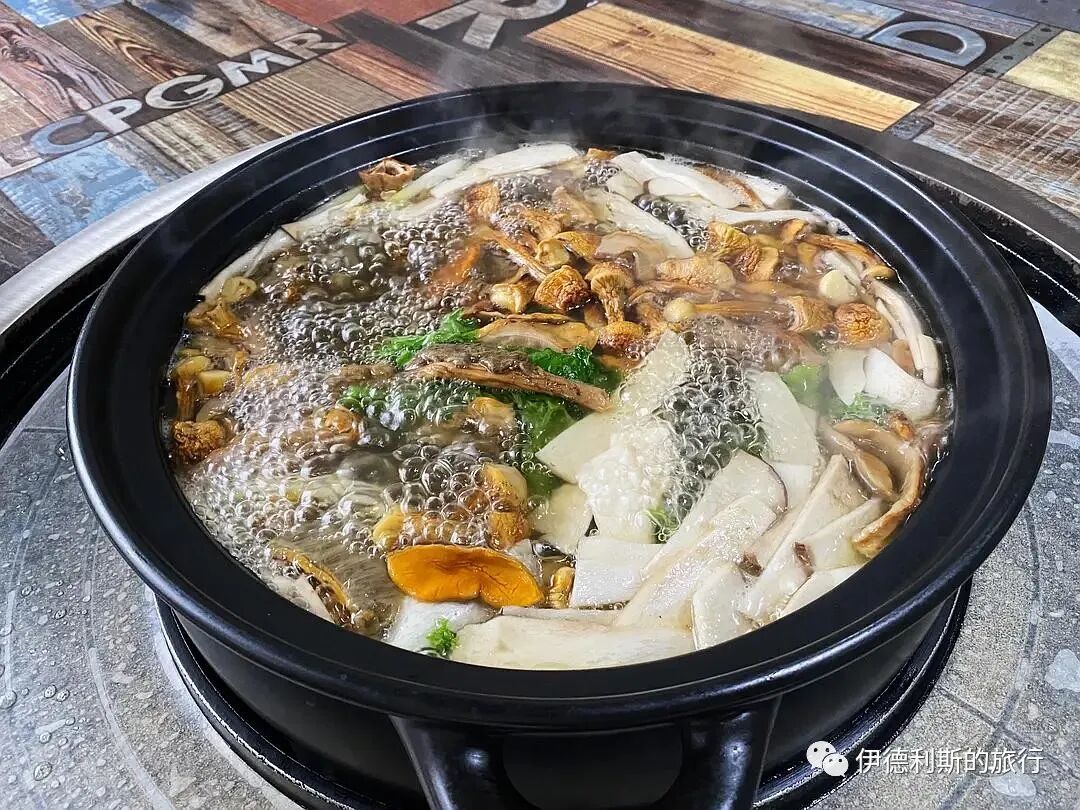
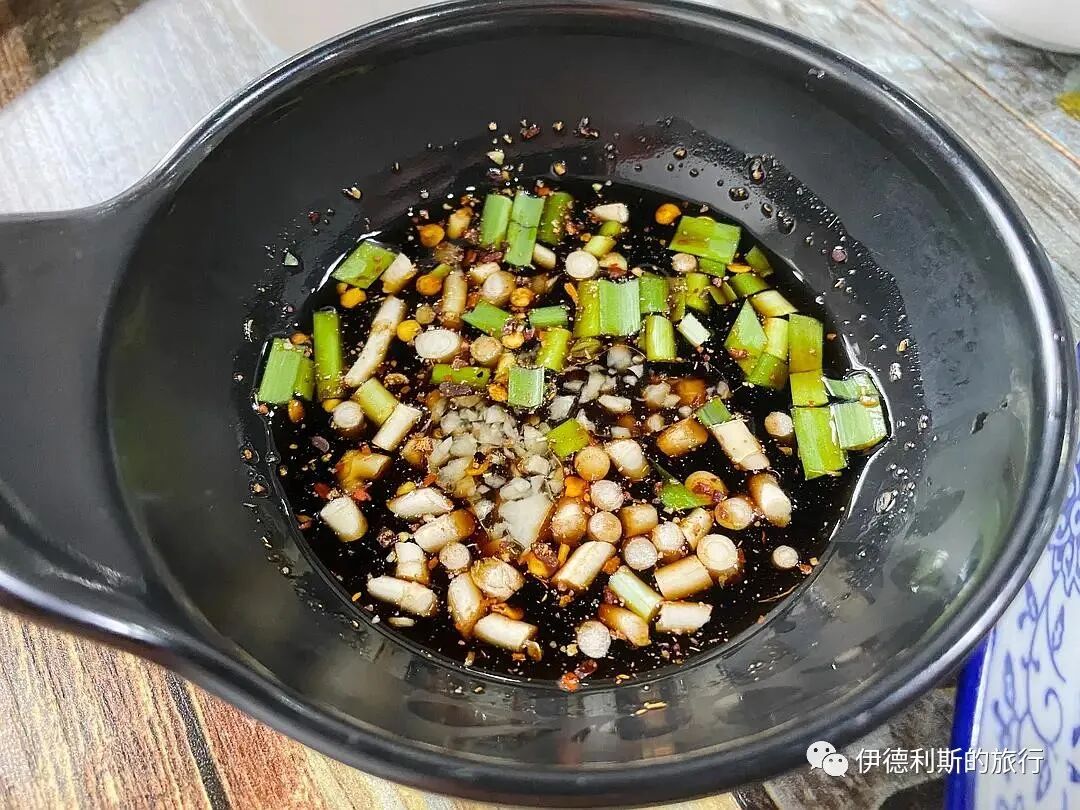
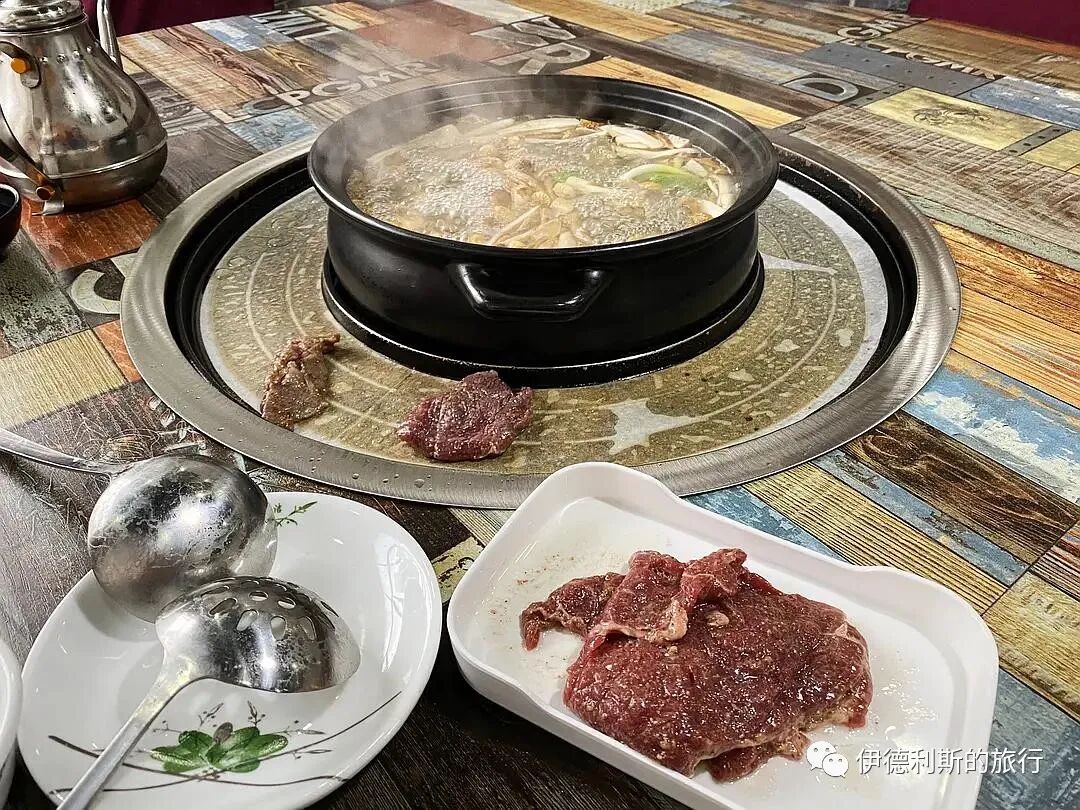
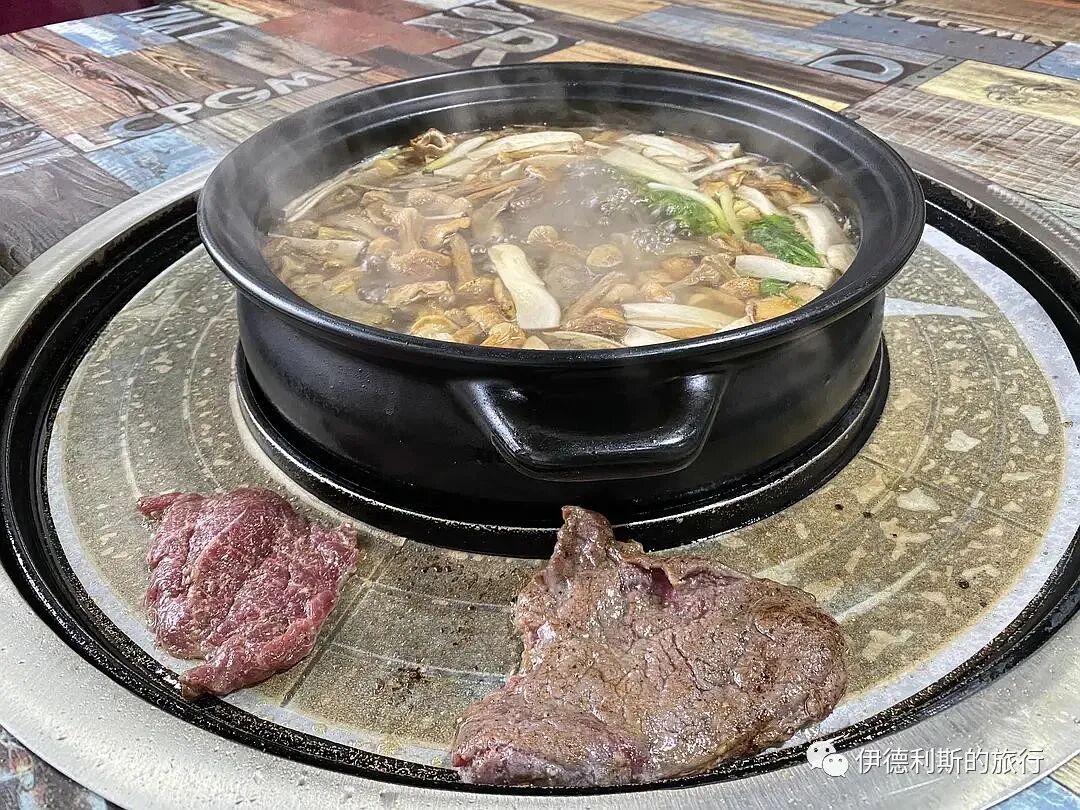
In the evening, I ate mushroom soup grilled beef in the county seat. The mushroom soup was incredibly fresh, the beef was very tender, and the dipping sauce with zhe'ergen (fish mint) was very punchy.
Beiying Street Mosque in Xundian county seat was first built during the Chenghua period of the Ming Dynasty and rebuilt in 1902. The current mosque seems to have a steel-concrete structure added under the old mosque, lifting the wooden old mosque to the second floor. Newly built mosques in Yunnan often like to be made this way.
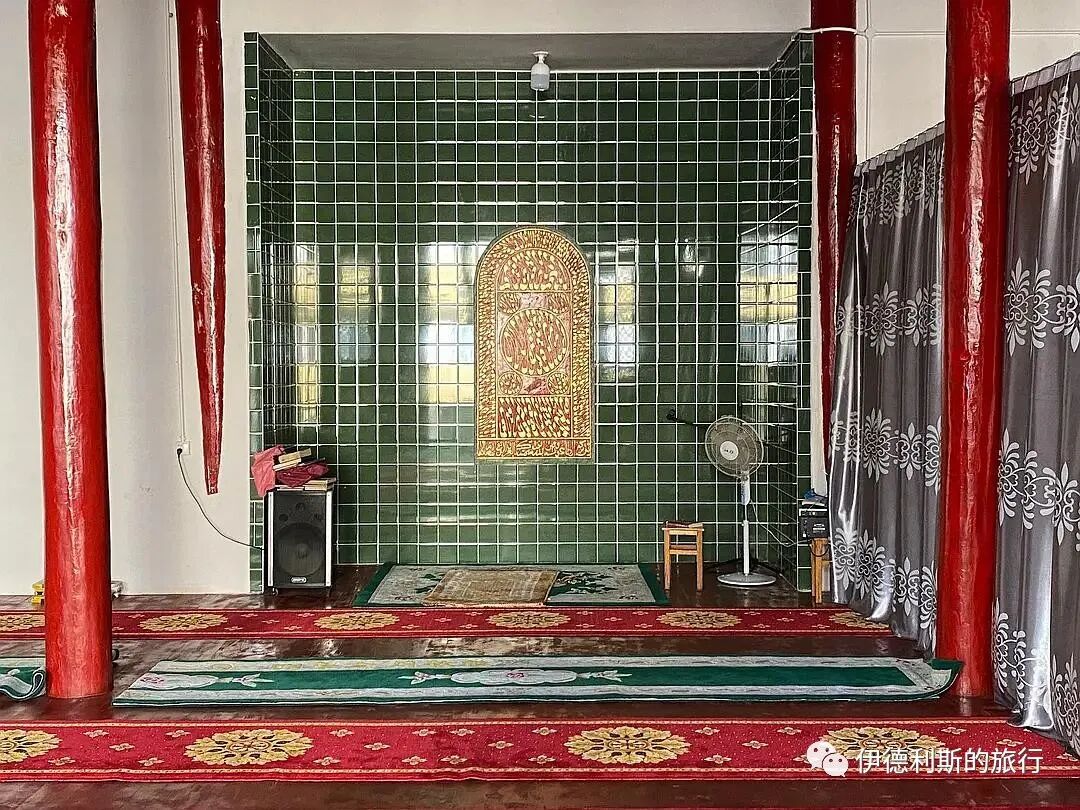
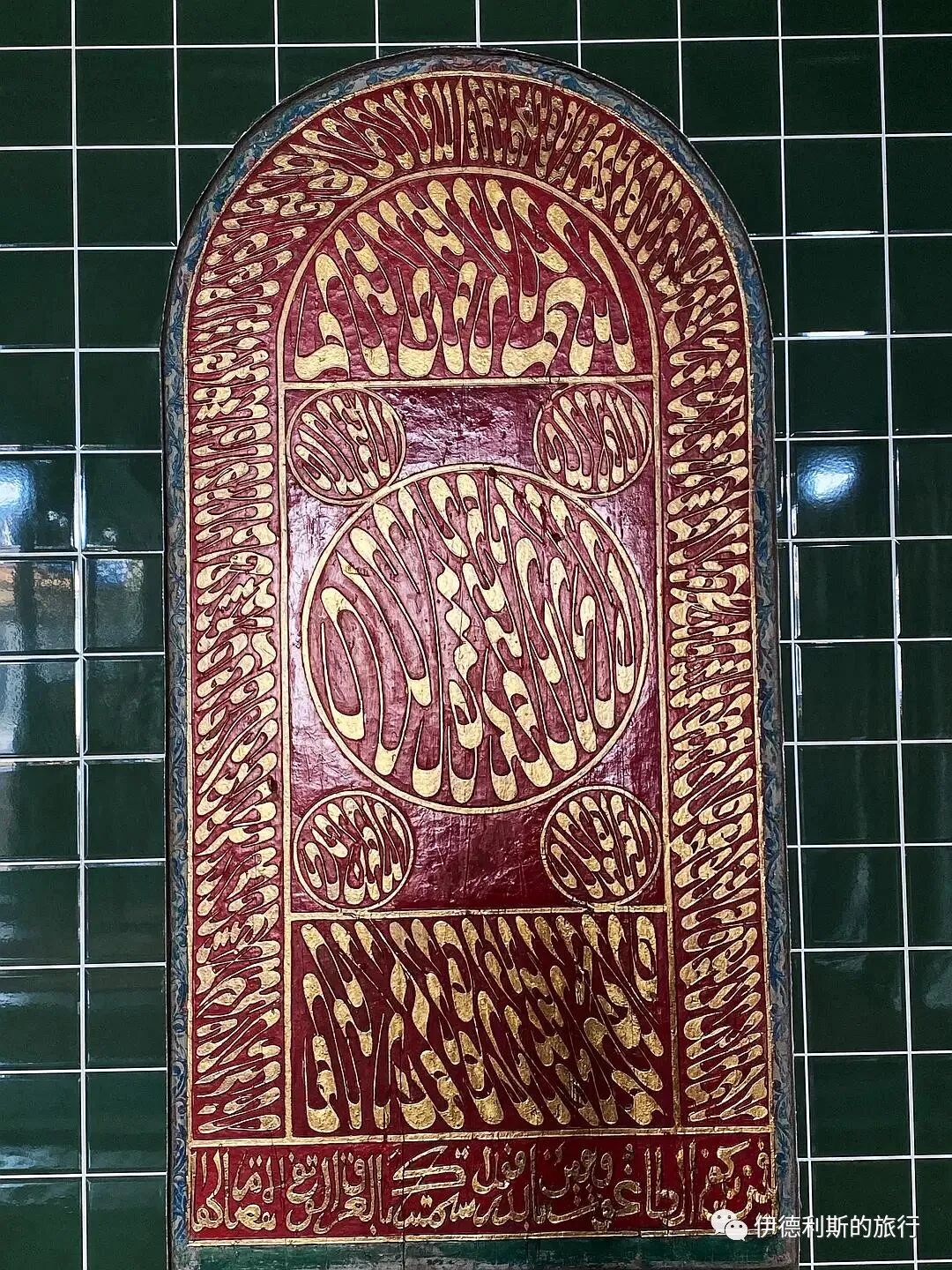
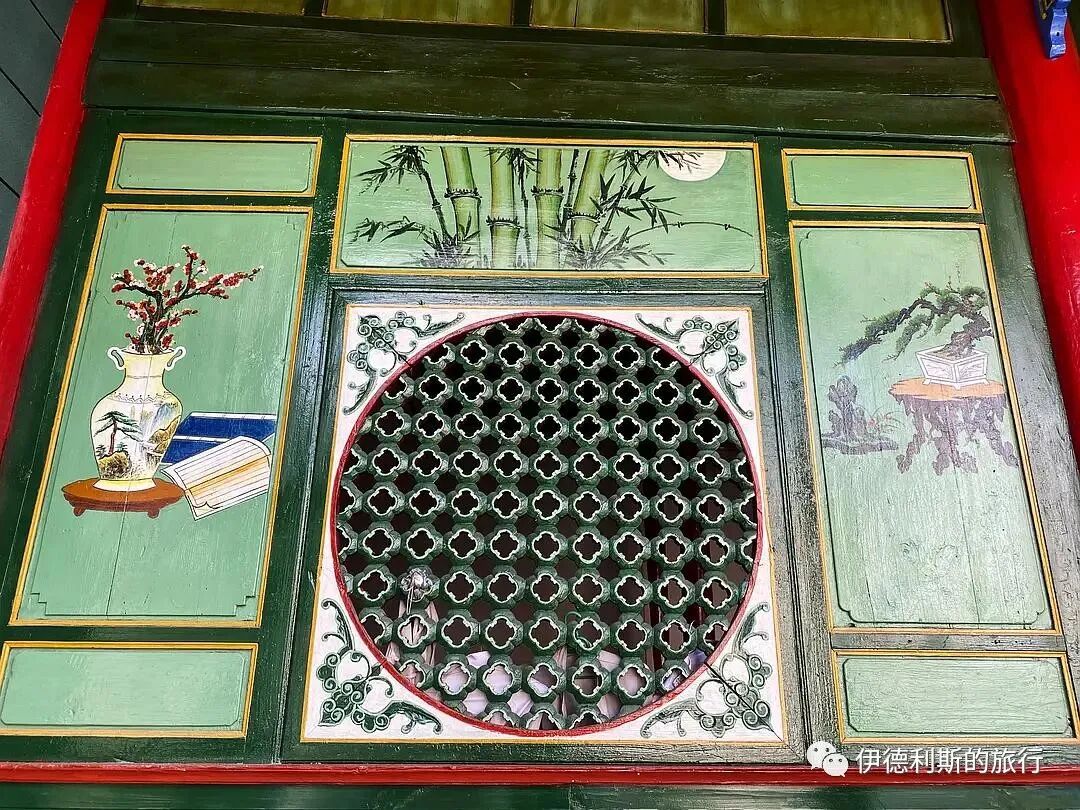
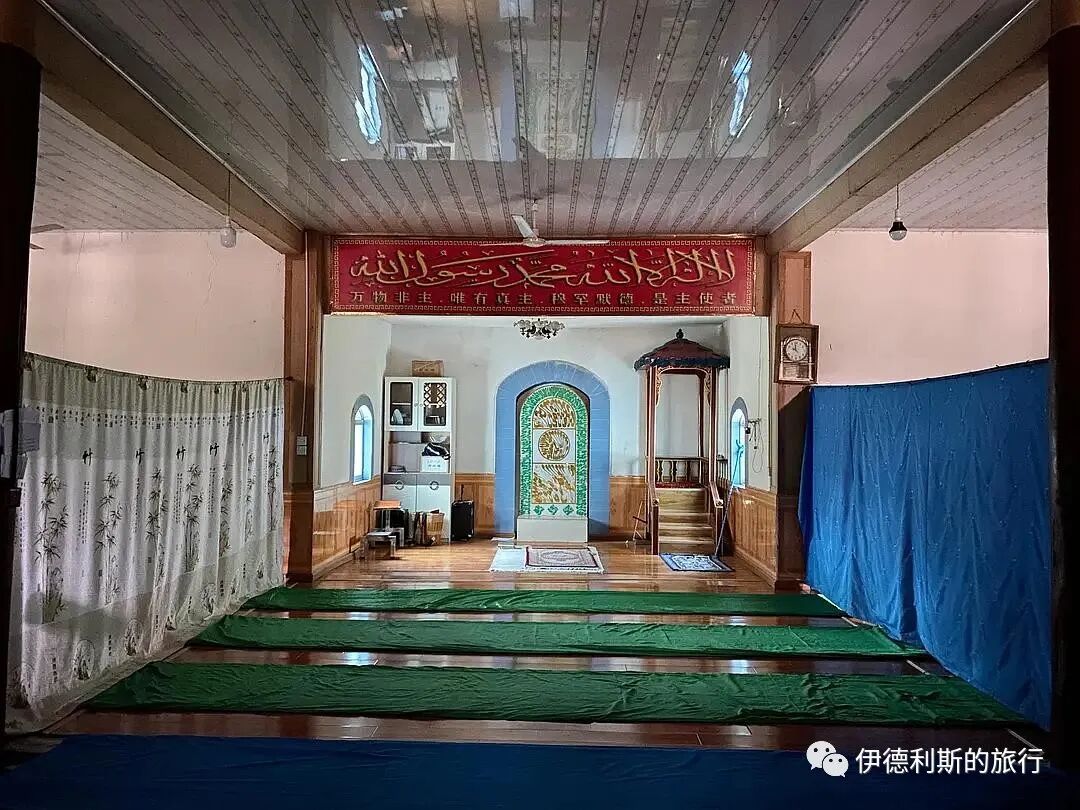
However, inside the mosque, there are beautiful Yunnan traditional-style calligraphic mihrabs (prayer niches) and Qing Dynasty plaques.
The county seat is very 1990s; walking on the street felt like returning to my childhood.
Night view of the old town crossroads.
On August 8, I had a bowl of rice noodles at the Guangming time-honored snack shop on Beiying Street in the county seat in the morning.
Luochong Mosque.
In the morning, I planned to go to Xundian's most famous Dangui Mosque, but I missed the bus at the passenger station, so I took a taxi to another mosque, Luochong Mosque. Luochong Mosque is located in a mountain village and is very quiet. The current mosque was built over 19 years, from 1881 to 1900.
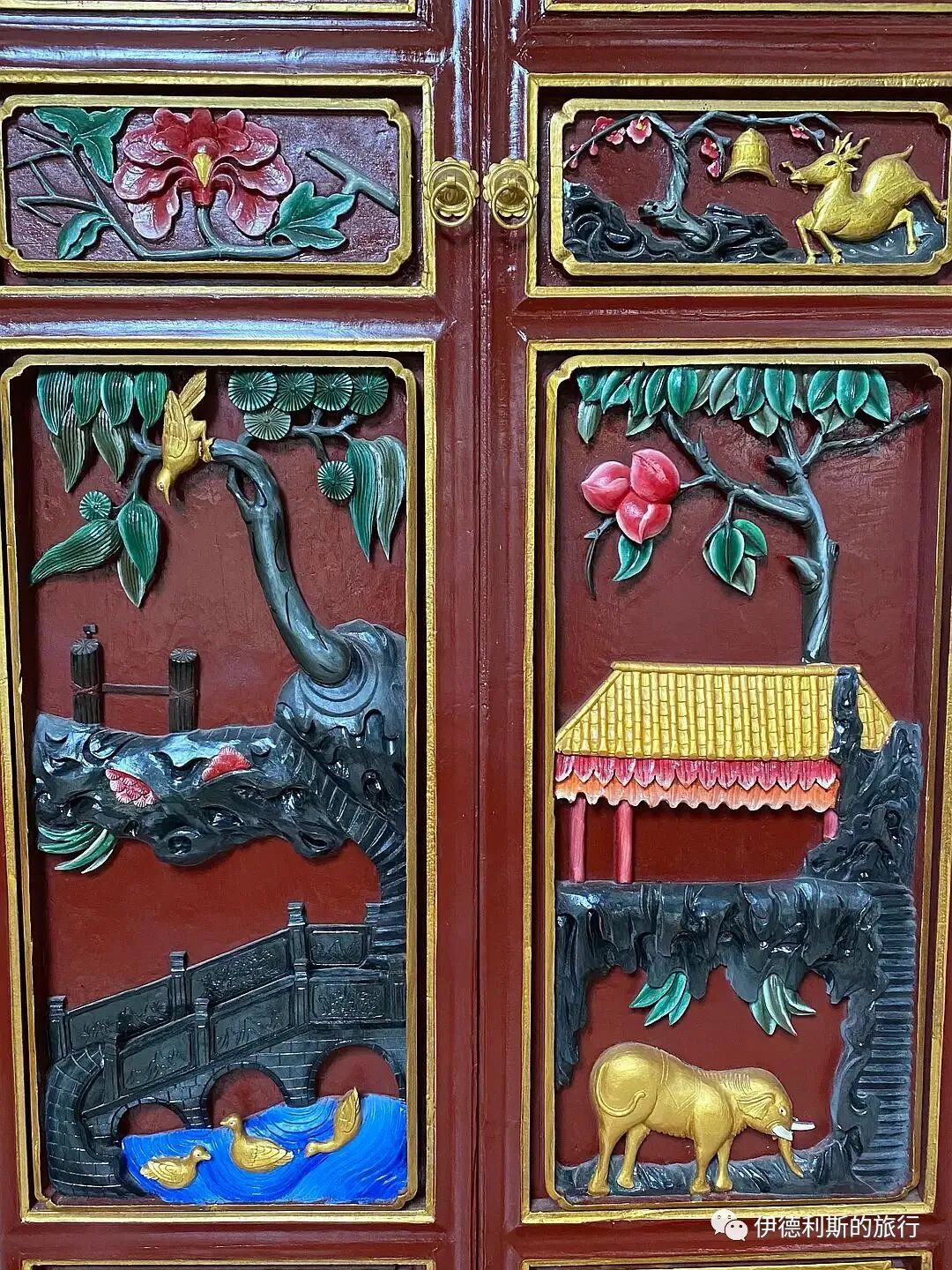
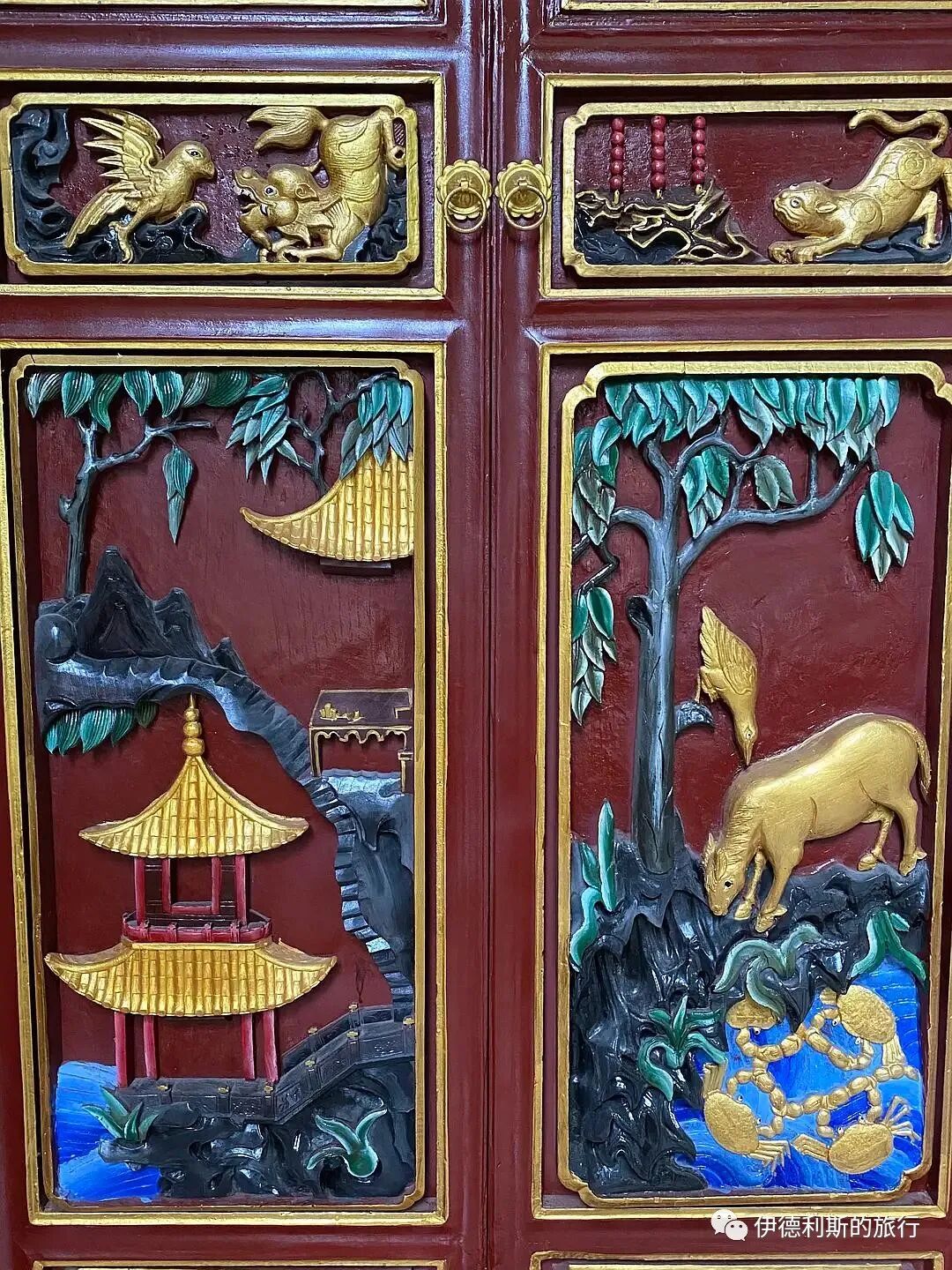
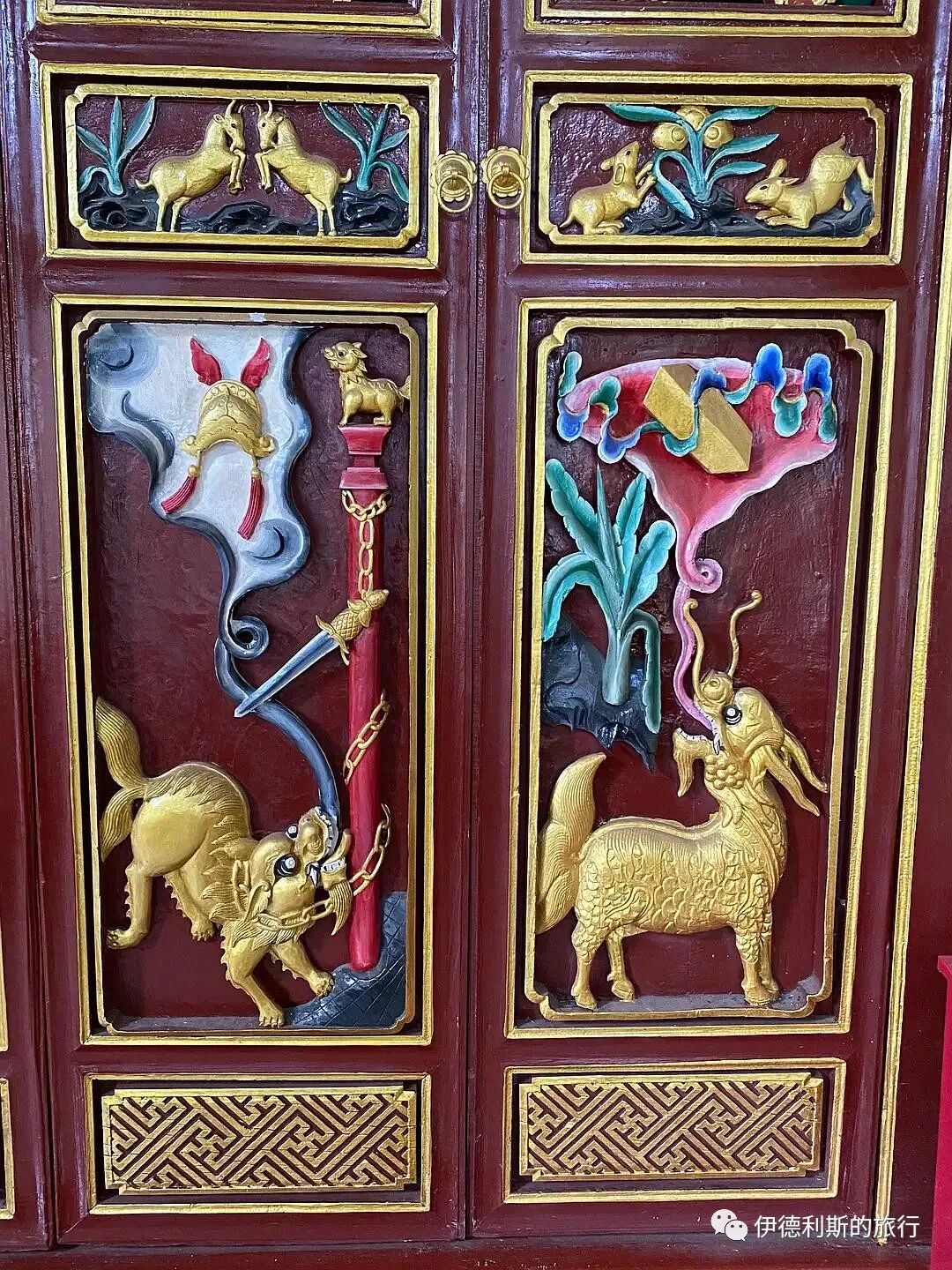
The door panels of the main hall are very bright.
Scenery in the village. view all
Summary: This travel note introduces Xundian Tangzi Mosque Guide: Jumu'ah Prayer and Yunnan Muslim Heritage. Xundian is a county in the northeast of Kunming. The vast majority of the county is mountainous, with some bazis (flatlands between mountains) and river valleys distributed within it. It is useful for readers interested in Xundian Mosque, Jumu'ah Prayer, Yunnan Muslims.
Xundian is a county in the northeast of Kunming. The vast majority of the county is mountainous, with some bazis (flatlands between mountains) and river valleys distributed within it. The most important one, Rende Bazi, is where the county seat is located. Xundian is a Hui Muslim and Yi Autonomous County. There are many Hui Muslim villages within the county, as well as distinctive halal food and traditional mosques. After returning to Kunming from Dali during my marriage leave in 2020, I went to Xundian for a trip.
Performing Jumu'ah (Friday prayer) at Tangzi Mosque.
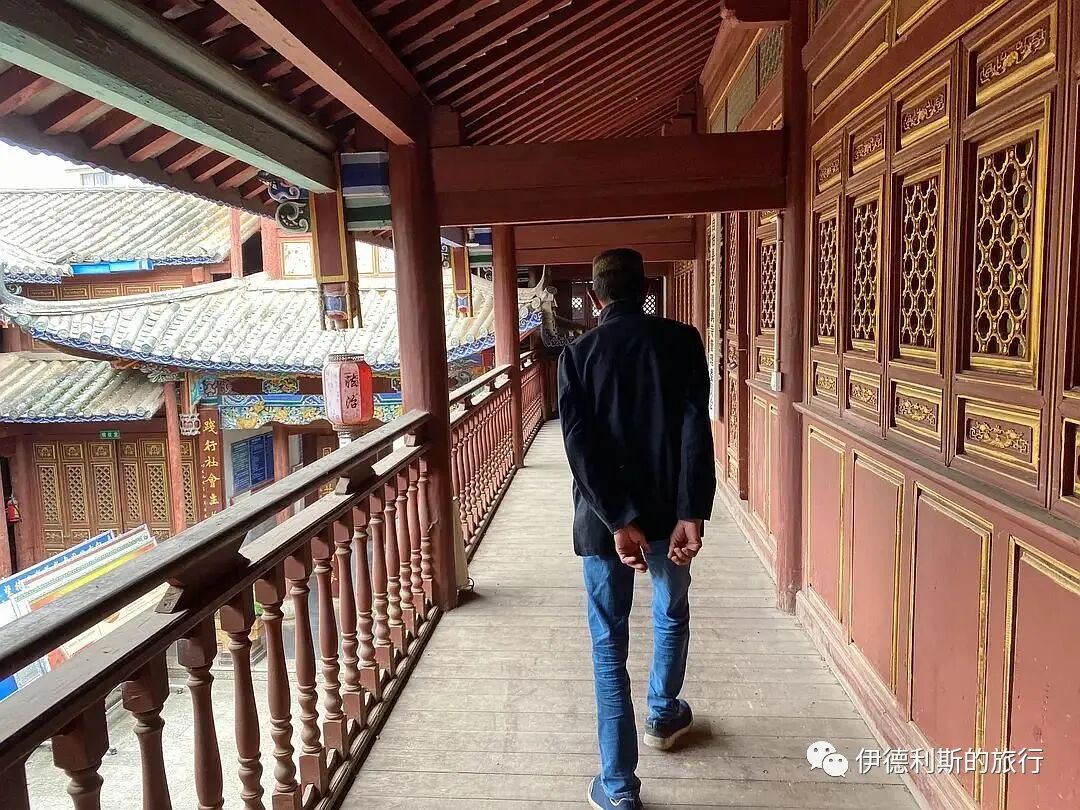
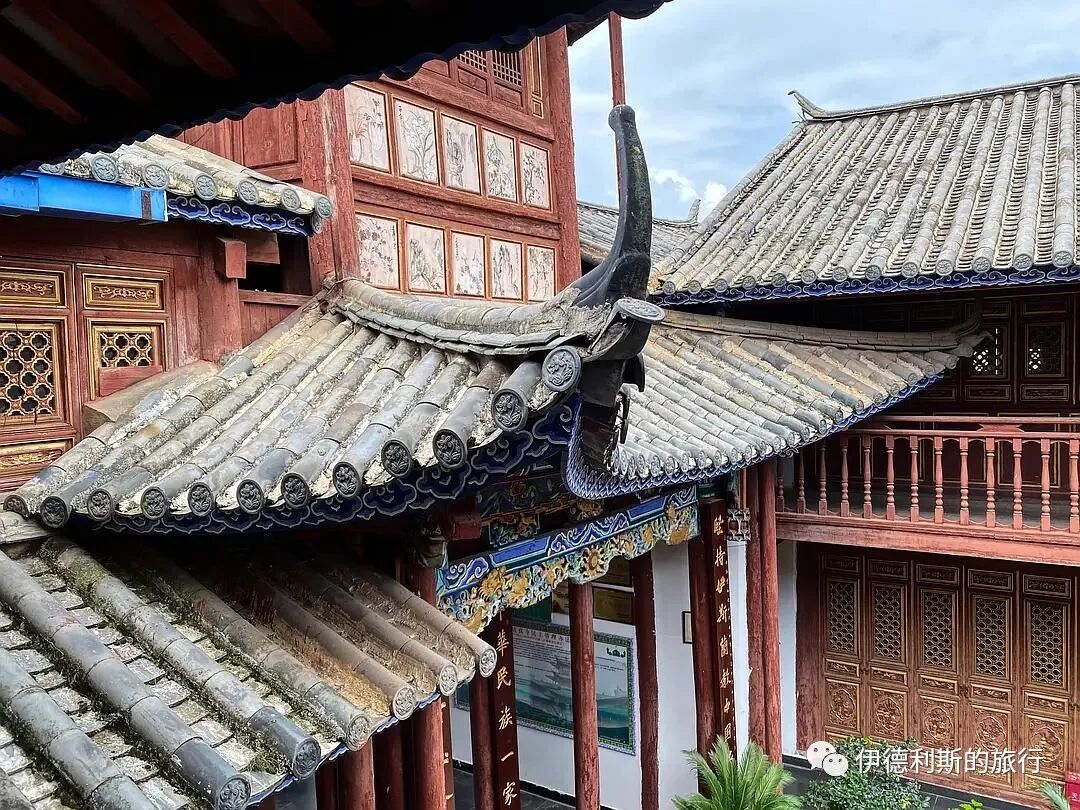
On August 7, I took a bus from Kunming to Xundian County, then transferred to a bus to Tangzi Mosque. Tangzi Mosque is the most accessible traditional mosque in Xundian. It was first built in the Ming Dynasty, destroyed by bandits in 1920, and rebuilt starting in 1923 through fundraising by elders such as Imam Yu Shaoqing. It was completed in 1927, and the current stone arch gate was added in 1937. Traditional Yunnan-style mosques generally consist of a courtyard enclosed by the main prayer hall, the minaret, and the north and south side rooms. Tangzi Mosque also has an additional gate forming a second courtyard, and it is designed with two-story verandas that connect to each other.
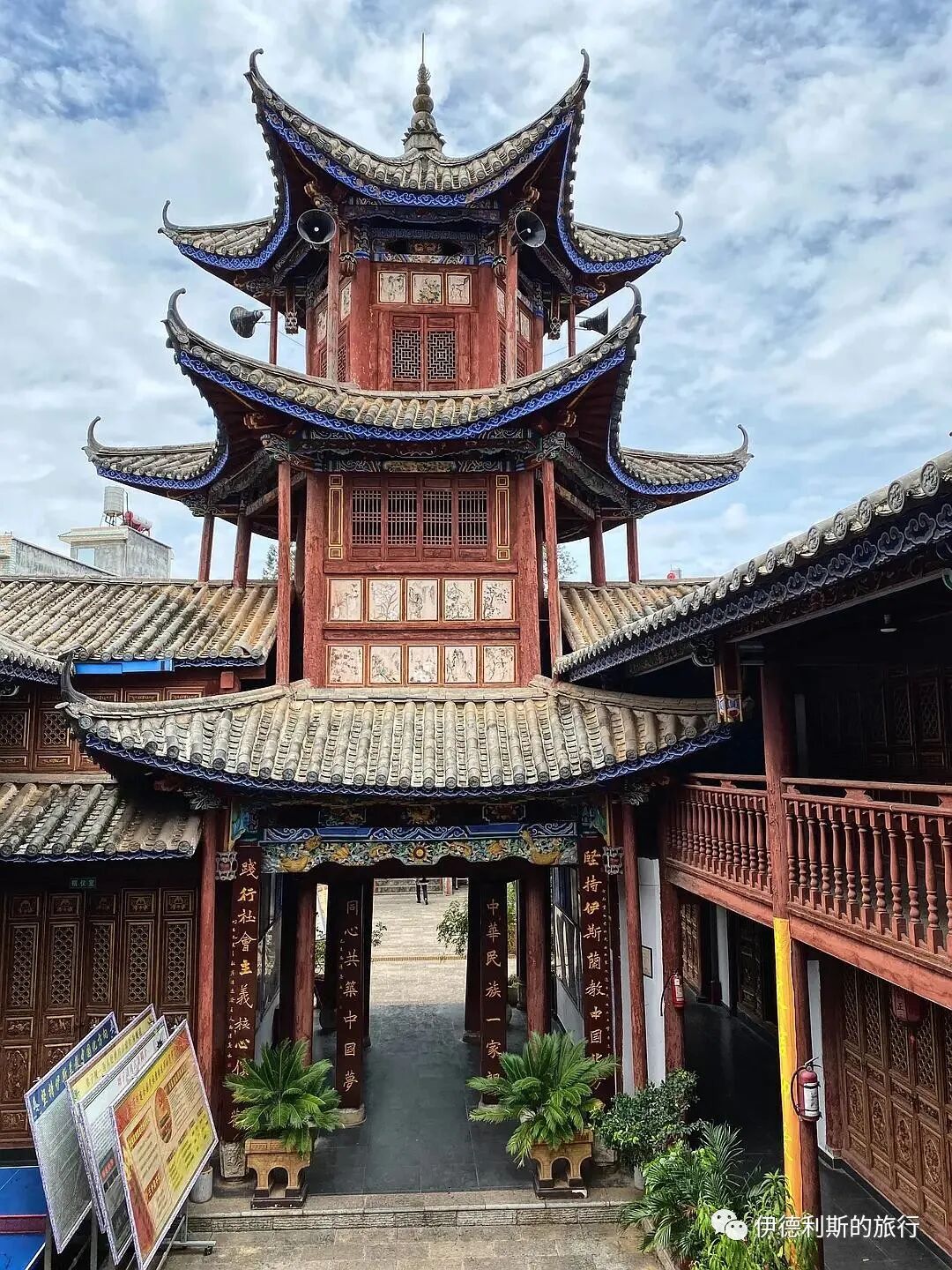
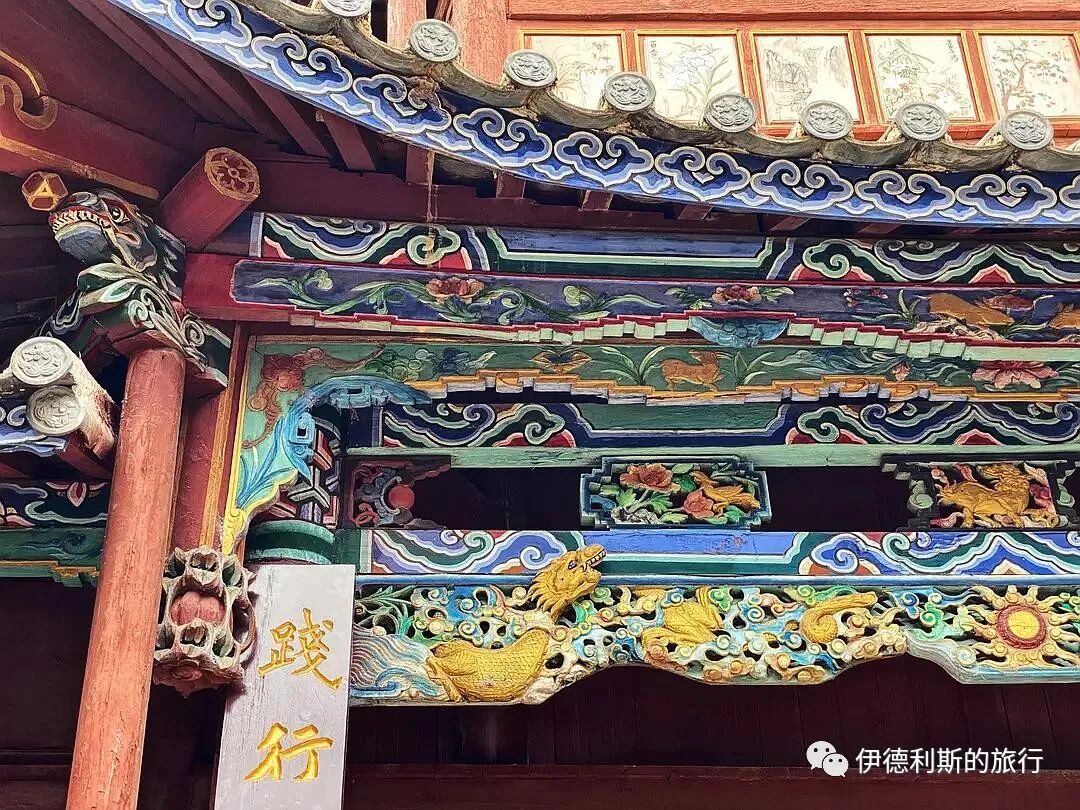
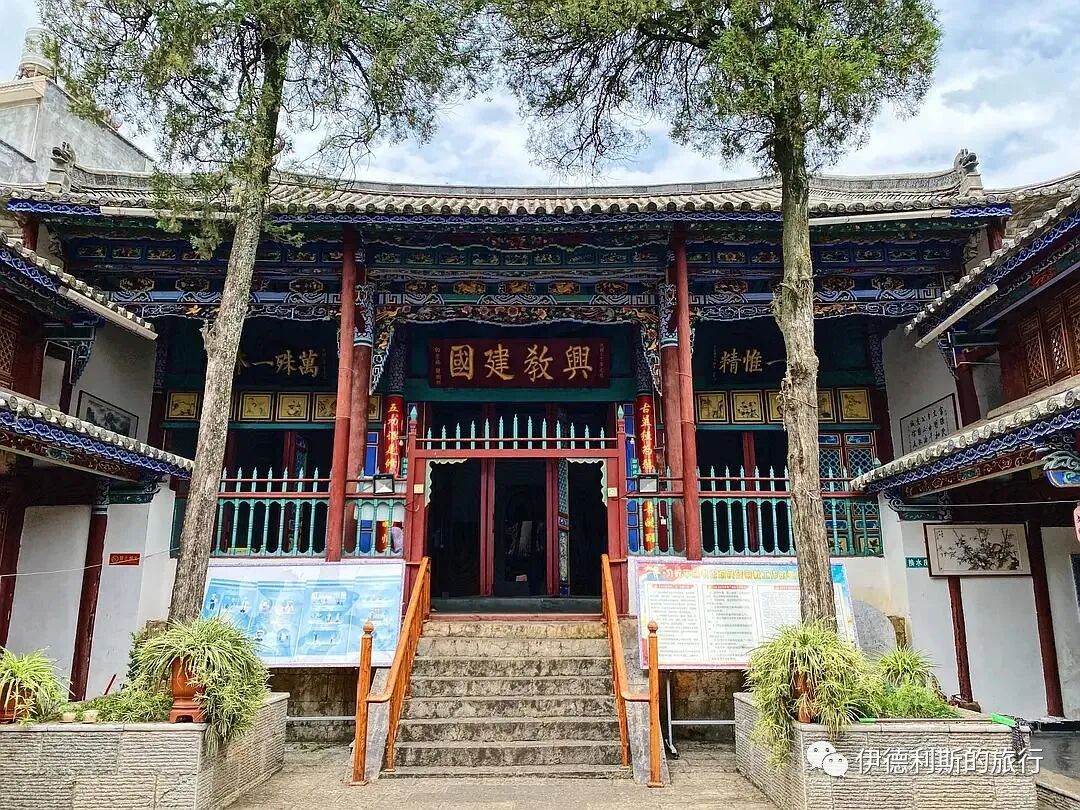
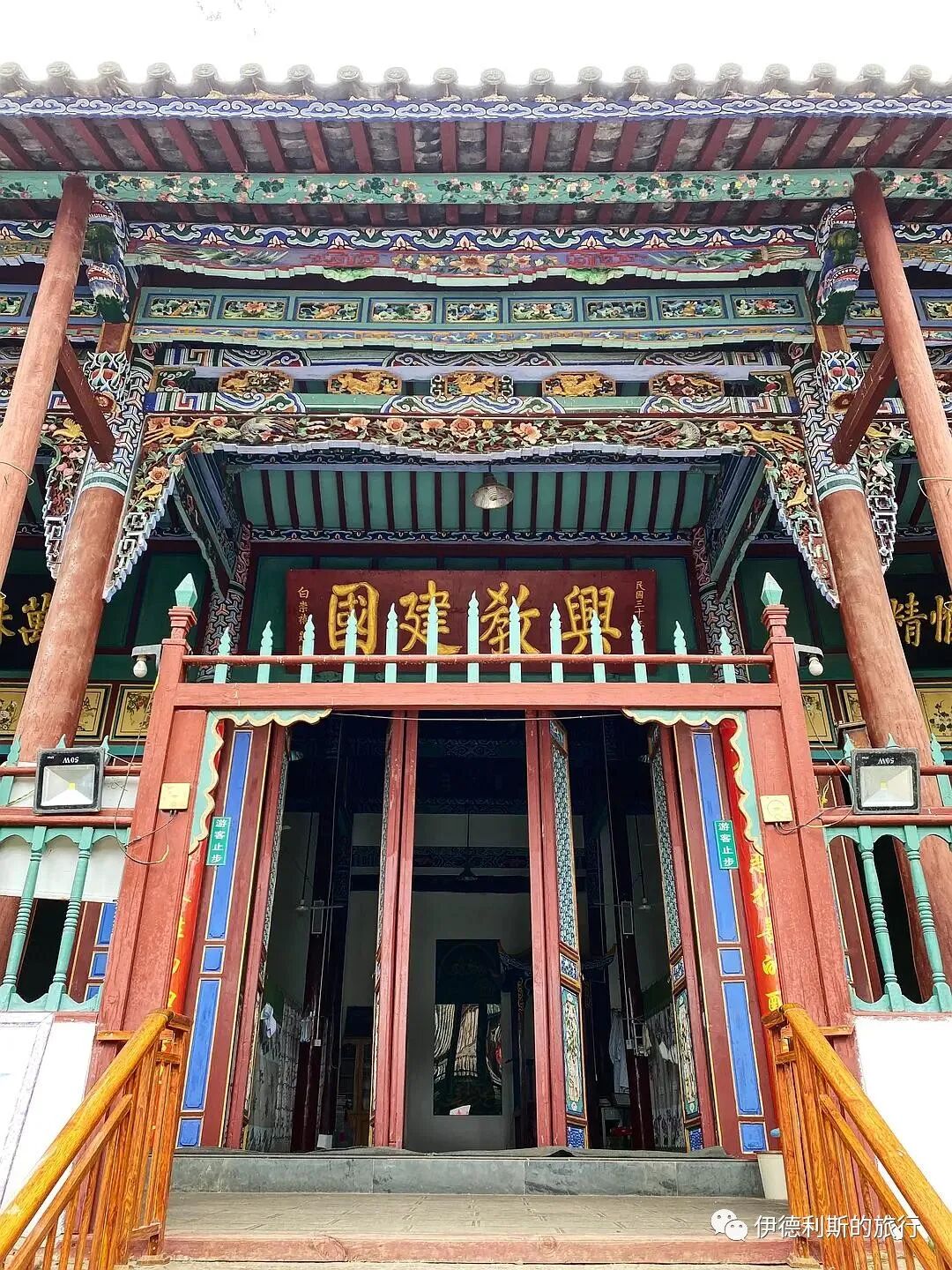
In 1941, Yunnan Army Major General Ma Deming respectfully presented the plaque 'Wan Shu Yi Ben' (All things are one in essence), and Yunnan Army Lieutenant General Ma Cong respectfully presented 'Wei Yi Wei Jing' (Only one, only pure).
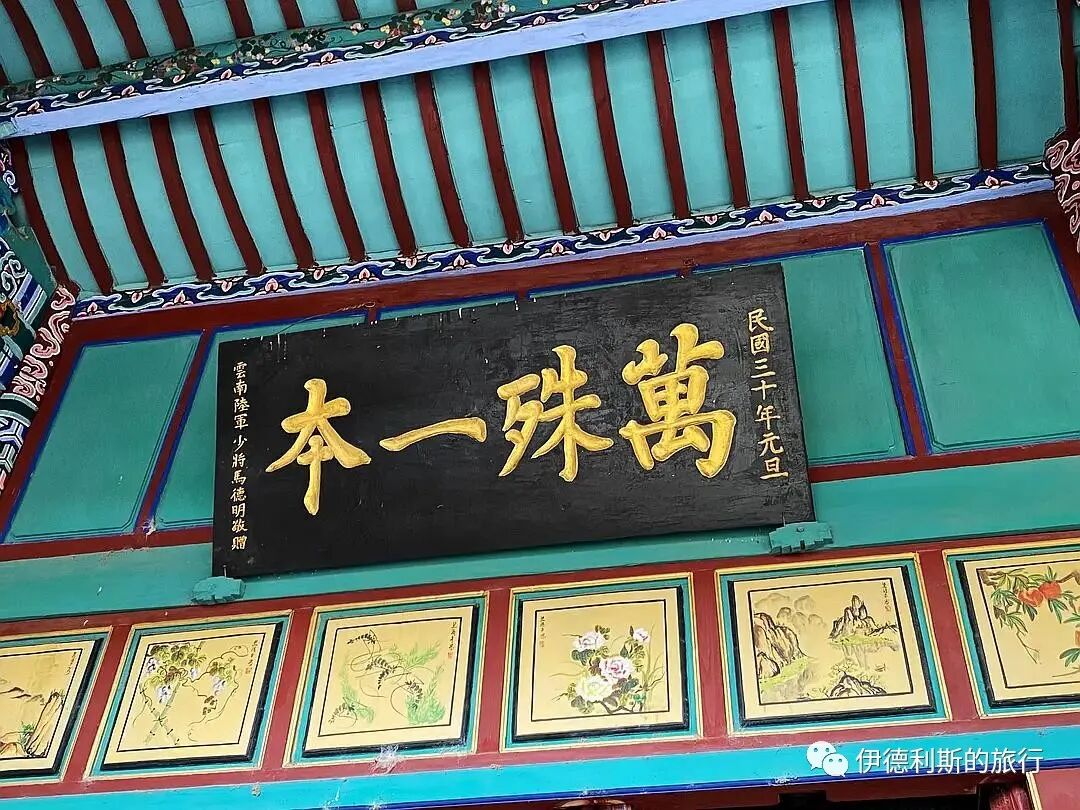
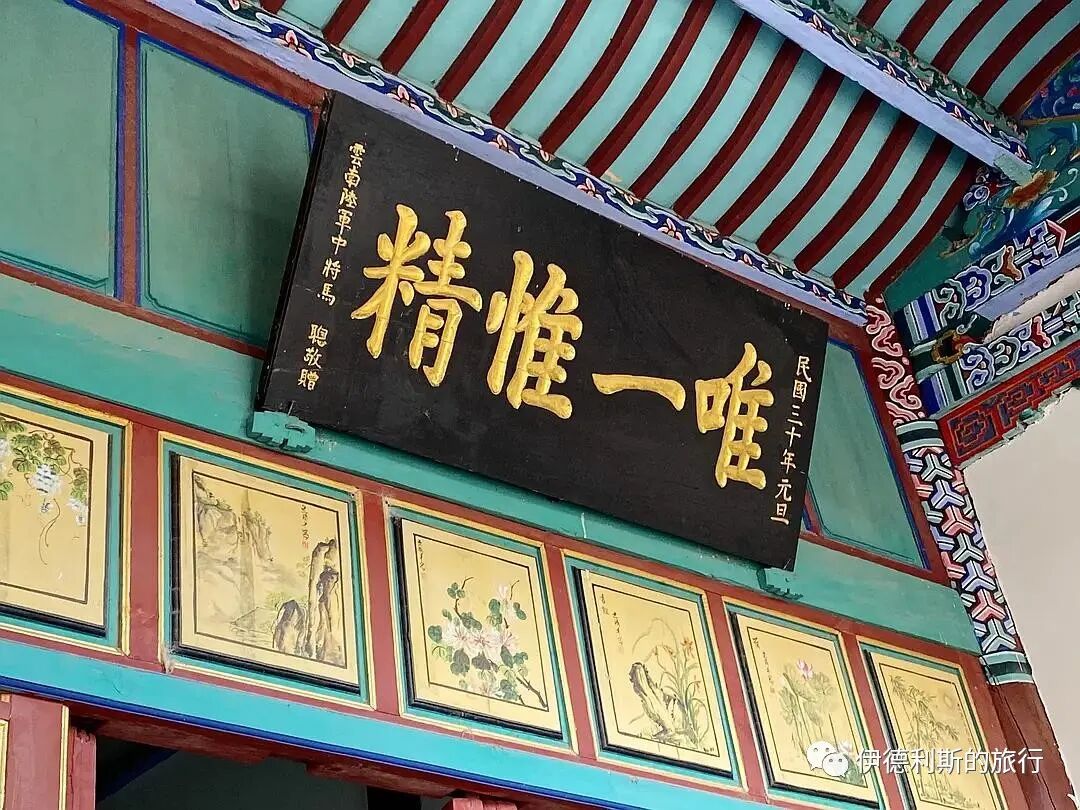
After the Jumu'ah prayer, the local Koufuyuan Halal Pastry shop distributed youxiang (fried dough) and biscuits to everyone. The youxiang here is made differently from the way it is made in Kunming. At Tangzi Mosque, various shops often take turns distributing delicious food to the mosque, and the atmosphere is especially good.
The mosque's Imam, Ma Huiqun, invited Zaynab and me to eat local specialty juanfen (rolled rice noodles) and chatted with us for a long time. Imam Ma is from Weining, Guizhou, and has been in Xundian for over ten years. He is very eloquent.
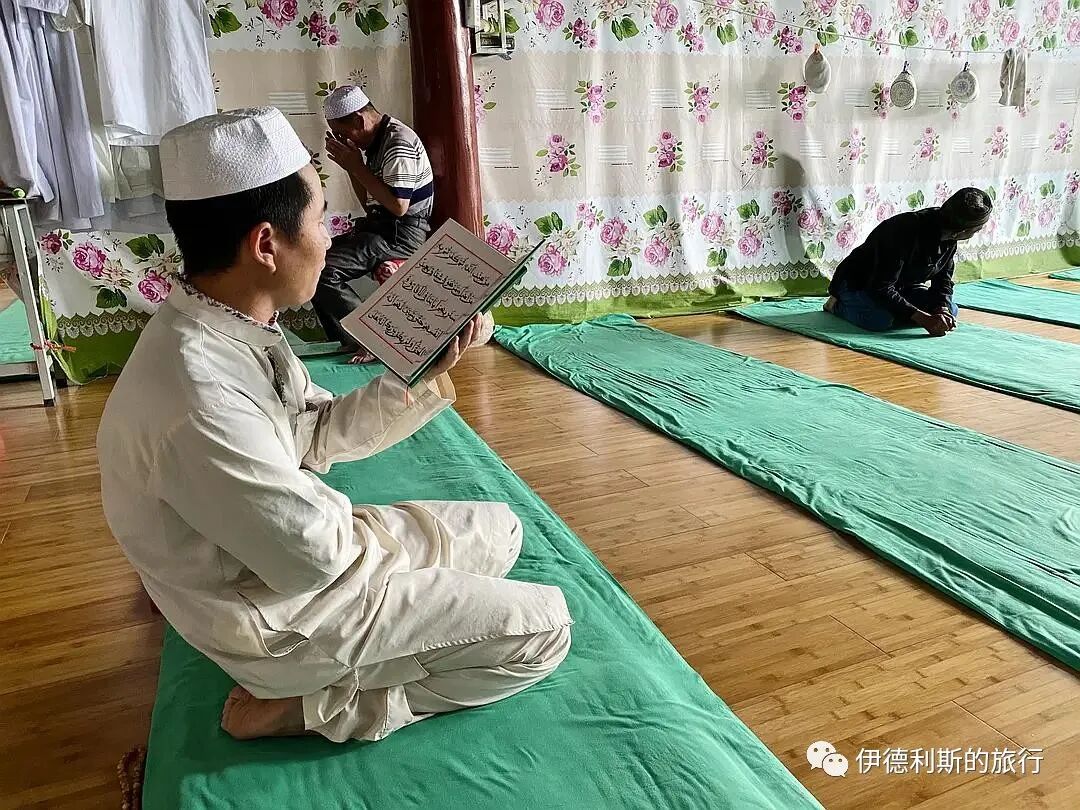
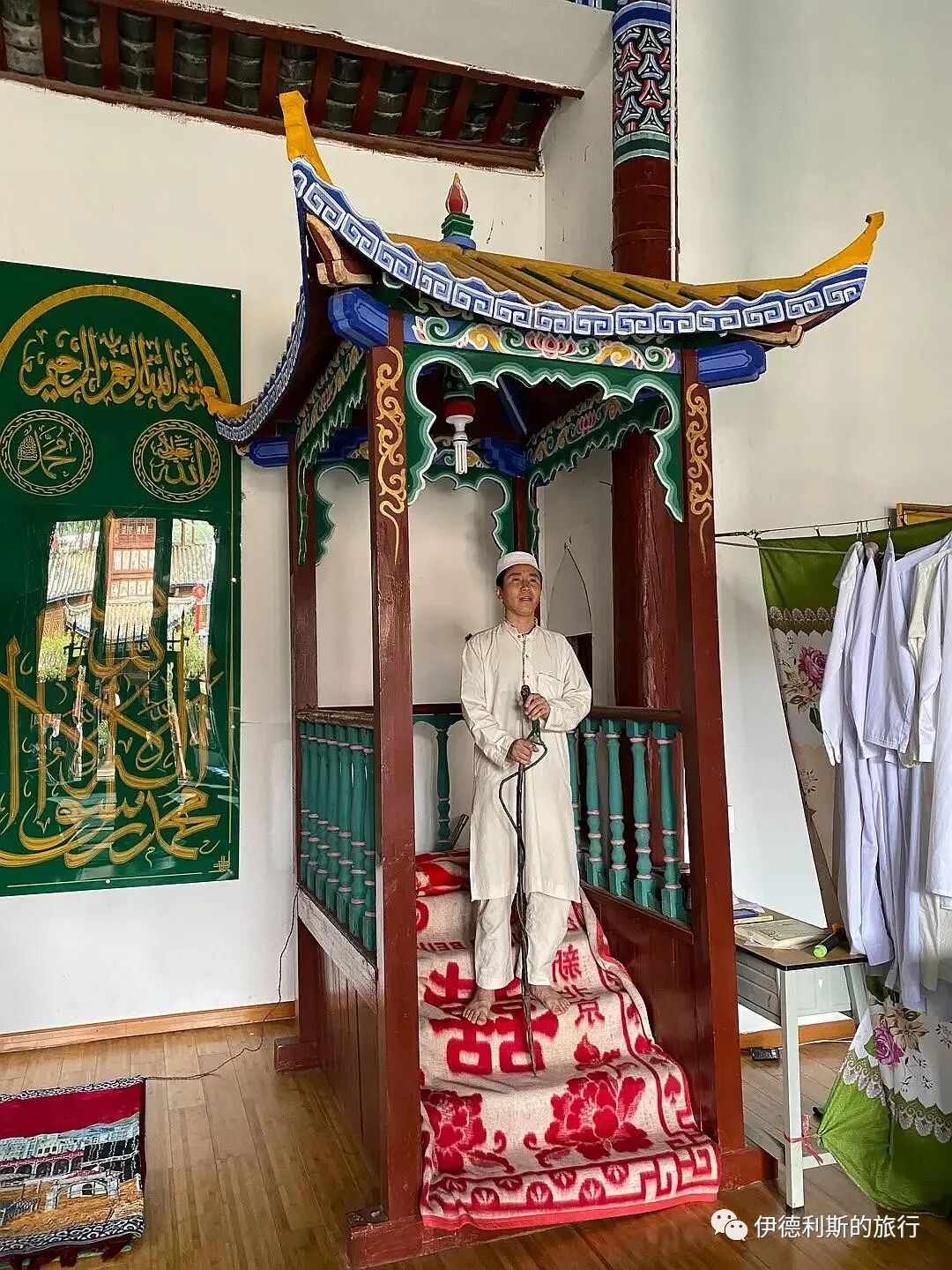
In 1941, Bai Chongxi inscribed 'Xing Jiao Jian Guo' (Revive religion to build the nation).
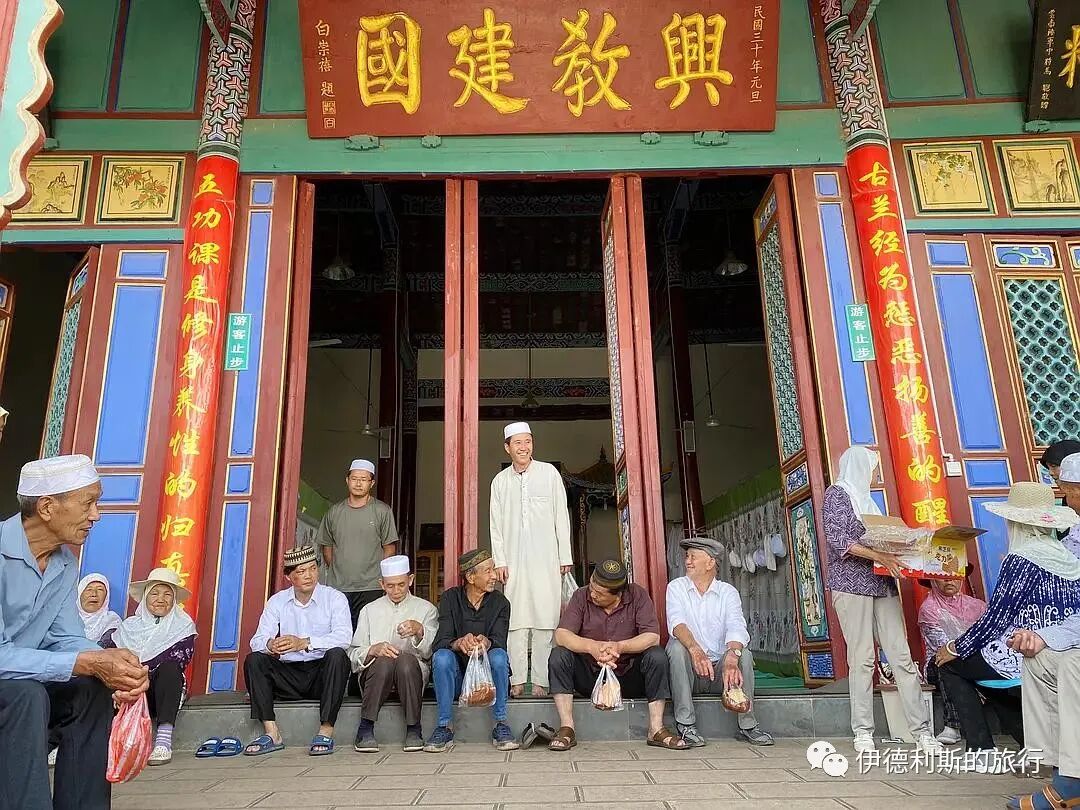
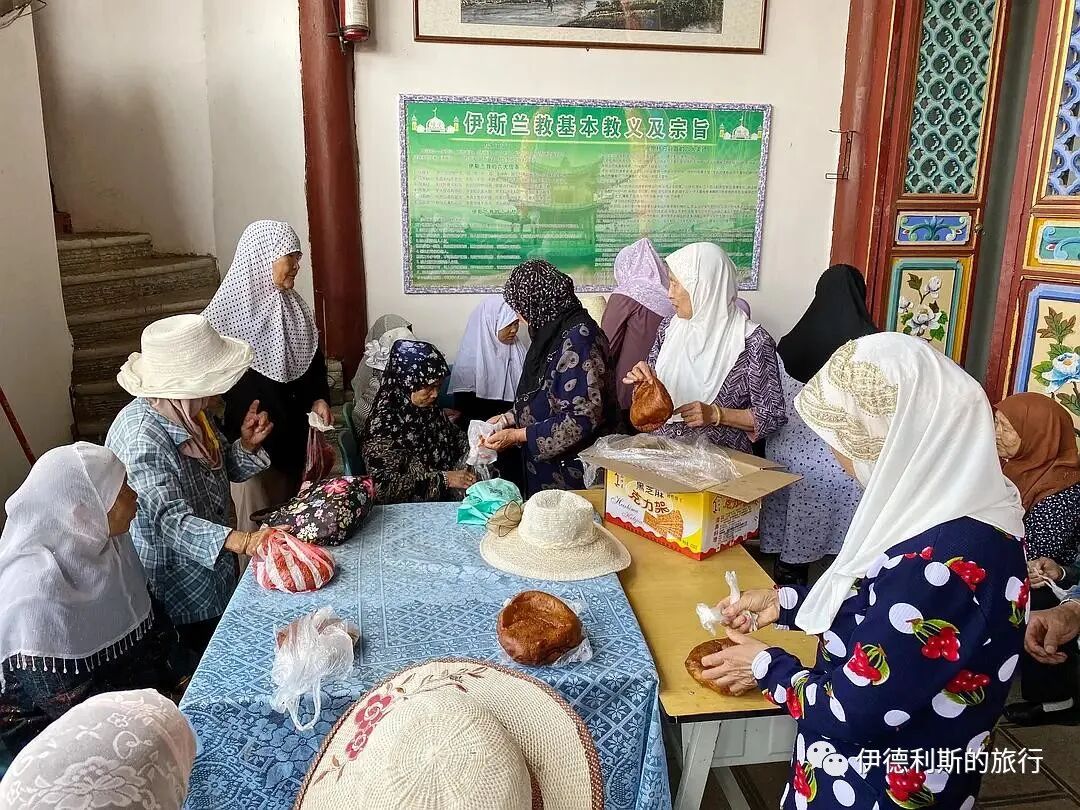
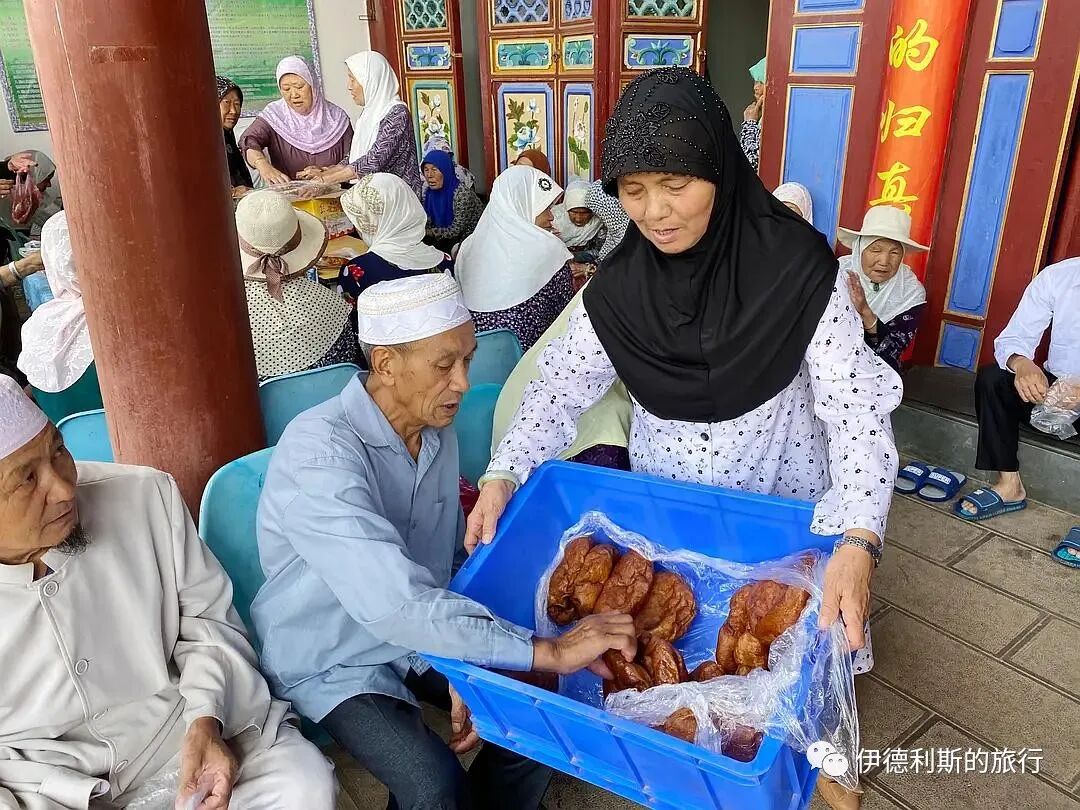
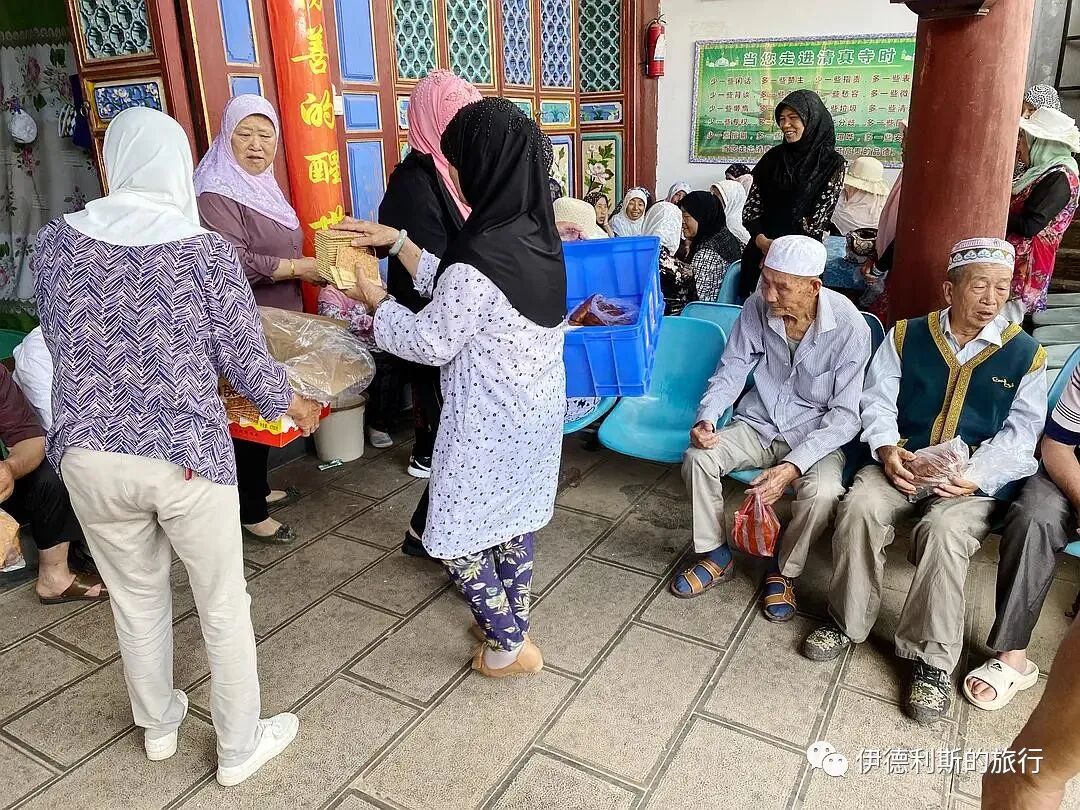
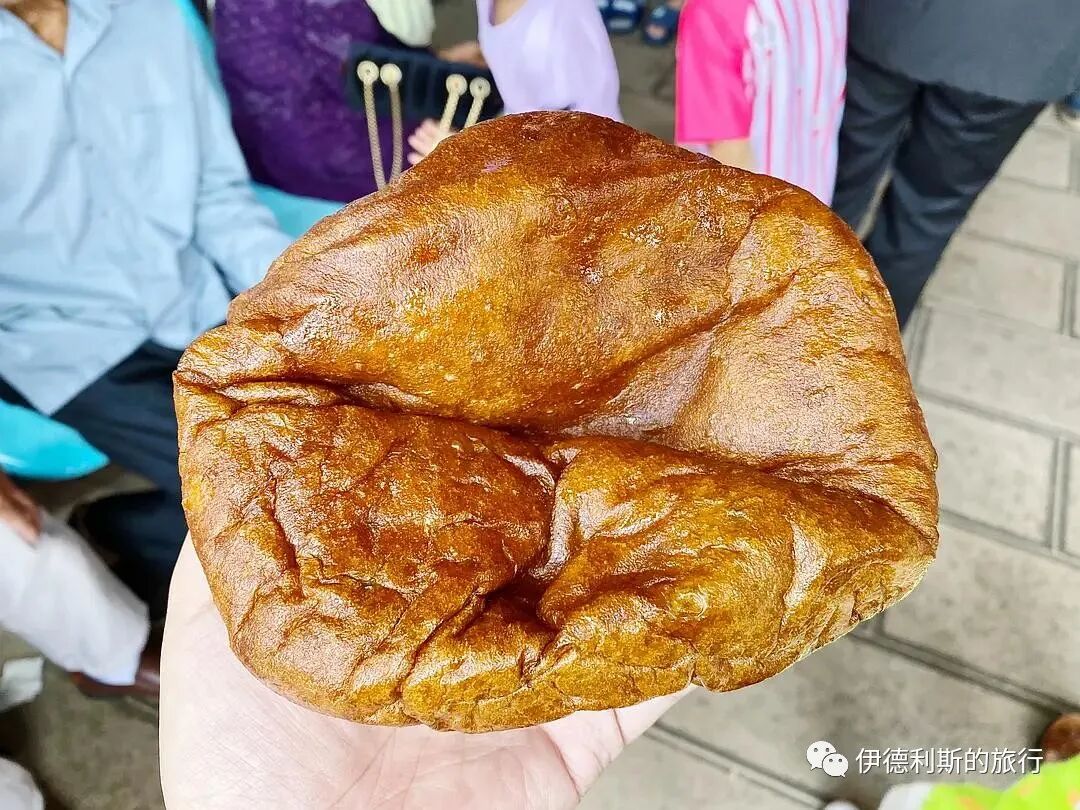
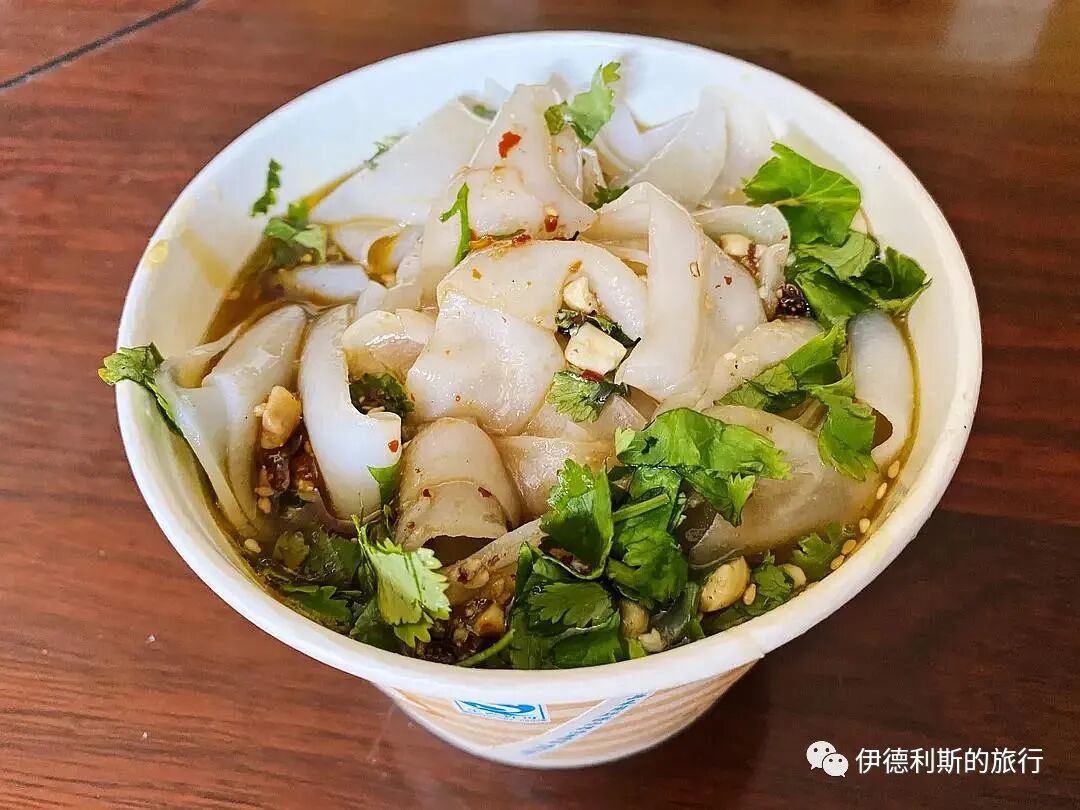
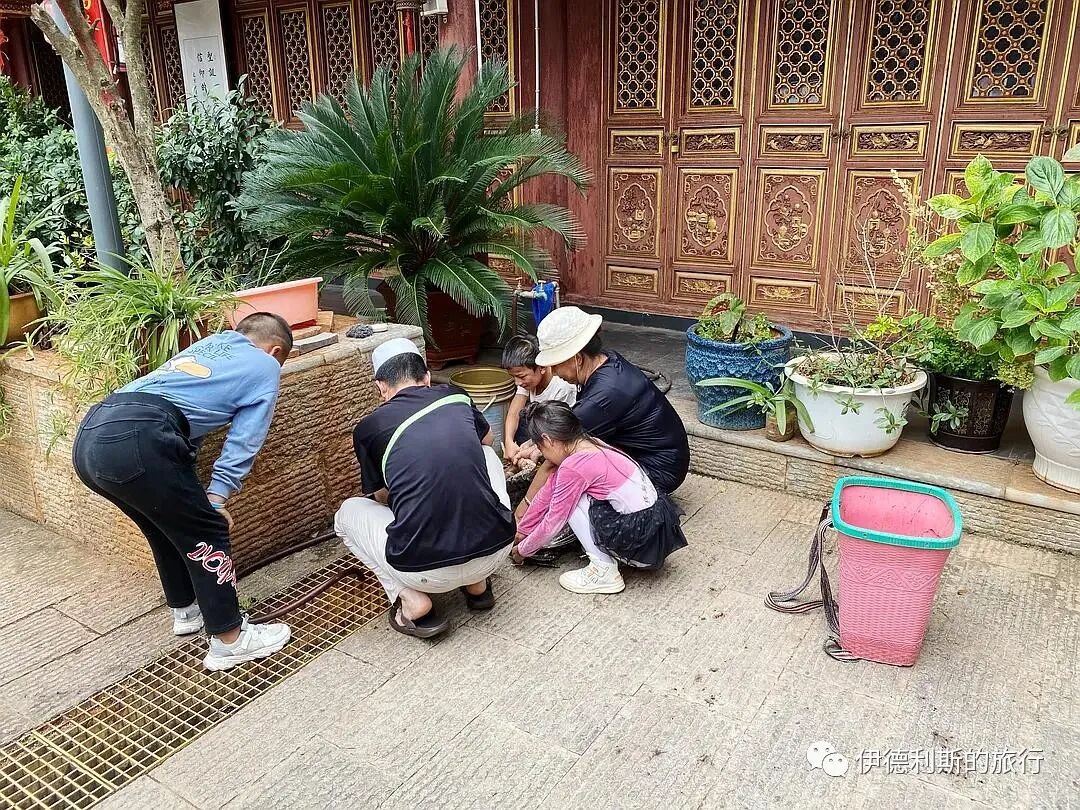
That day, many local Hui Muslims came to ask the Imam to slaughter chickens, and the Imam slaughtered them very enthusiastically.
Returned to Xundian county seat.
In the evening, I ate mushroom soup grilled beef in the county seat. The mushroom soup was incredibly fresh, the beef was very tender, and the dipping sauce with zhe'ergen (fish mint) was very punchy.
Beiying Street Mosque in Xundian county seat was first built during the Chenghua period of the Ming Dynasty and rebuilt in 1902. The current mosque seems to have a steel-concrete structure added under the old mosque, lifting the wooden old mosque to the second floor. Newly built mosques in Yunnan often like to be made this way.
However, inside the mosque, there are beautiful Yunnan traditional-style calligraphic mihrabs (prayer niches) and Qing Dynasty plaques.
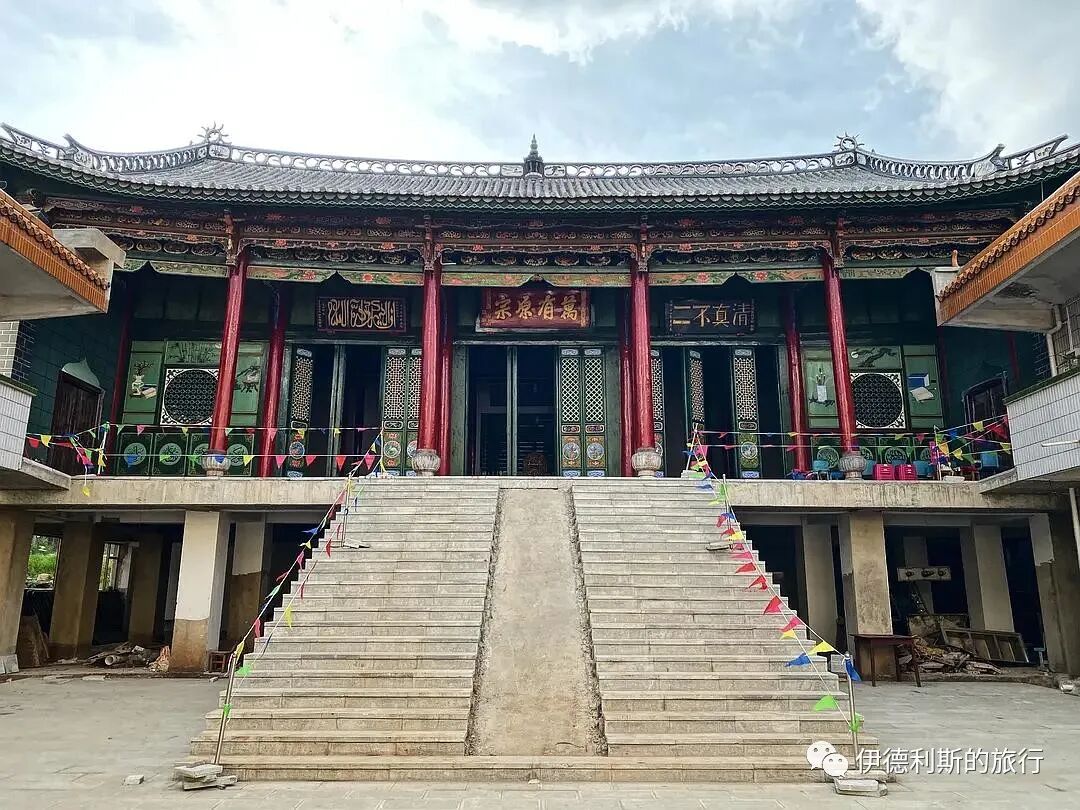
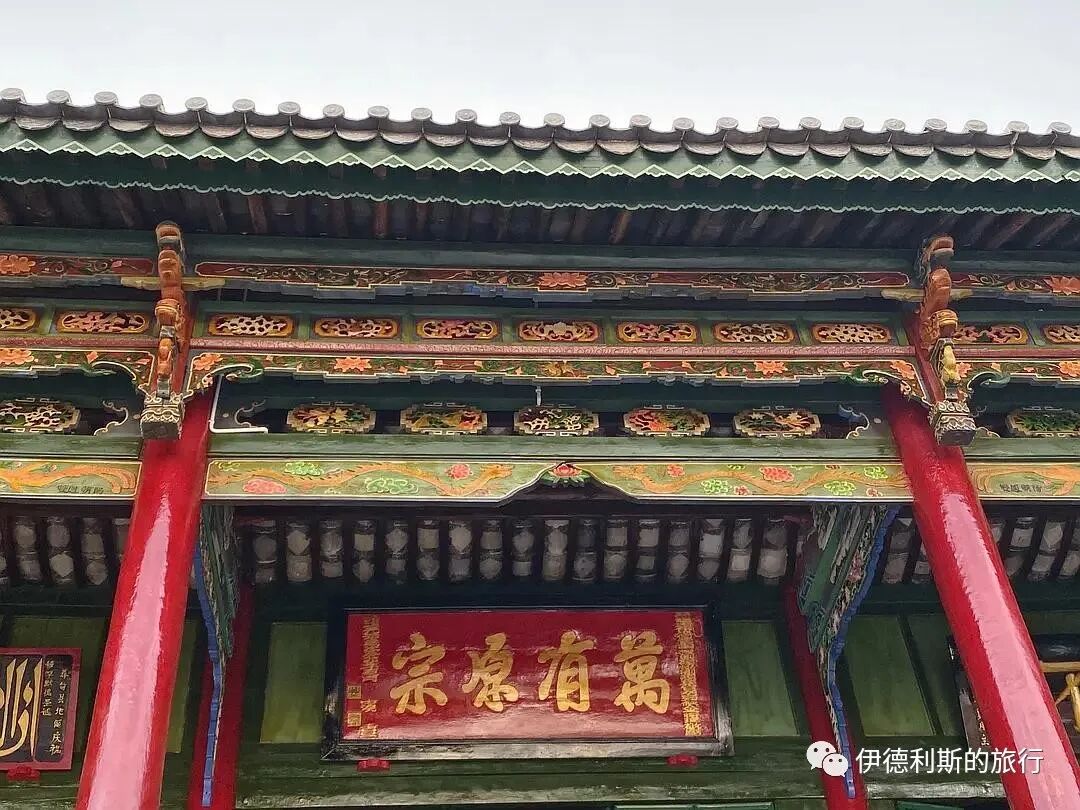
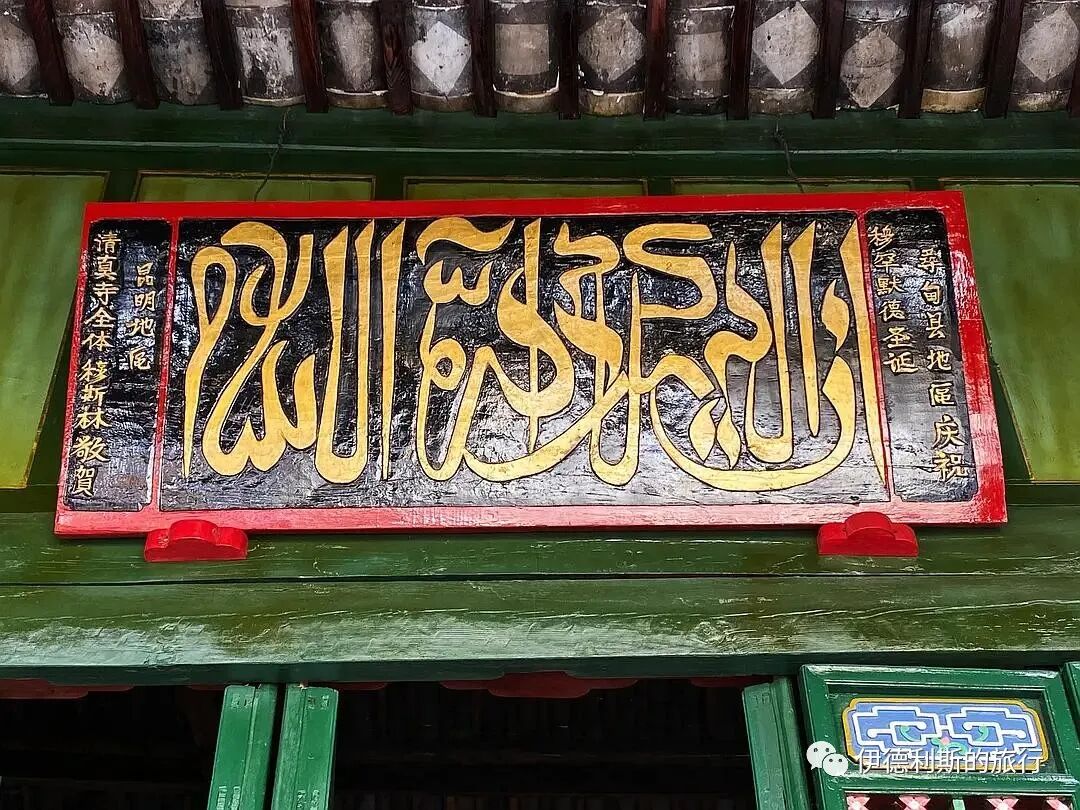
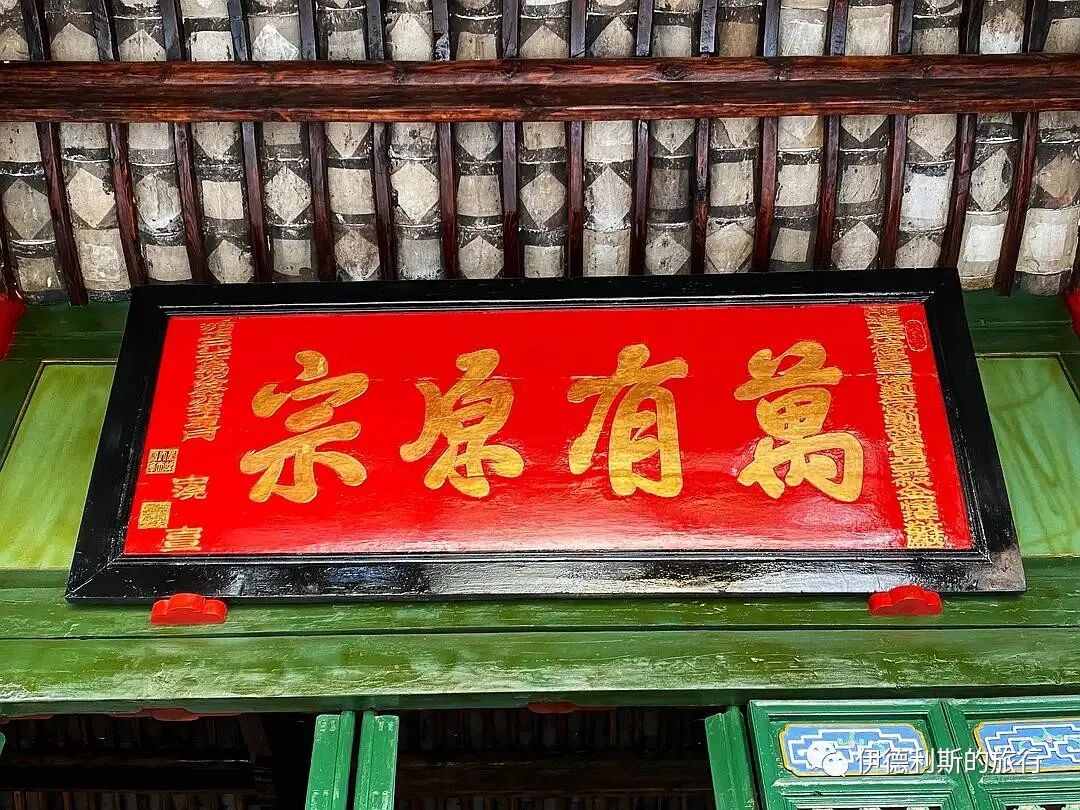
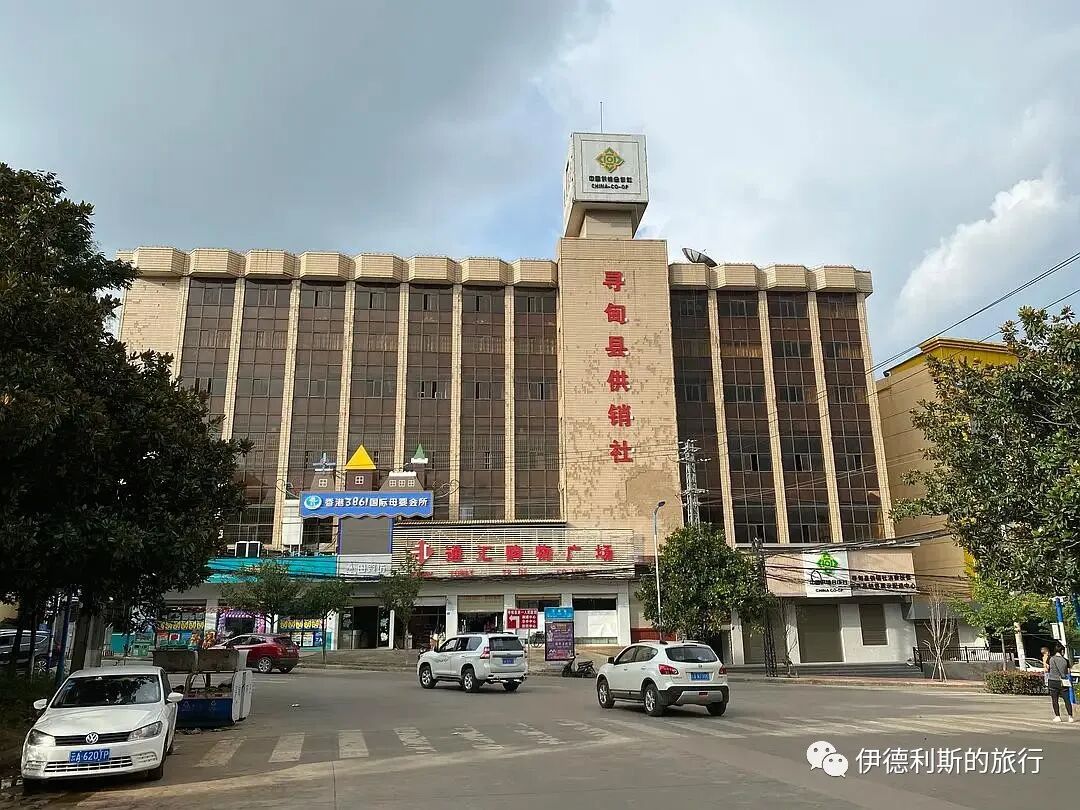
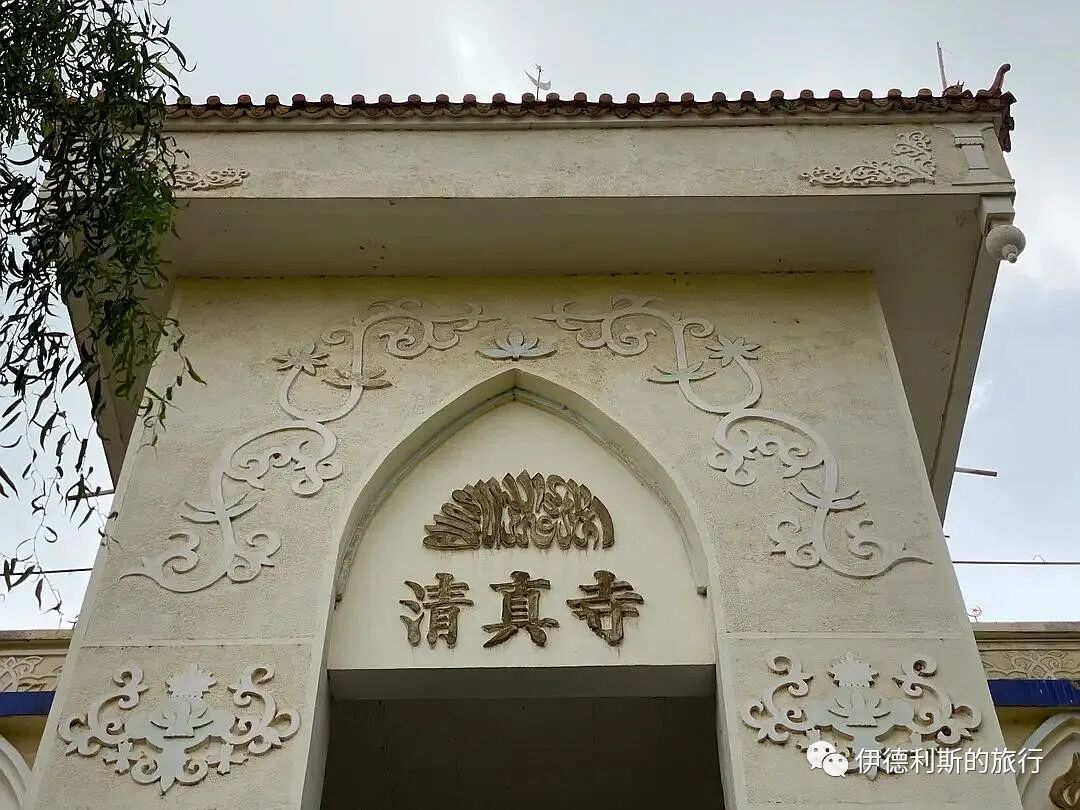
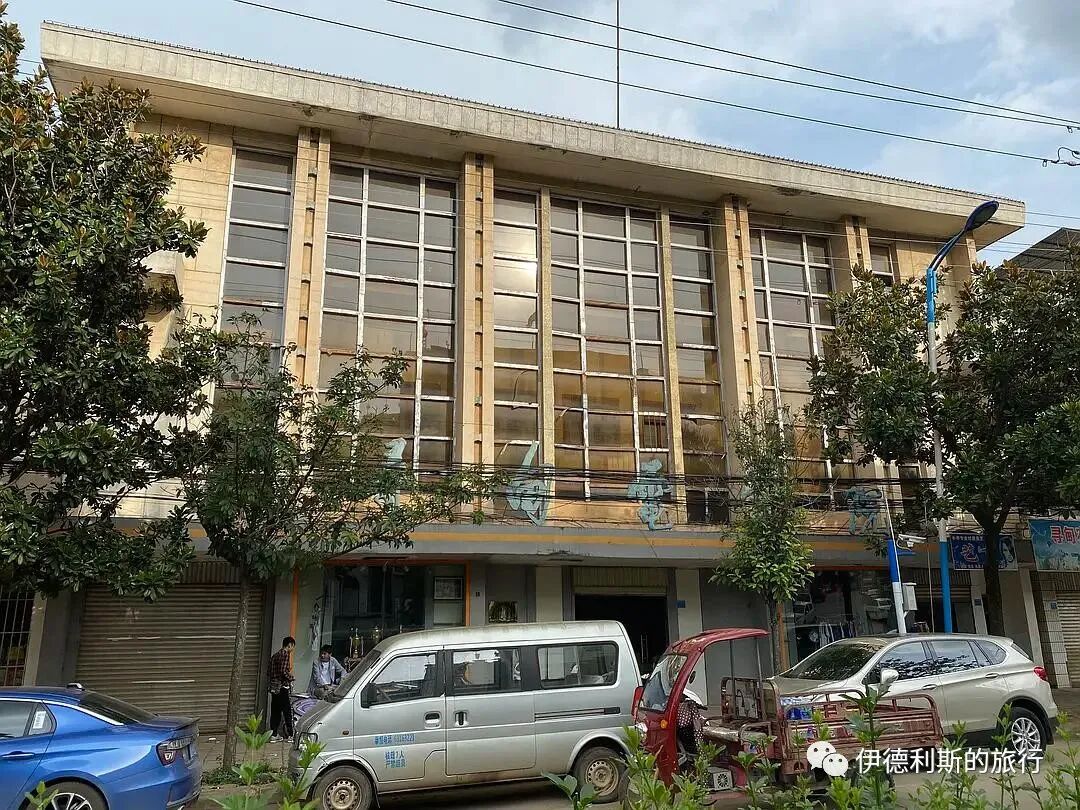
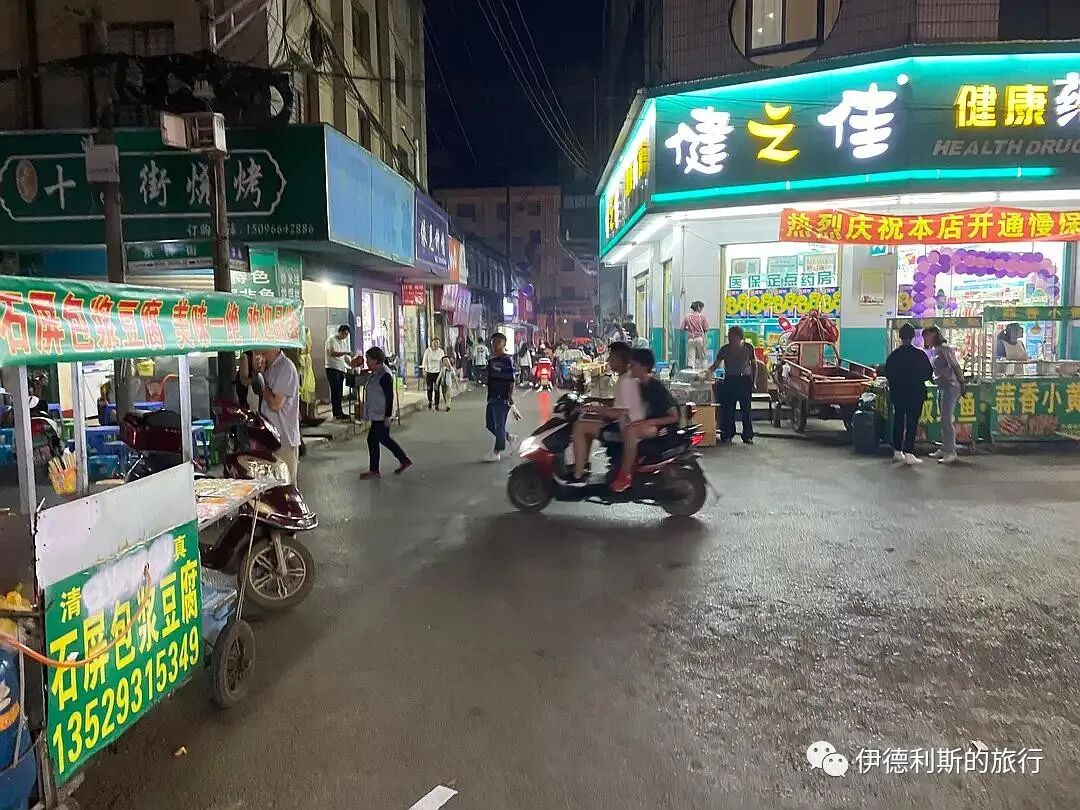
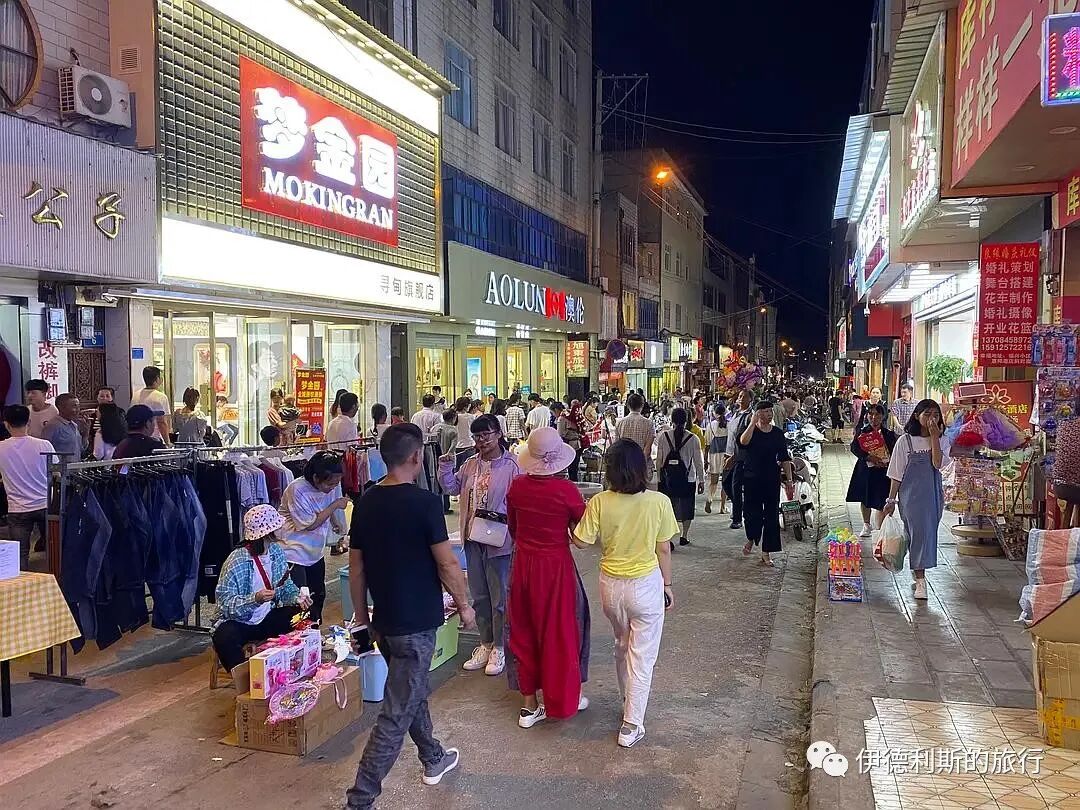
The county seat is very 1990s; walking on the street felt like returning to my childhood.
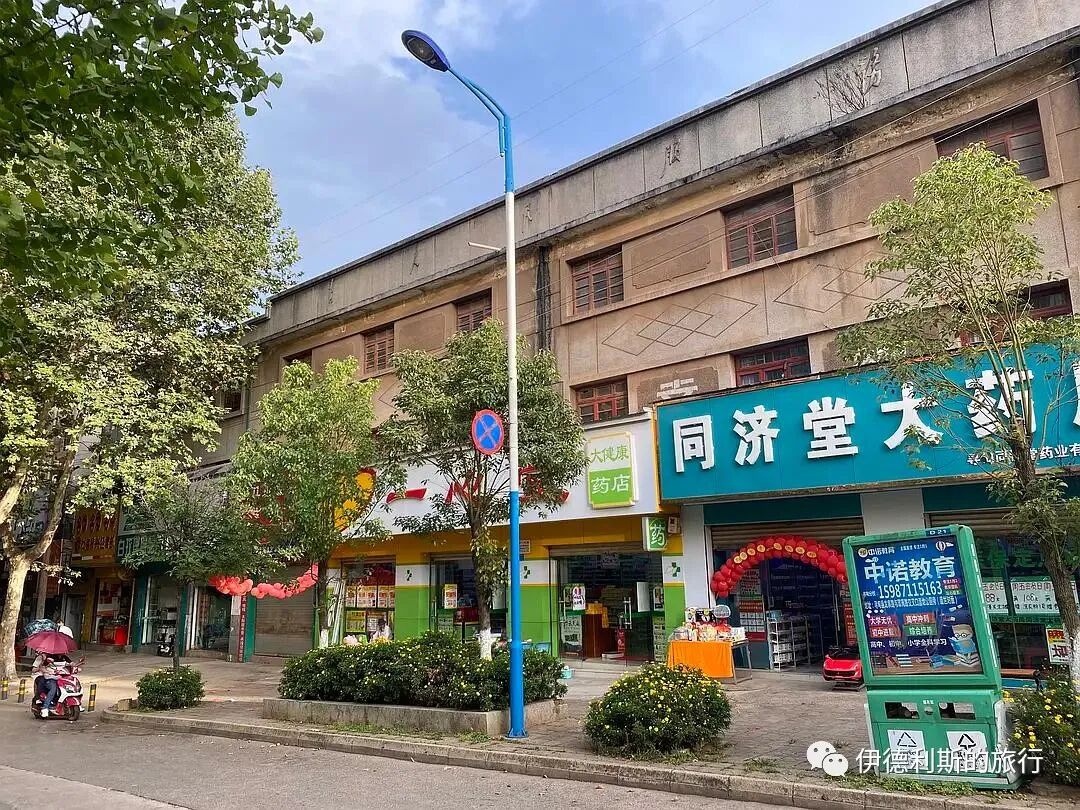
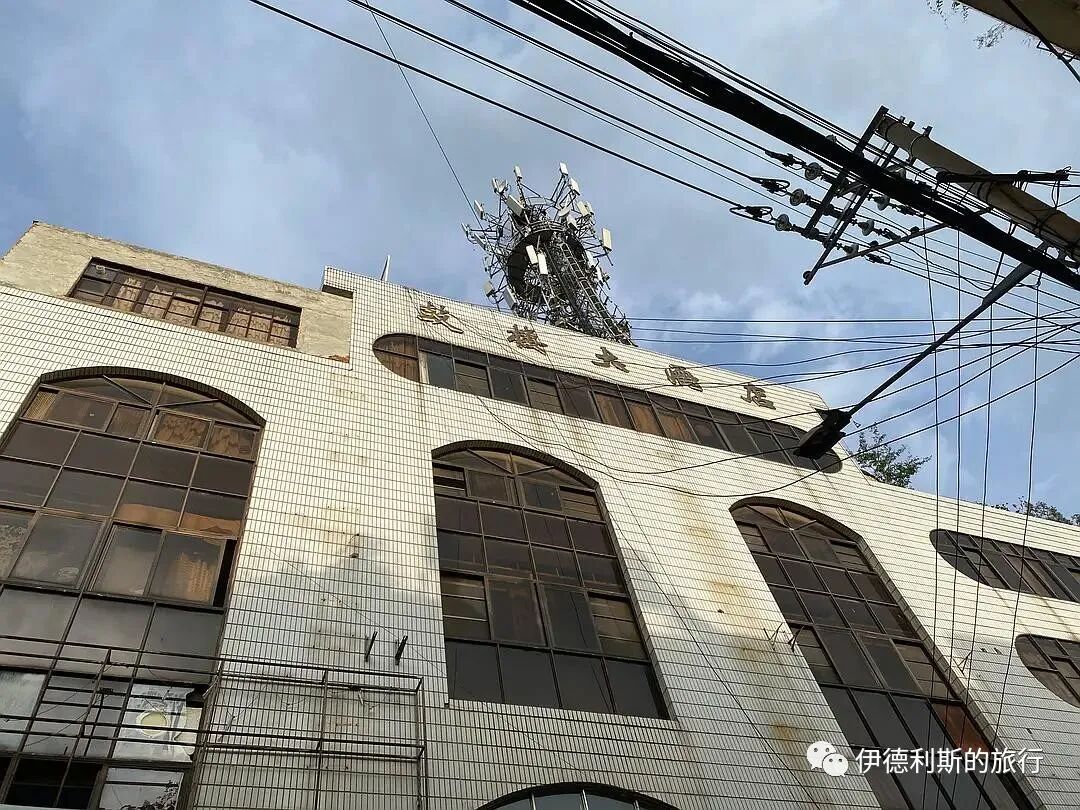
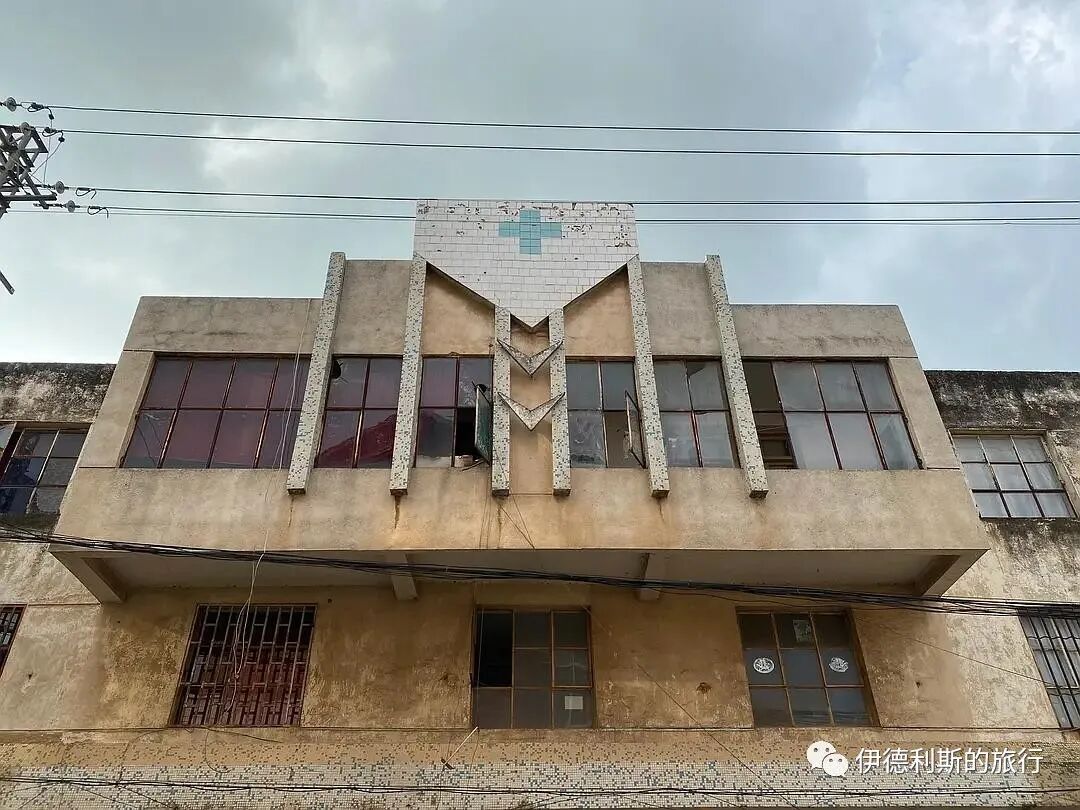
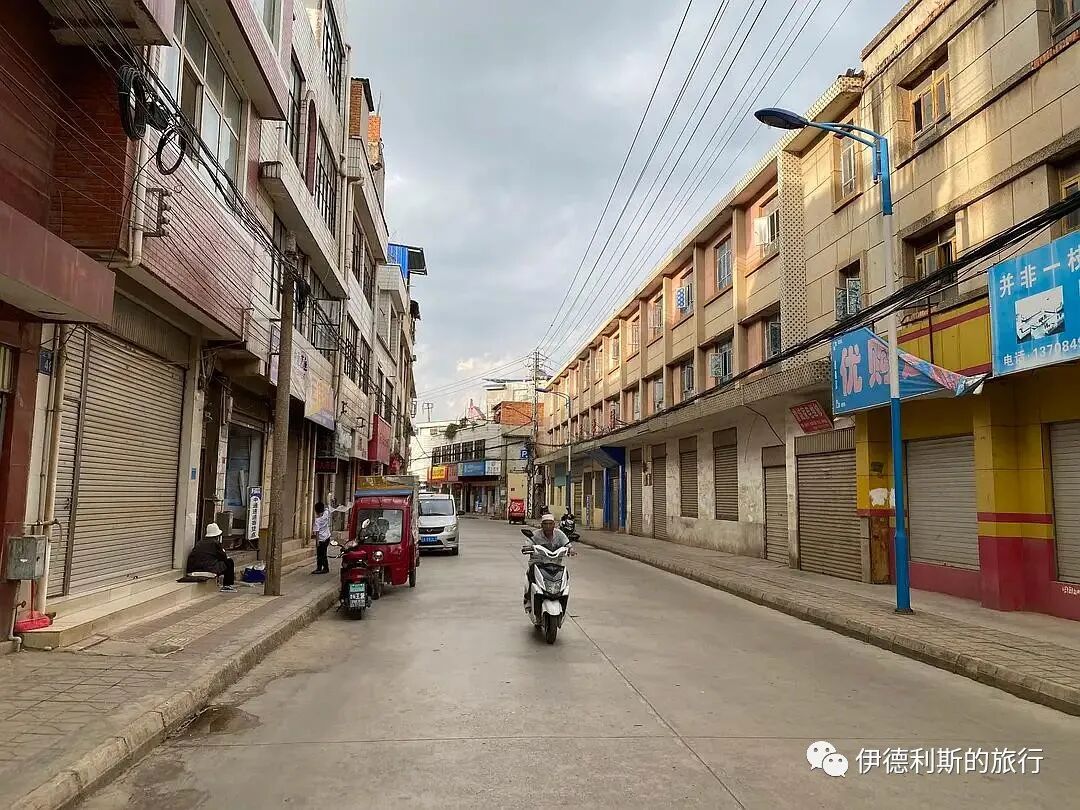
Night view of the old town crossroads.
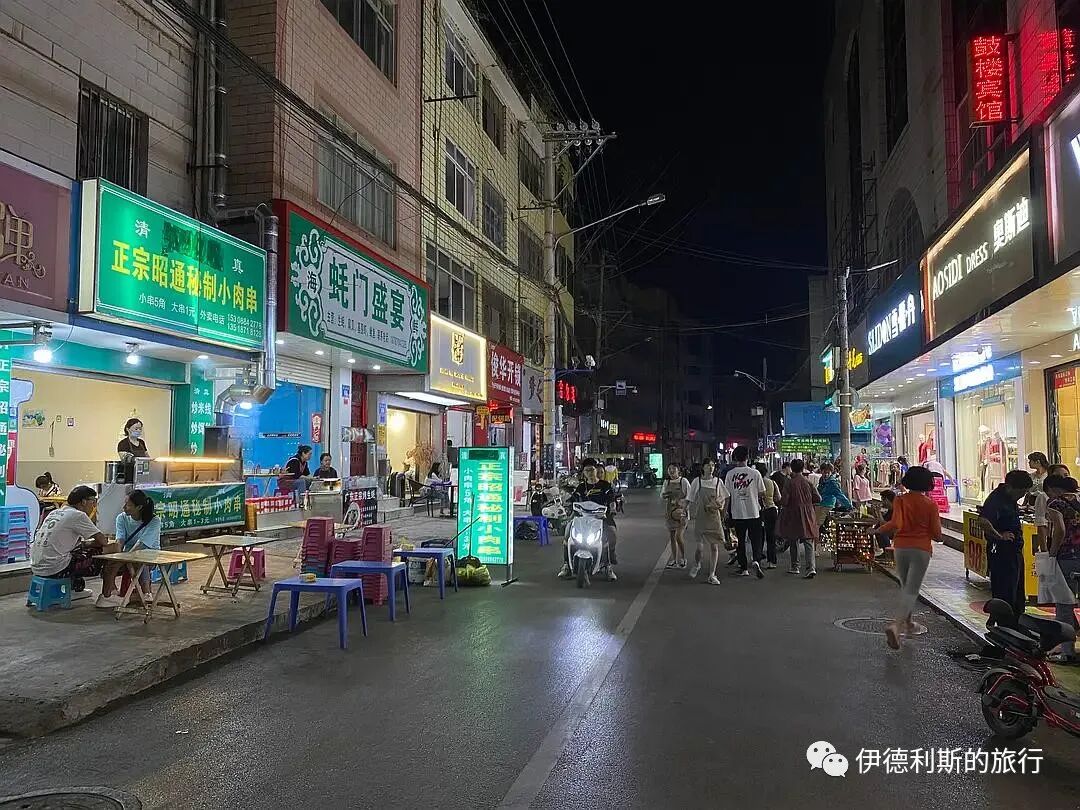
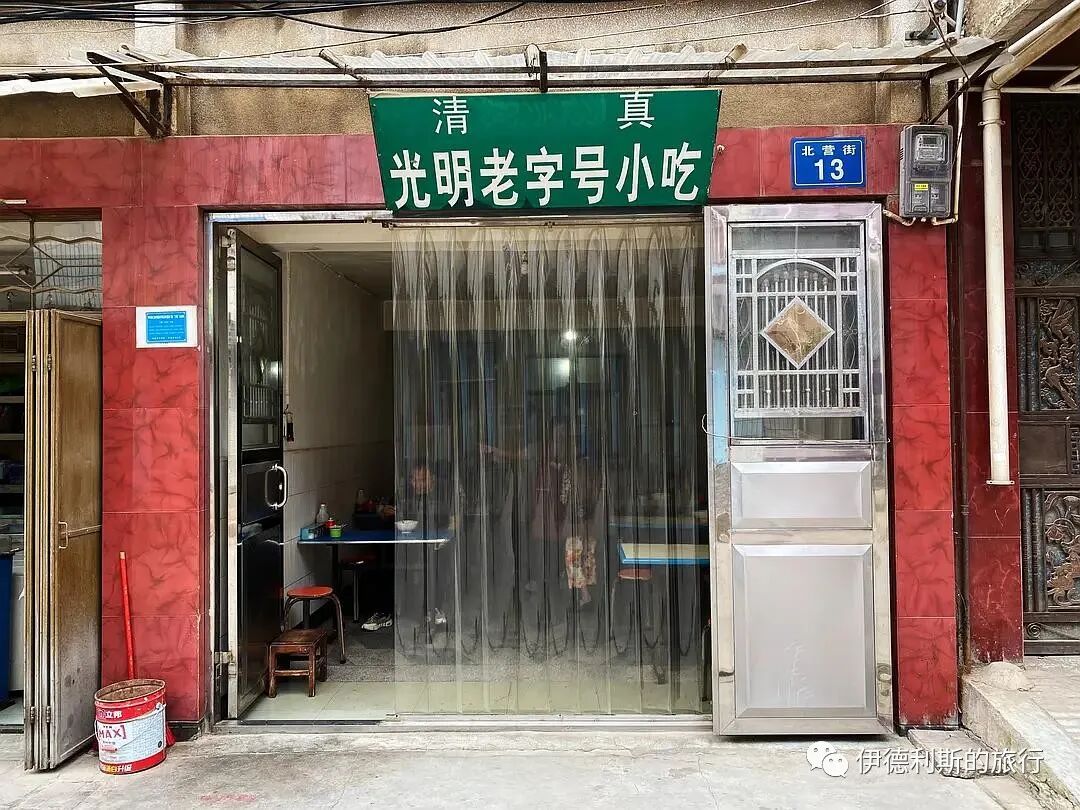
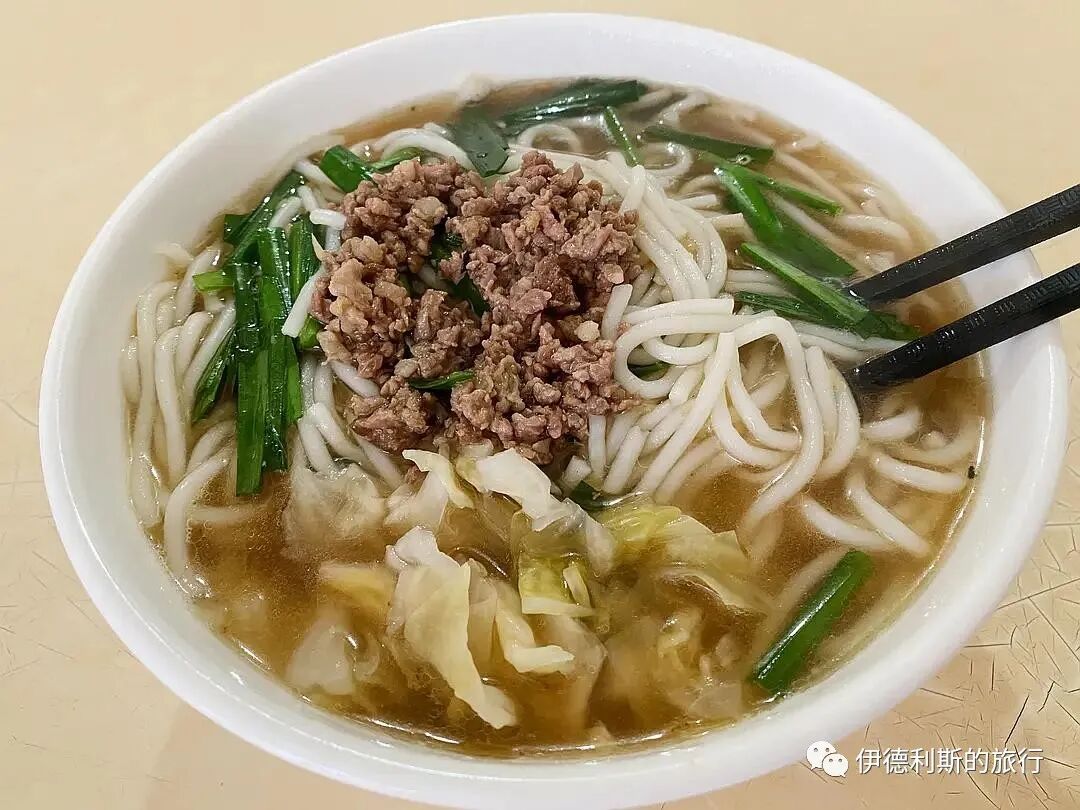
On August 8, I had a bowl of rice noodles at the Guangming time-honored snack shop on Beiying Street in the county seat in the morning.
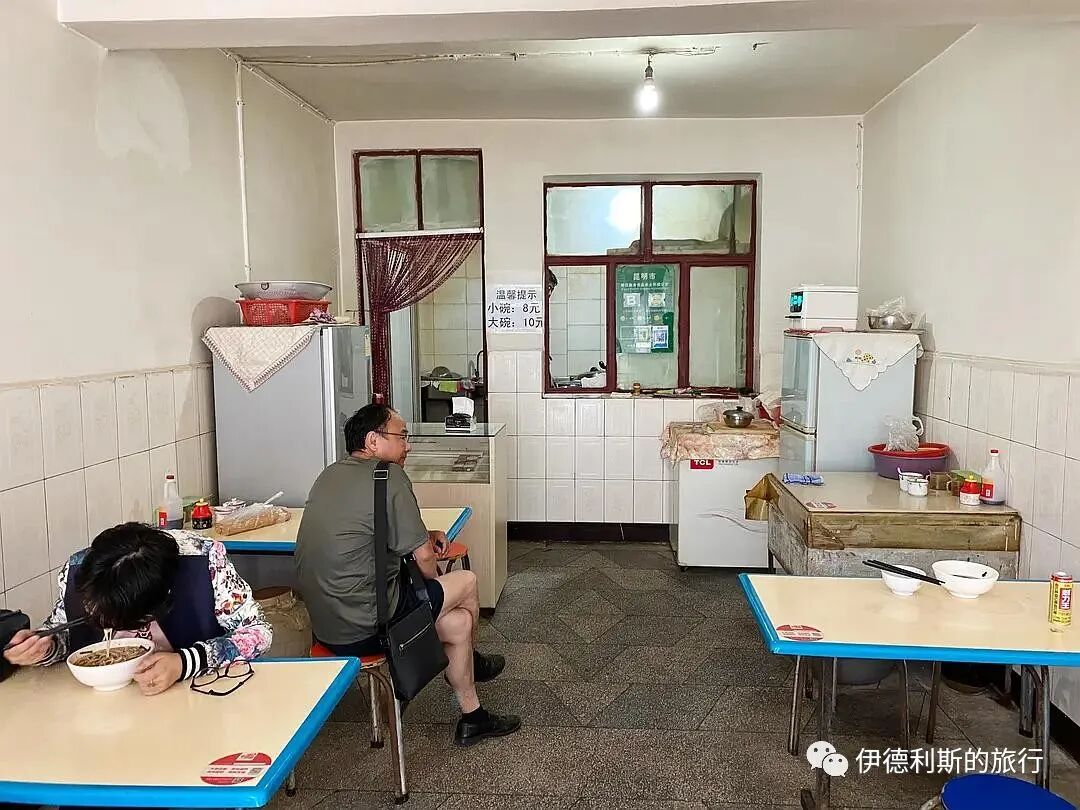
Luochong Mosque.
In the morning, I planned to go to Xundian's most famous Dangui Mosque, but I missed the bus at the passenger station, so I took a taxi to another mosque, Luochong Mosque. Luochong Mosque is located in a mountain village and is very quiet. The current mosque was built over 19 years, from 1881 to 1900.
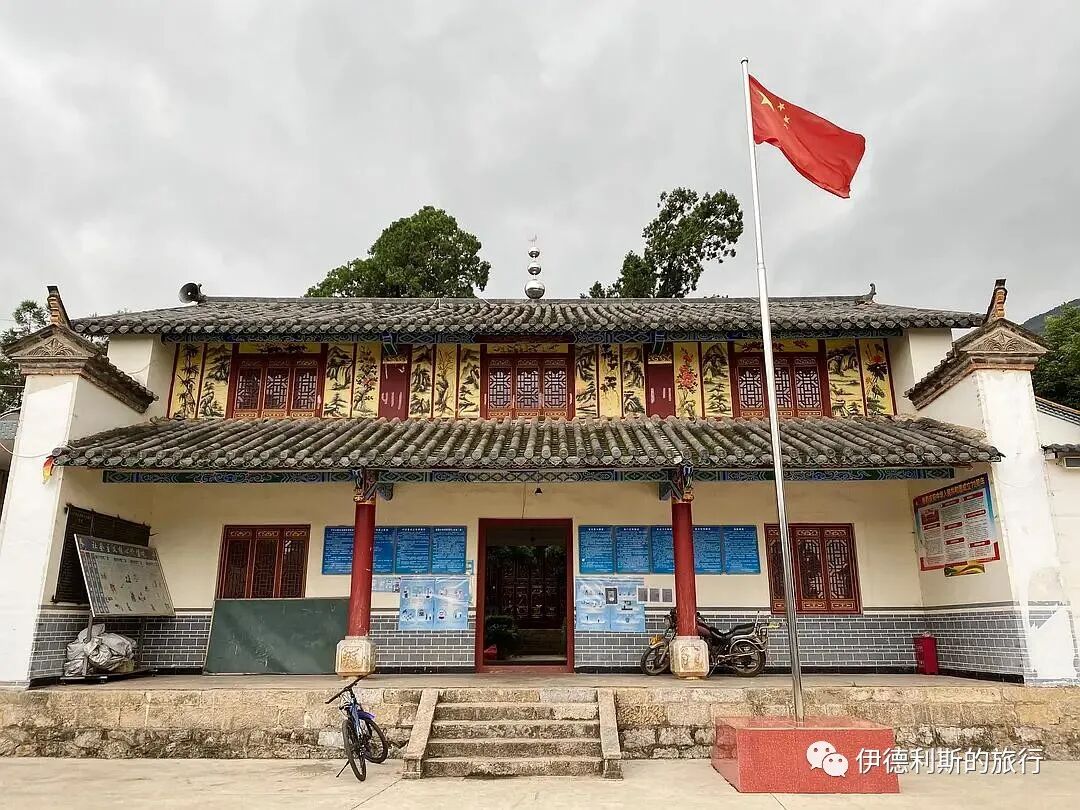
The door panels of the main hall are very bright.
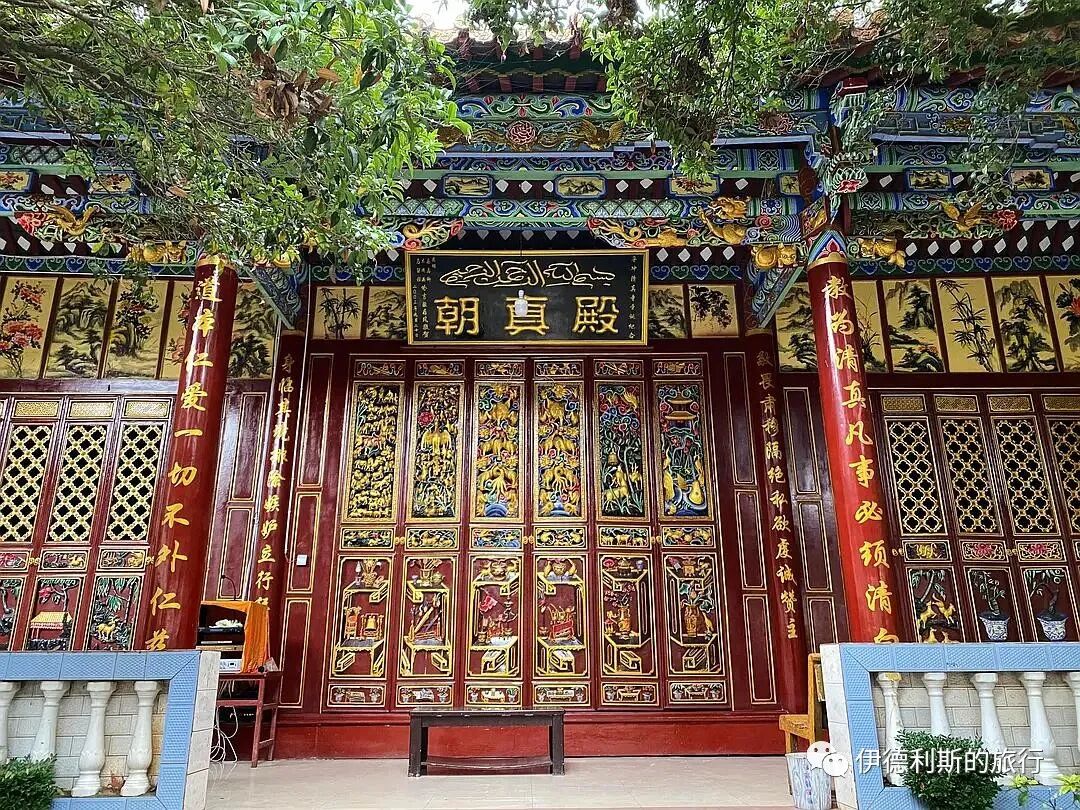
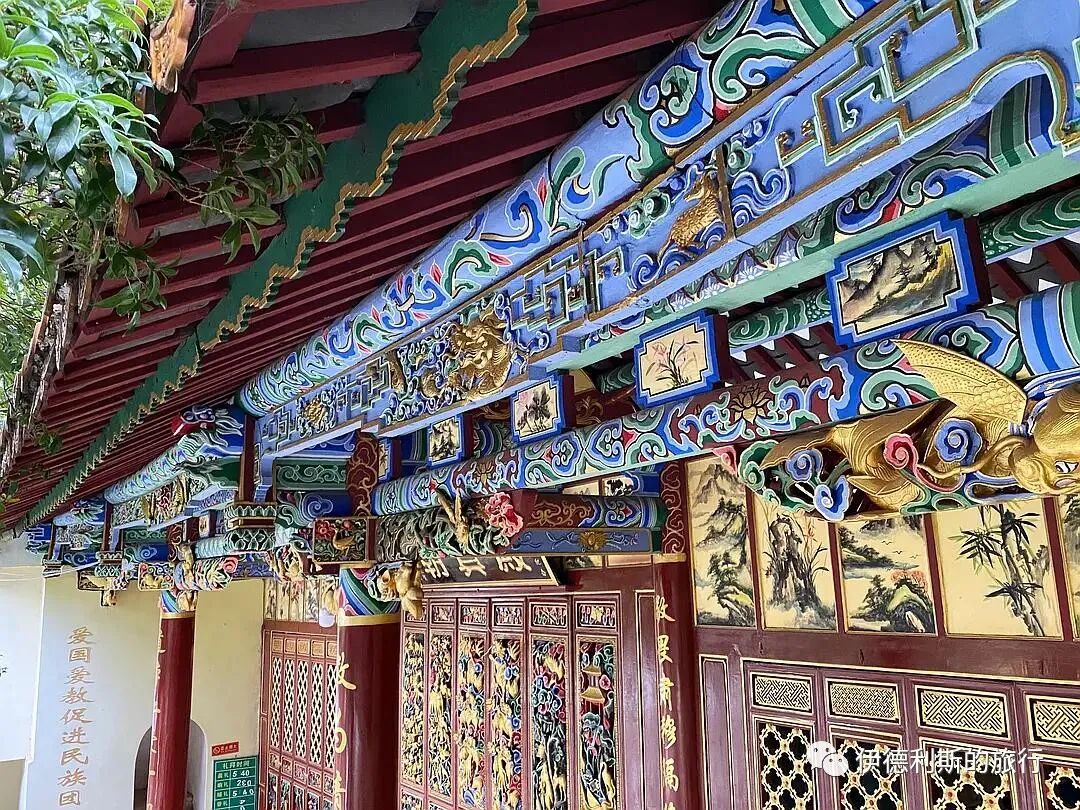
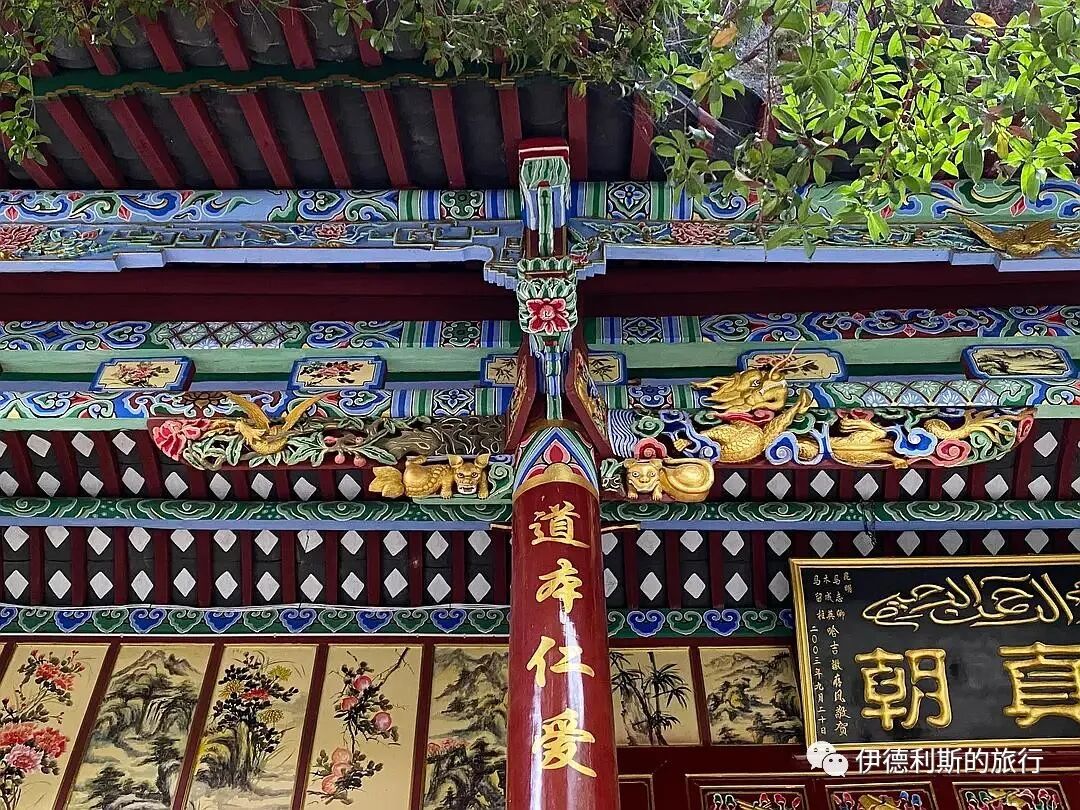
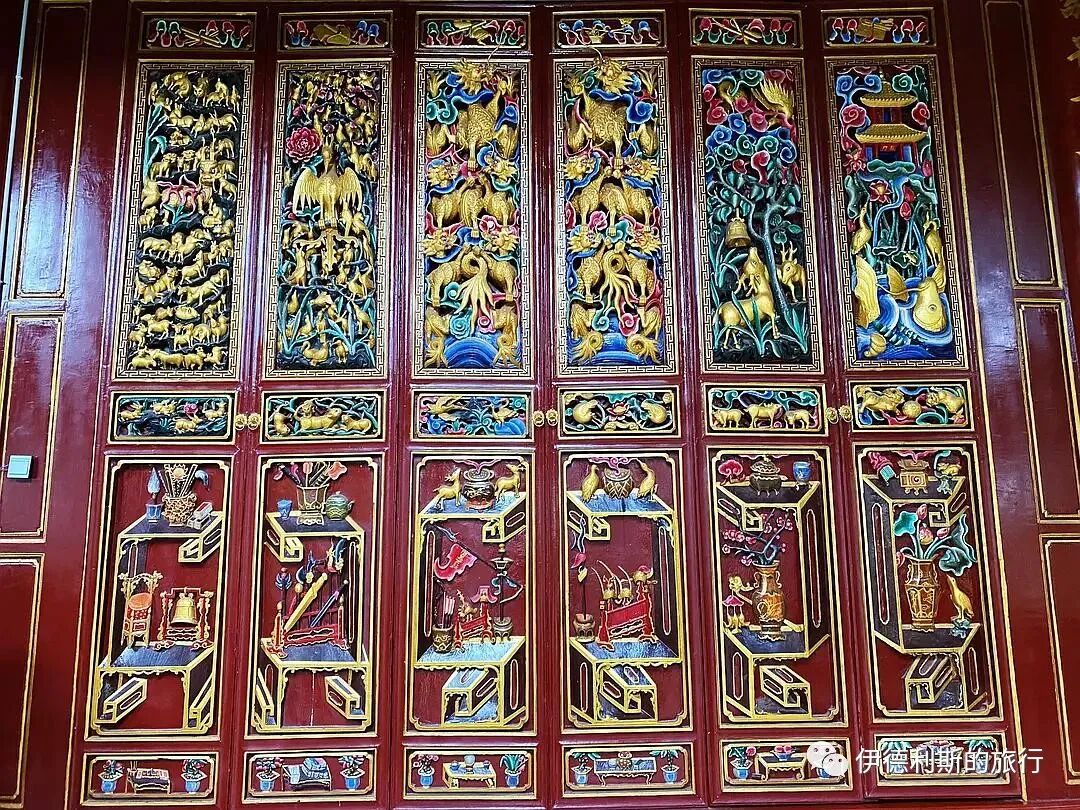
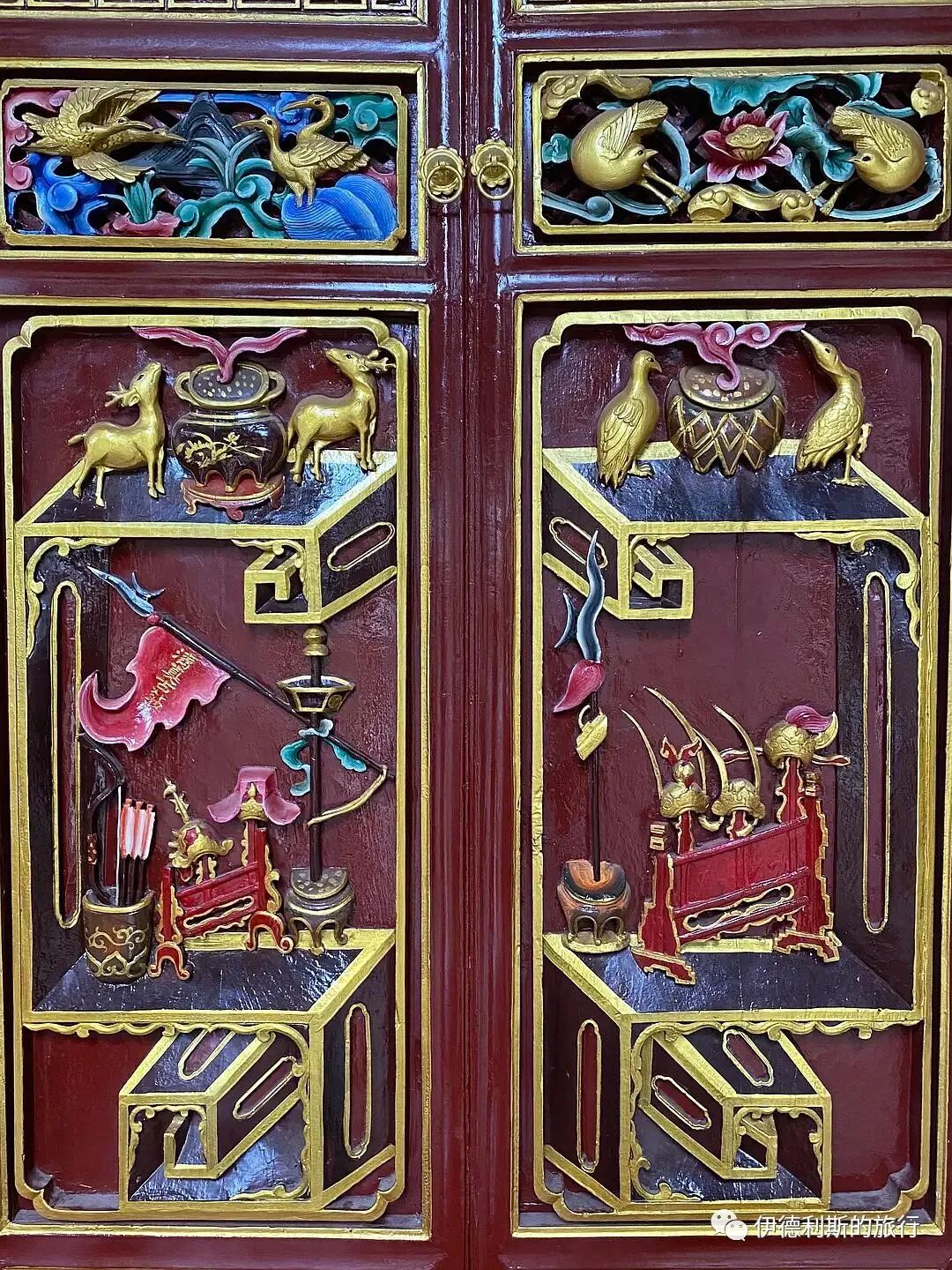
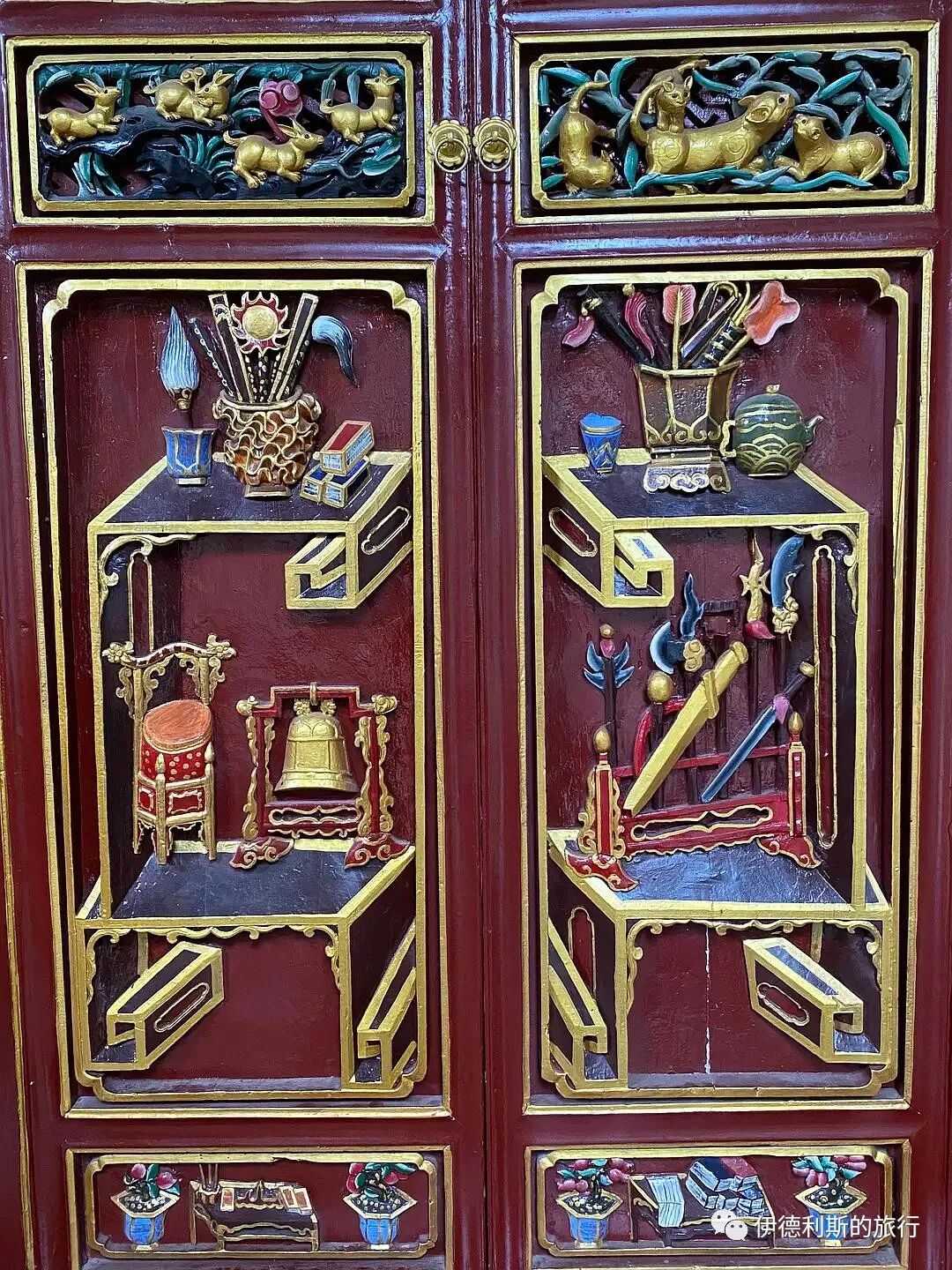
Scenery in the village.
Halal Travel Guide: Kairouan, Tunisia - Great Mosque and Jumu'ah (Part 1)
Articles • ali2007fr posted the article • 0 comments • 224 views • 2026-05-19 22:56
Summary: This first part follows a visit to the Great Mosque of Kairouan for Jumu'ah in one of Tunisia's most important Islamic cities. It keeps the original prayer experience, mosque history, photographs, and travel details for readers interested in Muslim heritage in North Africa.
On Friday, we left from the Louage station south of Sousse and reached Kairouan, the most important ancient city in Tunisia, in just one hour. The Louage station in Kairouan is on the west side of the city, but you can ask the driver to drop you off right at the gate of the Great Mosque of Kairouan.
When we arrived at the Great Mosque at twelve o'clock, it was already closed. A young man at the gate told us that other mosques in Kairouan hold Jumu'ah prayer at one o'clock, but only the Great Mosque holds it at three, so he suggested we come back later.
We used this time to look at the exterior of the mosque. The Great Mosque of Kairouan is the oldest and most spectacular Jumu'ah mosque in Tunisia. It was first built in 670 by order of Uqba ibn Nafi, a general of the Arab Umayyad Caliphate. It was destroyed by Christian Berbers in 690 and rebuilt by the Umayyad Caliphate in 703. As the Arab population in Tunisia grew, the number of Muslims in Kairouan increased. The Great Mosque was rebuilt and renovated many times between 724-728, 774, 836, 862-863, and 875, finally taking its current form in the 9th century.
The Great Mosque is a huge, irregular quadrilateral with a perimeter of 405 meters, looking like a fortress from the outside. The outer walls are 1.9 meters thick and built from stone, rubble, and bricks. Because the ground is quite soft, many buttresses were built on the outer walls to increase stability.
The Great Mosque has nine gates, some of which have porches and spiral-shaped domes. Bab Lalla Rihana on the southeast side was built in 1293 during the Hafsid dynasty. It features a horseshoe arch and ancient stone columns that blend perfectly with the 9th-century walls.
While waiting for Jumu'ah, we had lunch at El Brija Restaurant, located on the city wall next to the Great Mosque. The atmosphere and service were both good, and they serve traditional Tunisian food. I recommend eating here when visiting the Great Mosque.
We ordered a traditional appetizer platter and a mixed couscous stew. When eating at a proper restaurant in Tunisia, you really only need to order the main course, as most places provide side dishes and bread.
Our appetizer platter included Tunisian salad, Houria carrot salad, and Mechouia green pepper salad. We ate these three dishes almost every day in Tunisia. Tunisian salad is made of diced cucumbers, tomatoes, and onions mixed with olive oil, topped with boiled eggs and tuna. Mechouia salad contains green peppers, tomatoes, onions, garlic, and more. Tunisians love it, and it is rich in vitamins and very healthy. The couscous stew was very rich, containing lamb, Merguez sausage, chicken, beef, dried fruits, and preserved fruits. The Merguez sausage is seasoned with cumin and chili, making it very flavorful.
After the meal, we were served mint tea and Makroudh dessert. Makroudh is a classic North African Maghreb snack for breaking the fast. It is made of semolina on the outside, filled with date paste and dried fruits, then baked and soaked in syrup.
We returned to the Great Mosque after two o'clock, and people were already entering the prayer hall. Once inside the courtyard, the first thing you see is the oldest minaret (bangke ta) still in existence today. The minaret of the Great Mosque of Kairouan was built between the 8th and 9th centuries. The current structure mostly dates back to 836. It is one of the three most important early minarets, alongside the spiral minaret of the Great Mosque of Samarra in Iraq, built between 848 and 852, and the spiral minaret of the Abu Dulaf Mosque in Iraq, built in 859. These three served as models for later minarets across Andalusia and the Maghreb.
There were no minarets during the time of the Prophet and the four Caliphs. People called for prayer (adhan) from the mosque entrance or the roof. Platforms for calling the adhan appeared during the Umayyad dynasty in the 7th century, but true minarets did not emerge until the Abbasid dynasty in the 8th century. There is no final conclusion on the origin of the minaret. Some say it mimics the towers of Syrian churches, while others suggest it was inspired by the Lighthouse of Alexandria or Mesopotamian ziggurats. Four towers were built during the reconstruction of the Sacred Mosque in Mecca in the late 8th century, but they have not survived. The earliest surviving minarets are the one at the Great Mosque of Kairouan and the two in Iraq. The Bride's Minaret at the Umayyad Mosque in Damascus may also date to the 9th century, but there is no clear record of this.
The minaret of the Great Mosque of Kairouan is 31.5 meters tall. Its base dates back to the Umayyad period in 725, and you can see Latin inscriptions from the Roman era on the walls. The first and second levels of the minaret were built in 836 using carefully cut stone. The side facing the courtyard has windows, while the other three sides have arrow slits. The third level of the minaret is a four-arched structure (chahartaq), which was likely added later.
Three sides of the Great Mosque are surrounded by double-row horseshoe-shaped arcades. The columns come from various ancient Roman and Byzantine ruins, including some from the famous site of Carthage.
There is a dome above the main entrance of the prayer hall and another above the mihrab. These domes, built in 836, are important examples of early mosque domes.
The prayer hall connects to the arcades through 17 carved wooden doors. The most beautiful one in the center was built in 1828 and features rich geometric and floral patterns.
The mihrab of the Great Mosque is 5.1 meters high. It was built in 863 and is the oldest concave mihrab in the world. The main body of the mihrab is a horseshoe arch supported by two red marble columns. The columns have Byzantine-style capitals with very fine carvings.
The upper part of the mihrab features 139 iridescent ceramic tiles fired in the second half of the 9th century. This metallic-lustre glazed pottery originated in Abbasid-ruled Iraq and was traded throughout West Asia and North Africa. It is not yet certain whether the iridescent tiles of the Great Mosque of Kairouan were fired in Iraq or if Iraqi craftsmen were invited to Kairouan to make them.
The concave center of the upper part is made of painted wood, featuring complex vine patterns in yellow on a blue background. The lower part is inlaid with 28 white marble slabs carved with complex floral and geometric patterns, including stylized grape leaves, flowers, and shells.
Next to the mihrab are the pulpit (minbar) for the Friday sermon and the enclosure (maqsurah) used by kings and nobles.
The minbar of the Great Mosque of Kairouan was also built in 863 and is the oldest surviving minbar in the world. The minbar is made of teak imported from India and is assembled from over 300 wooden panels carved with floral and geometric patterns. Although it was restored in the early 20th century, all but nine of the wooden panels are original pieces from over a thousand years ago. Today, the sides of the minbar are protected by glass, making it difficult to take photos due to the reflection.
The maksura at the Great Mosque of Kairouan was built in the first half of the 11th century. It is the oldest maksura in the world still in use. The maksura at the Great Mosque of Cordoba in Spain was built in 965, but it is no longer used today. The maksura is made of cedar and is 14 meters long. It is carved with ornate Kufic calligraphy and floral patterns, representing the highest achievement in Tunisian carving art at that time.
The maksura originated during the time of Caliph Uthman in the mid-7th century. After Caliph Umar was assassinated inside the prayer hall, Uthman built a partition wall inside the hall to protect himself. Later, mosques where the Caliph resided would all have a maksura built inside.
The prayer hall of the Great Mosque of Kairouan is 70.6 meters wide and 37.5 meters deep. It consists of 17 aisles, with the aisle directly facing the mihrab being the tallest and widest. This layout was later adopted by major mosques across the Maghreb and Andalusia.
There are 414 stone columns inside the prayer hall. They are made of marble, granite, and porphyry, with capitals in styles including Corinthian, Ionic, and Composite. Some capitals were carved specifically for the prayer hall, while many others came from ancient Roman, Phoenician, and Byzantine sites in Tunisia, including the famous ancient city of Carthage.
The door inside the prayer hall's maksura is decorated with marble floral carvings. This door leads to the library behind the qibla wall, which is also where the imam usually stays. The imam only comes out from here to lead the prayer and deliver the khutbah.
The grand scene of Jumu'ah at the Great Mosque of Kairouan. After the adhan is finished, the imam slowly walks up the minbar to begin the khutbah. In Arabic-speaking regions, everyone understands the khutbah, so there is no sermon session beforehand.
Tunisia follows the Maliki school of thought. Their namaz movements are quite similar to our Hanafi school, including the initial takbir, but the main difference is that they also fold their arms when making intention.
After the prayer, we stood for janazah outside the prayer hall door. Because Jumu'ah was at three o'clock, we immediately returned to the prayer hall to perform Dhuhr after finishing.
From the 9th to the 11th century, the Great Mosque of Kairouan was the academic center for the entire Maghreb region and the Maliki school. to religious courses, it offered subjects like mathematics, astronomy, medicine, and botany. In 1045, the Zirid dynasty court in Kairouan announced its conversion to Sunni Islam. Upon hearing this, the Shi'a Fatimid dynasty in Egypt sent a group of Arab tribes to invade Kairouan. In 1057, these Arab tribes occupied and destroyed Kairouan. The Great Mosque of Kairouan declined from then on and did not slowly recover until after the 13th century.
After leaving the Great Mosque of Kairouan, we started exploring the ancient medina of Kairouan. Besides the Great Mosque, the other ancient mosque remaining in Kairouan is the Mosque of the Three Doors (Masjid al-Thalathat Abwab), built in 866. This mosque has the oldest decorated facade of any religious building in the world.
Today, only the facade of the Mosque of the Three Doors retains its 9th-century appearance, while the minaret next to it was added in 1440. The gate of the Mosque of the Three Doors consists of three horseshoe arches and features four ancient stone columns. The arch is carved with floral patterns and Kufic calligraphy, which includes verses from the Quran and the name of the builder, Muhammad ibn Khairun. Muhammad ibn Khairun was a scholar and merchant from Andalusia who traveled through Iraq and Egypt to reach Kairouan, Tunisia. When the minaret was added in 1440, the original 9th-century inscriptions were rearranged to make room for the new text.
In the northwest of the Kairouan Medina stands an important tomb for Sidi Sahib, a companion of the Prophet and his barber, which is why it is also called the Barber Mosque.
Legend says Sidi Sahib died in a battle in 654 and was buried here. By the 11th century, this place had become a famous holy site, and the tomb shrine (gongbei) was built in the 14th century. The Bey of Tunis, Hammuda Pasha (reigned 1631-66), expanded the tomb significantly in 1629 and built a new main hall. Another Bey, Mohamed (reigned 1675-96), built the minaret and a religious school (madrasa) between 1690 and 1695. Since the 19th century, the tomb of Sidi Sahib has undergone several renovations, but it still keeps its 17th-century architectural style.
The tomb of Sidi Sahib in Kairouan blends Andalusian, Italian Renaissance, and local Kairouan architectural styles. The interior features many classic 17th-century Tunisian Qallalin tiles and rich plaster carvings.
At the minaret, gate, and main hall of the Sidi Sahib tomb in Kairouan, an old man in the courtyard pours perfume into the hands of every visitor (dosti) who comes to pay their respects.
The Sidi Abid al-Ghariani school (madrasa) and shrine (zawiya) inside the Kairouan Medina were founded in the 14th century and expanded significantly in the 17th century. Abid al-Ghariani was a scholar, and his teacher, Al-Jadidi, was a famous judge in Kairouan. Al-Jadidi passed away in 1384 while on the Hajj pilgrimage in Mecca. Abid al-Ghariani took over his teacher's role to continue teaching in Kairouan, and after he died in 1402, he was buried next to the school.
Besides Abid al-Ghariani, the Hafsid dynasty Caliph Moulay Hasan (reigned 1526-1543) is also buried here. In 1534, the famous pirate Barbarossa led a fleet to invade Tunisia. Moulay Hasan eventually took back Tunisia with the help of the Holy Roman Empire, but he had to sign a treaty to become a vassal of Spain. In 1542, while Moulay Hasan was traveling to Italy to collect weapons and ammunition, his son usurped the throne, and he was eventually exiled. He lived in Naples and Sicily for several years and later met with the Holy Roman Emperor and the Pope, becoming the most well-known Arab monarch to Europeans of that era.
The city walls and gates of the Kairouan Medina.
Kairouan was founded in 670 by the Arab Umayyad general Uqba ibn Nafi, who chose the site to serve as a military base for the Arab conquest of Tunisia. Over the next hundred years, the Berbers launched wave after wave of uprisings against the Arabs. After surviving many attacks, Kairouan was finally captured by the Berbers in 745 and was not retaken until the end of the 8th century. view all
Summary: This first part follows a visit to the Great Mosque of Kairouan for Jumu'ah in one of Tunisia's most important Islamic cities. It keeps the original prayer experience, mosque history, photographs, and travel details for readers interested in Muslim heritage in North Africa.
On Friday, we left from the Louage station south of Sousse and reached Kairouan, the most important ancient city in Tunisia, in just one hour. The Louage station in Kairouan is on the west side of the city, but you can ask the driver to drop you off right at the gate of the Great Mosque of Kairouan.
When we arrived at the Great Mosque at twelve o'clock, it was already closed. A young man at the gate told us that other mosques in Kairouan hold Jumu'ah prayer at one o'clock, but only the Great Mosque holds it at three, so he suggested we come back later.
We used this time to look at the exterior of the mosque. The Great Mosque of Kairouan is the oldest and most spectacular Jumu'ah mosque in Tunisia. It was first built in 670 by order of Uqba ibn Nafi, a general of the Arab Umayyad Caliphate. It was destroyed by Christian Berbers in 690 and rebuilt by the Umayyad Caliphate in 703. As the Arab population in Tunisia grew, the number of Muslims in Kairouan increased. The Great Mosque was rebuilt and renovated many times between 724-728, 774, 836, 862-863, and 875, finally taking its current form in the 9th century.
The Great Mosque is a huge, irregular quadrilateral with a perimeter of 405 meters, looking like a fortress from the outside. The outer walls are 1.9 meters thick and built from stone, rubble, and bricks. Because the ground is quite soft, many buttresses were built on the outer walls to increase stability.
The Great Mosque has nine gates, some of which have porches and spiral-shaped domes. Bab Lalla Rihana on the southeast side was built in 1293 during the Hafsid dynasty. It features a horseshoe arch and ancient stone columns that blend perfectly with the 9th-century walls.
While waiting for Jumu'ah, we had lunch at El Brija Restaurant, located on the city wall next to the Great Mosque. The atmosphere and service were both good, and they serve traditional Tunisian food. I recommend eating here when visiting the Great Mosque.
We ordered a traditional appetizer platter and a mixed couscous stew. When eating at a proper restaurant in Tunisia, you really only need to order the main course, as most places provide side dishes and bread.
Our appetizer platter included Tunisian salad, Houria carrot salad, and Mechouia green pepper salad. We ate these three dishes almost every day in Tunisia. Tunisian salad is made of diced cucumbers, tomatoes, and onions mixed with olive oil, topped with boiled eggs and tuna. Mechouia salad contains green peppers, tomatoes, onions, garlic, and more. Tunisians love it, and it is rich in vitamins and very healthy. The couscous stew was very rich, containing lamb, Merguez sausage, chicken, beef, dried fruits, and preserved fruits. The Merguez sausage is seasoned with cumin and chili, making it very flavorful.
After the meal, we were served mint tea and Makroudh dessert. Makroudh is a classic North African Maghreb snack for breaking the fast. It is made of semolina on the outside, filled with date paste and dried fruits, then baked and soaked in syrup.
We returned to the Great Mosque after two o'clock, and people were already entering the prayer hall. Once inside the courtyard, the first thing you see is the oldest minaret (bangke ta) still in existence today. The minaret of the Great Mosque of Kairouan was built between the 8th and 9th centuries. The current structure mostly dates back to 836. It is one of the three most important early minarets, alongside the spiral minaret of the Great Mosque of Samarra in Iraq, built between 848 and 852, and the spiral minaret of the Abu Dulaf Mosque in Iraq, built in 859. These three served as models for later minarets across Andalusia and the Maghreb.
There were no minarets during the time of the Prophet and the four Caliphs. People called for prayer (adhan) from the mosque entrance or the roof. Platforms for calling the adhan appeared during the Umayyad dynasty in the 7th century, but true minarets did not emerge until the Abbasid dynasty in the 8th century. There is no final conclusion on the origin of the minaret. Some say it mimics the towers of Syrian churches, while others suggest it was inspired by the Lighthouse of Alexandria or Mesopotamian ziggurats. Four towers were built during the reconstruction of the Sacred Mosque in Mecca in the late 8th century, but they have not survived. The earliest surviving minarets are the one at the Great Mosque of Kairouan and the two in Iraq. The Bride's Minaret at the Umayyad Mosque in Damascus may also date to the 9th century, but there is no clear record of this.
The minaret of the Great Mosque of Kairouan is 31.5 meters tall. Its base dates back to the Umayyad period in 725, and you can see Latin inscriptions from the Roman era on the walls. The first and second levels of the minaret were built in 836 using carefully cut stone. The side facing the courtyard has windows, while the other three sides have arrow slits. The third level of the minaret is a four-arched structure (chahartaq), which was likely added later.
Three sides of the Great Mosque are surrounded by double-row horseshoe-shaped arcades. The columns come from various ancient Roman and Byzantine ruins, including some from the famous site of Carthage.
There is a dome above the main entrance of the prayer hall and another above the mihrab. These domes, built in 836, are important examples of early mosque domes.
The prayer hall connects to the arcades through 17 carved wooden doors. The most beautiful one in the center was built in 1828 and features rich geometric and floral patterns.
The mihrab of the Great Mosque is 5.1 meters high. It was built in 863 and is the oldest concave mihrab in the world. The main body of the mihrab is a horseshoe arch supported by two red marble columns. The columns have Byzantine-style capitals with very fine carvings.
The upper part of the mihrab features 139 iridescent ceramic tiles fired in the second half of the 9th century. This metallic-lustre glazed pottery originated in Abbasid-ruled Iraq and was traded throughout West Asia and North Africa. It is not yet certain whether the iridescent tiles of the Great Mosque of Kairouan were fired in Iraq or if Iraqi craftsmen were invited to Kairouan to make them.
The concave center of the upper part is made of painted wood, featuring complex vine patterns in yellow on a blue background. The lower part is inlaid with 28 white marble slabs carved with complex floral and geometric patterns, including stylized grape leaves, flowers, and shells.
Next to the mihrab are the pulpit (minbar) for the Friday sermon and the enclosure (maqsurah) used by kings and nobles.
The minbar of the Great Mosque of Kairouan was also built in 863 and is the oldest surviving minbar in the world. The minbar is made of teak imported from India and is assembled from over 300 wooden panels carved with floral and geometric patterns. Although it was restored in the early 20th century, all but nine of the wooden panels are original pieces from over a thousand years ago. Today, the sides of the minbar are protected by glass, making it difficult to take photos due to the reflection.
The maksura at the Great Mosque of Kairouan was built in the first half of the 11th century. It is the oldest maksura in the world still in use. The maksura at the Great Mosque of Cordoba in Spain was built in 965, but it is no longer used today. The maksura is made of cedar and is 14 meters long. It is carved with ornate Kufic calligraphy and floral patterns, representing the highest achievement in Tunisian carving art at that time.
The maksura originated during the time of Caliph Uthman in the mid-7th century. After Caliph Umar was assassinated inside the prayer hall, Uthman built a partition wall inside the hall to protect himself. Later, mosques where the Caliph resided would all have a maksura built inside.
The prayer hall of the Great Mosque of Kairouan is 70.6 meters wide and 37.5 meters deep. It consists of 17 aisles, with the aisle directly facing the mihrab being the tallest and widest. This layout was later adopted by major mosques across the Maghreb and Andalusia.
There are 414 stone columns inside the prayer hall. They are made of marble, granite, and porphyry, with capitals in styles including Corinthian, Ionic, and Composite. Some capitals were carved specifically for the prayer hall, while many others came from ancient Roman, Phoenician, and Byzantine sites in Tunisia, including the famous ancient city of Carthage.
The door inside the prayer hall's maksura is decorated with marble floral carvings. This door leads to the library behind the qibla wall, which is also where the imam usually stays. The imam only comes out from here to lead the prayer and deliver the khutbah.
The grand scene of Jumu'ah at the Great Mosque of Kairouan. After the adhan is finished, the imam slowly walks up the minbar to begin the khutbah. In Arabic-speaking regions, everyone understands the khutbah, so there is no sermon session beforehand.
Tunisia follows the Maliki school of thought. Their namaz movements are quite similar to our Hanafi school, including the initial takbir, but the main difference is that they also fold their arms when making intention.
After the prayer, we stood for janazah outside the prayer hall door. Because Jumu'ah was at three o'clock, we immediately returned to the prayer hall to perform Dhuhr after finishing.
From the 9th to the 11th century, the Great Mosque of Kairouan was the academic center for the entire Maghreb region and the Maliki school. to religious courses, it offered subjects like mathematics, astronomy, medicine, and botany. In 1045, the Zirid dynasty court in Kairouan announced its conversion to Sunni Islam. Upon hearing this, the Shi'a Fatimid dynasty in Egypt sent a group of Arab tribes to invade Kairouan. In 1057, these Arab tribes occupied and destroyed Kairouan. The Great Mosque of Kairouan declined from then on and did not slowly recover until after the 13th century.
After leaving the Great Mosque of Kairouan, we started exploring the ancient medina of Kairouan. Besides the Great Mosque, the other ancient mosque remaining in Kairouan is the Mosque of the Three Doors (Masjid al-Thalathat Abwab), built in 866. This mosque has the oldest decorated facade of any religious building in the world.
Today, only the facade of the Mosque of the Three Doors retains its 9th-century appearance, while the minaret next to it was added in 1440. The gate of the Mosque of the Three Doors consists of three horseshoe arches and features four ancient stone columns. The arch is carved with floral patterns and Kufic calligraphy, which includes verses from the Quran and the name of the builder, Muhammad ibn Khairun. Muhammad ibn Khairun was a scholar and merchant from Andalusia who traveled through Iraq and Egypt to reach Kairouan, Tunisia. When the minaret was added in 1440, the original 9th-century inscriptions were rearranged to make room for the new text.
In the northwest of the Kairouan Medina stands an important tomb for Sidi Sahib, a companion of the Prophet and his barber, which is why it is also called the Barber Mosque.
Legend says Sidi Sahib died in a battle in 654 and was buried here. By the 11th century, this place had become a famous holy site, and the tomb shrine (gongbei) was built in the 14th century. The Bey of Tunis, Hammuda Pasha (reigned 1631-66), expanded the tomb significantly in 1629 and built a new main hall. Another Bey, Mohamed (reigned 1675-96), built the minaret and a religious school (madrasa) between 1690 and 1695. Since the 19th century, the tomb of Sidi Sahib has undergone several renovations, but it still keeps its 17th-century architectural style.
The tomb of Sidi Sahib in Kairouan blends Andalusian, Italian Renaissance, and local Kairouan architectural styles. The interior features many classic 17th-century Tunisian Qallalin tiles and rich plaster carvings.
At the minaret, gate, and main hall of the Sidi Sahib tomb in Kairouan, an old man in the courtyard pours perfume into the hands of every visitor (dosti) who comes to pay their respects.
The Sidi Abid al-Ghariani school (madrasa) and shrine (zawiya) inside the Kairouan Medina were founded in the 14th century and expanded significantly in the 17th century. Abid al-Ghariani was a scholar, and his teacher, Al-Jadidi, was a famous judge in Kairouan. Al-Jadidi passed away in 1384 while on the Hajj pilgrimage in Mecca. Abid al-Ghariani took over his teacher's role to continue teaching in Kairouan, and after he died in 1402, he was buried next to the school.
Besides Abid al-Ghariani, the Hafsid dynasty Caliph Moulay Hasan (reigned 1526-1543) is also buried here. In 1534, the famous pirate Barbarossa led a fleet to invade Tunisia. Moulay Hasan eventually took back Tunisia with the help of the Holy Roman Empire, but he had to sign a treaty to become a vassal of Spain. In 1542, while Moulay Hasan was traveling to Italy to collect weapons and ammunition, his son usurped the throne, and he was eventually exiled. He lived in Naples and Sicily for several years and later met with the Holy Roman Emperor and the Pope, becoming the most well-known Arab monarch to Europeans of that era.
The city walls and gates of the Kairouan Medina.
Kairouan was founded in 670 by the Arab Umayyad general Uqba ibn Nafi, who chose the site to serve as a military base for the Arab conquest of Tunisia. Over the next hundred years, the Berbers launched wave after wave of uprisings against the Arabs. After surviving many attacks, Kairouan was finally captured by the Berbers in 745 and was not retaken until the end of the 8th century.
Halal Travel Guide: Kairouan, Tunisia - Great Mosque and Jumu'ah (Part 2)
Articles • ali2007fr posted the article • 0 comments • 138 views • 2026-05-19 22:19
Summary: This second part of the Kairouan travel account continues around the Great Mosque and the old city after Jumu'ah. It keeps the original mosque details, street scenes, photographs, and Muslim travel observations for readers interested in Tunisia's Islamic heritage.
Street views of the old medina in Kairouan.
Kairouan was the capital of the Aghlabid and Zirid dynasties between the 9th and 11th centuries. The Aghlabid dynasty was an Arab emirate nominally under the Abbasid Caliphate. Kairouan grew quickly during this time and became known for its wealth and prosperity, rivaling cities like Basra and Kufa within the Abbasid realm. The Zirid dynasty was a Berber emirate nominally under the Fatimid Caliphate. Kairouan reached its peak in art, trade, and agriculture during this period, with education flourishing in particular. In the 1040s, the Zirid dynasty declared independence from the Fatimid Caliphate and recognized the Abbasid Caliphate. The Fatimid Caliphate then sent a group of Arab tribes to invade Kairouan. In 1057, these Arab tribes captured and destroyed Kairouan. The Zirid dynasty was forced to move its capital to Mahdia, and Kairouan never regained its former prosperity.
In the Kairouan medina market, various sweets are very popular, especially the date-filled pastry known as Makroudh.
They also sell fresh dates here. They are quite sweet, though slightly more astringent than the dried ones.
The 18th-century Kairouan Bey residence, Dar El Bey, is now a carpet shop. The residence has 18 rooms inside with very ornate ceilings. However, if you do not plan to buy a carpet, the staff might not let you see all the rooms.
The office of the Kairouan Poetry Association; this kind of ornate ceiling is a signature feature of Kairouan.
The ancient Bir Barrouta well in Kairouan. Legend says it was dug by the Abbasid governor Ibn El Ayoun in 796, and the current domed structure was rebuilt by the Bey of Tunis, Mohamed, in 1690. It is still in operation today, using a camel to power a water wheel (noria) to draw water, which people collect in clay pots.
A gongbei built in 1829 in the old medina of Kairouan.
The Zeitouna Mosque outside the west gate of the old medina in Kairouan. Its architectural style is similar to the Great Mosque of Kairouan, but it is smaller in scale. view all
Summary: This second part of the Kairouan travel account continues around the Great Mosque and the old city after Jumu'ah. It keeps the original mosque details, street scenes, photographs, and Muslim travel observations for readers interested in Tunisia's Islamic heritage.
Street views of the old medina in Kairouan.
Kairouan was the capital of the Aghlabid and Zirid dynasties between the 9th and 11th centuries. The Aghlabid dynasty was an Arab emirate nominally under the Abbasid Caliphate. Kairouan grew quickly during this time and became known for its wealth and prosperity, rivaling cities like Basra and Kufa within the Abbasid realm. The Zirid dynasty was a Berber emirate nominally under the Fatimid Caliphate. Kairouan reached its peak in art, trade, and agriculture during this period, with education flourishing in particular. In the 1040s, the Zirid dynasty declared independence from the Fatimid Caliphate and recognized the Abbasid Caliphate. The Fatimid Caliphate then sent a group of Arab tribes to invade Kairouan. In 1057, these Arab tribes captured and destroyed Kairouan. The Zirid dynasty was forced to move its capital to Mahdia, and Kairouan never regained its former prosperity.
In the Kairouan medina market, various sweets are very popular, especially the date-filled pastry known as Makroudh.
They also sell fresh dates here. They are quite sweet, though slightly more astringent than the dried ones.
The 18th-century Kairouan Bey residence, Dar El Bey, is now a carpet shop. The residence has 18 rooms inside with very ornate ceilings. However, if you do not plan to buy a carpet, the staff might not let you see all the rooms.
The office of the Kairouan Poetry Association; this kind of ornate ceiling is a signature feature of Kairouan.
The ancient Bir Barrouta well in Kairouan. Legend says it was dug by the Abbasid governor Ibn El Ayoun in 796, and the current domed structure was rebuilt by the Bey of Tunis, Mohamed, in 1690. It is still in operation today, using a camel to power a water wheel (noria) to draw water, which people collect in clay pots.
A gongbei built in 1829 in the old medina of Kairouan.
The Zeitouna Mosque outside the west gate of the old medina in Kairouan. Its architectural style is similar to the Great Mosque of Kairouan, but it is smaller in scale.
Halal Travel Guide: Xichang — Jumu'ah Prayer and Rice Noodles (Part 1)
Articles • ali2007fr posted the article • 0 comments • 135 views • 2026-05-18 20:36
Summary: Xichang — Jumu'ah Prayer and Rice Noodles is presented here as a firsthand travel account in clear English, beginning with this scene: On January 23, 2023, I left Macau to visit the Macau mosque known as Moro Garden (Moro Yuan) and enjoyed delicious Indonesian Javanese food (see "Moro Garden and Indonesian Food in Macau"). The account keeps its focus on Xichang Travel, Jumu'ah Prayer, Halal Food while preserving the names, places, food, and historical details from the Chinese source.
On January 23, 2023, I left Macau to visit the Macau mosque known as Moro Garden (Moro Yuan) and enjoyed delicious Indonesian Javanese food (see "Moro Garden and Indonesian Food in Macau"). On January 25, I arrived in Guangzhou, visited friends (dost), and ate various halal foods (see "Hui Muslim Oil Cakes and Yemeni Food in Guangzhou"). At noon, I prayed the noon prayer (dhuhr) at a Guangzhou mosque, then went to visit the Ancient Tomb of the Worthies (see "Huaisheng Mosque and the Ancient Tomb of the Worthies in Guangzhou"). In the afternoon, I prayed the afternoon prayer (asr) at Haopan Mosque and the sunset prayer (maghrib) at Xiaodongying Mosque (see "Visiting Haopan Mosque and Xiaodongying Mosque in Guangzhou").
On the morning of January 26, I took a train from Guangzhou to Zhaoqing, visited two mosques, and ate halal Cantonese food (see "Halal Roast Goose and Starfruit at the Mosque in Zhaoqing, Guangdong").
On the morning of January 27, I flew from Guangzhou to Xichang, Sichuan, to begin visiting the local mosques and halal food spots.
Xichang Rice Noodles
After arriving in Xichang, I first went to the Hui Muslim Beef and Mutton Restaurant on South Street in the Ancient City of Jianchang to eat Xichang rice noodles (mixian). According to Imam Sha from Dujiangyan, his family's restaurant was a famous halal spot in Xichang during the 1980s, originally serving traditional Sichuan Hui Muslim dishes like braised, stewed, steamed, stir-fried, and mixed cold dishes. Today, the Ancient City of Jianchang has been developed into a tourist area, and South Street has become a pedestrian street, so the Hui Muslim Beef and Mutton Restaurant now focuses mainly on selling Xichang rice noodles.
I felt the toppings for the Xichang rice noodles were very rich, with five or six different types of chili, and just like in Yunnan, you can add plenty of fresh mint. With a bone broth base, it was very comforting to eat. It is no wonder their place is crowded with people all day long.
Friday Prayer at Xichang City Mosque
At noon, I prayed the Friday prayer (Jumu'ah) at Xichang City Mosque, and after the prayer, I caught the traditional tea-passing activity. On Friday mornings, community members (gaomu) arrive at the mosque one after another to deliver gifts (hadiya), which are daily items like steamed buns (momo), tangerines, buckwheat crispy treats (saqima), and milk, all placed in baskets (poluo) on the table in front of the main prayer hall. After the Friday prayer, everyone sits around the table and distributes the gifts bit by bit.
I feel this tea-passing tradition is excellent and really strengthens the unity of the mosque community. I have encountered this several times before while praying on Fridays in Yunnan; at Manluan Hui Mosque in Menghai, I received various tropical fruits, and at Tangzi Mosque in Xundian, I ate delicious pastries. This was my first time experiencing the tea-passing tradition in Sichuan. Imam Sha said that in Sichuan, this tradition only exists in Xichang, Miyi, and Panzhihua, which are close to Yunnan, and it takes place during Friday prayers and Ramadan.
The former director of the mosque management committee, Director Tuo, and Imam Ma.
Xichang City Mosque is located on Jiyang Lane within the Ancient City of Jianchang. It was built with funds raised by Muslims who came to Xichang for business during the Yuan Dynasty's Taiding era (1324-1328). It was relocated to its current site on Jiyang Lane in 1574 (the second year of the Ming Wanli era, though some say the Hongwu era) and rebuilt to its current form over six years starting in 1875 (the first year of the Qing Guangxi era), earning it the reputation as the premier mosque in Xichang.
During the Yuan Dynasty, Xichang belonged to the Jianchang Circuit of the Yunnan Province. Sumuding Wumoli, the fourth son of Sayyid Ajjal Shams al-Din, and his son Sheheiwusuman served successively as the administrators of the Jianchang Circuit. Another grandson of Sayyid Ajjal Shams al-Din, Yelu Timur, served as the Pingzhang Zhengshi (a high-ranking official) of the Jianchang Circuit at the end of the Yuan Dynasty. Today, descendants of Yelu Timur are among the Hui Muslims in Xichang.
According to the "History of Ming: Records of Sichuan Tusi," Yelu Timur submitted to the Ming Dynasty in 1382 (the 15th year of the Ming Hongwu era) and was appointed as the Jianchang Guard Commander. He rebelled again in 1392 (the 25th year of the Ming Hongwu era), led an army of over ten thousand to attack the city, but was defeated, fled to Baixing Prefecture (Yanyuan County, Liangshan Prefecture), and was eventually captured and executed. According to the genealogy of the Sha-surname Hui Muslims in Xichang, after Yelu Timur was killed, his descendants scattered. One branch fled to Huangcaoping in Miyi County, Panzhihua, hid their identity, and changed their name to Sha Shun. By the third generation, they moved to Heying Yantang Village in Xichang. Imam Sha from Dujiangyan is a descendant of Yelu Timur.
To suppress Yelu Timur, the Ming Dynasty dispatched 15,000 soldiers from the capital guards (the Jiangnan region) and the Shaanxi-Gansu region. Many Xichang Hui Muslims today are descendants of these Ming Dynasty garrison troops from Jiangnan and Shaanxi: Imperial Commander Ma Gang was from Suzhou Prefecture in Jiangnan, and his descendants became the Ma family of Shaguoying. Commander Ma Jun was from Suzhou Prefecture in Jiangnan, and his descendants became the Ma family of Hetao Village. Commander Ma Dengyi was from Dali, Yunnan, and his descendants became the Ma family of Yushitang. Deputy Commander Liu Yuanyuan was from Suzhou Prefecture in Jiangnan. His second generation married a Hui Muslim woman and converted to Islam, and his descendants settled in Xixi Dazi Camp.
The mosque is divided into two courtyards. The right side of the front courtyard contains offices, living quarters, and a washroom, while the left side has an ancient cypress tree that reaches the sky. Entering the inner courtyard through an arched gate, you find the standard main prayer hall and north and south side rooms. There are also two ancient cypress trees in front of the main hall. According to the Republic of China's "Xichang County Annals": "In the fifth year of the Kangxi era, a fire on South Street spread to the mosque. A person in green clothes appeared on the mosque's cypress tree, pouring water from a clean pot to douse the flames, and the fire stopped."
On the west side of the second courtyard is the entrance hall and the main prayer hall. After the 1960s, the entrance hall (baoting) and the two side rooms were taken over by a school, and the main prayer hall was closed off. They were not restored until after the 1980s. Today, the entrance hall and the main prayer hall are hung with various plaques and couplets in Chinese and Arabic, which are precious cultural heritage items of the mosque.
Inside the main prayer hall are the mihrab, minbar, scripture box, and various plaques and couplets.
The mosque holds plaques from different periods, ranging from the Qing Dynasty and the Republic of China era to after the 1990s.
The plaque reading 'Qu Wang Xun Zhen' (Seeking Truth by Eliminating Falsehood) was replicated in 2005 from the original 1746 (11th year of Qianlong) version. The donor, Deputy General Mai Guoliang of the garrison, had ancestral roots in Fengxiang, Shaanxi. He settled in Xichang in 1738 (3rd year of Qianlong) due to military service, and his descendants are known as the Mai family of Shaanxi.
Imam Sa Fuchu was a famous Arabic calligrapher in Xichang.
Imam Sa passed away in 2014 at the age of 89.
Lao Hao Qingzhen Yuan restaurant.
In the afternoon, I ate at the main branch of Lao Hao Qingzhen Yuan near the Xichang West Mosque. It is a restaurant serving traditional halal stir-fry dishes, and the owner is a member of the Yang family, who are community leaders (gaomu) of the Xichang West Mosque.
I ordered the small stir-fried meat (xiaochao rou) and bear paw tofu (xiongzhang doufu), and they also served me lotus leaf tea. It was my first time seeing a restaurant serve lotus leaf tea, and it smelled quite fragrant. The food arrived just five minutes after I ordered; they stir-fry really quickly! The small stir-fried meat is a classic, but it was my first time eating bear paw tofu. 'Bear paw' is actually what Sichuanese people call pan-fried tofu. It is a specialty Sichuan dish stir-fried with bean paste (doubanjiang) that is spicy and rich. It made my nose run and my eyes water, but Sichuan food is truly satisfying!
Xichang West Mosque.
Because the city bought up all the houses during the renovation of the Jianchang Ancient City, there are no longer community leaders (gaomu) living around the city mosque. Relatively speaking, the West Mosque outside the Jianchang Ancient City still maintains the layout of a traditional mosque neighborhood, and there are more halal restaurants nearby.
The Xichang West Mosque is also called the Mashuihe Mosque outside the city. Mashuihe Street has been a street for the Hui Muslim leather industry since the Qing Dynasty. The West Mosque was first built in 1801 (6th year of Jiaqing). When the Xichang earthquake hit in 1850 (30th year of Daoguang), the mosque buildings collapsed and were rebuilt with funding from the Wool Guild, a trade association of local leather workers. In 1935, to stop the Red Army from entering the city, the Chuan-Kang border defense forces burned down 28 streets and alleys outside Xichang for three consecutive days. The West Mosque was also destroyed and was rebuilt in 1948. After 1958, the West Mosque was occupied and severely damaged. It was gradually reclaimed after 1978 and rebuilt into its current form after 1999.
The calligraphy carvings on the minbar, scripture box, mihrab, door panels, and plaques of the West Mosque.
The West Mosque retains the column bases from the old Qing Dynasty main hall, which feature decorations adapted from the Taoist Eight Immortals. I have seen this before at the lower gongbei in Shangmazhuang, Bazanggou, Qinghai, which is a great example of cultural exchange between different religious traditions.
Additionally, there were sausages and pressed duck (banya) drying in the courtyard of the West Mosque, and bamboo baskets in front of the main hall held steamed buns (momo) used for tea after Friday prayers (jumu). These all added a lot of life to this ancient mosque.
The halal restaurants near the West Mosque mainly serve Xichang rice noodles, as well as stir-fried dishes and pastries. The rice noodle shops are packed from early morning until noon; they are very popular. The dried beef (niu ganba) and pressed duck (banya) placed at the entrances of the restaurants are also specialties.
Xichang East Mosque.
The Xichang East Mosque is also called the East Street Mosque outside the city. It was first built in 1578 (6th year of Wanli in the Ming Dynasty). Most of the community leaders (gaomu) moved here from Shaanxi and the Jiangnan region during the Ming and Qing dynasties, mainly working in fur processing, cattle and sheep slaughtering, and the food industry. In 1850 (30th year of Daoguang in the Qing Dynasty), the East Mosque was damaged in the Xichang earthquake and was rebuilt in 1861 (11th year of Xianfeng). According to the Republic of China era 'Xichang County Annals,' it was 'grand in scale, the best among all the mosques.' In 1935, to stop the Red Army from entering the city, the East Mosque was burned down by the Chuan-Kang border defense forces, just like the West Mosque. It was rebuilt as simple one-story houses in 1948, occupied by a fur factory after the 1950s, reclaimed in 1982, and rebuilt into its current form in 2001.
The East Mosque contains plaques and handwritten scriptures by the famous Sichuan scripture teacher Imam Yang Hua, as well as some stone inscriptions from the Qing Dynasty and the Republic of China era. Imam Yang Hua was a student of Imam Sha from Dujiangyan. His family roots were in Fengxiang Prefecture, Shaanxi, and he moved to Xichang during the Tongzhi reign after traveling through Songpan, Sichuan. Imam Yang Hua was born on Hedong Street in Xichang in 1922. He studied at the New Guest Mosque (Xinke Si) and the East Mosque (Dong Si), then taught at the Shaguoying Mosque for a long time. He taught over three hundred students and made a huge contribution to the development of the faith in Xichang.
Beef wontons (chaoshou)
On the morning of January 28, I ate preserved vegetable and beef steamed buns (xiaolongbao) and beef wontons (chaoshou) next to the West Mosque (Xi Si) in Xichang. The owner is a local Hui Muslim named Ma.
I really love the dipping sauces (zhanshui) in the Yunnan, Guizhou, and Sichuan regions. They add so much flavor to the buns! The wontons (chaoshou) didn't look very spicy with red oil, but they got spicier the more I ate. They have a real Sichuan flavor. I also saw some local fried dough (youxiang). It looked quite unique, and it was my first time seeing it.
While I was eating, many Yi ethnic aunties came to buy their buns. It seems they are really popular. The owner said that fewer people are making wheat-based foods here now. Many have switched to rice noodles because wheat-based foods take more time and effort. view all
Summary: Xichang — Jumu'ah Prayer and Rice Noodles is presented here as a firsthand travel account in clear English, beginning with this scene: On January 23, 2023, I left Macau to visit the Macau mosque known as Moro Garden (Moro Yuan) and enjoyed delicious Indonesian Javanese food (see "Moro Garden and Indonesian Food in Macau"). The account keeps its focus on Xichang Travel, Jumu'ah Prayer, Halal Food while preserving the names, places, food, and historical details from the Chinese source.
On January 23, 2023, I left Macau to visit the Macau mosque known as Moro Garden (Moro Yuan) and enjoyed delicious Indonesian Javanese food (see "Moro Garden and Indonesian Food in Macau"). On January 25, I arrived in Guangzhou, visited friends (dost), and ate various halal foods (see "Hui Muslim Oil Cakes and Yemeni Food in Guangzhou"). At noon, I prayed the noon prayer (dhuhr) at a Guangzhou mosque, then went to visit the Ancient Tomb of the Worthies (see "Huaisheng Mosque and the Ancient Tomb of the Worthies in Guangzhou"). In the afternoon, I prayed the afternoon prayer (asr) at Haopan Mosque and the sunset prayer (maghrib) at Xiaodongying Mosque (see "Visiting Haopan Mosque and Xiaodongying Mosque in Guangzhou").
On the morning of January 26, I took a train from Guangzhou to Zhaoqing, visited two mosques, and ate halal Cantonese food (see "Halal Roast Goose and Starfruit at the Mosque in Zhaoqing, Guangdong").
On the morning of January 27, I flew from Guangzhou to Xichang, Sichuan, to begin visiting the local mosques and halal food spots.
Xichang Rice Noodles
After arriving in Xichang, I first went to the Hui Muslim Beef and Mutton Restaurant on South Street in the Ancient City of Jianchang to eat Xichang rice noodles (mixian). According to Imam Sha from Dujiangyan, his family's restaurant was a famous halal spot in Xichang during the 1980s, originally serving traditional Sichuan Hui Muslim dishes like braised, stewed, steamed, stir-fried, and mixed cold dishes. Today, the Ancient City of Jianchang has been developed into a tourist area, and South Street has become a pedestrian street, so the Hui Muslim Beef and Mutton Restaurant now focuses mainly on selling Xichang rice noodles.
I felt the toppings for the Xichang rice noodles were very rich, with five or six different types of chili, and just like in Yunnan, you can add plenty of fresh mint. With a bone broth base, it was very comforting to eat. It is no wonder their place is crowded with people all day long.
Friday Prayer at Xichang City Mosque
At noon, I prayed the Friday prayer (Jumu'ah) at Xichang City Mosque, and after the prayer, I caught the traditional tea-passing activity. On Friday mornings, community members (gaomu) arrive at the mosque one after another to deliver gifts (hadiya), which are daily items like steamed buns (momo), tangerines, buckwheat crispy treats (saqima), and milk, all placed in baskets (poluo) on the table in front of the main prayer hall. After the Friday prayer, everyone sits around the table and distributes the gifts bit by bit.
I feel this tea-passing tradition is excellent and really strengthens the unity of the mosque community. I have encountered this several times before while praying on Fridays in Yunnan; at Manluan Hui Mosque in Menghai, I received various tropical fruits, and at Tangzi Mosque in Xundian, I ate delicious pastries. This was my first time experiencing the tea-passing tradition in Sichuan. Imam Sha said that in Sichuan, this tradition only exists in Xichang, Miyi, and Panzhihua, which are close to Yunnan, and it takes place during Friday prayers and Ramadan.
The former director of the mosque management committee, Director Tuo, and Imam Ma.
Xichang City Mosque is located on Jiyang Lane within the Ancient City of Jianchang. It was built with funds raised by Muslims who came to Xichang for business during the Yuan Dynasty's Taiding era (1324-1328). It was relocated to its current site on Jiyang Lane in 1574 (the second year of the Ming Wanli era, though some say the Hongwu era) and rebuilt to its current form over six years starting in 1875 (the first year of the Qing Guangxi era), earning it the reputation as the premier mosque in Xichang.
During the Yuan Dynasty, Xichang belonged to the Jianchang Circuit of the Yunnan Province. Sumuding Wumoli, the fourth son of Sayyid Ajjal Shams al-Din, and his son Sheheiwusuman served successively as the administrators of the Jianchang Circuit. Another grandson of Sayyid Ajjal Shams al-Din, Yelu Timur, served as the Pingzhang Zhengshi (a high-ranking official) of the Jianchang Circuit at the end of the Yuan Dynasty. Today, descendants of Yelu Timur are among the Hui Muslims in Xichang.
According to the "History of Ming: Records of Sichuan Tusi," Yelu Timur submitted to the Ming Dynasty in 1382 (the 15th year of the Ming Hongwu era) and was appointed as the Jianchang Guard Commander. He rebelled again in 1392 (the 25th year of the Ming Hongwu era), led an army of over ten thousand to attack the city, but was defeated, fled to Baixing Prefecture (Yanyuan County, Liangshan Prefecture), and was eventually captured and executed. According to the genealogy of the Sha-surname Hui Muslims in Xichang, after Yelu Timur was killed, his descendants scattered. One branch fled to Huangcaoping in Miyi County, Panzhihua, hid their identity, and changed their name to Sha Shun. By the third generation, they moved to Heying Yantang Village in Xichang. Imam Sha from Dujiangyan is a descendant of Yelu Timur.
To suppress Yelu Timur, the Ming Dynasty dispatched 15,000 soldiers from the capital guards (the Jiangnan region) and the Shaanxi-Gansu region. Many Xichang Hui Muslims today are descendants of these Ming Dynasty garrison troops from Jiangnan and Shaanxi: Imperial Commander Ma Gang was from Suzhou Prefecture in Jiangnan, and his descendants became the Ma family of Shaguoying. Commander Ma Jun was from Suzhou Prefecture in Jiangnan, and his descendants became the Ma family of Hetao Village. Commander Ma Dengyi was from Dali, Yunnan, and his descendants became the Ma family of Yushitang. Deputy Commander Liu Yuanyuan was from Suzhou Prefecture in Jiangnan. His second generation married a Hui Muslim woman and converted to Islam, and his descendants settled in Xixi Dazi Camp.
The mosque is divided into two courtyards. The right side of the front courtyard contains offices, living quarters, and a washroom, while the left side has an ancient cypress tree that reaches the sky. Entering the inner courtyard through an arched gate, you find the standard main prayer hall and north and south side rooms. There are also two ancient cypress trees in front of the main hall. According to the Republic of China's "Xichang County Annals": "In the fifth year of the Kangxi era, a fire on South Street spread to the mosque. A person in green clothes appeared on the mosque's cypress tree, pouring water from a clean pot to douse the flames, and the fire stopped."
On the west side of the second courtyard is the entrance hall and the main prayer hall. After the 1960s, the entrance hall (baoting) and the two side rooms were taken over by a school, and the main prayer hall was closed off. They were not restored until after the 1980s. Today, the entrance hall and the main prayer hall are hung with various plaques and couplets in Chinese and Arabic, which are precious cultural heritage items of the mosque.
Inside the main prayer hall are the mihrab, minbar, scripture box, and various plaques and couplets.
The mosque holds plaques from different periods, ranging from the Qing Dynasty and the Republic of China era to after the 1990s.
The plaque reading 'Qu Wang Xun Zhen' (Seeking Truth by Eliminating Falsehood) was replicated in 2005 from the original 1746 (11th year of Qianlong) version. The donor, Deputy General Mai Guoliang of the garrison, had ancestral roots in Fengxiang, Shaanxi. He settled in Xichang in 1738 (3rd year of Qianlong) due to military service, and his descendants are known as the Mai family of Shaanxi.
Imam Sa Fuchu was a famous Arabic calligrapher in Xichang.
Imam Sa passed away in 2014 at the age of 89.
Lao Hao Qingzhen Yuan restaurant.
In the afternoon, I ate at the main branch of Lao Hao Qingzhen Yuan near the Xichang West Mosque. It is a restaurant serving traditional halal stir-fry dishes, and the owner is a member of the Yang family, who are community leaders (gaomu) of the Xichang West Mosque.
I ordered the small stir-fried meat (xiaochao rou) and bear paw tofu (xiongzhang doufu), and they also served me lotus leaf tea. It was my first time seeing a restaurant serve lotus leaf tea, and it smelled quite fragrant. The food arrived just five minutes after I ordered; they stir-fry really quickly! The small stir-fried meat is a classic, but it was my first time eating bear paw tofu. 'Bear paw' is actually what Sichuanese people call pan-fried tofu. It is a specialty Sichuan dish stir-fried with bean paste (doubanjiang) that is spicy and rich. It made my nose run and my eyes water, but Sichuan food is truly satisfying!
Xichang West Mosque.
Because the city bought up all the houses during the renovation of the Jianchang Ancient City, there are no longer community leaders (gaomu) living around the city mosque. Relatively speaking, the West Mosque outside the Jianchang Ancient City still maintains the layout of a traditional mosque neighborhood, and there are more halal restaurants nearby.
The Xichang West Mosque is also called the Mashuihe Mosque outside the city. Mashuihe Street has been a street for the Hui Muslim leather industry since the Qing Dynasty. The West Mosque was first built in 1801 (6th year of Jiaqing). When the Xichang earthquake hit in 1850 (30th year of Daoguang), the mosque buildings collapsed and were rebuilt with funding from the Wool Guild, a trade association of local leather workers. In 1935, to stop the Red Army from entering the city, the Chuan-Kang border defense forces burned down 28 streets and alleys outside Xichang for three consecutive days. The West Mosque was also destroyed and was rebuilt in 1948. After 1958, the West Mosque was occupied and severely damaged. It was gradually reclaimed after 1978 and rebuilt into its current form after 1999.
The calligraphy carvings on the minbar, scripture box, mihrab, door panels, and plaques of the West Mosque.
The West Mosque retains the column bases from the old Qing Dynasty main hall, which feature decorations adapted from the Taoist Eight Immortals. I have seen this before at the lower gongbei in Shangmazhuang, Bazanggou, Qinghai, which is a great example of cultural exchange between different religious traditions.
Additionally, there were sausages and pressed duck (banya) drying in the courtyard of the West Mosque, and bamboo baskets in front of the main hall held steamed buns (momo) used for tea after Friday prayers (jumu). These all added a lot of life to this ancient mosque.
The halal restaurants near the West Mosque mainly serve Xichang rice noodles, as well as stir-fried dishes and pastries. The rice noodle shops are packed from early morning until noon; they are very popular. The dried beef (niu ganba) and pressed duck (banya) placed at the entrances of the restaurants are also specialties.
Xichang East Mosque.
The Xichang East Mosque is also called the East Street Mosque outside the city. It was first built in 1578 (6th year of Wanli in the Ming Dynasty). Most of the community leaders (gaomu) moved here from Shaanxi and the Jiangnan region during the Ming and Qing dynasties, mainly working in fur processing, cattle and sheep slaughtering, and the food industry. In 1850 (30th year of Daoguang in the Qing Dynasty), the East Mosque was damaged in the Xichang earthquake and was rebuilt in 1861 (11th year of Xianfeng). According to the Republic of China era 'Xichang County Annals,' it was 'grand in scale, the best among all the mosques.' In 1935, to stop the Red Army from entering the city, the East Mosque was burned down by the Chuan-Kang border defense forces, just like the West Mosque. It was rebuilt as simple one-story houses in 1948, occupied by a fur factory after the 1950s, reclaimed in 1982, and rebuilt into its current form in 2001.
The East Mosque contains plaques and handwritten scriptures by the famous Sichuan scripture teacher Imam Yang Hua, as well as some stone inscriptions from the Qing Dynasty and the Republic of China era. Imam Yang Hua was a student of Imam Sha from Dujiangyan. His family roots were in Fengxiang Prefecture, Shaanxi, and he moved to Xichang during the Tongzhi reign after traveling through Songpan, Sichuan. Imam Yang Hua was born on Hedong Street in Xichang in 1922. He studied at the New Guest Mosque (Xinke Si) and the East Mosque (Dong Si), then taught at the Shaguoying Mosque for a long time. He taught over three hundred students and made a huge contribution to the development of the faith in Xichang.
Beef wontons (chaoshou)
On the morning of January 28, I ate preserved vegetable and beef steamed buns (xiaolongbao) and beef wontons (chaoshou) next to the West Mosque (Xi Si) in Xichang. The owner is a local Hui Muslim named Ma.
I really love the dipping sauces (zhanshui) in the Yunnan, Guizhou, and Sichuan regions. They add so much flavor to the buns! The wontons (chaoshou) didn't look very spicy with red oil, but they got spicier the more I ate. They have a real Sichuan flavor. I also saw some local fried dough (youxiang). It looked quite unique, and it was my first time seeing it.
While I was eating, many Yi ethnic aunties came to buy their buns. It seems they are really popular. The owner said that fewer people are making wheat-based foods here now. Many have switched to rice noodles because wheat-based foods take more time and effort.
Halal Travel Guide: Xichang — Jumu'ah Prayer and Rice Noodles (Part 2)
Articles • ali2007fr posted the article • 0 comments • 130 views • 2026-05-18 20:36
Summary: Xichang — Jumu'ah Prayer and Rice Noodles is presented here as a firsthand travel account in clear English, beginning with this scene: Next, I will take the high-speed train from Xichang West Station to Miyi. The next post will introduce the Hui Muslim village of Tianba in Miyi. The account keeps its focus on Xichang Travel, Jumu'ah Prayer, Halal Food while preserving the names, places, food, and historical details from the Chinese source.
Next, I will take the high-speed train from Xichang West Station to Miyi. The next post will introduce the Hui Muslim village of Tianba in Miyi.
For a detailed introduction to the Hui Muslims of Xichang, I recommend checking out the WeChat official account "Shuzhong Huihui":
Origins of the Sichuan Hui: A Brief Analysis of the Surname Structure of the Hui Muslims in Xichang City, Sichuan
Origins of the Sichuan Hui: A Muslim Family Thriving Since the Yuan Dynasty—The Sha Family of Hui Muslims in Xichang, Sichuan view all
Summary: Xichang — Jumu'ah Prayer and Rice Noodles is presented here as a firsthand travel account in clear English, beginning with this scene: Next, I will take the high-speed train from Xichang West Station to Miyi. The next post will introduce the Hui Muslim village of Tianba in Miyi. The account keeps its focus on Xichang Travel, Jumu'ah Prayer, Halal Food while preserving the names, places, food, and historical details from the Chinese source.
Next, I will take the high-speed train from Xichang West Station to Miyi. The next post will introduce the Hui Muslim village of Tianba in Miyi.
For a detailed introduction to the Hui Muslims of Xichang, I recommend checking out the WeChat official account "Shuzhong Huihui":
Origins of the Sichuan Hui: A Brief Analysis of the Surname Structure of the Hui Muslims in Xichang City, Sichuan
Origins of the Sichuan Hui: A Muslim Family Thriving Since the Yuan Dynasty—The Sha Family of Hui Muslims in Xichang, Sichuan
Xundian Tangzi Mosque Guide: Jumu'ah Prayer and Yunnan Muslim Heritage
Articles • ali2007fr posted the article • 0 comments • 139 views • 2026-05-17 06:26
Summary: This travel note introduces Xundian Tangzi Mosque Guide: Jumu'ah Prayer and Yunnan Muslim Heritage. Xundian is a county in the northeast of Kunming. The vast majority of the county is mountainous, with some bazis (flatlands between mountains) and river valleys distributed within it. It is useful for readers interested in Xundian Mosque, Jumu'ah Prayer, Yunnan Muslims.
Xundian is a county in the northeast of Kunming. The vast majority of the county is mountainous, with some bazis (flatlands between mountains) and river valleys distributed within it. The most important one, Rende Bazi, is where the county seat is located. Xundian is a Hui Muslim and Yi Autonomous County. There are many Hui Muslim villages within the county, as well as distinctive halal food and traditional mosques. After returning to Kunming from Dali during my marriage leave in 2020, I went to Xundian for a trip.
Performing Jumu'ah (Friday prayer) at Tangzi Mosque.
On August 7, I took a bus from Kunming to Xundian County, then transferred to a bus to Tangzi Mosque. Tangzi Mosque is the most accessible traditional mosque in Xundian. It was first built in the Ming Dynasty, destroyed by bandits in 1920, and rebuilt starting in 1923 through fundraising by elders such as Imam Yu Shaoqing. It was completed in 1927, and the current stone arch gate was added in 1937. Traditional Yunnan-style mosques generally consist of a courtyard enclosed by the main prayer hall, the minaret, and the north and south side rooms. Tangzi Mosque also has an additional gate forming a second courtyard, and it is designed with two-story verandas that connect to each other.
In 1941, Yunnan Army Major General Ma Deming respectfully presented the plaque 'Wan Shu Yi Ben' (All things are one in essence), and Yunnan Army Lieutenant General Ma Cong respectfully presented 'Wei Yi Wei Jing' (Only one, only pure).
After the Jumu'ah prayer, the local Koufuyuan Halal Pastry shop distributed youxiang (fried dough) and biscuits to everyone. The youxiang here is made differently from the way it is made in Kunming. At Tangzi Mosque, various shops often take turns distributing delicious food to the mosque, and the atmosphere is especially good.
The mosque's Imam, Ma Huiqun, invited Zaynab and me to eat local specialty juanfen (rolled rice noodles) and chatted with us for a long time. Imam Ma is from Weining, Guizhou, and has been in Xundian for over ten years. He is very eloquent.
In 1941, Bai Chongxi inscribed 'Xing Jiao Jian Guo' (Revive religion to build the nation).
That day, many local Hui Muslims came to ask the Imam to slaughter chickens, and the Imam slaughtered them very enthusiastically.
Returned to Xundian county seat.
In the evening, I ate mushroom soup grilled beef in the county seat. The mushroom soup was incredibly fresh, the beef was very tender, and the dipping sauce with zhe'ergen (fish mint) was very punchy.
Beiying Street Mosque in Xundian county seat was first built during the Chenghua period of the Ming Dynasty and rebuilt in 1902. The current mosque seems to have a steel-concrete structure added under the old mosque, lifting the wooden old mosque to the second floor. Newly built mosques in Yunnan often like to be made this way.
However, inside the mosque, there are beautiful Yunnan traditional-style calligraphic mihrabs (prayer niches) and Qing Dynasty plaques.
The county seat is very 1990s; walking on the street felt like returning to my childhood.
Night view of the old town crossroads.
On August 8, I had a bowl of rice noodles at the Guangming time-honored snack shop on Beiying Street in the county seat in the morning.
Luochong Mosque.
In the morning, I planned to go to Xundian's most famous Dangui Mosque, but I missed the bus at the passenger station, so I took a taxi to another mosque, Luochong Mosque. Luochong Mosque is located in a mountain village and is very quiet. The current mosque was built over 19 years, from 1881 to 1900.
The door panels of the main hall are very bright.
Scenery in the village. view all
Summary: This travel note introduces Xundian Tangzi Mosque Guide: Jumu'ah Prayer and Yunnan Muslim Heritage. Xundian is a county in the northeast of Kunming. The vast majority of the county is mountainous, with some bazis (flatlands between mountains) and river valleys distributed within it. It is useful for readers interested in Xundian Mosque, Jumu'ah Prayer, Yunnan Muslims.
Xundian is a county in the northeast of Kunming. The vast majority of the county is mountainous, with some bazis (flatlands between mountains) and river valleys distributed within it. The most important one, Rende Bazi, is where the county seat is located. Xundian is a Hui Muslim and Yi Autonomous County. There are many Hui Muslim villages within the county, as well as distinctive halal food and traditional mosques. After returning to Kunming from Dali during my marriage leave in 2020, I went to Xundian for a trip.
Performing Jumu'ah (Friday prayer) at Tangzi Mosque.
On August 7, I took a bus from Kunming to Xundian County, then transferred to a bus to Tangzi Mosque. Tangzi Mosque is the most accessible traditional mosque in Xundian. It was first built in the Ming Dynasty, destroyed by bandits in 1920, and rebuilt starting in 1923 through fundraising by elders such as Imam Yu Shaoqing. It was completed in 1927, and the current stone arch gate was added in 1937. Traditional Yunnan-style mosques generally consist of a courtyard enclosed by the main prayer hall, the minaret, and the north and south side rooms. Tangzi Mosque also has an additional gate forming a second courtyard, and it is designed with two-story verandas that connect to each other.
In 1941, Yunnan Army Major General Ma Deming respectfully presented the plaque 'Wan Shu Yi Ben' (All things are one in essence), and Yunnan Army Lieutenant General Ma Cong respectfully presented 'Wei Yi Wei Jing' (Only one, only pure).
After the Jumu'ah prayer, the local Koufuyuan Halal Pastry shop distributed youxiang (fried dough) and biscuits to everyone. The youxiang here is made differently from the way it is made in Kunming. At Tangzi Mosque, various shops often take turns distributing delicious food to the mosque, and the atmosphere is especially good.
The mosque's Imam, Ma Huiqun, invited Zaynab and me to eat local specialty juanfen (rolled rice noodles) and chatted with us for a long time. Imam Ma is from Weining, Guizhou, and has been in Xundian for over ten years. He is very eloquent.
In 1941, Bai Chongxi inscribed 'Xing Jiao Jian Guo' (Revive religion to build the nation).
That day, many local Hui Muslims came to ask the Imam to slaughter chickens, and the Imam slaughtered them very enthusiastically.
Returned to Xundian county seat.
In the evening, I ate mushroom soup grilled beef in the county seat. The mushroom soup was incredibly fresh, the beef was very tender, and the dipping sauce with zhe'ergen (fish mint) was very punchy.
Beiying Street Mosque in Xundian county seat was first built during the Chenghua period of the Ming Dynasty and rebuilt in 1902. The current mosque seems to have a steel-concrete structure added under the old mosque, lifting the wooden old mosque to the second floor. Newly built mosques in Yunnan often like to be made this way.
However, inside the mosque, there are beautiful Yunnan traditional-style calligraphic mihrabs (prayer niches) and Qing Dynasty plaques.
The county seat is very 1990s; walking on the street felt like returning to my childhood.
Night view of the old town crossroads.
On August 8, I had a bowl of rice noodles at the Guangming time-honored snack shop on Beiying Street in the county seat in the morning.
Luochong Mosque.
In the morning, I planned to go to Xundian's most famous Dangui Mosque, but I missed the bus at the passenger station, so I took a taxi to another mosque, Luochong Mosque. Luochong Mosque is located in a mountain village and is very quiet. The current mosque was built over 19 years, from 1881 to 1900.
The door panels of the main hall are very bright.
Scenery in the village.