
Halal Travel Guide: Kairouan, Tunisia - Great Mosque and Jumu'ah (Part 2)
Reposted from the web
Summary: This second part of the Kairouan travel account continues around the Great Mosque and the old city after Jumu'ah. It keeps the original mosque details, street scenes, photographs, and Muslim travel observations for readers interested in Tunisia's Islamic heritage.
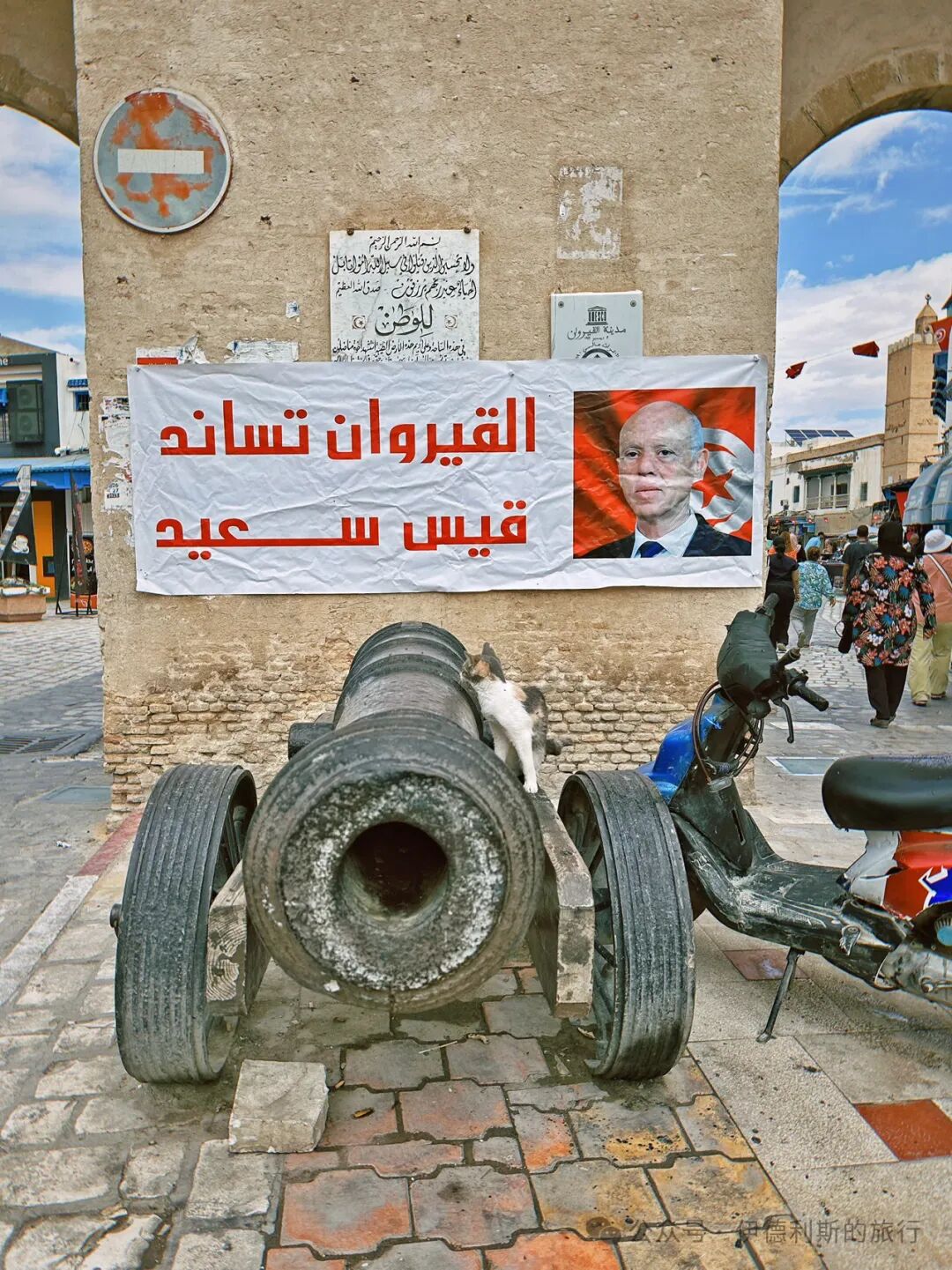
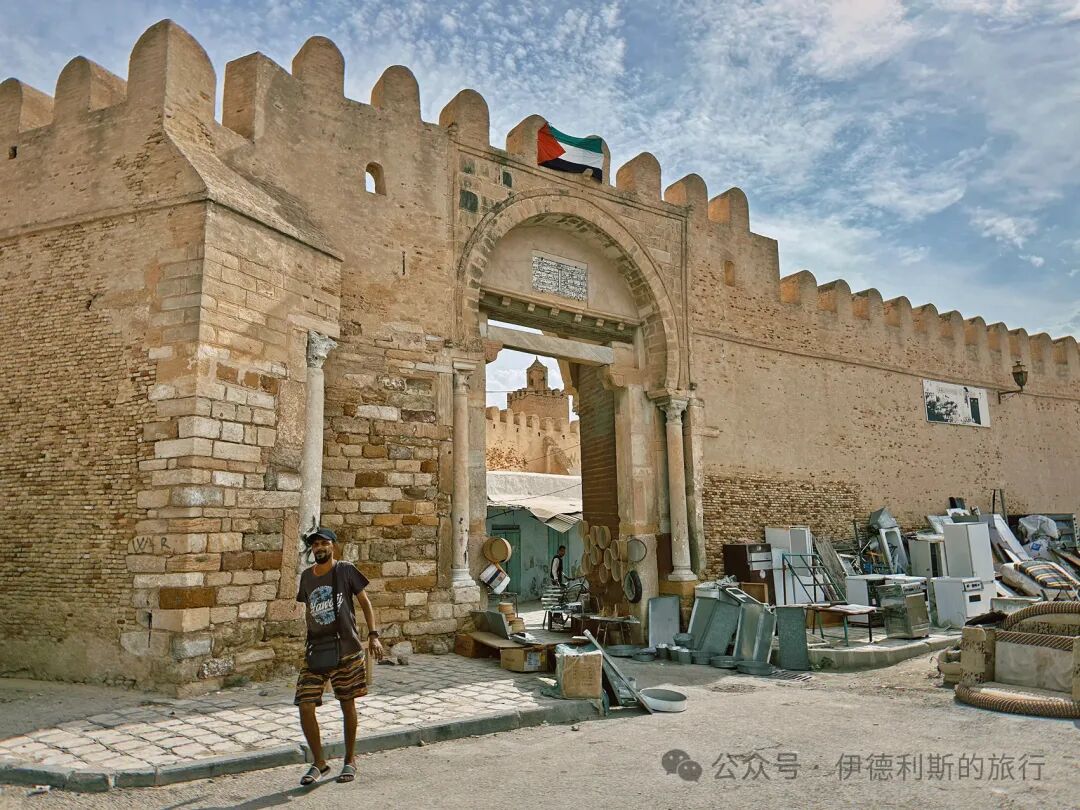
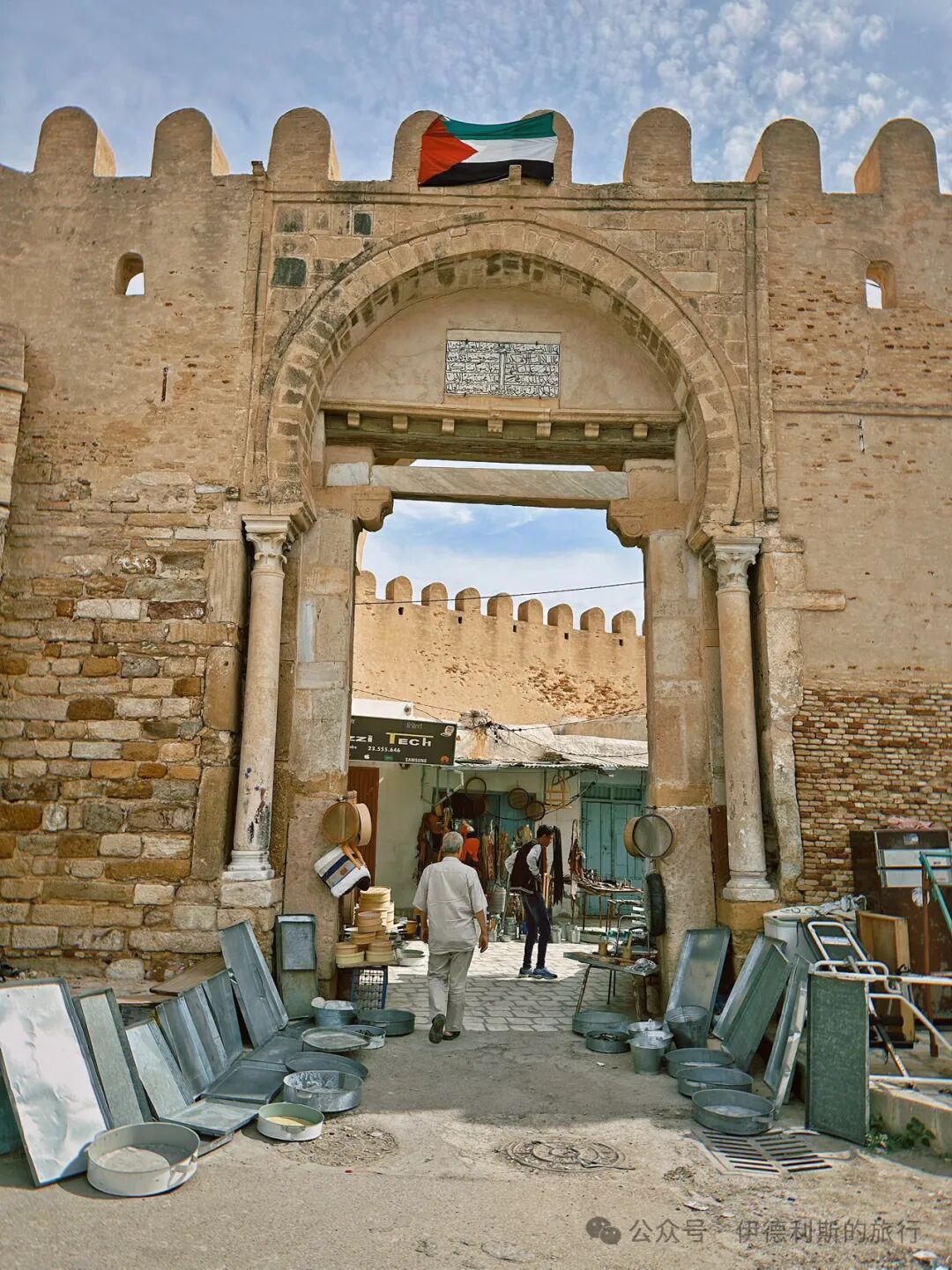
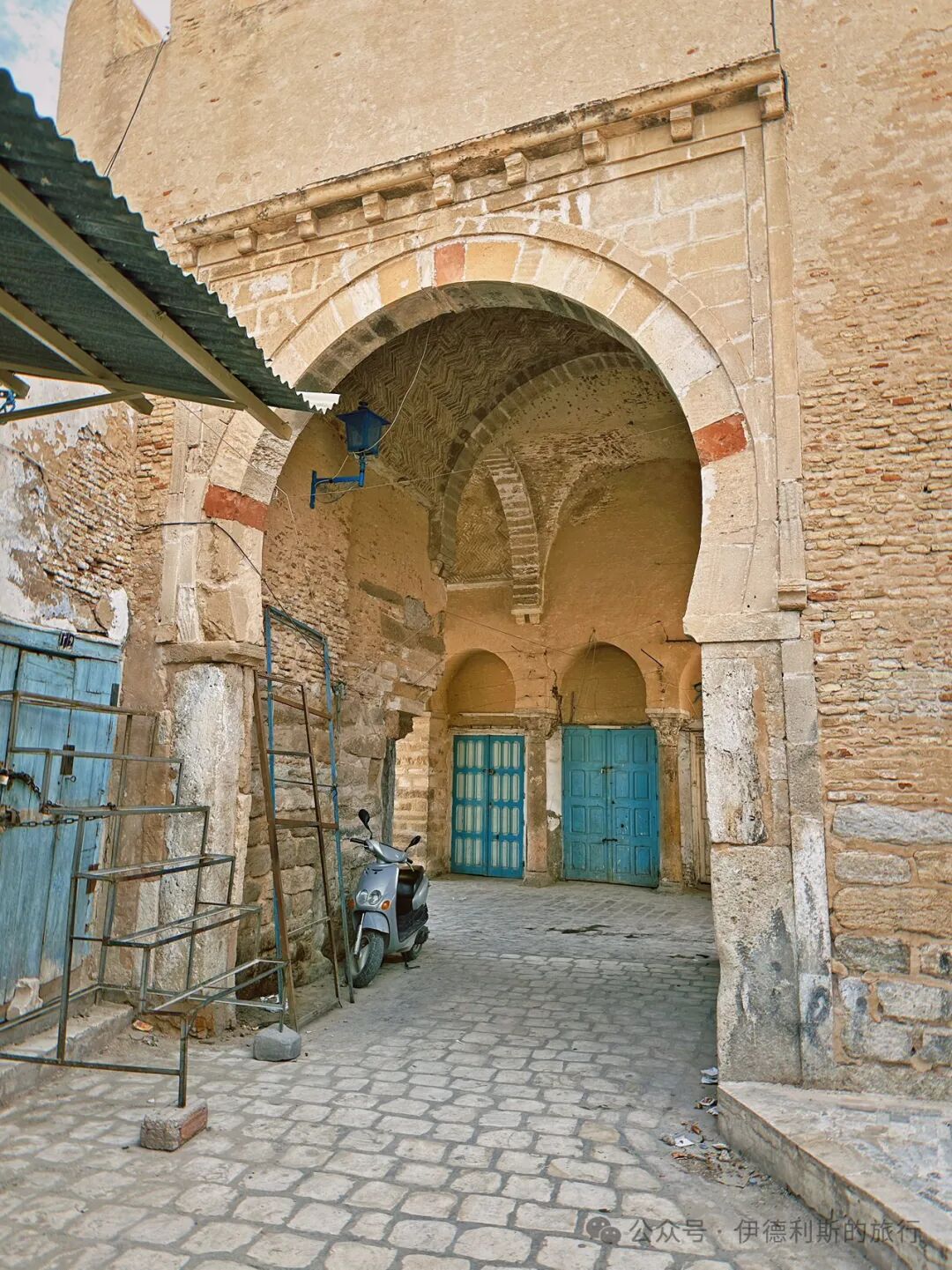
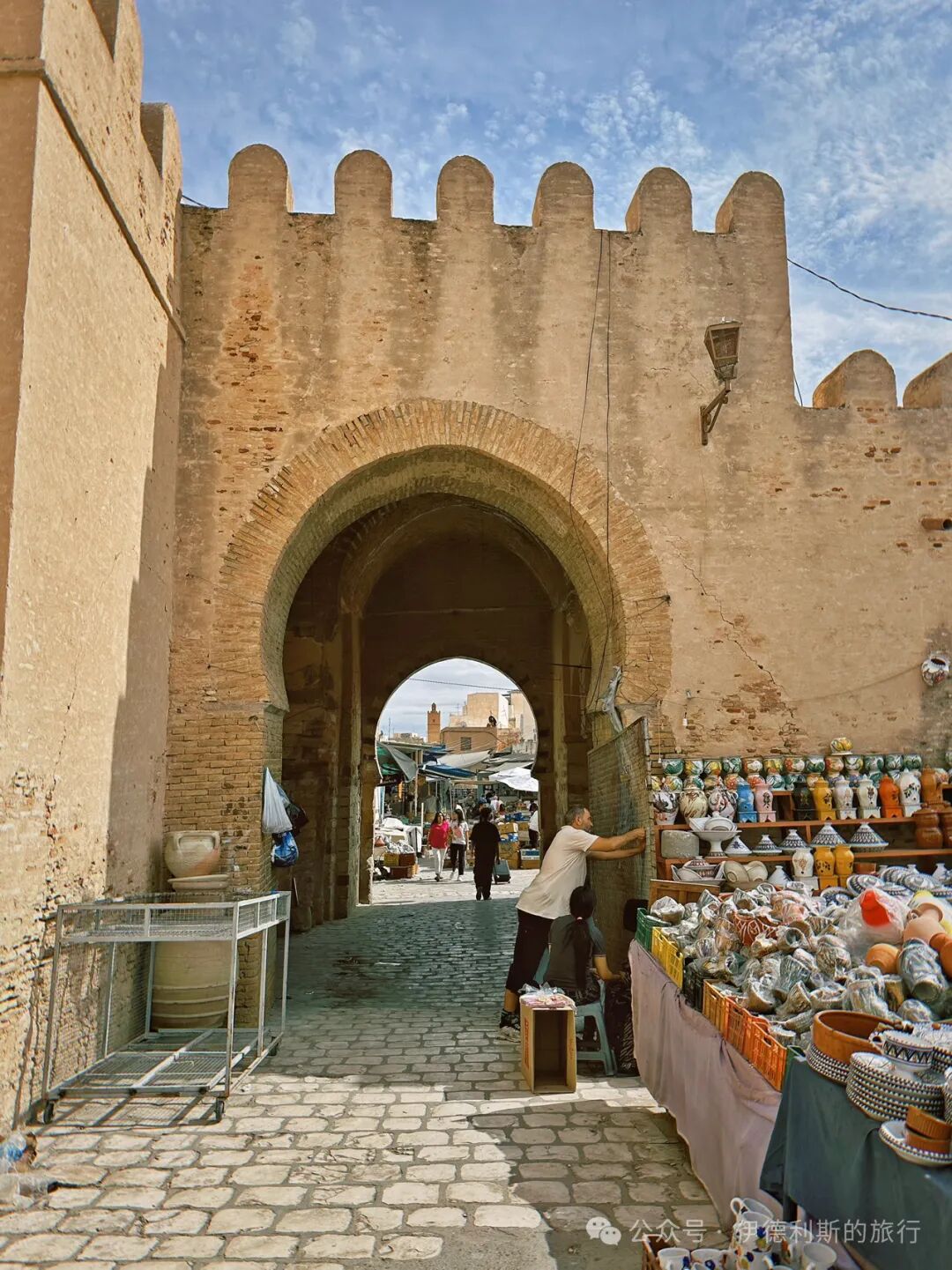
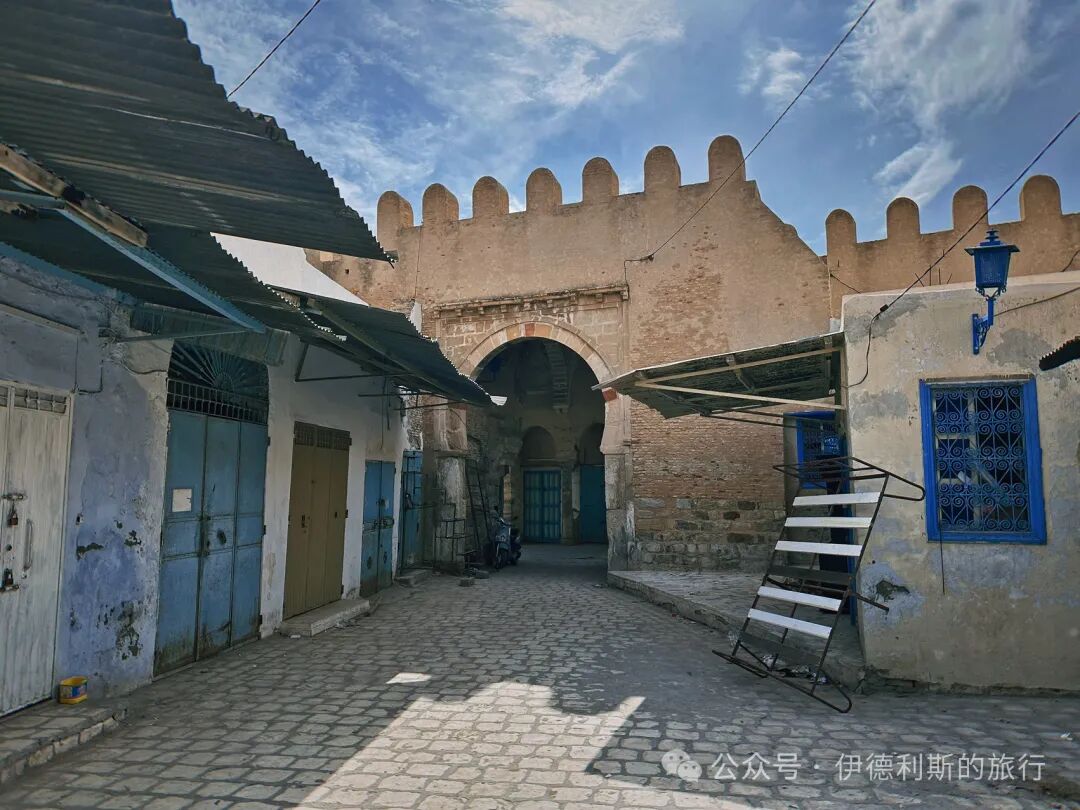
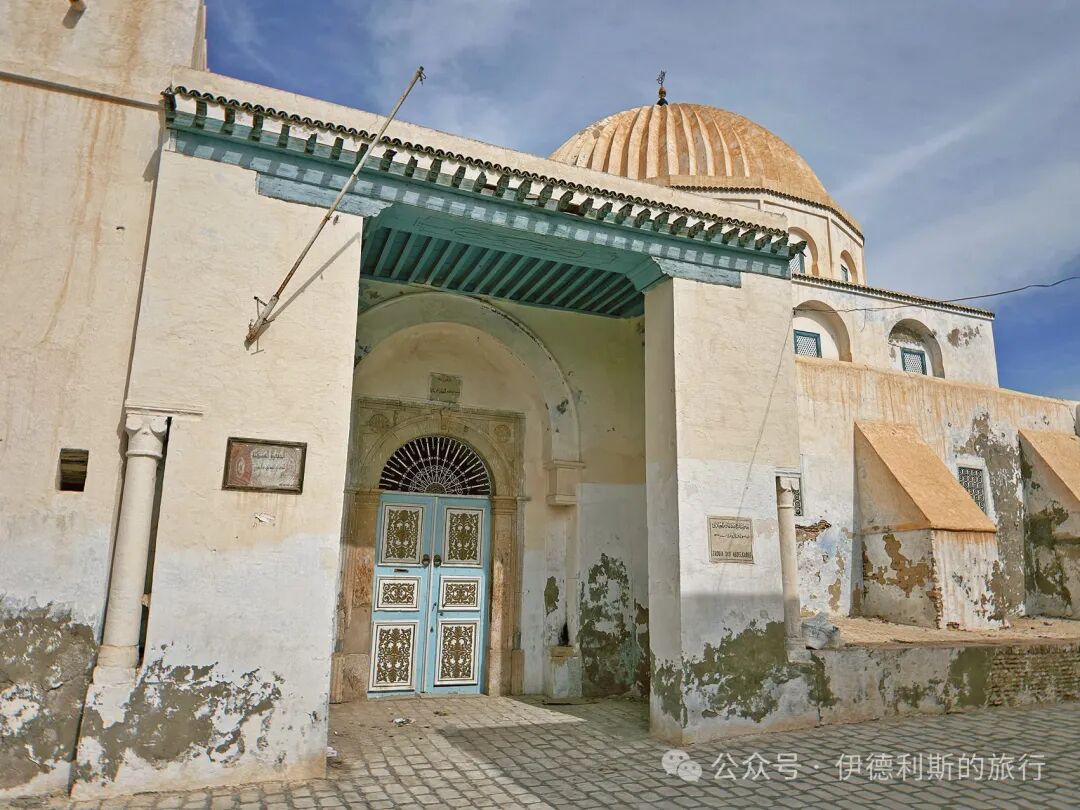
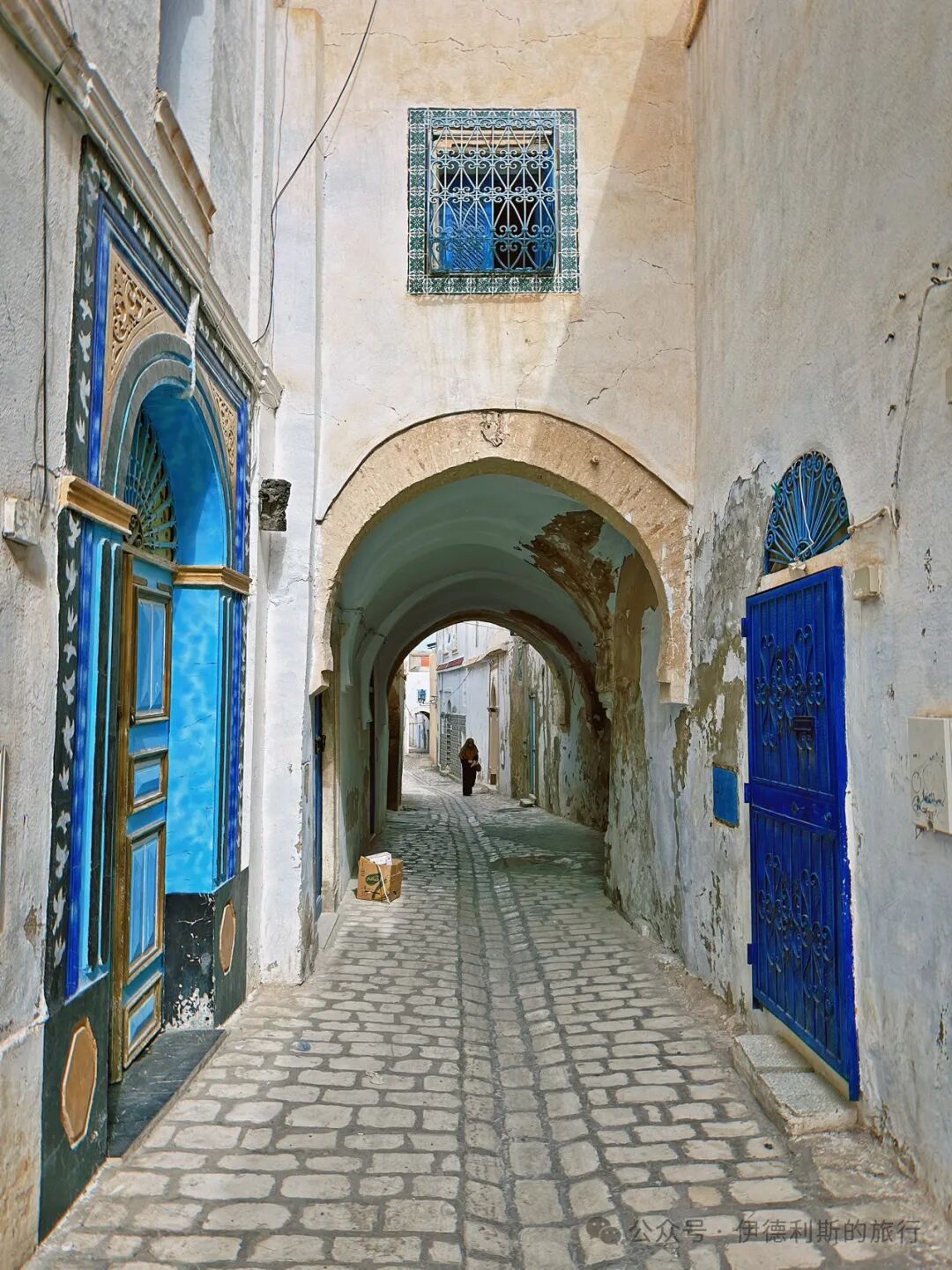
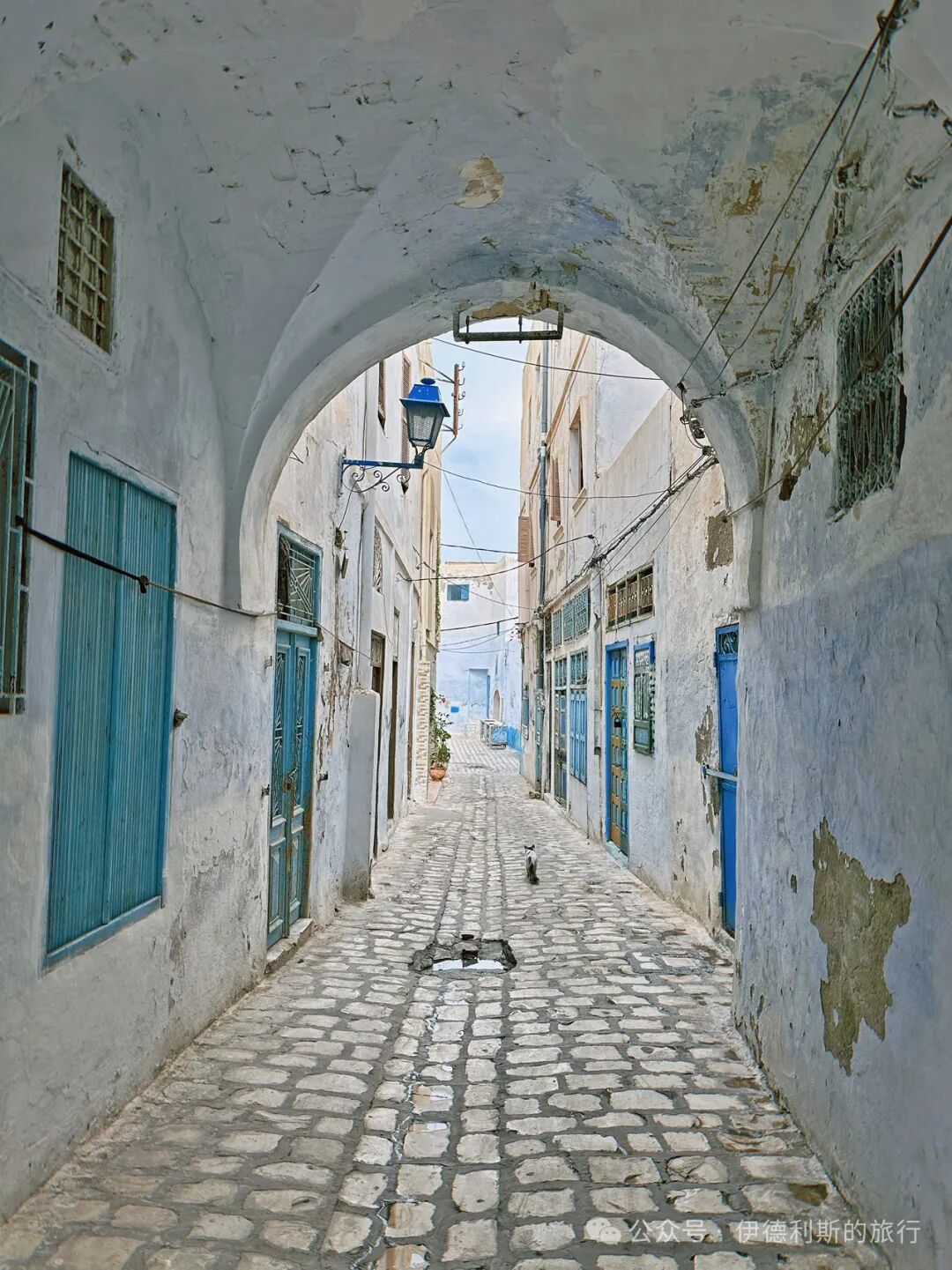
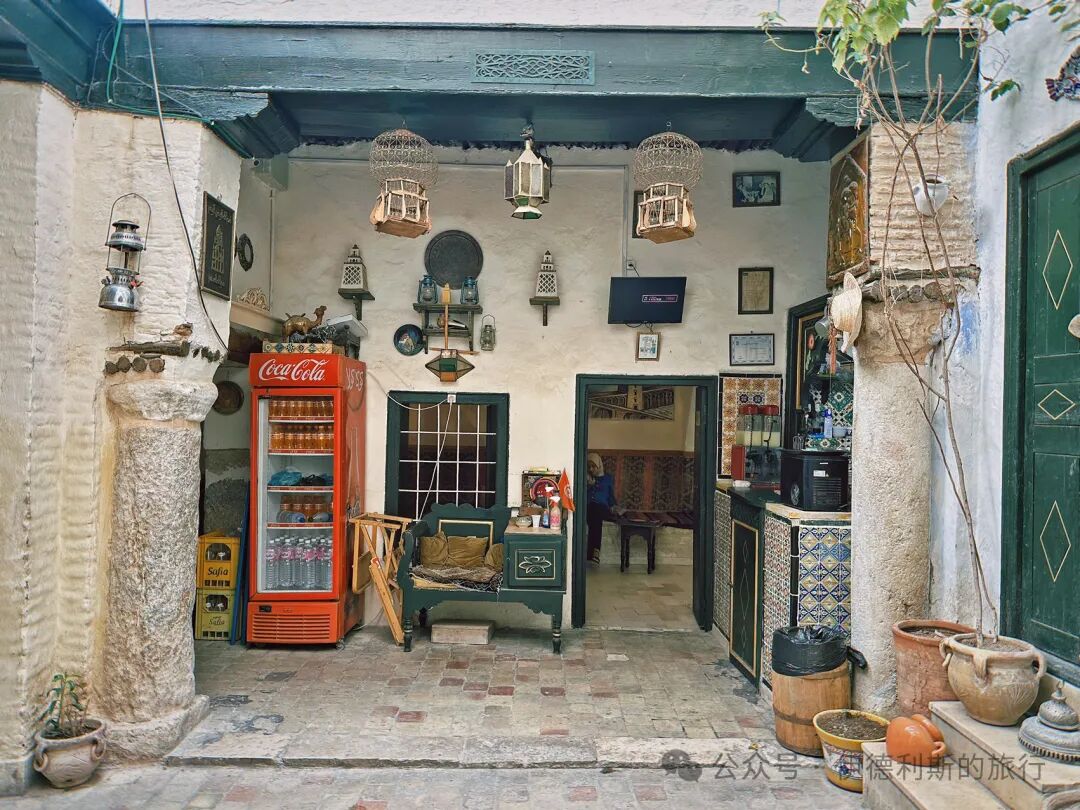
Street views of the old medina in Kairouan.
Kairouan was the capital of the Aghlabid and Zirid dynasties between the 9th and 11th centuries. The Aghlabid dynasty was an Arab emirate nominally under the Abbasid Caliphate. Kairouan grew quickly during this time and became known for its wealth and prosperity, rivaling cities like Basra and Kufa within the Abbasid realm. The Zirid dynasty was a Berber emirate nominally under the Fatimid Caliphate. Kairouan reached its peak in art, trade, and agriculture during this period, with education flourishing in particular. In the 1040s, the Zirid dynasty declared independence from the Fatimid Caliphate and recognized the Abbasid Caliphate. The Fatimid Caliphate then sent a group of Arab tribes to invade Kairouan. In 1057, these Arab tribes captured and destroyed Kairouan. The Zirid dynasty was forced to move its capital to Mahdia, and Kairouan never regained its former prosperity.
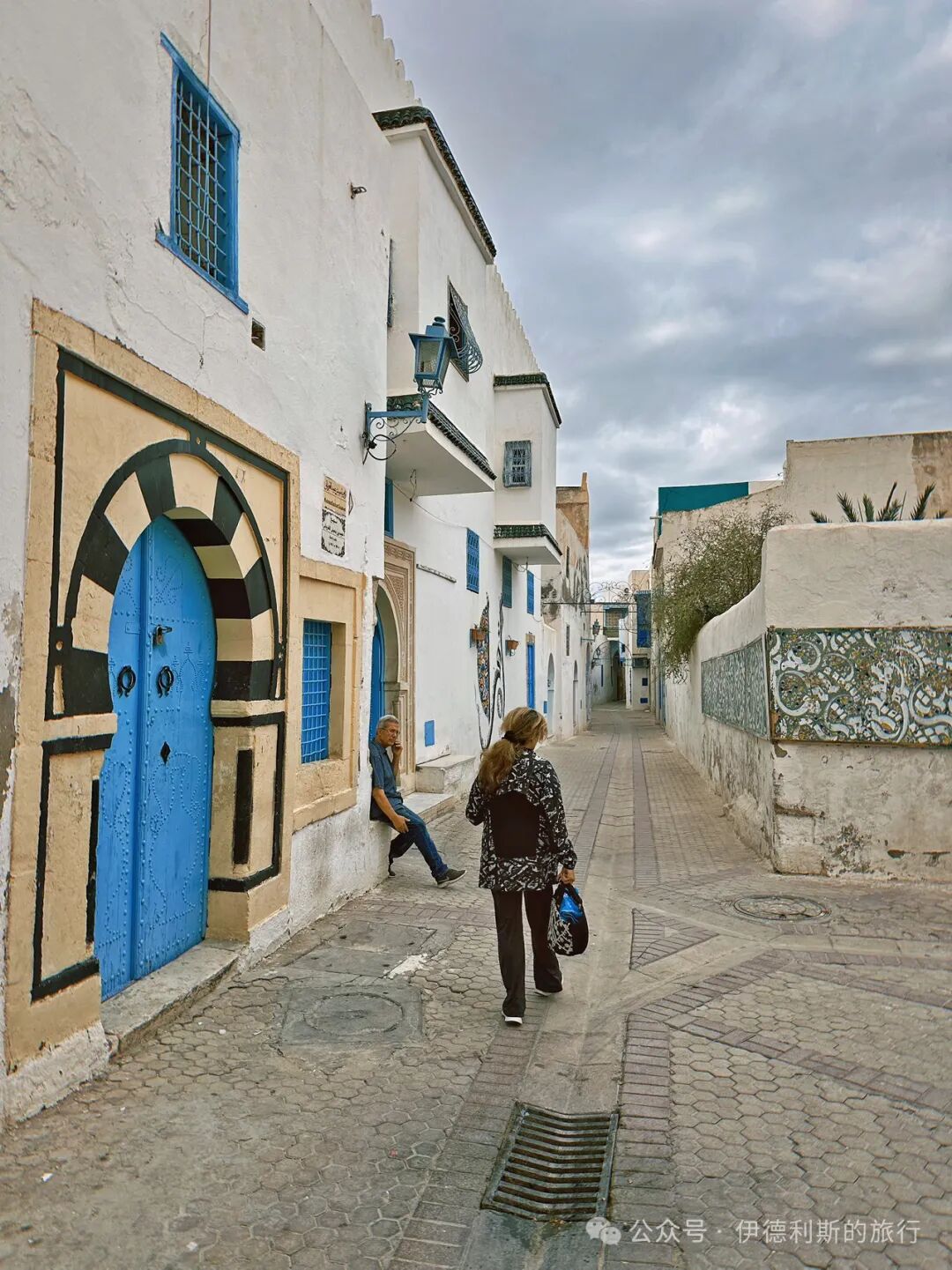
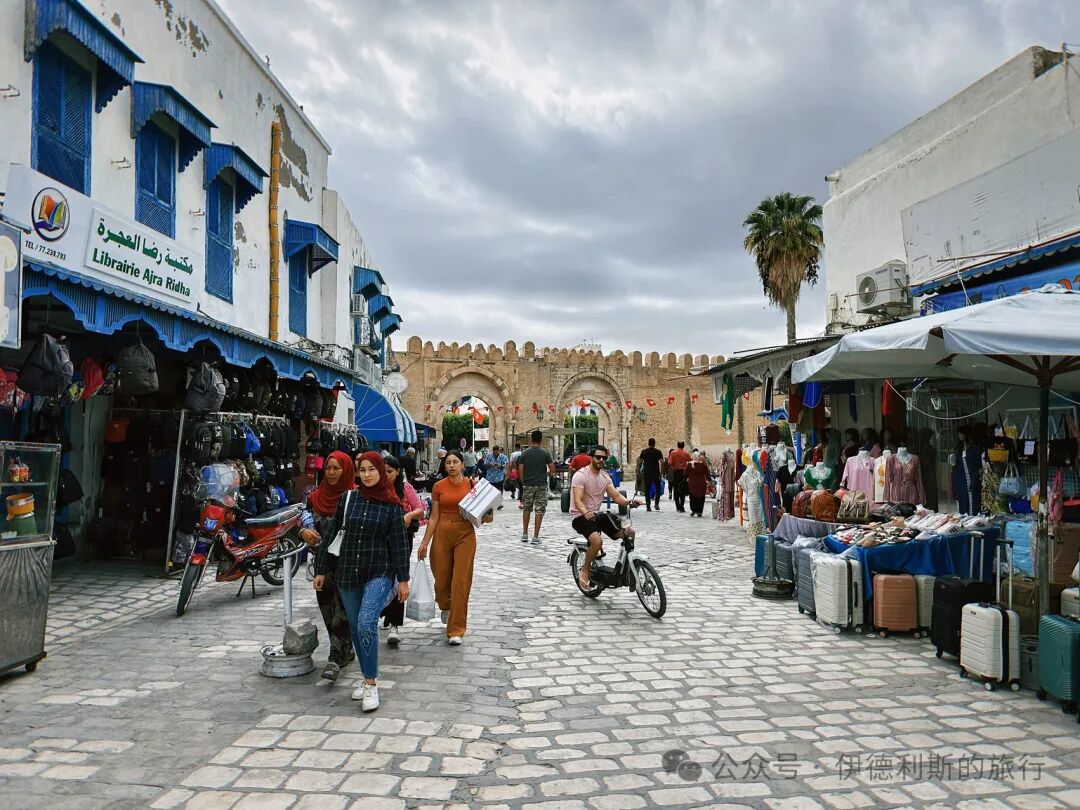
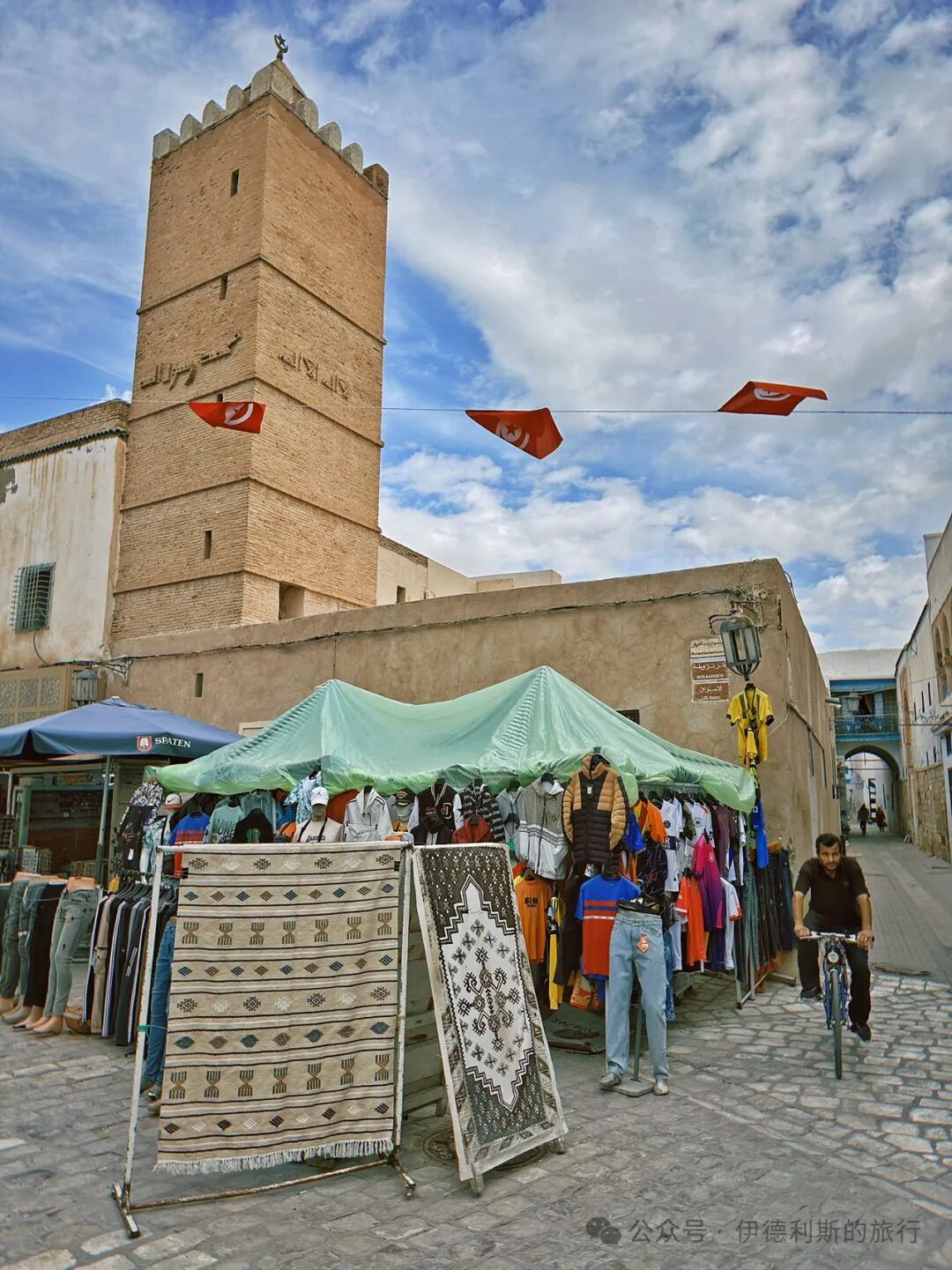
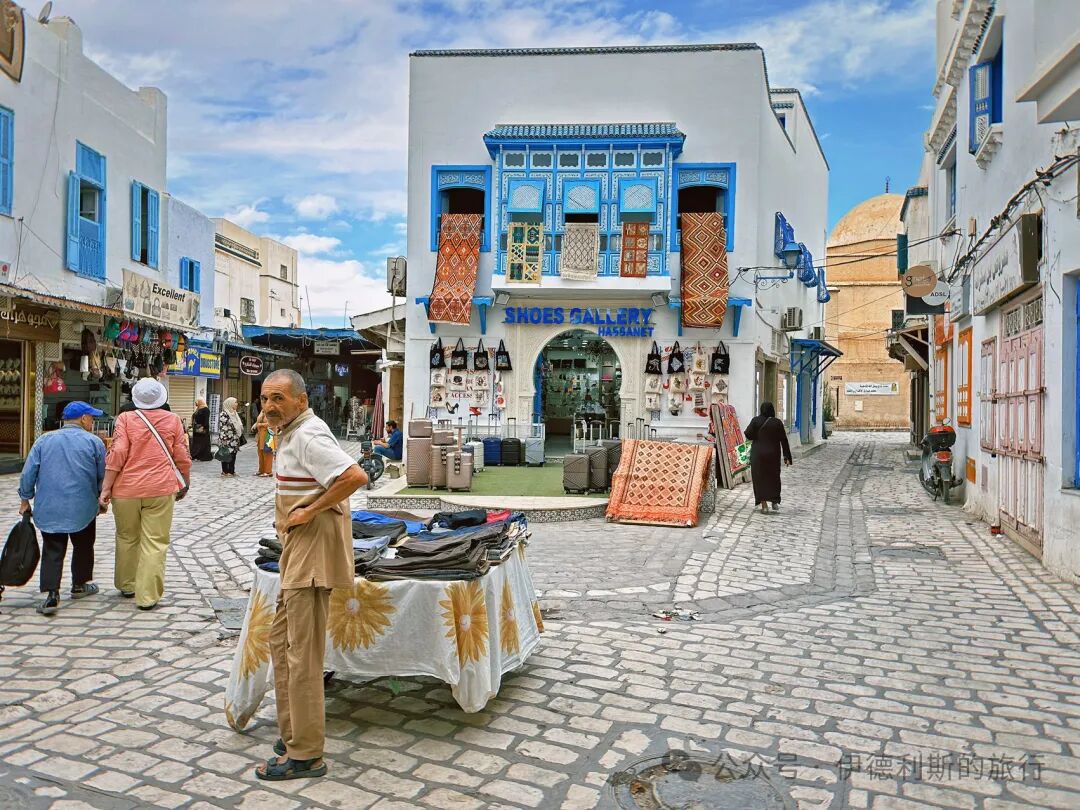
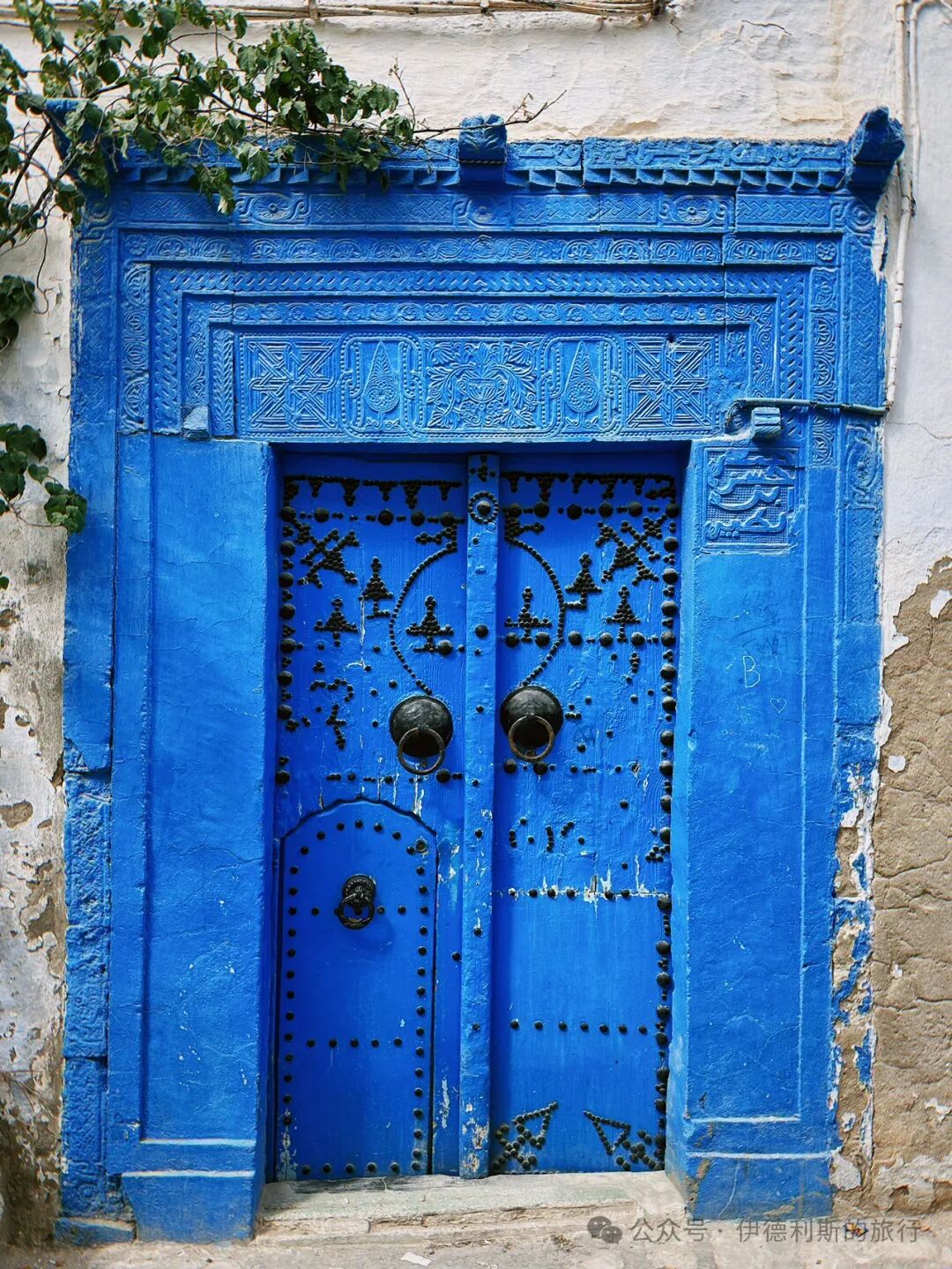
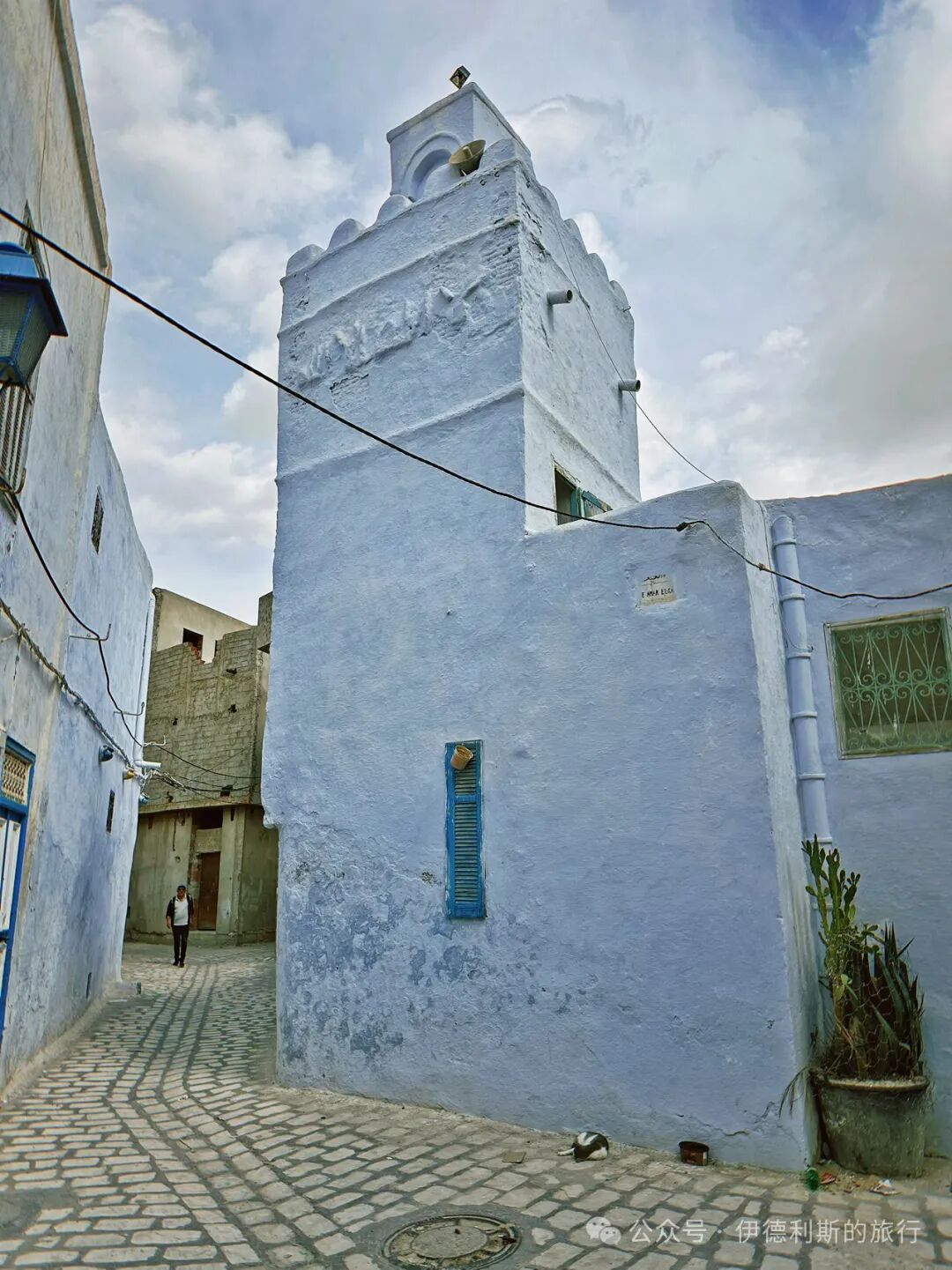
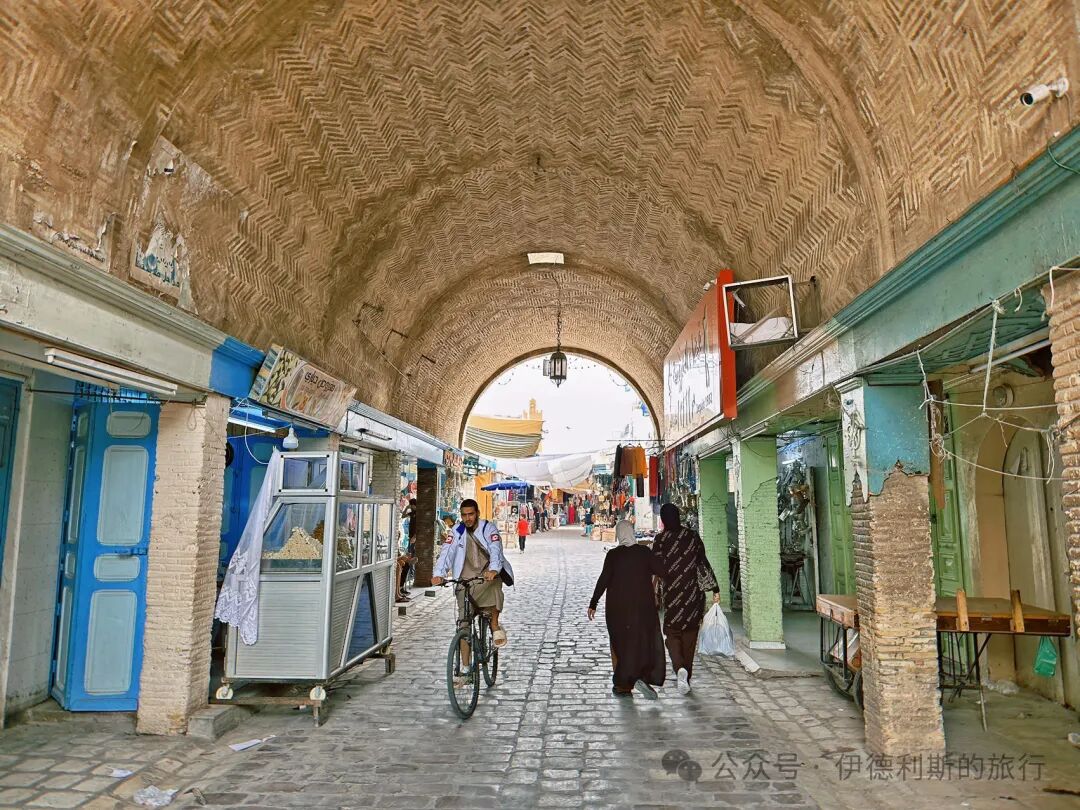
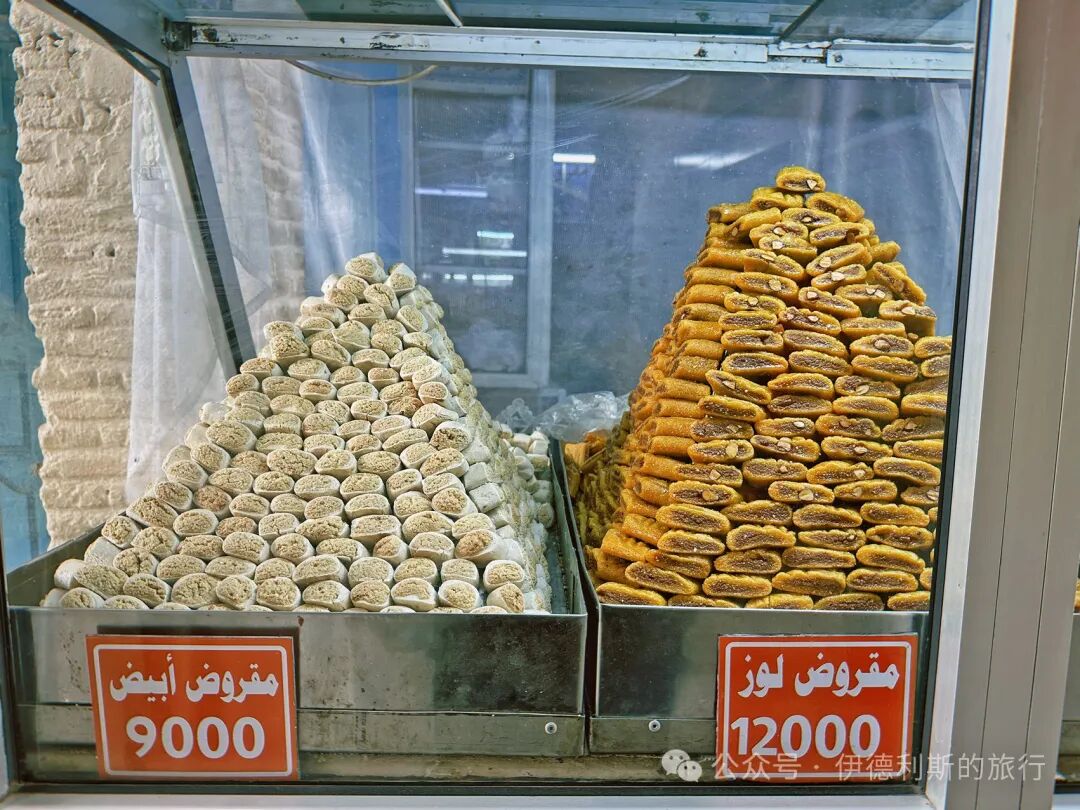
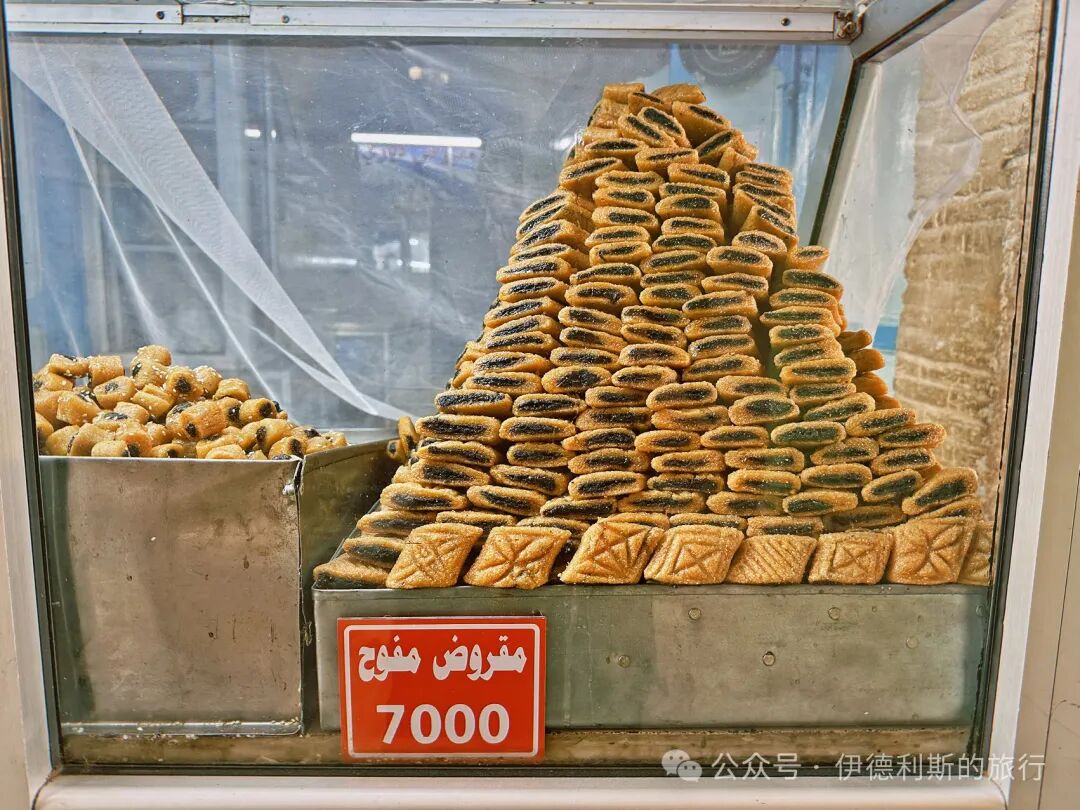
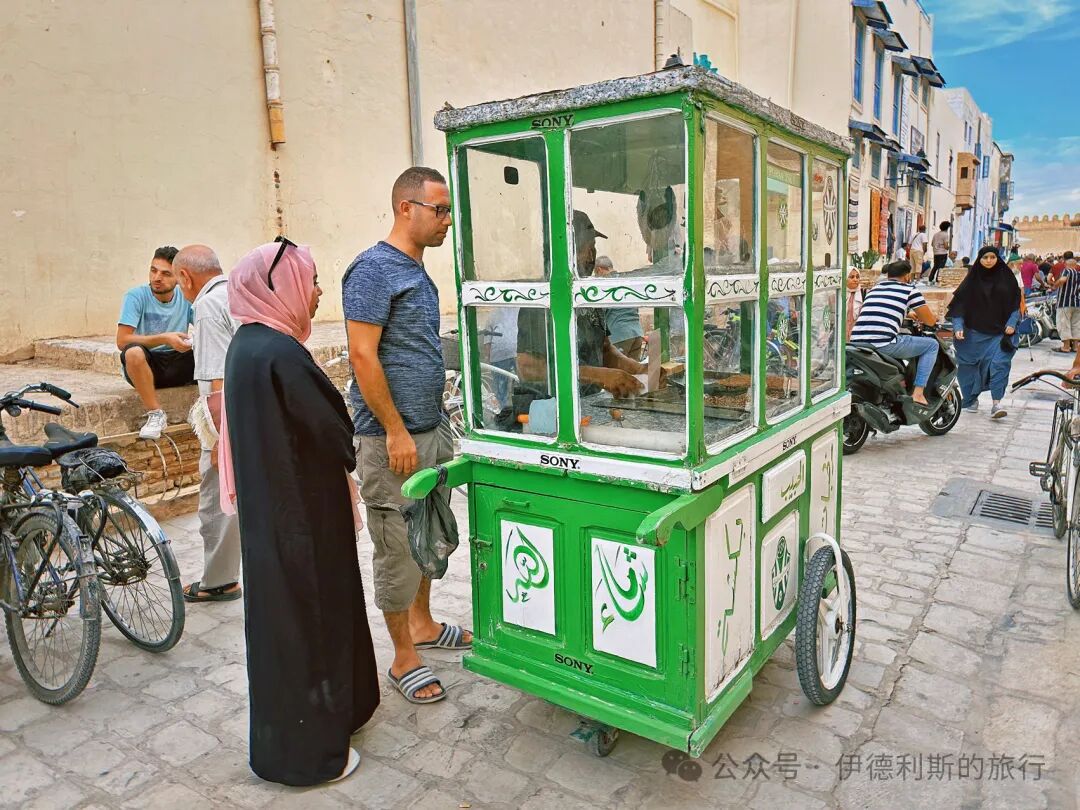
In the Kairouan medina market, various sweets are very popular, especially the date-filled pastry known as Makroudh.
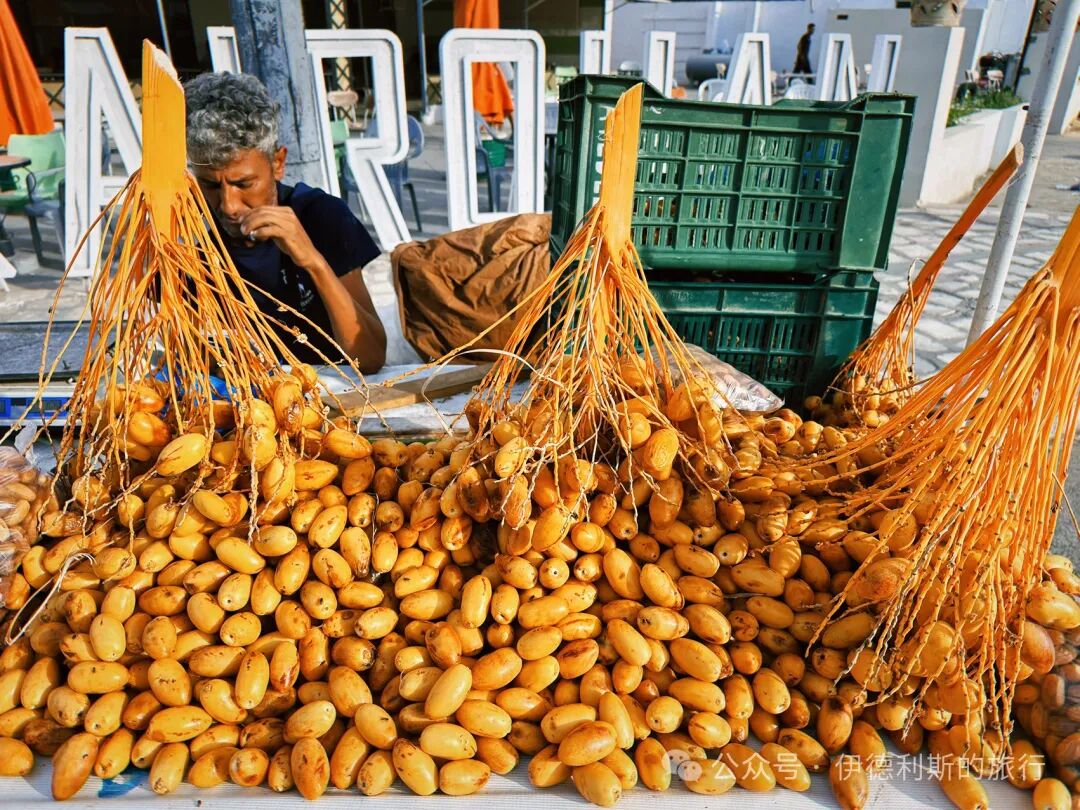
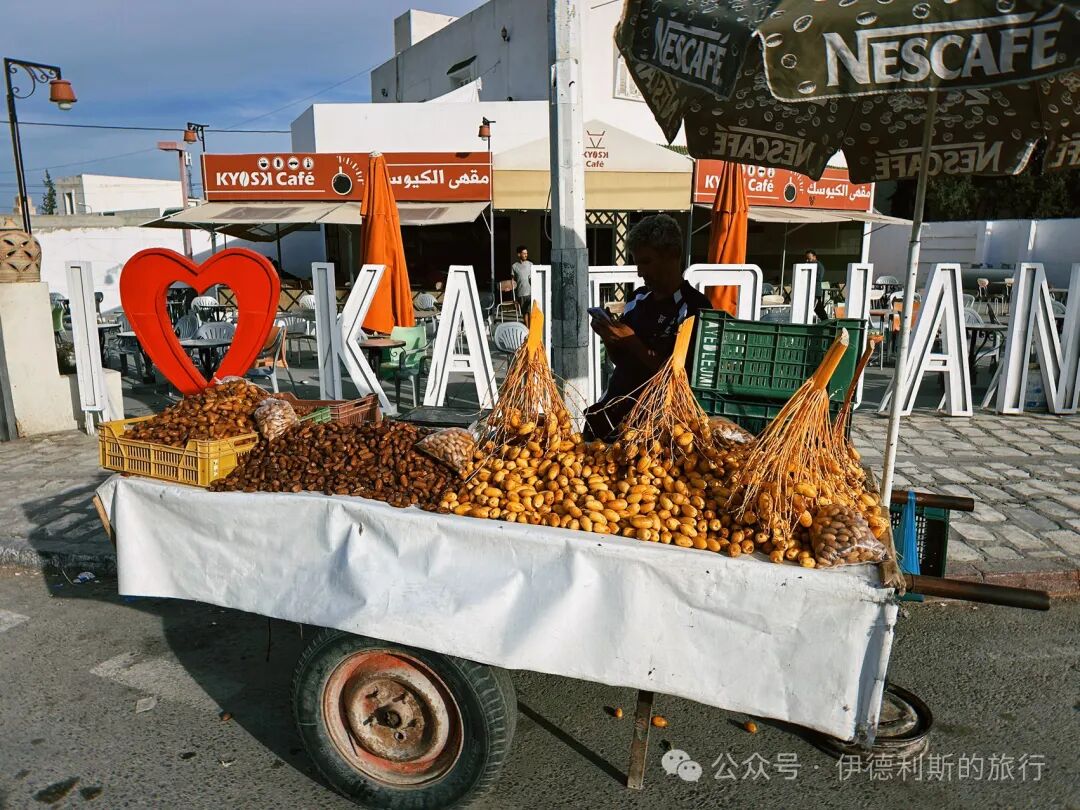
They also sell fresh dates here. They are quite sweet, though slightly more astringent than the dried ones.
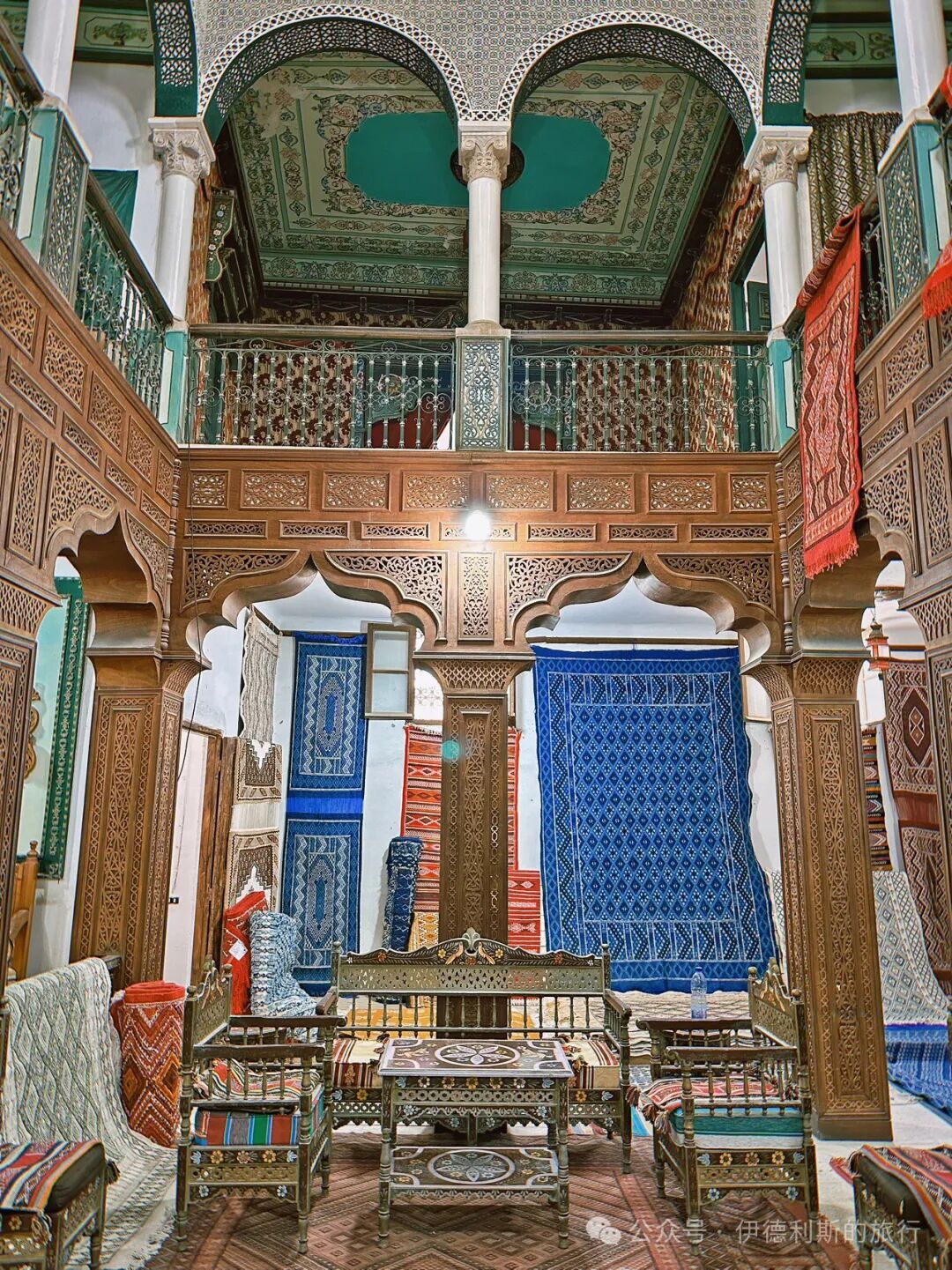
The 18th-century Kairouan Bey residence, Dar El Bey, is now a carpet shop. The residence has 18 rooms inside with very ornate ceilings. However, if you do not plan to buy a carpet, the staff might not let you see all the rooms.
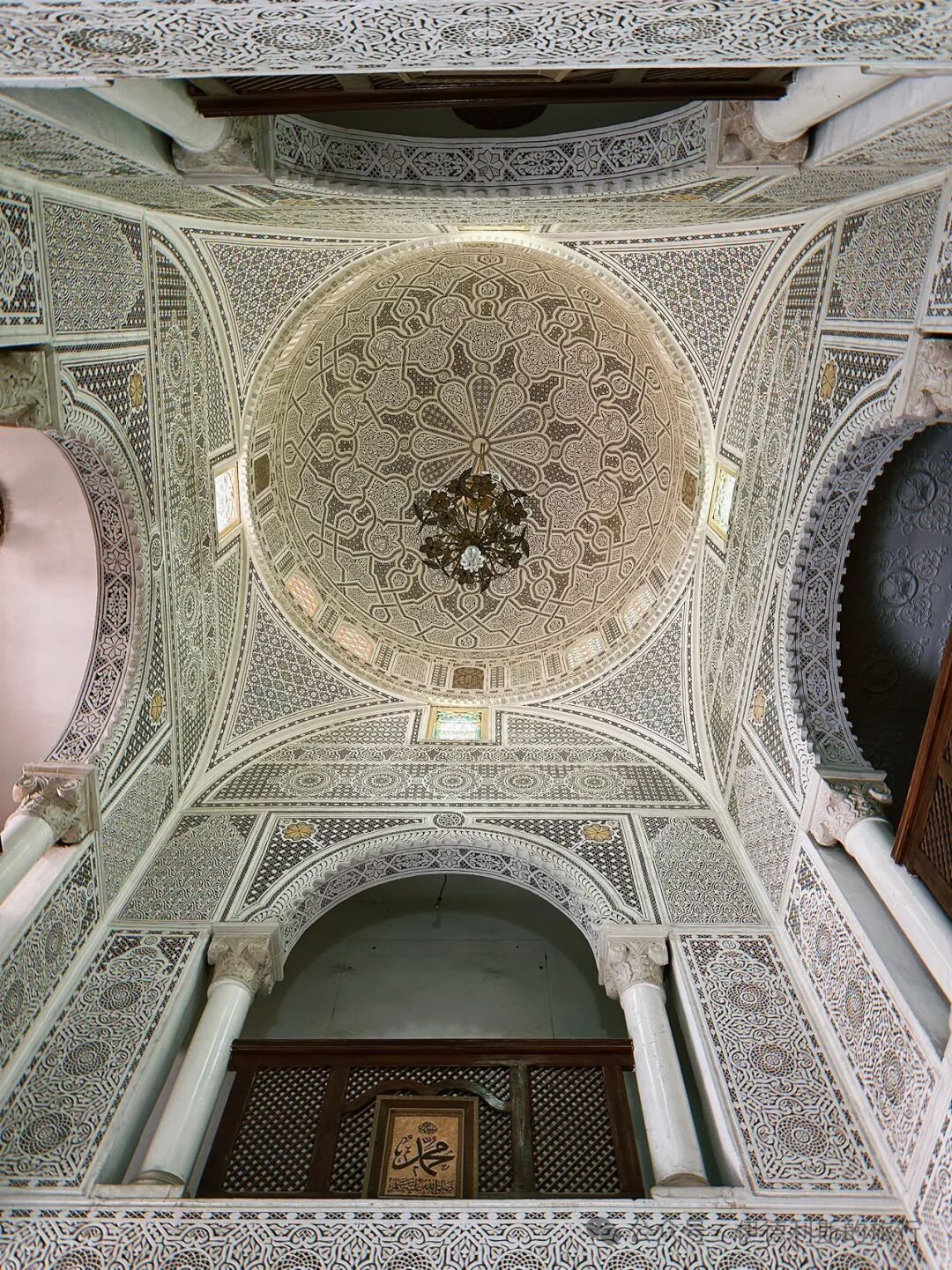
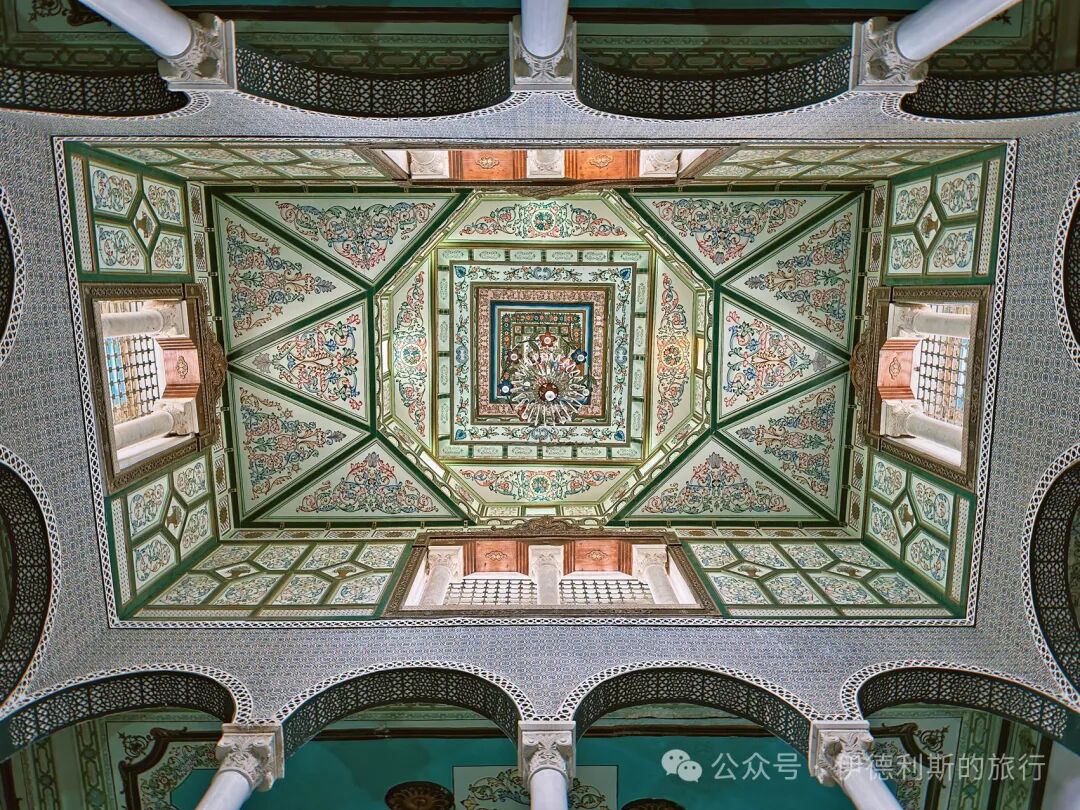
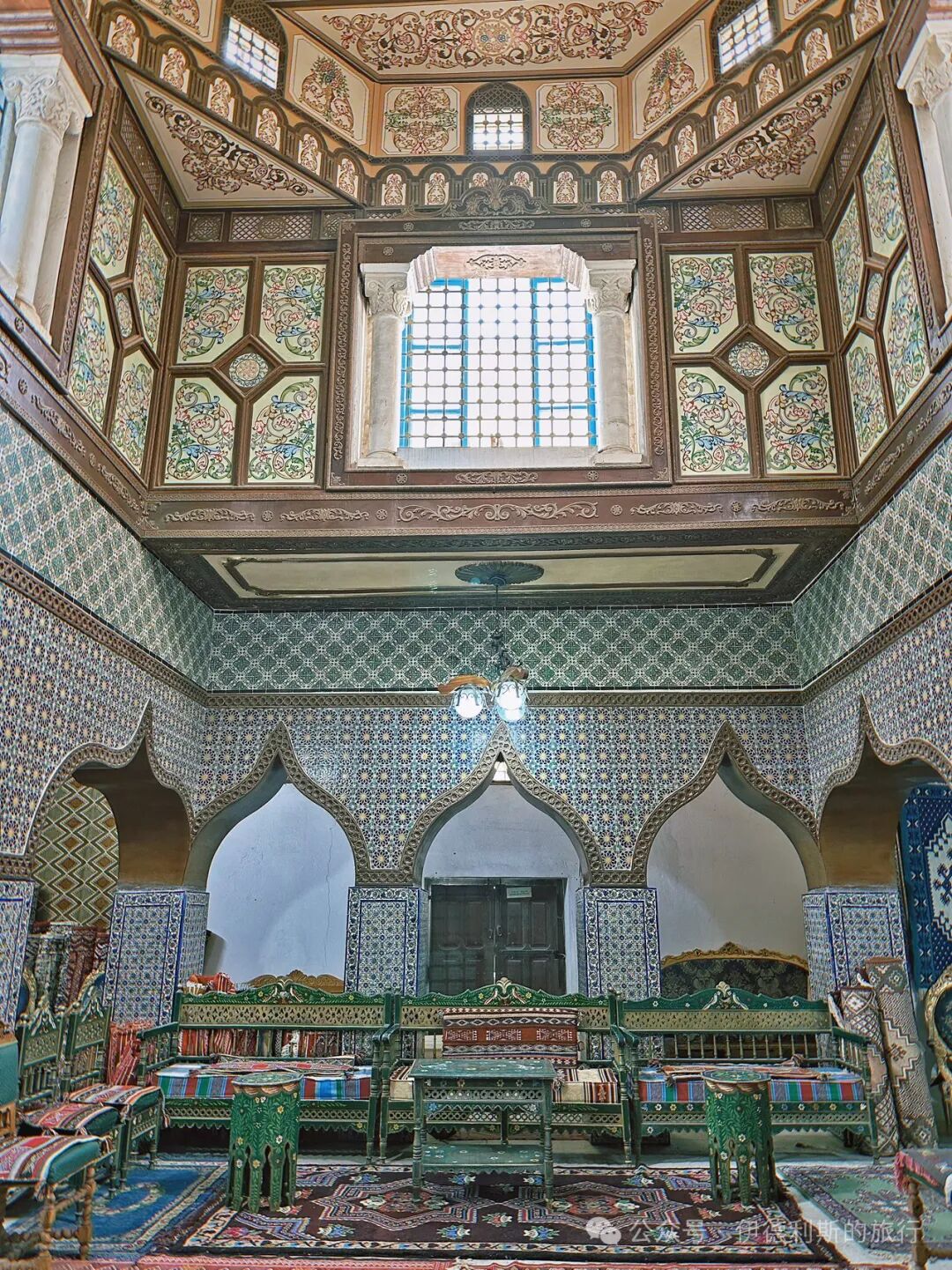
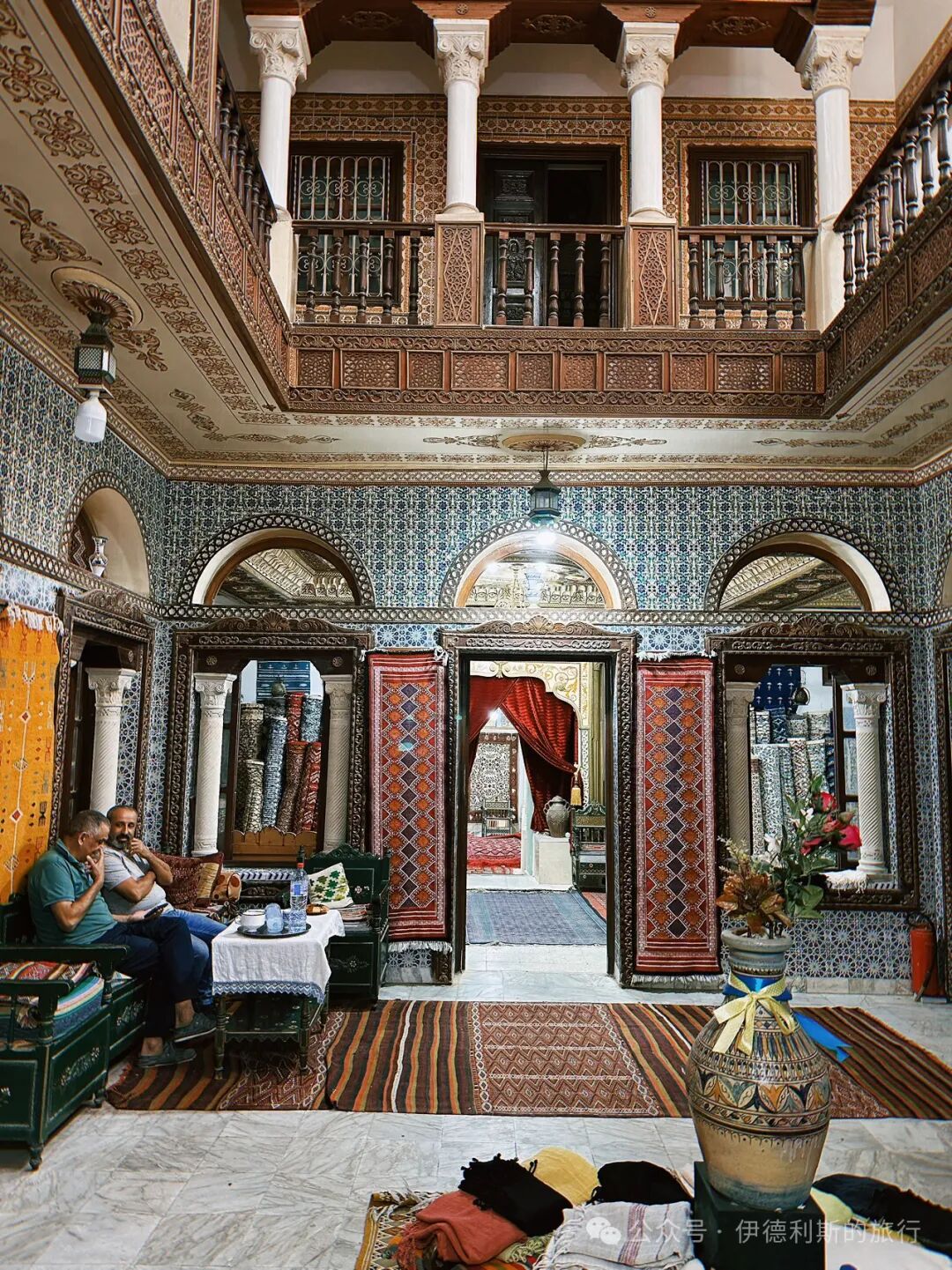
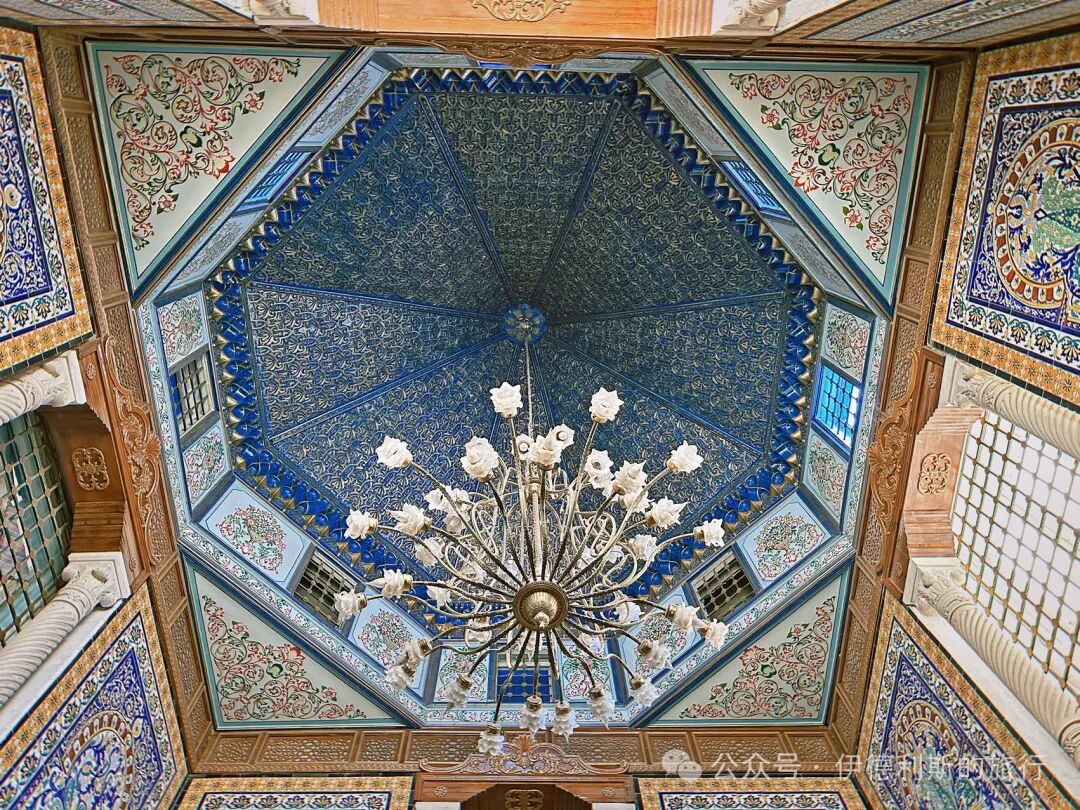
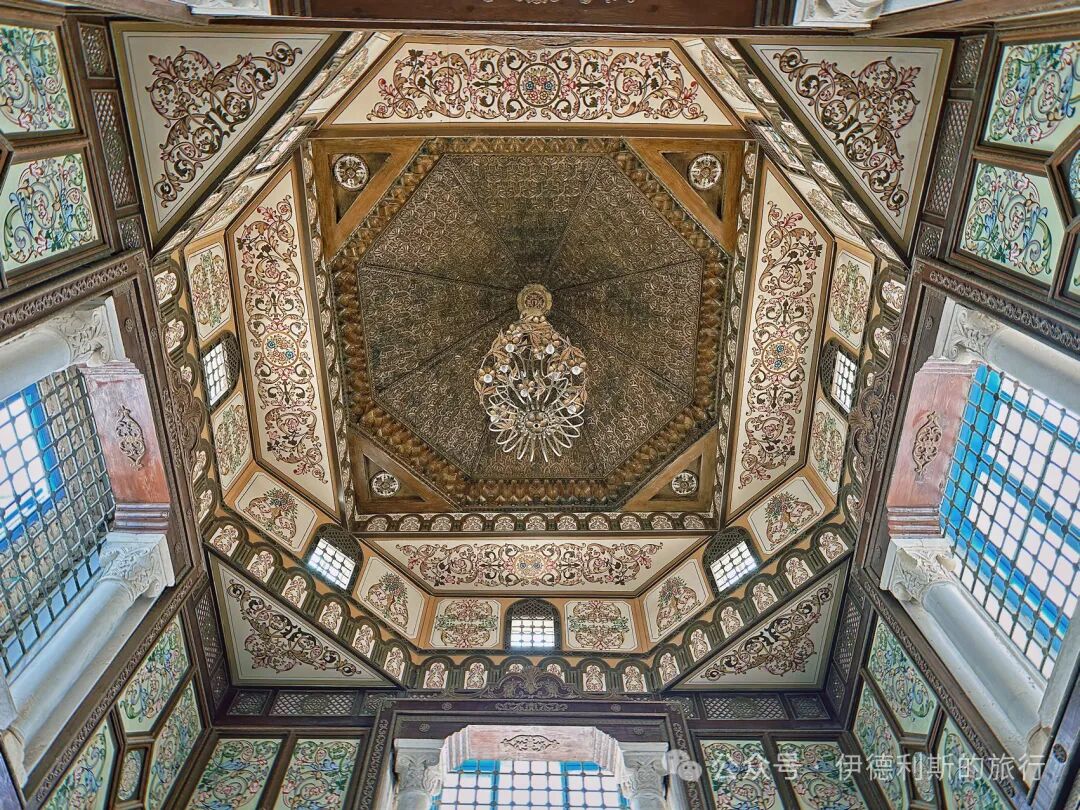
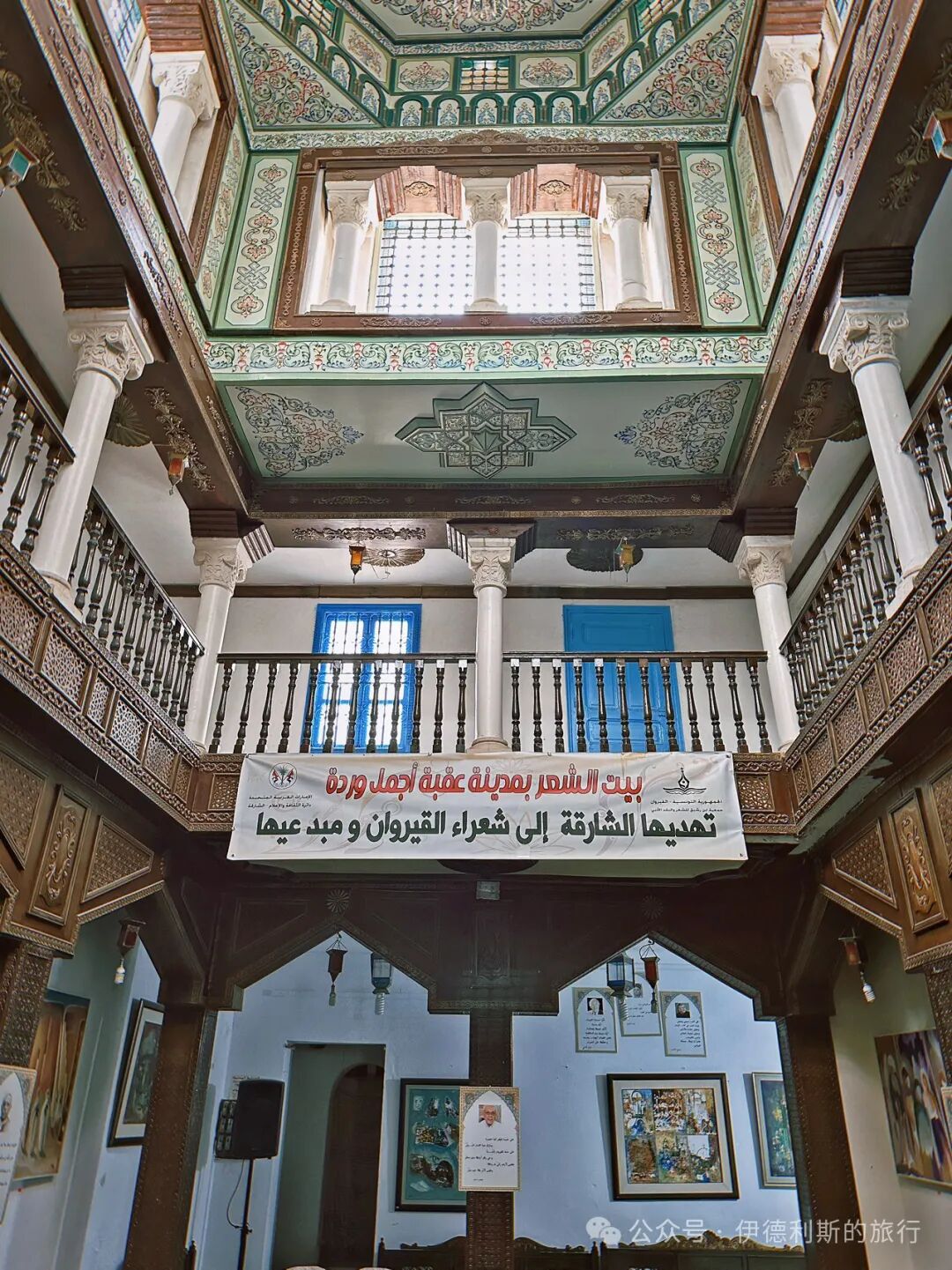
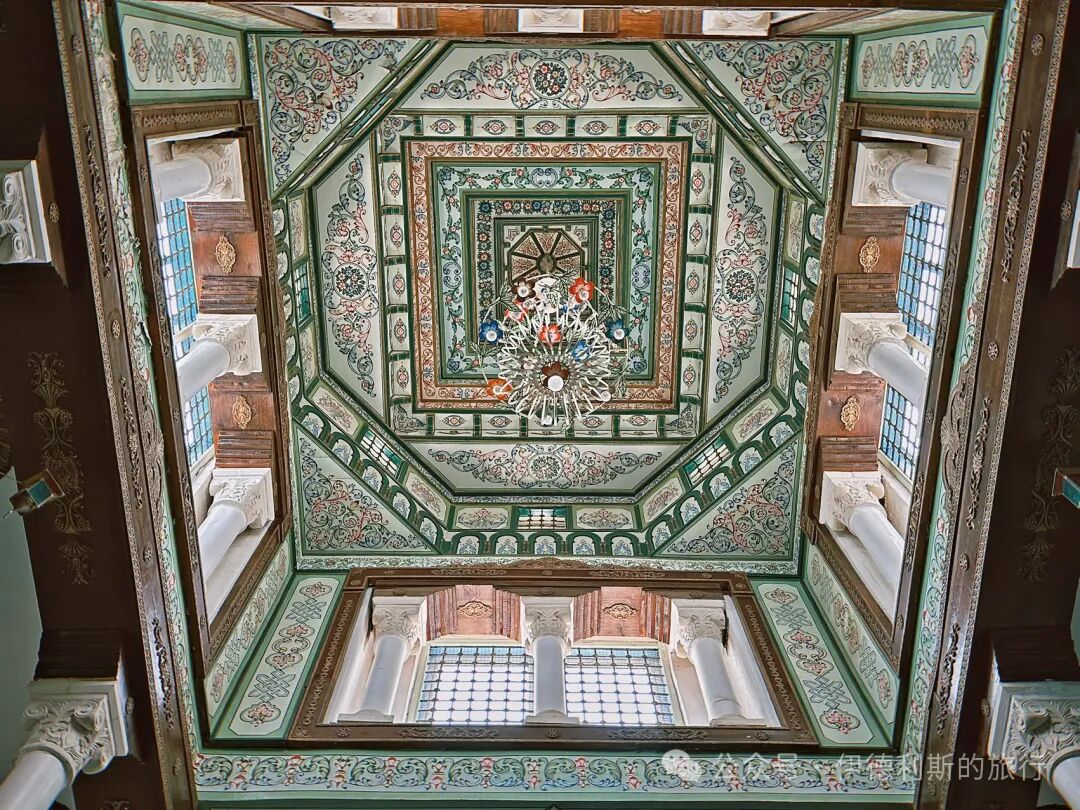
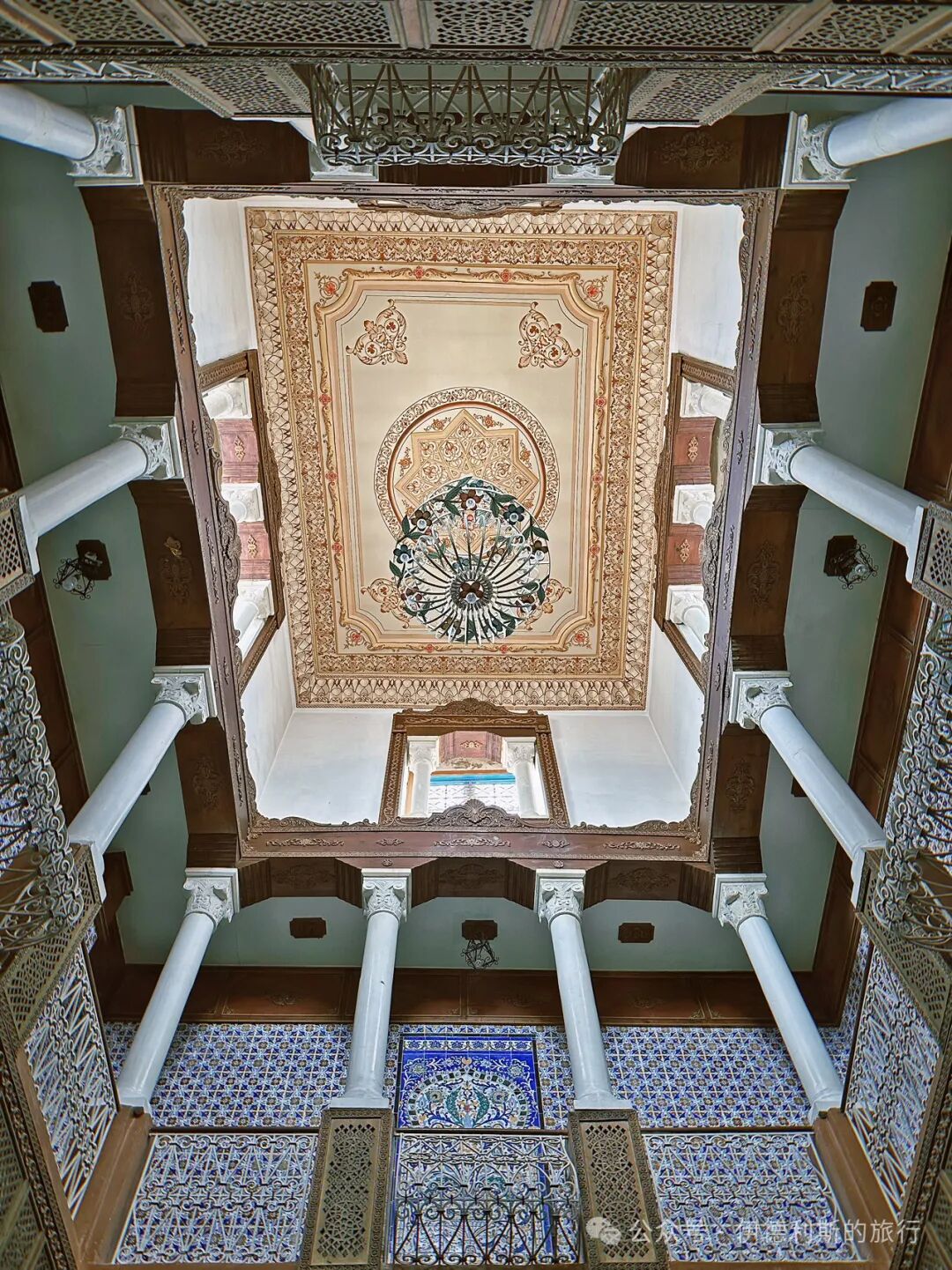
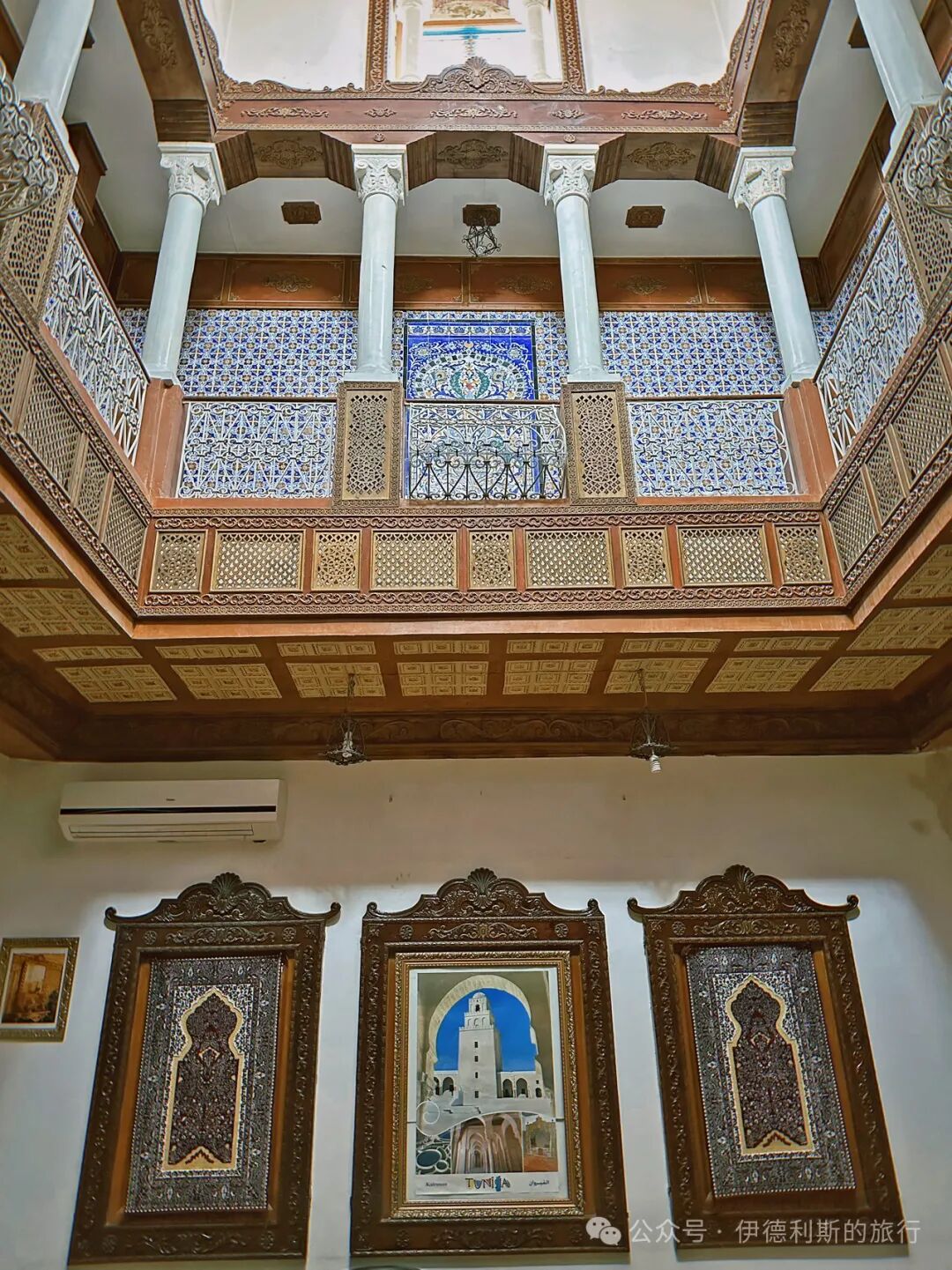
The office of the Kairouan Poetry Association; this kind of ornate ceiling is a signature feature of Kairouan.
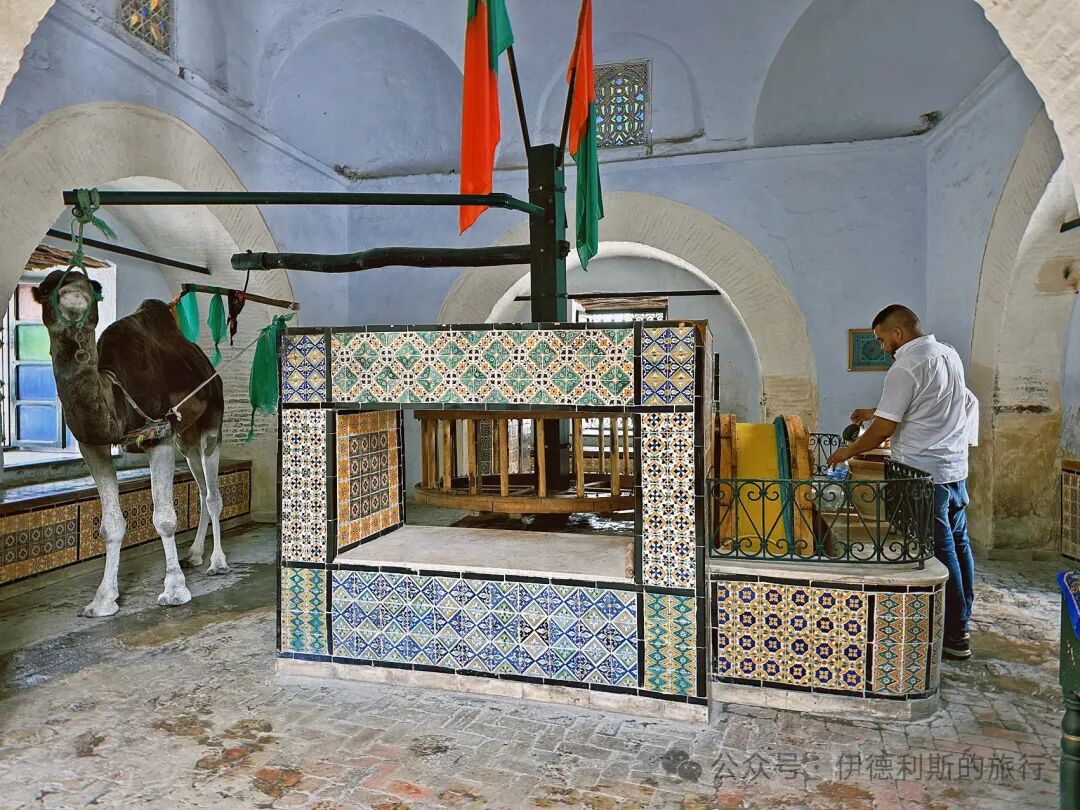
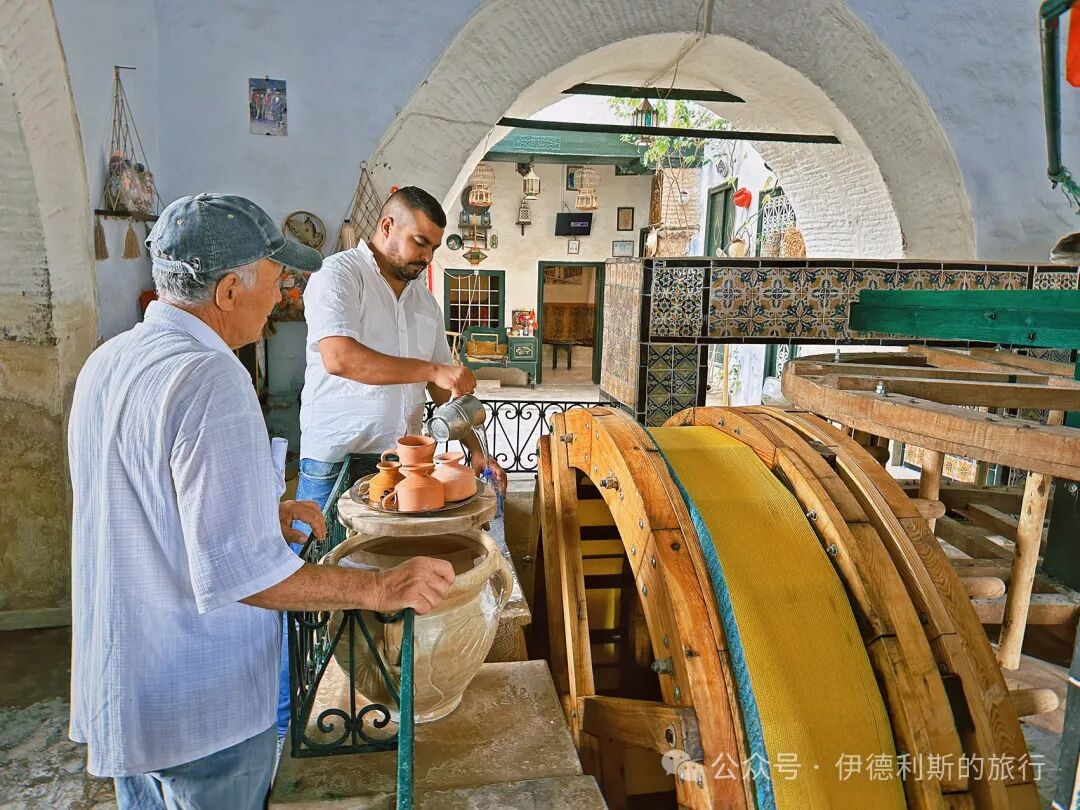
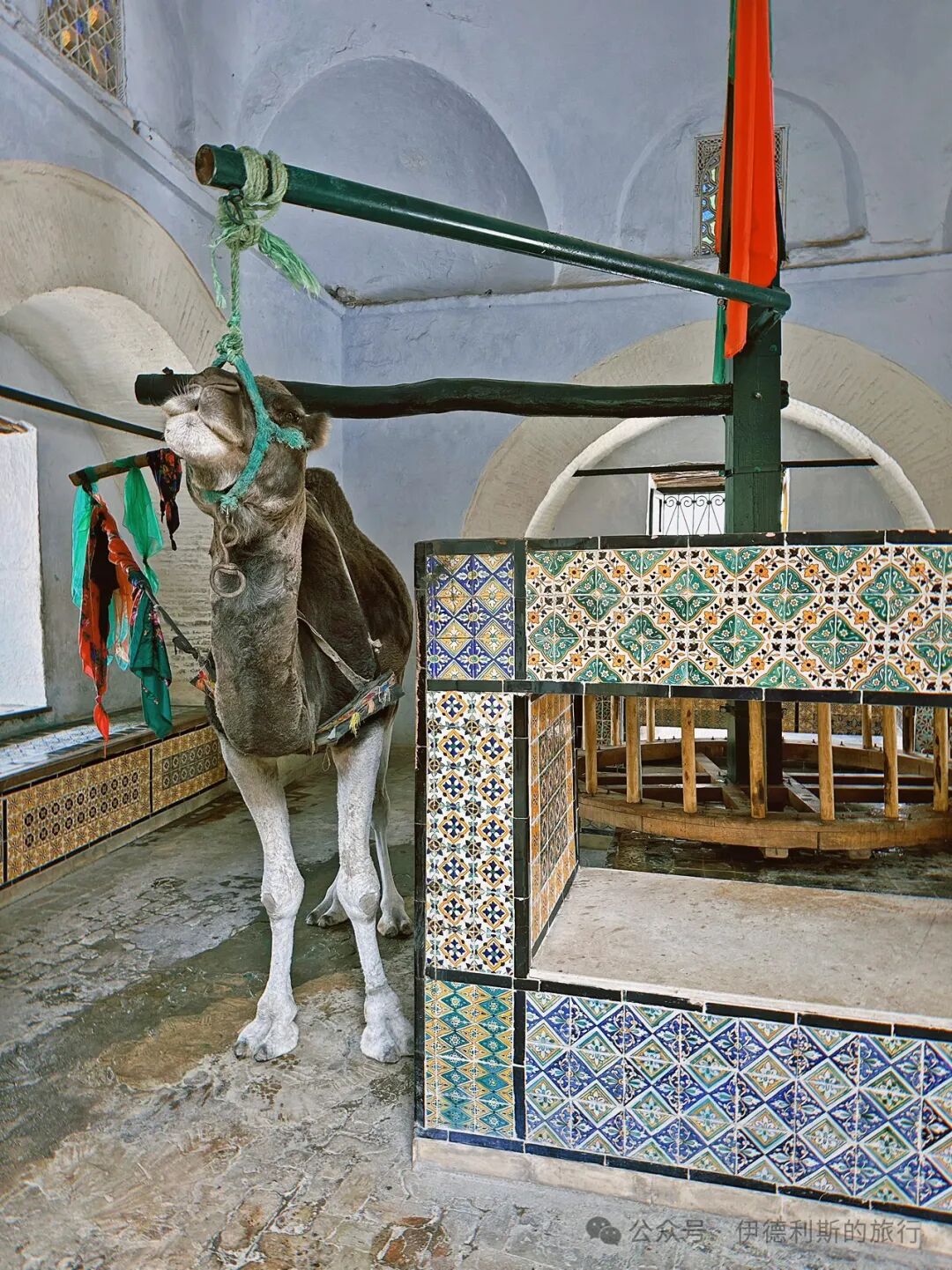
The ancient Bir Barrouta well in Kairouan. Legend says it was dug by the Abbasid governor Ibn El Ayoun in 796, and the current domed structure was rebuilt by the Bey of Tunis, Mohamed, in 1690. It is still in operation today, using a camel to power a water wheel (noria) to draw water, which people collect in clay pots.
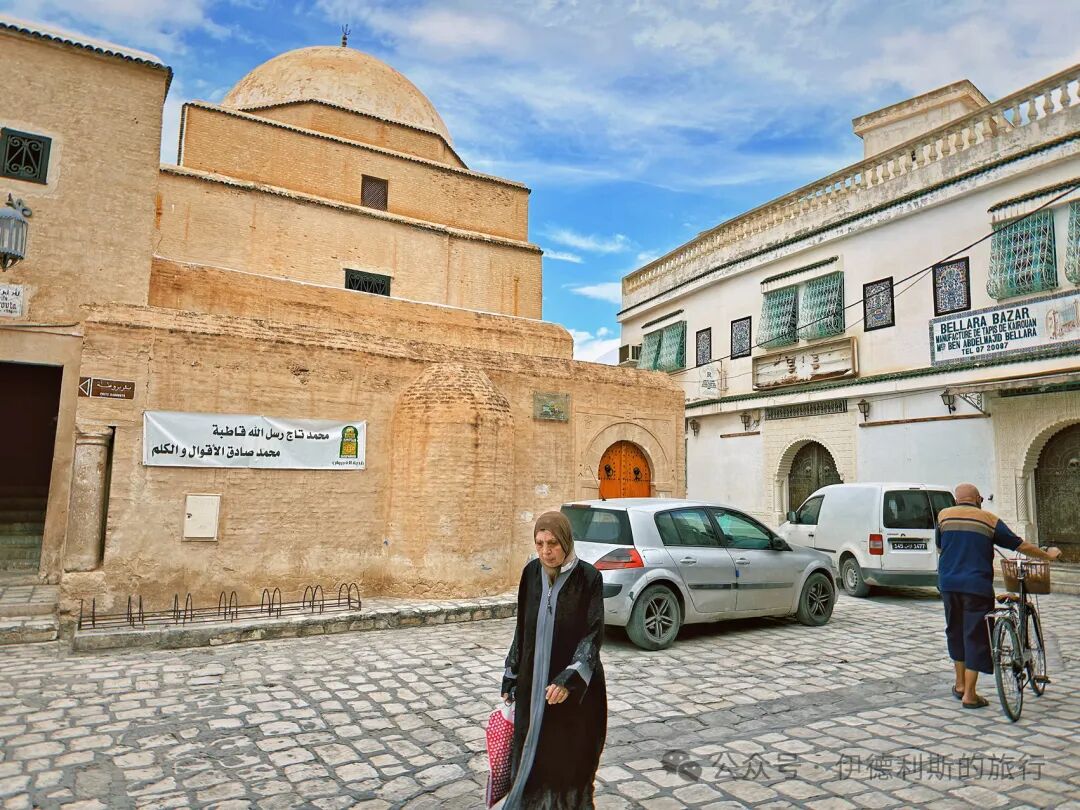
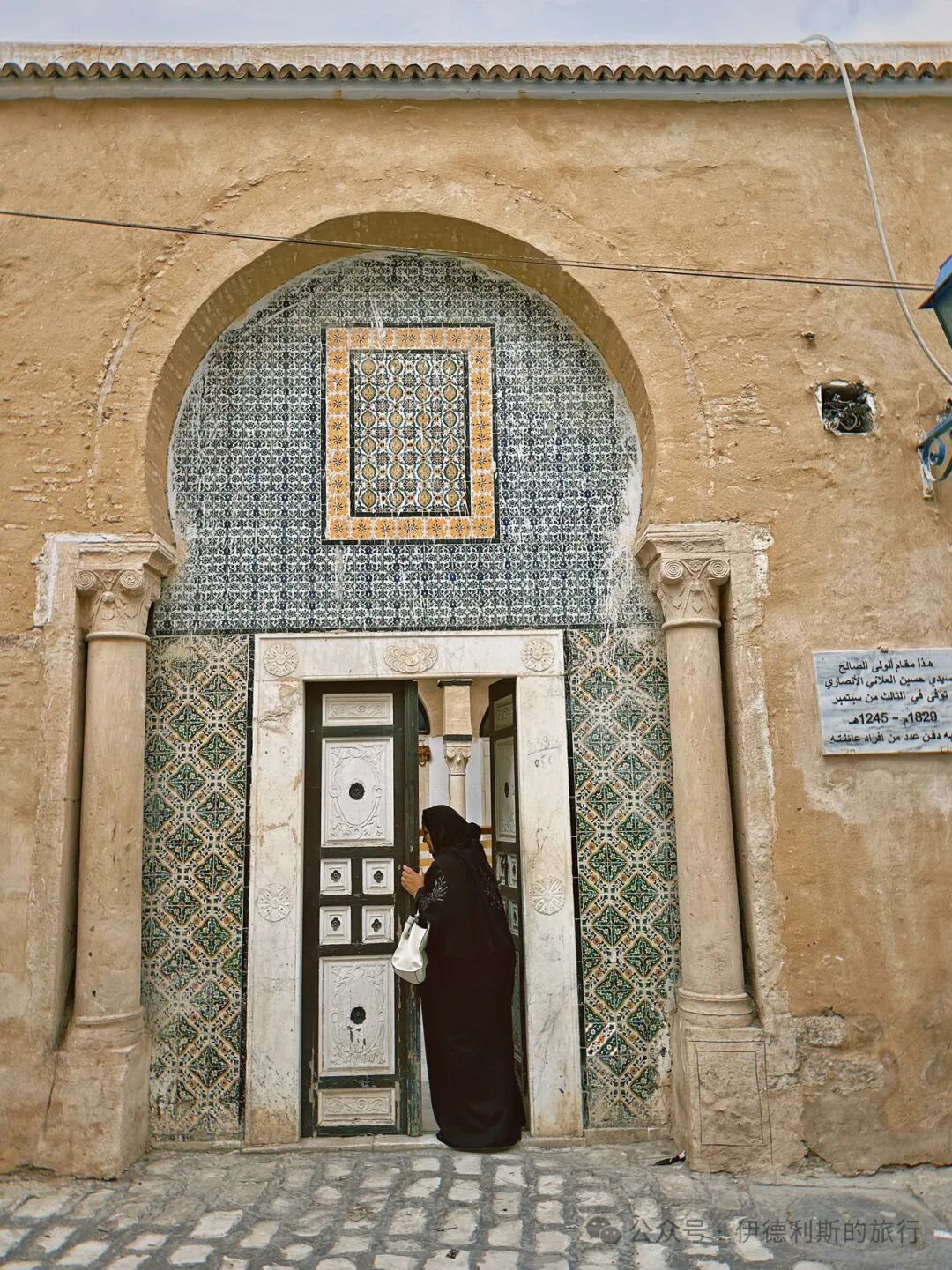
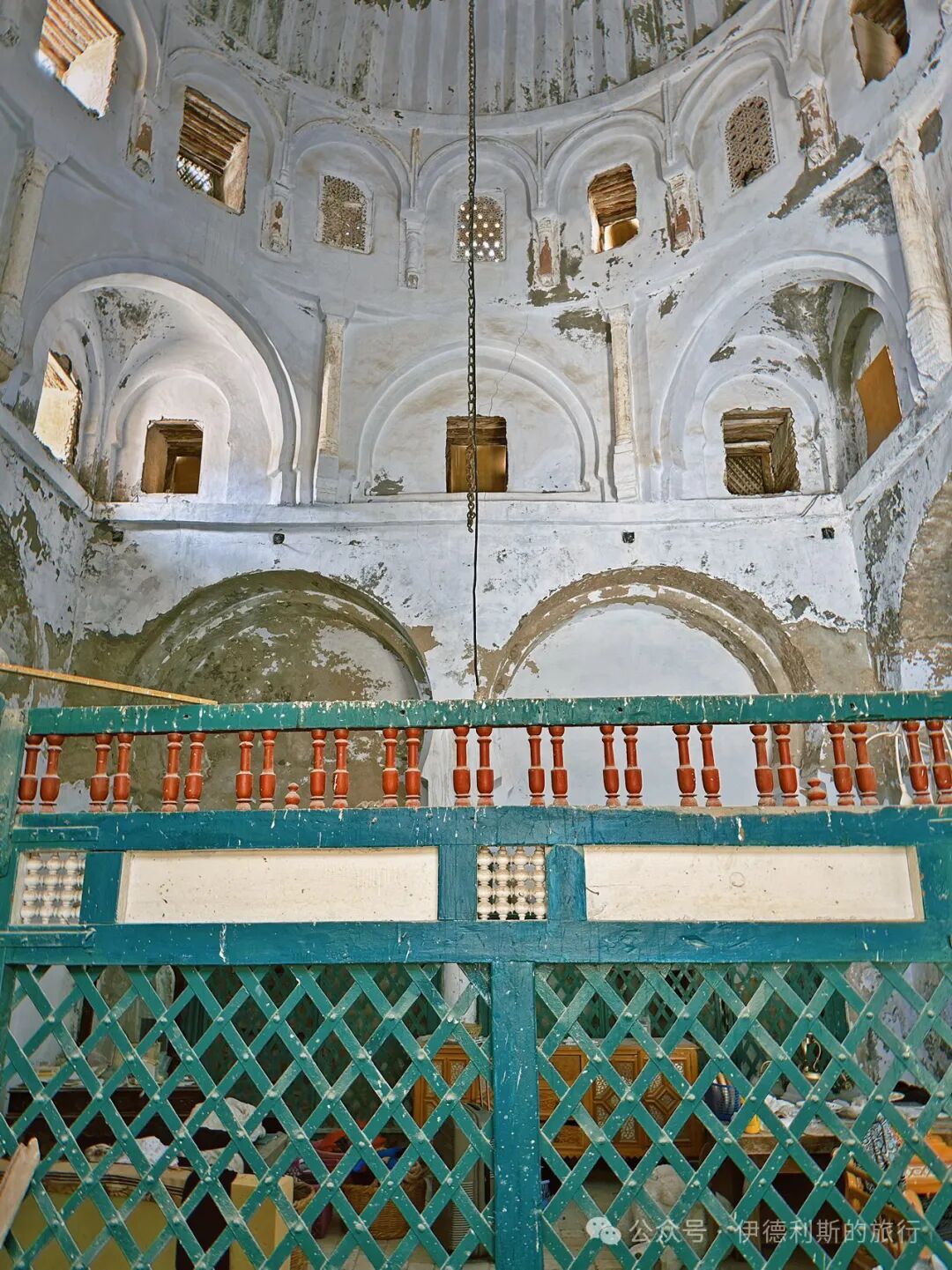
A gongbei built in 1829 in the old medina of Kairouan.
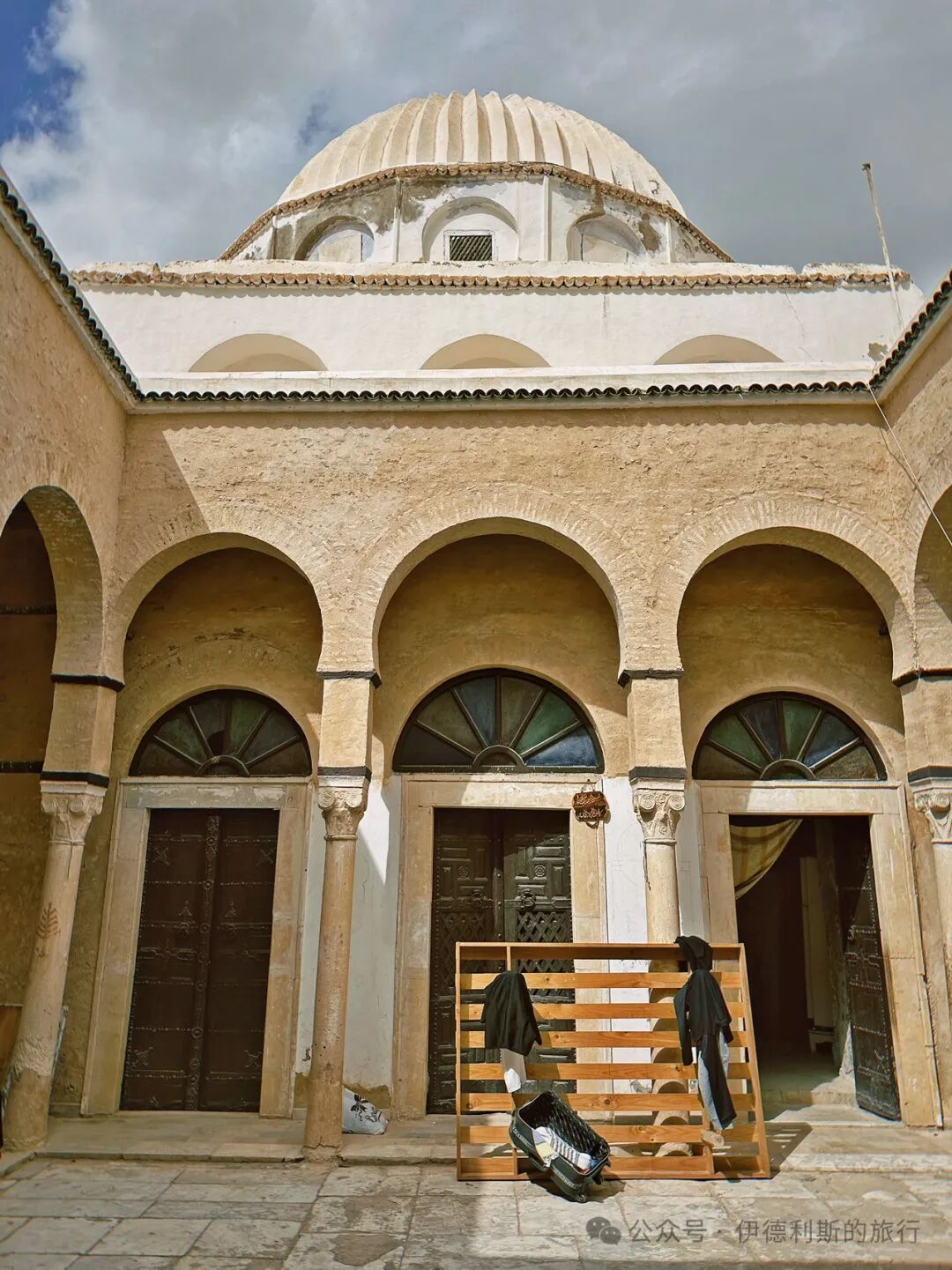
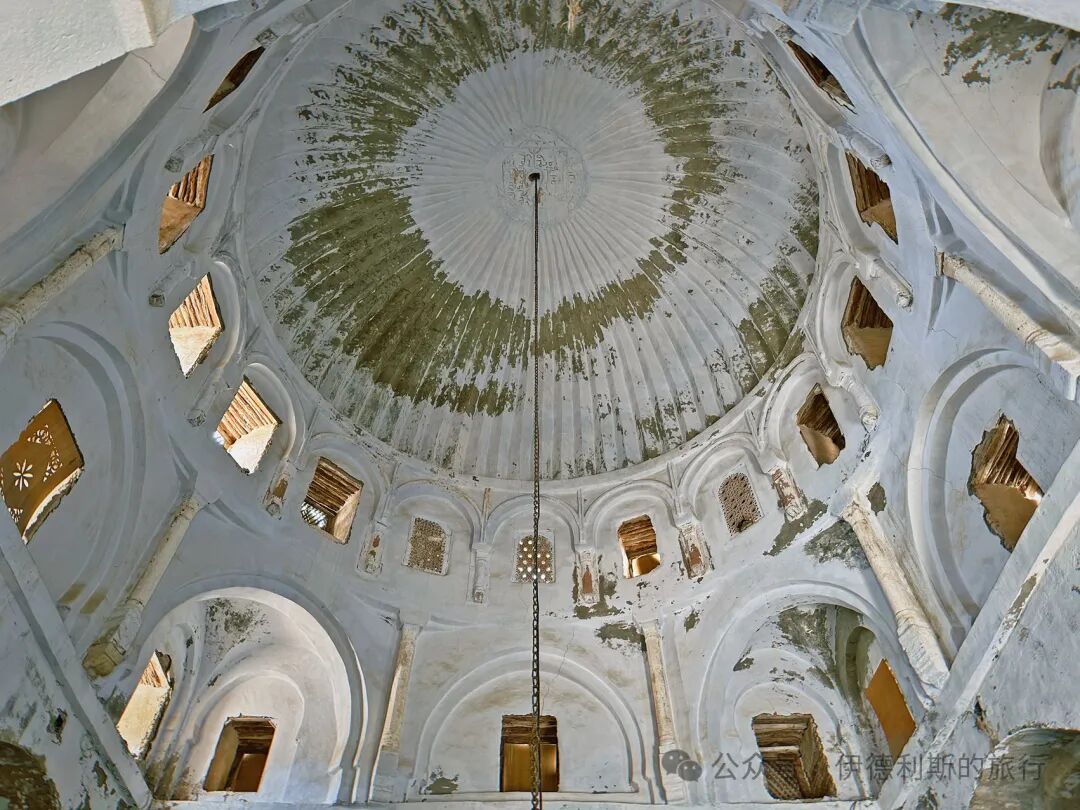
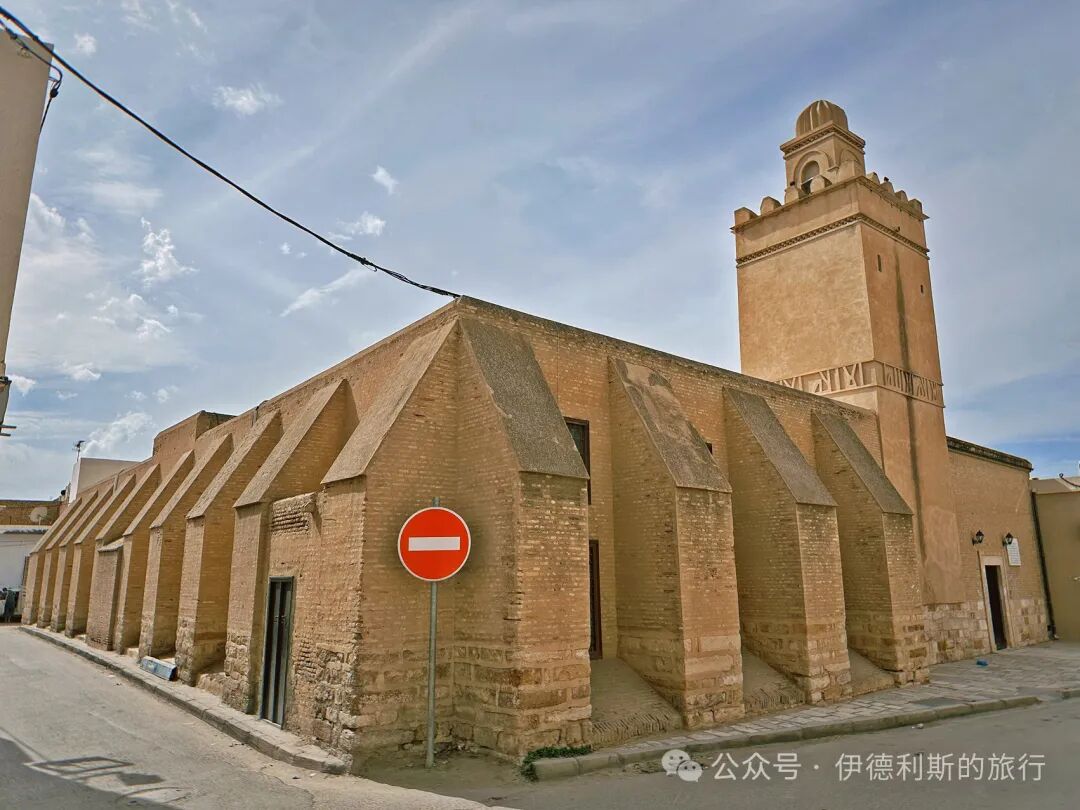
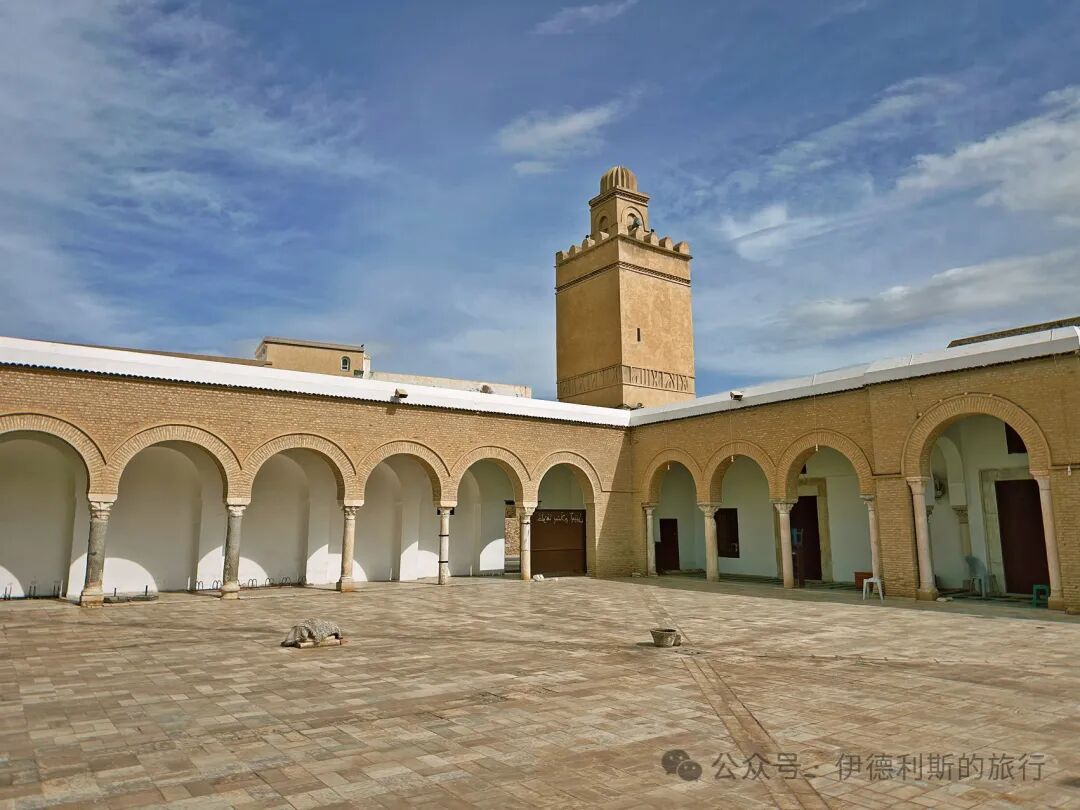
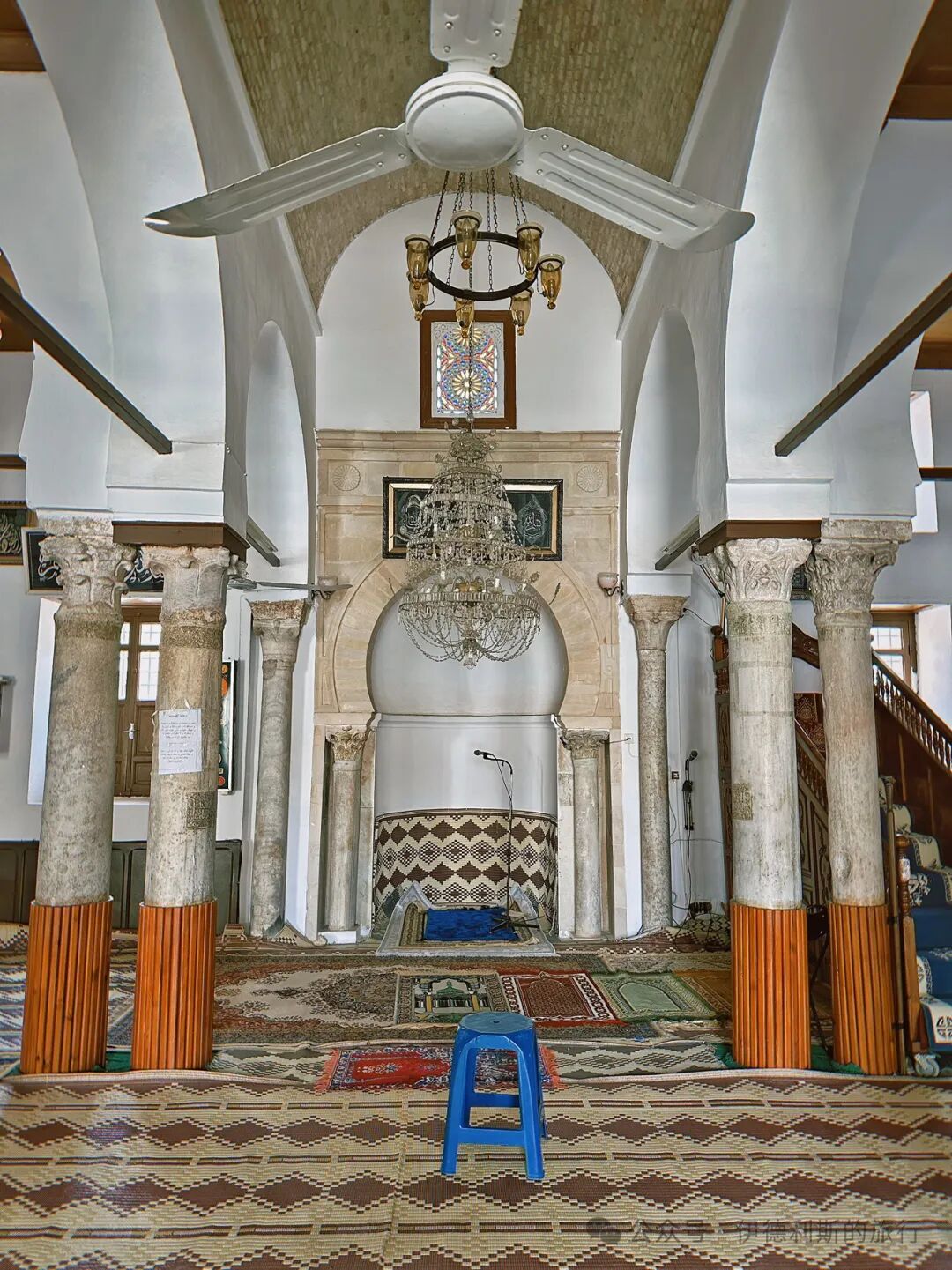
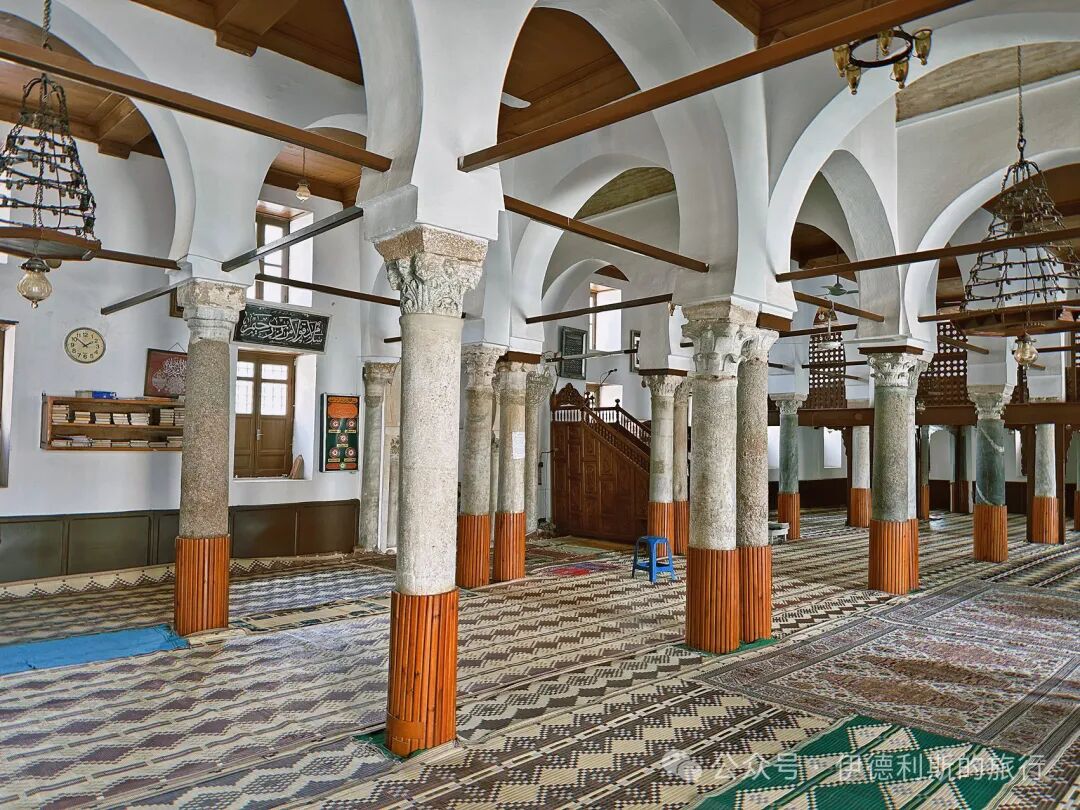
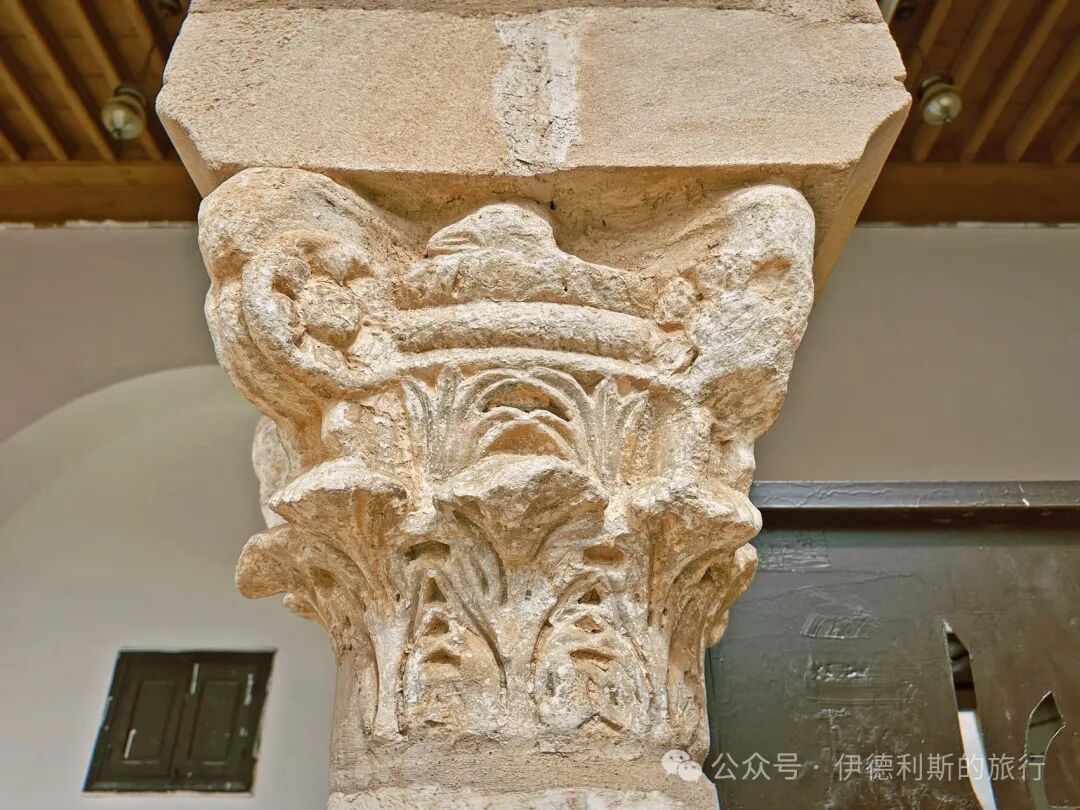
The Zeitouna Mosque outside the west gate of the old medina in Kairouan. Its architectural style is similar to the Great Mosque of Kairouan, but it is smaller in scale.
Summary: This second part of the Kairouan travel account continues around the Great Mosque and the old city after Jumu'ah. It keeps the original mosque details, street scenes, photographs, and Muslim travel observations for readers interested in Tunisia's Islamic heritage.
Street views of the old medina in Kairouan.
Kairouan was the capital of the Aghlabid and Zirid dynasties between the 9th and 11th centuries. The Aghlabid dynasty was an Arab emirate nominally under the Abbasid Caliphate. Kairouan grew quickly during this time and became known for its wealth and prosperity, rivaling cities like Basra and Kufa within the Abbasid realm. The Zirid dynasty was a Berber emirate nominally under the Fatimid Caliphate. Kairouan reached its peak in art, trade, and agriculture during this period, with education flourishing in particular. In the 1040s, the Zirid dynasty declared independence from the Fatimid Caliphate and recognized the Abbasid Caliphate. The Fatimid Caliphate then sent a group of Arab tribes to invade Kairouan. In 1057, these Arab tribes captured and destroyed Kairouan. The Zirid dynasty was forced to move its capital to Mahdia, and Kairouan never regained its former prosperity.
In the Kairouan medina market, various sweets are very popular, especially the date-filled pastry known as Makroudh.
They also sell fresh dates here. They are quite sweet, though slightly more astringent than the dried ones.
The 18th-century Kairouan Bey residence, Dar El Bey, is now a carpet shop. The residence has 18 rooms inside with very ornate ceilings. However, if you do not plan to buy a carpet, the staff might not let you see all the rooms.
The office of the Kairouan Poetry Association; this kind of ornate ceiling is a signature feature of Kairouan.
The ancient Bir Barrouta well in Kairouan. Legend says it was dug by the Abbasid governor Ibn El Ayoun in 796, and the current domed structure was rebuilt by the Bey of Tunis, Mohamed, in 1690. It is still in operation today, using a camel to power a water wheel (noria) to draw water, which people collect in clay pots.
A gongbei built in 1829 in the old medina of Kairouan.
The Zeitouna Mosque outside the west gate of the old medina in Kairouan. Its architectural style is similar to the Great Mosque of Kairouan, but it is smaller in scale.
