
Xi'an Muslim Quarter Halal Food Guide: Hui Muslim Streets and Local Snacks
Reposted from the web
Summary: This travel note introduces Xi'an Muslim Quarter Halal Food Guide: Hui Muslim Streets and Local Snacks. I went to the Hui Muslim Quarter in Xi'an for a food tour in November 2019. Although I have been to the Hui Muslim Quarter many times, I never get enough of it. It is useful for readers interested in Xi'an Muslim Quarter, Halal Food, Hui Muslims.
I went to the Hui Muslim Quarter in Xi'an for a food tour in November 2019. Although I have been to the Hui Muslim Quarter many times, I never get enough of it. For previous introductions to the ancient mosques in the Hui Muslim Quarter, see 'The Twelve Traditional Mosques of Shaanxi'.
Homestay
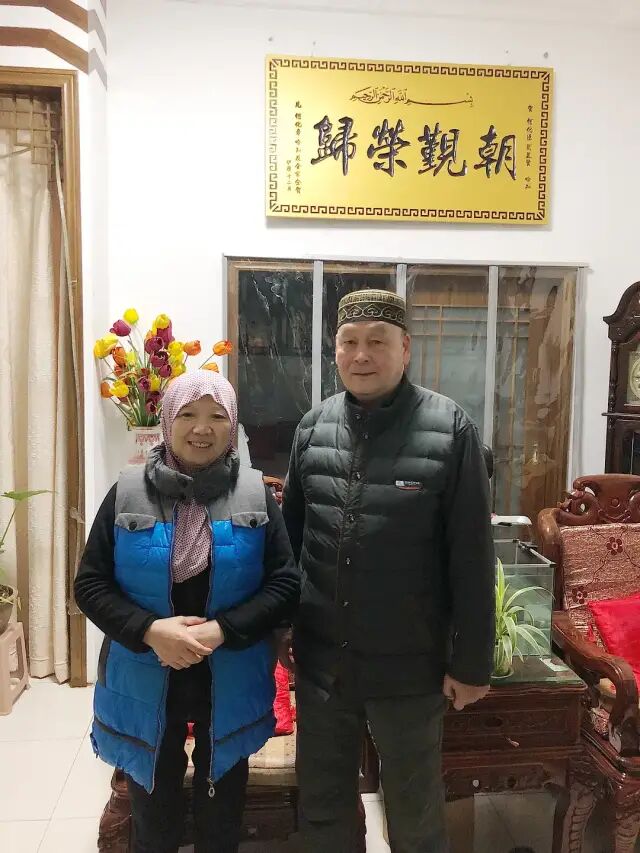
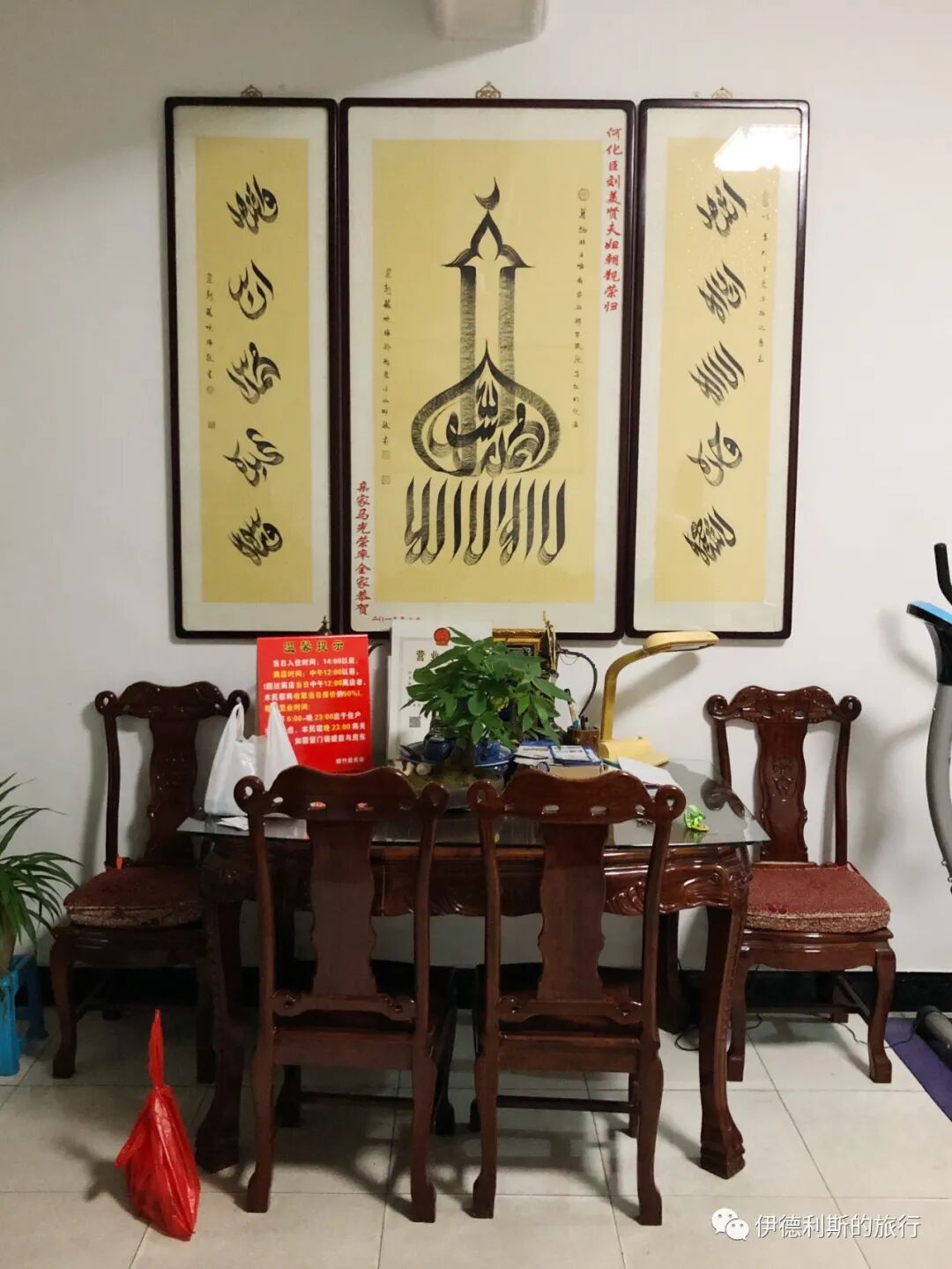
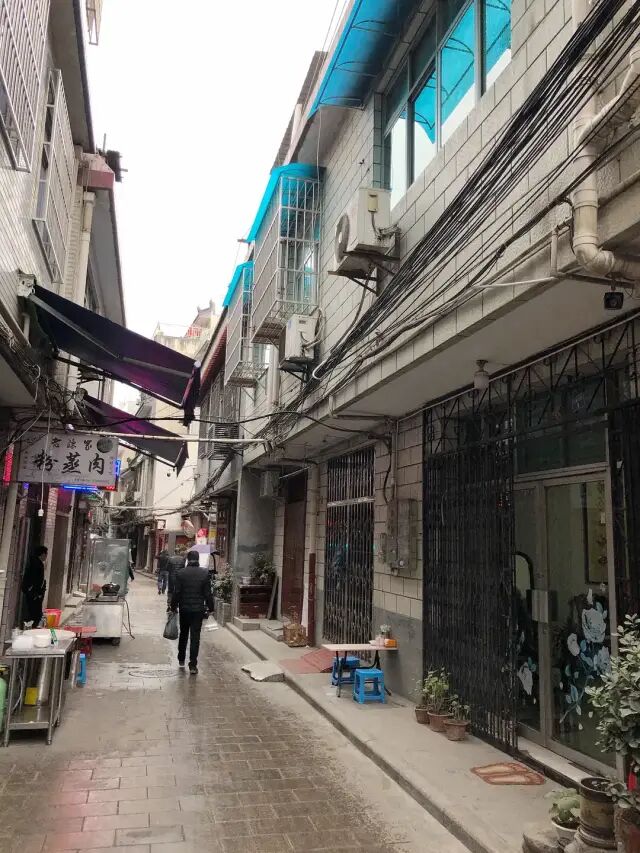
This time in Xi'an, I stayed at a homestay run by my good friend Xiao Ma's aunt, and I was very satisfied. The homestay is located in a quiet alley within the bustling Xiaoxuexi Lane in the Hui Muslim Quarter. It is very close to the food hub, but the place itself is very quiet, so I was not disturbed while resting at night.
The house has four floors and is the home of the aunt and uncle. The uncle lives on the first floor to keep watch, the aunt lives on the third floor with her grandson, and the second and fourth floors are used as a homestay. Both are two-bedroom apartments, suitable for families or friends to stay in.
The aunt and uncle are both Hajjis (pilgrims who have completed the Hajj). They went on the Hajj to Mecca together in 2015. They are both very kind, warm, and friendly. They used to run a restaurant, so if you are lucky, you can eat the delicious food made by the aunt herself.
Dingjia Xiaosurou (Ding's crispy fried beef)
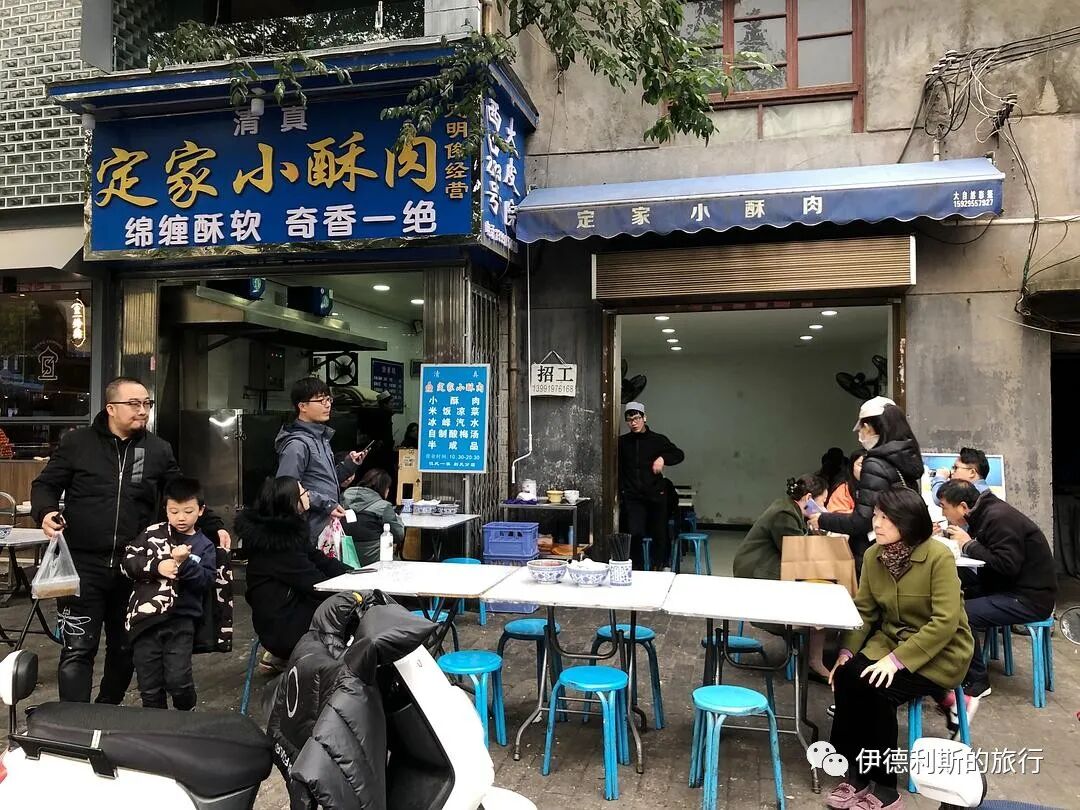
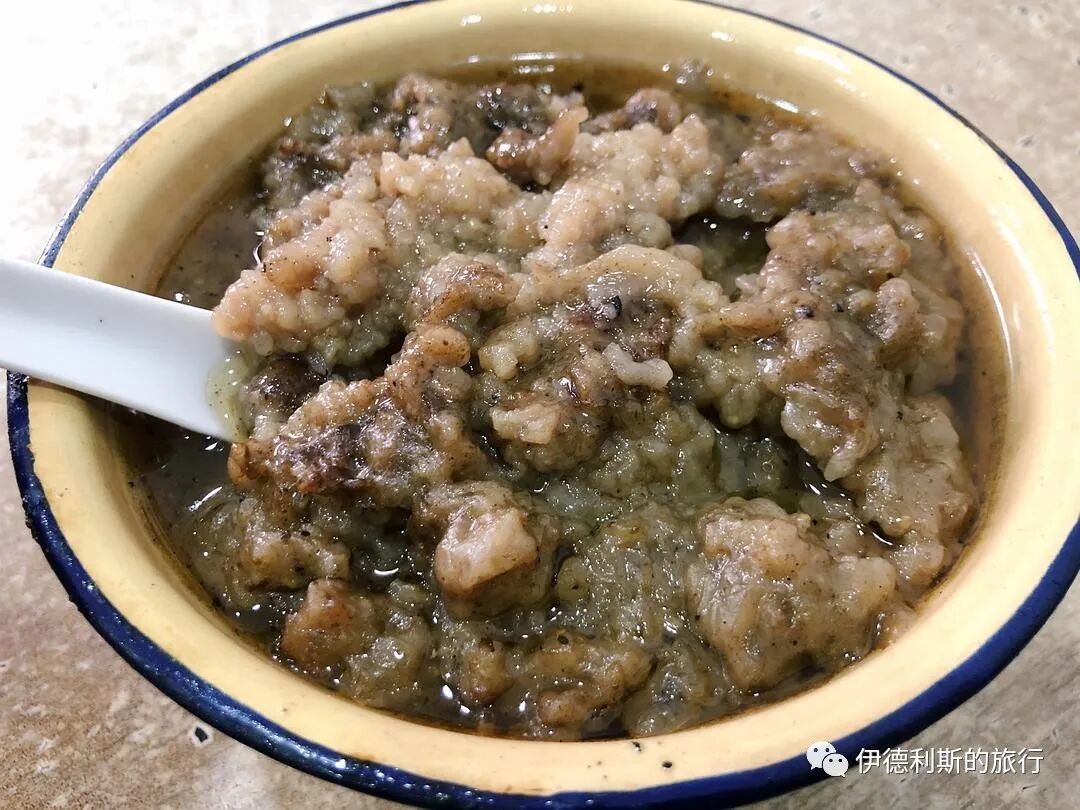
Dingjia Xiaosurou at the west entrance of Dapiyuan. I came here to eat it last time. I love Xiaosurou, especially in winter.
Laolijia Zagan Tang (Old Li's mixed offal soup)
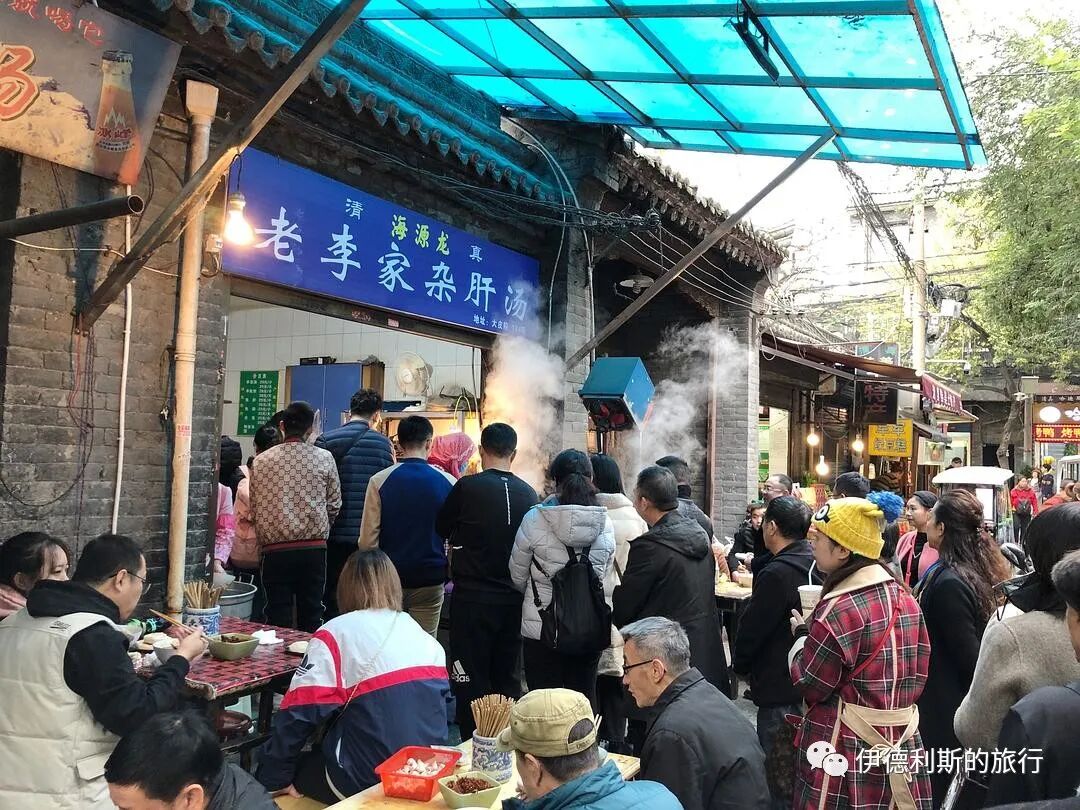
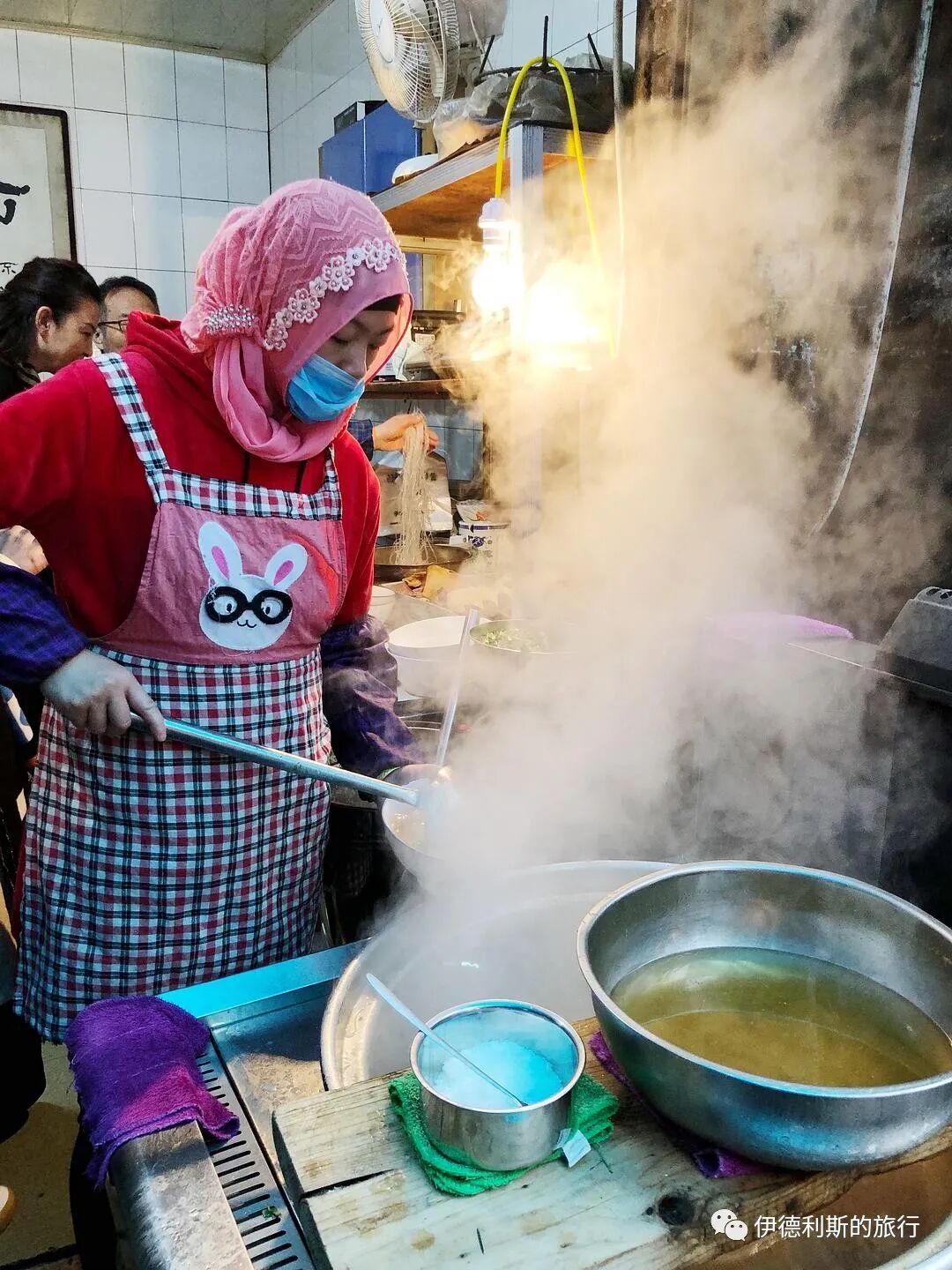
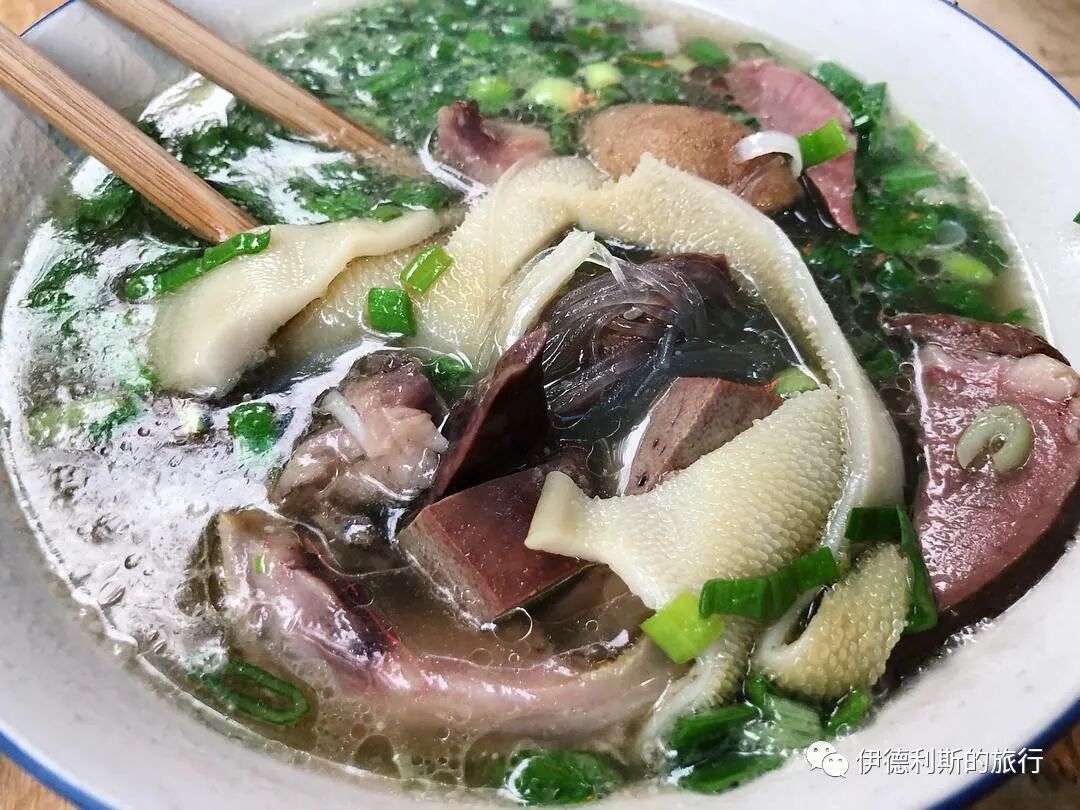
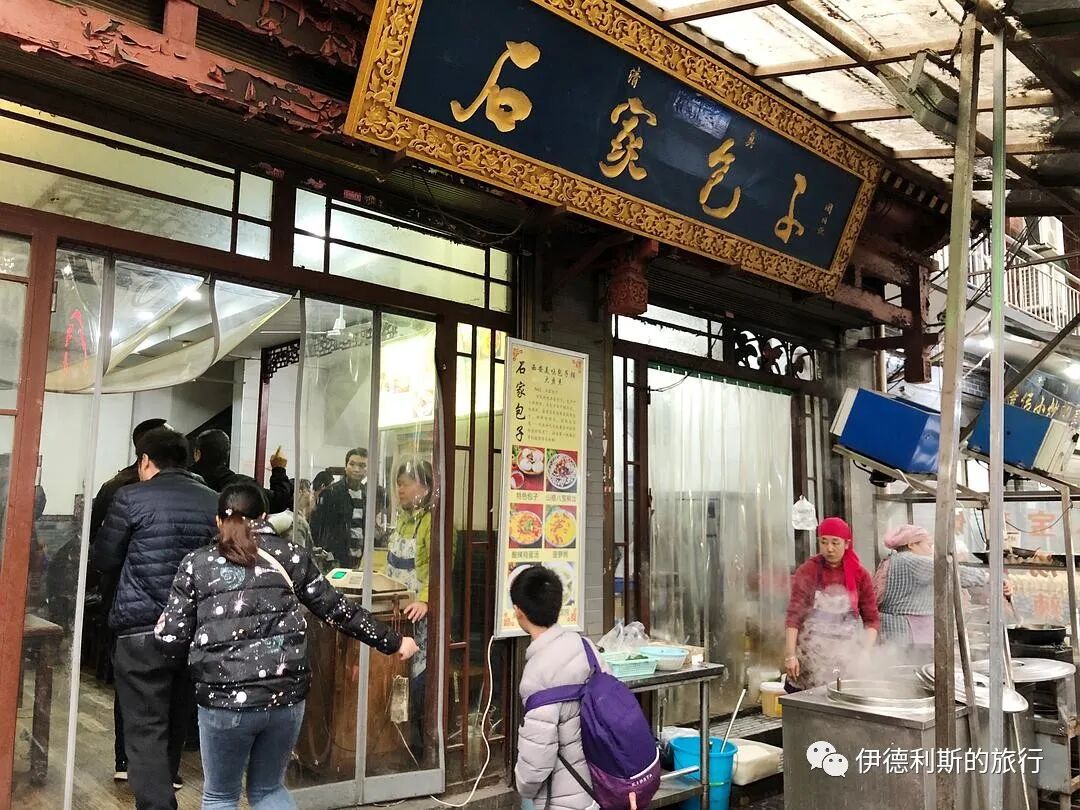
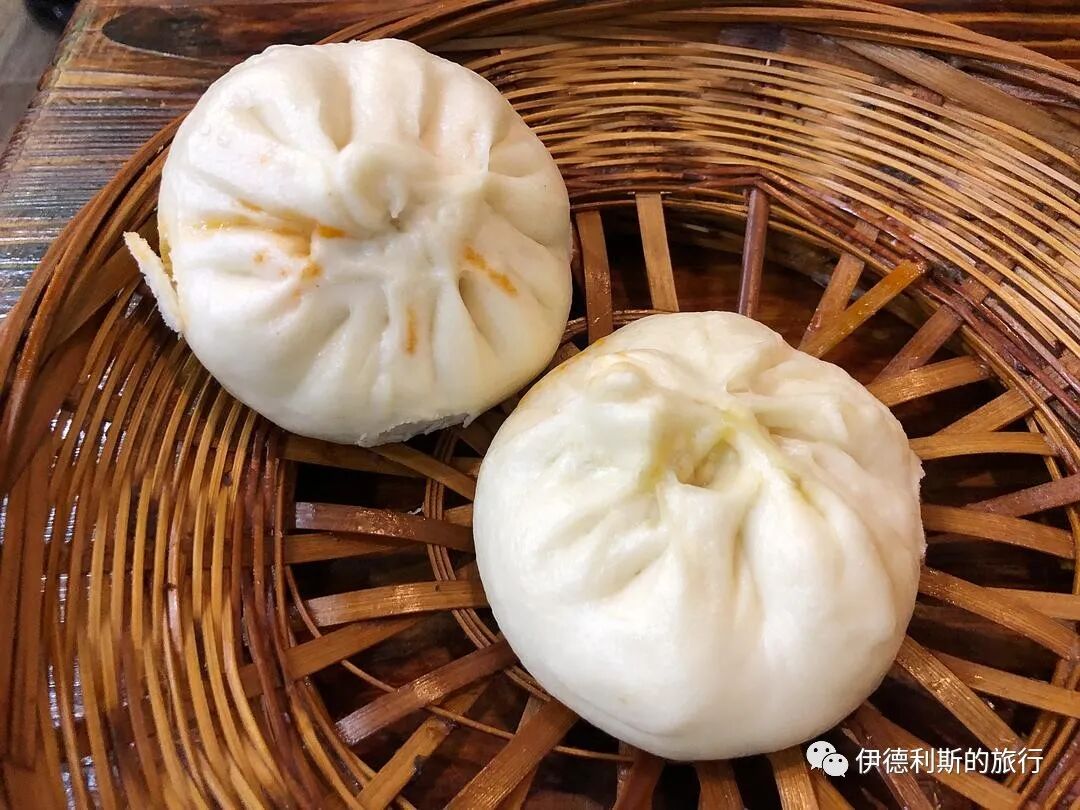
For breakfast, I had Laolijia Zagan Tang at Dapiyuan, paired with Shijia Baozi (Shi's steamed buns) from across the street. The Zagan Tang is tender, the ingredients are generous, and the soup is fresh. You have to queue on weekends.
The cumin-flavored filling of Shijia Baozi is rarely seen elsewhere, and it is quite interesting to eat.
Laolijia Mahua Youcha (Old Li's fried dough twist in oil tea)
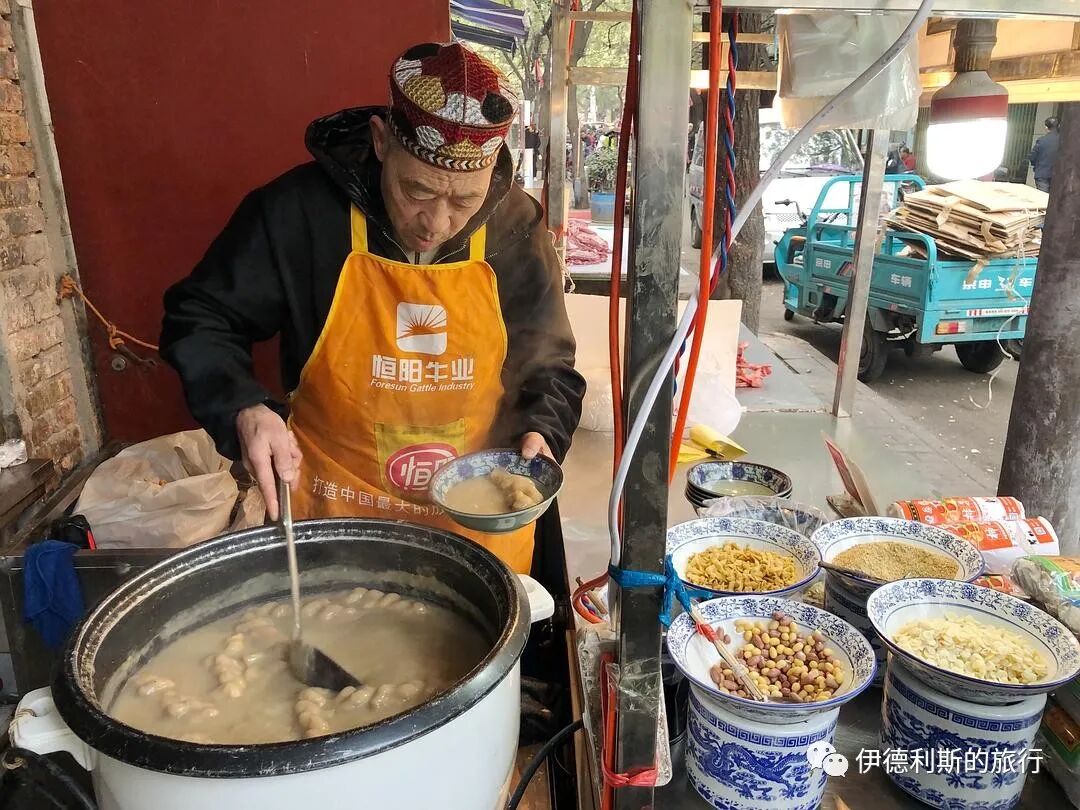
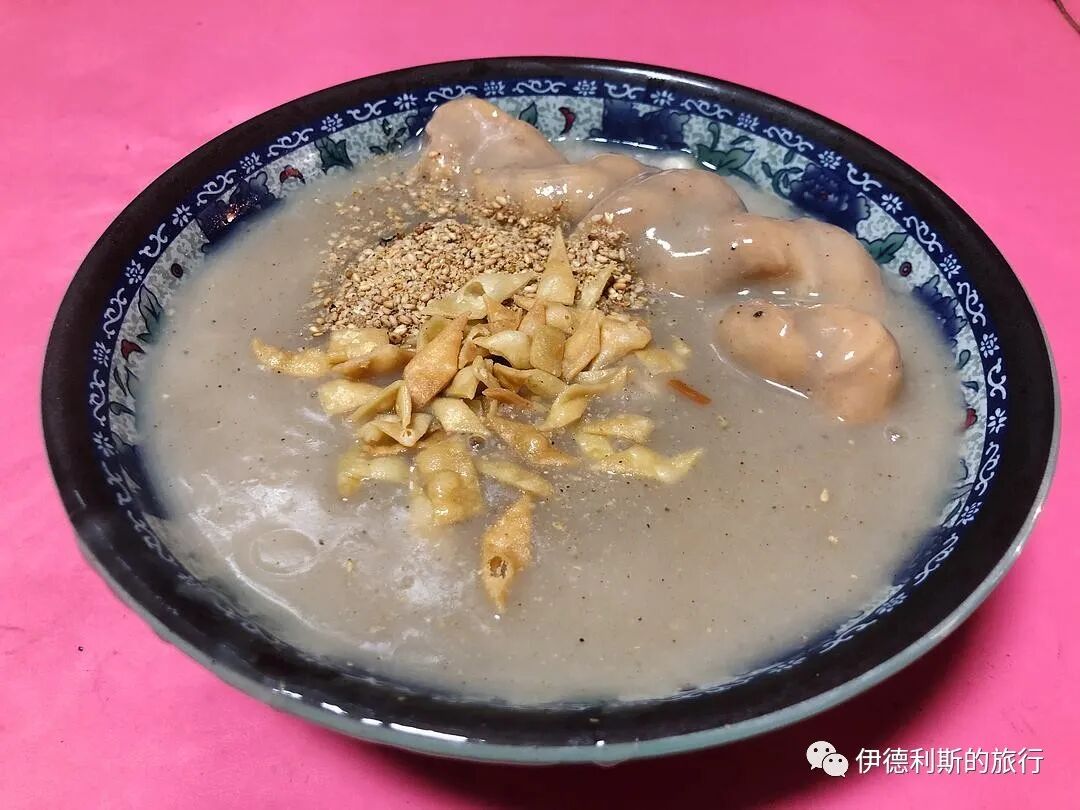
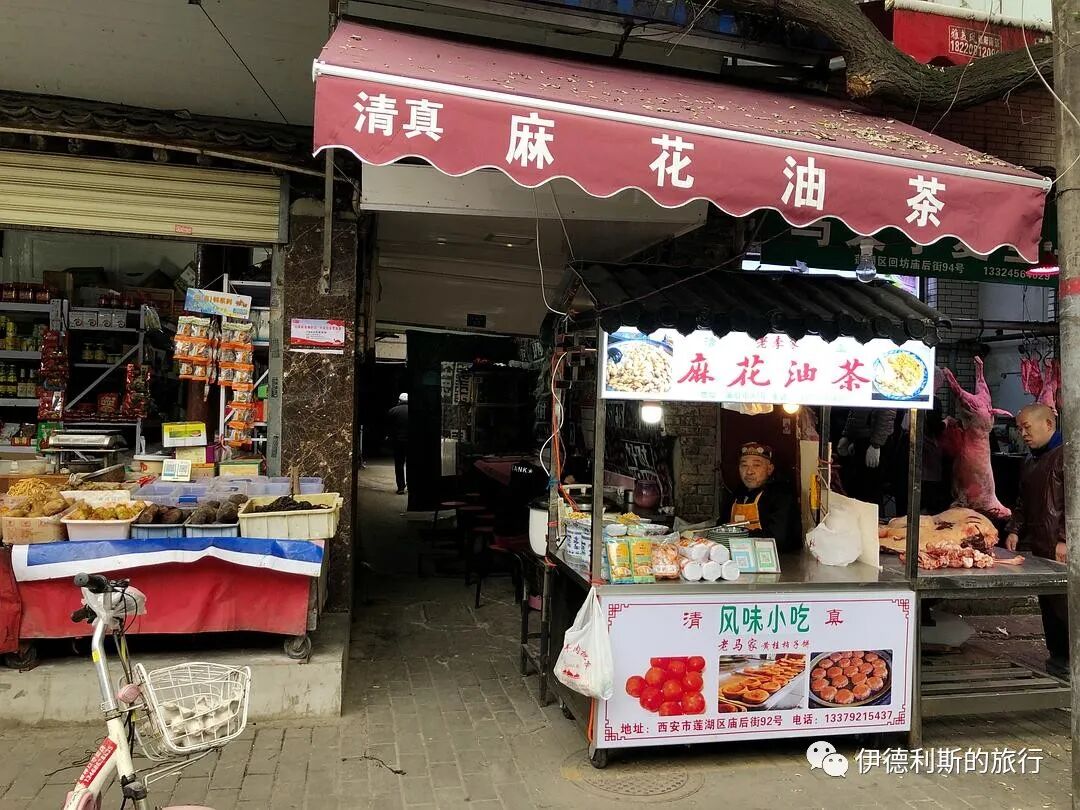
I had Laolijia Mahua Youcha at Miaohou Street in the morning. Mahua Youcha is especially suitable for early mornings in autumn and winter. The hot oil tea softens the Mahua (fried dough twist), and then it is sprinkled with sesame seeds and hemp leaves. It feels very warm after eating. In addition, the hat the boss wears is in the style of Pakistan in South Asia, and the color is bright and beautiful.
Huajia Wanzi Hulatang (Hua's meatball spicy soup)
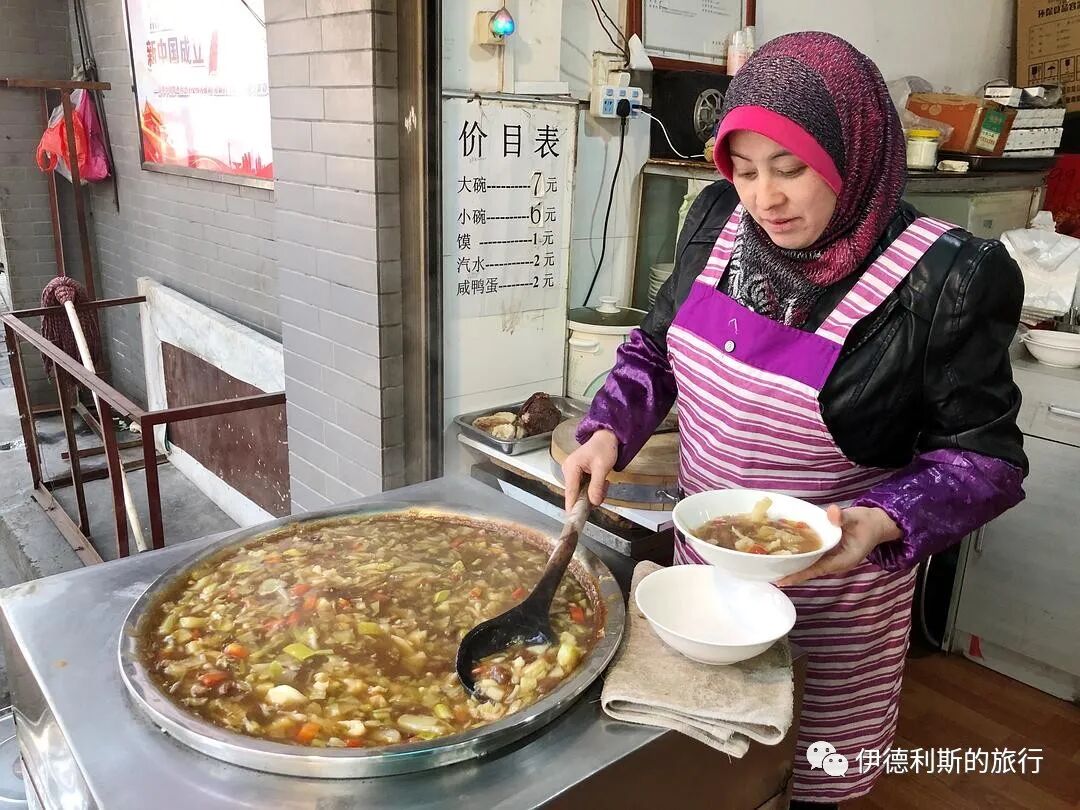
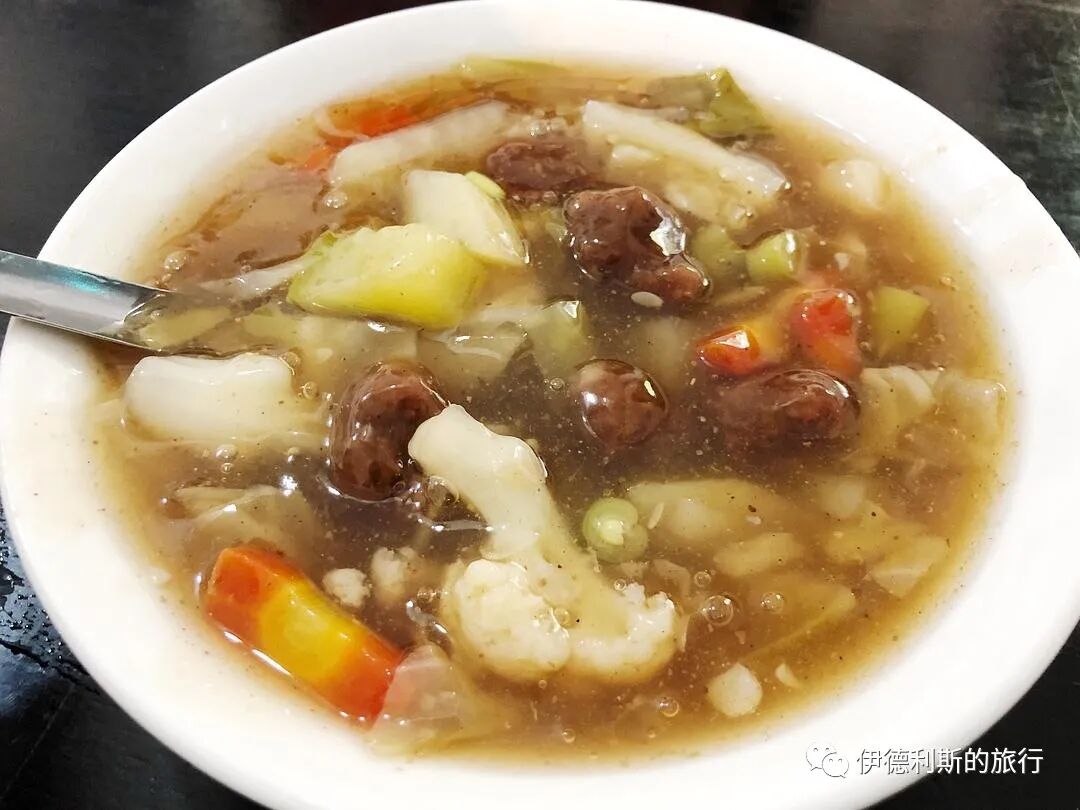
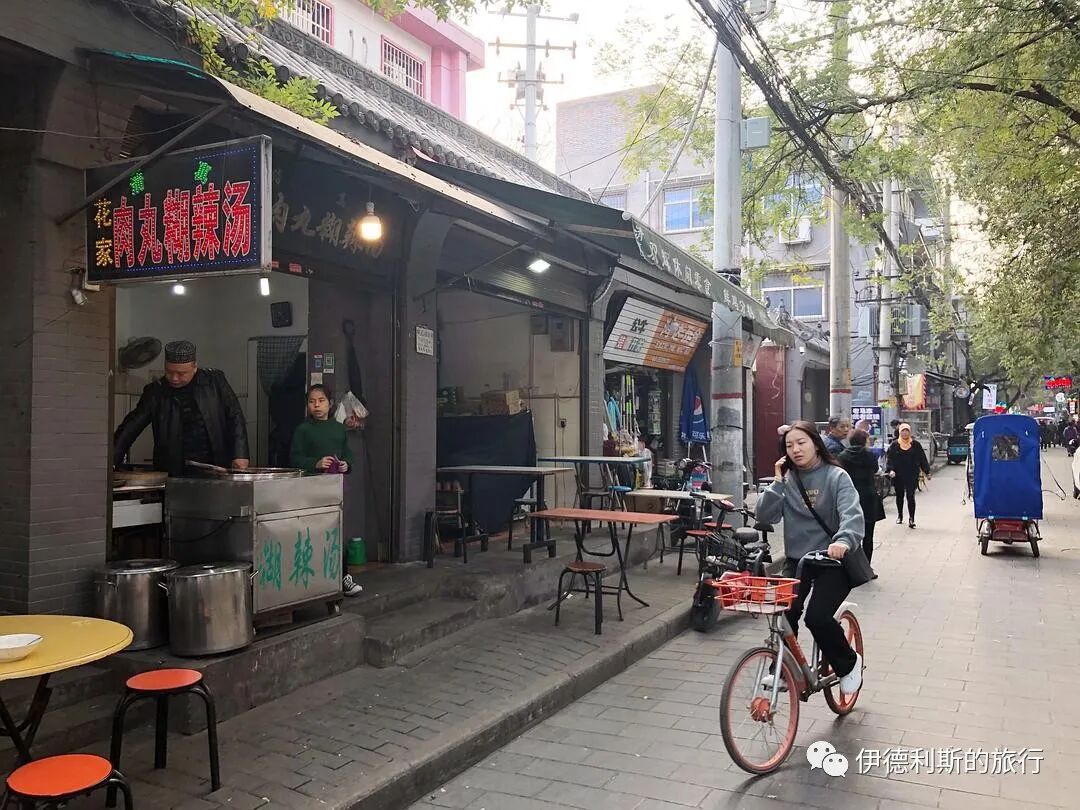
I had Huajia Wanzi Hulatang at the north entrance of Daxuexi Lane in the morning. In the Hui Muslim Quarter, besides meatballs and the broth used to boil cured beef and mutton, Wanzi Hulatang must also contain cooked mutton fat. Different from the Hulatang in Henan, the Hulatang in Xi'an also includes stewed vegetables. Any seasonal vegetable that does not fall apart when boiled can be used.
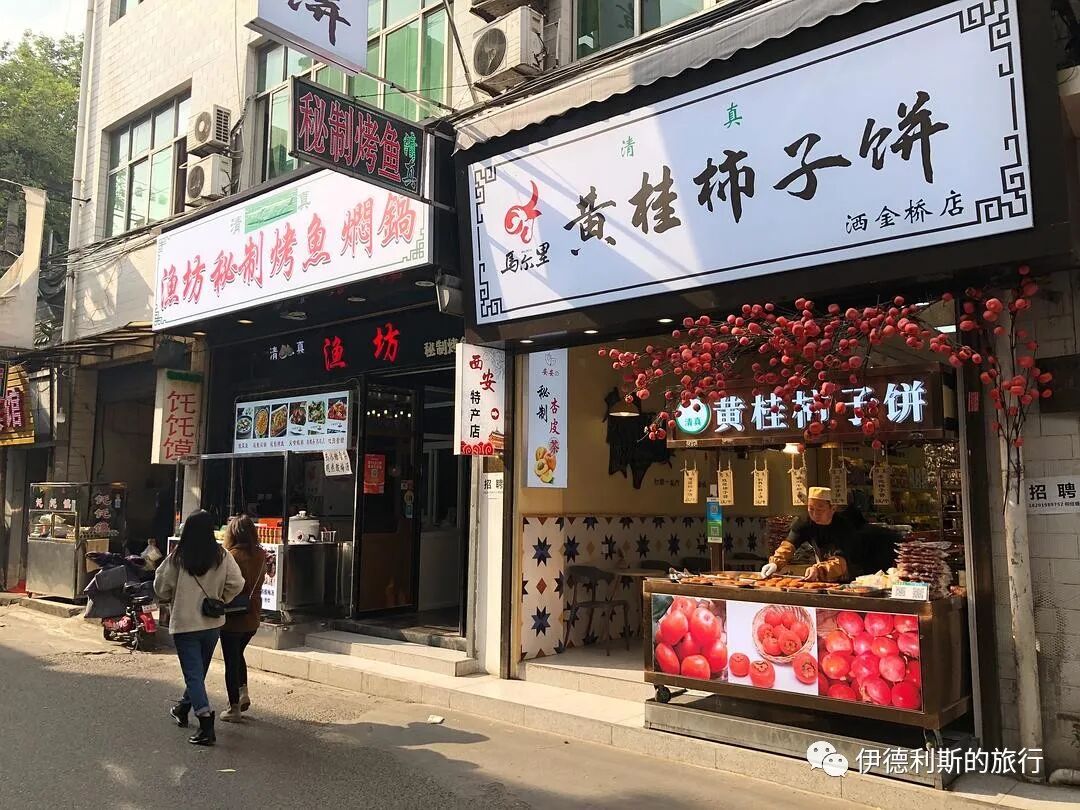
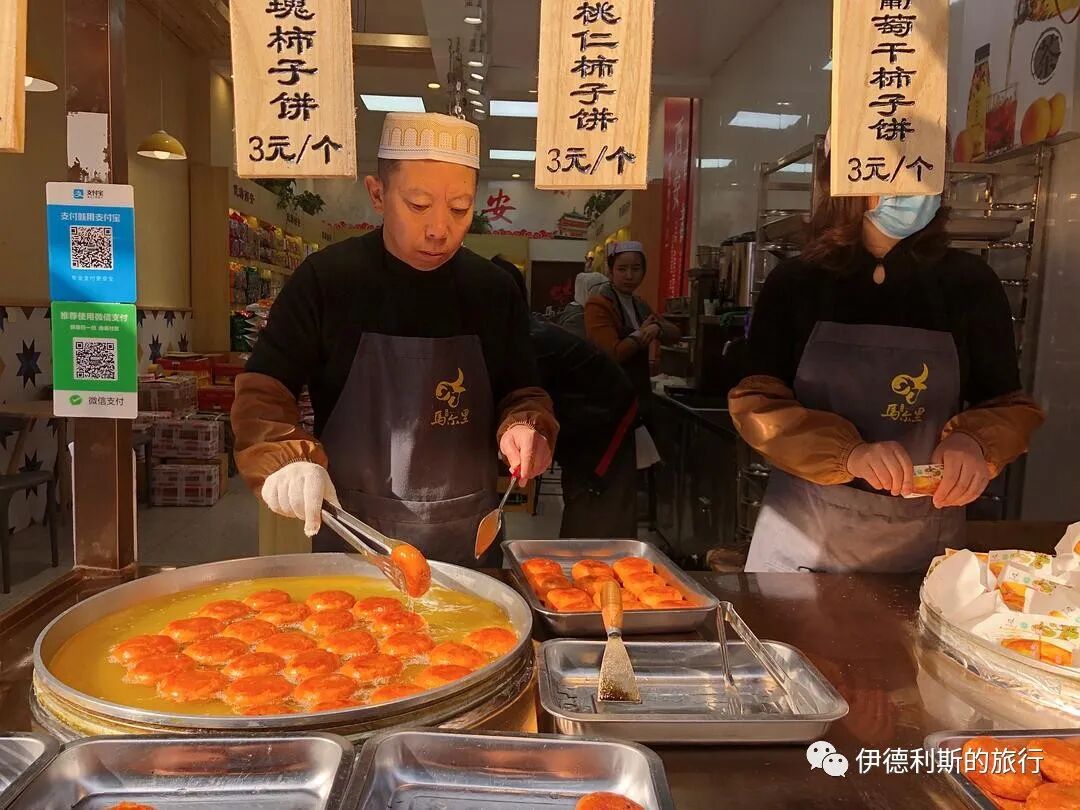
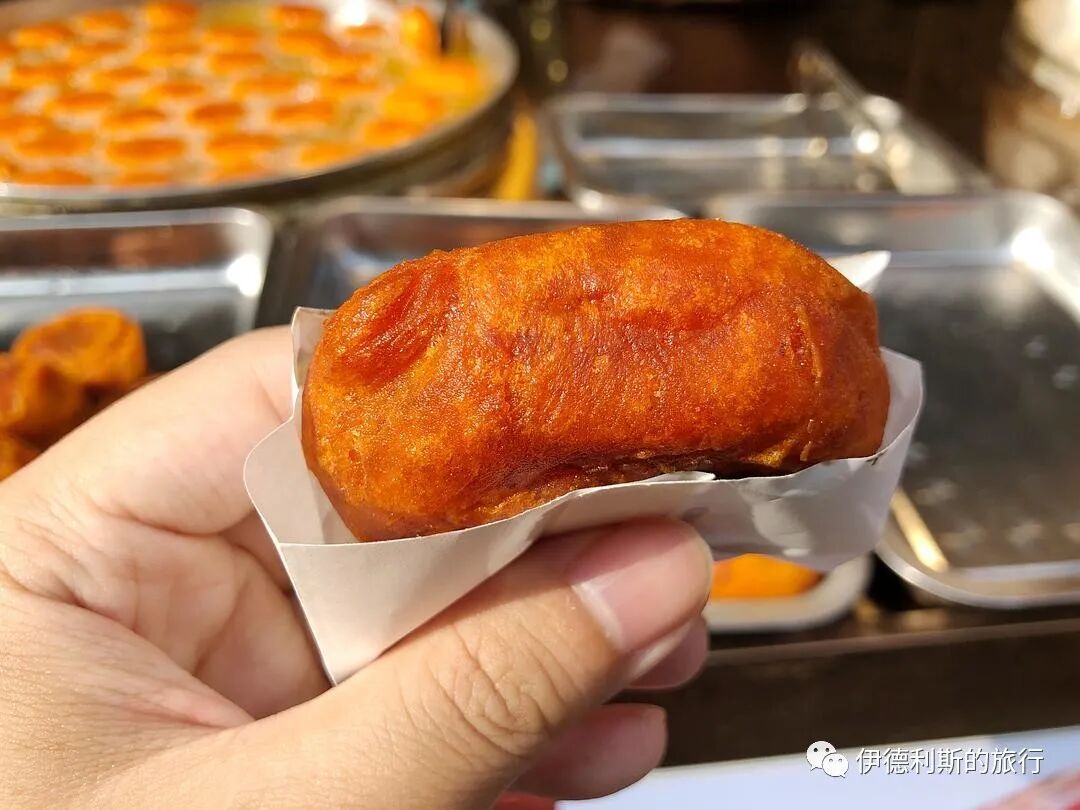
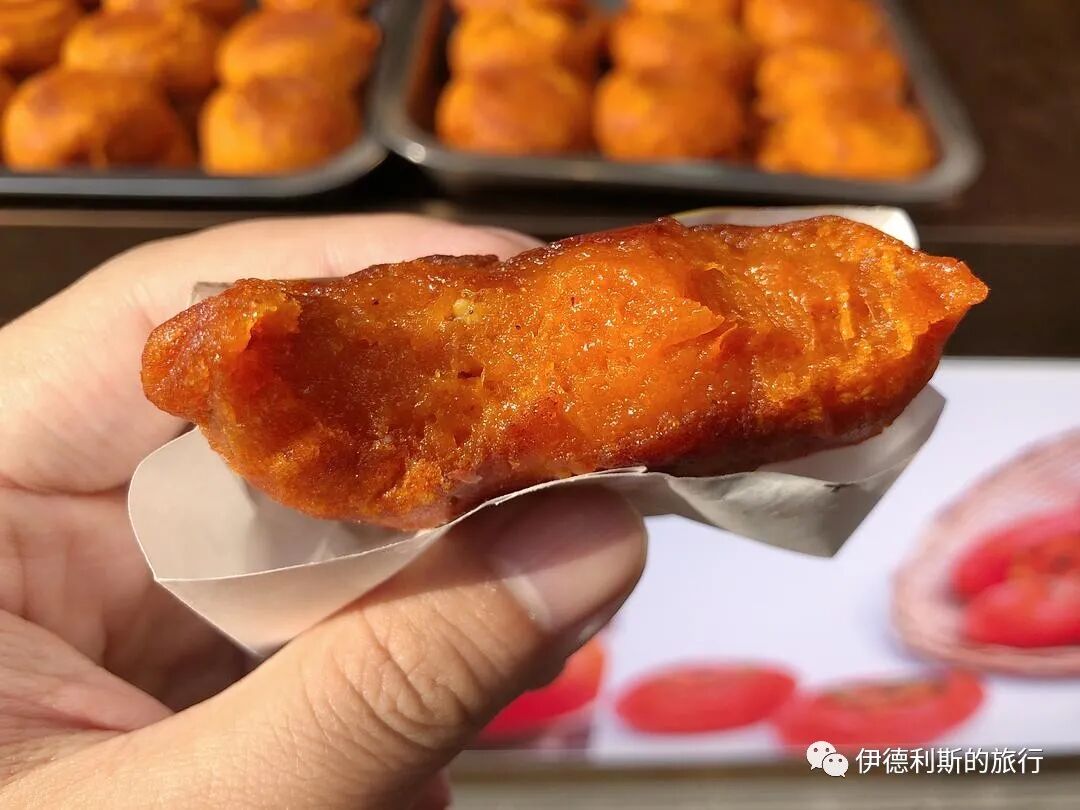
Ma'erli Huanggui Shizi Bing (Ma'erli's osmanthus persimmon cake)
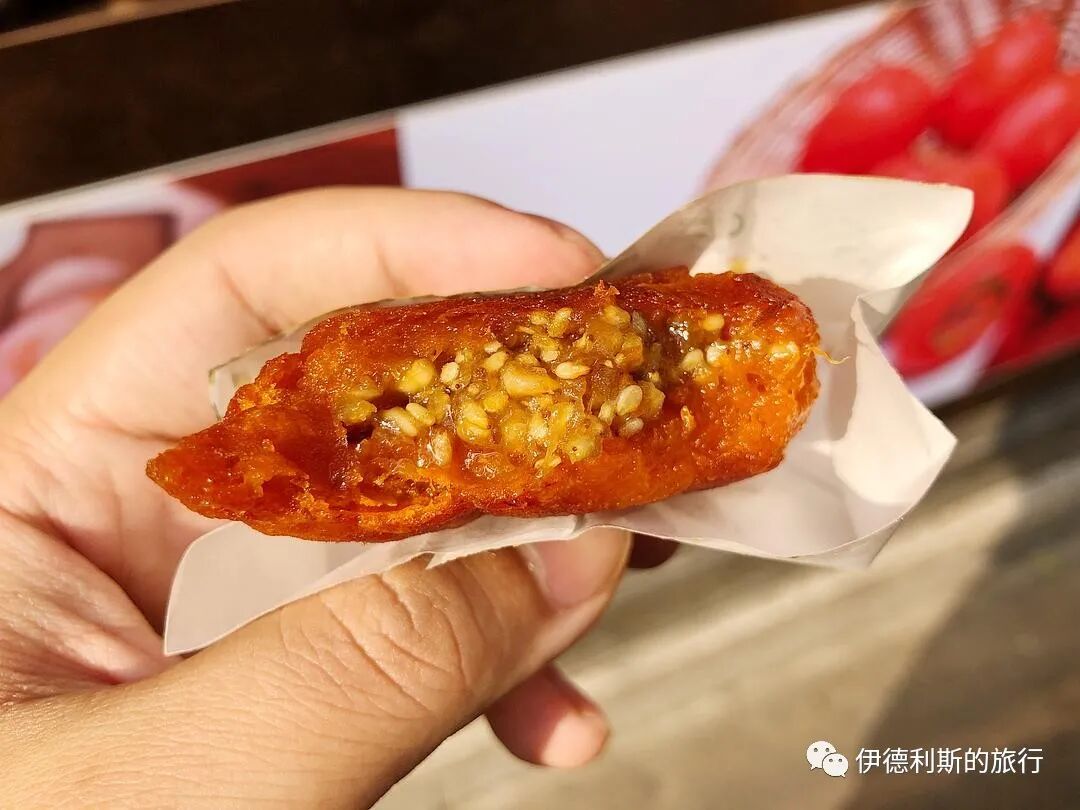
Ma'erli Huanggui Shizi Bing on Sajinqiao Street. Huanggui Shizi Bing, also known as Huojing Shizi Bing (fire-crystal persimmon cake), is made by adding flour to Huojing persimmons from Lintong and wrapping them with a sweet osmanthus sugar filling. It is a specialty snack in Xi'an during autumn and winter. The osmanthus filling can also be replaced with other fillings such as rose or date paste.
Ma Jiguang Cigao Dian (Ma Jiguang's sticky rice cake shop)
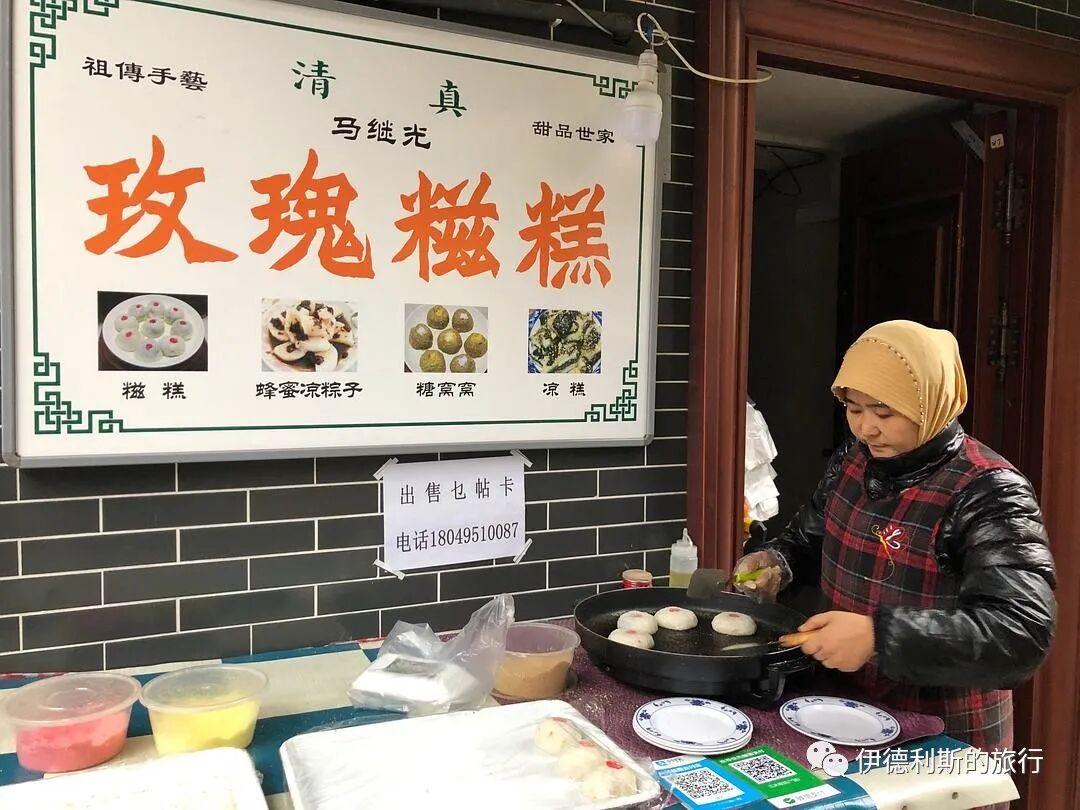
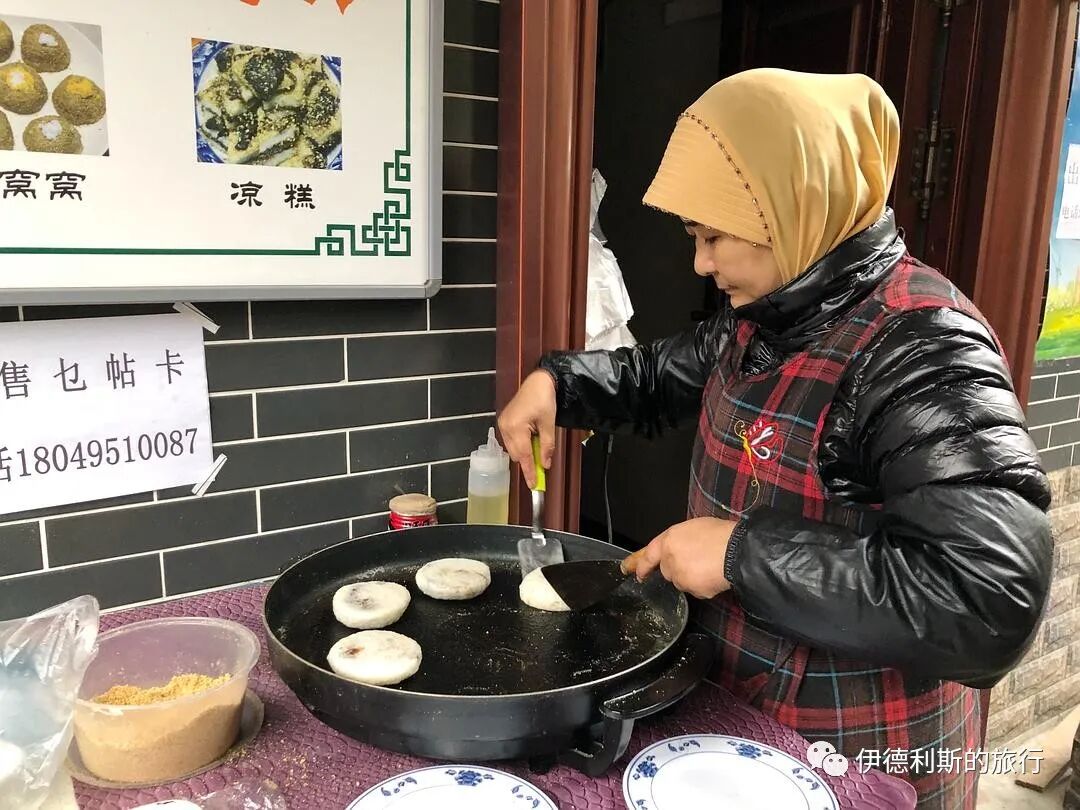
I had rose Cigao (sticky rice cake) in Xiaoxuexi Lane. In the past, Cigao in Xi'an was generally sold by Hui Muslims carrying them on shoulder poles along the street, but now it is far less common than Zenggao (steamed sticky rice cake). As far as I know, only this Ma Jiguang Cigao shop sells it exclusively.
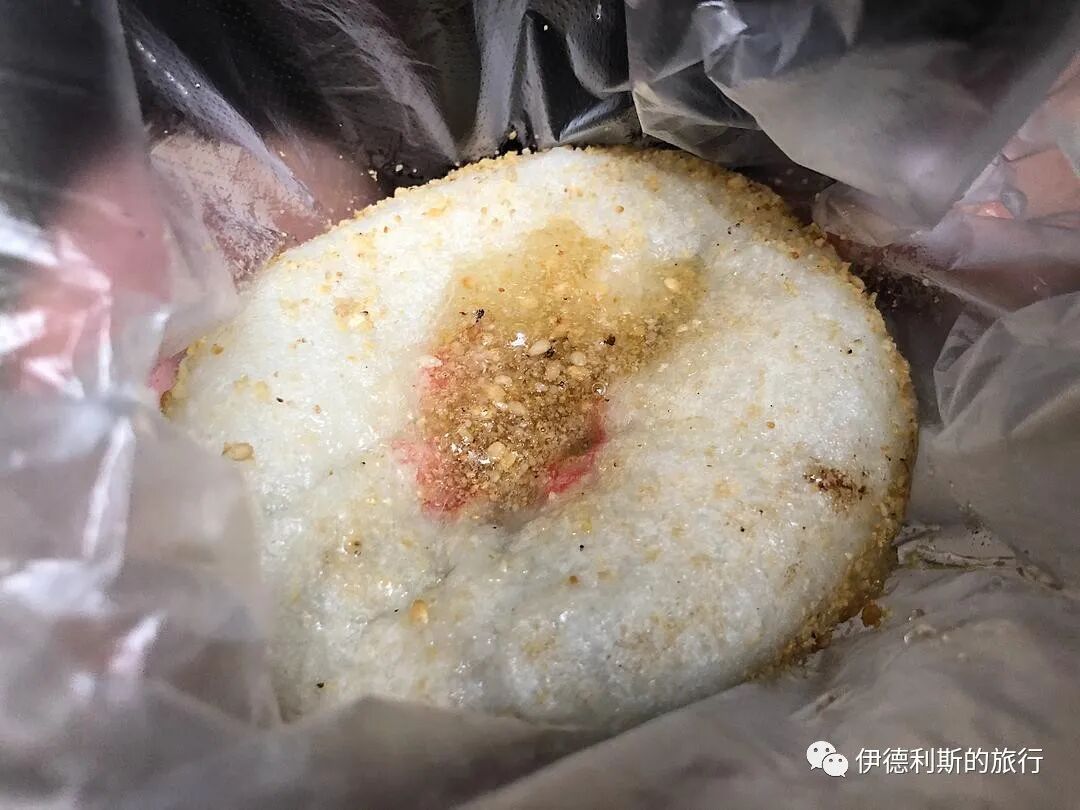
Cigao is a sticky rice cake with red bean paste filling. The filling contains small beans, brown sugar, osmanthus sauce, rose sauce, and walnut kernels. After it is made, sesame seeds are sprinkled on top.
Traditionally, there are two ways to eat it: cold or hot. Cold means sprinkling white sugar directly on it after wrapping, and hot means heating it in a pan with rapeseed oil over low heat before eating. We chose to eat it hot, and the aunt finally added honey.
Zhiliang Zhengjiao (Zhiliang's steamed dumplings)
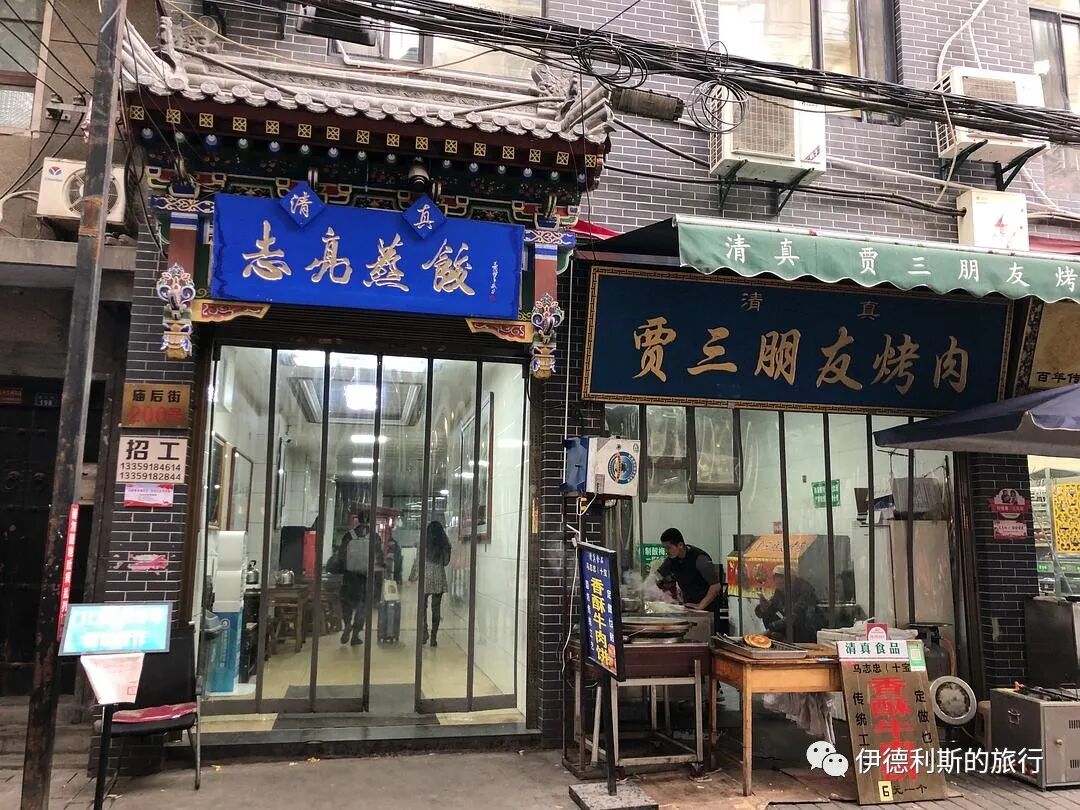
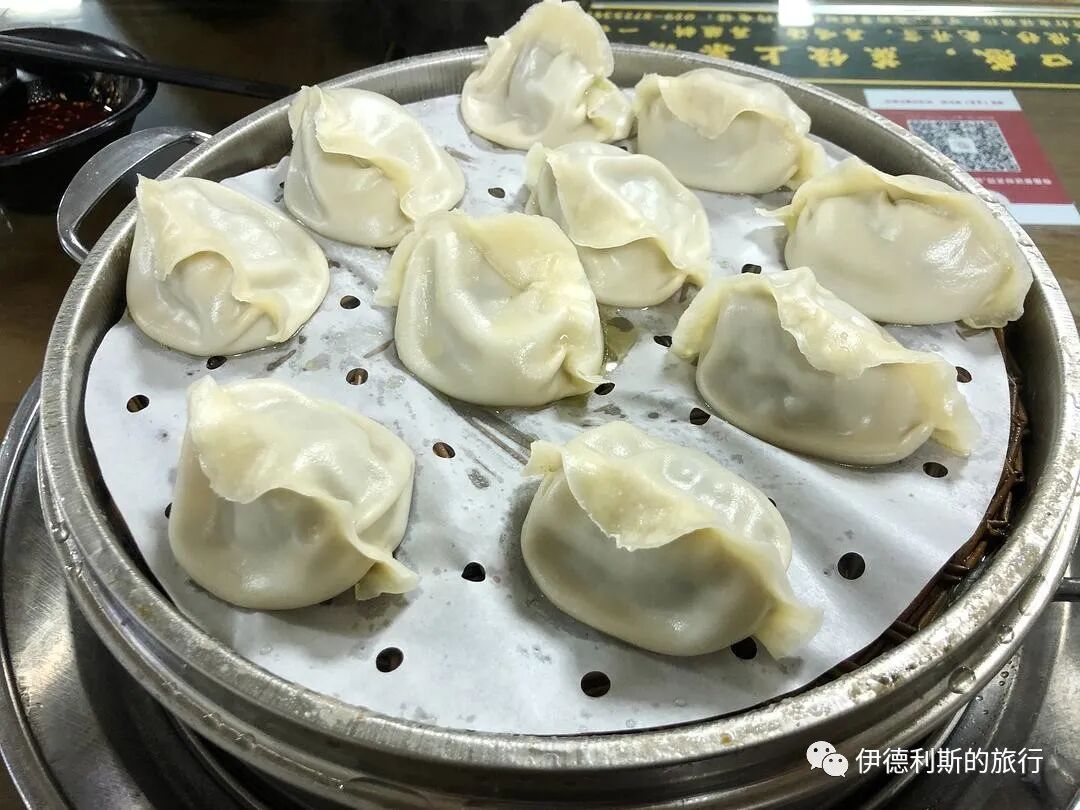
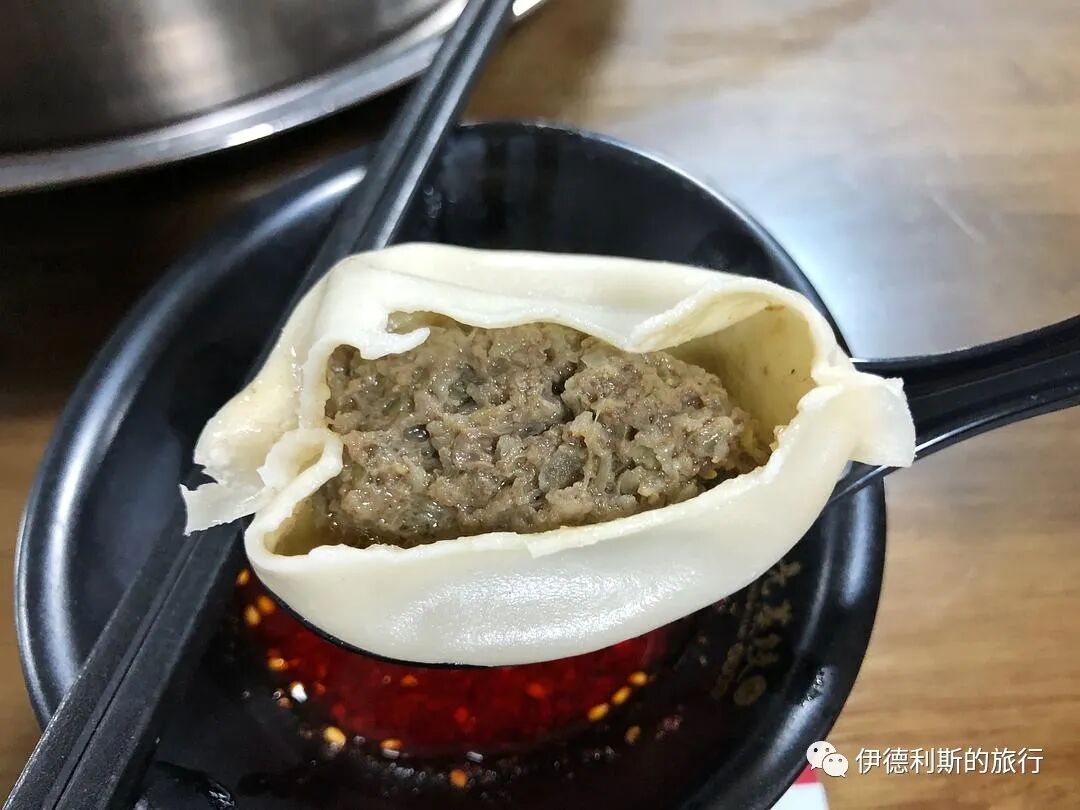
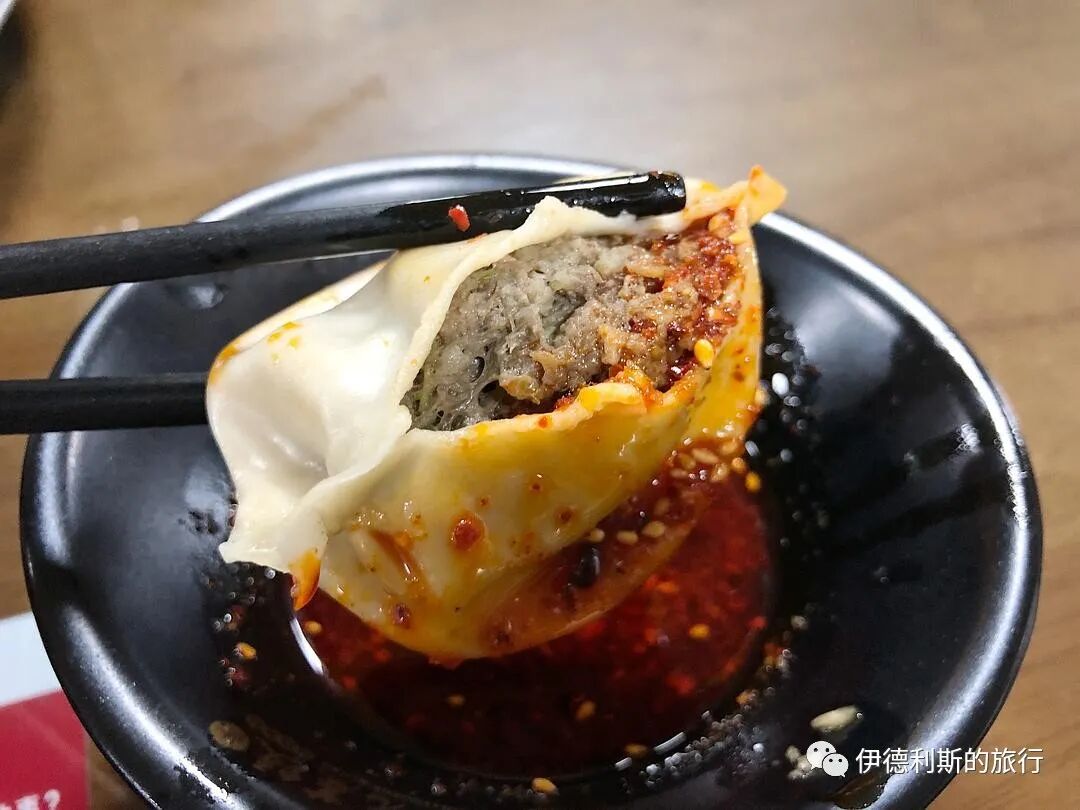
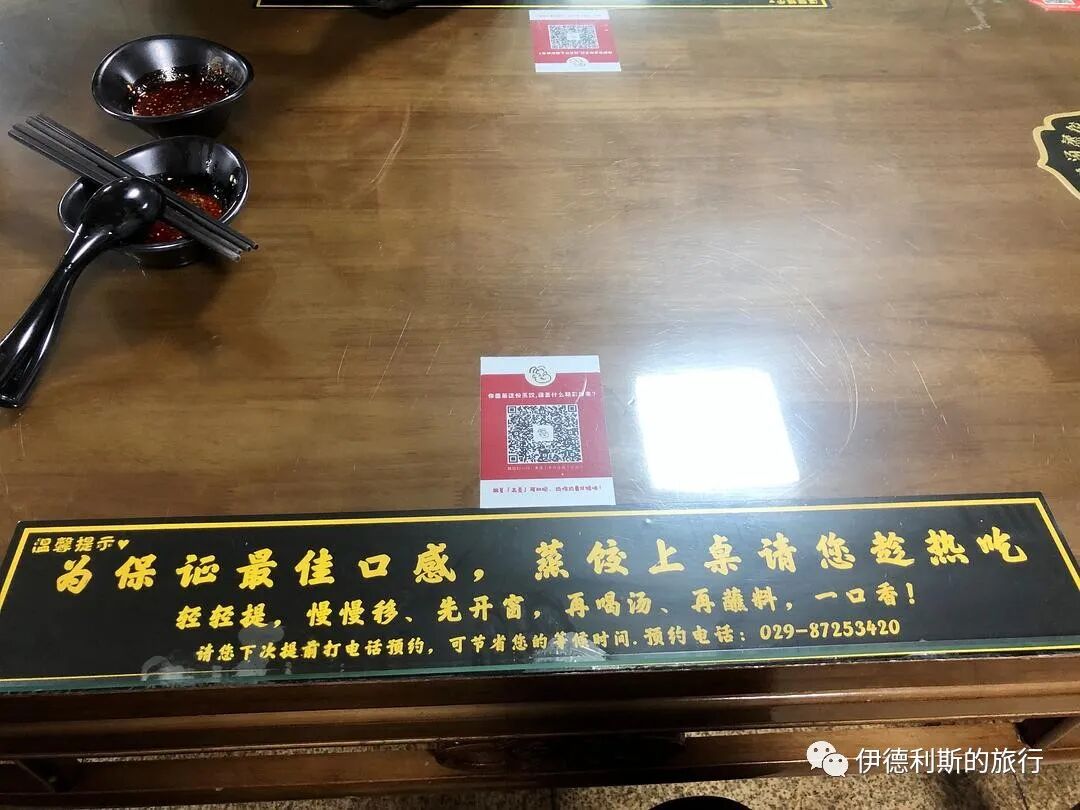
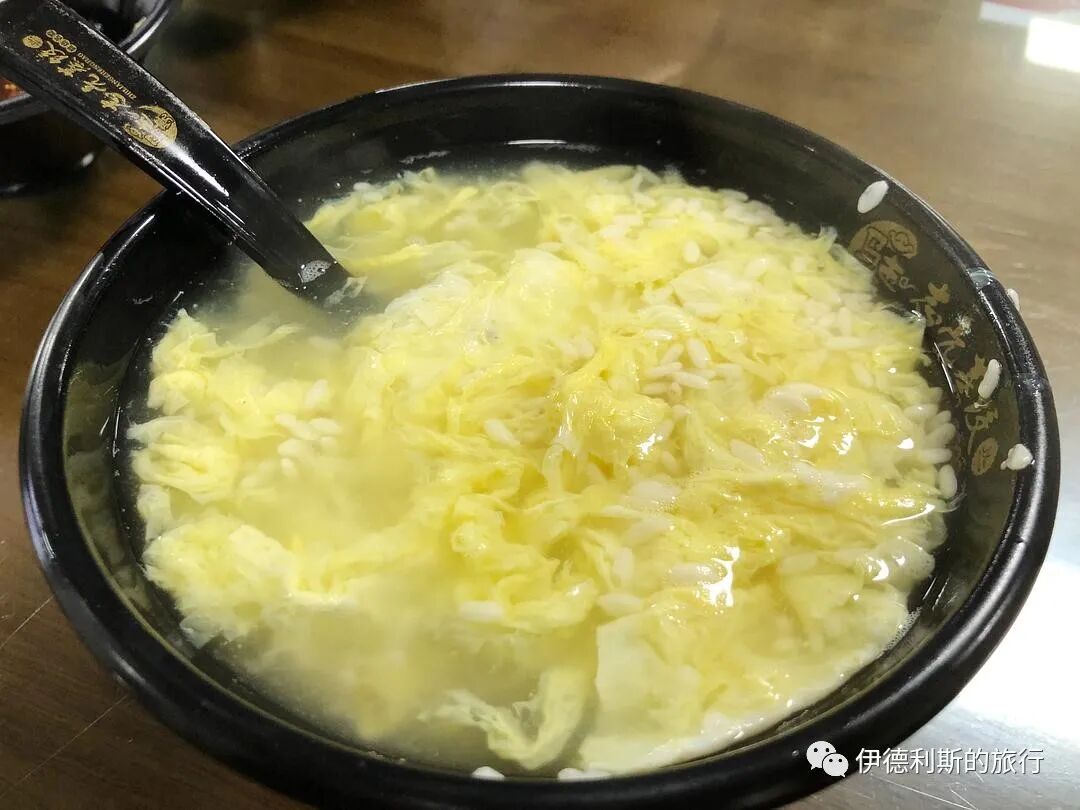
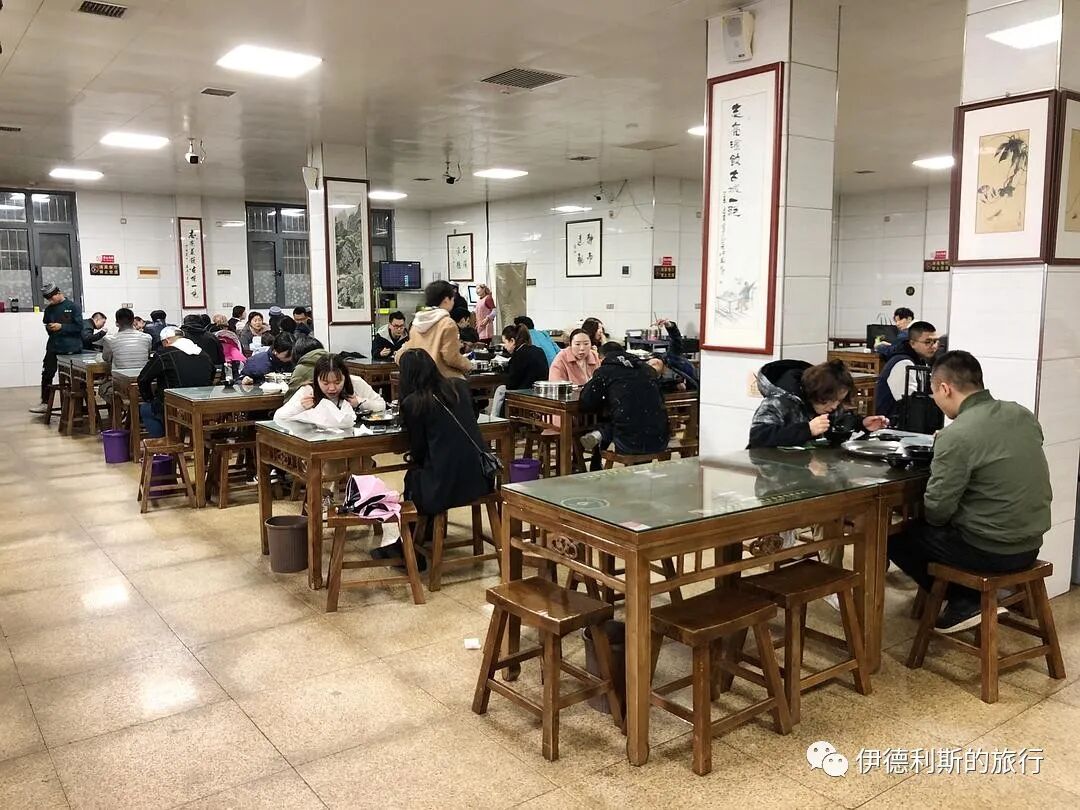
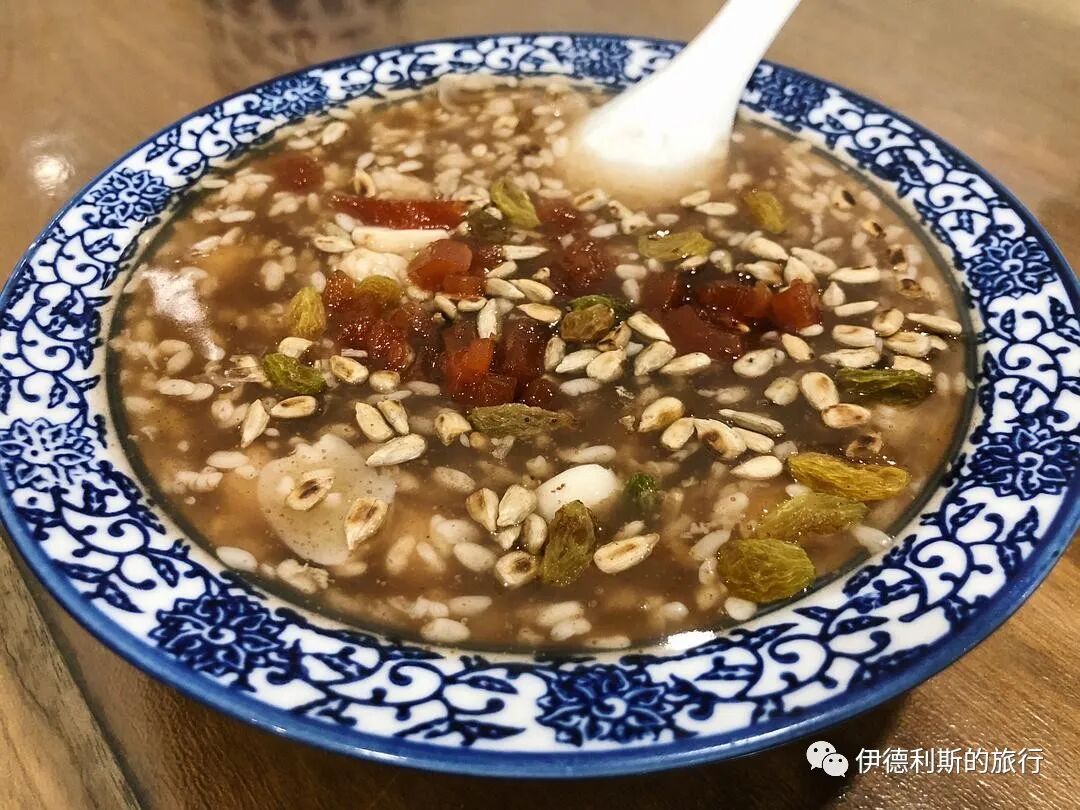
Zhiliang Zhengjiao on Miaohou Street, opened in 1985, is the most famous soup-filled steamed dumpling shop in the Hui Muslim Quarter. The shop's tip is very thoughtful: 'Lift gently, move slowly, open a window (bite a small hole), drink the soup first, then dip in the sauce, one bite is delicious!' Following this way of eating is indeed very delicious, and I couldn't stop eating one after another. Then I also ordered egg Laozao (fermented glutinous rice), but Xiao Ma said their best dish should be the Eight-Treasure Porridge.
Xihulan Ma Zhiyuan Laoniurou Jiamo (Xihulan Ma Zhiyuan's cured beef burger)
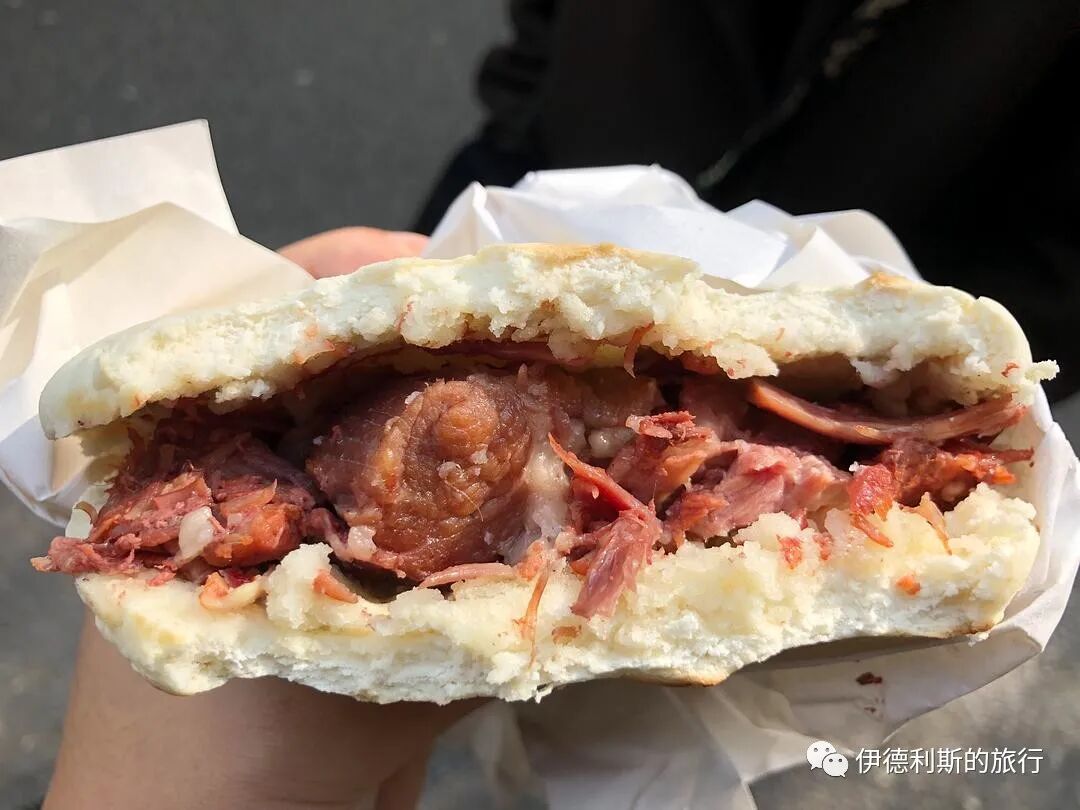
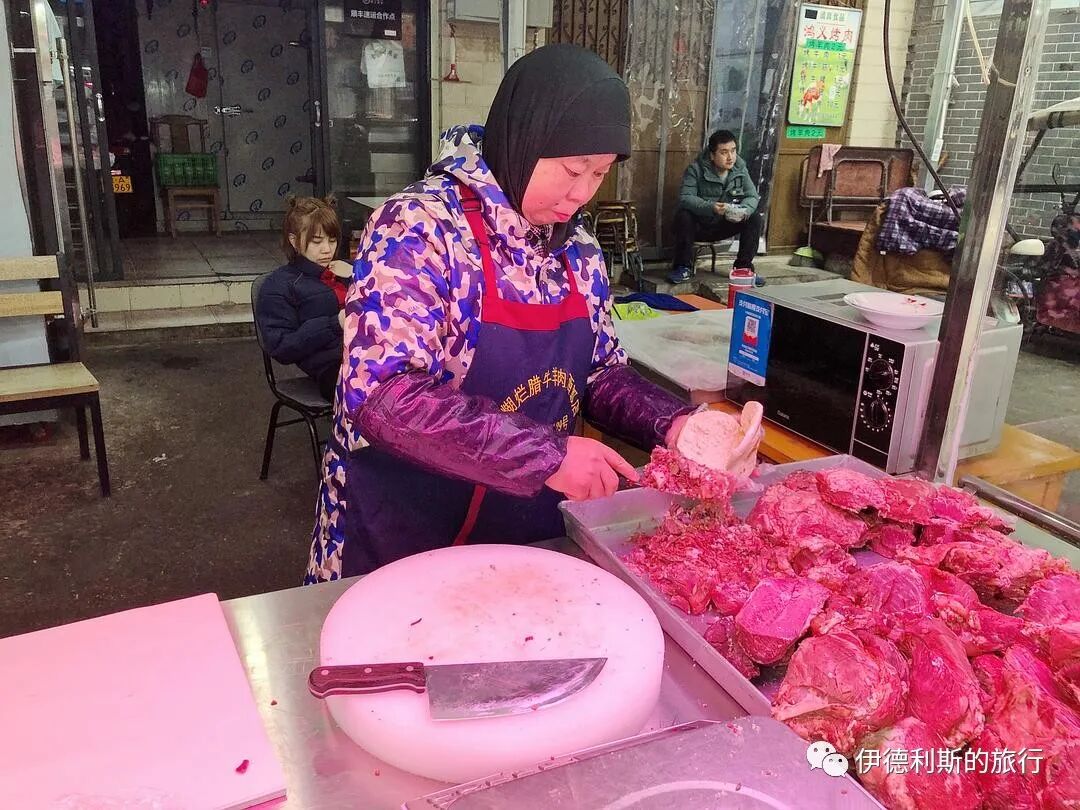
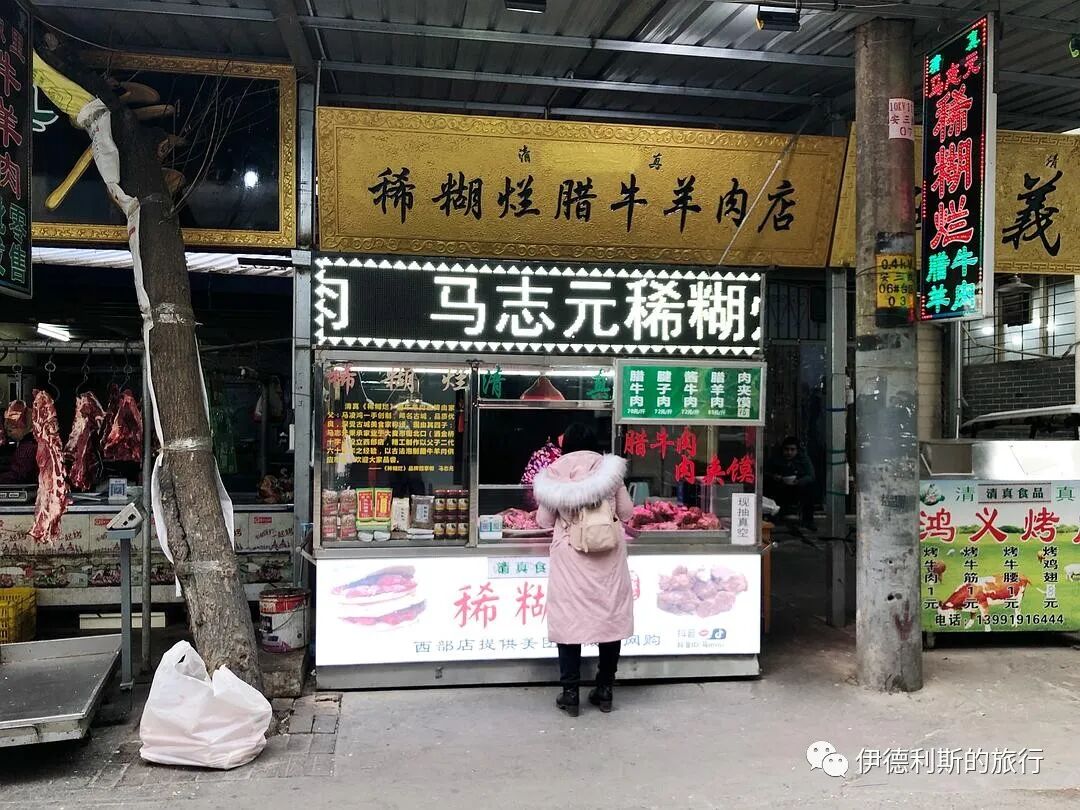
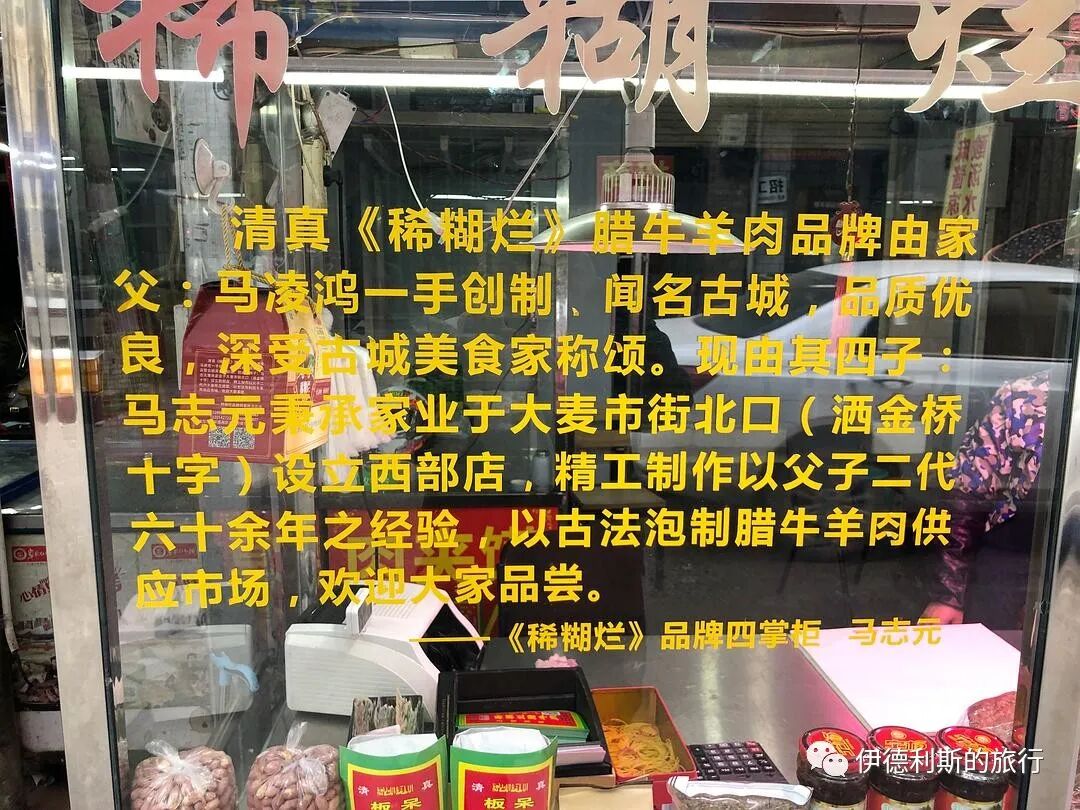
There are many cured beef shops in the Hui Muslim Quarter. Some have long queues all year round, but in fact, there are many that don't have queues but are also very delicious. The Xihulan Ma Zhiyuan Laoniurou Jiamo I ate at the Sajinqiao intersection this time was also very delicious. The meat was tender and flavorful, and I wanted to eat more after finishing it.
Yijian Xingyuelou (One Star-Moon Building)
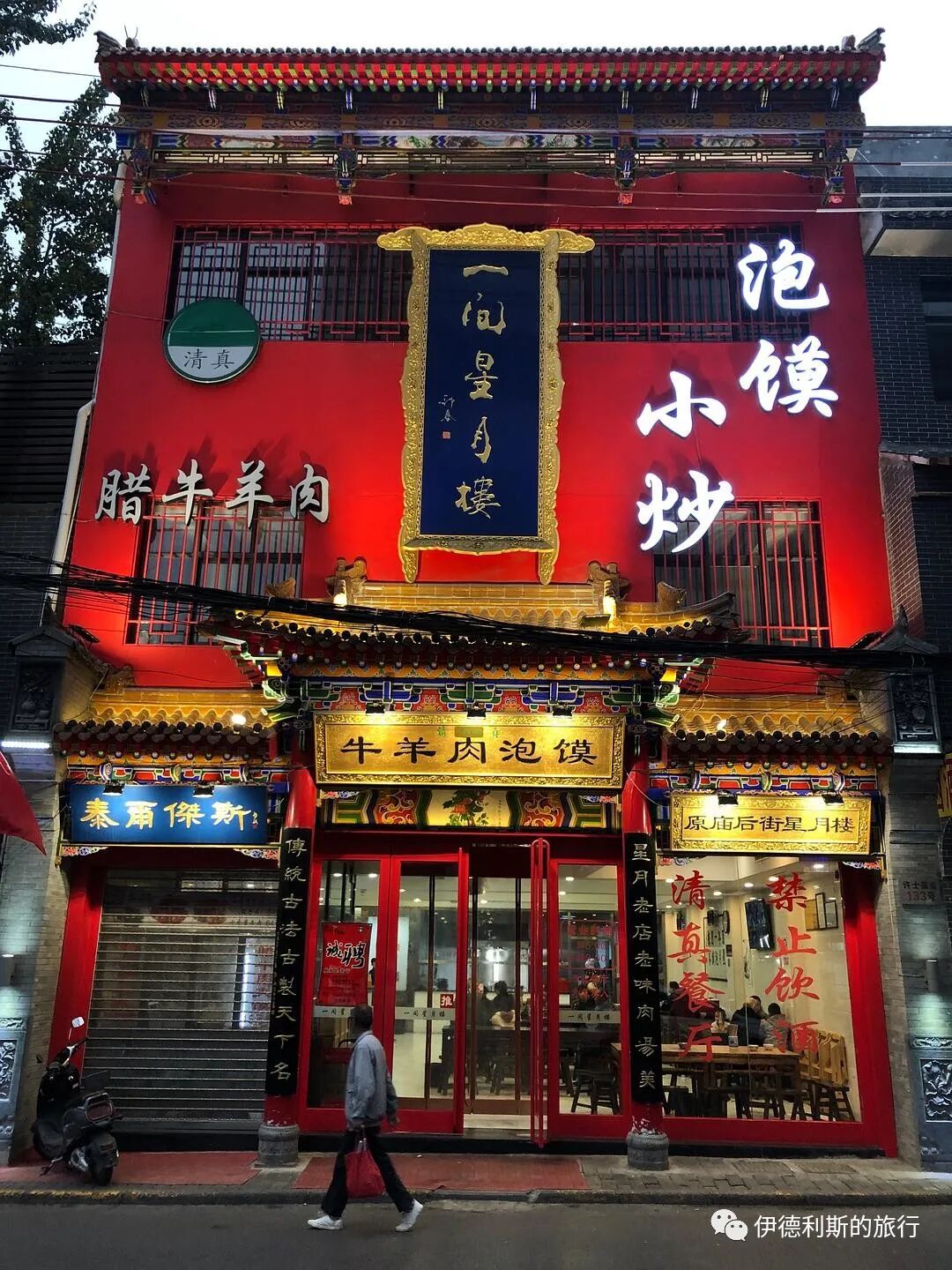
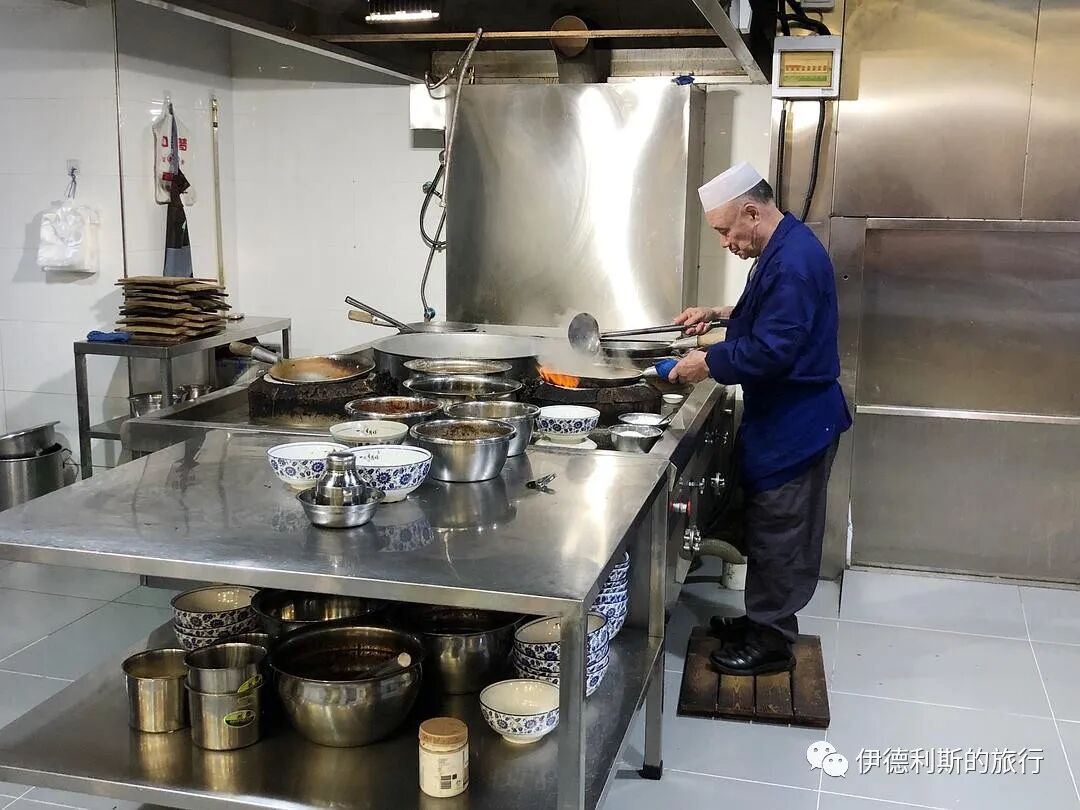
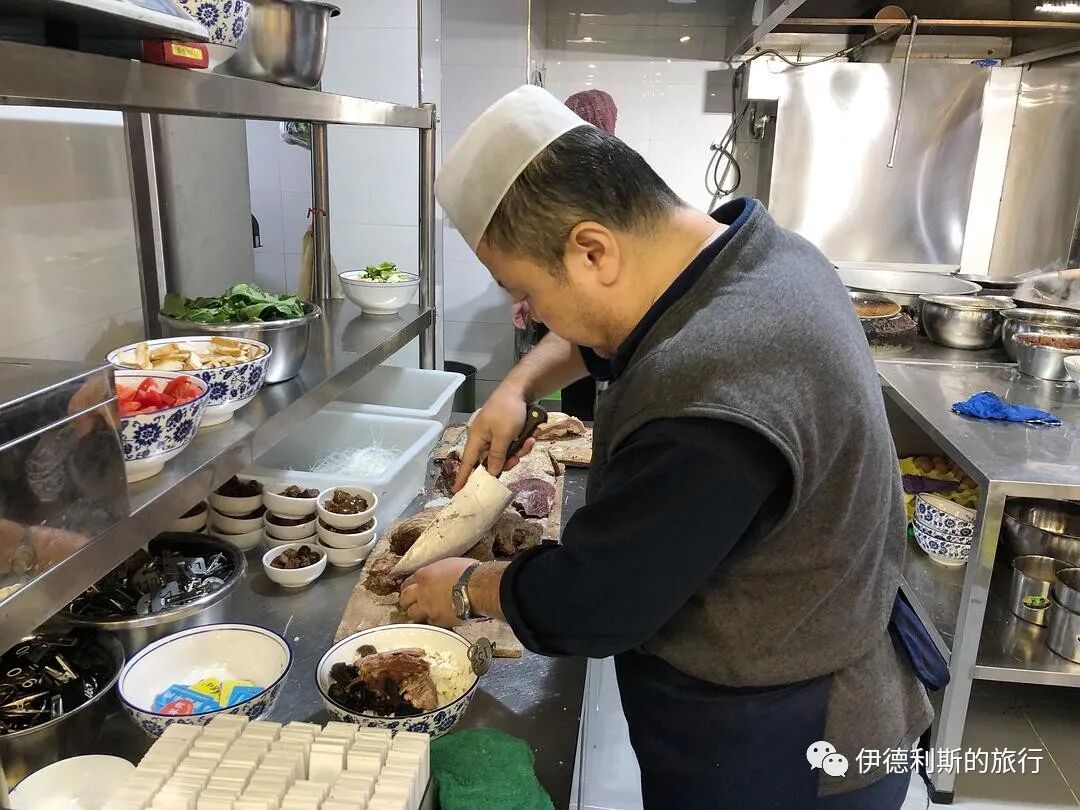
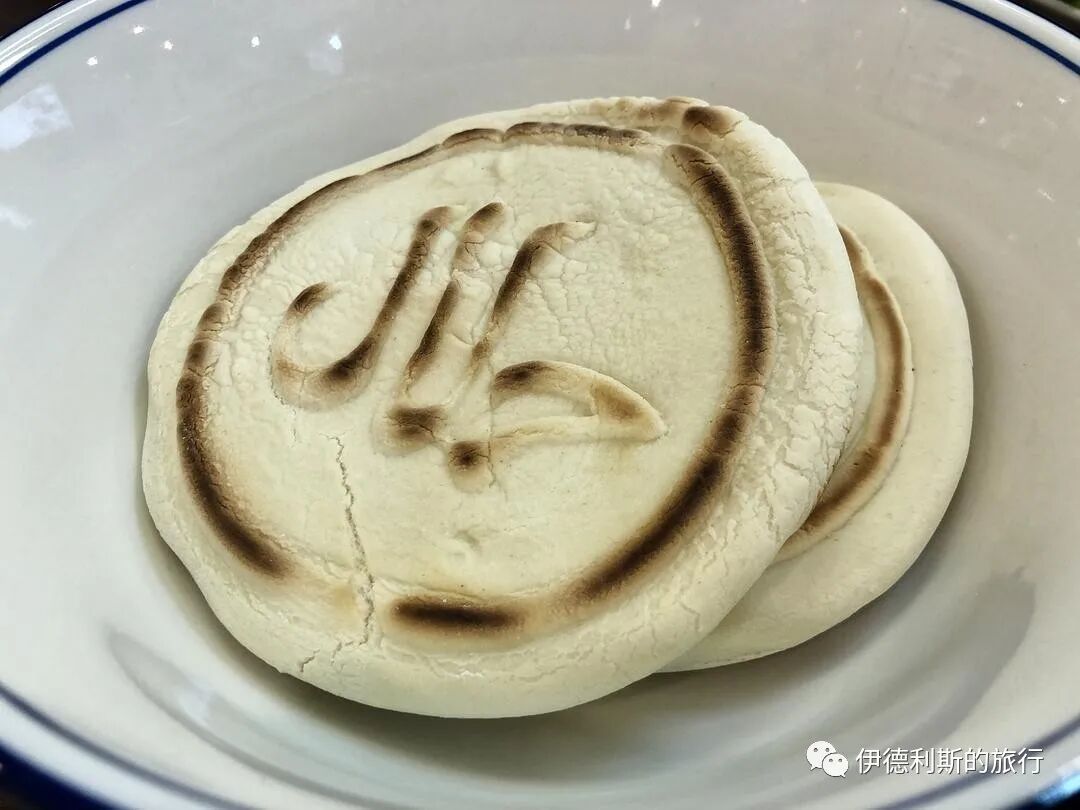
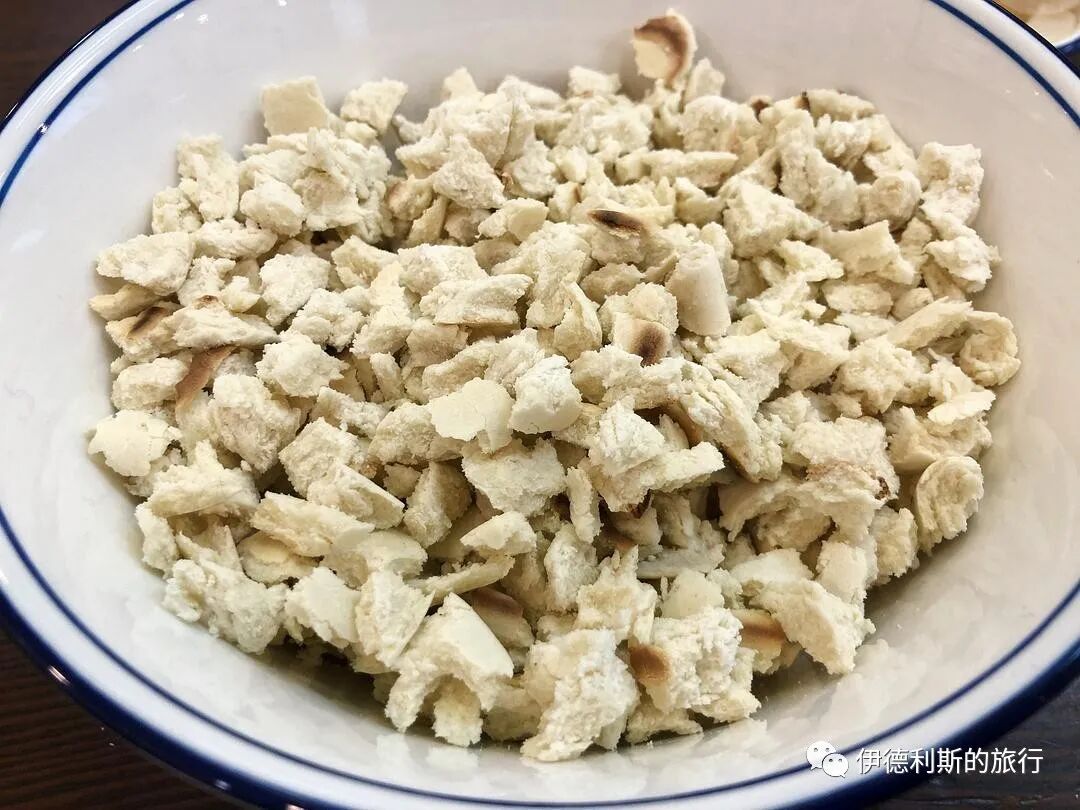
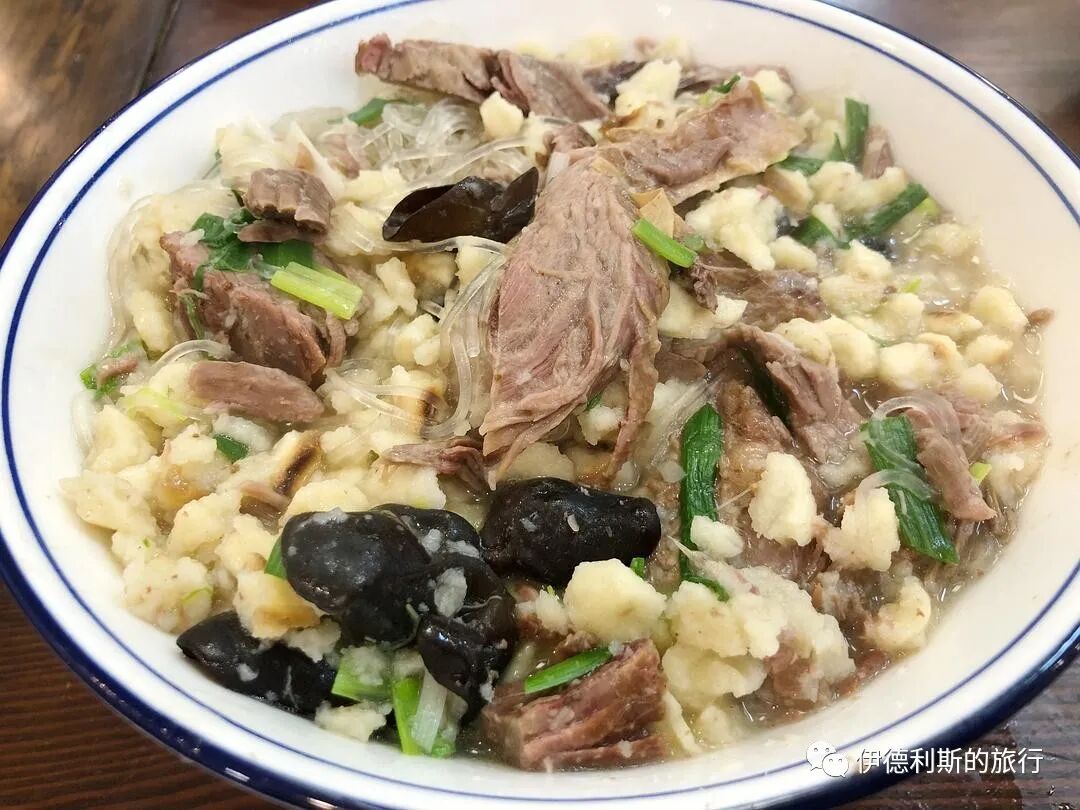
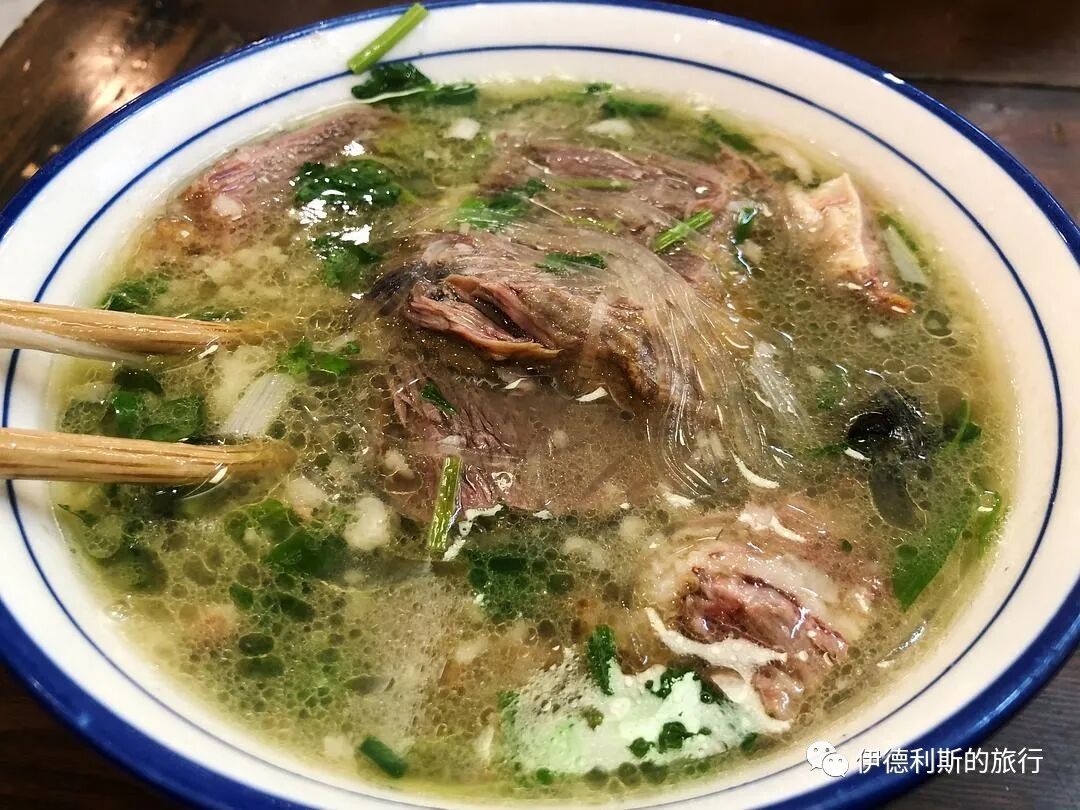
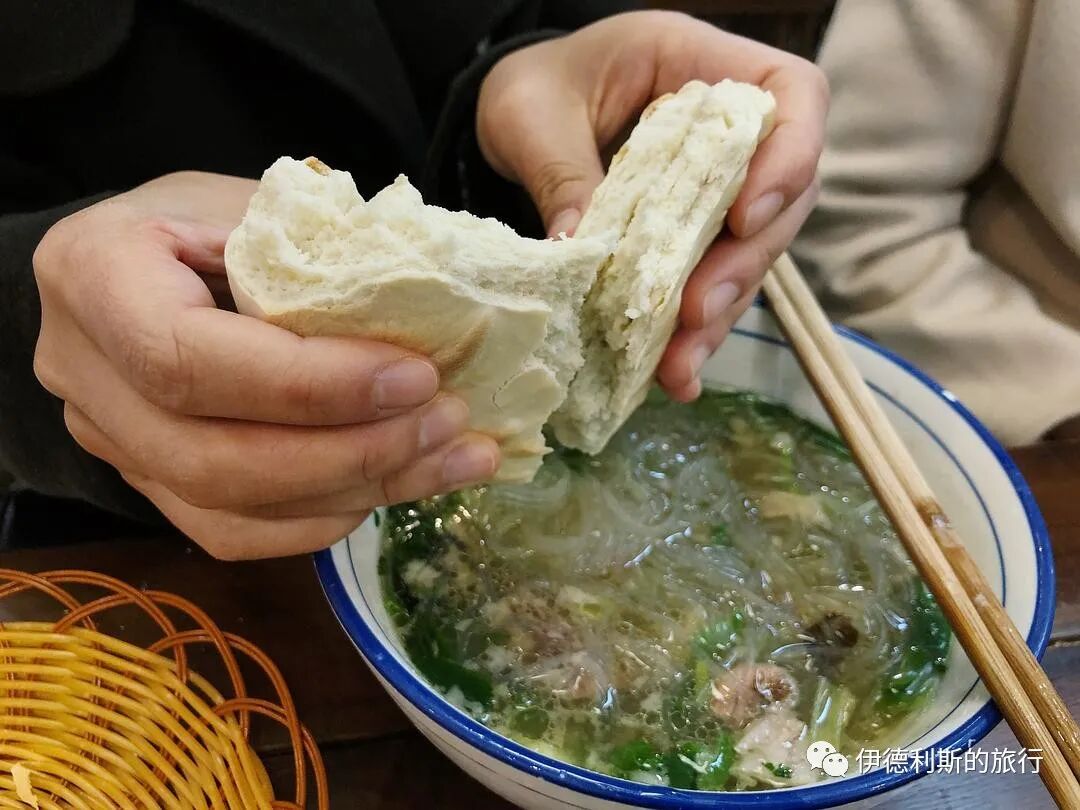
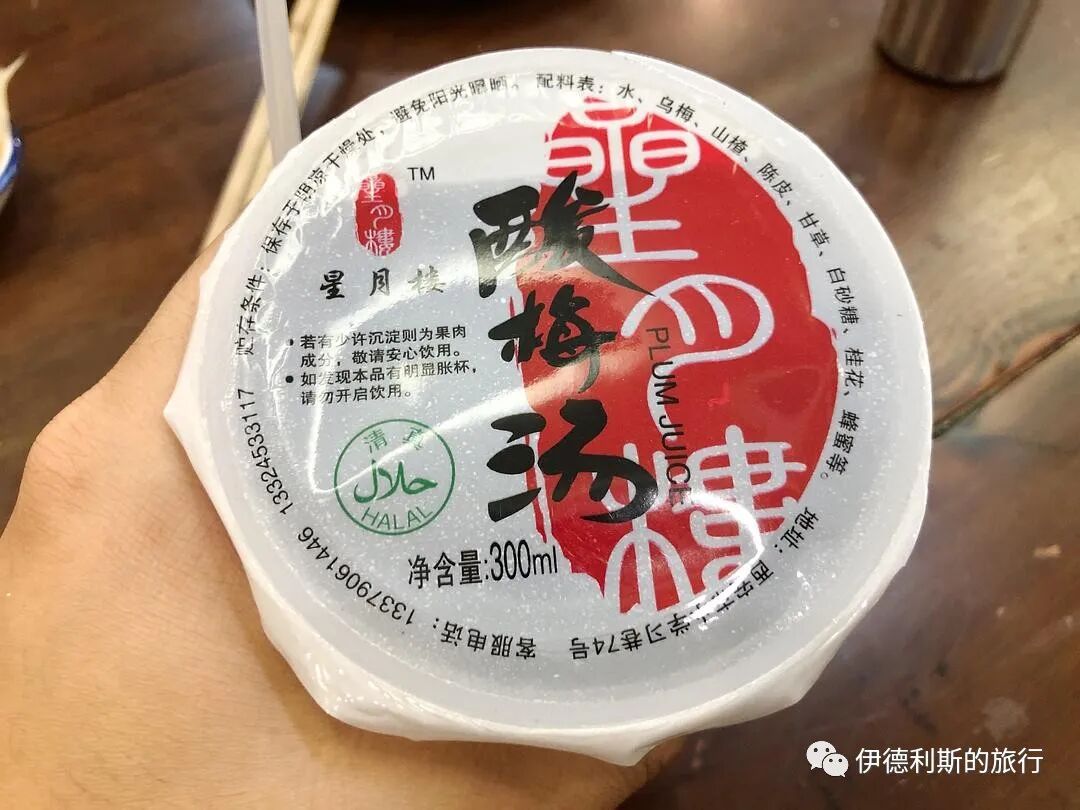
In the evening, I had Yangrou Paomo (mutton pita bread soup) and Shuipen Niurou (water-basin beef soup) at Yijian Xingyuelou on Xushi Temple Street, a restaurant recommended by Xiao Ma. The taste of their food is indeed very authentic, and the accompanying plum juice is also delicious. This shop didn't exist when I went last time. It opened in 2015 and only moved to Xushi Temple Street in 2018. The 'Yijian' in the shop's name comes from 'Yijianlou', a Republic of China-era time-honored Paomo restaurant operated by the uncle of the boss, Peng Zhihe. Yijianlou was originally named Derunfu Mutton Paomo Restaurant, opened in 1927, and moved to the northwest corner of the Drum Tower in 1935. Peng Zhihe learned the craft from his uncle and inherited the Paomo recipe of Yijianlou.
Hongshunxiang Luzhi Liangfen (Hongshunxiang's jelly noodles in savory sauce)
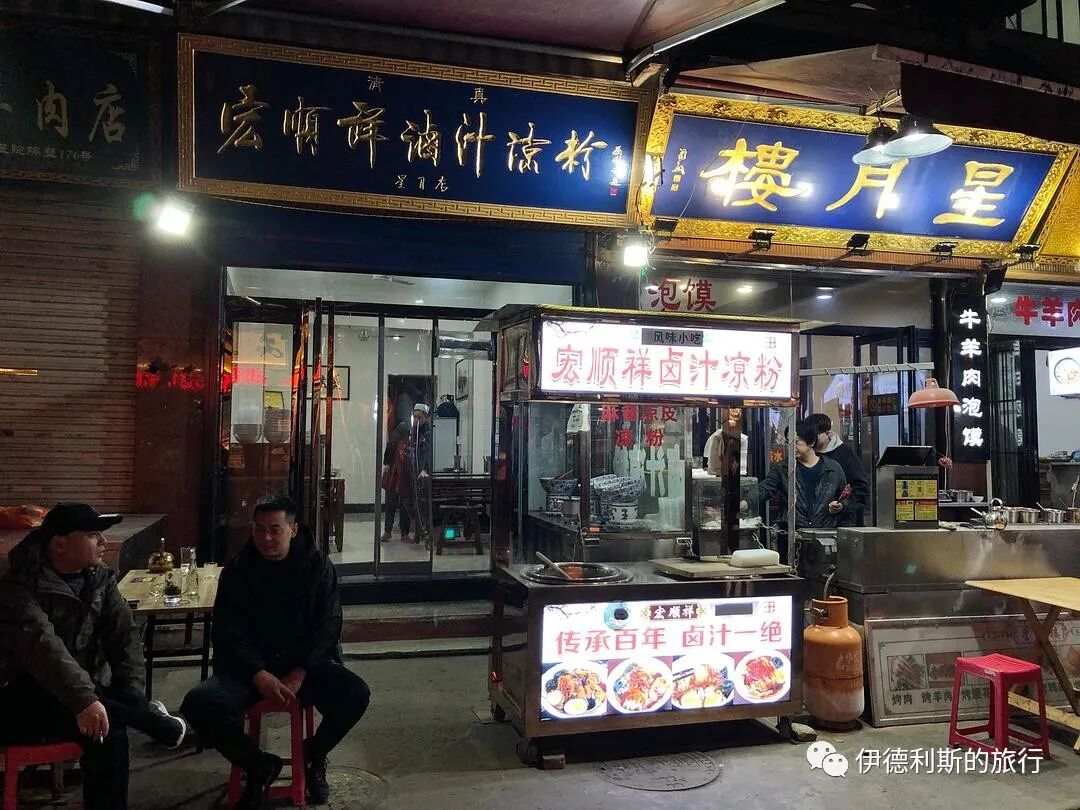
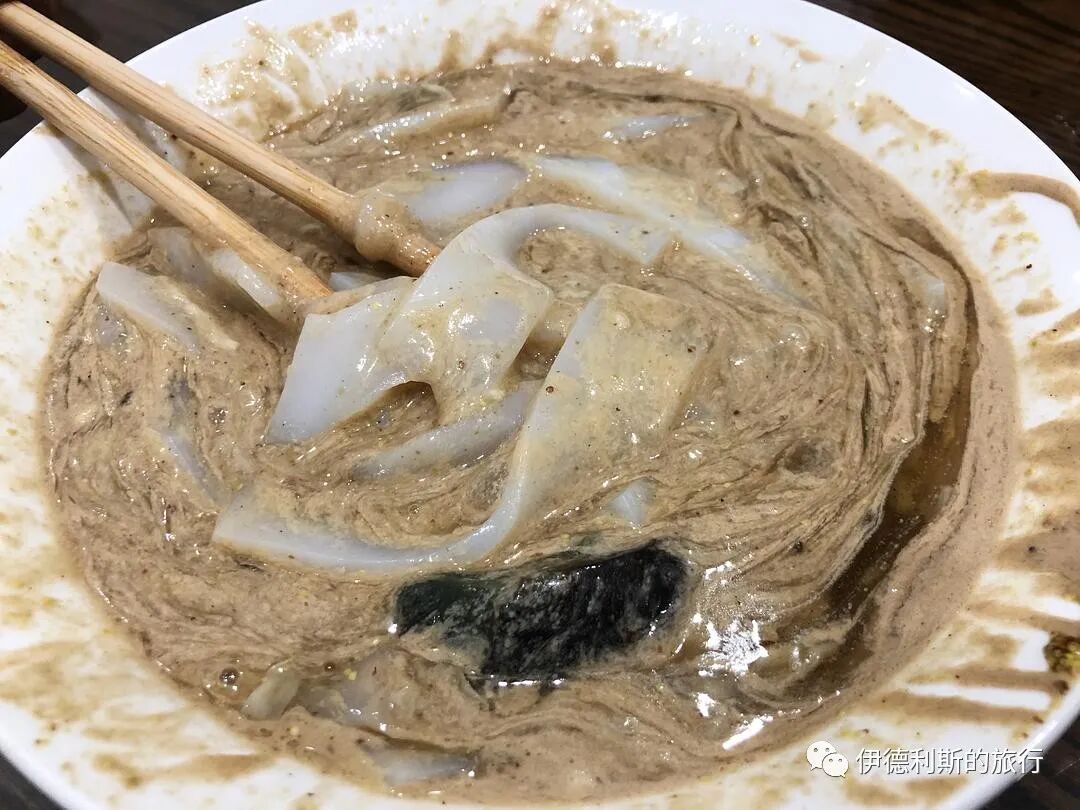
At night, I ate the Xi'an specialty snack Luzhi Liangfen at the Hongshunxiang Xingyue branch on Miaohou Street. The owner of Hongshunxiang is named Ma Kaichao. His family has been selling Luzhi Liangfen with shoulder poles since his ancestors. Later, his grandfather opened a shop at Nanqiaozikou. After the demolition thirty years ago, they moved to the Hui Muslim Quarter and have been there ever since.
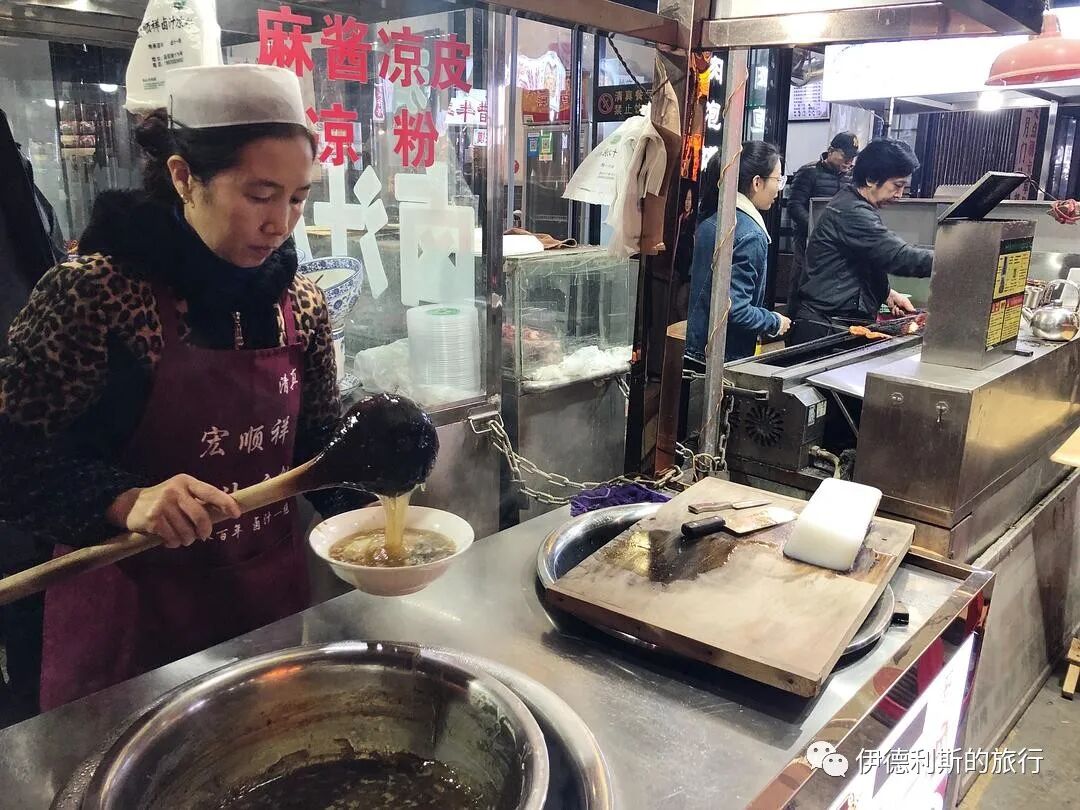
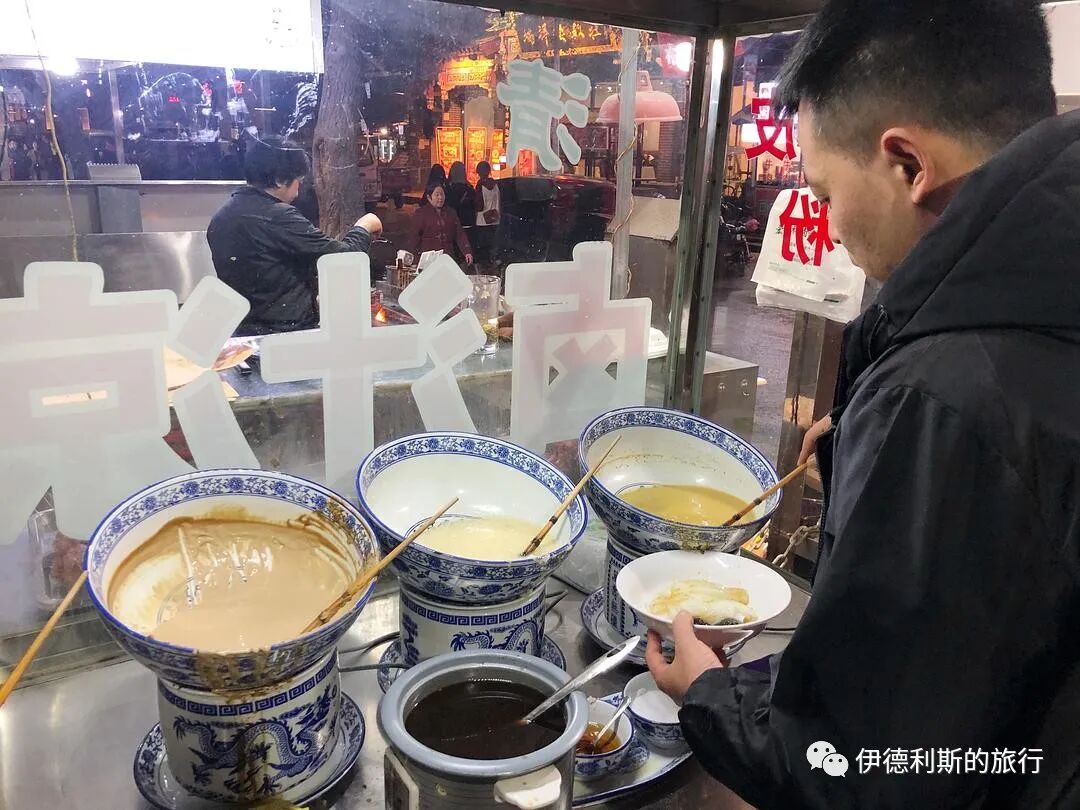
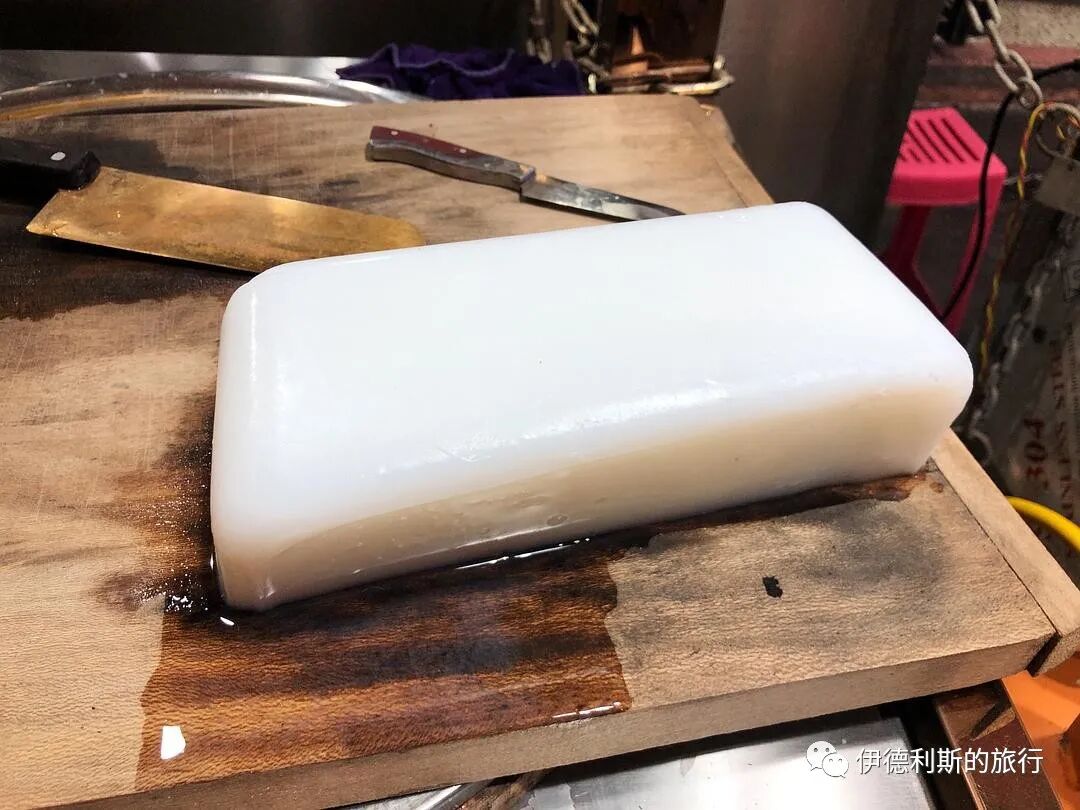
Luzhi Liangfen was originally a summer snack to relieve heat, and the most traditional shops would stop selling it in winter. When eating, you usually break the pita bread into the bowl yourself and hand it to the boss, telling the boss how many Biandan (preserved eggs) or eggs to add. Then the boss scoops the Liangfen (mung bean jelly) from the water basin, cuts it into strips, puts it on the bread, and finally scoops a spoonful of warm savory sauce over the Liangfen. Because we went after dinner, we didn't ask for bread and just ate the Liangfen.
The Liangfen in Luzhi Liangfen is made of pea starch, and the savory sauce is made by boiling eggs and potato or sweet potato starch, with more than 10 ingredients such as cinnamon, Sichuan peppercorn, fennel, amomum, and star anise. Finally, garlic juice, mustard juice, sesame paste, vinegar, sesame oil, and chili oil are added, so the taste is very rich.
Xinhua Tianshi Dian (Xinhua Sweet Shop)
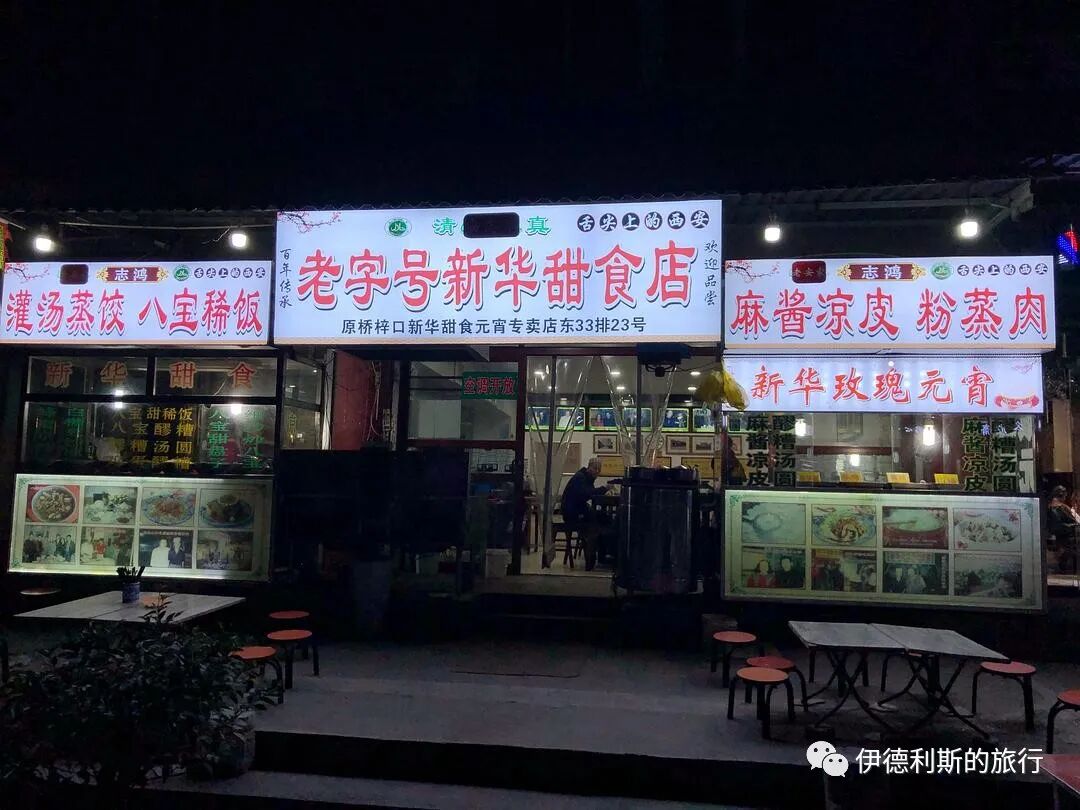
At night, I ate Fenzhengrou (steamed pork with rice flour) and Eight-Treasure Laozao at the Xinhua Sweet Shop at the south entrance of Damaishi Street. The An family, who runs the Xinhua Sweet Shop, started selling sweets more than half a century ago. After the reform and opening up, An Zhihong resumed making sweets on Damaishi Street.
The Fenzhengrou in the Xi'an Hui Muslim Quarter uses lean and fatty mutton sliced and seasoned with five-spice powder and salt. Adding flour must be done in two stages: first, add water and half of the flour, then stir evenly; second, add the remaining half of the flour and stir quickly until the flour adheres to the meat. Finally, just put the meat on a steamer and steam it.
Marui Zhengwan Huicai (Marui's steamed bowl stewed vegetables)
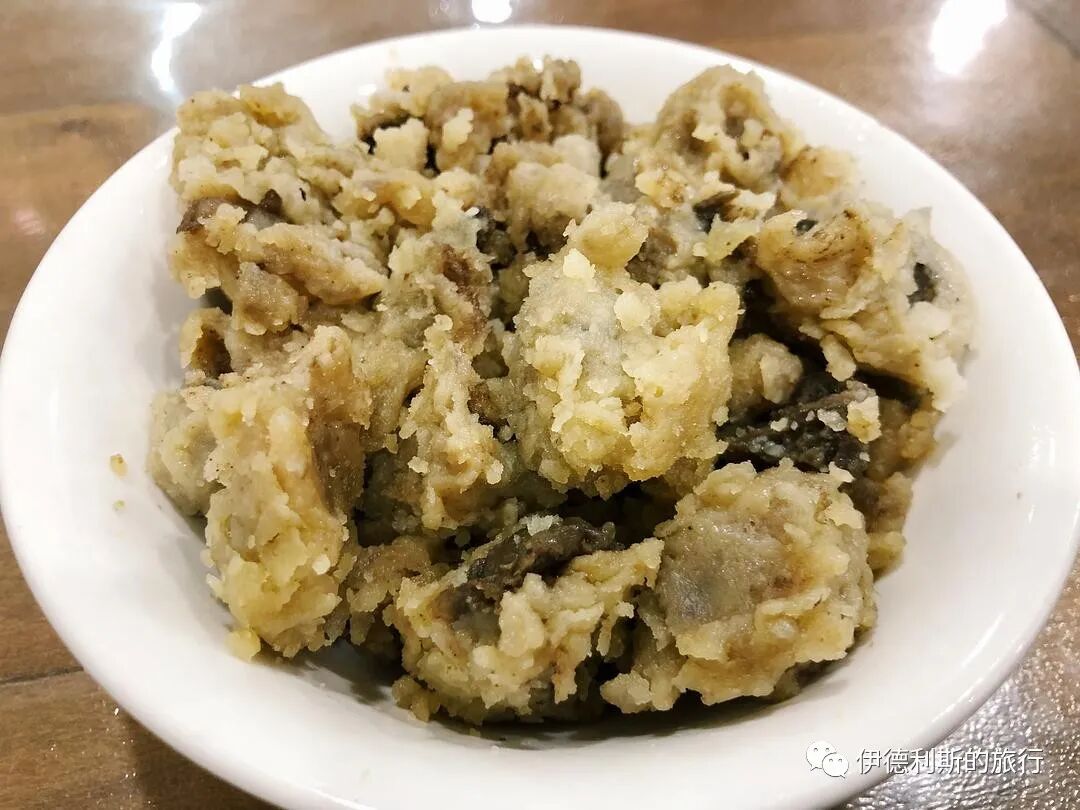
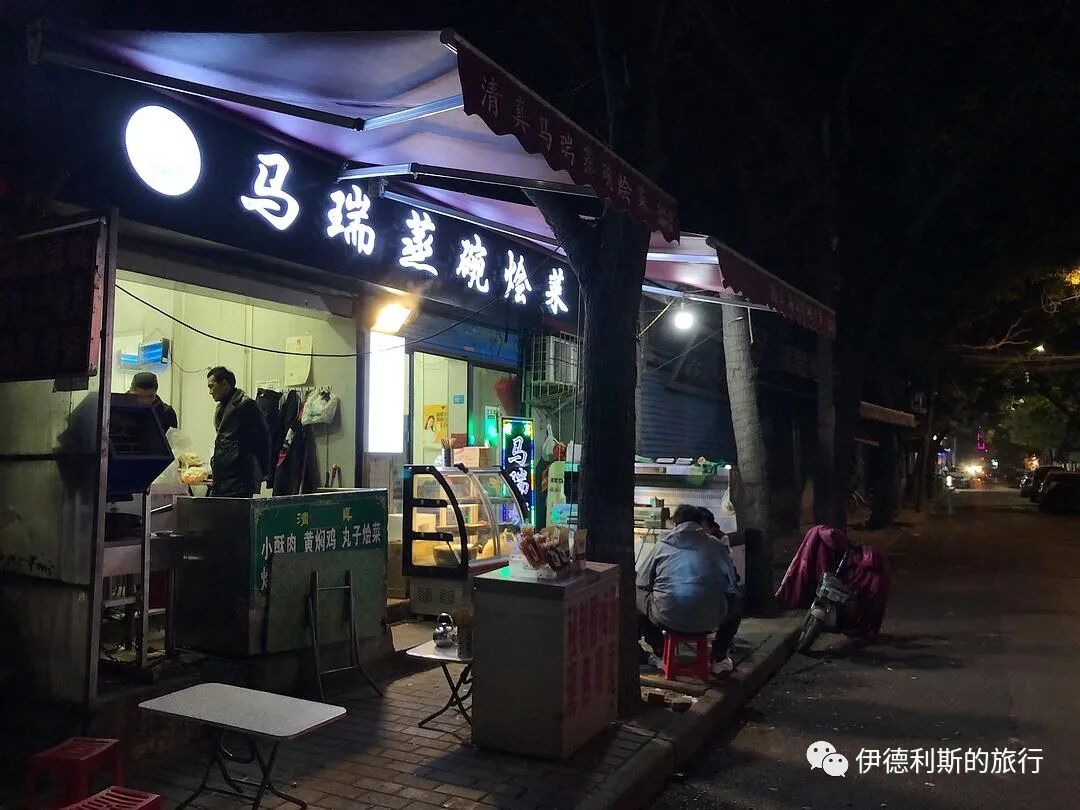
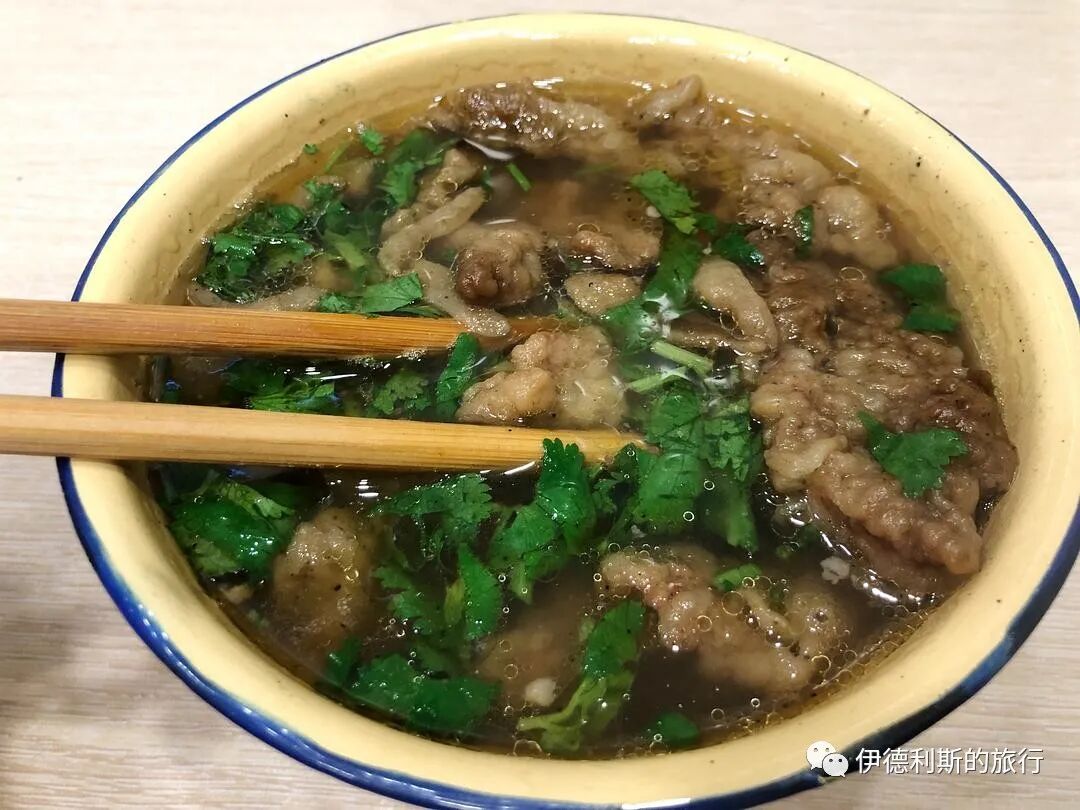
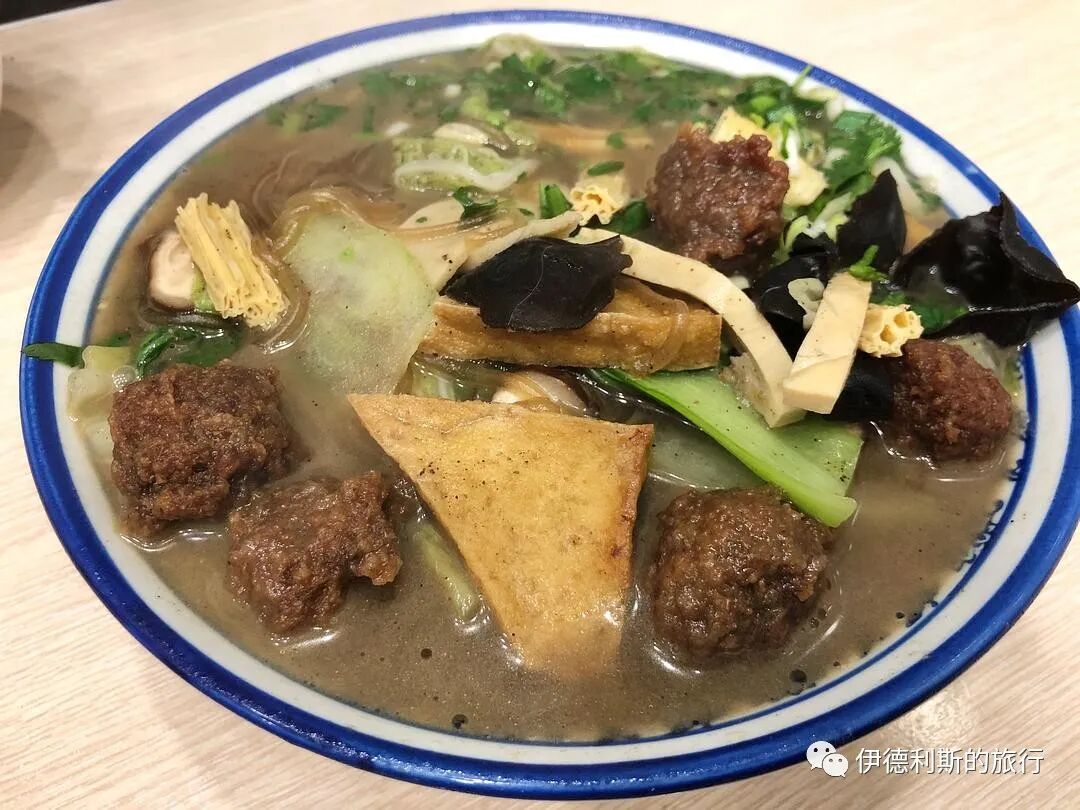
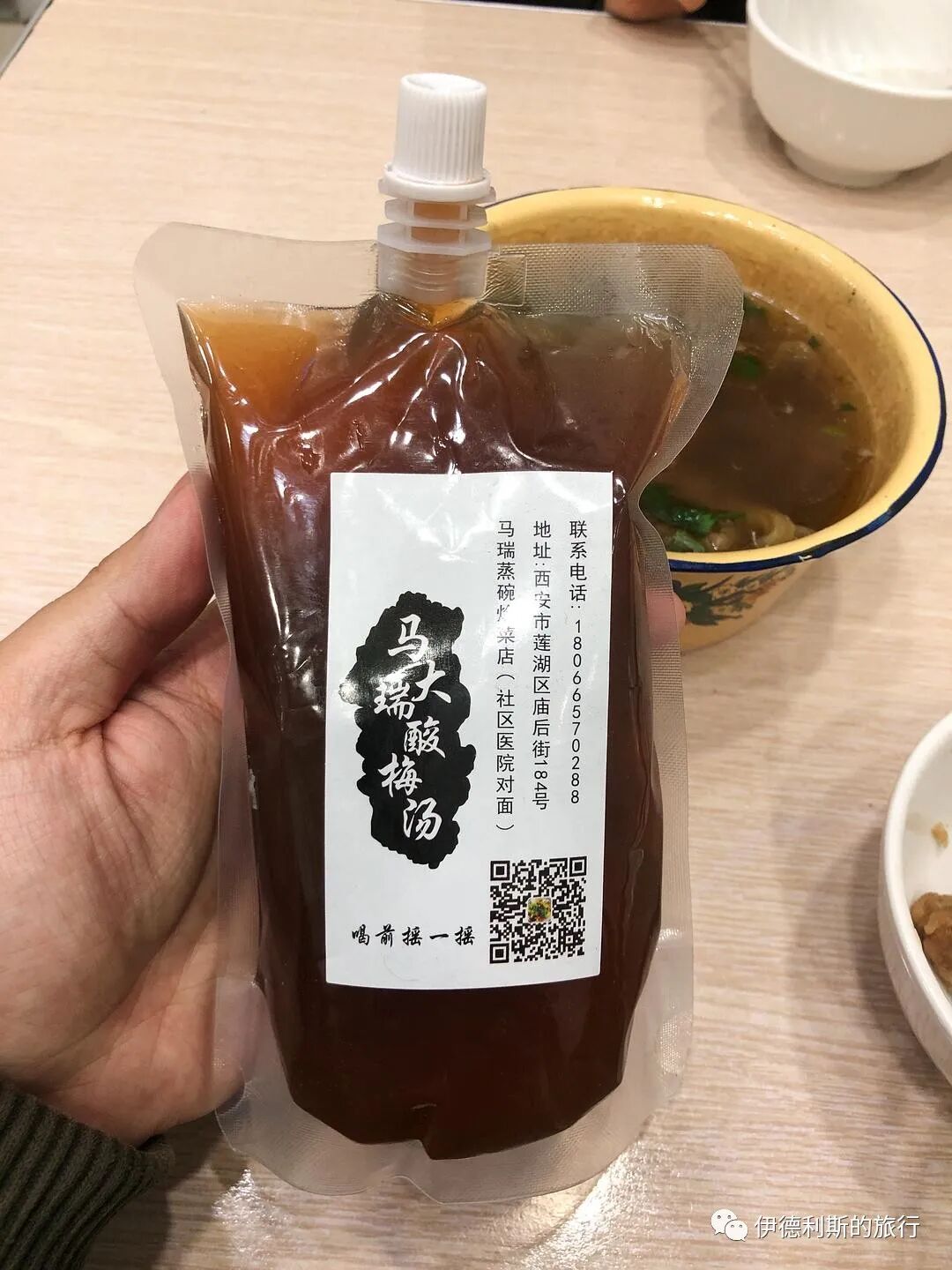
Late at night in the Hui Muslim Quarter, I went to Marui Zhengwan Huicai on Miaohou Street for a late-night snack. The female boss, Ma Rui, had gone to rest, and Ma Rui's husband was busy alone with the steamed bowls and barbecue. I ate Xiaosurou and meatball stewed vegetables. I love Xiaosurou so much! It is beef coated in batter, first fried and then steamed, which is especially suitable for early winter nights. I also really like the plum juice in the Hui Muslim Quarter. I can't help but have a cup at every shop. Compared to it, what is sold in supermarkets can really only be called sugar water.
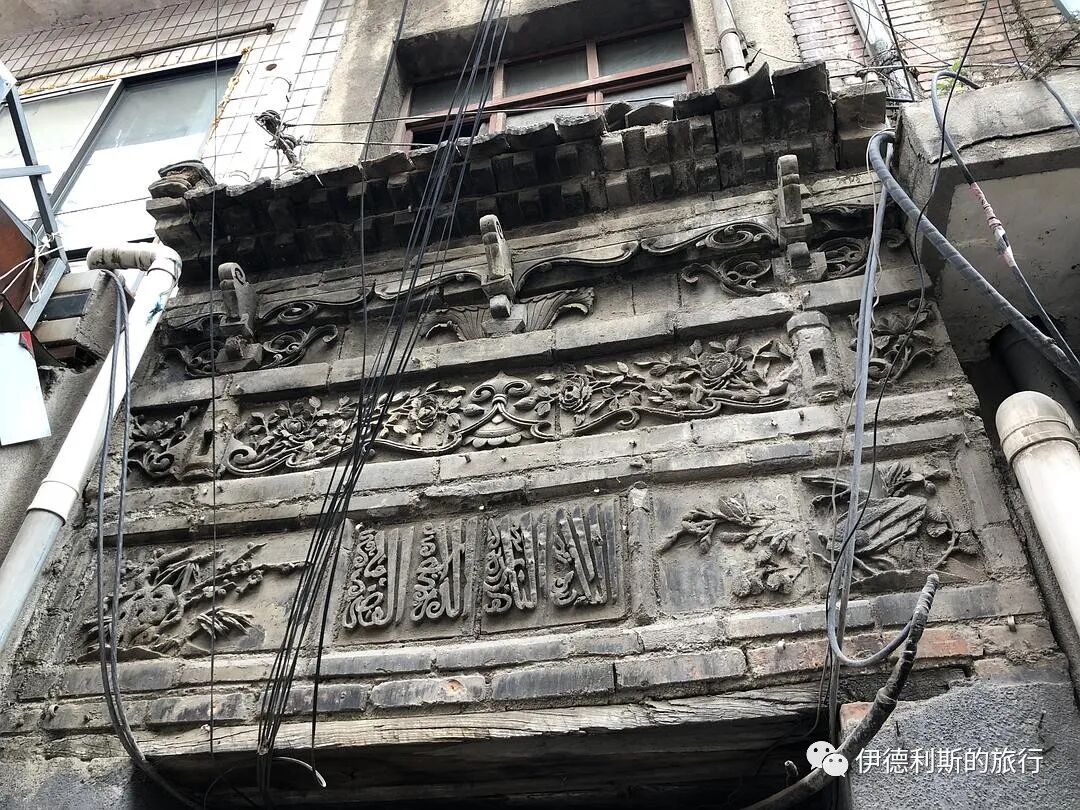
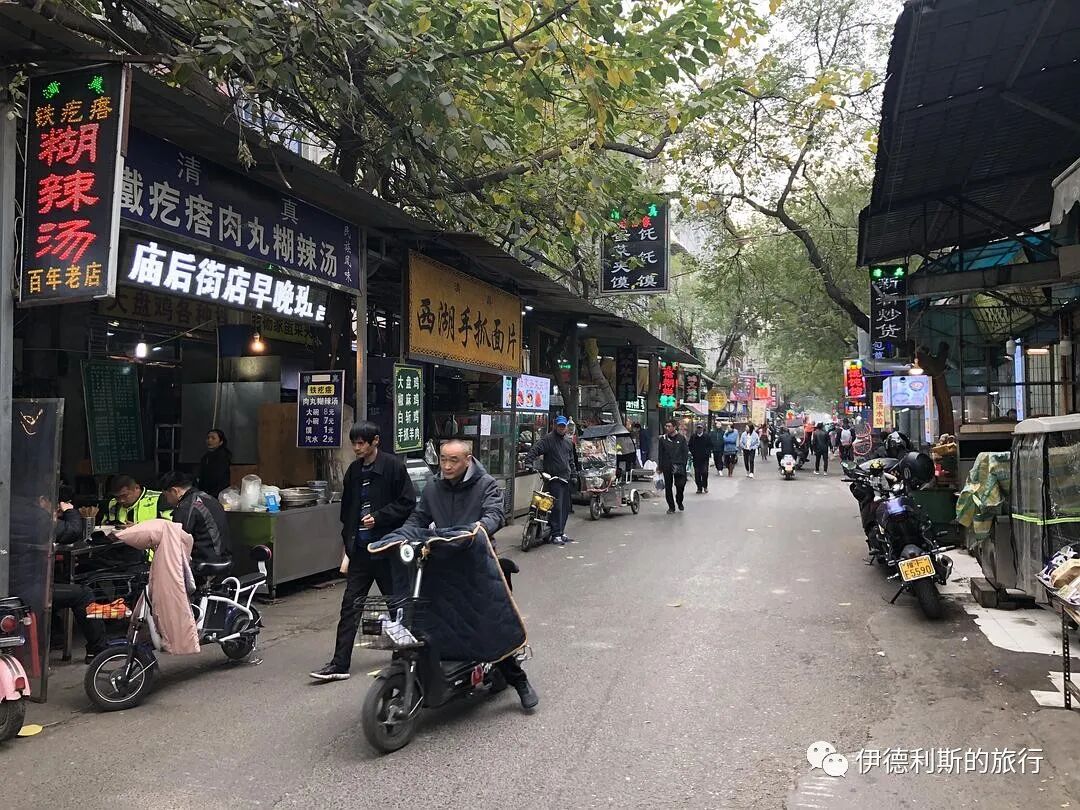
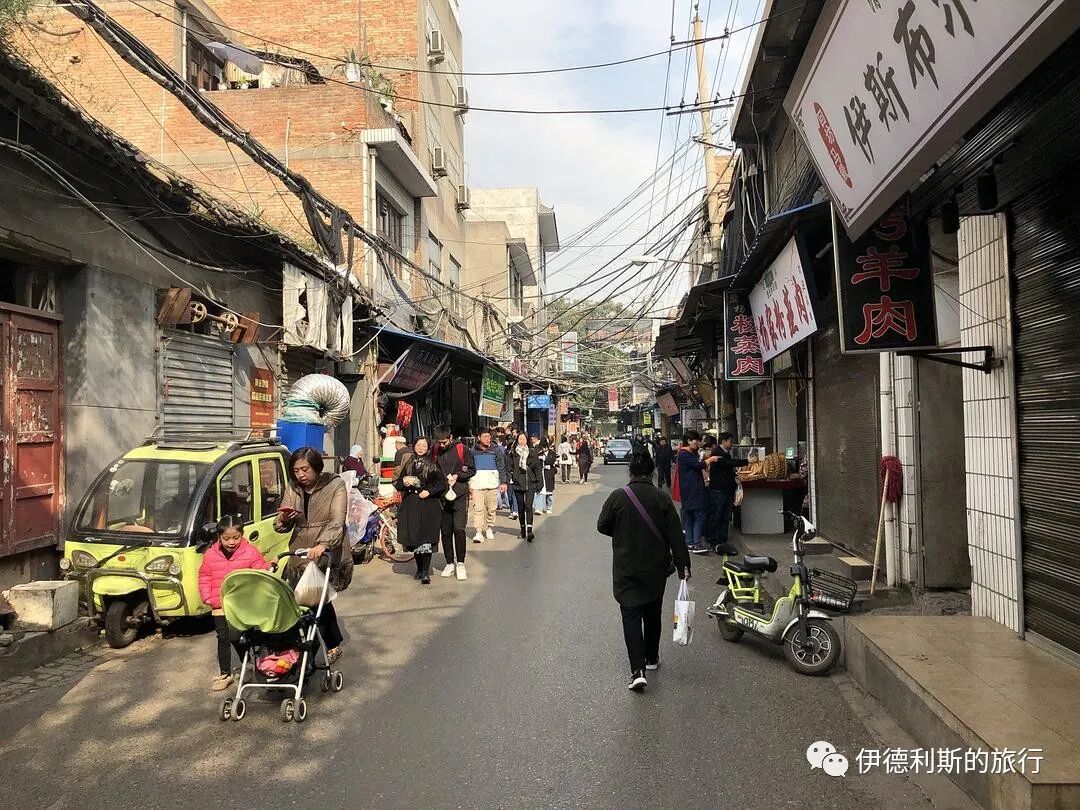
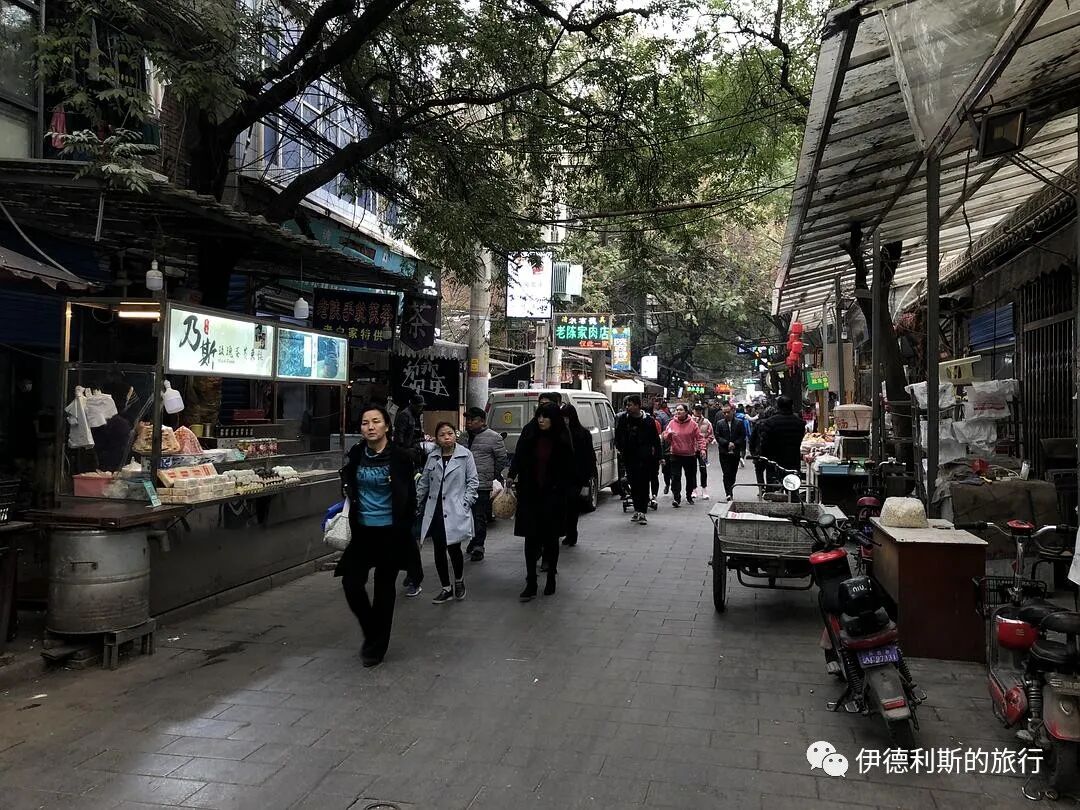
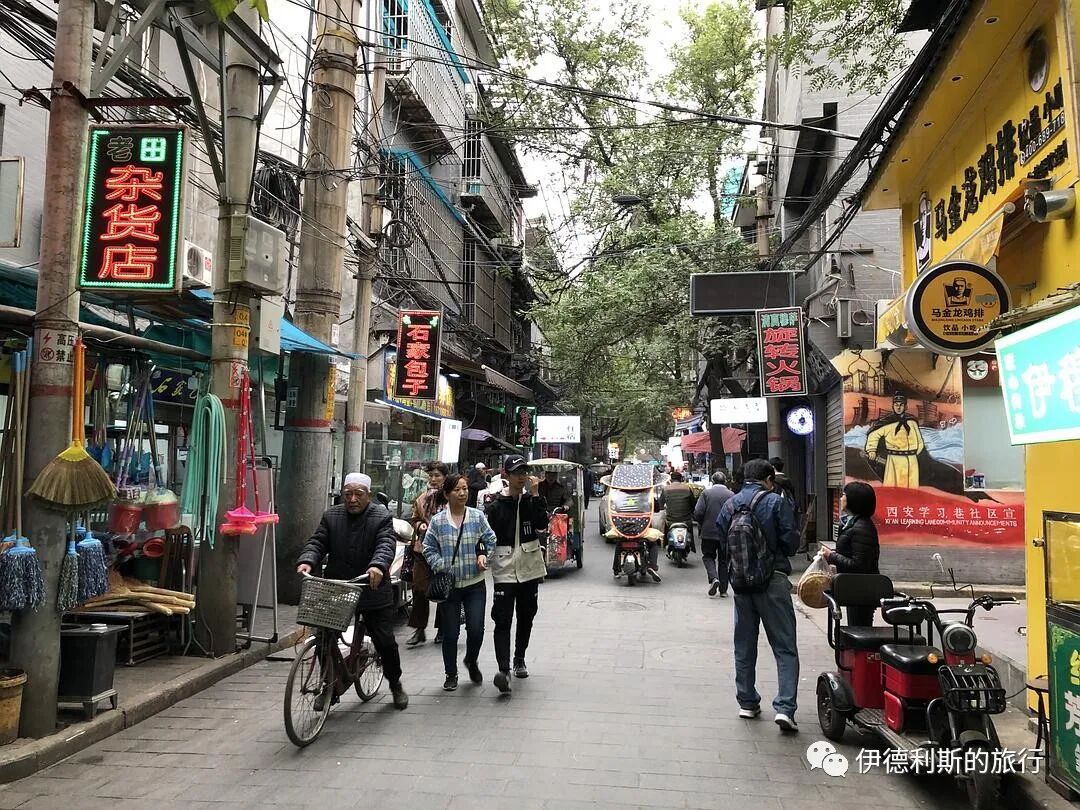
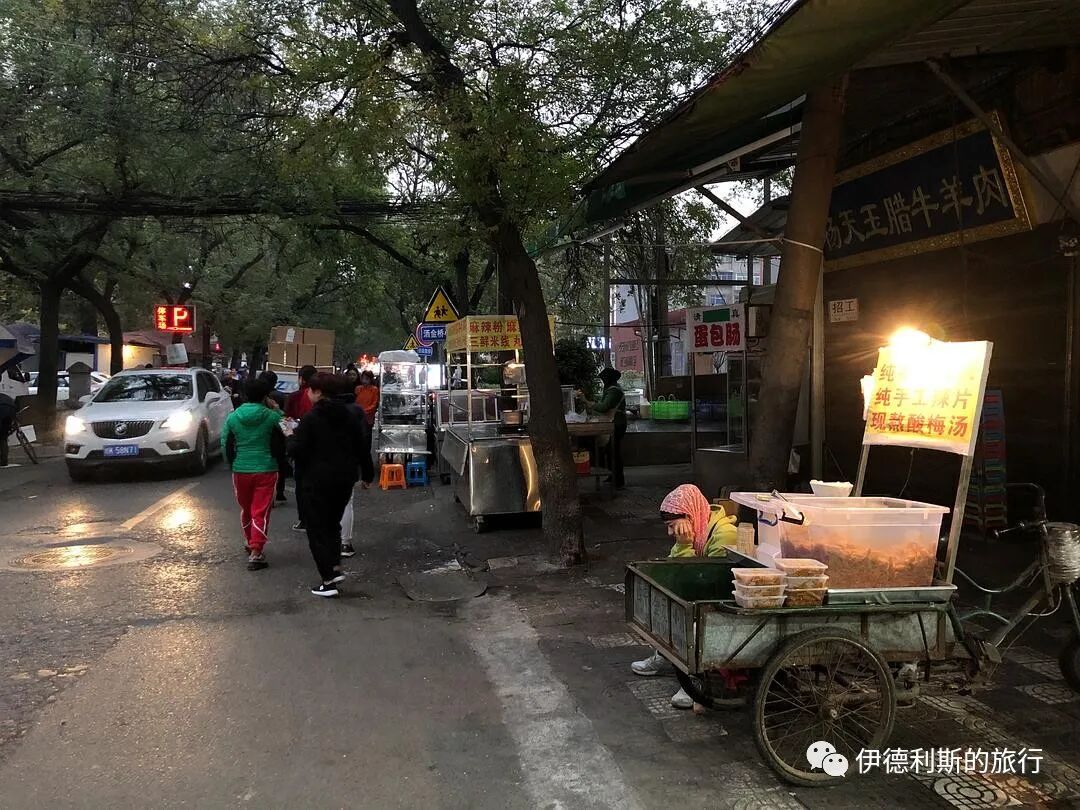
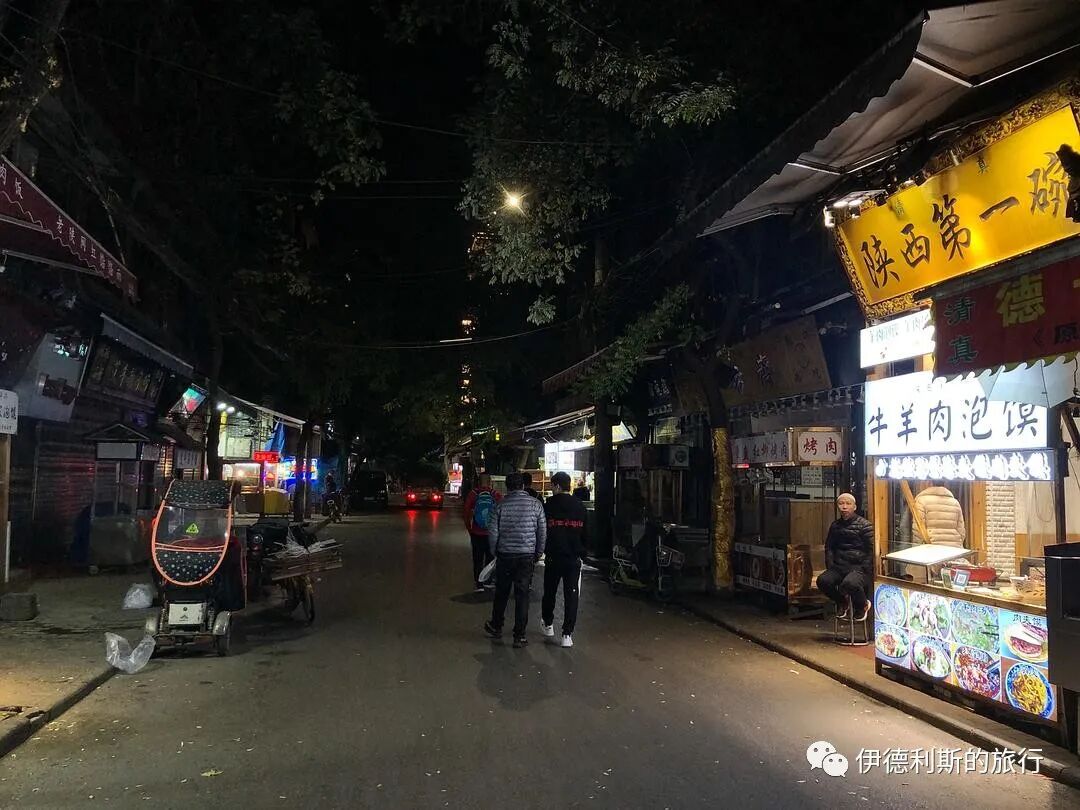
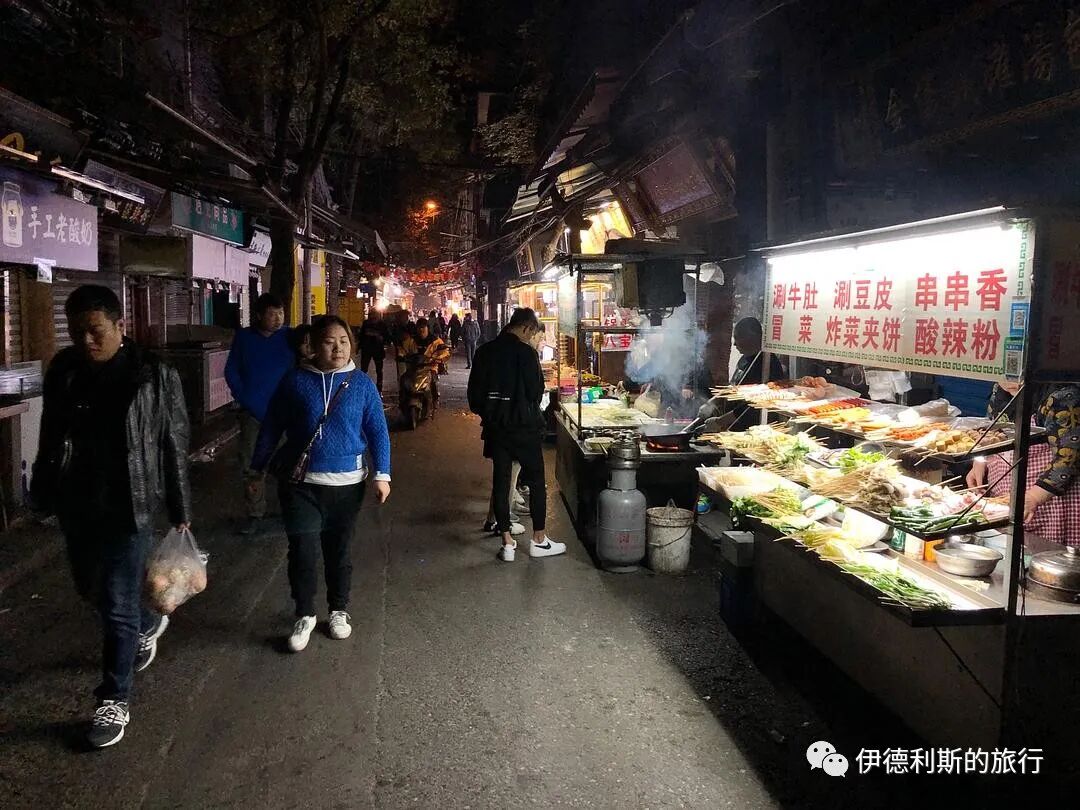
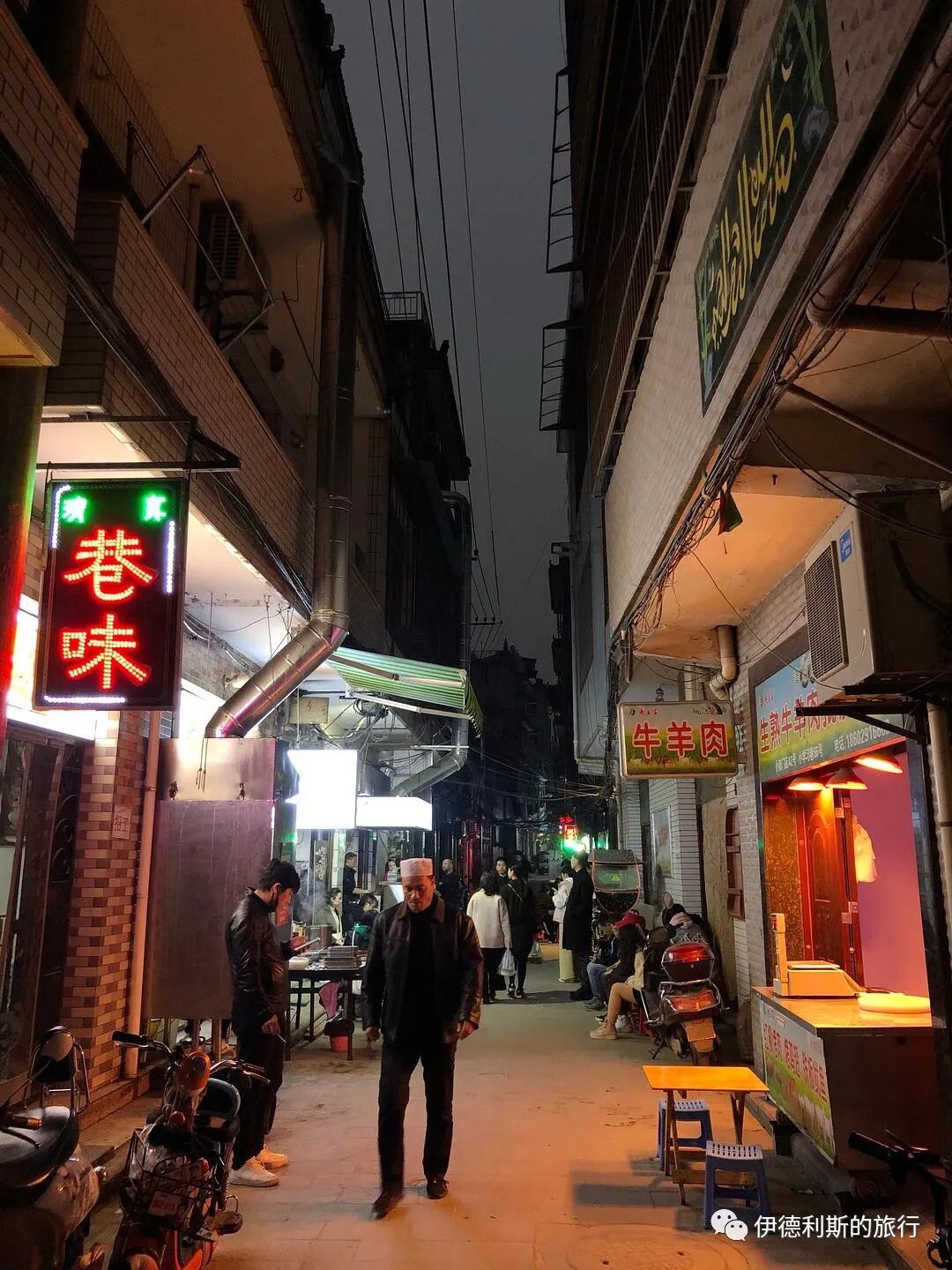
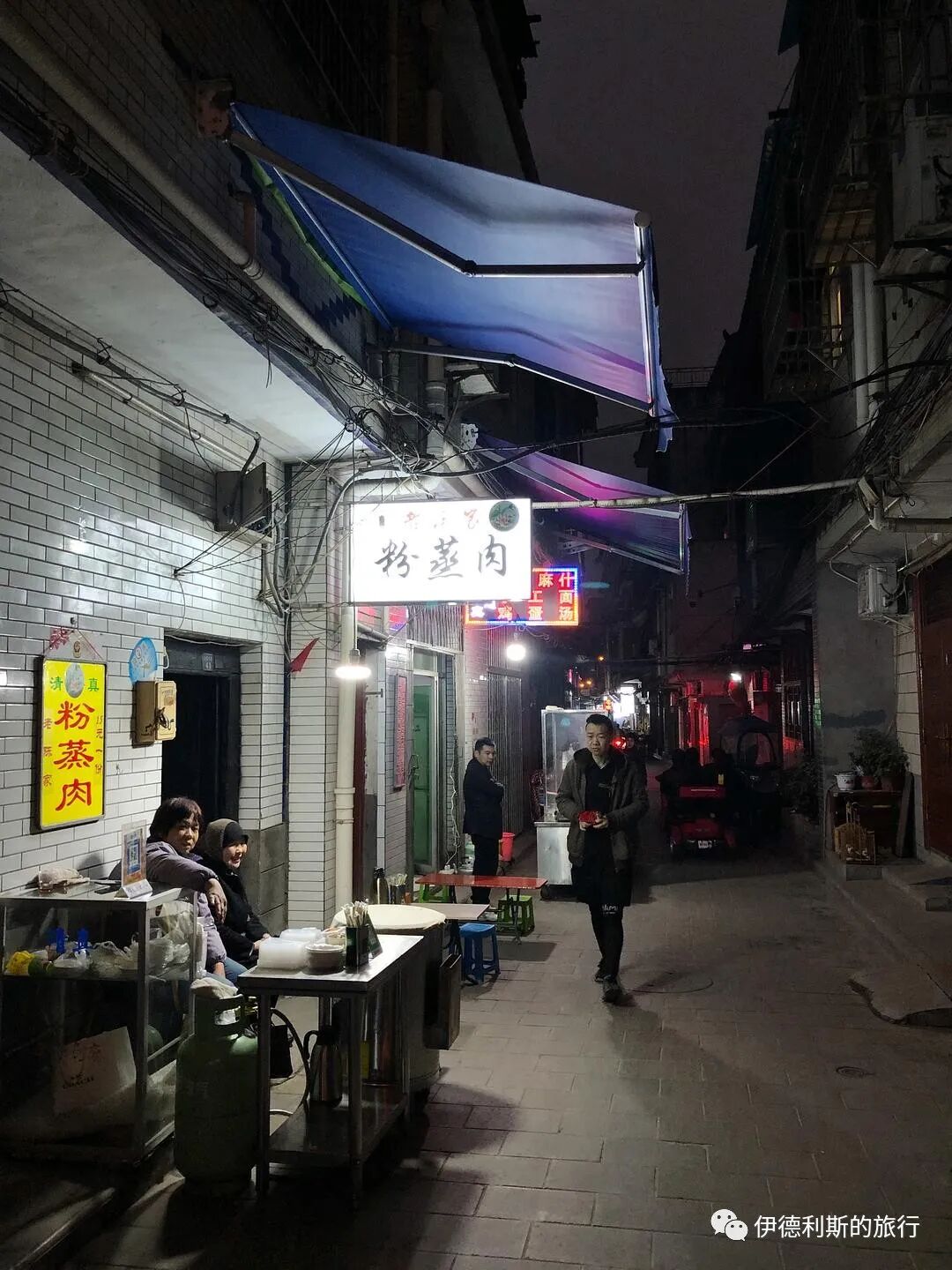
Street scenes of the Hui Muslim Quarter
Finally, I have attached some street scenes of the Hui Muslim Quarter that I took, day and night.
Summary: This travel note introduces Xi'an Muslim Quarter Halal Food Guide: Hui Muslim Streets and Local Snacks. I went to the Hui Muslim Quarter in Xi'an for a food tour in November 2019. Although I have been to the Hui Muslim Quarter many times, I never get enough of it. It is useful for readers interested in Xi'an Muslim Quarter, Halal Food, Hui Muslims.
I went to the Hui Muslim Quarter in Xi'an for a food tour in November 2019. Although I have been to the Hui Muslim Quarter many times, I never get enough of it. For previous introductions to the ancient mosques in the Hui Muslim Quarter, see 'The Twelve Traditional Mosques of Shaanxi'.
Homestay
This time in Xi'an, I stayed at a homestay run by my good friend Xiao Ma's aunt, and I was very satisfied. The homestay is located in a quiet alley within the bustling Xiaoxuexi Lane in the Hui Muslim Quarter. It is very close to the food hub, but the place itself is very quiet, so I was not disturbed while resting at night.
The house has four floors and is the home of the aunt and uncle. The uncle lives on the first floor to keep watch, the aunt lives on the third floor with her grandson, and the second and fourth floors are used as a homestay. Both are two-bedroom apartments, suitable for families or friends to stay in.
The aunt and uncle are both Hajjis (pilgrims who have completed the Hajj). They went on the Hajj to Mecca together in 2015. They are both very kind, warm, and friendly. They used to run a restaurant, so if you are lucky, you can eat the delicious food made by the aunt herself.
Dingjia Xiaosurou (Ding's crispy fried beef)
Dingjia Xiaosurou at the west entrance of Dapiyuan. I came here to eat it last time. I love Xiaosurou, especially in winter.
Laolijia Zagan Tang (Old Li's mixed offal soup)
For breakfast, I had Laolijia Zagan Tang at Dapiyuan, paired with Shijia Baozi (Shi's steamed buns) from across the street. The Zagan Tang is tender, the ingredients are generous, and the soup is fresh. You have to queue on weekends.
The cumin-flavored filling of Shijia Baozi is rarely seen elsewhere, and it is quite interesting to eat.
Laolijia Mahua Youcha (Old Li's fried dough twist in oil tea)
I had Laolijia Mahua Youcha at Miaohou Street in the morning. Mahua Youcha is especially suitable for early mornings in autumn and winter. The hot oil tea softens the Mahua (fried dough twist), and then it is sprinkled with sesame seeds and hemp leaves. It feels very warm after eating. In addition, the hat the boss wears is in the style of Pakistan in South Asia, and the color is bright and beautiful.
Huajia Wanzi Hulatang (Hua's meatball spicy soup)
I had Huajia Wanzi Hulatang at the north entrance of Daxuexi Lane in the morning. In the Hui Muslim Quarter, besides meatballs and the broth used to boil cured beef and mutton, Wanzi Hulatang must also contain cooked mutton fat. Different from the Hulatang in Henan, the Hulatang in Xi'an also includes stewed vegetables. Any seasonal vegetable that does not fall apart when boiled can be used.
Ma'erli Huanggui Shizi Bing (Ma'erli's osmanthus persimmon cake)
Ma'erli Huanggui Shizi Bing on Sajinqiao Street. Huanggui Shizi Bing, also known as Huojing Shizi Bing (fire-crystal persimmon cake), is made by adding flour to Huojing persimmons from Lintong and wrapping them with a sweet osmanthus sugar filling. It is a specialty snack in Xi'an during autumn and winter. The osmanthus filling can also be replaced with other fillings such as rose or date paste.
Ma Jiguang Cigao Dian (Ma Jiguang's sticky rice cake shop)
I had rose Cigao (sticky rice cake) in Xiaoxuexi Lane. In the past, Cigao in Xi'an was generally sold by Hui Muslims carrying them on shoulder poles along the street, but now it is far less common than Zenggao (steamed sticky rice cake). As far as I know, only this Ma Jiguang Cigao shop sells it exclusively.
Cigao is a sticky rice cake with red bean paste filling. The filling contains small beans, brown sugar, osmanthus sauce, rose sauce, and walnut kernels. After it is made, sesame seeds are sprinkled on top.
Traditionally, there are two ways to eat it: cold or hot. Cold means sprinkling white sugar directly on it after wrapping, and hot means heating it in a pan with rapeseed oil over low heat before eating. We chose to eat it hot, and the aunt finally added honey.
Zhiliang Zhengjiao (Zhiliang's steamed dumplings)
Zhiliang Zhengjiao on Miaohou Street, opened in 1985, is the most famous soup-filled steamed dumpling shop in the Hui Muslim Quarter. The shop's tip is very thoughtful: 'Lift gently, move slowly, open a window (bite a small hole), drink the soup first, then dip in the sauce, one bite is delicious!' Following this way of eating is indeed very delicious, and I couldn't stop eating one after another. Then I also ordered egg Laozao (fermented glutinous rice), but Xiao Ma said their best dish should be the Eight-Treasure Porridge.
Xihulan Ma Zhiyuan Laoniurou Jiamo (Xihulan Ma Zhiyuan's cured beef burger)
There are many cured beef shops in the Hui Muslim Quarter. Some have long queues all year round, but in fact, there are many that don't have queues but are also very delicious. The Xihulan Ma Zhiyuan Laoniurou Jiamo I ate at the Sajinqiao intersection this time was also very delicious. The meat was tender and flavorful, and I wanted to eat more after finishing it.
Yijian Xingyuelou (One Star-Moon Building)
In the evening, I had Yangrou Paomo (mutton pita bread soup) and Shuipen Niurou (water-basin beef soup) at Yijian Xingyuelou on Xushi Temple Street, a restaurant recommended by Xiao Ma. The taste of their food is indeed very authentic, and the accompanying plum juice is also delicious. This shop didn't exist when I went last time. It opened in 2015 and only moved to Xushi Temple Street in 2018. The 'Yijian' in the shop's name comes from 'Yijianlou', a Republic of China-era time-honored Paomo restaurant operated by the uncle of the boss, Peng Zhihe. Yijianlou was originally named Derunfu Mutton Paomo Restaurant, opened in 1927, and moved to the northwest corner of the Drum Tower in 1935. Peng Zhihe learned the craft from his uncle and inherited the Paomo recipe of Yijianlou.
Hongshunxiang Luzhi Liangfen (Hongshunxiang's jelly noodles in savory sauce)
At night, I ate the Xi'an specialty snack Luzhi Liangfen at the Hongshunxiang Xingyue branch on Miaohou Street. The owner of Hongshunxiang is named Ma Kaichao. His family has been selling Luzhi Liangfen with shoulder poles since his ancestors. Later, his grandfather opened a shop at Nanqiaozikou. After the demolition thirty years ago, they moved to the Hui Muslim Quarter and have been there ever since.
Luzhi Liangfen was originally a summer snack to relieve heat, and the most traditional shops would stop selling it in winter. When eating, you usually break the pita bread into the bowl yourself and hand it to the boss, telling the boss how many Biandan (preserved eggs) or eggs to add. Then the boss scoops the Liangfen (mung bean jelly) from the water basin, cuts it into strips, puts it on the bread, and finally scoops a spoonful of warm savory sauce over the Liangfen. Because we went after dinner, we didn't ask for bread and just ate the Liangfen.
The Liangfen in Luzhi Liangfen is made of pea starch, and the savory sauce is made by boiling eggs and potato or sweet potato starch, with more than 10 ingredients such as cinnamon, Sichuan peppercorn, fennel, amomum, and star anise. Finally, garlic juice, mustard juice, sesame paste, vinegar, sesame oil, and chili oil are added, so the taste is very rich.
Xinhua Tianshi Dian (Xinhua Sweet Shop)
At night, I ate Fenzhengrou (steamed pork with rice flour) and Eight-Treasure Laozao at the Xinhua Sweet Shop at the south entrance of Damaishi Street. The An family, who runs the Xinhua Sweet Shop, started selling sweets more than half a century ago. After the reform and opening up, An Zhihong resumed making sweets on Damaishi Street.
The Fenzhengrou in the Xi'an Hui Muslim Quarter uses lean and fatty mutton sliced and seasoned with five-spice powder and salt. Adding flour must be done in two stages: first, add water and half of the flour, then stir evenly; second, add the remaining half of the flour and stir quickly until the flour adheres to the meat. Finally, just put the meat on a steamer and steam it.
Marui Zhengwan Huicai (Marui's steamed bowl stewed vegetables)
Late at night in the Hui Muslim Quarter, I went to Marui Zhengwan Huicai on Miaohou Street for a late-night snack. The female boss, Ma Rui, had gone to rest, and Ma Rui's husband was busy alone with the steamed bowls and barbecue. I ate Xiaosurou and meatball stewed vegetables. I love Xiaosurou so much! It is beef coated in batter, first fried and then steamed, which is especially suitable for early winter nights. I also really like the plum juice in the Hui Muslim Quarter. I can't help but have a cup at every shop. Compared to it, what is sold in supermarkets can really only be called sugar water.
Street scenes of the Hui Muslim Quarter
Finally, I have attached some street scenes of the Hui Muslim Quarter that I took, day and night.
