
Zhengzhou, Bo'ai and Qinyang Spring Halal Travel Guide (Part 2)
Reposted from the web
Summary: This travel note introduces Zhengzhou, Bo'ai and Qinyang Spring Halal Travel Guide (Part 2). The yaodian (kiln-style prayer hall) was renovated in 1887 (the 13th year of the Guangxu reign). It is useful for readers interested in Henan Travel, China Mosques, Halal Food.
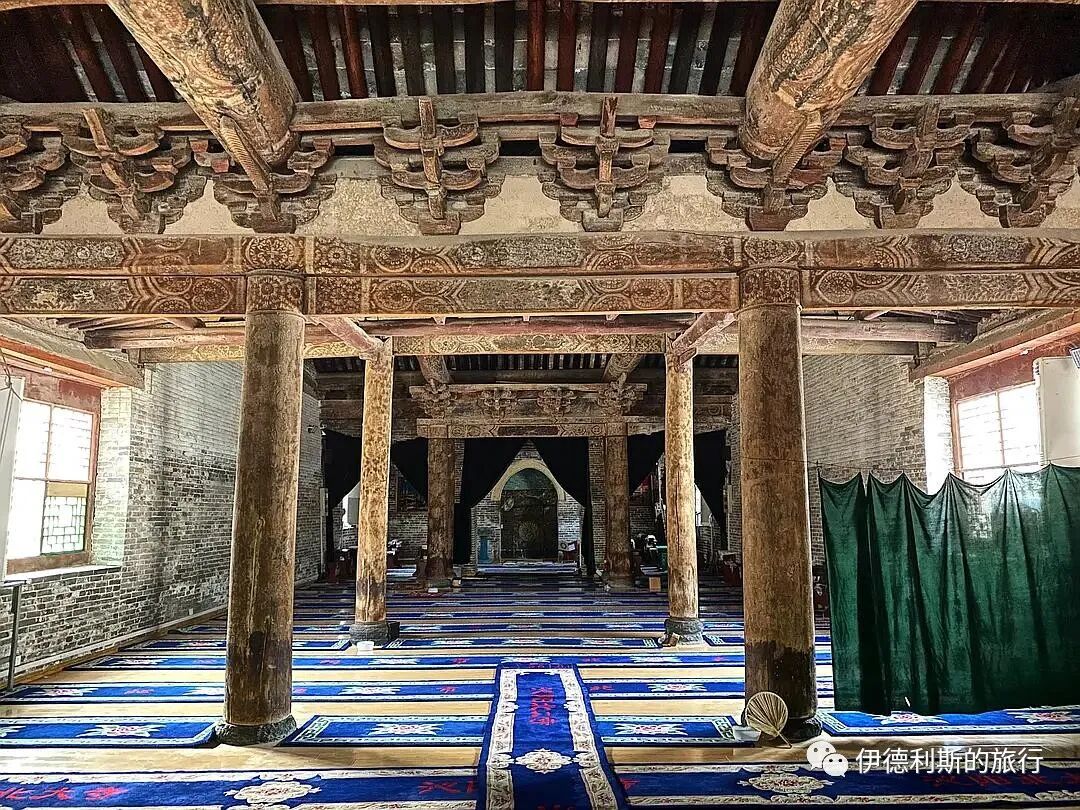
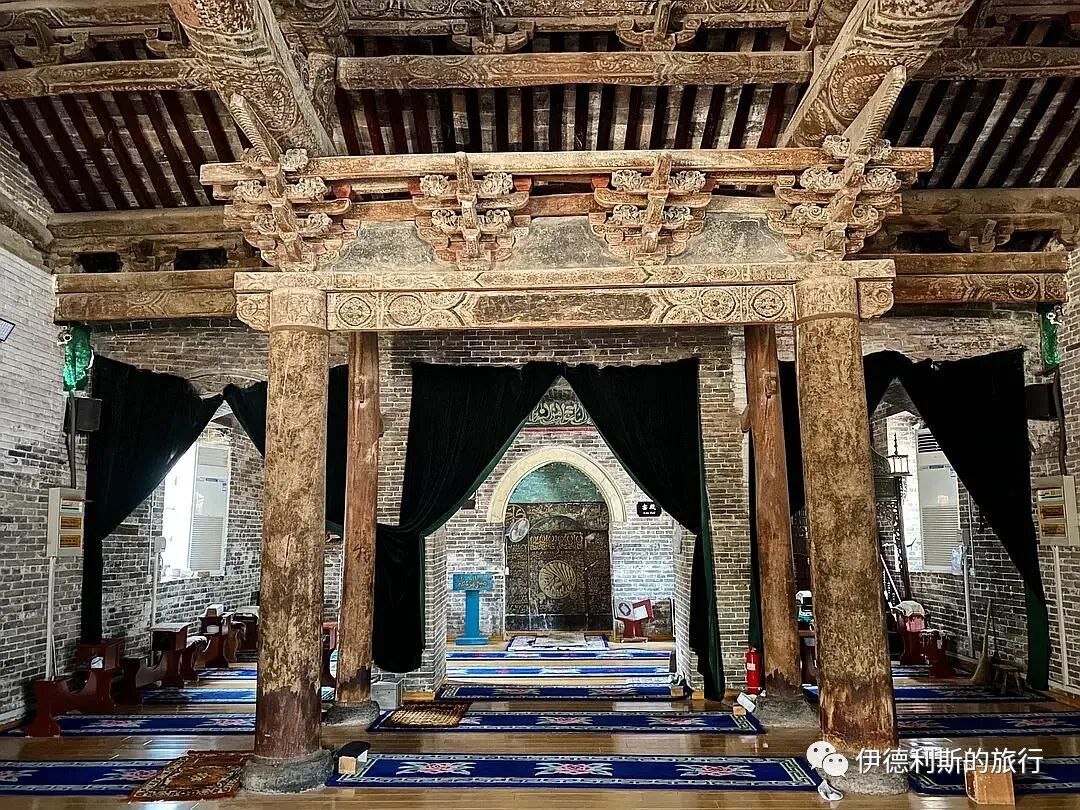
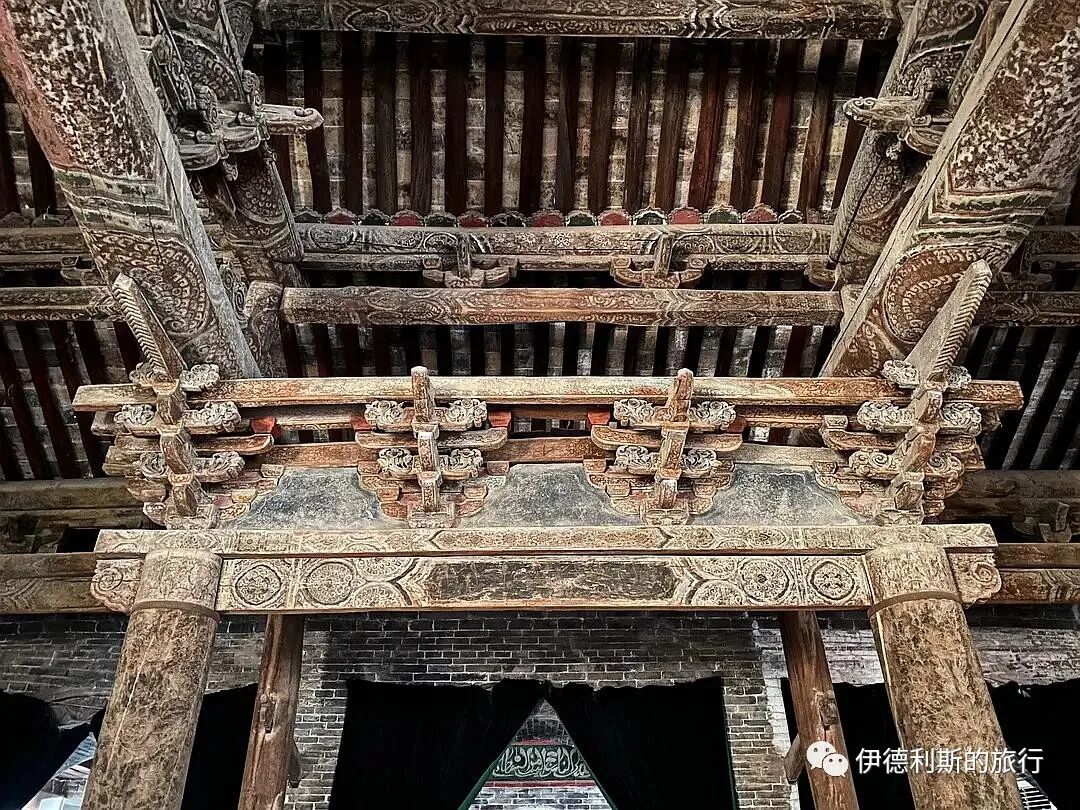
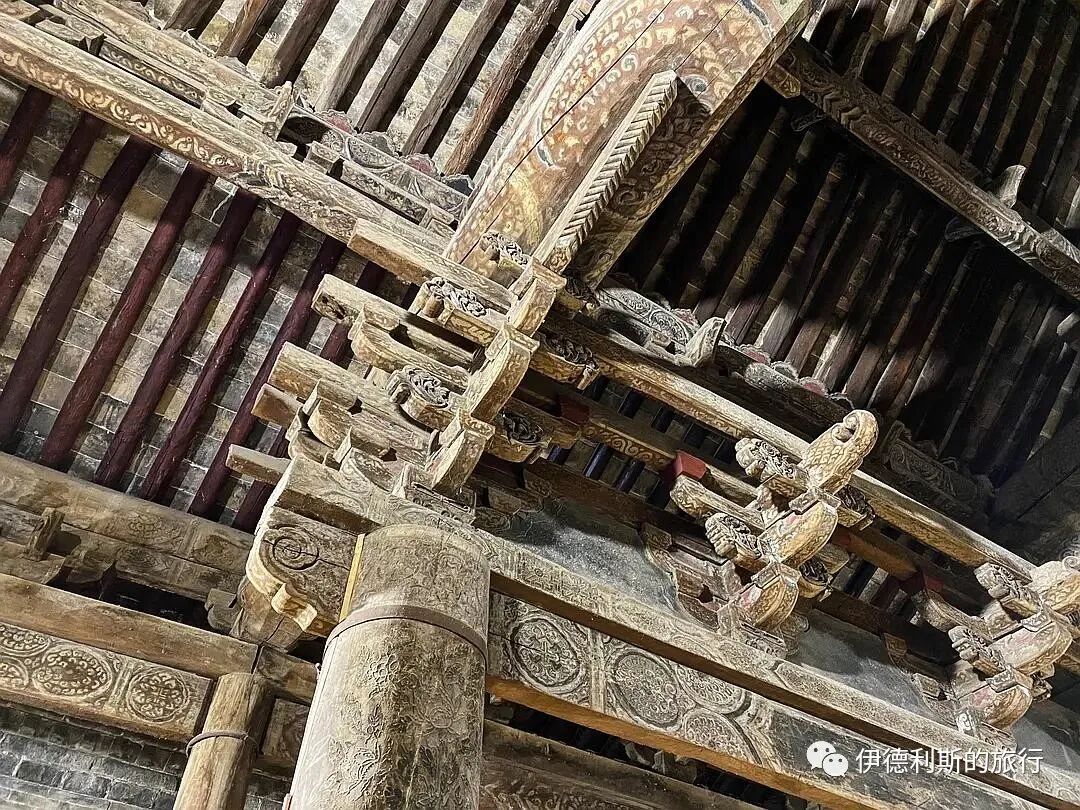
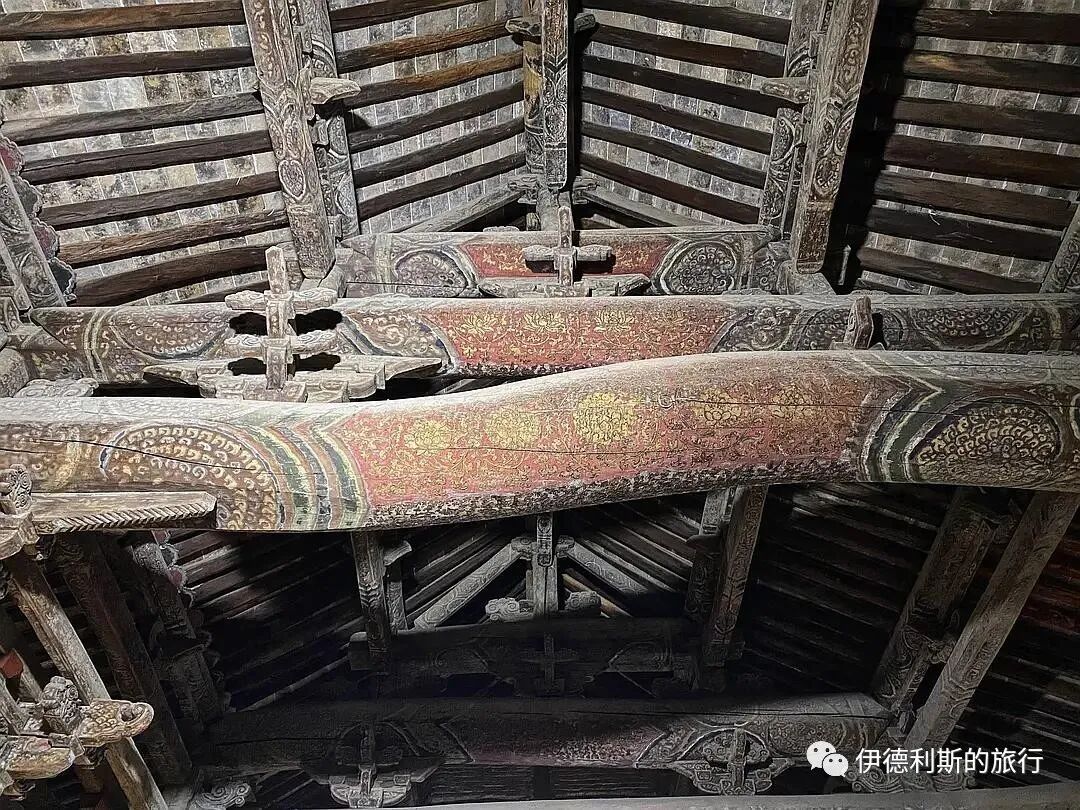
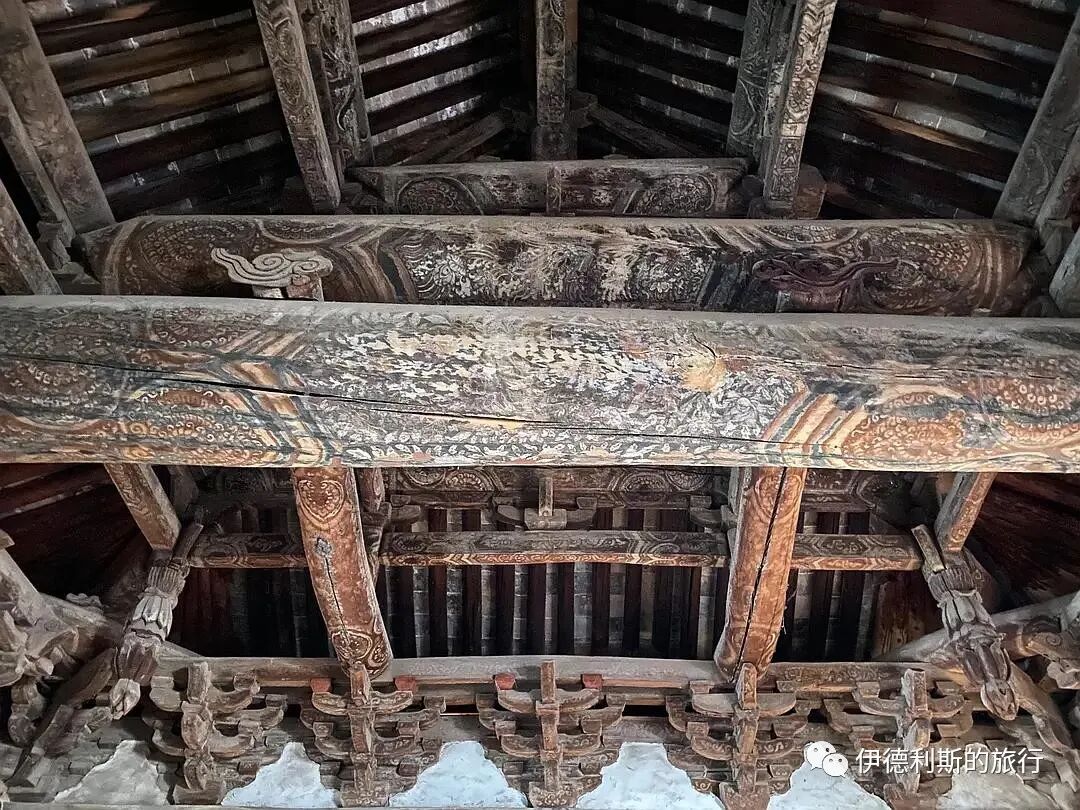
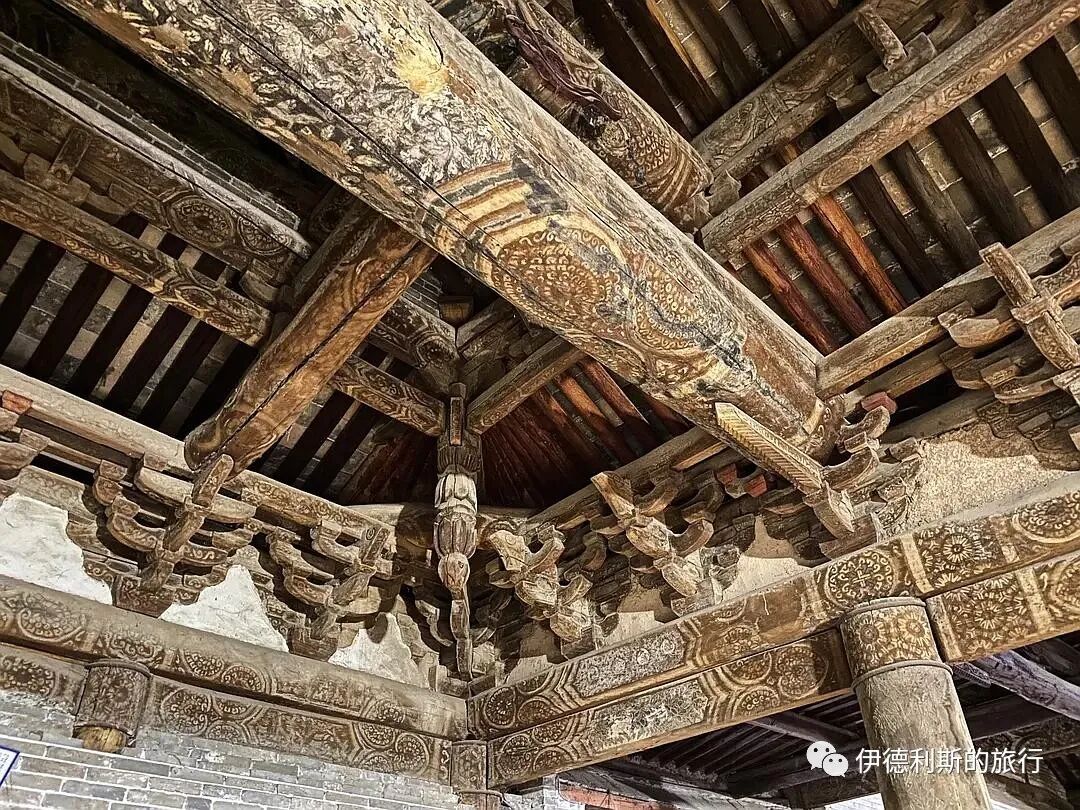
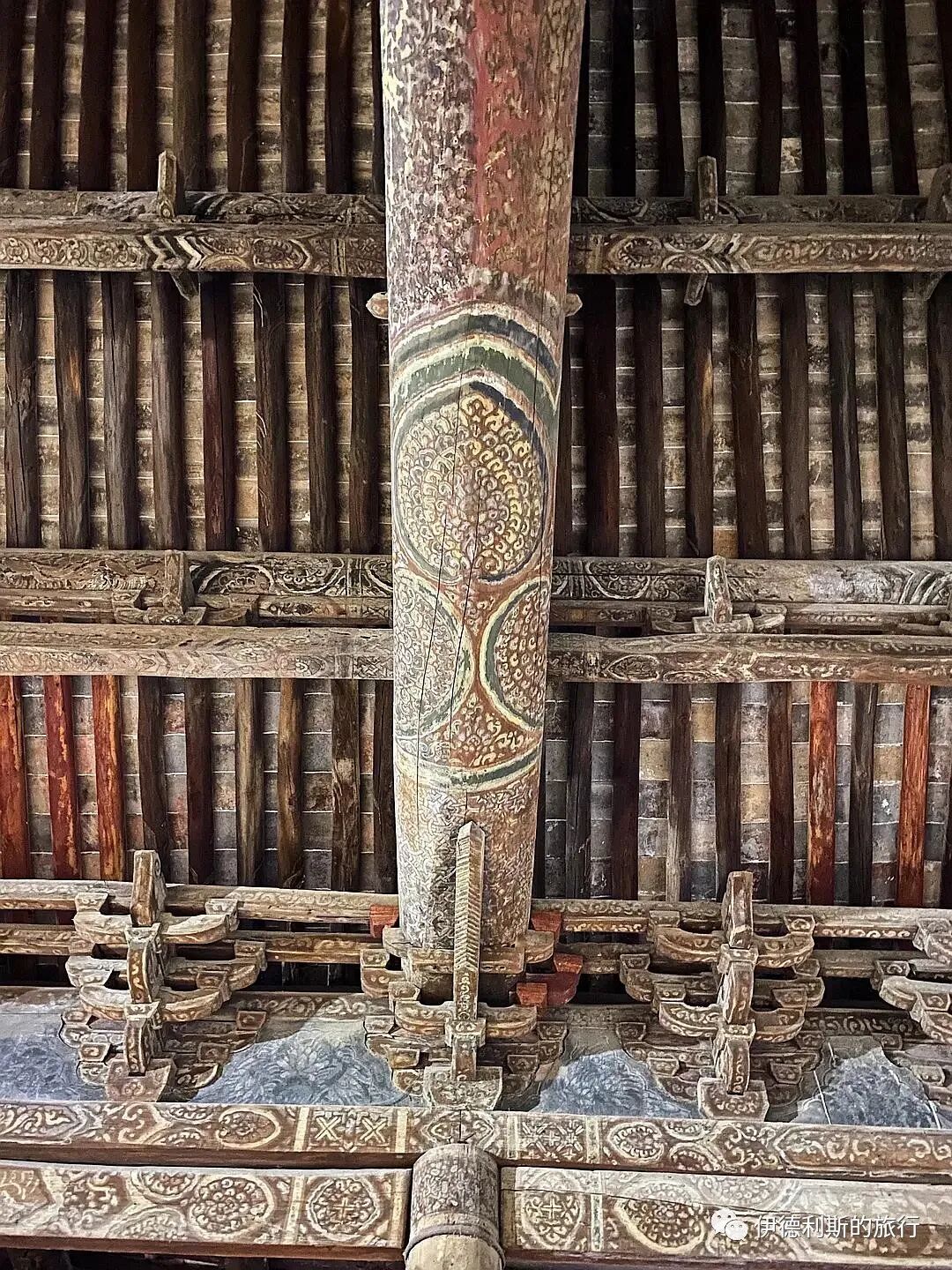
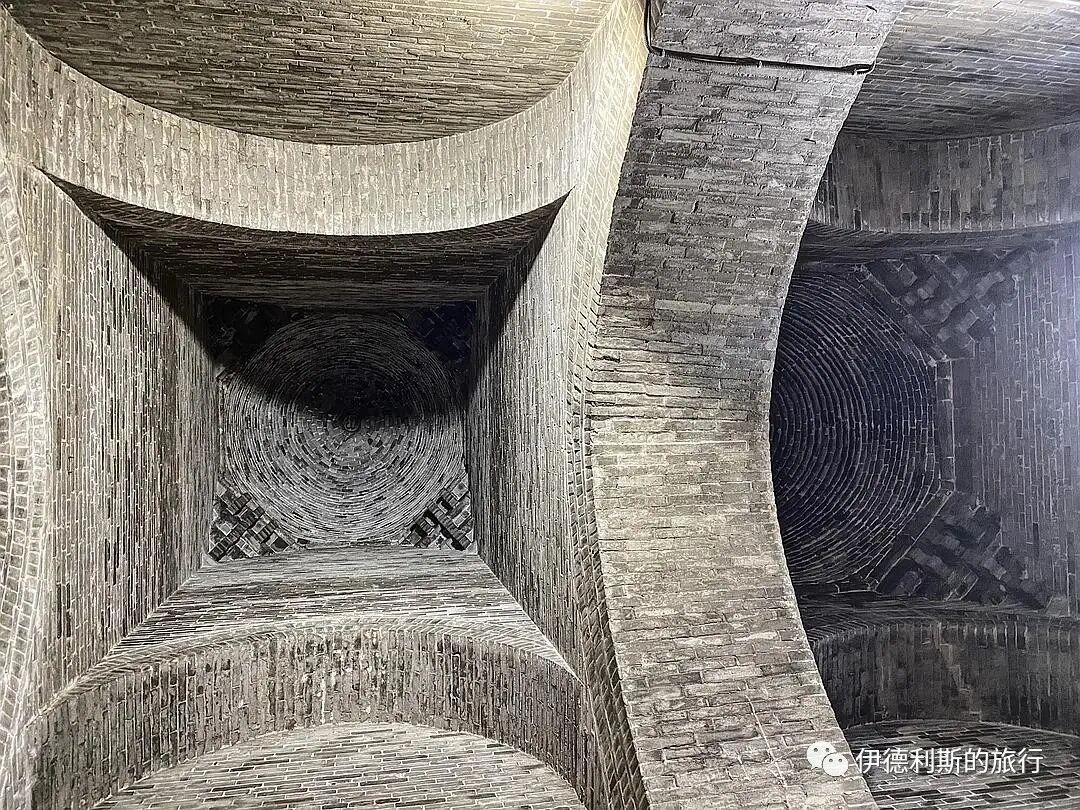
The yaodian (kiln-style prayer hall) was renovated in 1887 (the 13th year of the Guangxu reign). Its interior features a brick dome structure, built with two partition walls over 1 meter thick to form a semicircular arch. At the concave corners, three layers of arches are extended to create an octagonal skylight, topped with a corbelled dome. The very top of the central dome is inscribed with the Arabic word for Allah.
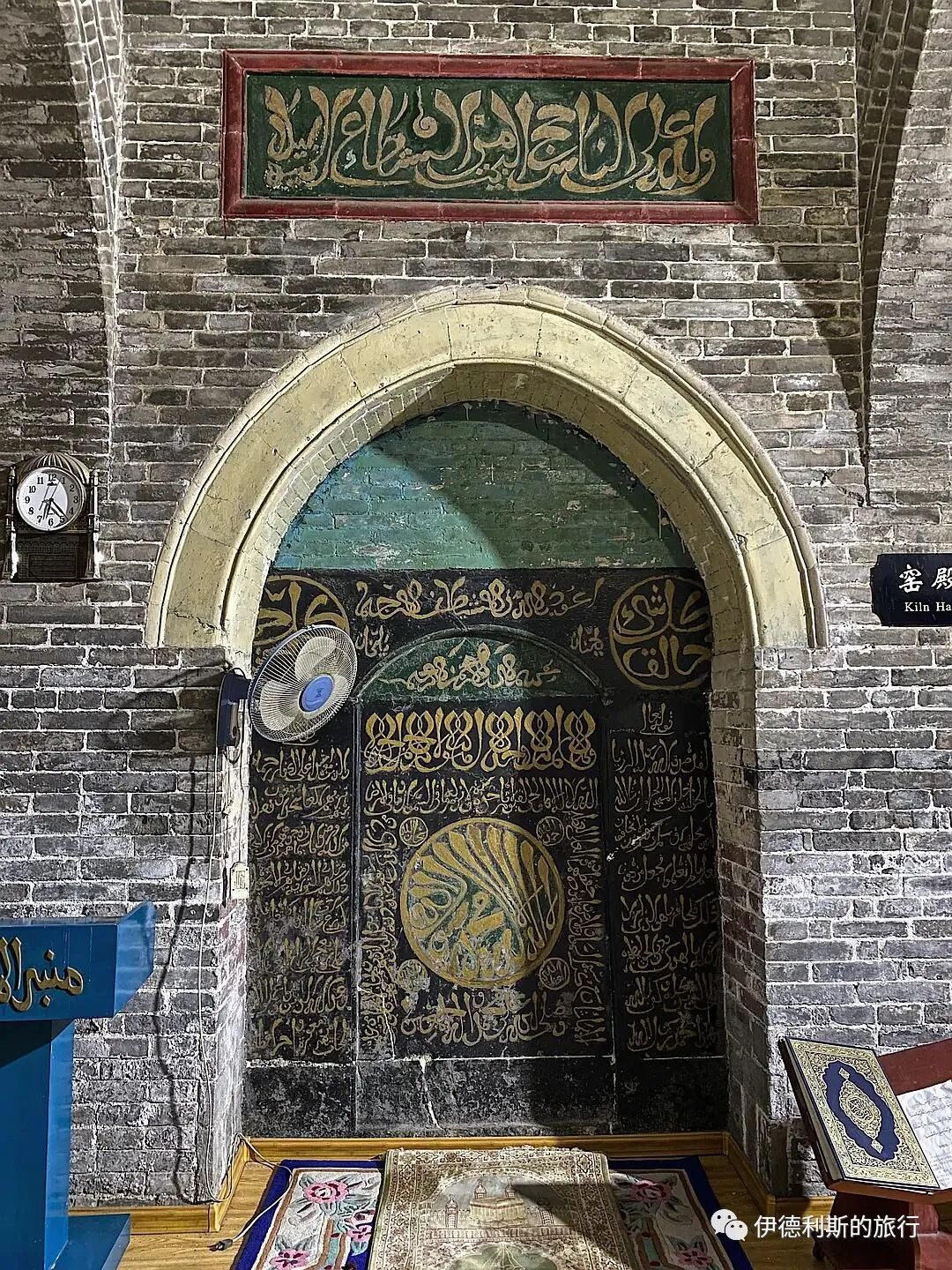
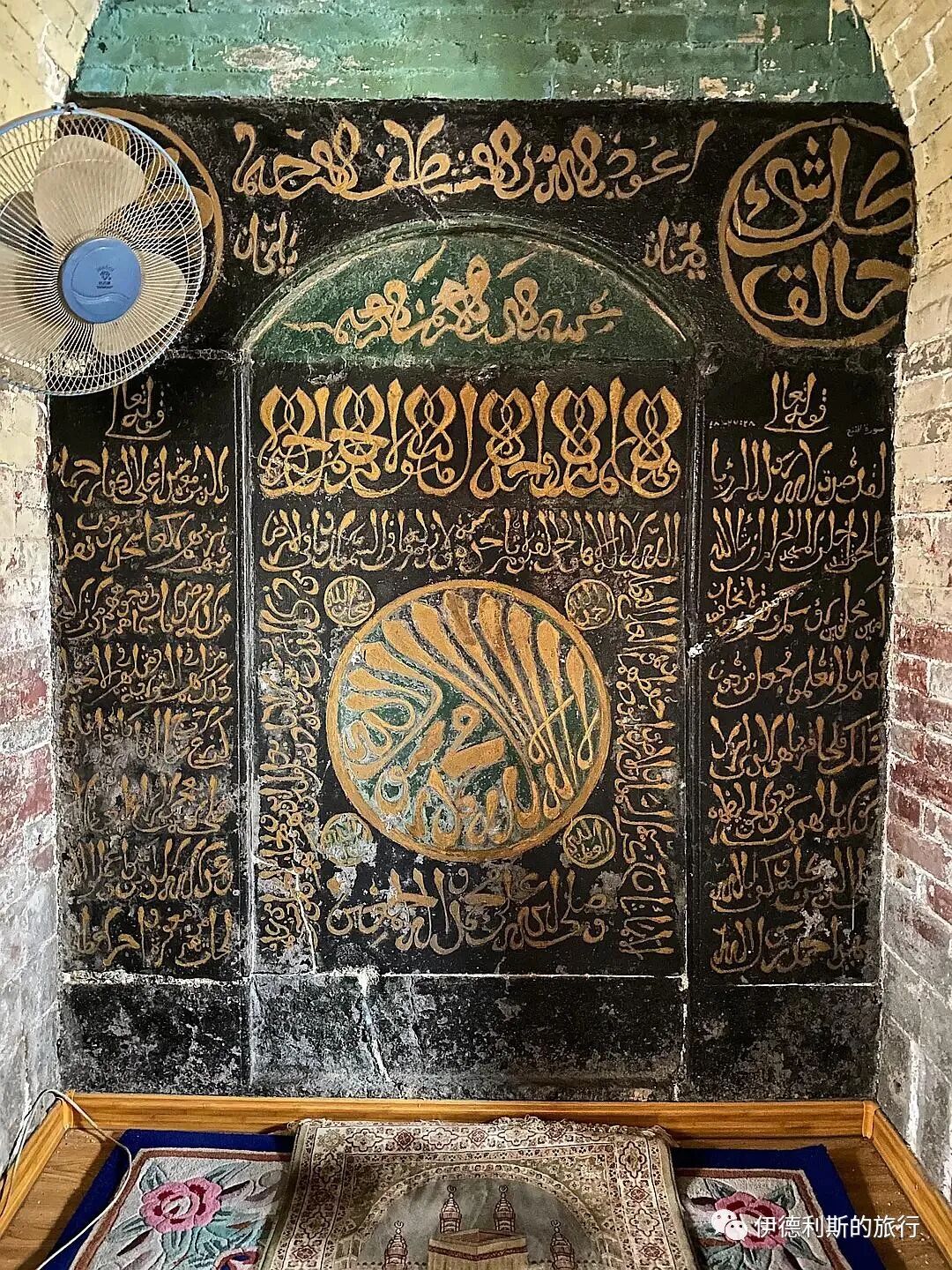
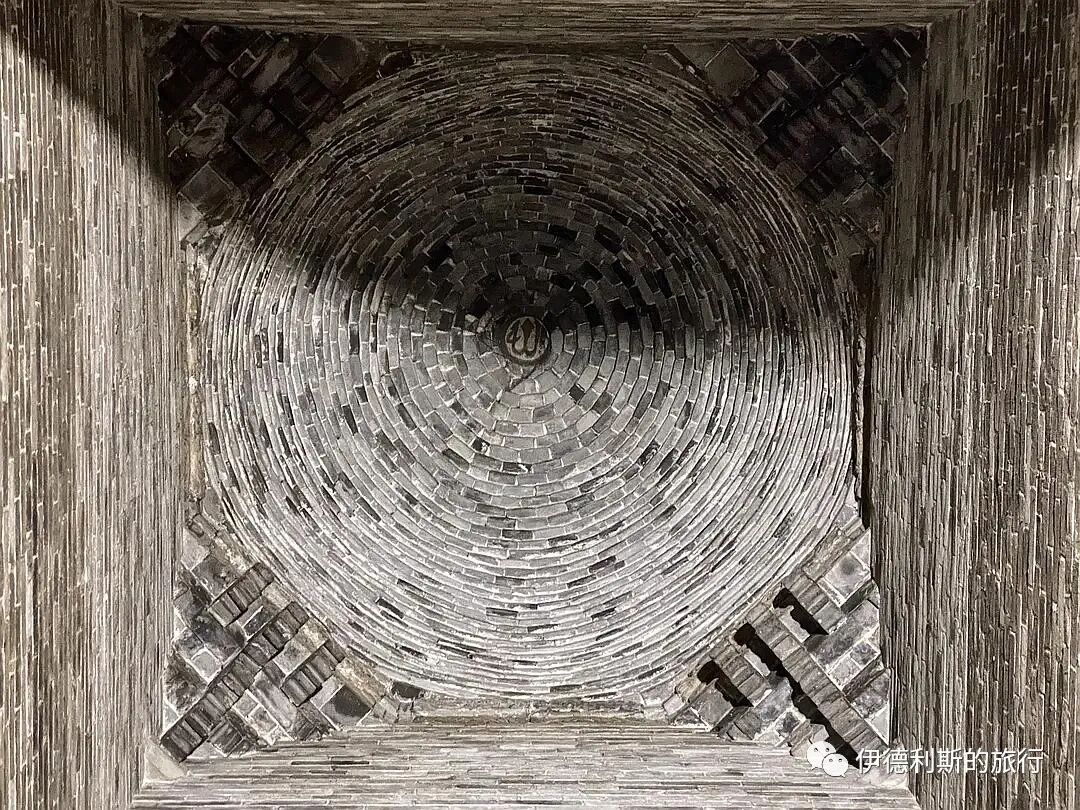
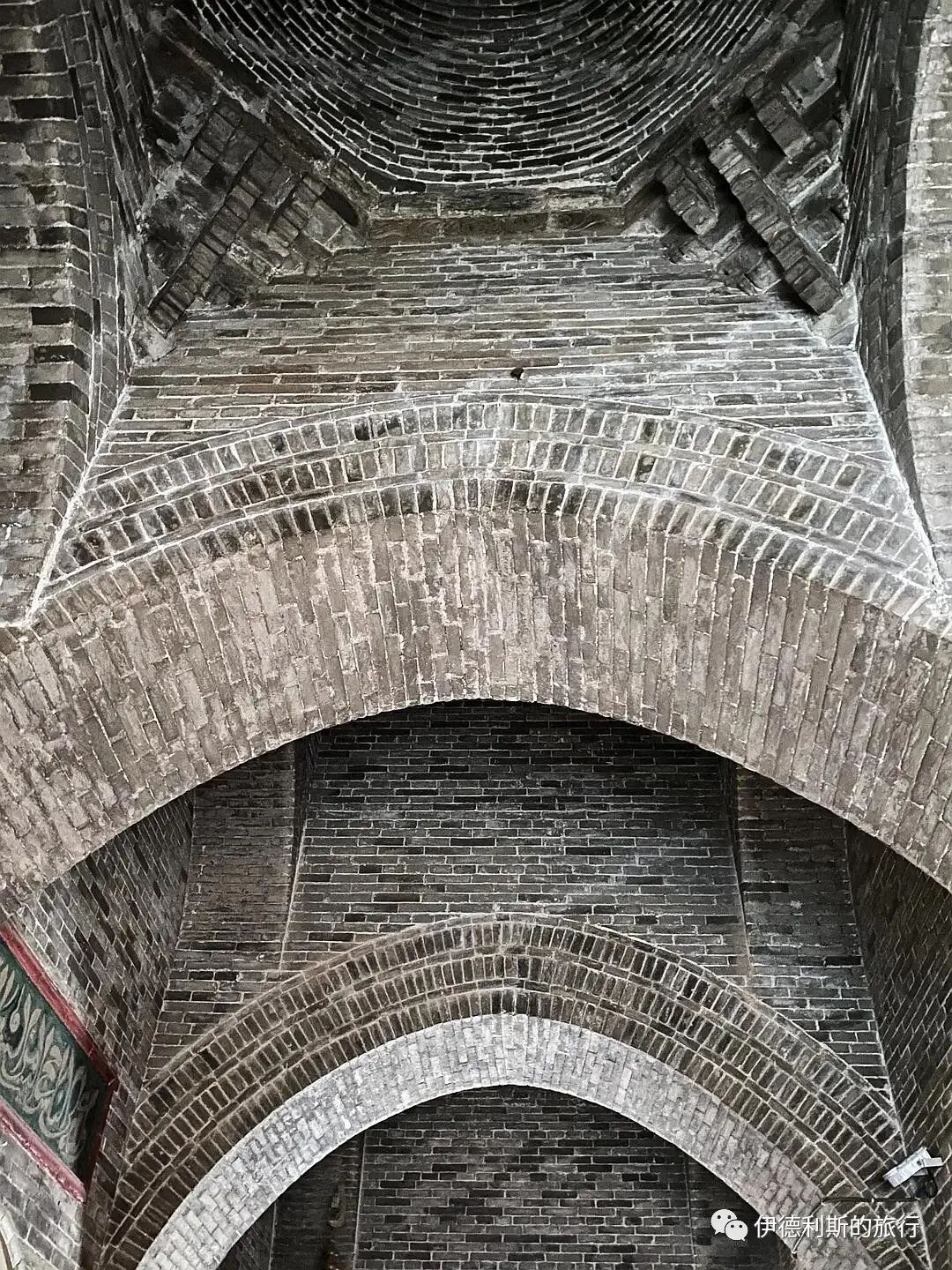
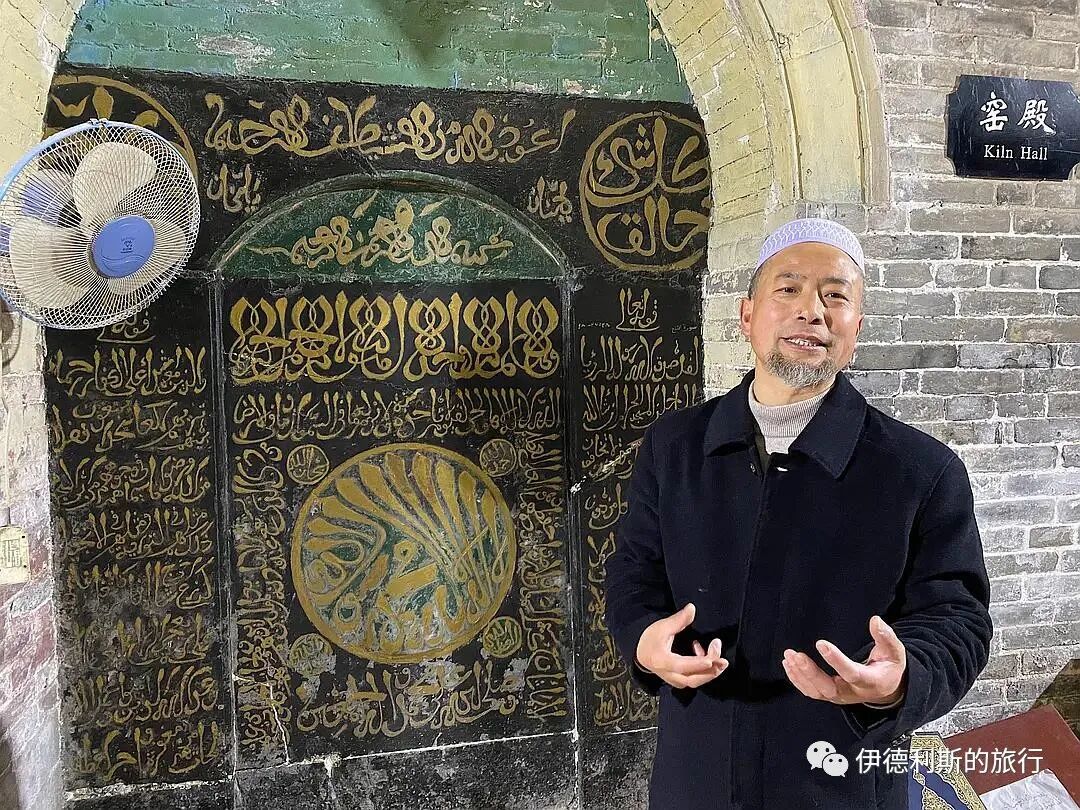
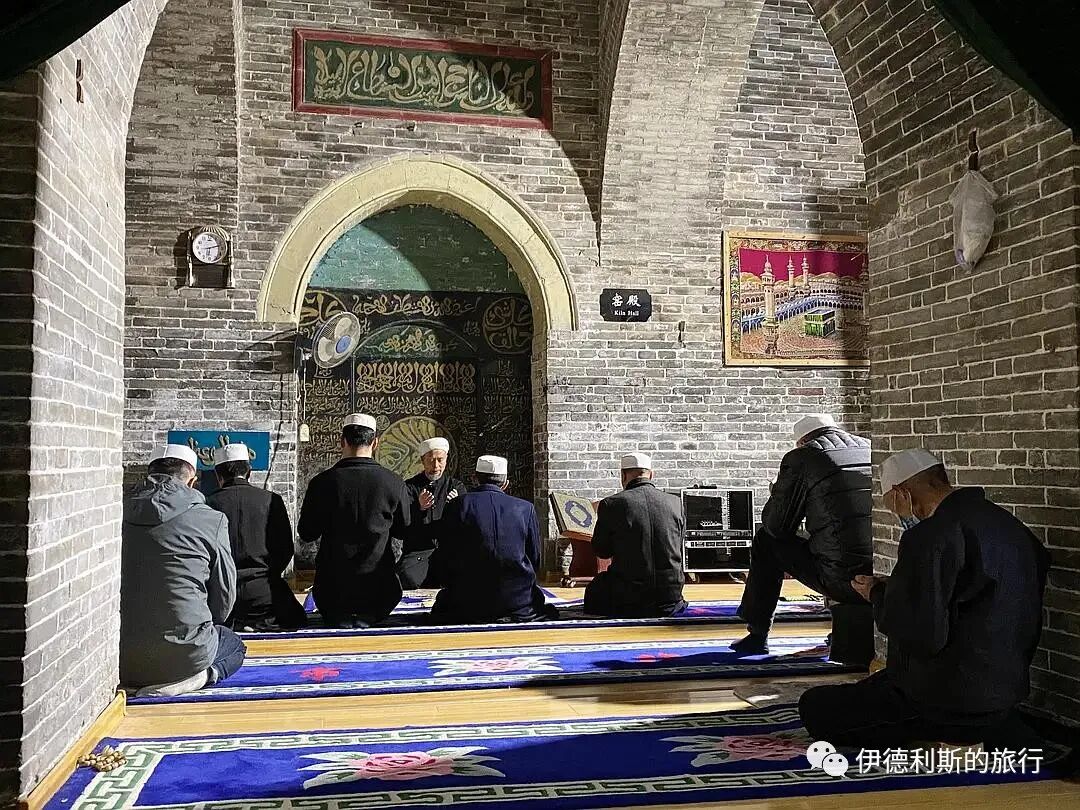
There is beautiful calligraphy on the mihrab (prayer niche). Imam Ma Hongjie gave us a detailed introduction here, and I also happened to catch the dhikr (remembrance of Allah).
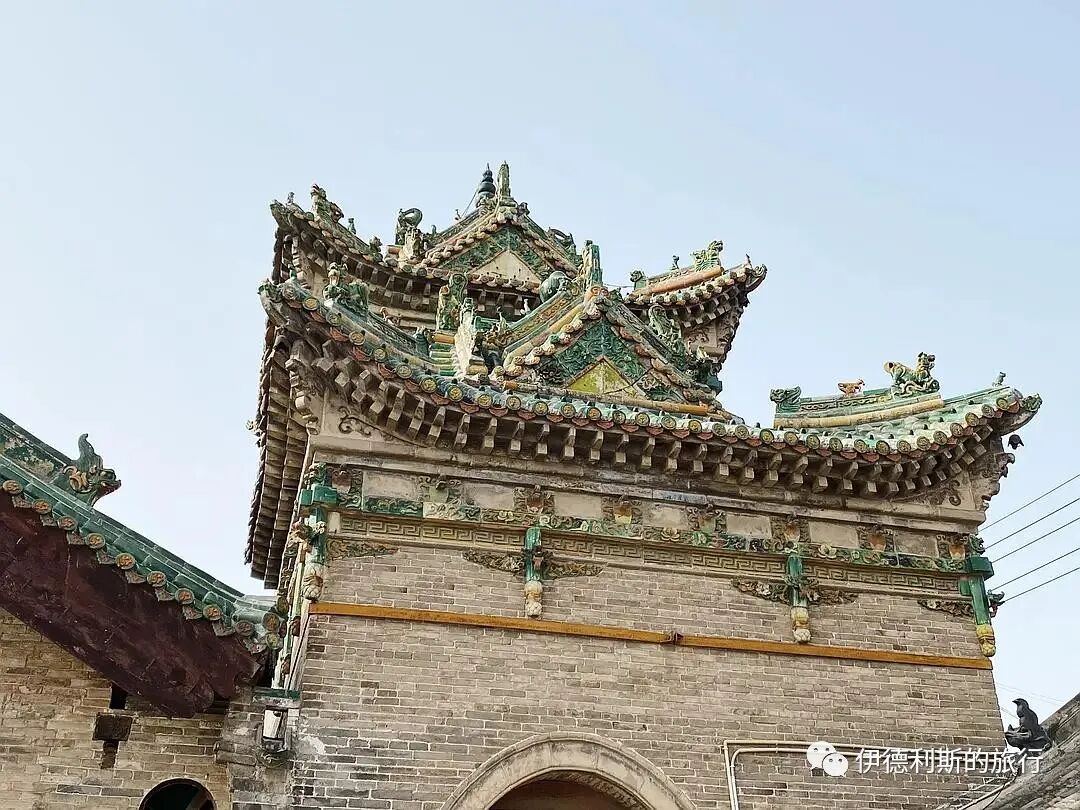
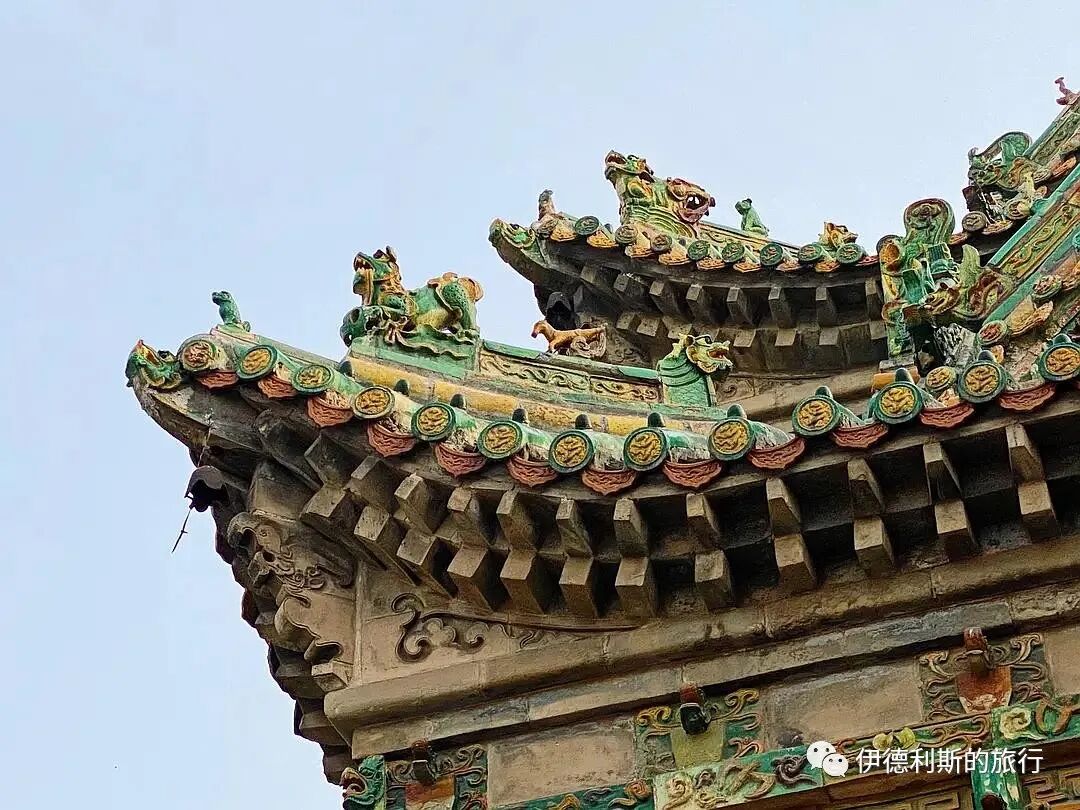
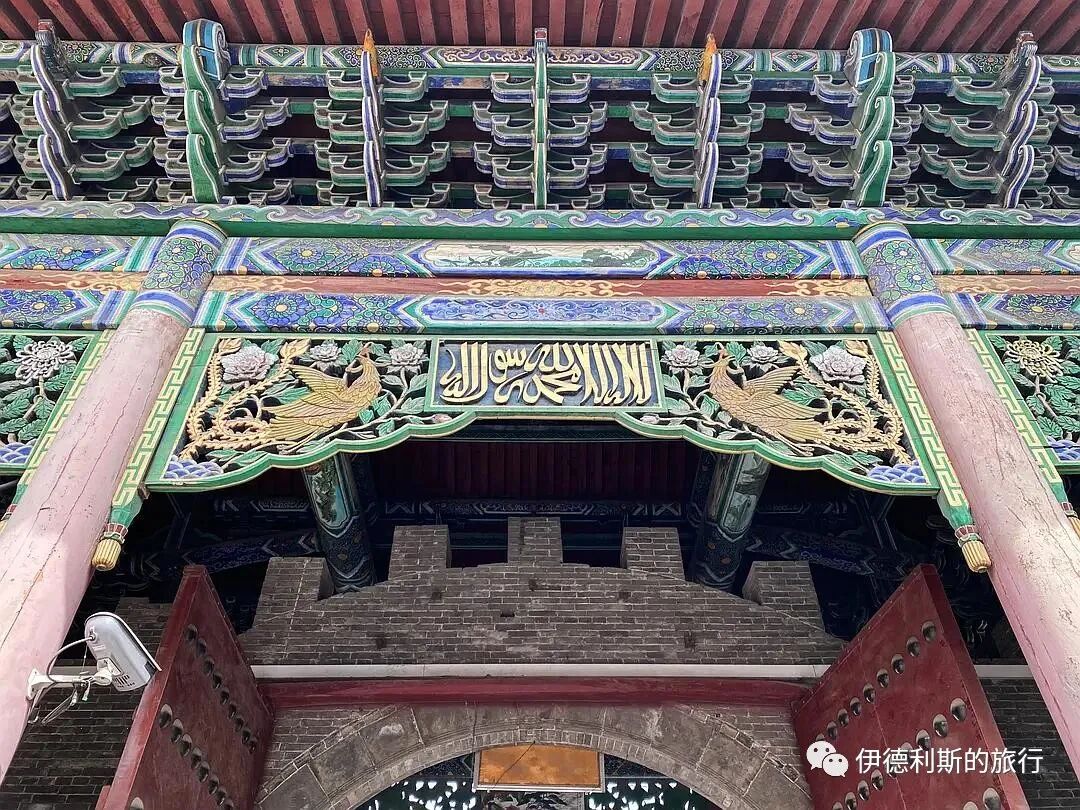
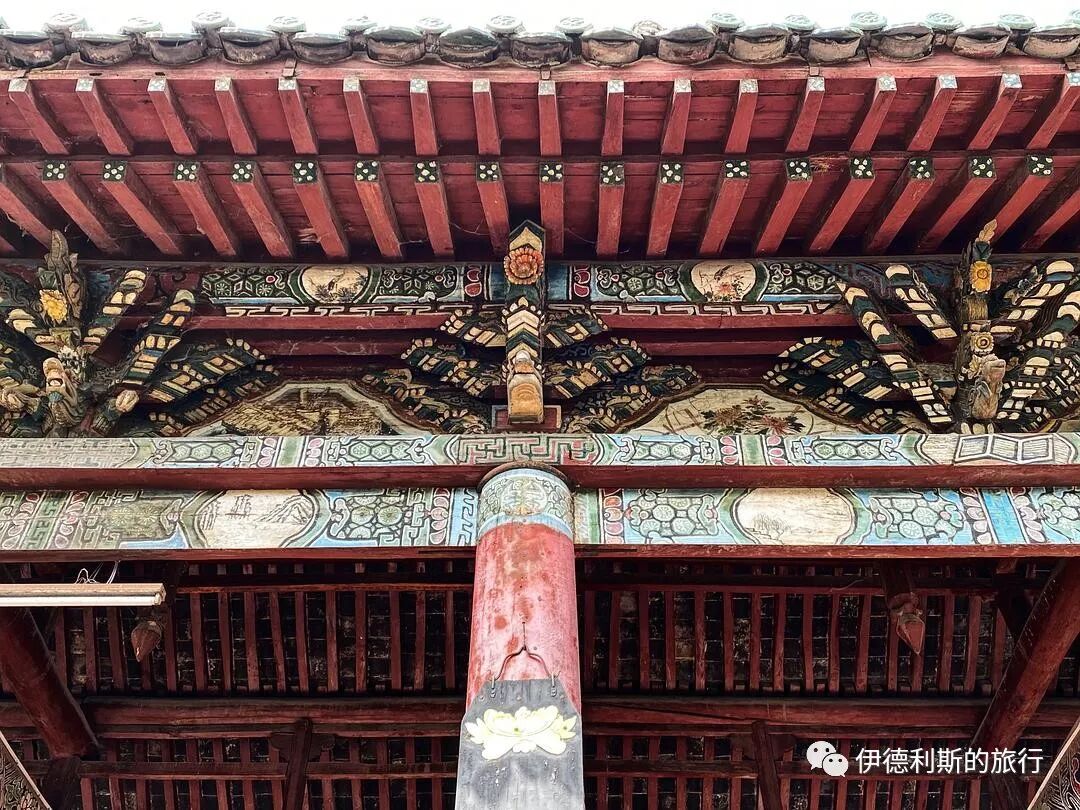
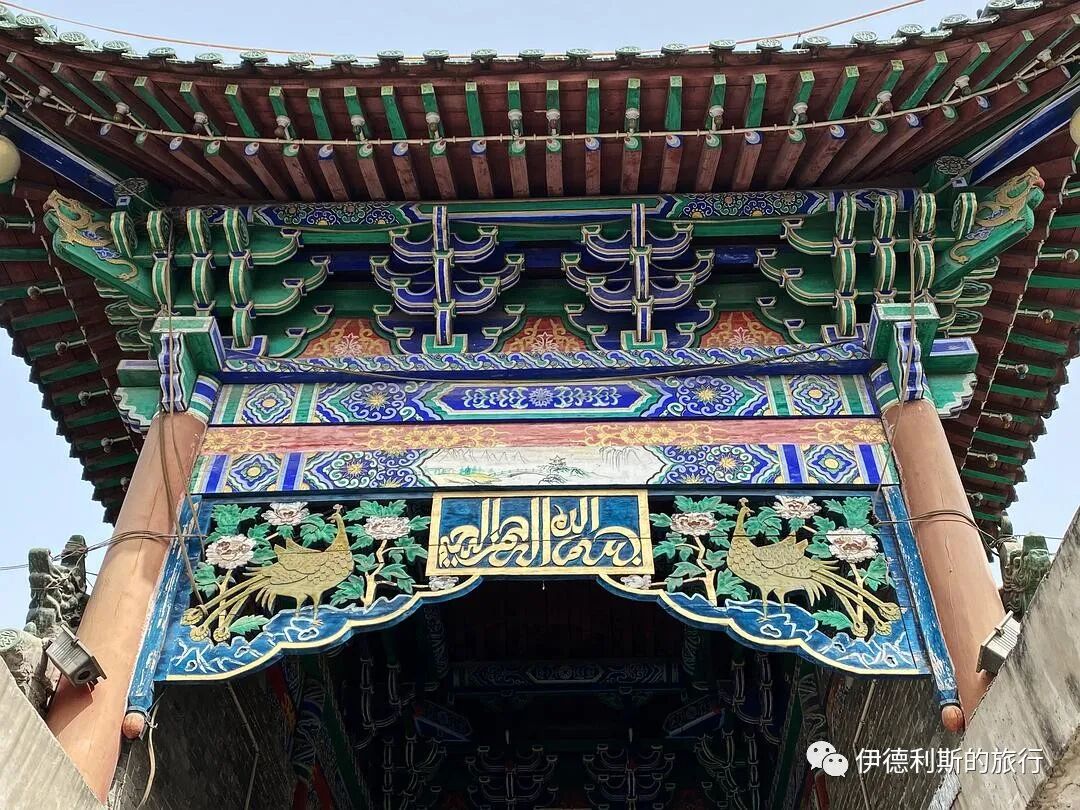
The exterior of the yaodian has a cross-shaped roof with over 70 glazed roof beasts. Under the eaves are glazed beams, brackets, and hanging flower columns. The colorful design represents the highest standard of Qing Dynasty mosque yaodian roofs.
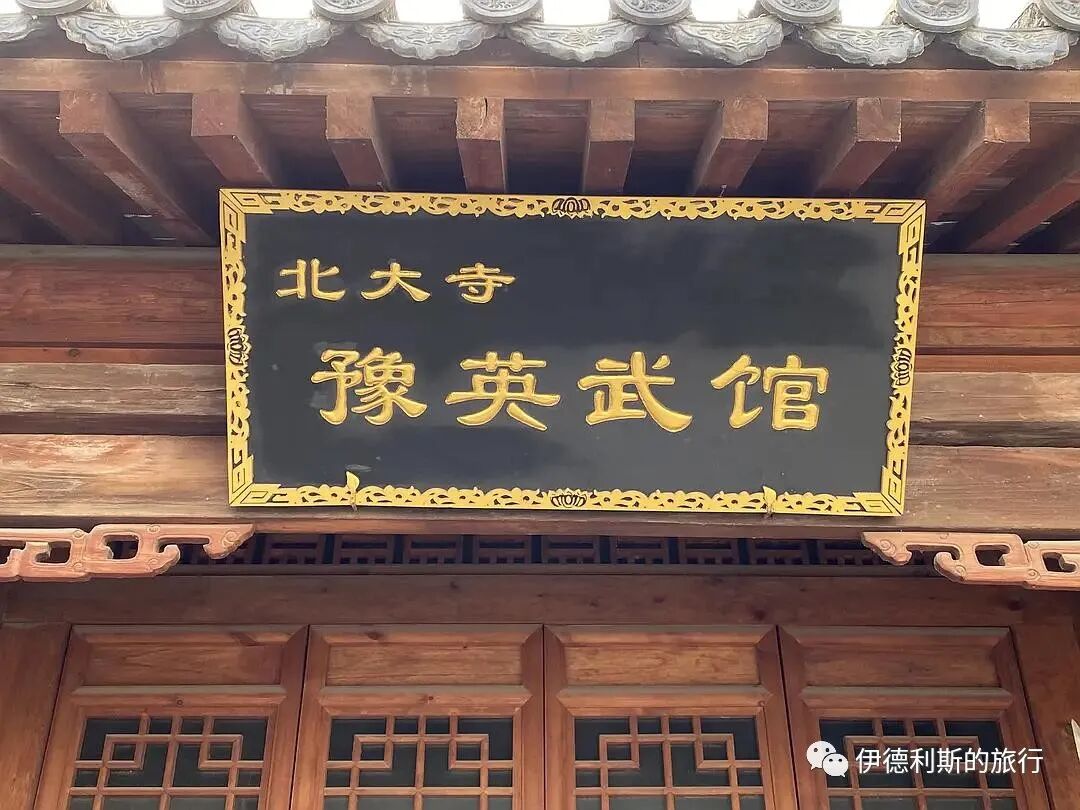
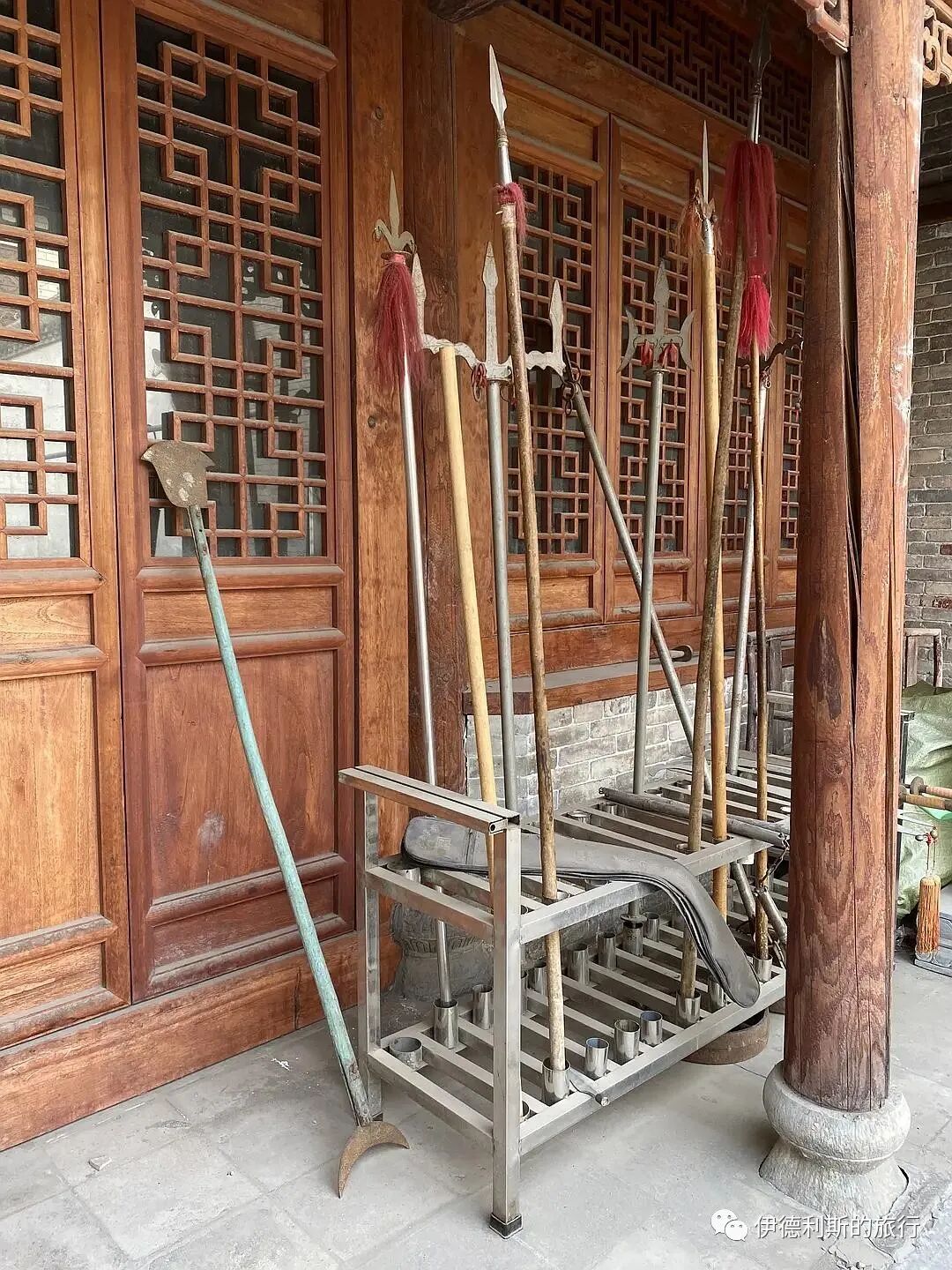
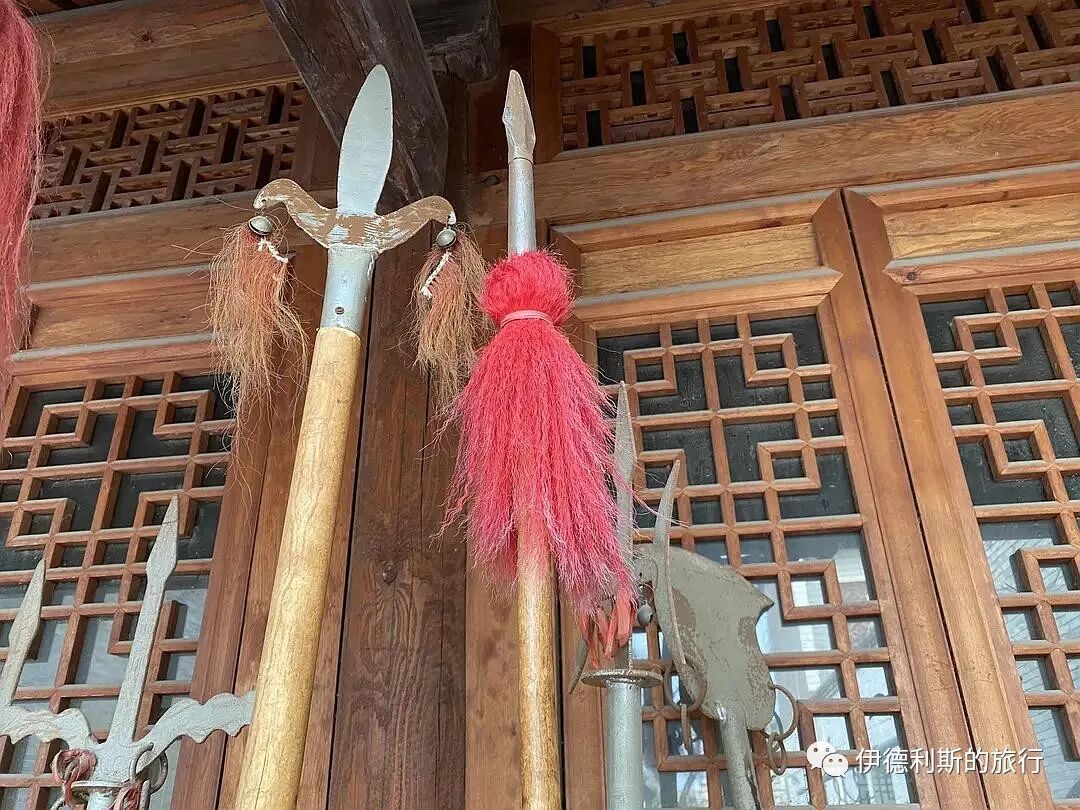
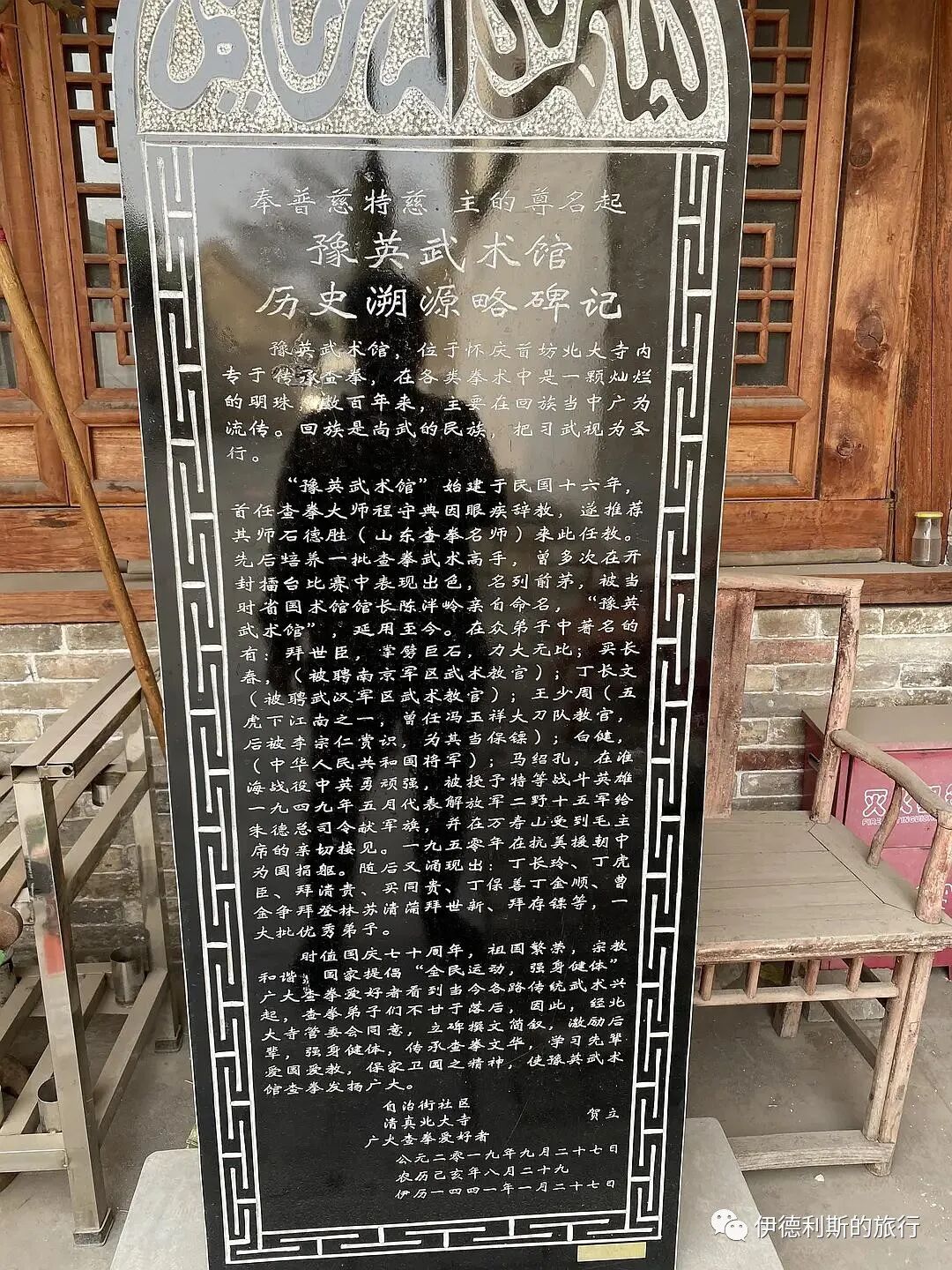
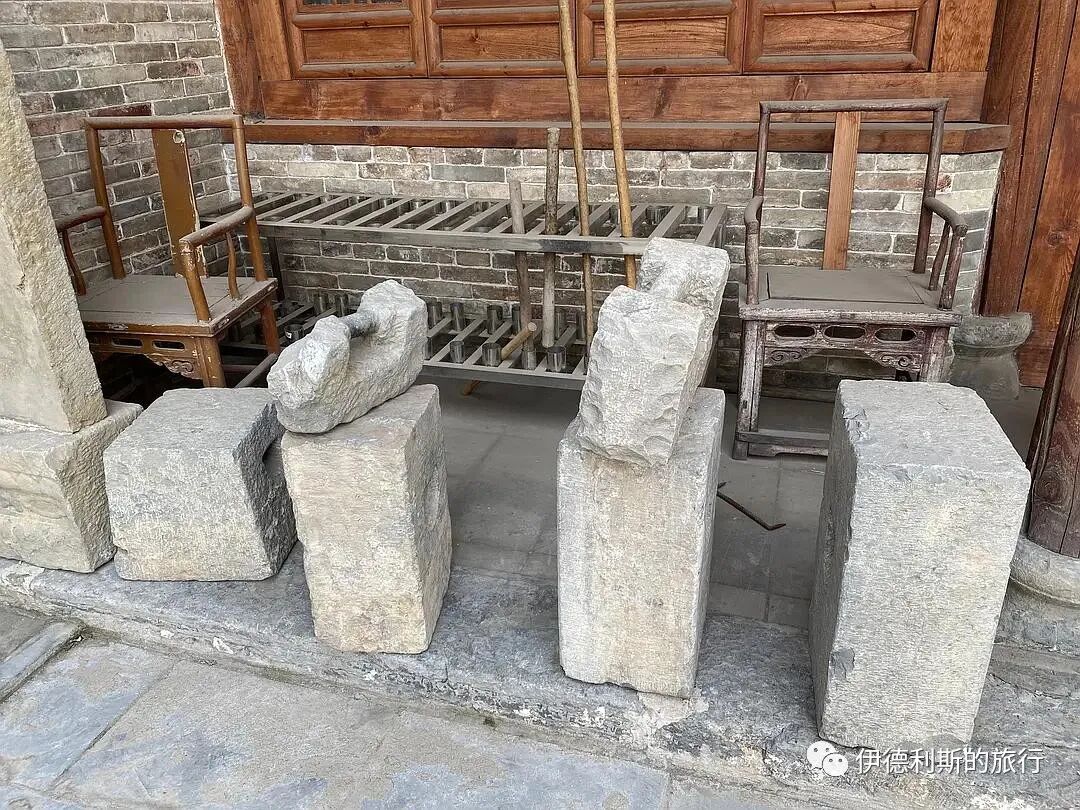
Inside the North Mosque is the Yuying Martial Arts School, founded in 1928, which specializes in Chaquan (a style of Chinese martial arts). The second master of Chaquan, Shi Desheng, trained many excellent disciples, including Nanjing Military Region martial arts instructor Mai Changchun, Wuhan Military Region martial arts instructor Ding Changwen, Feng Yuxiang's Big Sword Team instructor Wang Shaozhou, and the martyr of the War to Resist US Aggression and Aid Korea, Ma Shaokong.
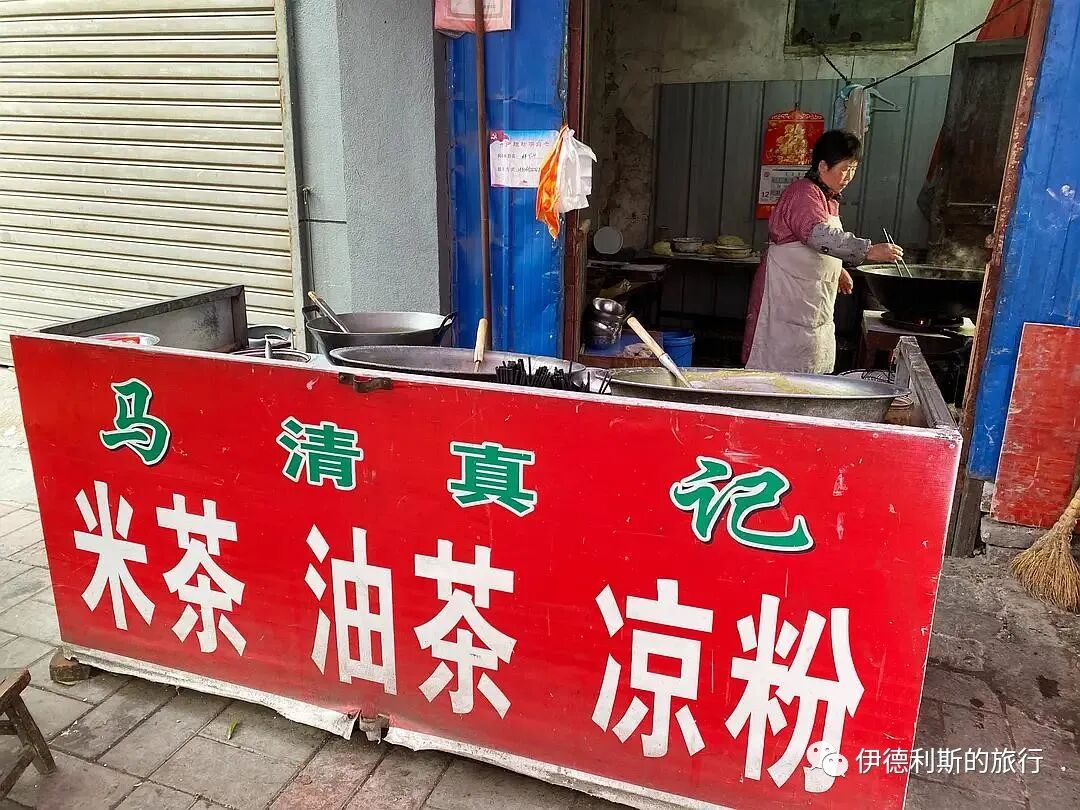
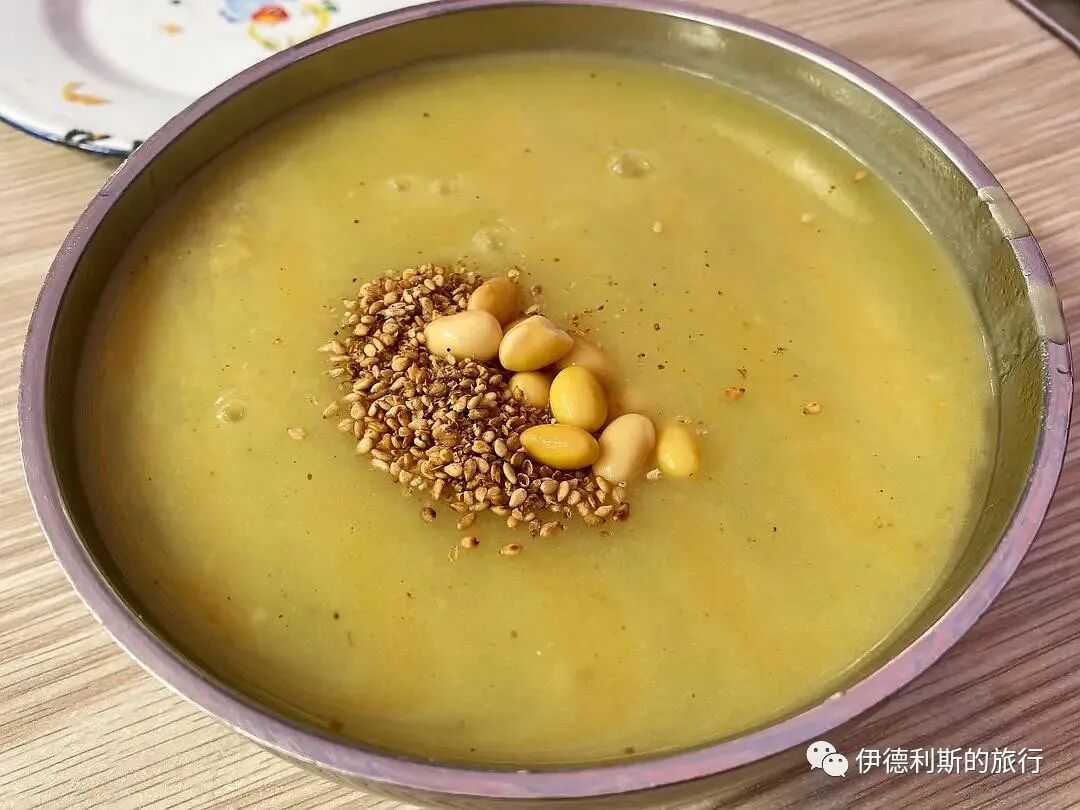
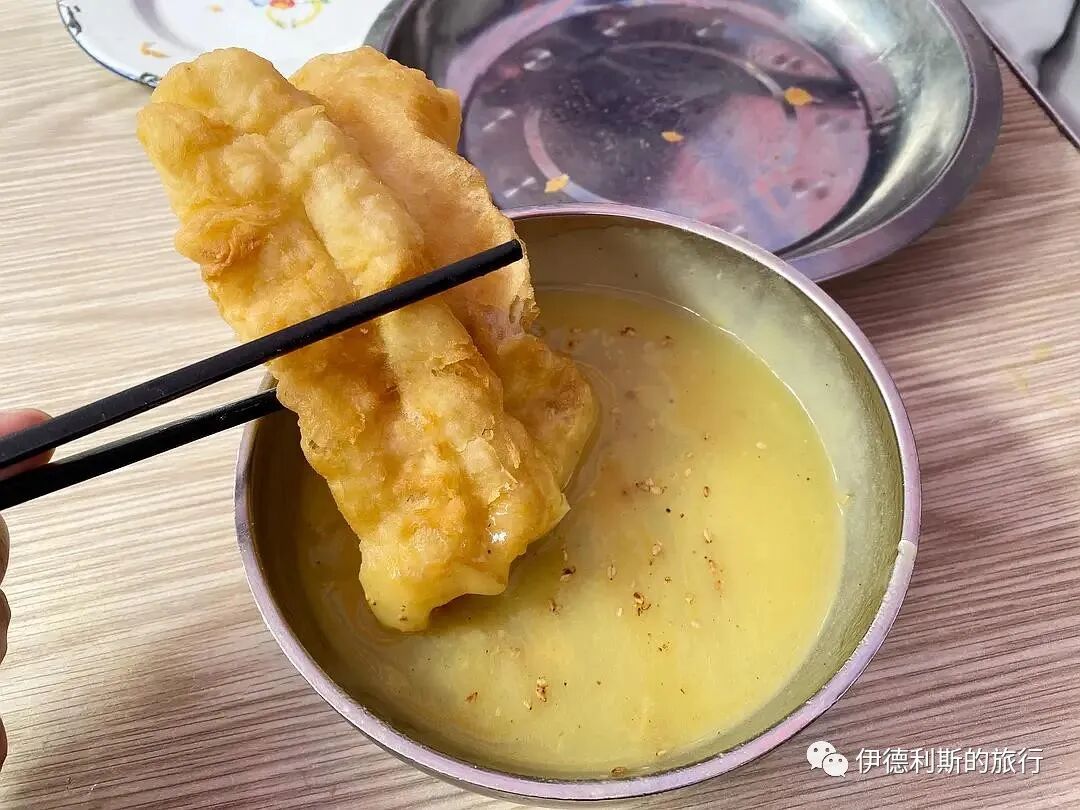
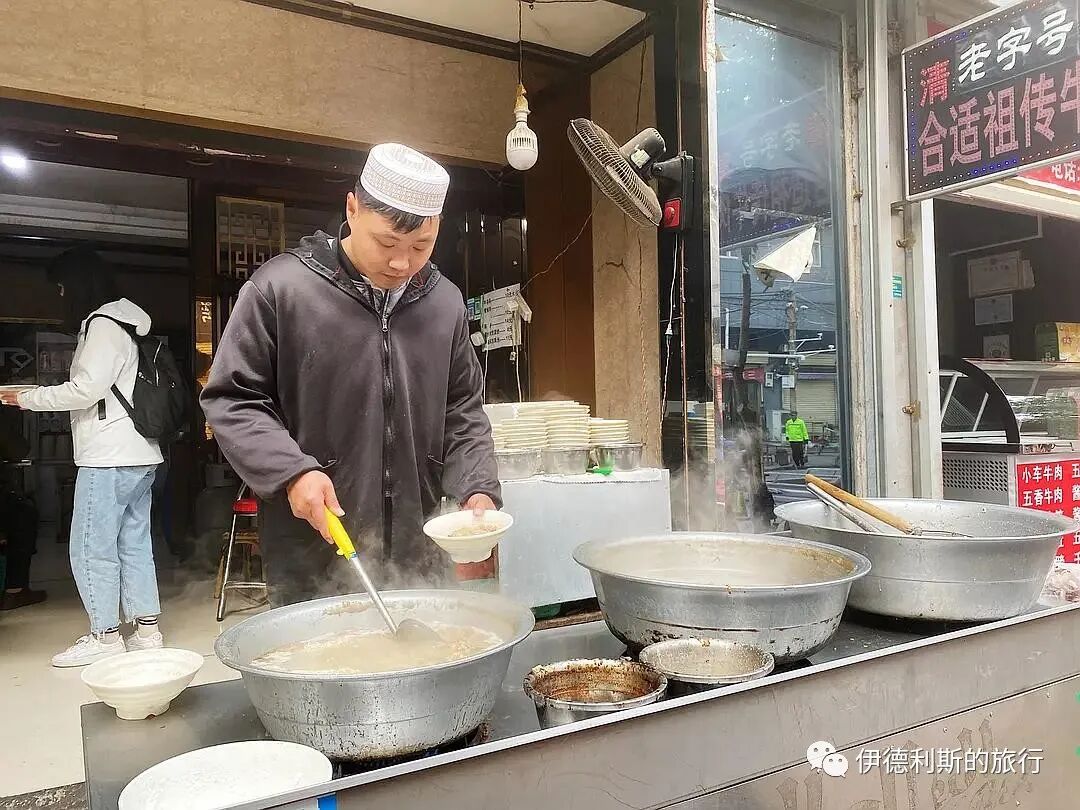
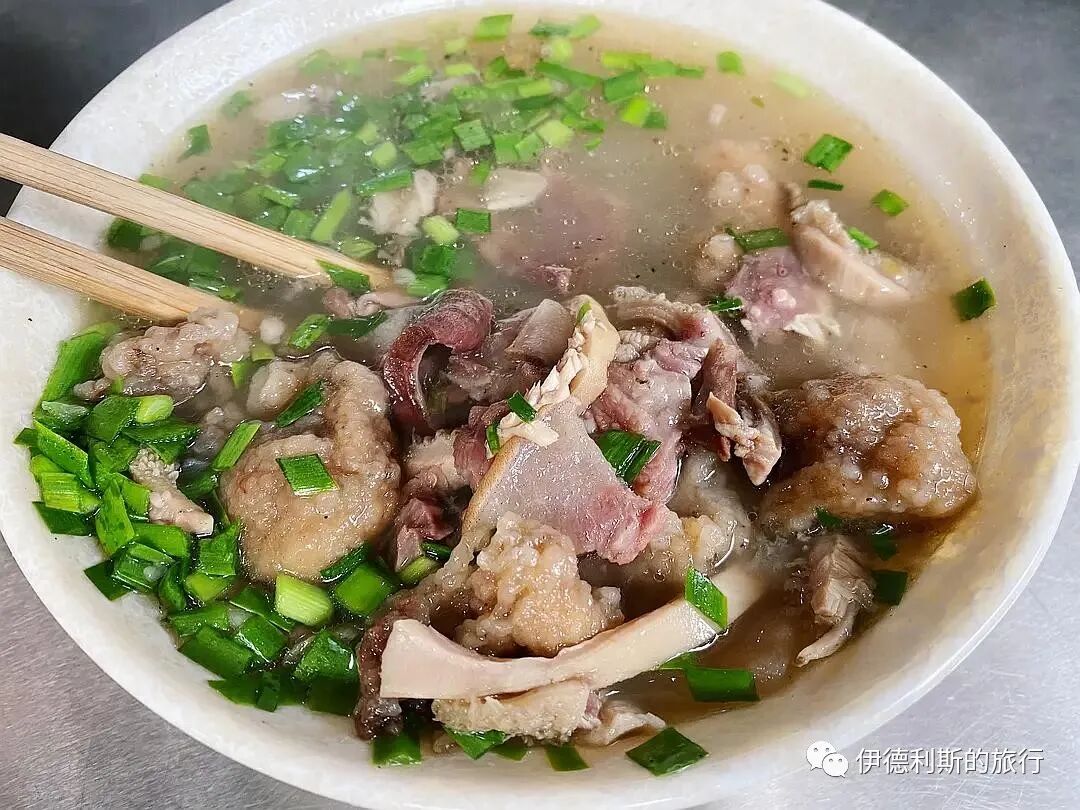
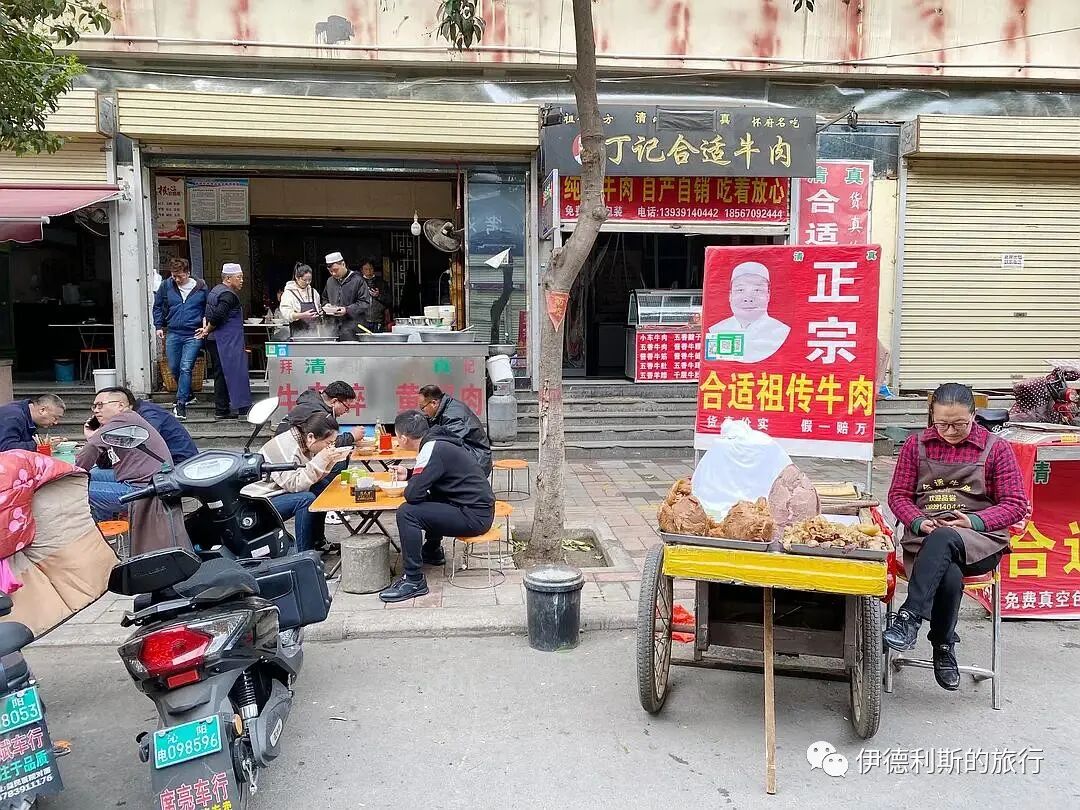
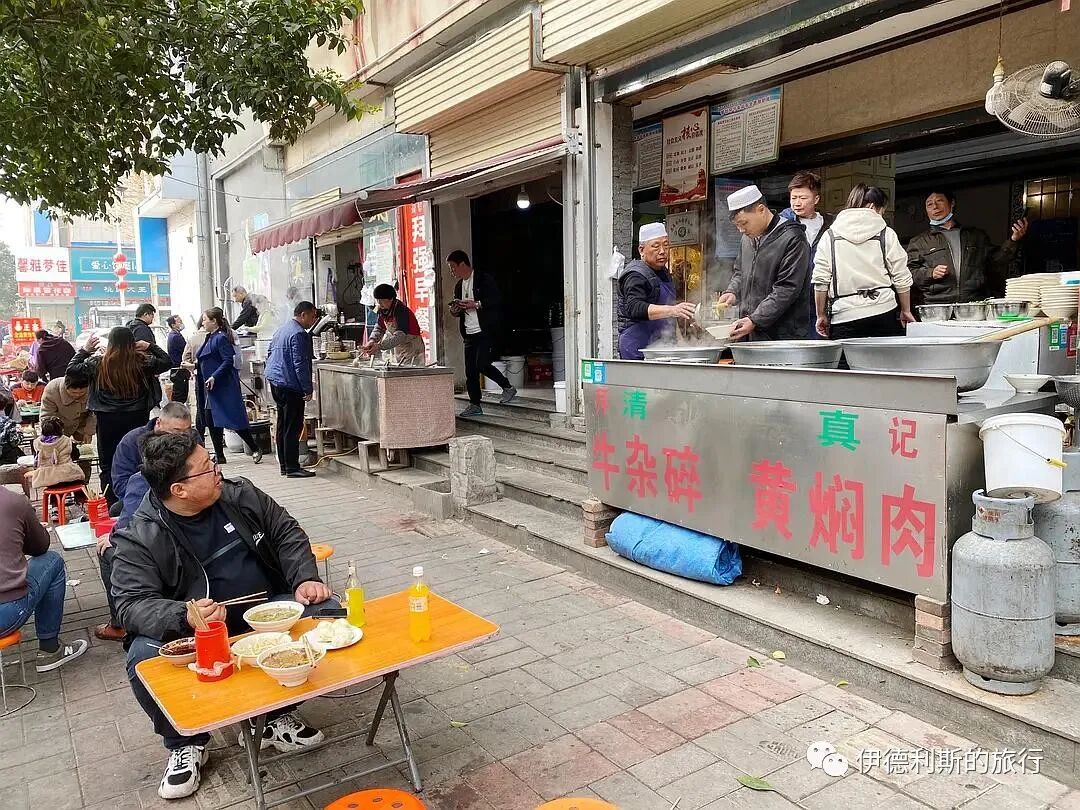
Eating breakfast on Beisi Street in Qinyang, Henan, on a Sunday morning. First, I had rice tea with youguozi (fried dough fritters) at Ma's. Rice tea is made from boiled roasted rice, with white sesame seeds and soybeans added; it is very refreshing. Then, I had a mix of beef offal and suwan (crispy meatballs) at Bai's next door. The portions were generous, the soup was very fragrant, and it was a very satisfying meal.
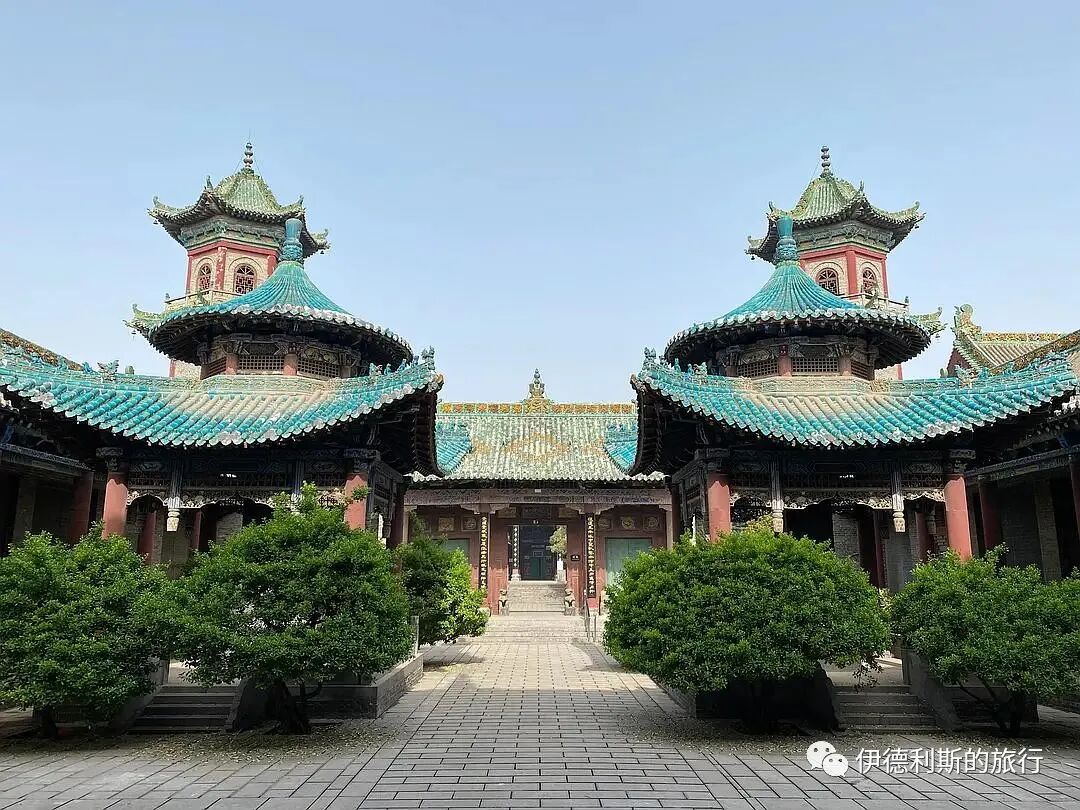
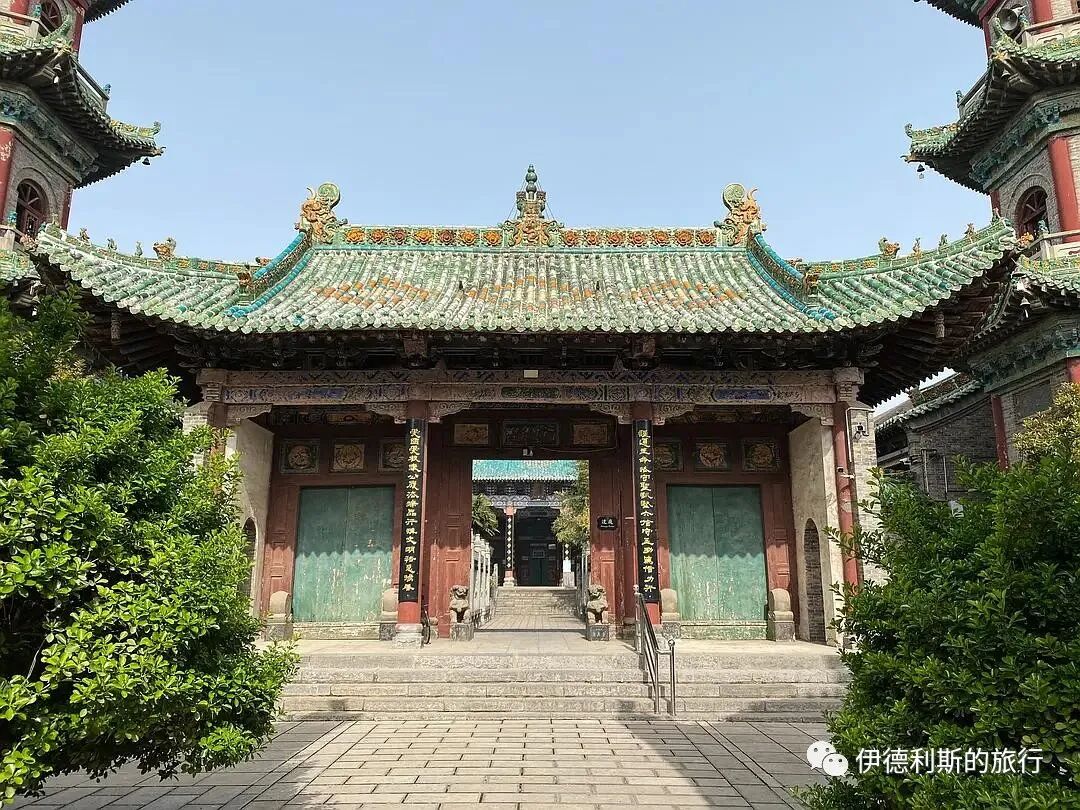
The Qinyang Shuinanguan Mosque was rebuilt between 1990 and 1995. It still maintains the traditional architectural style with flying eaves, bracket sets, and blue-green glazed tiles, though the new building, no matter how beautiful, lacks historical value.
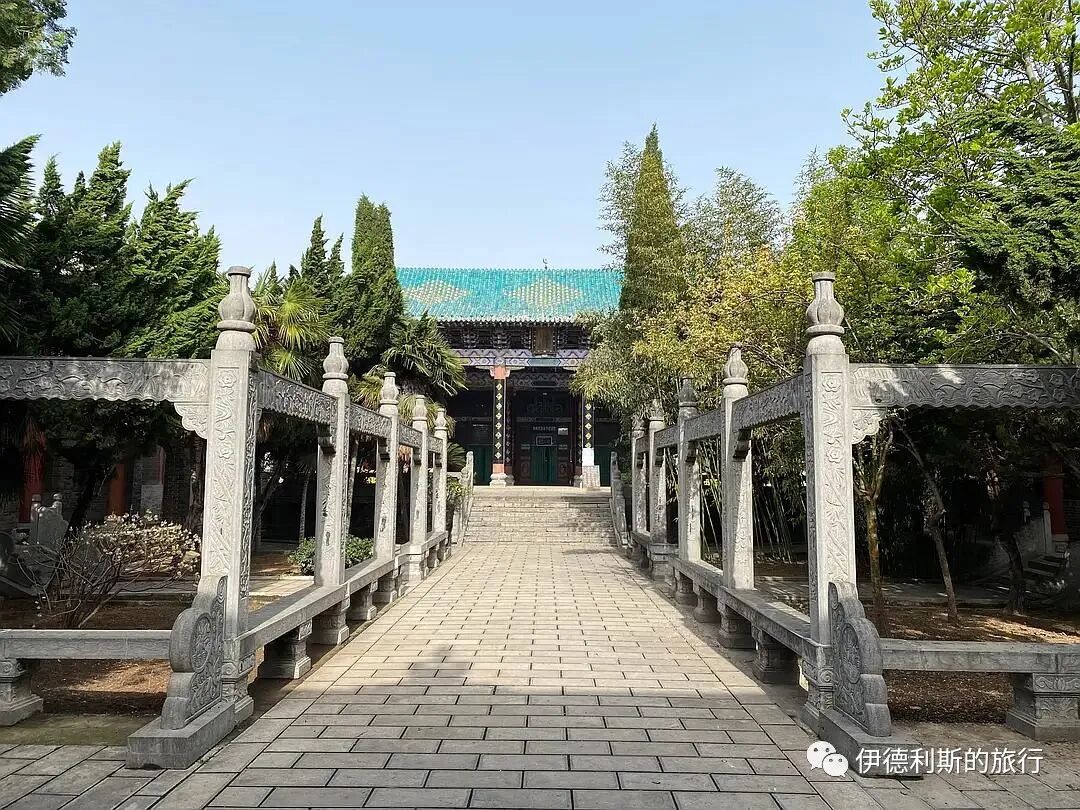
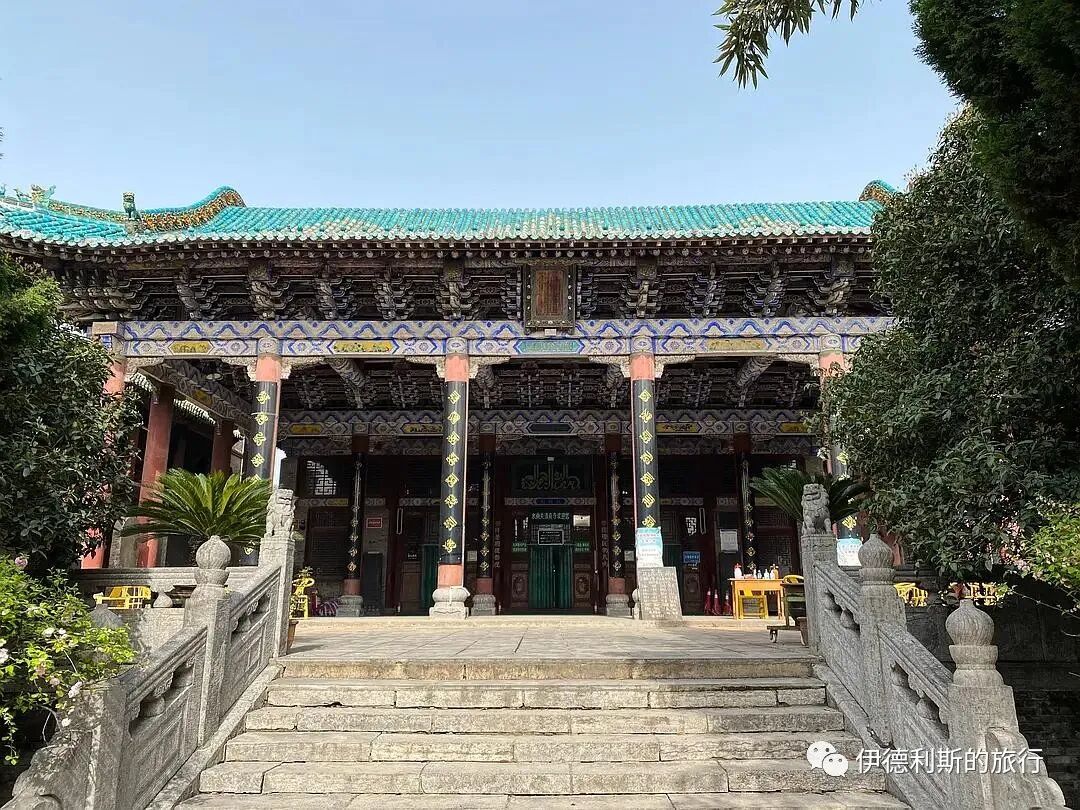
The most valuable part of Shuinanguan is the mihrab yaodian prayer niche excavated during the 1990s reconstruction. It has been designated as a national cultural relic and is stored inside the main hall. Unfortunately, it was not time for namaz (prayer) when I visited, so there was no one at the mosque, and the main hall was locked, so I could not see it.
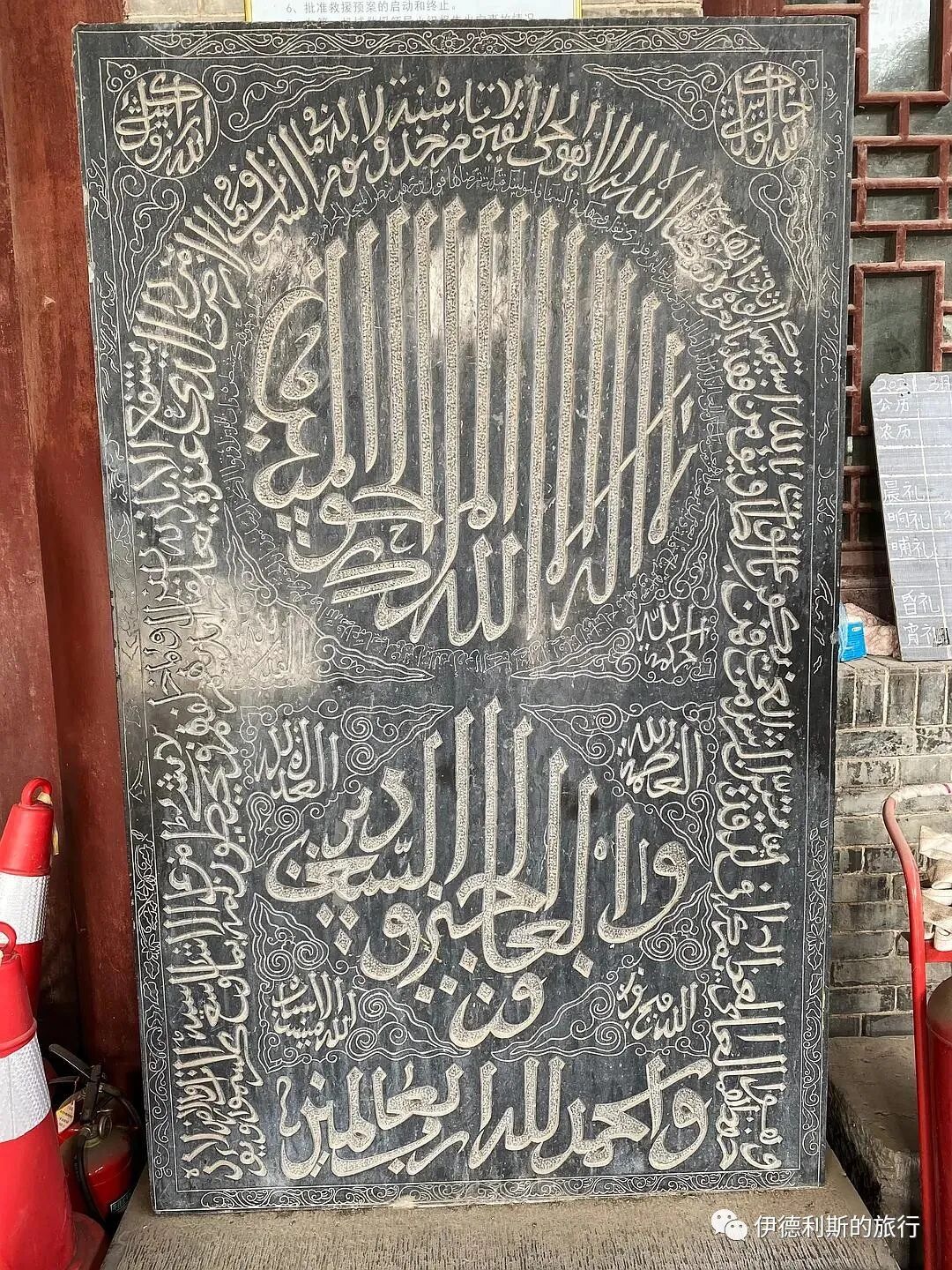
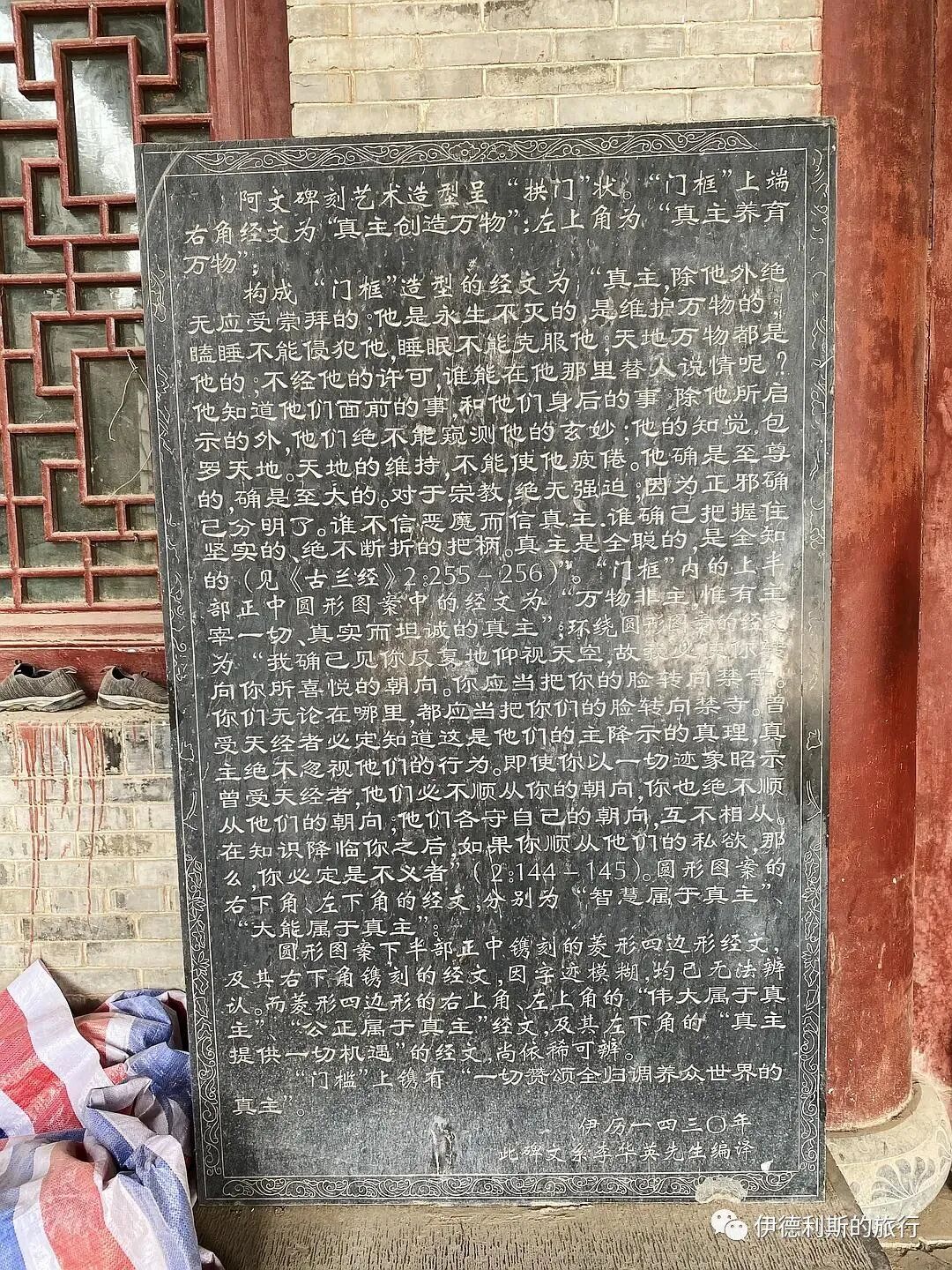
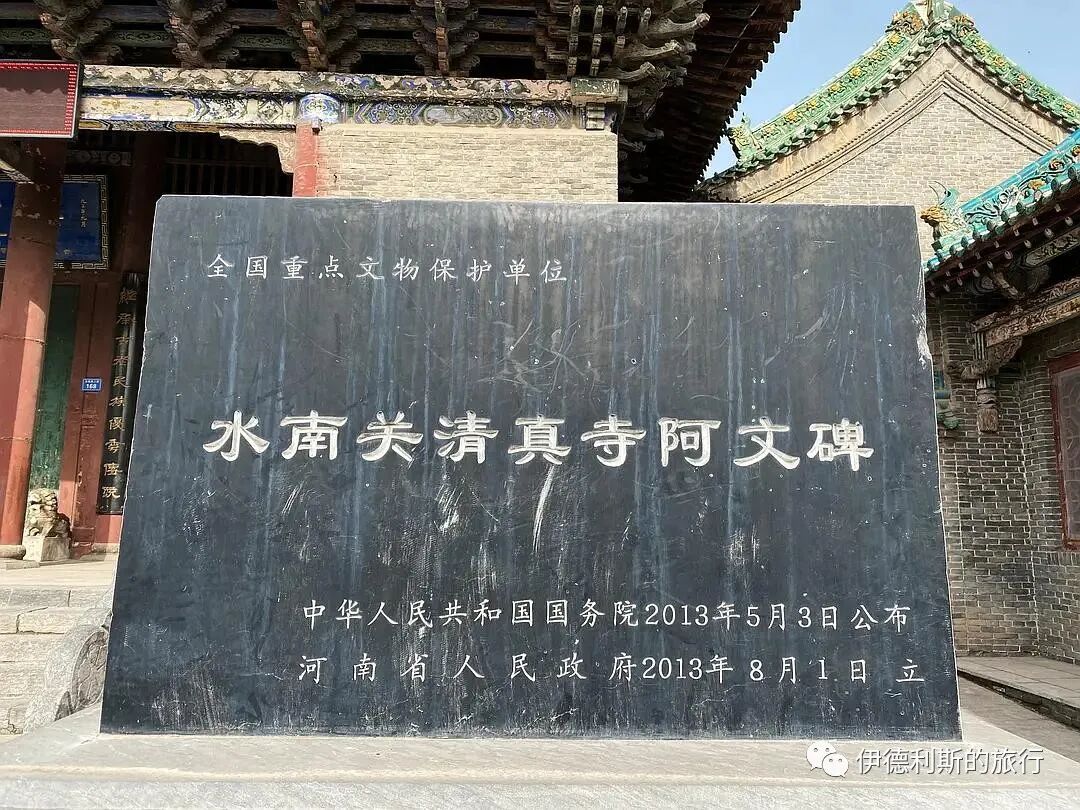
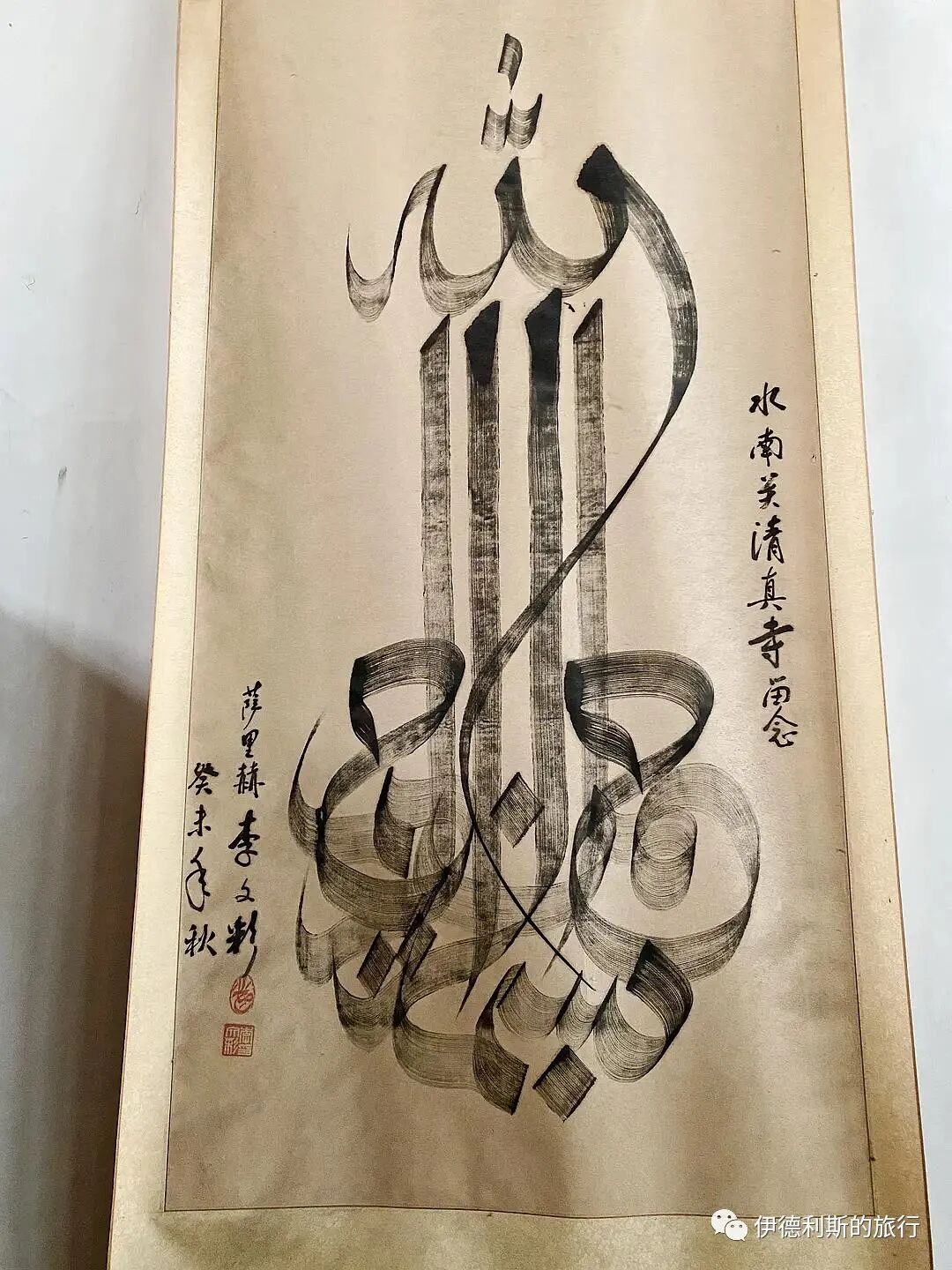
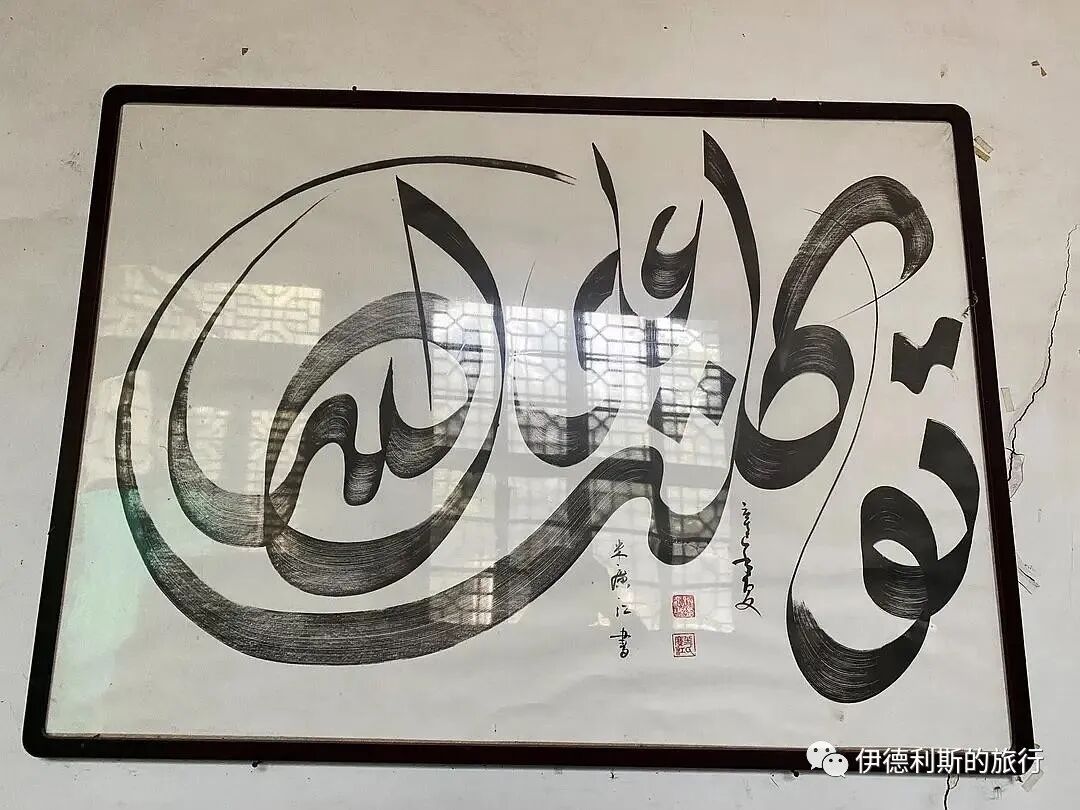
The mosque houses works by the famous Beijing Arabic calligrapher Li Wencai and the famous Henan Arabic calligrapher Mi Guangjiang.
Bo'ai Erxian Temple and Daxinzhuang
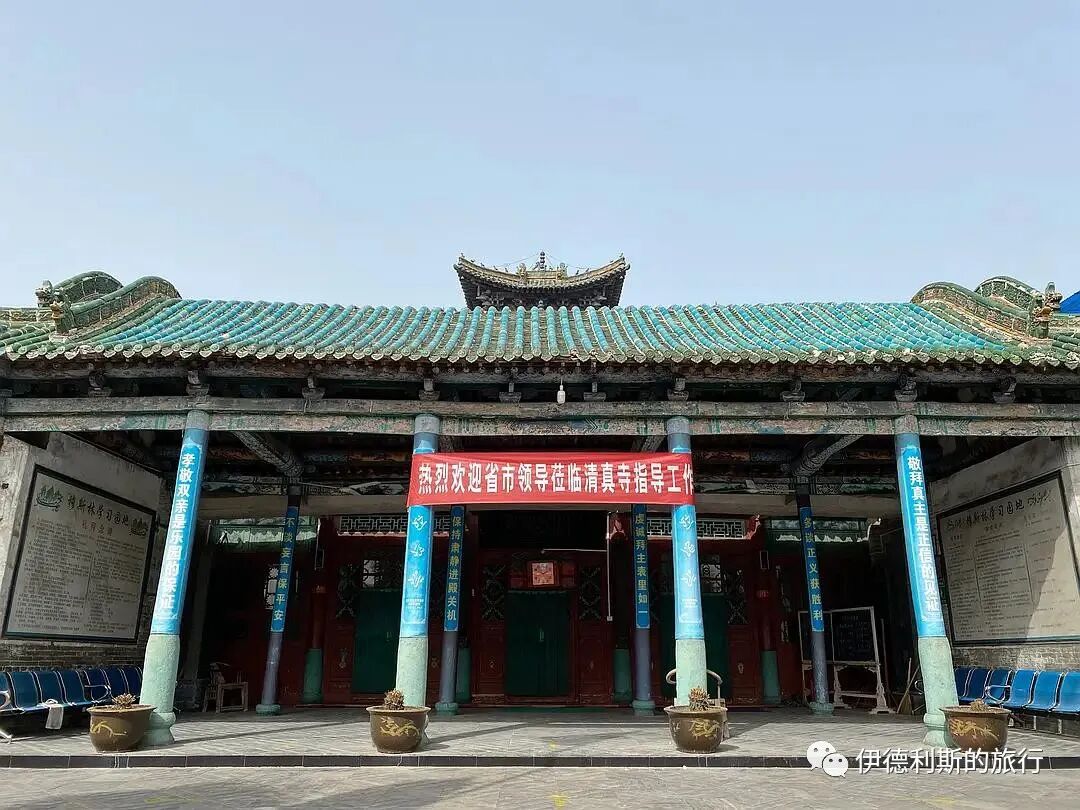
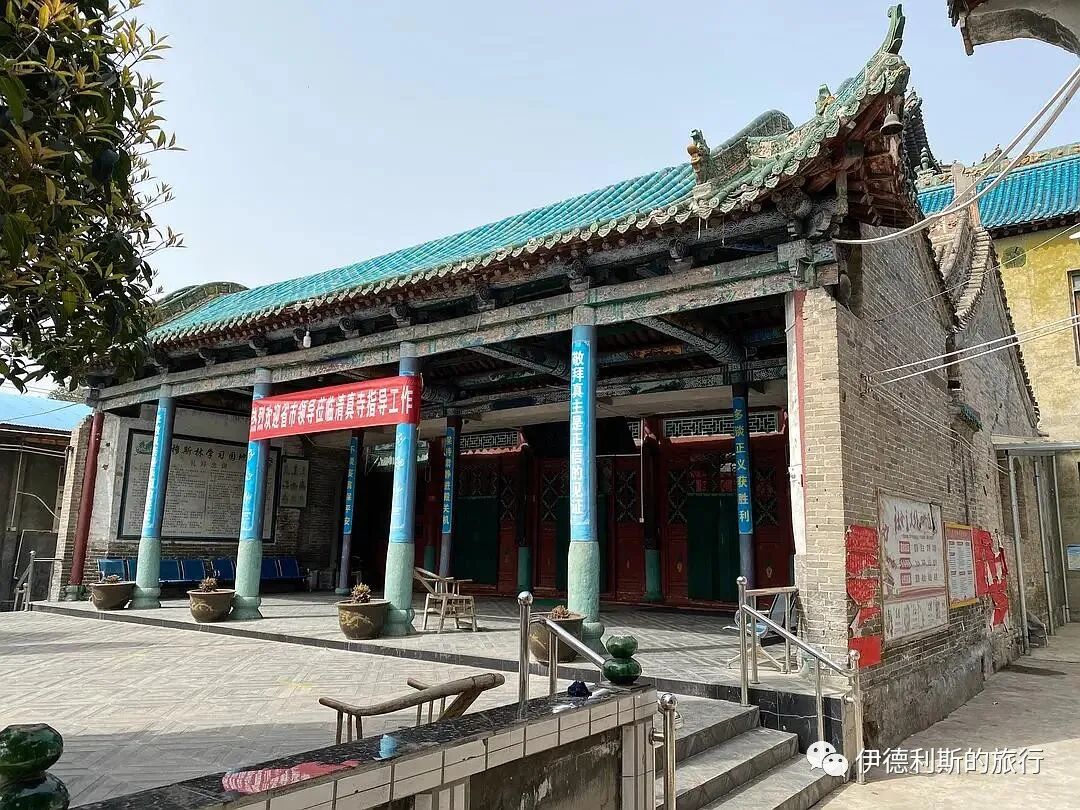
Took a taxi from Qinyang, Henan, to the Erxian Mosque Mosque in Bo'ai. The Erxian Mosque Mosque was first built in the Yuan Dynasty, renovated in 1638 (the 11th year of the Ming Chongzhen reign), and renovated again in 1731 (the 9th year of the Qing Yongzheng reign). It is a cultural relic protection unit of Henan Province. The main hall of the mosque consists of a juanpeng (shed-style roof), front hall, rear hall, and yaodian. The juanpeng and front hall were built in the Qing Dynasty with a hard mountain roof and connected structure, while the rear hall and yaodian were added in 1993.
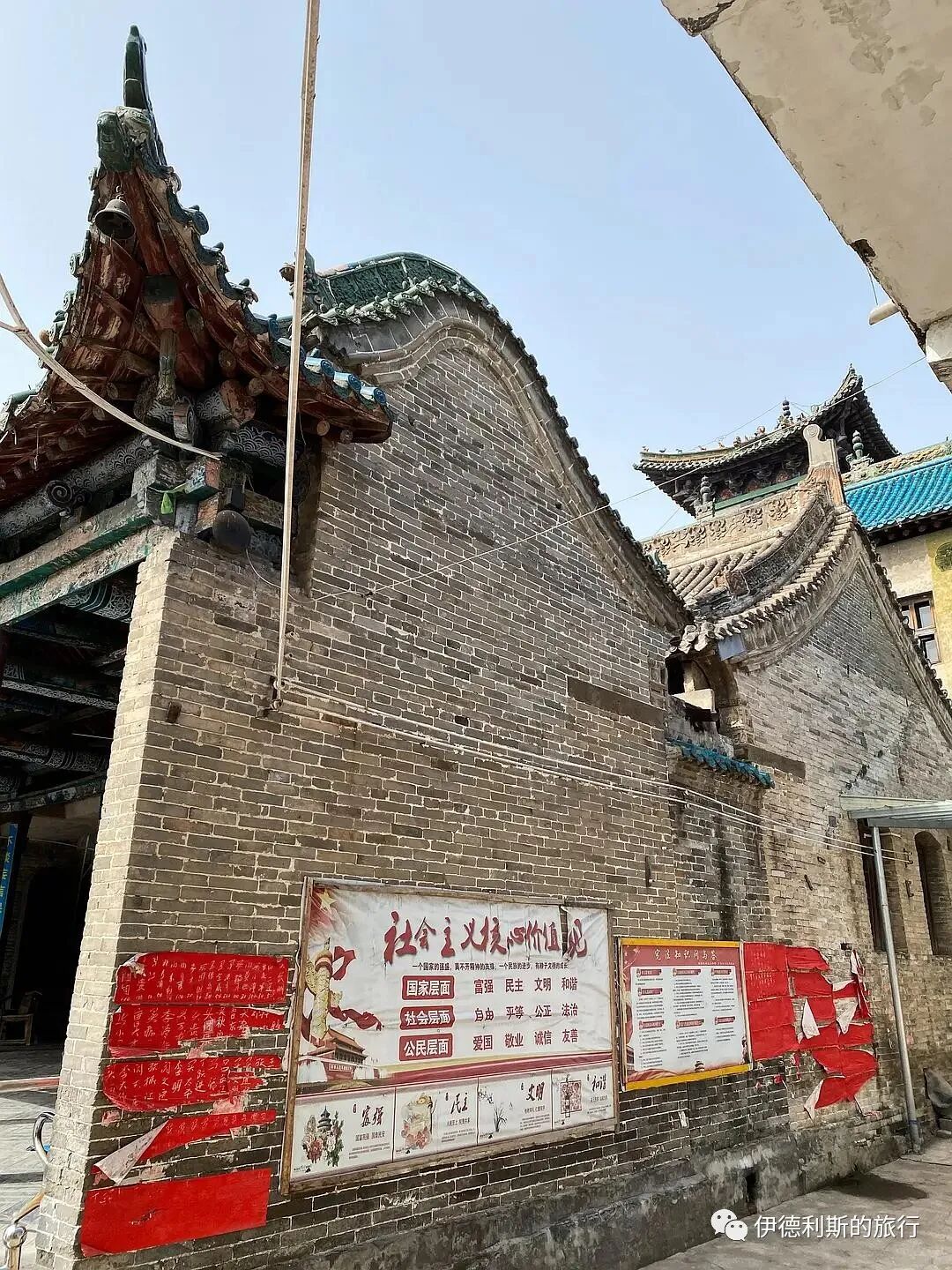
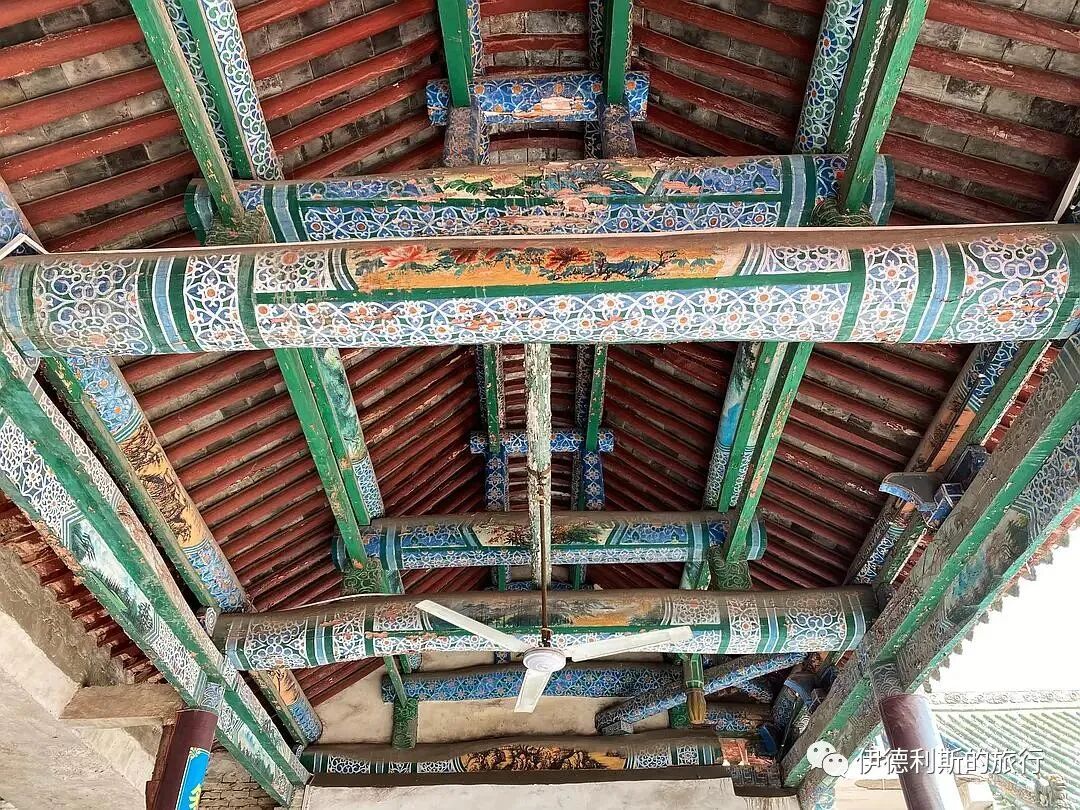
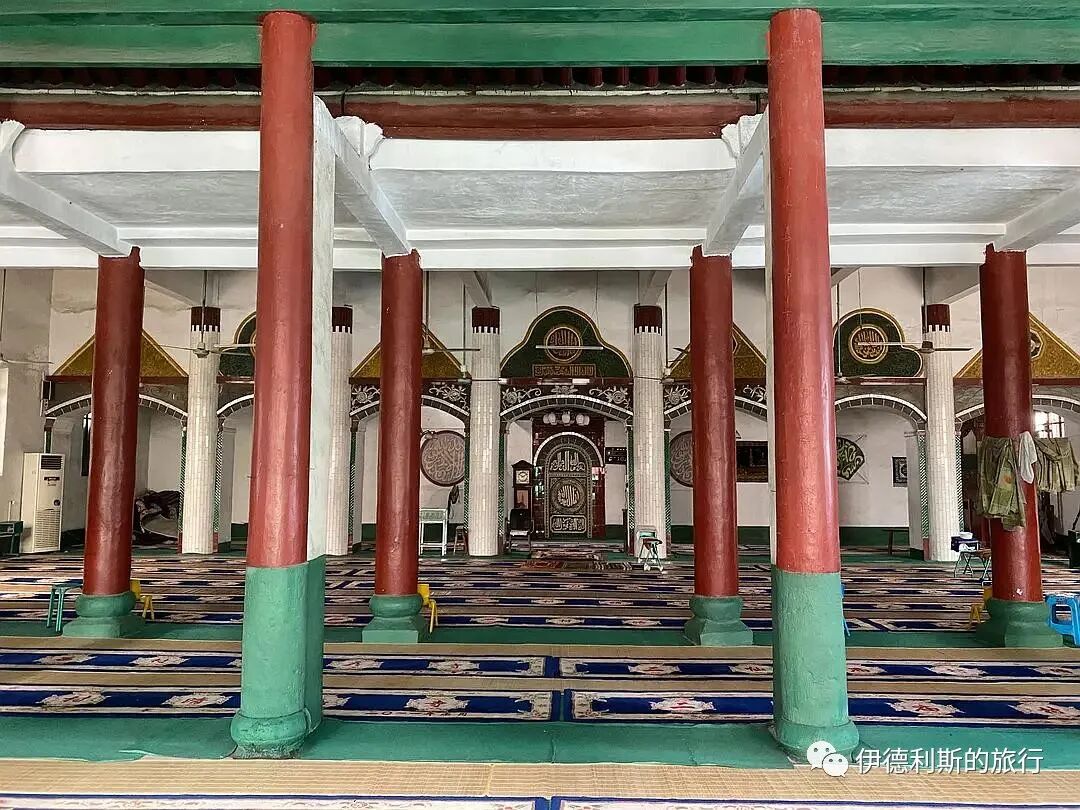
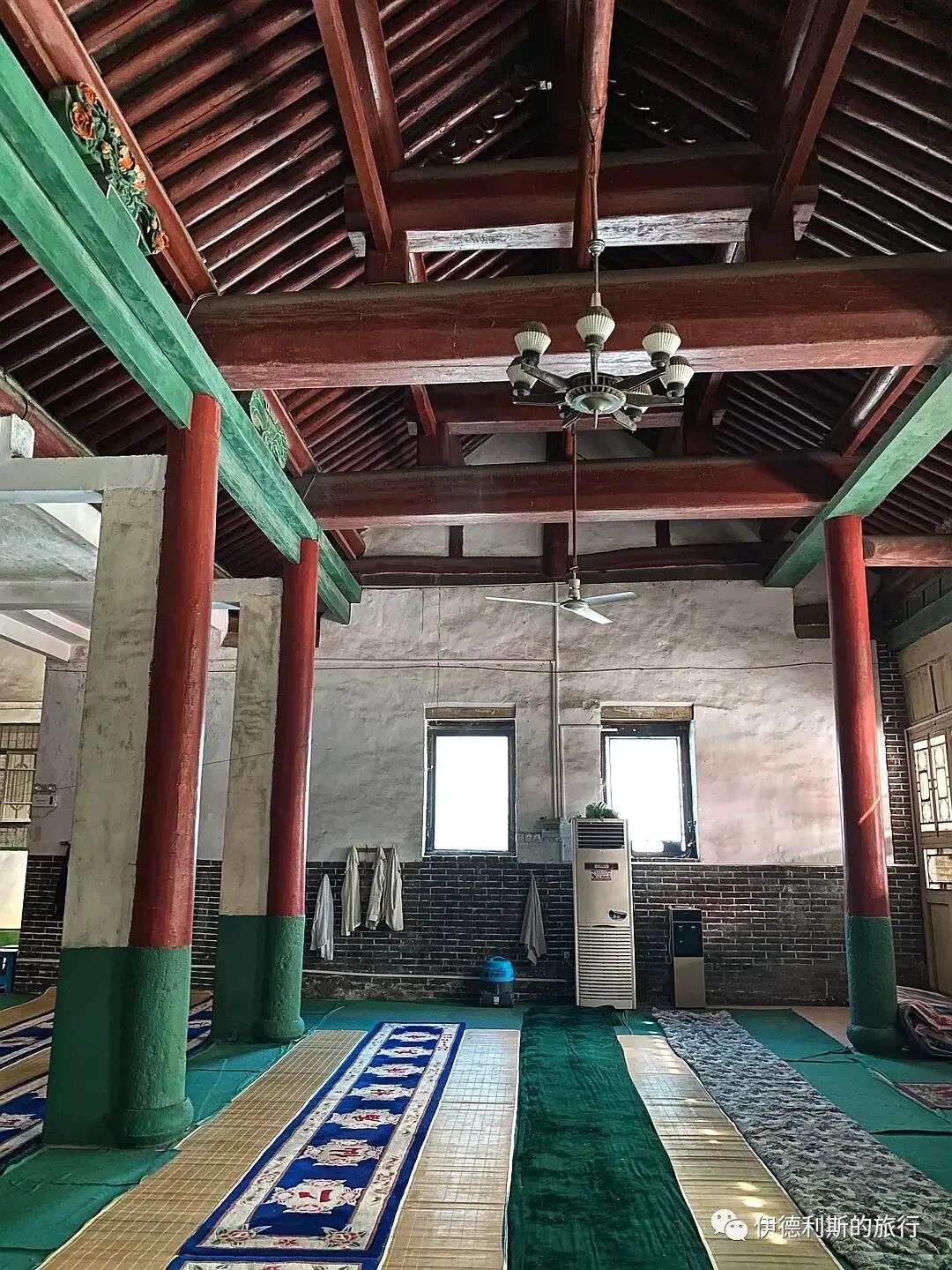
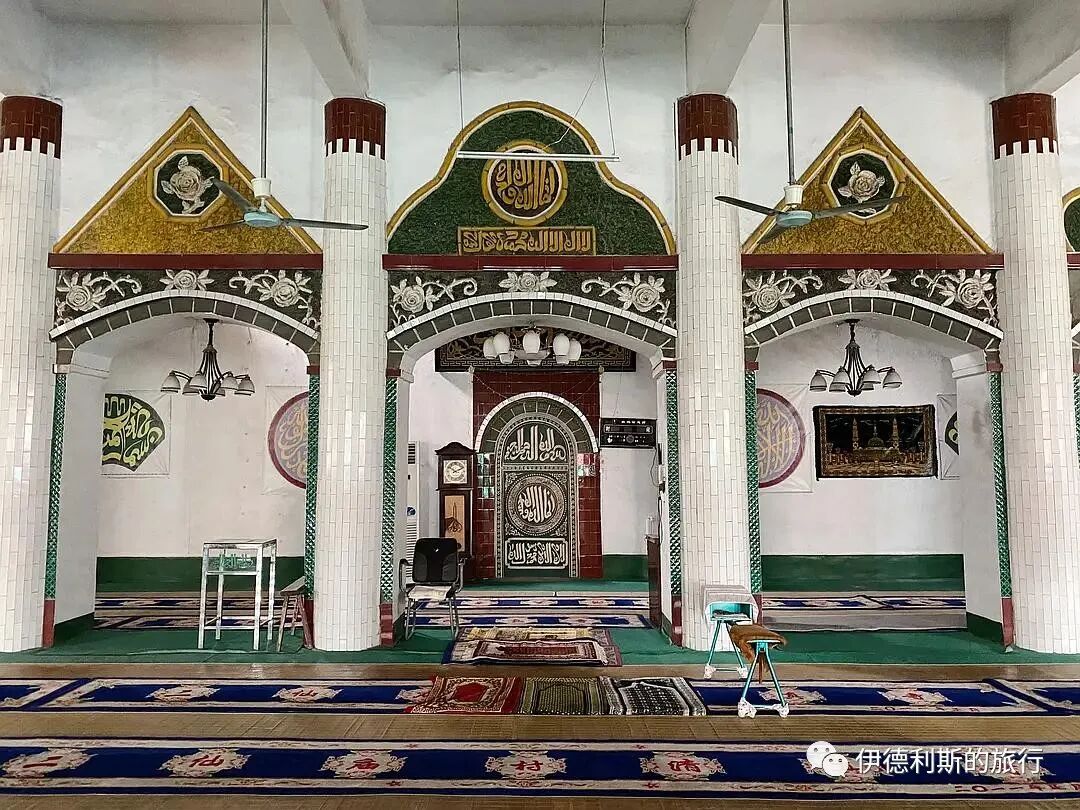
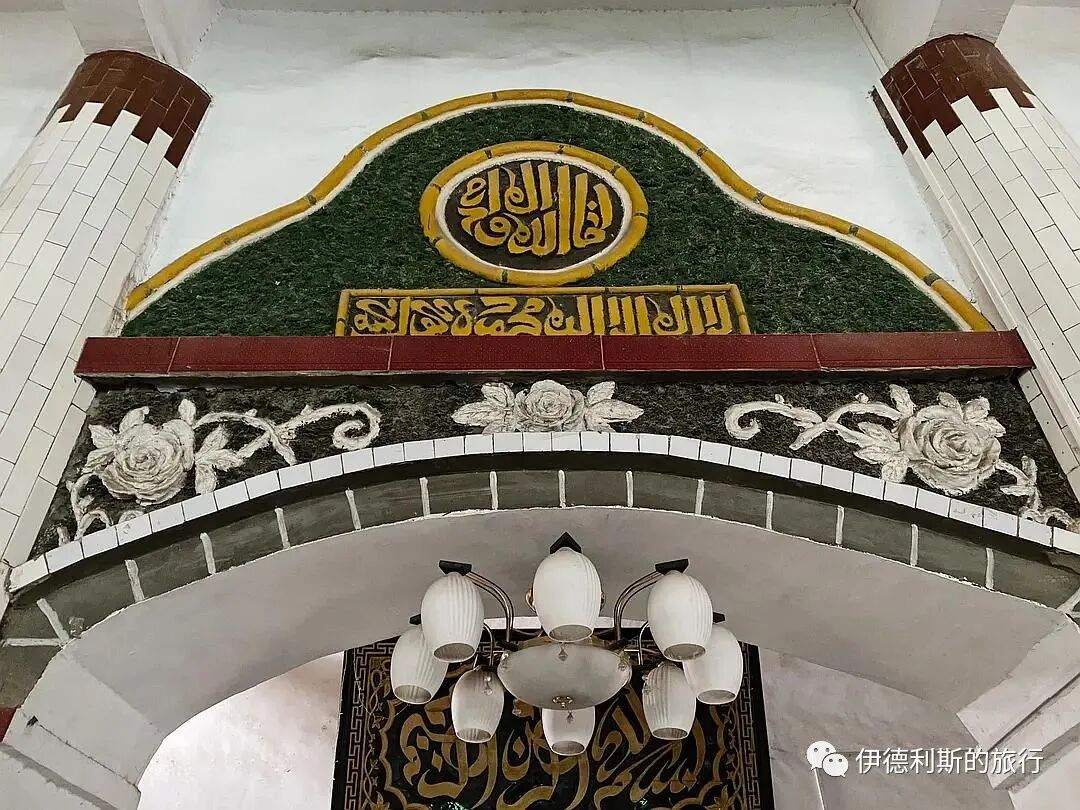
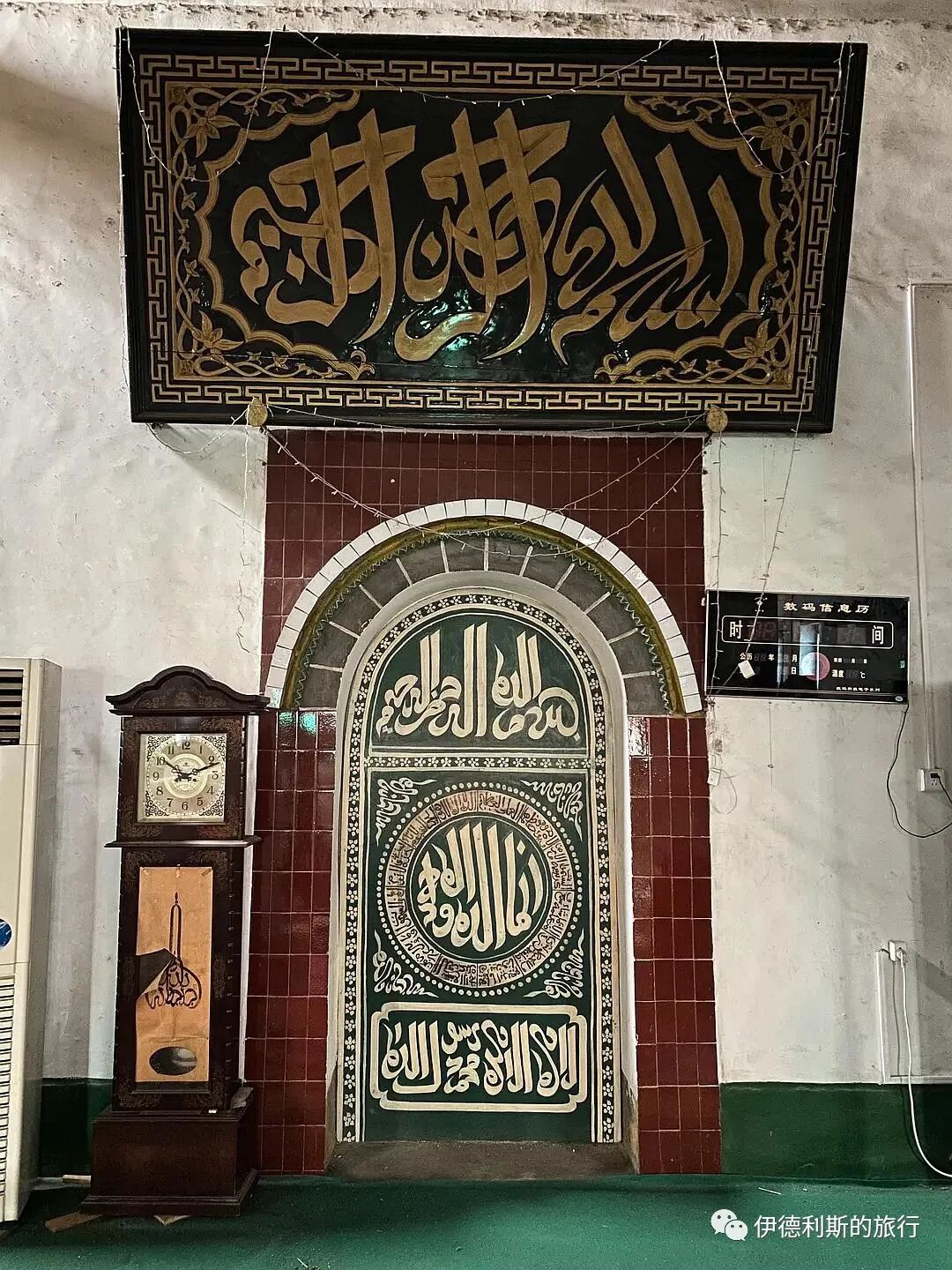
Continued by taxi from Erxian Mosque to the East Mosque in Daxinzhuang, Bo'ai. The Daxinzhuang East Mosque was first built in the Yuan Dynasty, expanded in the Ming Dynasty, and the rear hall was added during the Republic of China era. It is currently a cultural relic protection unit of Henan Province.
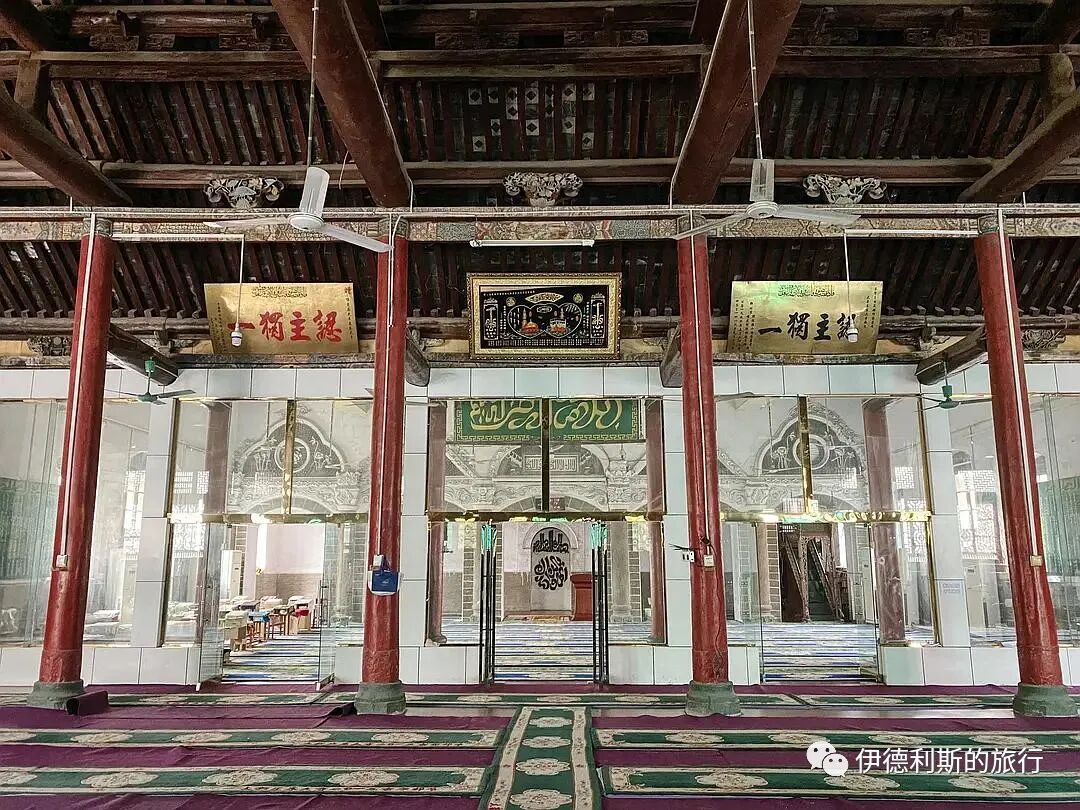
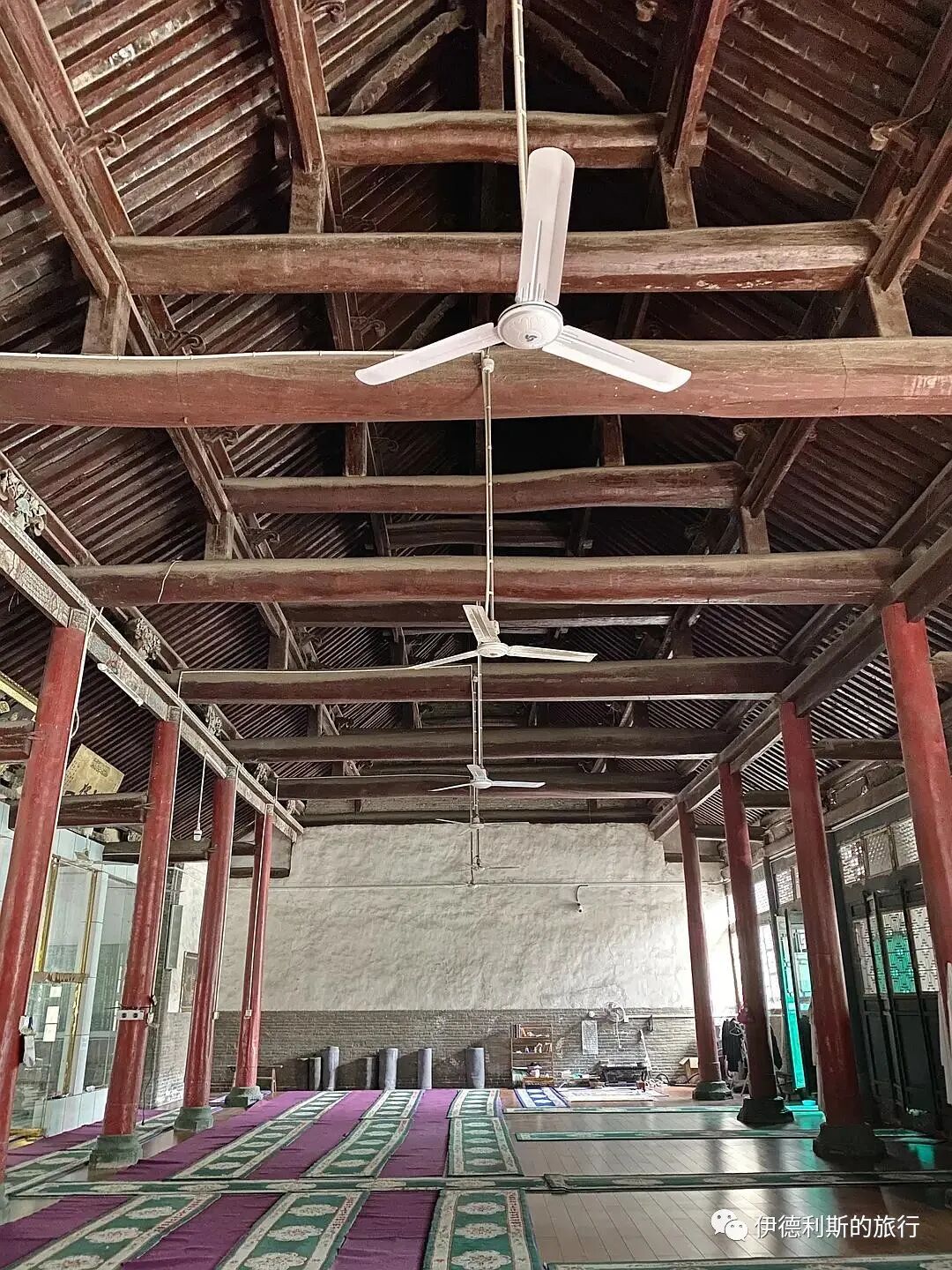
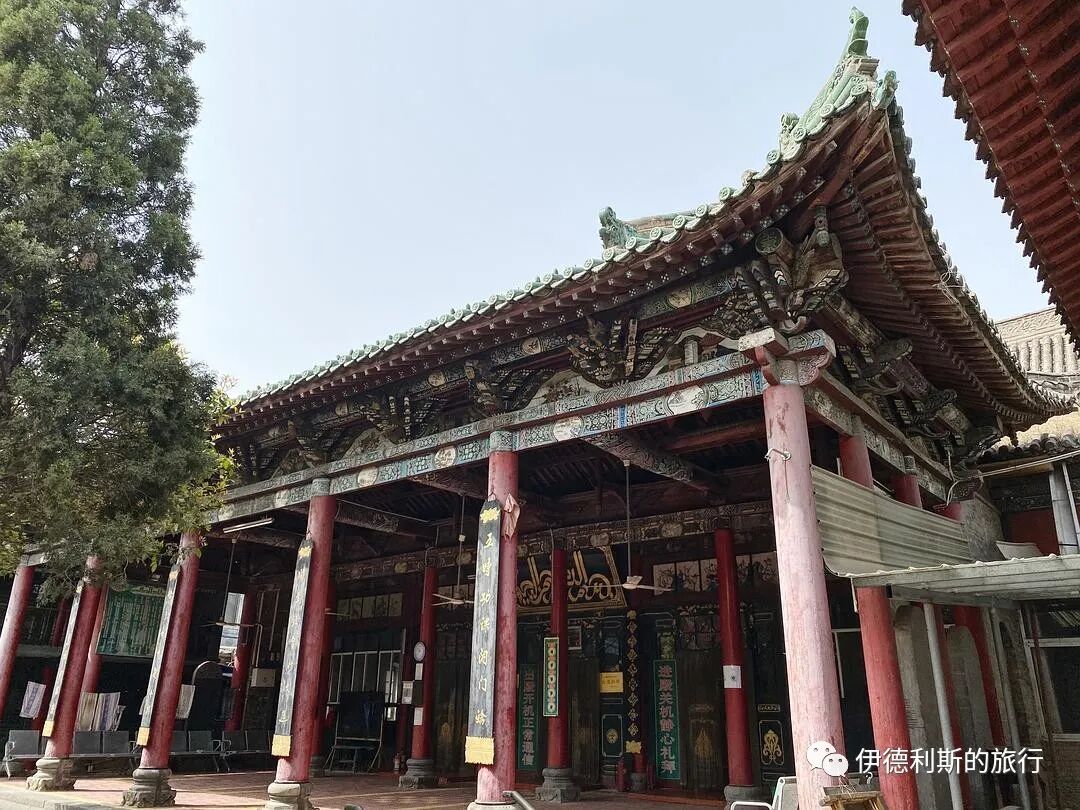
The main hall consists of a juanpeng, front hall, rear hall, and yaodian. The juanpeng is an independent structure, with a drainage gutter installed where it connects to the front eaves of the main hall. There is a 365-year-old osmanthus tree in front of the main hall.
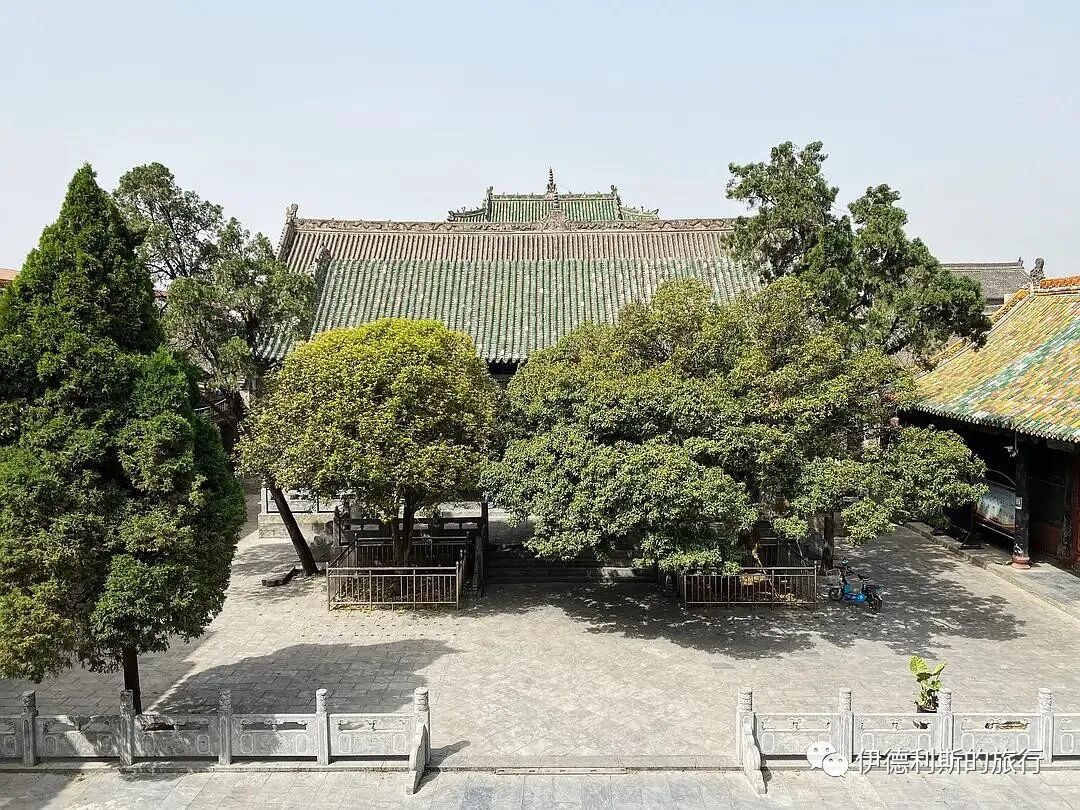
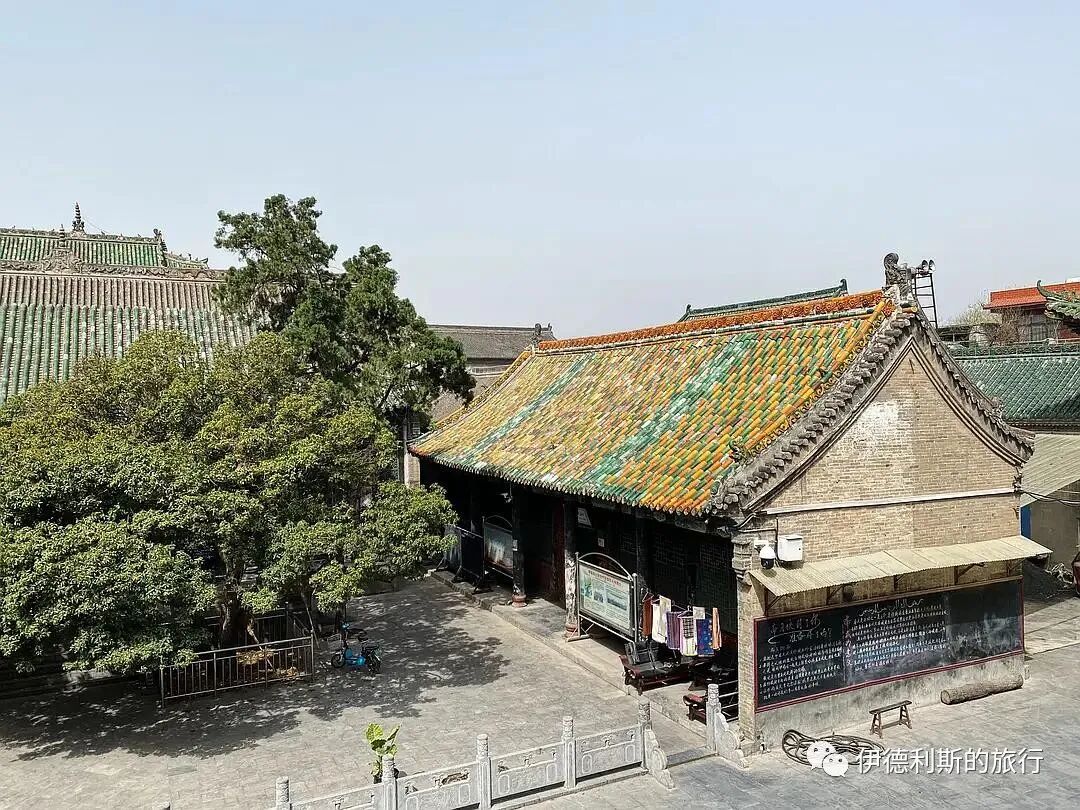
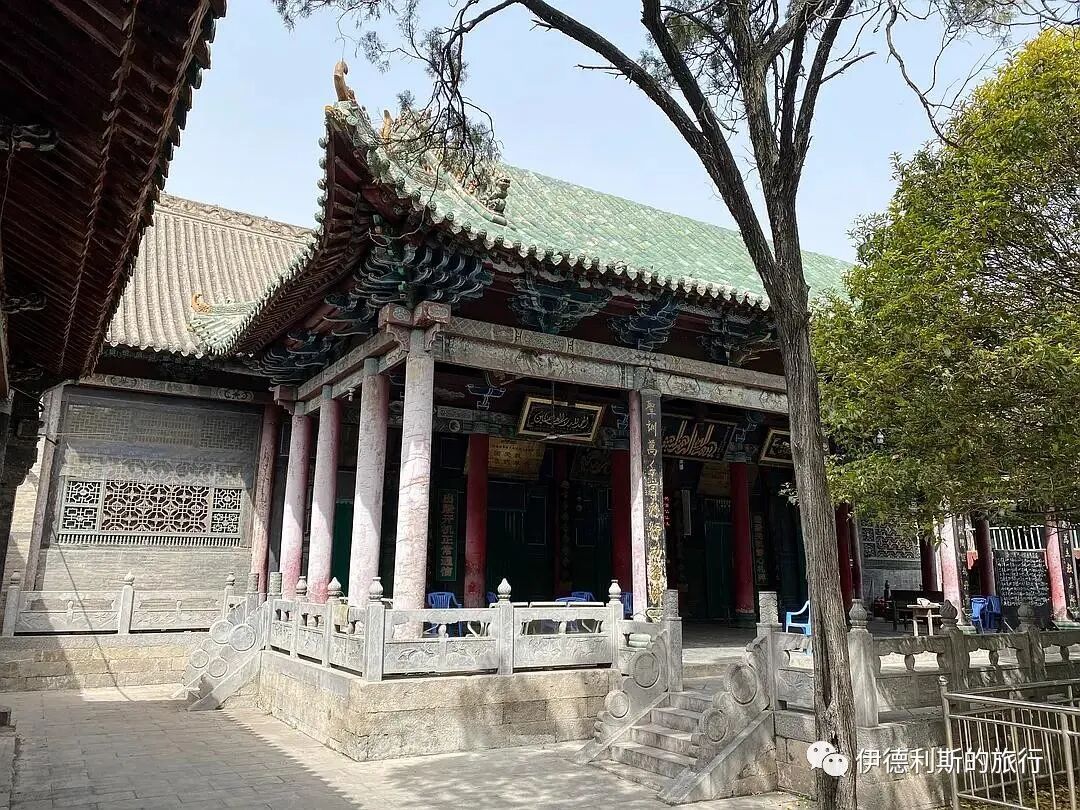
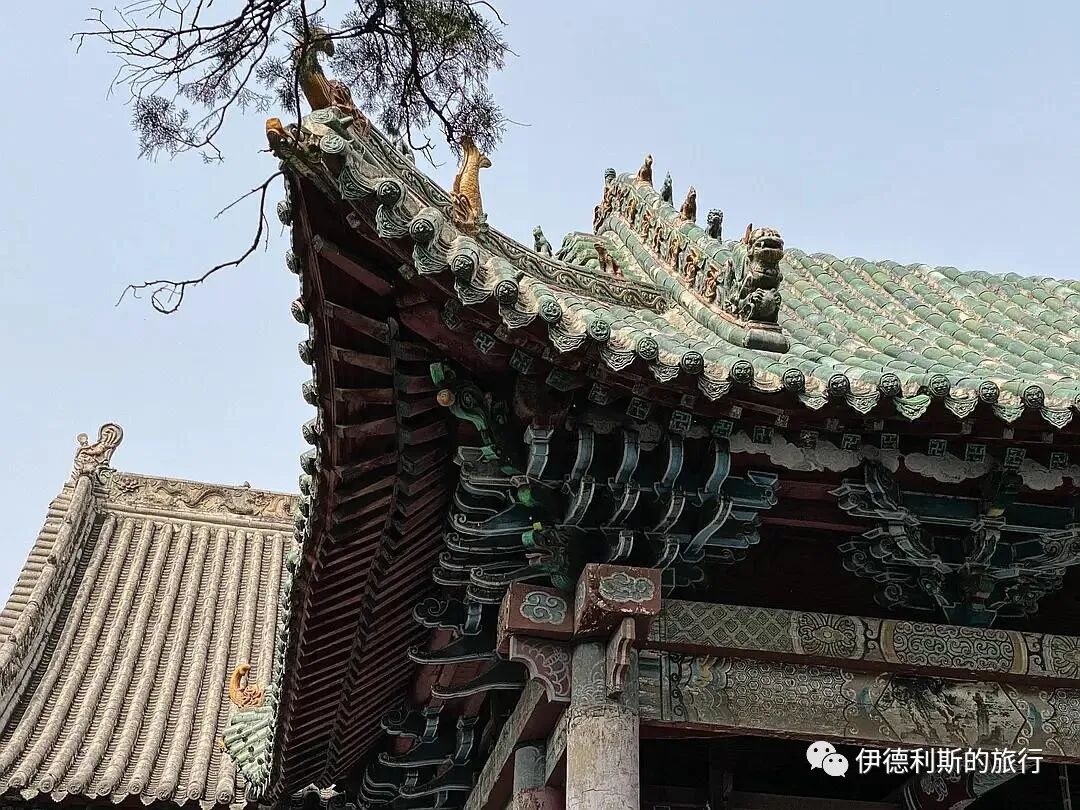
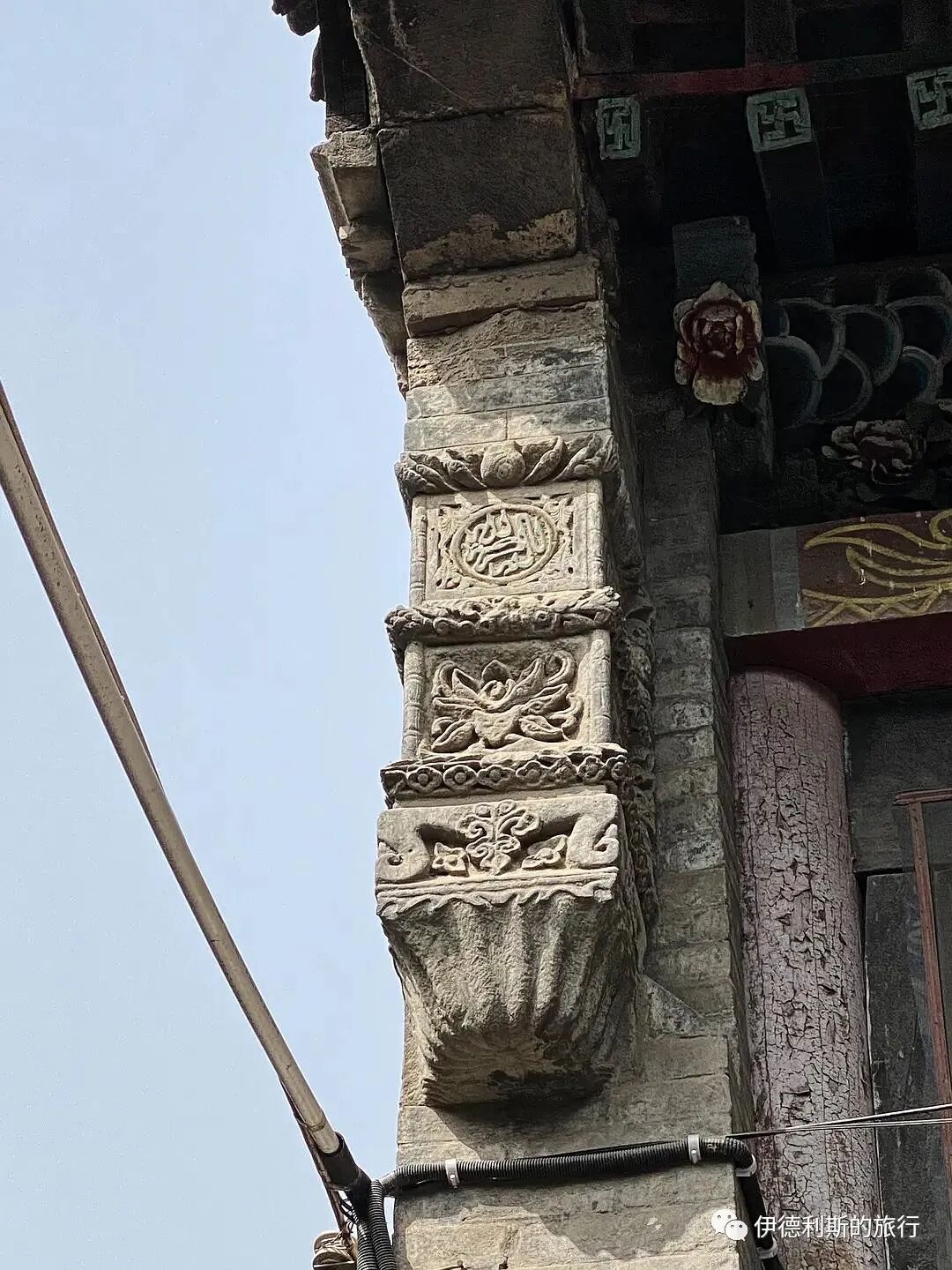
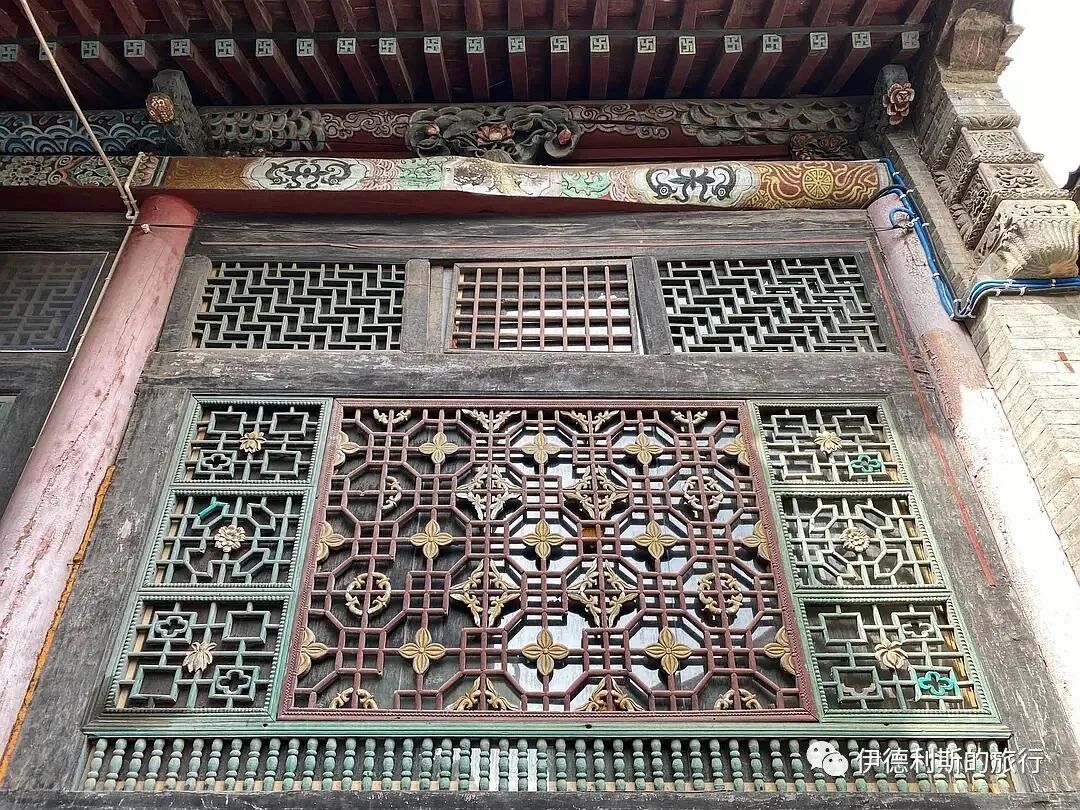
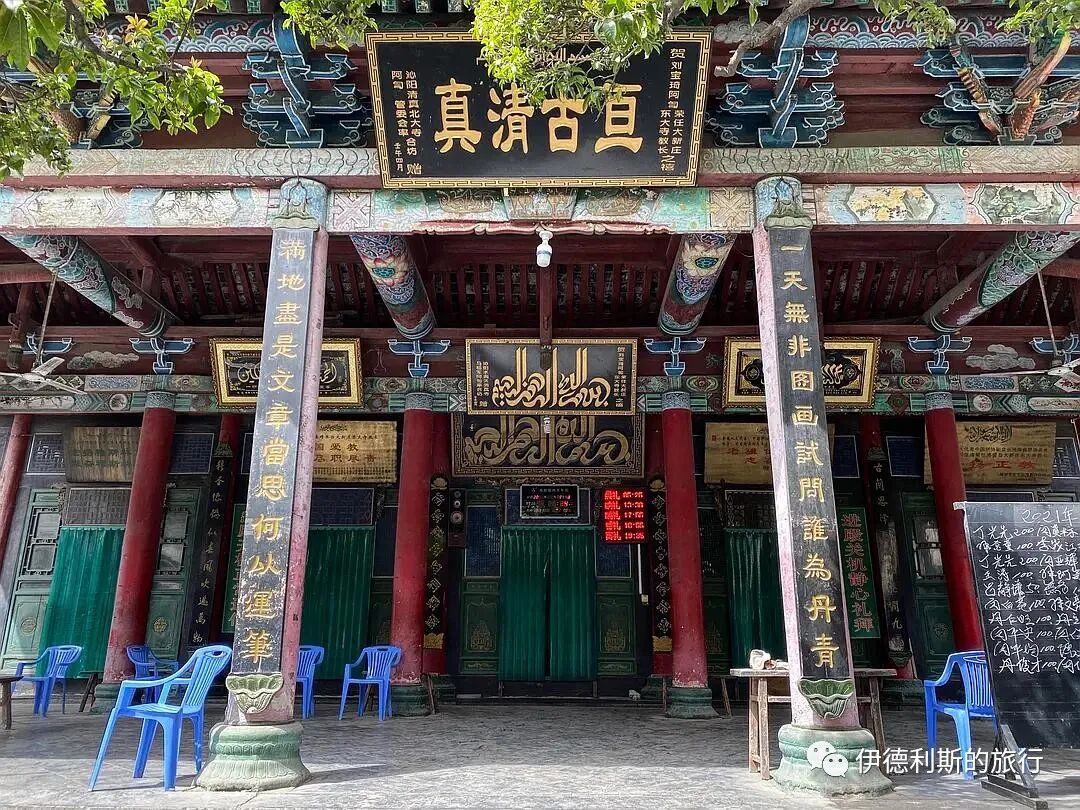
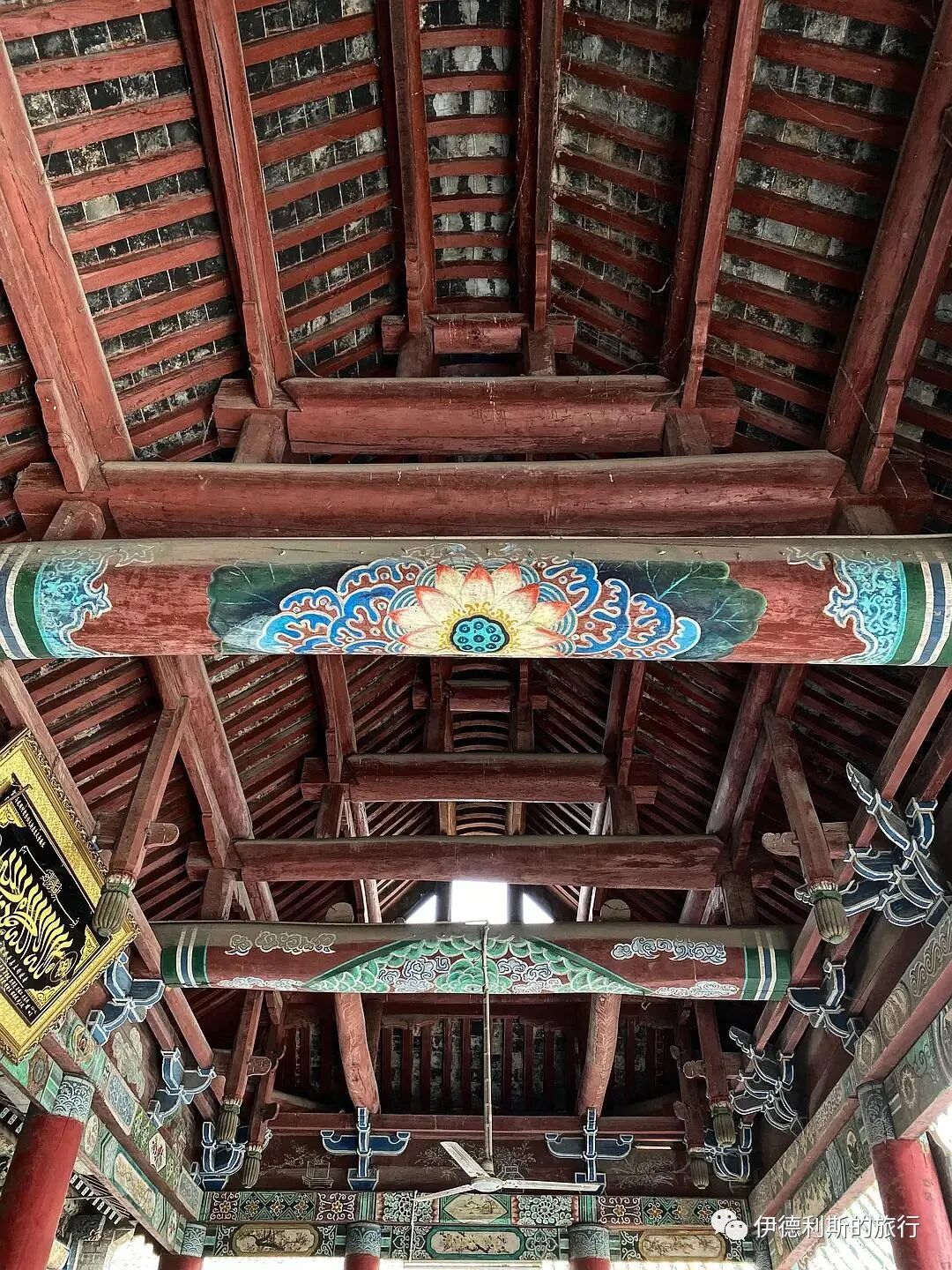
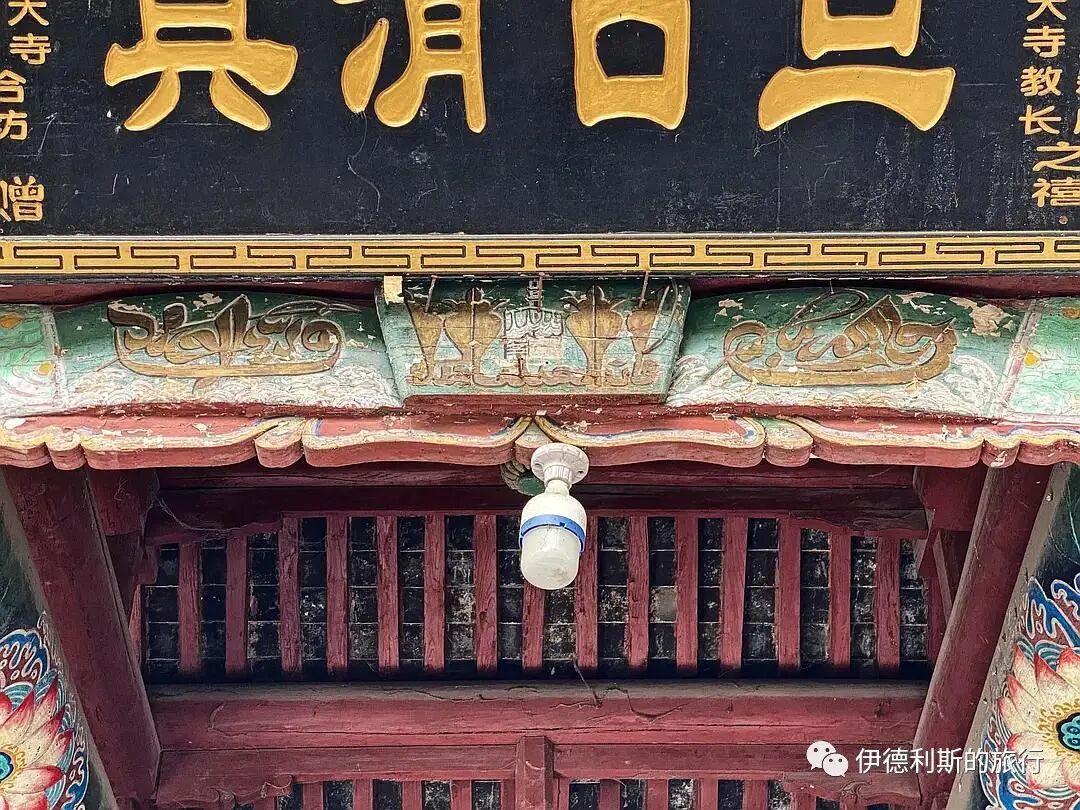
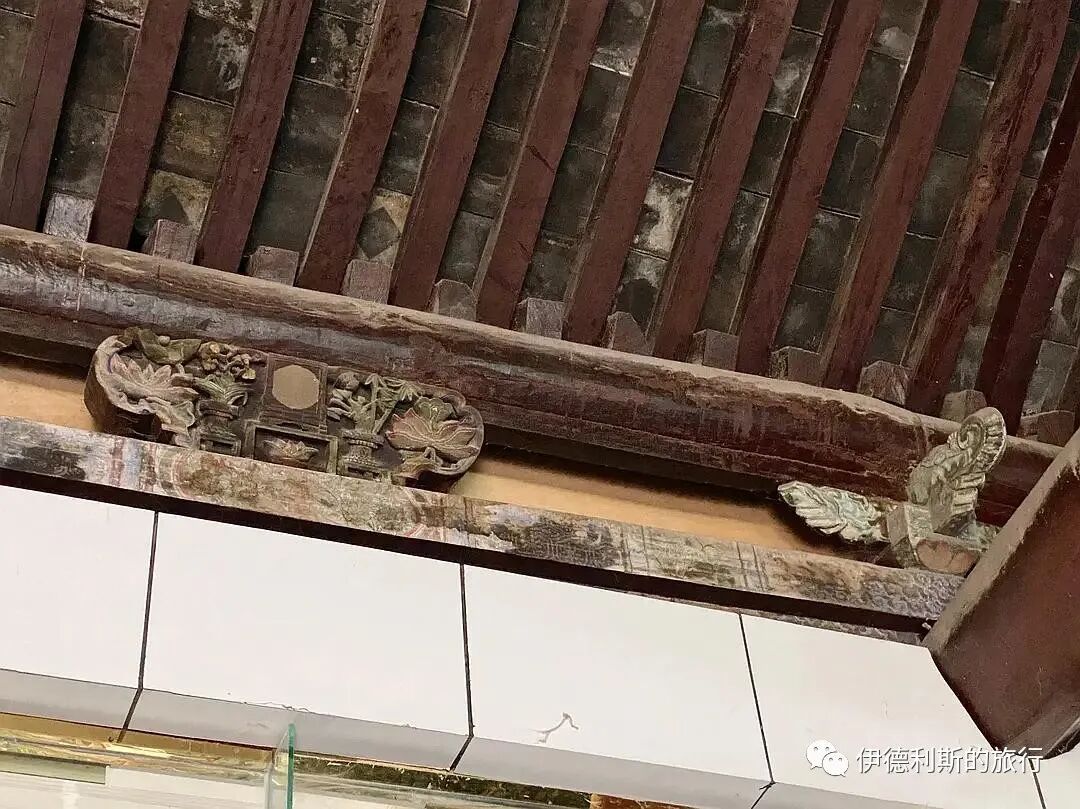
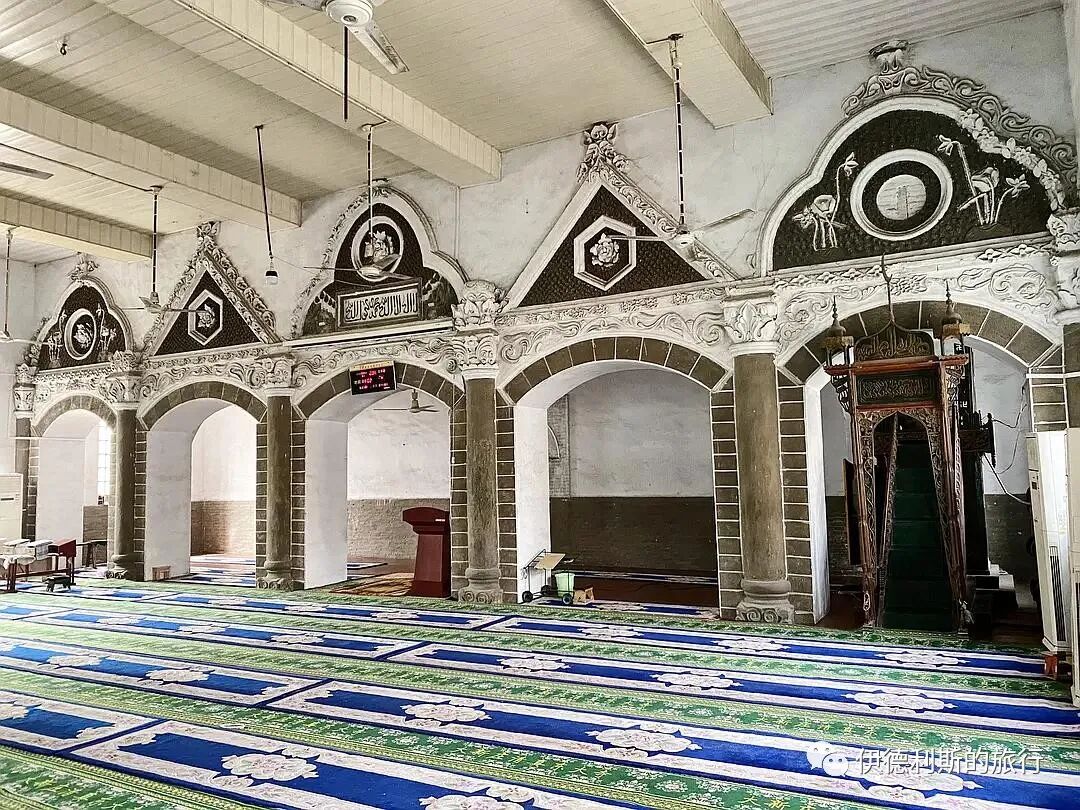
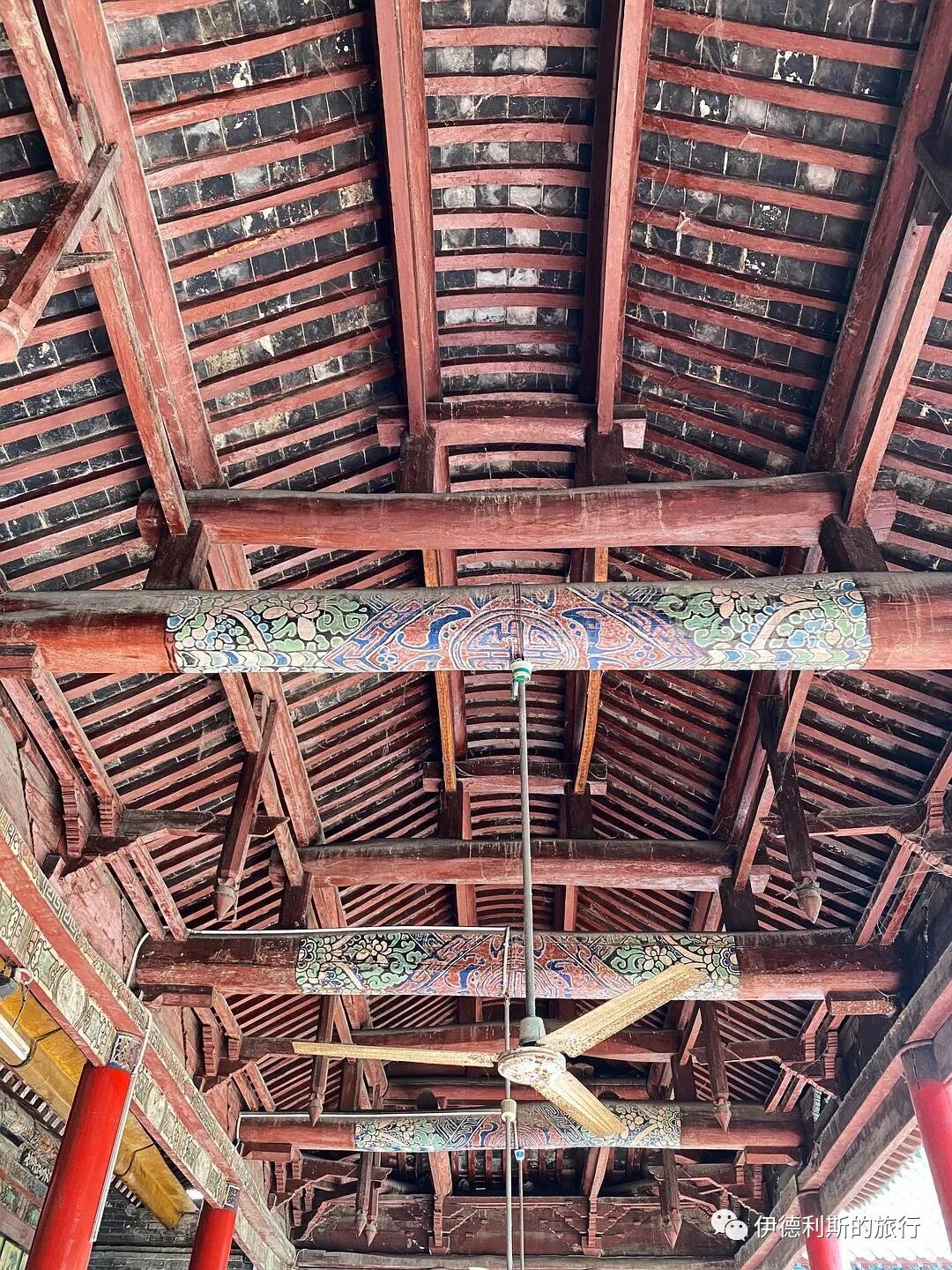
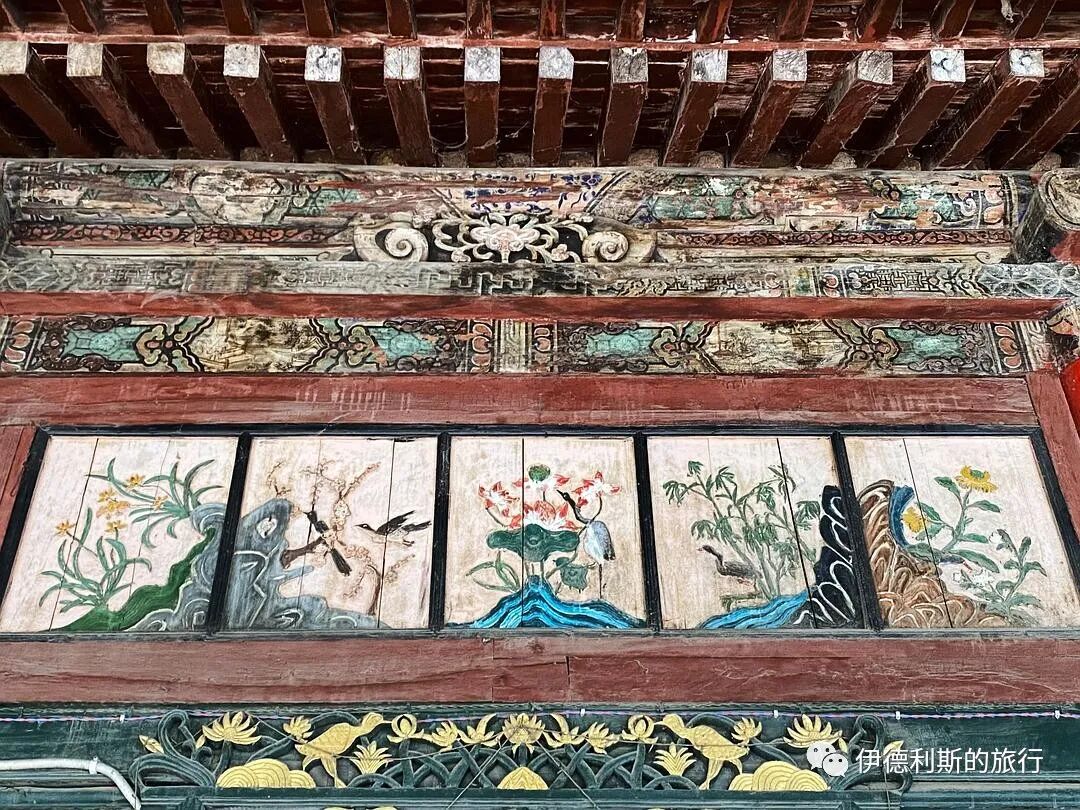
The front hall is seven bays wide, with exposed wooden beams and rafters. The wood carvings on the two beams are very beautiful. The rear hall was added during the Republic of China era and features five Roman-style arched doors with exquisite Republic-era cement decorations.
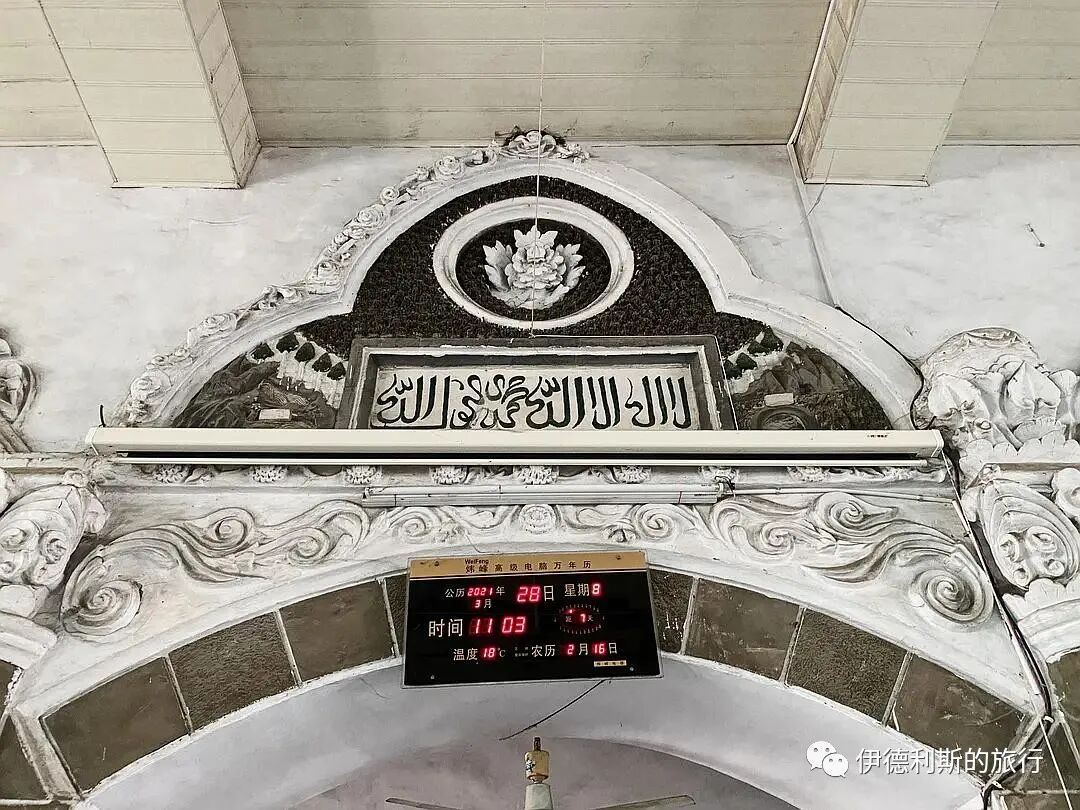
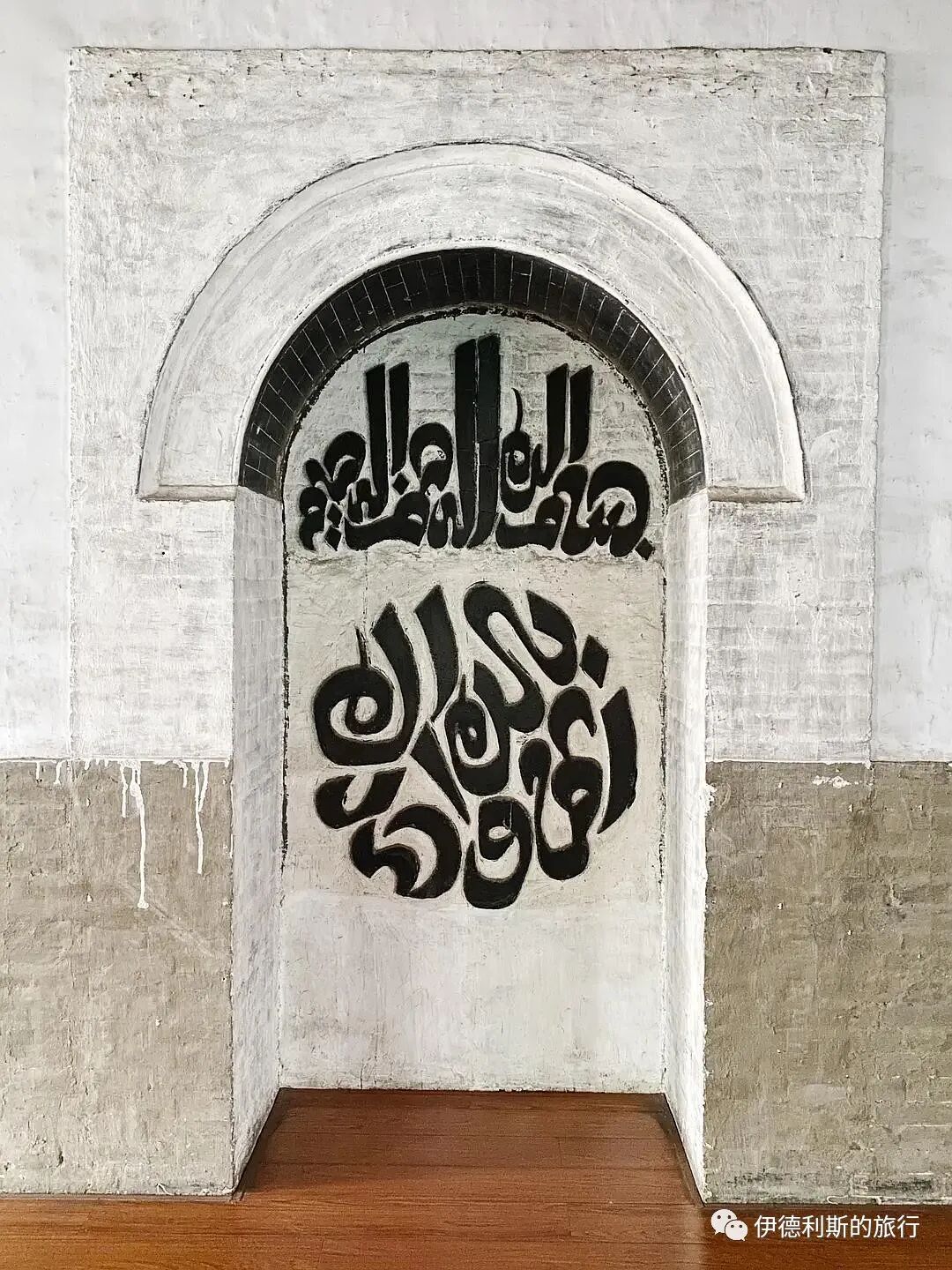
Wood carvings on the main gate
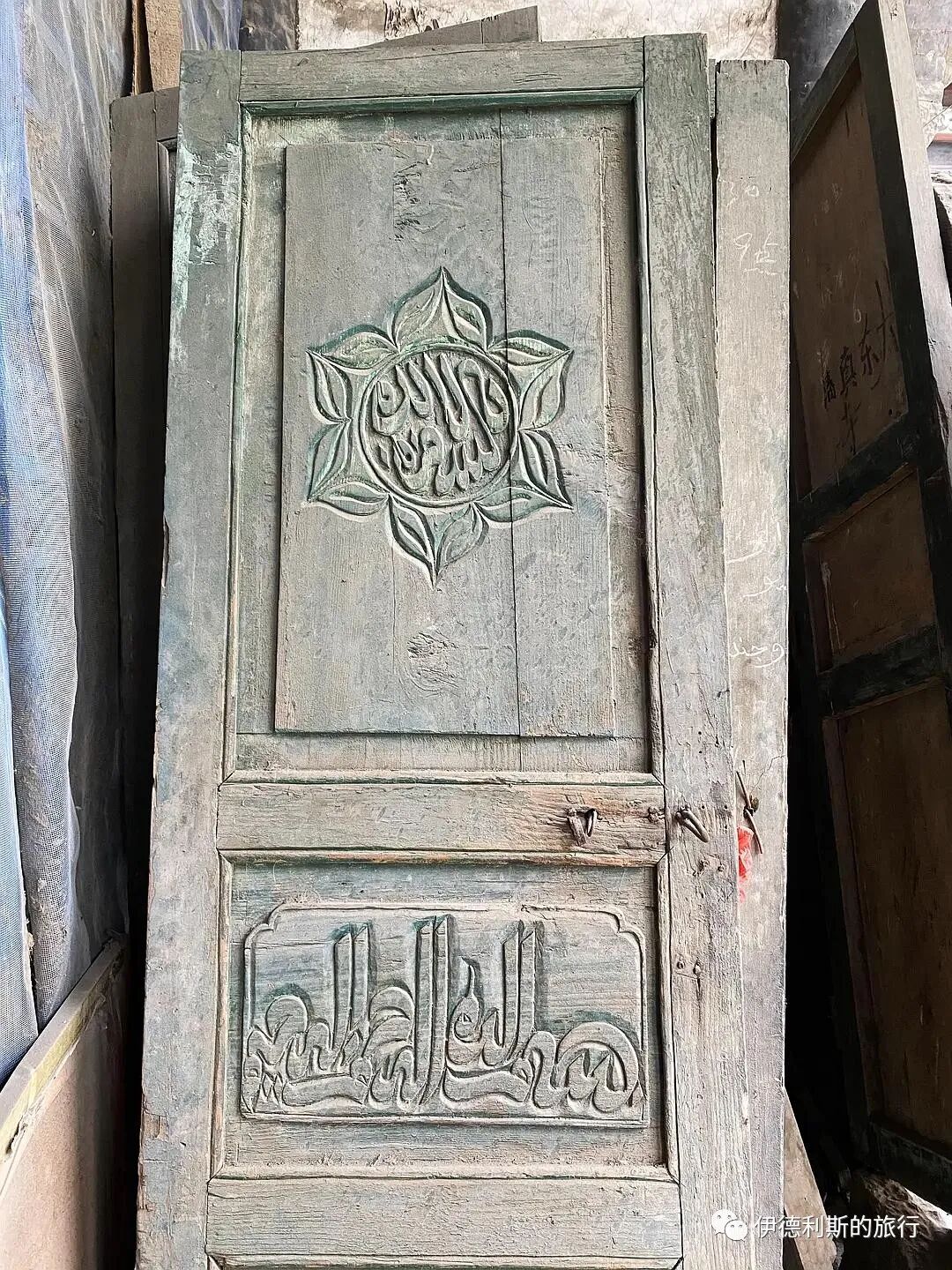
Old door panels
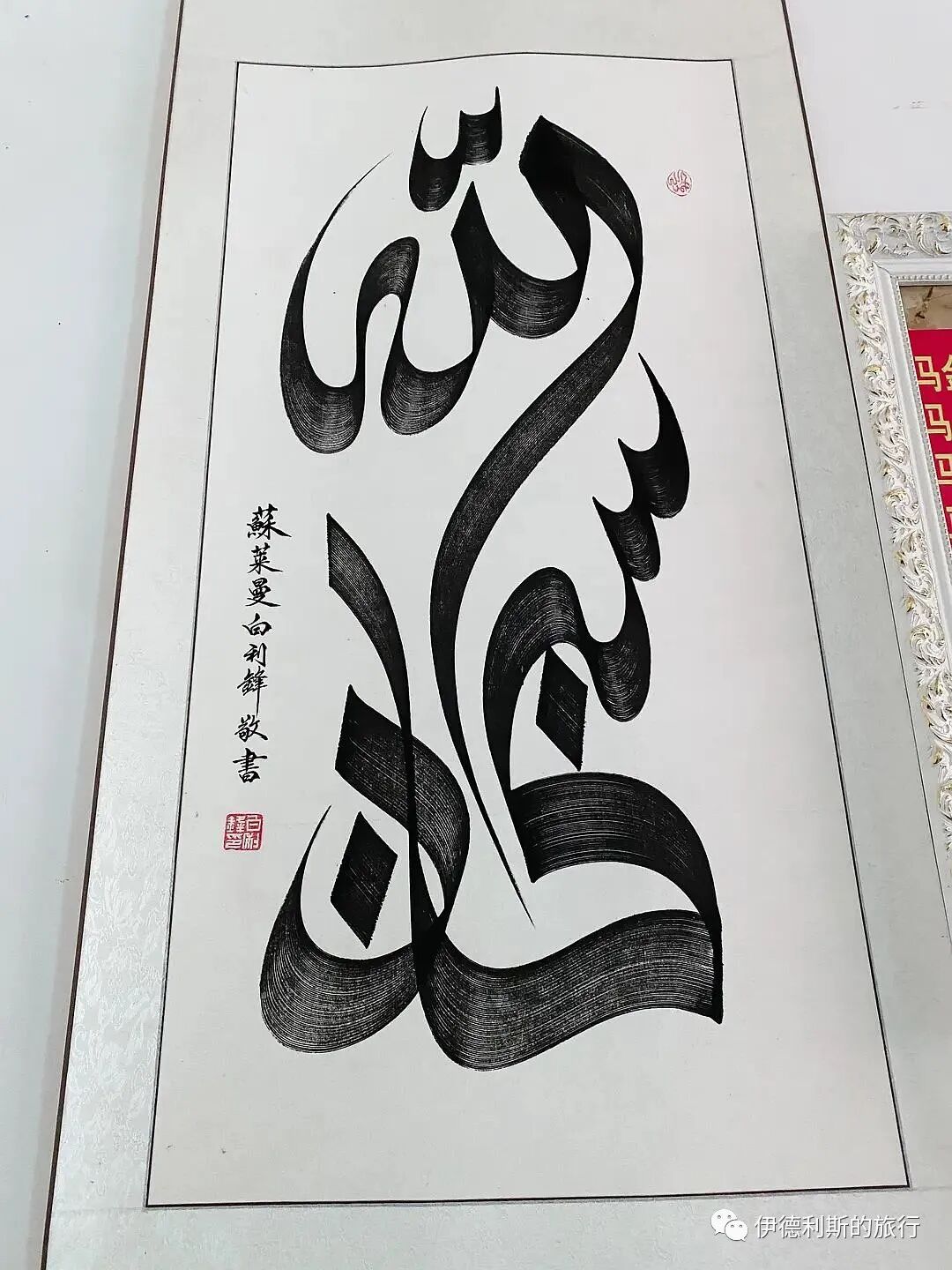
Calligraphy by the famous Henan Arabic calligrapher Bai Lifeng, collected in the mosque.
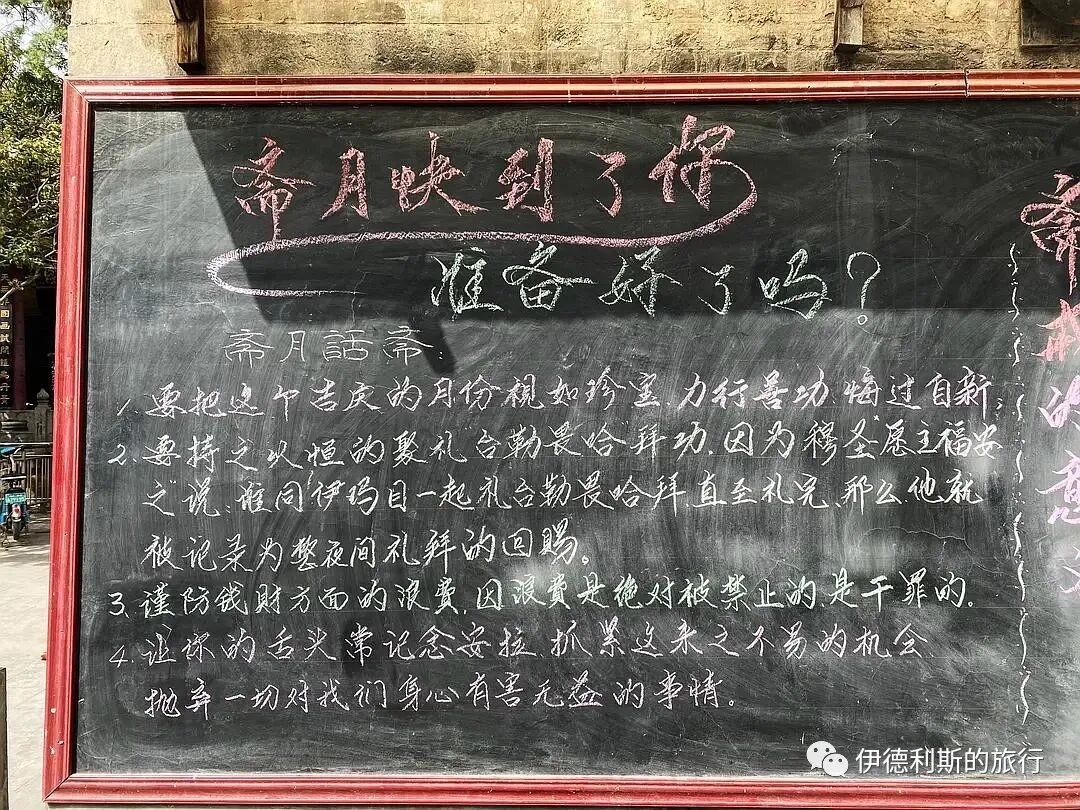
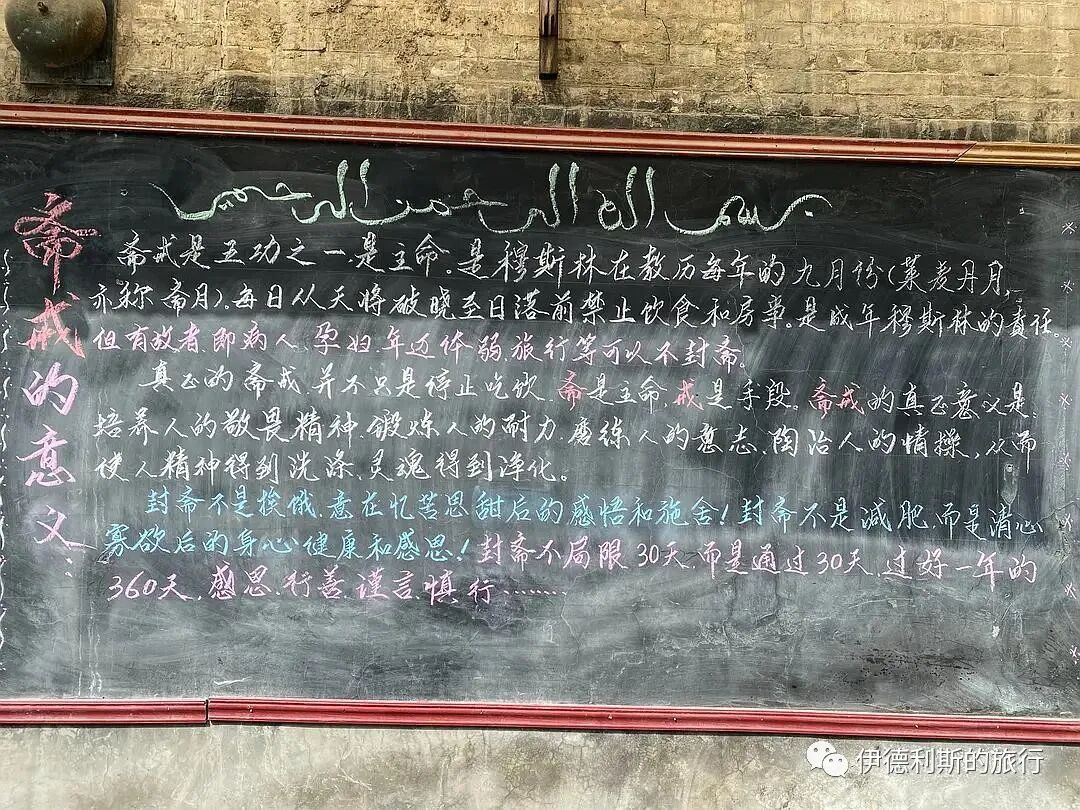
Blackboard newspaper
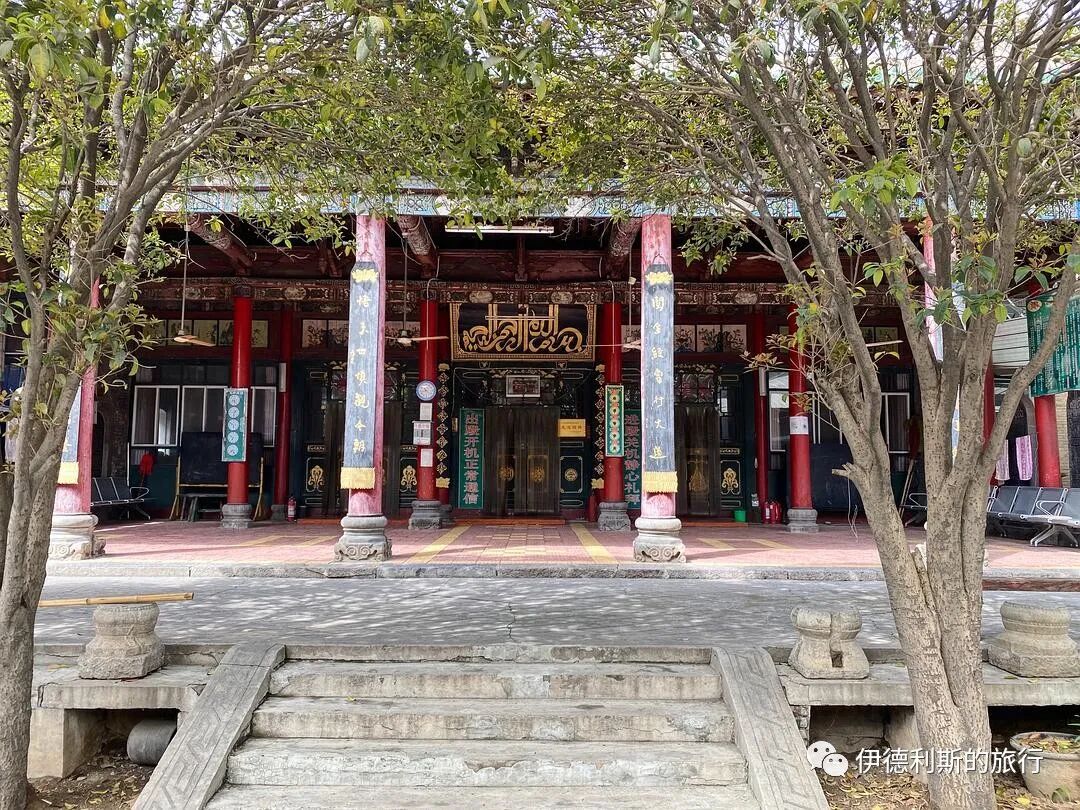
The Daxinzhuang West Mosque is near the East Mosque, but it is not as famous as the East Mosque. The West Mosque was first built during the Jiaqing reign. The main hall originally had three bays, was expanded to five bays in the late Qing Dynasty, and expanded to seven bays in the early Republic of China era. During this period, the old community leader Mai Anli funded the construction of a five-bay juanpeng.
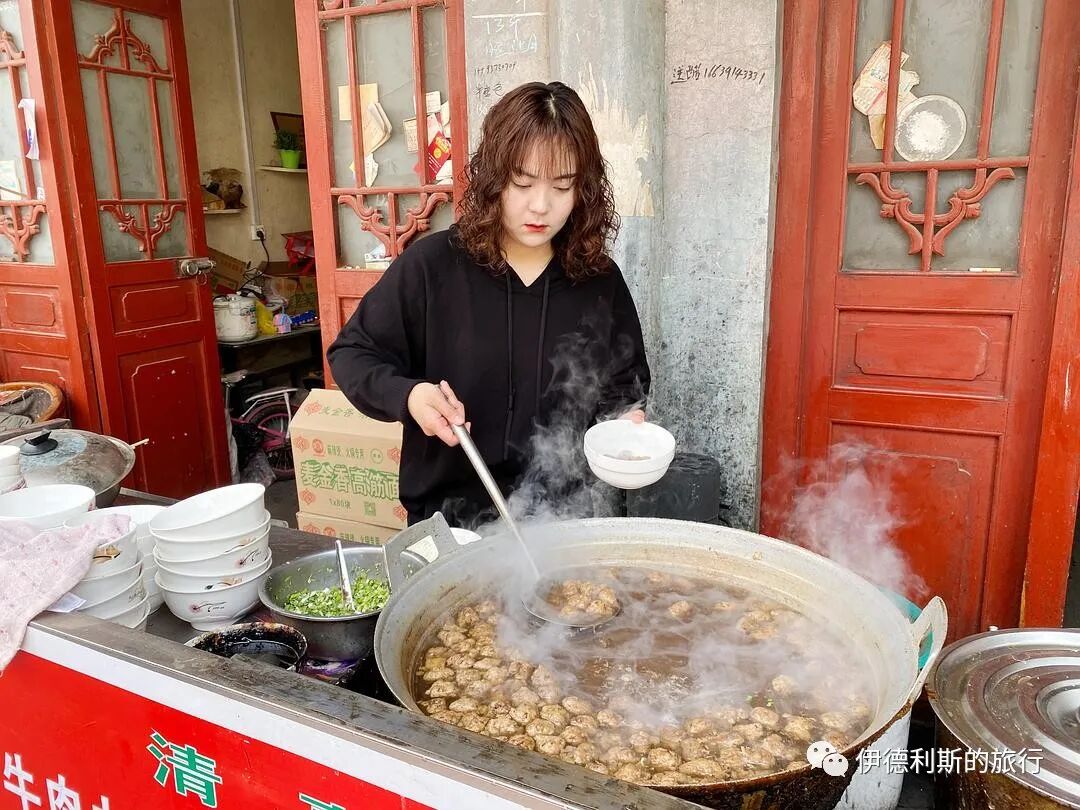
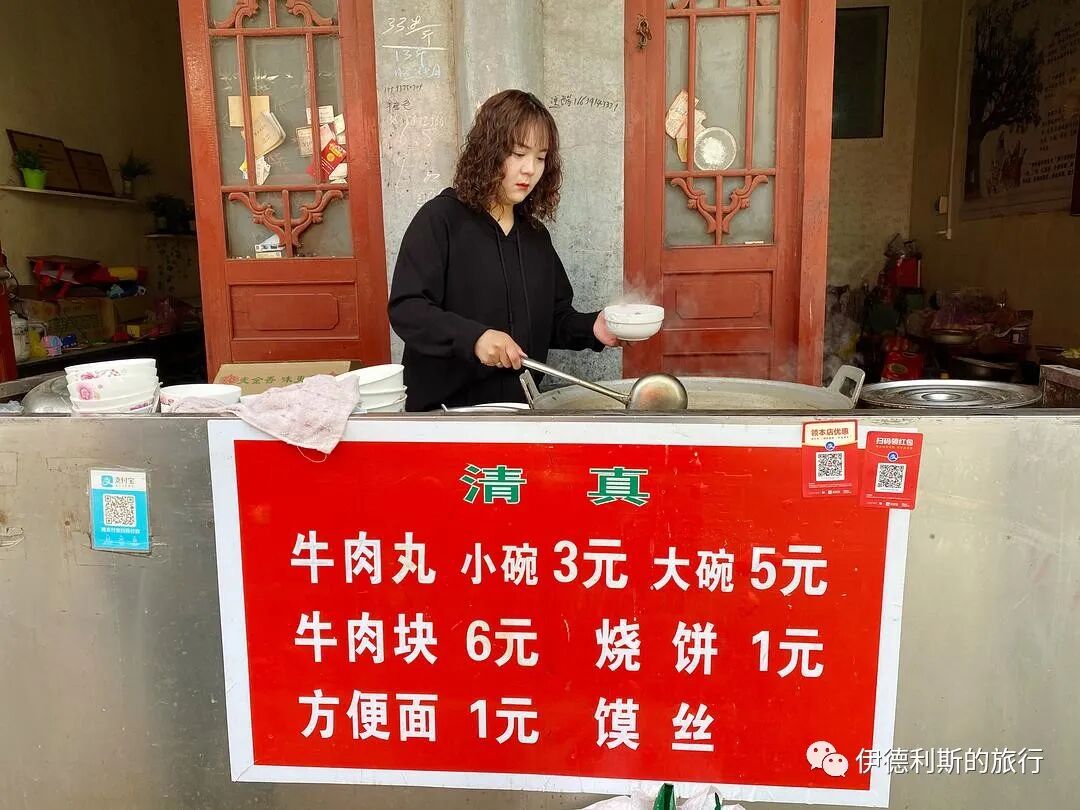
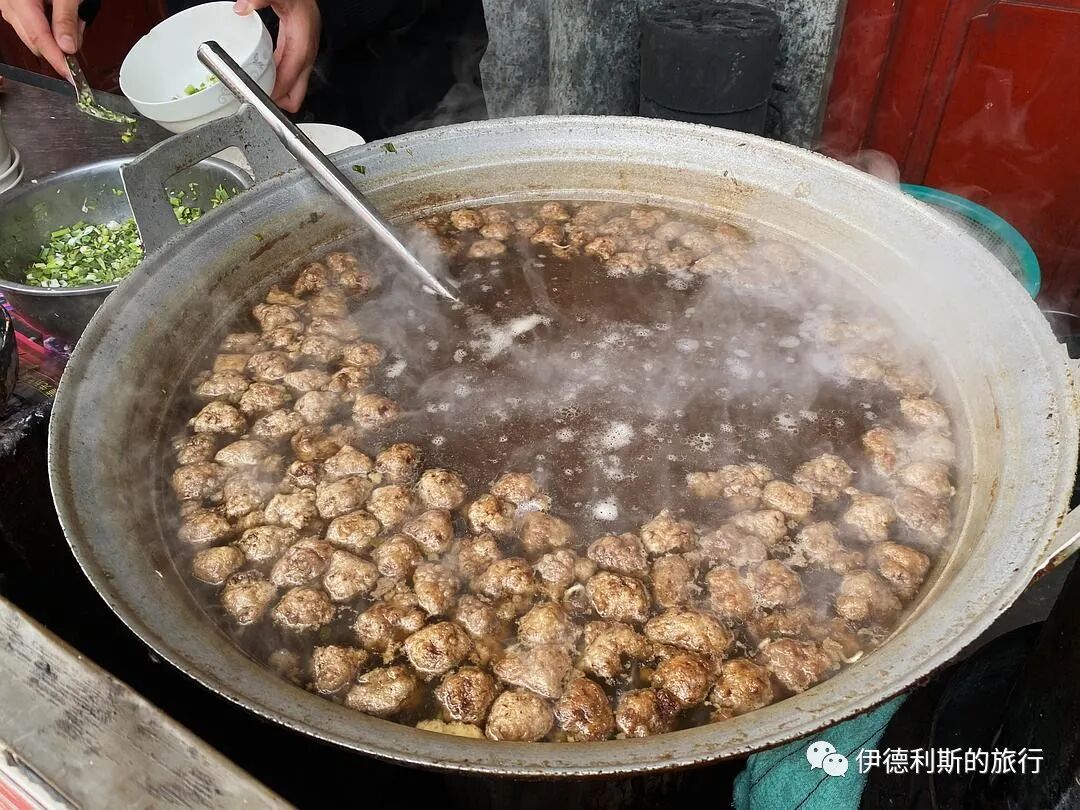
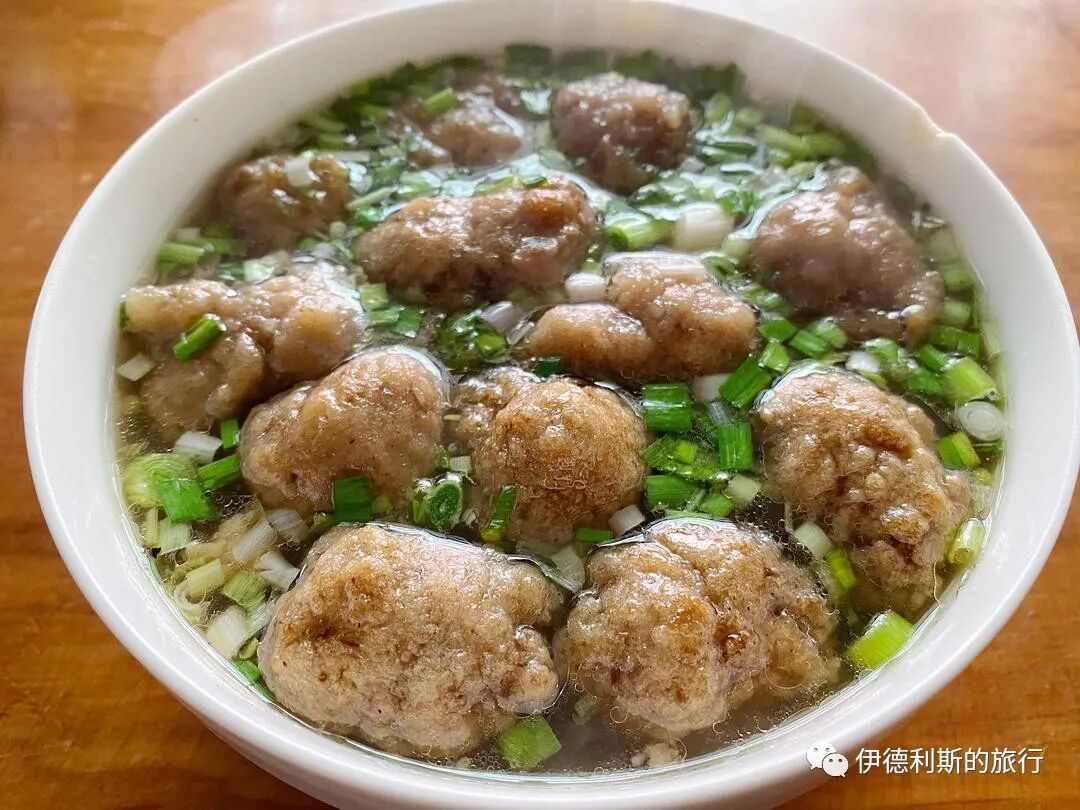
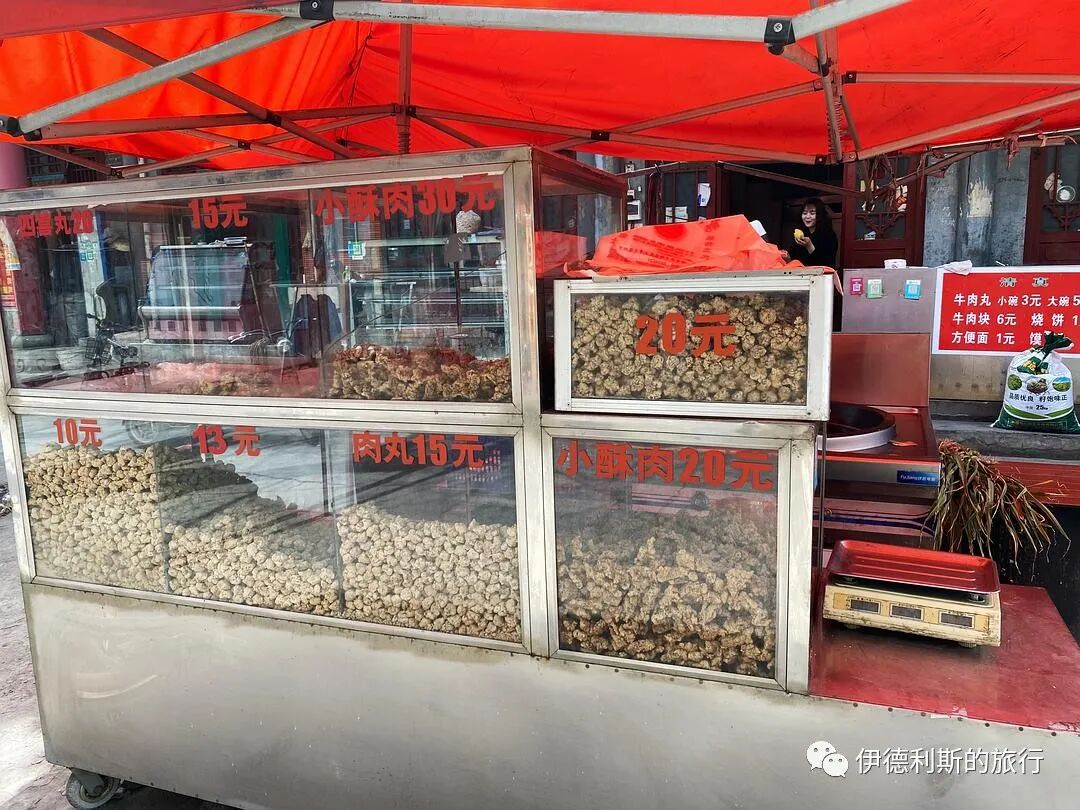
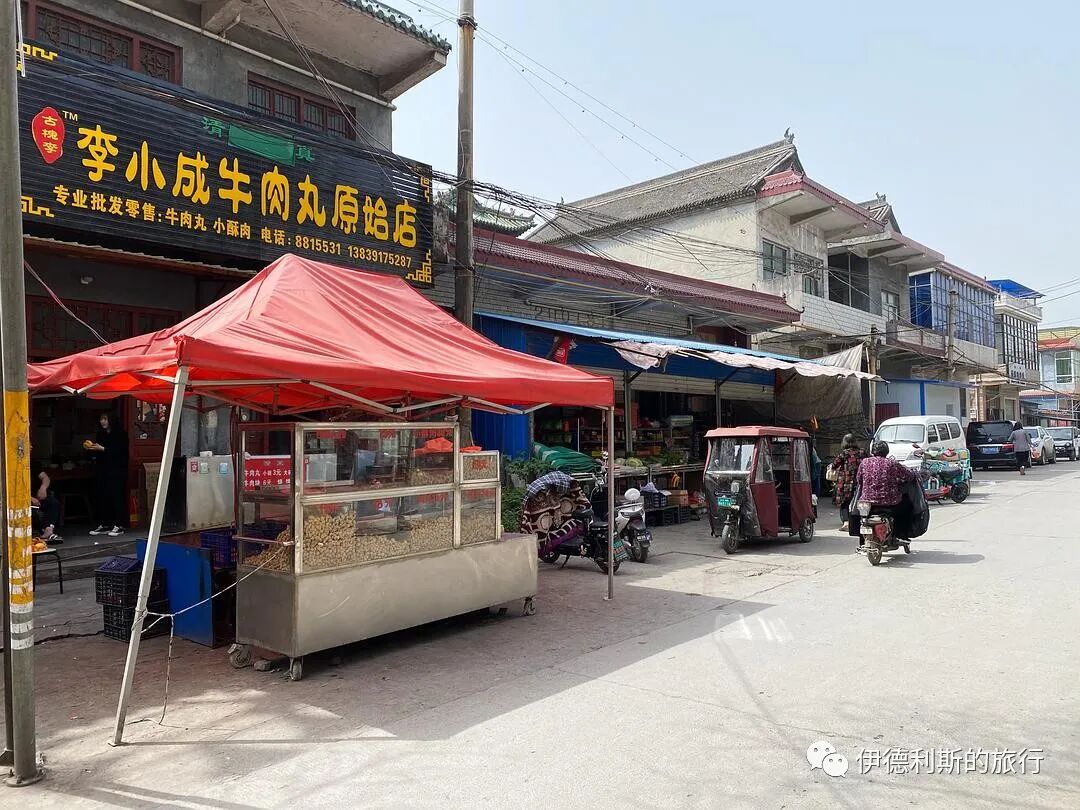
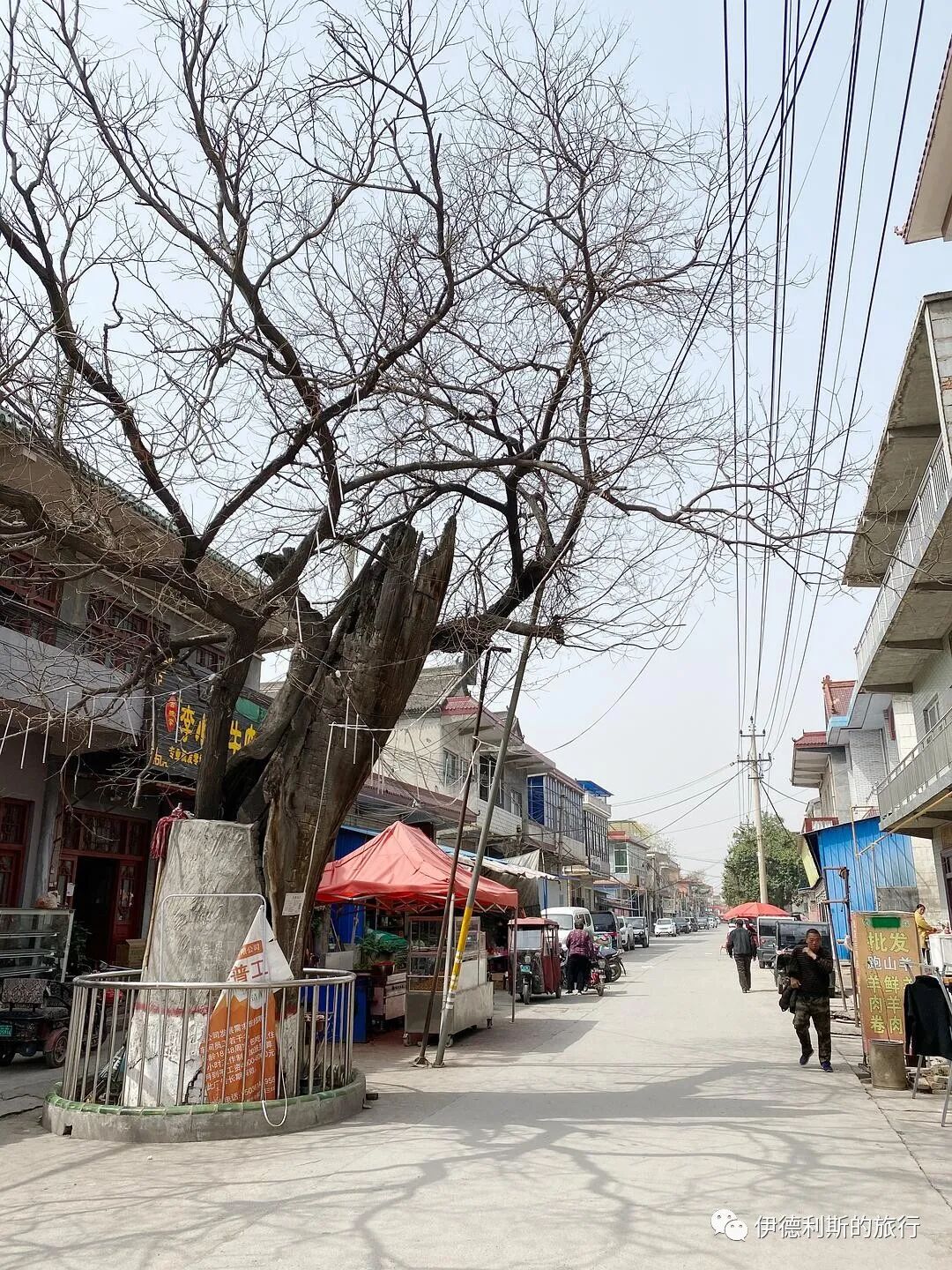
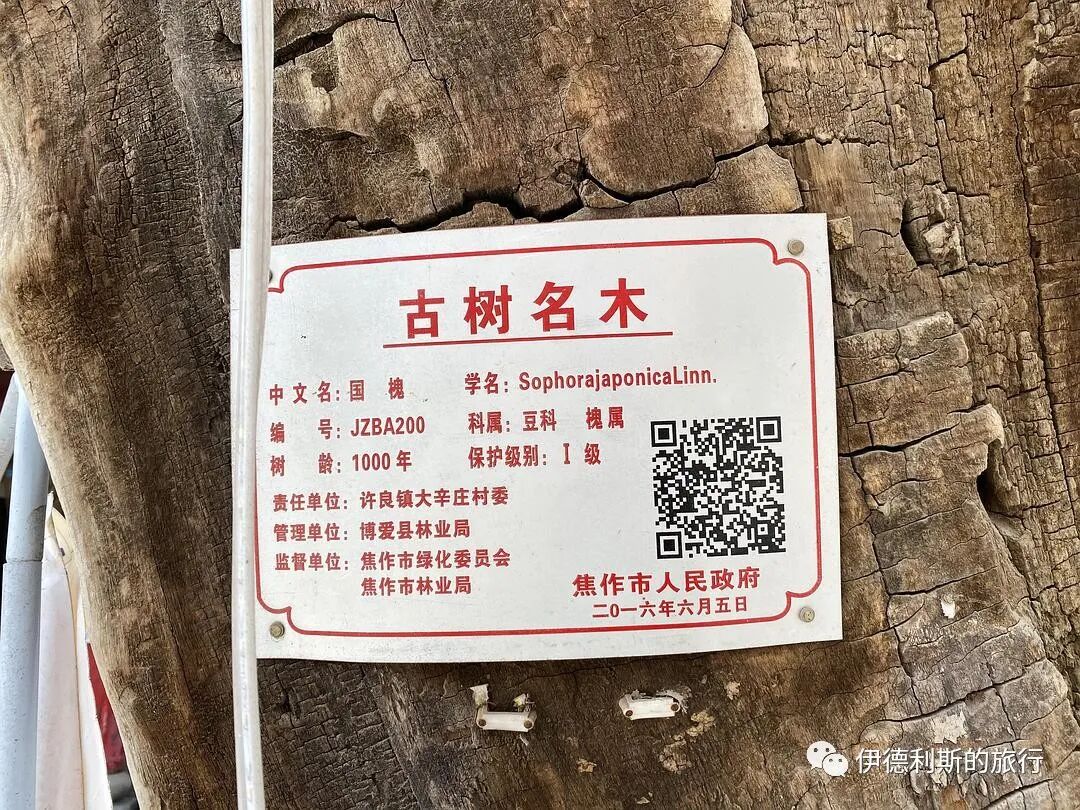
Eating beef meatballs at the original 'Guhuai Li' (Ancient Locust Tree Li) Li Xiaocheng Beef Meatball shop at the entrance of the Daxinzhuang East Mosque. Bo'ai's beef meatballs are quite famous. I saw several shops in Zhengzhou, but I resisted eating them there so I could come to Bo'ai to eat them locally. They are indeed very delicious! There are beef meatballs at various price points, mainly depending on the amount of meat used. There are sixi balls (four-delight meatballs), regular meatballs, and crispy meat. There is a 1,000-year-old locust tree in front of their shop, which looks quite ancient.
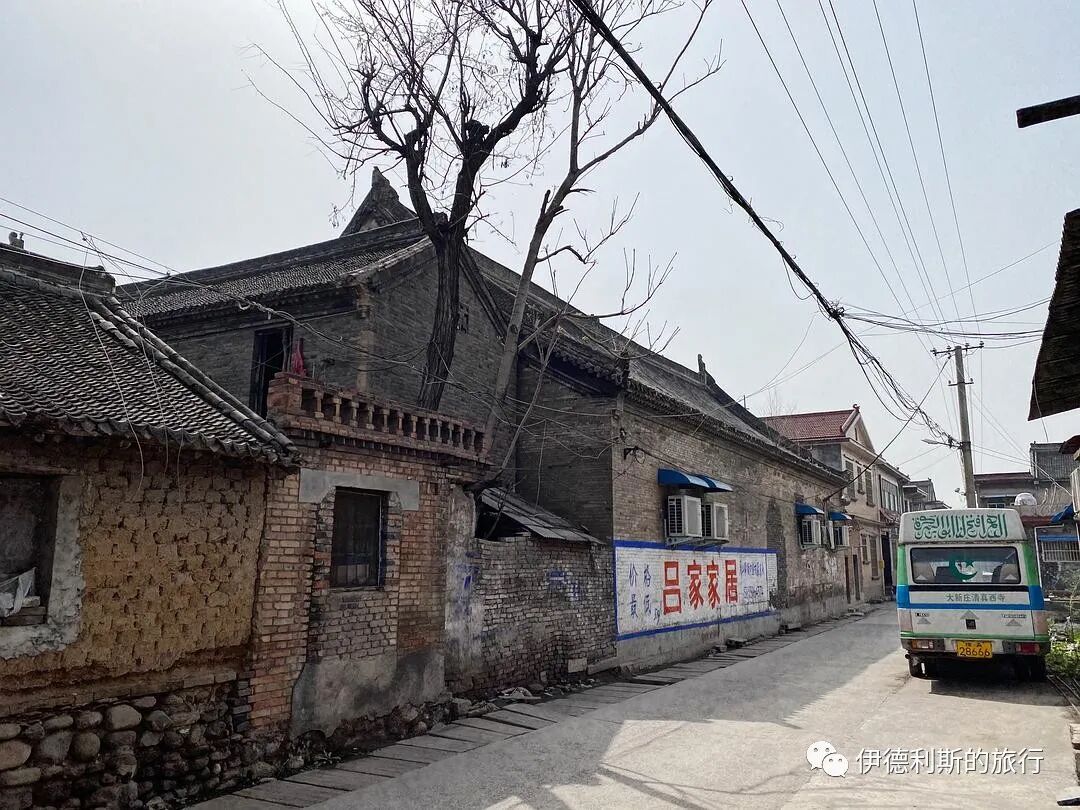
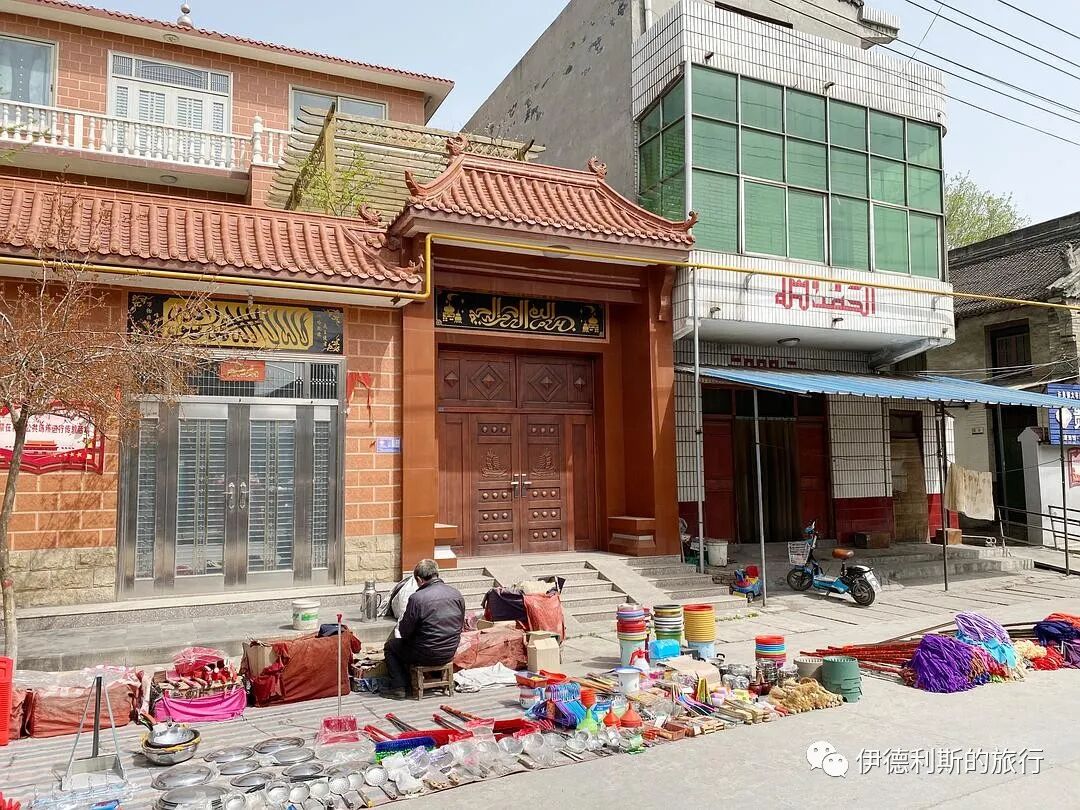
Mendu (door plaques) on the street.
Summary: This travel note introduces Zhengzhou, Bo'ai and Qinyang Spring Halal Travel Guide (Part 2). The yaodian (kiln-style prayer hall) was renovated in 1887 (the 13th year of the Guangxu reign). It is useful for readers interested in Henan Travel, China Mosques, Halal Food.
The yaodian (kiln-style prayer hall) was renovated in 1887 (the 13th year of the Guangxu reign). Its interior features a brick dome structure, built with two partition walls over 1 meter thick to form a semicircular arch. At the concave corners, three layers of arches are extended to create an octagonal skylight, topped with a corbelled dome. The very top of the central dome is inscribed with the Arabic word for Allah.
There is beautiful calligraphy on the mihrab (prayer niche). Imam Ma Hongjie gave us a detailed introduction here, and I also happened to catch the dhikr (remembrance of Allah).
The exterior of the yaodian has a cross-shaped roof with over 70 glazed roof beasts. Under the eaves are glazed beams, brackets, and hanging flower columns. The colorful design represents the highest standard of Qing Dynasty mosque yaodian roofs.
Inside the North Mosque is the Yuying Martial Arts School, founded in 1928, which specializes in Chaquan (a style of Chinese martial arts). The second master of Chaquan, Shi Desheng, trained many excellent disciples, including Nanjing Military Region martial arts instructor Mai Changchun, Wuhan Military Region martial arts instructor Ding Changwen, Feng Yuxiang's Big Sword Team instructor Wang Shaozhou, and the martyr of the War to Resist US Aggression and Aid Korea, Ma Shaokong.
Eating breakfast on Beisi Street in Qinyang, Henan, on a Sunday morning. First, I had rice tea with youguozi (fried dough fritters) at Ma's. Rice tea is made from boiled roasted rice, with white sesame seeds and soybeans added; it is very refreshing. Then, I had a mix of beef offal and suwan (crispy meatballs) at Bai's next door. The portions were generous, the soup was very fragrant, and it was a very satisfying meal.
The Qinyang Shuinanguan Mosque was rebuilt between 1990 and 1995. It still maintains the traditional architectural style with flying eaves, bracket sets, and blue-green glazed tiles, though the new building, no matter how beautiful, lacks historical value.
The most valuable part of Shuinanguan is the mihrab yaodian prayer niche excavated during the 1990s reconstruction. It has been designated as a national cultural relic and is stored inside the main hall. Unfortunately, it was not time for namaz (prayer) when I visited, so there was no one at the mosque, and the main hall was locked, so I could not see it.
The mosque houses works by the famous Beijing Arabic calligrapher Li Wencai and the famous Henan Arabic calligrapher Mi Guangjiang.
Bo'ai Erxian Temple and Daxinzhuang
Took a taxi from Qinyang, Henan, to the Erxian Mosque Mosque in Bo'ai. The Erxian Mosque Mosque was first built in the Yuan Dynasty, renovated in 1638 (the 11th year of the Ming Chongzhen reign), and renovated again in 1731 (the 9th year of the Qing Yongzheng reign). It is a cultural relic protection unit of Henan Province. The main hall of the mosque consists of a juanpeng (shed-style roof), front hall, rear hall, and yaodian. The juanpeng and front hall were built in the Qing Dynasty with a hard mountain roof and connected structure, while the rear hall and yaodian were added in 1993.
Continued by taxi from Erxian Mosque to the East Mosque in Daxinzhuang, Bo'ai. The Daxinzhuang East Mosque was first built in the Yuan Dynasty, expanded in the Ming Dynasty, and the rear hall was added during the Republic of China era. It is currently a cultural relic protection unit of Henan Province.
The main hall consists of a juanpeng, front hall, rear hall, and yaodian. The juanpeng is an independent structure, with a drainage gutter installed where it connects to the front eaves of the main hall. There is a 365-year-old osmanthus tree in front of the main hall.
The front hall is seven bays wide, with exposed wooden beams and rafters. The wood carvings on the two beams are very beautiful. The rear hall was added during the Republic of China era and features five Roman-style arched doors with exquisite Republic-era cement decorations.
Wood carvings on the main gate
Old door panels
Calligraphy by the famous Henan Arabic calligrapher Bai Lifeng, collected in the mosque.
Blackboard newspaper
The Daxinzhuang West Mosque is near the East Mosque, but it is not as famous as the East Mosque. The West Mosque was first built during the Jiaqing reign. The main hall originally had three bays, was expanded to five bays in the late Qing Dynasty, and expanded to seven bays in the early Republic of China era. During this period, the old community leader Mai Anli funded the construction of a five-bay juanpeng.
Eating beef meatballs at the original 'Guhuai Li' (Ancient Locust Tree Li) Li Xiaocheng Beef Meatball shop at the entrance of the Daxinzhuang East Mosque. Bo'ai's beef meatballs are quite famous. I saw several shops in Zhengzhou, but I resisted eating them there so I could come to Bo'ai to eat them locally. They are indeed very delicious! There are beef meatballs at various price points, mainly depending on the amount of meat used. There are sixi balls (four-delight meatballs), regular meatballs, and crispy meat. There is a 1,000-year-old locust tree in front of their shop, which looks quite ancient.
Mendu (door plaques) on the street.
