
Turpan Halal Travel Guide in May: Ancient Sites and Uyghur Food (Part 2)
Reposted from the web
Summary: This travel note introduces Turpan Halal Travel Guide in May: Ancient Sites and Uyghur Food (Part 2). At noon, we ate huangmian kaorou (yellow noodles with grilled meat) in Huoyanshan Town. It is useful for readers interested in Turpan Travel, Uyghur Food, Xinjiang Travel.
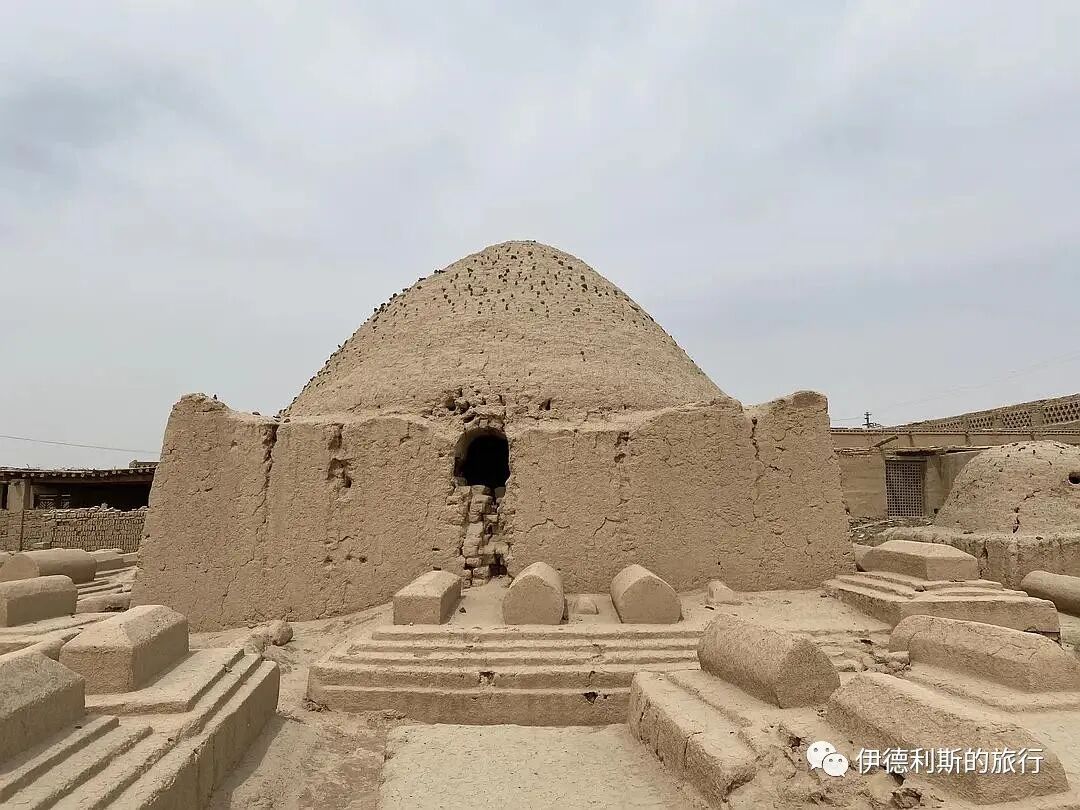
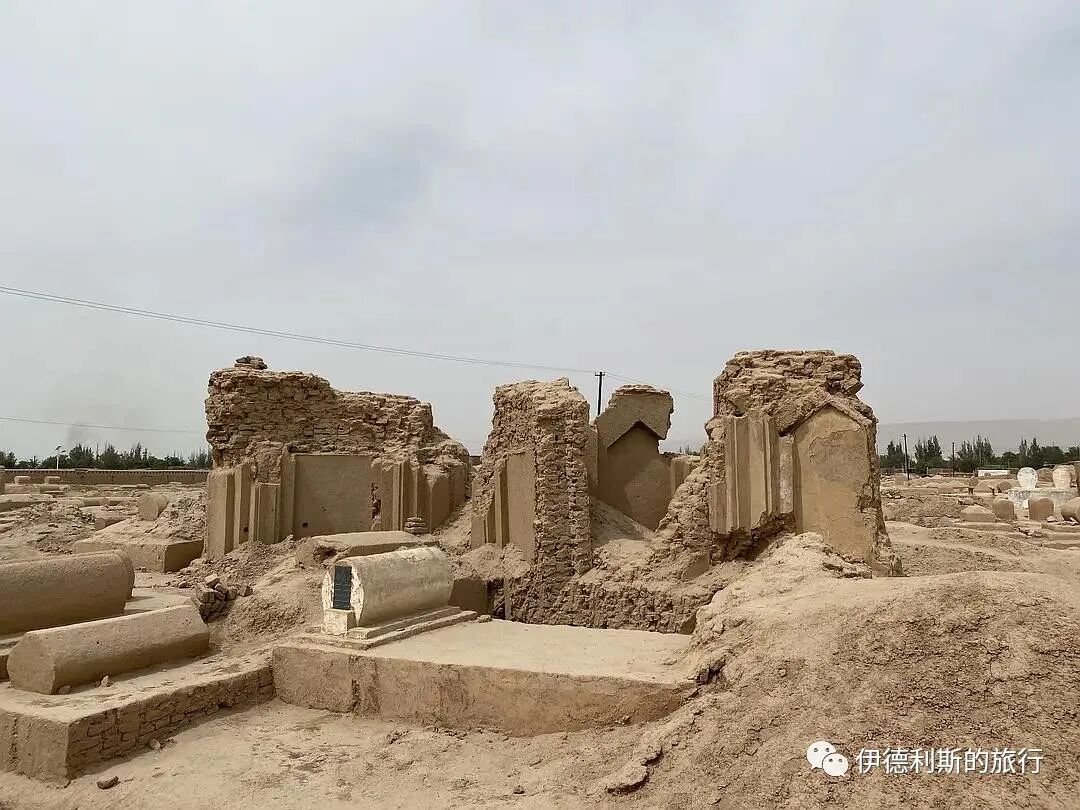
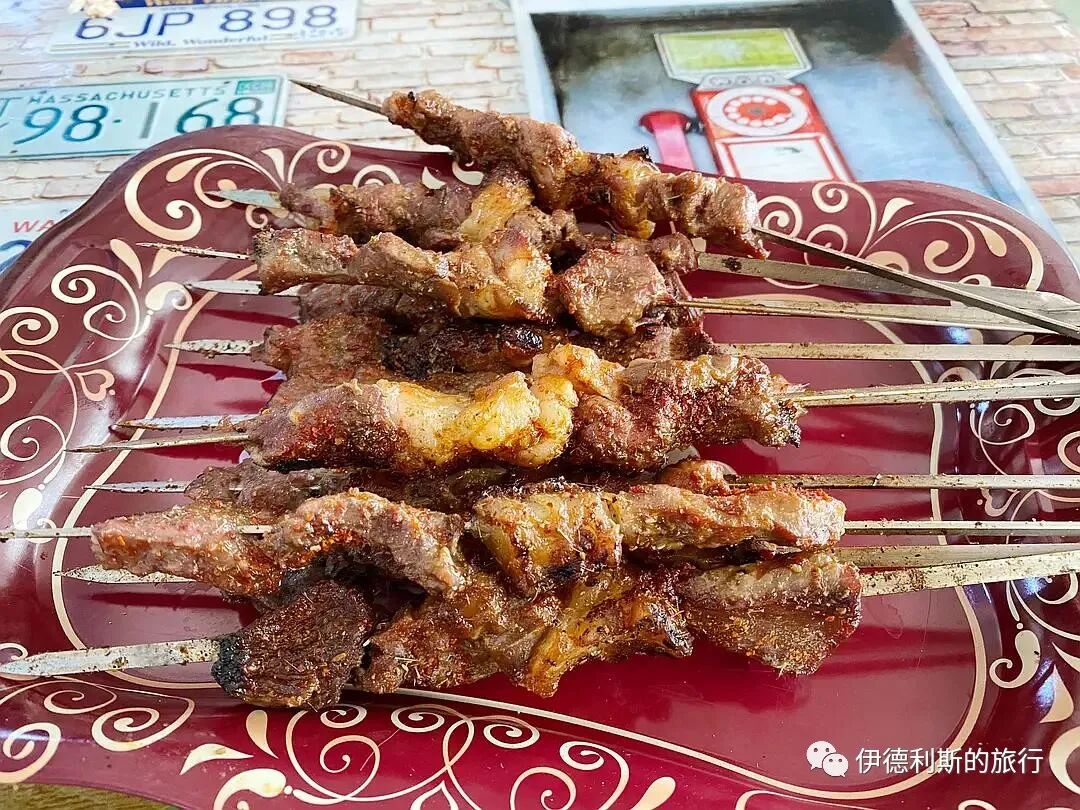
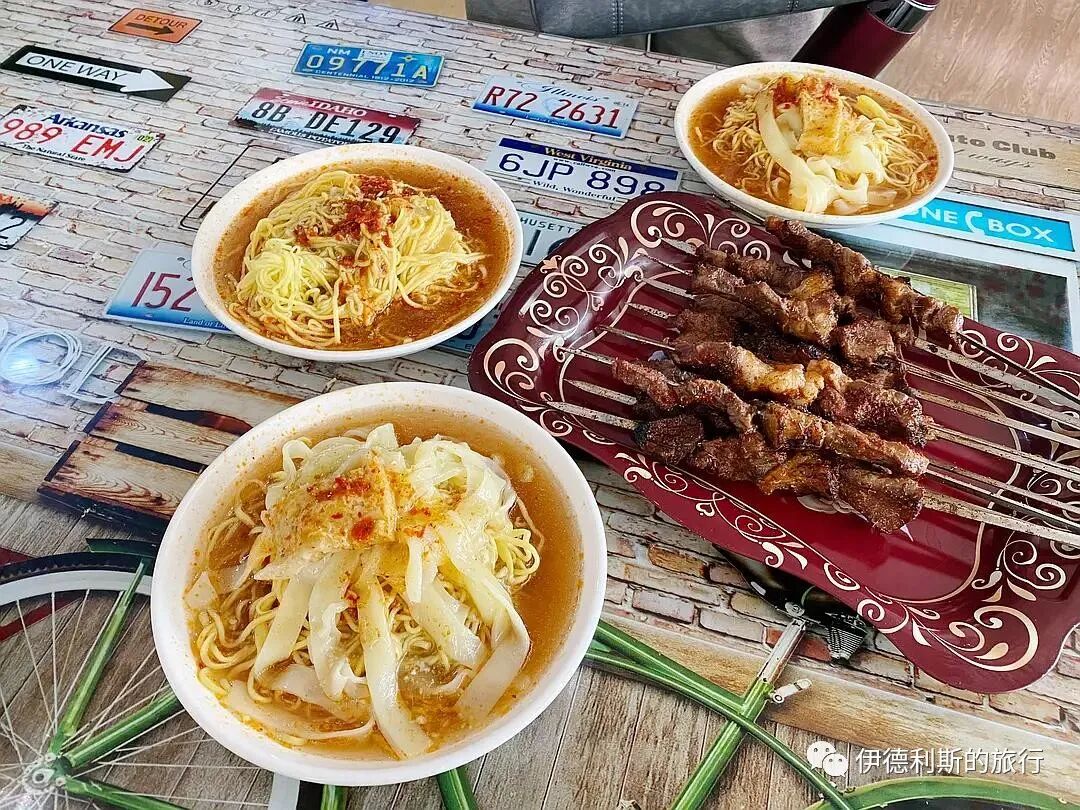
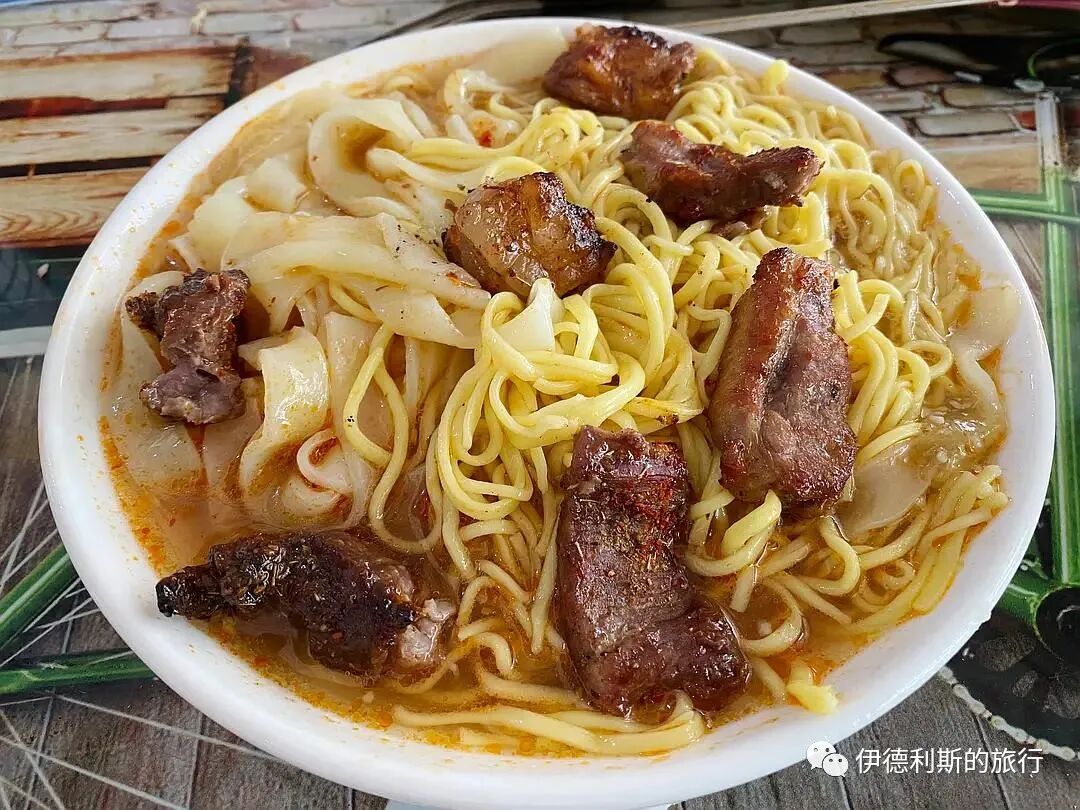
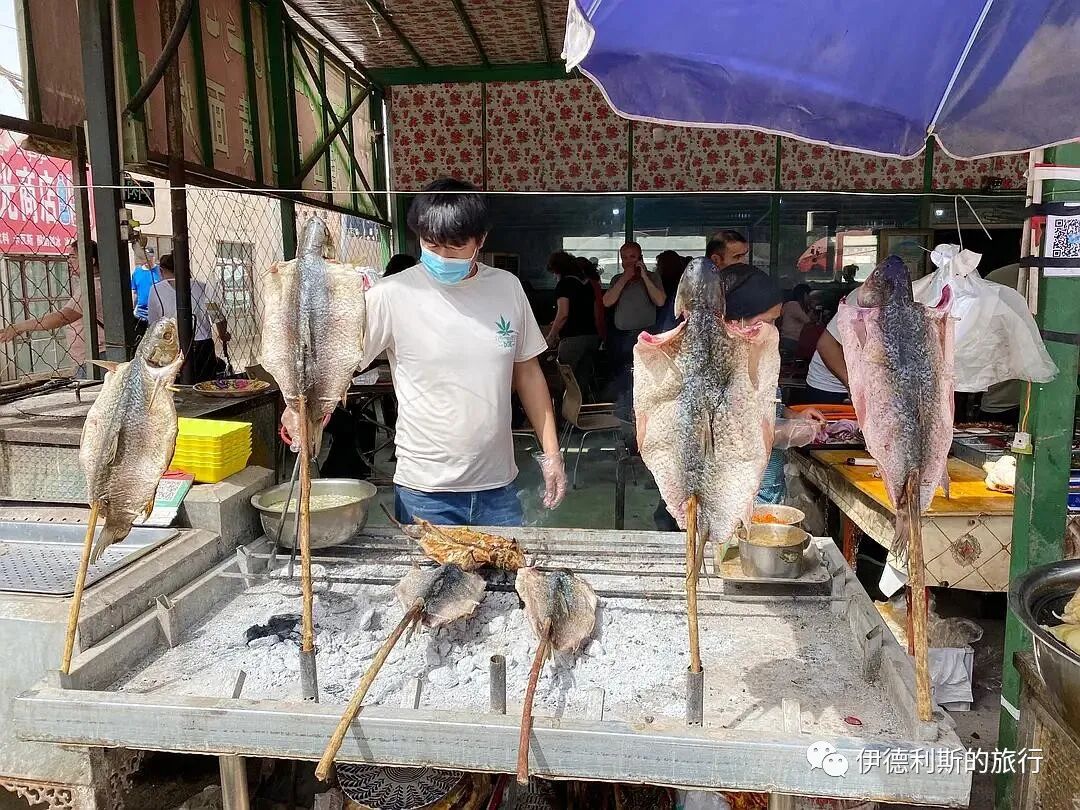
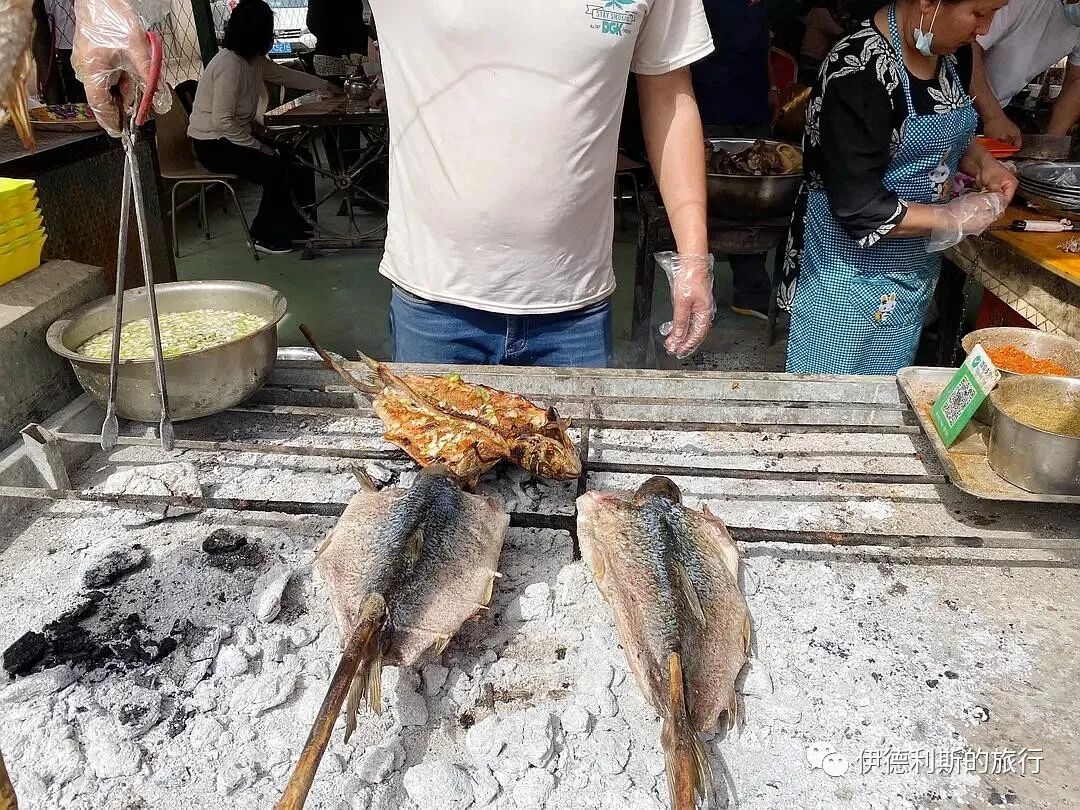
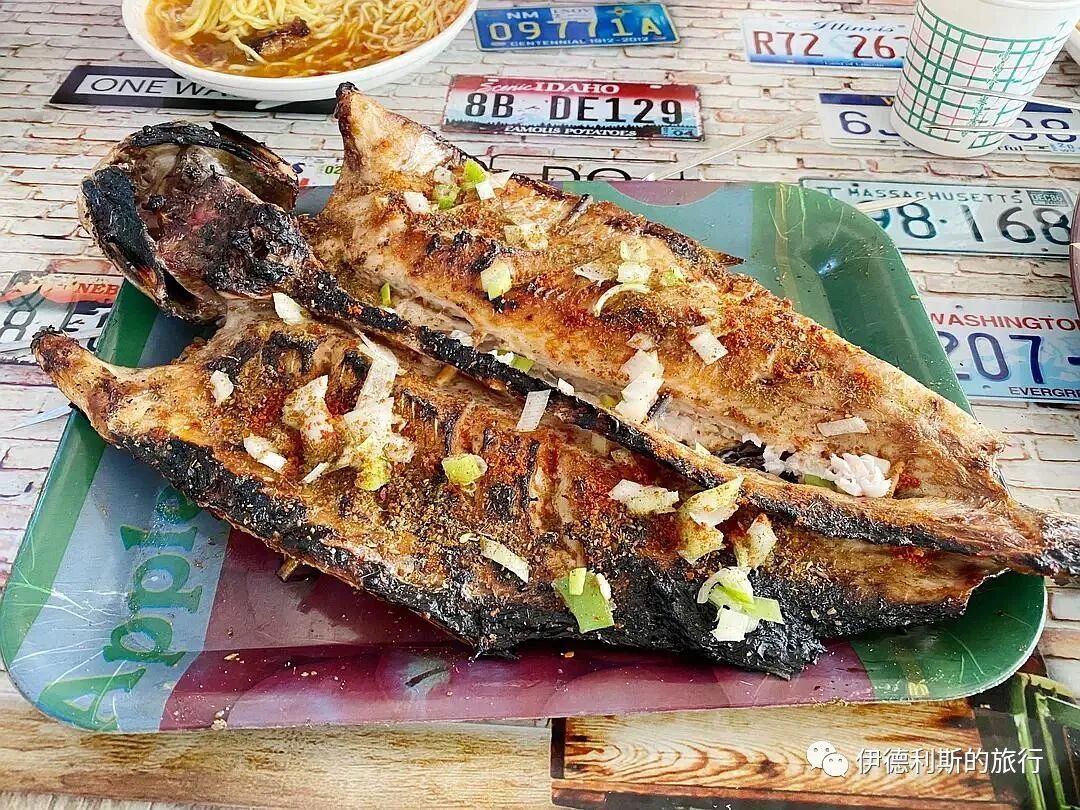
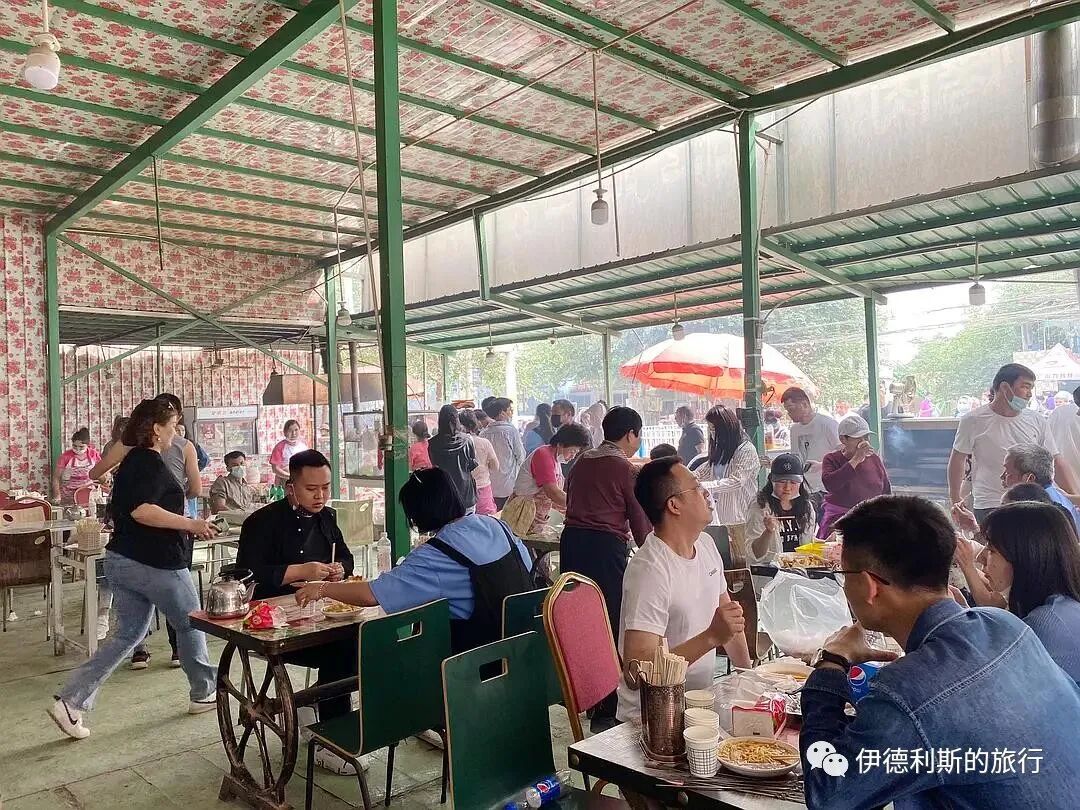
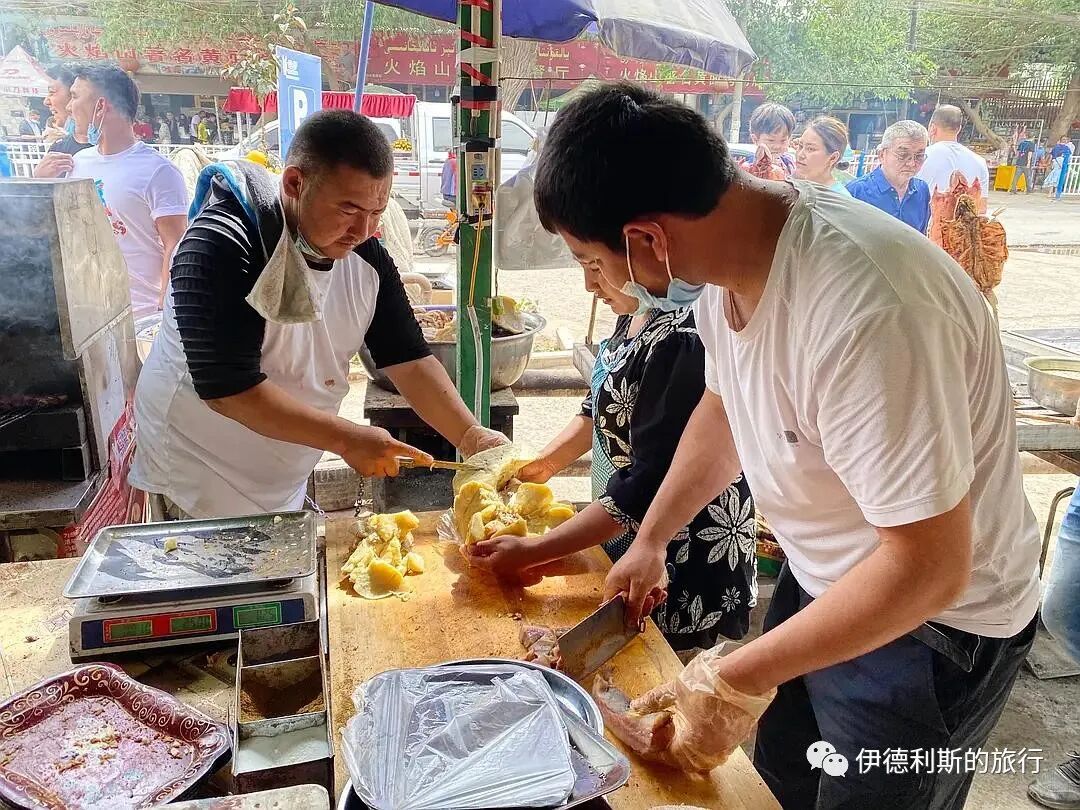
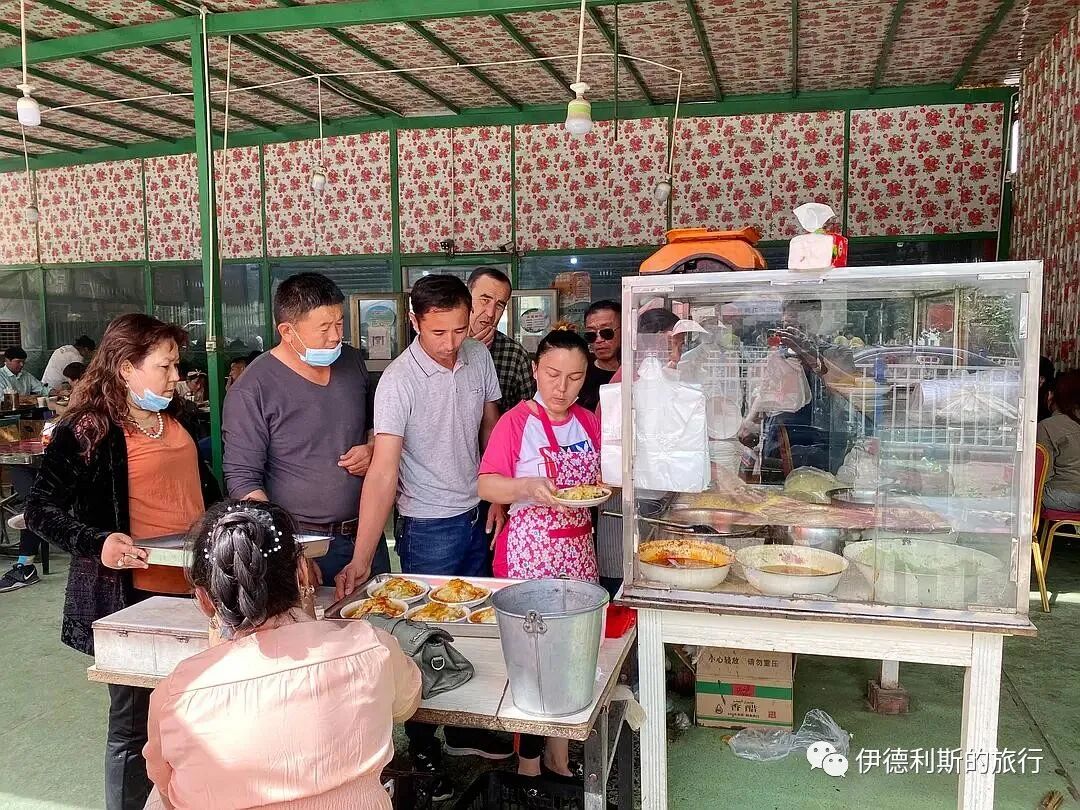
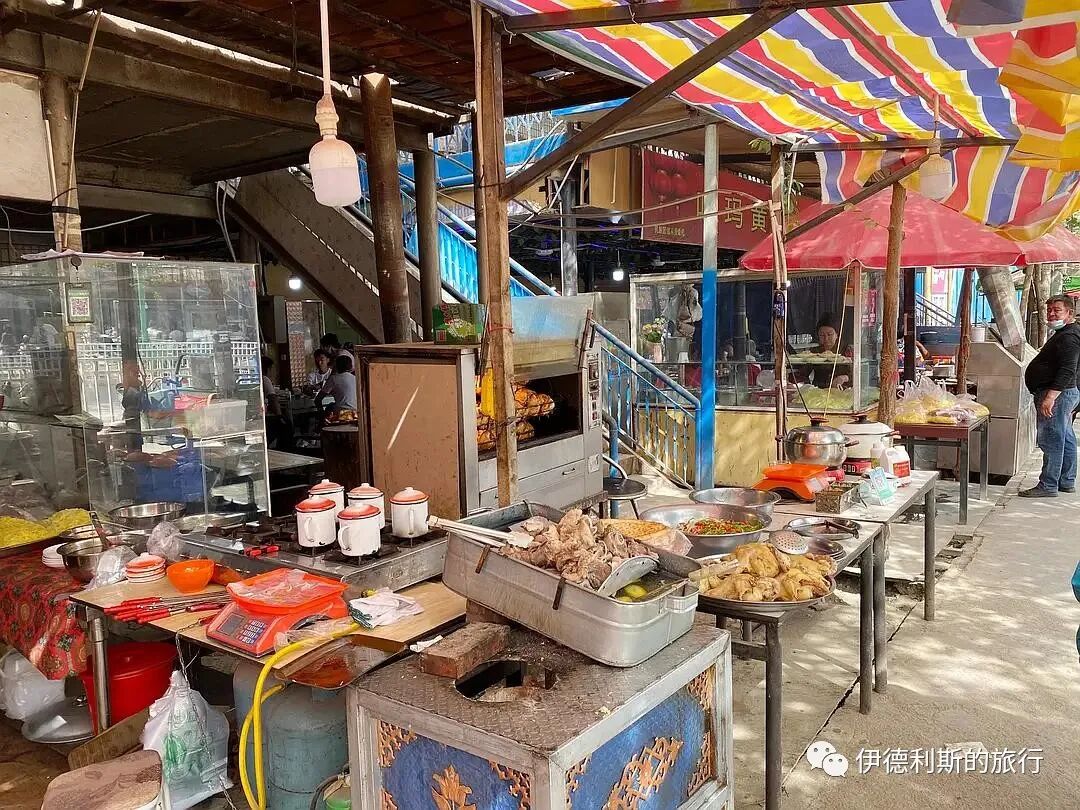
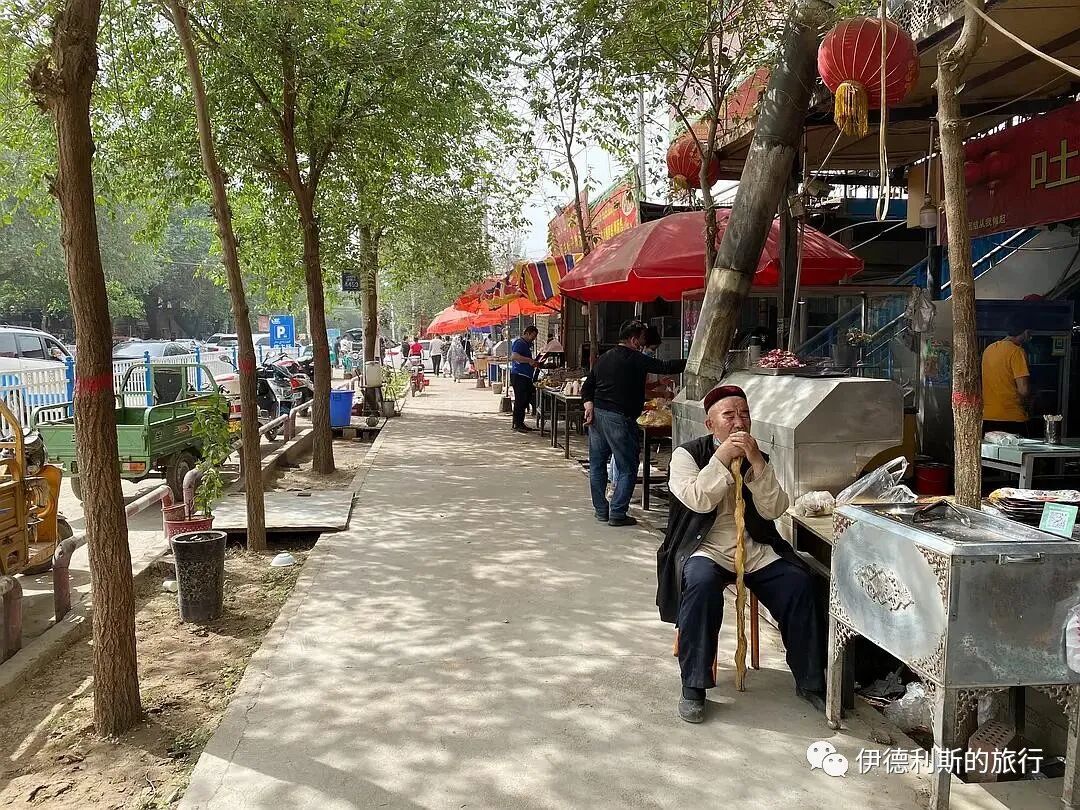
At noon, we ate huangmian kaorou (yellow noodles with grilled meat) in Huoyanshan Town. Huoyanshan Town is famous for its huangmian kaorou, and the whole street is filled with shops selling it. The most famous one is called 'Huoyanshan Famous Huangmian Kaorou Restaurant,' but it was fully booked when we arrived, so we ate at the place across the street. We ordered a mix of yellow noodles and liangpi (cold starch noodles). After the grilled meat was cooked, it was taken off the skewers and placed on top of the yellow noodles. It was so refreshing to eat in the summer, and it felt really suitable for the climate of the Flaming Mountains. We also had grilled fish, and everyone agreed that the meat was very fresh, tender, and delicious.
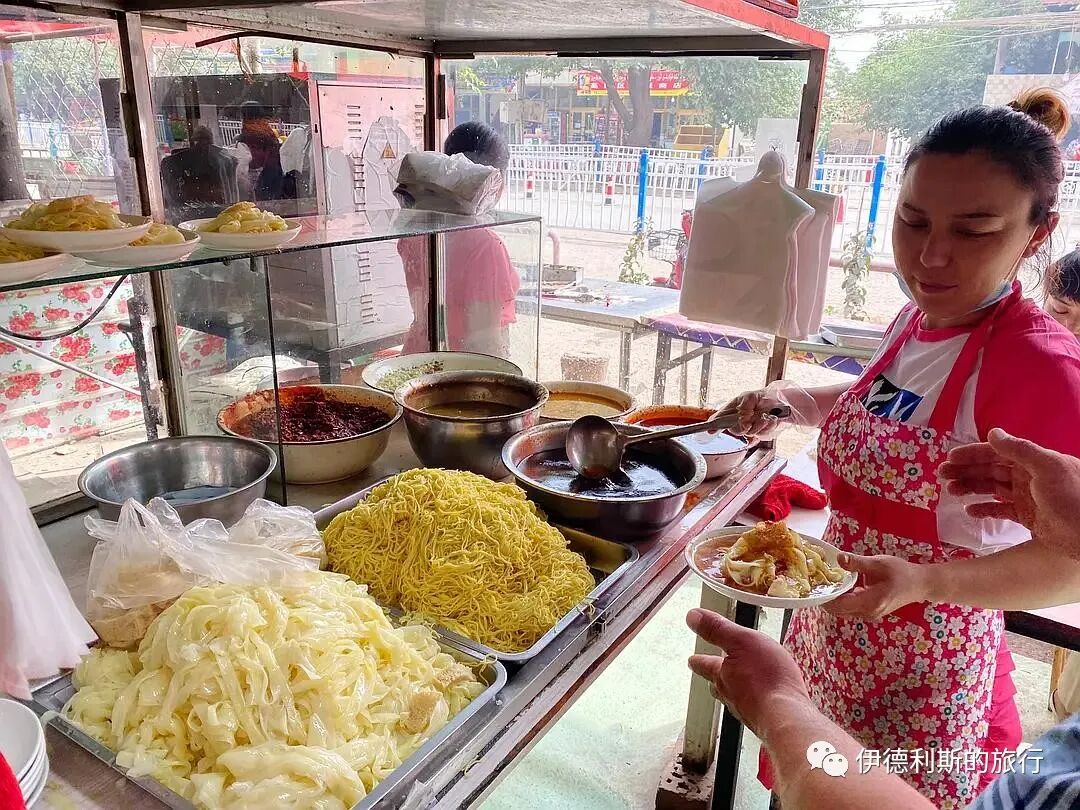
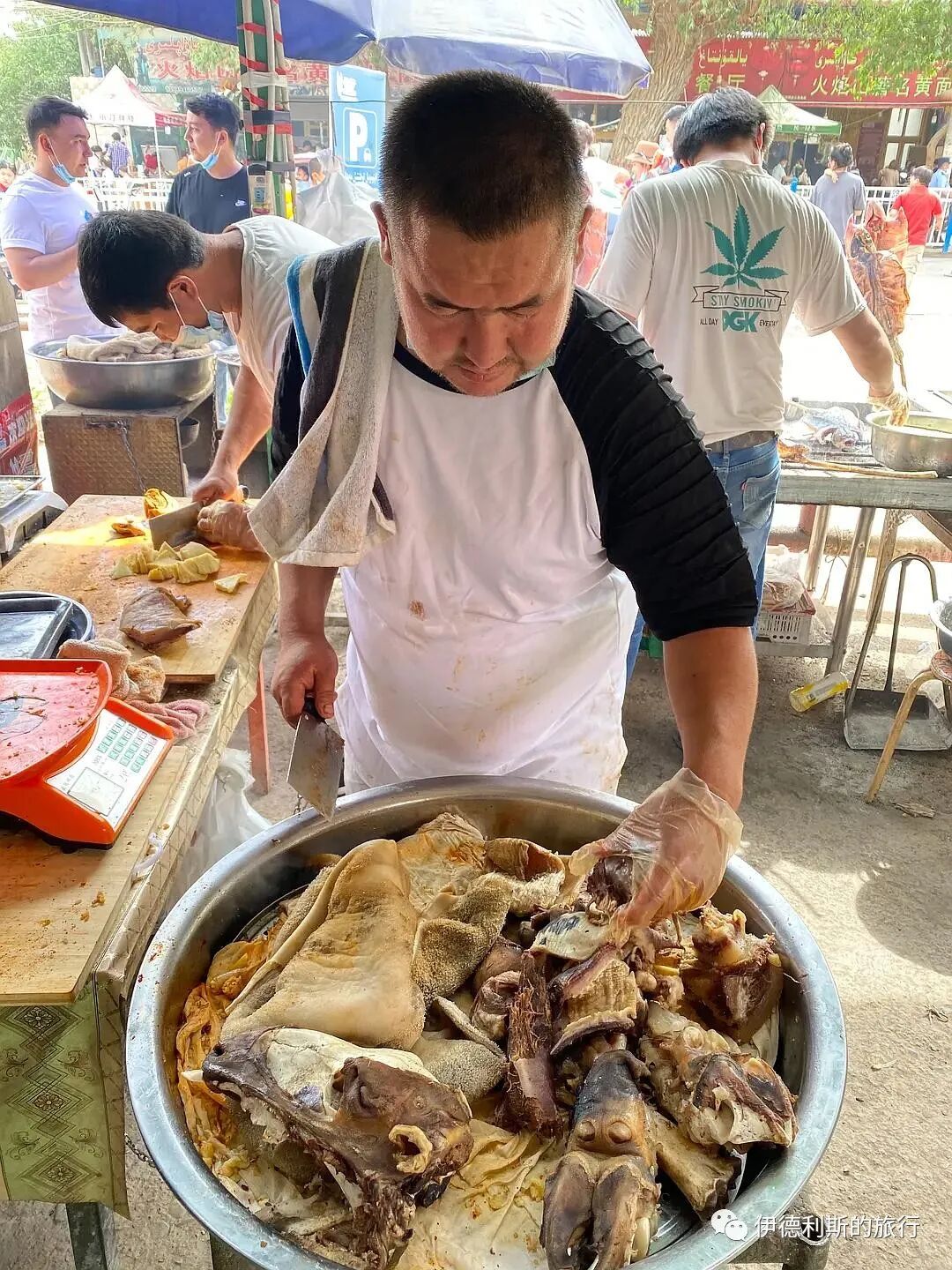
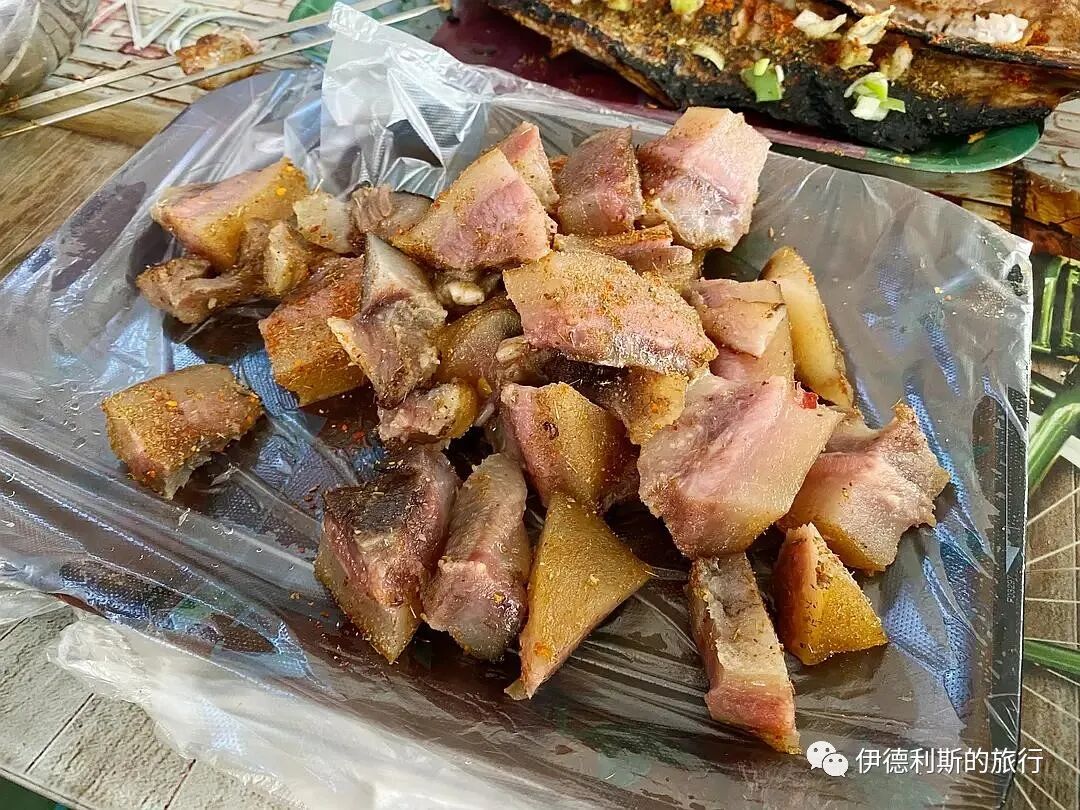
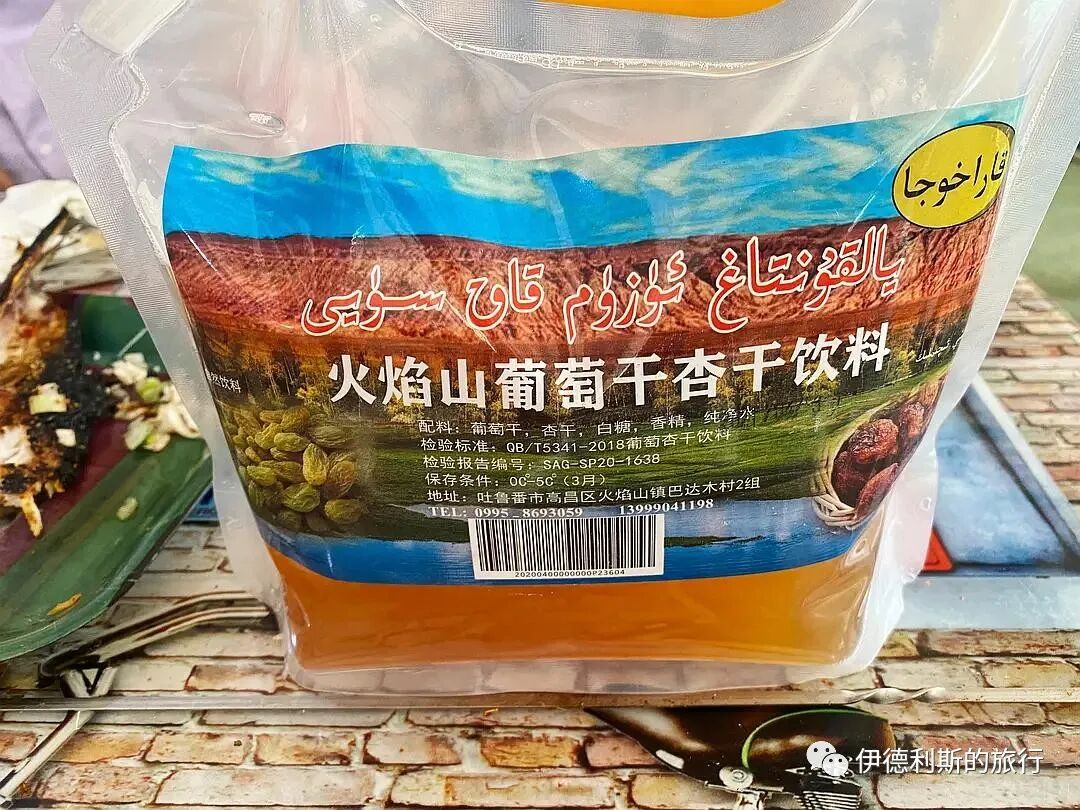
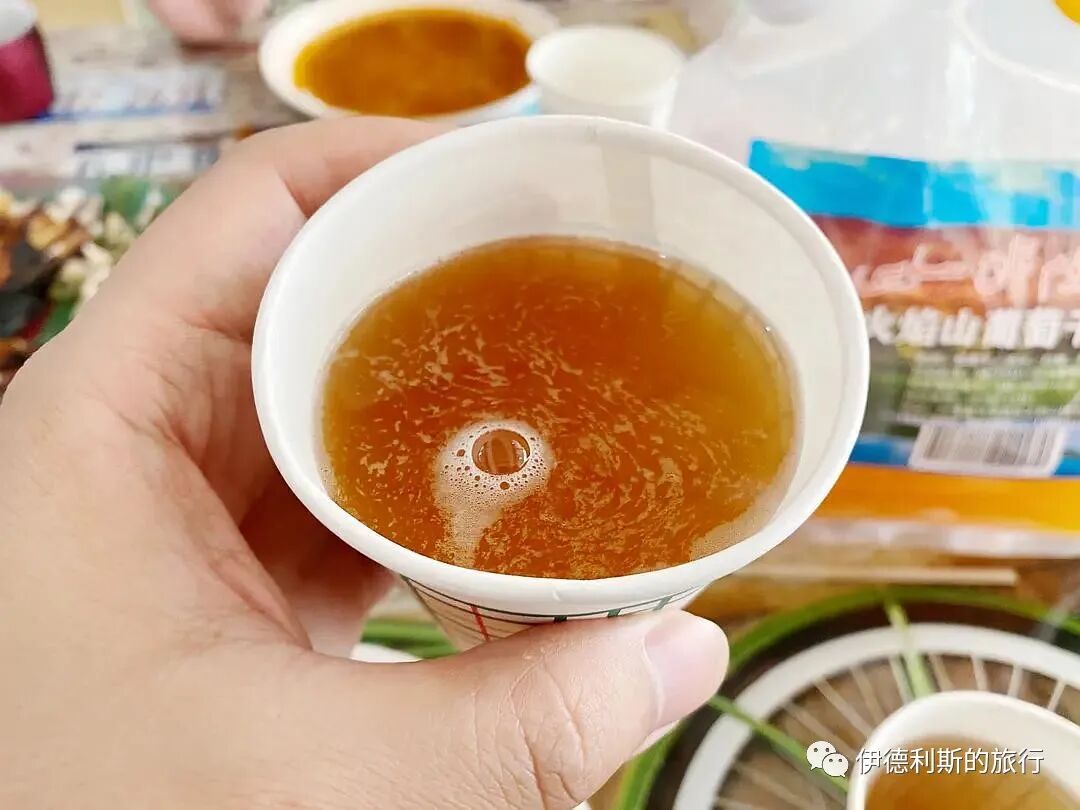
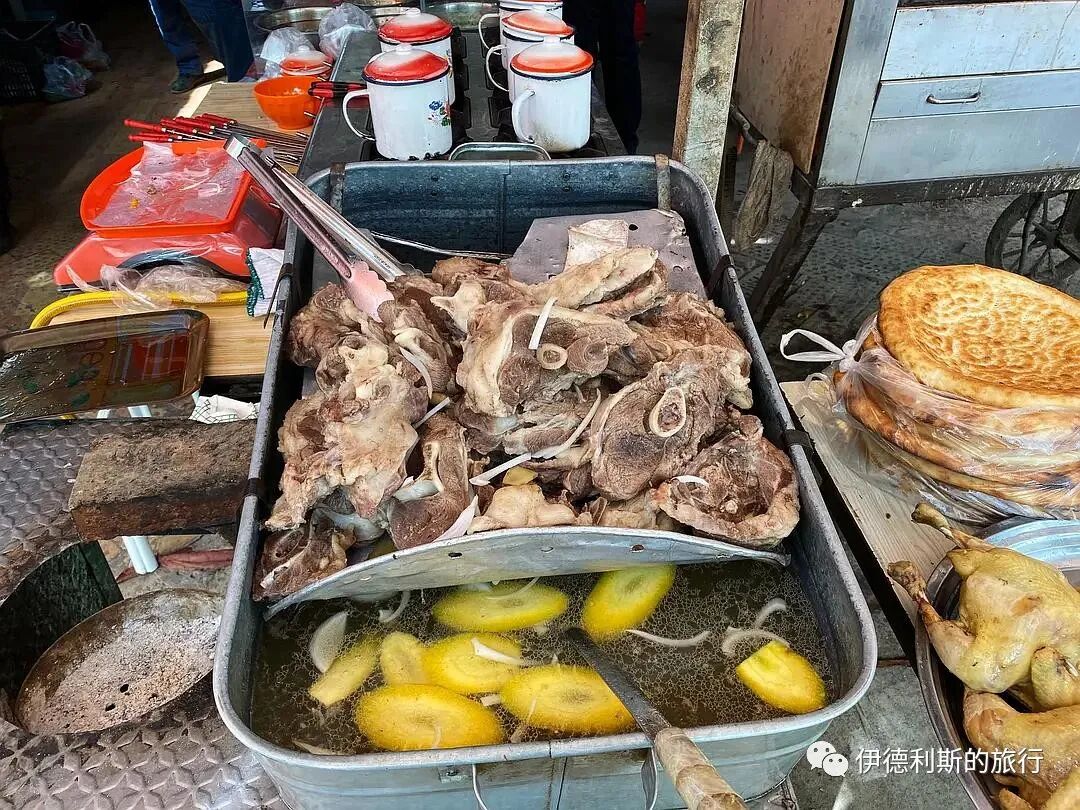
The beef head meat had a great texture from the gelatin, and the portion was very large. We also drank a fermented beverage made from raisins and dried apricots, which is a specialty of Huoyanshan Town; it is richer than kvass.
We also drank date water from the street, which was cool and thirst-quenching.
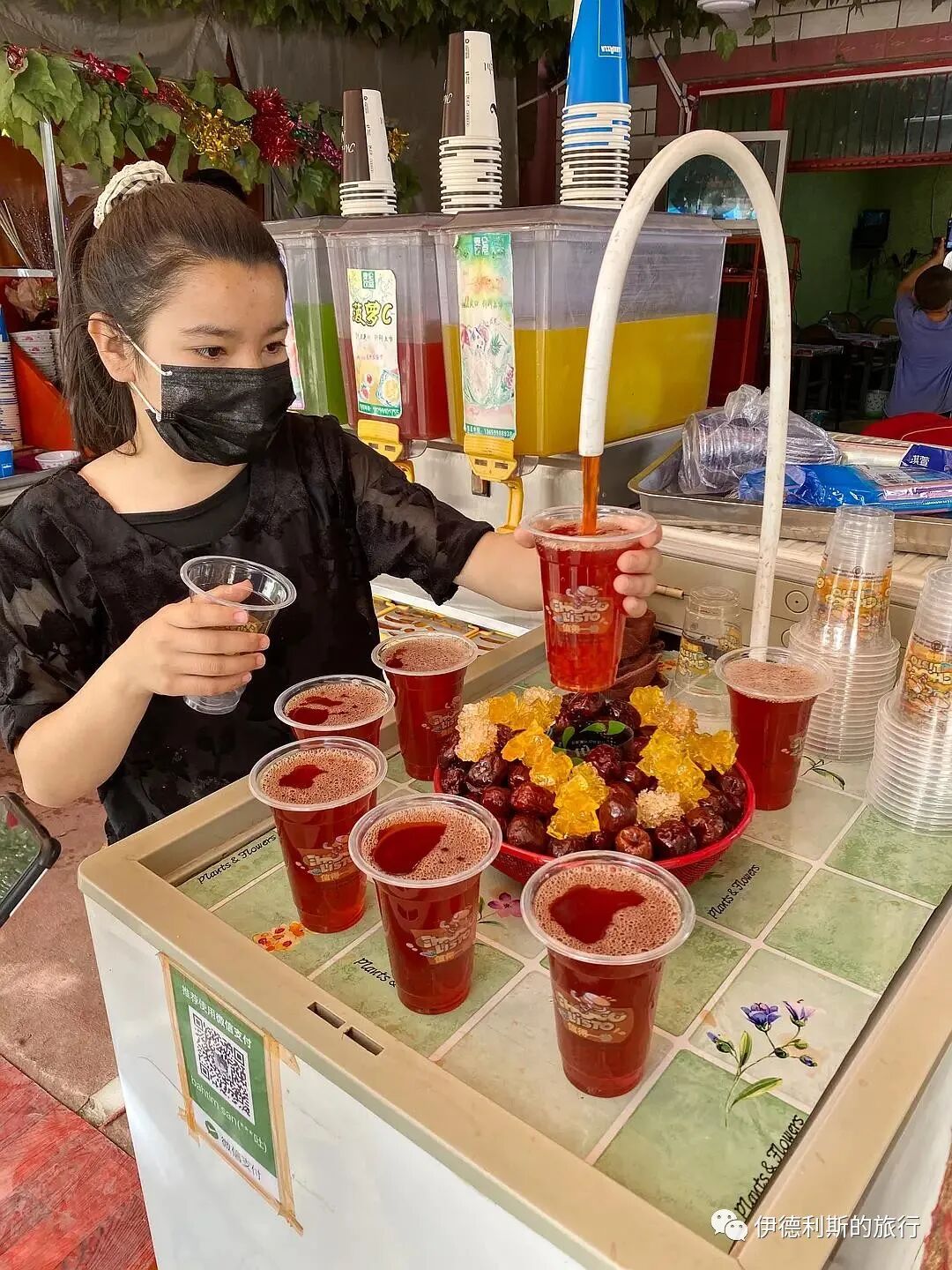
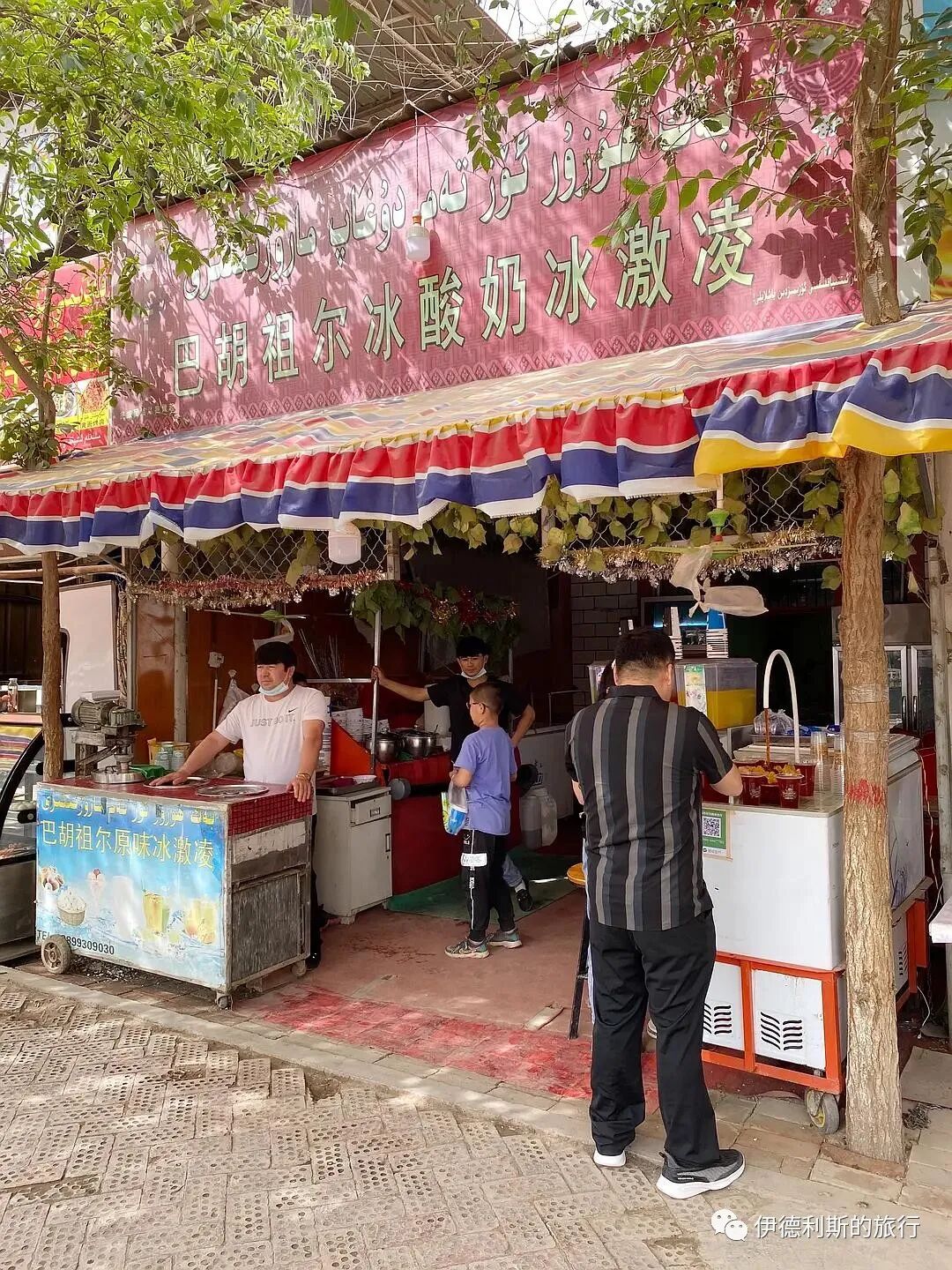
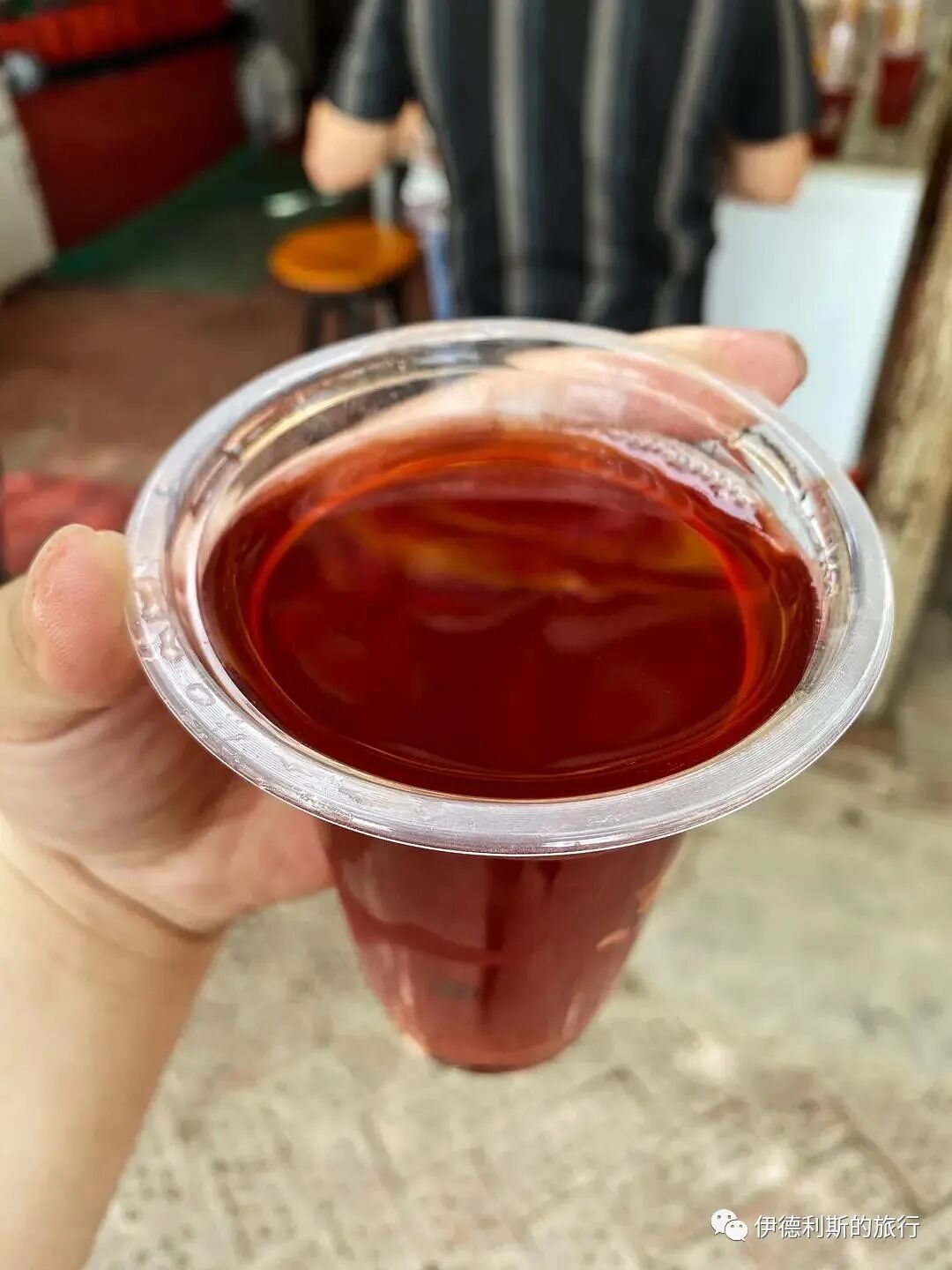
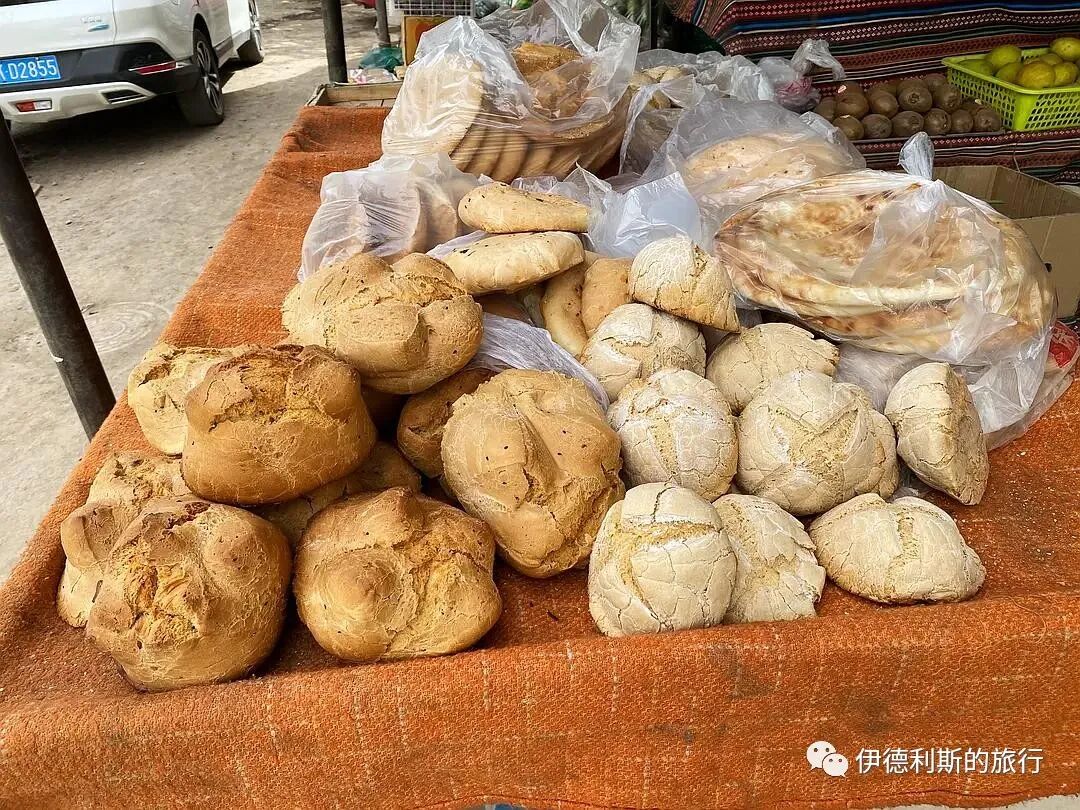
Stewed meat and corn nang (flatbread) on the streets of Huoyanshan Town.
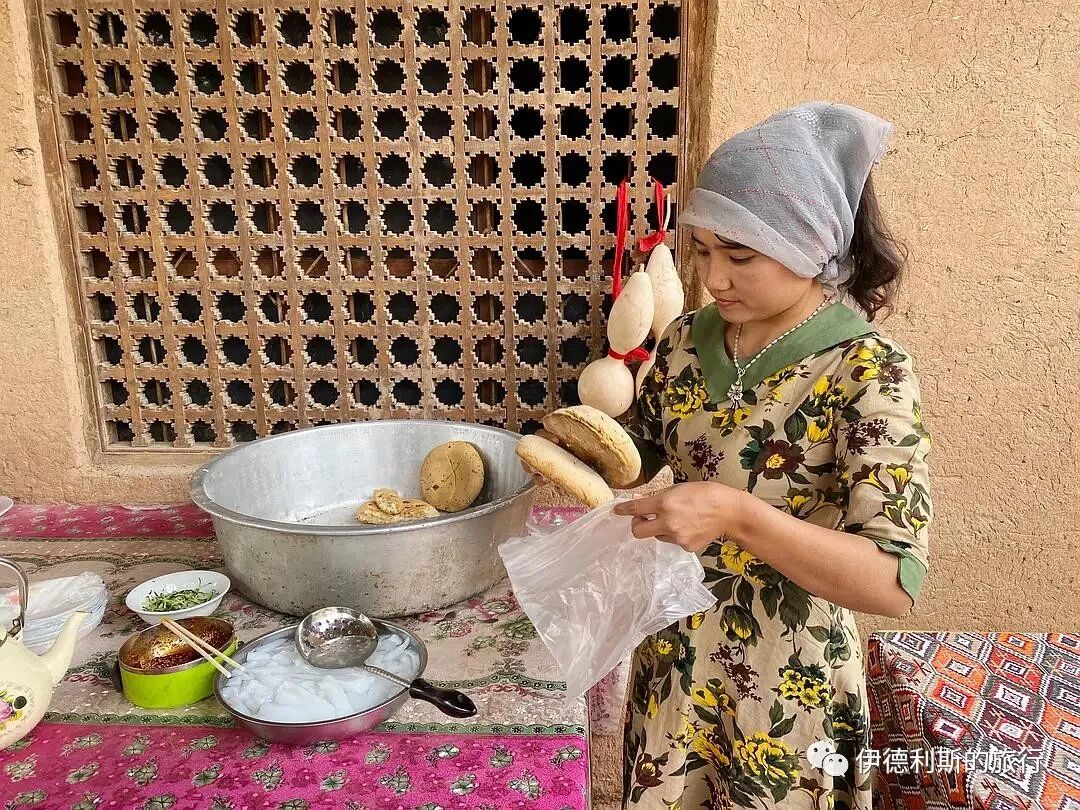
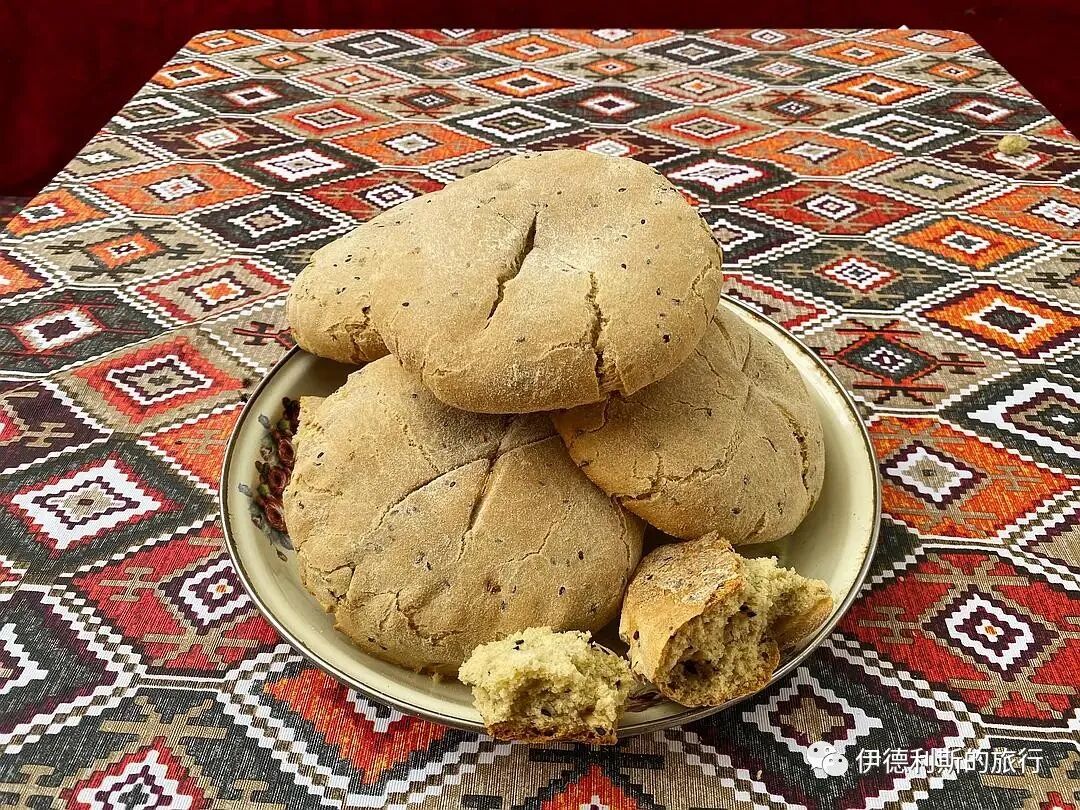
After lunch, we headed to Tuyugou. We bought dried mulberries and sorghum nang in Tuyugou. The prices here are very cheap and definitely not tourist prices.
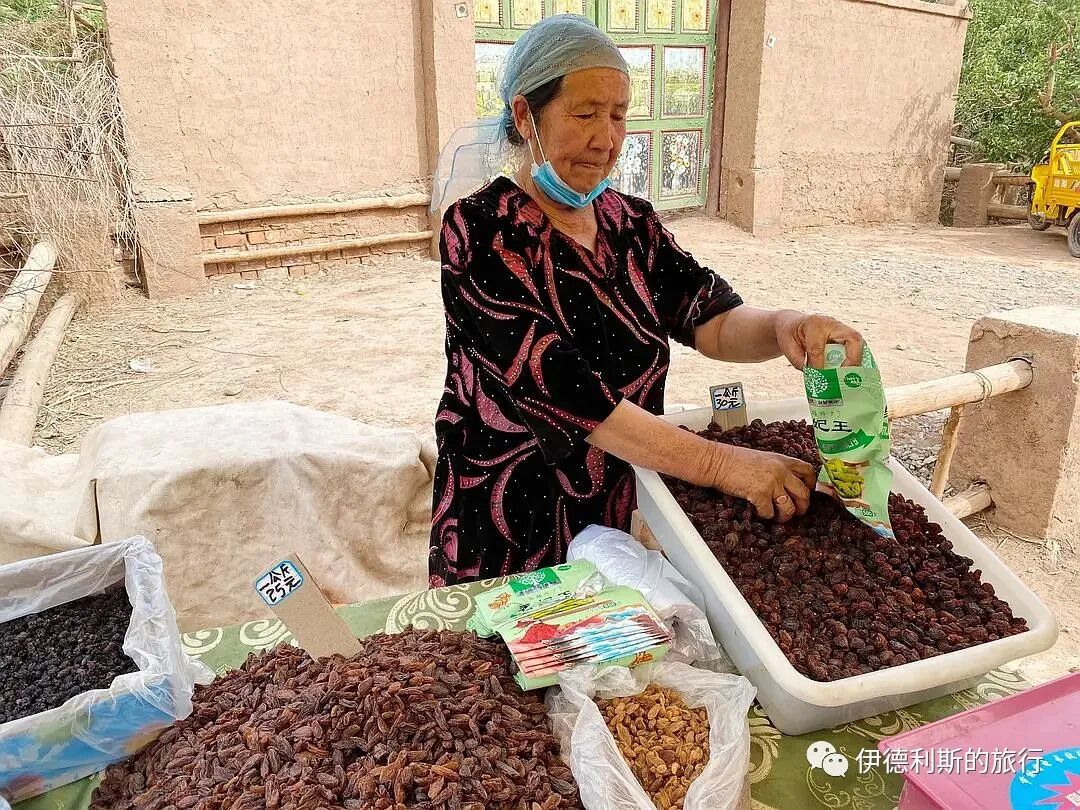
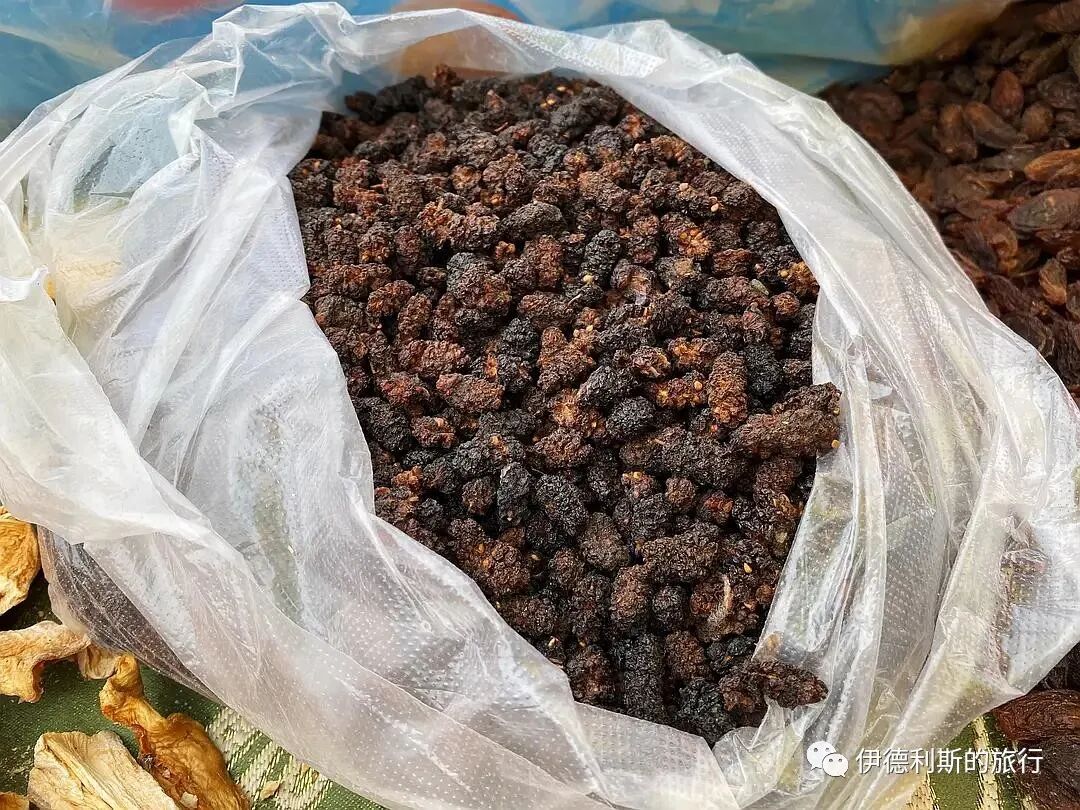
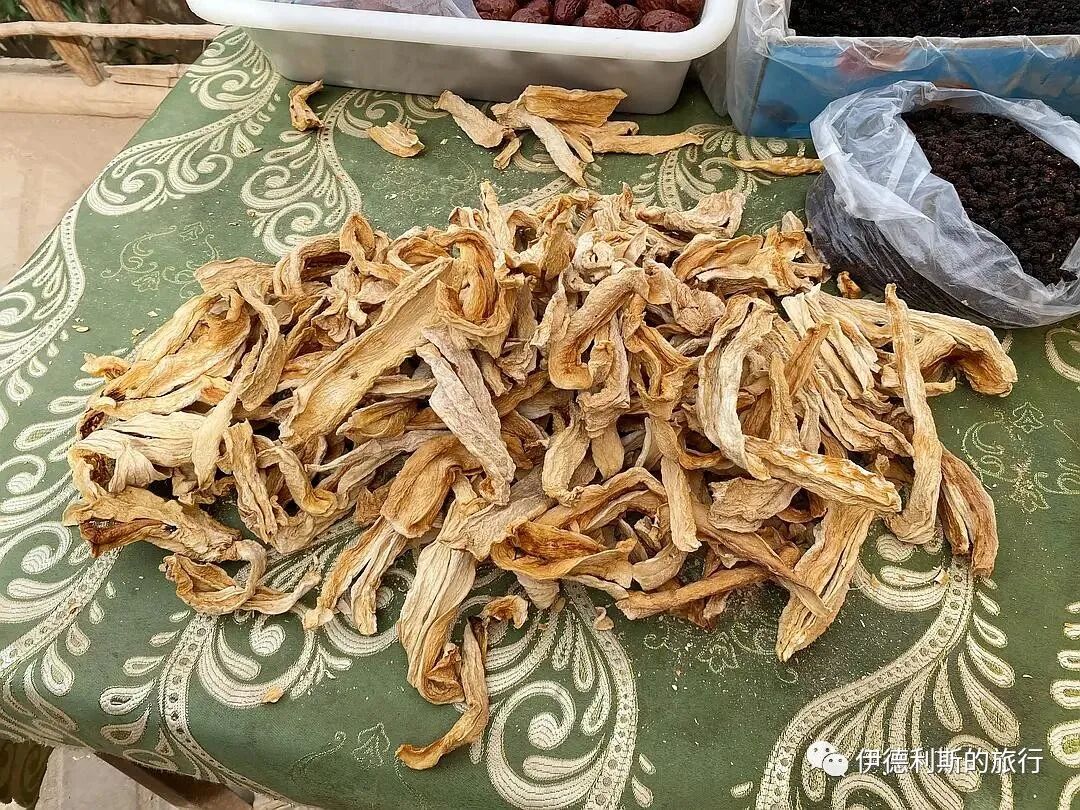
Dried cantaloupe is not often seen.
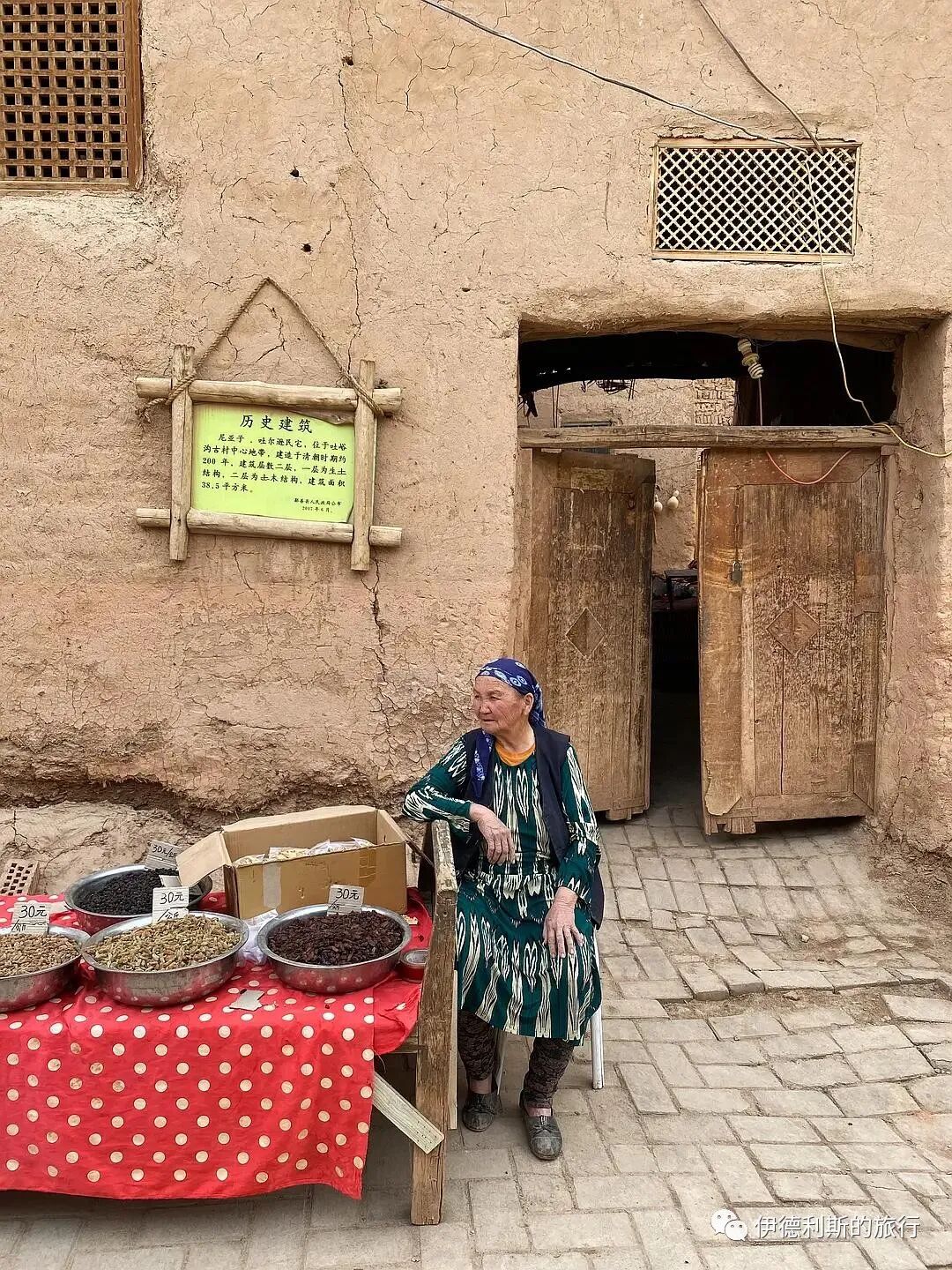
The sorghum nang was made by this young woman herself.
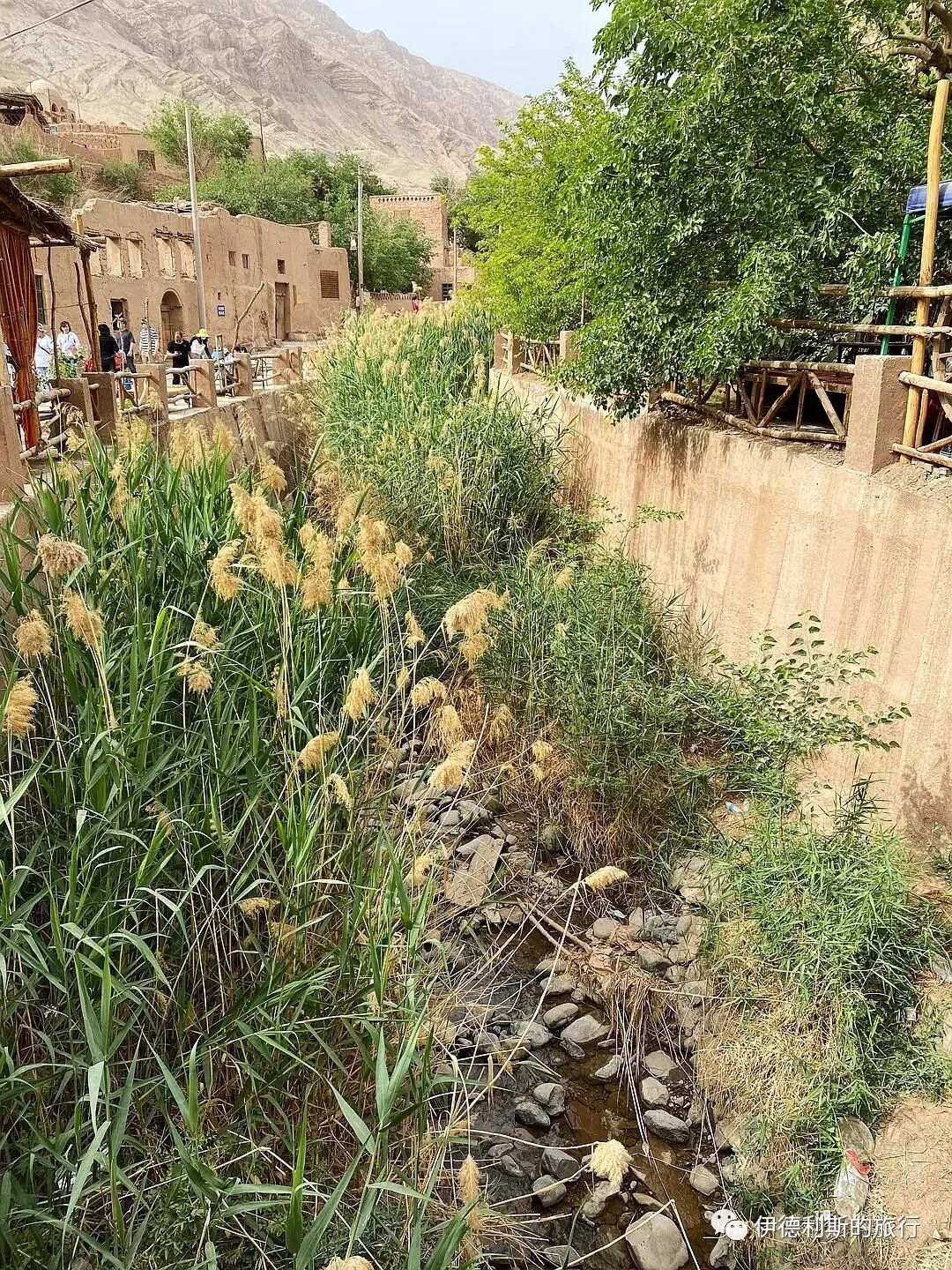
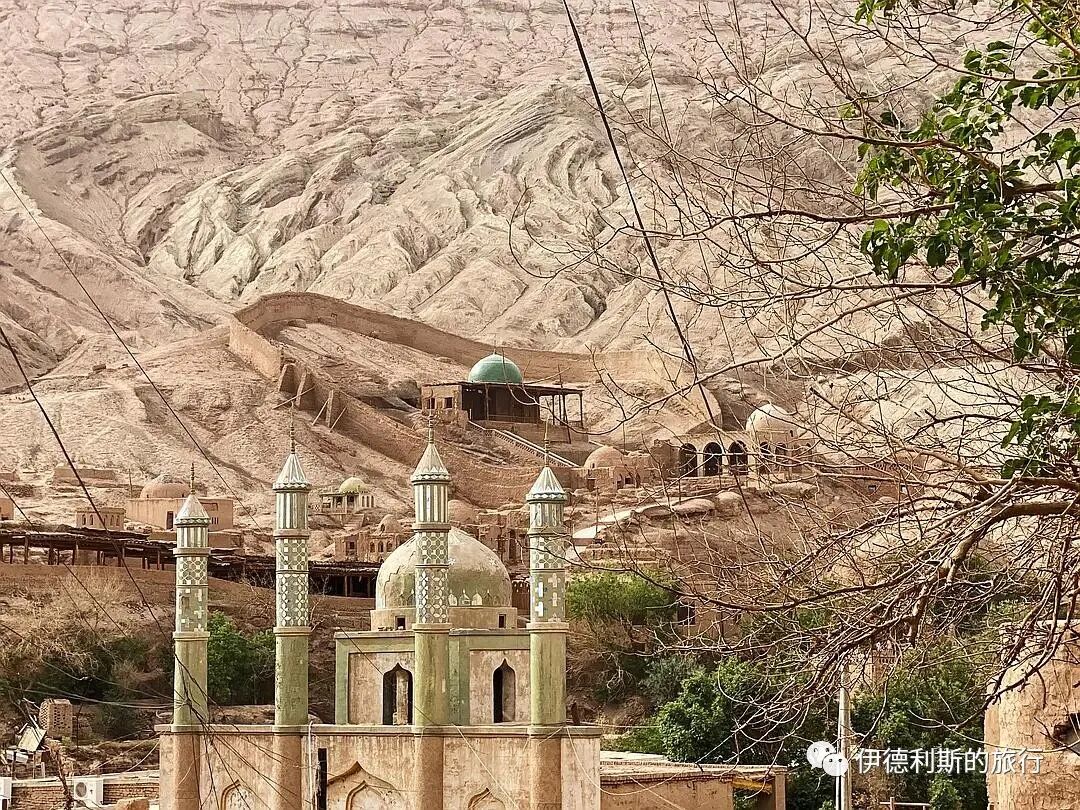
Tuyugou Mazar Aldi Village means 'in front of the cemetery'. Above Mazar Village is the famous Al-Sahab Kahfi Mazar, commonly known as the 'Holy Tomb'. I visited the Mazar in 2013, but unfortunately, it is no longer open for visits.
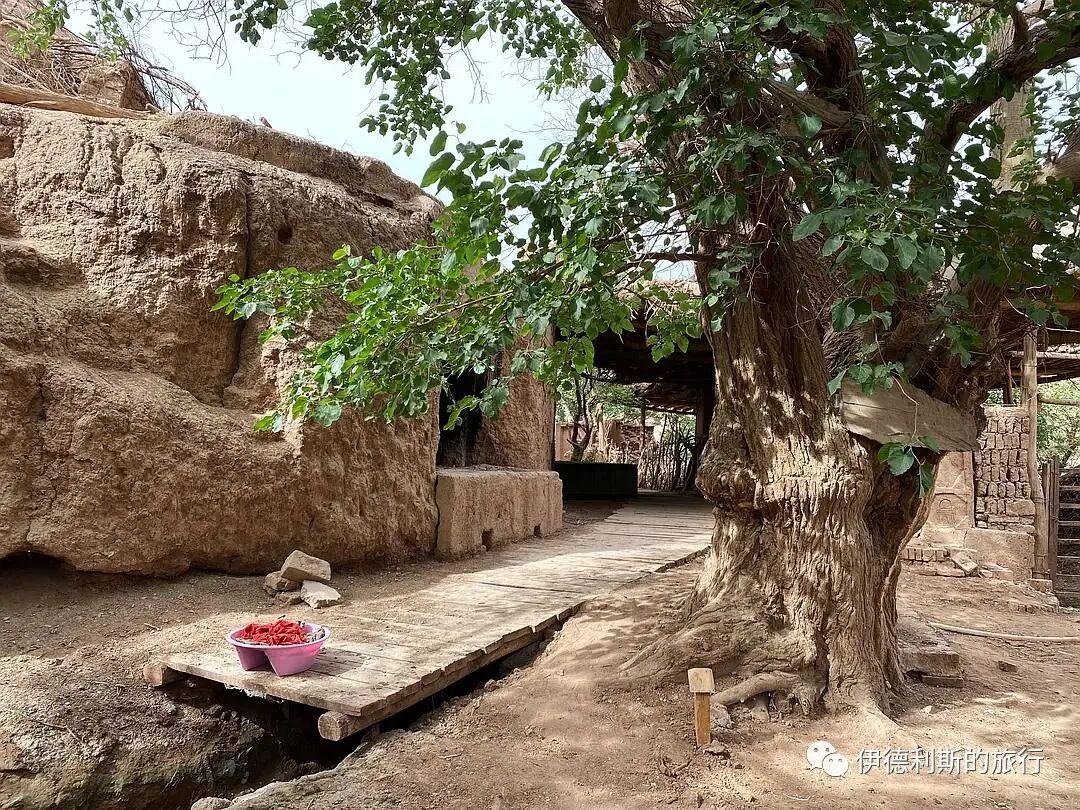
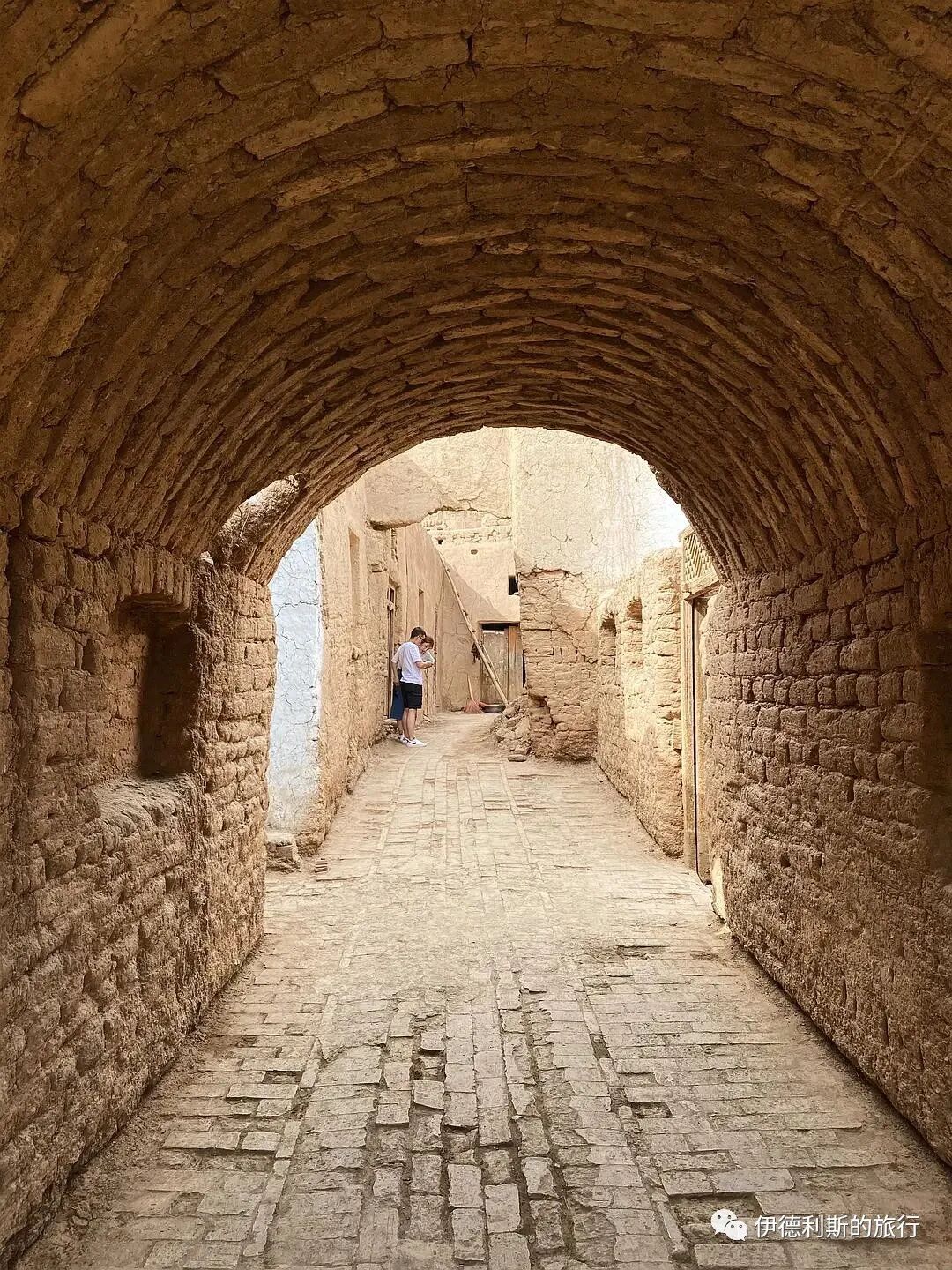
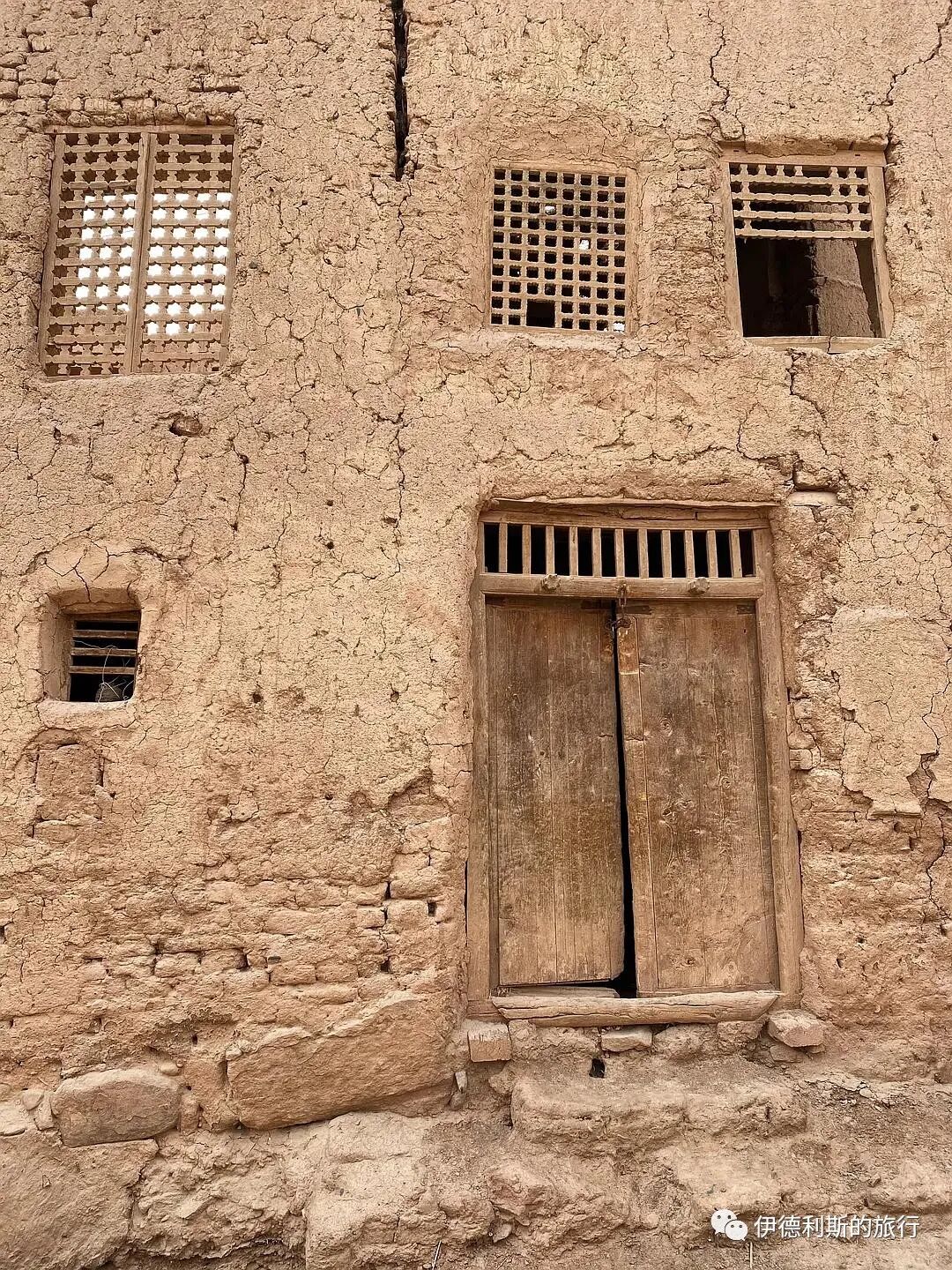
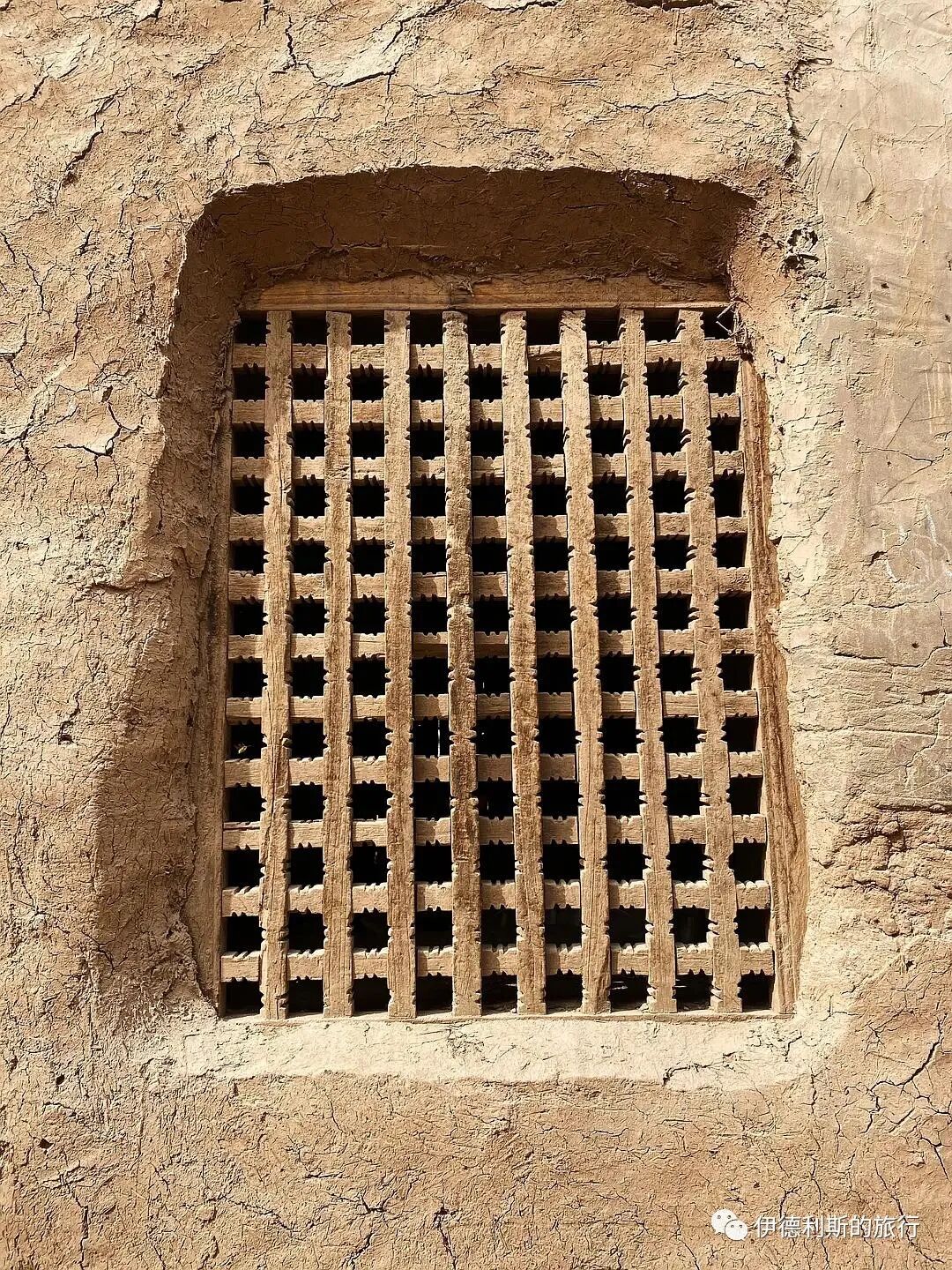
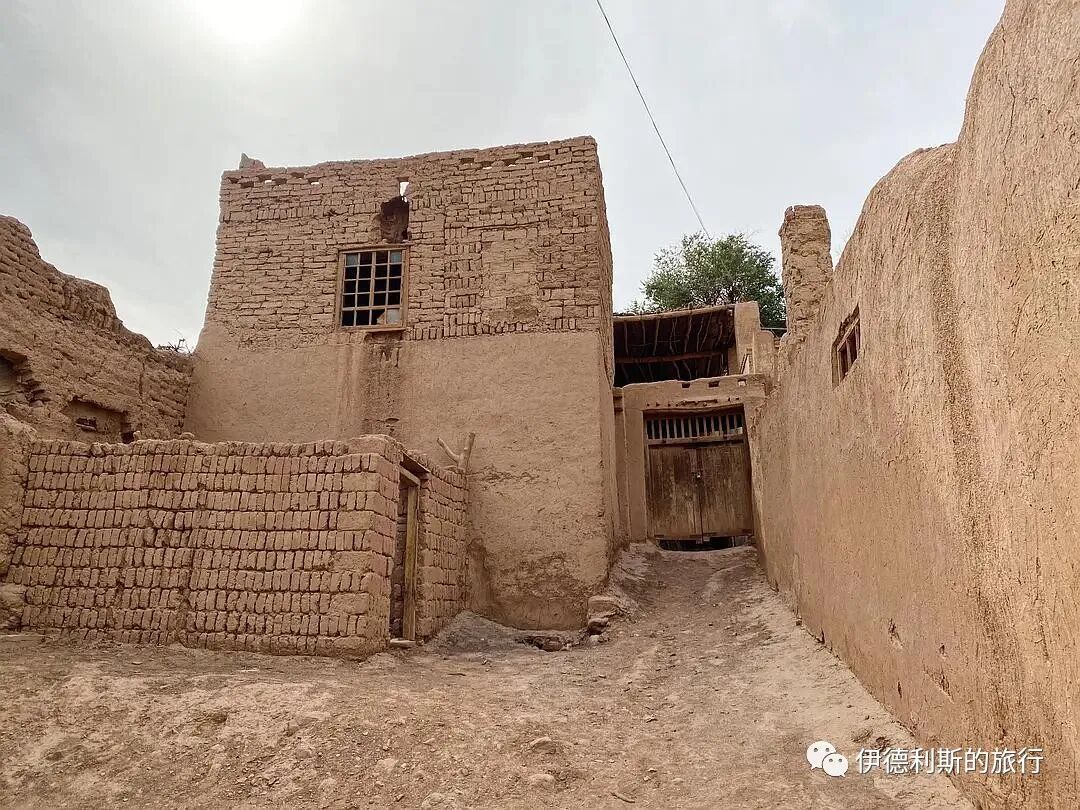
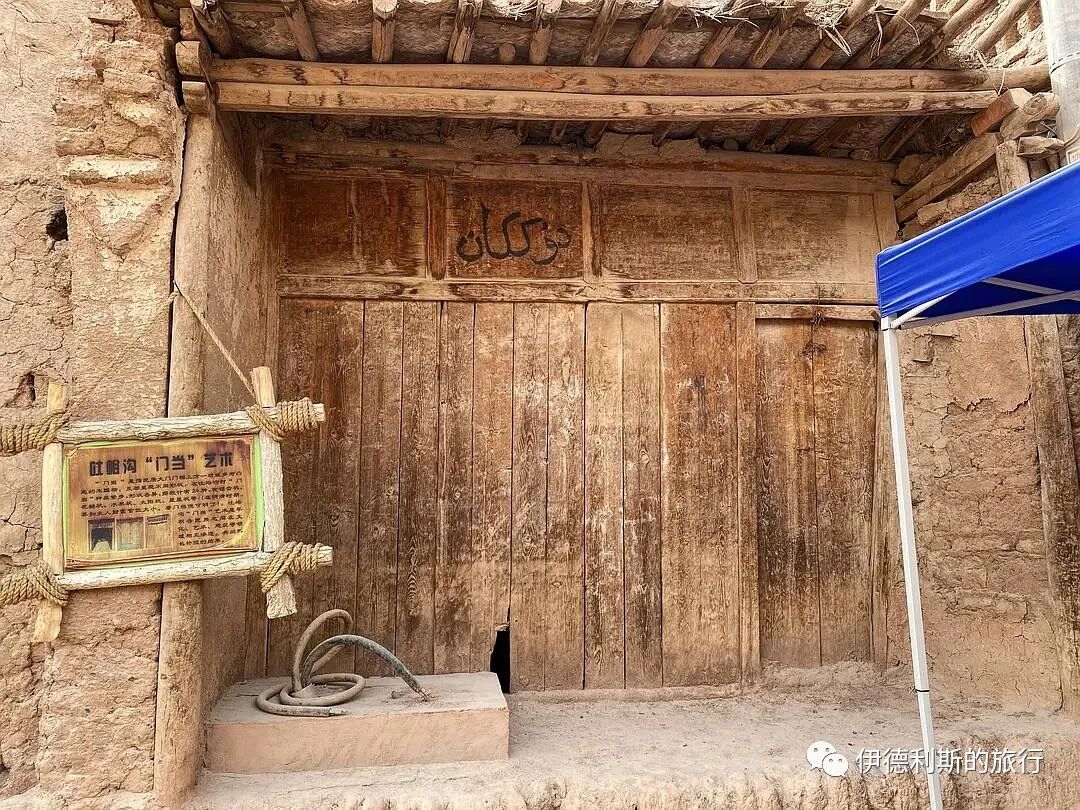
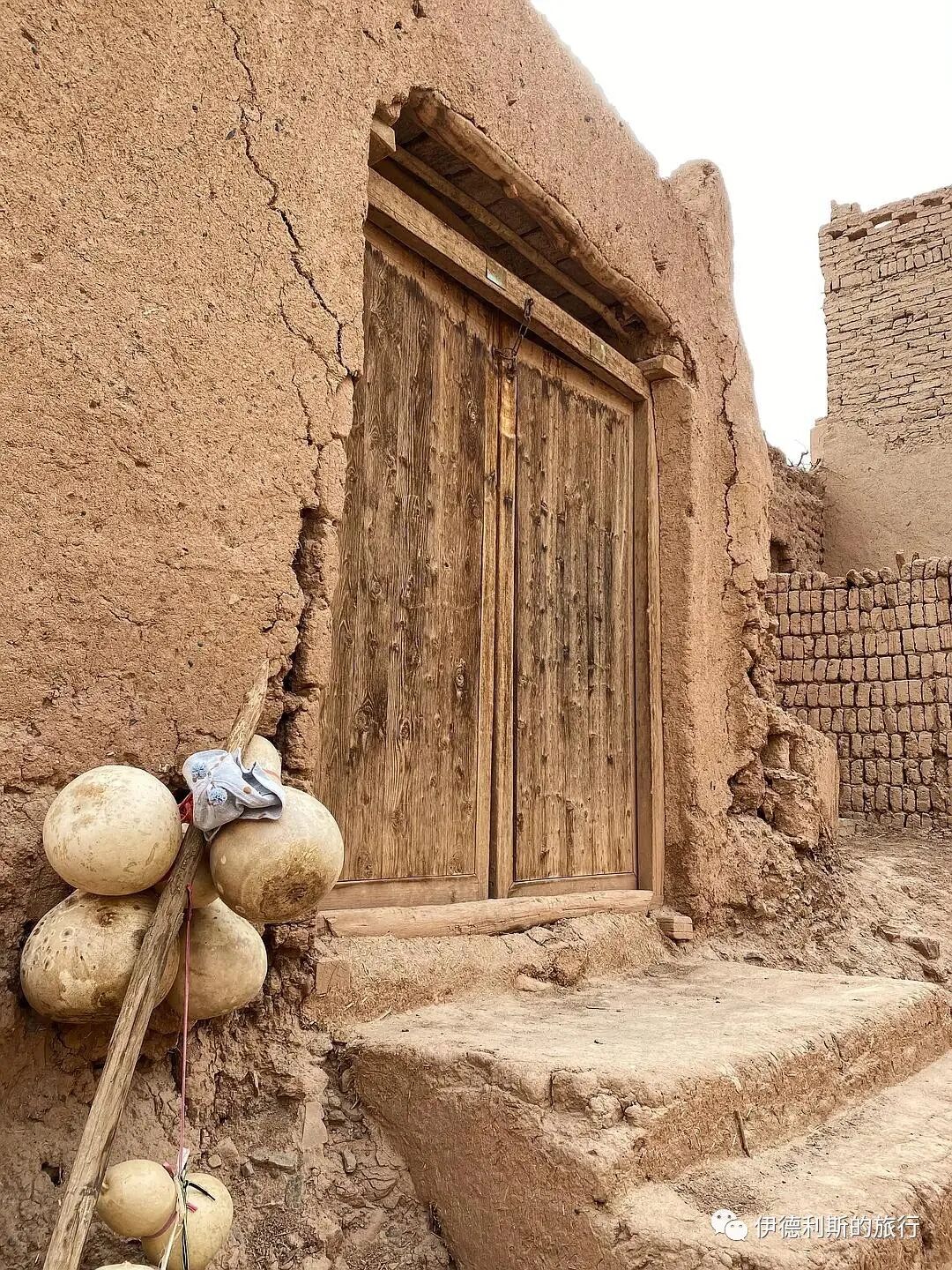
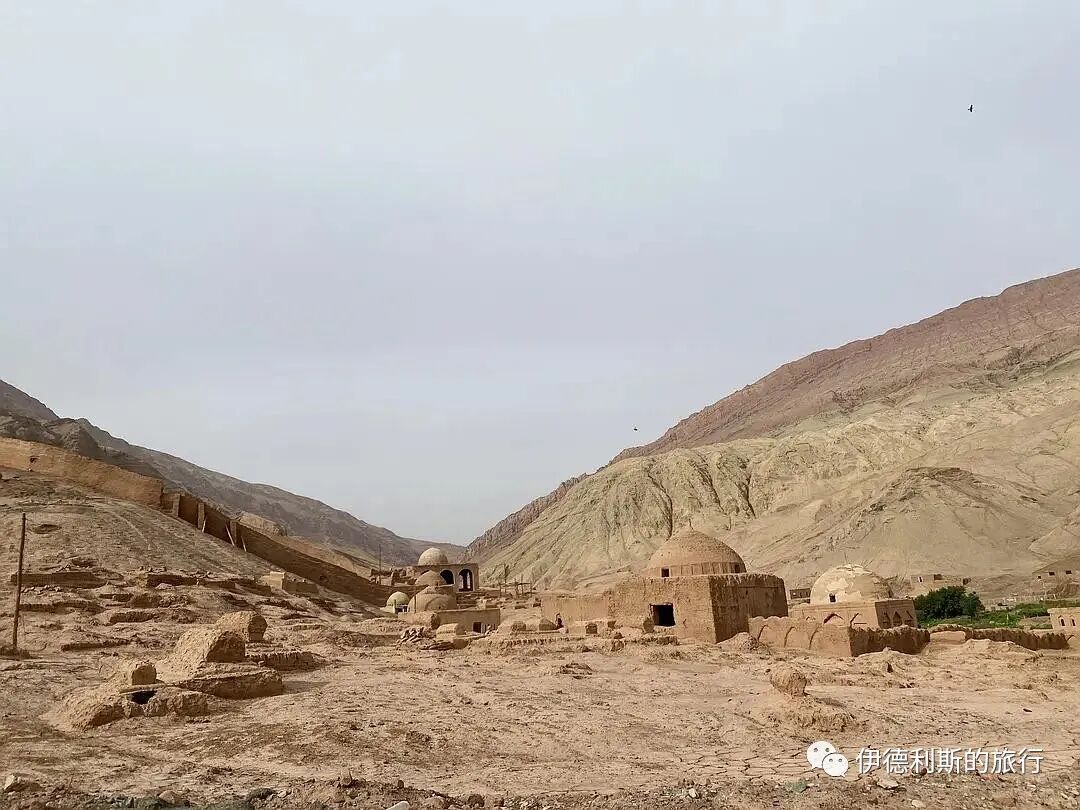
The traditional houses in Mazar Village are made of raw earth architecture. The walls are built with mud bricks or rammed earth. When laying the bricks, no mortar is used; instead, the moisture of the mud bricks themselves is used for adhesion, and the walls are covered with fine mud after being built. The roofs are divided into two types: wooden ribbed flat roofs and earthen arched roofs. The wooden ribbed flat roof is made by placing multiple thin wooden beams on the walls, covering the beams with reed mats, and then covering them with fine mud. Most of the wood used is local fast-growing poplar. The earthen arched roofs are made entirely of raw earth, and some roofs are plastered with straw-mud to serve as drying platforms for raisins. Because they have received charity from Muslims visiting the Mazar for generations, most villagers in Mazar Village only grow grapes and not crops, and raisins are also the main income for Mazar Village.
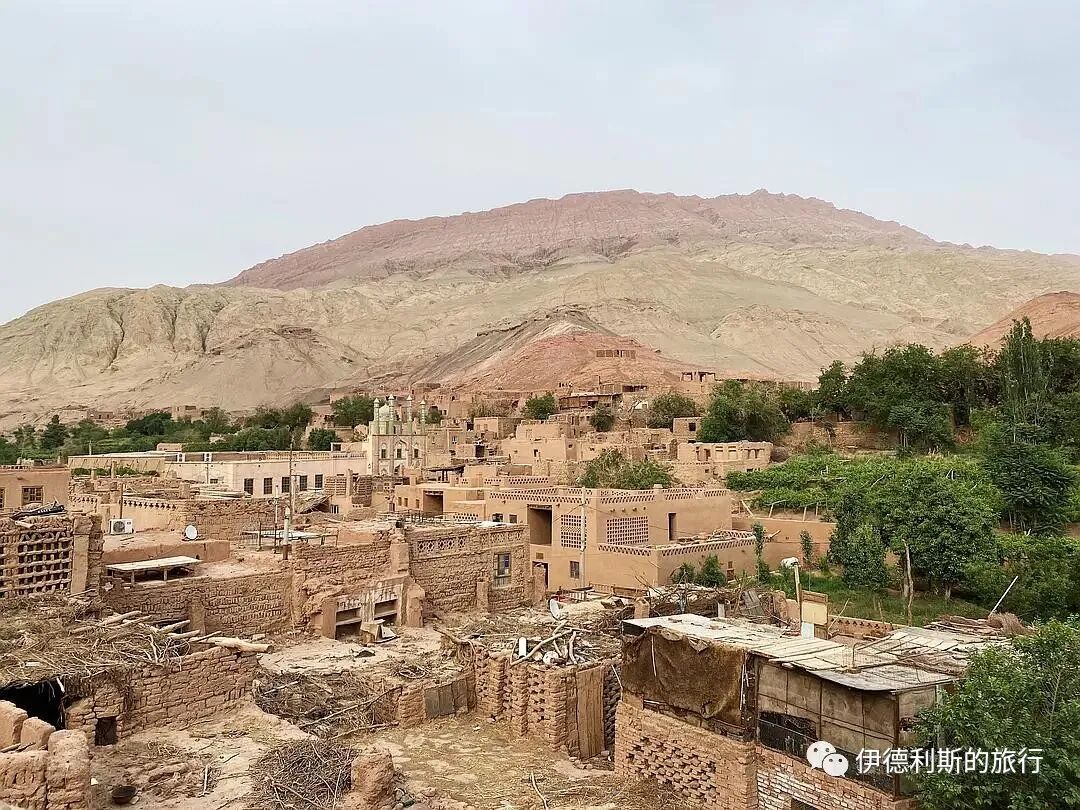
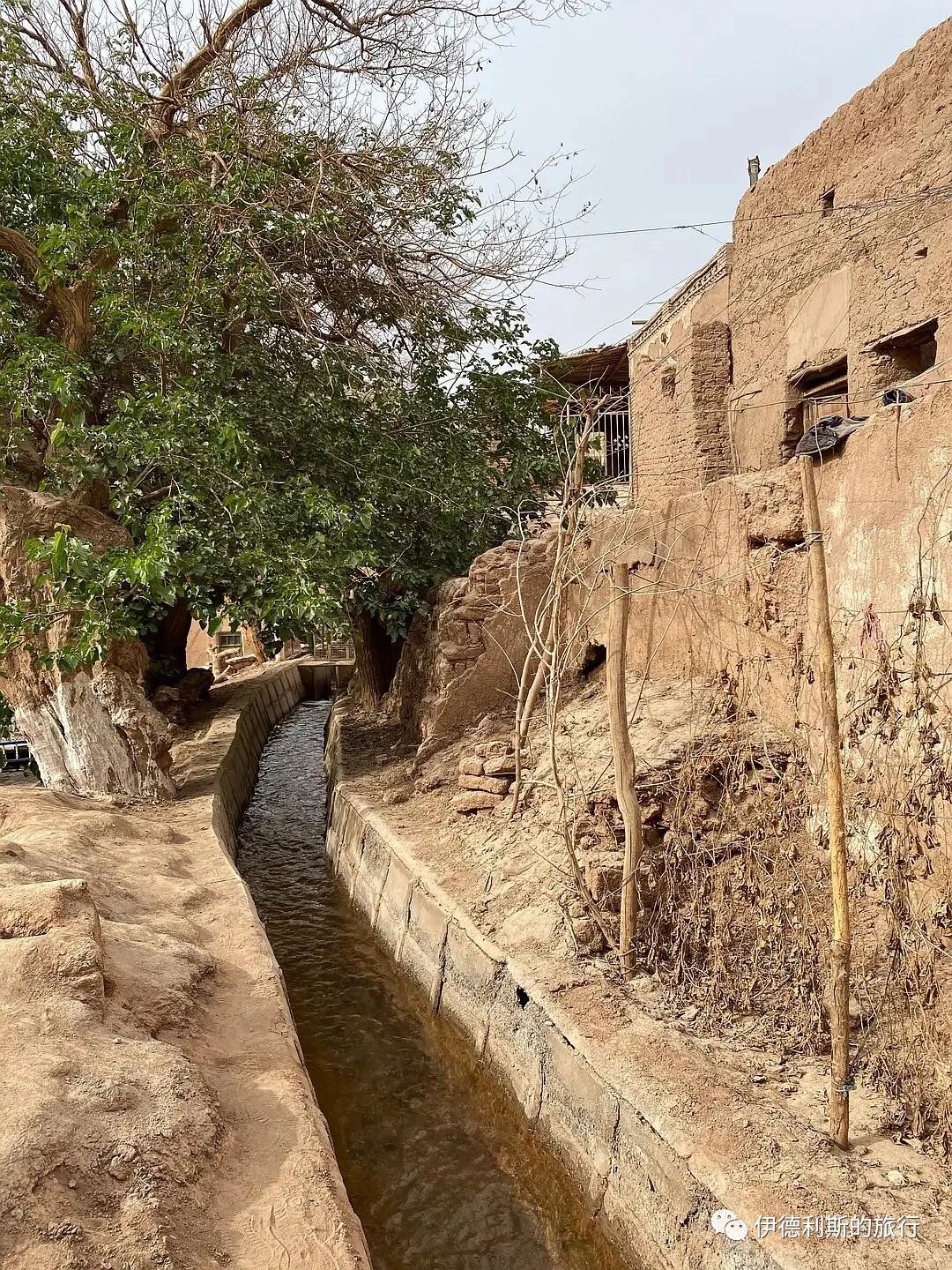
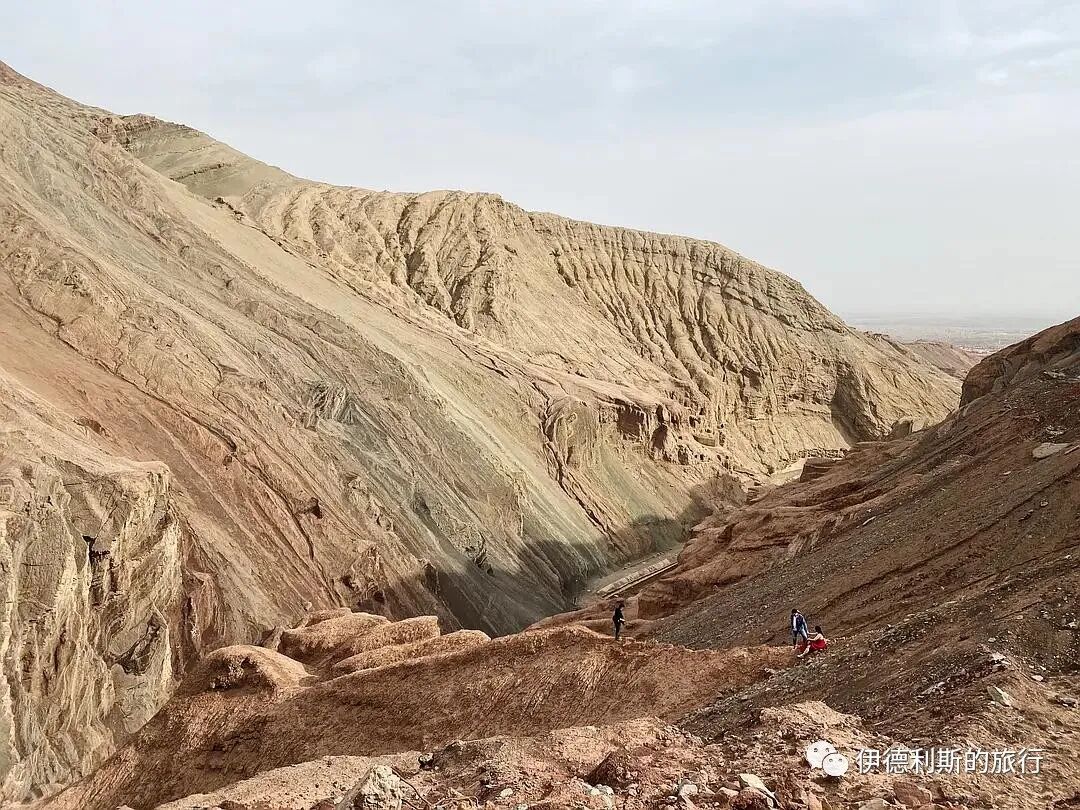
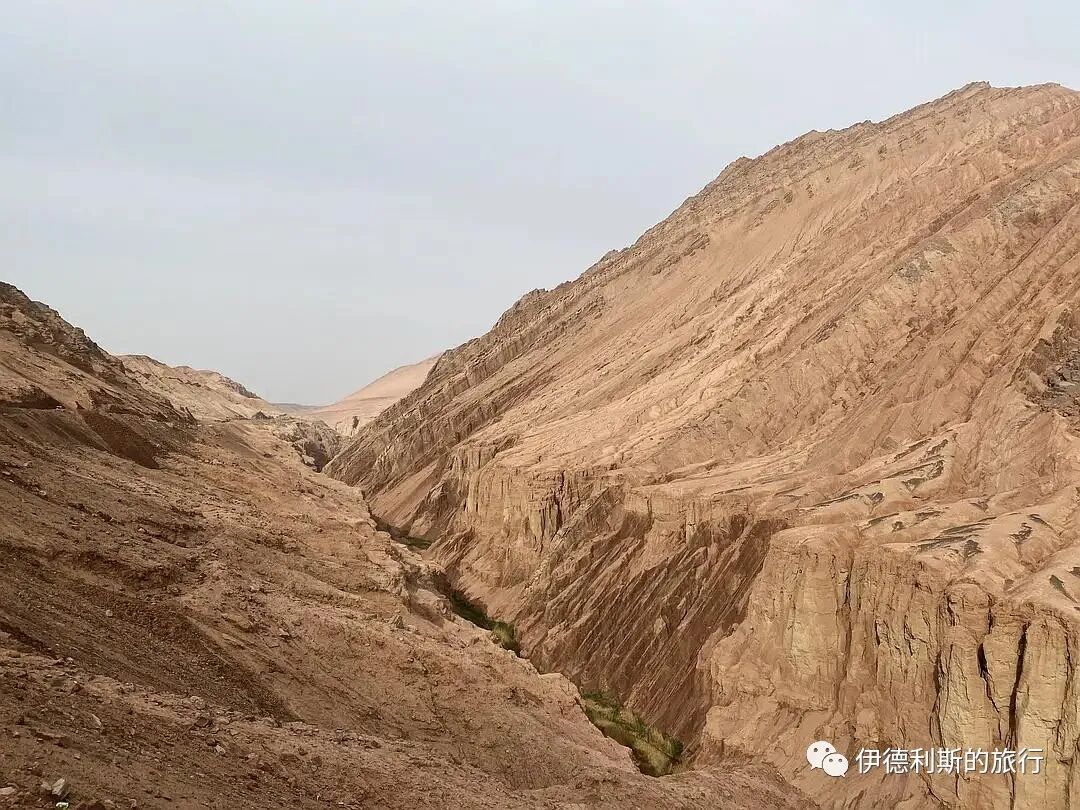
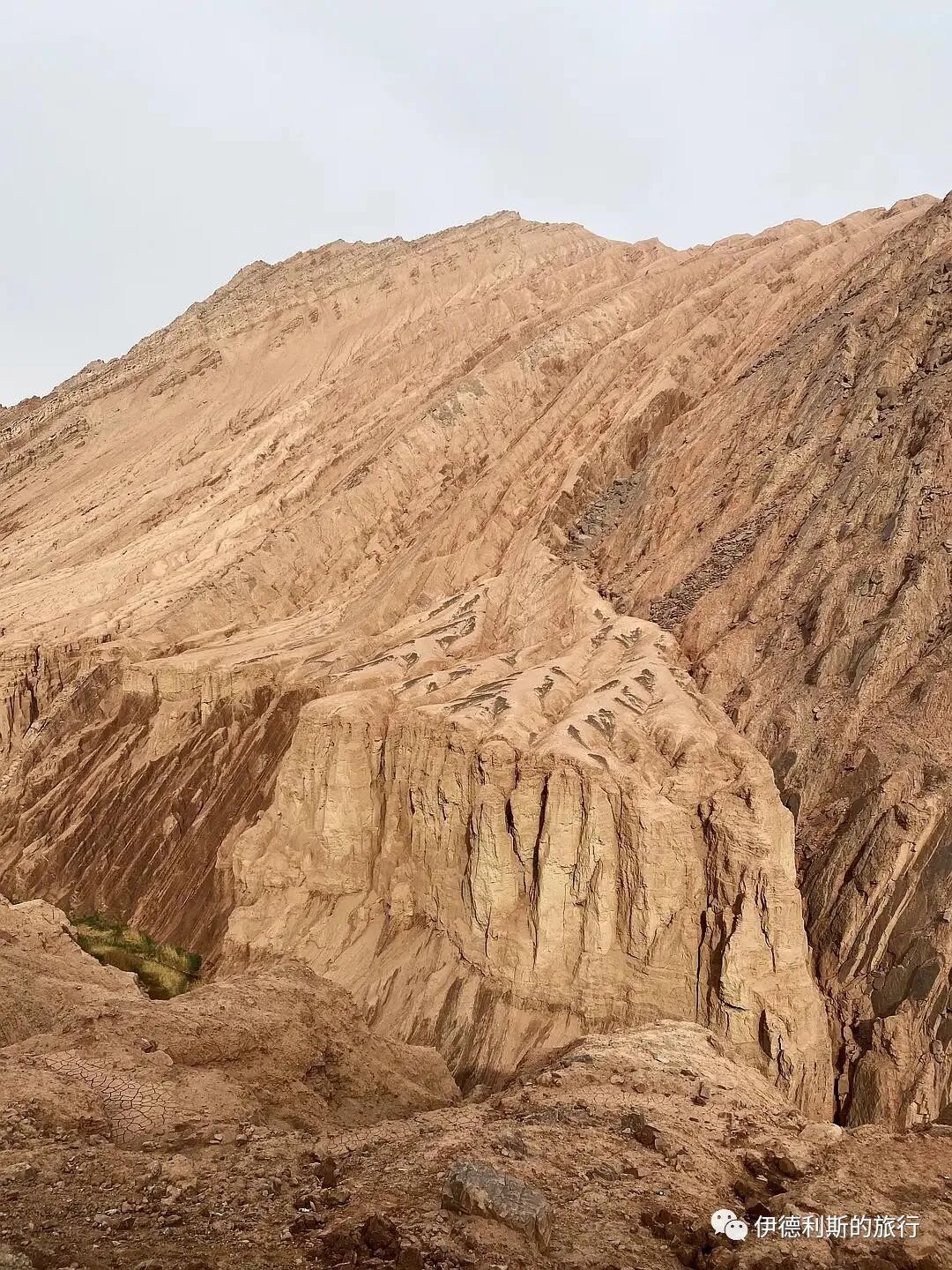
Tuyugou Grand Canyon and the Mazar.
Summary: This travel note introduces Turpan Halal Travel Guide in May: Ancient Sites and Uyghur Food (Part 2). At noon, we ate huangmian kaorou (yellow noodles with grilled meat) in Huoyanshan Town. It is useful for readers interested in Turpan Travel, Uyghur Food, Xinjiang Travel.
At noon, we ate huangmian kaorou (yellow noodles with grilled meat) in Huoyanshan Town. Huoyanshan Town is famous for its huangmian kaorou, and the whole street is filled with shops selling it. The most famous one is called 'Huoyanshan Famous Huangmian Kaorou Restaurant,' but it was fully booked when we arrived, so we ate at the place across the street. We ordered a mix of yellow noodles and liangpi (cold starch noodles). After the grilled meat was cooked, it was taken off the skewers and placed on top of the yellow noodles. It was so refreshing to eat in the summer, and it felt really suitable for the climate of the Flaming Mountains. We also had grilled fish, and everyone agreed that the meat was very fresh, tender, and delicious.
The beef head meat had a great texture from the gelatin, and the portion was very large. We also drank a fermented beverage made from raisins and dried apricots, which is a specialty of Huoyanshan Town; it is richer than kvass.
We also drank date water from the street, which was cool and thirst-quenching.
Stewed meat and corn nang (flatbread) on the streets of Huoyanshan Town.
After lunch, we headed to Tuyugou. We bought dried mulberries and sorghum nang in Tuyugou. The prices here are very cheap and definitely not tourist prices.
Dried cantaloupe is not often seen.
The sorghum nang was made by this young woman herself.
Tuyugou Mazar Aldi Village means 'in front of the cemetery'. Above Mazar Village is the famous Al-Sahab Kahfi Mazar, commonly known as the 'Holy Tomb'. I visited the Mazar in 2013, but unfortunately, it is no longer open for visits.
The traditional houses in Mazar Village are made of raw earth architecture. The walls are built with mud bricks or rammed earth. When laying the bricks, no mortar is used; instead, the moisture of the mud bricks themselves is used for adhesion, and the walls are covered with fine mud after being built. The roofs are divided into two types: wooden ribbed flat roofs and earthen arched roofs. The wooden ribbed flat roof is made by placing multiple thin wooden beams on the walls, covering the beams with reed mats, and then covering them with fine mud. Most of the wood used is local fast-growing poplar. The earthen arched roofs are made entirely of raw earth, and some roofs are plastered with straw-mud to serve as drying platforms for raisins. Because they have received charity from Muslims visiting the Mazar for generations, most villagers in Mazar Village only grow grapes and not crops, and raisins are also the main income for Mazar Village.
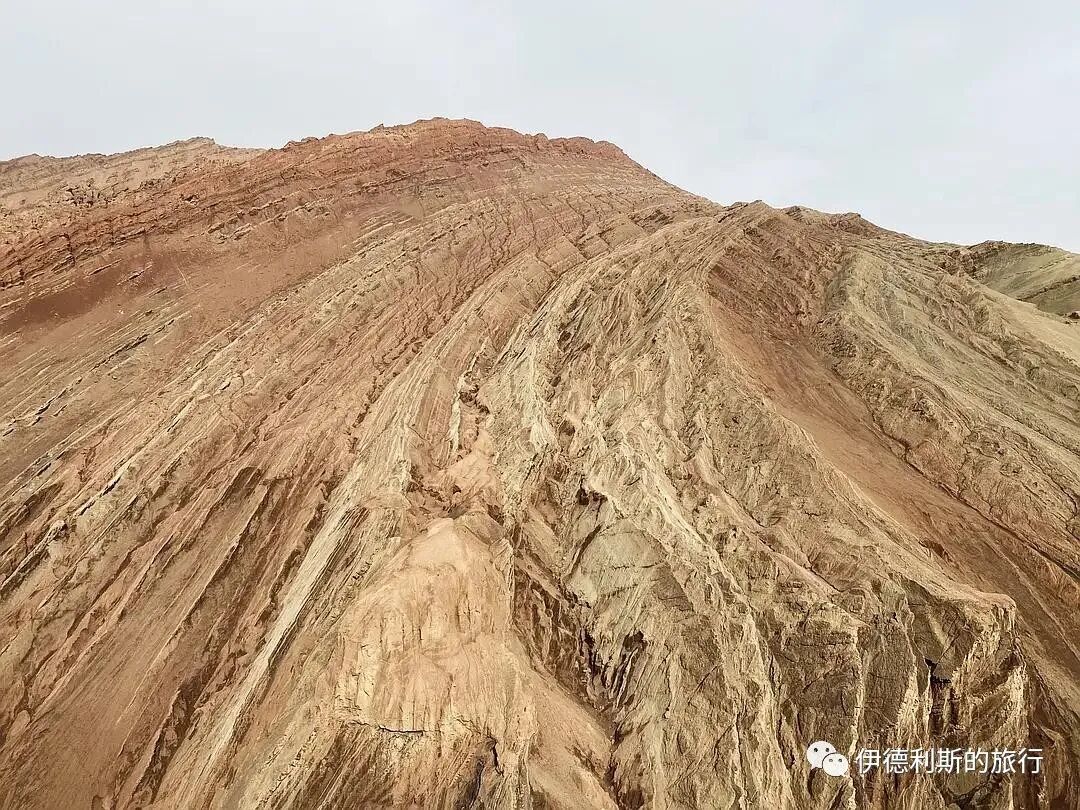
Tuyugou Grand Canyon and the Mazar.
