

Uyghur Food
Xinjiang Home Cooking Guide: Zainab’s Halal Recipes and Uyghur Food
Articles • ali2007fr posted the article • 0 comments • 145 views • 2026-05-18 01:36
Summary: Xinjiang Home Cooking Guide: Zainab’s Halal Recipes and Uyghur Food is presented here as a firsthand travel account in clear English, beginning with this scene: Author: Zainab. The account keeps its focus on Xinjiang Food, Halal Recipes, Uyghur Food while preserving the names, places, food, and historical details from the Chinese source.
Author: Zainab
As a girl from Urumqi, I often cook Xinjiang home-style dishes. I have put together some simple recipes to share with everyone.
1. Hand-pulled noodles (latiaozi)
2. Lamb chop pilaf (yangpai zhuafan)
3. Minced meat pilaf (suirou zhuafan)
4. Uzbek black pilaf (Uzbek hei zhuafan)
5. Braised lamb bone (hongshao yangbanggu)
6. Braised beef steak (hongshao niupai)
7. Big plate chicken (dapanji)
8. Ashura bean rice (Ashura doudoufan)
9. Awakening of Insects oil tea egg (Jingzhe youcha dan)
10. Starch noodle soup (fentang)
11. Fried starch jelly (zhamenzi)
12. Soup noodles (tangfan)
13. Stir-fried barbecue meat (chao kaorou)
1. Hand-pulled noodles (latiaozi)
1. Preparation: One and a half bowls of flour (for three plates of noodles), half a small spoonful of salt, one bowl of water, a large mixing bowl, a large cutting board, and a rolling pin.
2. Start:
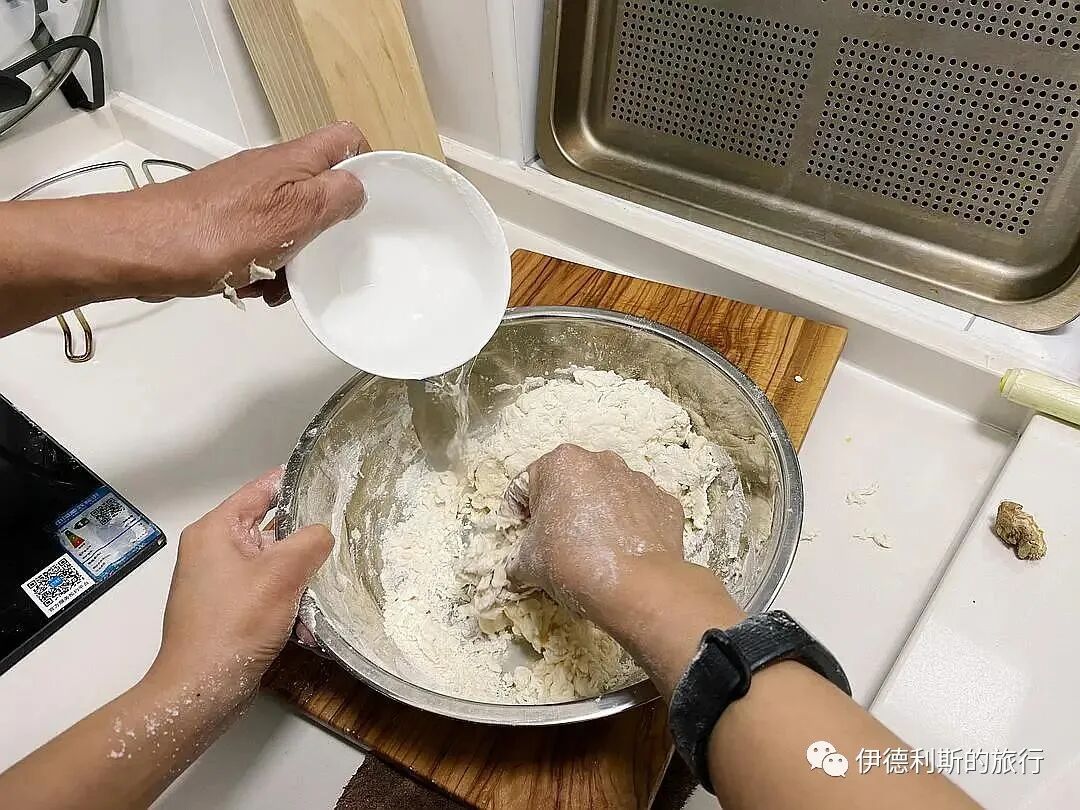
(1) Sprinkle: Put the flour into the mixing bowl and sprinkle in the salt.
(2) Swirl: Pour in a little water and use your fingers to swirl the flour that has touched the water until it forms small, loose crumbles.
(3) Gather: Gradually gather the crumbles into a ball. Swirling and gathering happen at the same time until all the crumbles are part of one single dough ball.
(4) Press: Take the dough out of the bowl. Use the heel of your right hand to press forward, pushing the dough against the board while your left hand guides the direction as the dough rolls forward.
(5) Rest: After about 10 presses, the surface should be smooth. Cover the dough with the mixing bowl and let it rest for 10 minutes.
(6) Knead: Repeat the action from step (4) but don't press as hard, or the surface of the dough might break and lose its smoothness. Then repeat step (5).
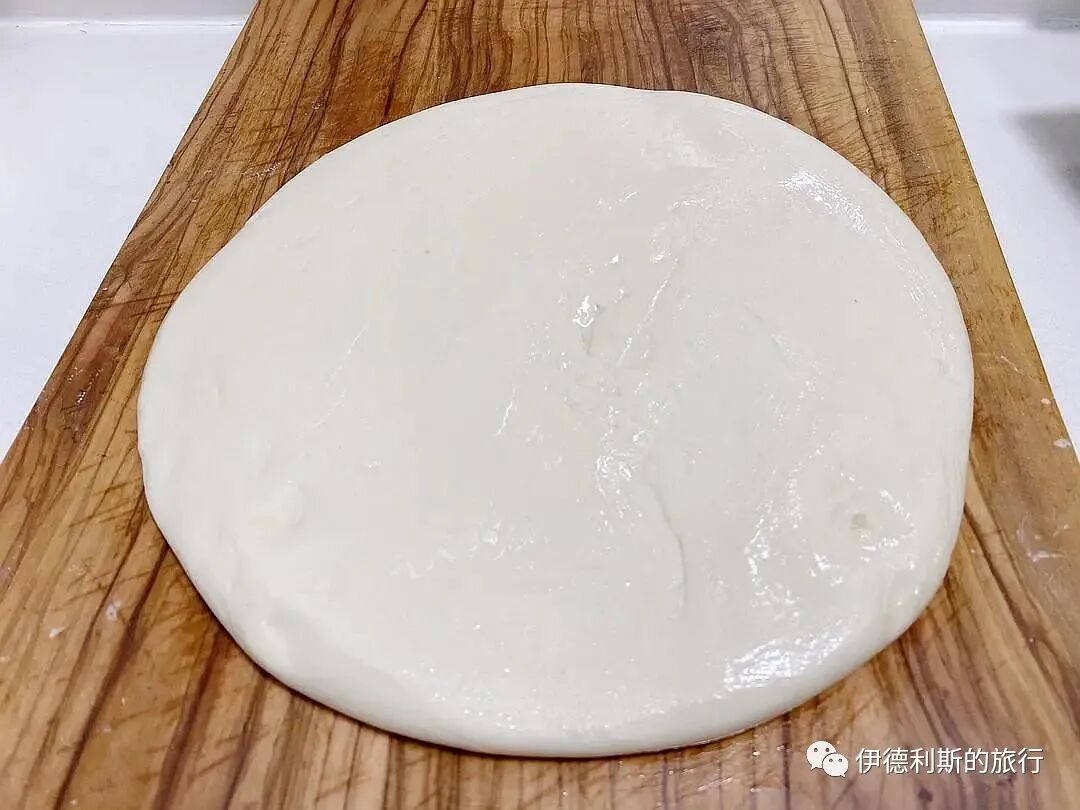
(7) Rolling: Repeat step (6) two or three times, then roll the dough into a large round flatbread about 1cm thick. Brush it with raw oil, cover it with a basin, and you can go cook your stir-fry.
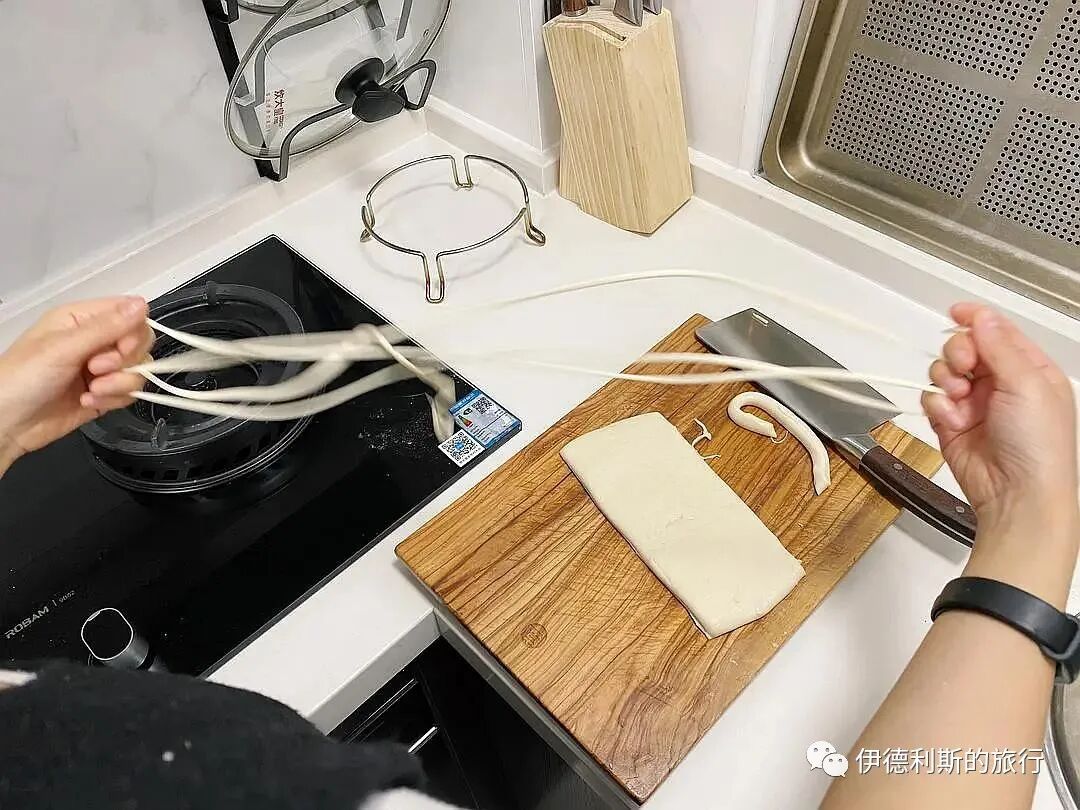
(8) Cutting, pulling, and stretching: When the stir-fry is almost ready, find a pot for the noodles and boil water. Meanwhile, cut the dough into strips about 1cm wide. Start from one side and pull them forward bit by bit. Once the diameter is halved, fold the noodles once or twice. Use both hands to stretch and slap them against the cutting board to make the noodles thinner and chewier.
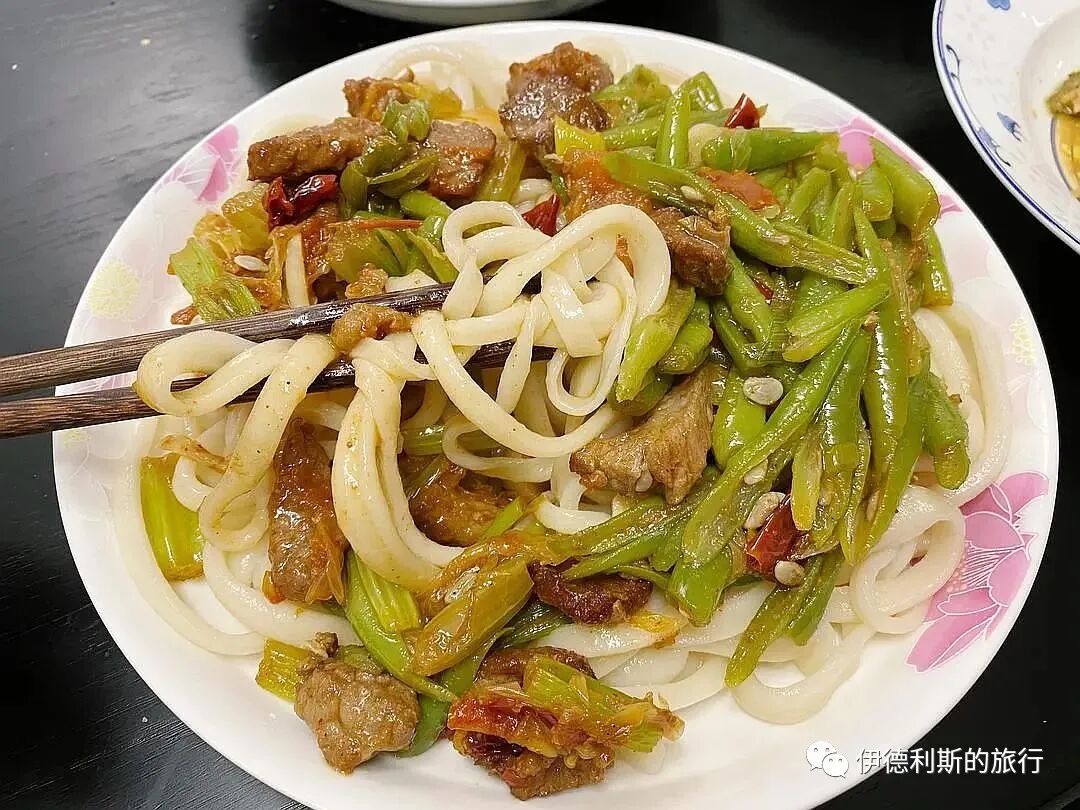
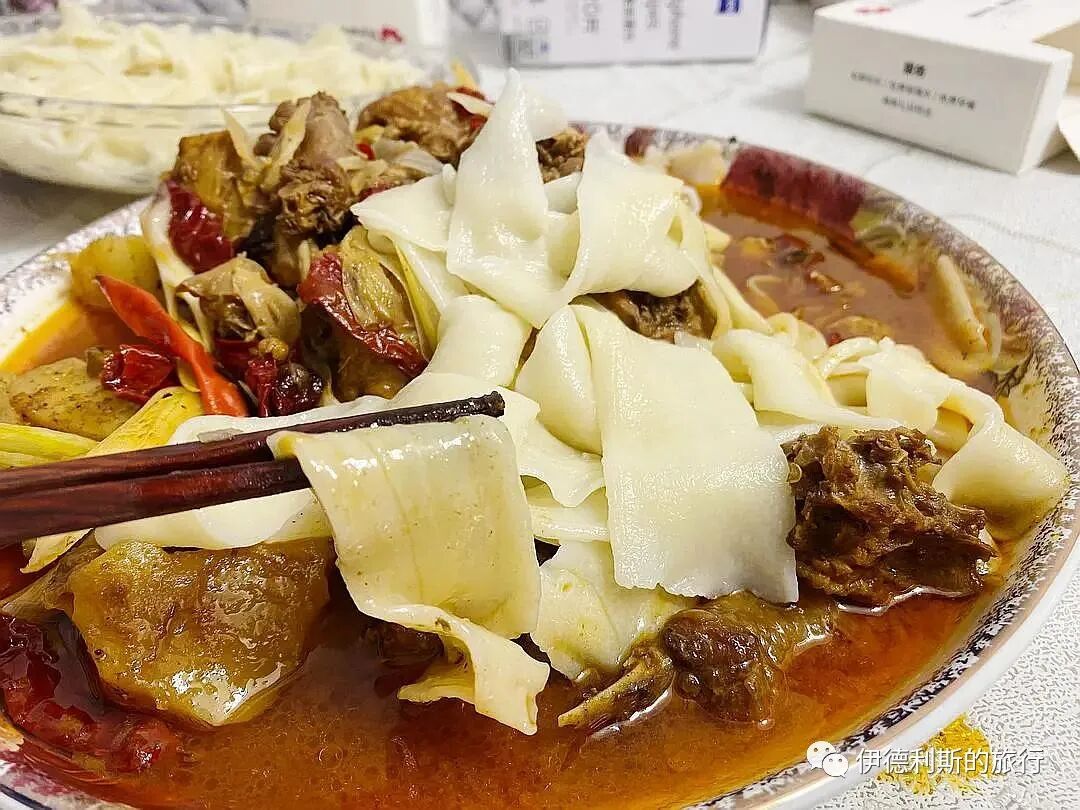
(9) Boiling: Drop them into the pot, cook for a while, and take them out. If you are making mixed noodles, rinse them in cold water. If you are serving them with big plate chicken (dapanji), you do not need cold water; just scoop them out and put them directly into the big plate chicken.
2. Lamb chop pilaf (yangpai zhuafan)
I tried an innovative way to make lamb chop pilaf (zhua fan) to save time and make the meat tender.
1. Pressure cook the lamb chops for 10 minutes (I used the rice cooking mode for 10 minutes).
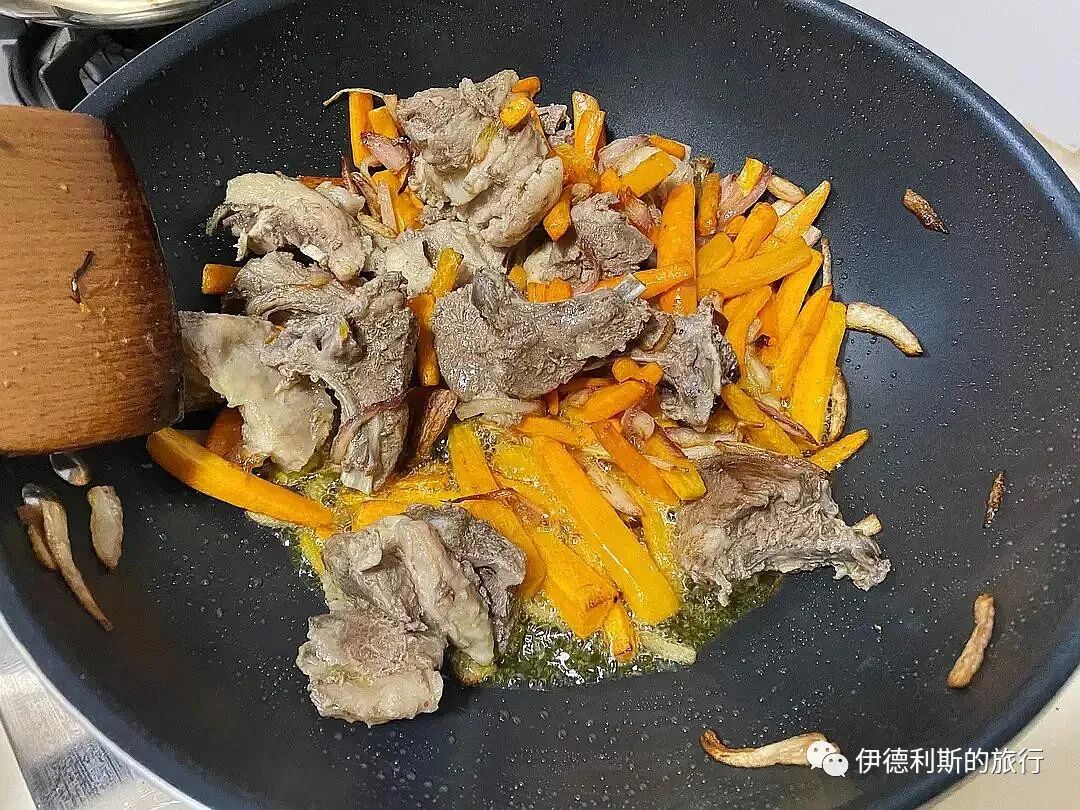
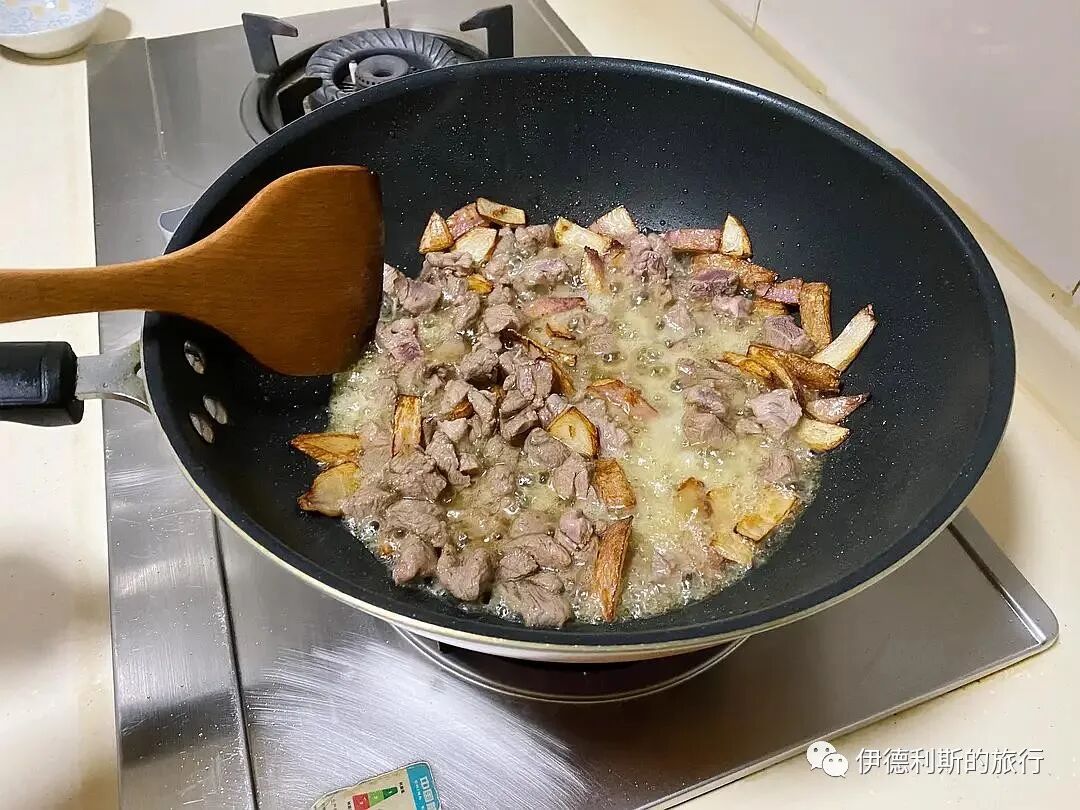
2. Heat oil in a wok (use plenty of oil, about 3-4 times the amount for regular stir-fry). Add onion slices, salt (make it slightly salty), and sugar. Then add half of the carrot strips. Once the carrots shrink, add the pressure-cooked lamb chops and stir for a while.
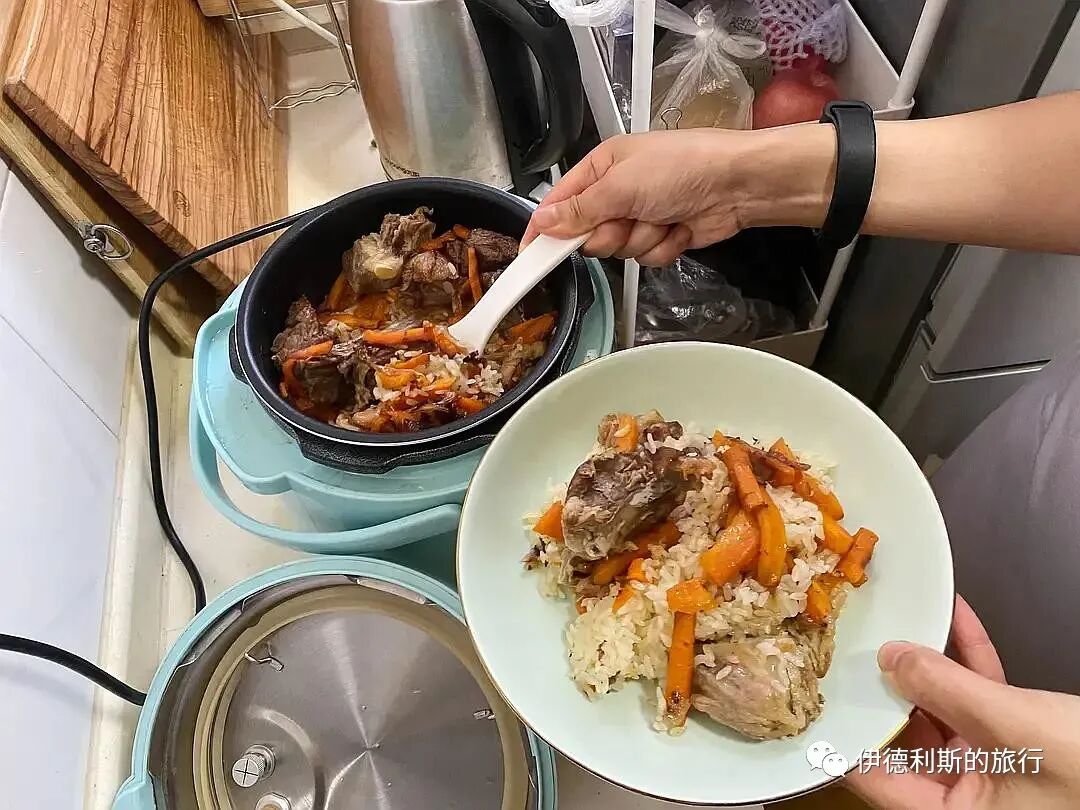
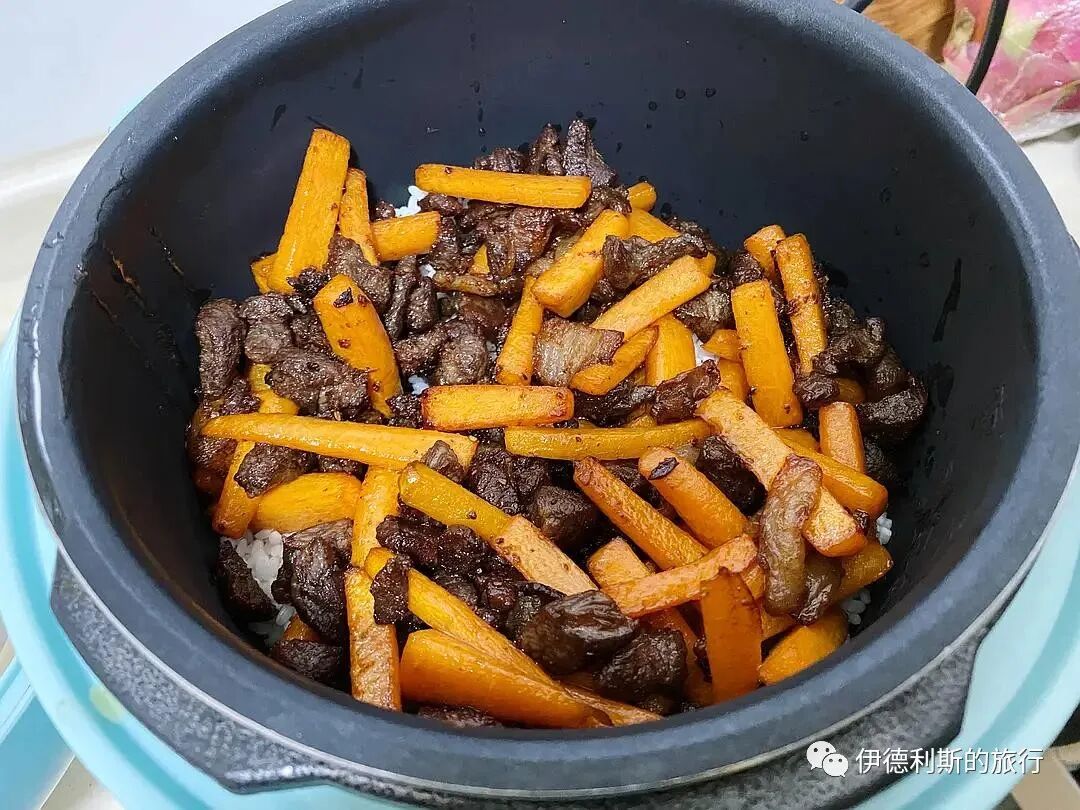
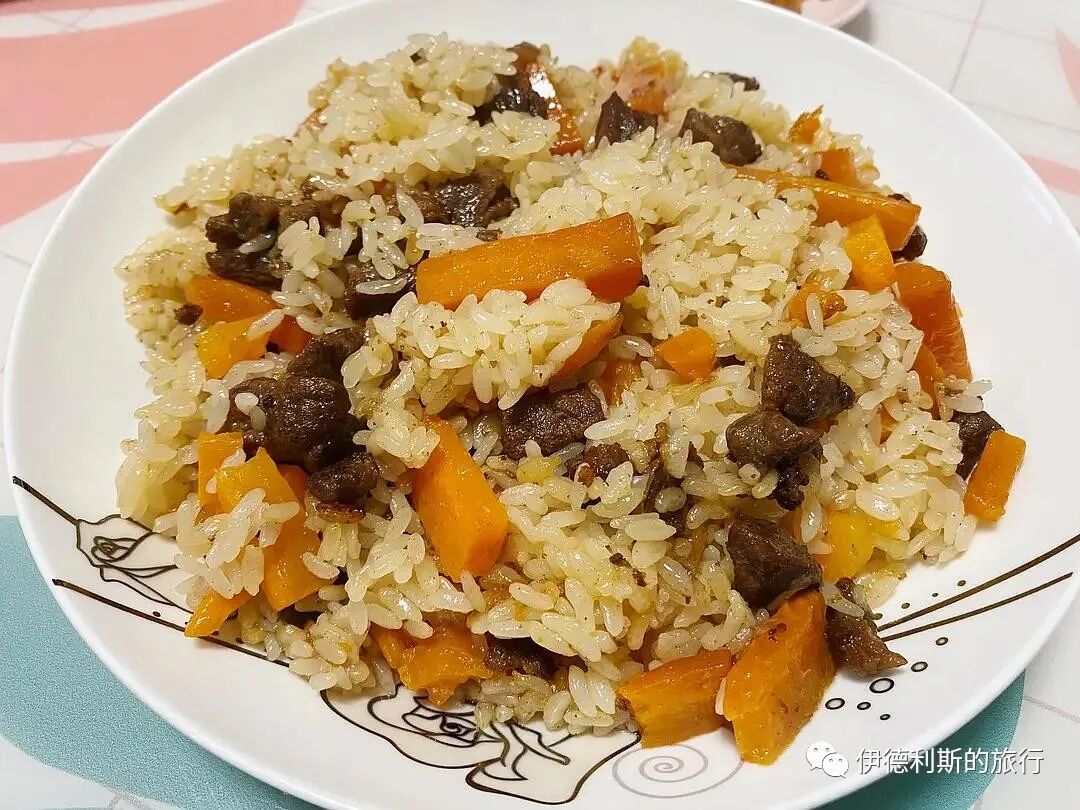
3. In the pressure cooker, layer from bottom to top: raw carrot strips, rice, and the stir-fried meat and oil mixture. Use the rice cooking mode.
3. Minced meat pilaf (suirou zhuafan)
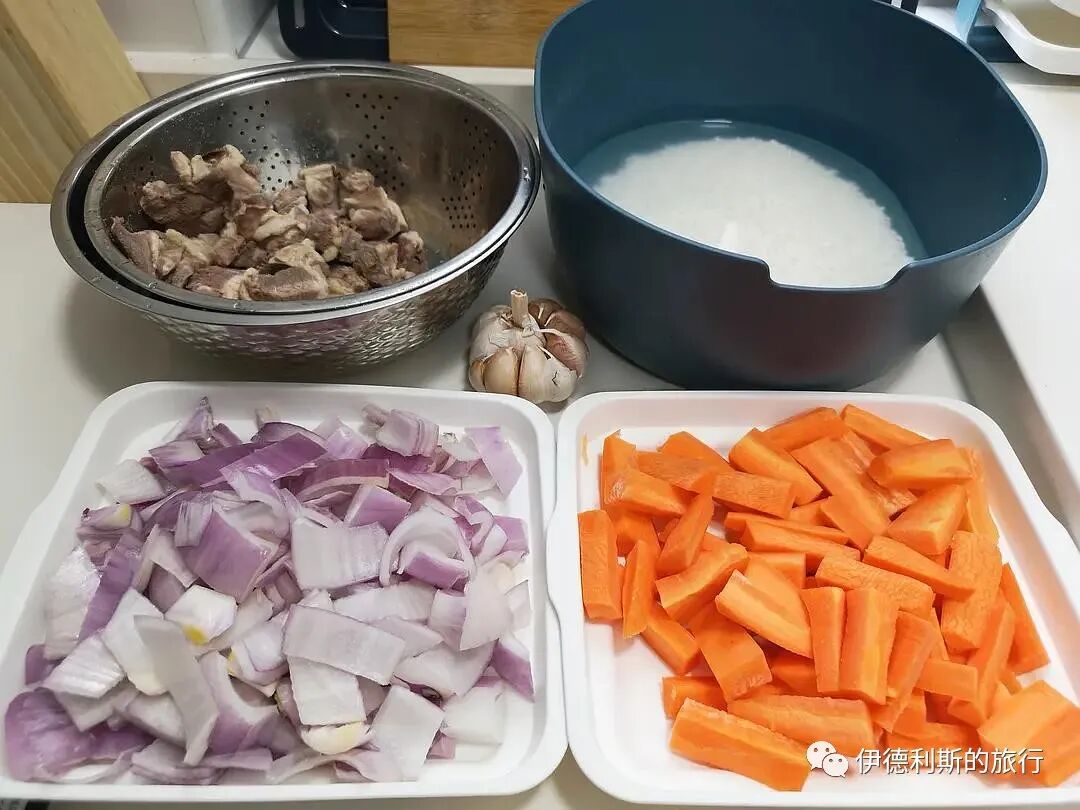
1. Preparation: Cut the boneless meat into pieces, cut carrots (2) into strips, cut onion (half) into chunks, wash and soak the rice (3/4 bowl for two people), and prepare salt, cumin, and sugar.
2. Start: Heat the oil, add the onion chunks, and stir-fry the meat. Add two spoons of salt and one spoon of cumin until the meat is dry. Add half of the carrot strips (I like to add a little sugar) and stir until they shrink. Pour the other half of the carrot strips, the rice, and the stir-fried meat and oil into the rice cooker. Add water (rice:water and oil = 1:1) and sugar (to make the pilaf shiny), then just steam the rice.
4. Uzbek black pilaf (Uzbek hei zhuafan)
I once made Uzbek black pilaf while working from home during the pandemic. Master Wang said he wanted to eat it, so I tried making it again, though I was a bit rusty:
1. Wash a bowl of rice and let it soak.
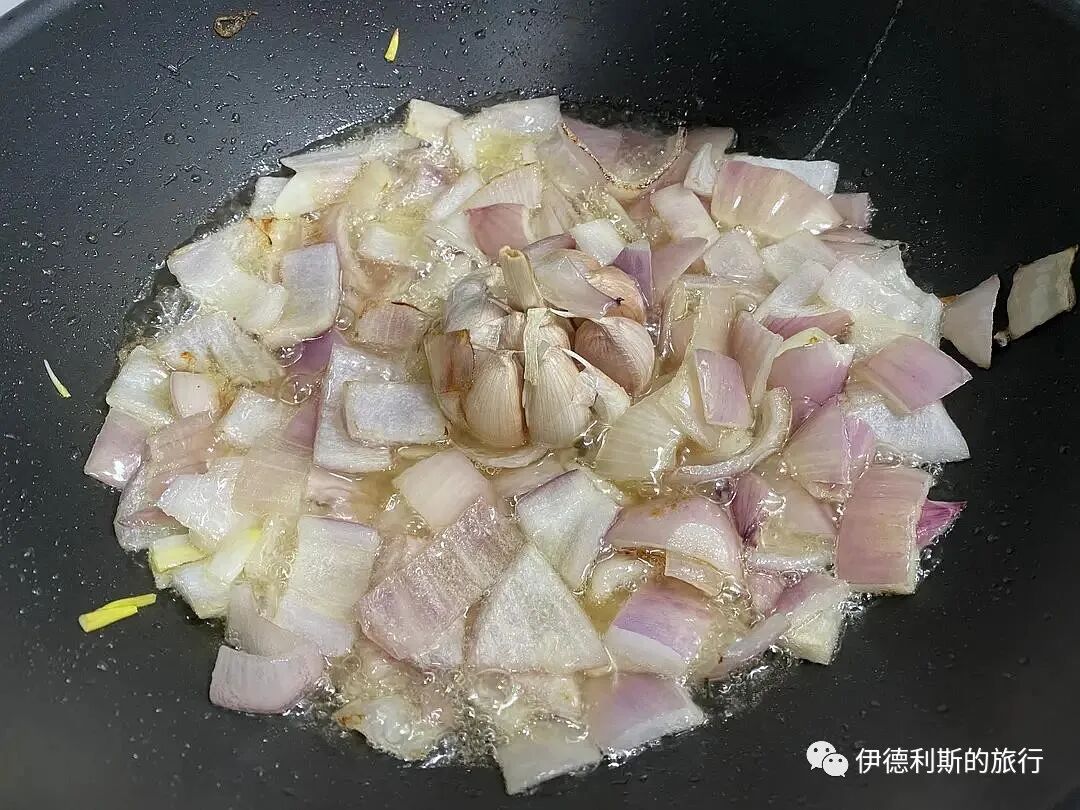
2. Heat the oil, add the onion chunks and a whole head of garlic. Once you smell the garlic, take it out and set it aside.
3. Continue to fry the onions until they are dry and dark brown. Stir-fry the meat, then add two spoons of salt and one spoon of cumin.
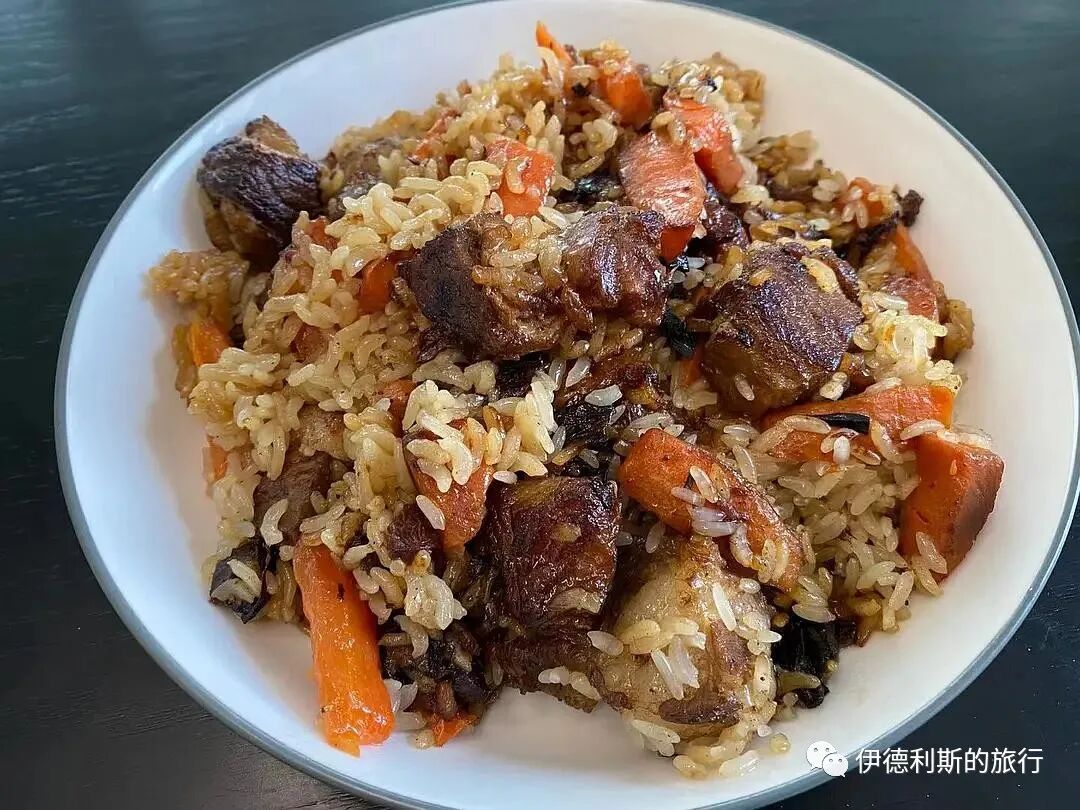
4. Once the meat is dry, add the carrot strips and stir until they shrink. Pour the stir-fried meat and oil into the rice cooker, add the rice and water (rice:water and oil = 1:1), sprinkle a little more cumin, and place the whole head of garlic you fried earlier on top. Use the rice steaming mode. *Note: Do not use too much oil, or the rice will be undercooked. That happened this time, so I poured out some oil, added half a bowl of water, and ran the rice steaming mode again to get it right.
5. Braised lamb bone (hongshao yangbanggu)
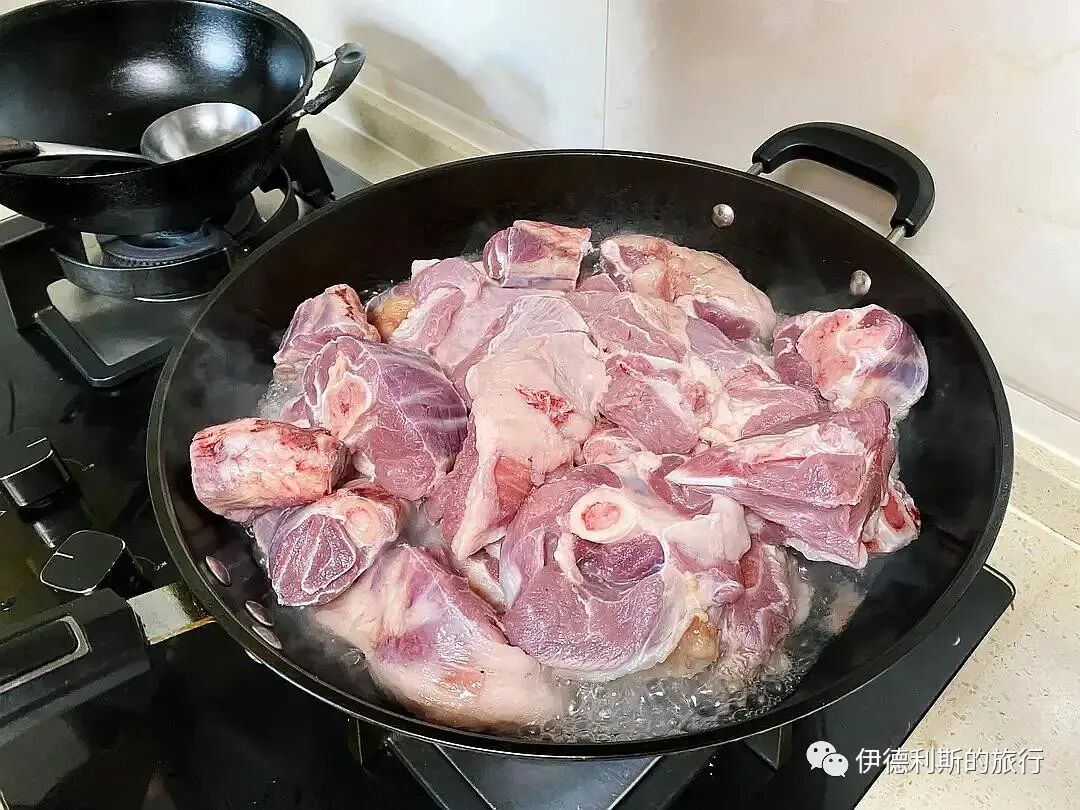
1. Wash 5-6 lamb bone marrow bones and ginger slices. Put them in a pot with half a bowl of water and boil over high heat. Keep stirring and add a spoon of salt during the process until the water boils away.
2. Add a quarter tablespoon of soy sauce and stir well.
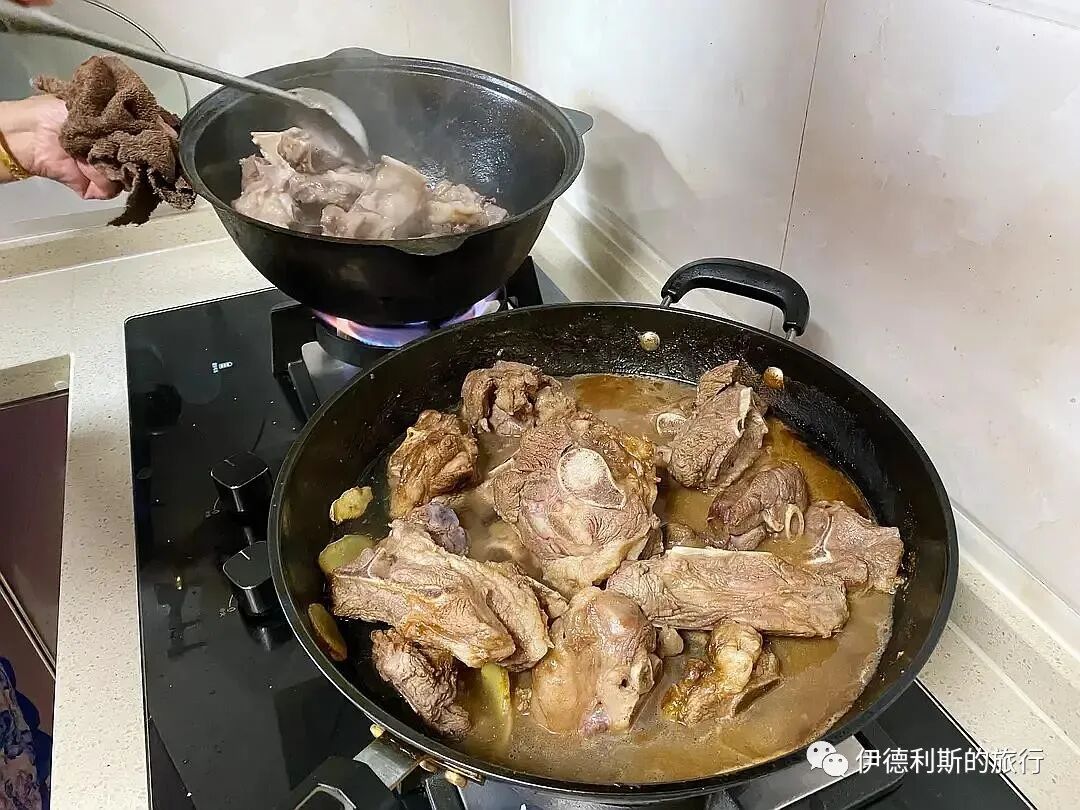
3. Add water until the bones are covered. Once it boils, turn to low heat and simmer. Stir occasionally. After about an hour, the water should be boiled away.
6. Braised beef steak (hongshao niupai)
First, blanch the beef ribs. Once they turn white, take them out. Heat oil, add the meat, ginger, a little cinnamon, star anise, and bean paste (doubanjiang). Stir-fry for a while, then add fresh chili peppers. Once the meat has dried out, put it in a pressure cooker and stew for 25 minutes.
7. Big plate chicken (dapanji)
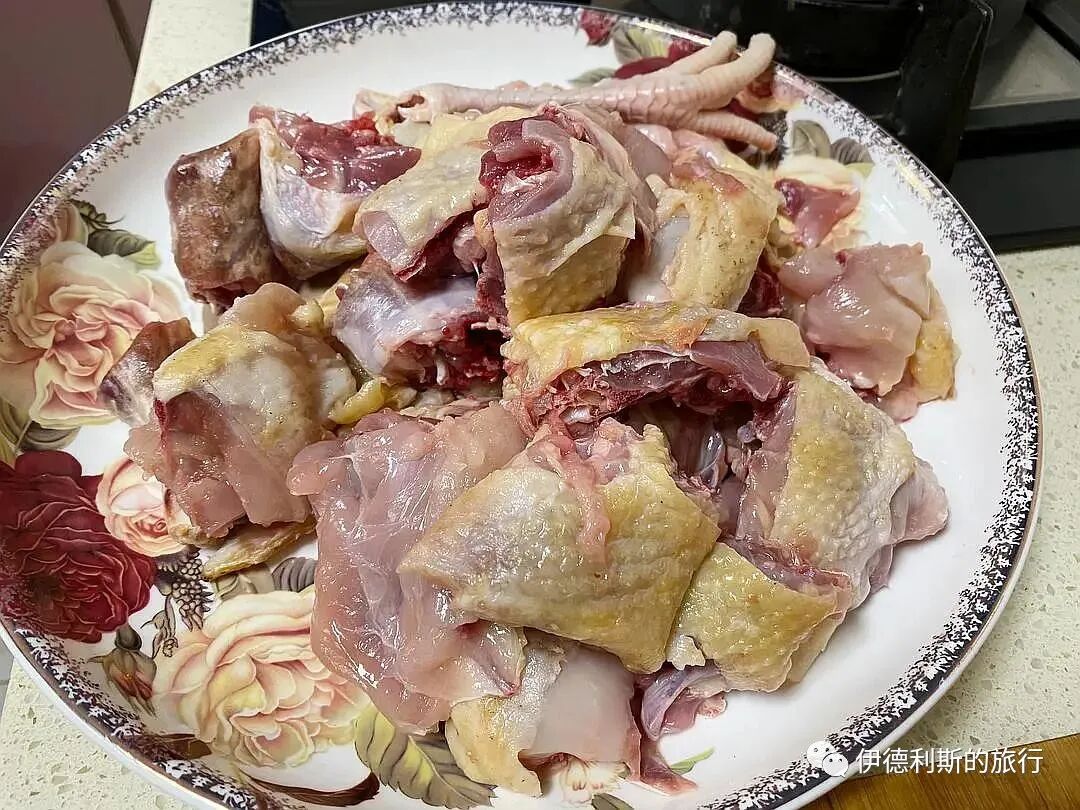
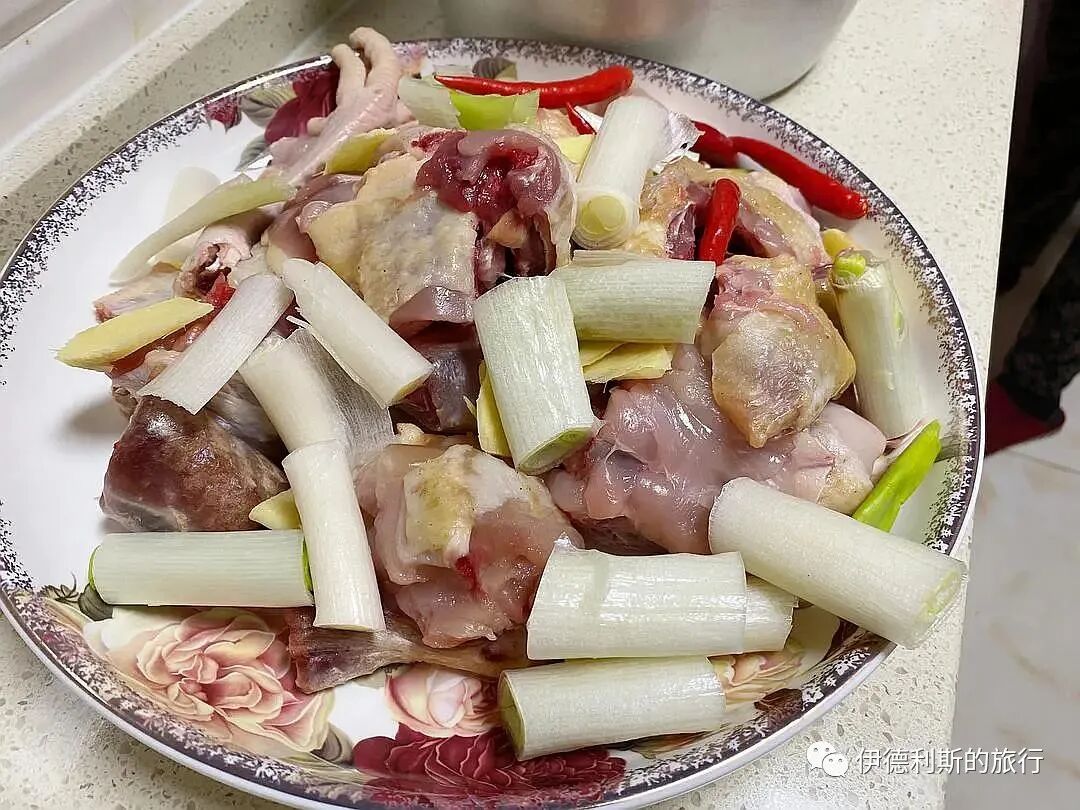
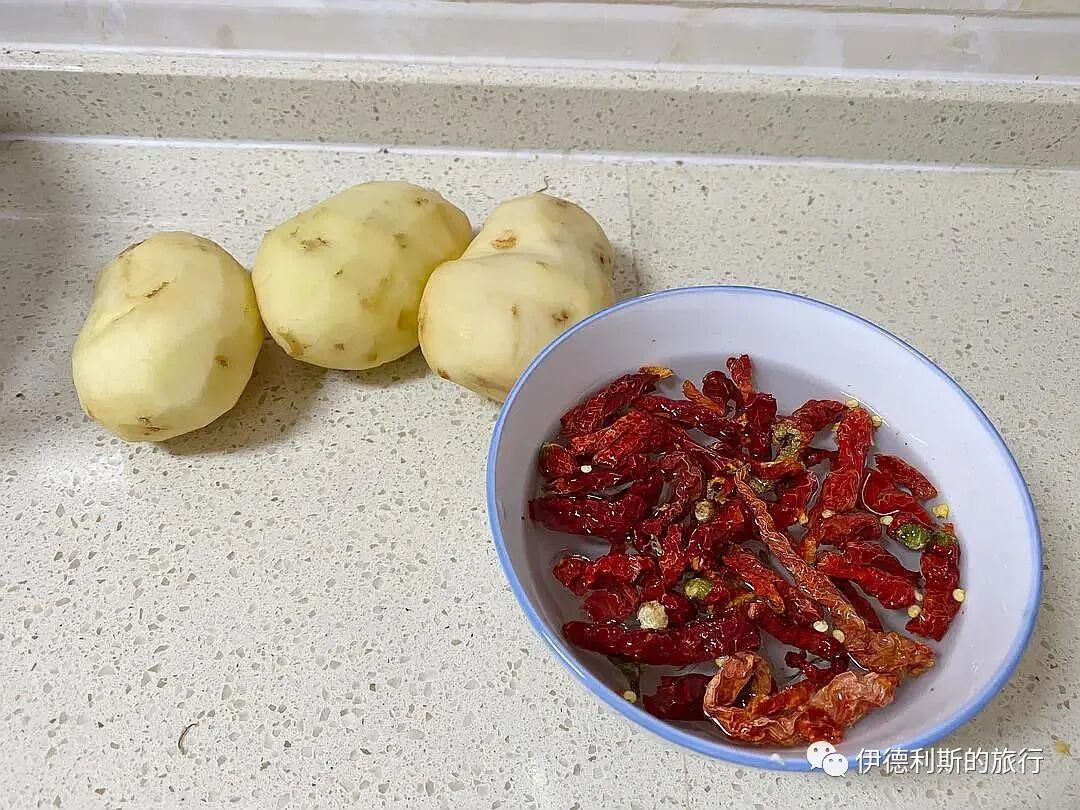
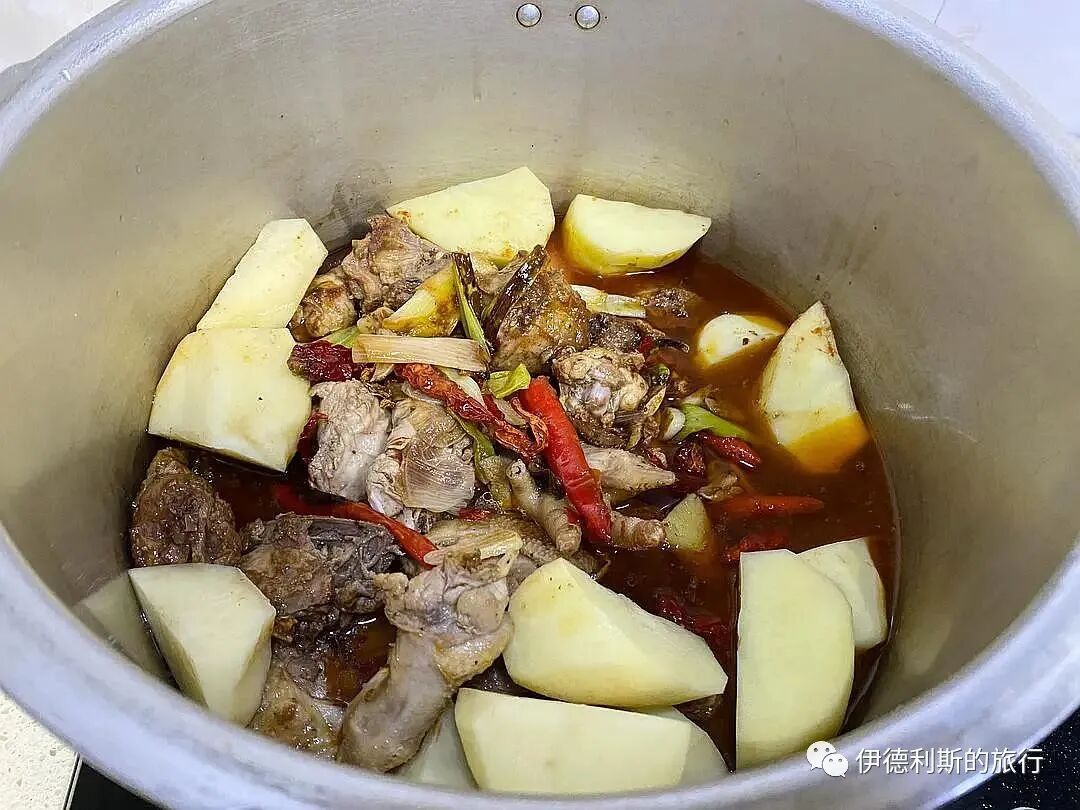
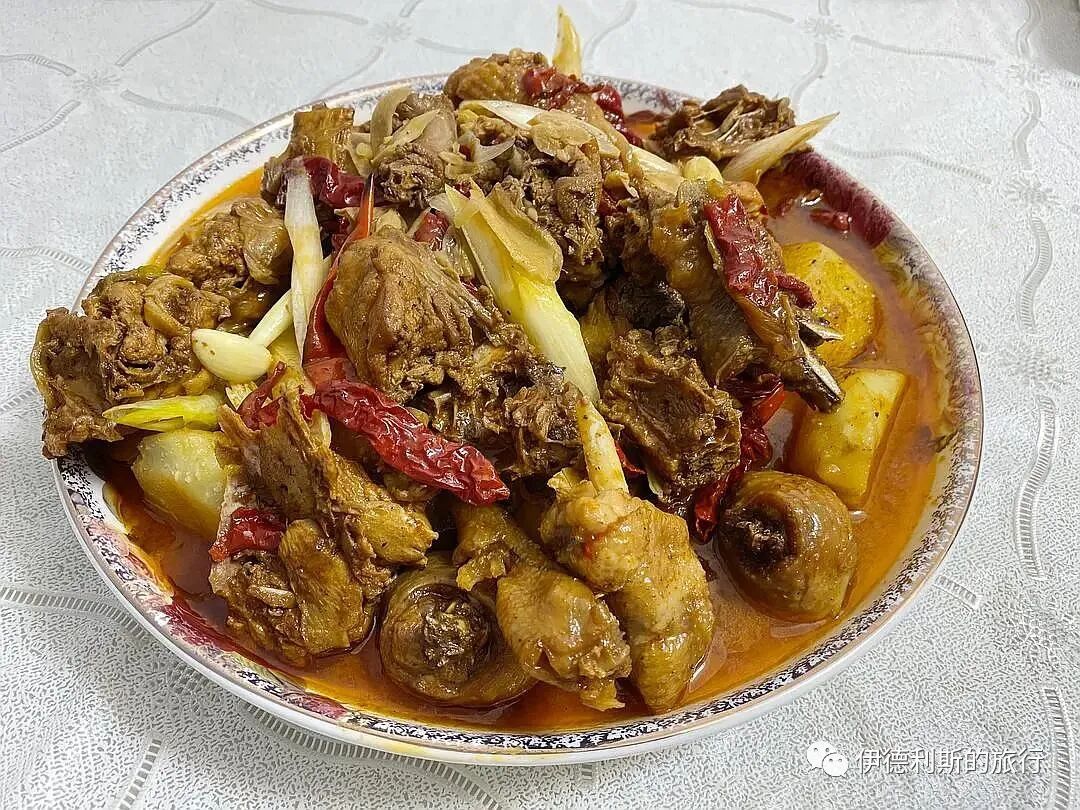
1. Preparation: half a chicken (use a layer hen or free-range chicken (chaiji) for a pressure cooker, or a Sanhuang chicken or broiler for a wok; we used a free-range chicken this time), 2 potatoes cut into chunks, 1 green onion cut into diagonal slices, 10 whole dried chili peppers (lapi-zi), 4 cloves of garlic sliced, sliced ginger, 2 small spoons of salt, 2 small spoons of Sichuan peppercorn powder, 2 small spoons of pepper powder, 1 small bag of tomato paste, 1 spoon of bean paste (doubanjiang), half a spoon of soy sauce, and vinegar.
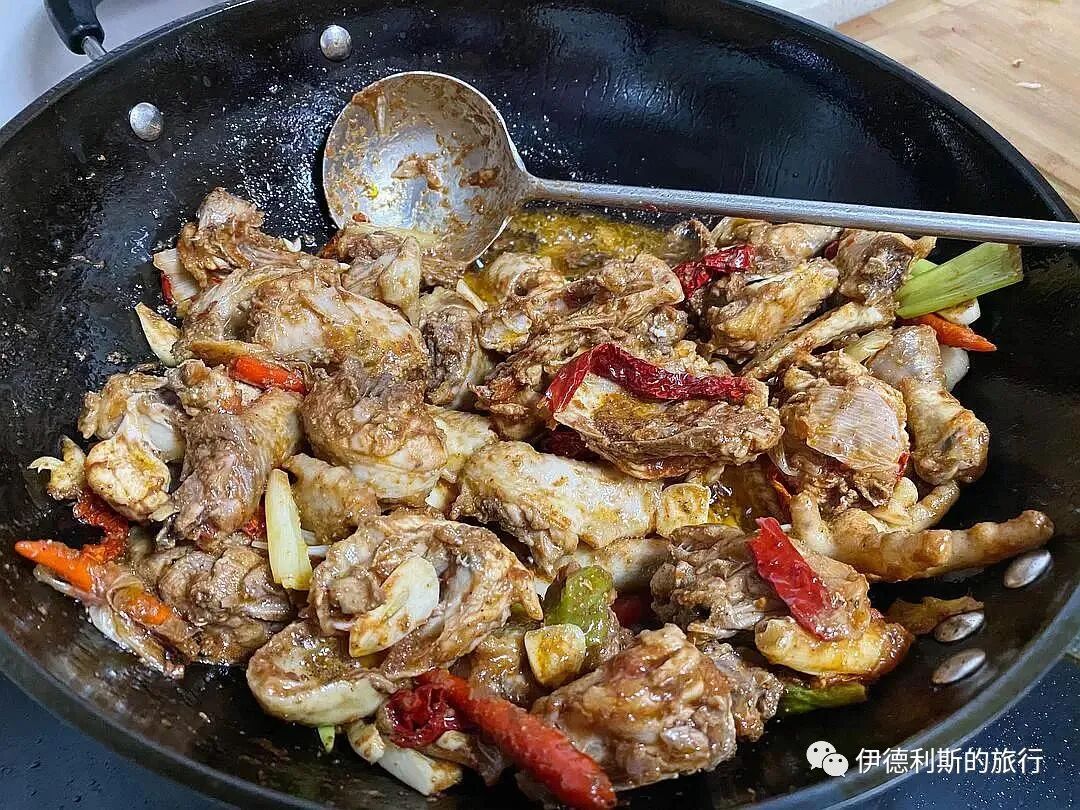
2. Start: Use plenty of oil. Add the chicken pieces, dried chili peppers, and ginger slices to the wok. Add salt, Sichuan peppercorn powder, pepper powder, tomato paste, a little bit of the green onion and garlic, and the bean paste. Stir-fry until the blood has dried out from the chicken, then add soy sauce and turn off the heat.
3a. If using a layer hen or free-range chicken, use an electric pressure cooker. Add the stir-fried chicken and water (about 4 cooking spoons of water, do not cover the chicken). Place the potato chunks on top. Pressure cook for 15 minutes, then open the lid. Take out the potatoes first, add the remaining green onion and garlic, add a drop of vinegar, stir, and serve.
3b. If using a Sanhuang chicken or broiler, add all the green onion, garlic, water, and potato chunks when adding seasonings in the wok. Cook until the potatoes are soft, add a drop of vinegar, and serve.
8. Ashura bean rice (Ashura doudoufan)
On the 10th day of the first month of the Islamic calendar, Ashura, Hui Muslims have a tradition of making a mixed grain porridge. This commemorates the legend that Prophet Nuh's (Noah) ark docked on Ashura, and he gathered the remaining grains in the cabin to make porridge.
Hui Muslims in different places make Ashura porridge in different ways. In Urumqi, it is also called Ashura bean rice.
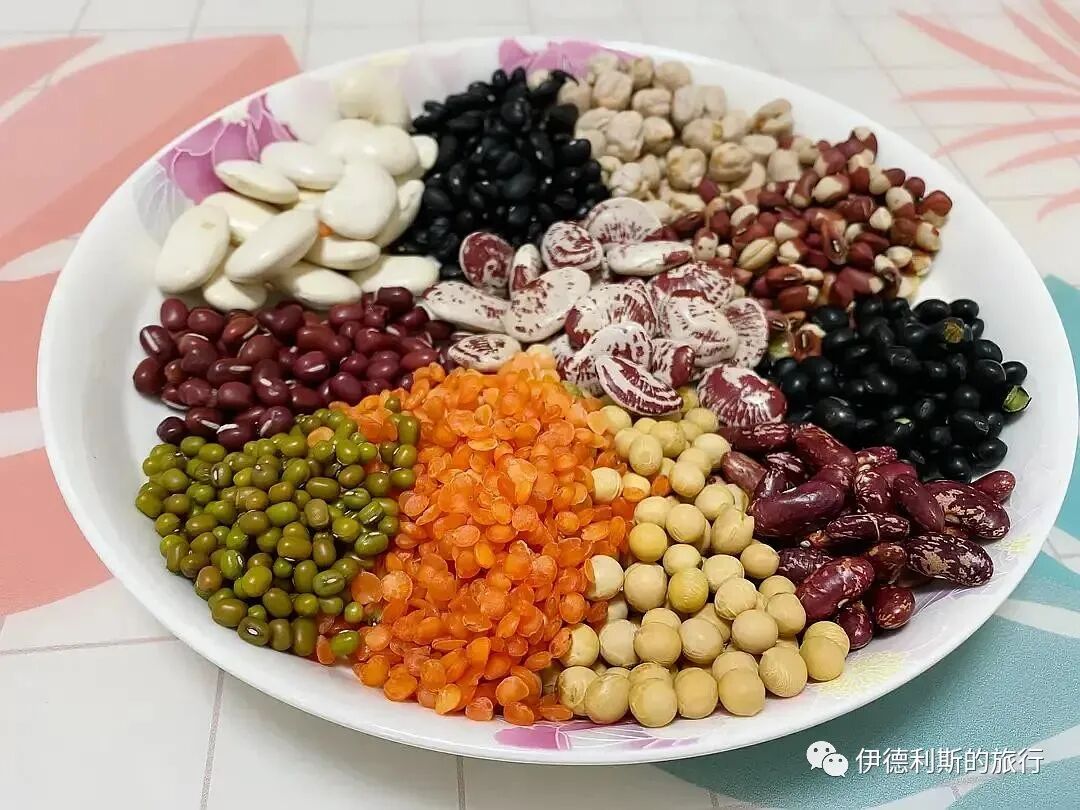
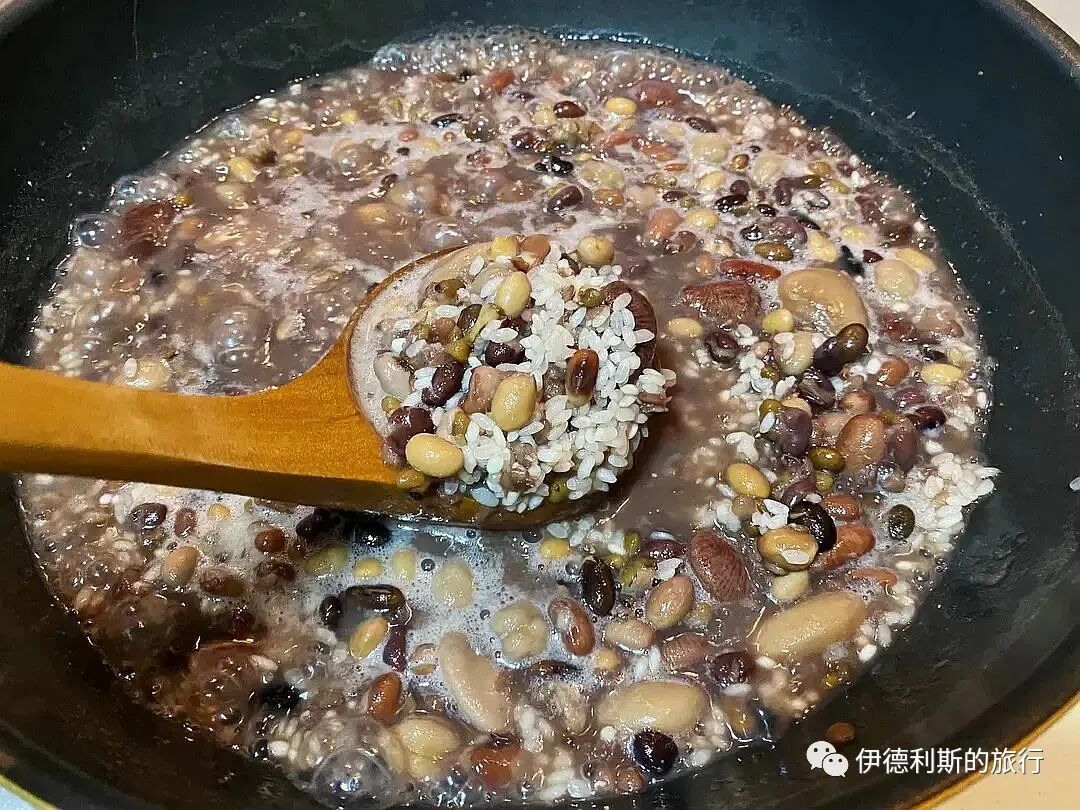
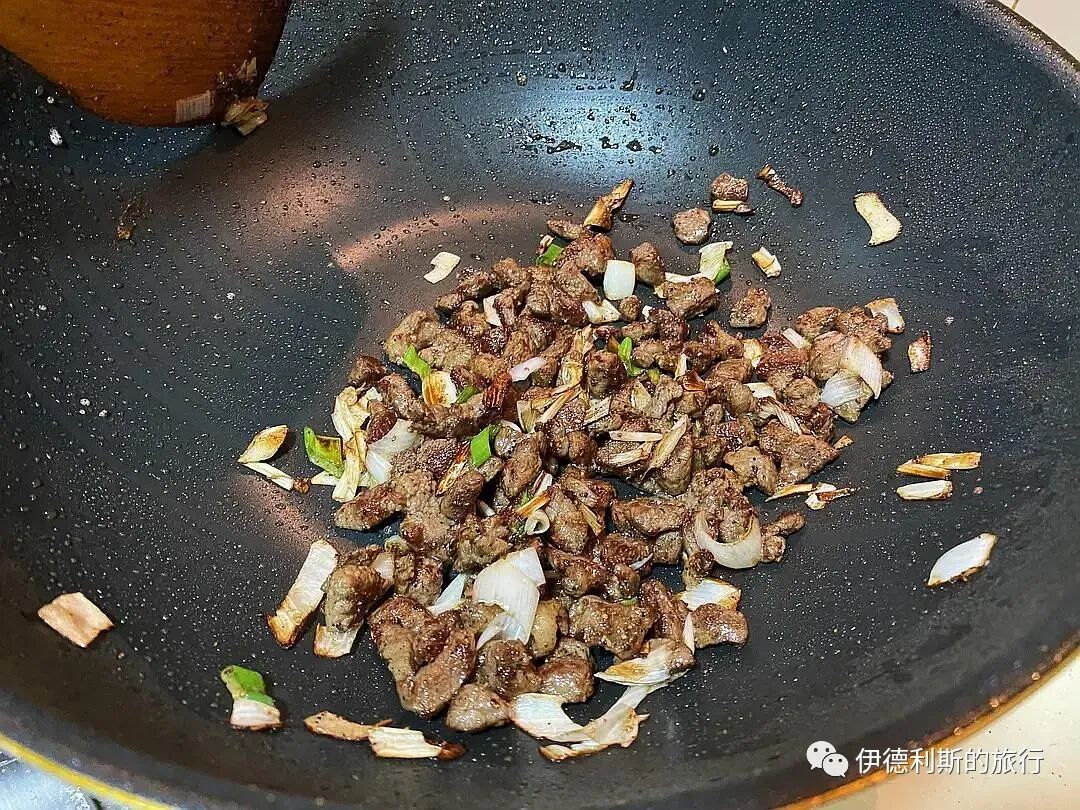
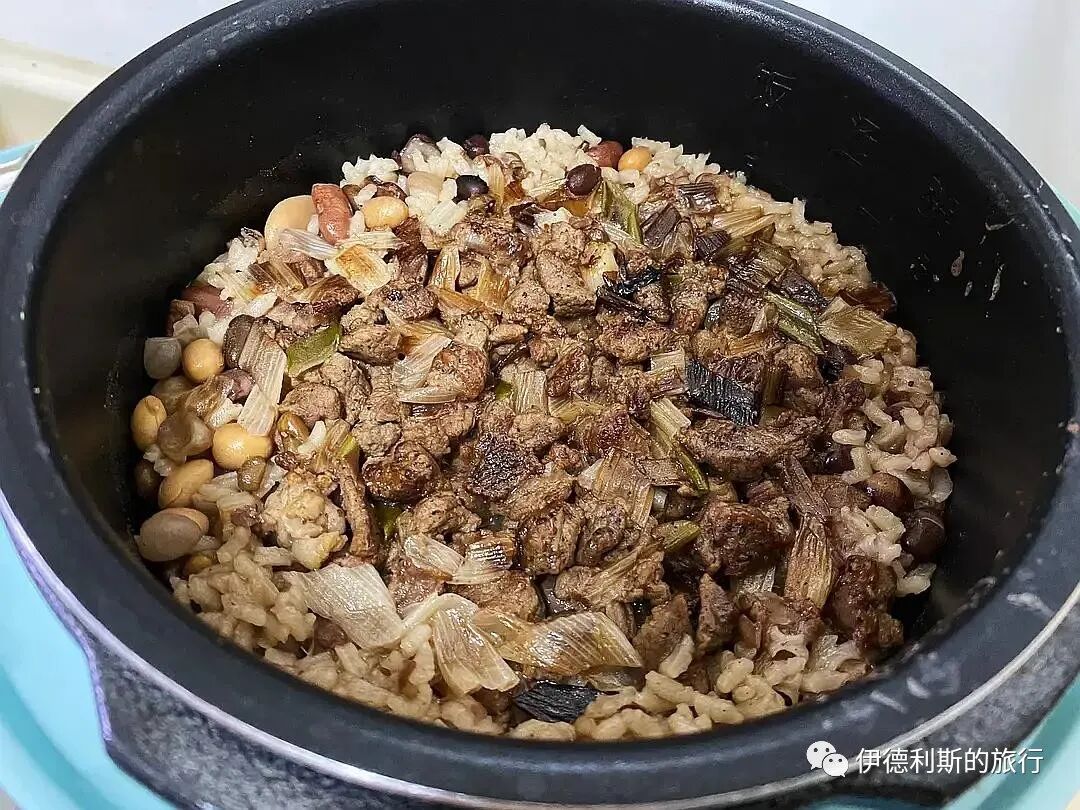
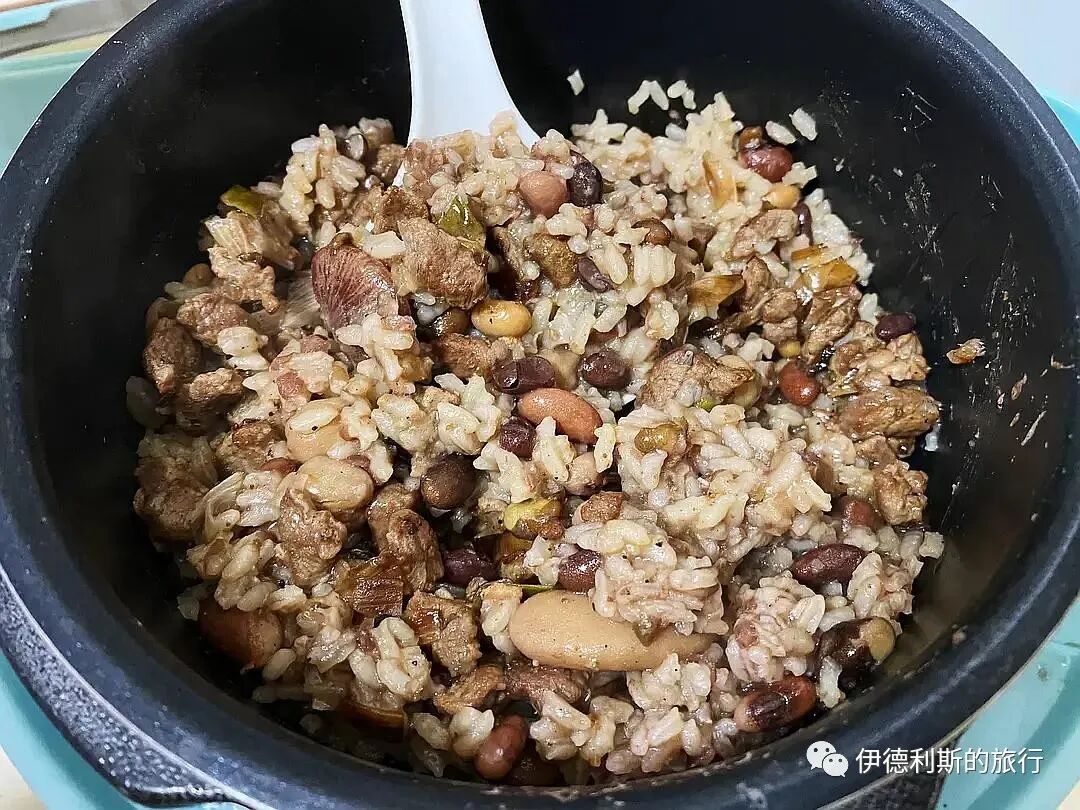
When making it, prepare at least 7 types of beans. We prepared 11. Use an electric pressure cooker to cook the beans until soft, then take them out and put them in a wok to stir with rice and glutinous rice. Then, put everything into the electric pressure cooker. Next, stir-fry diced lamb, add salt and Sichuan peppercorns, then add chopped green onion to make it fragrant. Put it all into the pressure cooker and add water until it covers the ingredients by one and a half finger-widths. After cooking and serving, the aroma of the beans mixes with the aroma of the meat. It is both a seasonal delicacy and very meaningful.
We made a simplified version. The truly traditional way is to soak the beans for two days beforehand. When cooking, you don't use a pressure cooker but keep stirring in a wok, which requires a lot of experience.
9. Awakening of Insects oil tea egg (Jingzhe youcha dan)
Before I was 18, as long as I was home during the Awakening of Insects (Jingzhe) solar term, breakfast would always be Jingzhe soup (oil tea egg). You could say it was my first memory of this solar term. I talked to my parents about it a few days ago and revisited the recipe. I didn't have time this morning, so I tried making it tonight and wanted to share it.
(1) Boil an appropriate amount of brick tea (if you don't have it, you can use black tea; today I tried using Pu'er tea).
(2) Beat 2 eggs into a liquid, and add raisins, chopped walnuts, and chopped red dates.
(3) Heat oil in a pot and stir-fry the dried fruits coated in egg liquid.
(4) Pour in the brewed tea and add rock sugar. The older generation would use lamb fat to fry the eggs for their parents' generation. In our generation, it is more common to use vegetable oil to fry the egg liquid coated with green raisins and walnut kernels. Adding a little more rock sugar makes it more popular with children.
10. Starch noodle soup (fentang)
1. First, stir-fry the meat slices, then add garlic, then add green onion, dried chili peppers, and tomatoes (yangshizi), and then add various vegetables. You can choose the vegetables as you like.
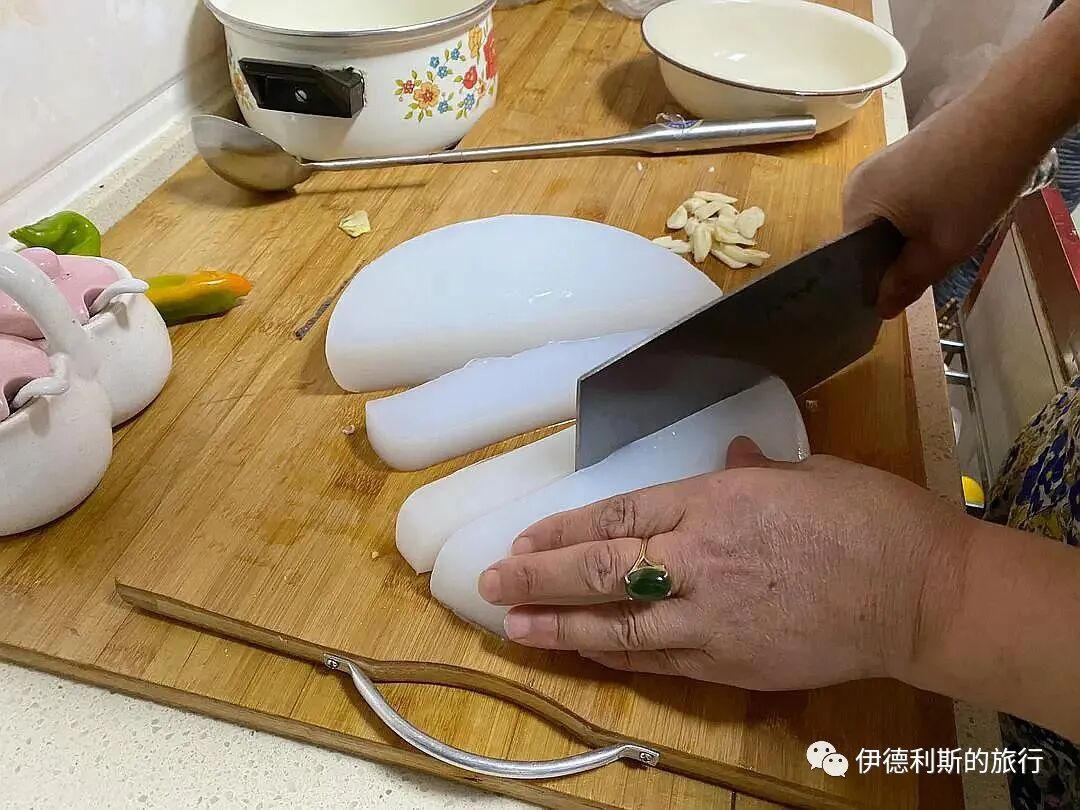
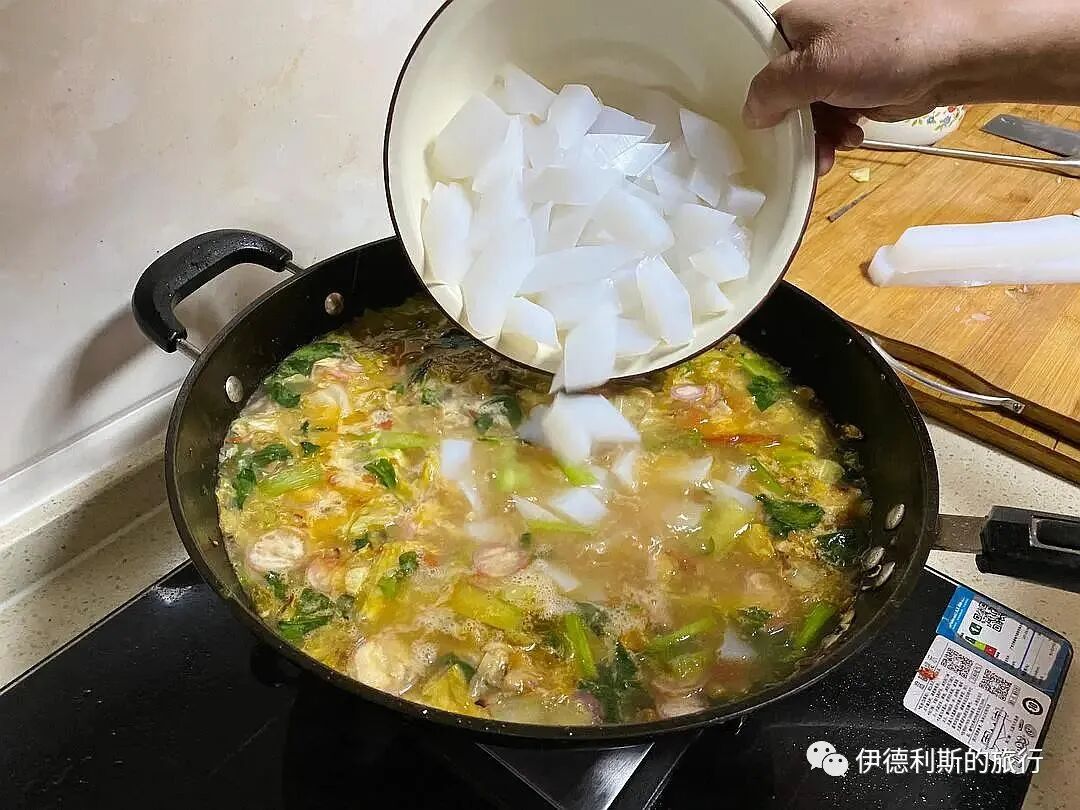
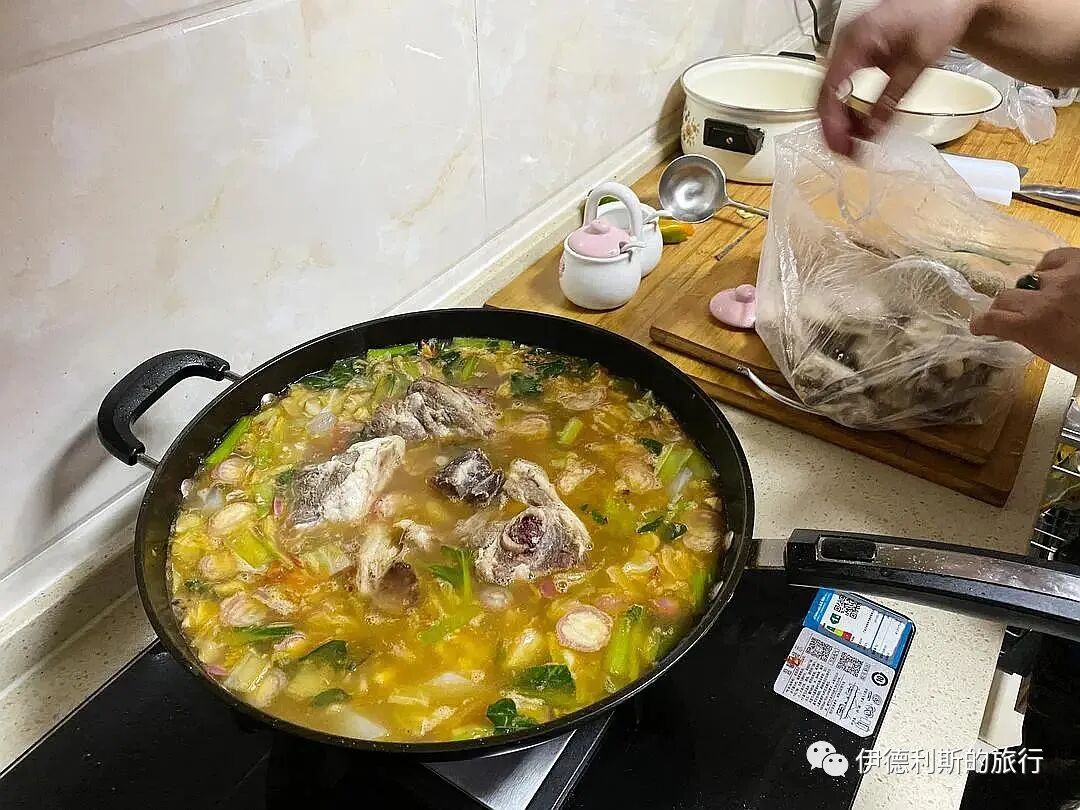
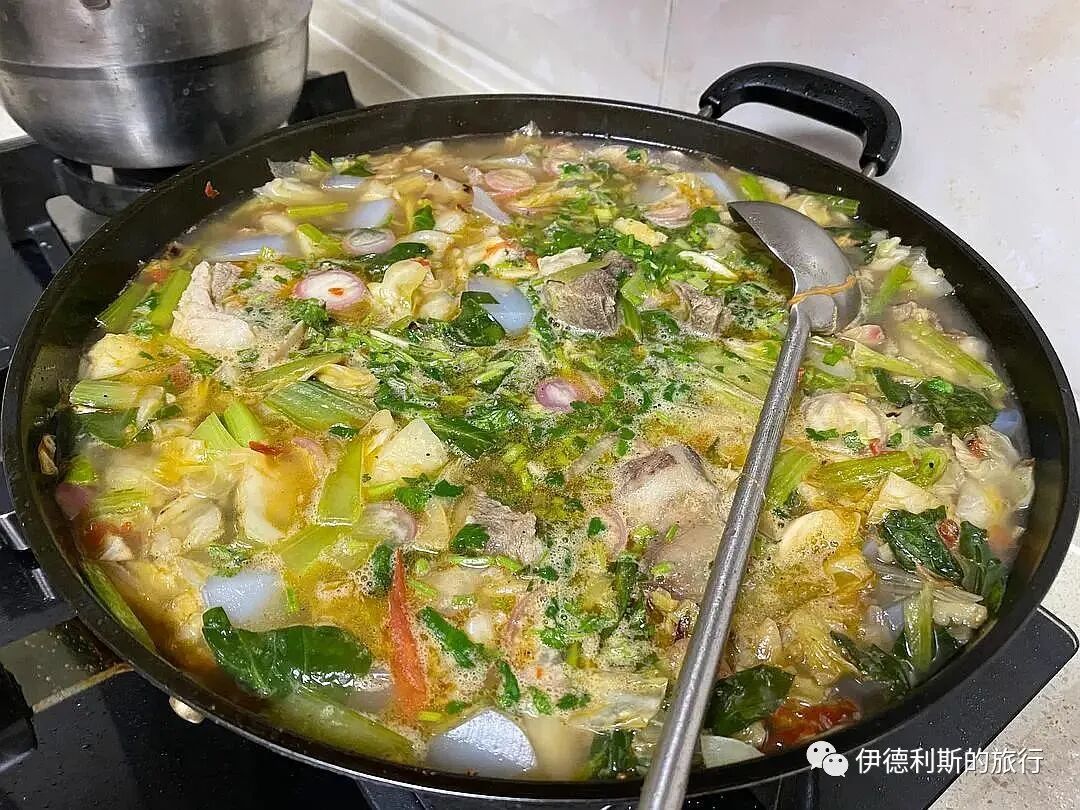
2. Add the lamb broth that was stewed and frozen earlier. After the broth melts, add pea flour blocks, then add the large pieces of stewed lamb, and finally add pepper and cilantro to enhance the flavor.
The classic way to eat starch noodle soup (fentang) is with fried dough (youxiang). After you finish the lamb, break the fried dough into the soup. This is the authentic way of life for Hui Muslims in Urumqi.
11. Fried starch jelly (zhamenzi)
Buy meat at the market and have the butcher grind it into filling (xianzi). The filling for steamed meat loaf (menzi) needs to go through the grinder twice so it is finer than the filling for fried meatballs. Once you get home, steam the filling into a meat loaf (menzi) and slice it up. To cook it, coat the slices in egg and starch, then fry them. Finally, sprinkle on cumin, chili powder, and salt.
12. Soup noodles (tangfan)
1. Stir-fry lamb slices with salt and Sichuan peppercorn powder until they are a bit dry.
2. Sauté chopped green onions and tomato chunks, then add soy sauce.
3. Stir-fry potato slices, then add water after a short while.
4. When the water boils, add garlic slices and hand-tear dough pieces into the soup. Simmer for a bit, then add pepper powder and cilantro. Finish with a splash of vinegar before serving.
13. Stir-fried barbecue meat (chao kaorou)
1. Heat oil in a pot over high heat. Add lamb fat first, then the meat slices. Stir-fry for a while, add a small spoonful of salt for one bowl of meat, and stir.
2. Add one and a half spoonfuls of chili powder.
3. Add one spoonful of cumin powder. view all
Summary: Xinjiang Home Cooking Guide: Zainab’s Halal Recipes and Uyghur Food is presented here as a firsthand travel account in clear English, beginning with this scene: Author: Zainab. The account keeps its focus on Xinjiang Food, Halal Recipes, Uyghur Food while preserving the names, places, food, and historical details from the Chinese source.
Author: Zainab
As a girl from Urumqi, I often cook Xinjiang home-style dishes. I have put together some simple recipes to share with everyone.
1. Hand-pulled noodles (latiaozi)
2. Lamb chop pilaf (yangpai zhuafan)
3. Minced meat pilaf (suirou zhuafan)
4. Uzbek black pilaf (Uzbek hei zhuafan)
5. Braised lamb bone (hongshao yangbanggu)
6. Braised beef steak (hongshao niupai)
7. Big plate chicken (dapanji)
8. Ashura bean rice (Ashura doudoufan)
9. Awakening of Insects oil tea egg (Jingzhe youcha dan)
10. Starch noodle soup (fentang)
11. Fried starch jelly (zhamenzi)
12. Soup noodles (tangfan)
13. Stir-fried barbecue meat (chao kaorou)
1. Hand-pulled noodles (latiaozi)
1. Preparation: One and a half bowls of flour (for three plates of noodles), half a small spoonful of salt, one bowl of water, a large mixing bowl, a large cutting board, and a rolling pin.
2. Start:
(1) Sprinkle: Put the flour into the mixing bowl and sprinkle in the salt.
(2) Swirl: Pour in a little water and use your fingers to swirl the flour that has touched the water until it forms small, loose crumbles.
(3) Gather: Gradually gather the crumbles into a ball. Swirling and gathering happen at the same time until all the crumbles are part of one single dough ball.
(4) Press: Take the dough out of the bowl. Use the heel of your right hand to press forward, pushing the dough against the board while your left hand guides the direction as the dough rolls forward.
(5) Rest: After about 10 presses, the surface should be smooth. Cover the dough with the mixing bowl and let it rest for 10 minutes.
(6) Knead: Repeat the action from step (4) but don't press as hard, or the surface of the dough might break and lose its smoothness. Then repeat step (5).
(7) Rolling: Repeat step (6) two or three times, then roll the dough into a large round flatbread about 1cm thick. Brush it with raw oil, cover it with a basin, and you can go cook your stir-fry.
(8) Cutting, pulling, and stretching: When the stir-fry is almost ready, find a pot for the noodles and boil water. Meanwhile, cut the dough into strips about 1cm wide. Start from one side and pull them forward bit by bit. Once the diameter is halved, fold the noodles once or twice. Use both hands to stretch and slap them against the cutting board to make the noodles thinner and chewier.
(9) Boiling: Drop them into the pot, cook for a while, and take them out. If you are making mixed noodles, rinse them in cold water. If you are serving them with big plate chicken (dapanji), you do not need cold water; just scoop them out and put them directly into the big plate chicken.
2. Lamb chop pilaf (yangpai zhuafan)
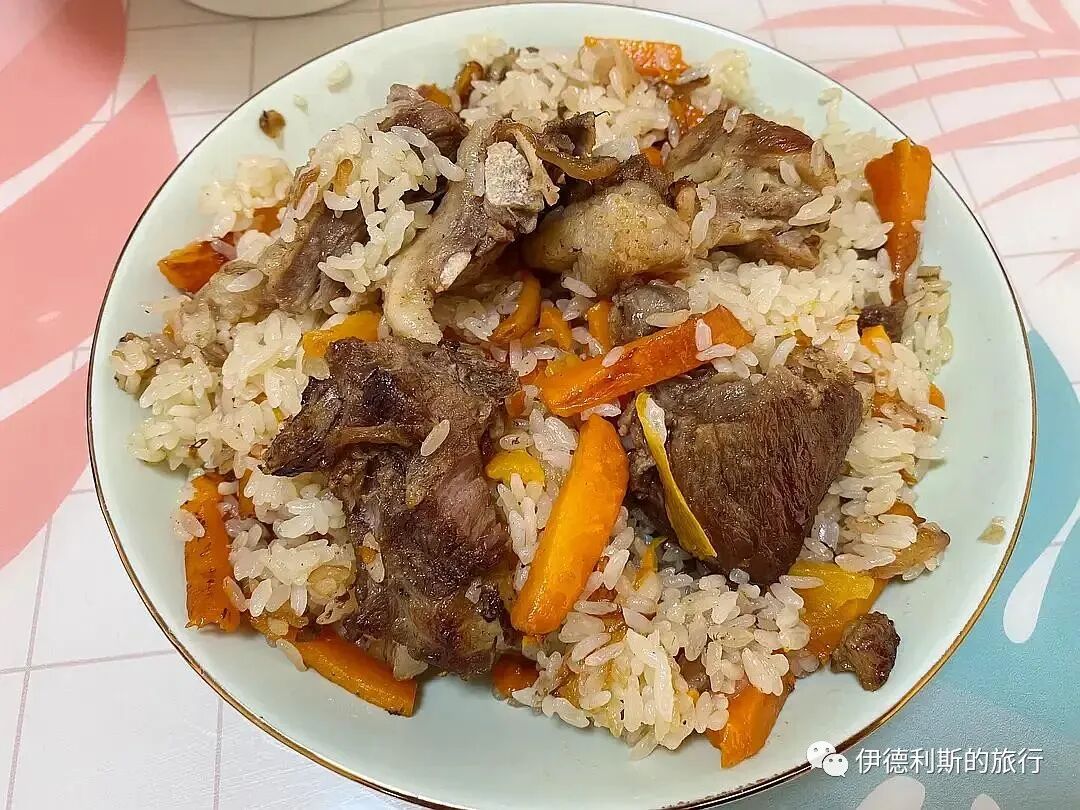
I tried an innovative way to make lamb chop pilaf (zhua fan) to save time and make the meat tender.
1. Pressure cook the lamb chops for 10 minutes (I used the rice cooking mode for 10 minutes).
2. Heat oil in a wok (use plenty of oil, about 3-4 times the amount for regular stir-fry). Add onion slices, salt (make it slightly salty), and sugar. Then add half of the carrot strips. Once the carrots shrink, add the pressure-cooked lamb chops and stir for a while.
3. In the pressure cooker, layer from bottom to top: raw carrot strips, rice, and the stir-fried meat and oil mixture. Use the rice cooking mode.
3. Minced meat pilaf (suirou zhuafan)
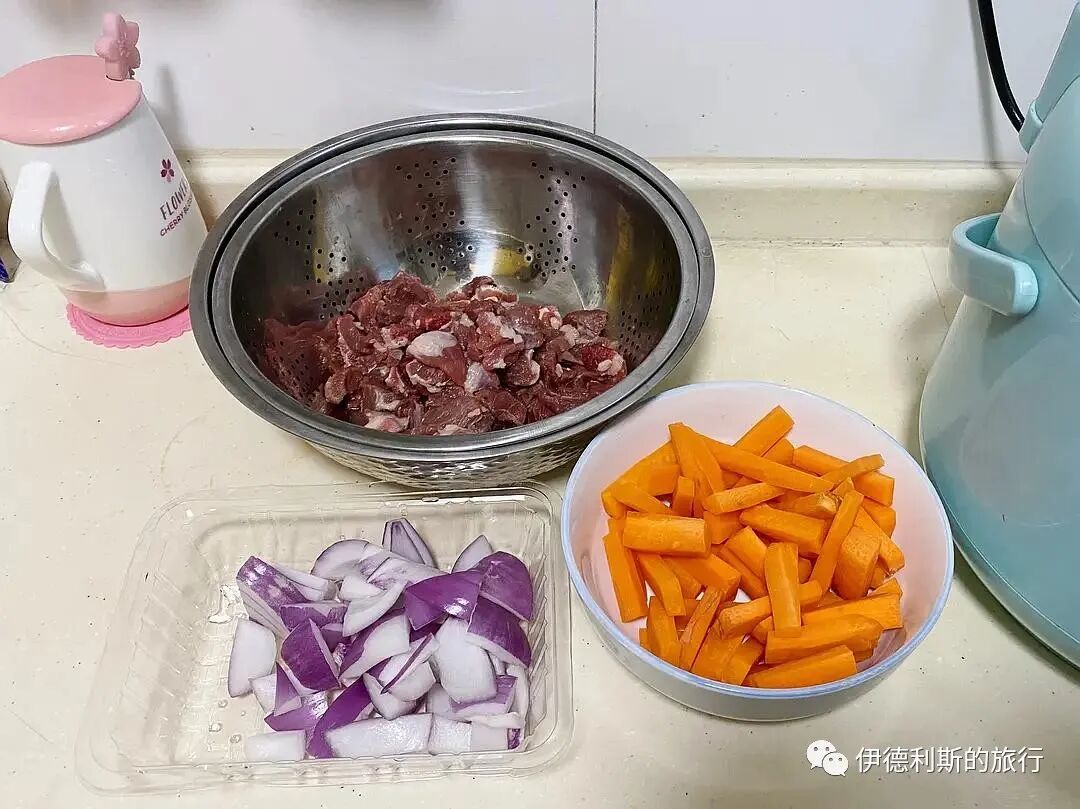
1. Preparation: Cut the boneless meat into pieces, cut carrots (2) into strips, cut onion (half) into chunks, wash and soak the rice (3/4 bowl for two people), and prepare salt, cumin, and sugar.
2. Start: Heat the oil, add the onion chunks, and stir-fry the meat. Add two spoons of salt and one spoon of cumin until the meat is dry. Add half of the carrot strips (I like to add a little sugar) and stir until they shrink. Pour the other half of the carrot strips, the rice, and the stir-fried meat and oil into the rice cooker. Add water (rice:water and oil = 1:1) and sugar (to make the pilaf shiny), then just steam the rice.
4. Uzbek black pilaf (Uzbek hei zhuafan)
I once made Uzbek black pilaf while working from home during the pandemic. Master Wang said he wanted to eat it, so I tried making it again, though I was a bit rusty:
1. Wash a bowl of rice and let it soak.
2. Heat the oil, add the onion chunks and a whole head of garlic. Once you smell the garlic, take it out and set it aside.
3. Continue to fry the onions until they are dry and dark brown. Stir-fry the meat, then add two spoons of salt and one spoon of cumin.
4. Once the meat is dry, add the carrot strips and stir until they shrink. Pour the stir-fried meat and oil into the rice cooker, add the rice and water (rice:water and oil = 1:1), sprinkle a little more cumin, and place the whole head of garlic you fried earlier on top. Use the rice steaming mode. *Note: Do not use too much oil, or the rice will be undercooked. That happened this time, so I poured out some oil, added half a bowl of water, and ran the rice steaming mode again to get it right.
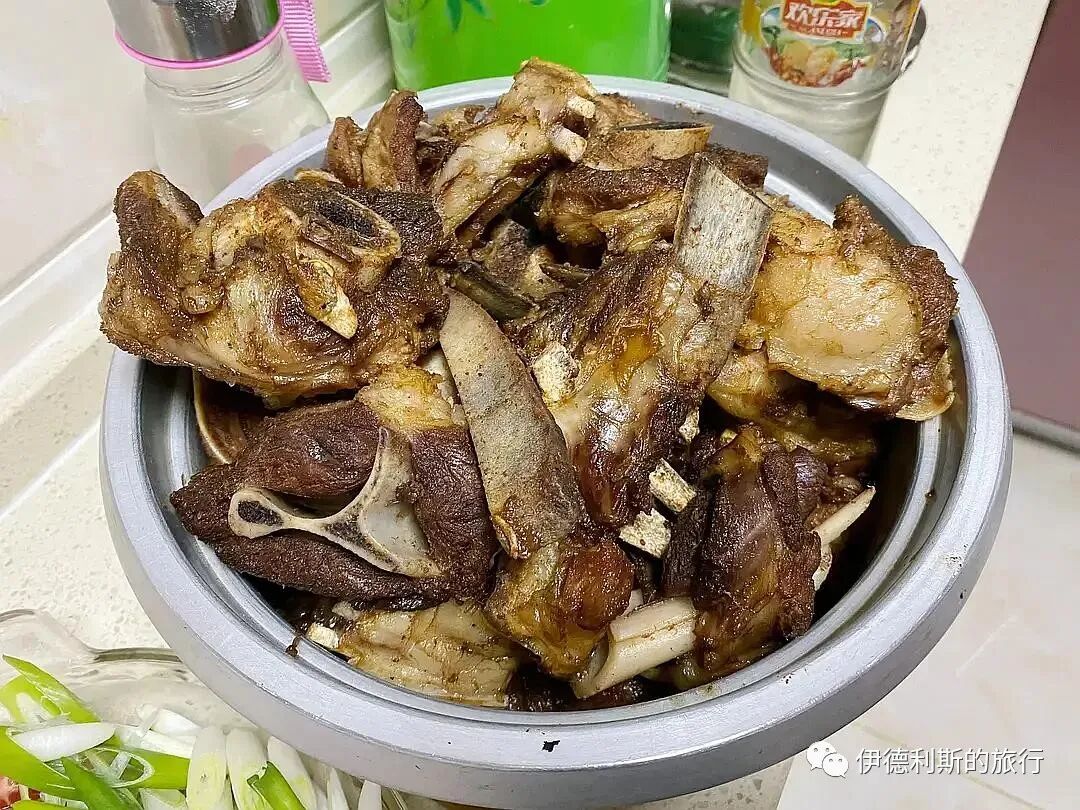
5. Braised lamb bone (hongshao yangbanggu)
1. Wash 5-6 lamb bone marrow bones and ginger slices. Put them in a pot with half a bowl of water and boil over high heat. Keep stirring and add a spoon of salt during the process until the water boils away.
2. Add a quarter tablespoon of soy sauce and stir well.
3. Add water until the bones are covered. Once it boils, turn to low heat and simmer. Stir occasionally. After about an hour, the water should be boiled away.
6. Braised beef steak (hongshao niupai)
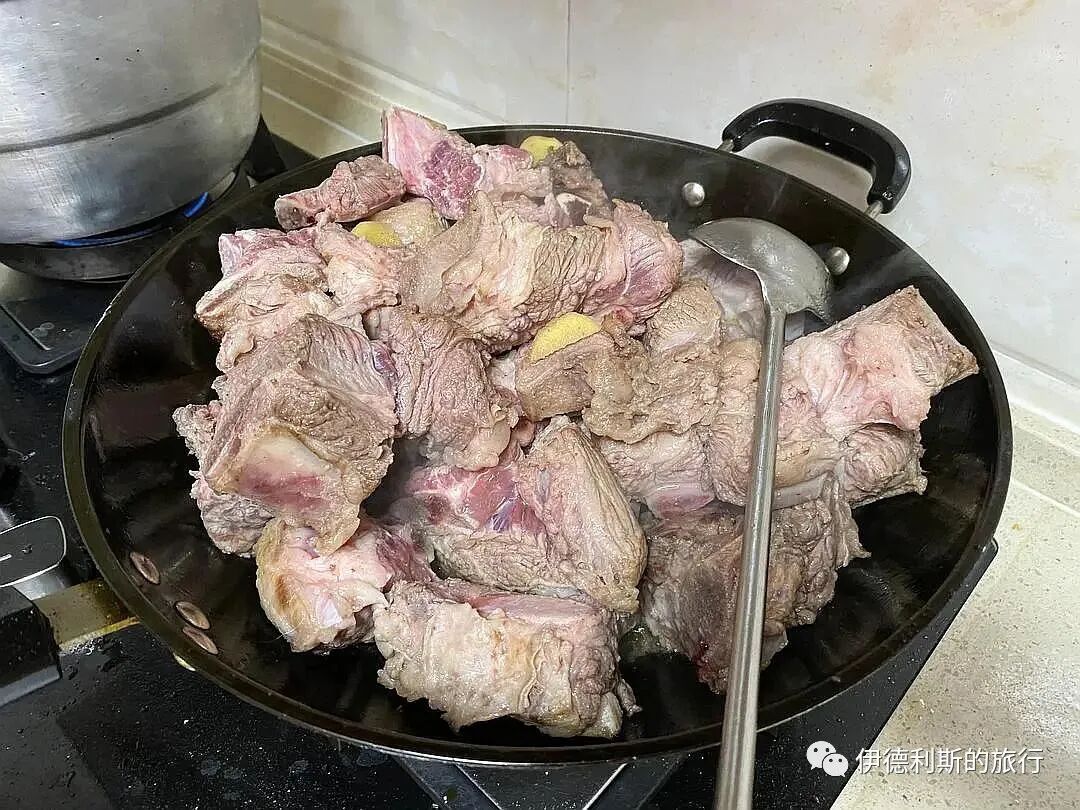
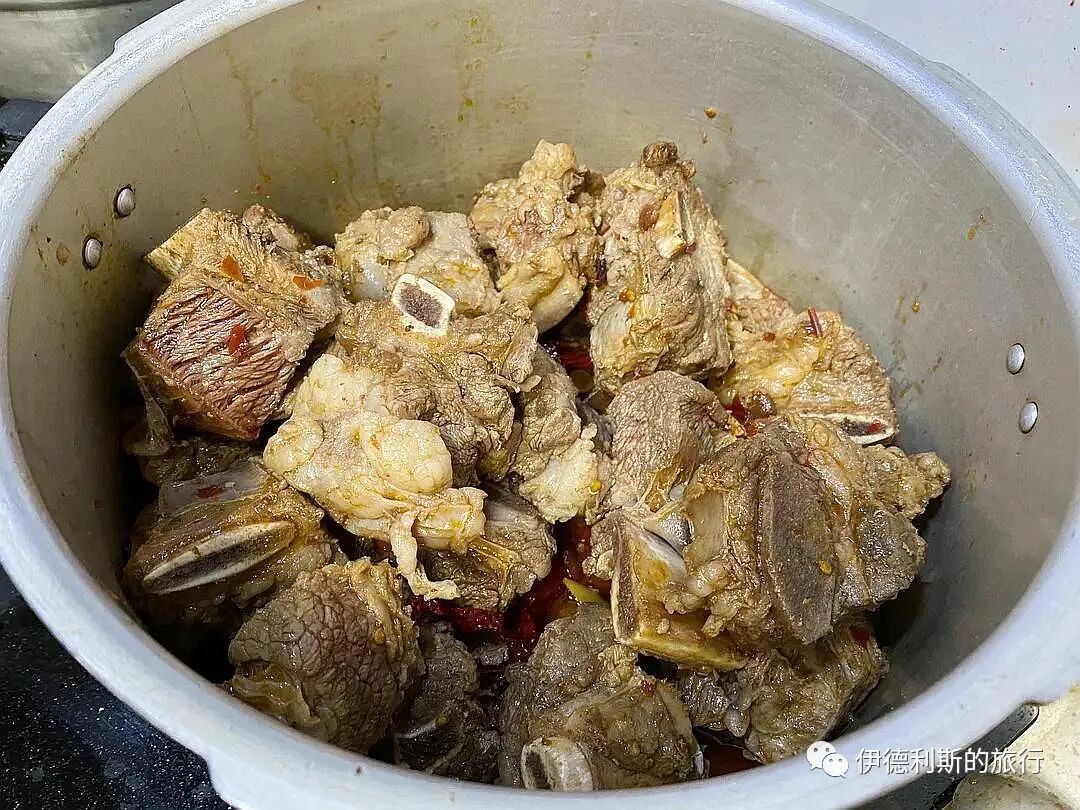
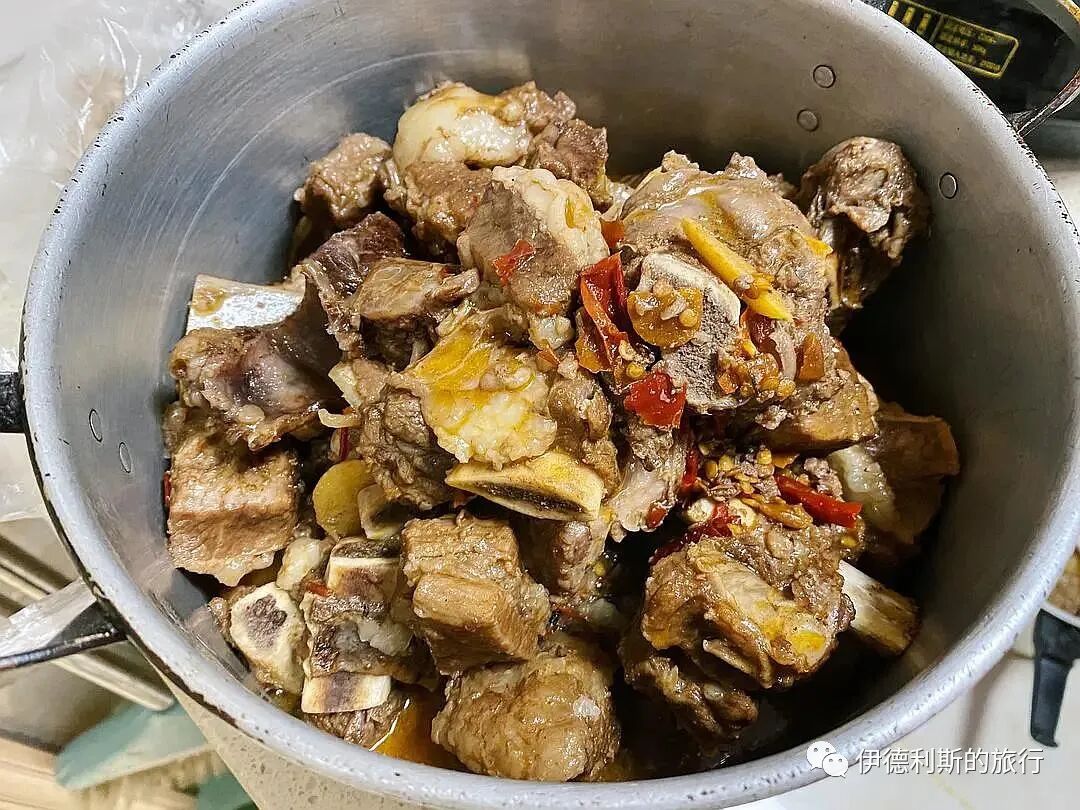
First, blanch the beef ribs. Once they turn white, take them out. Heat oil, add the meat, ginger, a little cinnamon, star anise, and bean paste (doubanjiang). Stir-fry for a while, then add fresh chili peppers. Once the meat has dried out, put it in a pressure cooker and stew for 25 minutes.
7. Big plate chicken (dapanji)
1. Preparation: half a chicken (use a layer hen or free-range chicken (chaiji) for a pressure cooker, or a Sanhuang chicken or broiler for a wok; we used a free-range chicken this time), 2 potatoes cut into chunks, 1 green onion cut into diagonal slices, 10 whole dried chili peppers (lapi-zi), 4 cloves of garlic sliced, sliced ginger, 2 small spoons of salt, 2 small spoons of Sichuan peppercorn powder, 2 small spoons of pepper powder, 1 small bag of tomato paste, 1 spoon of bean paste (doubanjiang), half a spoon of soy sauce, and vinegar.
2. Start: Use plenty of oil. Add the chicken pieces, dried chili peppers, and ginger slices to the wok. Add salt, Sichuan peppercorn powder, pepper powder, tomato paste, a little bit of the green onion and garlic, and the bean paste. Stir-fry until the blood has dried out from the chicken, then add soy sauce and turn off the heat.
3a. If using a layer hen or free-range chicken, use an electric pressure cooker. Add the stir-fried chicken and water (about 4 cooking spoons of water, do not cover the chicken). Place the potato chunks on top. Pressure cook for 15 minutes, then open the lid. Take out the potatoes first, add the remaining green onion and garlic, add a drop of vinegar, stir, and serve.
3b. If using a Sanhuang chicken or broiler, add all the green onion, garlic, water, and potato chunks when adding seasonings in the wok. Cook until the potatoes are soft, add a drop of vinegar, and serve.
8. Ashura bean rice (Ashura doudoufan)
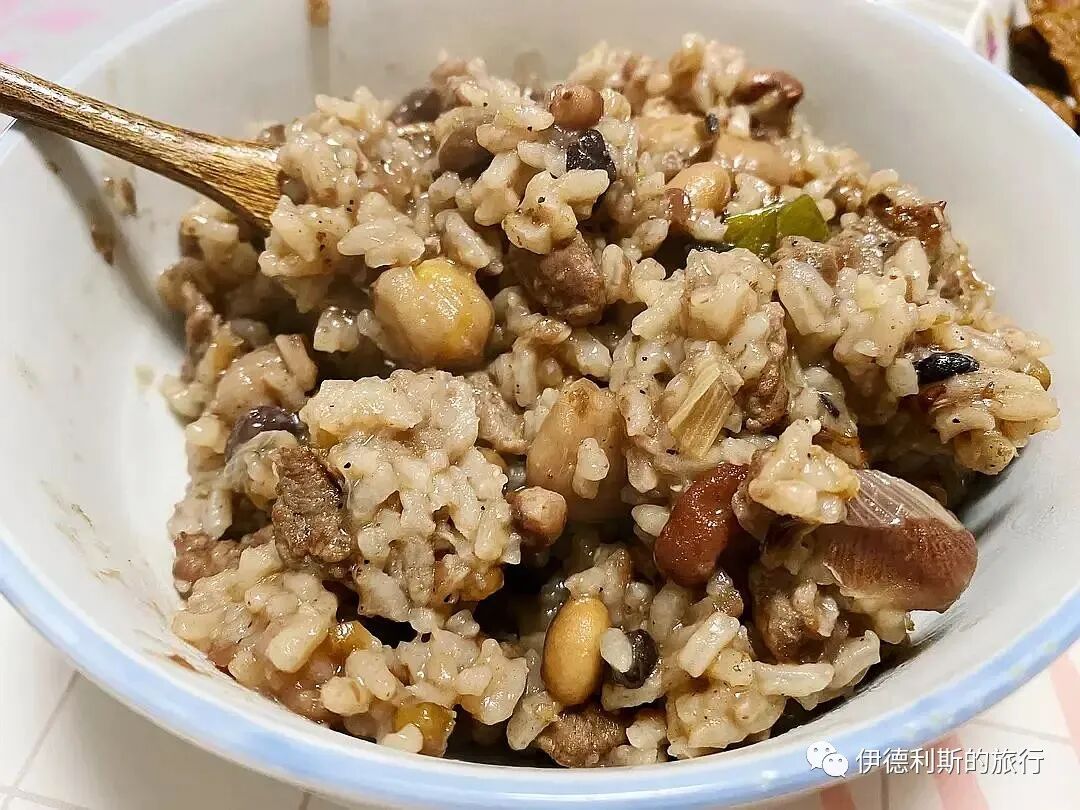
On the 10th day of the first month of the Islamic calendar, Ashura, Hui Muslims have a tradition of making a mixed grain porridge. This commemorates the legend that Prophet Nuh's (Noah) ark docked on Ashura, and he gathered the remaining grains in the cabin to make porridge.
Hui Muslims in different places make Ashura porridge in different ways. In Urumqi, it is also called Ashura bean rice.
When making it, prepare at least 7 types of beans. We prepared 11. Use an electric pressure cooker to cook the beans until soft, then take them out and put them in a wok to stir with rice and glutinous rice. Then, put everything into the electric pressure cooker. Next, stir-fry diced lamb, add salt and Sichuan peppercorns, then add chopped green onion to make it fragrant. Put it all into the pressure cooker and add water until it covers the ingredients by one and a half finger-widths. After cooking and serving, the aroma of the beans mixes with the aroma of the meat. It is both a seasonal delicacy and very meaningful.
We made a simplified version. The truly traditional way is to soak the beans for two days beforehand. When cooking, you don't use a pressure cooker but keep stirring in a wok, which requires a lot of experience.
9. Awakening of Insects oil tea egg (Jingzhe youcha dan)
Before I was 18, as long as I was home during the Awakening of Insects (Jingzhe) solar term, breakfast would always be Jingzhe soup (oil tea egg). You could say it was my first memory of this solar term. I talked to my parents about it a few days ago and revisited the recipe. I didn't have time this morning, so I tried making it tonight and wanted to share it.
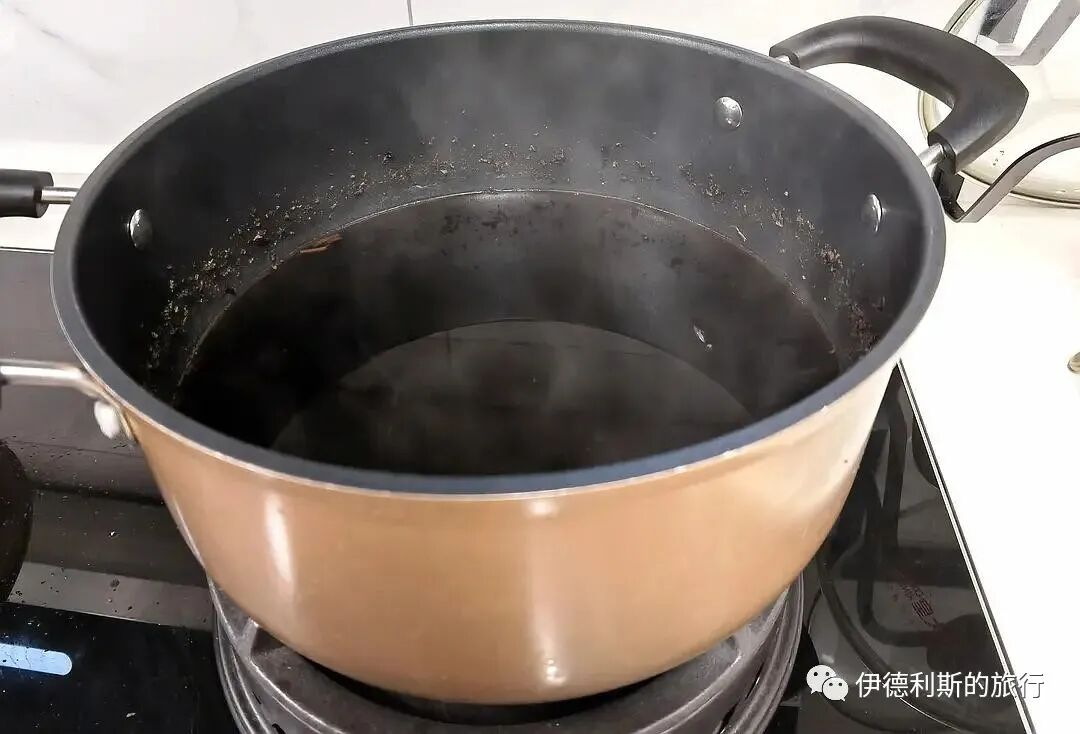
(1) Boil an appropriate amount of brick tea (if you don't have it, you can use black tea; today I tried using Pu'er tea).
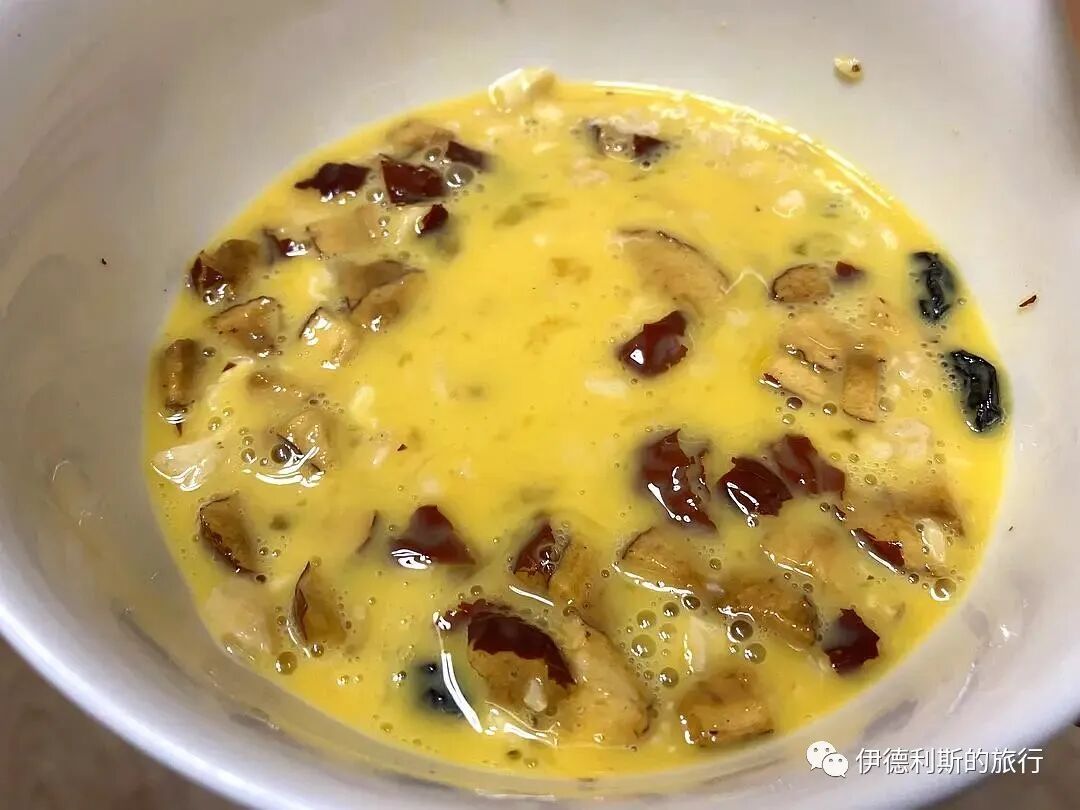
(2) Beat 2 eggs into a liquid, and add raisins, chopped walnuts, and chopped red dates.
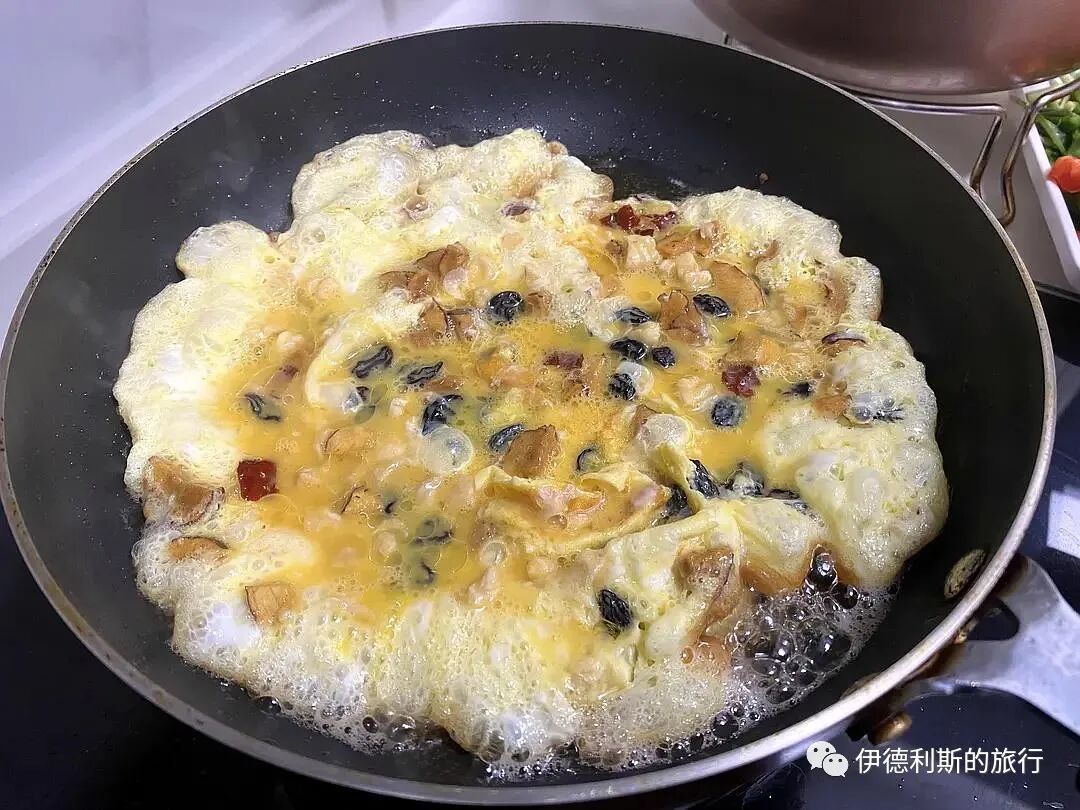
(3) Heat oil in a pot and stir-fry the dried fruits coated in egg liquid.
(4) Pour in the brewed tea and add rock sugar. The older generation would use lamb fat to fry the eggs for their parents' generation. In our generation, it is more common to use vegetable oil to fry the egg liquid coated with green raisins and walnut kernels. Adding a little more rock sugar makes it more popular with children.
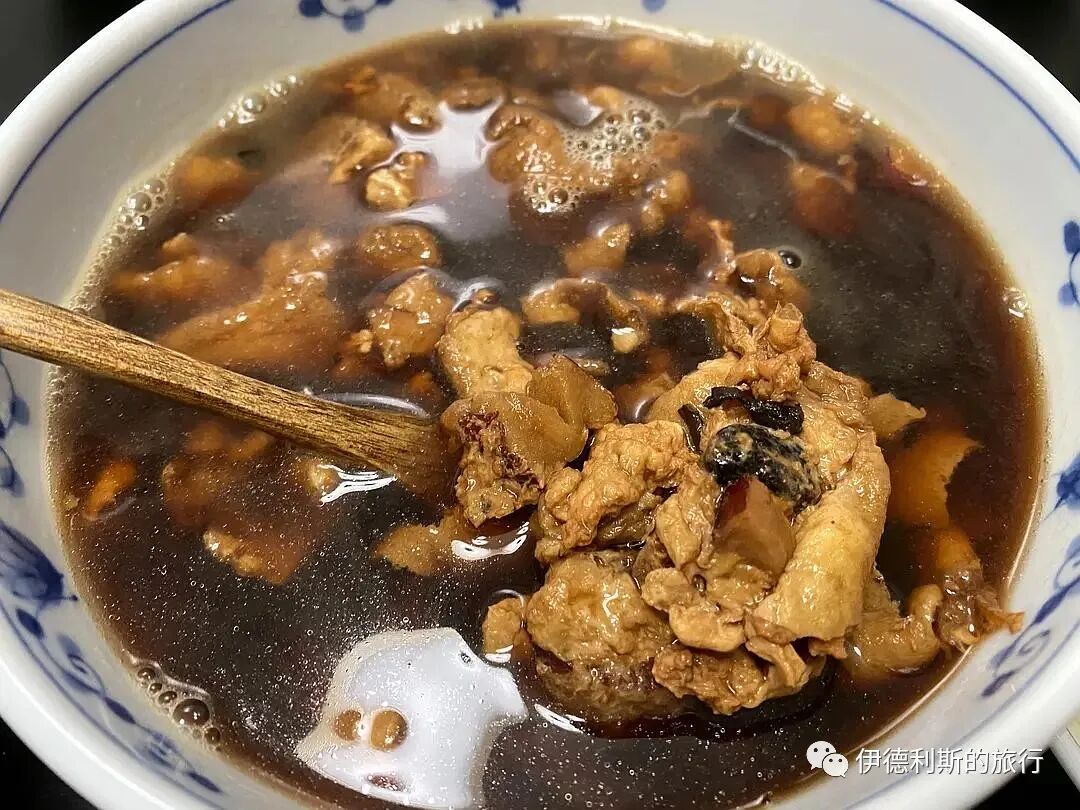
10. Starch noodle soup (fentang)
1. First, stir-fry the meat slices, then add garlic, then add green onion, dried chili peppers, and tomatoes (yangshizi), and then add various vegetables. You can choose the vegetables as you like.
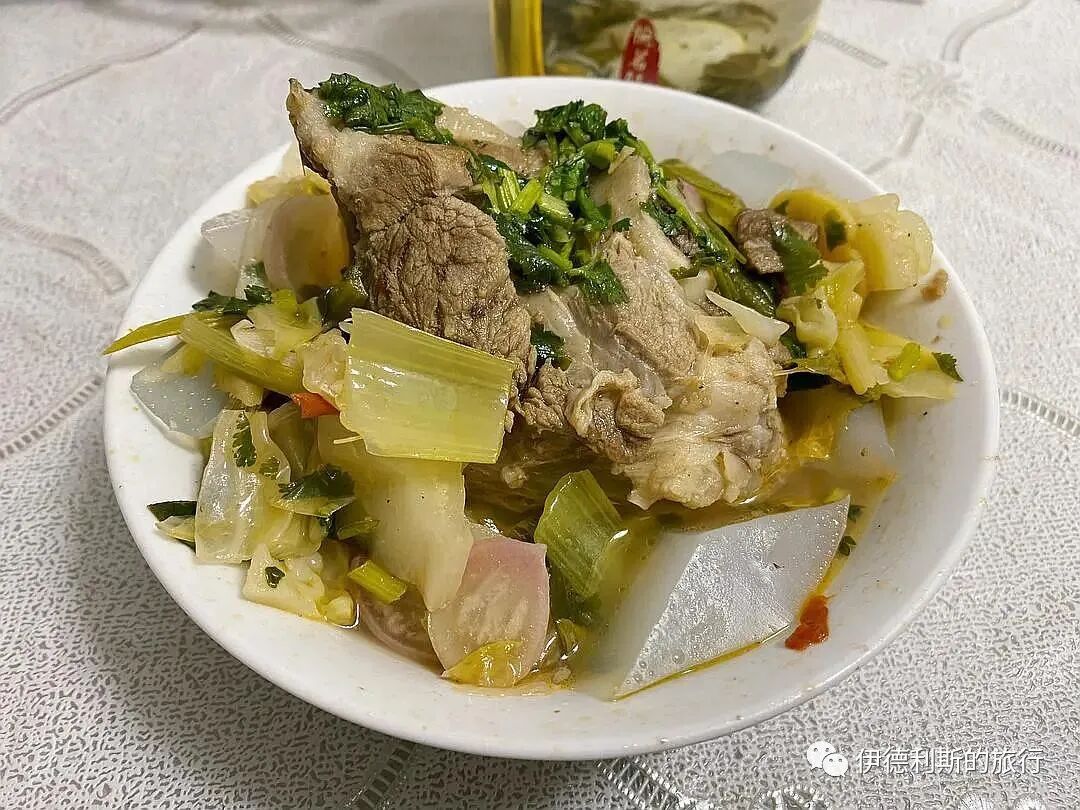
2. Add the lamb broth that was stewed and frozen earlier. After the broth melts, add pea flour blocks, then add the large pieces of stewed lamb, and finally add pepper and cilantro to enhance the flavor.
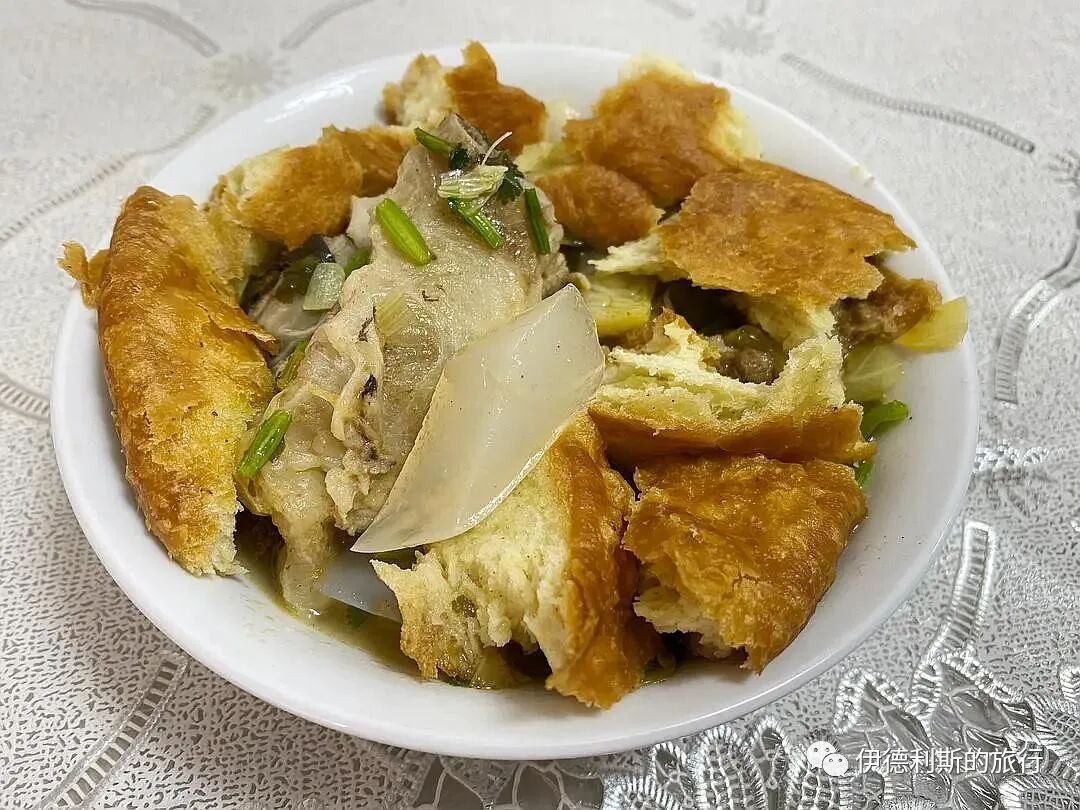
The classic way to eat starch noodle soup (fentang) is with fried dough (youxiang). After you finish the lamb, break the fried dough into the soup. This is the authentic way of life for Hui Muslims in Urumqi.
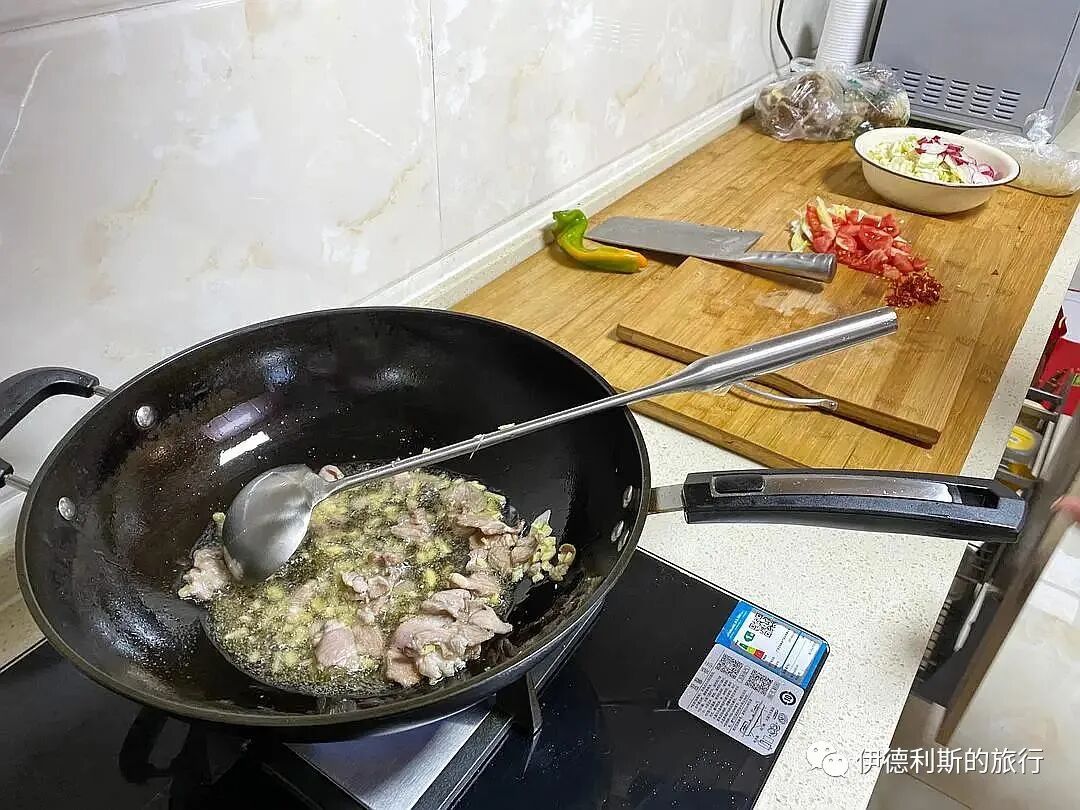
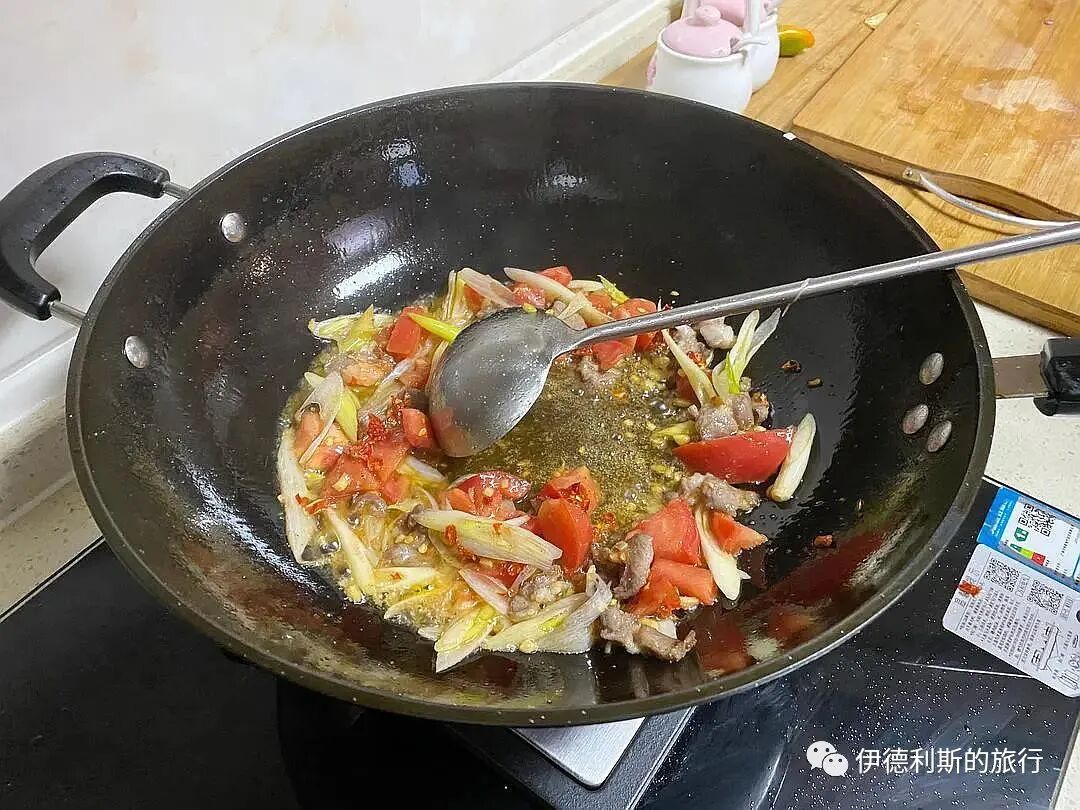
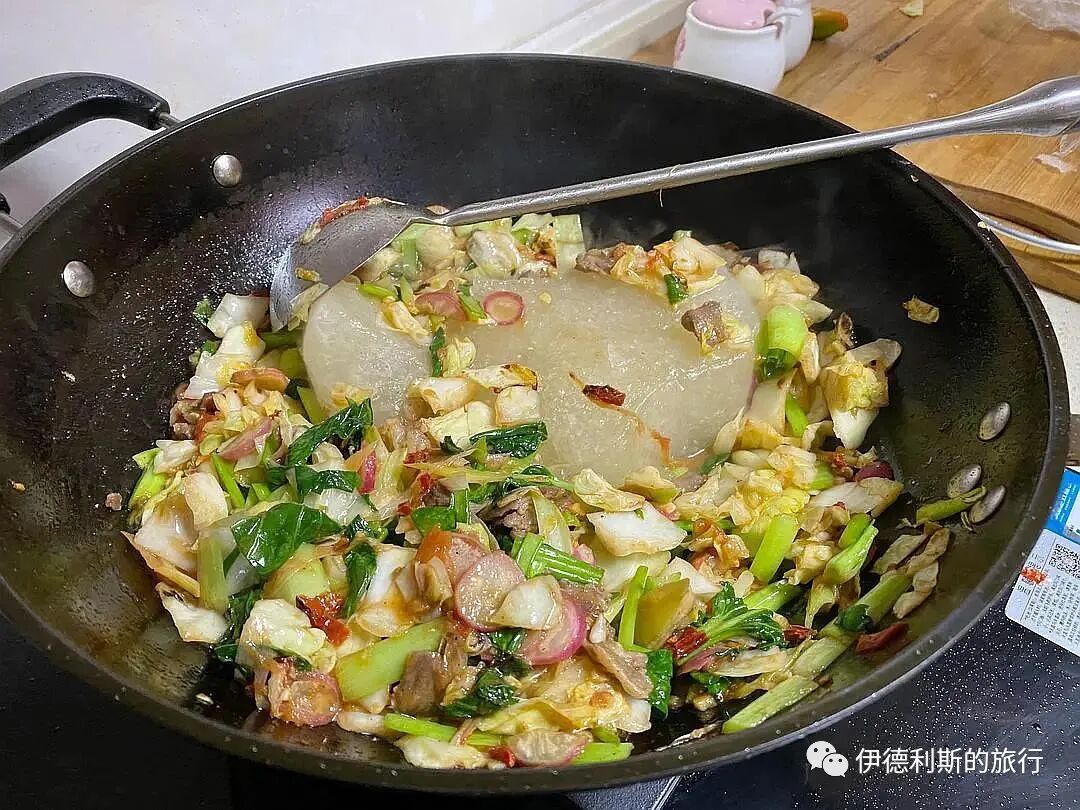
11. Fried starch jelly (zhamenzi)
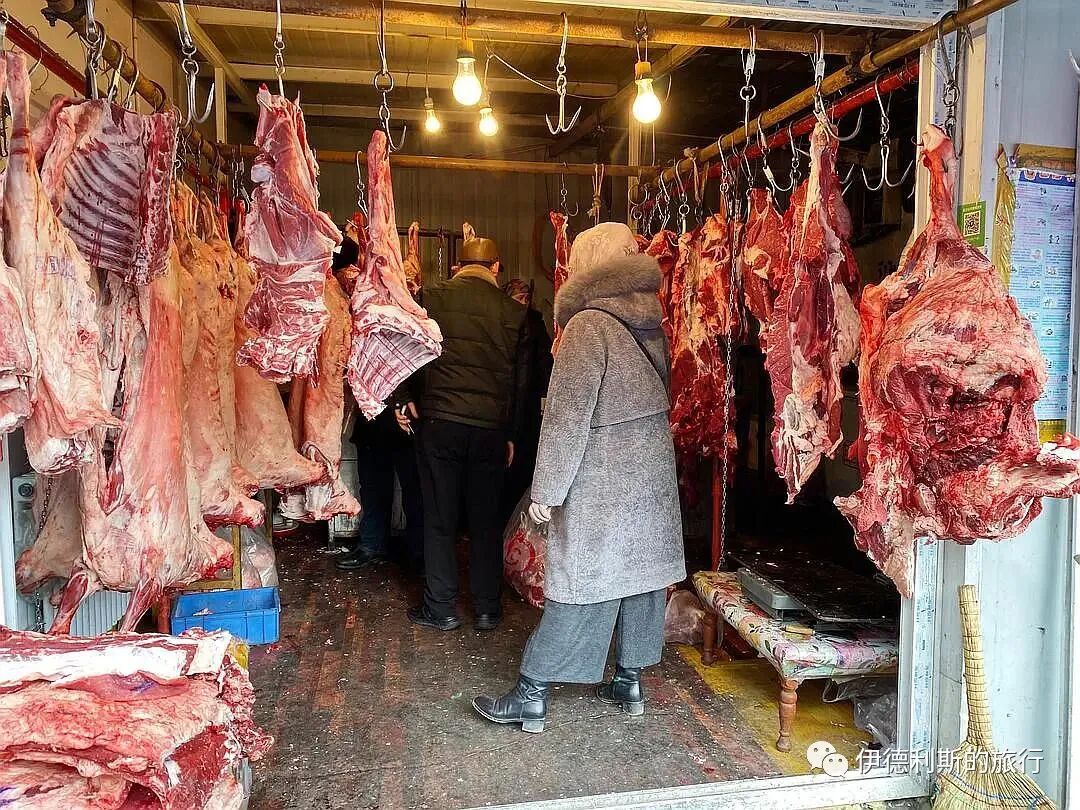
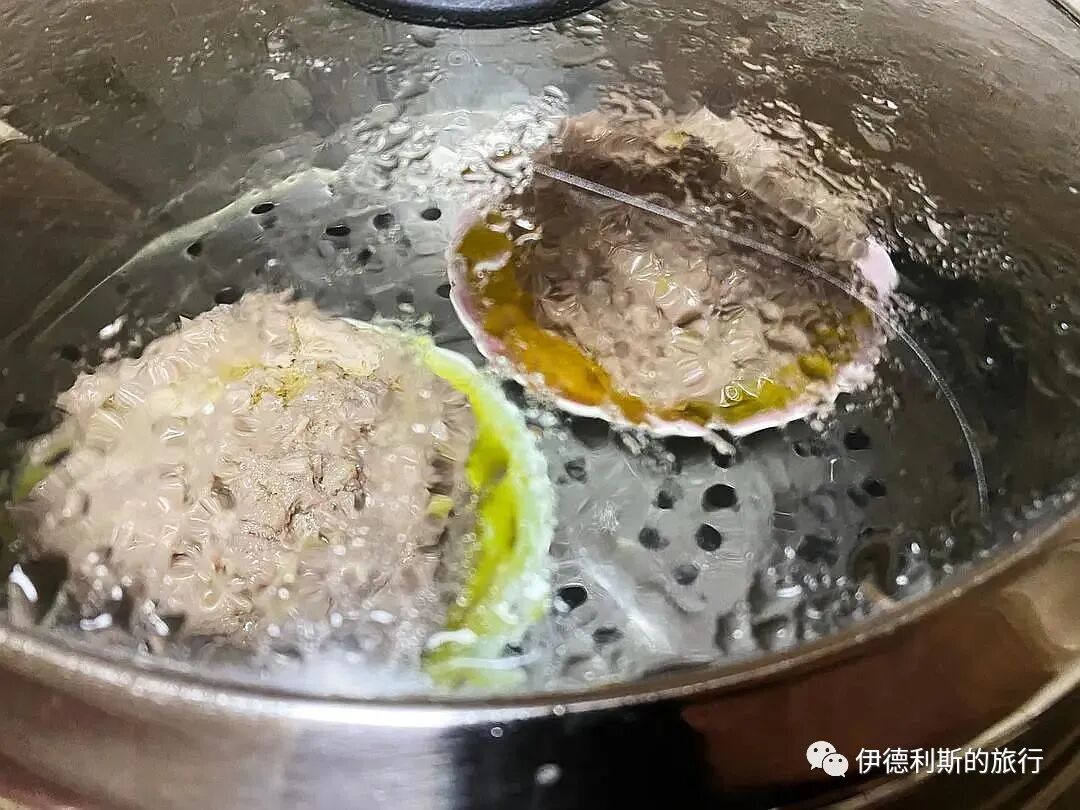
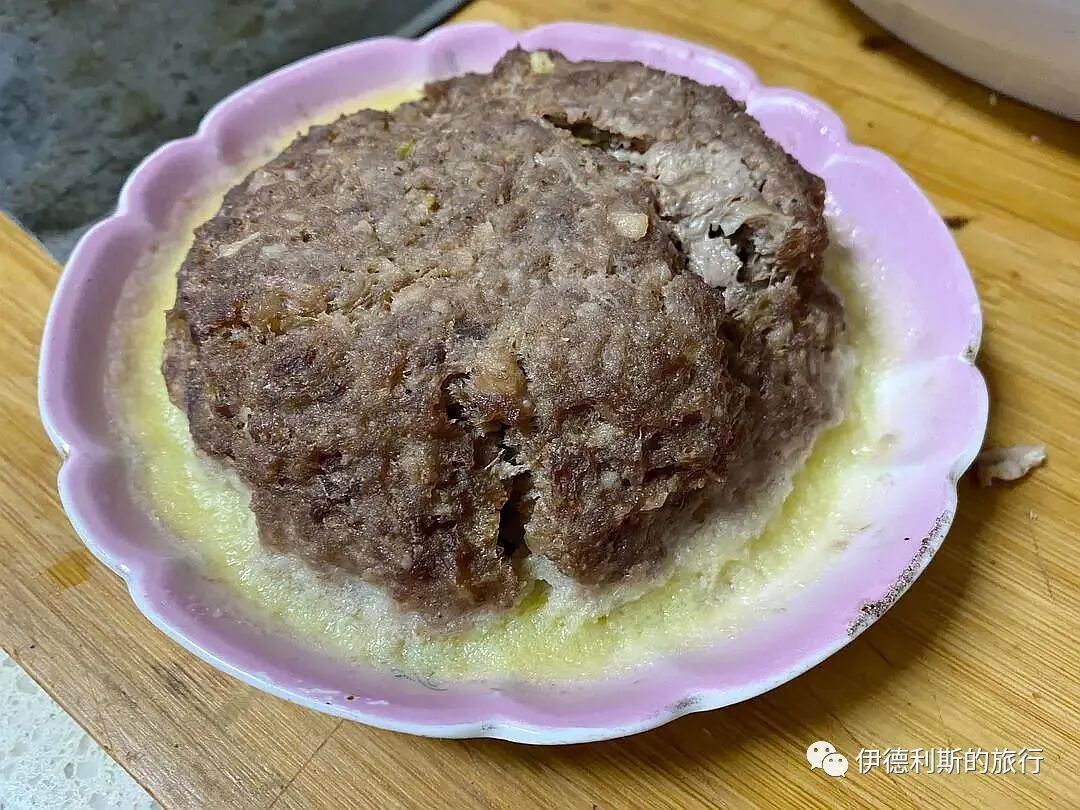
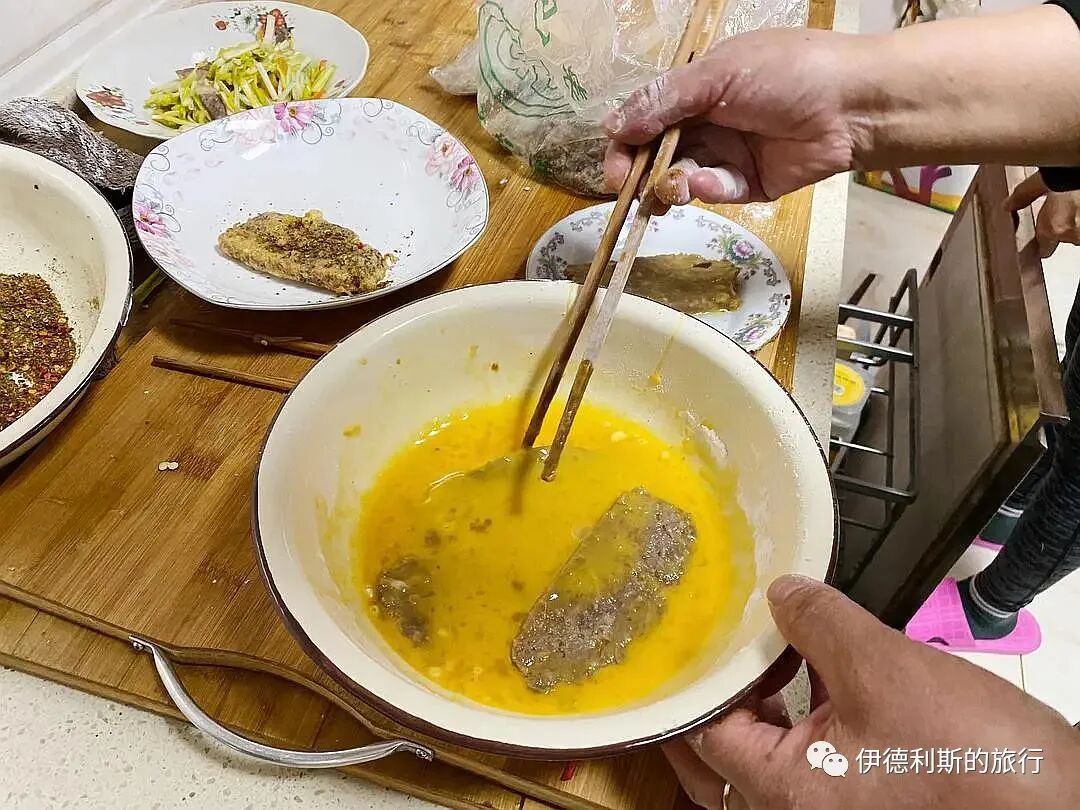
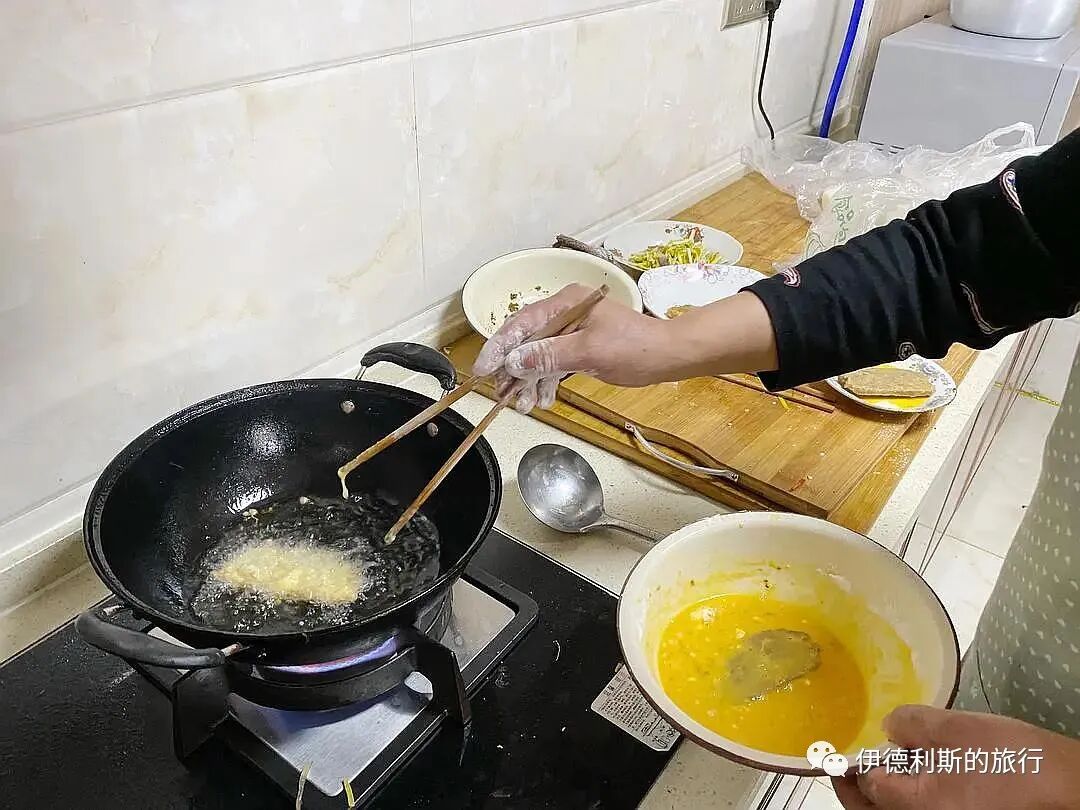
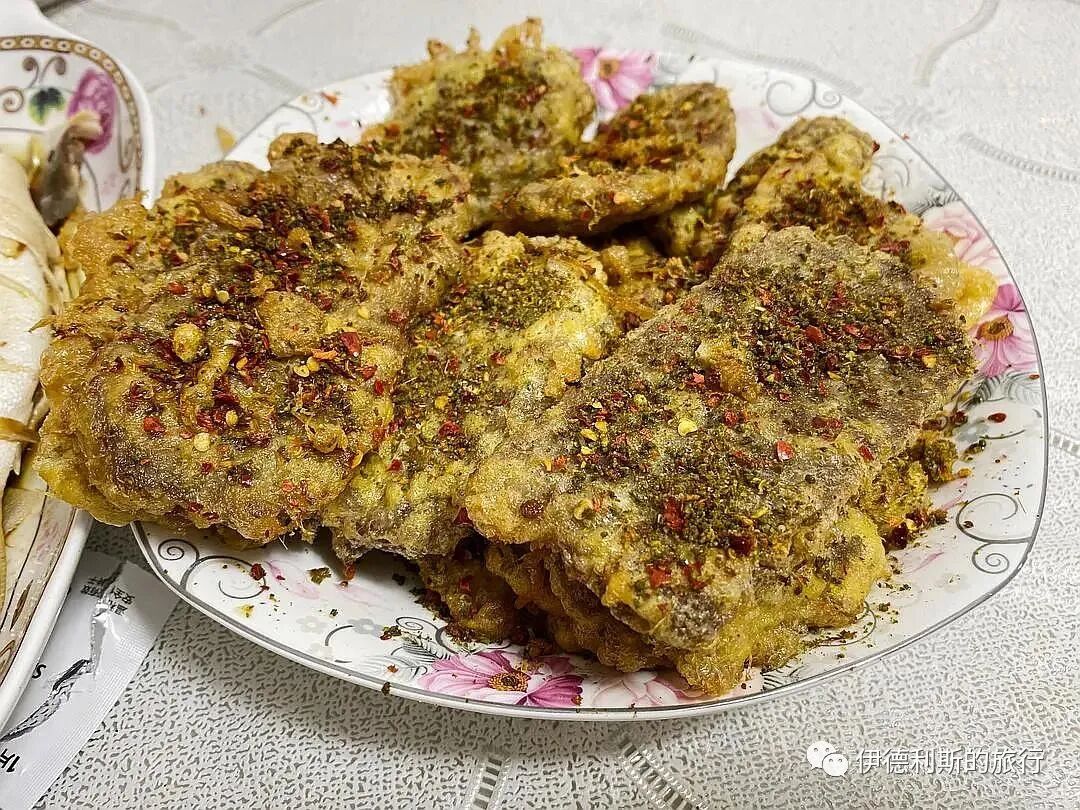
Buy meat at the market and have the butcher grind it into filling (xianzi). The filling for steamed meat loaf (menzi) needs to go through the grinder twice so it is finer than the filling for fried meatballs. Once you get home, steam the filling into a meat loaf (menzi) and slice it up. To cook it, coat the slices in egg and starch, then fry them. Finally, sprinkle on cumin, chili powder, and salt.
12. Soup noodles (tangfan)
1. Stir-fry lamb slices with salt and Sichuan peppercorn powder until they are a bit dry.
2. Sauté chopped green onions and tomato chunks, then add soy sauce.
3. Stir-fry potato slices, then add water after a short while.
4. When the water boils, add garlic slices and hand-tear dough pieces into the soup. Simmer for a bit, then add pepper powder and cilantro. Finish with a splash of vinegar before serving.
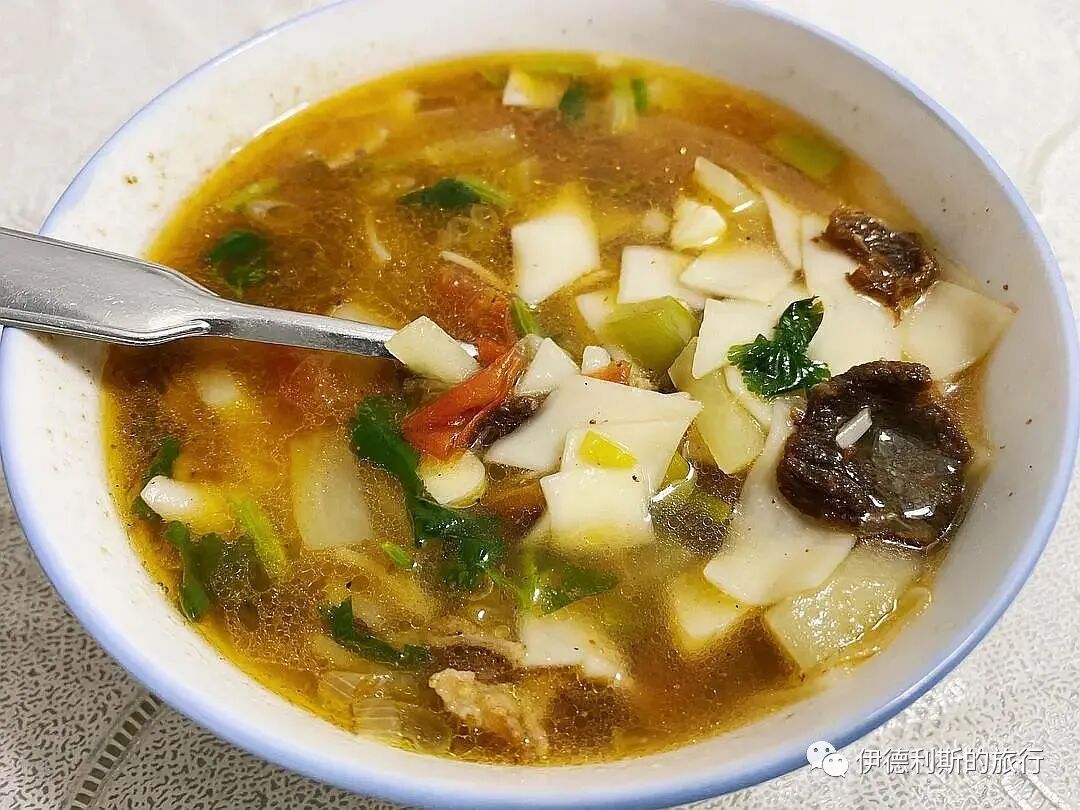
13. Stir-fried barbecue meat (chao kaorou)
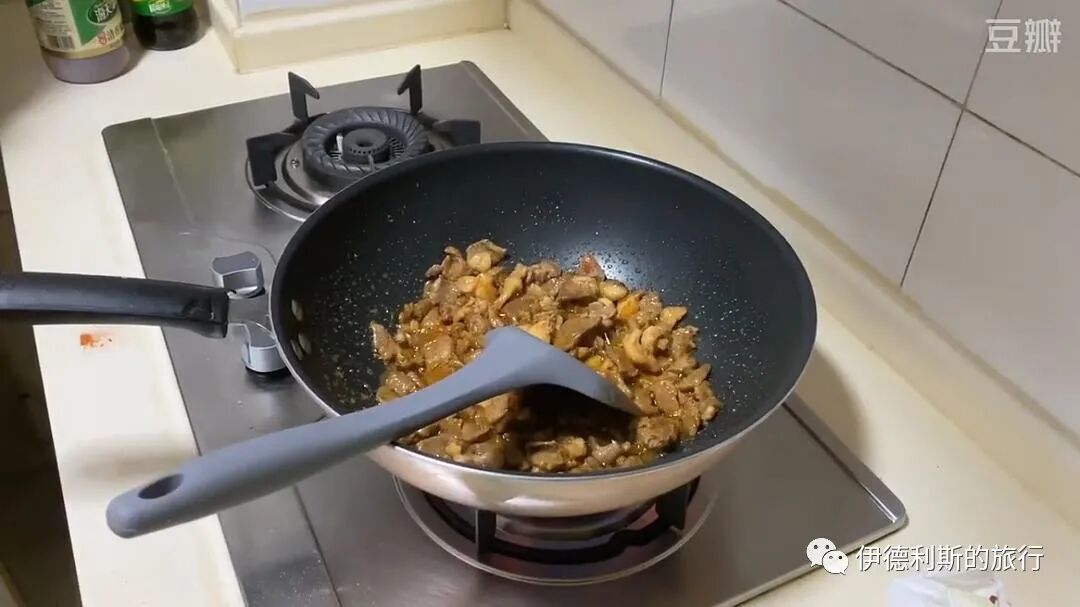
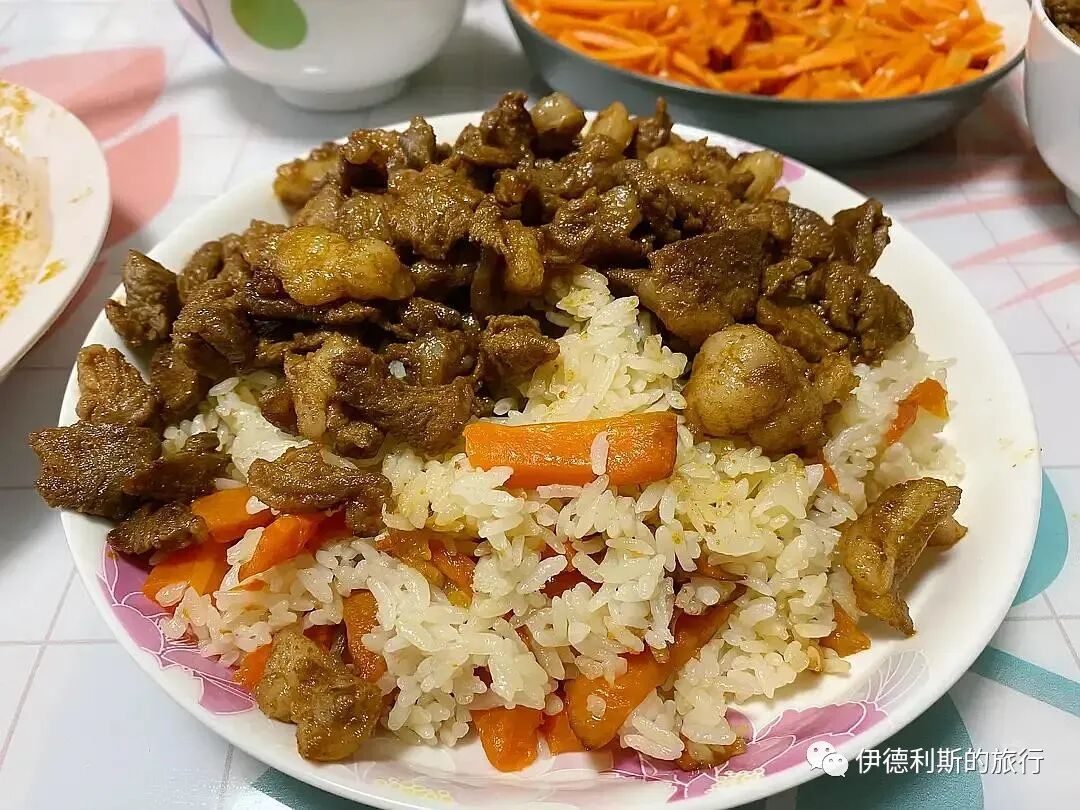
1. Heat oil in a pot over high heat. Add lamb fat first, then the meat slices. Stir-fry for a while, add a small spoonful of salt for one bowl of meat, and stir.
2. Add one and a half spoonfuls of chili powder.
3. Add one spoonful of cumin powder.
Xinjiang Home Cooking Guide: Zainab’s Halal Recipes and Uyghur Food
Articles • ali2007fr posted the article • 0 comments • 143 views • 2026-05-18 01:30
Summary: Xinjiang Home Cooking Guide: Zainab’s Halal Recipes and Uyghur Food is presented here as a firsthand travel account in clear English, beginning with this scene: Author: Zainab. The account keeps its focus on Xinjiang Food, Halal Recipes, Uyghur Food while preserving the names, places, food, and historical details from the Chinese source.
Author: Zainab
As a girl from Urumqi, I often cook Xinjiang home-style dishes. I have put together some simple recipes to share with everyone.
1. Hand-pulled noodles (latiaozi)
2. Lamb chop pilaf (yangpai zhuafan)
3. Minced meat pilaf (suirou zhuafan)
4. Uzbek black pilaf (Uzbek hei zhuafan)
5. Braised lamb bone (hongshao yangbanggu)
6. Braised beef steak (hongshao niupai)
7. Big plate chicken (dapanji)
8. Ashura bean rice (Ashura doudoufan)
9. Awakening of Insects oil tea egg (Jingzhe youcha dan)
10. Starch noodle soup (fentang)
11. Fried starch jelly (zhamenzi)
12. Soup noodles (tangfan)
13. Stir-fried barbecue meat (chao kaorou)
1. Hand-pulled noodles (latiaozi)
1. Preparation: One and a half bowls of flour (for three plates of noodles), half a small spoonful of salt, one bowl of water, a large mixing bowl, a large cutting board, and a rolling pin.
2. Start:
(1) Sprinkle: Put the flour into the mixing bowl and sprinkle in the salt.
(2) Swirl: Pour in a little water and use your fingers to swirl the flour that has touched the water until it forms small, loose crumbles.
(3) Gather: Gradually gather the crumbles into a ball. Swirling and gathering happen at the same time until all the crumbles are part of one single dough ball.
(4) Press: Take the dough out of the bowl. Use the heel of your right hand to press forward, pushing the dough against the board while your left hand guides the direction as the dough rolls forward.
(5) Rest: After about 10 presses, the surface should be smooth. Cover the dough with the mixing bowl and let it rest for 10 minutes.
(6) Knead: Repeat the action from step (4) but don't press as hard, or the surface of the dough might break and lose its smoothness. Then repeat step (5).
(7) Rolling: Repeat step (6) two or three times, then roll the dough into a large round flatbread about 1cm thick. Brush it with raw oil, cover it with a basin, and you can go cook your stir-fry.
(8) Cutting, pulling, and stretching: When the stir-fry is almost ready, find a pot for the noodles and boil water. Meanwhile, cut the dough into strips about 1cm wide. Start from one side and pull them forward bit by bit. Once the diameter is halved, fold the noodles once or twice. Use both hands to stretch and slap them against the cutting board to make the noodles thinner and chewier.
(9) Boiling: Drop them into the pot, cook for a while, and take them out. If you are making mixed noodles, rinse them in cold water. If you are serving them with big plate chicken (dapanji), you do not need cold water; just scoop them out and put them directly into the big plate chicken.
2. Lamb chop pilaf (yangpai zhuafan)
I tried an innovative way to make lamb chop pilaf (zhua fan) to save time and make the meat tender.
1. Pressure cook the lamb chops for 10 minutes (I used the rice cooking mode for 10 minutes).
2. Heat oil in a wok (use plenty of oil, about 3-4 times the amount for regular stir-fry). Add onion slices, salt (make it slightly salty), and sugar. Then add half of the carrot strips. Once the carrots shrink, add the pressure-cooked lamb chops and stir for a while.
3. In the pressure cooker, layer from bottom to top: raw carrot strips, rice, and the stir-fried meat and oil mixture. Use the rice cooking mode.
3. Minced meat pilaf (suirou zhuafan)
1. Preparation: Cut the boneless meat into pieces, cut carrots (2) into strips, cut onion (half) into chunks, wash and soak the rice (3/4 bowl for two people), and prepare salt, cumin, and sugar.
2. Start: Heat the oil, add the onion chunks, and stir-fry the meat. Add two spoons of salt and one spoon of cumin until the meat is dry. Add half of the carrot strips (I like to add a little sugar) and stir until they shrink. Pour the other half of the carrot strips, the rice, and the stir-fried meat and oil into the rice cooker. Add water (rice:water and oil = 1:1) and sugar (to make the pilaf shiny), then just steam the rice.
4. Uzbek black pilaf (Uzbek hei zhuafan)
I once made Uzbek black pilaf while working from home during the pandemic. Master Wang said he wanted to eat it, so I tried making it again, though I was a bit rusty:
1. Wash a bowl of rice and let it soak.
2. Heat the oil, add the onion chunks and a whole head of garlic. Once you smell the garlic, take it out and set it aside.
3. Continue to fry the onions until they are dry and dark brown. Stir-fry the meat, then add two spoons of salt and one spoon of cumin.
4. Once the meat is dry, add the carrot strips and stir until they shrink. Pour the stir-fried meat and oil into the rice cooker, add the rice and water (rice:water and oil = 1:1), sprinkle a little more cumin, and place the whole head of garlic you fried earlier on top. Use the rice steaming mode. *Note: Do not use too much oil, or the rice will be undercooked. That happened this time, so I poured out some oil, added half a bowl of water, and ran the rice steaming mode again to get it right.
5. Braised lamb bone (hongshao yangbanggu)
1. Wash 5-6 lamb bone marrow bones and ginger slices. Put them in a pot with half a bowl of water and boil over high heat. Keep stirring and add a spoon of salt during the process until the water boils away.
2. Add a quarter tablespoon of soy sauce and stir well.
3. Add water until the bones are covered. Once it boils, turn to low heat and simmer. Stir occasionally. After about an hour, the water should be boiled away.
6. Braised beef steak (hongshao niupai)
First, blanch the beef ribs. Once they turn white, take them out. Heat oil, add the meat, ginger, a little cinnamon, star anise, and bean paste (doubanjiang). Stir-fry for a while, then add fresh chili peppers. Once the meat has dried out, put it in a pressure cooker and stew for 25 minutes.
7. Big plate chicken (dapanji)
1. Preparation: half a chicken (use a layer hen or free-range chicken (chaiji) for a pressure cooker, or a Sanhuang chicken or broiler for a wok; we used a free-range chicken this time), 2 potatoes cut into chunks, 1 green onion cut into diagonal slices, 10 whole dried chili peppers (lapi-zi), 4 cloves of garlic sliced, sliced ginger, 2 small spoons of salt, 2 small spoons of Sichuan peppercorn powder, 2 small spoons of pepper powder, 1 small bag of tomato paste, 1 spoon of bean paste (doubanjiang), half a spoon of soy sauce, and vinegar.
2. Start: Use plenty of oil. Add the chicken pieces, dried chili peppers, and ginger slices to the wok. Add salt, Sichuan peppercorn powder, pepper powder, tomato paste, a little bit of the green onion and garlic, and the bean paste. Stir-fry until the blood has dried out from the chicken, then add soy sauce and turn off the heat.
3a. If using a layer hen or free-range chicken, use an electric pressure cooker. Add the stir-fried chicken and water (about 4 cooking spoons of water, do not cover the chicken). Place the potato chunks on top. Pressure cook for 15 minutes, then open the lid. Take out the potatoes first, add the remaining green onion and garlic, add a drop of vinegar, stir, and serve.
3b. If using a Sanhuang chicken or broiler, add all the green onion, garlic, water, and potato chunks when adding seasonings in the wok. Cook until the potatoes are soft, add a drop of vinegar, and serve.
8. Ashura bean rice (Ashura doudoufan)
On the 10th day of the first month of the Islamic calendar, Ashura, Hui Muslims have a tradition of making a mixed grain porridge. This commemorates the legend that Prophet Nuh's (Noah) ark docked on Ashura, and he gathered the remaining grains in the cabin to make porridge.
Hui Muslims in different places make Ashura porridge in different ways. In Urumqi, it is also called Ashura bean rice.
When making it, prepare at least 7 types of beans. We prepared 11. Use an electric pressure cooker to cook the beans until soft, then take them out and put them in a wok to stir with rice and glutinous rice. Then, put everything into the electric pressure cooker. Next, stir-fry diced lamb, add salt and Sichuan peppercorns, then add chopped green onion to make it fragrant. Put it all into the pressure cooker and add water until it covers the ingredients by one and a half finger-widths. After cooking and serving, the aroma of the beans mixes with the aroma of the meat. It is both a seasonal delicacy and very meaningful.
We made a simplified version. The truly traditional way is to soak the beans for two days beforehand. When cooking, you don't use a pressure cooker but keep stirring in a wok, which requires a lot of experience.
9. Awakening of Insects oil tea egg (Jingzhe youcha dan)
Before I was 18, as long as I was home during the Awakening of Insects (Jingzhe) solar term, breakfast would always be Jingzhe soup (oil tea egg). You could say it was my first memory of this solar term. I talked to my parents about it a few days ago and revisited the recipe. I didn't have time this morning, so I tried making it tonight and wanted to share it.
(1) Boil an appropriate amount of brick tea (if you don't have it, you can use black tea; today I tried using Pu'er tea).
(2) Beat 2 eggs into a liquid, and add raisins, chopped walnuts, and chopped red dates.
(3) Heat oil in a pot and stir-fry the dried fruits coated in egg liquid.
(4) Pour in the brewed tea and add rock sugar. The older generation would use lamb fat to fry the eggs for their parents' generation. In our generation, it is more common to use vegetable oil to fry the egg liquid coated with green raisins and walnut kernels. Adding a little more rock sugar makes it more popular with children.
10. Starch noodle soup (fentang)
1. First, stir-fry the meat slices, then add garlic, then add green onion, dried chili peppers, and tomatoes (yangshizi), and then add various vegetables. You can choose the vegetables as you like.
2. Add the lamb broth that was stewed and frozen earlier. After the broth melts, add pea flour blocks, then add the large pieces of stewed lamb, and finally add pepper and cilantro to enhance the flavor.
The classic way to eat starch noodle soup (fentang) is with fried dough (youxiang). After you finish the lamb, break the fried dough into the soup. This is the authentic way of life for Hui Muslims in Urumqi.
11. Fried starch jelly (zhamenzi)
Buy meat at the market and have the butcher grind it into filling (xianzi). The filling for steamed meat loaf (menzi) needs to go through the grinder twice so it is finer than the filling for fried meatballs. Once you get home, steam the filling into a meat loaf (menzi) and slice it up. To cook it, coat the slices in egg and starch, then fry them. Finally, sprinkle on cumin, chili powder, and salt.
12. Soup noodles (tangfan)
1. Stir-fry lamb slices with salt and Sichuan peppercorn powder until they are a bit dry.
2. Sauté chopped green onions and tomato chunks, then add soy sauce.
3. Stir-fry potato slices, then add water after a short while.
4. When the water boils, add garlic slices and hand-tear dough pieces into the soup. Simmer for a bit, then add pepper powder and cilantro. Finish with a splash of vinegar before serving.
13. Stir-fried barbecue meat (chao kaorou)
1. Heat oil in a pot over high heat. Add lamb fat first, then the meat slices. Stir-fry for a while, add a small spoonful of salt for one bowl of meat, and stir.
2. Add one and a half spoonfuls of chili powder.
3. Add one spoonful of cumin powder. view all
Summary: Xinjiang Home Cooking Guide: Zainab’s Halal Recipes and Uyghur Food is presented here as a firsthand travel account in clear English, beginning with this scene: Author: Zainab. The account keeps its focus on Xinjiang Food, Halal Recipes, Uyghur Food while preserving the names, places, food, and historical details from the Chinese source.
Author: Zainab
As a girl from Urumqi, I often cook Xinjiang home-style dishes. I have put together some simple recipes to share with everyone.
1. Hand-pulled noodles (latiaozi)
2. Lamb chop pilaf (yangpai zhuafan)
3. Minced meat pilaf (suirou zhuafan)
4. Uzbek black pilaf (Uzbek hei zhuafan)
5. Braised lamb bone (hongshao yangbanggu)
6. Braised beef steak (hongshao niupai)
7. Big plate chicken (dapanji)
8. Ashura bean rice (Ashura doudoufan)
9. Awakening of Insects oil tea egg (Jingzhe youcha dan)
10. Starch noodle soup (fentang)
11. Fried starch jelly (zhamenzi)
12. Soup noodles (tangfan)
13. Stir-fried barbecue meat (chao kaorou)
1. Hand-pulled noodles (latiaozi)
1. Preparation: One and a half bowls of flour (for three plates of noodles), half a small spoonful of salt, one bowl of water, a large mixing bowl, a large cutting board, and a rolling pin.
2. Start:
(1) Sprinkle: Put the flour into the mixing bowl and sprinkle in the salt.
(2) Swirl: Pour in a little water and use your fingers to swirl the flour that has touched the water until it forms small, loose crumbles.
(3) Gather: Gradually gather the crumbles into a ball. Swirling and gathering happen at the same time until all the crumbles are part of one single dough ball.
(4) Press: Take the dough out of the bowl. Use the heel of your right hand to press forward, pushing the dough against the board while your left hand guides the direction as the dough rolls forward.
(5) Rest: After about 10 presses, the surface should be smooth. Cover the dough with the mixing bowl and let it rest for 10 minutes.
(6) Knead: Repeat the action from step (4) but don't press as hard, or the surface of the dough might break and lose its smoothness. Then repeat step (5).
(7) Rolling: Repeat step (6) two or three times, then roll the dough into a large round flatbread about 1cm thick. Brush it with raw oil, cover it with a basin, and you can go cook your stir-fry.
(8) Cutting, pulling, and stretching: When the stir-fry is almost ready, find a pot for the noodles and boil water. Meanwhile, cut the dough into strips about 1cm wide. Start from one side and pull them forward bit by bit. Once the diameter is halved, fold the noodles once or twice. Use both hands to stretch and slap them against the cutting board to make the noodles thinner and chewier.
(9) Boiling: Drop them into the pot, cook for a while, and take them out. If you are making mixed noodles, rinse them in cold water. If you are serving them with big plate chicken (dapanji), you do not need cold water; just scoop them out and put them directly into the big plate chicken.
2. Lamb chop pilaf (yangpai zhuafan)
I tried an innovative way to make lamb chop pilaf (zhua fan) to save time and make the meat tender.
1. Pressure cook the lamb chops for 10 minutes (I used the rice cooking mode for 10 minutes).
2. Heat oil in a wok (use plenty of oil, about 3-4 times the amount for regular stir-fry). Add onion slices, salt (make it slightly salty), and sugar. Then add half of the carrot strips. Once the carrots shrink, add the pressure-cooked lamb chops and stir for a while.
3. In the pressure cooker, layer from bottom to top: raw carrot strips, rice, and the stir-fried meat and oil mixture. Use the rice cooking mode.
3. Minced meat pilaf (suirou zhuafan)
1. Preparation: Cut the boneless meat into pieces, cut carrots (2) into strips, cut onion (half) into chunks, wash and soak the rice (3/4 bowl for two people), and prepare salt, cumin, and sugar.
2. Start: Heat the oil, add the onion chunks, and stir-fry the meat. Add two spoons of salt and one spoon of cumin until the meat is dry. Add half of the carrot strips (I like to add a little sugar) and stir until they shrink. Pour the other half of the carrot strips, the rice, and the stir-fried meat and oil into the rice cooker. Add water (rice:water and oil = 1:1) and sugar (to make the pilaf shiny), then just steam the rice.
4. Uzbek black pilaf (Uzbek hei zhuafan)
I once made Uzbek black pilaf while working from home during the pandemic. Master Wang said he wanted to eat it, so I tried making it again, though I was a bit rusty:
1. Wash a bowl of rice and let it soak.
2. Heat the oil, add the onion chunks and a whole head of garlic. Once you smell the garlic, take it out and set it aside.
3. Continue to fry the onions until they are dry and dark brown. Stir-fry the meat, then add two spoons of salt and one spoon of cumin.
4. Once the meat is dry, add the carrot strips and stir until they shrink. Pour the stir-fried meat and oil into the rice cooker, add the rice and water (rice:water and oil = 1:1), sprinkle a little more cumin, and place the whole head of garlic you fried earlier on top. Use the rice steaming mode. *Note: Do not use too much oil, or the rice will be undercooked. That happened this time, so I poured out some oil, added half a bowl of water, and ran the rice steaming mode again to get it right.
5. Braised lamb bone (hongshao yangbanggu)
1. Wash 5-6 lamb bone marrow bones and ginger slices. Put them in a pot with half a bowl of water and boil over high heat. Keep stirring and add a spoon of salt during the process until the water boils away.
2. Add a quarter tablespoon of soy sauce and stir well.
3. Add water until the bones are covered. Once it boils, turn to low heat and simmer. Stir occasionally. After about an hour, the water should be boiled away.
6. Braised beef steak (hongshao niupai)
First, blanch the beef ribs. Once they turn white, take them out. Heat oil, add the meat, ginger, a little cinnamon, star anise, and bean paste (doubanjiang). Stir-fry for a while, then add fresh chili peppers. Once the meat has dried out, put it in a pressure cooker and stew for 25 minutes.
7. Big plate chicken (dapanji)
1. Preparation: half a chicken (use a layer hen or free-range chicken (chaiji) for a pressure cooker, or a Sanhuang chicken or broiler for a wok; we used a free-range chicken this time), 2 potatoes cut into chunks, 1 green onion cut into diagonal slices, 10 whole dried chili peppers (lapi-zi), 4 cloves of garlic sliced, sliced ginger, 2 small spoons of salt, 2 small spoons of Sichuan peppercorn powder, 2 small spoons of pepper powder, 1 small bag of tomato paste, 1 spoon of bean paste (doubanjiang), half a spoon of soy sauce, and vinegar.
2. Start: Use plenty of oil. Add the chicken pieces, dried chili peppers, and ginger slices to the wok. Add salt, Sichuan peppercorn powder, pepper powder, tomato paste, a little bit of the green onion and garlic, and the bean paste. Stir-fry until the blood has dried out from the chicken, then add soy sauce and turn off the heat.
3a. If using a layer hen or free-range chicken, use an electric pressure cooker. Add the stir-fried chicken and water (about 4 cooking spoons of water, do not cover the chicken). Place the potato chunks on top. Pressure cook for 15 minutes, then open the lid. Take out the potatoes first, add the remaining green onion and garlic, add a drop of vinegar, stir, and serve.
3b. If using a Sanhuang chicken or broiler, add all the green onion, garlic, water, and potato chunks when adding seasonings in the wok. Cook until the potatoes are soft, add a drop of vinegar, and serve.
8. Ashura bean rice (Ashura doudoufan)
On the 10th day of the first month of the Islamic calendar, Ashura, Hui Muslims have a tradition of making a mixed grain porridge. This commemorates the legend that Prophet Nuh's (Noah) ark docked on Ashura, and he gathered the remaining grains in the cabin to make porridge.
Hui Muslims in different places make Ashura porridge in different ways. In Urumqi, it is also called Ashura bean rice.
When making it, prepare at least 7 types of beans. We prepared 11. Use an electric pressure cooker to cook the beans until soft, then take them out and put them in a wok to stir with rice and glutinous rice. Then, put everything into the electric pressure cooker. Next, stir-fry diced lamb, add salt and Sichuan peppercorns, then add chopped green onion to make it fragrant. Put it all into the pressure cooker and add water until it covers the ingredients by one and a half finger-widths. After cooking and serving, the aroma of the beans mixes with the aroma of the meat. It is both a seasonal delicacy and very meaningful.
We made a simplified version. The truly traditional way is to soak the beans for two days beforehand. When cooking, you don't use a pressure cooker but keep stirring in a wok, which requires a lot of experience.
9. Awakening of Insects oil tea egg (Jingzhe youcha dan)
Before I was 18, as long as I was home during the Awakening of Insects (Jingzhe) solar term, breakfast would always be Jingzhe soup (oil tea egg). You could say it was my first memory of this solar term. I talked to my parents about it a few days ago and revisited the recipe. I didn't have time this morning, so I tried making it tonight and wanted to share it.
(1) Boil an appropriate amount of brick tea (if you don't have it, you can use black tea; today I tried using Pu'er tea).
(2) Beat 2 eggs into a liquid, and add raisins, chopped walnuts, and chopped red dates.
(3) Heat oil in a pot and stir-fry the dried fruits coated in egg liquid.
(4) Pour in the brewed tea and add rock sugar. The older generation would use lamb fat to fry the eggs for their parents' generation. In our generation, it is more common to use vegetable oil to fry the egg liquid coated with green raisins and walnut kernels. Adding a little more rock sugar makes it more popular with children.
10. Starch noodle soup (fentang)
1. First, stir-fry the meat slices, then add garlic, then add green onion, dried chili peppers, and tomatoes (yangshizi), and then add various vegetables. You can choose the vegetables as you like.
2. Add the lamb broth that was stewed and frozen earlier. After the broth melts, add pea flour blocks, then add the large pieces of stewed lamb, and finally add pepper and cilantro to enhance the flavor.
The classic way to eat starch noodle soup (fentang) is with fried dough (youxiang). After you finish the lamb, break the fried dough into the soup. This is the authentic way of life for Hui Muslims in Urumqi.
11. Fried starch jelly (zhamenzi)
Buy meat at the market and have the butcher grind it into filling (xianzi). The filling for steamed meat loaf (menzi) needs to go through the grinder twice so it is finer than the filling for fried meatballs. Once you get home, steam the filling into a meat loaf (menzi) and slice it up. To cook it, coat the slices in egg and starch, then fry them. Finally, sprinkle on cumin, chili powder, and salt.
12. Soup noodles (tangfan)
1. Stir-fry lamb slices with salt and Sichuan peppercorn powder until they are a bit dry.
2. Sauté chopped green onions and tomato chunks, then add soy sauce.
3. Stir-fry potato slices, then add water after a short while.
4. When the water boils, add garlic slices and hand-tear dough pieces into the soup. Simmer for a bit, then add pepper powder and cilantro. Finish with a splash of vinegar before serving.
13. Stir-fried barbecue meat (chao kaorou)
1. Heat oil in a pot over high heat. Add lamb fat first, then the meat slices. Stir-fry for a while, add a small spoonful of salt for one bowl of meat, and stir.
2. Add one and a half spoonfuls of chili powder.
3. Add one spoonful of cumin powder.
Turpan Halal Travel Guide in May: Ancient Sites and Uyghur Food (Part 1)
Articles • ali2007fr posted the article • 0 comments • 172 views • 2026-05-17 07:13
Summary: This travel note introduces Turpan Halal Travel Guide in May: Ancient Sites and Uyghur Food (Part 1). During the 2021 May Day holiday, I returned to Urumqi with Zaynab, and we used two of those days for a family road trip to Turpan to look around. It is useful for readers interested in Turpan Travel, Uyghur Food, Xinjiang Travel.
During the 2021 May Day holiday, I returned to Urumqi with Zaynab, and we used two of those days for a family road trip to Turpan to look around. This was my third time visiting Turpan, and I visited several historical sites I had not been to before.
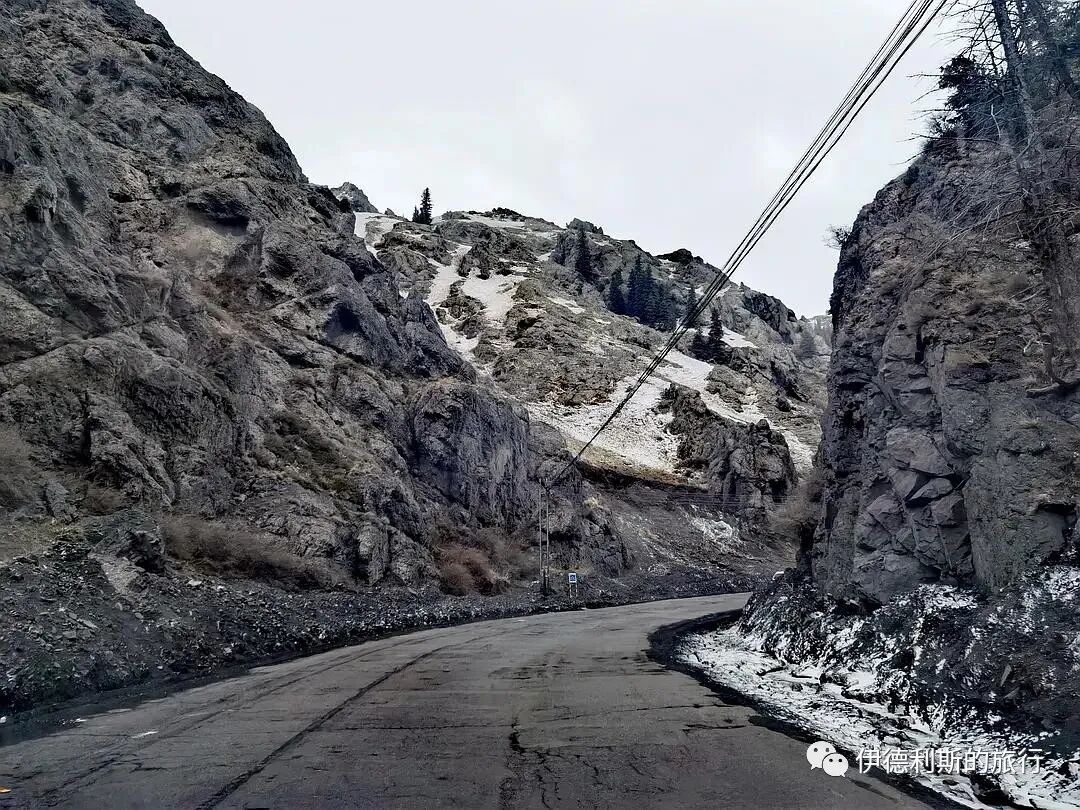
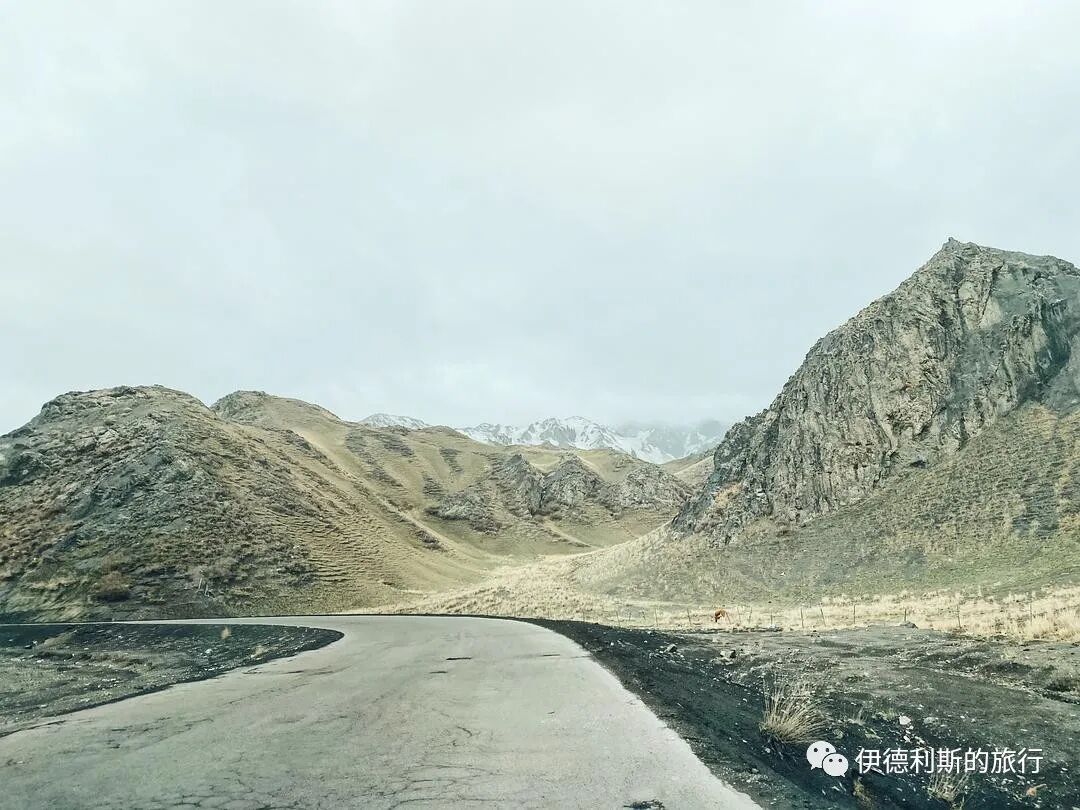
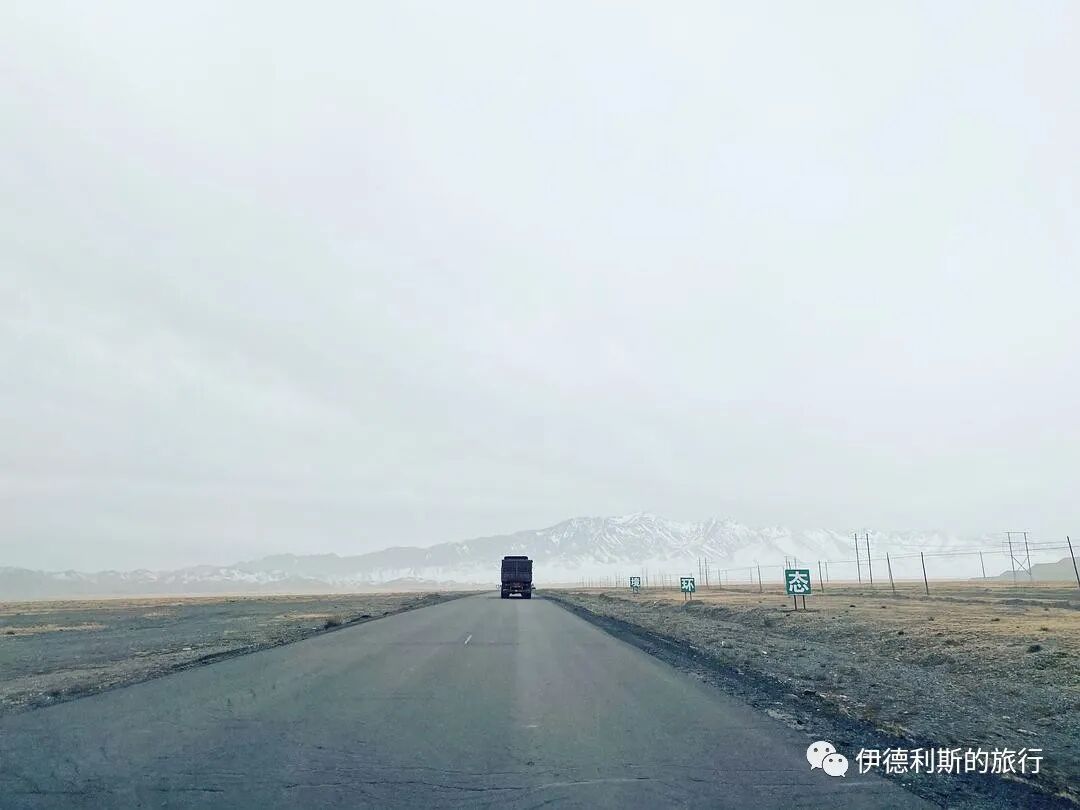
We set off from Urumqi to Turpan in the morning, but we ran into a level-12 gale in the Thirty-Mile Wind Zone, causing all expressways and national highways to close. We took a provincial road as a detour instead, which actually allowed us to see scenery we couldn't see on the expressway: snow-capped mountains, meadows, and wilderness on the Tianshan Mountains.
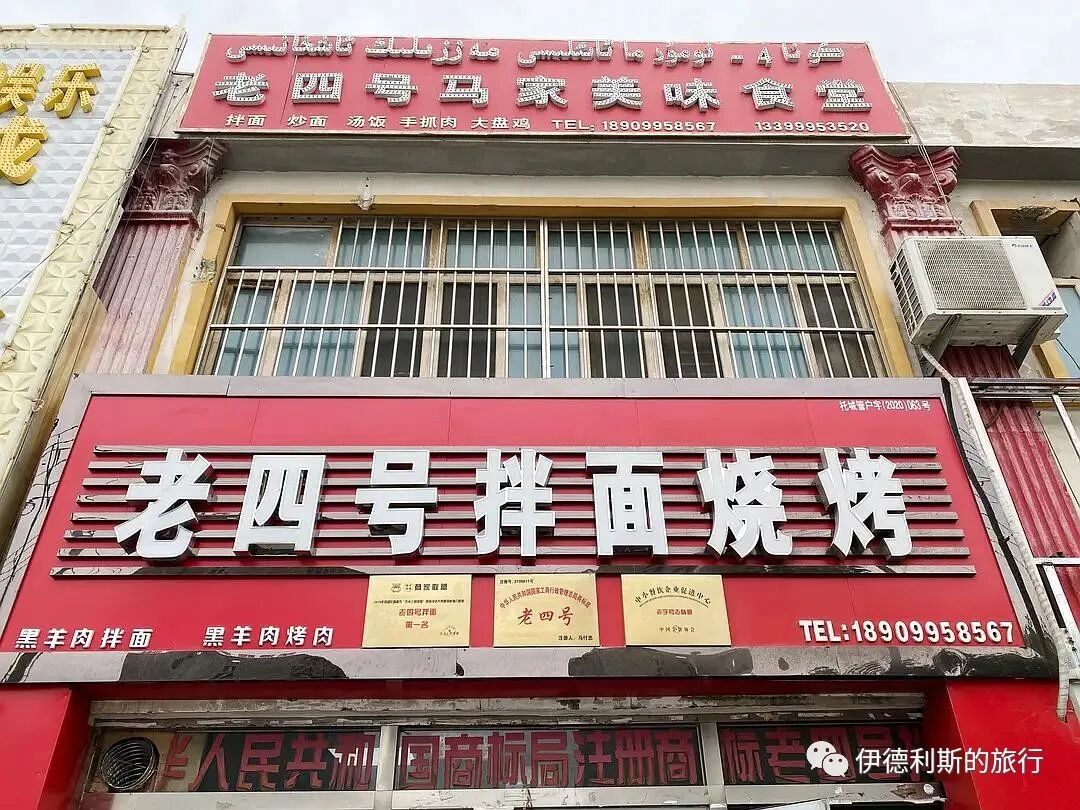
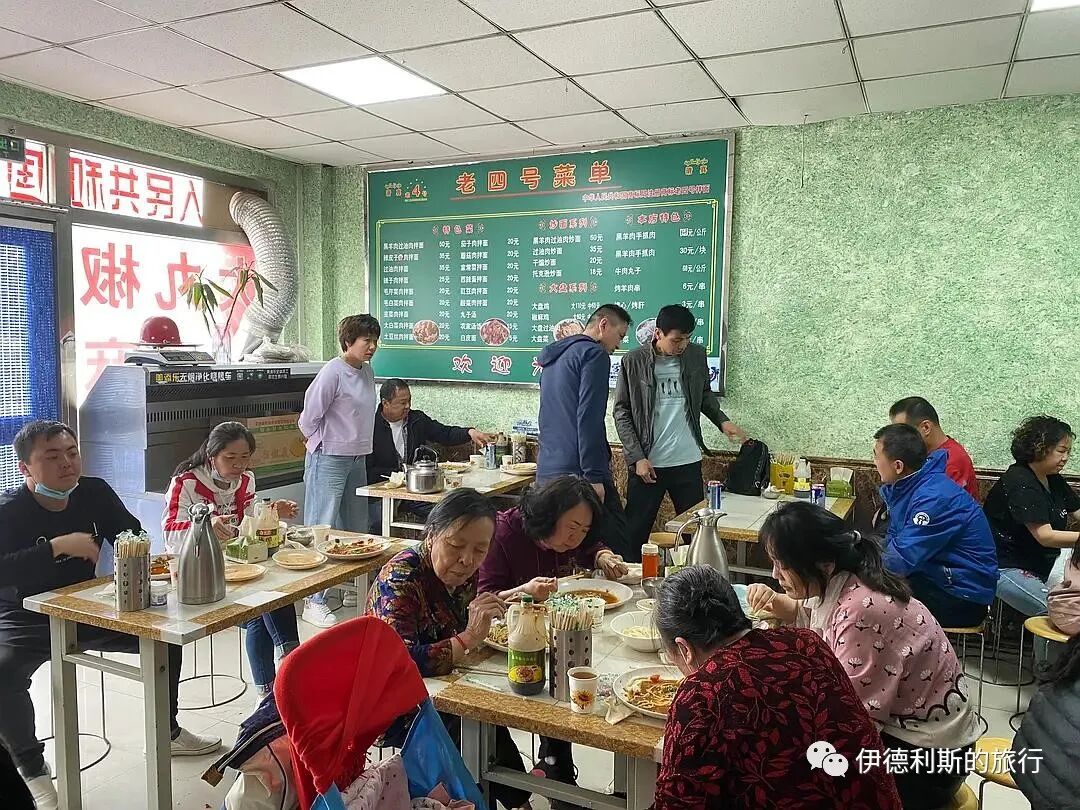
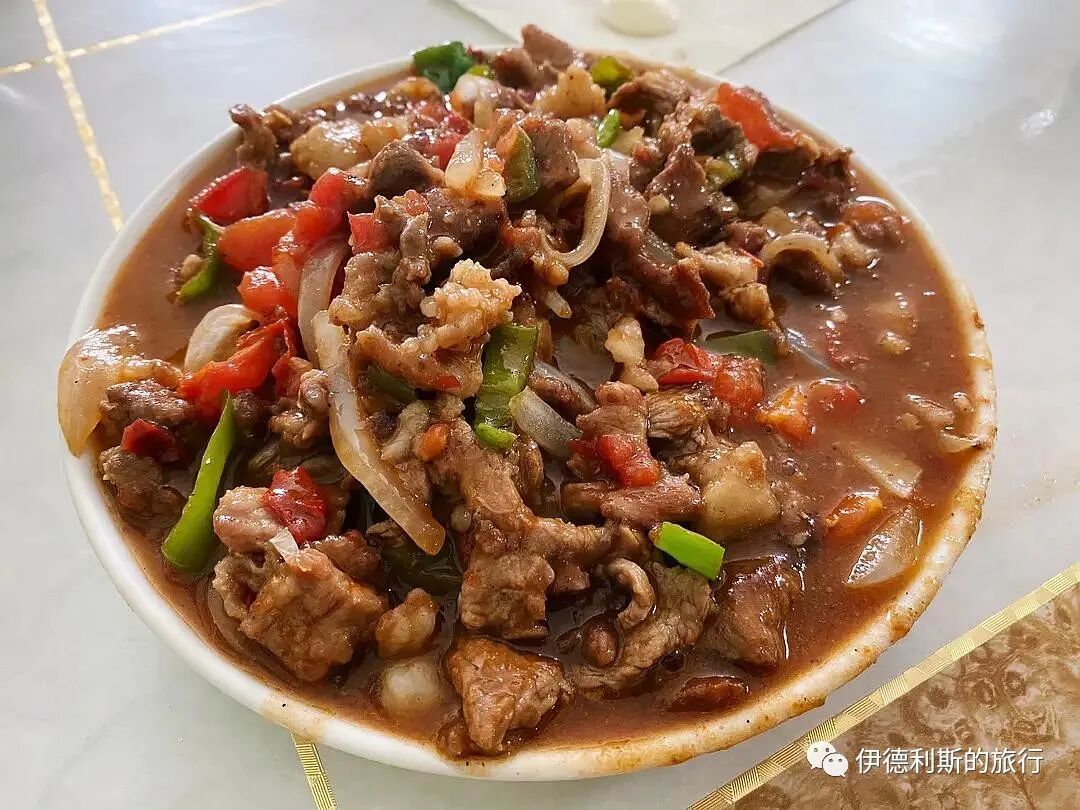
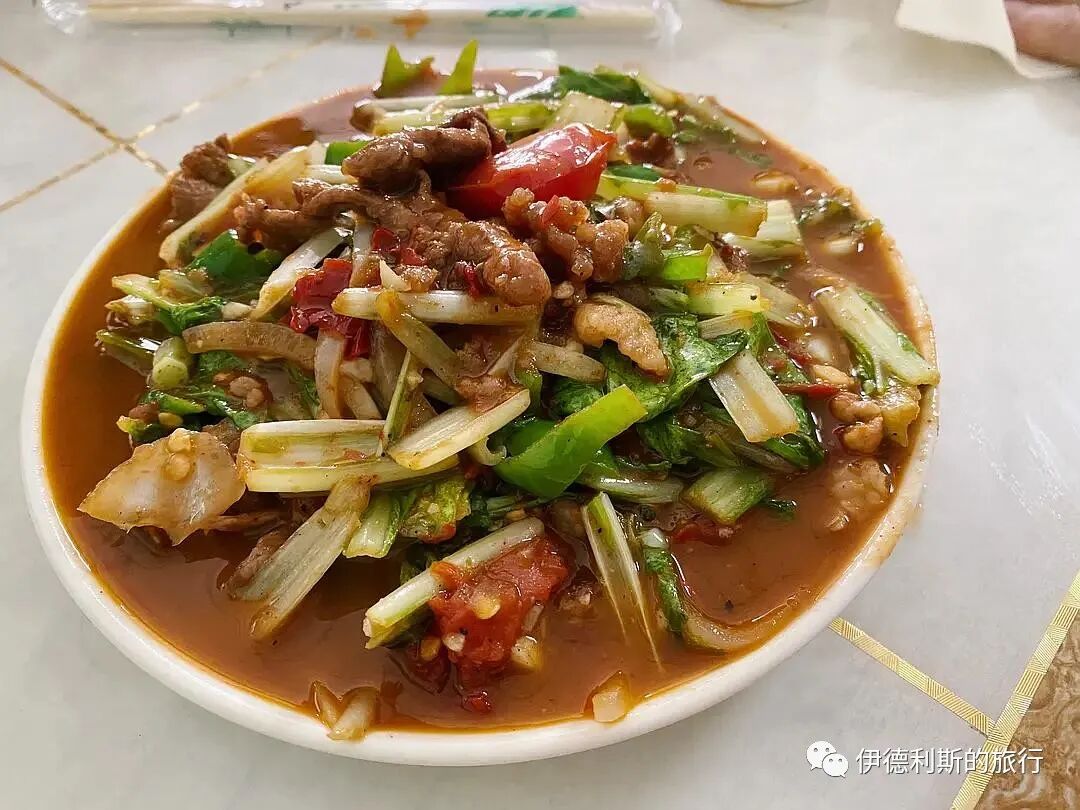
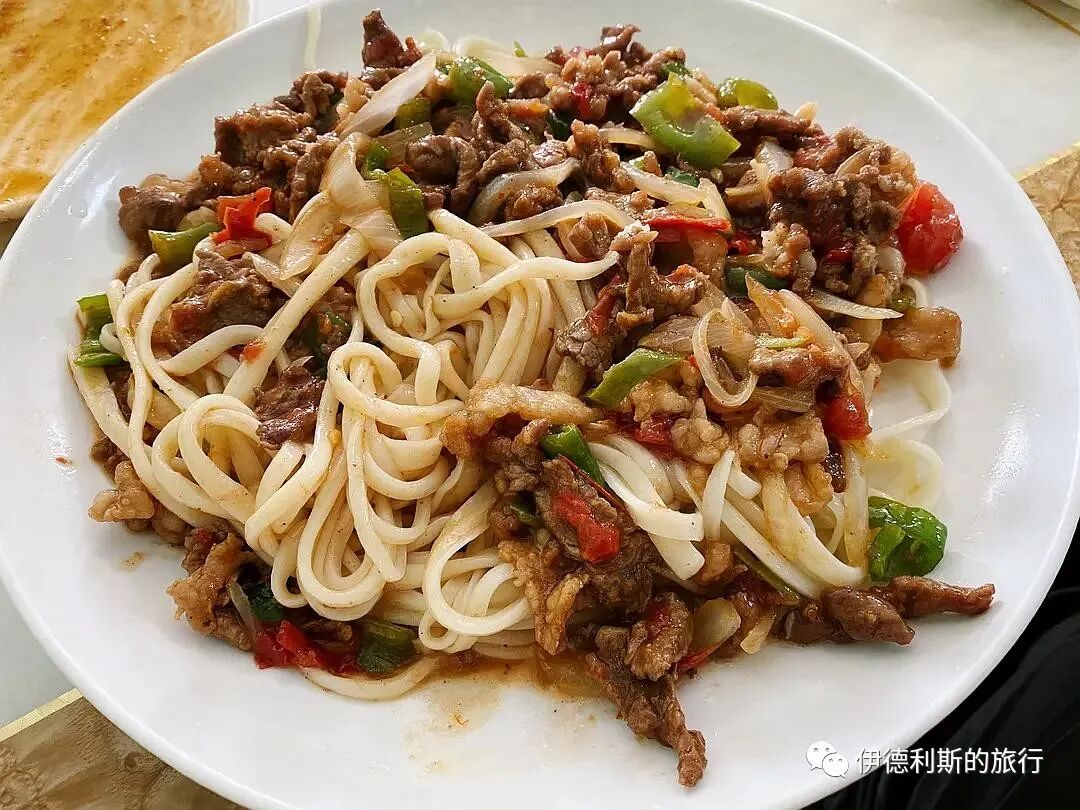
We took a detour through Toksun County, which was the perfect opportunity to try authentic Toksun banmian (hand-pulled noodles). The most popular spot in Toksun County is this place called Lao Sihao; it was packed at mealtime, with locals as well as people who had come specifically from Turpan. Their specialty is black goat guoyourou banmian (hand-pulled noodles with oil-fried meat). Black goats are a local specialty that live on the cliffs of the Tianshan Mountains; they are much more expensive than regular lamb, but the taste and texture are truly different from regular lamb, and I think they are much more delicious.
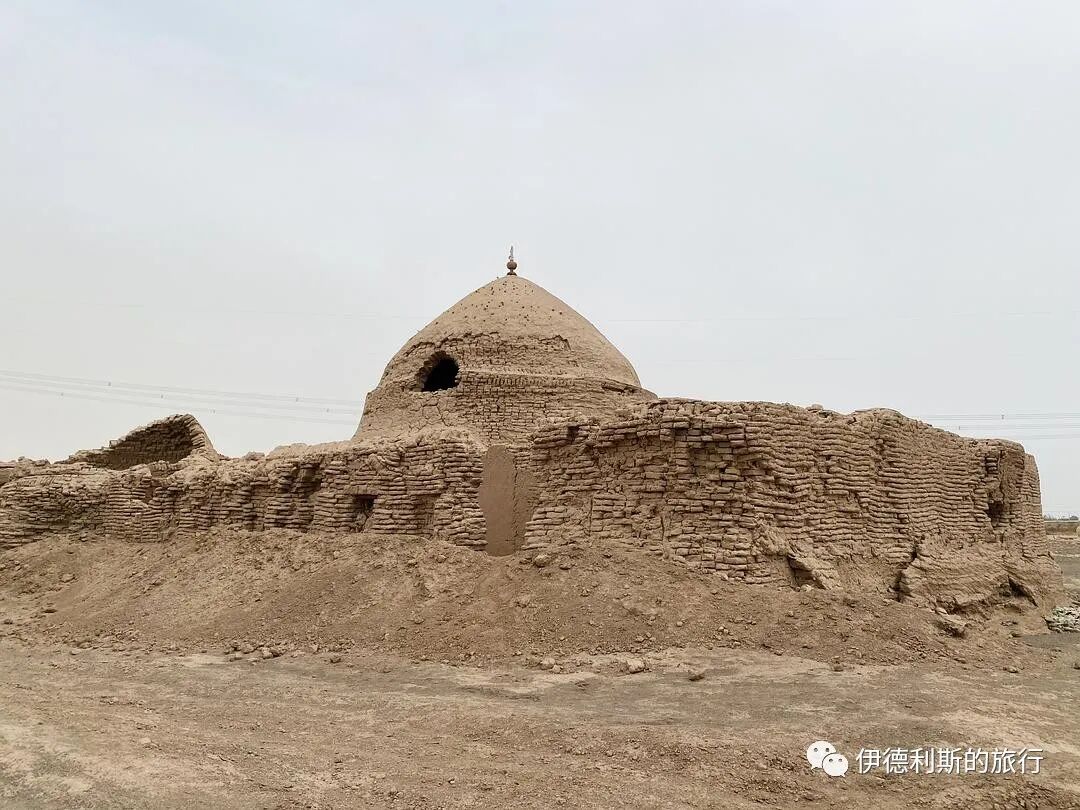
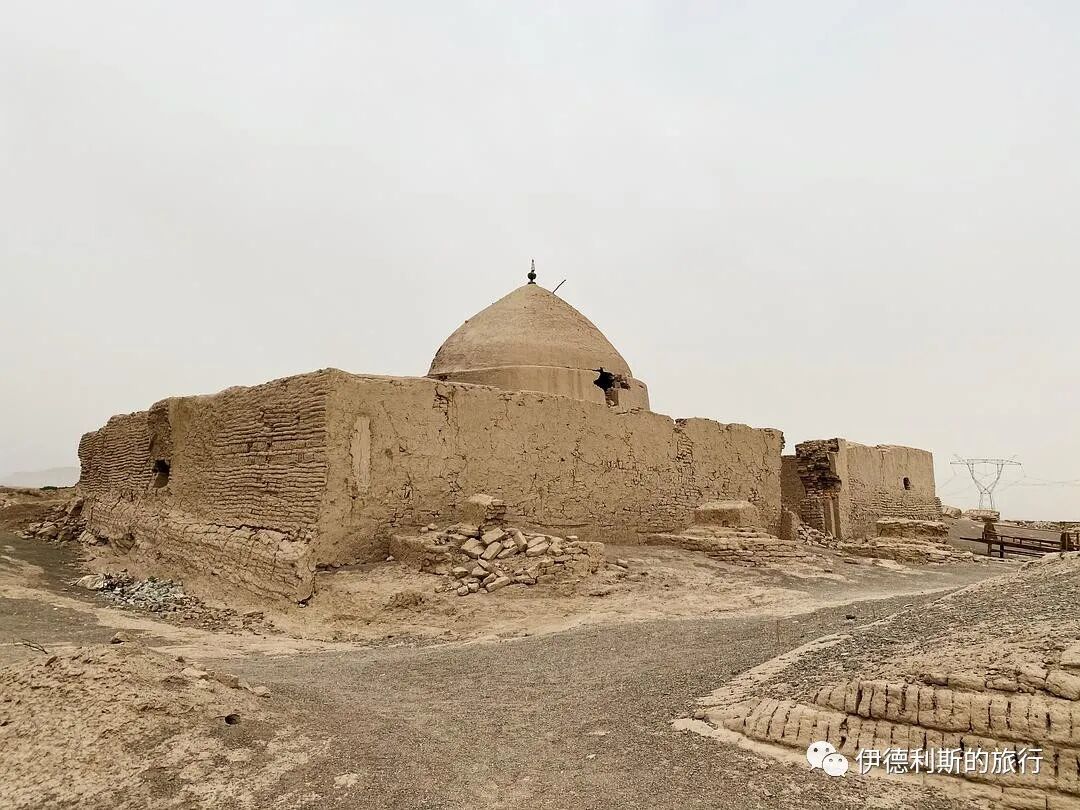
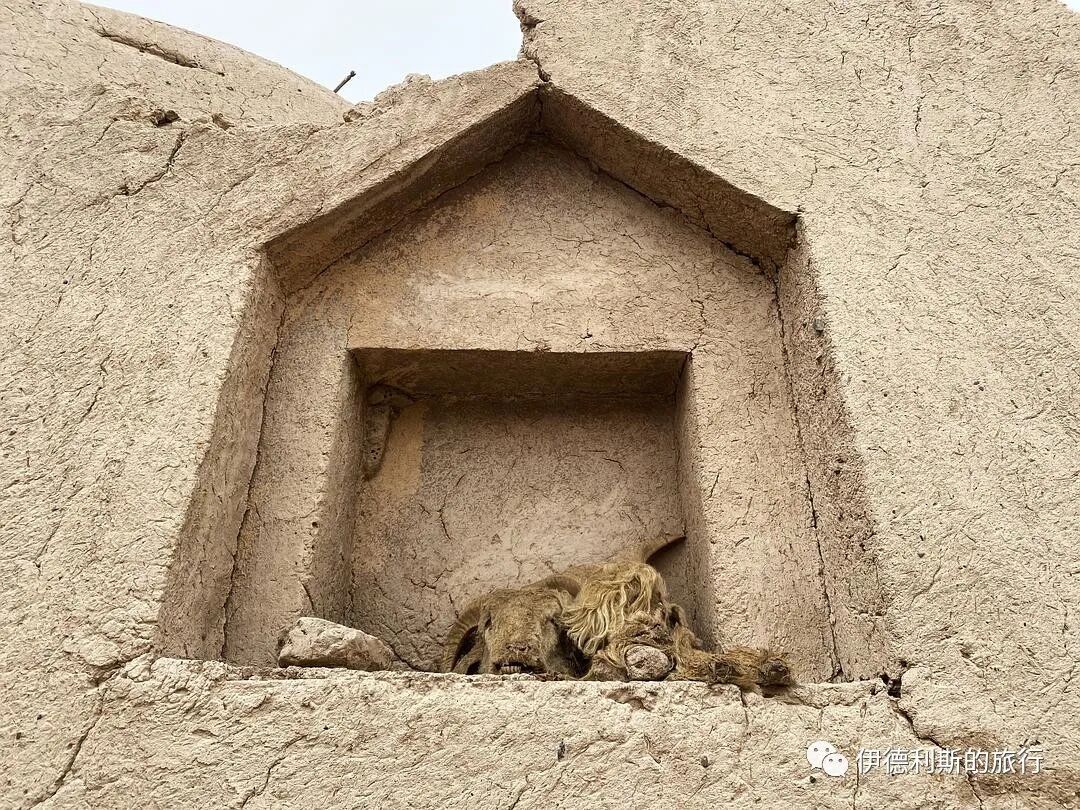
Continuing from Toksun toward Turpan, we first arrived at Aydingkol Town, where there are two ancient mazar (shrines). The first is the Andijan Khoja Mazar, from the Qing Dynasty. Andijan is located in the Fergana Valley of Uzbekistan. The entire building is constructed of raw mud bricks, with the outer walls plastered with mud and straw. In the past, every Thursday was the day to visit the mazar, and everyone would come here to make dua and pray for various wishes.
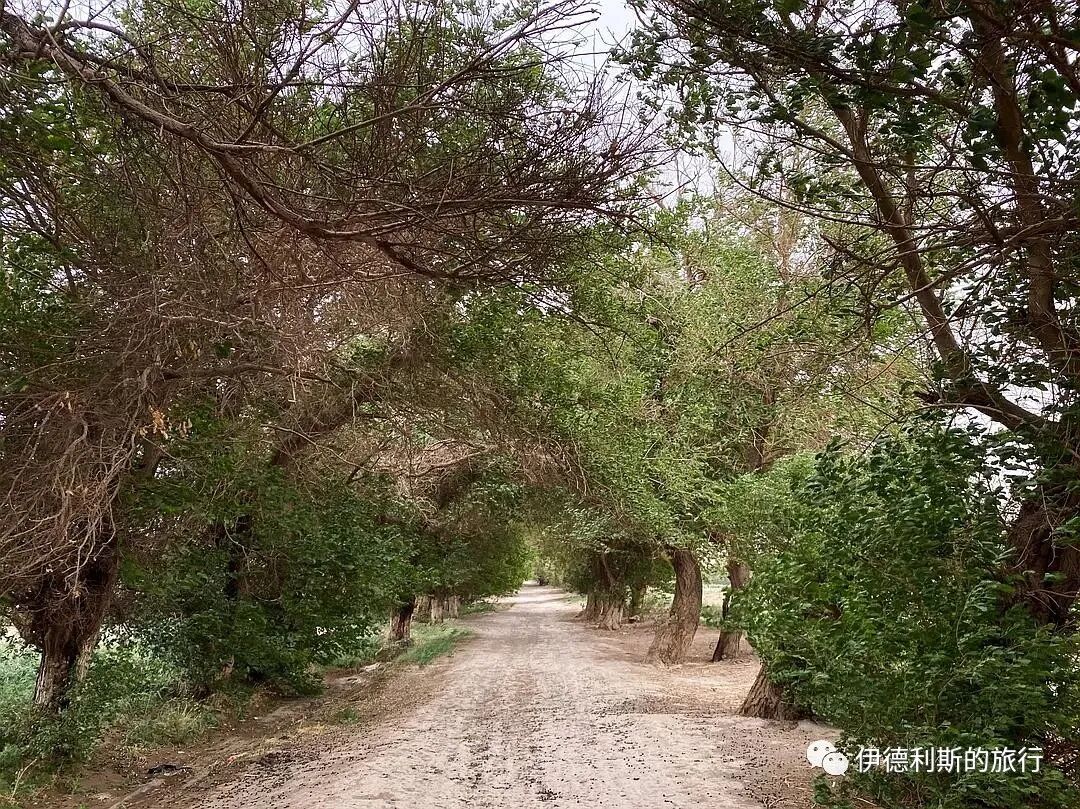
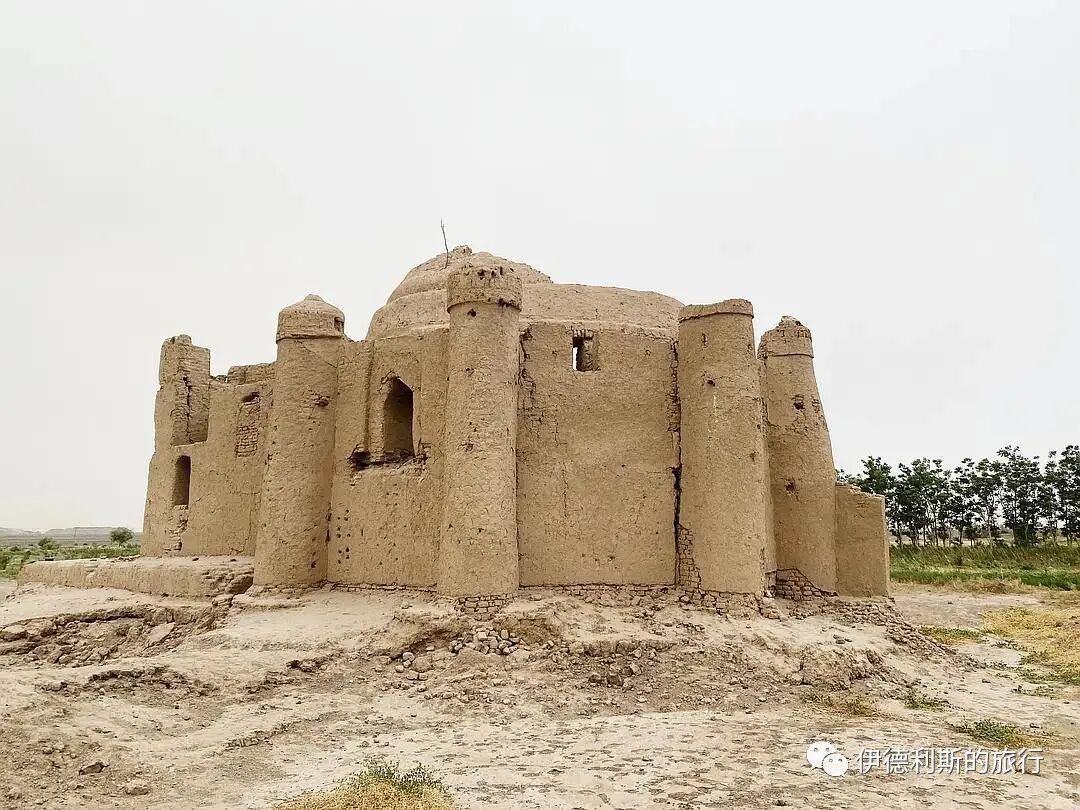
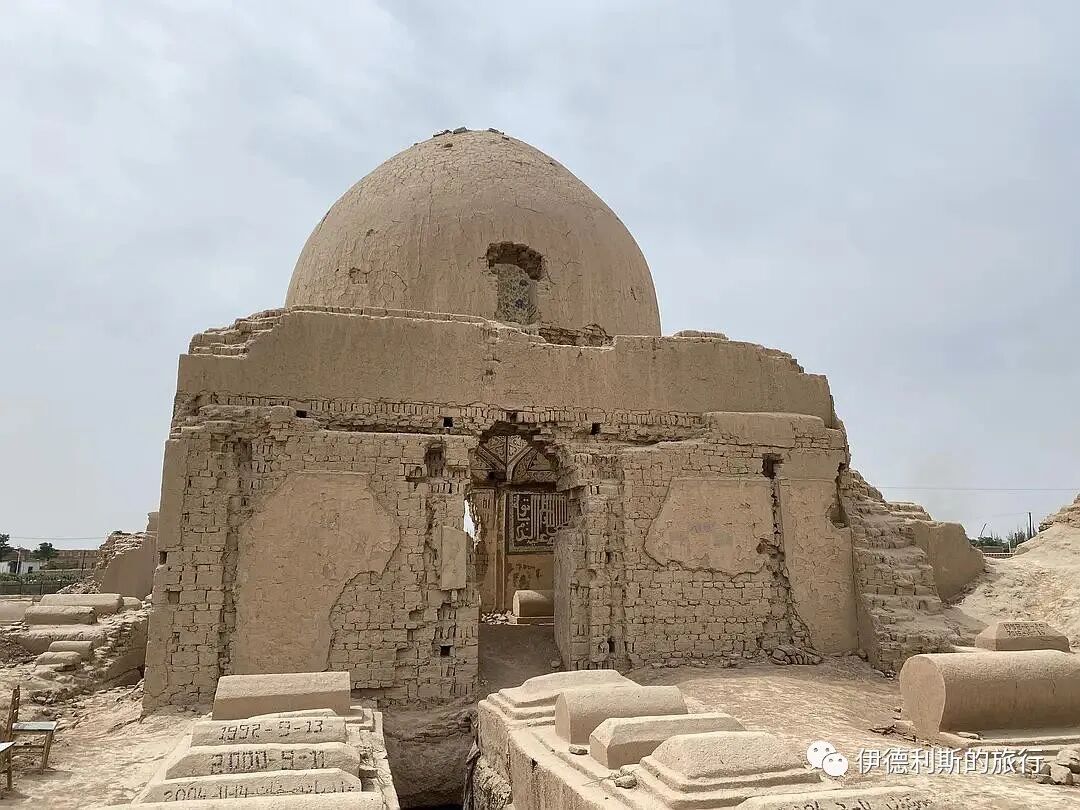
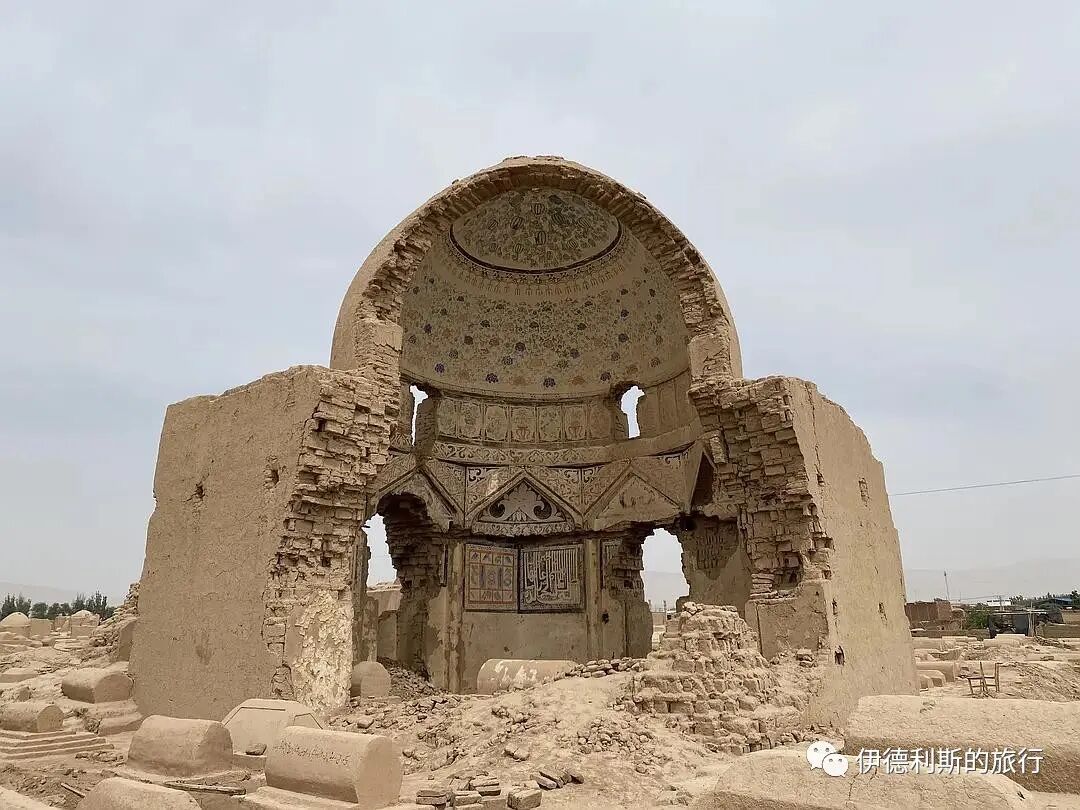
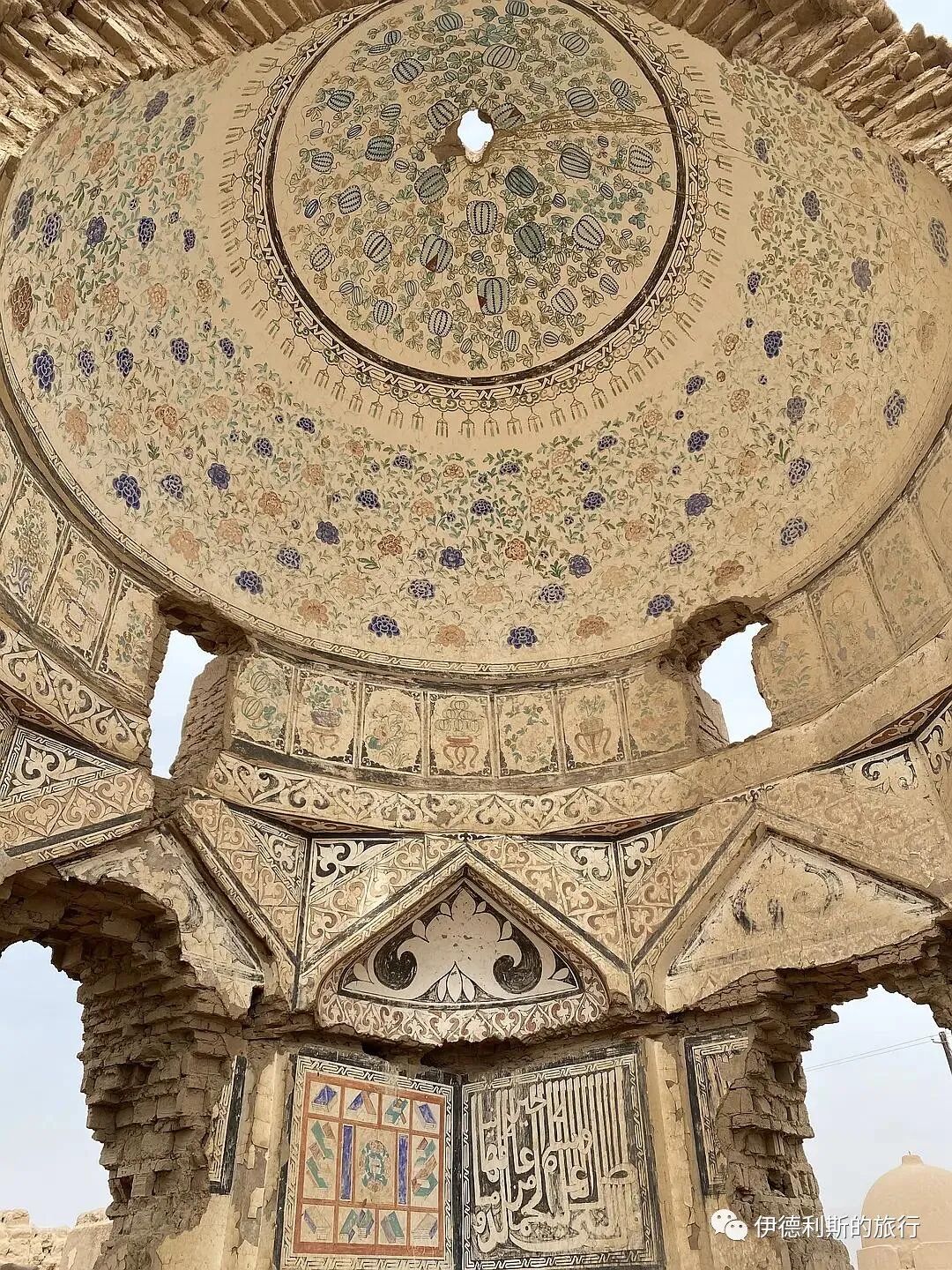
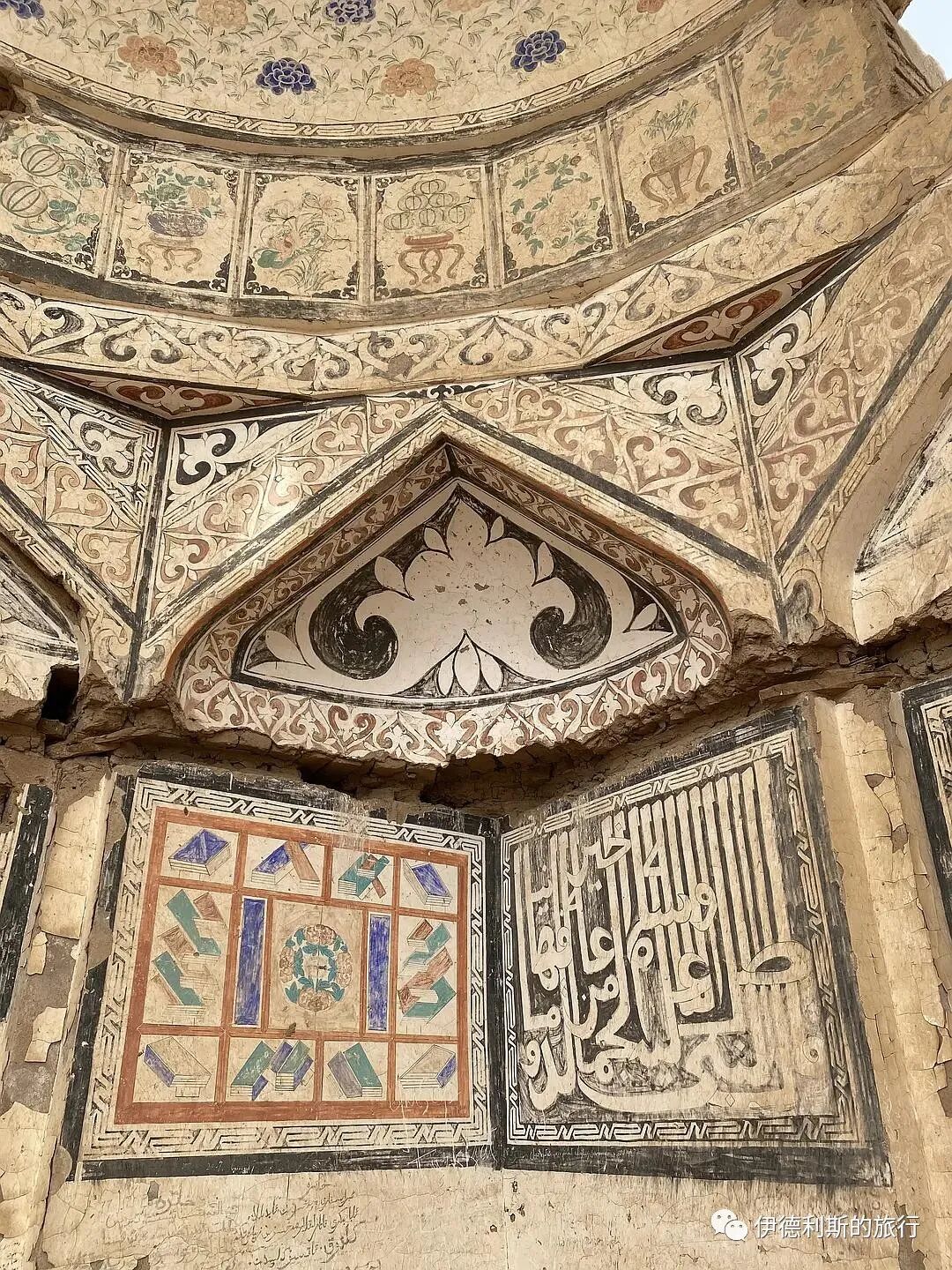
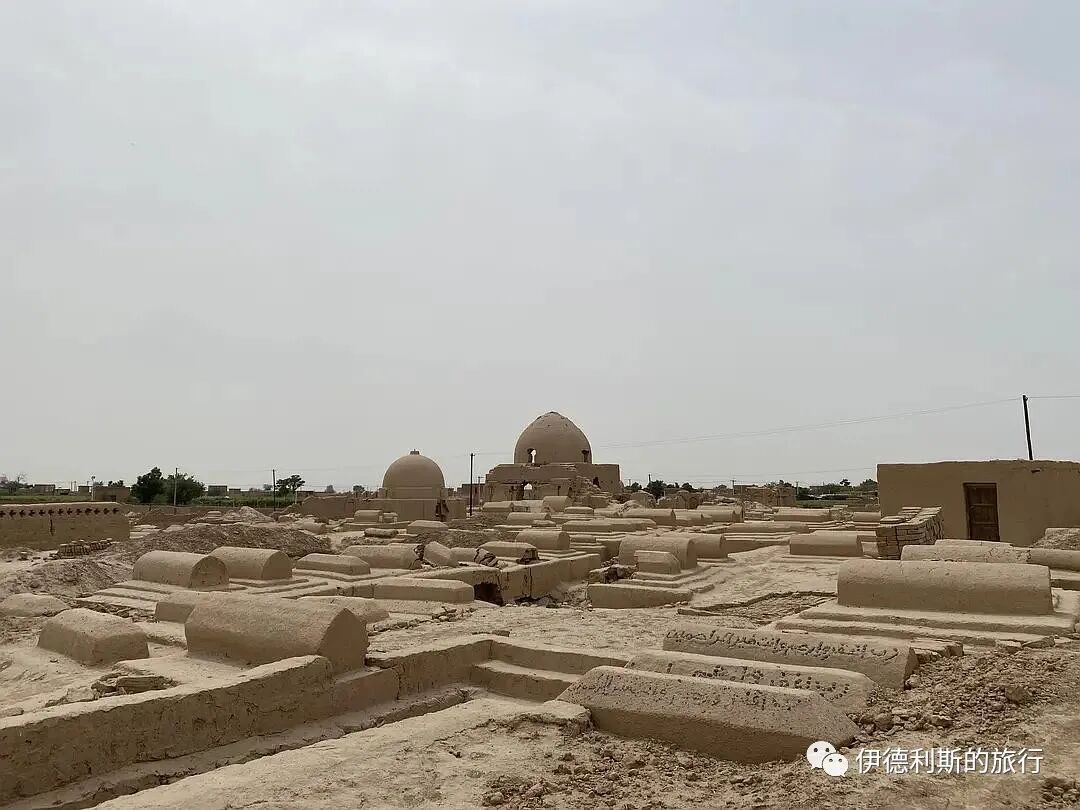
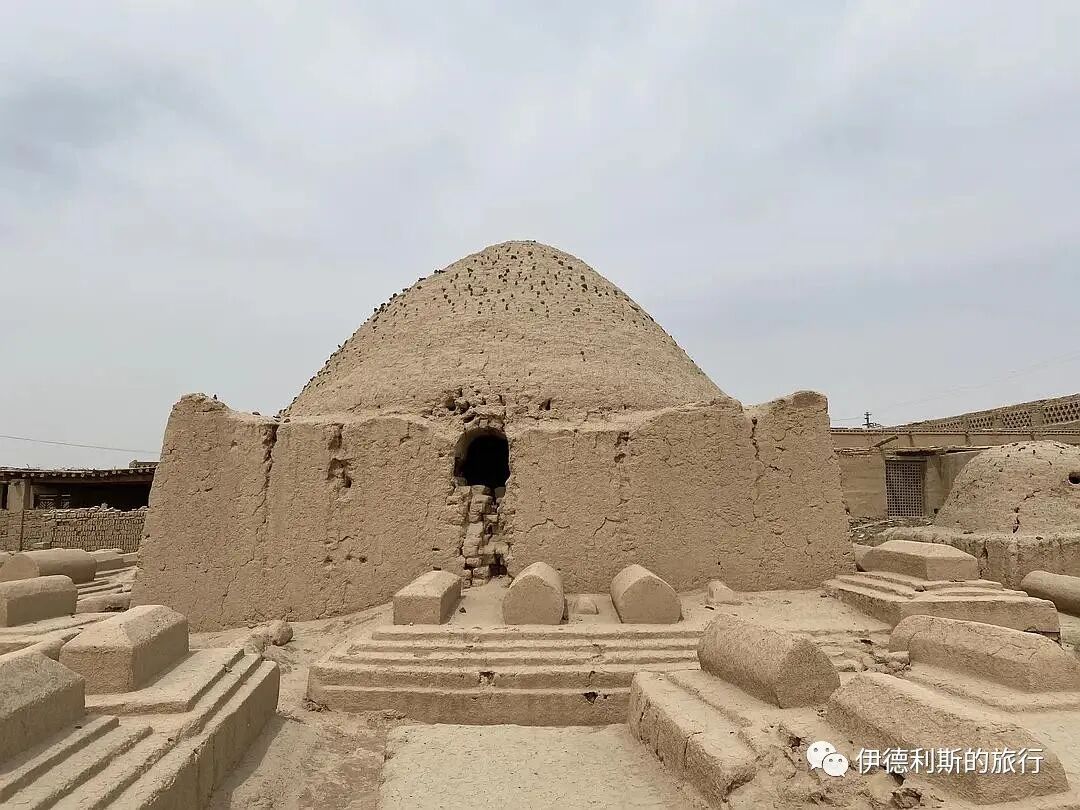
Then we went to the Khizr Khoja Mazar in Aydingkol Town, which is the highest-ranking mausoleum in the Turpan area.
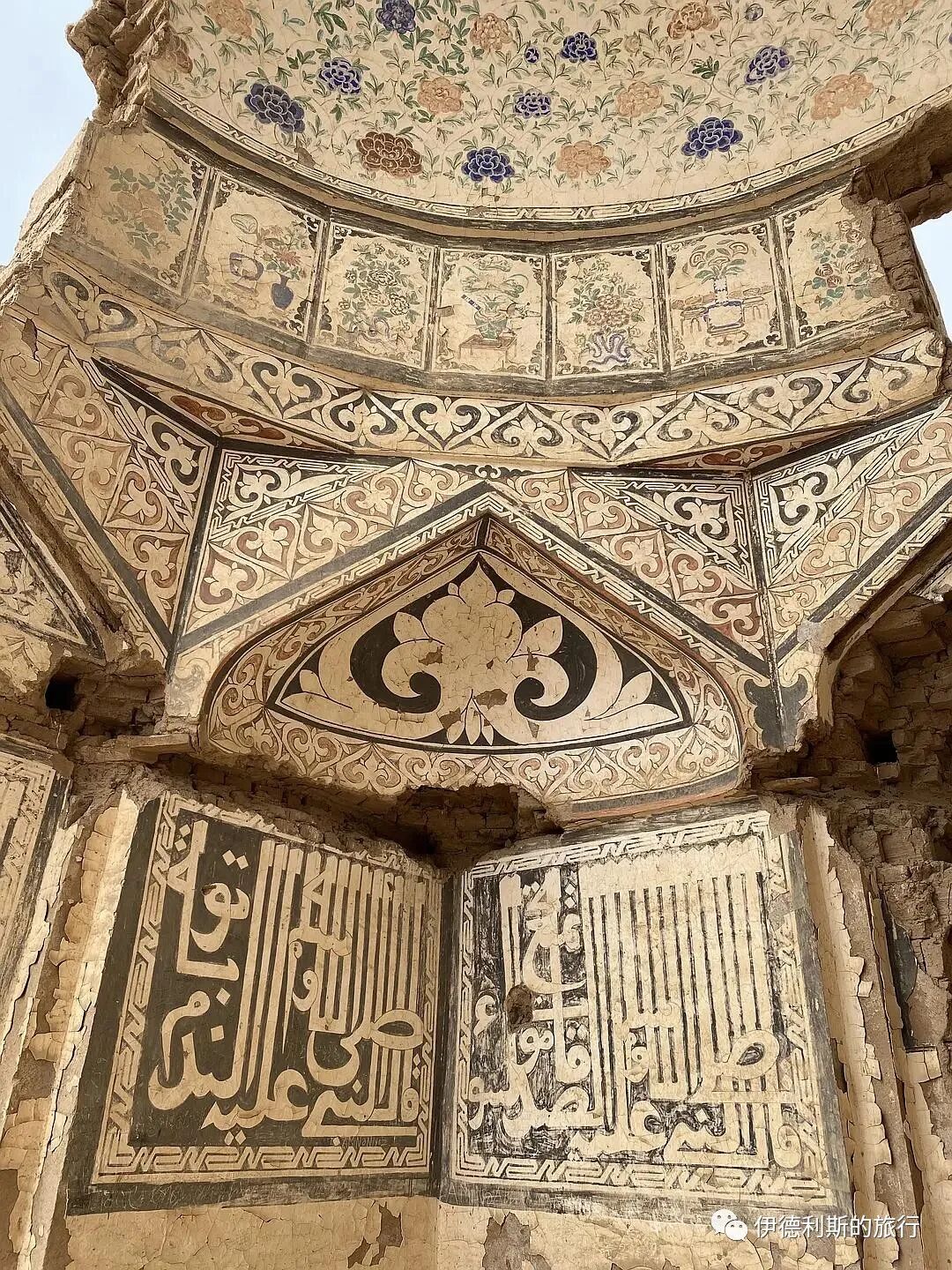
Khizr Khoja was the youngest son of Tughlugh Timur, the founding Khan of the Eastern Chagatai Khanate, and the third Khan of the Eastern Chagatai Khanate. After Khan Tughlugh Timur passed away, the Dughlat noble Qamar ud-Din massacred almost all of the Khan's descendants in 1368, with only the infant youngest son, Khizr Khoja, being hidden away. It was not until 1389, after Qamar ud-Din was completely defeated by Tamerlane the Great, that Khizr Khoja, who had been in hiding for many years, was able to ascend the throne as the third Khan of the Eastern Chagatai Khanate.
Because Tamerlane in the west was too powerful, Khizr Khoja chose to conquer eastward, taking the two towns of Qara-Khoja (the ancient city of Gaochang) and Turpan (the ancient city of Anle), and moved the Khan's court to Turpan.
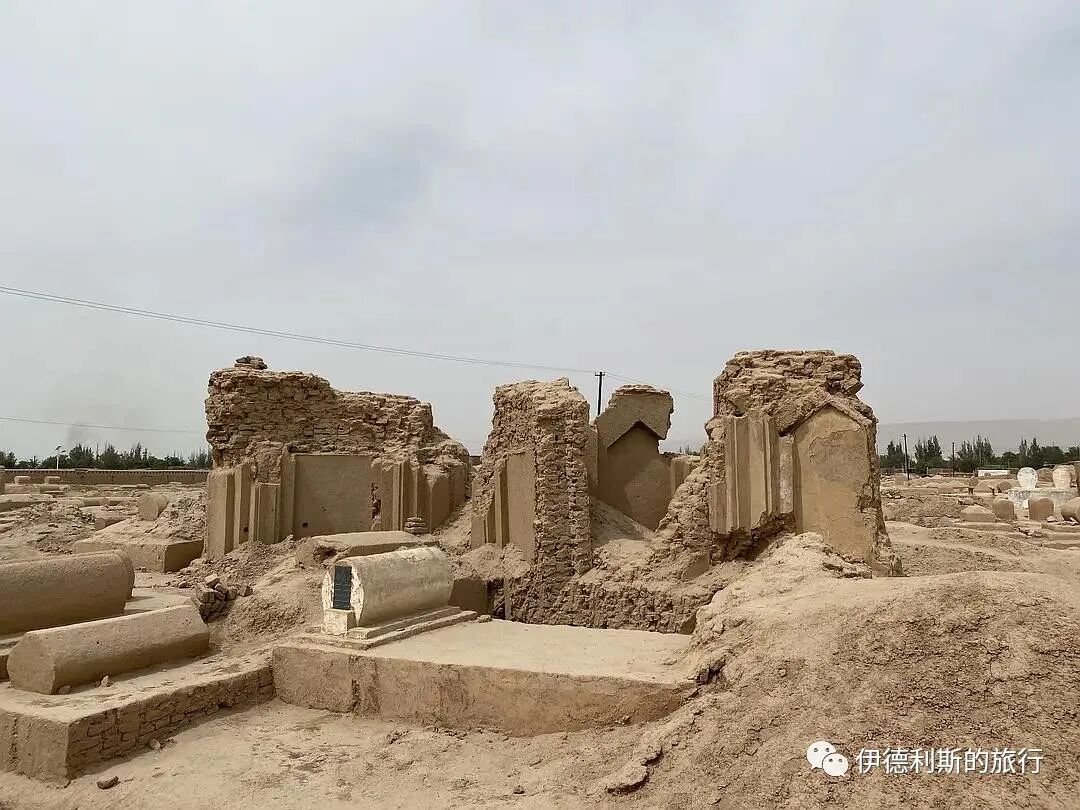
Between 1402 and 1404, Khizr Khoja passed away in Turpan. Chen Cheng, an envoy sent to the Western Regions during the Ming Dynasty, wrote in his 1415 'Record of the Mountains, Rivers, and Customs of the Western Regions': 'In the city, there are two high mounds, surrounded by trees and enclosed by walls; these are the graves of the former King Khizr Khoja and his wife. Near the graves, there is a small mound, said to be where his favorite minister was buried with him.' ”
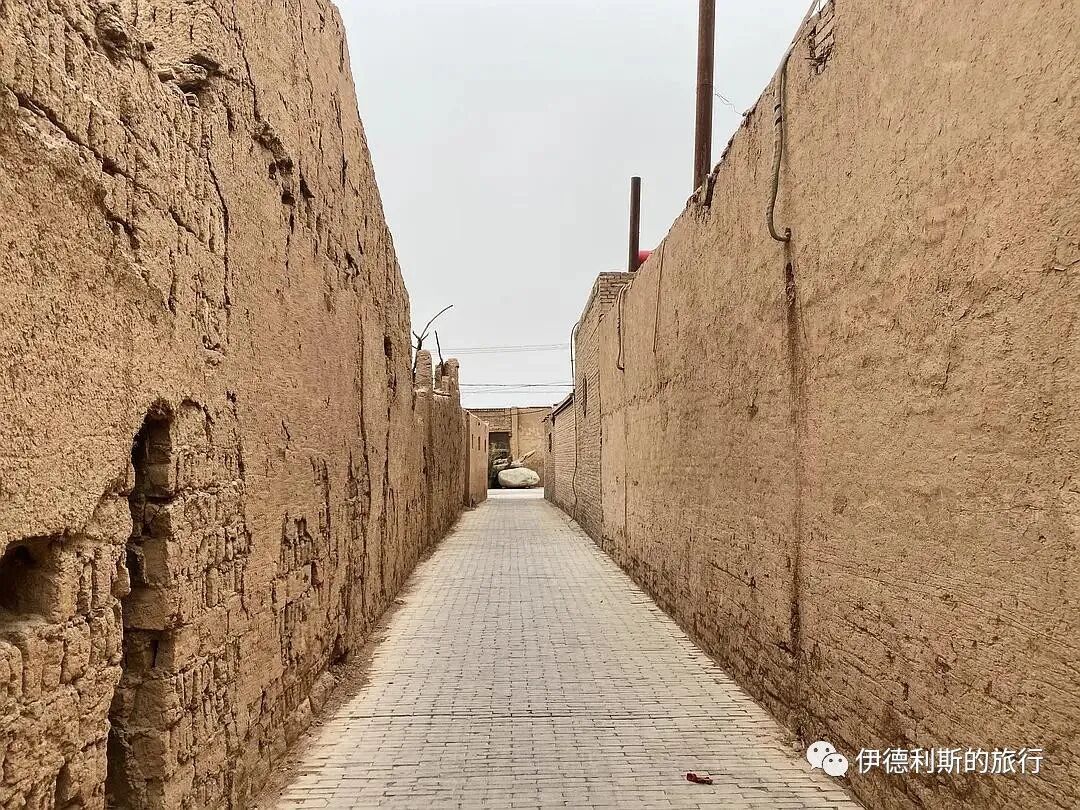
After leaving Aydingkol, we went to visit the Karez Well scenic area, but it was developed in a way that felt a bit too commercial, so I didn't take many photos, and then we went to the Turpan Hui Muslim city. The Turpan Hui Muslim city is also called the New City; it was built in 1871 by the forces of Yaqub Beg. The main residents were Hui Muslims and Uyghurs, with most of the Hui Muslims having ancestral roots in Shaanxi and Gansu.
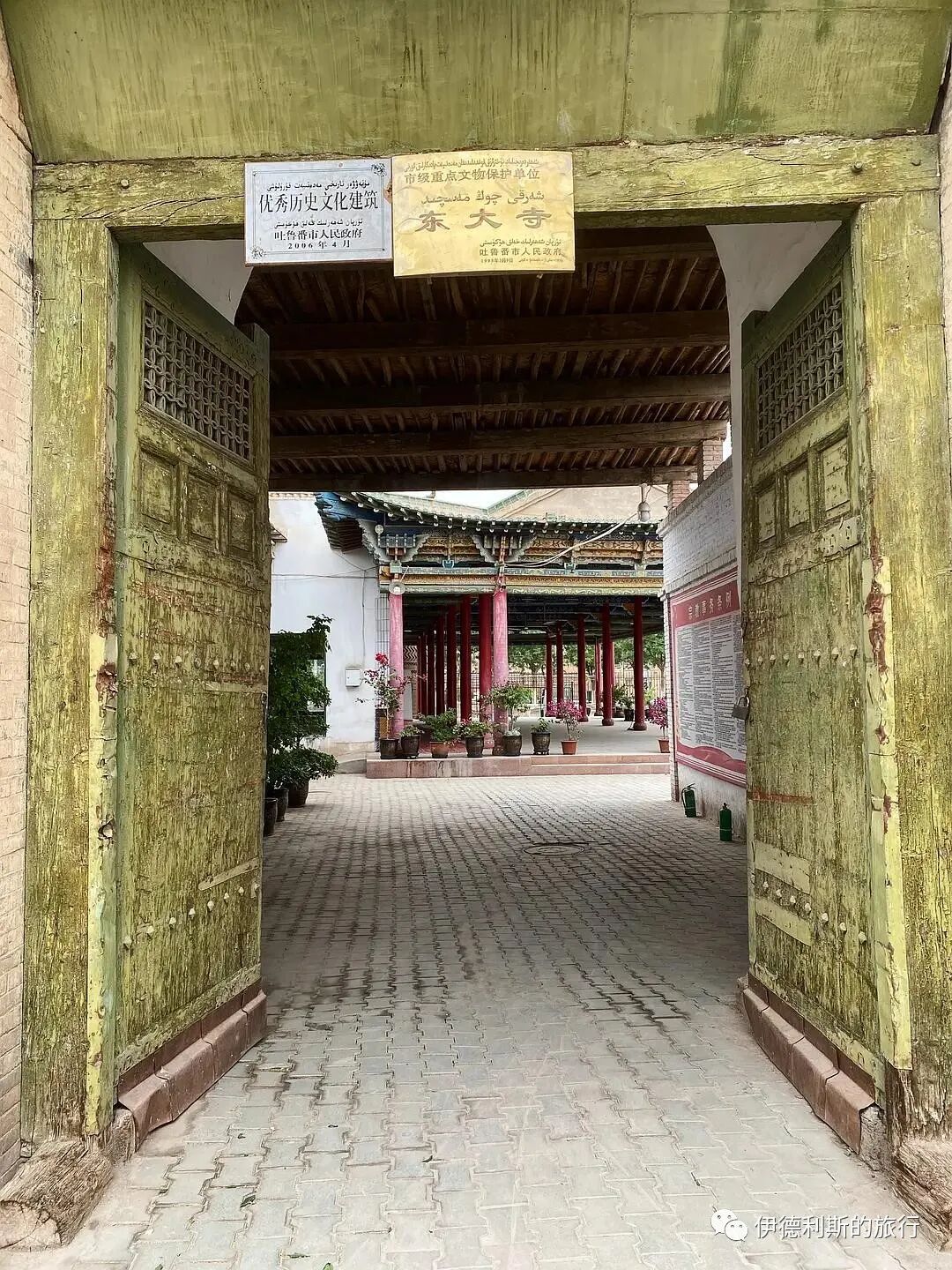
The Turpan East Mosque is located inside the Turpan Hui Muslim city. It is a Hui mosque, originally built in 1871 and renovated in 1911. Because the weather in Turpan is hot, the mosque expanded the traditional front porch into an 'outer hall' used for outdoor prayer in the summer. The outer hall has a ridge-roofed xieshan (hip-and-gable) roof, a beam-lifting wooden structure, and is supported by 32 pillars.
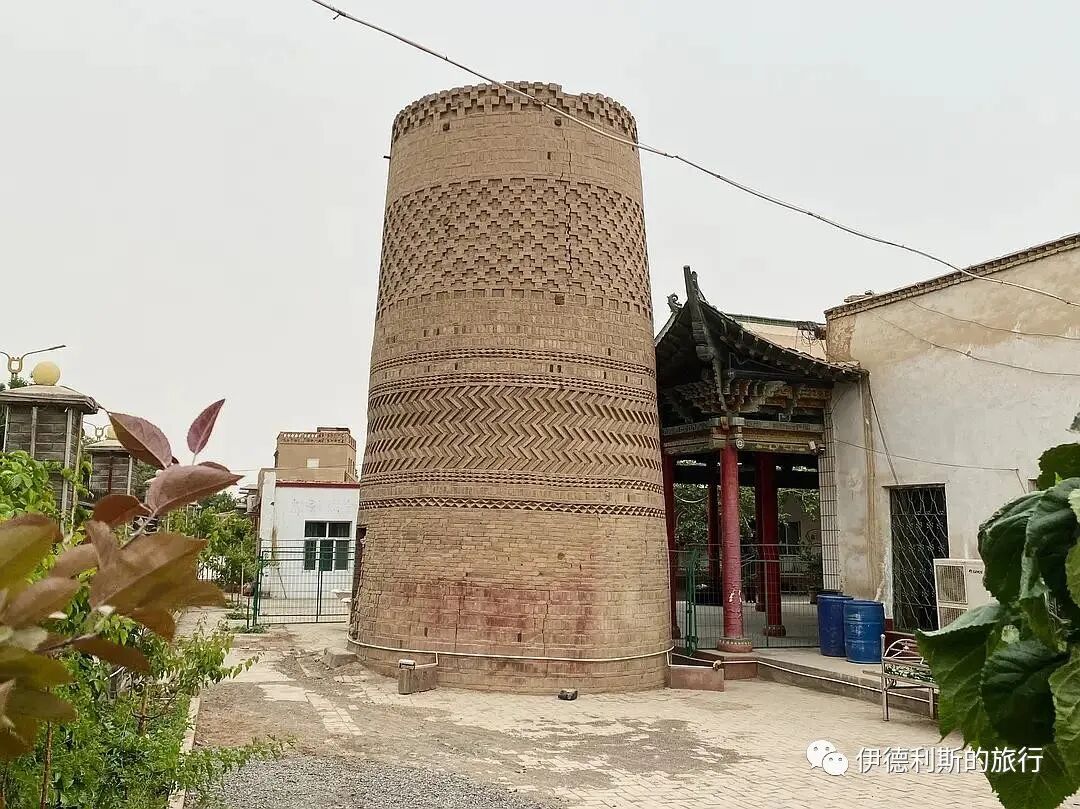
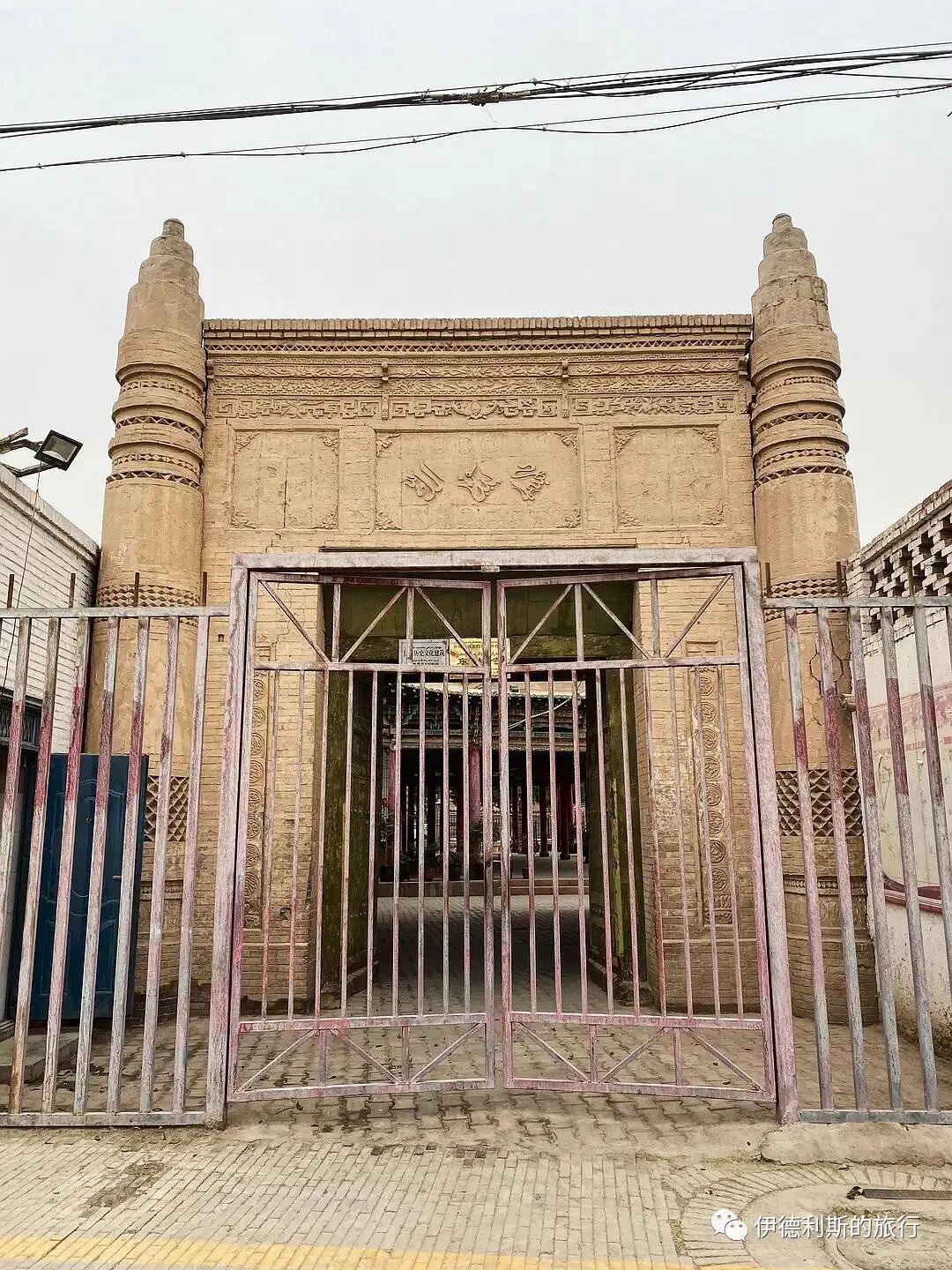
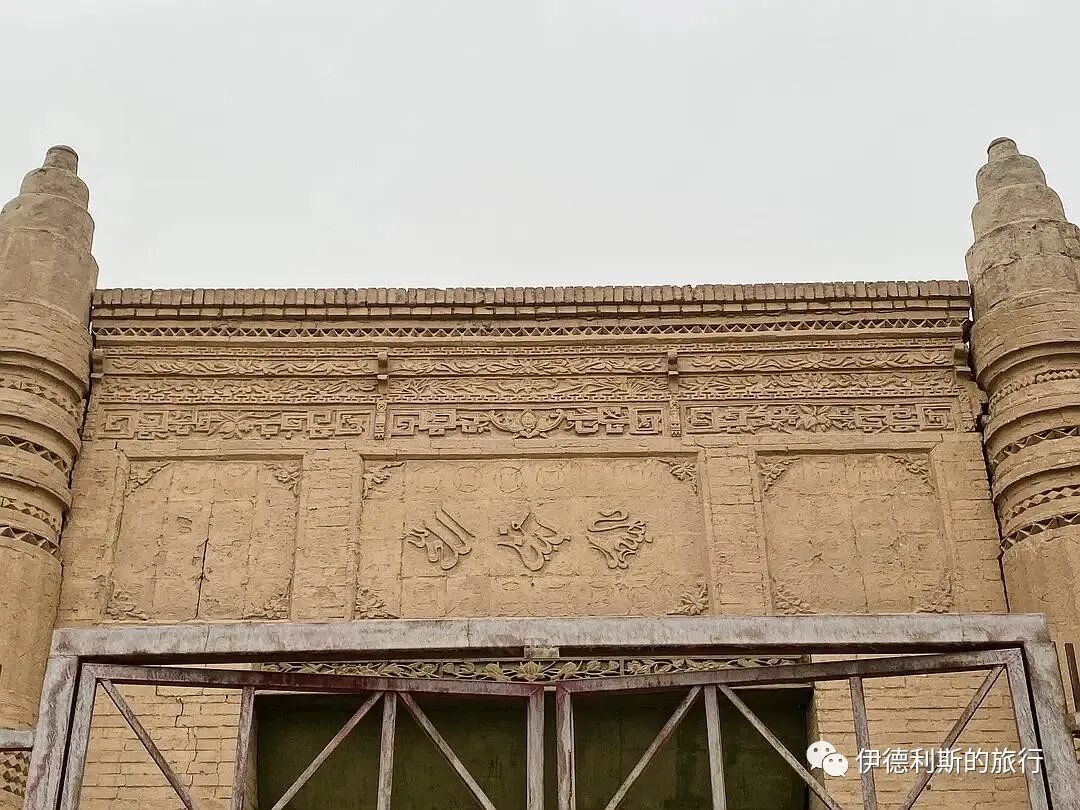
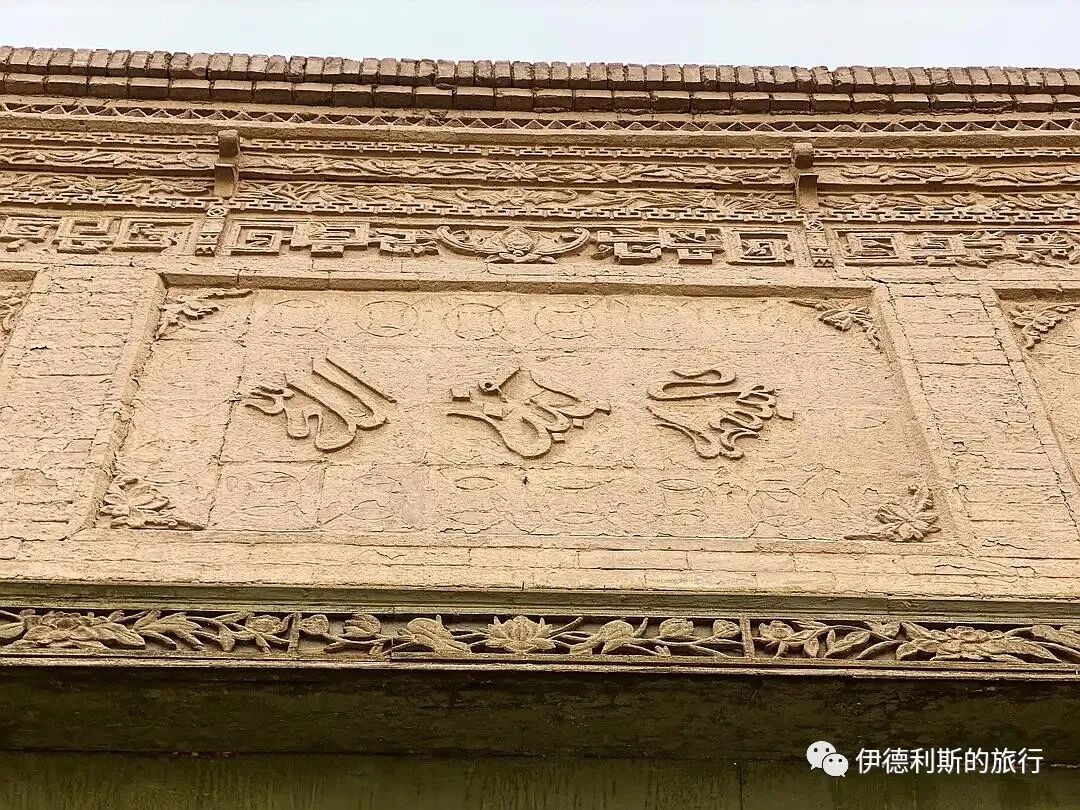
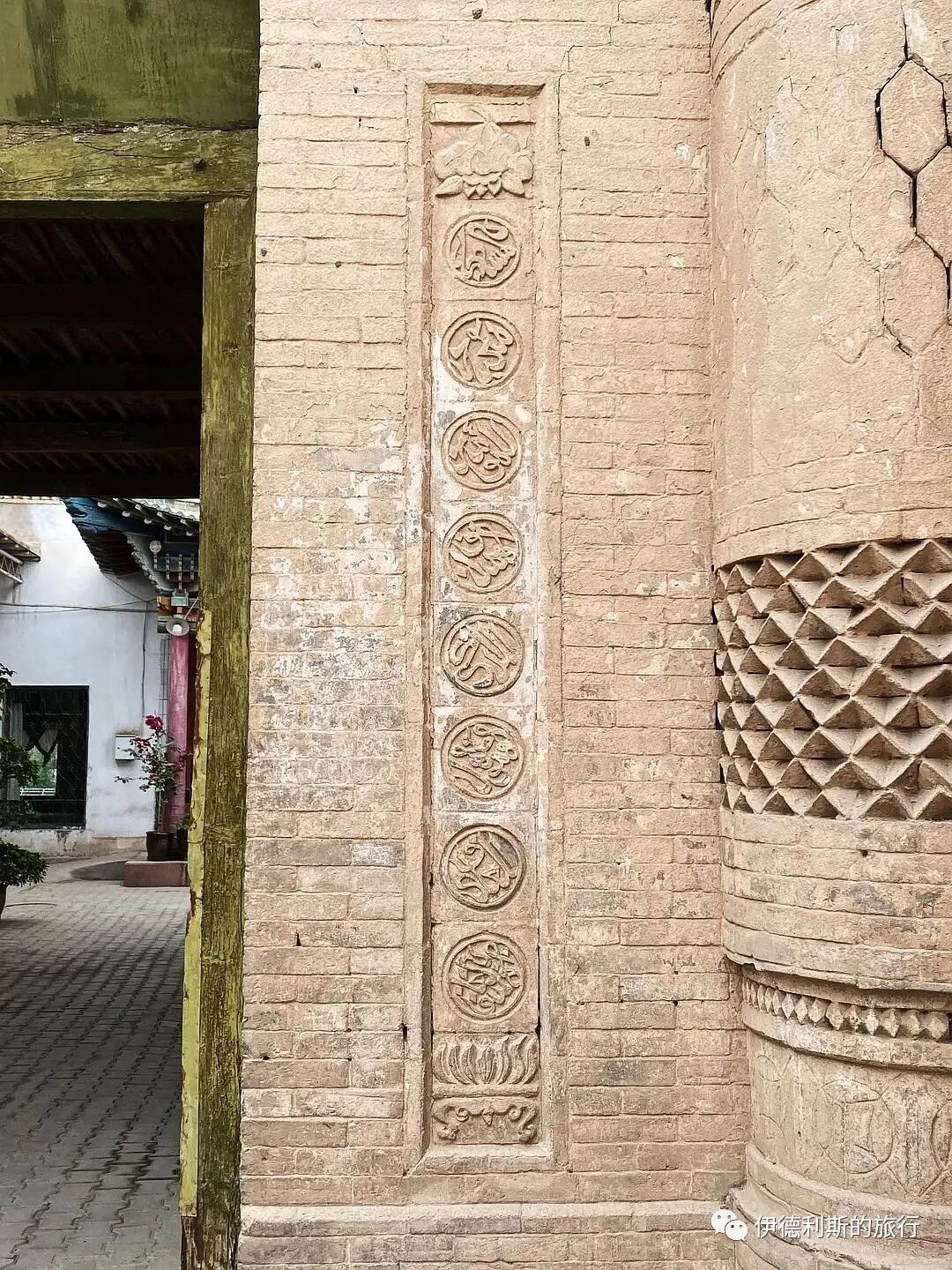
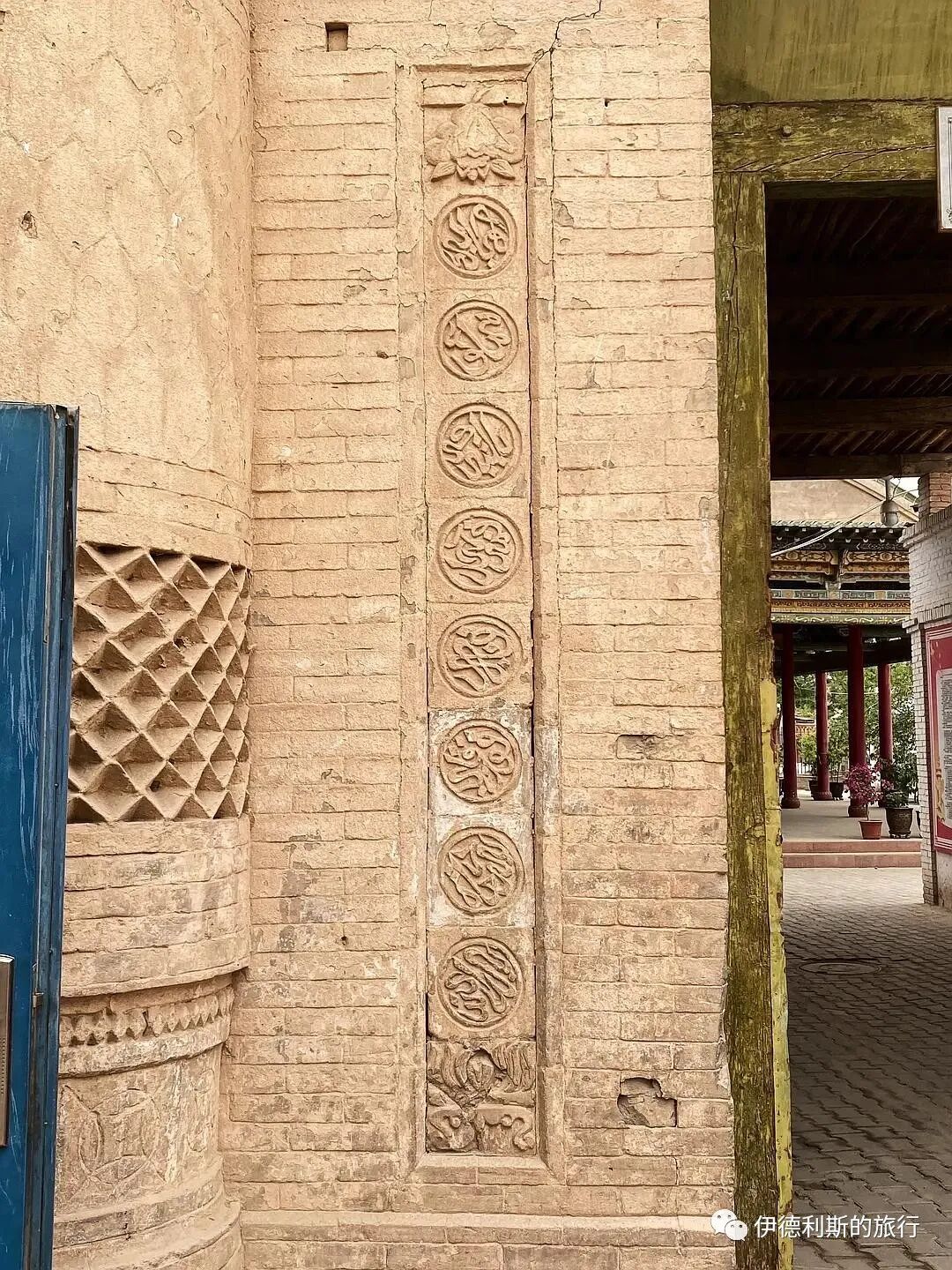
The mosque gate features authentic Shaanxi-style calligraphy brick carvings, and there is a minaret similar to the Emin Minaret inside the mosque, though unfortunately, the upper part has collapsed. This type of minaret is extremely rare in Hui Muslim mosques.
The Turpan West Mosque was originally built in 1859 and is the oldest among the Hui Muslim mosques in Turpan.
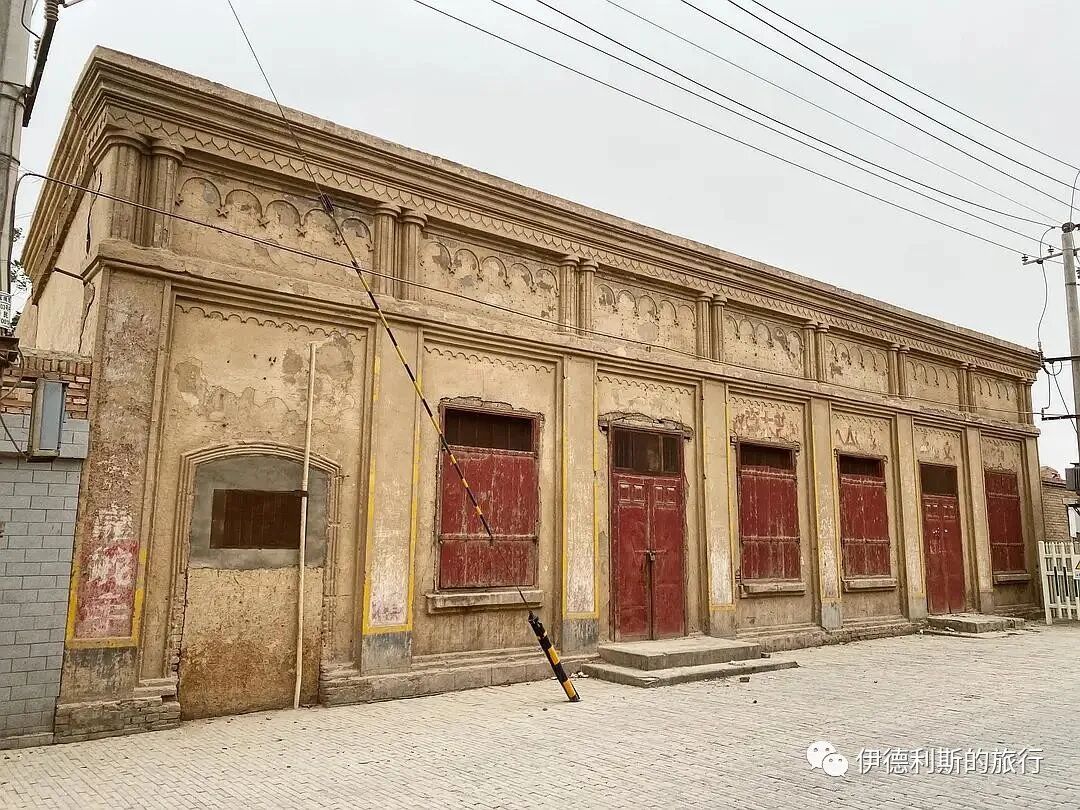
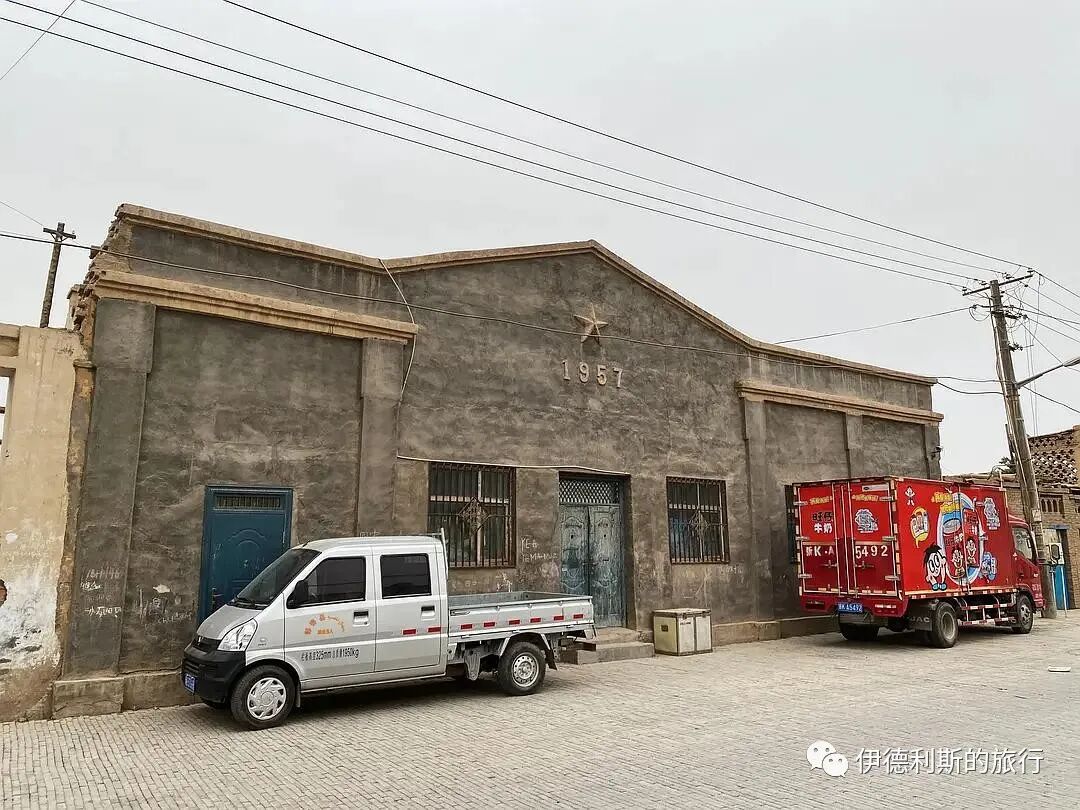
During the Republic of China era, the Turpan Hui Muslim city (New City) was filled with shops and was bustling and prosperous; today, many historical buildings are still preserved.
This used to be an old hardware company.
A post office from over sixty years ago.
In the evening, we ate qorqur (dumplings) with onions and beans, and barbecue across from the Turpan Museum, and then we had lamb-braised youtazi (steamed twisted rolls). This is quite rare; here in the eastern part of Xinjiang, it is usually lamb-braised flatbread.
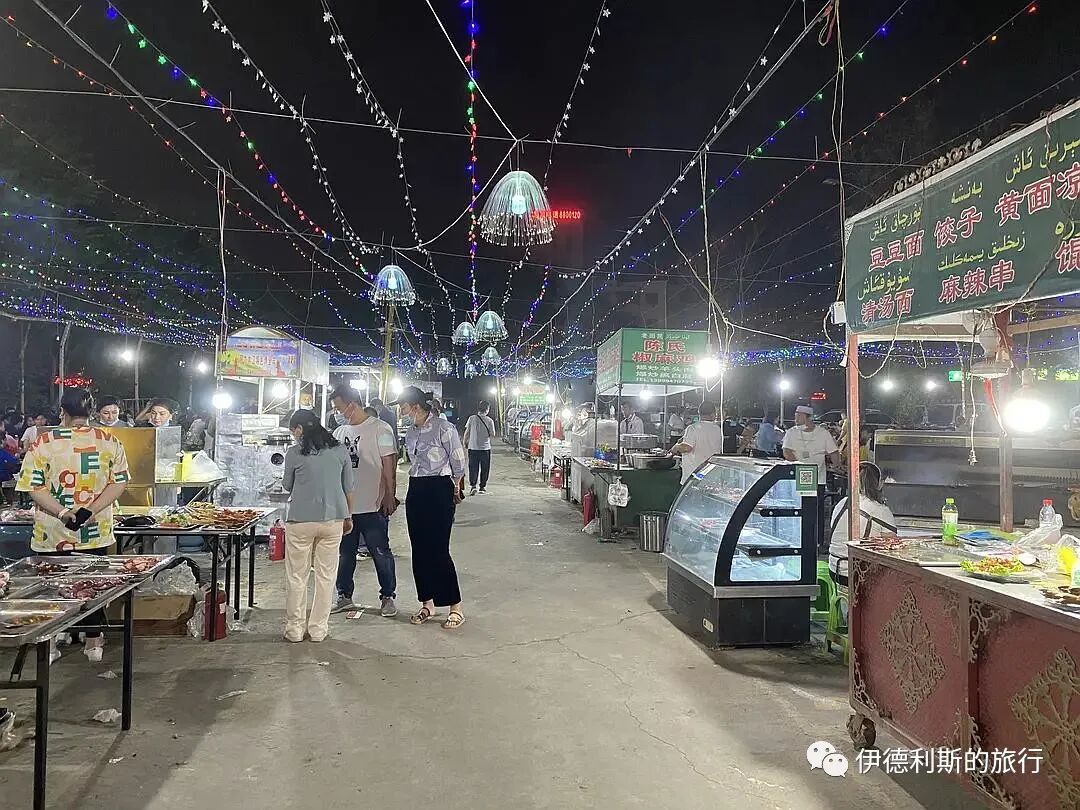
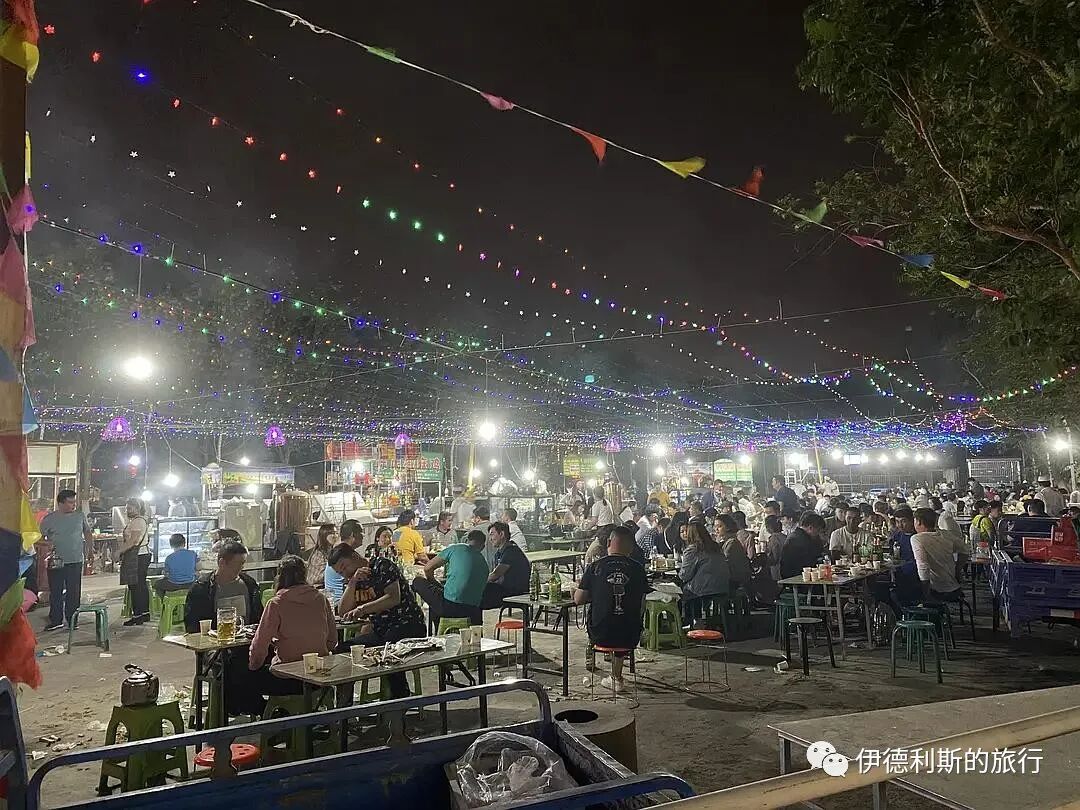
Turpan Night Market.
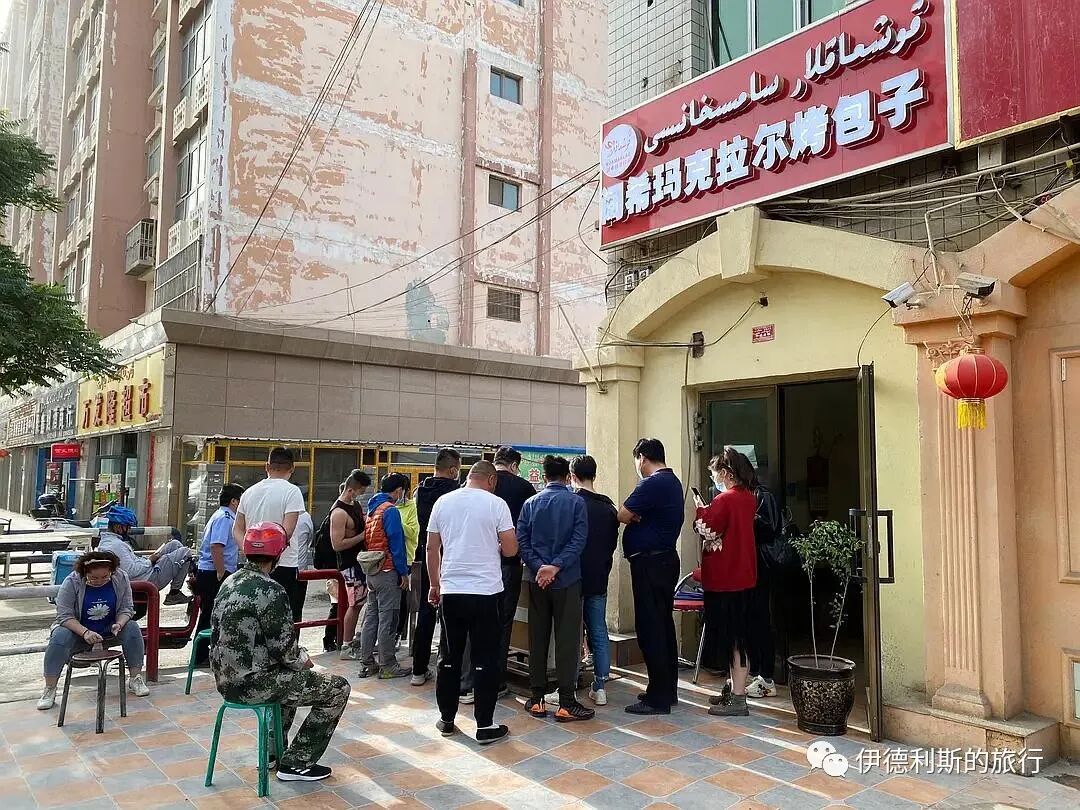
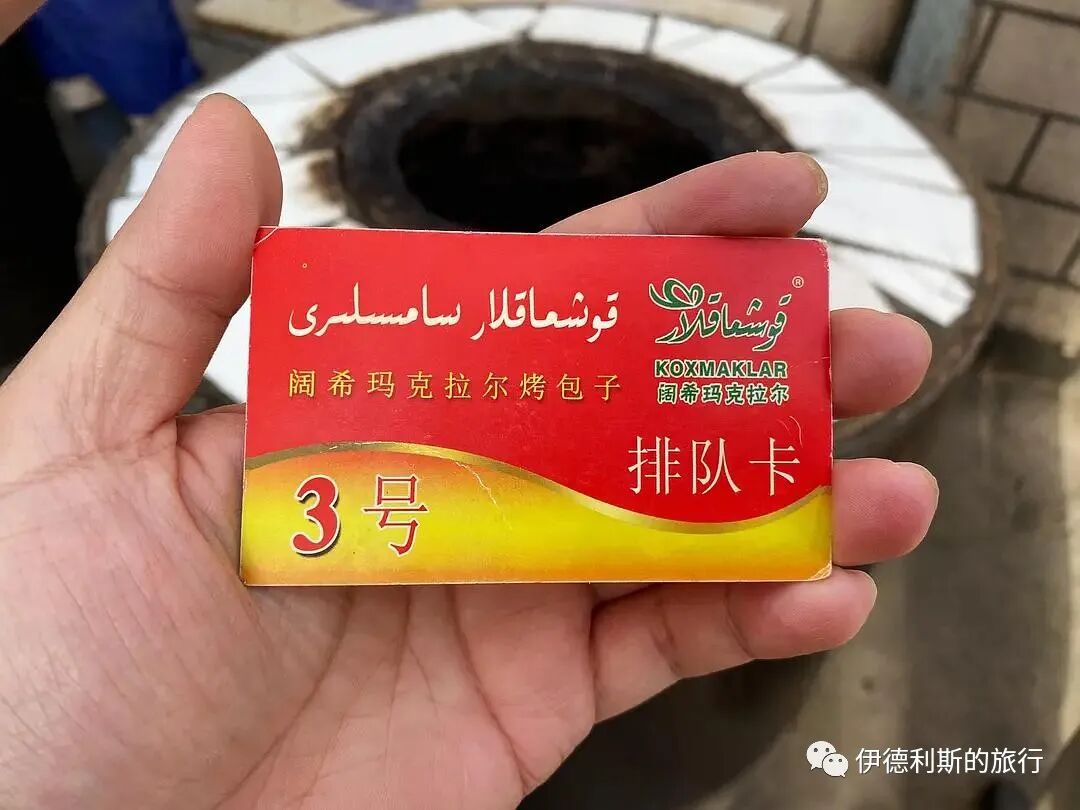
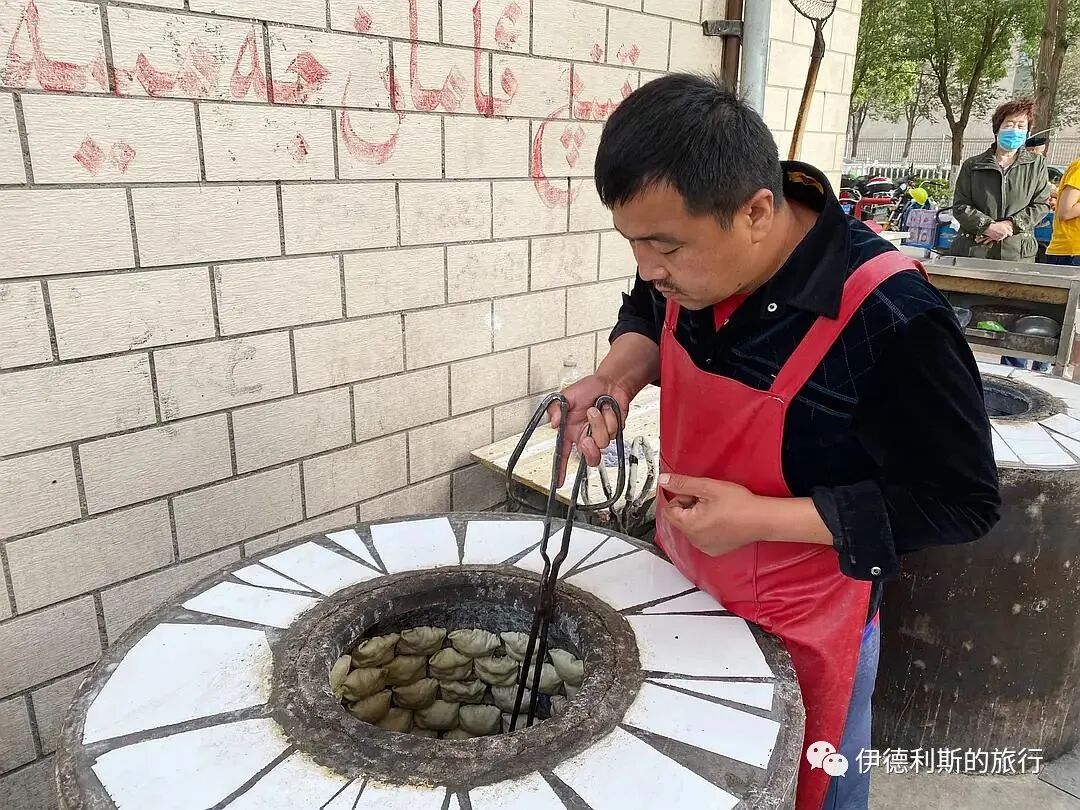
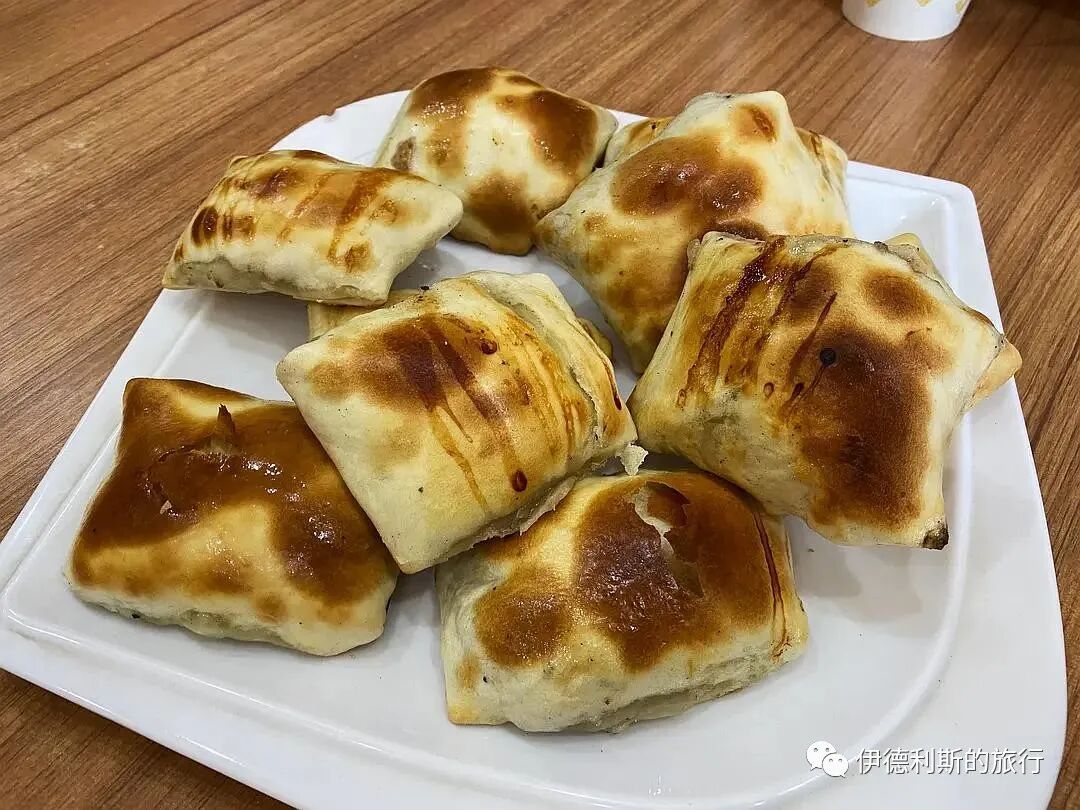
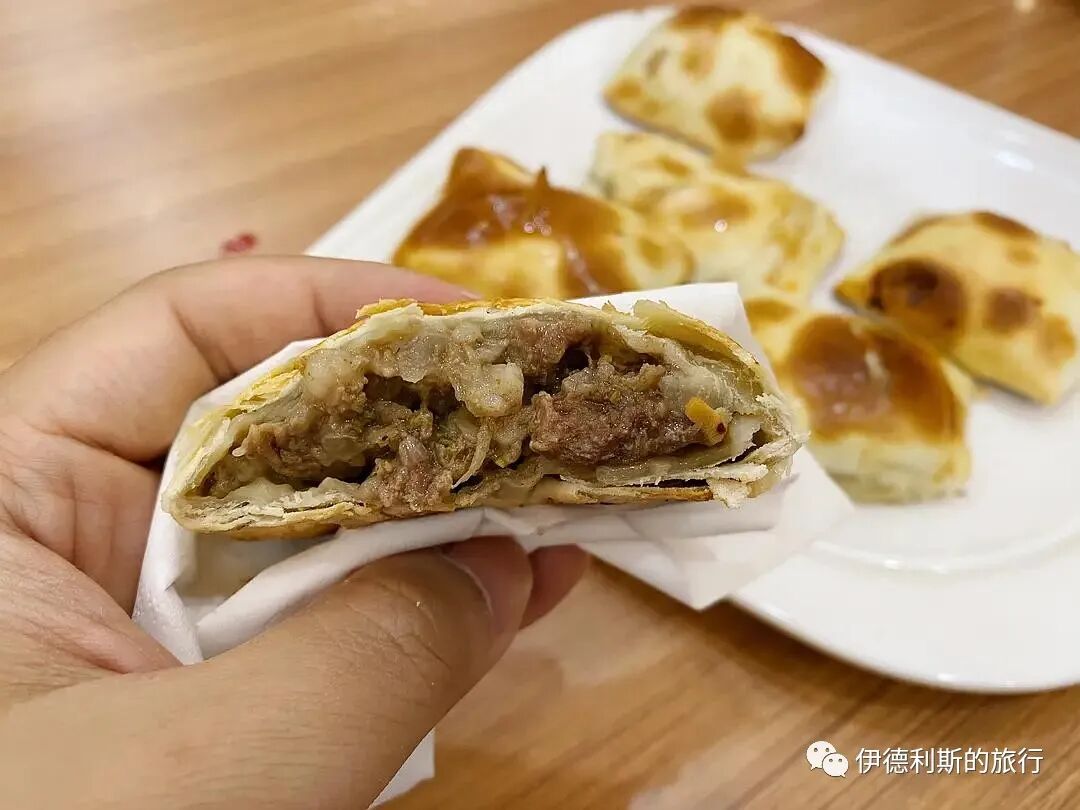
The next morning, we ate the incredibly popular Koshimaklar baked buns at the Turpan Museum. When I visited Turpan in the past, their shop was the 'Twin Baked Buns' stall at the entrance of the Big Cross Bazaar, but this time I found they had moved to their current location. We arrived at 8:30 in the morning to catch the first batch, and we even had to get a queue card when buying; there were many people lined up behind us.
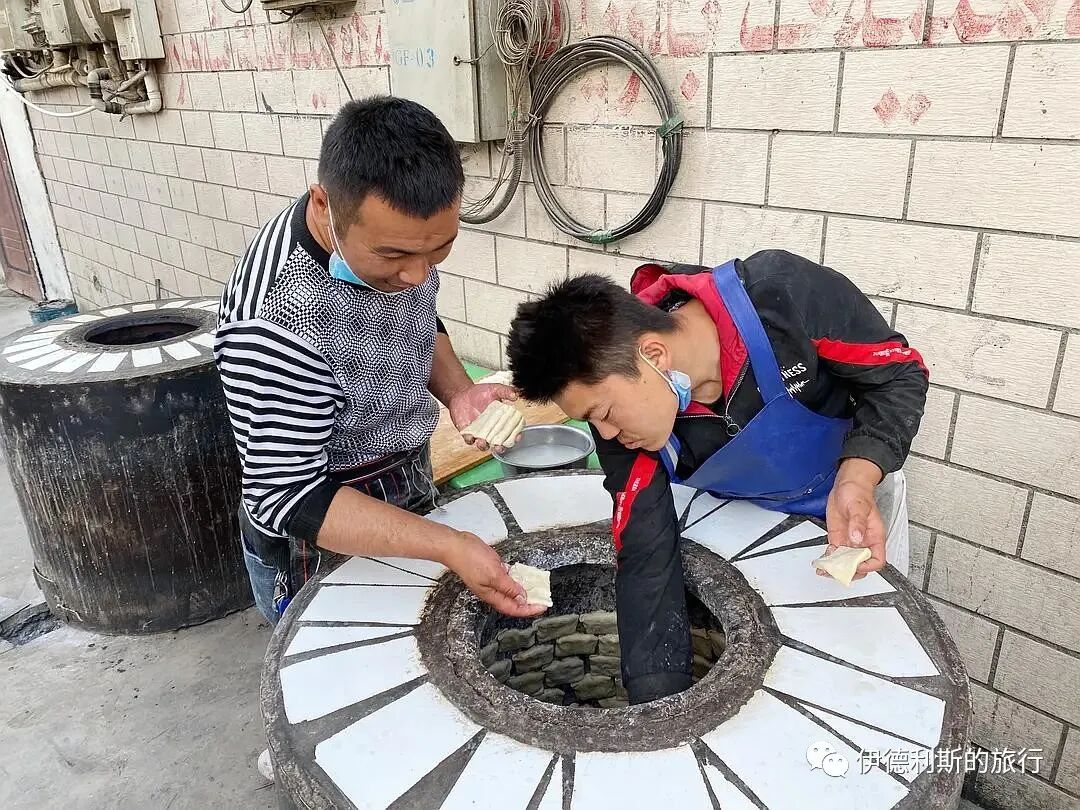
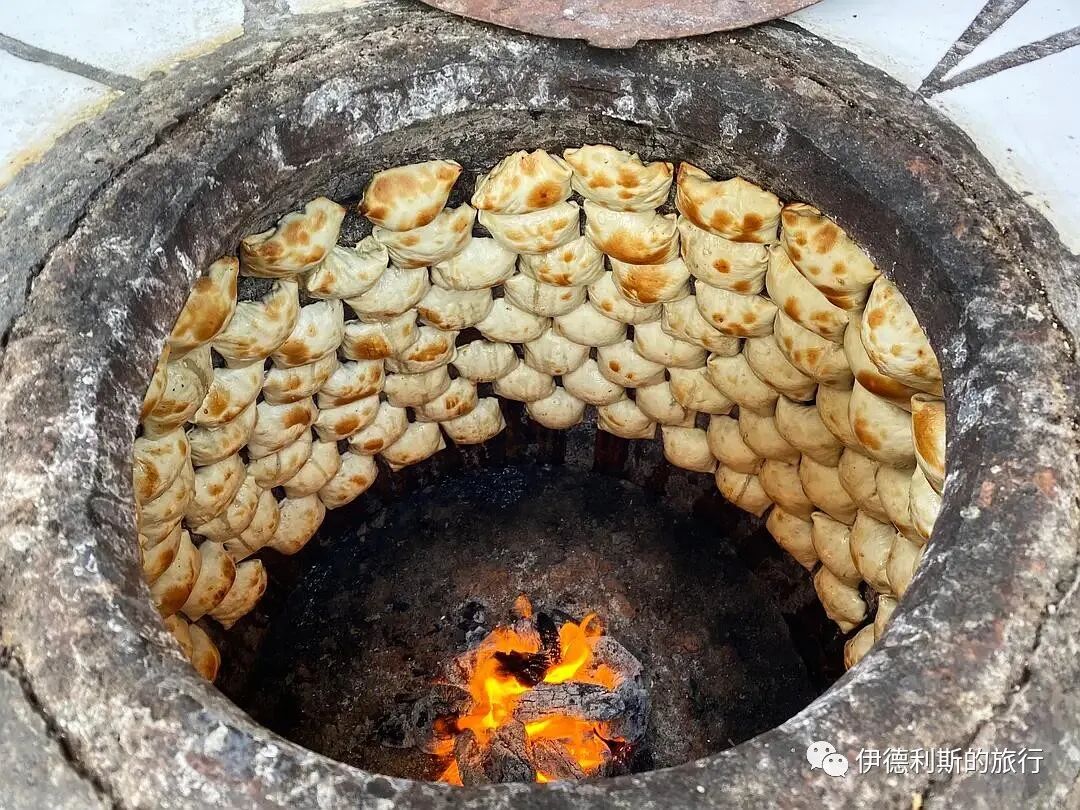
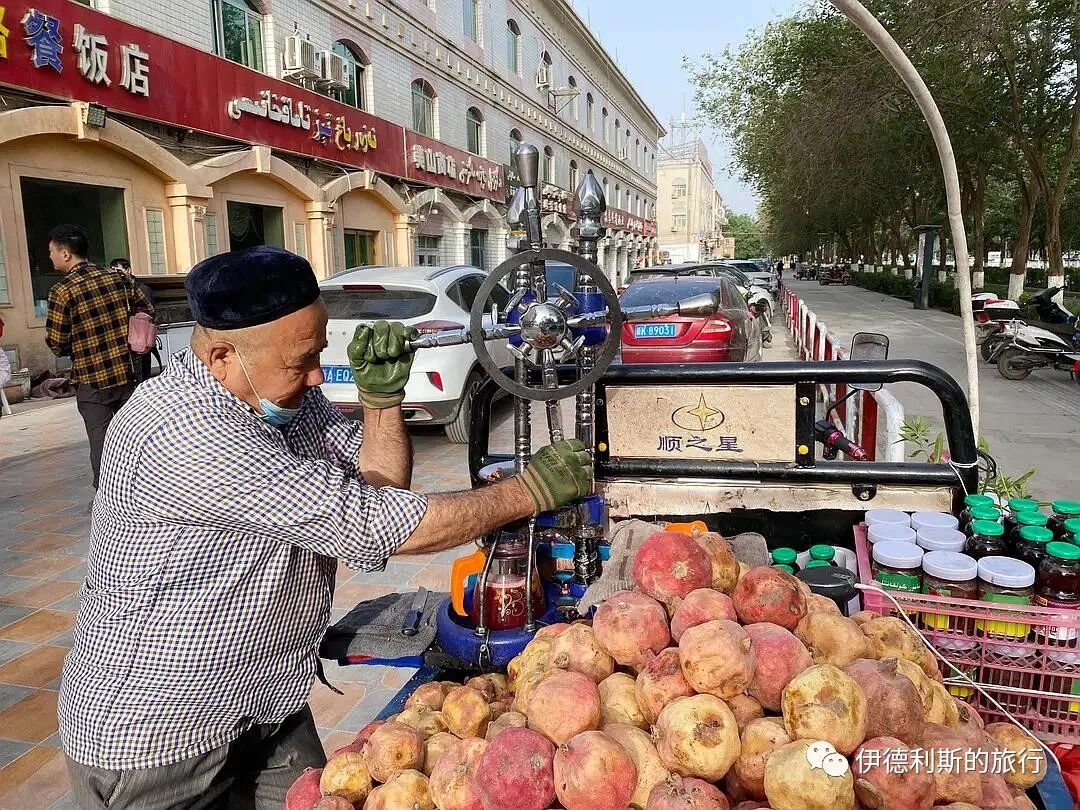
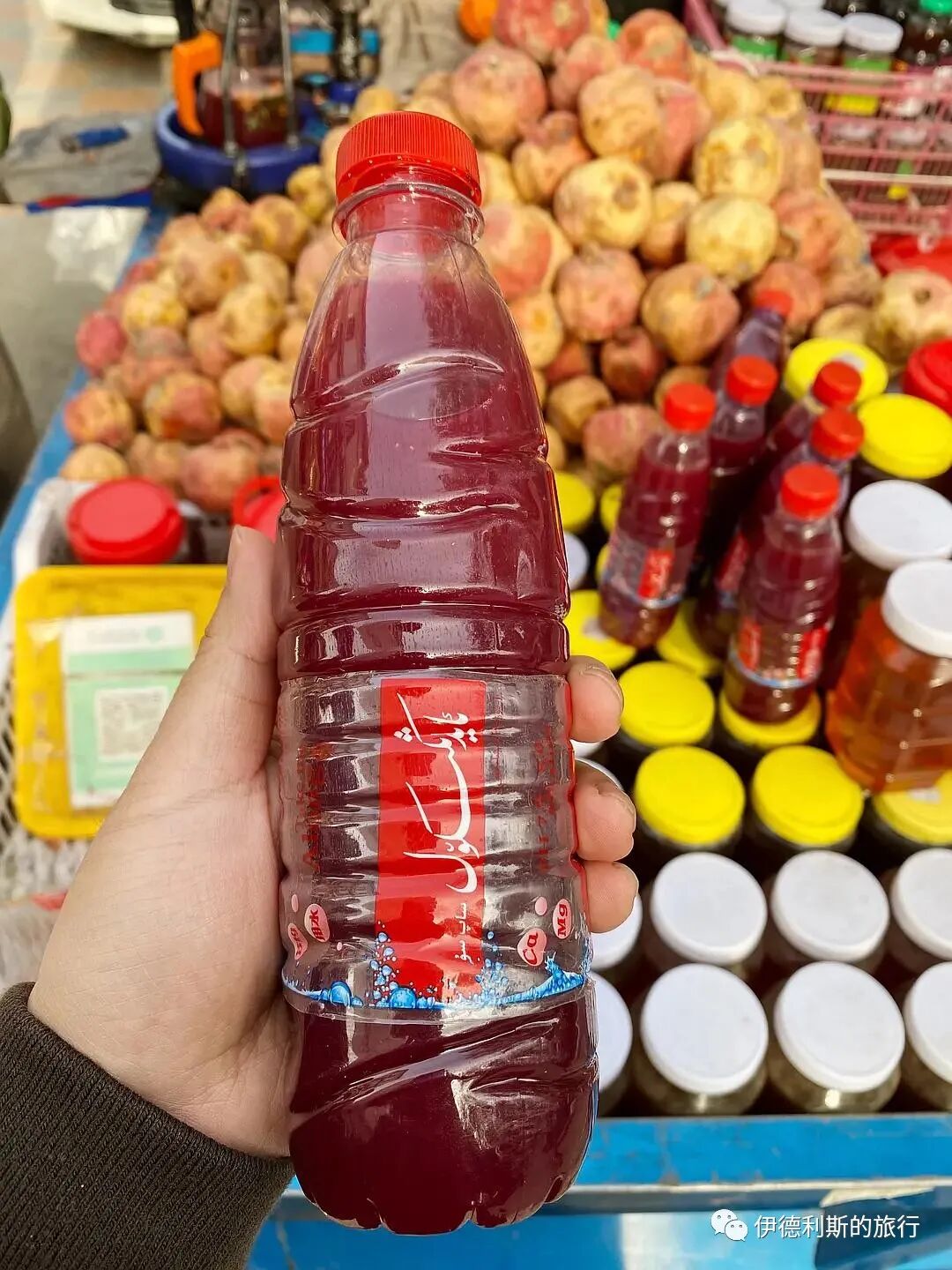
However, their baked buns are indeed very delicious. First of all, they are baked over charcoal, which is hard to find in Urumqi. Also, the filling inside isn't too fatty and has plenty of meat. Freshly baked buns paired with fresh-squeezed pomegranate juice are truly refreshing.
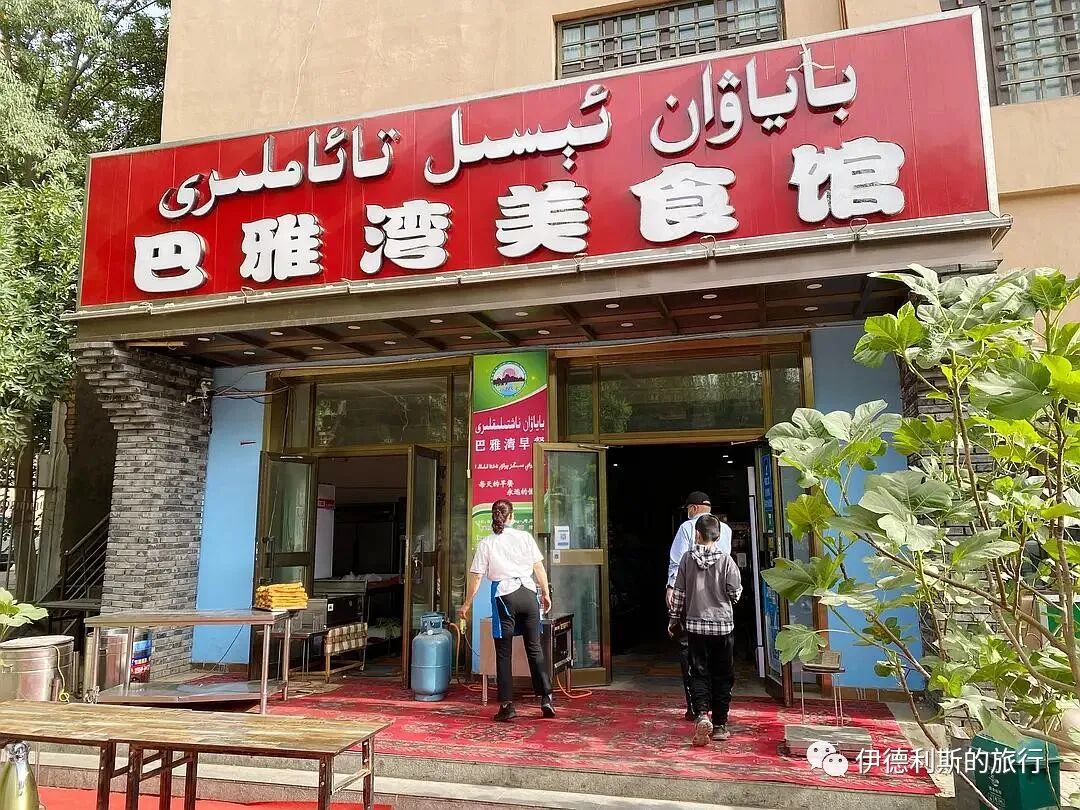
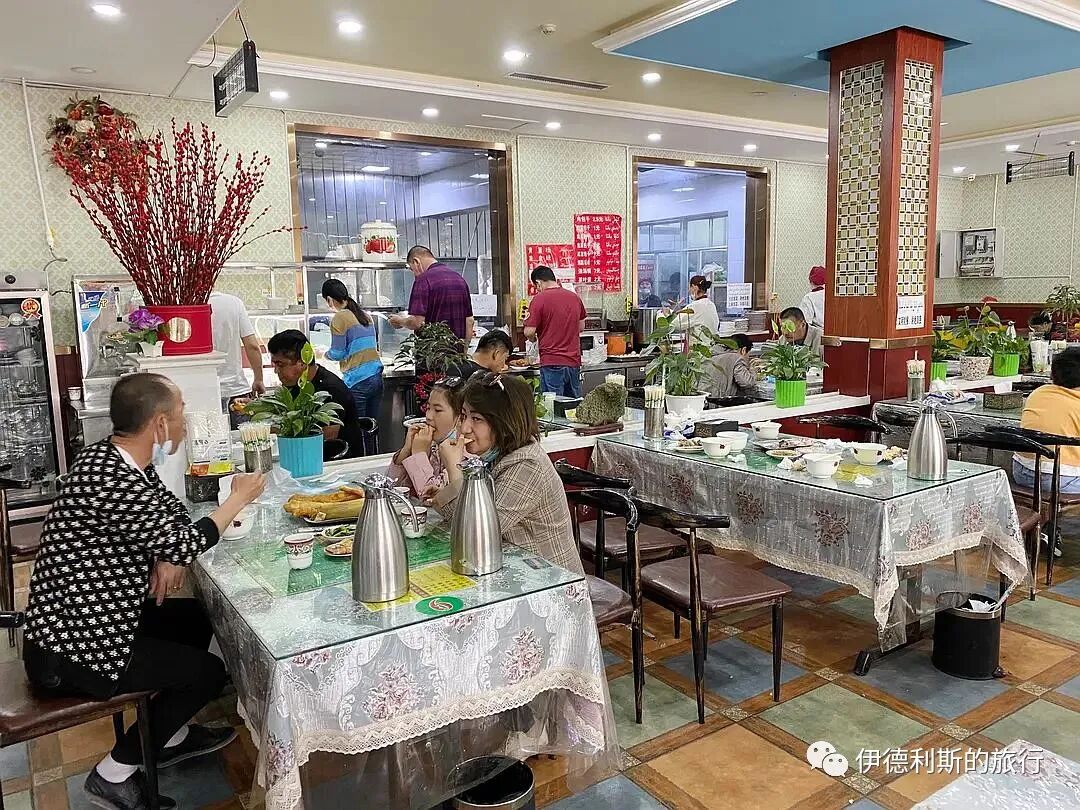
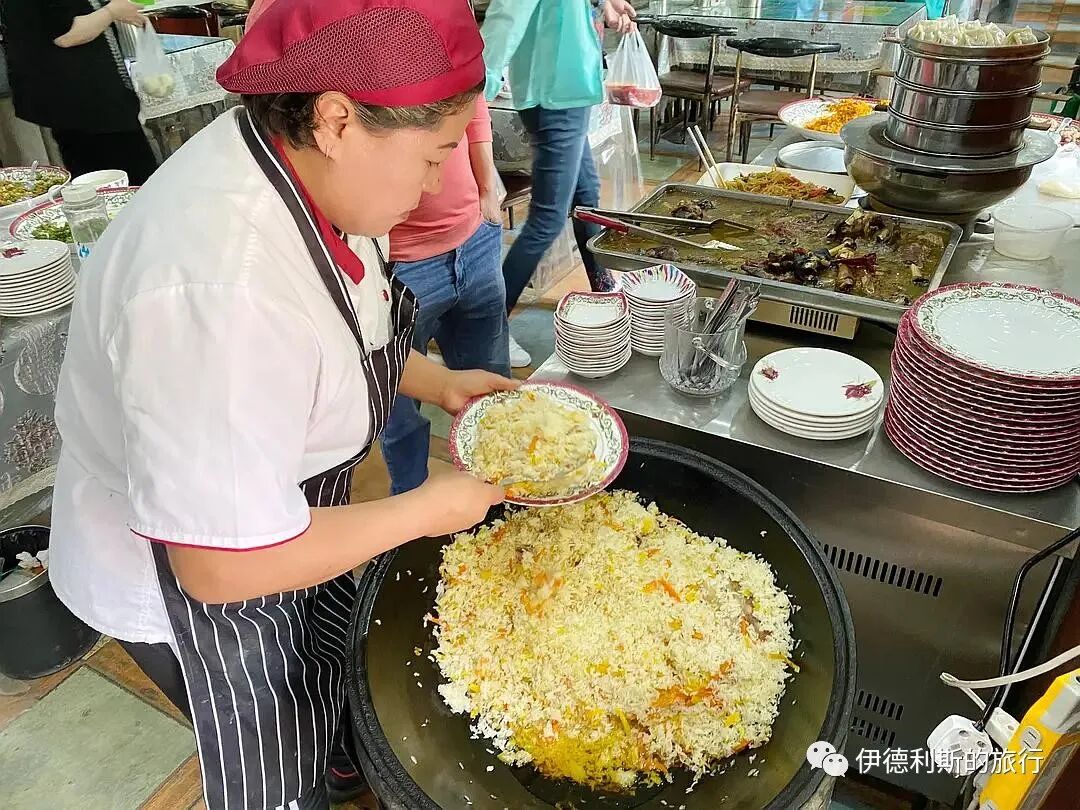
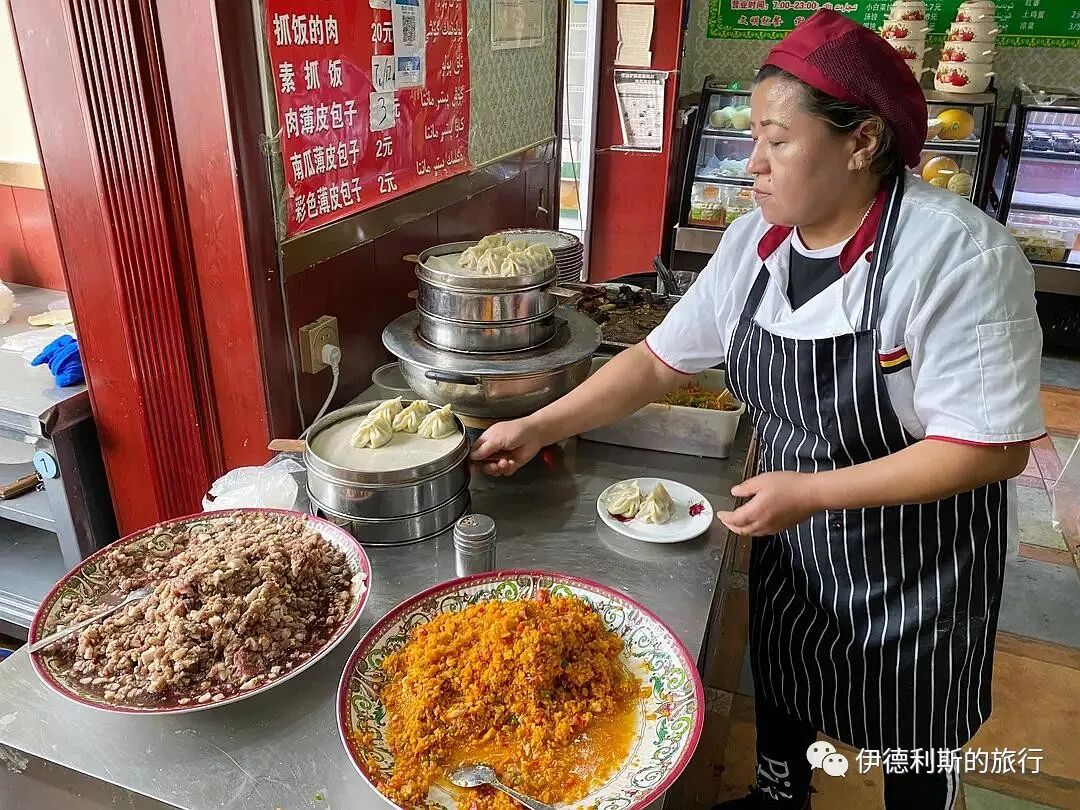
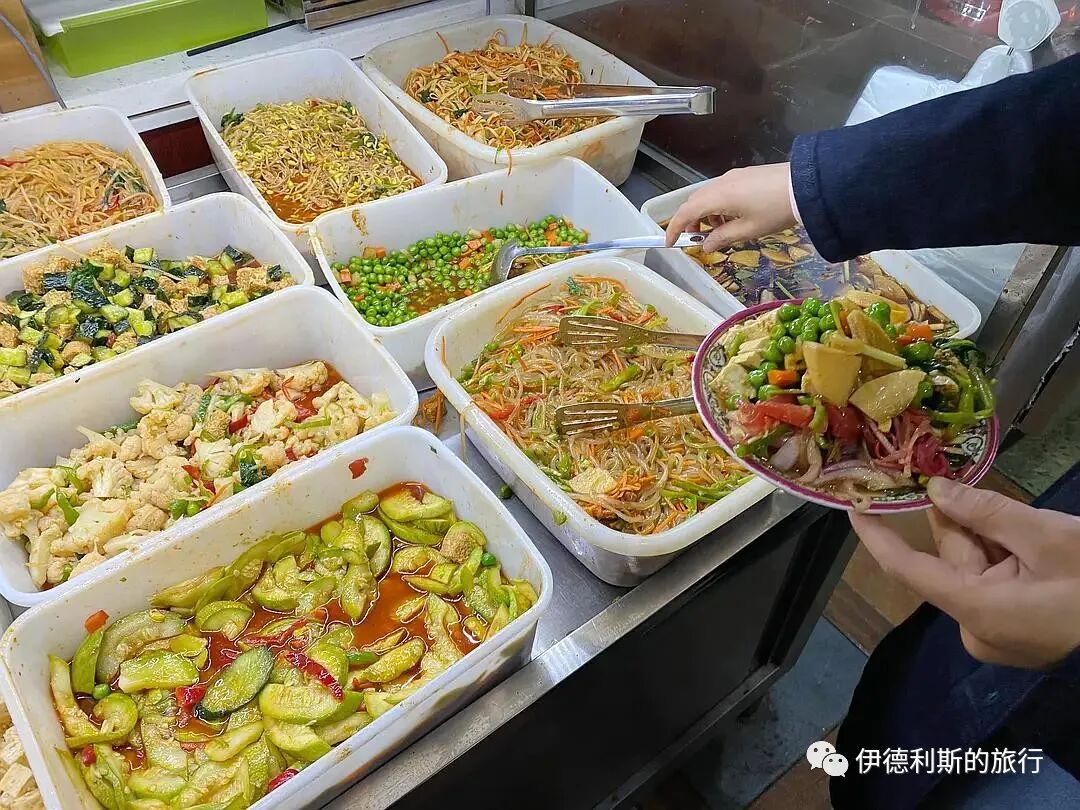
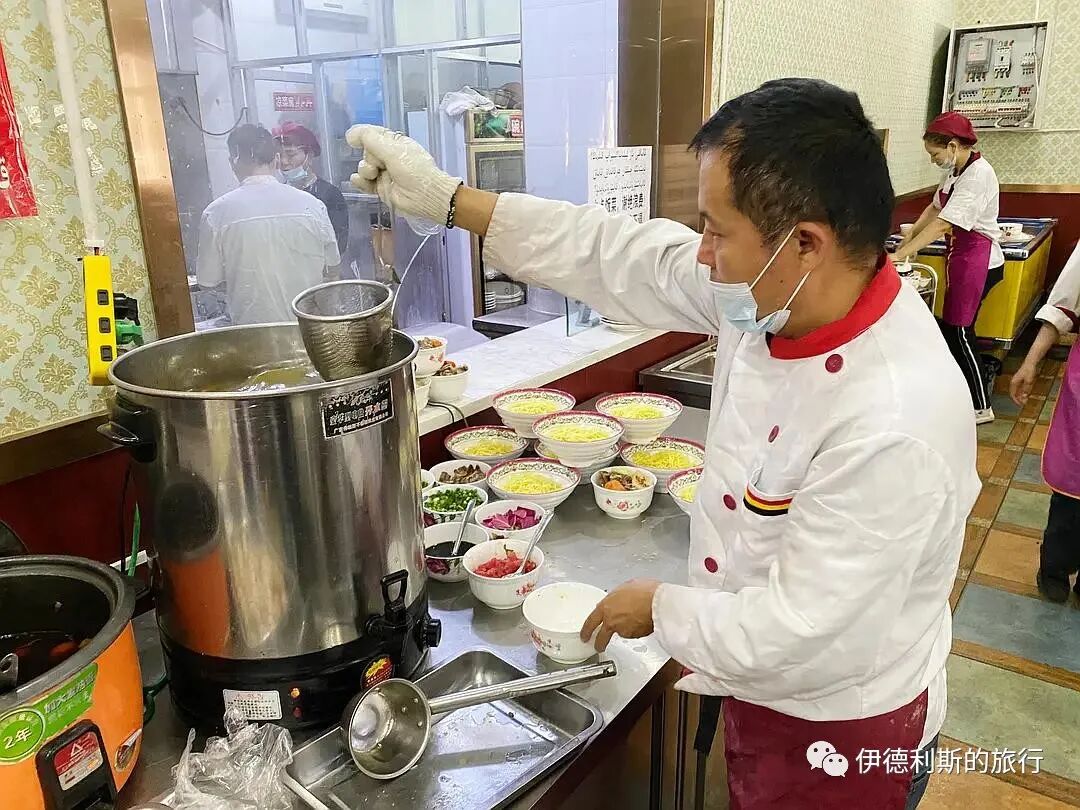
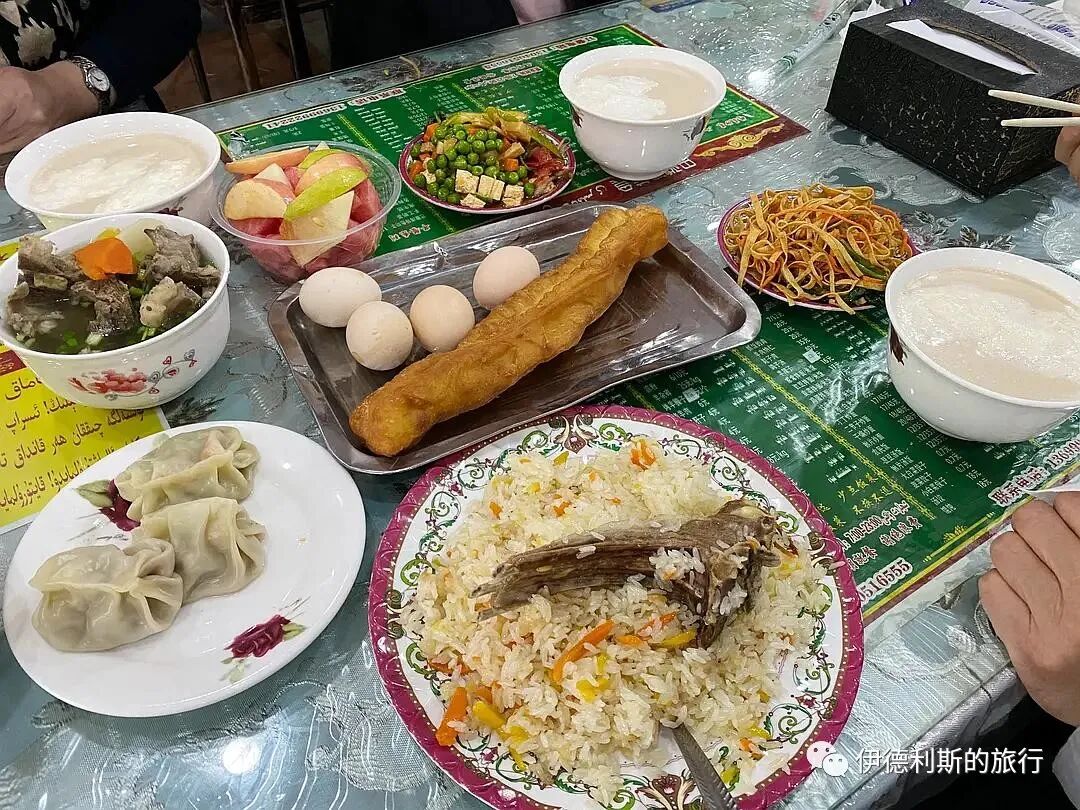
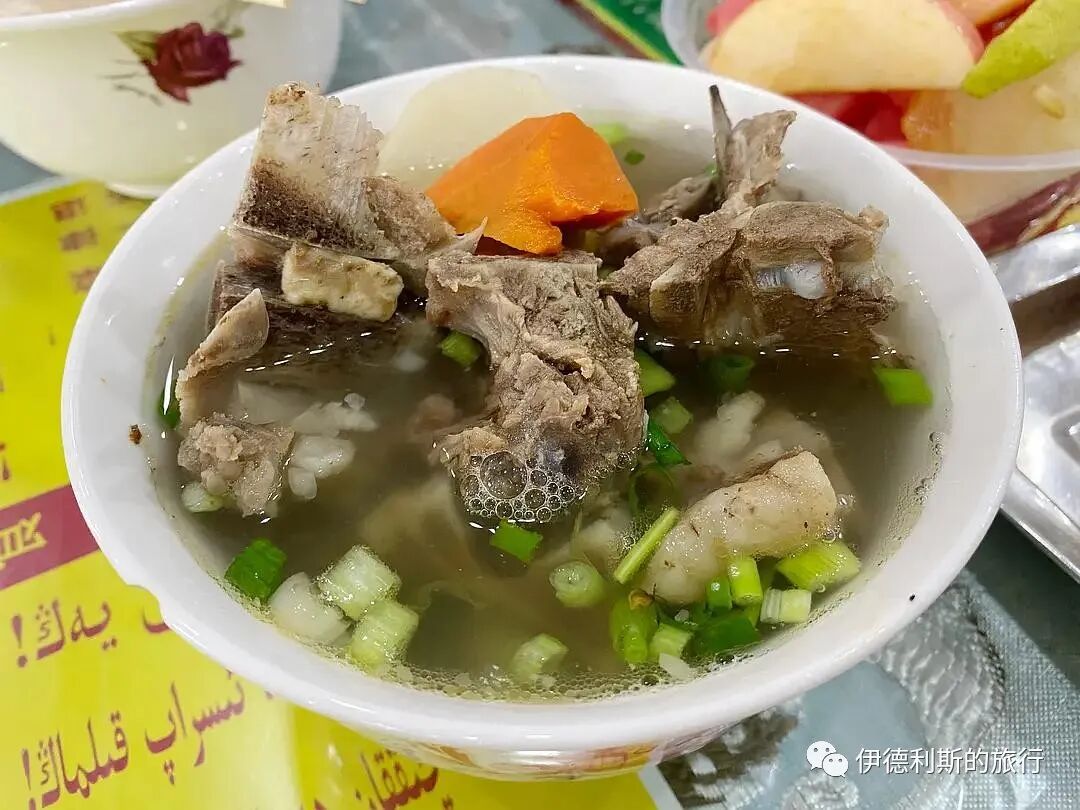
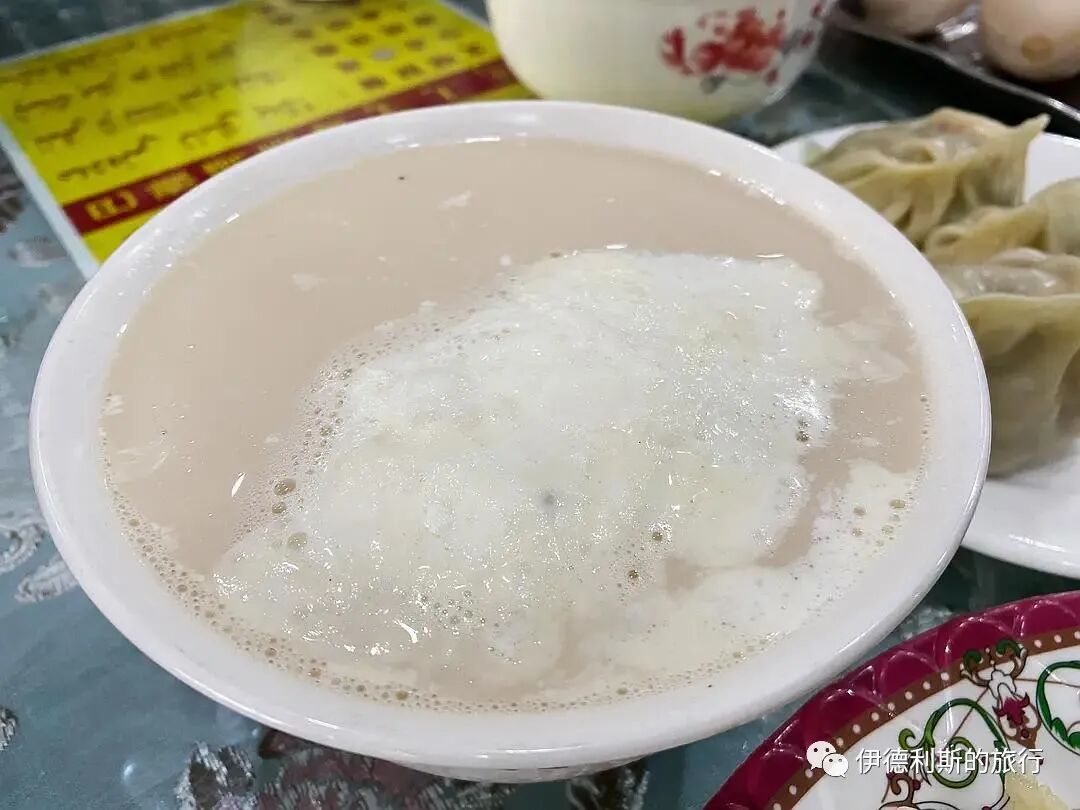
I highly recommend breakfast at the Bayawan Food Hall on Old City East Road in Turpan! The variety is very rich, and it is semi-self-service where you pick your own food and pay at the end. We ate pilaf, steamed buns with thin skins, milk tea with thick milk skin, bone soup, a platter of side dishes, and a fruit platter. Eating well gives you a good mood for the whole day.
After breakfast, we went to visit the Emin Minaret. The Emin Minaret, also known as the 'Emin Tower,' was built in 1778 by the Turpan Prince Emin Khoja and his son Suleiman. It is the tallest historical minaret building in Xinjiang. Emin Khoja came from a religious family in Turpan. After the Qing Dynasty entered Turpan in 1720, Emin Khoja led his people to submit to them. He subsequently performed many military feats, and in 1756, the Qing Dynasty handed over the rule of Turpan to Emin Khoja. In 1759, Emin Khoja made a great contribution to the Qing Dynasty's pacification of the rebellion of the two Khojas and was granted the title of Prince.
In 1772, Emin Khoja returned to his hometown of Turpan. In his later years, he used 7,000 taels of silver and ordered his son Suleiman to build a mosque. In 1777, before the mosque was completed, Emin Khoja returned to Allah. Afterward, Suleiman inherited the title of Prince and completed the construction of the mosque in 1778. Because the mosque has a tall minaret, it is called the Emin Minaret Mosque.
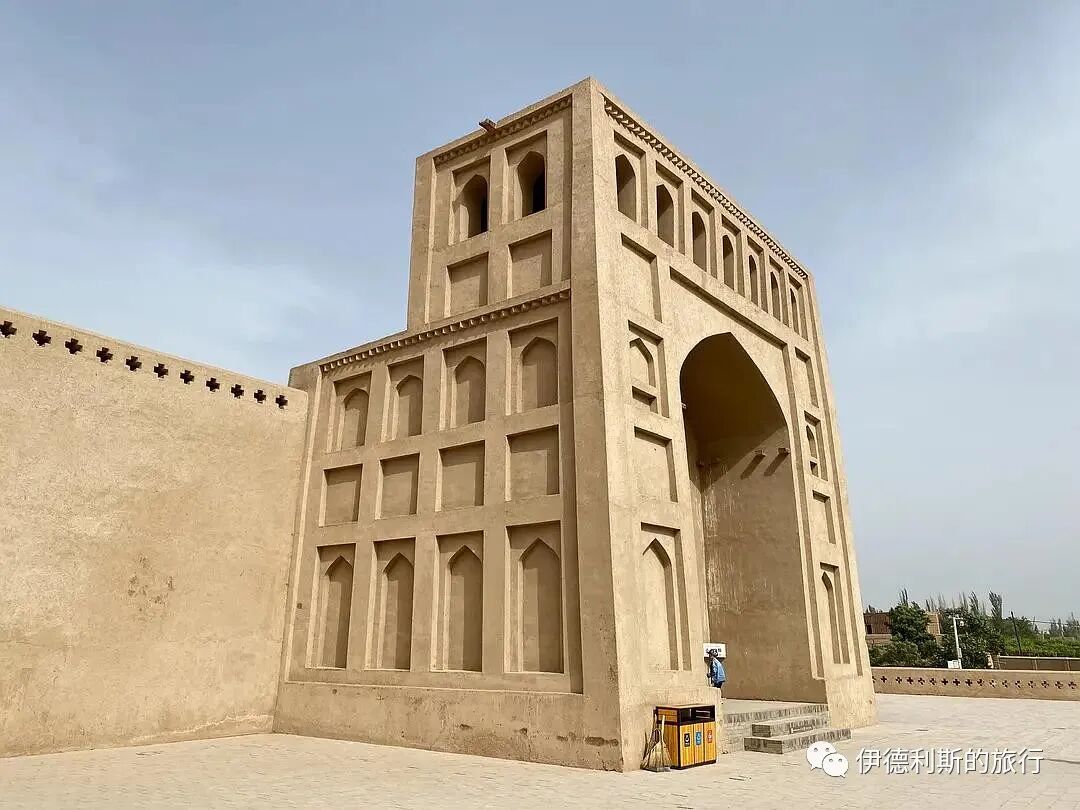
The mosque gate is built with heavy raw mud walls, and the facade is composed of recessed niches, creating a strong sense of shadow.
The main hall is rectangular and divided into three parts: the front hall, the prayer hall, and the rear hall. The prayer hall consists of a colonnade of 32 wooden pillars. It has no ridge and no tiles, using wooden rafters, branches, and mud to make the roof, which is the traditional flat-roof architectural style of Turpan. The roof has high windows and light wells for lighting and ventilation. The front hall and the rear hall are built with large raw mud domes using the corbeling method.
On both sides of the main hall, there are madrasas (Islamic schools), with each of the twenty small rooms having a small dome and holes for ventilation and lighting.
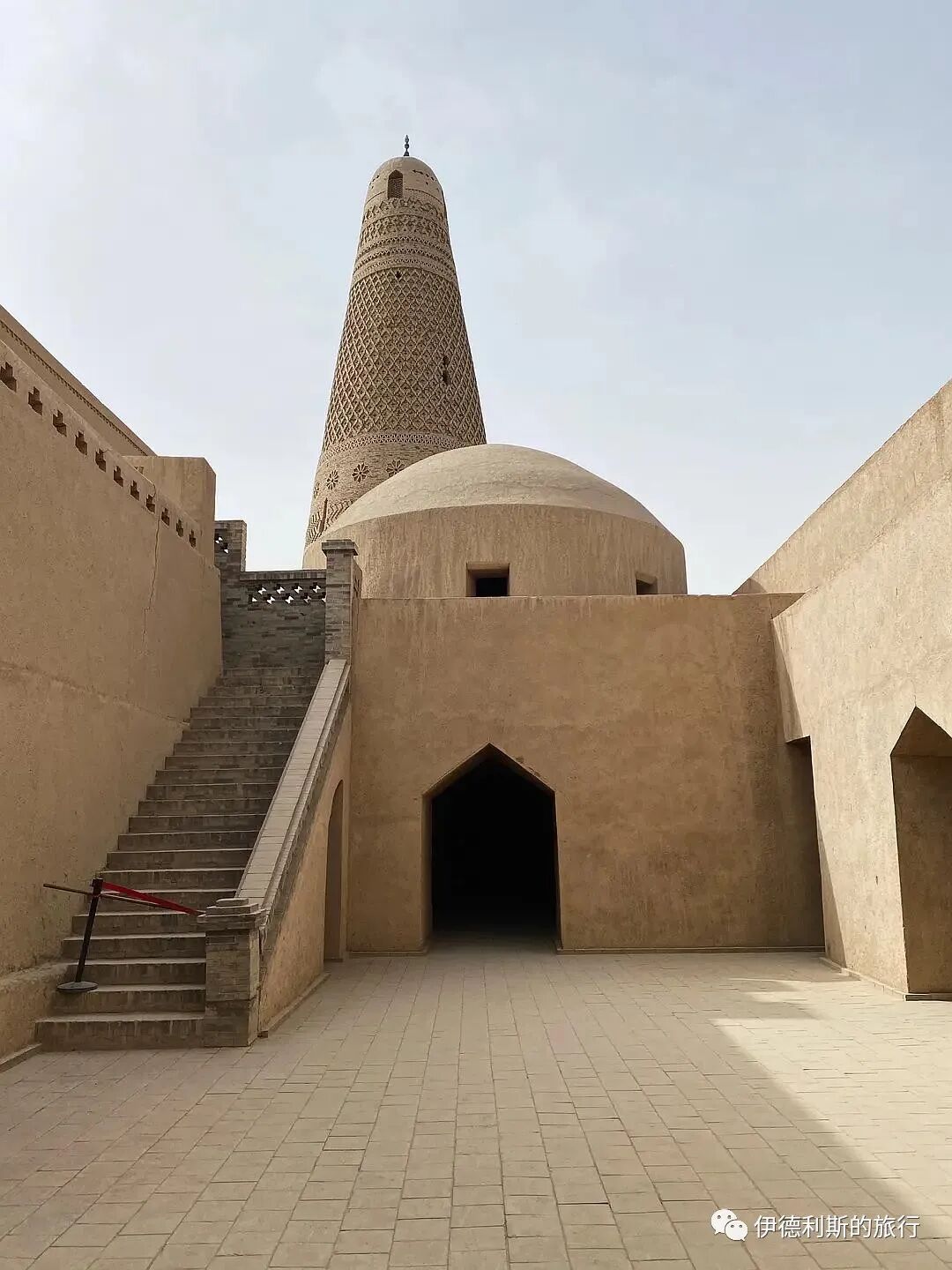
The minaret is 44 meters high and is built of bricks using the corbeling method. The tower body has 15 different geometric patterns, such as waves, diamonds, and floral designs. Inside the tower, there are 72 spiral stairs, and at the top of the tower, there is a pavilion with windows where you can look out into the distance. The top of the tower originally had eaves, but after the Turpan earthquake in 1916, the top was destroyed, and local craftsmen subsequently changed it to a dome.
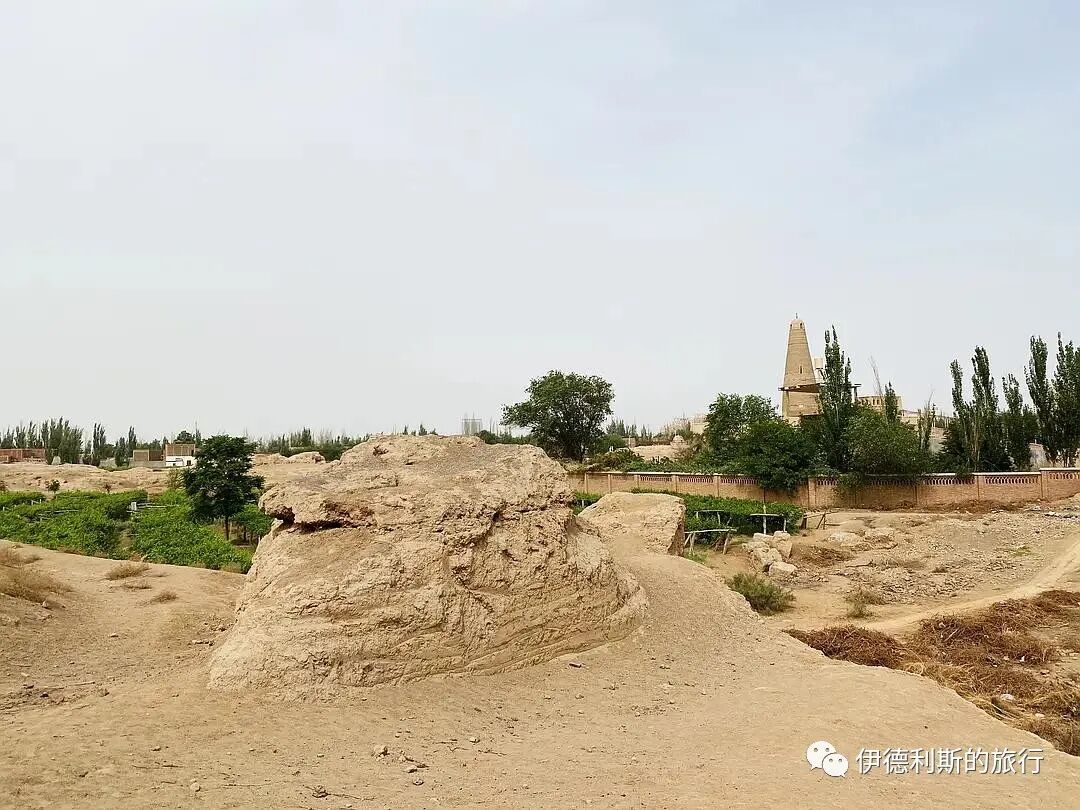
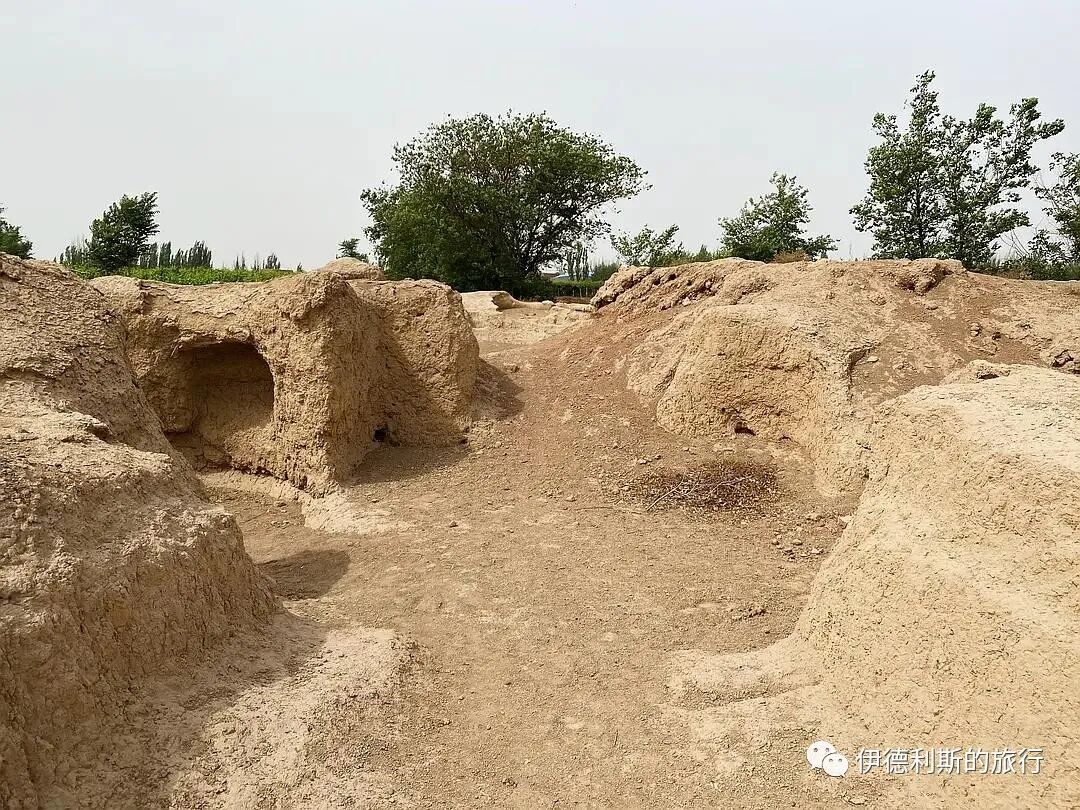
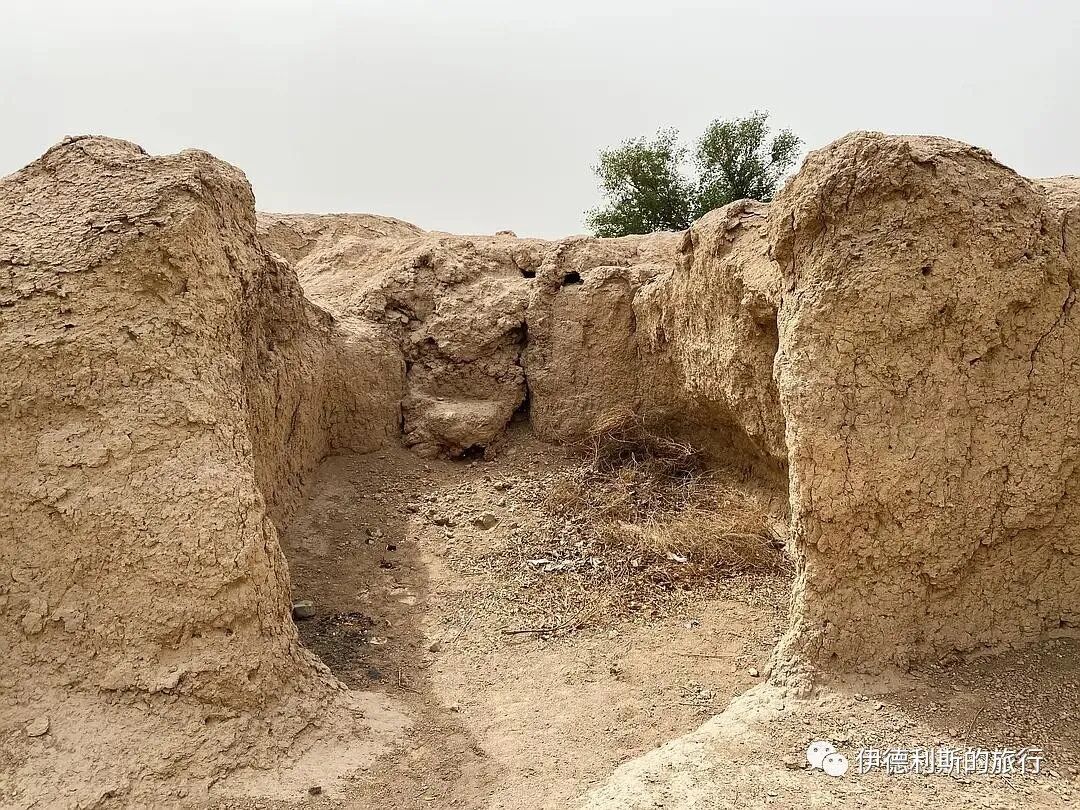
The ancient city of Anle is located south of the Emin Minaret, 300 meters wide from north to south and 700 meters long from east to west, with a Karez well running underground through the city. The south side of the city rises 8 to 10 meters above the ground, and every courtyard or house in the city has storage pits and wells.
In 1389, after the 16-year-old prince of the Eastern Chagatai Khanate, Khizr Khoja, proclaimed himself Khan, Tamerlane the Great immediately led his army to fight a decisive battle, defeating the army of the Eastern Chagatai Khanate in one fell swoop and plundering a large number of subjects and livestock. Because the Timurid Empire in the west was too powerful, Khizr Khoja chose to conquer the city of Anle in Turpan around 1392. Khizr Khoja promoted Islam in Turpan, making the city of Anle gradually become a center of Islamic culture.
In 1422, the Eastern Chagatai Khan, Uwais Khan, defeated the Oirats and reoccupied the city of Anle, using it as his main residence. Since then, the city of Anle has been an important city of the Eastern Chagatai Khanate.
In the second half of the 15th century, the Eastern Chagatai Khanate split again. Ahmad Alaq (reigned 1487–1503) ruled the eastern part of the Khanate with the city of Anle as the center. In the 'History of Ming,' it is called the 'Turpan Khanate,' and the city of Anle was subsequently replaced by the name Turpan.
In 1514, Sultan Said Khan founded the Yarkand Khanate, and his elder brother, Mansur Khan (reigned 1503–1543), continued to rule the eastern part of the Eastern Chagatai Khanate with Turpan as his capital. In 1570, the army of the Yarkand Khanate invaded Turpan, and the last Khan of the 'Turpan Khanate,' Muhammad Khan, was captured, leading to the fall of the Turpan Khanate.
In 1679, Turpan was occupied by Galdan, the Khan of the Dzungar Khanate. After that, it was repeatedly contested with the Qing Dynasty until it was finally incorporated into the Qing Dynasty in 1755. In 1780, the Qing Dynasty built the city of Guang'an northwest of the city of Anle. The administrative center of Turpan was subsequently moved to the city of Guang'an (the current urban area of Turpan), and the city of Anle was gradually abandoned.
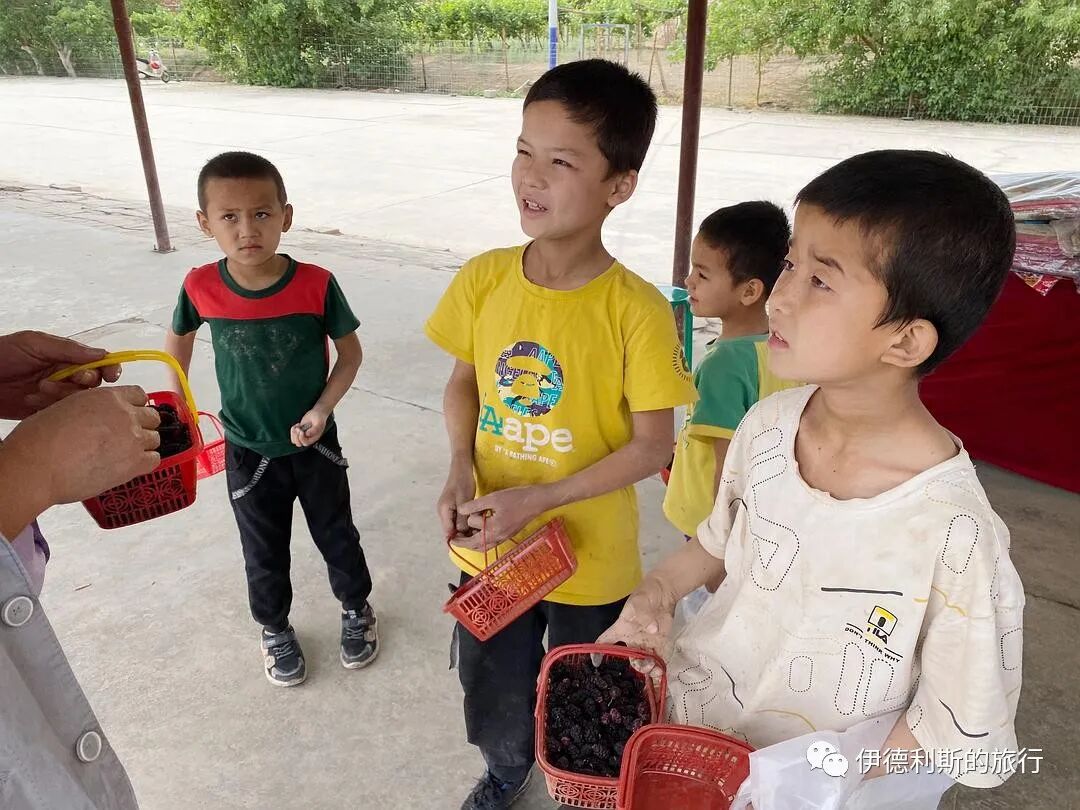
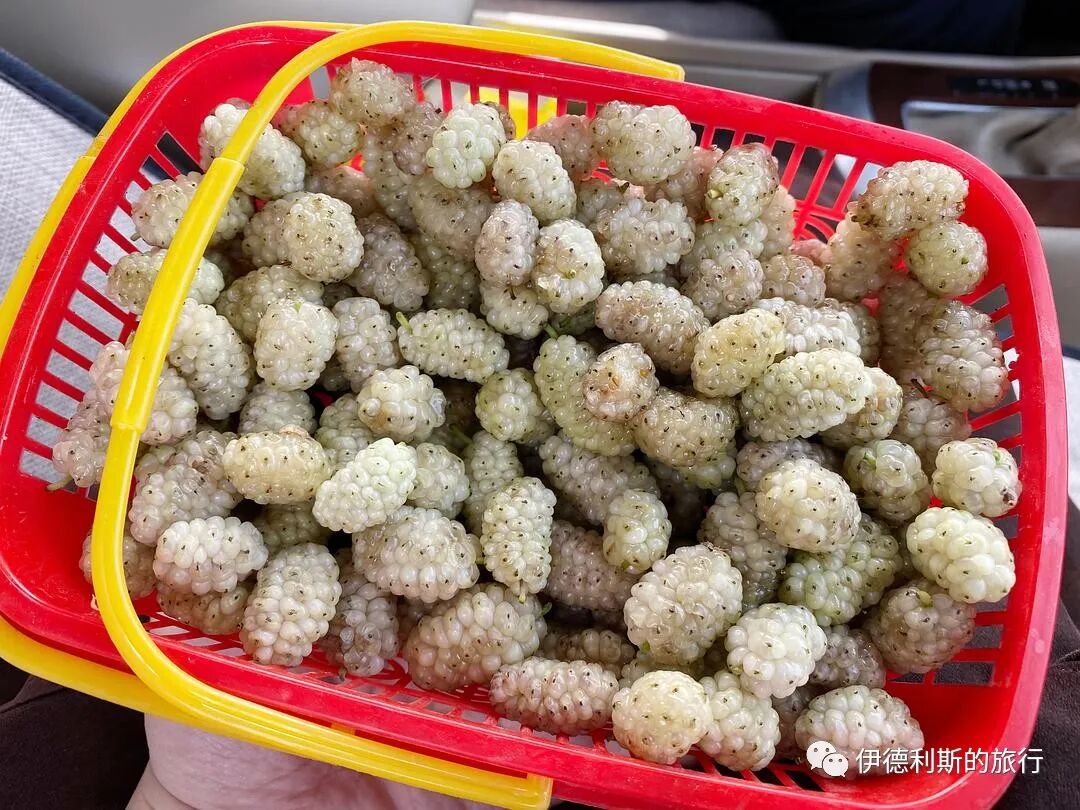
I picked some incredibly sweet mulberries in the ancient city! It was like eating honey. May is truly the season for mulberries.
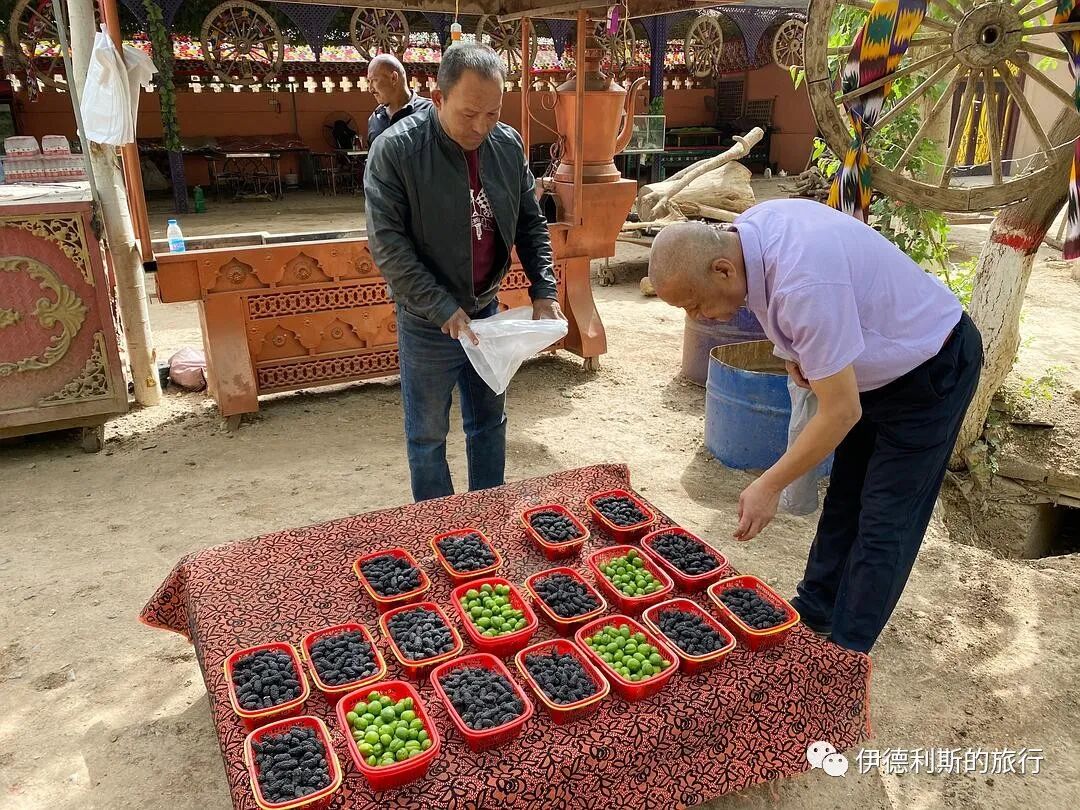
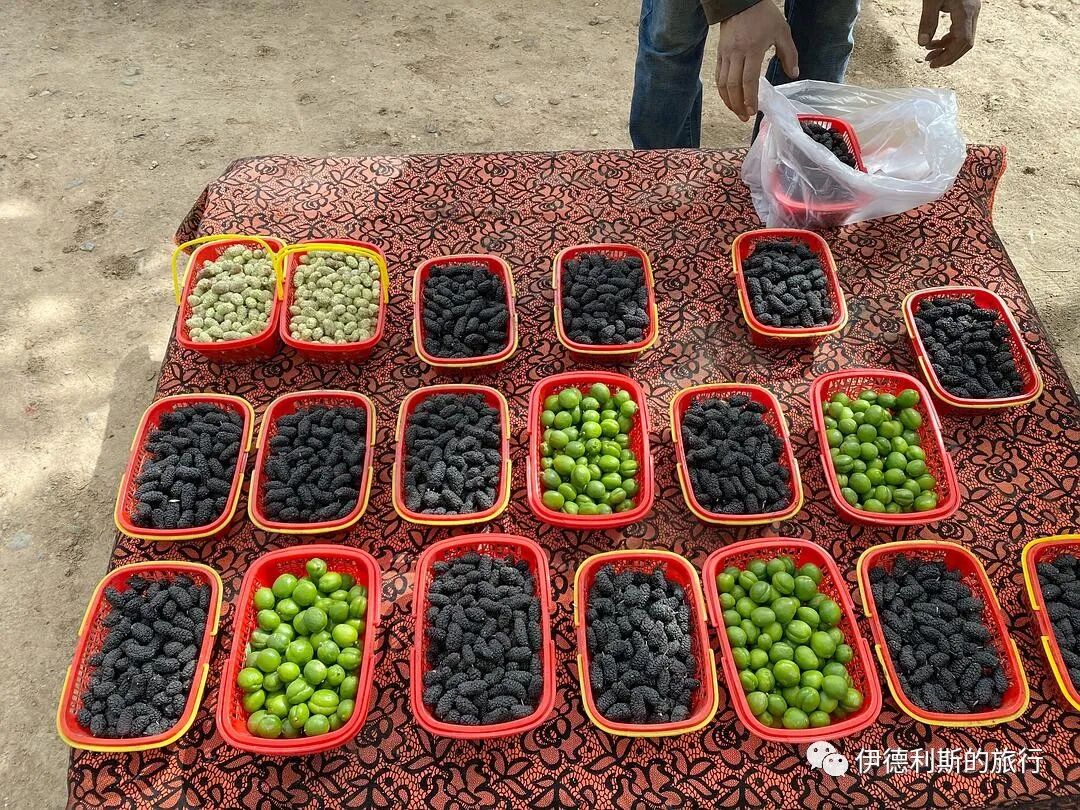
The entrance to the Emin Minaret is also full of people selling mulberries.
From the Emin Minaret, we headed east to Huoyanshan Town, where the Turpan Prince's Tomb is located in Sanbao Township, right on the west side of the ancient city of Gaochang. view all
Summary: This travel note introduces Turpan Halal Travel Guide in May: Ancient Sites and Uyghur Food (Part 1). During the 2021 May Day holiday, I returned to Urumqi with Zaynab, and we used two of those days for a family road trip to Turpan to look around. It is useful for readers interested in Turpan Travel, Uyghur Food, Xinjiang Travel.
During the 2021 May Day holiday, I returned to Urumqi with Zaynab, and we used two of those days for a family road trip to Turpan to look around. This was my third time visiting Turpan, and I visited several historical sites I had not been to before.
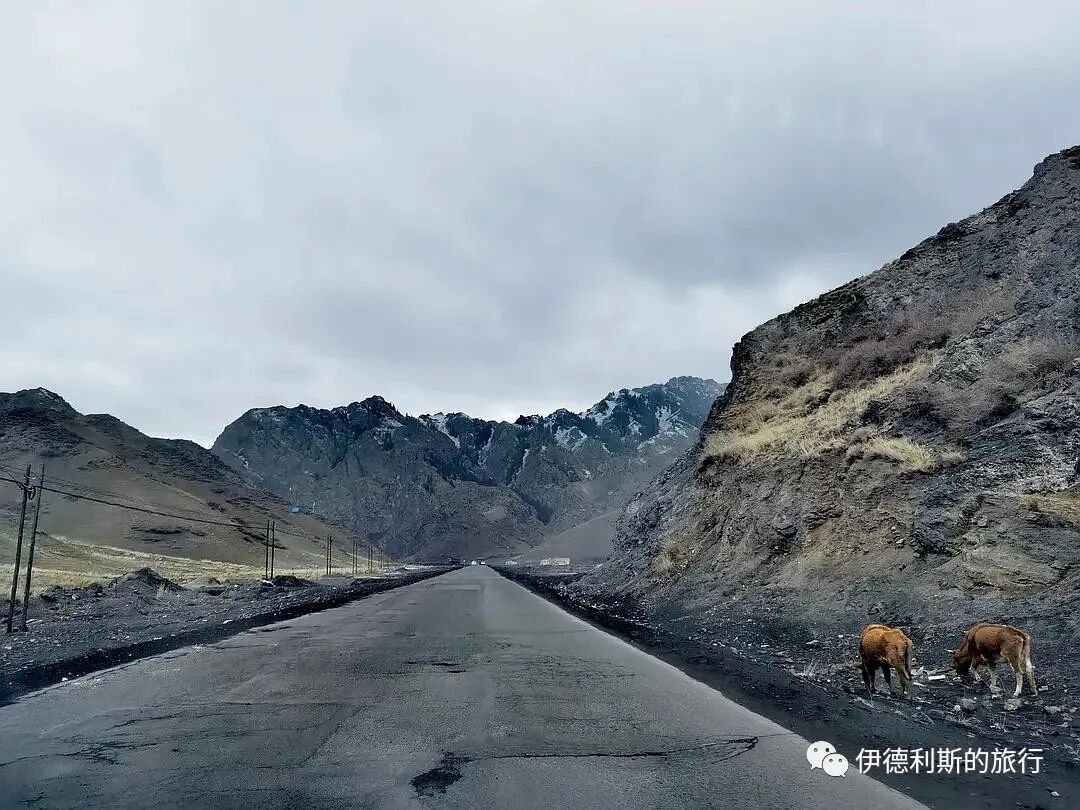
We set off from Urumqi to Turpan in the morning, but we ran into a level-12 gale in the Thirty-Mile Wind Zone, causing all expressways and national highways to close. We took a provincial road as a detour instead, which actually allowed us to see scenery we couldn't see on the expressway: snow-capped mountains, meadows, and wilderness on the Tianshan Mountains.
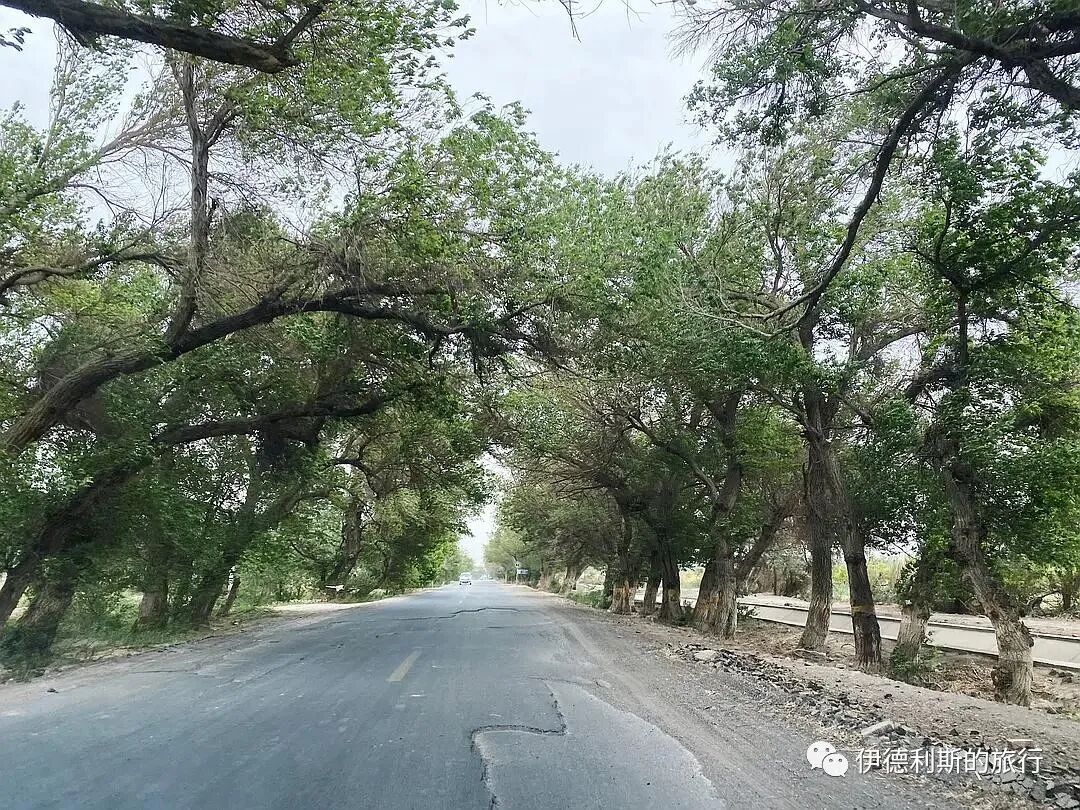
We took a detour through Toksun County, which was the perfect opportunity to try authentic Toksun banmian (hand-pulled noodles). The most popular spot in Toksun County is this place called Lao Sihao; it was packed at mealtime, with locals as well as people who had come specifically from Turpan. Their specialty is black goat guoyourou banmian (hand-pulled noodles with oil-fried meat). Black goats are a local specialty that live on the cliffs of the Tianshan Mountains; they are much more expensive than regular lamb, but the taste and texture are truly different from regular lamb, and I think they are much more delicious.
Continuing from Toksun toward Turpan, we first arrived at Aydingkol Town, where there are two ancient mazar (shrines). The first is the Andijan Khoja Mazar, from the Qing Dynasty. Andijan is located in the Fergana Valley of Uzbekistan. The entire building is constructed of raw mud bricks, with the outer walls plastered with mud and straw. In the past, every Thursday was the day to visit the mazar, and everyone would come here to make dua and pray for various wishes.
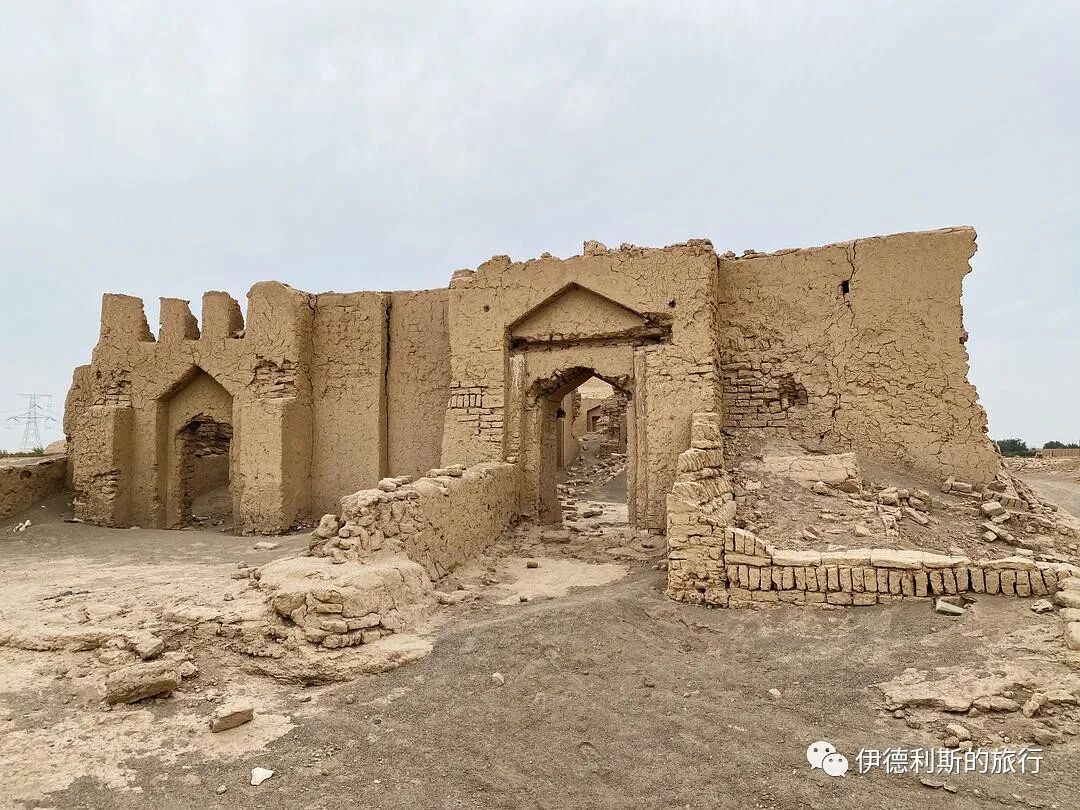
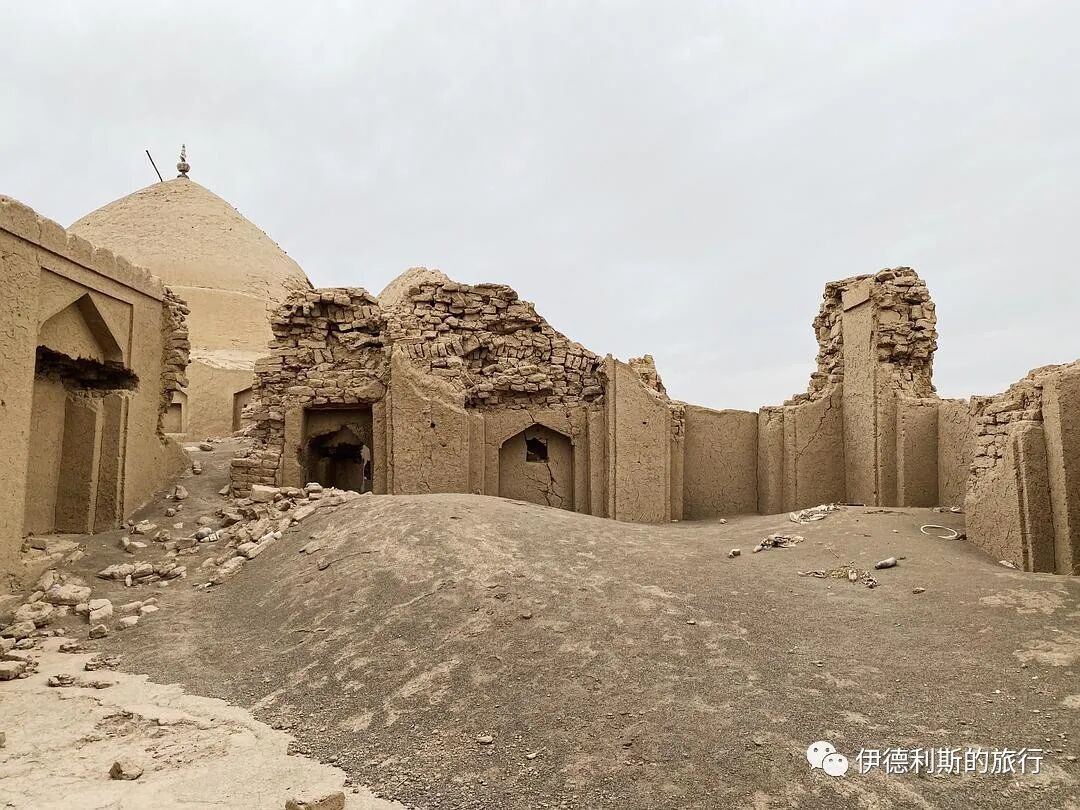
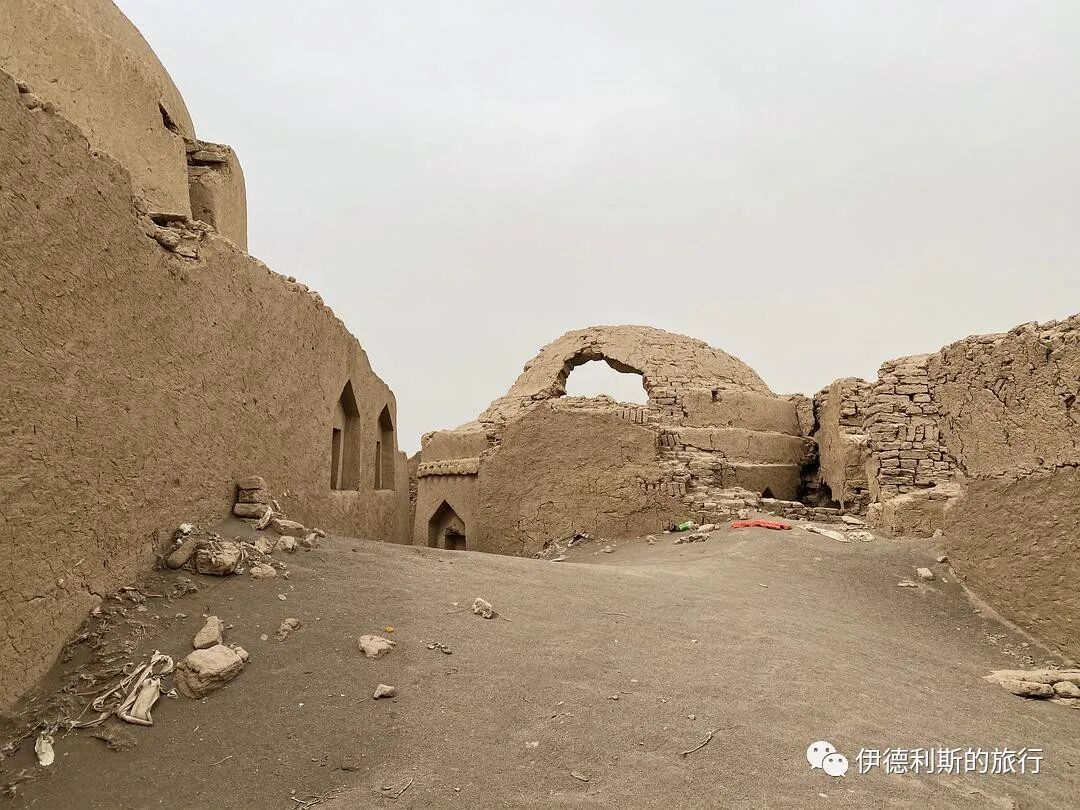
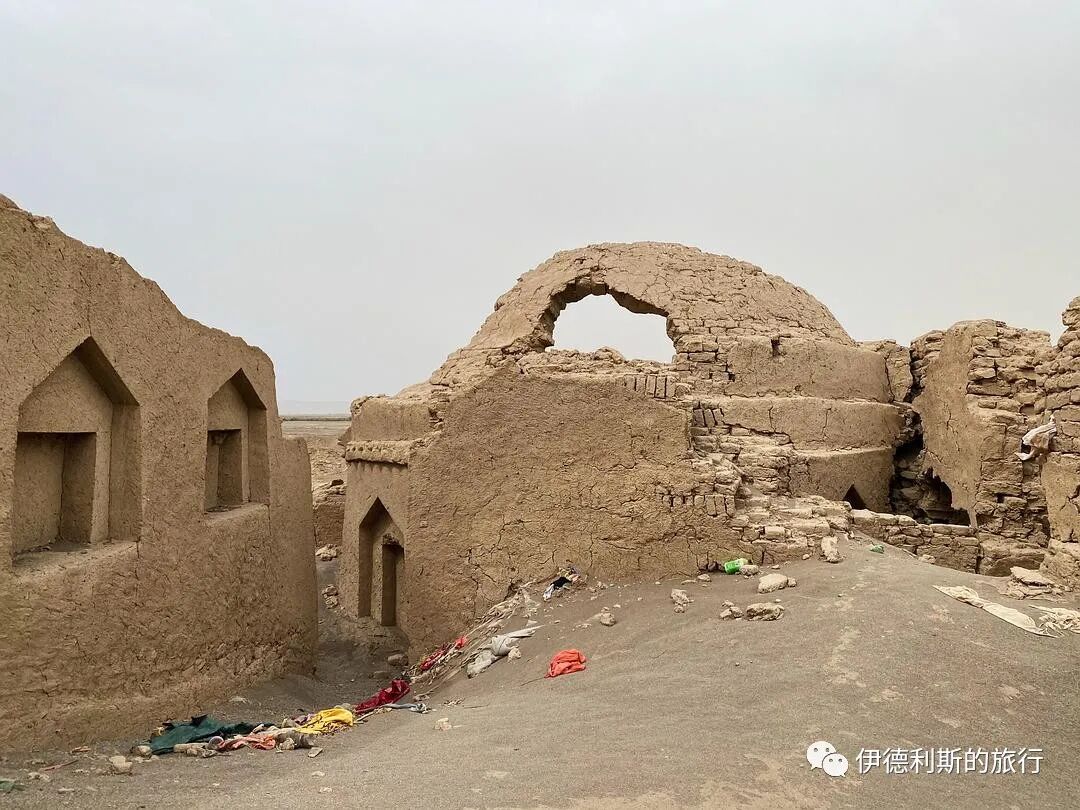
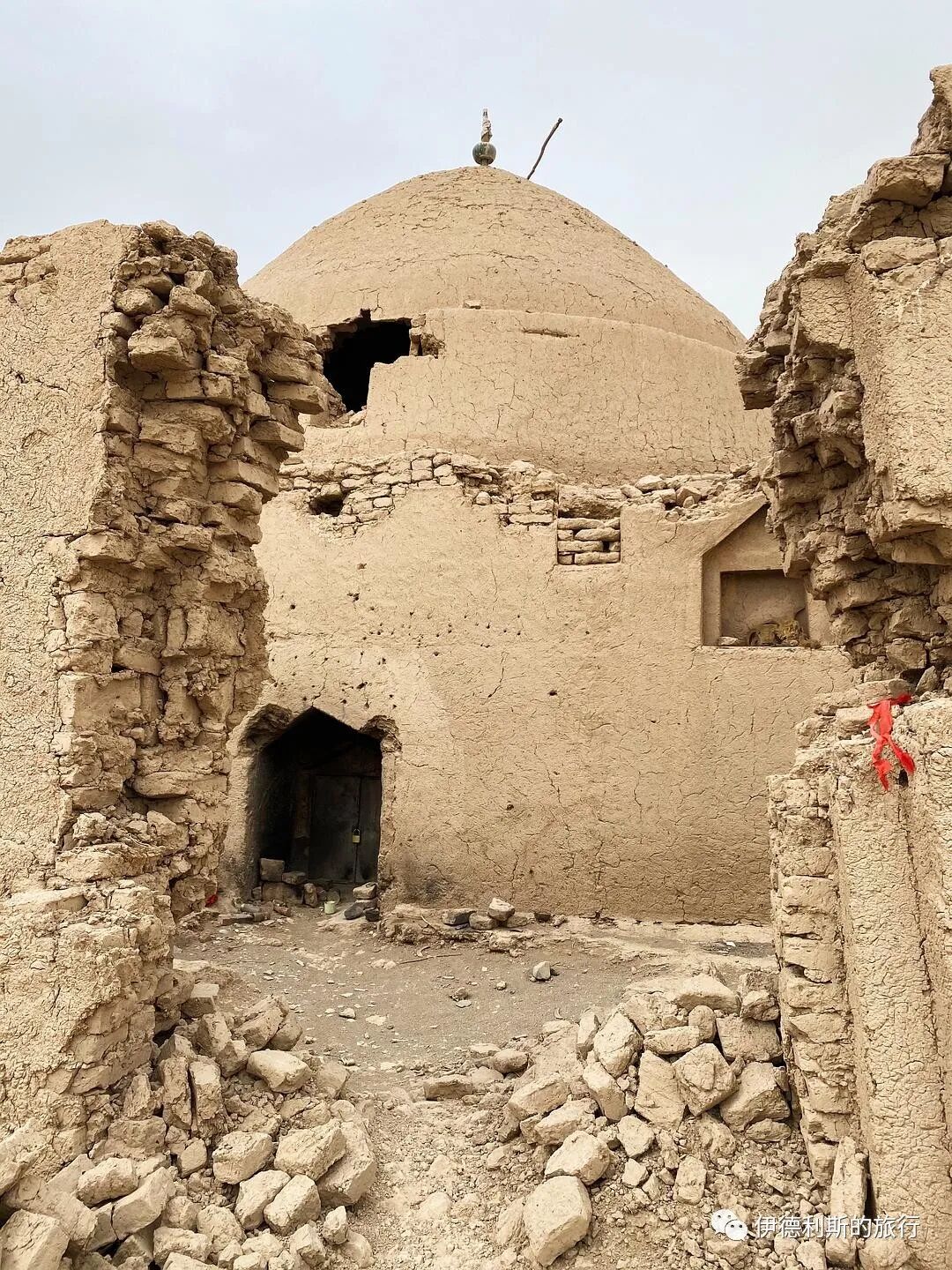
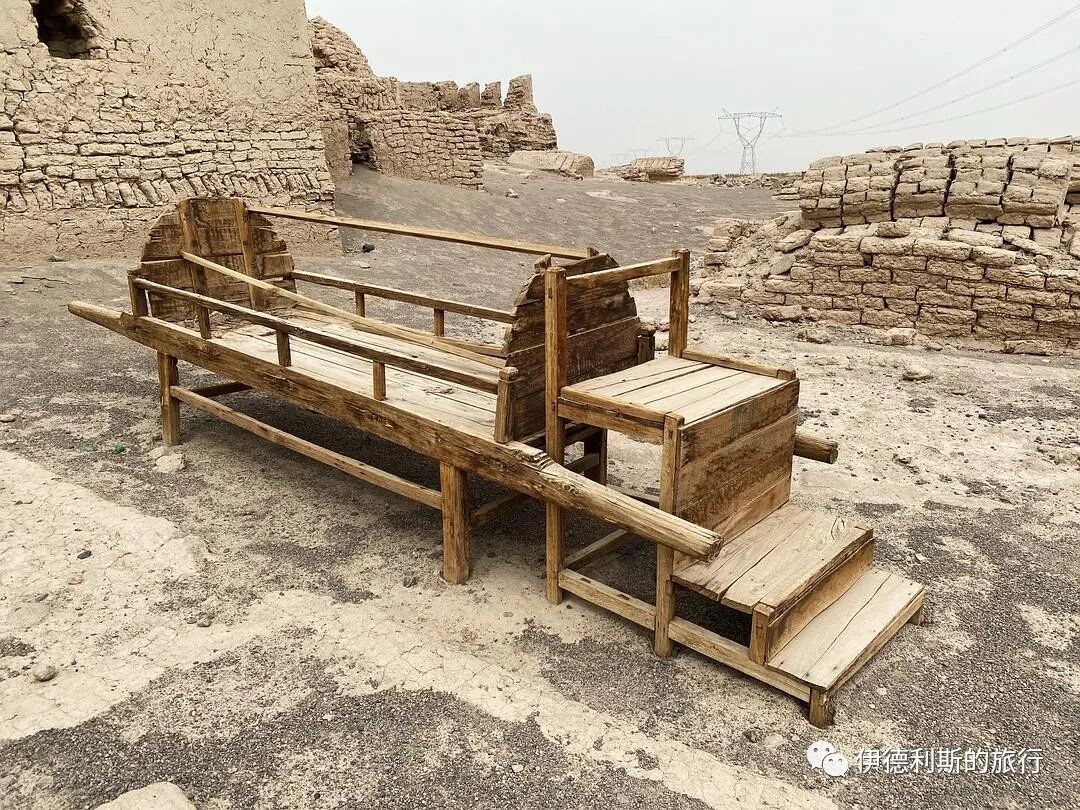
Then we went to the Khizr Khoja Mazar in Aydingkol Town, which is the highest-ranking mausoleum in the Turpan area.
Khizr Khoja was the youngest son of Tughlugh Timur, the founding Khan of the Eastern Chagatai Khanate, and the third Khan of the Eastern Chagatai Khanate. After Khan Tughlugh Timur passed away, the Dughlat noble Qamar ud-Din massacred almost all of the Khan's descendants in 1368, with only the infant youngest son, Khizr Khoja, being hidden away. It was not until 1389, after Qamar ud-Din was completely defeated by Tamerlane the Great, that Khizr Khoja, who had been in hiding for many years, was able to ascend the throne as the third Khan of the Eastern Chagatai Khanate.
Because Tamerlane in the west was too powerful, Khizr Khoja chose to conquer eastward, taking the two towns of Qara-Khoja (the ancient city of Gaochang) and Turpan (the ancient city of Anle), and moved the Khan's court to Turpan.
Between 1402 and 1404, Khizr Khoja passed away in Turpan. Chen Cheng, an envoy sent to the Western Regions during the Ming Dynasty, wrote in his 1415 'Record of the Mountains, Rivers, and Customs of the Western Regions': 'In the city, there are two high mounds, surrounded by trees and enclosed by walls; these are the graves of the former King Khizr Khoja and his wife. Near the graves, there is a small mound, said to be where his favorite minister was buried with him.' ”
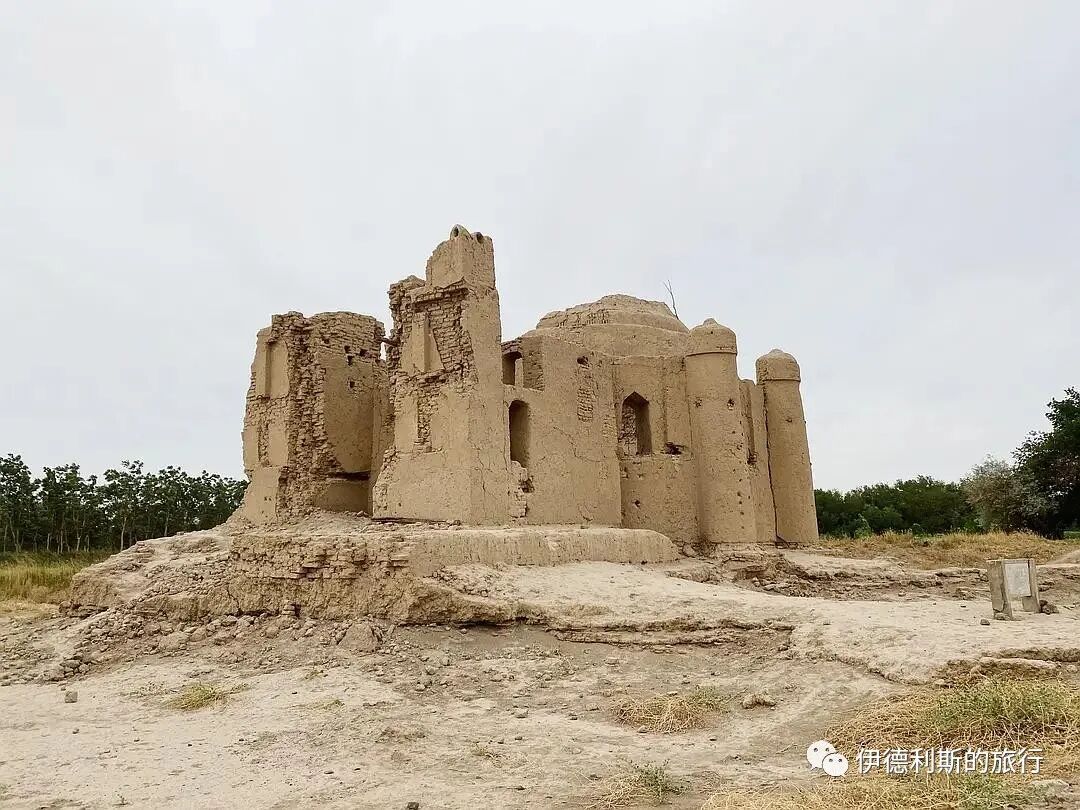
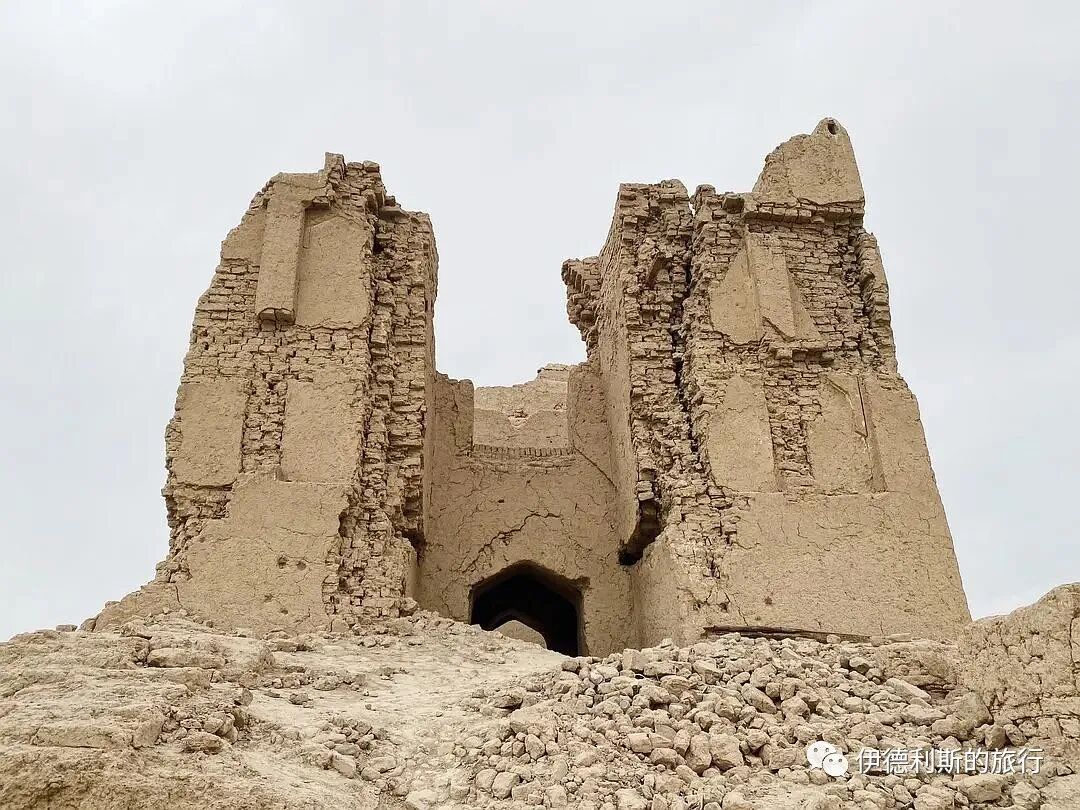
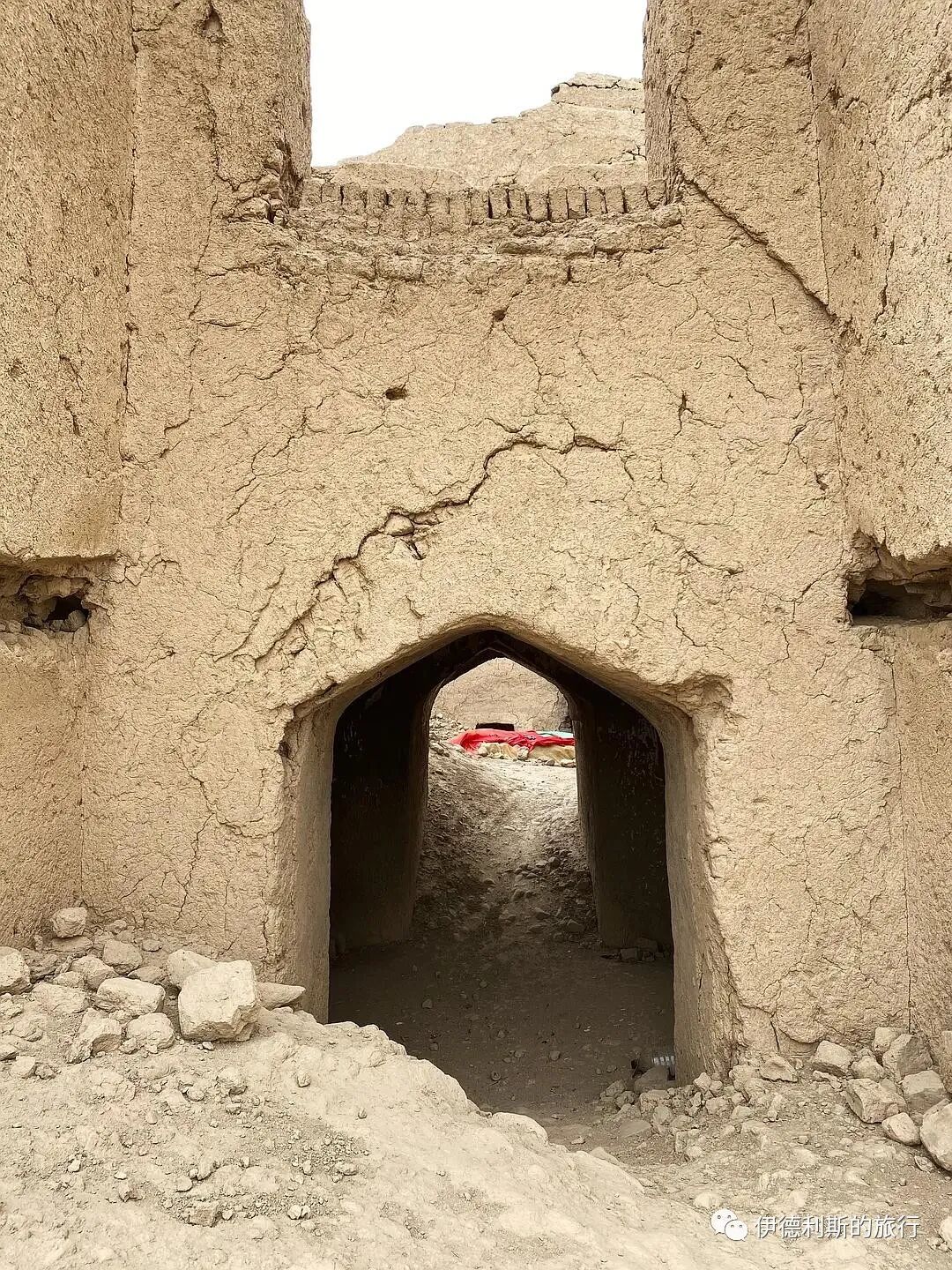
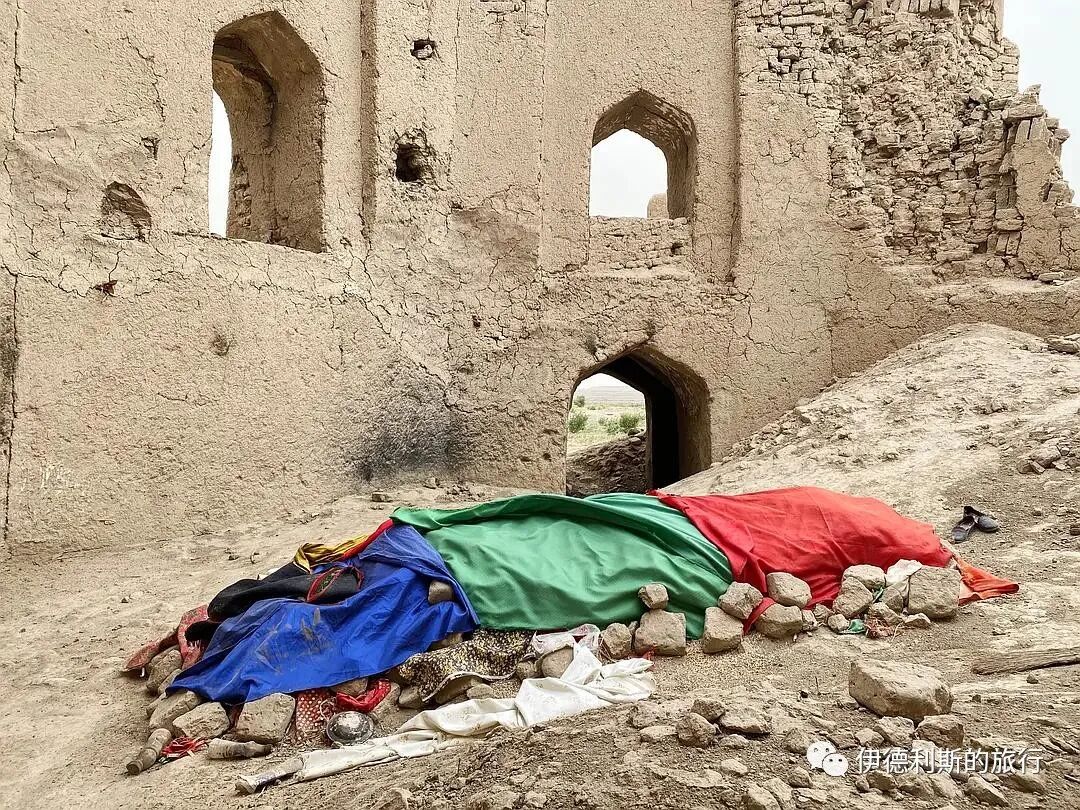
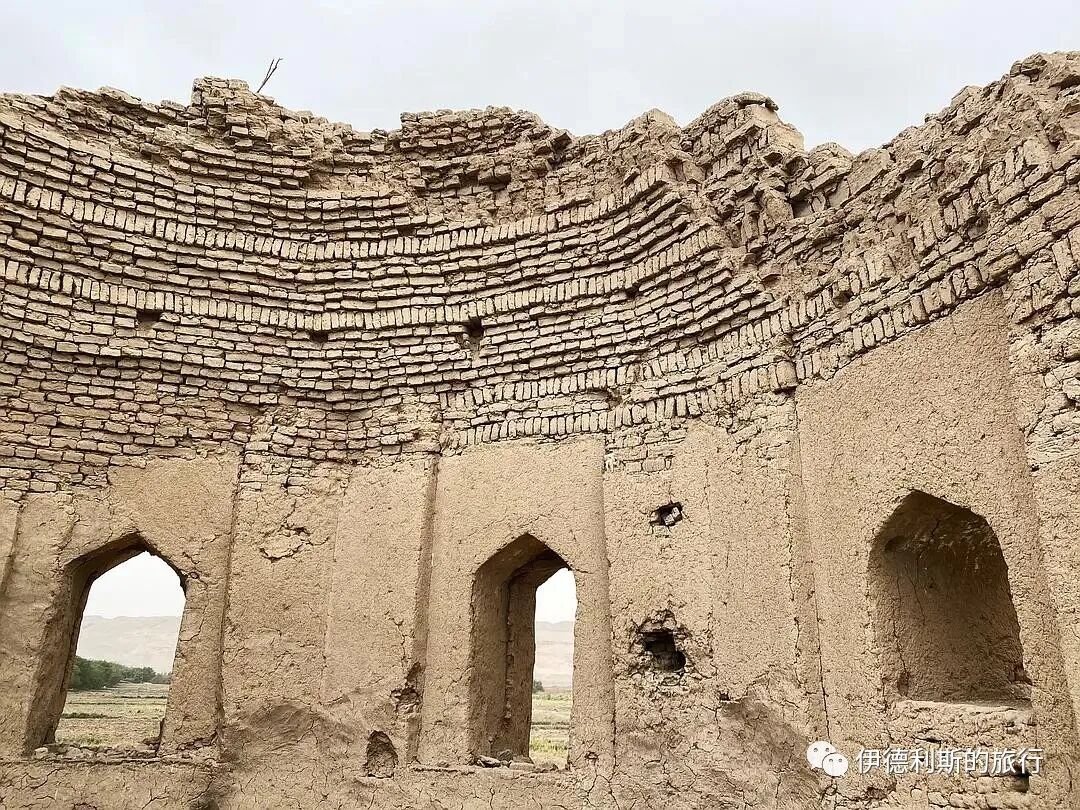
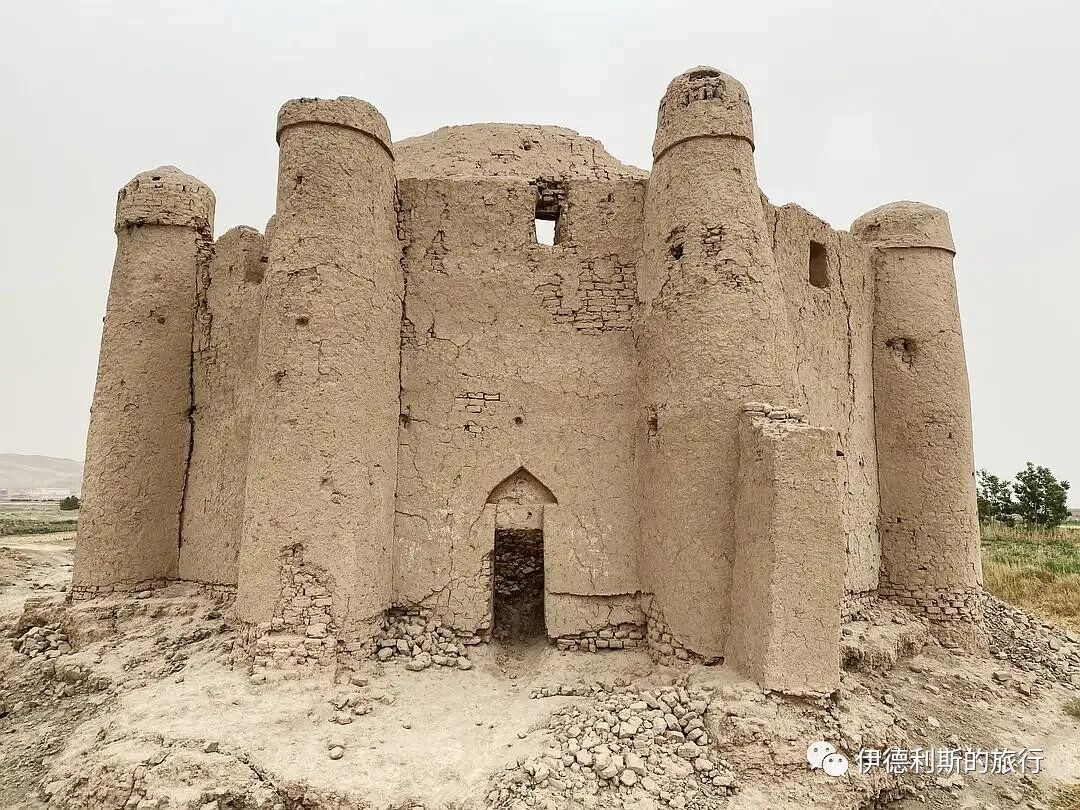
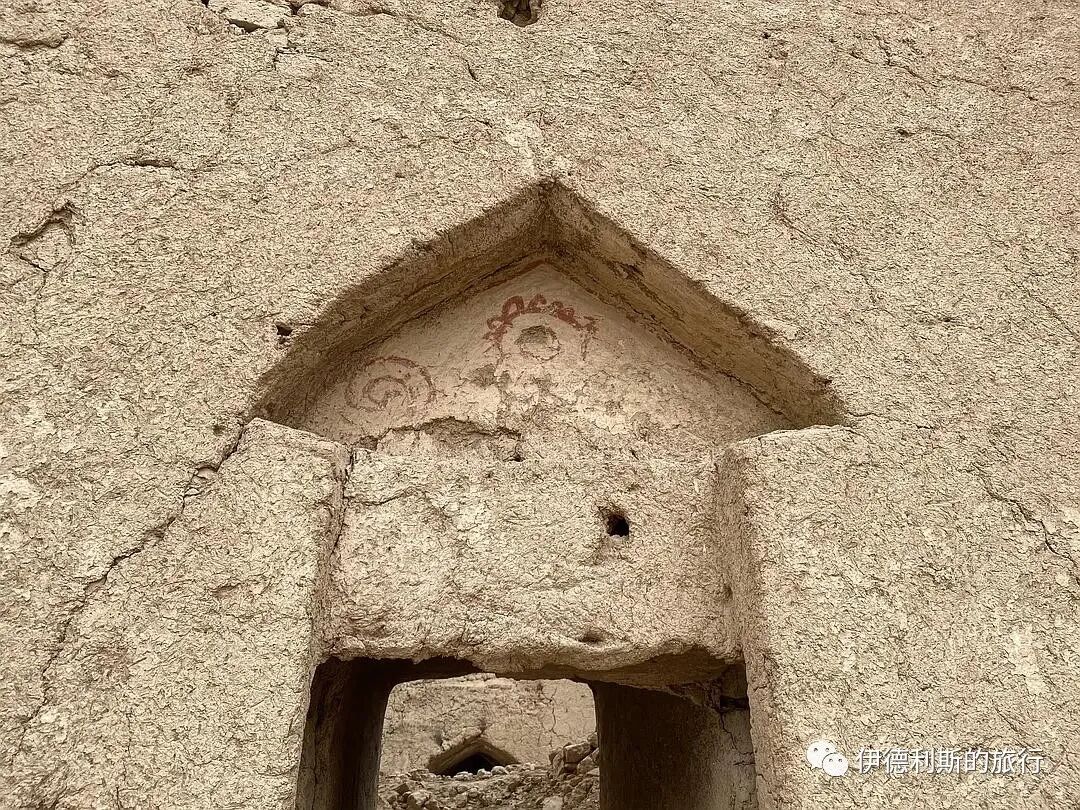
After leaving Aydingkol, we went to visit the Karez Well scenic area, but it was developed in a way that felt a bit too commercial, so I didn't take many photos, and then we went to the Turpan Hui Muslim city. The Turpan Hui Muslim city is also called the New City; it was built in 1871 by the forces of Yaqub Beg. The main residents were Hui Muslims and Uyghurs, with most of the Hui Muslims having ancestral roots in Shaanxi and Gansu.
The Turpan East Mosque is located inside the Turpan Hui Muslim city. It is a Hui mosque, originally built in 1871 and renovated in 1911. Because the weather in Turpan is hot, the mosque expanded the traditional front porch into an 'outer hall' used for outdoor prayer in the summer. The outer hall has a ridge-roofed xieshan (hip-and-gable) roof, a beam-lifting wooden structure, and is supported by 32 pillars.
The mosque gate features authentic Shaanxi-style calligraphy brick carvings, and there is a minaret similar to the Emin Minaret inside the mosque, though unfortunately, the upper part has collapsed. This type of minaret is extremely rare in Hui Muslim mosques.
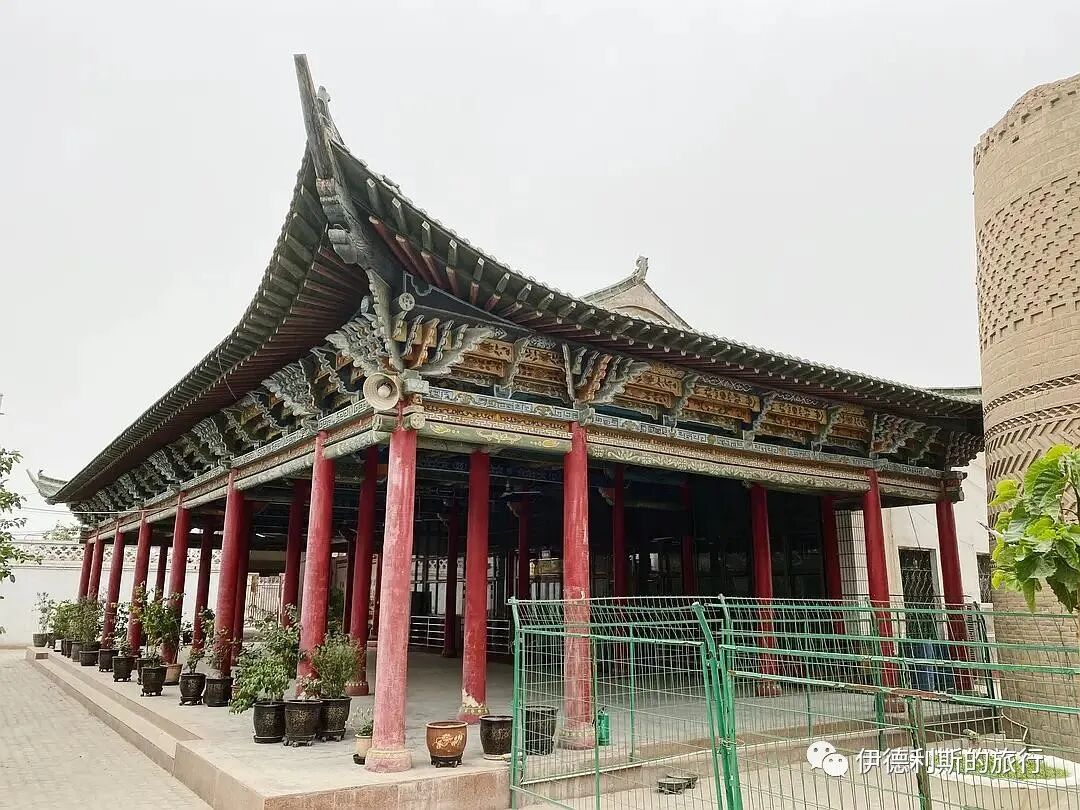
The Turpan West Mosque was originally built in 1859 and is the oldest among the Hui Muslim mosques in Turpan.
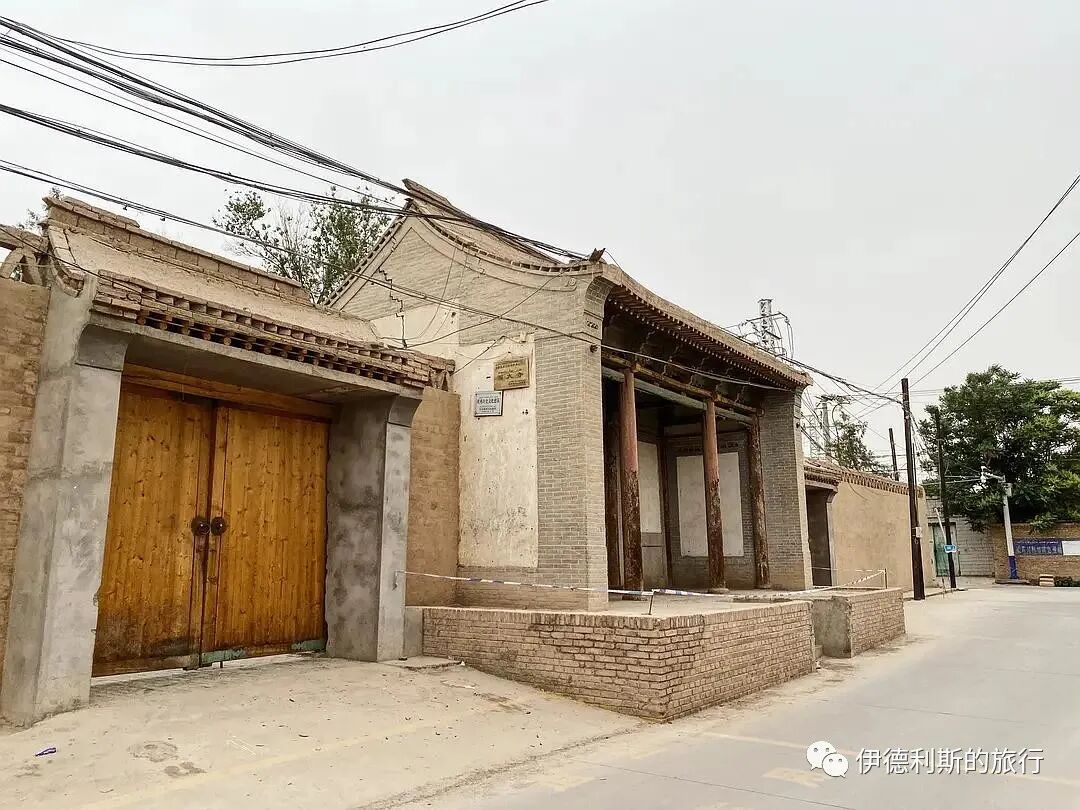
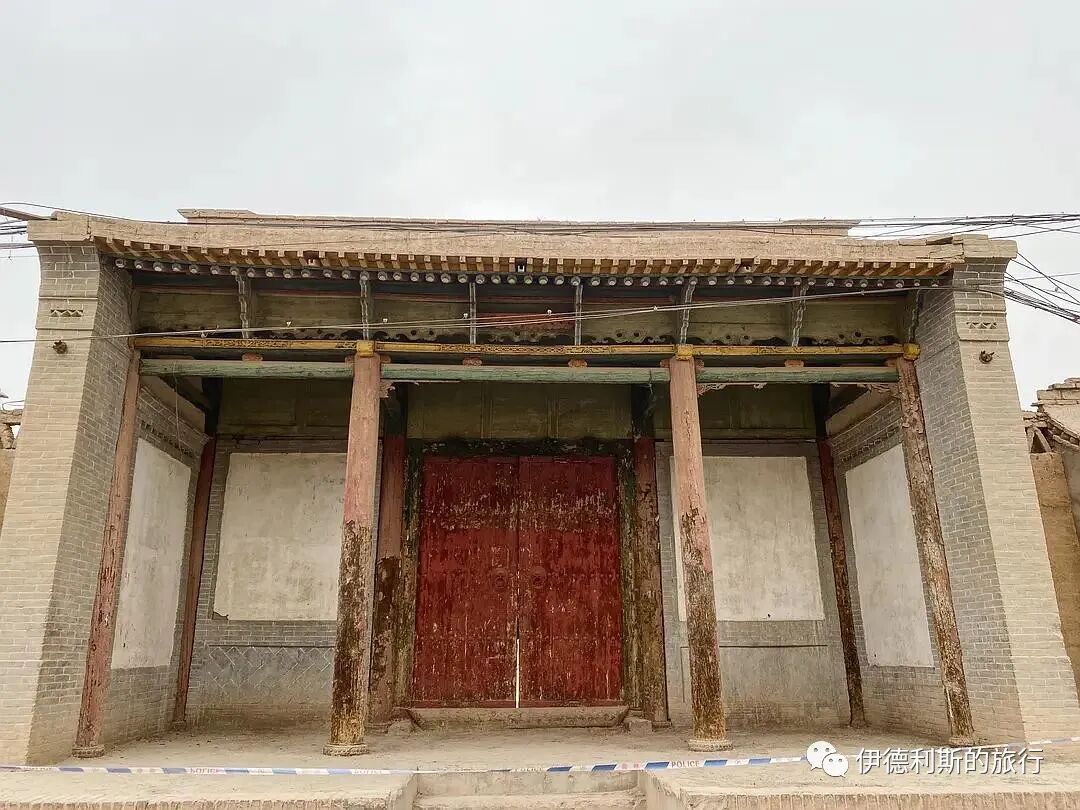
During the Republic of China era, the Turpan Hui Muslim city (New City) was filled with shops and was bustling and prosperous; today, many historical buildings are still preserved.
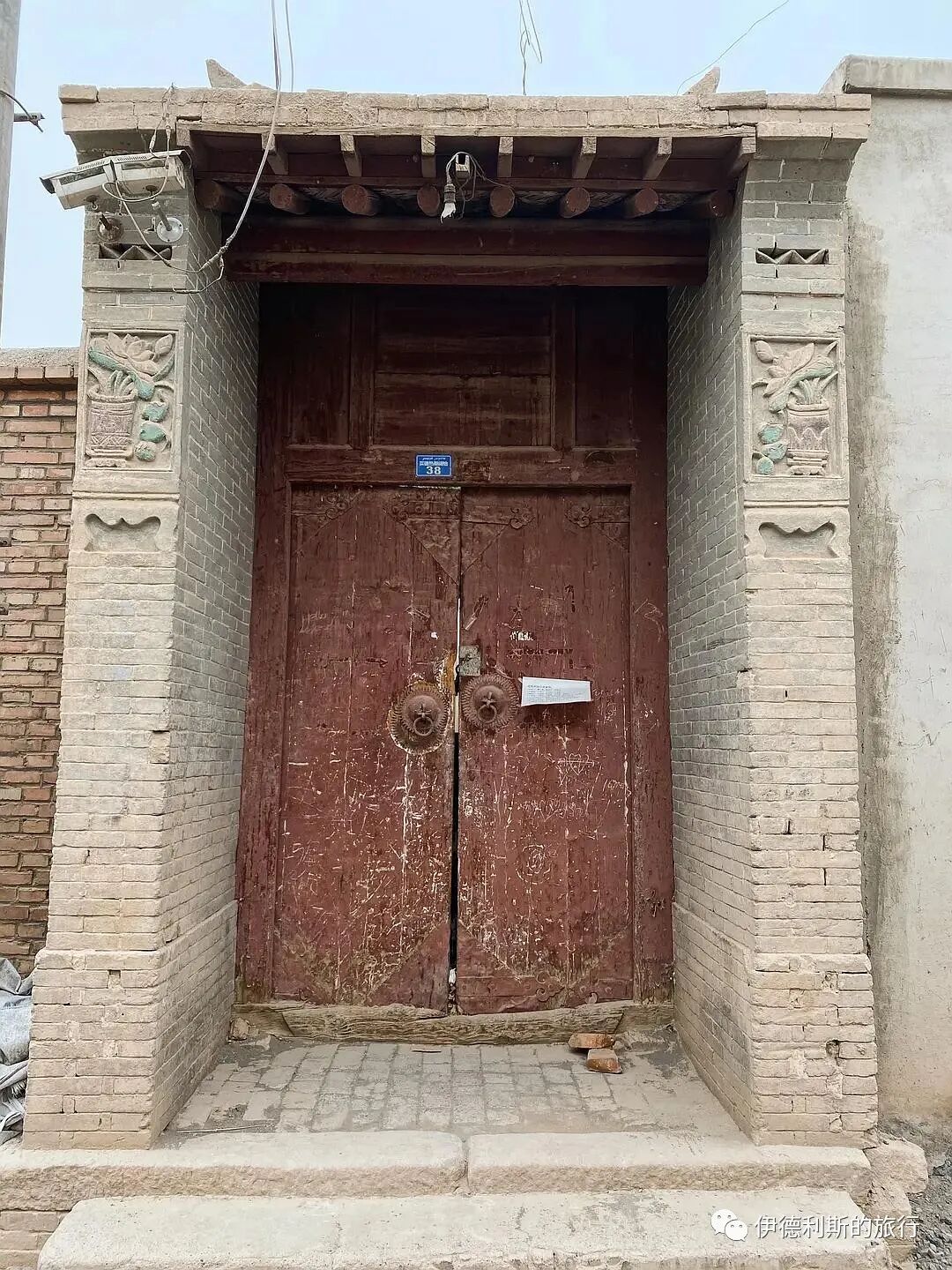
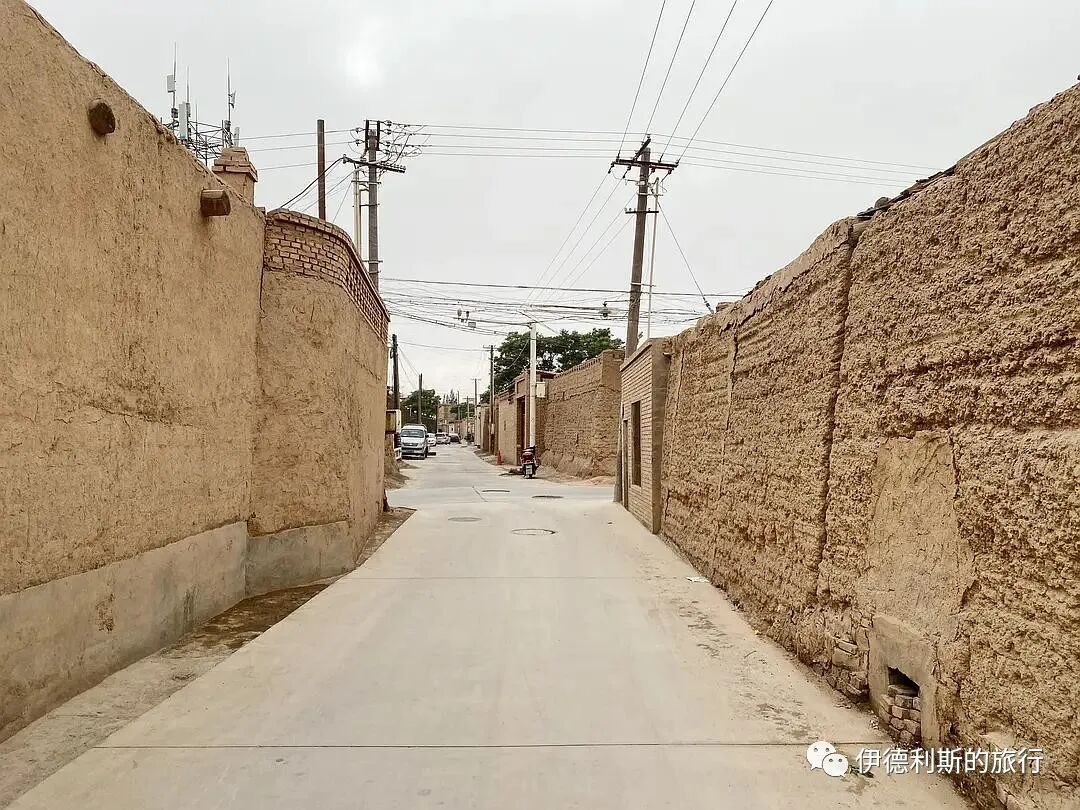
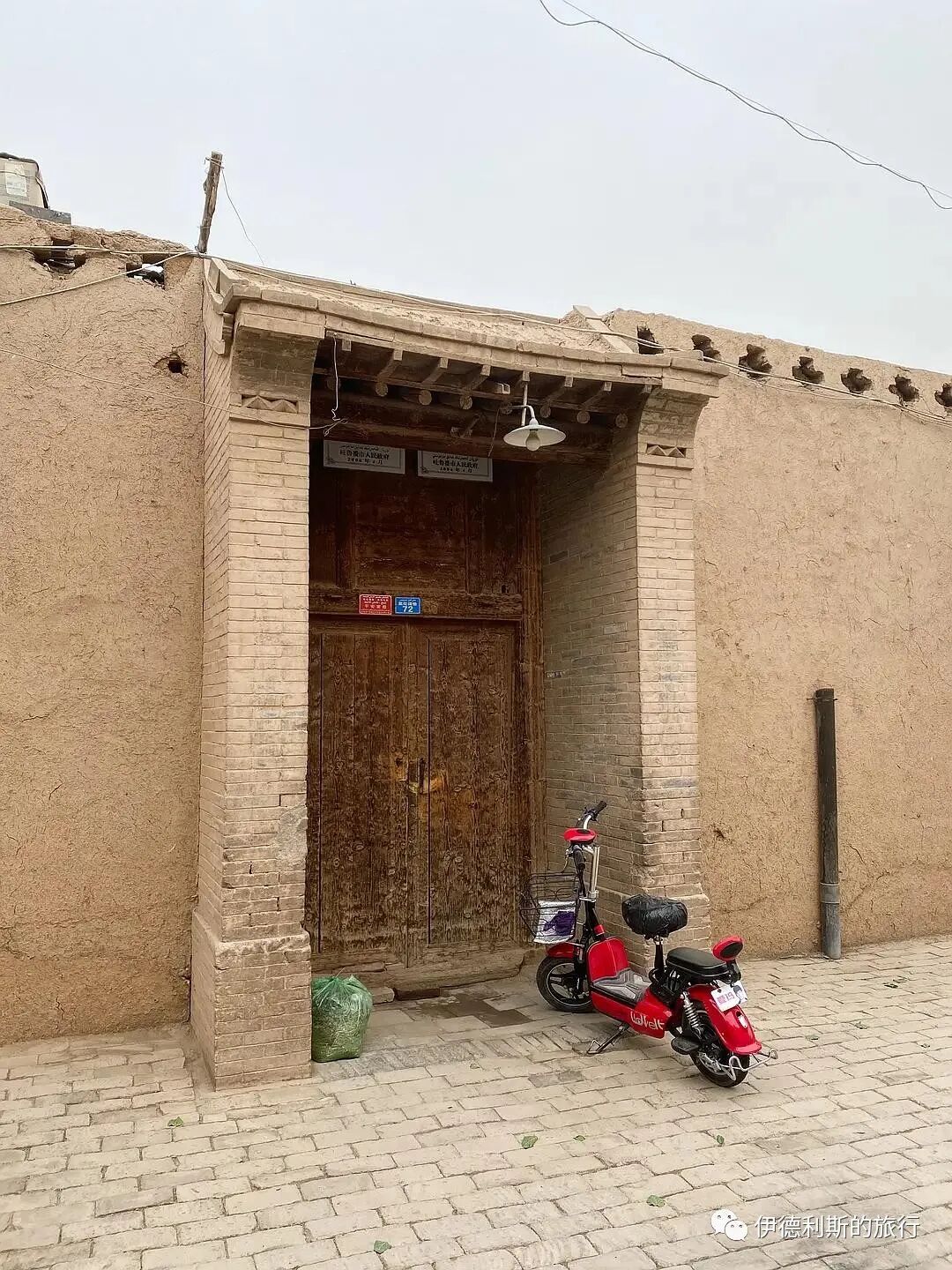
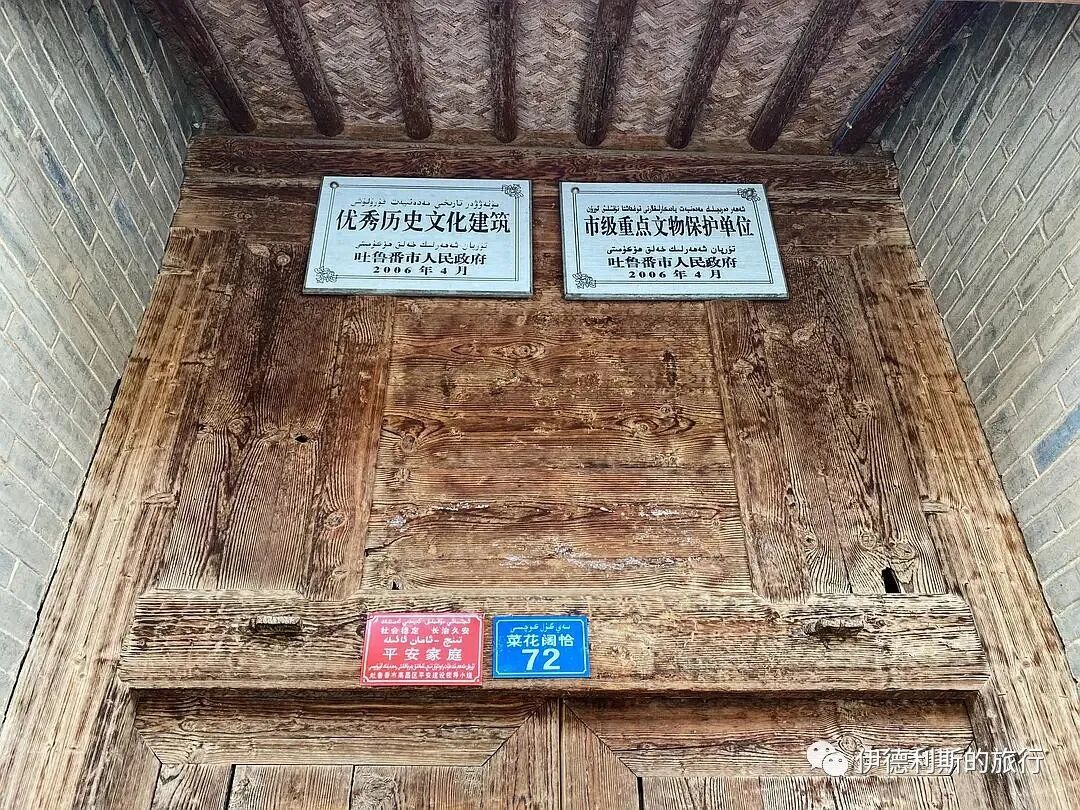
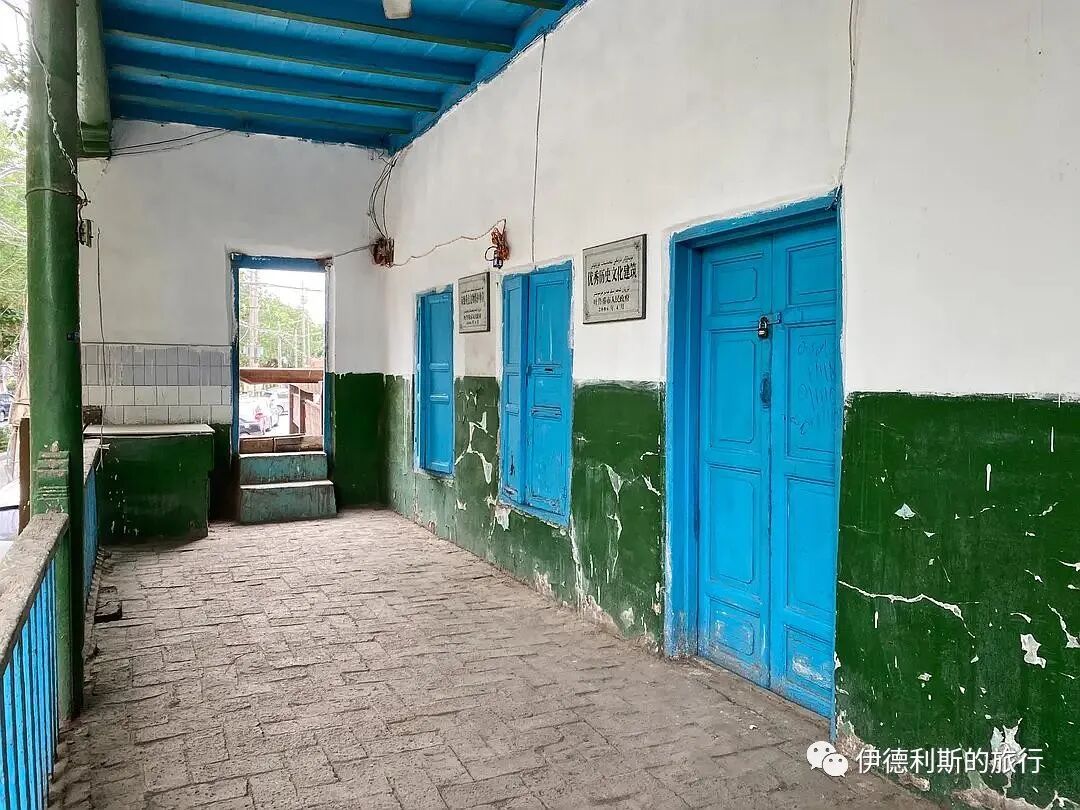
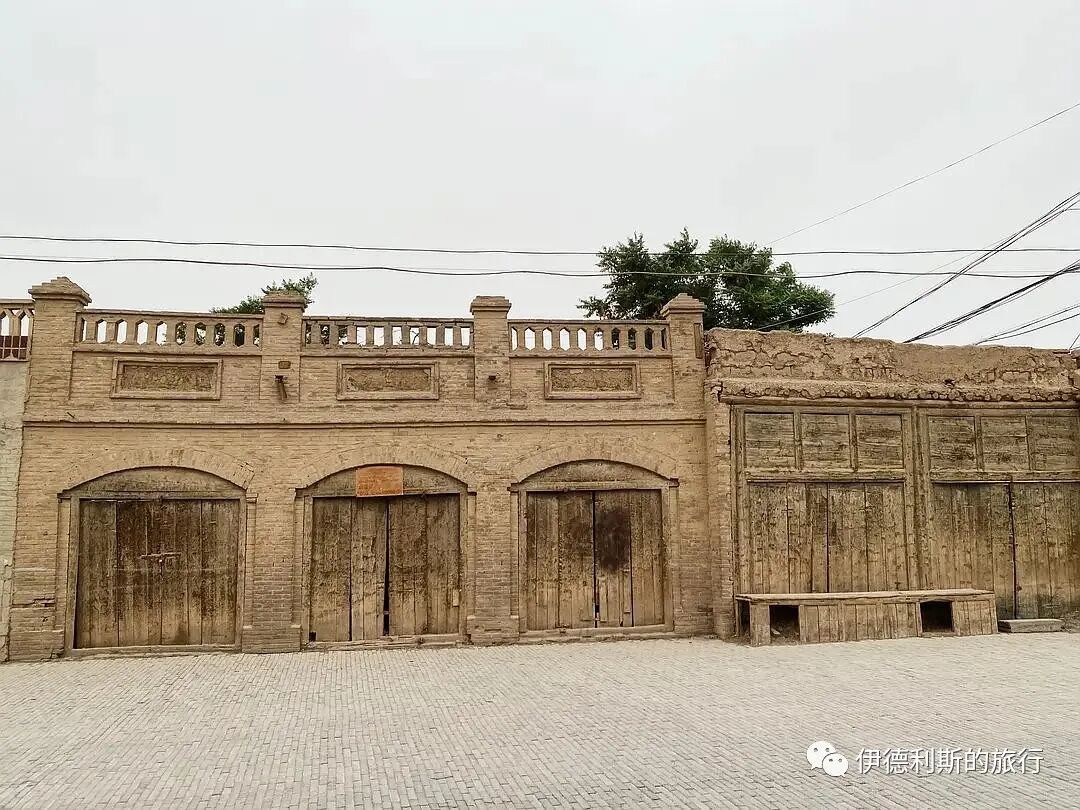
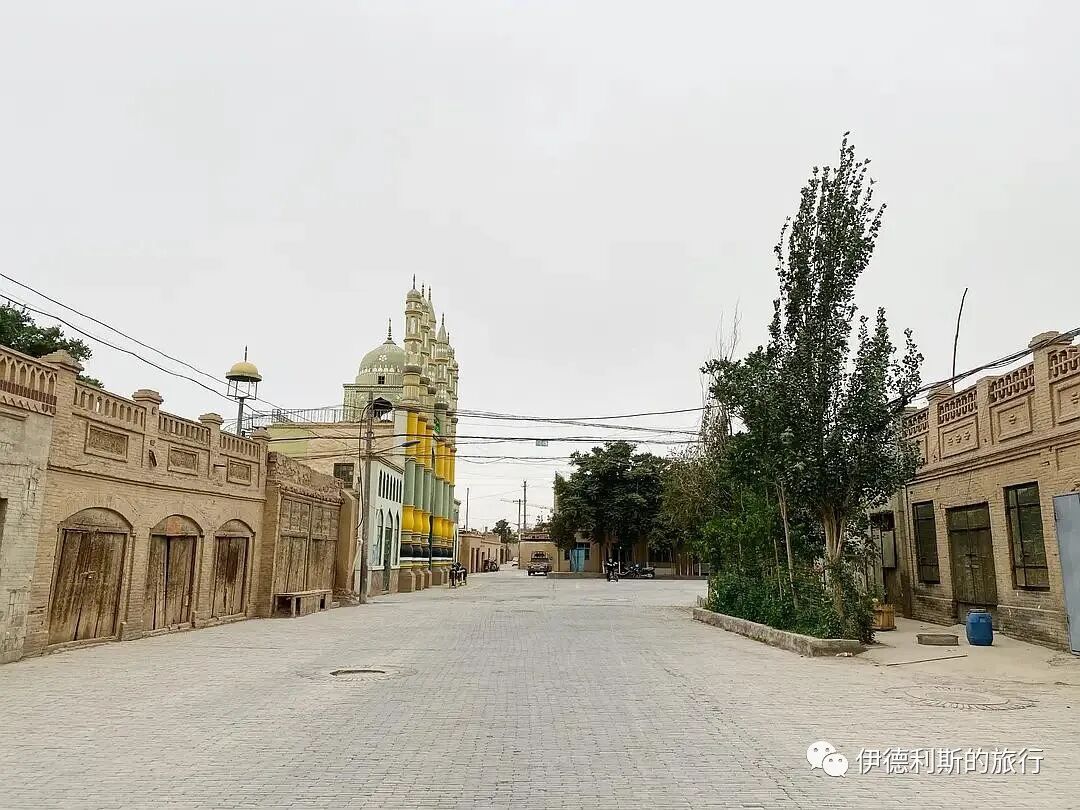
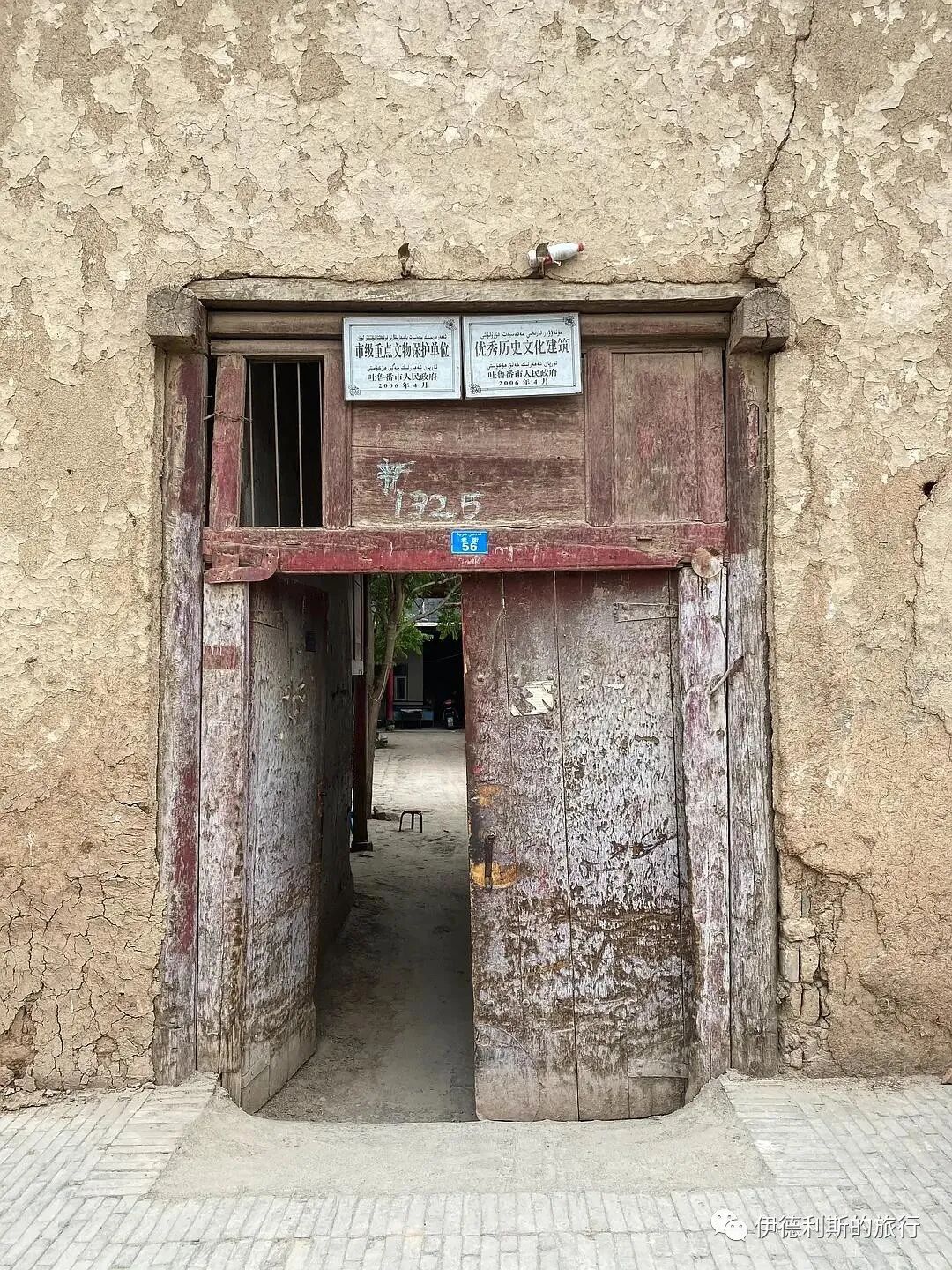
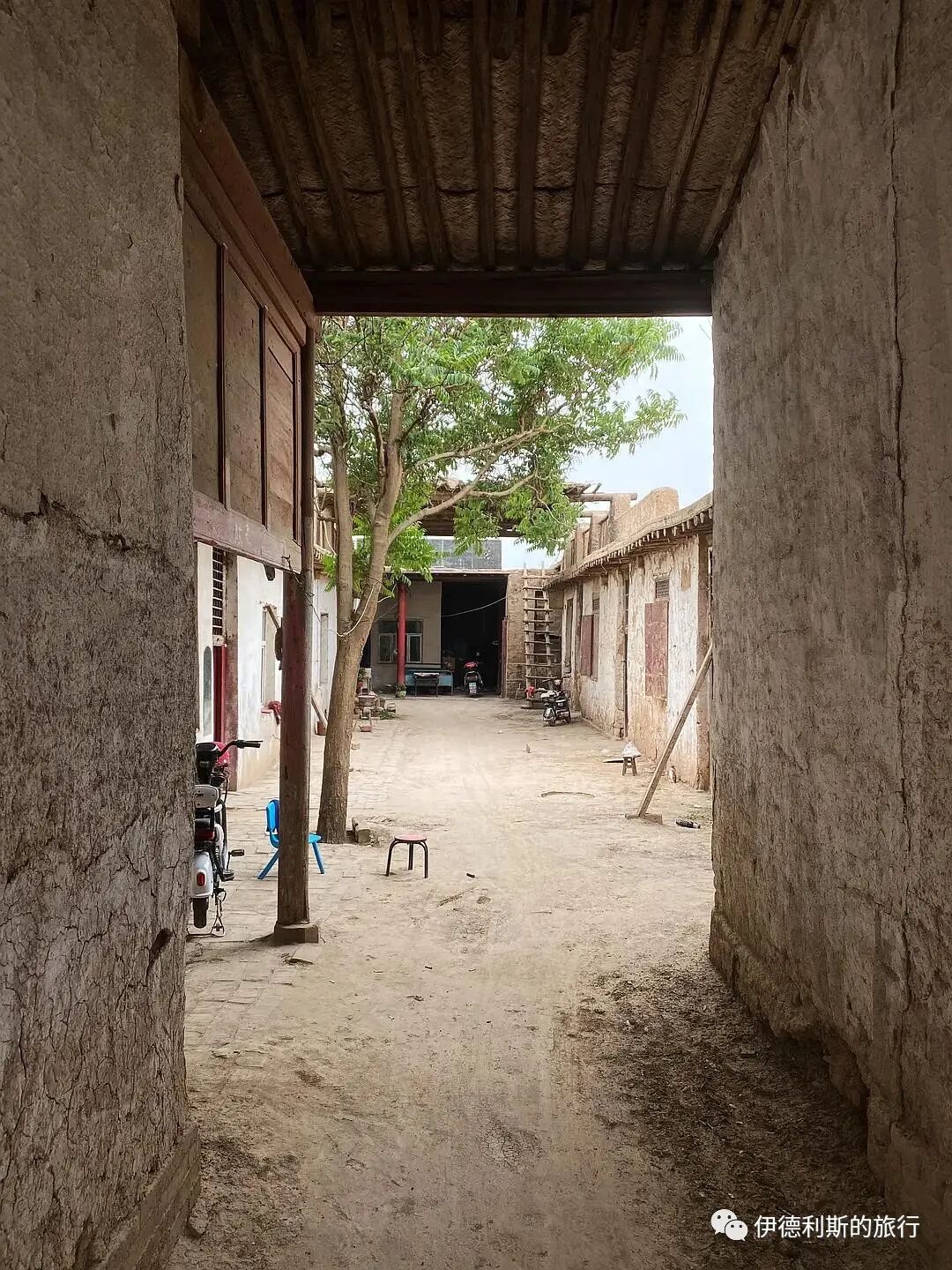
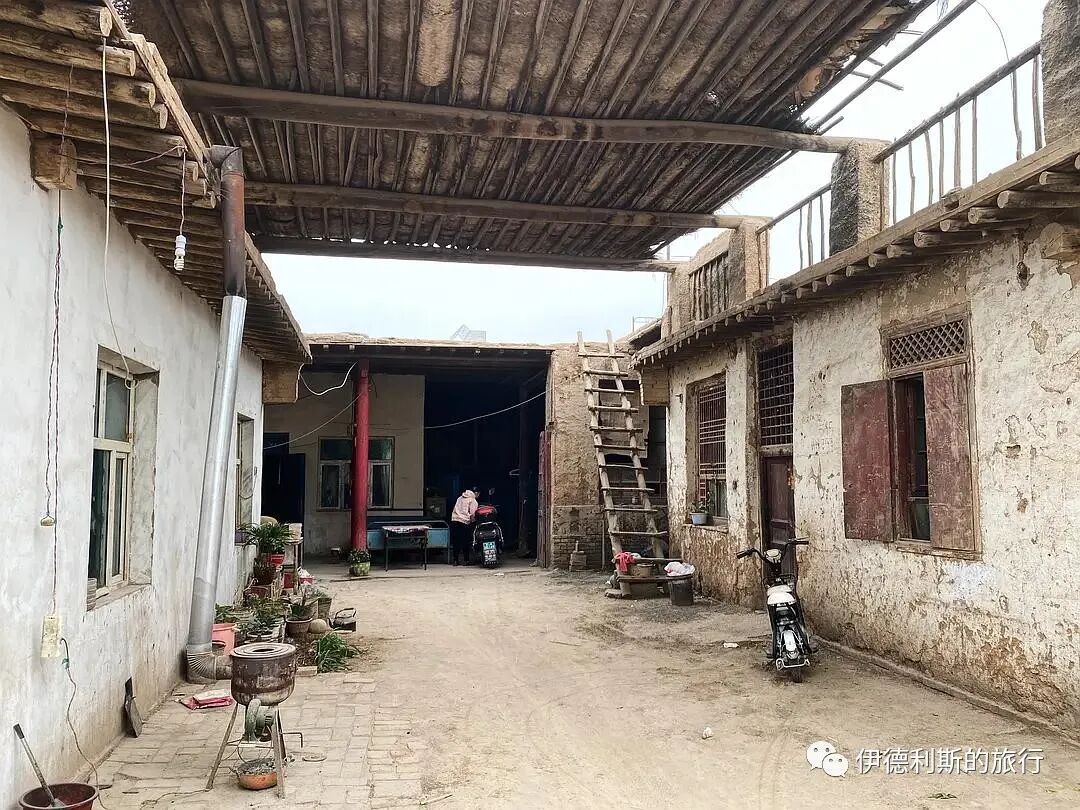
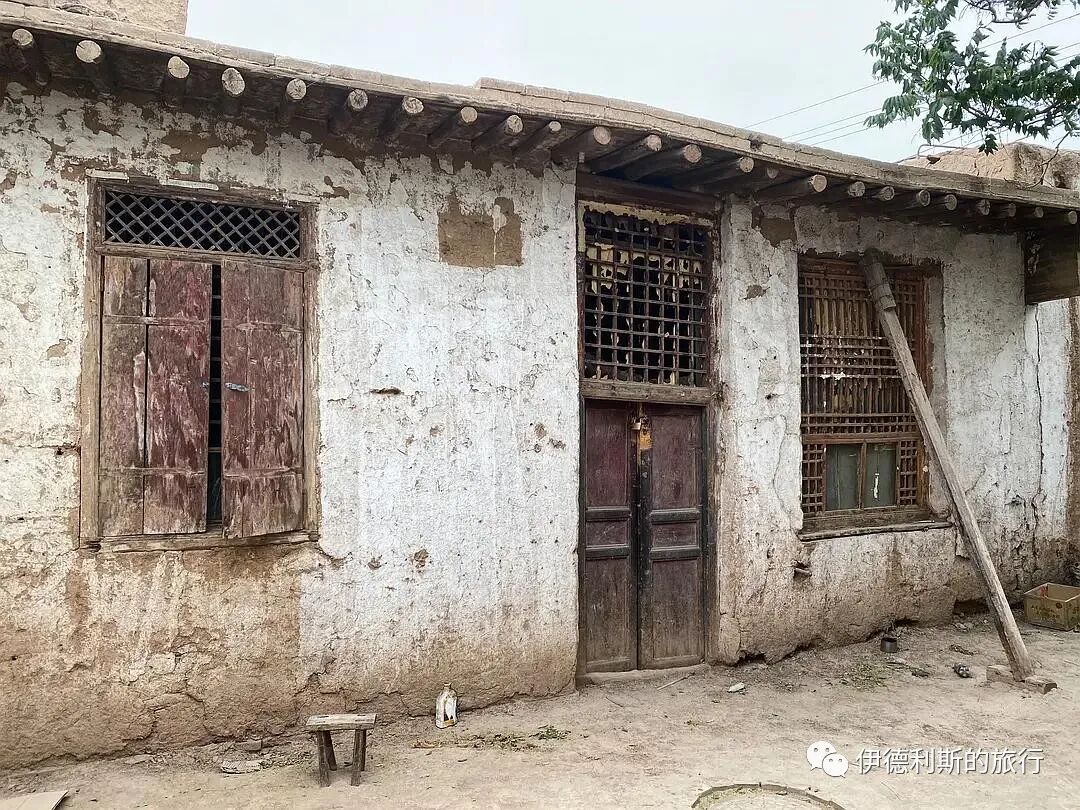
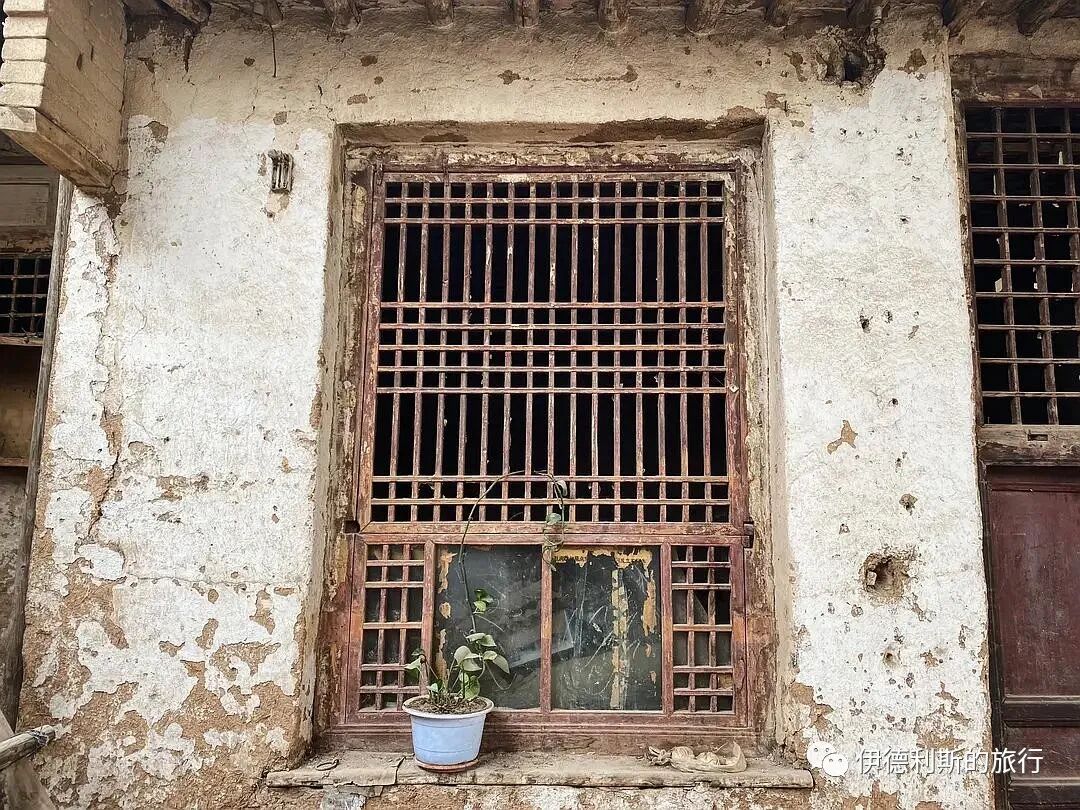
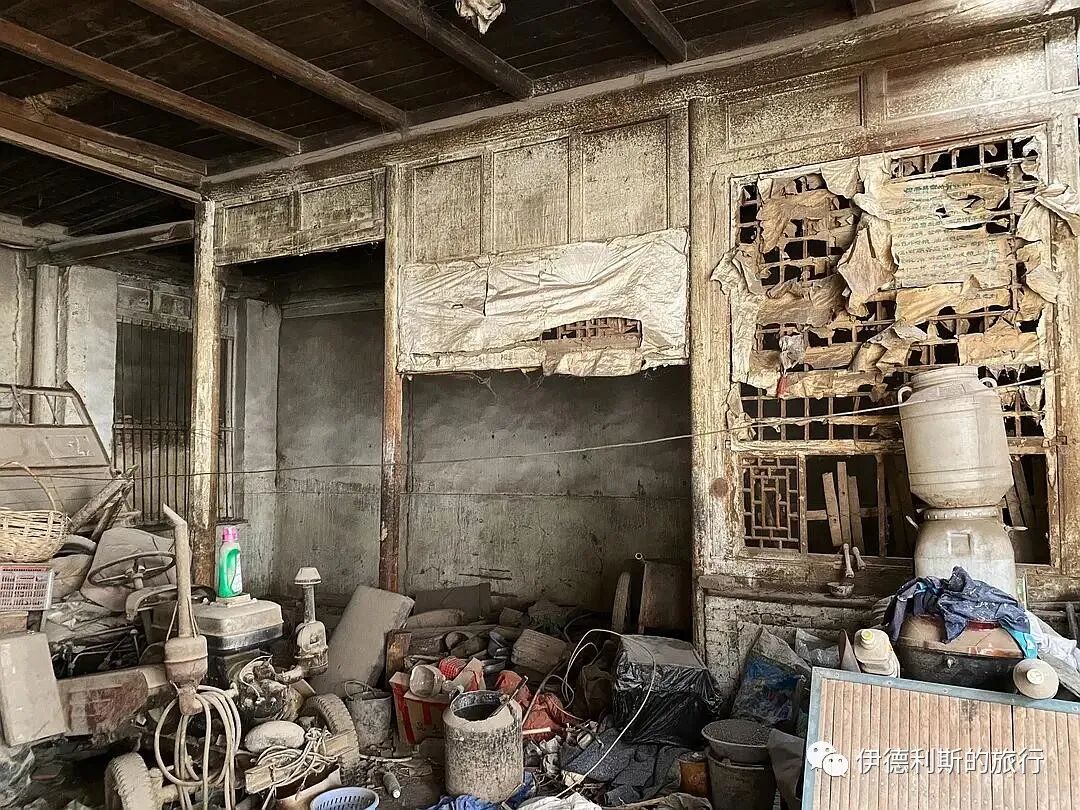
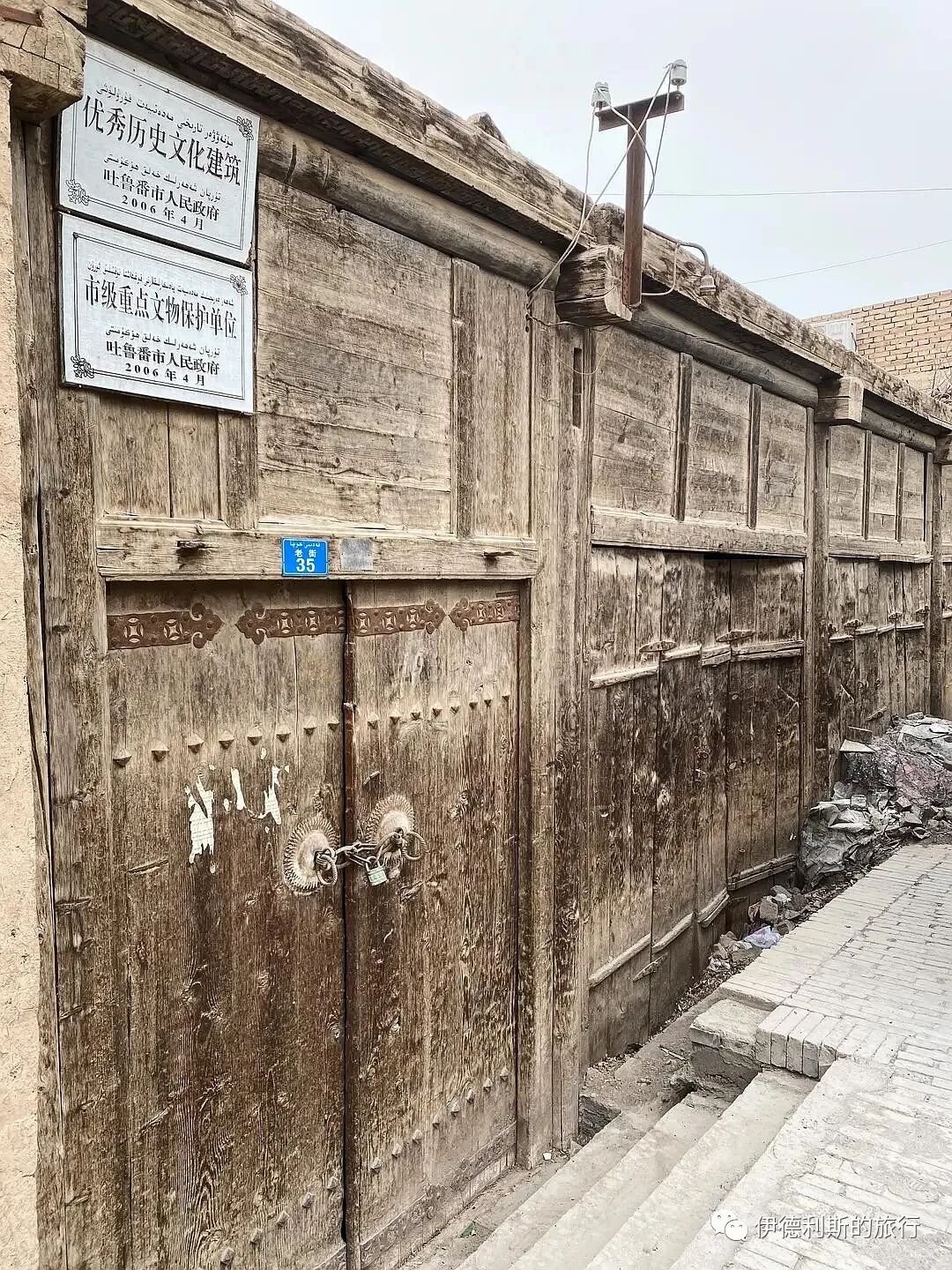
This used to be an old hardware company.
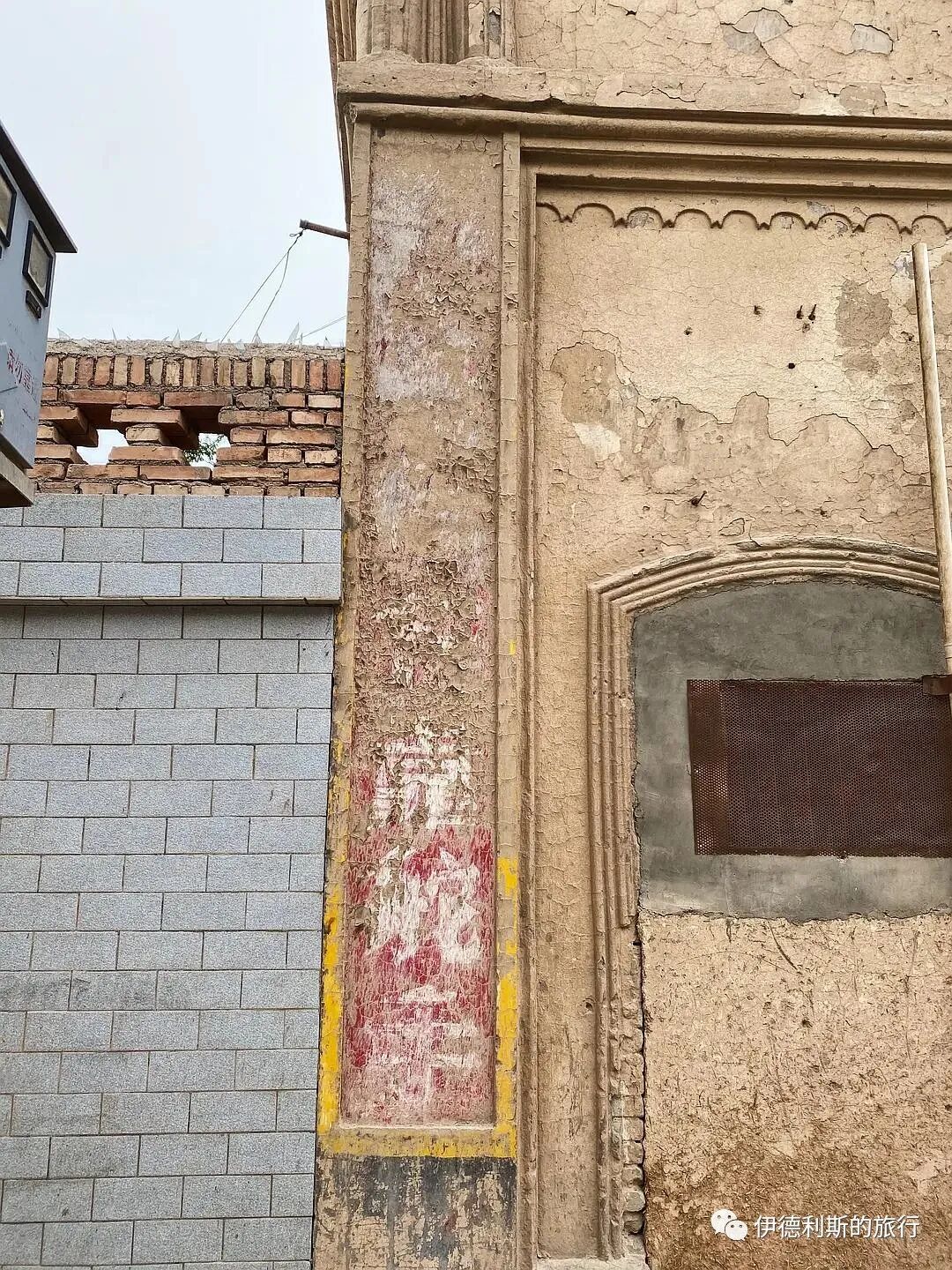
A post office from over sixty years ago.
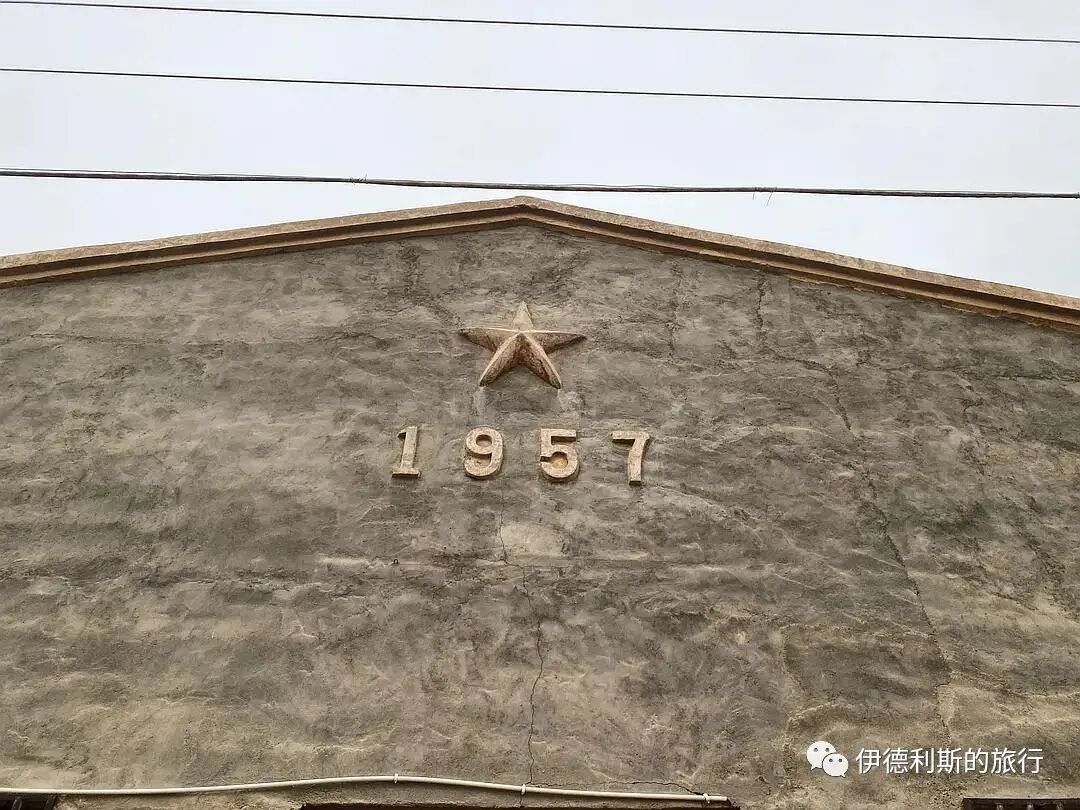
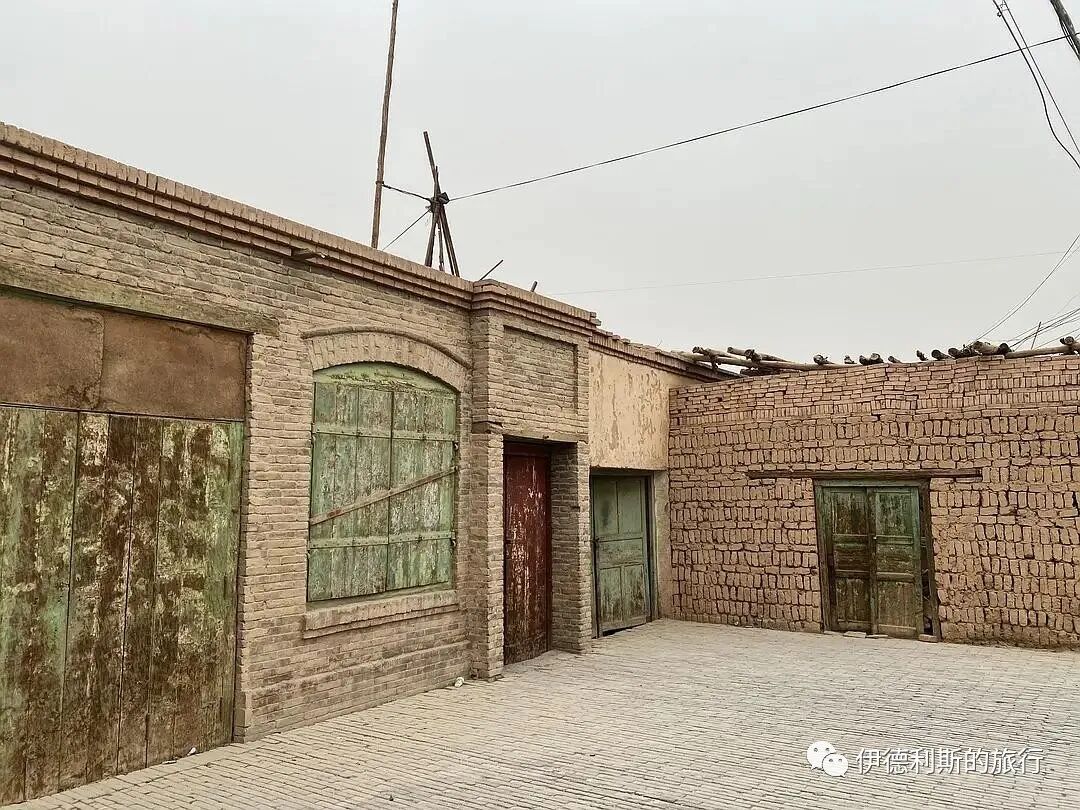
In the evening, we ate qorqur (dumplings) with onions and beans, and barbecue across from the Turpan Museum, and then we had lamb-braised youtazi (steamed twisted rolls). This is quite rare; here in the eastern part of Xinjiang, it is usually lamb-braised flatbread.
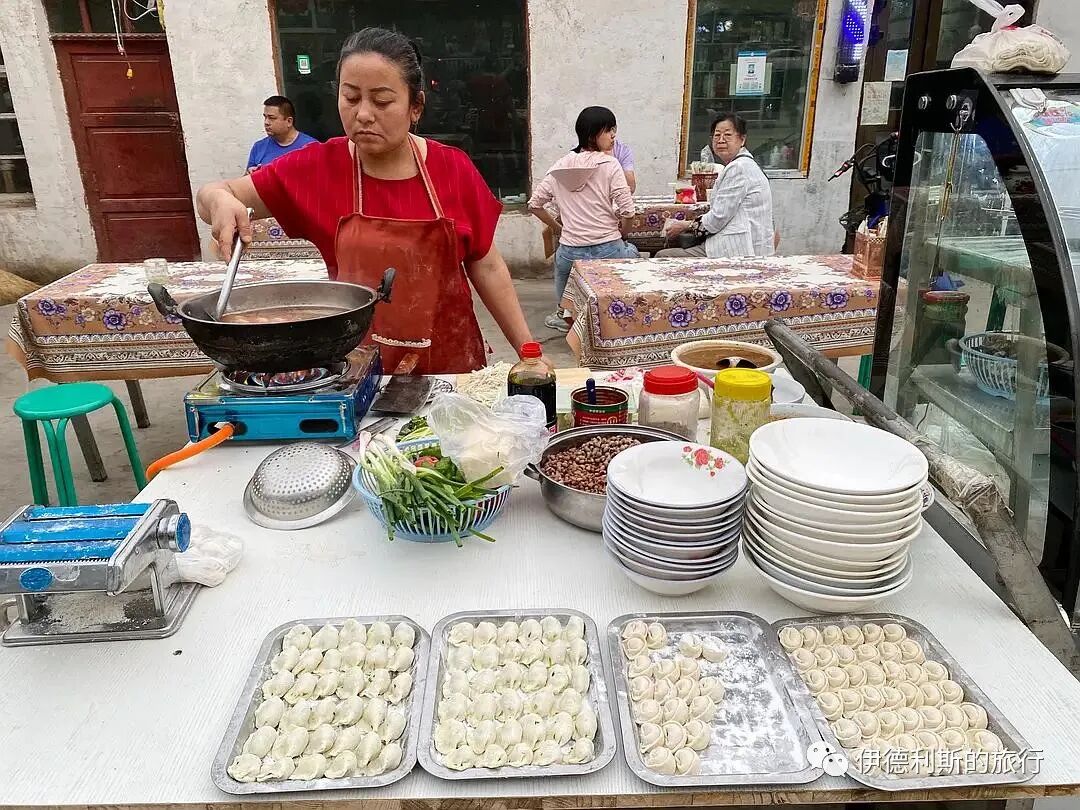
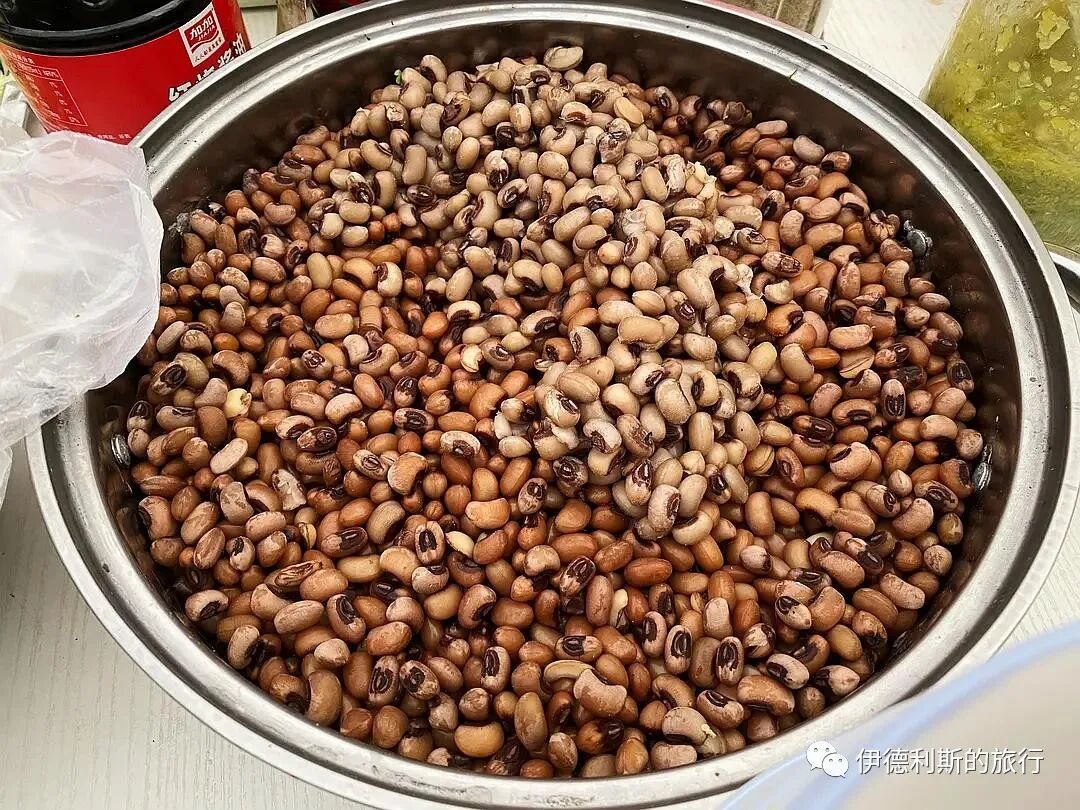
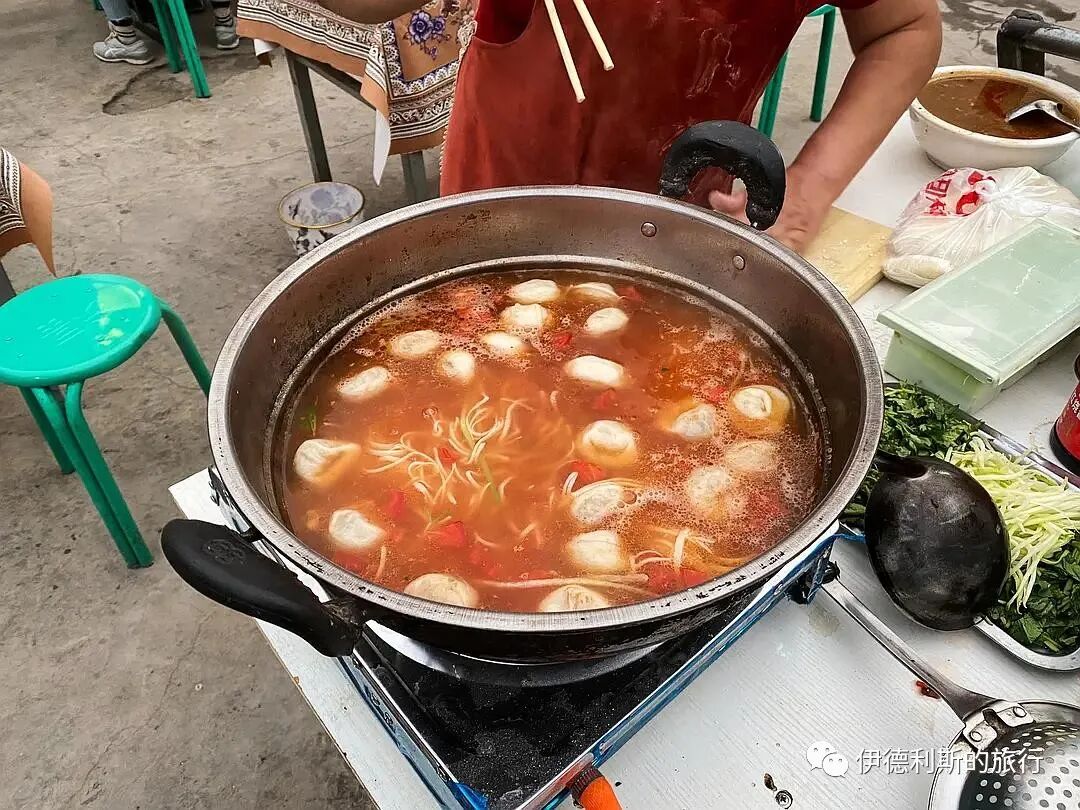
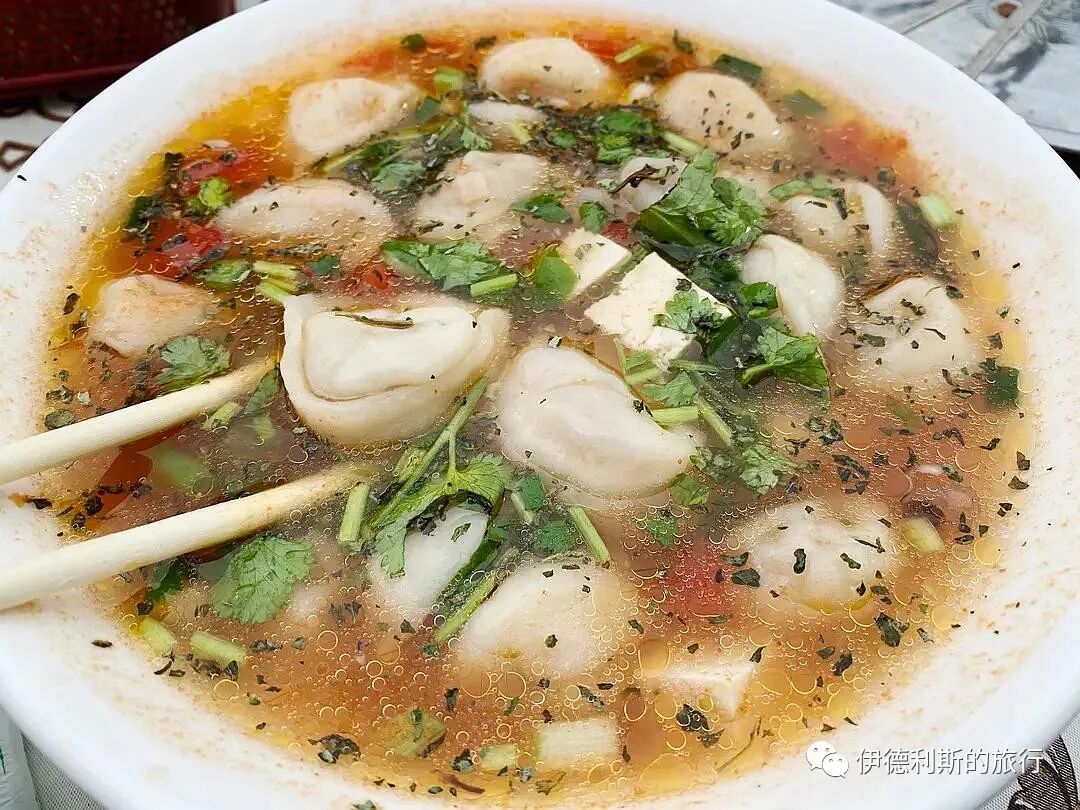
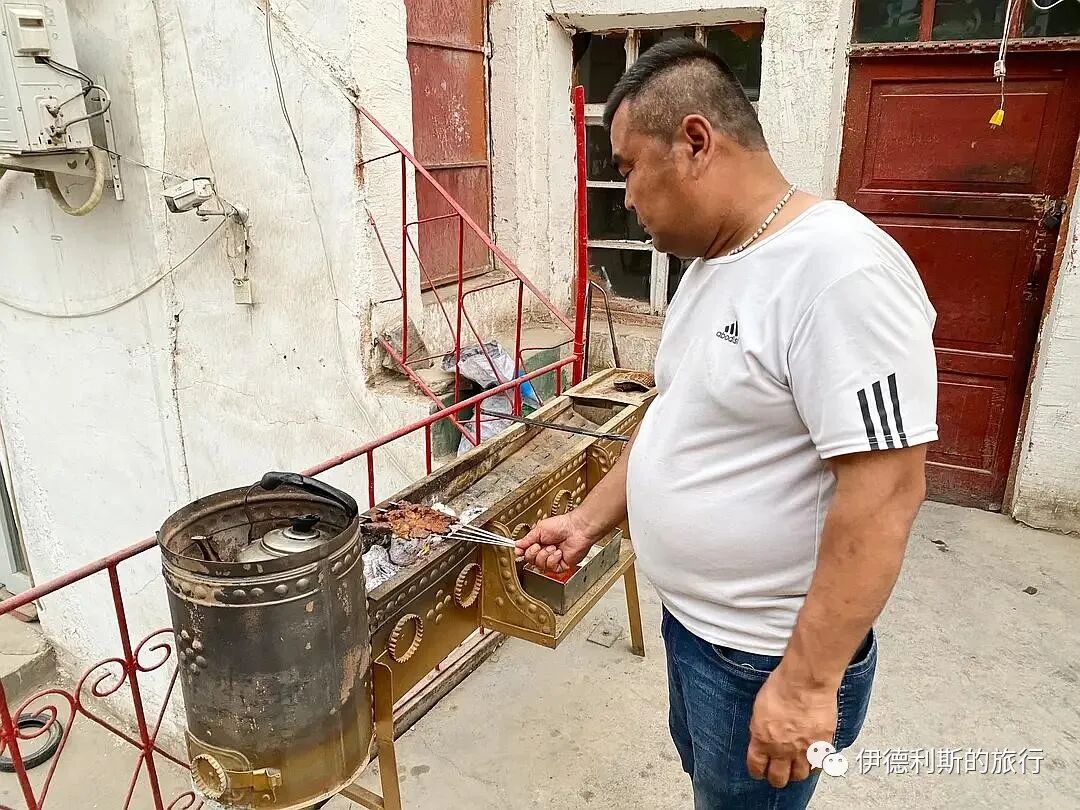
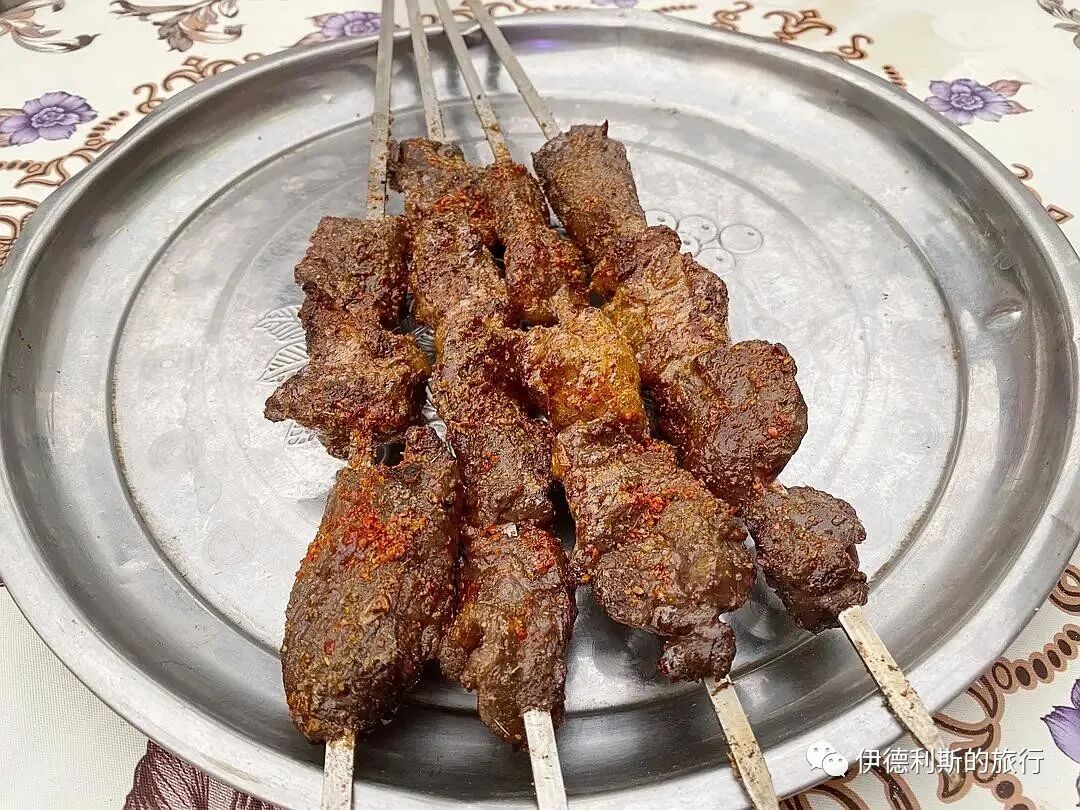
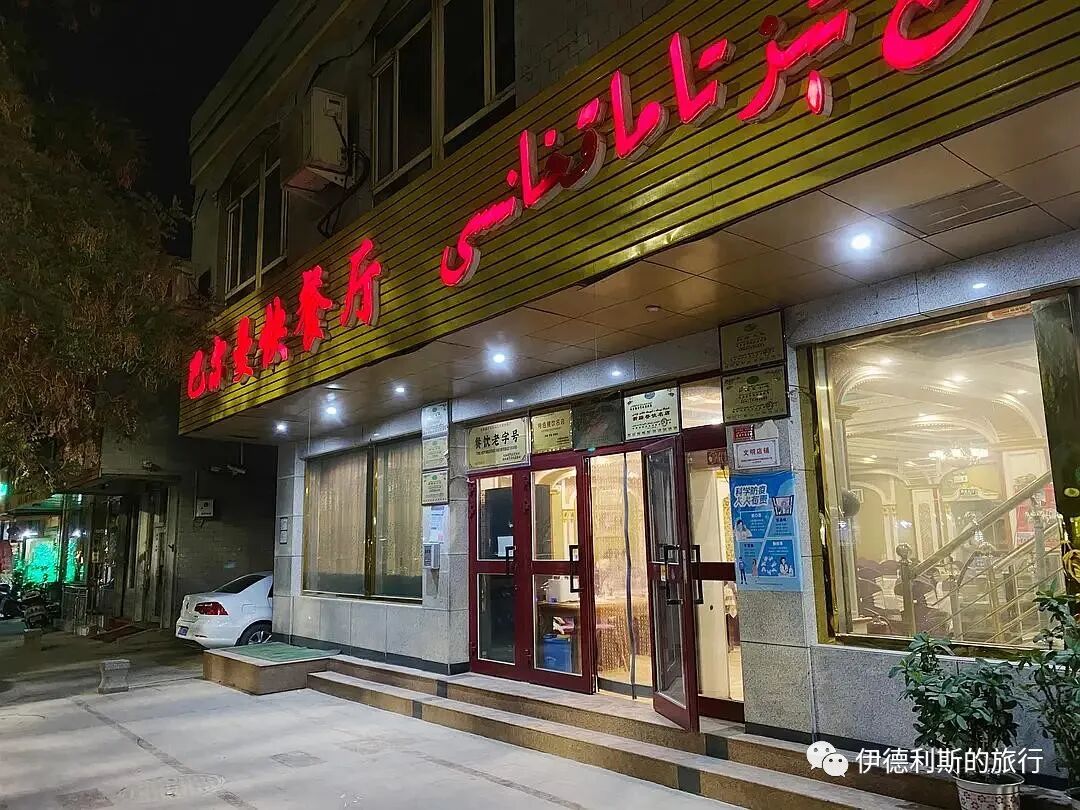
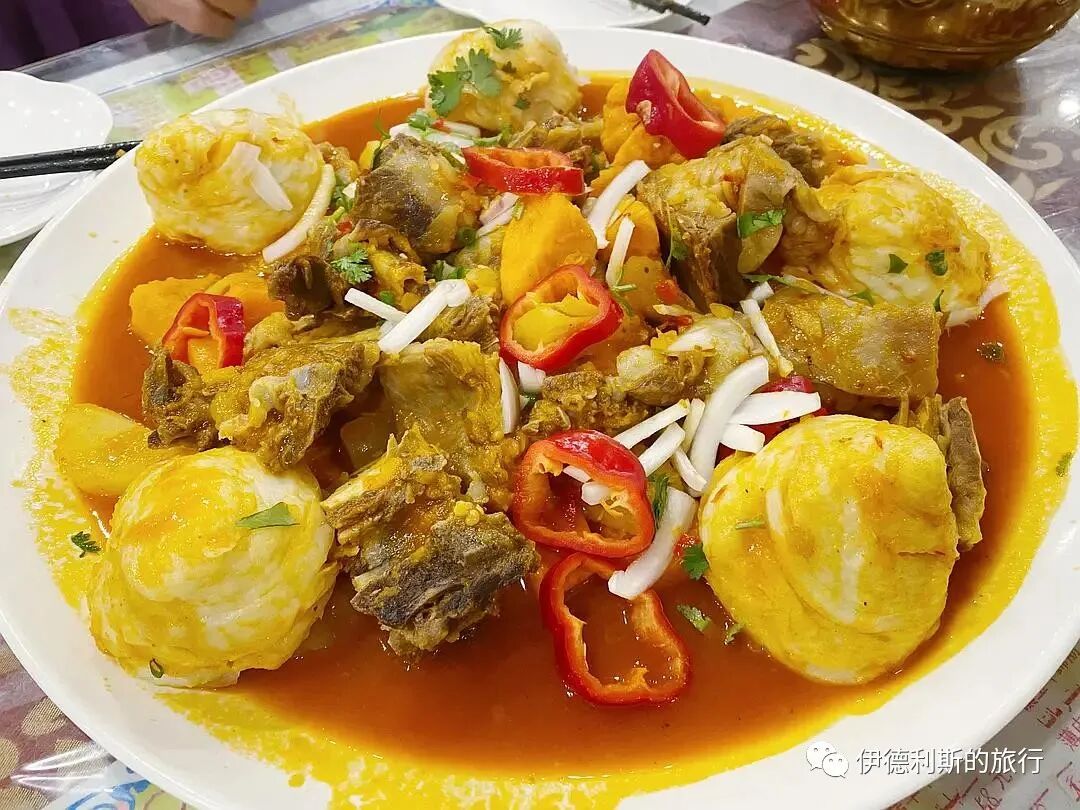
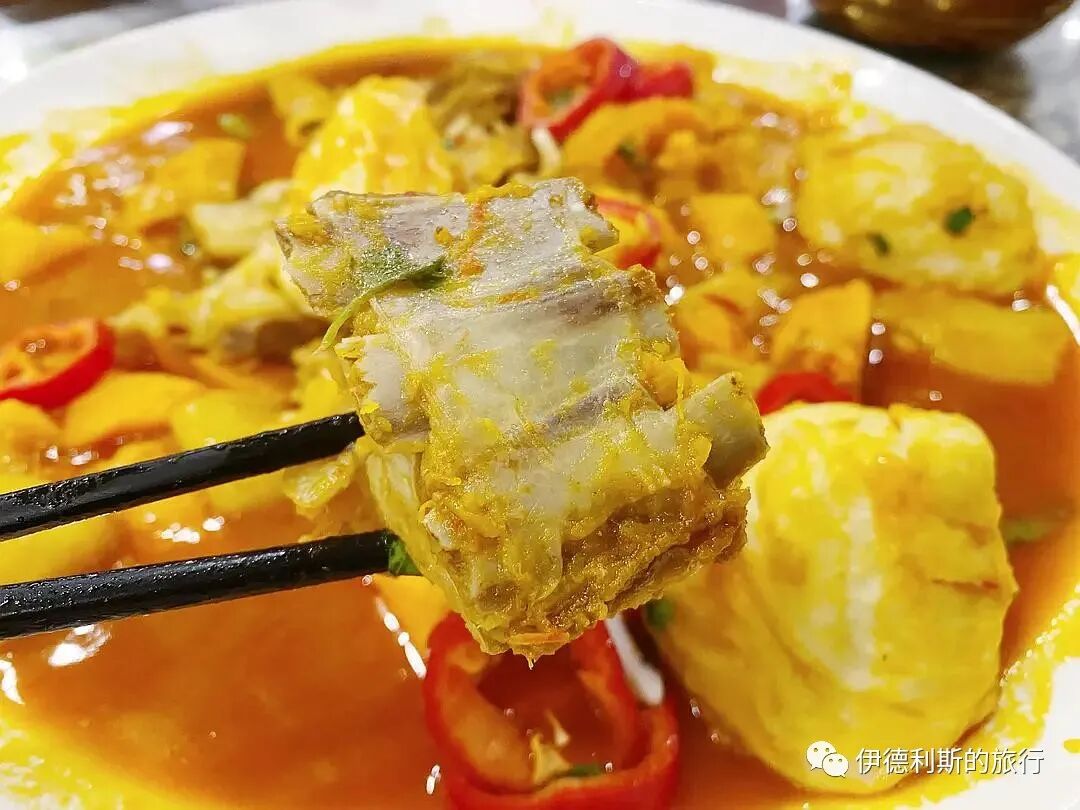
Turpan Night Market.
The next morning, we ate the incredibly popular Koshimaklar baked buns at the Turpan Museum. When I visited Turpan in the past, their shop was the 'Twin Baked Buns' stall at the entrance of the Big Cross Bazaar, but this time I found they had moved to their current location. We arrived at 8:30 in the morning to catch the first batch, and we even had to get a queue card when buying; there were many people lined up behind us.
However, their baked buns are indeed very delicious. First of all, they are baked over charcoal, which is hard to find in Urumqi. Also, the filling inside isn't too fatty and has plenty of meat. Freshly baked buns paired with fresh-squeezed pomegranate juice are truly refreshing.
I highly recommend breakfast at the Bayawan Food Hall on Old City East Road in Turpan! The variety is very rich, and it is semi-self-service where you pick your own food and pay at the end. We ate pilaf, steamed buns with thin skins, milk tea with thick milk skin, bone soup, a platter of side dishes, and a fruit platter. Eating well gives you a good mood for the whole day.
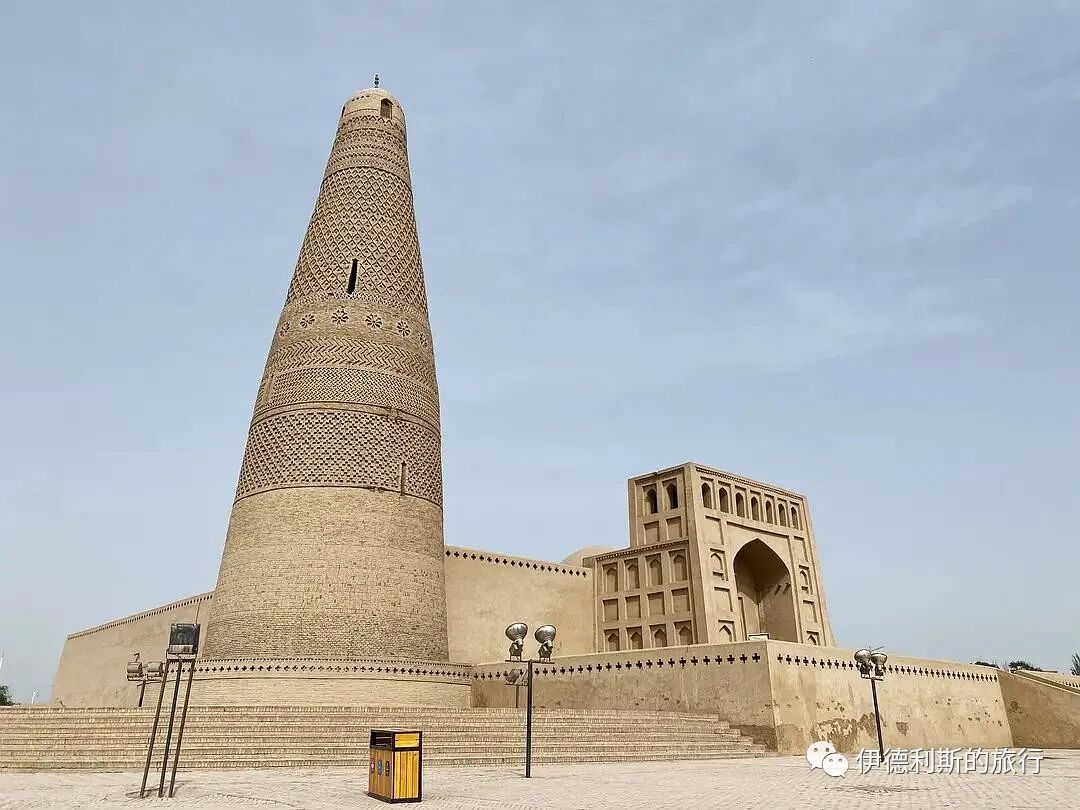
After breakfast, we went to visit the Emin Minaret. The Emin Minaret, also known as the 'Emin Tower,' was built in 1778 by the Turpan Prince Emin Khoja and his son Suleiman. It is the tallest historical minaret building in Xinjiang. Emin Khoja came from a religious family in Turpan. After the Qing Dynasty entered Turpan in 1720, Emin Khoja led his people to submit to them. He subsequently performed many military feats, and in 1756, the Qing Dynasty handed over the rule of Turpan to Emin Khoja. In 1759, Emin Khoja made a great contribution to the Qing Dynasty's pacification of the rebellion of the two Khojas and was granted the title of Prince.
In 1772, Emin Khoja returned to his hometown of Turpan. In his later years, he used 7,000 taels of silver and ordered his son Suleiman to build a mosque. In 1777, before the mosque was completed, Emin Khoja returned to Allah. Afterward, Suleiman inherited the title of Prince and completed the construction of the mosque in 1778. Because the mosque has a tall minaret, it is called the Emin Minaret Mosque.
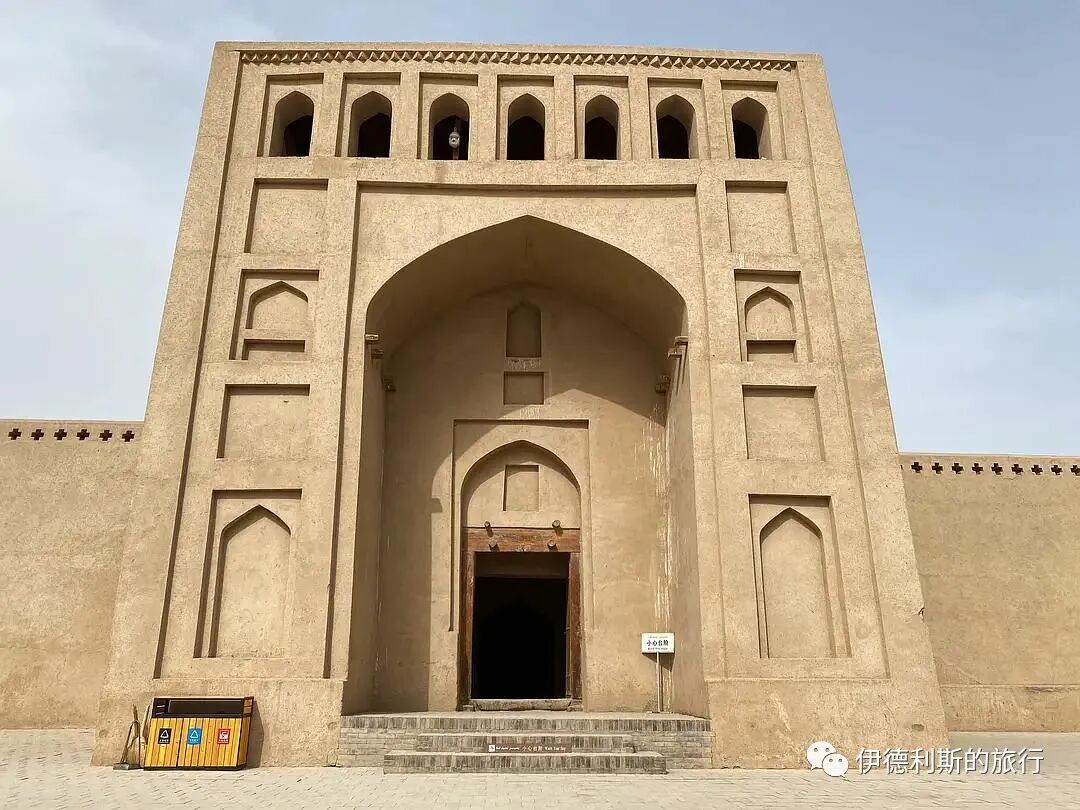
The mosque gate is built with heavy raw mud walls, and the facade is composed of recessed niches, creating a strong sense of shadow.
The main hall is rectangular and divided into three parts: the front hall, the prayer hall, and the rear hall. The prayer hall consists of a colonnade of 32 wooden pillars. It has no ridge and no tiles, using wooden rafters, branches, and mud to make the roof, which is the traditional flat-roof architectural style of Turpan. The roof has high windows and light wells for lighting and ventilation. The front hall and the rear hall are built with large raw mud domes using the corbeling method.
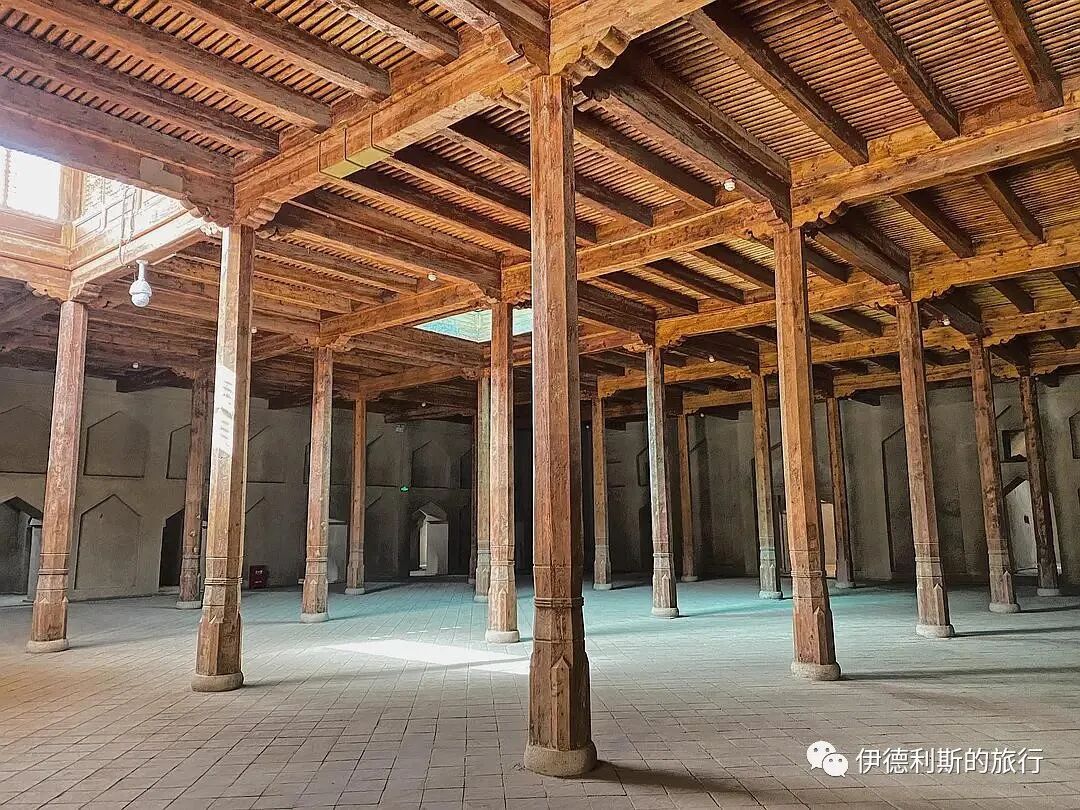
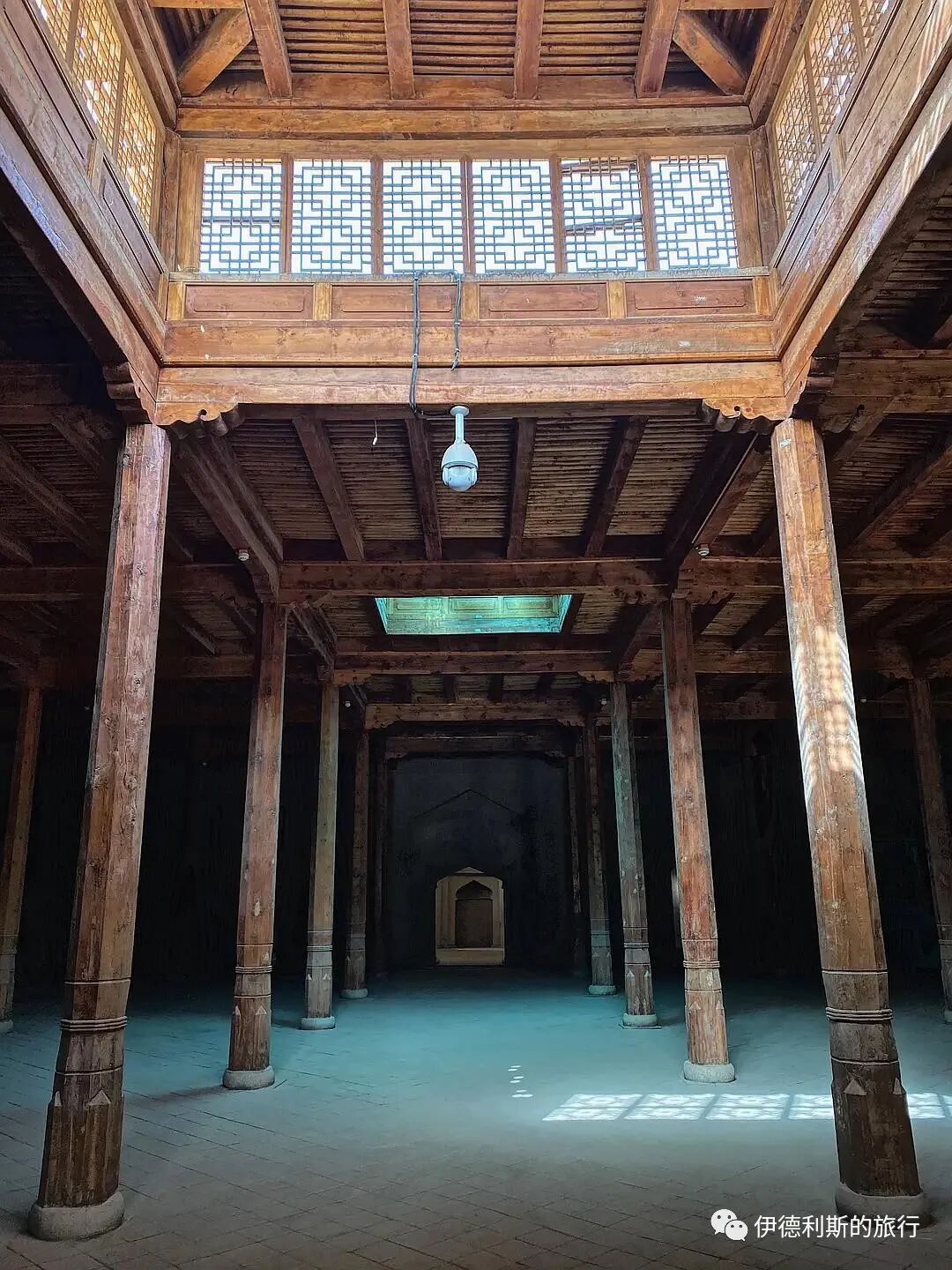
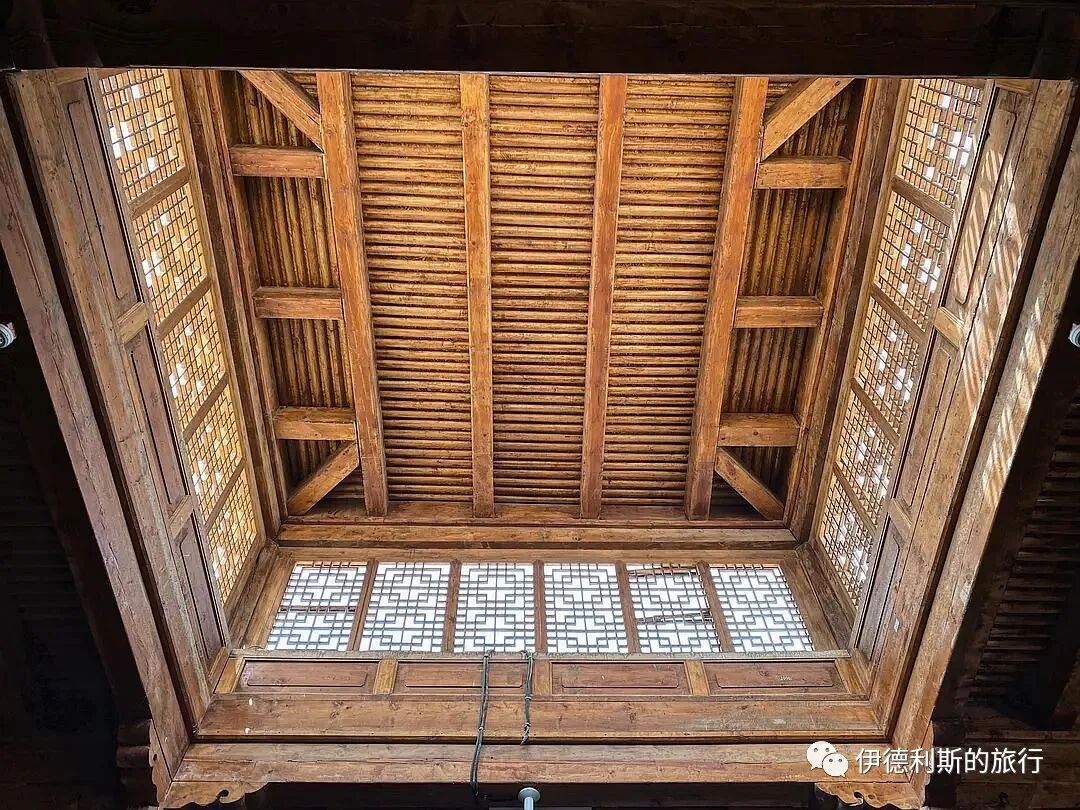
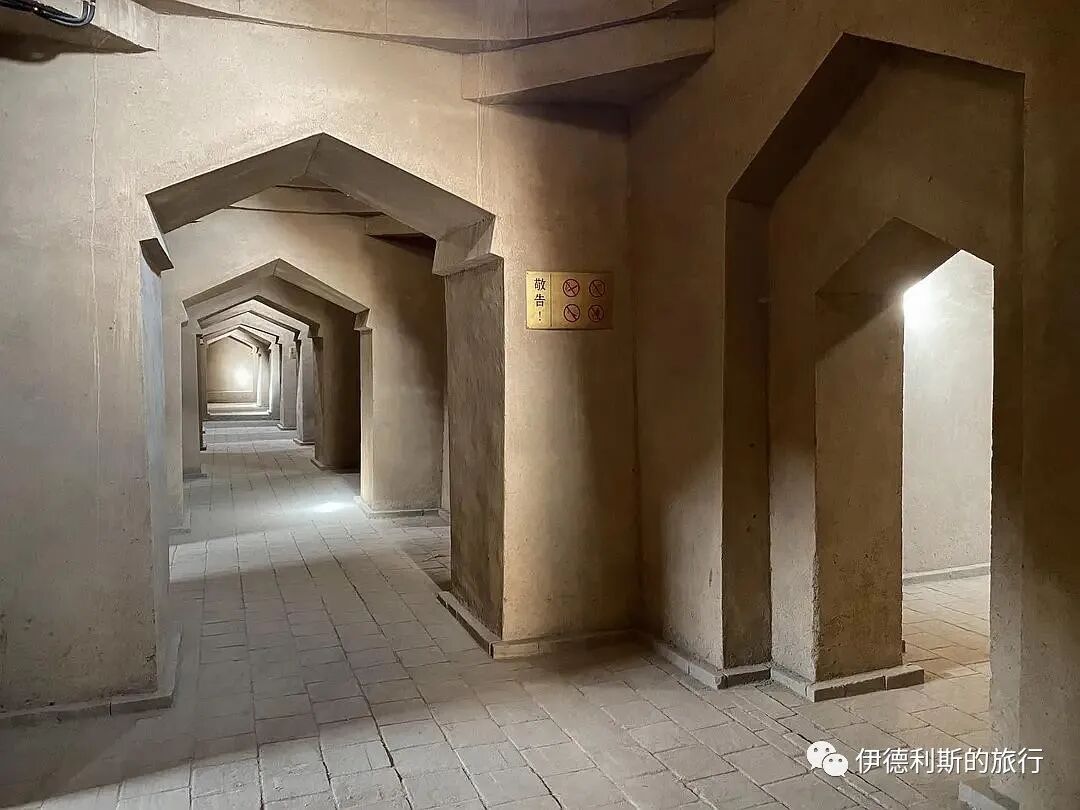
On both sides of the main hall, there are madrasas (Islamic schools), with each of the twenty small rooms having a small dome and holes for ventilation and lighting.
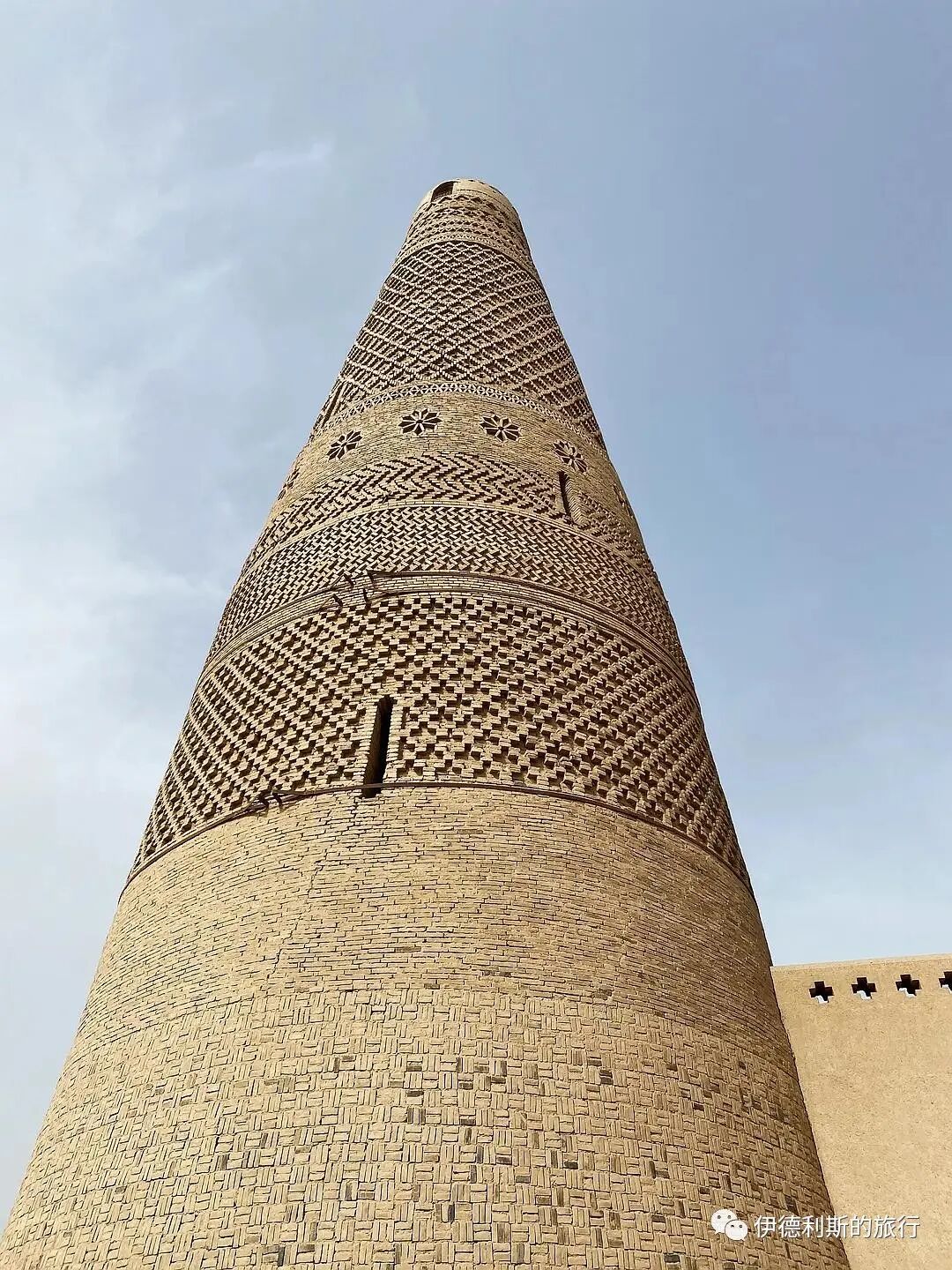
The minaret is 44 meters high and is built of bricks using the corbeling method. The tower body has 15 different geometric patterns, such as waves, diamonds, and floral designs. Inside the tower, there are 72 spiral stairs, and at the top of the tower, there is a pavilion with windows where you can look out into the distance. The top of the tower originally had eaves, but after the Turpan earthquake in 1916, the top was destroyed, and local craftsmen subsequently changed it to a dome.
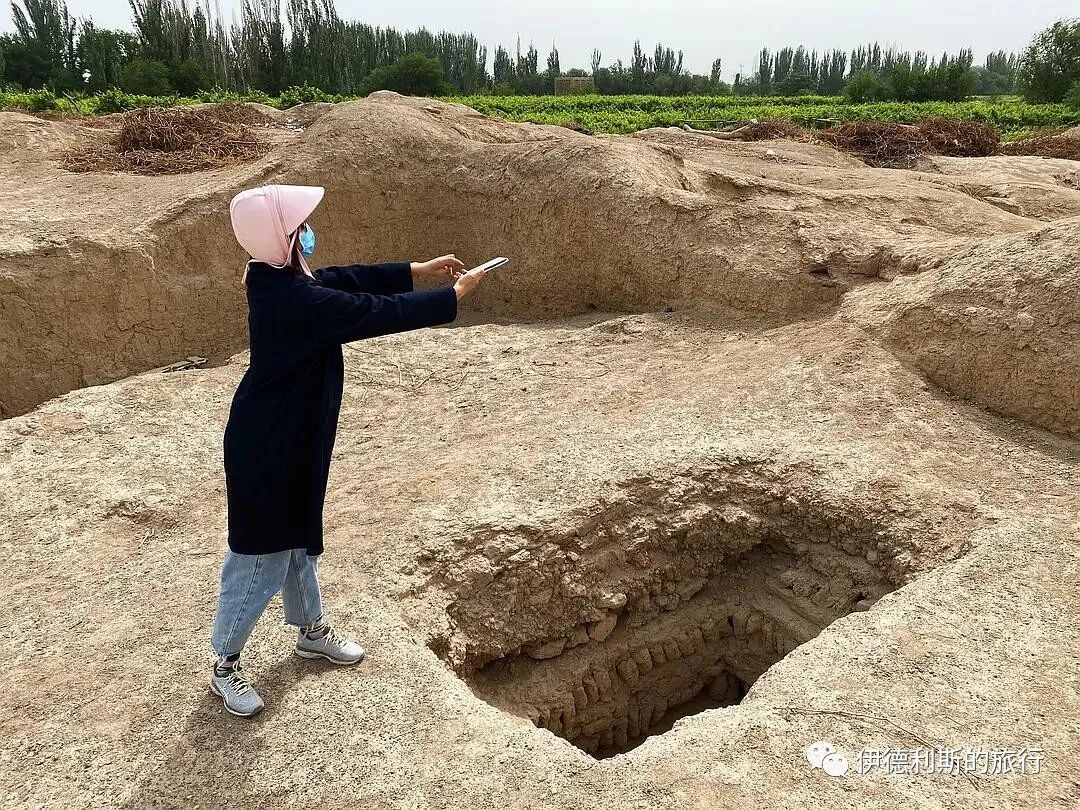
The ancient city of Anle is located south of the Emin Minaret, 300 meters wide from north to south and 700 meters long from east to west, with a Karez well running underground through the city. The south side of the city rises 8 to 10 meters above the ground, and every courtyard or house in the city has storage pits and wells.
In 1389, after the 16-year-old prince of the Eastern Chagatai Khanate, Khizr Khoja, proclaimed himself Khan, Tamerlane the Great immediately led his army to fight a decisive battle, defeating the army of the Eastern Chagatai Khanate in one fell swoop and plundering a large number of subjects and livestock. Because the Timurid Empire in the west was too powerful, Khizr Khoja chose to conquer the city of Anle in Turpan around 1392. Khizr Khoja promoted Islam in Turpan, making the city of Anle gradually become a center of Islamic culture.
In 1422, the Eastern Chagatai Khan, Uwais Khan, defeated the Oirats and reoccupied the city of Anle, using it as his main residence. Since then, the city of Anle has been an important city of the Eastern Chagatai Khanate.
In the second half of the 15th century, the Eastern Chagatai Khanate split again. Ahmad Alaq (reigned 1487–1503) ruled the eastern part of the Khanate with the city of Anle as the center. In the 'History of Ming,' it is called the 'Turpan Khanate,' and the city of Anle was subsequently replaced by the name Turpan.
In 1514, Sultan Said Khan founded the Yarkand Khanate, and his elder brother, Mansur Khan (reigned 1503–1543), continued to rule the eastern part of the Eastern Chagatai Khanate with Turpan as his capital. In 1570, the army of the Yarkand Khanate invaded Turpan, and the last Khan of the 'Turpan Khanate,' Muhammad Khan, was captured, leading to the fall of the Turpan Khanate.
In 1679, Turpan was occupied by Galdan, the Khan of the Dzungar Khanate. After that, it was repeatedly contested with the Qing Dynasty until it was finally incorporated into the Qing Dynasty in 1755. In 1780, the Qing Dynasty built the city of Guang'an northwest of the city of Anle. The administrative center of Turpan was subsequently moved to the city of Guang'an (the current urban area of Turpan), and the city of Anle was gradually abandoned.

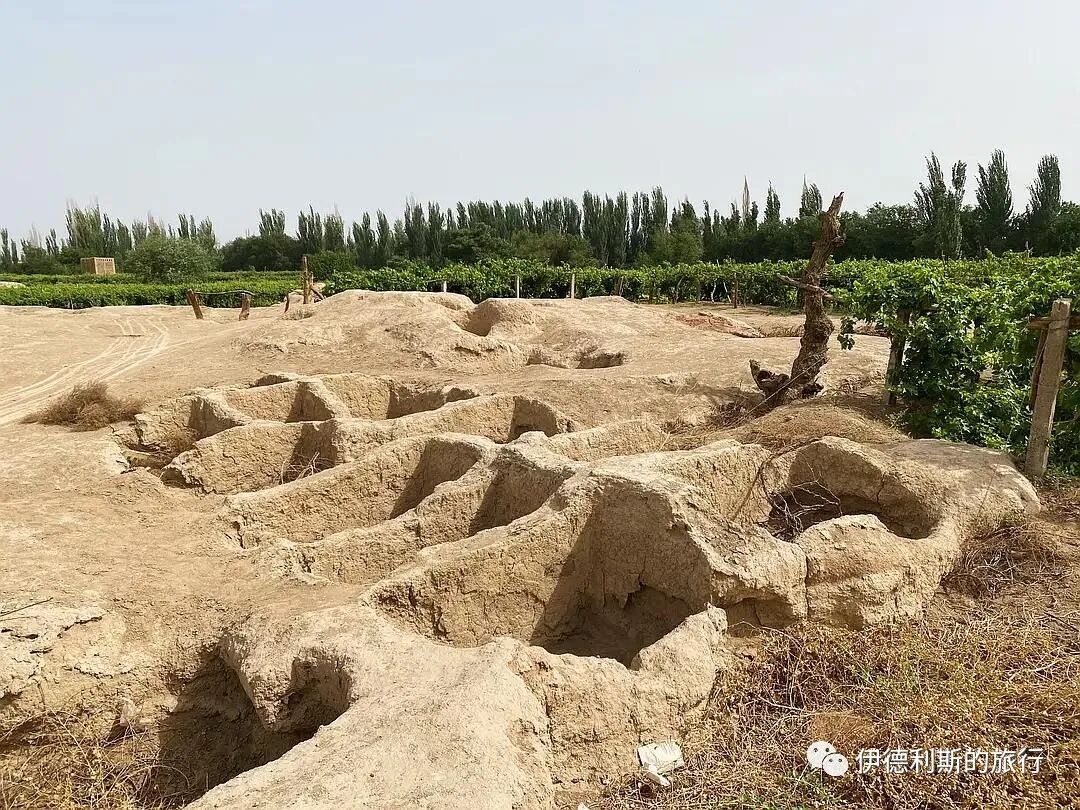
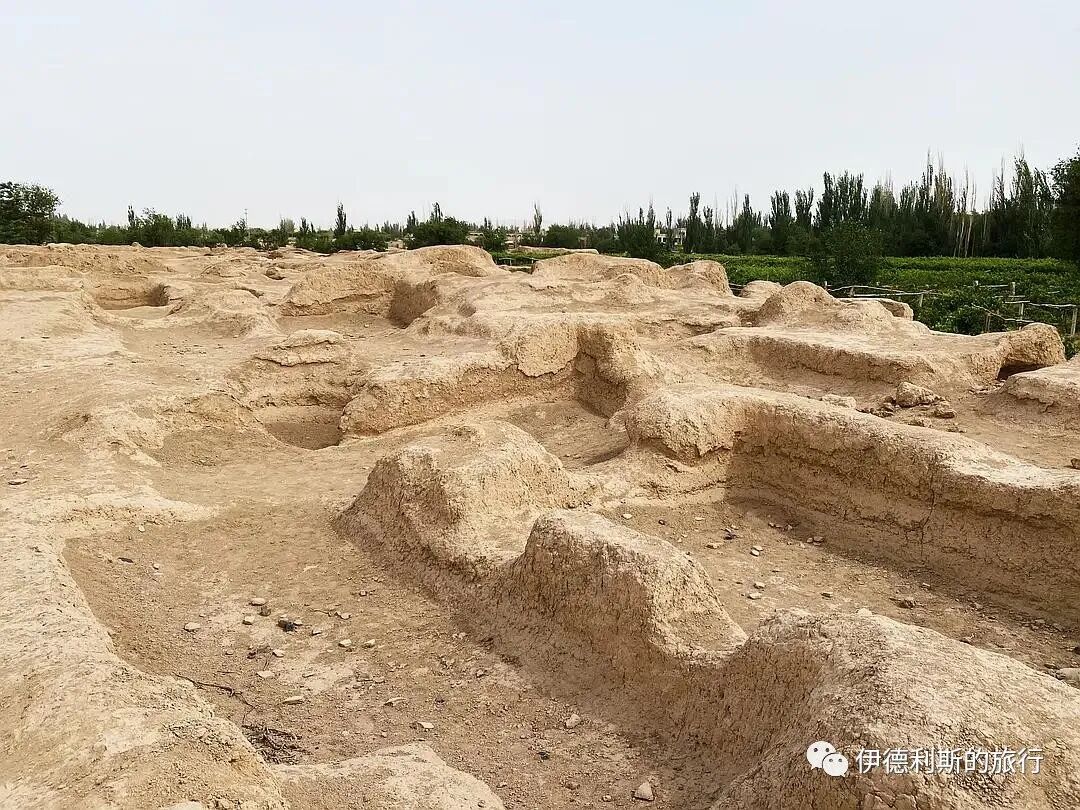
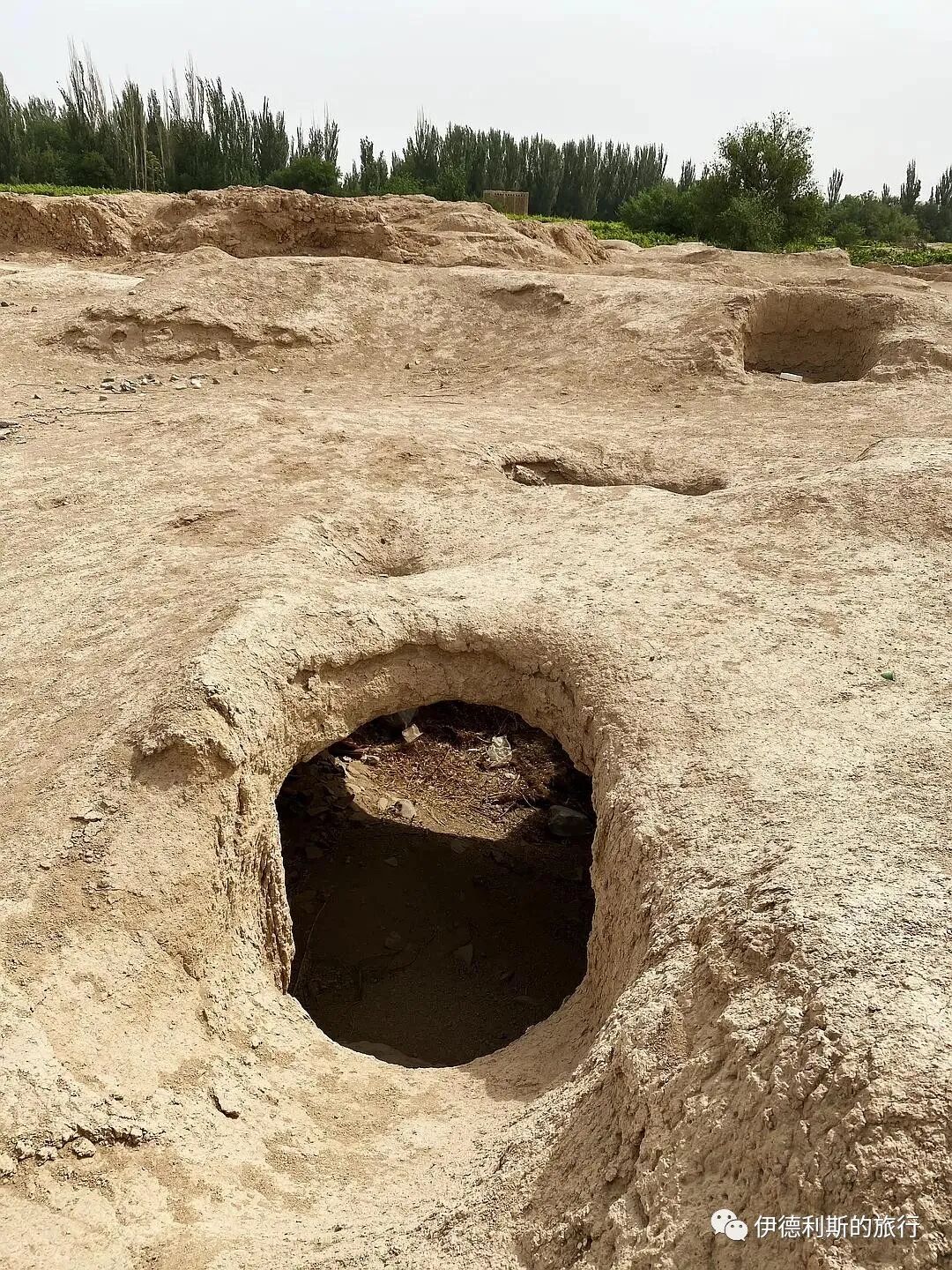
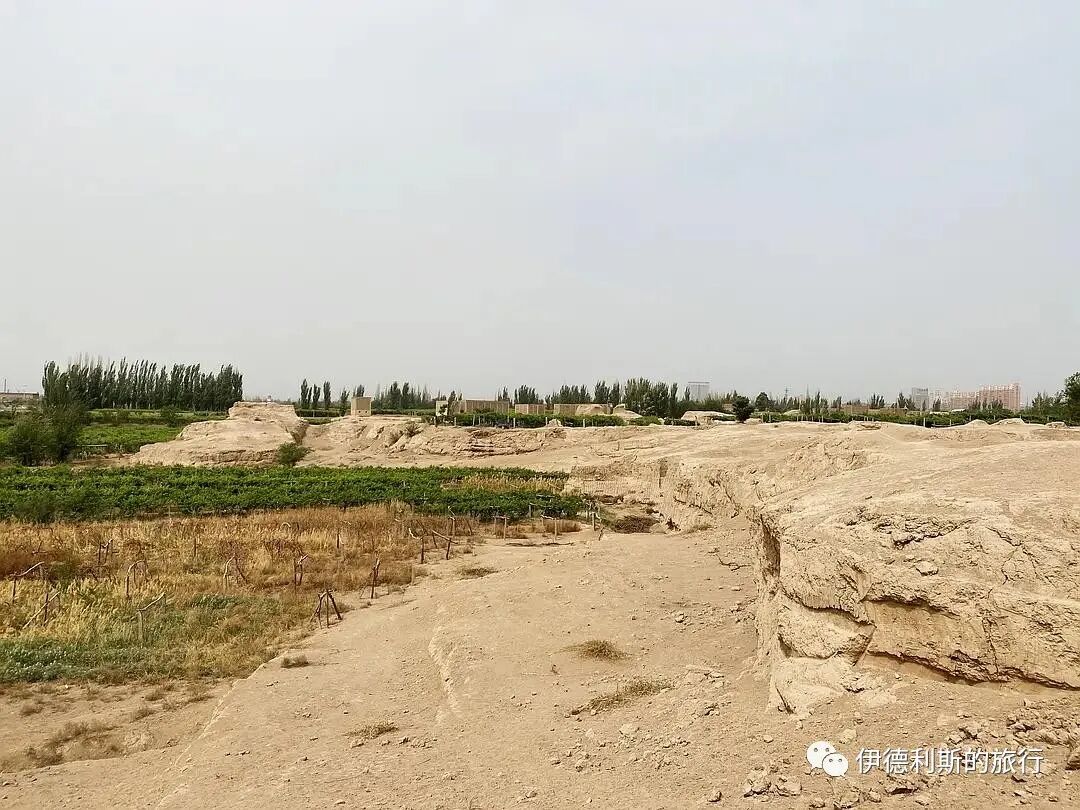
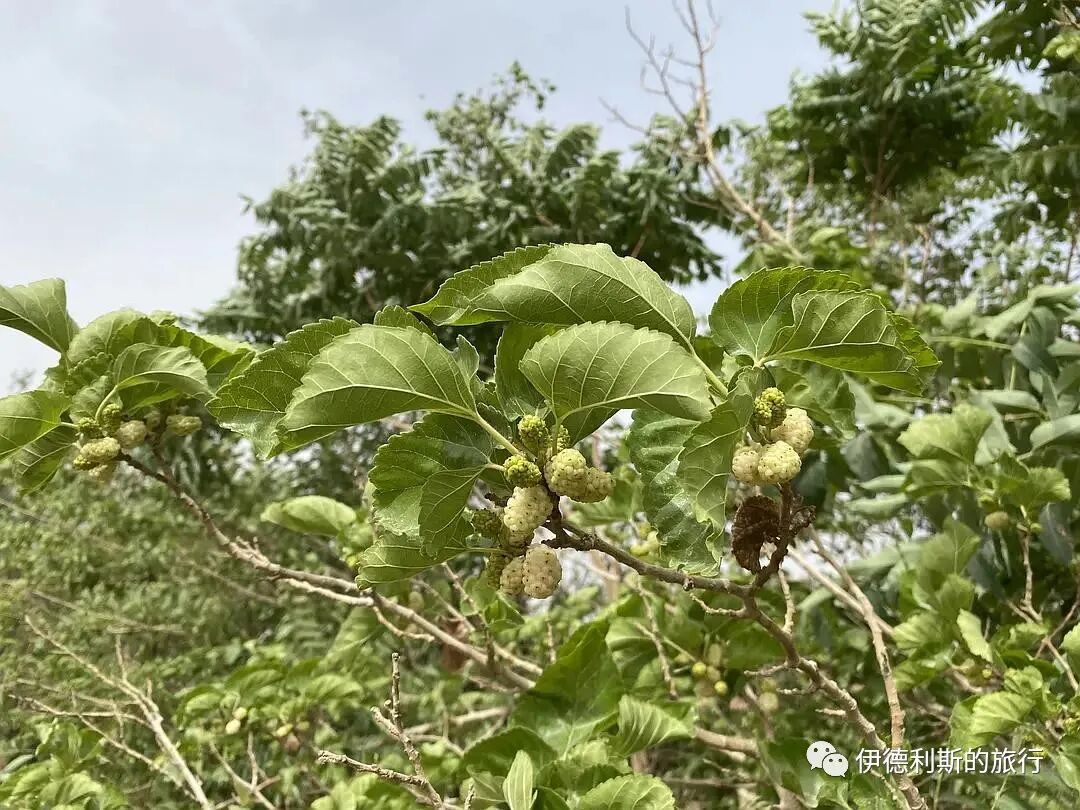
I picked some incredibly sweet mulberries in the ancient city! It was like eating honey. May is truly the season for mulberries.
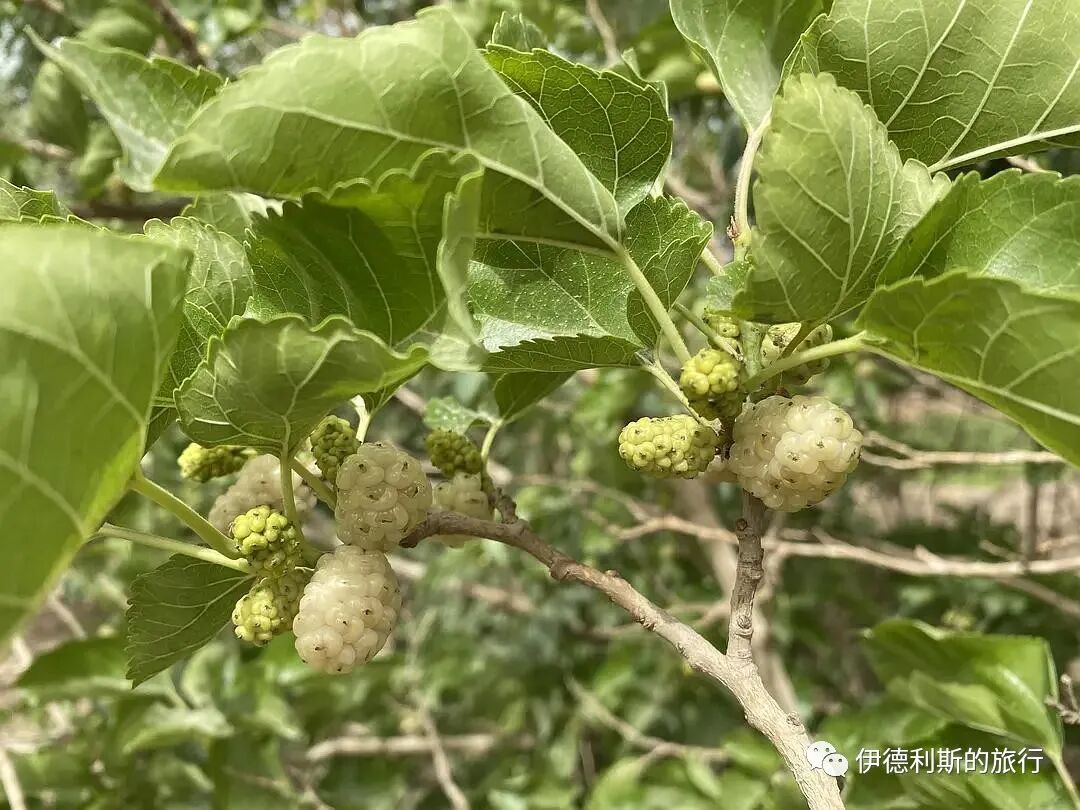
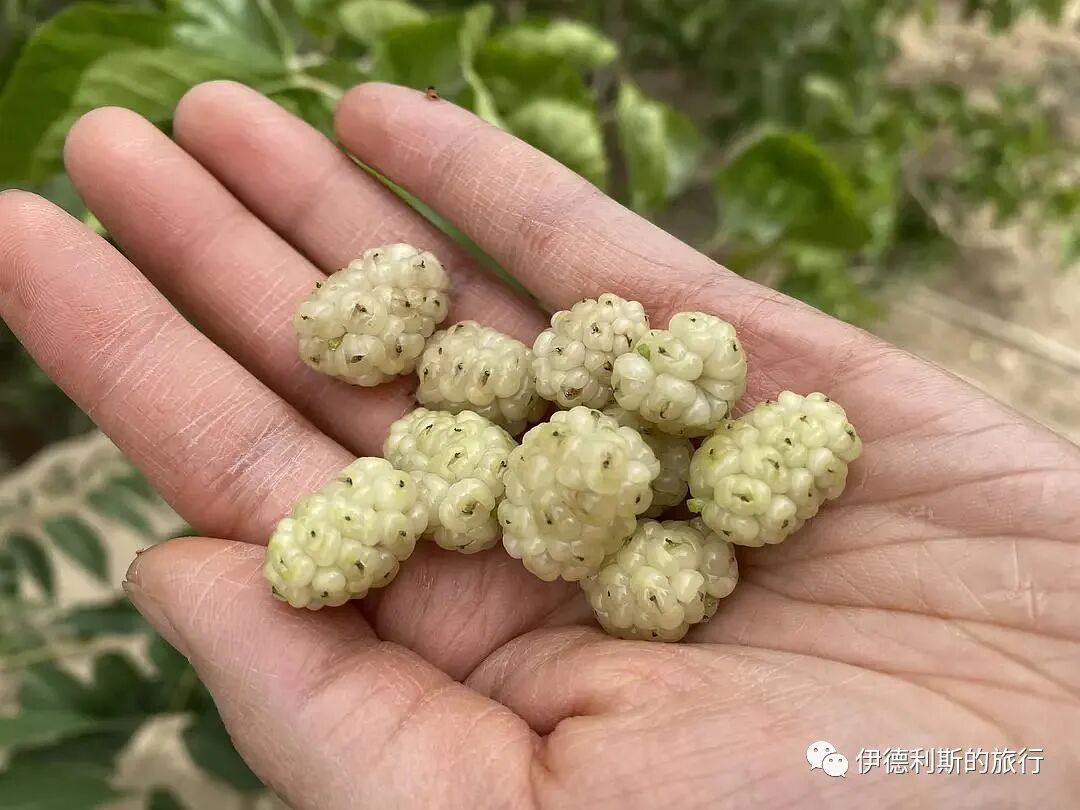
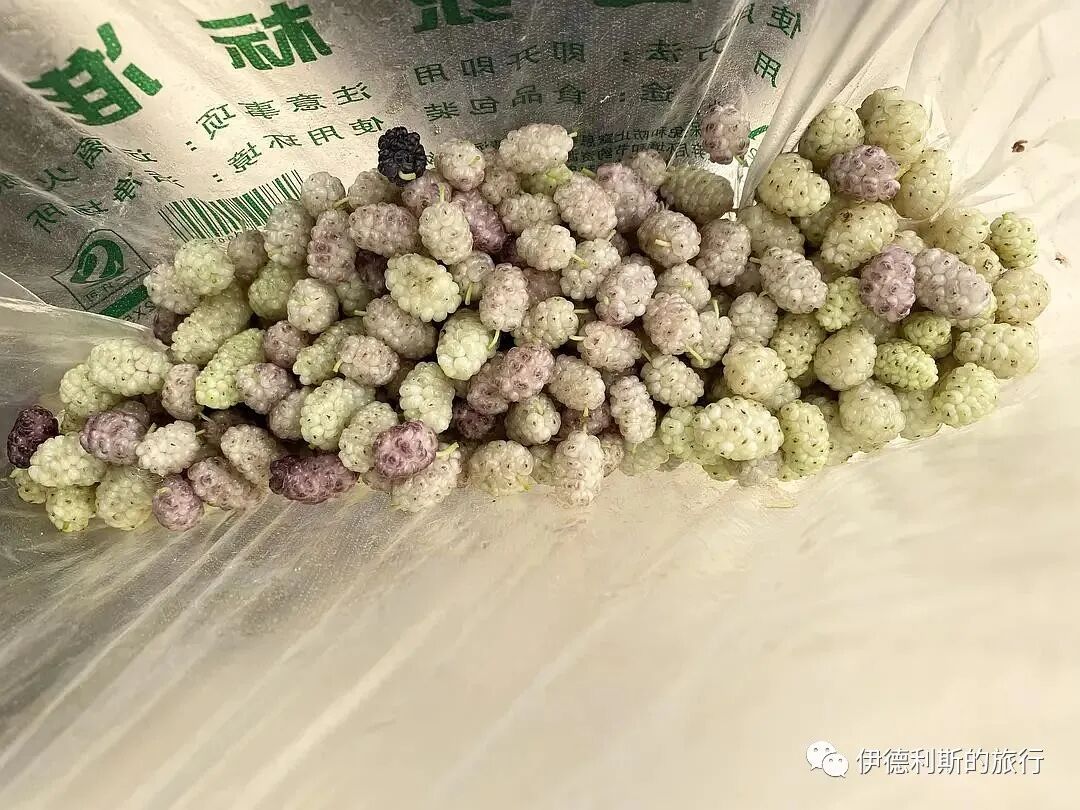
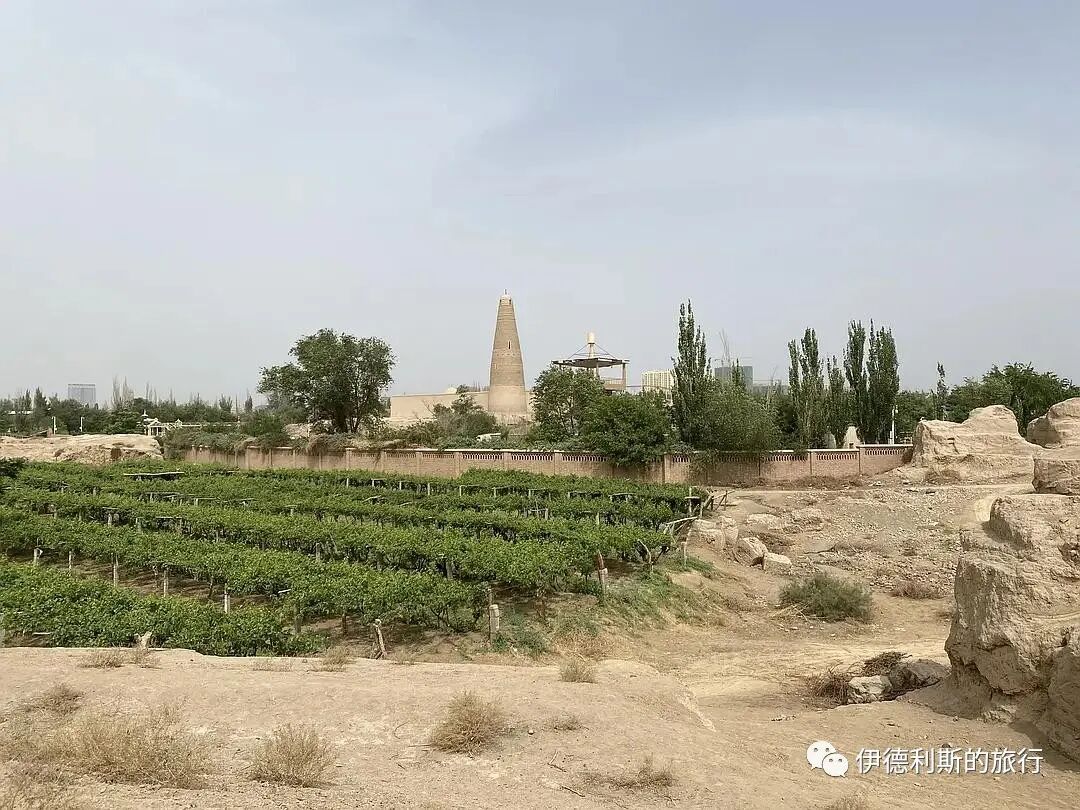
The entrance to the Emin Minaret is also full of people selling mulberries.
From the Emin Minaret, we headed east to Huoyanshan Town, where the Turpan Prince's Tomb is located in Sanbao Township, right on the west side of the ancient city of Gaochang.
Turpan Halal Travel Guide in May: Ancient Sites and Uyghur Food (Part 2)
Articles • ali2007fr posted the article • 0 comments • 160 views • 2026-05-17 07:13
Summary: This travel note introduces Turpan Halal Travel Guide in May: Ancient Sites and Uyghur Food (Part 2). At noon, we ate huangmian kaorou (yellow noodles with grilled meat) in Huoyanshan Town. It is useful for readers interested in Turpan Travel, Uyghur Food, Xinjiang Travel.
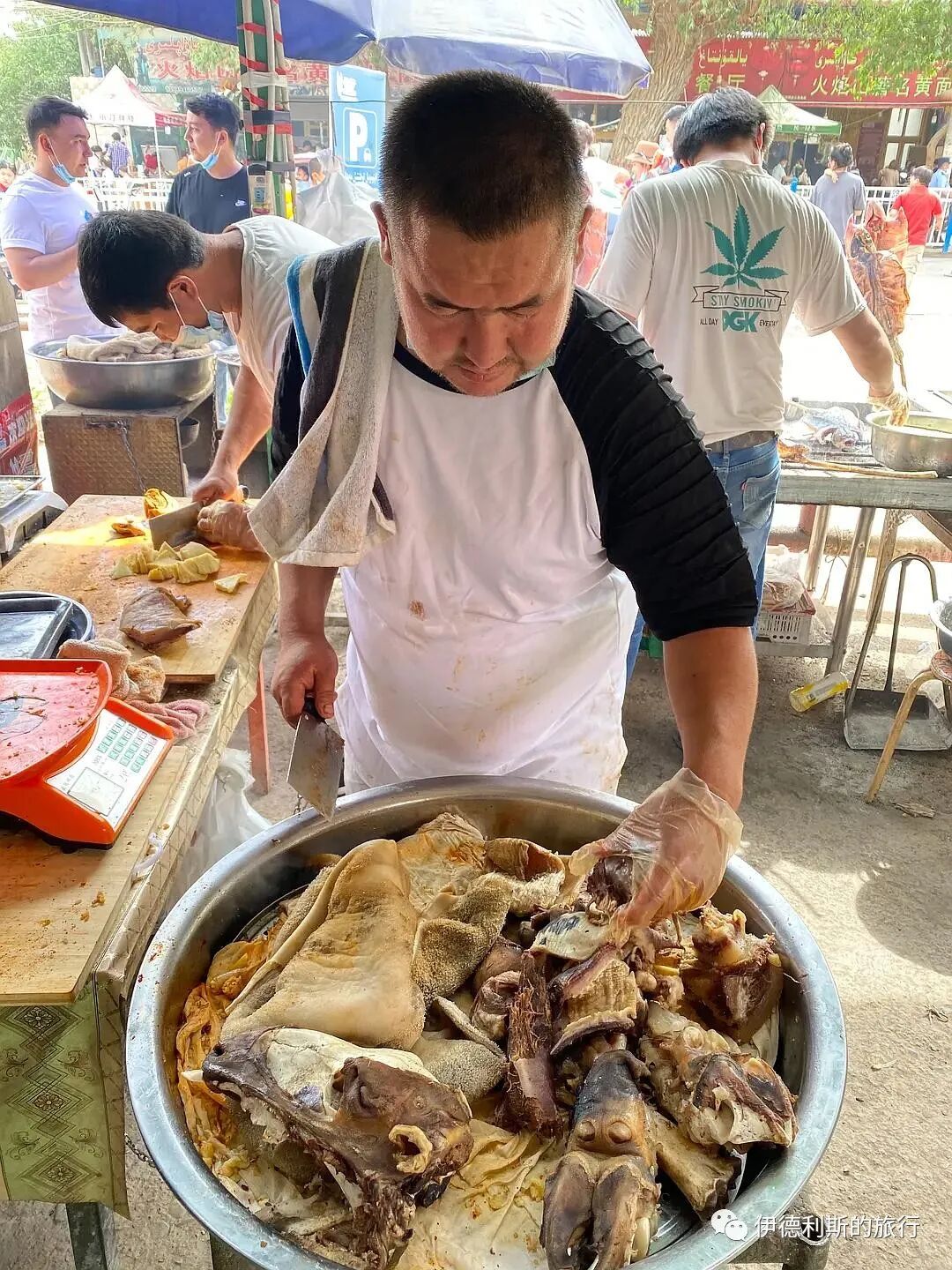
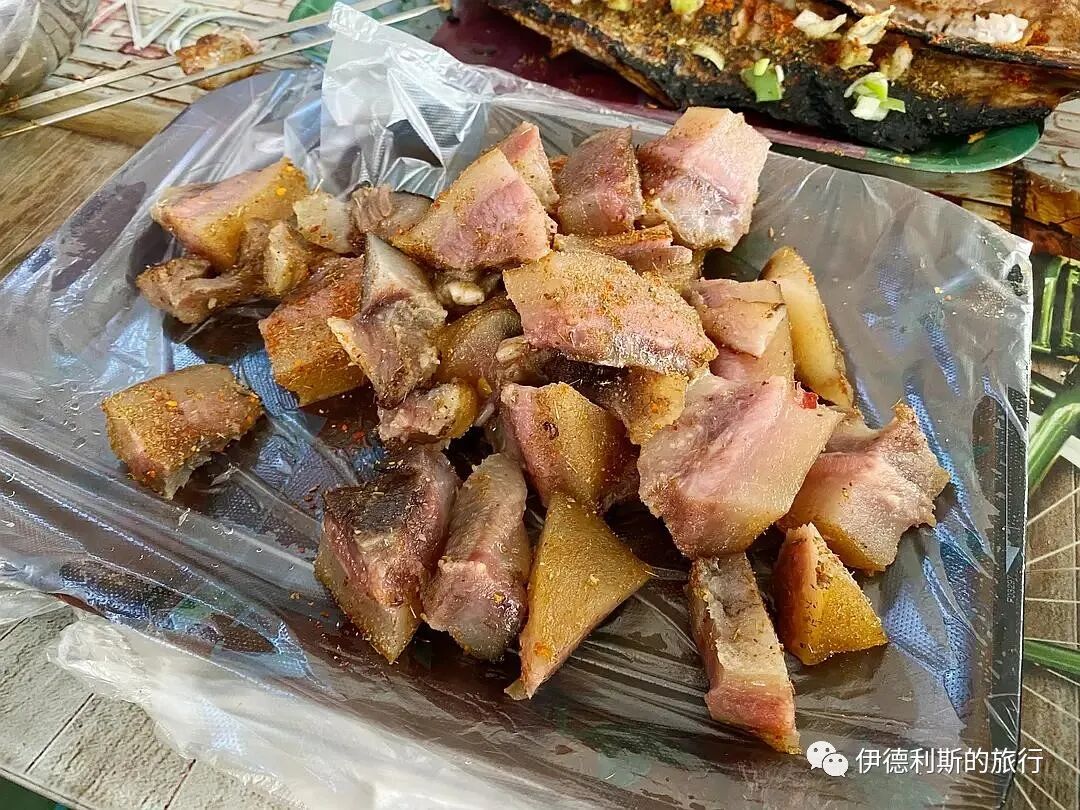
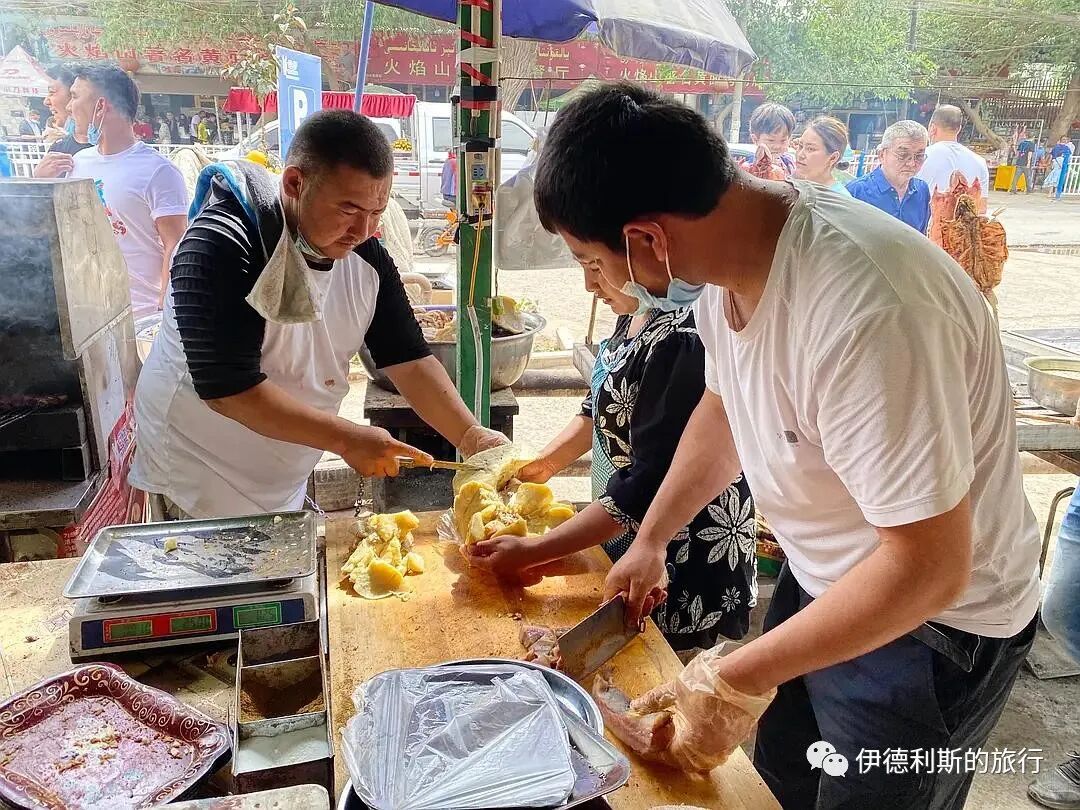
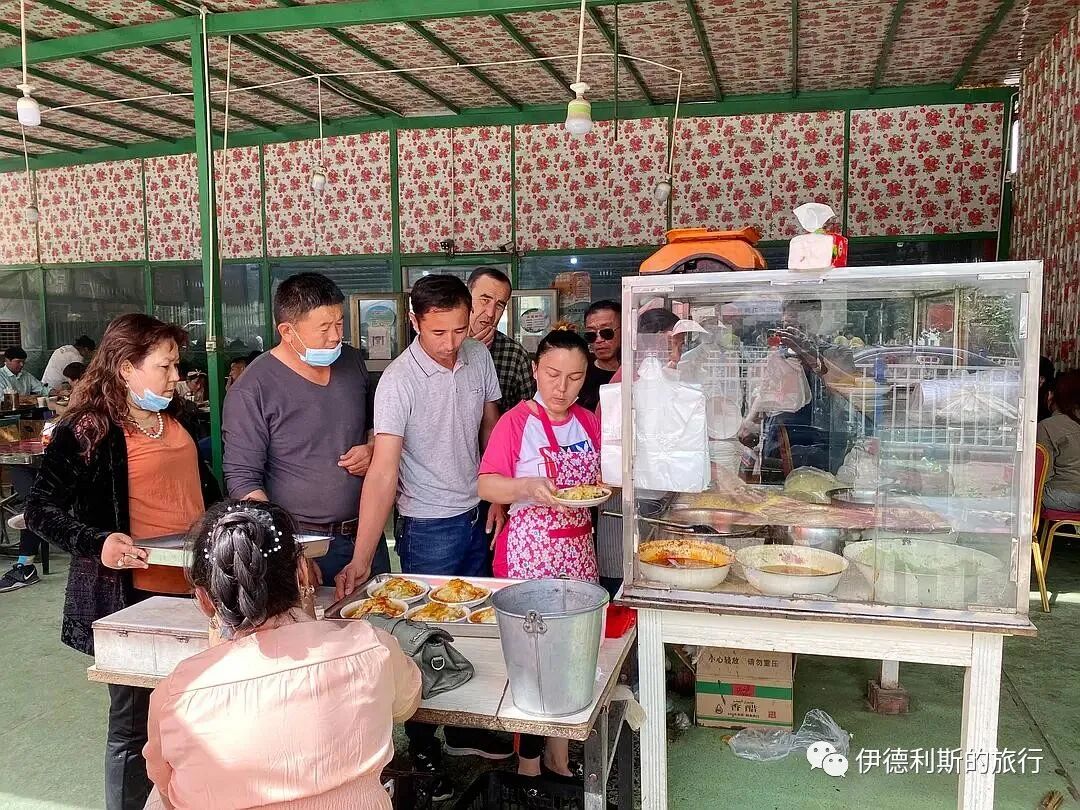
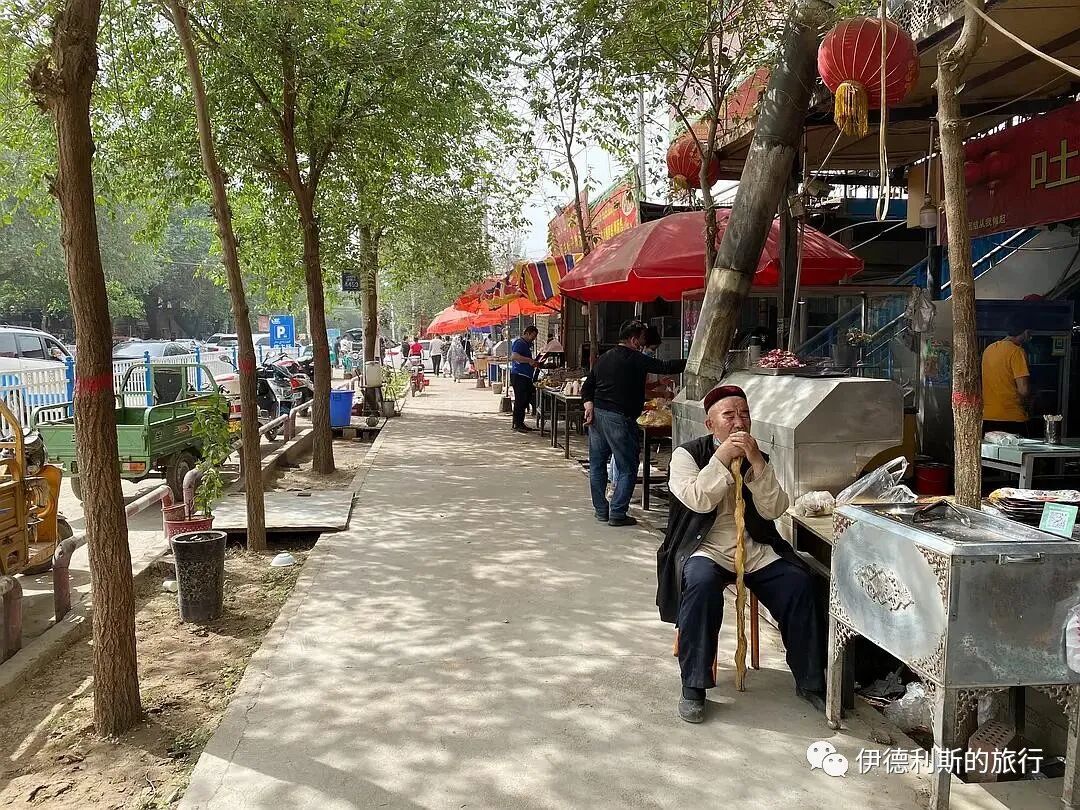
At noon, we ate huangmian kaorou (yellow noodles with grilled meat) in Huoyanshan Town. Huoyanshan Town is famous for its huangmian kaorou, and the whole street is filled with shops selling it. The most famous one is called 'Huoyanshan Famous Huangmian Kaorou Restaurant,' but it was fully booked when we arrived, so we ate at the place across the street. We ordered a mix of yellow noodles and liangpi (cold starch noodles). After the grilled meat was cooked, it was taken off the skewers and placed on top of the yellow noodles. It was so refreshing to eat in the summer, and it felt really suitable for the climate of the Flaming Mountains. We also had grilled fish, and everyone agreed that the meat was very fresh, tender, and delicious.
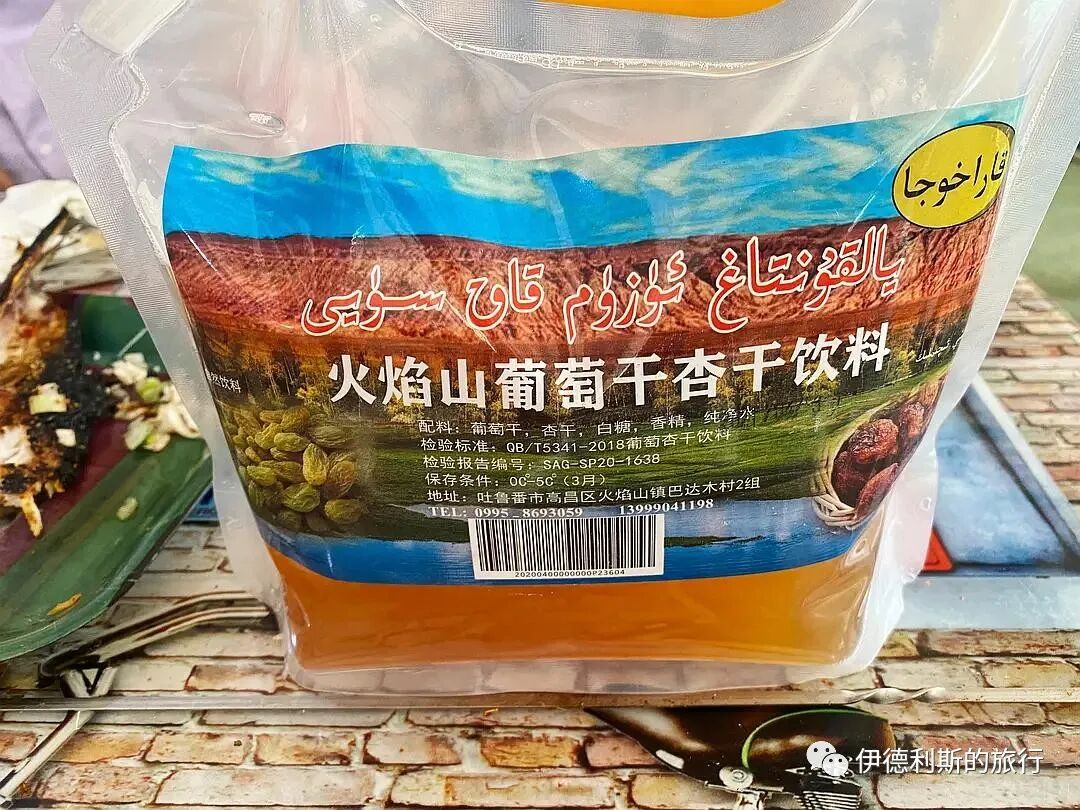
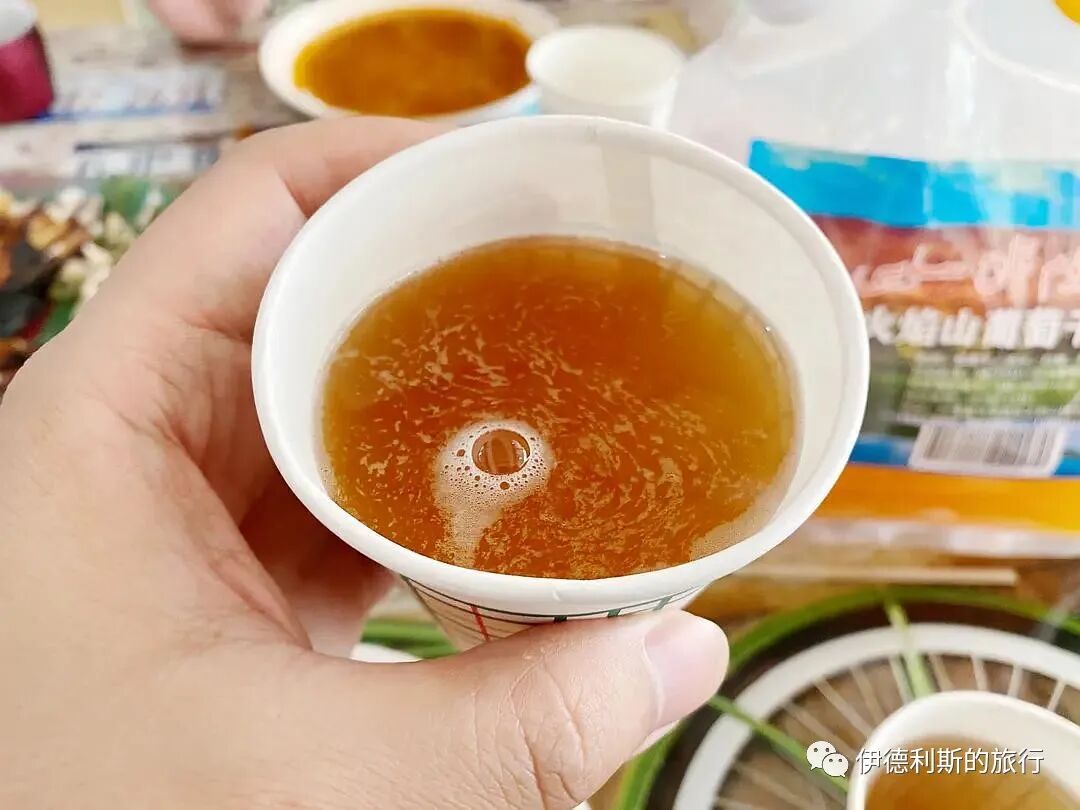
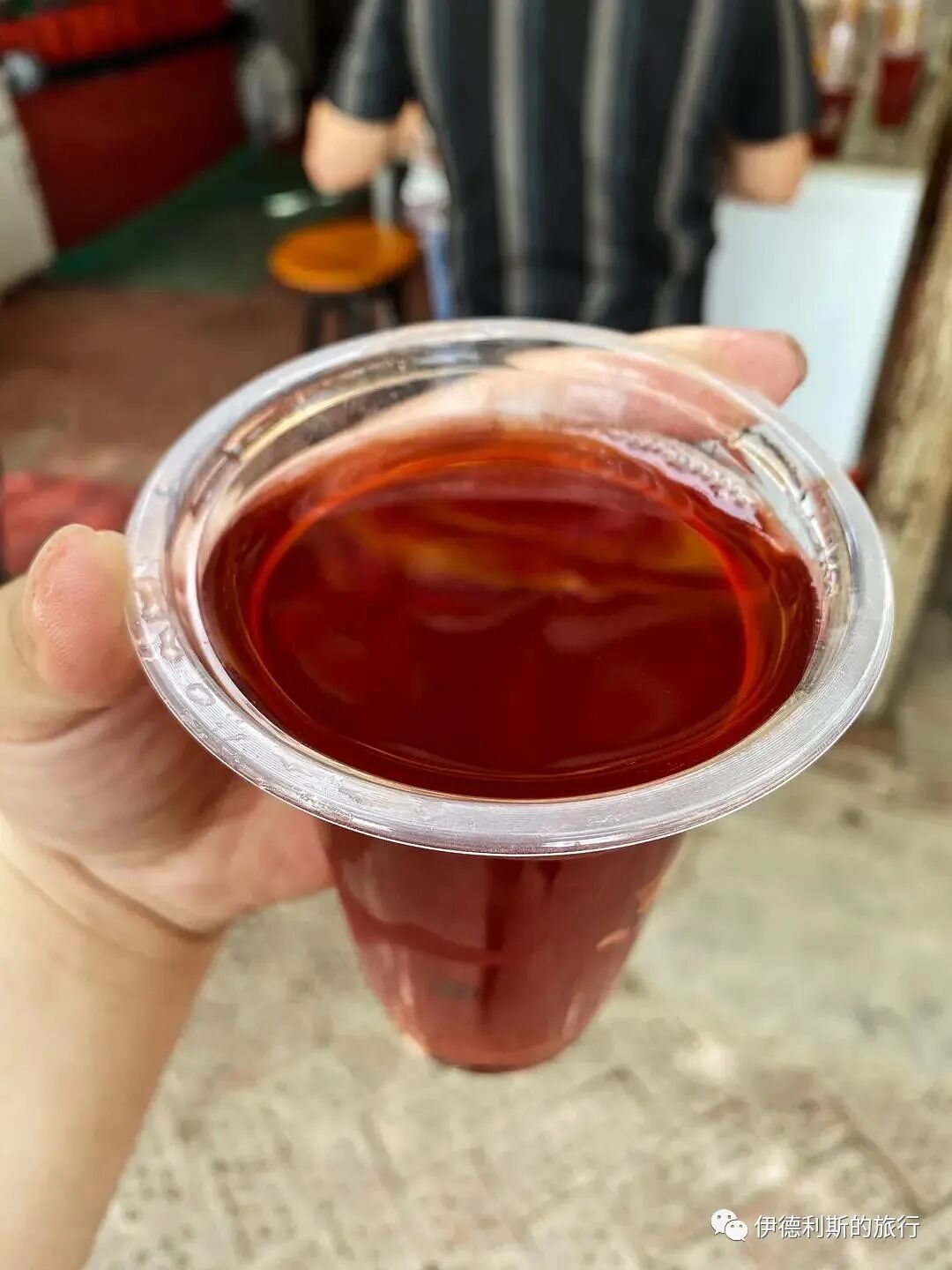
The beef head meat had a great texture from the gelatin, and the portion was very large. We also drank a fermented beverage made from raisins and dried apricots, which is a specialty of Huoyanshan Town; it is richer than kvass.
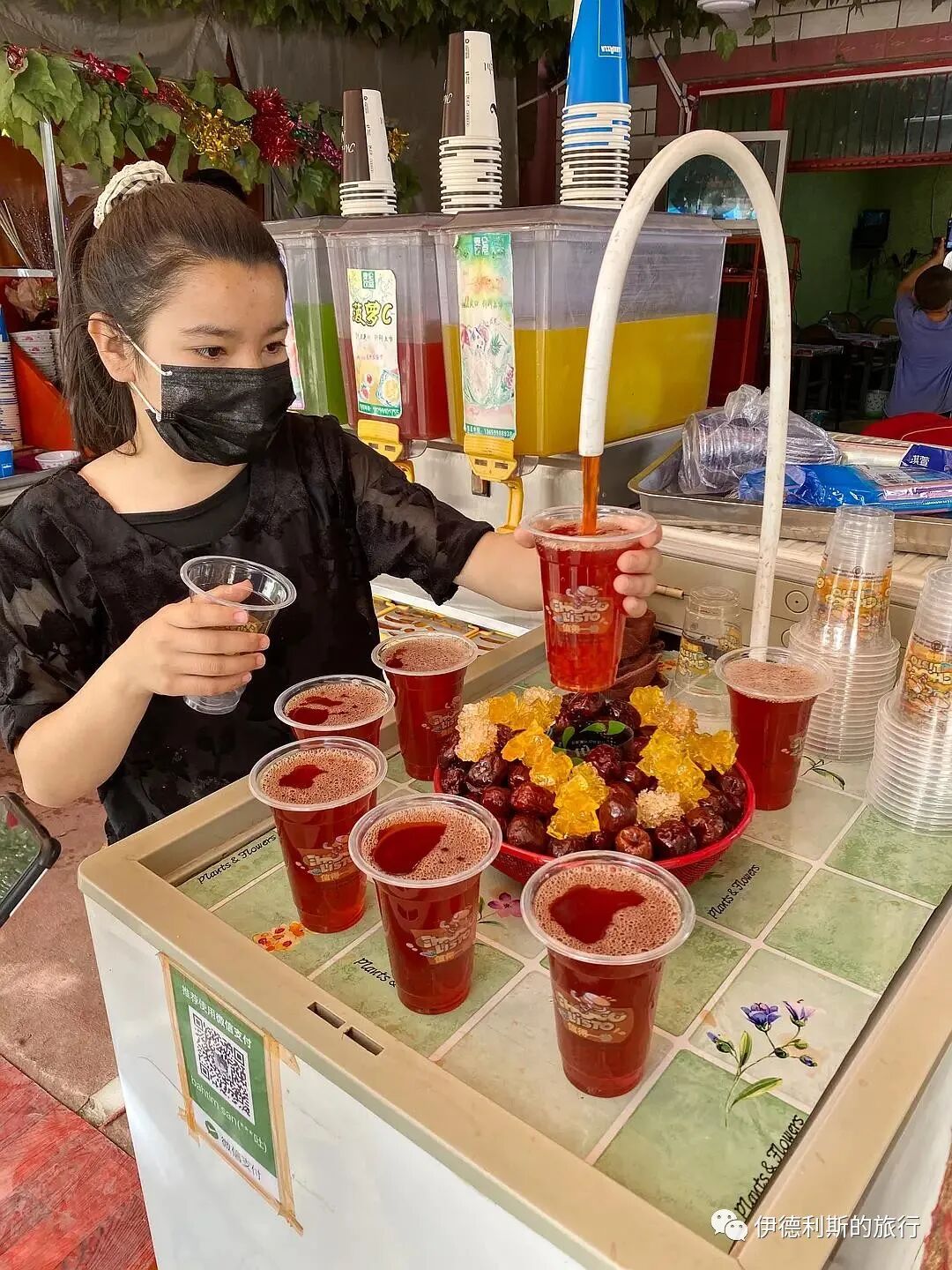
We also drank date water from the street, which was cool and thirst-quenching.
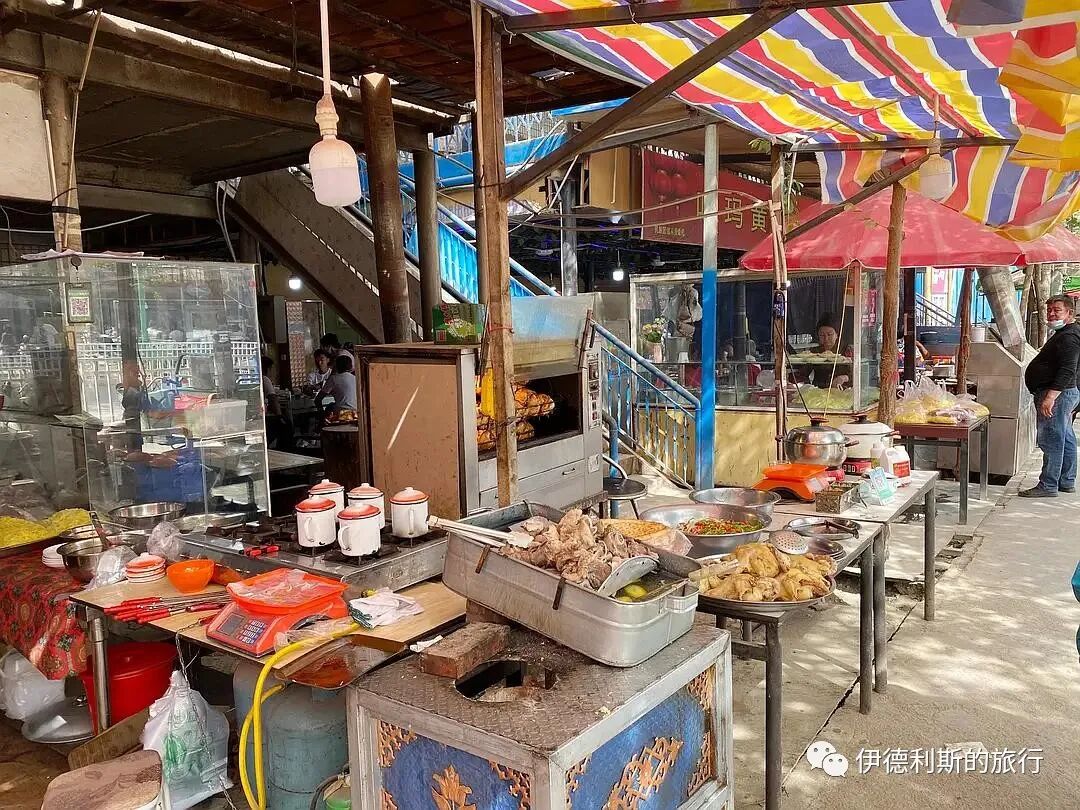
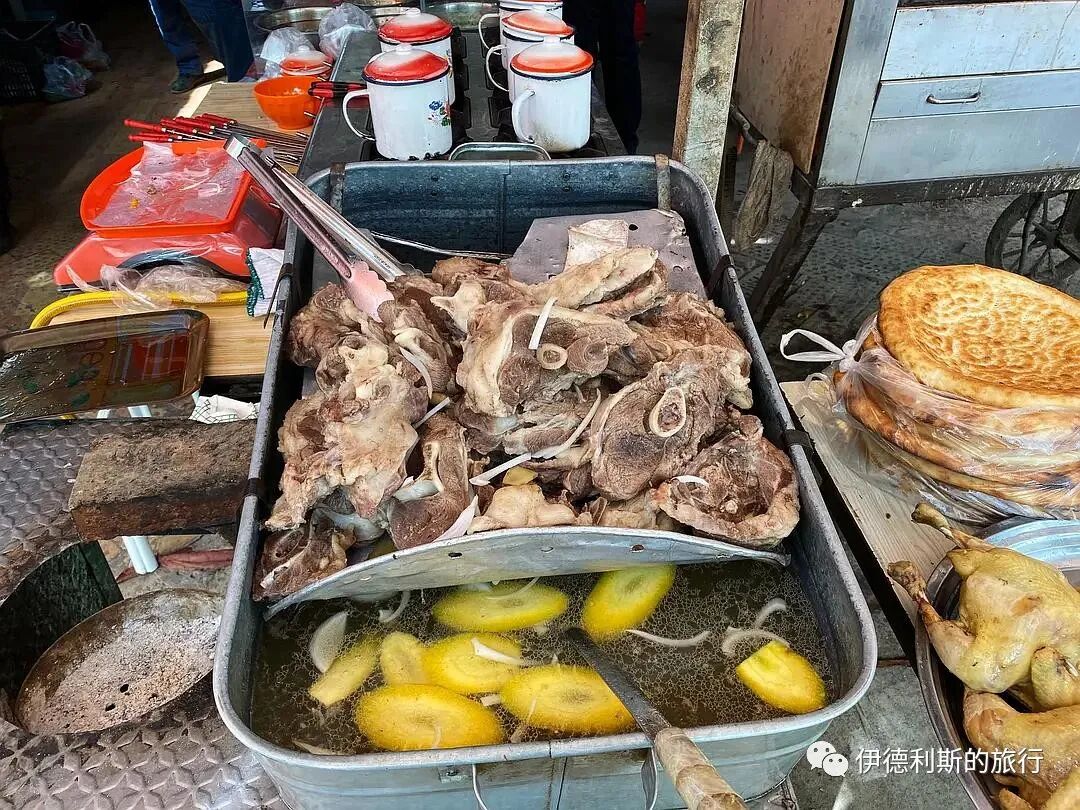
Stewed meat and corn nang (flatbread) on the streets of Huoyanshan Town.
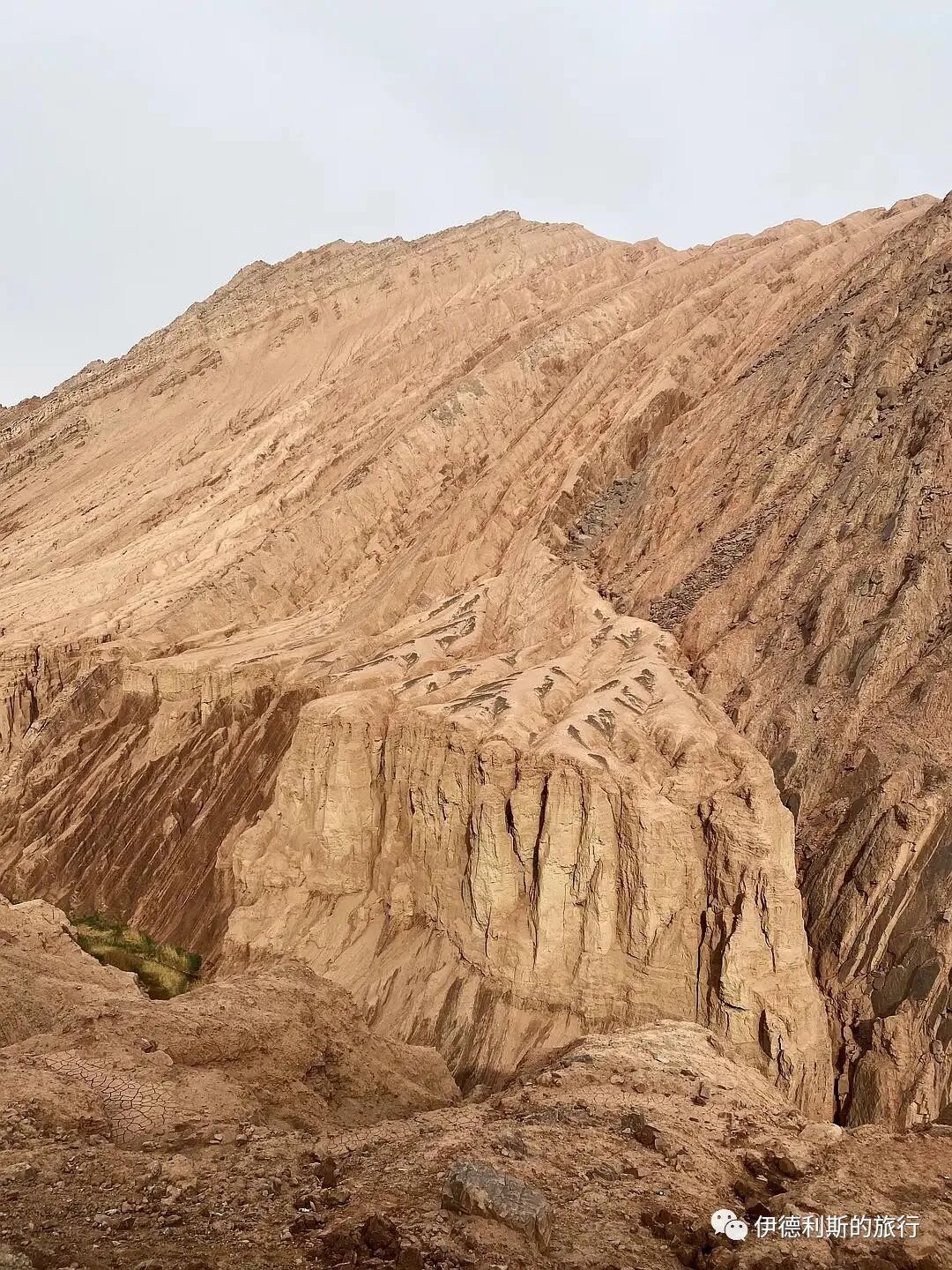
After lunch, we headed to Tuyugou. We bought dried mulberries and sorghum nang in Tuyugou. The prices here are very cheap and definitely not tourist prices.
Dried cantaloupe is not often seen.
The sorghum nang was made by this young woman herself.
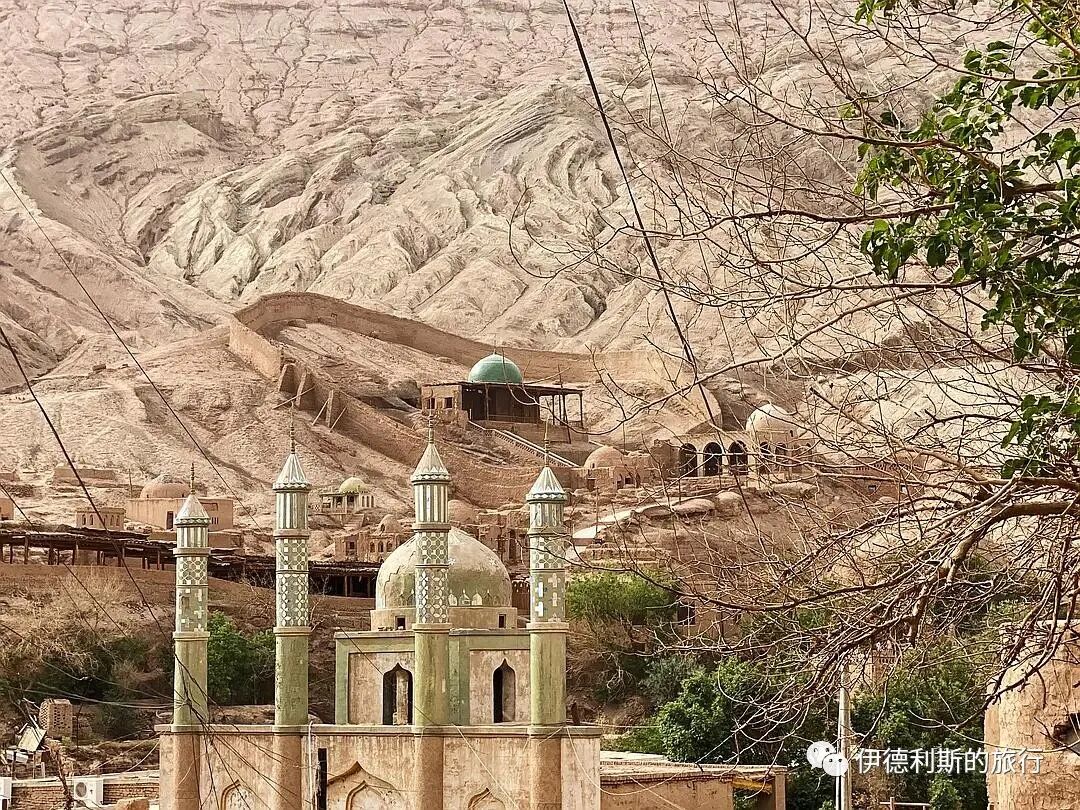
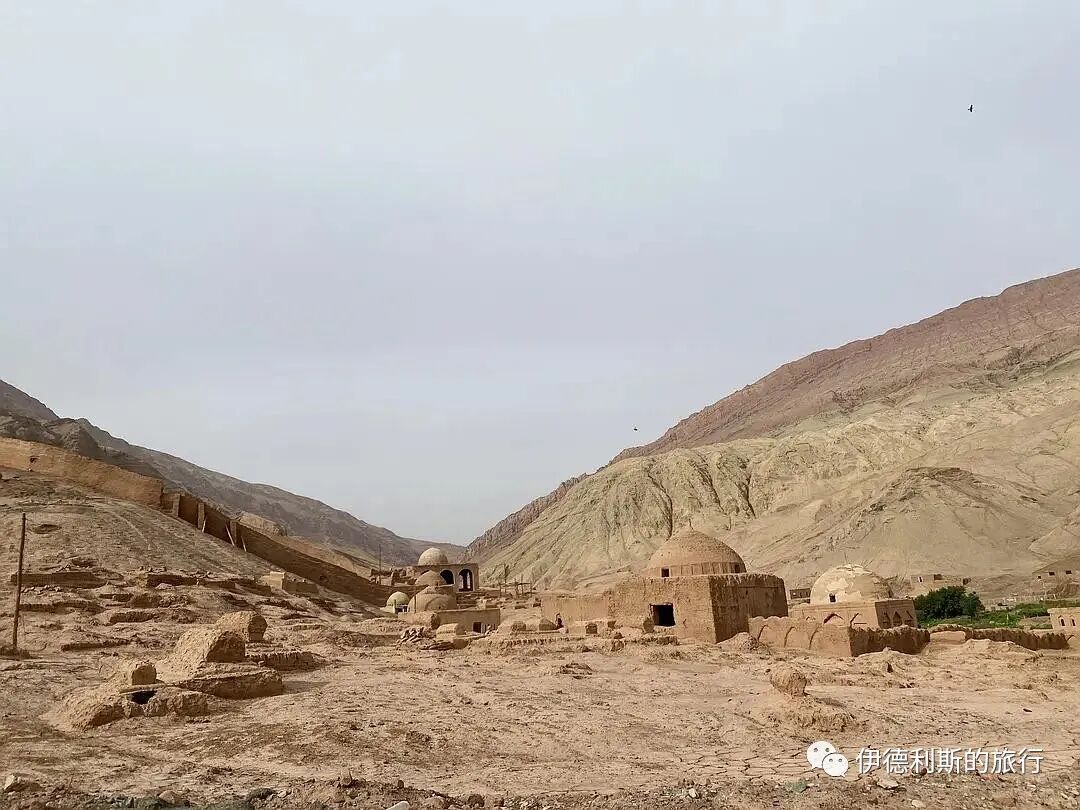
Tuyugou Mazar Aldi Village means 'in front of the cemetery'. Above Mazar Village is the famous Al-Sahab Kahfi Mazar, commonly known as the 'Holy Tomb'. I visited the Mazar in 2013, but unfortunately, it is no longer open for visits.
The traditional houses in Mazar Village are made of raw earth architecture. The walls are built with mud bricks or rammed earth. When laying the bricks, no mortar is used; instead, the moisture of the mud bricks themselves is used for adhesion, and the walls are covered with fine mud after being built. The roofs are divided into two types: wooden ribbed flat roofs and earthen arched roofs. The wooden ribbed flat roof is made by placing multiple thin wooden beams on the walls, covering the beams with reed mats, and then covering them with fine mud. Most of the wood used is local fast-growing poplar. The earthen arched roofs are made entirely of raw earth, and some roofs are plastered with straw-mud to serve as drying platforms for raisins. Because they have received charity from Muslims visiting the Mazar for generations, most villagers in Mazar Village only grow grapes and not crops, and raisins are also the main income for Mazar Village.
Tuyugou Grand Canyon and the Mazar. view all
Summary: This travel note introduces Turpan Halal Travel Guide in May: Ancient Sites and Uyghur Food (Part 2). At noon, we ate huangmian kaorou (yellow noodles with grilled meat) in Huoyanshan Town. It is useful for readers interested in Turpan Travel, Uyghur Food, Xinjiang Travel.
At noon, we ate huangmian kaorou (yellow noodles with grilled meat) in Huoyanshan Town. Huoyanshan Town is famous for its huangmian kaorou, and the whole street is filled with shops selling it. The most famous one is called 'Huoyanshan Famous Huangmian Kaorou Restaurant,' but it was fully booked when we arrived, so we ate at the place across the street. We ordered a mix of yellow noodles and liangpi (cold starch noodles). After the grilled meat was cooked, it was taken off the skewers and placed on top of the yellow noodles. It was so refreshing to eat in the summer, and it felt really suitable for the climate of the Flaming Mountains. We also had grilled fish, and everyone agreed that the meat was very fresh, tender, and delicious.
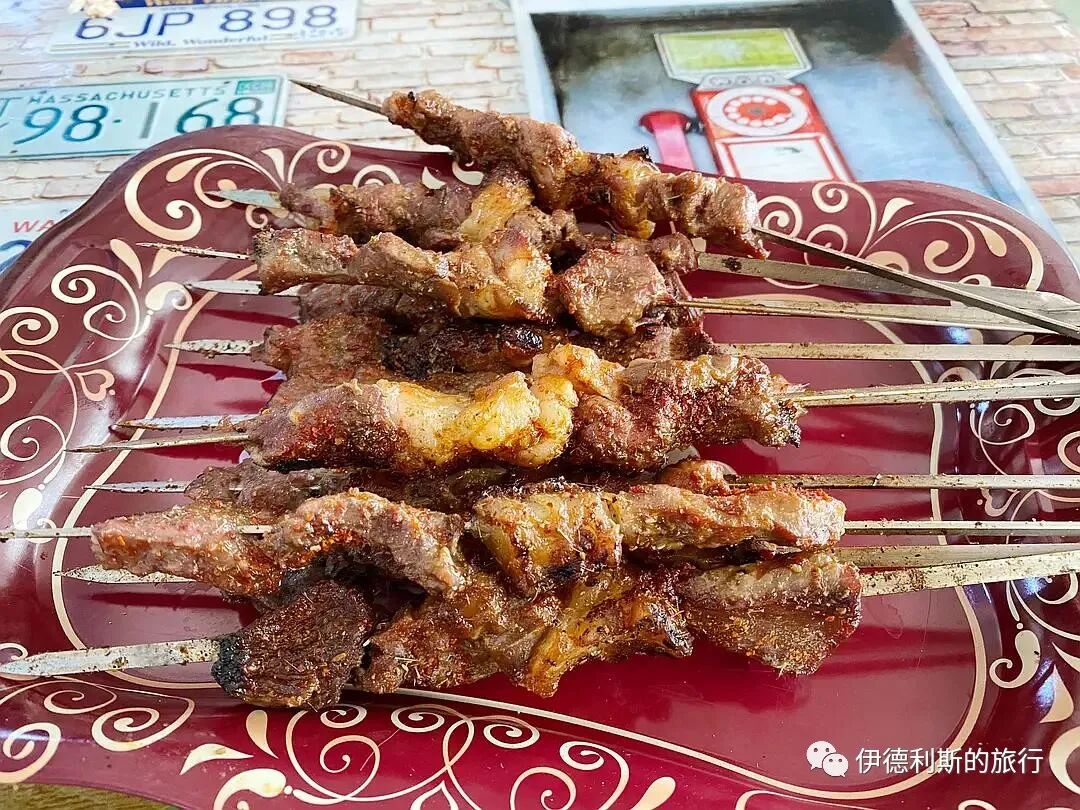
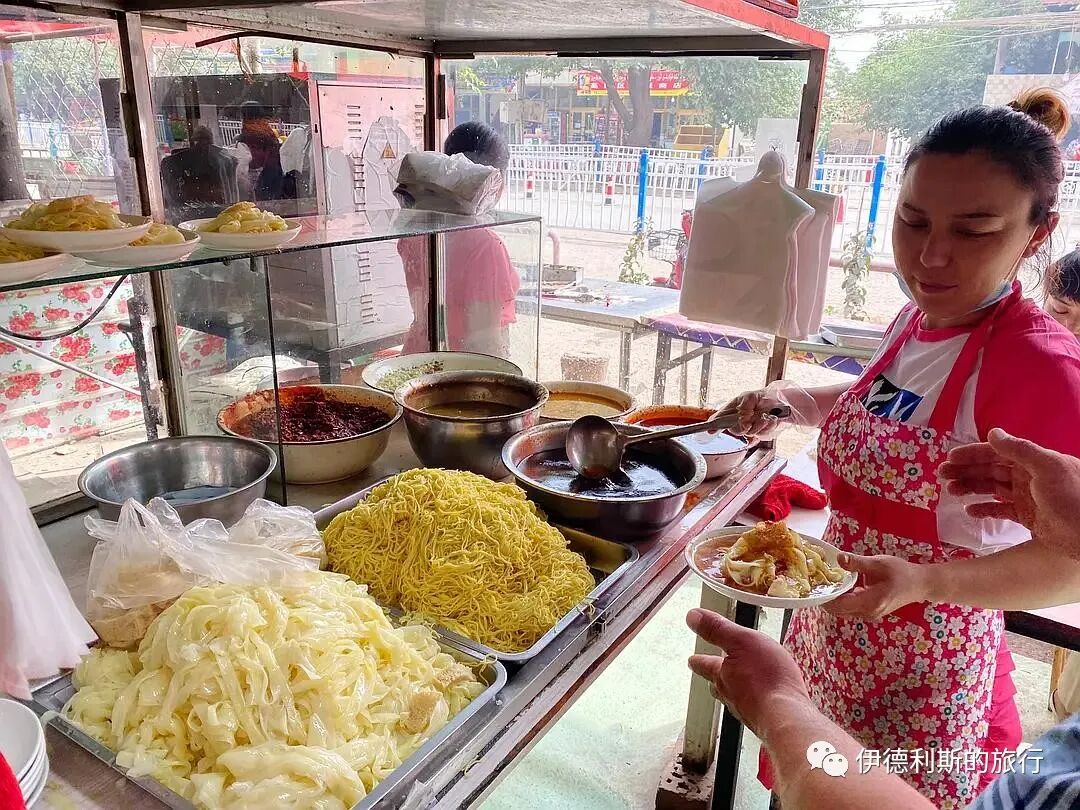
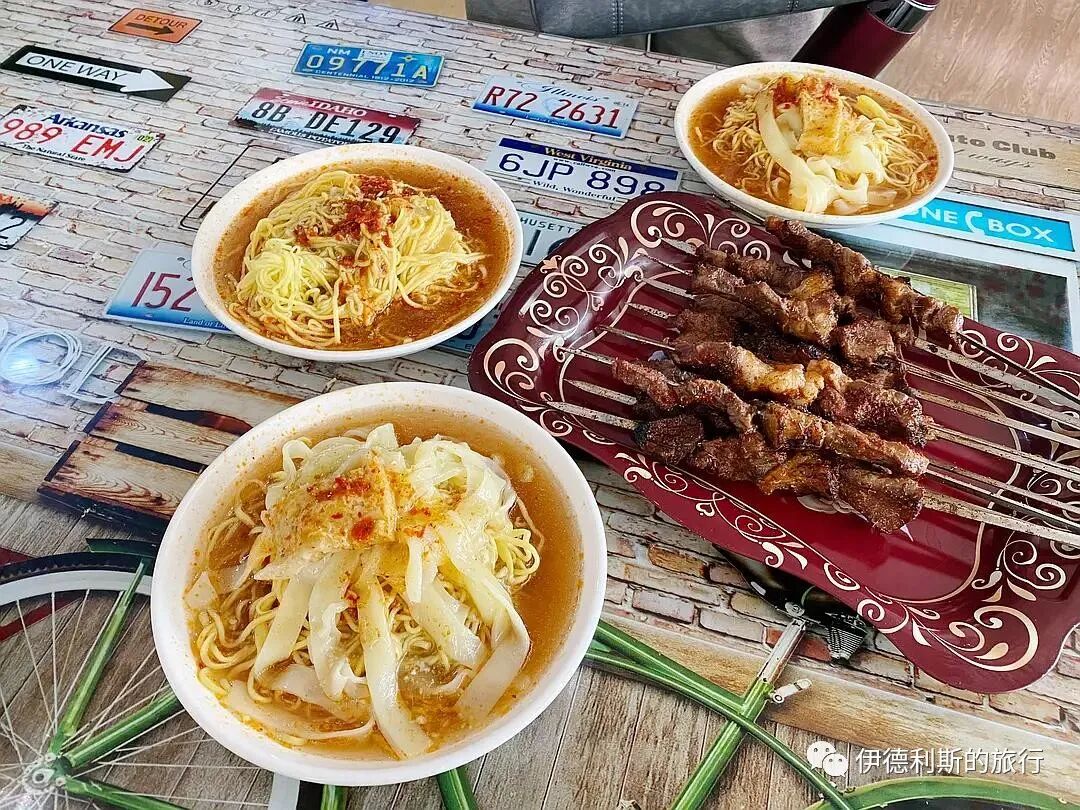
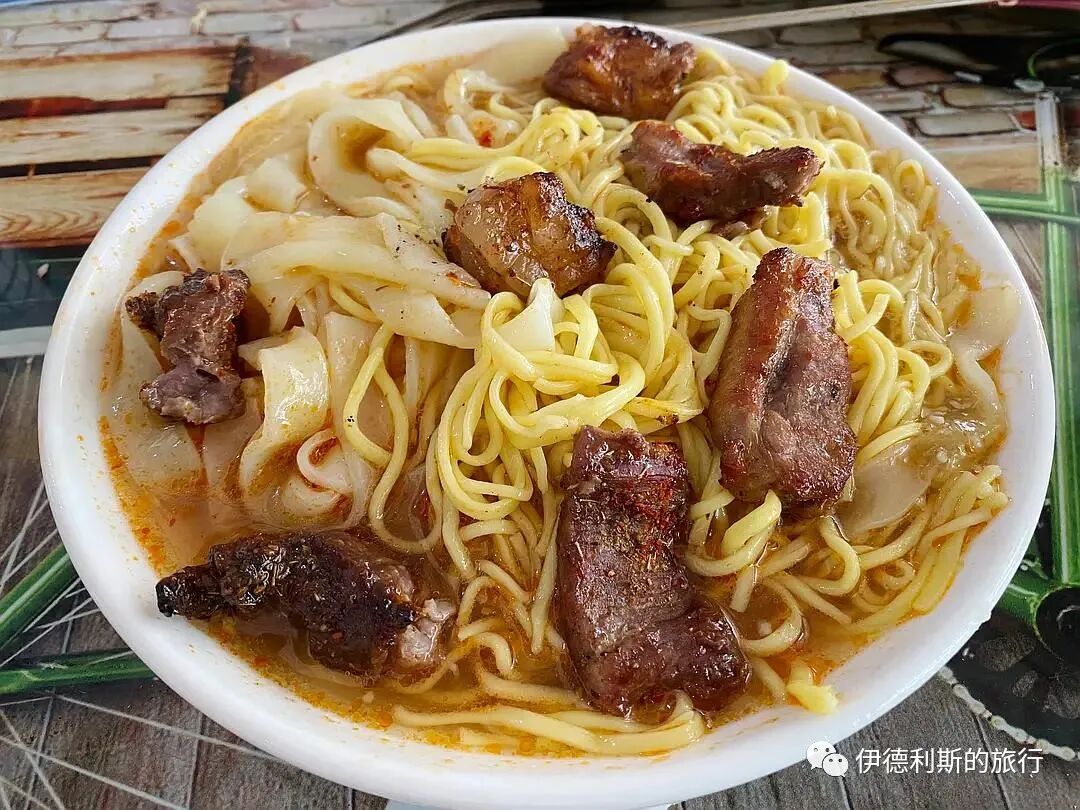
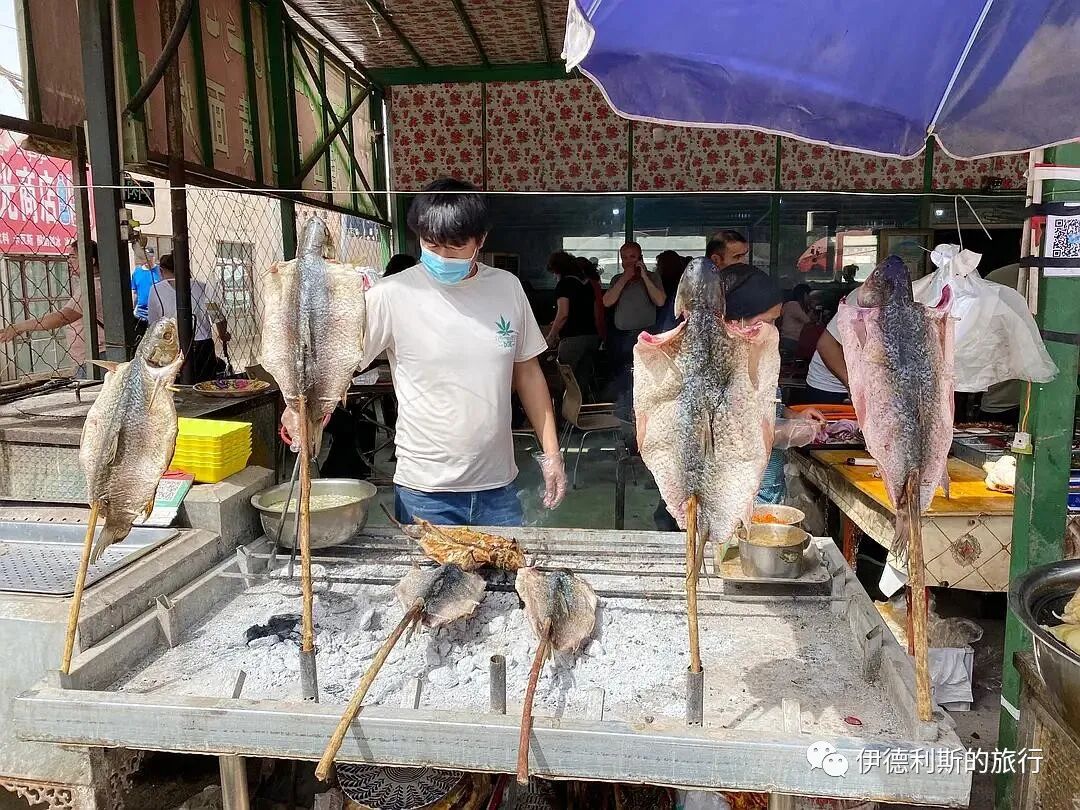
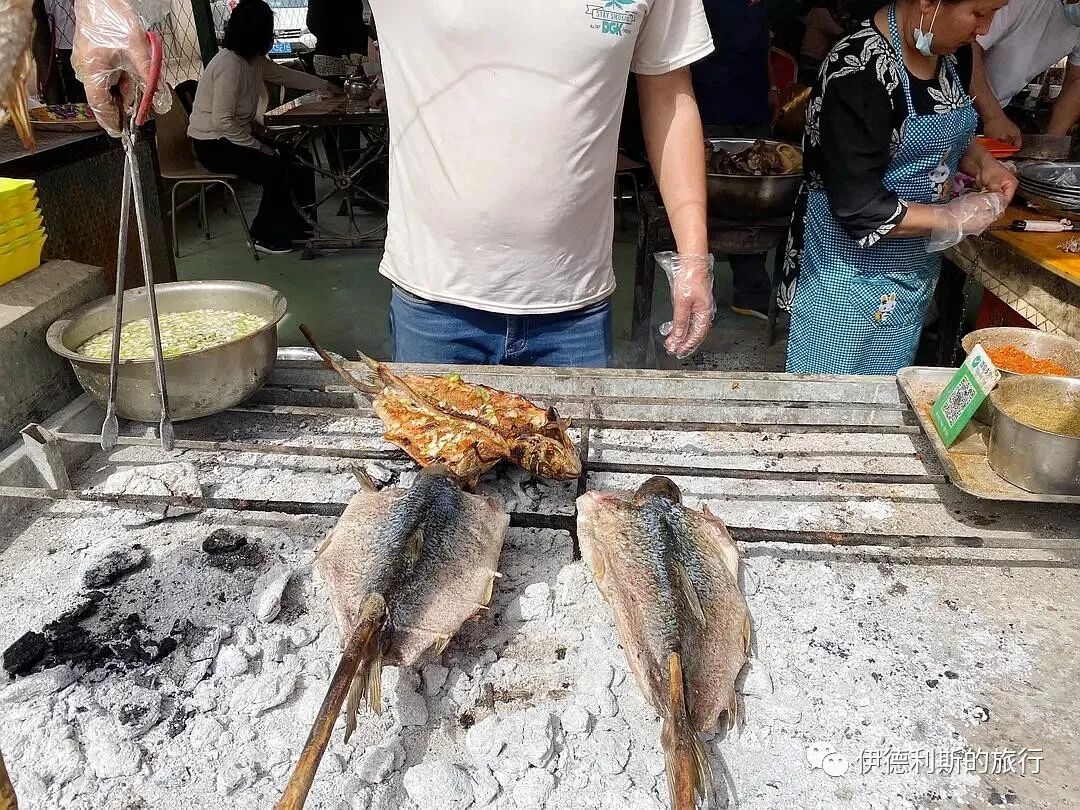
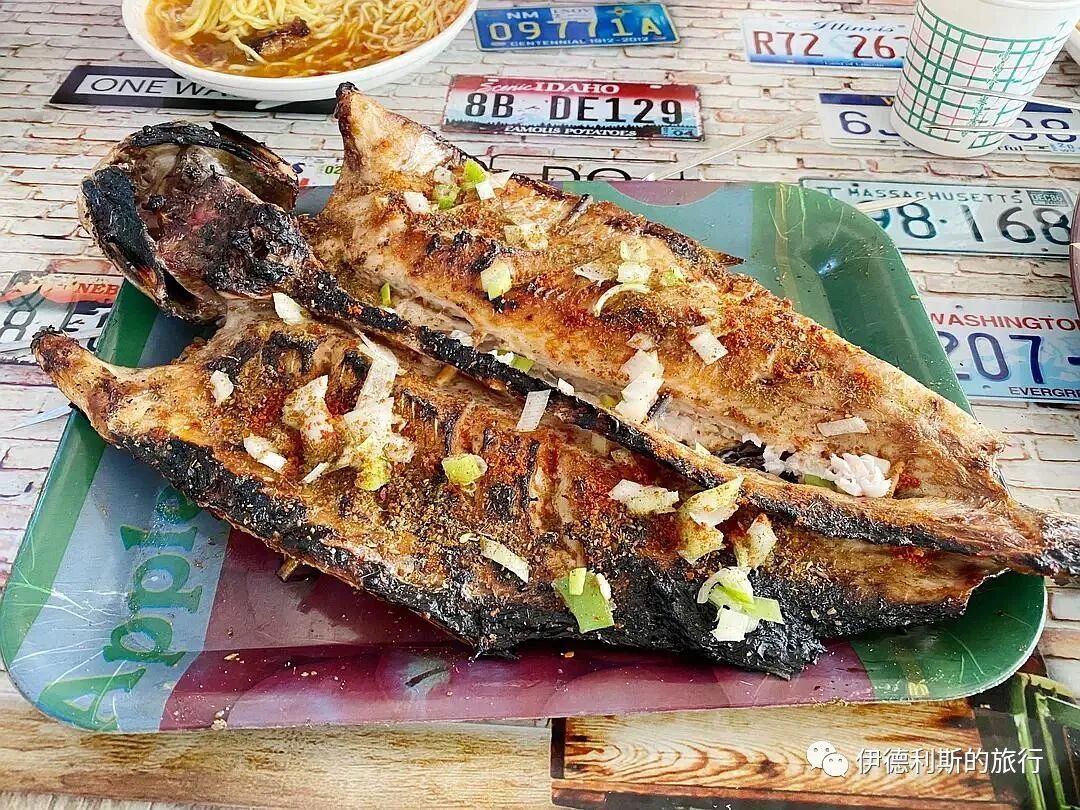
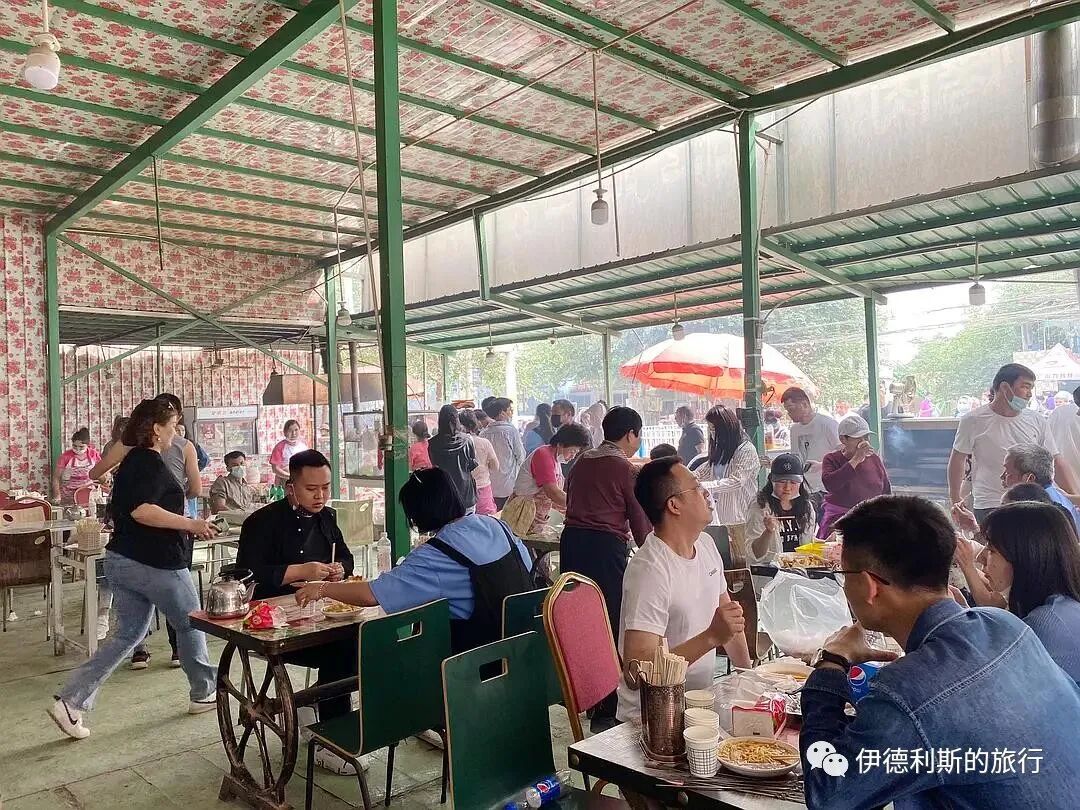
The beef head meat had a great texture from the gelatin, and the portion was very large. We also drank a fermented beverage made from raisins and dried apricots, which is a specialty of Huoyanshan Town; it is richer than kvass.
We also drank date water from the street, which was cool and thirst-quenching.
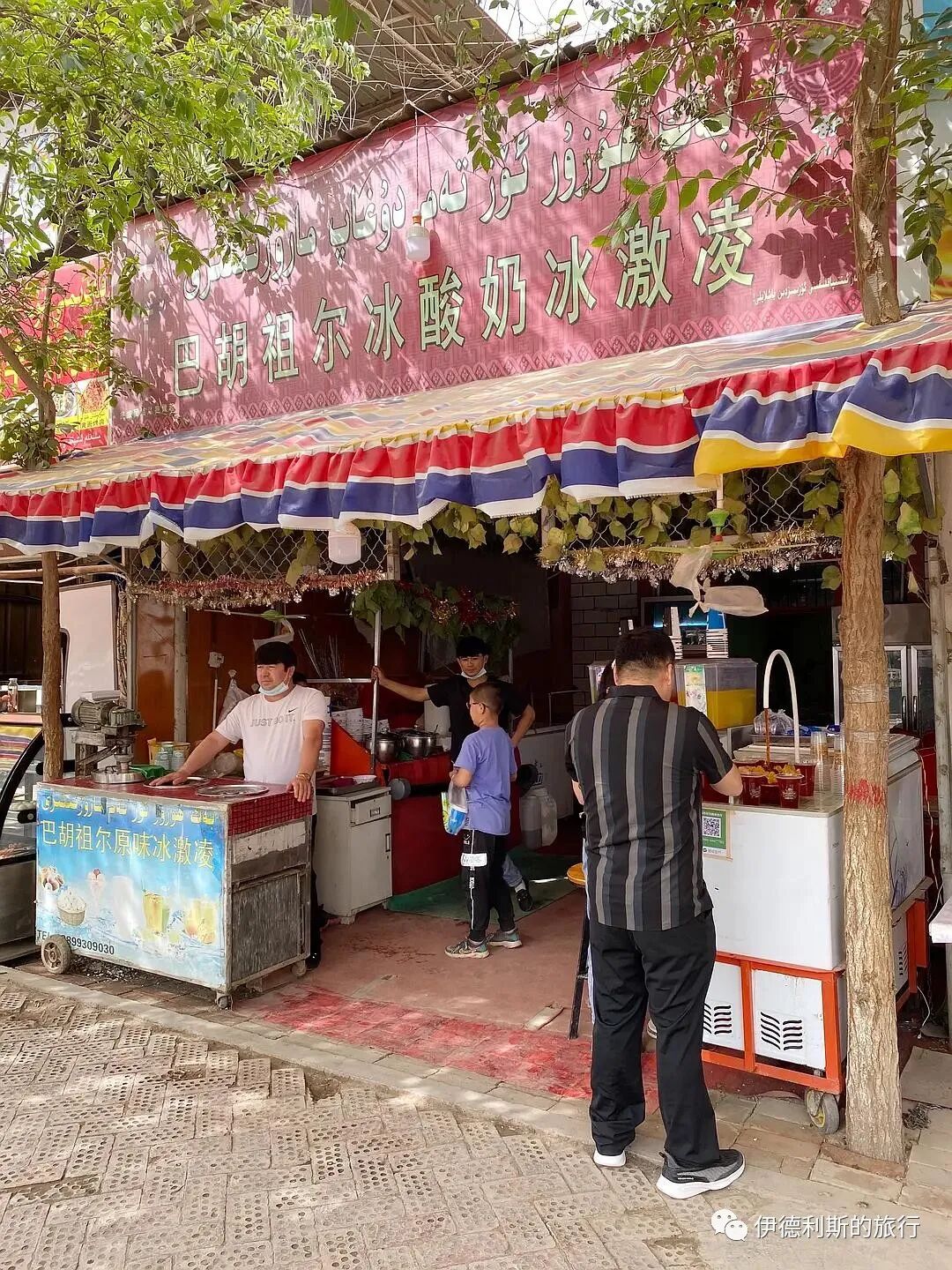
Stewed meat and corn nang (flatbread) on the streets of Huoyanshan Town.
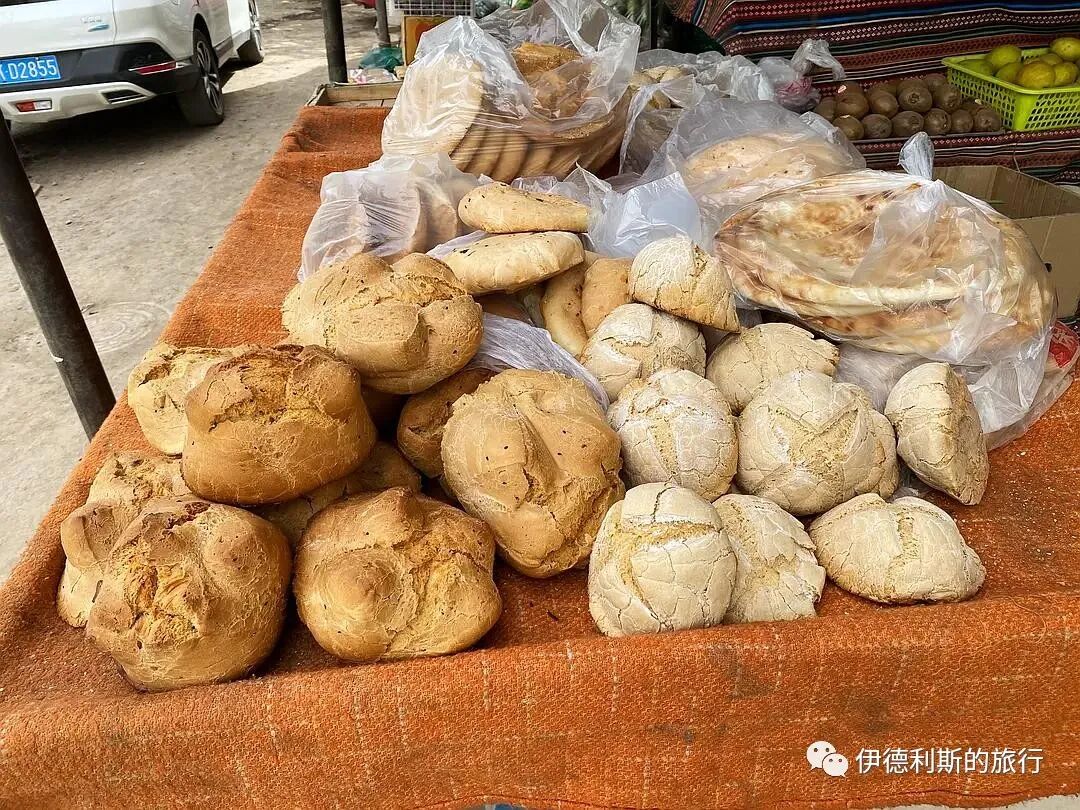
After lunch, we headed to Tuyugou. We bought dried mulberries and sorghum nang in Tuyugou. The prices here are very cheap and definitely not tourist prices.
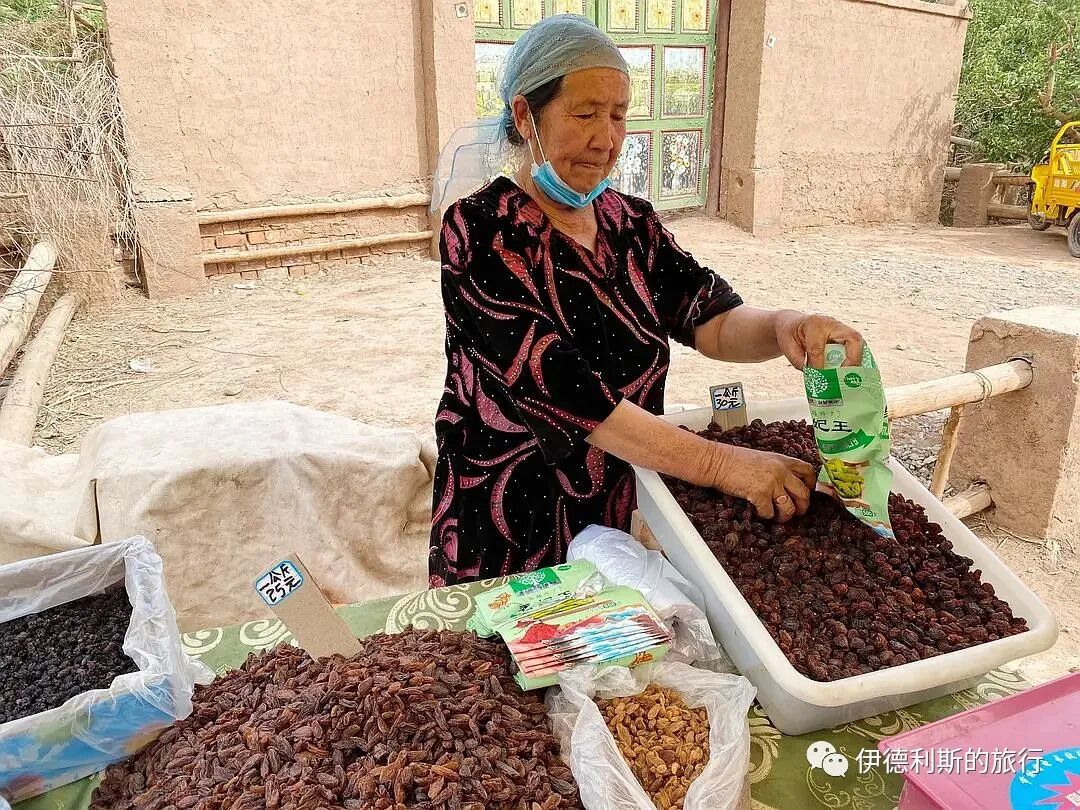
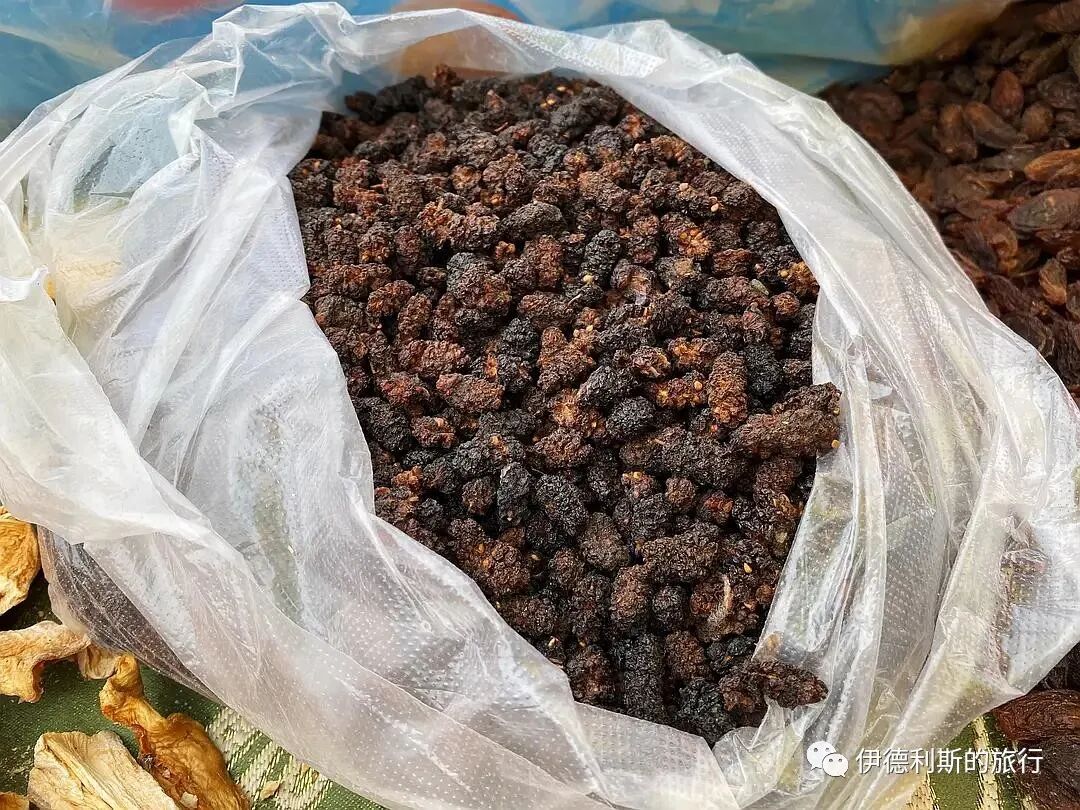
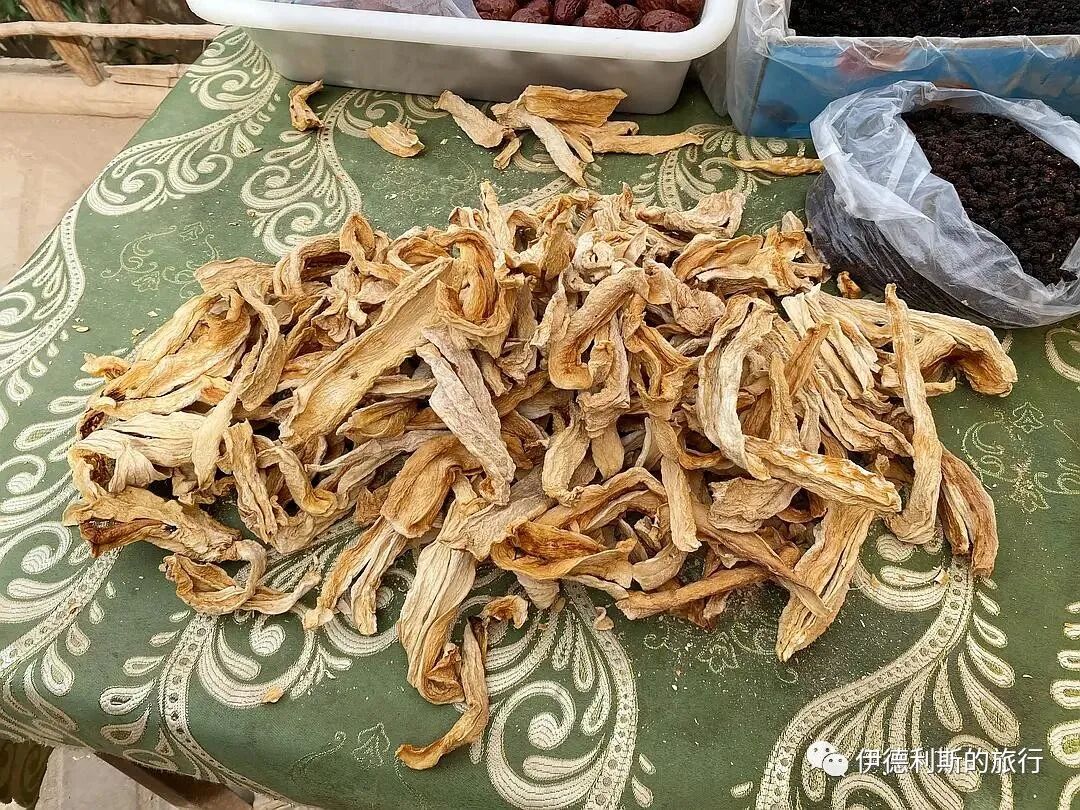
Dried cantaloupe is not often seen.
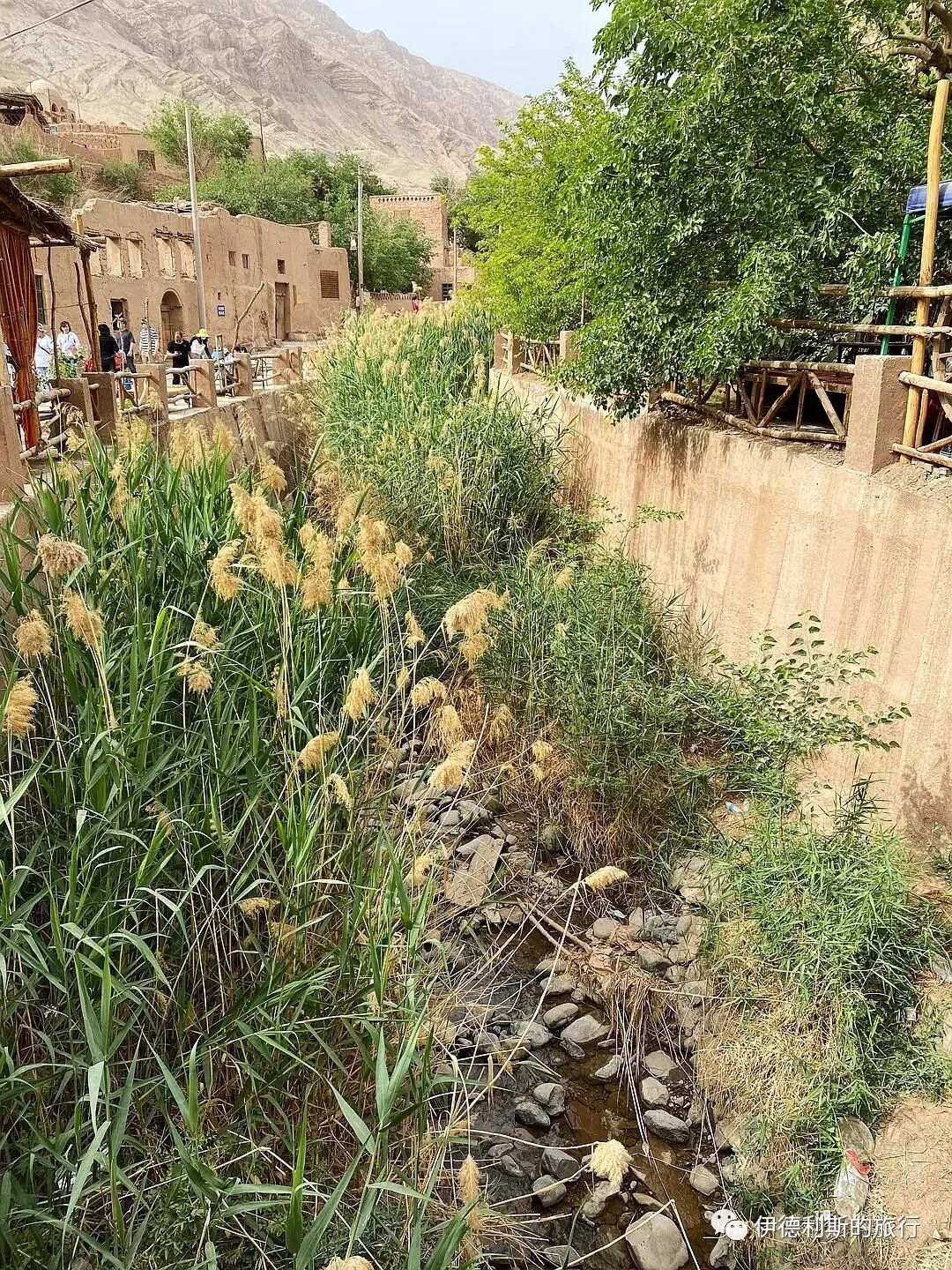
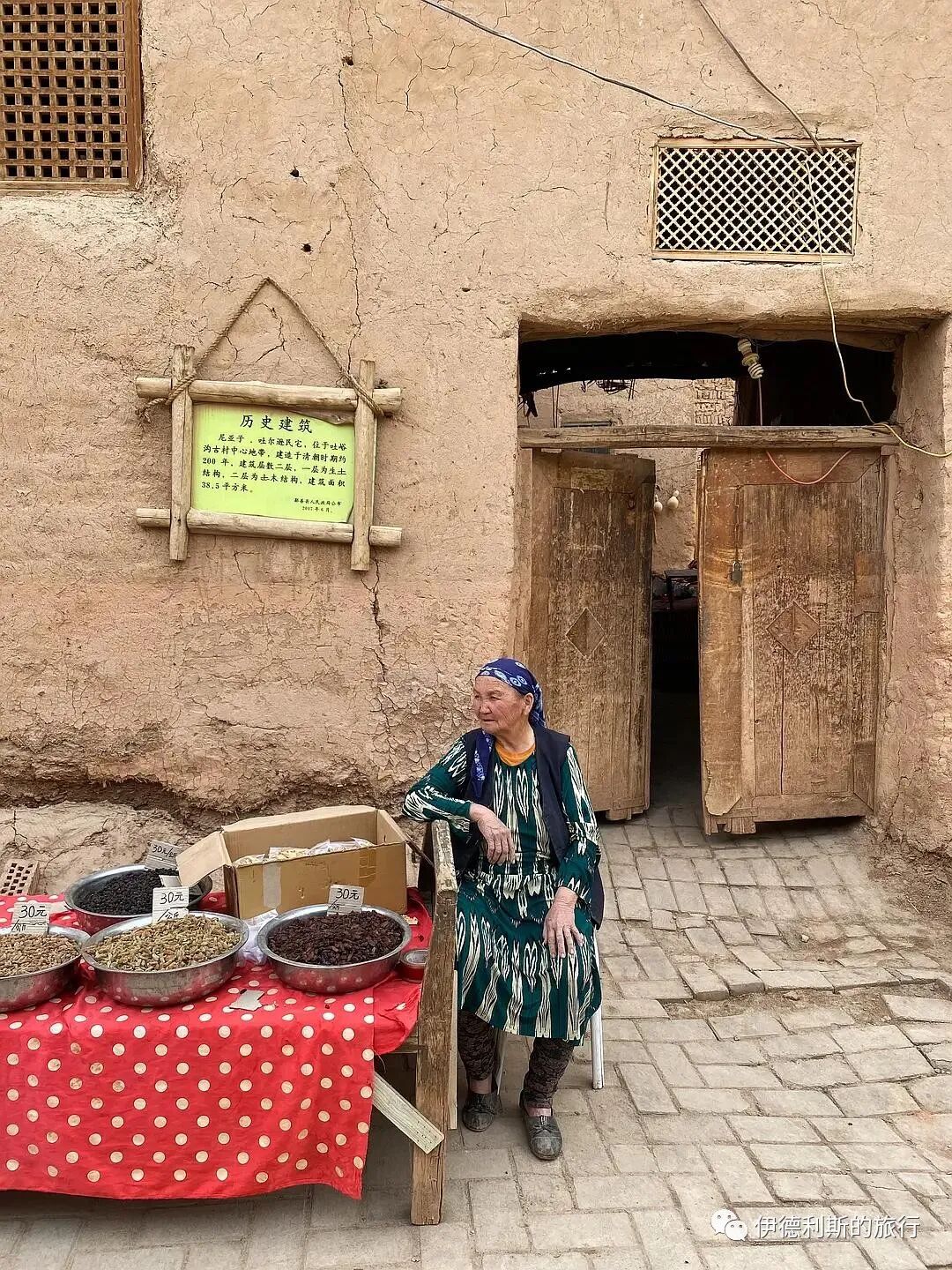
The sorghum nang was made by this young woman herself.
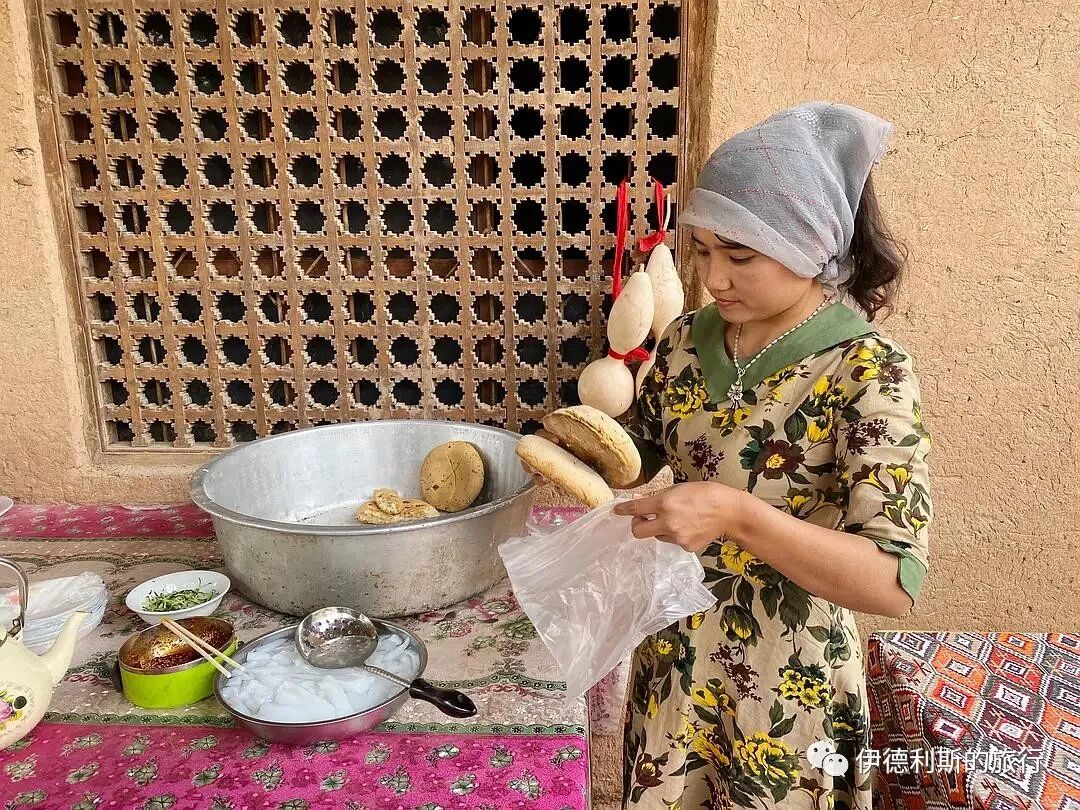
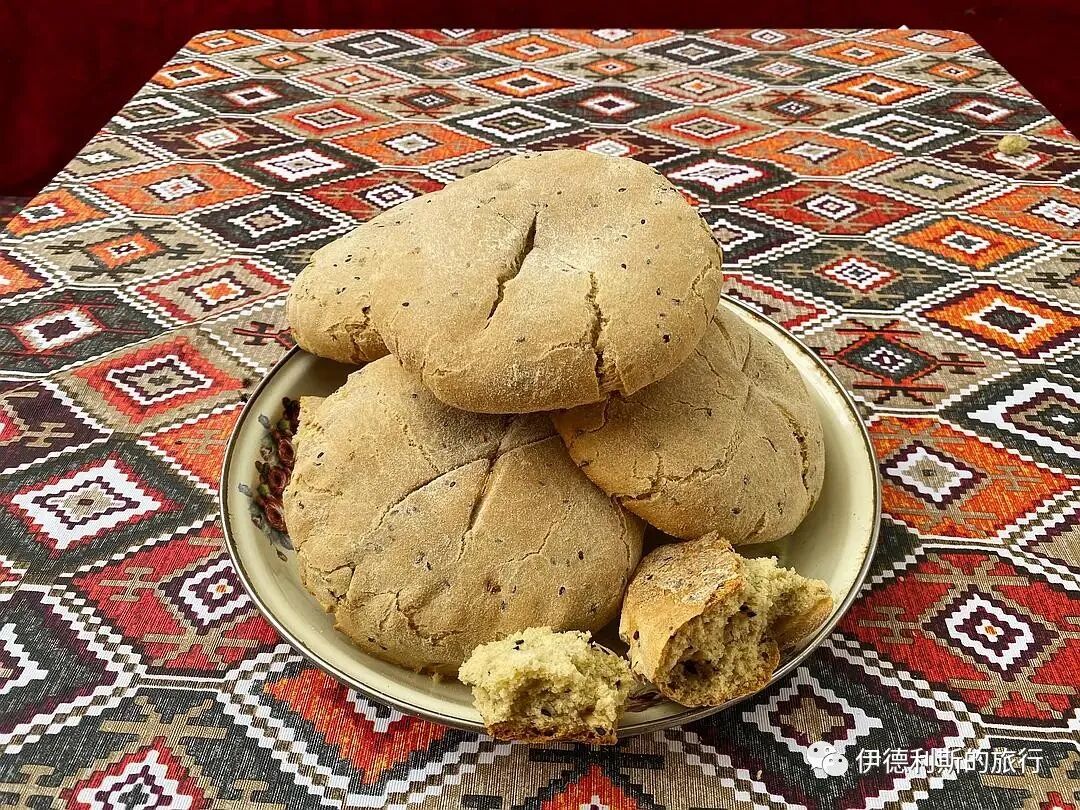
Tuyugou Mazar Aldi Village means 'in front of the cemetery'. Above Mazar Village is the famous Al-Sahab Kahfi Mazar, commonly known as the 'Holy Tomb'. I visited the Mazar in 2013, but unfortunately, it is no longer open for visits.
The traditional houses in Mazar Village are made of raw earth architecture. The walls are built with mud bricks or rammed earth. When laying the bricks, no mortar is used; instead, the moisture of the mud bricks themselves is used for adhesion, and the walls are covered with fine mud after being built. The roofs are divided into two types: wooden ribbed flat roofs and earthen arched roofs. The wooden ribbed flat roof is made by placing multiple thin wooden beams on the walls, covering the beams with reed mats, and then covering them with fine mud. Most of the wood used is local fast-growing poplar. The earthen arched roofs are made entirely of raw earth, and some roofs are plastered with straw-mud to serve as drying platforms for raisins. Because they have received charity from Muslims visiting the Mazar for generations, most villagers in Mazar Village only grow grapes and not crops, and raisins are also the main income for Mazar Village.
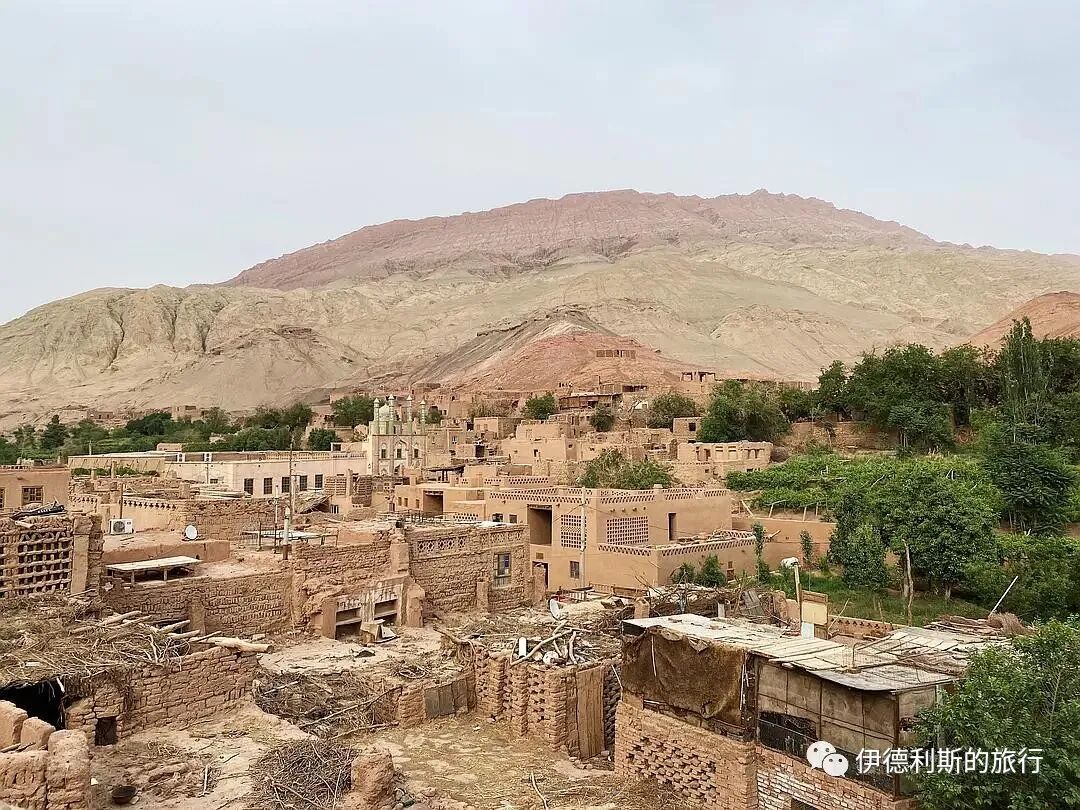
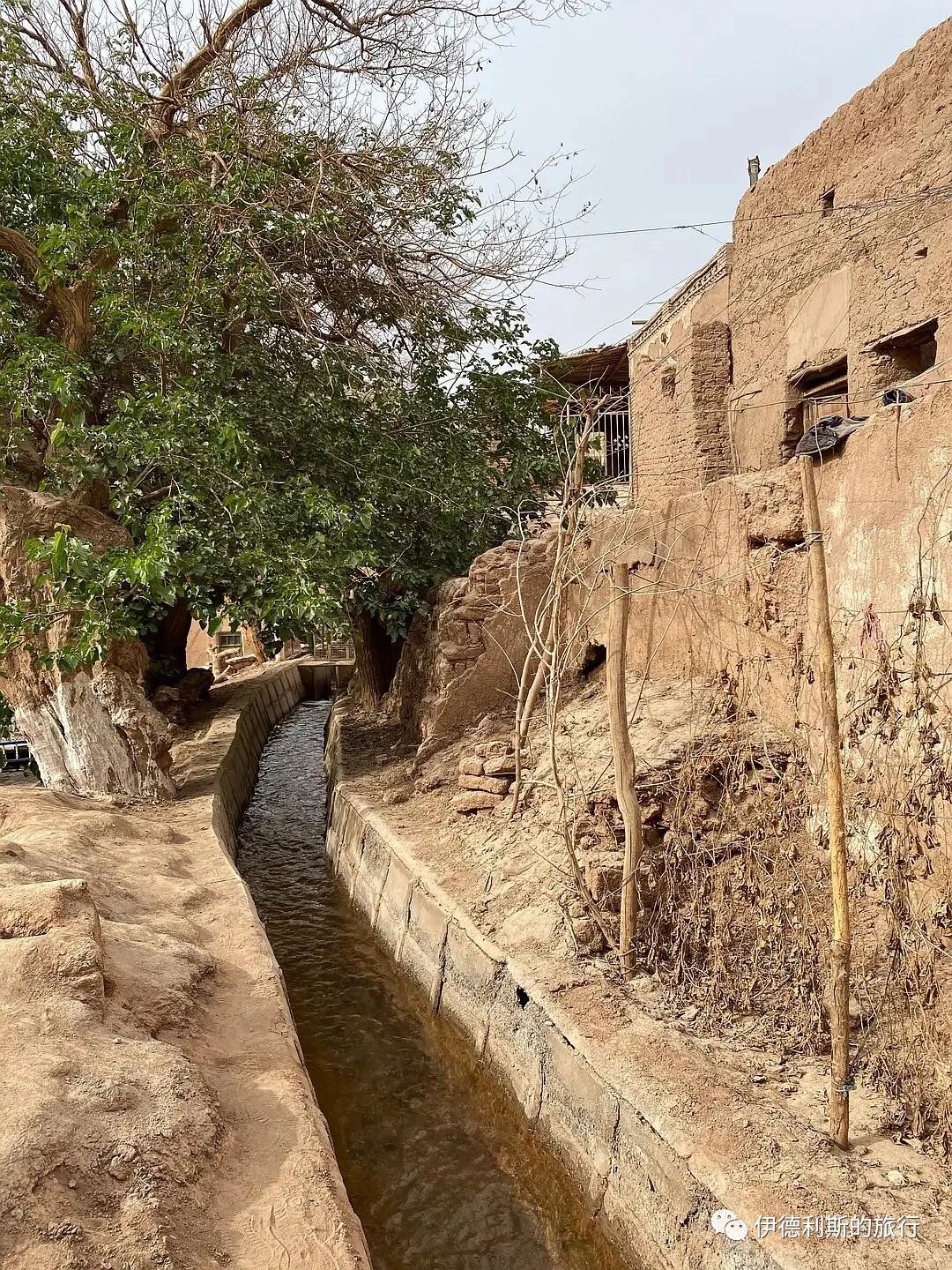
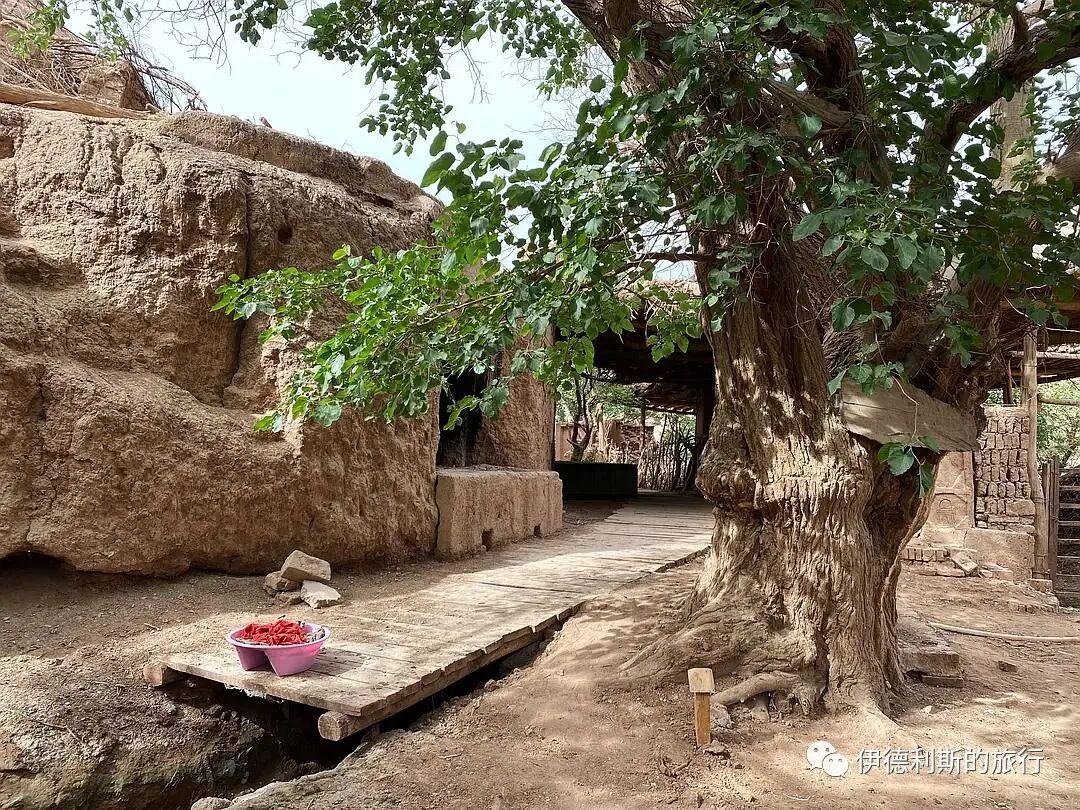
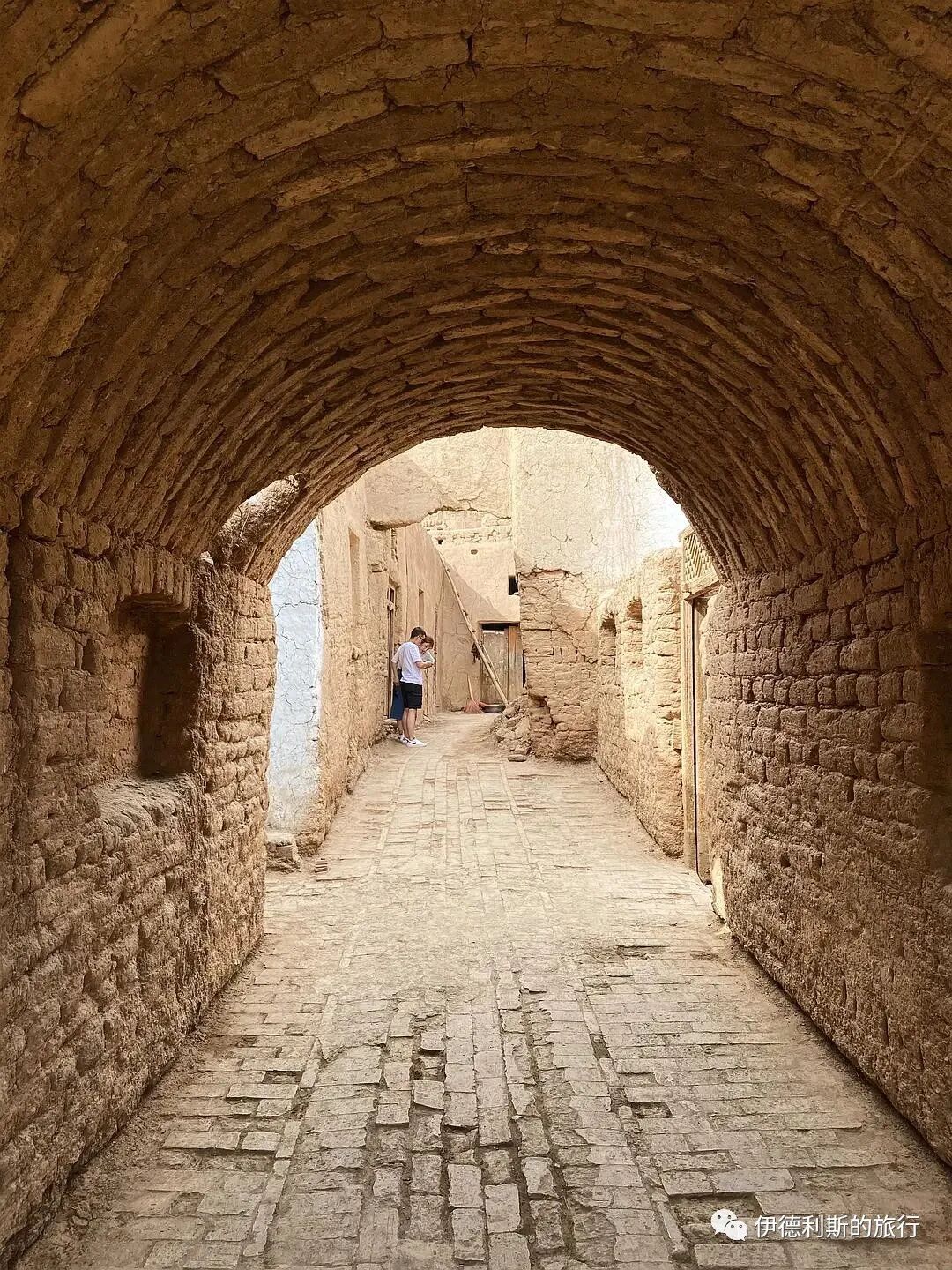
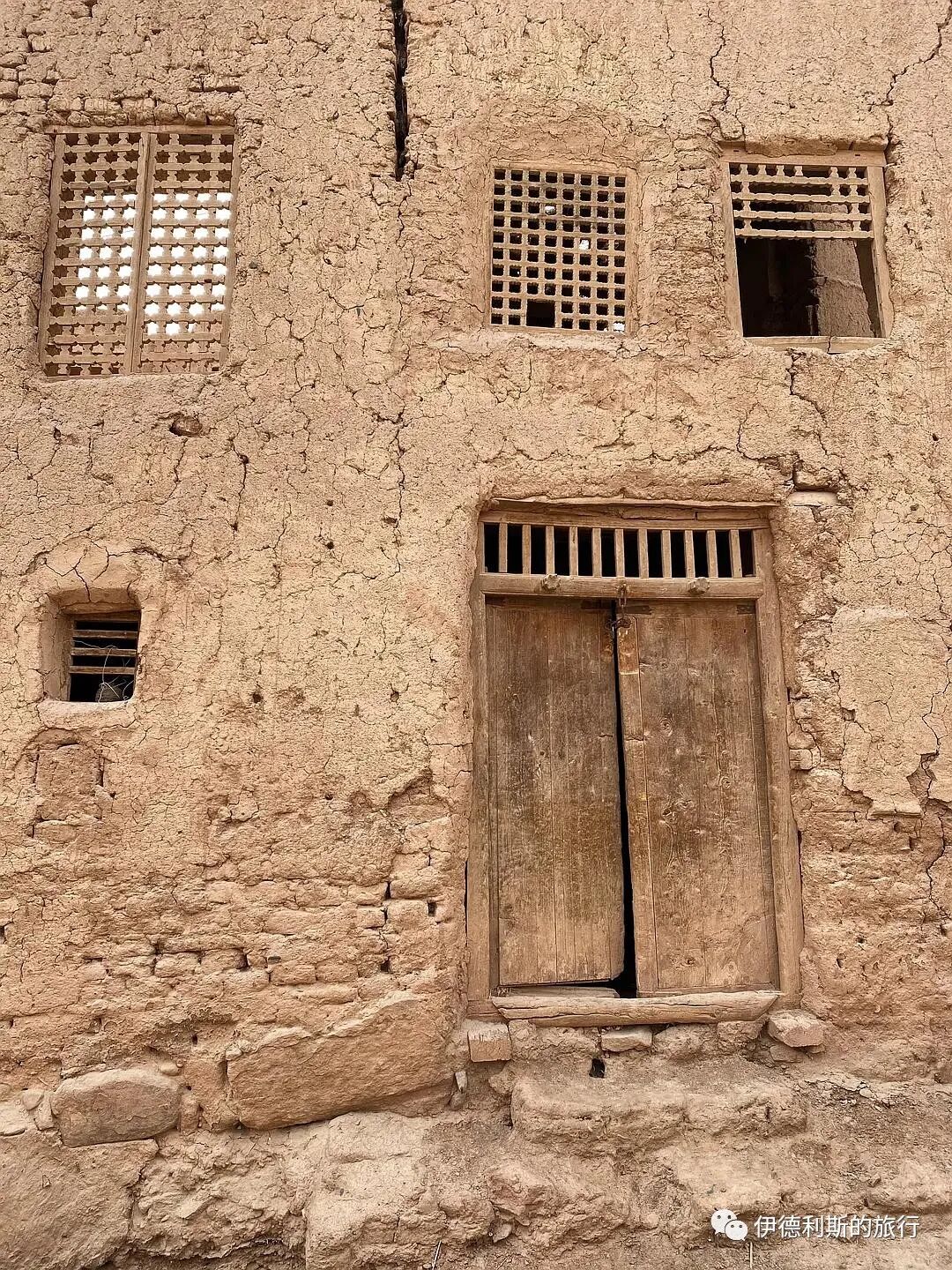
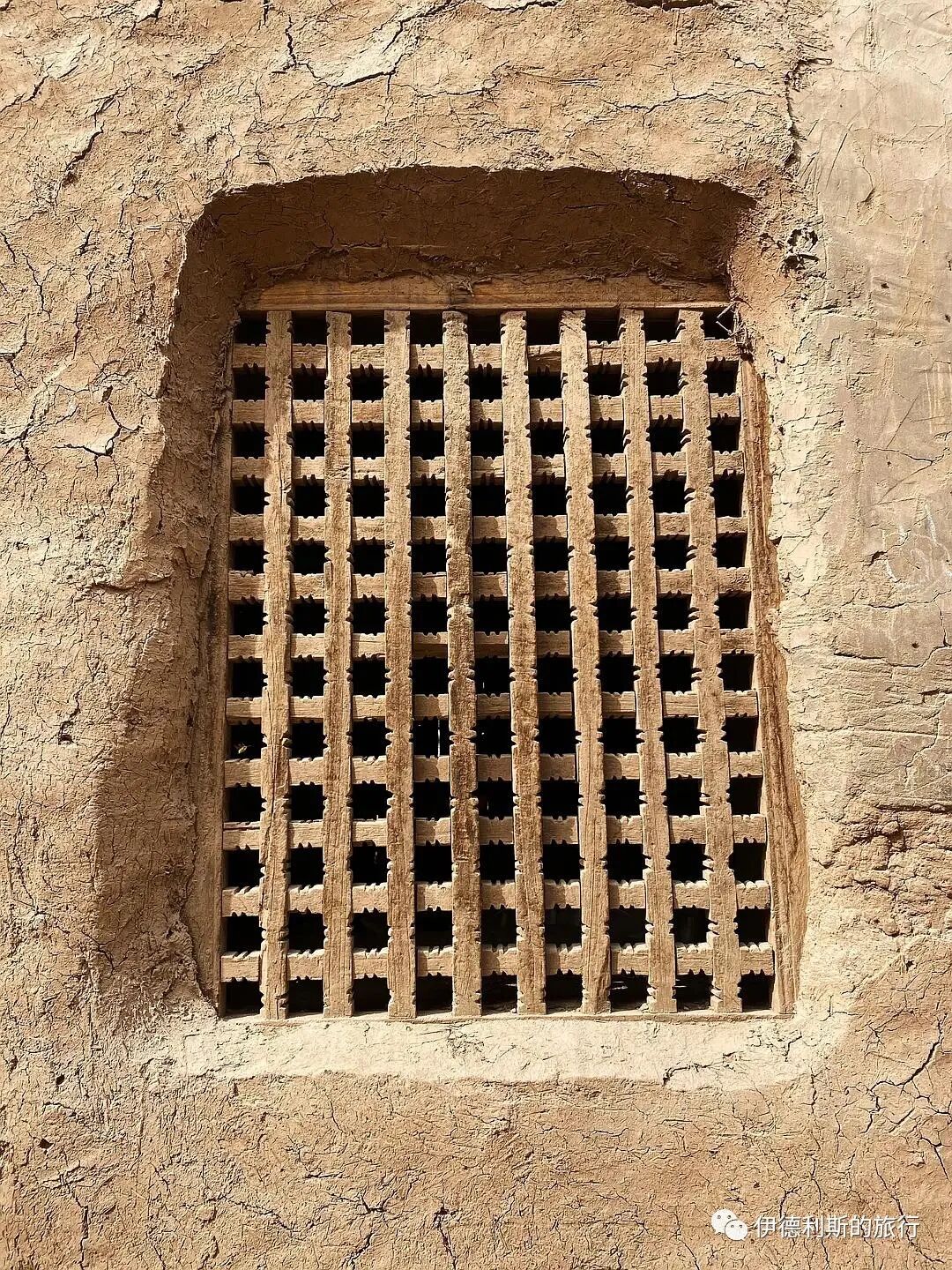
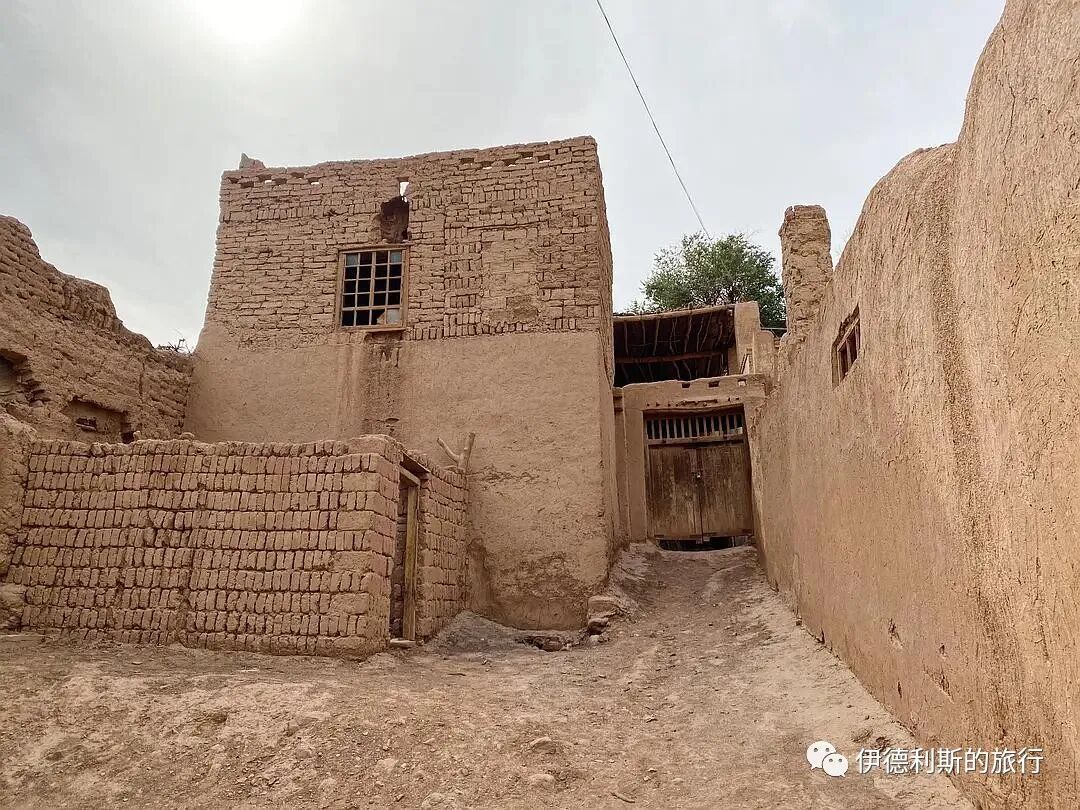
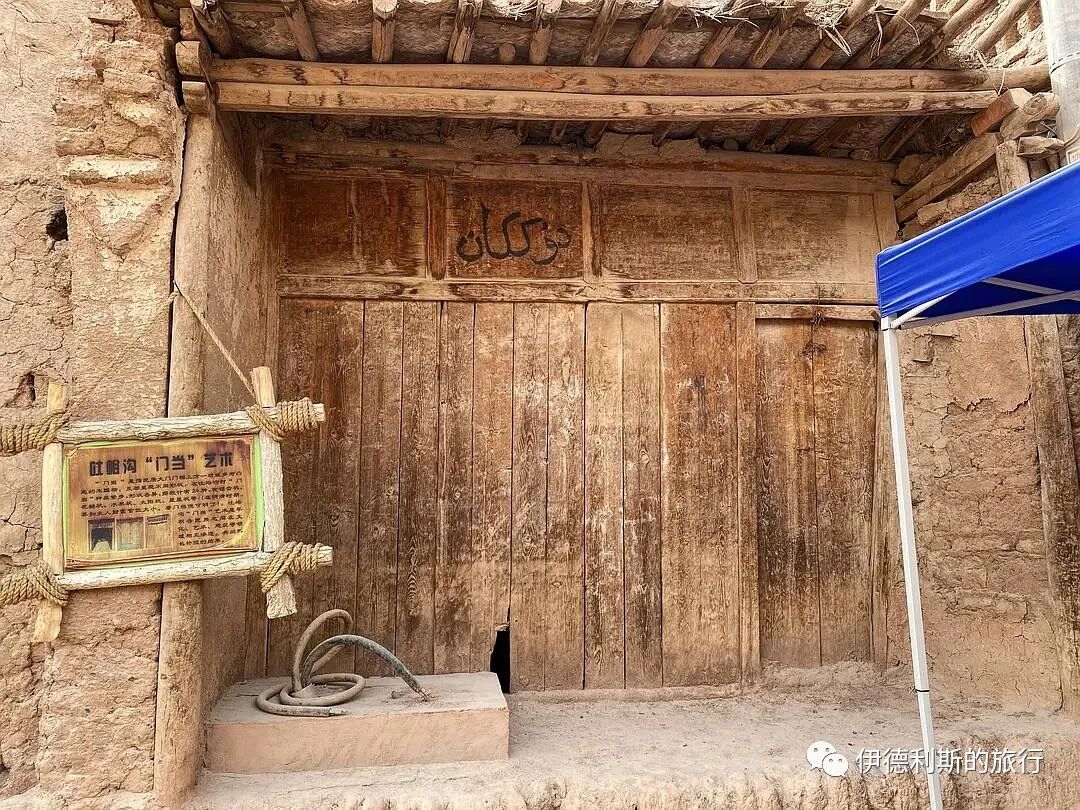
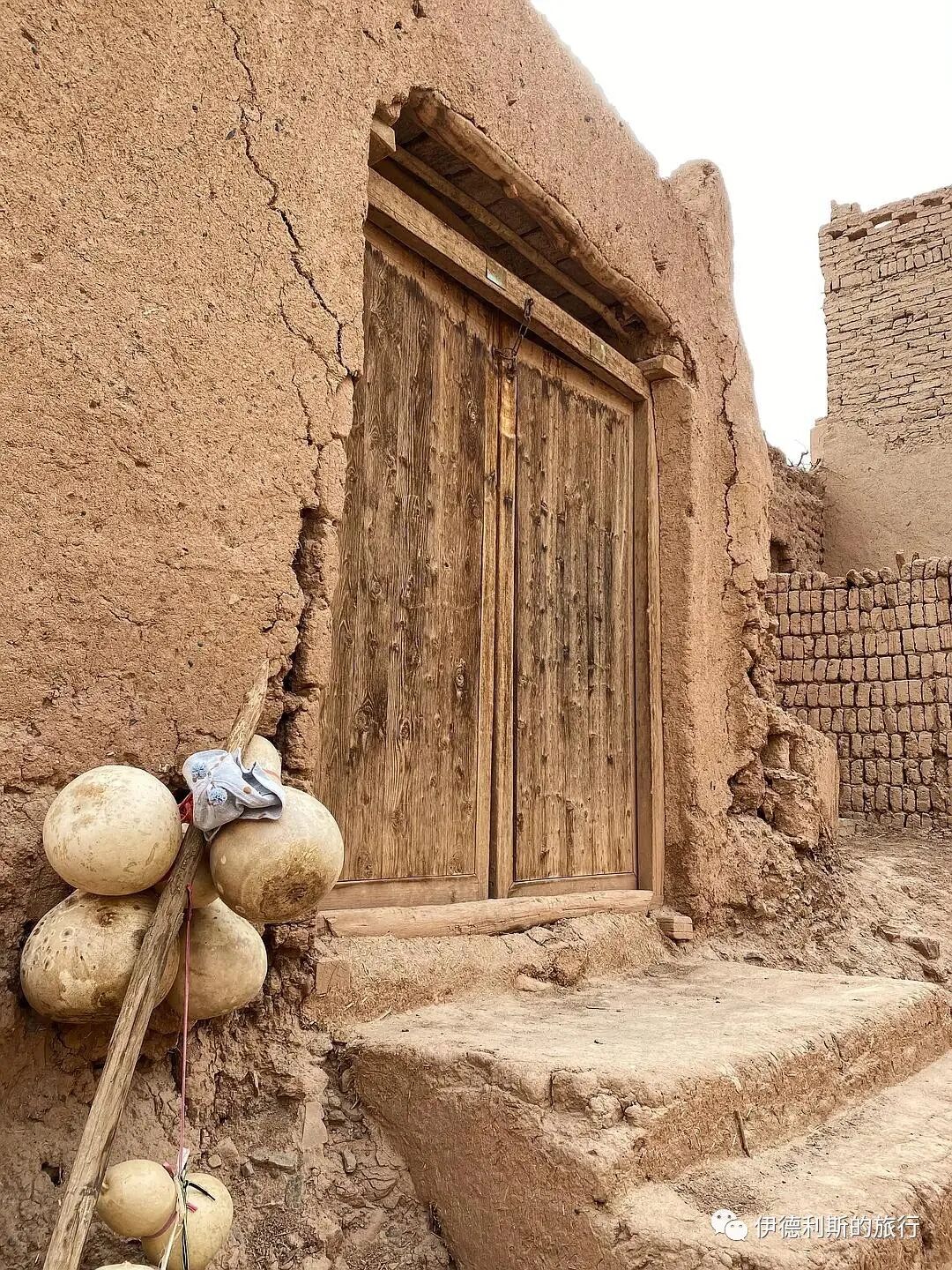
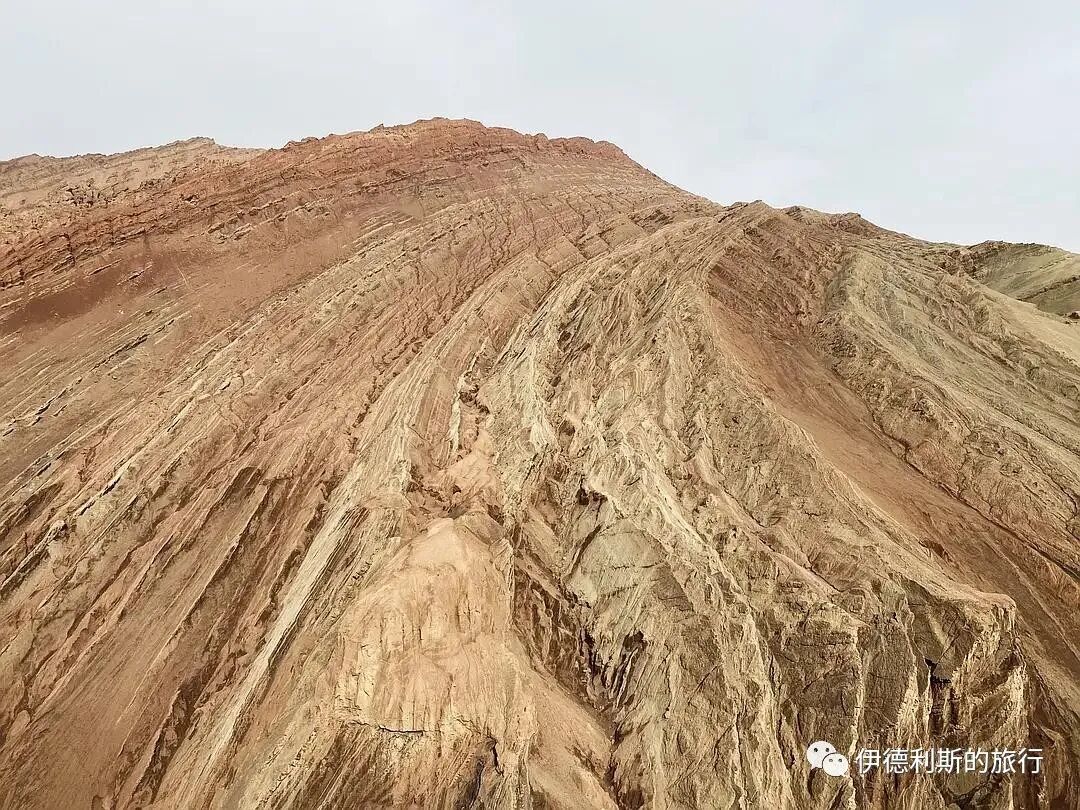
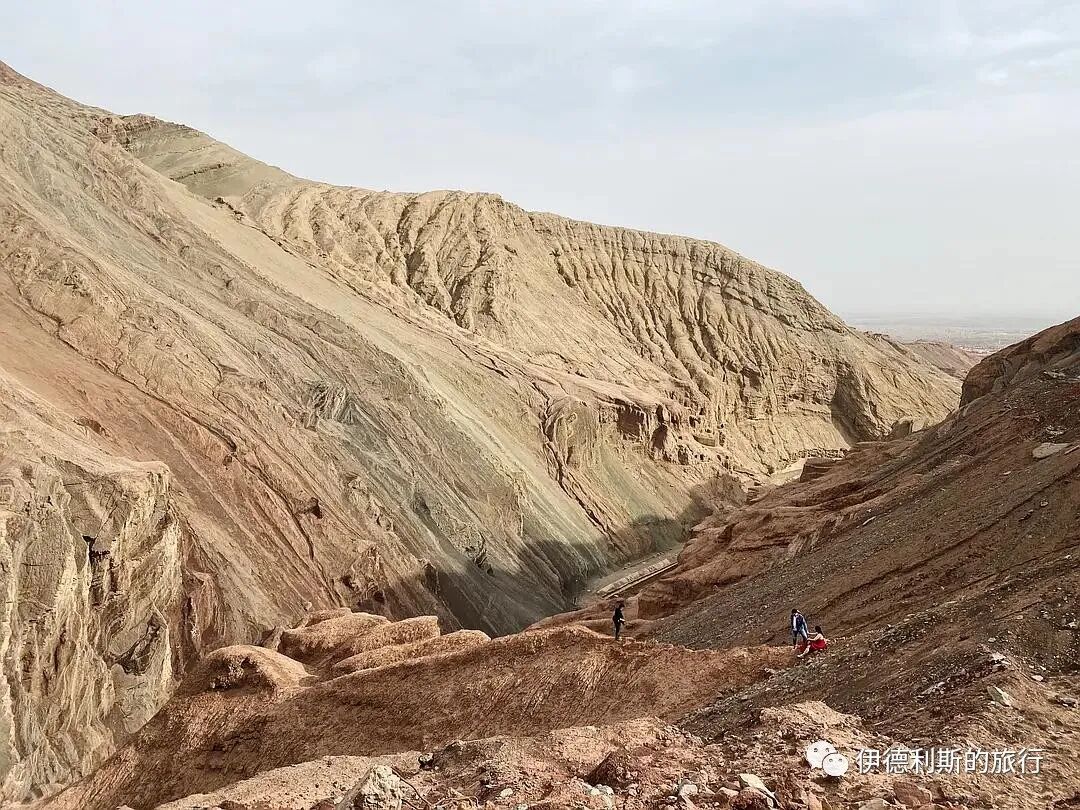
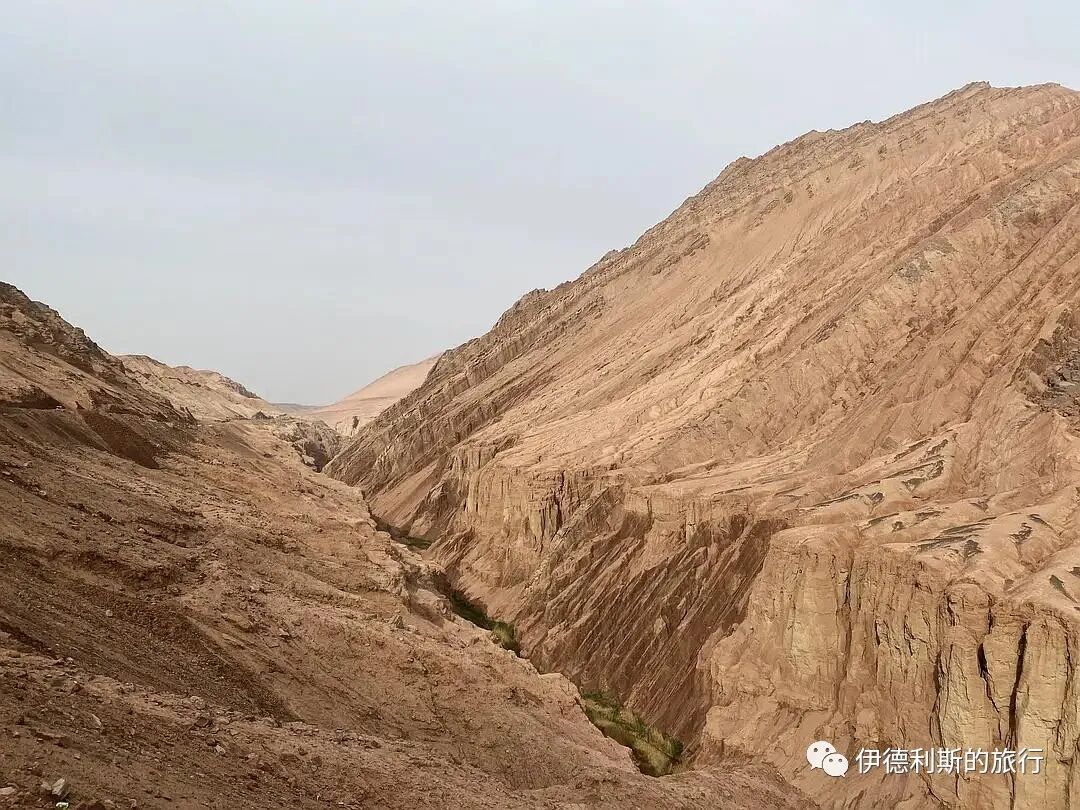
Tuyugou Grand Canyon and the Mazar.
Xinjiang Home Cooking Guide: Zainab’s Halal Recipes and Uyghur Food
Articles • ali2007fr posted the article • 0 comments • 145 views • 2026-05-18 01:36
Summary: Xinjiang Home Cooking Guide: Zainab’s Halal Recipes and Uyghur Food is presented here as a firsthand travel account in clear English, beginning with this scene: Author: Zainab. The account keeps its focus on Xinjiang Food, Halal Recipes, Uyghur Food while preserving the names, places, food, and historical details from the Chinese source.
Author: Zainab
As a girl from Urumqi, I often cook Xinjiang home-style dishes. I have put together some simple recipes to share with everyone.
1. Hand-pulled noodles (latiaozi)
2. Lamb chop pilaf (yangpai zhuafan)
3. Minced meat pilaf (suirou zhuafan)
4. Uzbek black pilaf (Uzbek hei zhuafan)
5. Braised lamb bone (hongshao yangbanggu)
6. Braised beef steak (hongshao niupai)
7. Big plate chicken (dapanji)
8. Ashura bean rice (Ashura doudoufan)
9. Awakening of Insects oil tea egg (Jingzhe youcha dan)
10. Starch noodle soup (fentang)
11. Fried starch jelly (zhamenzi)
12. Soup noodles (tangfan)
13. Stir-fried barbecue meat (chao kaorou)
1. Hand-pulled noodles (latiaozi)
1. Preparation: One and a half bowls of flour (for three plates of noodles), half a small spoonful of salt, one bowl of water, a large mixing bowl, a large cutting board, and a rolling pin.
2. Start:
(1) Sprinkle: Put the flour into the mixing bowl and sprinkle in the salt.
(2) Swirl: Pour in a little water and use your fingers to swirl the flour that has touched the water until it forms small, loose crumbles.
(3) Gather: Gradually gather the crumbles into a ball. Swirling and gathering happen at the same time until all the crumbles are part of one single dough ball.
(4) Press: Take the dough out of the bowl. Use the heel of your right hand to press forward, pushing the dough against the board while your left hand guides the direction as the dough rolls forward.
(5) Rest: After about 10 presses, the surface should be smooth. Cover the dough with the mixing bowl and let it rest for 10 minutes.
(6) Knead: Repeat the action from step (4) but don't press as hard, or the surface of the dough might break and lose its smoothness. Then repeat step (5).
(7) Rolling: Repeat step (6) two or three times, then roll the dough into a large round flatbread about 1cm thick. Brush it with raw oil, cover it with a basin, and you can go cook your stir-fry.
(8) Cutting, pulling, and stretching: When the stir-fry is almost ready, find a pot for the noodles and boil water. Meanwhile, cut the dough into strips about 1cm wide. Start from one side and pull them forward bit by bit. Once the diameter is halved, fold the noodles once or twice. Use both hands to stretch and slap them against the cutting board to make the noodles thinner and chewier.
(9) Boiling: Drop them into the pot, cook for a while, and take them out. If you are making mixed noodles, rinse them in cold water. If you are serving them with big plate chicken (dapanji), you do not need cold water; just scoop them out and put them directly into the big plate chicken.
2. Lamb chop pilaf (yangpai zhuafan)
I tried an innovative way to make lamb chop pilaf (zhua fan) to save time and make the meat tender.
1. Pressure cook the lamb chops for 10 minutes (I used the rice cooking mode for 10 minutes).
2. Heat oil in a wok (use plenty of oil, about 3-4 times the amount for regular stir-fry). Add onion slices, salt (make it slightly salty), and sugar. Then add half of the carrot strips. Once the carrots shrink, add the pressure-cooked lamb chops and stir for a while.
3. In the pressure cooker, layer from bottom to top: raw carrot strips, rice, and the stir-fried meat and oil mixture. Use the rice cooking mode.
3. Minced meat pilaf (suirou zhuafan)
1. Preparation: Cut the boneless meat into pieces, cut carrots (2) into strips, cut onion (half) into chunks, wash and soak the rice (3/4 bowl for two people), and prepare salt, cumin, and sugar.
2. Start: Heat the oil, add the onion chunks, and stir-fry the meat. Add two spoons of salt and one spoon of cumin until the meat is dry. Add half of the carrot strips (I like to add a little sugar) and stir until they shrink. Pour the other half of the carrot strips, the rice, and the stir-fried meat and oil into the rice cooker. Add water (rice:water and oil = 1:1) and sugar (to make the pilaf shiny), then just steam the rice.
4. Uzbek black pilaf (Uzbek hei zhuafan)
I once made Uzbek black pilaf while working from home during the pandemic. Master Wang said he wanted to eat it, so I tried making it again, though I was a bit rusty:
1. Wash a bowl of rice and let it soak.
2. Heat the oil, add the onion chunks and a whole head of garlic. Once you smell the garlic, take it out and set it aside.
3. Continue to fry the onions until they are dry and dark brown. Stir-fry the meat, then add two spoons of salt and one spoon of cumin.
4. Once the meat is dry, add the carrot strips and stir until they shrink. Pour the stir-fried meat and oil into the rice cooker, add the rice and water (rice:water and oil = 1:1), sprinkle a little more cumin, and place the whole head of garlic you fried earlier on top. Use the rice steaming mode. *Note: Do not use too much oil, or the rice will be undercooked. That happened this time, so I poured out some oil, added half a bowl of water, and ran the rice steaming mode again to get it right.
5. Braised lamb bone (hongshao yangbanggu)
1. Wash 5-6 lamb bone marrow bones and ginger slices. Put them in a pot with half a bowl of water and boil over high heat. Keep stirring and add a spoon of salt during the process until the water boils away.
2. Add a quarter tablespoon of soy sauce and stir well.
3. Add water until the bones are covered. Once it boils, turn to low heat and simmer. Stir occasionally. After about an hour, the water should be boiled away.
6. Braised beef steak (hongshao niupai)
First, blanch the beef ribs. Once they turn white, take them out. Heat oil, add the meat, ginger, a little cinnamon, star anise, and bean paste (doubanjiang). Stir-fry for a while, then add fresh chili peppers. Once the meat has dried out, put it in a pressure cooker and stew for 25 minutes.
7. Big plate chicken (dapanji)
1. Preparation: half a chicken (use a layer hen or free-range chicken (chaiji) for a pressure cooker, or a Sanhuang chicken or broiler for a wok; we used a free-range chicken this time), 2 potatoes cut into chunks, 1 green onion cut into diagonal slices, 10 whole dried chili peppers (lapi-zi), 4 cloves of garlic sliced, sliced ginger, 2 small spoons of salt, 2 small spoons of Sichuan peppercorn powder, 2 small spoons of pepper powder, 1 small bag of tomato paste, 1 spoon of bean paste (doubanjiang), half a spoon of soy sauce, and vinegar.
2. Start: Use plenty of oil. Add the chicken pieces, dried chili peppers, and ginger slices to the wok. Add salt, Sichuan peppercorn powder, pepper powder, tomato paste, a little bit of the green onion and garlic, and the bean paste. Stir-fry until the blood has dried out from the chicken, then add soy sauce and turn off the heat.
3a. If using a layer hen or free-range chicken, use an electric pressure cooker. Add the stir-fried chicken and water (about 4 cooking spoons of water, do not cover the chicken). Place the potato chunks on top. Pressure cook for 15 minutes, then open the lid. Take out the potatoes first, add the remaining green onion and garlic, add a drop of vinegar, stir, and serve.
3b. If using a Sanhuang chicken or broiler, add all the green onion, garlic, water, and potato chunks when adding seasonings in the wok. Cook until the potatoes are soft, add a drop of vinegar, and serve.
8. Ashura bean rice (Ashura doudoufan)
On the 10th day of the first month of the Islamic calendar, Ashura, Hui Muslims have a tradition of making a mixed grain porridge. This commemorates the legend that Prophet Nuh's (Noah) ark docked on Ashura, and he gathered the remaining grains in the cabin to make porridge.
Hui Muslims in different places make Ashura porridge in different ways. In Urumqi, it is also called Ashura bean rice.
When making it, prepare at least 7 types of beans. We prepared 11. Use an electric pressure cooker to cook the beans until soft, then take them out and put them in a wok to stir with rice and glutinous rice. Then, put everything into the electric pressure cooker. Next, stir-fry diced lamb, add salt and Sichuan peppercorns, then add chopped green onion to make it fragrant. Put it all into the pressure cooker and add water until it covers the ingredients by one and a half finger-widths. After cooking and serving, the aroma of the beans mixes with the aroma of the meat. It is both a seasonal delicacy and very meaningful.
We made a simplified version. The truly traditional way is to soak the beans for two days beforehand. When cooking, you don't use a pressure cooker but keep stirring in a wok, which requires a lot of experience.
9. Awakening of Insects oil tea egg (Jingzhe youcha dan)
Before I was 18, as long as I was home during the Awakening of Insects (Jingzhe) solar term, breakfast would always be Jingzhe soup (oil tea egg). You could say it was my first memory of this solar term. I talked to my parents about it a few days ago and revisited the recipe. I didn't have time this morning, so I tried making it tonight and wanted to share it.
(1) Boil an appropriate amount of brick tea (if you don't have it, you can use black tea; today I tried using Pu'er tea).
(2) Beat 2 eggs into a liquid, and add raisins, chopped walnuts, and chopped red dates.
(3) Heat oil in a pot and stir-fry the dried fruits coated in egg liquid.
(4) Pour in the brewed tea and add rock sugar. The older generation would use lamb fat to fry the eggs for their parents' generation. In our generation, it is more common to use vegetable oil to fry the egg liquid coated with green raisins and walnut kernels. Adding a little more rock sugar makes it more popular with children.
10. Starch noodle soup (fentang)
1. First, stir-fry the meat slices, then add garlic, then add green onion, dried chili peppers, and tomatoes (yangshizi), and then add various vegetables. You can choose the vegetables as you like.
2. Add the lamb broth that was stewed and frozen earlier. After the broth melts, add pea flour blocks, then add the large pieces of stewed lamb, and finally add pepper and cilantro to enhance the flavor.
The classic way to eat starch noodle soup (fentang) is with fried dough (youxiang). After you finish the lamb, break the fried dough into the soup. This is the authentic way of life for Hui Muslims in Urumqi.
11. Fried starch jelly (zhamenzi)
Buy meat at the market and have the butcher grind it into filling (xianzi). The filling for steamed meat loaf (menzi) needs to go through the grinder twice so it is finer than the filling for fried meatballs. Once you get home, steam the filling into a meat loaf (menzi) and slice it up. To cook it, coat the slices in egg and starch, then fry them. Finally, sprinkle on cumin, chili powder, and salt.
12. Soup noodles (tangfan)
1. Stir-fry lamb slices with salt and Sichuan peppercorn powder until they are a bit dry.
2. Sauté chopped green onions and tomato chunks, then add soy sauce.
3. Stir-fry potato slices, then add water after a short while.
4. When the water boils, add garlic slices and hand-tear dough pieces into the soup. Simmer for a bit, then add pepper powder and cilantro. Finish with a splash of vinegar before serving.
13. Stir-fried barbecue meat (chao kaorou)
1. Heat oil in a pot over high heat. Add lamb fat first, then the meat slices. Stir-fry for a while, add a small spoonful of salt for one bowl of meat, and stir.
2. Add one and a half spoonfuls of chili powder.
3. Add one spoonful of cumin powder. view all
Summary: Xinjiang Home Cooking Guide: Zainab’s Halal Recipes and Uyghur Food is presented here as a firsthand travel account in clear English, beginning with this scene: Author: Zainab. The account keeps its focus on Xinjiang Food, Halal Recipes, Uyghur Food while preserving the names, places, food, and historical details from the Chinese source.
Author: Zainab
As a girl from Urumqi, I often cook Xinjiang home-style dishes. I have put together some simple recipes to share with everyone.
1. Hand-pulled noodles (latiaozi)
2. Lamb chop pilaf (yangpai zhuafan)
3. Minced meat pilaf (suirou zhuafan)
4. Uzbek black pilaf (Uzbek hei zhuafan)
5. Braised lamb bone (hongshao yangbanggu)
6. Braised beef steak (hongshao niupai)
7. Big plate chicken (dapanji)
8. Ashura bean rice (Ashura doudoufan)
9. Awakening of Insects oil tea egg (Jingzhe youcha dan)
10. Starch noodle soup (fentang)
11. Fried starch jelly (zhamenzi)
12. Soup noodles (tangfan)
13. Stir-fried barbecue meat (chao kaorou)
1. Hand-pulled noodles (latiaozi)
1. Preparation: One and a half bowls of flour (for three plates of noodles), half a small spoonful of salt, one bowl of water, a large mixing bowl, a large cutting board, and a rolling pin.
2. Start:
(1) Sprinkle: Put the flour into the mixing bowl and sprinkle in the salt.
(2) Swirl: Pour in a little water and use your fingers to swirl the flour that has touched the water until it forms small, loose crumbles.
(3) Gather: Gradually gather the crumbles into a ball. Swirling and gathering happen at the same time until all the crumbles are part of one single dough ball.
(4) Press: Take the dough out of the bowl. Use the heel of your right hand to press forward, pushing the dough against the board while your left hand guides the direction as the dough rolls forward.
(5) Rest: After about 10 presses, the surface should be smooth. Cover the dough with the mixing bowl and let it rest for 10 minutes.
(6) Knead: Repeat the action from step (4) but don't press as hard, or the surface of the dough might break and lose its smoothness. Then repeat step (5).
(7) Rolling: Repeat step (6) two or three times, then roll the dough into a large round flatbread about 1cm thick. Brush it with raw oil, cover it with a basin, and you can go cook your stir-fry.
(8) Cutting, pulling, and stretching: When the stir-fry is almost ready, find a pot for the noodles and boil water. Meanwhile, cut the dough into strips about 1cm wide. Start from one side and pull them forward bit by bit. Once the diameter is halved, fold the noodles once or twice. Use both hands to stretch and slap them against the cutting board to make the noodles thinner and chewier.
(9) Boiling: Drop them into the pot, cook for a while, and take them out. If you are making mixed noodles, rinse them in cold water. If you are serving them with big plate chicken (dapanji), you do not need cold water; just scoop them out and put them directly into the big plate chicken.
2. Lamb chop pilaf (yangpai zhuafan)
I tried an innovative way to make lamb chop pilaf (zhua fan) to save time and make the meat tender.
1. Pressure cook the lamb chops for 10 minutes (I used the rice cooking mode for 10 minutes).
2. Heat oil in a wok (use plenty of oil, about 3-4 times the amount for regular stir-fry). Add onion slices, salt (make it slightly salty), and sugar. Then add half of the carrot strips. Once the carrots shrink, add the pressure-cooked lamb chops and stir for a while.
3. In the pressure cooker, layer from bottom to top: raw carrot strips, rice, and the stir-fried meat and oil mixture. Use the rice cooking mode.
3. Minced meat pilaf (suirou zhuafan)
1. Preparation: Cut the boneless meat into pieces, cut carrots (2) into strips, cut onion (half) into chunks, wash and soak the rice (3/4 bowl for two people), and prepare salt, cumin, and sugar.
2. Start: Heat the oil, add the onion chunks, and stir-fry the meat. Add two spoons of salt and one spoon of cumin until the meat is dry. Add half of the carrot strips (I like to add a little sugar) and stir until they shrink. Pour the other half of the carrot strips, the rice, and the stir-fried meat and oil into the rice cooker. Add water (rice:water and oil = 1:1) and sugar (to make the pilaf shiny), then just steam the rice.
4. Uzbek black pilaf (Uzbek hei zhuafan)
I once made Uzbek black pilaf while working from home during the pandemic. Master Wang said he wanted to eat it, so I tried making it again, though I was a bit rusty:
1. Wash a bowl of rice and let it soak.
2. Heat the oil, add the onion chunks and a whole head of garlic. Once you smell the garlic, take it out and set it aside.
3. Continue to fry the onions until they are dry and dark brown. Stir-fry the meat, then add two spoons of salt and one spoon of cumin.
4. Once the meat is dry, add the carrot strips and stir until they shrink. Pour the stir-fried meat and oil into the rice cooker, add the rice and water (rice:water and oil = 1:1), sprinkle a little more cumin, and place the whole head of garlic you fried earlier on top. Use the rice steaming mode. *Note: Do not use too much oil, or the rice will be undercooked. That happened this time, so I poured out some oil, added half a bowl of water, and ran the rice steaming mode again to get it right.
5. Braised lamb bone (hongshao yangbanggu)
1. Wash 5-6 lamb bone marrow bones and ginger slices. Put them in a pot with half a bowl of water and boil over high heat. Keep stirring and add a spoon of salt during the process until the water boils away.
2. Add a quarter tablespoon of soy sauce and stir well.
3. Add water until the bones are covered. Once it boils, turn to low heat and simmer. Stir occasionally. After about an hour, the water should be boiled away.
6. Braised beef steak (hongshao niupai)
First, blanch the beef ribs. Once they turn white, take them out. Heat oil, add the meat, ginger, a little cinnamon, star anise, and bean paste (doubanjiang). Stir-fry for a while, then add fresh chili peppers. Once the meat has dried out, put it in a pressure cooker and stew for 25 minutes.
7. Big plate chicken (dapanji)
1. Preparation: half a chicken (use a layer hen or free-range chicken (chaiji) for a pressure cooker, or a Sanhuang chicken or broiler for a wok; we used a free-range chicken this time), 2 potatoes cut into chunks, 1 green onion cut into diagonal slices, 10 whole dried chili peppers (lapi-zi), 4 cloves of garlic sliced, sliced ginger, 2 small spoons of salt, 2 small spoons of Sichuan peppercorn powder, 2 small spoons of pepper powder, 1 small bag of tomato paste, 1 spoon of bean paste (doubanjiang), half a spoon of soy sauce, and vinegar.
2. Start: Use plenty of oil. Add the chicken pieces, dried chili peppers, and ginger slices to the wok. Add salt, Sichuan peppercorn powder, pepper powder, tomato paste, a little bit of the green onion and garlic, and the bean paste. Stir-fry until the blood has dried out from the chicken, then add soy sauce and turn off the heat.
3a. If using a layer hen or free-range chicken, use an electric pressure cooker. Add the stir-fried chicken and water (about 4 cooking spoons of water, do not cover the chicken). Place the potato chunks on top. Pressure cook for 15 minutes, then open the lid. Take out the potatoes first, add the remaining green onion and garlic, add a drop of vinegar, stir, and serve.
3b. If using a Sanhuang chicken or broiler, add all the green onion, garlic, water, and potato chunks when adding seasonings in the wok. Cook until the potatoes are soft, add a drop of vinegar, and serve.
8. Ashura bean rice (Ashura doudoufan)
On the 10th day of the first month of the Islamic calendar, Ashura, Hui Muslims have a tradition of making a mixed grain porridge. This commemorates the legend that Prophet Nuh's (Noah) ark docked on Ashura, and he gathered the remaining grains in the cabin to make porridge.
Hui Muslims in different places make Ashura porridge in different ways. In Urumqi, it is also called Ashura bean rice.
When making it, prepare at least 7 types of beans. We prepared 11. Use an electric pressure cooker to cook the beans until soft, then take them out and put them in a wok to stir with rice and glutinous rice. Then, put everything into the electric pressure cooker. Next, stir-fry diced lamb, add salt and Sichuan peppercorns, then add chopped green onion to make it fragrant. Put it all into the pressure cooker and add water until it covers the ingredients by one and a half finger-widths. After cooking and serving, the aroma of the beans mixes with the aroma of the meat. It is both a seasonal delicacy and very meaningful.
We made a simplified version. The truly traditional way is to soak the beans for two days beforehand. When cooking, you don't use a pressure cooker but keep stirring in a wok, which requires a lot of experience.
9. Awakening of Insects oil tea egg (Jingzhe youcha dan)
Before I was 18, as long as I was home during the Awakening of Insects (Jingzhe) solar term, breakfast would always be Jingzhe soup (oil tea egg). You could say it was my first memory of this solar term. I talked to my parents about it a few days ago and revisited the recipe. I didn't have time this morning, so I tried making it tonight and wanted to share it.
(1) Boil an appropriate amount of brick tea (if you don't have it, you can use black tea; today I tried using Pu'er tea).
(2) Beat 2 eggs into a liquid, and add raisins, chopped walnuts, and chopped red dates.
(3) Heat oil in a pot and stir-fry the dried fruits coated in egg liquid.
(4) Pour in the brewed tea and add rock sugar. The older generation would use lamb fat to fry the eggs for their parents' generation. In our generation, it is more common to use vegetable oil to fry the egg liquid coated with green raisins and walnut kernels. Adding a little more rock sugar makes it more popular with children.
10. Starch noodle soup (fentang)
1. First, stir-fry the meat slices, then add garlic, then add green onion, dried chili peppers, and tomatoes (yangshizi), and then add various vegetables. You can choose the vegetables as you like.
2. Add the lamb broth that was stewed and frozen earlier. After the broth melts, add pea flour blocks, then add the large pieces of stewed lamb, and finally add pepper and cilantro to enhance the flavor.
The classic way to eat starch noodle soup (fentang) is with fried dough (youxiang). After you finish the lamb, break the fried dough into the soup. This is the authentic way of life for Hui Muslims in Urumqi.
11. Fried starch jelly (zhamenzi)
Buy meat at the market and have the butcher grind it into filling (xianzi). The filling for steamed meat loaf (menzi) needs to go through the grinder twice so it is finer than the filling for fried meatballs. Once you get home, steam the filling into a meat loaf (menzi) and slice it up. To cook it, coat the slices in egg and starch, then fry them. Finally, sprinkle on cumin, chili powder, and salt.
12. Soup noodles (tangfan)
1. Stir-fry lamb slices with salt and Sichuan peppercorn powder until they are a bit dry.
2. Sauté chopped green onions and tomato chunks, then add soy sauce.
3. Stir-fry potato slices, then add water after a short while.
4. When the water boils, add garlic slices and hand-tear dough pieces into the soup. Simmer for a bit, then add pepper powder and cilantro. Finish with a splash of vinegar before serving.
13. Stir-fried barbecue meat (chao kaorou)
1. Heat oil in a pot over high heat. Add lamb fat first, then the meat slices. Stir-fry for a while, add a small spoonful of salt for one bowl of meat, and stir.
2. Add one and a half spoonfuls of chili powder.
3. Add one spoonful of cumin powder.
Xinjiang Home Cooking Guide: Zainab’s Halal Recipes and Uyghur Food
Articles • ali2007fr posted the article • 0 comments • 143 views • 2026-05-18 01:30
Summary: Xinjiang Home Cooking Guide: Zainab’s Halal Recipes and Uyghur Food is presented here as a firsthand travel account in clear English, beginning with this scene: Author: Zainab. The account keeps its focus on Xinjiang Food, Halal Recipes, Uyghur Food while preserving the names, places, food, and historical details from the Chinese source.
Author: Zainab
As a girl from Urumqi, I often cook Xinjiang home-style dishes. I have put together some simple recipes to share with everyone.
1. Hand-pulled noodles (latiaozi)
2. Lamb chop pilaf (yangpai zhuafan)
3. Minced meat pilaf (suirou zhuafan)
4. Uzbek black pilaf (Uzbek hei zhuafan)
5. Braised lamb bone (hongshao yangbanggu)
6. Braised beef steak (hongshao niupai)
7. Big plate chicken (dapanji)
8. Ashura bean rice (Ashura doudoufan)
9. Awakening of Insects oil tea egg (Jingzhe youcha dan)
10. Starch noodle soup (fentang)
11. Fried starch jelly (zhamenzi)
12. Soup noodles (tangfan)
13. Stir-fried barbecue meat (chao kaorou)
1. Hand-pulled noodles (latiaozi)
1. Preparation: One and a half bowls of flour (for three plates of noodles), half a small spoonful of salt, one bowl of water, a large mixing bowl, a large cutting board, and a rolling pin.
2. Start:
(1) Sprinkle: Put the flour into the mixing bowl and sprinkle in the salt.
(2) Swirl: Pour in a little water and use your fingers to swirl the flour that has touched the water until it forms small, loose crumbles.
(3) Gather: Gradually gather the crumbles into a ball. Swirling and gathering happen at the same time until all the crumbles are part of one single dough ball.
(4) Press: Take the dough out of the bowl. Use the heel of your right hand to press forward, pushing the dough against the board while your left hand guides the direction as the dough rolls forward.
(5) Rest: After about 10 presses, the surface should be smooth. Cover the dough with the mixing bowl and let it rest for 10 minutes.
(6) Knead: Repeat the action from step (4) but don't press as hard, or the surface of the dough might break and lose its smoothness. Then repeat step (5).
(7) Rolling: Repeat step (6) two or three times, then roll the dough into a large round flatbread about 1cm thick. Brush it with raw oil, cover it with a basin, and you can go cook your stir-fry.
(8) Cutting, pulling, and stretching: When the stir-fry is almost ready, find a pot for the noodles and boil water. Meanwhile, cut the dough into strips about 1cm wide. Start from one side and pull them forward bit by bit. Once the diameter is halved, fold the noodles once or twice. Use both hands to stretch and slap them against the cutting board to make the noodles thinner and chewier.
(9) Boiling: Drop them into the pot, cook for a while, and take them out. If you are making mixed noodles, rinse them in cold water. If you are serving them with big plate chicken (dapanji), you do not need cold water; just scoop them out and put them directly into the big plate chicken.
2. Lamb chop pilaf (yangpai zhuafan)
I tried an innovative way to make lamb chop pilaf (zhua fan) to save time and make the meat tender.
1. Pressure cook the lamb chops for 10 minutes (I used the rice cooking mode for 10 minutes).
2. Heat oil in a wok (use plenty of oil, about 3-4 times the amount for regular stir-fry). Add onion slices, salt (make it slightly salty), and sugar. Then add half of the carrot strips. Once the carrots shrink, add the pressure-cooked lamb chops and stir for a while.
3. In the pressure cooker, layer from bottom to top: raw carrot strips, rice, and the stir-fried meat and oil mixture. Use the rice cooking mode.
3. Minced meat pilaf (suirou zhuafan)
1. Preparation: Cut the boneless meat into pieces, cut carrots (2) into strips, cut onion (half) into chunks, wash and soak the rice (3/4 bowl for two people), and prepare salt, cumin, and sugar.
2. Start: Heat the oil, add the onion chunks, and stir-fry the meat. Add two spoons of salt and one spoon of cumin until the meat is dry. Add half of the carrot strips (I like to add a little sugar) and stir until they shrink. Pour the other half of the carrot strips, the rice, and the stir-fried meat and oil into the rice cooker. Add water (rice:water and oil = 1:1) and sugar (to make the pilaf shiny), then just steam the rice.
4. Uzbek black pilaf (Uzbek hei zhuafan)
I once made Uzbek black pilaf while working from home during the pandemic. Master Wang said he wanted to eat it, so I tried making it again, though I was a bit rusty:
1. Wash a bowl of rice and let it soak.
2. Heat the oil, add the onion chunks and a whole head of garlic. Once you smell the garlic, take it out and set it aside.
3. Continue to fry the onions until they are dry and dark brown. Stir-fry the meat, then add two spoons of salt and one spoon of cumin.
4. Once the meat is dry, add the carrot strips and stir until they shrink. Pour the stir-fried meat and oil into the rice cooker, add the rice and water (rice:water and oil = 1:1), sprinkle a little more cumin, and place the whole head of garlic you fried earlier on top. Use the rice steaming mode. *Note: Do not use too much oil, or the rice will be undercooked. That happened this time, so I poured out some oil, added half a bowl of water, and ran the rice steaming mode again to get it right.
5. Braised lamb bone (hongshao yangbanggu)
1. Wash 5-6 lamb bone marrow bones and ginger slices. Put them in a pot with half a bowl of water and boil over high heat. Keep stirring and add a spoon of salt during the process until the water boils away.
2. Add a quarter tablespoon of soy sauce and stir well.
3. Add water until the bones are covered. Once it boils, turn to low heat and simmer. Stir occasionally. After about an hour, the water should be boiled away.
6. Braised beef steak (hongshao niupai)
First, blanch the beef ribs. Once they turn white, take them out. Heat oil, add the meat, ginger, a little cinnamon, star anise, and bean paste (doubanjiang). Stir-fry for a while, then add fresh chili peppers. Once the meat has dried out, put it in a pressure cooker and stew for 25 minutes.
7. Big plate chicken (dapanji)
1. Preparation: half a chicken (use a layer hen or free-range chicken (chaiji) for a pressure cooker, or a Sanhuang chicken or broiler for a wok; we used a free-range chicken this time), 2 potatoes cut into chunks, 1 green onion cut into diagonal slices, 10 whole dried chili peppers (lapi-zi), 4 cloves of garlic sliced, sliced ginger, 2 small spoons of salt, 2 small spoons of Sichuan peppercorn powder, 2 small spoons of pepper powder, 1 small bag of tomato paste, 1 spoon of bean paste (doubanjiang), half a spoon of soy sauce, and vinegar.
2. Start: Use plenty of oil. Add the chicken pieces, dried chili peppers, and ginger slices to the wok. Add salt, Sichuan peppercorn powder, pepper powder, tomato paste, a little bit of the green onion and garlic, and the bean paste. Stir-fry until the blood has dried out from the chicken, then add soy sauce and turn off the heat.
3a. If using a layer hen or free-range chicken, use an electric pressure cooker. Add the stir-fried chicken and water (about 4 cooking spoons of water, do not cover the chicken). Place the potato chunks on top. Pressure cook for 15 minutes, then open the lid. Take out the potatoes first, add the remaining green onion and garlic, add a drop of vinegar, stir, and serve.
3b. If using a Sanhuang chicken or broiler, add all the green onion, garlic, water, and potato chunks when adding seasonings in the wok. Cook until the potatoes are soft, add a drop of vinegar, and serve.
8. Ashura bean rice (Ashura doudoufan)
On the 10th day of the first month of the Islamic calendar, Ashura, Hui Muslims have a tradition of making a mixed grain porridge. This commemorates the legend that Prophet Nuh's (Noah) ark docked on Ashura, and he gathered the remaining grains in the cabin to make porridge.
Hui Muslims in different places make Ashura porridge in different ways. In Urumqi, it is also called Ashura bean rice.
When making it, prepare at least 7 types of beans. We prepared 11. Use an electric pressure cooker to cook the beans until soft, then take them out and put them in a wok to stir with rice and glutinous rice. Then, put everything into the electric pressure cooker. Next, stir-fry diced lamb, add salt and Sichuan peppercorns, then add chopped green onion to make it fragrant. Put it all into the pressure cooker and add water until it covers the ingredients by one and a half finger-widths. After cooking and serving, the aroma of the beans mixes with the aroma of the meat. It is both a seasonal delicacy and very meaningful.
We made a simplified version. The truly traditional way is to soak the beans for two days beforehand. When cooking, you don't use a pressure cooker but keep stirring in a wok, which requires a lot of experience.
9. Awakening of Insects oil tea egg (Jingzhe youcha dan)
Before I was 18, as long as I was home during the Awakening of Insects (Jingzhe) solar term, breakfast would always be Jingzhe soup (oil tea egg). You could say it was my first memory of this solar term. I talked to my parents about it a few days ago and revisited the recipe. I didn't have time this morning, so I tried making it tonight and wanted to share it.
(1) Boil an appropriate amount of brick tea (if you don't have it, you can use black tea; today I tried using Pu'er tea).
(2) Beat 2 eggs into a liquid, and add raisins, chopped walnuts, and chopped red dates.
(3) Heat oil in a pot and stir-fry the dried fruits coated in egg liquid.
(4) Pour in the brewed tea and add rock sugar. The older generation would use lamb fat to fry the eggs for their parents' generation. In our generation, it is more common to use vegetable oil to fry the egg liquid coated with green raisins and walnut kernels. Adding a little more rock sugar makes it more popular with children.
10. Starch noodle soup (fentang)
1. First, stir-fry the meat slices, then add garlic, then add green onion, dried chili peppers, and tomatoes (yangshizi), and then add various vegetables. You can choose the vegetables as you like.
2. Add the lamb broth that was stewed and frozen earlier. After the broth melts, add pea flour blocks, then add the large pieces of stewed lamb, and finally add pepper and cilantro to enhance the flavor.
The classic way to eat starch noodle soup (fentang) is with fried dough (youxiang). After you finish the lamb, break the fried dough into the soup. This is the authentic way of life for Hui Muslims in Urumqi.
11. Fried starch jelly (zhamenzi)
Buy meat at the market and have the butcher grind it into filling (xianzi). The filling for steamed meat loaf (menzi) needs to go through the grinder twice so it is finer than the filling for fried meatballs. Once you get home, steam the filling into a meat loaf (menzi) and slice it up. To cook it, coat the slices in egg and starch, then fry them. Finally, sprinkle on cumin, chili powder, and salt.
12. Soup noodles (tangfan)
1. Stir-fry lamb slices with salt and Sichuan peppercorn powder until they are a bit dry.
2. Sauté chopped green onions and tomato chunks, then add soy sauce.
3. Stir-fry potato slices, then add water after a short while.
4. When the water boils, add garlic slices and hand-tear dough pieces into the soup. Simmer for a bit, then add pepper powder and cilantro. Finish with a splash of vinegar before serving.
13. Stir-fried barbecue meat (chao kaorou)
1. Heat oil in a pot over high heat. Add lamb fat first, then the meat slices. Stir-fry for a while, add a small spoonful of salt for one bowl of meat, and stir.
2. Add one and a half spoonfuls of chili powder.
3. Add one spoonful of cumin powder. view all
Summary: Xinjiang Home Cooking Guide: Zainab’s Halal Recipes and Uyghur Food is presented here as a firsthand travel account in clear English, beginning with this scene: Author: Zainab. The account keeps its focus on Xinjiang Food, Halal Recipes, Uyghur Food while preserving the names, places, food, and historical details from the Chinese source.
Author: Zainab
As a girl from Urumqi, I often cook Xinjiang home-style dishes. I have put together some simple recipes to share with everyone.
1. Hand-pulled noodles (latiaozi)
2. Lamb chop pilaf (yangpai zhuafan)
3. Minced meat pilaf (suirou zhuafan)
4. Uzbek black pilaf (Uzbek hei zhuafan)
5. Braised lamb bone (hongshao yangbanggu)
6. Braised beef steak (hongshao niupai)
7. Big plate chicken (dapanji)
8. Ashura bean rice (Ashura doudoufan)
9. Awakening of Insects oil tea egg (Jingzhe youcha dan)
10. Starch noodle soup (fentang)
11. Fried starch jelly (zhamenzi)
12. Soup noodles (tangfan)
13. Stir-fried barbecue meat (chao kaorou)
1. Hand-pulled noodles (latiaozi)
1. Preparation: One and a half bowls of flour (for three plates of noodles), half a small spoonful of salt, one bowl of water, a large mixing bowl, a large cutting board, and a rolling pin.
2. Start:
(1) Sprinkle: Put the flour into the mixing bowl and sprinkle in the salt.
(2) Swirl: Pour in a little water and use your fingers to swirl the flour that has touched the water until it forms small, loose crumbles.
(3) Gather: Gradually gather the crumbles into a ball. Swirling and gathering happen at the same time until all the crumbles are part of one single dough ball.
(4) Press: Take the dough out of the bowl. Use the heel of your right hand to press forward, pushing the dough against the board while your left hand guides the direction as the dough rolls forward.
(5) Rest: After about 10 presses, the surface should be smooth. Cover the dough with the mixing bowl and let it rest for 10 minutes.
(6) Knead: Repeat the action from step (4) but don't press as hard, or the surface of the dough might break and lose its smoothness. Then repeat step (5).
(7) Rolling: Repeat step (6) two or three times, then roll the dough into a large round flatbread about 1cm thick. Brush it with raw oil, cover it with a basin, and you can go cook your stir-fry.
(8) Cutting, pulling, and stretching: When the stir-fry is almost ready, find a pot for the noodles and boil water. Meanwhile, cut the dough into strips about 1cm wide. Start from one side and pull them forward bit by bit. Once the diameter is halved, fold the noodles once or twice. Use both hands to stretch and slap them against the cutting board to make the noodles thinner and chewier.
(9) Boiling: Drop them into the pot, cook for a while, and take them out. If you are making mixed noodles, rinse them in cold water. If you are serving them with big plate chicken (dapanji), you do not need cold water; just scoop them out and put them directly into the big plate chicken.
2. Lamb chop pilaf (yangpai zhuafan)
I tried an innovative way to make lamb chop pilaf (zhua fan) to save time and make the meat tender.
1. Pressure cook the lamb chops for 10 minutes (I used the rice cooking mode for 10 minutes).
2. Heat oil in a wok (use plenty of oil, about 3-4 times the amount for regular stir-fry). Add onion slices, salt (make it slightly salty), and sugar. Then add half of the carrot strips. Once the carrots shrink, add the pressure-cooked lamb chops and stir for a while.
3. In the pressure cooker, layer from bottom to top: raw carrot strips, rice, and the stir-fried meat and oil mixture. Use the rice cooking mode.
3. Minced meat pilaf (suirou zhuafan)
1. Preparation: Cut the boneless meat into pieces, cut carrots (2) into strips, cut onion (half) into chunks, wash and soak the rice (3/4 bowl for two people), and prepare salt, cumin, and sugar.
2. Start: Heat the oil, add the onion chunks, and stir-fry the meat. Add two spoons of salt and one spoon of cumin until the meat is dry. Add half of the carrot strips (I like to add a little sugar) and stir until they shrink. Pour the other half of the carrot strips, the rice, and the stir-fried meat and oil into the rice cooker. Add water (rice:water and oil = 1:1) and sugar (to make the pilaf shiny), then just steam the rice.
4. Uzbek black pilaf (Uzbek hei zhuafan)
I once made Uzbek black pilaf while working from home during the pandemic. Master Wang said he wanted to eat it, so I tried making it again, though I was a bit rusty:
1. Wash a bowl of rice and let it soak.
2. Heat the oil, add the onion chunks and a whole head of garlic. Once you smell the garlic, take it out and set it aside.
3. Continue to fry the onions until they are dry and dark brown. Stir-fry the meat, then add two spoons of salt and one spoon of cumin.
4. Once the meat is dry, add the carrot strips and stir until they shrink. Pour the stir-fried meat and oil into the rice cooker, add the rice and water (rice:water and oil = 1:1), sprinkle a little more cumin, and place the whole head of garlic you fried earlier on top. Use the rice steaming mode. *Note: Do not use too much oil, or the rice will be undercooked. That happened this time, so I poured out some oil, added half a bowl of water, and ran the rice steaming mode again to get it right.
5. Braised lamb bone (hongshao yangbanggu)
1. Wash 5-6 lamb bone marrow bones and ginger slices. Put them in a pot with half a bowl of water and boil over high heat. Keep stirring and add a spoon of salt during the process until the water boils away.
2. Add a quarter tablespoon of soy sauce and stir well.
3. Add water until the bones are covered. Once it boils, turn to low heat and simmer. Stir occasionally. After about an hour, the water should be boiled away.
6. Braised beef steak (hongshao niupai)
First, blanch the beef ribs. Once they turn white, take them out. Heat oil, add the meat, ginger, a little cinnamon, star anise, and bean paste (doubanjiang). Stir-fry for a while, then add fresh chili peppers. Once the meat has dried out, put it in a pressure cooker and stew for 25 minutes.
7. Big plate chicken (dapanji)
1. Preparation: half a chicken (use a layer hen or free-range chicken (chaiji) for a pressure cooker, or a Sanhuang chicken or broiler for a wok; we used a free-range chicken this time), 2 potatoes cut into chunks, 1 green onion cut into diagonal slices, 10 whole dried chili peppers (lapi-zi), 4 cloves of garlic sliced, sliced ginger, 2 small spoons of salt, 2 small spoons of Sichuan peppercorn powder, 2 small spoons of pepper powder, 1 small bag of tomato paste, 1 spoon of bean paste (doubanjiang), half a spoon of soy sauce, and vinegar.
2. Start: Use plenty of oil. Add the chicken pieces, dried chili peppers, and ginger slices to the wok. Add salt, Sichuan peppercorn powder, pepper powder, tomato paste, a little bit of the green onion and garlic, and the bean paste. Stir-fry until the blood has dried out from the chicken, then add soy sauce and turn off the heat.
3a. If using a layer hen or free-range chicken, use an electric pressure cooker. Add the stir-fried chicken and water (about 4 cooking spoons of water, do not cover the chicken). Place the potato chunks on top. Pressure cook for 15 minutes, then open the lid. Take out the potatoes first, add the remaining green onion and garlic, add a drop of vinegar, stir, and serve.
3b. If using a Sanhuang chicken or broiler, add all the green onion, garlic, water, and potato chunks when adding seasonings in the wok. Cook until the potatoes are soft, add a drop of vinegar, and serve.
8. Ashura bean rice (Ashura doudoufan)
On the 10th day of the first month of the Islamic calendar, Ashura, Hui Muslims have a tradition of making a mixed grain porridge. This commemorates the legend that Prophet Nuh's (Noah) ark docked on Ashura, and he gathered the remaining grains in the cabin to make porridge.
Hui Muslims in different places make Ashura porridge in different ways. In Urumqi, it is also called Ashura bean rice.
When making it, prepare at least 7 types of beans. We prepared 11. Use an electric pressure cooker to cook the beans until soft, then take them out and put them in a wok to stir with rice and glutinous rice. Then, put everything into the electric pressure cooker. Next, stir-fry diced lamb, add salt and Sichuan peppercorns, then add chopped green onion to make it fragrant. Put it all into the pressure cooker and add water until it covers the ingredients by one and a half finger-widths. After cooking and serving, the aroma of the beans mixes with the aroma of the meat. It is both a seasonal delicacy and very meaningful.
We made a simplified version. The truly traditional way is to soak the beans for two days beforehand. When cooking, you don't use a pressure cooker but keep stirring in a wok, which requires a lot of experience.
9. Awakening of Insects oil tea egg (Jingzhe youcha dan)
Before I was 18, as long as I was home during the Awakening of Insects (Jingzhe) solar term, breakfast would always be Jingzhe soup (oil tea egg). You could say it was my first memory of this solar term. I talked to my parents about it a few days ago and revisited the recipe. I didn't have time this morning, so I tried making it tonight and wanted to share it.
(1) Boil an appropriate amount of brick tea (if you don't have it, you can use black tea; today I tried using Pu'er tea).
(2) Beat 2 eggs into a liquid, and add raisins, chopped walnuts, and chopped red dates.
(3) Heat oil in a pot and stir-fry the dried fruits coated in egg liquid.
(4) Pour in the brewed tea and add rock sugar. The older generation would use lamb fat to fry the eggs for their parents' generation. In our generation, it is more common to use vegetable oil to fry the egg liquid coated with green raisins and walnut kernels. Adding a little more rock sugar makes it more popular with children.
10. Starch noodle soup (fentang)
1. First, stir-fry the meat slices, then add garlic, then add green onion, dried chili peppers, and tomatoes (yangshizi), and then add various vegetables. You can choose the vegetables as you like.
2. Add the lamb broth that was stewed and frozen earlier. After the broth melts, add pea flour blocks, then add the large pieces of stewed lamb, and finally add pepper and cilantro to enhance the flavor.
The classic way to eat starch noodle soup (fentang) is with fried dough (youxiang). After you finish the lamb, break the fried dough into the soup. This is the authentic way of life for Hui Muslims in Urumqi.
11. Fried starch jelly (zhamenzi)
Buy meat at the market and have the butcher grind it into filling (xianzi). The filling for steamed meat loaf (menzi) needs to go through the grinder twice so it is finer than the filling for fried meatballs. Once you get home, steam the filling into a meat loaf (menzi) and slice it up. To cook it, coat the slices in egg and starch, then fry them. Finally, sprinkle on cumin, chili powder, and salt.
12. Soup noodles (tangfan)
1. Stir-fry lamb slices with salt and Sichuan peppercorn powder until they are a bit dry.
2. Sauté chopped green onions and tomato chunks, then add soy sauce.
3. Stir-fry potato slices, then add water after a short while.
4. When the water boils, add garlic slices and hand-tear dough pieces into the soup. Simmer for a bit, then add pepper powder and cilantro. Finish with a splash of vinegar before serving.
13. Stir-fried barbecue meat (chao kaorou)
1. Heat oil in a pot over high heat. Add lamb fat first, then the meat slices. Stir-fry for a while, add a small spoonful of salt for one bowl of meat, and stir.
2. Add one and a half spoonfuls of chili powder.
3. Add one spoonful of cumin powder.
Turpan Halal Travel Guide in May: Ancient Sites and Uyghur Food (Part 1)
Articles • ali2007fr posted the article • 0 comments • 172 views • 2026-05-17 07:13
Summary: This travel note introduces Turpan Halal Travel Guide in May: Ancient Sites and Uyghur Food (Part 1). During the 2021 May Day holiday, I returned to Urumqi with Zaynab, and we used two of those days for a family road trip to Turpan to look around. It is useful for readers interested in Turpan Travel, Uyghur Food, Xinjiang Travel.
During the 2021 May Day holiday, I returned to Urumqi with Zaynab, and we used two of those days for a family road trip to Turpan to look around. This was my third time visiting Turpan, and I visited several historical sites I had not been to before.
We set off from Urumqi to Turpan in the morning, but we ran into a level-12 gale in the Thirty-Mile Wind Zone, causing all expressways and national highways to close. We took a provincial road as a detour instead, which actually allowed us to see scenery we couldn't see on the expressway: snow-capped mountains, meadows, and wilderness on the Tianshan Mountains.
We took a detour through Toksun County, which was the perfect opportunity to try authentic Toksun banmian (hand-pulled noodles). The most popular spot in Toksun County is this place called Lao Sihao; it was packed at mealtime, with locals as well as people who had come specifically from Turpan. Their specialty is black goat guoyourou banmian (hand-pulled noodles with oil-fried meat). Black goats are a local specialty that live on the cliffs of the Tianshan Mountains; they are much more expensive than regular lamb, but the taste and texture are truly different from regular lamb, and I think they are much more delicious.
Continuing from Toksun toward Turpan, we first arrived at Aydingkol Town, where there are two ancient mazar (shrines). The first is the Andijan Khoja Mazar, from the Qing Dynasty. Andijan is located in the Fergana Valley of Uzbekistan. The entire building is constructed of raw mud bricks, with the outer walls plastered with mud and straw. In the past, every Thursday was the day to visit the mazar, and everyone would come here to make dua and pray for various wishes.
Then we went to the Khizr Khoja Mazar in Aydingkol Town, which is the highest-ranking mausoleum in the Turpan area.
Khizr Khoja was the youngest son of Tughlugh Timur, the founding Khan of the Eastern Chagatai Khanate, and the third Khan of the Eastern Chagatai Khanate. After Khan Tughlugh Timur passed away, the Dughlat noble Qamar ud-Din massacred almost all of the Khan's descendants in 1368, with only the infant youngest son, Khizr Khoja, being hidden away. It was not until 1389, after Qamar ud-Din was completely defeated by Tamerlane the Great, that Khizr Khoja, who had been in hiding for many years, was able to ascend the throne as the third Khan of the Eastern Chagatai Khanate.
Because Tamerlane in the west was too powerful, Khizr Khoja chose to conquer eastward, taking the two towns of Qara-Khoja (the ancient city of Gaochang) and Turpan (the ancient city of Anle), and moved the Khan's court to Turpan.
Between 1402 and 1404, Khizr Khoja passed away in Turpan. Chen Cheng, an envoy sent to the Western Regions during the Ming Dynasty, wrote in his 1415 'Record of the Mountains, Rivers, and Customs of the Western Regions': 'In the city, there are two high mounds, surrounded by trees and enclosed by walls; these are the graves of the former King Khizr Khoja and his wife. Near the graves, there is a small mound, said to be where his favorite minister was buried with him.' ”
After leaving Aydingkol, we went to visit the Karez Well scenic area, but it was developed in a way that felt a bit too commercial, so I didn't take many photos, and then we went to the Turpan Hui Muslim city. The Turpan Hui Muslim city is also called the New City; it was built in 1871 by the forces of Yaqub Beg. The main residents were Hui Muslims and Uyghurs, with most of the Hui Muslims having ancestral roots in Shaanxi and Gansu.
The Turpan East Mosque is located inside the Turpan Hui Muslim city. It is a Hui mosque, originally built in 1871 and renovated in 1911. Because the weather in Turpan is hot, the mosque expanded the traditional front porch into an 'outer hall' used for outdoor prayer in the summer. The outer hall has a ridge-roofed xieshan (hip-and-gable) roof, a beam-lifting wooden structure, and is supported by 32 pillars.
The mosque gate features authentic Shaanxi-style calligraphy brick carvings, and there is a minaret similar to the Emin Minaret inside the mosque, though unfortunately, the upper part has collapsed. This type of minaret is extremely rare in Hui Muslim mosques.
The Turpan West Mosque was originally built in 1859 and is the oldest among the Hui Muslim mosques in Turpan.
During the Republic of China era, the Turpan Hui Muslim city (New City) was filled with shops and was bustling and prosperous; today, many historical buildings are still preserved.
This used to be an old hardware company.
A post office from over sixty years ago.
In the evening, we ate qorqur (dumplings) with onions and beans, and barbecue across from the Turpan Museum, and then we had lamb-braised youtazi (steamed twisted rolls). This is quite rare; here in the eastern part of Xinjiang, it is usually lamb-braised flatbread.
Turpan Night Market.
The next morning, we ate the incredibly popular Koshimaklar baked buns at the Turpan Museum. When I visited Turpan in the past, their shop was the 'Twin Baked Buns' stall at the entrance of the Big Cross Bazaar, but this time I found they had moved to their current location. We arrived at 8:30 in the morning to catch the first batch, and we even had to get a queue card when buying; there were many people lined up behind us.
However, their baked buns are indeed very delicious. First of all, they are baked over charcoal, which is hard to find in Urumqi. Also, the filling inside isn't too fatty and has plenty of meat. Freshly baked buns paired with fresh-squeezed pomegranate juice are truly refreshing.
I highly recommend breakfast at the Bayawan Food Hall on Old City East Road in Turpan! The variety is very rich, and it is semi-self-service where you pick your own food and pay at the end. We ate pilaf, steamed buns with thin skins, milk tea with thick milk skin, bone soup, a platter of side dishes, and a fruit platter. Eating well gives you a good mood for the whole day.
After breakfast, we went to visit the Emin Minaret. The Emin Minaret, also known as the 'Emin Tower,' was built in 1778 by the Turpan Prince Emin Khoja and his son Suleiman. It is the tallest historical minaret building in Xinjiang. Emin Khoja came from a religious family in Turpan. After the Qing Dynasty entered Turpan in 1720, Emin Khoja led his people to submit to them. He subsequently performed many military feats, and in 1756, the Qing Dynasty handed over the rule of Turpan to Emin Khoja. In 1759, Emin Khoja made a great contribution to the Qing Dynasty's pacification of the rebellion of the two Khojas and was granted the title of Prince.
In 1772, Emin Khoja returned to his hometown of Turpan. In his later years, he used 7,000 taels of silver and ordered his son Suleiman to build a mosque. In 1777, before the mosque was completed, Emin Khoja returned to Allah. Afterward, Suleiman inherited the title of Prince and completed the construction of the mosque in 1778. Because the mosque has a tall minaret, it is called the Emin Minaret Mosque.
The mosque gate is built with heavy raw mud walls, and the facade is composed of recessed niches, creating a strong sense of shadow.
The main hall is rectangular and divided into three parts: the front hall, the prayer hall, and the rear hall. The prayer hall consists of a colonnade of 32 wooden pillars. It has no ridge and no tiles, using wooden rafters, branches, and mud to make the roof, which is the traditional flat-roof architectural style of Turpan. The roof has high windows and light wells for lighting and ventilation. The front hall and the rear hall are built with large raw mud domes using the corbeling method.
On both sides of the main hall, there are madrasas (Islamic schools), with each of the twenty small rooms having a small dome and holes for ventilation and lighting.
The minaret is 44 meters high and is built of bricks using the corbeling method. The tower body has 15 different geometric patterns, such as waves, diamonds, and floral designs. Inside the tower, there are 72 spiral stairs, and at the top of the tower, there is a pavilion with windows where you can look out into the distance. The top of the tower originally had eaves, but after the Turpan earthquake in 1916, the top was destroyed, and local craftsmen subsequently changed it to a dome.
The ancient city of Anle is located south of the Emin Minaret, 300 meters wide from north to south and 700 meters long from east to west, with a Karez well running underground through the city. The south side of the city rises 8 to 10 meters above the ground, and every courtyard or house in the city has storage pits and wells.
In 1389, after the 16-year-old prince of the Eastern Chagatai Khanate, Khizr Khoja, proclaimed himself Khan, Tamerlane the Great immediately led his army to fight a decisive battle, defeating the army of the Eastern Chagatai Khanate in one fell swoop and plundering a large number of subjects and livestock. Because the Timurid Empire in the west was too powerful, Khizr Khoja chose to conquer the city of Anle in Turpan around 1392. Khizr Khoja promoted Islam in Turpan, making the city of Anle gradually become a center of Islamic culture.
In 1422, the Eastern Chagatai Khan, Uwais Khan, defeated the Oirats and reoccupied the city of Anle, using it as his main residence. Since then, the city of Anle has been an important city of the Eastern Chagatai Khanate.
In the second half of the 15th century, the Eastern Chagatai Khanate split again. Ahmad Alaq (reigned 1487–1503) ruled the eastern part of the Khanate with the city of Anle as the center. In the 'History of Ming,' it is called the 'Turpan Khanate,' and the city of Anle was subsequently replaced by the name Turpan.
In 1514, Sultan Said Khan founded the Yarkand Khanate, and his elder brother, Mansur Khan (reigned 1503–1543), continued to rule the eastern part of the Eastern Chagatai Khanate with Turpan as his capital. In 1570, the army of the Yarkand Khanate invaded Turpan, and the last Khan of the 'Turpan Khanate,' Muhammad Khan, was captured, leading to the fall of the Turpan Khanate.
In 1679, Turpan was occupied by Galdan, the Khan of the Dzungar Khanate. After that, it was repeatedly contested with the Qing Dynasty until it was finally incorporated into the Qing Dynasty in 1755. In 1780, the Qing Dynasty built the city of Guang'an northwest of the city of Anle. The administrative center of Turpan was subsequently moved to the city of Guang'an (the current urban area of Turpan), and the city of Anle was gradually abandoned.
I picked some incredibly sweet mulberries in the ancient city! It was like eating honey. May is truly the season for mulberries.
The entrance to the Emin Minaret is also full of people selling mulberries.
From the Emin Minaret, we headed east to Huoyanshan Town, where the Turpan Prince's Tomb is located in Sanbao Township, right on the west side of the ancient city of Gaochang. view all
Summary: This travel note introduces Turpan Halal Travel Guide in May: Ancient Sites and Uyghur Food (Part 1). During the 2021 May Day holiday, I returned to Urumqi with Zaynab, and we used two of those days for a family road trip to Turpan to look around. It is useful for readers interested in Turpan Travel, Uyghur Food, Xinjiang Travel.
During the 2021 May Day holiday, I returned to Urumqi with Zaynab, and we used two of those days for a family road trip to Turpan to look around. This was my third time visiting Turpan, and I visited several historical sites I had not been to before.
We set off from Urumqi to Turpan in the morning, but we ran into a level-12 gale in the Thirty-Mile Wind Zone, causing all expressways and national highways to close. We took a provincial road as a detour instead, which actually allowed us to see scenery we couldn't see on the expressway: snow-capped mountains, meadows, and wilderness on the Tianshan Mountains.
We took a detour through Toksun County, which was the perfect opportunity to try authentic Toksun banmian (hand-pulled noodles). The most popular spot in Toksun County is this place called Lao Sihao; it was packed at mealtime, with locals as well as people who had come specifically from Turpan. Their specialty is black goat guoyourou banmian (hand-pulled noodles with oil-fried meat). Black goats are a local specialty that live on the cliffs of the Tianshan Mountains; they are much more expensive than regular lamb, but the taste and texture are truly different from regular lamb, and I think they are much more delicious.
Continuing from Toksun toward Turpan, we first arrived at Aydingkol Town, where there are two ancient mazar (shrines). The first is the Andijan Khoja Mazar, from the Qing Dynasty. Andijan is located in the Fergana Valley of Uzbekistan. The entire building is constructed of raw mud bricks, with the outer walls plastered with mud and straw. In the past, every Thursday was the day to visit the mazar, and everyone would come here to make dua and pray for various wishes.
Then we went to the Khizr Khoja Mazar in Aydingkol Town, which is the highest-ranking mausoleum in the Turpan area.
Khizr Khoja was the youngest son of Tughlugh Timur, the founding Khan of the Eastern Chagatai Khanate, and the third Khan of the Eastern Chagatai Khanate. After Khan Tughlugh Timur passed away, the Dughlat noble Qamar ud-Din massacred almost all of the Khan's descendants in 1368, with only the infant youngest son, Khizr Khoja, being hidden away. It was not until 1389, after Qamar ud-Din was completely defeated by Tamerlane the Great, that Khizr Khoja, who had been in hiding for many years, was able to ascend the throne as the third Khan of the Eastern Chagatai Khanate.
Because Tamerlane in the west was too powerful, Khizr Khoja chose to conquer eastward, taking the two towns of Qara-Khoja (the ancient city of Gaochang) and Turpan (the ancient city of Anle), and moved the Khan's court to Turpan.
Between 1402 and 1404, Khizr Khoja passed away in Turpan. Chen Cheng, an envoy sent to the Western Regions during the Ming Dynasty, wrote in his 1415 'Record of the Mountains, Rivers, and Customs of the Western Regions': 'In the city, there are two high mounds, surrounded by trees and enclosed by walls; these are the graves of the former King Khizr Khoja and his wife. Near the graves, there is a small mound, said to be where his favorite minister was buried with him.' ”
After leaving Aydingkol, we went to visit the Karez Well scenic area, but it was developed in a way that felt a bit too commercial, so I didn't take many photos, and then we went to the Turpan Hui Muslim city. The Turpan Hui Muslim city is also called the New City; it was built in 1871 by the forces of Yaqub Beg. The main residents were Hui Muslims and Uyghurs, with most of the Hui Muslims having ancestral roots in Shaanxi and Gansu.
The Turpan East Mosque is located inside the Turpan Hui Muslim city. It is a Hui mosque, originally built in 1871 and renovated in 1911. Because the weather in Turpan is hot, the mosque expanded the traditional front porch into an 'outer hall' used for outdoor prayer in the summer. The outer hall has a ridge-roofed xieshan (hip-and-gable) roof, a beam-lifting wooden structure, and is supported by 32 pillars.
The mosque gate features authentic Shaanxi-style calligraphy brick carvings, and there is a minaret similar to the Emin Minaret inside the mosque, though unfortunately, the upper part has collapsed. This type of minaret is extremely rare in Hui Muslim mosques.
The Turpan West Mosque was originally built in 1859 and is the oldest among the Hui Muslim mosques in Turpan.
During the Republic of China era, the Turpan Hui Muslim city (New City) was filled with shops and was bustling and prosperous; today, many historical buildings are still preserved.
This used to be an old hardware company.
A post office from over sixty years ago.
In the evening, we ate qorqur (dumplings) with onions and beans, and barbecue across from the Turpan Museum, and then we had lamb-braised youtazi (steamed twisted rolls). This is quite rare; here in the eastern part of Xinjiang, it is usually lamb-braised flatbread.
Turpan Night Market.
The next morning, we ate the incredibly popular Koshimaklar baked buns at the Turpan Museum. When I visited Turpan in the past, their shop was the 'Twin Baked Buns' stall at the entrance of the Big Cross Bazaar, but this time I found they had moved to their current location. We arrived at 8:30 in the morning to catch the first batch, and we even had to get a queue card when buying; there were many people lined up behind us.
However, their baked buns are indeed very delicious. First of all, they are baked over charcoal, which is hard to find in Urumqi. Also, the filling inside isn't too fatty and has plenty of meat. Freshly baked buns paired with fresh-squeezed pomegranate juice are truly refreshing.
I highly recommend breakfast at the Bayawan Food Hall on Old City East Road in Turpan! The variety is very rich, and it is semi-self-service where you pick your own food and pay at the end. We ate pilaf, steamed buns with thin skins, milk tea with thick milk skin, bone soup, a platter of side dishes, and a fruit platter. Eating well gives you a good mood for the whole day.
After breakfast, we went to visit the Emin Minaret. The Emin Minaret, also known as the 'Emin Tower,' was built in 1778 by the Turpan Prince Emin Khoja and his son Suleiman. It is the tallest historical minaret building in Xinjiang. Emin Khoja came from a religious family in Turpan. After the Qing Dynasty entered Turpan in 1720, Emin Khoja led his people to submit to them. He subsequently performed many military feats, and in 1756, the Qing Dynasty handed over the rule of Turpan to Emin Khoja. In 1759, Emin Khoja made a great contribution to the Qing Dynasty's pacification of the rebellion of the two Khojas and was granted the title of Prince.
In 1772, Emin Khoja returned to his hometown of Turpan. In his later years, he used 7,000 taels of silver and ordered his son Suleiman to build a mosque. In 1777, before the mosque was completed, Emin Khoja returned to Allah. Afterward, Suleiman inherited the title of Prince and completed the construction of the mosque in 1778. Because the mosque has a tall minaret, it is called the Emin Minaret Mosque.
The mosque gate is built with heavy raw mud walls, and the facade is composed of recessed niches, creating a strong sense of shadow.
The main hall is rectangular and divided into three parts: the front hall, the prayer hall, and the rear hall. The prayer hall consists of a colonnade of 32 wooden pillars. It has no ridge and no tiles, using wooden rafters, branches, and mud to make the roof, which is the traditional flat-roof architectural style of Turpan. The roof has high windows and light wells for lighting and ventilation. The front hall and the rear hall are built with large raw mud domes using the corbeling method.
On both sides of the main hall, there are madrasas (Islamic schools), with each of the twenty small rooms having a small dome and holes for ventilation and lighting.
The minaret is 44 meters high and is built of bricks using the corbeling method. The tower body has 15 different geometric patterns, such as waves, diamonds, and floral designs. Inside the tower, there are 72 spiral stairs, and at the top of the tower, there is a pavilion with windows where you can look out into the distance. The top of the tower originally had eaves, but after the Turpan earthquake in 1916, the top was destroyed, and local craftsmen subsequently changed it to a dome.
The ancient city of Anle is located south of the Emin Minaret, 300 meters wide from north to south and 700 meters long from east to west, with a Karez well running underground through the city. The south side of the city rises 8 to 10 meters above the ground, and every courtyard or house in the city has storage pits and wells.
In 1389, after the 16-year-old prince of the Eastern Chagatai Khanate, Khizr Khoja, proclaimed himself Khan, Tamerlane the Great immediately led his army to fight a decisive battle, defeating the army of the Eastern Chagatai Khanate in one fell swoop and plundering a large number of subjects and livestock. Because the Timurid Empire in the west was too powerful, Khizr Khoja chose to conquer the city of Anle in Turpan around 1392. Khizr Khoja promoted Islam in Turpan, making the city of Anle gradually become a center of Islamic culture.
In 1422, the Eastern Chagatai Khan, Uwais Khan, defeated the Oirats and reoccupied the city of Anle, using it as his main residence. Since then, the city of Anle has been an important city of the Eastern Chagatai Khanate.
In the second half of the 15th century, the Eastern Chagatai Khanate split again. Ahmad Alaq (reigned 1487–1503) ruled the eastern part of the Khanate with the city of Anle as the center. In the 'History of Ming,' it is called the 'Turpan Khanate,' and the city of Anle was subsequently replaced by the name Turpan.
In 1514, Sultan Said Khan founded the Yarkand Khanate, and his elder brother, Mansur Khan (reigned 1503–1543), continued to rule the eastern part of the Eastern Chagatai Khanate with Turpan as his capital. In 1570, the army of the Yarkand Khanate invaded Turpan, and the last Khan of the 'Turpan Khanate,' Muhammad Khan, was captured, leading to the fall of the Turpan Khanate.
In 1679, Turpan was occupied by Galdan, the Khan of the Dzungar Khanate. After that, it was repeatedly contested with the Qing Dynasty until it was finally incorporated into the Qing Dynasty in 1755. In 1780, the Qing Dynasty built the city of Guang'an northwest of the city of Anle. The administrative center of Turpan was subsequently moved to the city of Guang'an (the current urban area of Turpan), and the city of Anle was gradually abandoned.
I picked some incredibly sweet mulberries in the ancient city! It was like eating honey. May is truly the season for mulberries.
The entrance to the Emin Minaret is also full of people selling mulberries.
From the Emin Minaret, we headed east to Huoyanshan Town, where the Turpan Prince's Tomb is located in Sanbao Township, right on the west side of the ancient city of Gaochang.
Turpan Halal Travel Guide in May: Ancient Sites and Uyghur Food (Part 2)
Articles • ali2007fr posted the article • 0 comments • 160 views • 2026-05-17 07:13
Summary: This travel note introduces Turpan Halal Travel Guide in May: Ancient Sites and Uyghur Food (Part 2). At noon, we ate huangmian kaorou (yellow noodles with grilled meat) in Huoyanshan Town. It is useful for readers interested in Turpan Travel, Uyghur Food, Xinjiang Travel.
At noon, we ate huangmian kaorou (yellow noodles with grilled meat) in Huoyanshan Town. Huoyanshan Town is famous for its huangmian kaorou, and the whole street is filled with shops selling it. The most famous one is called 'Huoyanshan Famous Huangmian Kaorou Restaurant,' but it was fully booked when we arrived, so we ate at the place across the street. We ordered a mix of yellow noodles and liangpi (cold starch noodles). After the grilled meat was cooked, it was taken off the skewers and placed on top of the yellow noodles. It was so refreshing to eat in the summer, and it felt really suitable for the climate of the Flaming Mountains. We also had grilled fish, and everyone agreed that the meat was very fresh, tender, and delicious.
The beef head meat had a great texture from the gelatin, and the portion was very large. We also drank a fermented beverage made from raisins and dried apricots, which is a specialty of Huoyanshan Town; it is richer than kvass.
We also drank date water from the street, which was cool and thirst-quenching.
Stewed meat and corn nang (flatbread) on the streets of Huoyanshan Town.
After lunch, we headed to Tuyugou. We bought dried mulberries and sorghum nang in Tuyugou. The prices here are very cheap and definitely not tourist prices.
Dried cantaloupe is not often seen.
The sorghum nang was made by this young woman herself.
Tuyugou Mazar Aldi Village means 'in front of the cemetery'. Above Mazar Village is the famous Al-Sahab Kahfi Mazar, commonly known as the 'Holy Tomb'. I visited the Mazar in 2013, but unfortunately, it is no longer open for visits.
The traditional houses in Mazar Village are made of raw earth architecture. The walls are built with mud bricks or rammed earth. When laying the bricks, no mortar is used; instead, the moisture of the mud bricks themselves is used for adhesion, and the walls are covered with fine mud after being built. The roofs are divided into two types: wooden ribbed flat roofs and earthen arched roofs. The wooden ribbed flat roof is made by placing multiple thin wooden beams on the walls, covering the beams with reed mats, and then covering them with fine mud. Most of the wood used is local fast-growing poplar. The earthen arched roofs are made entirely of raw earth, and some roofs are plastered with straw-mud to serve as drying platforms for raisins. Because they have received charity from Muslims visiting the Mazar for generations, most villagers in Mazar Village only grow grapes and not crops, and raisins are also the main income for Mazar Village.
Tuyugou Grand Canyon and the Mazar. view all
Summary: This travel note introduces Turpan Halal Travel Guide in May: Ancient Sites and Uyghur Food (Part 2). At noon, we ate huangmian kaorou (yellow noodles with grilled meat) in Huoyanshan Town. It is useful for readers interested in Turpan Travel, Uyghur Food, Xinjiang Travel.
At noon, we ate huangmian kaorou (yellow noodles with grilled meat) in Huoyanshan Town. Huoyanshan Town is famous for its huangmian kaorou, and the whole street is filled with shops selling it. The most famous one is called 'Huoyanshan Famous Huangmian Kaorou Restaurant,' but it was fully booked when we arrived, so we ate at the place across the street. We ordered a mix of yellow noodles and liangpi (cold starch noodles). After the grilled meat was cooked, it was taken off the skewers and placed on top of the yellow noodles. It was so refreshing to eat in the summer, and it felt really suitable for the climate of the Flaming Mountains. We also had grilled fish, and everyone agreed that the meat was very fresh, tender, and delicious.
The beef head meat had a great texture from the gelatin, and the portion was very large. We also drank a fermented beverage made from raisins and dried apricots, which is a specialty of Huoyanshan Town; it is richer than kvass.
We also drank date water from the street, which was cool and thirst-quenching.
Stewed meat and corn nang (flatbread) on the streets of Huoyanshan Town.
After lunch, we headed to Tuyugou. We bought dried mulberries and sorghum nang in Tuyugou. The prices here are very cheap and definitely not tourist prices.
Dried cantaloupe is not often seen.
The sorghum nang was made by this young woman herself.
Tuyugou Mazar Aldi Village means 'in front of the cemetery'. Above Mazar Village is the famous Al-Sahab Kahfi Mazar, commonly known as the 'Holy Tomb'. I visited the Mazar in 2013, but unfortunately, it is no longer open for visits.
The traditional houses in Mazar Village are made of raw earth architecture. The walls are built with mud bricks or rammed earth. When laying the bricks, no mortar is used; instead, the moisture of the mud bricks themselves is used for adhesion, and the walls are covered with fine mud after being built. The roofs are divided into two types: wooden ribbed flat roofs and earthen arched roofs. The wooden ribbed flat roof is made by placing multiple thin wooden beams on the walls, covering the beams with reed mats, and then covering them with fine mud. Most of the wood used is local fast-growing poplar. The earthen arched roofs are made entirely of raw earth, and some roofs are plastered with straw-mud to serve as drying platforms for raisins. Because they have received charity from Muslims visiting the Mazar for generations, most villagers in Mazar Village only grow grapes and not crops, and raisins are also the main income for Mazar Village.
Tuyugou Grand Canyon and the Mazar.