
Turpan Halal Travel Guide in May: Ancient Sites and Uyghur Food (Part 1)
Reposted from the web
Summary: This travel note introduces Turpan Halal Travel Guide in May: Ancient Sites and Uyghur Food (Part 1). During the 2021 May Day holiday, I returned to Urumqi with Zaynab, and we used two of those days for a family road trip to Turpan to look around. It is useful for readers interested in Turpan Travel, Uyghur Food, Xinjiang Travel.
During the 2021 May Day holiday, I returned to Urumqi with Zaynab, and we used two of those days for a family road trip to Turpan to look around. This was my third time visiting Turpan, and I visited several historical sites I had not been to before.
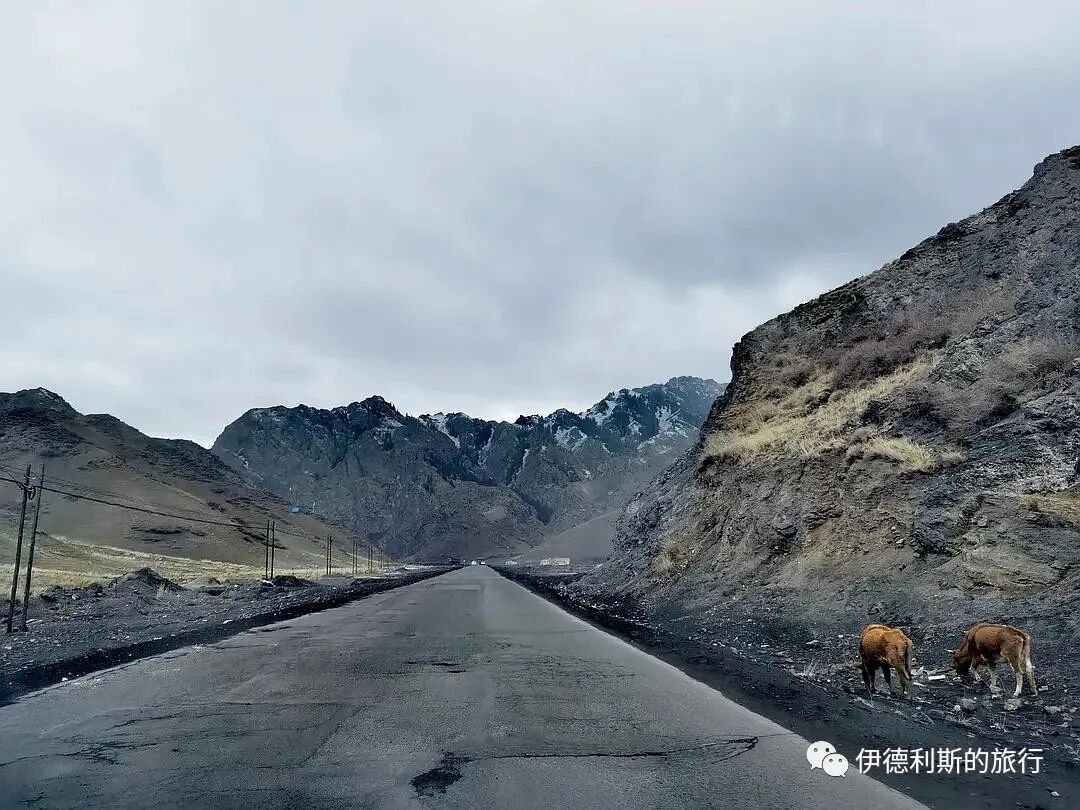
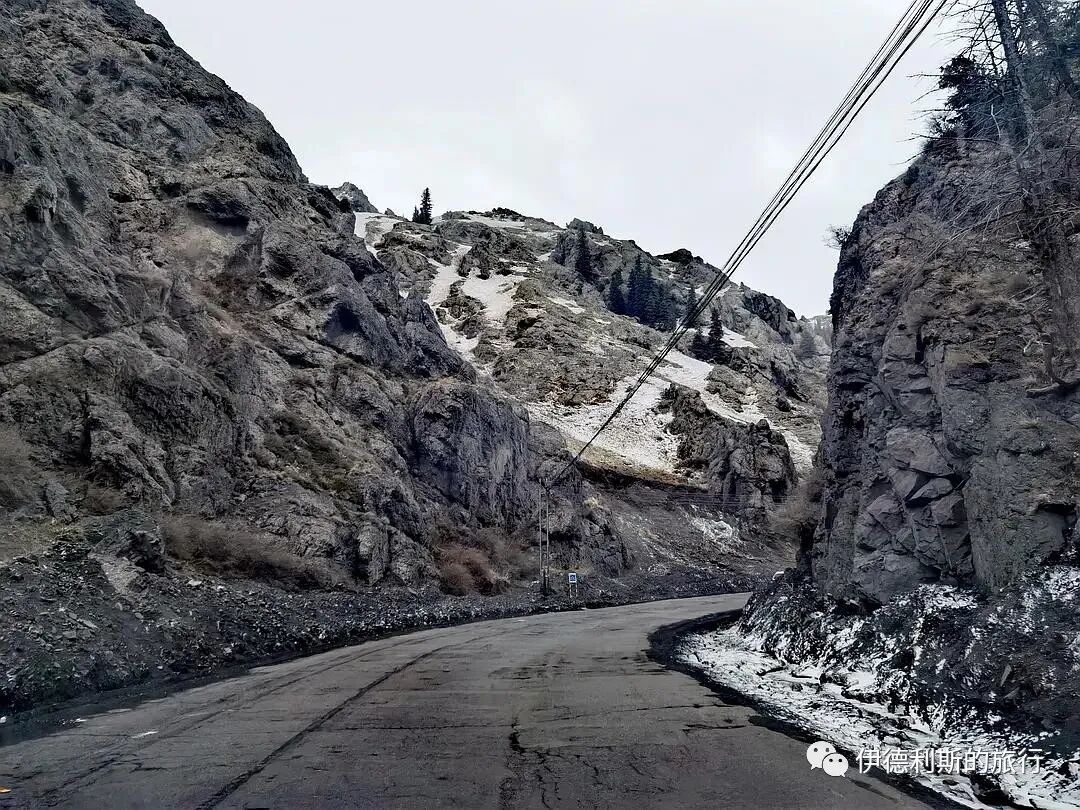
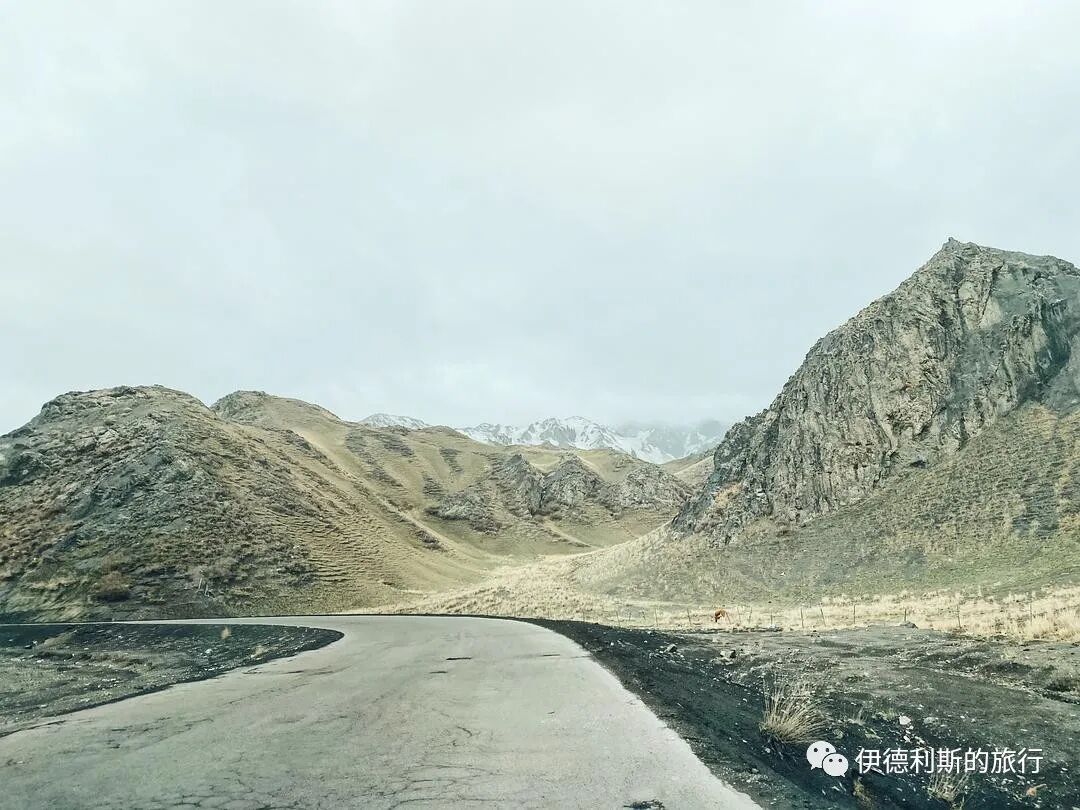
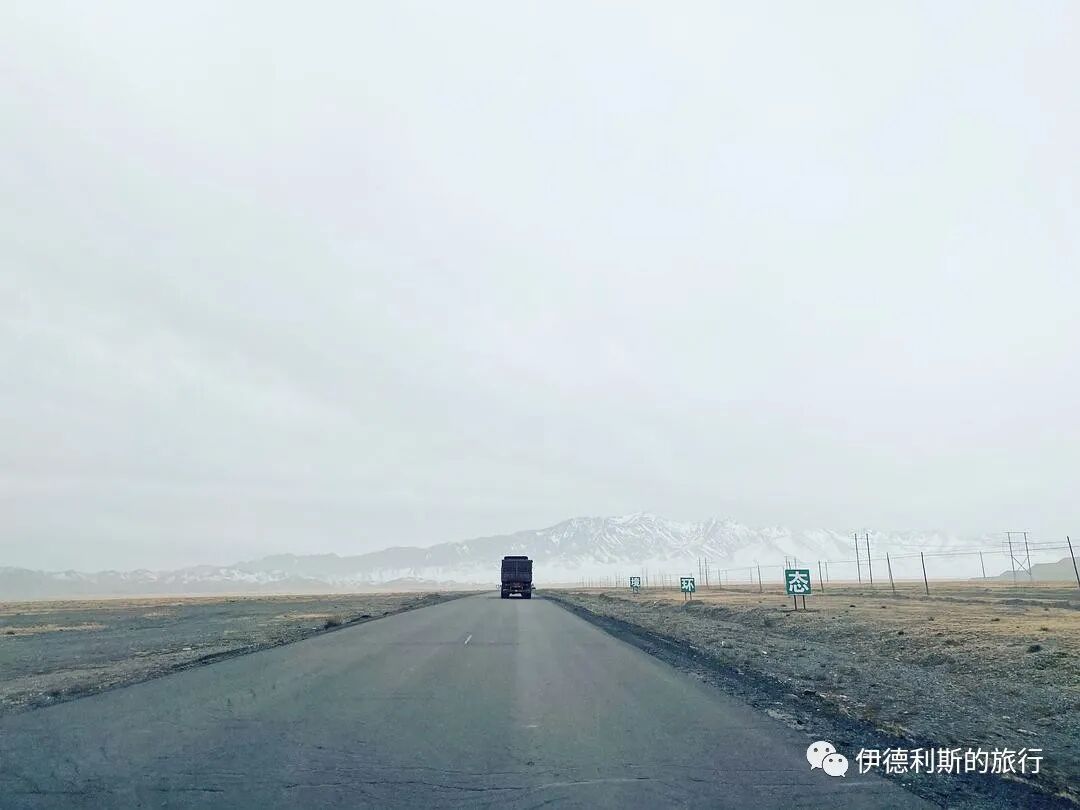
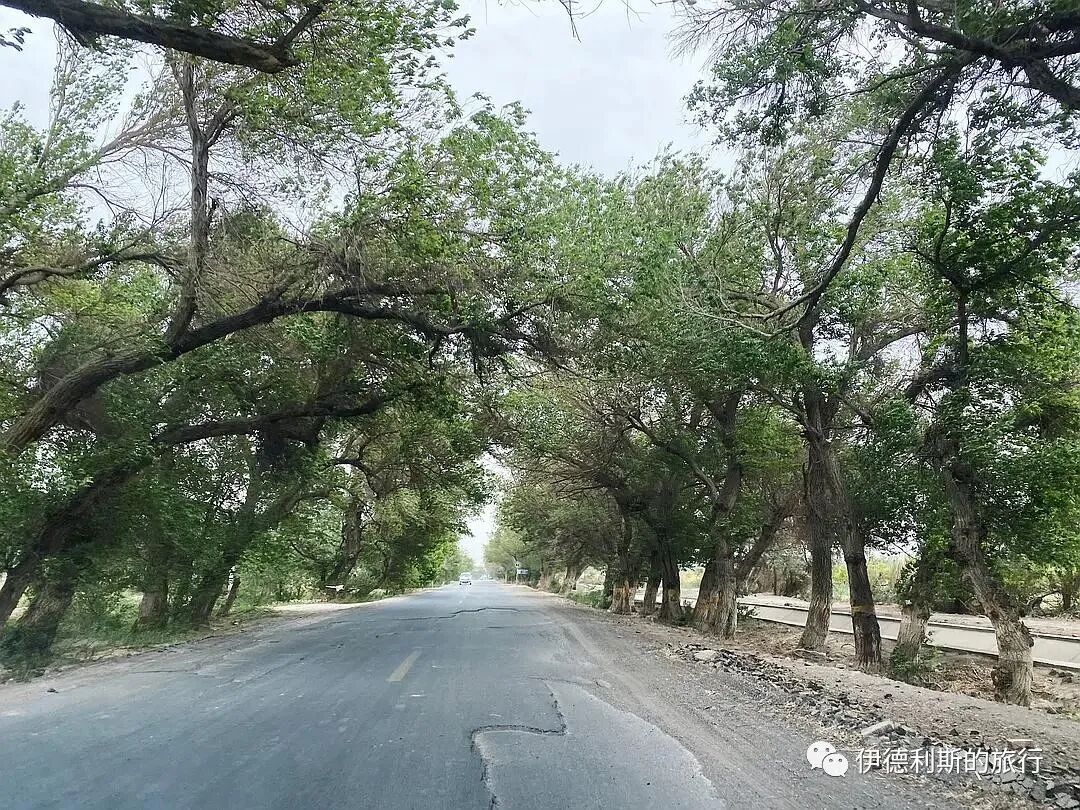
We set off from Urumqi to Turpan in the morning, but we ran into a level-12 gale in the Thirty-Mile Wind Zone, causing all expressways and national highways to close. We took a provincial road as a detour instead, which actually allowed us to see scenery we couldn't see on the expressway: snow-capped mountains, meadows, and wilderness on the Tianshan Mountains.
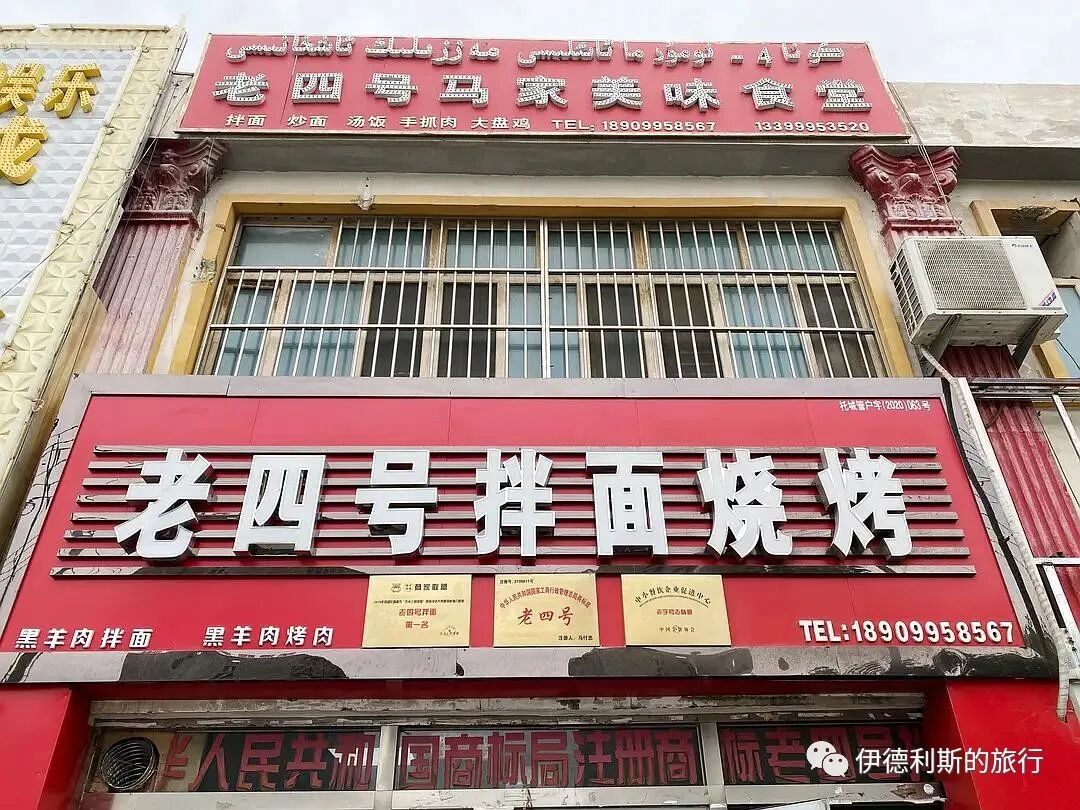
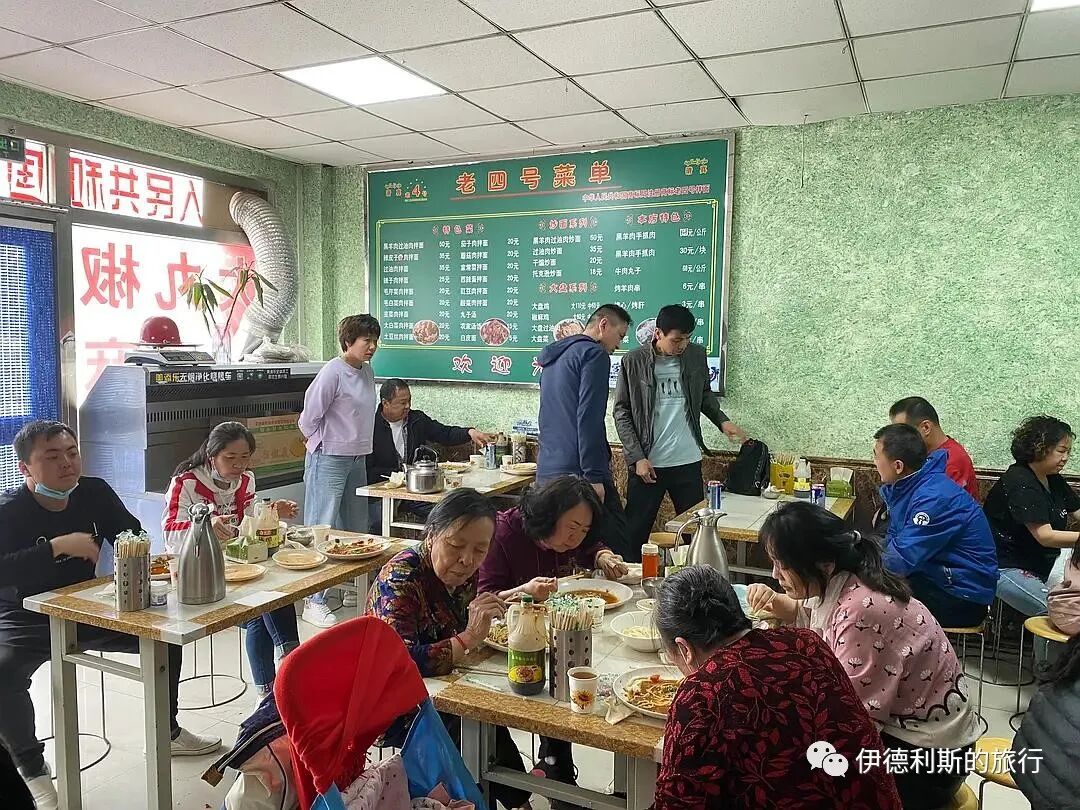
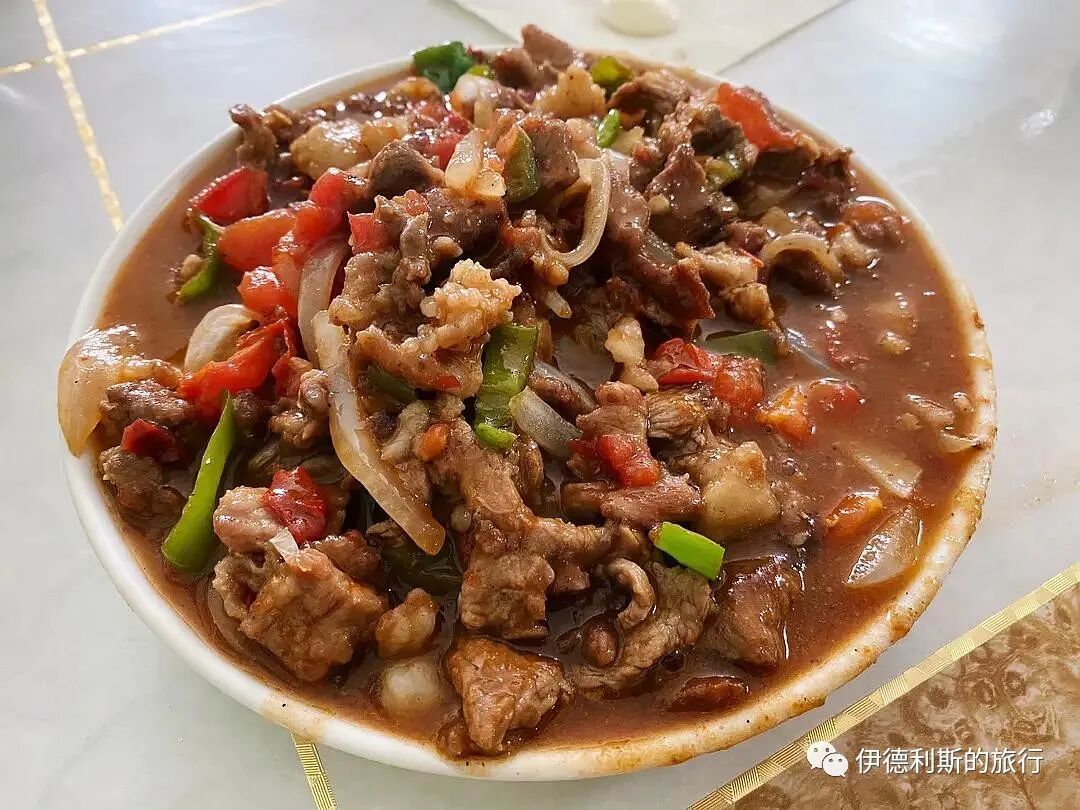
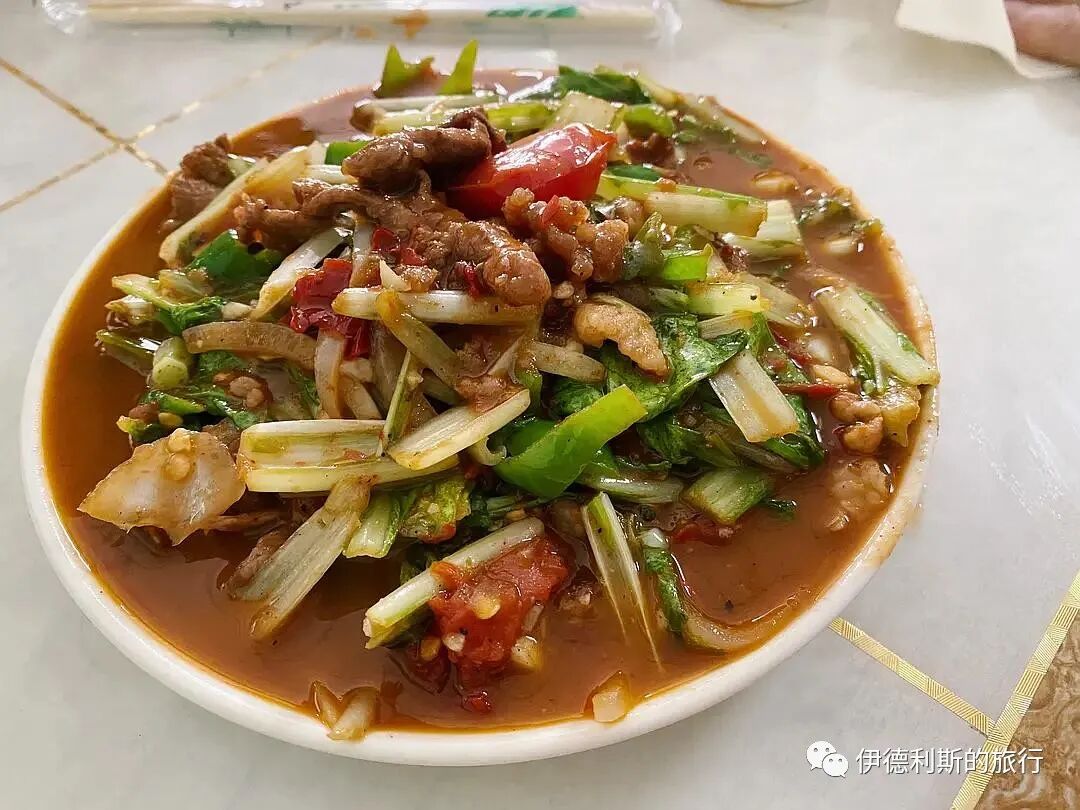
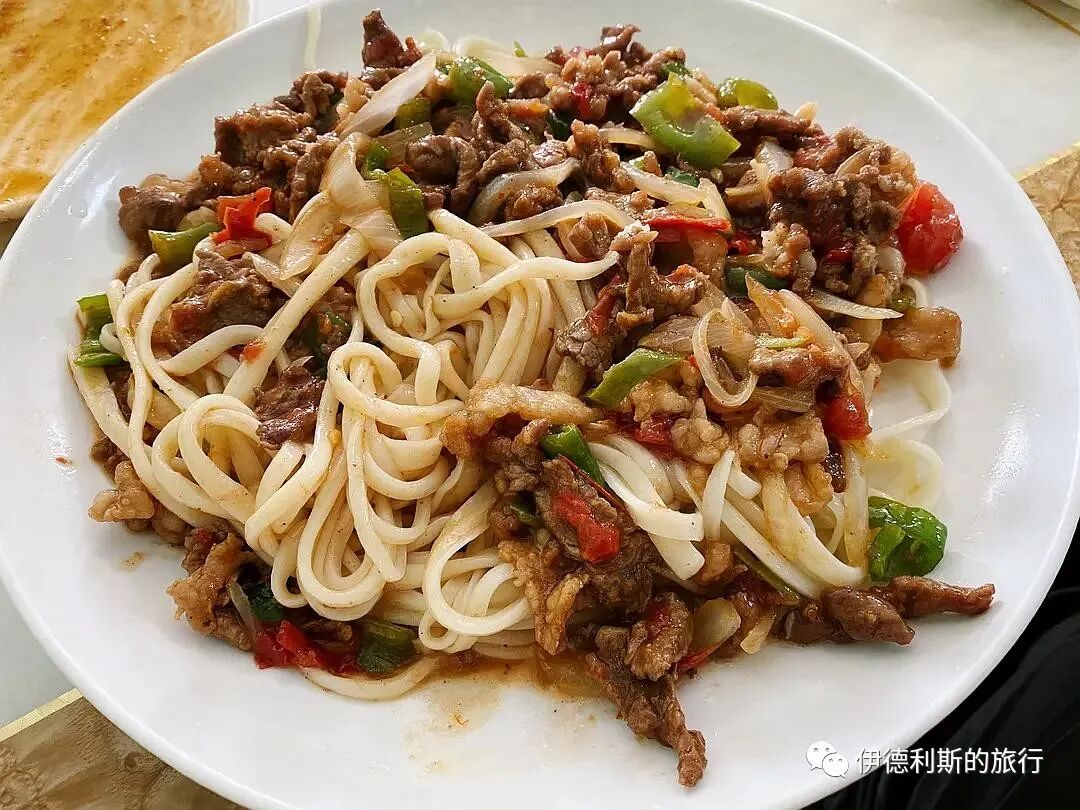
We took a detour through Toksun County, which was the perfect opportunity to try authentic Toksun banmian (hand-pulled noodles). The most popular spot in Toksun County is this place called Lao Sihao; it was packed at mealtime, with locals as well as people who had come specifically from Turpan. Their specialty is black goat guoyourou banmian (hand-pulled noodles with oil-fried meat). Black goats are a local specialty that live on the cliffs of the Tianshan Mountains; they are much more expensive than regular lamb, but the taste and texture are truly different from regular lamb, and I think they are much more delicious.
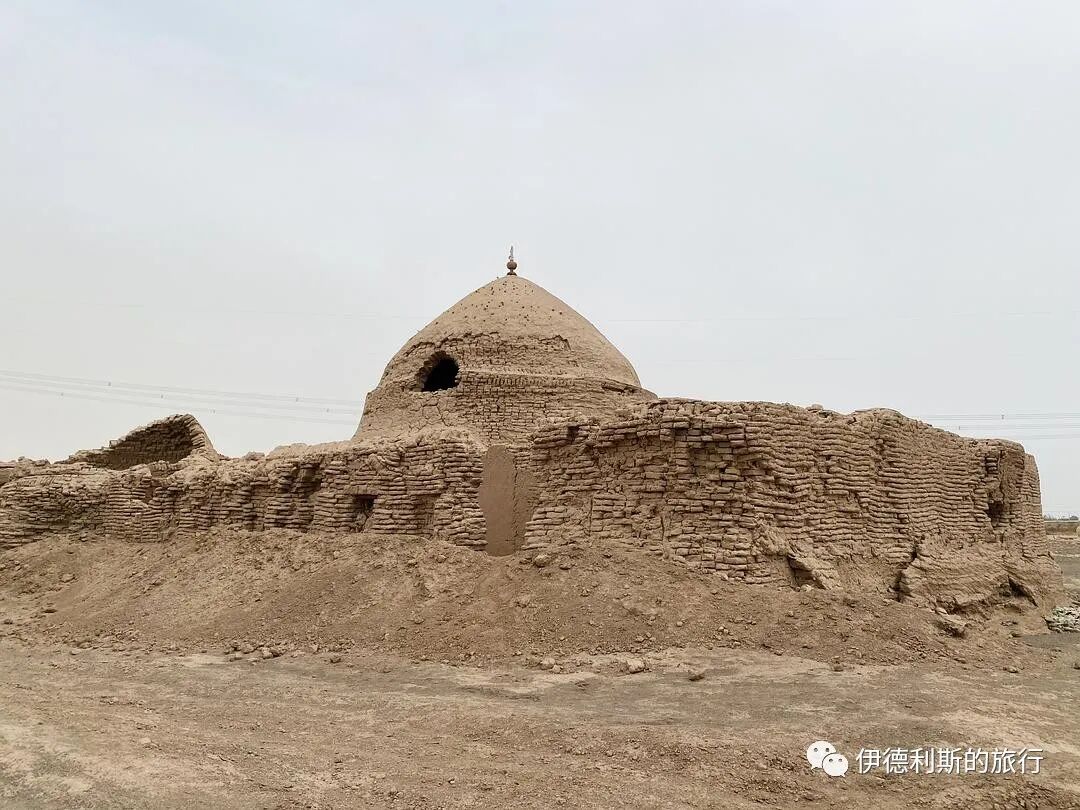
Continuing from Toksun toward Turpan, we first arrived at Aydingkol Town, where there are two ancient mazar (shrines). The first is the Andijan Khoja Mazar, from the Qing Dynasty. Andijan is located in the Fergana Valley of Uzbekistan. The entire building is constructed of raw mud bricks, with the outer walls plastered with mud and straw. In the past, every Thursday was the day to visit the mazar, and everyone would come here to make dua and pray for various wishes.
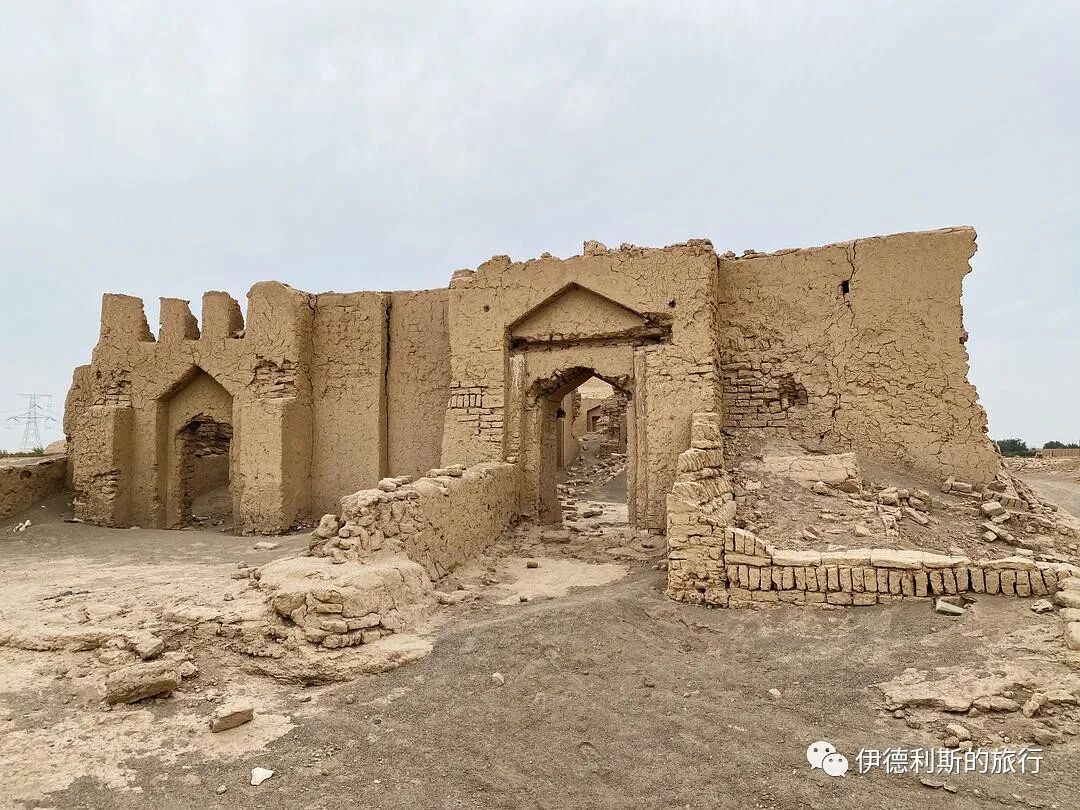
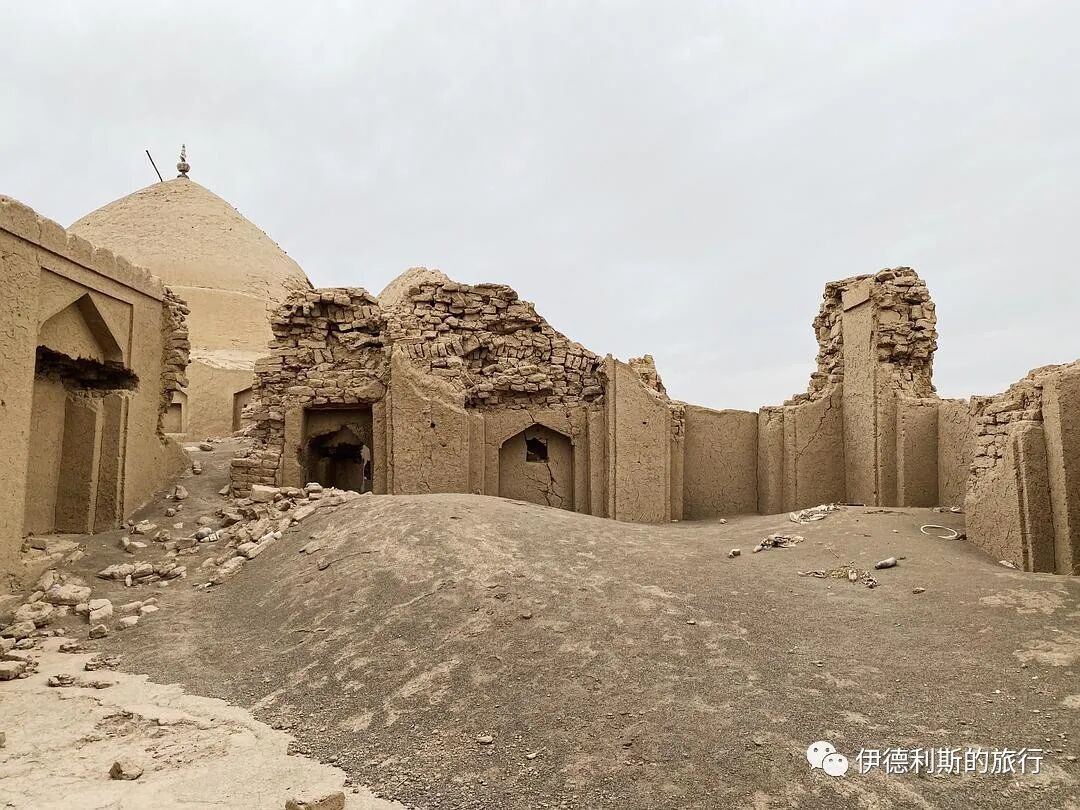
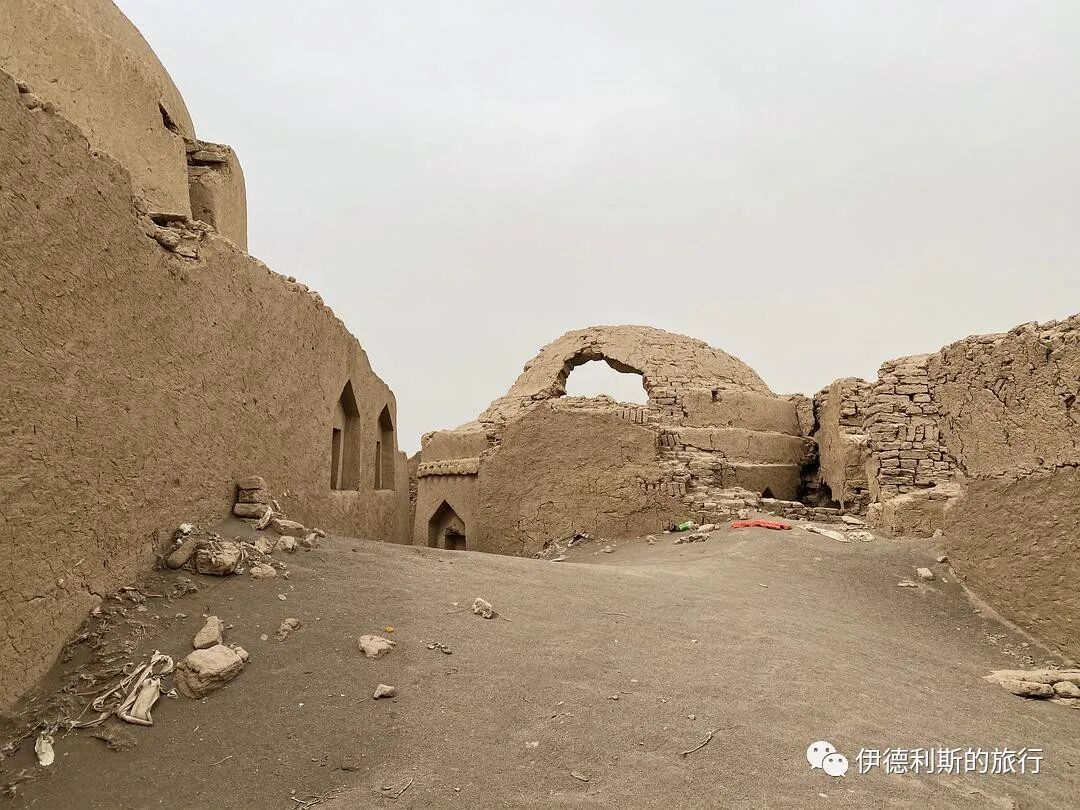
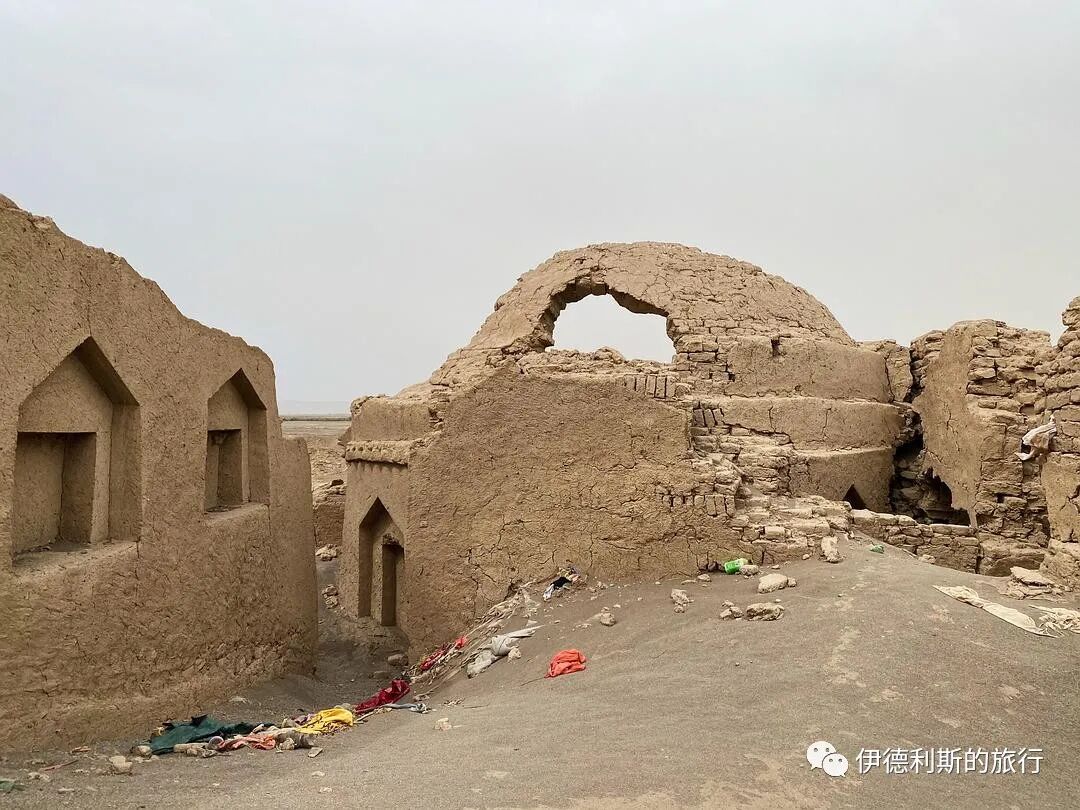
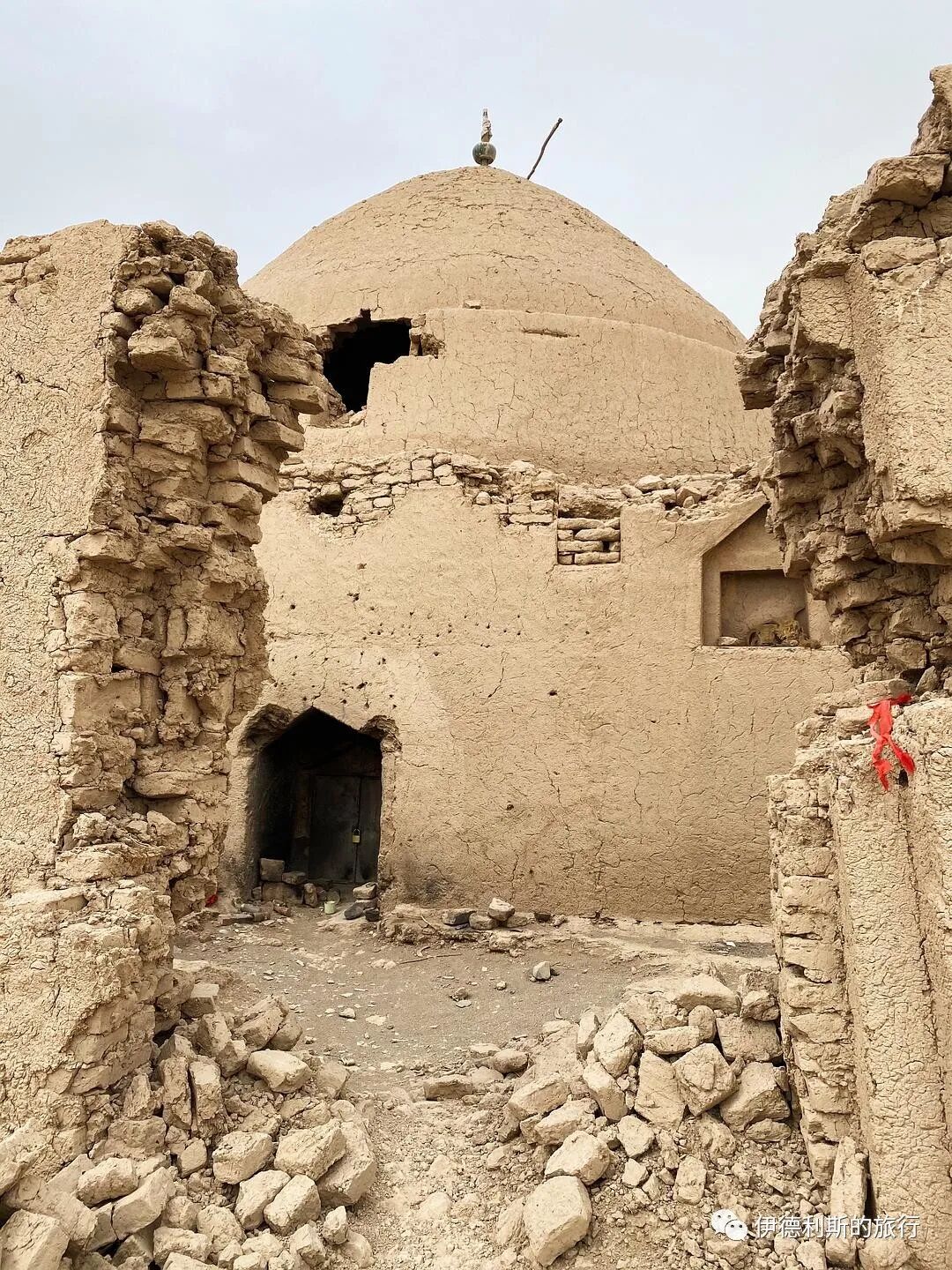
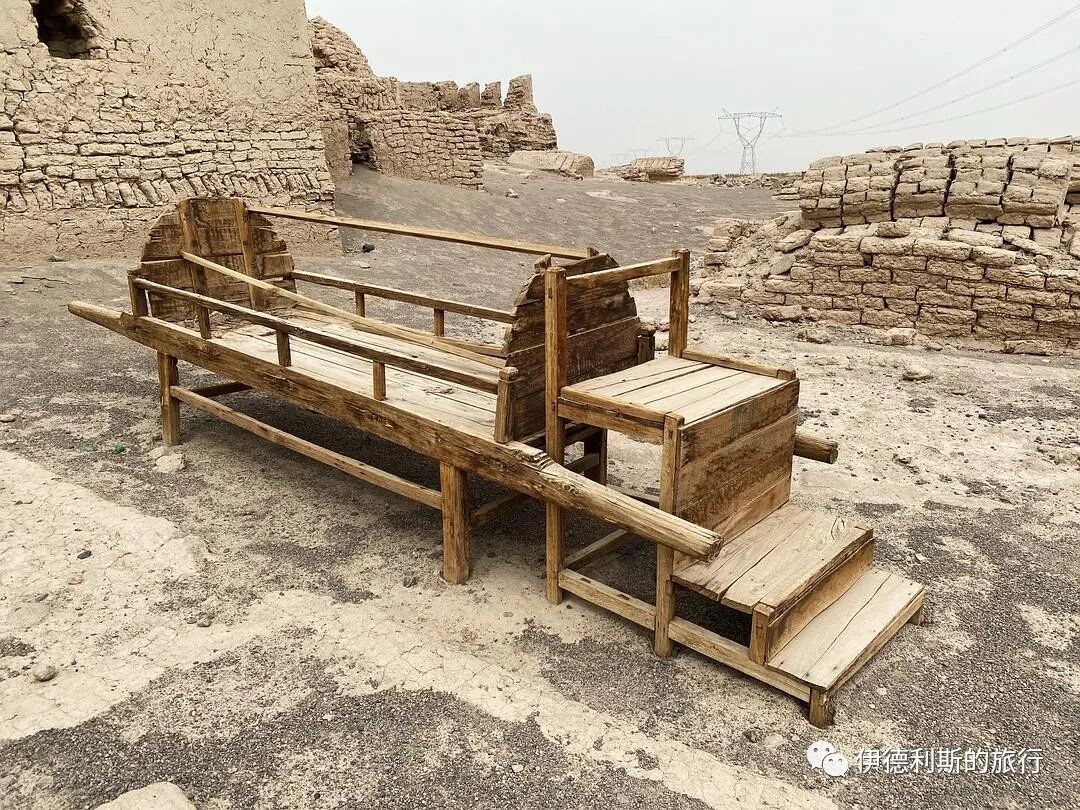
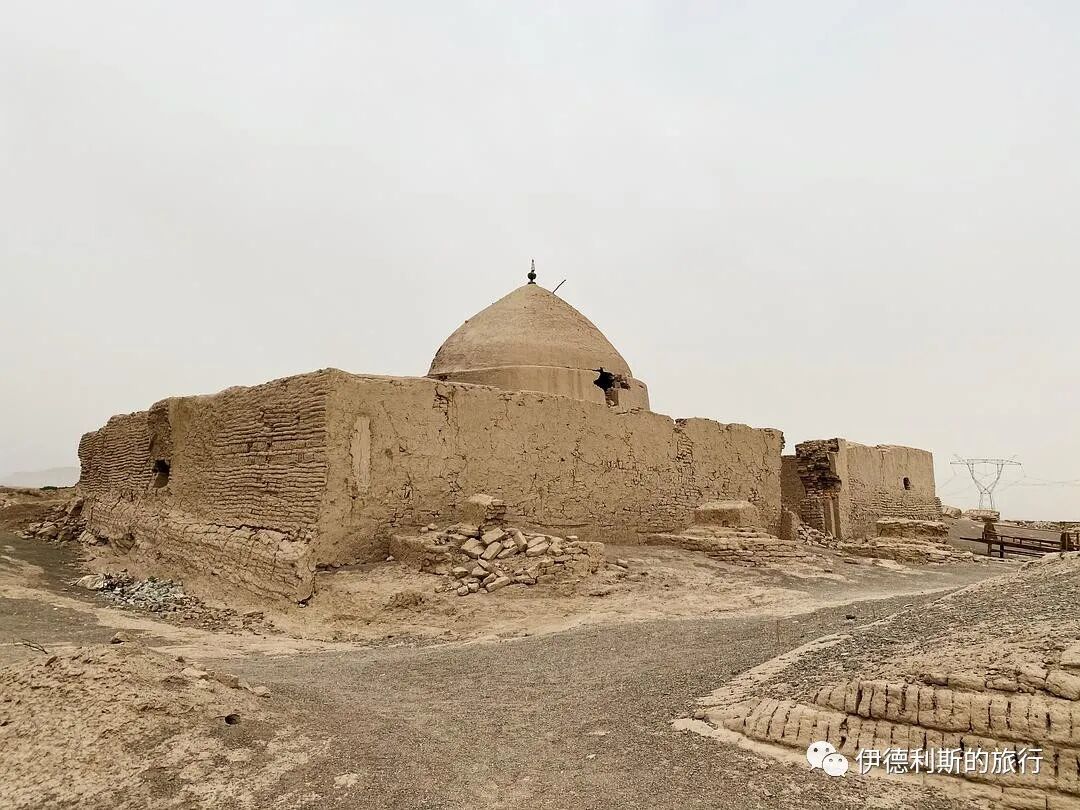
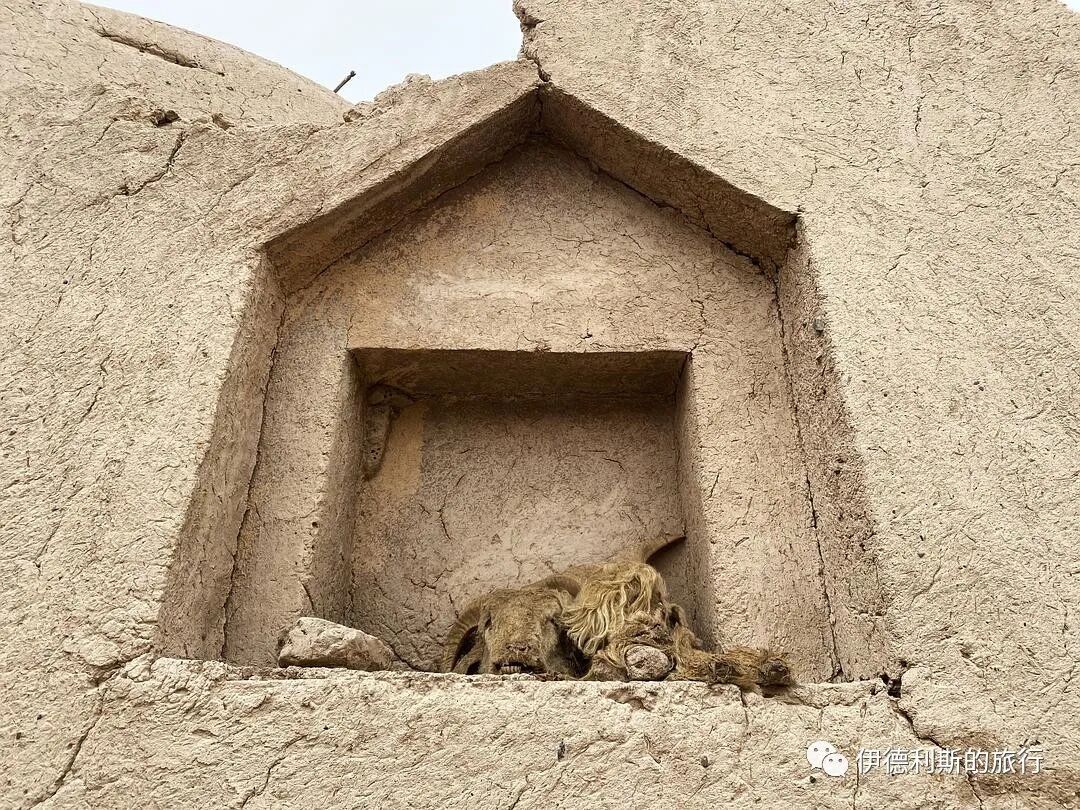
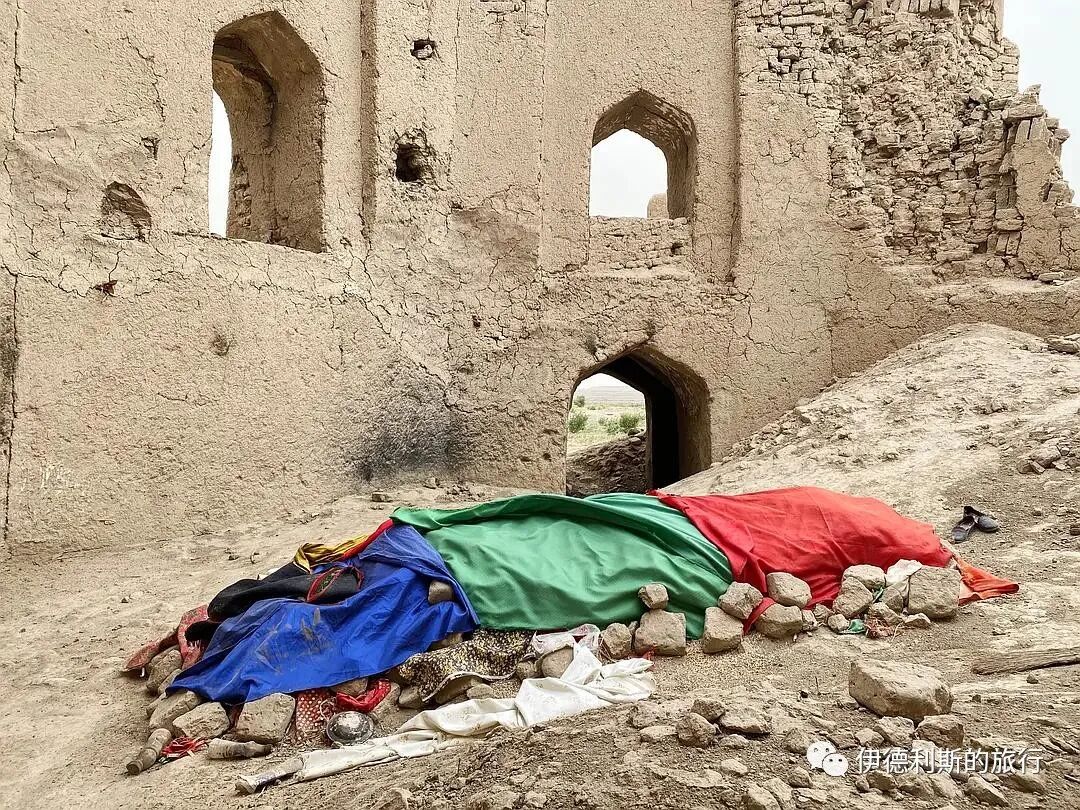
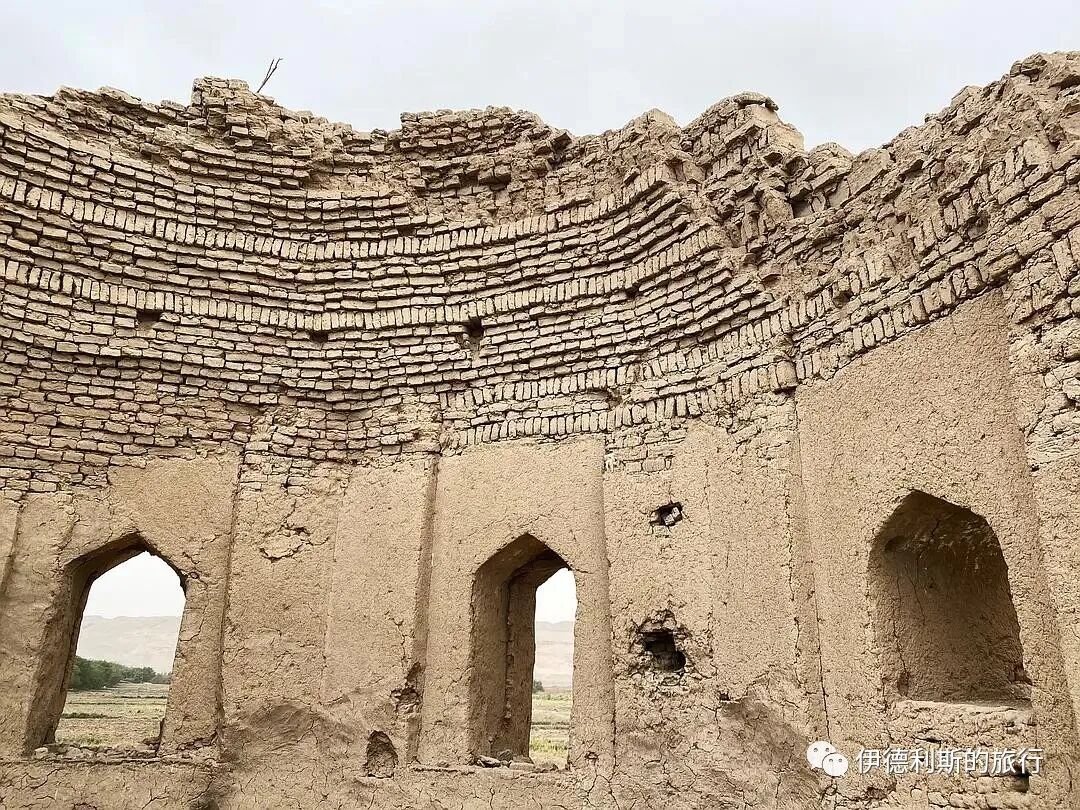
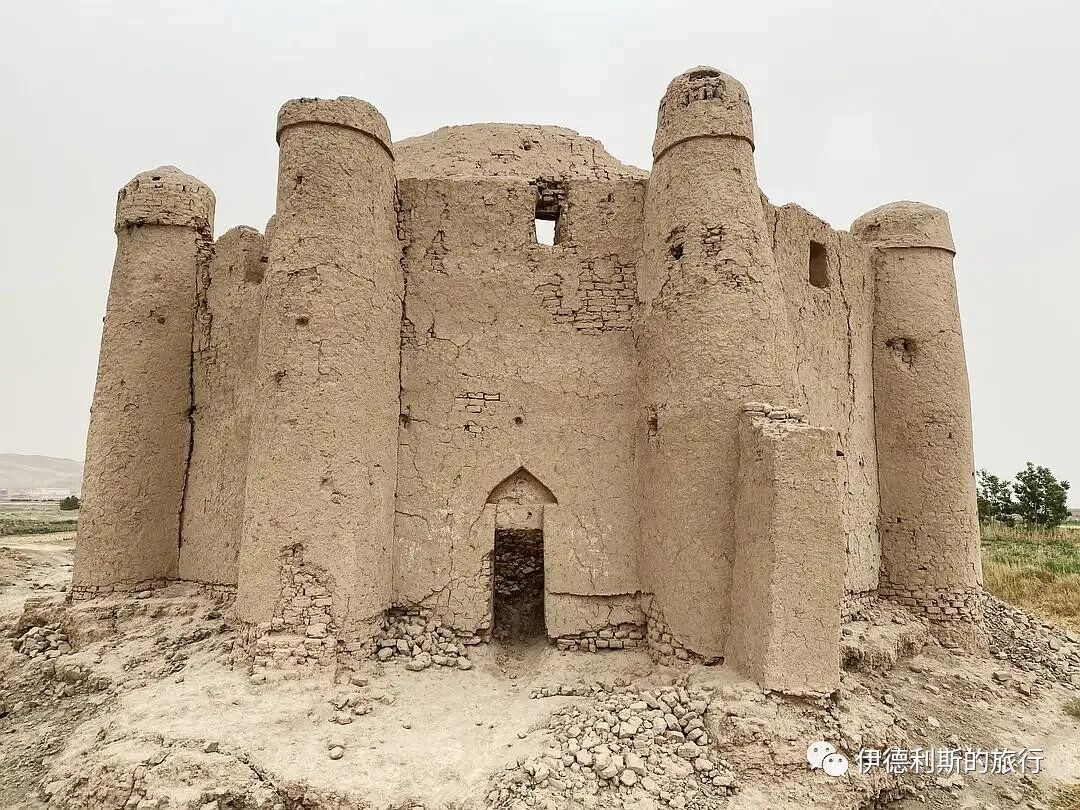
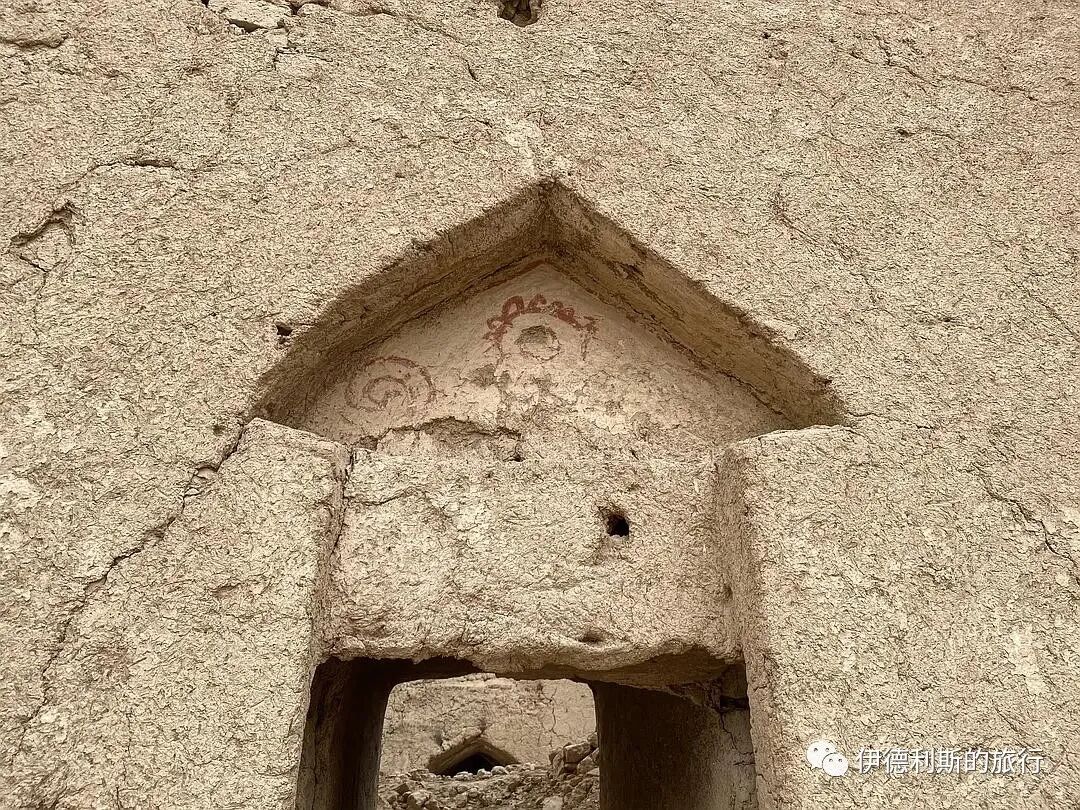
Then we went to the Khizr Khoja Mazar in Aydingkol Town, which is the highest-ranking mausoleum in the Turpan area.
Khizr Khoja was the youngest son of Tughlugh Timur, the founding Khan of the Eastern Chagatai Khanate, and the third Khan of the Eastern Chagatai Khanate. After Khan Tughlugh Timur passed away, the Dughlat noble Qamar ud-Din massacred almost all of the Khan's descendants in 1368, with only the infant youngest son, Khizr Khoja, being hidden away. It was not until 1389, after Qamar ud-Din was completely defeated by Tamerlane the Great, that Khizr Khoja, who had been in hiding for many years, was able to ascend the throne as the third Khan of the Eastern Chagatai Khanate.
Because Tamerlane in the west was too powerful, Khizr Khoja chose to conquer eastward, taking the two towns of Qara-Khoja (the ancient city of Gaochang) and Turpan (the ancient city of Anle), and moved the Khan's court to Turpan.
Between 1402 and 1404, Khizr Khoja passed away in Turpan. Chen Cheng, an envoy sent to the Western Regions during the Ming Dynasty, wrote in his 1415 'Record of the Mountains, Rivers, and Customs of the Western Regions': 'In the city, there are two high mounds, surrounded by trees and enclosed by walls; these are the graves of the former King Khizr Khoja and his wife. Near the graves, there is a small mound, said to be where his favorite minister was buried with him.' ”
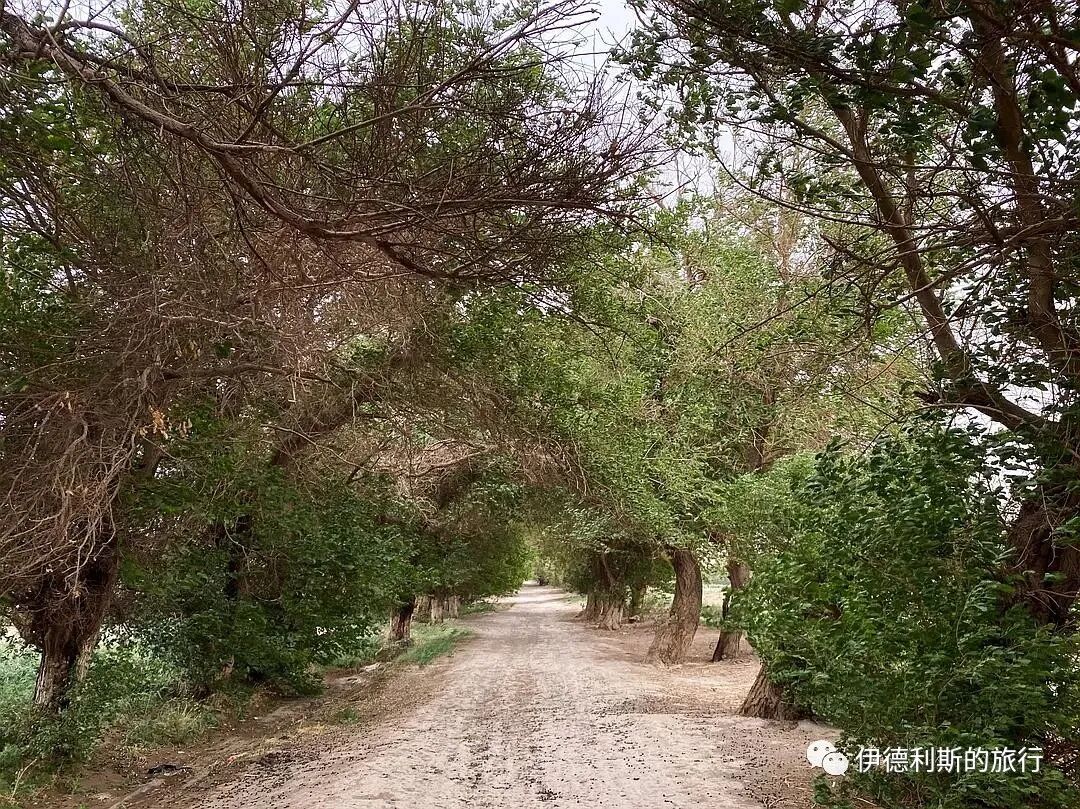
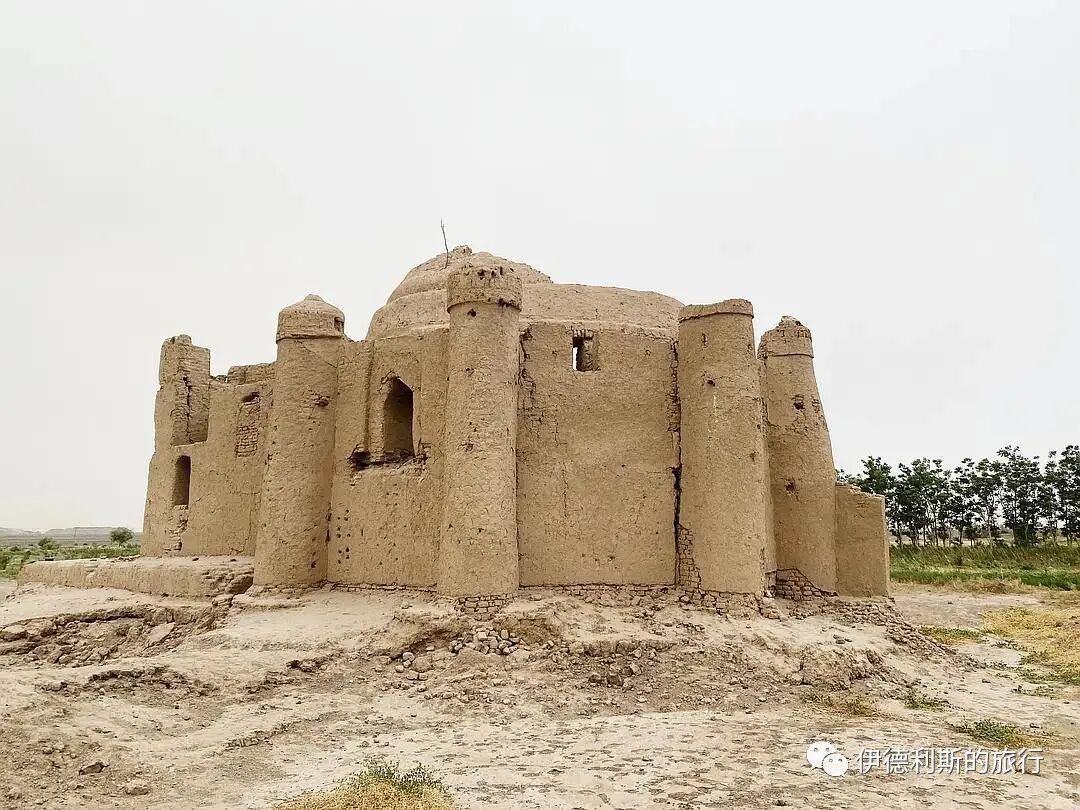
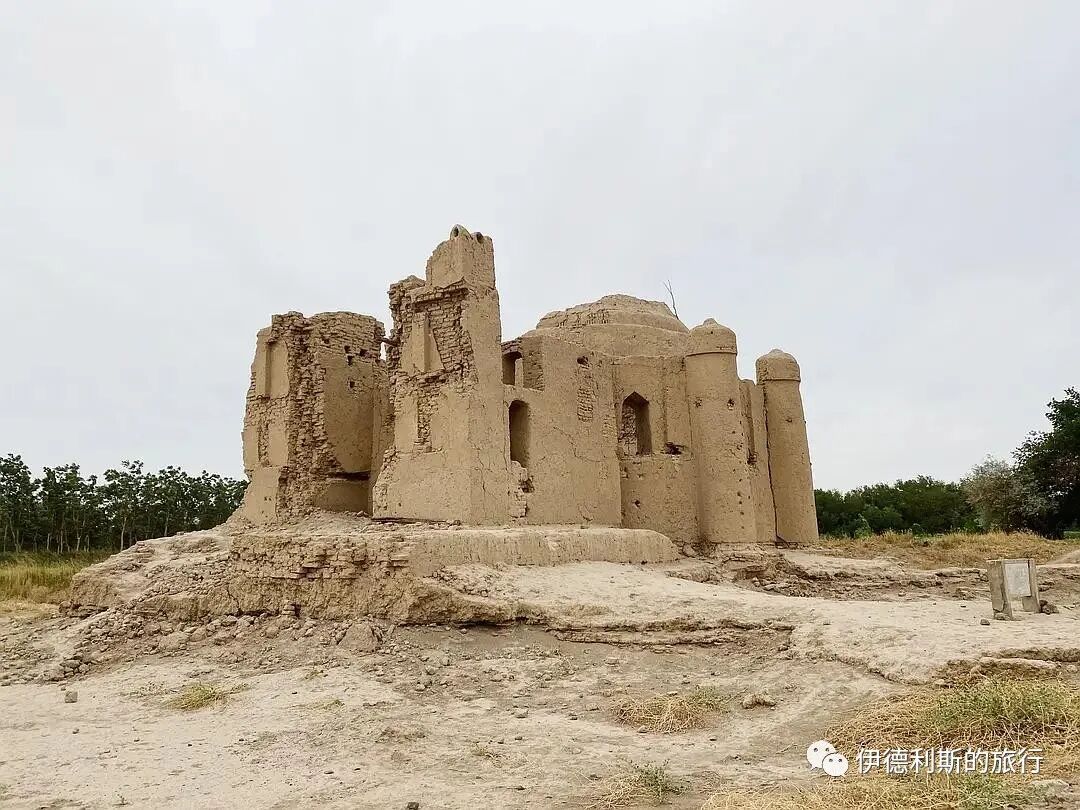
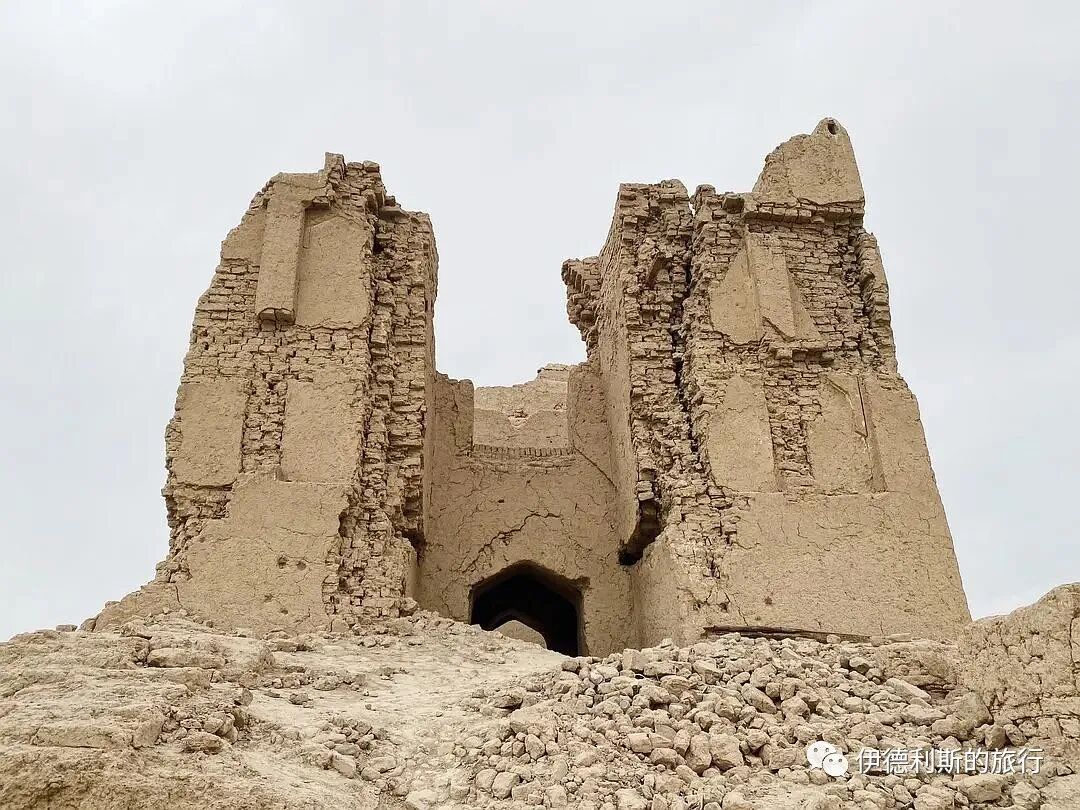
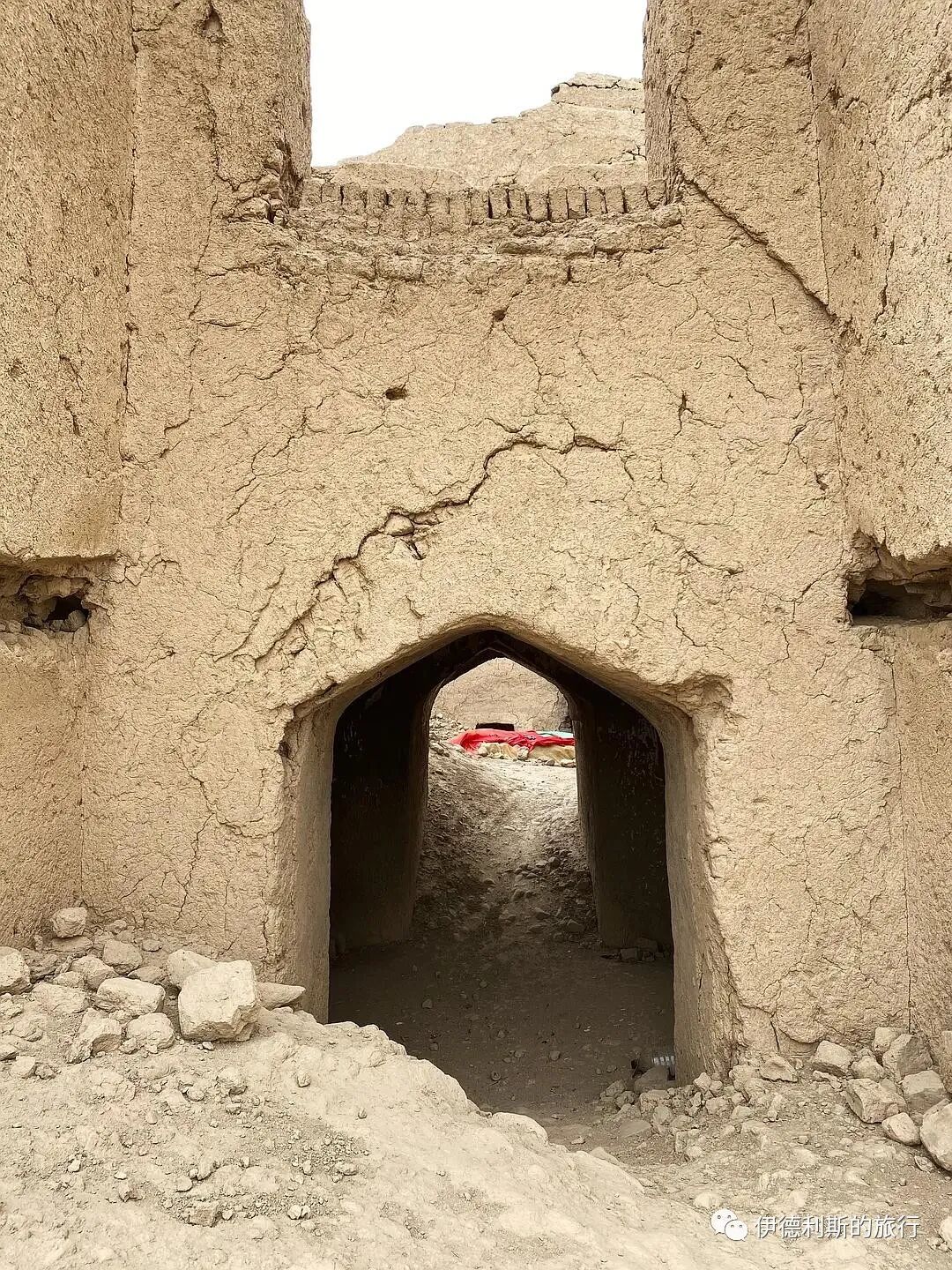
After leaving Aydingkol, we went to visit the Karez Well scenic area, but it was developed in a way that felt a bit too commercial, so I didn't take many photos, and then we went to the Turpan Hui Muslim city. The Turpan Hui Muslim city is also called the New City; it was built in 1871 by the forces of Yaqub Beg. The main residents were Hui Muslims and Uyghurs, with most of the Hui Muslims having ancestral roots in Shaanxi and Gansu.
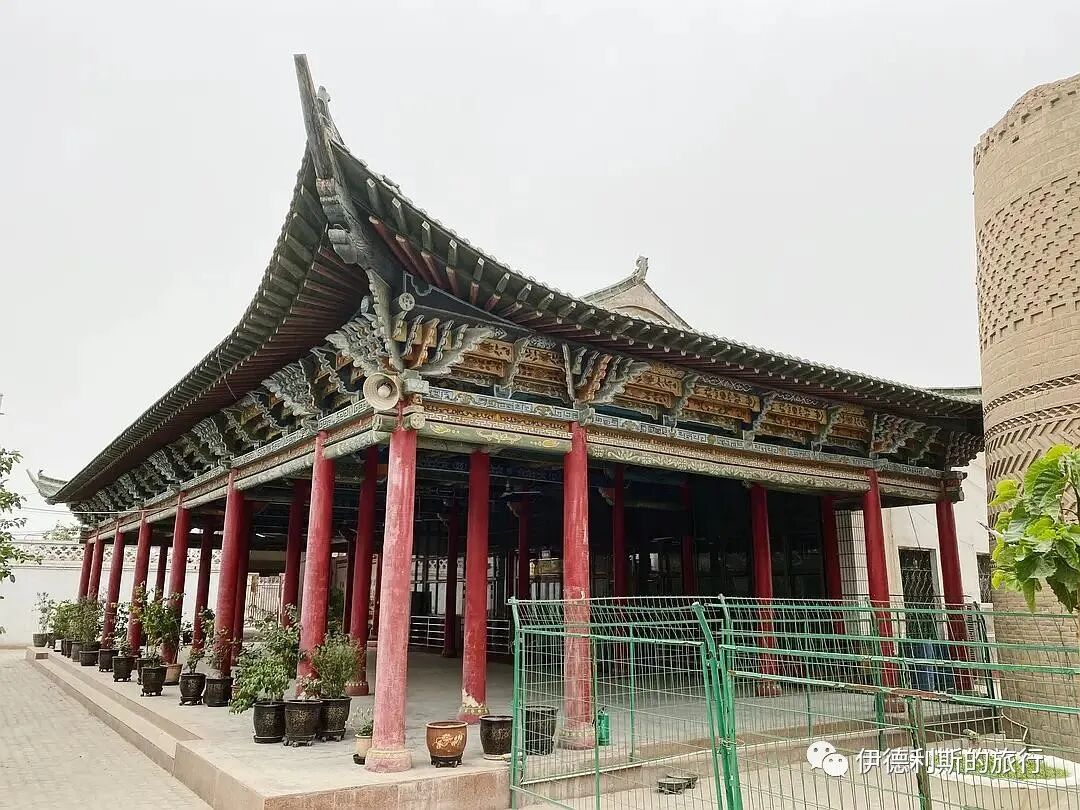
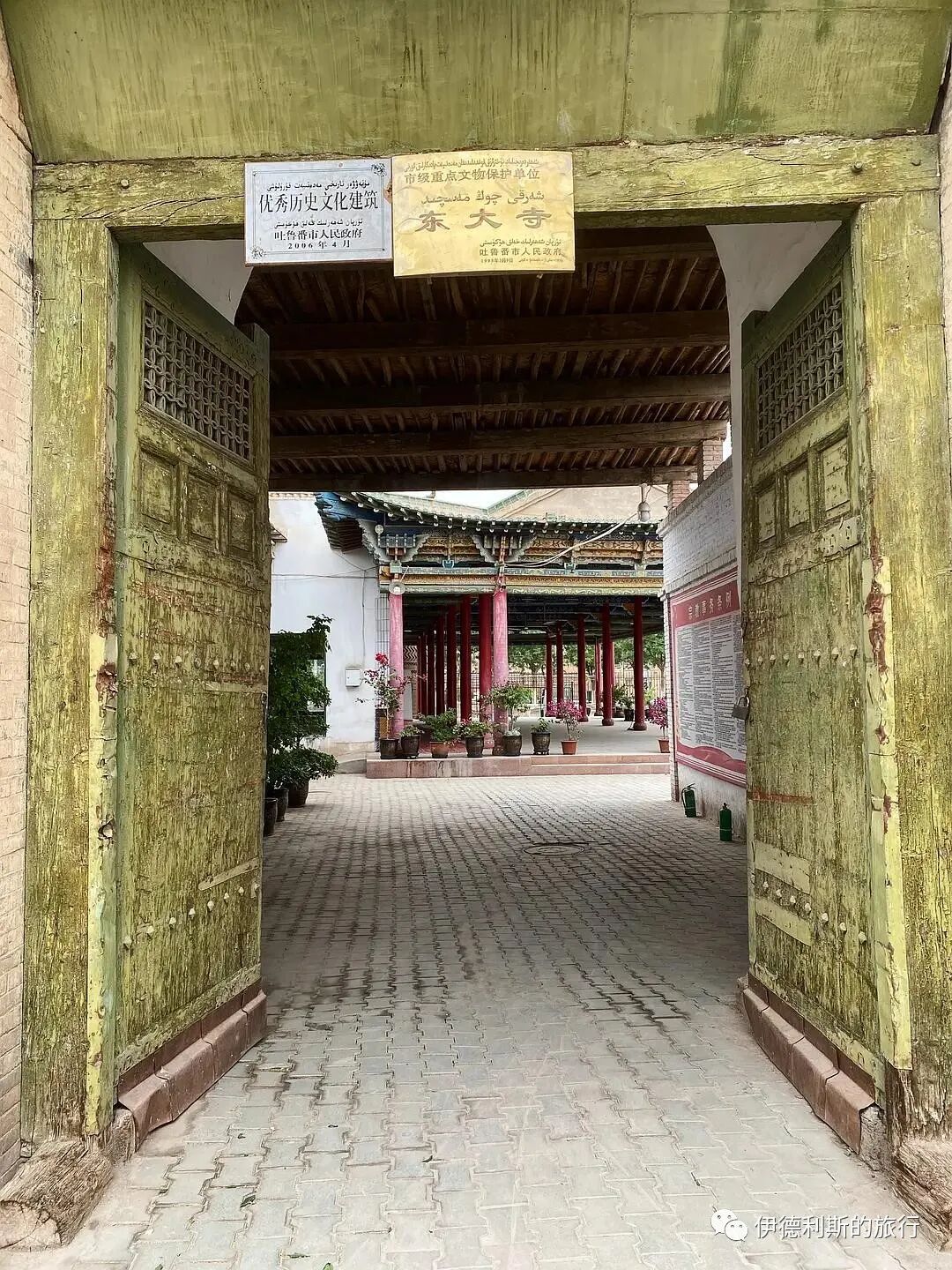
The Turpan East Mosque is located inside the Turpan Hui Muslim city. It is a Hui mosque, originally built in 1871 and renovated in 1911. Because the weather in Turpan is hot, the mosque expanded the traditional front porch into an 'outer hall' used for outdoor prayer in the summer. The outer hall has a ridge-roofed xieshan (hip-and-gable) roof, a beam-lifting wooden structure, and is supported by 32 pillars.
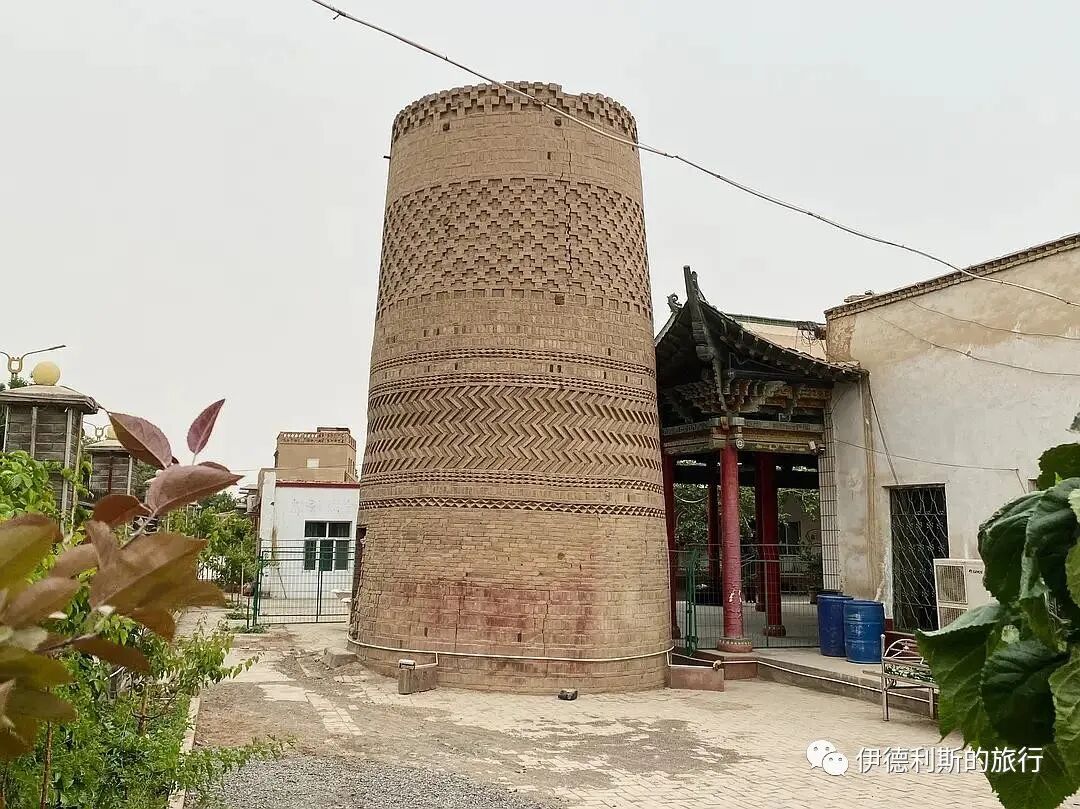
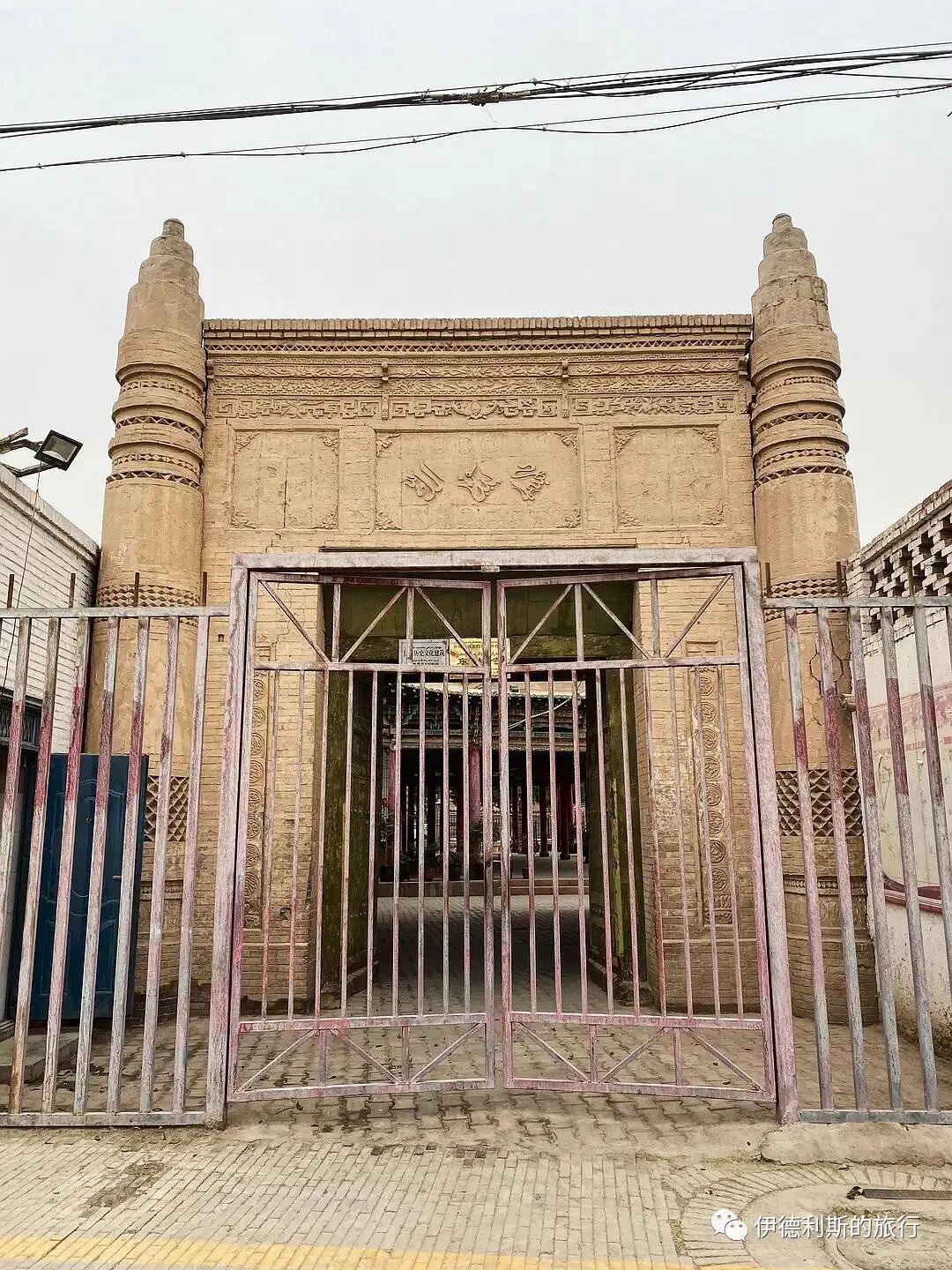
The mosque gate features authentic Shaanxi-style calligraphy brick carvings, and there is a minaret similar to the Emin Minaret inside the mosque, though unfortunately, the upper part has collapsed. This type of minaret is extremely rare in Hui Muslim mosques.
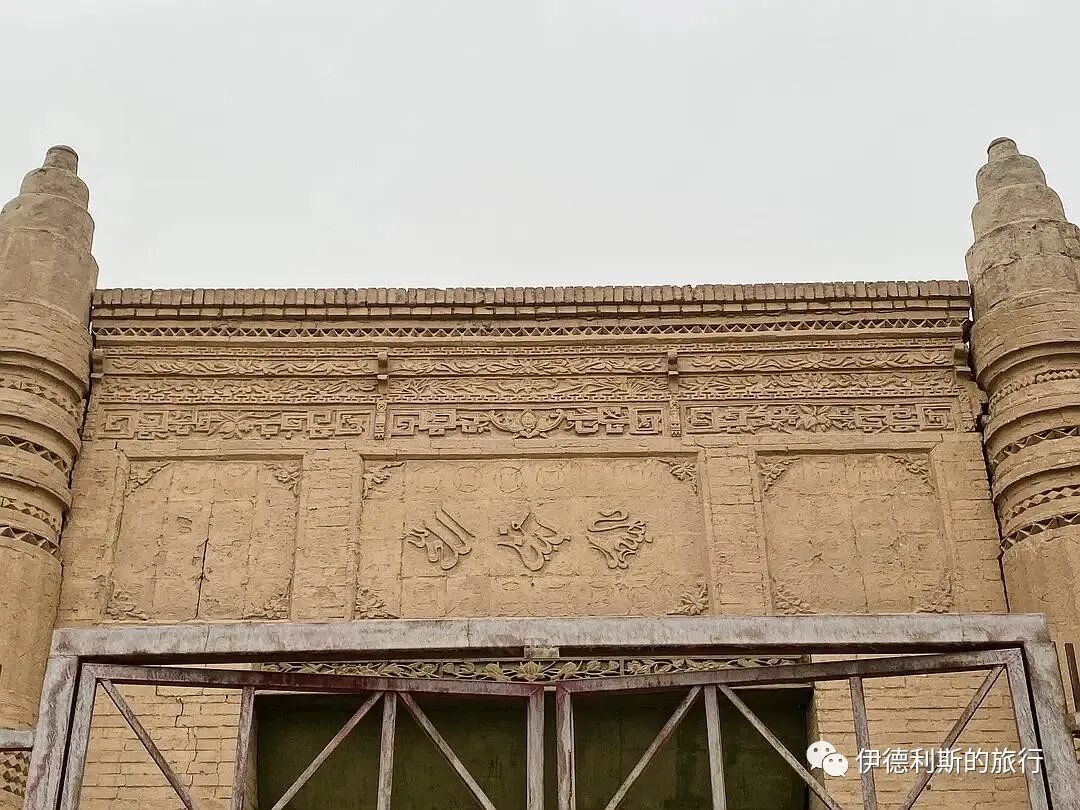
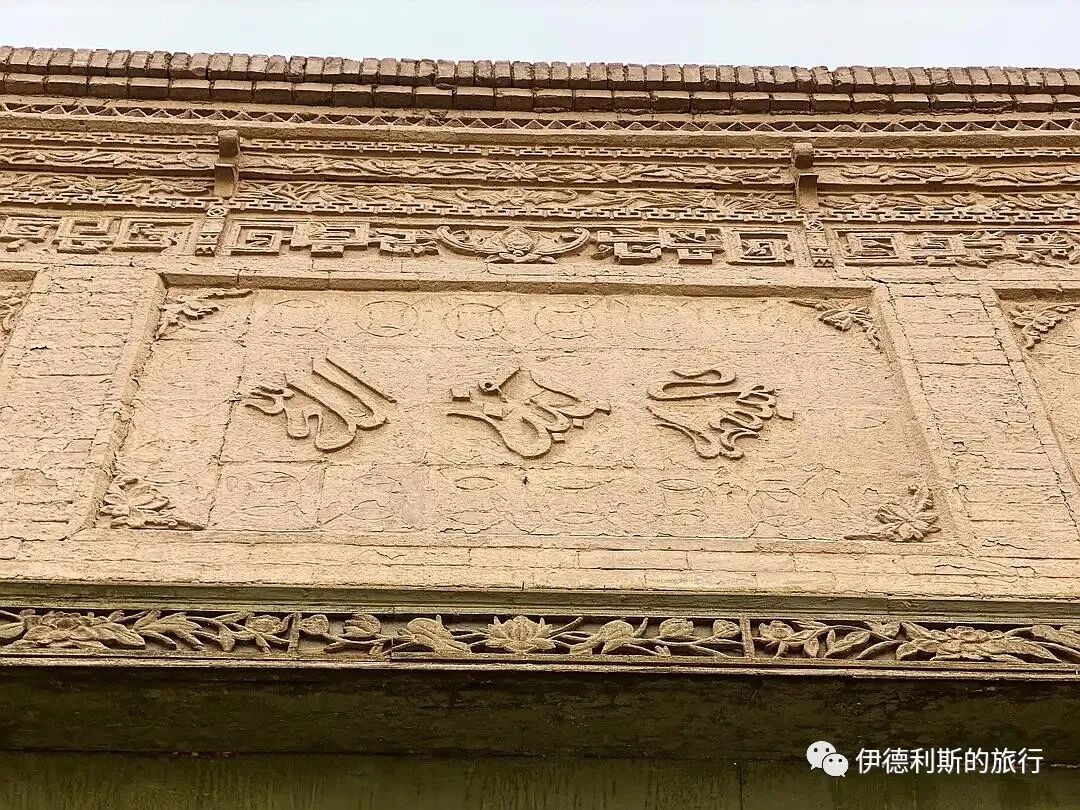
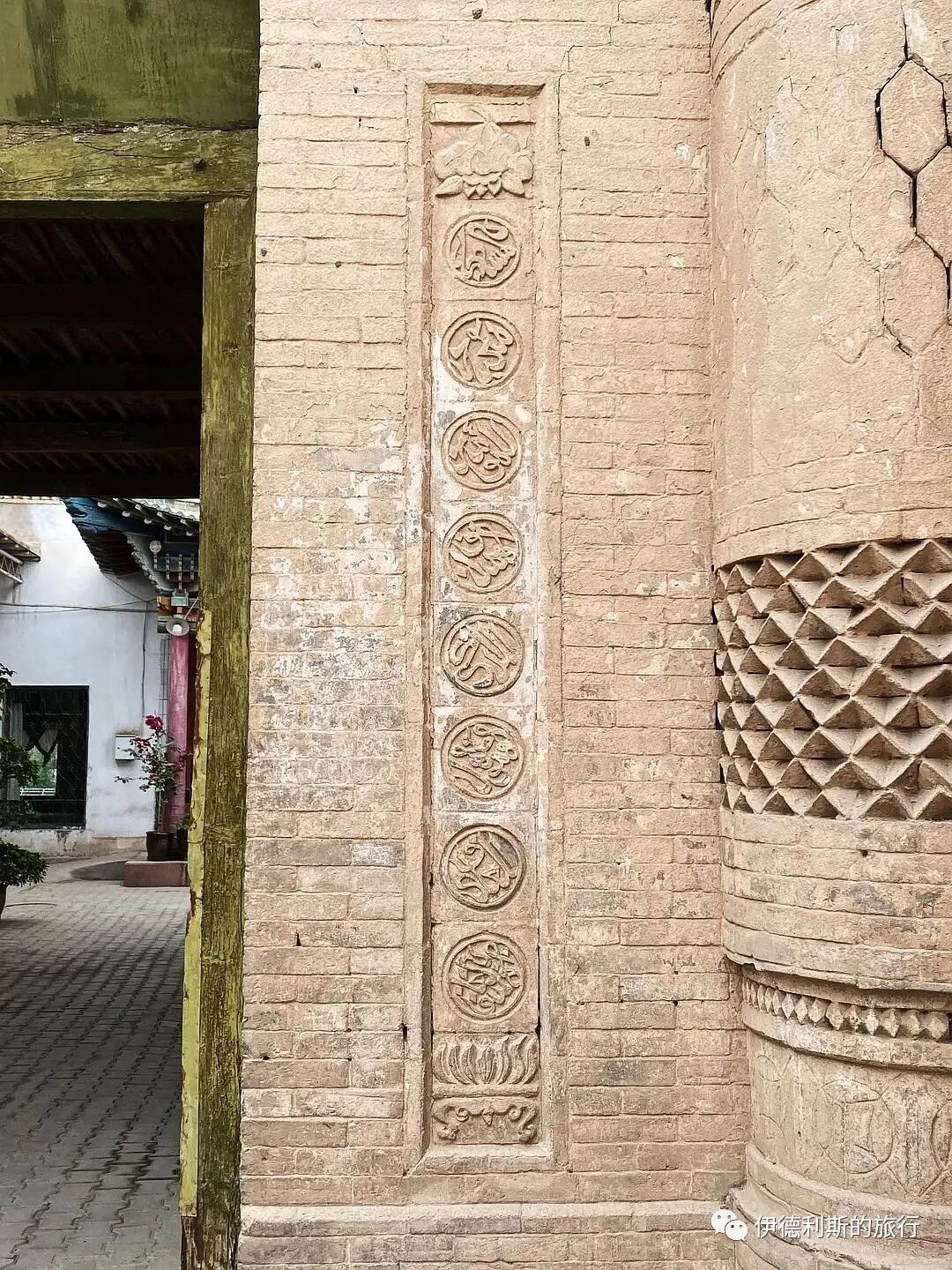
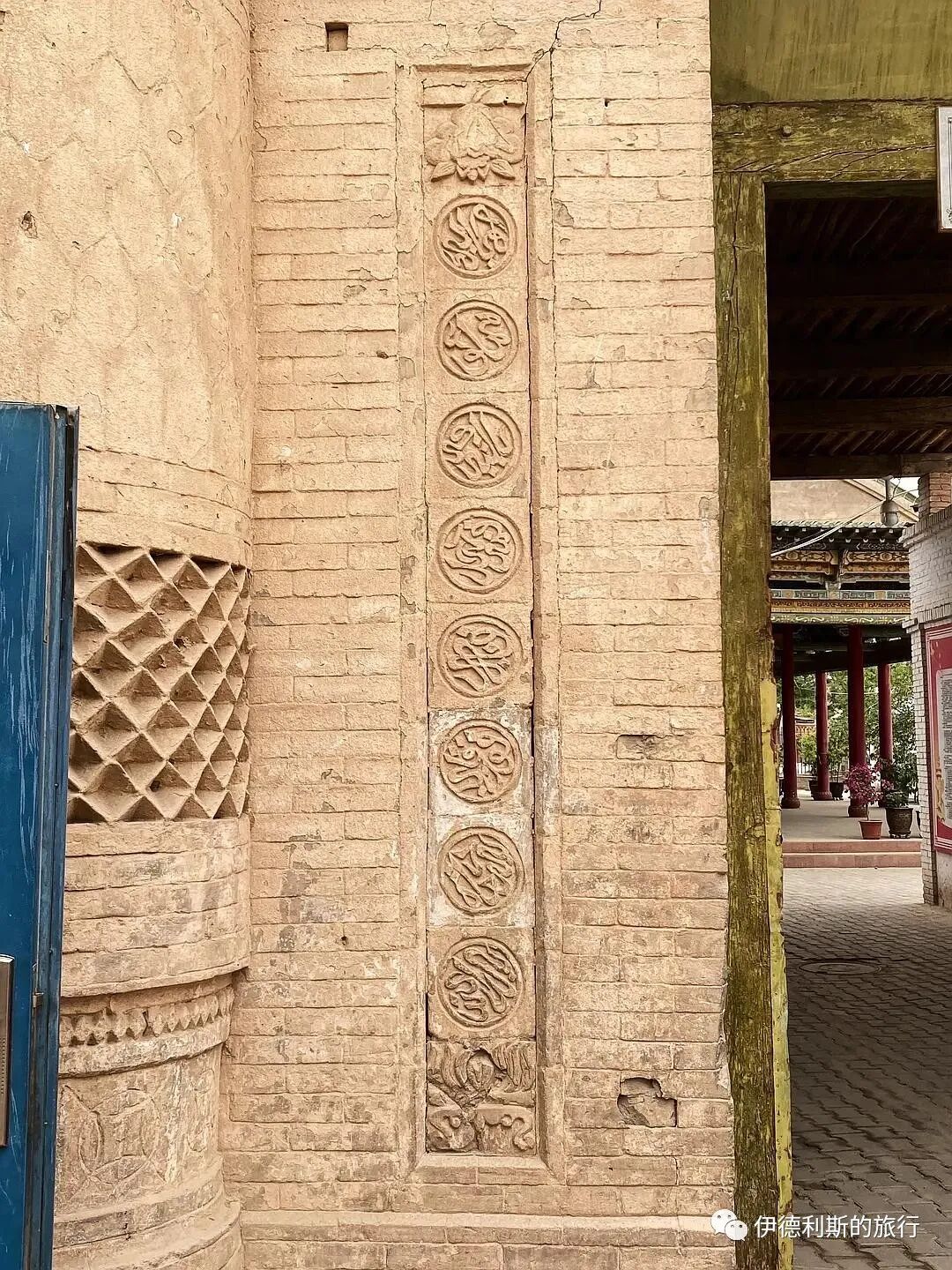
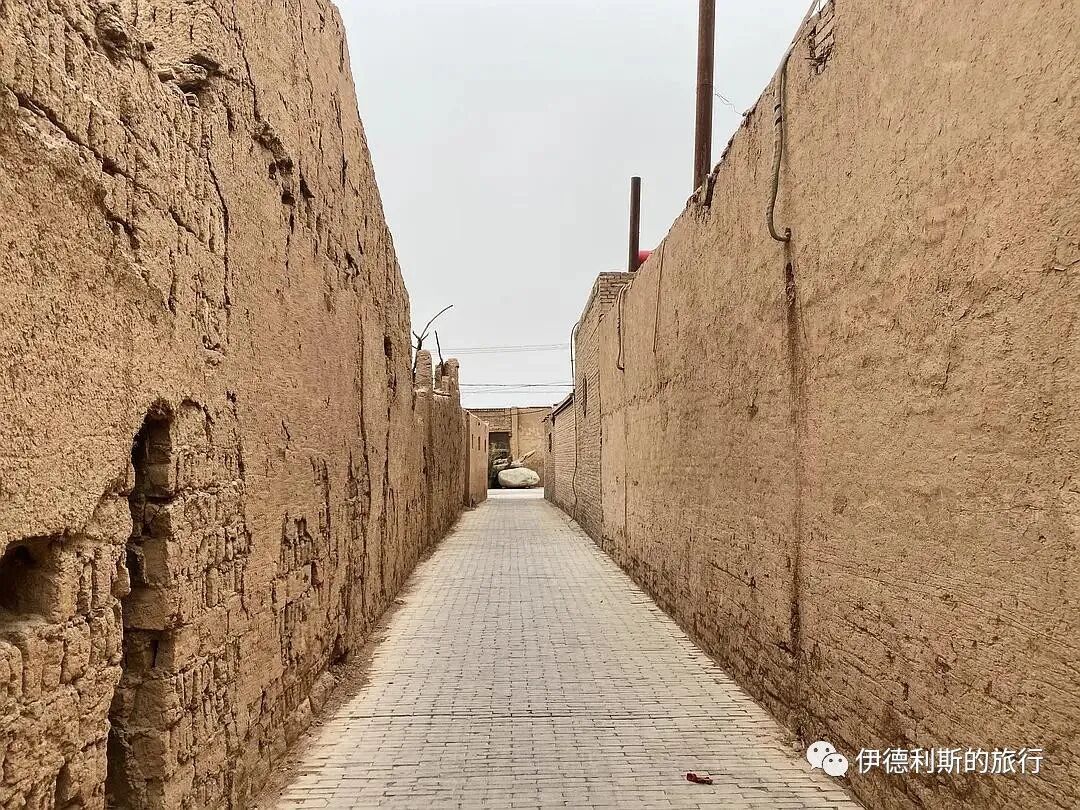
The Turpan West Mosque was originally built in 1859 and is the oldest among the Hui Muslim mosques in Turpan.
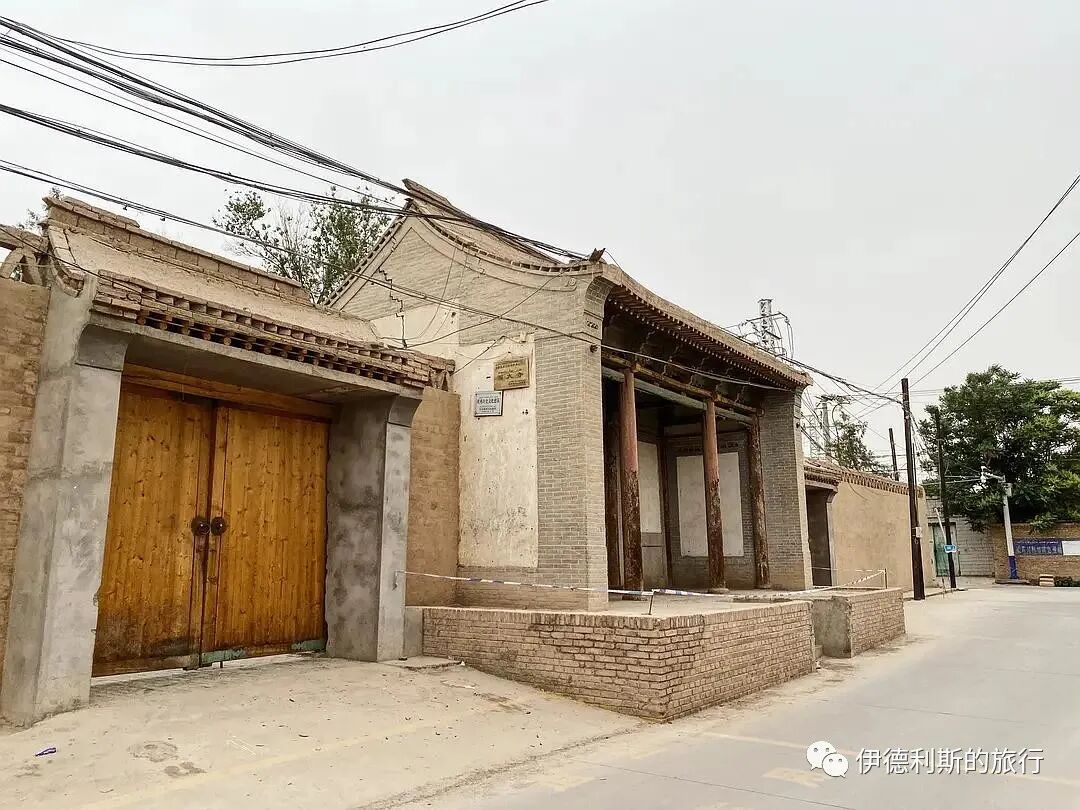
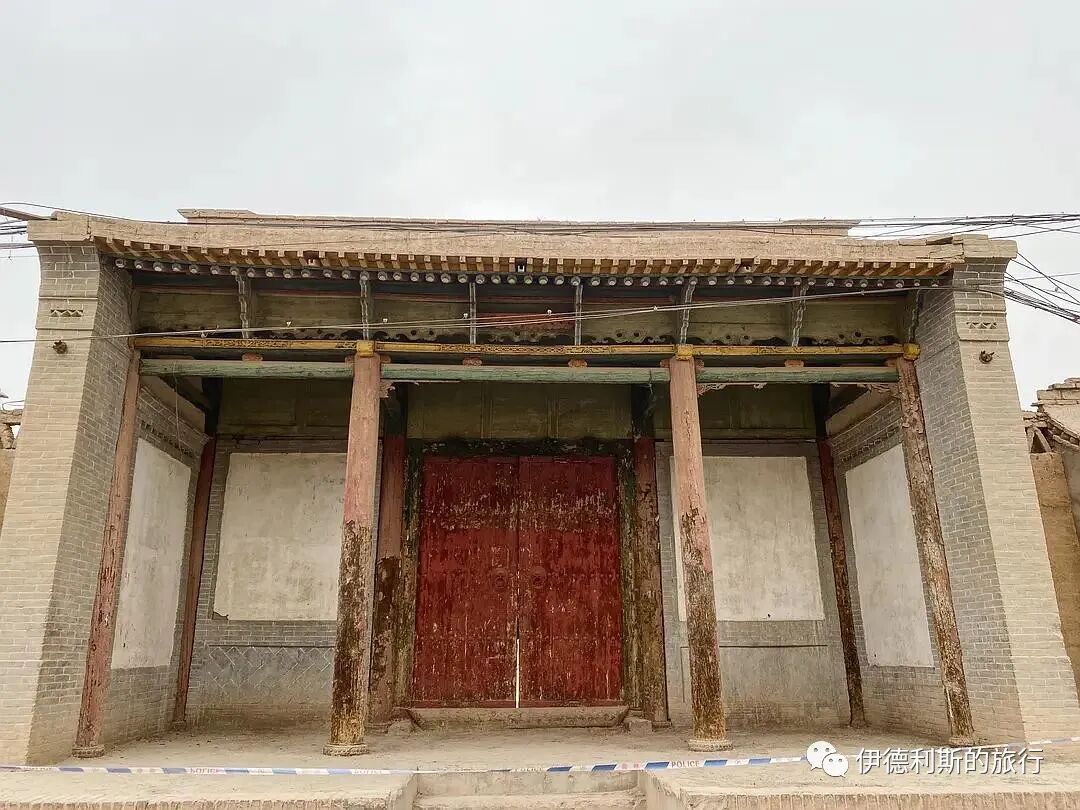
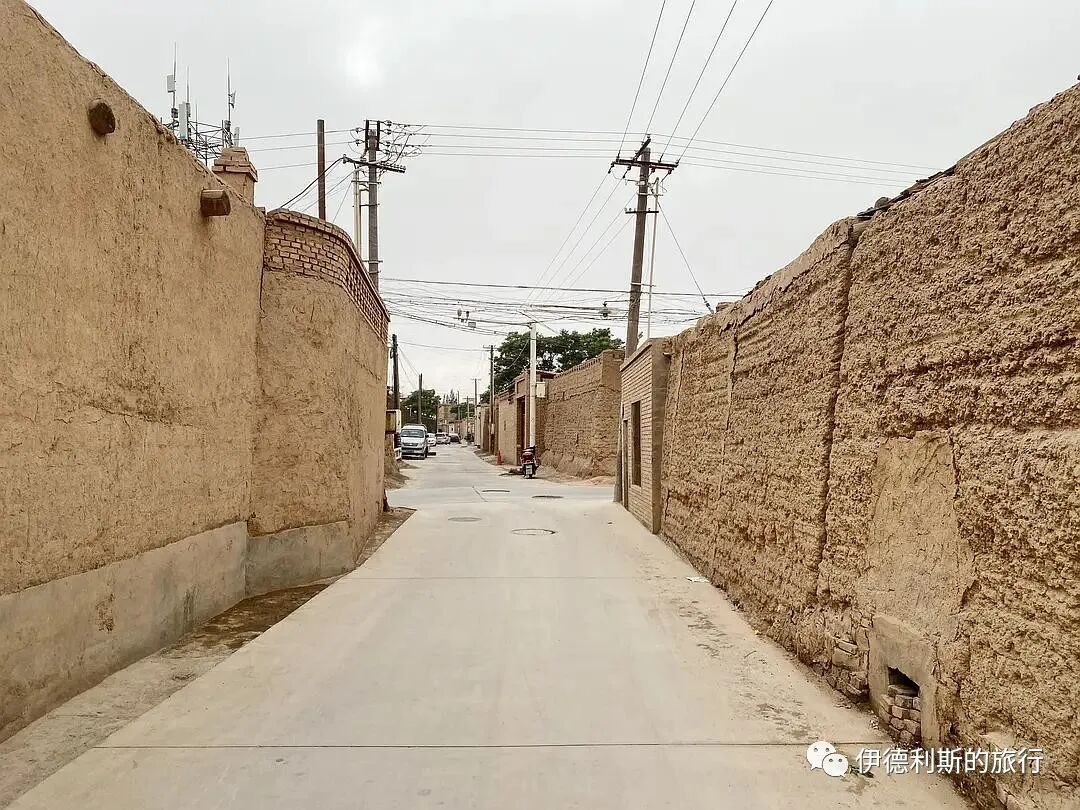
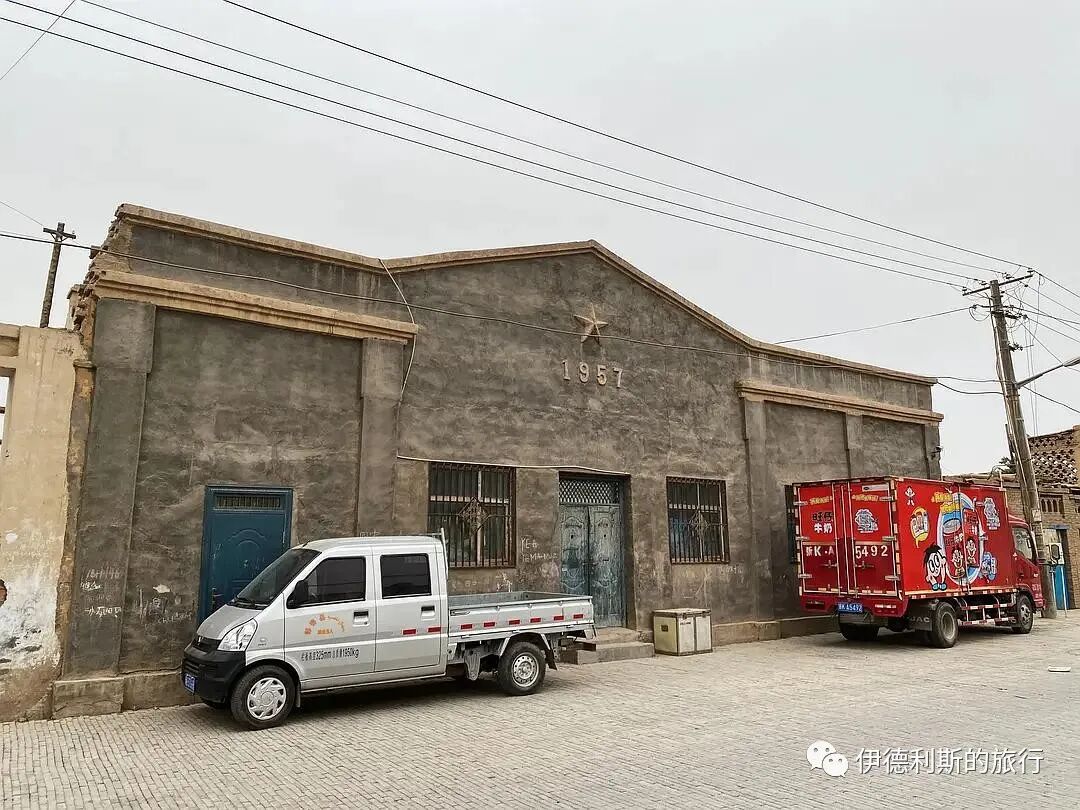
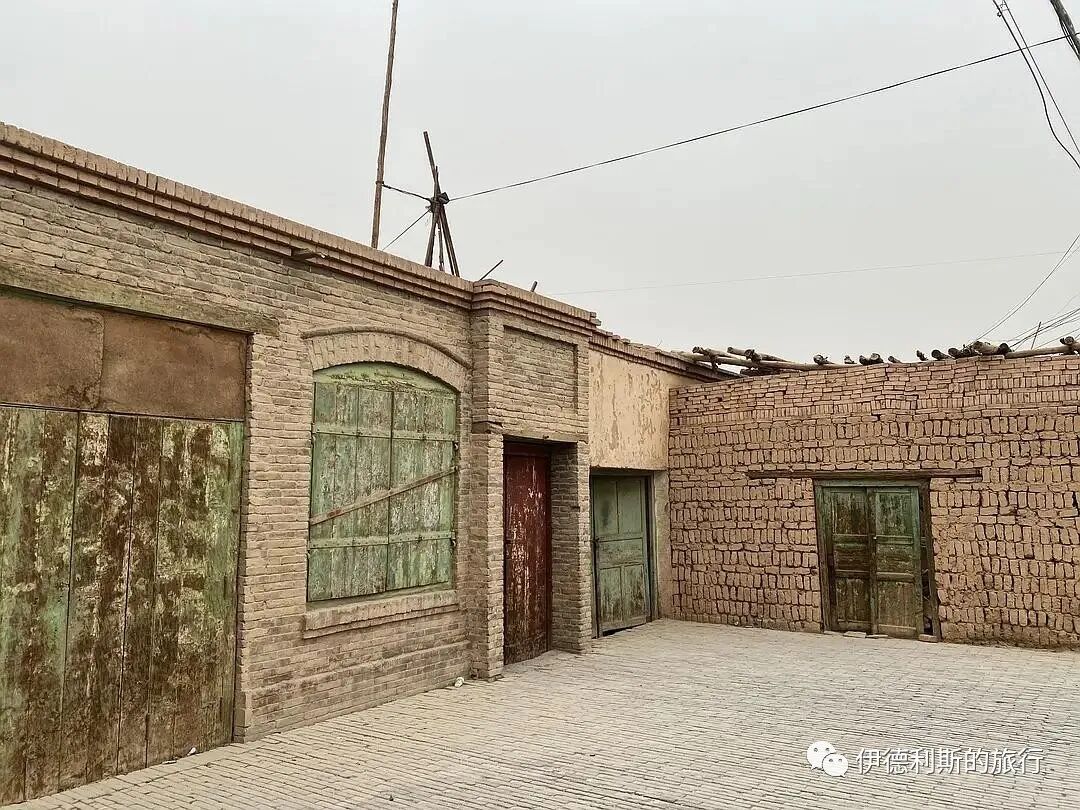
During the Republic of China era, the Turpan Hui Muslim city (New City) was filled with shops and was bustling and prosperous; today, many historical buildings are still preserved.
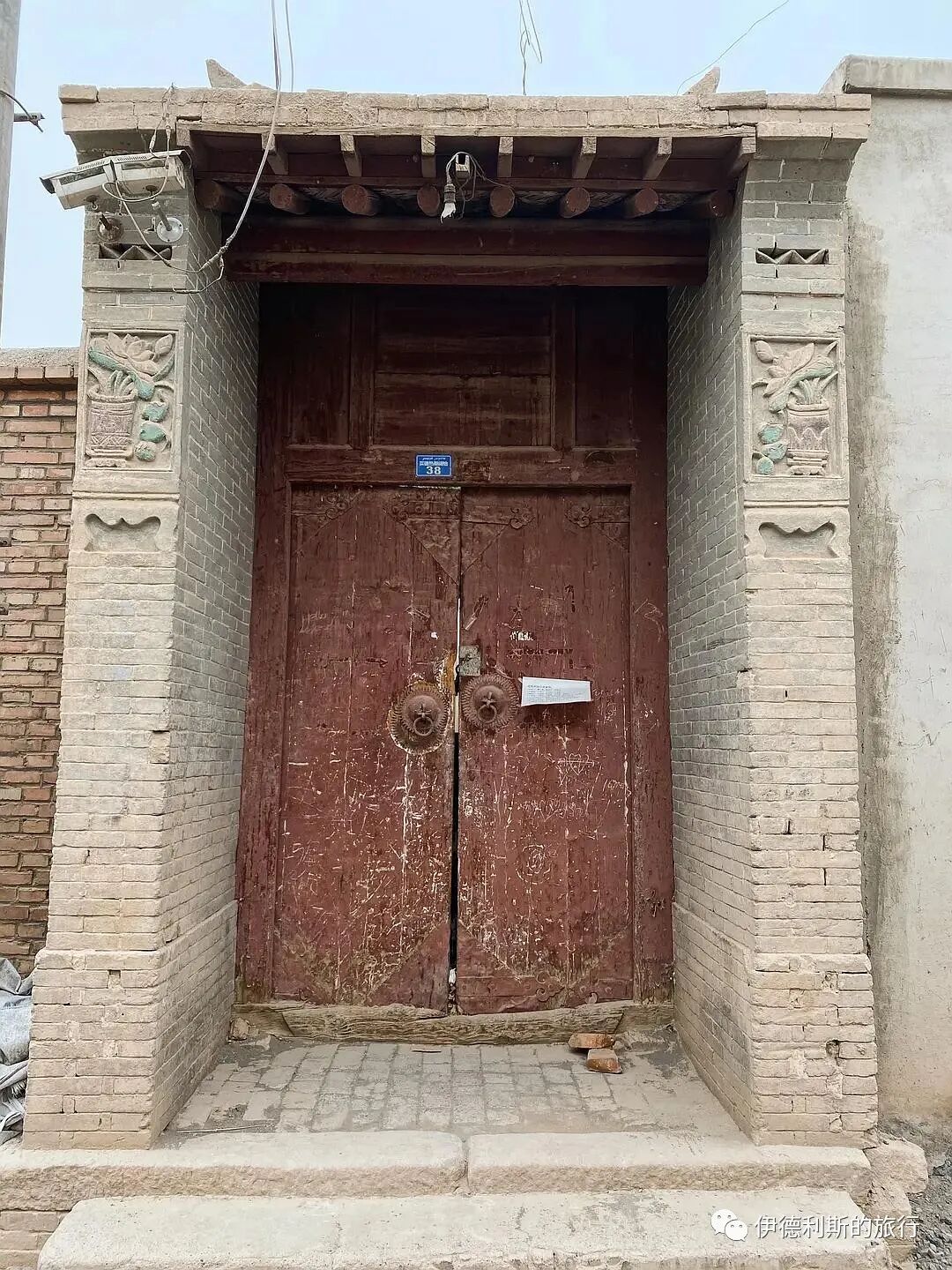
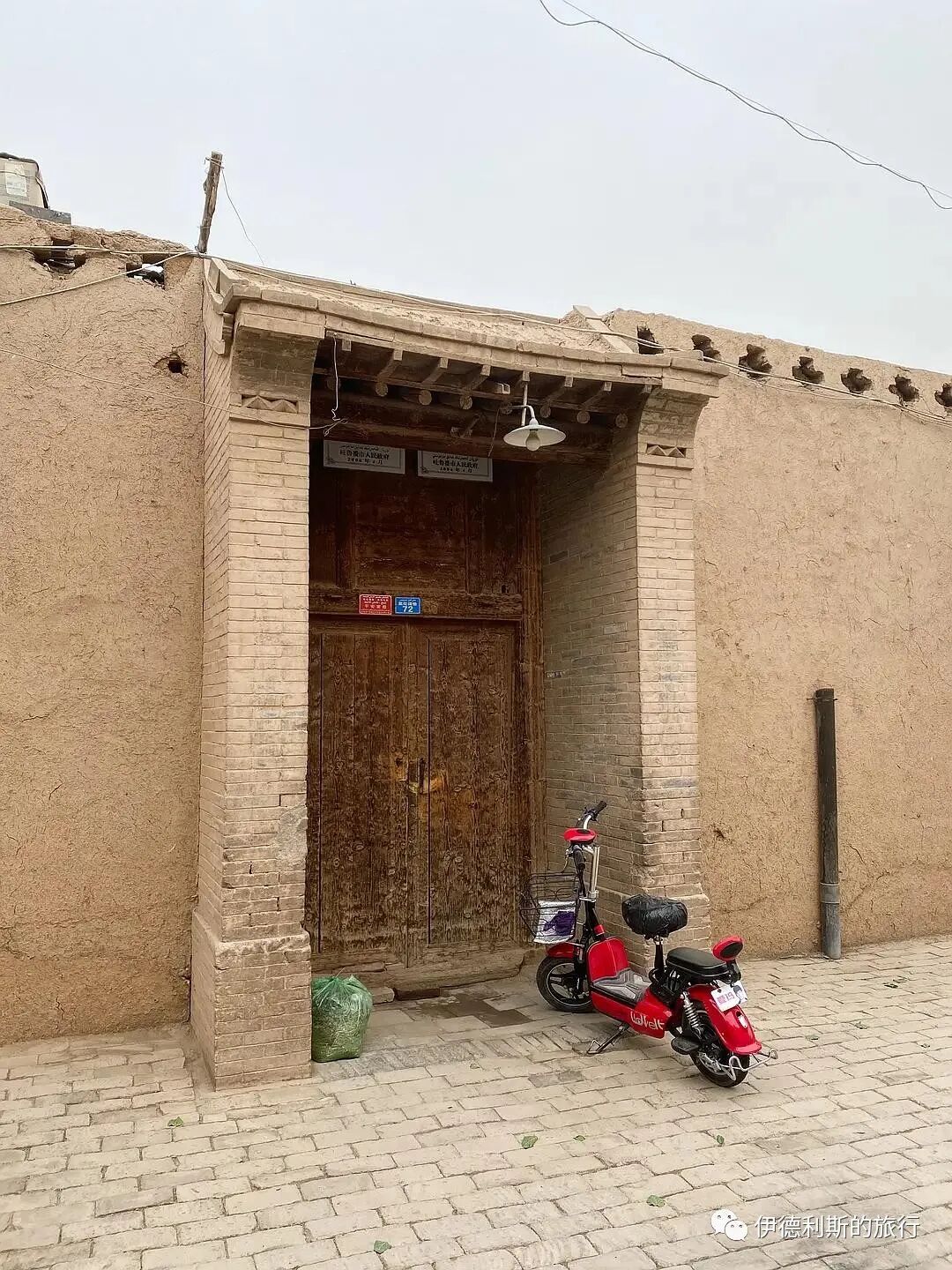
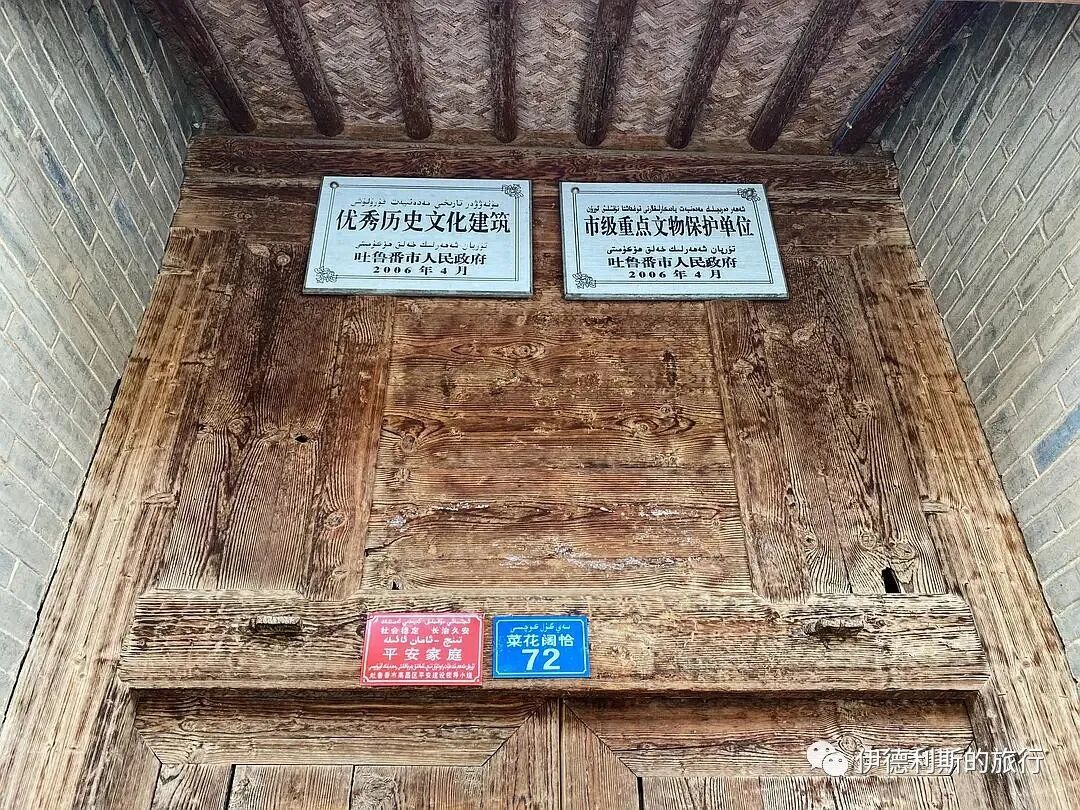
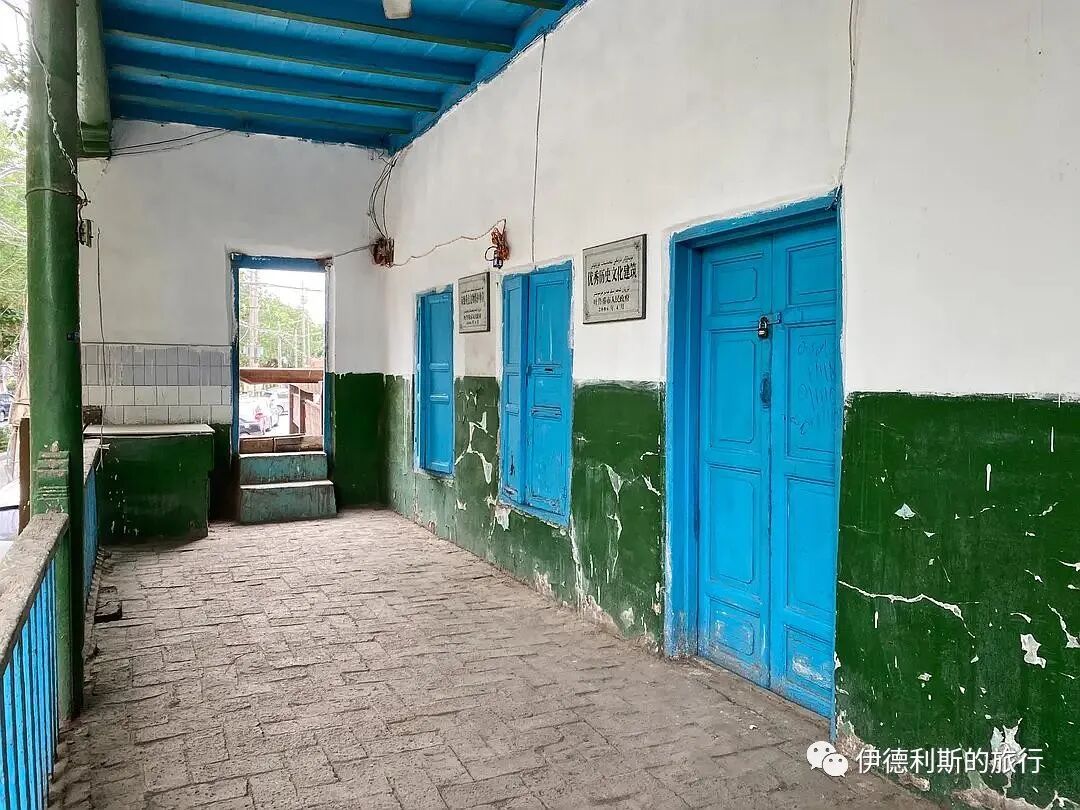
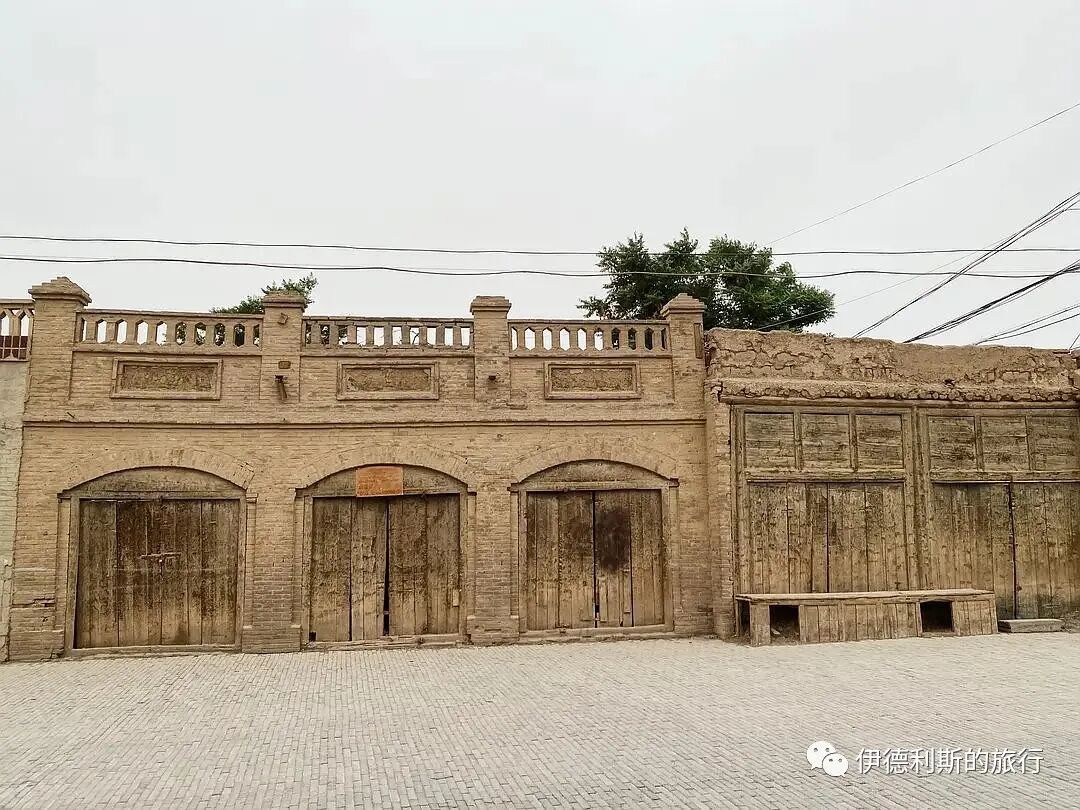
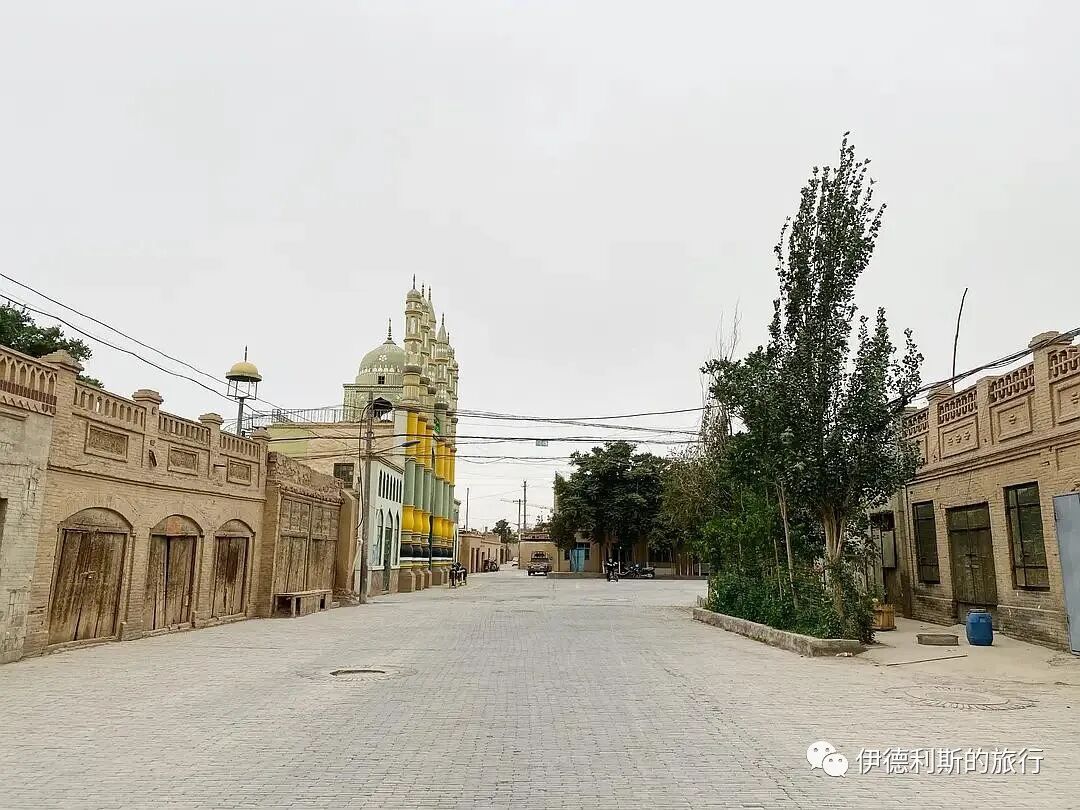
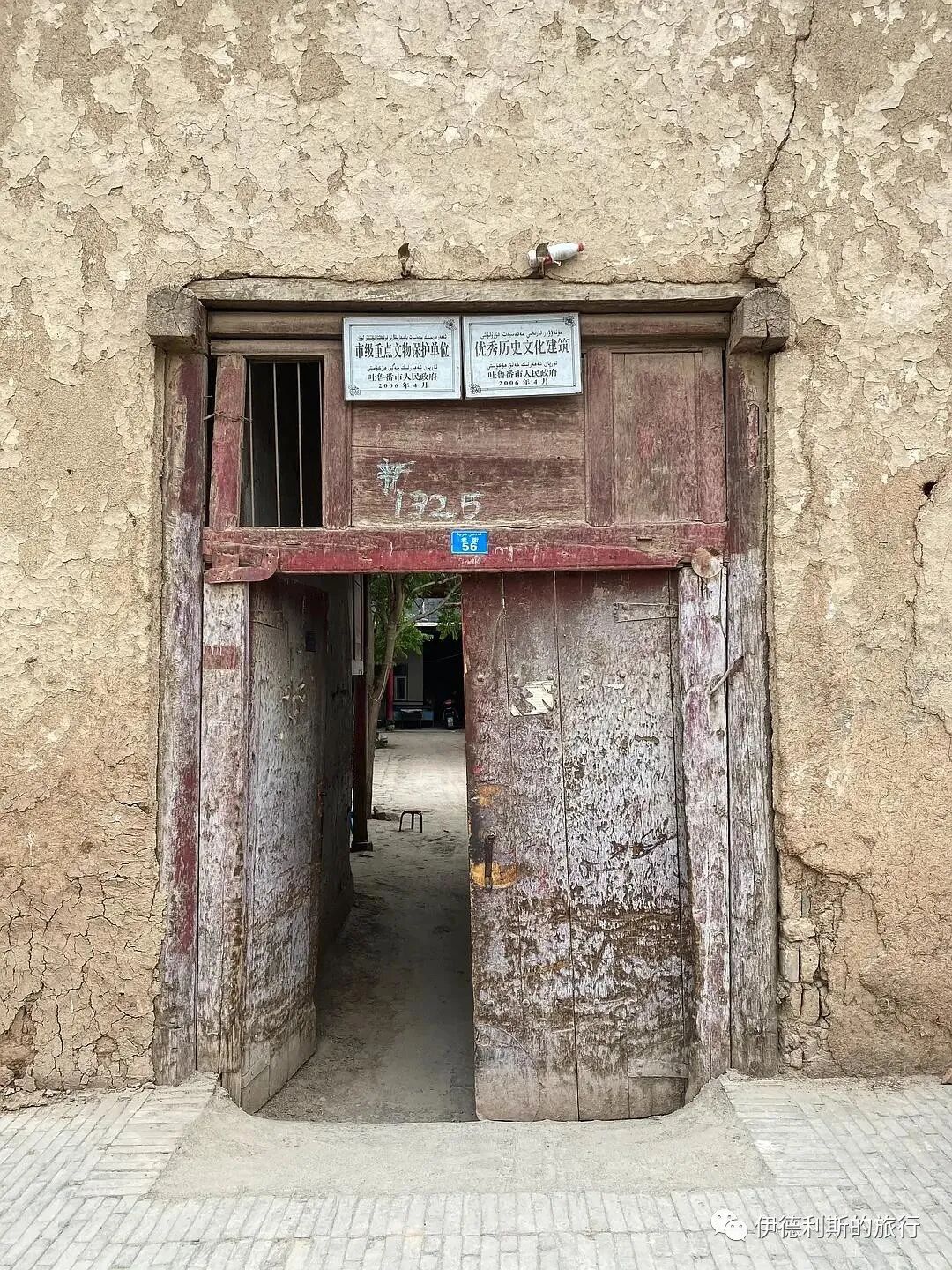
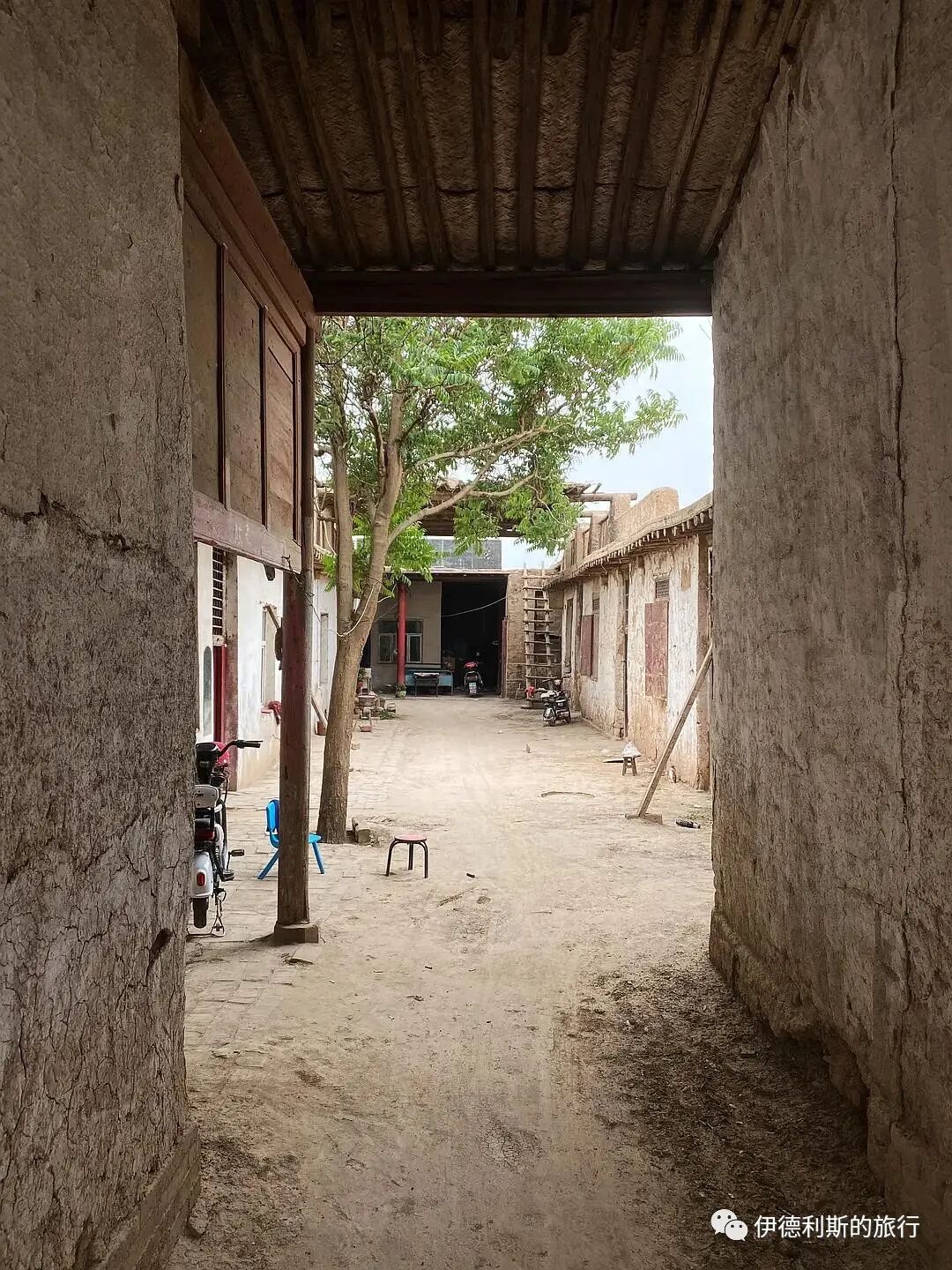
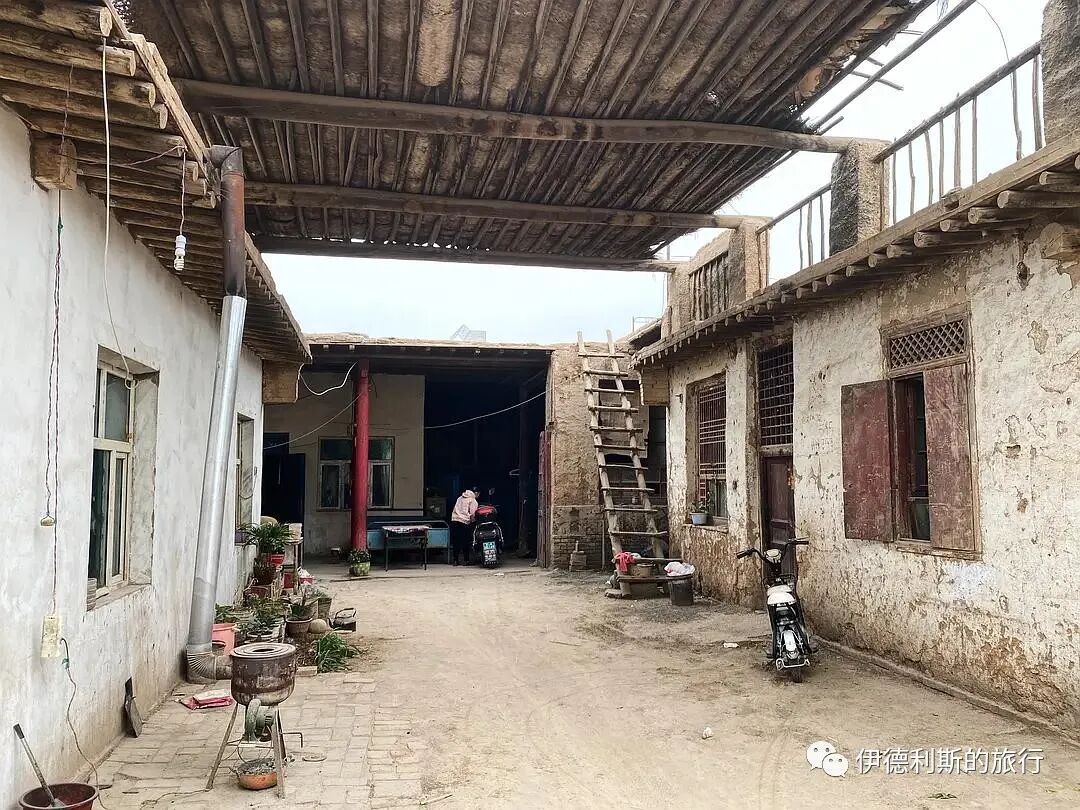
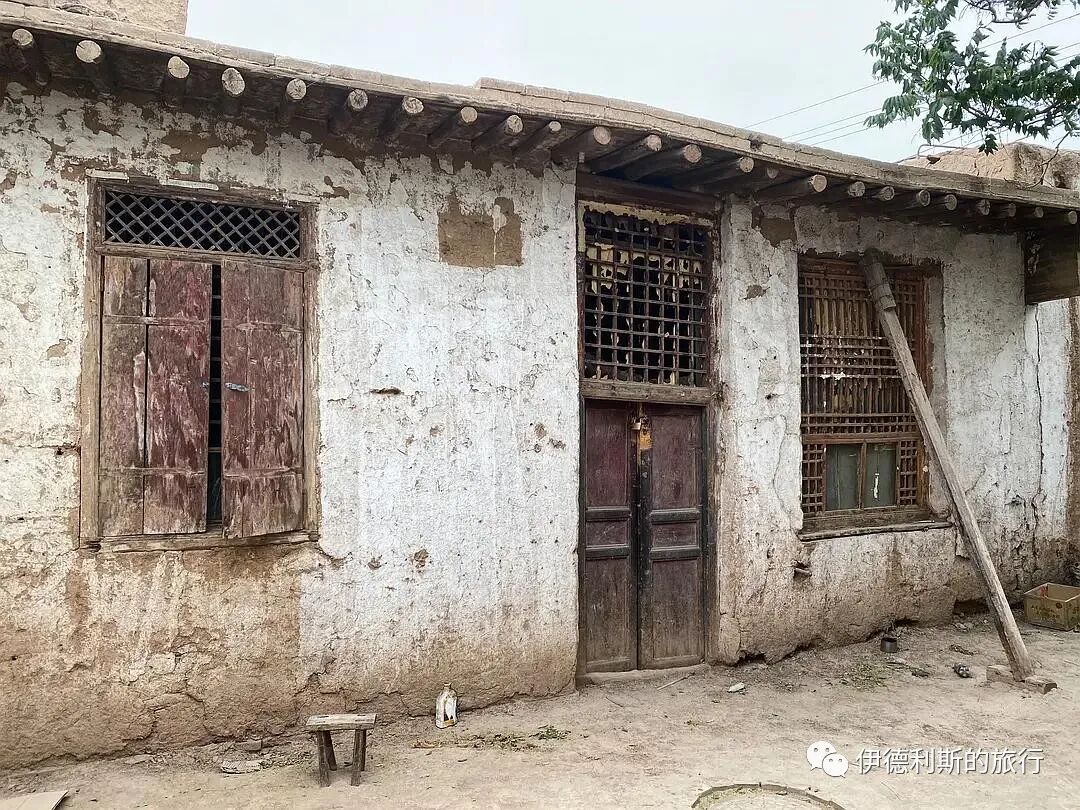
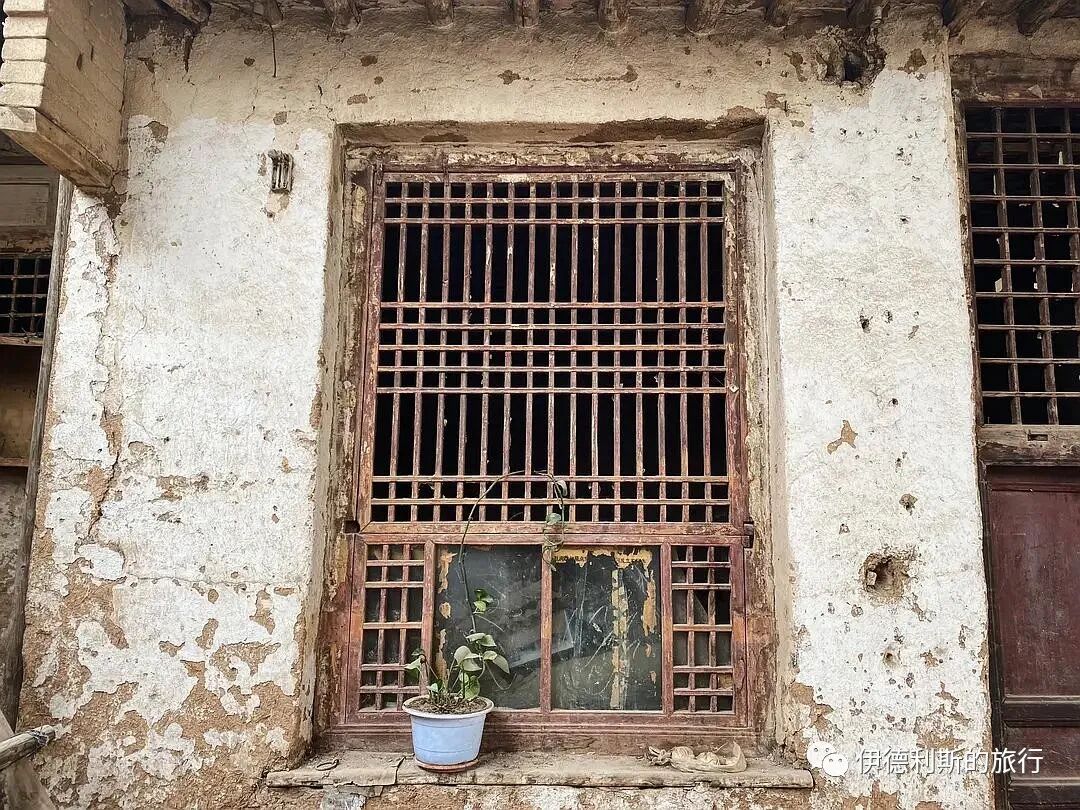
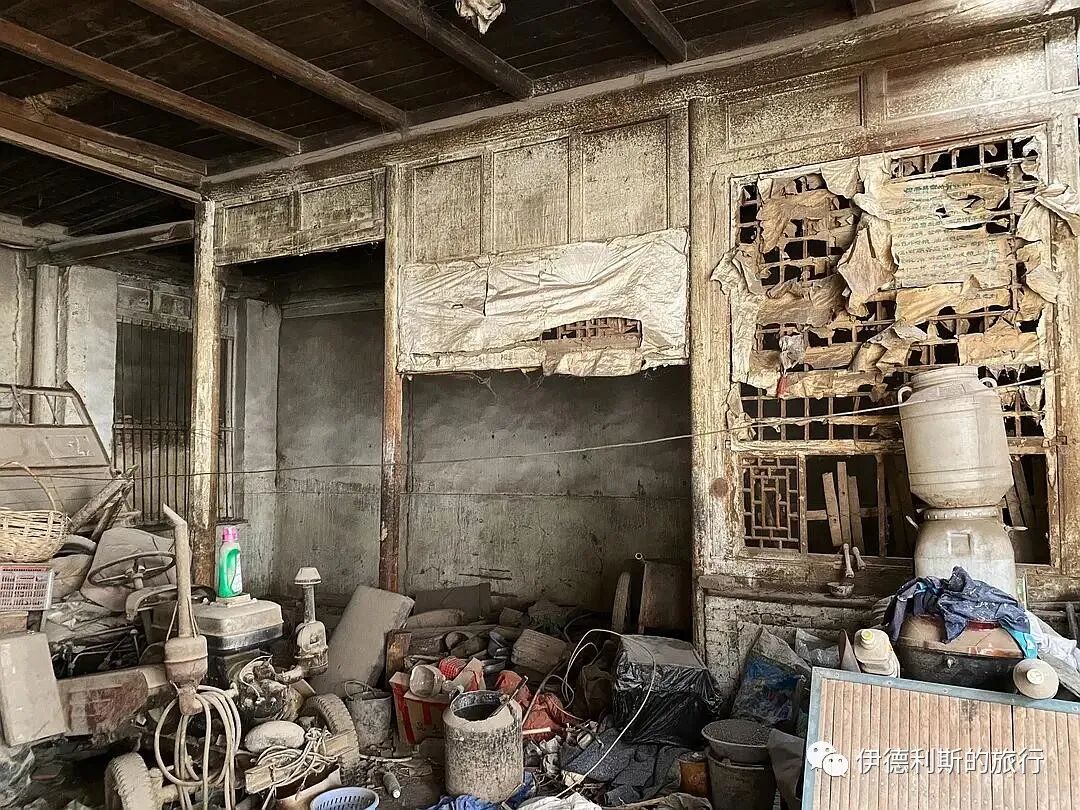
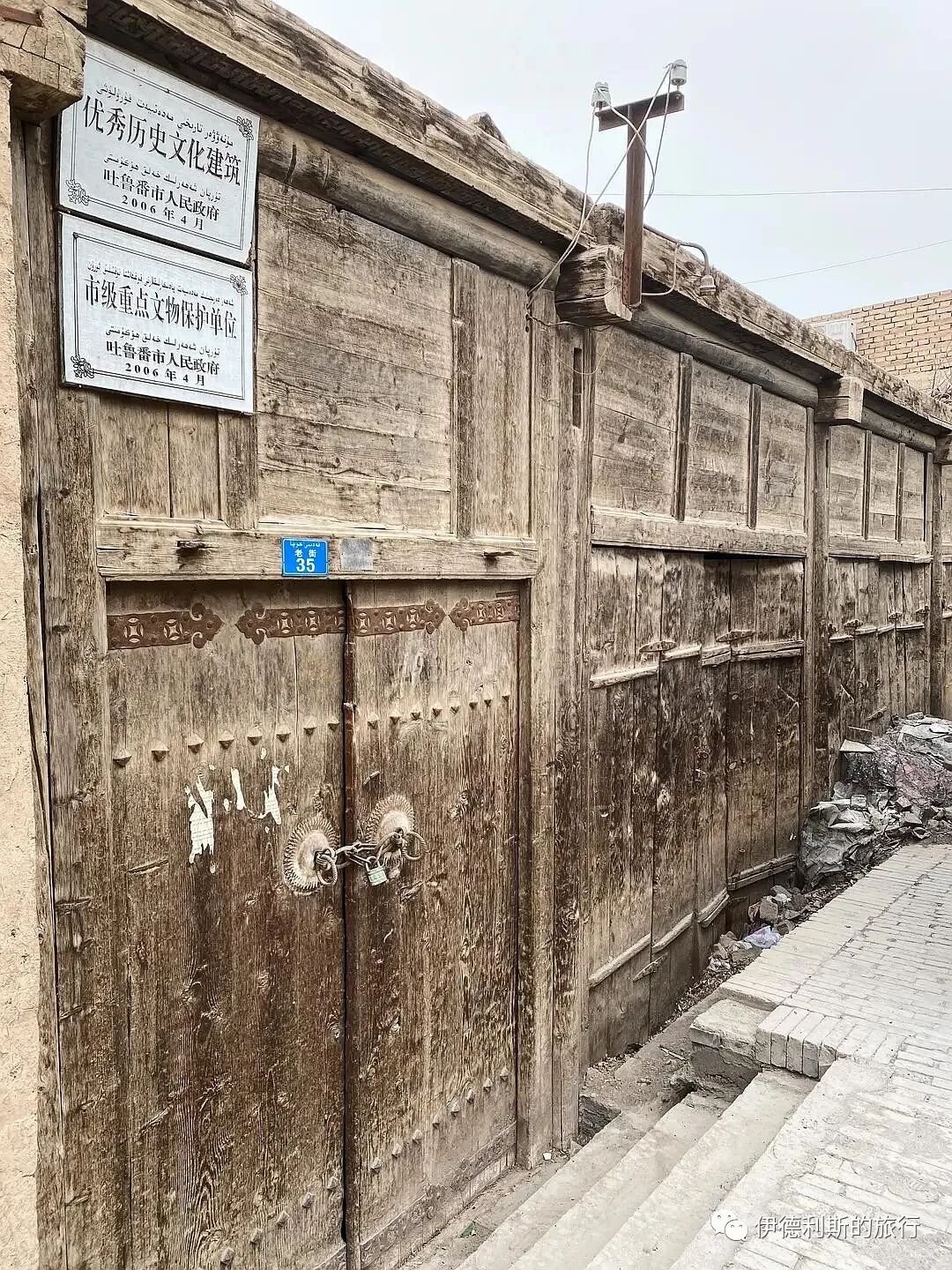
This used to be an old hardware company.
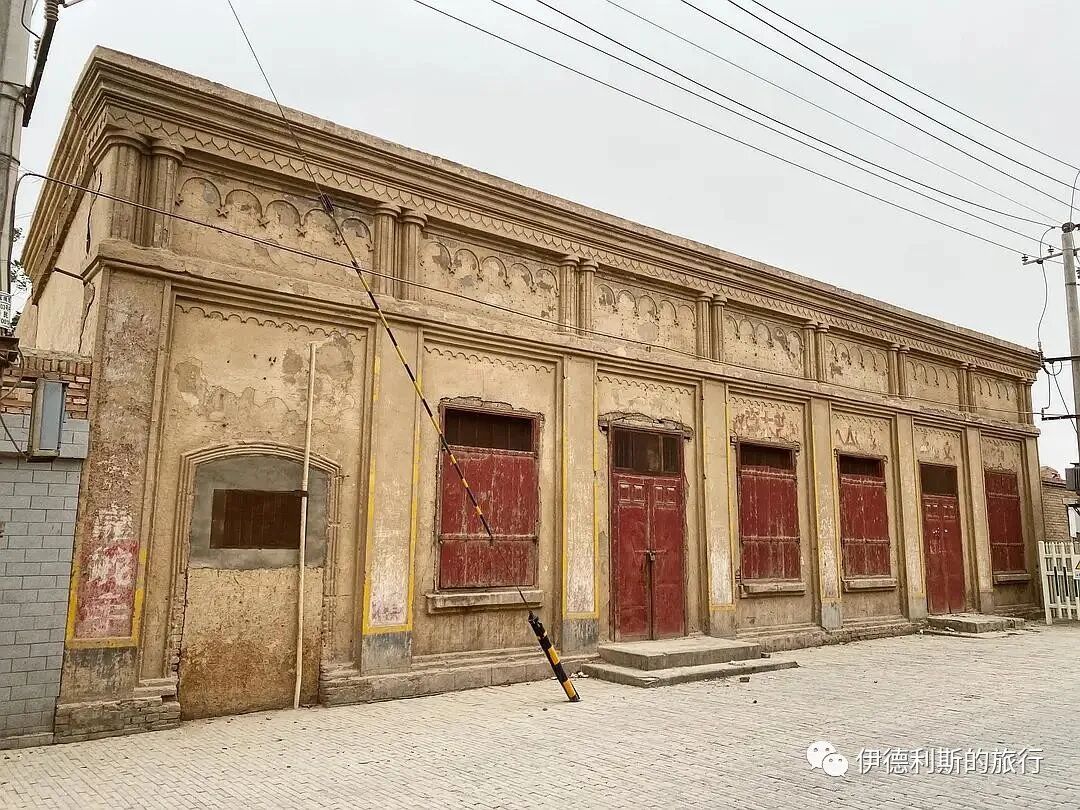
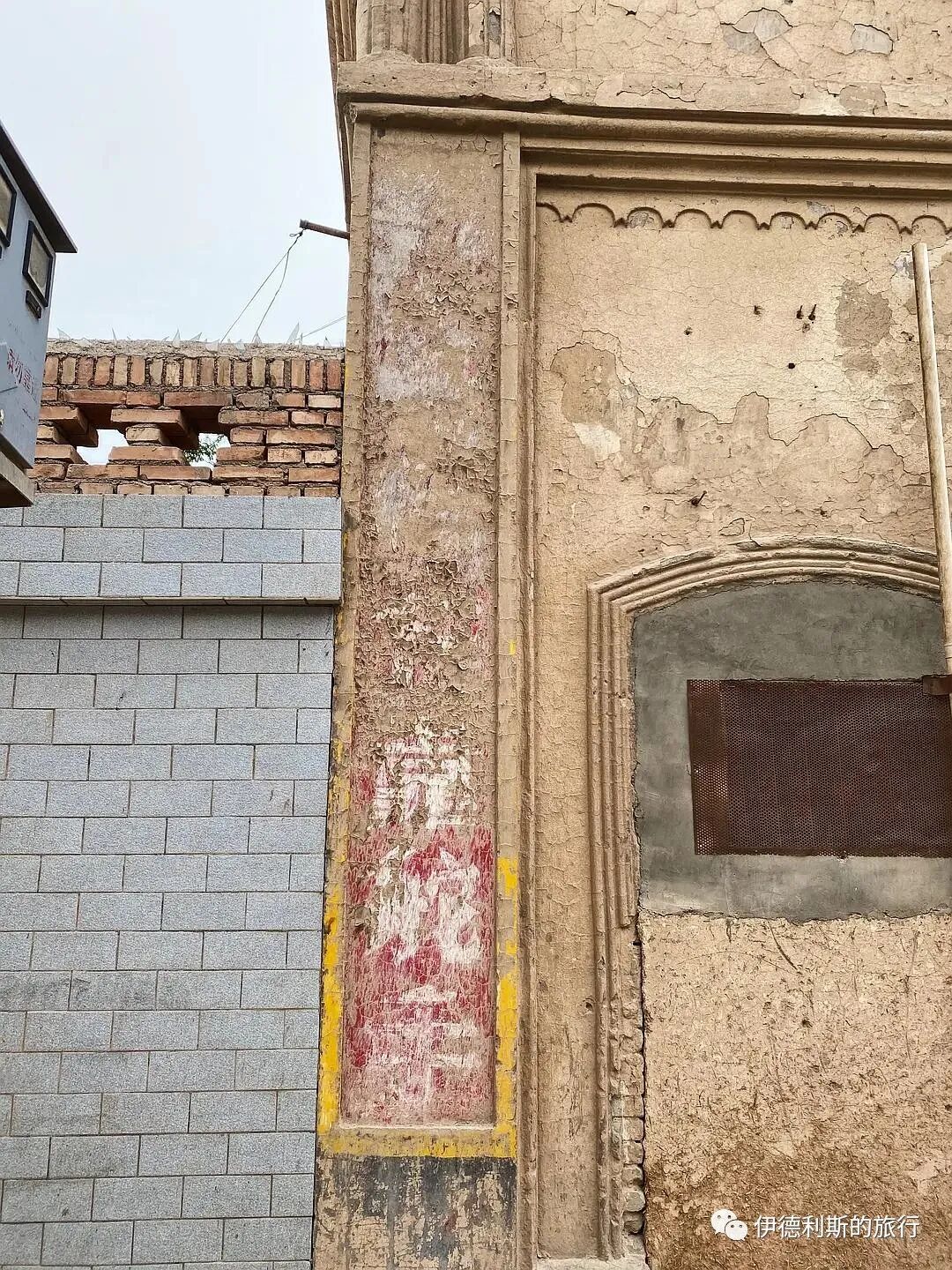
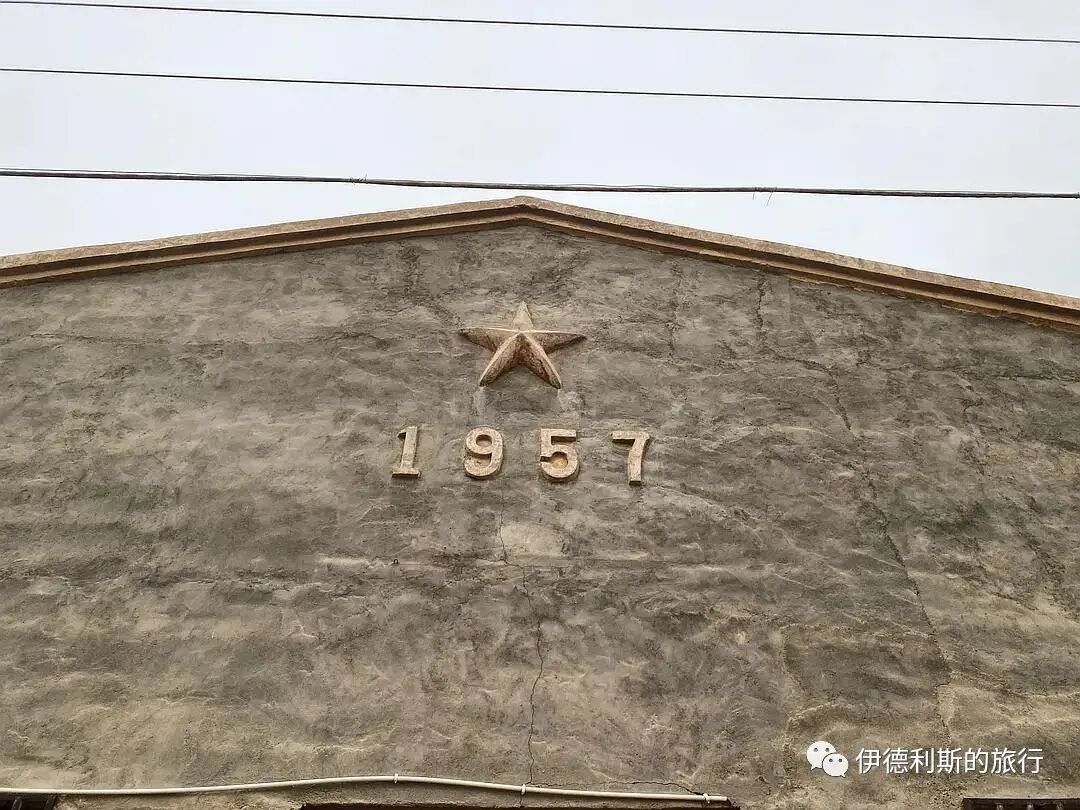
A post office from over sixty years ago.
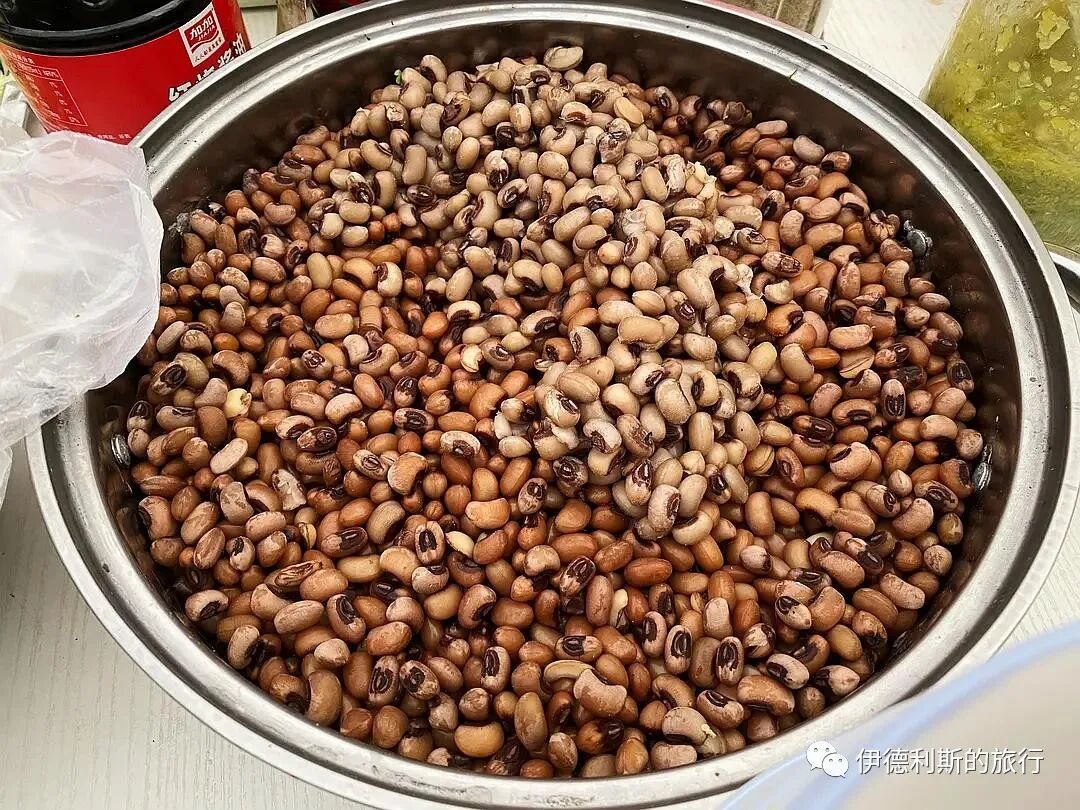
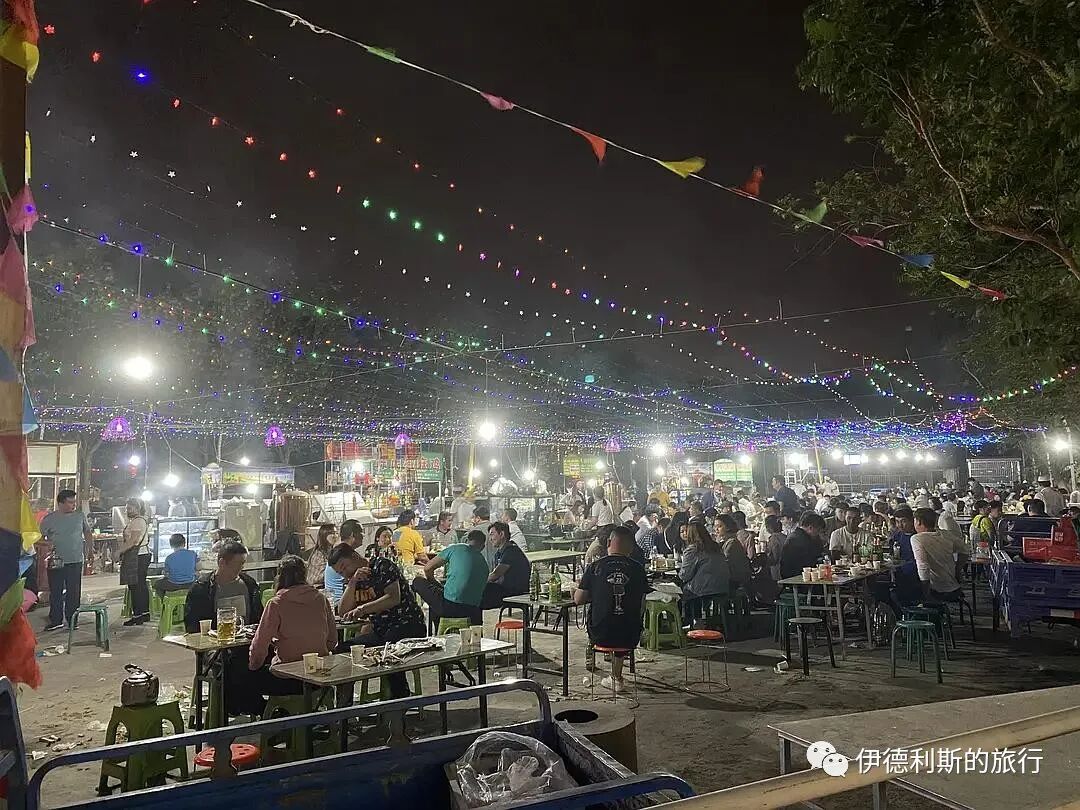
In the evening, we ate qorqur (dumplings) with onions and beans, and barbecue across from the Turpan Museum, and then we had lamb-braised youtazi (steamed twisted rolls). This is quite rare; here in the eastern part of Xinjiang, it is usually lamb-braised flatbread.
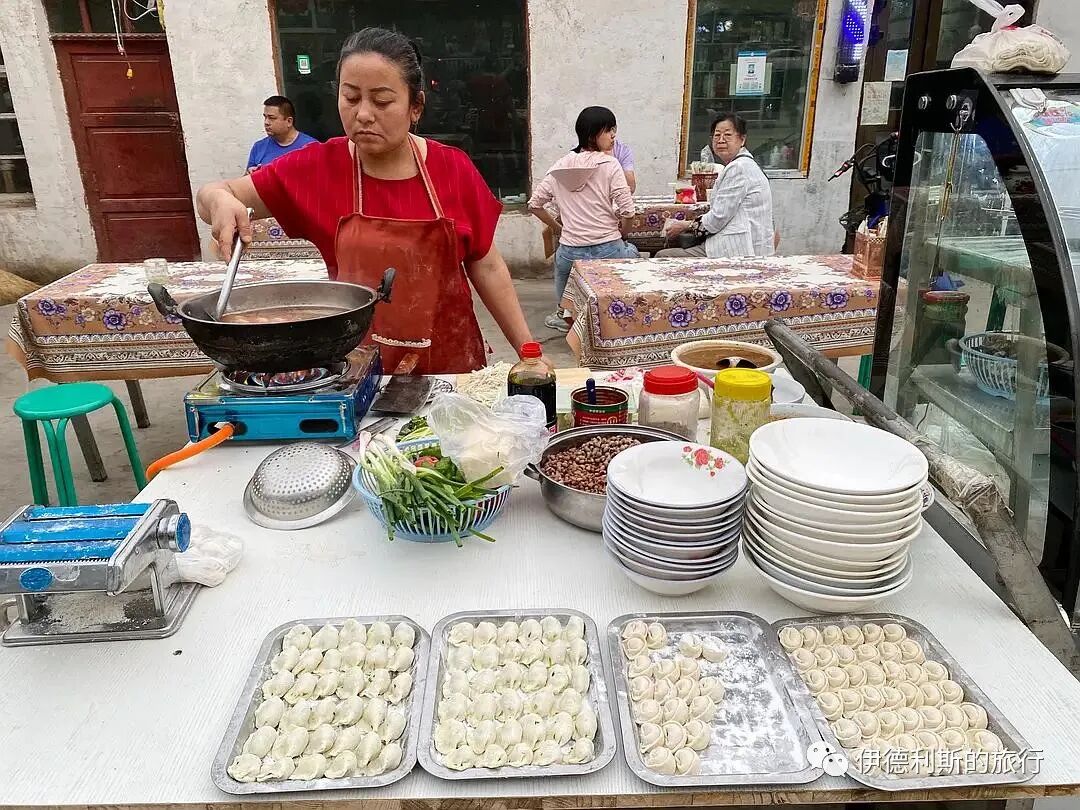
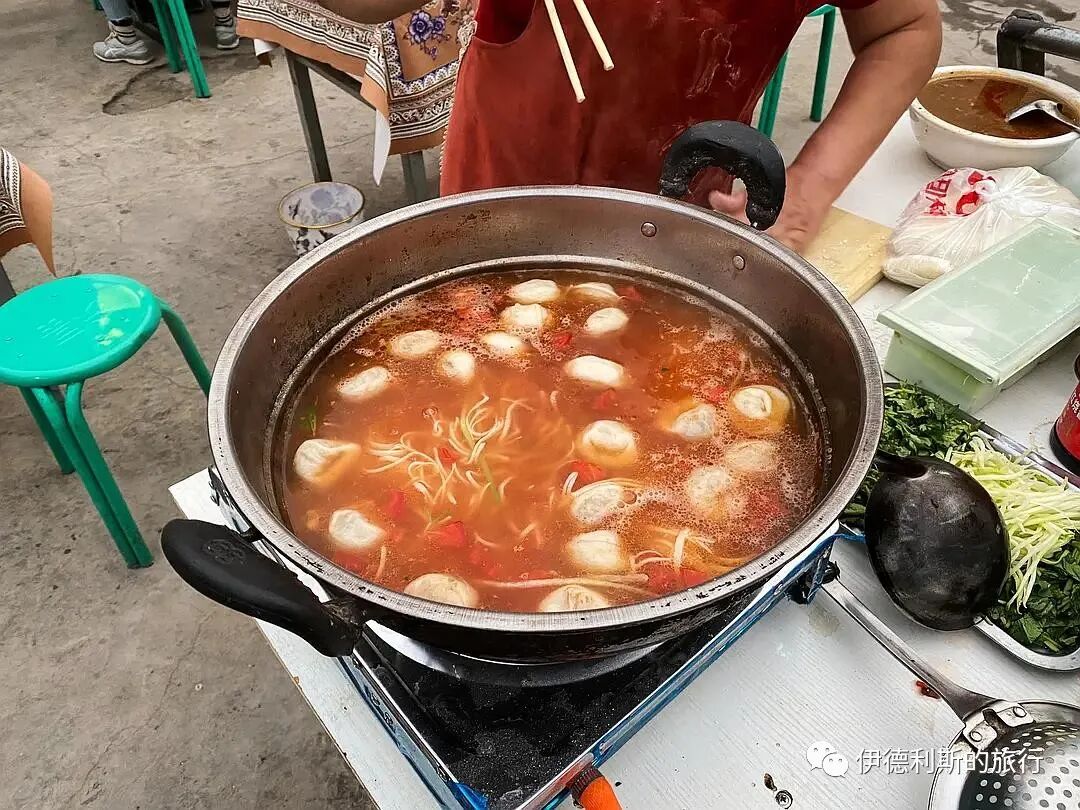
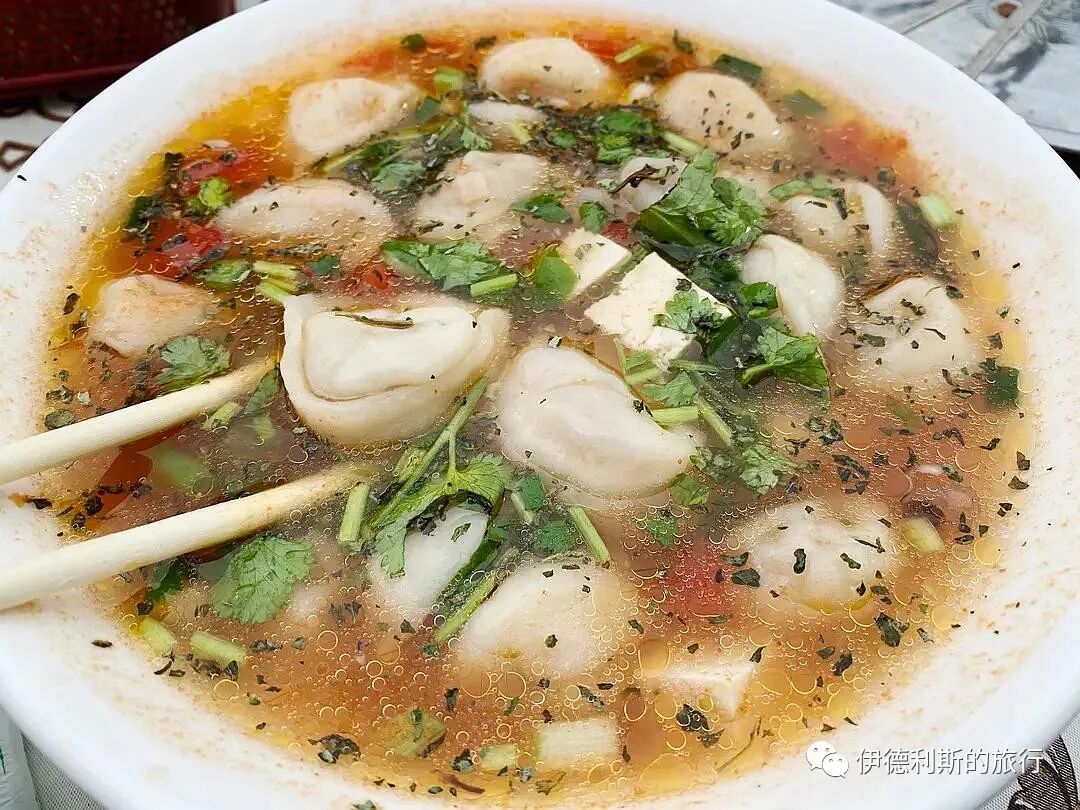
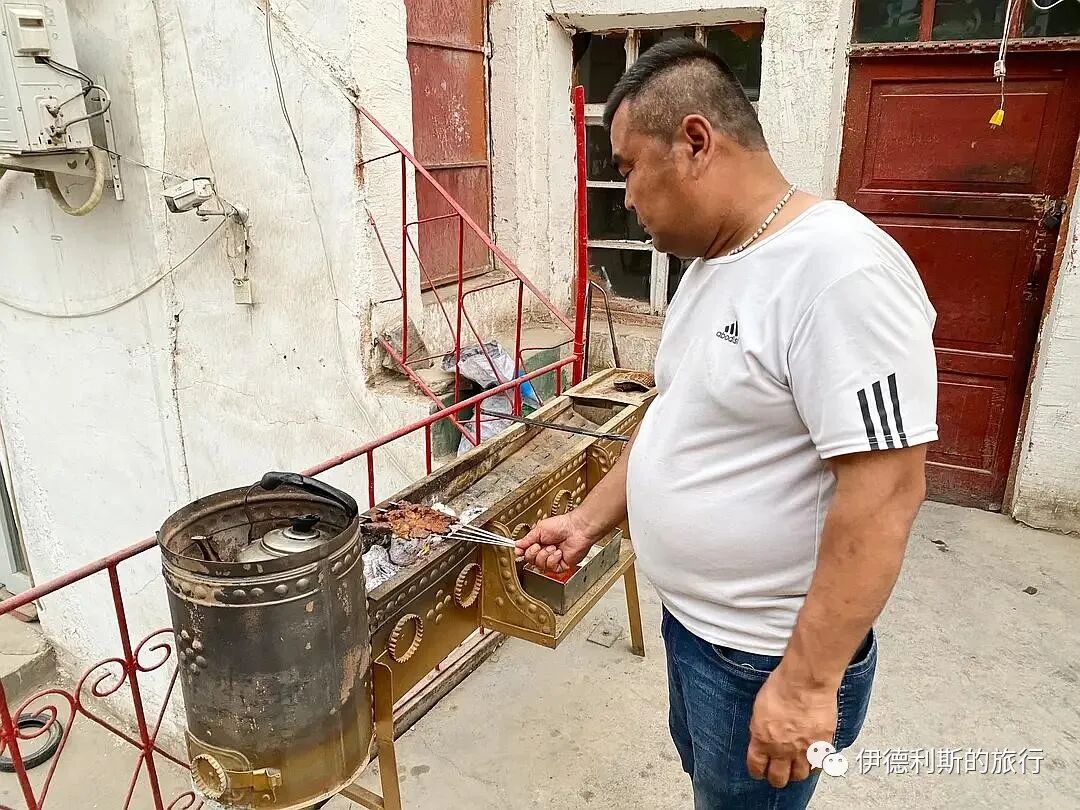
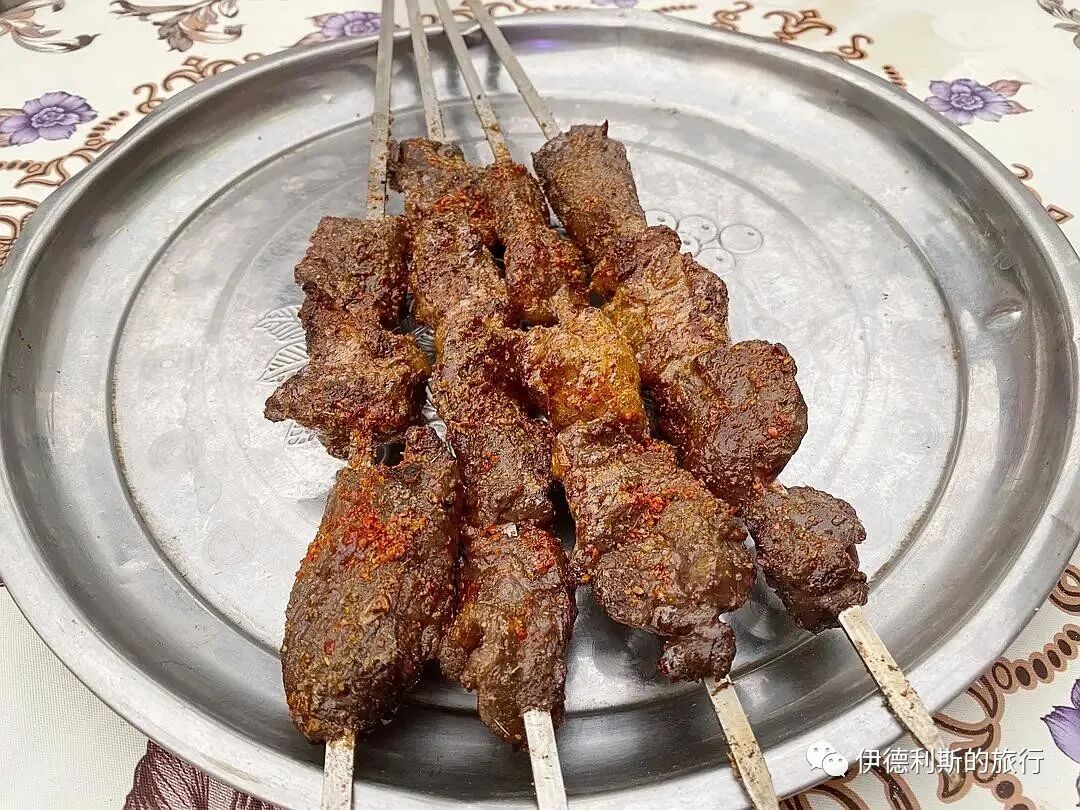
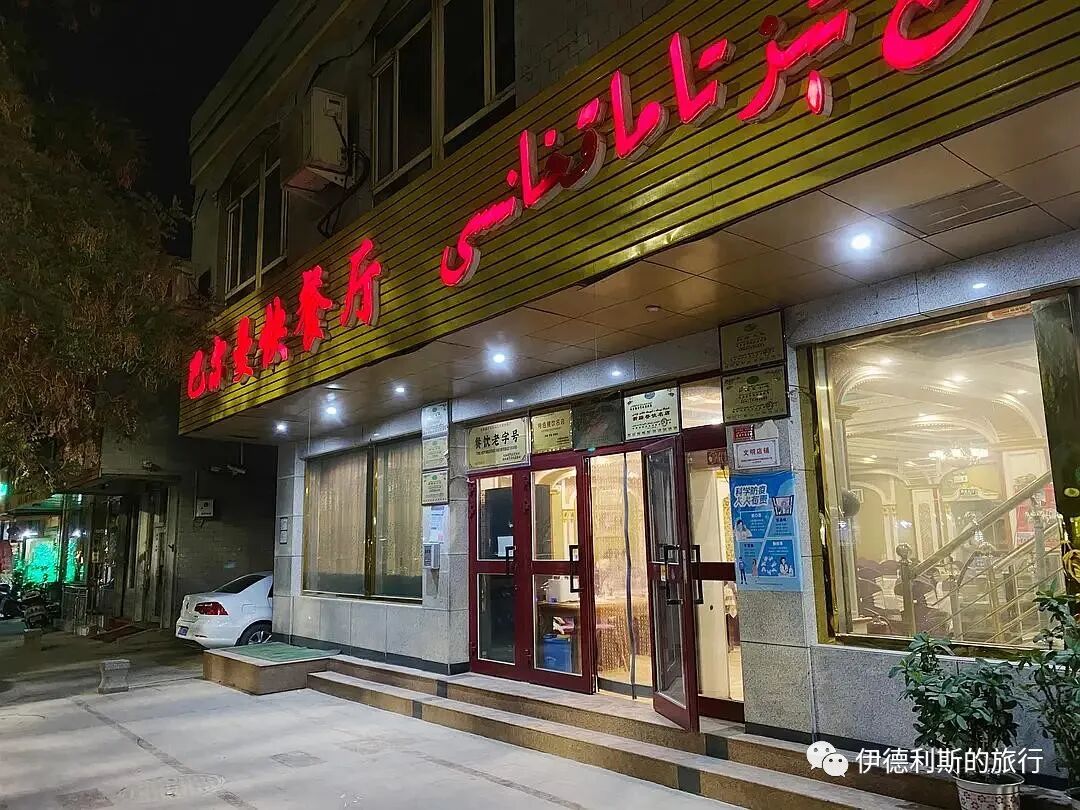
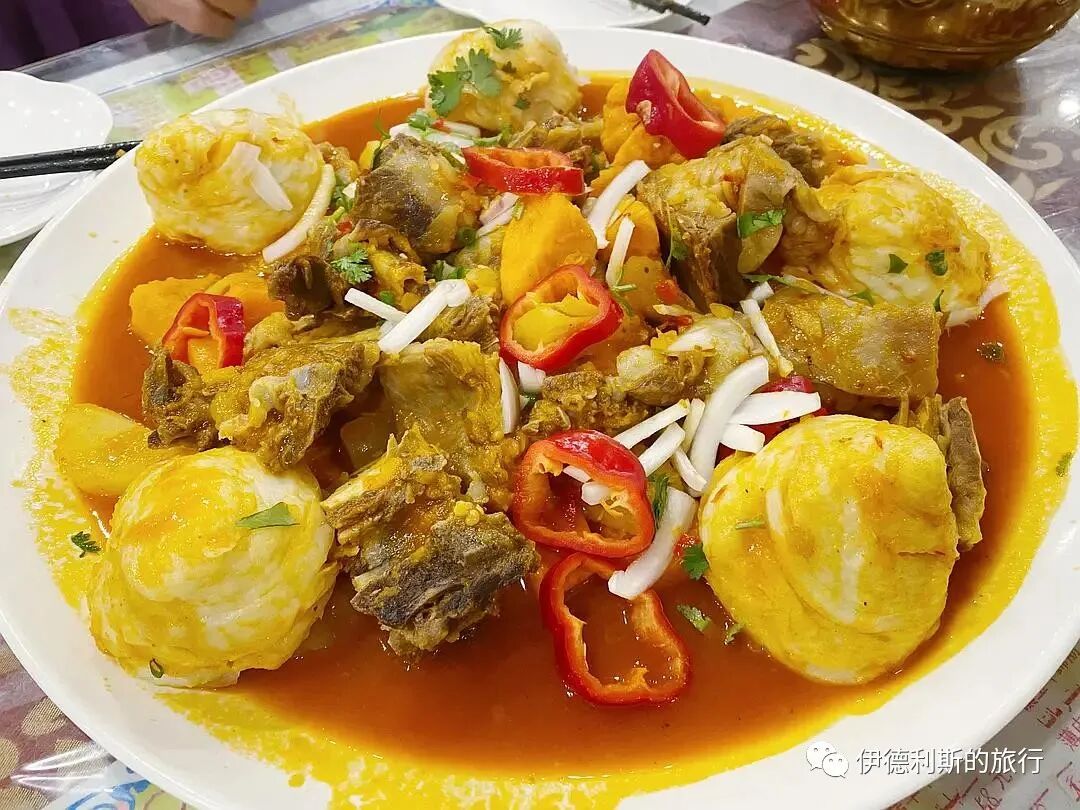
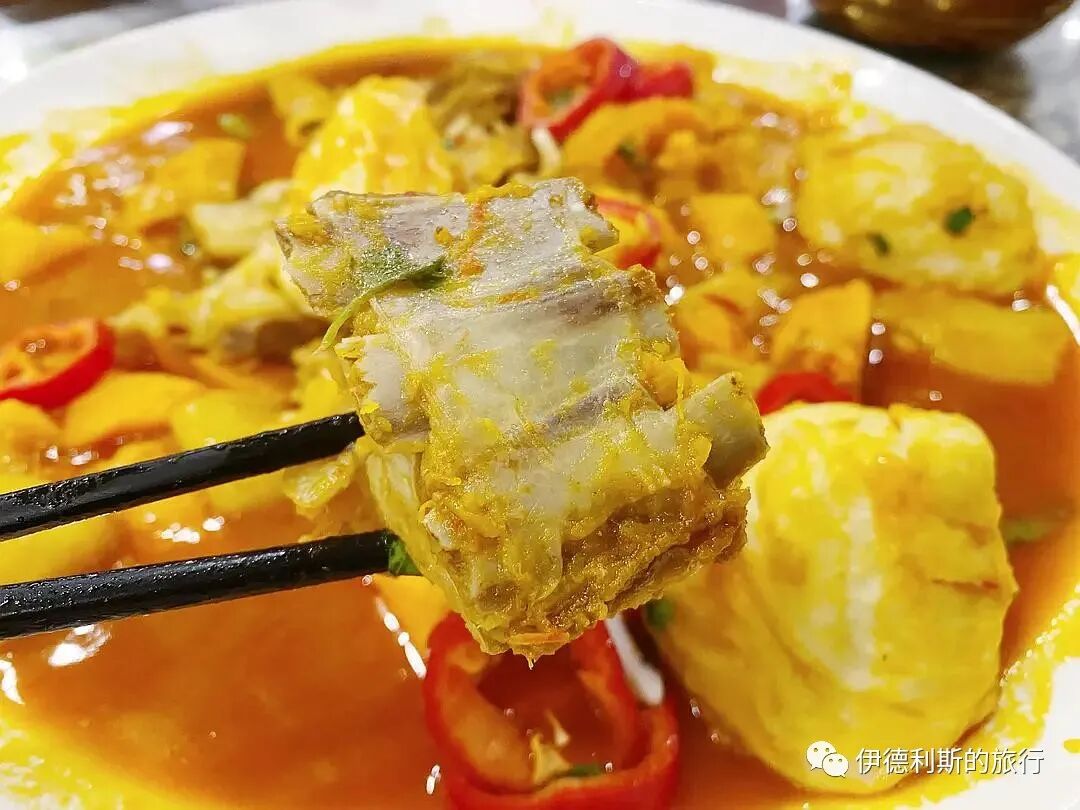
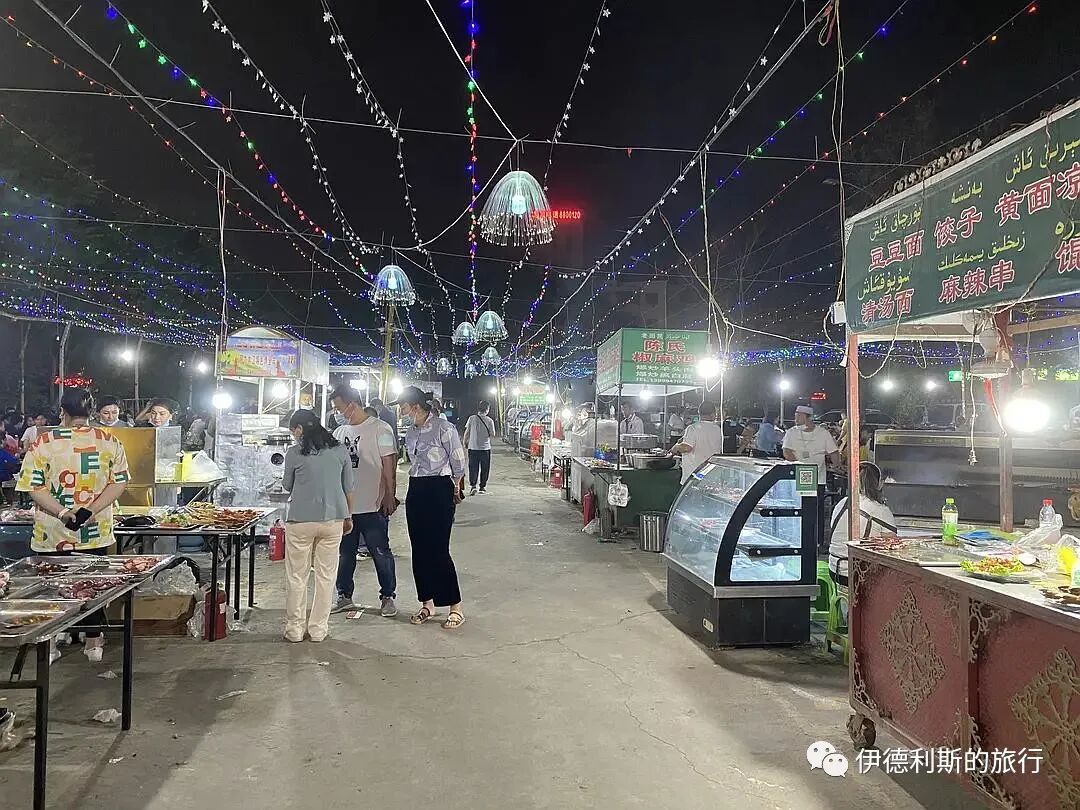
Turpan Night Market.
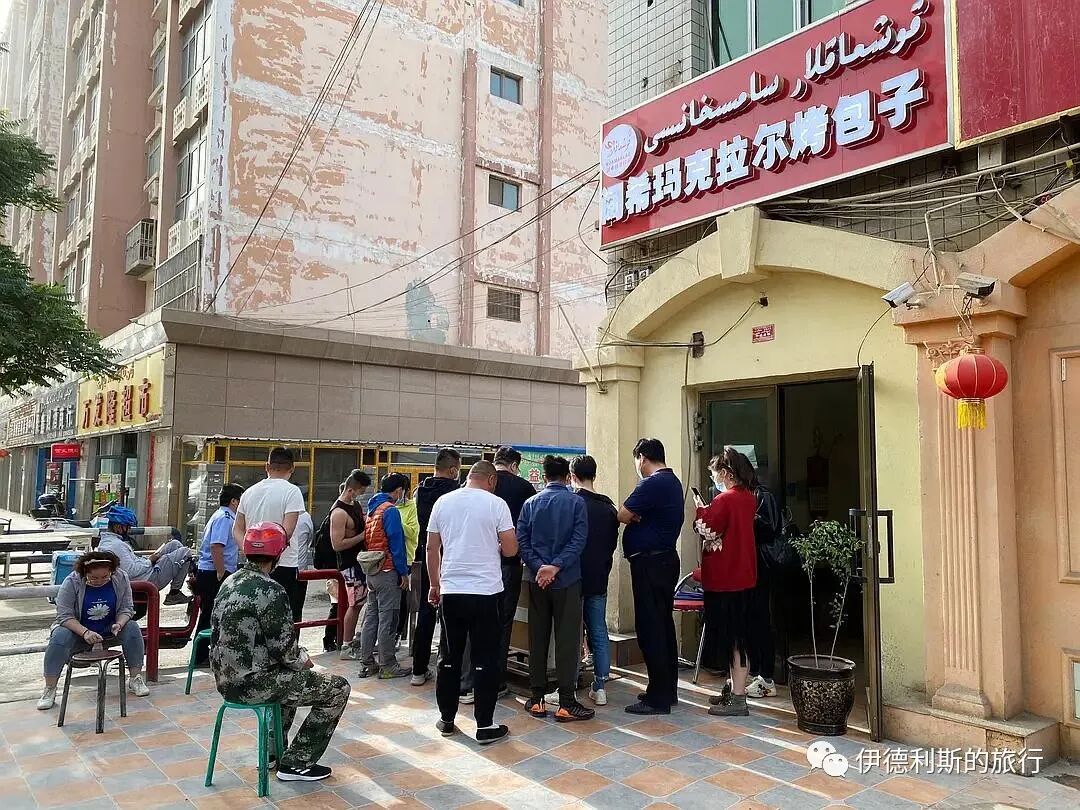
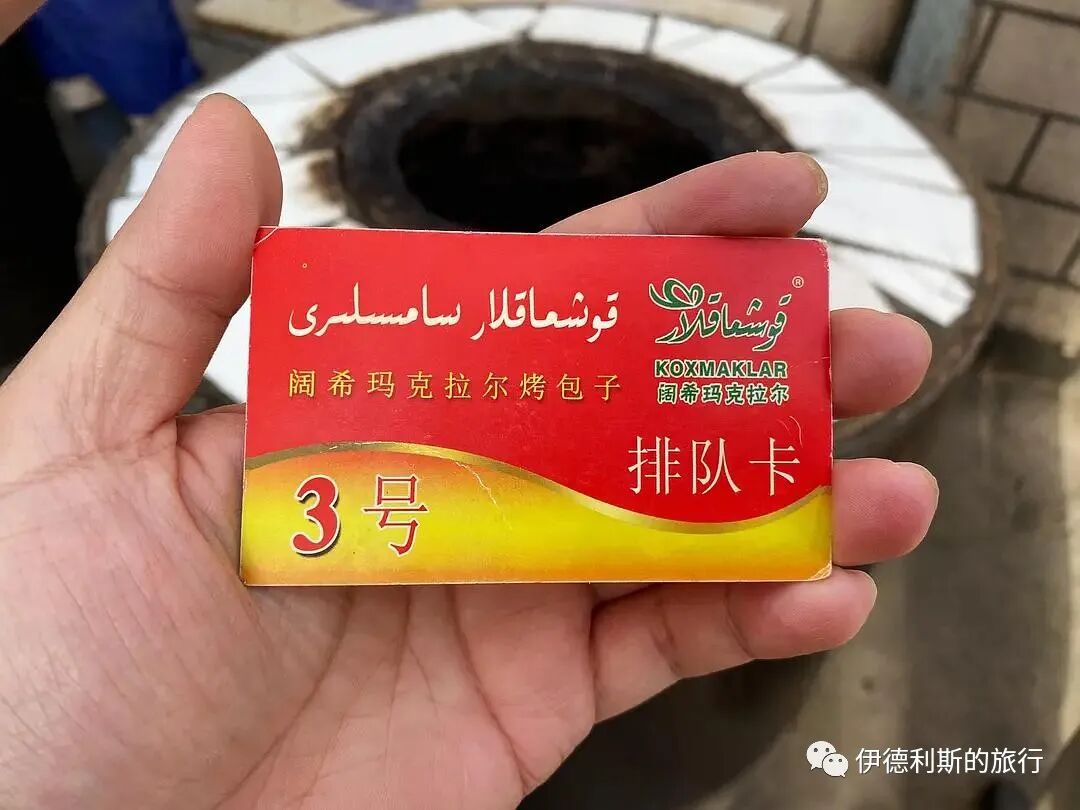
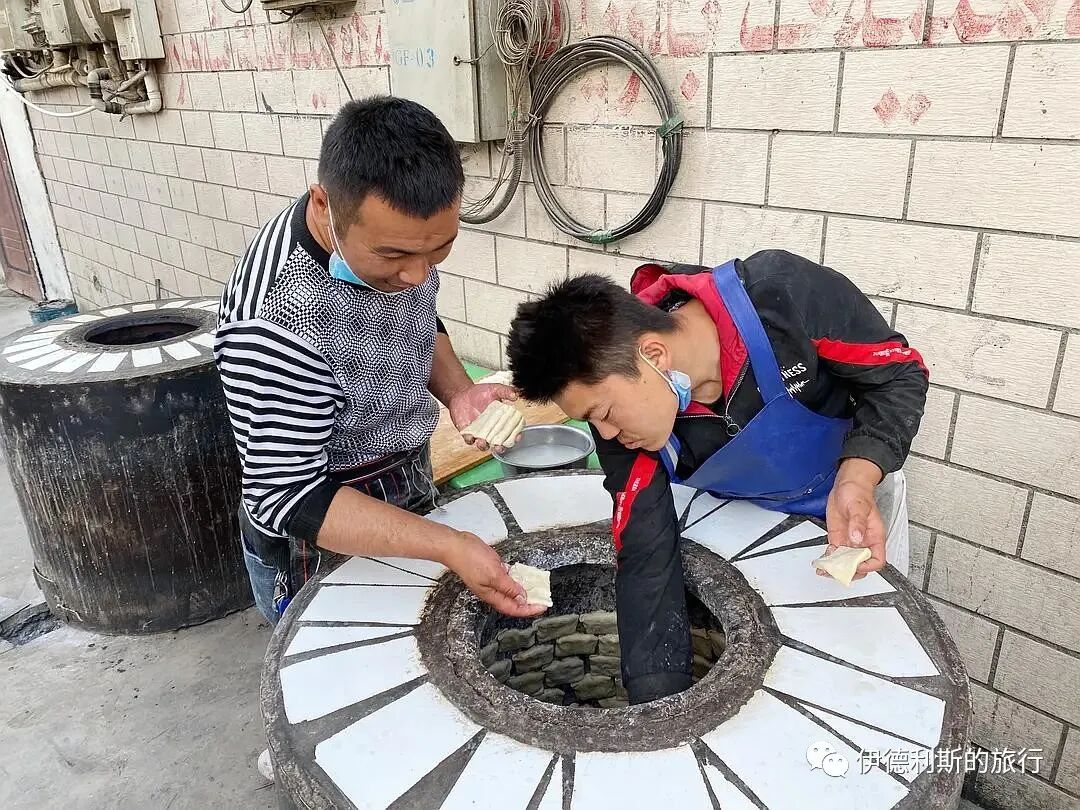
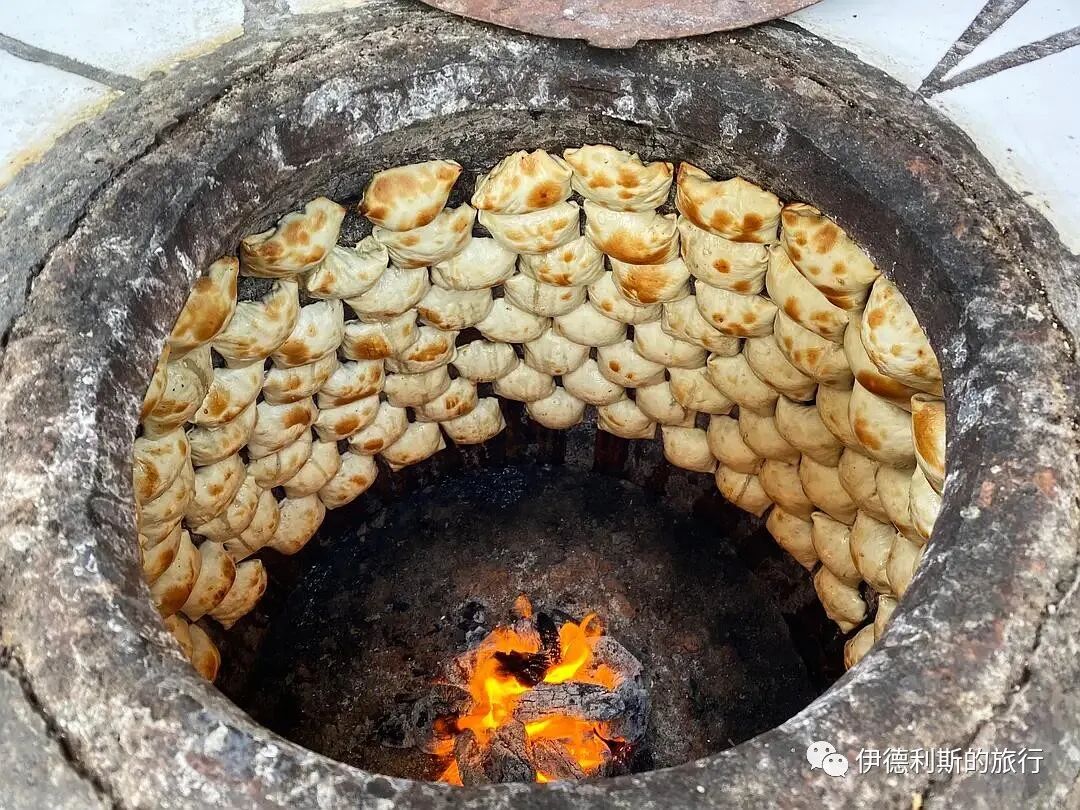
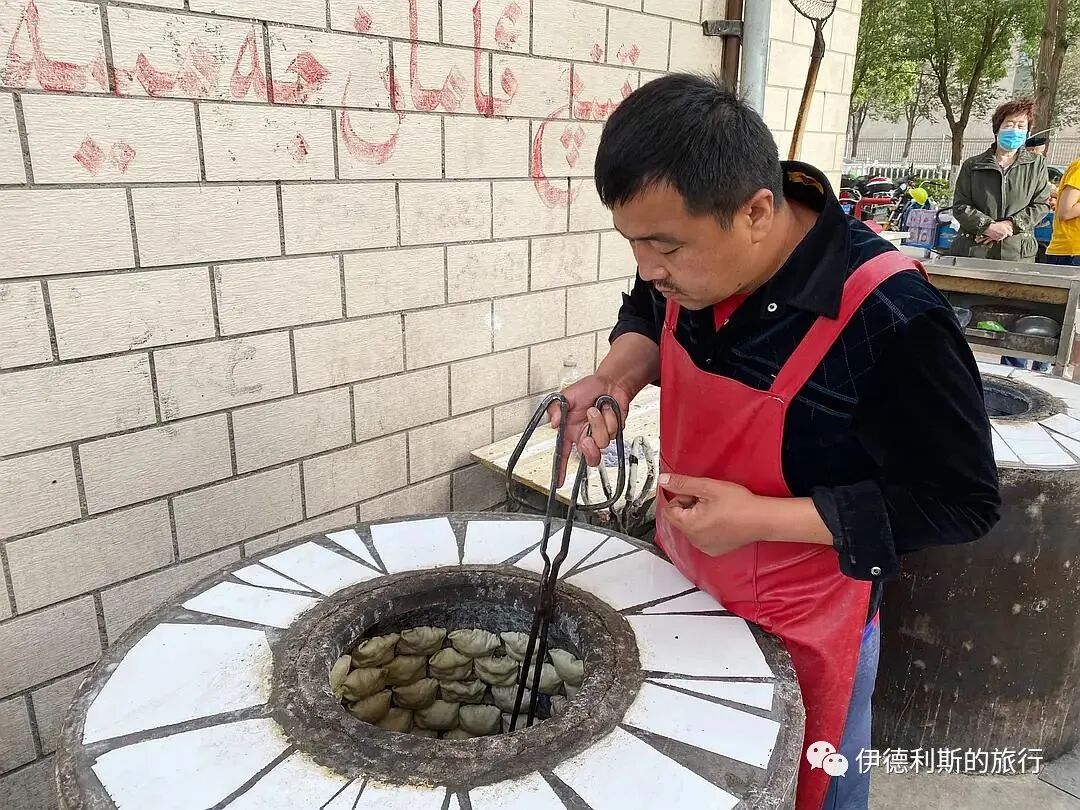
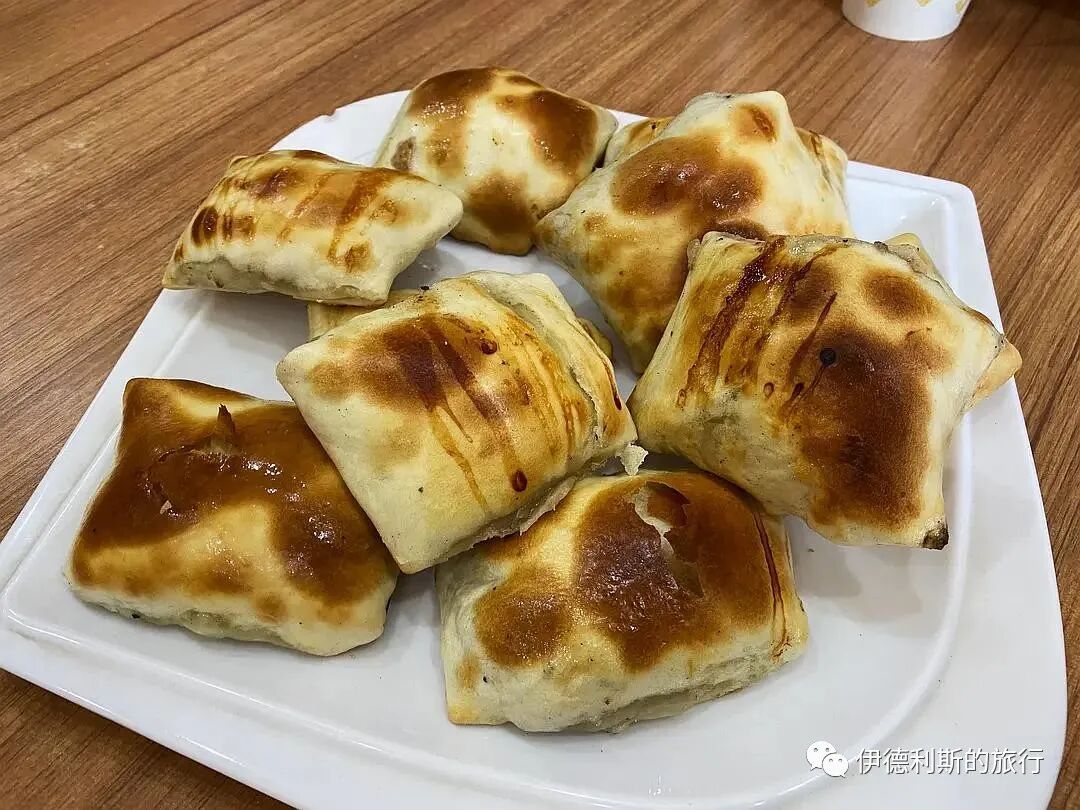
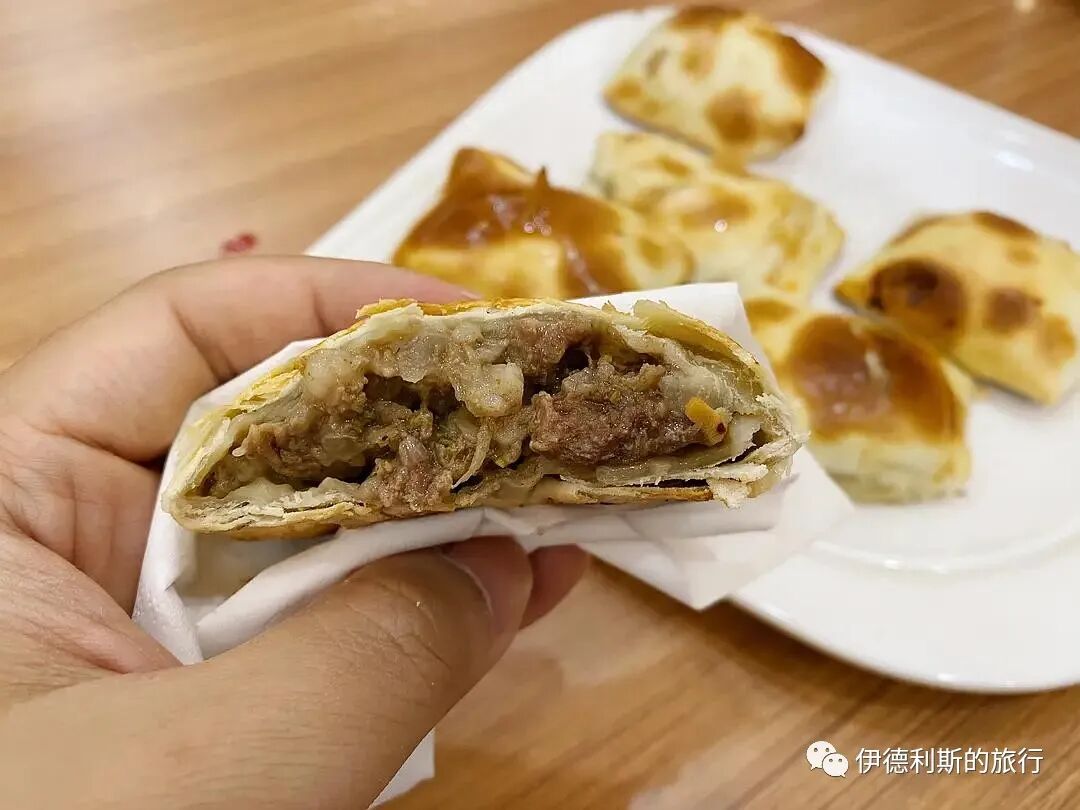
The next morning, we ate the incredibly popular Koshimaklar baked buns at the Turpan Museum. When I visited Turpan in the past, their shop was the 'Twin Baked Buns' stall at the entrance of the Big Cross Bazaar, but this time I found they had moved to their current location. We arrived at 8:30 in the morning to catch the first batch, and we even had to get a queue card when buying; there were many people lined up behind us.
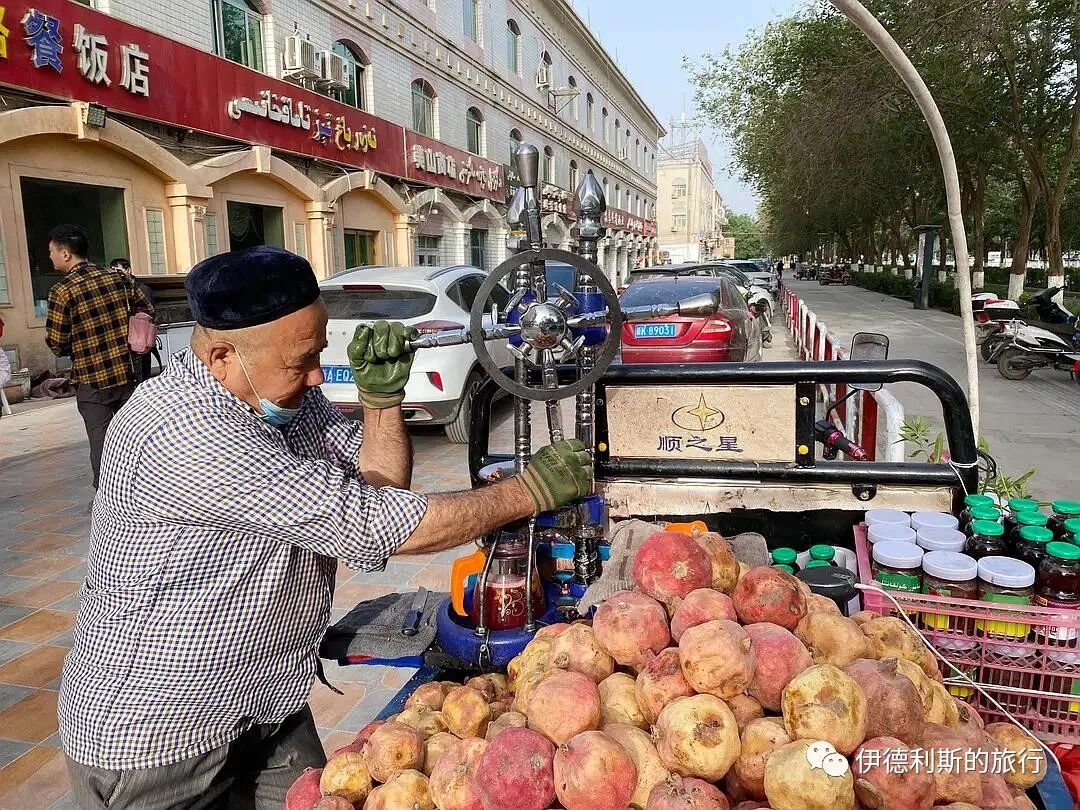
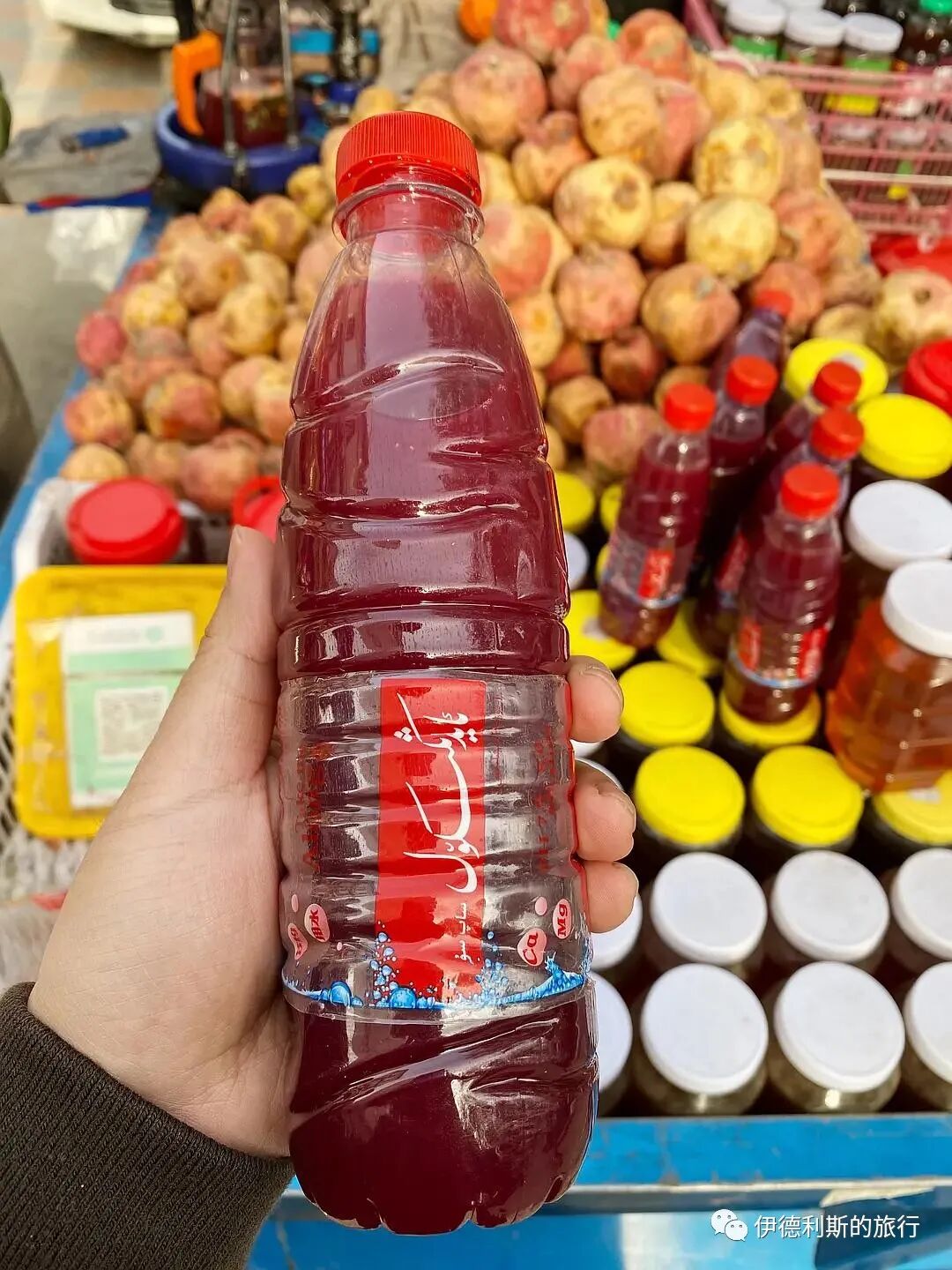
However, their baked buns are indeed very delicious. First of all, they are baked over charcoal, which is hard to find in Urumqi. Also, the filling inside isn't too fatty and has plenty of meat. Freshly baked buns paired with fresh-squeezed pomegranate juice are truly refreshing.
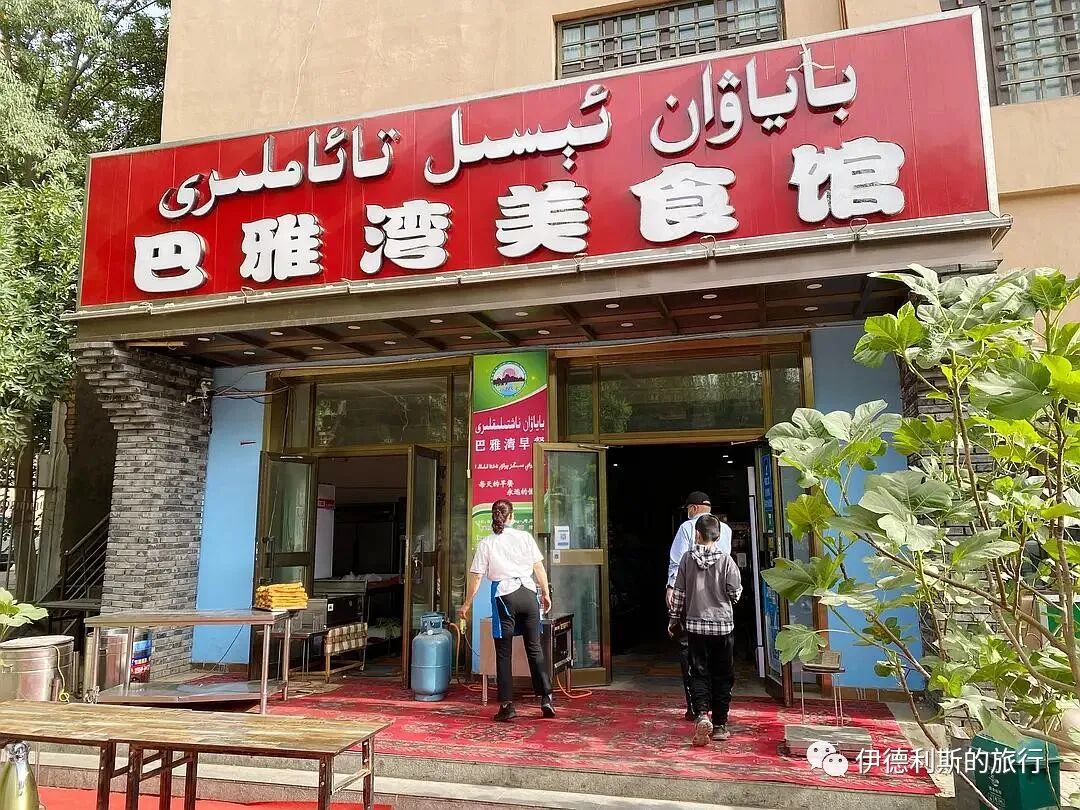
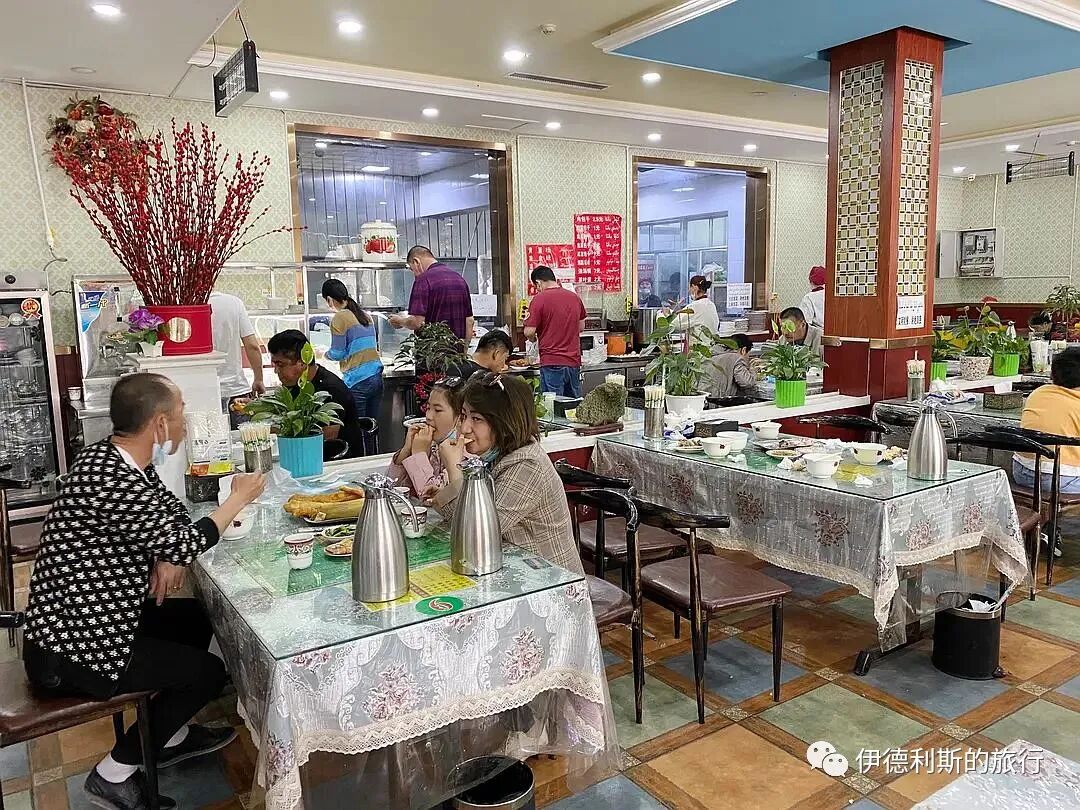
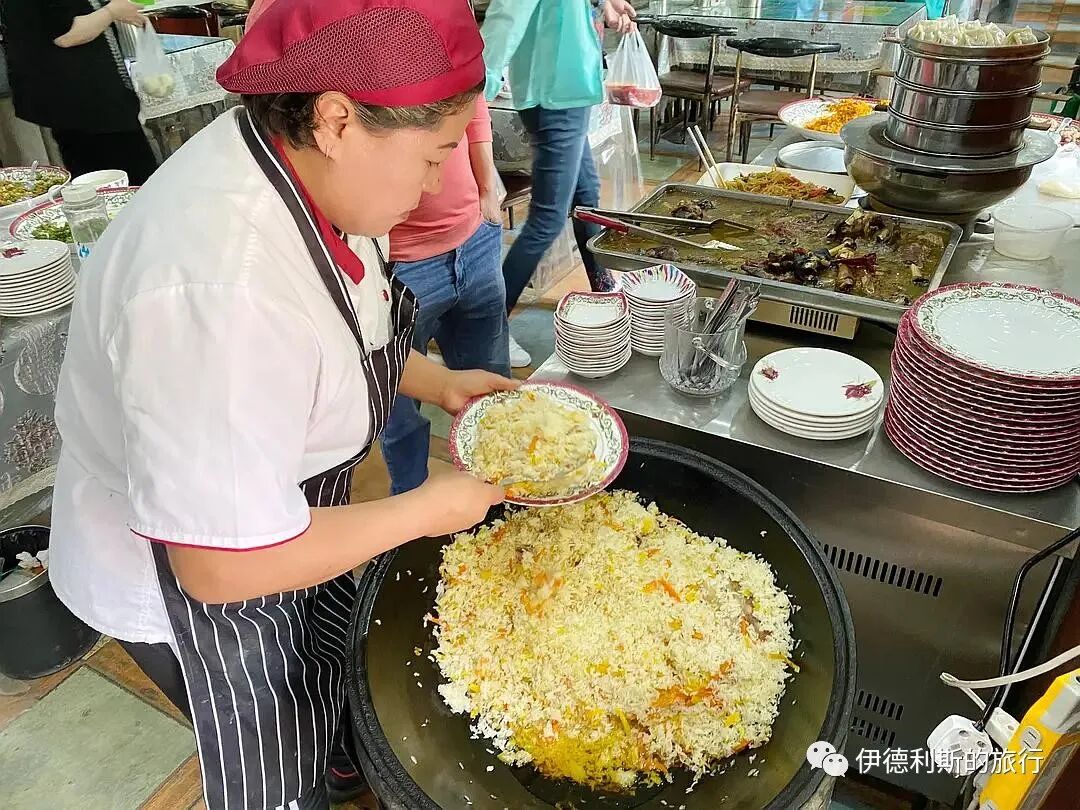
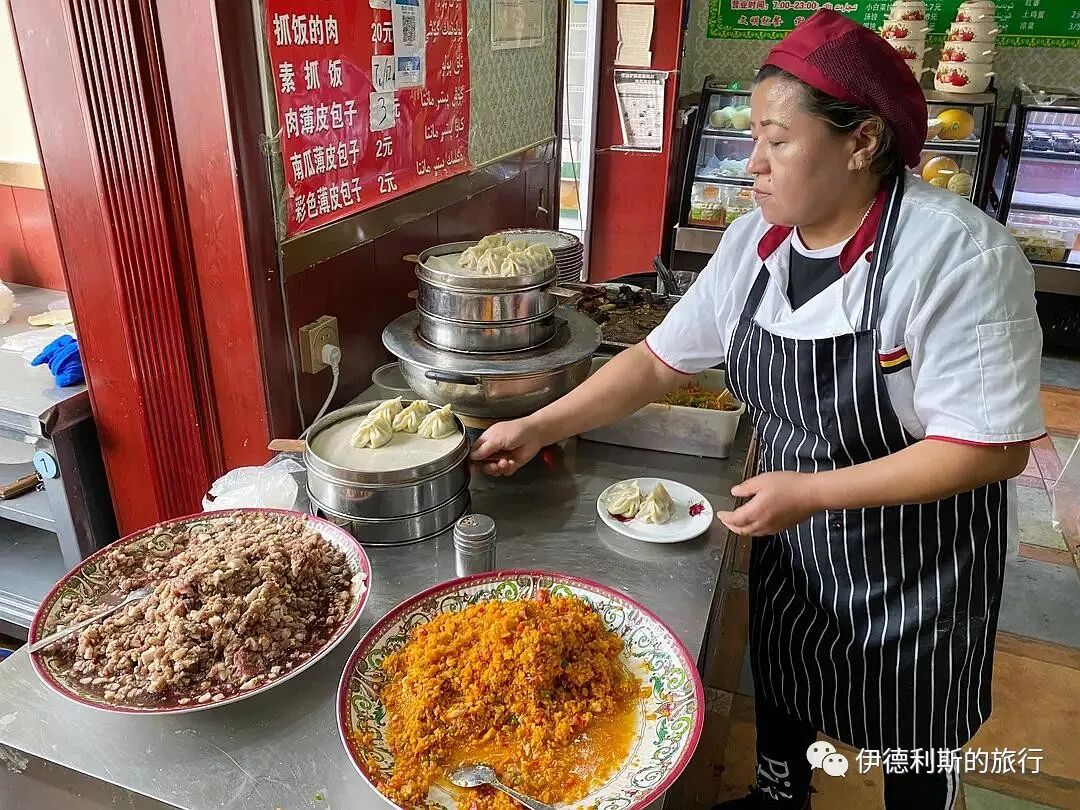
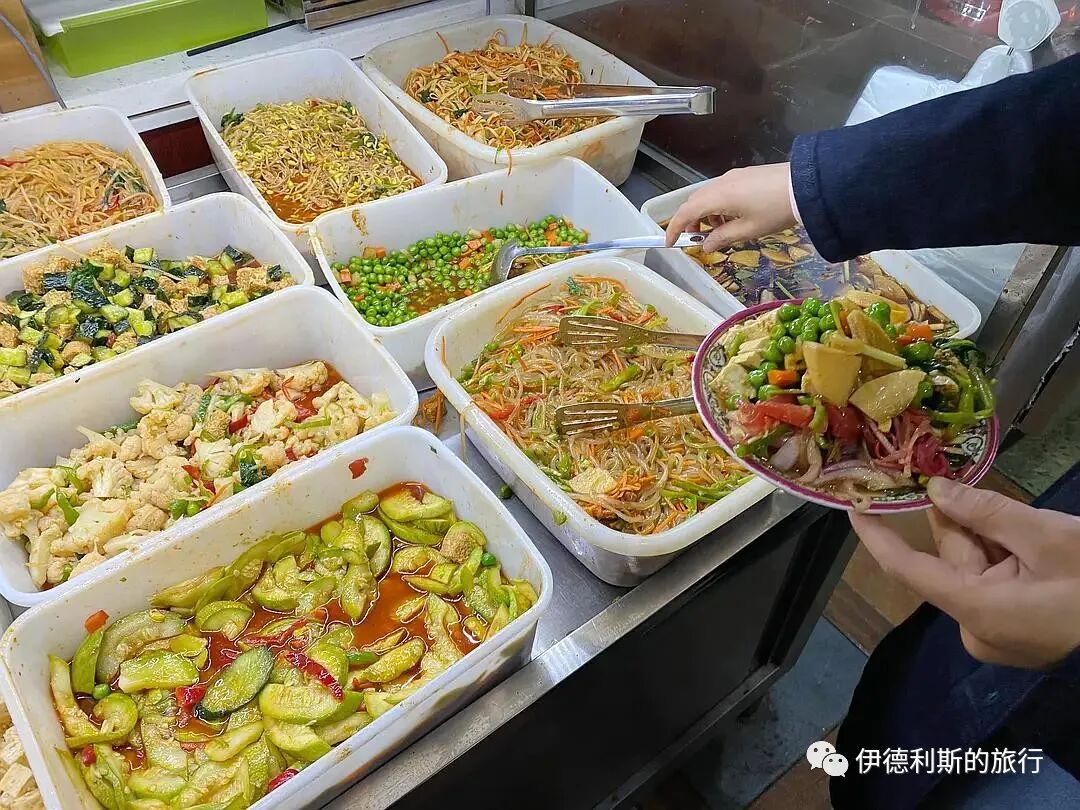
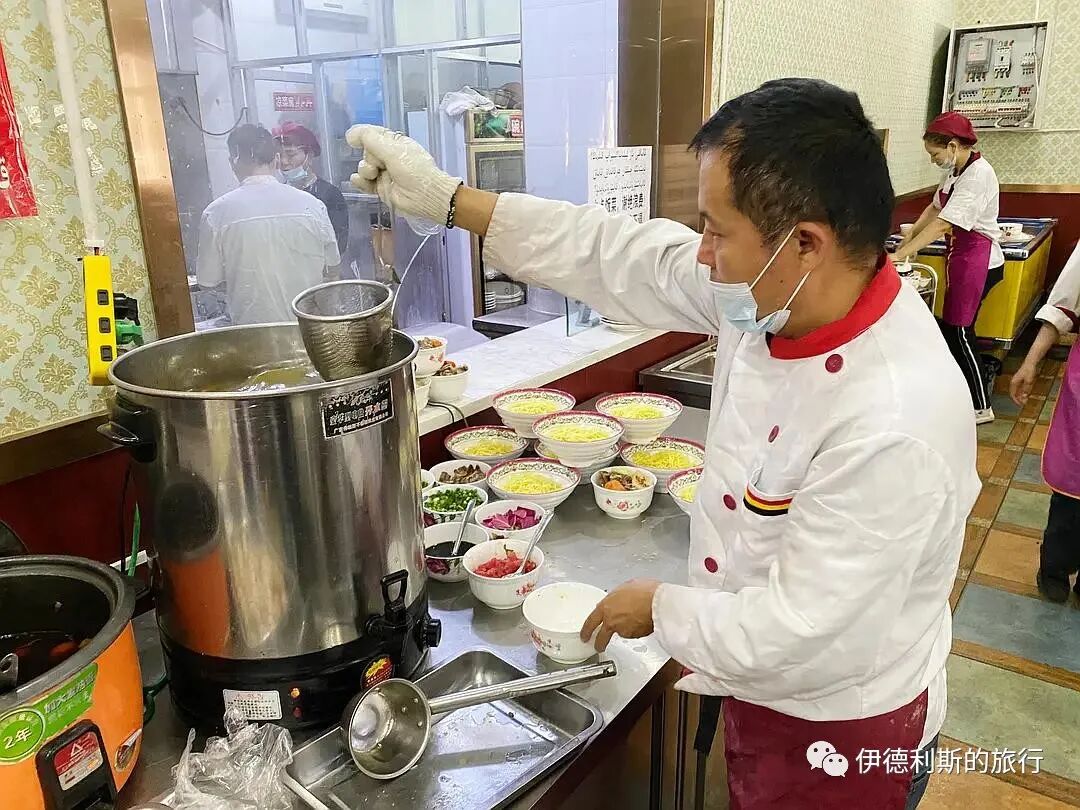
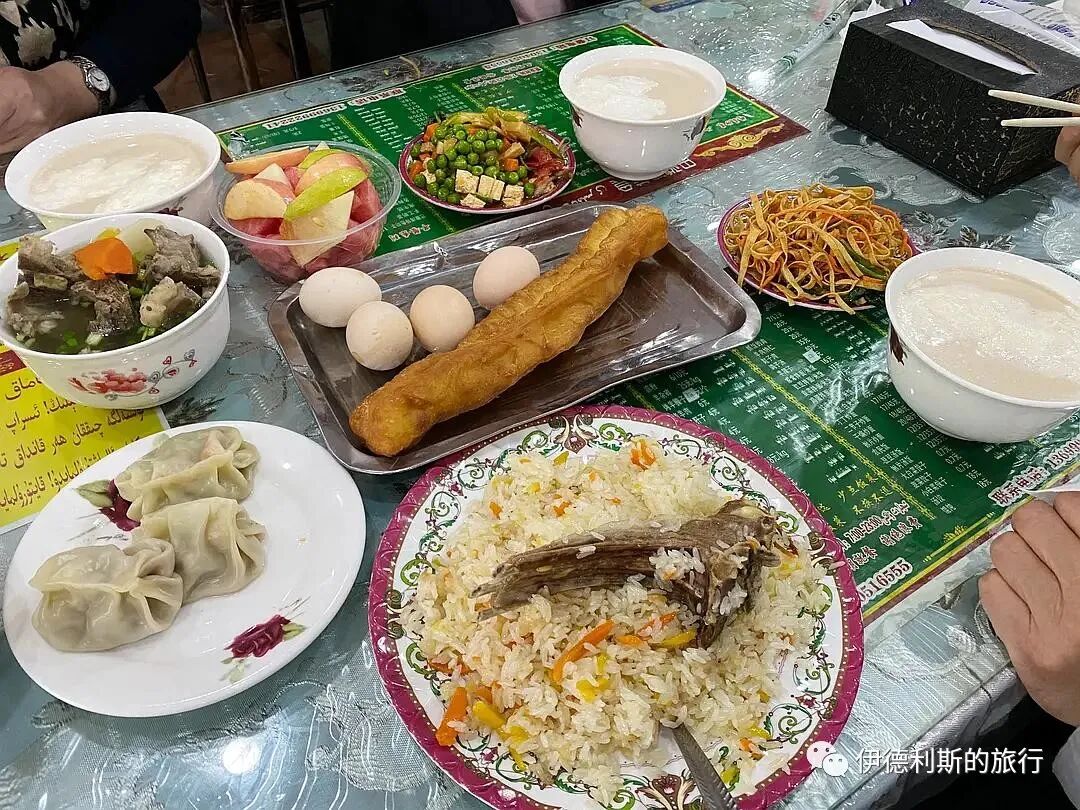
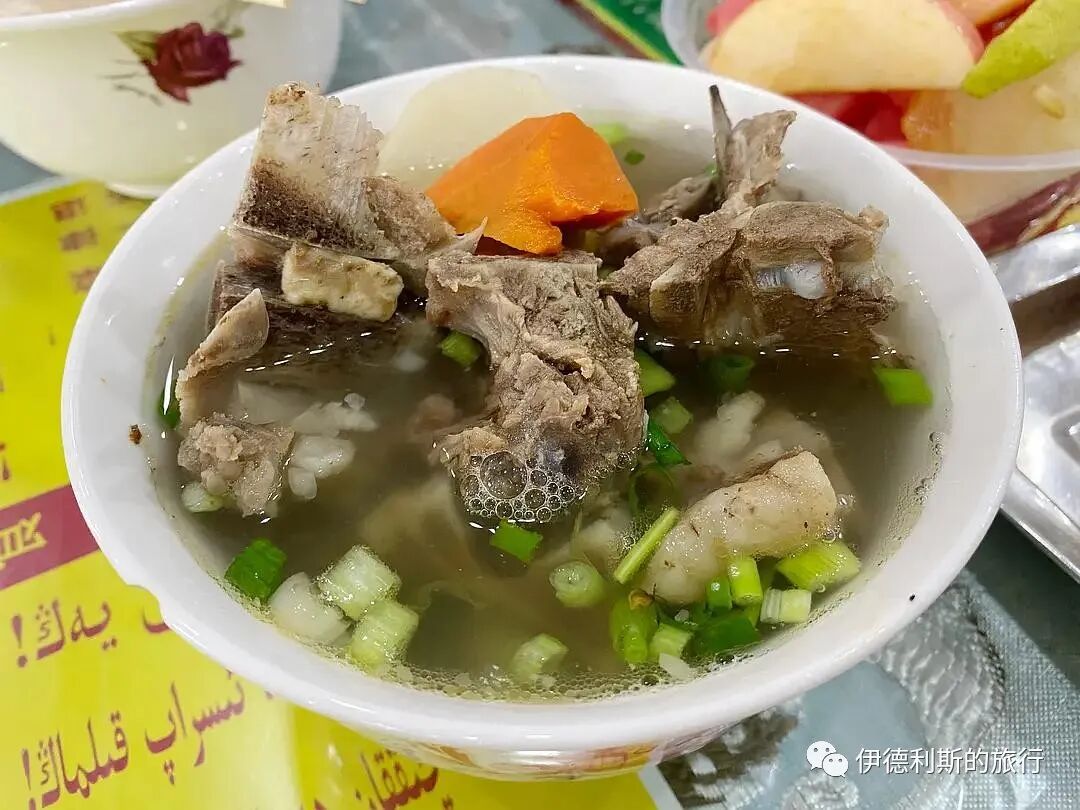
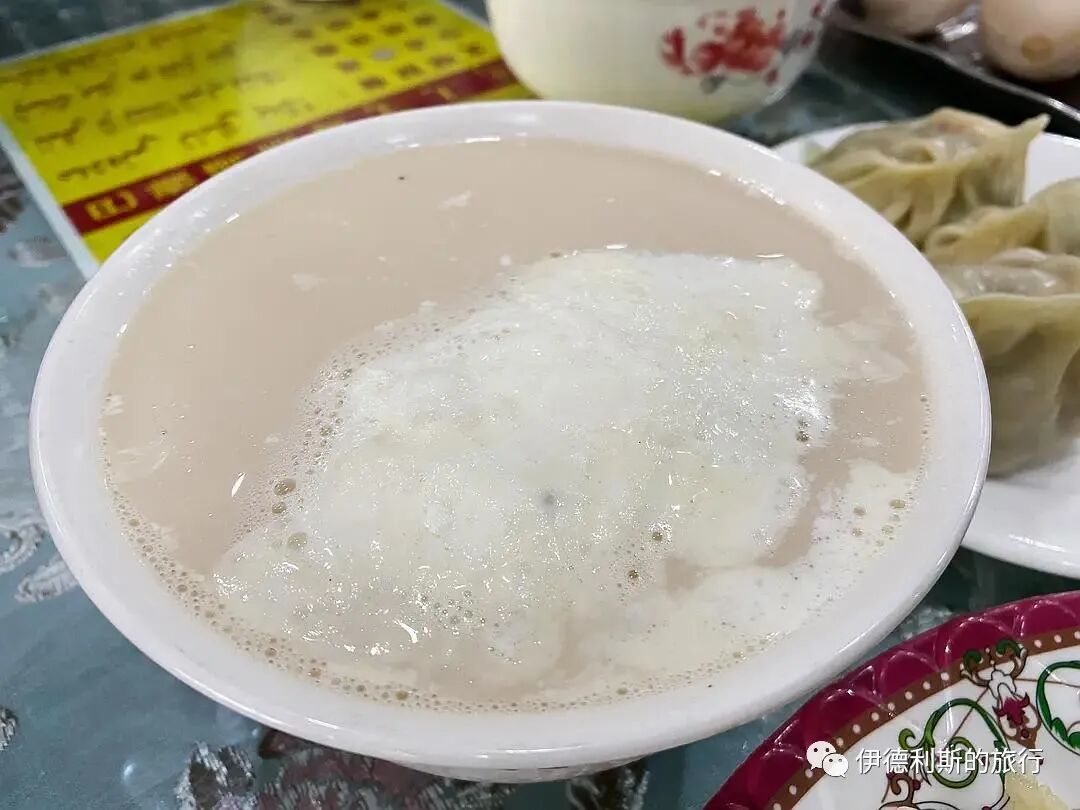
I highly recommend breakfast at the Bayawan Food Hall on Old City East Road in Turpan! The variety is very rich, and it is semi-self-service where you pick your own food and pay at the end. We ate pilaf, steamed buns with thin skins, milk tea with thick milk skin, bone soup, a platter of side dishes, and a fruit platter. Eating well gives you a good mood for the whole day.
After breakfast, we went to visit the Emin Minaret. The Emin Minaret, also known as the 'Emin Tower,' was built in 1778 by the Turpan Prince Emin Khoja and his son Suleiman. It is the tallest historical minaret building in Xinjiang. Emin Khoja came from a religious family in Turpan. After the Qing Dynasty entered Turpan in 1720, Emin Khoja led his people to submit to them. He subsequently performed many military feats, and in 1756, the Qing Dynasty handed over the rule of Turpan to Emin Khoja. In 1759, Emin Khoja made a great contribution to the Qing Dynasty's pacification of the rebellion of the two Khojas and was granted the title of Prince.
In 1772, Emin Khoja returned to his hometown of Turpan. In his later years, he used 7,000 taels of silver and ordered his son Suleiman to build a mosque. In 1777, before the mosque was completed, Emin Khoja returned to Allah. Afterward, Suleiman inherited the title of Prince and completed the construction of the mosque in 1778. Because the mosque has a tall minaret, it is called the Emin Minaret Mosque.
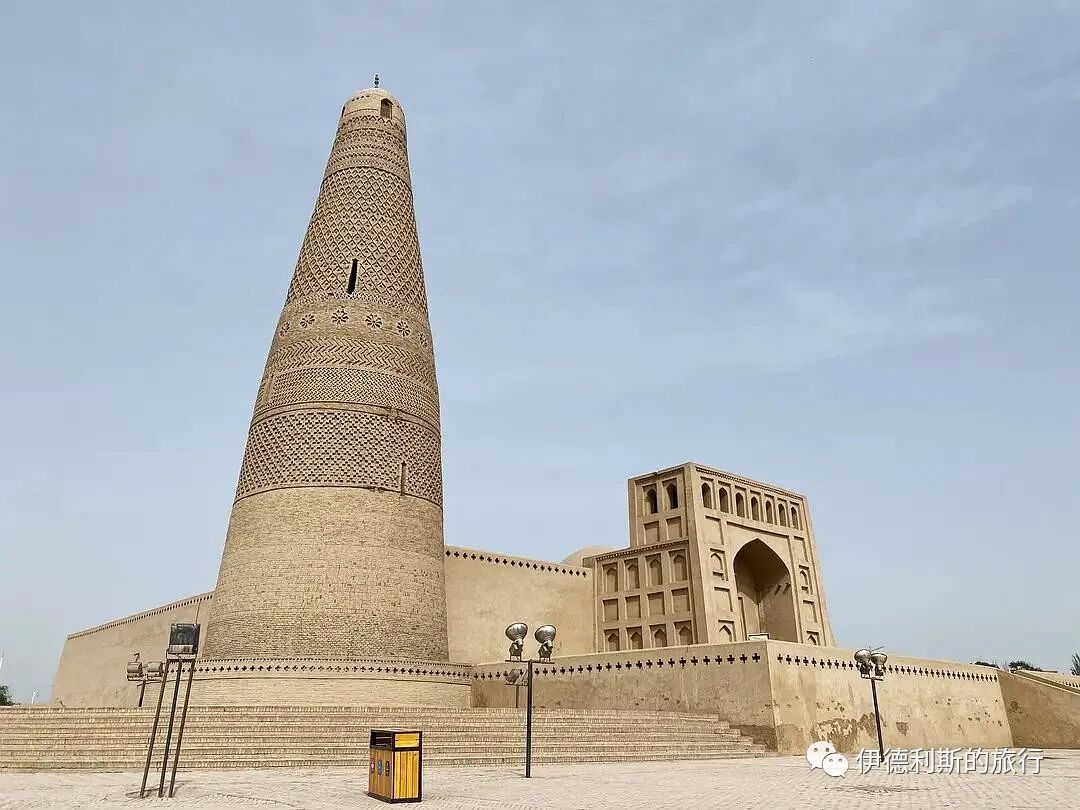
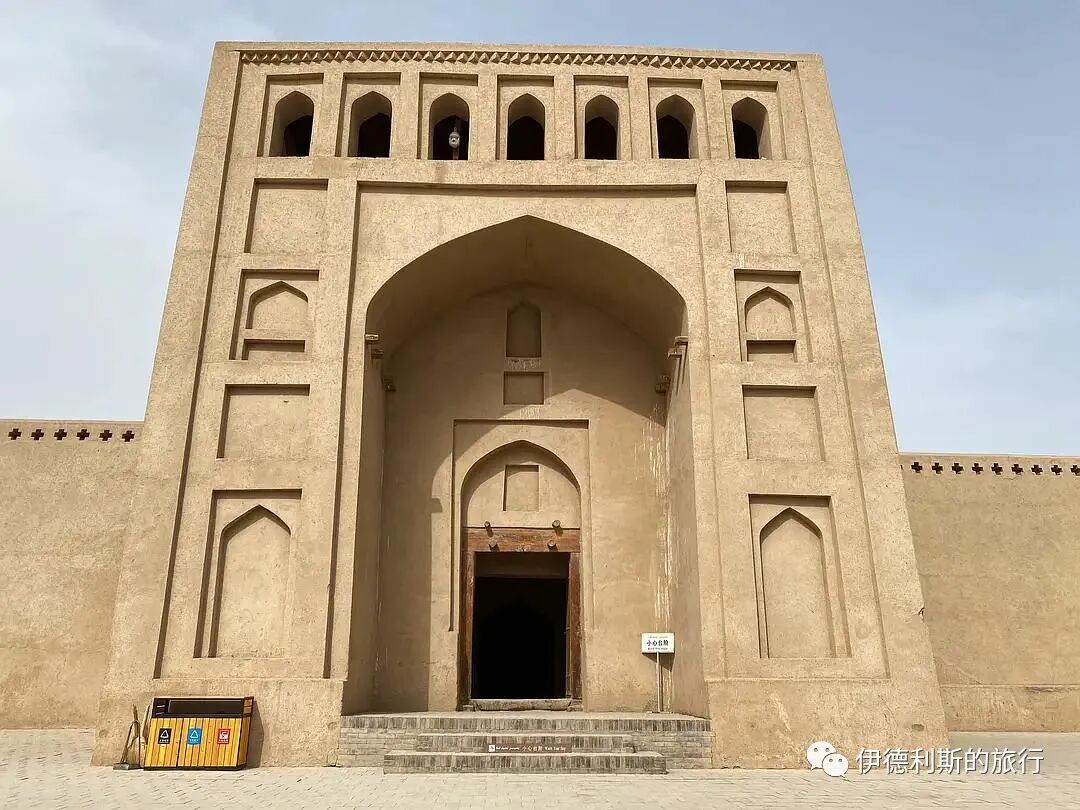
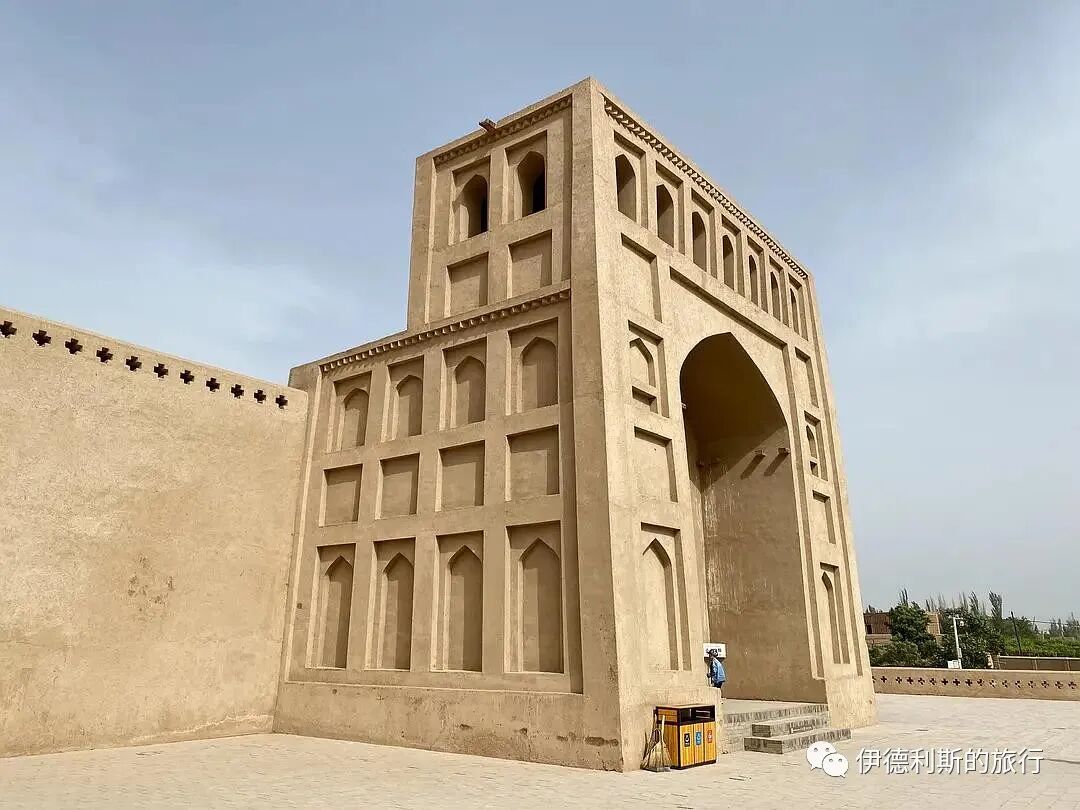
The mosque gate is built with heavy raw mud walls, and the facade is composed of recessed niches, creating a strong sense of shadow.
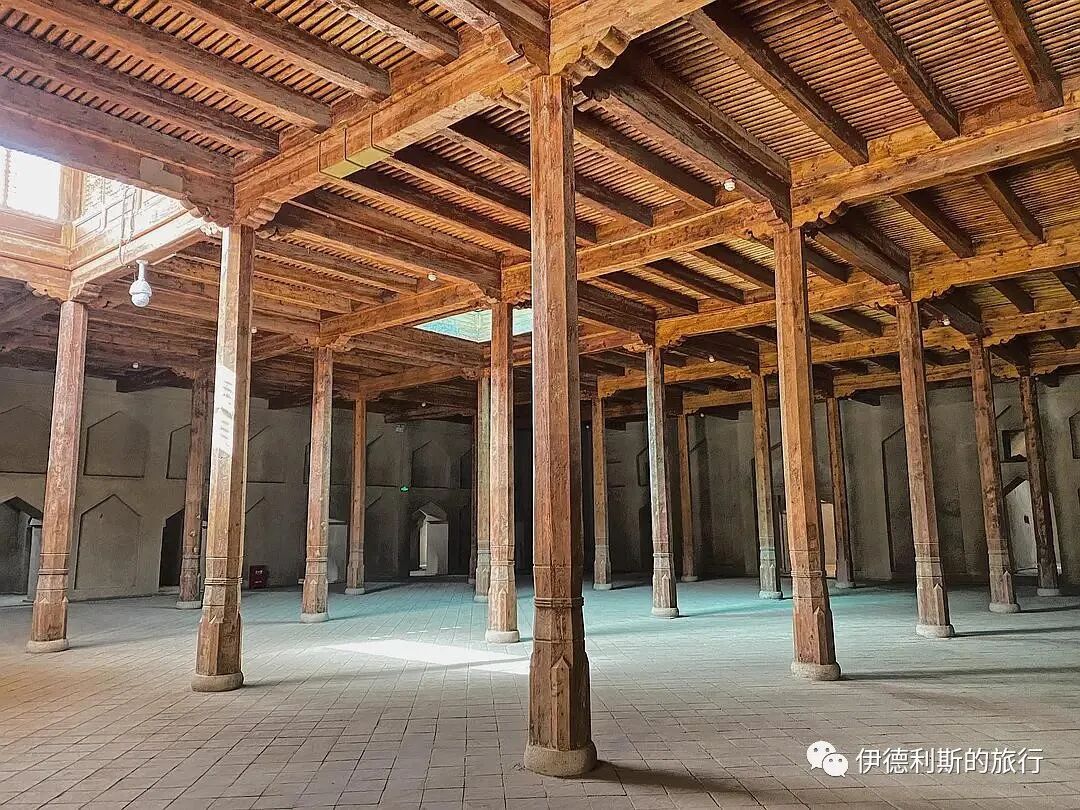
The main hall is rectangular and divided into three parts: the front hall, the prayer hall, and the rear hall. The prayer hall consists of a colonnade of 32 wooden pillars. It has no ridge and no tiles, using wooden rafters, branches, and mud to make the roof, which is the traditional flat-roof architectural style of Turpan. The roof has high windows and light wells for lighting and ventilation. The front hall and the rear hall are built with large raw mud domes using the corbeling method.
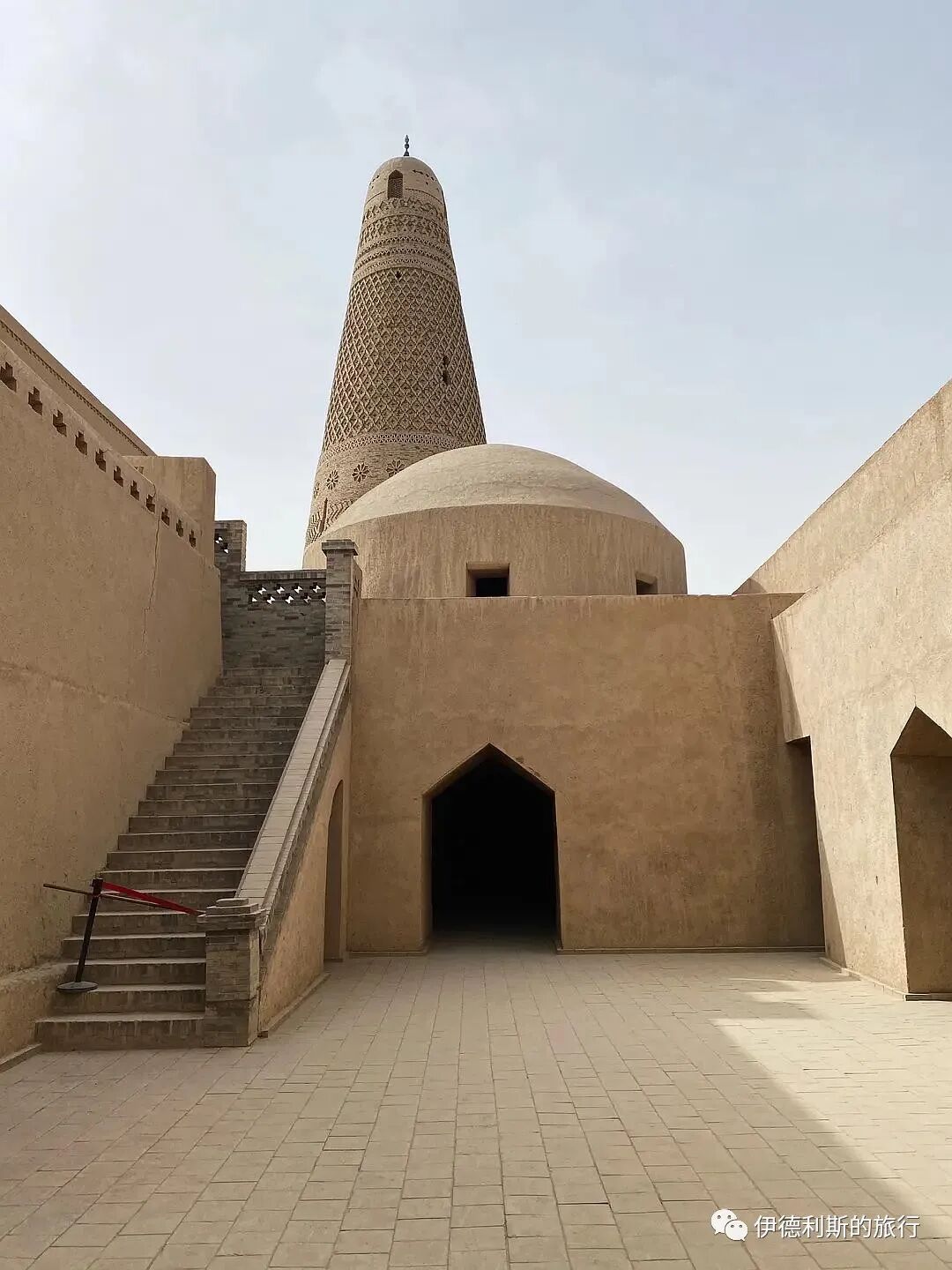
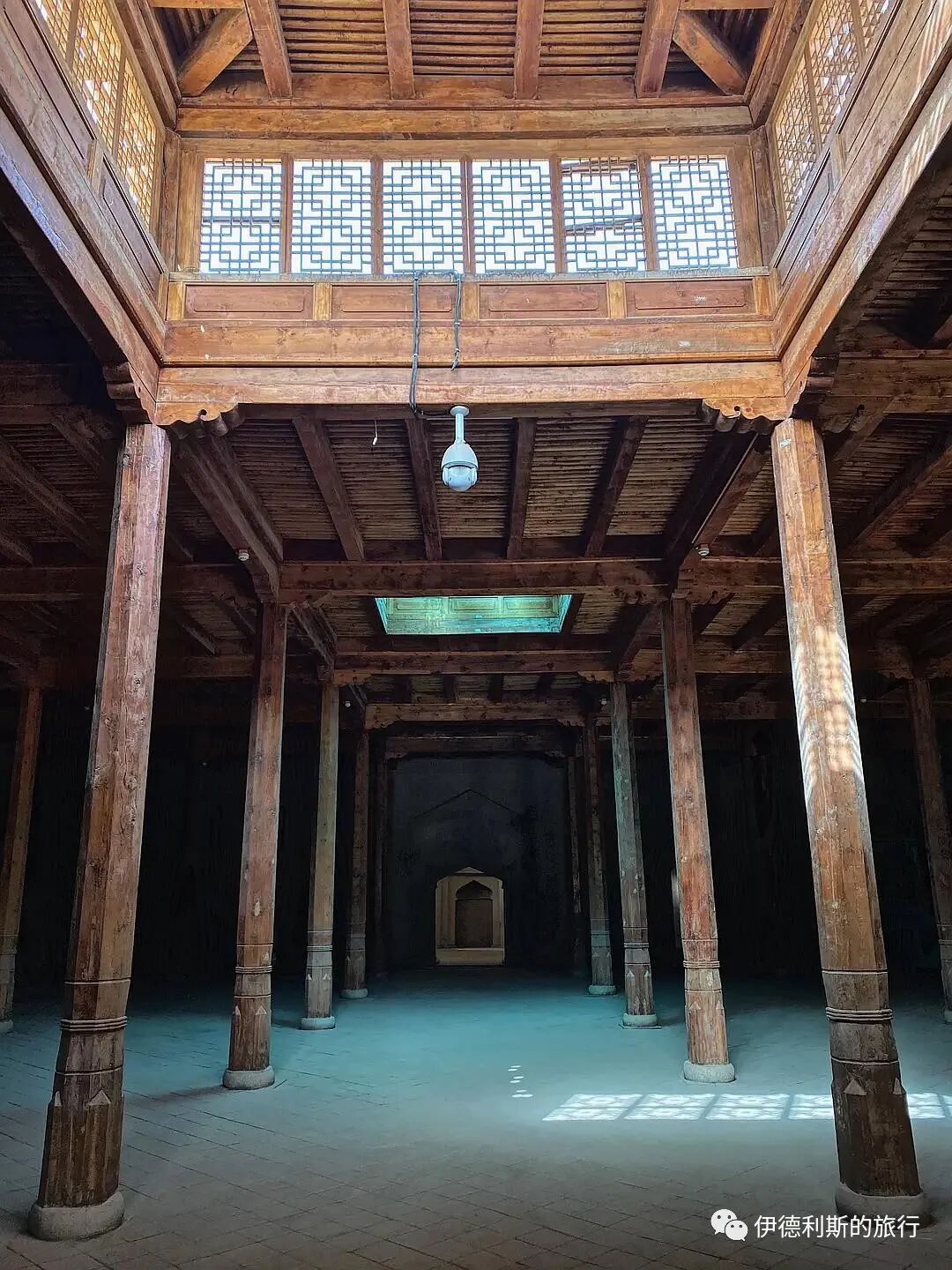
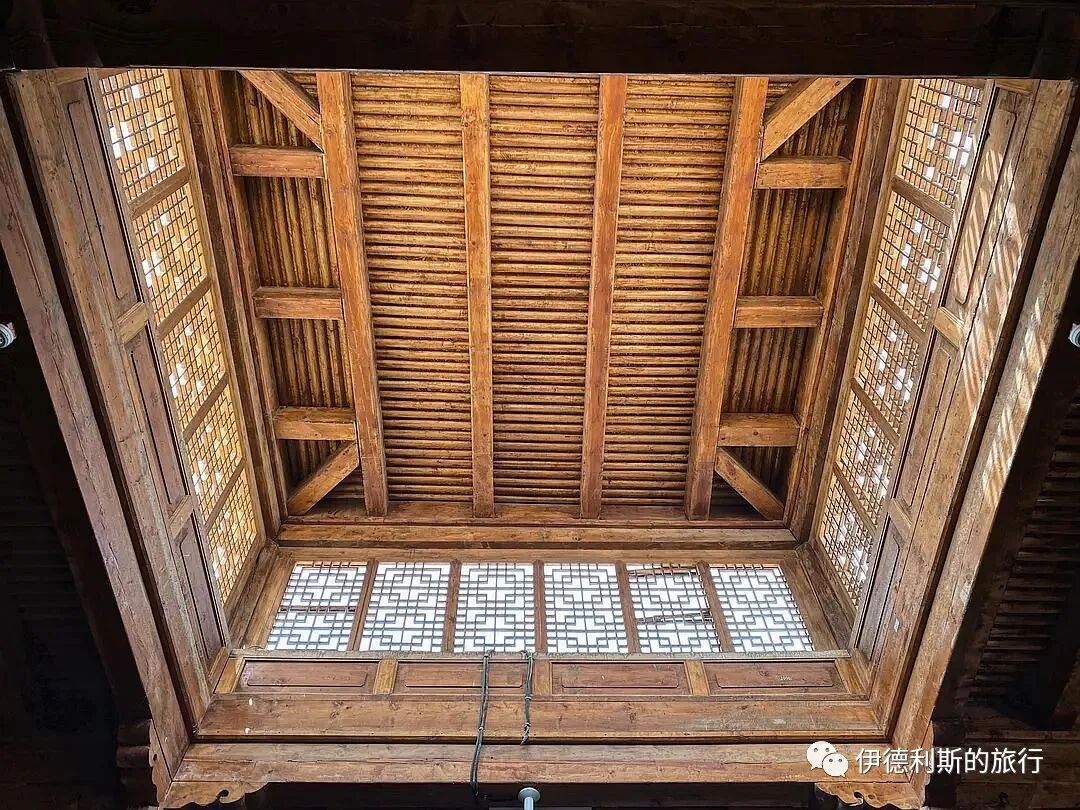
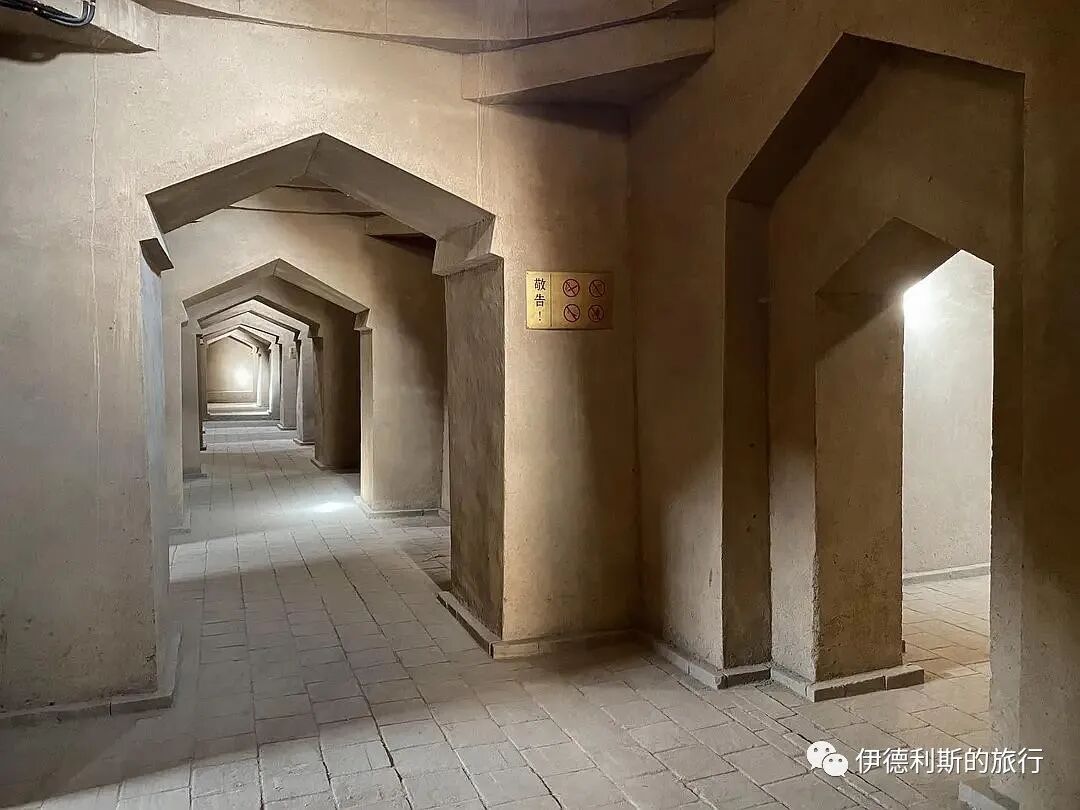
On both sides of the main hall, there are madrasas (Islamic schools), with each of the twenty small rooms having a small dome and holes for ventilation and lighting.
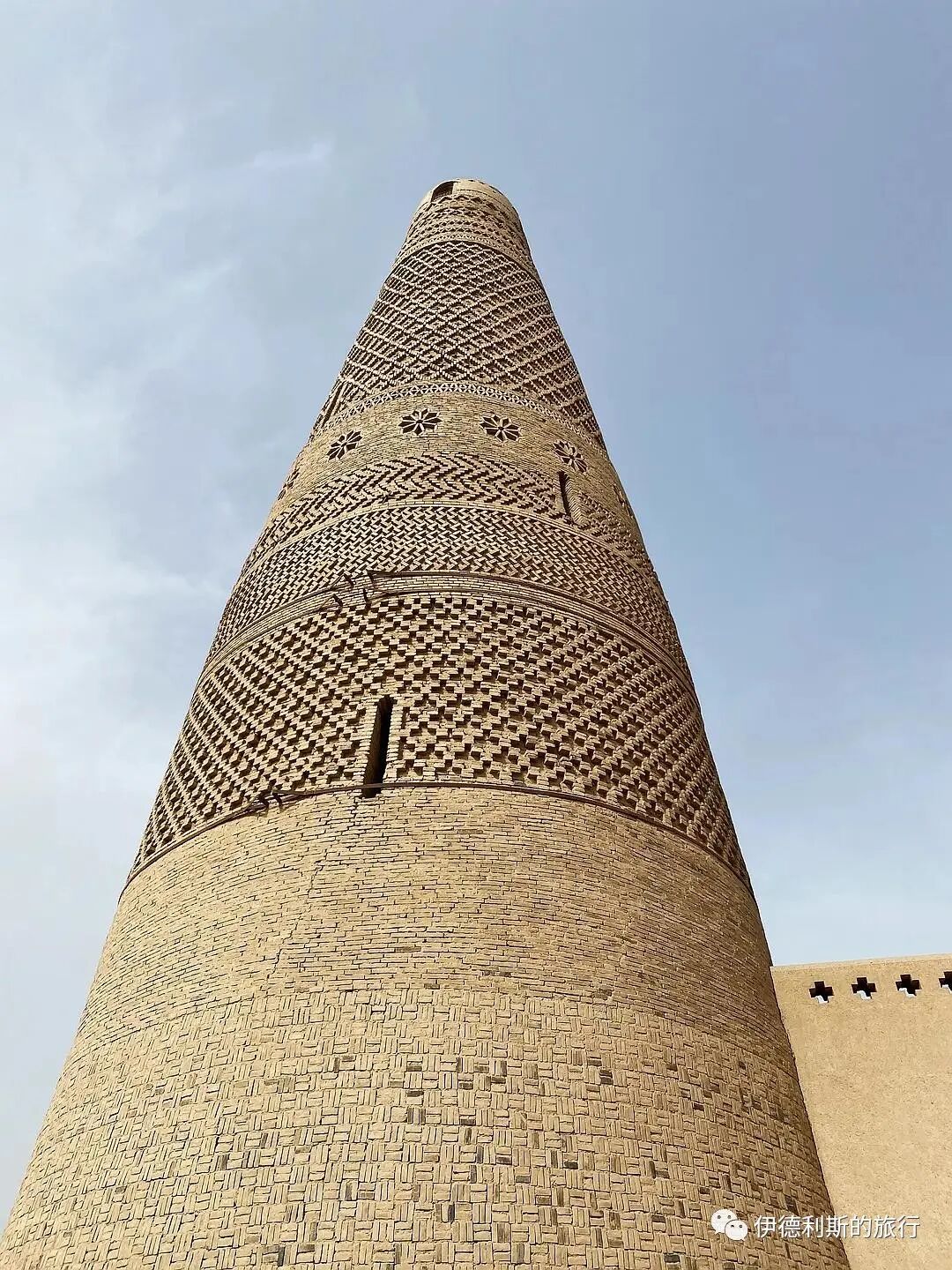
The minaret is 44 meters high and is built of bricks using the corbeling method. The tower body has 15 different geometric patterns, such as waves, diamonds, and floral designs. Inside the tower, there are 72 spiral stairs, and at the top of the tower, there is a pavilion with windows where you can look out into the distance. The top of the tower originally had eaves, but after the Turpan earthquake in 1916, the top was destroyed, and local craftsmen subsequently changed it to a dome.
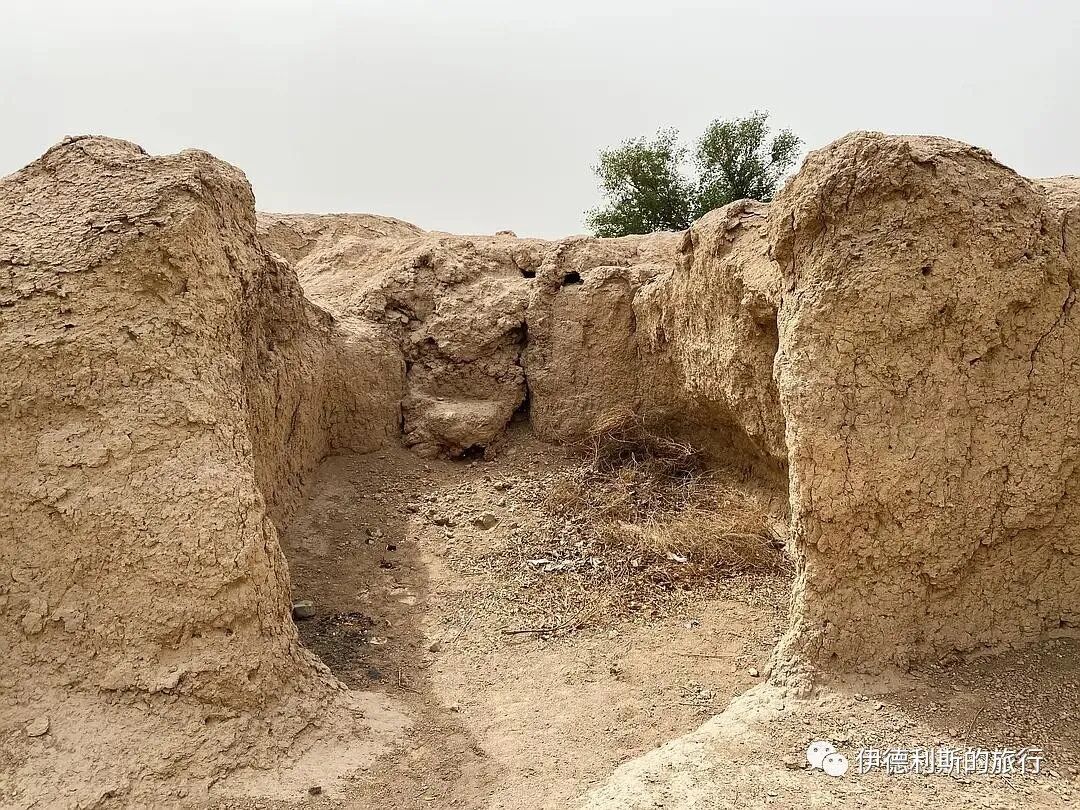
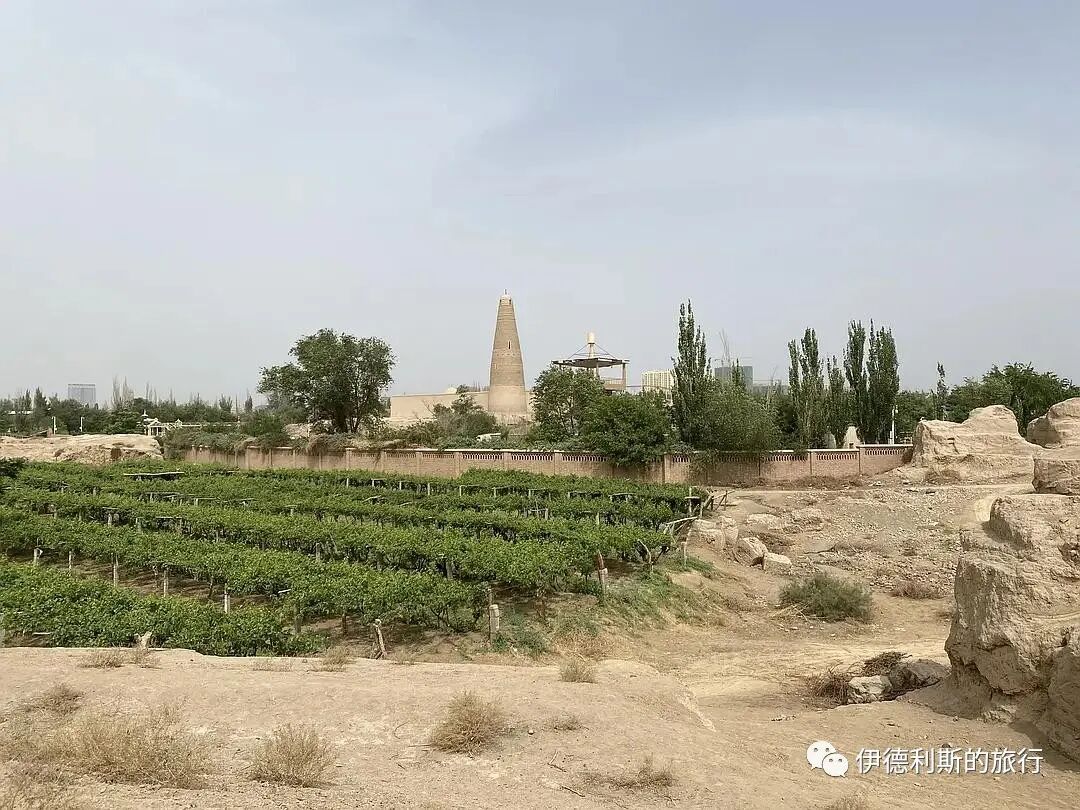
The ancient city of Anle is located south of the Emin Minaret, 300 meters wide from north to south and 700 meters long from east to west, with a Karez well running underground through the city. The south side of the city rises 8 to 10 meters above the ground, and every courtyard or house in the city has storage pits and wells.
In 1389, after the 16-year-old prince of the Eastern Chagatai Khanate, Khizr Khoja, proclaimed himself Khan, Tamerlane the Great immediately led his army to fight a decisive battle, defeating the army of the Eastern Chagatai Khanate in one fell swoop and plundering a large number of subjects and livestock. Because the Timurid Empire in the west was too powerful, Khizr Khoja chose to conquer the city of Anle in Turpan around 1392. Khizr Khoja promoted Islam in Turpan, making the city of Anle gradually become a center of Islamic culture.
In 1422, the Eastern Chagatai Khan, Uwais Khan, defeated the Oirats and reoccupied the city of Anle, using it as his main residence. Since then, the city of Anle has been an important city of the Eastern Chagatai Khanate.
In the second half of the 15th century, the Eastern Chagatai Khanate split again. Ahmad Alaq (reigned 1487–1503) ruled the eastern part of the Khanate with the city of Anle as the center. In the 'History of Ming,' it is called the 'Turpan Khanate,' and the city of Anle was subsequently replaced by the name Turpan.
In 1514, Sultan Said Khan founded the Yarkand Khanate, and his elder brother, Mansur Khan (reigned 1503–1543), continued to rule the eastern part of the Eastern Chagatai Khanate with Turpan as his capital. In 1570, the army of the Yarkand Khanate invaded Turpan, and the last Khan of the 'Turpan Khanate,' Muhammad Khan, was captured, leading to the fall of the Turpan Khanate.
In 1679, Turpan was occupied by Galdan, the Khan of the Dzungar Khanate. After that, it was repeatedly contested with the Qing Dynasty until it was finally incorporated into the Qing Dynasty in 1755. In 1780, the Qing Dynasty built the city of Guang'an northwest of the city of Anle. The administrative center of Turpan was subsequently moved to the city of Guang'an (the current urban area of Turpan), and the city of Anle was gradually abandoned.
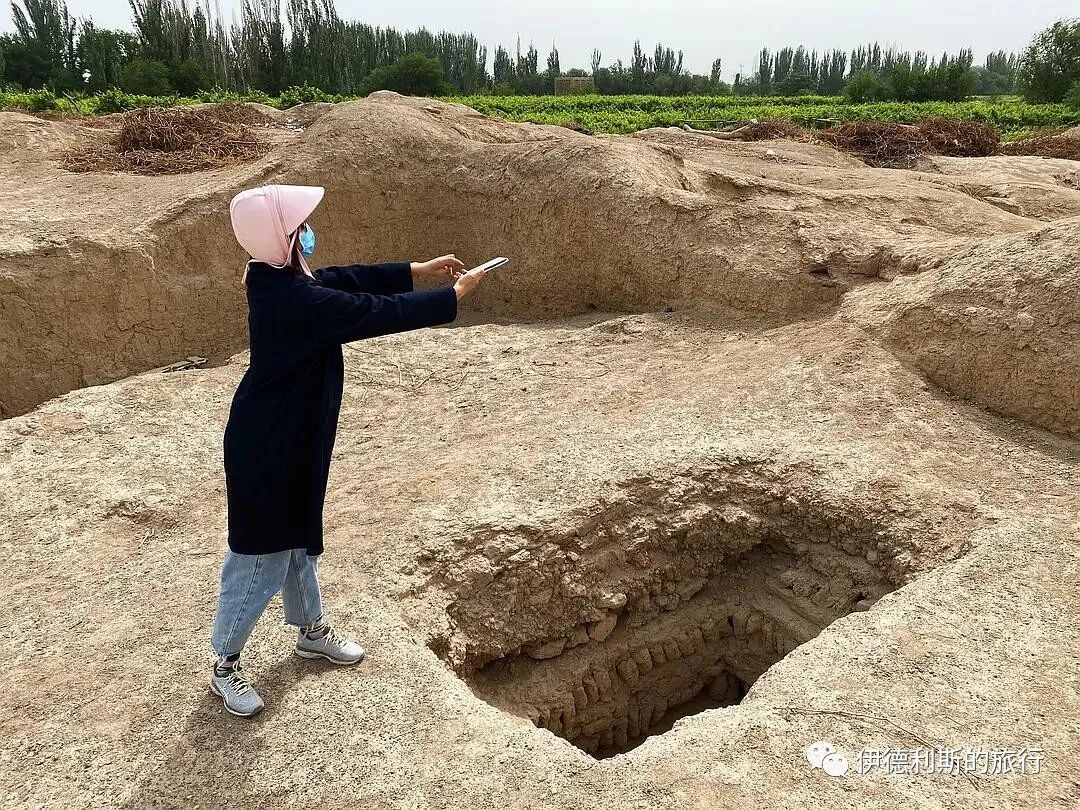
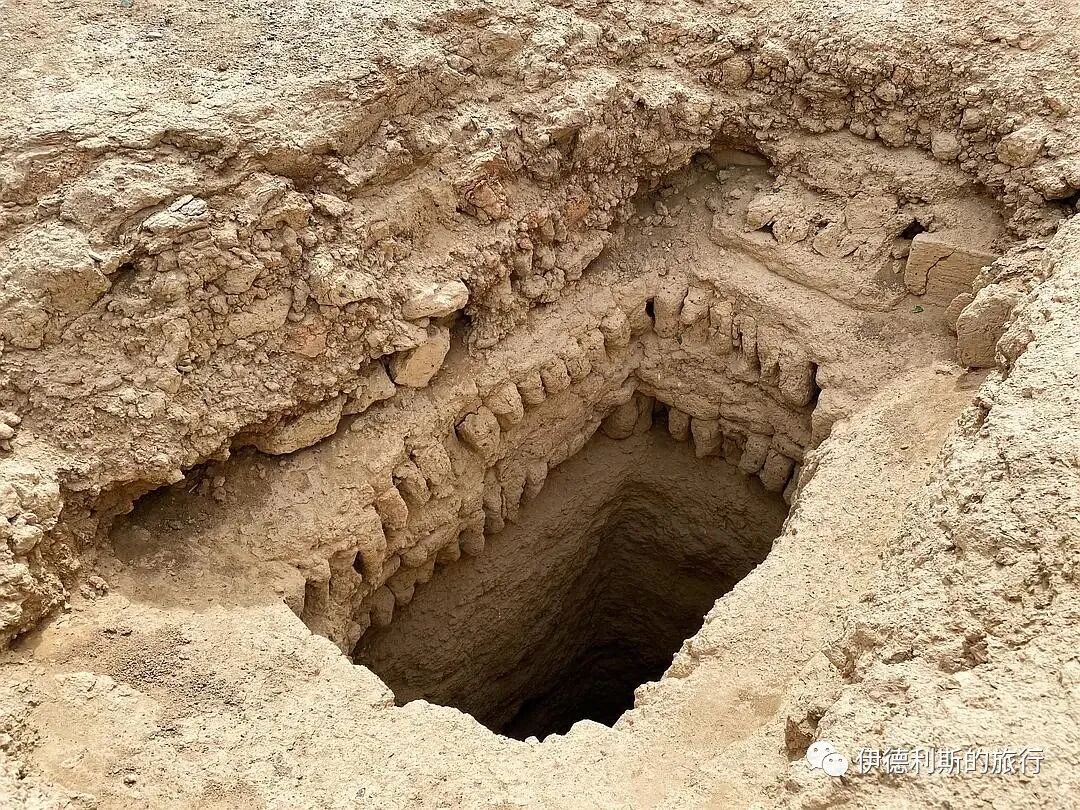
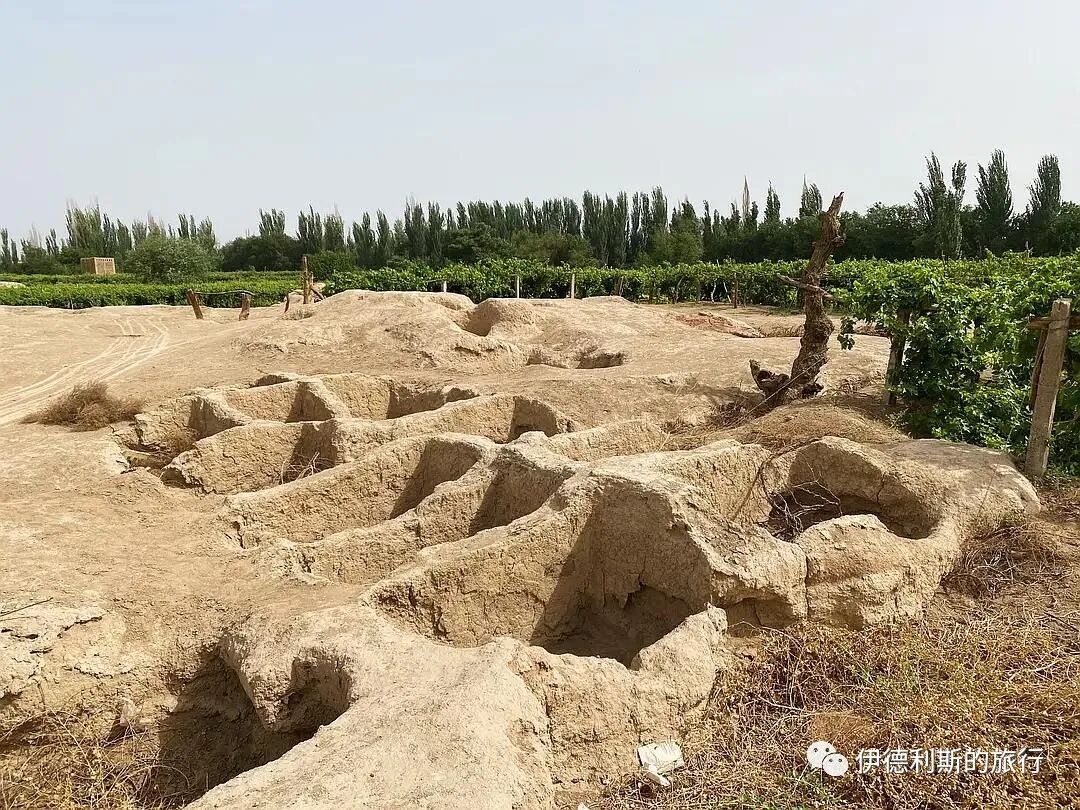
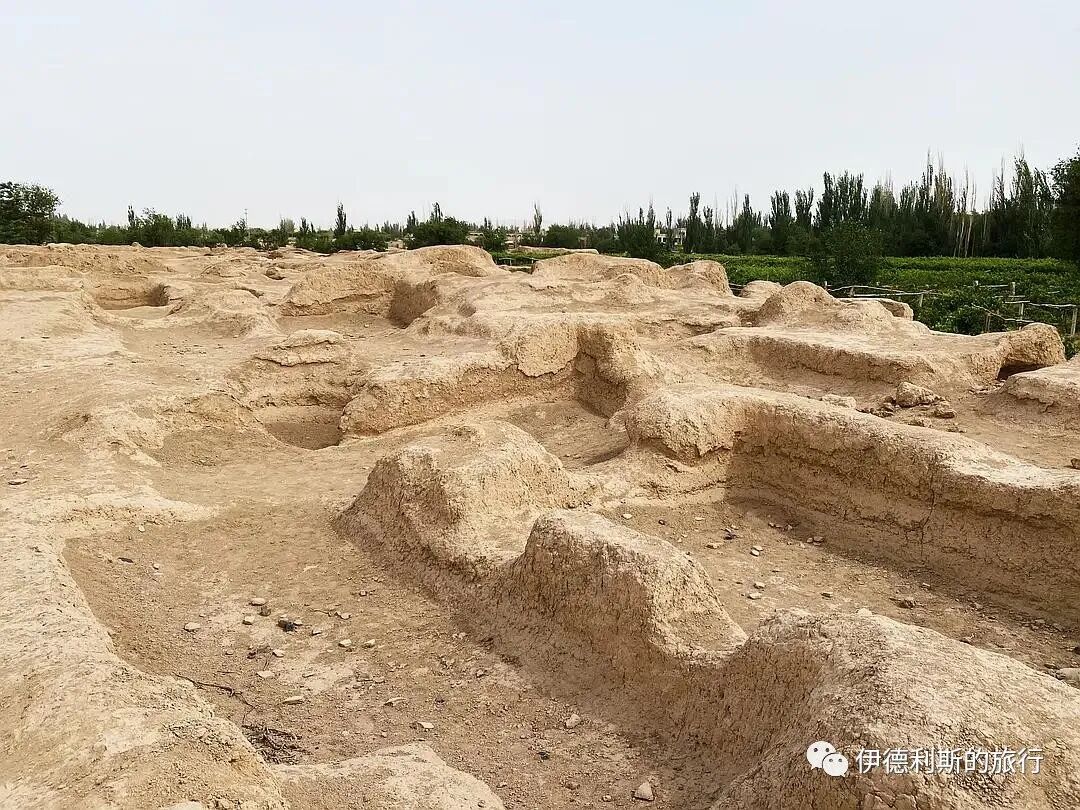
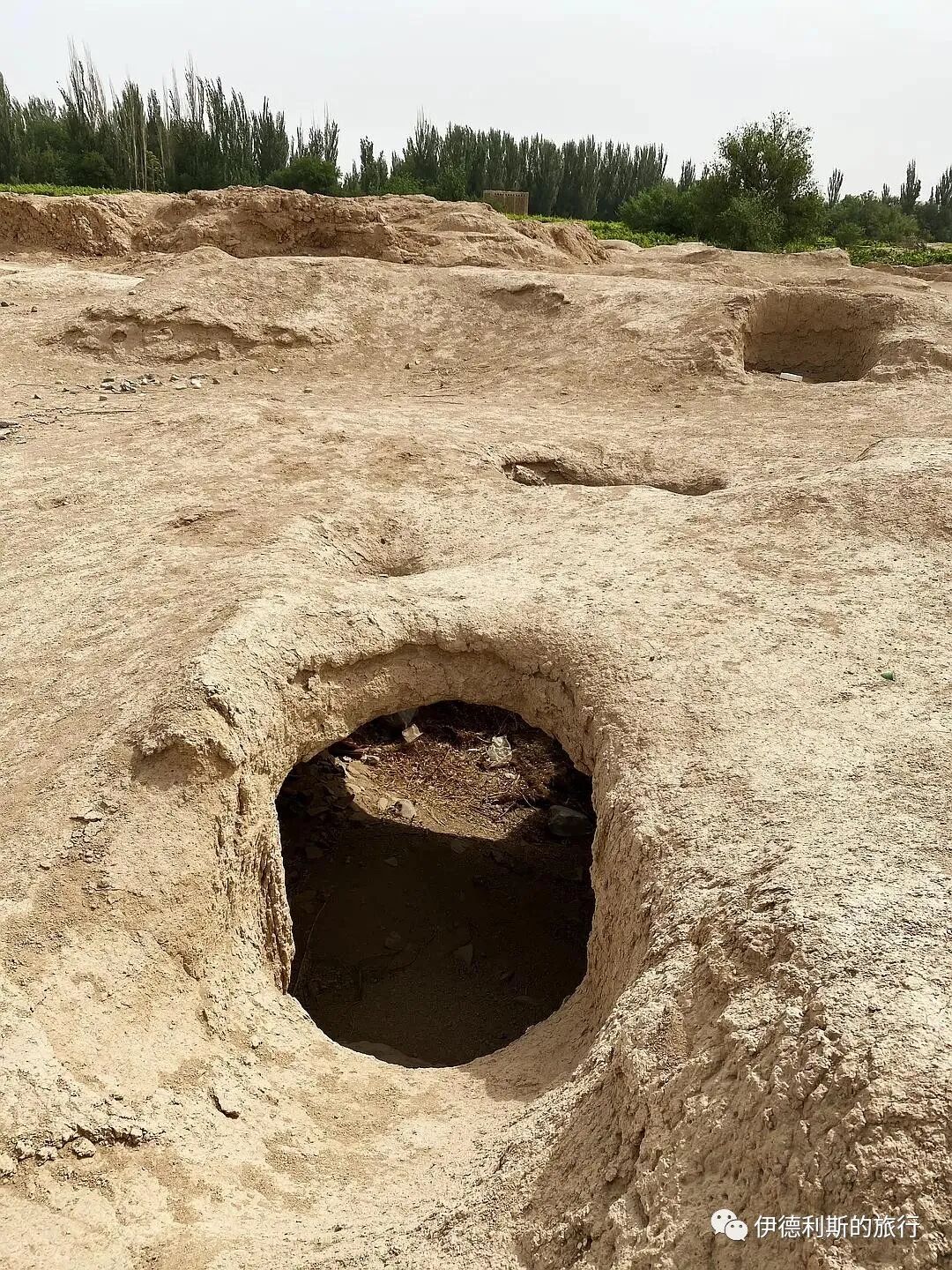
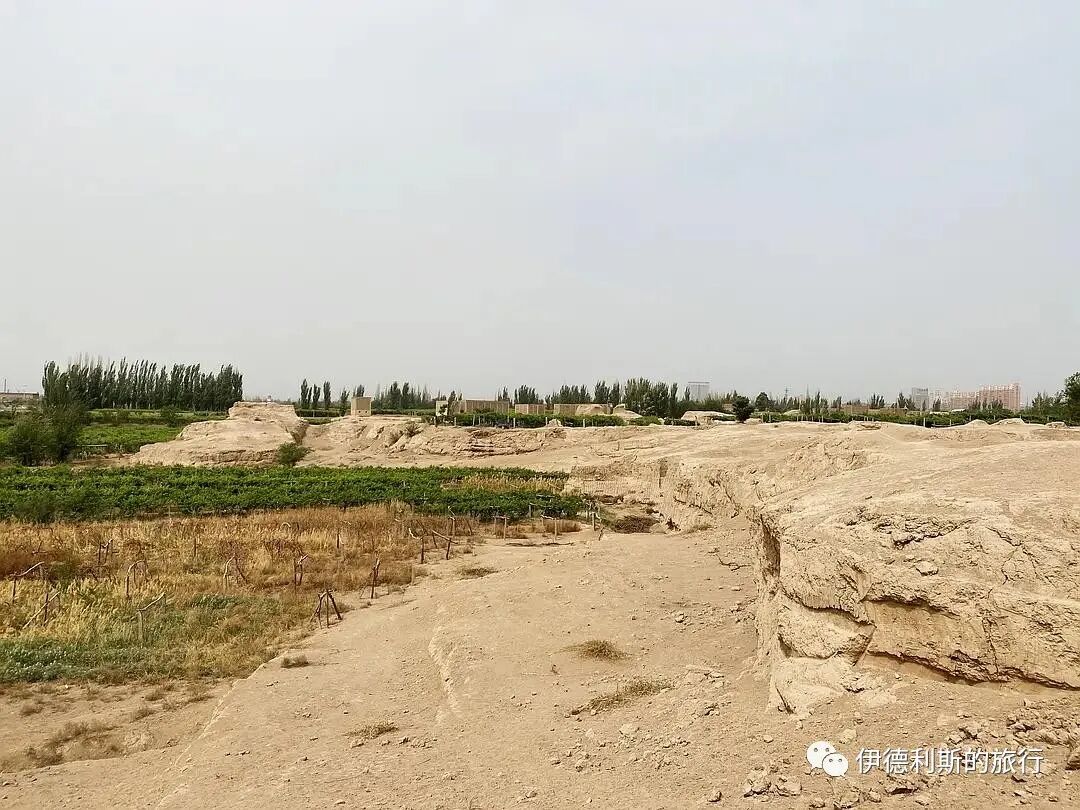
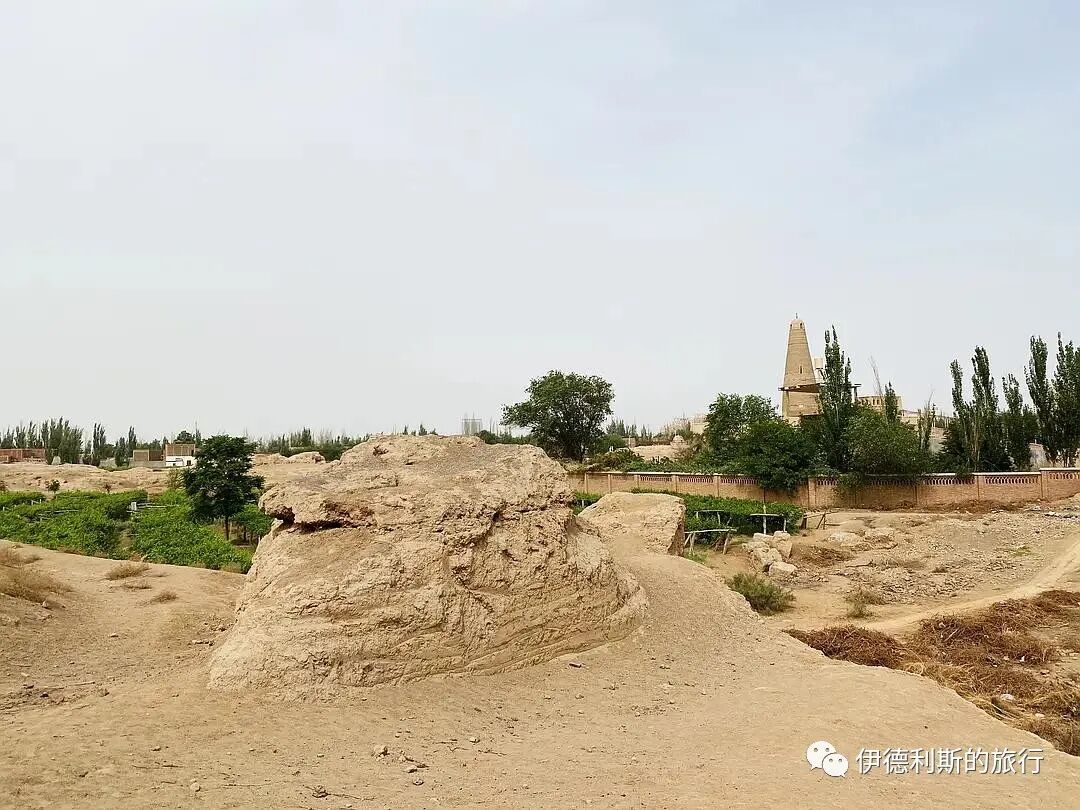
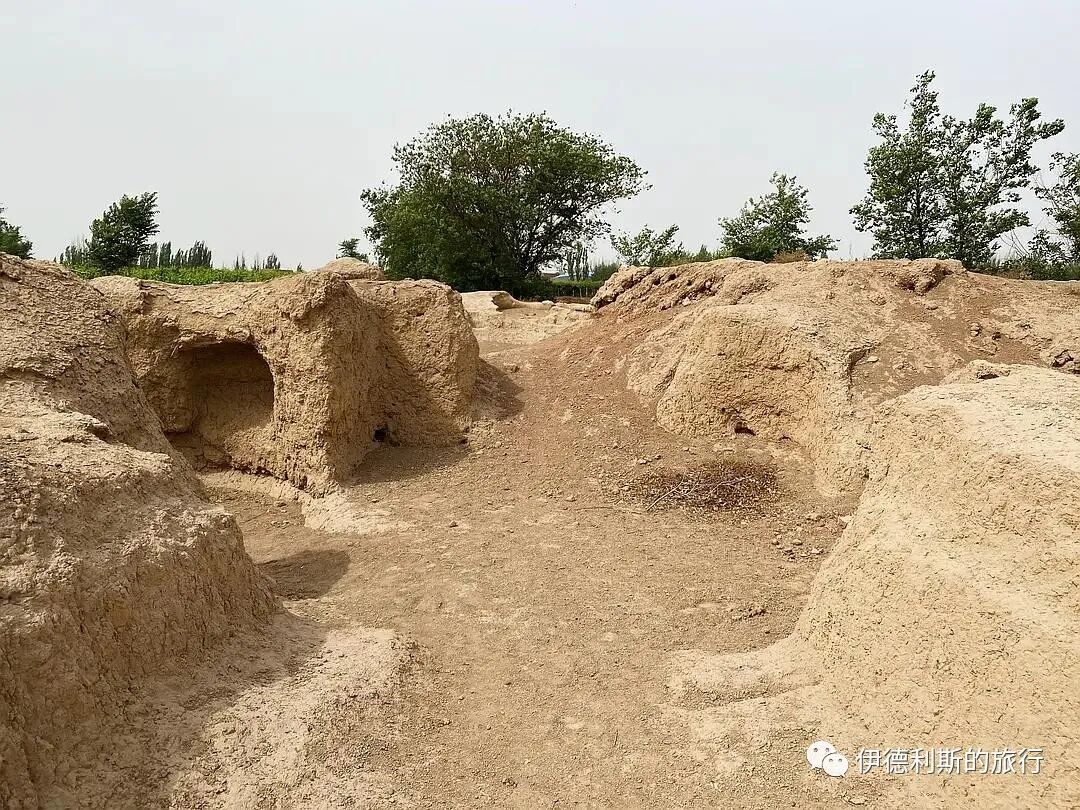
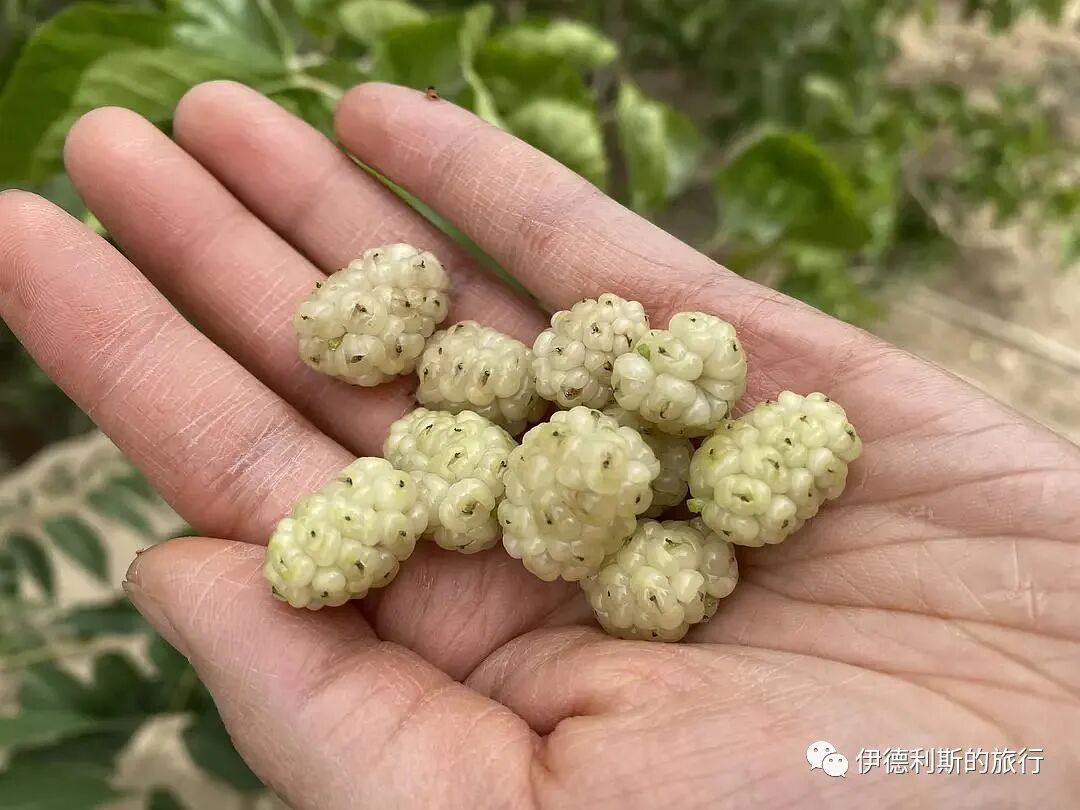
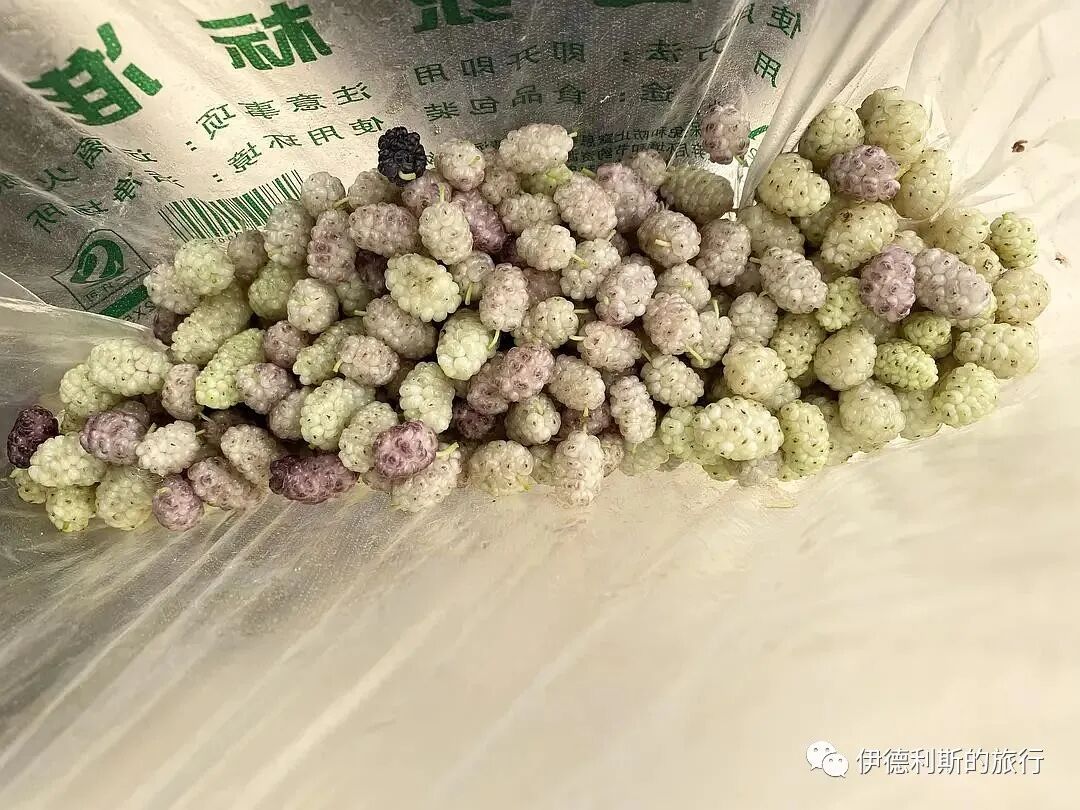
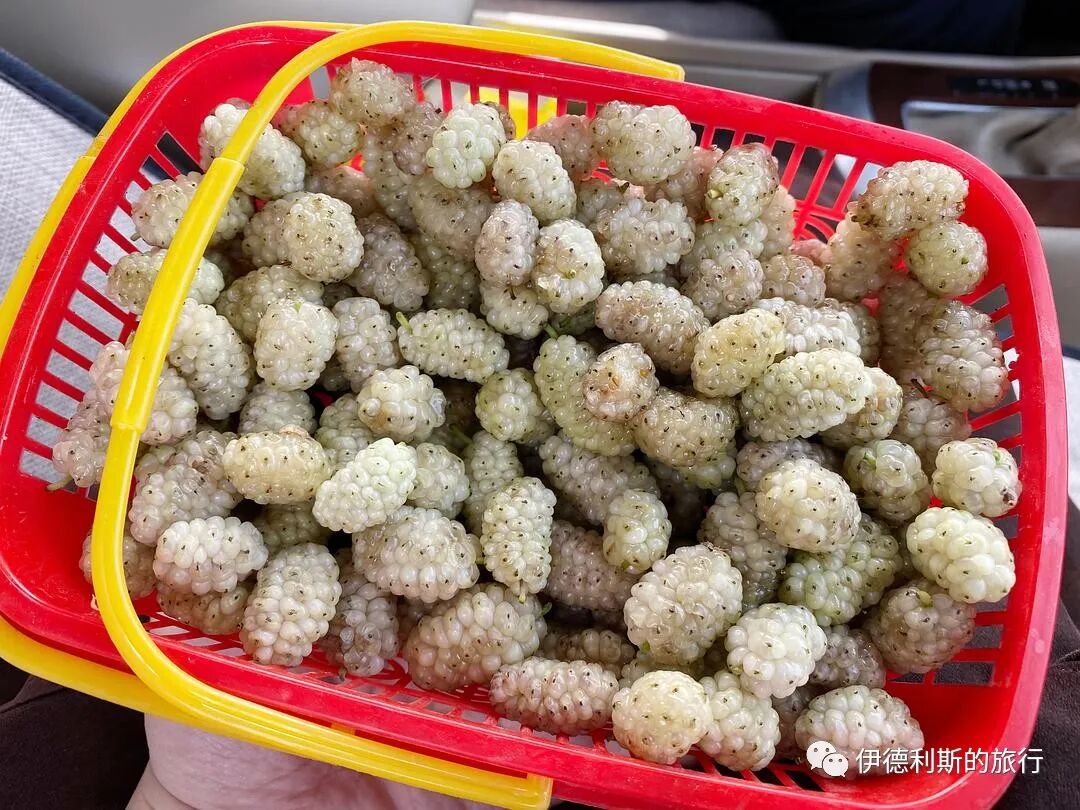
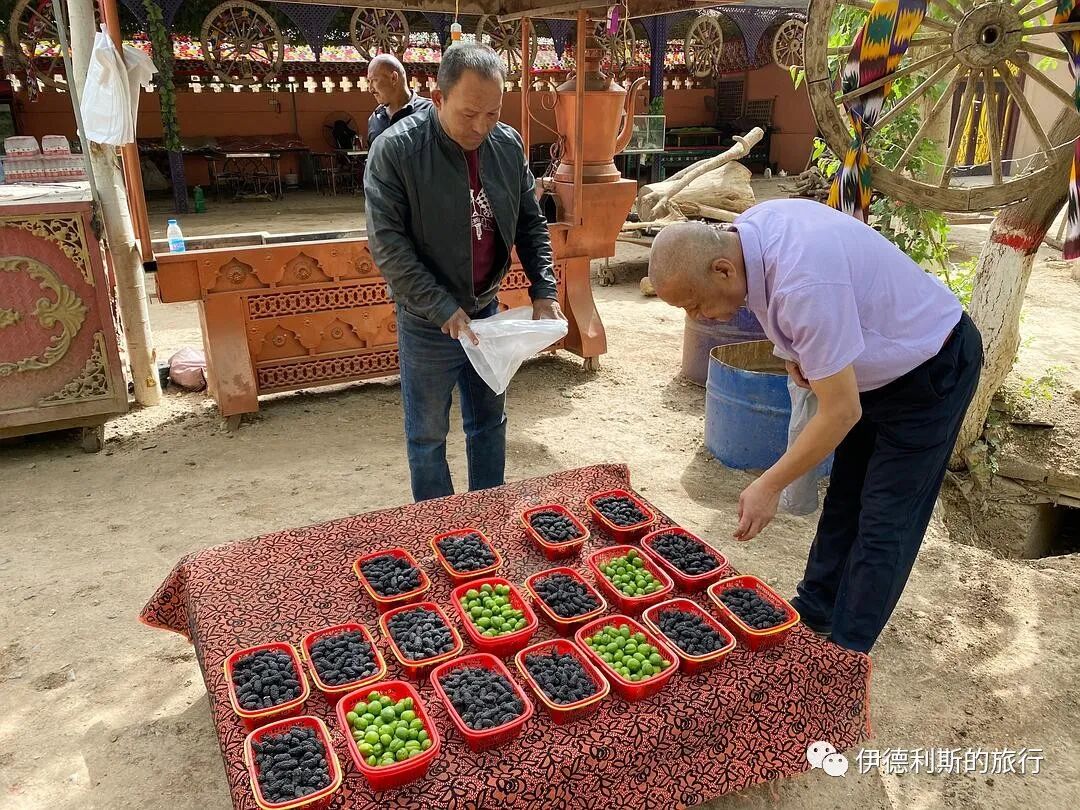
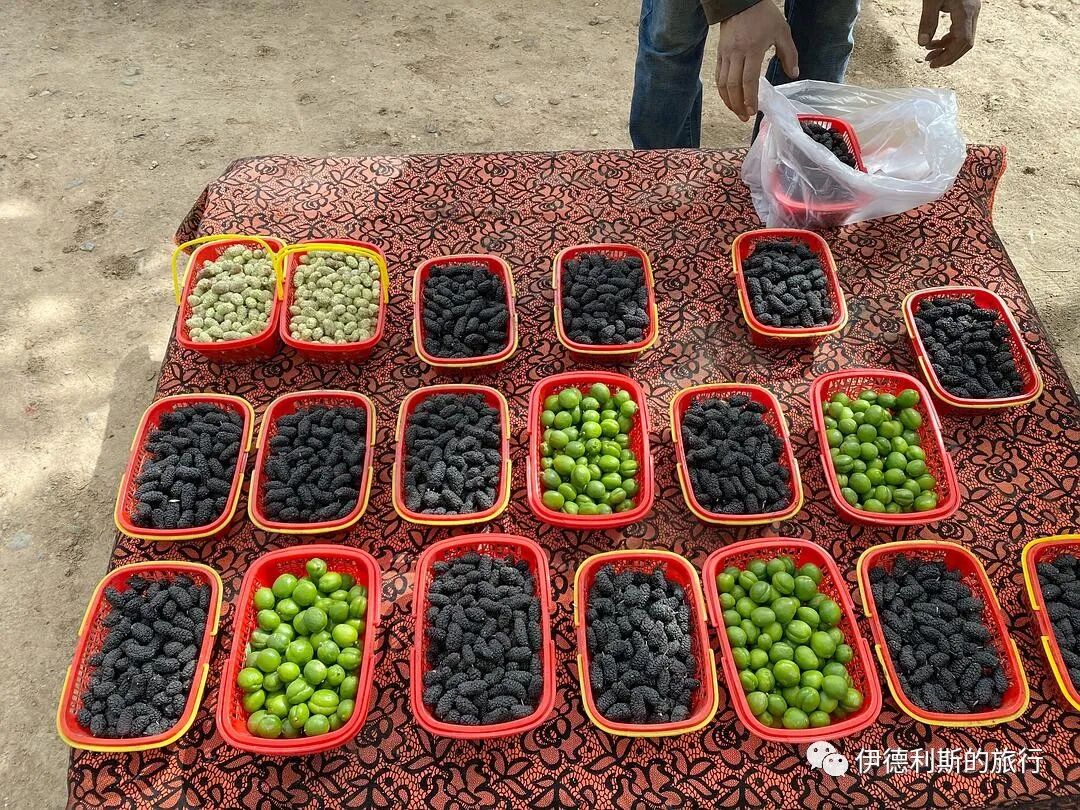
I picked some incredibly sweet mulberries in the ancient city! It was like eating honey. May is truly the season for mulberries.
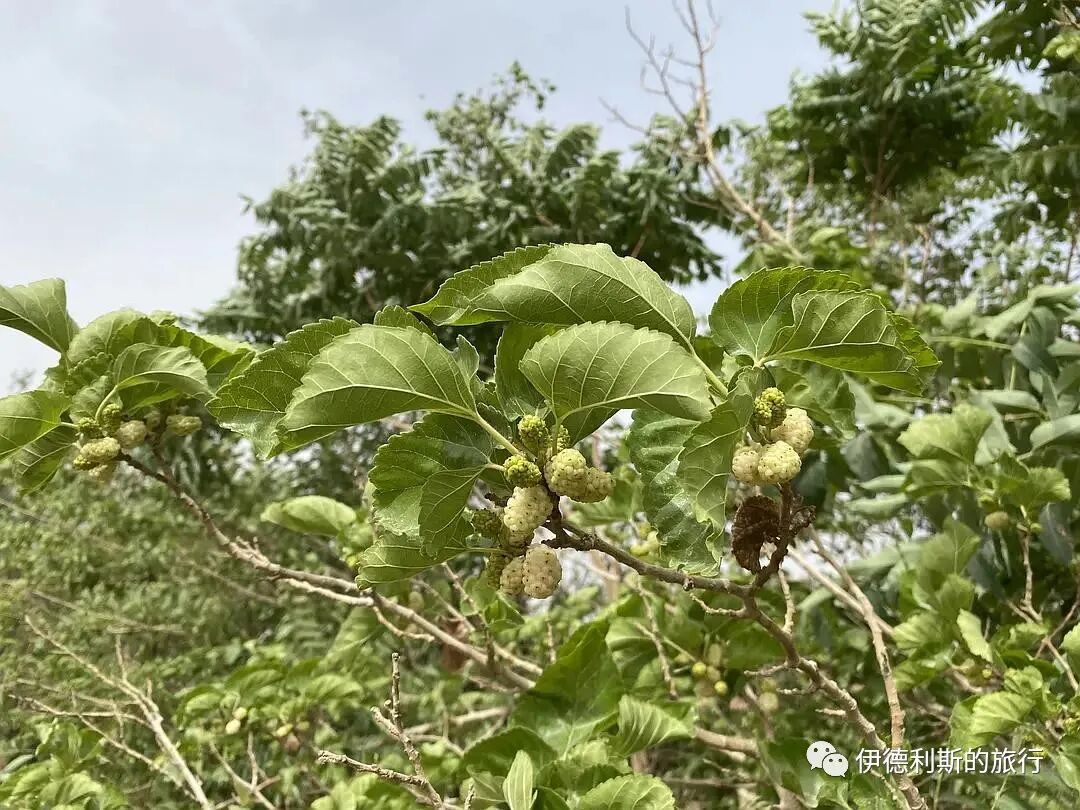
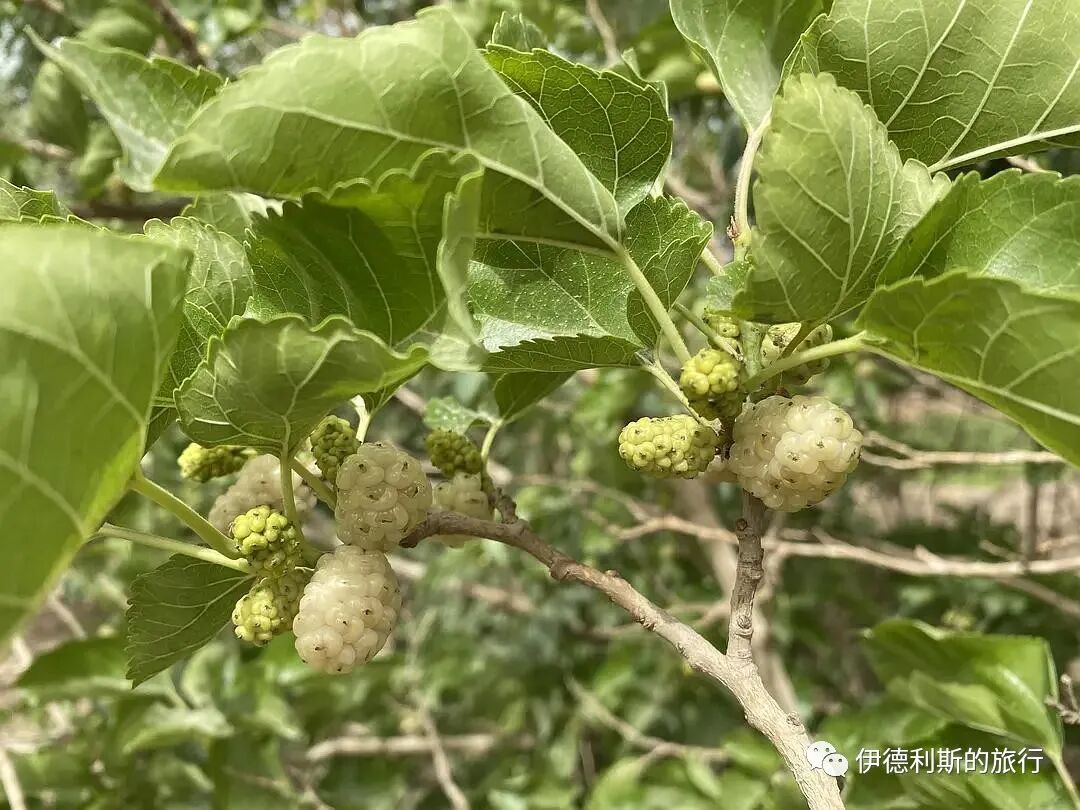
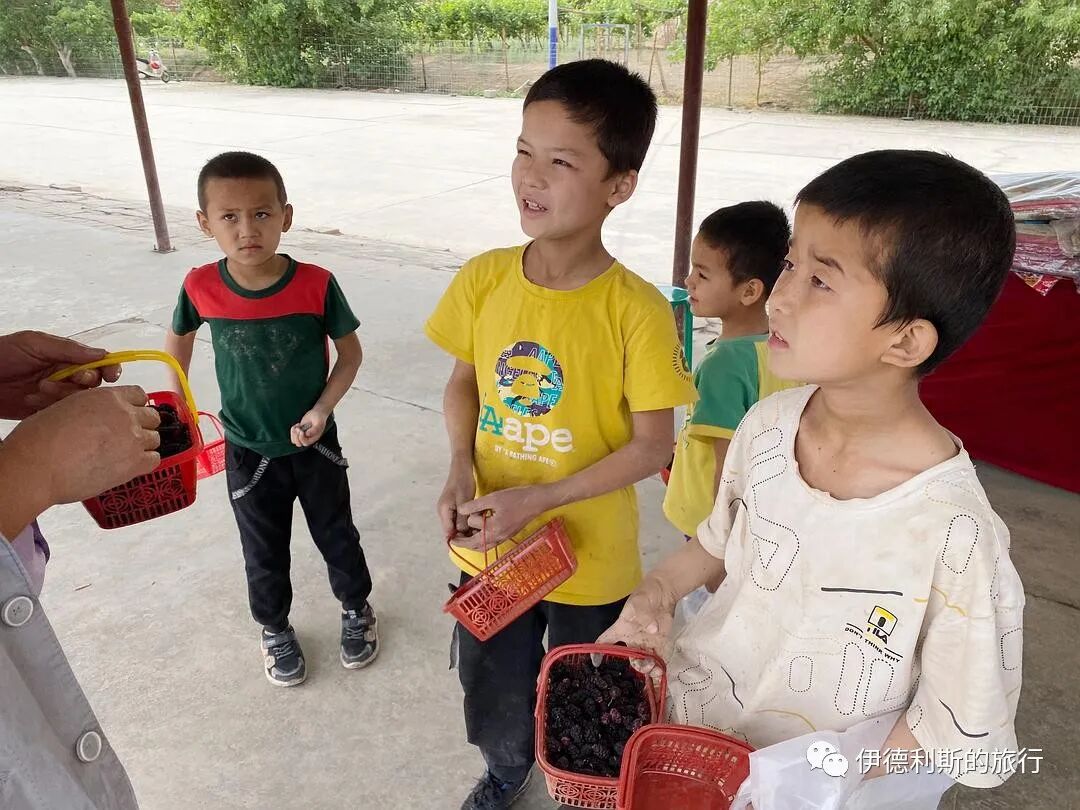
The entrance to the Emin Minaret is also full of people selling mulberries.
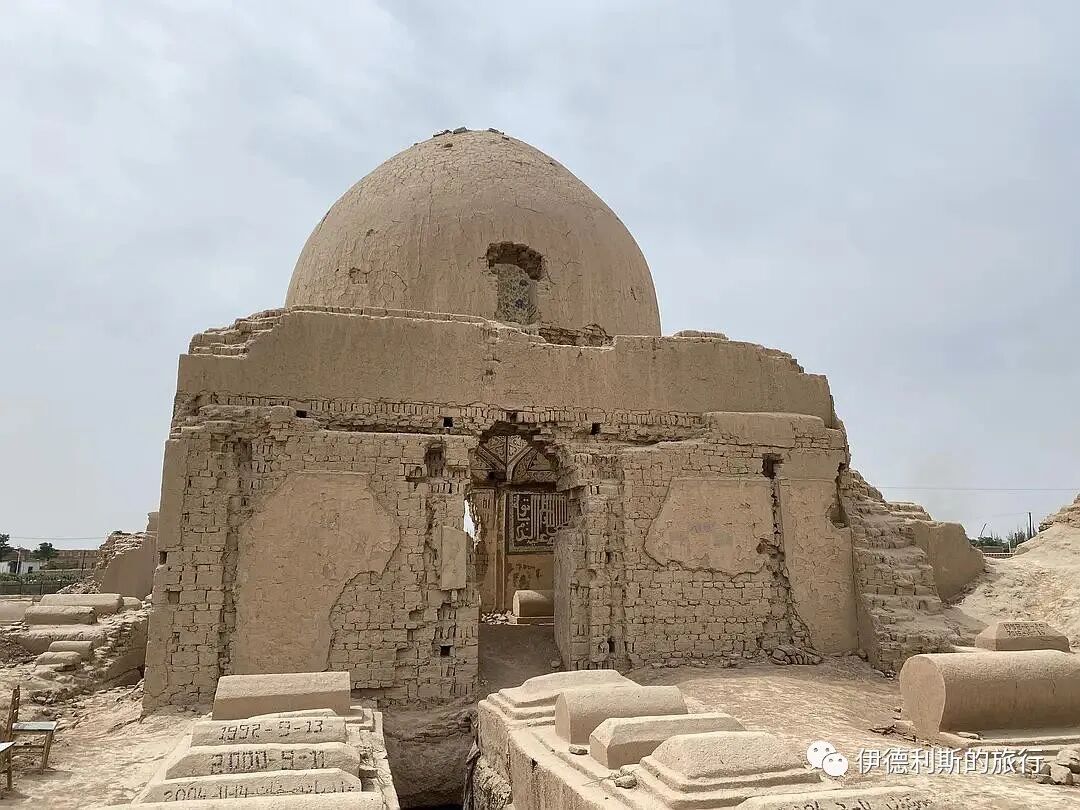
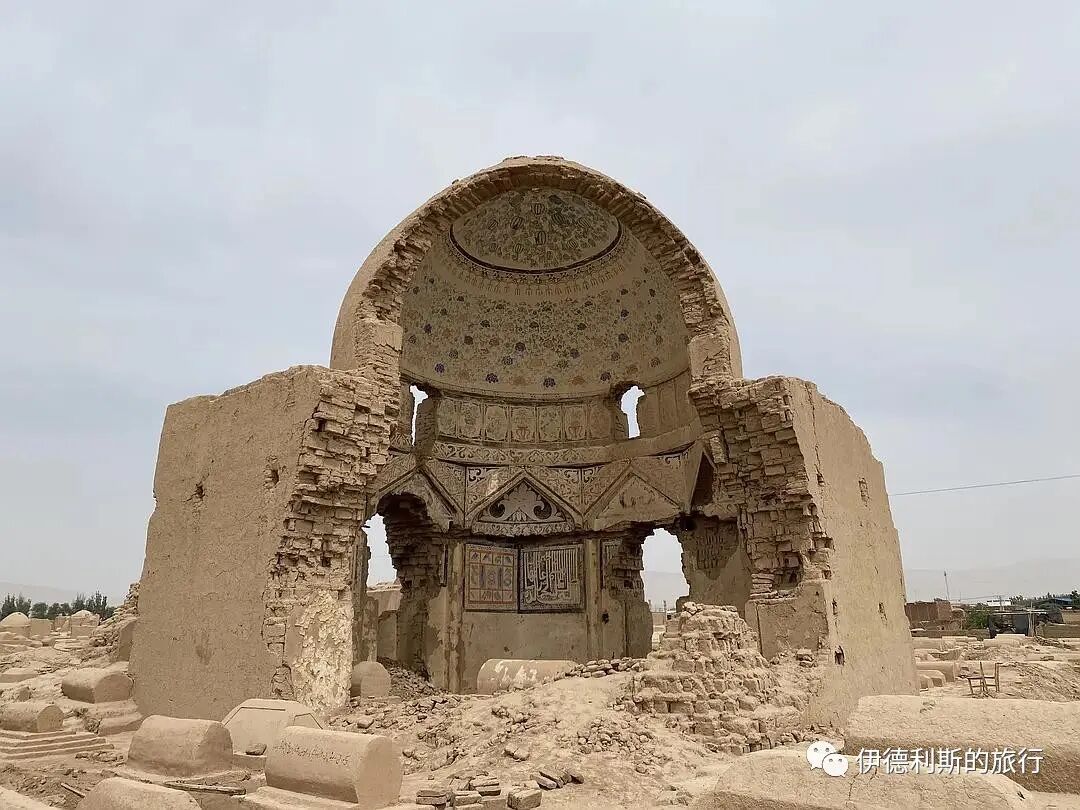
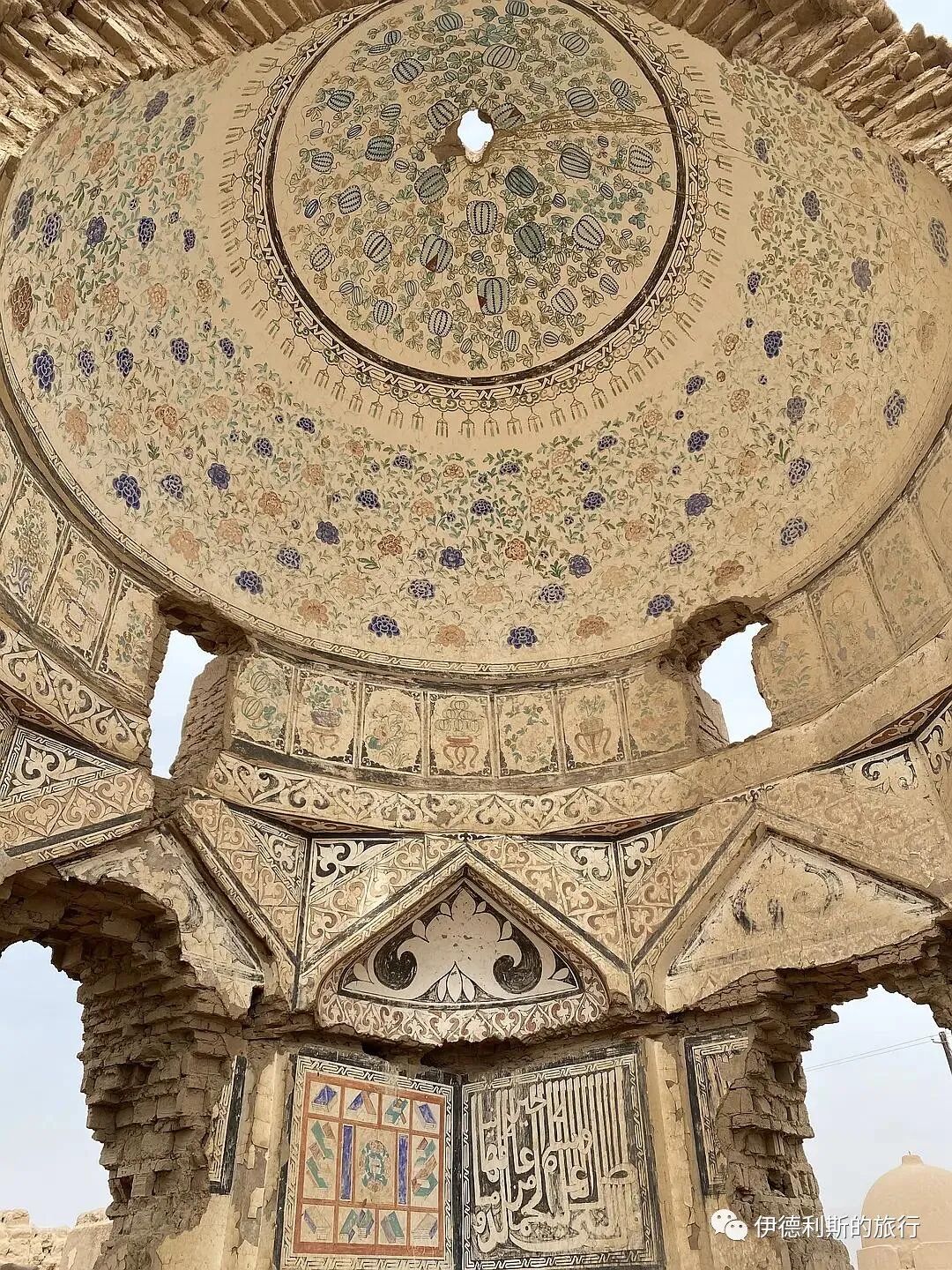
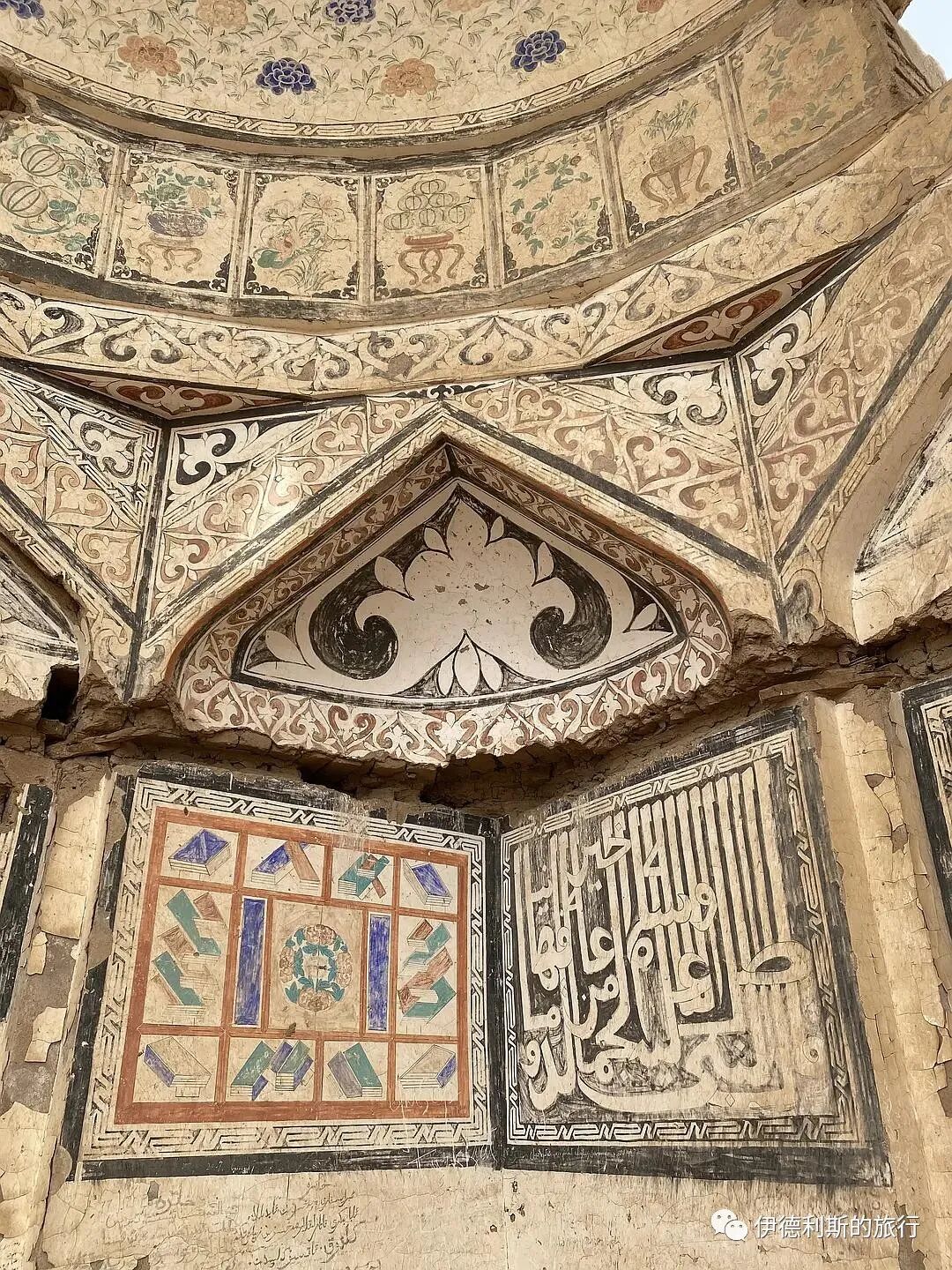
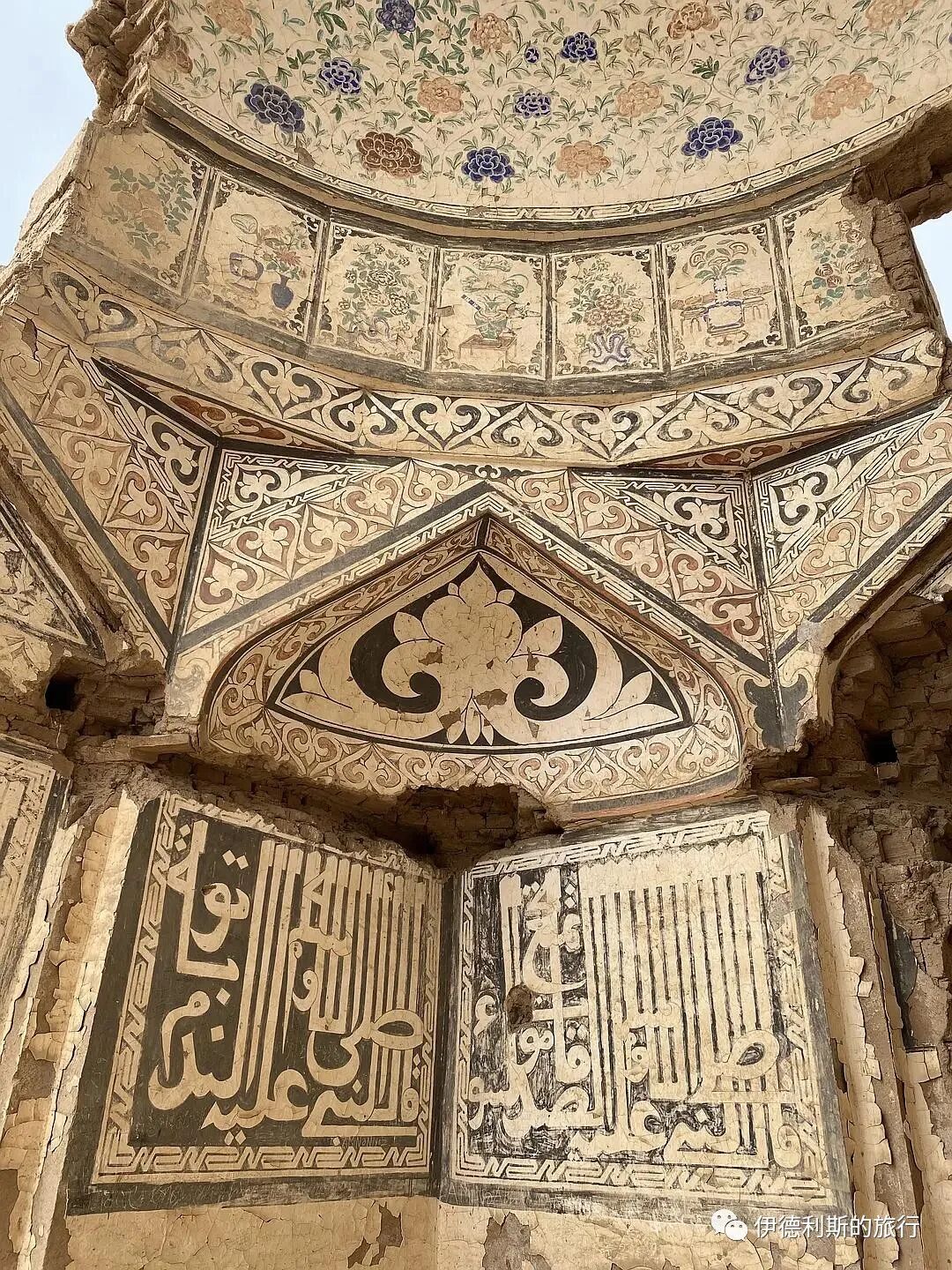
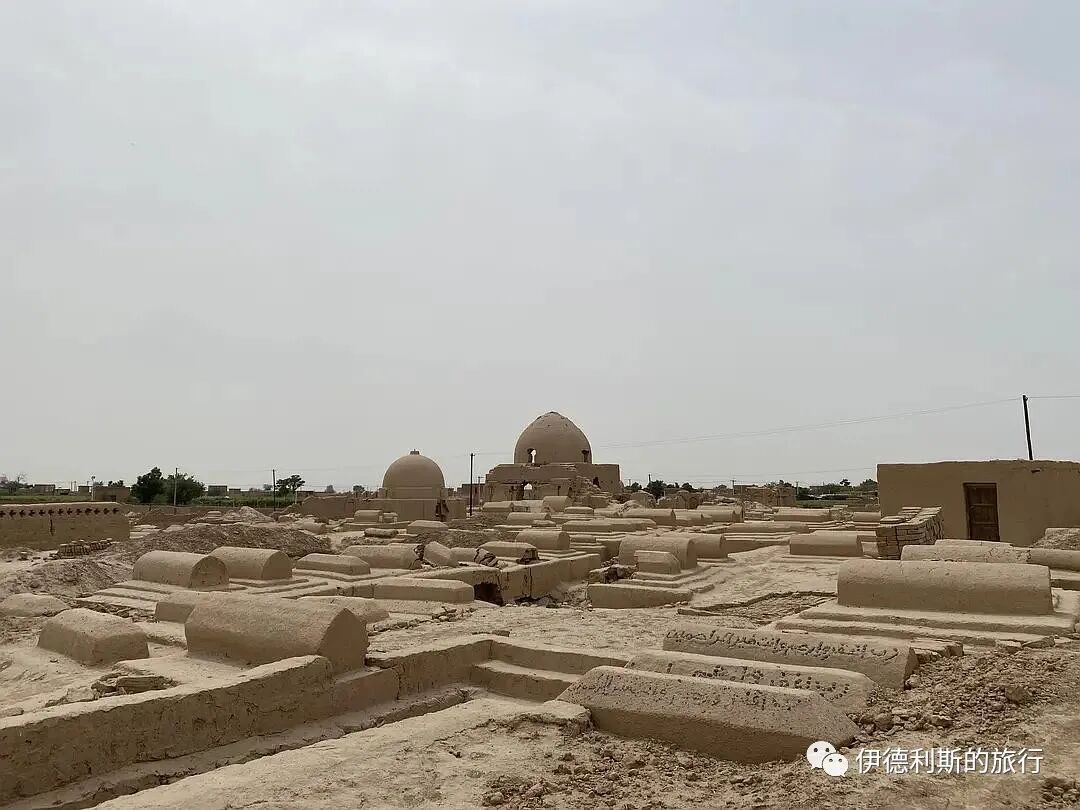
From the Emin Minaret, we headed east to Huoyanshan Town, where the Turpan Prince's Tomb is located in Sanbao Township, right on the west side of the ancient city of Gaochang.
Summary: This travel note introduces Turpan Halal Travel Guide in May: Ancient Sites and Uyghur Food (Part 1). During the 2021 May Day holiday, I returned to Urumqi with Zaynab, and we used two of those days for a family road trip to Turpan to look around. It is useful for readers interested in Turpan Travel, Uyghur Food, Xinjiang Travel.
During the 2021 May Day holiday, I returned to Urumqi with Zaynab, and we used two of those days for a family road trip to Turpan to look around. This was my third time visiting Turpan, and I visited several historical sites I had not been to before.
We set off from Urumqi to Turpan in the morning, but we ran into a level-12 gale in the Thirty-Mile Wind Zone, causing all expressways and national highways to close. We took a provincial road as a detour instead, which actually allowed us to see scenery we couldn't see on the expressway: snow-capped mountains, meadows, and wilderness on the Tianshan Mountains.
We took a detour through Toksun County, which was the perfect opportunity to try authentic Toksun banmian (hand-pulled noodles). The most popular spot in Toksun County is this place called Lao Sihao; it was packed at mealtime, with locals as well as people who had come specifically from Turpan. Their specialty is black goat guoyourou banmian (hand-pulled noodles with oil-fried meat). Black goats are a local specialty that live on the cliffs of the Tianshan Mountains; they are much more expensive than regular lamb, but the taste and texture are truly different from regular lamb, and I think they are much more delicious.
Continuing from Toksun toward Turpan, we first arrived at Aydingkol Town, where there are two ancient mazar (shrines). The first is the Andijan Khoja Mazar, from the Qing Dynasty. Andijan is located in the Fergana Valley of Uzbekistan. The entire building is constructed of raw mud bricks, with the outer walls plastered with mud and straw. In the past, every Thursday was the day to visit the mazar, and everyone would come here to make dua and pray for various wishes.
Then we went to the Khizr Khoja Mazar in Aydingkol Town, which is the highest-ranking mausoleum in the Turpan area.
Khizr Khoja was the youngest son of Tughlugh Timur, the founding Khan of the Eastern Chagatai Khanate, and the third Khan of the Eastern Chagatai Khanate. After Khan Tughlugh Timur passed away, the Dughlat noble Qamar ud-Din massacred almost all of the Khan's descendants in 1368, with only the infant youngest son, Khizr Khoja, being hidden away. It was not until 1389, after Qamar ud-Din was completely defeated by Tamerlane the Great, that Khizr Khoja, who had been in hiding for many years, was able to ascend the throne as the third Khan of the Eastern Chagatai Khanate.
Because Tamerlane in the west was too powerful, Khizr Khoja chose to conquer eastward, taking the two towns of Qara-Khoja (the ancient city of Gaochang) and Turpan (the ancient city of Anle), and moved the Khan's court to Turpan.
Between 1402 and 1404, Khizr Khoja passed away in Turpan. Chen Cheng, an envoy sent to the Western Regions during the Ming Dynasty, wrote in his 1415 'Record of the Mountains, Rivers, and Customs of the Western Regions': 'In the city, there are two high mounds, surrounded by trees and enclosed by walls; these are the graves of the former King Khizr Khoja and his wife. Near the graves, there is a small mound, said to be where his favorite minister was buried with him.' ”
After leaving Aydingkol, we went to visit the Karez Well scenic area, but it was developed in a way that felt a bit too commercial, so I didn't take many photos, and then we went to the Turpan Hui Muslim city. The Turpan Hui Muslim city is also called the New City; it was built in 1871 by the forces of Yaqub Beg. The main residents were Hui Muslims and Uyghurs, with most of the Hui Muslims having ancestral roots in Shaanxi and Gansu.
The Turpan East Mosque is located inside the Turpan Hui Muslim city. It is a Hui mosque, originally built in 1871 and renovated in 1911. Because the weather in Turpan is hot, the mosque expanded the traditional front porch into an 'outer hall' used for outdoor prayer in the summer. The outer hall has a ridge-roofed xieshan (hip-and-gable) roof, a beam-lifting wooden structure, and is supported by 32 pillars.
The mosque gate features authentic Shaanxi-style calligraphy brick carvings, and there is a minaret similar to the Emin Minaret inside the mosque, though unfortunately, the upper part has collapsed. This type of minaret is extremely rare in Hui Muslim mosques.
The Turpan West Mosque was originally built in 1859 and is the oldest among the Hui Muslim mosques in Turpan.
During the Republic of China era, the Turpan Hui Muslim city (New City) was filled with shops and was bustling and prosperous; today, many historical buildings are still preserved.
This used to be an old hardware company.
A post office from over sixty years ago.
In the evening, we ate qorqur (dumplings) with onions and beans, and barbecue across from the Turpan Museum, and then we had lamb-braised youtazi (steamed twisted rolls). This is quite rare; here in the eastern part of Xinjiang, it is usually lamb-braised flatbread.
Turpan Night Market.
The next morning, we ate the incredibly popular Koshimaklar baked buns at the Turpan Museum. When I visited Turpan in the past, their shop was the 'Twin Baked Buns' stall at the entrance of the Big Cross Bazaar, but this time I found they had moved to their current location. We arrived at 8:30 in the morning to catch the first batch, and we even had to get a queue card when buying; there were many people lined up behind us.
However, their baked buns are indeed very delicious. First of all, they are baked over charcoal, which is hard to find in Urumqi. Also, the filling inside isn't too fatty and has plenty of meat. Freshly baked buns paired with fresh-squeezed pomegranate juice are truly refreshing.
I highly recommend breakfast at the Bayawan Food Hall on Old City East Road in Turpan! The variety is very rich, and it is semi-self-service where you pick your own food and pay at the end. We ate pilaf, steamed buns with thin skins, milk tea with thick milk skin, bone soup, a platter of side dishes, and a fruit platter. Eating well gives you a good mood for the whole day.
After breakfast, we went to visit the Emin Minaret. The Emin Minaret, also known as the 'Emin Tower,' was built in 1778 by the Turpan Prince Emin Khoja and his son Suleiman. It is the tallest historical minaret building in Xinjiang. Emin Khoja came from a religious family in Turpan. After the Qing Dynasty entered Turpan in 1720, Emin Khoja led his people to submit to them. He subsequently performed many military feats, and in 1756, the Qing Dynasty handed over the rule of Turpan to Emin Khoja. In 1759, Emin Khoja made a great contribution to the Qing Dynasty's pacification of the rebellion of the two Khojas and was granted the title of Prince.
In 1772, Emin Khoja returned to his hometown of Turpan. In his later years, he used 7,000 taels of silver and ordered his son Suleiman to build a mosque. In 1777, before the mosque was completed, Emin Khoja returned to Allah. Afterward, Suleiman inherited the title of Prince and completed the construction of the mosque in 1778. Because the mosque has a tall minaret, it is called the Emin Minaret Mosque.
The mosque gate is built with heavy raw mud walls, and the facade is composed of recessed niches, creating a strong sense of shadow.
The main hall is rectangular and divided into three parts: the front hall, the prayer hall, and the rear hall. The prayer hall consists of a colonnade of 32 wooden pillars. It has no ridge and no tiles, using wooden rafters, branches, and mud to make the roof, which is the traditional flat-roof architectural style of Turpan. The roof has high windows and light wells for lighting and ventilation. The front hall and the rear hall are built with large raw mud domes using the corbeling method.
On both sides of the main hall, there are madrasas (Islamic schools), with each of the twenty small rooms having a small dome and holes for ventilation and lighting.
The minaret is 44 meters high and is built of bricks using the corbeling method. The tower body has 15 different geometric patterns, such as waves, diamonds, and floral designs. Inside the tower, there are 72 spiral stairs, and at the top of the tower, there is a pavilion with windows where you can look out into the distance. The top of the tower originally had eaves, but after the Turpan earthquake in 1916, the top was destroyed, and local craftsmen subsequently changed it to a dome.
The ancient city of Anle is located south of the Emin Minaret, 300 meters wide from north to south and 700 meters long from east to west, with a Karez well running underground through the city. The south side of the city rises 8 to 10 meters above the ground, and every courtyard or house in the city has storage pits and wells.
In 1389, after the 16-year-old prince of the Eastern Chagatai Khanate, Khizr Khoja, proclaimed himself Khan, Tamerlane the Great immediately led his army to fight a decisive battle, defeating the army of the Eastern Chagatai Khanate in one fell swoop and plundering a large number of subjects and livestock. Because the Timurid Empire in the west was too powerful, Khizr Khoja chose to conquer the city of Anle in Turpan around 1392. Khizr Khoja promoted Islam in Turpan, making the city of Anle gradually become a center of Islamic culture.
In 1422, the Eastern Chagatai Khan, Uwais Khan, defeated the Oirats and reoccupied the city of Anle, using it as his main residence. Since then, the city of Anle has been an important city of the Eastern Chagatai Khanate.
In the second half of the 15th century, the Eastern Chagatai Khanate split again. Ahmad Alaq (reigned 1487–1503) ruled the eastern part of the Khanate with the city of Anle as the center. In the 'History of Ming,' it is called the 'Turpan Khanate,' and the city of Anle was subsequently replaced by the name Turpan.
In 1514, Sultan Said Khan founded the Yarkand Khanate, and his elder brother, Mansur Khan (reigned 1503–1543), continued to rule the eastern part of the Eastern Chagatai Khanate with Turpan as his capital. In 1570, the army of the Yarkand Khanate invaded Turpan, and the last Khan of the 'Turpan Khanate,' Muhammad Khan, was captured, leading to the fall of the Turpan Khanate.
In 1679, Turpan was occupied by Galdan, the Khan of the Dzungar Khanate. After that, it was repeatedly contested with the Qing Dynasty until it was finally incorporated into the Qing Dynasty in 1755. In 1780, the Qing Dynasty built the city of Guang'an northwest of the city of Anle. The administrative center of Turpan was subsequently moved to the city of Guang'an (the current urban area of Turpan), and the city of Anle was gradually abandoned.
I picked some incredibly sweet mulberries in the ancient city! It was like eating honey. May is truly the season for mulberries.
The entrance to the Emin Minaret is also full of people selling mulberries.
From the Emin Minaret, we headed east to Huoyanshan Town, where the Turpan Prince's Tomb is located in Sanbao Township, right on the west side of the ancient city of Gaochang.
