
Urumqi Night Market Halal Food Guide: Xinjiang Snacks and Local Life (Part 1)
Reposted from the web
Summary: This travel note introduces Urumqi Night Market Halal Food Guide: Xinjiang Snacks and Local Life (Part 1). It was hard to get a five-day holiday for May Day in 2021, so I went to Urumqi to have a good look around. It is useful for readers interested in Urumqi Night Market, Halal Food, Xinjiang Travel.
It was hard to get a five-day holiday for May Day in 2021, so I went to Urumqi to have a good look around.
April 30
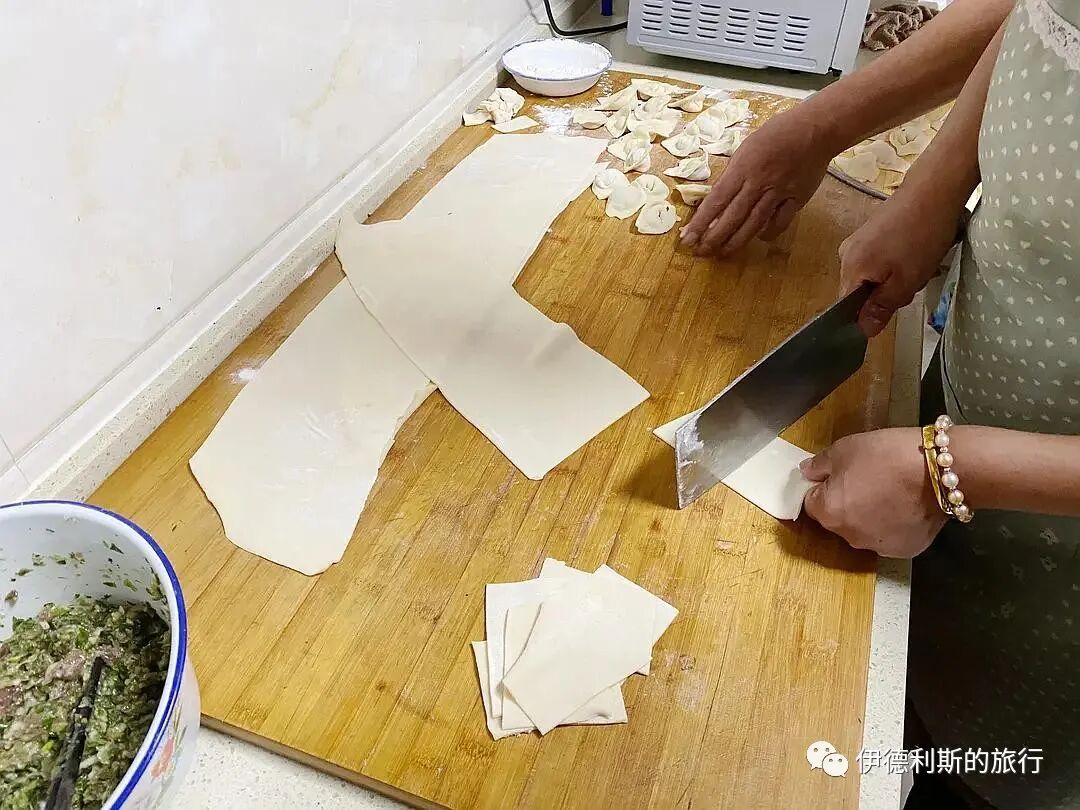
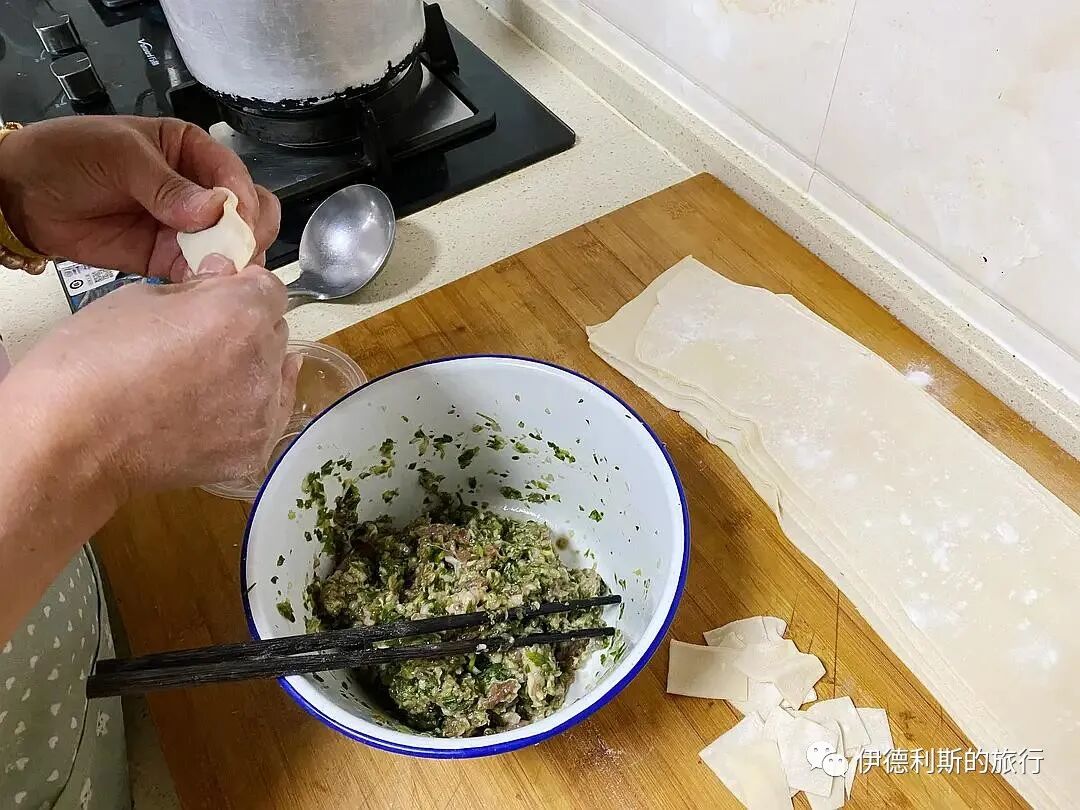
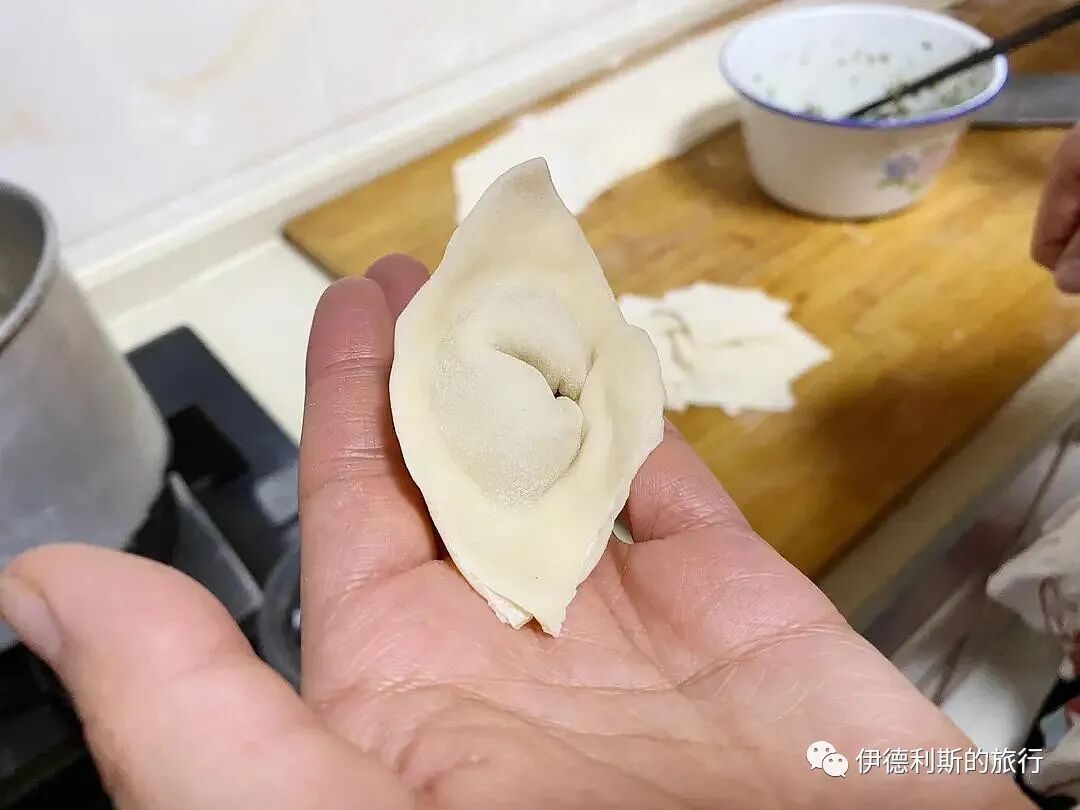
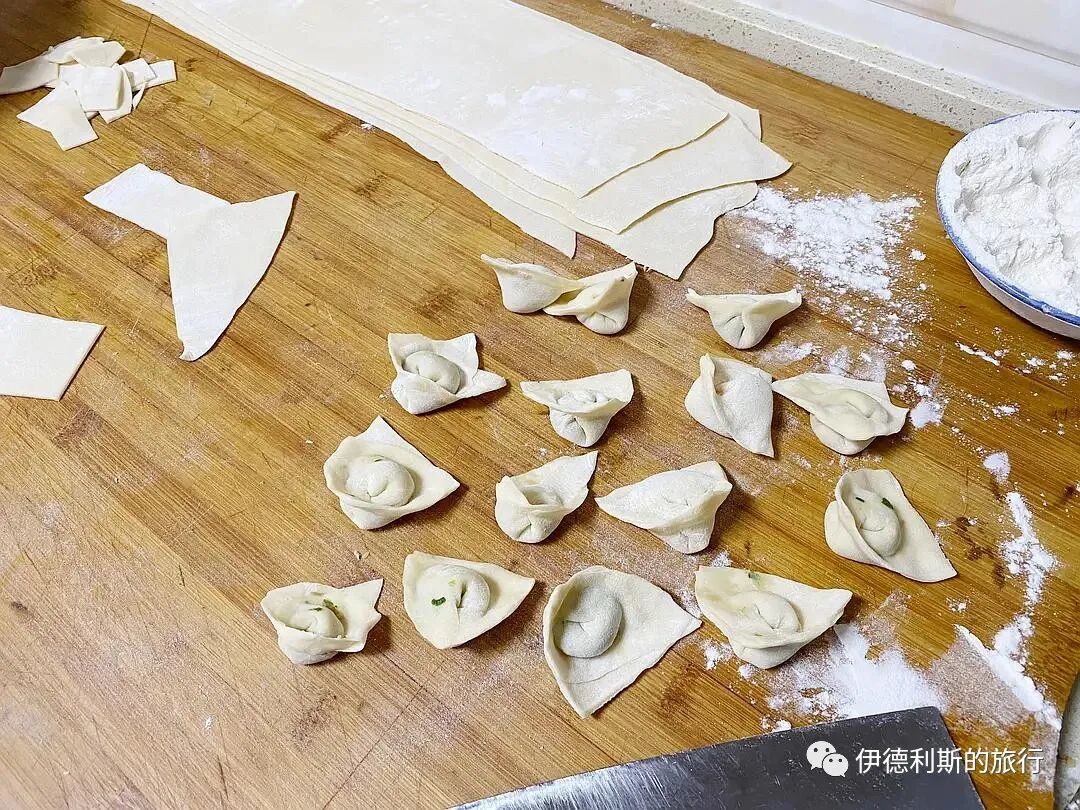
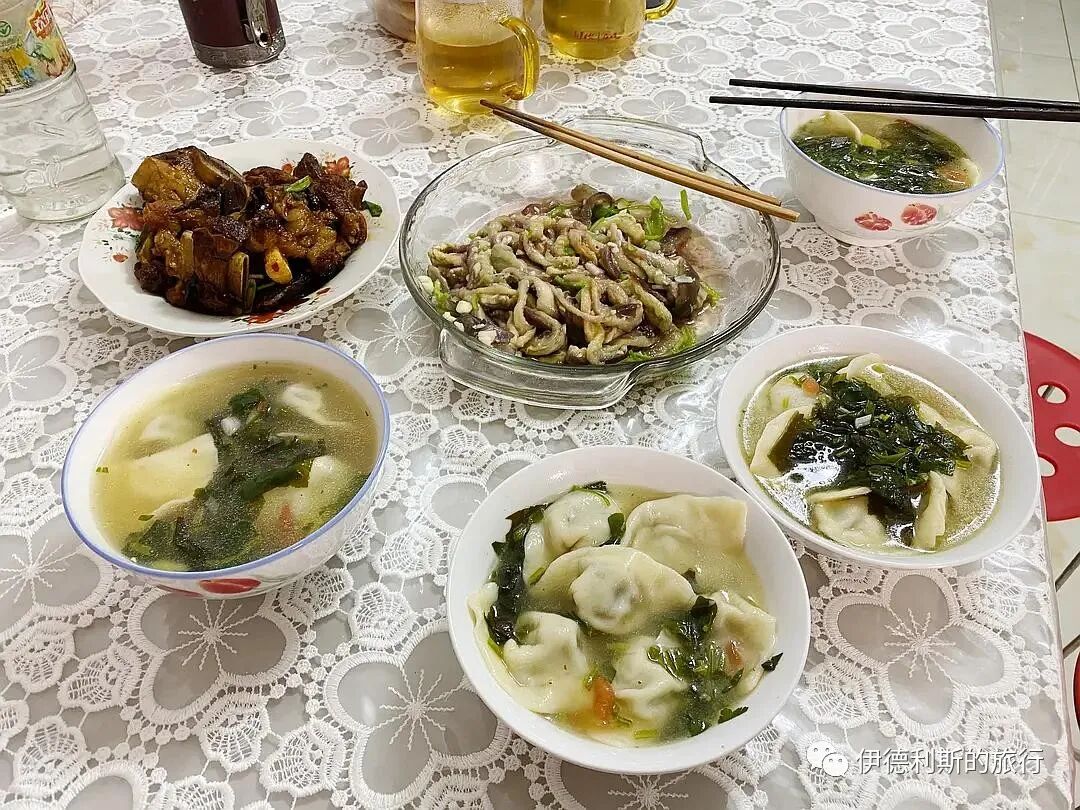
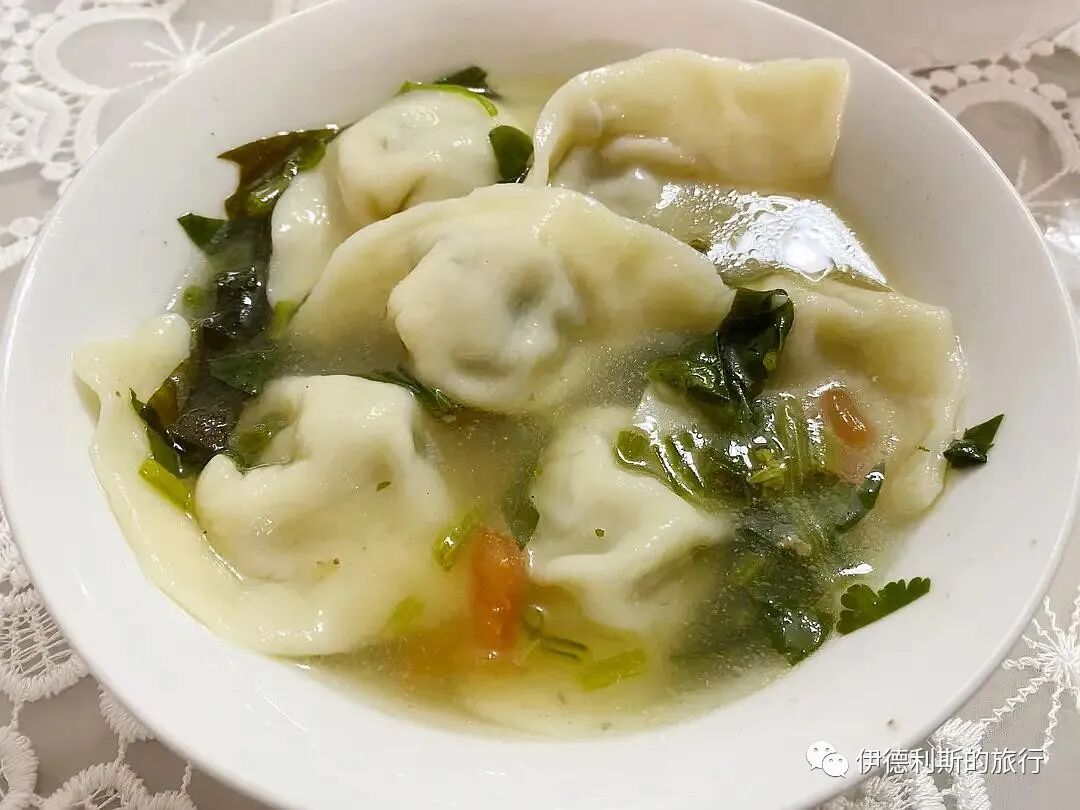
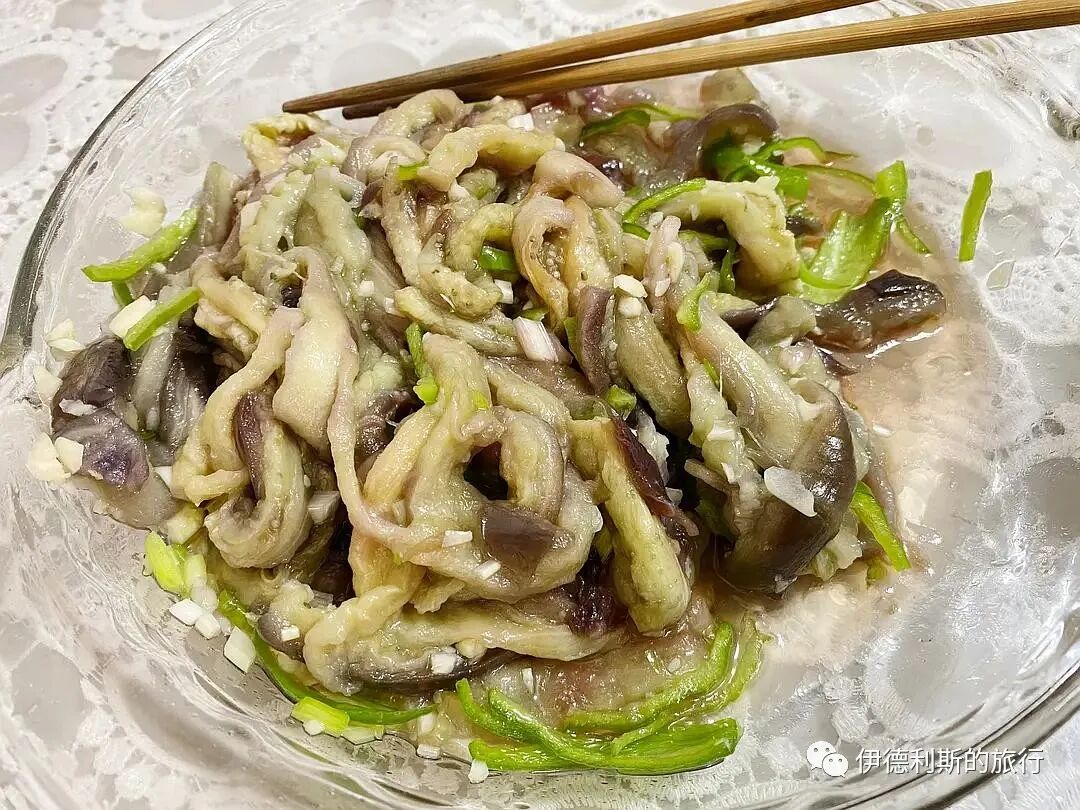
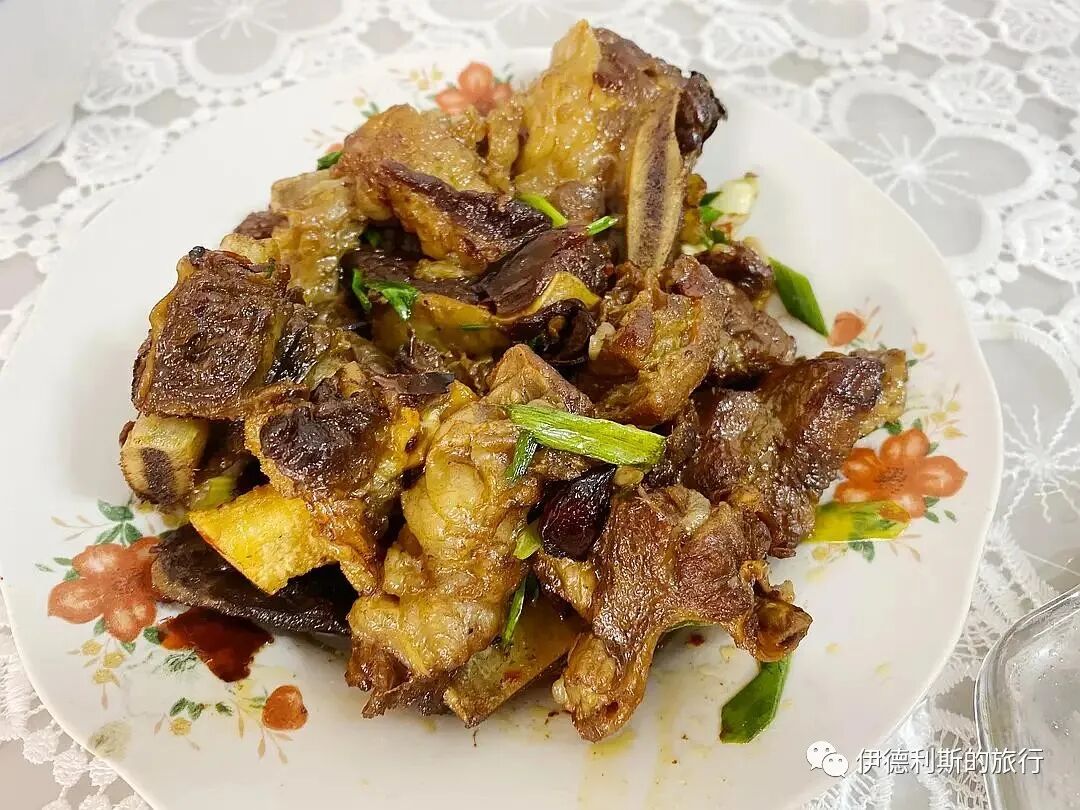
Arrived in Urumqi on the evening of April 30. Iftar (the meal to break the fast) was lamb and green onion huntun (wontons) made by my mother-in-law, braised steak, and steamed eggplant.
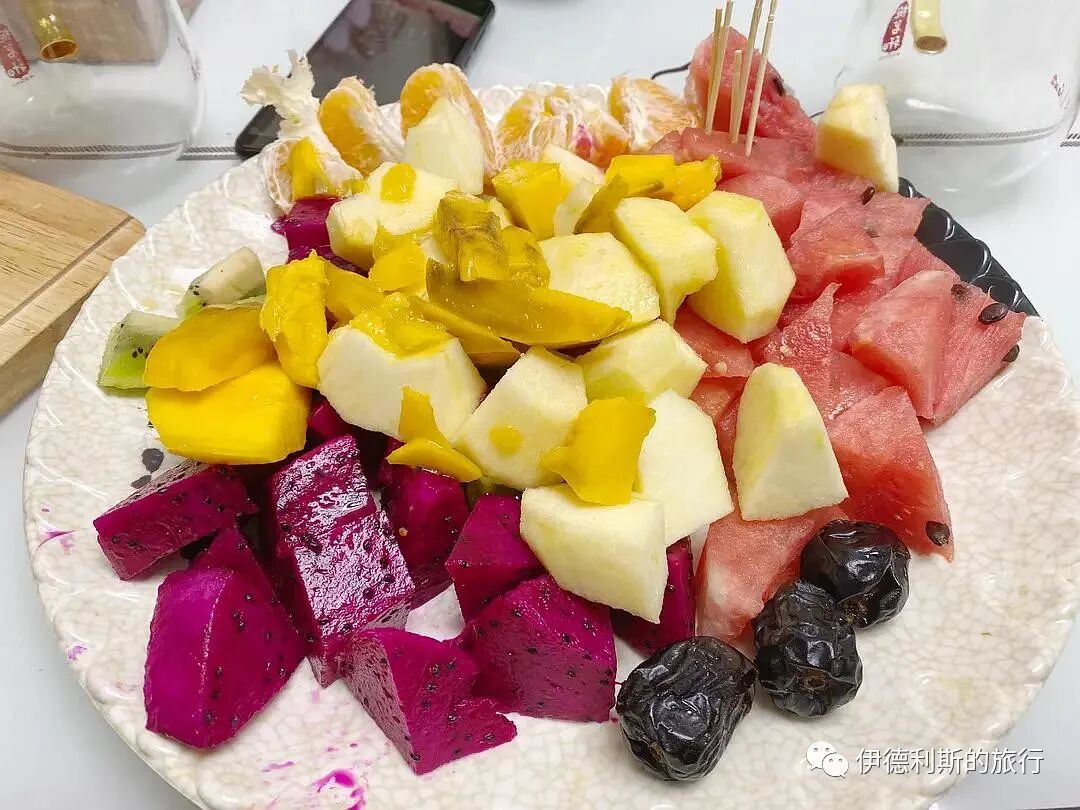
Then I went out to the night market; the nightlife in Urumqi is back!
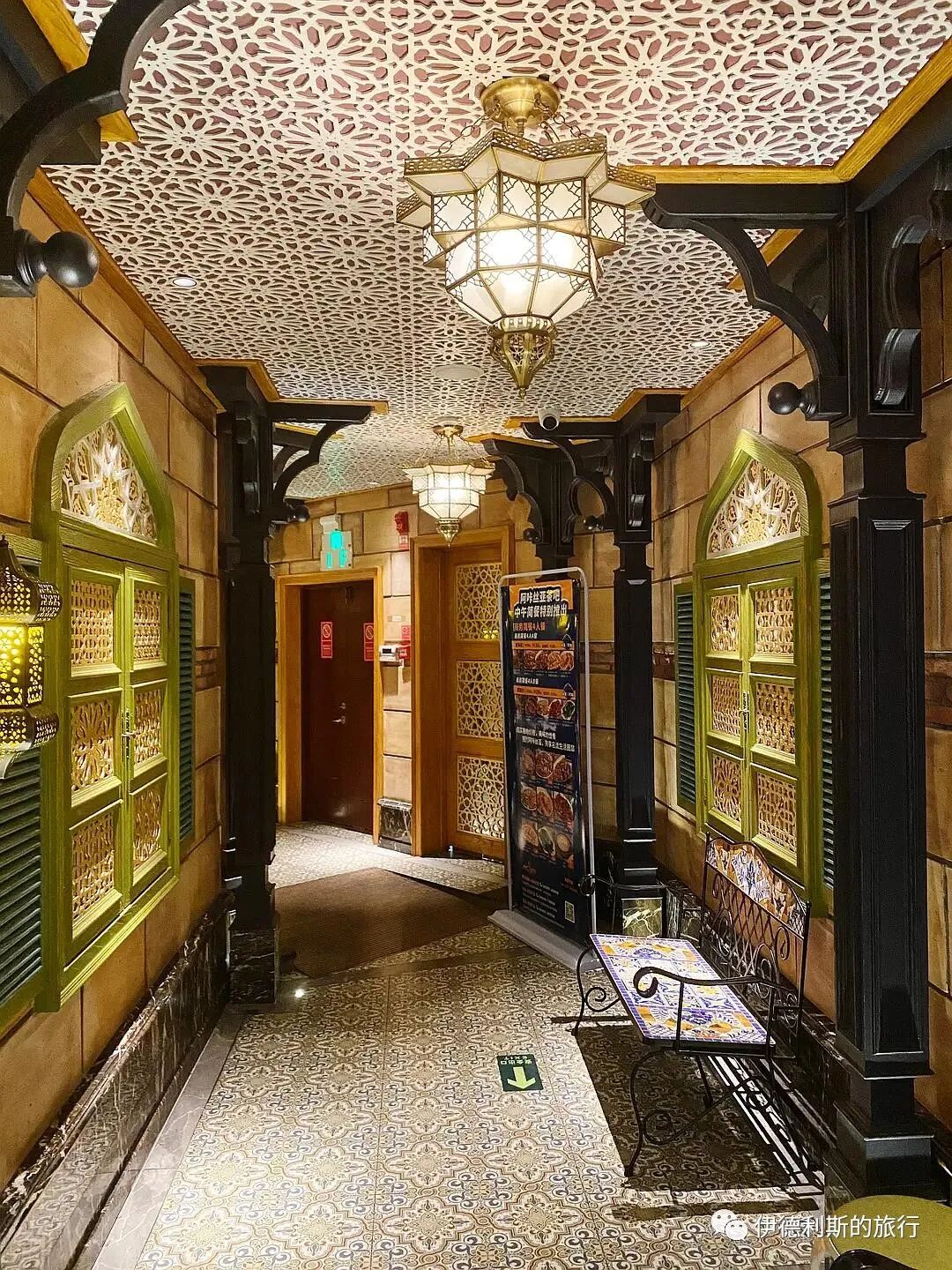
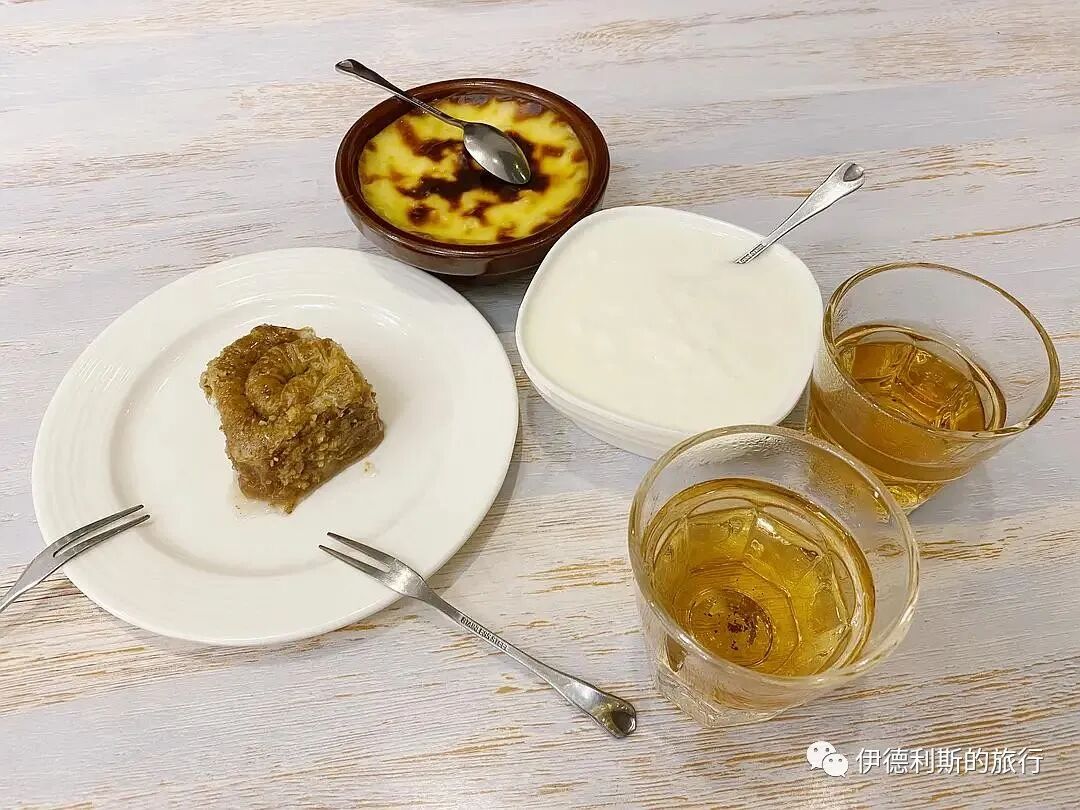
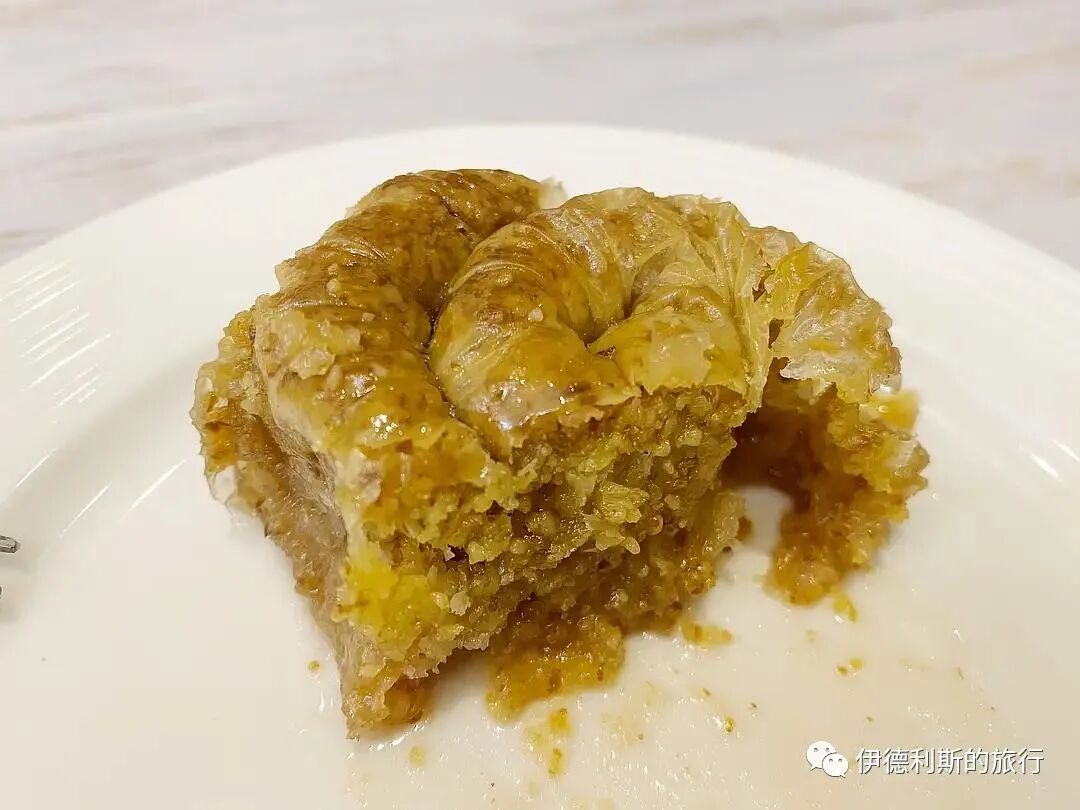
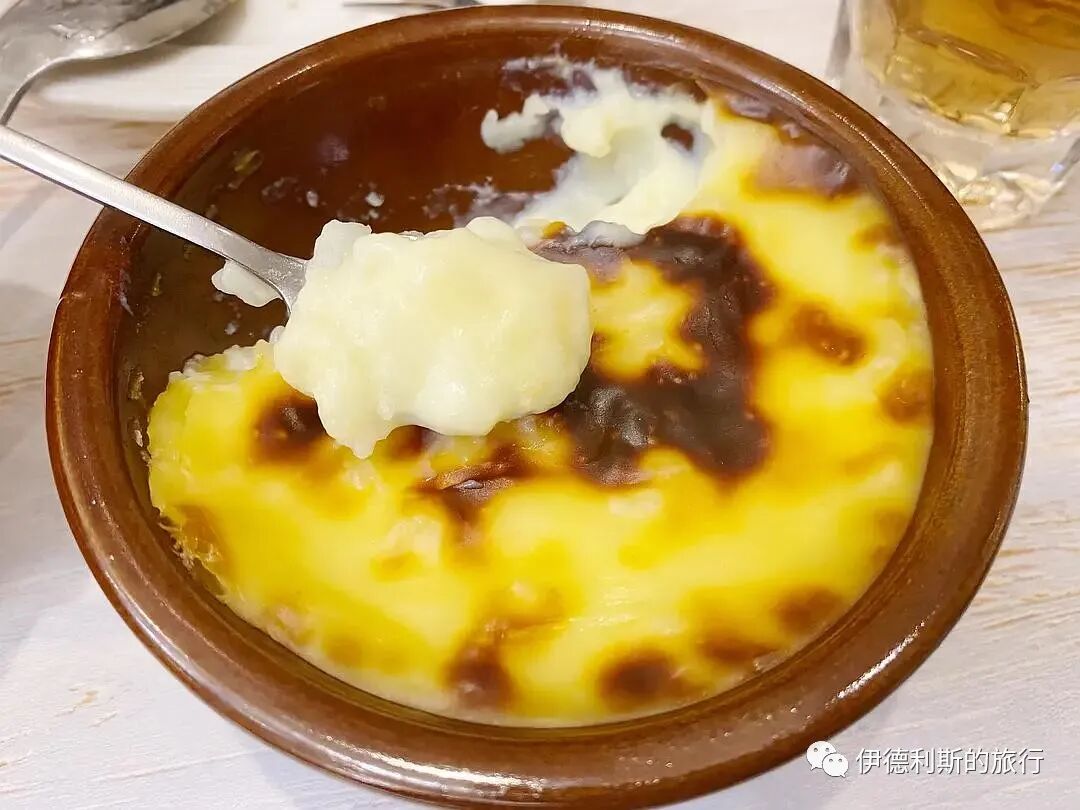
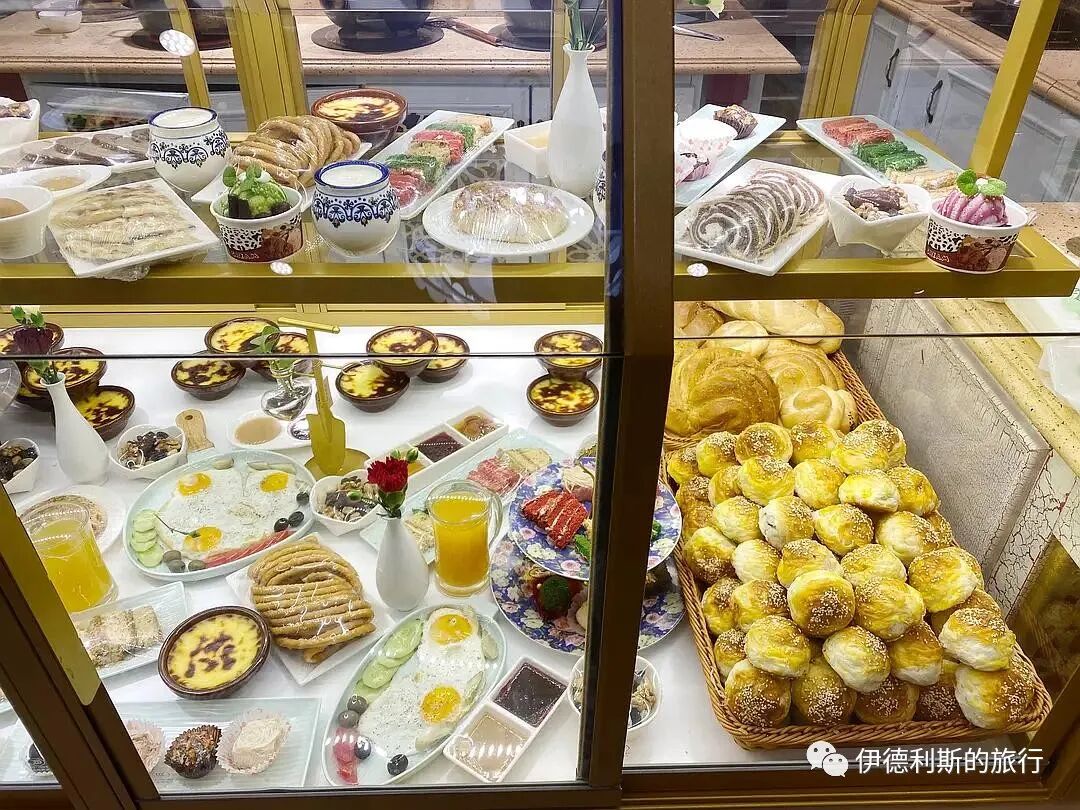
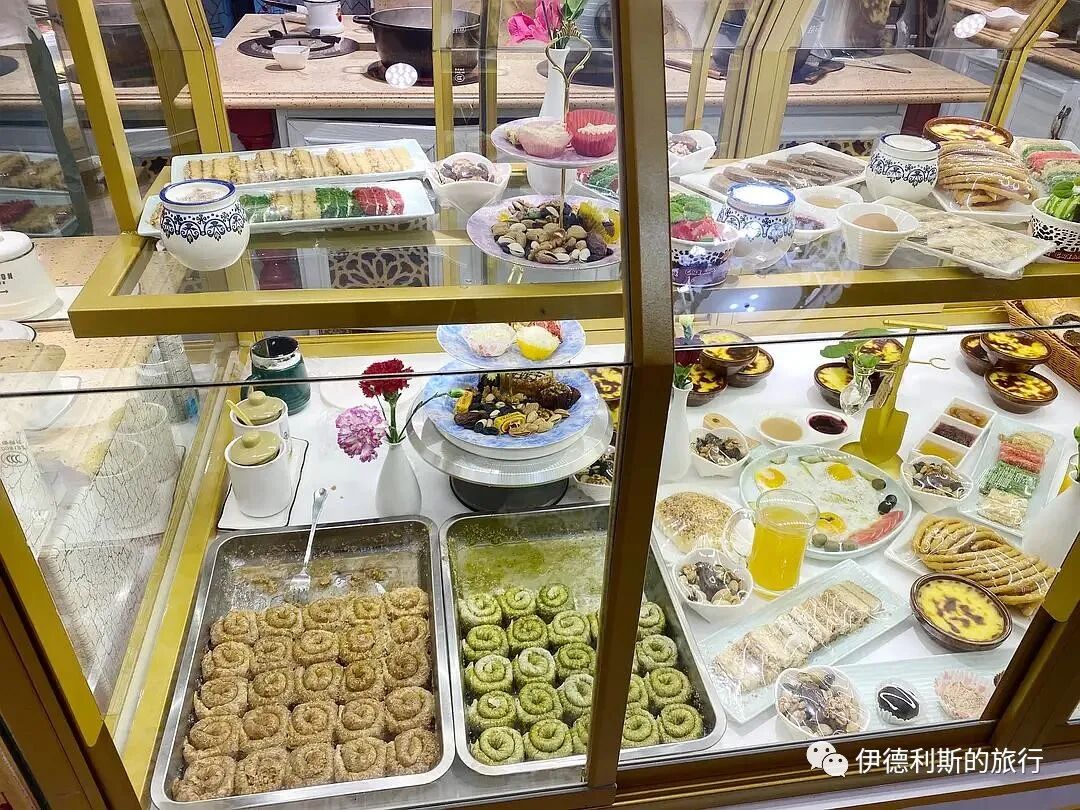
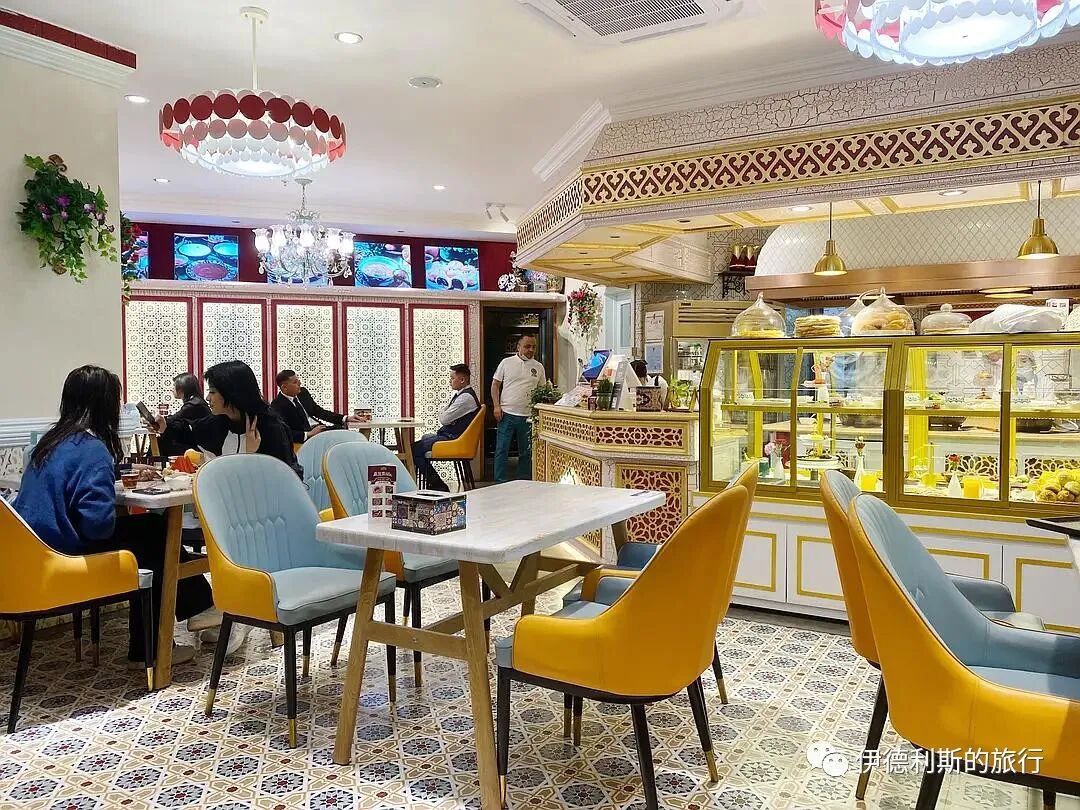
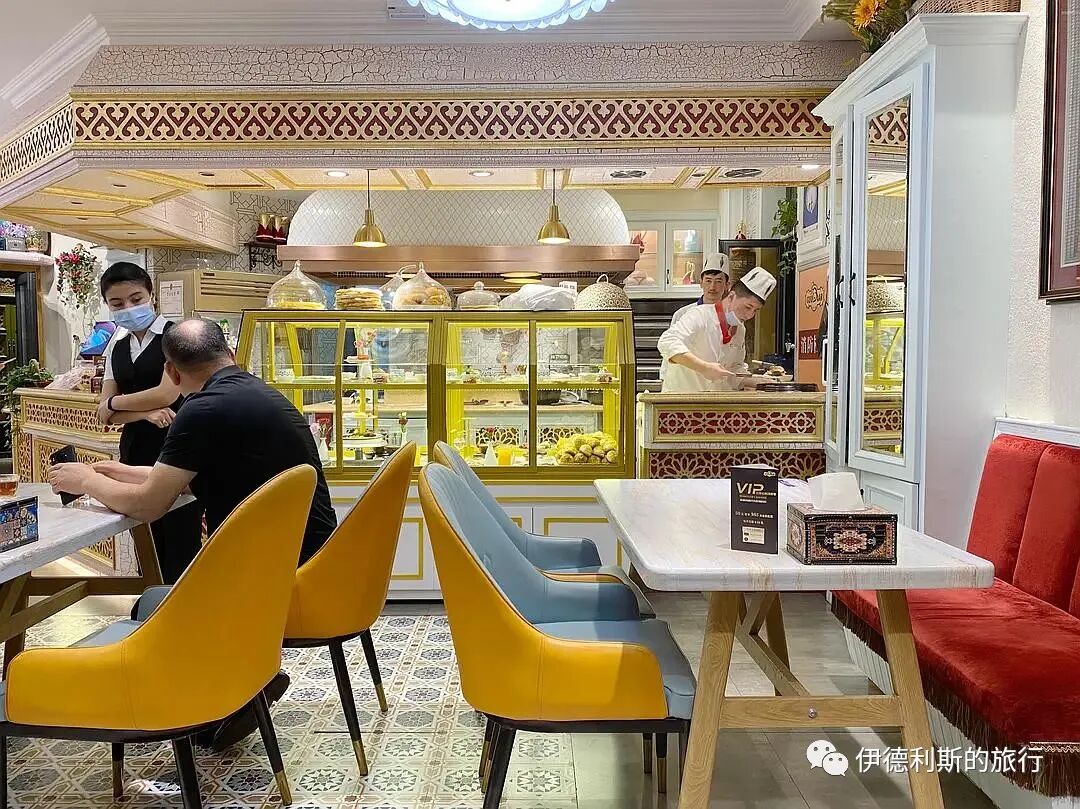
At Maihualang on Xinhua South Road, I ate baklava, milk rice pudding, and pure suannai-zi (yogurt). Their place is really cheap and has a great atmosphere; it felt like I was back in a Turkish dessert shop for a second!
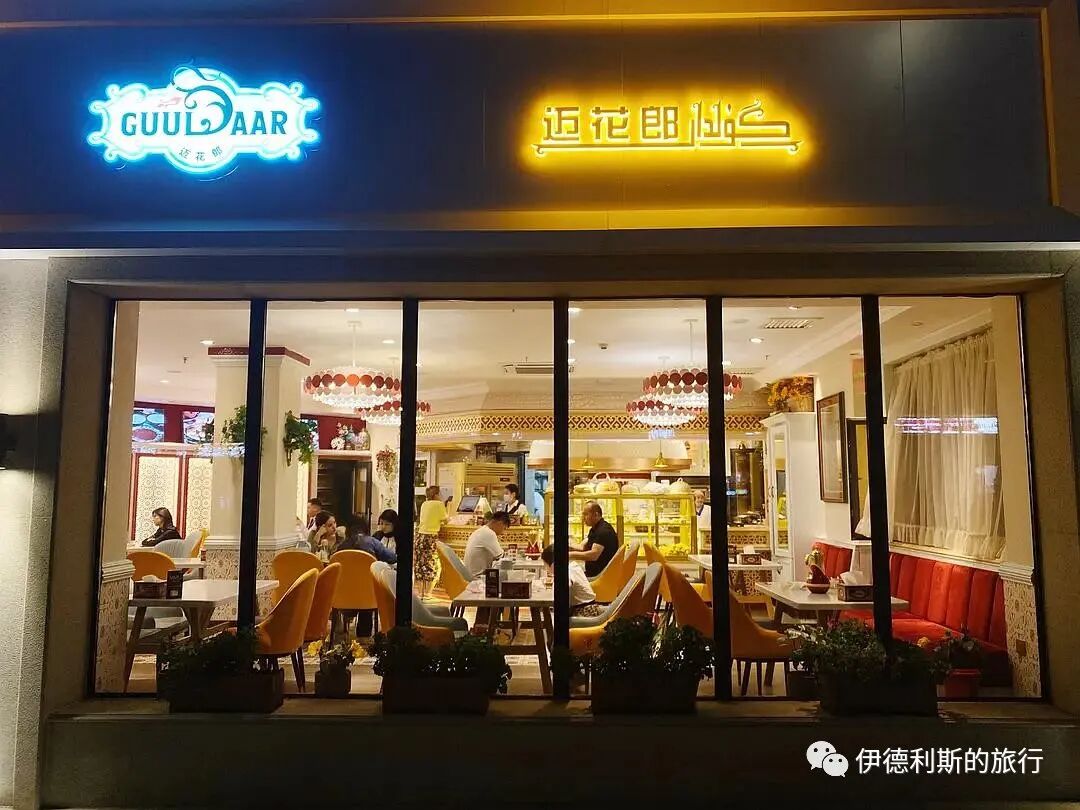
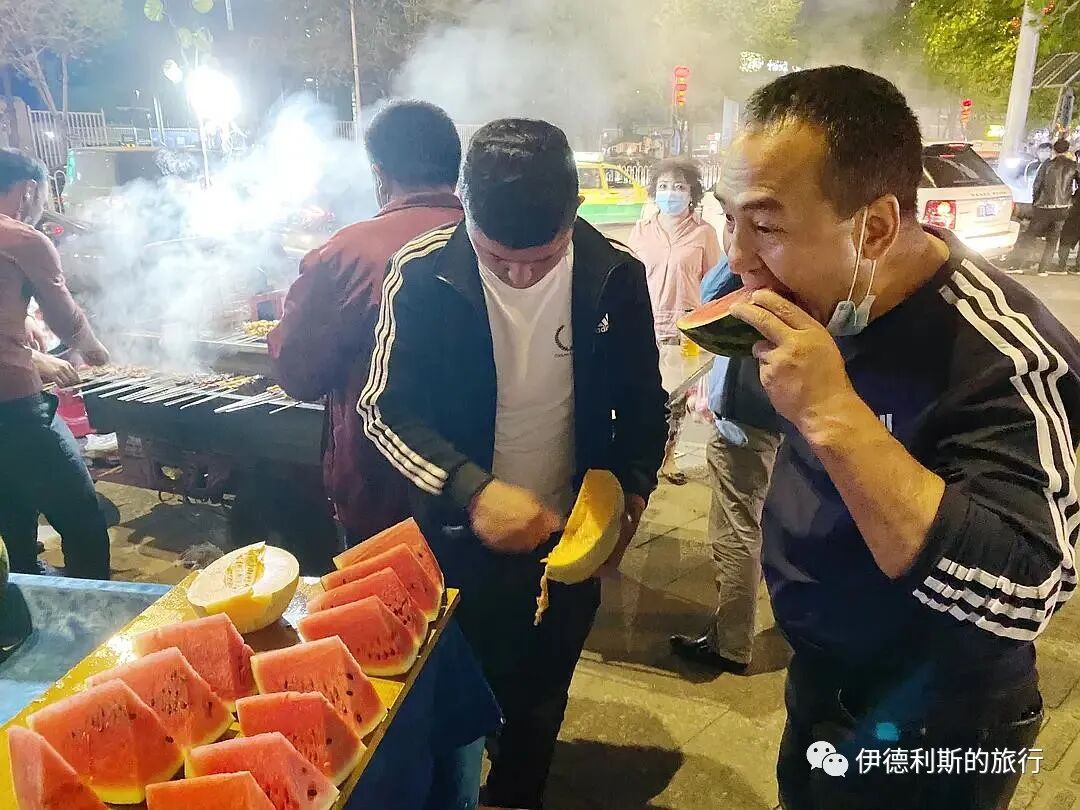
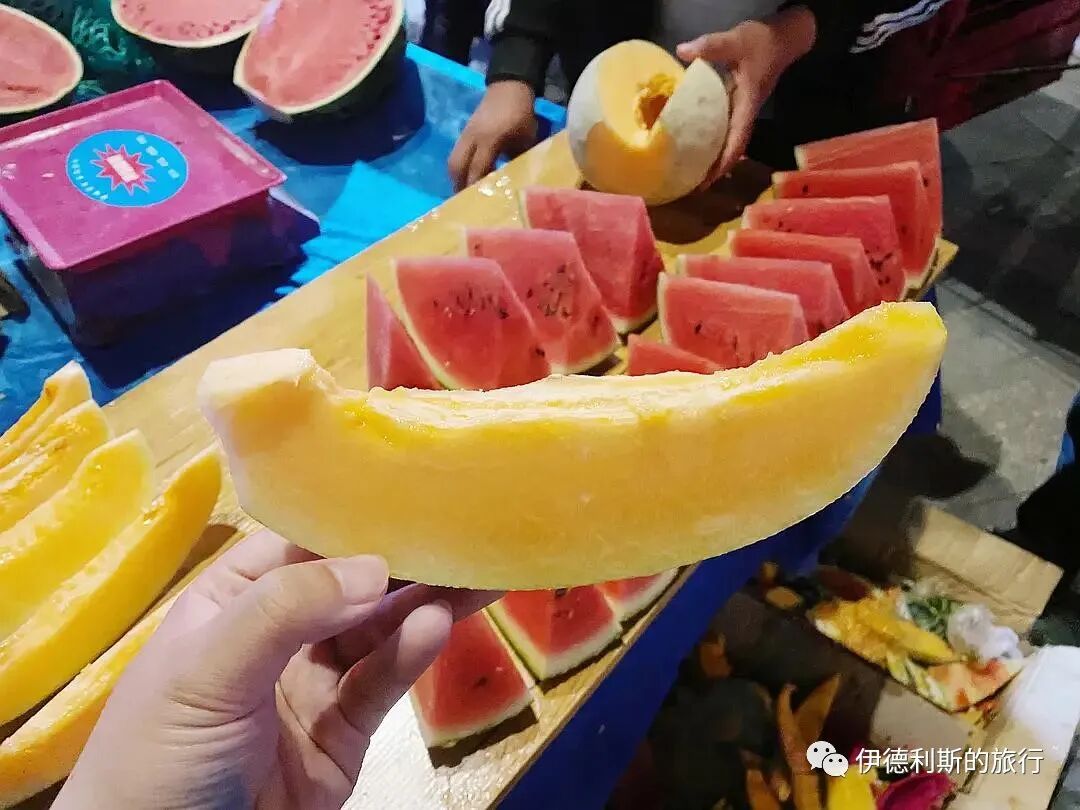
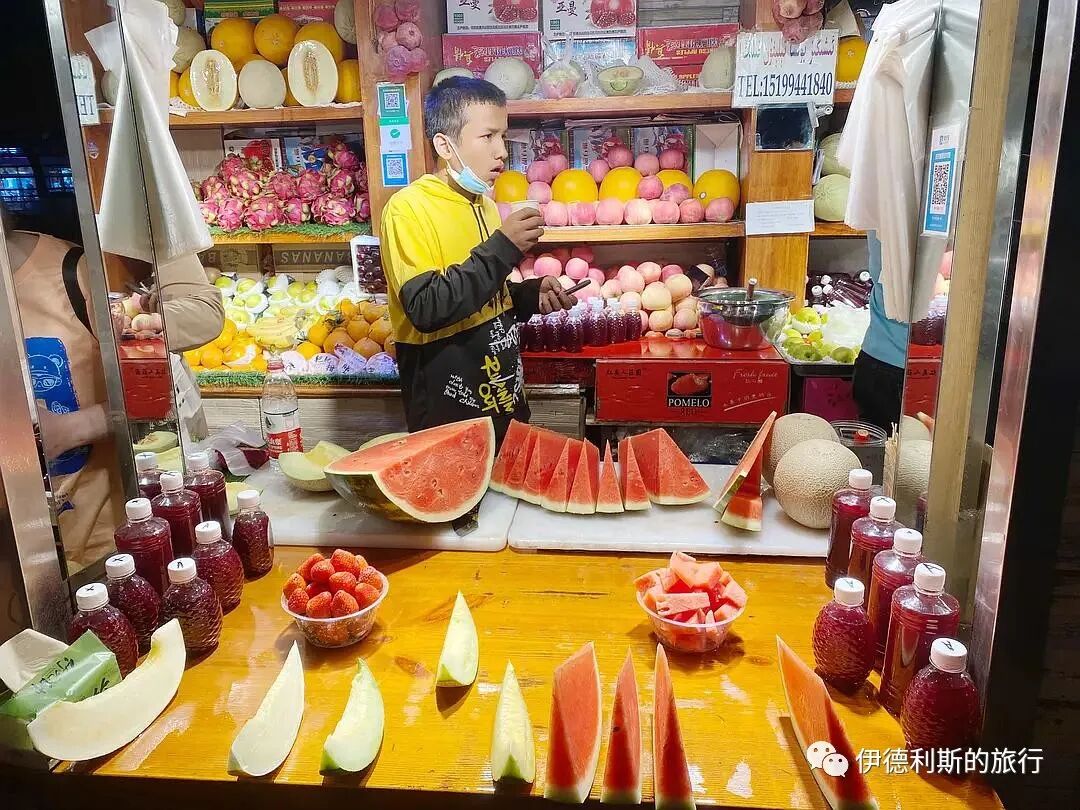
Melon stall at the west entrance of Lingguan Lane
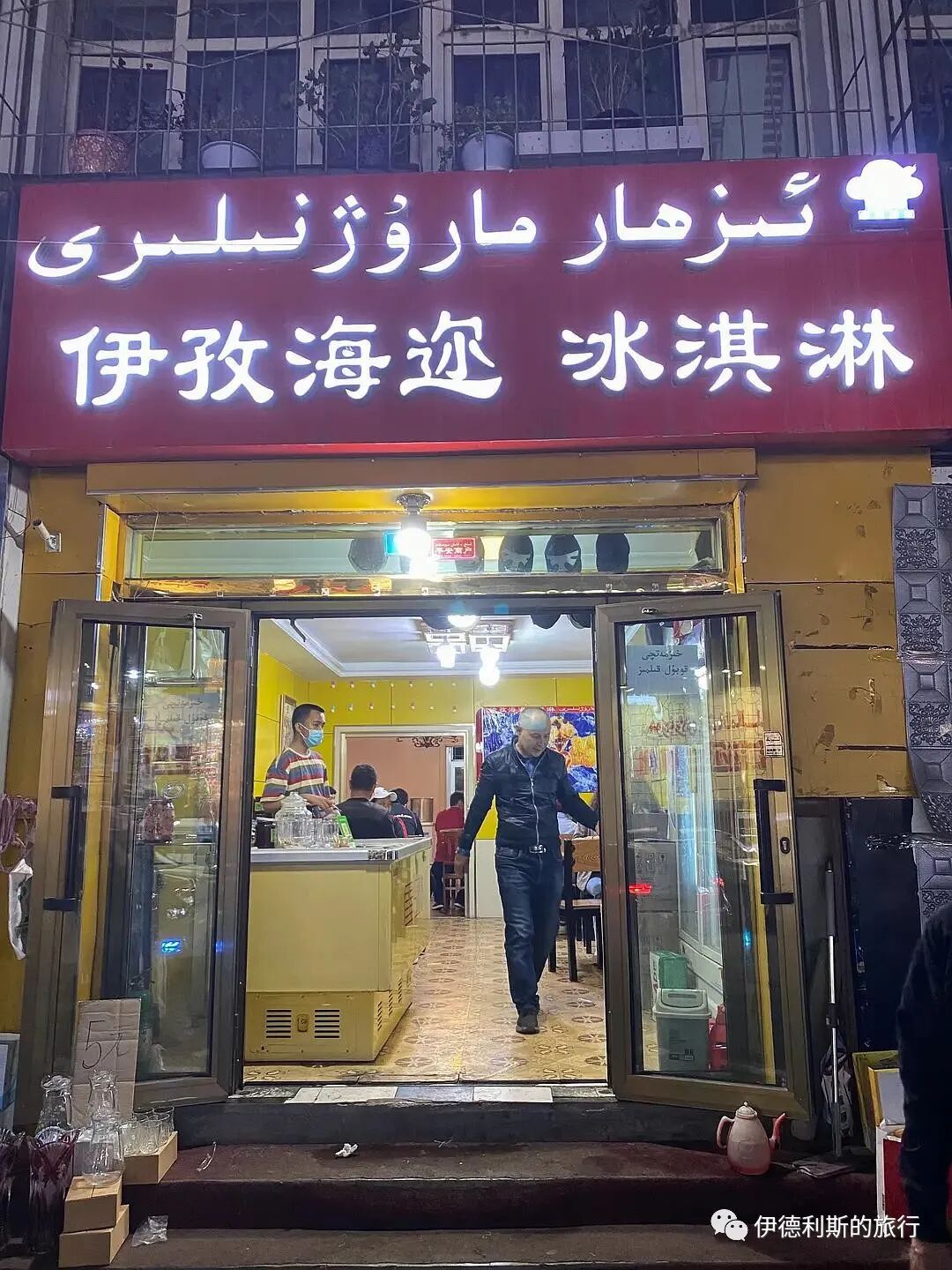
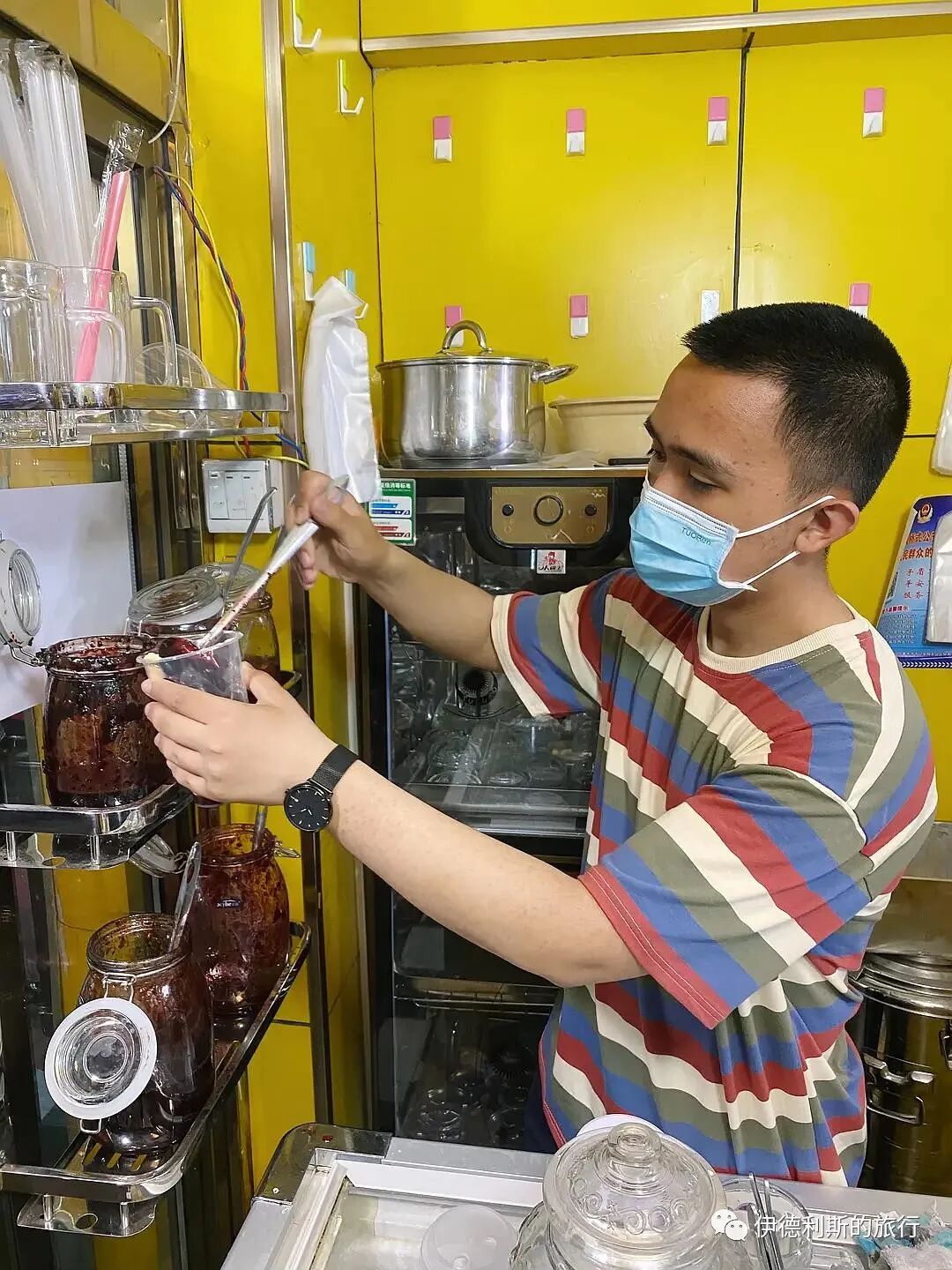
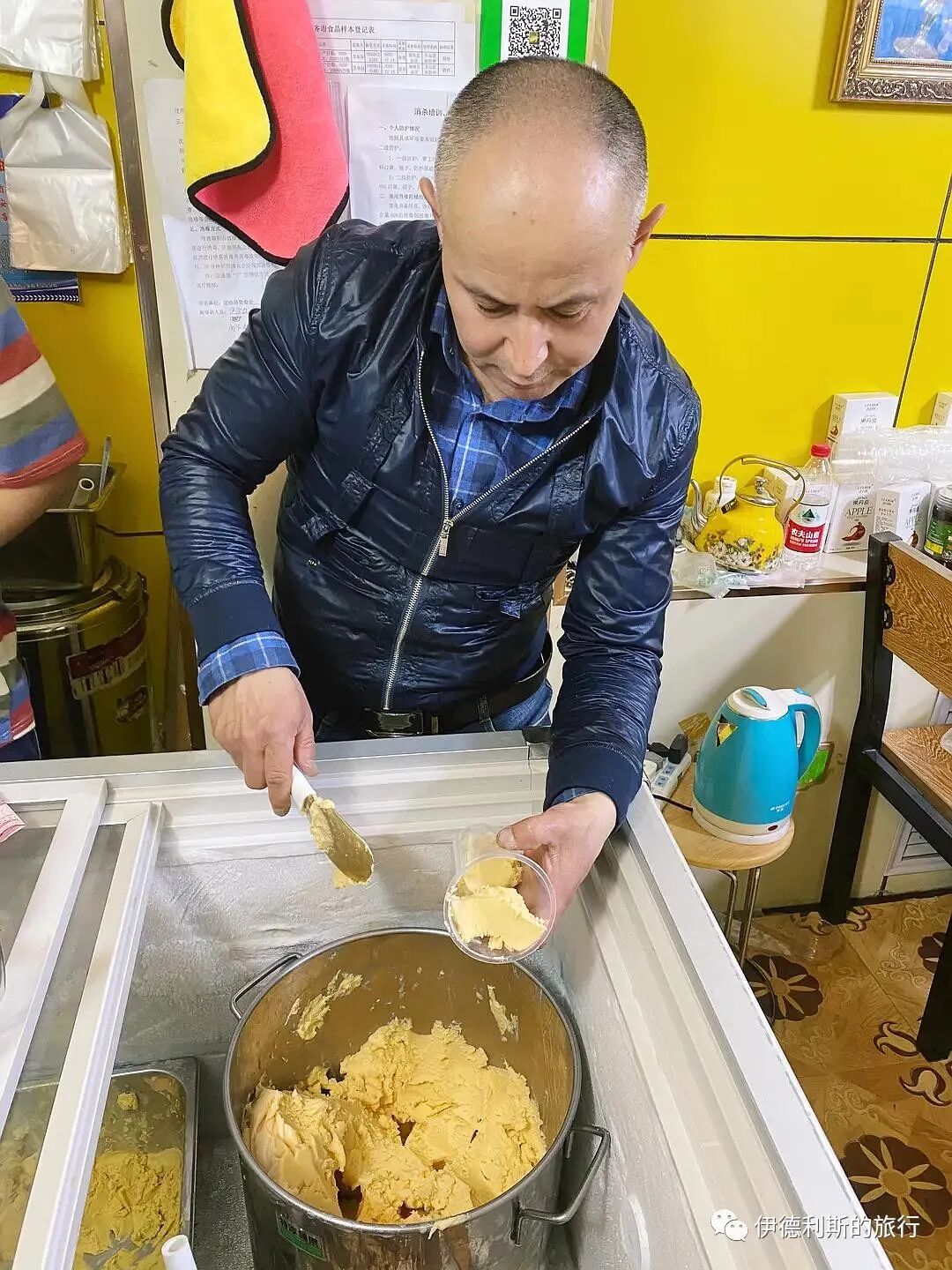
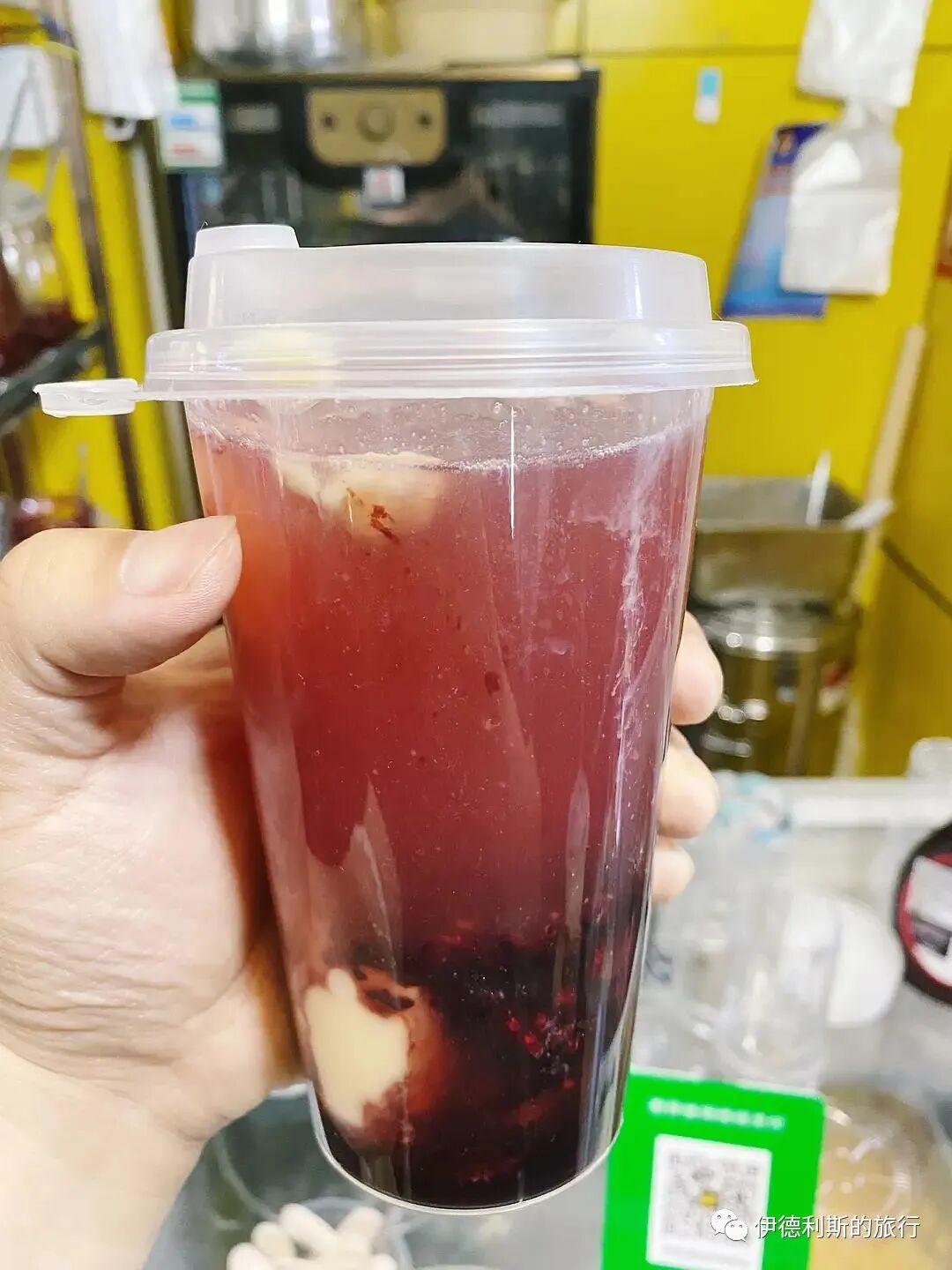
Ice cream with fruit jam and iced water from Yizihaier Ice Cream in Lingguan Lane
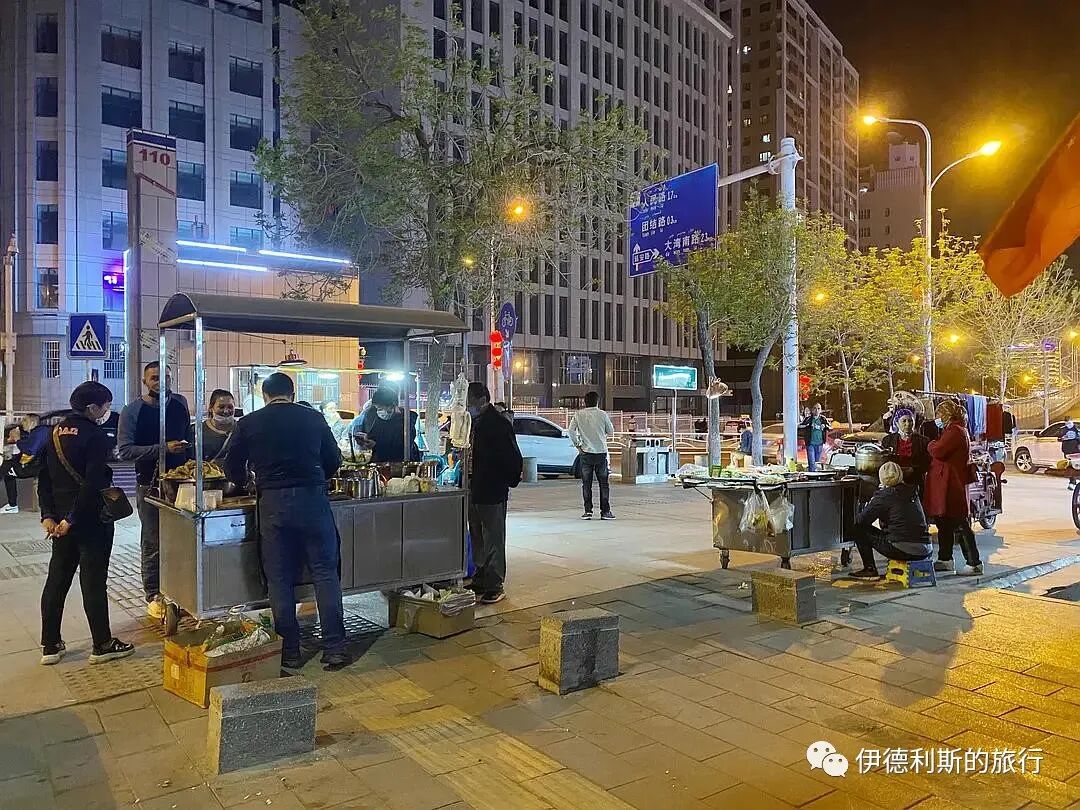
Night market at the west entrance of Lingguan Lane
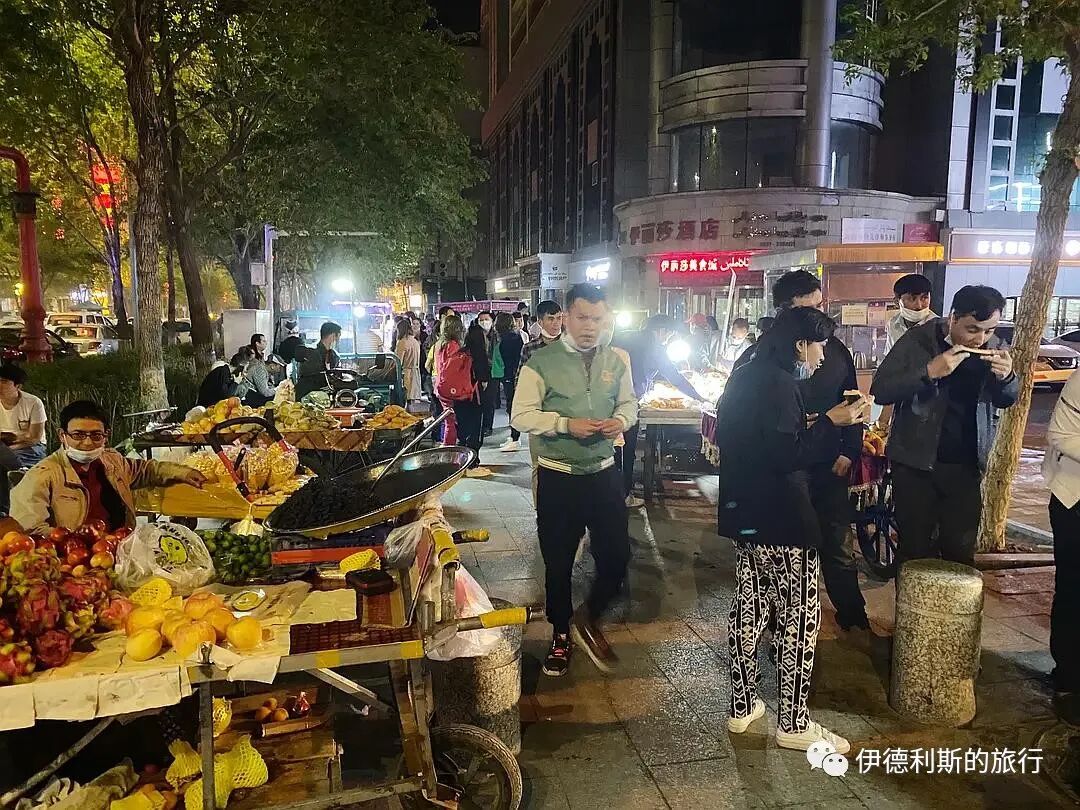
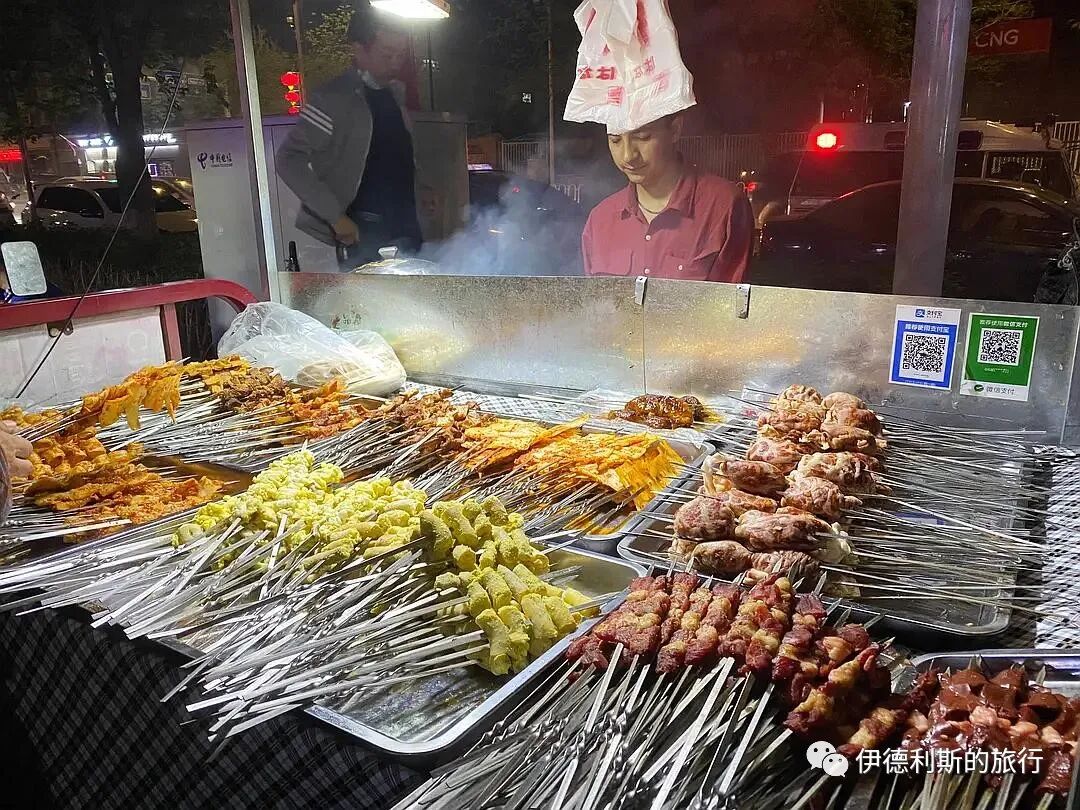
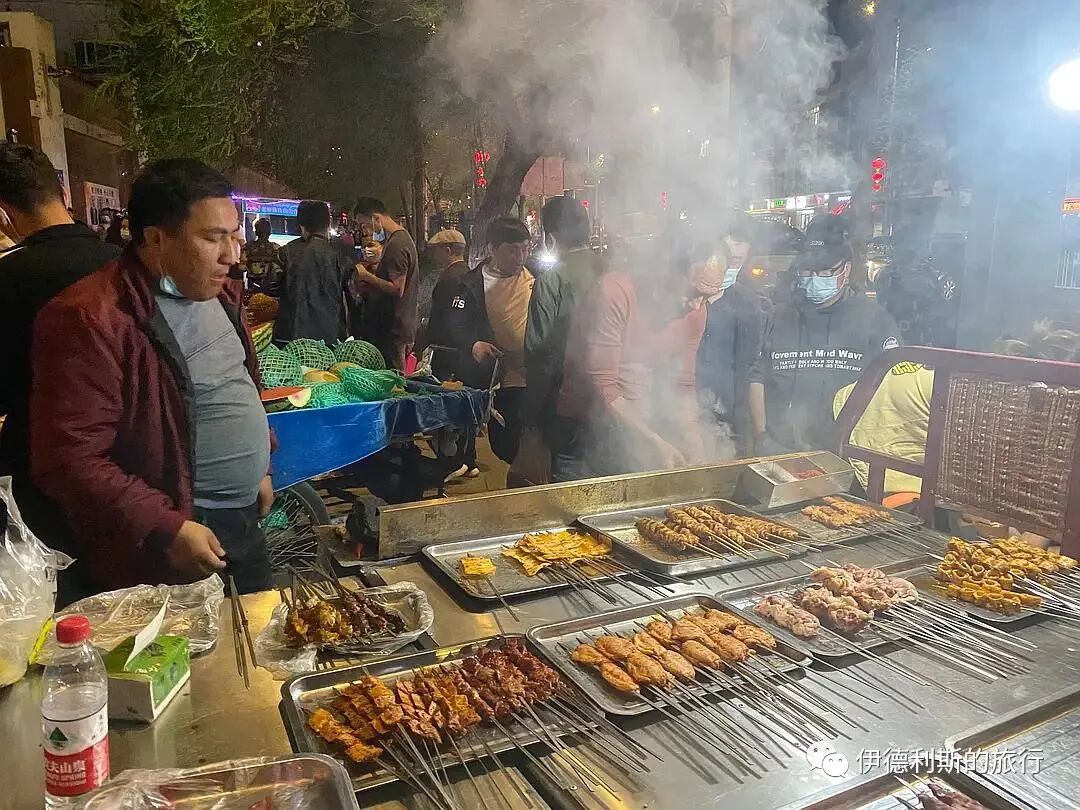
Lingguan Lane Night Market
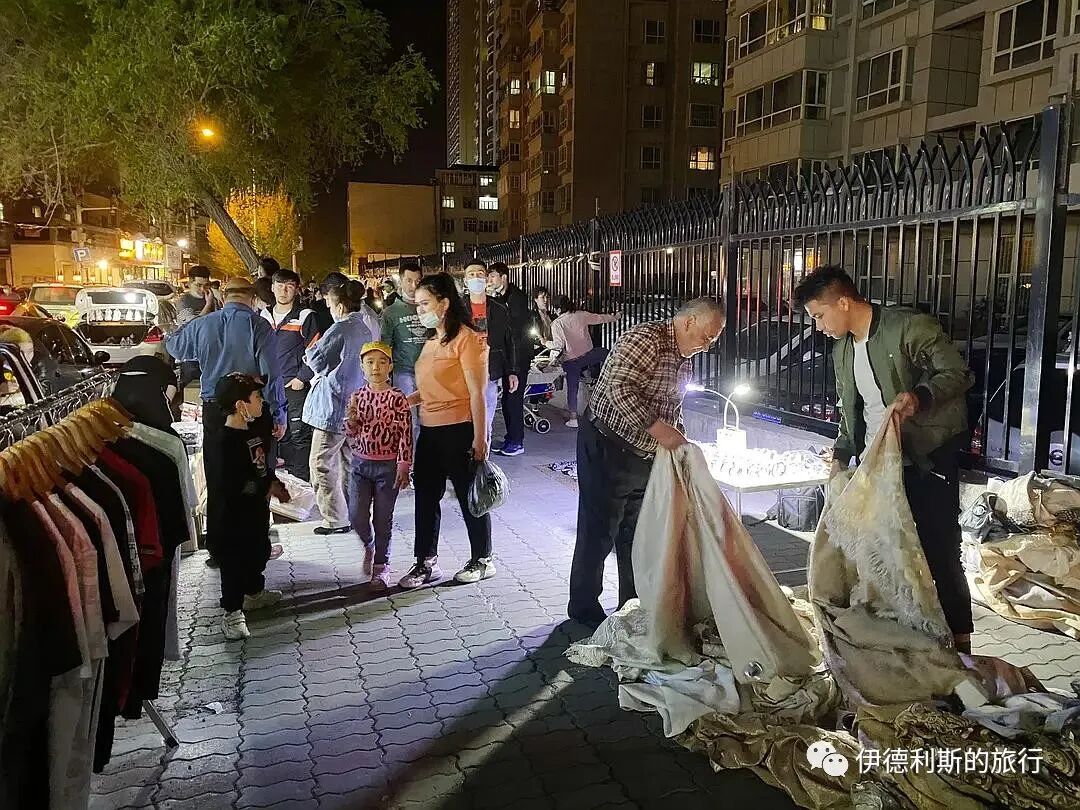
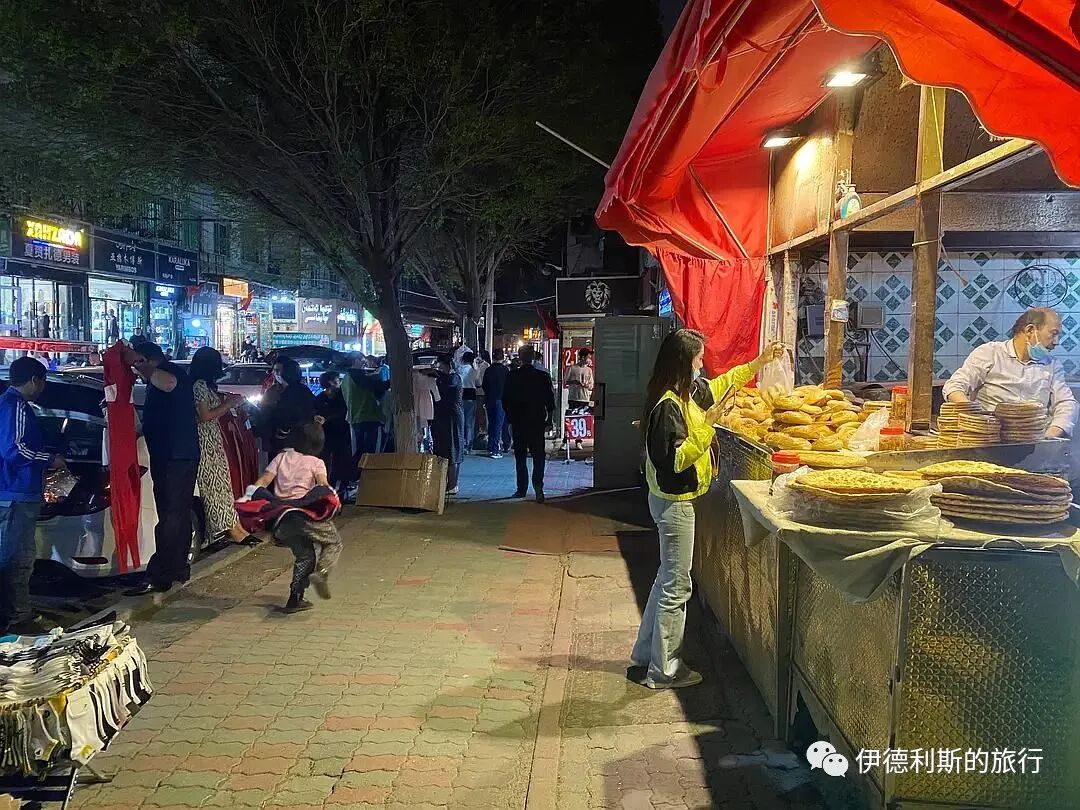
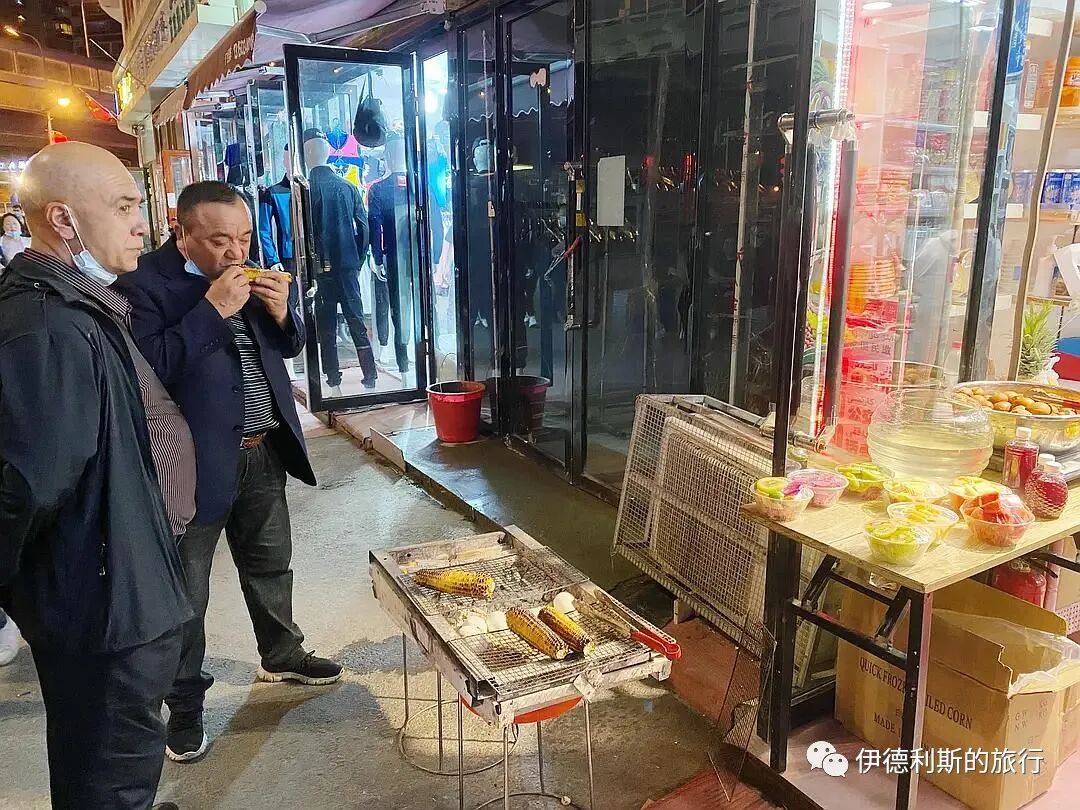
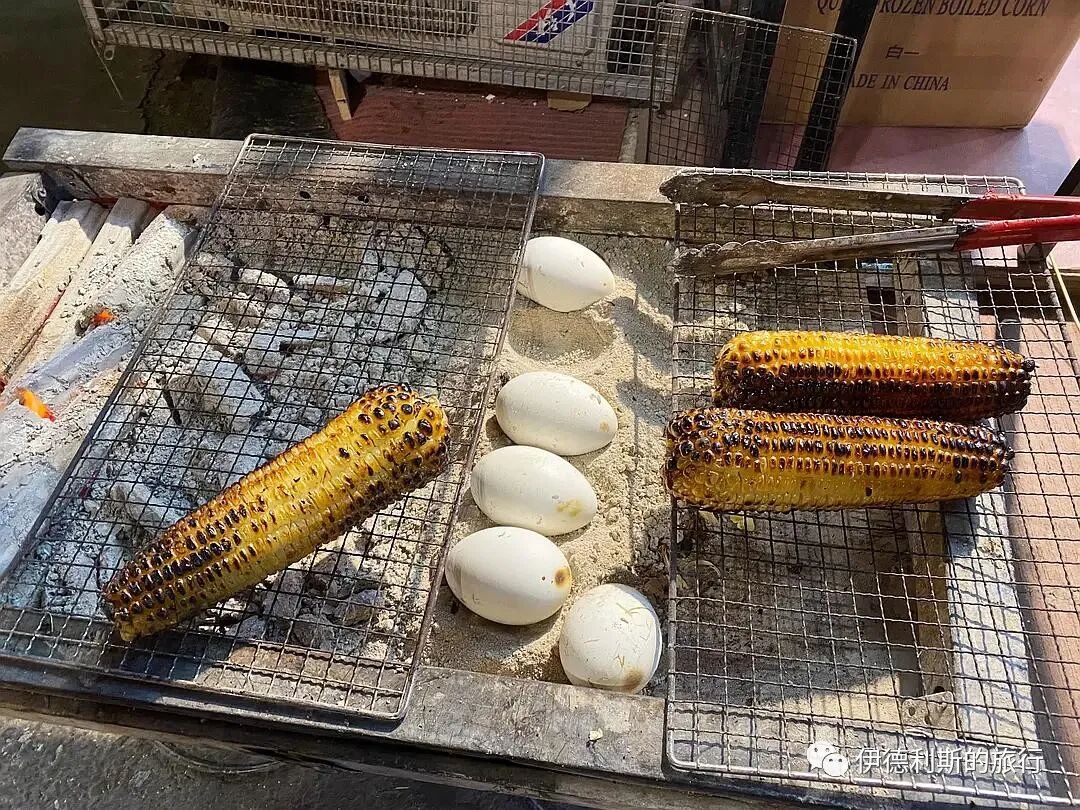
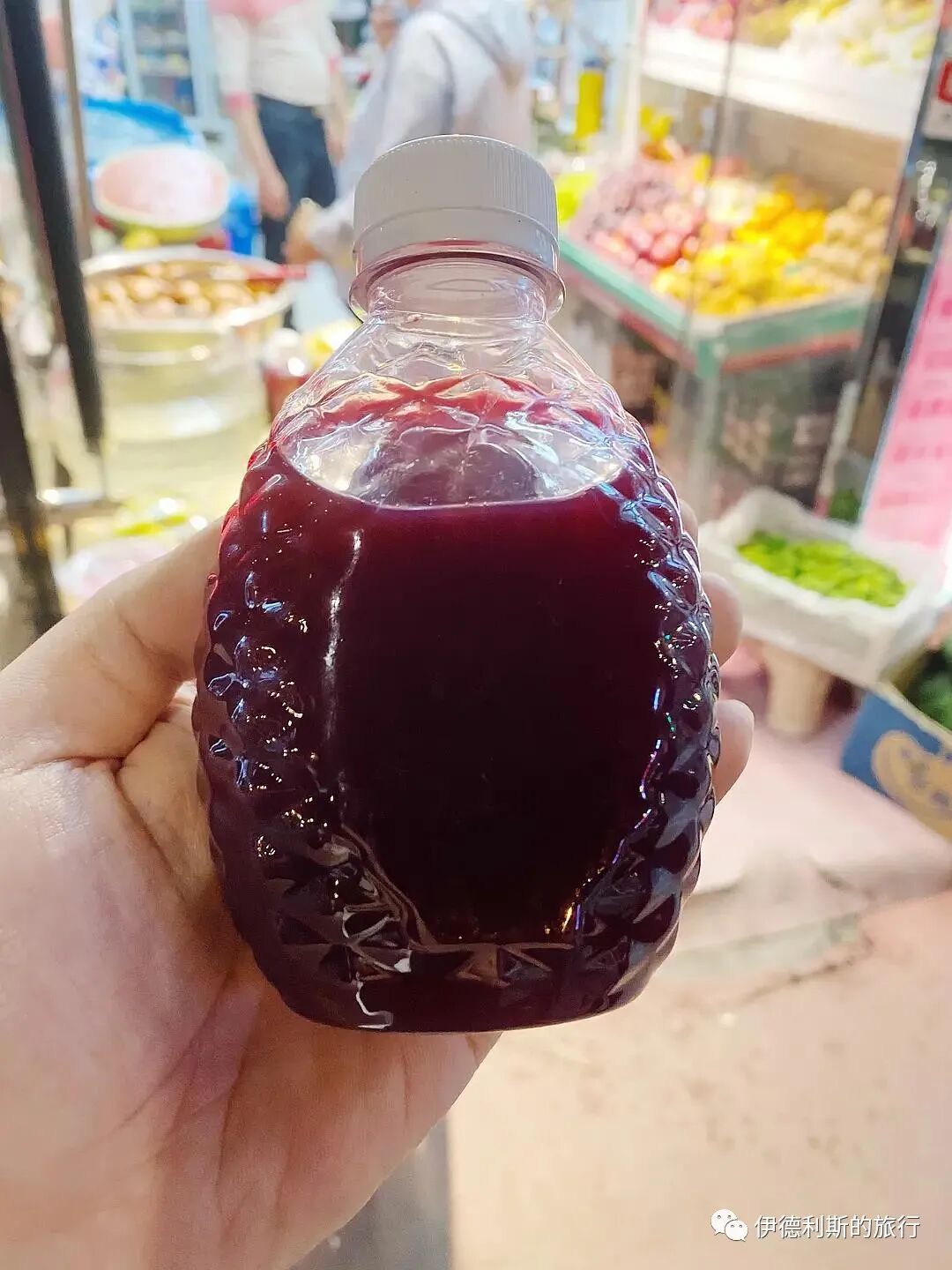
Roasted goose eggs and pomegranate juice on Shengli Road
Hotan suannai zongzi (yogurt sticky rice dumplings) and shaved ice with yogurt syrup on Heba Lane. The taste is a bit different from the shaved ice in Yili, and it feels like Hotan suannai zongzi have become more common in Urumqi again this year.
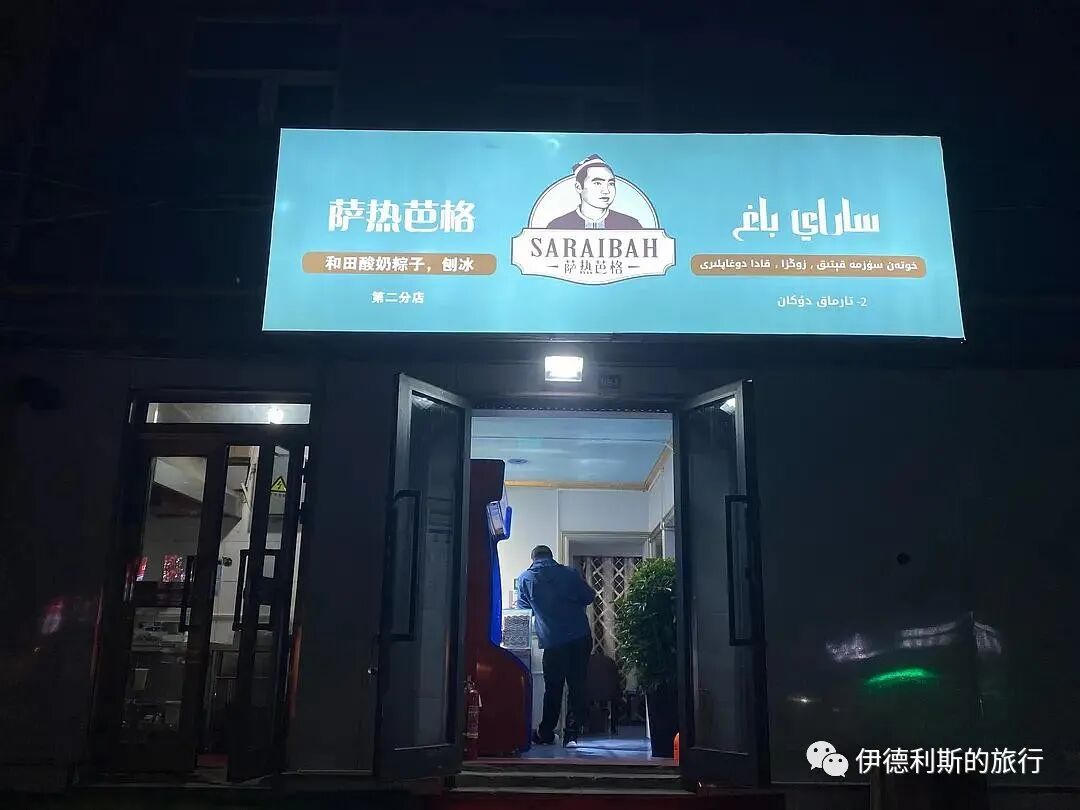
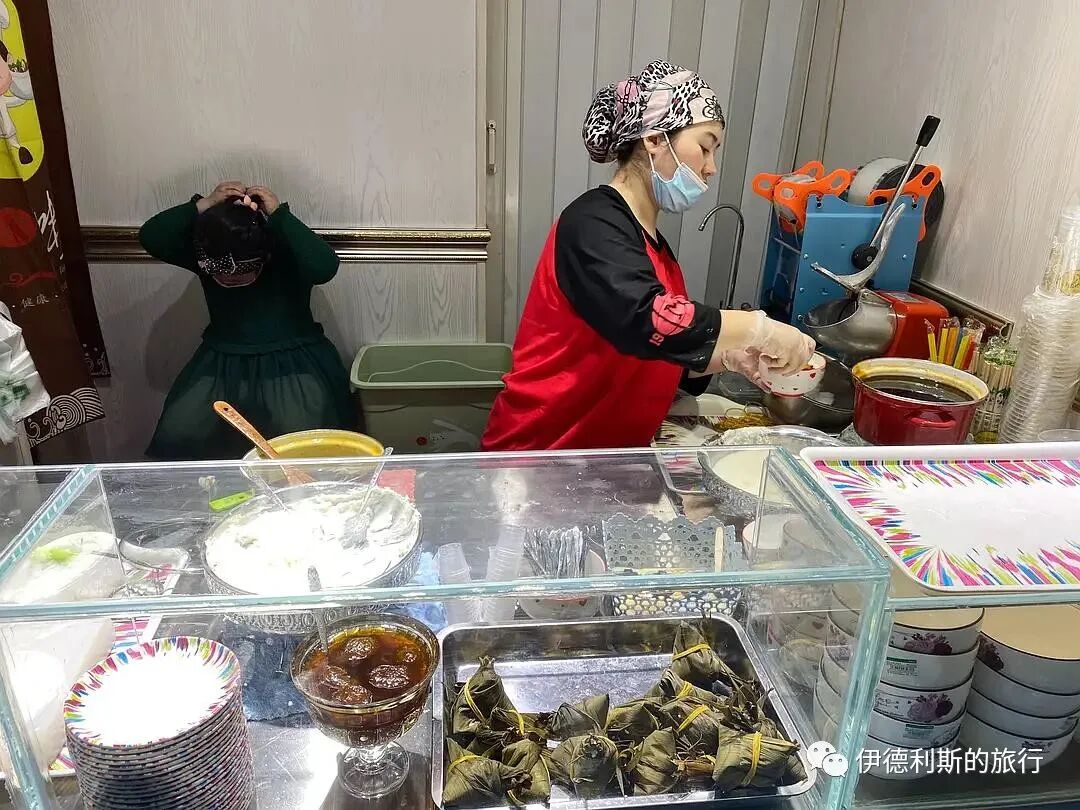
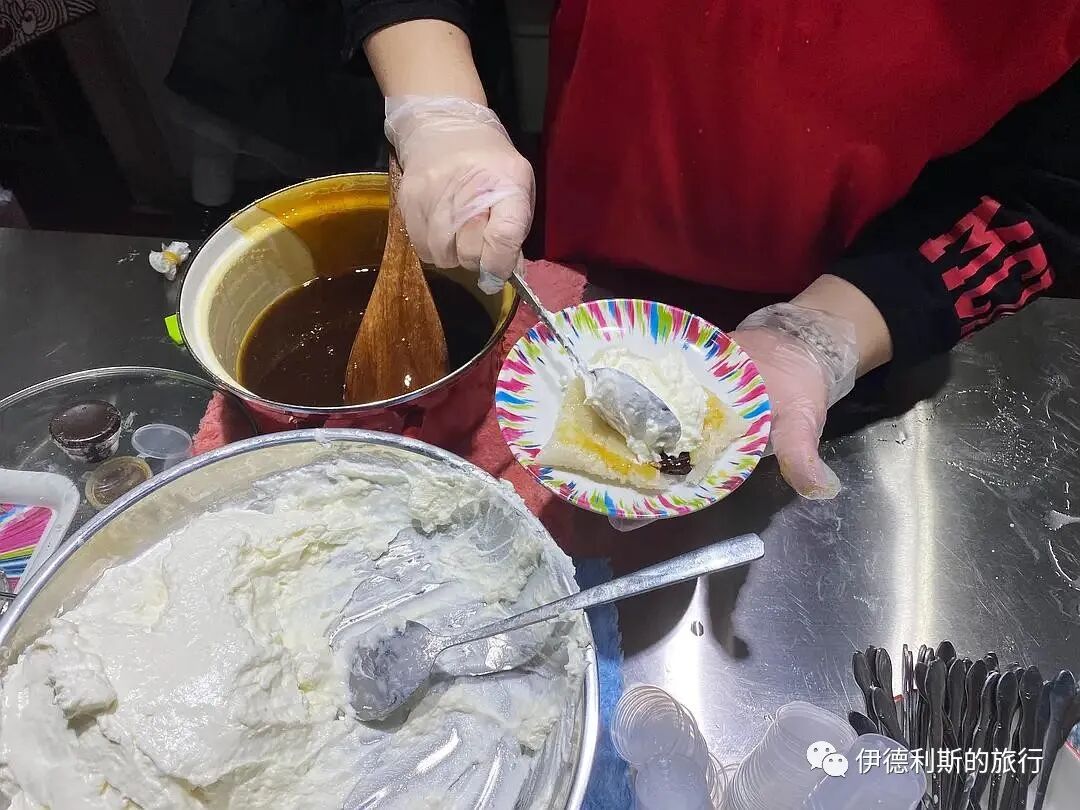
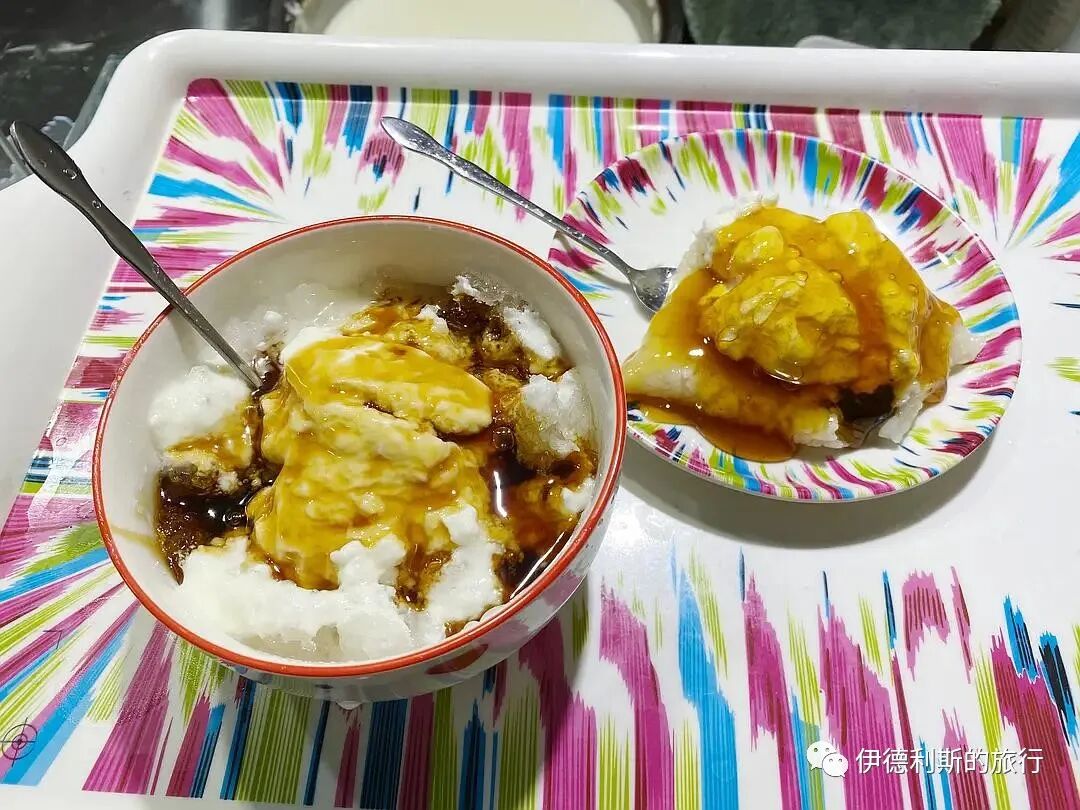
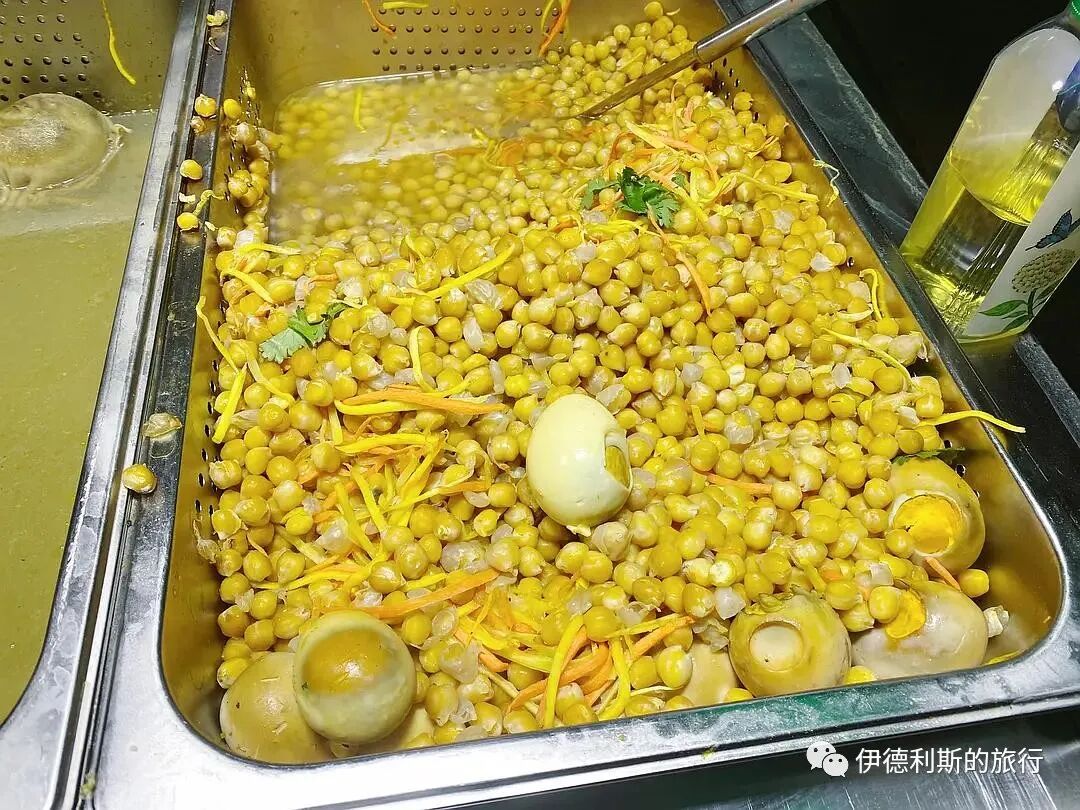
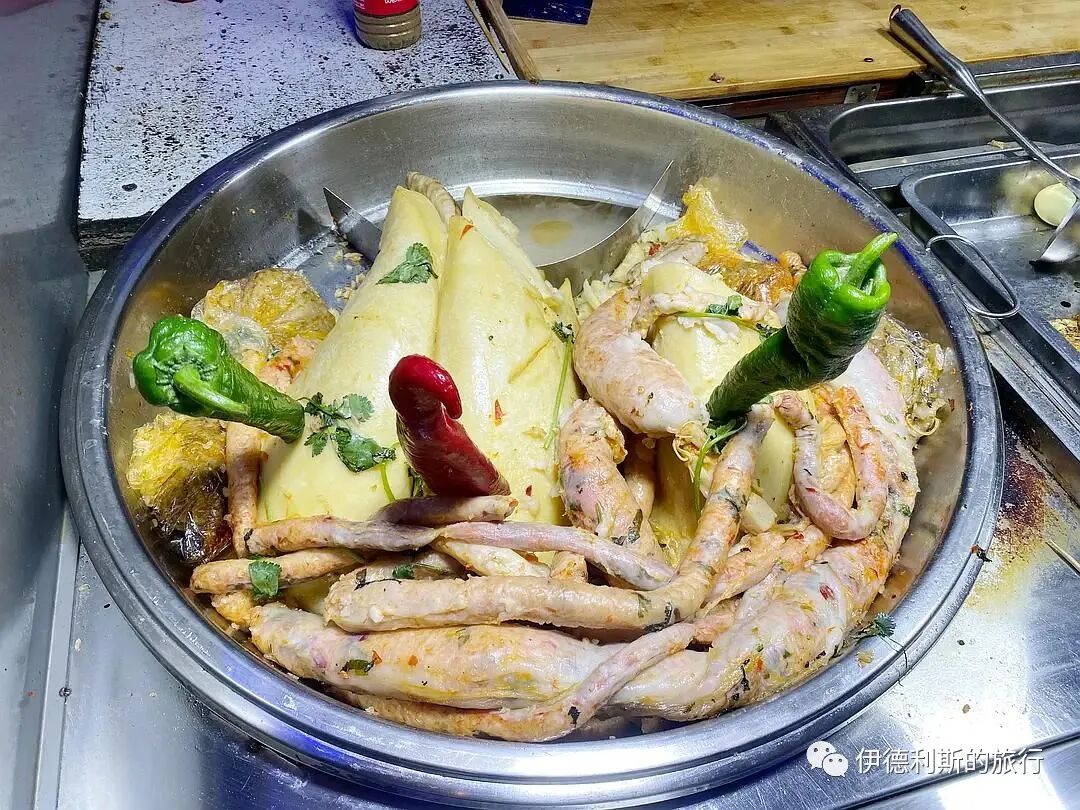
Chickpeas on Heba Lane, served with the broth from michangzi (rice-stuffed intestines) and mianfeizi (lung-stuffed intestines).
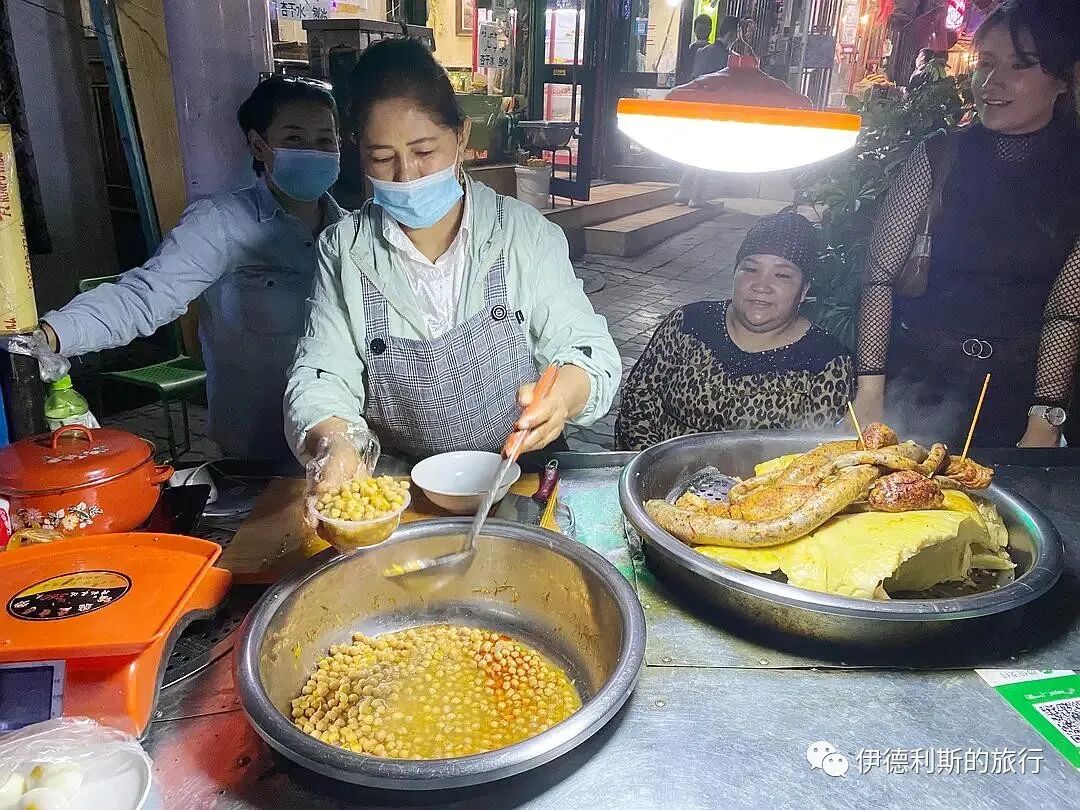
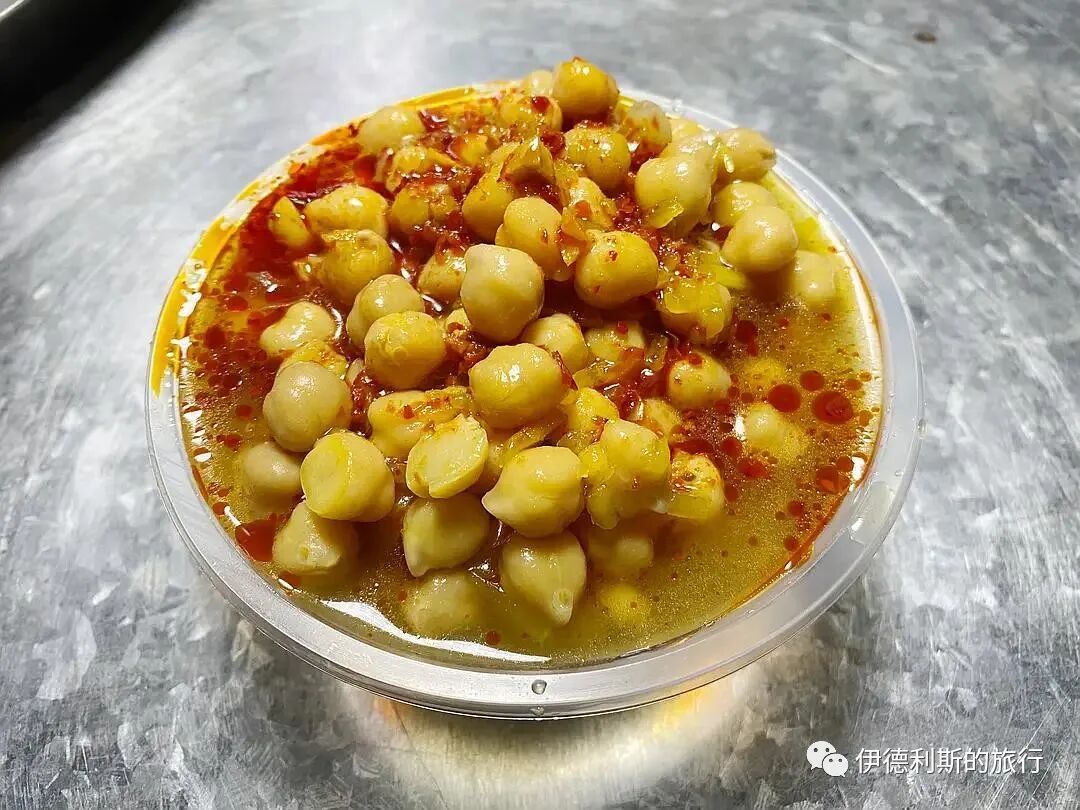
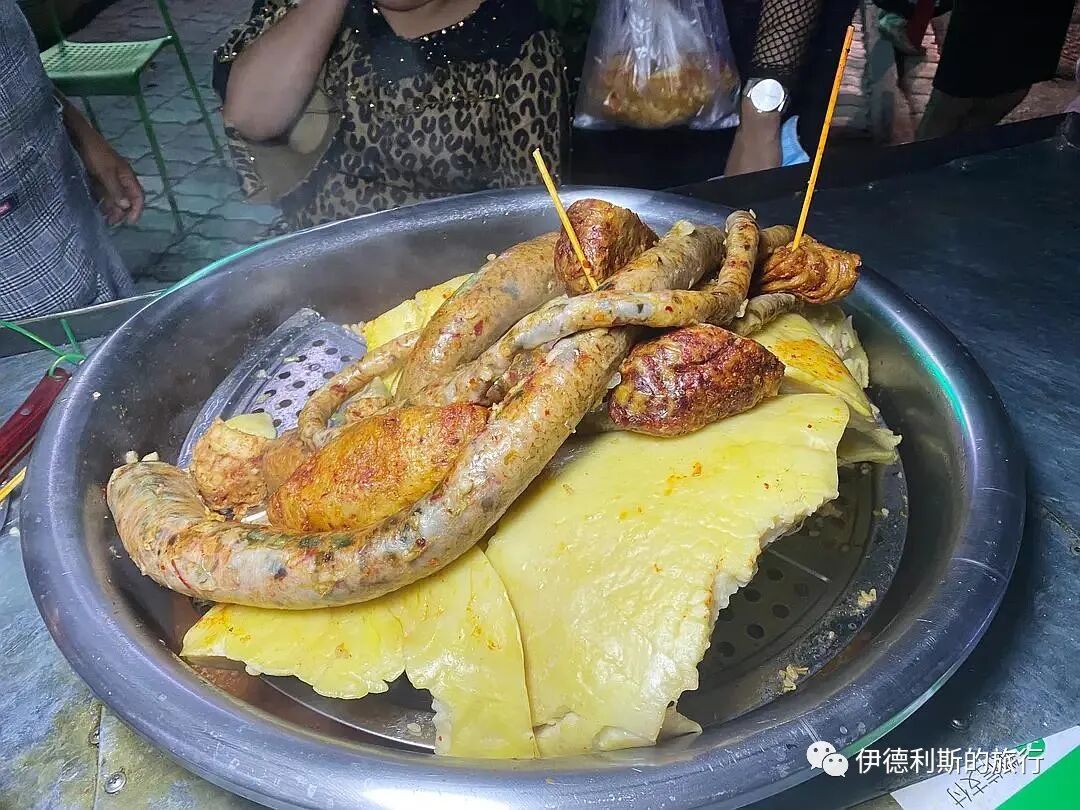
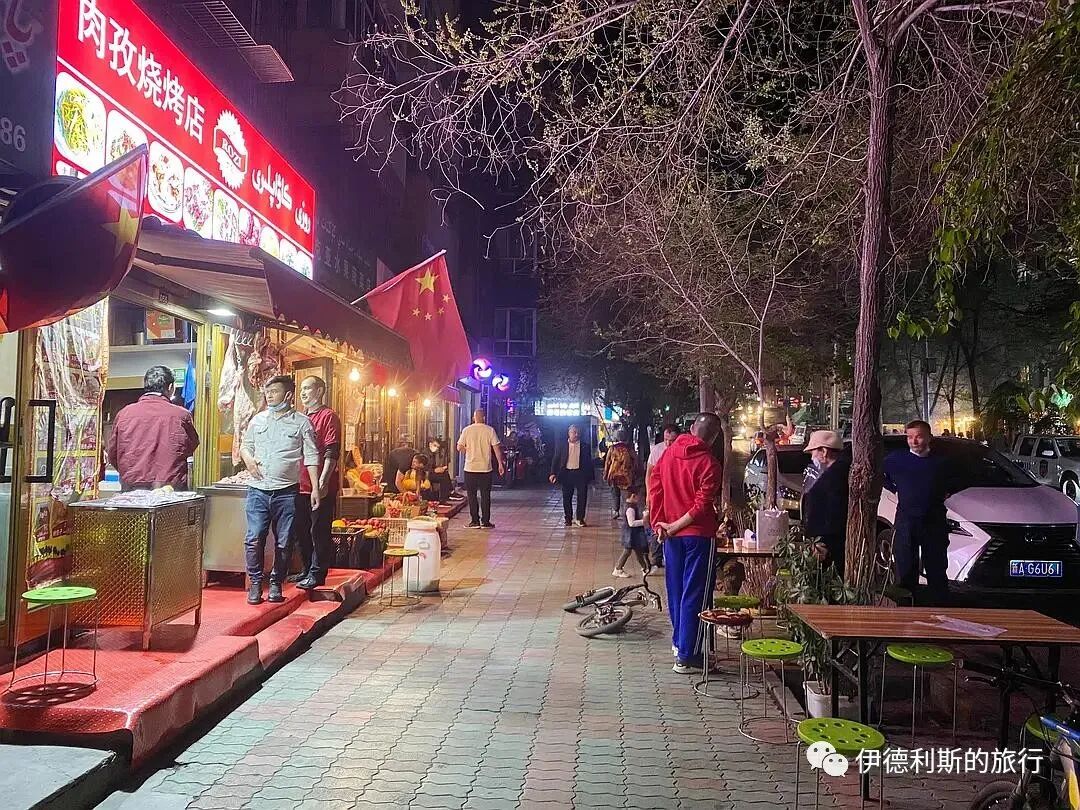
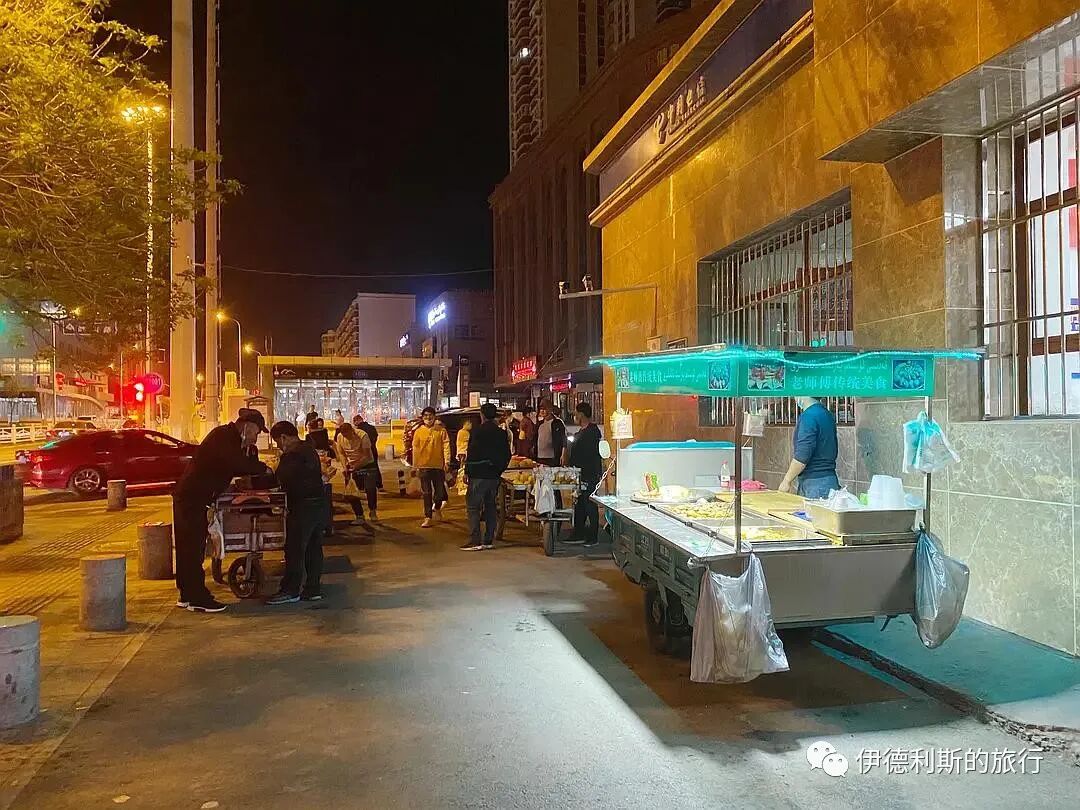
Heba Lane at night
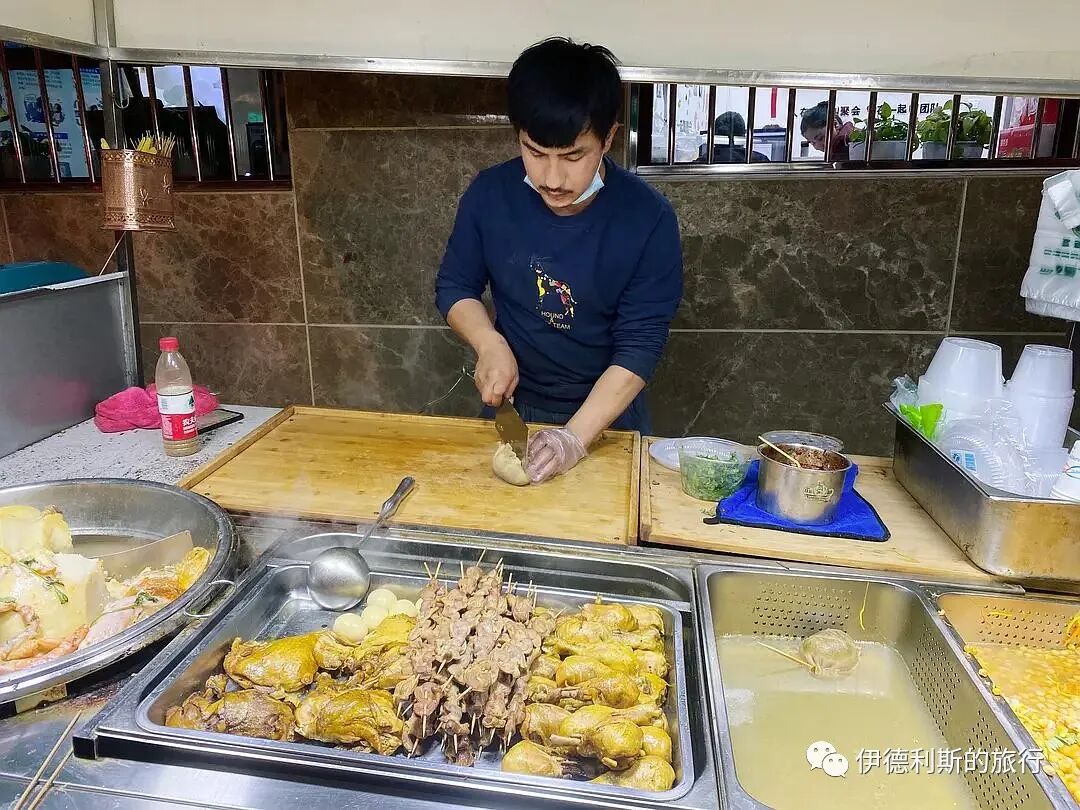
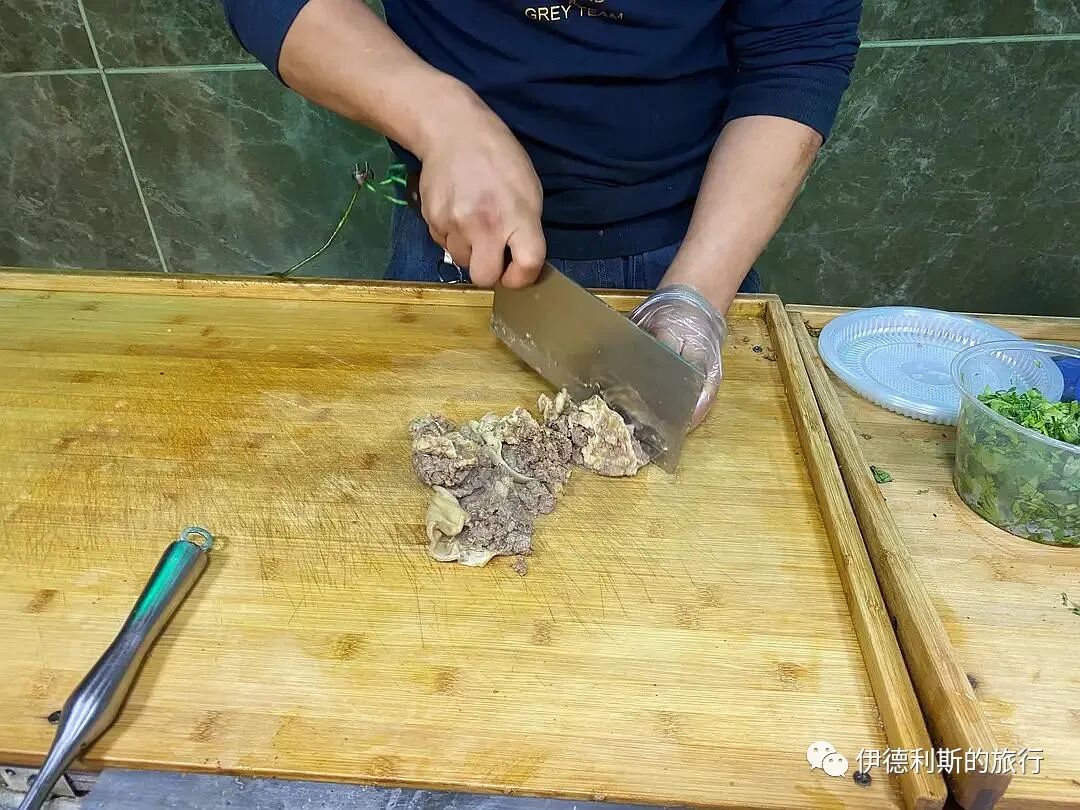
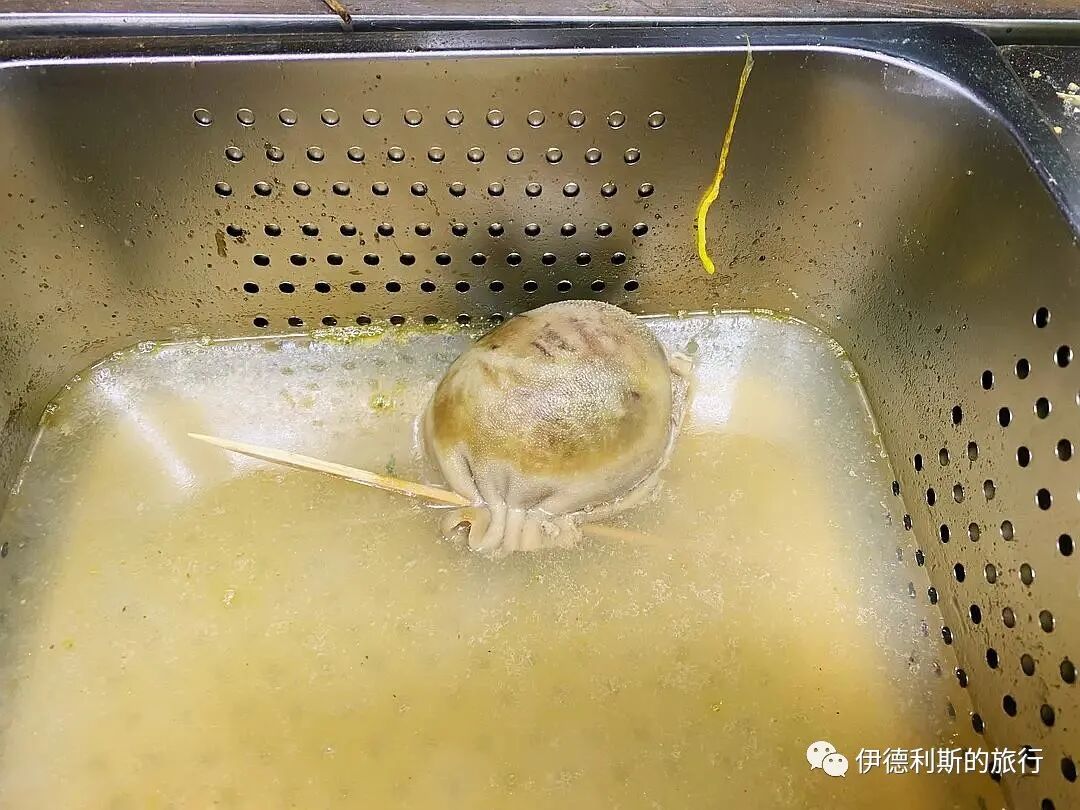
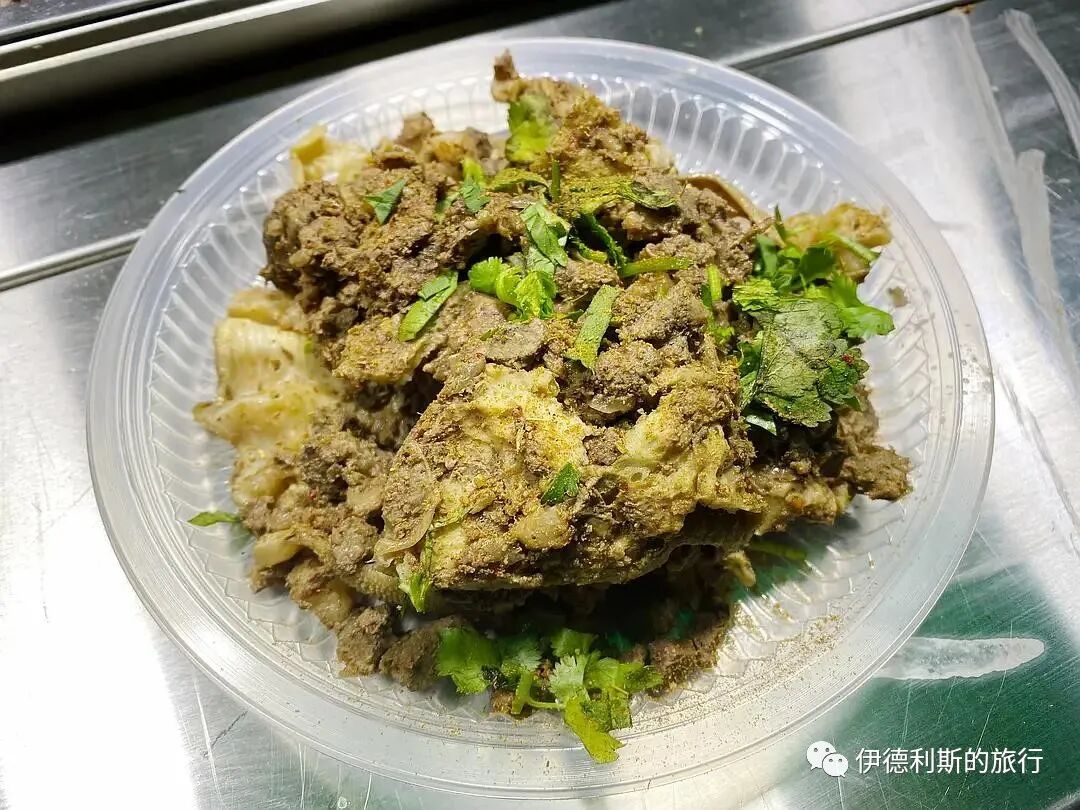
Eating dubao-rou (stomach-wrapped meat) at the night market at the east entrance of Heba Lane. The outside is lamb stomach, and the inside is lamb meat, liver, heart, and kidney; it was delicious. Dubao-rou is more common in Southern Xinjiang, but now you see it often in Urumqi night markets too. Their michangzi, mianfeizi, and chickpeas also looked so good!
A popular fruit shop on Shengli Road where I ate melon, drank pomegranate juice, and had fruit shaved ice; I've been there several times before.
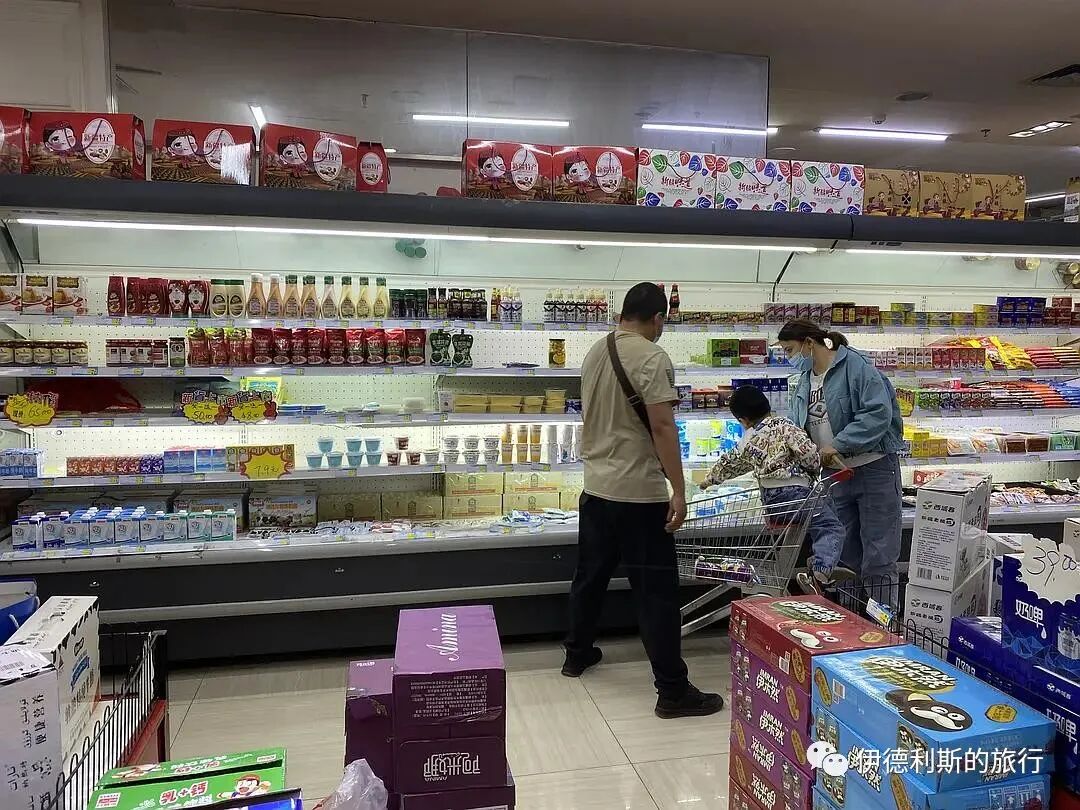
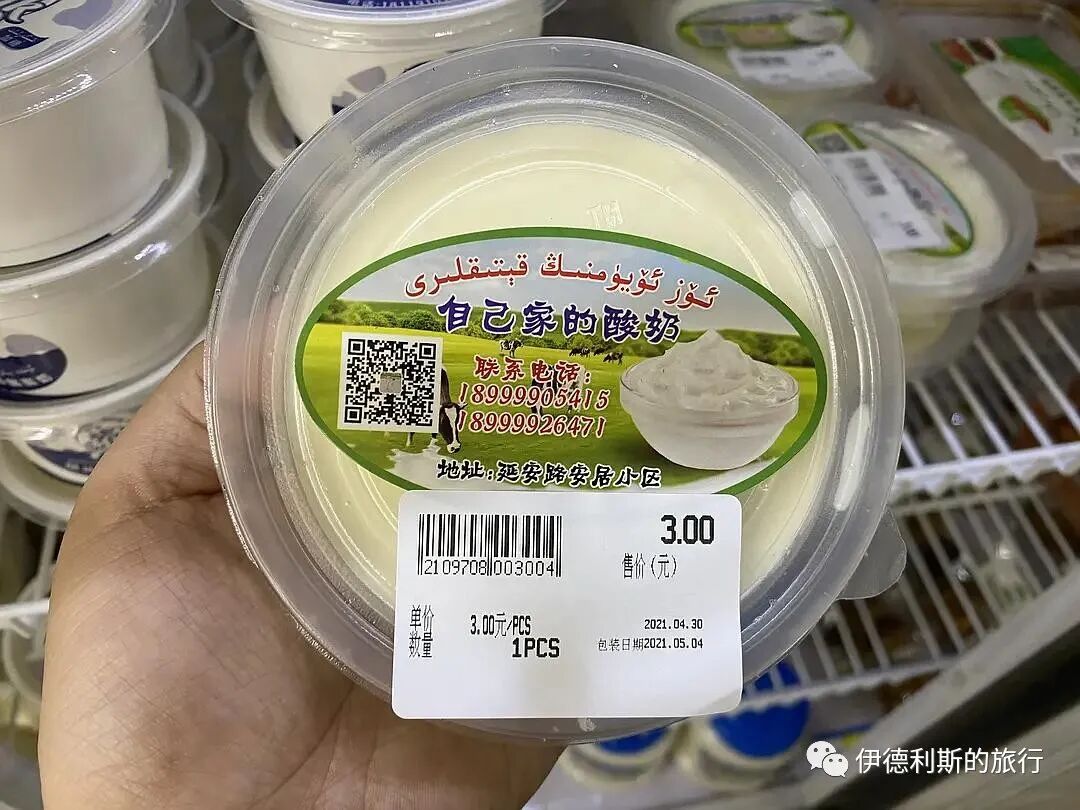
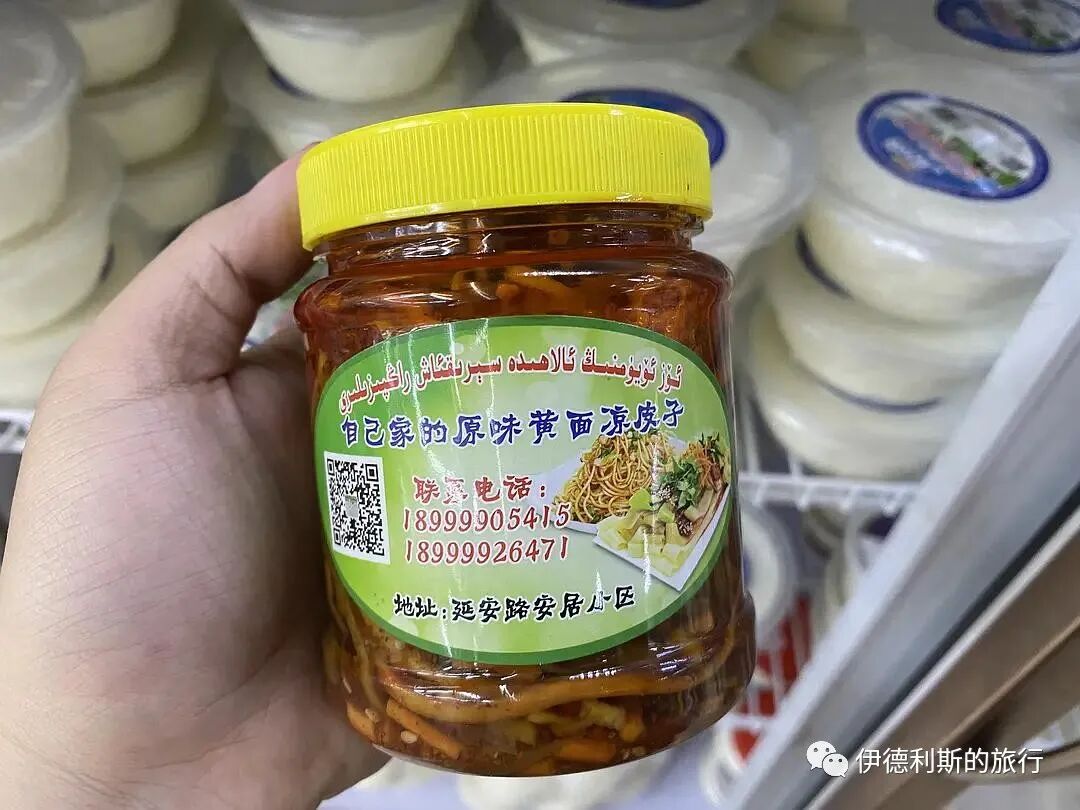
A supermarket on Xinhua South Road, it's really great.
May 1
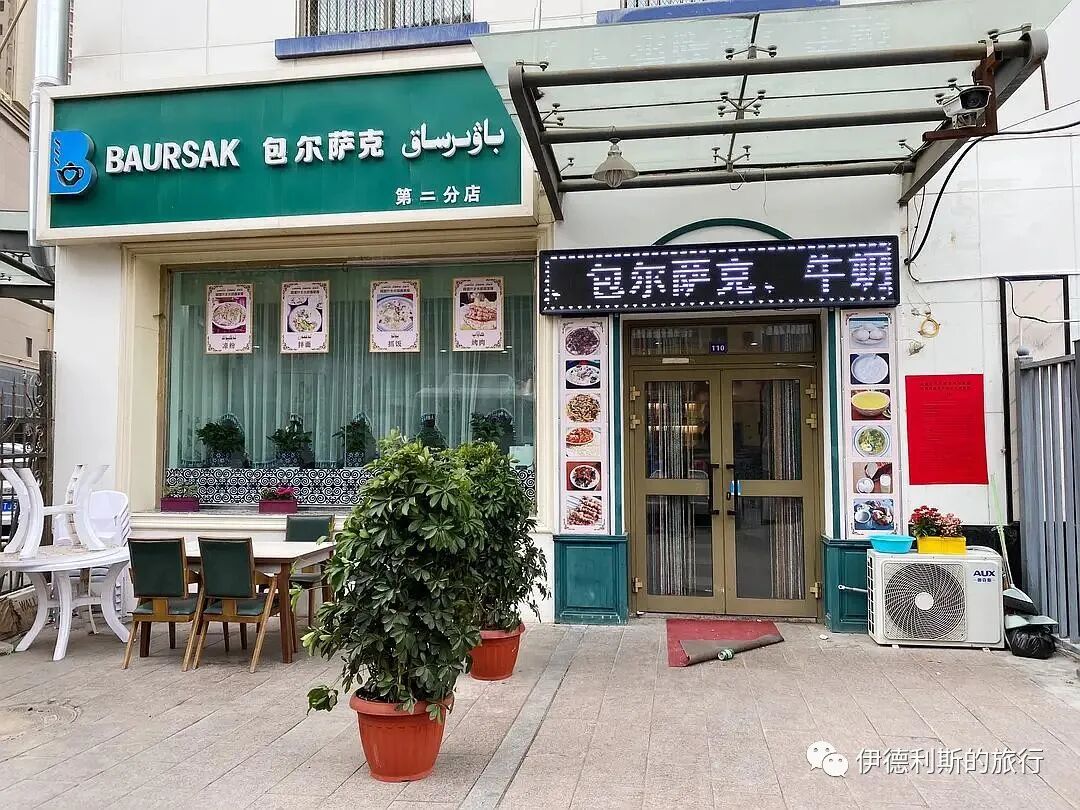
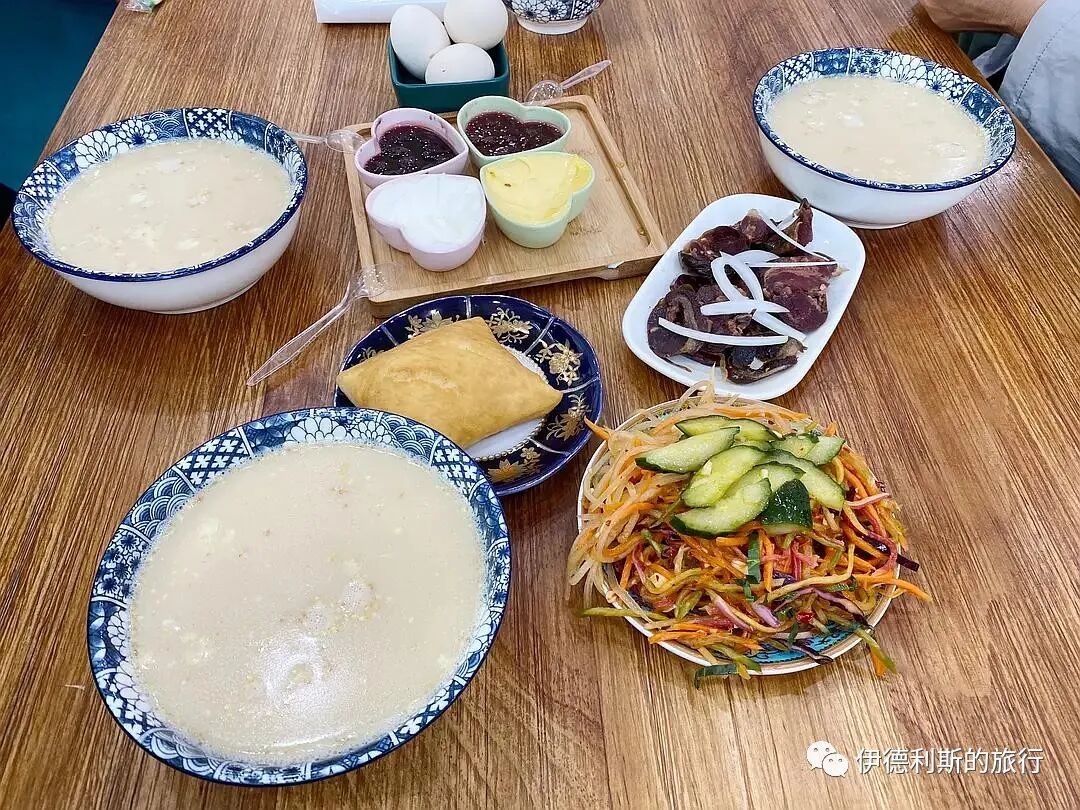
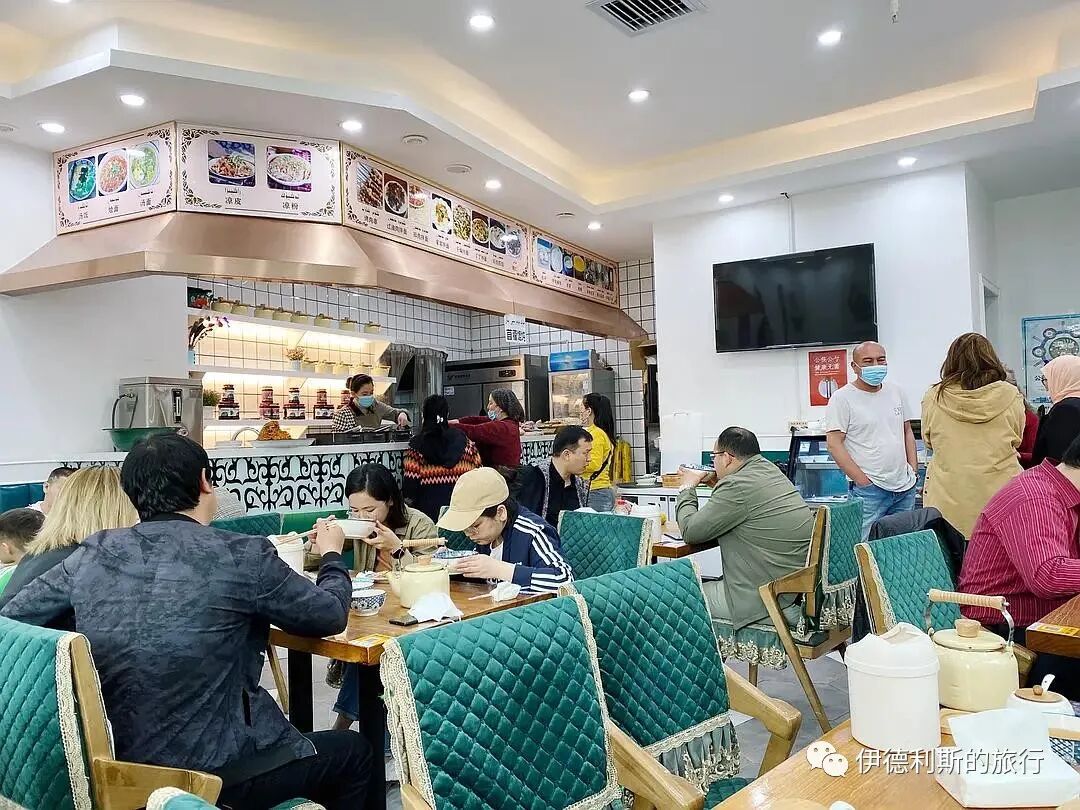
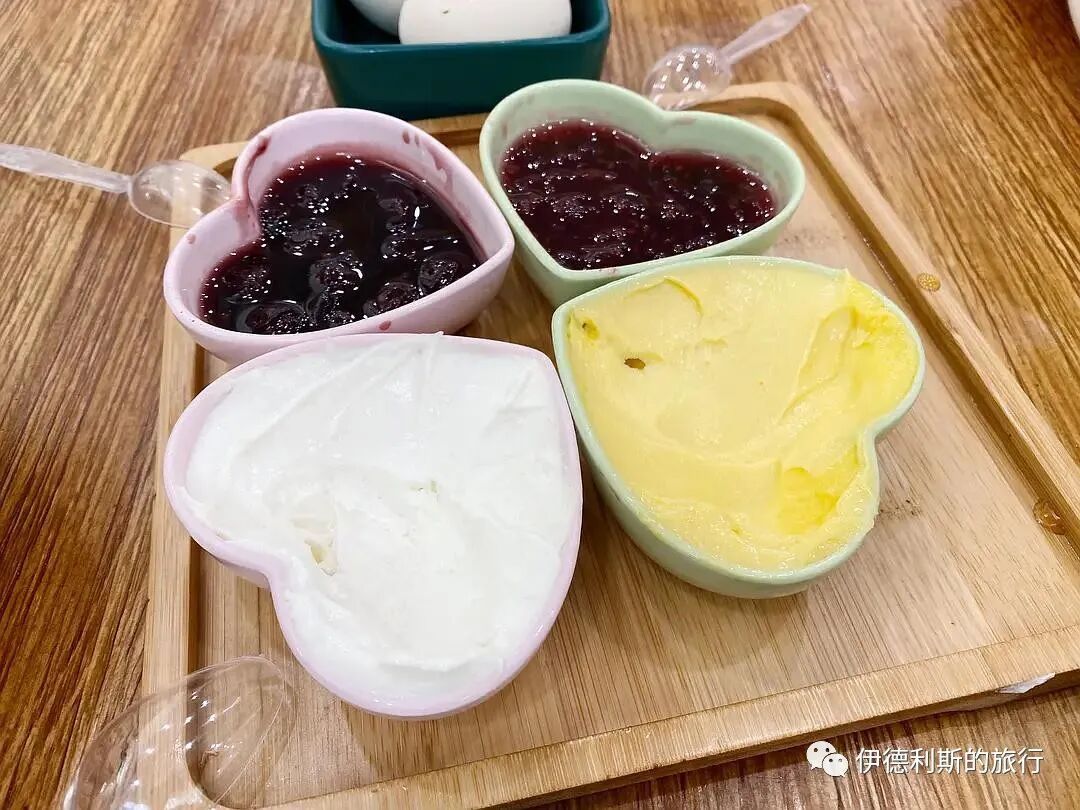
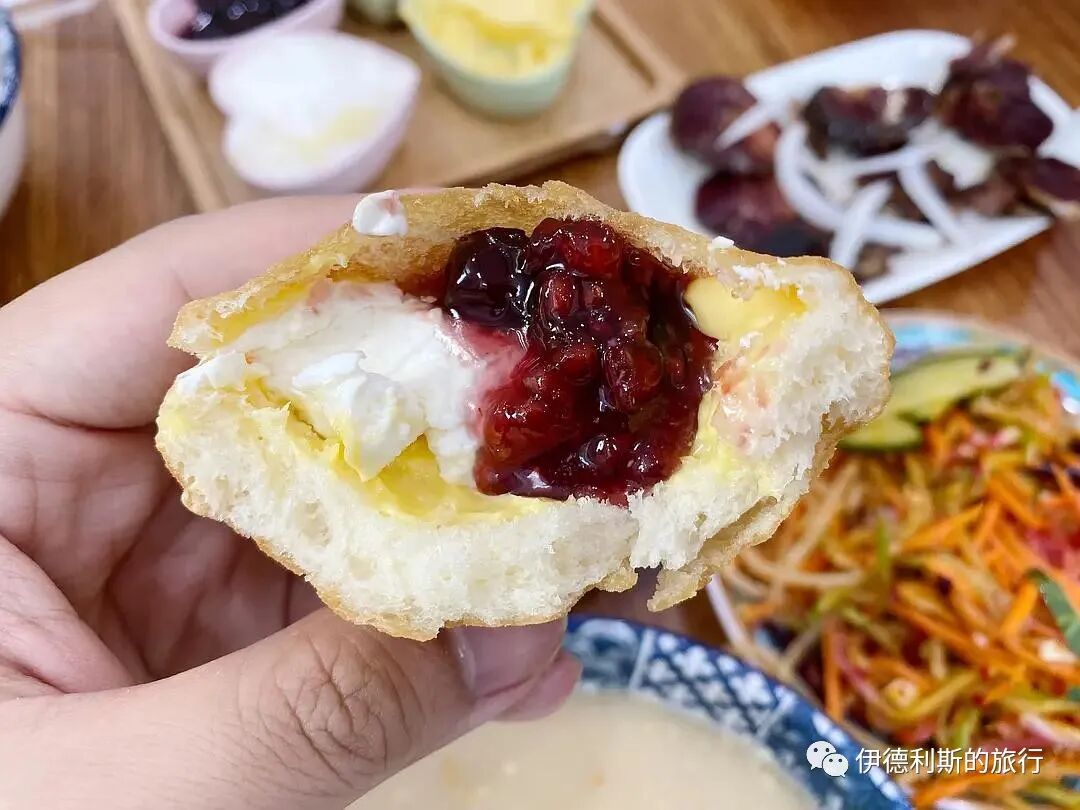
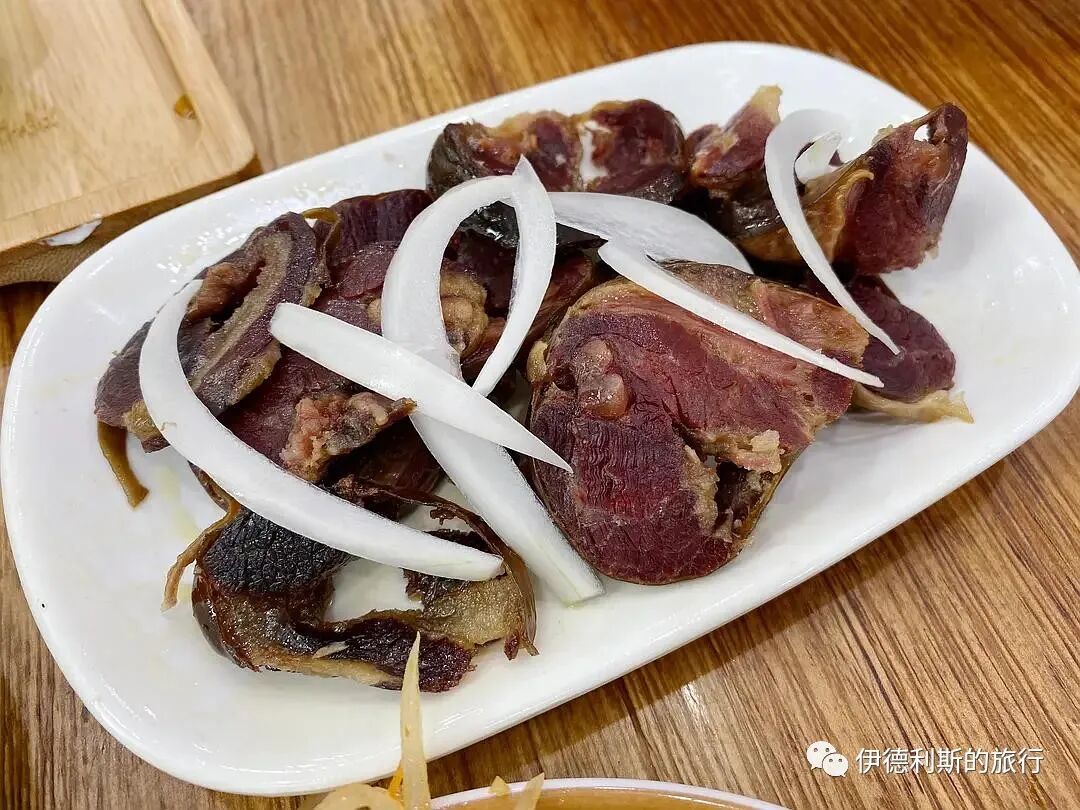
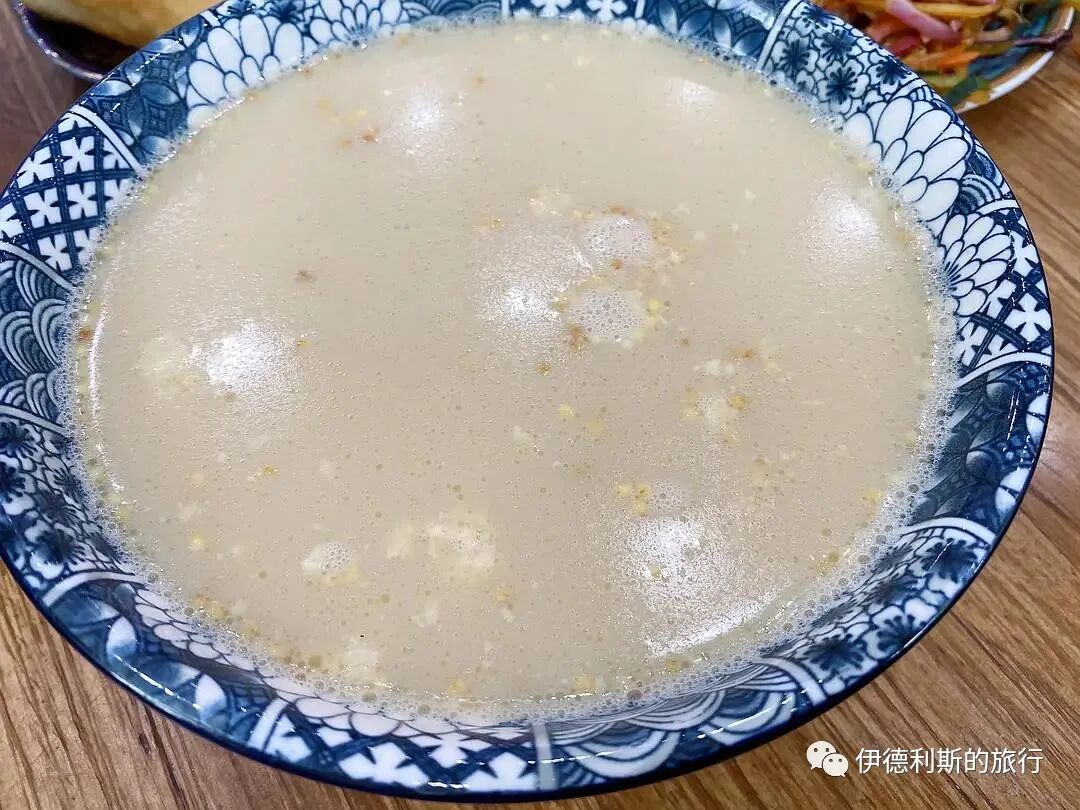
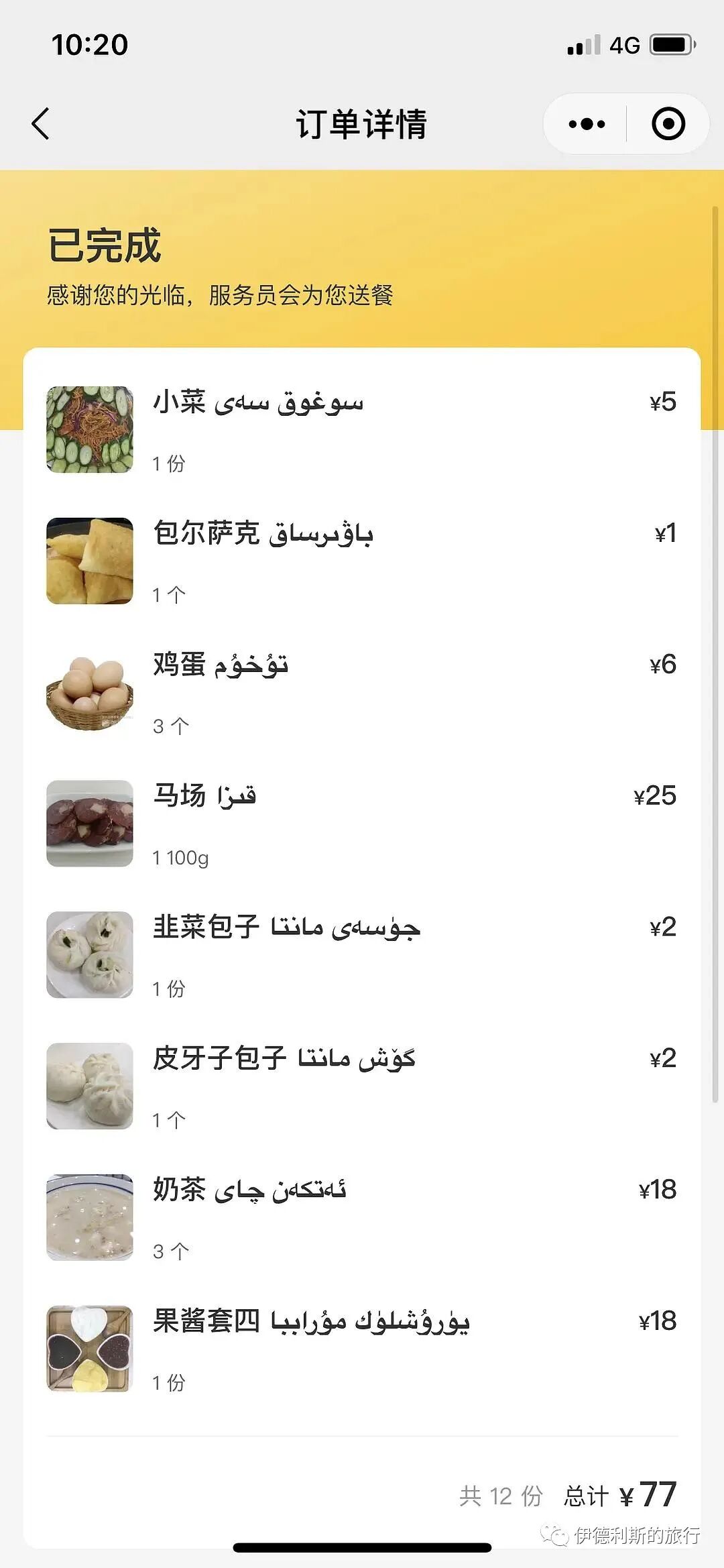
Because I'm traveling today, I paused my Suiyeye (a personal practice), and in the morning at a Kazakh restaurant by the Xinjiang University subway station, I had milk tea, horse meat sausage, and baursak (fried dough), along with side dishes with yellow carrots. I ate at their main branch in Dawan last year; it was excellent. There are more Uyghur customers at this branch, so it doesn't feel as intense as the main branch, but the baursak with raspberry jam, cherry jam, yogurt, and butter was just too good.
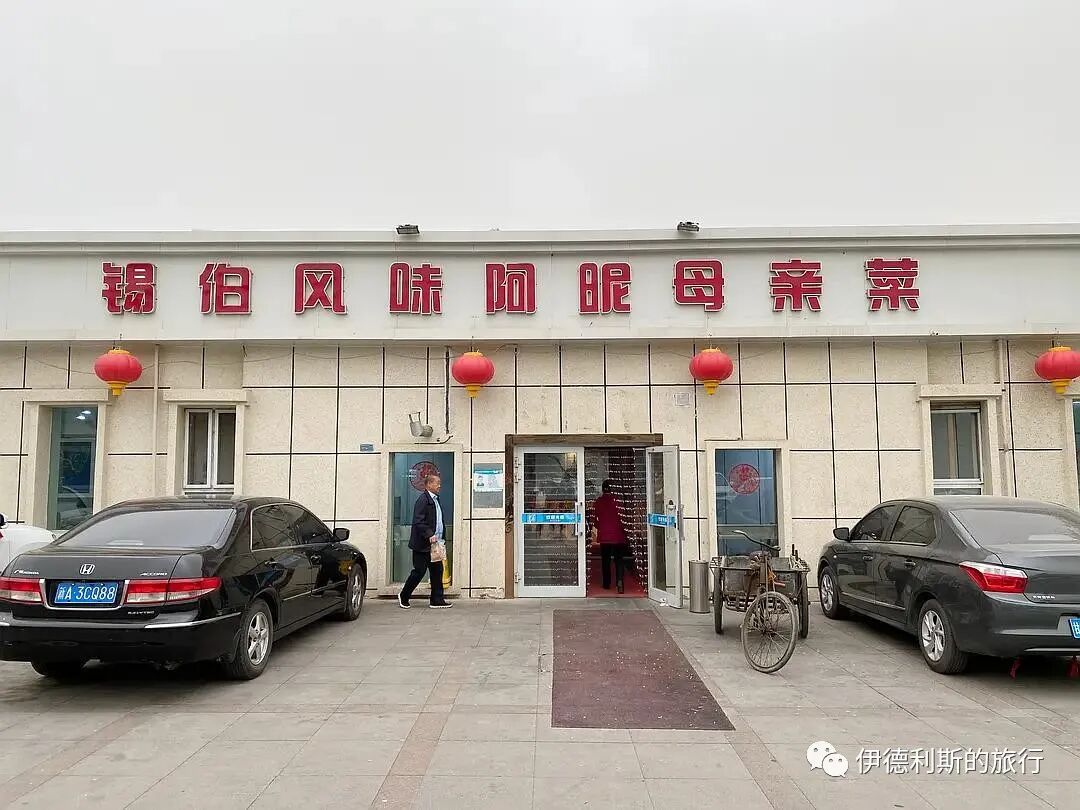
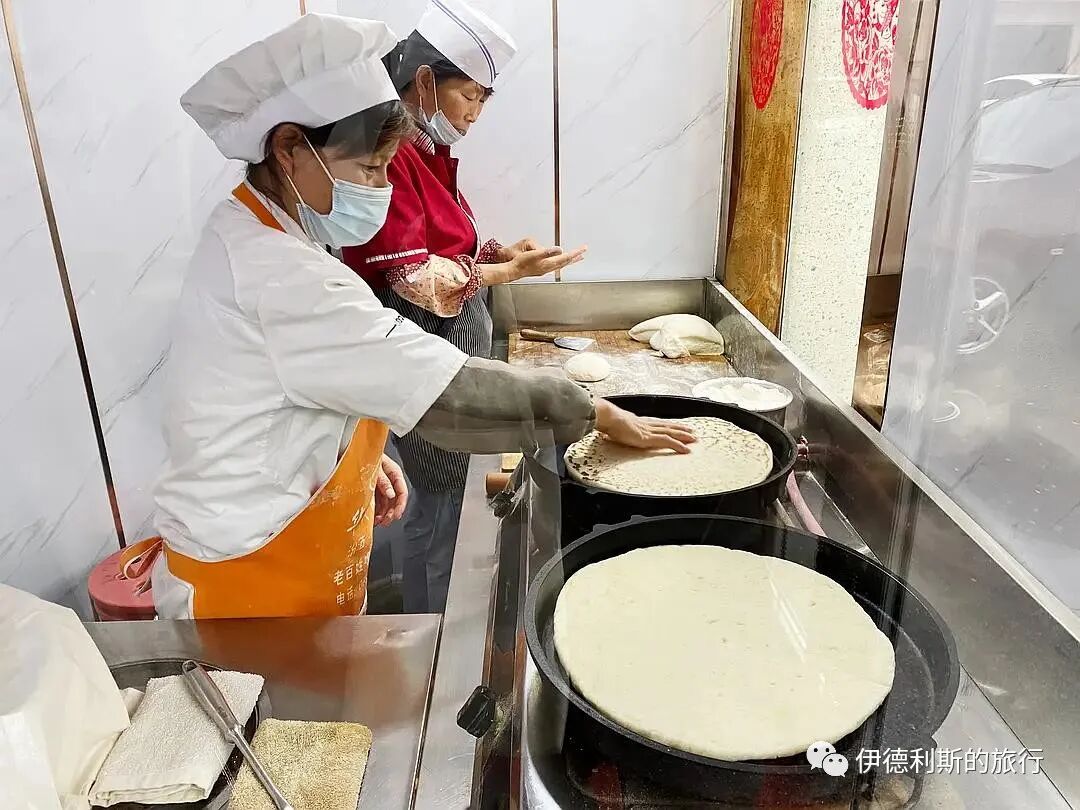
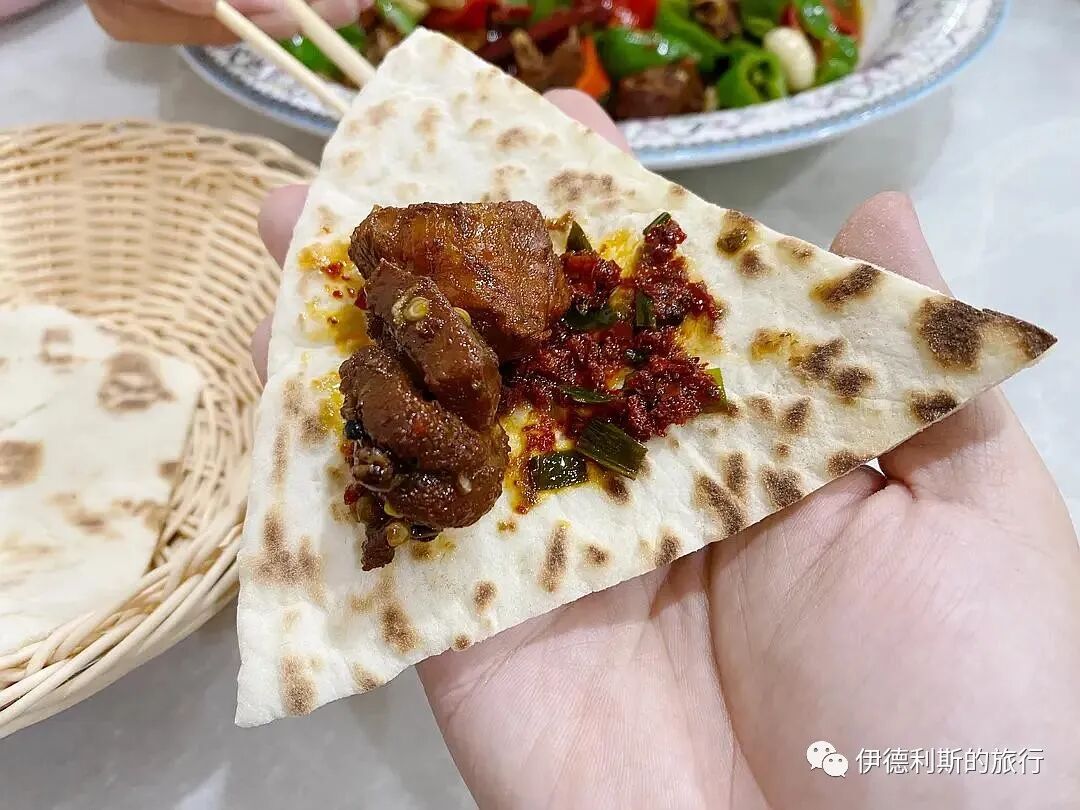
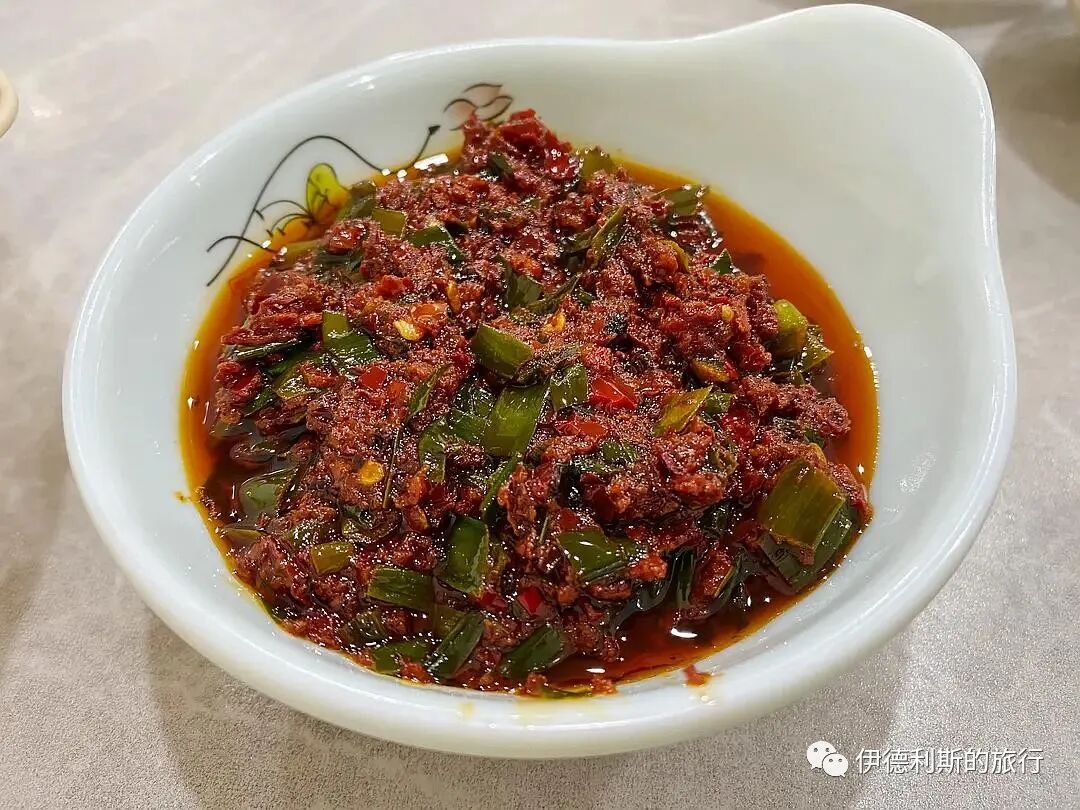
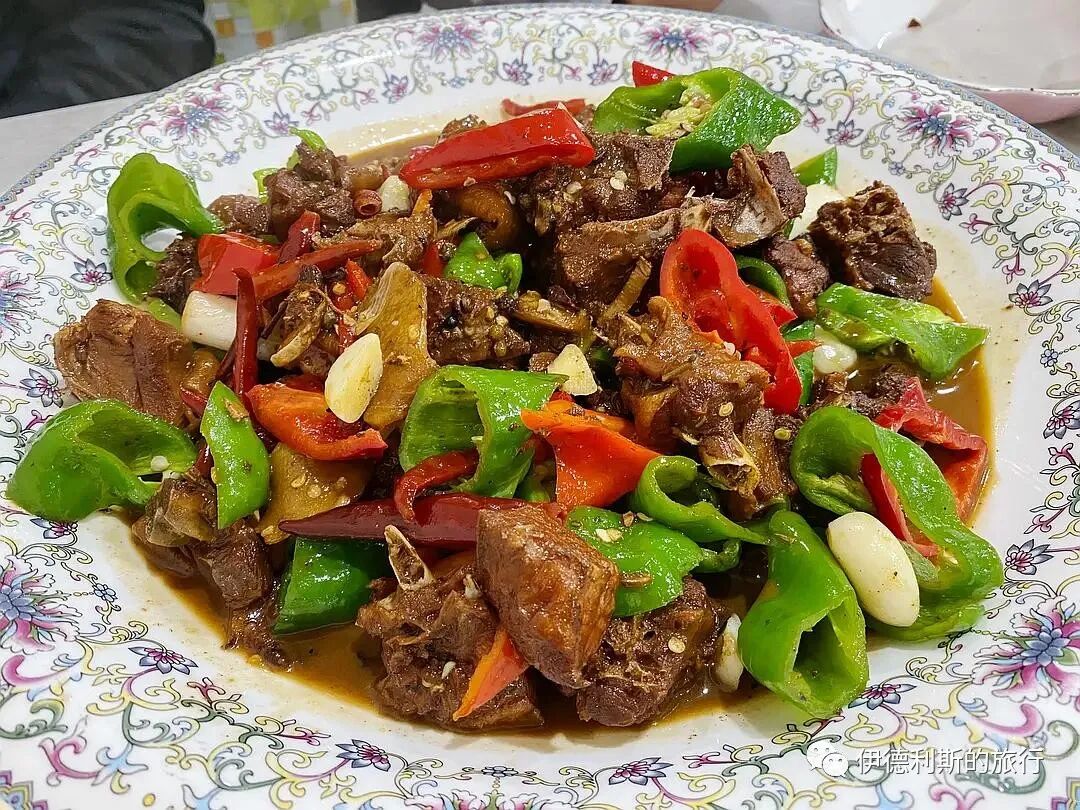
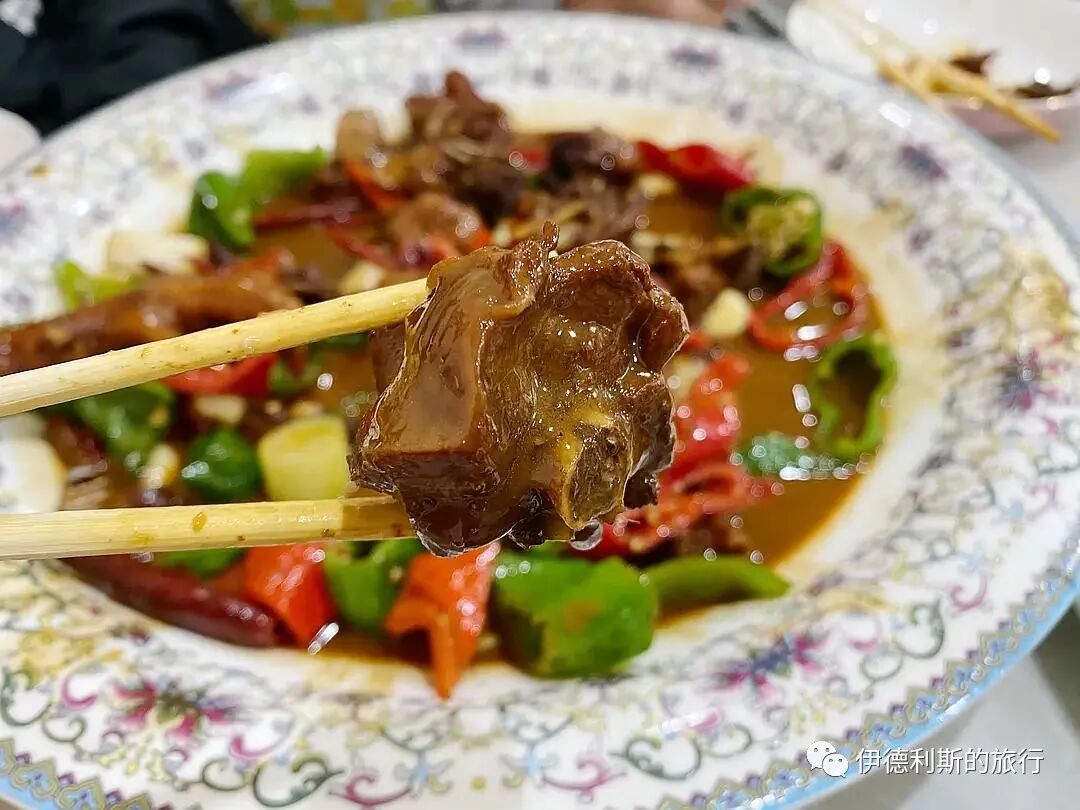
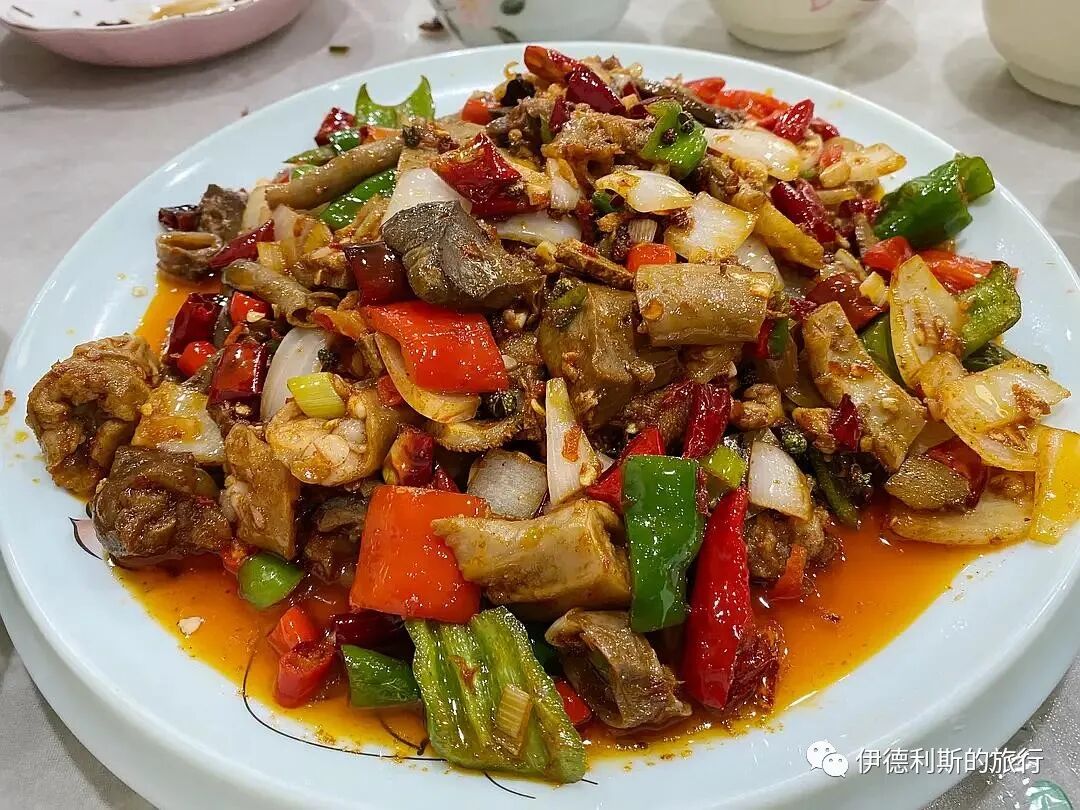
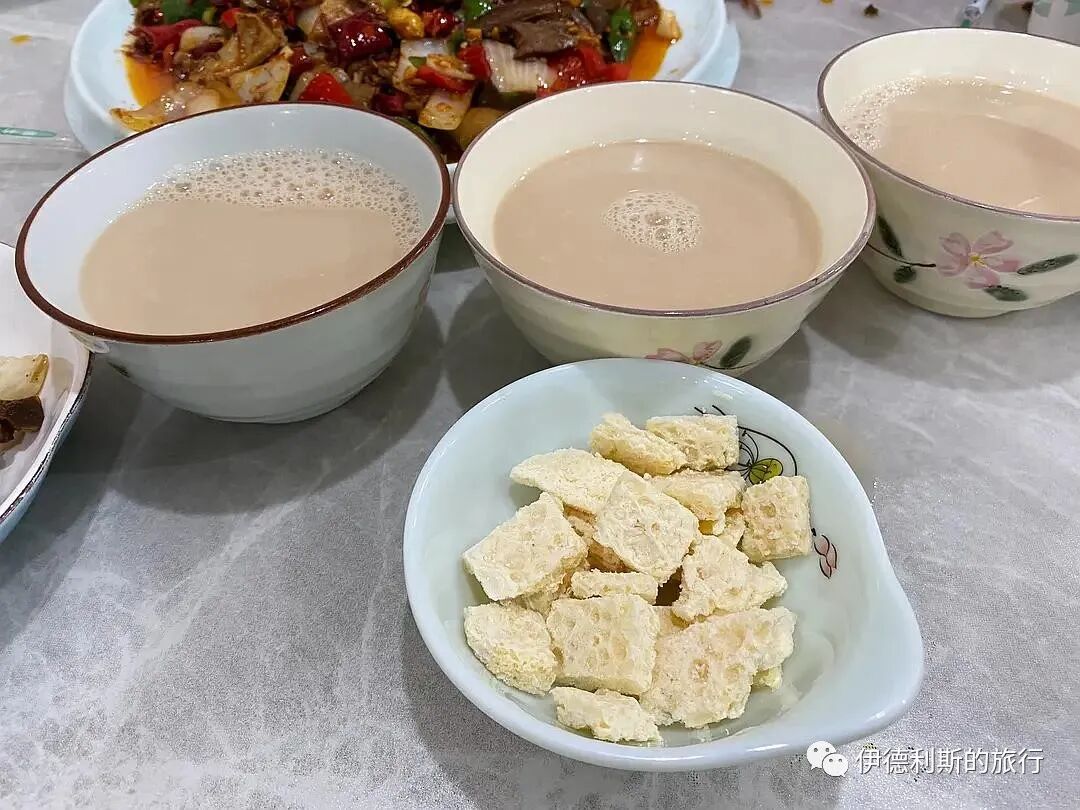
For lunch, I ate at the Xibe restaurant Ani Mother's Dishes in the New District; this is a quite famous place in Urumqi. I ate Xibe-style flatbread with chive chili sauce, Xibe fighting chicken, stir-fried lamb offal, and milk tea with milk skin. I originally thought the Xibe flatbread was just regular leavened bread, but after actually eating it, I found it so delicious! The texture was just right! With the chili sauce, I could eat a whole piece in one go. The Xibe fighting chicken meat was particularly chewy, much better than regular Dapanji (big plate chicken), and the stir-fried lamb offal was quite spicy but very satisfying. The milk tea had that authentic Yili taste, no doubt about it.
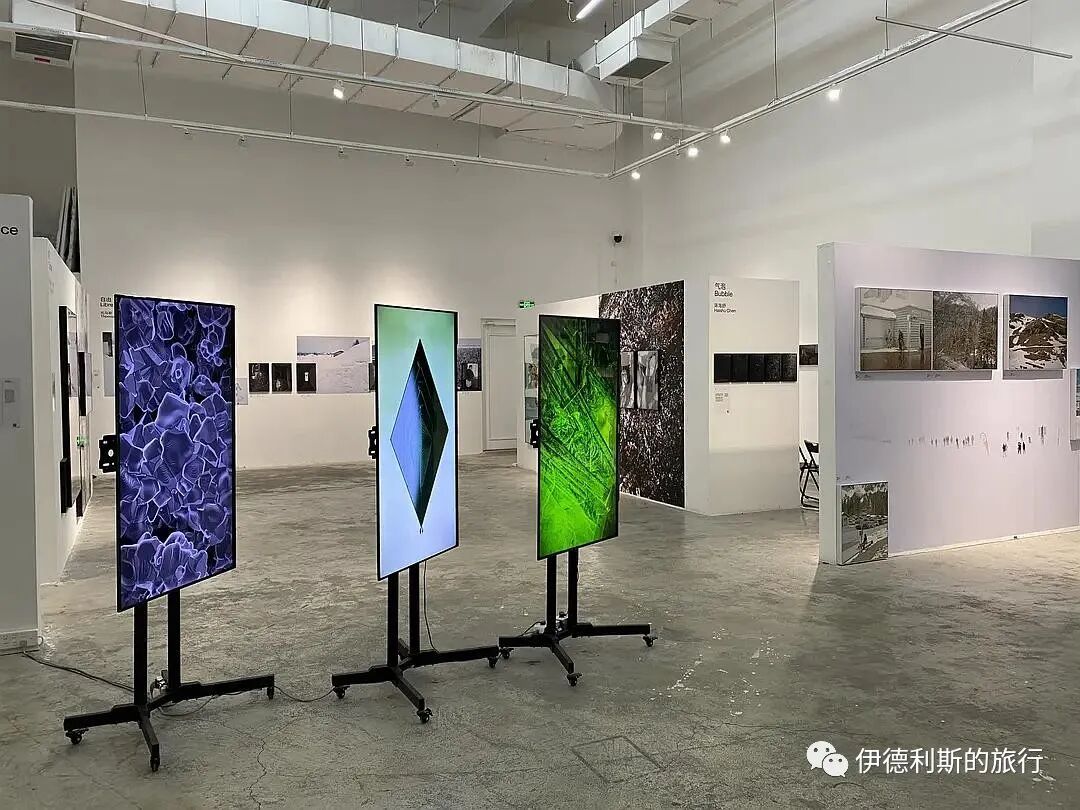
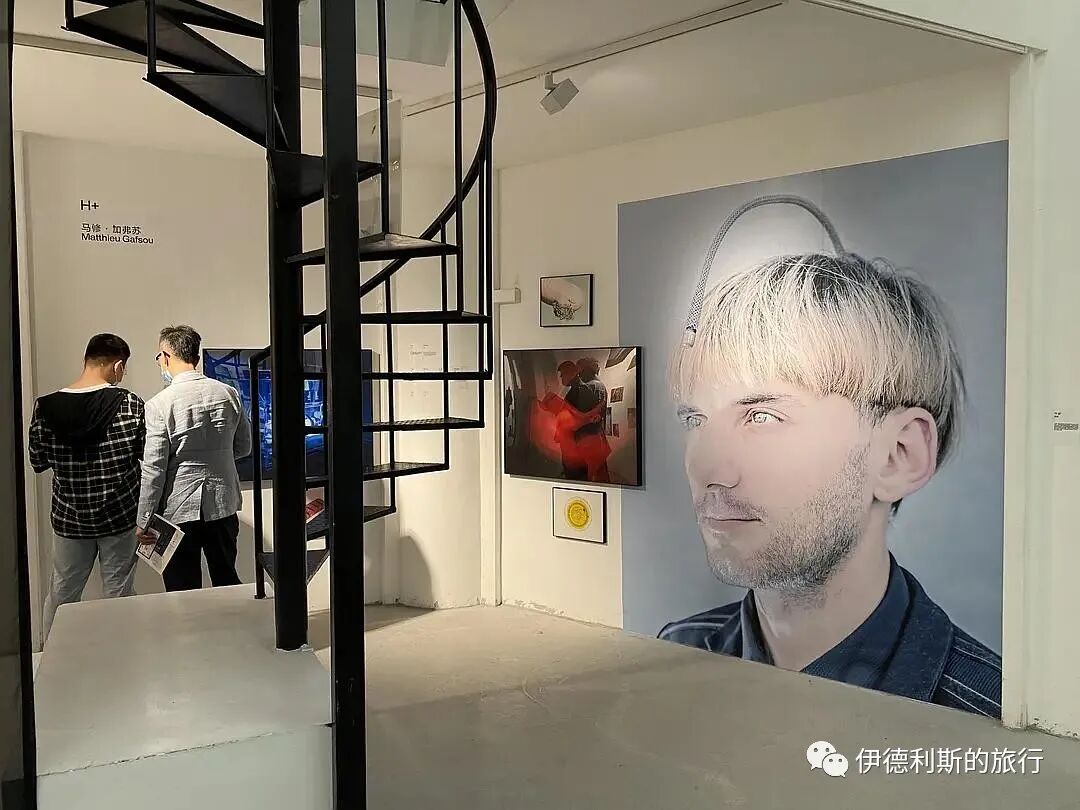
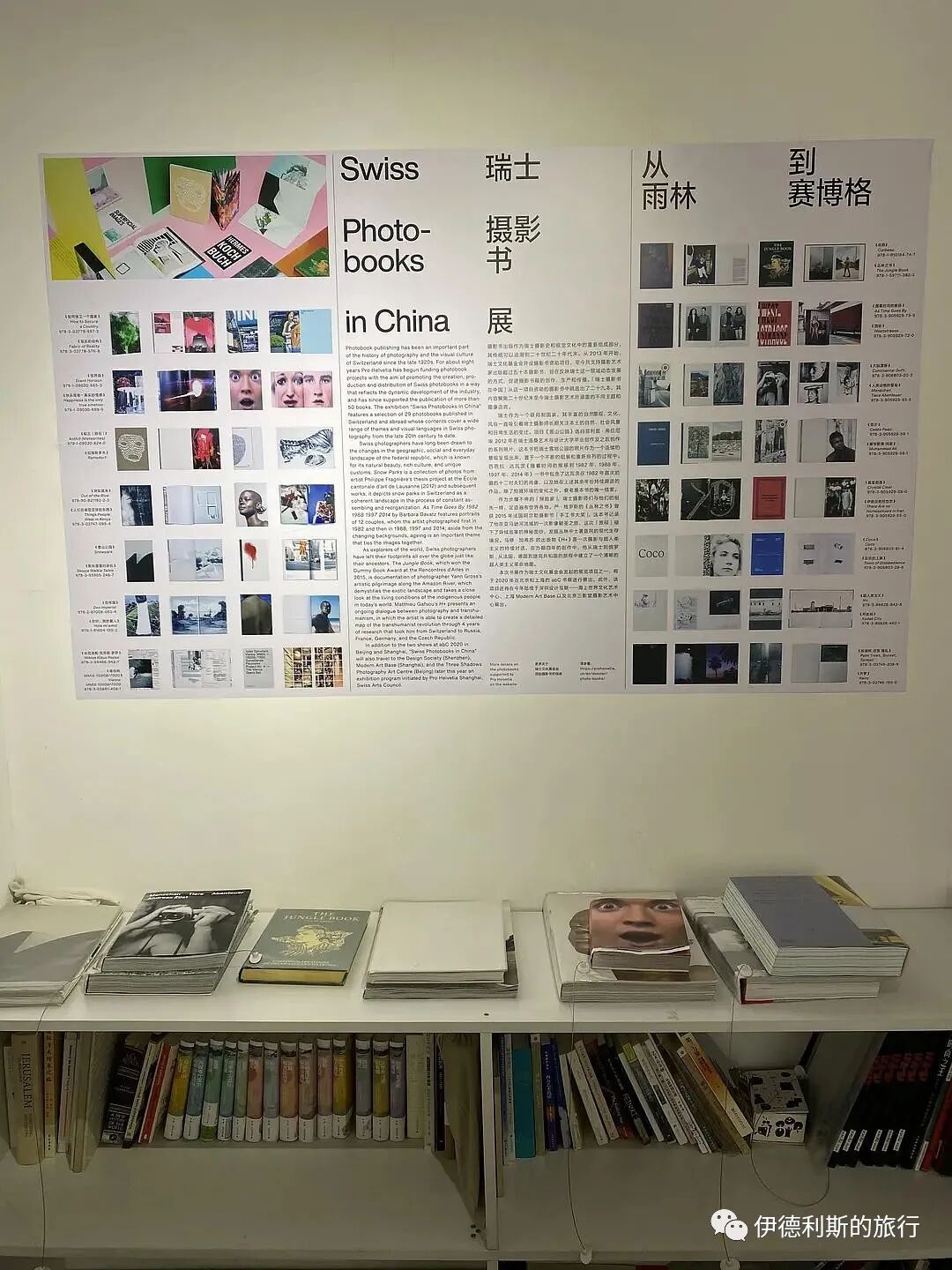
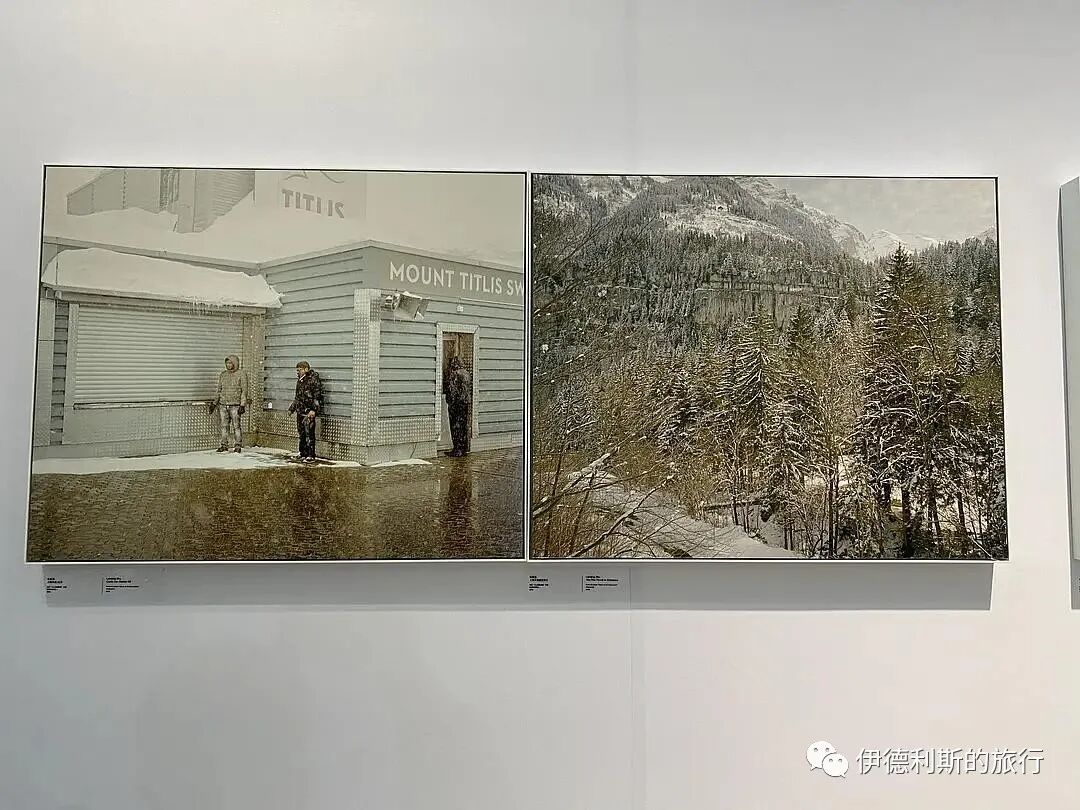
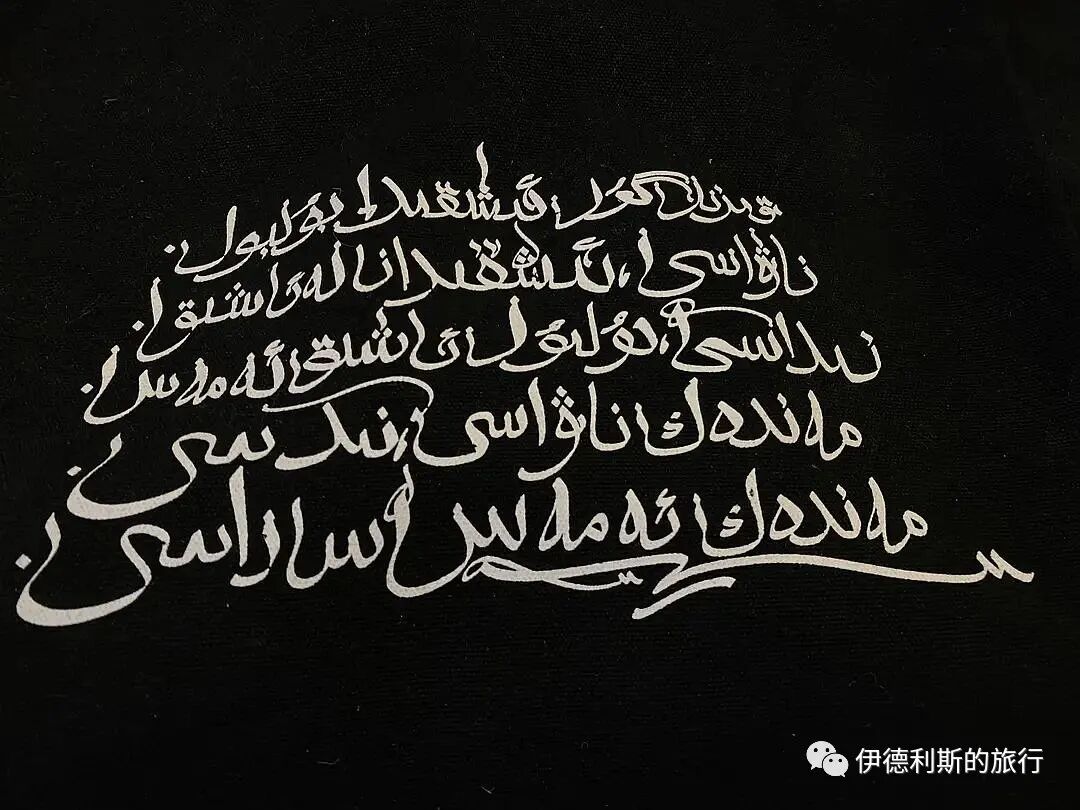
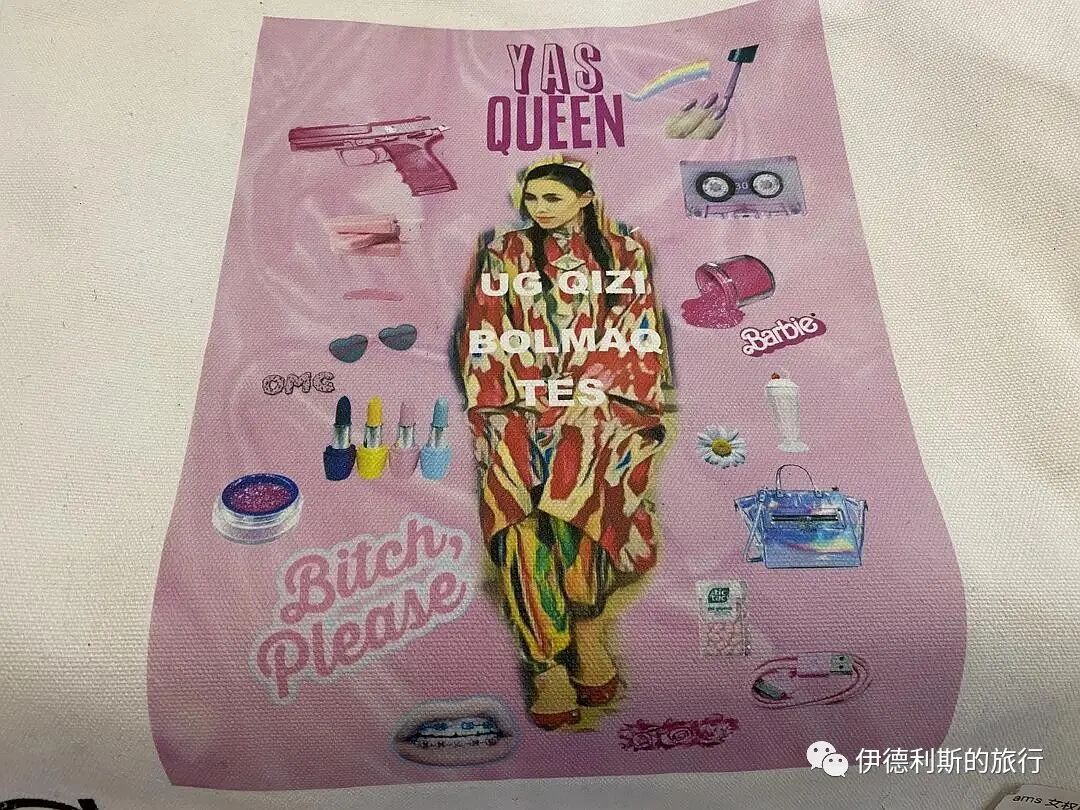
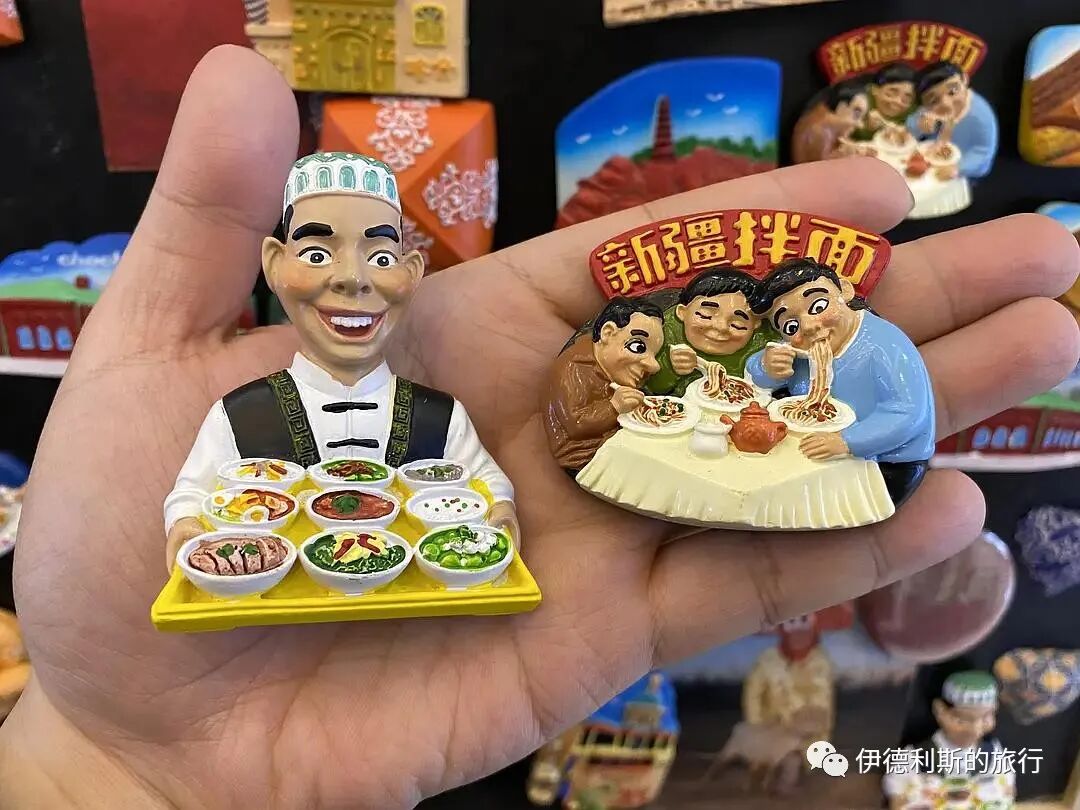
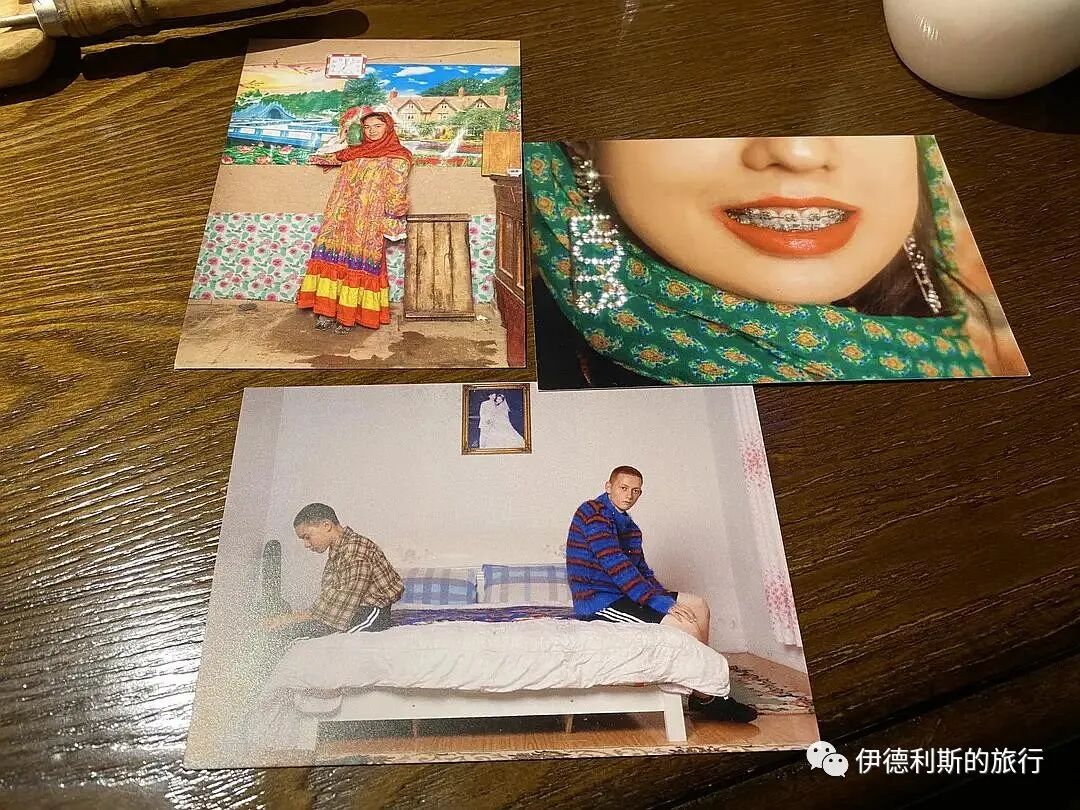
In the afternoon, I visited the Urumqi Gaotai Art Center, saw the Swiss contemporary photography exhibition, and bought magnets of jiuwan sanxingzi (nine bowls in three rows) and laghman (hand-pulled noodles), as well as portrait photography of Xinjiang people by photographer Ma Hailun. She will also be conducting a Urumqi portrait photography project at Gaotai on May 7. Gaotai Art Center is the only modern art center in Urumqi, and they organized the Dos Xinjiang Art Festival held in Beijing during the 2021 May Day holiday.
May 2
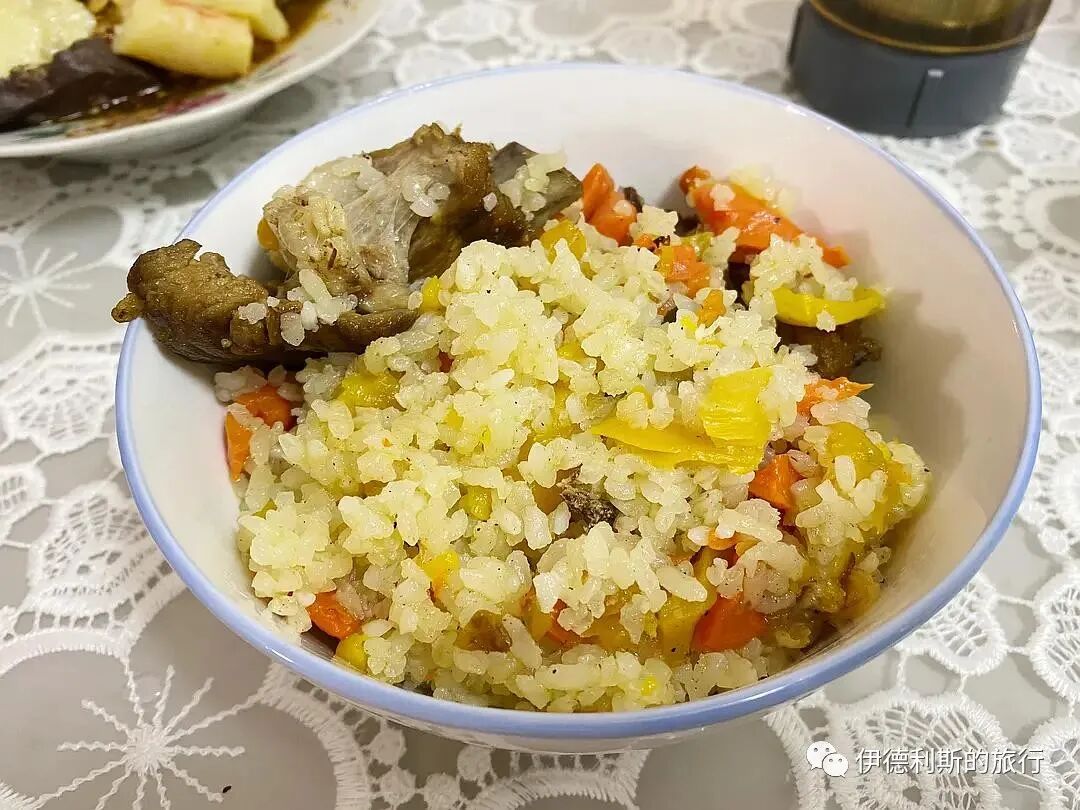
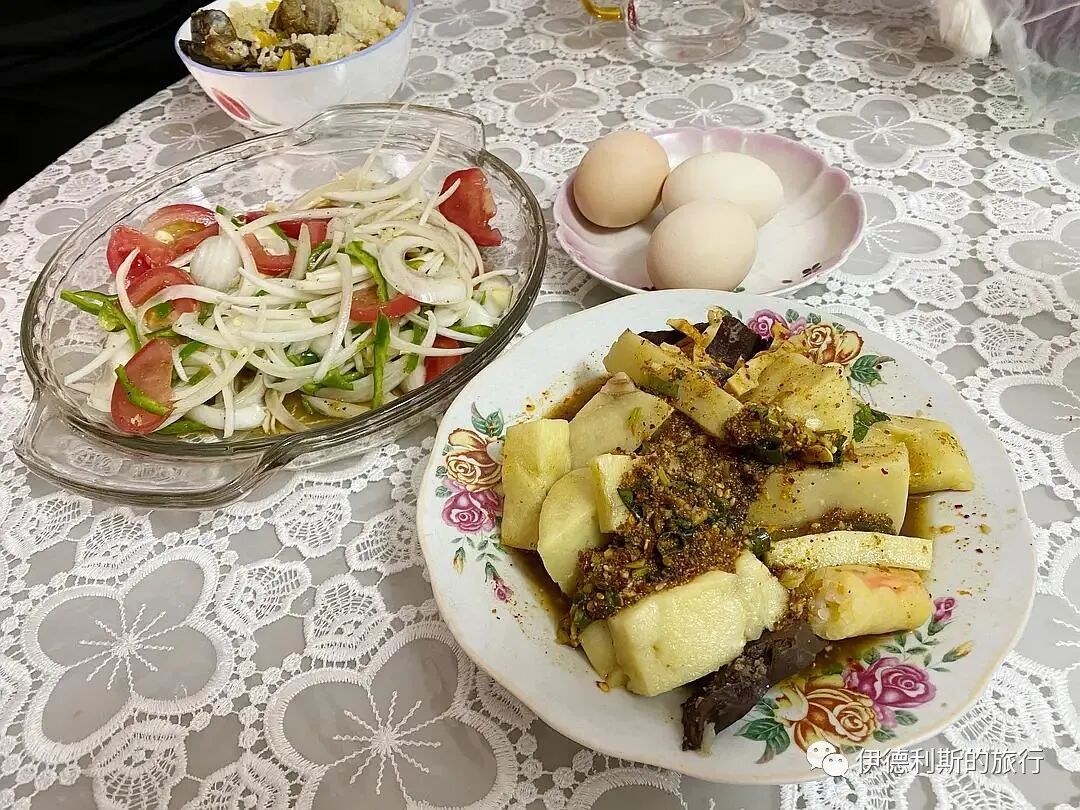
Ate zhuafan (pilaf), michangzi, mianfeizi, and pilahong (salad of skin, chili, and red onion) at home in the morning, then set off for Turpan.
May 4
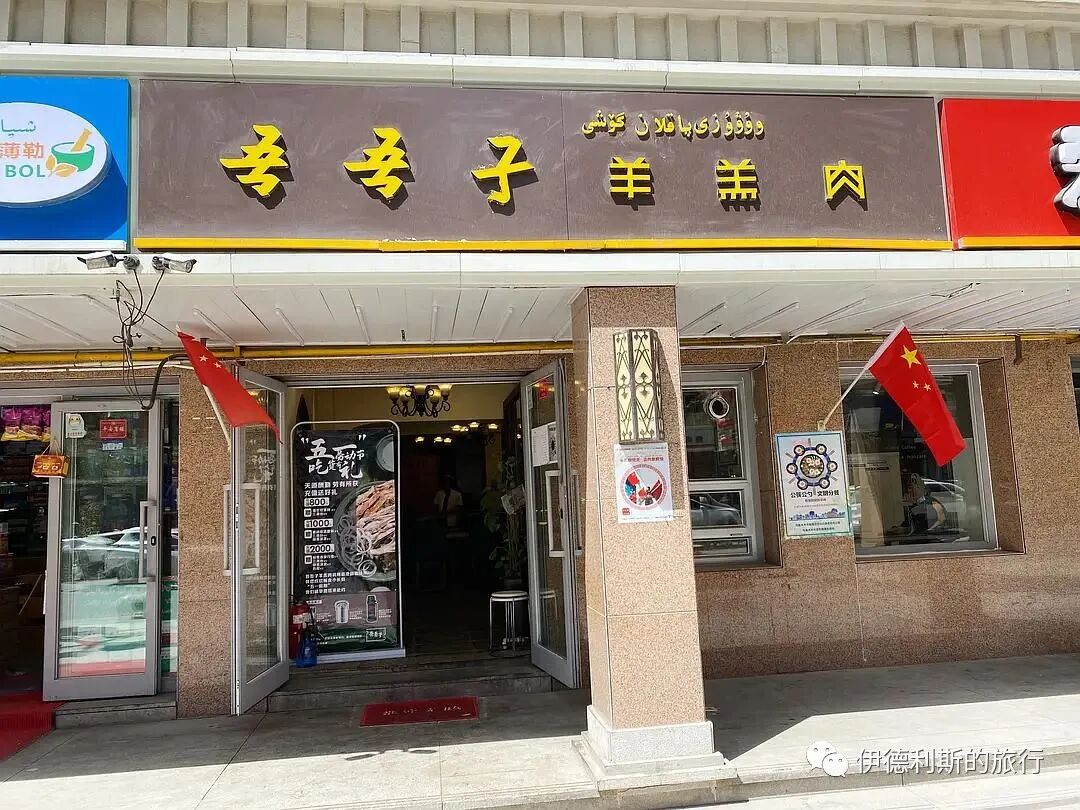
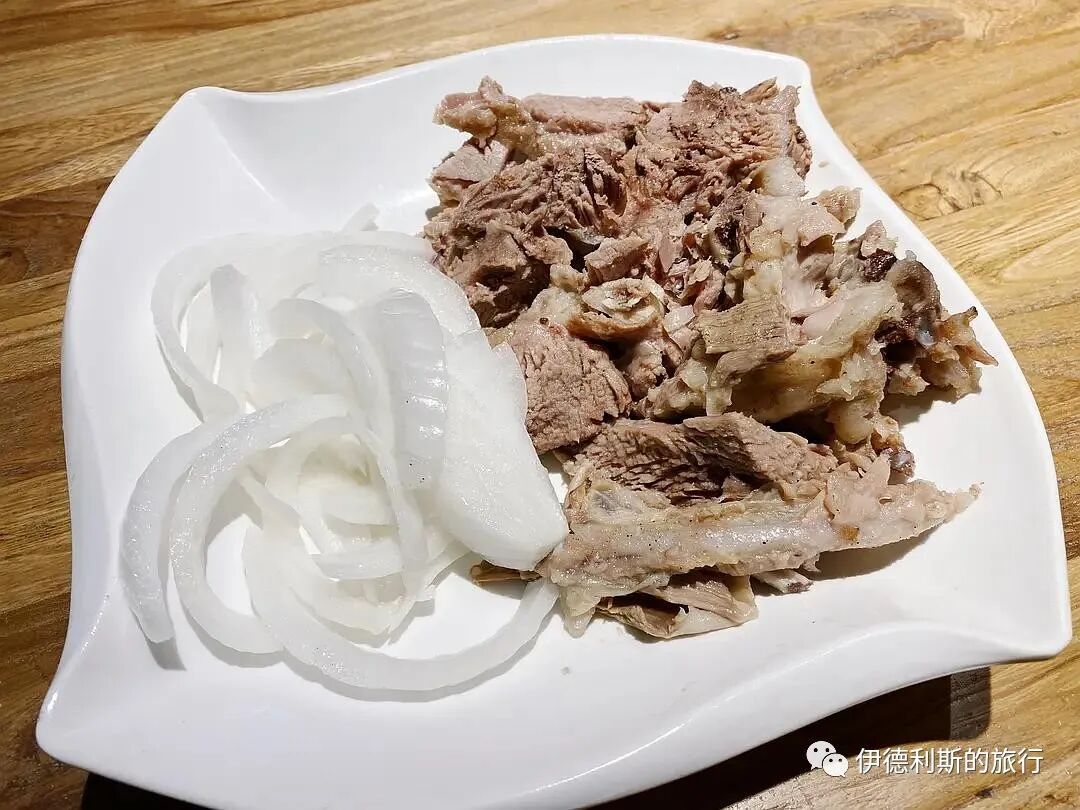
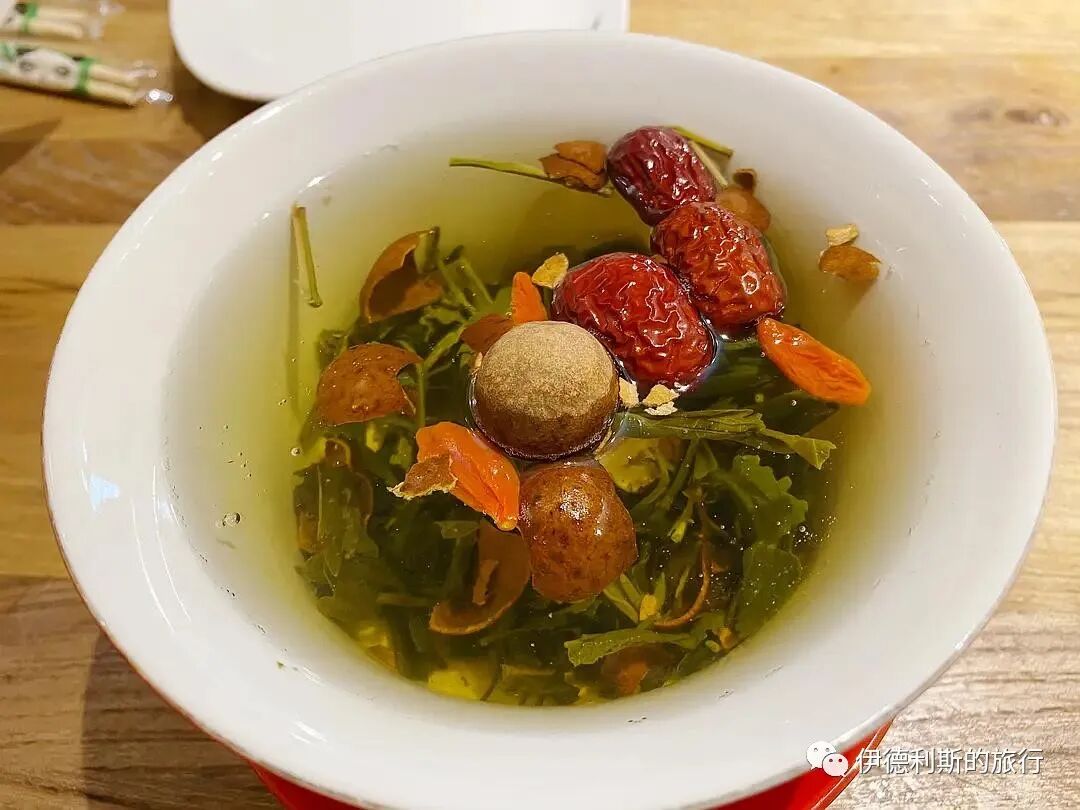
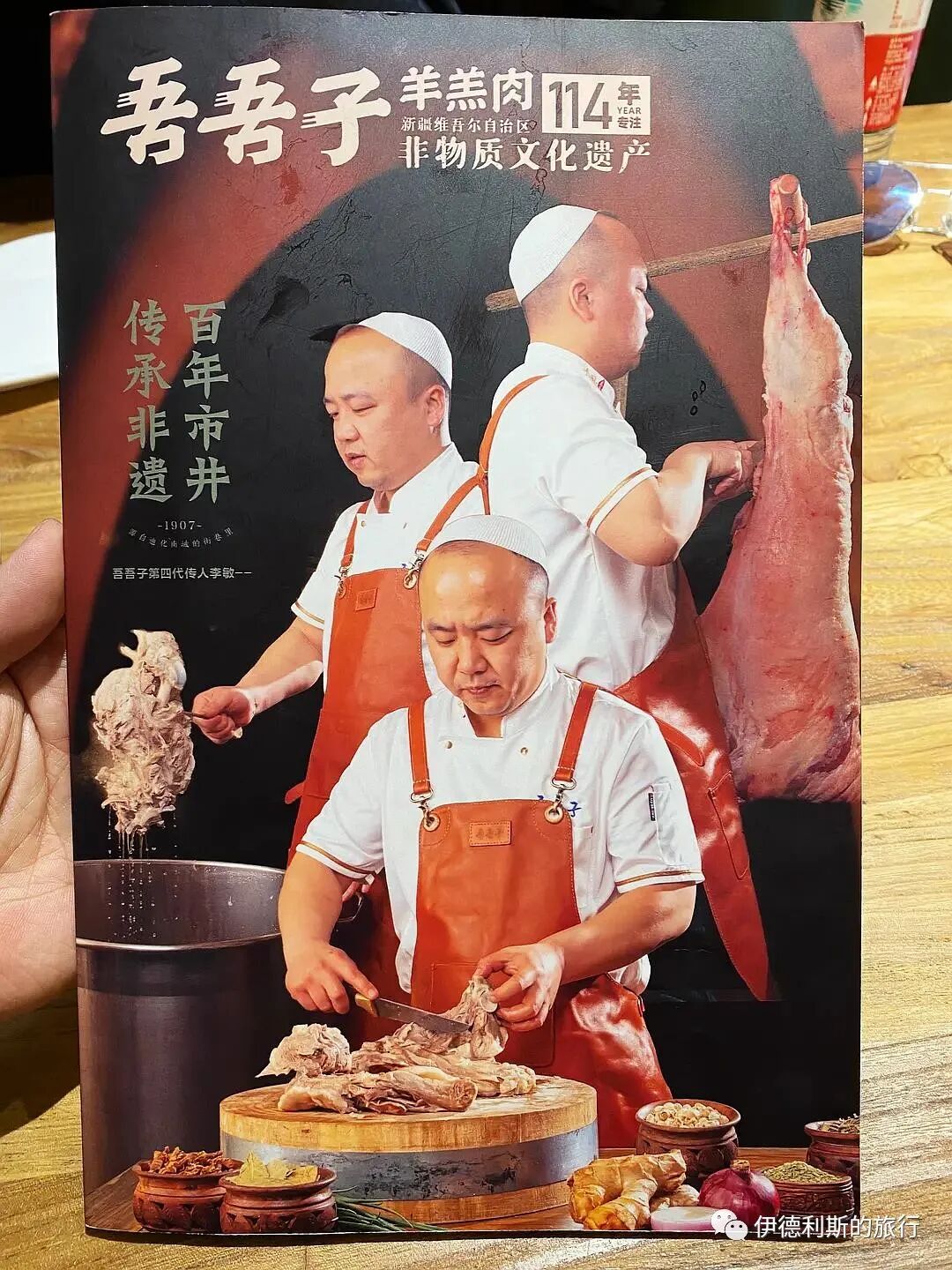
On the morning of May 4, I ate Wuwuzi lamb meat with sanpaotai (a traditional tea with eight ingredients) in Shanxi Lane. The lamb was very tender and fragrant, and the piyazi (onions) were sweet.
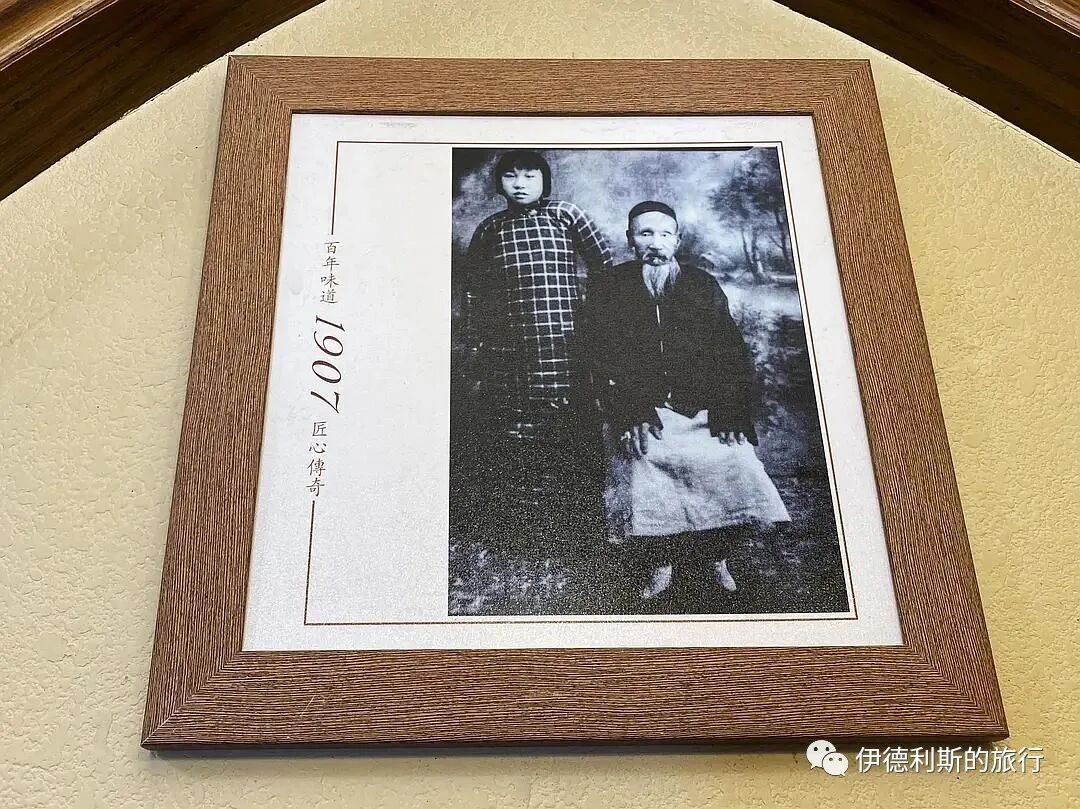
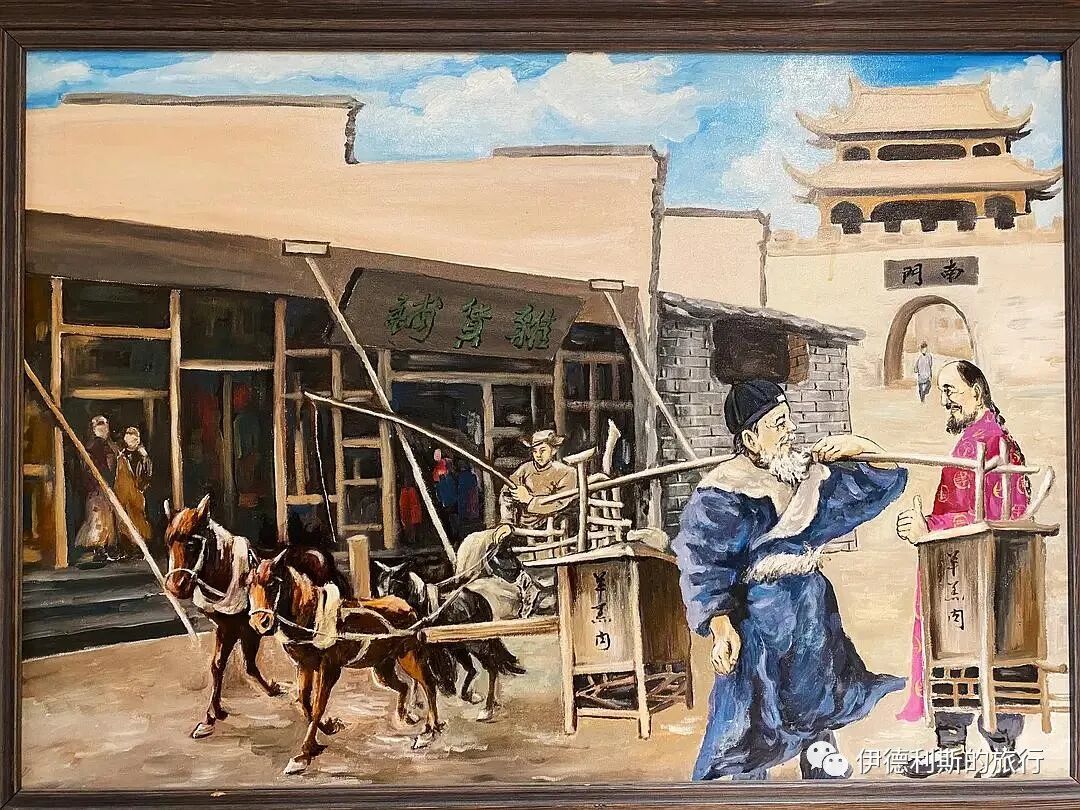
In 1907, a Hui Muslim named Li Shenghua (Li Liushizi) started carrying a shoulder pole to sell lamb meat at the South Gate of Dihua. Later, his fifth son, Li Zhanshou (Wuwuzi), took over, and the name Wuwuzi Lamb Meat gradually became well-known. After the 1980s, Wuwuzi rented a storefront in Shanxi Lane. It has now been passed down for four generations and is an autonomous region-level intangible cultural heritage.
Wuwuzi Lamb Meat, along with the Shaanxi Great Mosque, the Laofang Mosque, and others, forms an important cultural symbol of the Hui Muslim historical district outside the South Gate of Urumqi. It is well worth a try for friends visiting Urumqi.
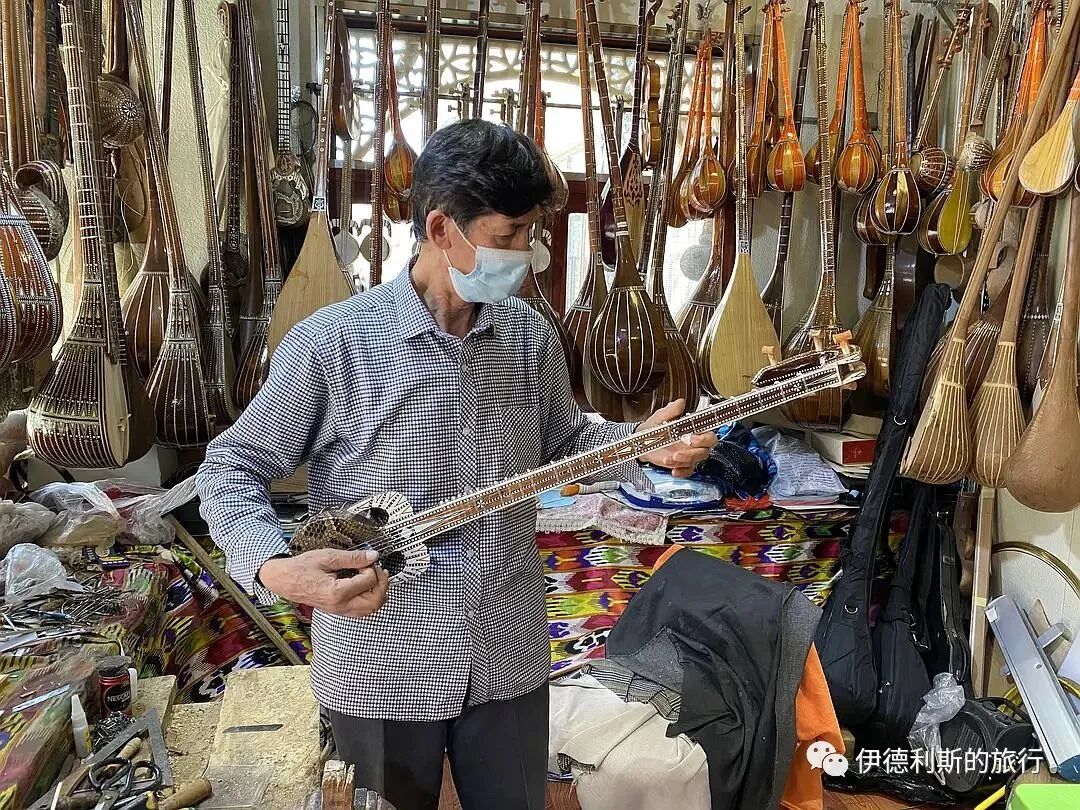
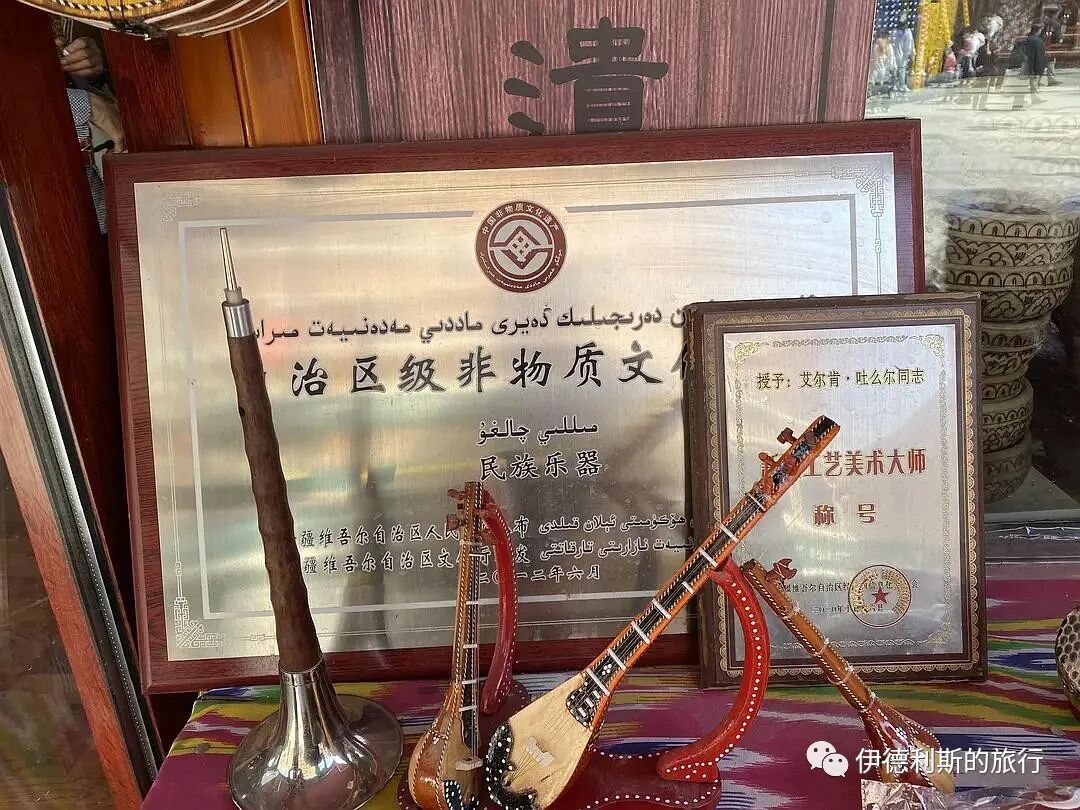
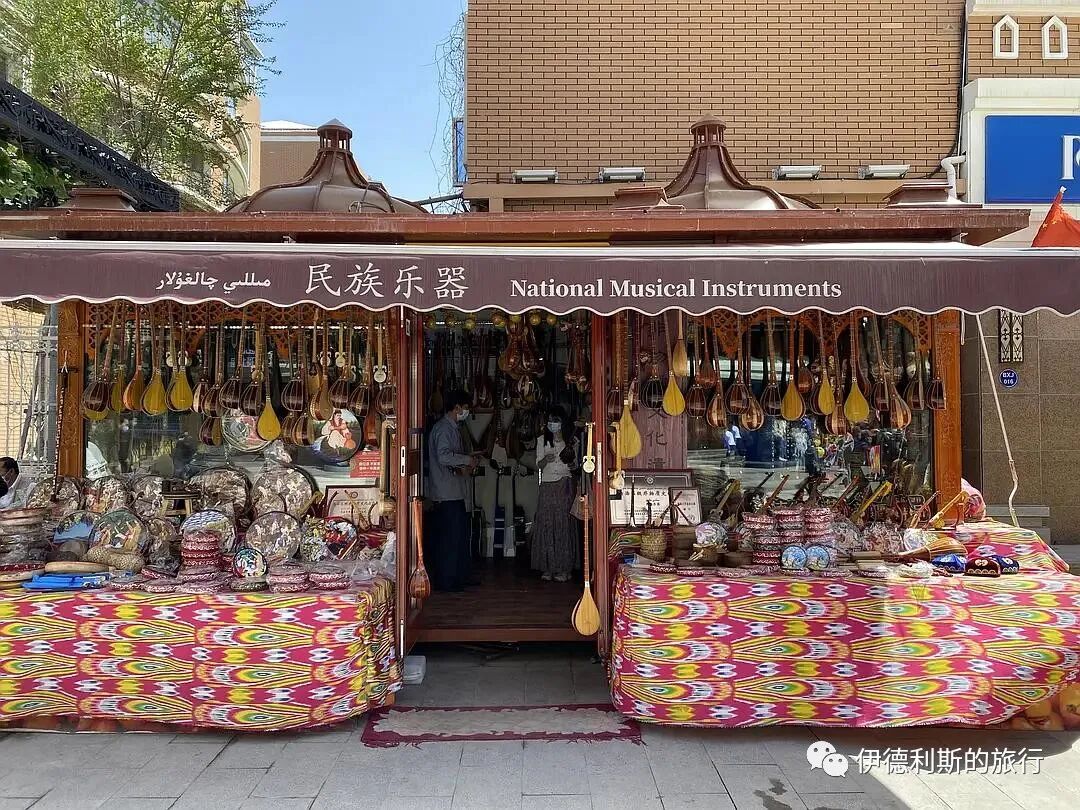
Erkin's musical instrument shop at the International Grand Bazaar; he is an inheritor of the autonomous region-level intangible cultural heritage of Uyghur musical instrument making. This is the only place worth visiting in the International Grand Bazaar besides the Kazakh photography yurt.
Ate almond ice cream at Alman Supermarket in Lingguan Lane; the ice cream had a very rich milky flavor.
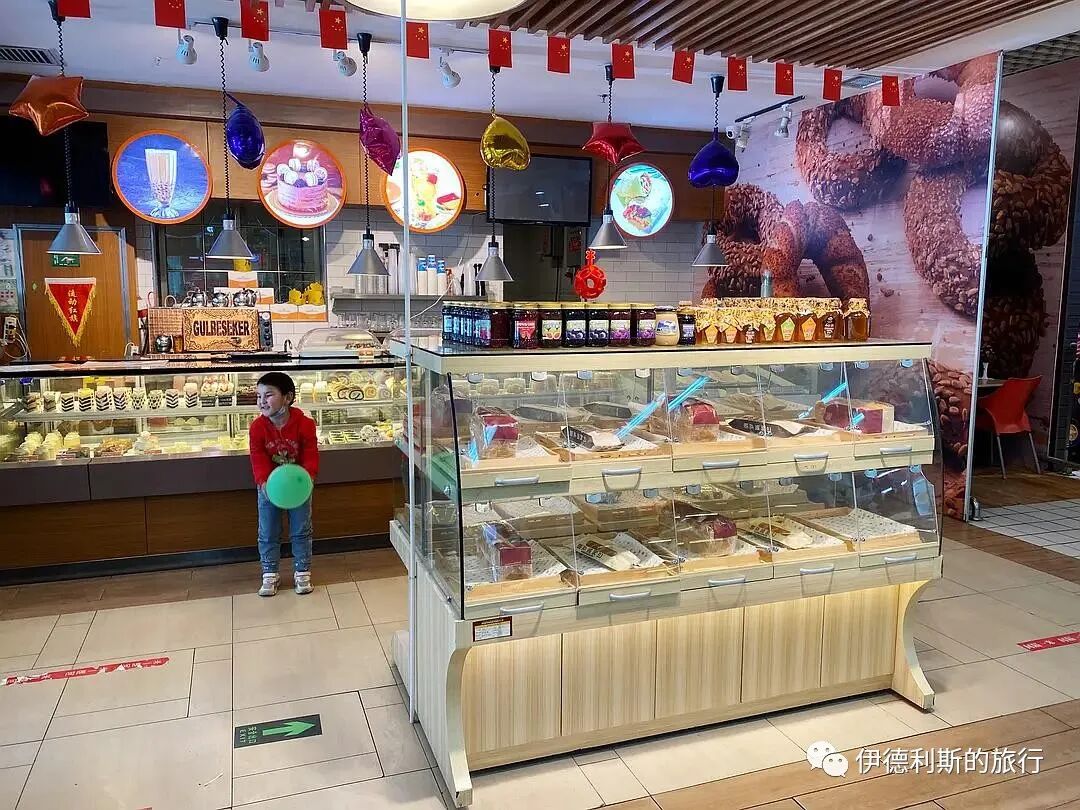
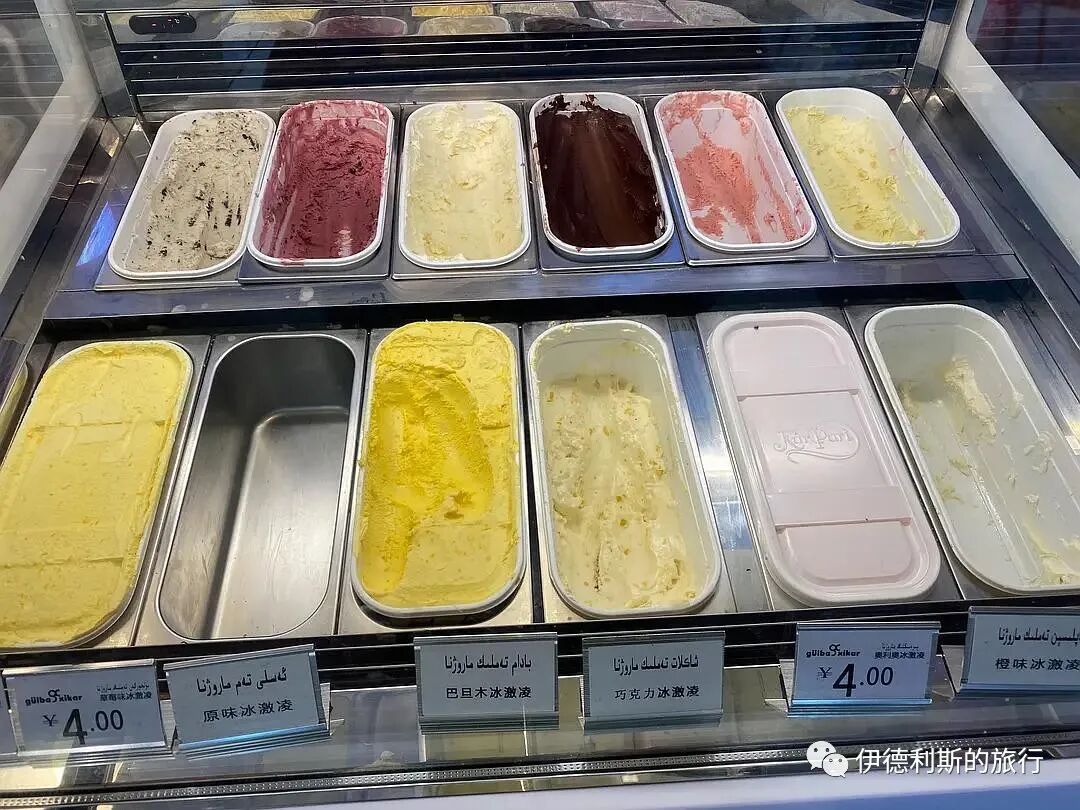
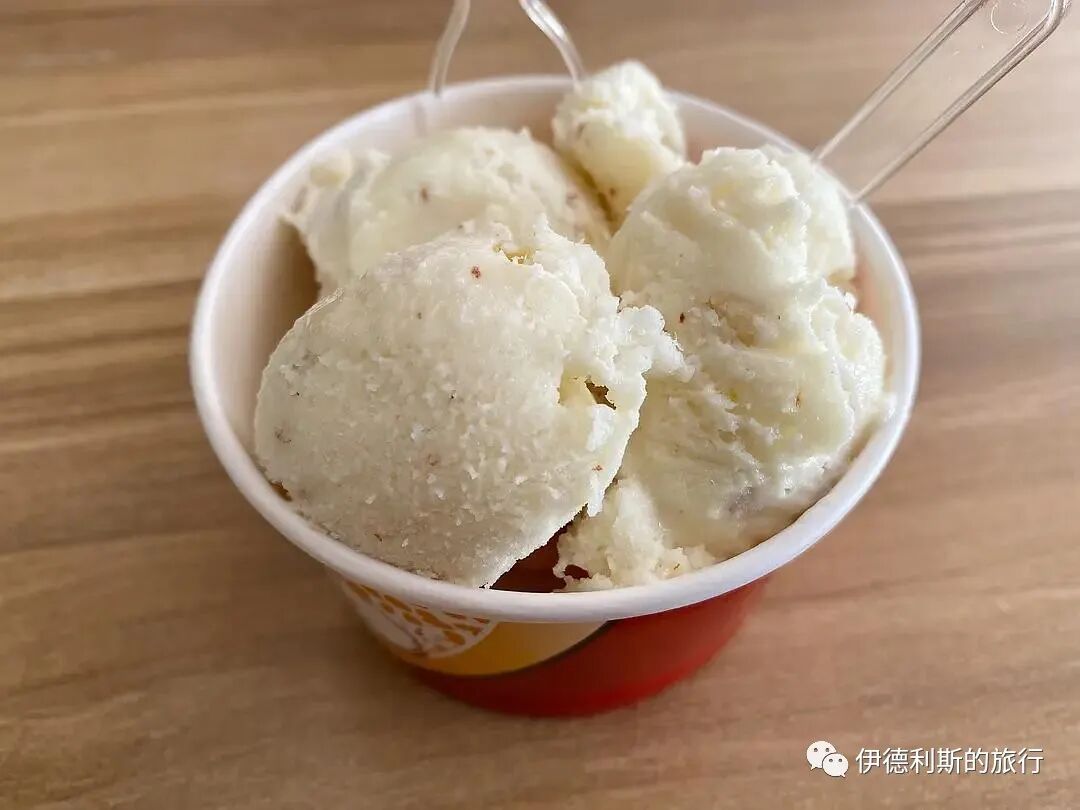
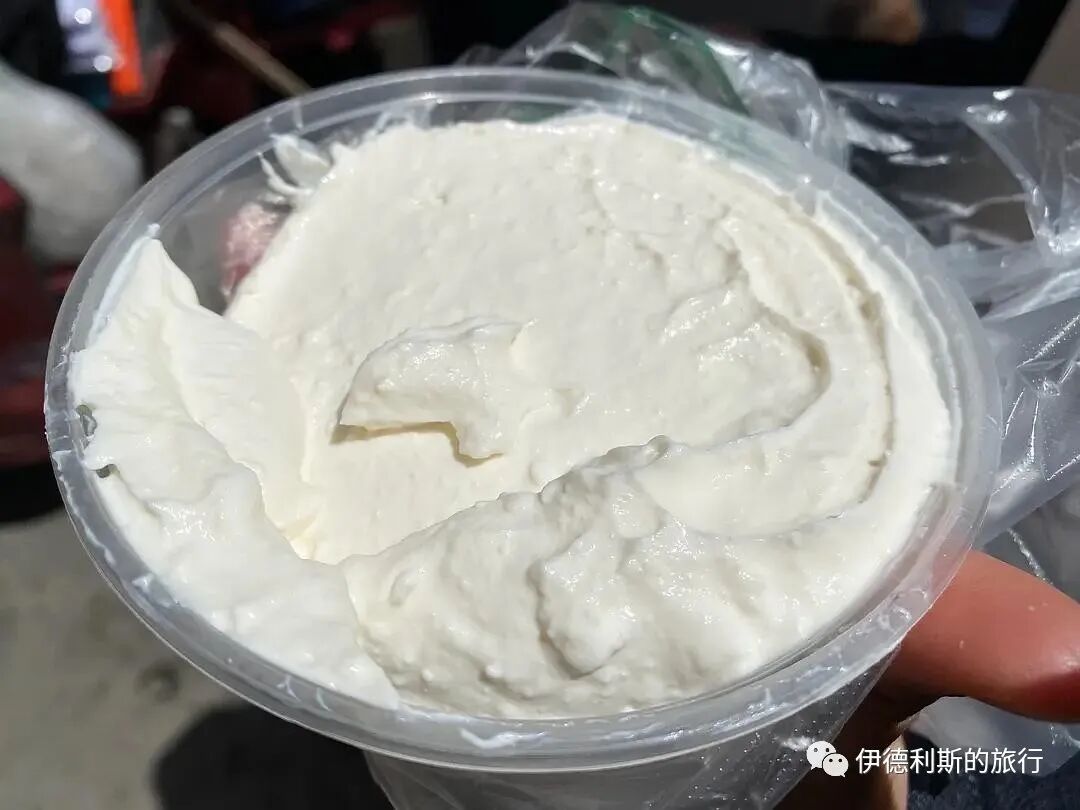
Bought Yili suannai gedada (dried yogurt balls), traditional Yili ice cream, and creamy yogurt at the entrance of Alman Supermarket.
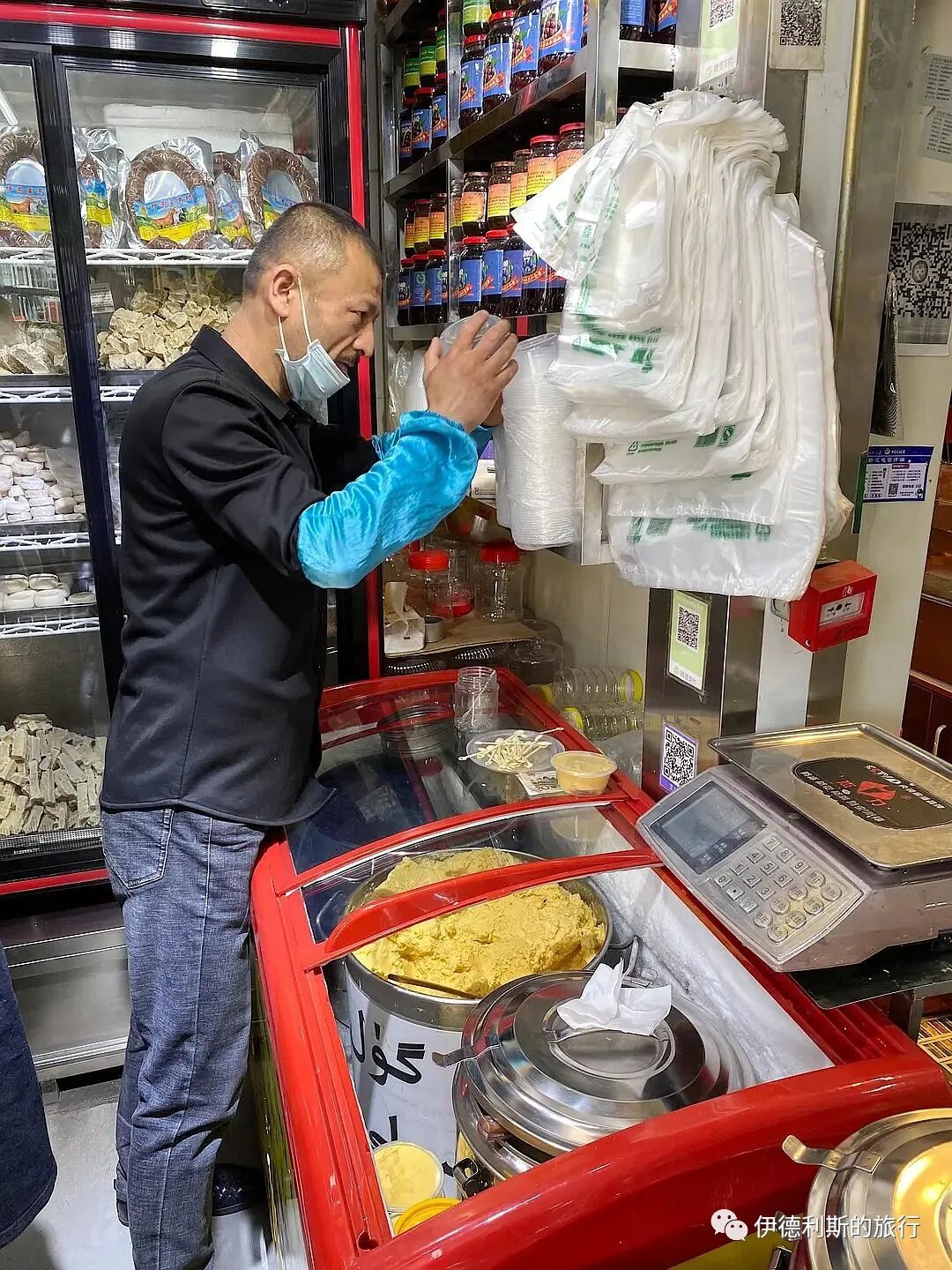
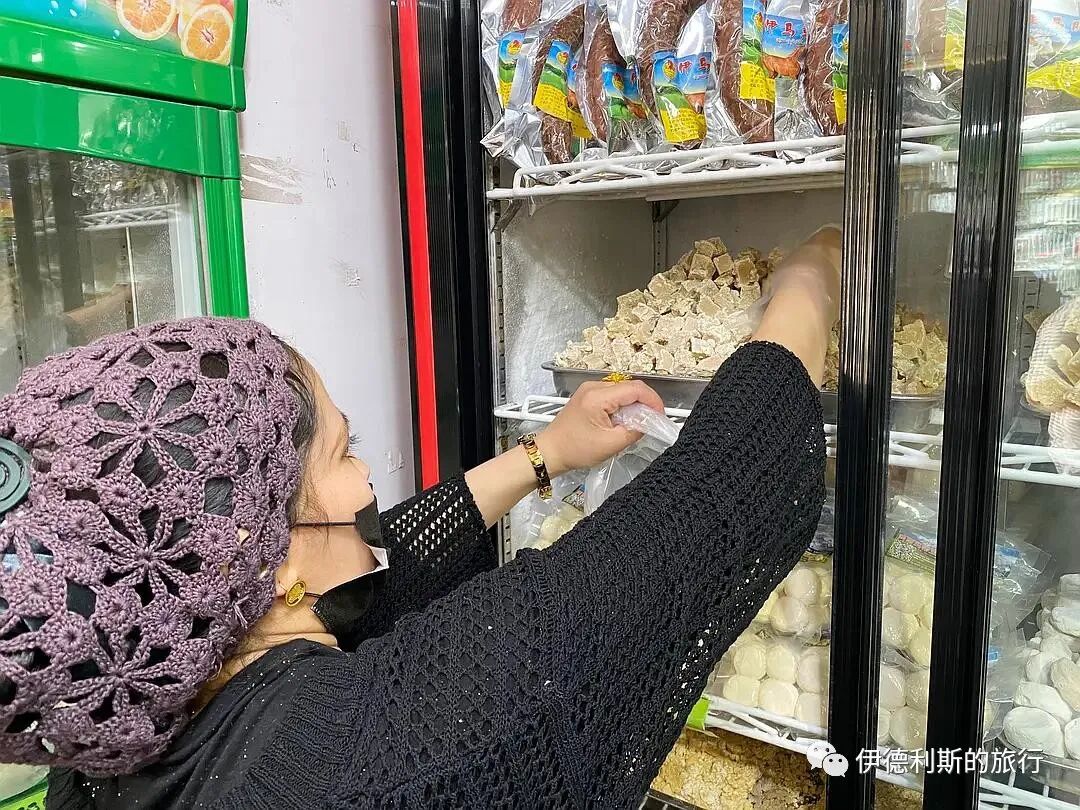
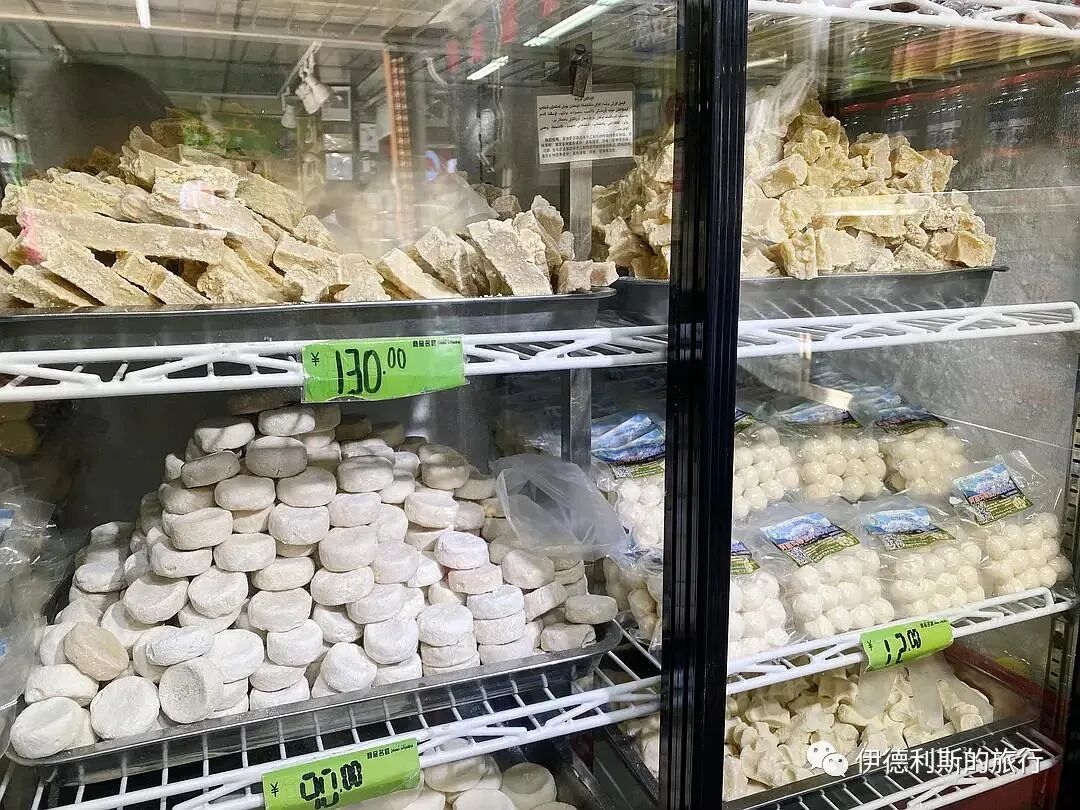
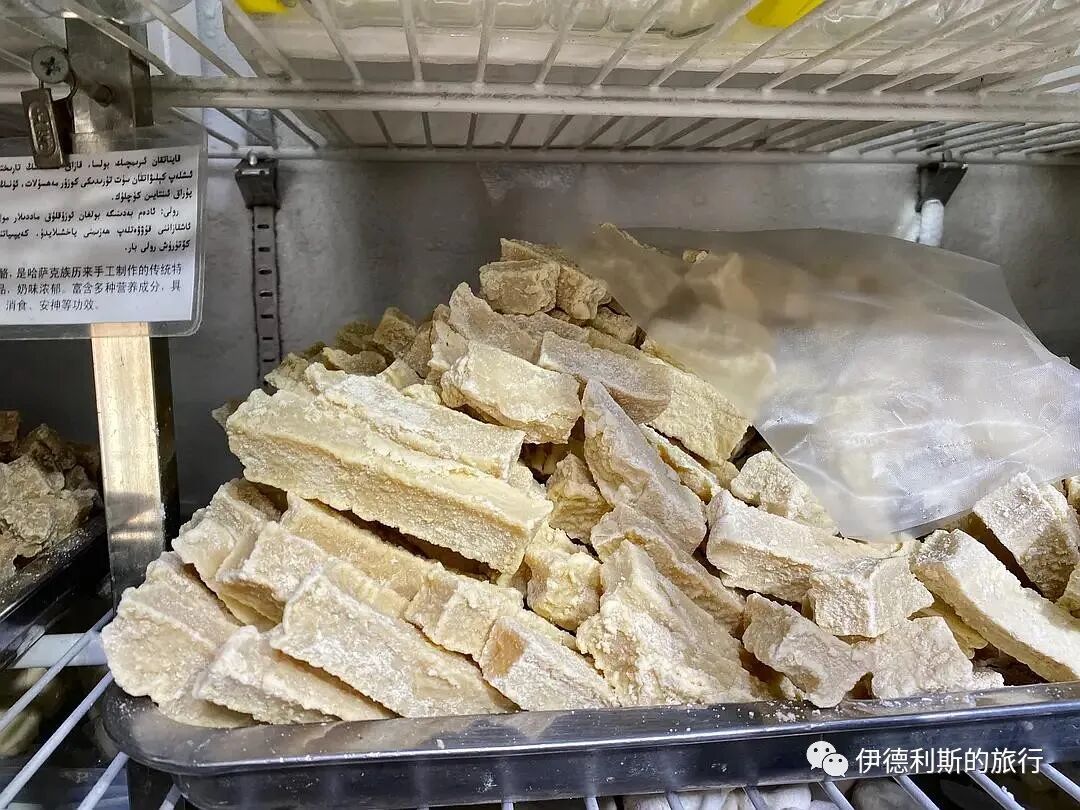
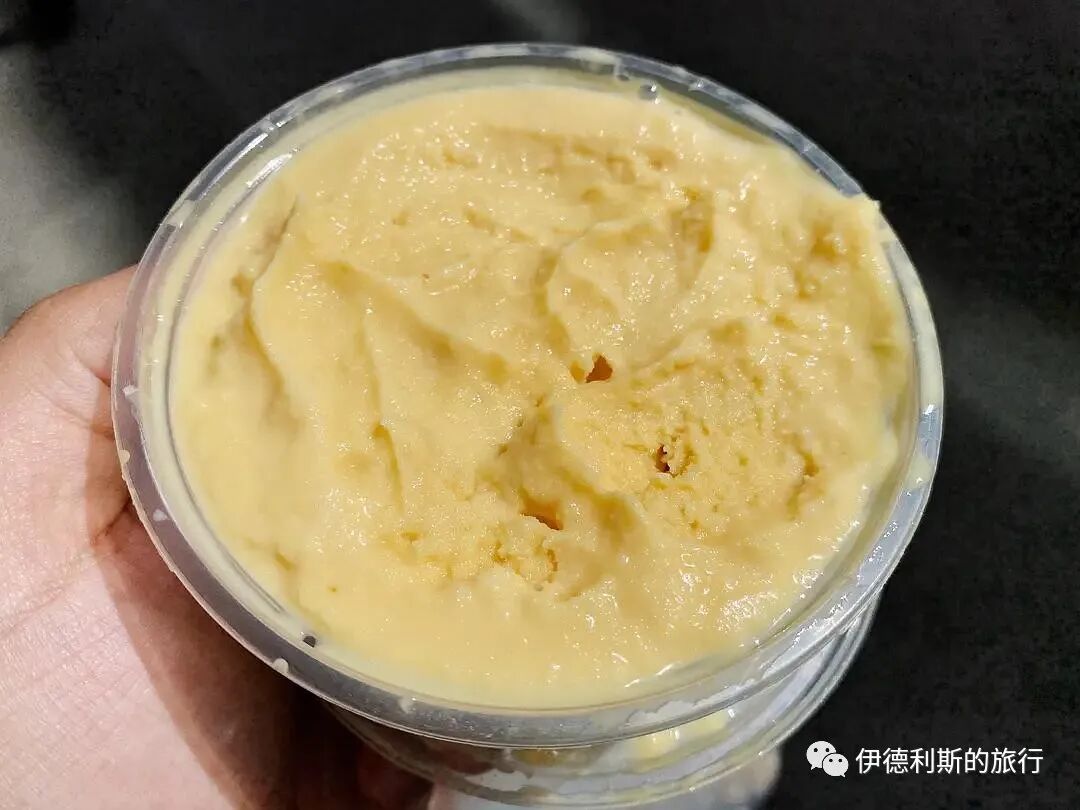
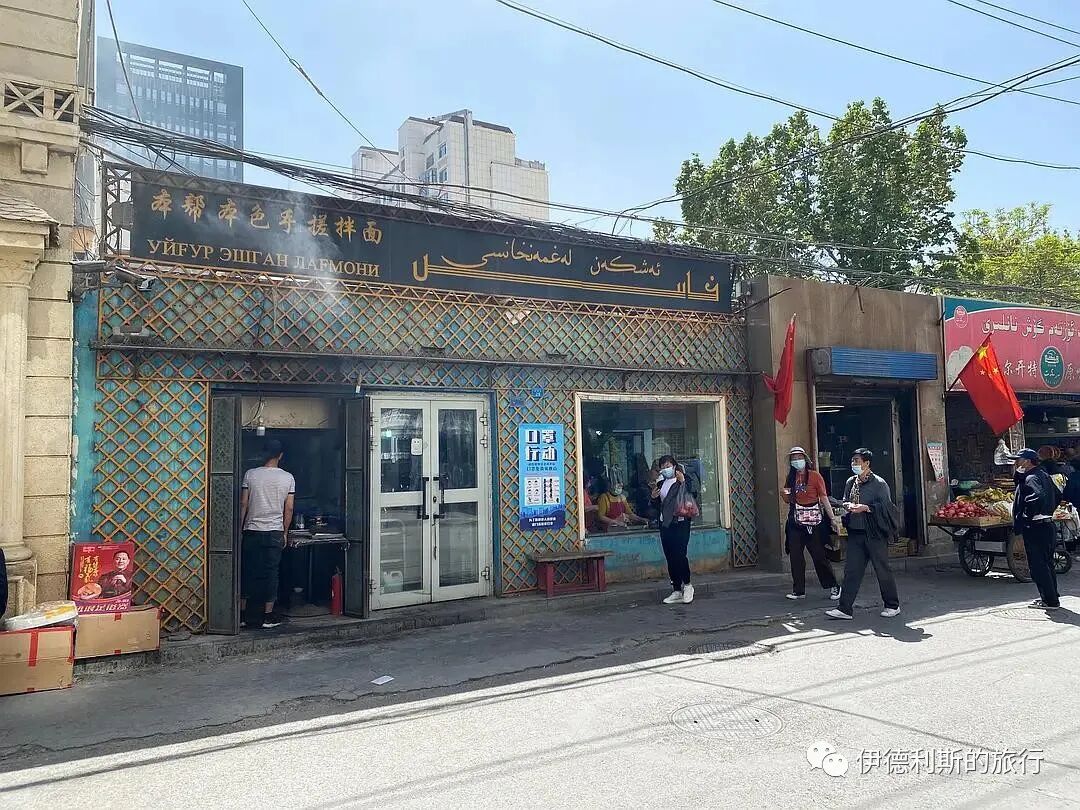
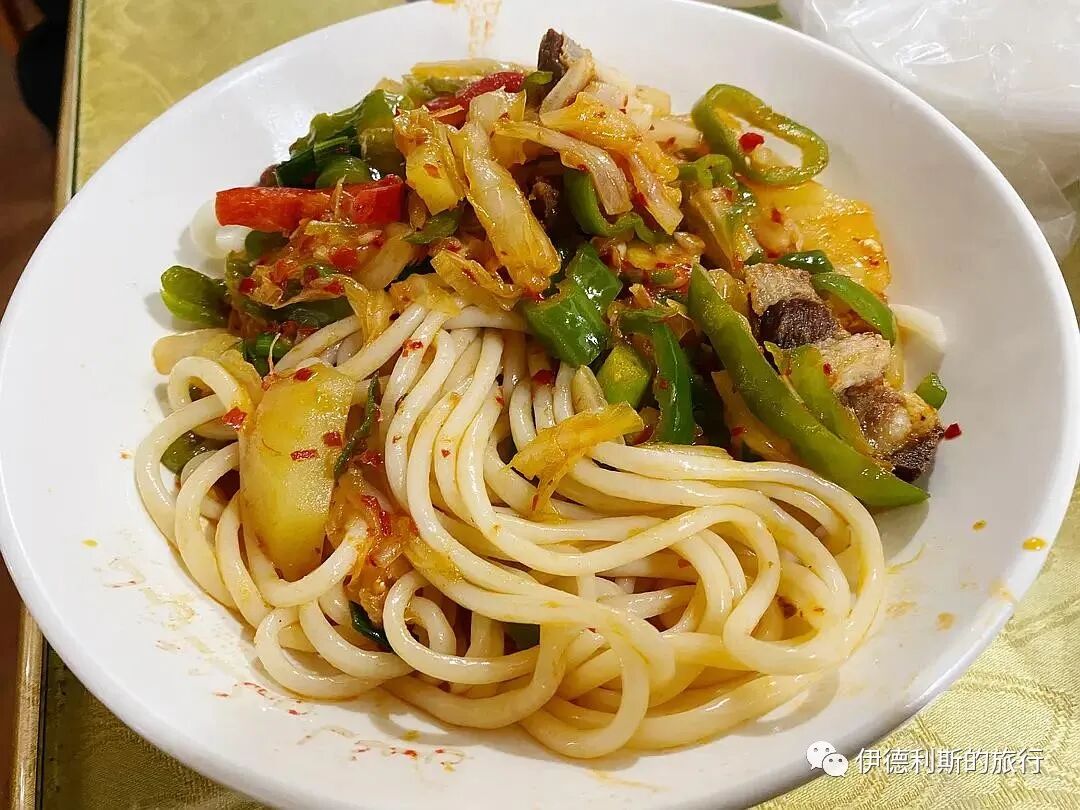
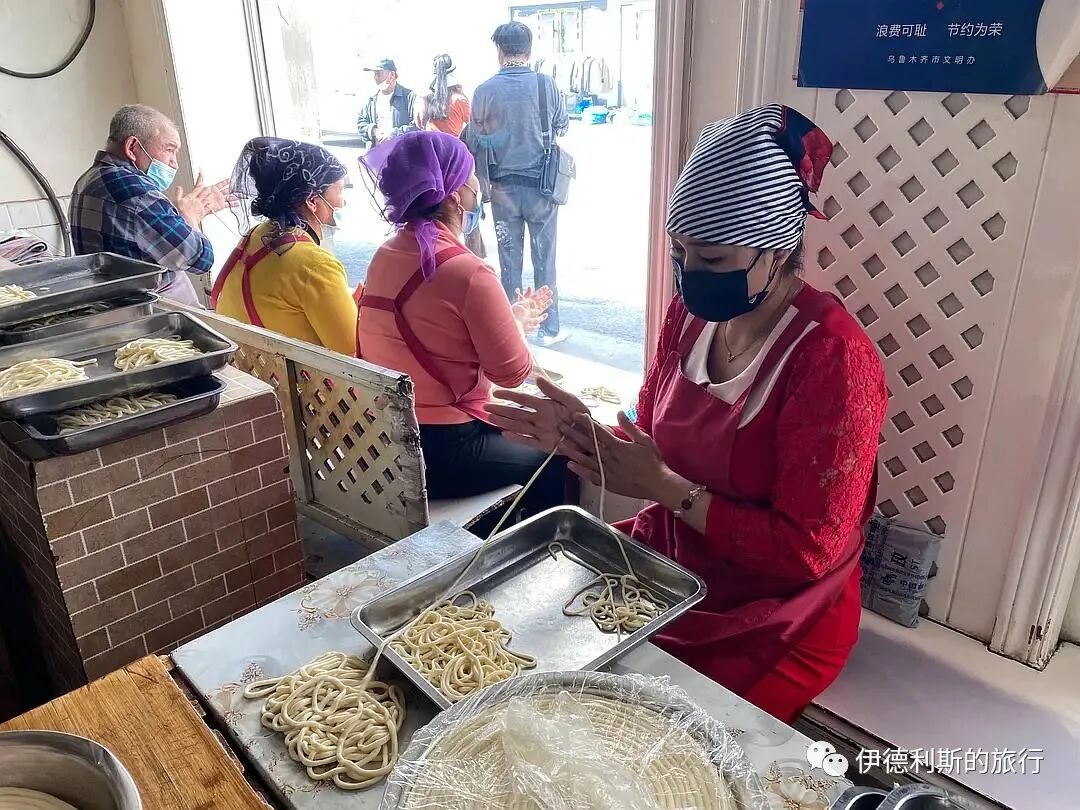
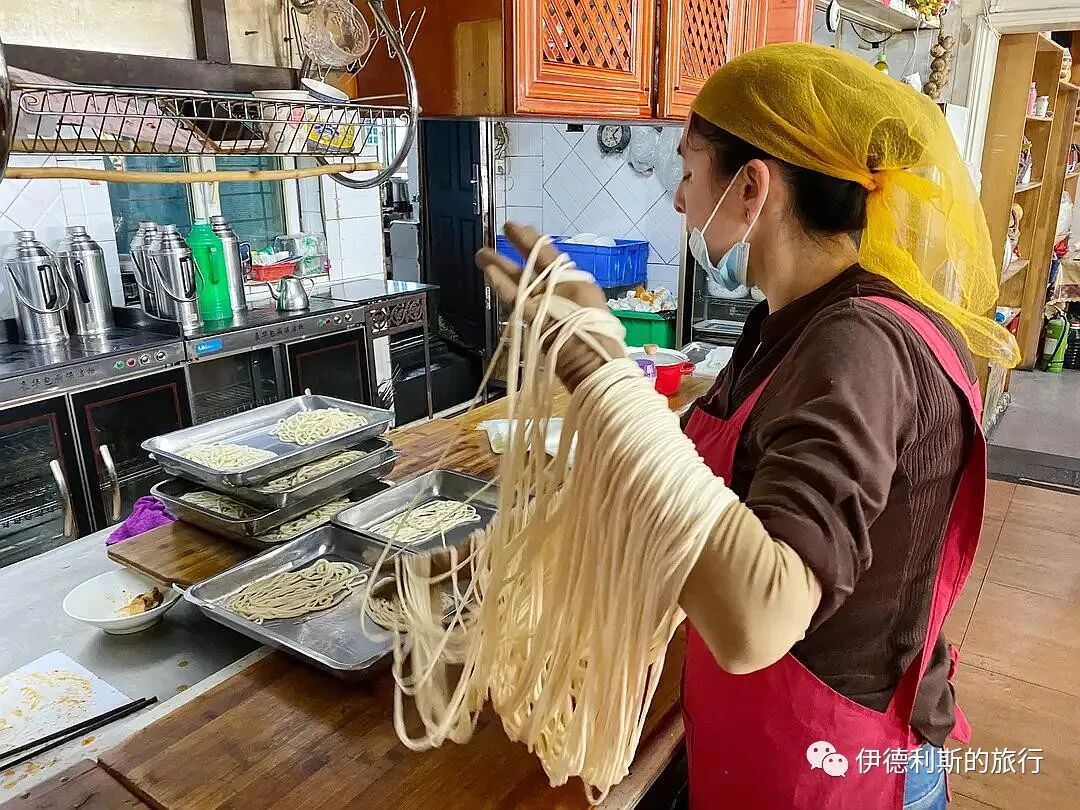
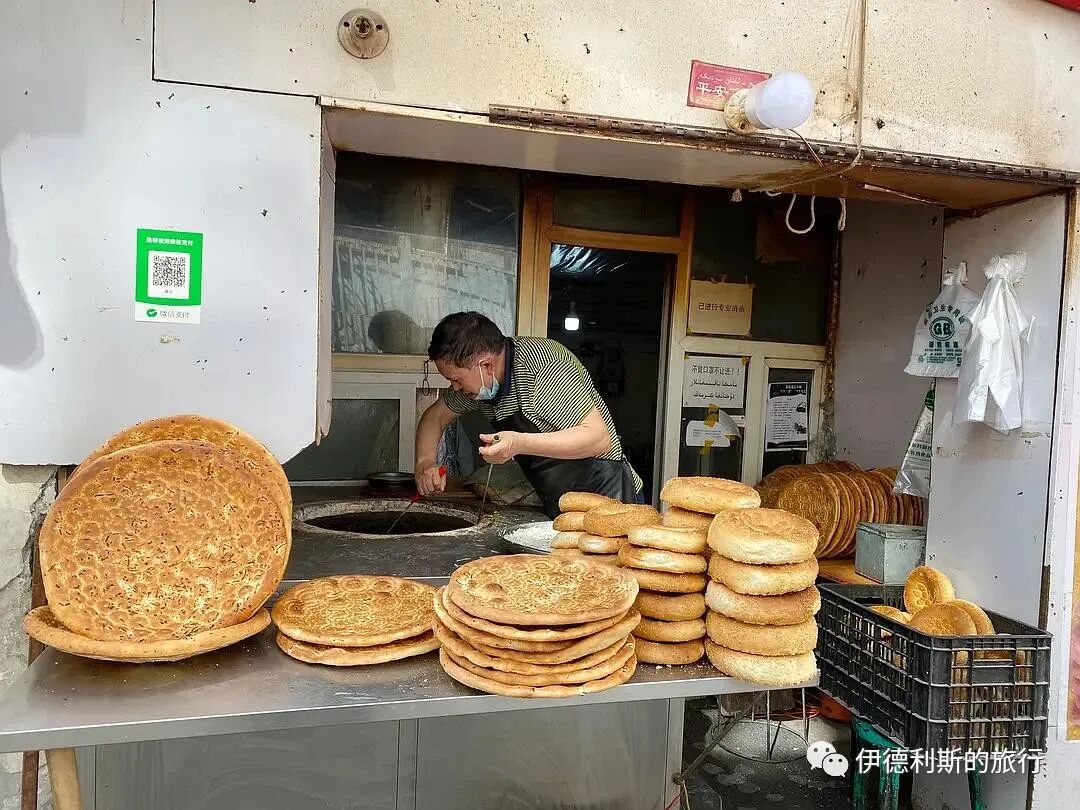
Ate homemade banmian (mixed noodles) at Benbang Bense Hand-Pulled Noodles in Lingguan Lane. I often pass by the hand-pulled noodles but this was my first time eating them; before, I always went straight for the meat naan. The hand-pulled noodles feel a bit firmer than regular noodles, and the texture is indeed different.
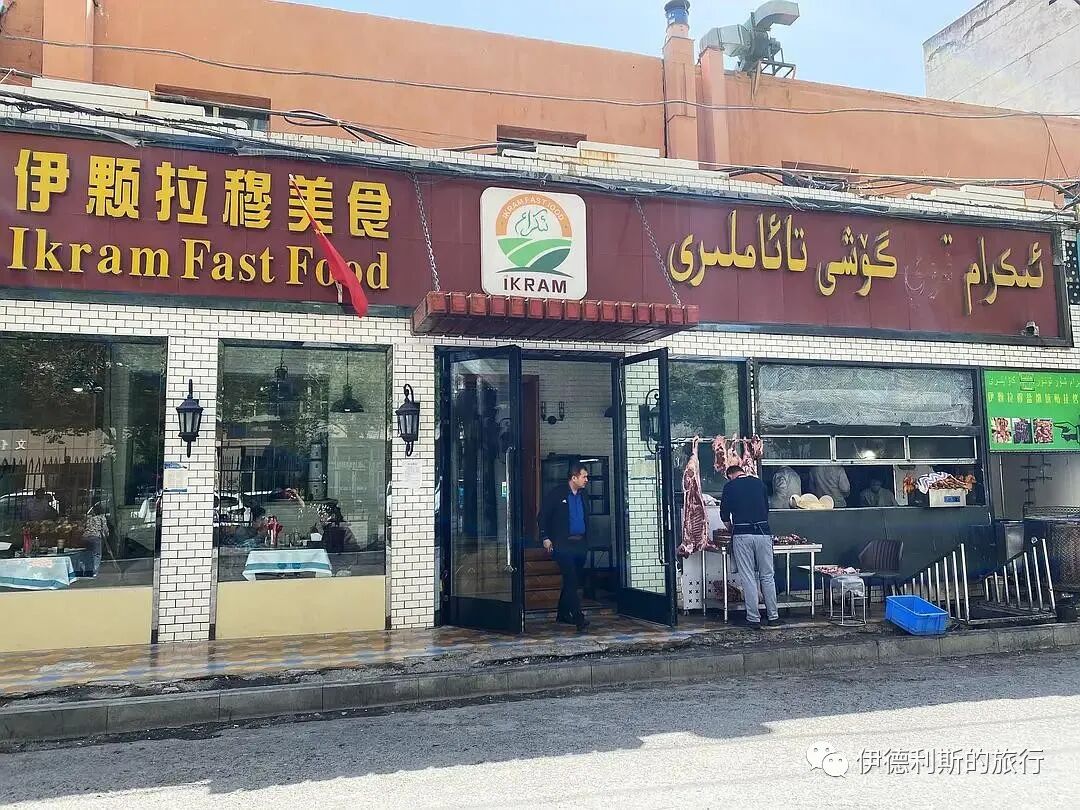
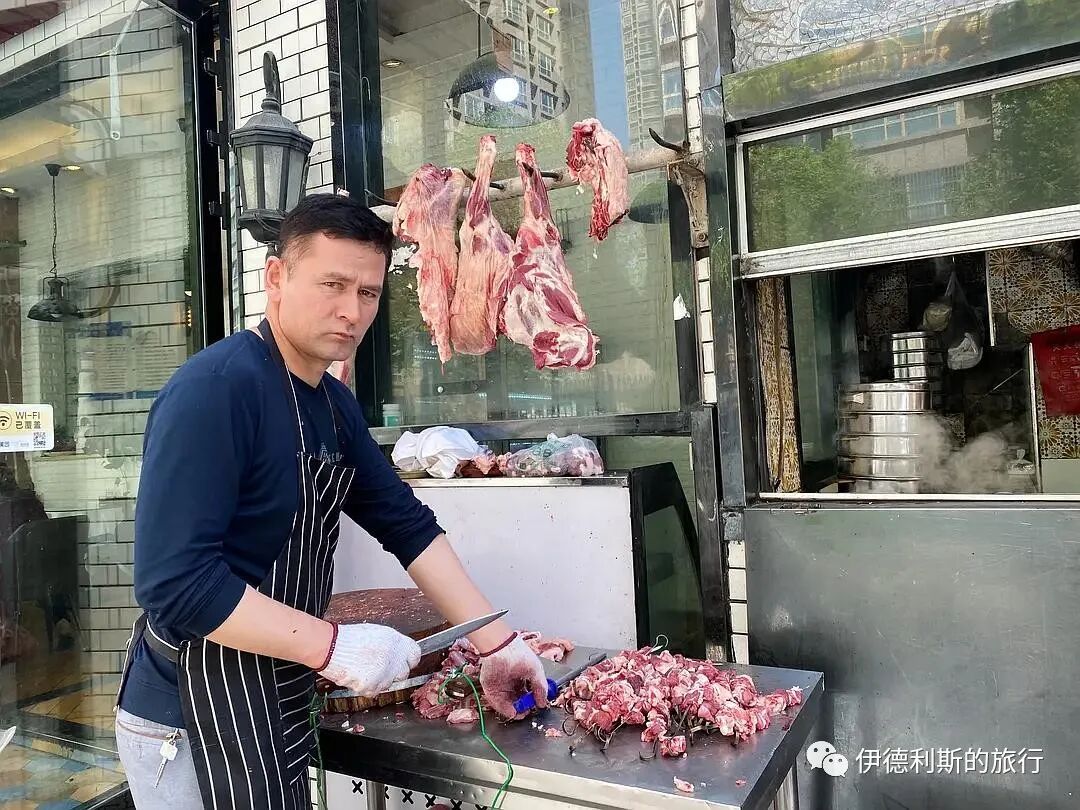
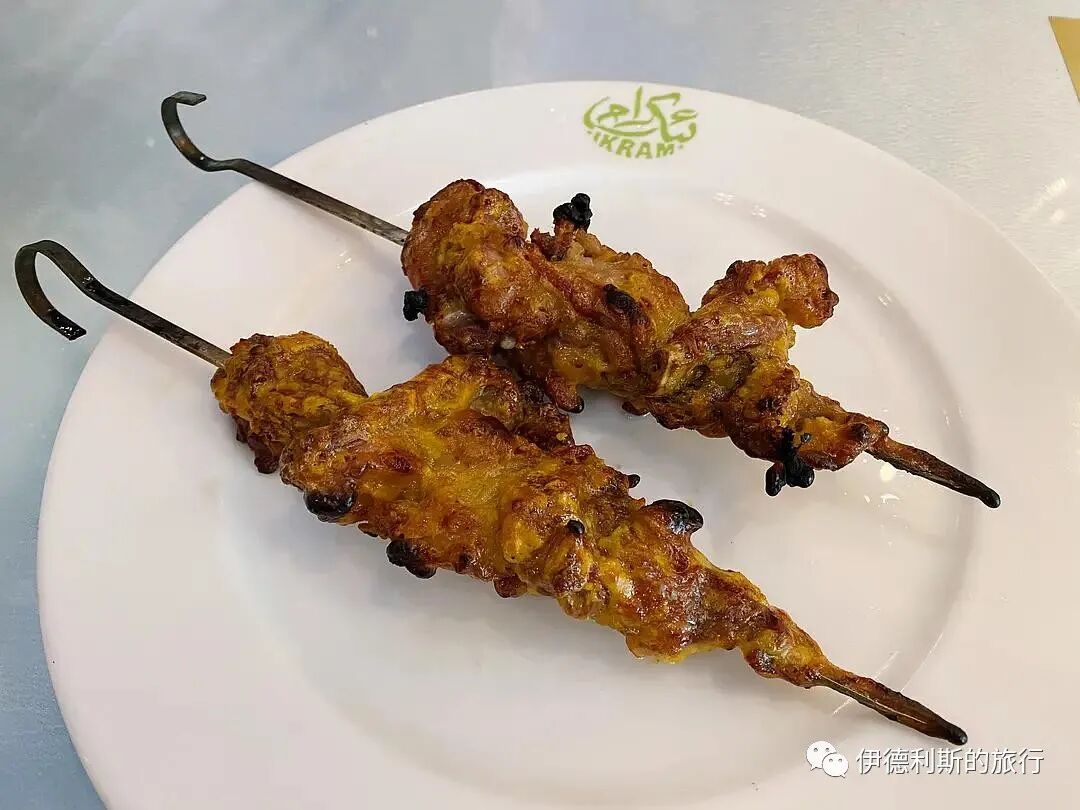
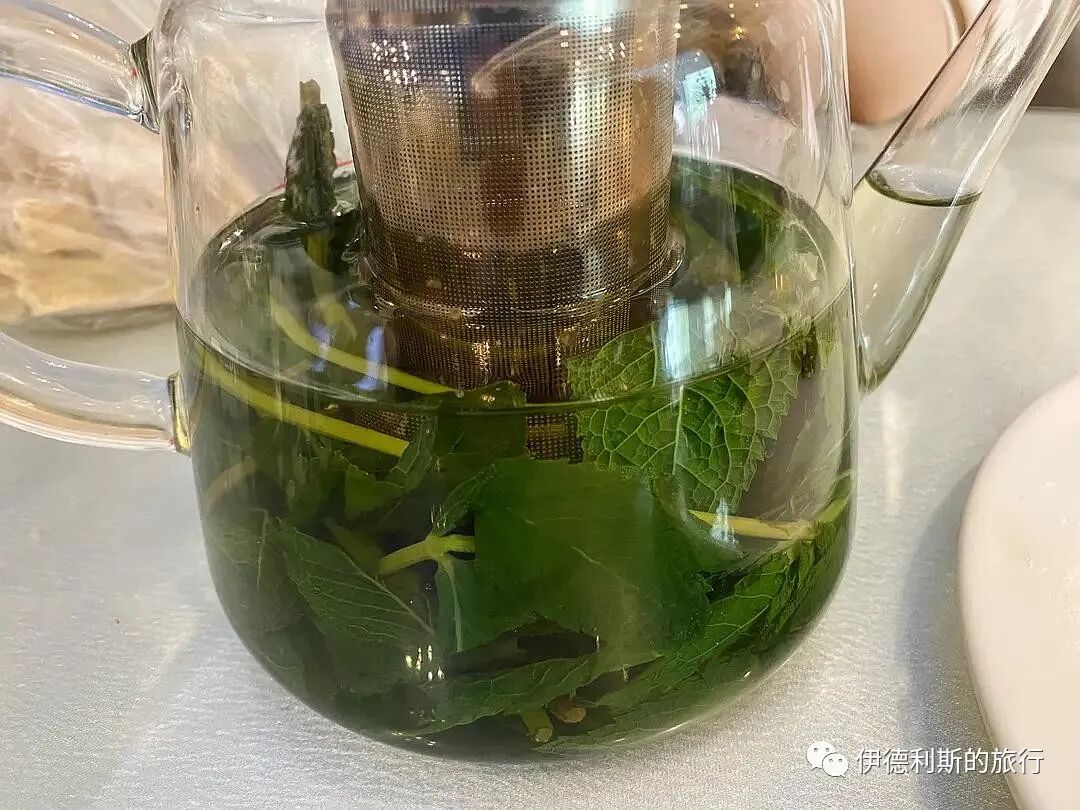
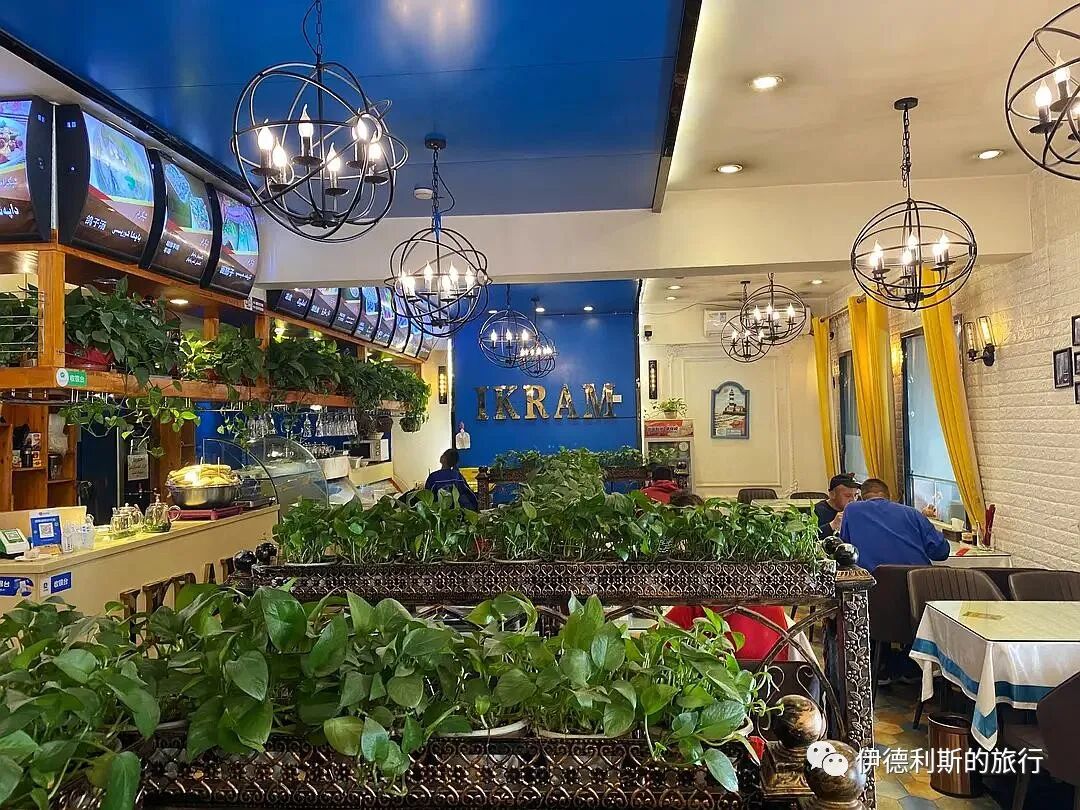
Ate naan-pit roasted meat at Yikelamu Food next door. Their environment is very nice and they have mint tea, which is quite suitable for resting.
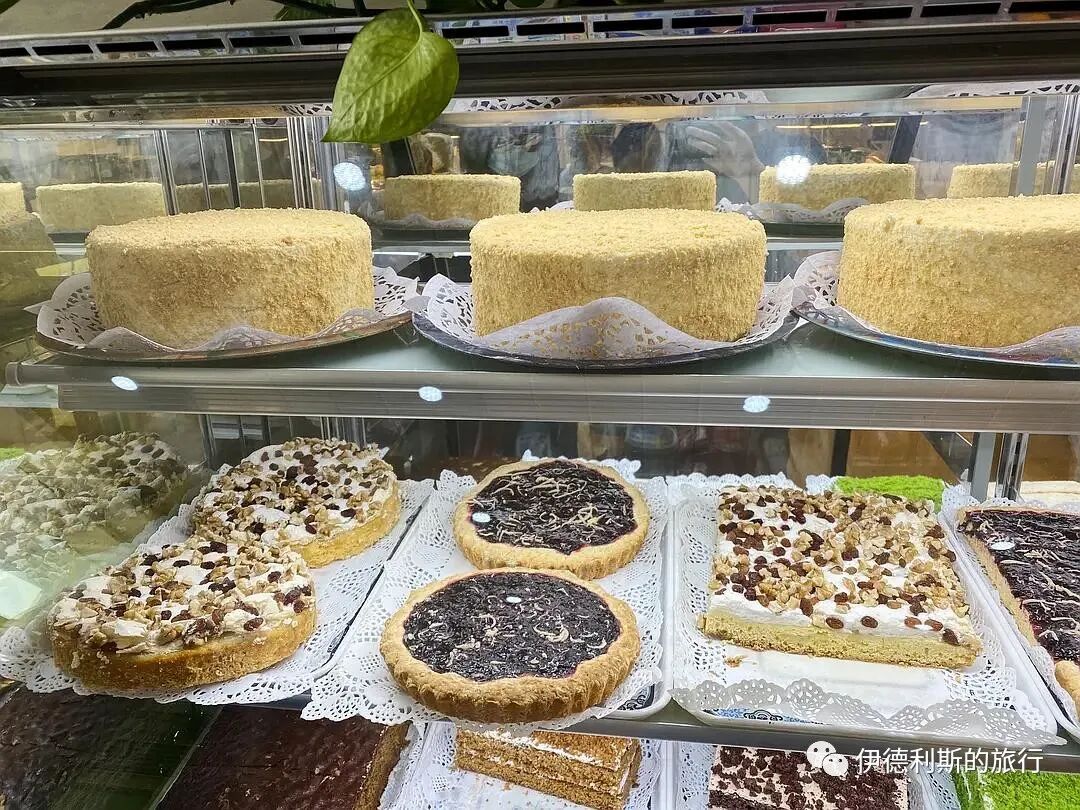
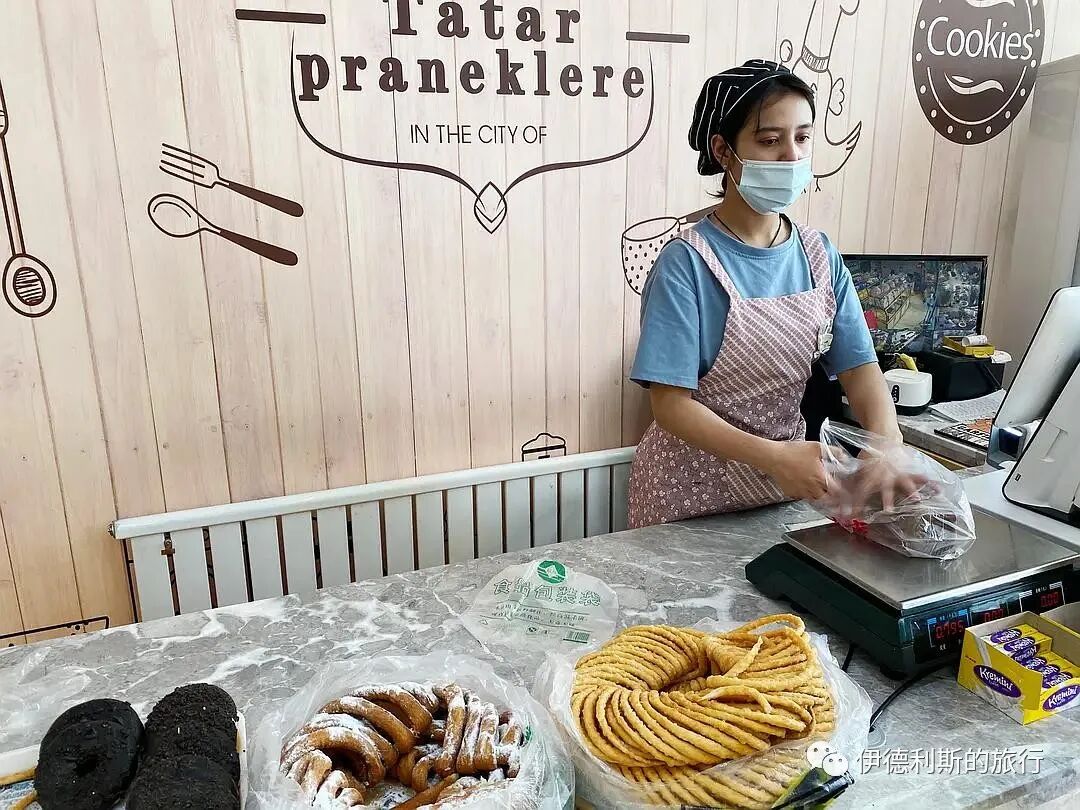
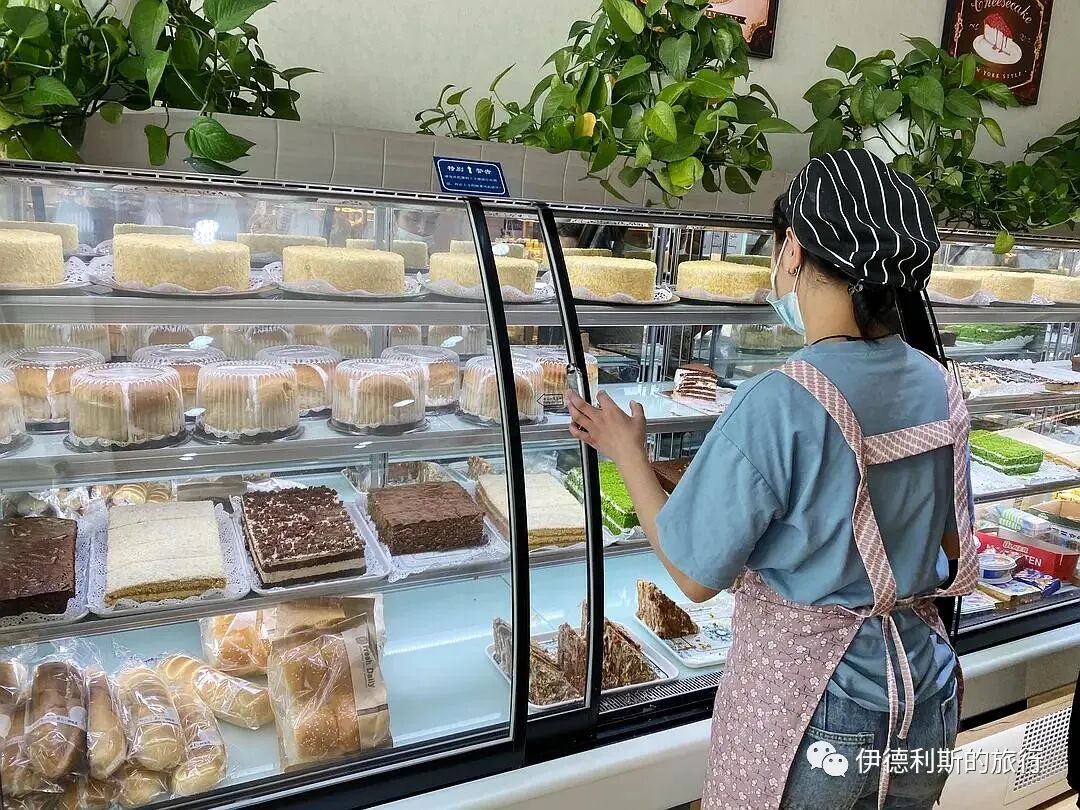
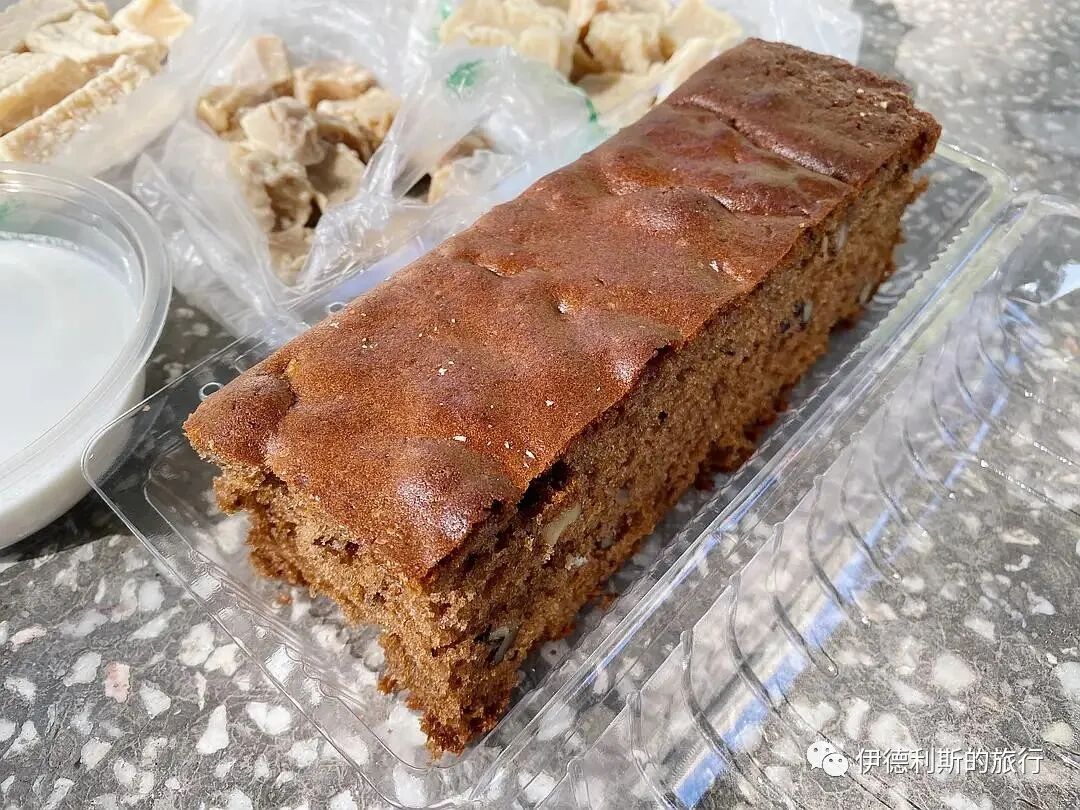
Bought bahali (a traditional Tatar cake) at the Tatar pastry shop in Lingguan Lane; I bought a Tatar cake from them when I got married last year.
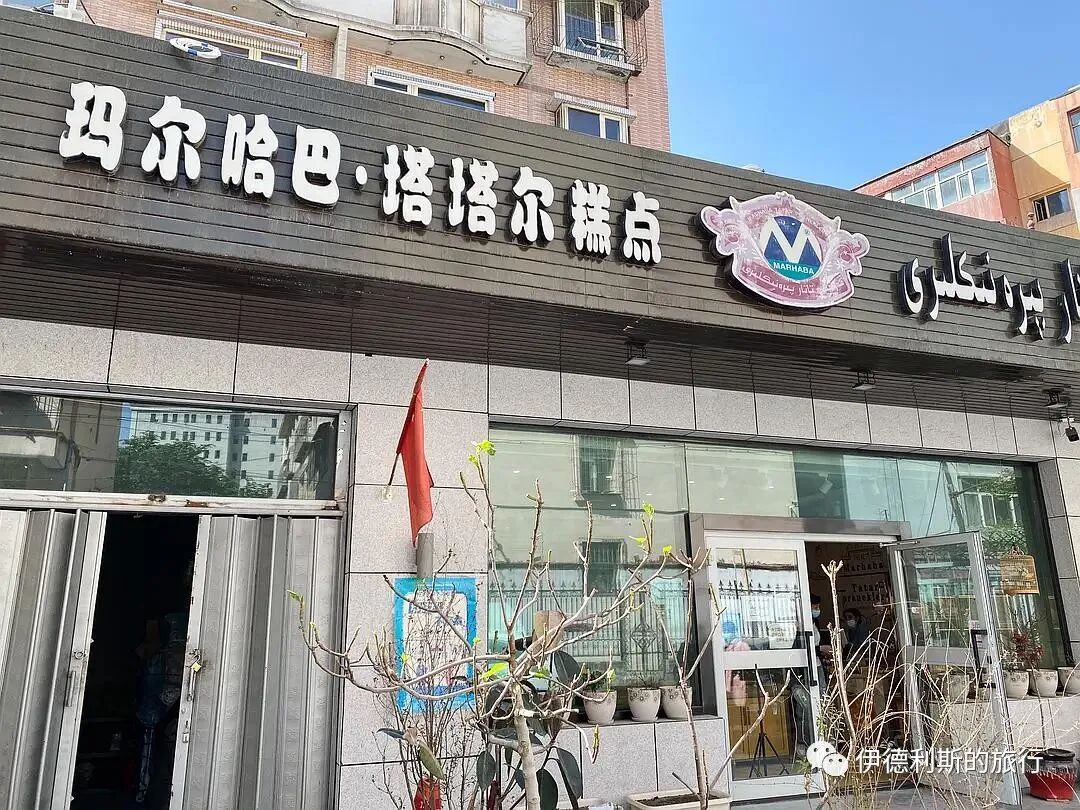
Lingguan Lane
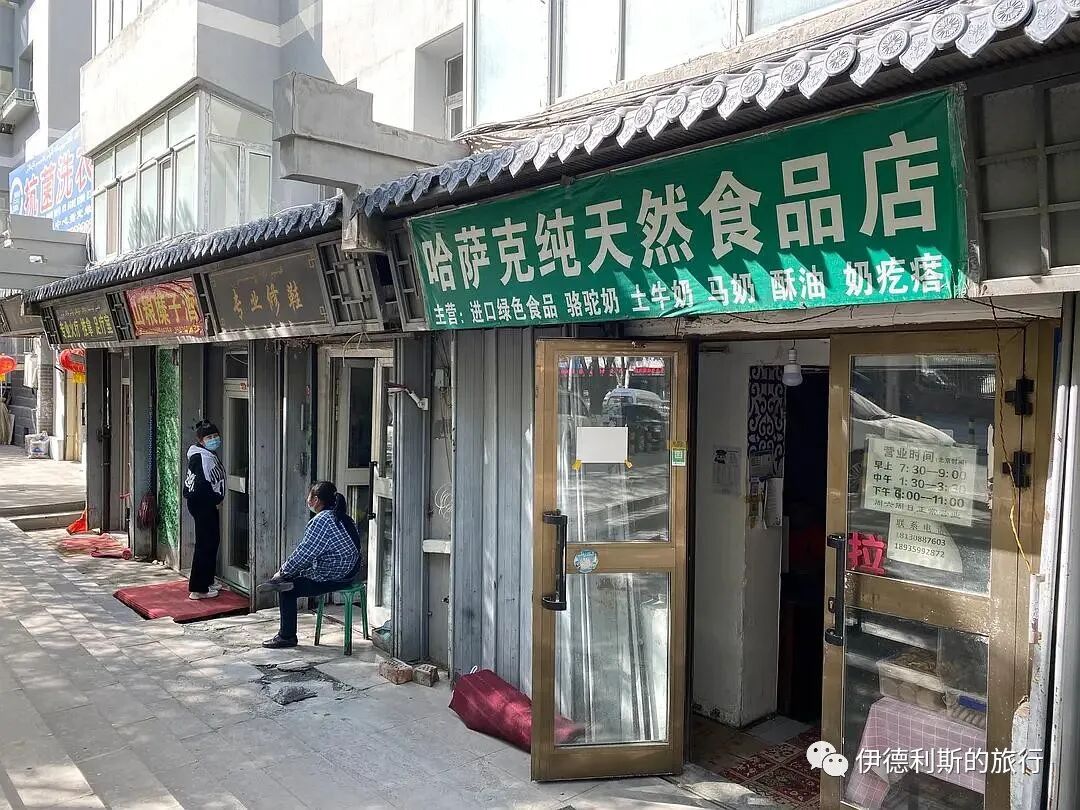
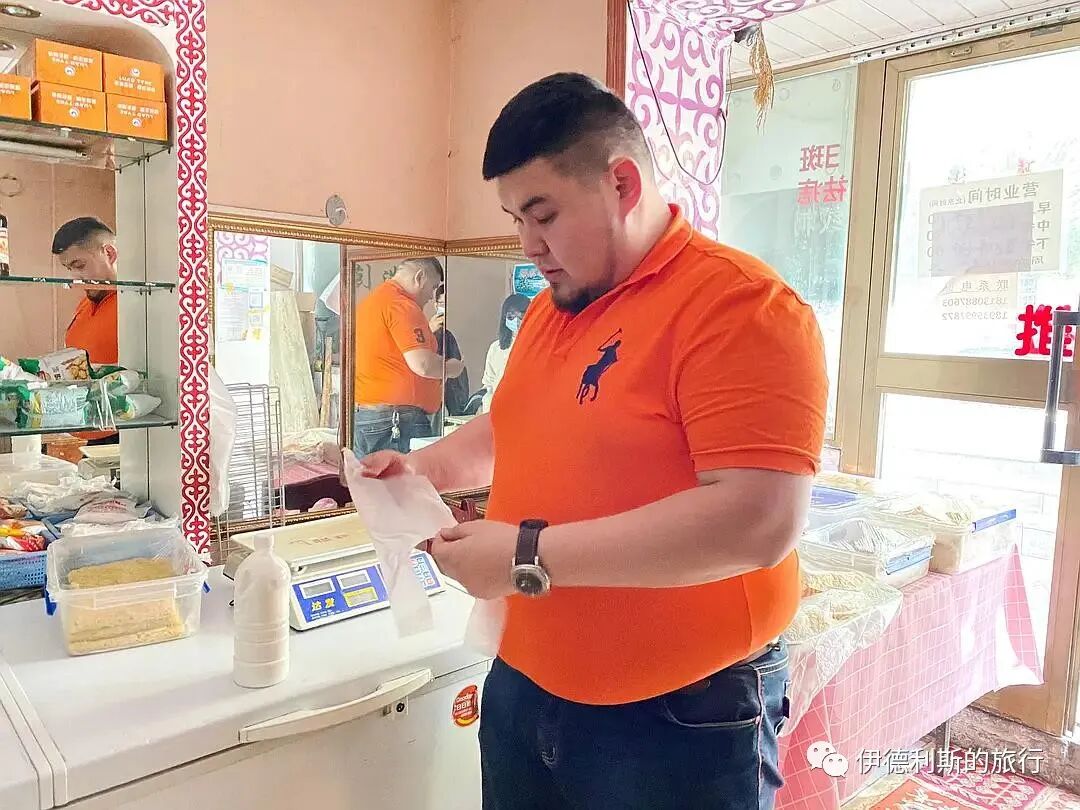
Bought fresh camel milk at a Kazakh food shop at Heping Bridge. I drank mare's milk there last year, but it's not available until the end of May; it's not the season yet, so there was only camel milk.
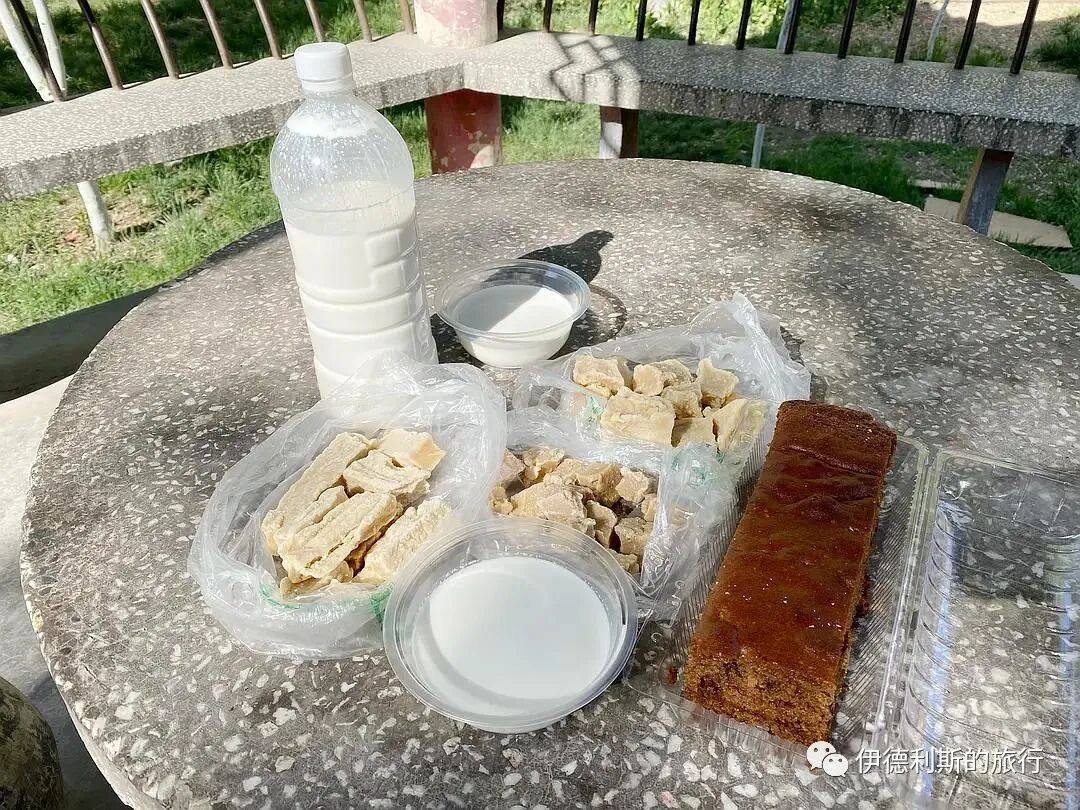
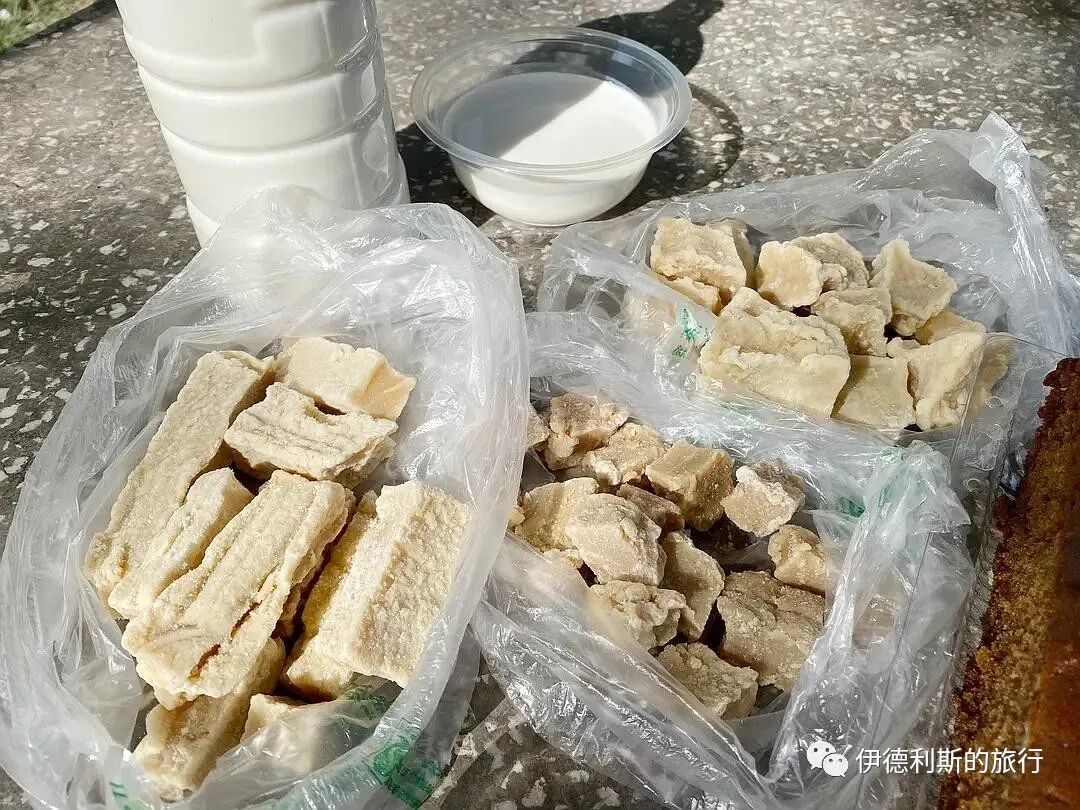
After buying it, I sat in a pavilion, basking in the sun while eating suannai gedada, fresh camel milk, and bahali; a very pleasant afternoon.
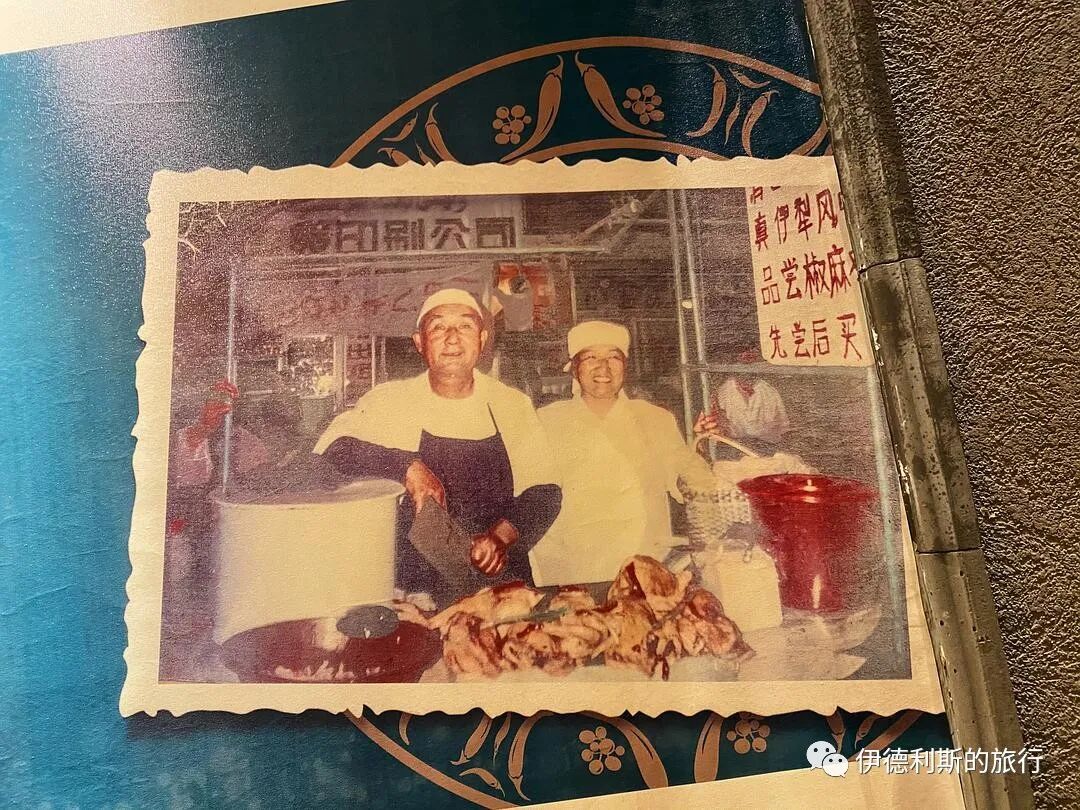
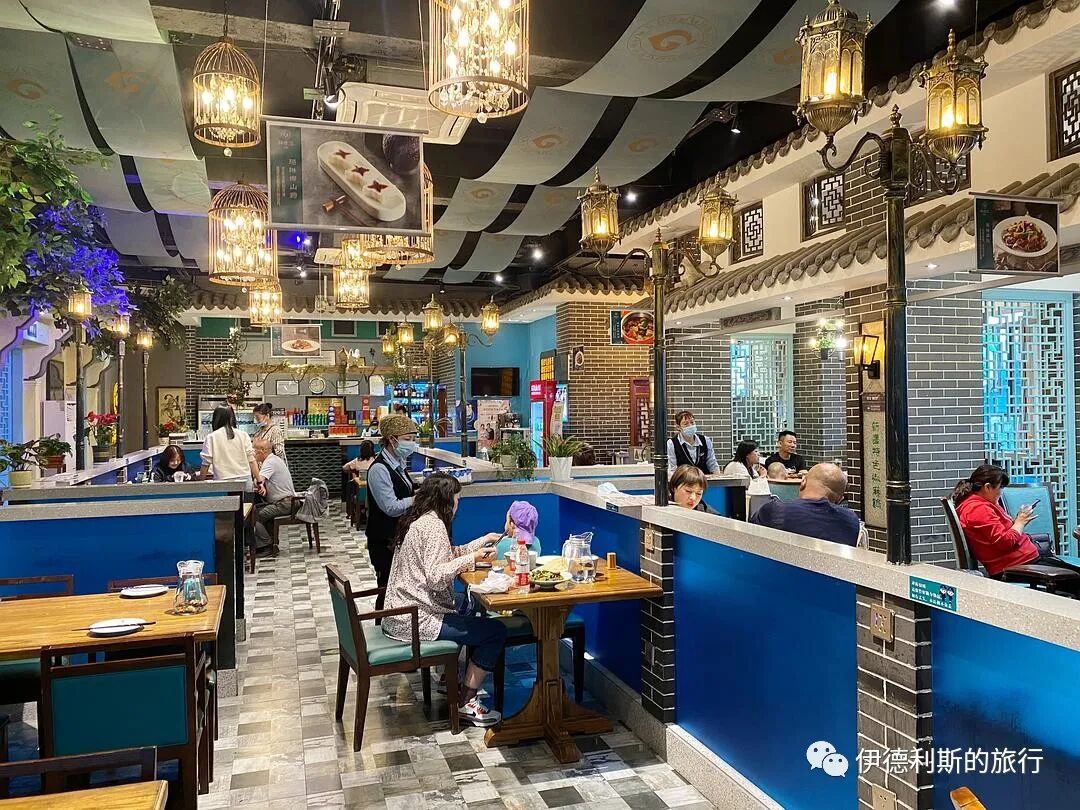
In the evening, I ate at Pang Laohan, a famous Hui Muslim restaurant in Urumqi. Pang Laohan's real name is Jin Fengchang, a Hui Muslim from Hutubi. In 1995, he gave up his restaurant in Hutubi to try his luck in Urumqi, riding a tricycle to sell jiaoma-ji (spicy numbing chicken) at the Railway Bureau night market, and it became more and more popular. In 2001, he opened a specialty store, and later more and more branches were opened; now there are even stores in Chengdu.
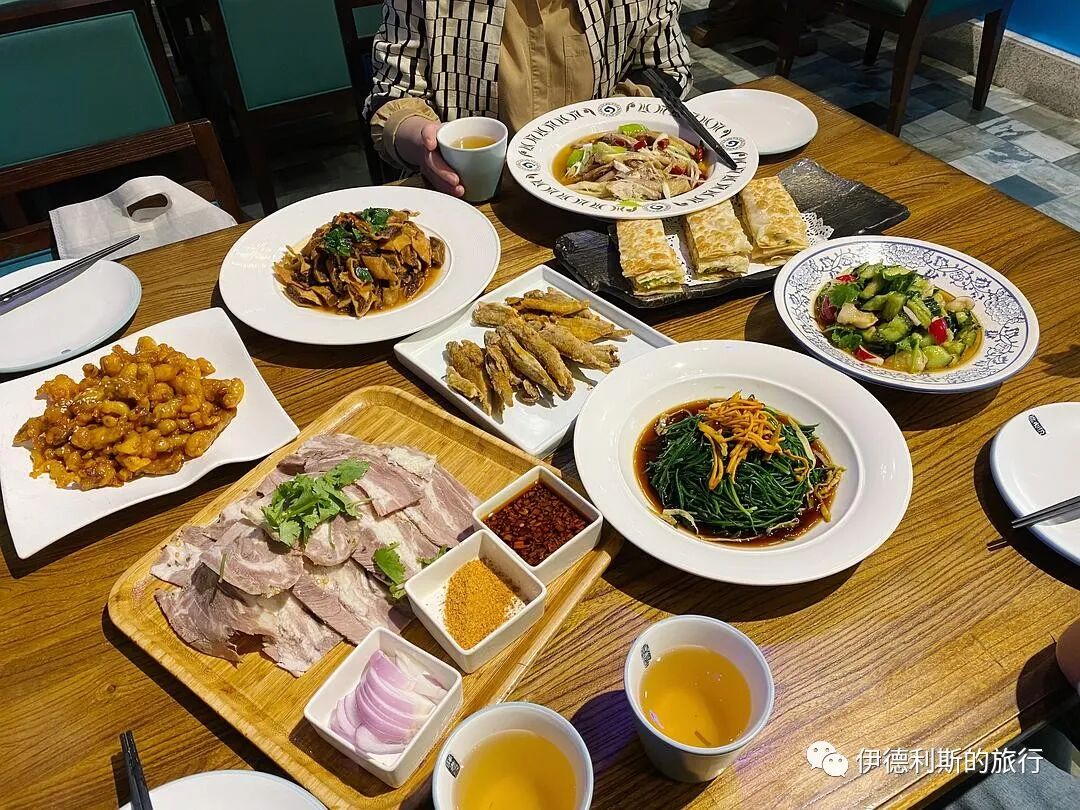
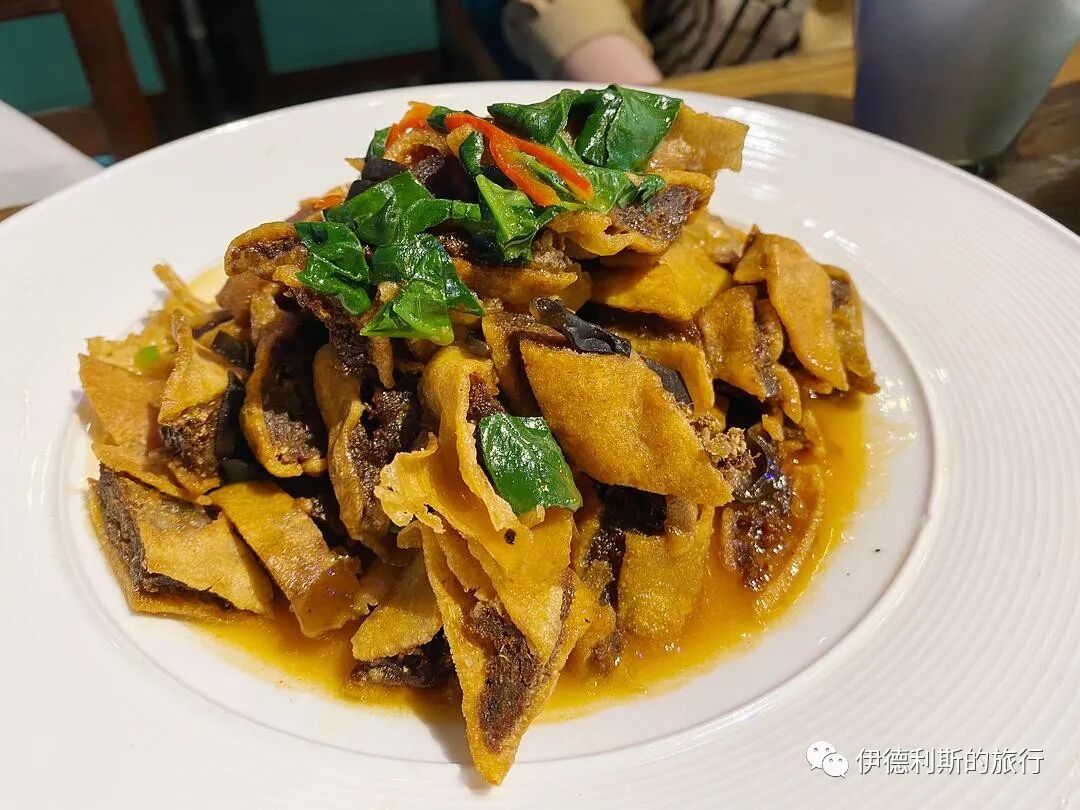
I ordered their signature jiaoma-ji, lamb neck, sauced jiesha (a traditional dish made of tofu skin and meat), sweet and sour pork tenderloin, mixed wild sand leeks, fried wudaohai (a type of fish), scallion pancakes, and so on, and finally packed up some sesame steamed bread. Their food is really quite delicious. The jiaoma-ji was quite numbing, so I couldn't eat too much, but the flavor was great. The lamb neck dipped in sauce was especially fragrant, and the jiesha was served with sauce and had a crispy outer skin, different from the softer skin of braised jiesha. The sweet and sour pork tenderloin was unexpectedly delicious! It was much more fragrant than the ones in Beijing restaurants. The bones of the wudaohai were fried until crispy; I ate almost half a plate, one bite at a time.
Summary: This travel note introduces Urumqi Night Market Halal Food Guide: Xinjiang Snacks and Local Life (Part 1). It was hard to get a five-day holiday for May Day in 2021, so I went to Urumqi to have a good look around. It is useful for readers interested in Urumqi Night Market, Halal Food, Xinjiang Travel.
It was hard to get a five-day holiday for May Day in 2021, so I went to Urumqi to have a good look around.
April 30
Arrived in Urumqi on the evening of April 30. Iftar (the meal to break the fast) was lamb and green onion huntun (wontons) made by my mother-in-law, braised steak, and steamed eggplant.
Then I went out to the night market; the nightlife in Urumqi is back!
At Maihualang on Xinhua South Road, I ate baklava, milk rice pudding, and pure suannai-zi (yogurt). Their place is really cheap and has a great atmosphere; it felt like I was back in a Turkish dessert shop for a second!
Melon stall at the west entrance of Lingguan Lane
Ice cream with fruit jam and iced water from Yizihaier Ice Cream in Lingguan Lane
Night market at the west entrance of Lingguan Lane
Lingguan Lane Night Market
Roasted goose eggs and pomegranate juice on Shengli Road
Hotan suannai zongzi (yogurt sticky rice dumplings) and shaved ice with yogurt syrup on Heba Lane. The taste is a bit different from the shaved ice in Yili, and it feels like Hotan suannai zongzi have become more common in Urumqi again this year.
Chickpeas on Heba Lane, served with the broth from michangzi (rice-stuffed intestines) and mianfeizi (lung-stuffed intestines).
Heba Lane at night
Eating dubao-rou (stomach-wrapped meat) at the night market at the east entrance of Heba Lane. The outside is lamb stomach, and the inside is lamb meat, liver, heart, and kidney; it was delicious. Dubao-rou is more common in Southern Xinjiang, but now you see it often in Urumqi night markets too. Their michangzi, mianfeizi, and chickpeas also looked so good!
A popular fruit shop on Shengli Road where I ate melon, drank pomegranate juice, and had fruit shaved ice; I've been there several times before.
A supermarket on Xinhua South Road, it's really great.
May 1
Because I'm traveling today, I paused my Suiyeye (a personal practice), and in the morning at a Kazakh restaurant by the Xinjiang University subway station, I had milk tea, horse meat sausage, and baursak (fried dough), along with side dishes with yellow carrots. I ate at their main branch in Dawan last year; it was excellent. There are more Uyghur customers at this branch, so it doesn't feel as intense as the main branch, but the baursak with raspberry jam, cherry jam, yogurt, and butter was just too good.
For lunch, I ate at the Xibe restaurant Ani Mother's Dishes in the New District; this is a quite famous place in Urumqi. I ate Xibe-style flatbread with chive chili sauce, Xibe fighting chicken, stir-fried lamb offal, and milk tea with milk skin. I originally thought the Xibe flatbread was just regular leavened bread, but after actually eating it, I found it so delicious! The texture was just right! With the chili sauce, I could eat a whole piece in one go. The Xibe fighting chicken meat was particularly chewy, much better than regular Dapanji (big plate chicken), and the stir-fried lamb offal was quite spicy but very satisfying. The milk tea had that authentic Yili taste, no doubt about it.
In the afternoon, I visited the Urumqi Gaotai Art Center, saw the Swiss contemporary photography exhibition, and bought magnets of jiuwan sanxingzi (nine bowls in three rows) and laghman (hand-pulled noodles), as well as portrait photography of Xinjiang people by photographer Ma Hailun. She will also be conducting a Urumqi portrait photography project at Gaotai on May 7. Gaotai Art Center is the only modern art center in Urumqi, and they organized the Dos Xinjiang Art Festival held in Beijing during the 2021 May Day holiday.
May 2
Ate zhuafan (pilaf), michangzi, mianfeizi, and pilahong (salad of skin, chili, and red onion) at home in the morning, then set off for Turpan.
May 4
On the morning of May 4, I ate Wuwuzi lamb meat with sanpaotai (a traditional tea with eight ingredients) in Shanxi Lane. The lamb was very tender and fragrant, and the piyazi (onions) were sweet.
In 1907, a Hui Muslim named Li Shenghua (Li Liushizi) started carrying a shoulder pole to sell lamb meat at the South Gate of Dihua. Later, his fifth son, Li Zhanshou (Wuwuzi), took over, and the name Wuwuzi Lamb Meat gradually became well-known. After the 1980s, Wuwuzi rented a storefront in Shanxi Lane. It has now been passed down for four generations and is an autonomous region-level intangible cultural heritage.
Wuwuzi Lamb Meat, along with the Shaanxi Great Mosque, the Laofang Mosque, and others, forms an important cultural symbol of the Hui Muslim historical district outside the South Gate of Urumqi. It is well worth a try for friends visiting Urumqi.
Erkin's musical instrument shop at the International Grand Bazaar; he is an inheritor of the autonomous region-level intangible cultural heritage of Uyghur musical instrument making. This is the only place worth visiting in the International Grand Bazaar besides the Kazakh photography yurt.
Ate almond ice cream at Alman Supermarket in Lingguan Lane; the ice cream had a very rich milky flavor.
Bought Yili suannai gedada (dried yogurt balls), traditional Yili ice cream, and creamy yogurt at the entrance of Alman Supermarket.
Ate homemade banmian (mixed noodles) at Benbang Bense Hand-Pulled Noodles in Lingguan Lane. I often pass by the hand-pulled noodles but this was my first time eating them; before, I always went straight for the meat naan. The hand-pulled noodles feel a bit firmer than regular noodles, and the texture is indeed different.
Ate naan-pit roasted meat at Yikelamu Food next door. Their environment is very nice and they have mint tea, which is quite suitable for resting.
Bought bahali (a traditional Tatar cake) at the Tatar pastry shop in Lingguan Lane; I bought a Tatar cake from them when I got married last year.
Lingguan Lane
Bought fresh camel milk at a Kazakh food shop at Heping Bridge. I drank mare's milk there last year, but it's not available until the end of May; it's not the season yet, so there was only camel milk.
After buying it, I sat in a pavilion, basking in the sun while eating suannai gedada, fresh camel milk, and bahali; a very pleasant afternoon.
In the evening, I ate at Pang Laohan, a famous Hui Muslim restaurant in Urumqi. Pang Laohan's real name is Jin Fengchang, a Hui Muslim from Hutubi. In 1995, he gave up his restaurant in Hutubi to try his luck in Urumqi, riding a tricycle to sell jiaoma-ji (spicy numbing chicken) at the Railway Bureau night market, and it became more and more popular. In 2001, he opened a specialty store, and later more and more branches were opened; now there are even stores in Chengdu.
I ordered their signature jiaoma-ji, lamb neck, sauced jiesha (a traditional dish made of tofu skin and meat), sweet and sour pork tenderloin, mixed wild sand leeks, fried wudaohai (a type of fish), scallion pancakes, and so on, and finally packed up some sesame steamed bread. Their food is really quite delicious. The jiaoma-ji was quite numbing, so I couldn't eat too much, but the flavor was great. The lamb neck dipped in sauce was especially fragrant, and the jiesha was served with sauce and had a crispy outer skin, different from the softer skin of braised jiesha. The sweet and sour pork tenderloin was unexpectedly delicious! It was much more fragrant than the ones in Beijing restaurants. The bones of the wudaohai were fried until crispy; I ate almost half a plate, one bite at a time.
