
From the Ilkhanate to Yuan Dadu: A Sufi Traveler and Beijing Muslim Heritage
Reposted from the web
Summary: This travel note introduces From the Ilkhanate to Yuan Dadu: A Sufi Traveler and Beijing Muslim Heritage. Regarding the Muslims who came to Beijing from Central and Western Asia during the Yuan Dynasty, the most famous are the tombs of the Shaykhs in the small courtyard on the south side of the Niujie Mosque, where Ahmad. It is useful for readers interested in Yuan Dadu, Sufi Heritage, Beijing Muslims.
Regarding the Muslims who came to Beijing from Central and Western Asia during the Yuan Dynasty, the most famous are the tombs of the Shaykhs in the small courtyard on the south side of the Niujie Mosque, where Ahmad Burtani, who passed away in 1280, and Ali Imad al-Din, who passed away in 1283, are buried. In fact, the Qingzhen Pushou Mosque inside Fuchengmen also preserves a Yuan Dynasty tombstone of a Muslim who came to Yuan Dadu from the Ilkhanate, and the inscription contains precious records about Sufis of the Yuan Dynasty.
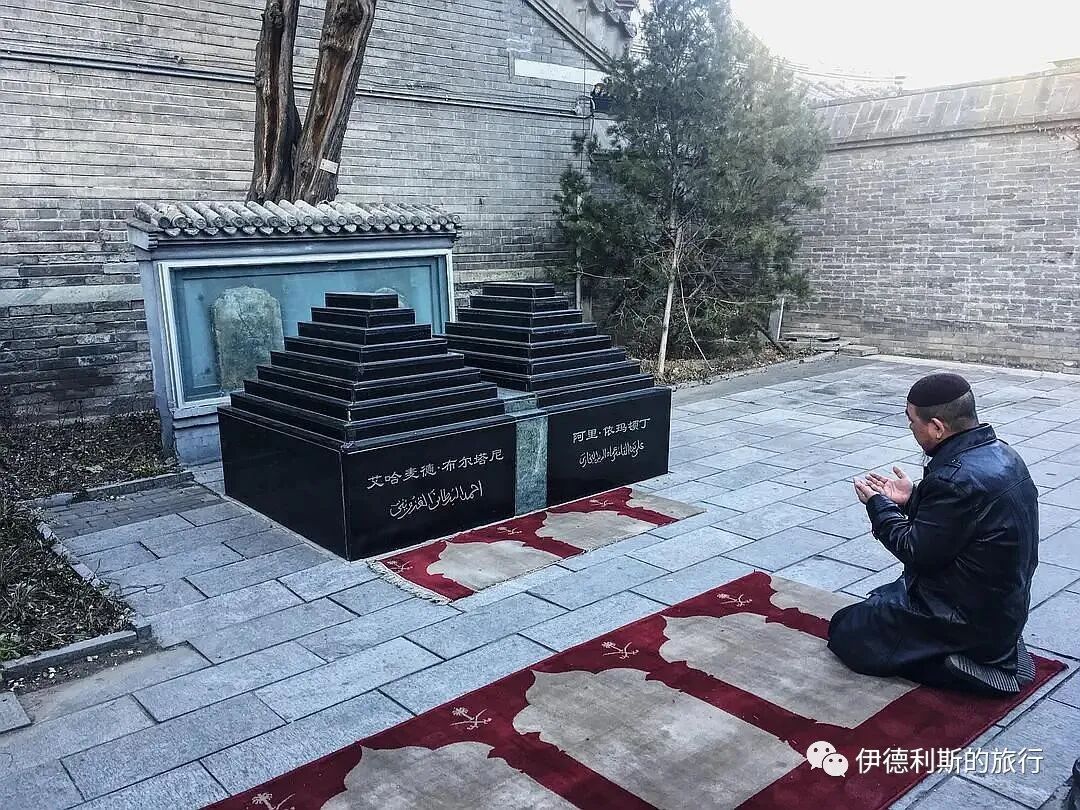
The tombs of the sages from the Western Regions of the Yuan Dynasty at the Niujie Mosque.
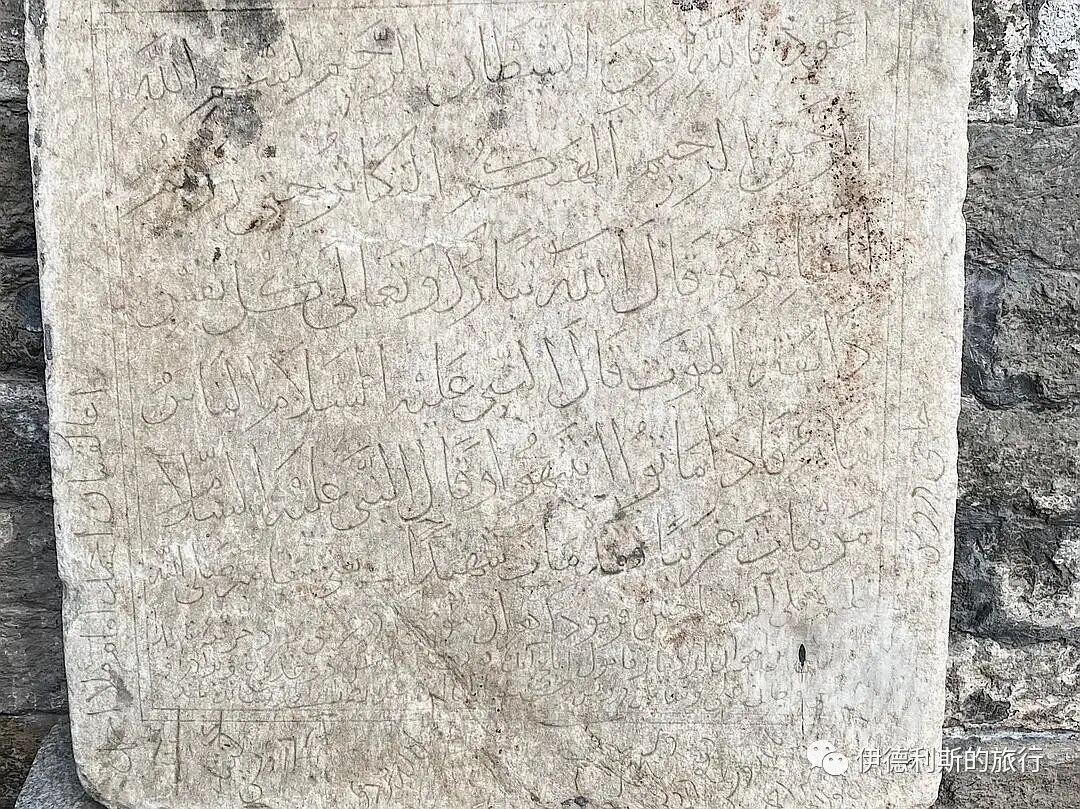
According to the interpretation by Ma Baoquan in 'An Overlooked Yuan Dynasty Arabic and Persian Tombstone of Hui Muslims in Beijing—The Tombstone of an Ilkhanate Person Formerly Collected by Beijing Qingzhen Pushou Mosque', the inscription first uses Arabic to engrave the prayer for protection, the Basmala, verses from the Quran, and Hadith, and then uses Persian to briefly introduce the life of the tombstone's owner. The owner of the tombstone was a young man from a place called Qanul in the Ilkhanate (1256-1335). He came to Yuan Dadu (Dughdugh) together with his brothers Darvish, Jan Ali, and X. Darvish. A series of names are listed afterwards: Darvish Yulad, Javahir Ahmad, Man Darvish, Fangh Darvish, Shaykh Muhammad, Aghalaqsan Ahmad, Imam Mula Ahmad, Haj Darvish, and others.
According to the memorial 'Petition Regarding Hui Muslim Households in the Capital Not Paying Taxes' from the Yuan Dynasty, by 1263, the number of Hui Muslims in Beijing had reached 2,953 households, and most of them were wealthy merchants. In 1285, the Yuan Dynasty completed the construction of Yuan Dadu and issued an imperial decree to move residents from the old city of Zhongdu of the Jin Dynasty to Yuan Dadu, leading a large number of Hui Muslim officials, merchants, and craftsmen to settle in Yuan Dadu.
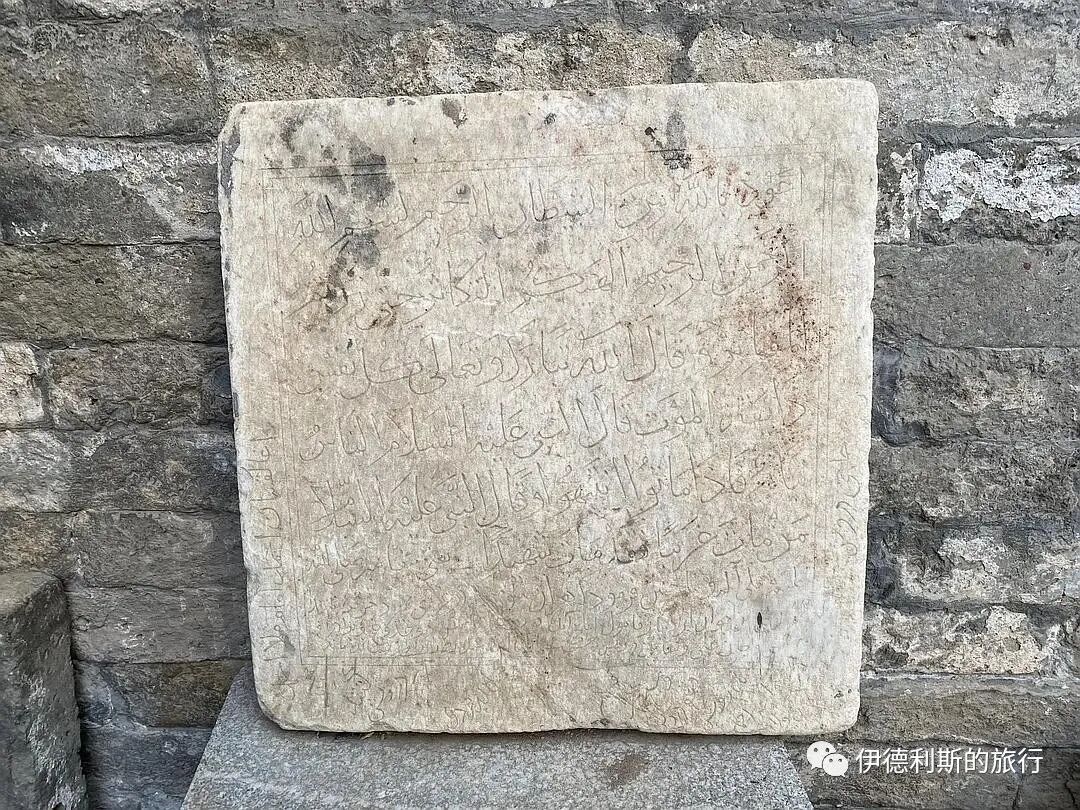
The inscription very preciously mentions several 'Darvish', which means Sufi practitioners, referred to as 'Diliweishi' in the 'Yuan Dianzhang' (Statutes of the Yuan Dynasty). Yang Zhijiu introduced in 'Draft History of the Hui Muslims in the Yuan Dynasty' that when Chen Cheng arrived in Herat, Afghanistan, in 1414 (the 12th year of the Yongle reign of the Ming Dynasty), he met local Sufi ascetics. He recorded in 'Xiyu Fanguo Zhi' (Record of the Barbarian Countries in the Western Regions) that 'there are those who abandon their family businesses and livelihoods, with disheveled hair and bare feet, wearing tattered clothes or sheepskins, holding strange staffs, with bones hanging from their bodies, looking very strange, not avoiding cold or heat, begging on the road, muttering to themselves when meeting people, appearing pitiful, as if it is very difficult for them to survive.' 'Some gather at people's graves, or live in caves, calling it spiritual practice.' 'They are called Dilimishi.' "
In addition, according to the 'Travels of Ibn Battuta' from the end of the Yuan Dynasty, Ibn Battuta met local Sufi practitioners in both Guangzhou and Hangzhou. He visited an old man in Guangzhou who was practicing in a cave, who was very strong despite not eating or drinking. When he was in Hangzhou, he stayed in the home of an Egyptian merchant, and this family had built a magnificent Daotang (Sufi lodge) for Sufi practitioners to live in.
Qingzhen Pushou Mosque is located on Jinshifang Street in the Xicheng District of Beijing, which was called Jinchengfang Street during the Yuan Dynasty. Although it preserves a precious Yuan Dynasty tombstone, no records have been found so far indicating that the Pushou Mosque was built during the Yuan Dynasty. Because a plaque with the seal 'Built in the Fourth Year of Xuande of the Great Ming' once hung above the Chuihuamen (hanging flower gate) of the mosque, it is generally believed that the Pushou Mosque was founded in 1429 (the fourth year of the Xuande reign of the Ming Dynasty), and it was renovated many times during the Zhengton, Wanli, Tianqi, and Chongzhen reigns of the Ming Dynasty.
During the Ming Dynasty, the Pushou Mosque, along with the Niujie Mosque, the Dongsi Mosque, and the Faming Mosque inside Andingmen, were known as the four great official mosques of Beijing in the Ming Dynasty, and held a very high status. According to the inscription on the 'Record of the Reconstruction of the Mosque' from 1521 (the 16th year of the Zhengde reign) at the Dingzhou Mosque, during the Hongzhi reign of the Ming Dynasty, Wuping Bo (Count of Wuping) Chen Xun sought help from the congregation at the Pushou Mosque to renovate the Dingzhou Mosque and received great support, as the mosque was filled with 'gentry and scholars' at that time.
After the end of the Qing Dynasty and the beginning of the Republic of China, the Pushou Mosque gradually fell into disrepair, and it was renovated between 1931 and 1934 with funds donated by Jiang Baiwan from Nanjing. After 1966, the mosque was closed again and converted into a workshop for the Jinlong Watchband Factory, and it was restored after 1982. After the demolition of Jinshifang Street in 2008, the mosque was torn down, and it was rebuilt into its current form between 2010 and 2014, but it has remained closed ever since.
There are two stone tablets in front of the main hall of the Pushou Mosque; the one on the south side is in Chinese, mainly praising the merits of those who donated funds to renovate the mosque, signed by 'Jincheng Shushi Ma Zhiji', and the back has the words 'Renovated in the Sixth Year of Tianqi'. The one on the north side is an Arabic tablet, and the writing has already eroded and become illegible.
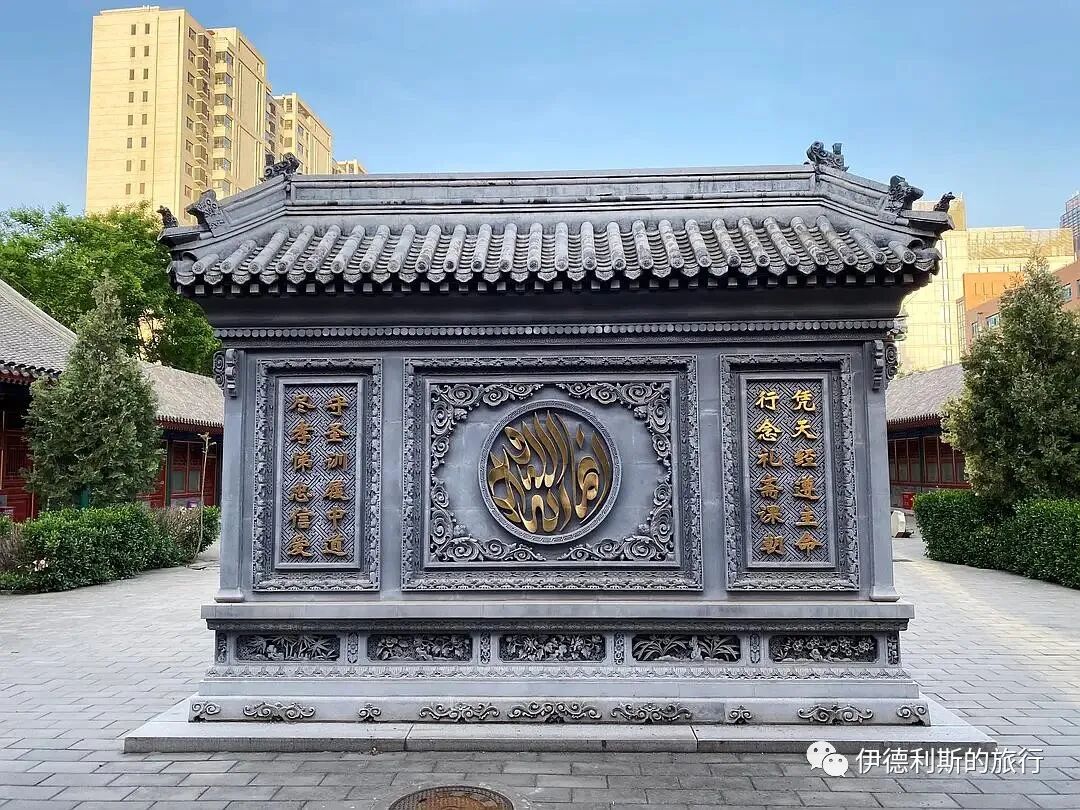
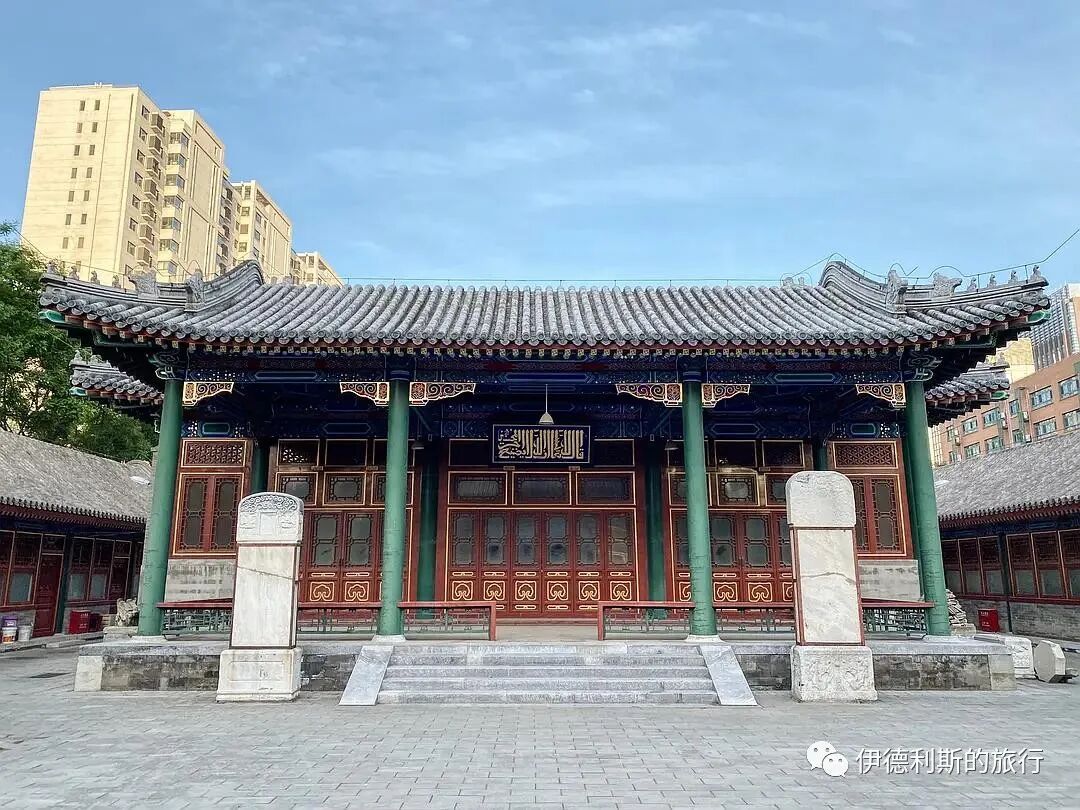
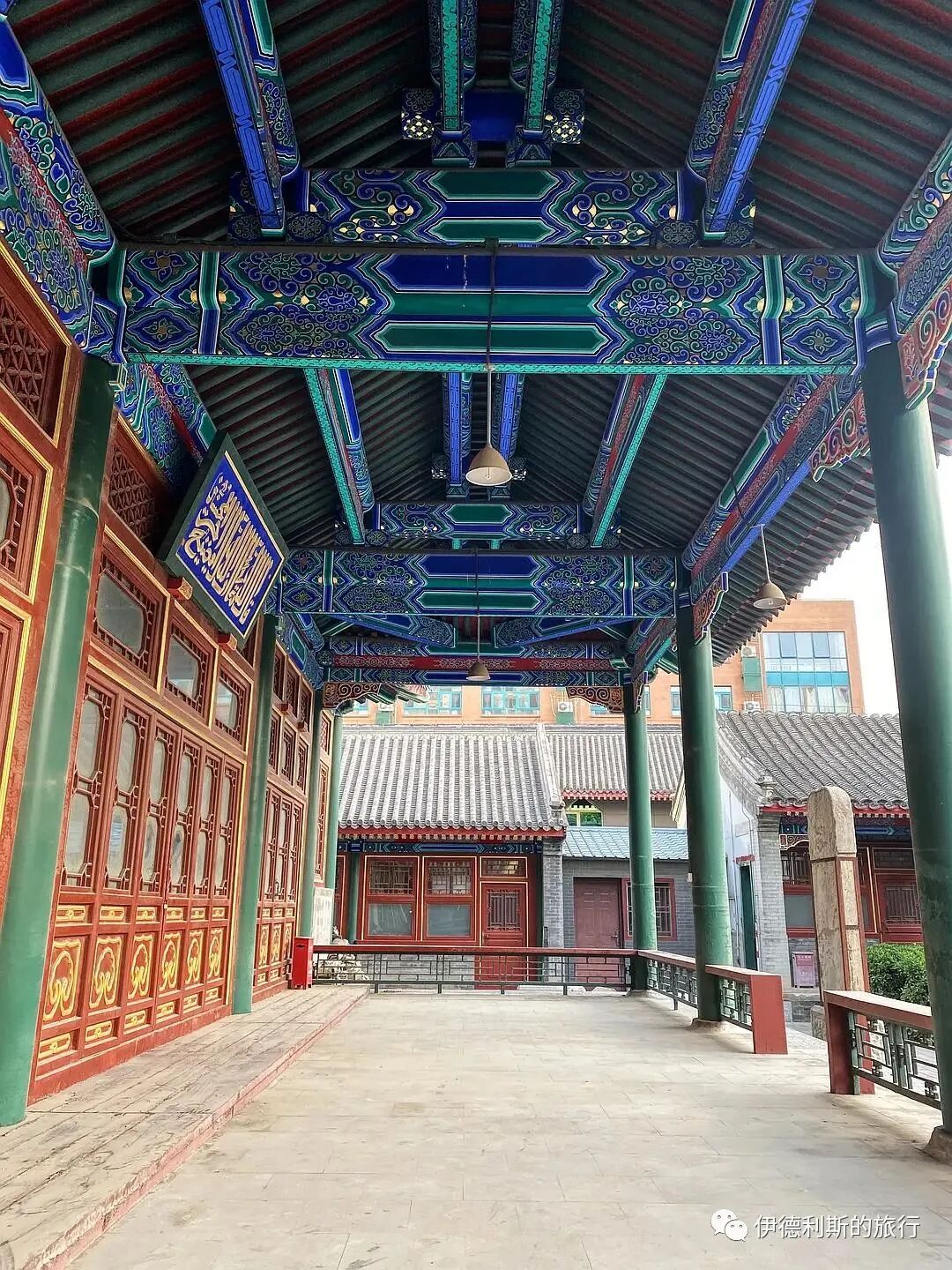
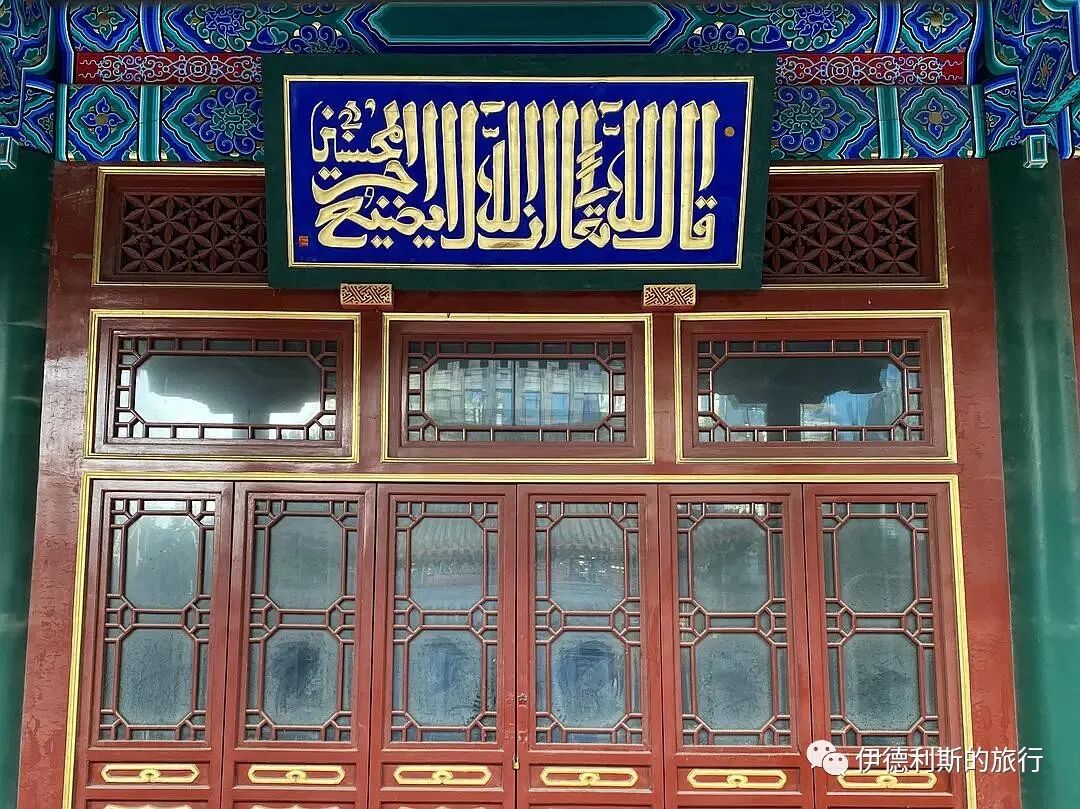
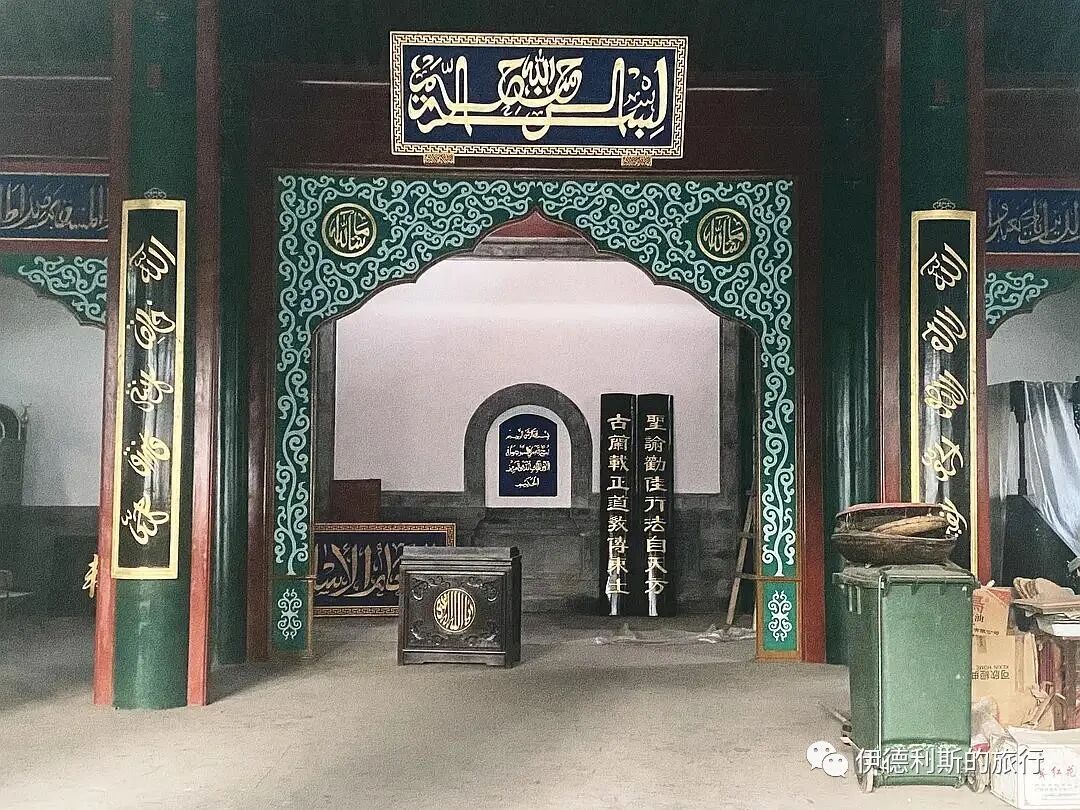
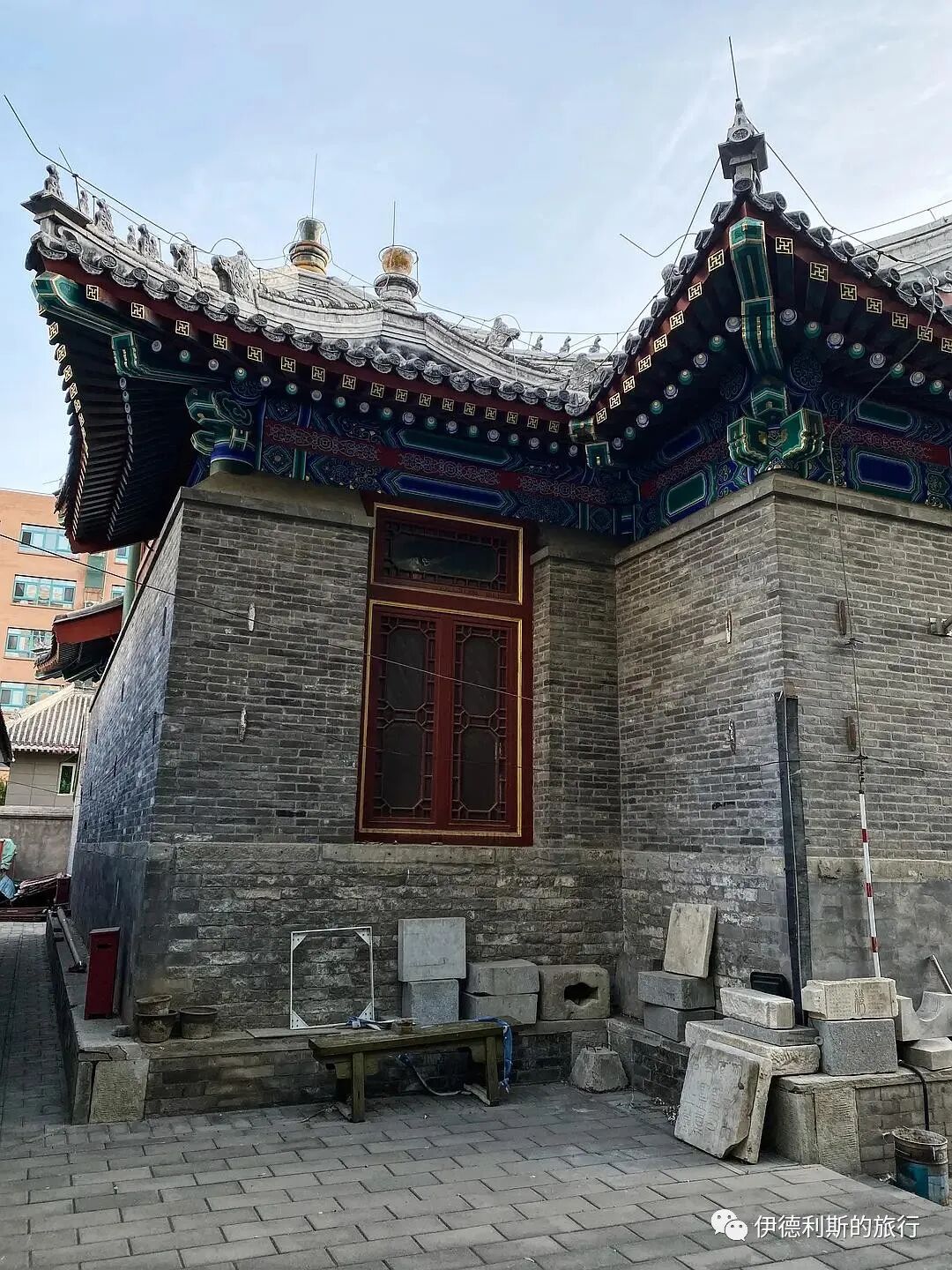
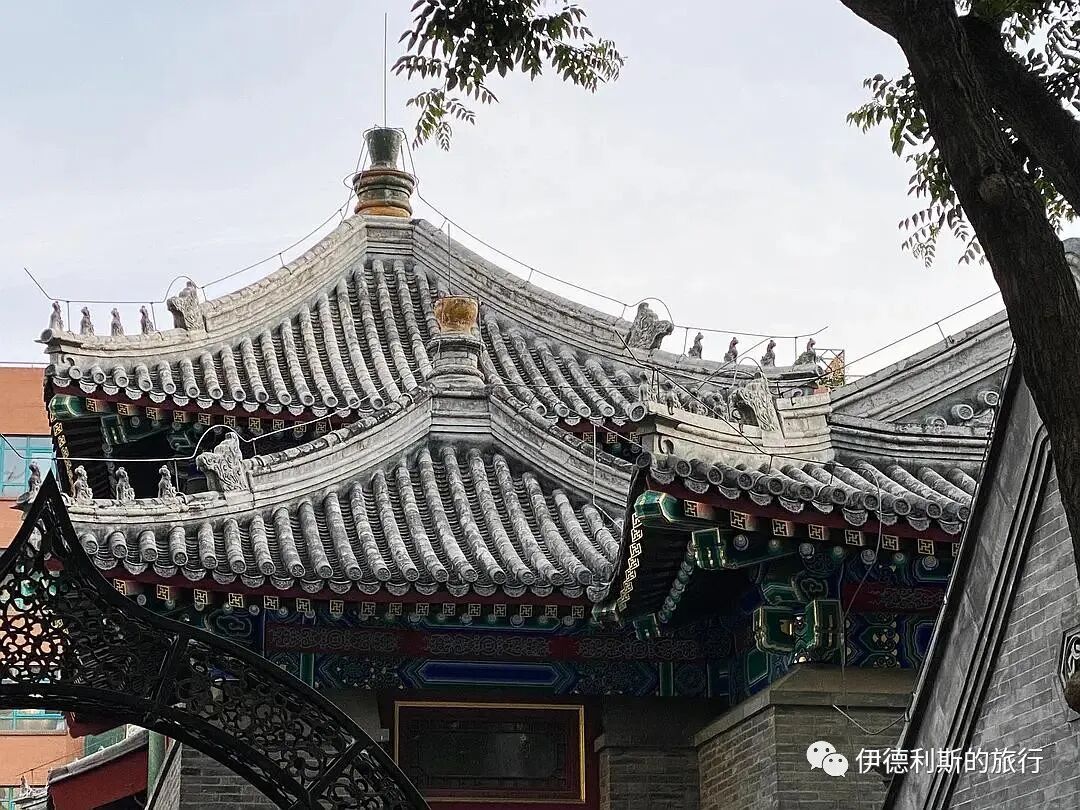
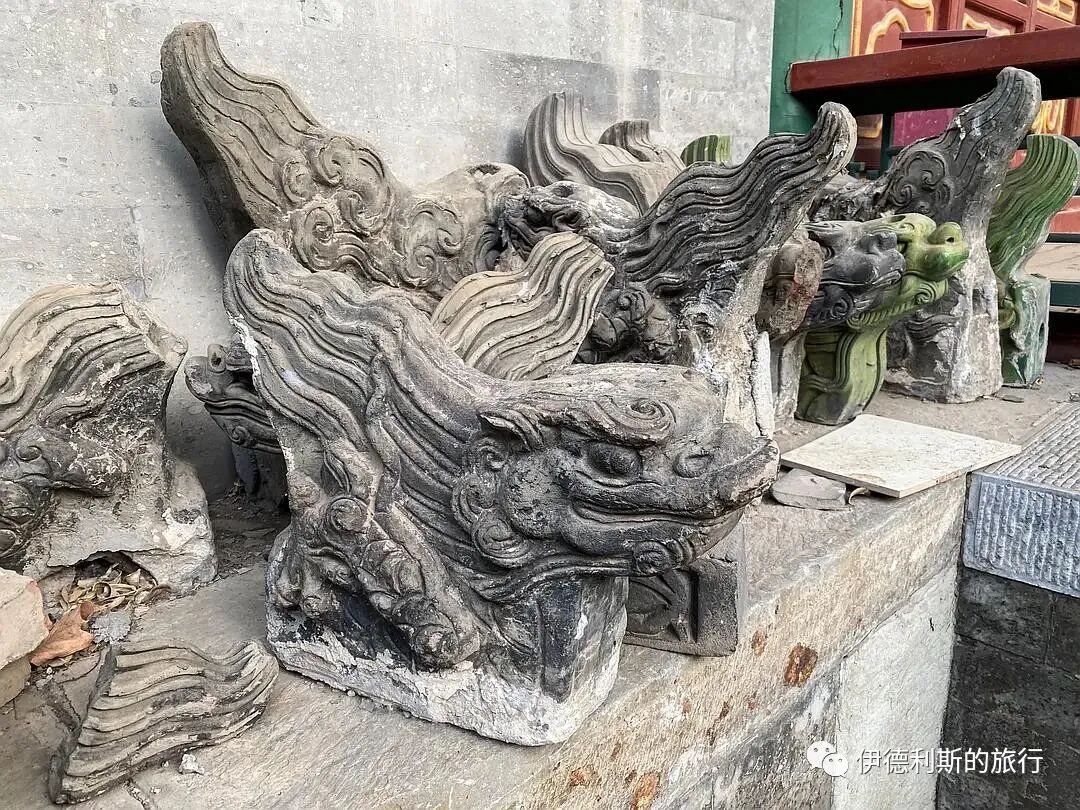
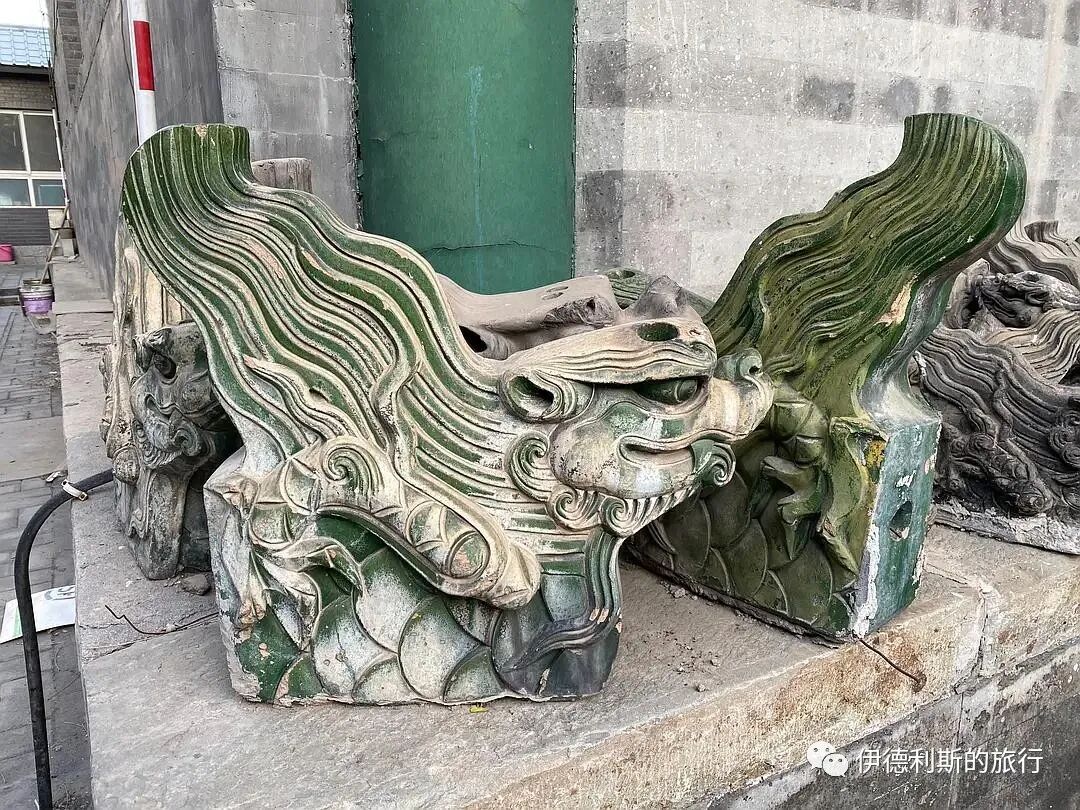
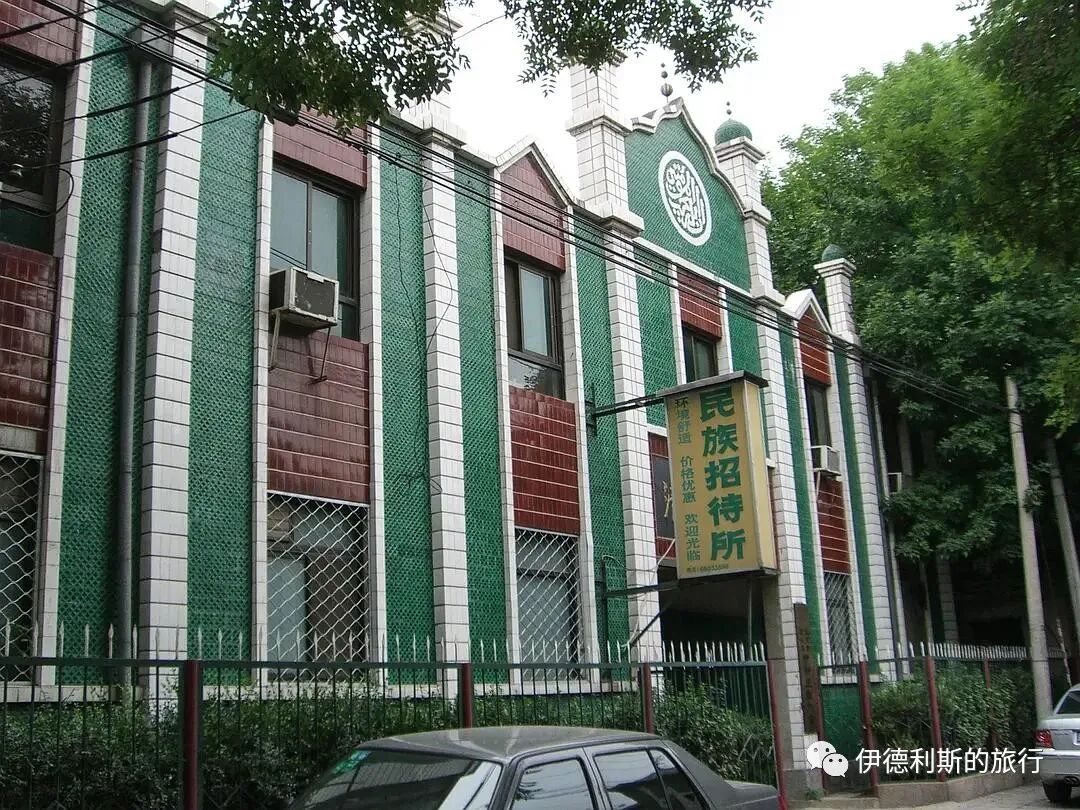
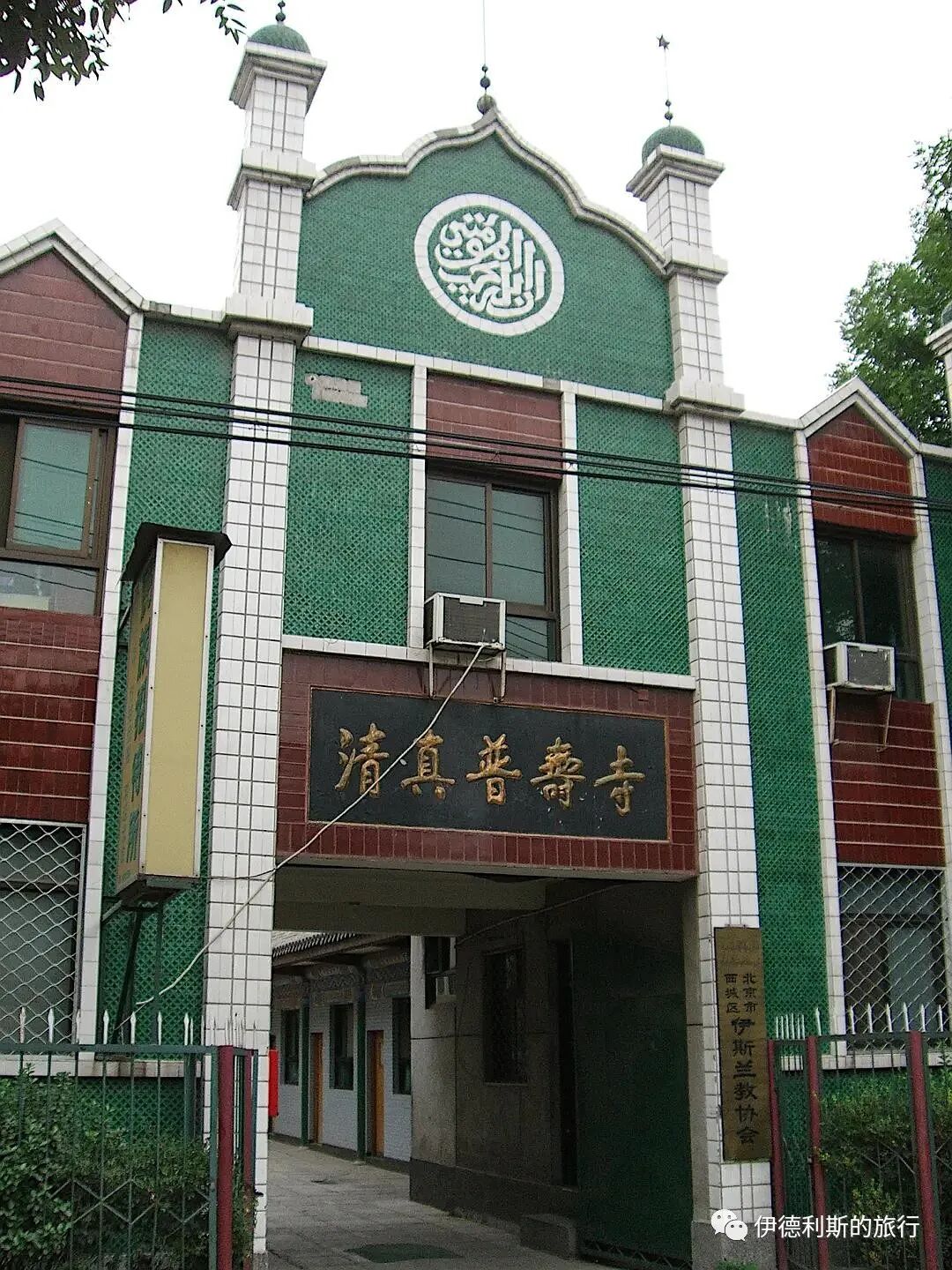
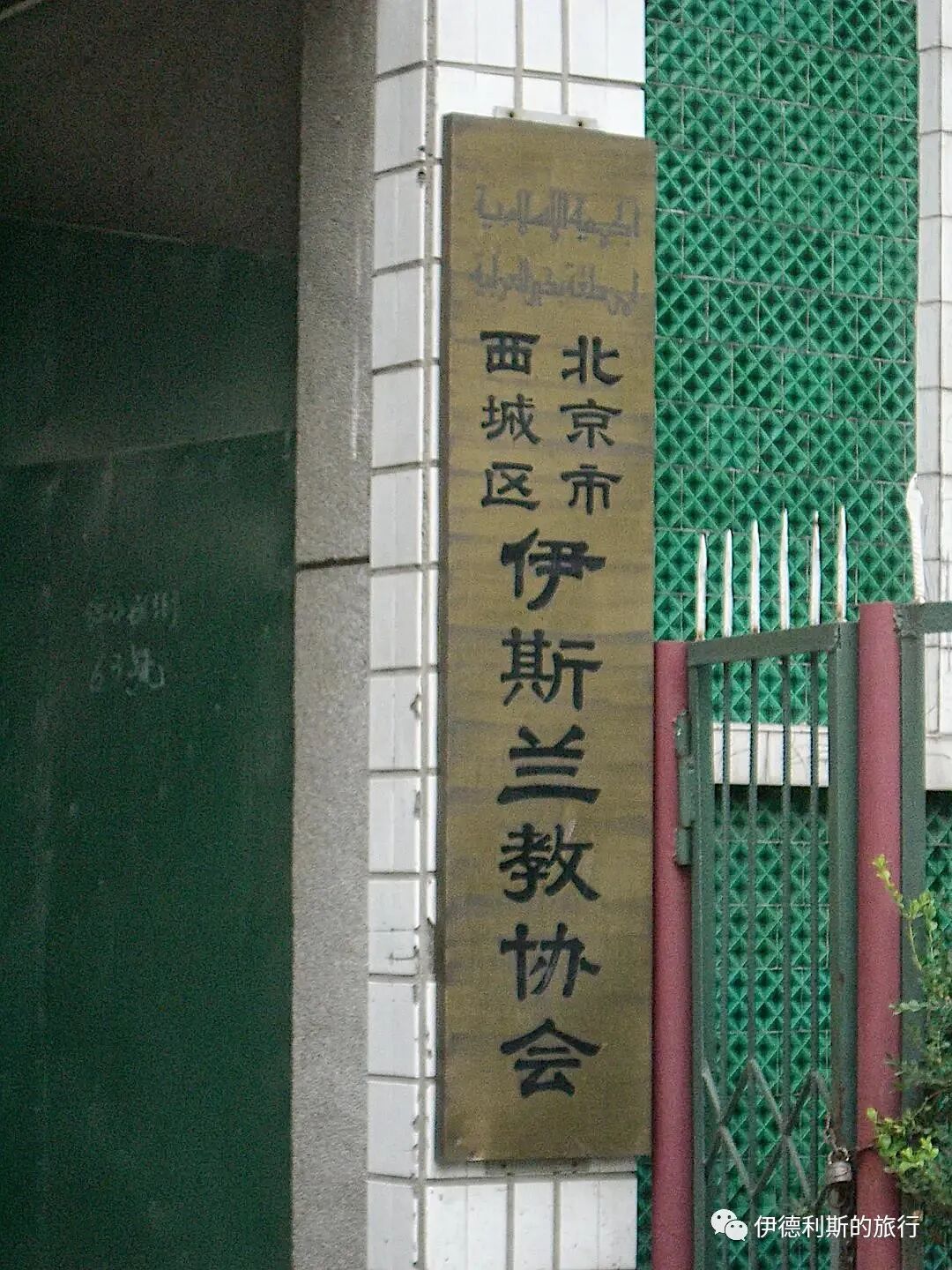
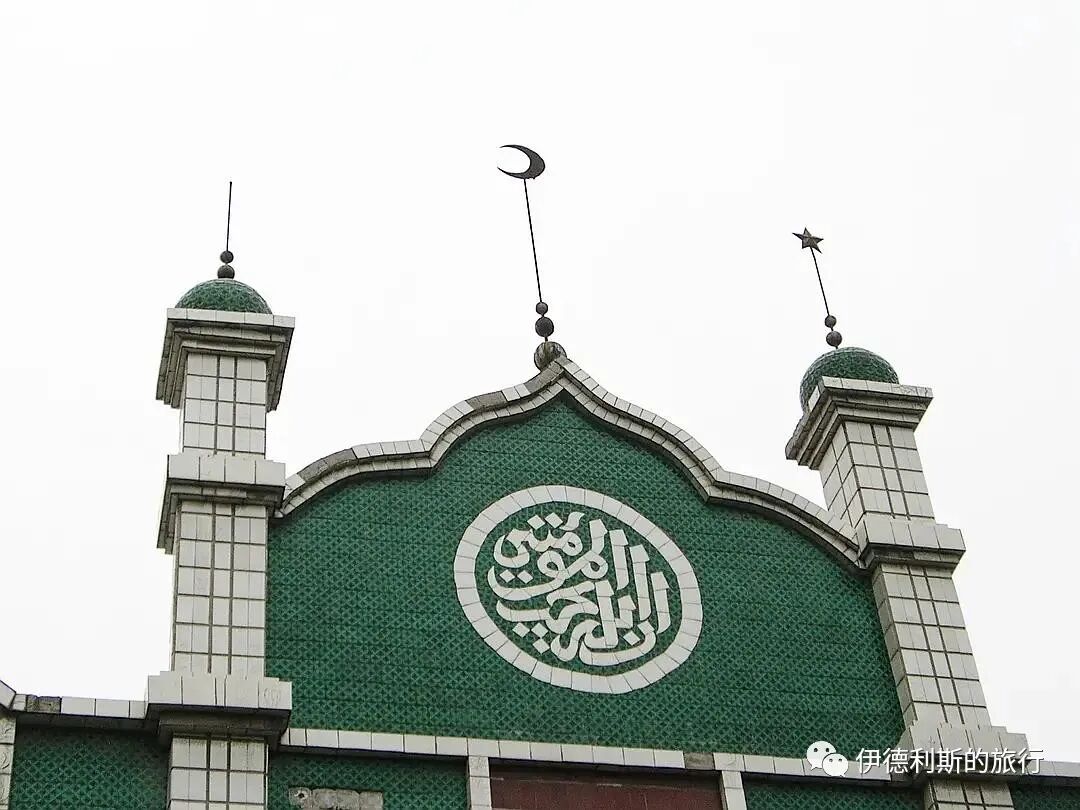
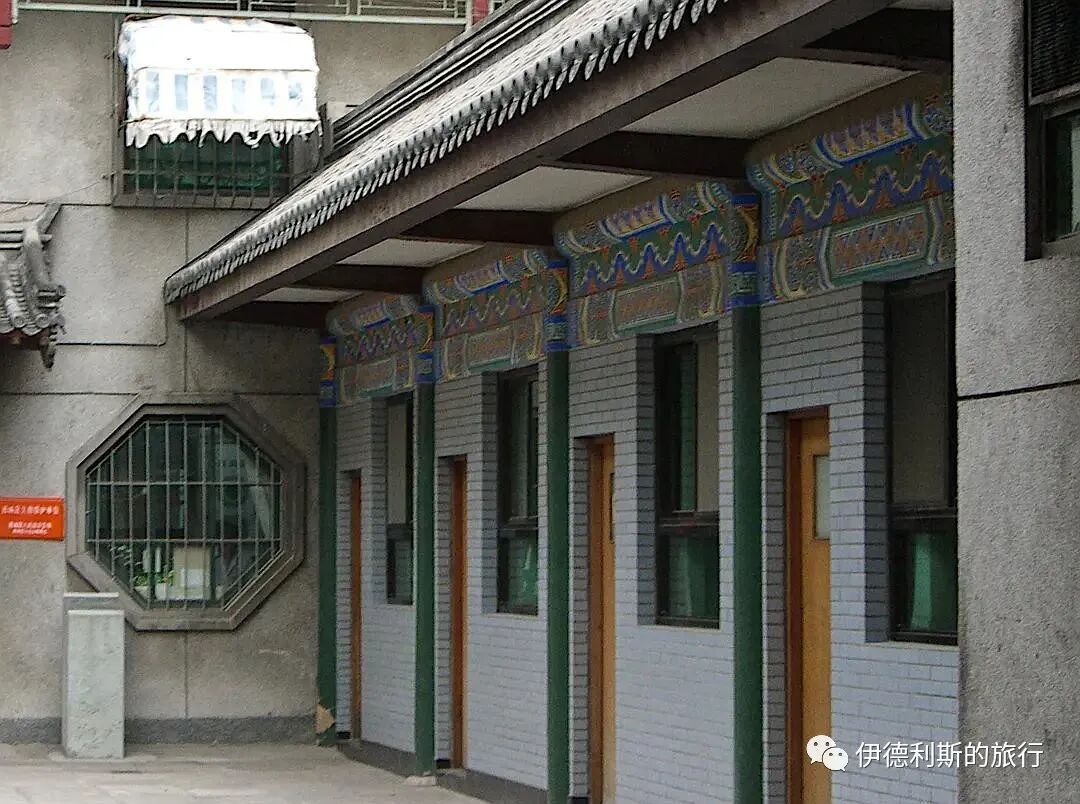
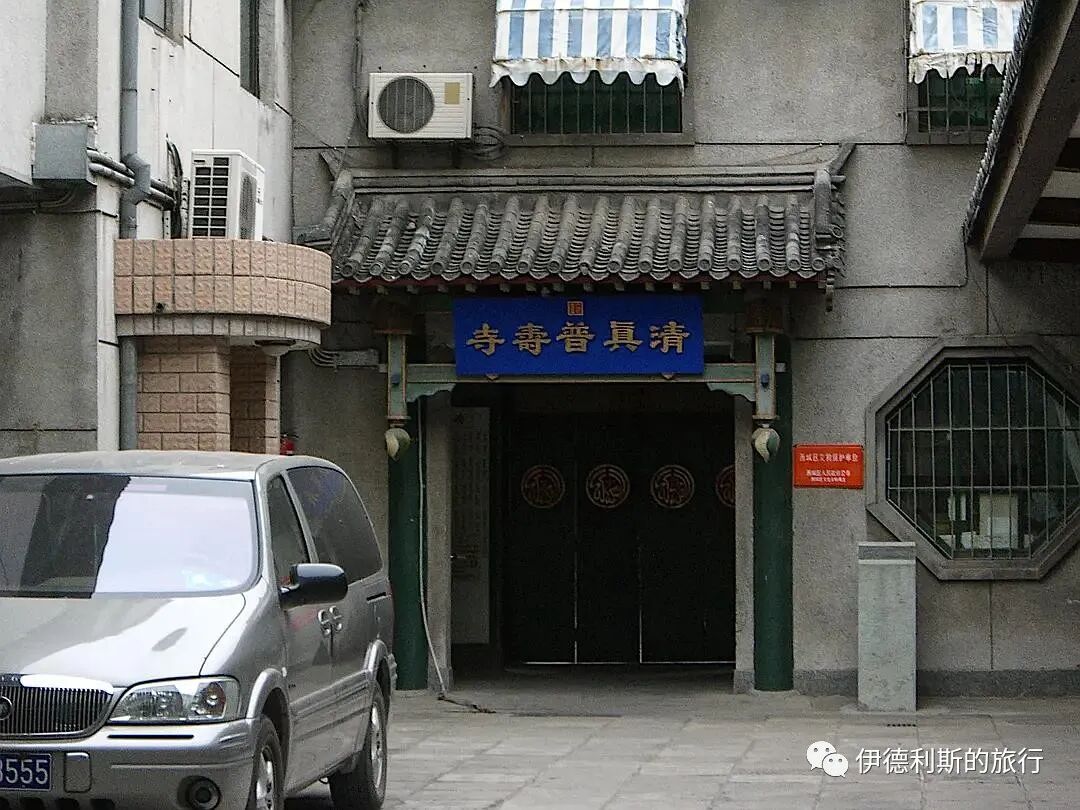
The Pushou Mosque I photographed in 2006 when I was in middle school; two years later, in 2008, it was demolished and rebuilt.
Summary: This travel note introduces From the Ilkhanate to Yuan Dadu: A Sufi Traveler and Beijing Muslim Heritage. Regarding the Muslims who came to Beijing from Central and Western Asia during the Yuan Dynasty, the most famous are the tombs of the Shaykhs in the small courtyard on the south side of the Niujie Mosque, where Ahmad. It is useful for readers interested in Yuan Dadu, Sufi Heritage, Beijing Muslims.
Regarding the Muslims who came to Beijing from Central and Western Asia during the Yuan Dynasty, the most famous are the tombs of the Shaykhs in the small courtyard on the south side of the Niujie Mosque, where Ahmad Burtani, who passed away in 1280, and Ali Imad al-Din, who passed away in 1283, are buried. In fact, the Qingzhen Pushou Mosque inside Fuchengmen also preserves a Yuan Dynasty tombstone of a Muslim who came to Yuan Dadu from the Ilkhanate, and the inscription contains precious records about Sufis of the Yuan Dynasty.
The tombs of the sages from the Western Regions of the Yuan Dynasty at the Niujie Mosque.
According to the interpretation by Ma Baoquan in 'An Overlooked Yuan Dynasty Arabic and Persian Tombstone of Hui Muslims in Beijing—The Tombstone of an Ilkhanate Person Formerly Collected by Beijing Qingzhen Pushou Mosque', the inscription first uses Arabic to engrave the prayer for protection, the Basmala, verses from the Quran, and Hadith, and then uses Persian to briefly introduce the life of the tombstone's owner. The owner of the tombstone was a young man from a place called Qanul in the Ilkhanate (1256-1335). He came to Yuan Dadu (Dughdugh) together with his brothers Darvish, Jan Ali, and X. Darvish. A series of names are listed afterwards: Darvish Yulad, Javahir Ahmad, Man Darvish, Fangh Darvish, Shaykh Muhammad, Aghalaqsan Ahmad, Imam Mula Ahmad, Haj Darvish, and others.
According to the memorial 'Petition Regarding Hui Muslim Households in the Capital Not Paying Taxes' from the Yuan Dynasty, by 1263, the number of Hui Muslims in Beijing had reached 2,953 households, and most of them were wealthy merchants. In 1285, the Yuan Dynasty completed the construction of Yuan Dadu and issued an imperial decree to move residents from the old city of Zhongdu of the Jin Dynasty to Yuan Dadu, leading a large number of Hui Muslim officials, merchants, and craftsmen to settle in Yuan Dadu.
The inscription very preciously mentions several 'Darvish', which means Sufi practitioners, referred to as 'Diliweishi' in the 'Yuan Dianzhang' (Statutes of the Yuan Dynasty). Yang Zhijiu introduced in 'Draft History of the Hui Muslims in the Yuan Dynasty' that when Chen Cheng arrived in Herat, Afghanistan, in 1414 (the 12th year of the Yongle reign of the Ming Dynasty), he met local Sufi ascetics. He recorded in 'Xiyu Fanguo Zhi' (Record of the Barbarian Countries in the Western Regions) that 'there are those who abandon their family businesses and livelihoods, with disheveled hair and bare feet, wearing tattered clothes or sheepskins, holding strange staffs, with bones hanging from their bodies, looking very strange, not avoiding cold or heat, begging on the road, muttering to themselves when meeting people, appearing pitiful, as if it is very difficult for them to survive.' 'Some gather at people's graves, or live in caves, calling it spiritual practice.' 'They are called Dilimishi.' "
In addition, according to the 'Travels of Ibn Battuta' from the end of the Yuan Dynasty, Ibn Battuta met local Sufi practitioners in both Guangzhou and Hangzhou. He visited an old man in Guangzhou who was practicing in a cave, who was very strong despite not eating or drinking. When he was in Hangzhou, he stayed in the home of an Egyptian merchant, and this family had built a magnificent Daotang (Sufi lodge) for Sufi practitioners to live in.
Qingzhen Pushou Mosque is located on Jinshifang Street in the Xicheng District of Beijing, which was called Jinchengfang Street during the Yuan Dynasty. Although it preserves a precious Yuan Dynasty tombstone, no records have been found so far indicating that the Pushou Mosque was built during the Yuan Dynasty. Because a plaque with the seal 'Built in the Fourth Year of Xuande of the Great Ming' once hung above the Chuihuamen (hanging flower gate) of the mosque, it is generally believed that the Pushou Mosque was founded in 1429 (the fourth year of the Xuande reign of the Ming Dynasty), and it was renovated many times during the Zhengton, Wanli, Tianqi, and Chongzhen reigns of the Ming Dynasty.
During the Ming Dynasty, the Pushou Mosque, along with the Niujie Mosque, the Dongsi Mosque, and the Faming Mosque inside Andingmen, were known as the four great official mosques of Beijing in the Ming Dynasty, and held a very high status. According to the inscription on the 'Record of the Reconstruction of the Mosque' from 1521 (the 16th year of the Zhengde reign) at the Dingzhou Mosque, during the Hongzhi reign of the Ming Dynasty, Wuping Bo (Count of Wuping) Chen Xun sought help from the congregation at the Pushou Mosque to renovate the Dingzhou Mosque and received great support, as the mosque was filled with 'gentry and scholars' at that time.
After the end of the Qing Dynasty and the beginning of the Republic of China, the Pushou Mosque gradually fell into disrepair, and it was renovated between 1931 and 1934 with funds donated by Jiang Baiwan from Nanjing. After 1966, the mosque was closed again and converted into a workshop for the Jinlong Watchband Factory, and it was restored after 1982. After the demolition of Jinshifang Street in 2008, the mosque was torn down, and it was rebuilt into its current form between 2010 and 2014, but it has remained closed ever since.
There are two stone tablets in front of the main hall of the Pushou Mosque; the one on the south side is in Chinese, mainly praising the merits of those who donated funds to renovate the mosque, signed by 'Jincheng Shushi Ma Zhiji', and the back has the words 'Renovated in the Sixth Year of Tianqi'. The one on the north side is an Arabic tablet, and the writing has already eroded and become illegible.
The Pushou Mosque I photographed in 2006 when I was in middle school; two years later, in 2008, it was demolished and rebuilt.
