
Panjiayuan Antique Market: A Ming Zhengde Arabic-Inscribed Incense Burner and Vase Set
Reposted from the web
Summary: This travel note introduces Panjiayuan Antique Market: A Ming Zhengde Arabic-Inscribed Incense Burner and Vase Set. In late June, Zhongmao Shengjia held a spring auction preview at the Shanggu Antique City in Panjiayuan. It is useful for readers interested in Panjiayuan, Islamic Art, Ming Zhengde.
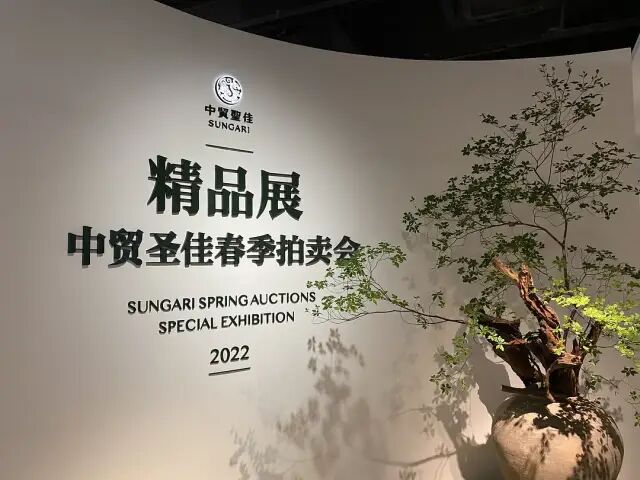
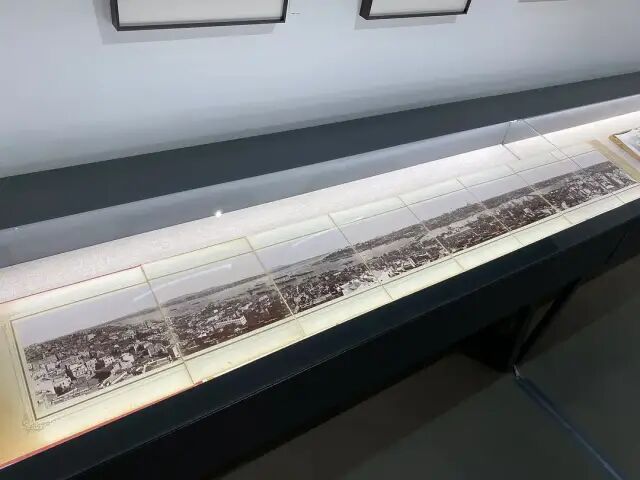
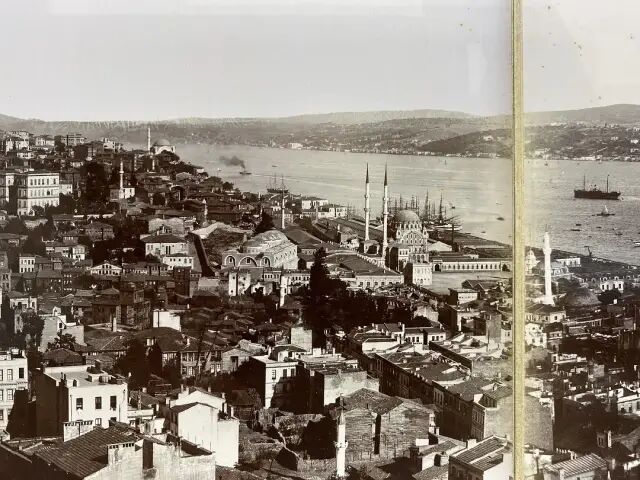
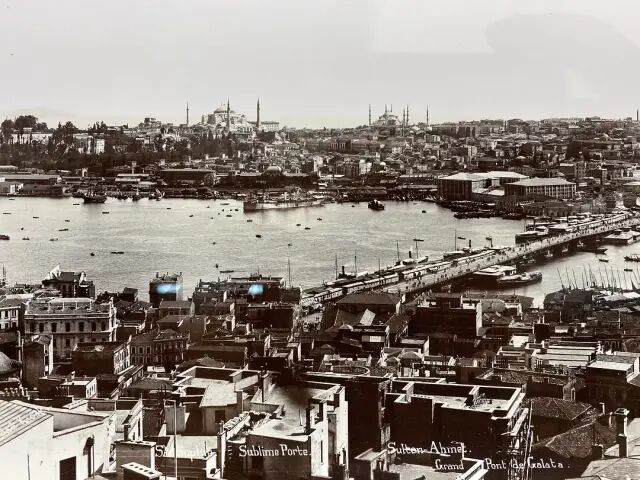
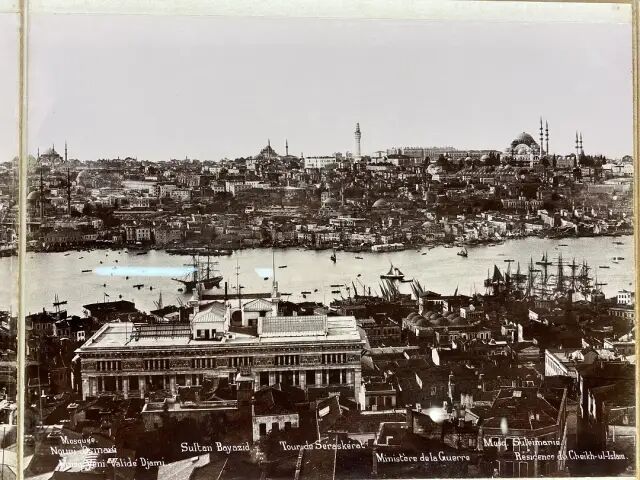
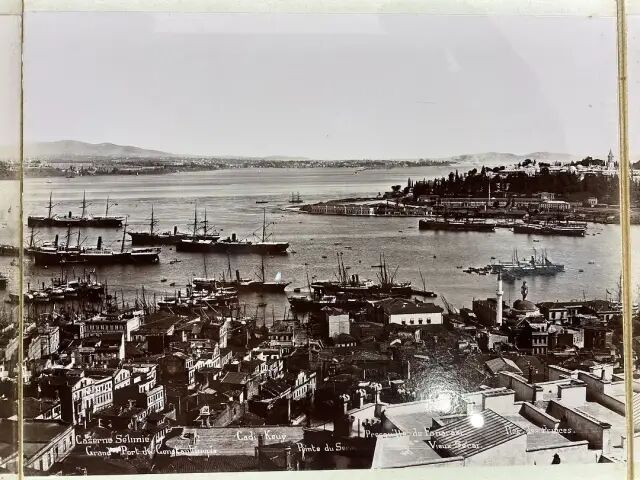
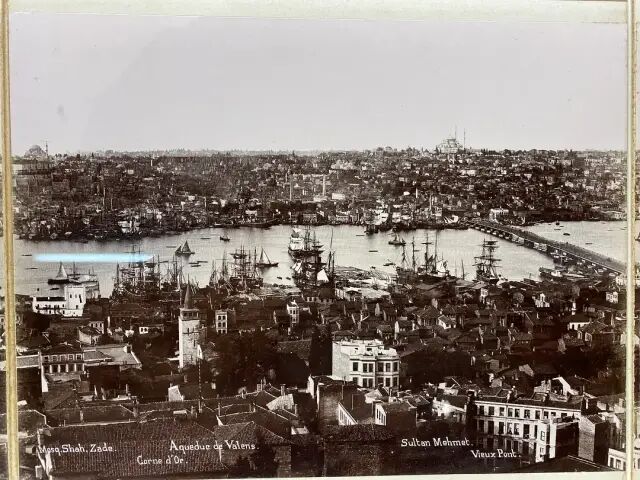
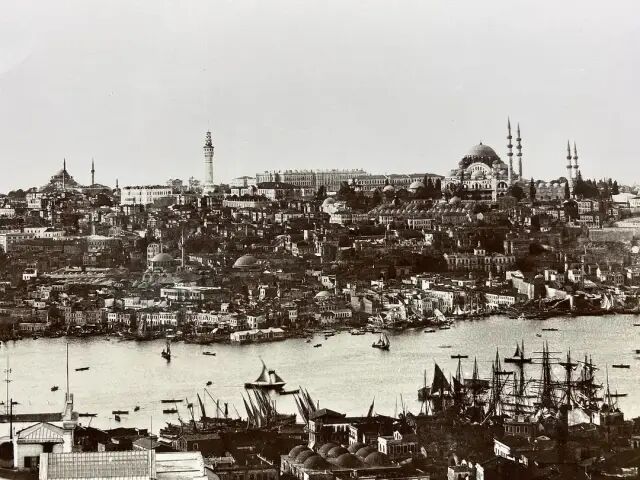
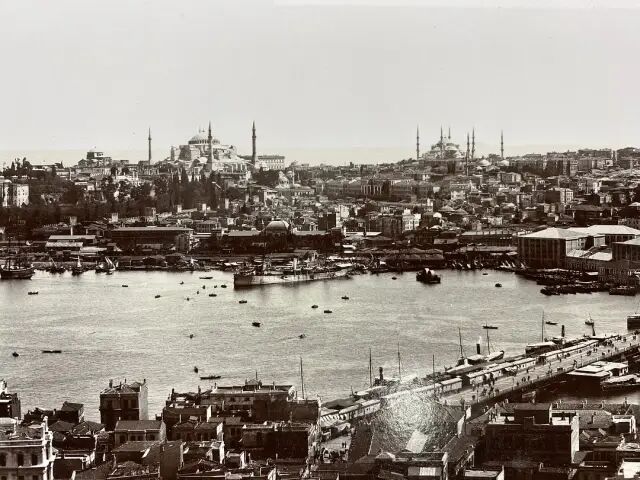
In late June, Zhongmao Shengjia held a spring auction preview at the Shanggu Antique City in Panjiayuan. I went to admire the exquisite Ming Zhengde-marked Arabic-inscribed incense burner and vase set on display, and I also saw a set of panoramic photos of Istanbul from the late 19th century.
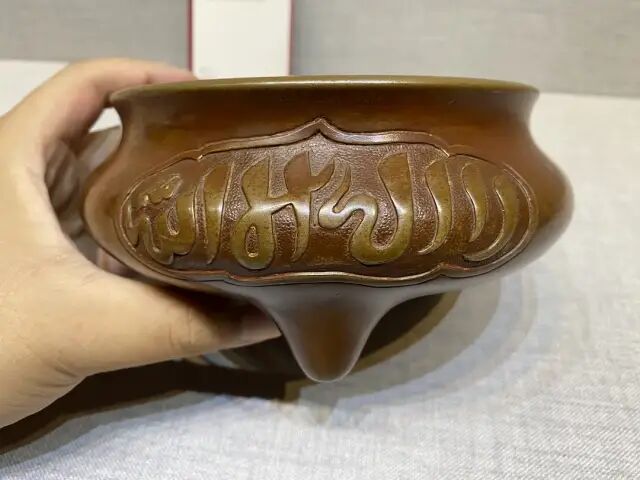
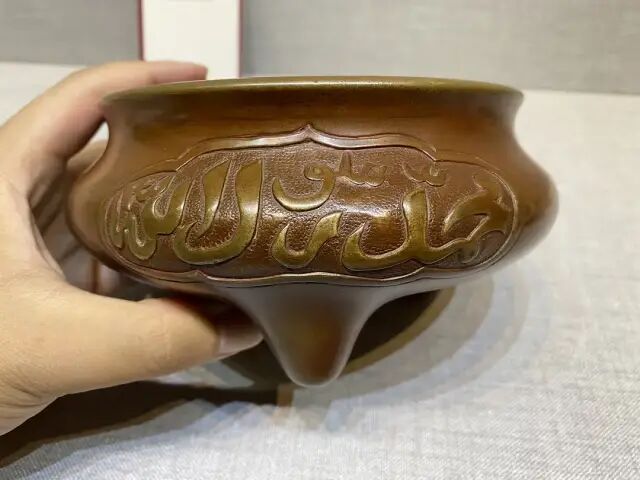
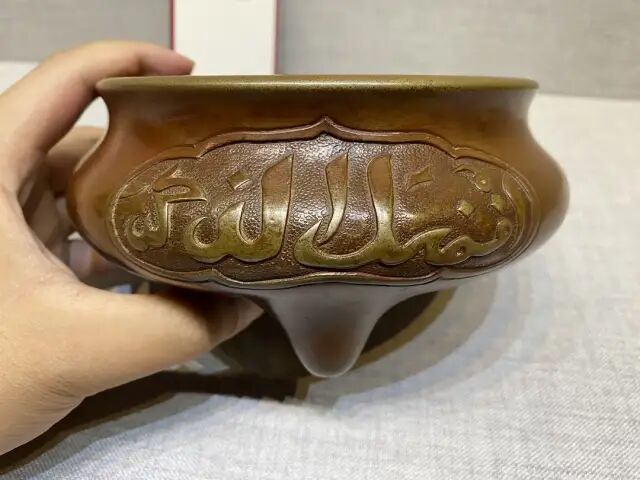
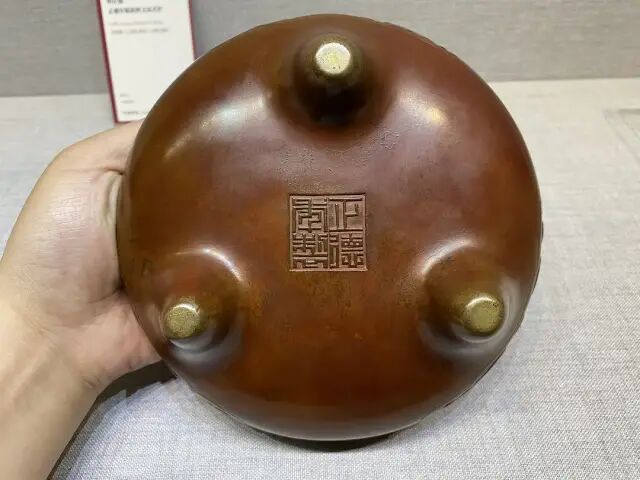
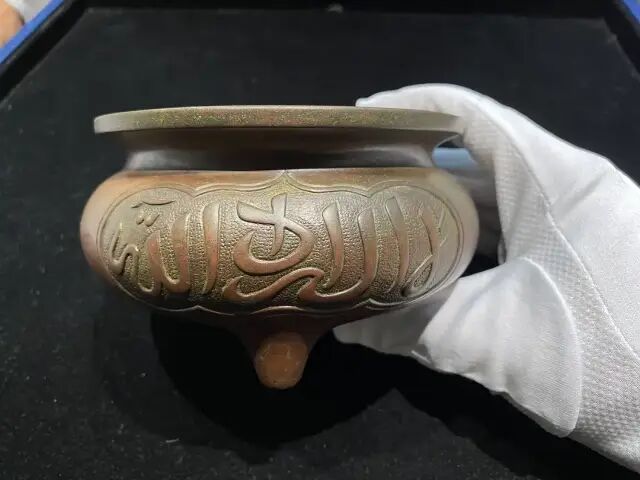
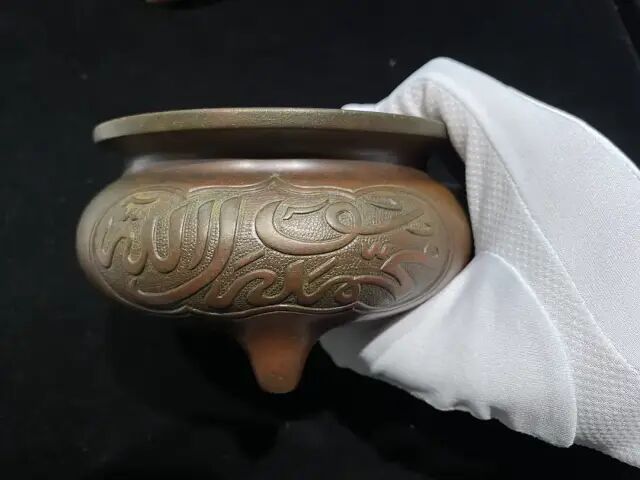
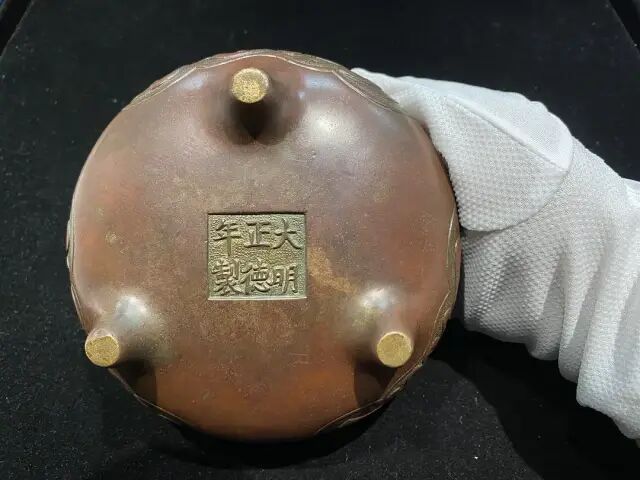
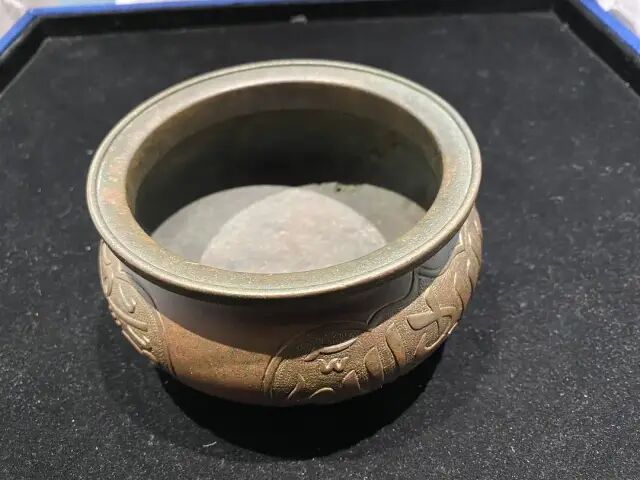
The Ming Zhengde-marked brass Arabic-inscribed three-piece incense set, valued at eight figures, features the bright jujube-red patina characteristic of official Ming Dynasty copperware, commonly known as 'Zhengde Red'. The Arabic calligraphy engraved on the pearl-patterned background consists of phrases commonly used by the faith, and it is truly exquisite. During the Zhengde period, the imperial palace favored items inscribed with Arabic and Persian, most of which were traditional stationery items, and many featured the Quran, Hadith, and praises of Allah.
The three-piece incense set (lu ping san shi) was a classic hall display during the Ming and Qing dynasties, consisting of an incense burner, an incense box, and an incense vase, with an incense shovel and incense chopsticks kept inside the vase. In the past, traditional Hui Muslim families would place the three-piece incense set on a long table against the wall in the center of the main room, and they would burn incense over charcoal on important days such as Eid or Quran-recitation ceremonies. Use the incense chopsticks to pick out incense charcoal from the incense box, light it and bury it in the incense ash in the burner, then use the incense shovel to flatten the surface of the ash.
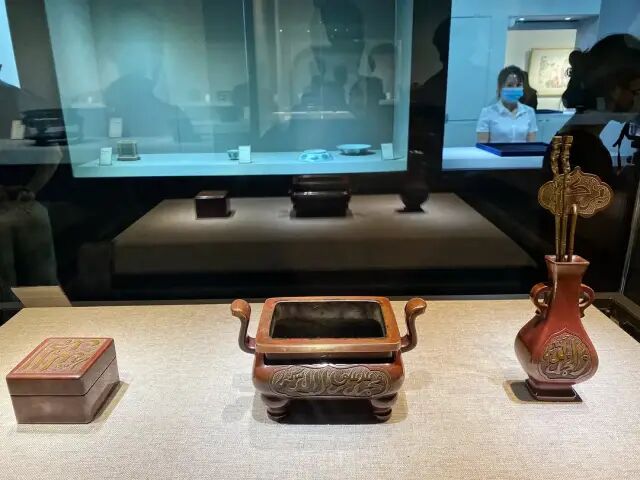
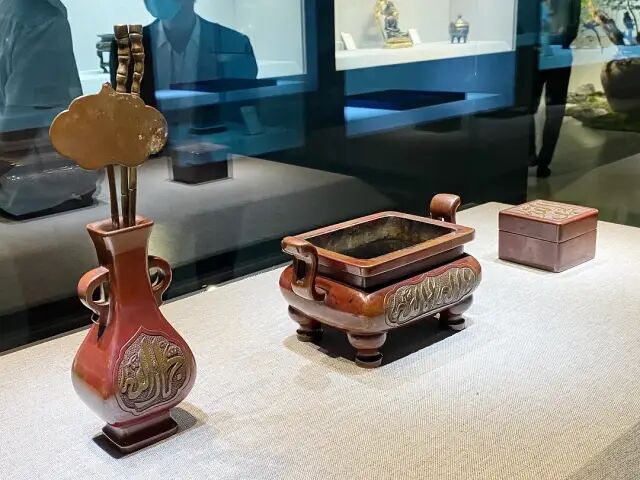
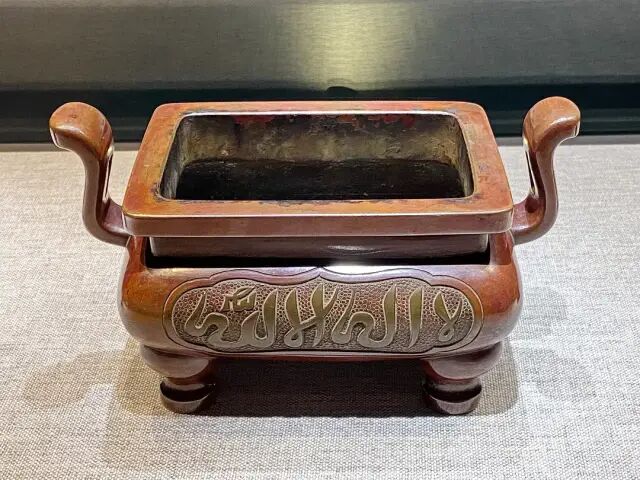
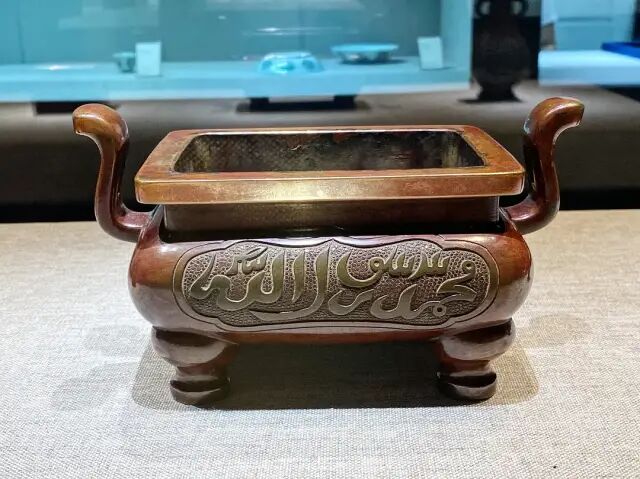
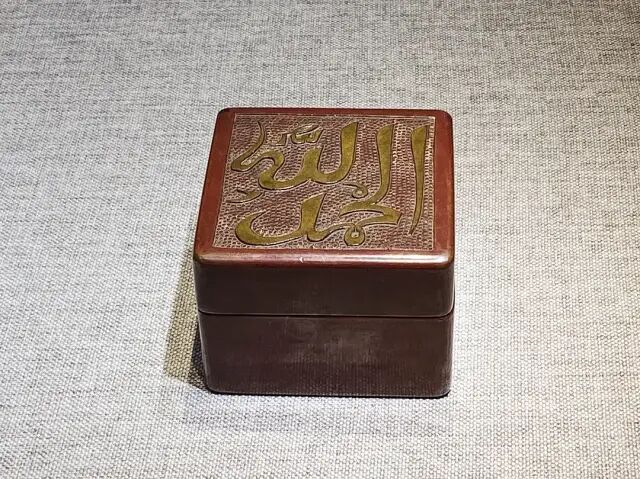
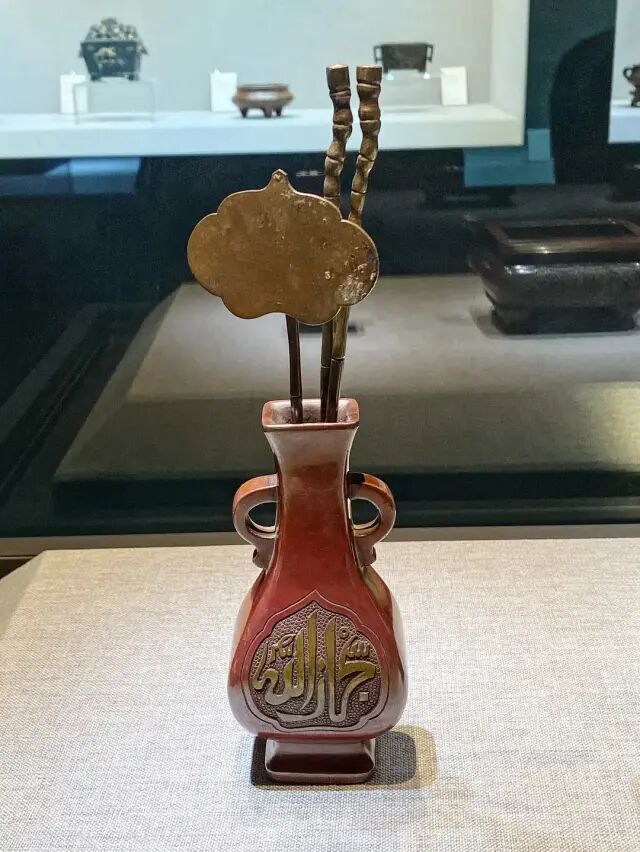
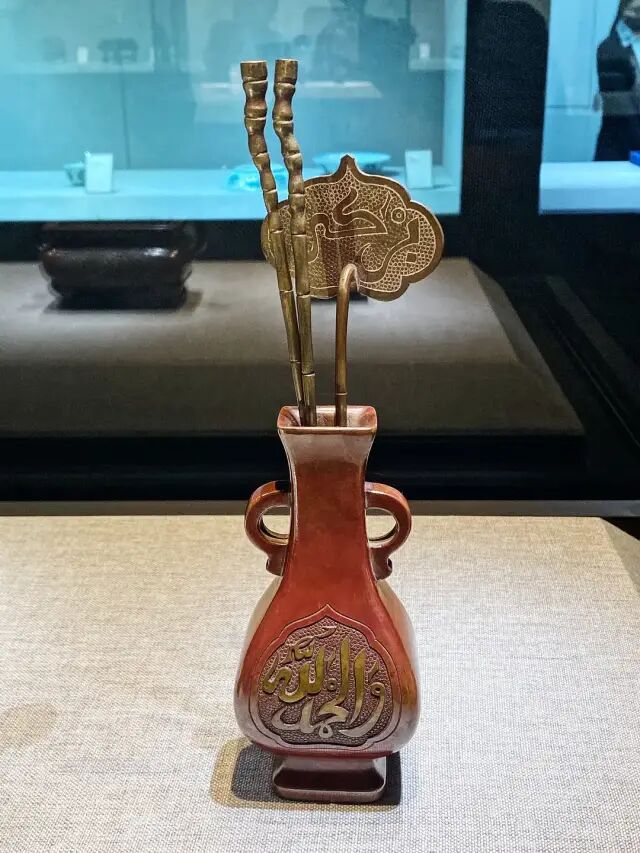
Two Zhengde-marked Arabic-inscribed incense burners, engraved with the Shahada (the Islamic declaration of faith).
An eight-panel panoramic albumen print of Istanbul from the 1890s.
Summary: This travel note introduces Panjiayuan Antique Market: A Ming Zhengde Arabic-Inscribed Incense Burner and Vase Set. In late June, Zhongmao Shengjia held a spring auction preview at the Shanggu Antique City in Panjiayuan. It is useful for readers interested in Panjiayuan, Islamic Art, Ming Zhengde.
In late June, Zhongmao Shengjia held a spring auction preview at the Shanggu Antique City in Panjiayuan. I went to admire the exquisite Ming Zhengde-marked Arabic-inscribed incense burner and vase set on display, and I also saw a set of panoramic photos of Istanbul from the late 19th century.
The Ming Zhengde-marked brass Arabic-inscribed three-piece incense set, valued at eight figures, features the bright jujube-red patina characteristic of official Ming Dynasty copperware, commonly known as 'Zhengde Red'. The Arabic calligraphy engraved on the pearl-patterned background consists of phrases commonly used by the faith, and it is truly exquisite. During the Zhengde period, the imperial palace favored items inscribed with Arabic and Persian, most of which were traditional stationery items, and many featured the Quran, Hadith, and praises of Allah.
The three-piece incense set (lu ping san shi) was a classic hall display during the Ming and Qing dynasties, consisting of an incense burner, an incense box, and an incense vase, with an incense shovel and incense chopsticks kept inside the vase. In the past, traditional Hui Muslim families would place the three-piece incense set on a long table against the wall in the center of the main room, and they would burn incense over charcoal on important days such as Eid or Quran-recitation ceremonies. Use the incense chopsticks to pick out incense charcoal from the incense box, light it and bury it in the incense ash in the burner, then use the incense shovel to flatten the surface of the ash.
Two Zhengde-marked Arabic-inscribed incense burners, engraved with the Shahada (the Islamic declaration of faith).
An eight-panel panoramic albumen print of Istanbul from the 1890s.
