

Panjiayuan
Panjiayuan Book Hunt: Islamic Art Albums and Muslim Heritage
Articles • ali2007fr posted the article • 0 comments • 140 views • 2026-05-18 08:38
Reposted from the web
Summary: Panjiayuan Book Hunt: Islamic Art Albums and Muslim Heritage is presented here as a firsthand travel account in clear English, beginning with this scene: In October, I found two picture books at the Panjiayuan weekend antique book market in Beijing and wanted to share them with you. The account keeps its focus on Panjiayuan, Islamic Art, Muslim Books while preserving the names, places, food, and historical details from the Chinese source.
In October, I found two picture books at the Panjiayuan weekend antique book market in Beijing and wanted to share them with you.
The first book was published by the New York Islamic Art Foundation in 1987 and covers 11 different themes.
The first chapter studies the scripture carvings on an exquisite box found at the Al-Hussein Mosque in Cairo in 1939.
The second chapter studies a copper basin from the Mamluk dynasty held in the collection of the L. A. Mayer Memorial Institute in Jerusalem.
The third chapter studies the intersection of Islamic architectural styles in Iran and Anatolia.
The fourth chapter studies the inscriptions on the tomb of the Ilkhanate ruler Öljaitü in Soltaniyeh, Iran.
The fifth chapter studies some wood carvings from the Ilkhanate period in the city of Soltaniyeh, Iran.
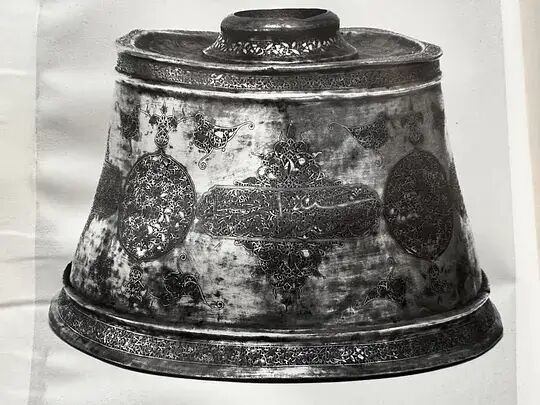
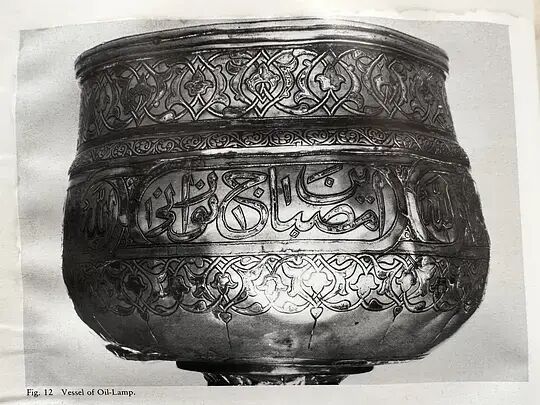
The sixth chapter studies the lamps used in Sufi shrines (gongbei).
The first image shows lamps from a 1320 miniature painting of the Shahnameh (Book of Kings) in Tabriz, Iran. Behind it are lamps with the same design from 14th to 15th-century Iran.
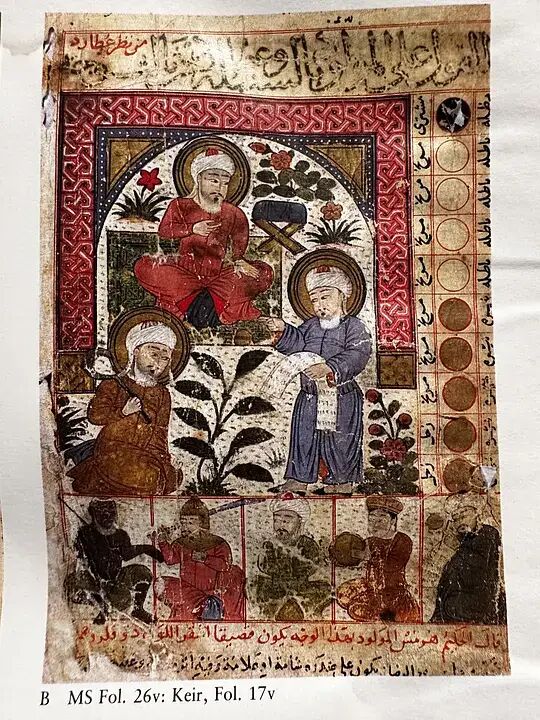
The seventh piece is an astrology miniature painting from the Jalayirid dynasty, a kingdom established by the Mongols in the Iran and Iraq region during the 14th century after the Ilkhanate collapsed.
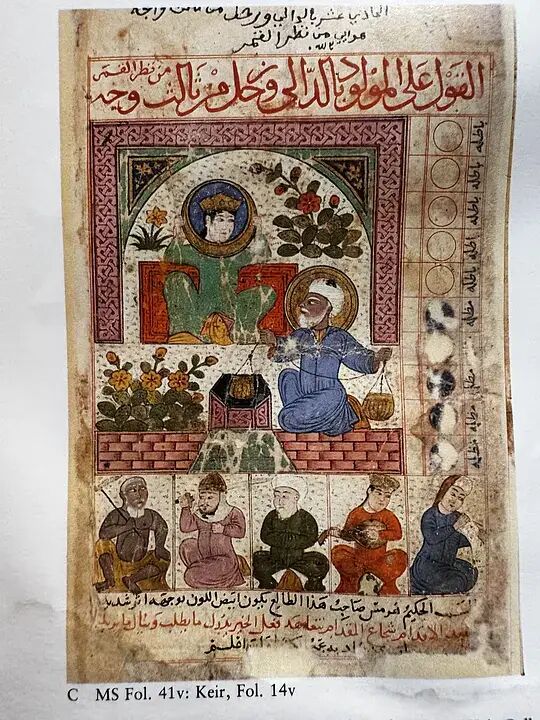
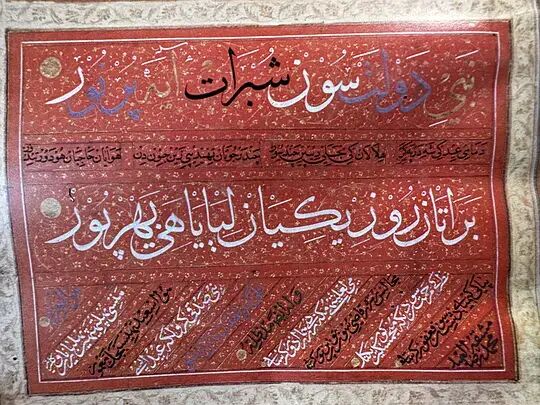
The eighth piece is a Turkic-language Persian miniature painting titled Eskandar-nama, kept at the Biblioteca Marciana in Venice. It tells the adventure stories of Alexander the Great, and the author confirms it was painted during the Ottoman dynasty in the 15th century.
The ninth piece features ceramic tiles from 16th-century Ottoman-era Damascus, Syria.
The tenth piece shows public architecture from the Shaybanid dynasty in Bukhara during the 1560s and 1570s.
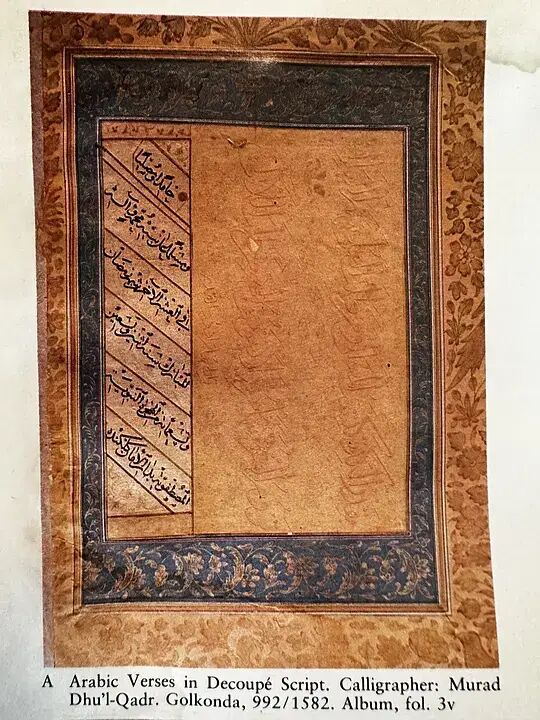
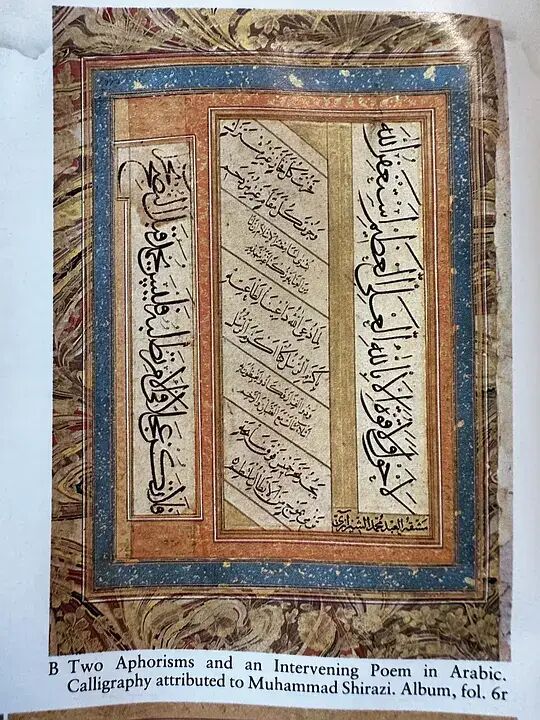
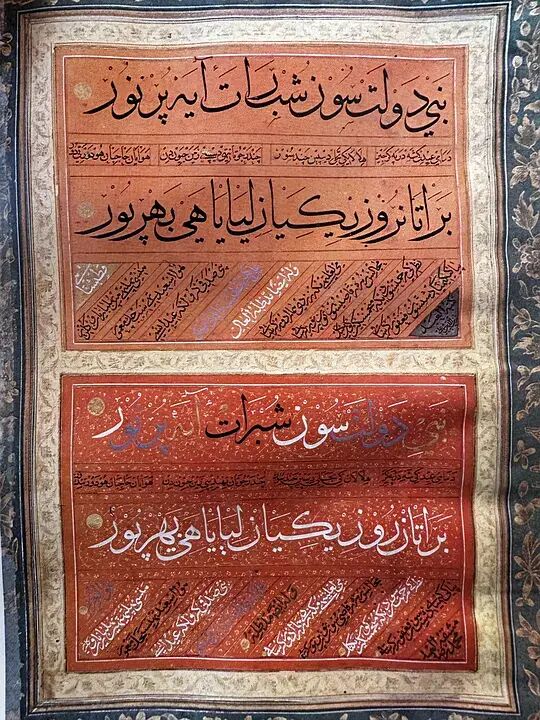
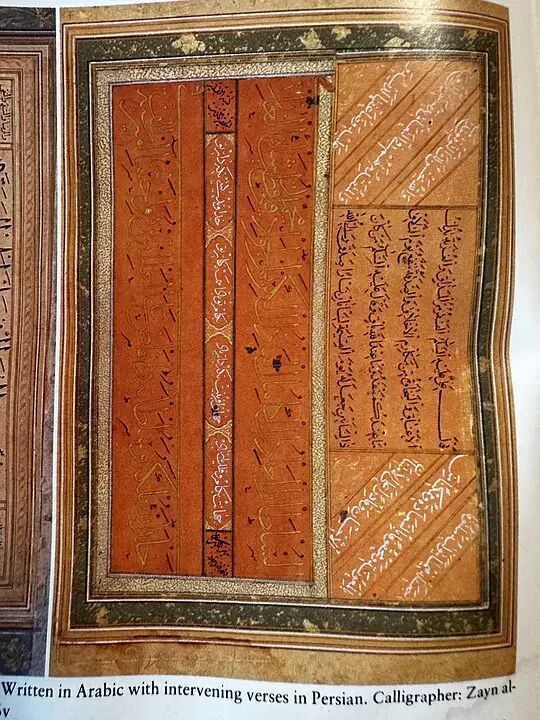
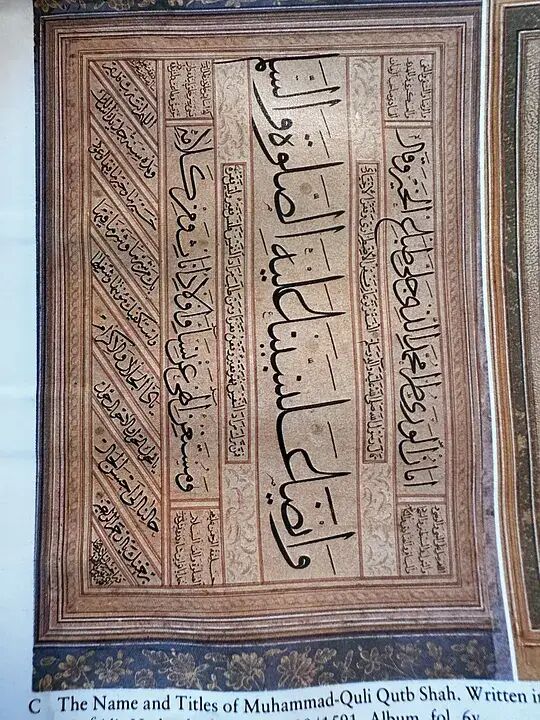
The eleventh piece is a Persian manuscript held at the Chester Beatty Library in Dublin. It comes from the fifth sultan of the Golconda Sultanate in the ancient Indian city of Hyderabad, Muhammad Quli Qutb Shah, who reigned from 1580 to 1612.
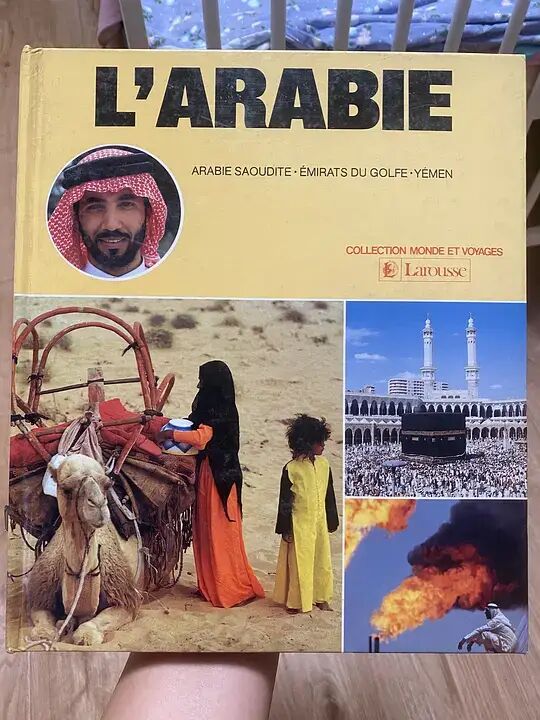
The second book is a 1986 French photo album about the culture and customs of the Arabian Peninsula.
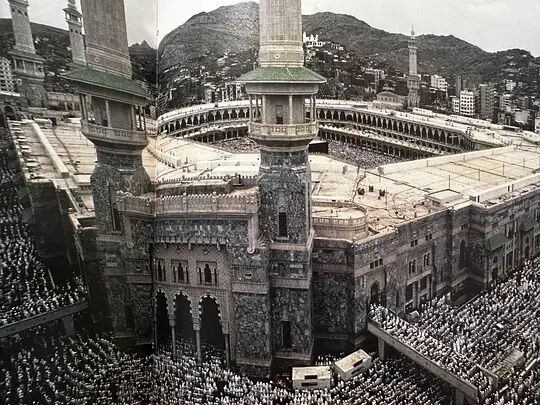
Take a look at the Chaohan records from 40 years ago, back when there were no high-rise buildings.
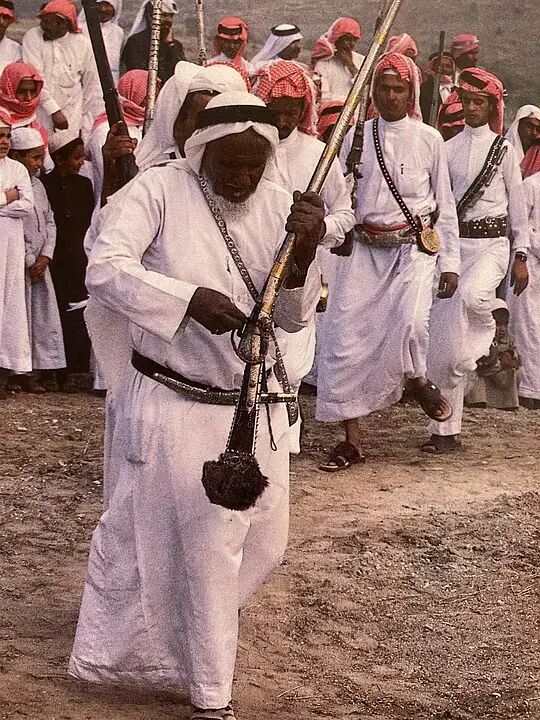
A dance at a traditional wedding.
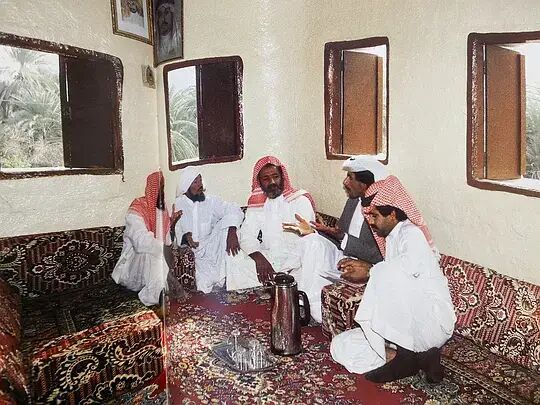
The inside of a living room in a traditional house.
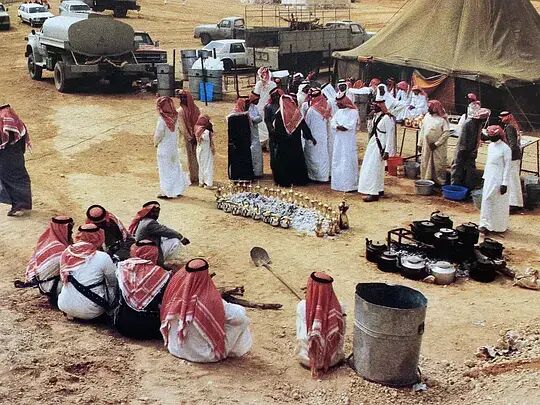
In the 1980s, traditional Arab tribal camps changed because of the arrival of trucks.
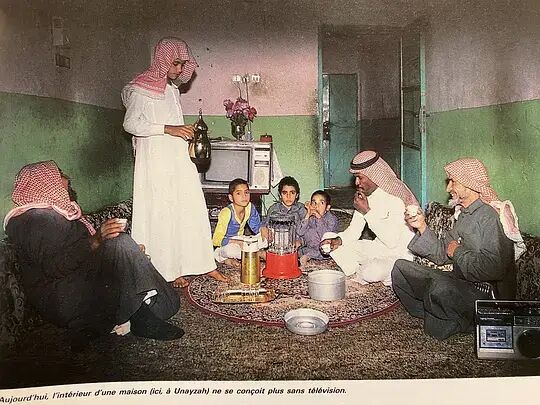
A Saudi family living room in the 1980s, complete with a television and a tape recorder.
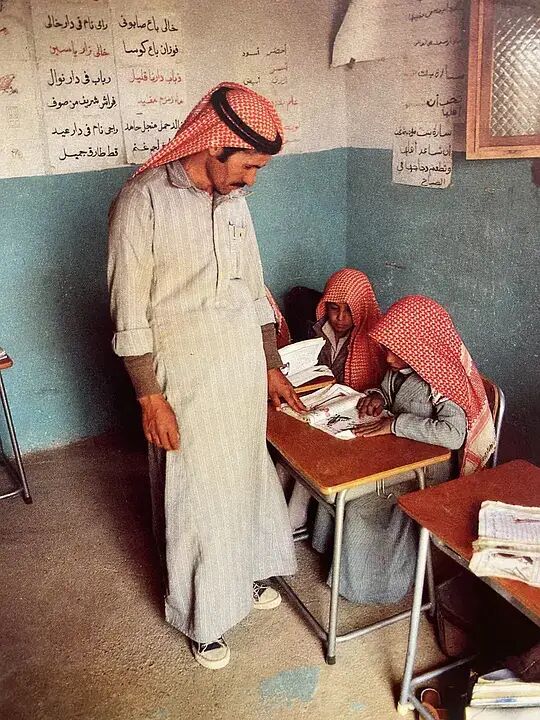
A school classroom near Medina.
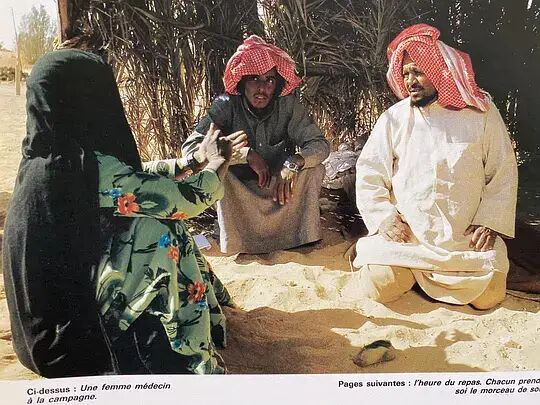
A village doctor who is a woman.
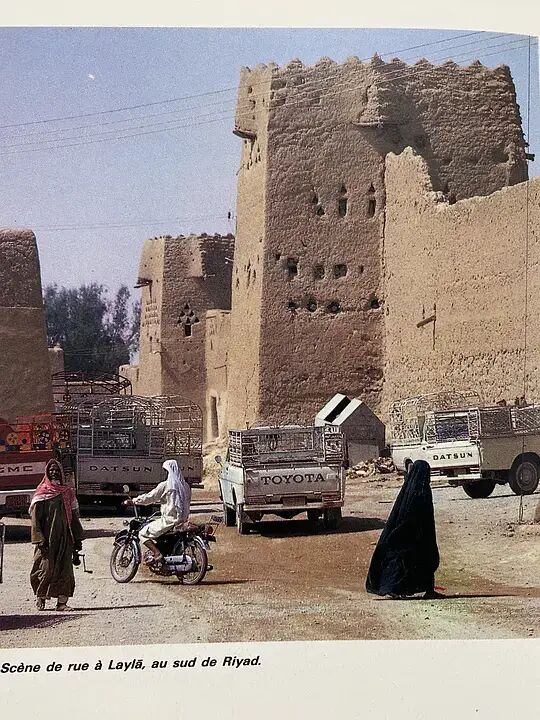
A street near the capital city of Riyadh.
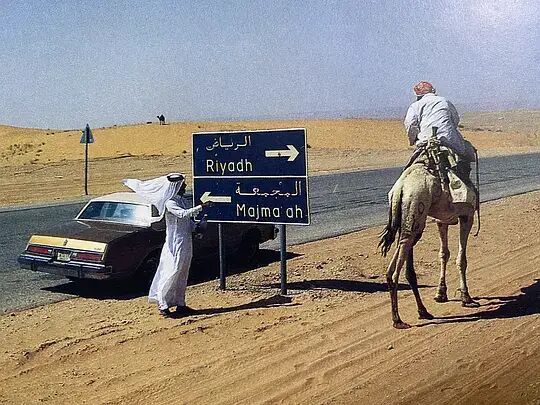
Traditional and modern transport meet.
Jewelry merchants at the gold market in Riyadh.
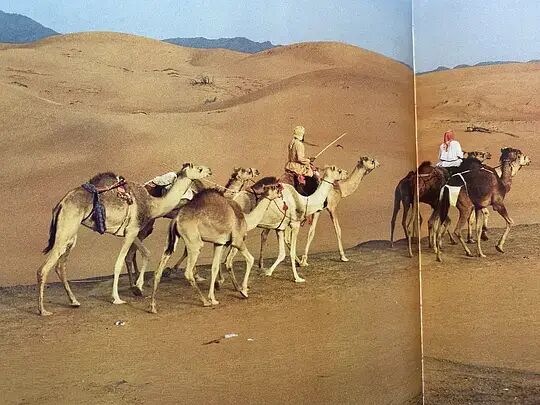
Traditional scenery in Saudi Arabia.
A few photos from Yemen, in the following order:
Yemeni people in the village celebrating Eid al-Adha.
Yemeni people gathering and chatting.
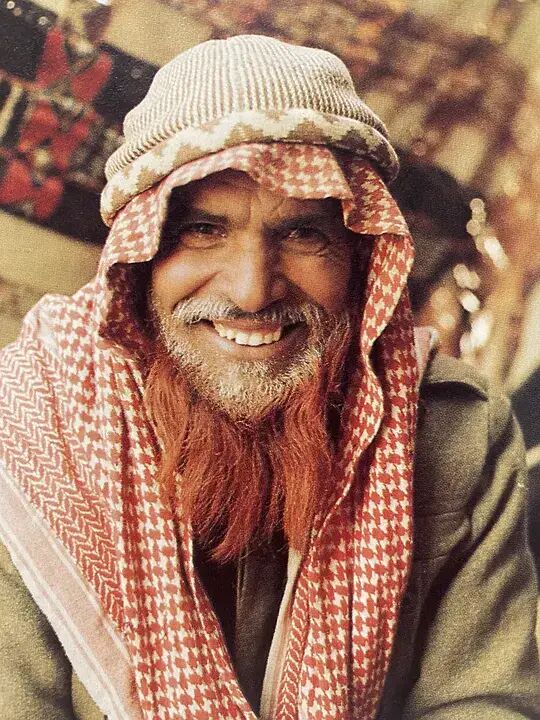
The traditional dress of Yemeni people.
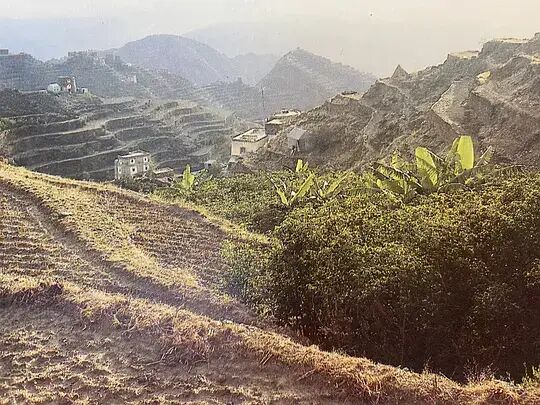
Terraced fields and villages in the mountains of Yemen.
The ancient city of Shibam in Yemen is famous for its many mud-brick high-rise buildings dating back to the 16th century. It is known as the Manhattan of the Desert and the world's first skyscraper city.
An old man is teaching a boy how to recite the Quran. view all
Summary: Panjiayuan Book Hunt: Islamic Art Albums and Muslim Heritage is presented here as a firsthand travel account in clear English, beginning with this scene: In October, I found two picture books at the Panjiayuan weekend antique book market in Beijing and wanted to share them with you. The account keeps its focus on Panjiayuan, Islamic Art, Muslim Books while preserving the names, places, food, and historical details from the Chinese source.
In October, I found two picture books at the Panjiayuan weekend antique book market in Beijing and wanted to share them with you.
The first book was published by the New York Islamic Art Foundation in 1987 and covers 11 different themes.
The first chapter studies the scripture carvings on an exquisite box found at the Al-Hussein Mosque in Cairo in 1939.
The second chapter studies a copper basin from the Mamluk dynasty held in the collection of the L. A. Mayer Memorial Institute in Jerusalem.
The third chapter studies the intersection of Islamic architectural styles in Iran and Anatolia.
The fourth chapter studies the inscriptions on the tomb of the Ilkhanate ruler Öljaitü in Soltaniyeh, Iran.
The fifth chapter studies some wood carvings from the Ilkhanate period in the city of Soltaniyeh, Iran.
The sixth chapter studies the lamps used in Sufi shrines (gongbei).
The first image shows lamps from a 1320 miniature painting of the Shahnameh (Book of Kings) in Tabriz, Iran. Behind it are lamps with the same design from 14th to 15th-century Iran.
The seventh piece is an astrology miniature painting from the Jalayirid dynasty, a kingdom established by the Mongols in the Iran and Iraq region during the 14th century after the Ilkhanate collapsed.
The eighth piece is a Turkic-language Persian miniature painting titled Eskandar-nama, kept at the Biblioteca Marciana in Venice. It tells the adventure stories of Alexander the Great, and the author confirms it was painted during the Ottoman dynasty in the 15th century.
The ninth piece features ceramic tiles from 16th-century Ottoman-era Damascus, Syria.
The tenth piece shows public architecture from the Shaybanid dynasty in Bukhara during the 1560s and 1570s.
The eleventh piece is a Persian manuscript held at the Chester Beatty Library in Dublin. It comes from the fifth sultan of the Golconda Sultanate in the ancient Indian city of Hyderabad, Muhammad Quli Qutb Shah, who reigned from 1580 to 1612.
The second book is a 1986 French photo album about the culture and customs of the Arabian Peninsula.
Take a look at the Chaohan records from 40 years ago, back when there were no high-rise buildings.
A dance at a traditional wedding.
The inside of a living room in a traditional house.
In the 1980s, traditional Arab tribal camps changed because of the arrival of trucks.
A Saudi family living room in the 1980s, complete with a television and a tape recorder.
A school classroom near Medina.
A village doctor who is a woman.
A street near the capital city of Riyadh.
Traditional and modern transport meet.
Jewelry merchants at the gold market in Riyadh.
Traditional scenery in Saudi Arabia.
A few photos from Yemen, in the following order:
Yemeni people in the village celebrating Eid al-Adha.
Yemeni people gathering and chatting.
The traditional dress of Yemeni people.
Terraced fields and villages in the mountains of Yemen.
The ancient city of Shibam in Yemen is famous for its many mud-brick high-rise buildings dating back to the 16th century. It is known as the Manhattan of the Desert and the world's first skyscraper city.
An old man is teaching a boy how to recite the Quran. view all
Reposted from the web
Summary: Panjiayuan Book Hunt: Islamic Art Albums and Muslim Heritage is presented here as a firsthand travel account in clear English, beginning with this scene: In October, I found two picture books at the Panjiayuan weekend antique book market in Beijing and wanted to share them with you. The account keeps its focus on Panjiayuan, Islamic Art, Muslim Books while preserving the names, places, food, and historical details from the Chinese source.
In October, I found two picture books at the Panjiayuan weekend antique book market in Beijing and wanted to share them with you.
The first book was published by the New York Islamic Art Foundation in 1987 and covers 11 different themes.
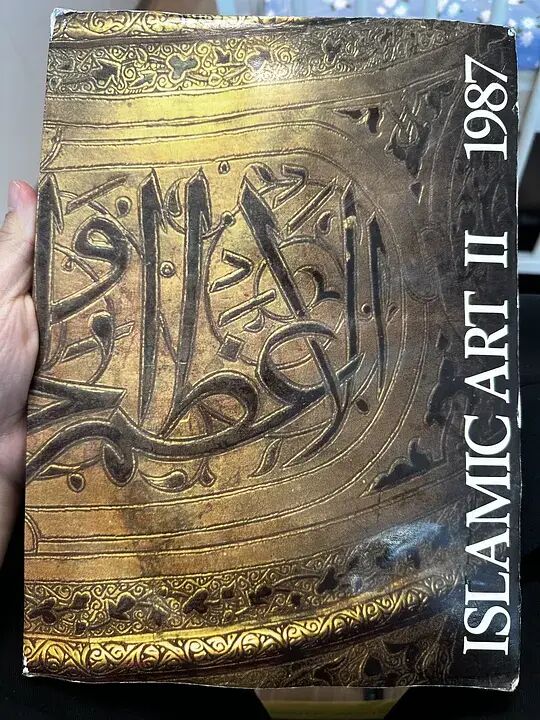
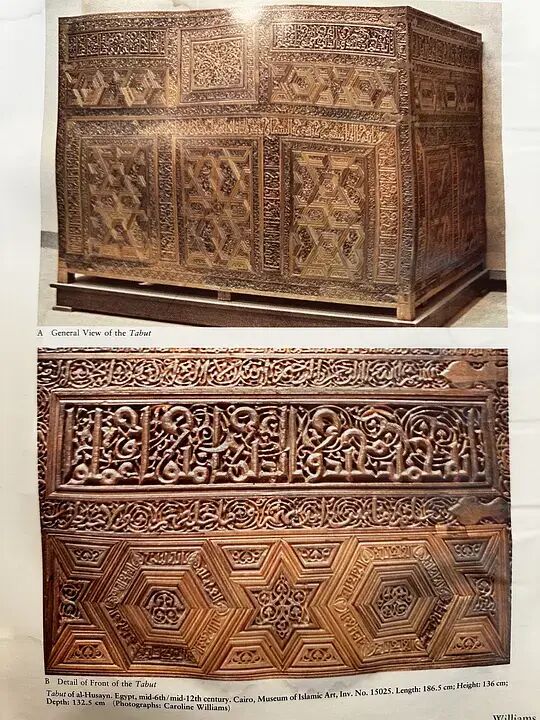
The first chapter studies the scripture carvings on an exquisite box found at the Al-Hussein Mosque in Cairo in 1939.
The second chapter studies a copper basin from the Mamluk dynasty held in the collection of the L. A. Mayer Memorial Institute in Jerusalem.
The third chapter studies the intersection of Islamic architectural styles in Iran and Anatolia.
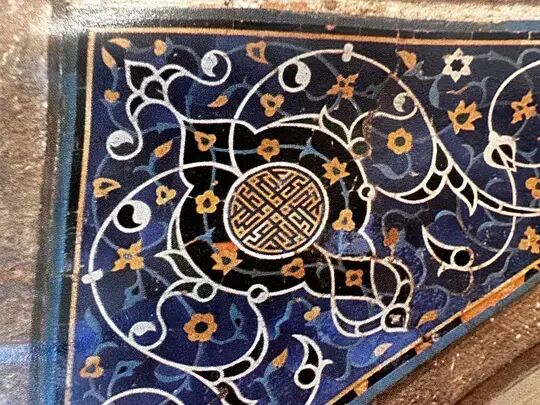
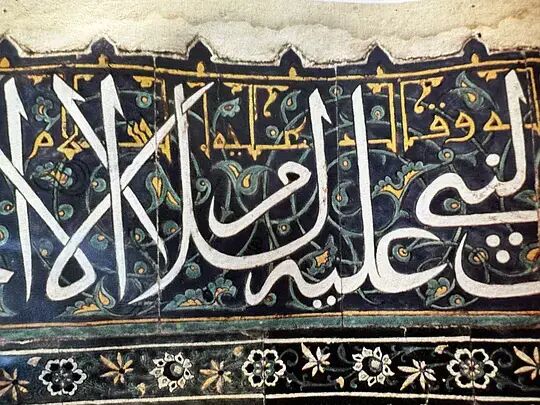
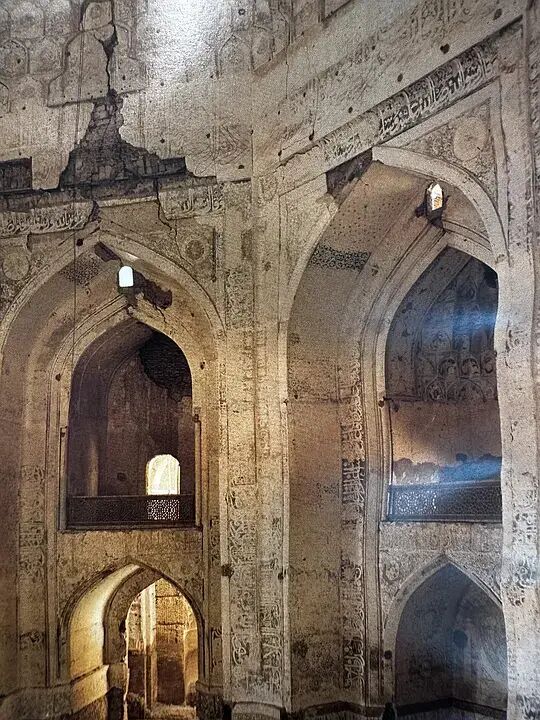
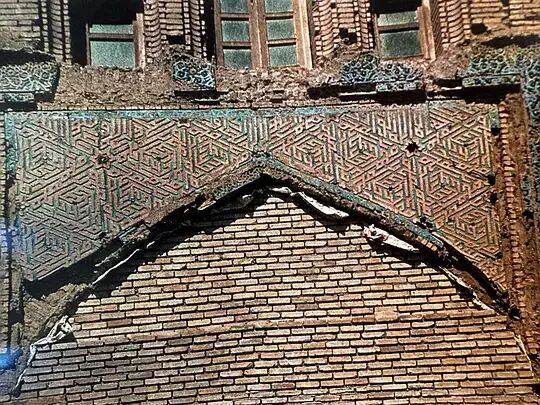
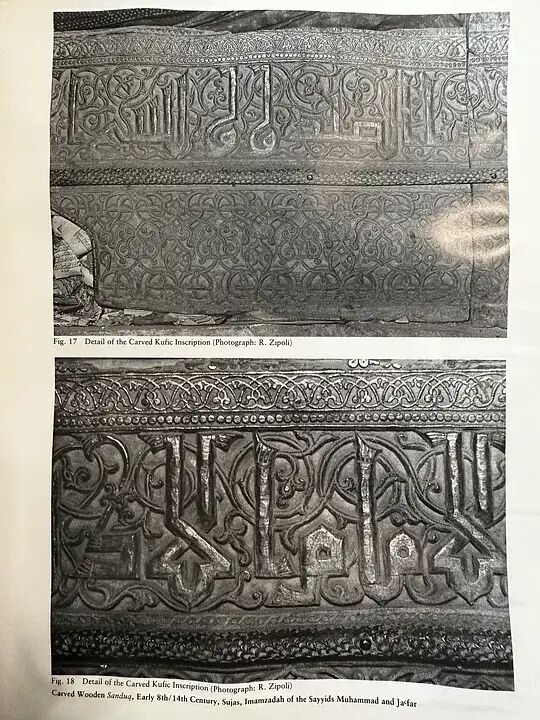
The fourth chapter studies the inscriptions on the tomb of the Ilkhanate ruler Öljaitü in Soltaniyeh, Iran.
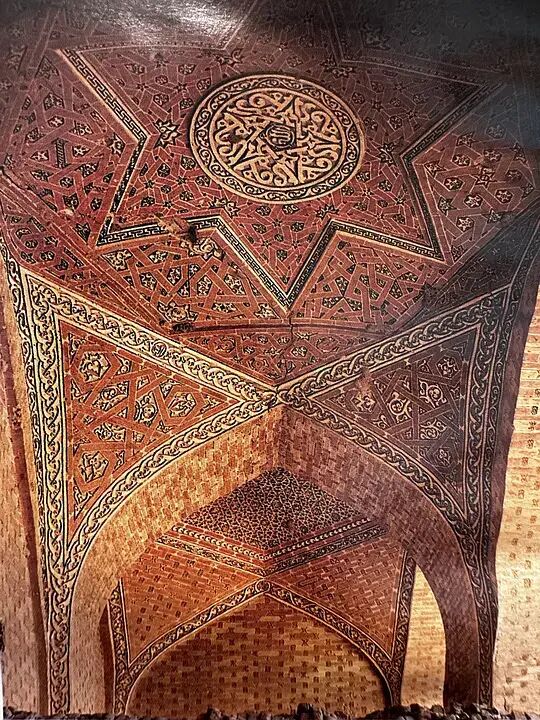
The fifth chapter studies some wood carvings from the Ilkhanate period in the city of Soltaniyeh, Iran.
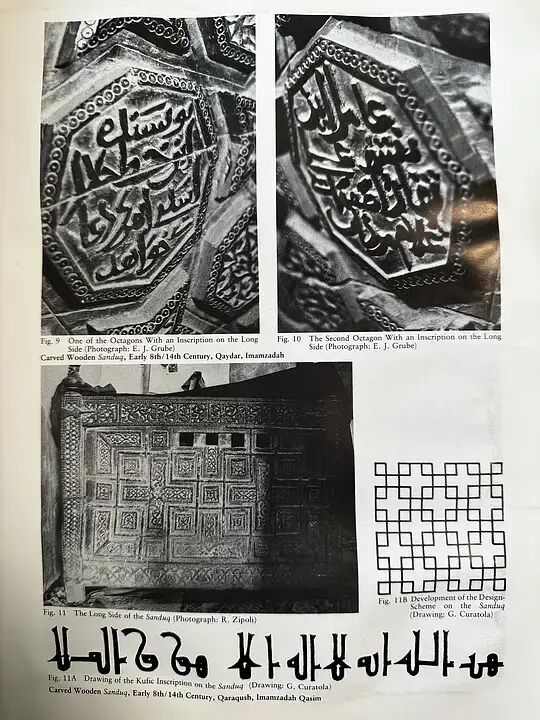
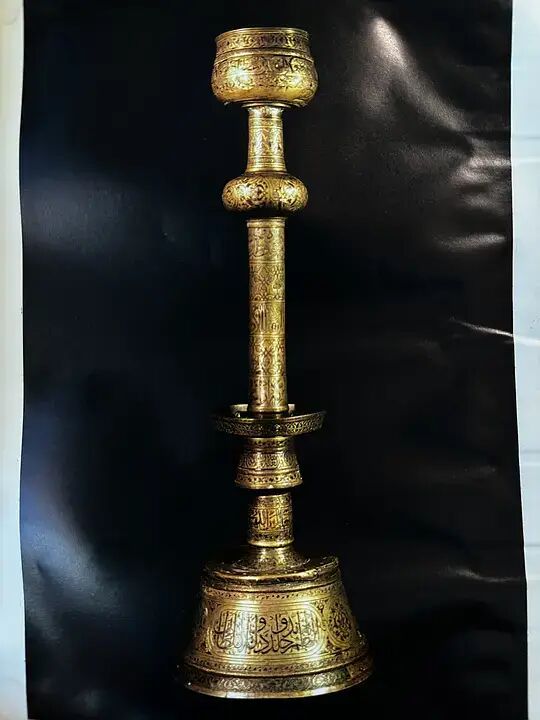
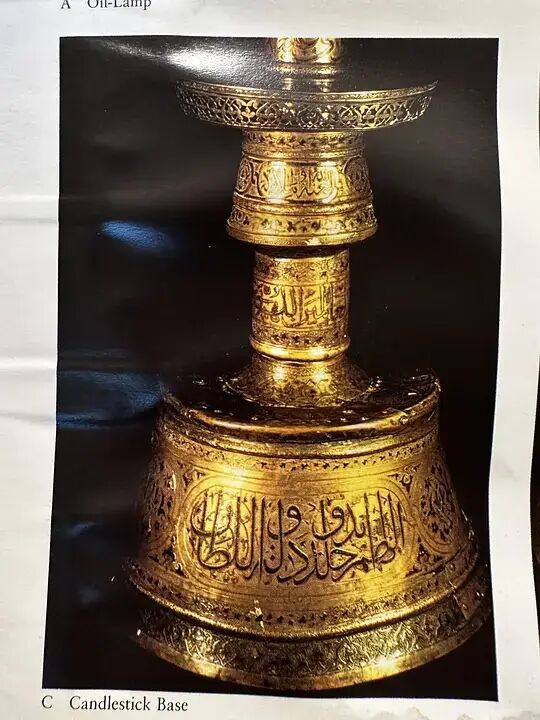
The sixth chapter studies the lamps used in Sufi shrines (gongbei).
The first image shows lamps from a 1320 miniature painting of the Shahnameh (Book of Kings) in Tabriz, Iran. Behind it are lamps with the same design from 14th to 15th-century Iran.
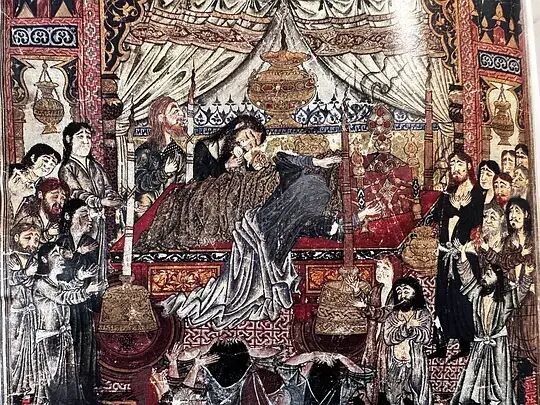
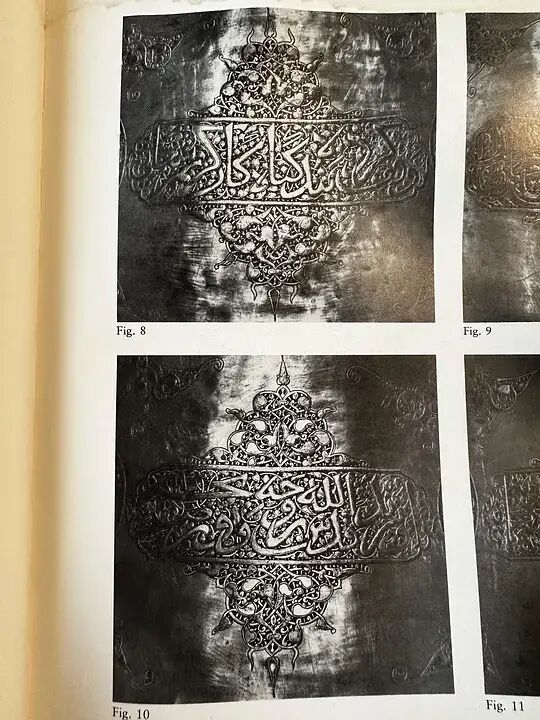
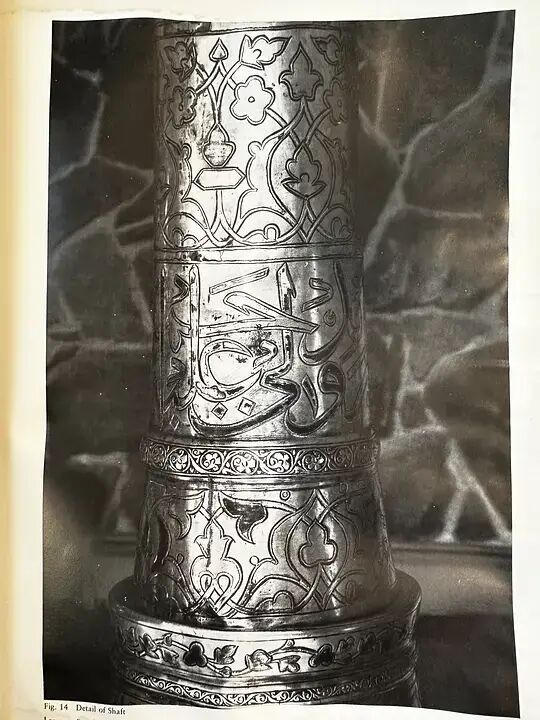
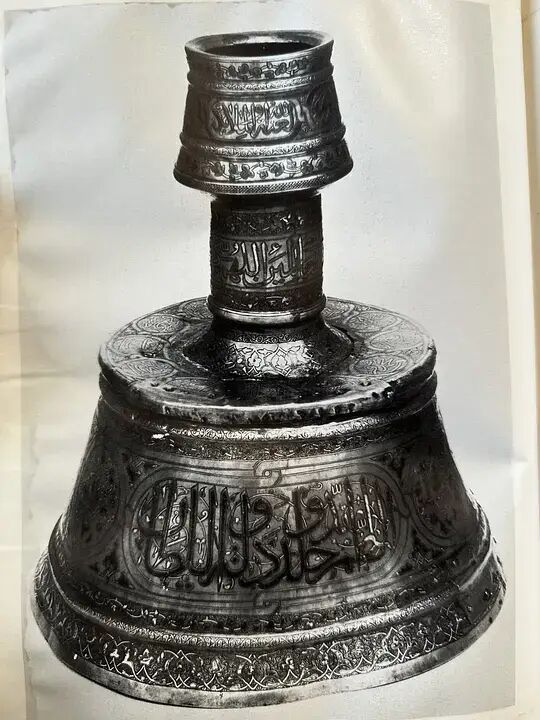
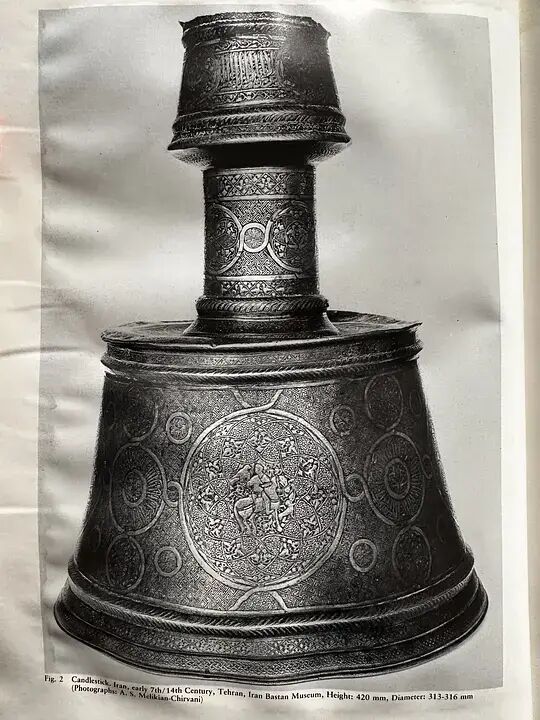
The seventh piece is an astrology miniature painting from the Jalayirid dynasty, a kingdom established by the Mongols in the Iran and Iraq region during the 14th century after the Ilkhanate collapsed.
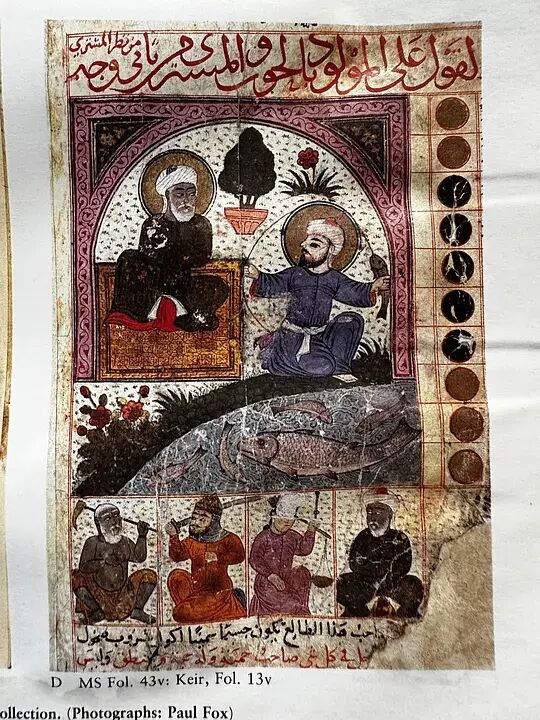
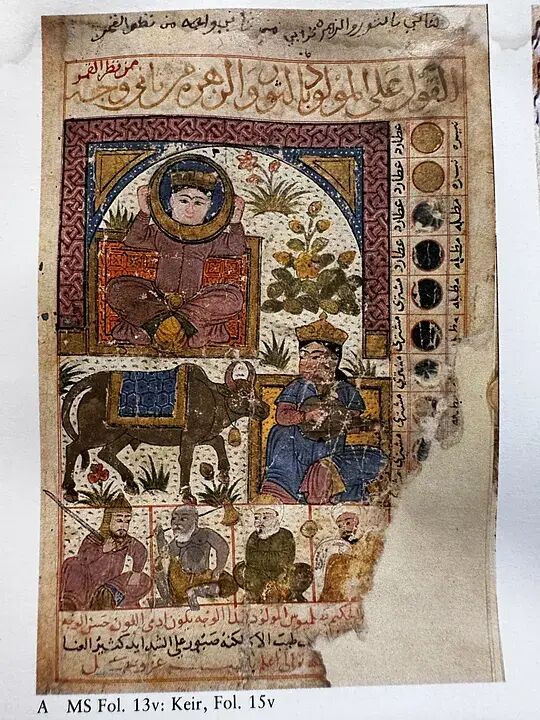
The eighth piece is a Turkic-language Persian miniature painting titled Eskandar-nama, kept at the Biblioteca Marciana in Venice. It tells the adventure stories of Alexander the Great, and the author confirms it was painted during the Ottoman dynasty in the 15th century.
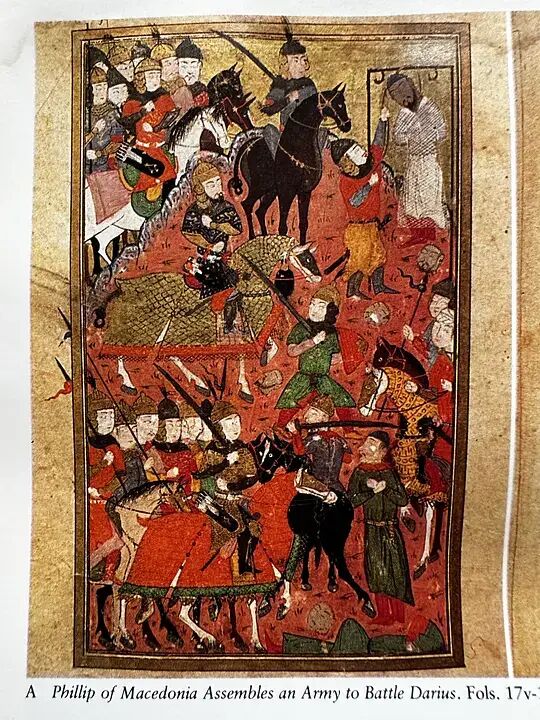
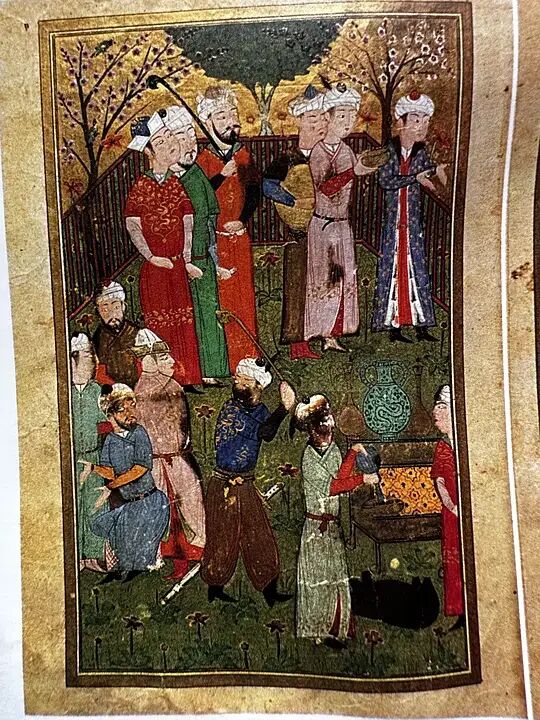
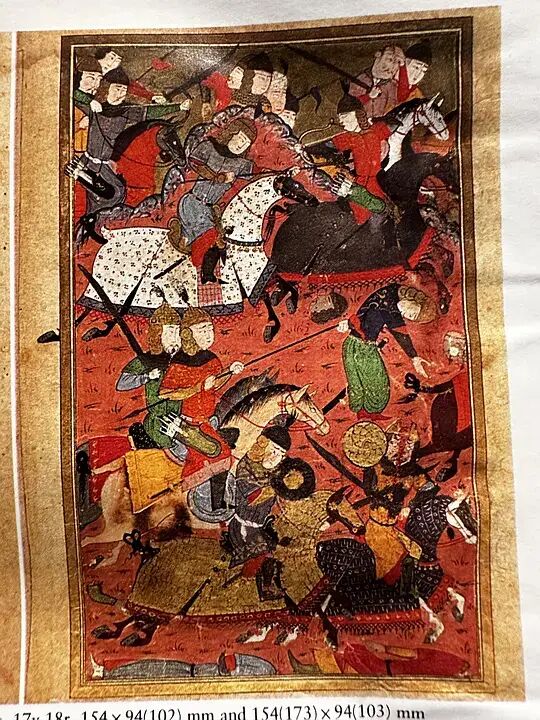
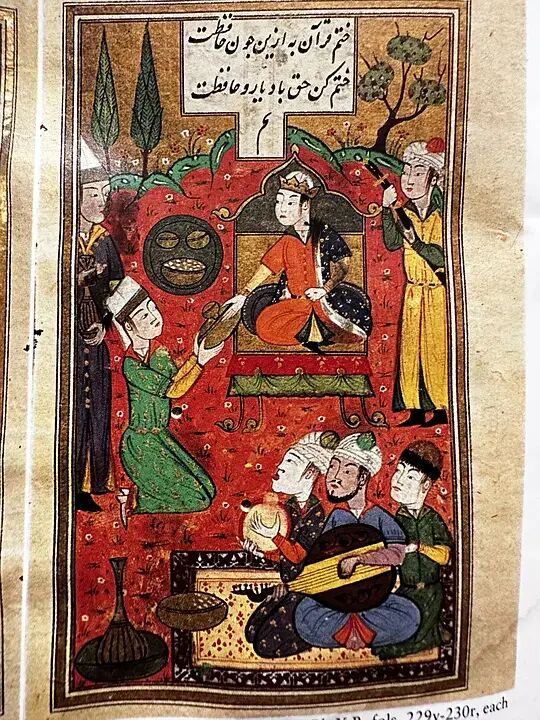
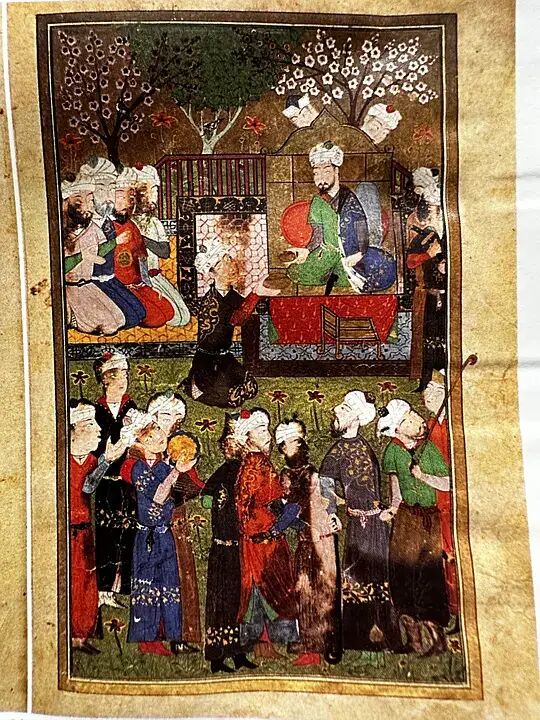
The ninth piece features ceramic tiles from 16th-century Ottoman-era Damascus, Syria.
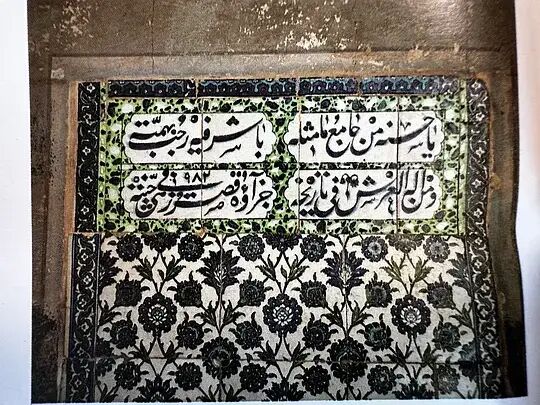
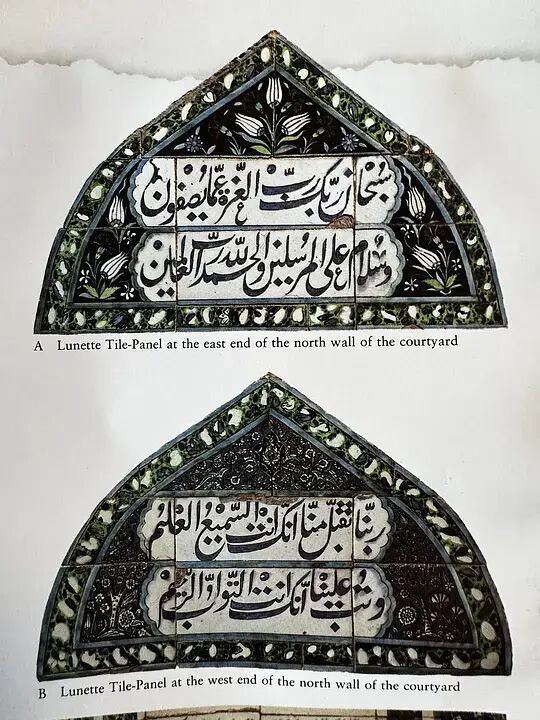
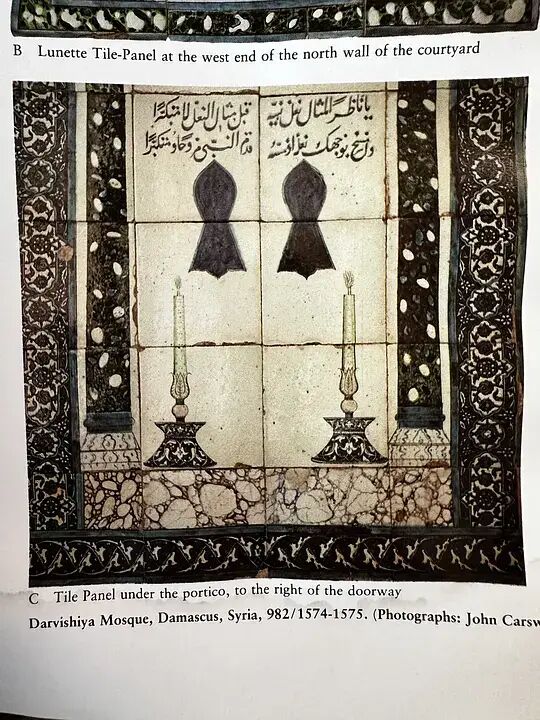
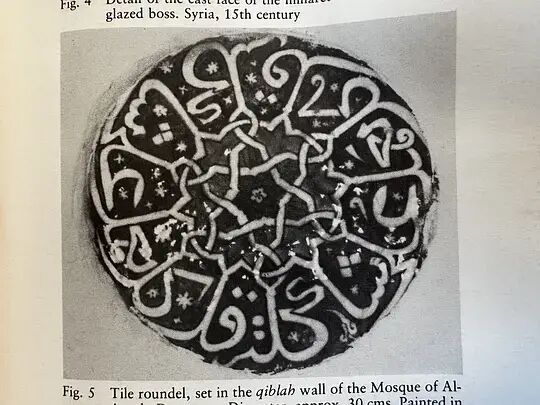
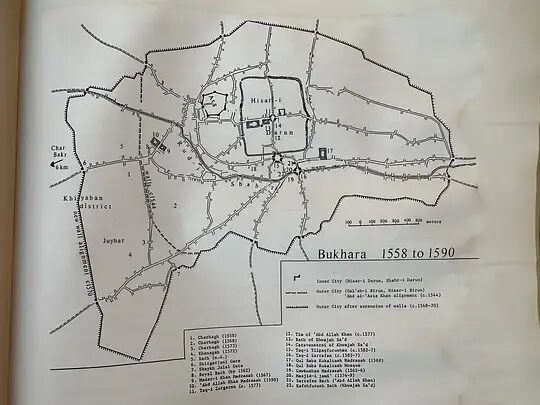
The tenth piece shows public architecture from the Shaybanid dynasty in Bukhara during the 1560s and 1570s.
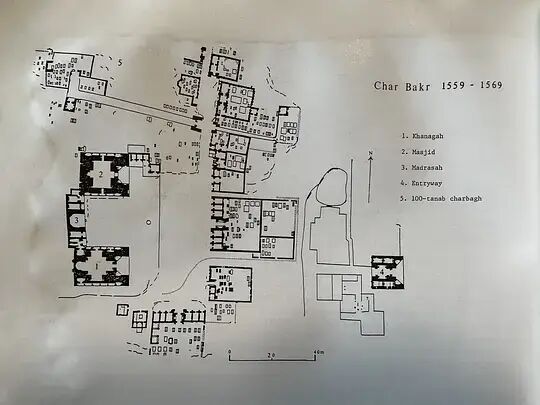
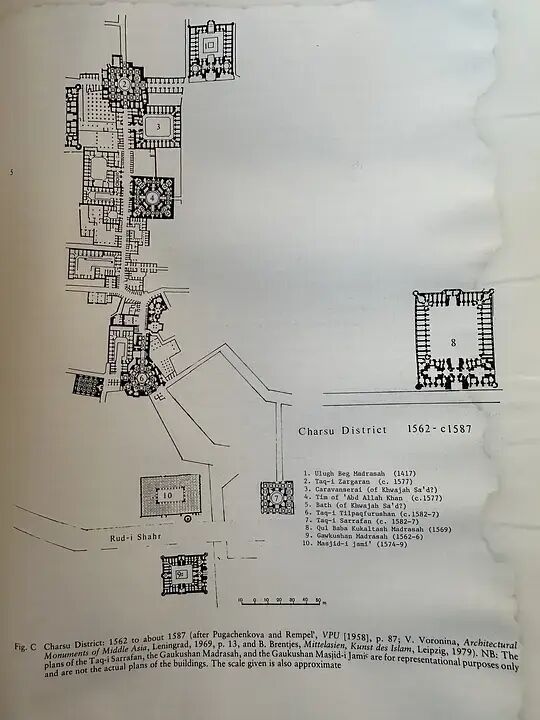
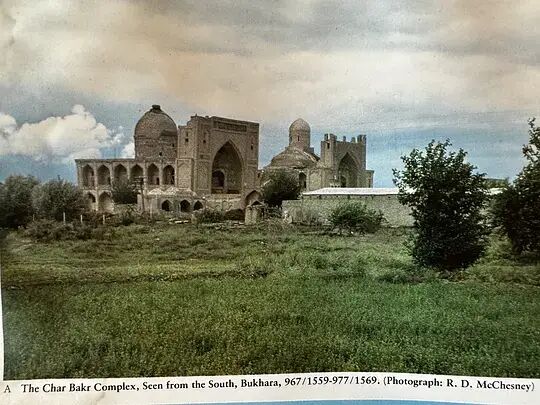
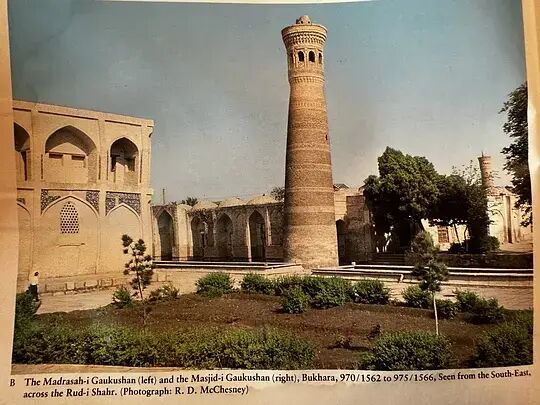
The eleventh piece is a Persian manuscript held at the Chester Beatty Library in Dublin. It comes from the fifth sultan of the Golconda Sultanate in the ancient Indian city of Hyderabad, Muhammad Quli Qutb Shah, who reigned from 1580 to 1612.
The second book is a 1986 French photo album about the culture and customs of the Arabian Peninsula.
Take a look at the Chaohan records from 40 years ago, back when there were no high-rise buildings.
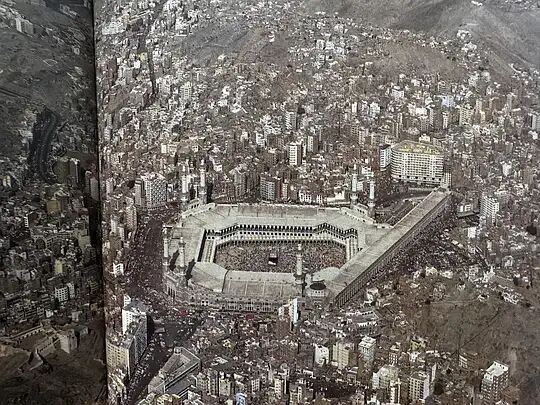
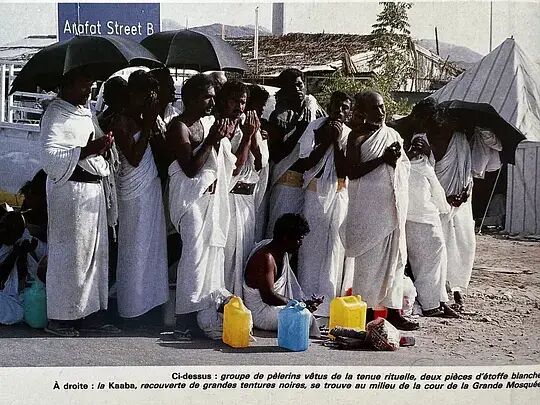
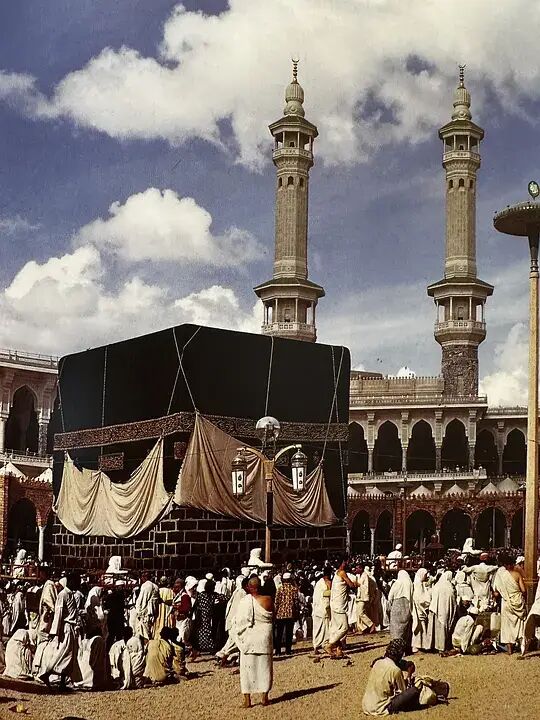
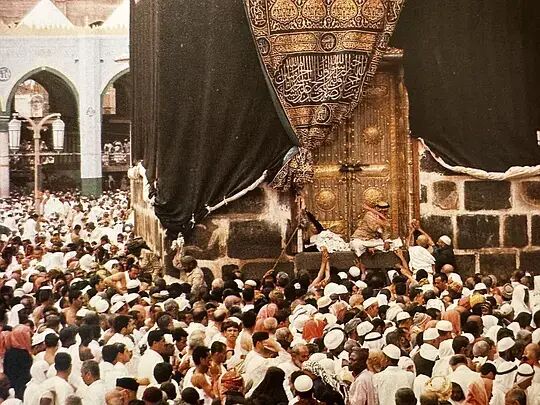
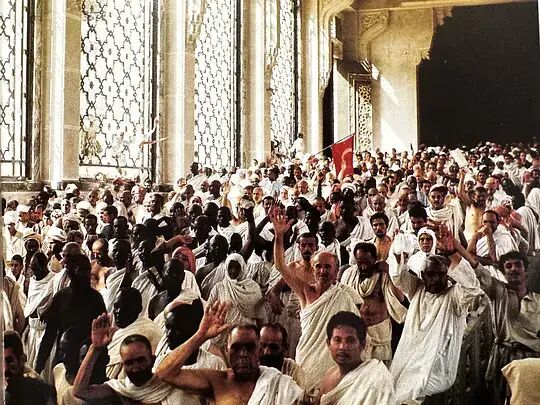
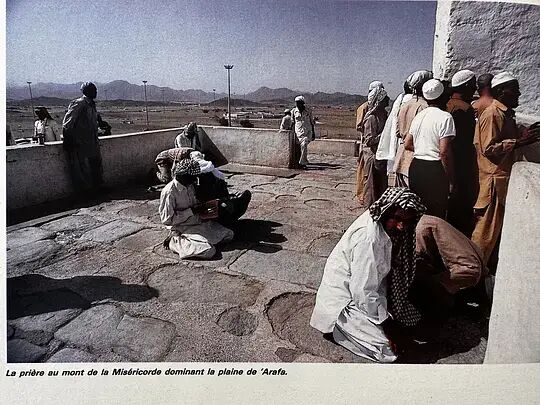
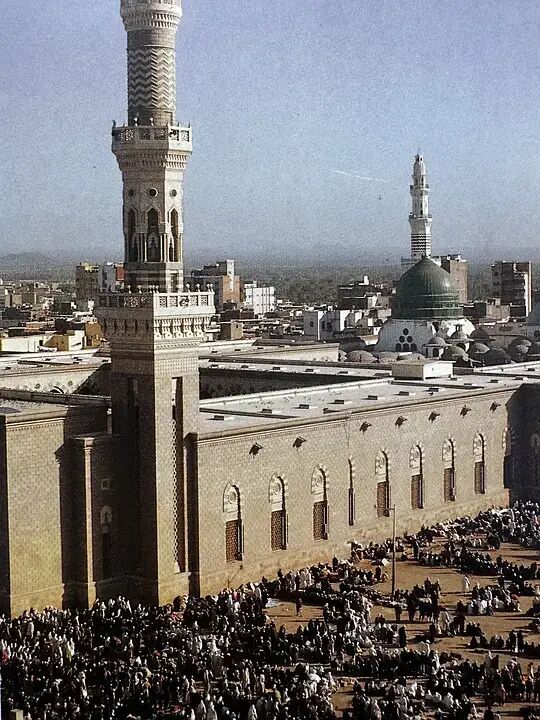
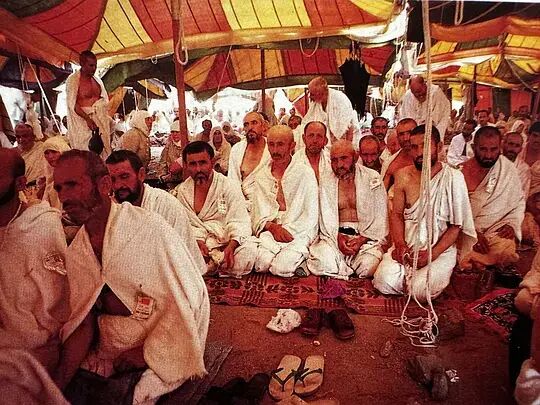
A dance at a traditional wedding.
The inside of a living room in a traditional house.
In the 1980s, traditional Arab tribal camps changed because of the arrival of trucks.
A Saudi family living room in the 1980s, complete with a television and a tape recorder.
A school classroom near Medina.
A village doctor who is a woman.
A street near the capital city of Riyadh.
Traditional and modern transport meet.
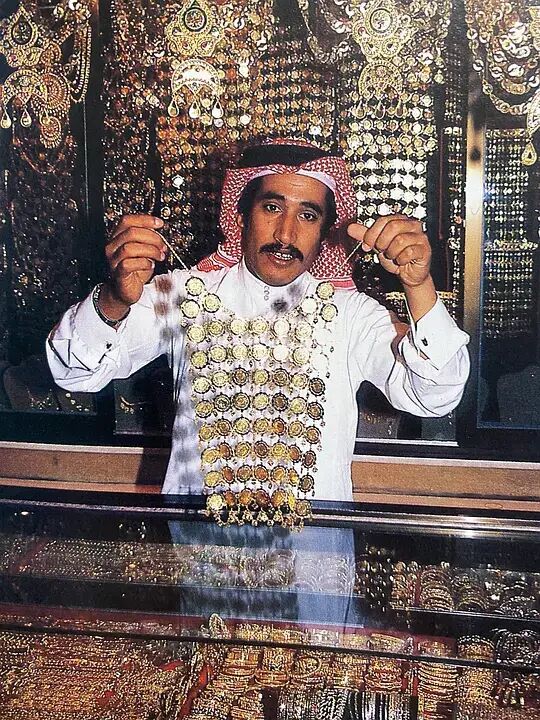
Jewelry merchants at the gold market in Riyadh.
Traditional scenery in Saudi Arabia.
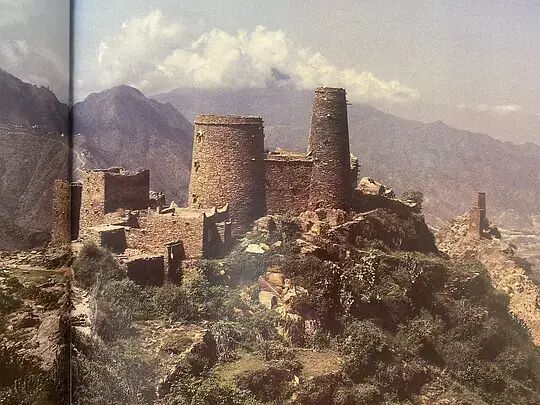
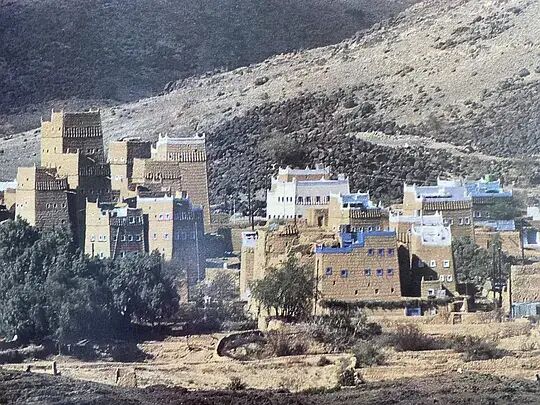
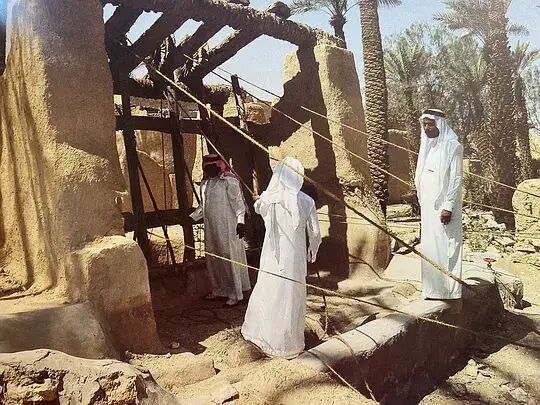
A few photos from Yemen, in the following order:
Yemeni people in the village celebrating Eid al-Adha.
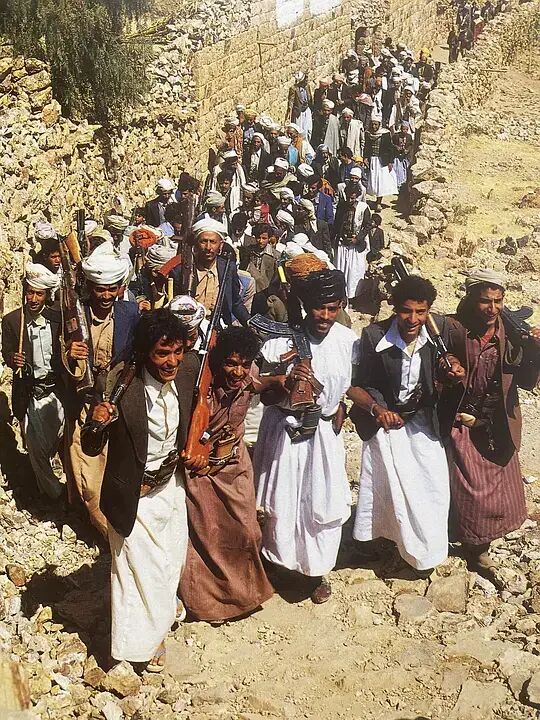
Yemeni people gathering and chatting.
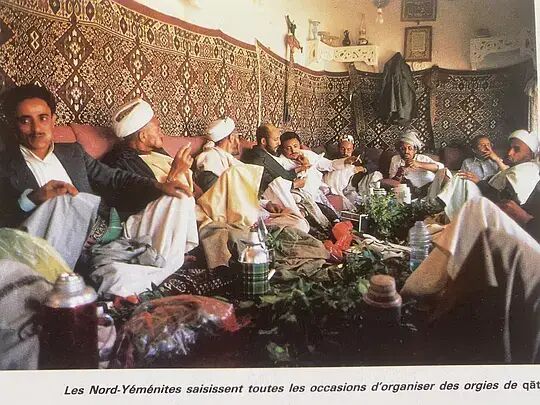
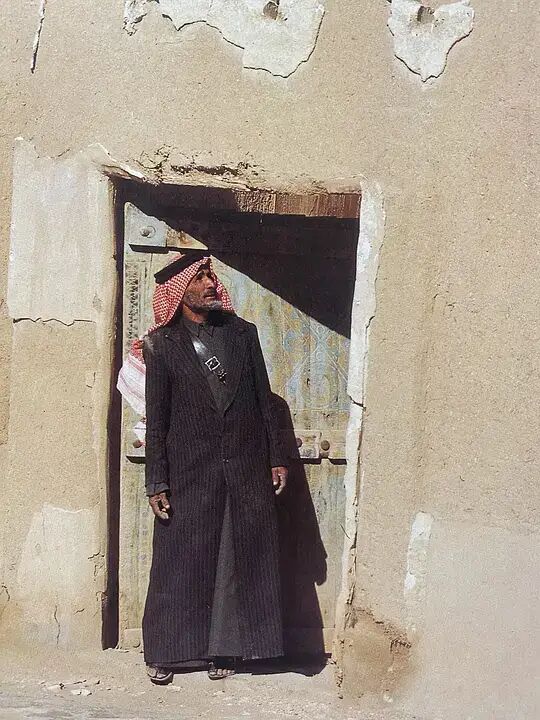
The traditional dress of Yemeni people.
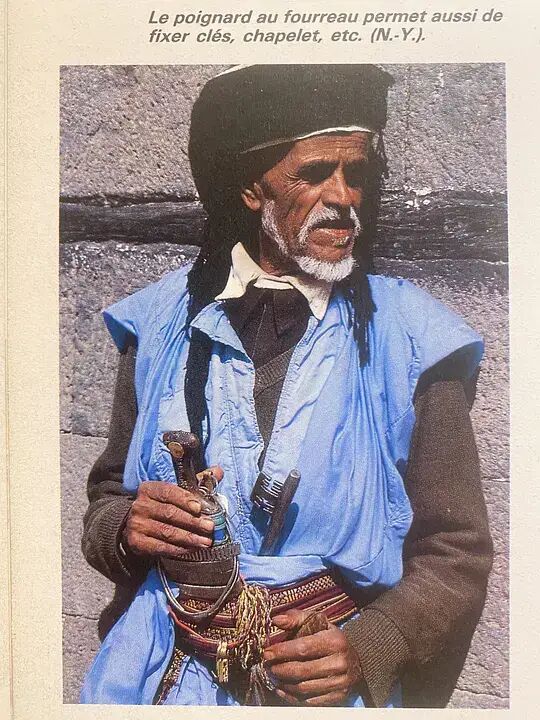
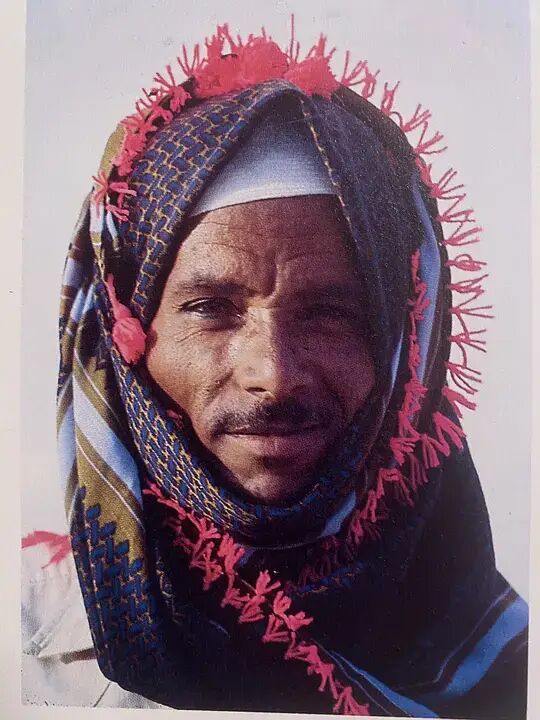
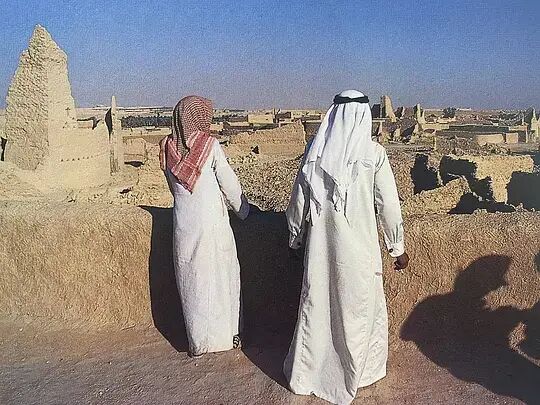
Terraced fields and villages in the mountains of Yemen.
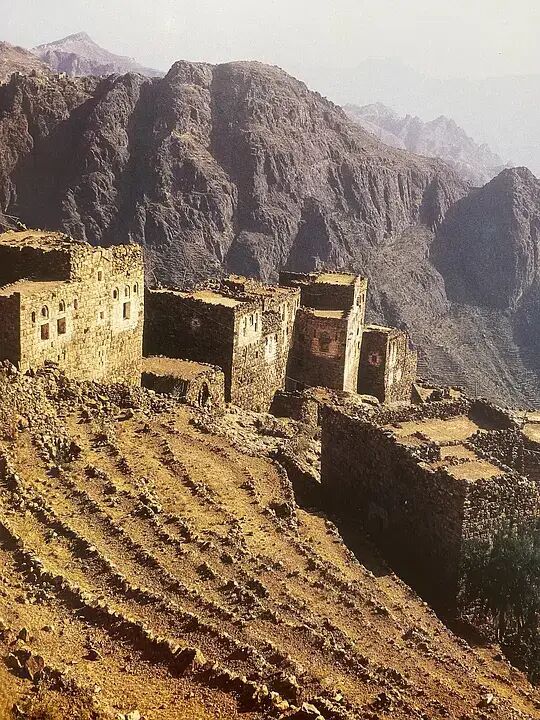
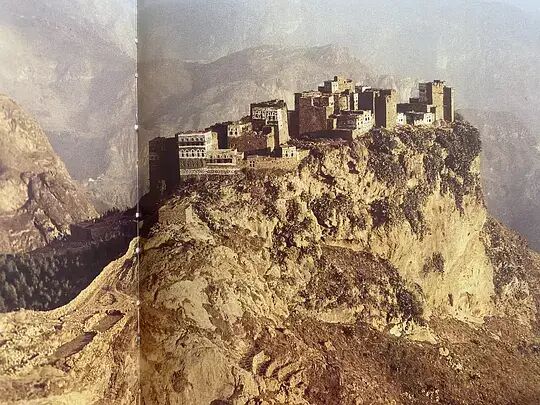
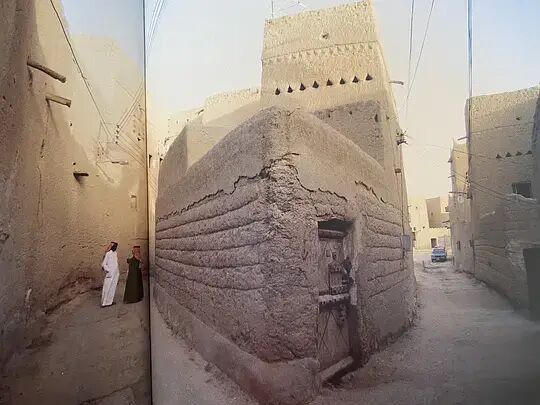
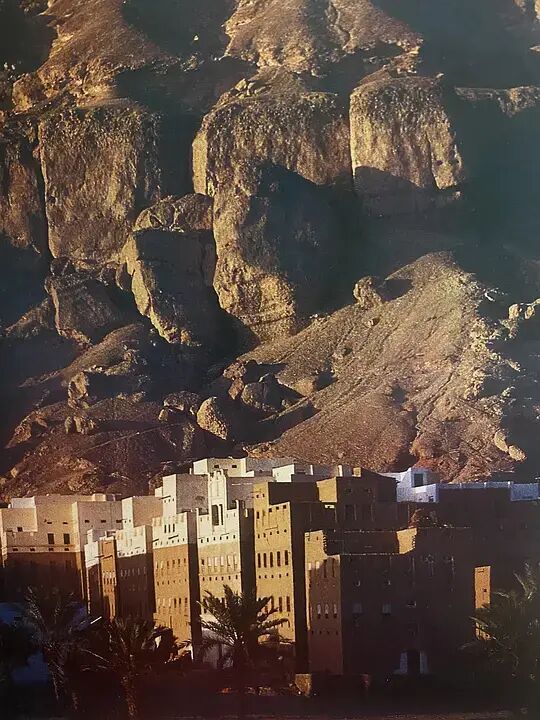
The ancient city of Shibam in Yemen is famous for its many mud-brick high-rise buildings dating back to the 16th century. It is known as the Manhattan of the Desert and the world's first skyscraper city.
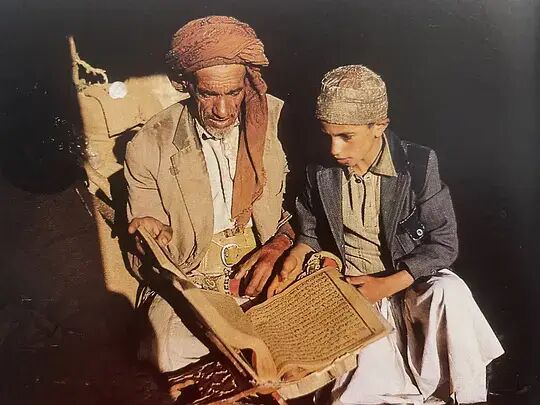
An old man is teaching a boy how to recite the Quran.
Summary: Panjiayuan Book Hunt: Islamic Art Albums and Muslim Heritage is presented here as a firsthand travel account in clear English, beginning with this scene: In October, I found two picture books at the Panjiayuan weekend antique book market in Beijing and wanted to share them with you. The account keeps its focus on Panjiayuan, Islamic Art, Muslim Books while preserving the names, places, food, and historical details from the Chinese source.
In October, I found two picture books at the Panjiayuan weekend antique book market in Beijing and wanted to share them with you.
The first book was published by the New York Islamic Art Foundation in 1987 and covers 11 different themes.
The first chapter studies the scripture carvings on an exquisite box found at the Al-Hussein Mosque in Cairo in 1939.
The second chapter studies a copper basin from the Mamluk dynasty held in the collection of the L. A. Mayer Memorial Institute in Jerusalem.
The third chapter studies the intersection of Islamic architectural styles in Iran and Anatolia.
The fourth chapter studies the inscriptions on the tomb of the Ilkhanate ruler Öljaitü in Soltaniyeh, Iran.
The fifth chapter studies some wood carvings from the Ilkhanate period in the city of Soltaniyeh, Iran.
The sixth chapter studies the lamps used in Sufi shrines (gongbei).
The first image shows lamps from a 1320 miniature painting of the Shahnameh (Book of Kings) in Tabriz, Iran. Behind it are lamps with the same design from 14th to 15th-century Iran.
The seventh piece is an astrology miniature painting from the Jalayirid dynasty, a kingdom established by the Mongols in the Iran and Iraq region during the 14th century after the Ilkhanate collapsed.
The eighth piece is a Turkic-language Persian miniature painting titled Eskandar-nama, kept at the Biblioteca Marciana in Venice. It tells the adventure stories of Alexander the Great, and the author confirms it was painted during the Ottoman dynasty in the 15th century.
The ninth piece features ceramic tiles from 16th-century Ottoman-era Damascus, Syria.
The tenth piece shows public architecture from the Shaybanid dynasty in Bukhara during the 1560s and 1570s.
The eleventh piece is a Persian manuscript held at the Chester Beatty Library in Dublin. It comes from the fifth sultan of the Golconda Sultanate in the ancient Indian city of Hyderabad, Muhammad Quli Qutb Shah, who reigned from 1580 to 1612.
The second book is a 1986 French photo album about the culture and customs of the Arabian Peninsula.
Take a look at the Chaohan records from 40 years ago, back when there were no high-rise buildings.
A dance at a traditional wedding.
The inside of a living room in a traditional house.
In the 1980s, traditional Arab tribal camps changed because of the arrival of trucks.
A Saudi family living room in the 1980s, complete with a television and a tape recorder.
A school classroom near Medina.
A village doctor who is a woman.
A street near the capital city of Riyadh.
Traditional and modern transport meet.
Jewelry merchants at the gold market in Riyadh.
Traditional scenery in Saudi Arabia.
A few photos from Yemen, in the following order:
Yemeni people in the village celebrating Eid al-Adha.
Yemeni people gathering and chatting.
The traditional dress of Yemeni people.
Terraced fields and villages in the mountains of Yemen.
The ancient city of Shibam in Yemen is famous for its many mud-brick high-rise buildings dating back to the 16th century. It is known as the Manhattan of the Desert and the world's first skyscraper city.
An old man is teaching a boy how to recite the Quran.
Panjiayuan Antique Market: A Ming Zhengde Arabic-Inscribed Incense Burner and Vase Set
Articles • ali2007fr posted the article • 0 comments • 152 views • 2026-05-17 07:58
Reposted from the web
Summary: This travel note introduces Panjiayuan Antique Market: A Ming Zhengde Arabic-Inscribed Incense Burner and Vase Set. In late June, Zhongmao Shengjia held a spring auction preview at the Shanggu Antique City in Panjiayuan. It is useful for readers interested in Panjiayuan, Islamic Art, Ming Zhengde.
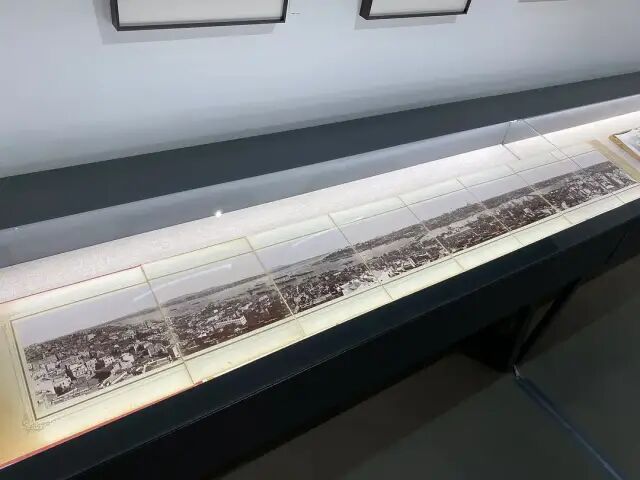
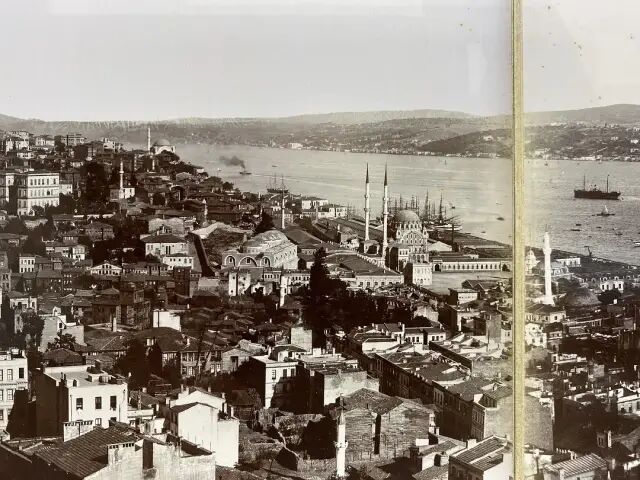
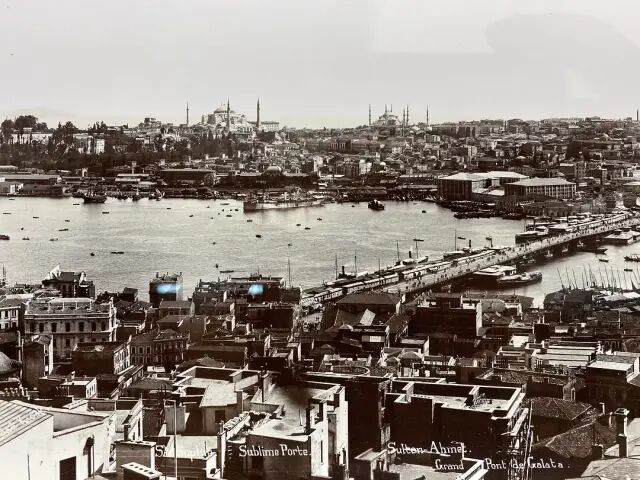
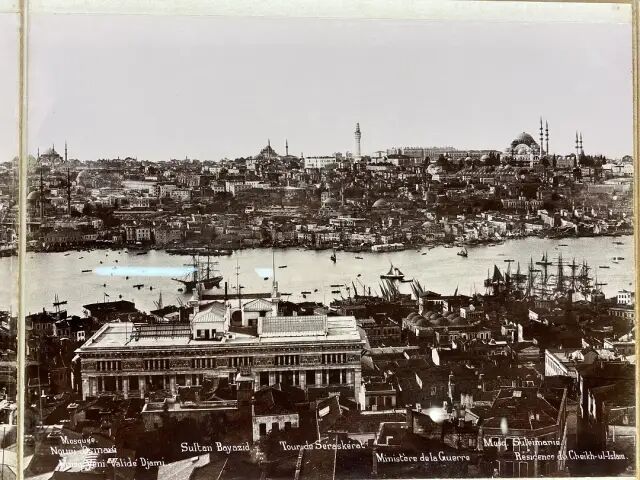
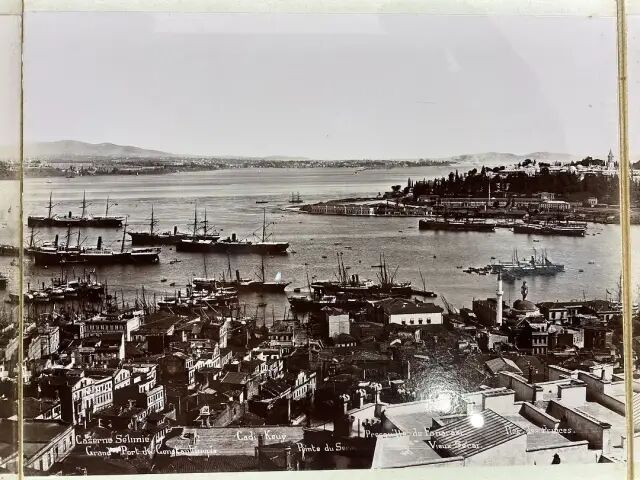
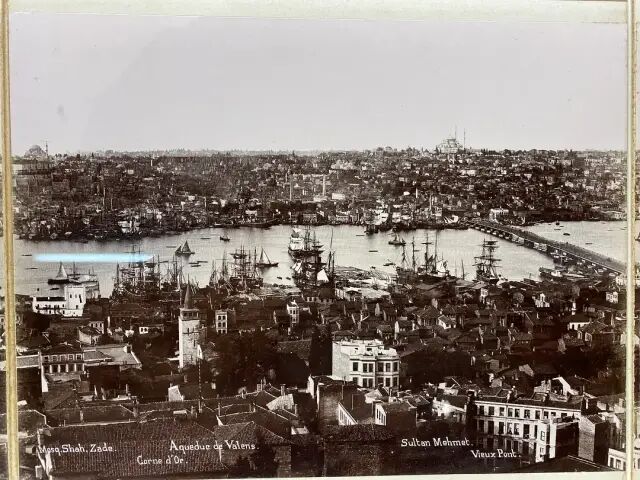
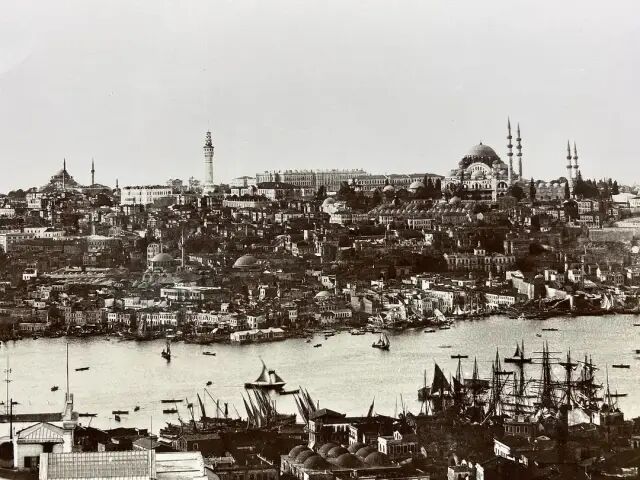
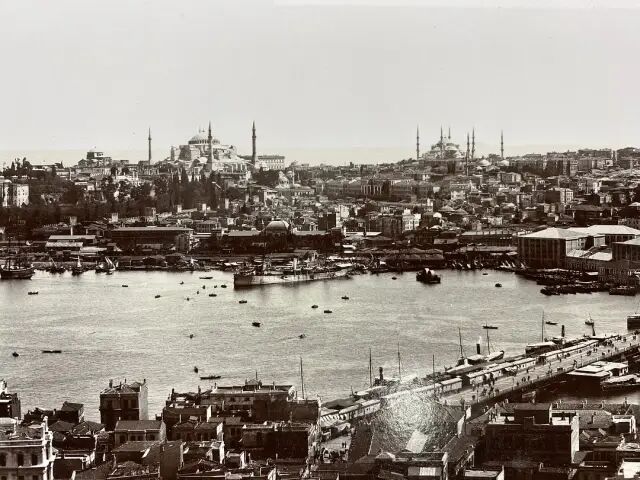
In late June, Zhongmao Shengjia held a spring auction preview at the Shanggu Antique City in Panjiayuan. I went to admire the exquisite Ming Zhengde-marked Arabic-inscribed incense burner and vase set on display, and I also saw a set of panoramic photos of Istanbul from the late 19th century.
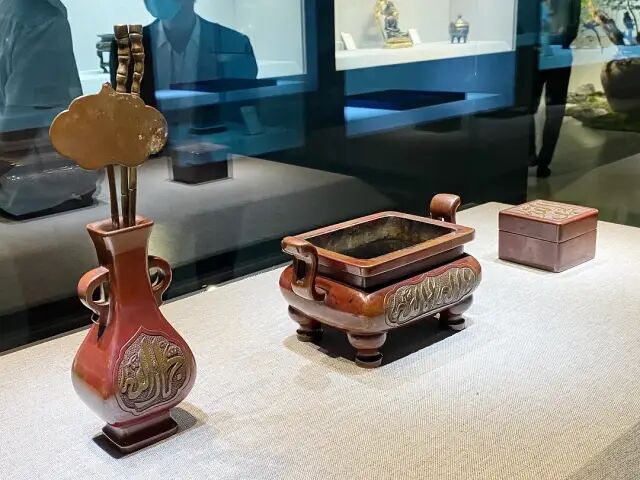
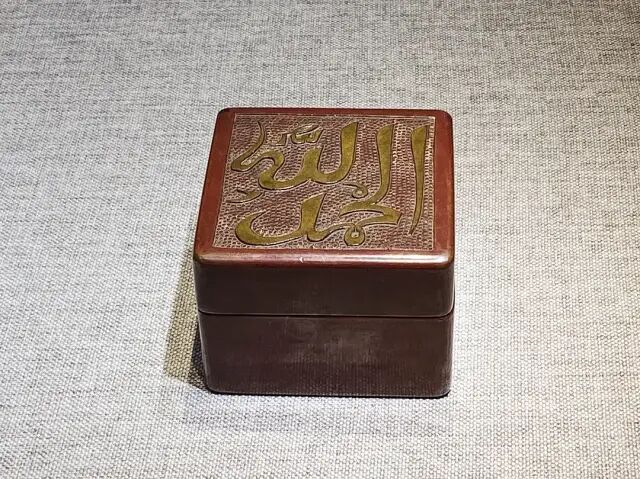
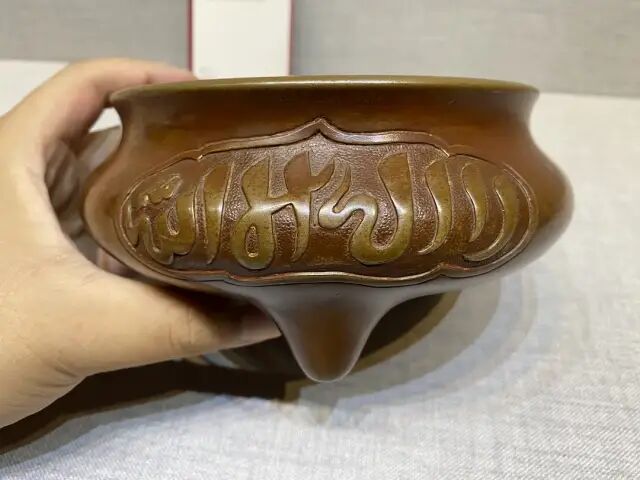
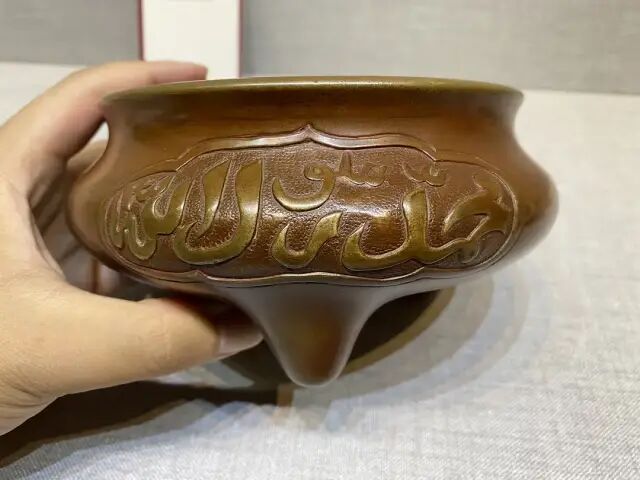
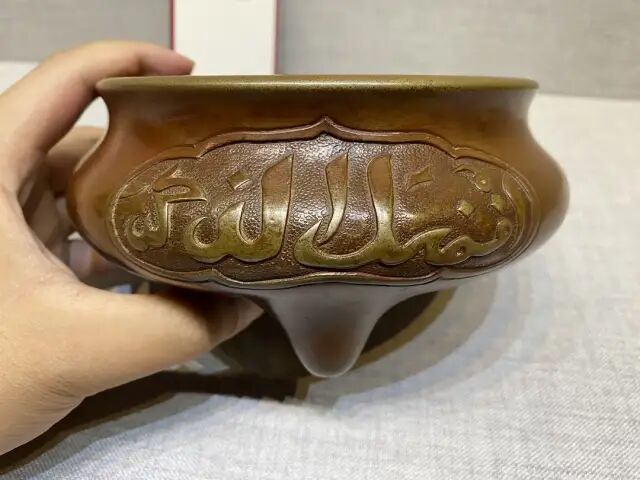
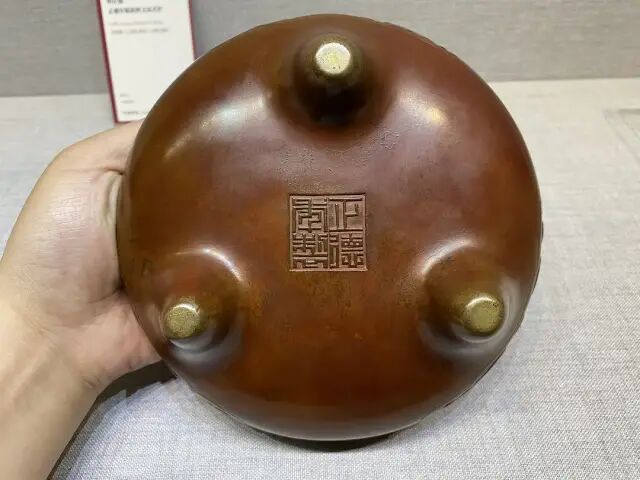
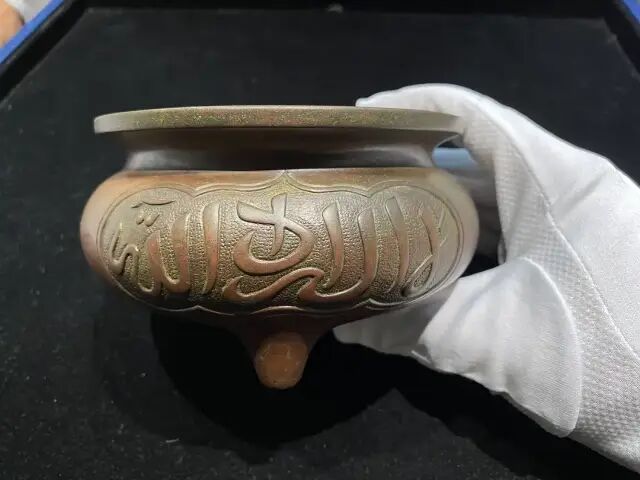
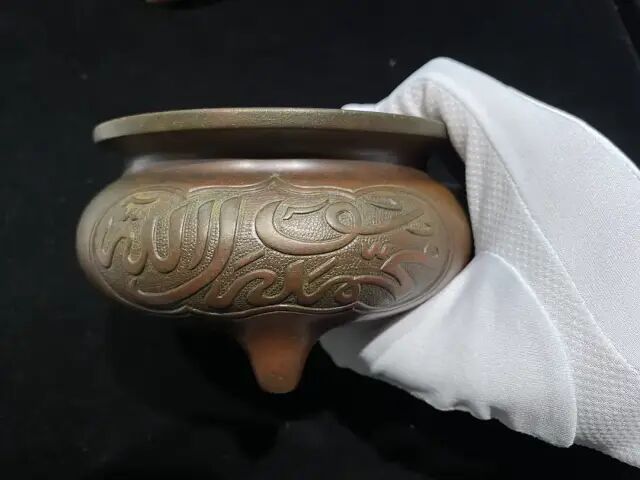
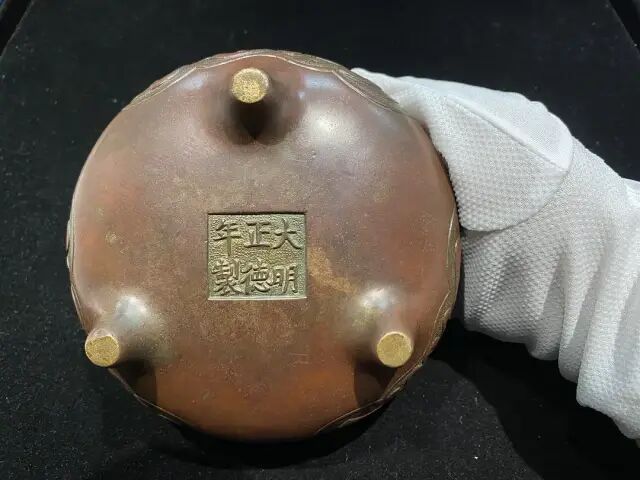
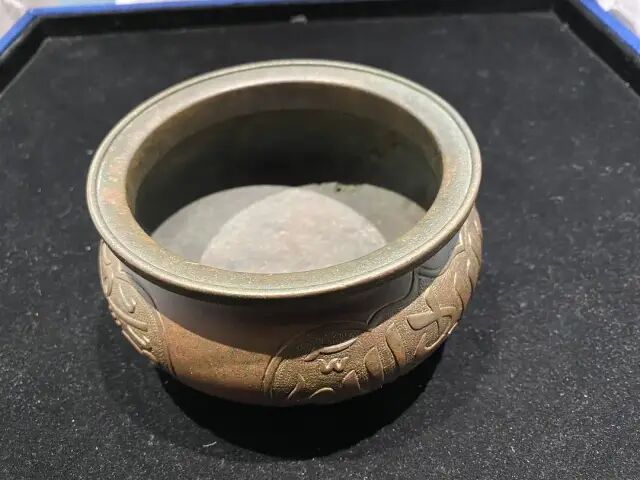
The Ming Zhengde-marked brass Arabic-inscribed three-piece incense set, valued at eight figures, features the bright jujube-red patina characteristic of official Ming Dynasty copperware, commonly known as 'Zhengde Red'. The Arabic calligraphy engraved on the pearl-patterned background consists of phrases commonly used by the faith, and it is truly exquisite. During the Zhengde period, the imperial palace favored items inscribed with Arabic and Persian, most of which were traditional stationery items, and many featured the Quran, Hadith, and praises of Allah.
The three-piece incense set (lu ping san shi) was a classic hall display during the Ming and Qing dynasties, consisting of an incense burner, an incense box, and an incense vase, with an incense shovel and incense chopsticks kept inside the vase. In the past, traditional Hui Muslim families would place the three-piece incense set on a long table against the wall in the center of the main room, and they would burn incense over charcoal on important days such as Eid or Quran-recitation ceremonies. Use the incense chopsticks to pick out incense charcoal from the incense box, light it and bury it in the incense ash in the burner, then use the incense shovel to flatten the surface of the ash.
Two Zhengde-marked Arabic-inscribed incense burners, engraved with the Shahada (the Islamic declaration of faith).
An eight-panel panoramic albumen print of Istanbul from the 1890s. view all
Summary: This travel note introduces Panjiayuan Antique Market: A Ming Zhengde Arabic-Inscribed Incense Burner and Vase Set. In late June, Zhongmao Shengjia held a spring auction preview at the Shanggu Antique City in Panjiayuan. It is useful for readers interested in Panjiayuan, Islamic Art, Ming Zhengde.
In late June, Zhongmao Shengjia held a spring auction preview at the Shanggu Antique City in Panjiayuan. I went to admire the exquisite Ming Zhengde-marked Arabic-inscribed incense burner and vase set on display, and I also saw a set of panoramic photos of Istanbul from the late 19th century.
The Ming Zhengde-marked brass Arabic-inscribed three-piece incense set, valued at eight figures, features the bright jujube-red patina characteristic of official Ming Dynasty copperware, commonly known as 'Zhengde Red'. The Arabic calligraphy engraved on the pearl-patterned background consists of phrases commonly used by the faith, and it is truly exquisite. During the Zhengde period, the imperial palace favored items inscribed with Arabic and Persian, most of which were traditional stationery items, and many featured the Quran, Hadith, and praises of Allah.
The three-piece incense set (lu ping san shi) was a classic hall display during the Ming and Qing dynasties, consisting of an incense burner, an incense box, and an incense vase, with an incense shovel and incense chopsticks kept inside the vase. In the past, traditional Hui Muslim families would place the three-piece incense set on a long table against the wall in the center of the main room, and they would burn incense over charcoal on important days such as Eid or Quran-recitation ceremonies. Use the incense chopsticks to pick out incense charcoal from the incense box, light it and bury it in the incense ash in the burner, then use the incense shovel to flatten the surface of the ash.
Two Zhengde-marked Arabic-inscribed incense burners, engraved with the Shahada (the Islamic declaration of faith).
An eight-panel panoramic albumen print of Istanbul from the 1890s. view all
Reposted from the web
Summary: This travel note introduces Panjiayuan Antique Market: A Ming Zhengde Arabic-Inscribed Incense Burner and Vase Set. In late June, Zhongmao Shengjia held a spring auction preview at the Shanggu Antique City in Panjiayuan. It is useful for readers interested in Panjiayuan, Islamic Art, Ming Zhengde.
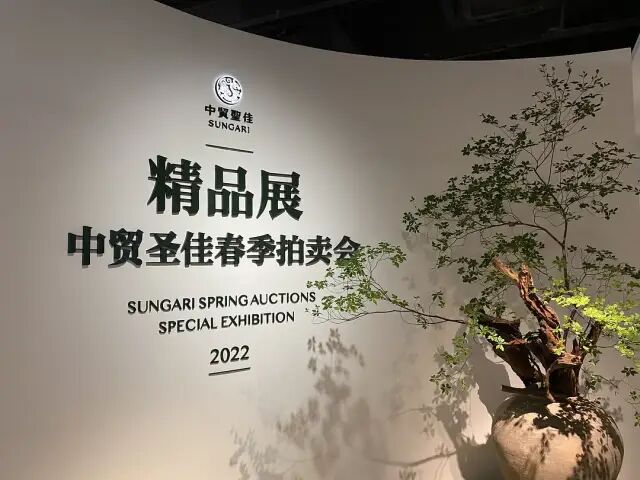
In late June, Zhongmao Shengjia held a spring auction preview at the Shanggu Antique City in Panjiayuan. I went to admire the exquisite Ming Zhengde-marked Arabic-inscribed incense burner and vase set on display, and I also saw a set of panoramic photos of Istanbul from the late 19th century.
The Ming Zhengde-marked brass Arabic-inscribed three-piece incense set, valued at eight figures, features the bright jujube-red patina characteristic of official Ming Dynasty copperware, commonly known as 'Zhengde Red'. The Arabic calligraphy engraved on the pearl-patterned background consists of phrases commonly used by the faith, and it is truly exquisite. During the Zhengde period, the imperial palace favored items inscribed with Arabic and Persian, most of which were traditional stationery items, and many featured the Quran, Hadith, and praises of Allah.
The three-piece incense set (lu ping san shi) was a classic hall display during the Ming and Qing dynasties, consisting of an incense burner, an incense box, and an incense vase, with an incense shovel and incense chopsticks kept inside the vase. In the past, traditional Hui Muslim families would place the three-piece incense set on a long table against the wall in the center of the main room, and they would burn incense over charcoal on important days such as Eid or Quran-recitation ceremonies. Use the incense chopsticks to pick out incense charcoal from the incense box, light it and bury it in the incense ash in the burner, then use the incense shovel to flatten the surface of the ash.
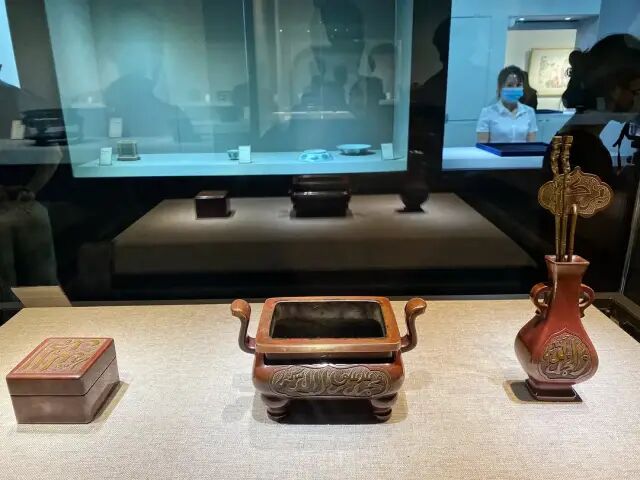
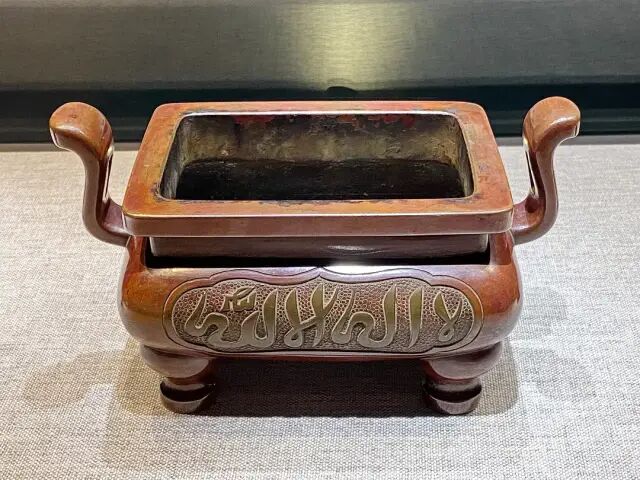
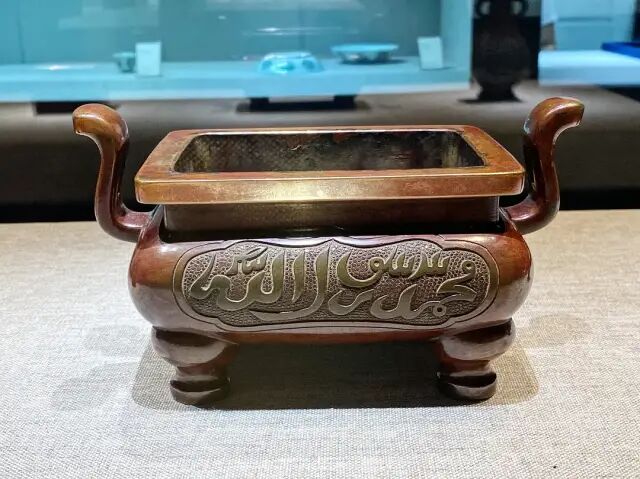
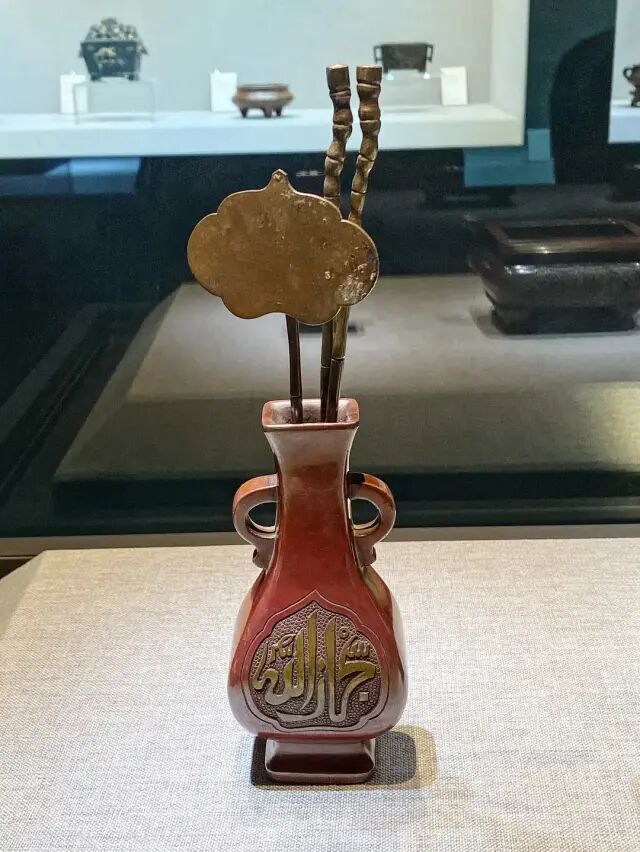
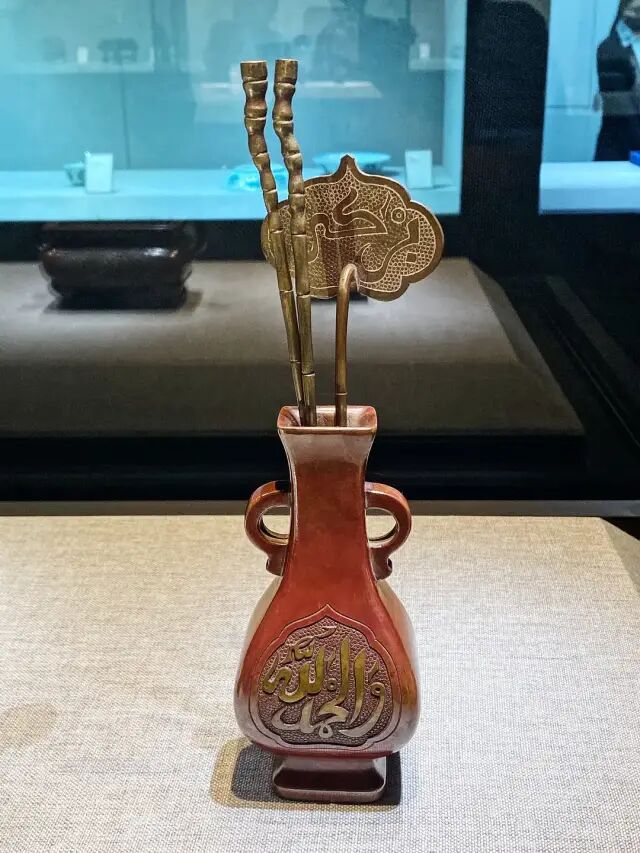
Two Zhengde-marked Arabic-inscribed incense burners, engraved with the Shahada (the Islamic declaration of faith).
An eight-panel panoramic albumen print of Istanbul from the 1890s.
Summary: This travel note introduces Panjiayuan Antique Market: A Ming Zhengde Arabic-Inscribed Incense Burner and Vase Set. In late June, Zhongmao Shengjia held a spring auction preview at the Shanggu Antique City in Panjiayuan. It is useful for readers interested in Panjiayuan, Islamic Art, Ming Zhengde.
In late June, Zhongmao Shengjia held a spring auction preview at the Shanggu Antique City in Panjiayuan. I went to admire the exquisite Ming Zhengde-marked Arabic-inscribed incense burner and vase set on display, and I also saw a set of panoramic photos of Istanbul from the late 19th century.
The Ming Zhengde-marked brass Arabic-inscribed three-piece incense set, valued at eight figures, features the bright jujube-red patina characteristic of official Ming Dynasty copperware, commonly known as 'Zhengde Red'. The Arabic calligraphy engraved on the pearl-patterned background consists of phrases commonly used by the faith, and it is truly exquisite. During the Zhengde period, the imperial palace favored items inscribed with Arabic and Persian, most of which were traditional stationery items, and many featured the Quran, Hadith, and praises of Allah.
The three-piece incense set (lu ping san shi) was a classic hall display during the Ming and Qing dynasties, consisting of an incense burner, an incense box, and an incense vase, with an incense shovel and incense chopsticks kept inside the vase. In the past, traditional Hui Muslim families would place the three-piece incense set on a long table against the wall in the center of the main room, and they would burn incense over charcoal on important days such as Eid or Quran-recitation ceremonies. Use the incense chopsticks to pick out incense charcoal from the incense box, light it and bury it in the incense ash in the burner, then use the incense shovel to flatten the surface of the ash.
Two Zhengde-marked Arabic-inscribed incense burners, engraved with the Shahada (the Islamic declaration of faith).
An eight-panel panoramic albumen print of Istanbul from the 1890s.
Panjiayuan Book Hunt: Islamic Art Albums and Muslim Heritage
Articles • ali2007fr posted the article • 0 comments • 140 views • 2026-05-18 08:38
Reposted from the web
Summary: Panjiayuan Book Hunt: Islamic Art Albums and Muslim Heritage is presented here as a firsthand travel account in clear English, beginning with this scene: In October, I found two picture books at the Panjiayuan weekend antique book market in Beijing and wanted to share them with you. The account keeps its focus on Panjiayuan, Islamic Art, Muslim Books while preserving the names, places, food, and historical details from the Chinese source.
In October, I found two picture books at the Panjiayuan weekend antique book market in Beijing and wanted to share them with you.
The first book was published by the New York Islamic Art Foundation in 1987 and covers 11 different themes.
The first chapter studies the scripture carvings on an exquisite box found at the Al-Hussein Mosque in Cairo in 1939.
The second chapter studies a copper basin from the Mamluk dynasty held in the collection of the L. A. Mayer Memorial Institute in Jerusalem.
The third chapter studies the intersection of Islamic architectural styles in Iran and Anatolia.
The fourth chapter studies the inscriptions on the tomb of the Ilkhanate ruler Öljaitü in Soltaniyeh, Iran.
The fifth chapter studies some wood carvings from the Ilkhanate period in the city of Soltaniyeh, Iran.
The sixth chapter studies the lamps used in Sufi shrines (gongbei).
The first image shows lamps from a 1320 miniature painting of the Shahnameh (Book of Kings) in Tabriz, Iran. Behind it are lamps with the same design from 14th to 15th-century Iran.
The seventh piece is an astrology miniature painting from the Jalayirid dynasty, a kingdom established by the Mongols in the Iran and Iraq region during the 14th century after the Ilkhanate collapsed.
The eighth piece is a Turkic-language Persian miniature painting titled Eskandar-nama, kept at the Biblioteca Marciana in Venice. It tells the adventure stories of Alexander the Great, and the author confirms it was painted during the Ottoman dynasty in the 15th century.
The ninth piece features ceramic tiles from 16th-century Ottoman-era Damascus, Syria.
The tenth piece shows public architecture from the Shaybanid dynasty in Bukhara during the 1560s and 1570s.
The eleventh piece is a Persian manuscript held at the Chester Beatty Library in Dublin. It comes from the fifth sultan of the Golconda Sultanate in the ancient Indian city of Hyderabad, Muhammad Quli Qutb Shah, who reigned from 1580 to 1612.
The second book is a 1986 French photo album about the culture and customs of the Arabian Peninsula.
Take a look at the Chaohan records from 40 years ago, back when there were no high-rise buildings.
A dance at a traditional wedding.
The inside of a living room in a traditional house.
In the 1980s, traditional Arab tribal camps changed because of the arrival of trucks.
A Saudi family living room in the 1980s, complete with a television and a tape recorder.
A school classroom near Medina.
A village doctor who is a woman.
A street near the capital city of Riyadh.
Traditional and modern transport meet.
Jewelry merchants at the gold market in Riyadh.
Traditional scenery in Saudi Arabia.
A few photos from Yemen, in the following order:
Yemeni people in the village celebrating Eid al-Adha.
Yemeni people gathering and chatting.
The traditional dress of Yemeni people.
Terraced fields and villages in the mountains of Yemen.
The ancient city of Shibam in Yemen is famous for its many mud-brick high-rise buildings dating back to the 16th century. It is known as the Manhattan of the Desert and the world's first skyscraper city.
An old man is teaching a boy how to recite the Quran. view all
Summary: Panjiayuan Book Hunt: Islamic Art Albums and Muslim Heritage is presented here as a firsthand travel account in clear English, beginning with this scene: In October, I found two picture books at the Panjiayuan weekend antique book market in Beijing and wanted to share them with you. The account keeps its focus on Panjiayuan, Islamic Art, Muslim Books while preserving the names, places, food, and historical details from the Chinese source.
In October, I found two picture books at the Panjiayuan weekend antique book market in Beijing and wanted to share them with you.
The first book was published by the New York Islamic Art Foundation in 1987 and covers 11 different themes.
The first chapter studies the scripture carvings on an exquisite box found at the Al-Hussein Mosque in Cairo in 1939.
The second chapter studies a copper basin from the Mamluk dynasty held in the collection of the L. A. Mayer Memorial Institute in Jerusalem.
The third chapter studies the intersection of Islamic architectural styles in Iran and Anatolia.
The fourth chapter studies the inscriptions on the tomb of the Ilkhanate ruler Öljaitü in Soltaniyeh, Iran.
The fifth chapter studies some wood carvings from the Ilkhanate period in the city of Soltaniyeh, Iran.
The sixth chapter studies the lamps used in Sufi shrines (gongbei).
The first image shows lamps from a 1320 miniature painting of the Shahnameh (Book of Kings) in Tabriz, Iran. Behind it are lamps with the same design from 14th to 15th-century Iran.
The seventh piece is an astrology miniature painting from the Jalayirid dynasty, a kingdom established by the Mongols in the Iran and Iraq region during the 14th century after the Ilkhanate collapsed.
The eighth piece is a Turkic-language Persian miniature painting titled Eskandar-nama, kept at the Biblioteca Marciana in Venice. It tells the adventure stories of Alexander the Great, and the author confirms it was painted during the Ottoman dynasty in the 15th century.
The ninth piece features ceramic tiles from 16th-century Ottoman-era Damascus, Syria.
The tenth piece shows public architecture from the Shaybanid dynasty in Bukhara during the 1560s and 1570s.
The eleventh piece is a Persian manuscript held at the Chester Beatty Library in Dublin. It comes from the fifth sultan of the Golconda Sultanate in the ancient Indian city of Hyderabad, Muhammad Quli Qutb Shah, who reigned from 1580 to 1612.
The second book is a 1986 French photo album about the culture and customs of the Arabian Peninsula.
Take a look at the Chaohan records from 40 years ago, back when there were no high-rise buildings.
A dance at a traditional wedding.
The inside of a living room in a traditional house.
In the 1980s, traditional Arab tribal camps changed because of the arrival of trucks.
A Saudi family living room in the 1980s, complete with a television and a tape recorder.
A school classroom near Medina.
A village doctor who is a woman.
A street near the capital city of Riyadh.
Traditional and modern transport meet.
Jewelry merchants at the gold market in Riyadh.
Traditional scenery in Saudi Arabia.
A few photos from Yemen, in the following order:
Yemeni people in the village celebrating Eid al-Adha.
Yemeni people gathering and chatting.
The traditional dress of Yemeni people.
Terraced fields and villages in the mountains of Yemen.
The ancient city of Shibam in Yemen is famous for its many mud-brick high-rise buildings dating back to the 16th century. It is known as the Manhattan of the Desert and the world's first skyscraper city.
An old man is teaching a boy how to recite the Quran. view all
Reposted from the web
Summary: Panjiayuan Book Hunt: Islamic Art Albums and Muslim Heritage is presented here as a firsthand travel account in clear English, beginning with this scene: In October, I found two picture books at the Panjiayuan weekend antique book market in Beijing and wanted to share them with you. The account keeps its focus on Panjiayuan, Islamic Art, Muslim Books while preserving the names, places, food, and historical details from the Chinese source.
In October, I found two picture books at the Panjiayuan weekend antique book market in Beijing and wanted to share them with you.
The first book was published by the New York Islamic Art Foundation in 1987 and covers 11 different themes.
The first chapter studies the scripture carvings on an exquisite box found at the Al-Hussein Mosque in Cairo in 1939.
The second chapter studies a copper basin from the Mamluk dynasty held in the collection of the L. A. Mayer Memorial Institute in Jerusalem.
The third chapter studies the intersection of Islamic architectural styles in Iran and Anatolia.
The fourth chapter studies the inscriptions on the tomb of the Ilkhanate ruler Öljaitü in Soltaniyeh, Iran.
The fifth chapter studies some wood carvings from the Ilkhanate period in the city of Soltaniyeh, Iran.
The sixth chapter studies the lamps used in Sufi shrines (gongbei).
The first image shows lamps from a 1320 miniature painting of the Shahnameh (Book of Kings) in Tabriz, Iran. Behind it are lamps with the same design from 14th to 15th-century Iran.
The seventh piece is an astrology miniature painting from the Jalayirid dynasty, a kingdom established by the Mongols in the Iran and Iraq region during the 14th century after the Ilkhanate collapsed.
The eighth piece is a Turkic-language Persian miniature painting titled Eskandar-nama, kept at the Biblioteca Marciana in Venice. It tells the adventure stories of Alexander the Great, and the author confirms it was painted during the Ottoman dynasty in the 15th century.
The ninth piece features ceramic tiles from 16th-century Ottoman-era Damascus, Syria.
The tenth piece shows public architecture from the Shaybanid dynasty in Bukhara during the 1560s and 1570s.
The eleventh piece is a Persian manuscript held at the Chester Beatty Library in Dublin. It comes from the fifth sultan of the Golconda Sultanate in the ancient Indian city of Hyderabad, Muhammad Quli Qutb Shah, who reigned from 1580 to 1612.
The second book is a 1986 French photo album about the culture and customs of the Arabian Peninsula.
Take a look at the Chaohan records from 40 years ago, back when there were no high-rise buildings.
A dance at a traditional wedding.
The inside of a living room in a traditional house.
In the 1980s, traditional Arab tribal camps changed because of the arrival of trucks.
A Saudi family living room in the 1980s, complete with a television and a tape recorder.
A school classroom near Medina.
A village doctor who is a woman.
A street near the capital city of Riyadh.
Traditional and modern transport meet.
Jewelry merchants at the gold market in Riyadh.
Traditional scenery in Saudi Arabia.
A few photos from Yemen, in the following order:
Yemeni people in the village celebrating Eid al-Adha.
Yemeni people gathering and chatting.
The traditional dress of Yemeni people.
Terraced fields and villages in the mountains of Yemen.
The ancient city of Shibam in Yemen is famous for its many mud-brick high-rise buildings dating back to the 16th century. It is known as the Manhattan of the Desert and the world's first skyscraper city.
An old man is teaching a boy how to recite the Quran.
Summary: Panjiayuan Book Hunt: Islamic Art Albums and Muslim Heritage is presented here as a firsthand travel account in clear English, beginning with this scene: In October, I found two picture books at the Panjiayuan weekend antique book market in Beijing and wanted to share them with you. The account keeps its focus on Panjiayuan, Islamic Art, Muslim Books while preserving the names, places, food, and historical details from the Chinese source.
In October, I found two picture books at the Panjiayuan weekend antique book market in Beijing and wanted to share them with you.
The first book was published by the New York Islamic Art Foundation in 1987 and covers 11 different themes.
The first chapter studies the scripture carvings on an exquisite box found at the Al-Hussein Mosque in Cairo in 1939.
The second chapter studies a copper basin from the Mamluk dynasty held in the collection of the L. A. Mayer Memorial Institute in Jerusalem.
The third chapter studies the intersection of Islamic architectural styles in Iran and Anatolia.
The fourth chapter studies the inscriptions on the tomb of the Ilkhanate ruler Öljaitü in Soltaniyeh, Iran.
The fifth chapter studies some wood carvings from the Ilkhanate period in the city of Soltaniyeh, Iran.
The sixth chapter studies the lamps used in Sufi shrines (gongbei).
The first image shows lamps from a 1320 miniature painting of the Shahnameh (Book of Kings) in Tabriz, Iran. Behind it are lamps with the same design from 14th to 15th-century Iran.
The seventh piece is an astrology miniature painting from the Jalayirid dynasty, a kingdom established by the Mongols in the Iran and Iraq region during the 14th century after the Ilkhanate collapsed.
The eighth piece is a Turkic-language Persian miniature painting titled Eskandar-nama, kept at the Biblioteca Marciana in Venice. It tells the adventure stories of Alexander the Great, and the author confirms it was painted during the Ottoman dynasty in the 15th century.
The ninth piece features ceramic tiles from 16th-century Ottoman-era Damascus, Syria.
The tenth piece shows public architecture from the Shaybanid dynasty in Bukhara during the 1560s and 1570s.
The eleventh piece is a Persian manuscript held at the Chester Beatty Library in Dublin. It comes from the fifth sultan of the Golconda Sultanate in the ancient Indian city of Hyderabad, Muhammad Quli Qutb Shah, who reigned from 1580 to 1612.
The second book is a 1986 French photo album about the culture and customs of the Arabian Peninsula.
Take a look at the Chaohan records from 40 years ago, back when there were no high-rise buildings.
A dance at a traditional wedding.
The inside of a living room in a traditional house.
In the 1980s, traditional Arab tribal camps changed because of the arrival of trucks.
A Saudi family living room in the 1980s, complete with a television and a tape recorder.
A school classroom near Medina.
A village doctor who is a woman.
A street near the capital city of Riyadh.
Traditional and modern transport meet.
Jewelry merchants at the gold market in Riyadh.
Traditional scenery in Saudi Arabia.
A few photos from Yemen, in the following order:
Yemeni people in the village celebrating Eid al-Adha.
Yemeni people gathering and chatting.
The traditional dress of Yemeni people.
Terraced fields and villages in the mountains of Yemen.
The ancient city of Shibam in Yemen is famous for its many mud-brick high-rise buildings dating back to the 16th century. It is known as the Manhattan of the Desert and the world's first skyscraper city.
An old man is teaching a boy how to recite the Quran.
Panjiayuan Antique Market: A Ming Zhengde Arabic-Inscribed Incense Burner and Vase Set
Articles • ali2007fr posted the article • 0 comments • 152 views • 2026-05-17 07:58
Reposted from the web
Summary: This travel note introduces Panjiayuan Antique Market: A Ming Zhengde Arabic-Inscribed Incense Burner and Vase Set. In late June, Zhongmao Shengjia held a spring auction preview at the Shanggu Antique City in Panjiayuan. It is useful for readers interested in Panjiayuan, Islamic Art, Ming Zhengde.
In late June, Zhongmao Shengjia held a spring auction preview at the Shanggu Antique City in Panjiayuan. I went to admire the exquisite Ming Zhengde-marked Arabic-inscribed incense burner and vase set on display, and I also saw a set of panoramic photos of Istanbul from the late 19th century.
The Ming Zhengde-marked brass Arabic-inscribed three-piece incense set, valued at eight figures, features the bright jujube-red patina characteristic of official Ming Dynasty copperware, commonly known as 'Zhengde Red'. The Arabic calligraphy engraved on the pearl-patterned background consists of phrases commonly used by the faith, and it is truly exquisite. During the Zhengde period, the imperial palace favored items inscribed with Arabic and Persian, most of which were traditional stationery items, and many featured the Quran, Hadith, and praises of Allah.
The three-piece incense set (lu ping san shi) was a classic hall display during the Ming and Qing dynasties, consisting of an incense burner, an incense box, and an incense vase, with an incense shovel and incense chopsticks kept inside the vase. In the past, traditional Hui Muslim families would place the three-piece incense set on a long table against the wall in the center of the main room, and they would burn incense over charcoal on important days such as Eid or Quran-recitation ceremonies. Use the incense chopsticks to pick out incense charcoal from the incense box, light it and bury it in the incense ash in the burner, then use the incense shovel to flatten the surface of the ash.
Two Zhengde-marked Arabic-inscribed incense burners, engraved with the Shahada (the Islamic declaration of faith).
An eight-panel panoramic albumen print of Istanbul from the 1890s. view all
Summary: This travel note introduces Panjiayuan Antique Market: A Ming Zhengde Arabic-Inscribed Incense Burner and Vase Set. In late June, Zhongmao Shengjia held a spring auction preview at the Shanggu Antique City in Panjiayuan. It is useful for readers interested in Panjiayuan, Islamic Art, Ming Zhengde.
In late June, Zhongmao Shengjia held a spring auction preview at the Shanggu Antique City in Panjiayuan. I went to admire the exquisite Ming Zhengde-marked Arabic-inscribed incense burner and vase set on display, and I also saw a set of panoramic photos of Istanbul from the late 19th century.
The Ming Zhengde-marked brass Arabic-inscribed three-piece incense set, valued at eight figures, features the bright jujube-red patina characteristic of official Ming Dynasty copperware, commonly known as 'Zhengde Red'. The Arabic calligraphy engraved on the pearl-patterned background consists of phrases commonly used by the faith, and it is truly exquisite. During the Zhengde period, the imperial palace favored items inscribed with Arabic and Persian, most of which were traditional stationery items, and many featured the Quran, Hadith, and praises of Allah.
The three-piece incense set (lu ping san shi) was a classic hall display during the Ming and Qing dynasties, consisting of an incense burner, an incense box, and an incense vase, with an incense shovel and incense chopsticks kept inside the vase. In the past, traditional Hui Muslim families would place the three-piece incense set on a long table against the wall in the center of the main room, and they would burn incense over charcoal on important days such as Eid or Quran-recitation ceremonies. Use the incense chopsticks to pick out incense charcoal from the incense box, light it and bury it in the incense ash in the burner, then use the incense shovel to flatten the surface of the ash.
Two Zhengde-marked Arabic-inscribed incense burners, engraved with the Shahada (the Islamic declaration of faith).
An eight-panel panoramic albumen print of Istanbul from the 1890s. view all
Reposted from the web
Summary: This travel note introduces Panjiayuan Antique Market: A Ming Zhengde Arabic-Inscribed Incense Burner and Vase Set. In late June, Zhongmao Shengjia held a spring auction preview at the Shanggu Antique City in Panjiayuan. It is useful for readers interested in Panjiayuan, Islamic Art, Ming Zhengde.
In late June, Zhongmao Shengjia held a spring auction preview at the Shanggu Antique City in Panjiayuan. I went to admire the exquisite Ming Zhengde-marked Arabic-inscribed incense burner and vase set on display, and I also saw a set of panoramic photos of Istanbul from the late 19th century.
The Ming Zhengde-marked brass Arabic-inscribed three-piece incense set, valued at eight figures, features the bright jujube-red patina characteristic of official Ming Dynasty copperware, commonly known as 'Zhengde Red'. The Arabic calligraphy engraved on the pearl-patterned background consists of phrases commonly used by the faith, and it is truly exquisite. During the Zhengde period, the imperial palace favored items inscribed with Arabic and Persian, most of which were traditional stationery items, and many featured the Quran, Hadith, and praises of Allah.
The three-piece incense set (lu ping san shi) was a classic hall display during the Ming and Qing dynasties, consisting of an incense burner, an incense box, and an incense vase, with an incense shovel and incense chopsticks kept inside the vase. In the past, traditional Hui Muslim families would place the three-piece incense set on a long table against the wall in the center of the main room, and they would burn incense over charcoal on important days such as Eid or Quran-recitation ceremonies. Use the incense chopsticks to pick out incense charcoal from the incense box, light it and bury it in the incense ash in the burner, then use the incense shovel to flatten the surface of the ash.
Two Zhengde-marked Arabic-inscribed incense burners, engraved with the Shahada (the Islamic declaration of faith).
An eight-panel panoramic albumen print of Istanbul from the 1890s.
Summary: This travel note introduces Panjiayuan Antique Market: A Ming Zhengde Arabic-Inscribed Incense Burner and Vase Set. In late June, Zhongmao Shengjia held a spring auction preview at the Shanggu Antique City in Panjiayuan. It is useful for readers interested in Panjiayuan, Islamic Art, Ming Zhengde.
In late June, Zhongmao Shengjia held a spring auction preview at the Shanggu Antique City in Panjiayuan. I went to admire the exquisite Ming Zhengde-marked Arabic-inscribed incense burner and vase set on display, and I also saw a set of panoramic photos of Istanbul from the late 19th century.
The Ming Zhengde-marked brass Arabic-inscribed three-piece incense set, valued at eight figures, features the bright jujube-red patina characteristic of official Ming Dynasty copperware, commonly known as 'Zhengde Red'. The Arabic calligraphy engraved on the pearl-patterned background consists of phrases commonly used by the faith, and it is truly exquisite. During the Zhengde period, the imperial palace favored items inscribed with Arabic and Persian, most of which were traditional stationery items, and many featured the Quran, Hadith, and praises of Allah.
The three-piece incense set (lu ping san shi) was a classic hall display during the Ming and Qing dynasties, consisting of an incense burner, an incense box, and an incense vase, with an incense shovel and incense chopsticks kept inside the vase. In the past, traditional Hui Muslim families would place the three-piece incense set on a long table against the wall in the center of the main room, and they would burn incense over charcoal on important days such as Eid or Quran-recitation ceremonies. Use the incense chopsticks to pick out incense charcoal from the incense box, light it and bury it in the incense ash in the burner, then use the incense shovel to flatten the surface of the ash.
Two Zhengde-marked Arabic-inscribed incense burners, engraved with the Shahada (the Islamic declaration of faith).
An eight-panel panoramic albumen print of Istanbul from the 1890s.