
Bukhara Travel Guide: Capital of the Bukhara Khanate, Mosques and Islamic Heritage (Part 2)
Reposted from the web
Summary: This travel note introduces Bukhara Travel Guide: Capital of the Bukhara Khanate, Mosques and Islamic Heritage (Part 2). 13. Magok-i-Kurpa Mosque: 1637. It is useful for readers interested in Bukhara Travel, Islamic Heritage, Uzbekistan.
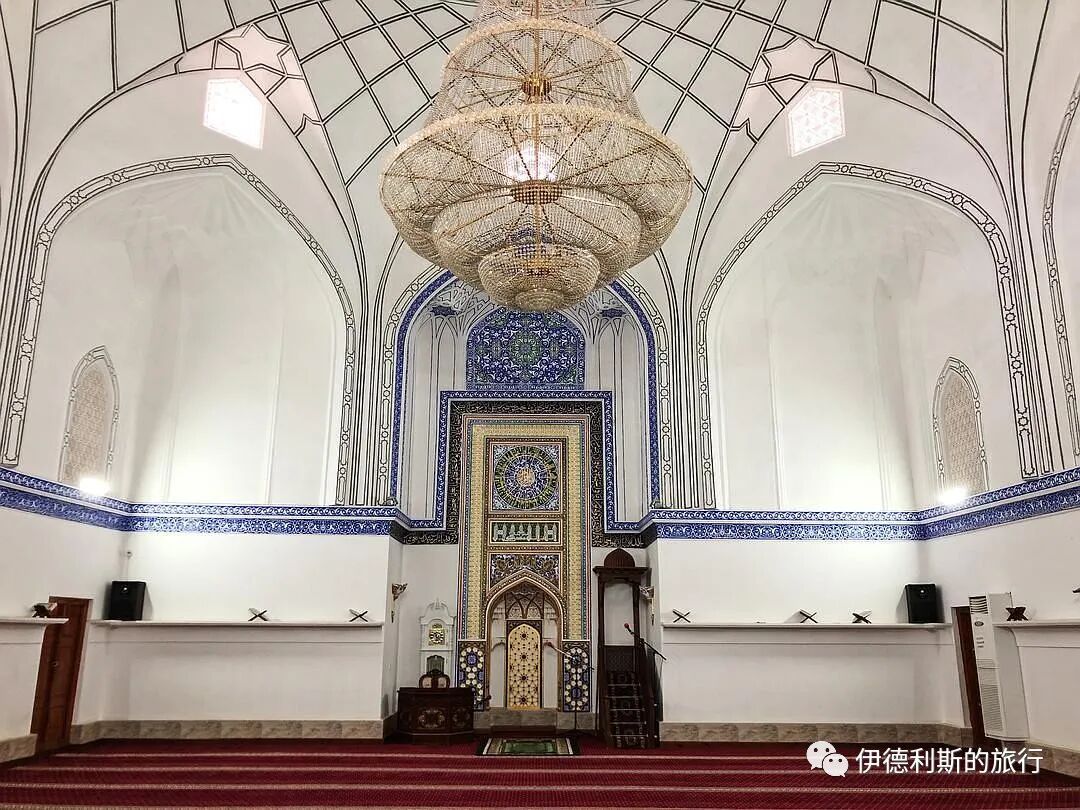
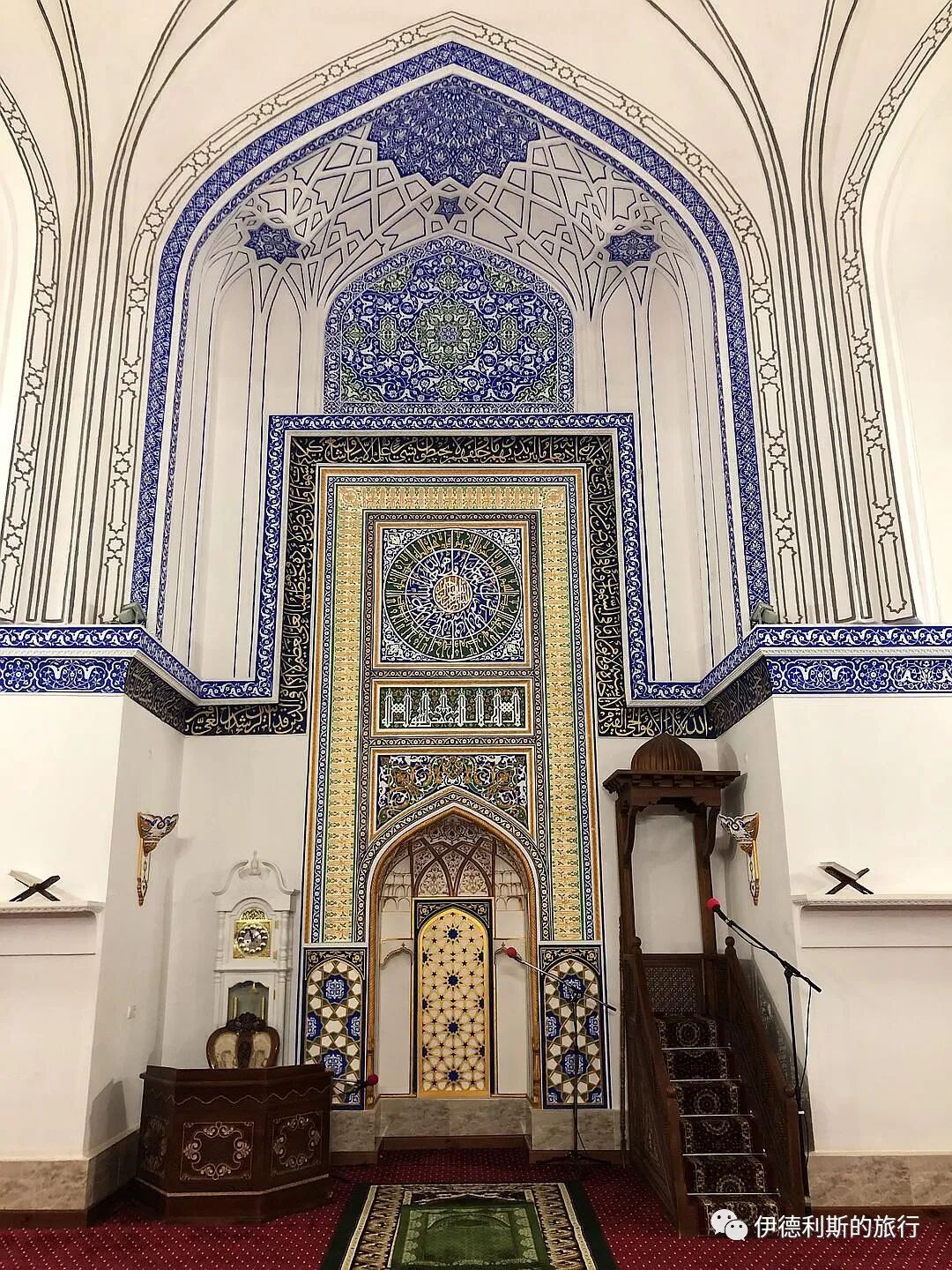
13. Magok-i-Kurpa Mosque: 1637
The Magok-i-Kurpa Mosque was built in 1637. It was originally two stories, but the first floor is almost submerged underground, which is why it is called "Magok-i" (in the pit). The mosque is rectangular and has 12 domes on the roof. Because the mosque was under renovation, I was unable to enter for a visit.
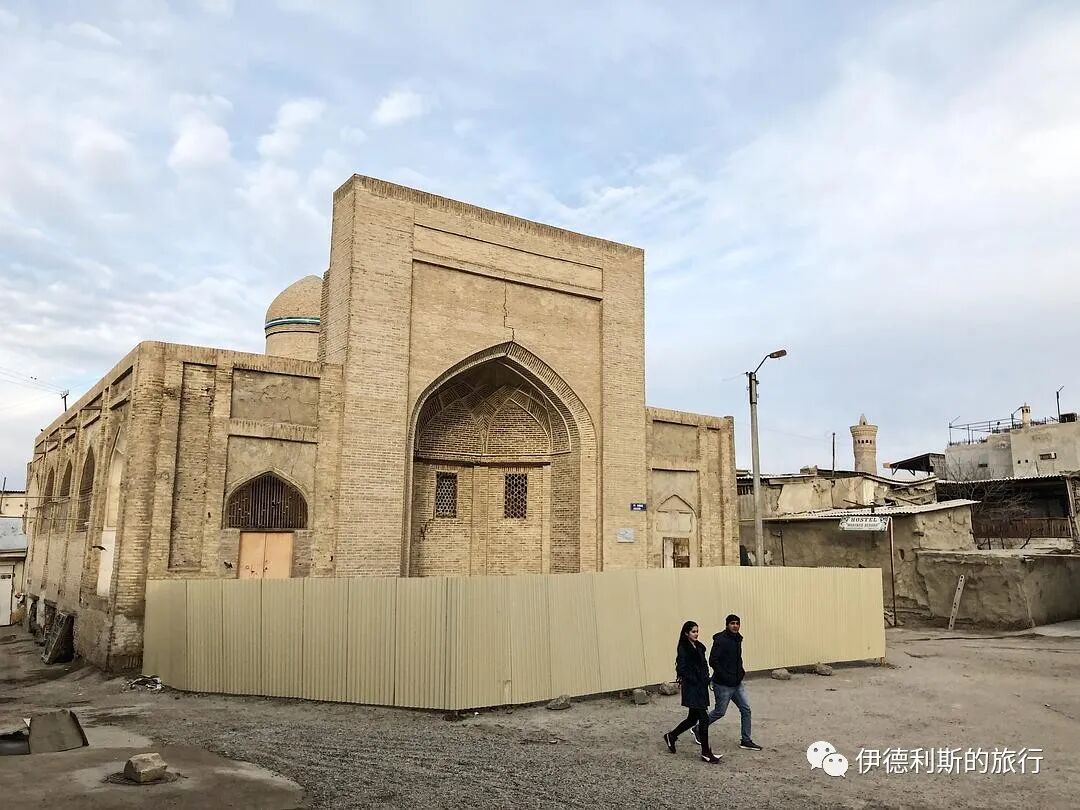
14. Abdul Aziz Khan Madrasah: 1651
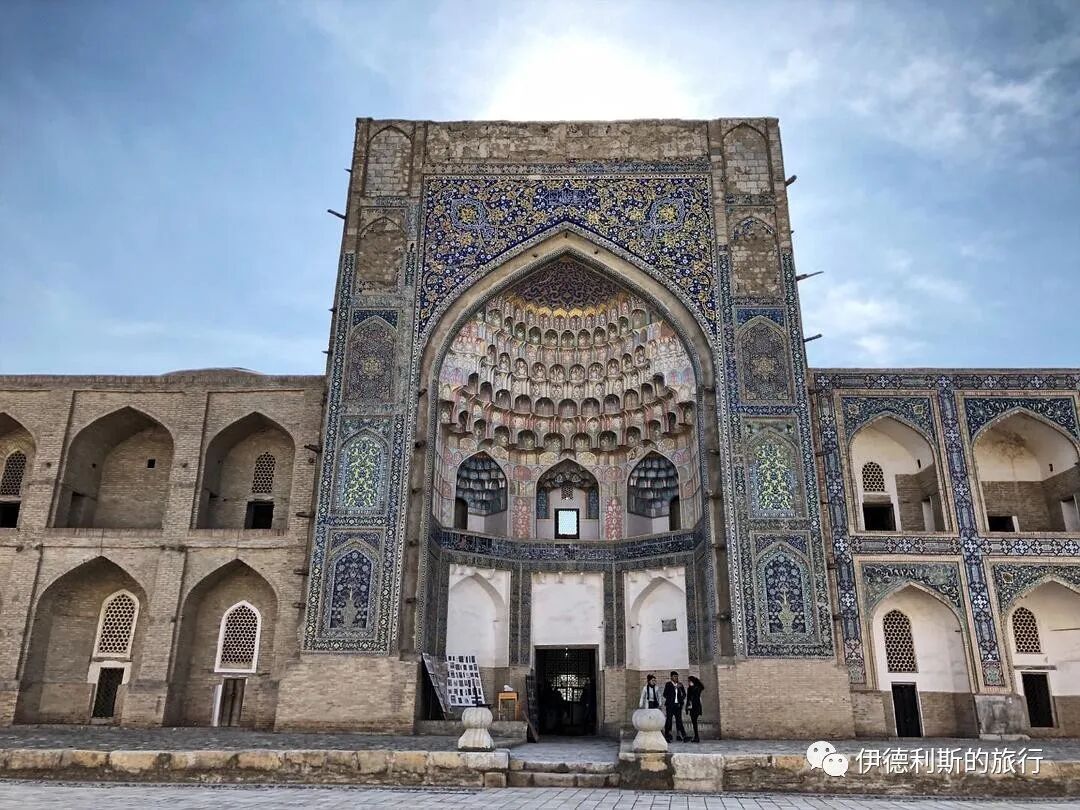
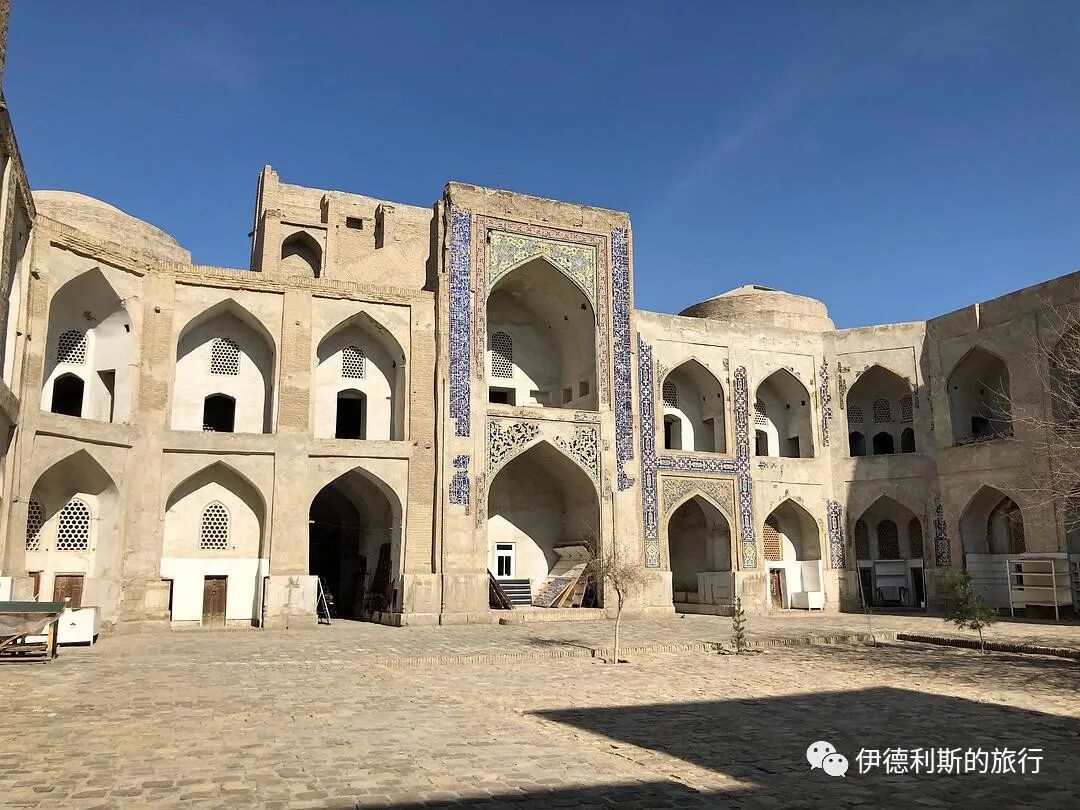
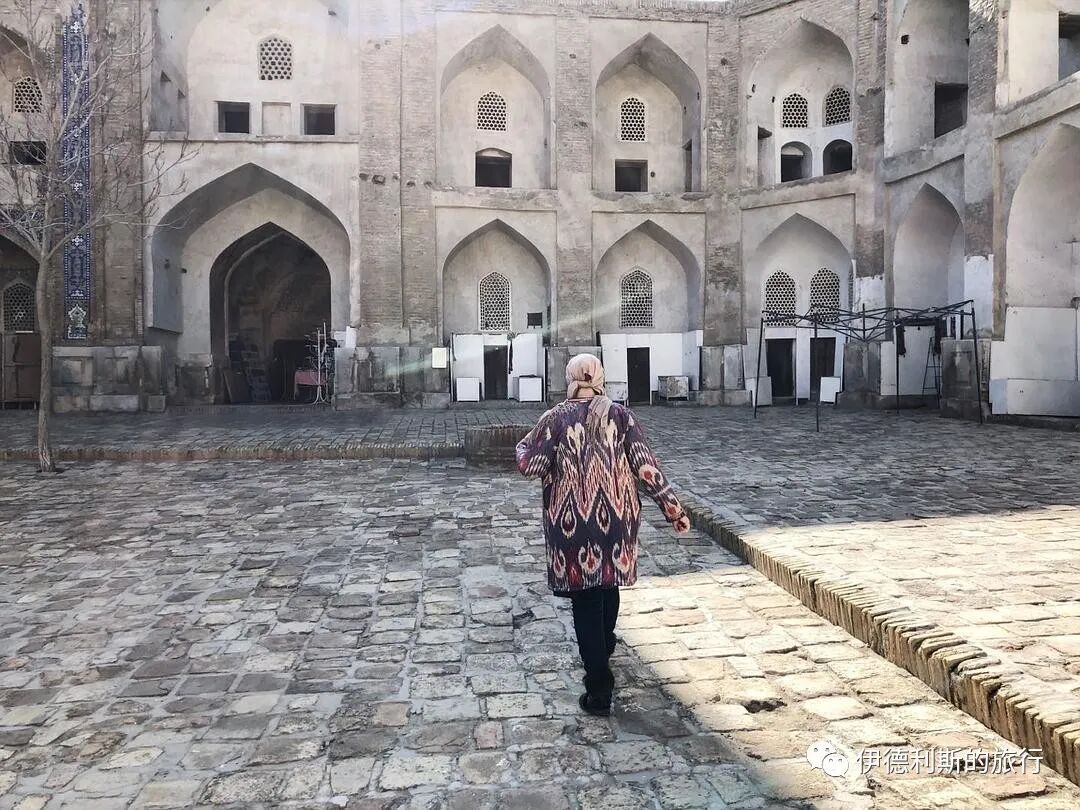
The Abdul Aziz Khan Madrasah was ordered to be built in 1651 by Abdul Aziz Khan (reigned 1645-1680), the fifth khan of the Janid Dynasty of the Bukhara Khanate. Together with the Ulugbek Madrasah, built in 1417 by Ulugbek, the third ruler of the Timurid Dynasty, it forms an architectural complex.
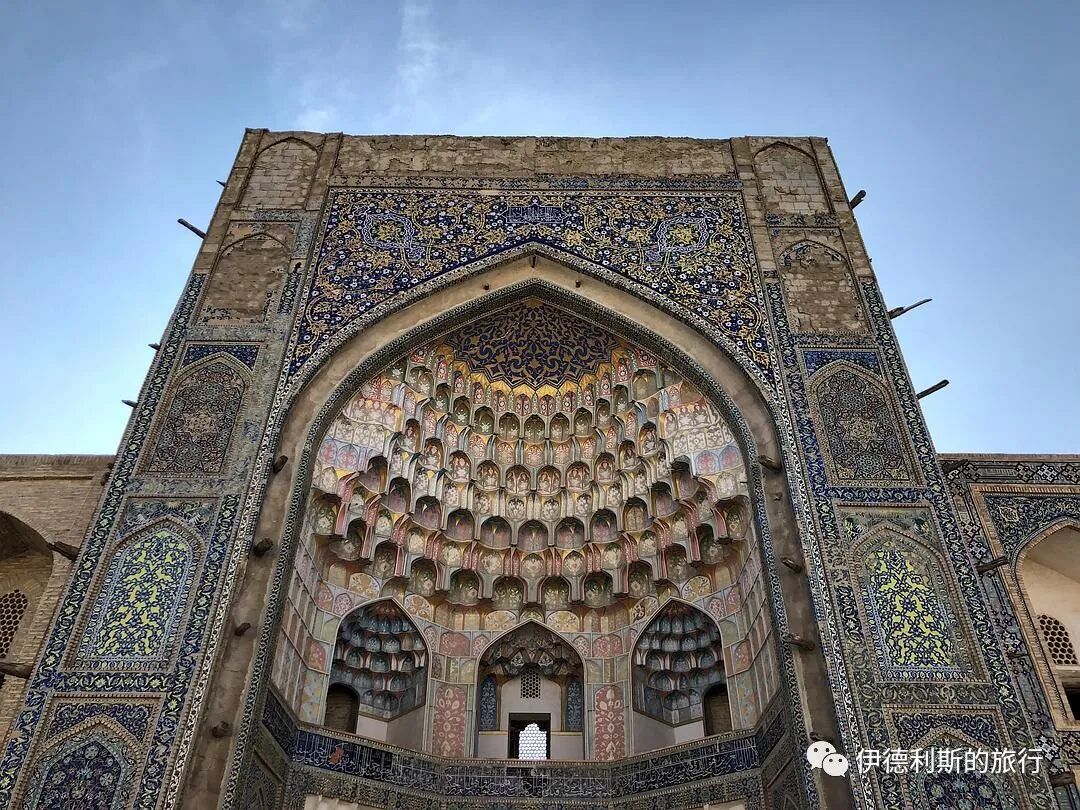
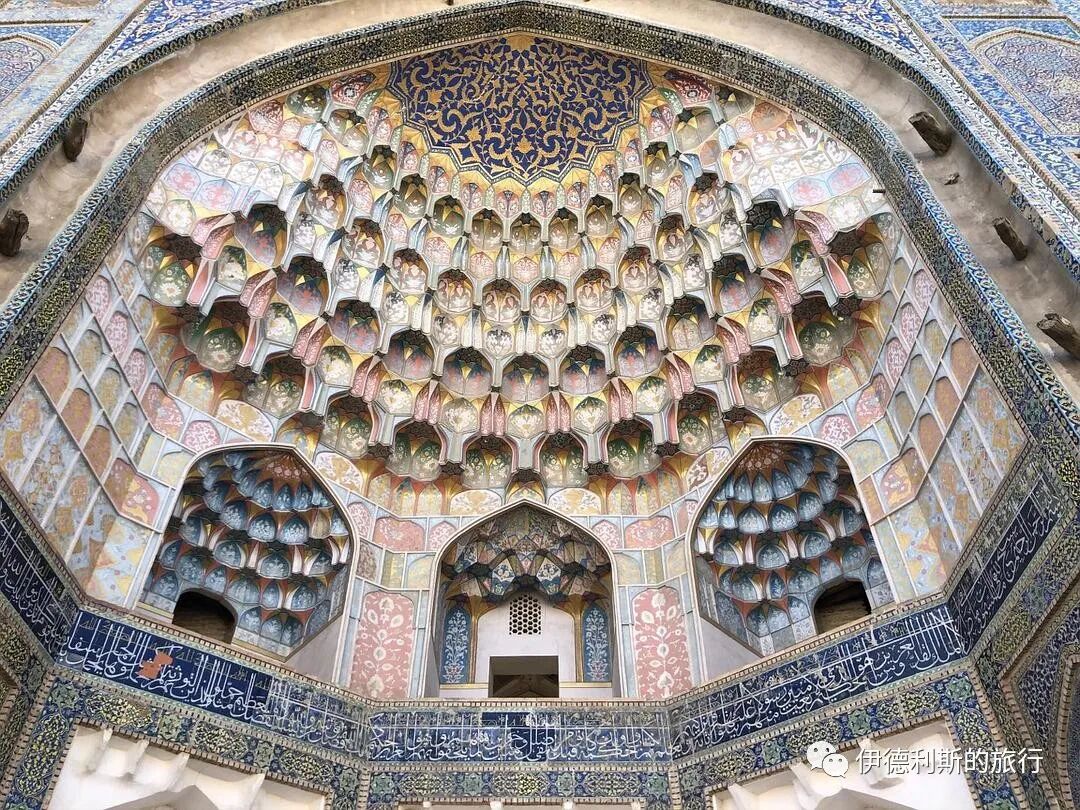
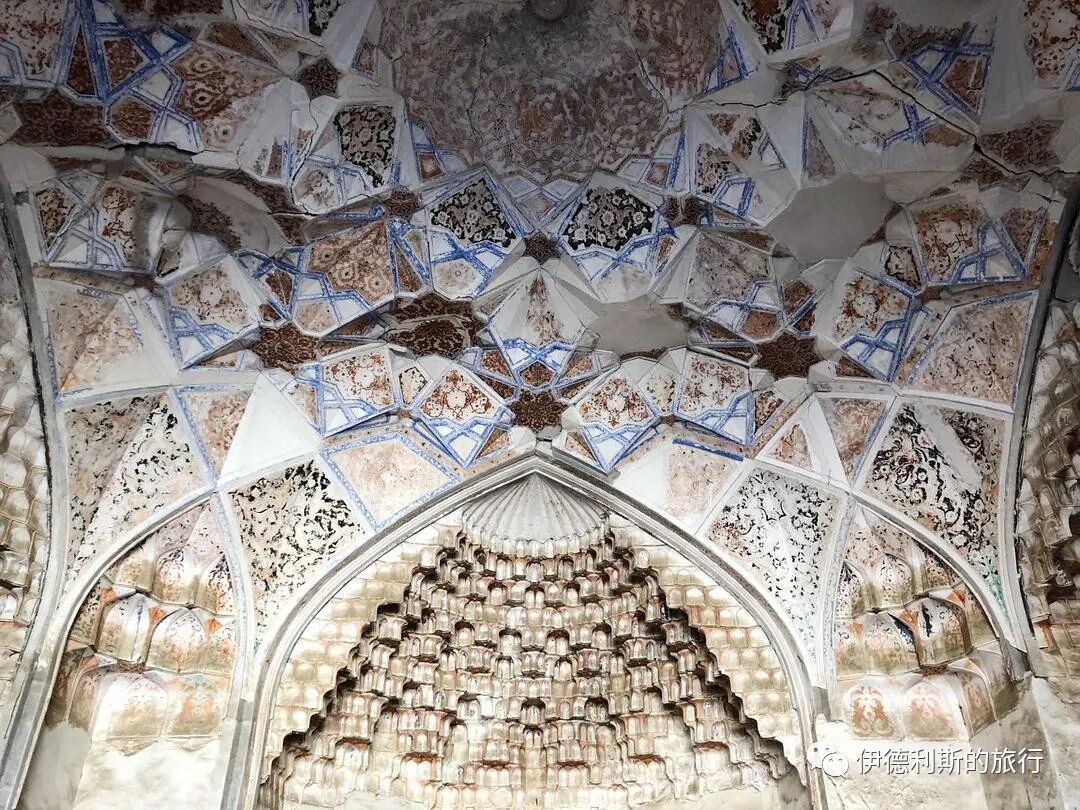
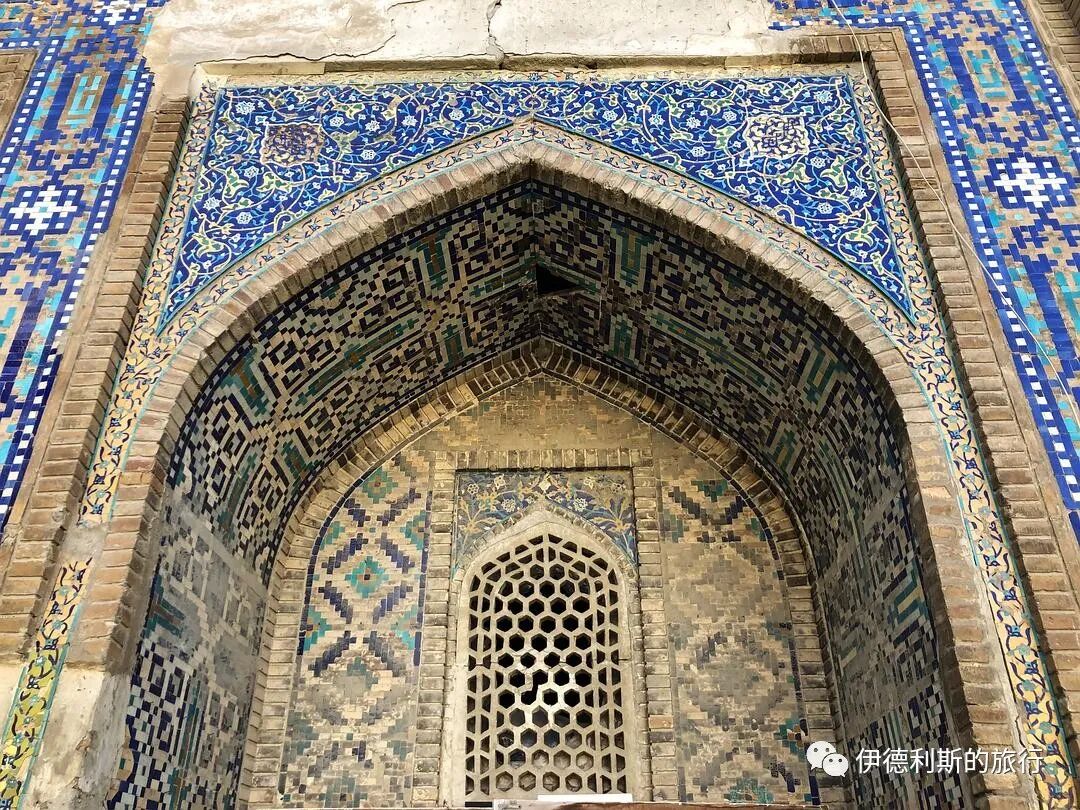
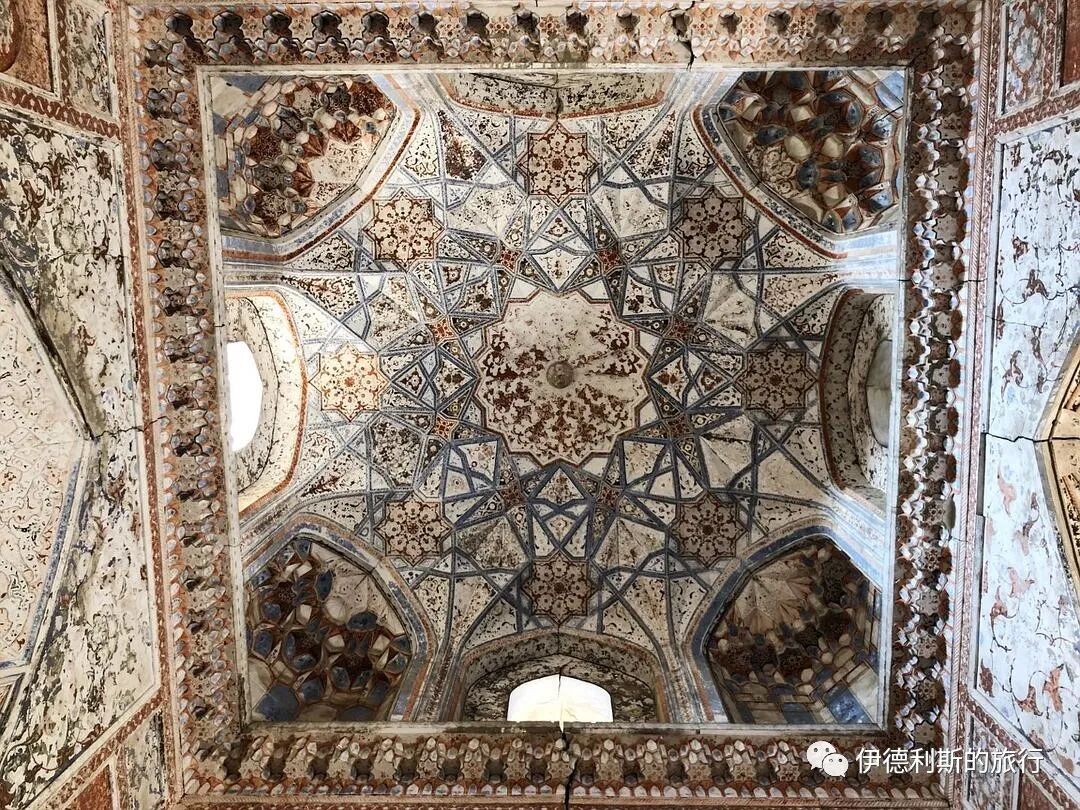
The Abdul Aziz Khan Madrasah is hailed as a representative work of 17th-century Central Asian architecture. Compared to the Timurid-era Ulugbek Madrasah, the Abdul Aziz Khan Madrasah, built 200 years later, is more ornate and exquisite. The madrasah's pishtaq (monumental portal) is very tall, and the iwan (vaulted hall) arch is decorated with exquisite patterns and verses from famous poets. The walls and rooms utilize almost all the architectural decoration techniques of that era, including relief majolica, marble carving, mosaic tiles, and gilded murals.
Abdul Aziz Khan himself attached great importance to Islamic religious education, but due to the invasion of the Khanate of Khiva and the intensification of internal divisions within the Bukhara Khanate, he was ultimately unable to rule the khanate. He chose to abdicate in favor of his younger brother and set off for Mecca for Hajj (pilgrimage). When Abdul Aziz left, some of the decorations in the madrasah were still unfinished.
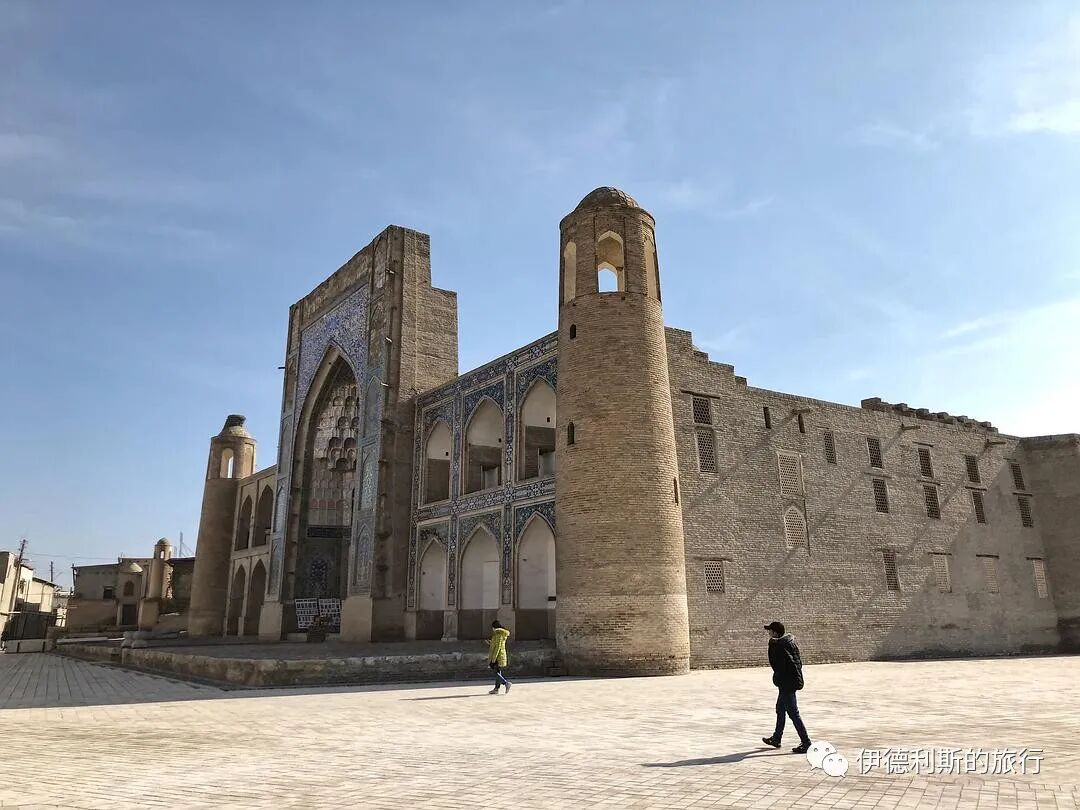
Turki Jandi Mausoleum: 16th-18th century
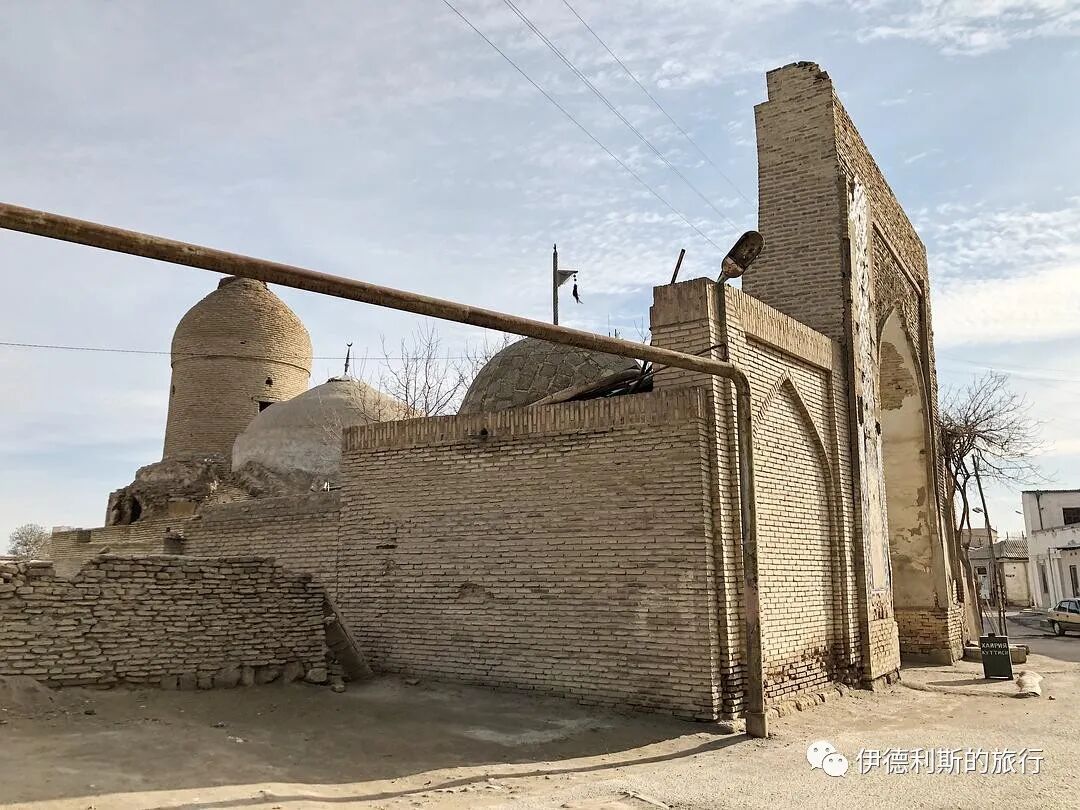
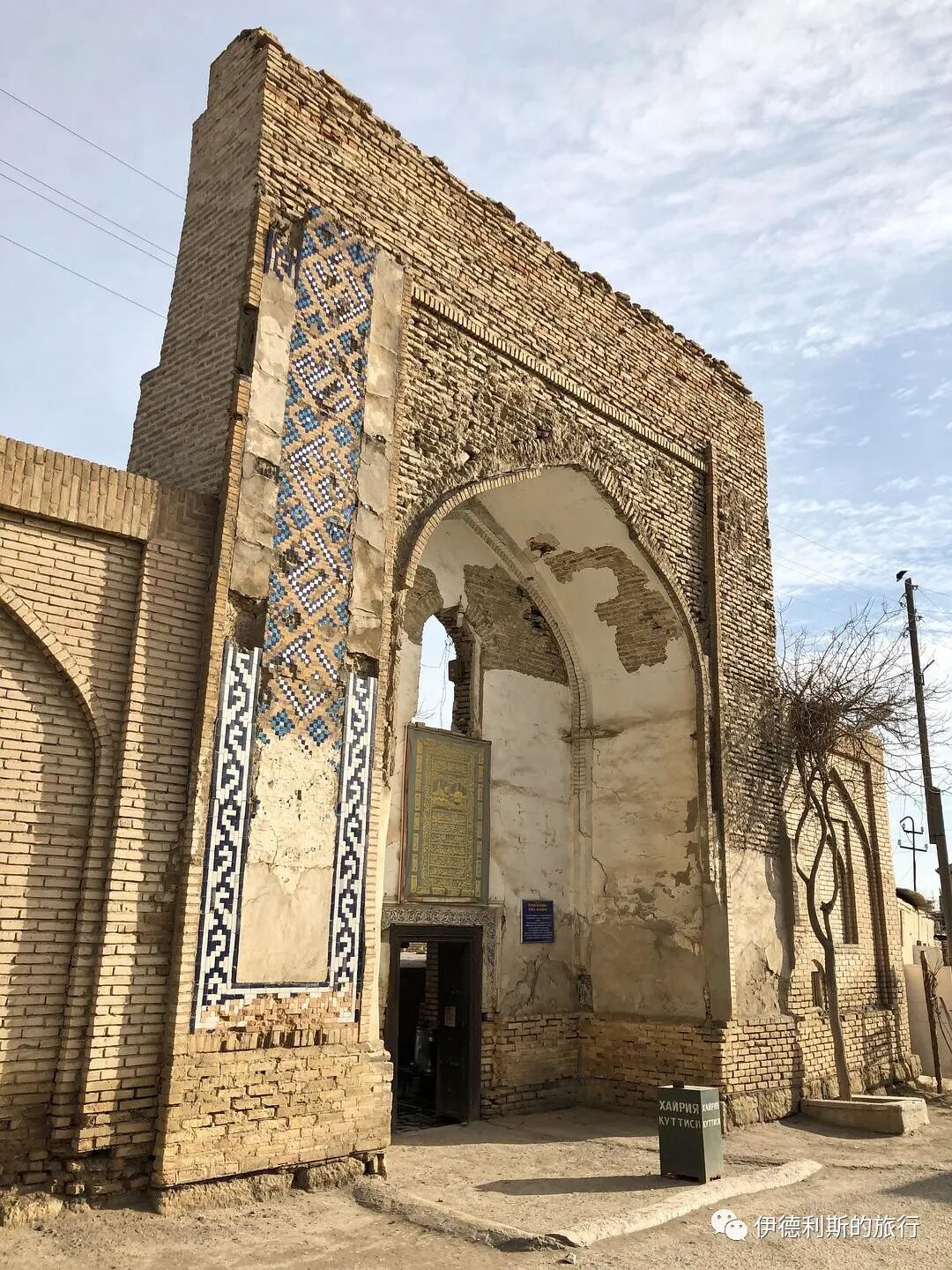
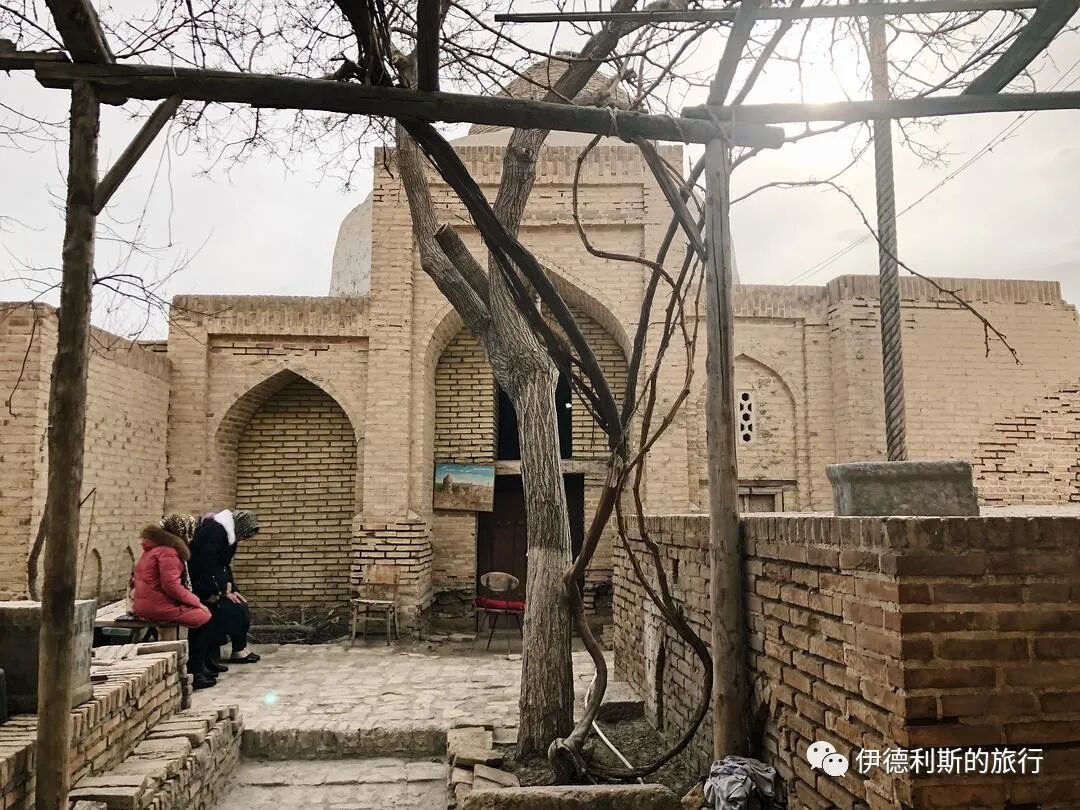
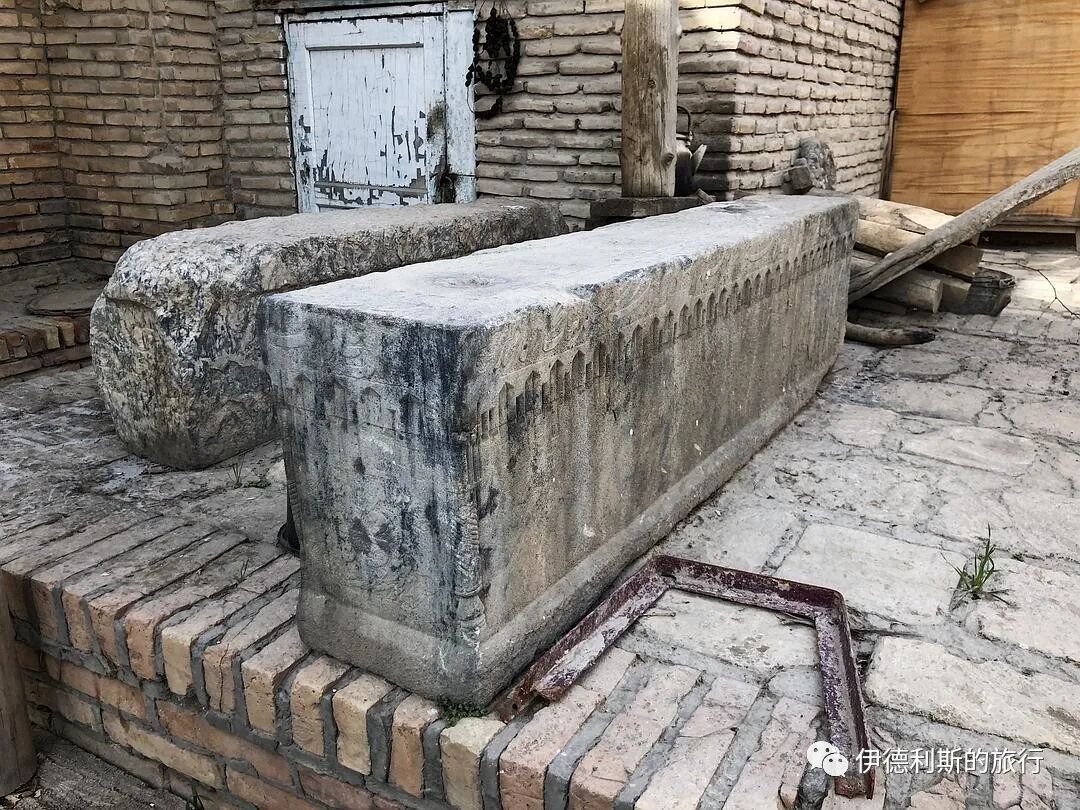
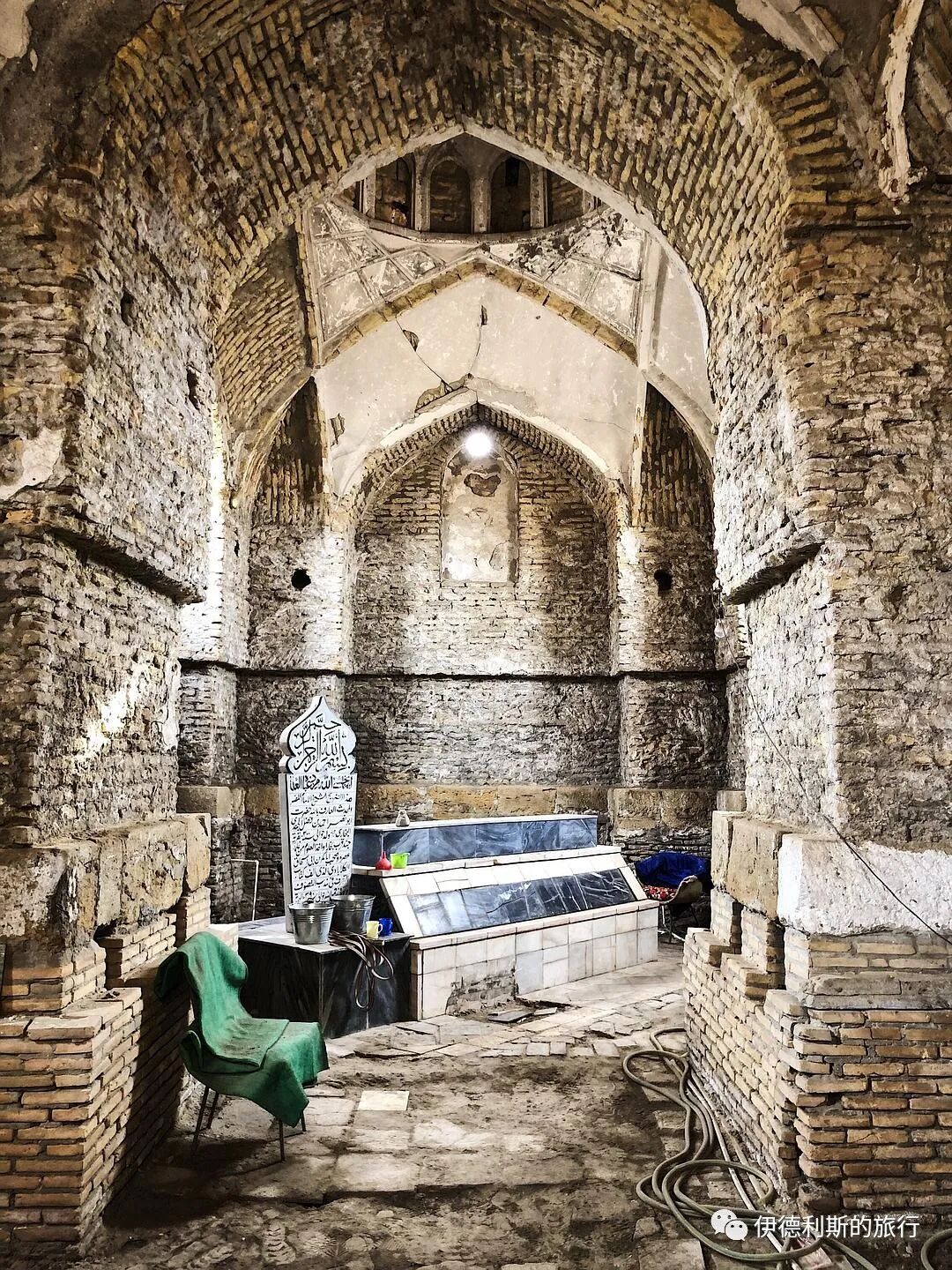
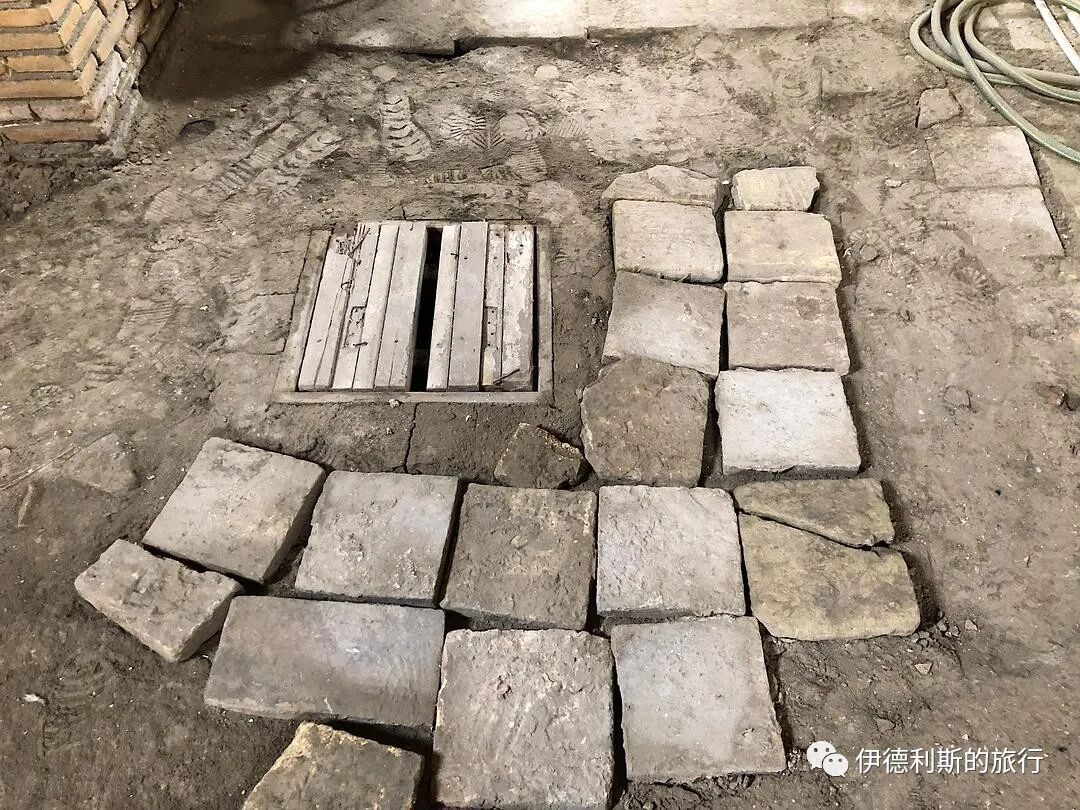
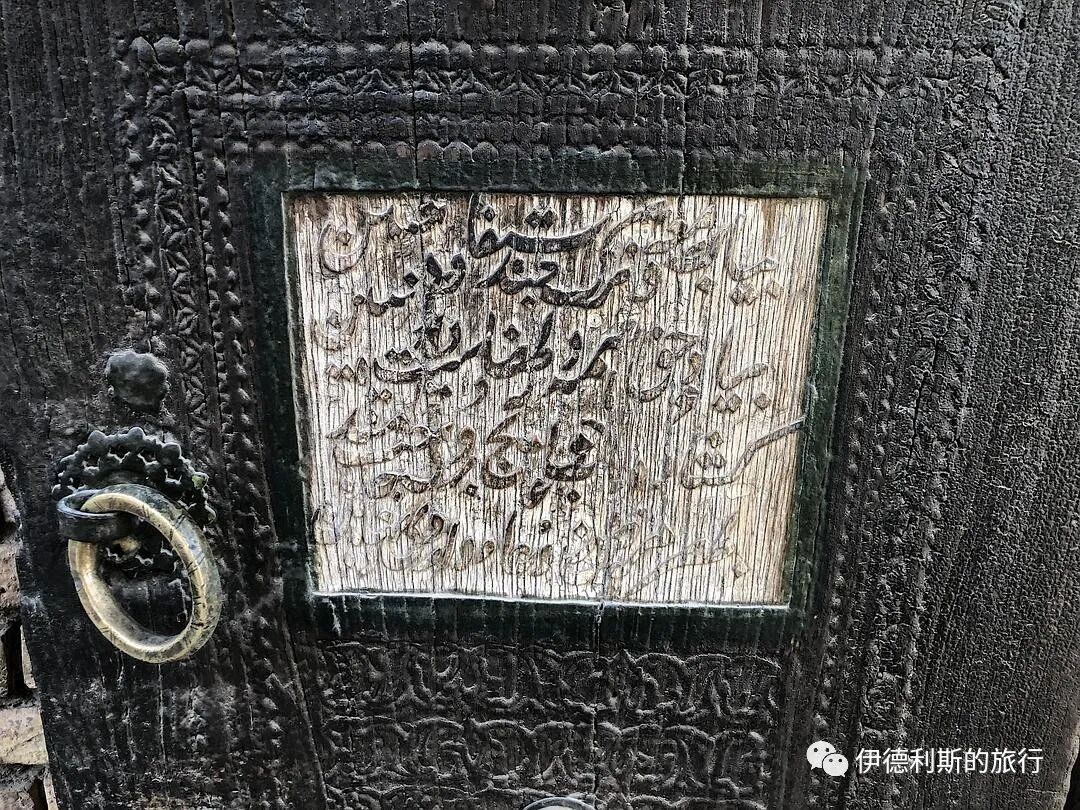
The Turki Jandi Mausoleum is a holy shrine in the ancient city of Bukhara. Because it is not in the tourist area, the atmosphere is very good. There is a well in front of the mausoleum, and the well water is believed to have miraculous properties. Here, you can see a mullah chatting kindly with people in the room at the entrance, and you can also see locals drinking the well water and then piously making dua (dua) in front of the holy shrine. This is the more everyday side of the ancient city of Bukhara.
Summary: This travel note introduces Bukhara Travel Guide: Capital of the Bukhara Khanate, Mosques and Islamic Heritage (Part 2). 13. Magok-i-Kurpa Mosque: 1637. It is useful for readers interested in Bukhara Travel, Islamic Heritage, Uzbekistan.
13. Magok-i-Kurpa Mosque: 1637
The Magok-i-Kurpa Mosque was built in 1637. It was originally two stories, but the first floor is almost submerged underground, which is why it is called "Magok-i" (in the pit). The mosque is rectangular and has 12 domes on the roof. Because the mosque was under renovation, I was unable to enter for a visit.
14. Abdul Aziz Khan Madrasah: 1651
The Abdul Aziz Khan Madrasah was ordered to be built in 1651 by Abdul Aziz Khan (reigned 1645-1680), the fifth khan of the Janid Dynasty of the Bukhara Khanate. Together with the Ulugbek Madrasah, built in 1417 by Ulugbek, the third ruler of the Timurid Dynasty, it forms an architectural complex.
The Abdul Aziz Khan Madrasah is hailed as a representative work of 17th-century Central Asian architecture. Compared to the Timurid-era Ulugbek Madrasah, the Abdul Aziz Khan Madrasah, built 200 years later, is more ornate and exquisite. The madrasah's pishtaq (monumental portal) is very tall, and the iwan (vaulted hall) arch is decorated with exquisite patterns and verses from famous poets. The walls and rooms utilize almost all the architectural decoration techniques of that era, including relief majolica, marble carving, mosaic tiles, and gilded murals.
Abdul Aziz Khan himself attached great importance to Islamic religious education, but due to the invasion of the Khanate of Khiva and the intensification of internal divisions within the Bukhara Khanate, he was ultimately unable to rule the khanate. He chose to abdicate in favor of his younger brother and set off for Mecca for Hajj (pilgrimage). When Abdul Aziz left, some of the decorations in the madrasah were still unfinished.
Turki Jandi Mausoleum: 16th-18th century
The Turki Jandi Mausoleum is a holy shrine in the ancient city of Bukhara. Because it is not in the tourist area, the atmosphere is very good. There is a well in front of the mausoleum, and the well water is believed to have miraculous properties. Here, you can see a mullah chatting kindly with people in the room at the entrance, and you can also see locals drinking the well water and then piously making dua (dua) in front of the holy shrine. This is the more everyday side of the ancient city of Bukhara.
