
Rayy Near Tehran: Seljuk Capital, Islamic History and Muslim Heritage
Reposted from the web
Summary: This travel note introduces Rayy Near Tehran: Seljuk Capital, Islamic History and Muslim Heritage. Ray is located in the southern suburbs of Tehran, the capital of Iran, and is an important ancient city in northern Iran, referred to as "Rayy" in books such as the "History of Yuan". It is useful for readers interested in Rayy Travel, Seljuk History, Iran Heritage.
Ray is located in the southern suburbs of Tehran, the capital of Iran, and is an important ancient city in northern Iran, referred to as "Rayy" in books such as the "History of Yuan". The history of the ancient city of Ray is very old, and it has been mentioned in the Zoroastrian "Avesta" and the Christian "Bible". During the Achaemenid, Seleucid, Parthian, and Sassanid periods, Ray was very important and served as a center for Zoroastrianism.
In the 640s AD, the Sassanid Empire used the ancient city of Ray as a base to resist the Arab invasion, but it ultimately failed, and Ray began to be ruled by the Arab Empire. In the 9th century AD, the Shah Abdol-Azim Shrine was built in the city of Ray, becoming an important religious site in Iran.
In 1043, the founder of the Seljuk Empire, Tuğrul Beg, made Ray the capital of the empire and carried out large-scale reconstruction of the ancient city. Under the rule of the Seljuk Empire, Ray reached its peak, with a huge bazaar (market) in the city and very prosperous commerce. Import and export trade, primarily in silk, connected the entire Eurasian continent. Ray was the center of painted pottery production in Iran at that time, and Ray-style painted pottery was an important handicraft in Iran during this period. At the same time, in the 12th century, Ray was an early center for Shia Muslims in Iran; before the Safavid dynasty made Shia the state religion in the 16th century, most Muslims in Iran were Sunni.
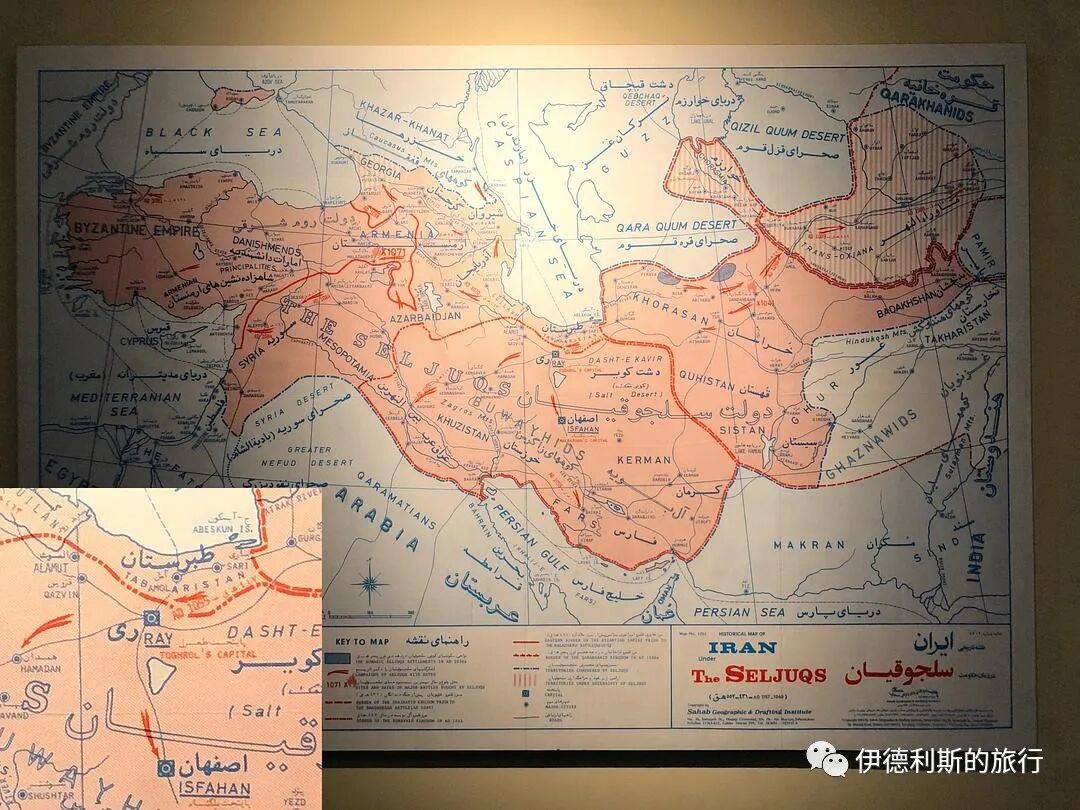
On the map of the Seljuk Empire in the National Museum of Iran, one can see that the ancient city of Ray was located at the center of the empire.
In 1220, the Mongol army attacked Ray, which was under the rule of the Khwarazmian Empire. Because there was no fierce resistance, the Mongols did not massacre the city. Despite this, the residents of the city still left one after another, and the center of painted pottery production shifted to the southern city of Kashan. After this, Ray became a ghost town, but its sturdy city walls still allowed it to be used as a military fortress during wars. It was not until the city walls of Tehran were built in the 16th century that Ray was finally abandoned.
Until the mid-19th century, the ancient city of Ray was nothing but ruins, except for the Shah Abdol-Azim Shrine. As the religious site closest to the capital Tehran, the Qajar dynasty built Iran's first railway connecting to the capital here in 1888, and Ray slowly developed again after that.
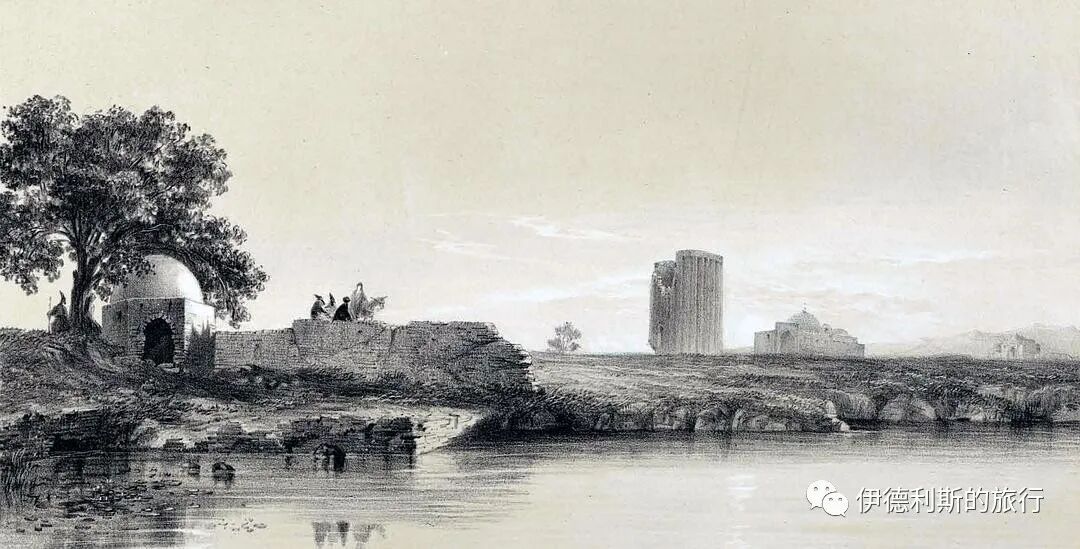
The ancient city of Ray drawn by a Frenchman in 1840.
I. Tughrul Tower
Tughrul Tower is the only Seljuk building in the ancient city of Ray that has survived to this day. It is 20 meters high and is believed to be the tomb of Tuğrul Beg (reigned 1037-1063), the founder of the Seljuk Empire. Tuğrul Beg was the eldest grandson of Seljuk, a high-ranking official of the Oghuz Yabgu State. When he was young, he led his tribe to help the Kara-Khanid Khanate fight against the Ghaznavid Empire, and officially became independent in 1037 after defeating the Ghaznavid Empire.
In 1043, Tuğrul made Ray his capital, and later marched west to capture Baghdad, where he was titled Sultan by the Caliph, and the Seljuk Empire thus dominated Western Asia. Under Tuğrul's rule, Turkic-speaking groups absorbed a large amount of Persian culture, forming a unique Seljuk culture. In 1063, Tuğrul passed away in the city of Ray.
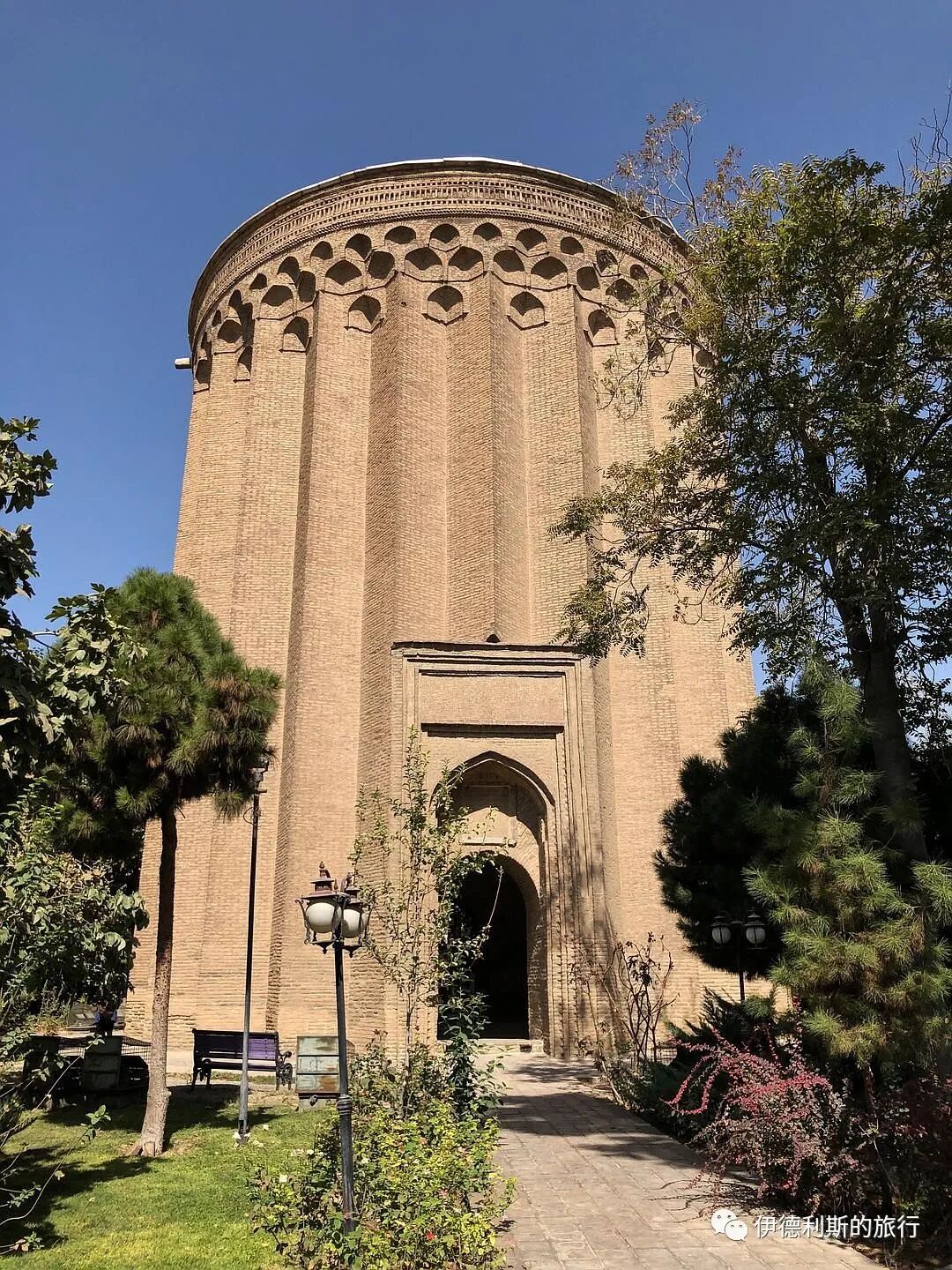
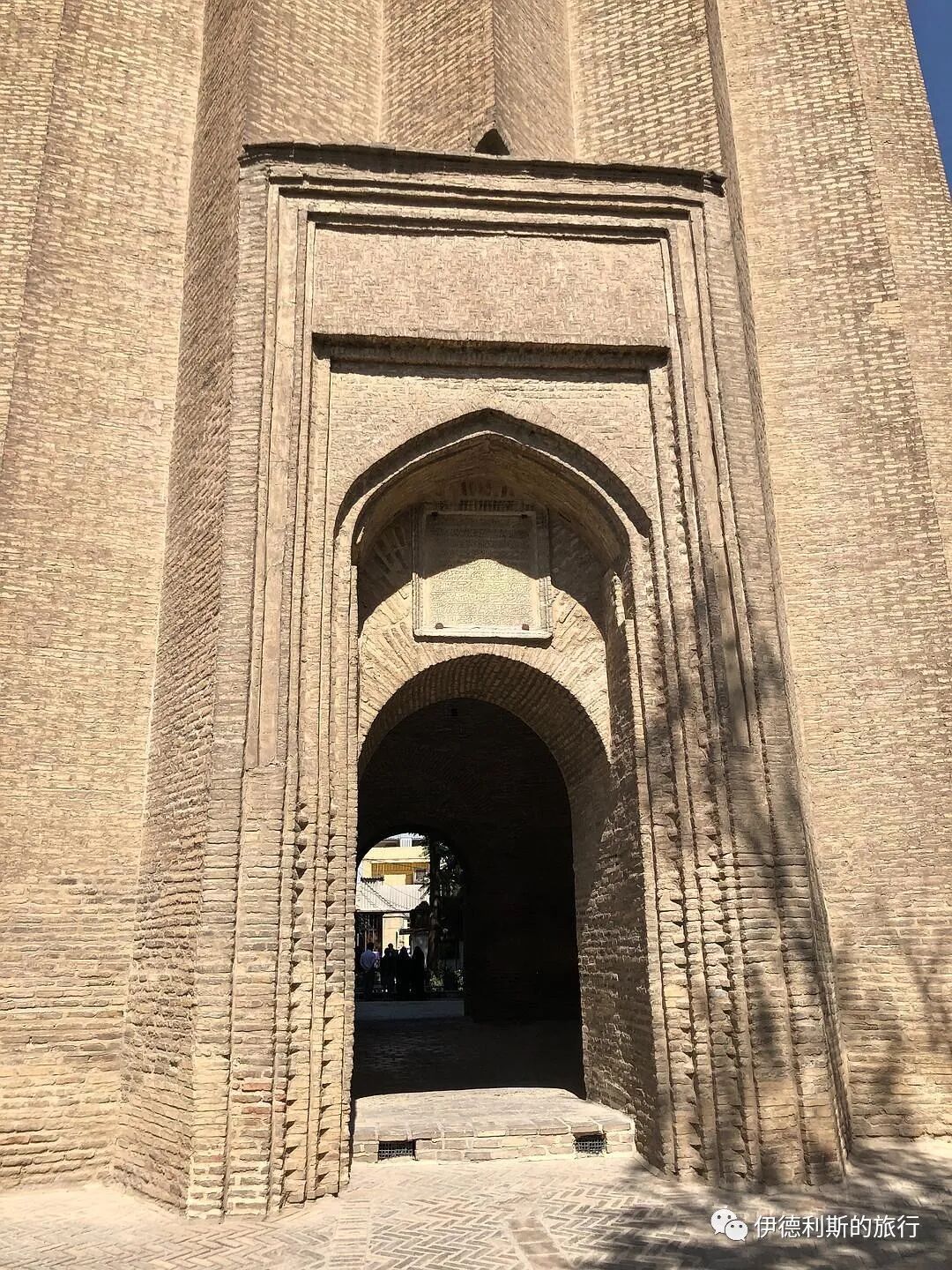
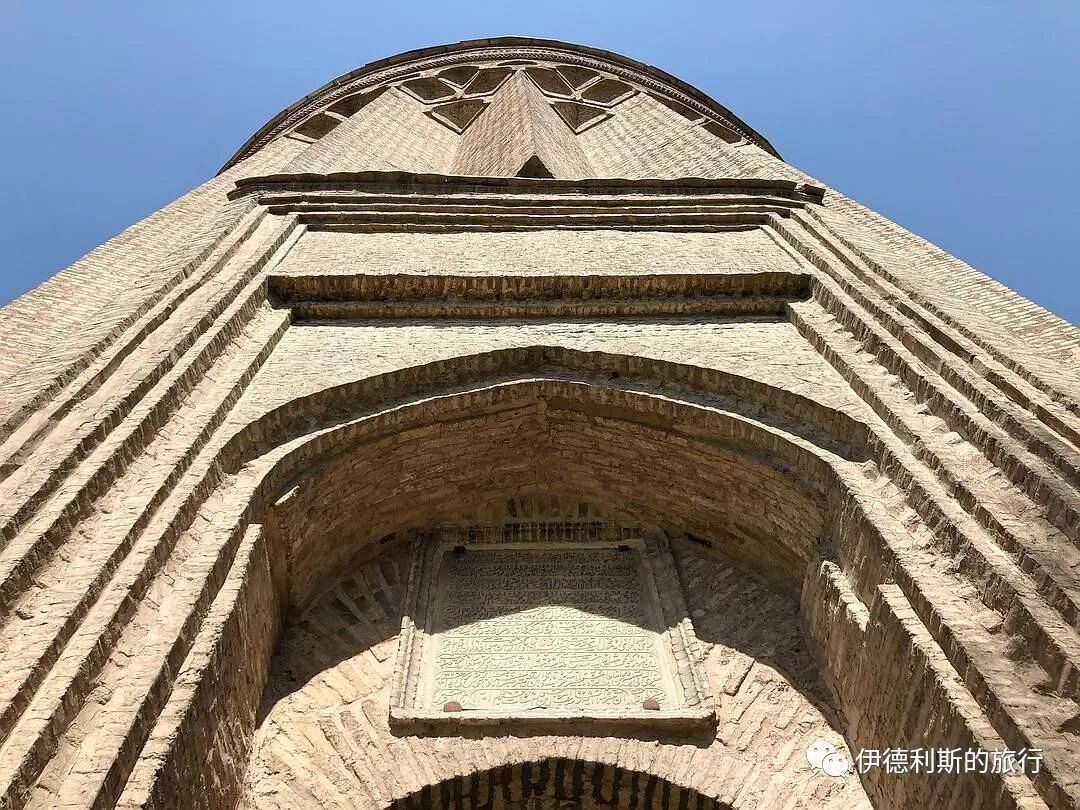
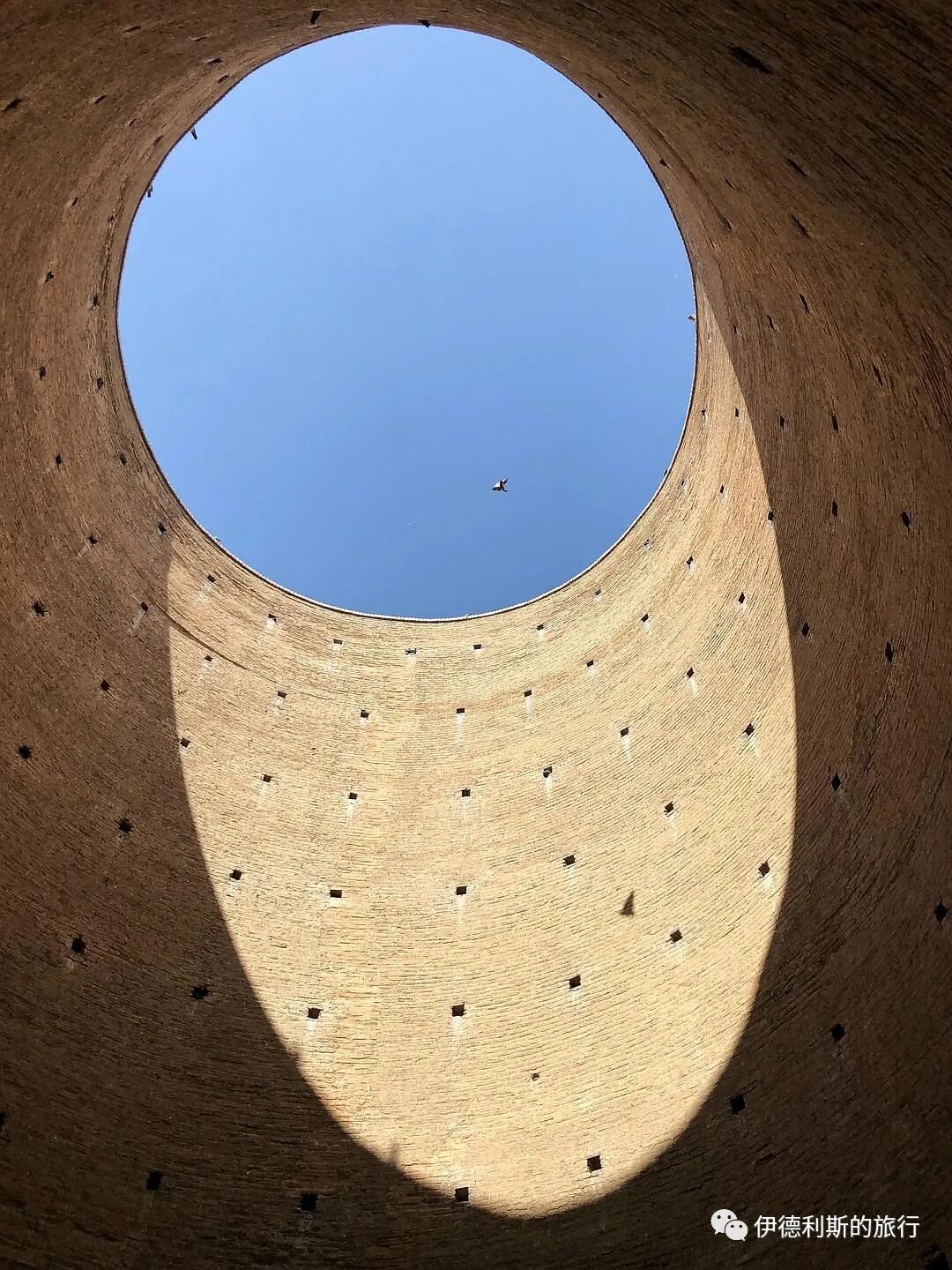
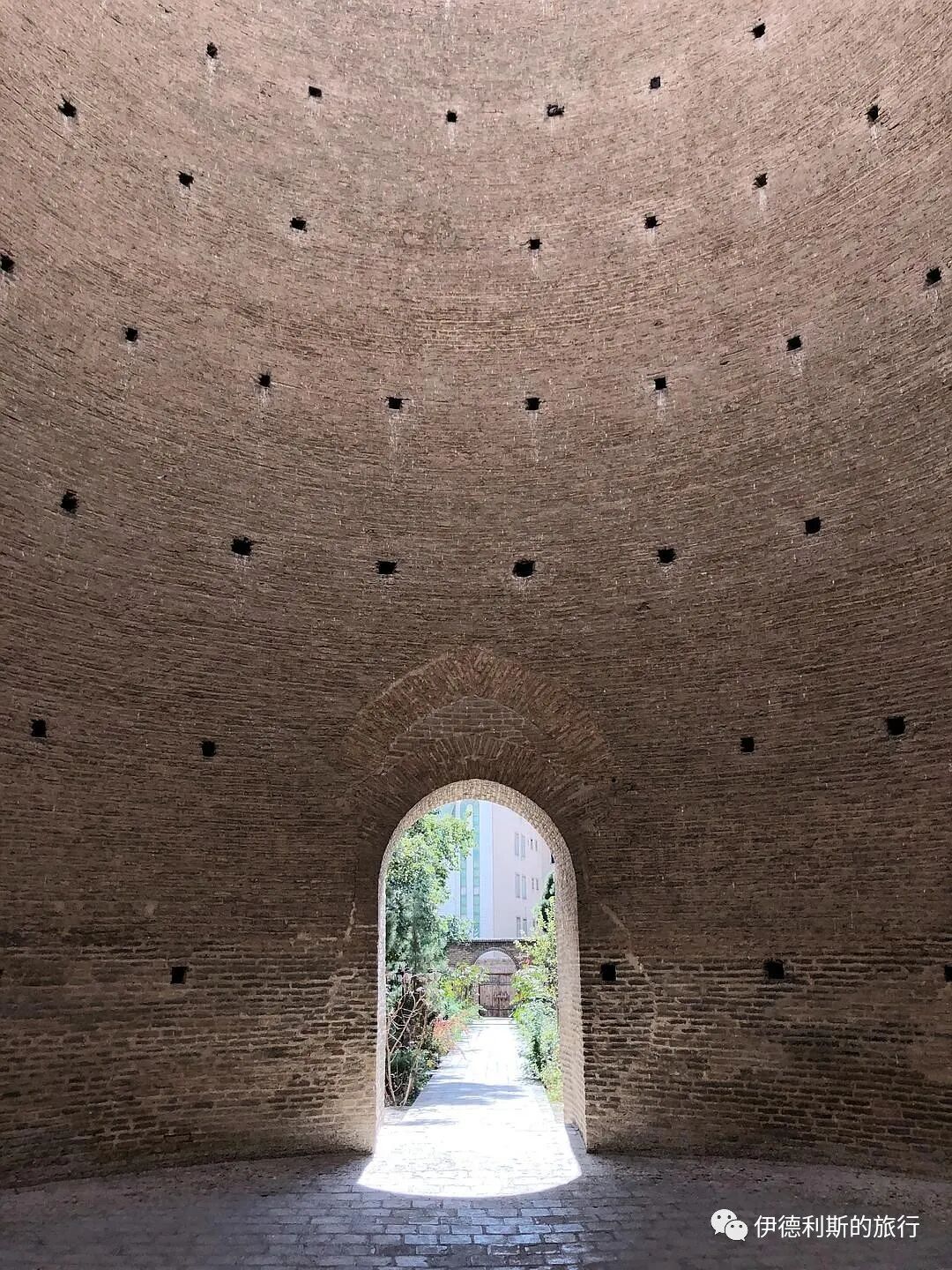
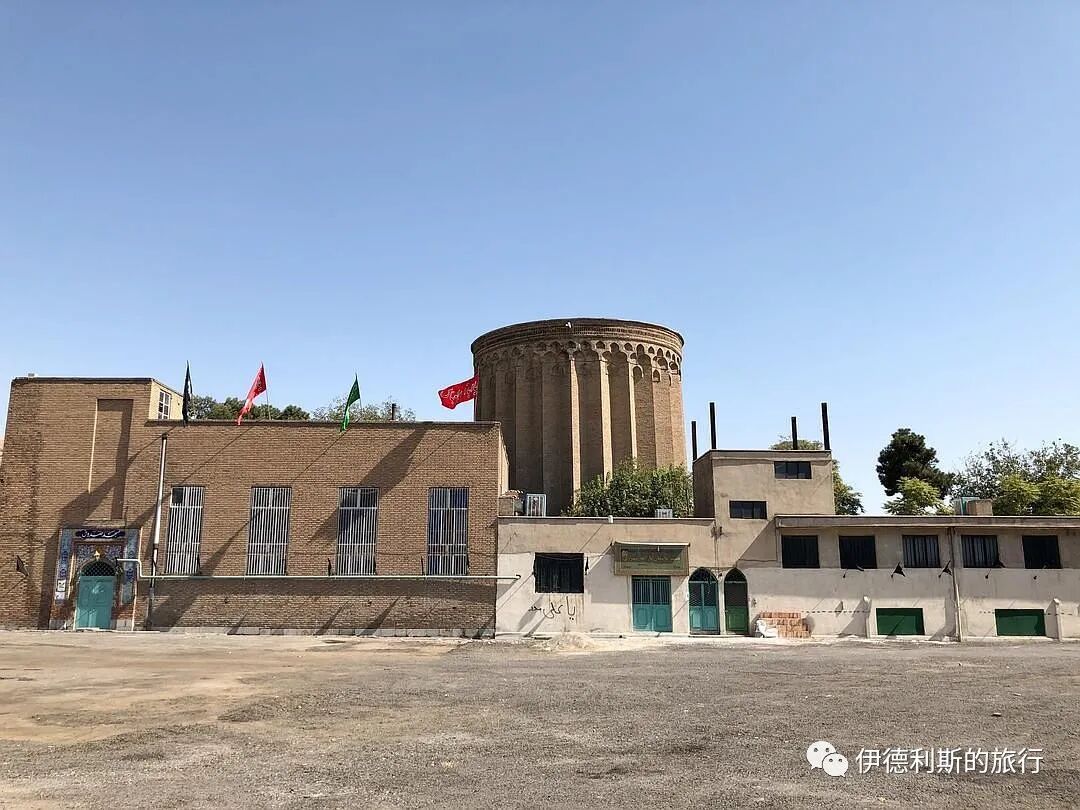
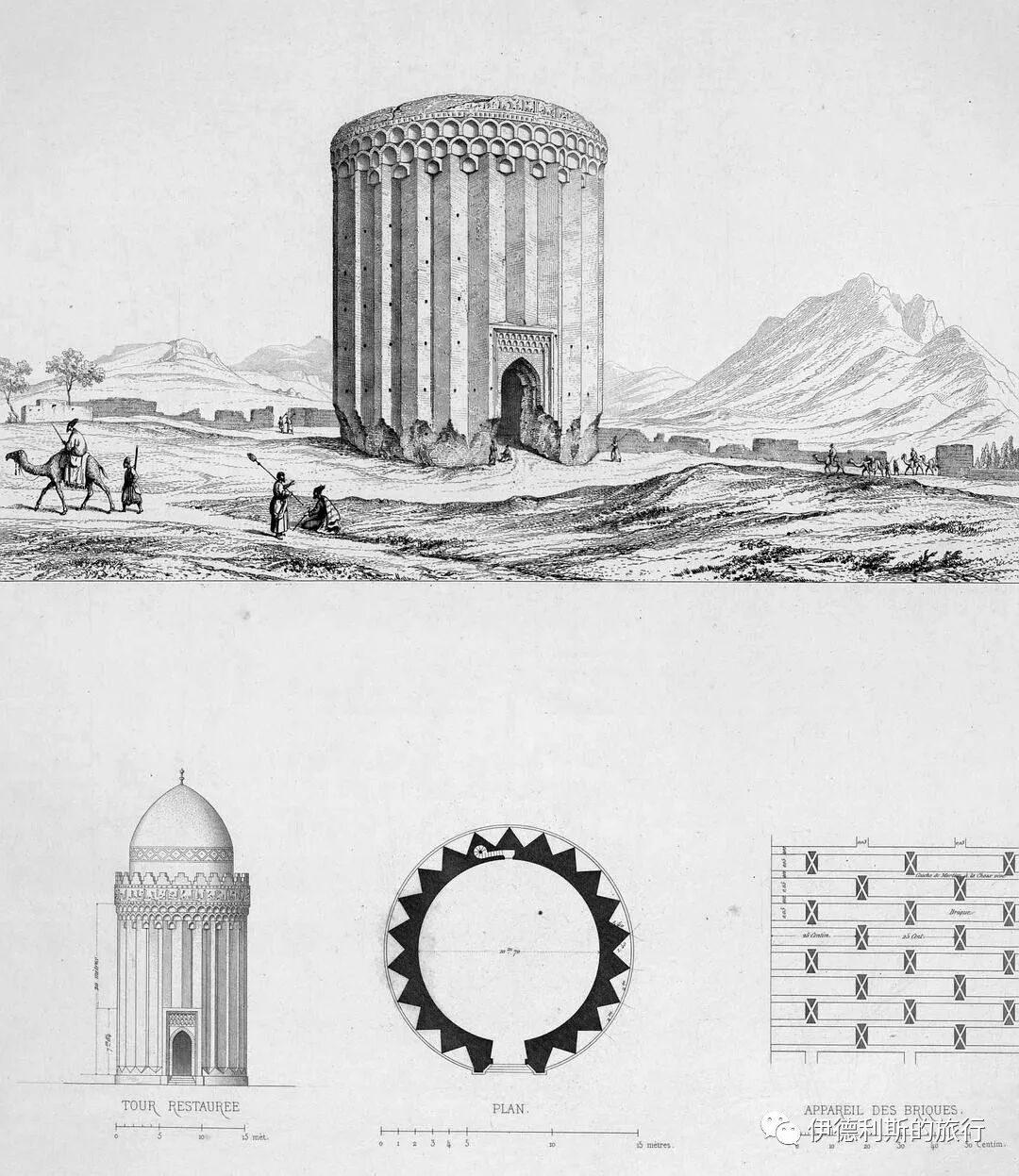
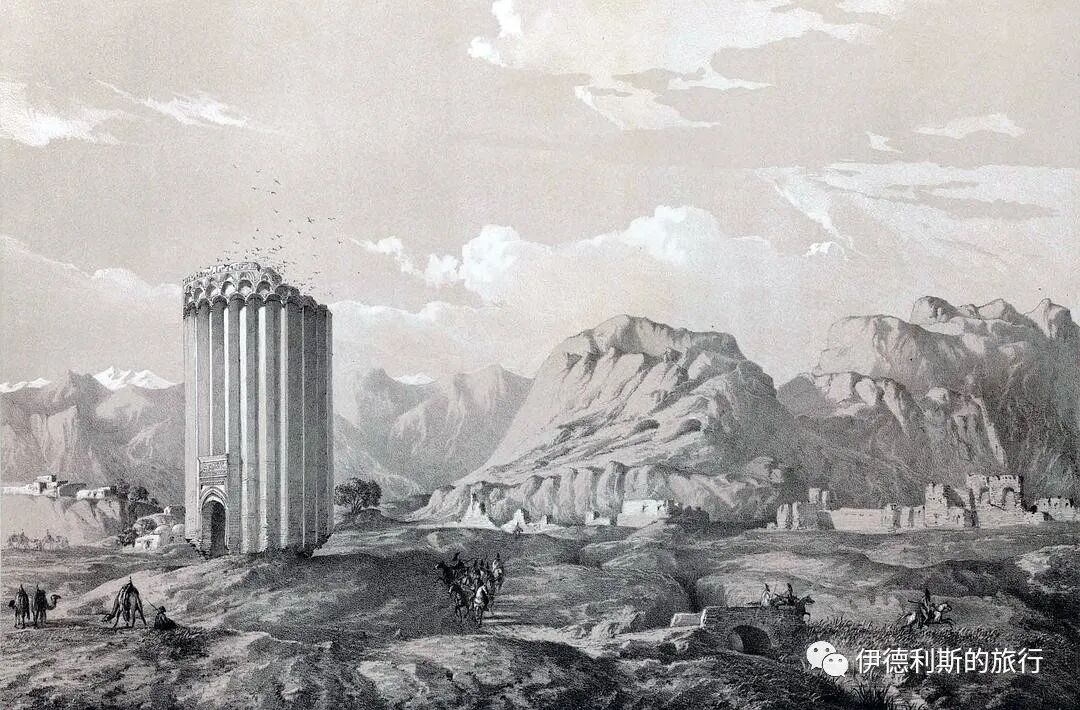
Tughrul Tower was originally covered by a conical dome, but the roof later collapsed in an earthquake. There used to be Kufic script calligraphy at the top of the tower, but it is no longer visible now. The tomb tower partially collapsed in 1884, and Naser al-Din Shah, the fourth ruler of the Qajar dynasty, ordered its restoration. The picture below is the tomb tower drawn by a Frenchman in 1840.
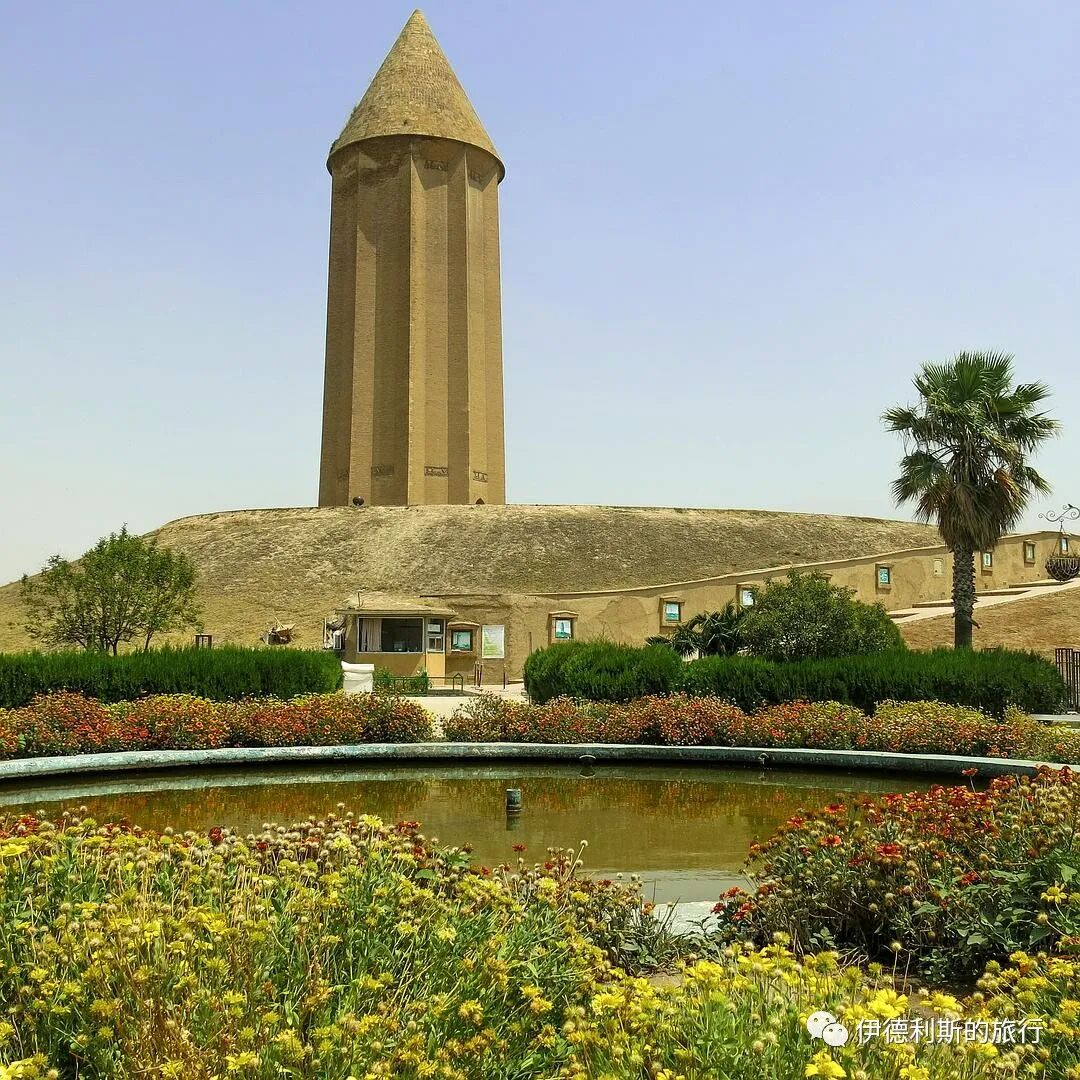
Tughrul Tower is very similar to Gonbad-e Qabus, the most important tomb tower in northern Iran, which was built when Qabus, the ruler of the Ziyarid dynasty on the Caspian coast, died in 1012. The picture below is the Gonbad-e Qabus tower photographed by Hadi Karimi.
II. Shah Abdol-Azim Shrine
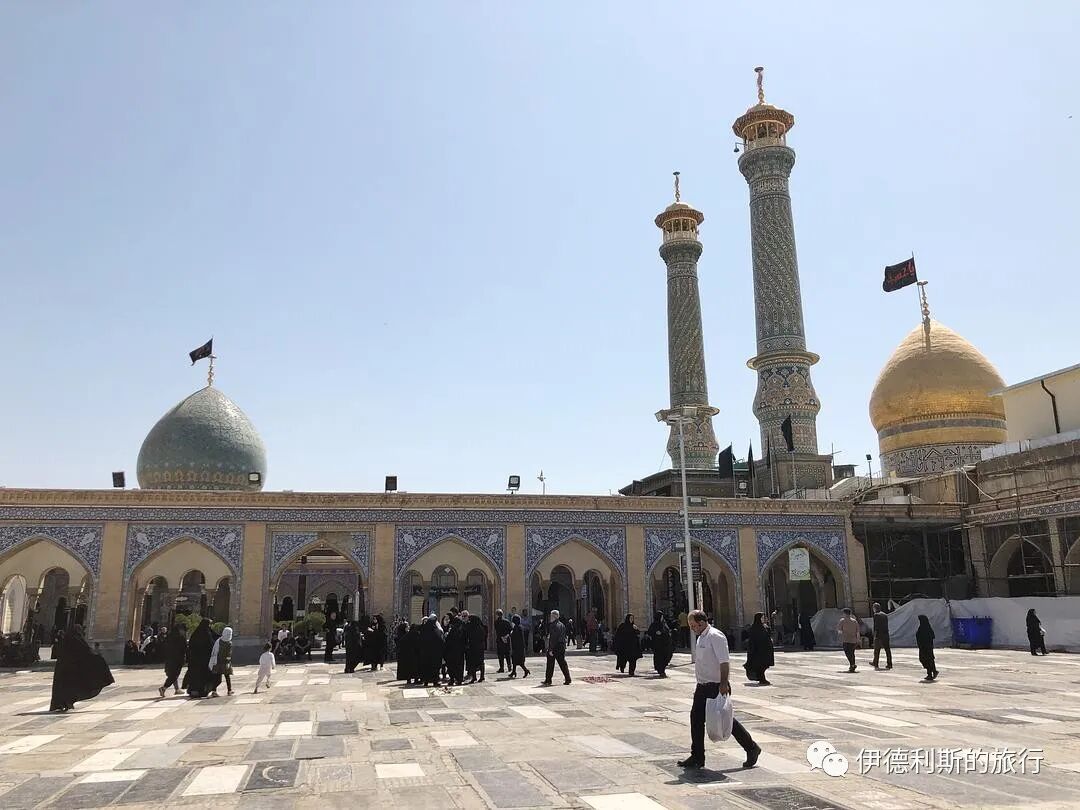
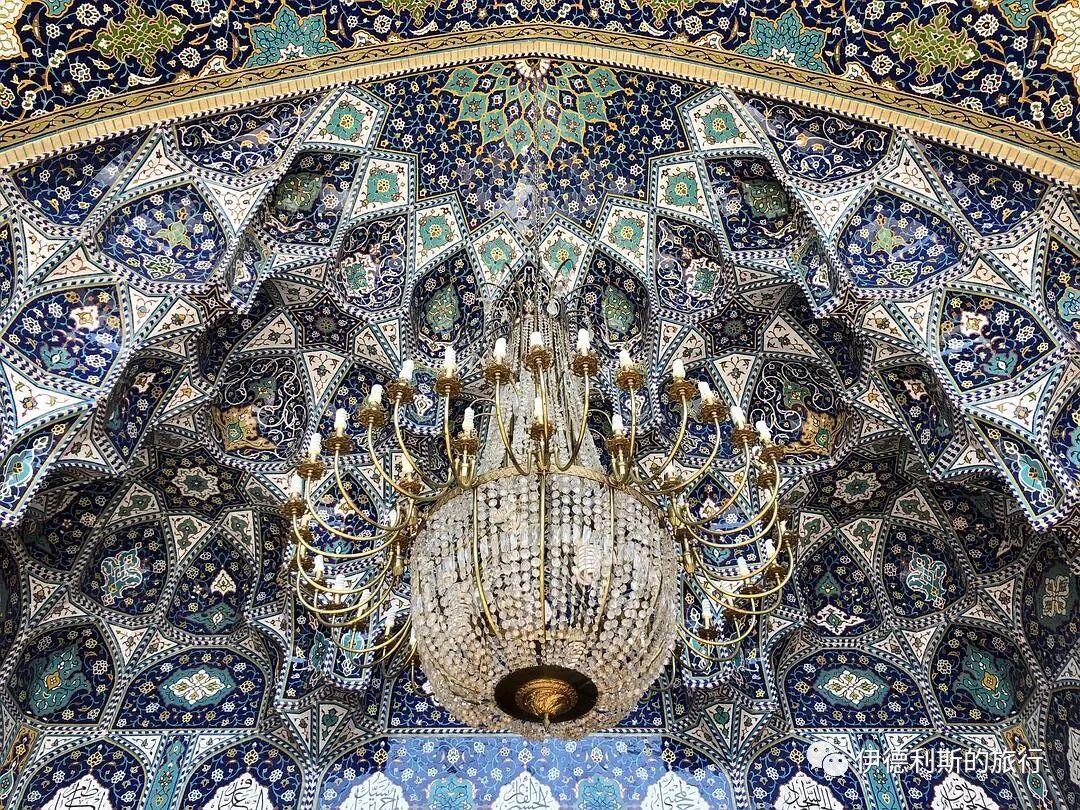
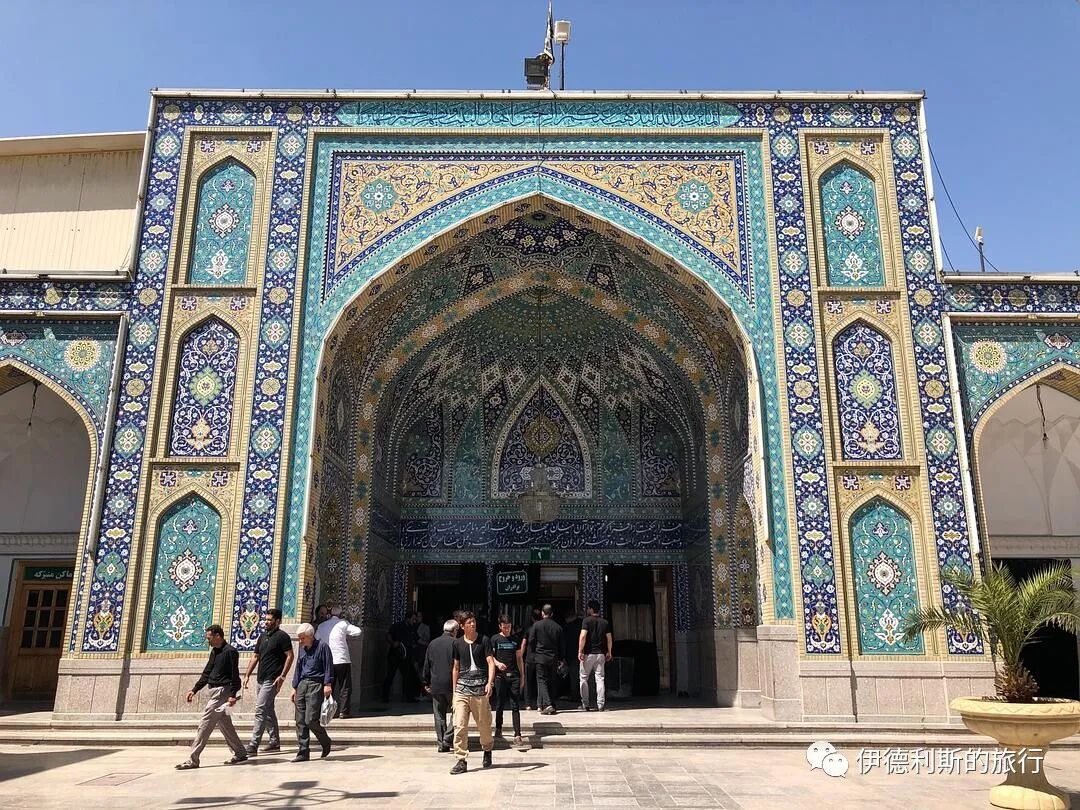
Shah Abdol-Azim Shrine, also known as Shabdolazim, is a religious site in the ancient city of Ray, where Shah Abdol-Azim, a fifth-generation descendant of Hasan, the eldest son of Imam Ali, is buried.
Shah Abdol-Azim was a companion of Muhammad al-Taqī, the ninth of the Twelve Imams of Shia Islam. He came to the city of Ray for refuge in the 9th century and passed away here in 866. The Shah Abdol-Azim Shrine was mentioned in "Kāmil al-Ziyārāt", one of the earliest Shia pilgrimage guides from the 10th century.
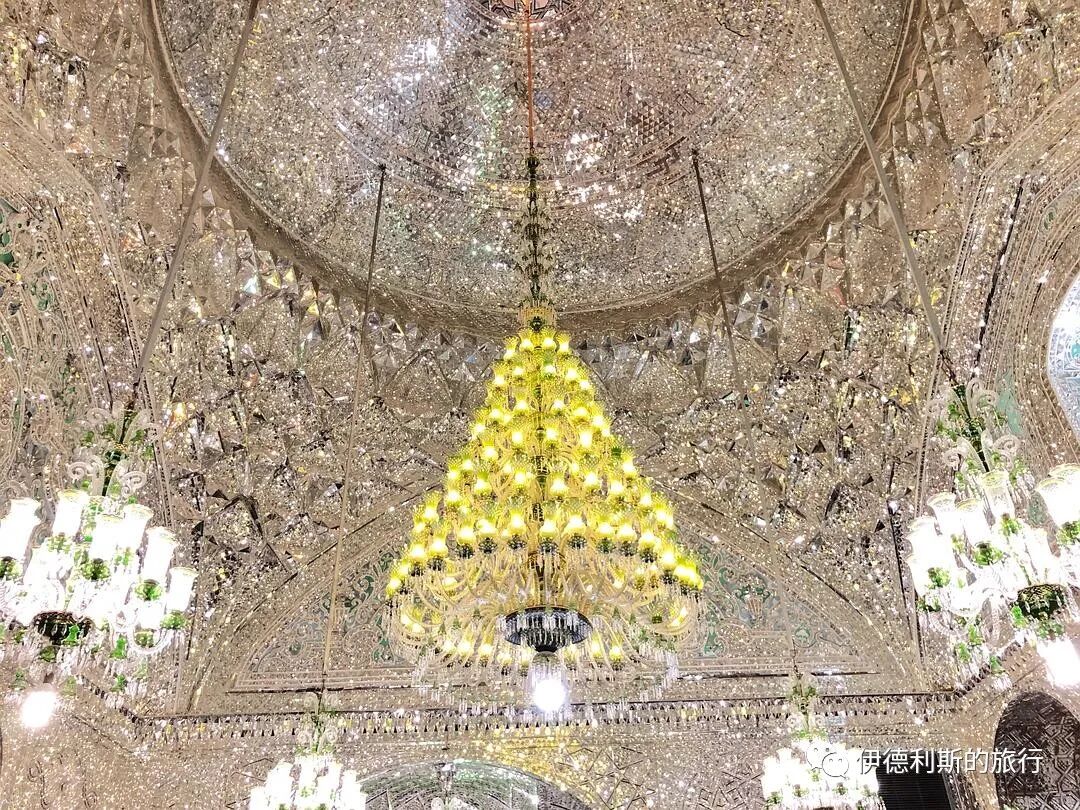
Majd al-Mulk, the vizier of the Seljuk Empire, ordered the construction of the shrine complex in the 1090s. Later, Tahmasp I (reigned 1524-1576), the second ruler of the Safavid dynasty, expanded it, and it was gilded and fitted with mirrors during the Qajar dynasty in the 19th century.
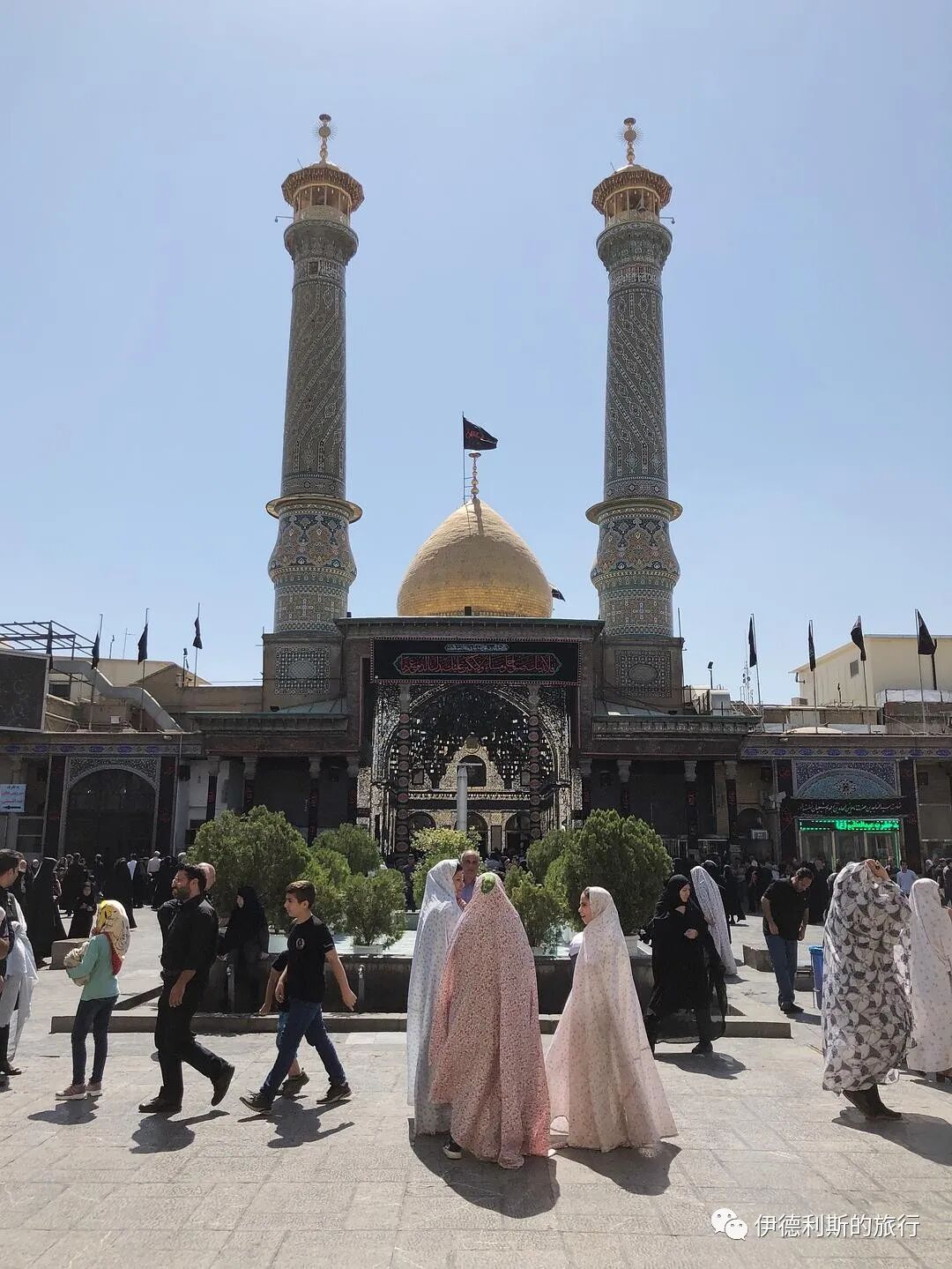
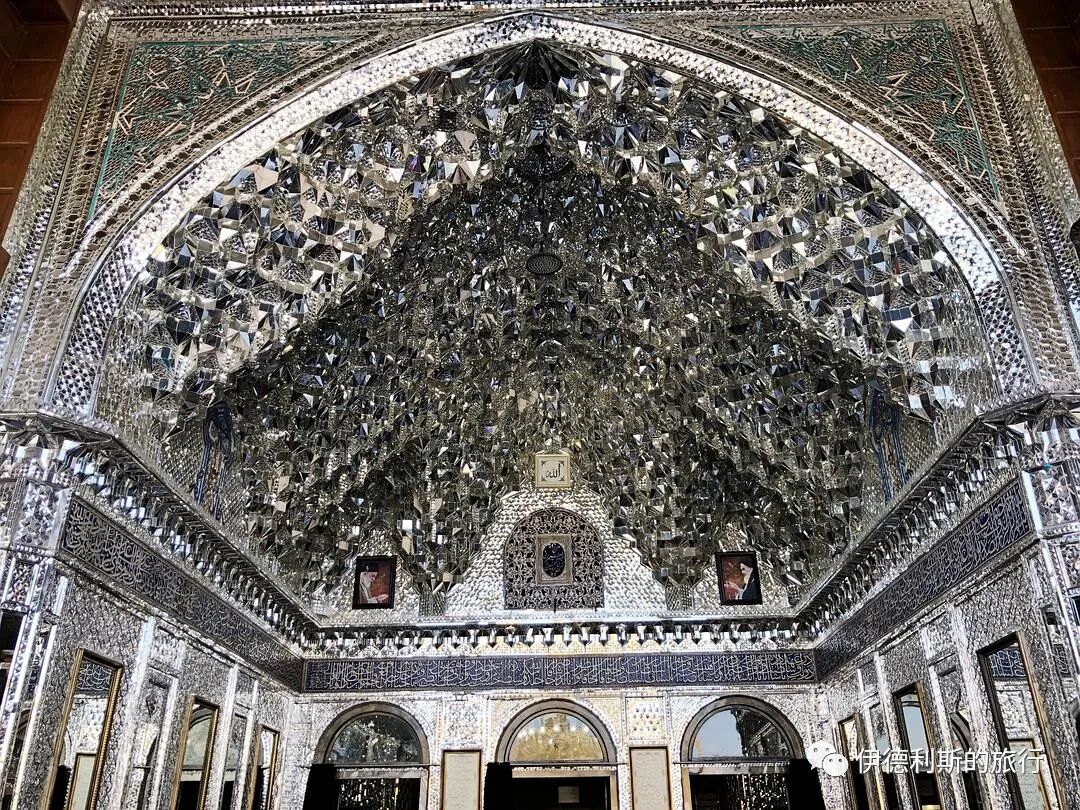
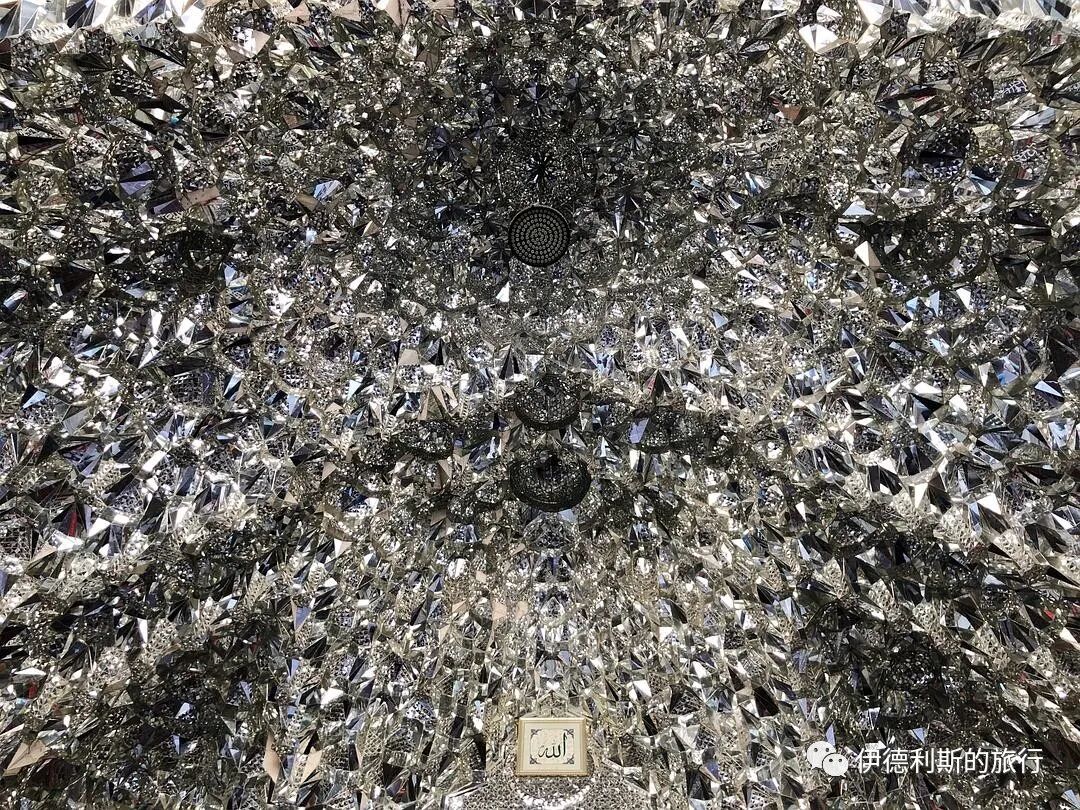
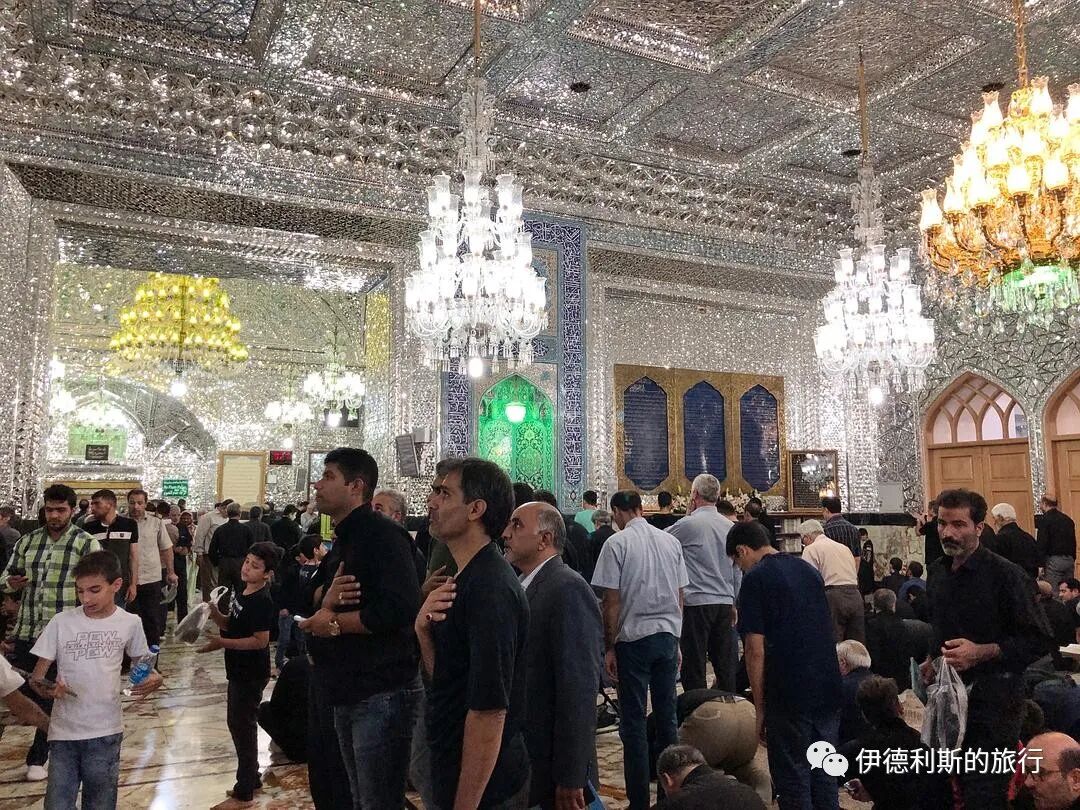
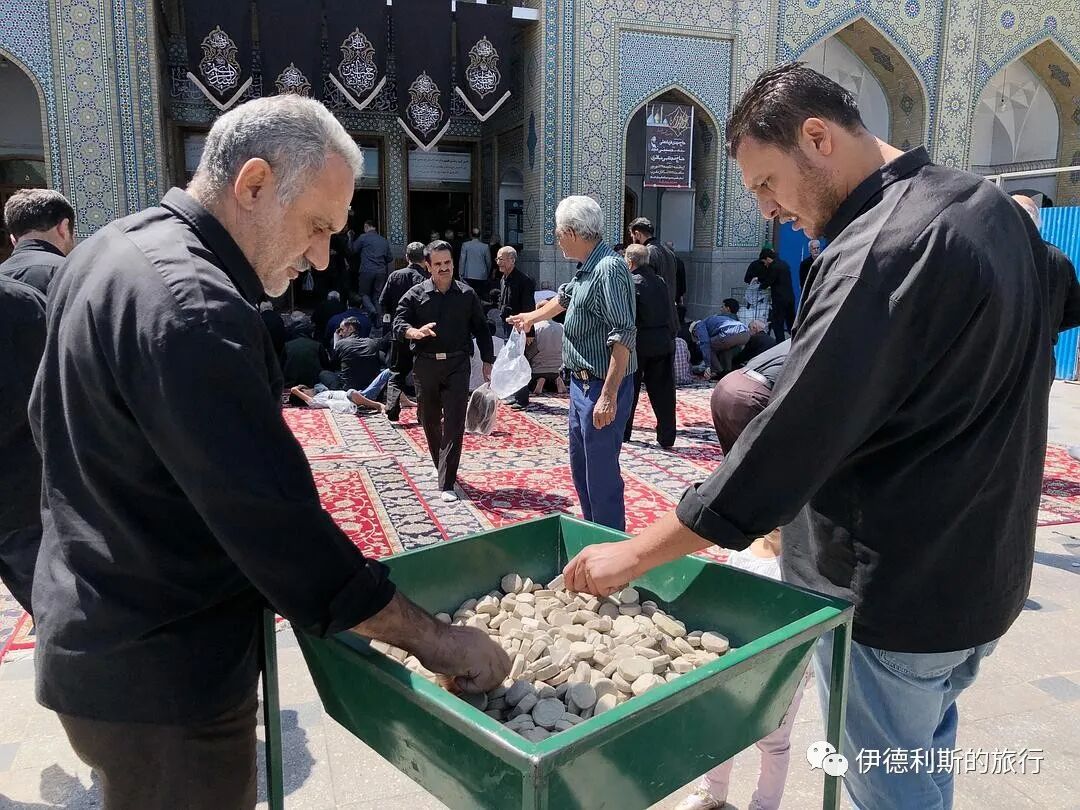
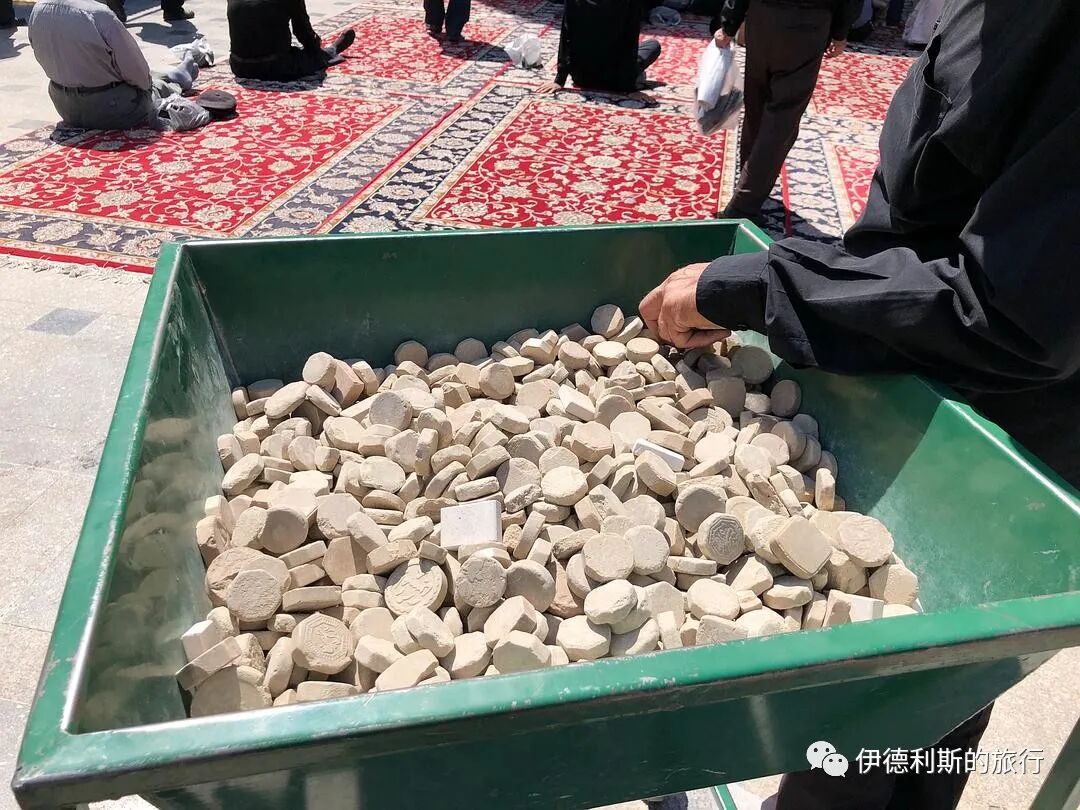
In the mosque inside the shrine, the clay tablet that people take at the entrance is called a Turbah (clay tablet), which symbolizes the earth, and Shia Muslims place their foreheads on it during prayer.
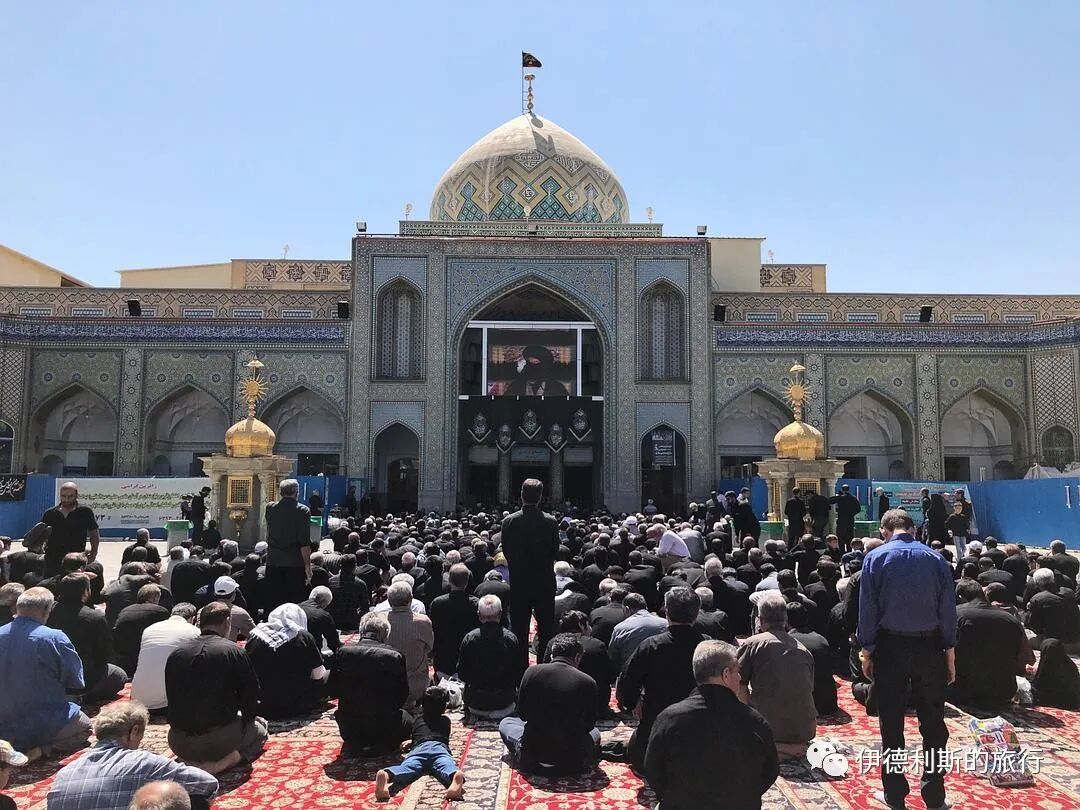
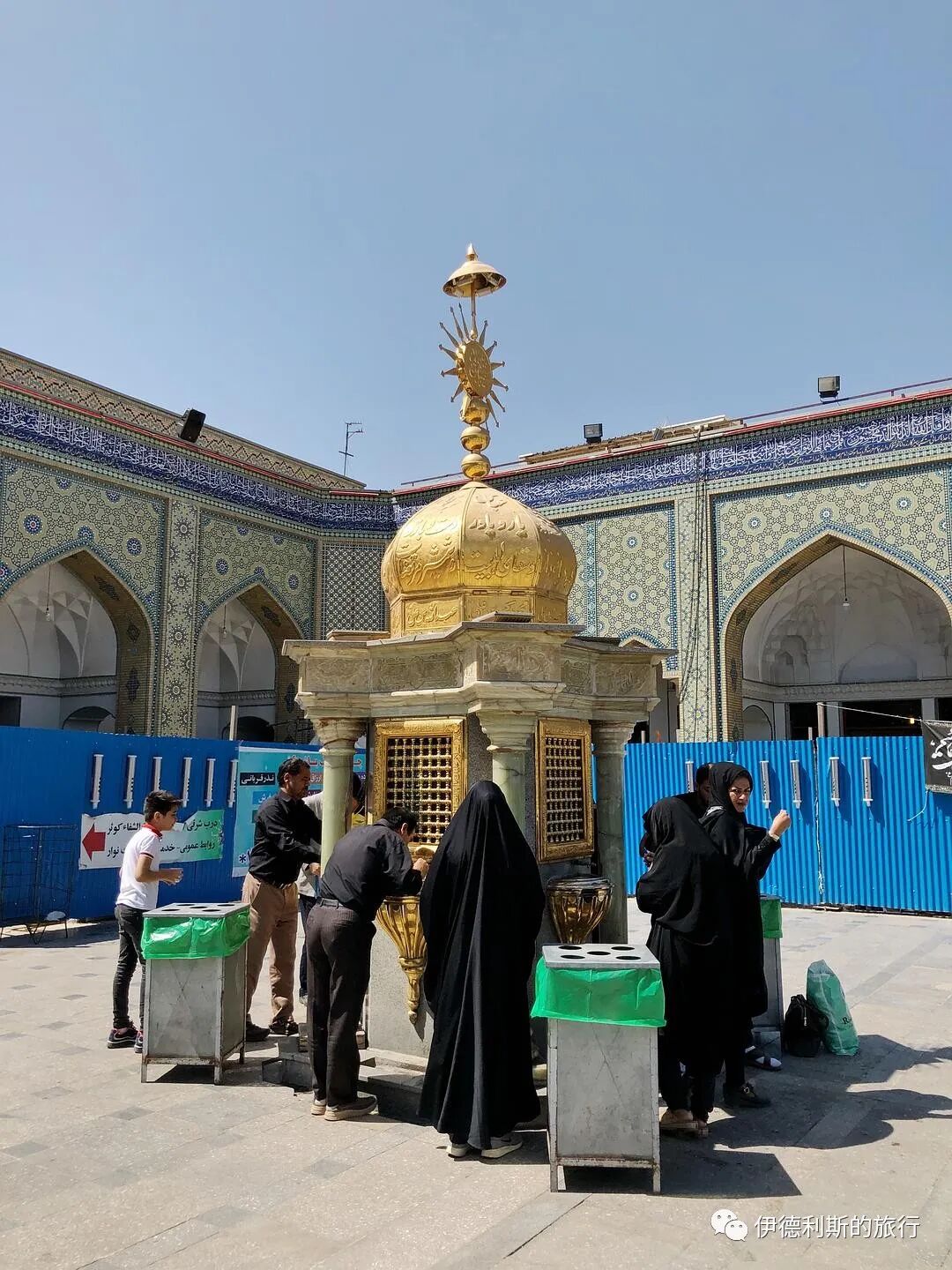
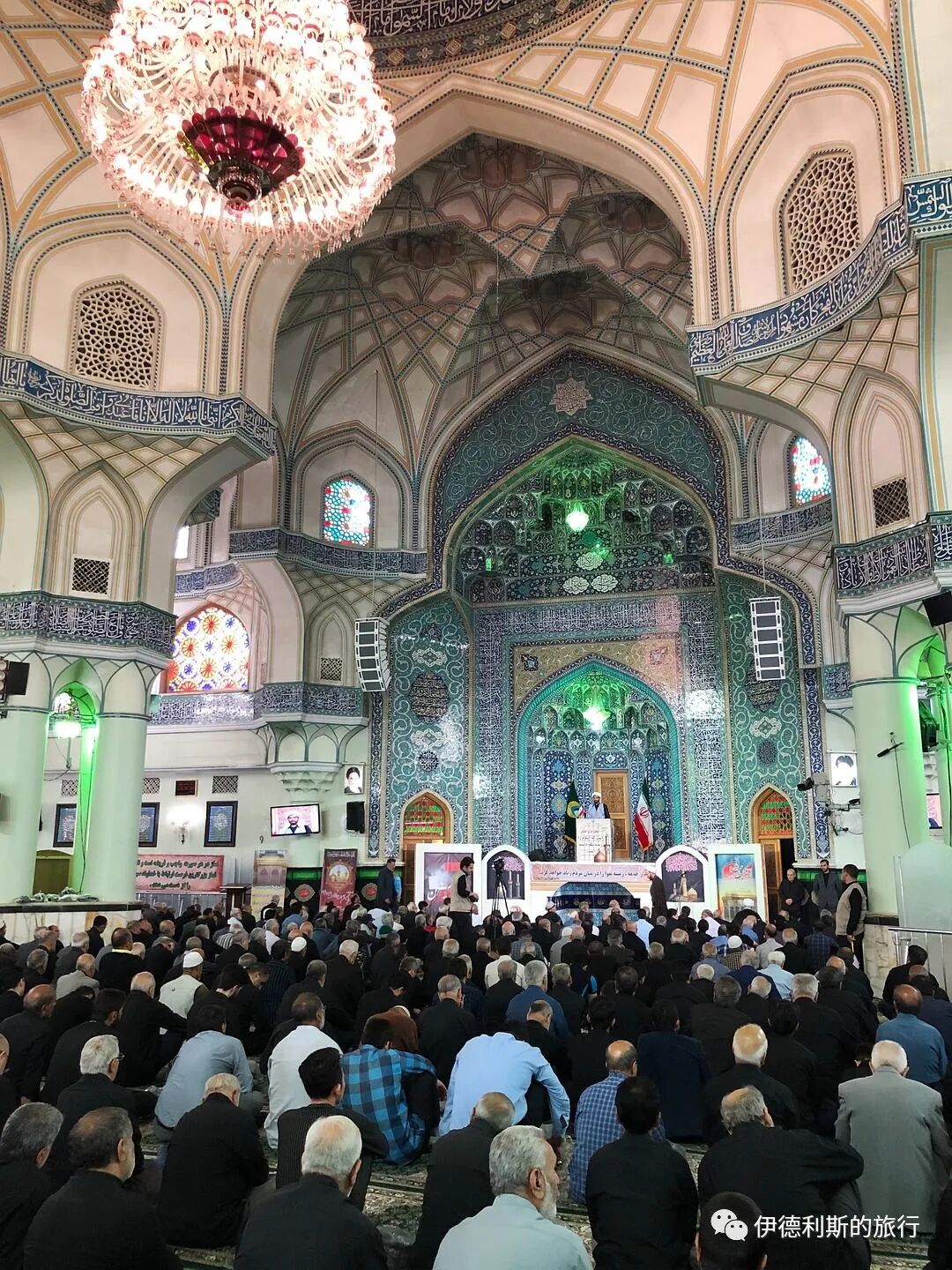
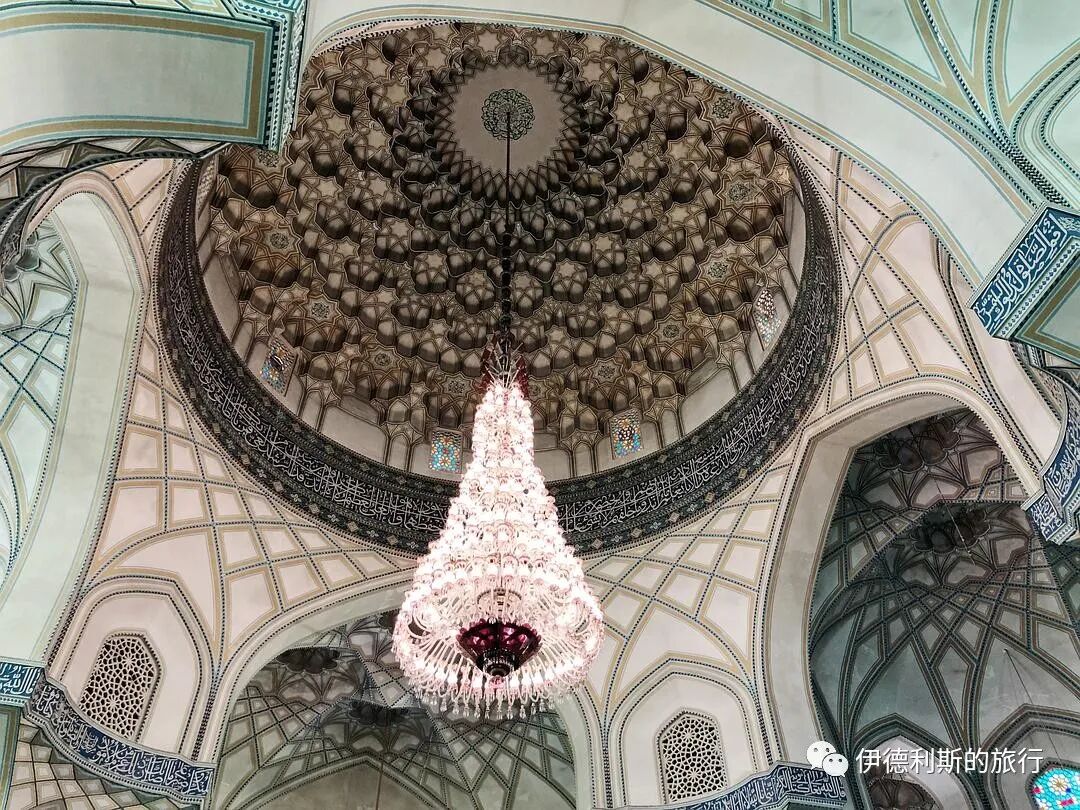
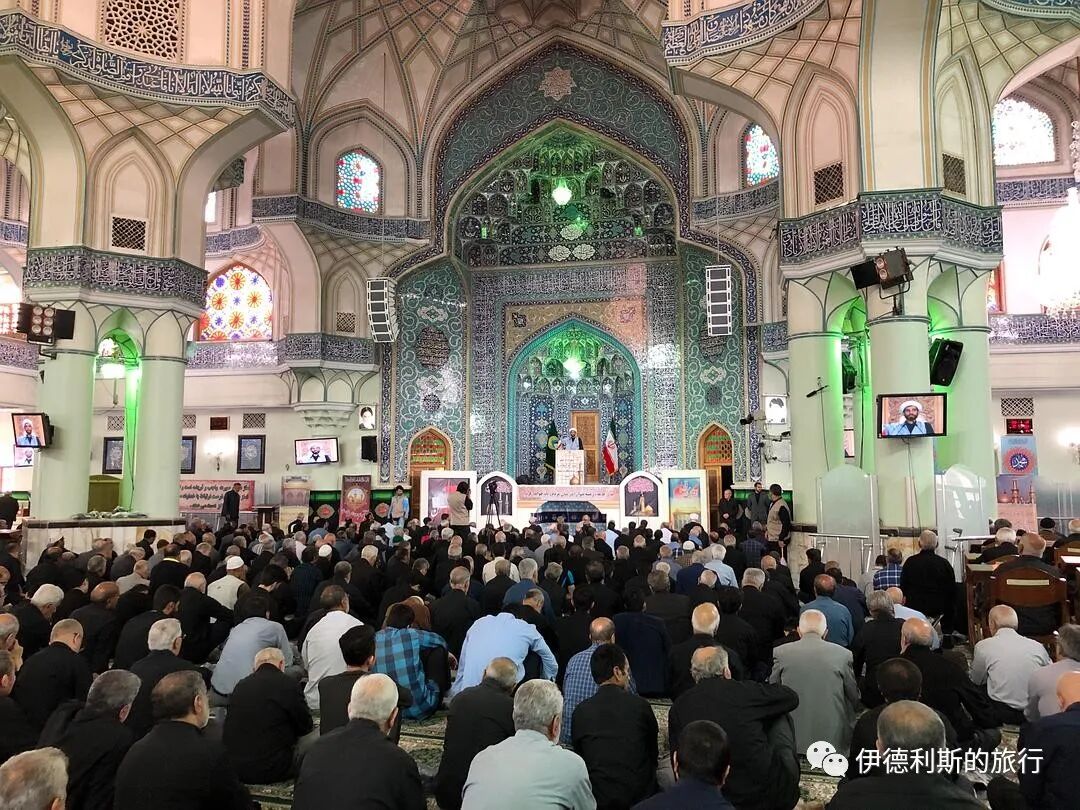
Imamzadeh Tahir, the son of Ali ibn Husayn Zayn al-Abidin, the fourth of the Twelve Imams of Shia Islam, and Imamzadeh Hamzeh, the brother of Ali al-Ridha, the eighth of the Twelve Imams of Shia Islam, are also buried in the Shah Abdol-Azim Shrine.
The term "Imamzadeh" refers not only to the descendants of Shia Imams but also to the shrines of these descendants. Imamzadeh shrines are usually places for Shia Muslim pilgrimages (ziyarat-namas) and are believed to have miraculous effects or healing powers.
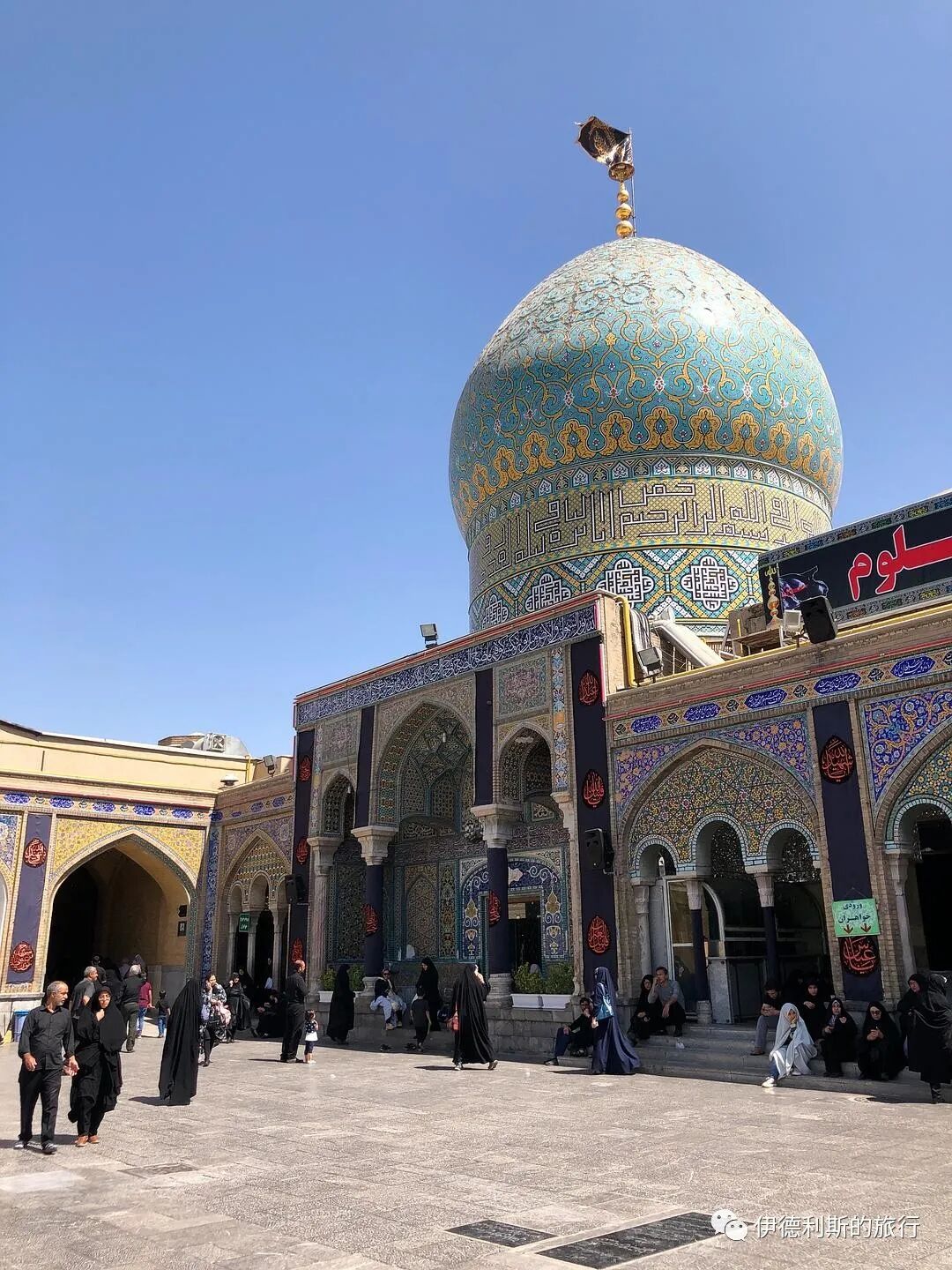
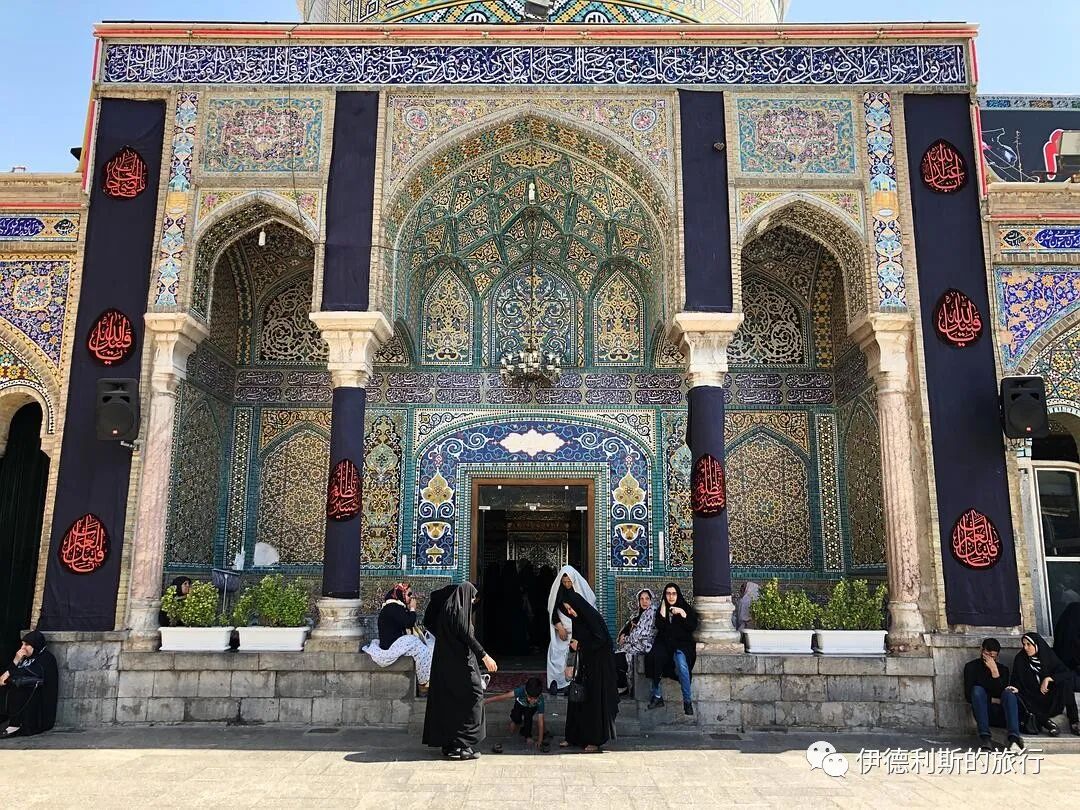
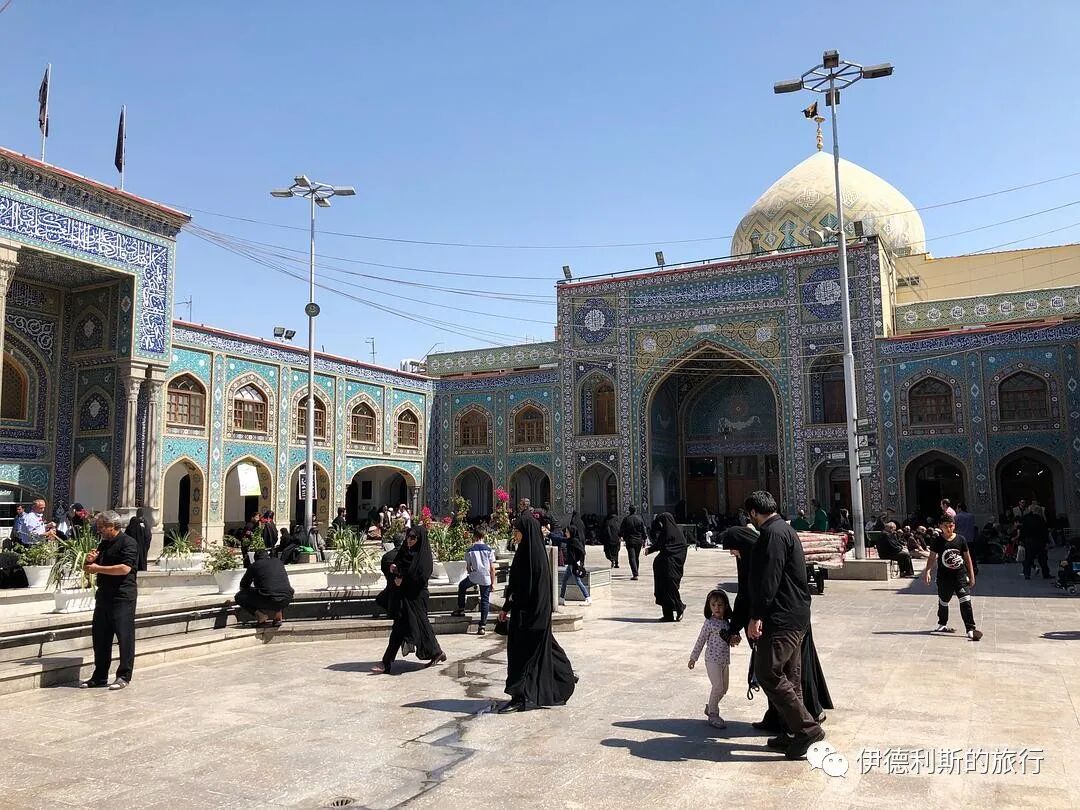
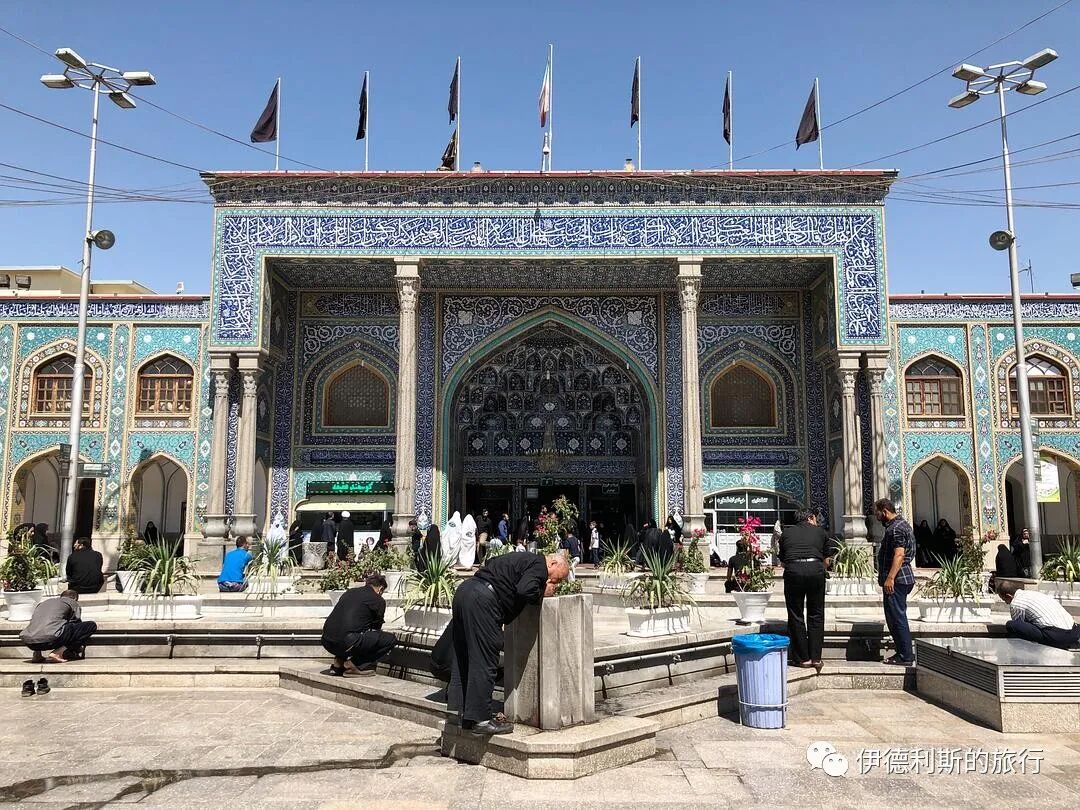
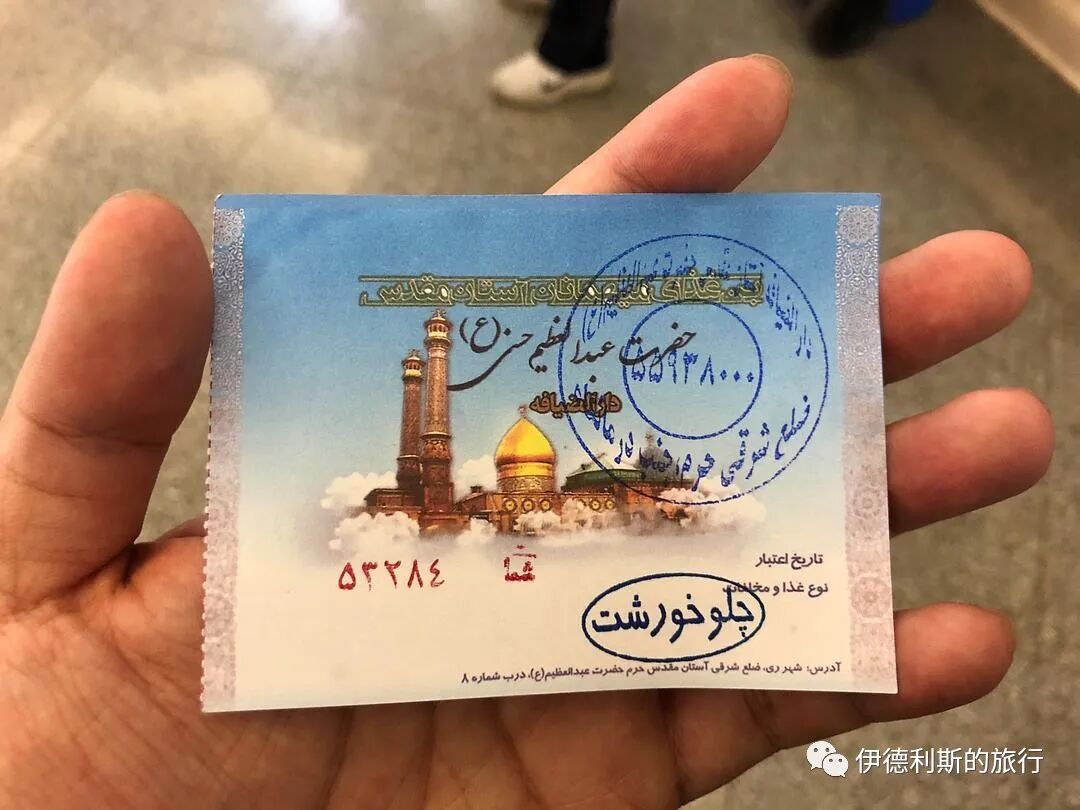
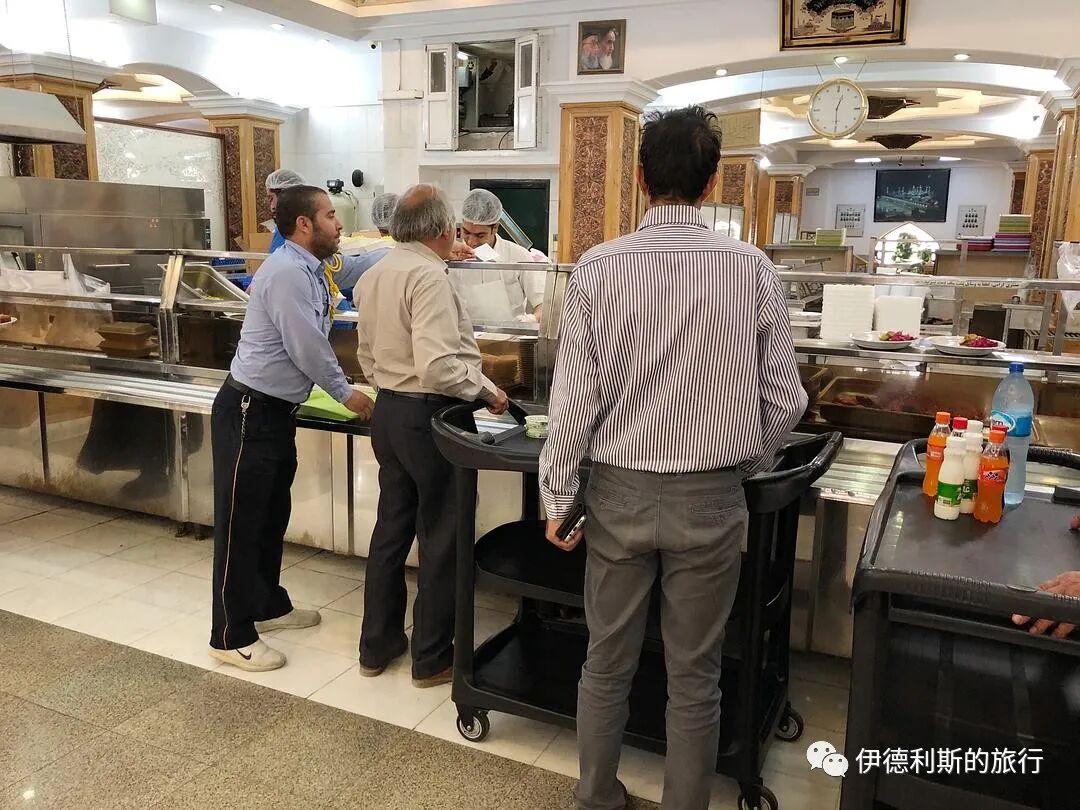
The security guard at the canteen and I could not communicate at all, but he kept insisting that I stay for a meal, went to the director's office to apply for a free meal ticket for me, and the food was very tasty. This trip to Iran has been a really great experience; people are smiling at you and are all very kind to you.
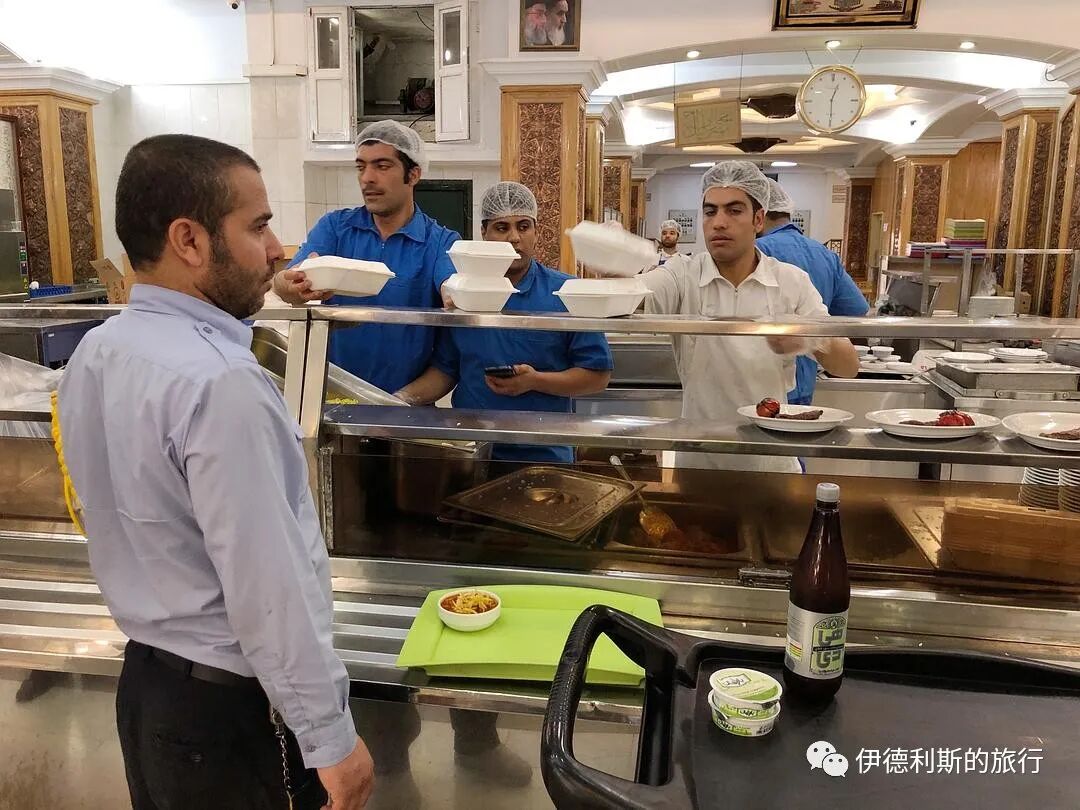
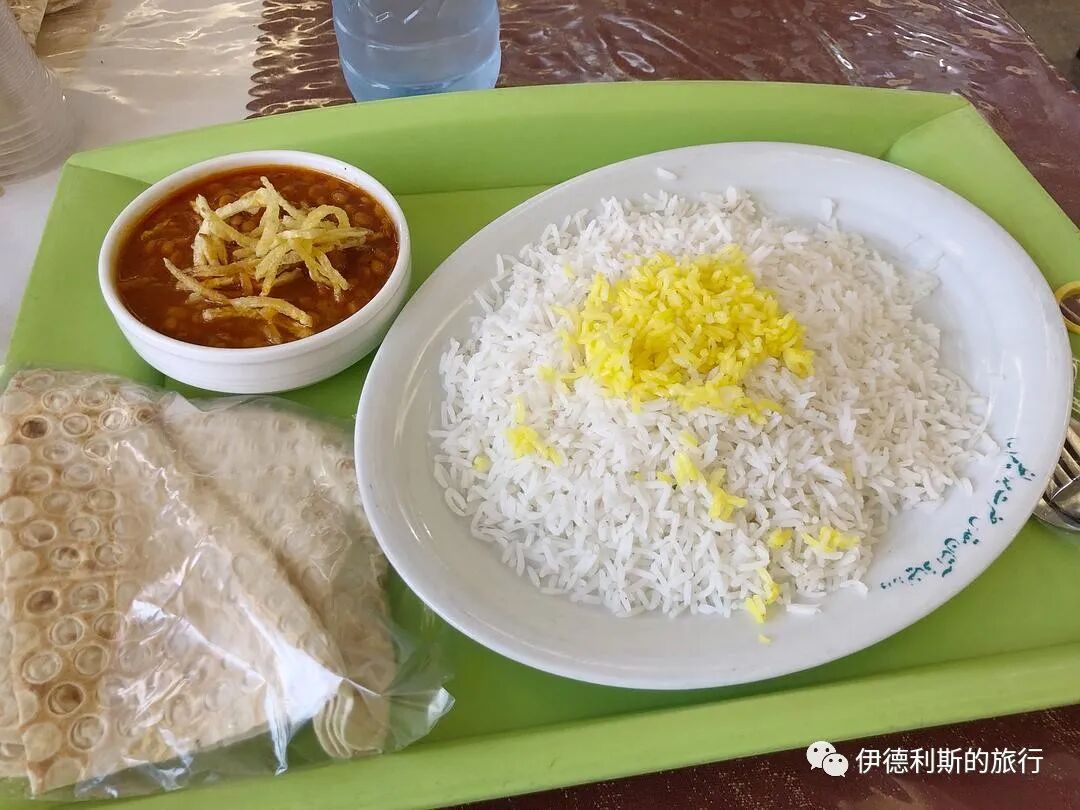

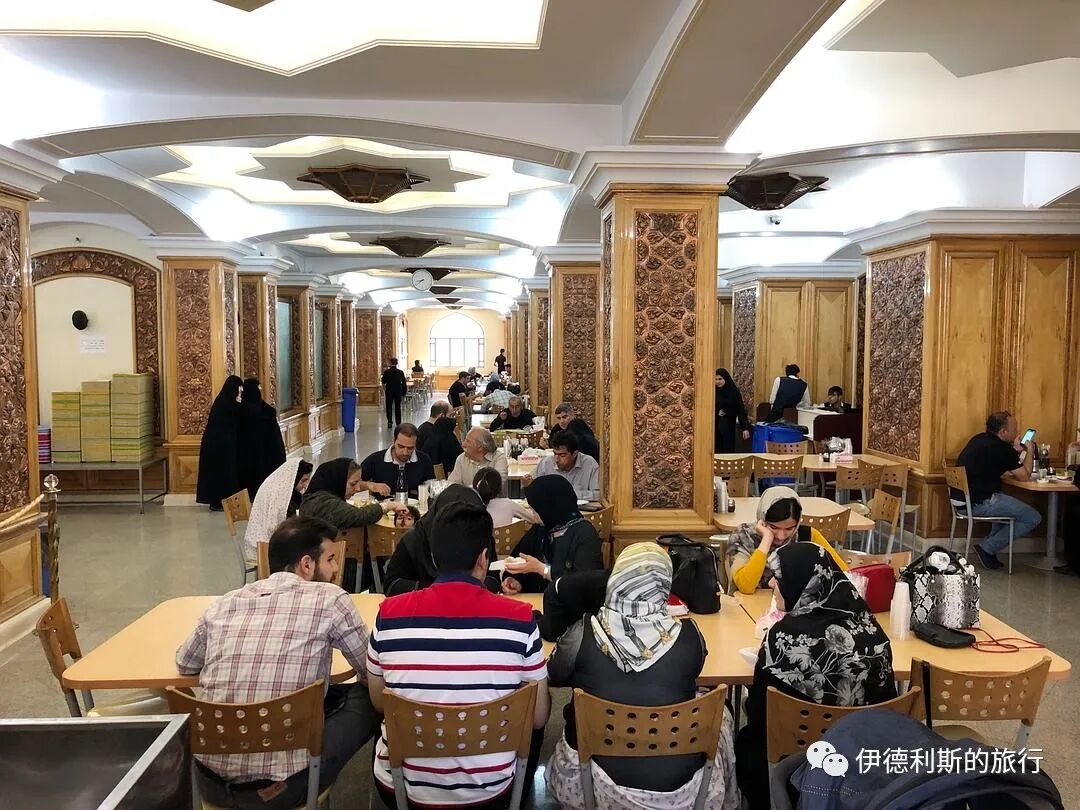
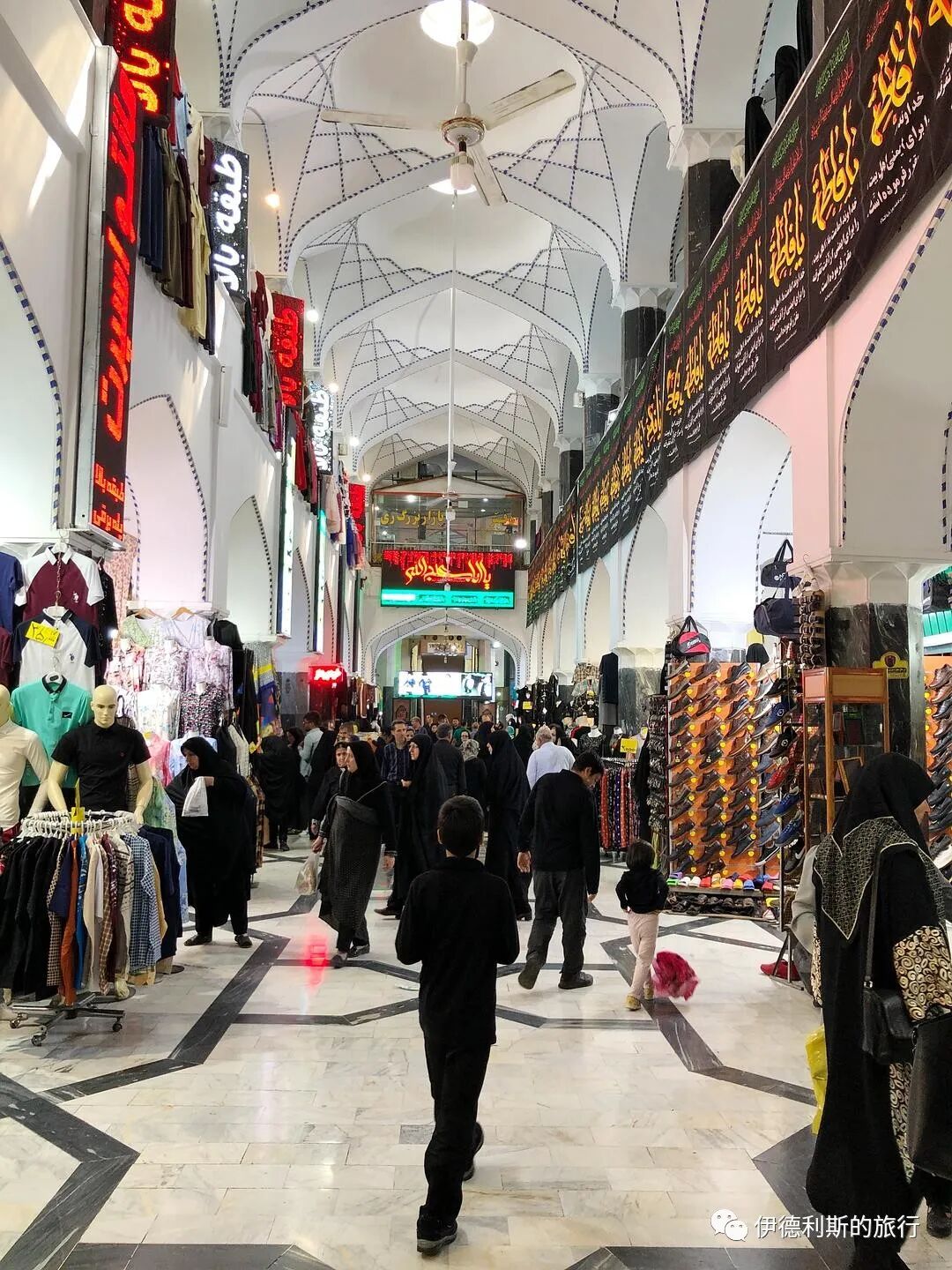
In the bazaar outside the shrine, dates and candies are placed on plates for anyone to eat.
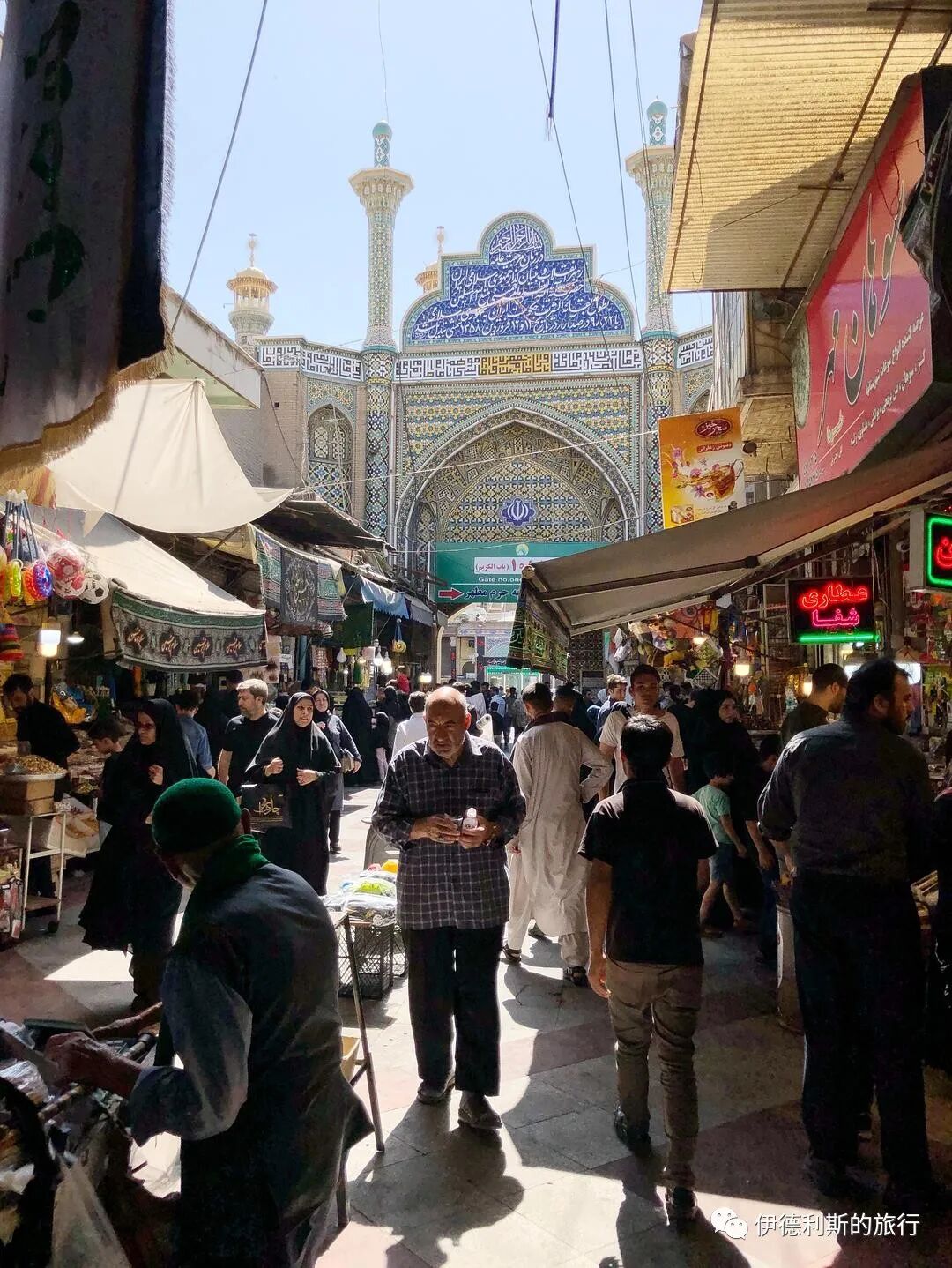
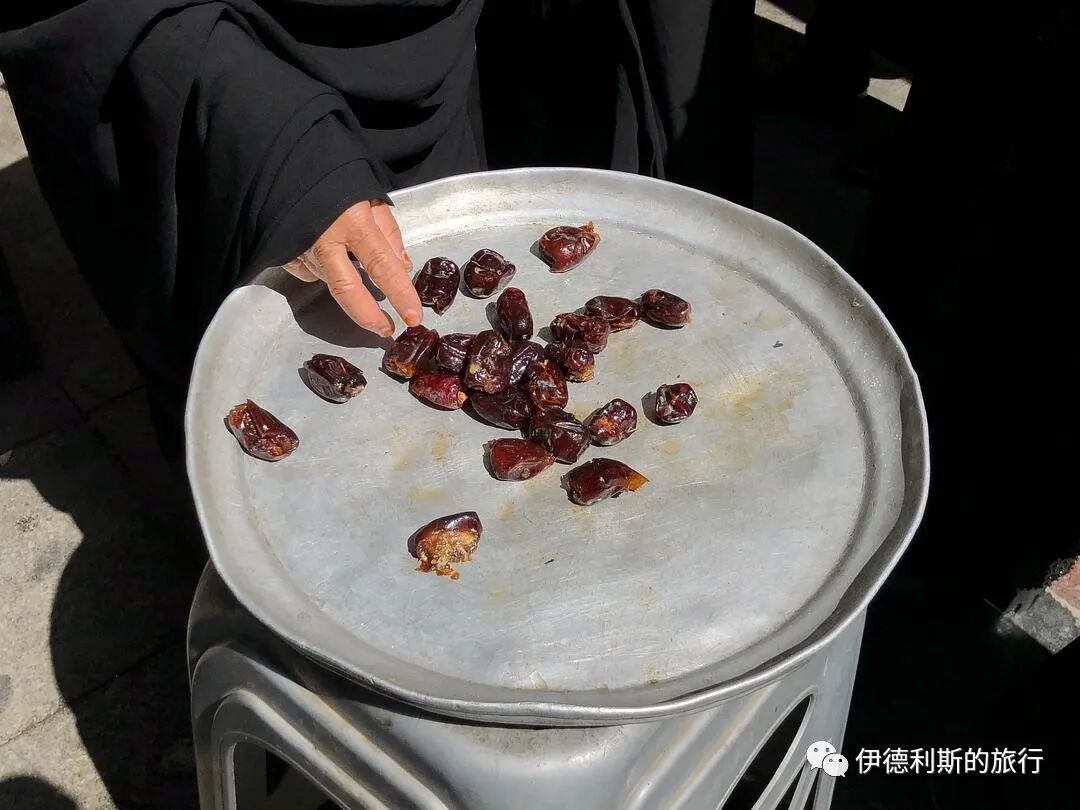
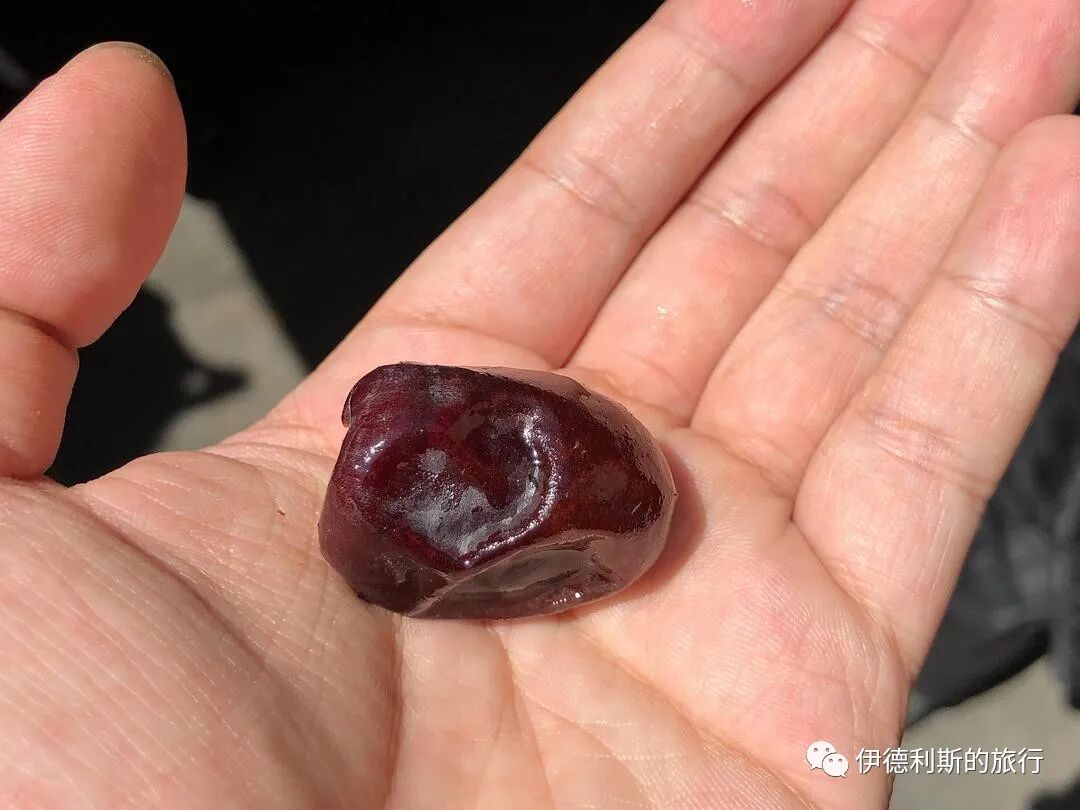
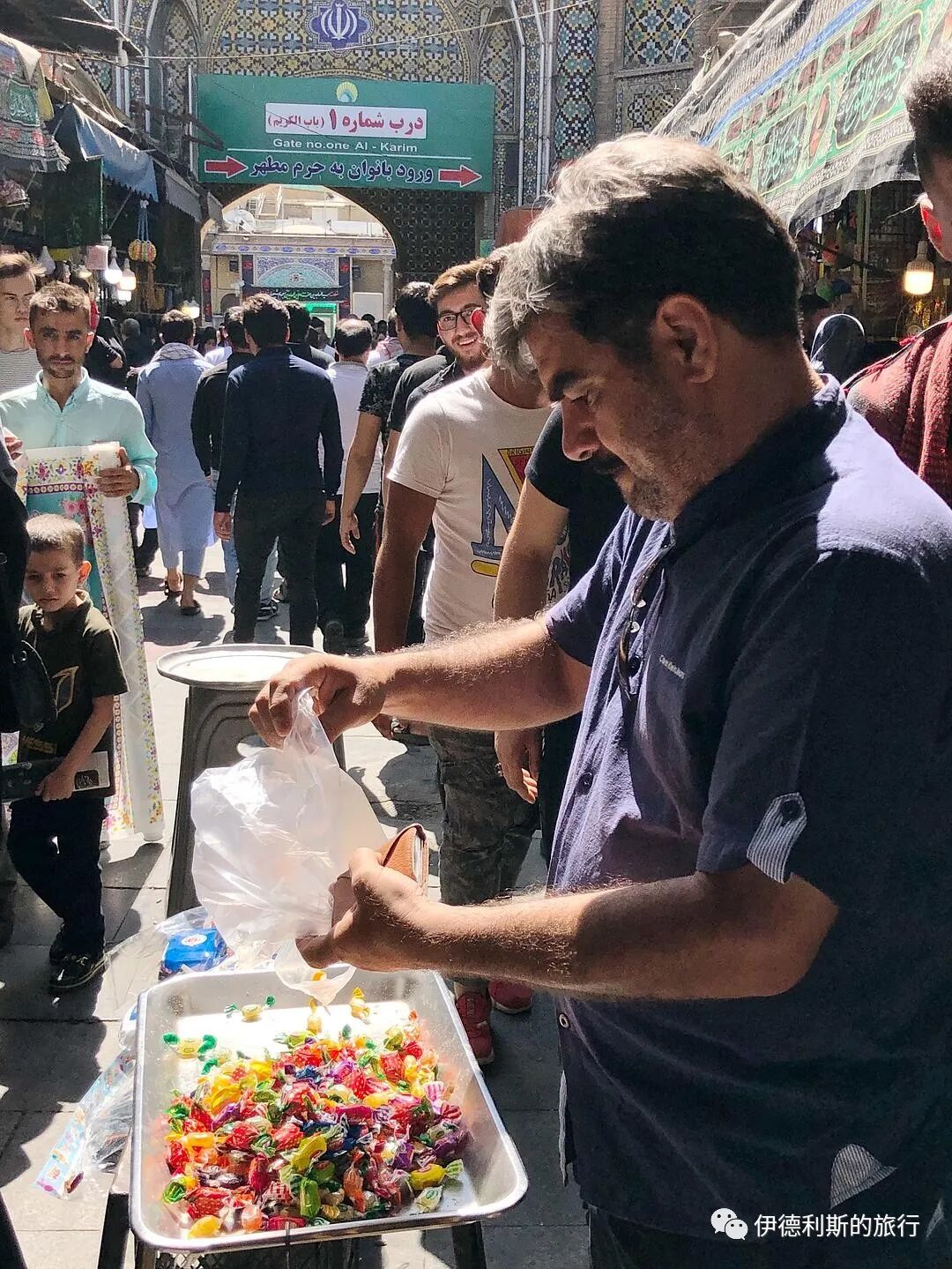
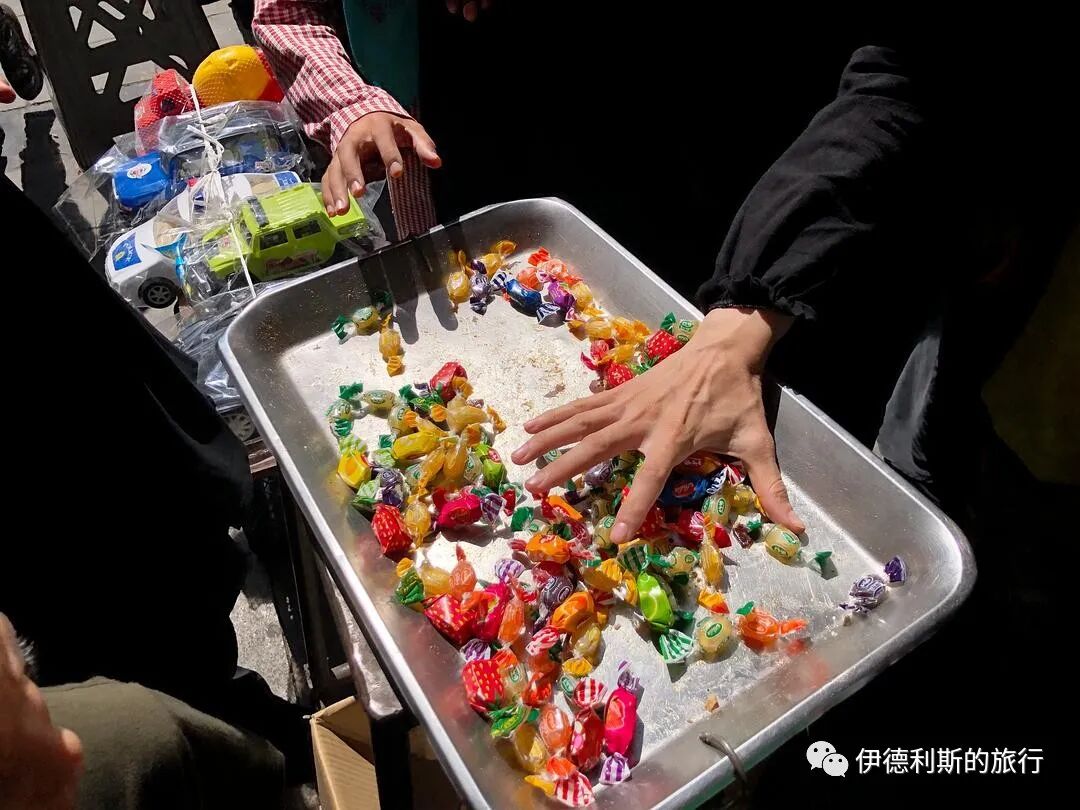
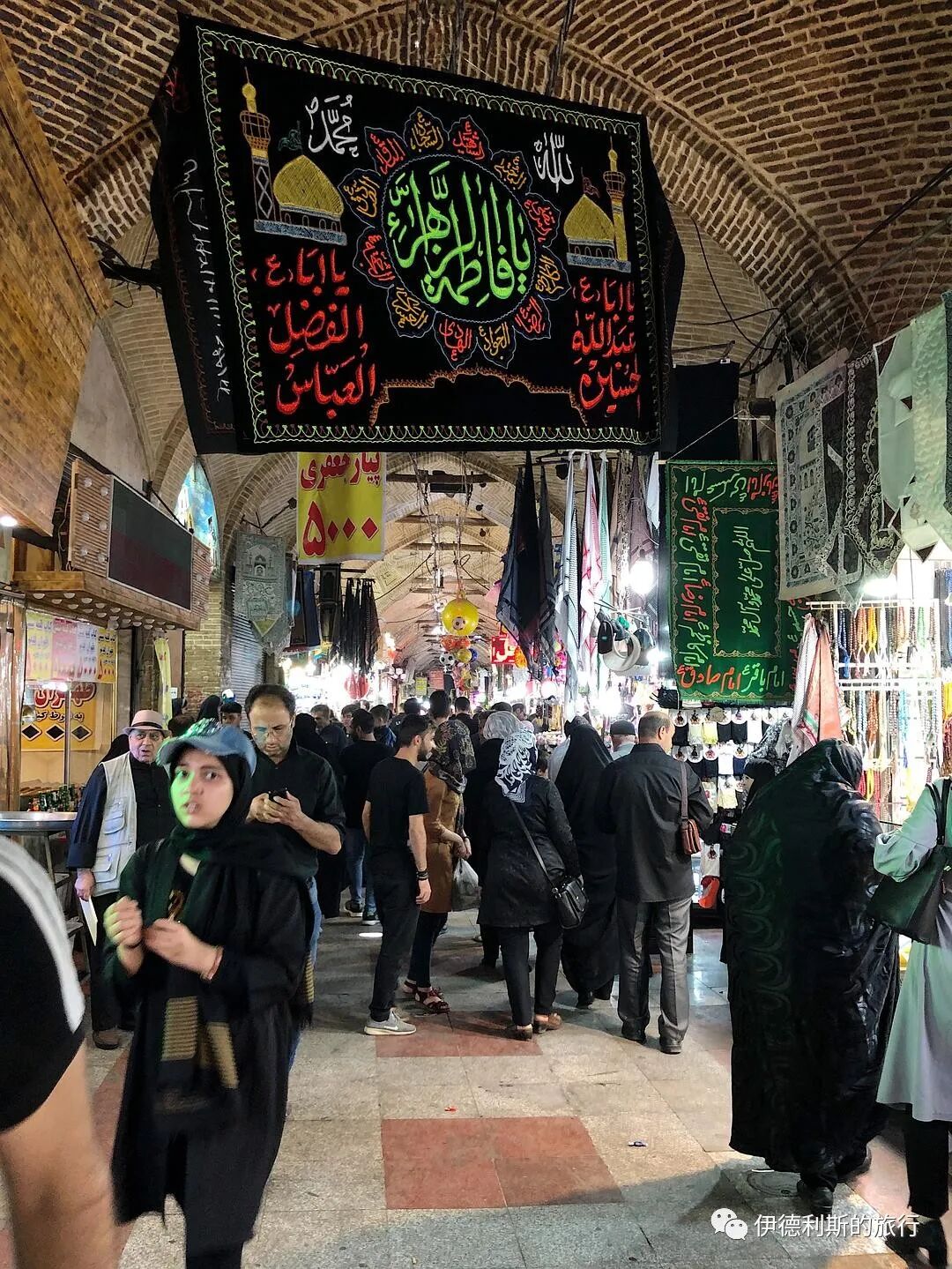
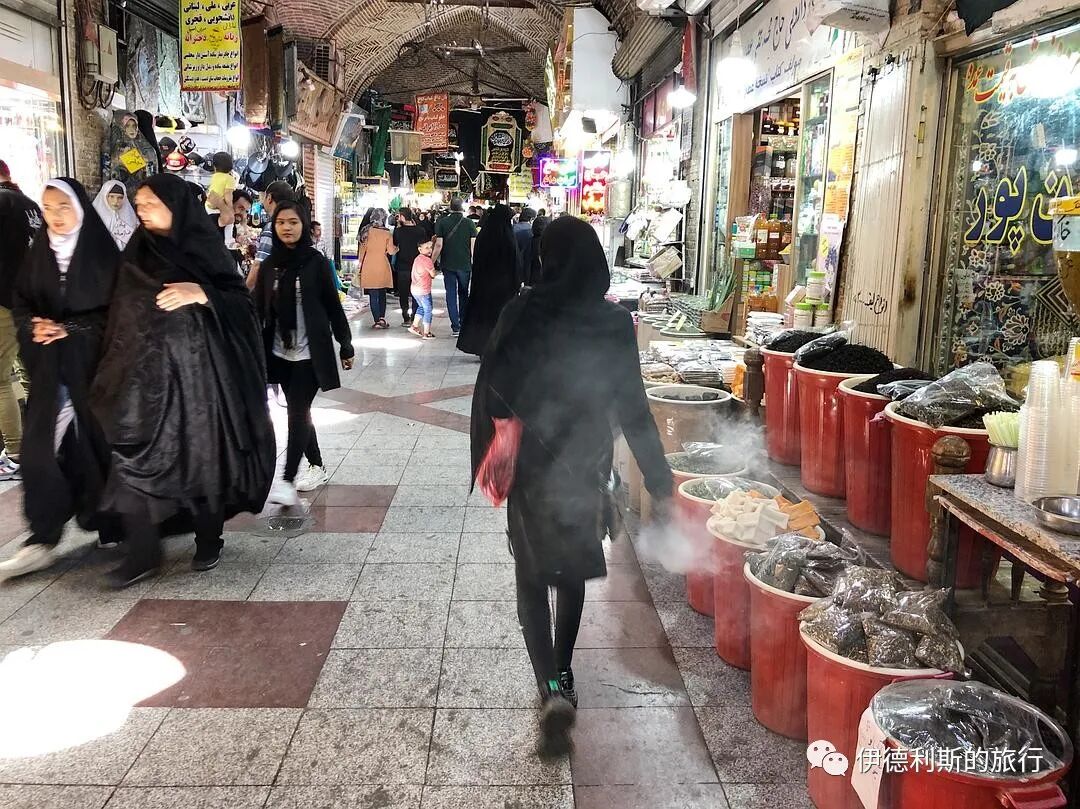
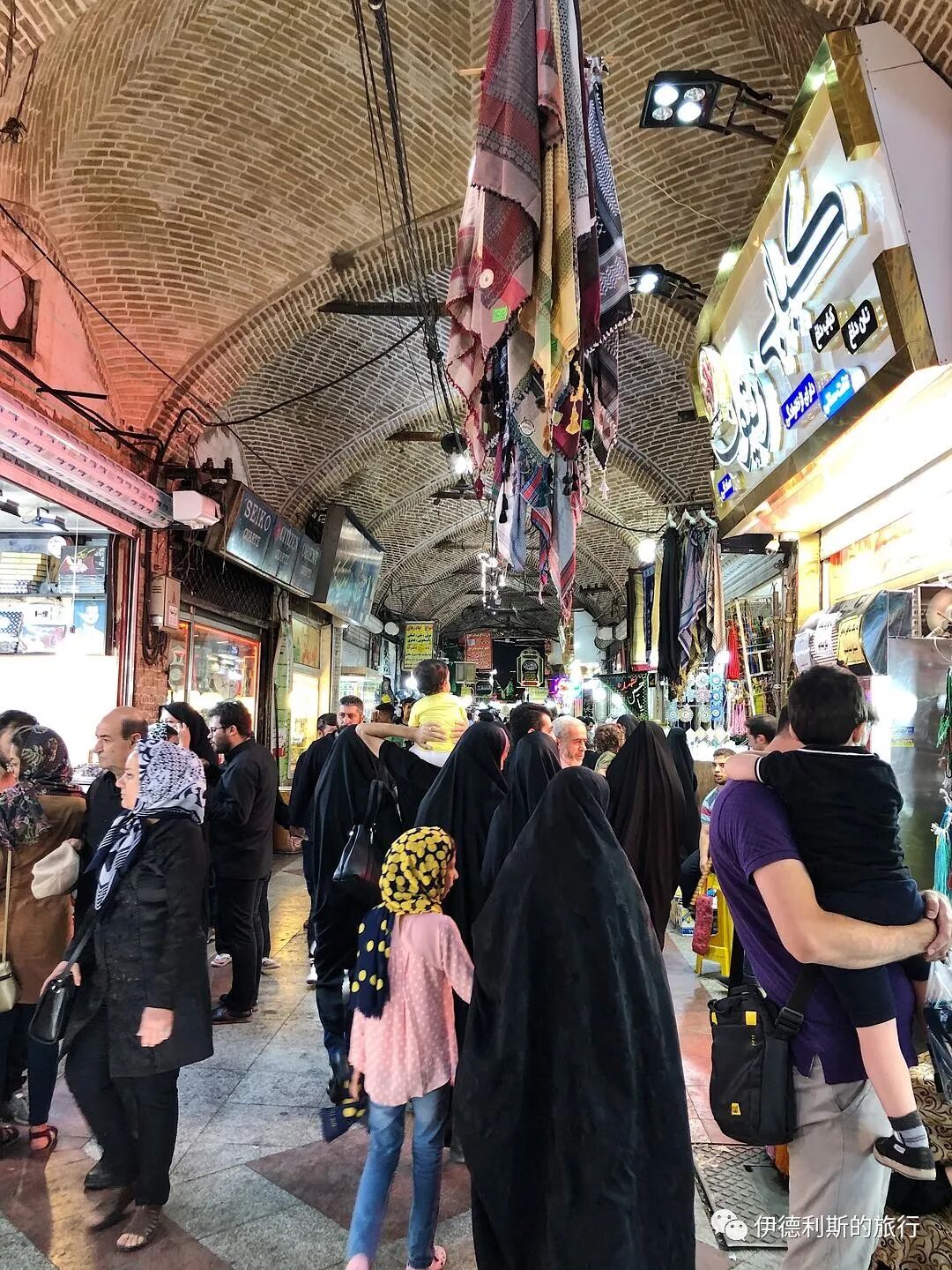
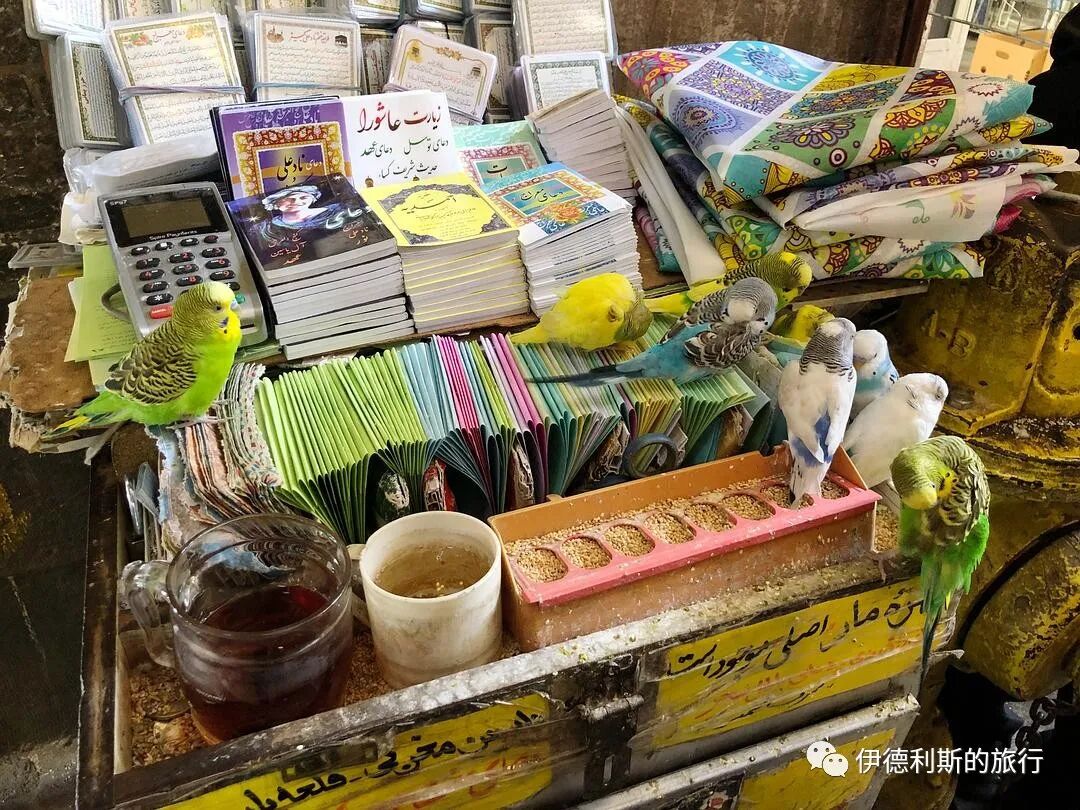
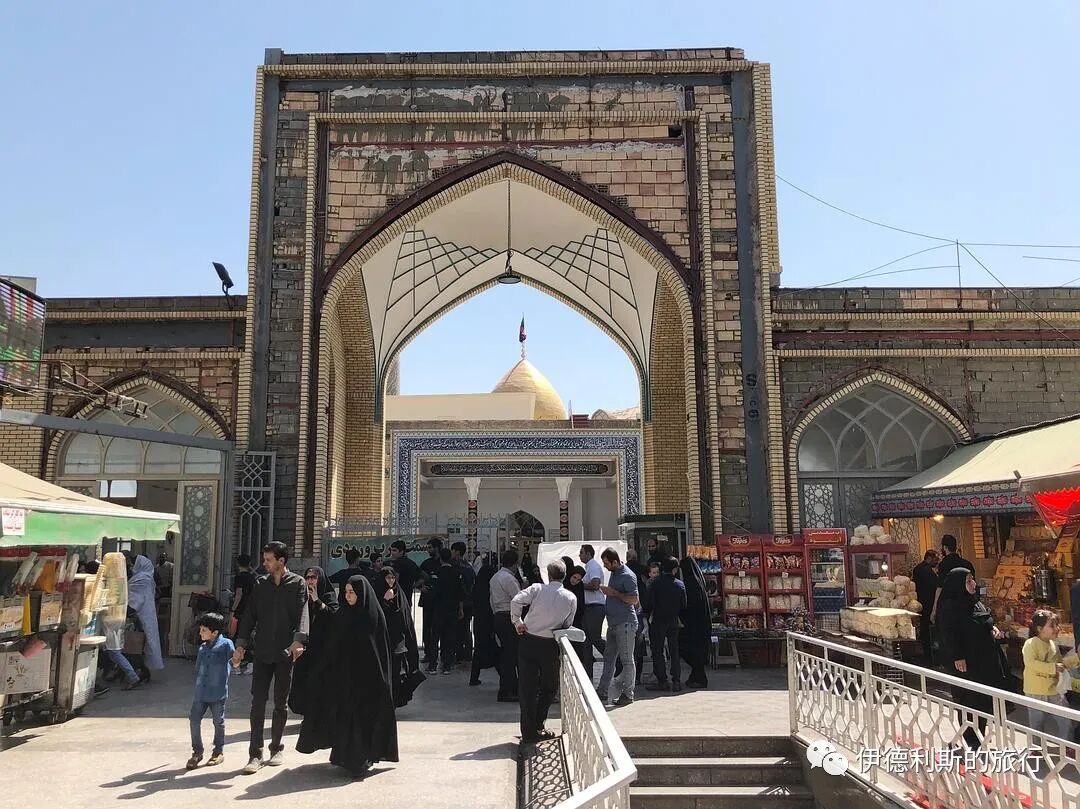
The west gate of the shrine and the bazaar outside the west gate.
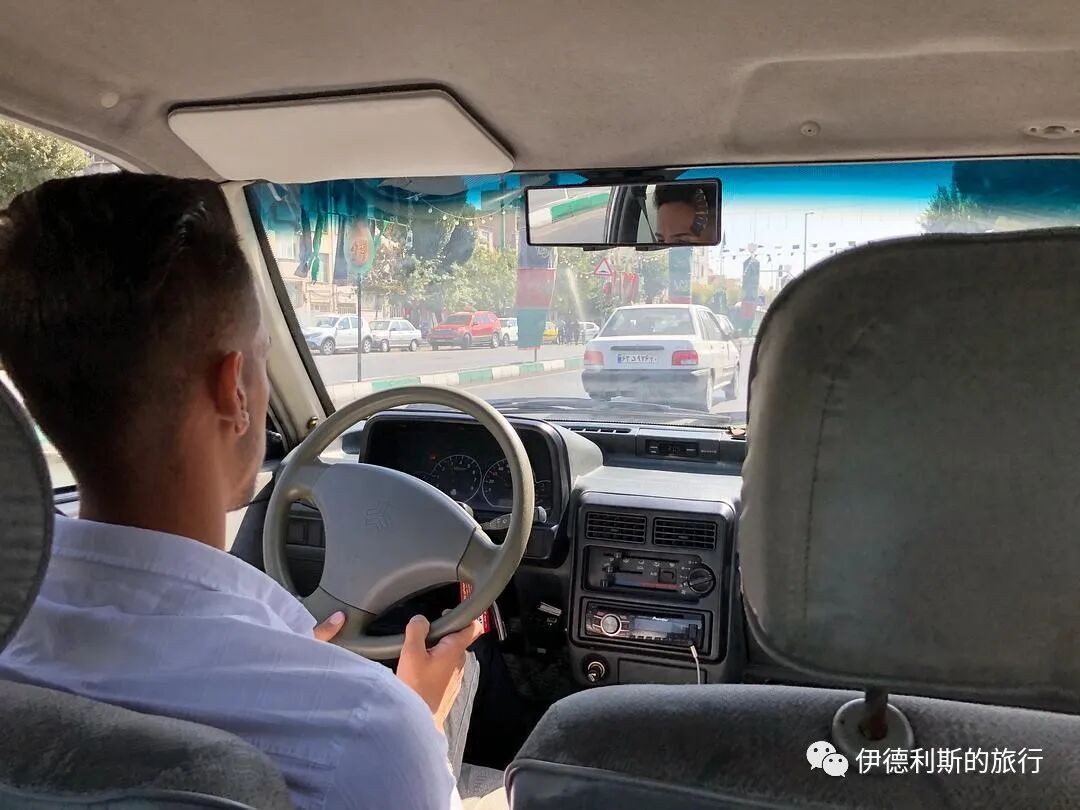
Finally, I took a taxi from the ancient city back to the subway station; with ride-hailing apps, taking a taxi in Iran has become very convenient.
III. Cultural relics unearthed from the ancient city of Ray collected by the National Museum of Iran
Although most of the historical sites of the ancient city of Ray are no longer visible, fortunately, many cultural relics unearthed from the ancient city of Ray are exhibited in the National Museum of Iran in Tehran, allowing us to get a glimpse of the prosperity of the ancient city of Ray back then.
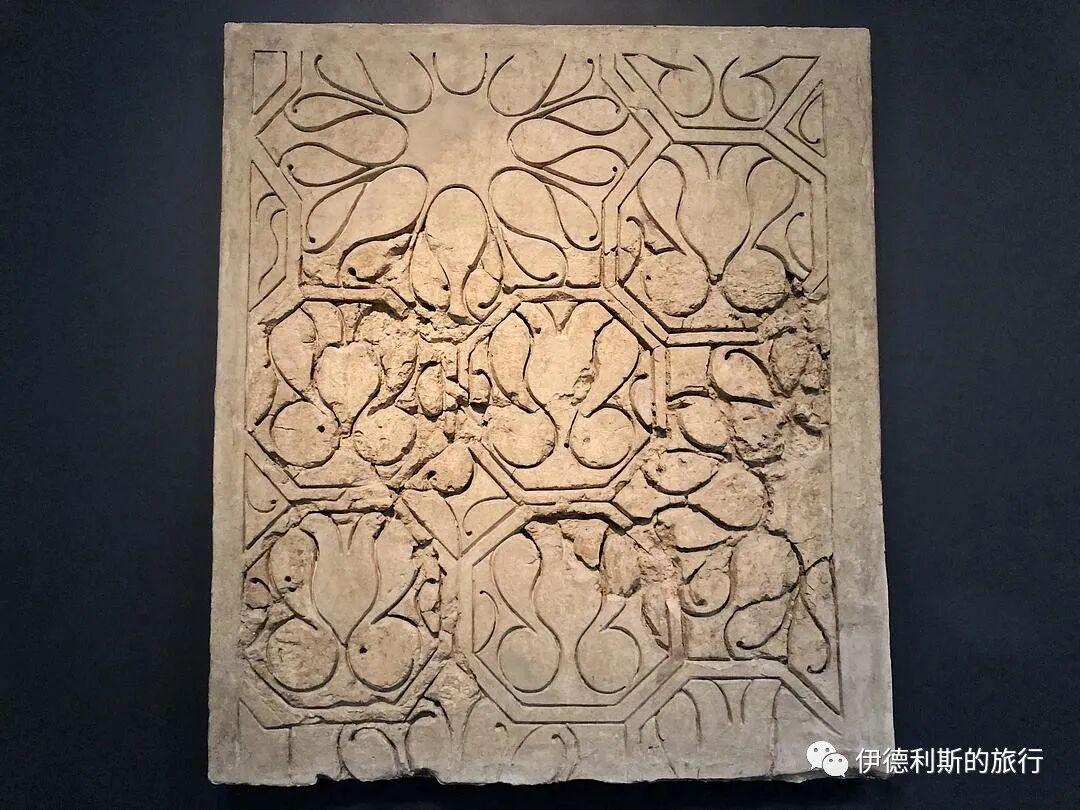
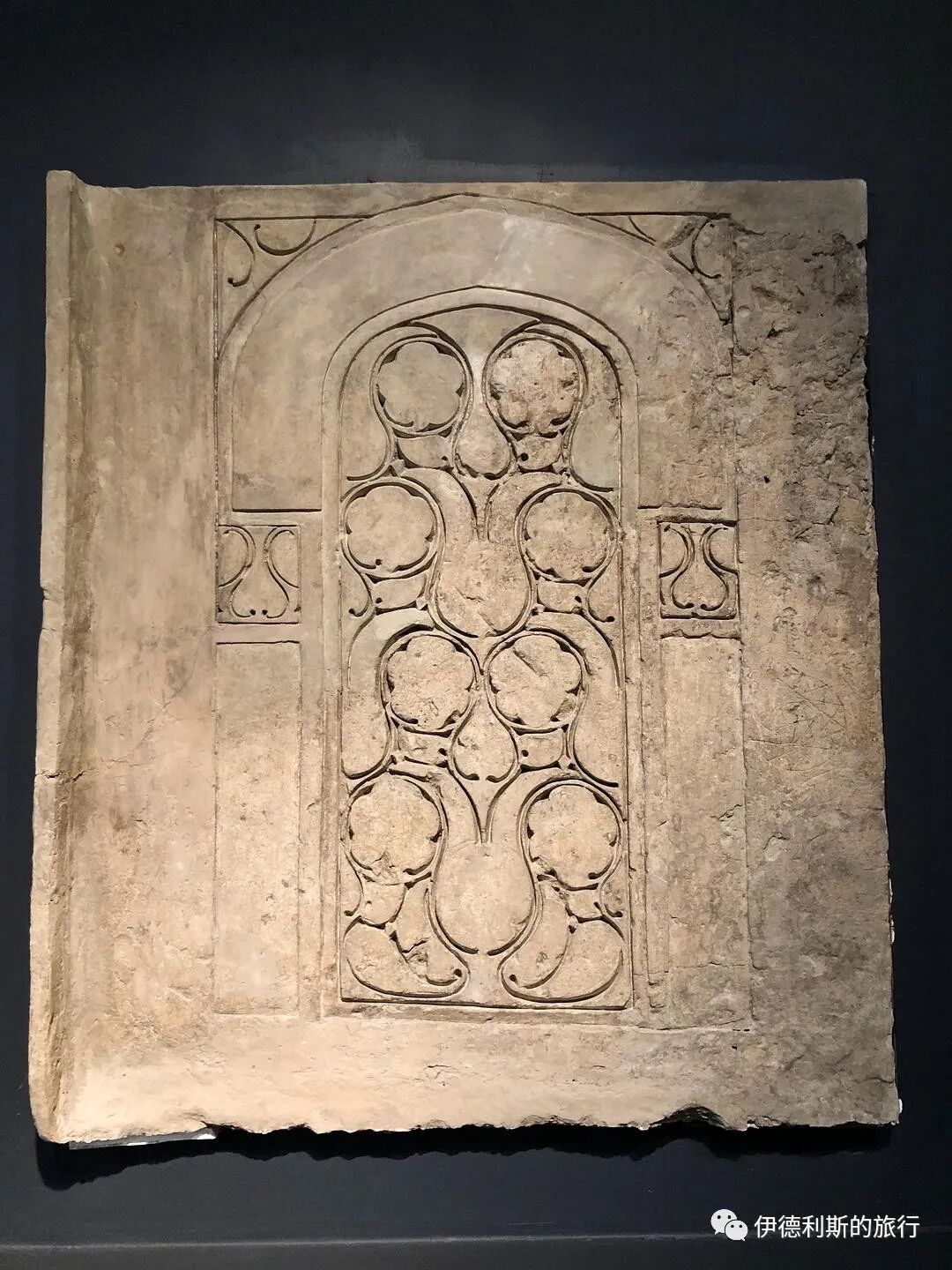
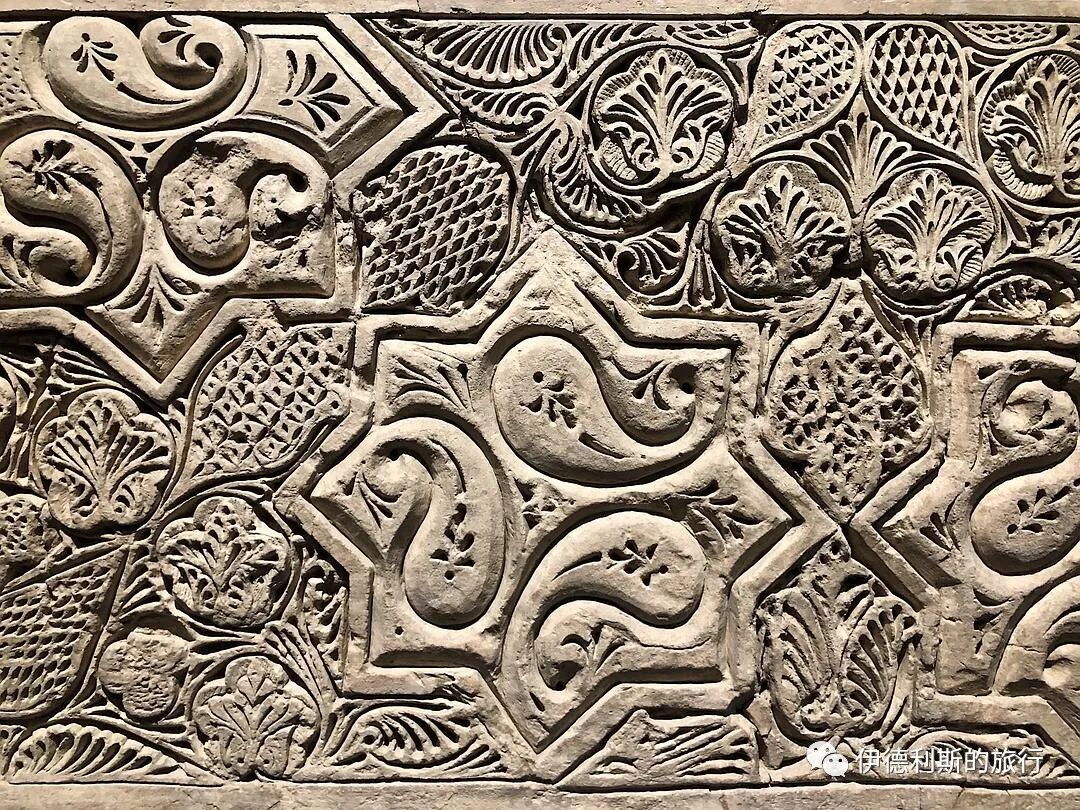
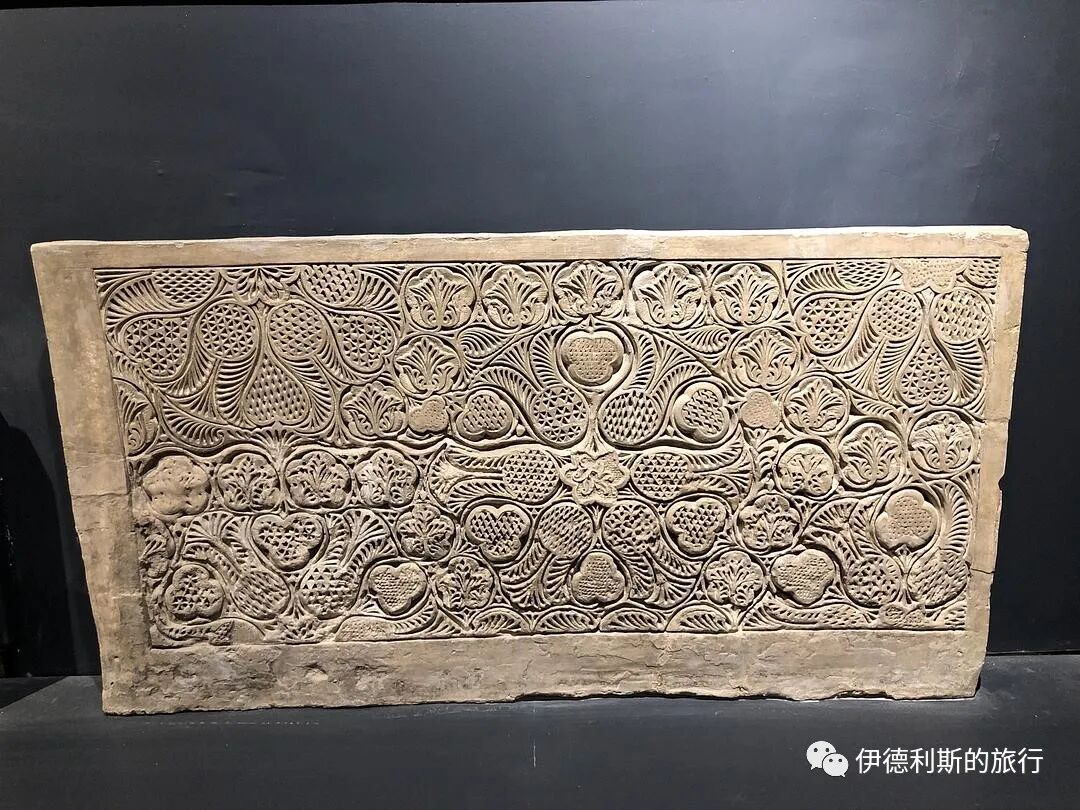
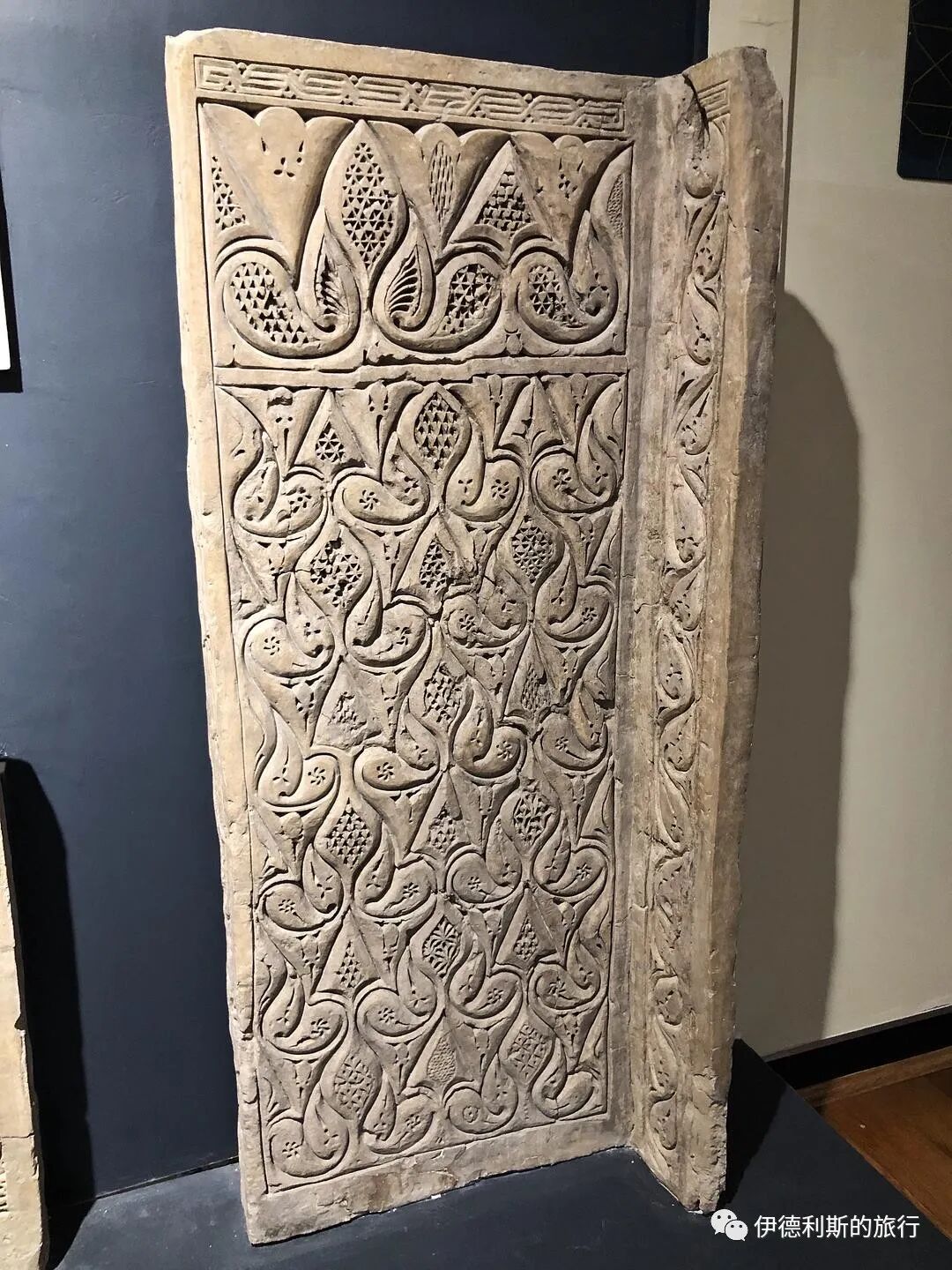
Fragment of an architectural dado.
8th-9th century, the dado (lower wall paneling) is located at the lower part of the interior wall, which also serves a decorative role while protecting the wall surface.
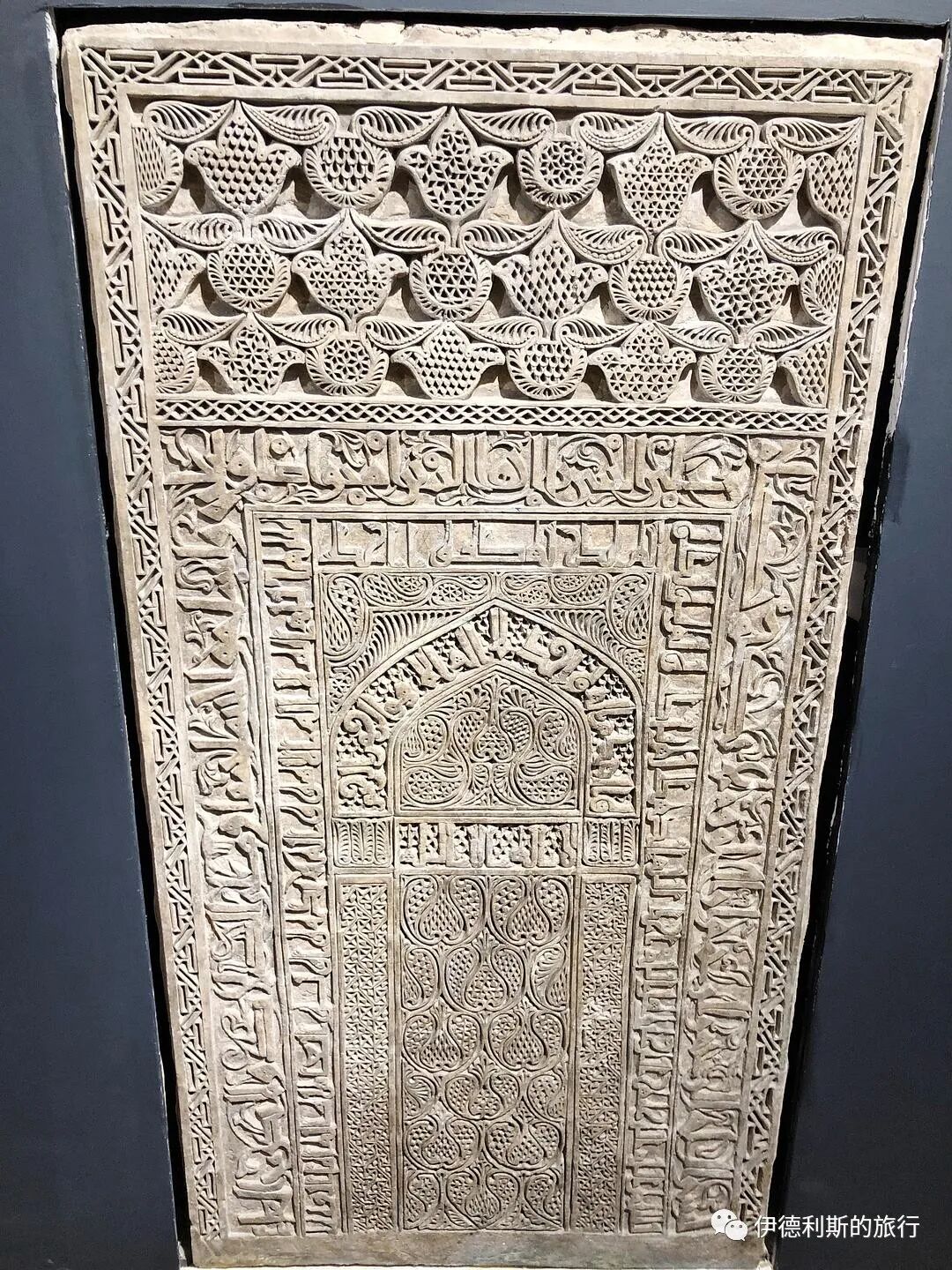
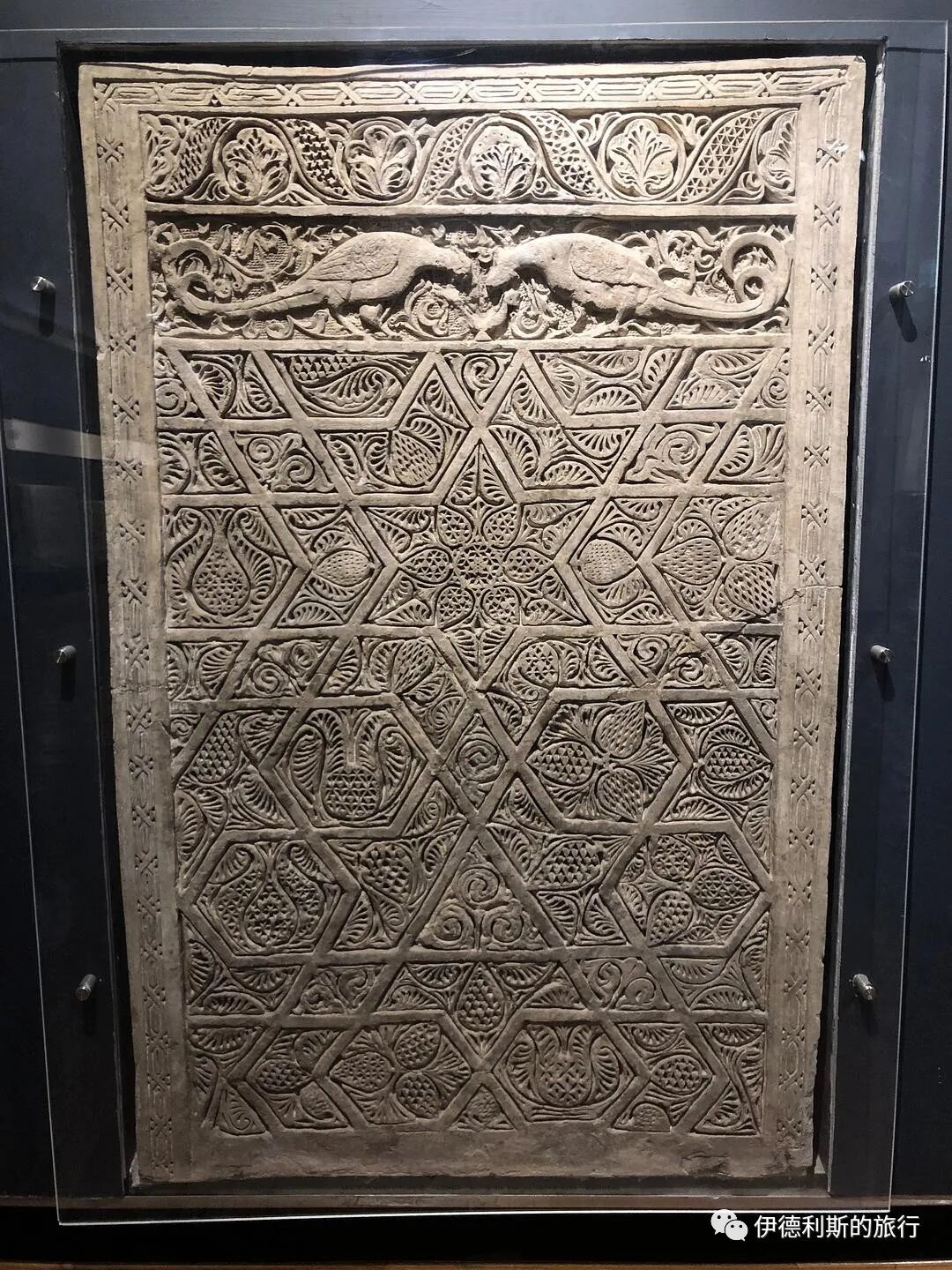
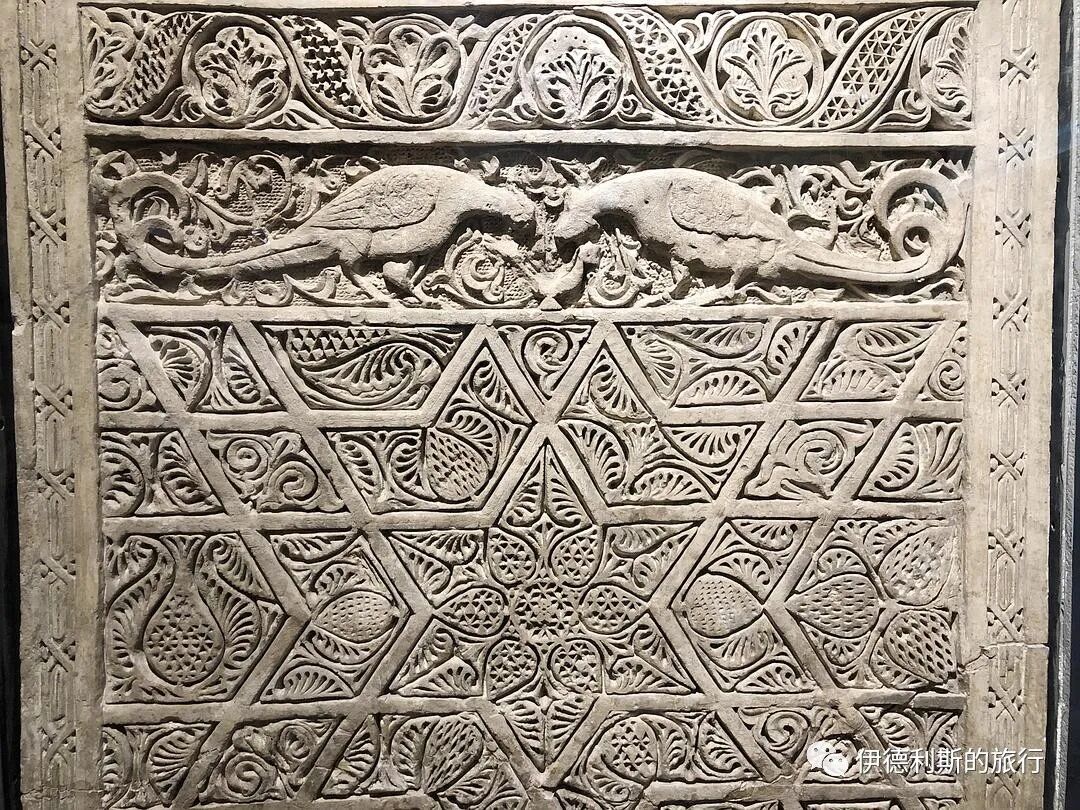
A Mihrab.
11th-century Seljuk Empire period, the Mihrab (prayer niche) is used to point to the direction of prayer, usually on the wall or in a niche of the main hall of a mosque.
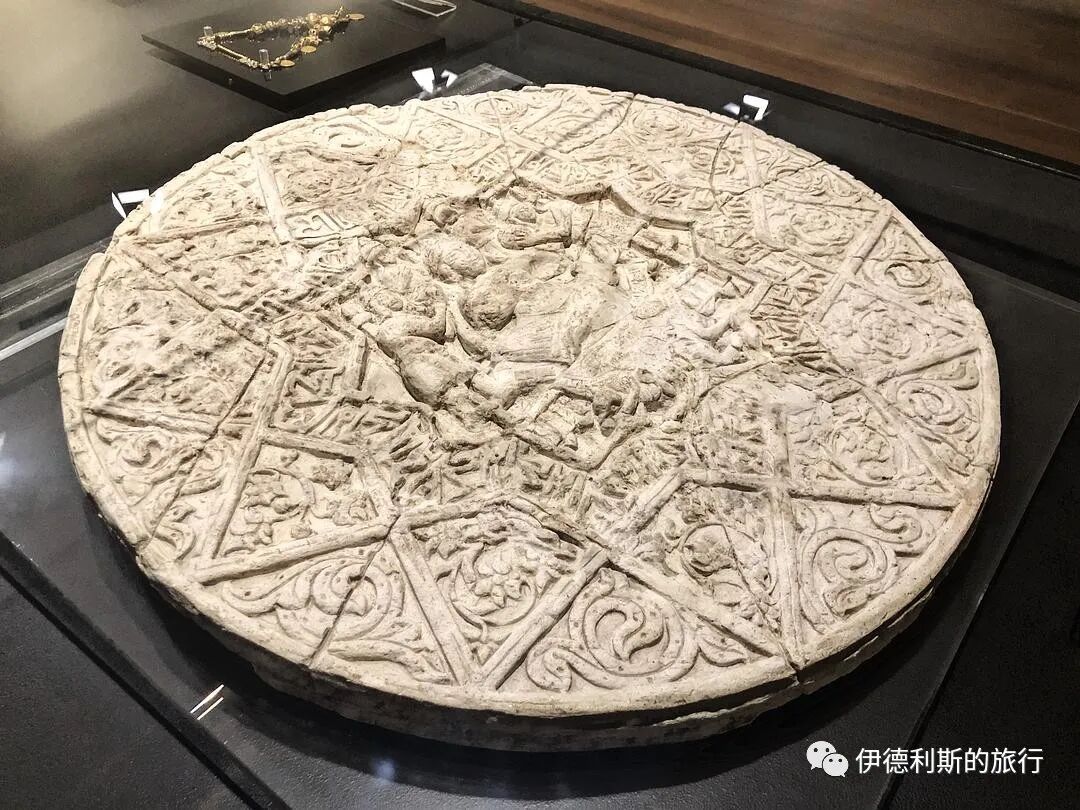
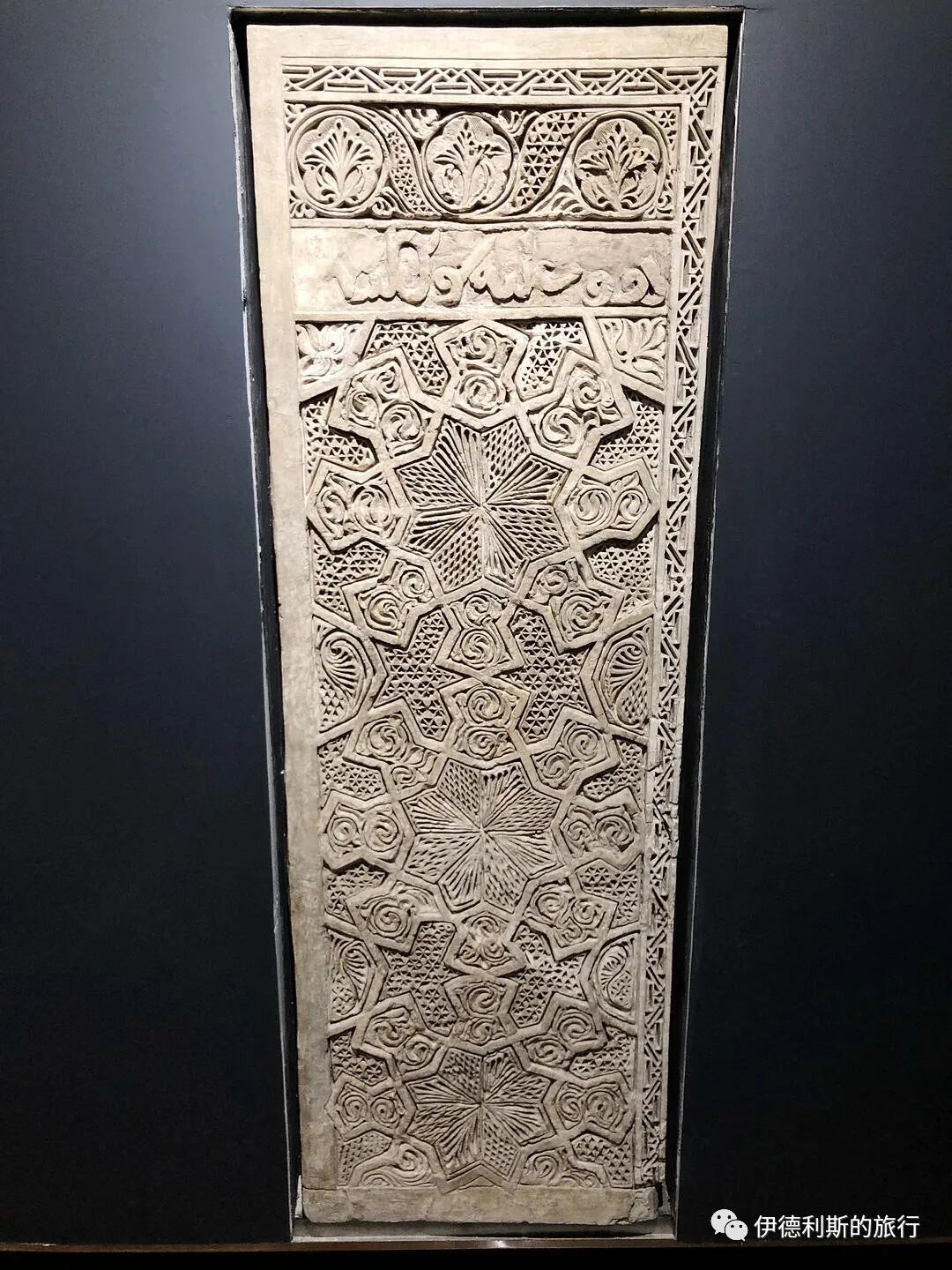
A circular stucco decoration.
11th-century Seljuk Empire period, with Kufic script calligraphy on it.
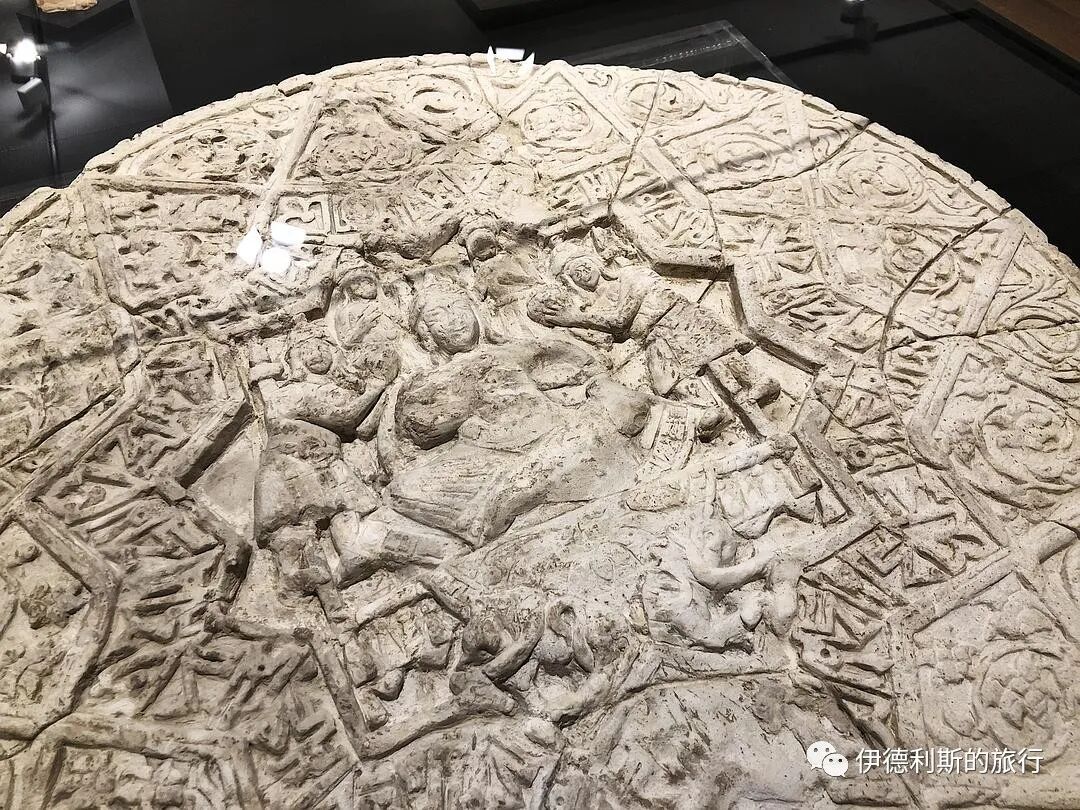
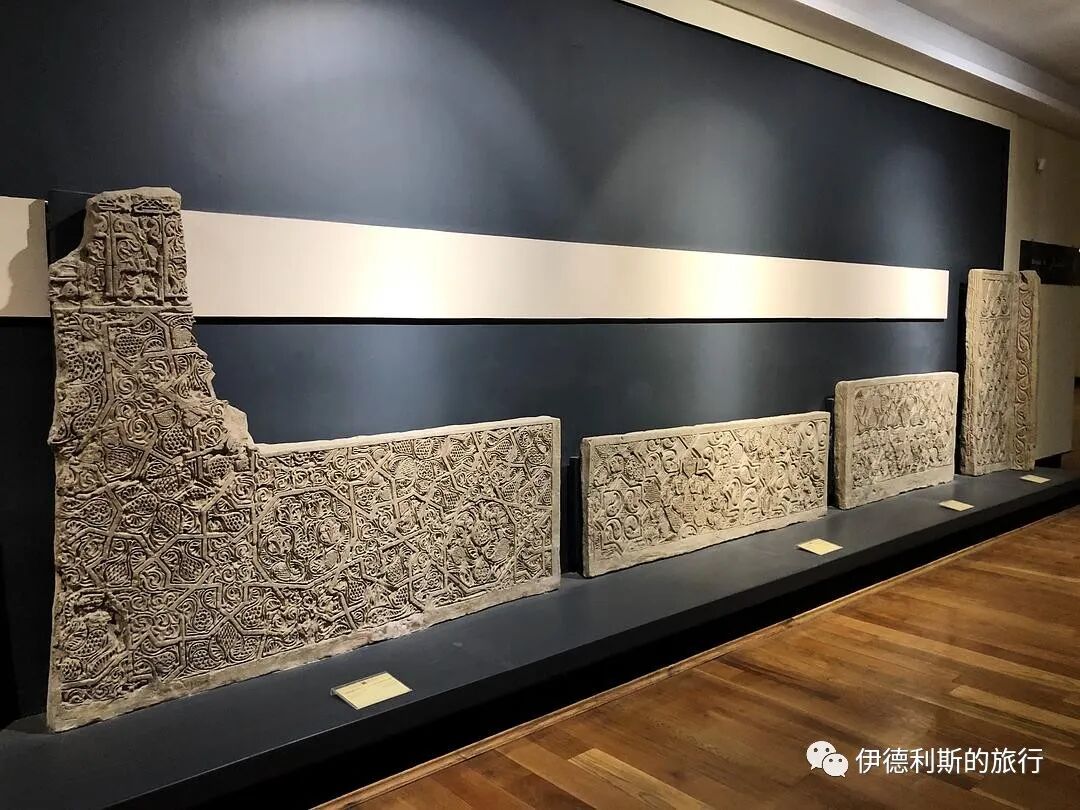
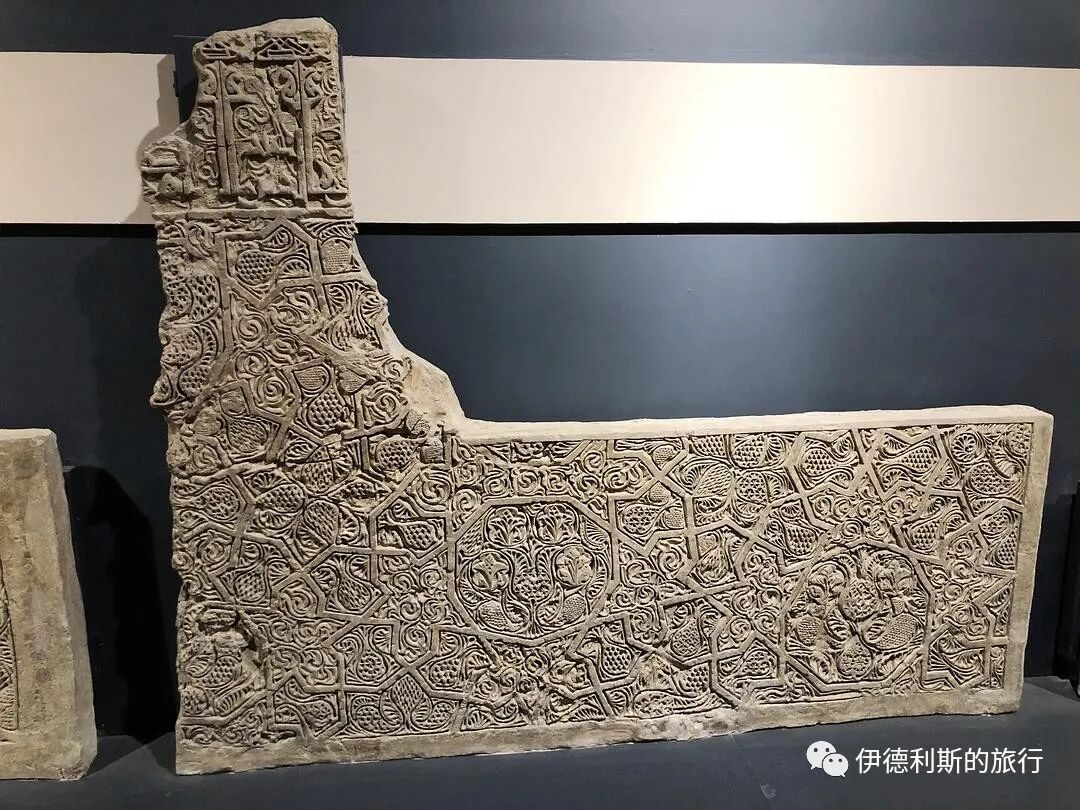
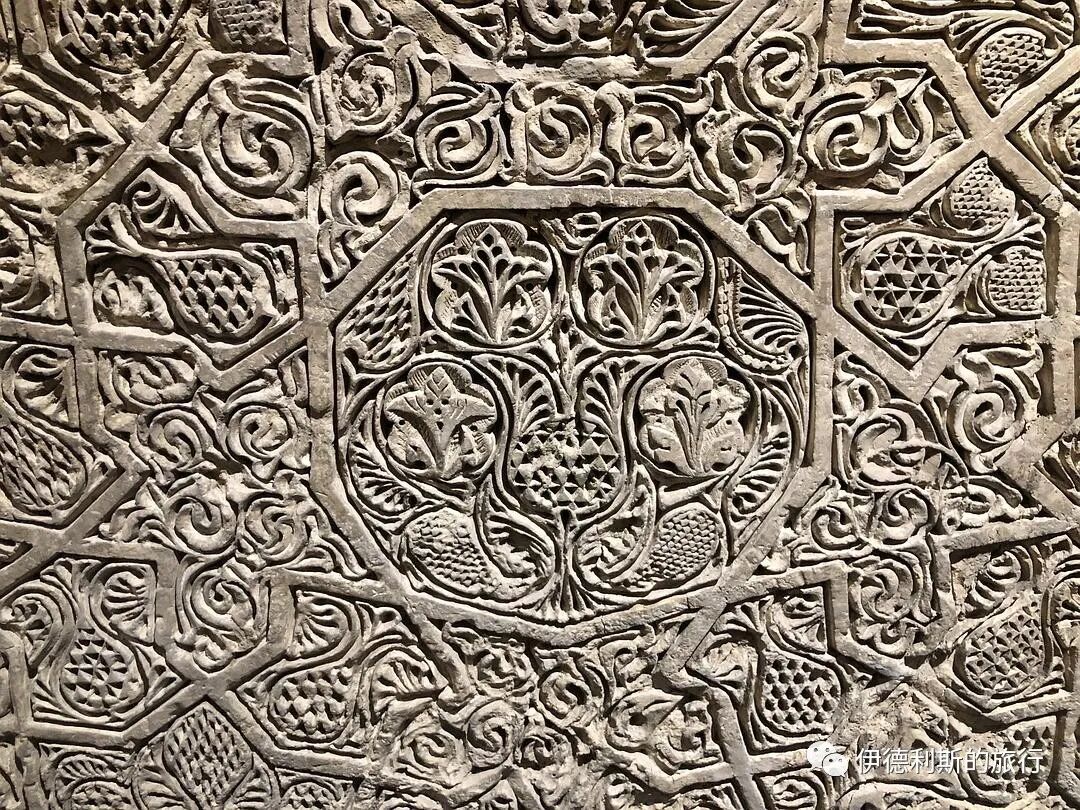
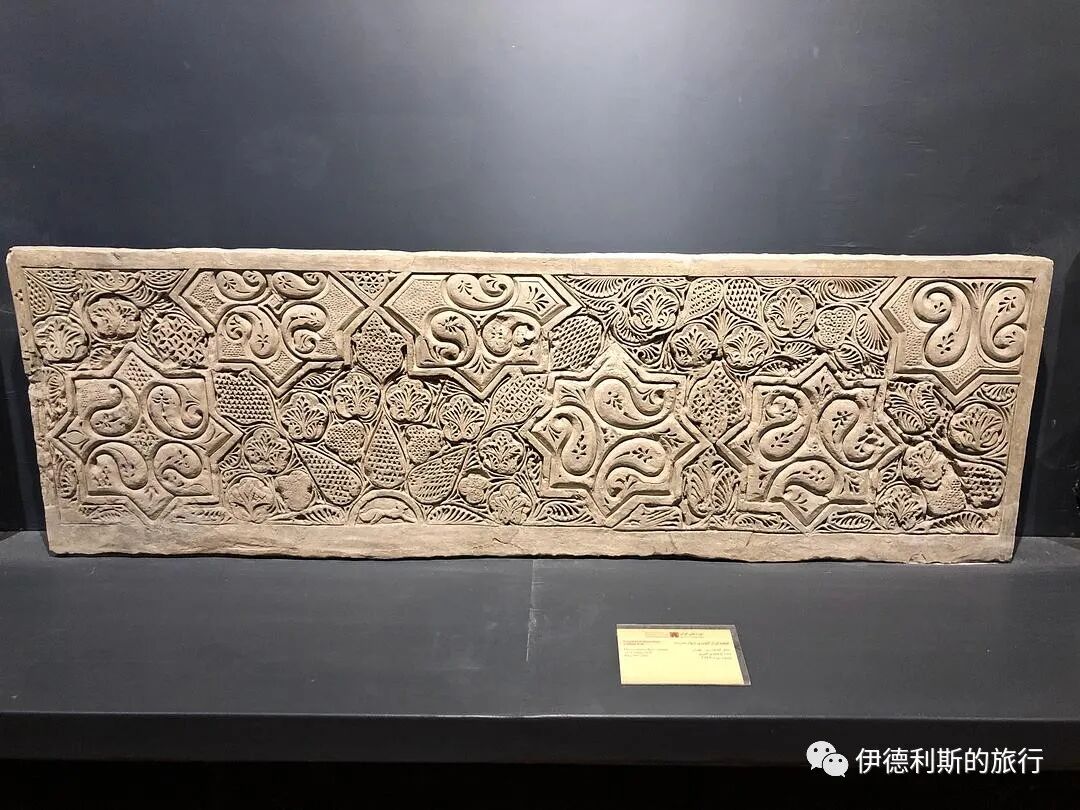
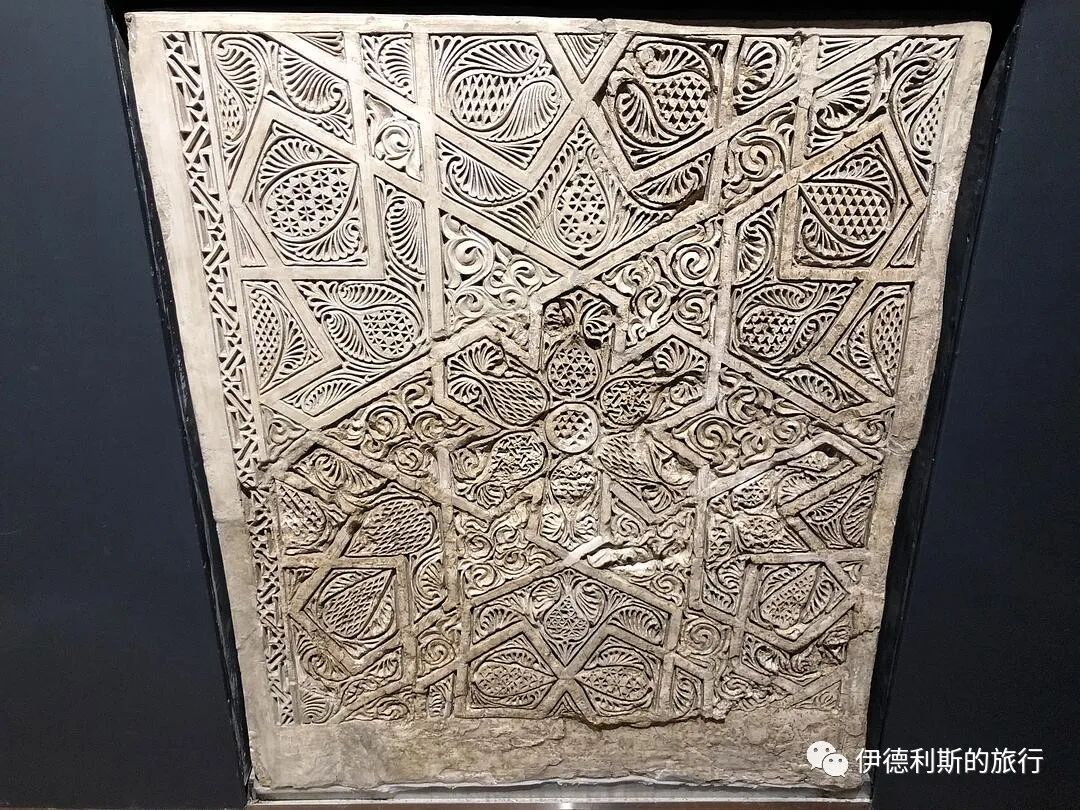
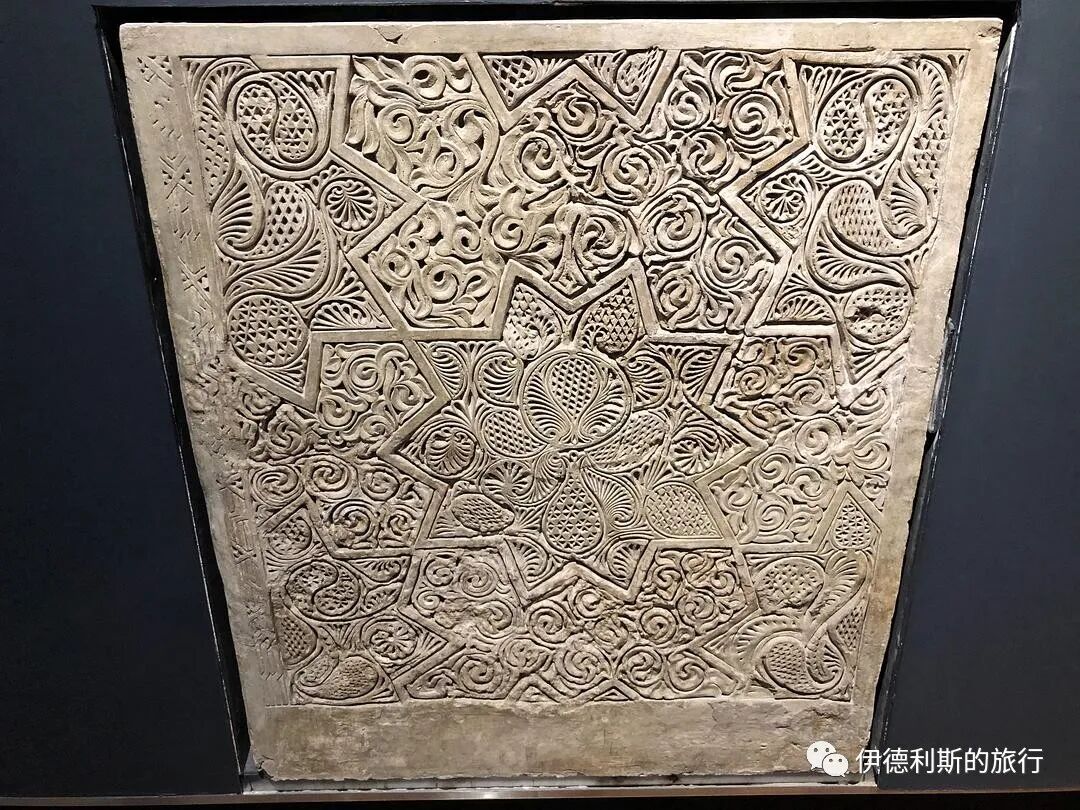
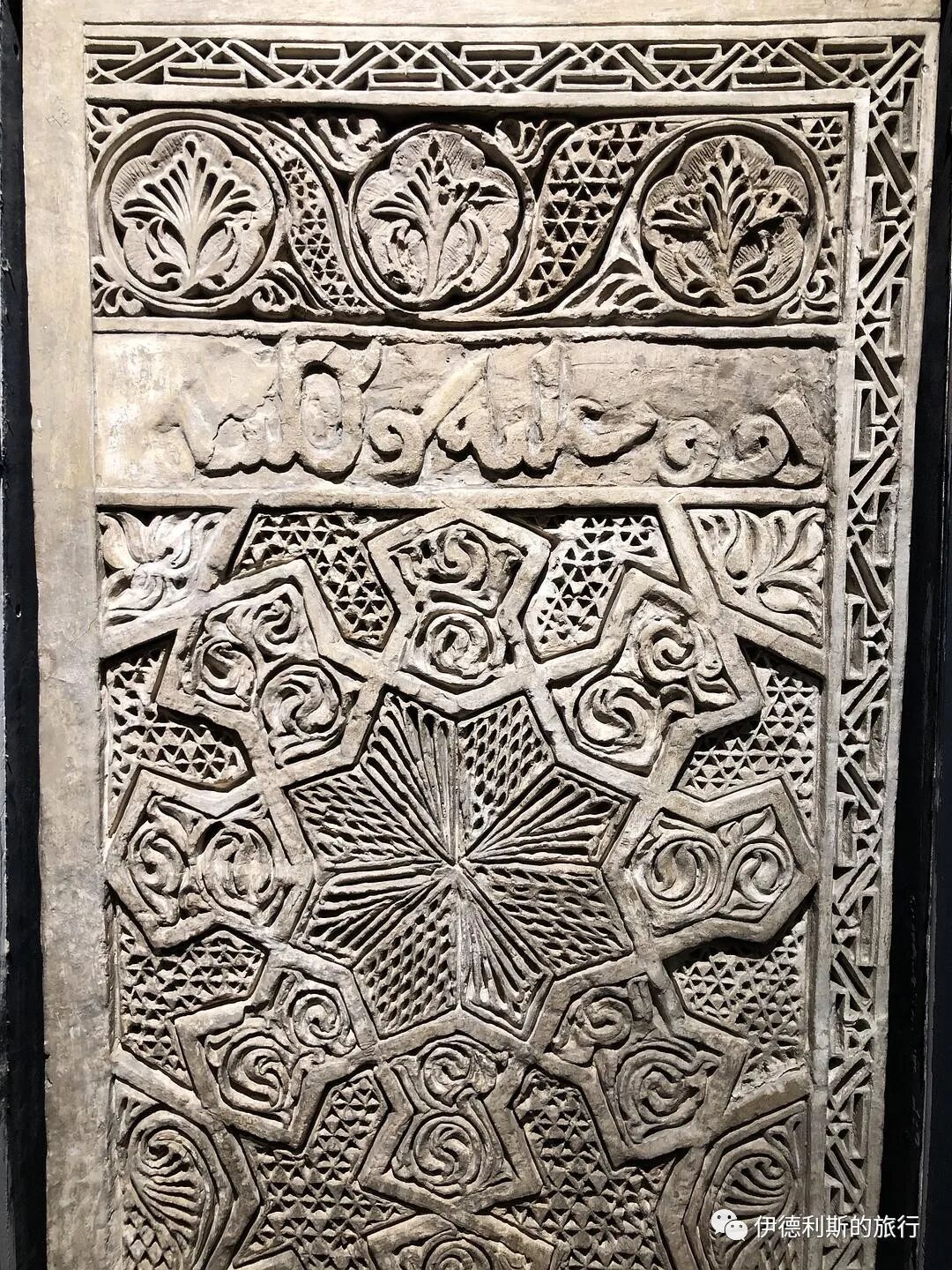
A fragment of a stucco wall from a school.
11th-century Seljuk Empire period.
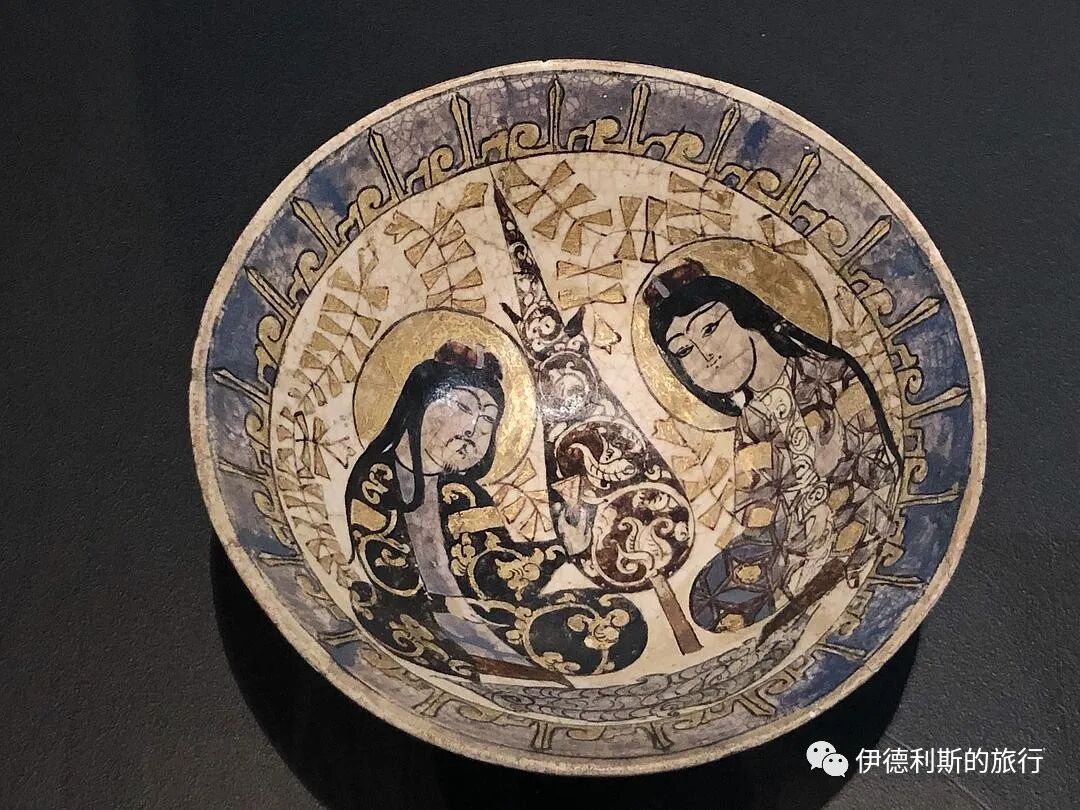
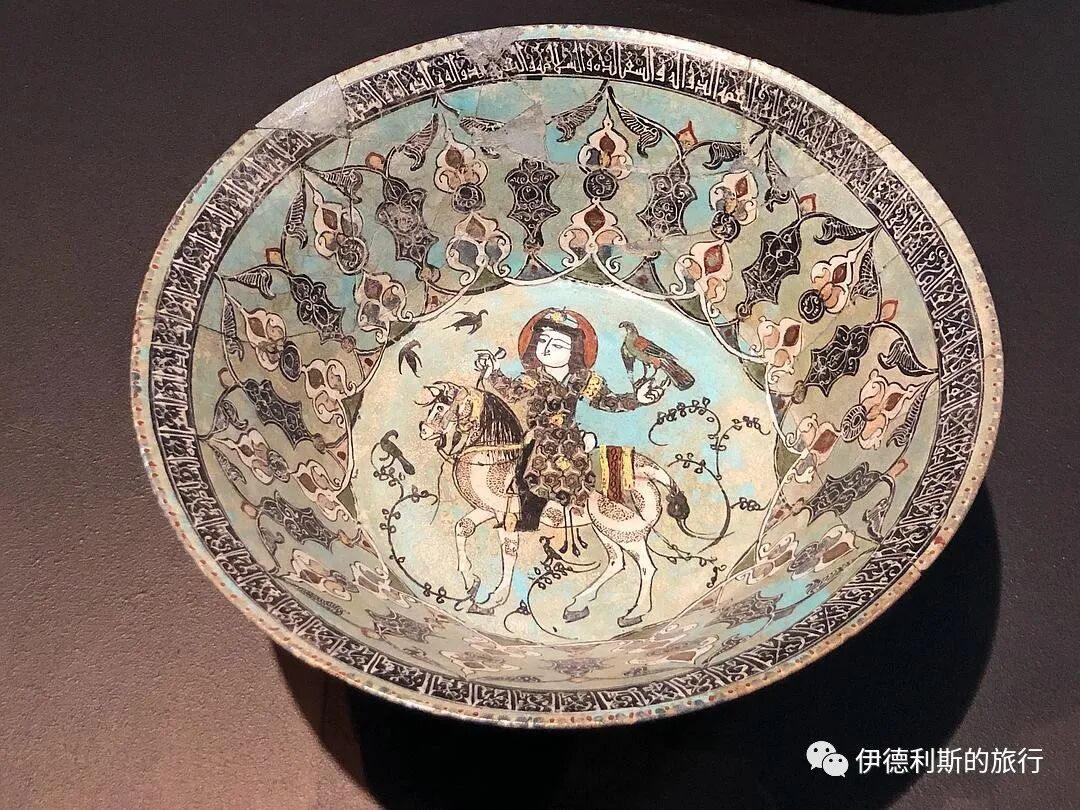
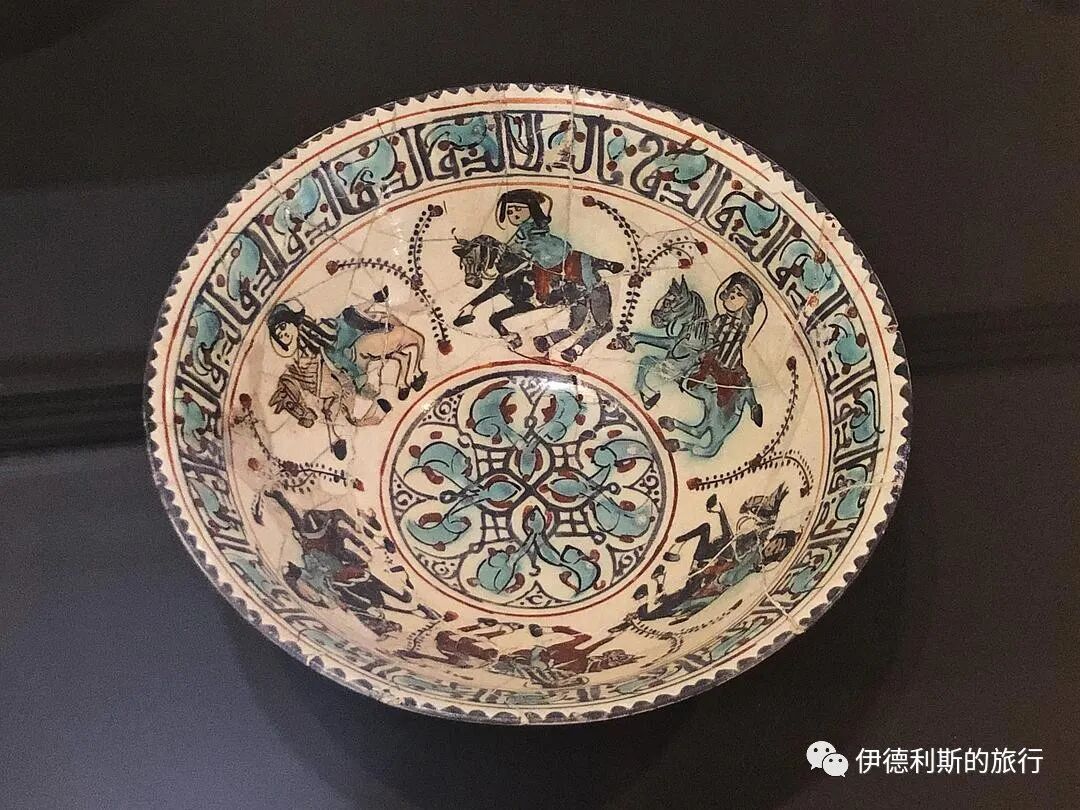
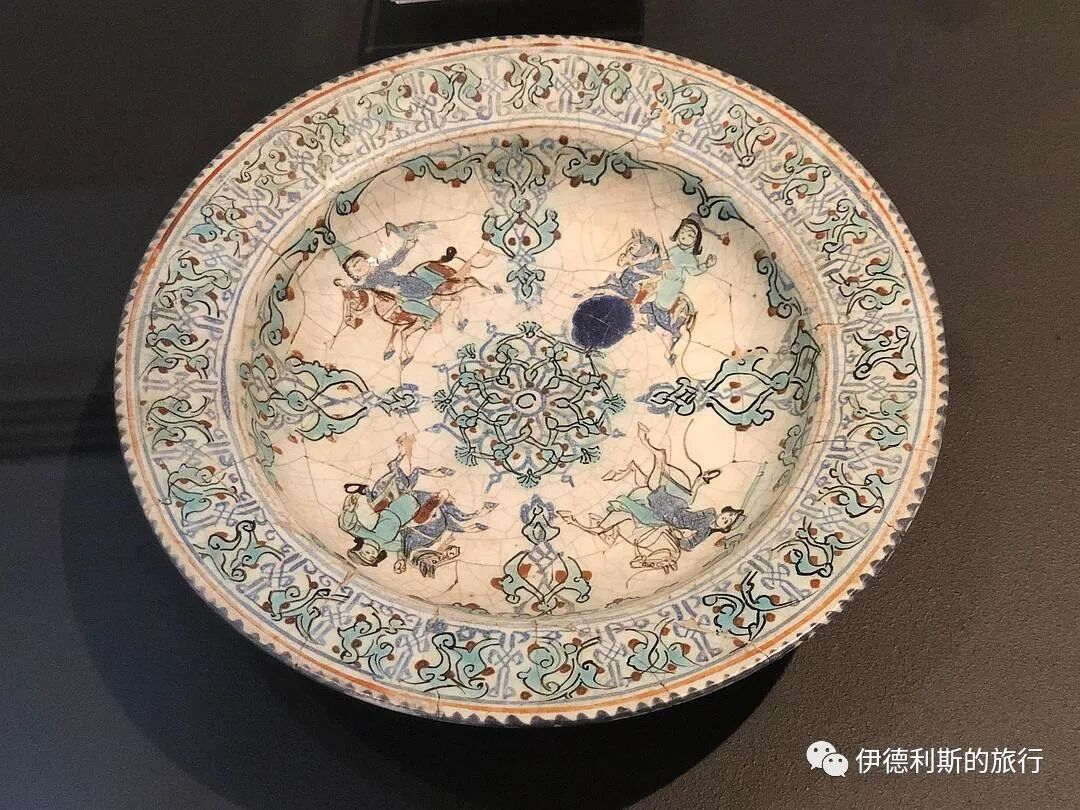
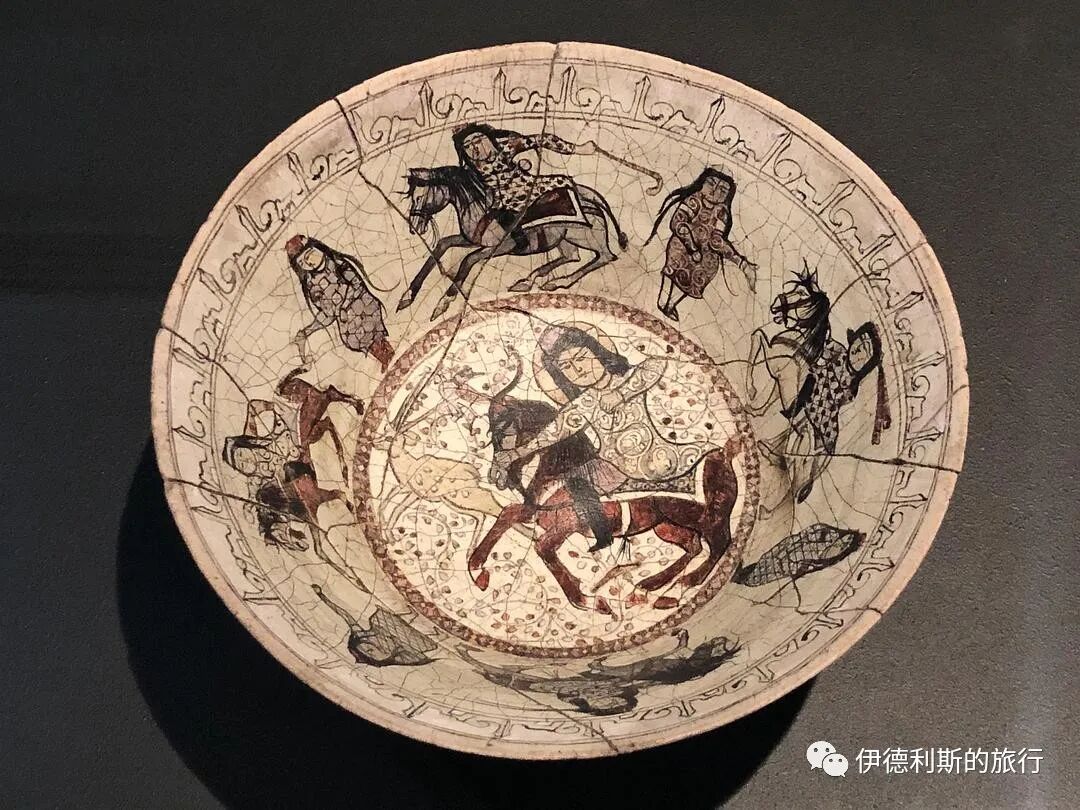
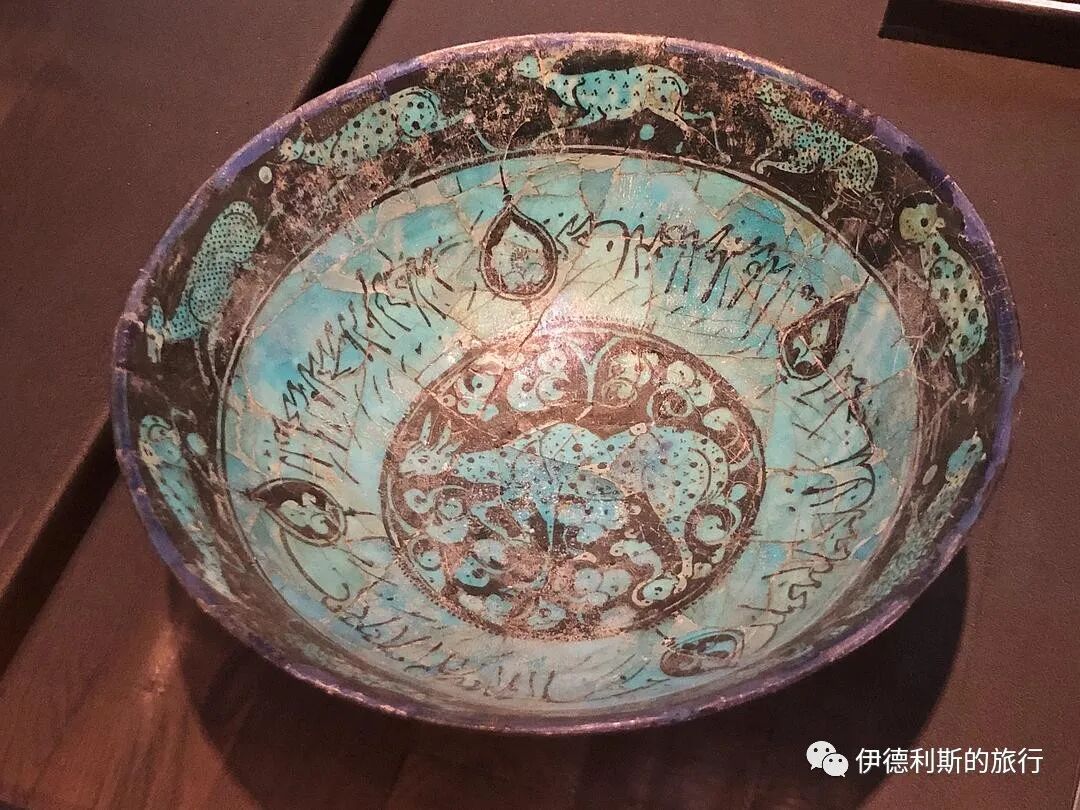
Ceramic bowls.
12th-13th-century ceramic bowls, with typical Seljuk style; the first 5 are overglaze Kufic script calligraphy, and the 6th is transparent glaze Taʿlīq Persian script calligraphy.
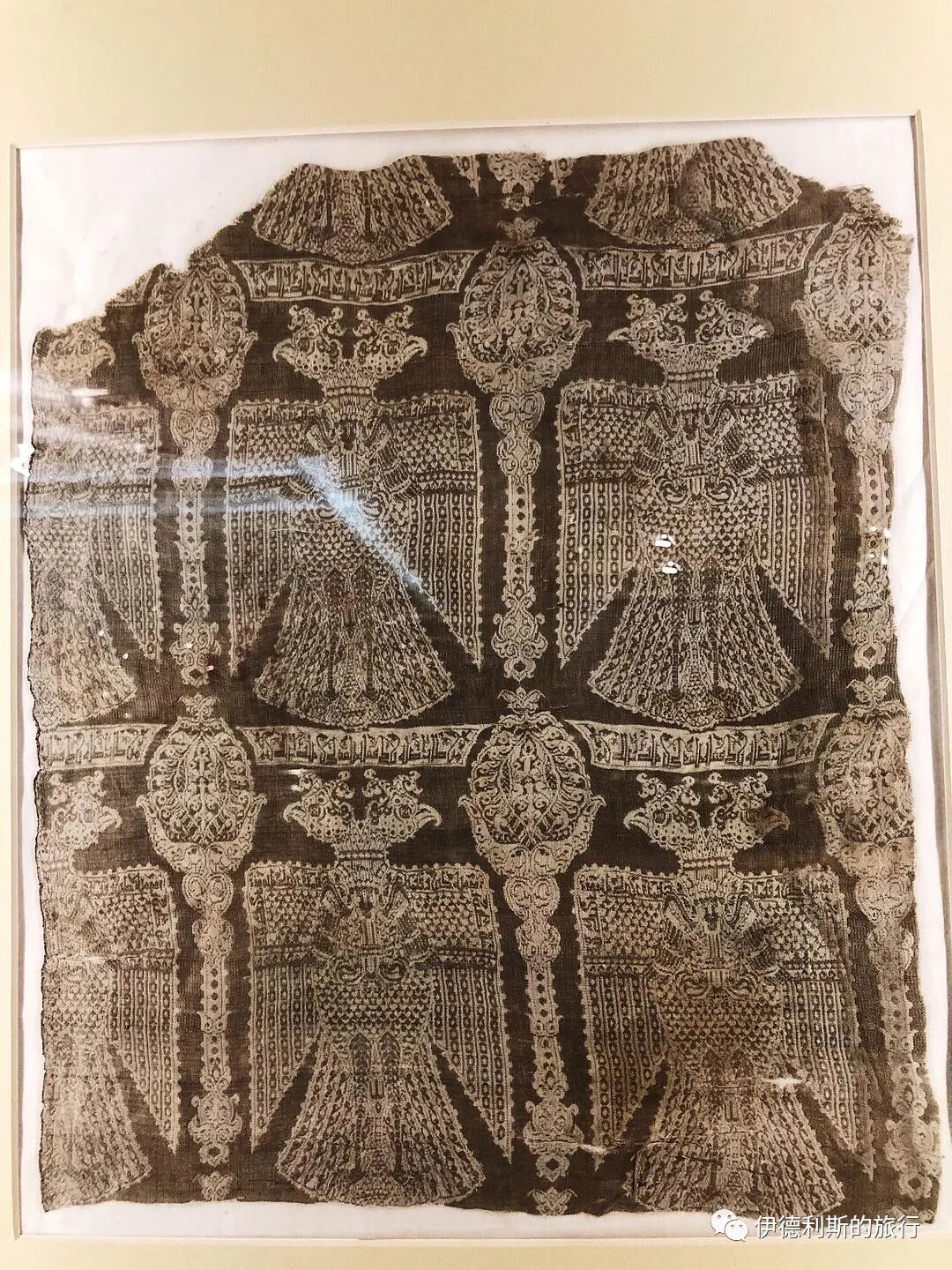
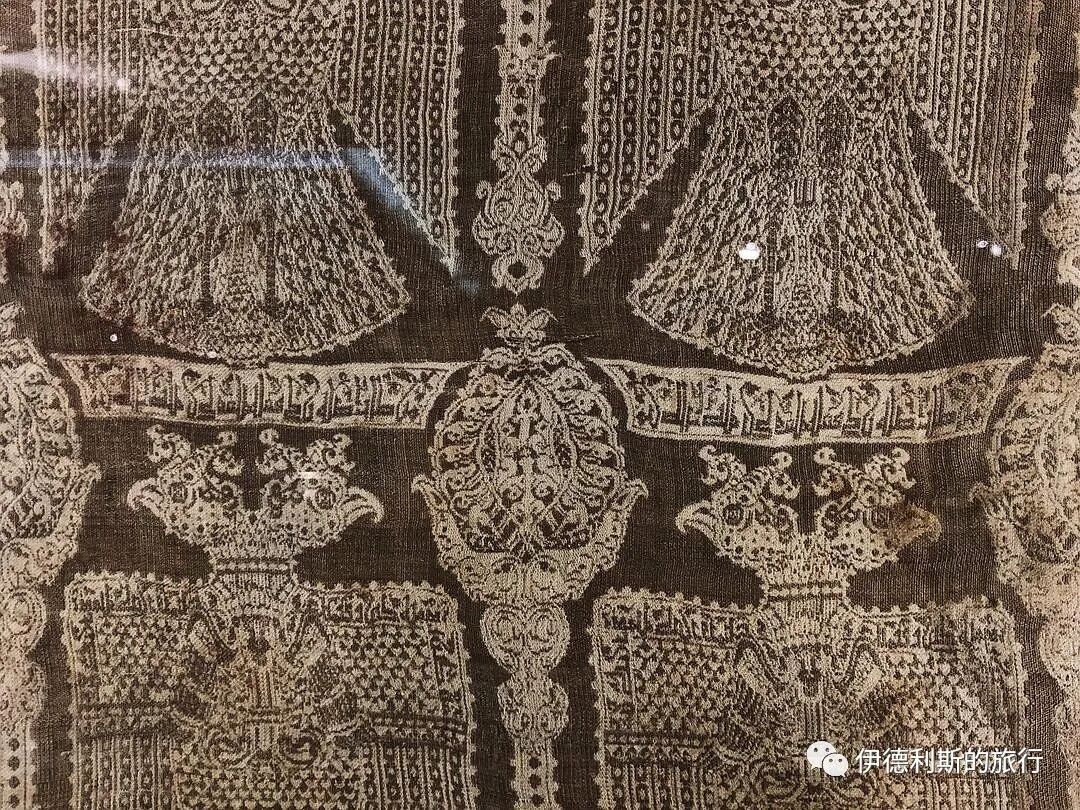
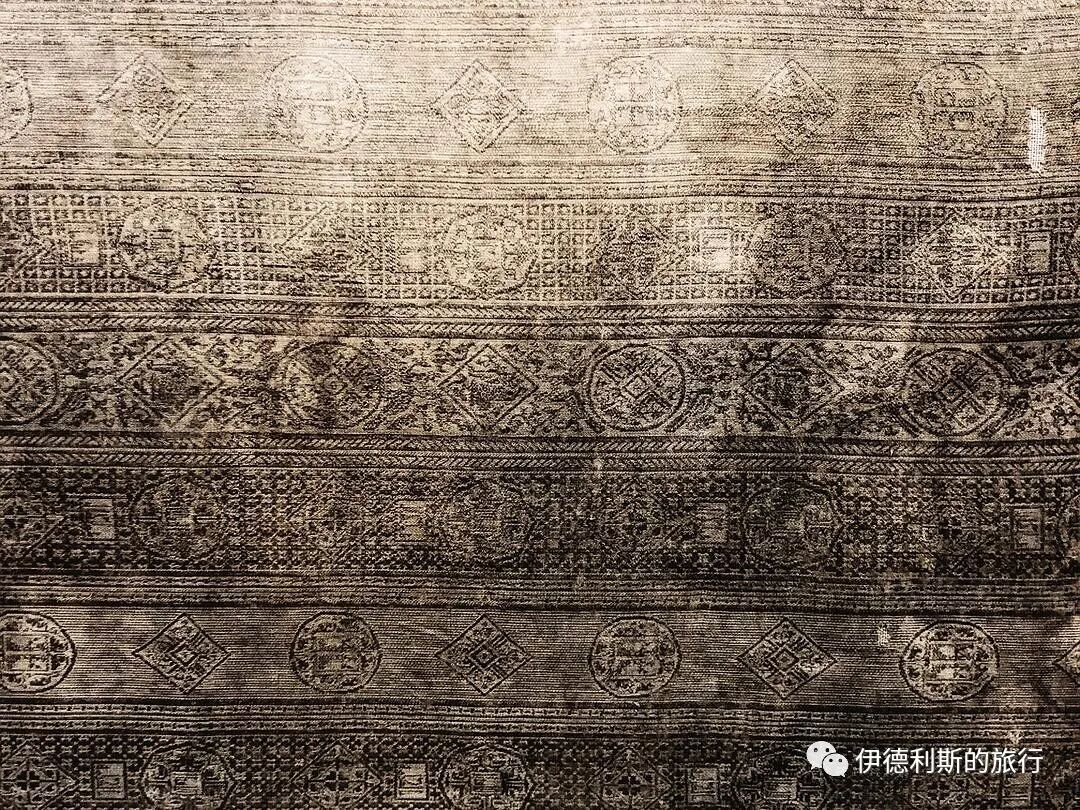
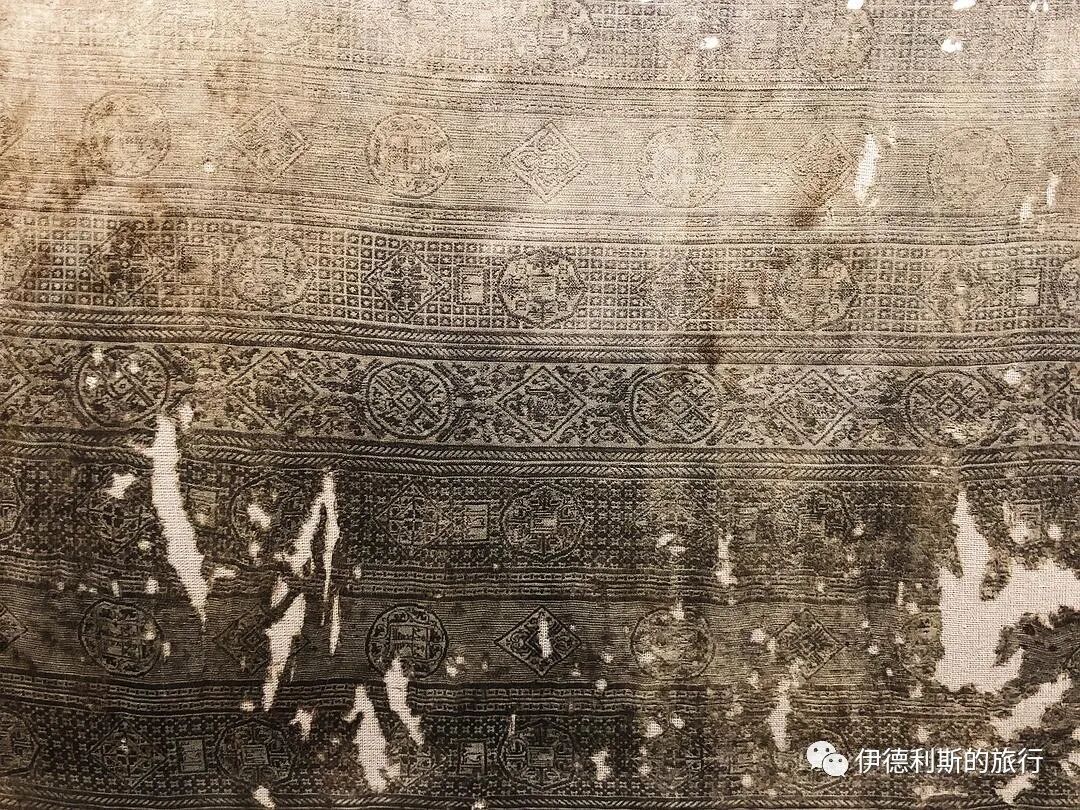
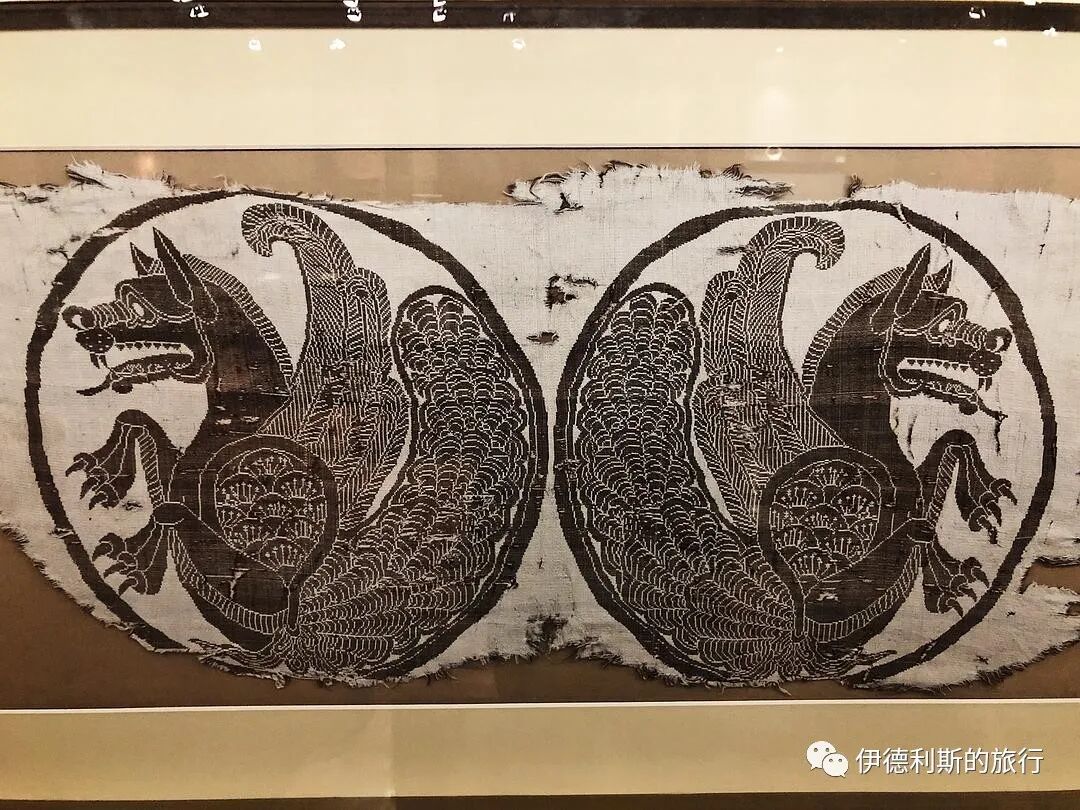
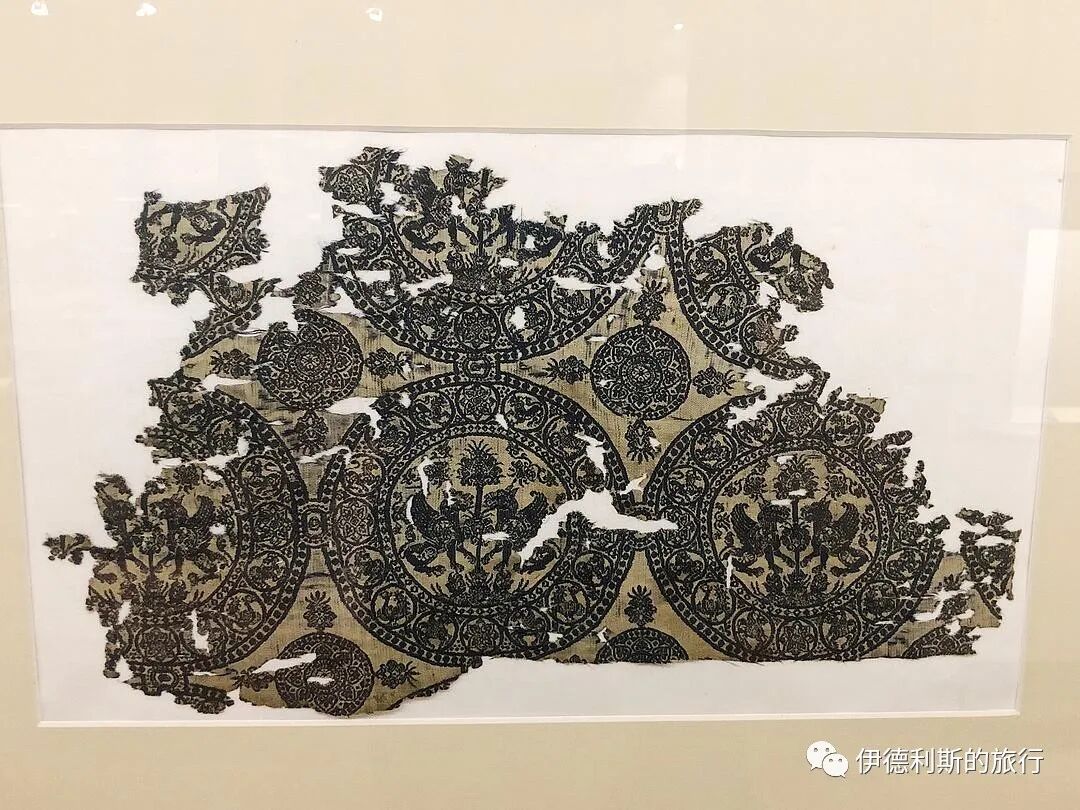
Silk fabric.
Ray-style early Islamic silk fabric from the 7th-10th centuries.
Summary: This travel note introduces Rayy Near Tehran: Seljuk Capital, Islamic History and Muslim Heritage. Ray is located in the southern suburbs of Tehran, the capital of Iran, and is an important ancient city in northern Iran, referred to as "Rayy" in books such as the "History of Yuan". It is useful for readers interested in Rayy Travel, Seljuk History, Iran Heritage.
Ray is located in the southern suburbs of Tehran, the capital of Iran, and is an important ancient city in northern Iran, referred to as "Rayy" in books such as the "History of Yuan". The history of the ancient city of Ray is very old, and it has been mentioned in the Zoroastrian "Avesta" and the Christian "Bible". During the Achaemenid, Seleucid, Parthian, and Sassanid periods, Ray was very important and served as a center for Zoroastrianism.
In the 640s AD, the Sassanid Empire used the ancient city of Ray as a base to resist the Arab invasion, but it ultimately failed, and Ray began to be ruled by the Arab Empire. In the 9th century AD, the Shah Abdol-Azim Shrine was built in the city of Ray, becoming an important religious site in Iran.
In 1043, the founder of the Seljuk Empire, Tuğrul Beg, made Ray the capital of the empire and carried out large-scale reconstruction of the ancient city. Under the rule of the Seljuk Empire, Ray reached its peak, with a huge bazaar (market) in the city and very prosperous commerce. Import and export trade, primarily in silk, connected the entire Eurasian continent. Ray was the center of painted pottery production in Iran at that time, and Ray-style painted pottery was an important handicraft in Iran during this period. At the same time, in the 12th century, Ray was an early center for Shia Muslims in Iran; before the Safavid dynasty made Shia the state religion in the 16th century, most Muslims in Iran were Sunni.
On the map of the Seljuk Empire in the National Museum of Iran, one can see that the ancient city of Ray was located at the center of the empire.
In 1220, the Mongol army attacked Ray, which was under the rule of the Khwarazmian Empire. Because there was no fierce resistance, the Mongols did not massacre the city. Despite this, the residents of the city still left one after another, and the center of painted pottery production shifted to the southern city of Kashan. After this, Ray became a ghost town, but its sturdy city walls still allowed it to be used as a military fortress during wars. It was not until the city walls of Tehran were built in the 16th century that Ray was finally abandoned.
Until the mid-19th century, the ancient city of Ray was nothing but ruins, except for the Shah Abdol-Azim Shrine. As the religious site closest to the capital Tehran, the Qajar dynasty built Iran's first railway connecting to the capital here in 1888, and Ray slowly developed again after that.
The ancient city of Ray drawn by a Frenchman in 1840.
I. Tughrul Tower
Tughrul Tower is the only Seljuk building in the ancient city of Ray that has survived to this day. It is 20 meters high and is believed to be the tomb of Tuğrul Beg (reigned 1037-1063), the founder of the Seljuk Empire. Tuğrul Beg was the eldest grandson of Seljuk, a high-ranking official of the Oghuz Yabgu State. When he was young, he led his tribe to help the Kara-Khanid Khanate fight against the Ghaznavid Empire, and officially became independent in 1037 after defeating the Ghaznavid Empire.
In 1043, Tuğrul made Ray his capital, and later marched west to capture Baghdad, where he was titled Sultan by the Caliph, and the Seljuk Empire thus dominated Western Asia. Under Tuğrul's rule, Turkic-speaking groups absorbed a large amount of Persian culture, forming a unique Seljuk culture. In 1063, Tuğrul passed away in the city of Ray.
Tughrul Tower was originally covered by a conical dome, but the roof later collapsed in an earthquake. There used to be Kufic script calligraphy at the top of the tower, but it is no longer visible now. The tomb tower partially collapsed in 1884, and Naser al-Din Shah, the fourth ruler of the Qajar dynasty, ordered its restoration. The picture below is the tomb tower drawn by a Frenchman in 1840.
Tughrul Tower is very similar to Gonbad-e Qabus, the most important tomb tower in northern Iran, which was built when Qabus, the ruler of the Ziyarid dynasty on the Caspian coast, died in 1012. The picture below is the Gonbad-e Qabus tower photographed by Hadi Karimi.
II. Shah Abdol-Azim Shrine
Shah Abdol-Azim Shrine, also known as Shabdolazim, is a religious site in the ancient city of Ray, where Shah Abdol-Azim, a fifth-generation descendant of Hasan, the eldest son of Imam Ali, is buried.
Shah Abdol-Azim was a companion of Muhammad al-Taqī, the ninth of the Twelve Imams of Shia Islam. He came to the city of Ray for refuge in the 9th century and passed away here in 866. The Shah Abdol-Azim Shrine was mentioned in "Kāmil al-Ziyārāt", one of the earliest Shia pilgrimage guides from the 10th century.
Majd al-Mulk, the vizier of the Seljuk Empire, ordered the construction of the shrine complex in the 1090s. Later, Tahmasp I (reigned 1524-1576), the second ruler of the Safavid dynasty, expanded it, and it was gilded and fitted with mirrors during the Qajar dynasty in the 19th century.
In the mosque inside the shrine, the clay tablet that people take at the entrance is called a Turbah (clay tablet), which symbolizes the earth, and Shia Muslims place their foreheads on it during prayer.
Imamzadeh Tahir, the son of Ali ibn Husayn Zayn al-Abidin, the fourth of the Twelve Imams of Shia Islam, and Imamzadeh Hamzeh, the brother of Ali al-Ridha, the eighth of the Twelve Imams of Shia Islam, are also buried in the Shah Abdol-Azim Shrine.
The term "Imamzadeh" refers not only to the descendants of Shia Imams but also to the shrines of these descendants. Imamzadeh shrines are usually places for Shia Muslim pilgrimages (ziyarat-namas) and are believed to have miraculous effects or healing powers.
The security guard at the canteen and I could not communicate at all, but he kept insisting that I stay for a meal, went to the director's office to apply for a free meal ticket for me, and the food was very tasty. This trip to Iran has been a really great experience; people are smiling at you and are all very kind to you.
In the bazaar outside the shrine, dates and candies are placed on plates for anyone to eat.
The west gate of the shrine and the bazaar outside the west gate.
Finally, I took a taxi from the ancient city back to the subway station; with ride-hailing apps, taking a taxi in Iran has become very convenient.
III. Cultural relics unearthed from the ancient city of Ray collected by the National Museum of Iran
Although most of the historical sites of the ancient city of Ray are no longer visible, fortunately, many cultural relics unearthed from the ancient city of Ray are exhibited in the National Museum of Iran in Tehran, allowing us to get a glimpse of the prosperity of the ancient city of Ray back then.
Fragment of an architectural dado.
8th-9th century, the dado (lower wall paneling) is located at the lower part of the interior wall, which also serves a decorative role while protecting the wall surface.
A Mihrab.
11th-century Seljuk Empire period, the Mihrab (prayer niche) is used to point to the direction of prayer, usually on the wall or in a niche of the main hall of a mosque.
A circular stucco decoration.
11th-century Seljuk Empire period, with Kufic script calligraphy on it.
A fragment of a stucco wall from a school.
11th-century Seljuk Empire period.
Ceramic bowls.
12th-13th-century ceramic bowls, with typical Seljuk style; the first 5 are overglaze Kufic script calligraphy, and the 6th is transparent glaze Taʿlīq Persian script calligraphy.
Silk fabric.
Ray-style early Islamic silk fabric from the 7th-10th centuries.
