

Seljuk History
Halal Travel Guide: Konya — Seljuk History and Muslim Heritage (Part 2)
Articles • ali2007fr posted the article • 0 comments • 129 views • 2026-05-17 11:03
Summary: Konya — Seljuk History and Muslim Heritage is presented here as a firsthand travel account in clear English, beginning with this scene: Ten. Glass Madrasa (Sırçalı Medrese): 1242. The account keeps its focus on Konya Travel, Seljuk History, Muslim Heritage while preserving the names, places, food, and historical details from the Chinese source.
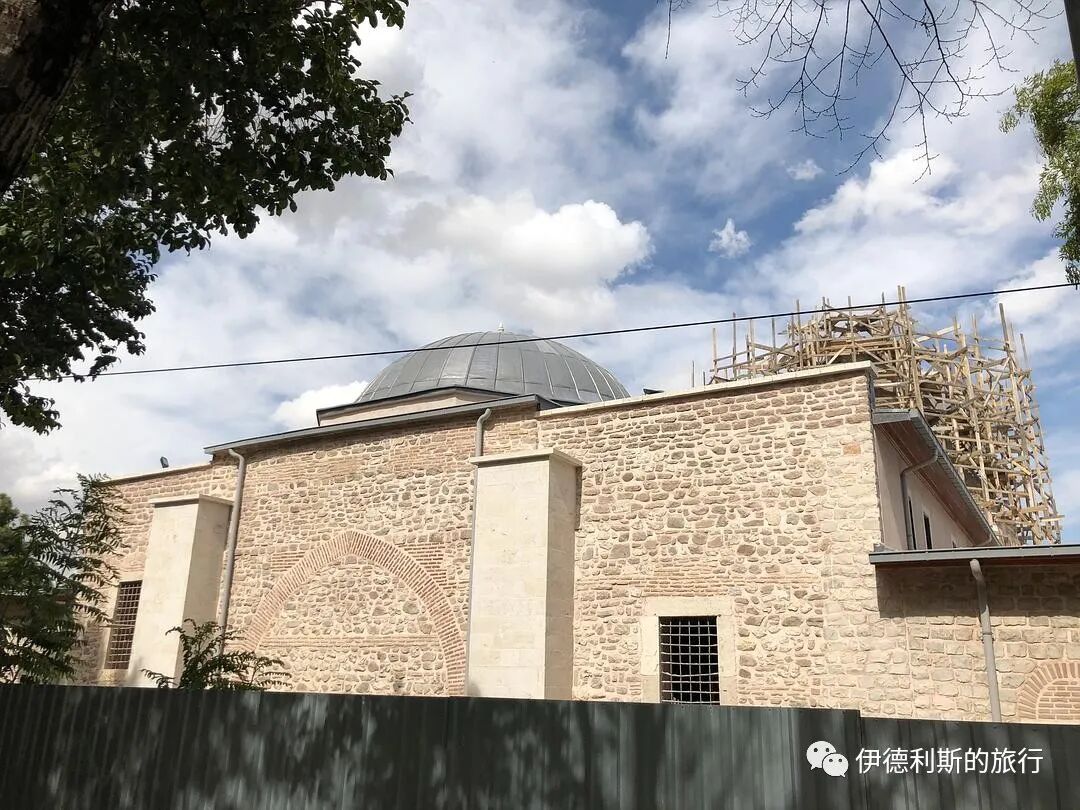
The Seljuk Rum Sultan's Tomb is under renovation and not open.
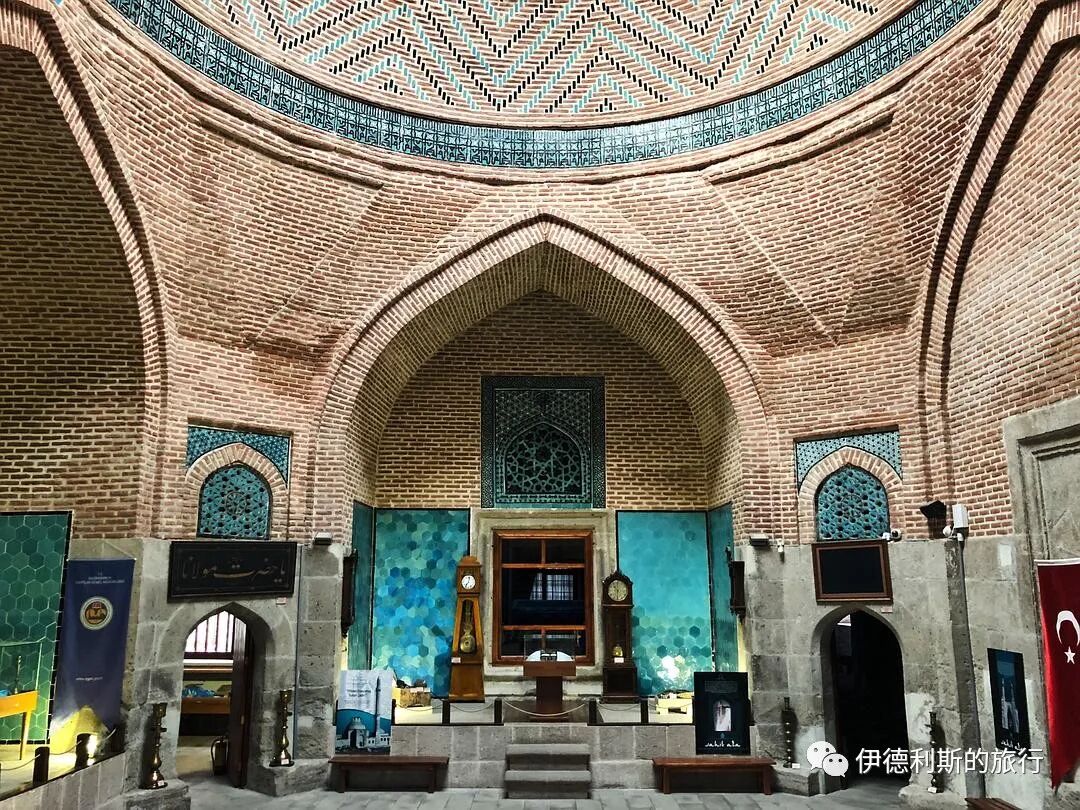
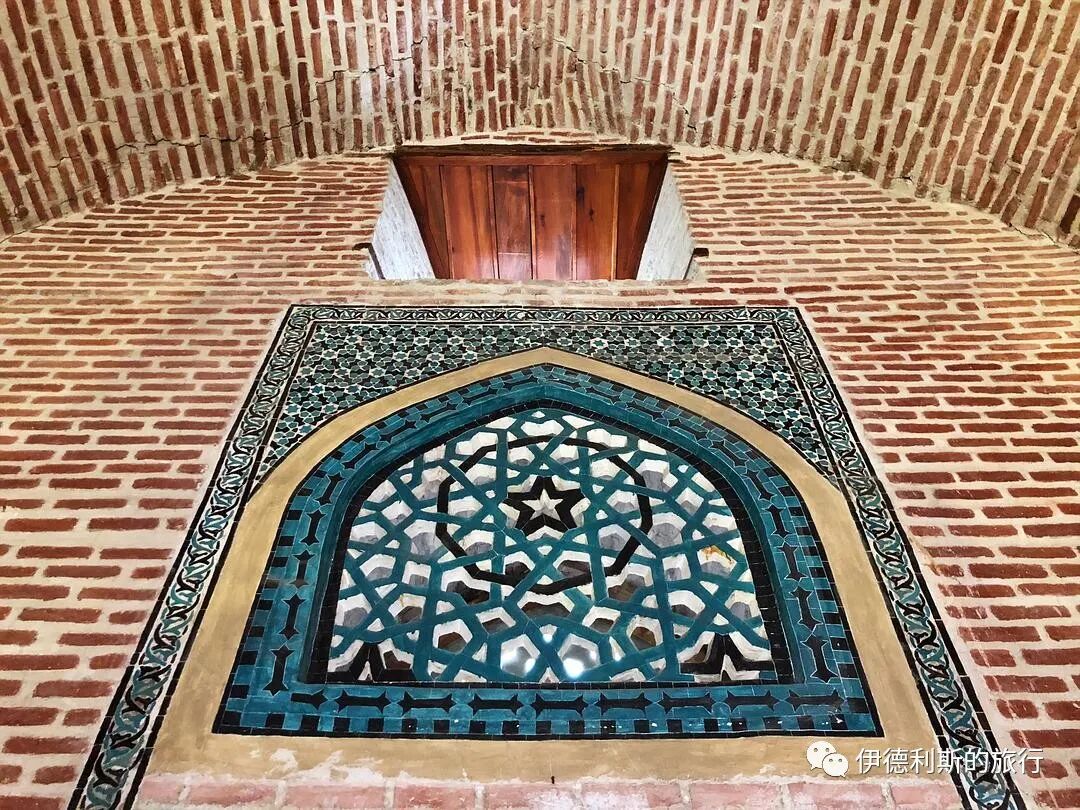
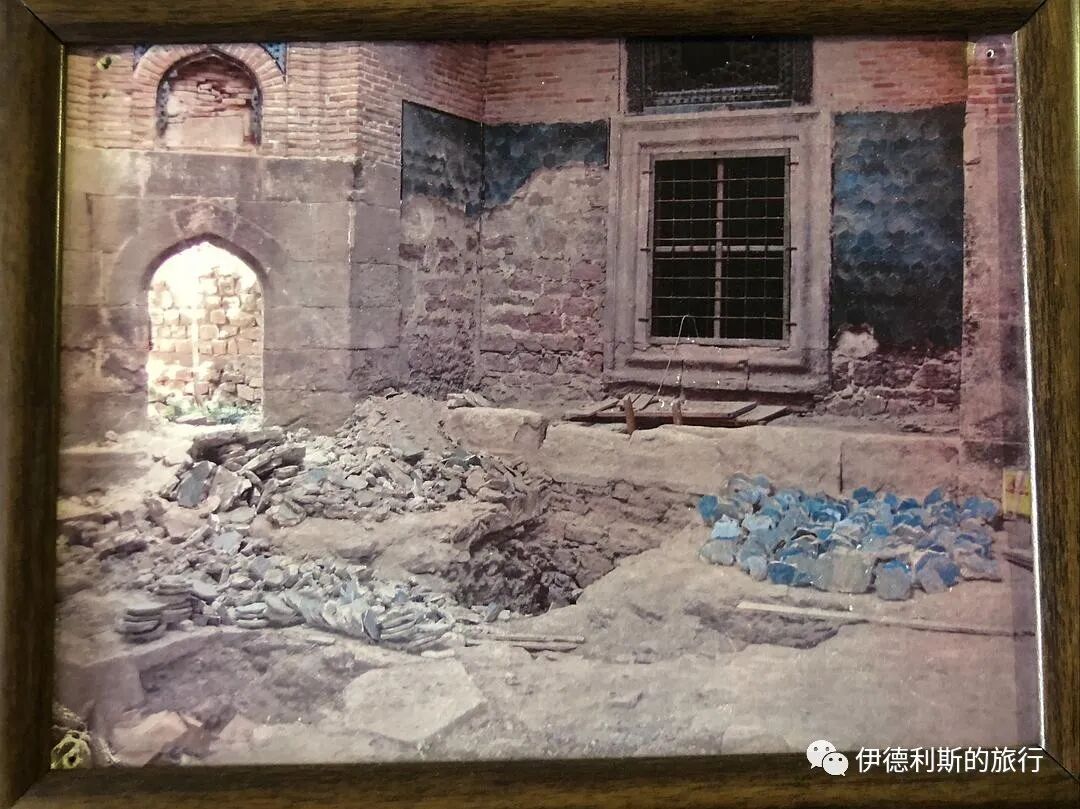
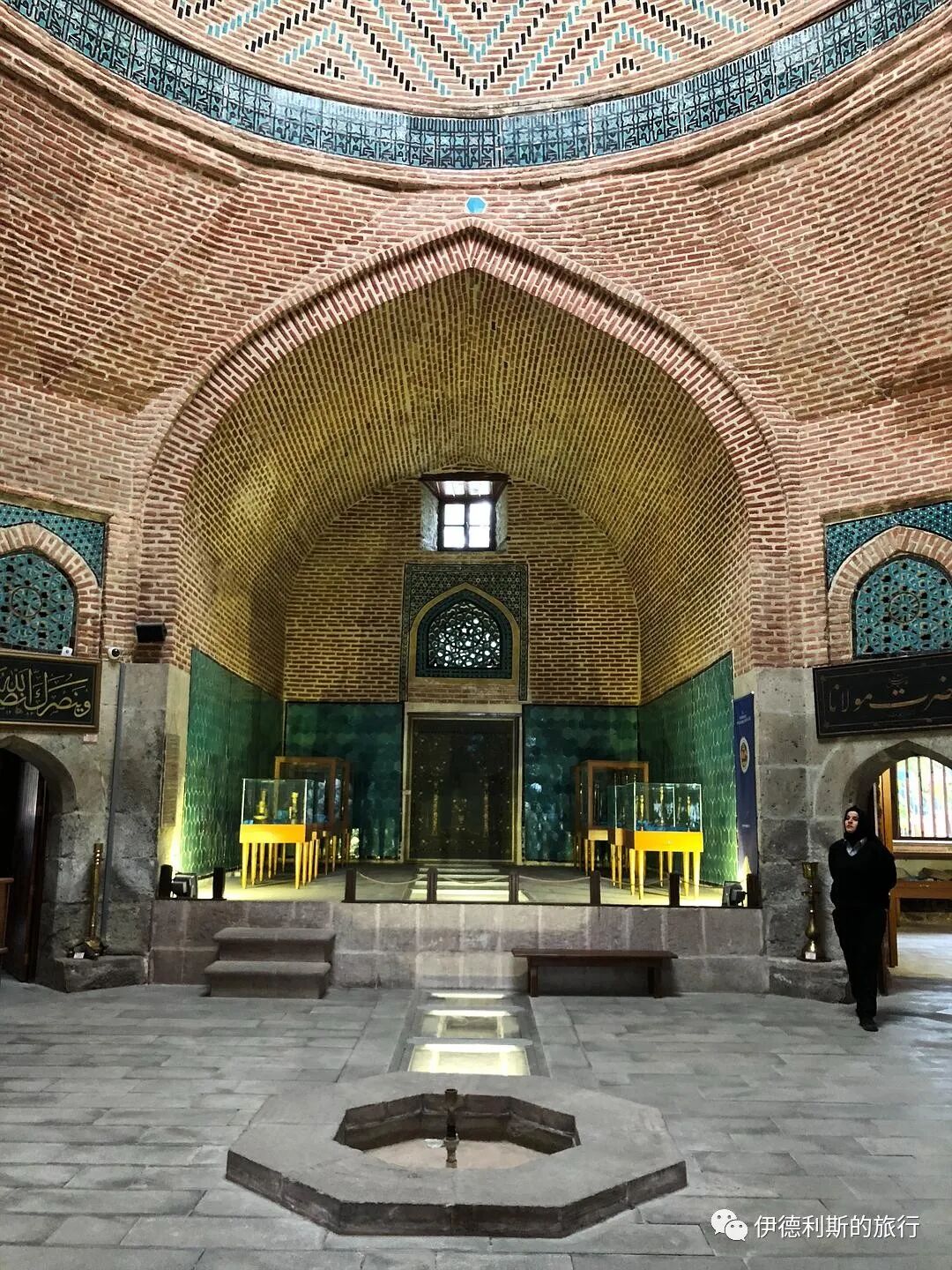
Ten. Glass Madrasa (Sırçalı Medrese): 1242.
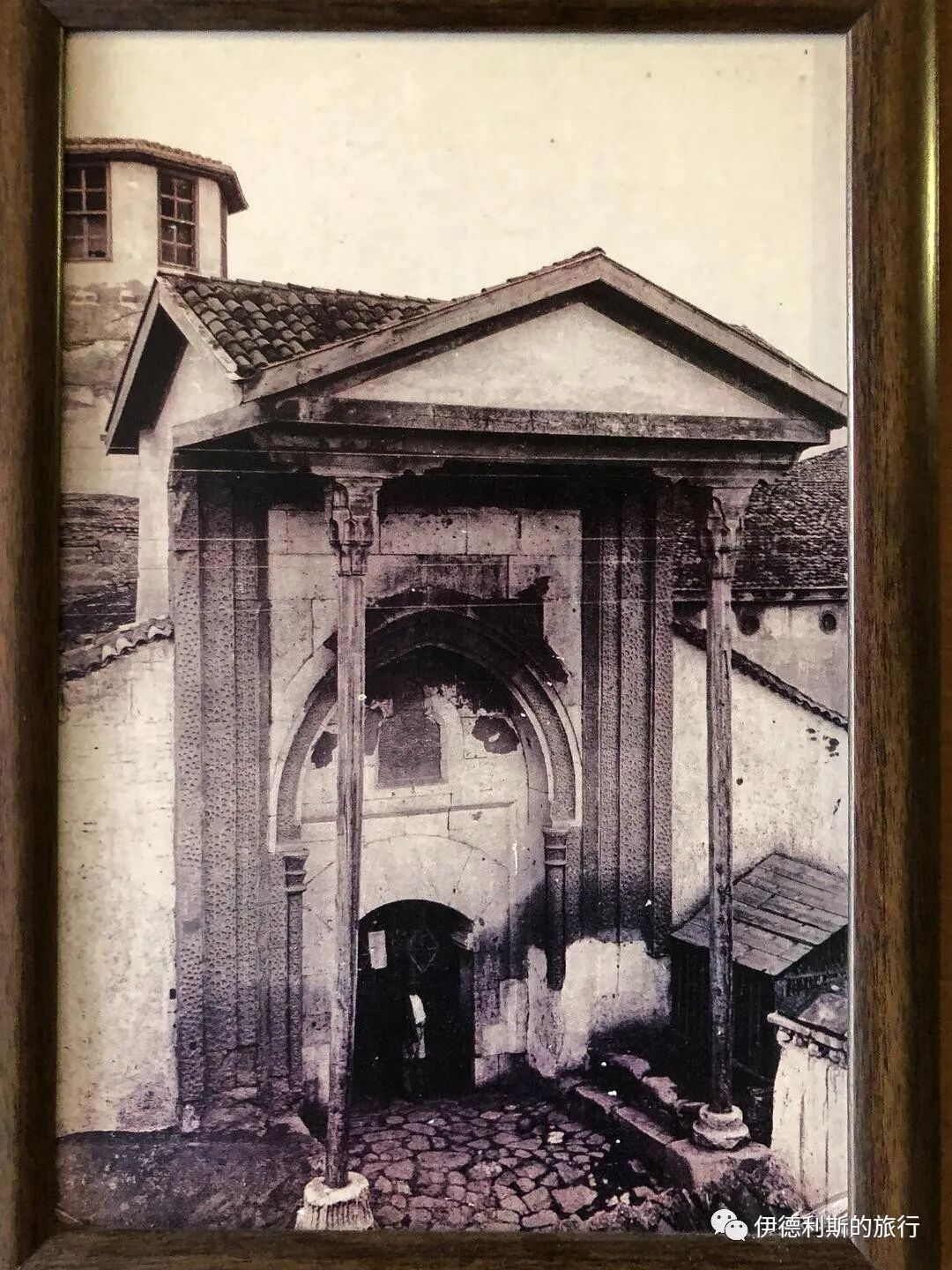
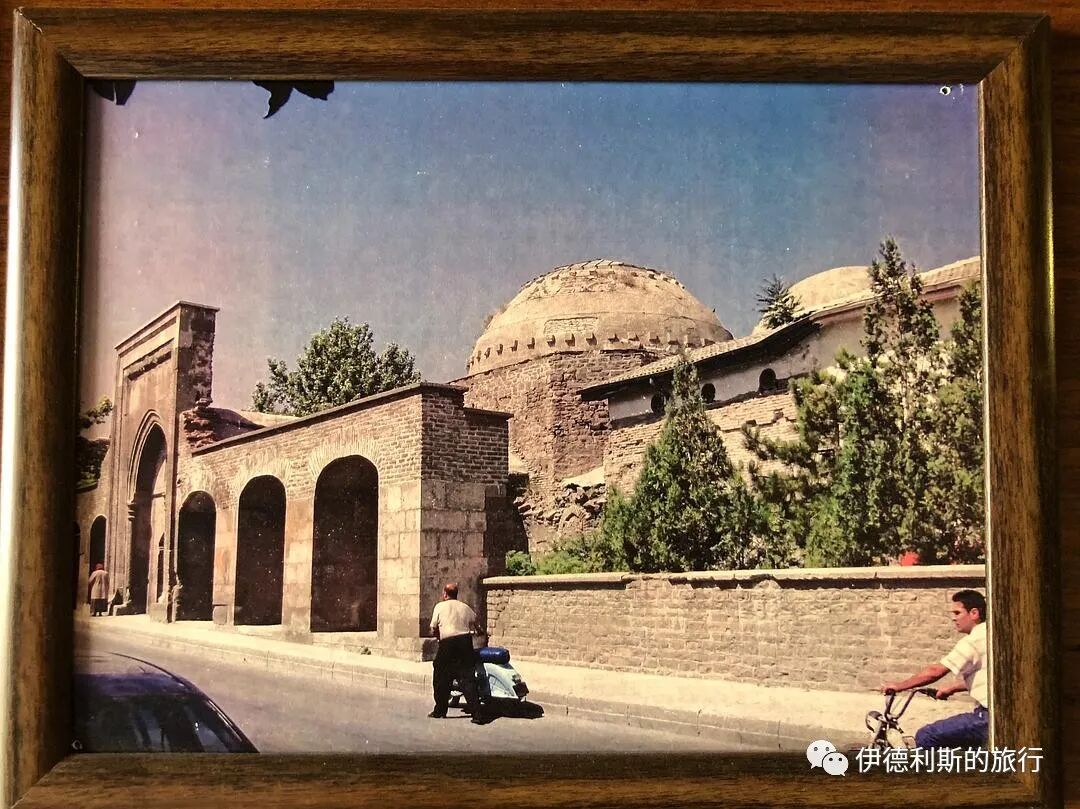
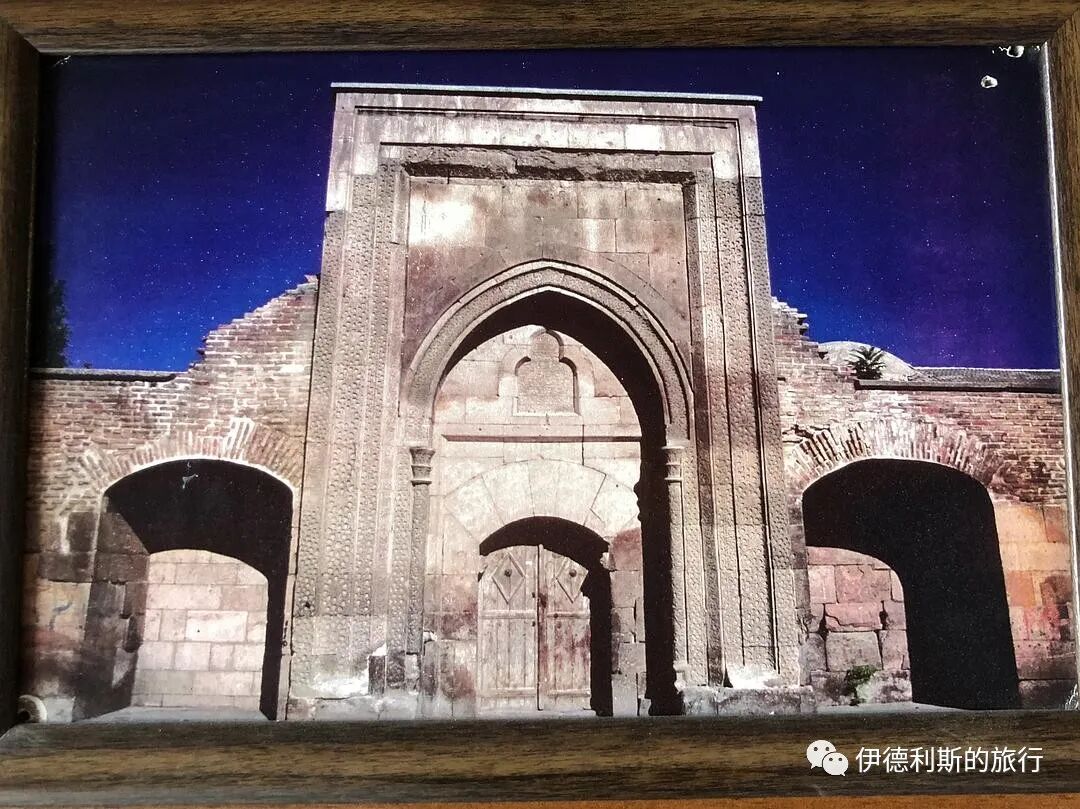
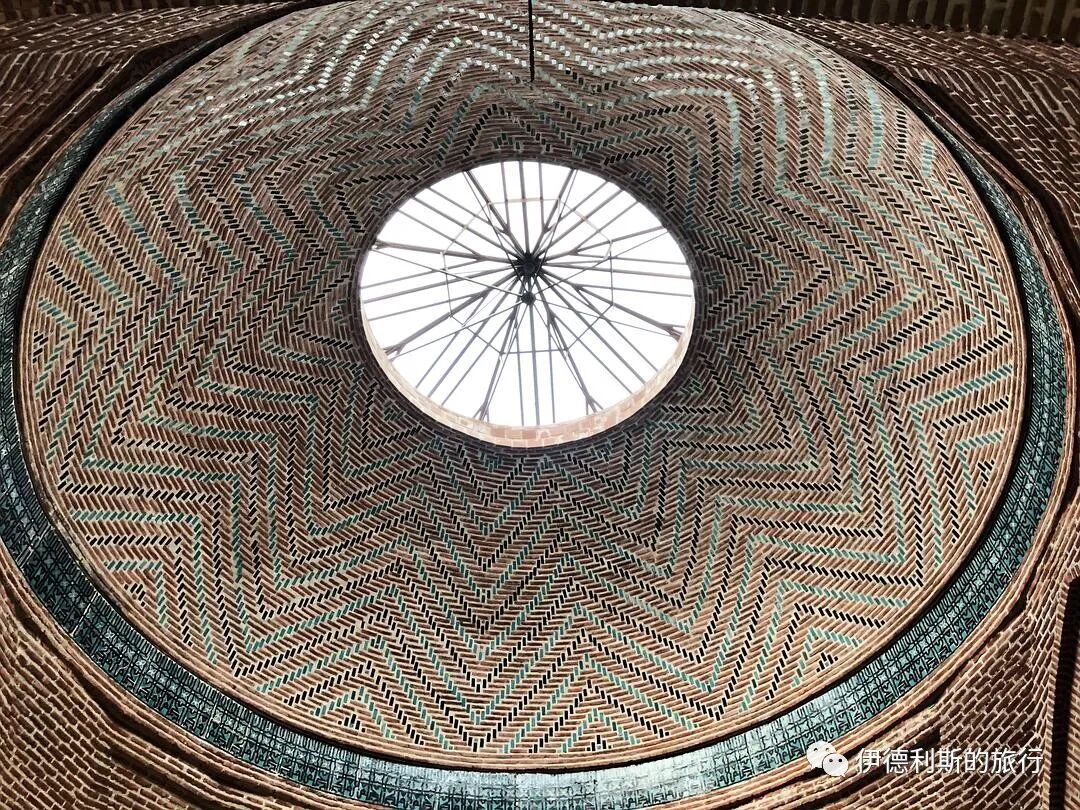
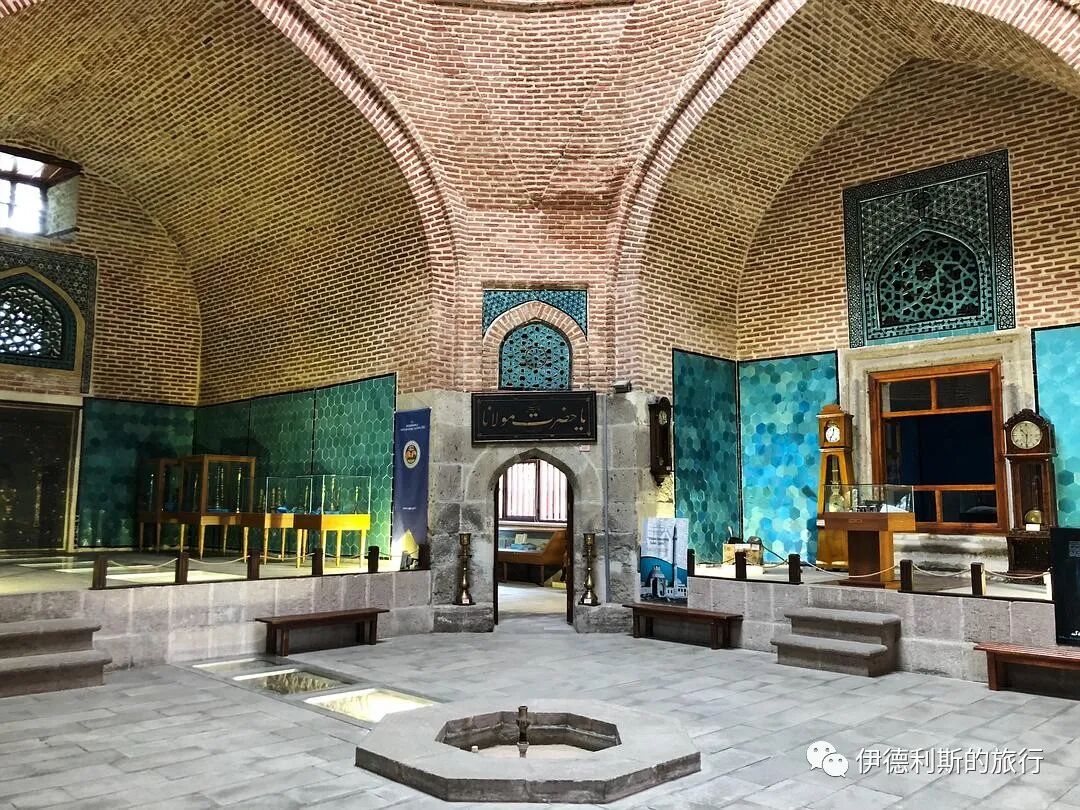
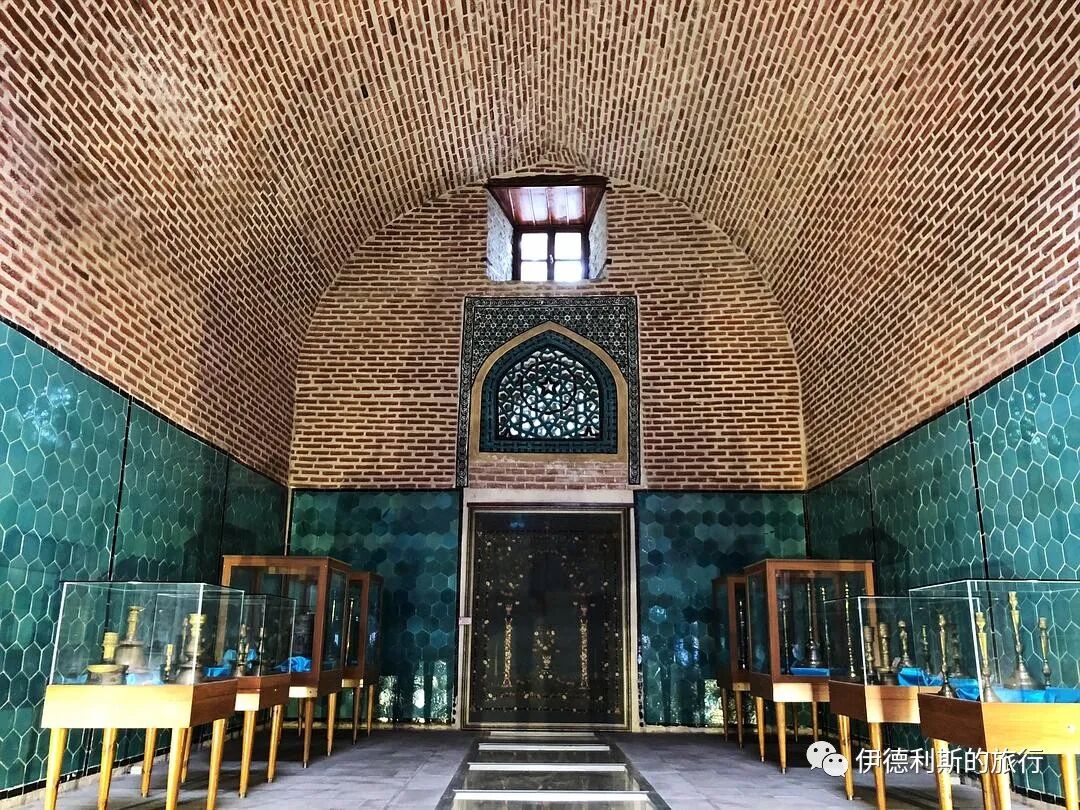
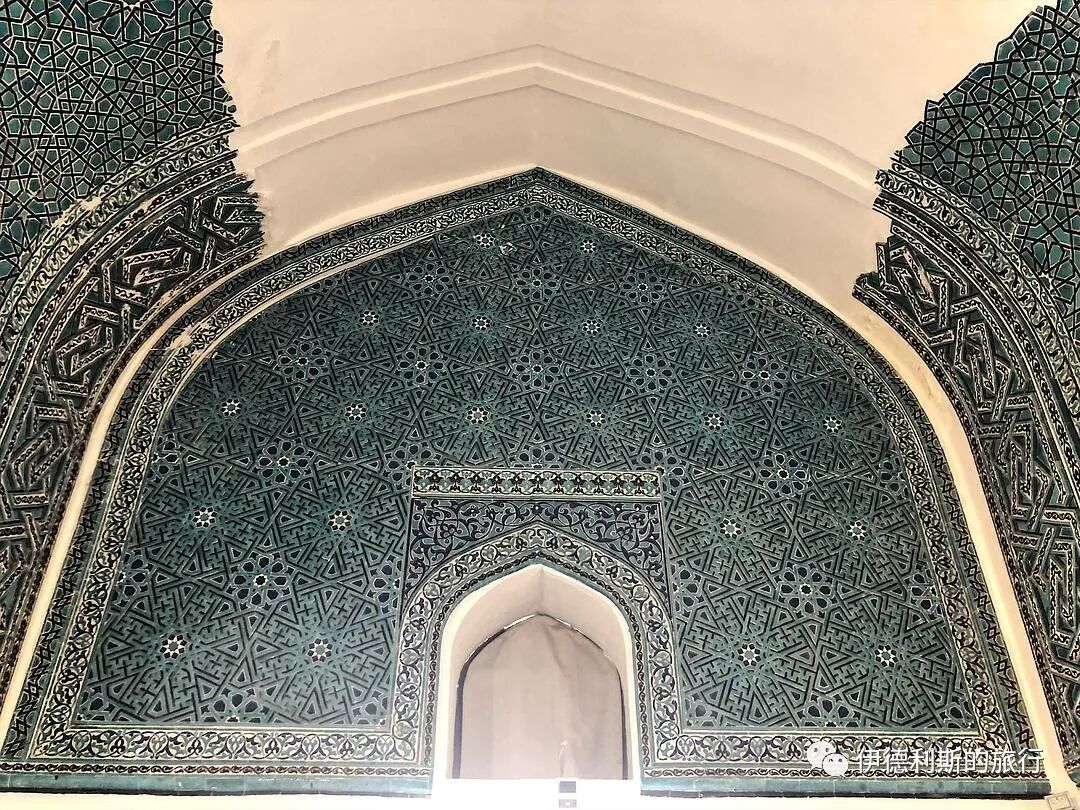
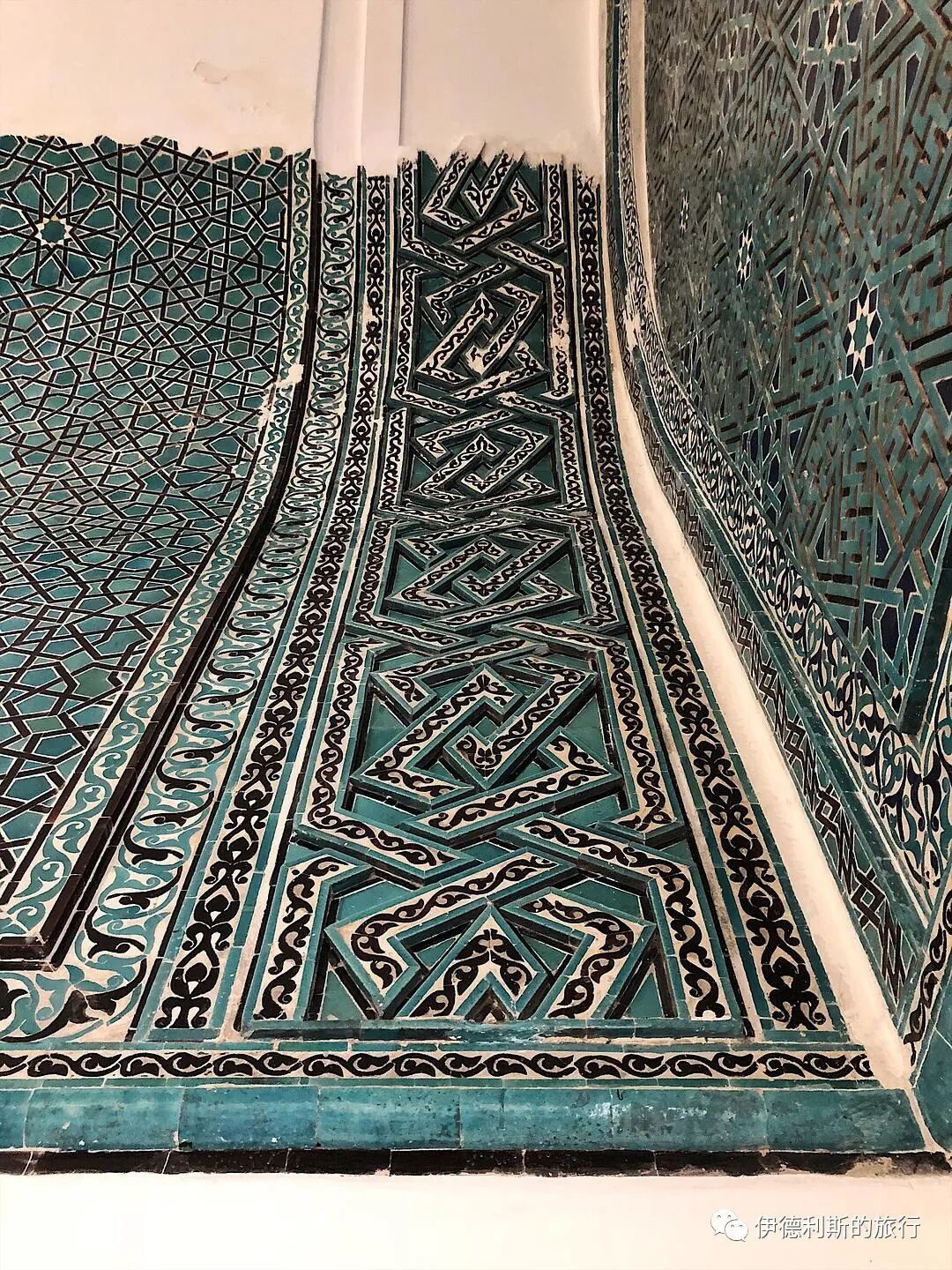
The Glass Madrasa (Sırçalı Medrese) was commissioned in 1242 by Emir Bedrettin Muslih. Its architect was Muhammed bin Osman el Tusi. This building is known for its colorful mosaic tiles.
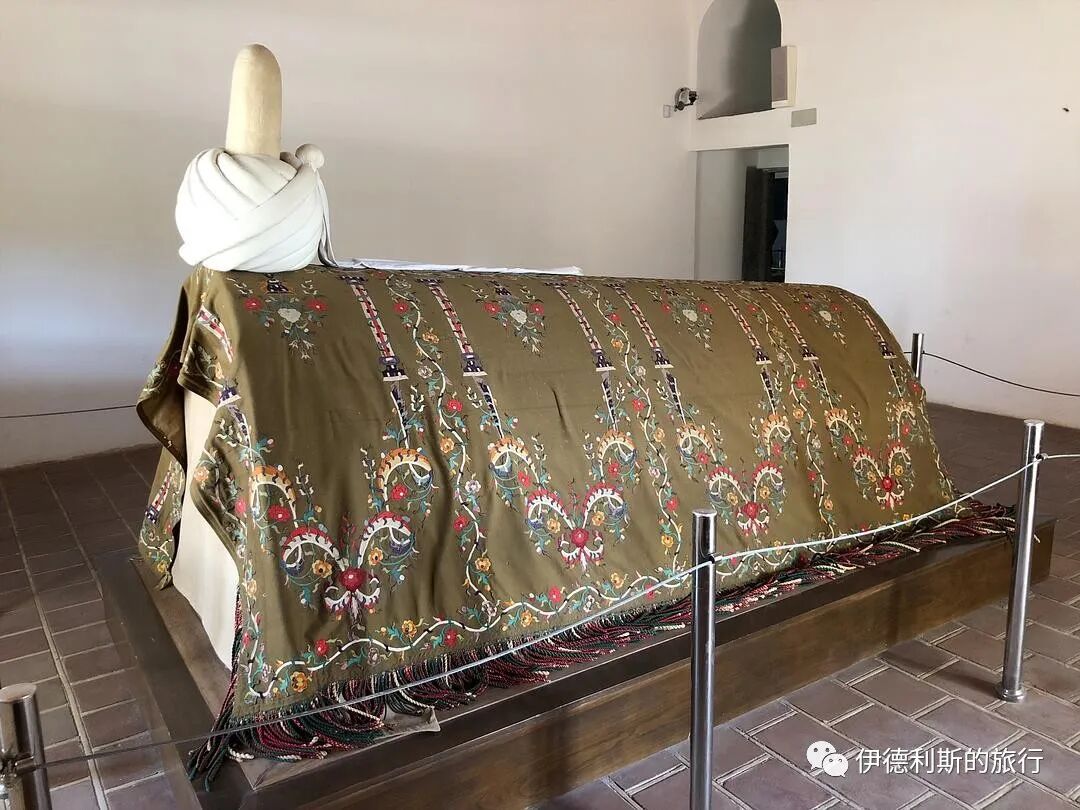
During the reign of Seljuk Rum Sultan Kaykhusraw II (1237–1246), Bedrettin Muslih served as the Islamic law tutor for the next sultan, Kayqubad II (1249–1257). His and his family's tombs are inside the madrasa.
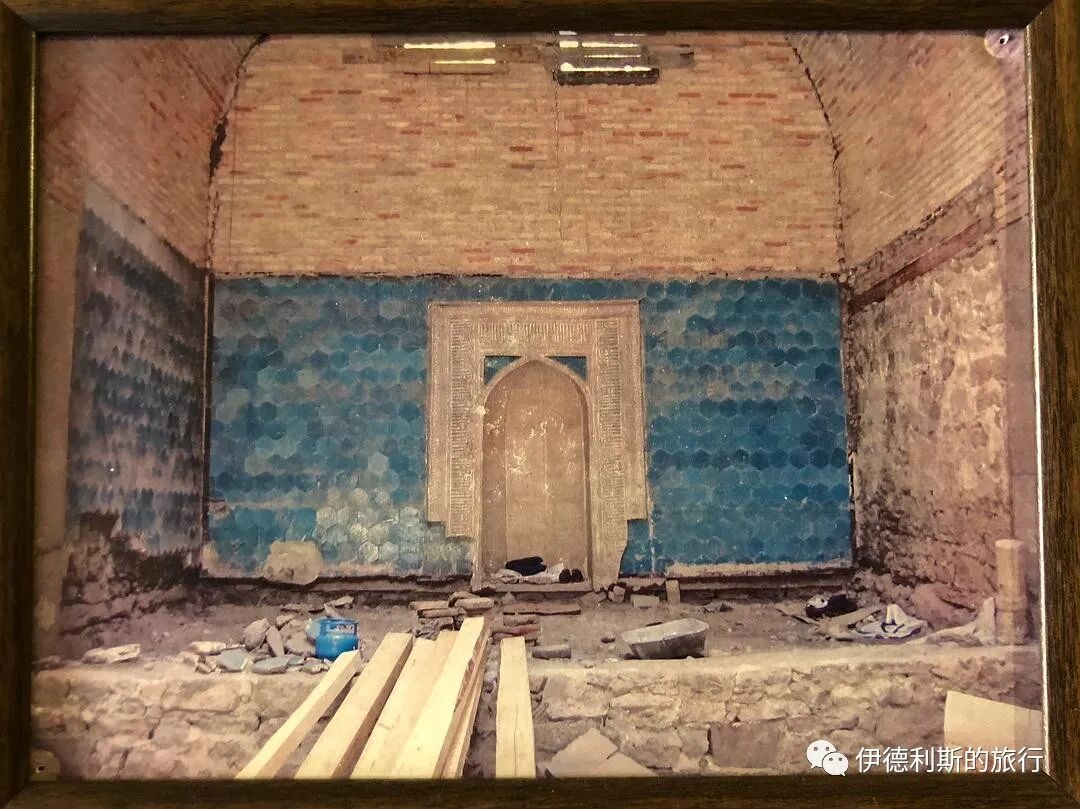
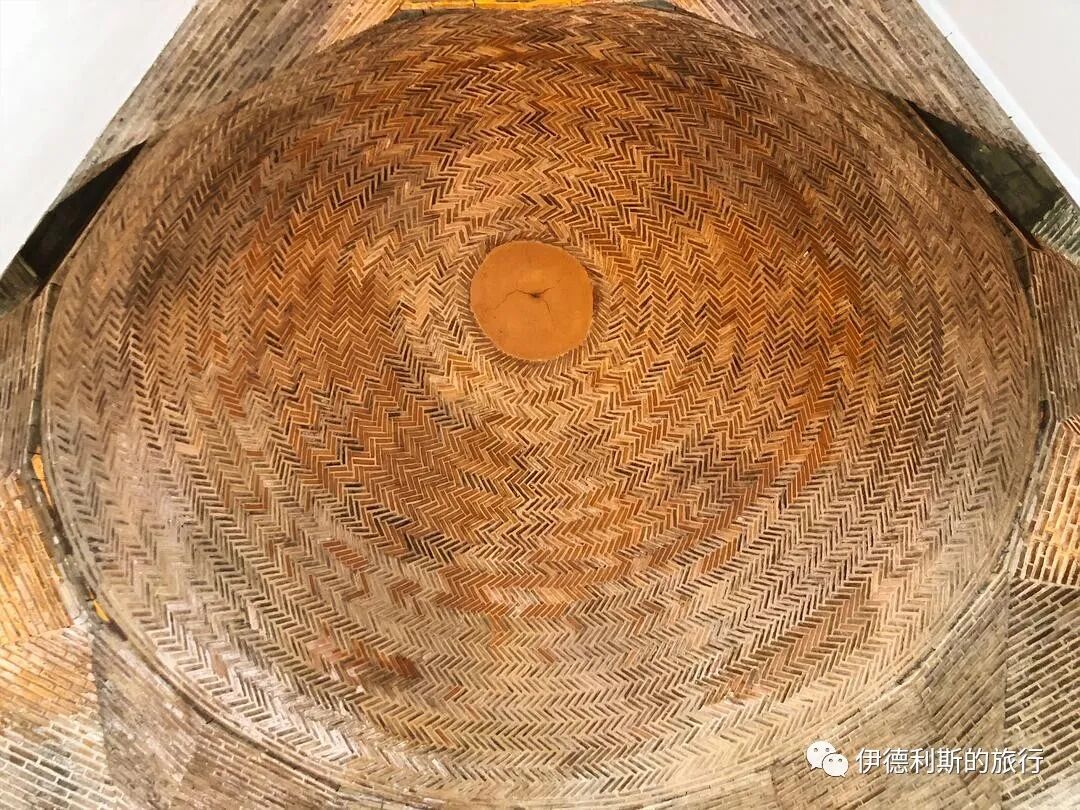
After the 17th century, the madrasa slowly fell into disrepair. Many mosaic tiles fell off. In the 19th century, some classrooms inside were torn down and rebuilt as brick houses.
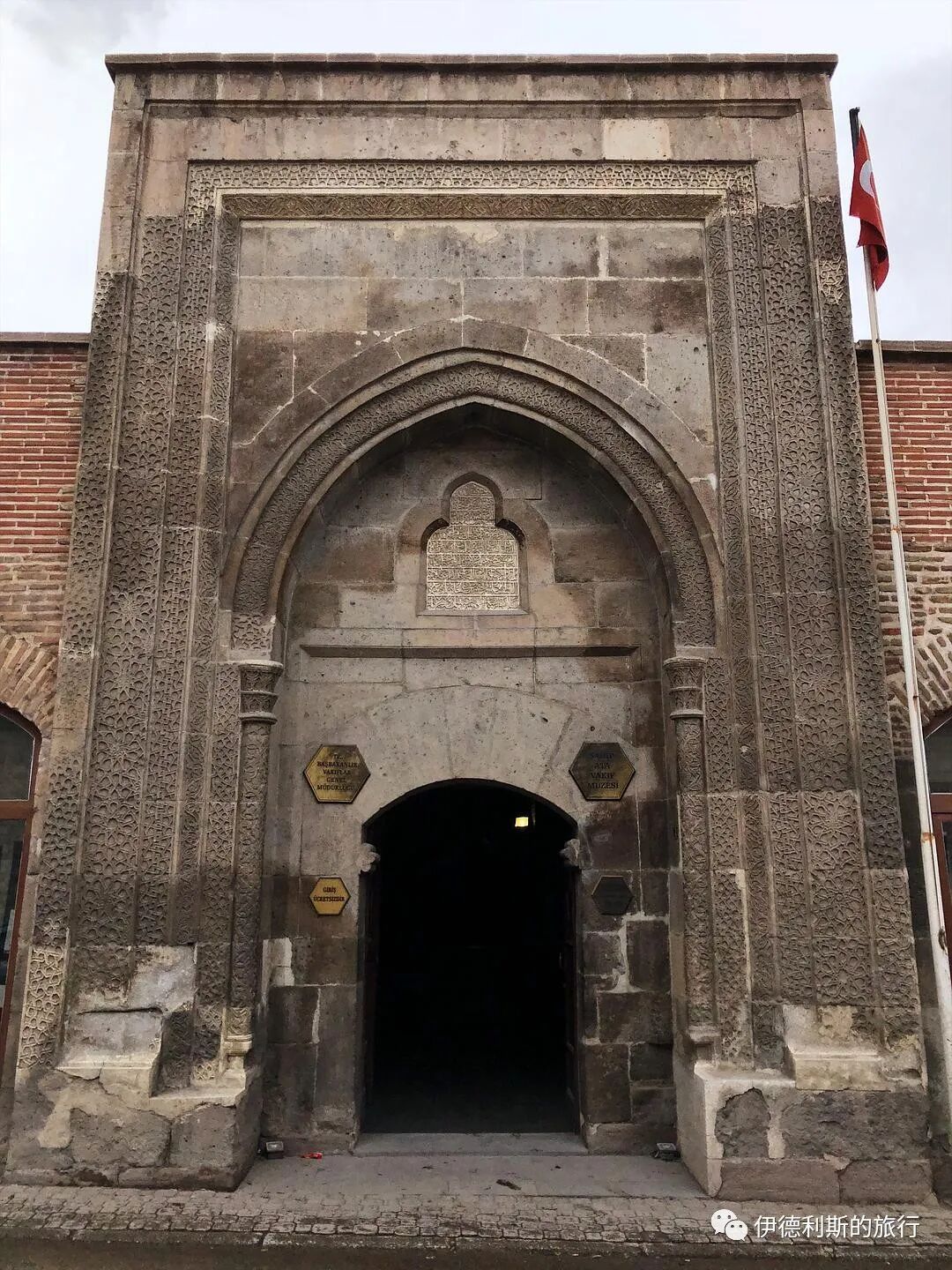
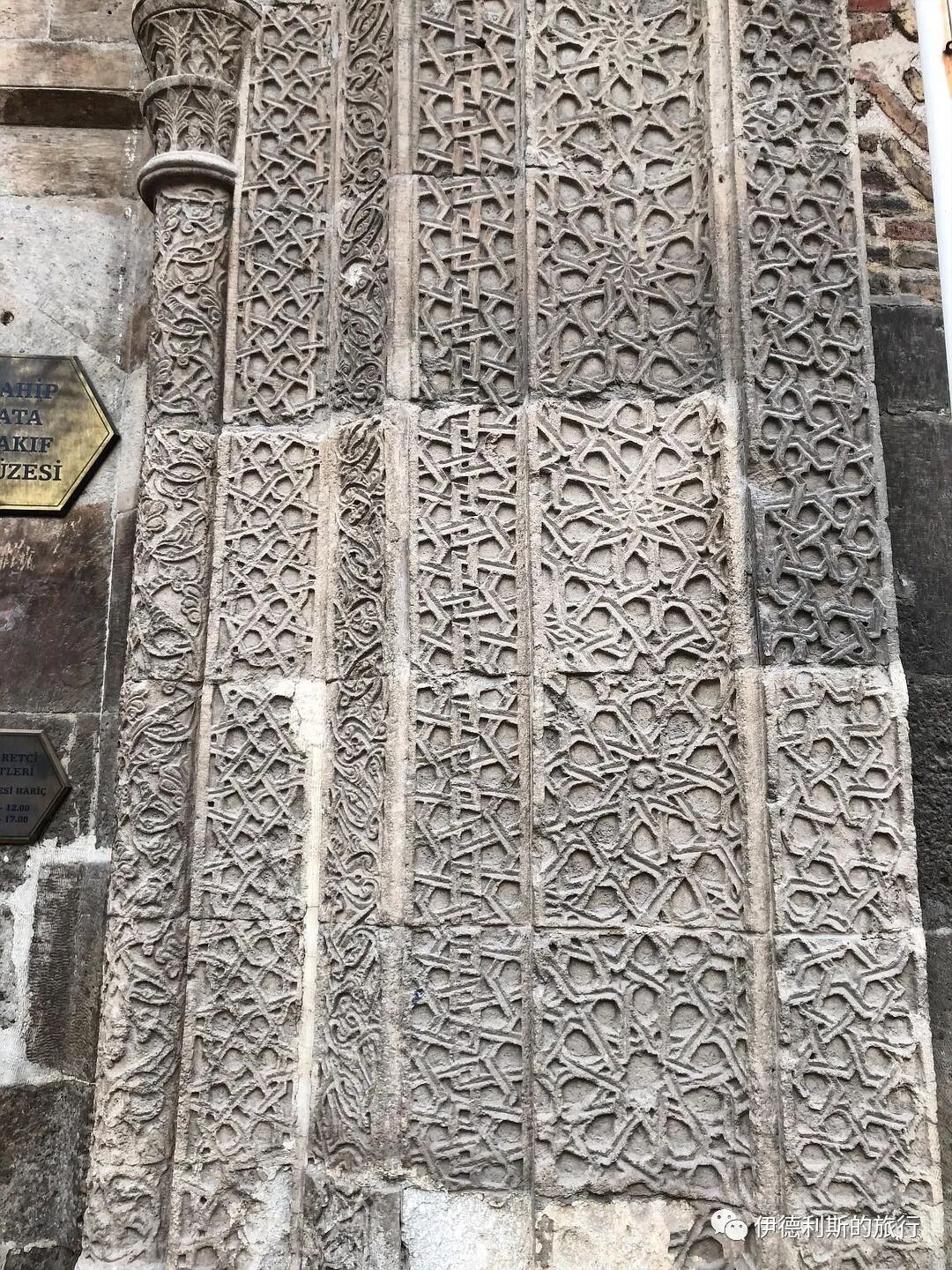
After 1964, this building opened to the public as a tomb museum. But I went on both Saturday and Sunday, and it was closed both days. So I only saw the main gate with its geometric reliefs.
Eleven. Sahib Ata Mosque: 1258.
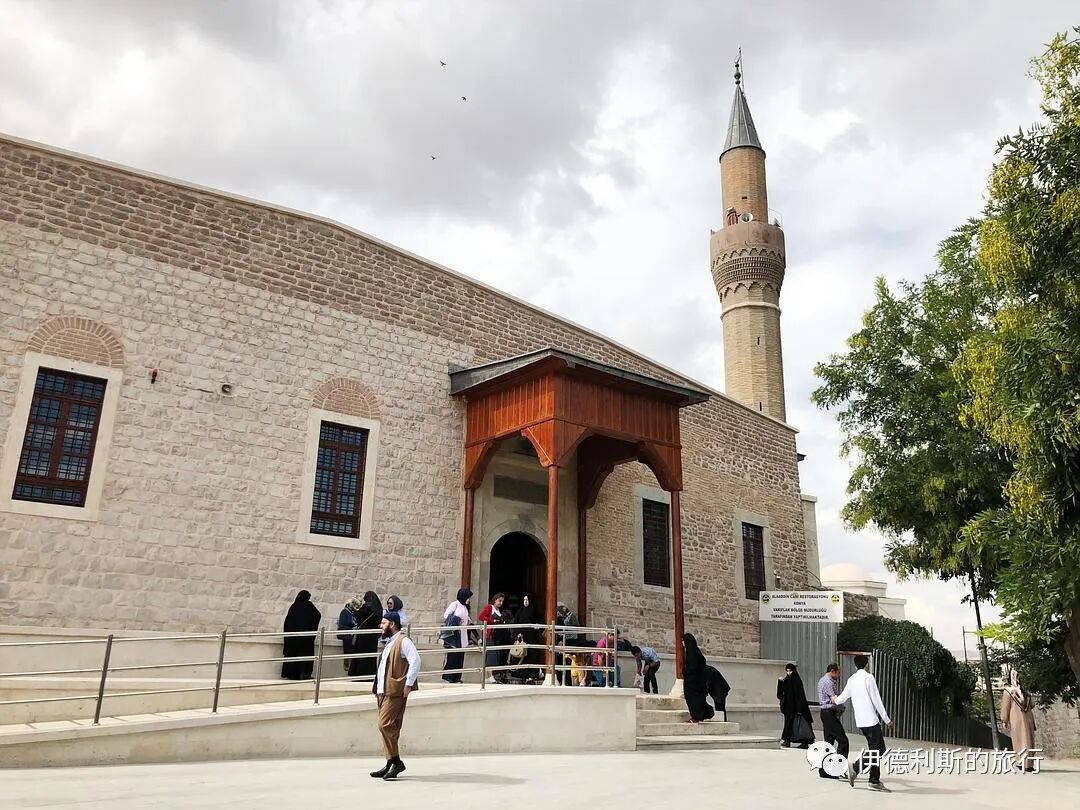
The Sahib Ata Mosque, like the Thin Minaret Madrasa (İnce Minareli Medrese), was built by Sahib Ata Fahreddin Ali. The architect was Keluk bin Abdullah. Sahib Ata was an important official in the Seljuk Rum Sultanate court from the 1250s until his death in 1288. After 1277, he even held great power in the Sultanate.
The mosque is most famous for its main gate and minaret. It was restored between 2006 and 2007.
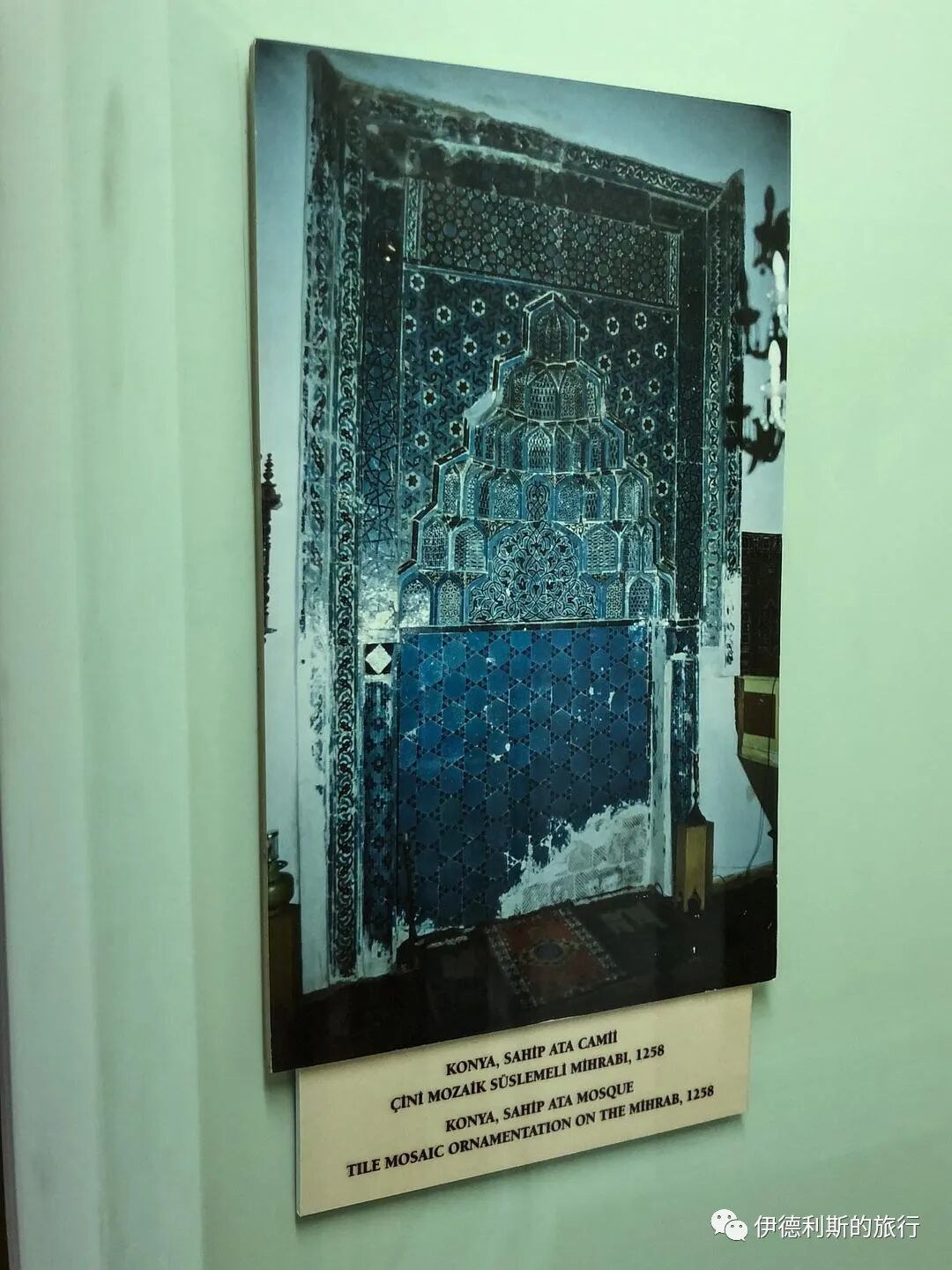
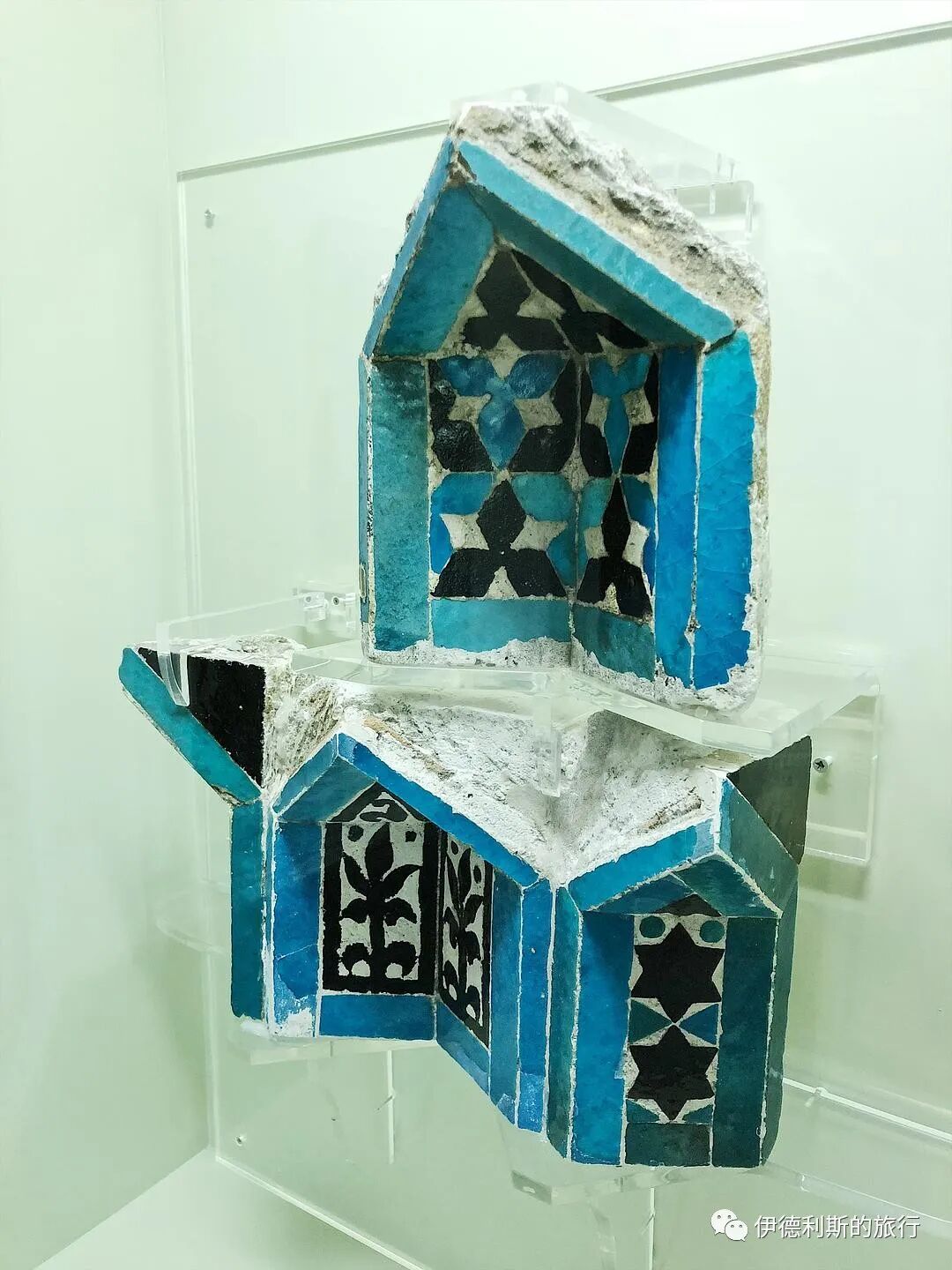
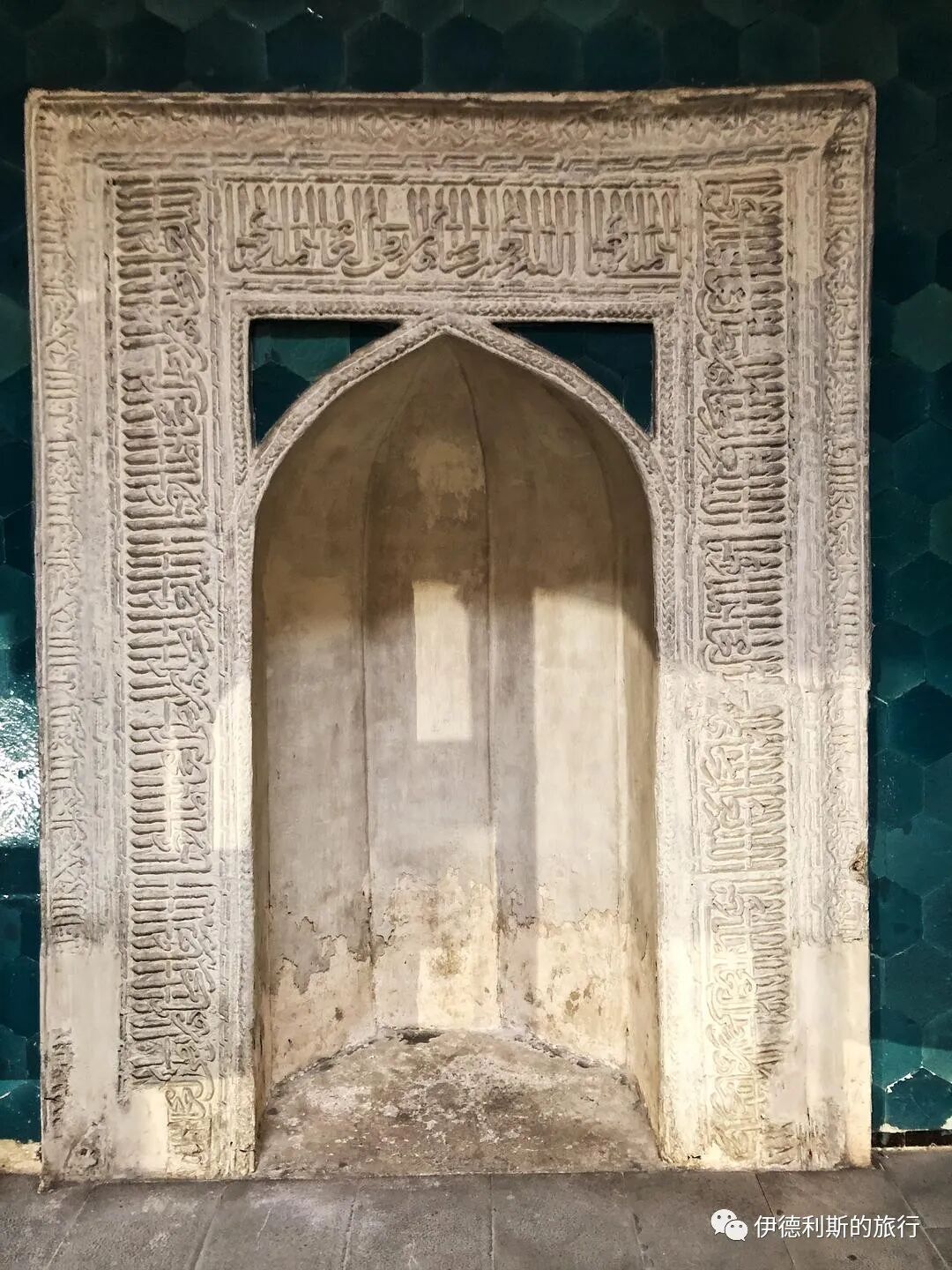
The main prayer hall of the mosque was destroyed by fire in 1871. Only the beautiful Seljuk tiled mihrab survived. Sadly, I forgot to go inside and photograph the mihrab, which left me with regret. However, some of the mihrab's tiles are on display in the Tile Kiosk of the Istanbul Archaeology Museums.
Twelve. Sahib Ata Madrasa: 1258.
Besides the mosque, Sahib Ata also built an entire complex here. It includes a madrasa, a Sufi lodge, a bathhouse, and a family tomb. The madrasa is now open to the public as the Sahib Ata Foundation Museum. It was restored between 2006 and 2007 and is known for its dark blue and sky blue Seljuk tiles.
Thirteen. Artifacts in the Turkish and Islamic Arts Museum.
The Turkish and Islamic Arts Museum in Istanbul has several Seljuk artifacts from Konya.
13th-century stone relief of a warrior.
13th-century Quranic tile.
13th-century Quranic tile.
13th-century mosaic tile. view all
Summary: Konya — Seljuk History and Muslim Heritage is presented here as a firsthand travel account in clear English, beginning with this scene: Ten. Glass Madrasa (Sırçalı Medrese): 1242. The account keeps its focus on Konya Travel, Seljuk History, Muslim Heritage while preserving the names, places, food, and historical details from the Chinese source.
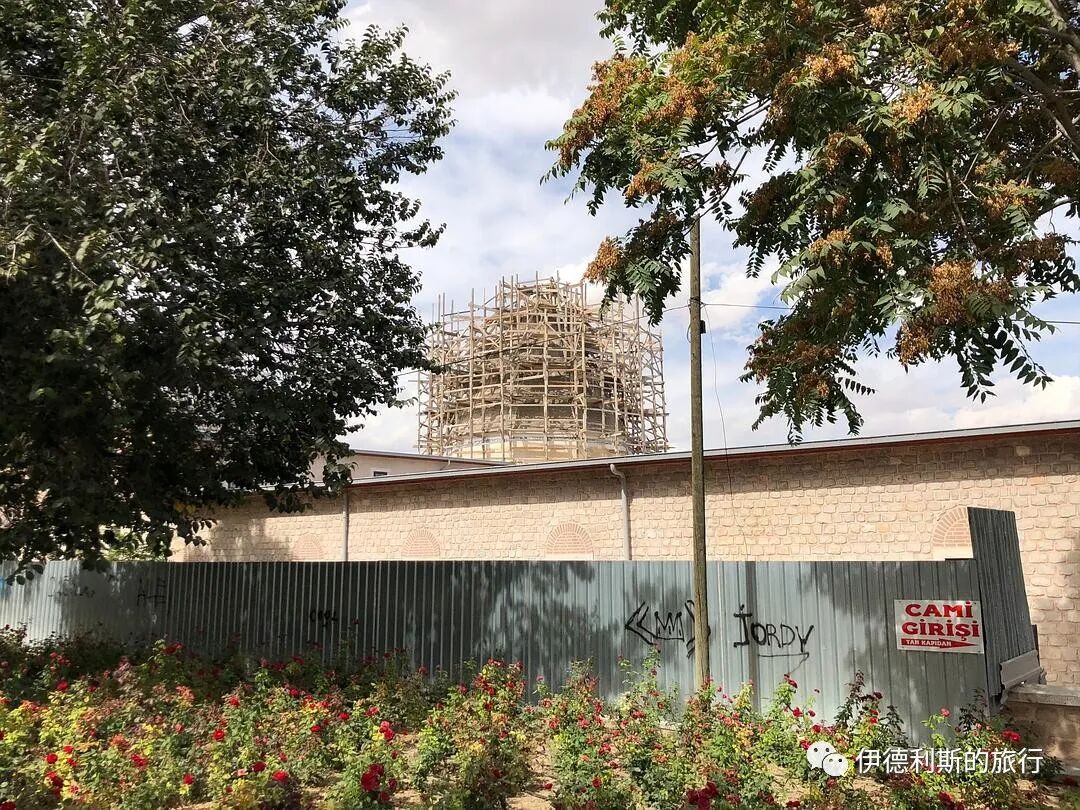
The Seljuk Rum Sultan's Tomb is under renovation and not open.
Ten. Glass Madrasa (Sırçalı Medrese): 1242.
The Glass Madrasa (Sırçalı Medrese) was commissioned in 1242 by Emir Bedrettin Muslih. Its architect was Muhammed bin Osman el Tusi. This building is known for its colorful mosaic tiles.
During the reign of Seljuk Rum Sultan Kaykhusraw II (1237–1246), Bedrettin Muslih served as the Islamic law tutor for the next sultan, Kayqubad II (1249–1257). His and his family's tombs are inside the madrasa.
After the 17th century, the madrasa slowly fell into disrepair. Many mosaic tiles fell off. In the 19th century, some classrooms inside were torn down and rebuilt as brick houses.
After 1964, this building opened to the public as a tomb museum. But I went on both Saturday and Sunday, and it was closed both days. So I only saw the main gate with its geometric reliefs.
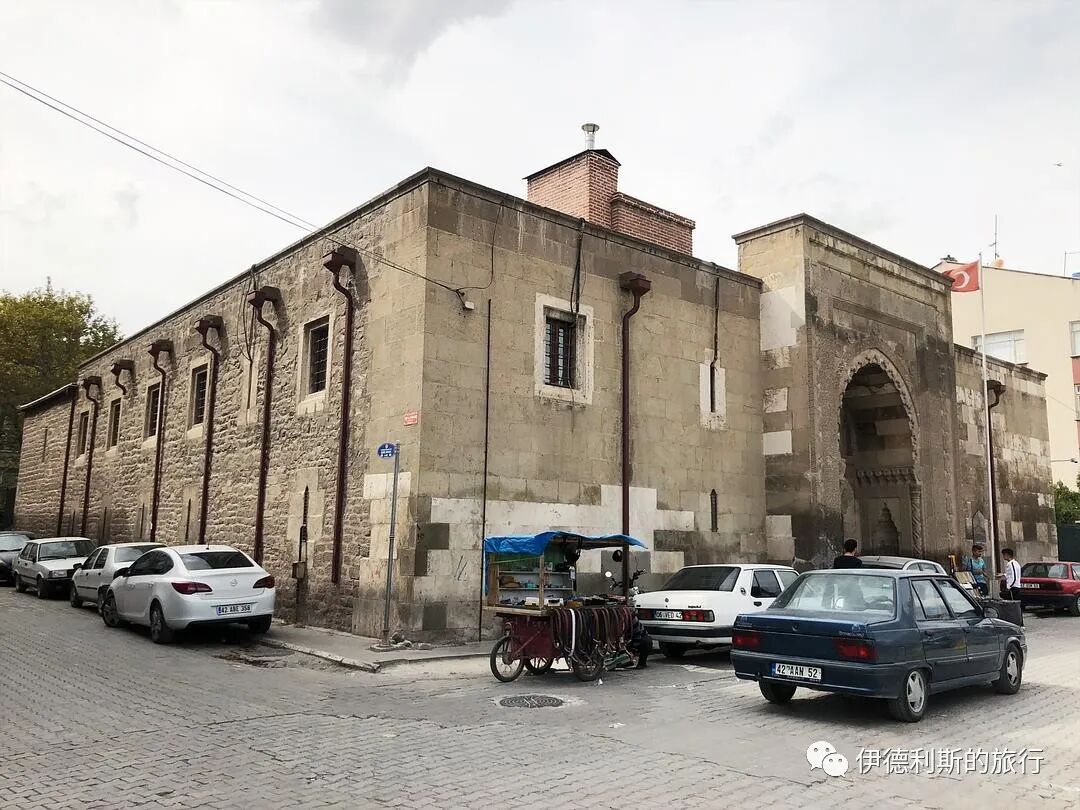
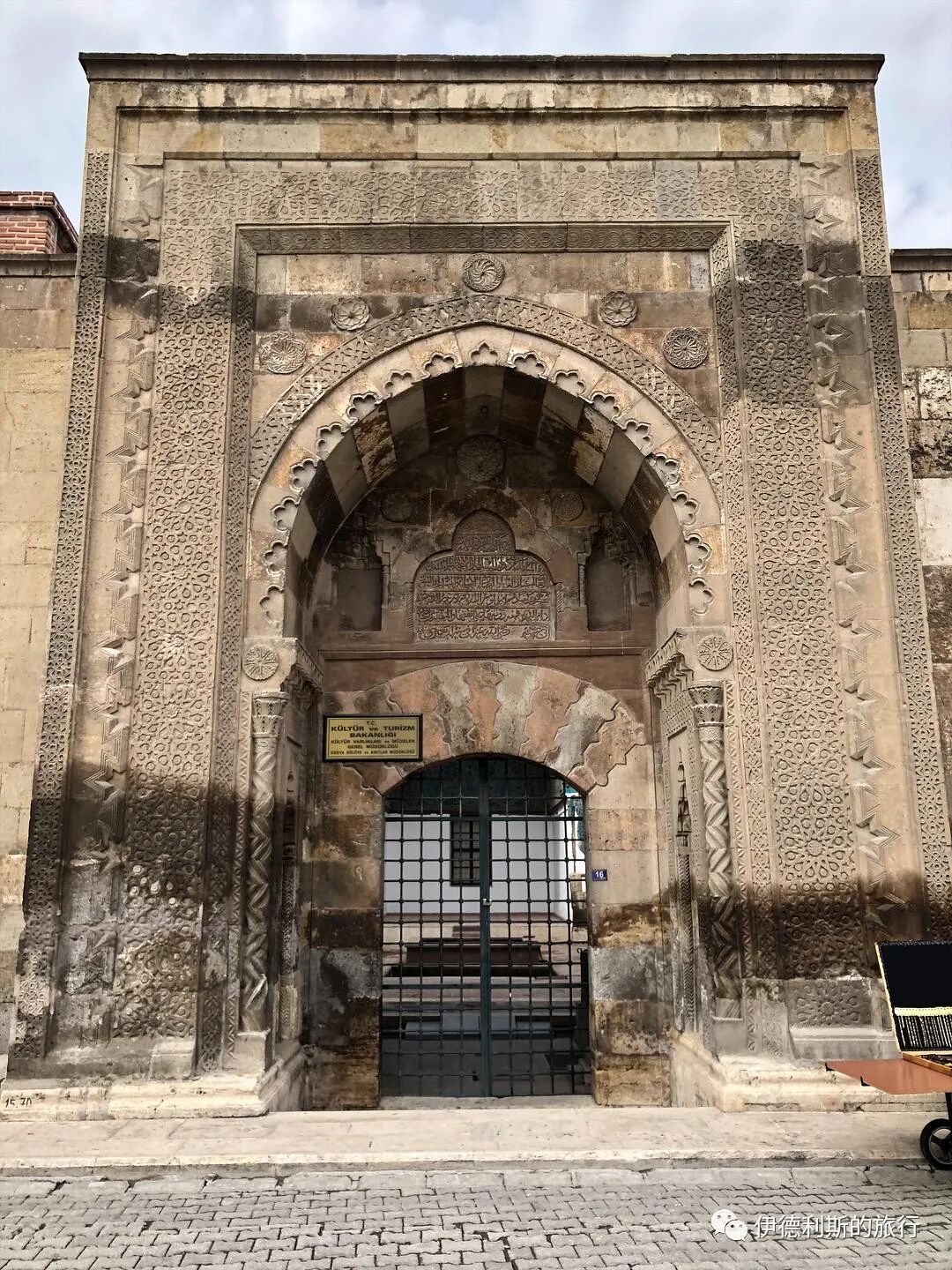
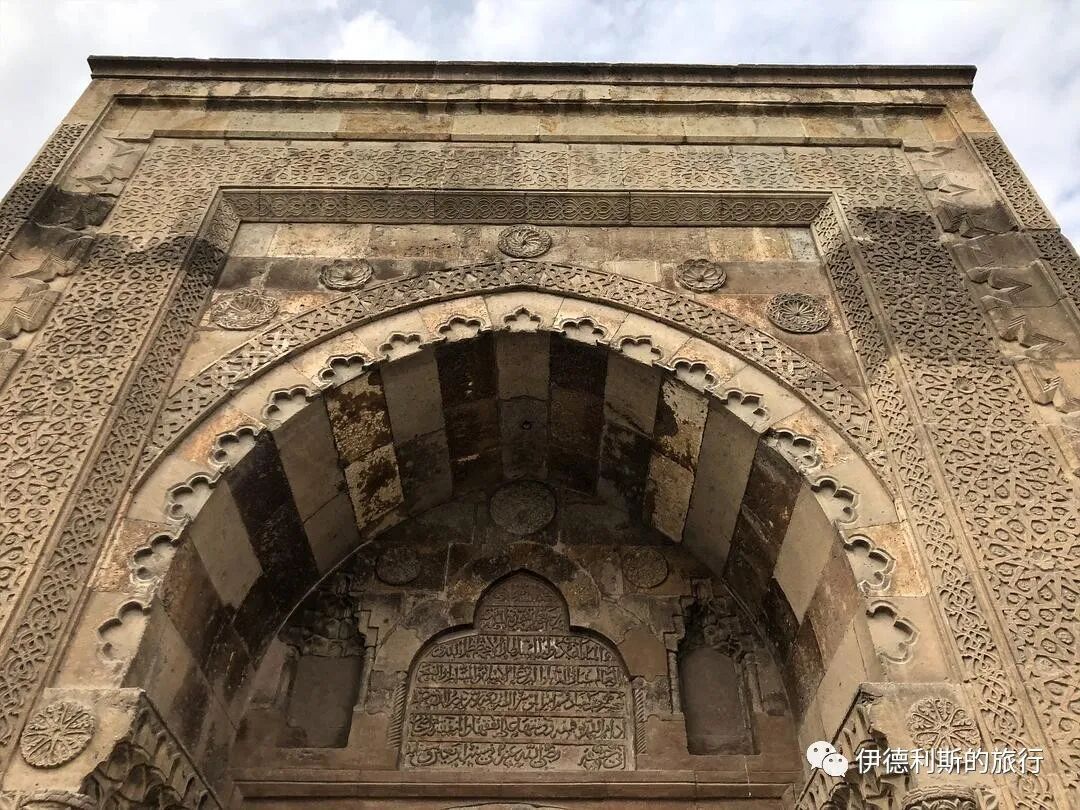
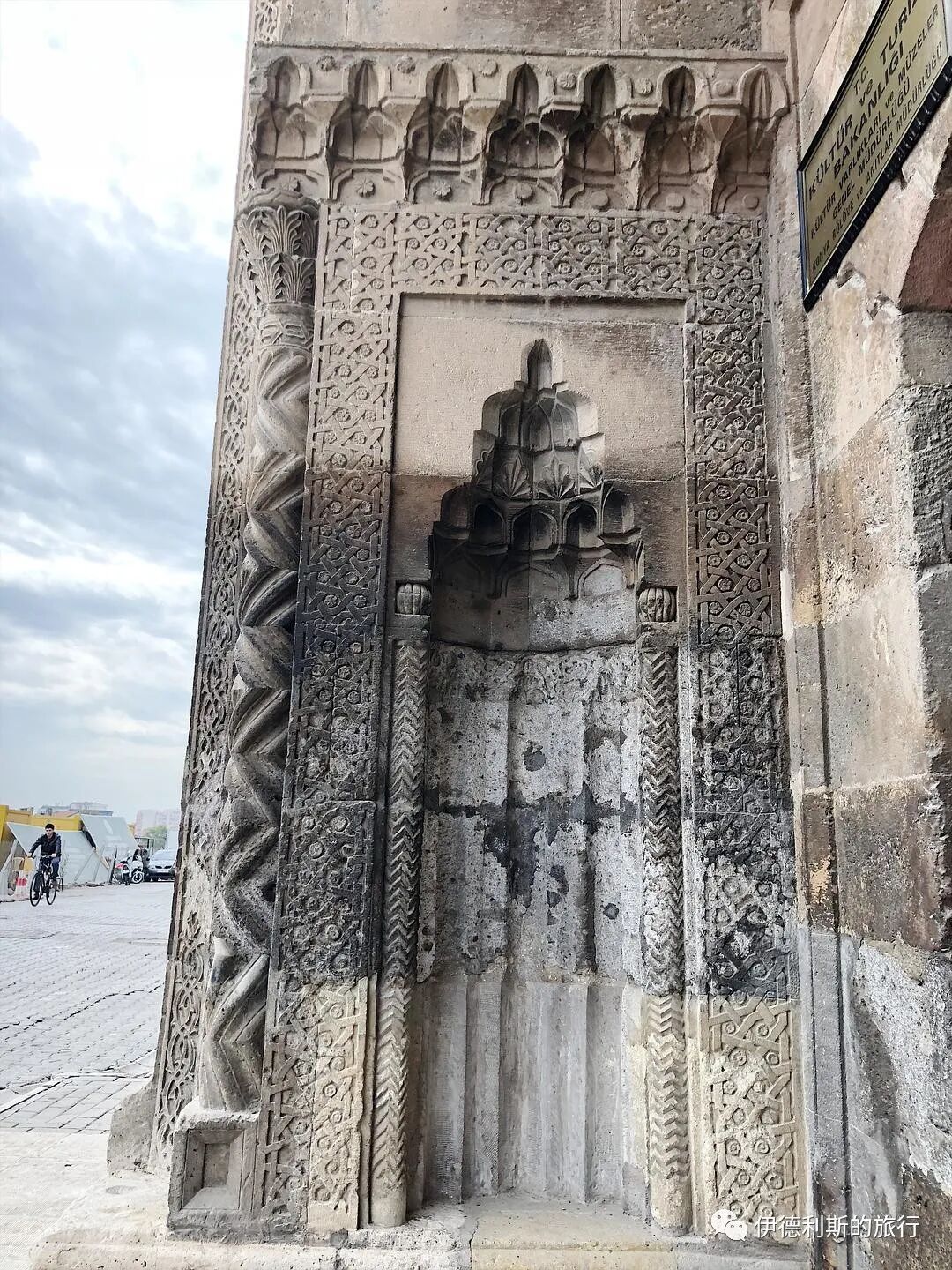
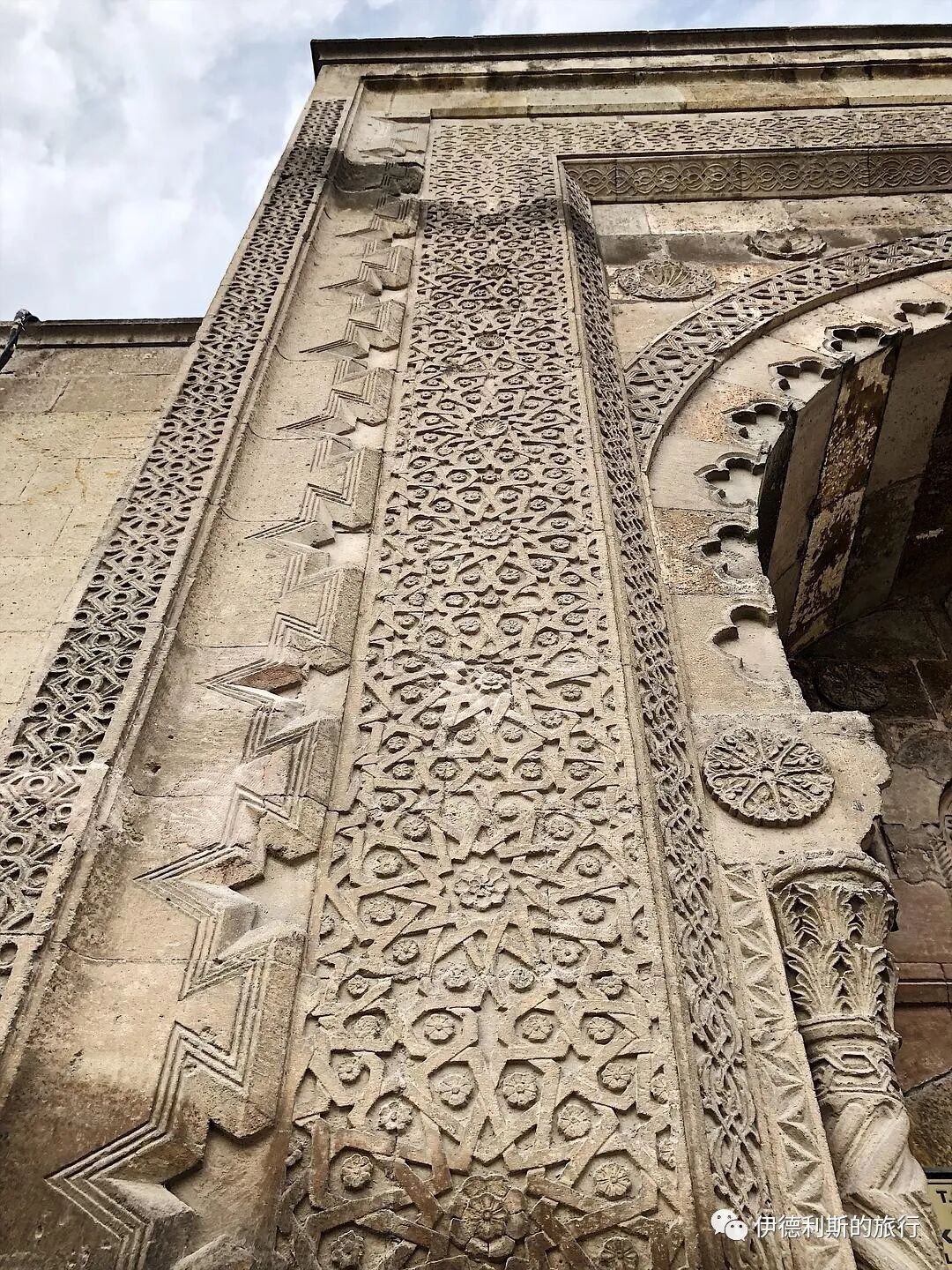
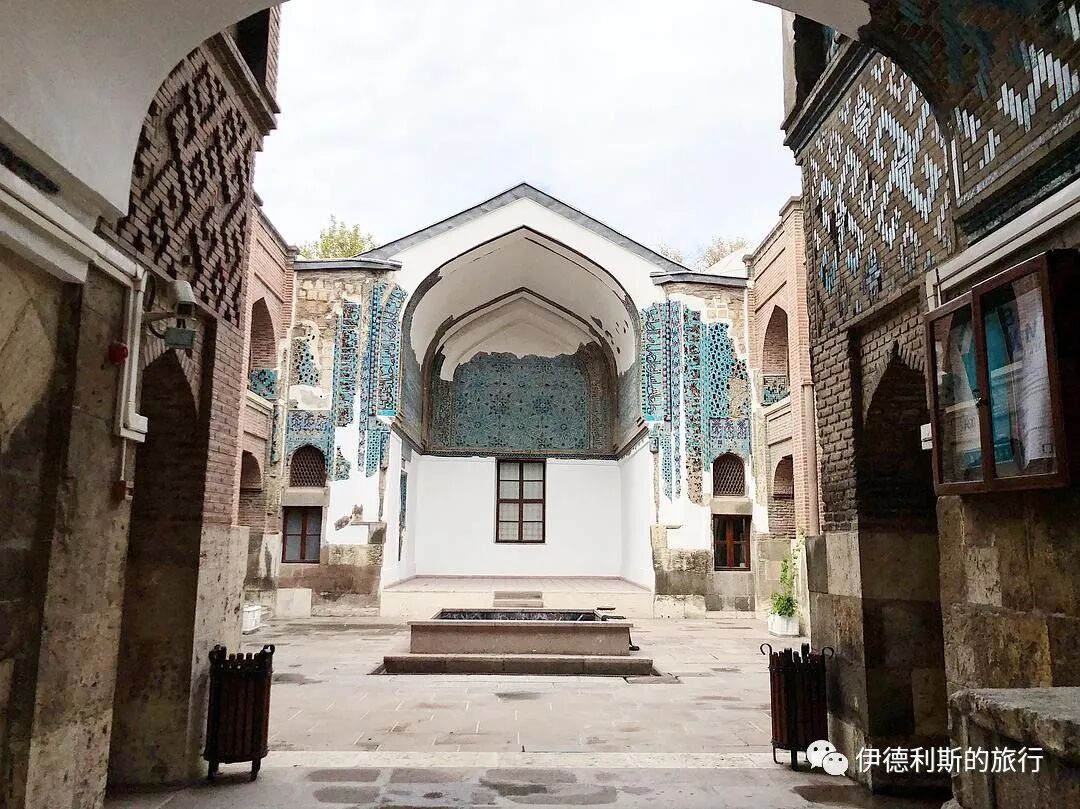
Eleven. Sahib Ata Mosque: 1258.
The Sahib Ata Mosque, like the Thin Minaret Madrasa (İnce Minareli Medrese), was built by Sahib Ata Fahreddin Ali. The architect was Keluk bin Abdullah. Sahib Ata was an important official in the Seljuk Rum Sultanate court from the 1250s until his death in 1288. After 1277, he even held great power in the Sultanate.
The mosque is most famous for its main gate and minaret. It was restored between 2006 and 2007.
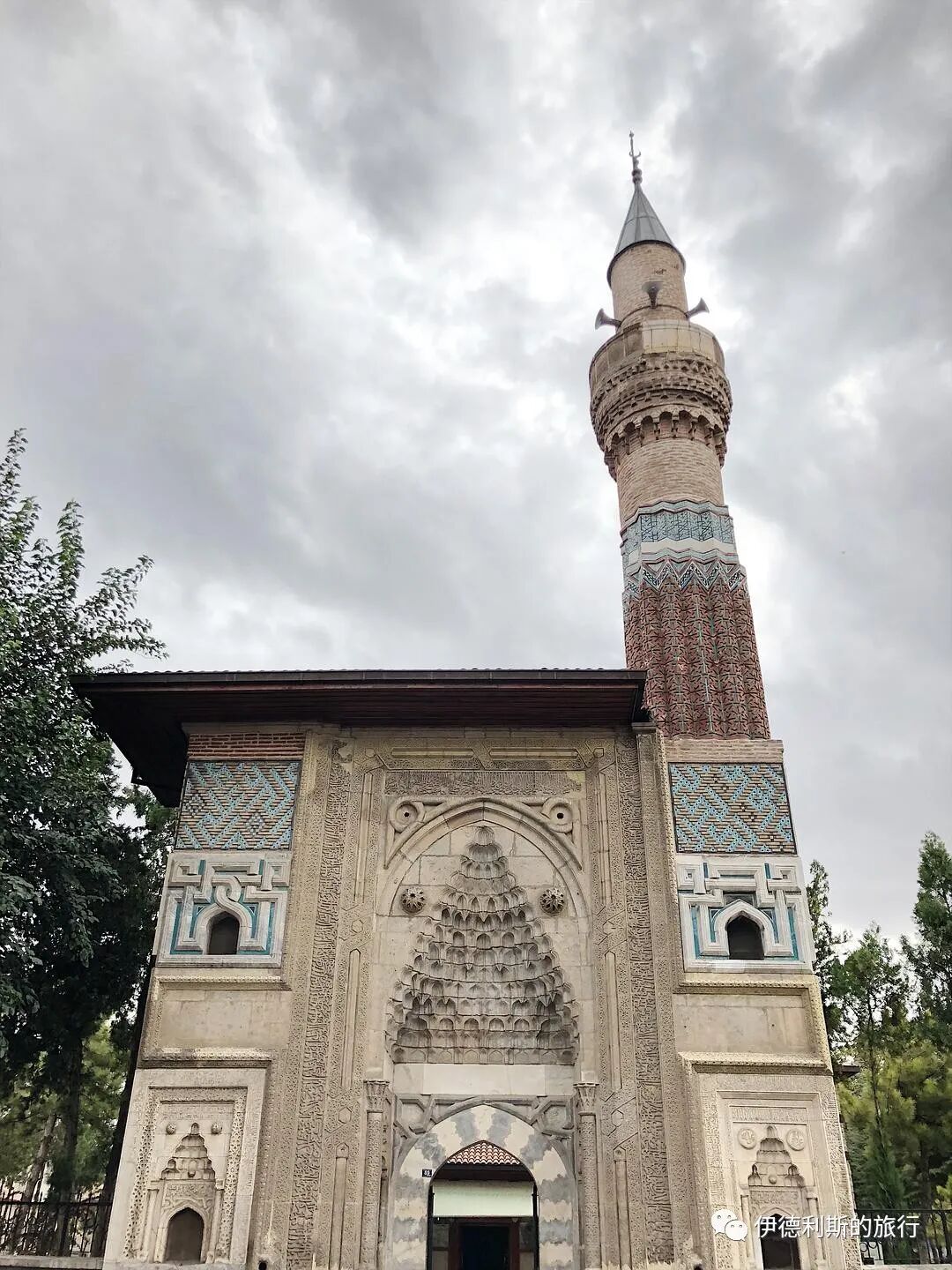
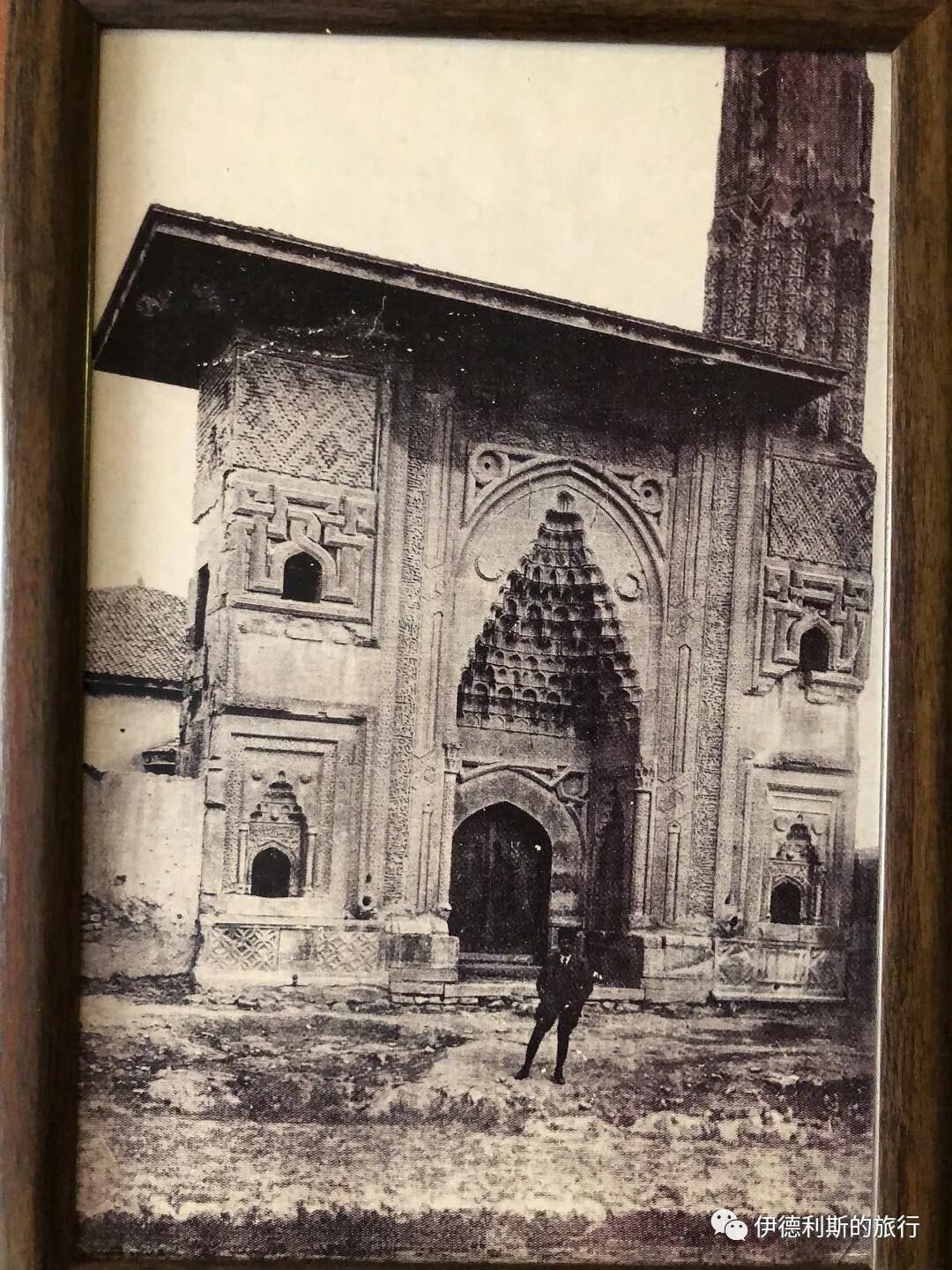
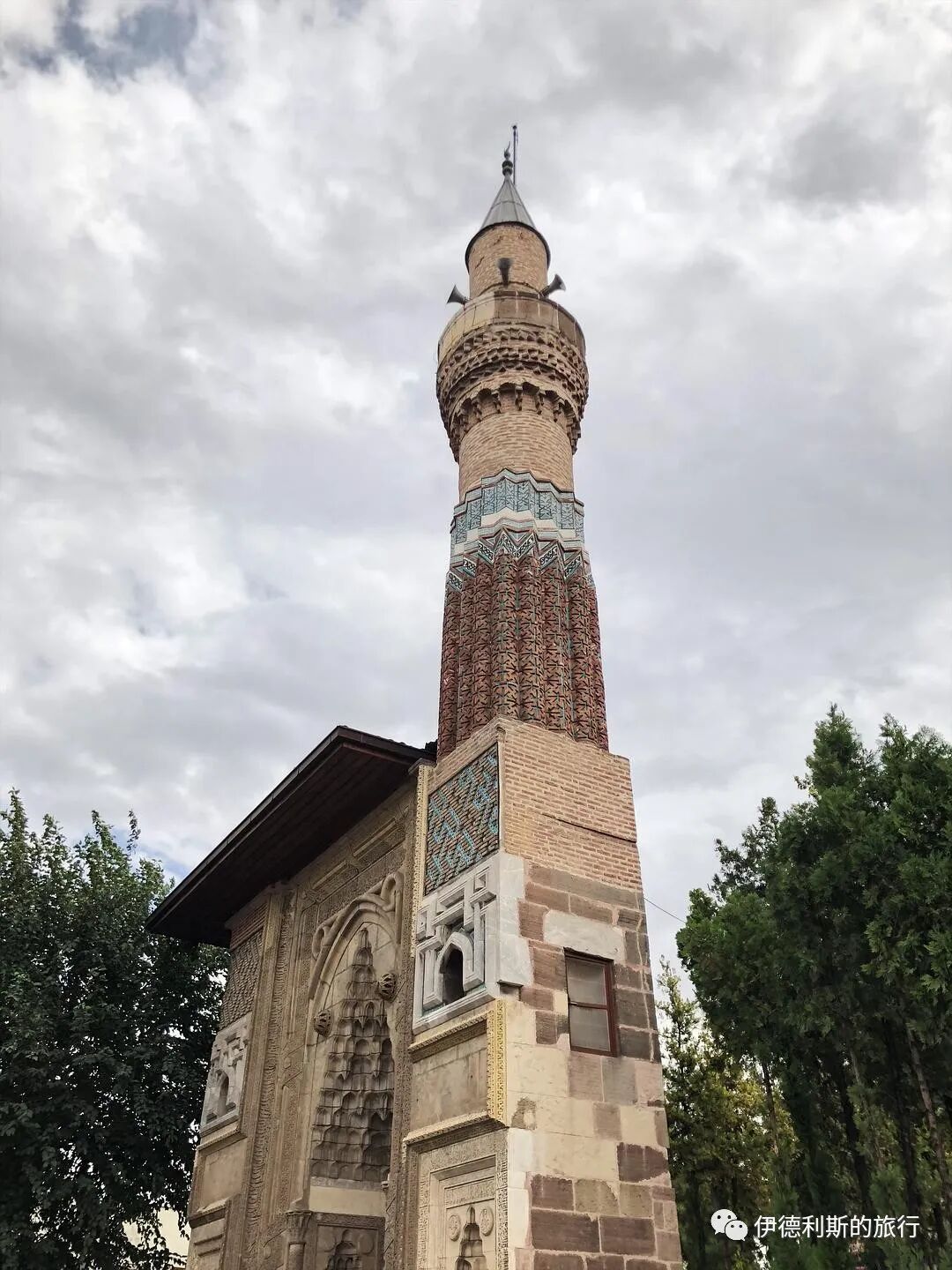
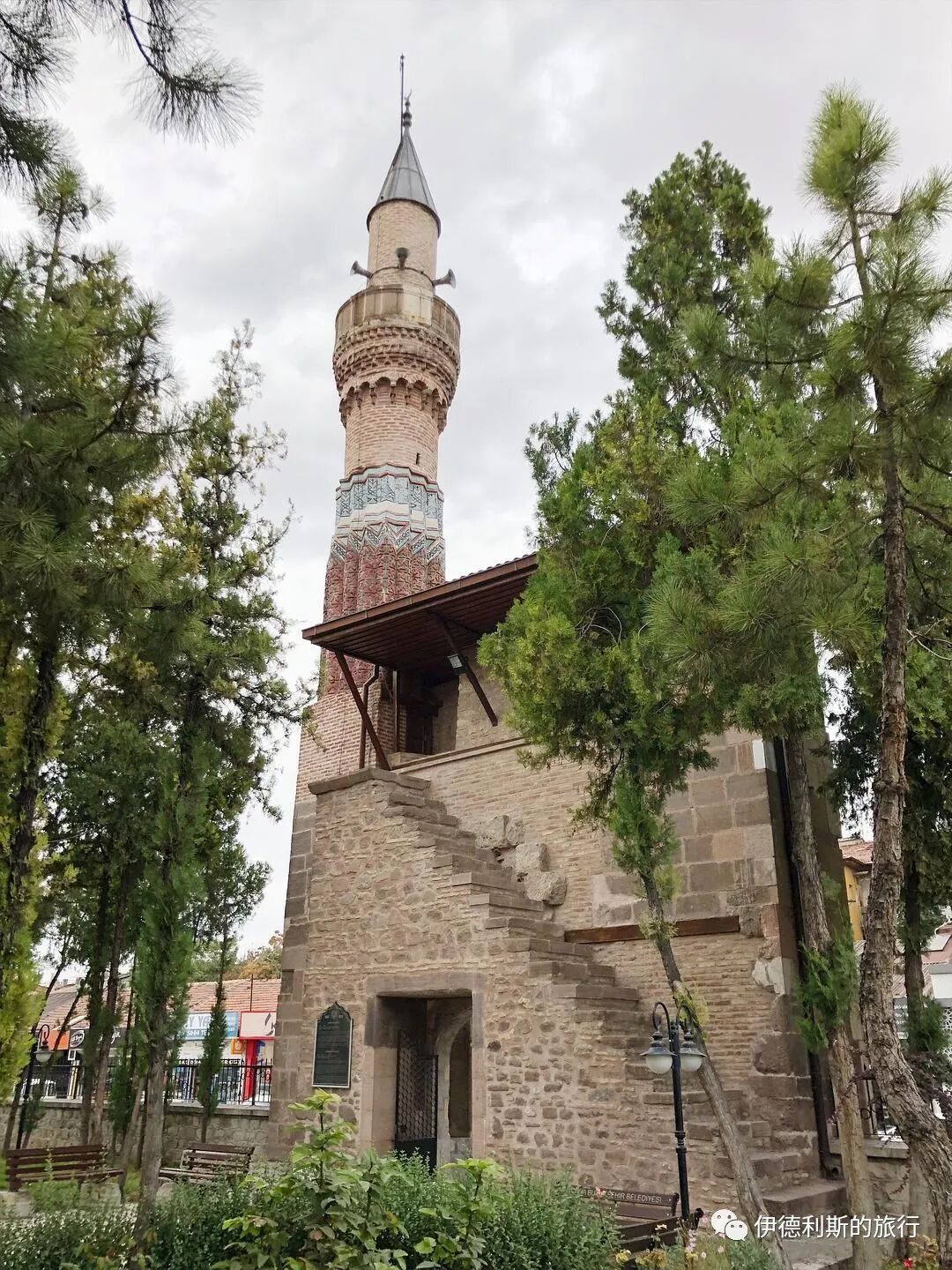
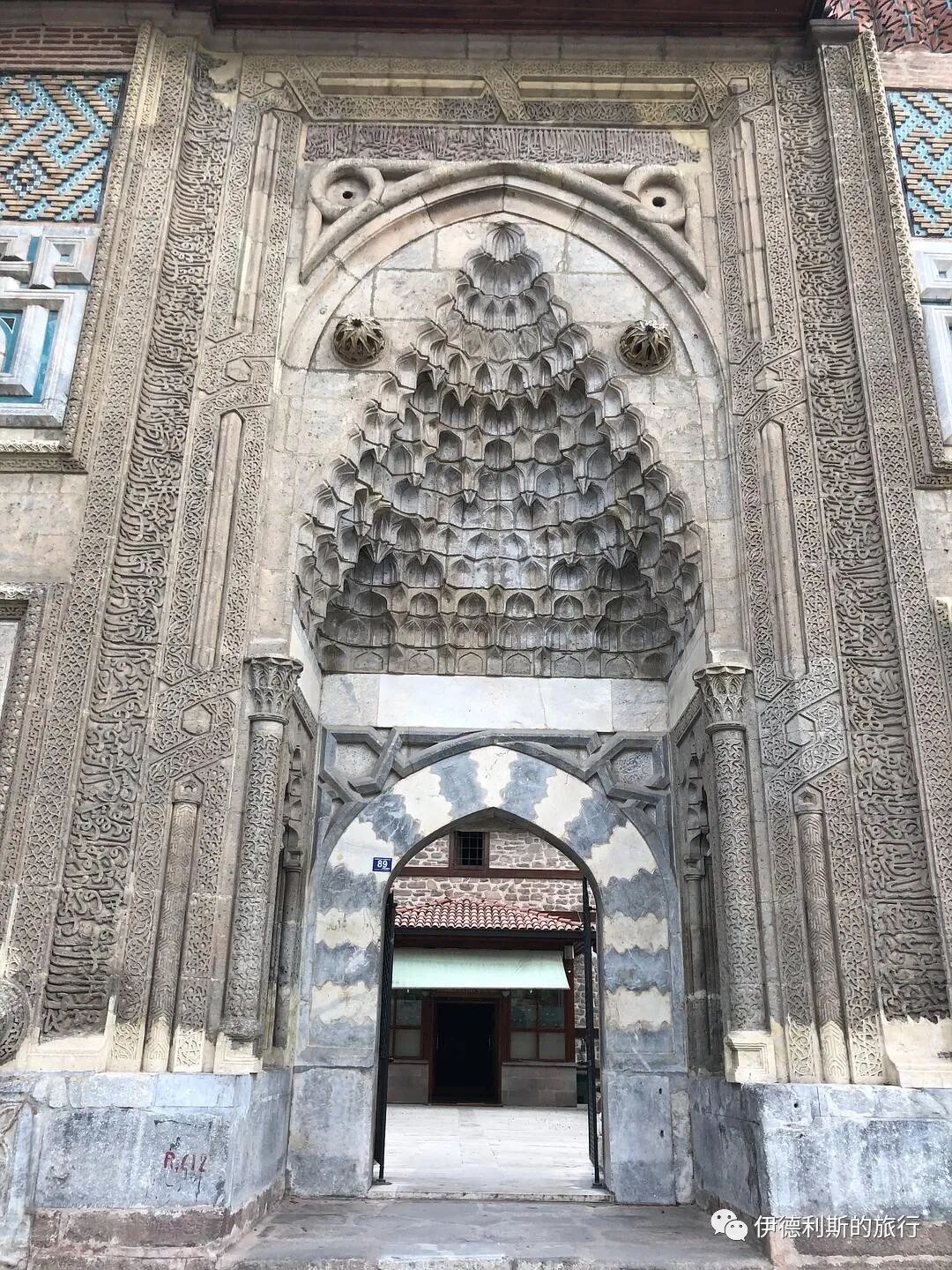
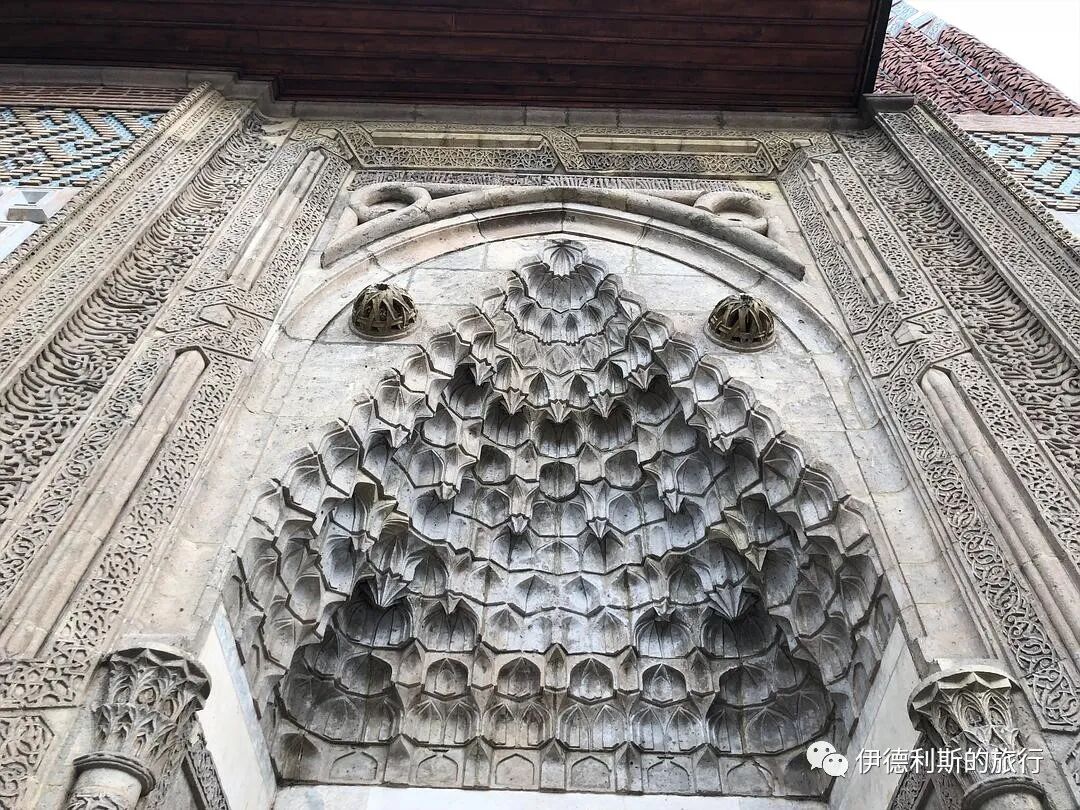
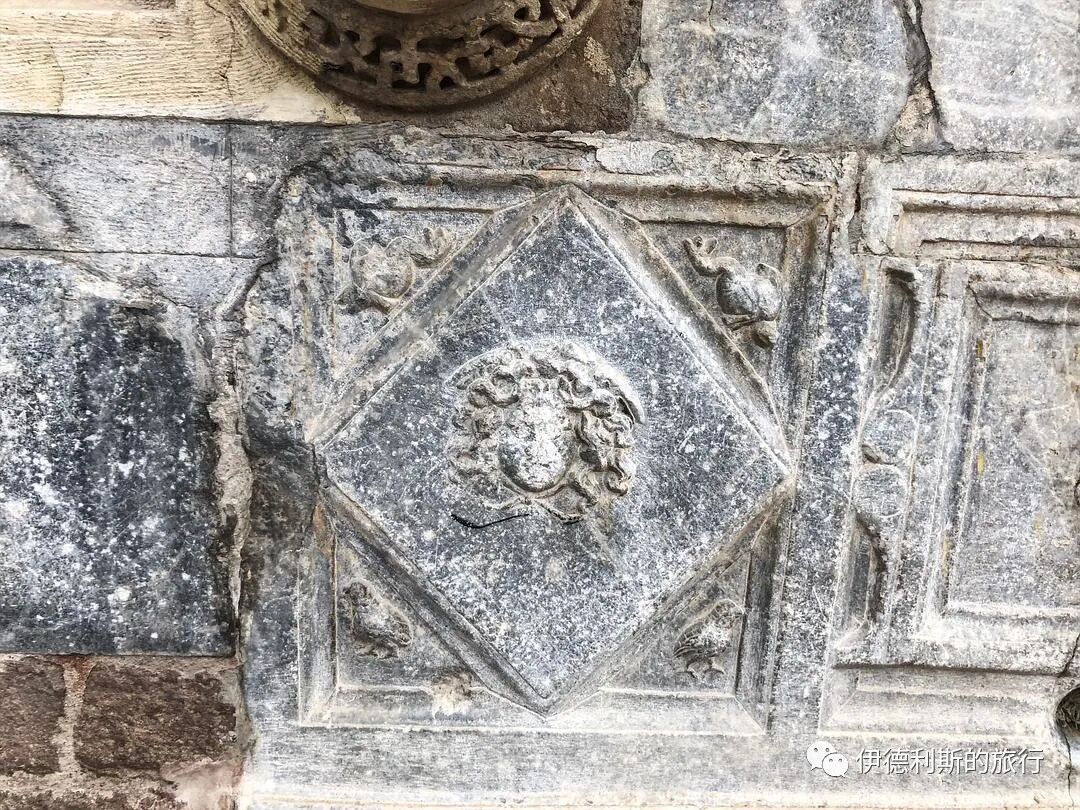
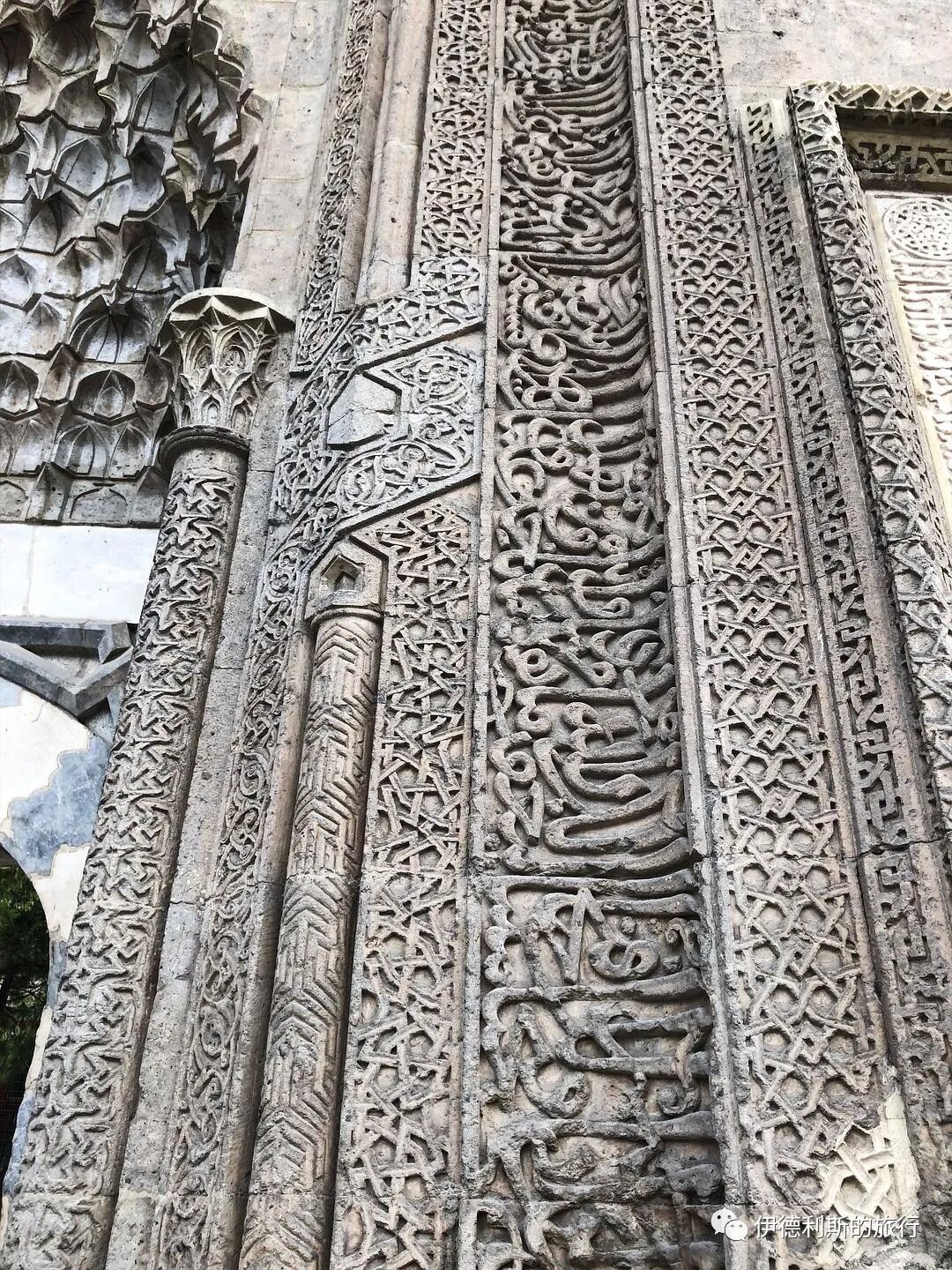
The main prayer hall of the mosque was destroyed by fire in 1871. Only the beautiful Seljuk tiled mihrab survived. Sadly, I forgot to go inside and photograph the mihrab, which left me with regret. However, some of the mihrab's tiles are on display in the Tile Kiosk of the Istanbul Archaeology Museums.
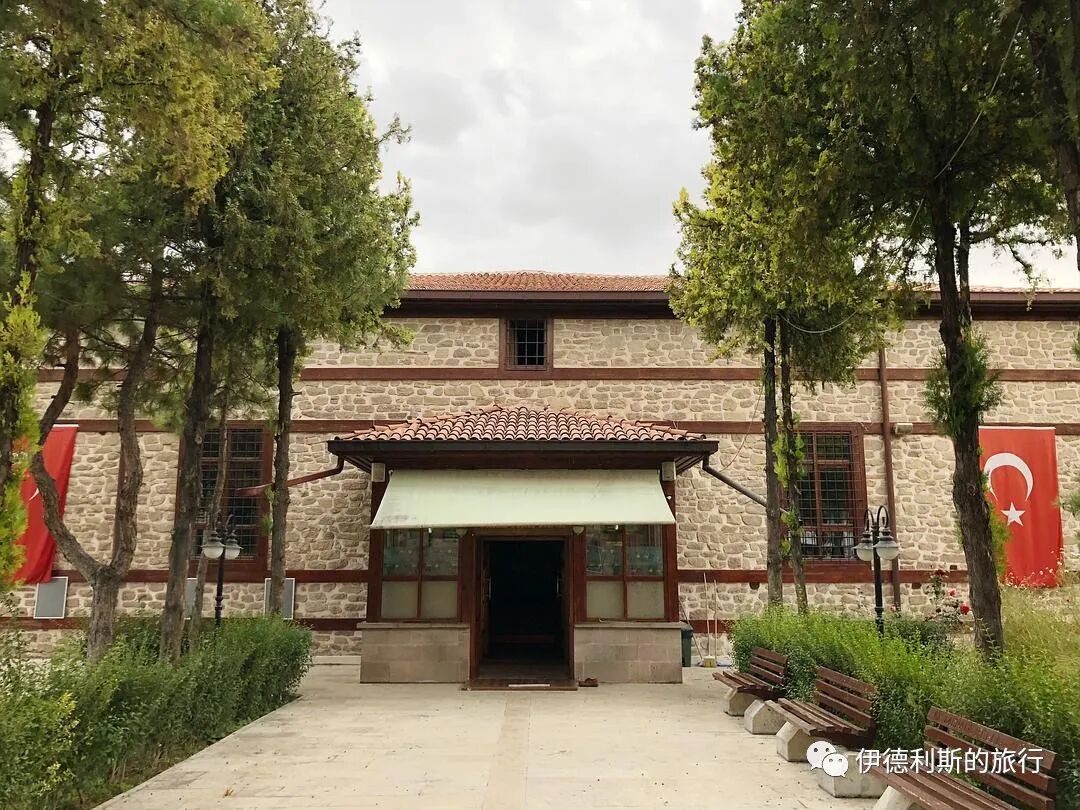
Twelve. Sahib Ata Madrasa: 1258.
Besides the mosque, Sahib Ata also built an entire complex here. It includes a madrasa, a Sufi lodge, a bathhouse, and a family tomb. The madrasa is now open to the public as the Sahib Ata Foundation Museum. It was restored between 2006 and 2007 and is known for its dark blue and sky blue Seljuk tiles.
Thirteen. Artifacts in the Turkish and Islamic Arts Museum.
The Turkish and Islamic Arts Museum in Istanbul has several Seljuk artifacts from Konya.
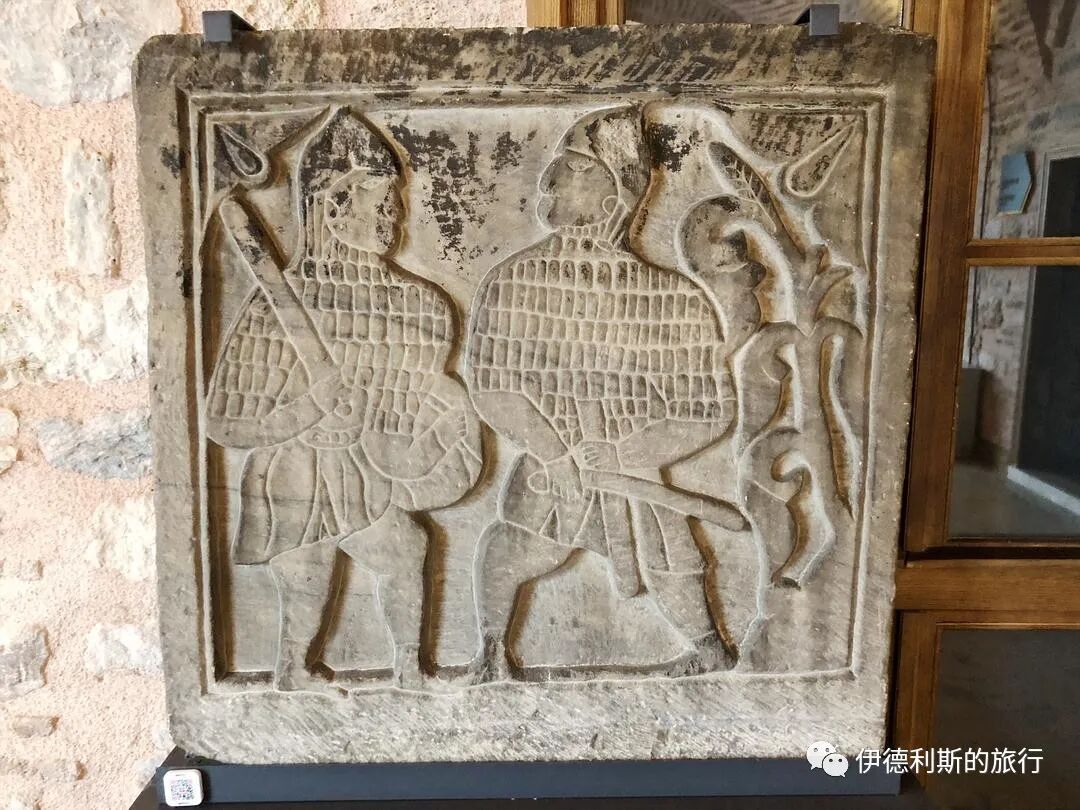
13th-century stone relief of a warrior.
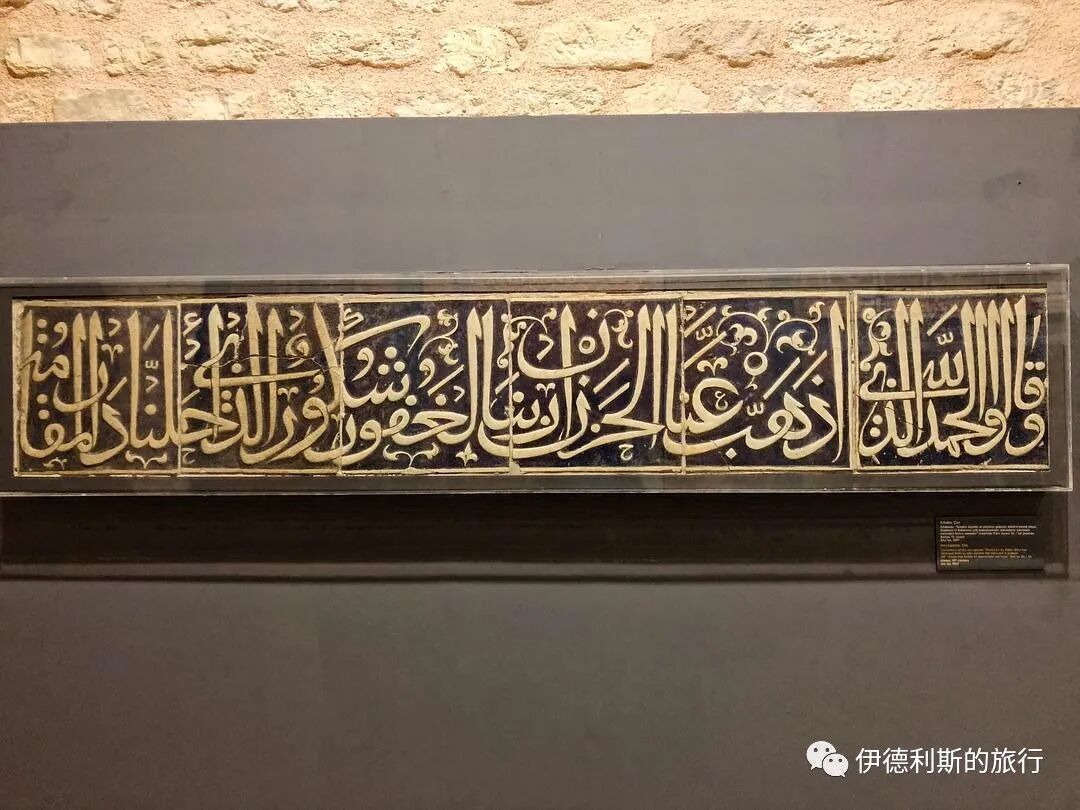
13th-century Quranic tile.
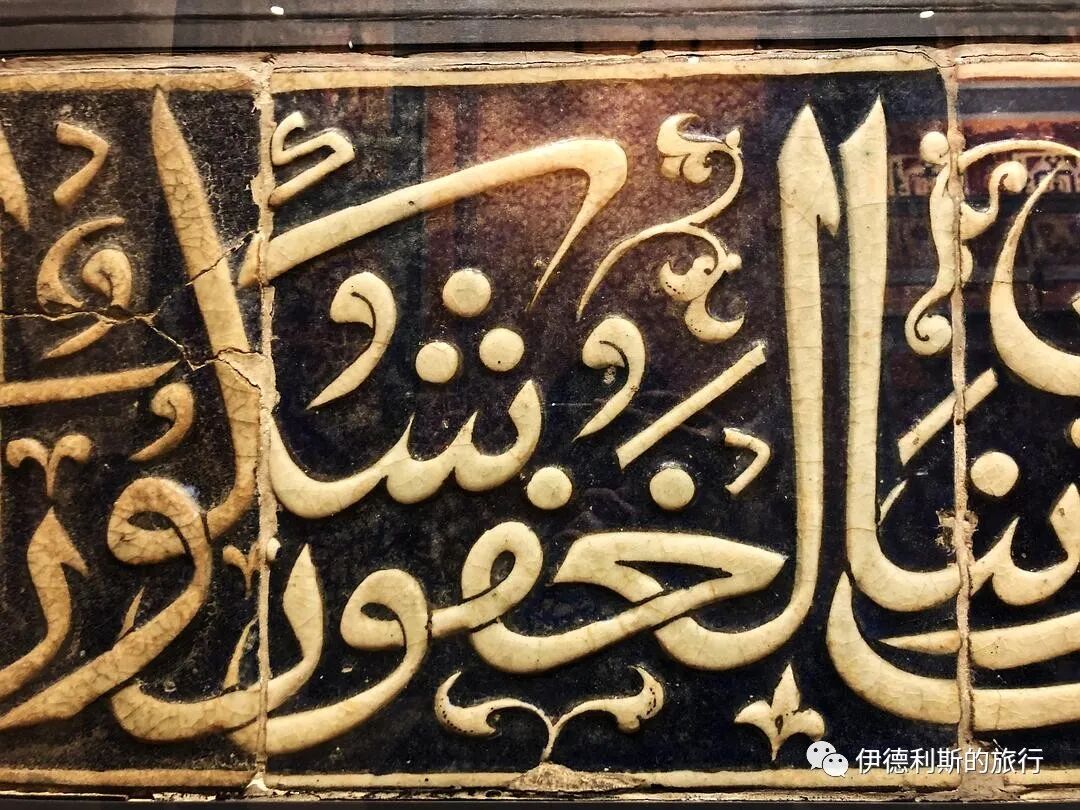
13th-century Quranic tile.
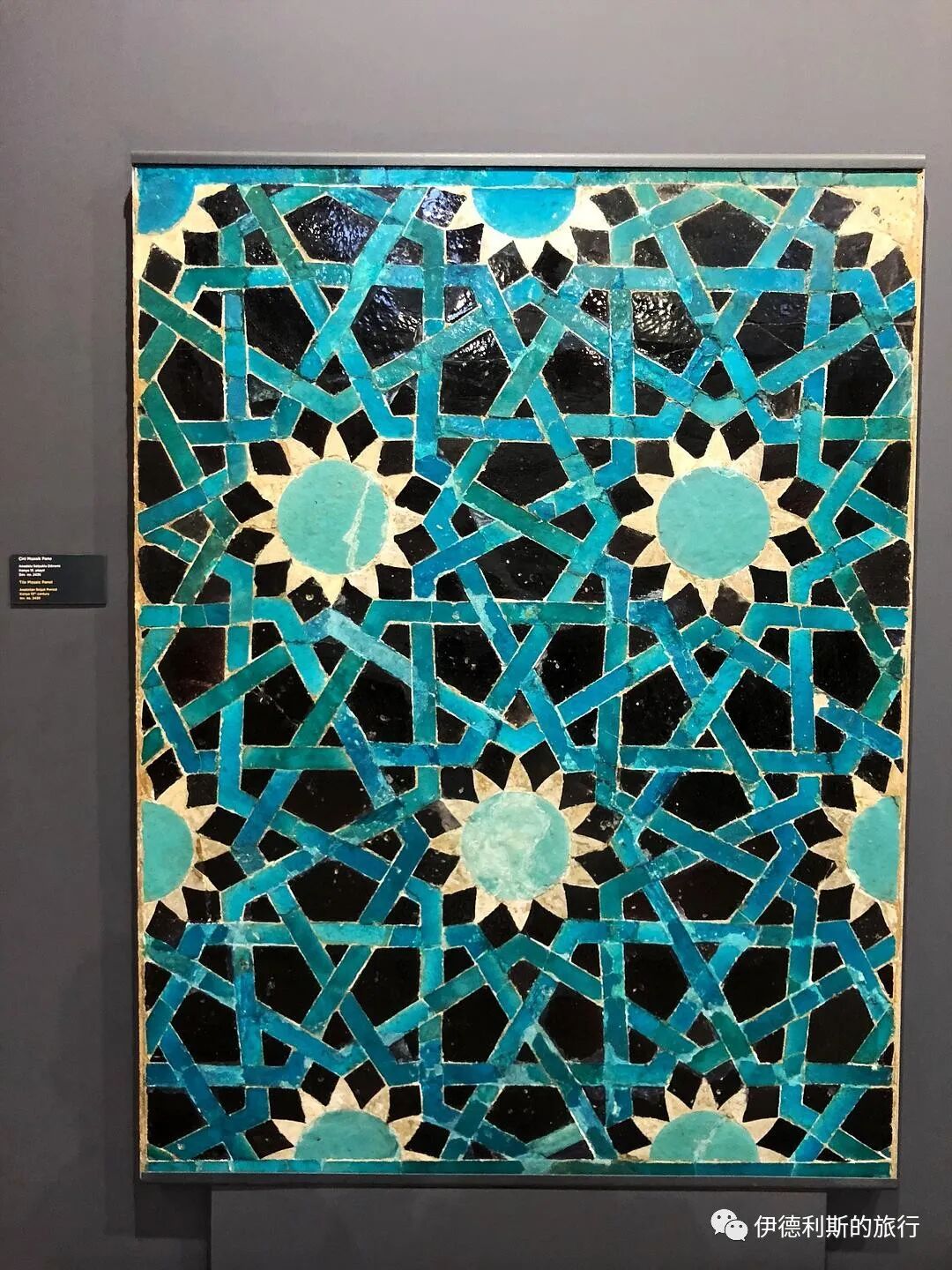
13th-century mosaic tile.
Halal Travel Guide: Konya — Seljuk History and Muslim Heritage (Part 1)
Articles • ali2007fr posted the article • 0 comments • 151 views • 2026-05-17 11:03
Summary: Konya — Seljuk History and Muslim Heritage is presented here as a firsthand travel account in clear English, beginning with this scene: The Seljuqs were a Sunni Muslim group from the Oghuz Turkic tribal confederation in the Central Asian steppes. The account keeps its focus on Konya Travel, Seljuk History, Turkey Travel while preserving the names, places, food, and historical details from the Chinese source.
The Seljuqs were a Sunni Muslim group from the Oghuz Turkic tribal confederation in the Central Asian steppes. They were deeply influenced by Persian culture. Between the 11th and 12th centuries, they built a vast Seljuq Empire that stretched across West and Central Asia. The Sultanate of Rum was a state founded by the Seljuqs in Asia Minor. After the Seljuq Empire collapsed, it continued to exist for over a hundred years with Konya as its capital. After the Mongol invasion, the Sultanate of Rum broke into many smaller states called beyliks. One of these beyliks eventually grew into the Ottoman Empire.
Between the 9th and 10th centuries, a unique "Turco-Persian" culture emerged in the Khorasan and Transoxiana regions. This culture formed when Turkic peoples, living in Central Asia and Iran, blended Turkic and Persian cultures. These Turkic peoples were deeply influenced by Persian culture. From the 11th to the 13th centuries, "Turco-Persian" culture spread quickly. As the Seljuq Dynasty and the Delhi Sultanate expanded, this culture reached from the Mediterranean Sea all the way to the mouth of the Ganges River. Later, "Turco-Persian" culture gradually took root in West and South Asia with the rise of the Ottoman Empire and the Mughal Dynasty. For several centuries, it became the main culture for the ruling and elite classes.
Konya, as the capital of the Seljuq Sultanate of Rum, was the last Seljuq "Turco-Persian" cultural center after the Seljuq Empire fell. Seljuq culture is a very unique part of "Turco-Persian" culture. It is most famous for its tiles and stone carvings. On this trip to Konya, I visited all the Seljuq-era historical sites in the city. Sadly, some were under repair and I couldn't go inside. I will share the Seljuq sites I saw on this trip.
Contents
1. Historical Introduction
1. The Founding of the Seljuq Sultanate of Rum
2. Making Konya the Capital
2. Rumi's Tomb: 1274
1. Rumi in Konya
2. Rumi's Tomb
3. Iplikci Mosque: 1201
4. Karatay Madrasa: 1251
5. Tiles of Kubadabad Palace: 1236
6. Slender Minaret Madrasa (Ince Minareli Medrese): 1268
7. Konya City Walls: 12th-13th Centuries
8. Alaeddin Kiosk: Late 12th Century
9. Alaeddin Mosque: 12th Century - 1235
Ten. Glass Madrasa (Sırçalı Medrese): 1242.
Eleven. Sahib Ata Mosque: 1258.
Twelve. Sahib Ata Madrasa: 1258.
Thirteen. Artifacts in the Turkish and Islamic Arts Museum.
1. Historical Introduction
1. The Founding of the Seljuq Sultanate of Rum
The Seljuqs were a branch of the Oghuz Turkic tribe. They originally lived as nomads on the Kazakh steppes, north of the Syr Darya River in Central Asia. Their leader, Seljuk Beig, converted to Islam around 985. He then separated from the Oghuz tribal confederation and moved to the Transoxiana region, south of the Syr Darya River.
In 1035, their relationship with the Karakhanid Dynasty got worse. The Seljuqs were forced to move south into the Khorasan region of Persia. They then unexpectedly defeated the large army of the Ghaznavid Dynasty. Soon after, they fully controlled all of Khorasan.
In 1037, Tughril (who ruled from 1037-1063) officially founded the Seljuq Dynasty in Khorasan. They then kept expanding. In 1051, they moved their capital to Isfahan, which was then the most important city in Persia.
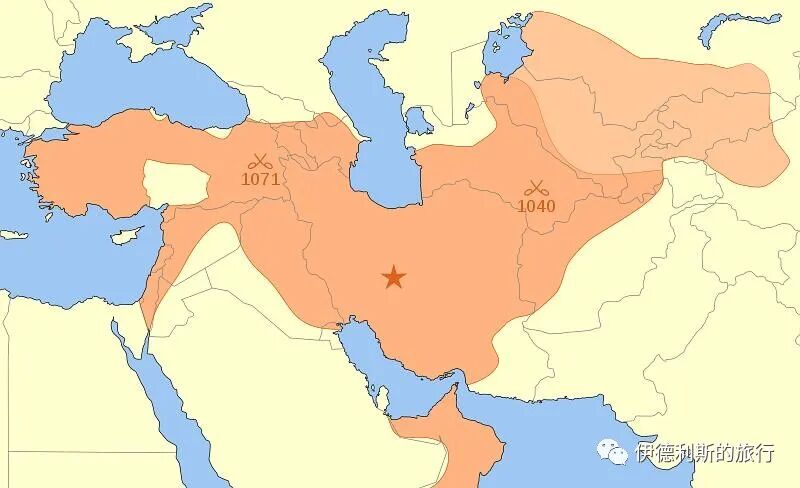
Starting in 1040, the Seljuq Dynasty repeatedly attacked Asia Minor, which was under Byzantine rule. They finally defeated the Byzantines completely in the Battle of Manzikert in 1071. After the war, Seljuq Sultan Alp Arslan (who ruled from 1063-1072) sent his distant cousin, Suleiman ibn Qutulmish (who ruled from 1077-1086), to go deeper into Asia Minor. Suleiman moved west all the way, reaching the city of Nicaea on the Sea of Marmara.
In 1077, Suleiman officially founded the Seljuq Sultanate of Rum, with Nicaea as its capital. "Rum" meant "Rome" at that time, and people used it to refer to Asia Minor under Eastern Roman (Byzantine) rule.
The Seljuq Dynasty in 1092, from Wikipedia
2. Making Konya the Capital
The rapid expansion of the Seljuq Dynasty caused panic among Christian states. This directly led to the First Crusade. In 1097, Nicaea, the capital of the Sultanate of Rum, finally fell after a long siege by the Crusaders, forcing the Sultanate to move its capital east to Konya.
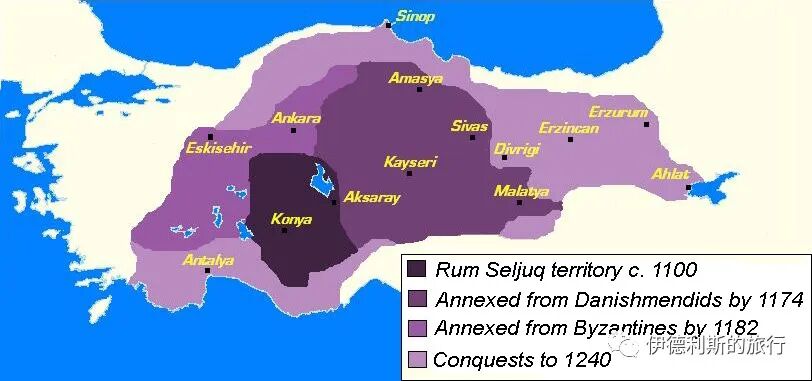
Konya was very wealthy in the second half of the 12th century. At that time, the Sultanate of Rum controlled almost all of eastern Anatolia, several port towns on the Mediterranean and Black Seas, and even held a foothold in Crimea for a time, bringing vast trade wealth into Konya.
After the Mongols invaded Central Asia and Persia in the early 13th century, many Turkic and Persian people came to Konya for refuge. In the 1220s, Konya was full of refugees from the Khwarezmid Empire. Many were educated intellectuals or skilled craftsmen, the most famous being the Sufi scholar and great Persian poet Rumi.
In 1243, the Seljuk Sultanate of Rum was defeated by the Mongol Empire and became a vassal state, but Konya remained the capital. People lived in stability, and many existing Seljuk buildings date from this period.
In the late 13th century, the Seljuks split into many small principalities, including the early Ottoman Empire. These small states nominally recognized the status of the Sultanate of Rum, but the Sultanate could only actually control the limited territory around Konya. At this time, the Karamanids dynasty began continuous attacks on the Seljuk Sultanate of Rum, but they eventually failed due to the intervention of the Ilkhanate.
At the end of the 13th century, the Sultanate of Rum fell into a series of internal struggles, and the last Sultan, Mesud II, was killed in 1308. In 1328, Konya was occupied by the Karamanids dynasty, and Seljuk culture finally exited the historical stage. After this, the Ottomans rose on the legacy of the Seljuk Sultanate of Rum, and Konya would eventually enter its next era.
The Sultanate of Rum in the 12th and 13th centuries, by author DragonTiger23.
2. Rumi's Tomb: 1274
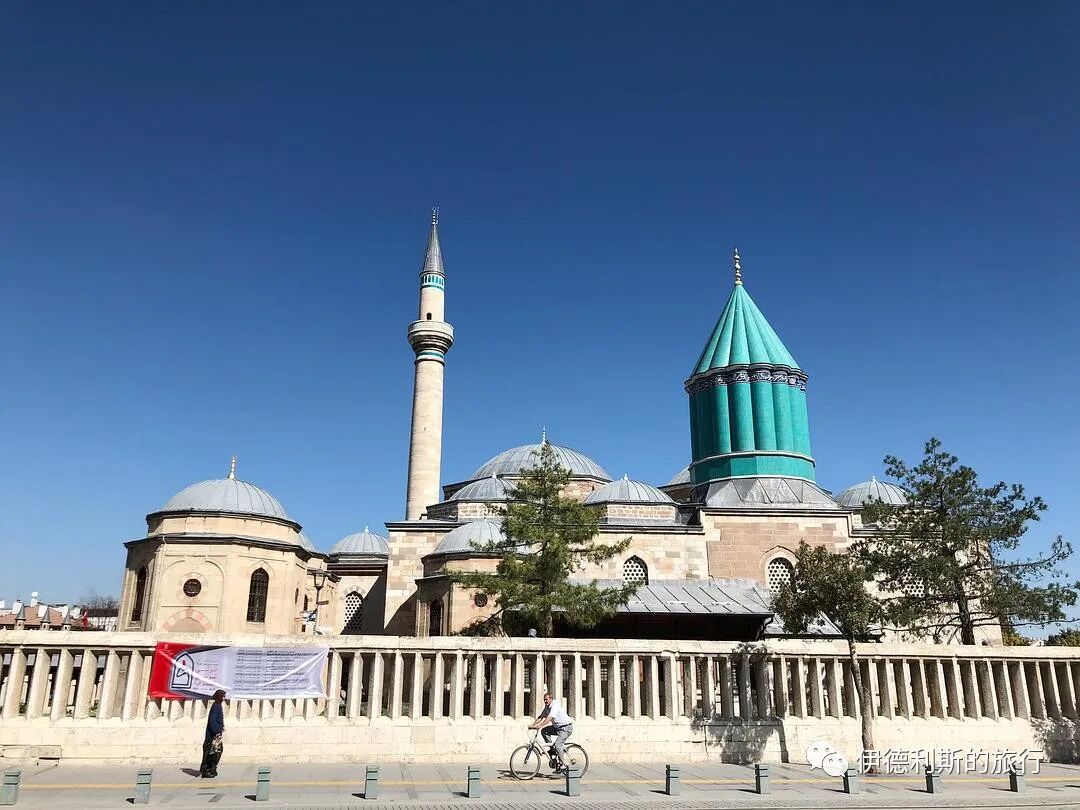
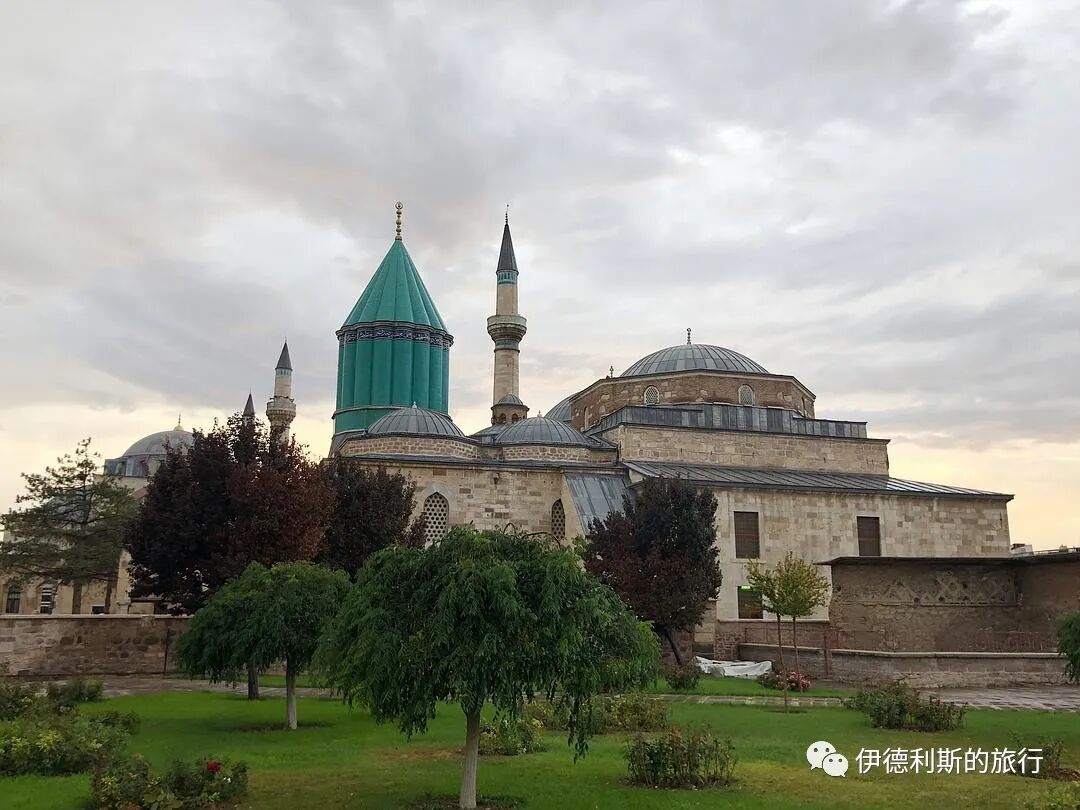
Rumi (1207-1273) was a famous 13th-century Sufi scholar and Persian poet, honored in Turkey as Mevlâna. Rumi died in Konya in 1273 and was buried next to his father's tomb. His successor, Hüsamettin Çelebi, decided to build a mausoleum for Rumi, and the tomb, led by architect Badr al-Din Tabrizi, was officially completed in 1274.
The entire complex includes the tombs of Rumi and his followers, a mosque, a Sufi practice space, and living areas for the practitioners. During the Ottoman era, this place was always the center of activity for the Mevlevi Sufi order.
In 1925, the Republic of Turkey announced the closure of all Sufi practice spaces and the dissolution of Sufi orders. In 1927, the Rumi mausoleum was converted into the Konya History Museum and opened to the public, and it was renamed the Mevlâna Museum in 1954. Today, it is a famous Sufi holy site in Turkey, and people from all over the world come here to visit and make pilgrimages every day.
1. Rumi in Konya
Rumi was born in 1207 into a Persian-speaking family in the Balkh region on the border of Afghanistan and Tajikistan. His father, Baha'ud-Din, was an Islamic scholar and a Sufi mentor.
Between 1215 and 1220, the Mongols invaded Central Asia, and Rumi moved west with his family, eventually arriving in Anatolia after much traveling. In 1228, the Seljuk Sultan of Rum, Kayqubad I (reigned 1220-1237), invited Baha'ud-Din to the capital, Konya, so Rumi's family finally settled there.
In Konya, Baha'ud-Din served as the head of a religious school and taught Rumi various Islamic knowledge and Sufi practices. After Baha'ud-Din died in 1232, Rumi continued his training under one of his father's students, Burhan ud-Din. In 1240 (or 1241), Burhan ud-Din died, and Rumi officially became an Islamic legal scholar and teacher, beginning to preach and teach students at the mosque.
In 1244, Rumi met the Sufi master Shams Tabrizi, which completely changed his life. He honored Shams as his spiritual mentor, transforming from an Islamic scholar into a Sufi practitioner.
In 1248, Shams suddenly left. Rumi was deeply saddened and went to Damascus himself to look for him, but he found nothing. To express his longing for Shams, Rumi wrote a large number of lyrical poems. At this time, he met a goldsmith named Salaḥud-Din-e Zarkub, who understood Rumi's heart very well, and the two became close friends. Zarkub helped Rumi organize 2,500 lyrical poems into the Divan-e Shams-e Tabrizi.
After Zarkub died in 1259, Rumi's scribe and favorite student, Hussam-e Chalabi, became Rumi's confidant. One day, Rumi showed Hussam a short piece of narrative poetry he had written, the Masnavi, and Hussam was pleasantly surprised and begged Rumi to continue writing it. So, starting in 1260, Rumi began writing his masterpiece, the Masnavi. During the writing process, Rumi would recite, Hussam would record, and then Rumi would confirm it. This work continued until the very last moments of Rumi's life.
2. Rumi's Tomb
The site of Rumi's tomb was originally a rose garden gifted by the Seljuk Sultan of Rum, Kayqubad I, to Rumi's father, Bahauddin. After Bahauddin passed away in 1232, he was buried here, and the site officially became Rumi's tomb in 1274. Later, Rumi's descendants and disciples founded the Mevlevi Order, and this place became the headquarters for the Mevlevi Order.
The main gate of Rumi's tomb (Devisan Kapısı) is located in the northwest corner and currently serves as the museum exit. After entering the main gate, you find a marble-paved courtyard, where the most important buildings are the tomb of Rumi and the mosque on the east side.
The tomb gate (Türbe Kapisi) dates back to 1492.
Inside the tomb gate is a room called 'Tilavet,' which in Arabic means 'reading the Quran with a beautiful voice and correct rhythm.' Before it became a museum, this room was used for the continuous chanting of the Quran, and today it houses various precious calligraphic works.
Walking further inside, you will find the sarcophagi of Rumi, his family, and the leaders of the Mevlevi Order. Rumi's sarcophagus sits under a green spire, covered in brocade embroidered with Quranic verses in gold thread. The sarcophagi of Rumi and his father, along with the surrounding wood carvings, date back to the Seljuk Sultanate of Rum, while the outer silver lattice was built in 1579. Unfortunately, this section is currently under renovation and cannot be seen.
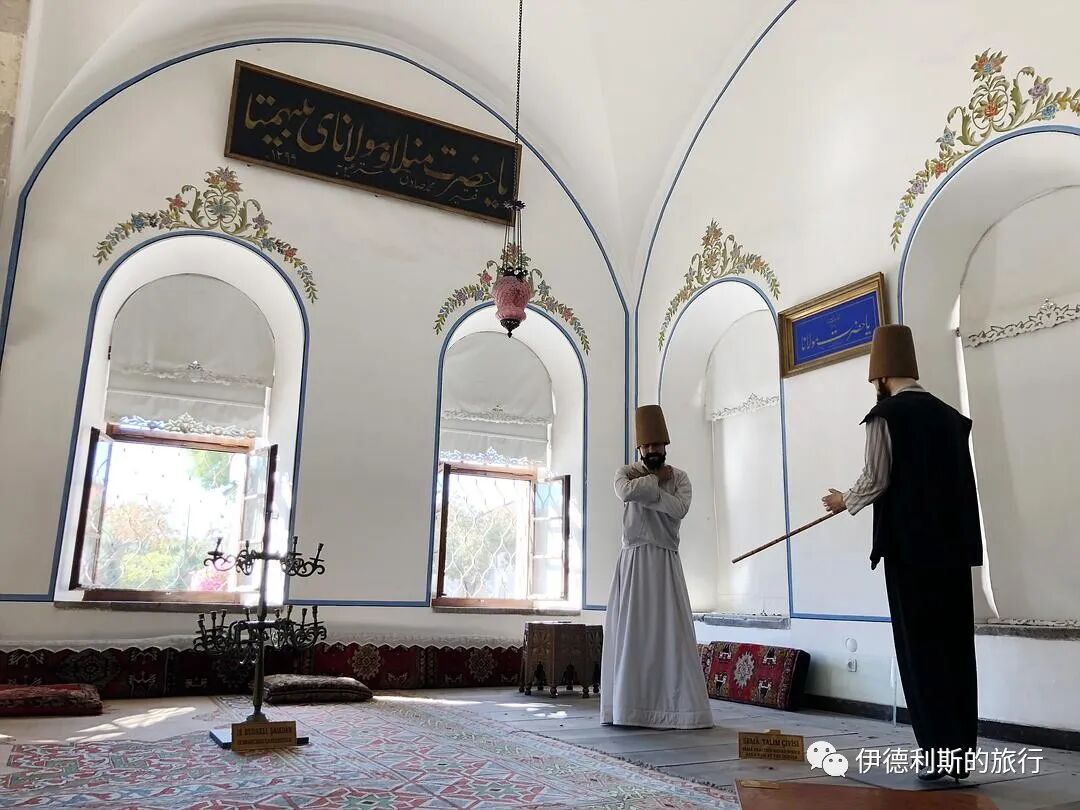
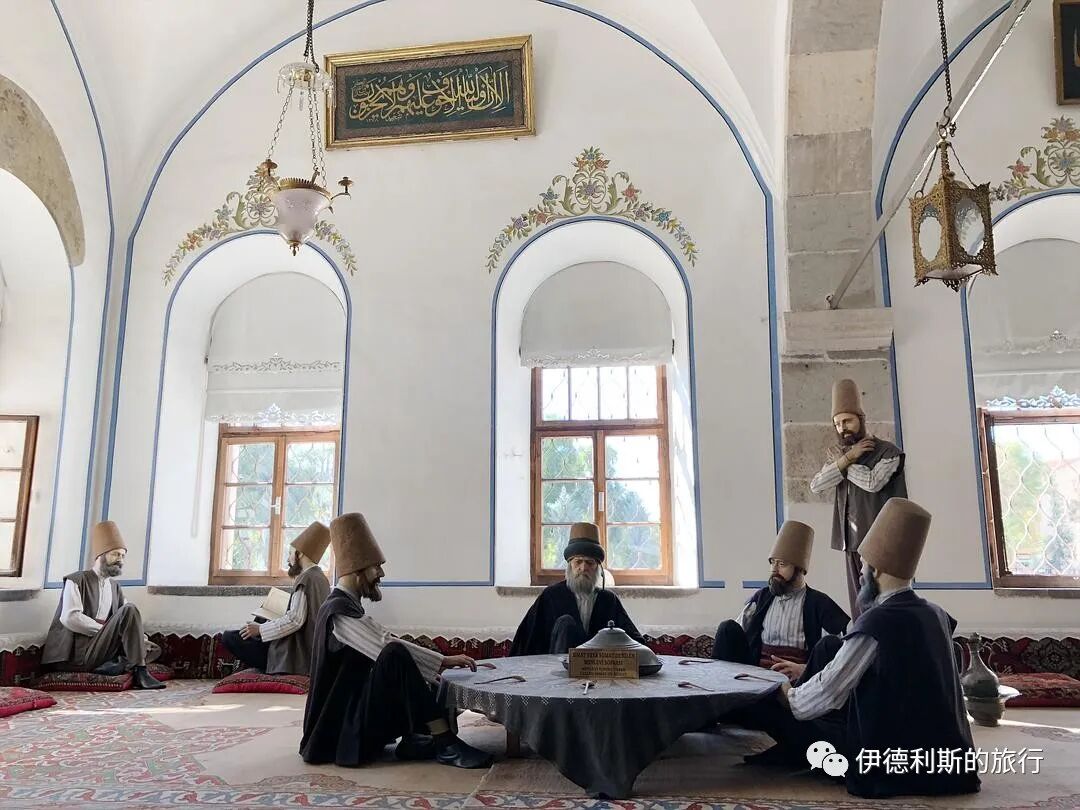
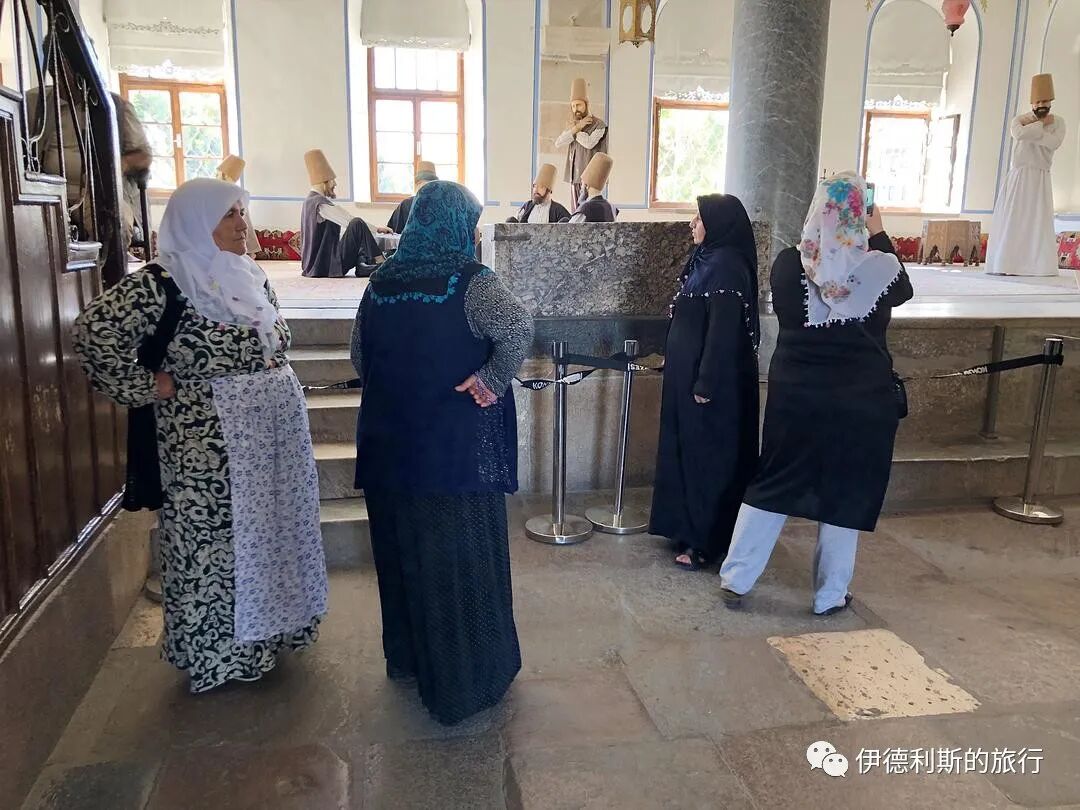
Moving forward is the ceremonial hall (Semahane), built during the era of the Ottoman Sultan Suleiman I (reigned 1520-1566). Before 1926, this was where the Mevlevi Order performed the Sama ceremony, commonly known as the whirling dance.
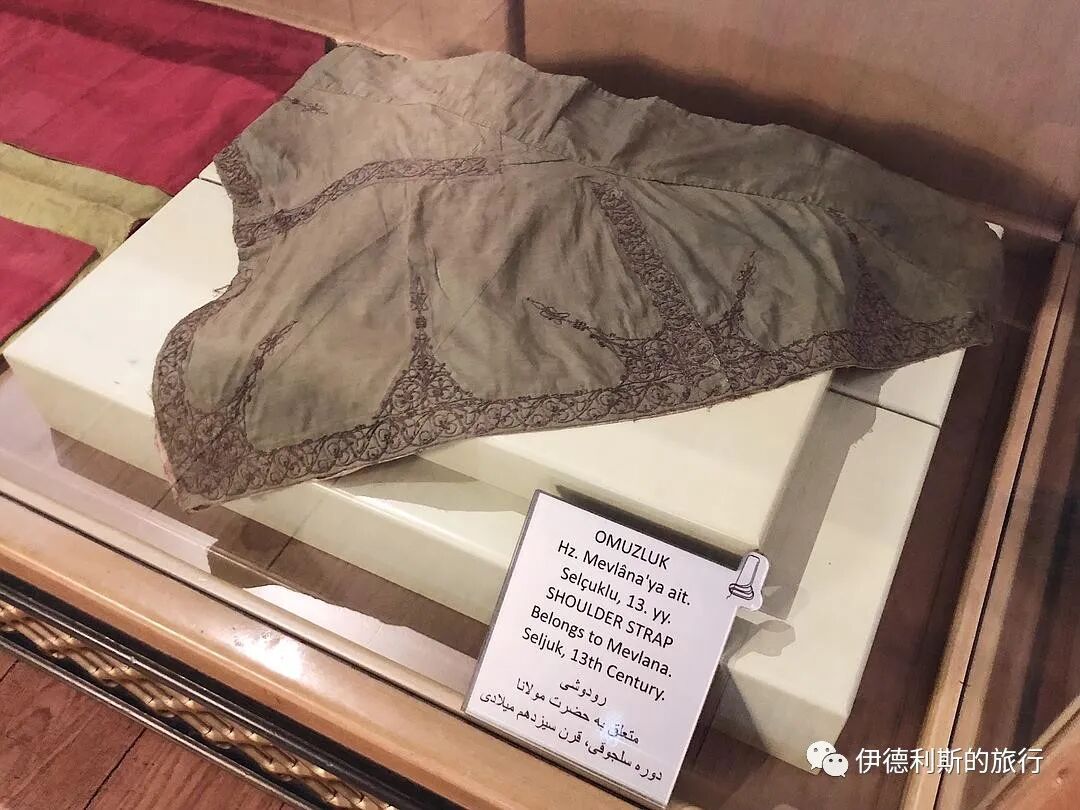
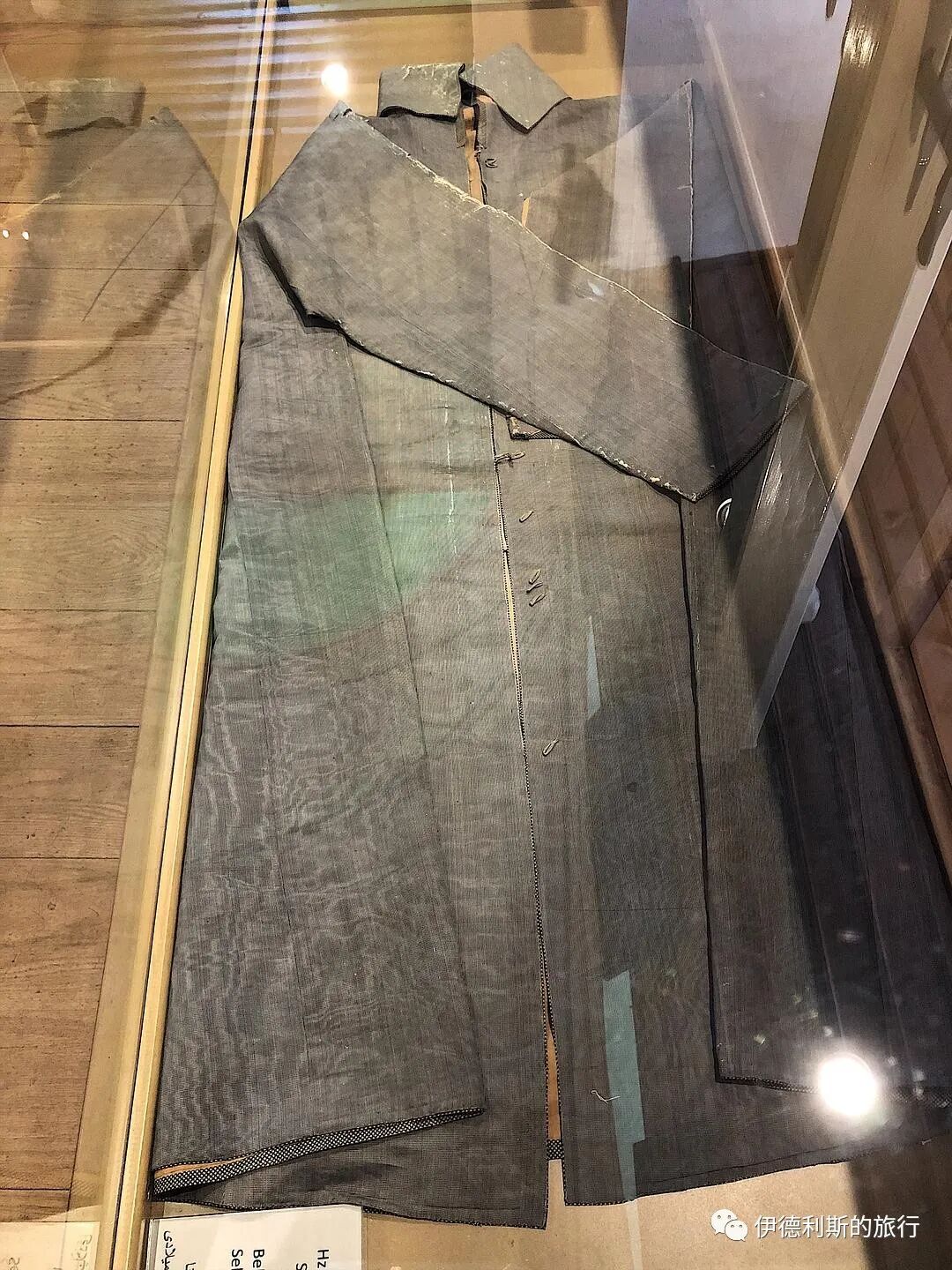
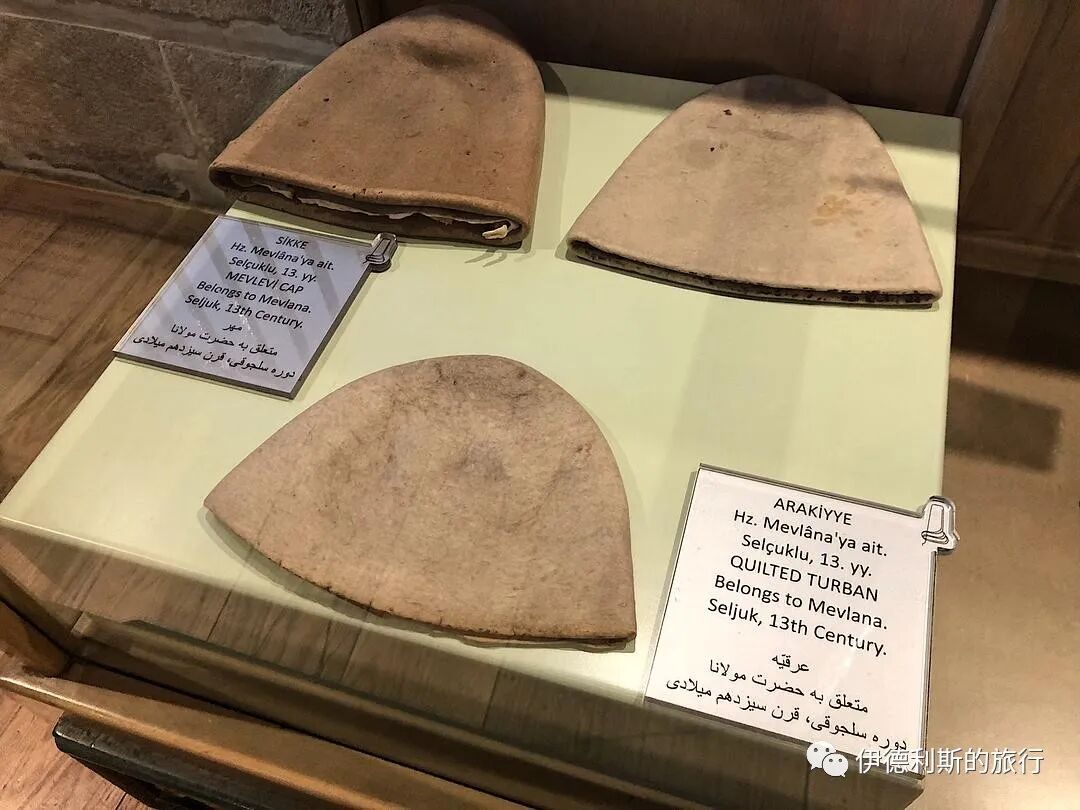
Today, the ceremonial hall displays many precious artifacts. These include Rumi's own shoulder strap, cloak, and felt hat.
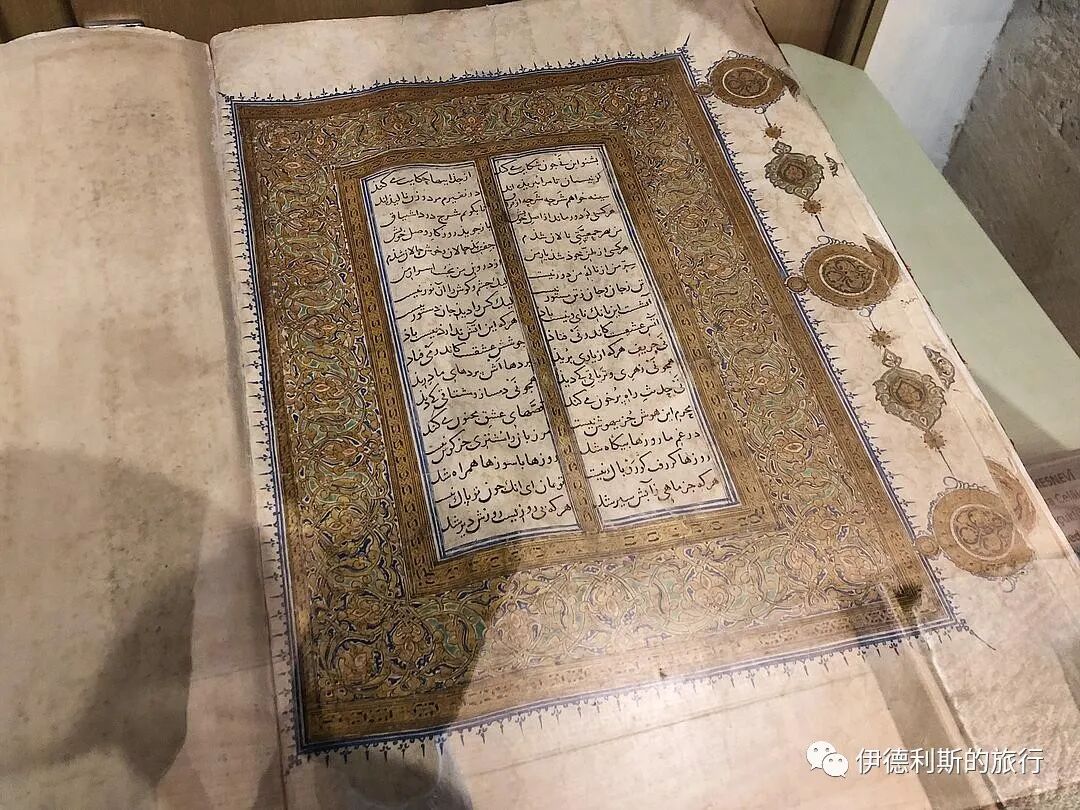
The Masnavi, written in 1278 by the calligrapher Mehmed bin Abdullah Konevi.
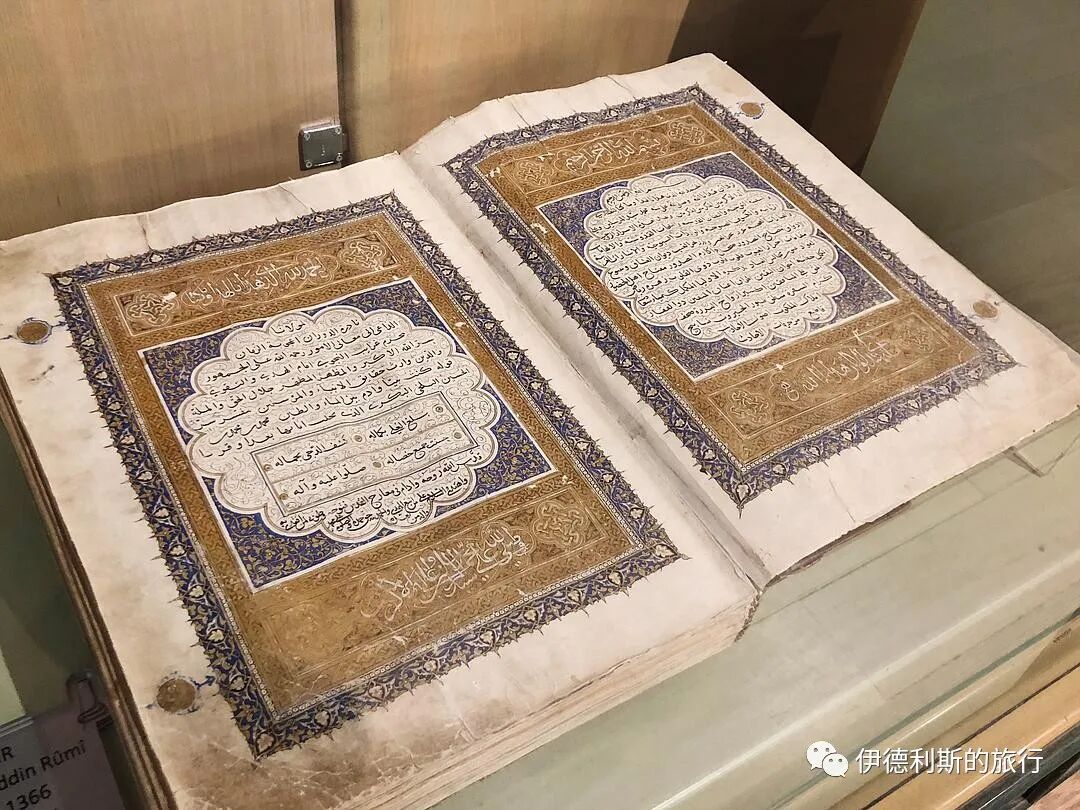
The 1366 collection of Rumi's poetry.
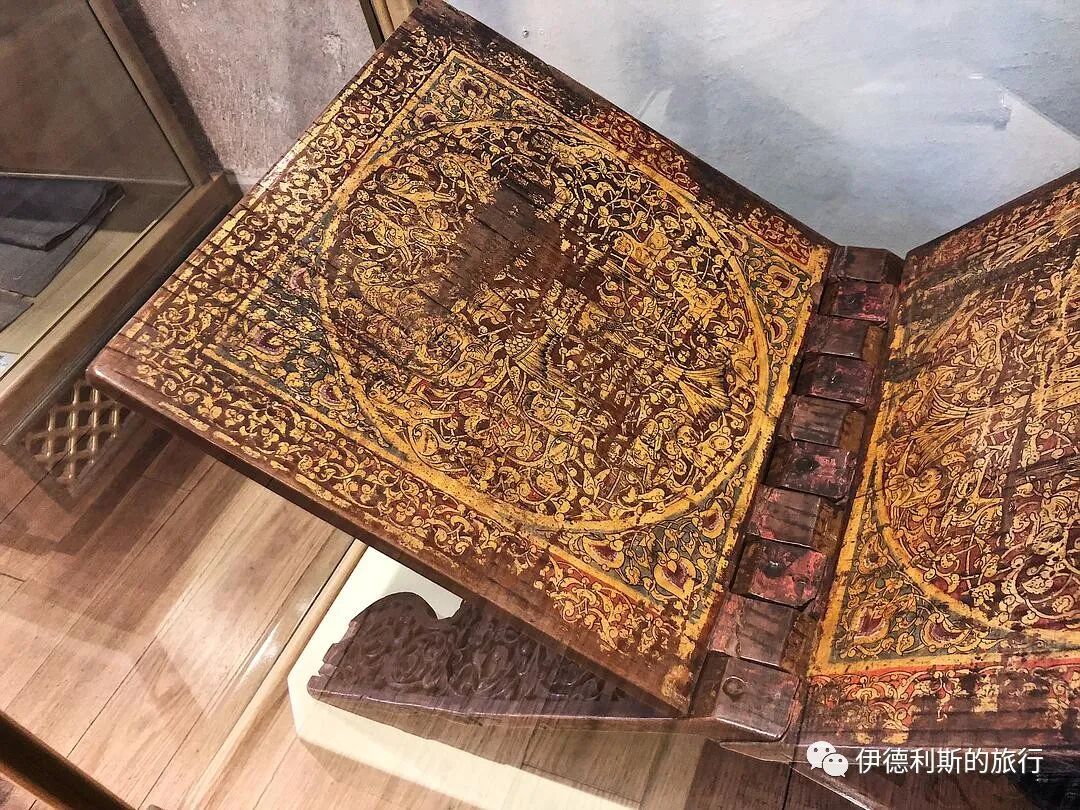
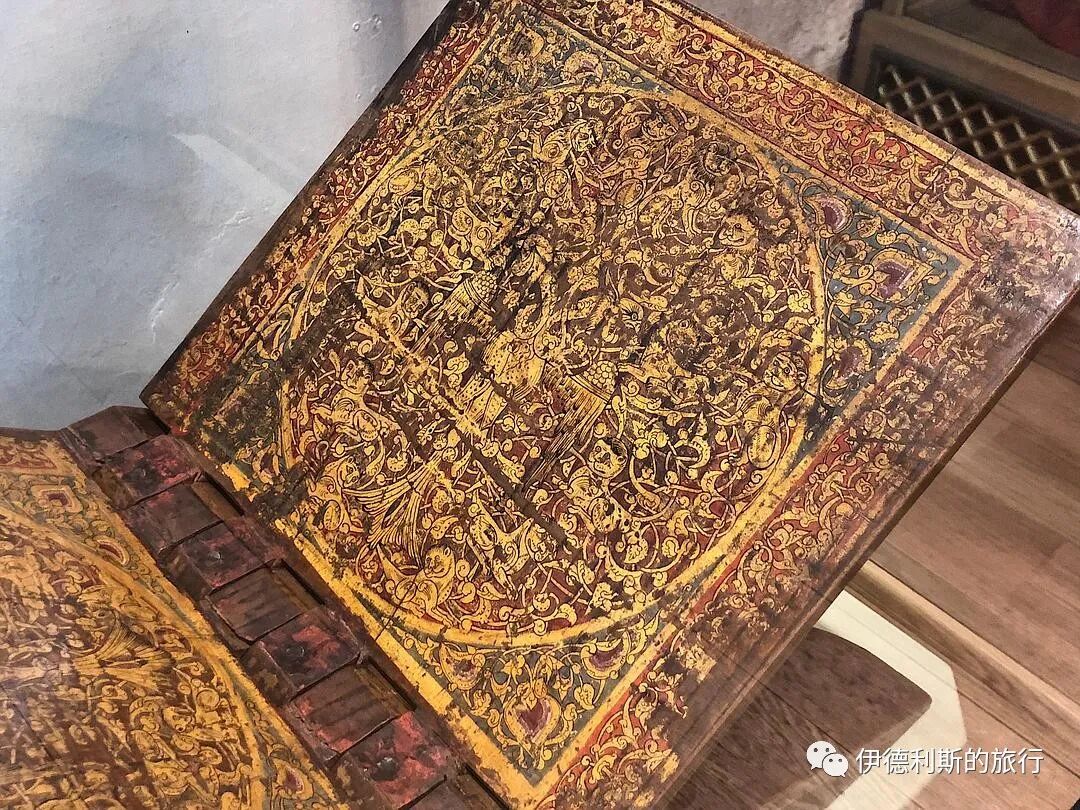
A 13th-century bookshelf featuring Seljuk lion patterns.
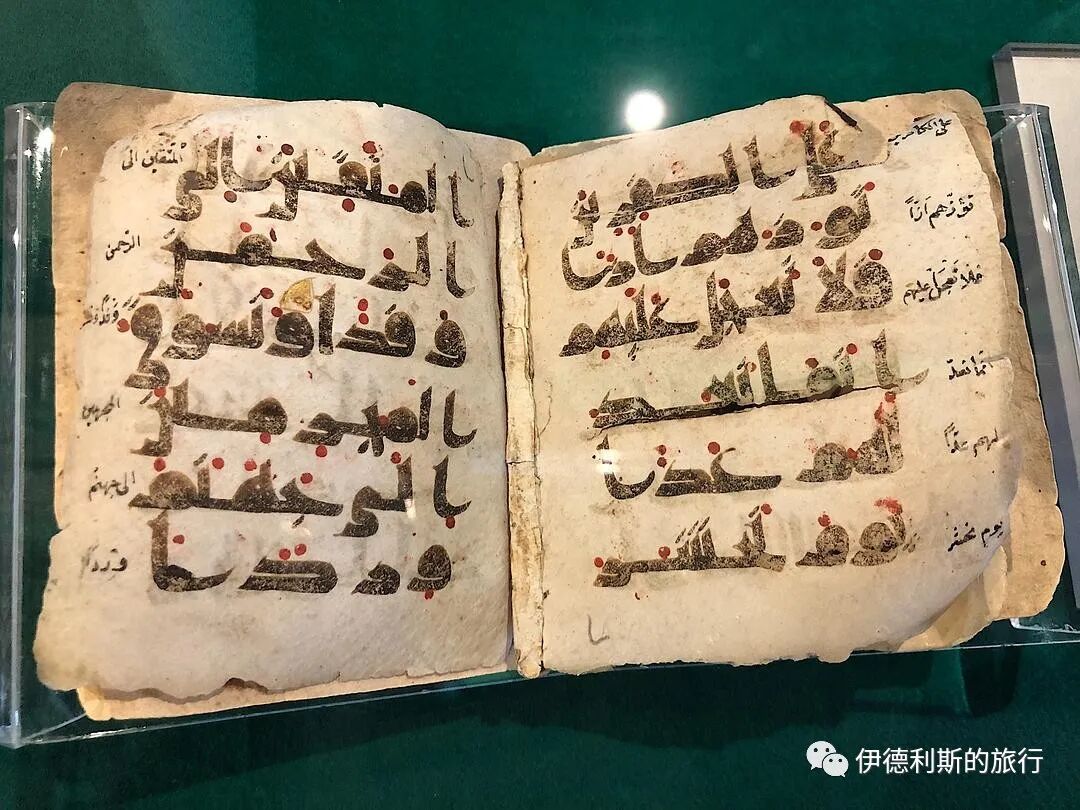
A 9th-century Quran written in Kufic script.
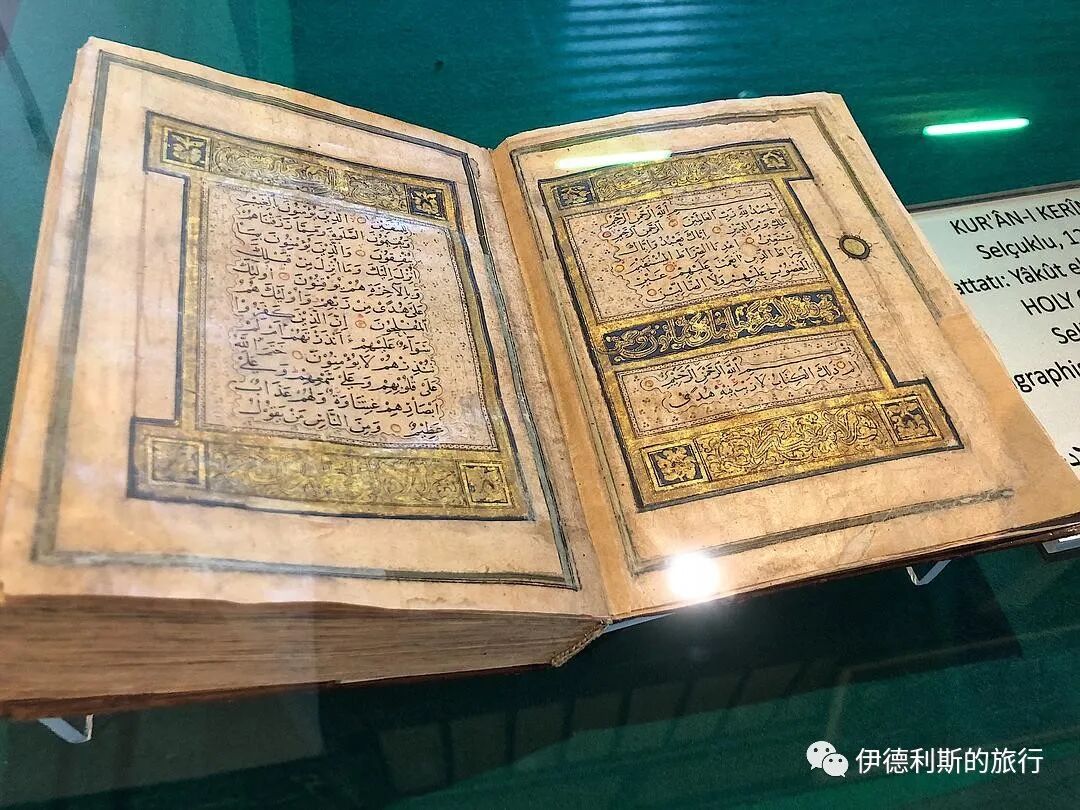
A Quran written in 1296 by the calligrapher Yakutu'l-Mustasimi.
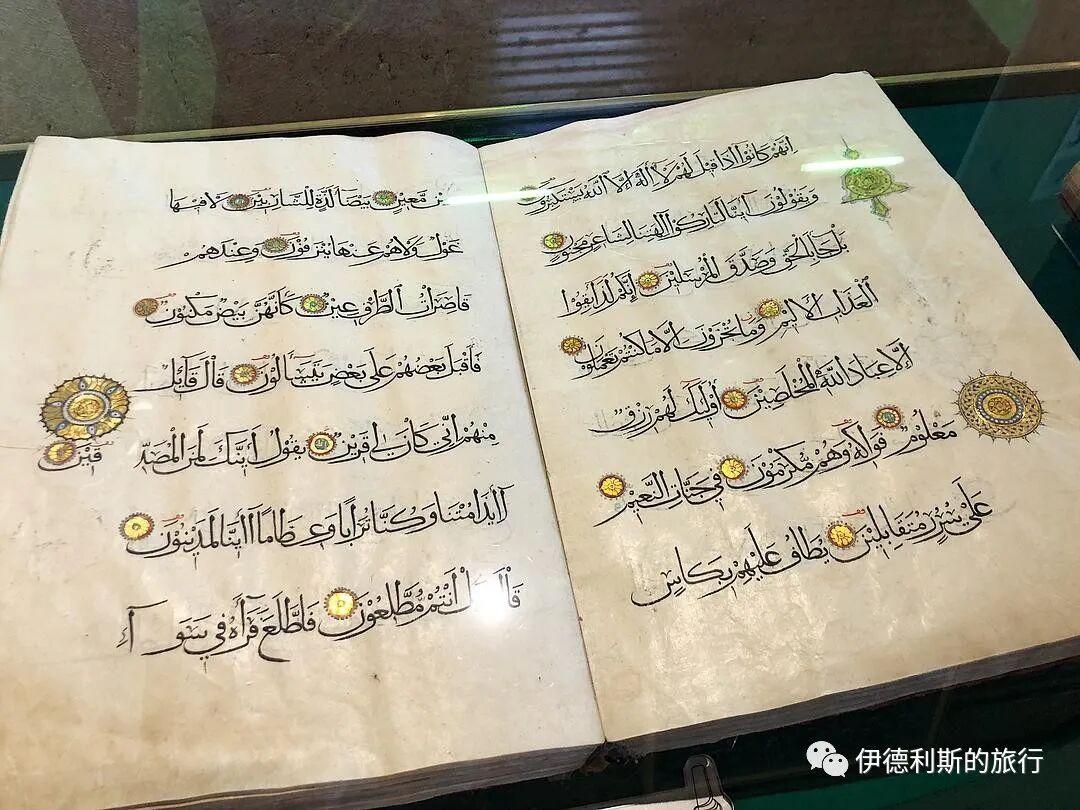
A Quran from 1314.
Next to the ceremonial hall is a mosque also built during the era of the Ottoman Sultan Suleiman I (reigned 1520-1566).
In the center of the courtyard is a fountain for wudu (ṣadirvan), built in 1512 by order of the Ottoman Sultan Selim I (reigned 1512-1520).
On the west side of the courtyard is a row of 17 small rooms with domes and chimneys, built in 1584 by order of the Ottoman Sultan Murad III (reigned 1574-1595), which served as living quarters for Sufi practitioners.
Inside, there are many introductions to the Mevlevi Order and some precious artifacts, such as this 13th-century Seljuk-style incense burner with lion patterns.
There is also this copy of the Masnavi, written in 1372 by the calligrapher Hasan bin Osman el-Mevlevi for the Seljuk minister (vazir) Şherefüddin Emir Satı.
On the south side of the courtyard is the kitchen (Matbah), built in 1548 by order of the Ottoman Sultan Suleiman I (reigned 1520-1566), which provided food for Sufi practitioners until 1926. This was also a place where Sufi masters taught knowledge and the Sama ceremony.
The courtyard also contains the tombs of several Sufi masters of the Mevlevi Order.
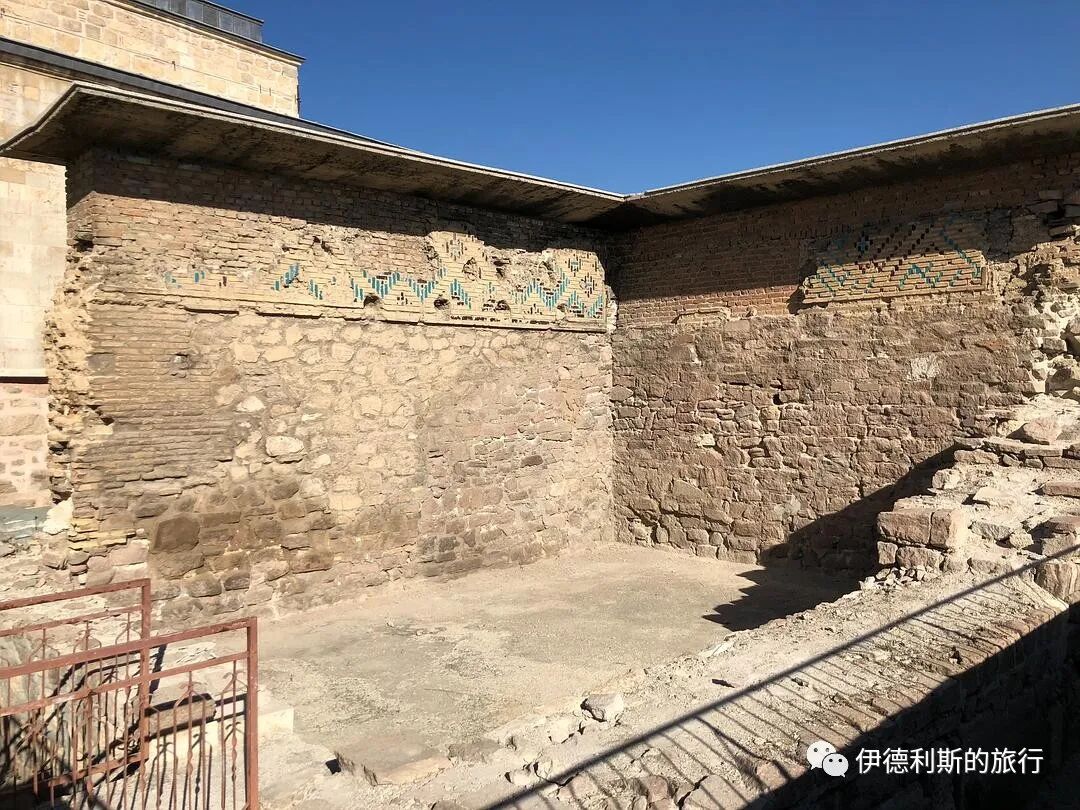
The earliest of these is the site of the tomb of Ahmed Eflâkî Dede. Ahmed Eflâkî Dede wrote the important work on Rumi titled 'Menâkibü'l-Ârifîn' and traveled with Rumi's grandson, Ulu Ârif Çelebi, working to expand the influence of the Mevlevi Order throughout Anatolia.
Today, only two curtain walls remain of the tomb's above-ground structure. Research suggests the west wall is likely connected to early 13th-century Mevlevi architecture, while the date on the tombstone is 1360. Additionally, archaeological excavations at the museum have uncovered basements on both sides of the south facade.
3. Iplikci Mosque: 1201
The Iplikci Mosque was built in 1201 by order of the Seljuk minister (vizier) Shams al-Din Altun Aba, with the architect Abu al-Fazi Abd al-Jabbar from Tabriz, Iran; this is important evidence of Persian craftsmen directly influencing Seljuk architecture. This building underwent a series of renovations during the Karaman dynasty, the Ottoman Empire, and modern times. Today, the original mosaic tiles on the mihrab inside the hall have been replaced by marble, but the parts at the bottom covered by carpets are still the original Seljuk-era pieces.
4. Karatay Madrasa: 1251
The Karatay Madrasa was built in 1251 under the direction of Emir Celaleddin Karatay of the Seljuk Sultanate of Rum; the madrasa is named after him, and teaching activities continued there until the end of the 19th century.
This building holds a very important place among surviving Seljuk structures featuring mosaic tiles, so it opened to the public as the Tile Museum in 1955. Archaeological excavations and restoration work took place here between 2006 and 2008.
The main gate of the madrasa (religious school) is on the east side. Made of sky-blue and white marble, it is a masterpiece of Seljuk craftsmanship, carved with excerpts from the Quran and information about the school's construction.
The main hall is covered in turquoise, indigo, and black tiles, along with calligraphy of verses, the names of prophets, and the four Rashidun Caliphs.
Inside the domed building to the left of the main hall is the tomb of Celaleddin Karatay, who passed away in 1254. Celaleddin Karatay began serving in the court of the Sultanate of Rum in 1212. He was promoted to Minister of Finance in 1243 and received the noble title of Atabeg in 1249, remaining a key official of the Sultanate until his death in 1254. Celaleddin Karatay served four sultans during his life. He was known for his humility, piety, and simple lifestyle, and he was dedicated to developing science and art. He oversaw many projects, including the Kayseri-Elbistan road, with the Karatay Madrasa being his most famous.
5. Tiles of Kubadabad Palace: 1236
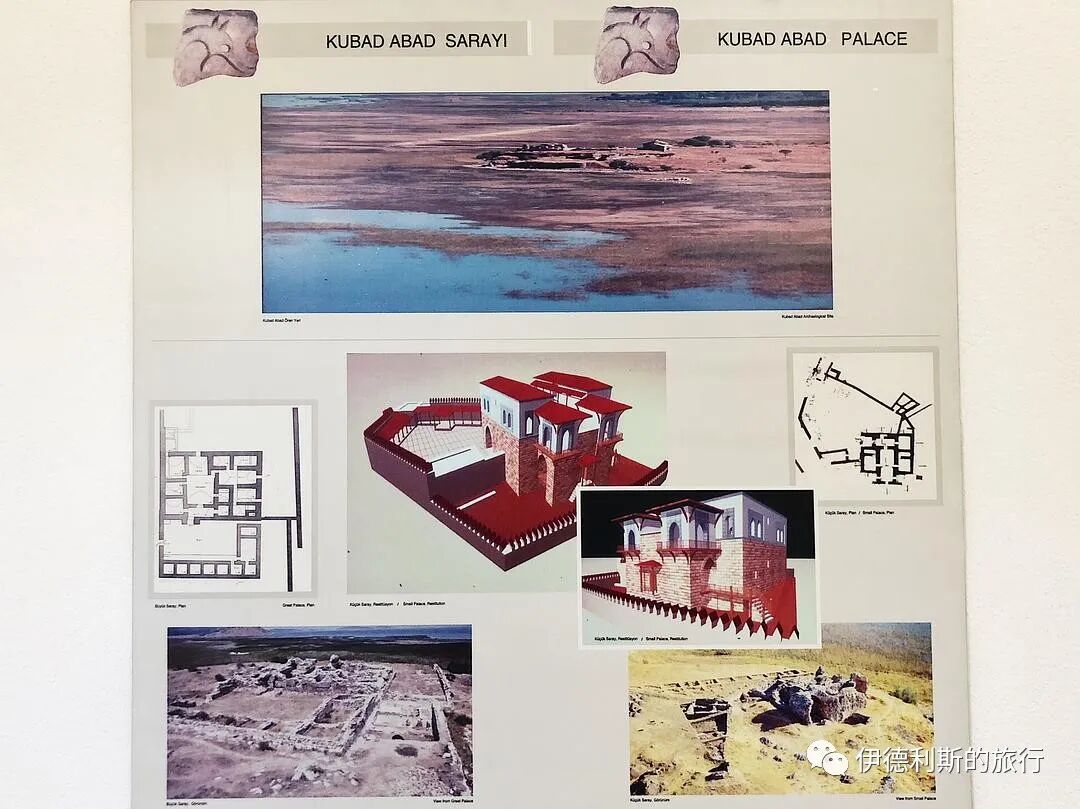
Kubadabad Palace was the summer palace of the Sultanate of Rum. It is located on the shore of Lake Beyşehir, 100 kilometers west of Konya, and was built in 1236 by the Seljuk Sultan Kayqubad I (reigned 1220-1237).
In 1949, Zeki Oral, the director of the Konya Museum, first discovered the ruins of Kubadabad Palace and conducted archaeological excavations in 1952. German archaeologist Katharina Ottodorn conducted further excavations in 1965, followed by Turkish archaeologist Mehmet Önder in 1967. In 1980, Professor Rüçhan Arık led a team from Ankara University to conduct a systematic survey and excavation of the site.
Kubadabad Palace is very different from the Seljuk palaces in Konya and Kayseri. It is far from towns and lacks high city walls; protection for the palace seems to have been provided by a fortress complex on a nearby island.
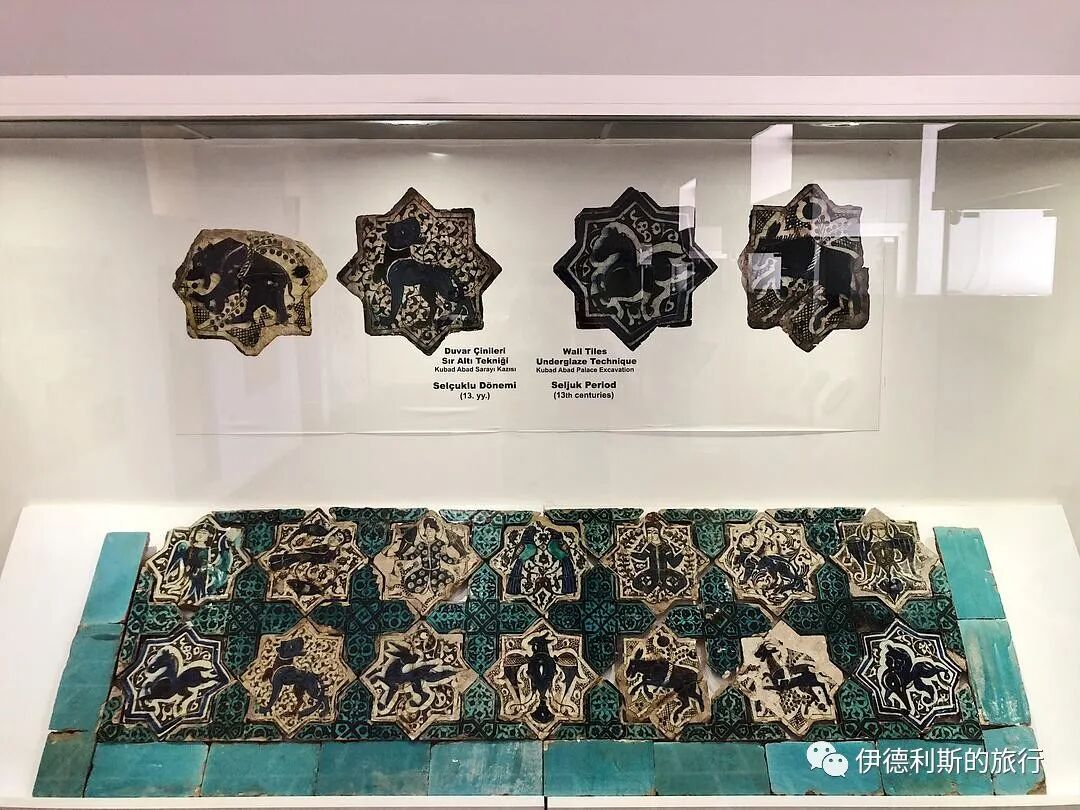
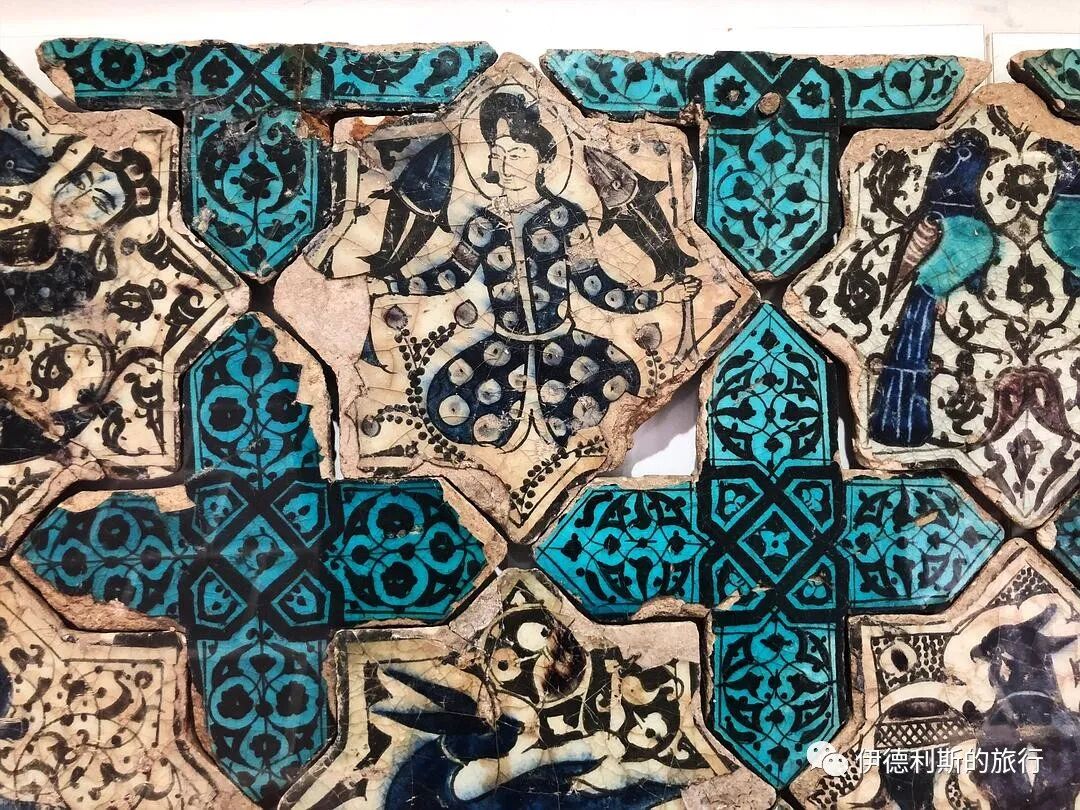
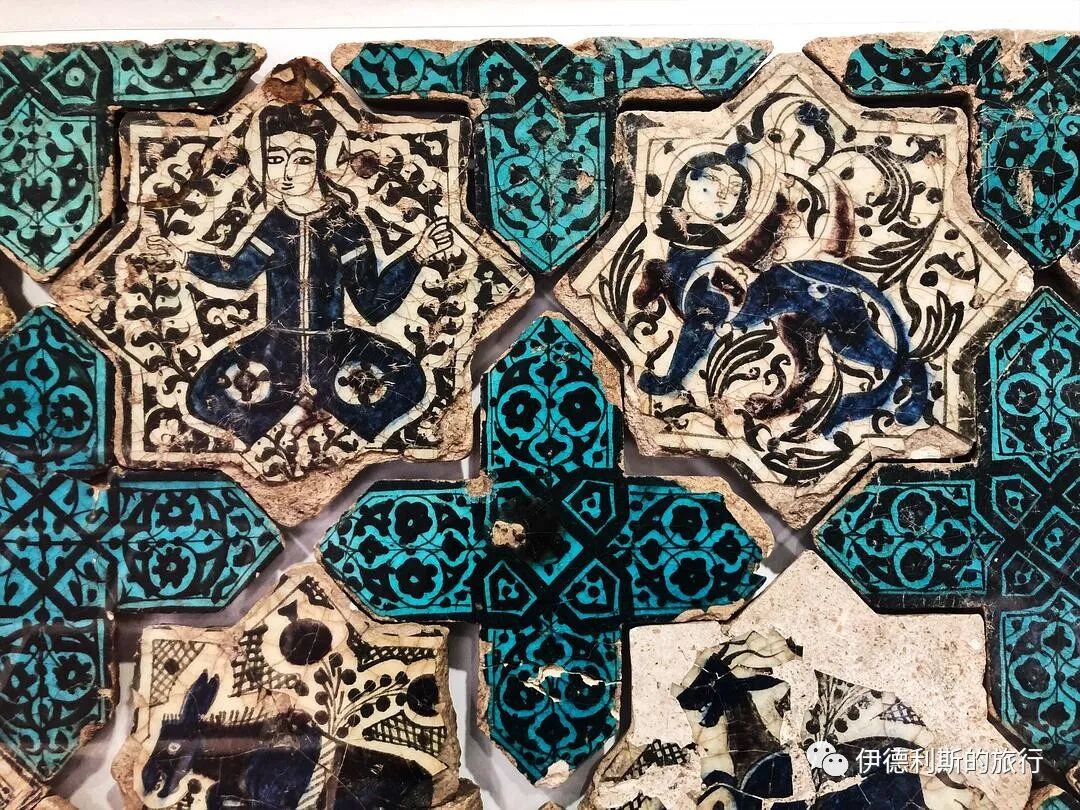
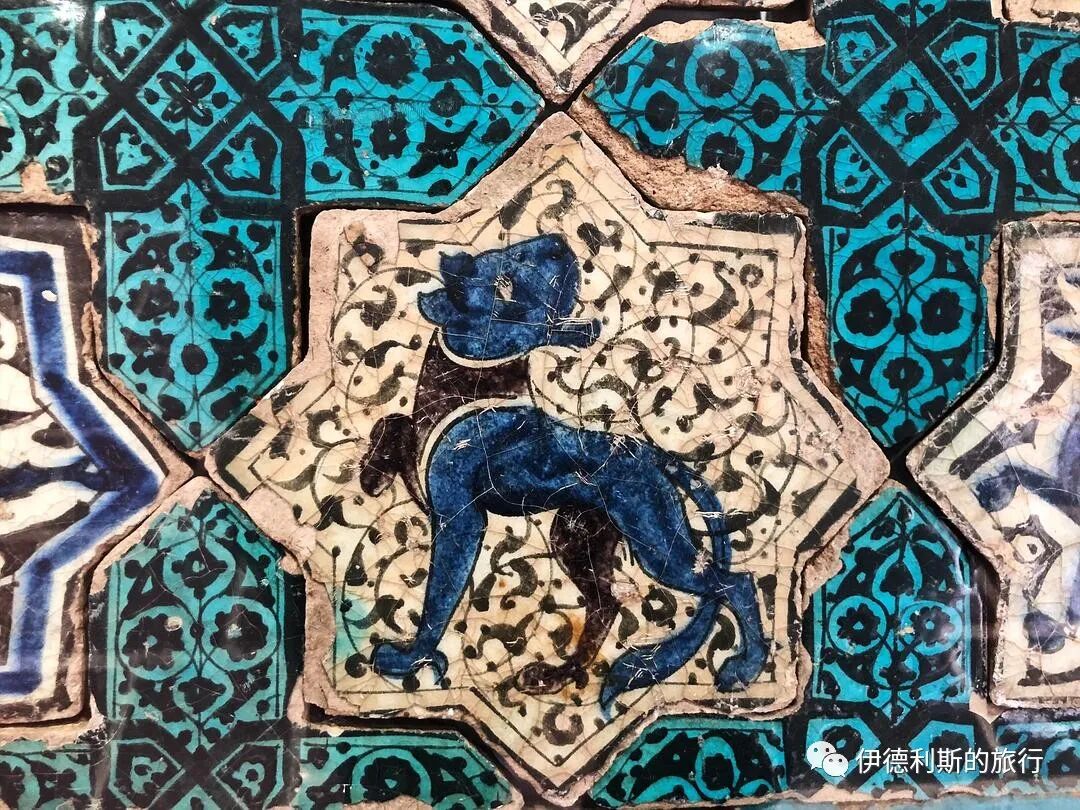
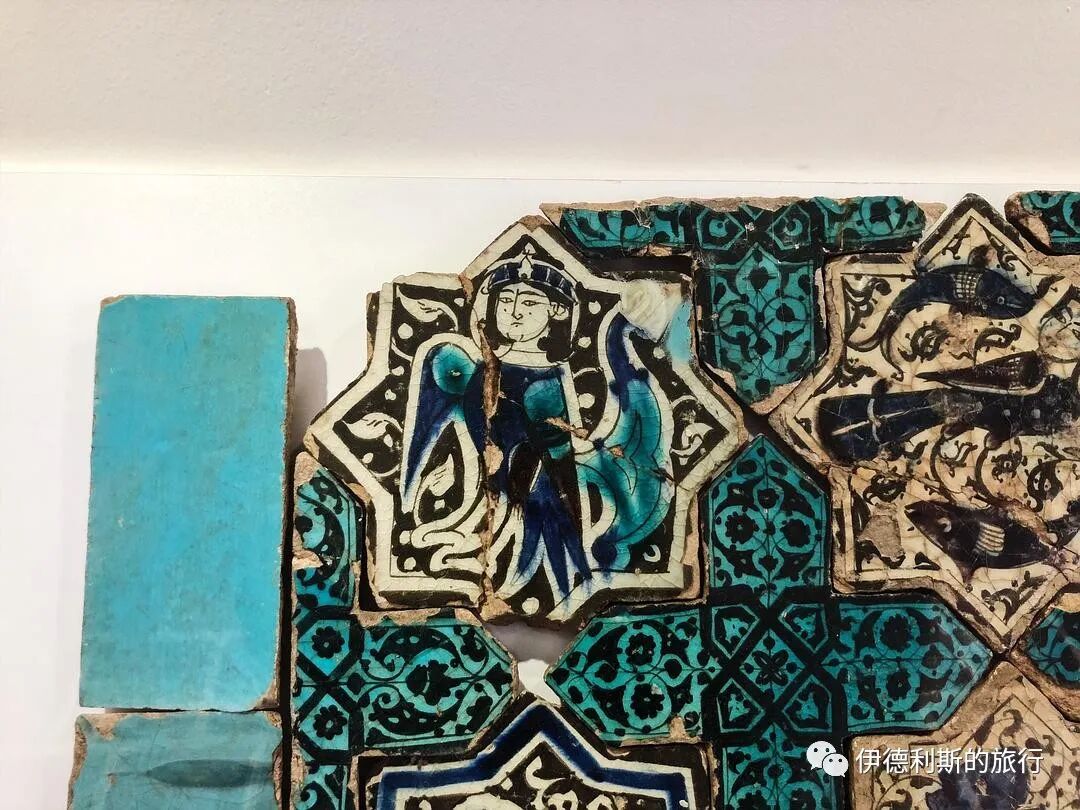
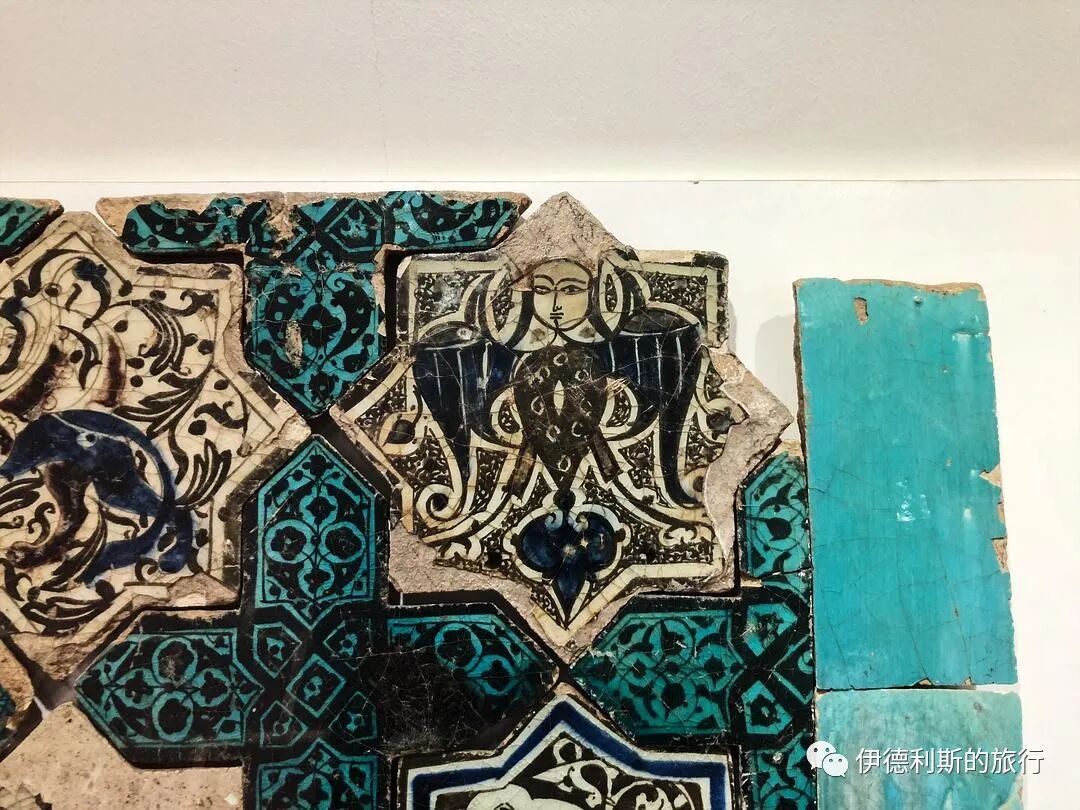
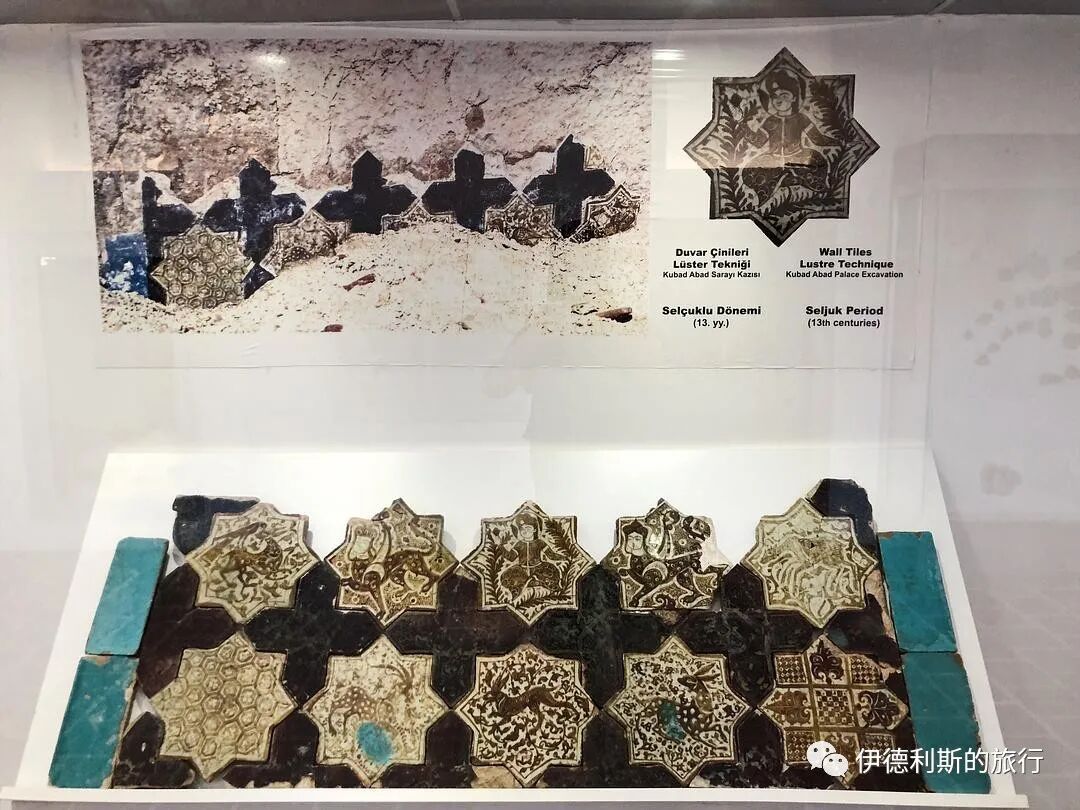
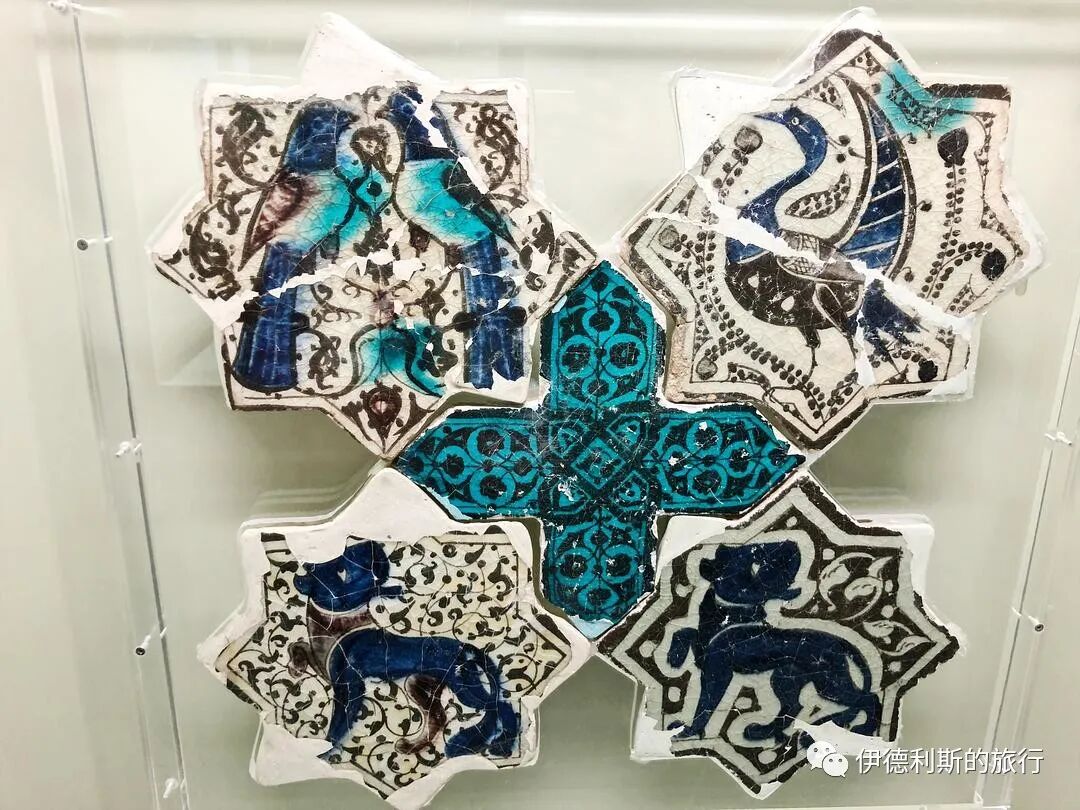
Sixteen buildings have been excavated at Kubadabad Palace. The main structure is a large 50x35 meter palace where many ornate underglaze tiles were found. Some of these tiles are now on display at the Karatay Tile Museum.
Additionally, the Tiled Kiosk at the Istanbul Archaeology Museums also houses tiles from Kubadabad Palace.
6. Slender Minaret Madrasa (Ince Minareli Medrese): 1268
The Ince Minaret Medrese (Slender Minaret Madrasa) was built by Sahib Ata Fahreddin Ali between 1263 and 1268. Sahib Ata was an important official in the Seljuk Rum Sultanate court from the 1250s until his death in 1288. After 1277, he even held great power in the Sultanate. This madrasa remained active until the end of the 19th century. After restoration in 1956, it opened to the public as the Museum of Stone and Wood Carvings.
The madrasa once had a slender, towering minaret, which is where the school gets its name. Unfortunately, lightning destroyed the minaret in 1901. Today, only the bottom section remains, where you can see typical Seljuk sky-blue tiles.
The gate of the madrasa is considered one of the best examples of a Seljuk architectural entrance.
The interior of the main hall also features Seljuk sky-blue tiles.
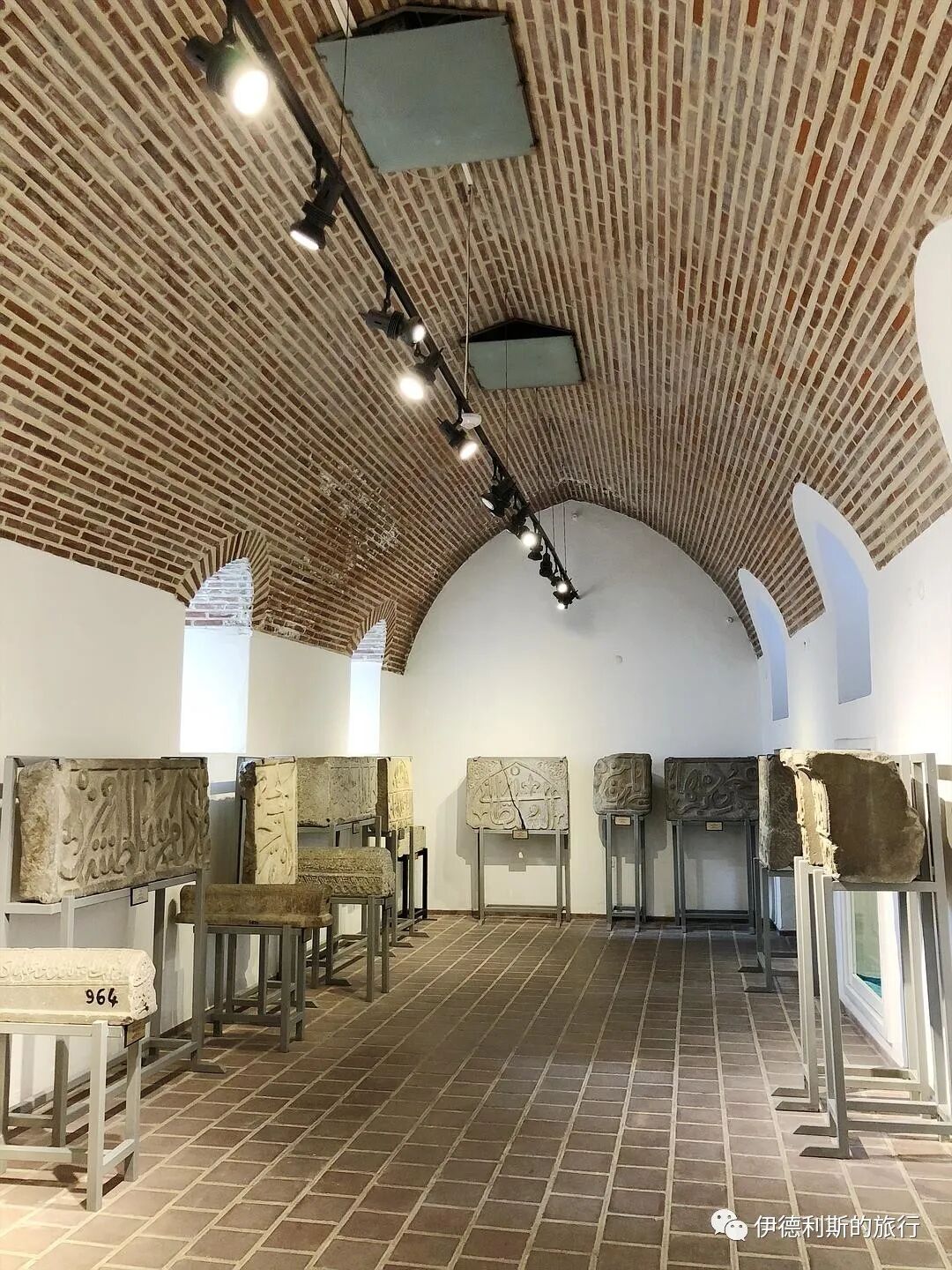
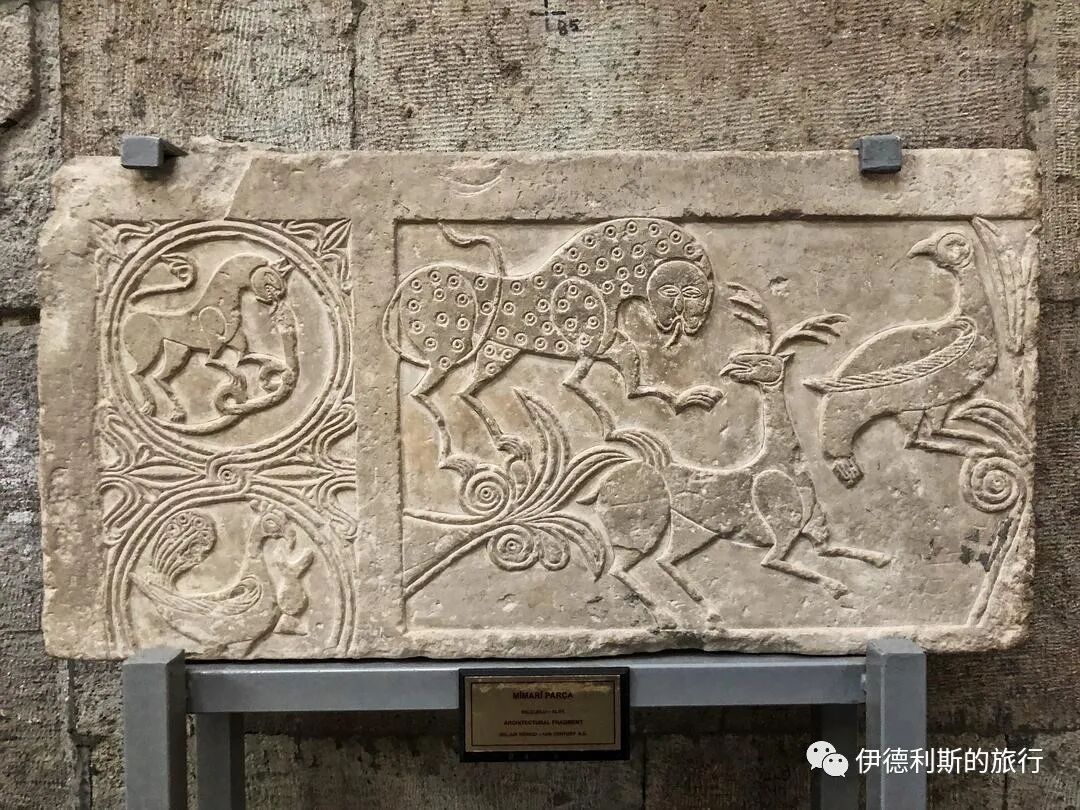
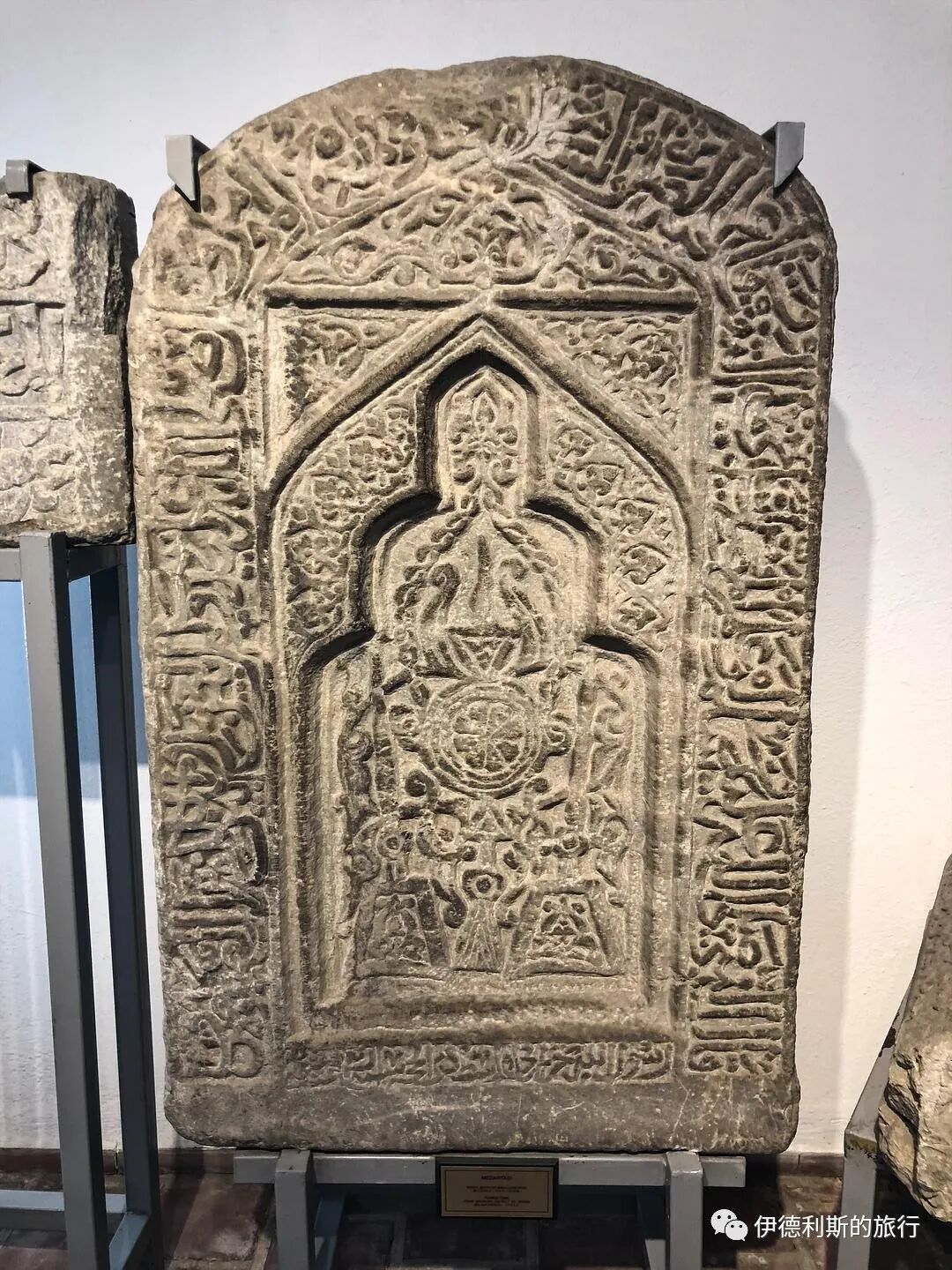
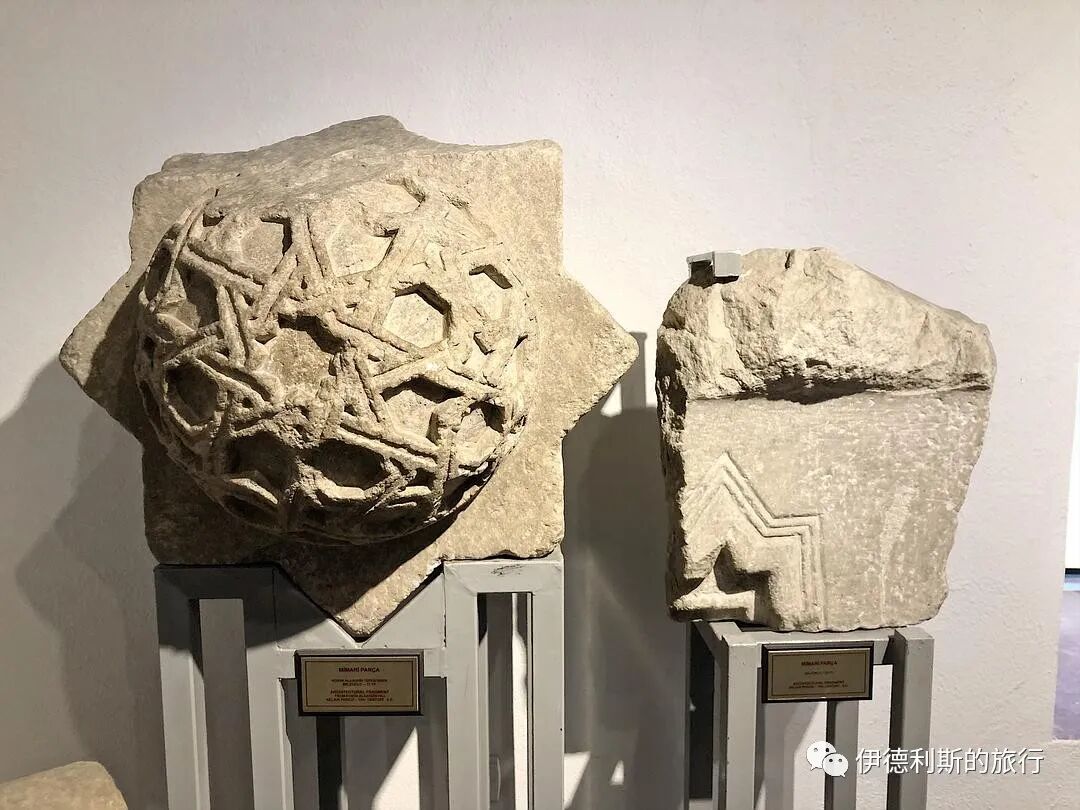
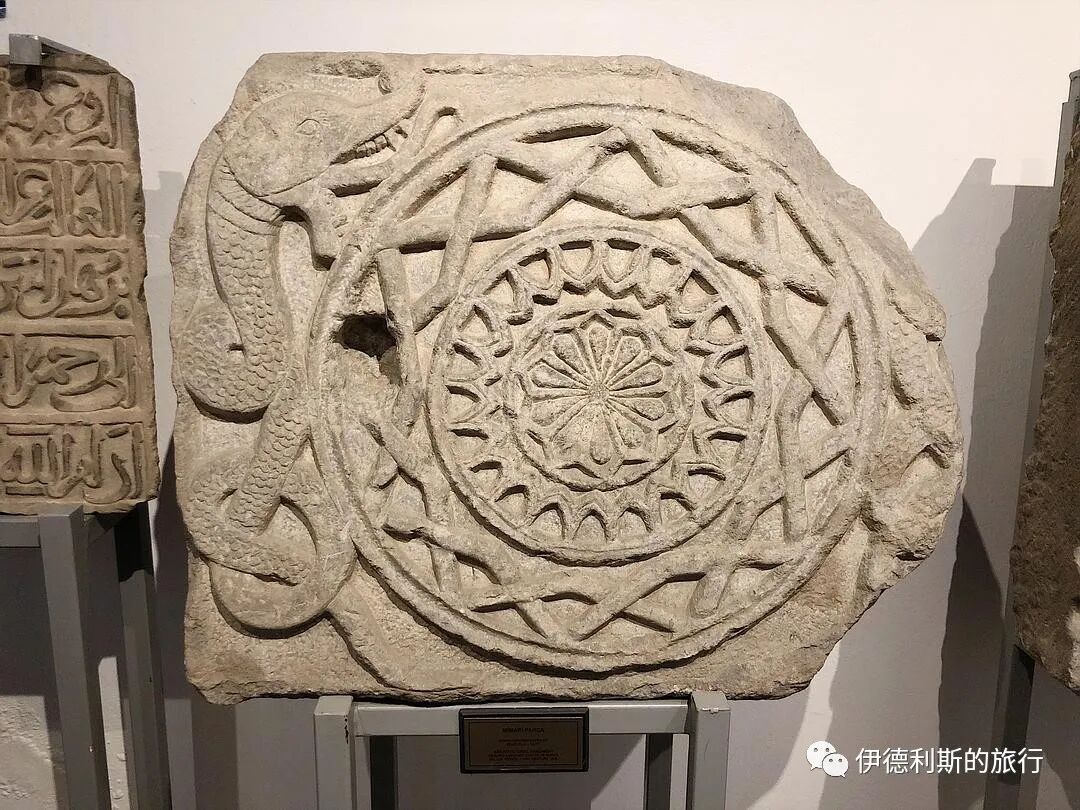
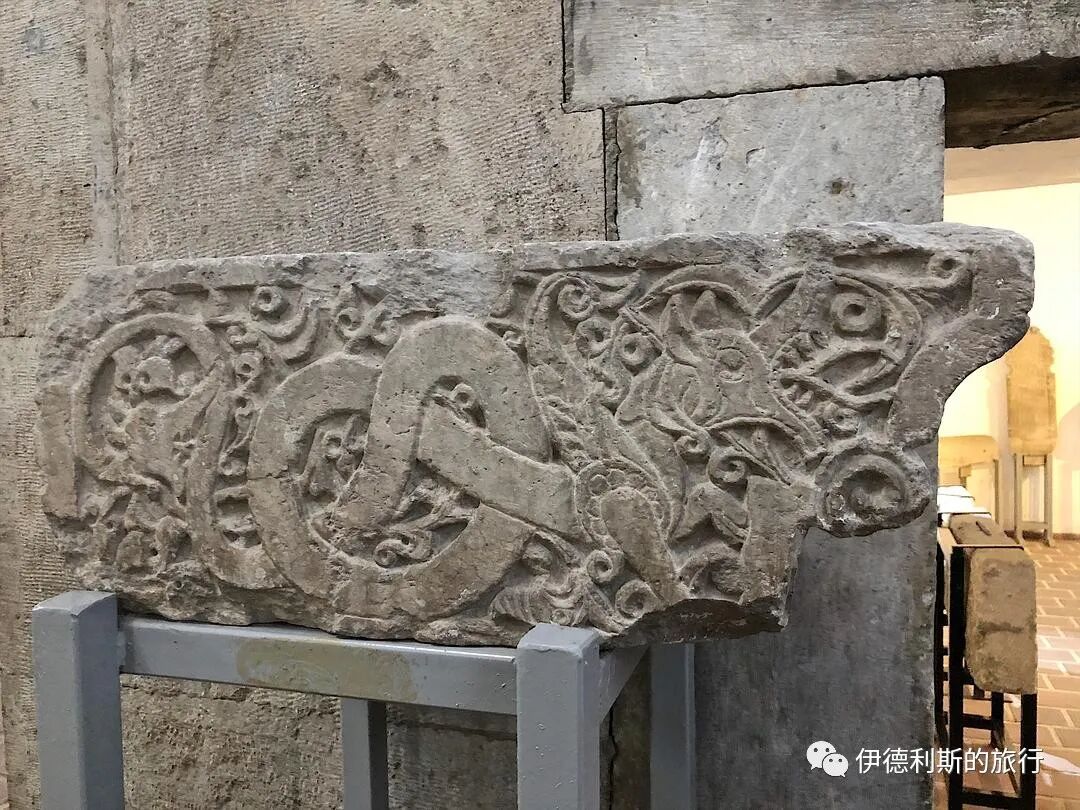
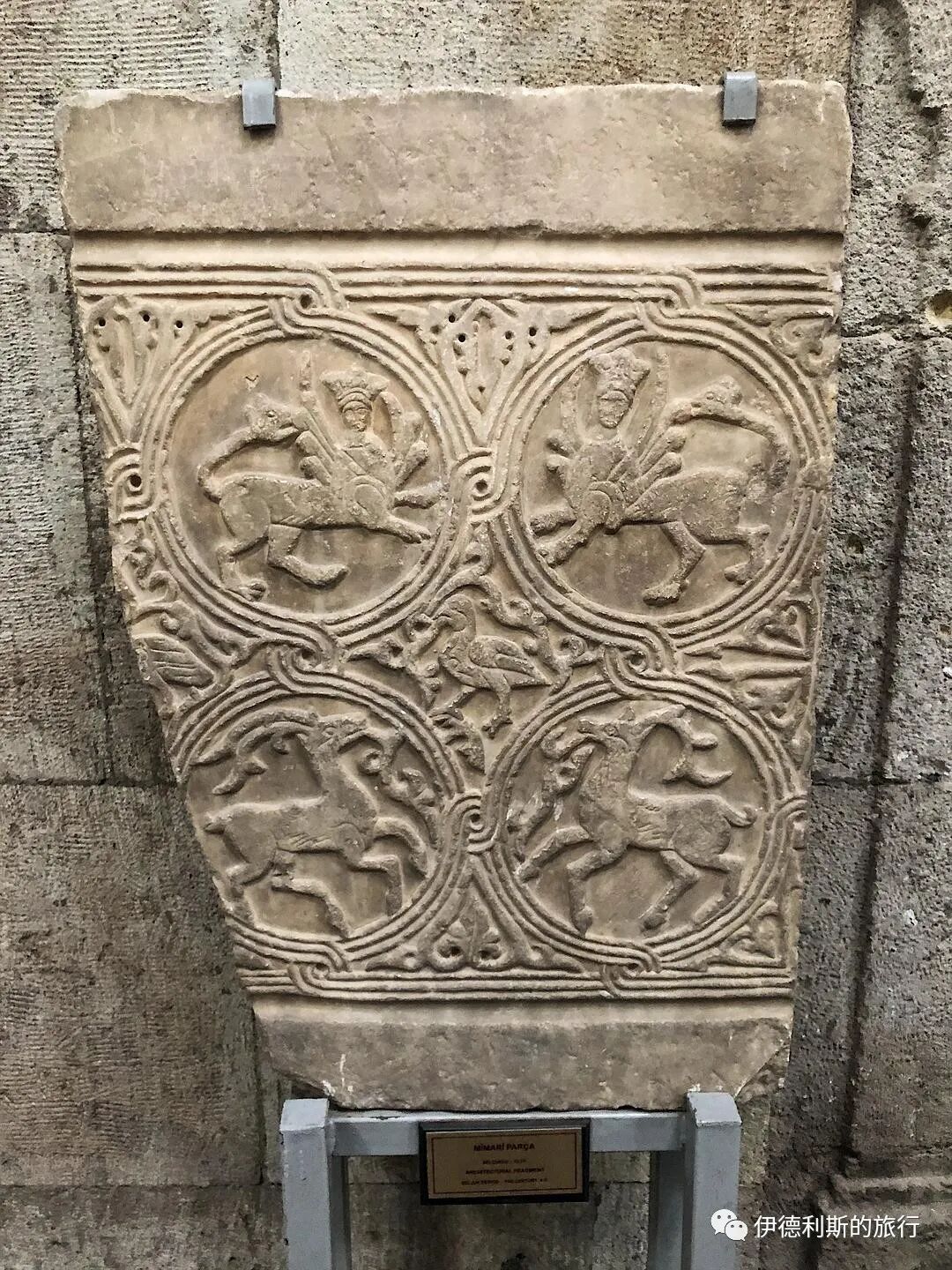
Seljuk stone carvings collected in the museum.
From Alaaddin Hill.
7. Konya City Walls: 12th-13th Centuries
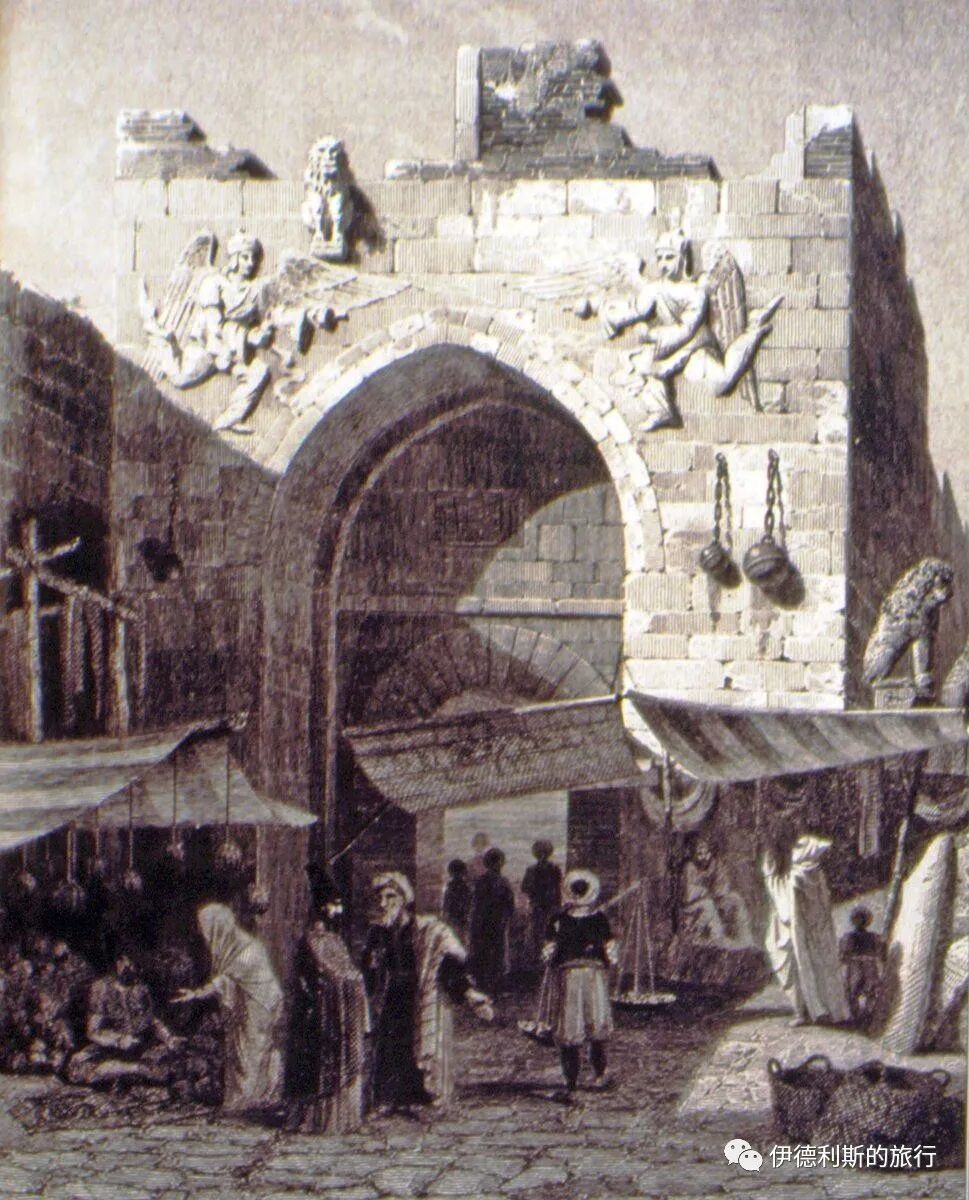
Research shows that the earliest Konya city walls (Konya Kalesi) were located on Alaaddin Hill and were built by the descendants of Alexander the Great during the Hellenistic period. The Konya city walls were rebuilt four times in history. In 1221, the Seljuk Sultan Kayqubad I (reigned 1220-1237) built new outer walls beyond the inner walls on Alaaddin Hill. At that time, the Konya city walls were 30 meters high and had 12 gates.
An illustration of the Konya city walls, address https://islamansiklopedisi.org.tr/konya
According to the 17th-century Ottoman traveler Evliya Çelebi, the Konya city walls were still intact in the 17th century. However, as time passed, the walls began to gradually deteriorate during the late Ottoman period. The inner walls on Alaaddin Hill were the first to be demolished, and the outer walls were also dismantled in the late 19th century. The government buildings of that time were built using stones from the walls.
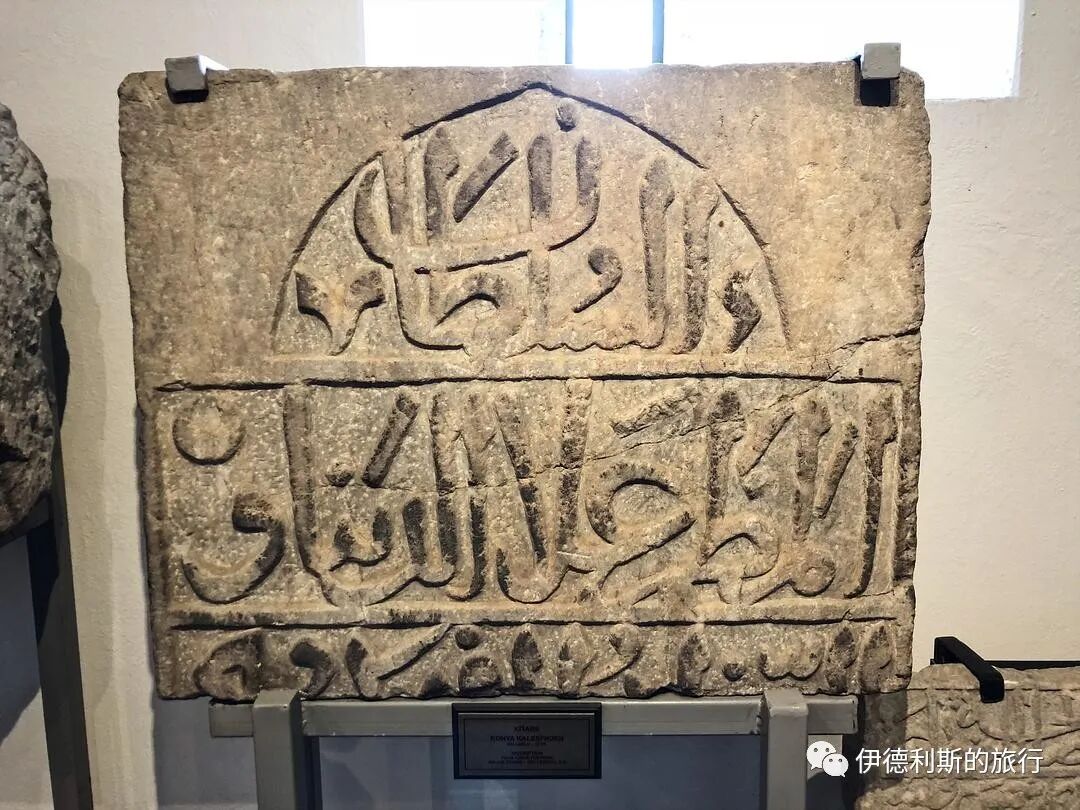
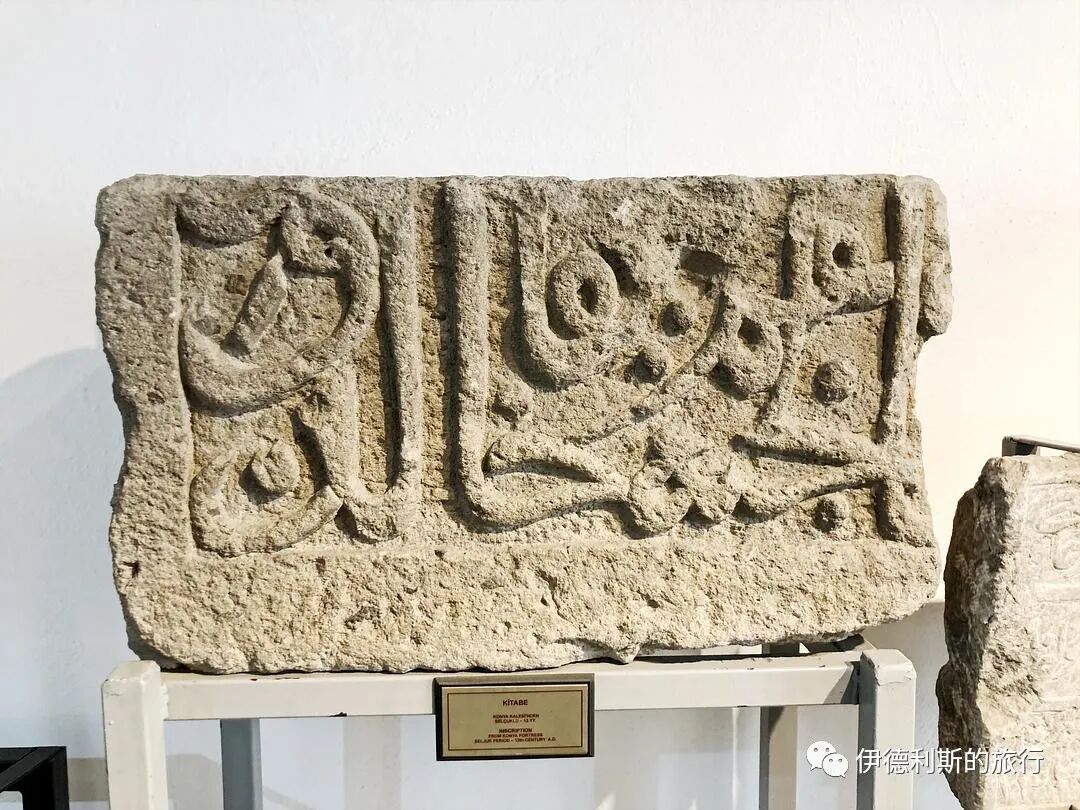
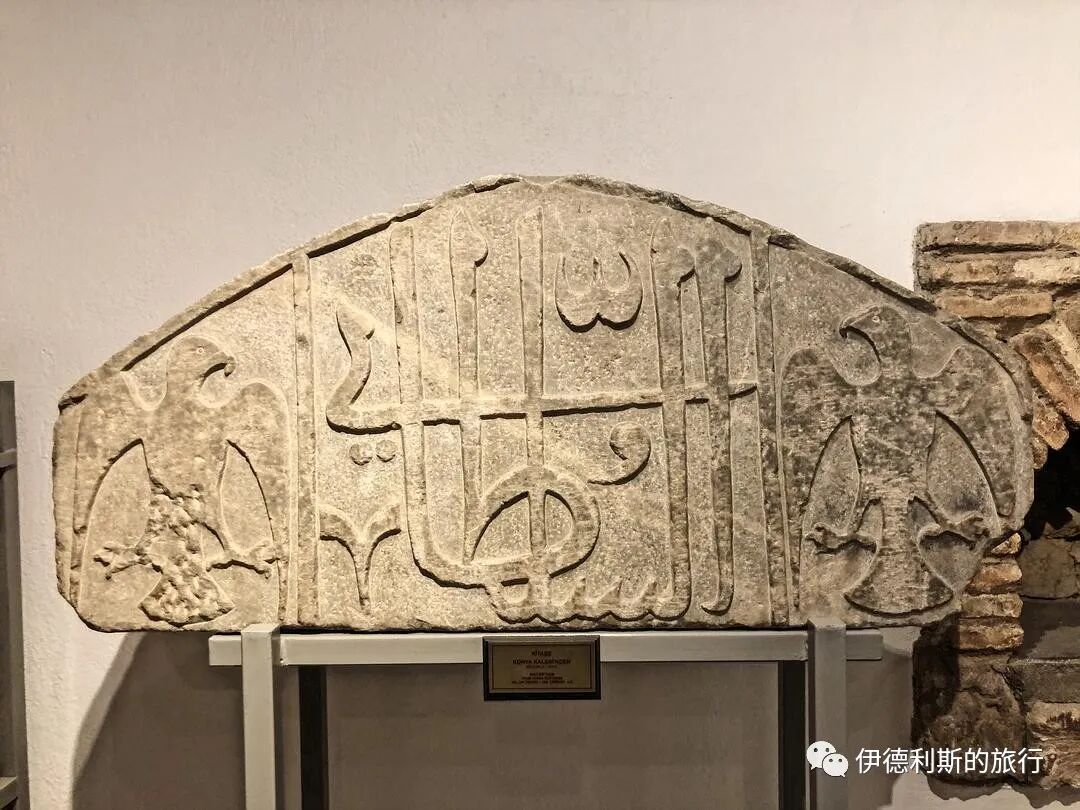
Today, most of the ruins of the Konya city walls have not been preserved. Fortunately, some stone carvings are currently kept in the Konya Museum of Stone and Wood Carvings, including winged angels and double-headed eagles, which are fine examples of Seljuk stone carving.
8. Alaeddin Kiosk: Late 12th Century
The Alaaddin Pavilion (Alâeddin Köşkü) is the only remaining tower ruin of the Konya city walls. Located on the north side of Alaaddin Hill, it was originally a brick tower of the inner city wall. The Seljuk Sultan Kilij Arslan II (reigned 1156-1192) built his estate right next to the wall and turned this tower into part of the estate, which is why it has been preserved to this day.
When I visited, the Alaaddin Pavilion and the ruins of the Kilij Arslan II estate were under renovation and could not be entered.
The Alaaddin Pavilion in an old photograph, from https://islamansiklopedisi.org.tr/konya
Manor ruins.
The original stone lions from the Alaeddin Pavilion are now kept at the Museum of Turkish and Islamic Arts in Istanbul.
9. Alaeddin Mosque: 12th Century - 1235
Alaeddin Mosque is located on the east side of Alaeddin Hill in the center of Konya. It was once the royal mosque for the Seljuk Sultanate of Rum and houses the tombs of past sultans.
Records show the first Alaeddin Mosque was rebuilt on top of a Christian church shortly after the Seljuks captured Konya in the late 11th century. Many parts of the building were taken directly from nearby Byzantine structures.
The oldest existing inscription in the mosque dates back to the reign of the Seljuk Sultan of Rum, Mesud I (reigned 1116–1156). The mosque's ebony pulpit (minbar) features an inscription from 1155, and the prayer niche (mihrab) and the tiles on the vaulted ceiling were likely built during the same period.
In 1219, the Seljuk Sultan of Rum, Kaykaus I (reigned 1211–1220), began rebuilding the Alaeddin Mosque. He moved the main entrance from the west side to the north and added a massive structure on the north side overlooking the city and facing the sultan's palace. The final building plans were never finished because the sultan died the following year.
In 1235, Sultan Kayqubad I (reigned 1220–1237) added a large hall made of forty-two stone columns to the east of the prayer niche (mihrab). The mosque's current east gate and minaret were built during the Ottoman period.
Unfortunately, the Alaeddin Mosque was under renovation when I visited. Only the east hall built in 1235 was open, so I could not see the west hall or the tomb section.
Alaeddin Mosque, address https://islamansiklopedisi.org.tr/konya view all
Summary: Konya — Seljuk History and Muslim Heritage is presented here as a firsthand travel account in clear English, beginning with this scene: The Seljuqs were a Sunni Muslim group from the Oghuz Turkic tribal confederation in the Central Asian steppes. The account keeps its focus on Konya Travel, Seljuk History, Turkey Travel while preserving the names, places, food, and historical details from the Chinese source.
The Seljuqs were a Sunni Muslim group from the Oghuz Turkic tribal confederation in the Central Asian steppes. They were deeply influenced by Persian culture. Between the 11th and 12th centuries, they built a vast Seljuq Empire that stretched across West and Central Asia. The Sultanate of Rum was a state founded by the Seljuqs in Asia Minor. After the Seljuq Empire collapsed, it continued to exist for over a hundred years with Konya as its capital. After the Mongol invasion, the Sultanate of Rum broke into many smaller states called beyliks. One of these beyliks eventually grew into the Ottoman Empire.
Between the 9th and 10th centuries, a unique "Turco-Persian" culture emerged in the Khorasan and Transoxiana regions. This culture formed when Turkic peoples, living in Central Asia and Iran, blended Turkic and Persian cultures. These Turkic peoples were deeply influenced by Persian culture. From the 11th to the 13th centuries, "Turco-Persian" culture spread quickly. As the Seljuq Dynasty and the Delhi Sultanate expanded, this culture reached from the Mediterranean Sea all the way to the mouth of the Ganges River. Later, "Turco-Persian" culture gradually took root in West and South Asia with the rise of the Ottoman Empire and the Mughal Dynasty. For several centuries, it became the main culture for the ruling and elite classes.
Konya, as the capital of the Seljuq Sultanate of Rum, was the last Seljuq "Turco-Persian" cultural center after the Seljuq Empire fell. Seljuq culture is a very unique part of "Turco-Persian" culture. It is most famous for its tiles and stone carvings. On this trip to Konya, I visited all the Seljuq-era historical sites in the city. Sadly, some were under repair and I couldn't go inside. I will share the Seljuq sites I saw on this trip.
Contents
1. Historical Introduction
1. The Founding of the Seljuq Sultanate of Rum
2. Making Konya the Capital
2. Rumi's Tomb: 1274
1. Rumi in Konya
2. Rumi's Tomb
3. Iplikci Mosque: 1201
4. Karatay Madrasa: 1251
5. Tiles of Kubadabad Palace: 1236
6. Slender Minaret Madrasa (Ince Minareli Medrese): 1268
7. Konya City Walls: 12th-13th Centuries
8. Alaeddin Kiosk: Late 12th Century
9. Alaeddin Mosque: 12th Century - 1235
Ten. Glass Madrasa (Sırçalı Medrese): 1242.
Eleven. Sahib Ata Mosque: 1258.
Twelve. Sahib Ata Madrasa: 1258.
Thirteen. Artifacts in the Turkish and Islamic Arts Museum.
1. Historical Introduction
1. The Founding of the Seljuq Sultanate of Rum
The Seljuqs were a branch of the Oghuz Turkic tribe. They originally lived as nomads on the Kazakh steppes, north of the Syr Darya River in Central Asia. Their leader, Seljuk Beig, converted to Islam around 985. He then separated from the Oghuz tribal confederation and moved to the Transoxiana region, south of the Syr Darya River.
In 1035, their relationship with the Karakhanid Dynasty got worse. The Seljuqs were forced to move south into the Khorasan region of Persia. They then unexpectedly defeated the large army of the Ghaznavid Dynasty. Soon after, they fully controlled all of Khorasan.
In 1037, Tughril (who ruled from 1037-1063) officially founded the Seljuq Dynasty in Khorasan. They then kept expanding. In 1051, they moved their capital to Isfahan, which was then the most important city in Persia.
Starting in 1040, the Seljuq Dynasty repeatedly attacked Asia Minor, which was under Byzantine rule. They finally defeated the Byzantines completely in the Battle of Manzikert in 1071. After the war, Seljuq Sultan Alp Arslan (who ruled from 1063-1072) sent his distant cousin, Suleiman ibn Qutulmish (who ruled from 1077-1086), to go deeper into Asia Minor. Suleiman moved west all the way, reaching the city of Nicaea on the Sea of Marmara.
In 1077, Suleiman officially founded the Seljuq Sultanate of Rum, with Nicaea as its capital. "Rum" meant "Rome" at that time, and people used it to refer to Asia Minor under Eastern Roman (Byzantine) rule.
The Seljuq Dynasty in 1092, from Wikipedia
2. Making Konya the Capital
The rapid expansion of the Seljuq Dynasty caused panic among Christian states. This directly led to the First Crusade. In 1097, Nicaea, the capital of the Sultanate of Rum, finally fell after a long siege by the Crusaders, forcing the Sultanate to move its capital east to Konya.
Konya was very wealthy in the second half of the 12th century. At that time, the Sultanate of Rum controlled almost all of eastern Anatolia, several port towns on the Mediterranean and Black Seas, and even held a foothold in Crimea for a time, bringing vast trade wealth into Konya.
After the Mongols invaded Central Asia and Persia in the early 13th century, many Turkic and Persian people came to Konya for refuge. In the 1220s, Konya was full of refugees from the Khwarezmid Empire. Many were educated intellectuals or skilled craftsmen, the most famous being the Sufi scholar and great Persian poet Rumi.
In 1243, the Seljuk Sultanate of Rum was defeated by the Mongol Empire and became a vassal state, but Konya remained the capital. People lived in stability, and many existing Seljuk buildings date from this period.
In the late 13th century, the Seljuks split into many small principalities, including the early Ottoman Empire. These small states nominally recognized the status of the Sultanate of Rum, but the Sultanate could only actually control the limited territory around Konya. At this time, the Karamanids dynasty began continuous attacks on the Seljuk Sultanate of Rum, but they eventually failed due to the intervention of the Ilkhanate.
At the end of the 13th century, the Sultanate of Rum fell into a series of internal struggles, and the last Sultan, Mesud II, was killed in 1308. In 1328, Konya was occupied by the Karamanids dynasty, and Seljuk culture finally exited the historical stage. After this, the Ottomans rose on the legacy of the Seljuk Sultanate of Rum, and Konya would eventually enter its next era.
The Sultanate of Rum in the 12th and 13th centuries, by author DragonTiger23.
2. Rumi's Tomb: 1274
Rumi (1207-1273) was a famous 13th-century Sufi scholar and Persian poet, honored in Turkey as Mevlâna. Rumi died in Konya in 1273 and was buried next to his father's tomb. His successor, Hüsamettin Çelebi, decided to build a mausoleum for Rumi, and the tomb, led by architect Badr al-Din Tabrizi, was officially completed in 1274.
The entire complex includes the tombs of Rumi and his followers, a mosque, a Sufi practice space, and living areas for the practitioners. During the Ottoman era, this place was always the center of activity for the Mevlevi Sufi order.
In 1925, the Republic of Turkey announced the closure of all Sufi practice spaces and the dissolution of Sufi orders. In 1927, the Rumi mausoleum was converted into the Konya History Museum and opened to the public, and it was renamed the Mevlâna Museum in 1954. Today, it is a famous Sufi holy site in Turkey, and people from all over the world come here to visit and make pilgrimages every day.
1. Rumi in Konya
Rumi was born in 1207 into a Persian-speaking family in the Balkh region on the border of Afghanistan and Tajikistan. His father, Baha'ud-Din, was an Islamic scholar and a Sufi mentor.
Between 1215 and 1220, the Mongols invaded Central Asia, and Rumi moved west with his family, eventually arriving in Anatolia after much traveling. In 1228, the Seljuk Sultan of Rum, Kayqubad I (reigned 1220-1237), invited Baha'ud-Din to the capital, Konya, so Rumi's family finally settled there.
In Konya, Baha'ud-Din served as the head of a religious school and taught Rumi various Islamic knowledge and Sufi practices. After Baha'ud-Din died in 1232, Rumi continued his training under one of his father's students, Burhan ud-Din. In 1240 (or 1241), Burhan ud-Din died, and Rumi officially became an Islamic legal scholar and teacher, beginning to preach and teach students at the mosque.
In 1244, Rumi met the Sufi master Shams Tabrizi, which completely changed his life. He honored Shams as his spiritual mentor, transforming from an Islamic scholar into a Sufi practitioner.
In 1248, Shams suddenly left. Rumi was deeply saddened and went to Damascus himself to look for him, but he found nothing. To express his longing for Shams, Rumi wrote a large number of lyrical poems. At this time, he met a goldsmith named Salaḥud-Din-e Zarkub, who understood Rumi's heart very well, and the two became close friends. Zarkub helped Rumi organize 2,500 lyrical poems into the Divan-e Shams-e Tabrizi.
After Zarkub died in 1259, Rumi's scribe and favorite student, Hussam-e Chalabi, became Rumi's confidant. One day, Rumi showed Hussam a short piece of narrative poetry he had written, the Masnavi, and Hussam was pleasantly surprised and begged Rumi to continue writing it. So, starting in 1260, Rumi began writing his masterpiece, the Masnavi. During the writing process, Rumi would recite, Hussam would record, and then Rumi would confirm it. This work continued until the very last moments of Rumi's life.
2. Rumi's Tomb
The site of Rumi's tomb was originally a rose garden gifted by the Seljuk Sultan of Rum, Kayqubad I, to Rumi's father, Bahauddin. After Bahauddin passed away in 1232, he was buried here, and the site officially became Rumi's tomb in 1274. Later, Rumi's descendants and disciples founded the Mevlevi Order, and this place became the headquarters for the Mevlevi Order.
The main gate of Rumi's tomb (Devisan Kapısı) is located in the northwest corner and currently serves as the museum exit. After entering the main gate, you find a marble-paved courtyard, where the most important buildings are the tomb of Rumi and the mosque on the east side.
The tomb gate (Türbe Kapisi) dates back to 1492.
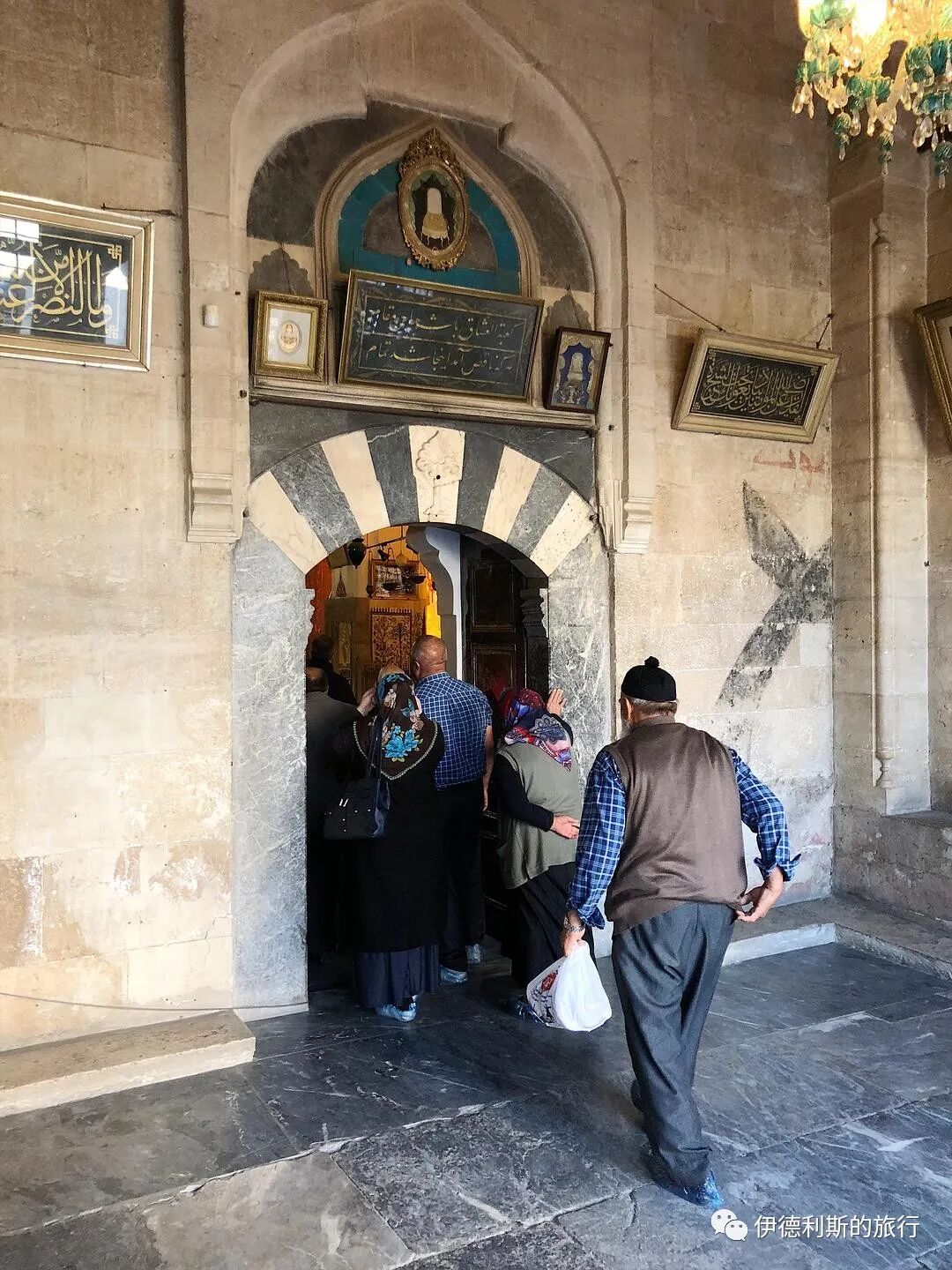
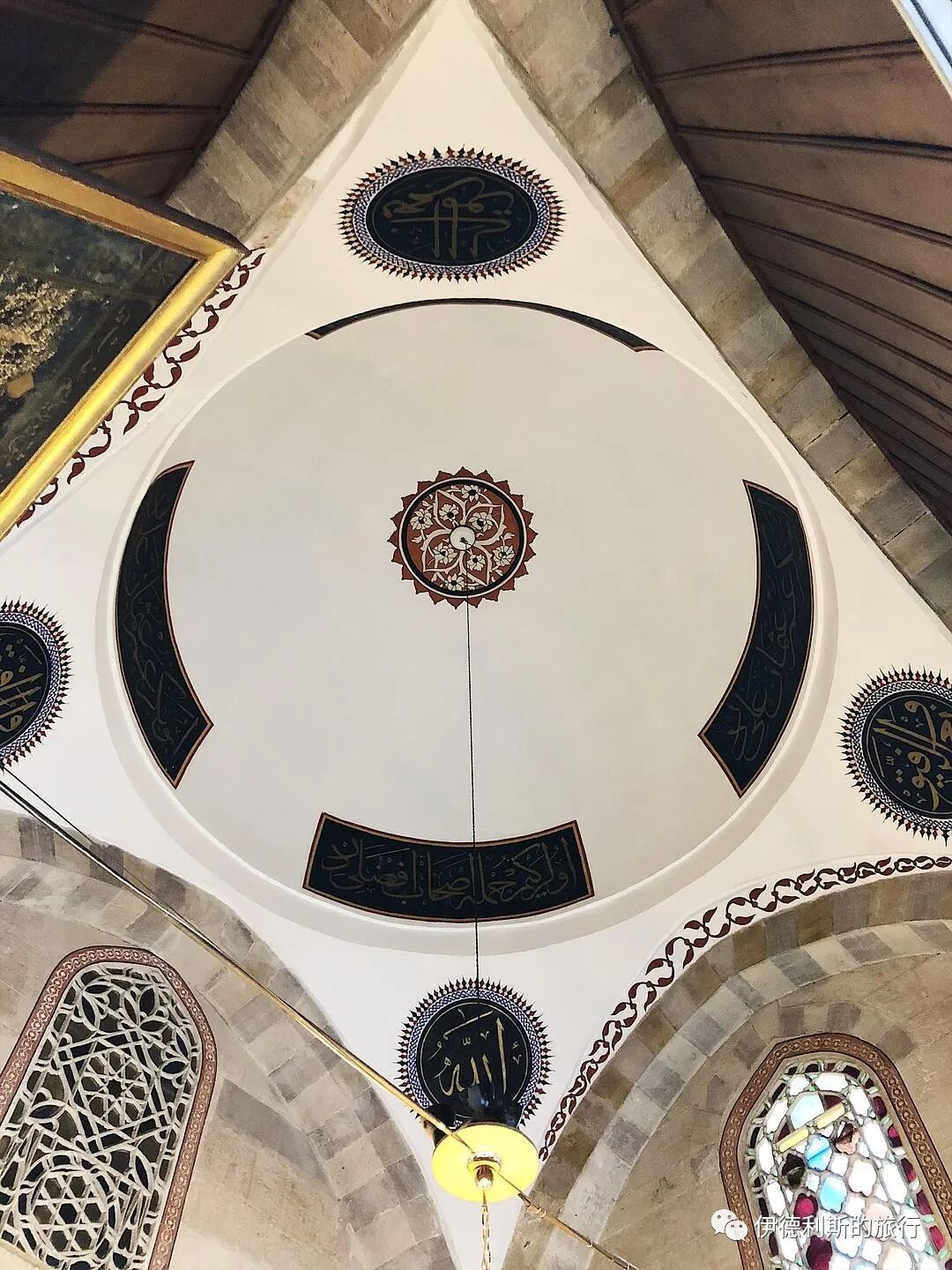
Inside the tomb gate is a room called 'Tilavet,' which in Arabic means 'reading the Quran with a beautiful voice and correct rhythm.' Before it became a museum, this room was used for the continuous chanting of the Quran, and today it houses various precious calligraphic works.
Walking further inside, you will find the sarcophagi of Rumi, his family, and the leaders of the Mevlevi Order. Rumi's sarcophagus sits under a green spire, covered in brocade embroidered with Quranic verses in gold thread. The sarcophagi of Rumi and his father, along with the surrounding wood carvings, date back to the Seljuk Sultanate of Rum, while the outer silver lattice was built in 1579. Unfortunately, this section is currently under renovation and cannot be seen.
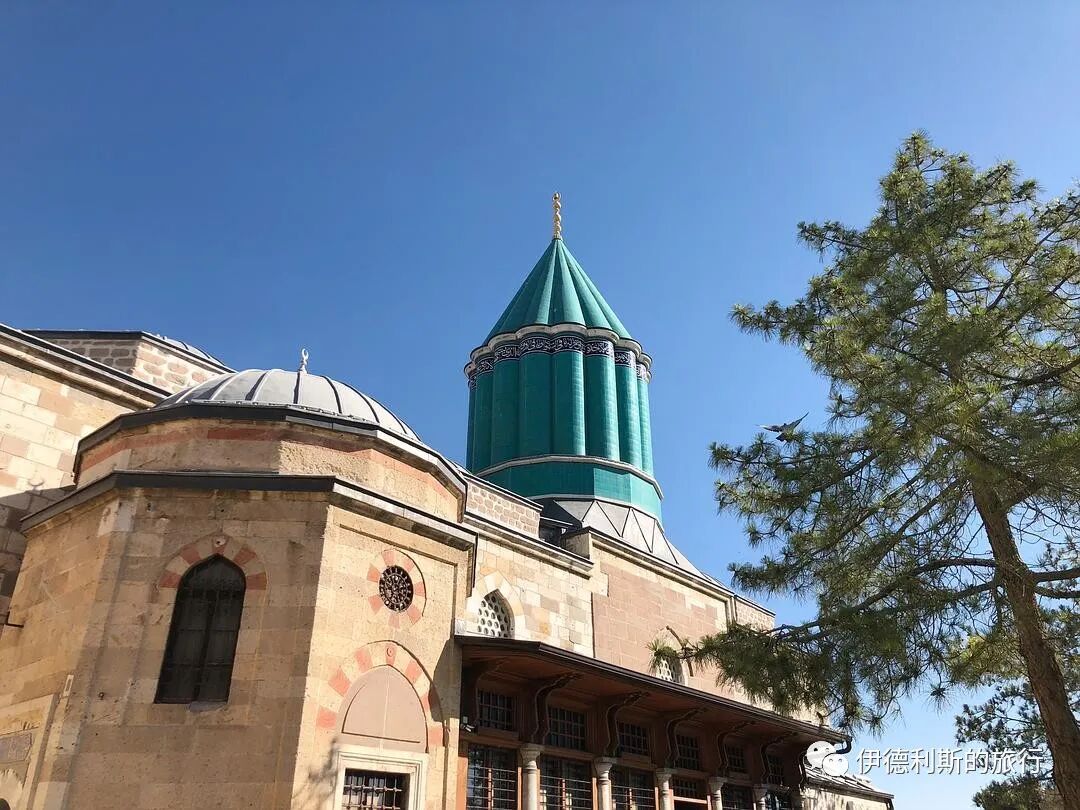
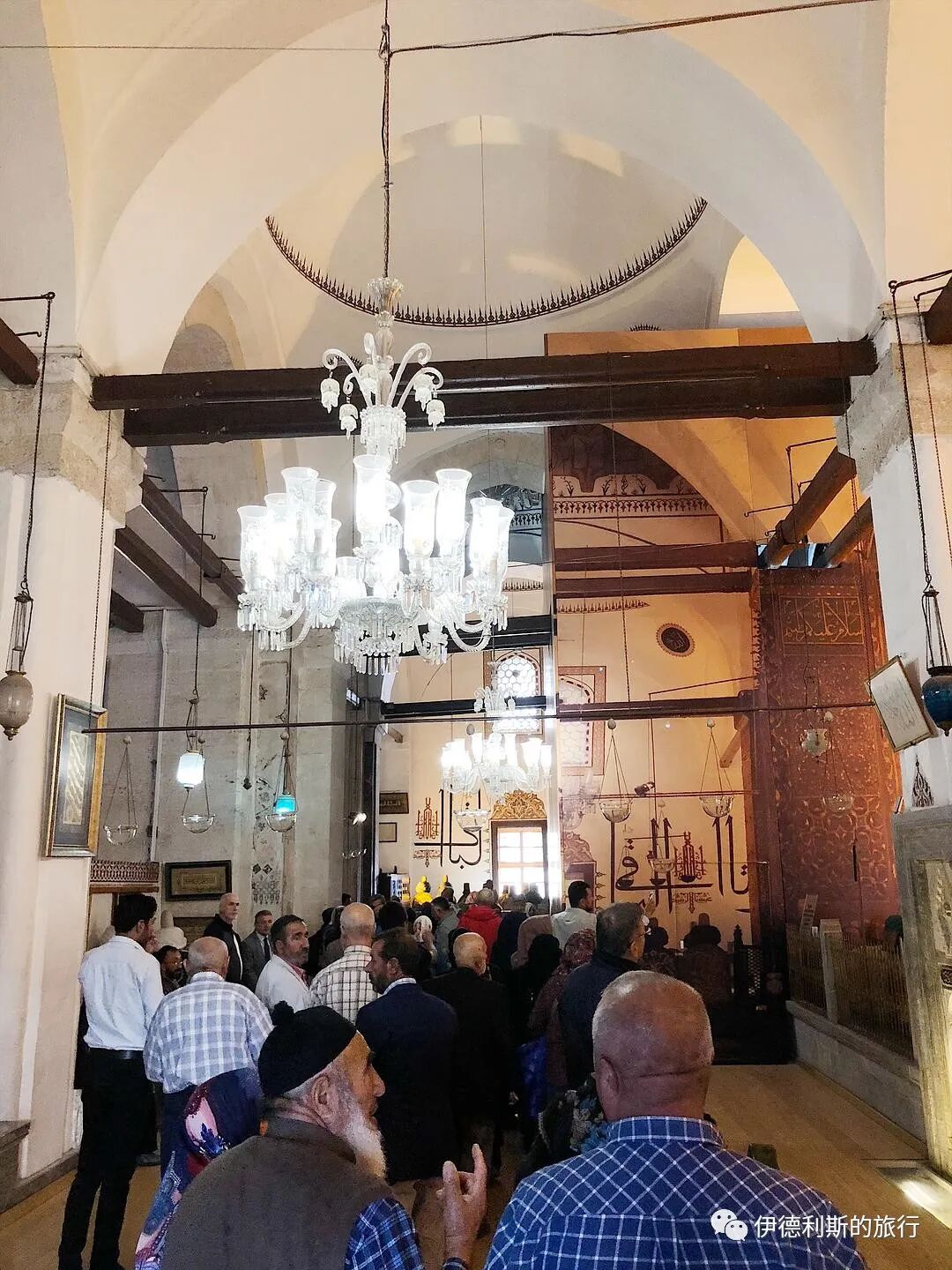
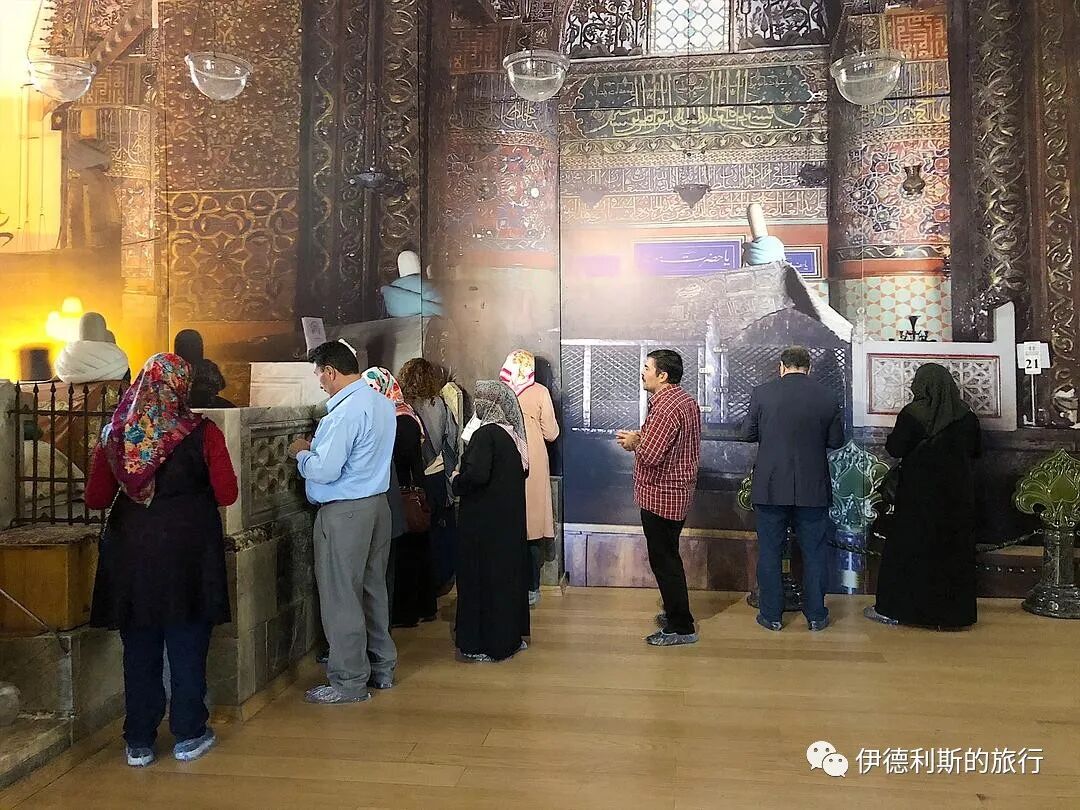
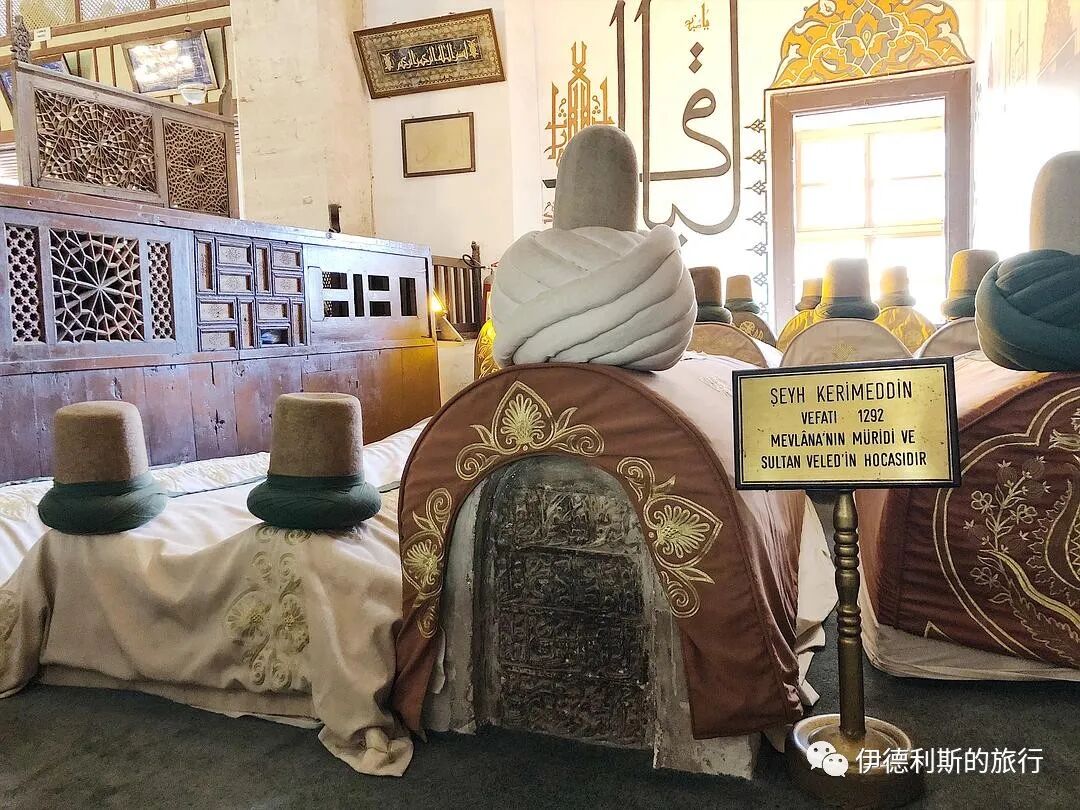
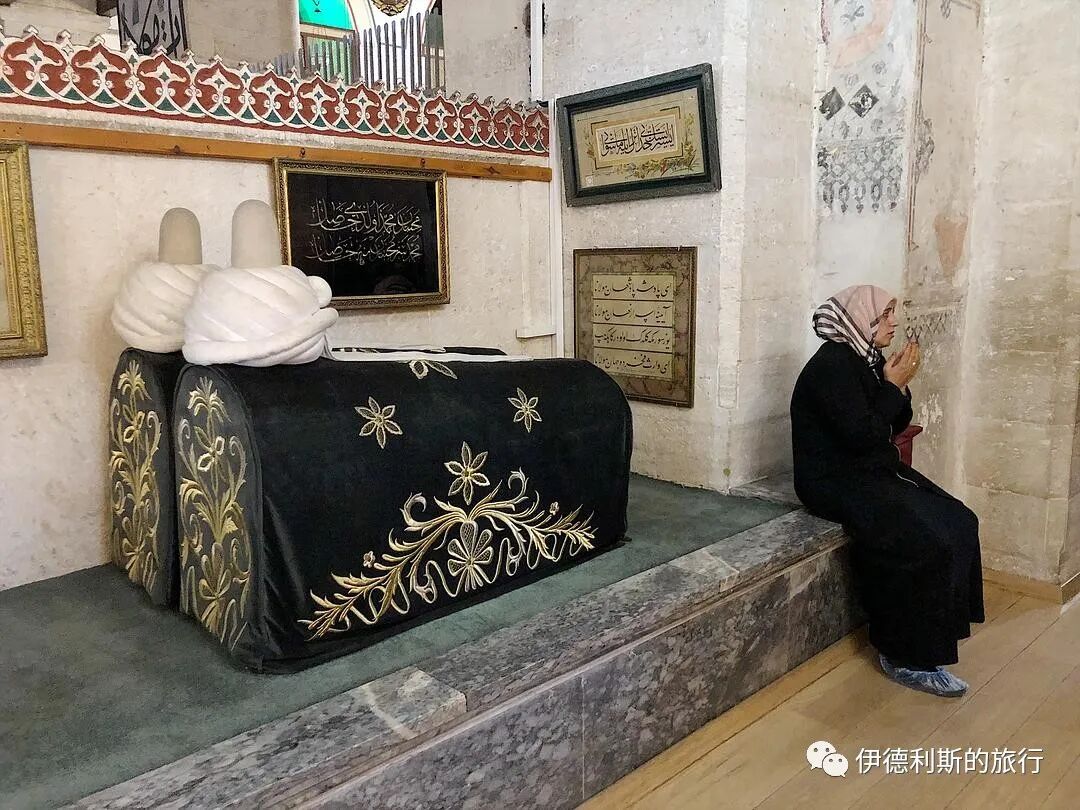
Moving forward is the ceremonial hall (Semahane), built during the era of the Ottoman Sultan Suleiman I (reigned 1520-1566). Before 1926, this was where the Mevlevi Order performed the Sama ceremony, commonly known as the whirling dance.
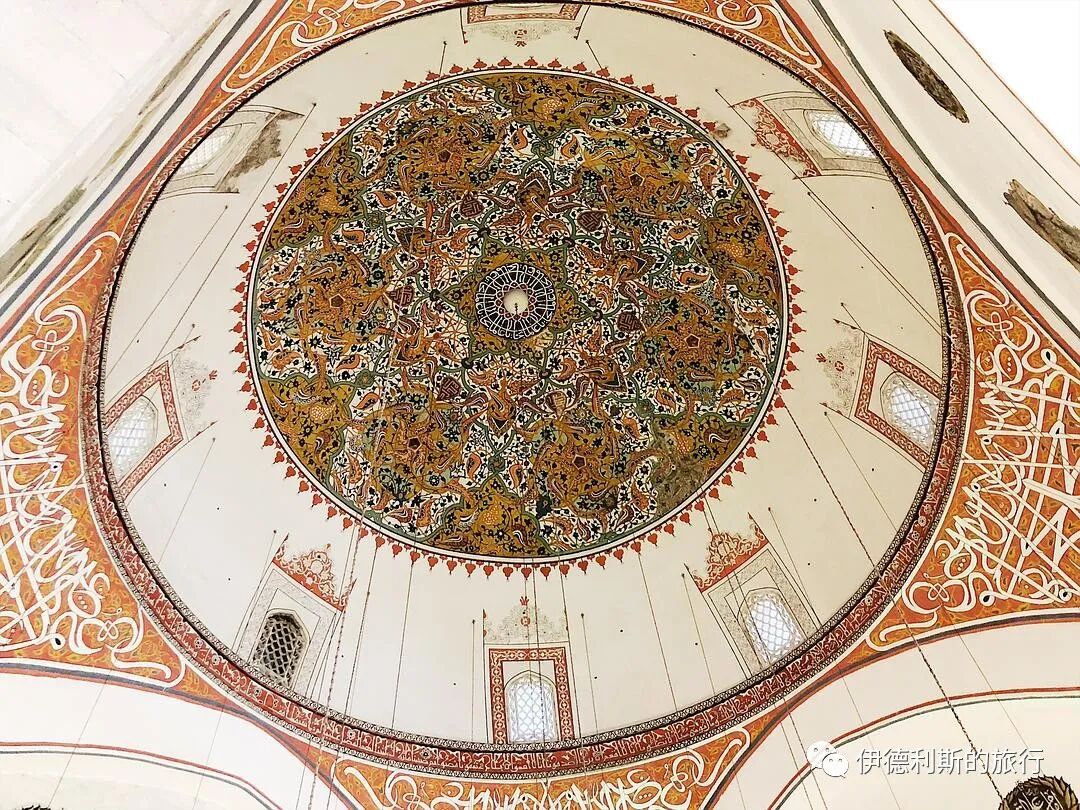
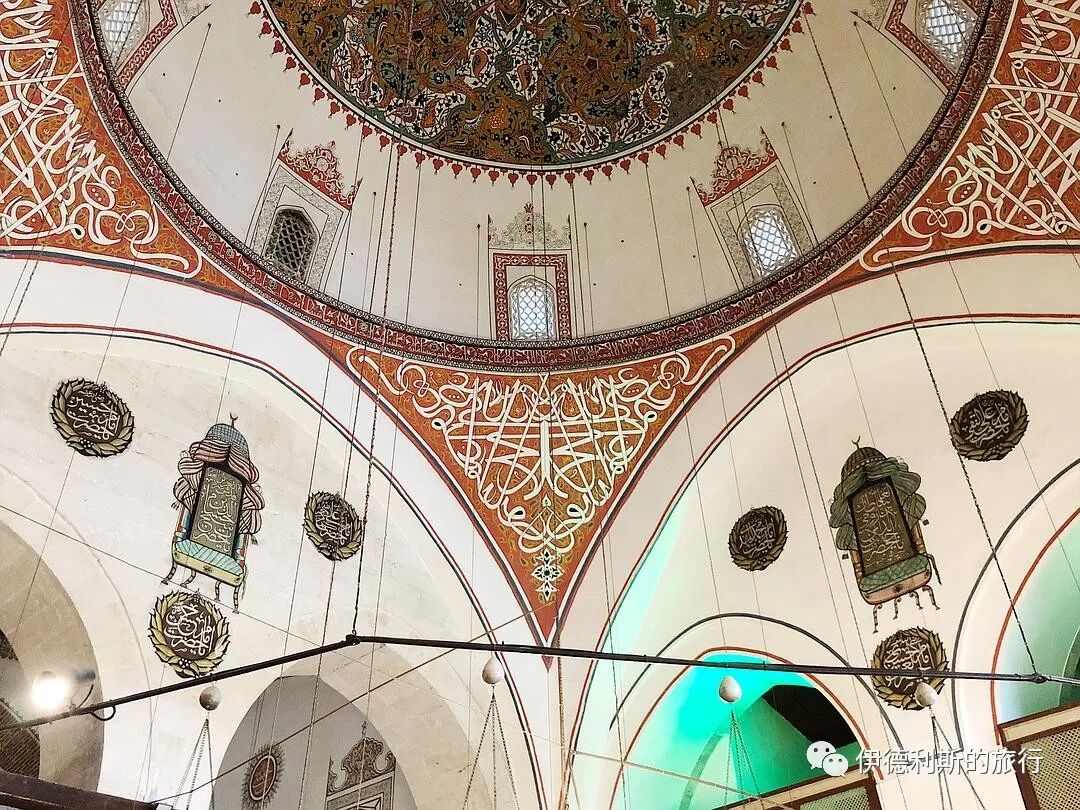
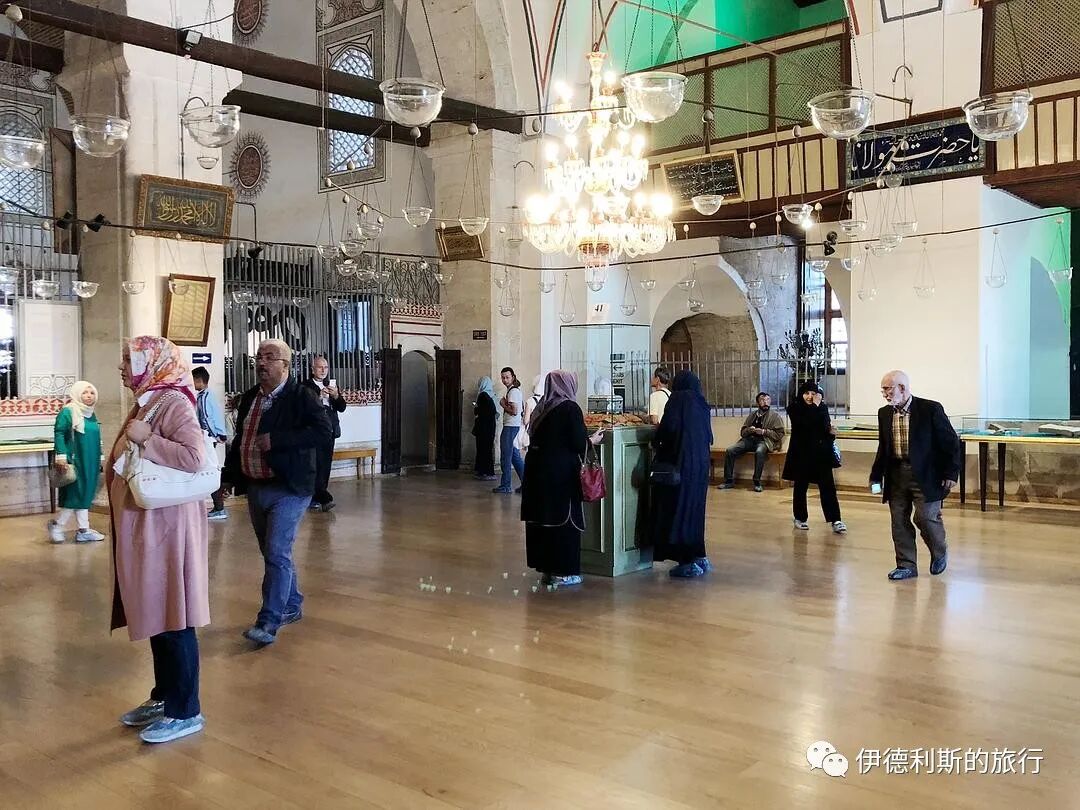
Today, the ceremonial hall displays many precious artifacts. These include Rumi's own shoulder strap, cloak, and felt hat.
The Masnavi, written in 1278 by the calligrapher Mehmed bin Abdullah Konevi.
The 1366 collection of Rumi's poetry.
A 13th-century bookshelf featuring Seljuk lion patterns.
A 9th-century Quran written in Kufic script.
A Quran written in 1296 by the calligrapher Yakutu'l-Mustasimi.
A Quran from 1314.
Next to the ceremonial hall is a mosque also built during the era of the Ottoman Sultan Suleiman I (reigned 1520-1566).
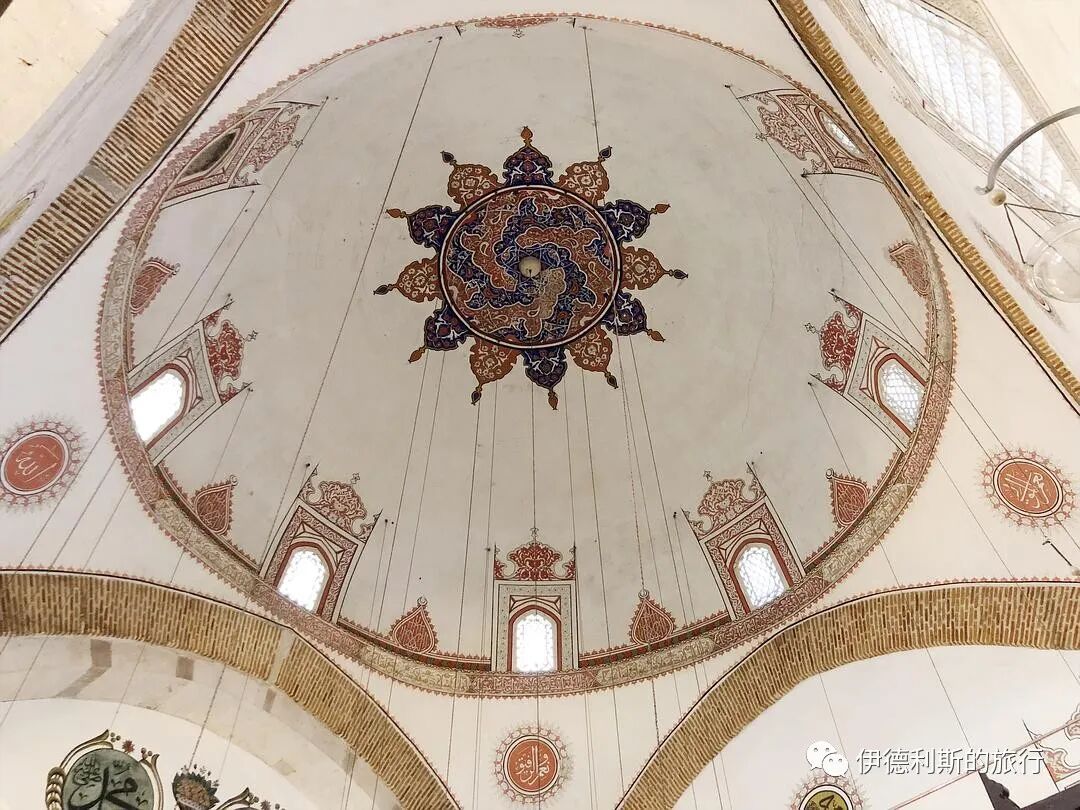
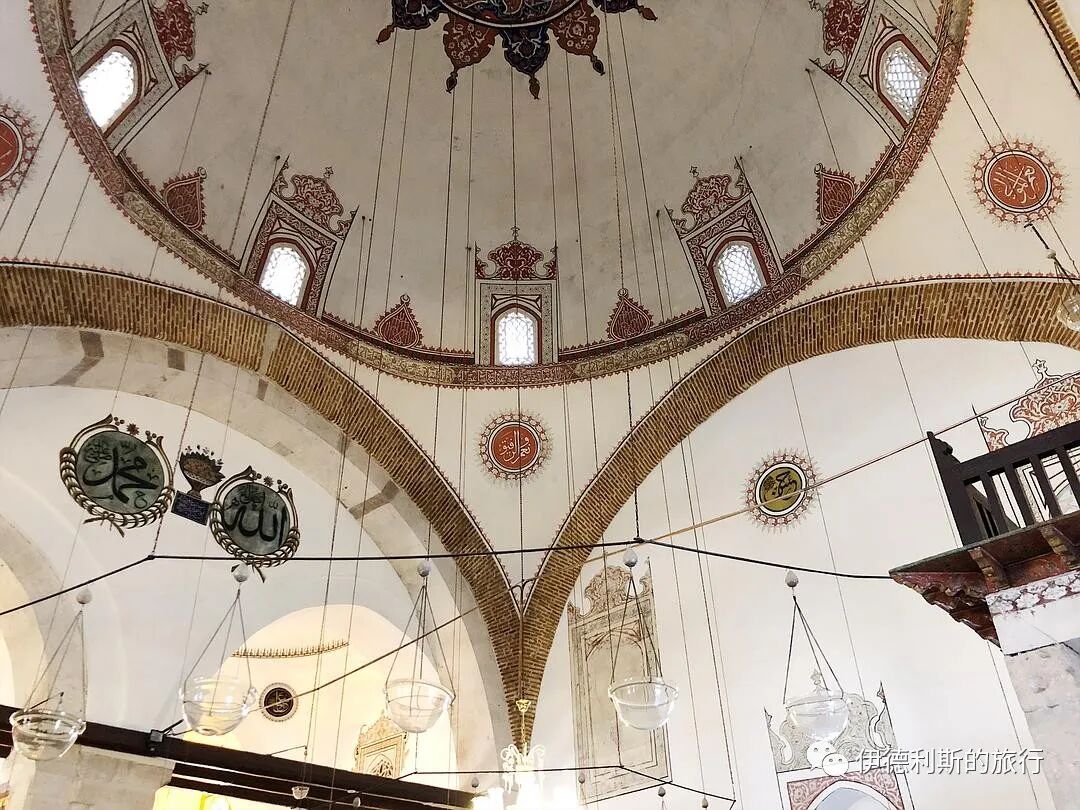
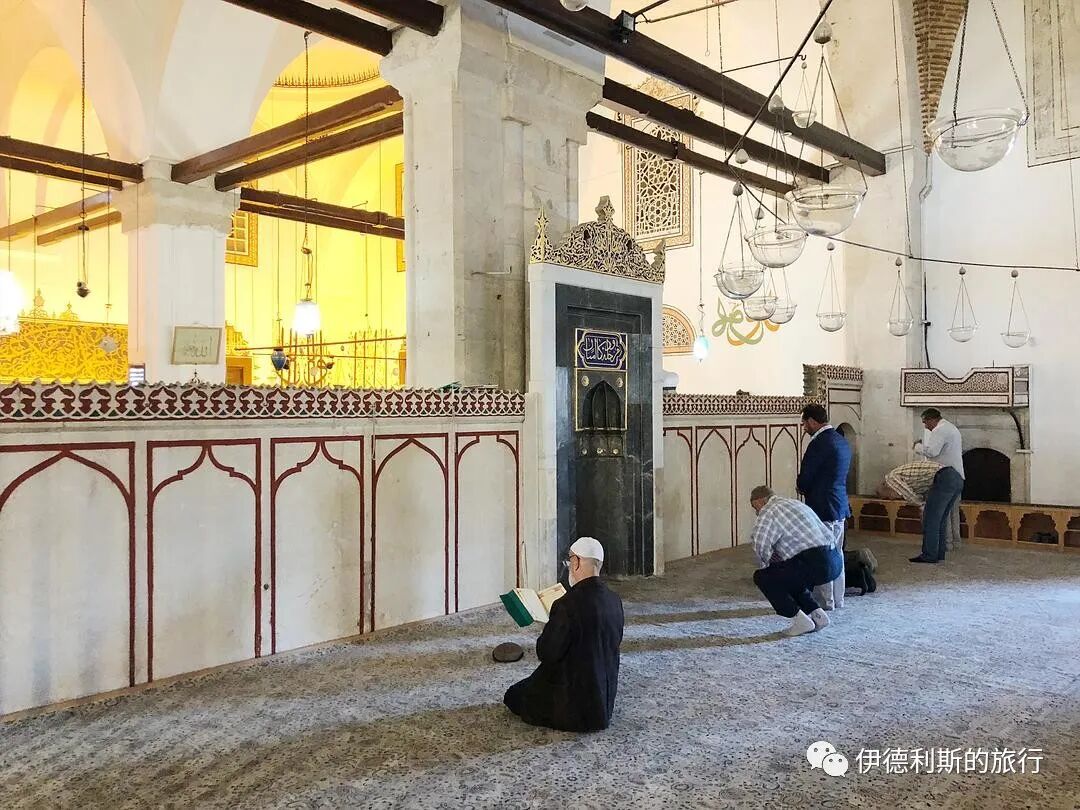
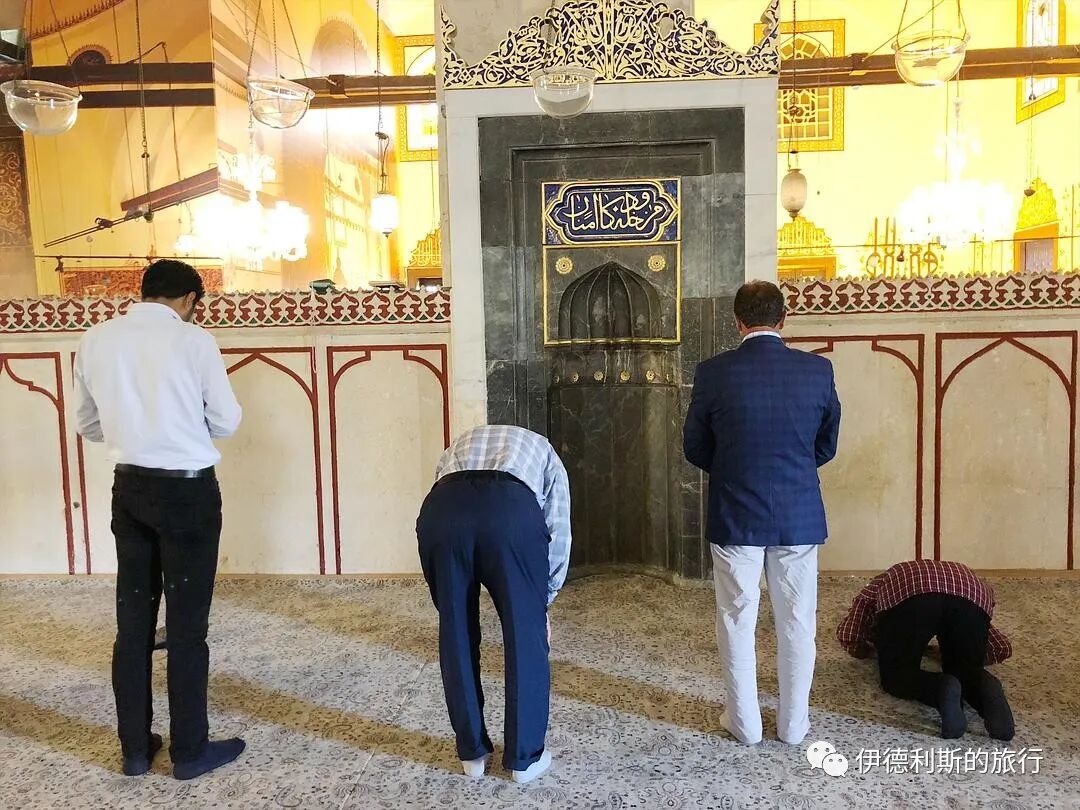
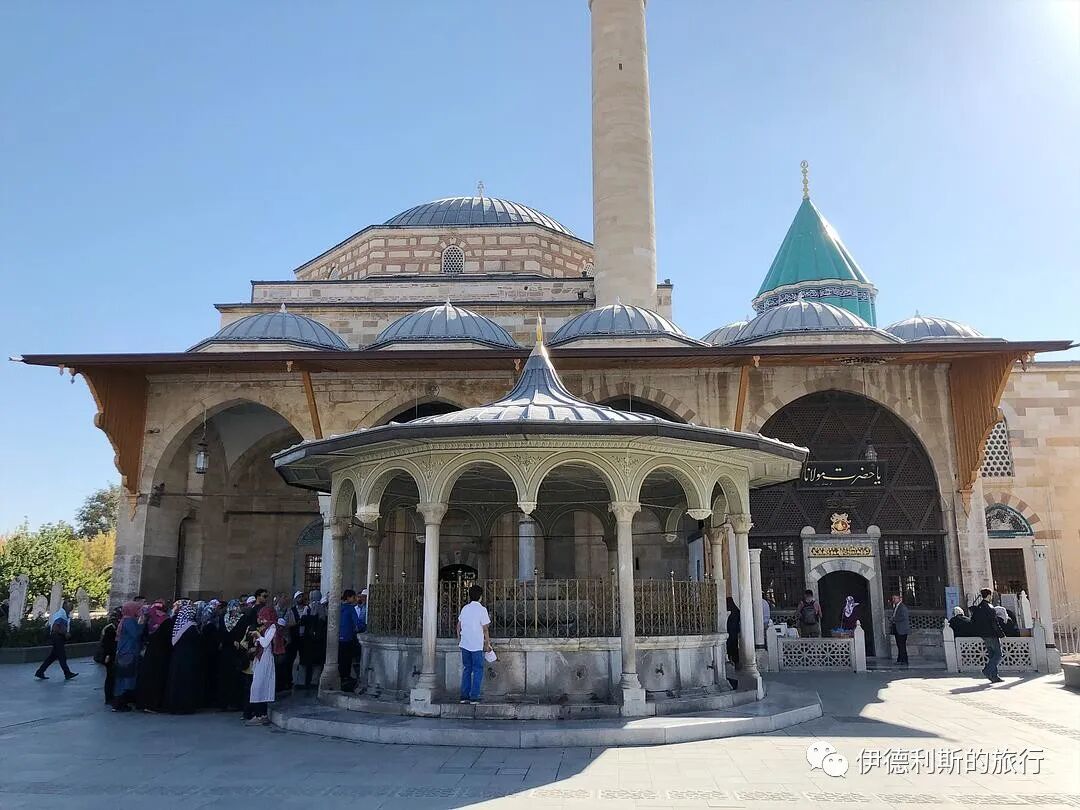
In the center of the courtyard is a fountain for wudu (ṣadirvan), built in 1512 by order of the Ottoman Sultan Selim I (reigned 1512-1520).
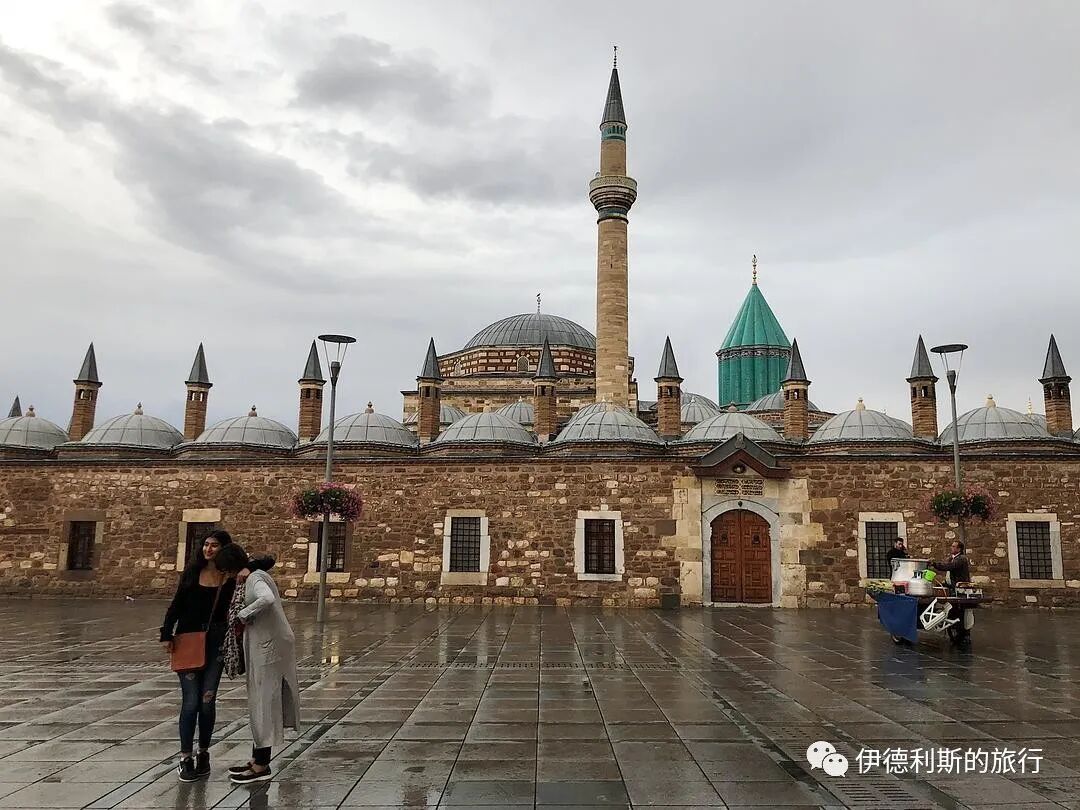
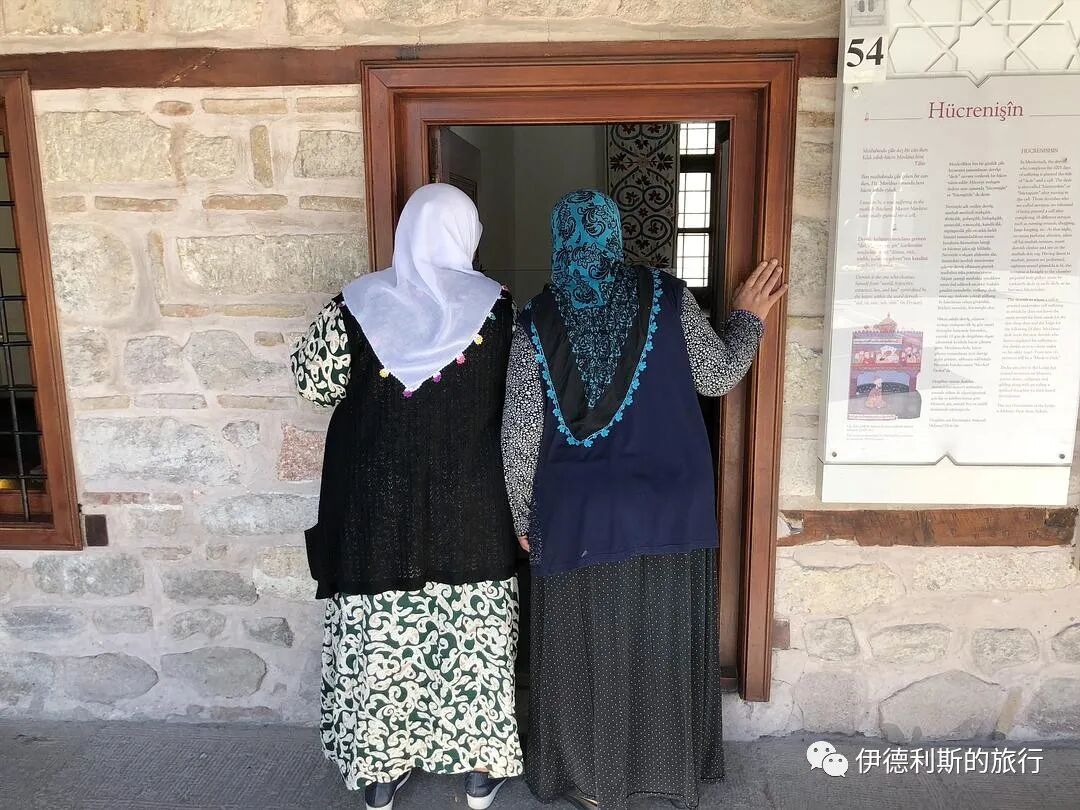
On the west side of the courtyard is a row of 17 small rooms with domes and chimneys, built in 1584 by order of the Ottoman Sultan Murad III (reigned 1574-1595), which served as living quarters for Sufi practitioners.
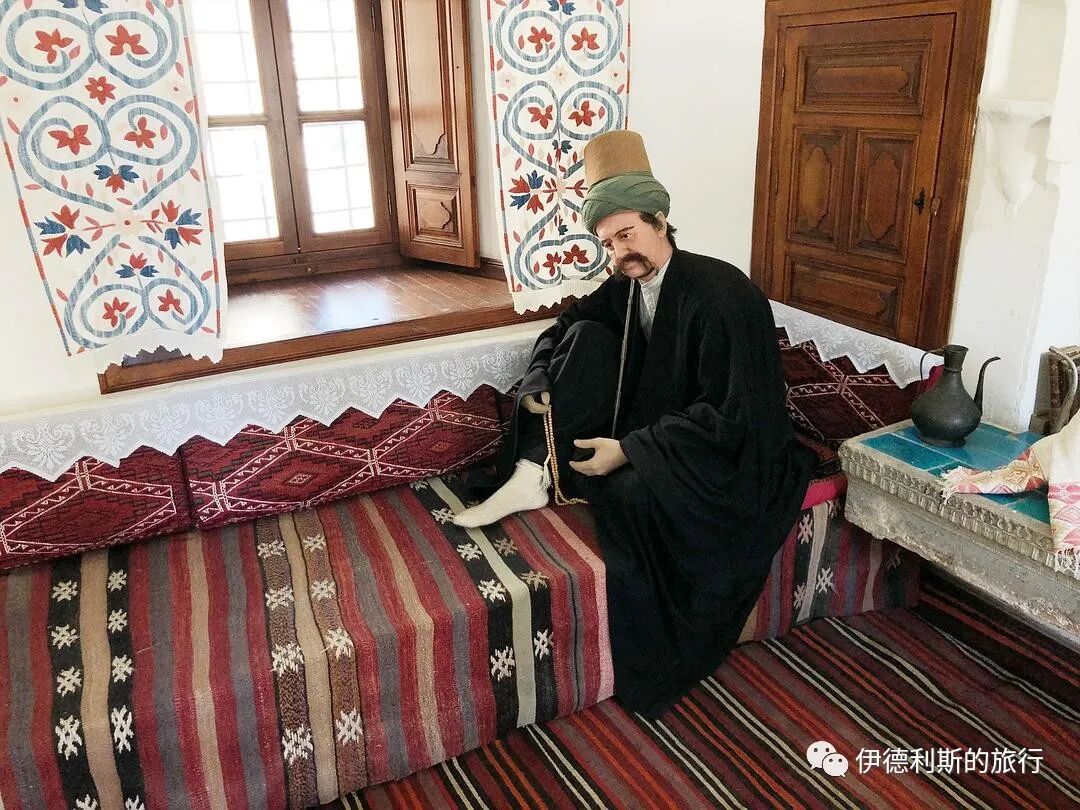
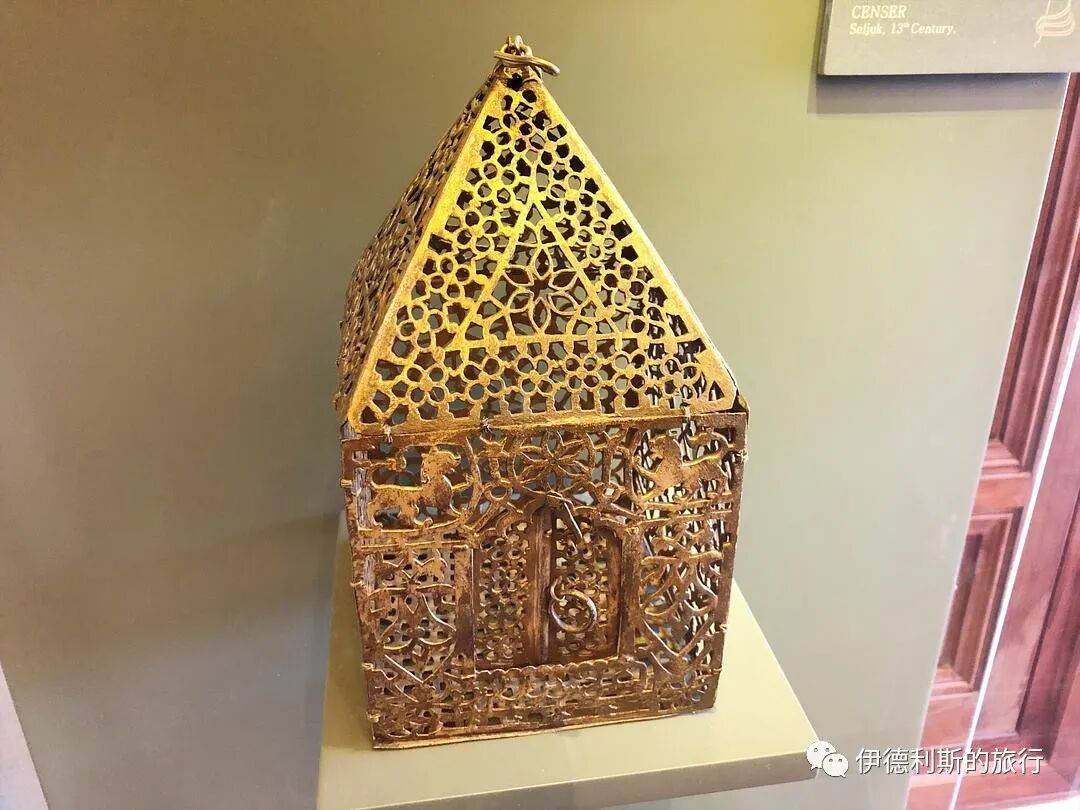
Inside, there are many introductions to the Mevlevi Order and some precious artifacts, such as this 13th-century Seljuk-style incense burner with lion patterns.
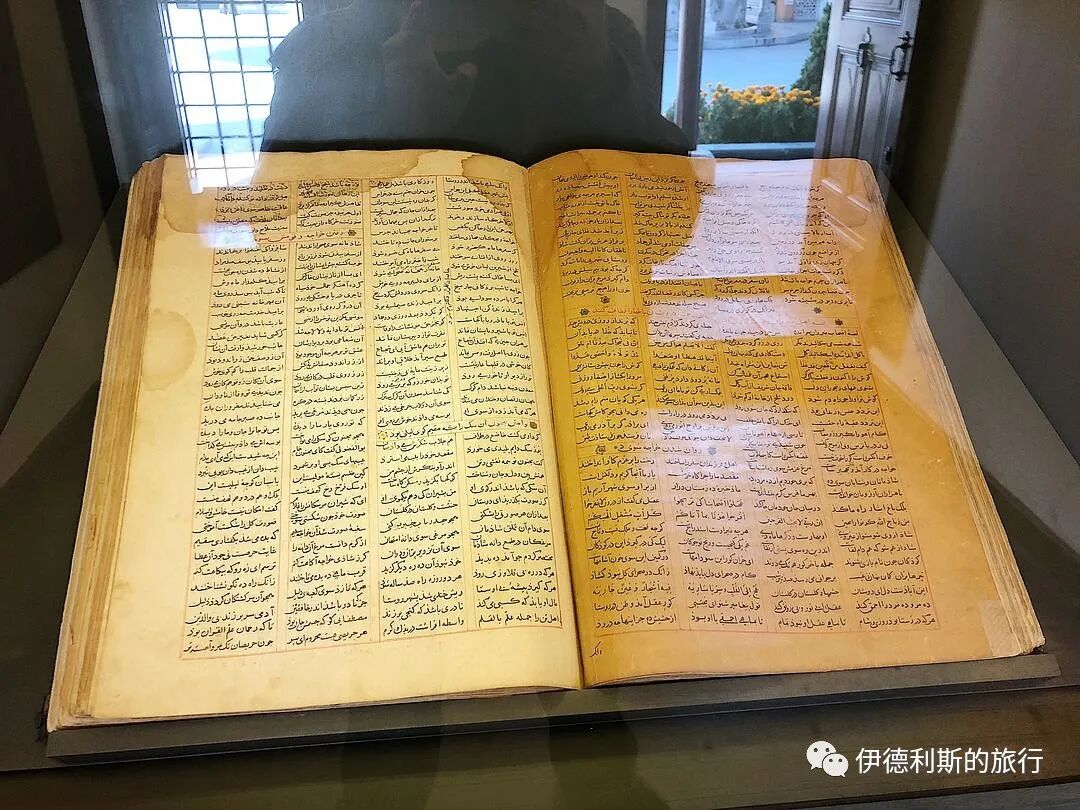
There is also this copy of the Masnavi, written in 1372 by the calligrapher Hasan bin Osman el-Mevlevi for the Seljuk minister (vazir) Şherefüddin Emir Satı.
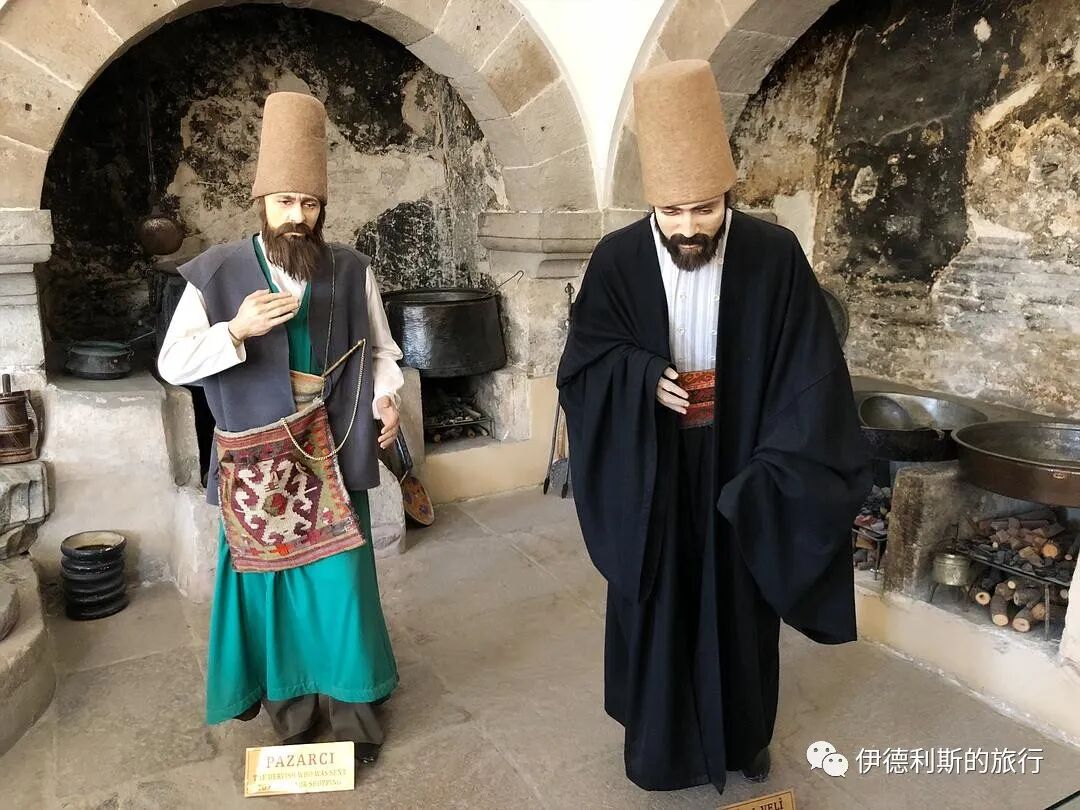
On the south side of the courtyard is the kitchen (Matbah), built in 1548 by order of the Ottoman Sultan Suleiman I (reigned 1520-1566), which provided food for Sufi practitioners until 1926. This was also a place where Sufi masters taught knowledge and the Sama ceremony.
The courtyard also contains the tombs of several Sufi masters of the Mevlevi Order.
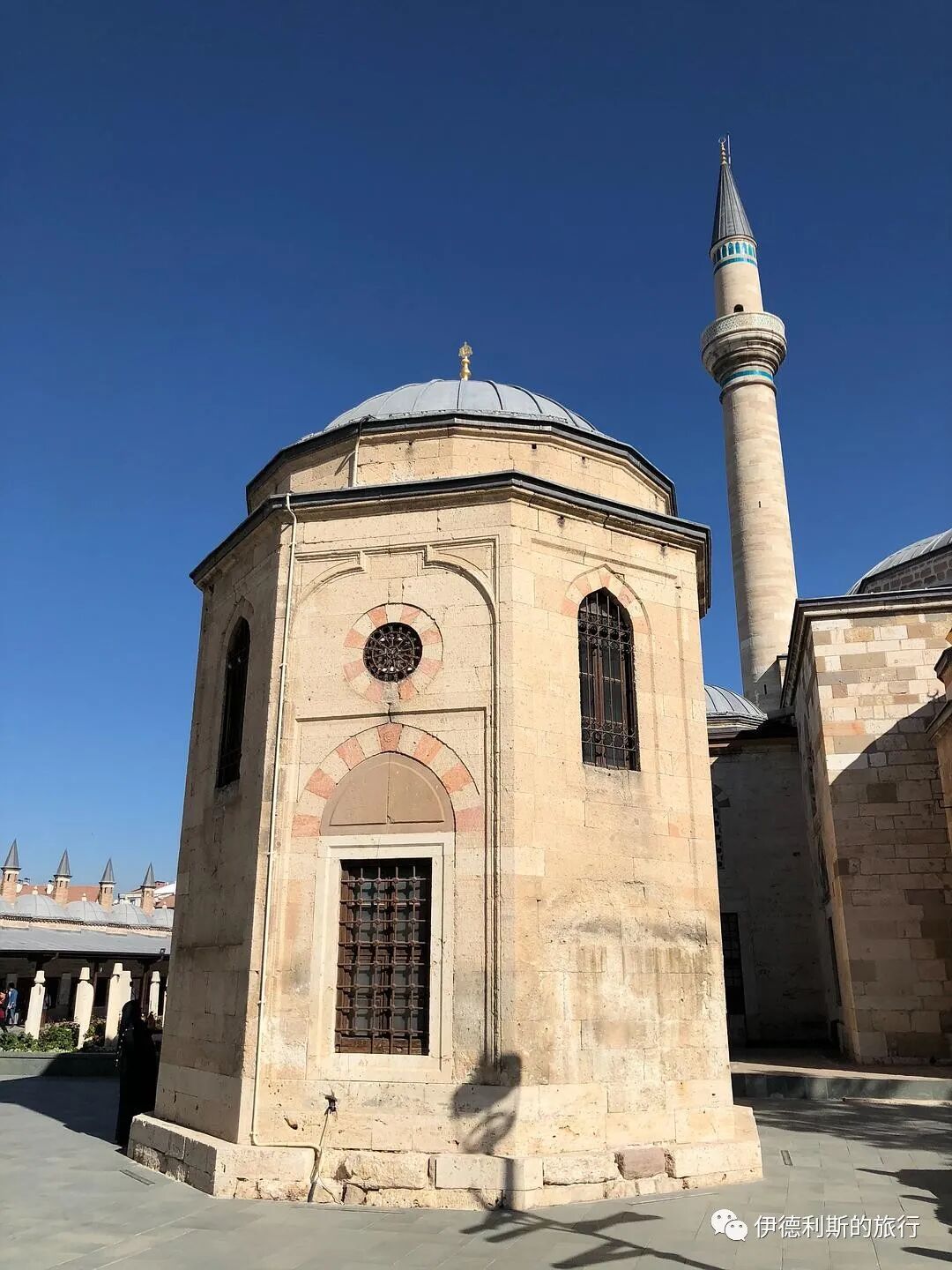
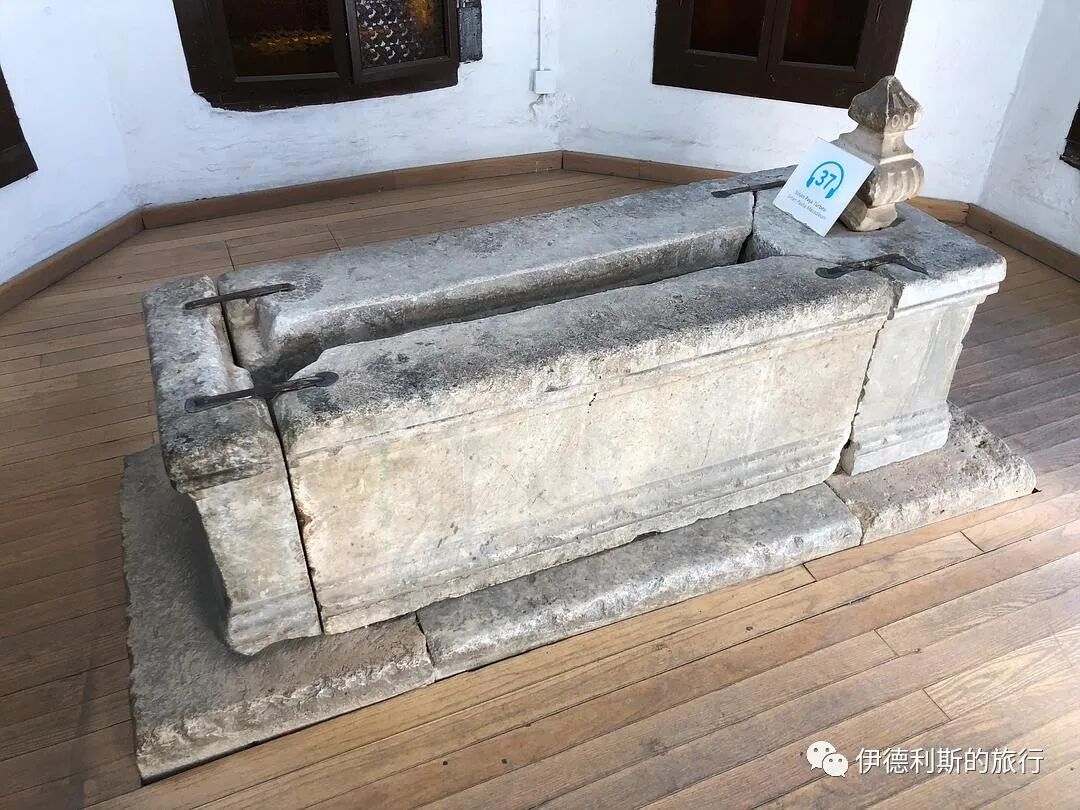
The earliest of these is the site of the tomb of Ahmed Eflâkî Dede. Ahmed Eflâkî Dede wrote the important work on Rumi titled 'Menâkibü'l-Ârifîn' and traveled with Rumi's grandson, Ulu Ârif Çelebi, working to expand the influence of the Mevlevi Order throughout Anatolia.
Today, only two curtain walls remain of the tomb's above-ground structure. Research suggests the west wall is likely connected to early 13th-century Mevlevi architecture, while the date on the tombstone is 1360. Additionally, archaeological excavations at the museum have uncovered basements on both sides of the south facade.
3. Iplikci Mosque: 1201
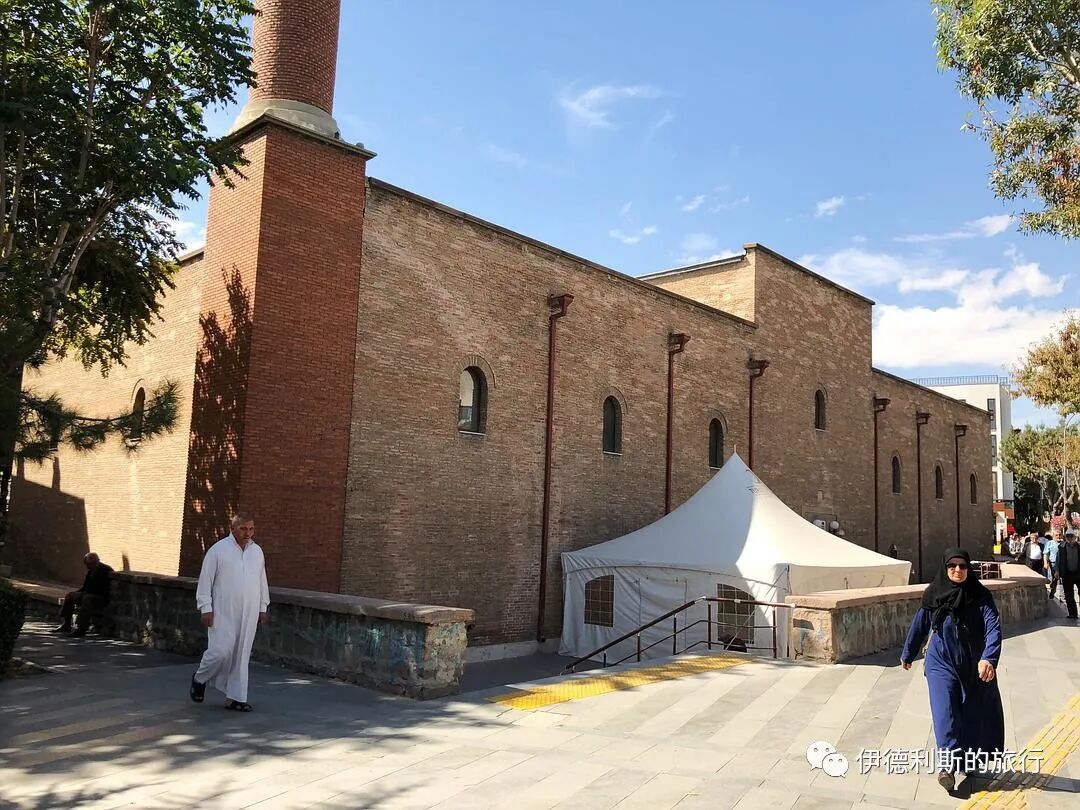
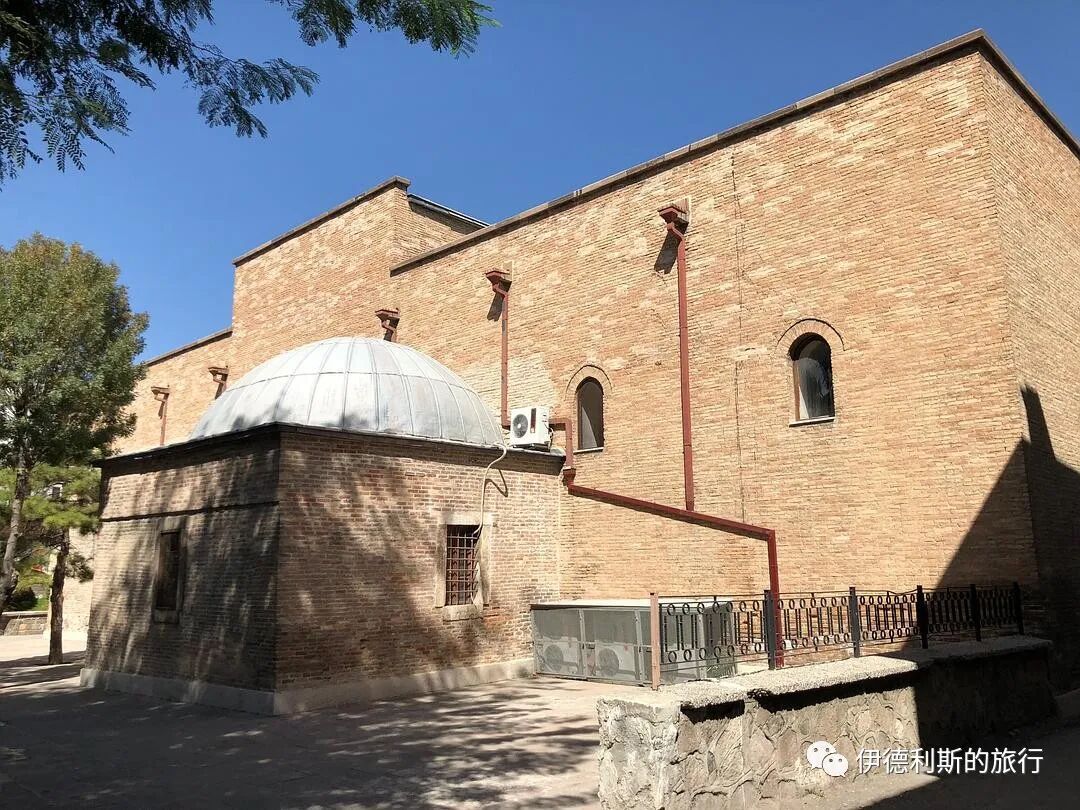
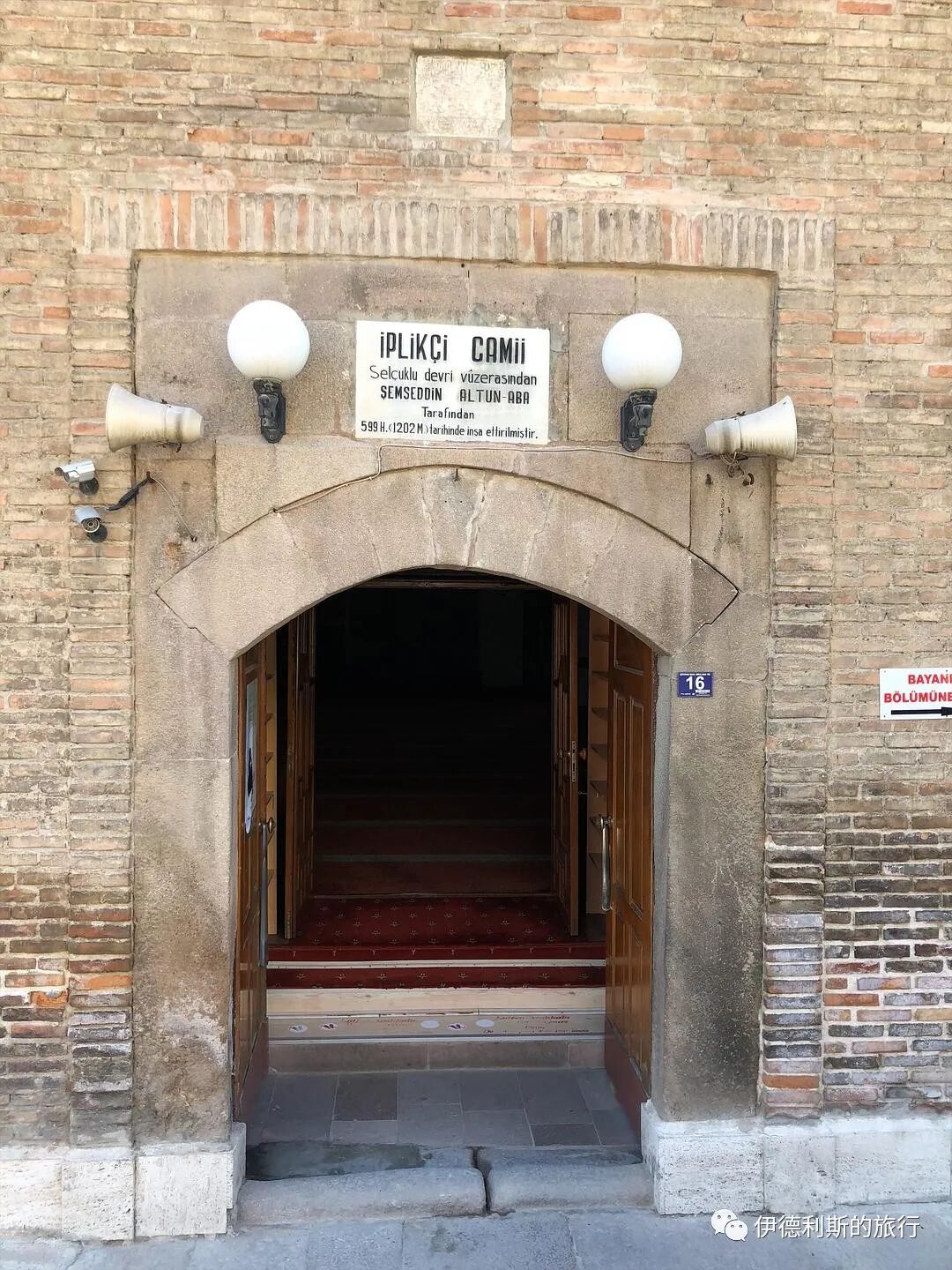
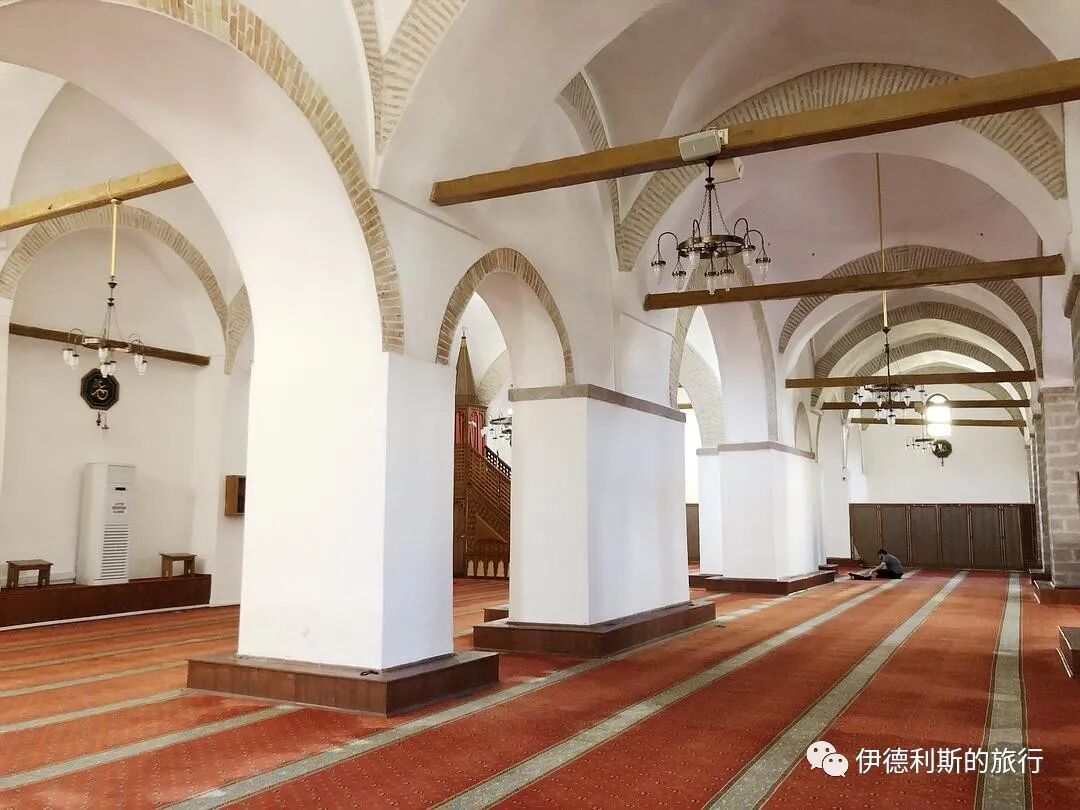
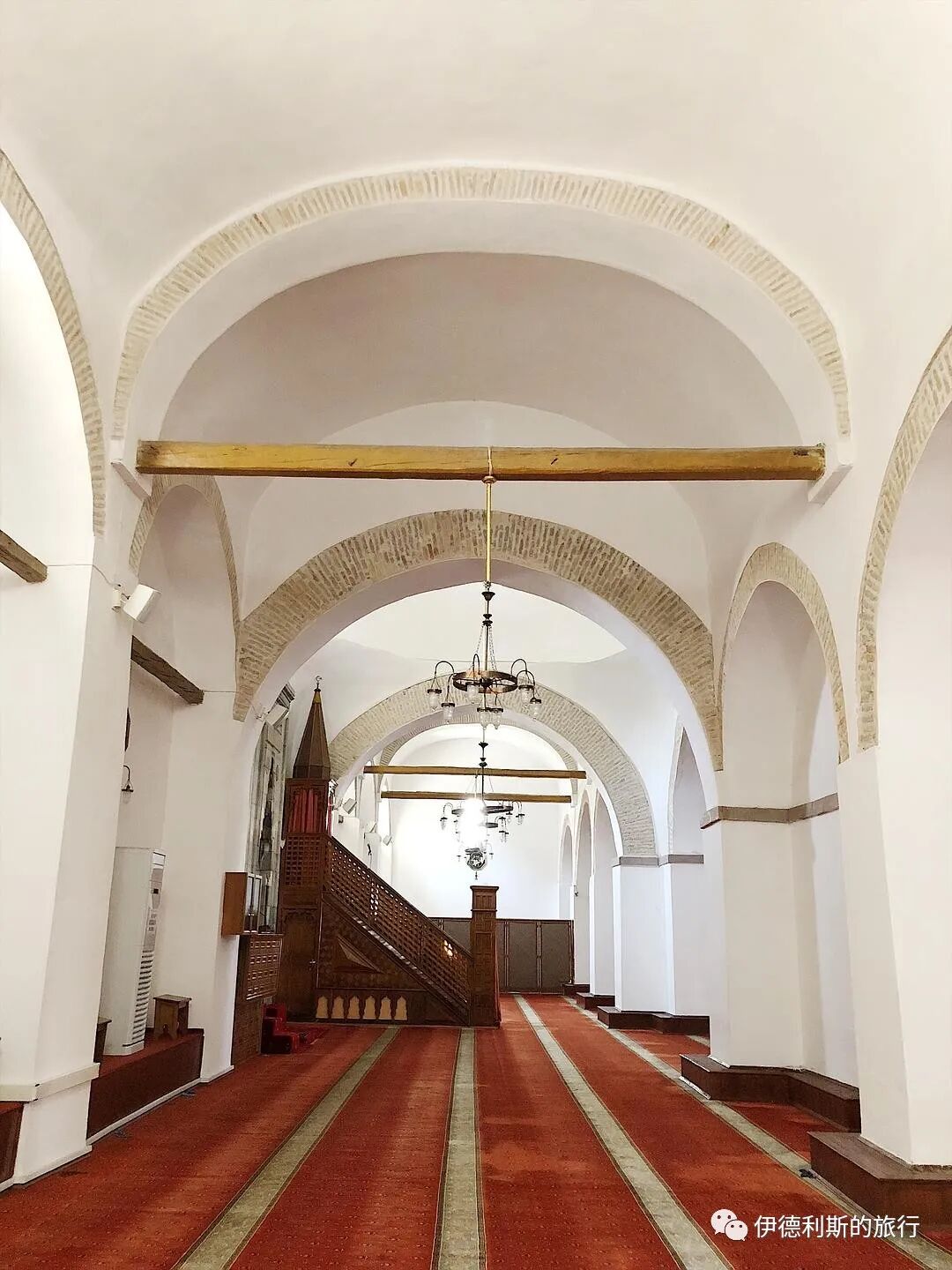
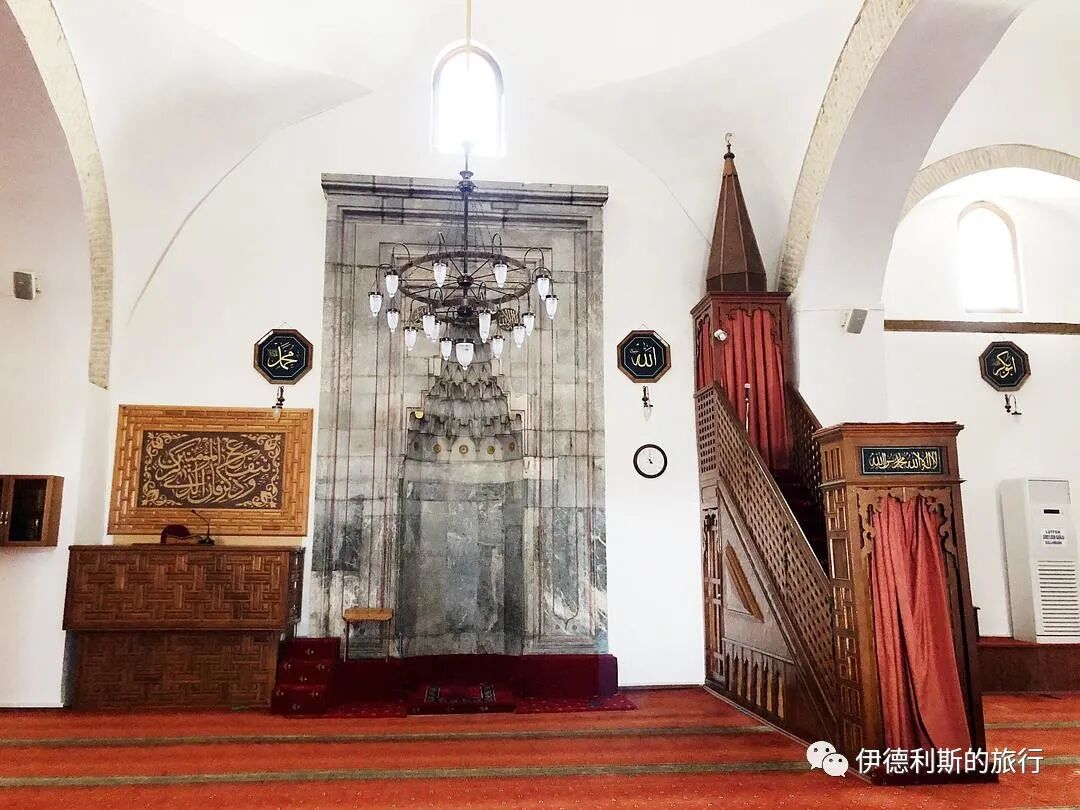
The Iplikci Mosque was built in 1201 by order of the Seljuk minister (vizier) Shams al-Din Altun Aba, with the architect Abu al-Fazi Abd al-Jabbar from Tabriz, Iran; this is important evidence of Persian craftsmen directly influencing Seljuk architecture. This building underwent a series of renovations during the Karaman dynasty, the Ottoman Empire, and modern times. Today, the original mosaic tiles on the mihrab inside the hall have been replaced by marble, but the parts at the bottom covered by carpets are still the original Seljuk-era pieces.
4. Karatay Madrasa: 1251
The Karatay Madrasa was built in 1251 under the direction of Emir Celaleddin Karatay of the Seljuk Sultanate of Rum; the madrasa is named after him, and teaching activities continued there until the end of the 19th century.
This building holds a very important place among surviving Seljuk structures featuring mosaic tiles, so it opened to the public as the Tile Museum in 1955. Archaeological excavations and restoration work took place here between 2006 and 2008.
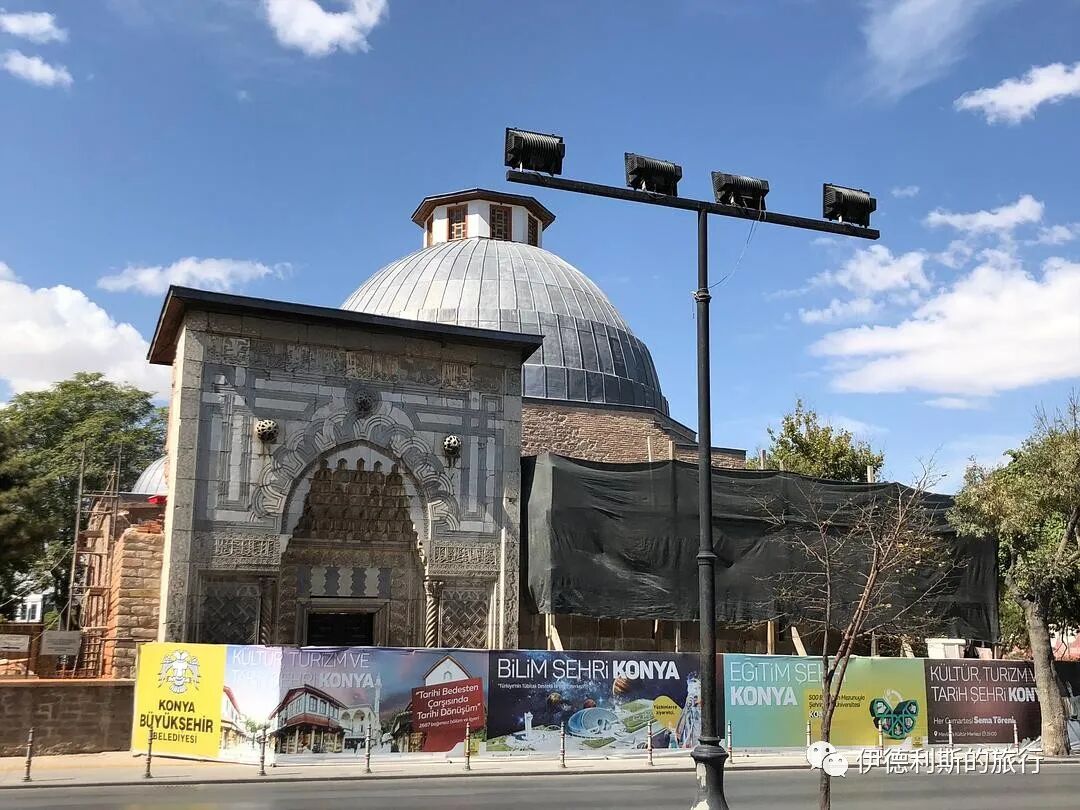
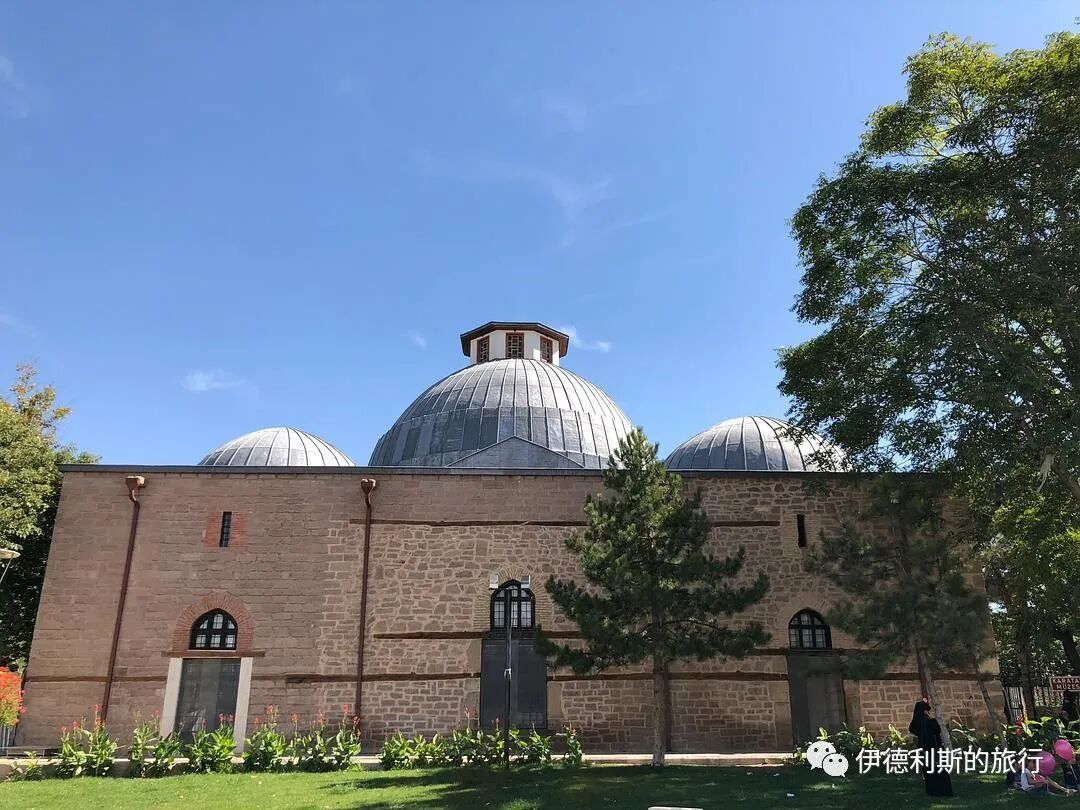
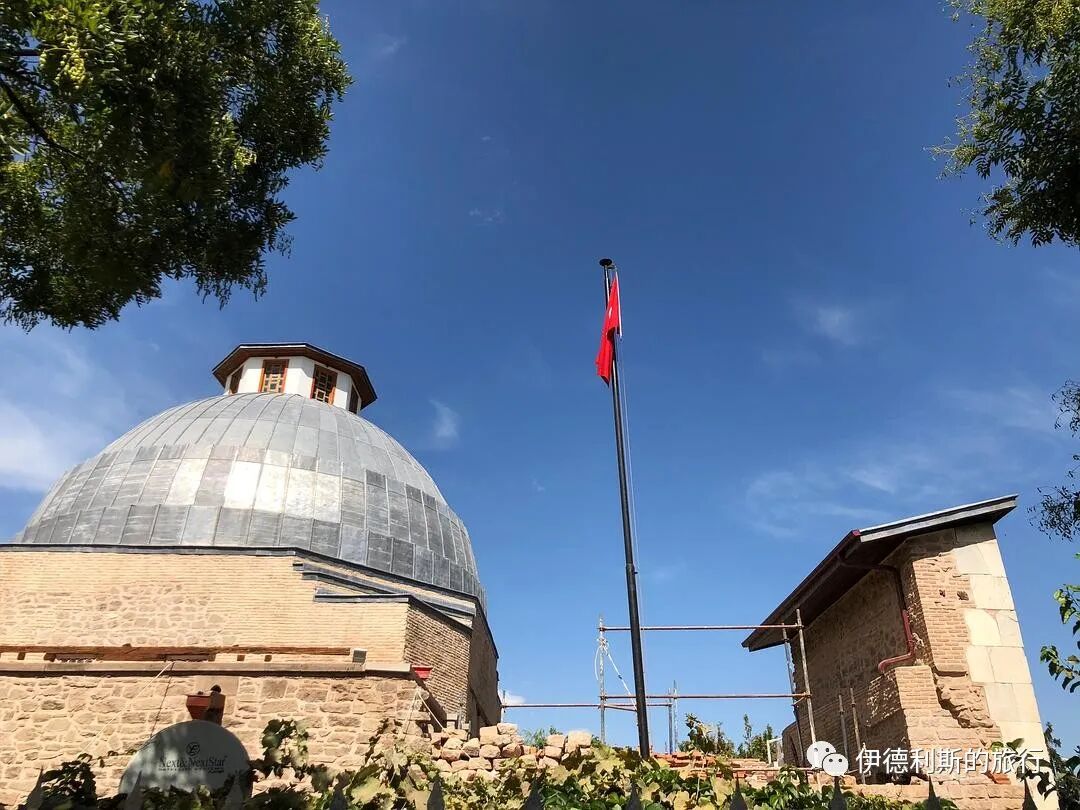
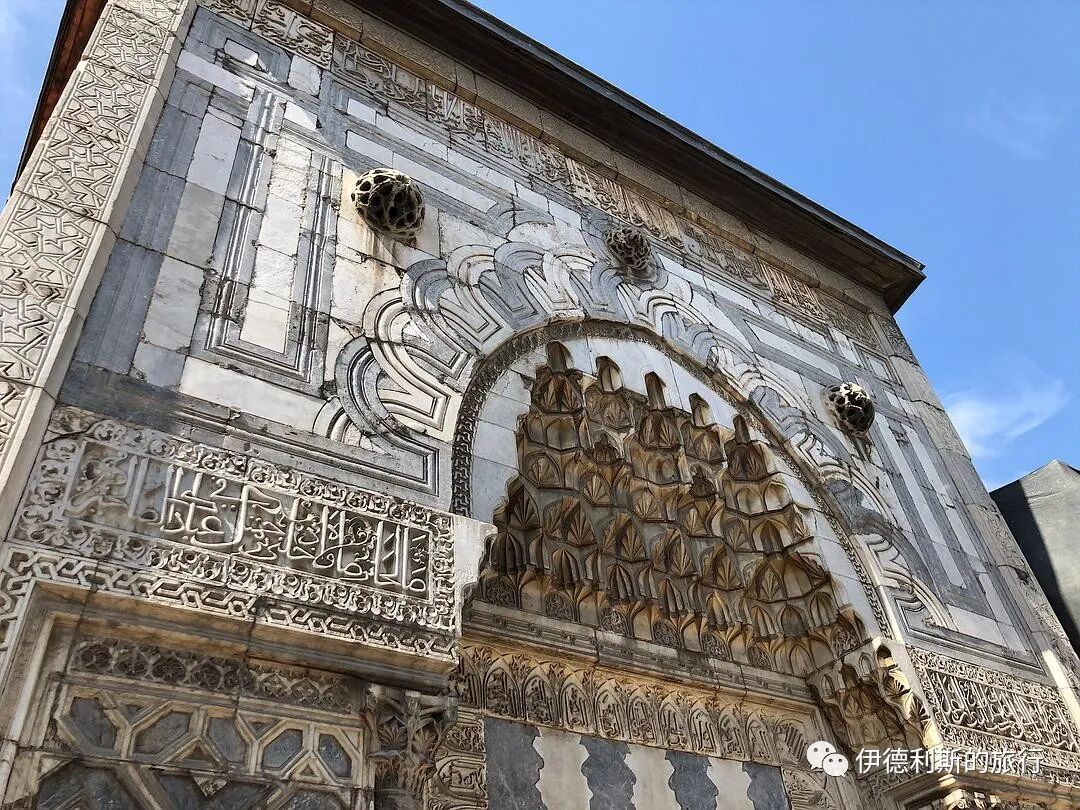
The main gate of the madrasa (religious school) is on the east side. Made of sky-blue and white marble, it is a masterpiece of Seljuk craftsmanship, carved with excerpts from the Quran and information about the school's construction.
The main hall is covered in turquoise, indigo, and black tiles, along with calligraphy of verses, the names of prophets, and the four Rashidun Caliphs.
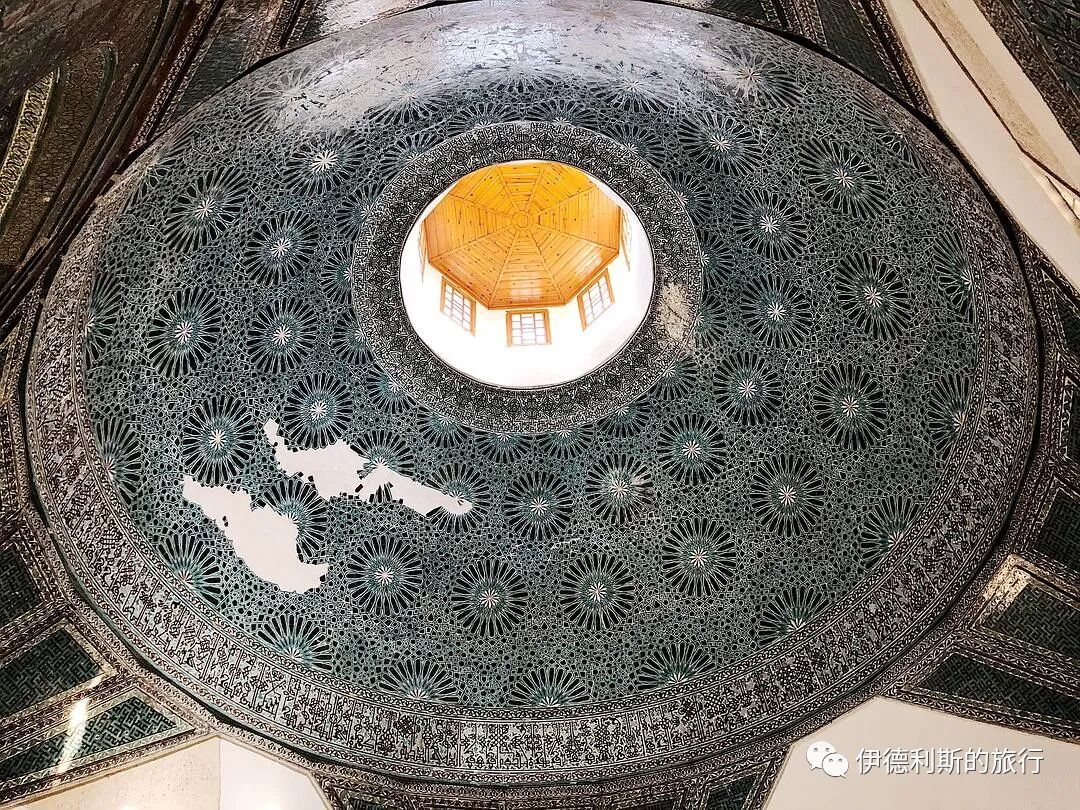
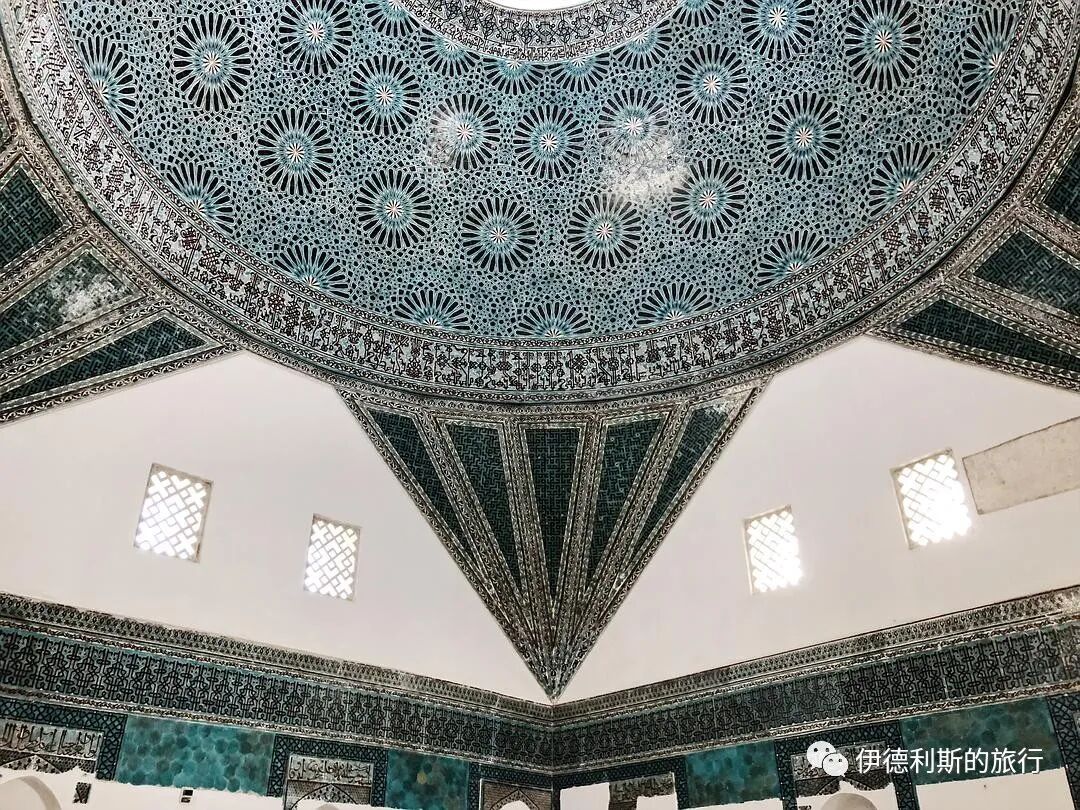
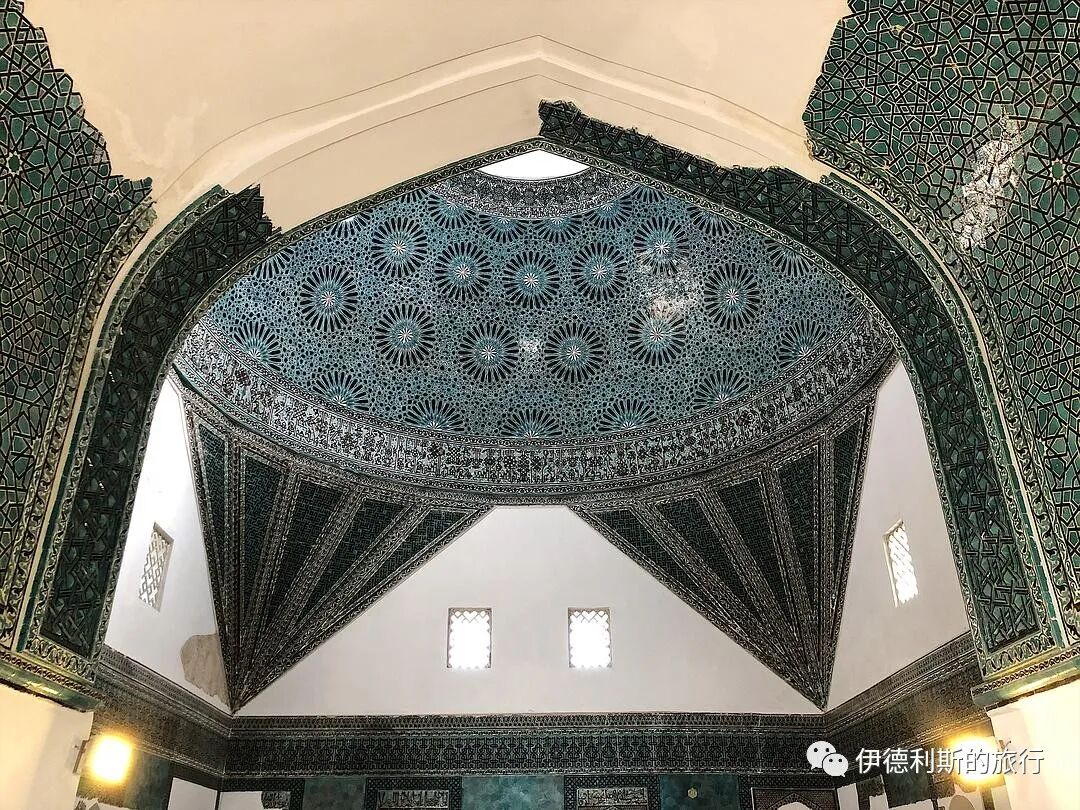
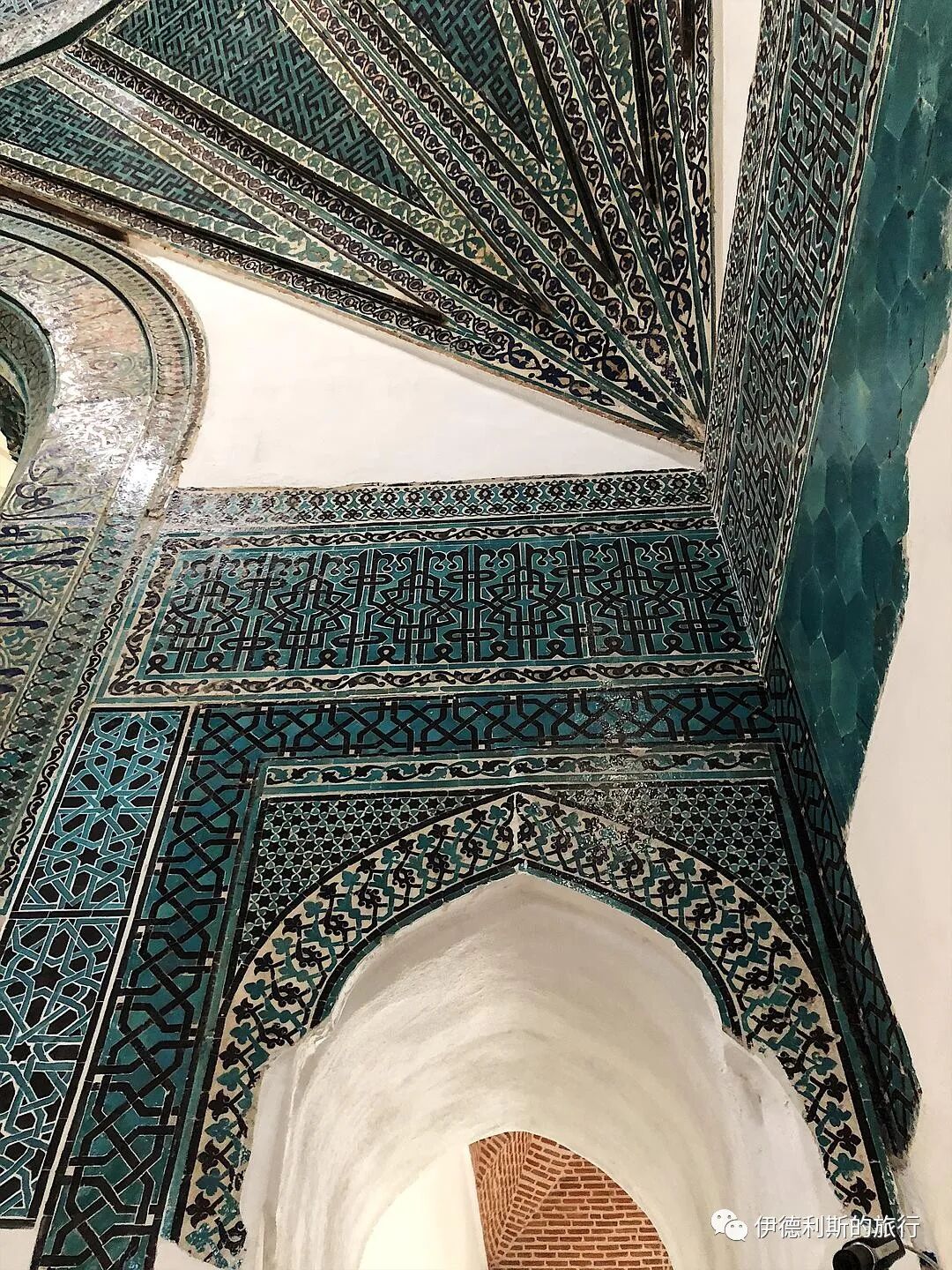
Inside the domed building to the left of the main hall is the tomb of Celaleddin Karatay, who passed away in 1254. Celaleddin Karatay began serving in the court of the Sultanate of Rum in 1212. He was promoted to Minister of Finance in 1243 and received the noble title of Atabeg in 1249, remaining a key official of the Sultanate until his death in 1254. Celaleddin Karatay served four sultans during his life. He was known for his humility, piety, and simple lifestyle, and he was dedicated to developing science and art. He oversaw many projects, including the Kayseri-Elbistan road, with the Karatay Madrasa being his most famous.
5. Tiles of Kubadabad Palace: 1236
Kubadabad Palace was the summer palace of the Sultanate of Rum. It is located on the shore of Lake Beyşehir, 100 kilometers west of Konya, and was built in 1236 by the Seljuk Sultan Kayqubad I (reigned 1220-1237).
In 1949, Zeki Oral, the director of the Konya Museum, first discovered the ruins of Kubadabad Palace and conducted archaeological excavations in 1952. German archaeologist Katharina Ottodorn conducted further excavations in 1965, followed by Turkish archaeologist Mehmet Önder in 1967. In 1980, Professor Rüçhan Arık led a team from Ankara University to conduct a systematic survey and excavation of the site.
Kubadabad Palace is very different from the Seljuk palaces in Konya and Kayseri. It is far from towns and lacks high city walls; protection for the palace seems to have been provided by a fortress complex on a nearby island.
Sixteen buildings have been excavated at Kubadabad Palace. The main structure is a large 50x35 meter palace where many ornate underglaze tiles were found. Some of these tiles are now on display at the Karatay Tile Museum.
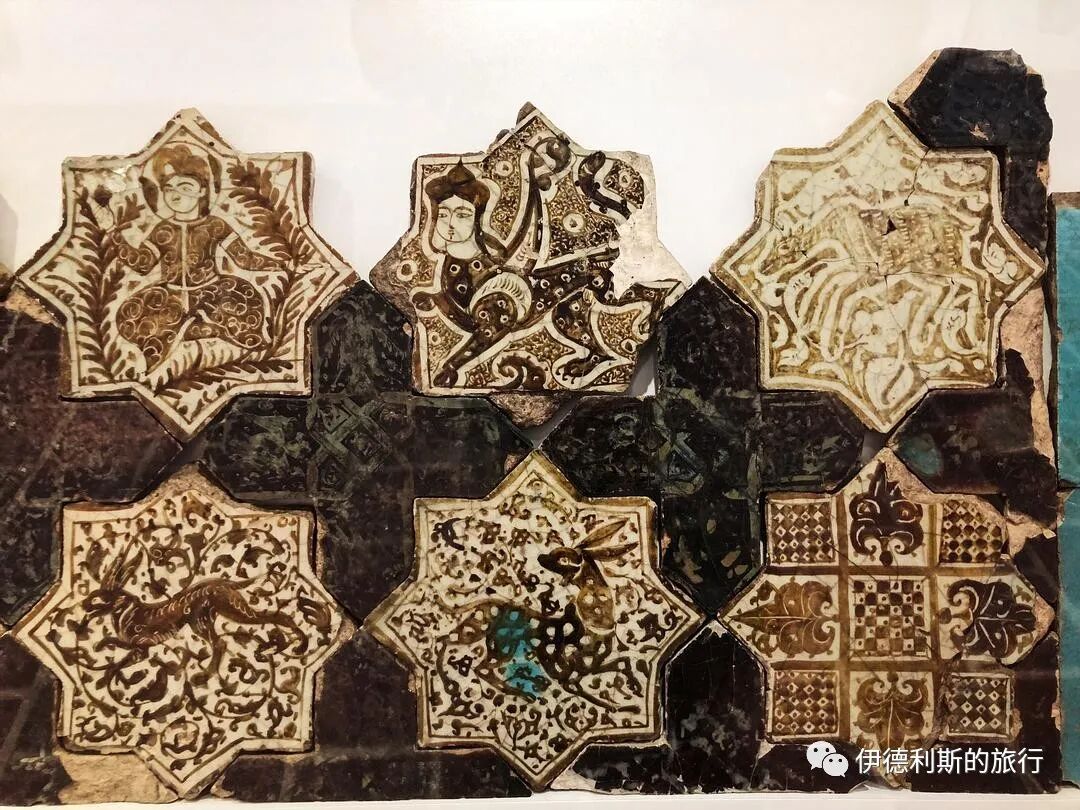
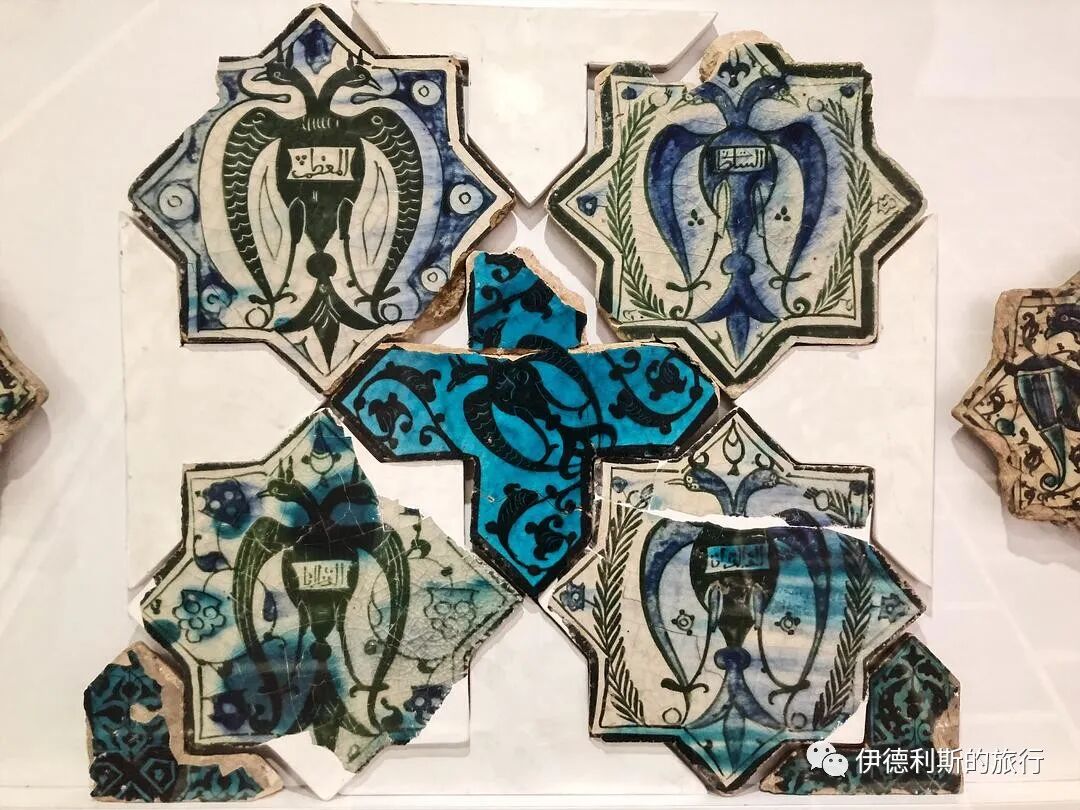
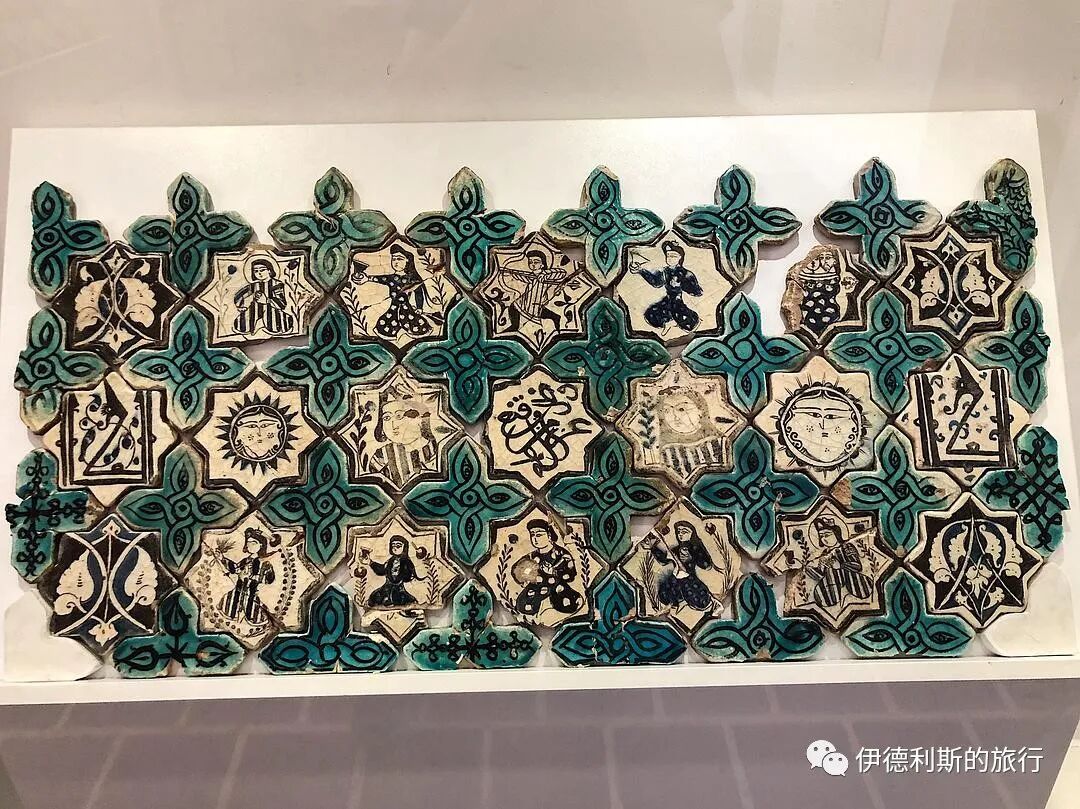
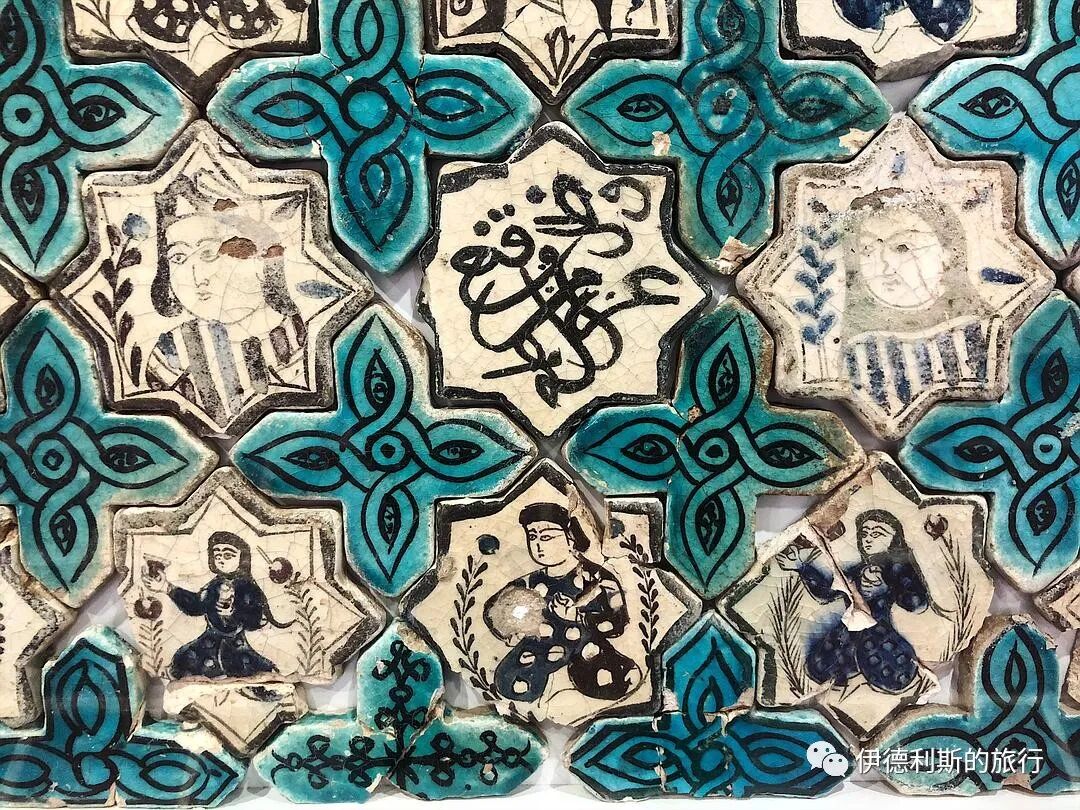
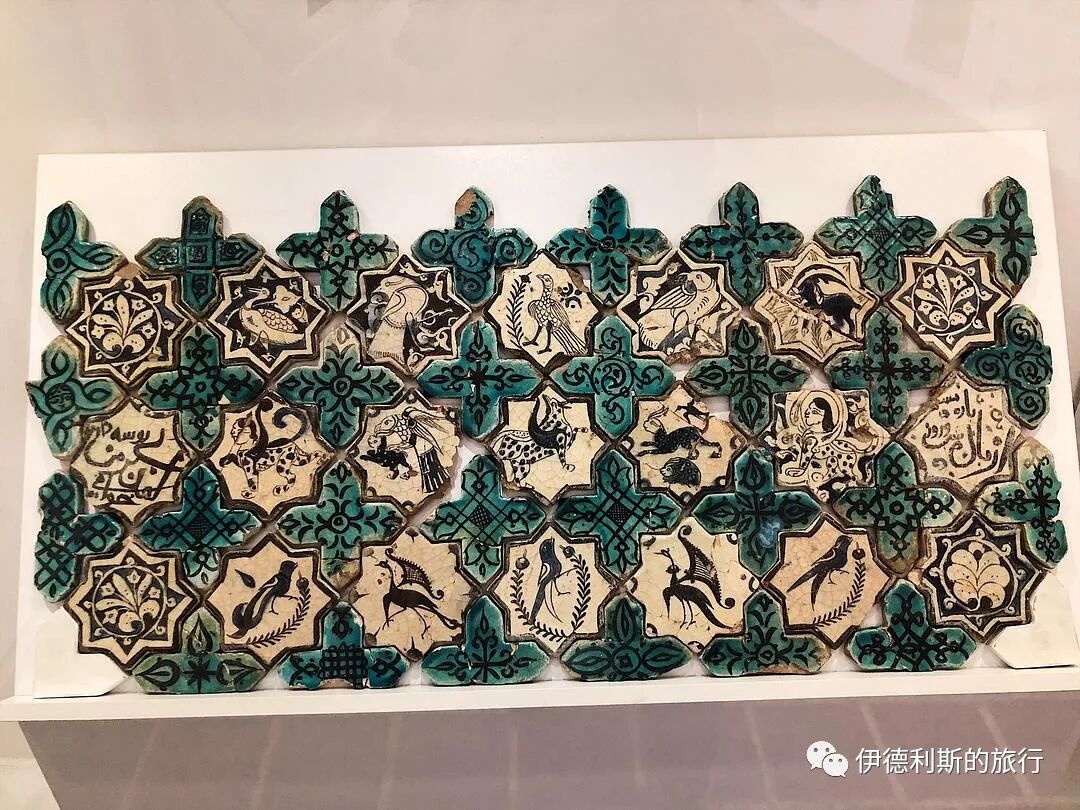
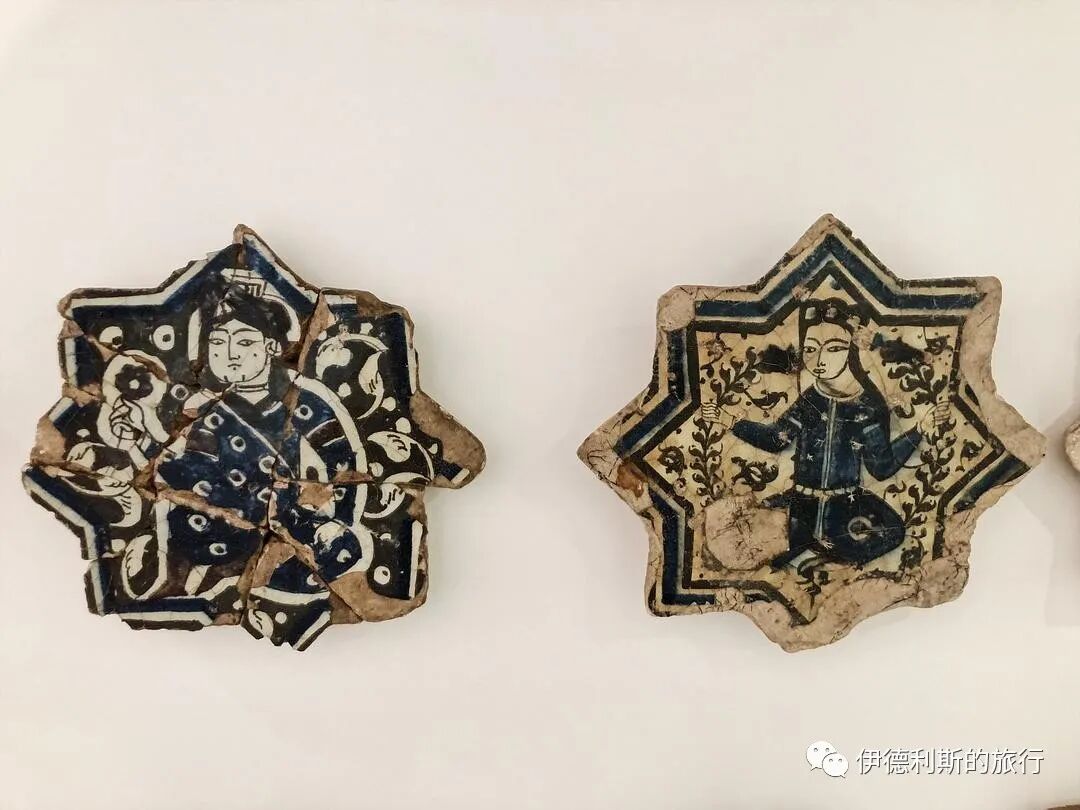
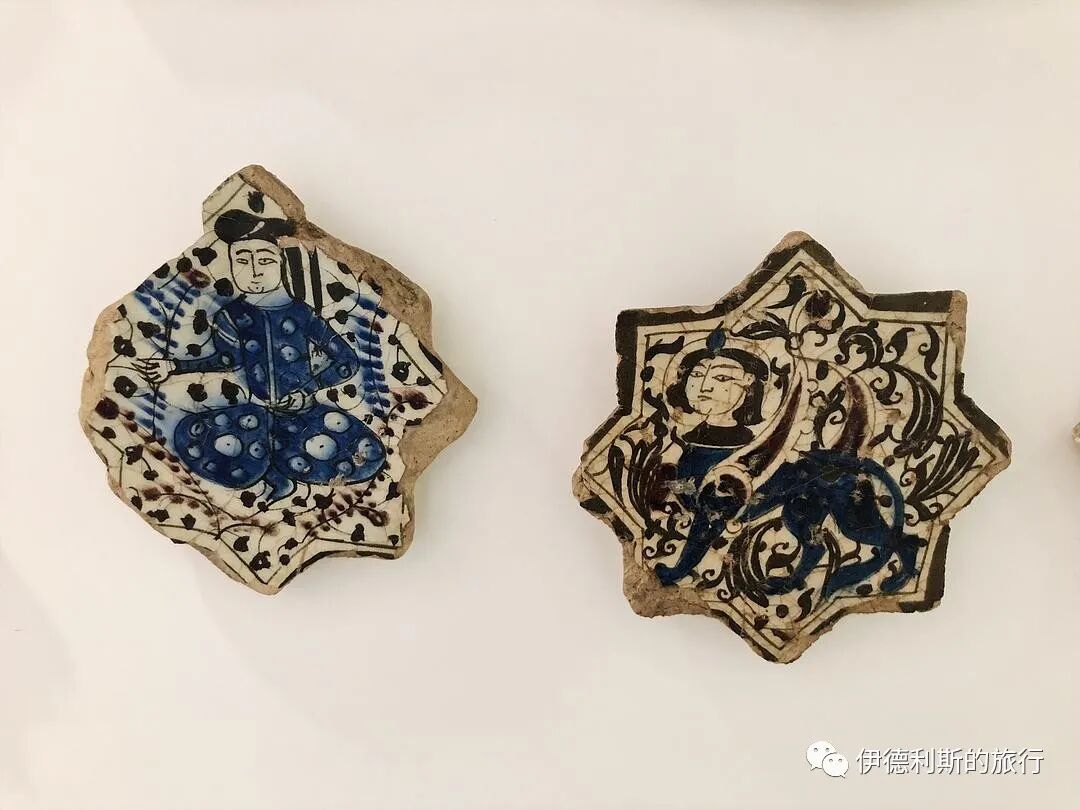
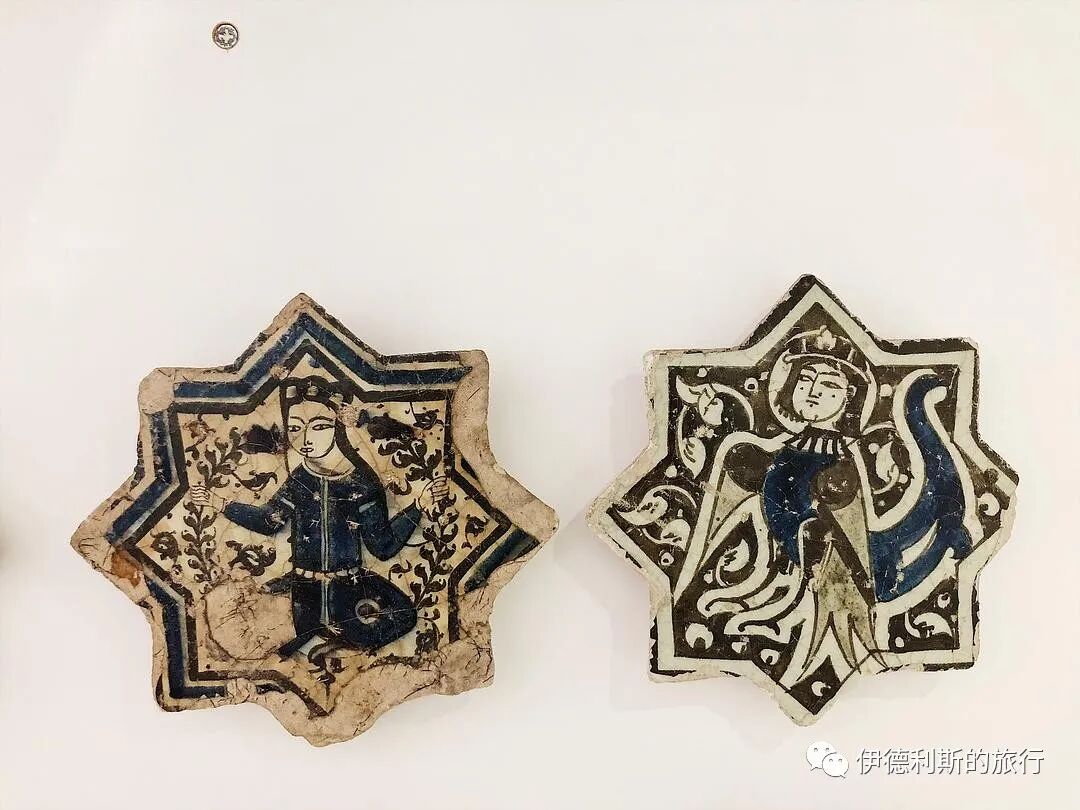
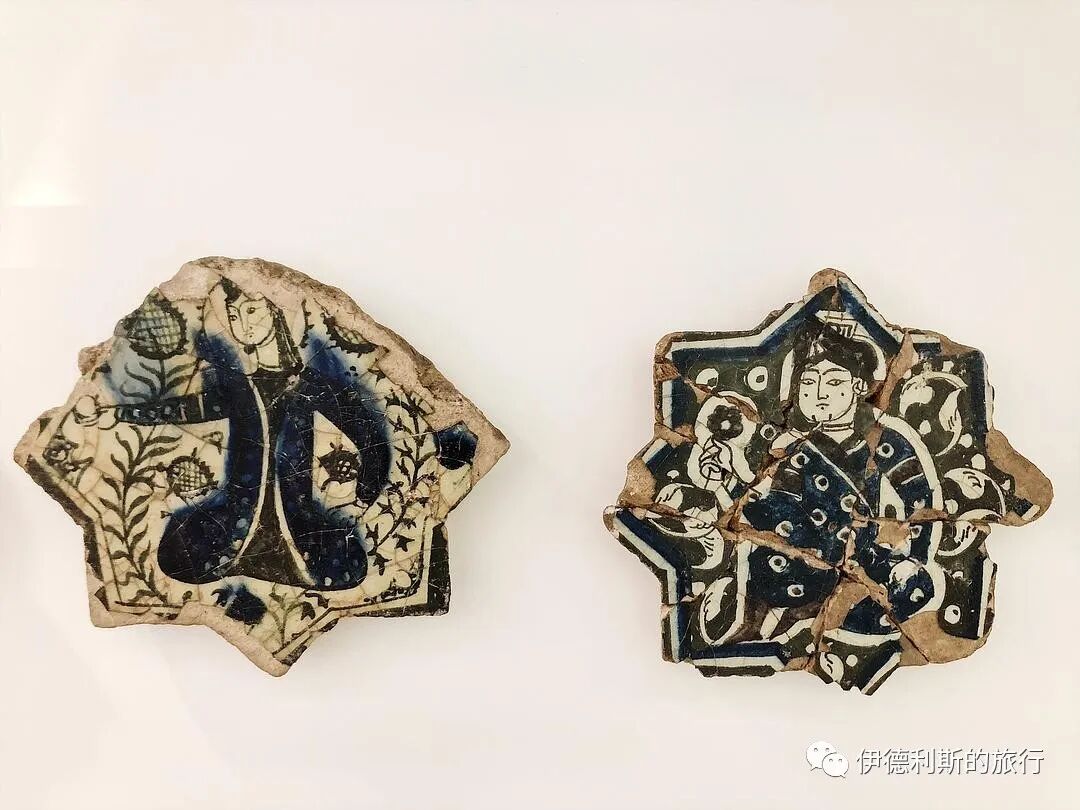
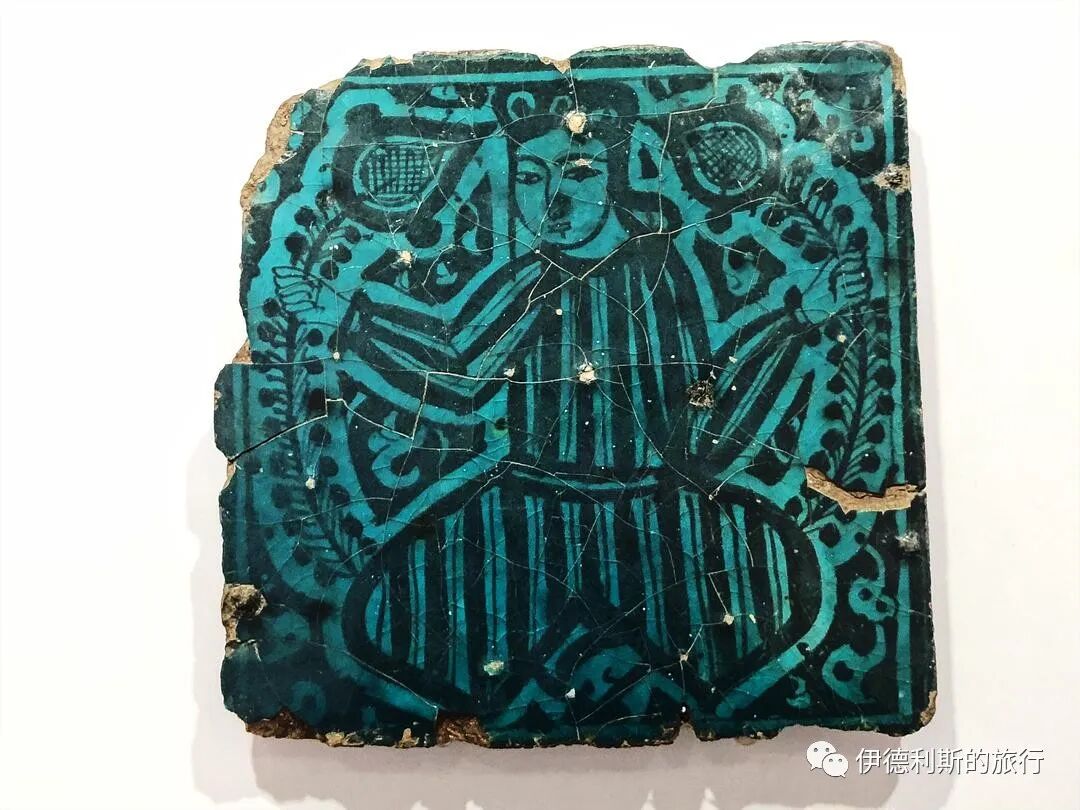
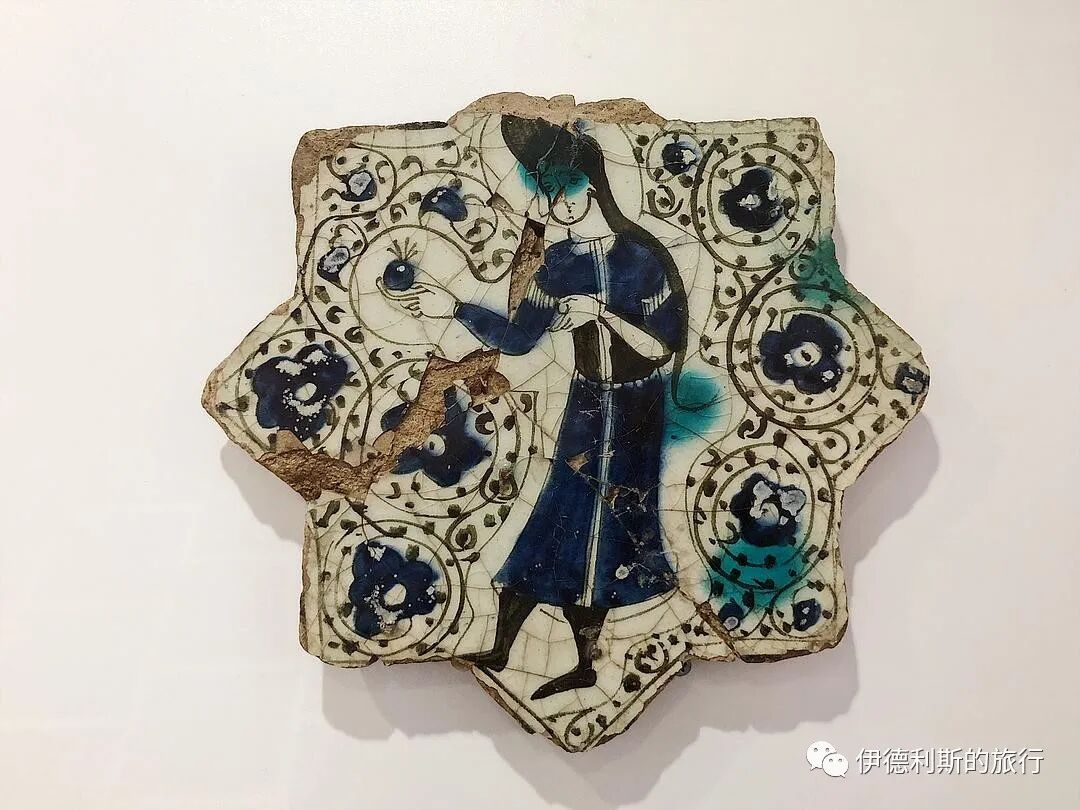
Additionally, the Tiled Kiosk at the Istanbul Archaeology Museums also houses tiles from Kubadabad Palace.
6. Slender Minaret Madrasa (Ince Minareli Medrese): 1268
The Ince Minaret Medrese (Slender Minaret Madrasa) was built by Sahib Ata Fahreddin Ali between 1263 and 1268. Sahib Ata was an important official in the Seljuk Rum Sultanate court from the 1250s until his death in 1288. After 1277, he even held great power in the Sultanate. This madrasa remained active until the end of the 19th century. After restoration in 1956, it opened to the public as the Museum of Stone and Wood Carvings.
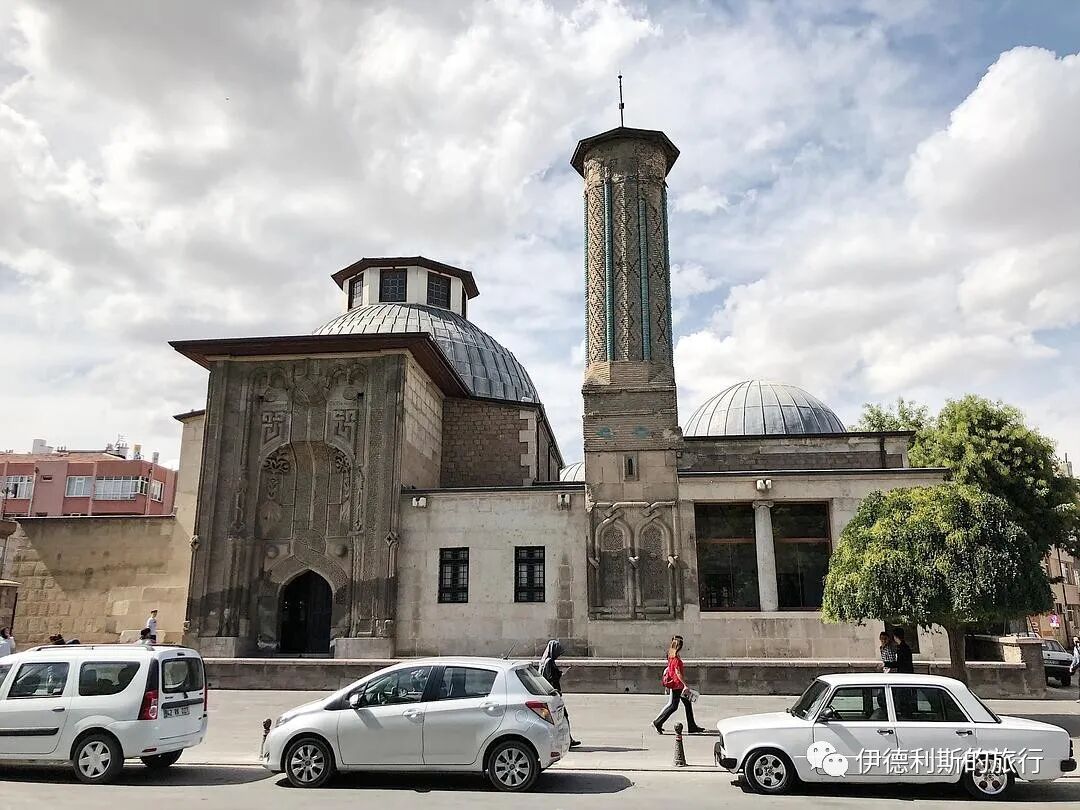
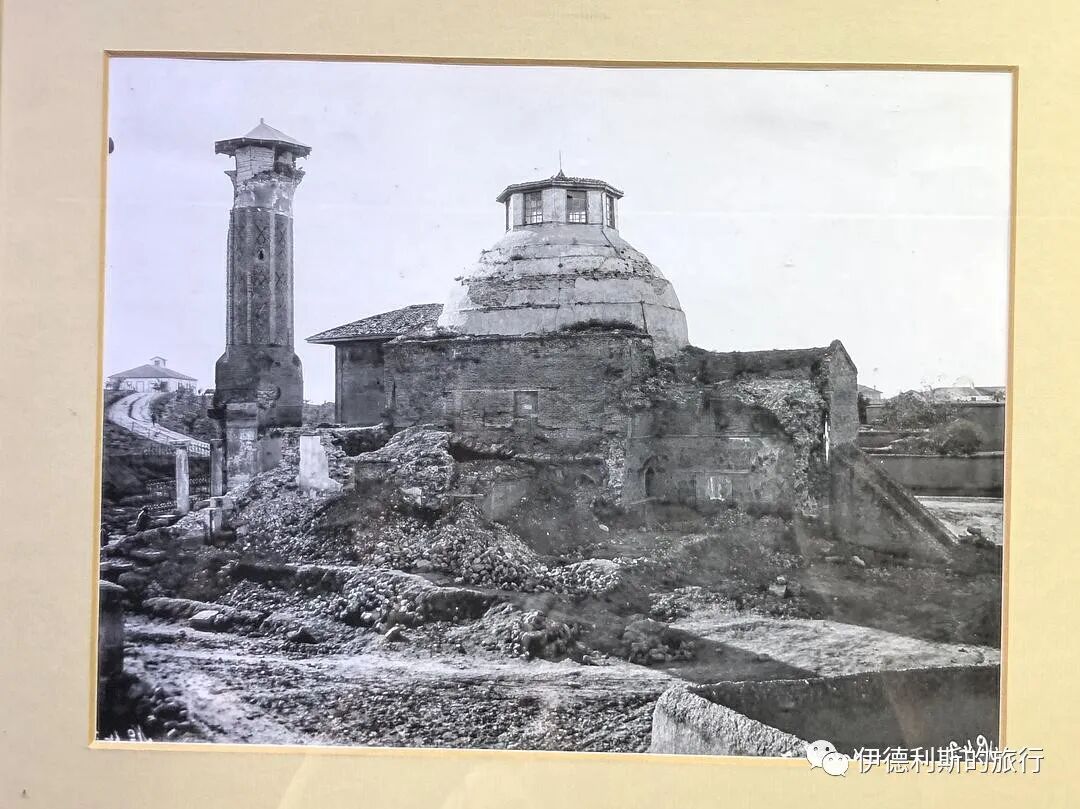
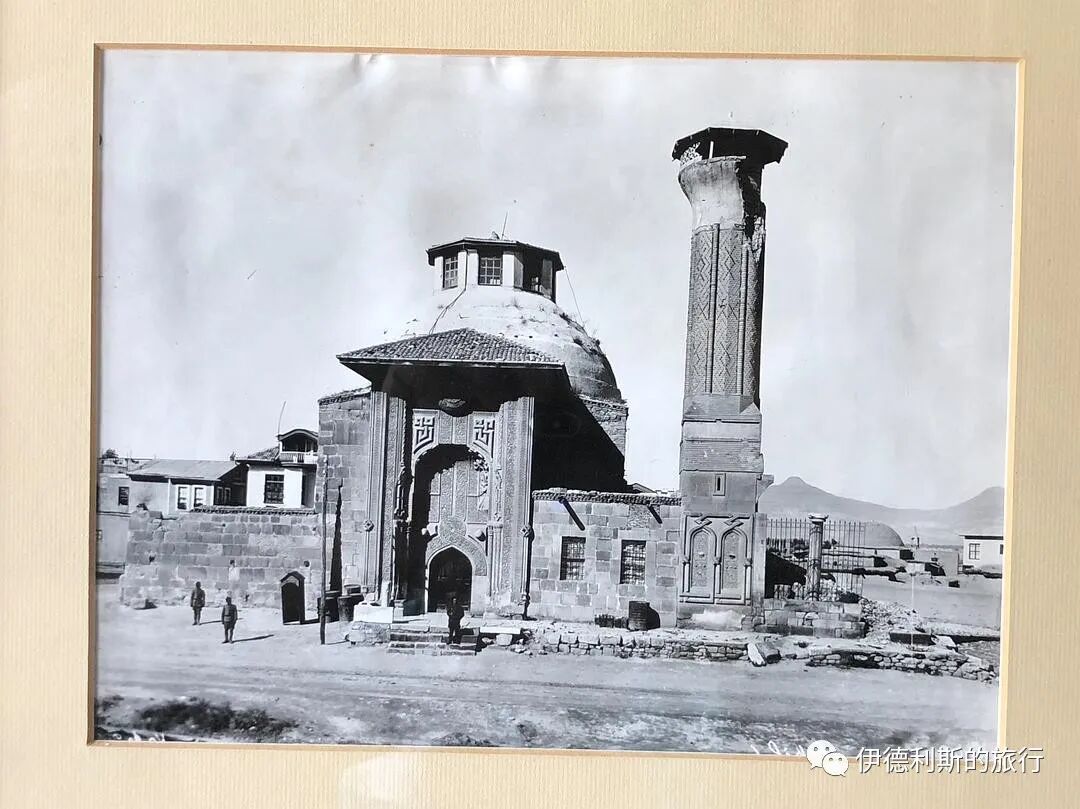
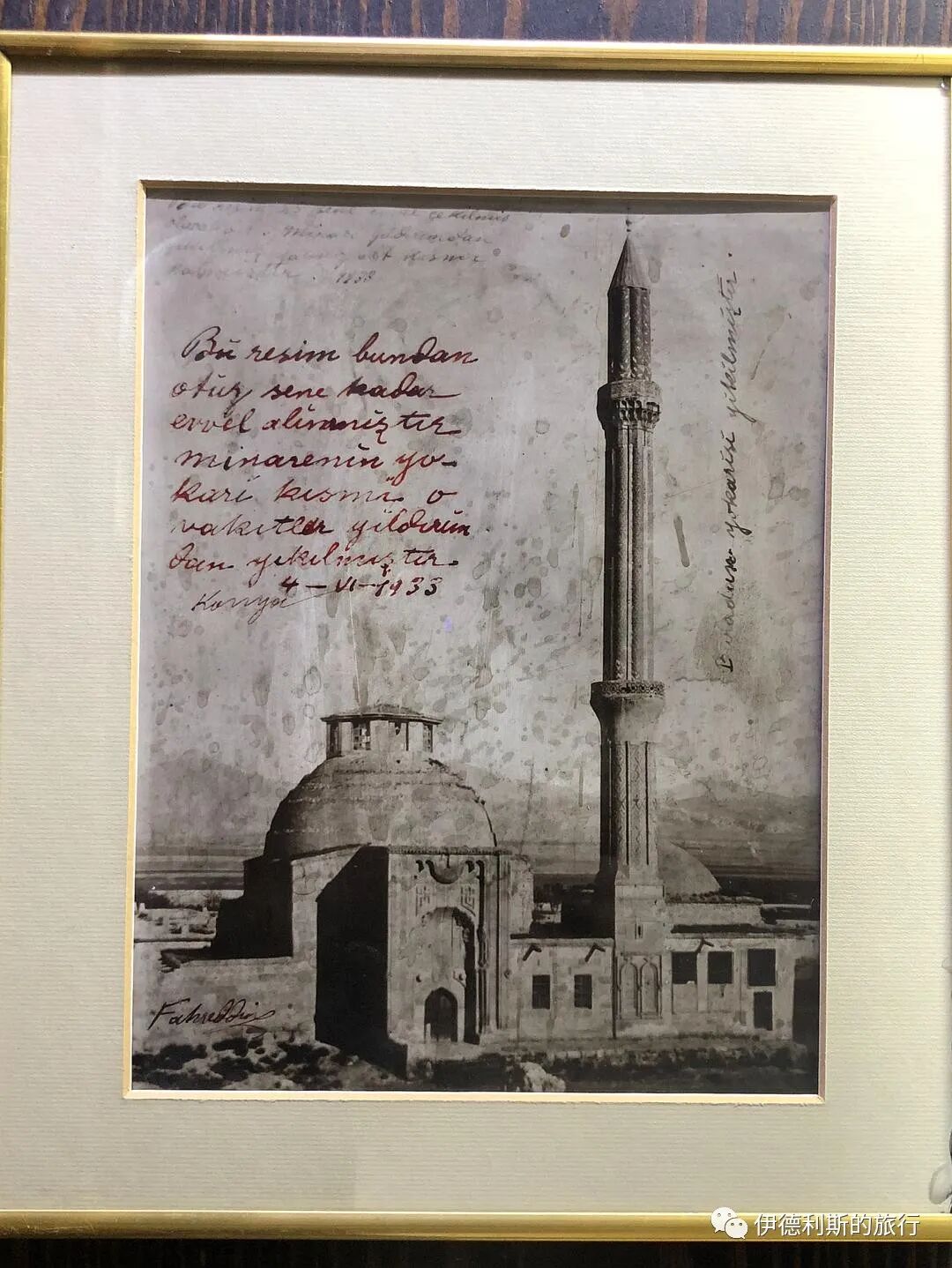
The madrasa once had a slender, towering minaret, which is where the school gets its name. Unfortunately, lightning destroyed the minaret in 1901. Today, only the bottom section remains, where you can see typical Seljuk sky-blue tiles.
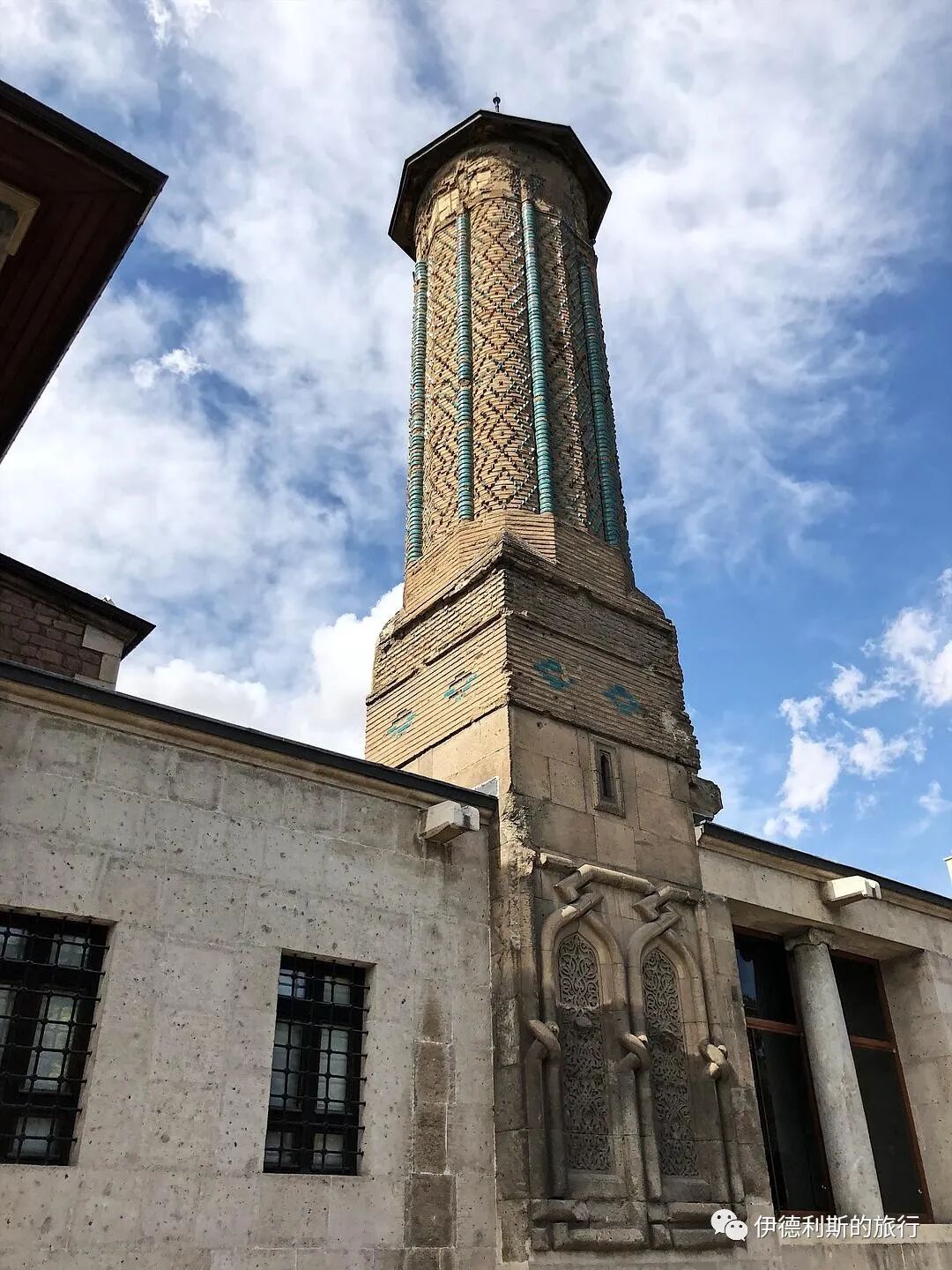
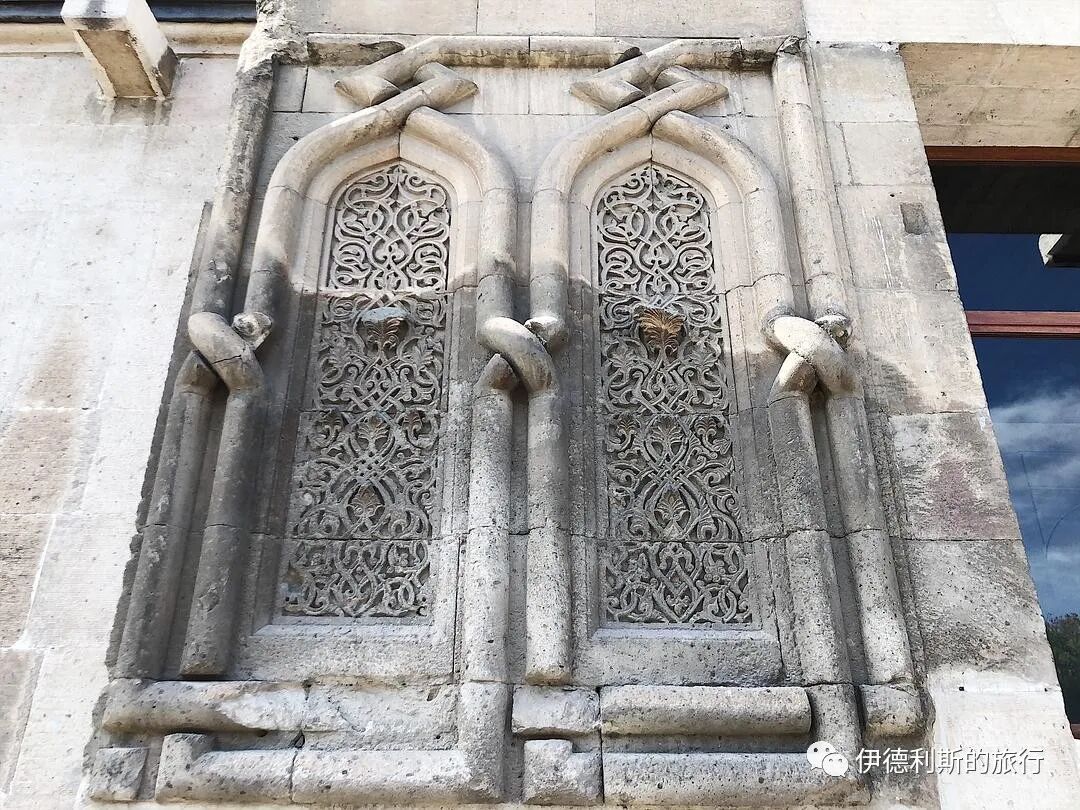
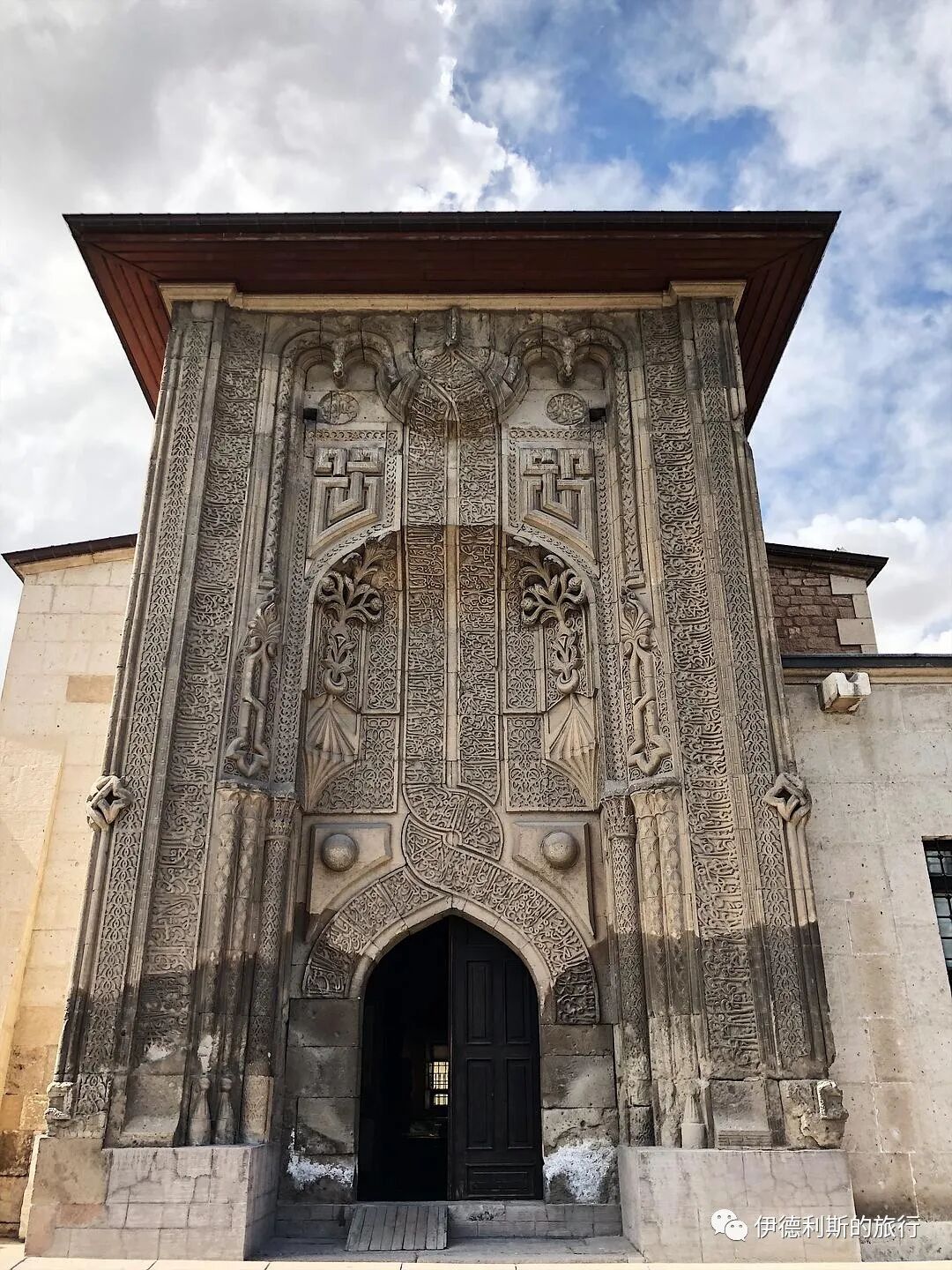
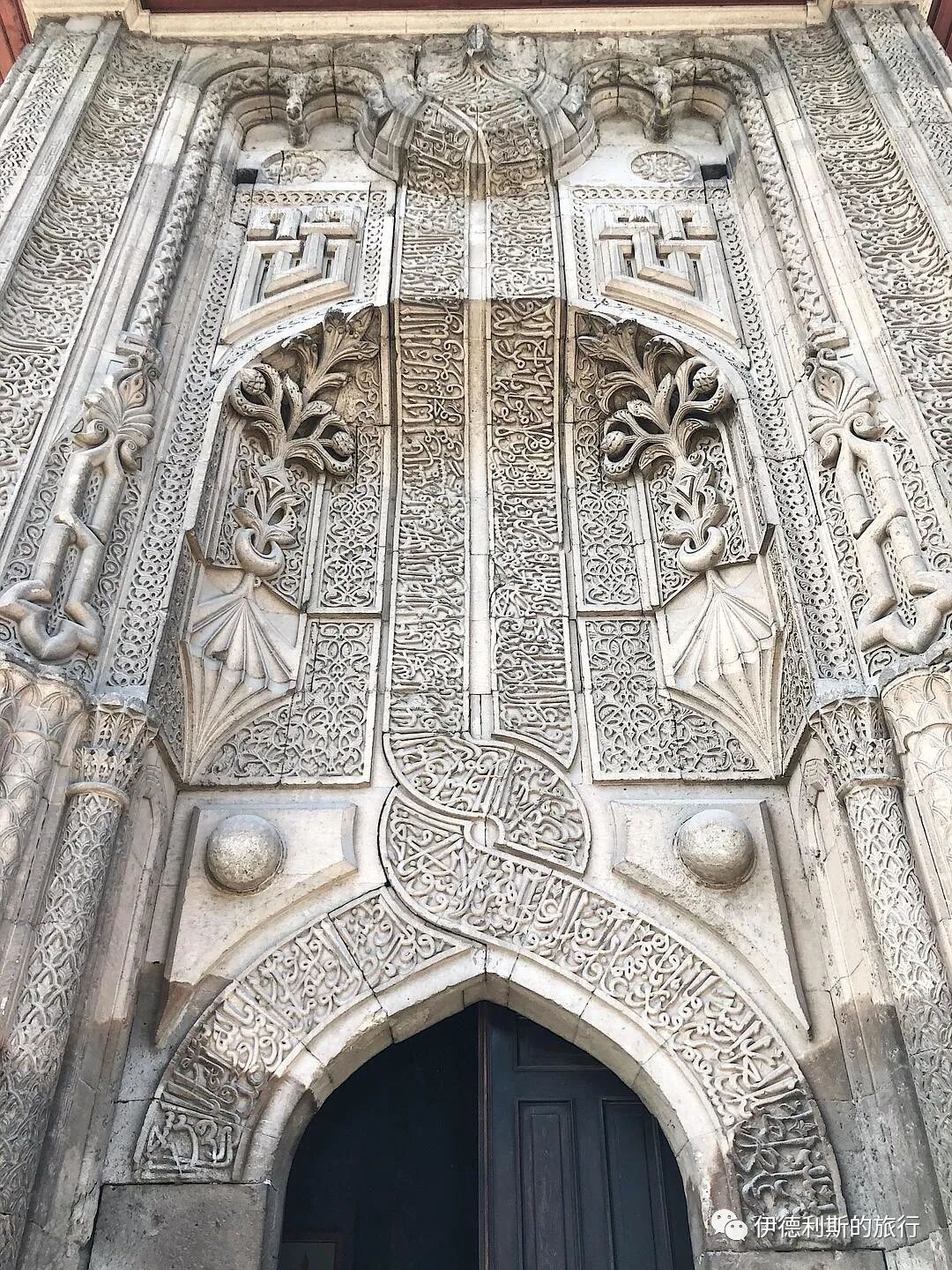
The gate of the madrasa is considered one of the best examples of a Seljuk architectural entrance.
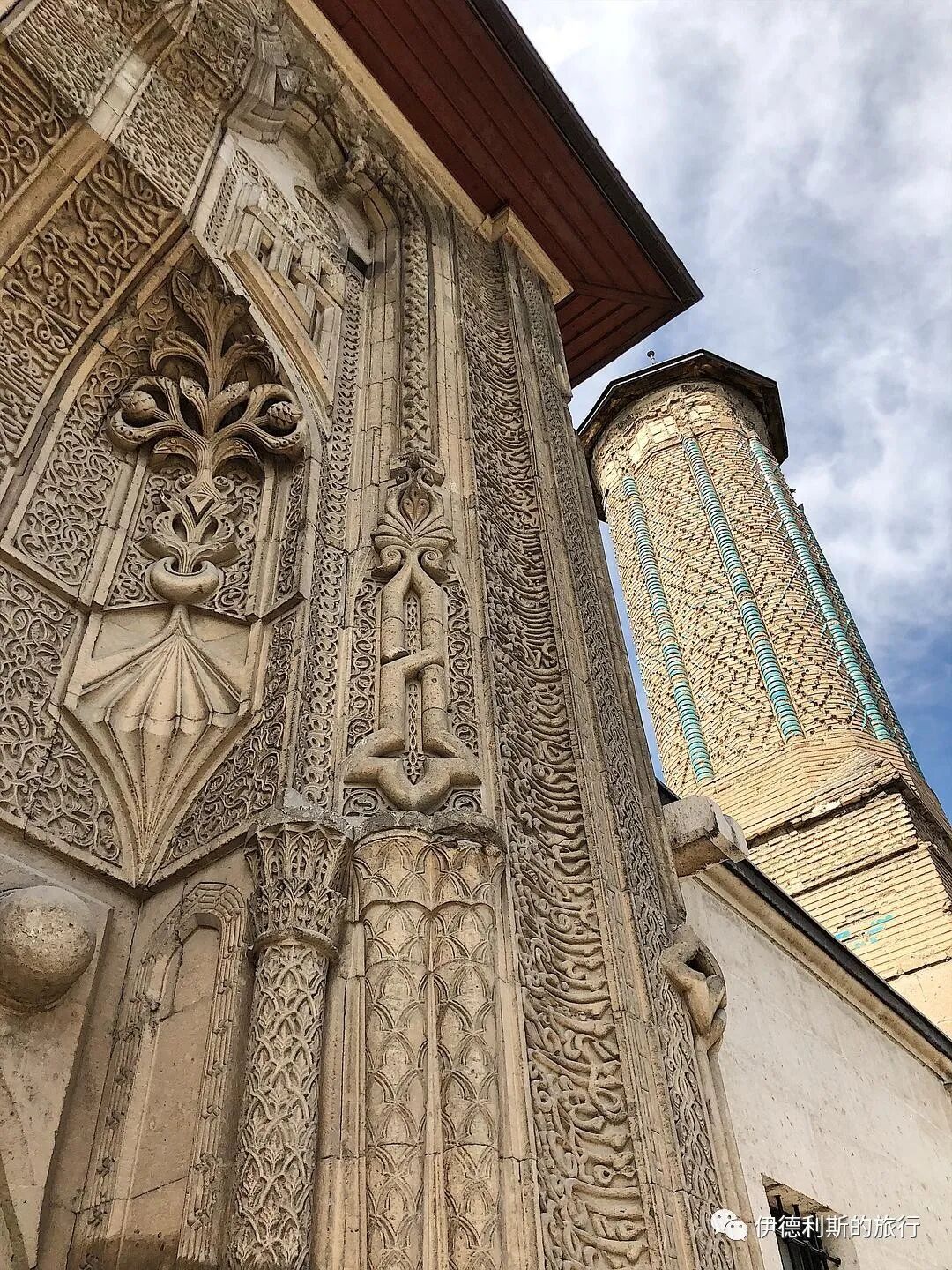
The interior of the main hall also features Seljuk sky-blue tiles.
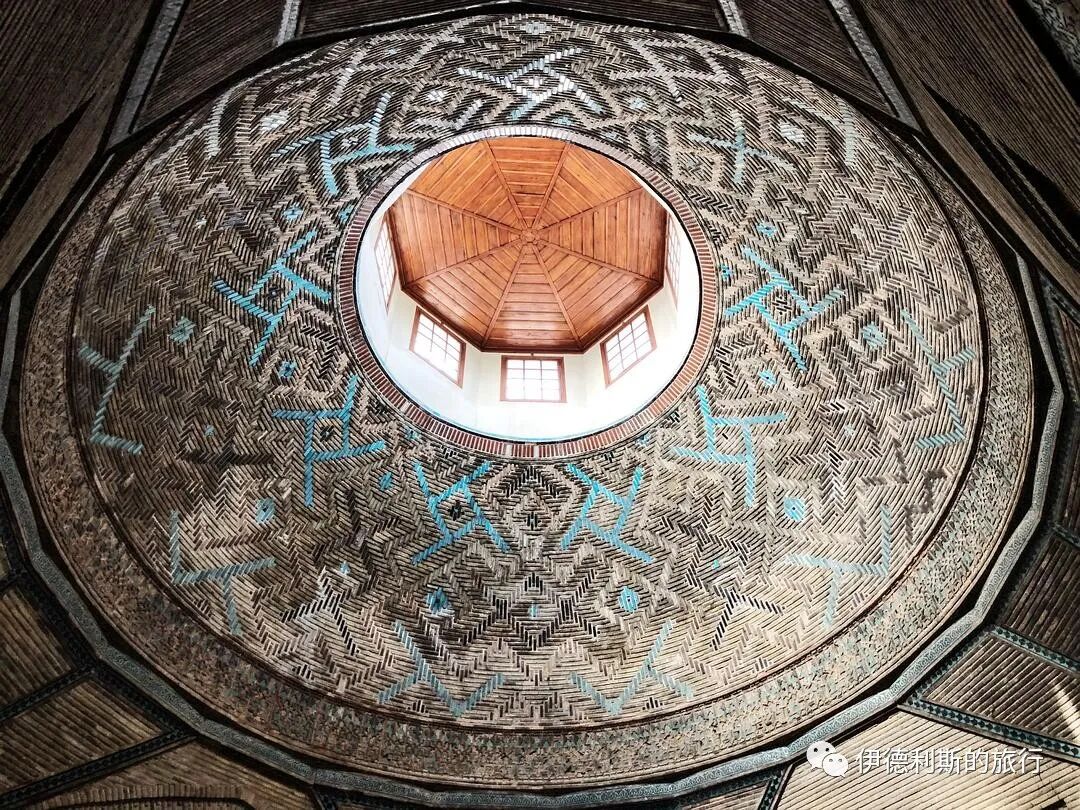
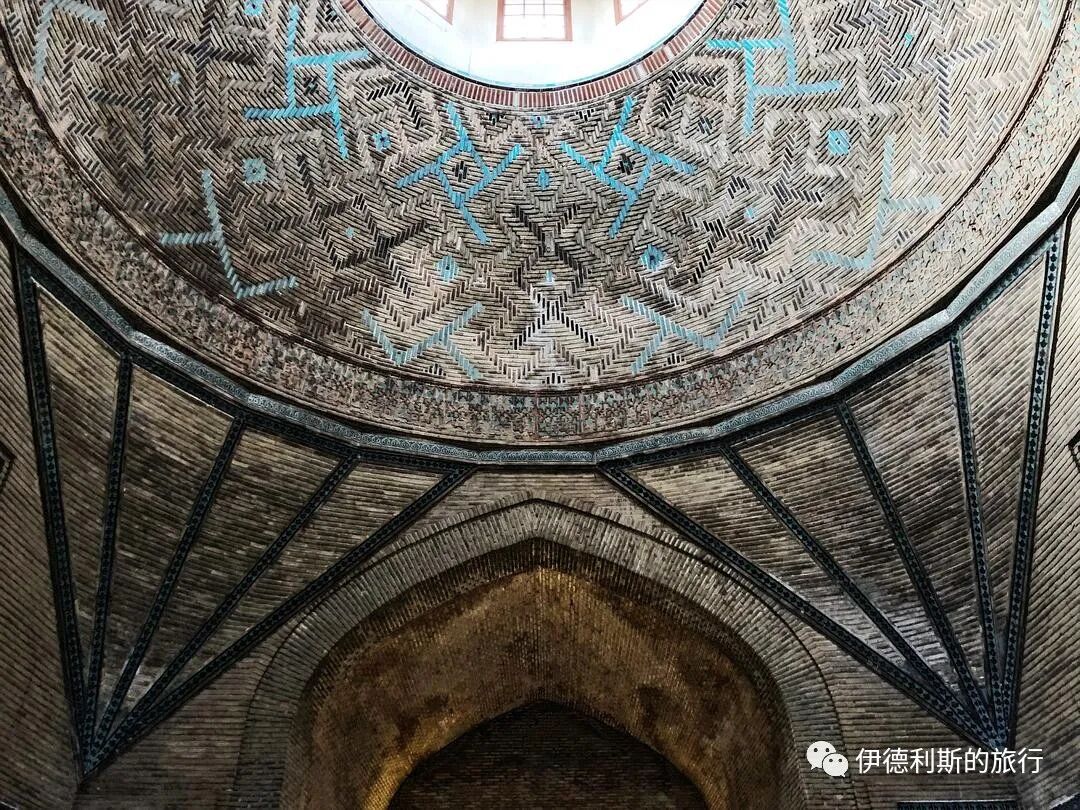
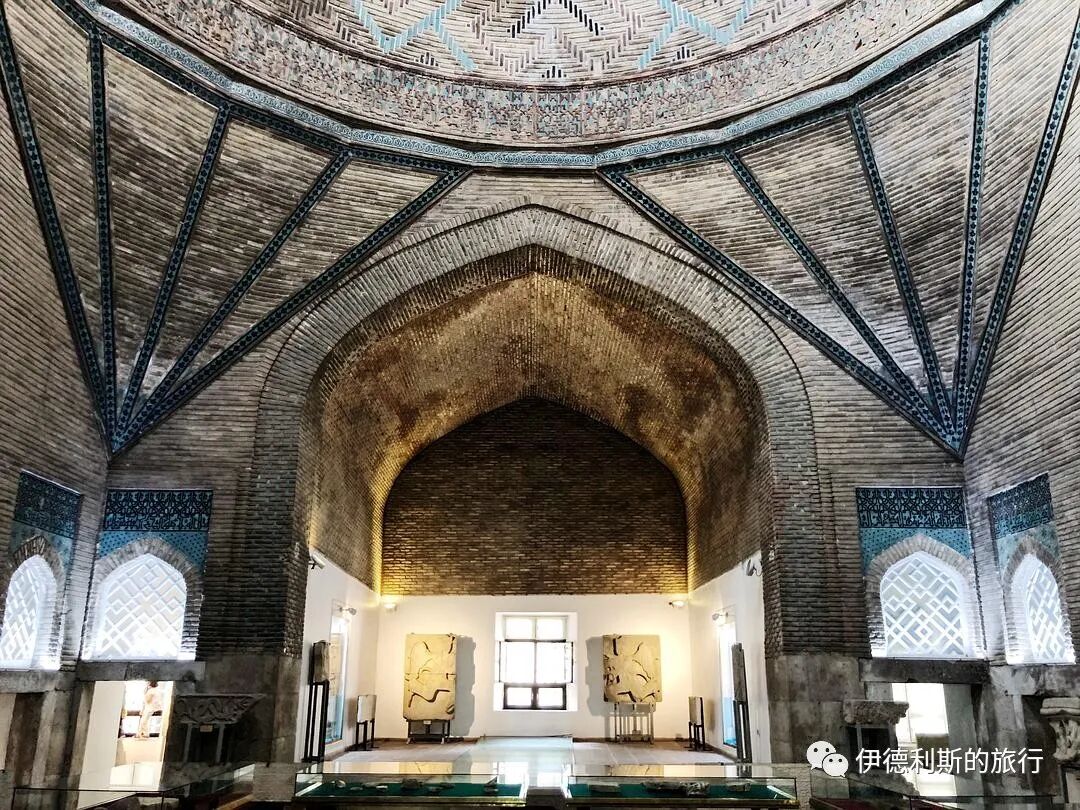
Seljuk stone carvings collected in the museum.
From Alaaddin Hill.
7. Konya City Walls: 12th-13th Centuries
Research shows that the earliest Konya city walls (Konya Kalesi) were located on Alaaddin Hill and were built by the descendants of Alexander the Great during the Hellenistic period. The Konya city walls were rebuilt four times in history. In 1221, the Seljuk Sultan Kayqubad I (reigned 1220-1237) built new outer walls beyond the inner walls on Alaaddin Hill. At that time, the Konya city walls were 30 meters high and had 12 gates.
An illustration of the Konya city walls, address https://islamansiklopedisi.org.tr/konya
According to the 17th-century Ottoman traveler Evliya Çelebi, the Konya city walls were still intact in the 17th century. However, as time passed, the walls began to gradually deteriorate during the late Ottoman period. The inner walls on Alaaddin Hill were the first to be demolished, and the outer walls were also dismantled in the late 19th century. The government buildings of that time were built using stones from the walls.
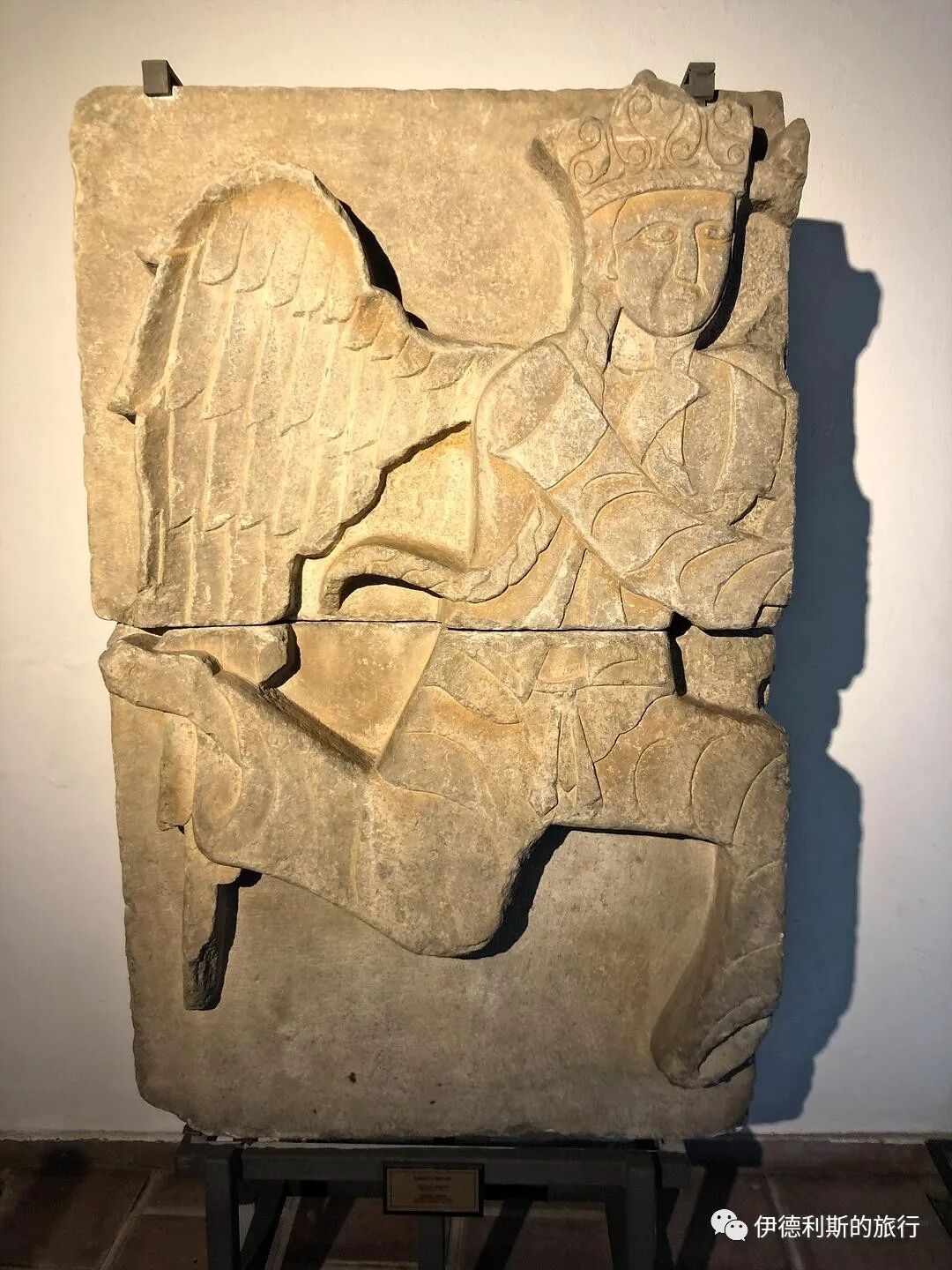
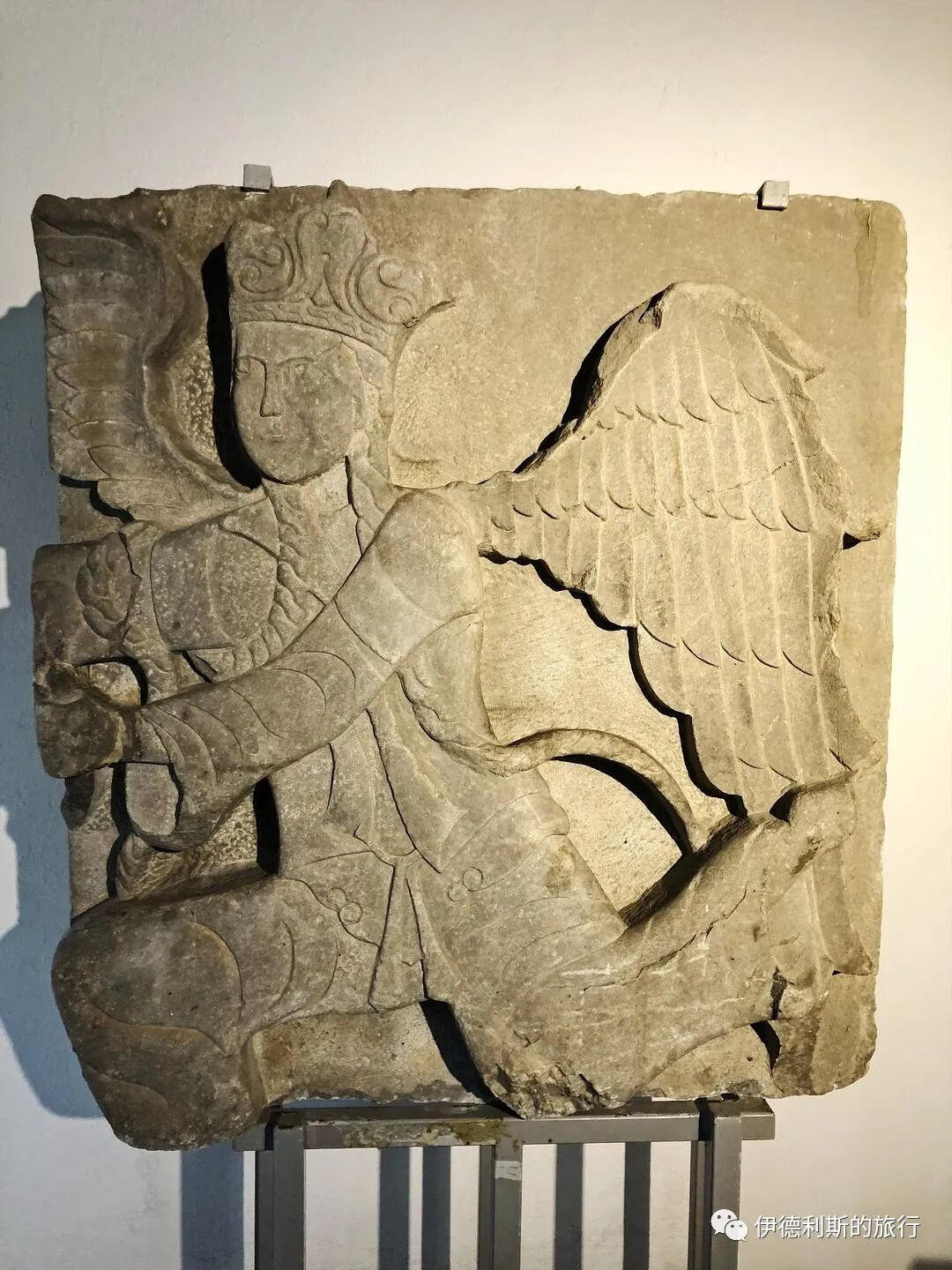
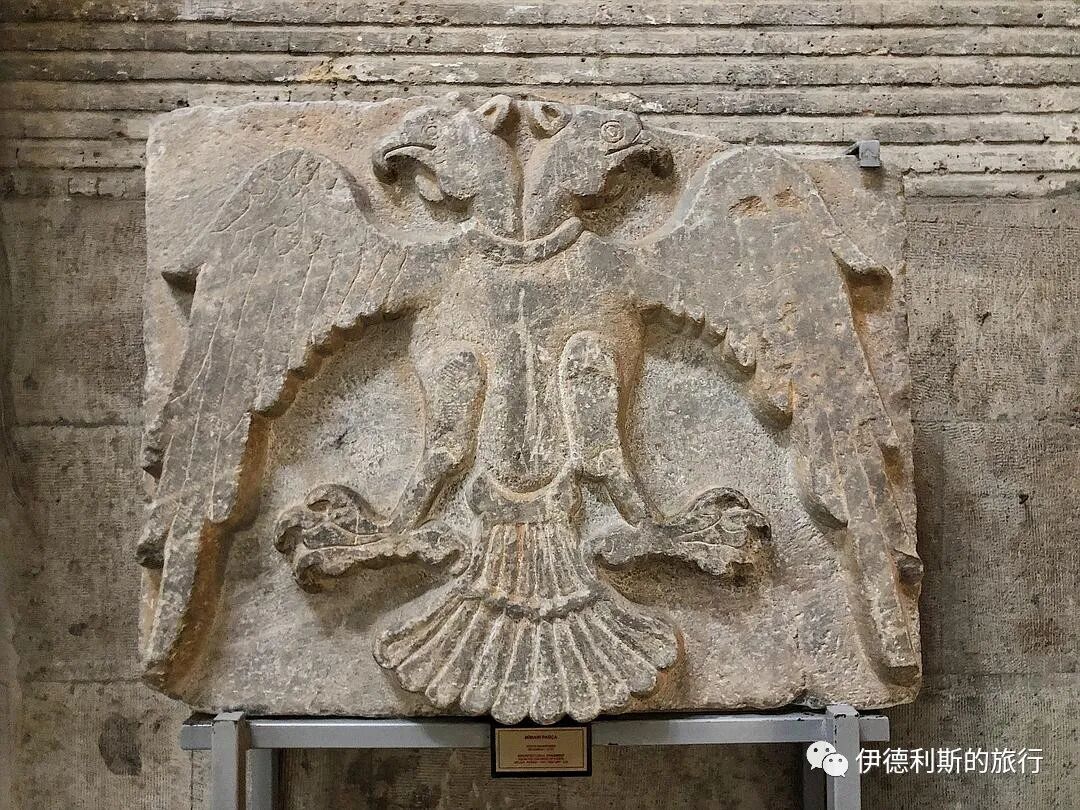
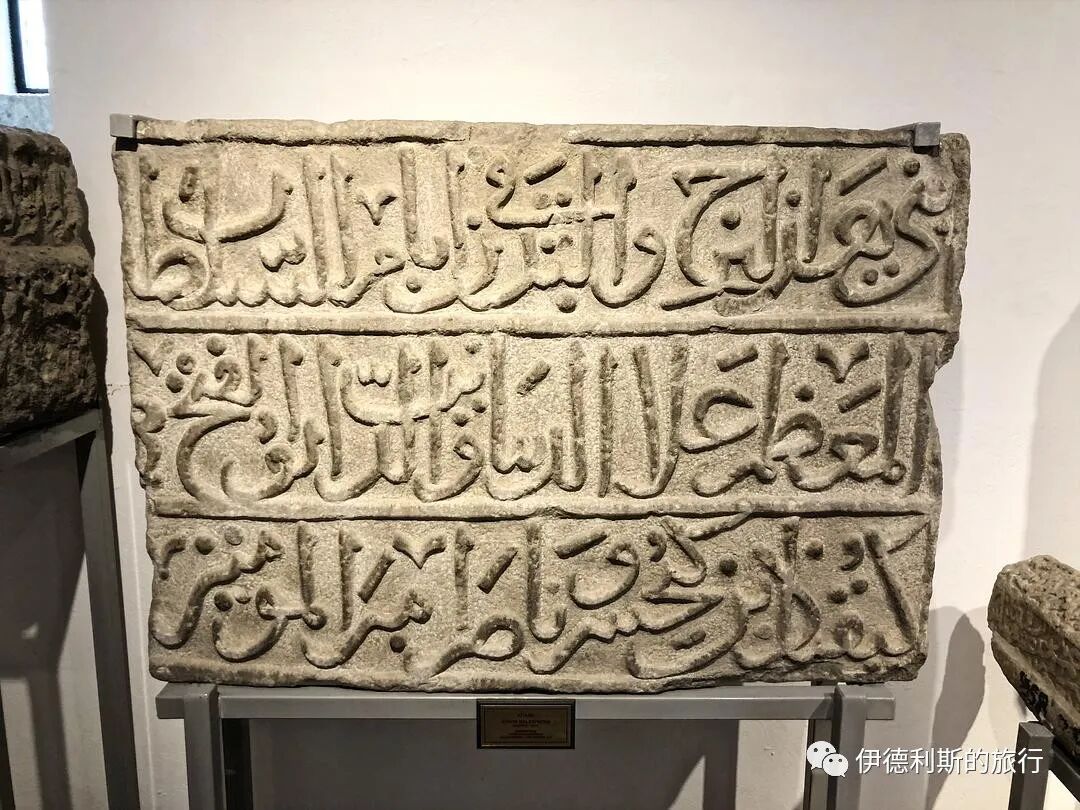
Today, most of the ruins of the Konya city walls have not been preserved. Fortunately, some stone carvings are currently kept in the Konya Museum of Stone and Wood Carvings, including winged angels and double-headed eagles, which are fine examples of Seljuk stone carving.
8. Alaeddin Kiosk: Late 12th Century
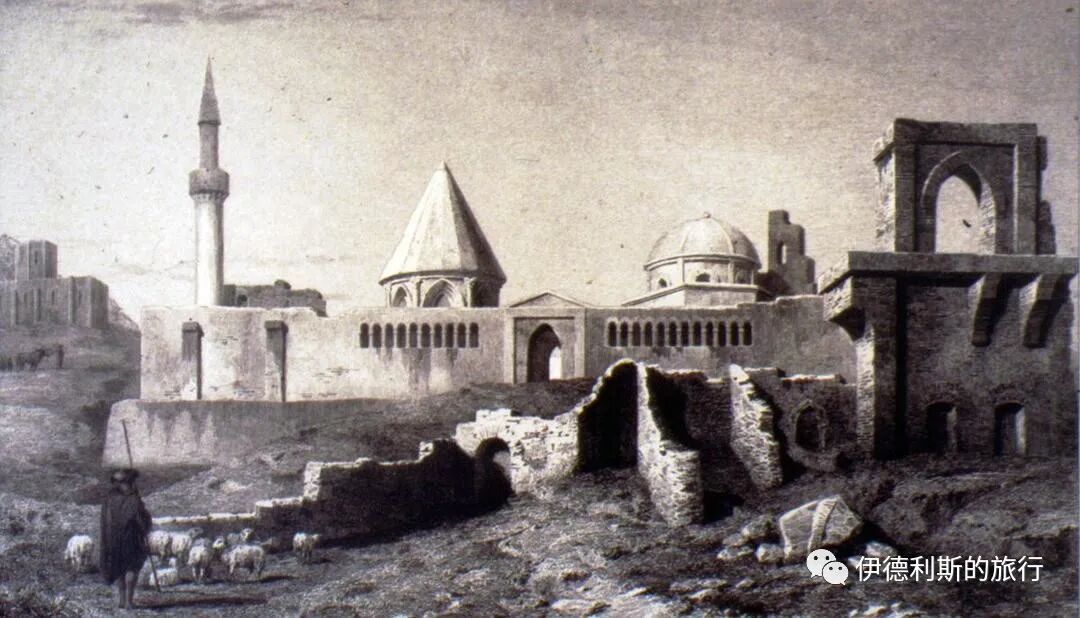
The Alaaddin Pavilion (Alâeddin Köşkü) is the only remaining tower ruin of the Konya city walls. Located on the north side of Alaaddin Hill, it was originally a brick tower of the inner city wall. The Seljuk Sultan Kilij Arslan II (reigned 1156-1192) built his estate right next to the wall and turned this tower into part of the estate, which is why it has been preserved to this day.
When I visited, the Alaaddin Pavilion and the ruins of the Kilij Arslan II estate were under renovation and could not be entered.
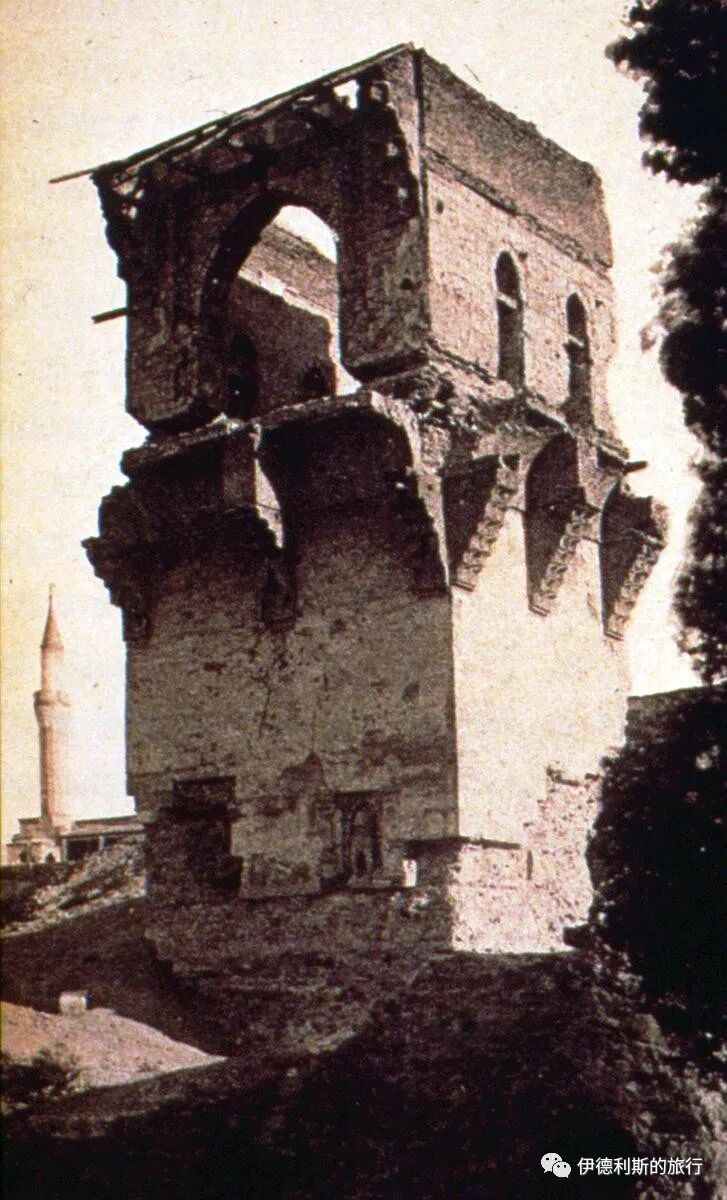
The Alaaddin Pavilion in an old photograph, from https://islamansiklopedisi.org.tr/konya
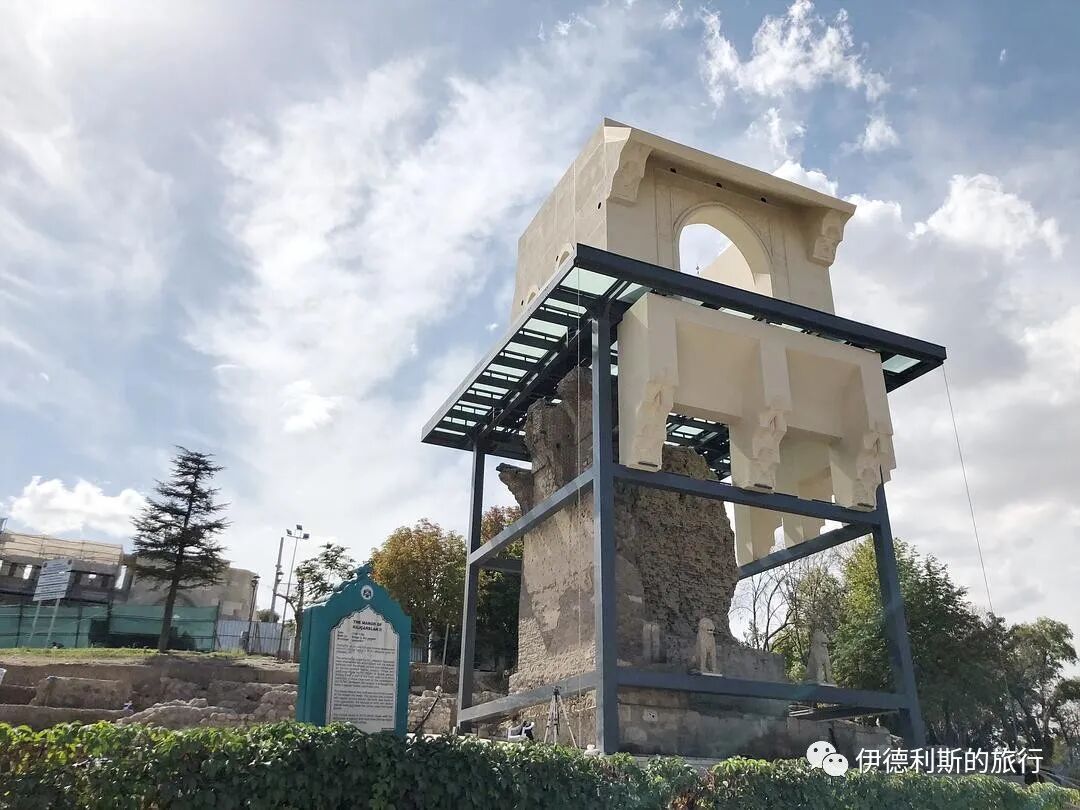
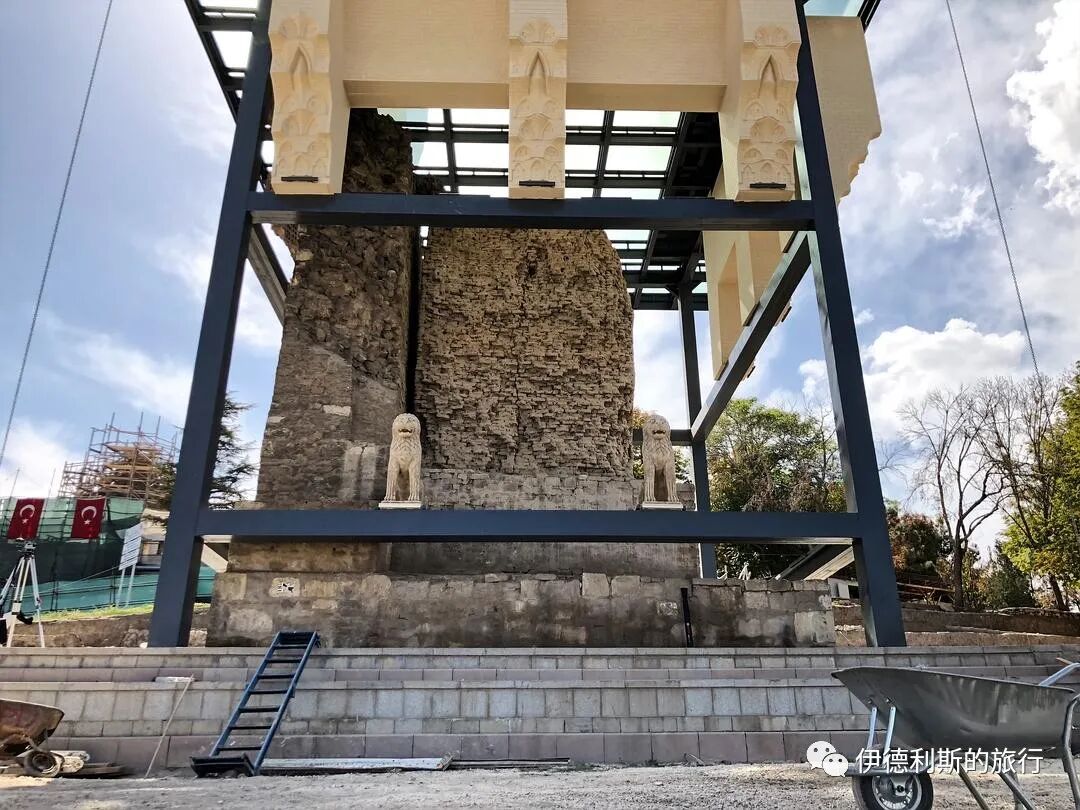
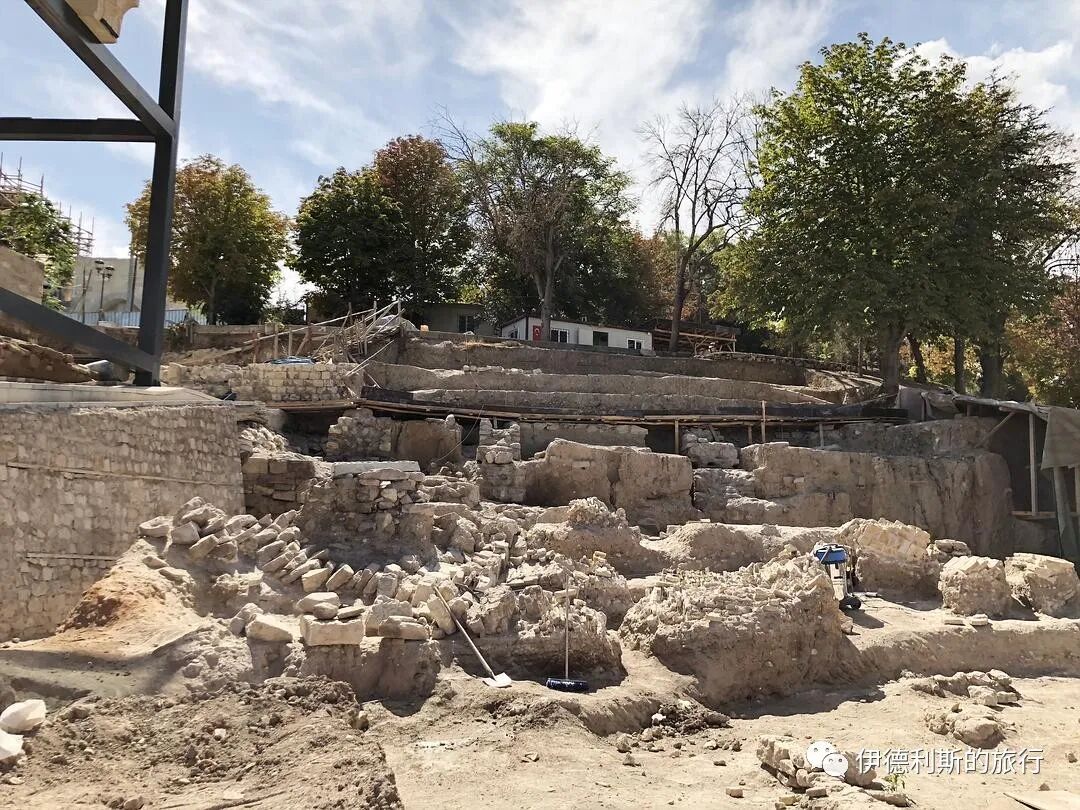
Manor ruins.
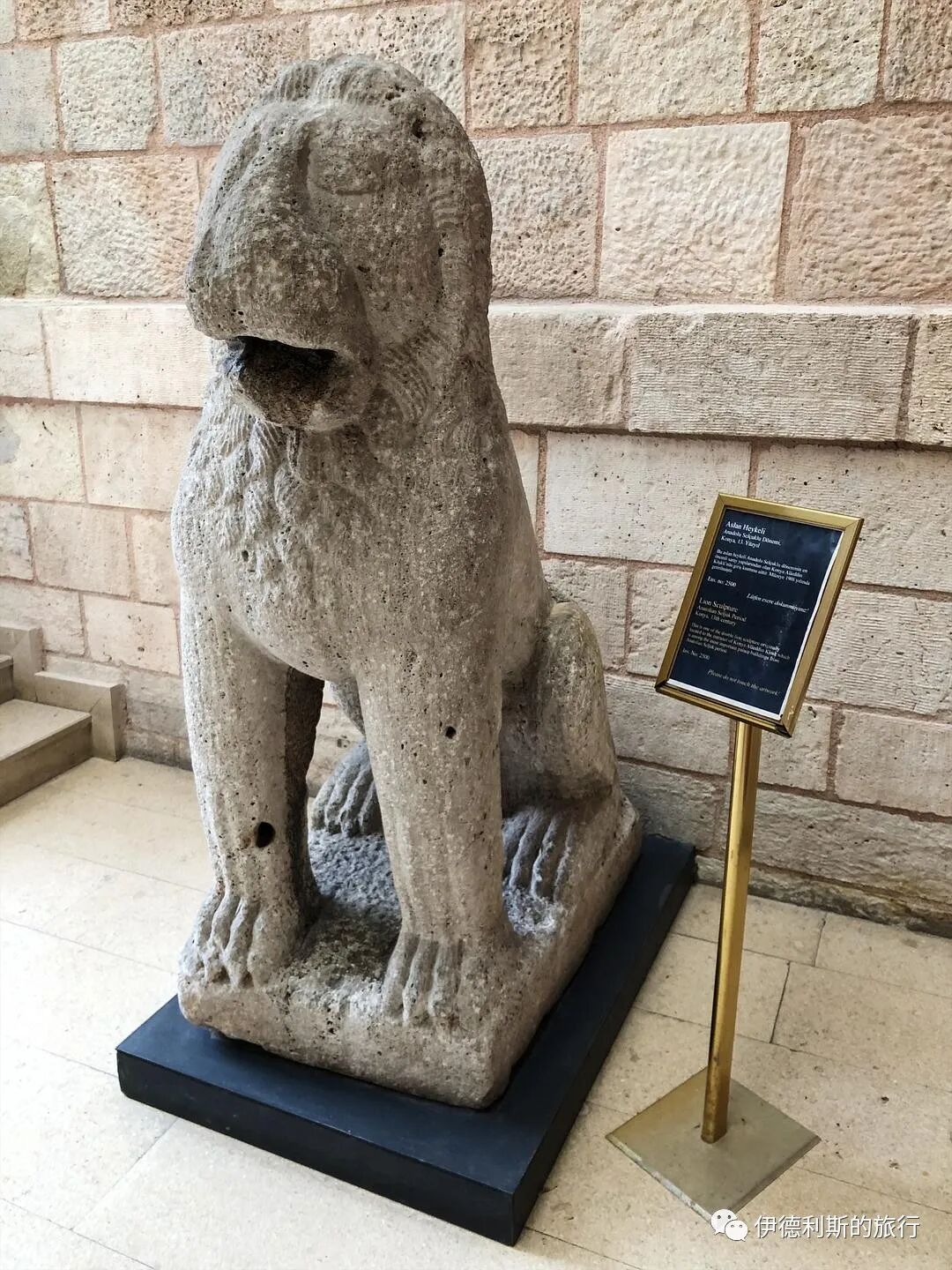
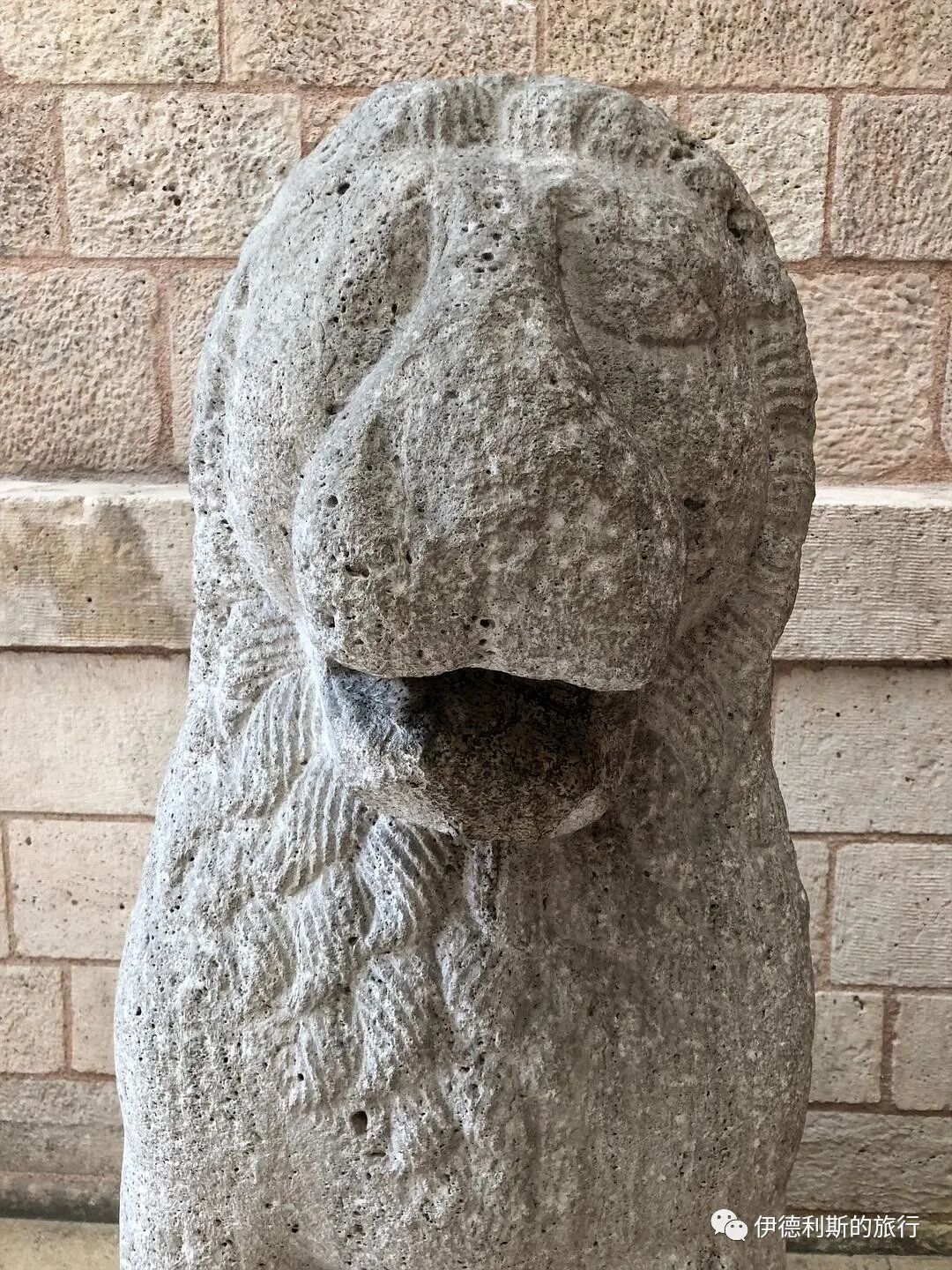
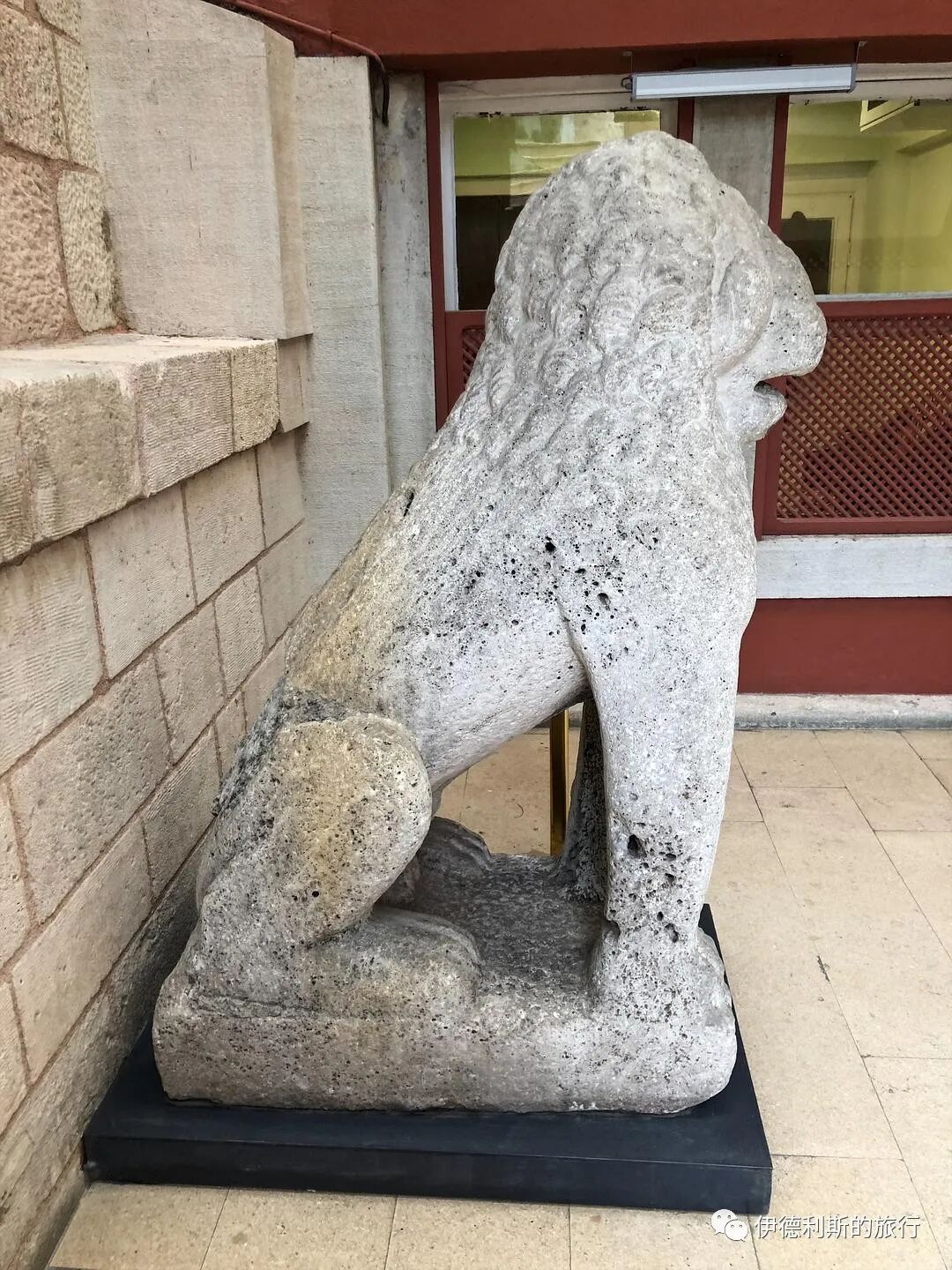
The original stone lions from the Alaeddin Pavilion are now kept at the Museum of Turkish and Islamic Arts in Istanbul.
9. Alaeddin Mosque: 12th Century - 1235
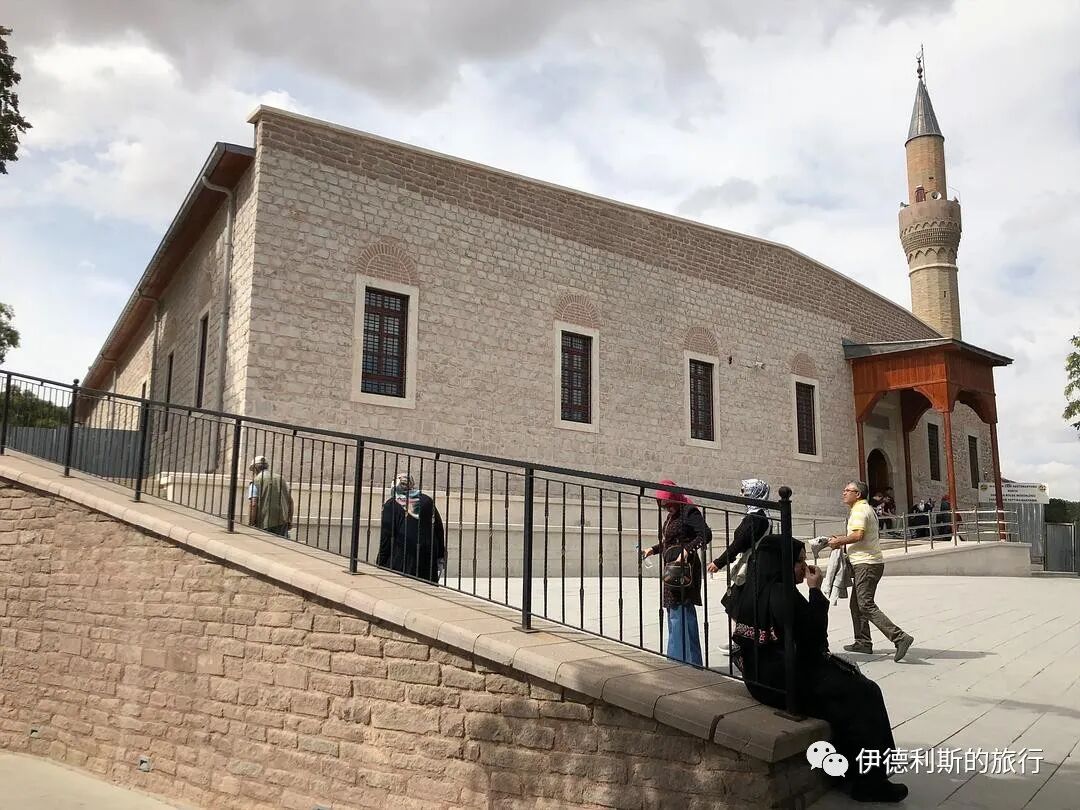
Alaeddin Mosque is located on the east side of Alaeddin Hill in the center of Konya. It was once the royal mosque for the Seljuk Sultanate of Rum and houses the tombs of past sultans.
Records show the first Alaeddin Mosque was rebuilt on top of a Christian church shortly after the Seljuks captured Konya in the late 11th century. Many parts of the building were taken directly from nearby Byzantine structures.
The oldest existing inscription in the mosque dates back to the reign of the Seljuk Sultan of Rum, Mesud I (reigned 1116–1156). The mosque's ebony pulpit (minbar) features an inscription from 1155, and the prayer niche (mihrab) and the tiles on the vaulted ceiling were likely built during the same period.
In 1219, the Seljuk Sultan of Rum, Kaykaus I (reigned 1211–1220), began rebuilding the Alaeddin Mosque. He moved the main entrance from the west side to the north and added a massive structure on the north side overlooking the city and facing the sultan's palace. The final building plans were never finished because the sultan died the following year.
In 1235, Sultan Kayqubad I (reigned 1220–1237) added a large hall made of forty-two stone columns to the east of the prayer niche (mihrab). The mosque's current east gate and minaret were built during the Ottoman period.
Unfortunately, the Alaeddin Mosque was under renovation when I visited. Only the east hall built in 1235 was open, so I could not see the west hall or the tomb section.
Alaeddin Mosque, address https://islamansiklopedisi.org.tr/konya
Halal Travel Guide: Konya — Seljuk History and Muslim Heritage (Part 1)
Articles • ali2007fr posted the article • 0 comments • 160 views • 2026-05-17 11:03
Summary: Konya — Seljuk History and Muslim Heritage is presented here as a firsthand travel account in clear English, beginning with this scene: The Seljuqs were a Sunni Muslim group from the Oghuz Turkic tribal confederation in the Central Asian steppes. The account keeps its focus on Konya Travel, Seljuk History, Turkey Travel while preserving the names, places, food, and historical details from the Chinese source.
The Seljuqs were a Sunni Muslim group from the Oghuz Turkic tribal confederation in the Central Asian steppes. They were deeply influenced by Persian culture. Between the 11th and 12th centuries, they built a vast Seljuq Empire that stretched across West and Central Asia. The Sultanate of Rum was a state founded by the Seljuqs in Asia Minor. After the Seljuq Empire collapsed, it continued to exist for over a hundred years with Konya as its capital. After the Mongol invasion, the Sultanate of Rum broke into many smaller states called beyliks. One of these beyliks eventually grew into the Ottoman Empire.
Between the 9th and 10th centuries, a unique "Turco-Persian" culture emerged in the Khorasan and Transoxiana regions. This culture formed when Turkic peoples, living in Central Asia and Iran, blended Turkic and Persian cultures. These Turkic peoples were deeply influenced by Persian culture. From the 11th to the 13th centuries, "Turco-Persian" culture spread quickly. As the Seljuq Dynasty and the Delhi Sultanate expanded, this culture reached from the Mediterranean Sea all the way to the mouth of the Ganges River. Later, "Turco-Persian" culture gradually took root in West and South Asia with the rise of the Ottoman Empire and the Mughal Dynasty. For several centuries, it became the main culture for the ruling and elite classes.
Konya, as the capital of the Seljuq Sultanate of Rum, was the last Seljuq "Turco-Persian" cultural center after the Seljuq Empire fell. Seljuq culture is a very unique part of "Turco-Persian" culture. It is most famous for its tiles and stone carvings. On this trip to Konya, I visited all the Seljuq-era historical sites in the city. Sadly, some were under repair and I couldn't go inside. I will share the Seljuq sites I saw on this trip.
Contents
1. Historical Introduction
1. The Founding of the Seljuq Sultanate of Rum
2. Making Konya the Capital
2. Rumi's Tomb: 1274
1. Rumi in Konya
2. Rumi's Tomb
3. Iplikci Mosque: 1201
4. Karatay Madrasa: 1251
5. Tiles of Kubadabad Palace: 1236
6. Slender Minaret Madrasa (Ince Minareli Medrese): 1268
7. Konya City Walls: 12th-13th Centuries
8. Alaeddin Kiosk: Late 12th Century
9. Alaeddin Mosque: 12th Century - 1235
Ten. Glass Madrasa (Sırçalı Medrese): 1242.
Eleven. Sahib Ata Mosque: 1258.
Twelve. Sahib Ata Madrasa: 1258.
Thirteen. Artifacts in the Turkish and Islamic Arts Museum.
1. Historical Introduction
1. The Founding of the Seljuq Sultanate of Rum
The Seljuqs were a branch of the Oghuz Turkic tribe. They originally lived as nomads on the Kazakh steppes, north of the Syr Darya River in Central Asia. Their leader, Seljuk Beig, converted to Islam around 985. He then separated from the Oghuz tribal confederation and moved to the Transoxiana region, south of the Syr Darya River.
In 1035, their relationship with the Karakhanid Dynasty got worse. The Seljuqs were forced to move south into the Khorasan region of Persia. They then unexpectedly defeated the large army of the Ghaznavid Dynasty. Soon after, they fully controlled all of Khorasan.
In 1037, Tughril (who ruled from 1037-1063) officially founded the Seljuq Dynasty in Khorasan. They then kept expanding. In 1051, they moved their capital to Isfahan, which was then the most important city in Persia.
Starting in 1040, the Seljuq Dynasty repeatedly attacked Asia Minor, which was under Byzantine rule. They finally defeated the Byzantines completely in the Battle of Manzikert in 1071. After the war, Seljuq Sultan Alp Arslan (who ruled from 1063-1072) sent his distant cousin, Suleiman ibn Qutulmish (who ruled from 1077-1086), to go deeper into Asia Minor. Suleiman moved west all the way, reaching the city of Nicaea on the Sea of Marmara.
In 1077, Suleiman officially founded the Seljuq Sultanate of Rum, with Nicaea as its capital. "Rum" meant "Rome" at that time, and people used it to refer to Asia Minor under Eastern Roman (Byzantine) rule.
The Seljuq Dynasty in 1092, from Wikipedia
2. Making Konya the Capital
The rapid expansion of the Seljuq Dynasty caused panic among Christian states. This directly led to the First Crusade. In 1097, Nicaea, the capital of the Sultanate of Rum, finally fell after a long siege by the Crusaders, forcing the Sultanate to move its capital east to Konya.
Konya was very wealthy in the second half of the 12th century. At that time, the Sultanate of Rum controlled almost all of eastern Anatolia, several port towns on the Mediterranean and Black Seas, and even held a foothold in Crimea for a time, bringing vast trade wealth into Konya.
After the Mongols invaded Central Asia and Persia in the early 13th century, many Turkic and Persian people came to Konya for refuge. In the 1220s, Konya was full of refugees from the Khwarezmid Empire. Many were educated intellectuals or skilled craftsmen, the most famous being the Sufi scholar and great Persian poet Rumi.
In 1243, the Seljuk Sultanate of Rum was defeated by the Mongol Empire and became a vassal state, but Konya remained the capital. People lived in stability, and many existing Seljuk buildings date from this period.
In the late 13th century, the Seljuks split into many small principalities, including the early Ottoman Empire. These small states nominally recognized the status of the Sultanate of Rum, but the Sultanate could only actually control the limited territory around Konya. At this time, the Karamanids dynasty began continuous attacks on the Seljuk Sultanate of Rum, but they eventually failed due to the intervention of the Ilkhanate.
At the end of the 13th century, the Sultanate of Rum fell into a series of internal struggles, and the last Sultan, Mesud II, was killed in 1308. In 1328, Konya was occupied by the Karamanids dynasty, and Seljuk culture finally exited the historical stage. After this, the Ottomans rose on the legacy of the Seljuk Sultanate of Rum, and Konya would eventually enter its next era.
The Sultanate of Rum in the 12th and 13th centuries, by author DragonTiger23.
2. Rumi's Tomb: 1274
Rumi (1207-1273) was a famous 13th-century Sufi scholar and Persian poet, honored in Turkey as Mevlâna. Rumi died in Konya in 1273 and was buried next to his father's tomb. His successor, Hüsamettin Çelebi, decided to build a mausoleum for Rumi, and the tomb, led by architect Badr al-Din Tabrizi, was officially completed in 1274.
The entire complex includes the tombs of Rumi and his followers, a mosque, a Sufi practice space, and living areas for the practitioners. During the Ottoman era, this place was always the center of activity for the Mevlevi Sufi order.
In 1925, the Republic of Turkey announced the closure of all Sufi practice spaces and the dissolution of Sufi orders. In 1927, the Rumi mausoleum was converted into the Konya History Museum and opened to the public, and it was renamed the Mevlâna Museum in 1954. Today, it is a famous Sufi holy site in Turkey, and people from all over the world come here to visit and make pilgrimages every day.
1. Rumi in Konya
Rumi was born in 1207 into a Persian-speaking family in the Balkh region on the border of Afghanistan and Tajikistan. His father, Baha'ud-Din, was an Islamic scholar and a Sufi mentor.
Between 1215 and 1220, the Mongols invaded Central Asia, and Rumi moved west with his family, eventually arriving in Anatolia after much traveling. In 1228, the Seljuk Sultan of Rum, Kayqubad I (reigned 1220-1237), invited Baha'ud-Din to the capital, Konya, so Rumi's family finally settled there.
In Konya, Baha'ud-Din served as the head of a religious school and taught Rumi various Islamic knowledge and Sufi practices. After Baha'ud-Din died in 1232, Rumi continued his training under one of his father's students, Burhan ud-Din. In 1240 (or 1241), Burhan ud-Din died, and Rumi officially became an Islamic legal scholar and teacher, beginning to preach and teach students at the mosque.
In 1244, Rumi met the Sufi master Shams Tabrizi, which completely changed his life. He honored Shams as his spiritual mentor, transforming from an Islamic scholar into a Sufi practitioner.
In 1248, Shams suddenly left. Rumi was deeply saddened and went to Damascus himself to look for him, but he found nothing. To express his longing for Shams, Rumi wrote a large number of lyrical poems. At this time, he met a goldsmith named Salaḥud-Din-e Zarkub, who understood Rumi's heart very well, and the two became close friends. Zarkub helped Rumi organize 2,500 lyrical poems into the Divan-e Shams-e Tabrizi.
After Zarkub died in 1259, Rumi's scribe and favorite student, Hussam-e Chalabi, became Rumi's confidant. One day, Rumi showed Hussam a short piece of narrative poetry he had written, the Masnavi, and Hussam was pleasantly surprised and begged Rumi to continue writing it. So, starting in 1260, Rumi began writing his masterpiece, the Masnavi. During the writing process, Rumi would recite, Hussam would record, and then Rumi would confirm it. This work continued until the very last moments of Rumi's life.
2. Rumi's Tomb
The site of Rumi's tomb was originally a rose garden gifted by the Seljuk Sultan of Rum, Kayqubad I, to Rumi's father, Bahauddin. After Bahauddin passed away in 1232, he was buried here, and the site officially became Rumi's tomb in 1274. Later, Rumi's descendants and disciples founded the Mevlevi Order, and this place became the headquarters for the Mevlevi Order.
The main gate of Rumi's tomb (Devisan Kapısı) is located in the northwest corner and currently serves as the museum exit. After entering the main gate, you find a marble-paved courtyard, where the most important buildings are the tomb of Rumi and the mosque on the east side.
The tomb gate (Türbe Kapisi) dates back to 1492.
Inside the tomb gate is a room called 'Tilavet,' which in Arabic means 'reading the Quran with a beautiful voice and correct rhythm.' Before it became a museum, this room was used for the continuous chanting of the Quran, and today it houses various precious calligraphic works.
Walking further inside, you will find the sarcophagi of Rumi, his family, and the leaders of the Mevlevi Order. Rumi's sarcophagus sits under a green spire, covered in brocade embroidered with Quranic verses in gold thread. The sarcophagi of Rumi and his father, along with the surrounding wood carvings, date back to the Seljuk Sultanate of Rum, while the outer silver lattice was built in 1579. Unfortunately, this section is currently under renovation and cannot be seen.
Moving forward is the ceremonial hall (Semahane), built during the era of the Ottoman Sultan Suleiman I (reigned 1520-1566). Before 1926, this was where the Mevlevi Order performed the Sama ceremony, commonly known as the whirling dance.
Today, the ceremonial hall displays many precious artifacts. These include Rumi's own shoulder strap, cloak, and felt hat.
The Masnavi, written in 1278 by the calligrapher Mehmed bin Abdullah Konevi.
The 1366 collection of Rumi's poetry.
A 13th-century bookshelf featuring Seljuk lion patterns.
A 9th-century Quran written in Kufic script.
A Quran written in 1296 by the calligrapher Yakutu'l-Mustasimi.
A Quran from 1314.
Next to the ceremonial hall is a mosque also built during the era of the Ottoman Sultan Suleiman I (reigned 1520-1566).
In the center of the courtyard is a fountain for wudu (ṣadirvan), built in 1512 by order of the Ottoman Sultan Selim I (reigned 1512-1520).
On the west side of the courtyard is a row of 17 small rooms with domes and chimneys, built in 1584 by order of the Ottoman Sultan Murad III (reigned 1574-1595), which served as living quarters for Sufi practitioners.
Inside, there are many introductions to the Mevlevi Order and some precious artifacts, such as this 13th-century Seljuk-style incense burner with lion patterns.
There is also this copy of the Masnavi, written in 1372 by the calligrapher Hasan bin Osman el-Mevlevi for the Seljuk minister (vazir) Şherefüddin Emir Satı.
On the south side of the courtyard is the kitchen (Matbah), built in 1548 by order of the Ottoman Sultan Suleiman I (reigned 1520-1566), which provided food for Sufi practitioners until 1926. This was also a place where Sufi masters taught knowledge and the Sama ceremony.
The courtyard also contains the tombs of several Sufi masters of the Mevlevi Order.
The earliest of these is the site of the tomb of Ahmed Eflâkî Dede. Ahmed Eflâkî Dede wrote the important work on Rumi titled 'Menâkibü'l-Ârifîn' and traveled with Rumi's grandson, Ulu Ârif Çelebi, working to expand the influence of the Mevlevi Order throughout Anatolia.
Today, only two curtain walls remain of the tomb's above-ground structure. Research suggests the west wall is likely connected to early 13th-century Mevlevi architecture, while the date on the tombstone is 1360. Additionally, archaeological excavations at the museum have uncovered basements on both sides of the south facade.
3. Iplikci Mosque: 1201
The Iplikci Mosque was built in 1201 by order of the Seljuk minister (vizier) Shams al-Din Altun Aba, with the architect Abu al-Fazi Abd al-Jabbar from Tabriz, Iran; this is important evidence of Persian craftsmen directly influencing Seljuk architecture. This building underwent a series of renovations during the Karaman dynasty, the Ottoman Empire, and modern times. Today, the original mosaic tiles on the mihrab inside the hall have been replaced by marble, but the parts at the bottom covered by carpets are still the original Seljuk-era pieces.
4. Karatay Madrasa: 1251
The Karatay Madrasa was built in 1251 under the direction of Emir Celaleddin Karatay of the Seljuk Sultanate of Rum; the madrasa is named after him, and teaching activities continued there until the end of the 19th century.
This building holds a very important place among surviving Seljuk structures featuring mosaic tiles, so it opened to the public as the Tile Museum in 1955. Archaeological excavations and restoration work took place here between 2006 and 2008.
The main gate of the madrasa (religious school) is on the east side. Made of sky-blue and white marble, it is a masterpiece of Seljuk craftsmanship, carved with excerpts from the Quran and information about the school's construction.
The main hall is covered in turquoise, indigo, and black tiles, along with calligraphy of verses, the names of prophets, and the four Rashidun Caliphs.
Inside the domed building to the left of the main hall is the tomb of Celaleddin Karatay, who passed away in 1254. Celaleddin Karatay began serving in the court of the Sultanate of Rum in 1212. He was promoted to Minister of Finance in 1243 and received the noble title of Atabeg in 1249, remaining a key official of the Sultanate until his death in 1254. Celaleddin Karatay served four sultans during his life. He was known for his humility, piety, and simple lifestyle, and he was dedicated to developing science and art. He oversaw many projects, including the Kayseri-Elbistan road, with the Karatay Madrasa being his most famous.
5. Tiles of Kubadabad Palace: 1236
Kubadabad Palace was the summer palace of the Sultanate of Rum. It is located on the shore of Lake Beyşehir, 100 kilometers west of Konya, and was built in 1236 by the Seljuk Sultan Kayqubad I (reigned 1220-1237).
In 1949, Zeki Oral, the director of the Konya Museum, first discovered the ruins of Kubadabad Palace and conducted archaeological excavations in 1952. German archaeologist Katharina Ottodorn conducted further excavations in 1965, followed by Turkish archaeologist Mehmet Önder in 1967. In 1980, Professor Rüçhan Arık led a team from Ankara University to conduct a systematic survey and excavation of the site.
Kubadabad Palace is very different from the Seljuk palaces in Konya and Kayseri. It is far from towns and lacks high city walls; protection for the palace seems to have been provided by a fortress complex on a nearby island.
Sixteen buildings have been excavated at Kubadabad Palace. The main structure is a large 50x35 meter palace where many ornate underglaze tiles were found. Some of these tiles are now on display at the Karatay Tile Museum.
Additionally, the Tiled Kiosk at the Istanbul Archaeology Museums also houses tiles from Kubadabad Palace.
6. Slender Minaret Madrasa (Ince Minareli Medrese): 1268
The Ince Minaret Medrese (Slender Minaret Madrasa) was built by Sahib Ata Fahreddin Ali between 1263 and 1268. Sahib Ata was an important official in the Seljuk Rum Sultanate court from the 1250s until his death in 1288. After 1277, he even held great power in the Sultanate. This madrasa remained active until the end of the 19th century. After restoration in 1956, it opened to the public as the Museum of Stone and Wood Carvings.
The madrasa once had a slender, towering minaret, which is where the school gets its name. Unfortunately, lightning destroyed the minaret in 1901. Today, only the bottom section remains, where you can see typical Seljuk sky-blue tiles.
The gate of the madrasa is considered one of the best examples of a Seljuk architectural entrance.
The interior of the main hall also features Seljuk sky-blue tiles.
Seljuk stone carvings collected in the museum.
From Alaaddin Hill.
7. Konya City Walls: 12th-13th Centuries
Research shows that the earliest Konya city walls (Konya Kalesi) were located on Alaaddin Hill and were built by the descendants of Alexander the Great during the Hellenistic period. The Konya city walls were rebuilt four times in history. In 1221, the Seljuk Sultan Kayqubad I (reigned 1220-1237) built new outer walls beyond the inner walls on Alaaddin Hill. At that time, the Konya city walls were 30 meters high and had 12 gates.
An illustration of the Konya city walls, address https://islamansiklopedisi.org.tr/konya
According to the 17th-century Ottoman traveler Evliya Çelebi, the Konya city walls were still intact in the 17th century. However, as time passed, the walls began to gradually deteriorate during the late Ottoman period. The inner walls on Alaaddin Hill were the first to be demolished, and the outer walls were also dismantled in the late 19th century. The government buildings of that time were built using stones from the walls.
Today, most of the ruins of the Konya city walls have not been preserved. Fortunately, some stone carvings are currently kept in the Konya Museum of Stone and Wood Carvings, including winged angels and double-headed eagles, which are fine examples of Seljuk stone carving.
8. Alaeddin Kiosk: Late 12th Century
The Alaaddin Pavilion (Alâeddin Köşkü) is the only remaining tower ruin of the Konya city walls. Located on the north side of Alaaddin Hill, it was originally a brick tower of the inner city wall. The Seljuk Sultan Kilij Arslan II (reigned 1156-1192) built his estate right next to the wall and turned this tower into part of the estate, which is why it has been preserved to this day.
When I visited, the Alaaddin Pavilion and the ruins of the Kilij Arslan II estate were under renovation and could not be entered.
The Alaaddin Pavilion in an old photograph, from https://islamansiklopedisi.org.tr/konya
Manor ruins.
The original stone lions from the Alaeddin Pavilion are now kept at the Museum of Turkish and Islamic Arts in Istanbul.
9. Alaeddin Mosque: 12th Century - 1235
Alaeddin Mosque is located on the east side of Alaeddin Hill in the center of Konya. It was once the royal mosque for the Seljuk Sultanate of Rum and houses the tombs of past sultans.
Records show the first Alaeddin Mosque was rebuilt on top of a Christian church shortly after the Seljuks captured Konya in the late 11th century. Many parts of the building were taken directly from nearby Byzantine structures.
The oldest existing inscription in the mosque dates back to the reign of the Seljuk Sultan of Rum, Mesud I (reigned 1116–1156). The mosque's ebony pulpit (minbar) features an inscription from 1155, and the prayer niche (mihrab) and the tiles on the vaulted ceiling were likely built during the same period.
In 1219, the Seljuk Sultan of Rum, Kaykaus I (reigned 1211–1220), began rebuilding the Alaeddin Mosque. He moved the main entrance from the west side to the north and added a massive structure on the north side overlooking the city and facing the sultan's palace. The final building plans were never finished because the sultan died the following year.
In 1235, Sultan Kayqubad I (reigned 1220–1237) added a large hall made of forty-two stone columns to the east of the prayer niche (mihrab). The mosque's current east gate and minaret were built during the Ottoman period.
Unfortunately, the Alaeddin Mosque was under renovation when I visited. Only the east hall built in 1235 was open, so I could not see the west hall or the tomb section.
Alaeddin Mosque, address https://islamansiklopedisi.org.tr/konya view all
Summary: Konya — Seljuk History and Muslim Heritage is presented here as a firsthand travel account in clear English, beginning with this scene: The Seljuqs were a Sunni Muslim group from the Oghuz Turkic tribal confederation in the Central Asian steppes. The account keeps its focus on Konya Travel, Seljuk History, Turkey Travel while preserving the names, places, food, and historical details from the Chinese source.
The Seljuqs were a Sunni Muslim group from the Oghuz Turkic tribal confederation in the Central Asian steppes. They were deeply influenced by Persian culture. Between the 11th and 12th centuries, they built a vast Seljuq Empire that stretched across West and Central Asia. The Sultanate of Rum was a state founded by the Seljuqs in Asia Minor. After the Seljuq Empire collapsed, it continued to exist for over a hundred years with Konya as its capital. After the Mongol invasion, the Sultanate of Rum broke into many smaller states called beyliks. One of these beyliks eventually grew into the Ottoman Empire.
Between the 9th and 10th centuries, a unique "Turco-Persian" culture emerged in the Khorasan and Transoxiana regions. This culture formed when Turkic peoples, living in Central Asia and Iran, blended Turkic and Persian cultures. These Turkic peoples were deeply influenced by Persian culture. From the 11th to the 13th centuries, "Turco-Persian" culture spread quickly. As the Seljuq Dynasty and the Delhi Sultanate expanded, this culture reached from the Mediterranean Sea all the way to the mouth of the Ganges River. Later, "Turco-Persian" culture gradually took root in West and South Asia with the rise of the Ottoman Empire and the Mughal Dynasty. For several centuries, it became the main culture for the ruling and elite classes.
Konya, as the capital of the Seljuq Sultanate of Rum, was the last Seljuq "Turco-Persian" cultural center after the Seljuq Empire fell. Seljuq culture is a very unique part of "Turco-Persian" culture. It is most famous for its tiles and stone carvings. On this trip to Konya, I visited all the Seljuq-era historical sites in the city. Sadly, some were under repair and I couldn't go inside. I will share the Seljuq sites I saw on this trip.
Contents
1. Historical Introduction
1. The Founding of the Seljuq Sultanate of Rum
2. Making Konya the Capital
2. Rumi's Tomb: 1274
1. Rumi in Konya
2. Rumi's Tomb
3. Iplikci Mosque: 1201
4. Karatay Madrasa: 1251
5. Tiles of Kubadabad Palace: 1236
6. Slender Minaret Madrasa (Ince Minareli Medrese): 1268
7. Konya City Walls: 12th-13th Centuries
8. Alaeddin Kiosk: Late 12th Century
9. Alaeddin Mosque: 12th Century - 1235
Ten. Glass Madrasa (Sırçalı Medrese): 1242.
Eleven. Sahib Ata Mosque: 1258.
Twelve. Sahib Ata Madrasa: 1258.
Thirteen. Artifacts in the Turkish and Islamic Arts Museum.
1. Historical Introduction
1. The Founding of the Seljuq Sultanate of Rum
The Seljuqs were a branch of the Oghuz Turkic tribe. They originally lived as nomads on the Kazakh steppes, north of the Syr Darya River in Central Asia. Their leader, Seljuk Beig, converted to Islam around 985. He then separated from the Oghuz tribal confederation and moved to the Transoxiana region, south of the Syr Darya River.
In 1035, their relationship with the Karakhanid Dynasty got worse. The Seljuqs were forced to move south into the Khorasan region of Persia. They then unexpectedly defeated the large army of the Ghaznavid Dynasty. Soon after, they fully controlled all of Khorasan.
In 1037, Tughril (who ruled from 1037-1063) officially founded the Seljuq Dynasty in Khorasan. They then kept expanding. In 1051, they moved their capital to Isfahan, which was then the most important city in Persia.
Starting in 1040, the Seljuq Dynasty repeatedly attacked Asia Minor, which was under Byzantine rule. They finally defeated the Byzantines completely in the Battle of Manzikert in 1071. After the war, Seljuq Sultan Alp Arslan (who ruled from 1063-1072) sent his distant cousin, Suleiman ibn Qutulmish (who ruled from 1077-1086), to go deeper into Asia Minor. Suleiman moved west all the way, reaching the city of Nicaea on the Sea of Marmara.
In 1077, Suleiman officially founded the Seljuq Sultanate of Rum, with Nicaea as its capital. "Rum" meant "Rome" at that time, and people used it to refer to Asia Minor under Eastern Roman (Byzantine) rule.
The Seljuq Dynasty in 1092, from Wikipedia
2. Making Konya the Capital
The rapid expansion of the Seljuq Dynasty caused panic among Christian states. This directly led to the First Crusade. In 1097, Nicaea, the capital of the Sultanate of Rum, finally fell after a long siege by the Crusaders, forcing the Sultanate to move its capital east to Konya.
Konya was very wealthy in the second half of the 12th century. At that time, the Sultanate of Rum controlled almost all of eastern Anatolia, several port towns on the Mediterranean and Black Seas, and even held a foothold in Crimea for a time, bringing vast trade wealth into Konya.
After the Mongols invaded Central Asia and Persia in the early 13th century, many Turkic and Persian people came to Konya for refuge. In the 1220s, Konya was full of refugees from the Khwarezmid Empire. Many were educated intellectuals or skilled craftsmen, the most famous being the Sufi scholar and great Persian poet Rumi.
In 1243, the Seljuk Sultanate of Rum was defeated by the Mongol Empire and became a vassal state, but Konya remained the capital. People lived in stability, and many existing Seljuk buildings date from this period.
In the late 13th century, the Seljuks split into many small principalities, including the early Ottoman Empire. These small states nominally recognized the status of the Sultanate of Rum, but the Sultanate could only actually control the limited territory around Konya. At this time, the Karamanids dynasty began continuous attacks on the Seljuk Sultanate of Rum, but they eventually failed due to the intervention of the Ilkhanate.
At the end of the 13th century, the Sultanate of Rum fell into a series of internal struggles, and the last Sultan, Mesud II, was killed in 1308. In 1328, Konya was occupied by the Karamanids dynasty, and Seljuk culture finally exited the historical stage. After this, the Ottomans rose on the legacy of the Seljuk Sultanate of Rum, and Konya would eventually enter its next era.
The Sultanate of Rum in the 12th and 13th centuries, by author DragonTiger23.
2. Rumi's Tomb: 1274
Rumi (1207-1273) was a famous 13th-century Sufi scholar and Persian poet, honored in Turkey as Mevlâna. Rumi died in Konya in 1273 and was buried next to his father's tomb. His successor, Hüsamettin Çelebi, decided to build a mausoleum for Rumi, and the tomb, led by architect Badr al-Din Tabrizi, was officially completed in 1274.
The entire complex includes the tombs of Rumi and his followers, a mosque, a Sufi practice space, and living areas for the practitioners. During the Ottoman era, this place was always the center of activity for the Mevlevi Sufi order.
In 1925, the Republic of Turkey announced the closure of all Sufi practice spaces and the dissolution of Sufi orders. In 1927, the Rumi mausoleum was converted into the Konya History Museum and opened to the public, and it was renamed the Mevlâna Museum in 1954. Today, it is a famous Sufi holy site in Turkey, and people from all over the world come here to visit and make pilgrimages every day.
1. Rumi in Konya
Rumi was born in 1207 into a Persian-speaking family in the Balkh region on the border of Afghanistan and Tajikistan. His father, Baha'ud-Din, was an Islamic scholar and a Sufi mentor.
Between 1215 and 1220, the Mongols invaded Central Asia, and Rumi moved west with his family, eventually arriving in Anatolia after much traveling. In 1228, the Seljuk Sultan of Rum, Kayqubad I (reigned 1220-1237), invited Baha'ud-Din to the capital, Konya, so Rumi's family finally settled there.
In Konya, Baha'ud-Din served as the head of a religious school and taught Rumi various Islamic knowledge and Sufi practices. After Baha'ud-Din died in 1232, Rumi continued his training under one of his father's students, Burhan ud-Din. In 1240 (or 1241), Burhan ud-Din died, and Rumi officially became an Islamic legal scholar and teacher, beginning to preach and teach students at the mosque.
In 1244, Rumi met the Sufi master Shams Tabrizi, which completely changed his life. He honored Shams as his spiritual mentor, transforming from an Islamic scholar into a Sufi practitioner.
In 1248, Shams suddenly left. Rumi was deeply saddened and went to Damascus himself to look for him, but he found nothing. To express his longing for Shams, Rumi wrote a large number of lyrical poems. At this time, he met a goldsmith named Salaḥud-Din-e Zarkub, who understood Rumi's heart very well, and the two became close friends. Zarkub helped Rumi organize 2,500 lyrical poems into the Divan-e Shams-e Tabrizi.
After Zarkub died in 1259, Rumi's scribe and favorite student, Hussam-e Chalabi, became Rumi's confidant. One day, Rumi showed Hussam a short piece of narrative poetry he had written, the Masnavi, and Hussam was pleasantly surprised and begged Rumi to continue writing it. So, starting in 1260, Rumi began writing his masterpiece, the Masnavi. During the writing process, Rumi would recite, Hussam would record, and then Rumi would confirm it. This work continued until the very last moments of Rumi's life.
2. Rumi's Tomb
The site of Rumi's tomb was originally a rose garden gifted by the Seljuk Sultan of Rum, Kayqubad I, to Rumi's father, Bahauddin. After Bahauddin passed away in 1232, he was buried here, and the site officially became Rumi's tomb in 1274. Later, Rumi's descendants and disciples founded the Mevlevi Order, and this place became the headquarters for the Mevlevi Order.
The main gate of Rumi's tomb (Devisan Kapısı) is located in the northwest corner and currently serves as the museum exit. After entering the main gate, you find a marble-paved courtyard, where the most important buildings are the tomb of Rumi and the mosque on the east side.
The tomb gate (Türbe Kapisi) dates back to 1492.
Inside the tomb gate is a room called 'Tilavet,' which in Arabic means 'reading the Quran with a beautiful voice and correct rhythm.' Before it became a museum, this room was used for the continuous chanting of the Quran, and today it houses various precious calligraphic works.
Walking further inside, you will find the sarcophagi of Rumi, his family, and the leaders of the Mevlevi Order. Rumi's sarcophagus sits under a green spire, covered in brocade embroidered with Quranic verses in gold thread. The sarcophagi of Rumi and his father, along with the surrounding wood carvings, date back to the Seljuk Sultanate of Rum, while the outer silver lattice was built in 1579. Unfortunately, this section is currently under renovation and cannot be seen.
Moving forward is the ceremonial hall (Semahane), built during the era of the Ottoman Sultan Suleiman I (reigned 1520-1566). Before 1926, this was where the Mevlevi Order performed the Sama ceremony, commonly known as the whirling dance.
Today, the ceremonial hall displays many precious artifacts. These include Rumi's own shoulder strap, cloak, and felt hat.
The Masnavi, written in 1278 by the calligrapher Mehmed bin Abdullah Konevi.
The 1366 collection of Rumi's poetry.
A 13th-century bookshelf featuring Seljuk lion patterns.
A 9th-century Quran written in Kufic script.
A Quran written in 1296 by the calligrapher Yakutu'l-Mustasimi.
A Quran from 1314.
Next to the ceremonial hall is a mosque also built during the era of the Ottoman Sultan Suleiman I (reigned 1520-1566).
In the center of the courtyard is a fountain for wudu (ṣadirvan), built in 1512 by order of the Ottoman Sultan Selim I (reigned 1512-1520).
On the west side of the courtyard is a row of 17 small rooms with domes and chimneys, built in 1584 by order of the Ottoman Sultan Murad III (reigned 1574-1595), which served as living quarters for Sufi practitioners.
Inside, there are many introductions to the Mevlevi Order and some precious artifacts, such as this 13th-century Seljuk-style incense burner with lion patterns.
There is also this copy of the Masnavi, written in 1372 by the calligrapher Hasan bin Osman el-Mevlevi for the Seljuk minister (vazir) Şherefüddin Emir Satı.
On the south side of the courtyard is the kitchen (Matbah), built in 1548 by order of the Ottoman Sultan Suleiman I (reigned 1520-1566), which provided food for Sufi practitioners until 1926. This was also a place where Sufi masters taught knowledge and the Sama ceremony.
The courtyard also contains the tombs of several Sufi masters of the Mevlevi Order.
The earliest of these is the site of the tomb of Ahmed Eflâkî Dede. Ahmed Eflâkî Dede wrote the important work on Rumi titled 'Menâkibü'l-Ârifîn' and traveled with Rumi's grandson, Ulu Ârif Çelebi, working to expand the influence of the Mevlevi Order throughout Anatolia.
Today, only two curtain walls remain of the tomb's above-ground structure. Research suggests the west wall is likely connected to early 13th-century Mevlevi architecture, while the date on the tombstone is 1360. Additionally, archaeological excavations at the museum have uncovered basements on both sides of the south facade.
3. Iplikci Mosque: 1201
The Iplikci Mosque was built in 1201 by order of the Seljuk minister (vizier) Shams al-Din Altun Aba, with the architect Abu al-Fazi Abd al-Jabbar from Tabriz, Iran; this is important evidence of Persian craftsmen directly influencing Seljuk architecture. This building underwent a series of renovations during the Karaman dynasty, the Ottoman Empire, and modern times. Today, the original mosaic tiles on the mihrab inside the hall have been replaced by marble, but the parts at the bottom covered by carpets are still the original Seljuk-era pieces.
4. Karatay Madrasa: 1251
The Karatay Madrasa was built in 1251 under the direction of Emir Celaleddin Karatay of the Seljuk Sultanate of Rum; the madrasa is named after him, and teaching activities continued there until the end of the 19th century.
This building holds a very important place among surviving Seljuk structures featuring mosaic tiles, so it opened to the public as the Tile Museum in 1955. Archaeological excavations and restoration work took place here between 2006 and 2008.
The main gate of the madrasa (religious school) is on the east side. Made of sky-blue and white marble, it is a masterpiece of Seljuk craftsmanship, carved with excerpts from the Quran and information about the school's construction.
The main hall is covered in turquoise, indigo, and black tiles, along with calligraphy of verses, the names of prophets, and the four Rashidun Caliphs.
Inside the domed building to the left of the main hall is the tomb of Celaleddin Karatay, who passed away in 1254. Celaleddin Karatay began serving in the court of the Sultanate of Rum in 1212. He was promoted to Minister of Finance in 1243 and received the noble title of Atabeg in 1249, remaining a key official of the Sultanate until his death in 1254. Celaleddin Karatay served four sultans during his life. He was known for his humility, piety, and simple lifestyle, and he was dedicated to developing science and art. He oversaw many projects, including the Kayseri-Elbistan road, with the Karatay Madrasa being his most famous.
5. Tiles of Kubadabad Palace: 1236
Kubadabad Palace was the summer palace of the Sultanate of Rum. It is located on the shore of Lake Beyşehir, 100 kilometers west of Konya, and was built in 1236 by the Seljuk Sultan Kayqubad I (reigned 1220-1237).
In 1949, Zeki Oral, the director of the Konya Museum, first discovered the ruins of Kubadabad Palace and conducted archaeological excavations in 1952. German archaeologist Katharina Ottodorn conducted further excavations in 1965, followed by Turkish archaeologist Mehmet Önder in 1967. In 1980, Professor Rüçhan Arık led a team from Ankara University to conduct a systematic survey and excavation of the site.
Kubadabad Palace is very different from the Seljuk palaces in Konya and Kayseri. It is far from towns and lacks high city walls; protection for the palace seems to have been provided by a fortress complex on a nearby island.
Sixteen buildings have been excavated at Kubadabad Palace. The main structure is a large 50x35 meter palace where many ornate underglaze tiles were found. Some of these tiles are now on display at the Karatay Tile Museum.
Additionally, the Tiled Kiosk at the Istanbul Archaeology Museums also houses tiles from Kubadabad Palace.
6. Slender Minaret Madrasa (Ince Minareli Medrese): 1268
The Ince Minaret Medrese (Slender Minaret Madrasa) was built by Sahib Ata Fahreddin Ali between 1263 and 1268. Sahib Ata was an important official in the Seljuk Rum Sultanate court from the 1250s until his death in 1288. After 1277, he even held great power in the Sultanate. This madrasa remained active until the end of the 19th century. After restoration in 1956, it opened to the public as the Museum of Stone and Wood Carvings.
The madrasa once had a slender, towering minaret, which is where the school gets its name. Unfortunately, lightning destroyed the minaret in 1901. Today, only the bottom section remains, where you can see typical Seljuk sky-blue tiles.
The gate of the madrasa is considered one of the best examples of a Seljuk architectural entrance.
The interior of the main hall also features Seljuk sky-blue tiles.
Seljuk stone carvings collected in the museum.
From Alaaddin Hill.
7. Konya City Walls: 12th-13th Centuries
Research shows that the earliest Konya city walls (Konya Kalesi) were located on Alaaddin Hill and were built by the descendants of Alexander the Great during the Hellenistic period. The Konya city walls were rebuilt four times in history. In 1221, the Seljuk Sultan Kayqubad I (reigned 1220-1237) built new outer walls beyond the inner walls on Alaaddin Hill. At that time, the Konya city walls were 30 meters high and had 12 gates.
An illustration of the Konya city walls, address https://islamansiklopedisi.org.tr/konya
According to the 17th-century Ottoman traveler Evliya Çelebi, the Konya city walls were still intact in the 17th century. However, as time passed, the walls began to gradually deteriorate during the late Ottoman period. The inner walls on Alaaddin Hill were the first to be demolished, and the outer walls were also dismantled in the late 19th century. The government buildings of that time were built using stones from the walls.
Today, most of the ruins of the Konya city walls have not been preserved. Fortunately, some stone carvings are currently kept in the Konya Museum of Stone and Wood Carvings, including winged angels and double-headed eagles, which are fine examples of Seljuk stone carving.
8. Alaeddin Kiosk: Late 12th Century
The Alaaddin Pavilion (Alâeddin Köşkü) is the only remaining tower ruin of the Konya city walls. Located on the north side of Alaaddin Hill, it was originally a brick tower of the inner city wall. The Seljuk Sultan Kilij Arslan II (reigned 1156-1192) built his estate right next to the wall and turned this tower into part of the estate, which is why it has been preserved to this day.
When I visited, the Alaaddin Pavilion and the ruins of the Kilij Arslan II estate were under renovation and could not be entered.
The Alaaddin Pavilion in an old photograph, from https://islamansiklopedisi.org.tr/konya
Manor ruins.
The original stone lions from the Alaeddin Pavilion are now kept at the Museum of Turkish and Islamic Arts in Istanbul.
9. Alaeddin Mosque: 12th Century - 1235
Alaeddin Mosque is located on the east side of Alaeddin Hill in the center of Konya. It was once the royal mosque for the Seljuk Sultanate of Rum and houses the tombs of past sultans.
Records show the first Alaeddin Mosque was rebuilt on top of a Christian church shortly after the Seljuks captured Konya in the late 11th century. Many parts of the building were taken directly from nearby Byzantine structures.
The oldest existing inscription in the mosque dates back to the reign of the Seljuk Sultan of Rum, Mesud I (reigned 1116–1156). The mosque's ebony pulpit (minbar) features an inscription from 1155, and the prayer niche (mihrab) and the tiles on the vaulted ceiling were likely built during the same period.
In 1219, the Seljuk Sultan of Rum, Kaykaus I (reigned 1211–1220), began rebuilding the Alaeddin Mosque. He moved the main entrance from the west side to the north and added a massive structure on the north side overlooking the city and facing the sultan's palace. The final building plans were never finished because the sultan died the following year.
In 1235, Sultan Kayqubad I (reigned 1220–1237) added a large hall made of forty-two stone columns to the east of the prayer niche (mihrab). The mosque's current east gate and minaret were built during the Ottoman period.
Unfortunately, the Alaeddin Mosque was under renovation when I visited. Only the east hall built in 1235 was open, so I could not see the west hall or the tomb section.
Alaeddin Mosque, address https://islamansiklopedisi.org.tr/konya
Halal Travel Guide: Konya — Seljuk History and Muslim Heritage (Part 2)
Articles • ali2007fr posted the article • 0 comments • 117 views • 2026-05-17 11:03
Summary: Konya — Seljuk History and Muslim Heritage is presented here as a firsthand travel account in clear English, beginning with this scene: Ten. Glass Madrasa (Sırçalı Medrese): 1242. The account keeps its focus on Konya Travel, Seljuk History, Muslim Heritage while preserving the names, places, food, and historical details from the Chinese source.
The Seljuk Rum Sultan's Tomb is under renovation and not open.
Ten. Glass Madrasa (Sırçalı Medrese): 1242.
The Glass Madrasa (Sırçalı Medrese) was commissioned in 1242 by Emir Bedrettin Muslih. Its architect was Muhammed bin Osman el Tusi. This building is known for its colorful mosaic tiles.
During the reign of Seljuk Rum Sultan Kaykhusraw II (1237–1246), Bedrettin Muslih served as the Islamic law tutor for the next sultan, Kayqubad II (1249–1257). His and his family's tombs are inside the madrasa.
After the 17th century, the madrasa slowly fell into disrepair. Many mosaic tiles fell off. In the 19th century, some classrooms inside were torn down and rebuilt as brick houses.
After 1964, this building opened to the public as a tomb museum. But I went on both Saturday and Sunday, and it was closed both days. So I only saw the main gate with its geometric reliefs.
Eleven. Sahib Ata Mosque: 1258.
The Sahib Ata Mosque, like the Thin Minaret Madrasa (İnce Minareli Medrese), was built by Sahib Ata Fahreddin Ali. The architect was Keluk bin Abdullah. Sahib Ata was an important official in the Seljuk Rum Sultanate court from the 1250s until his death in 1288. After 1277, he even held great power in the Sultanate.
The mosque is most famous for its main gate and minaret. It was restored between 2006 and 2007.
The main prayer hall of the mosque was destroyed by fire in 1871. Only the beautiful Seljuk tiled mihrab survived. Sadly, I forgot to go inside and photograph the mihrab, which left me with regret. However, some of the mihrab's tiles are on display in the Tile Kiosk of the Istanbul Archaeology Museums.
Twelve. Sahib Ata Madrasa: 1258.
Besides the mosque, Sahib Ata also built an entire complex here. It includes a madrasa, a Sufi lodge, a bathhouse, and a family tomb. The madrasa is now open to the public as the Sahib Ata Foundation Museum. It was restored between 2006 and 2007 and is known for its dark blue and sky blue Seljuk tiles.
Thirteen. Artifacts in the Turkish and Islamic Arts Museum.
The Turkish and Islamic Arts Museum in Istanbul has several Seljuk artifacts from Konya.
13th-century stone relief of a warrior.
13th-century Quranic tile.
13th-century Quranic tile.
13th-century mosaic tile. view all
Summary: Konya — Seljuk History and Muslim Heritage is presented here as a firsthand travel account in clear English, beginning with this scene: Ten. Glass Madrasa (Sırçalı Medrese): 1242. The account keeps its focus on Konya Travel, Seljuk History, Muslim Heritage while preserving the names, places, food, and historical details from the Chinese source.
The Seljuk Rum Sultan's Tomb is under renovation and not open.
Ten. Glass Madrasa (Sırçalı Medrese): 1242.
The Glass Madrasa (Sırçalı Medrese) was commissioned in 1242 by Emir Bedrettin Muslih. Its architect was Muhammed bin Osman el Tusi. This building is known for its colorful mosaic tiles.
During the reign of Seljuk Rum Sultan Kaykhusraw II (1237–1246), Bedrettin Muslih served as the Islamic law tutor for the next sultan, Kayqubad II (1249–1257). His and his family's tombs are inside the madrasa.
After the 17th century, the madrasa slowly fell into disrepair. Many mosaic tiles fell off. In the 19th century, some classrooms inside were torn down and rebuilt as brick houses.
After 1964, this building opened to the public as a tomb museum. But I went on both Saturday and Sunday, and it was closed both days. So I only saw the main gate with its geometric reliefs.
Eleven. Sahib Ata Mosque: 1258.
The Sahib Ata Mosque, like the Thin Minaret Madrasa (İnce Minareli Medrese), was built by Sahib Ata Fahreddin Ali. The architect was Keluk bin Abdullah. Sahib Ata was an important official in the Seljuk Rum Sultanate court from the 1250s until his death in 1288. After 1277, he even held great power in the Sultanate.
The mosque is most famous for its main gate and minaret. It was restored between 2006 and 2007.
The main prayer hall of the mosque was destroyed by fire in 1871. Only the beautiful Seljuk tiled mihrab survived. Sadly, I forgot to go inside and photograph the mihrab, which left me with regret. However, some of the mihrab's tiles are on display in the Tile Kiosk of the Istanbul Archaeology Museums.
Twelve. Sahib Ata Madrasa: 1258.
Besides the mosque, Sahib Ata also built an entire complex here. It includes a madrasa, a Sufi lodge, a bathhouse, and a family tomb. The madrasa is now open to the public as the Sahib Ata Foundation Museum. It was restored between 2006 and 2007 and is known for its dark blue and sky blue Seljuk tiles.
Thirteen. Artifacts in the Turkish and Islamic Arts Museum.
The Turkish and Islamic Arts Museum in Istanbul has several Seljuk artifacts from Konya.
13th-century stone relief of a warrior.
13th-century Quranic tile.
13th-century Quranic tile.
13th-century mosaic tile.
Rayy Near Tehran: Seljuk Capital, Islamic History and Muslim Heritage
Articles • ali2007fr posted the article • 0 comments • 159 views • 2026-05-17 08:19
Summary: This travel note introduces Rayy Near Tehran: Seljuk Capital, Islamic History and Muslim Heritage. Ray is located in the southern suburbs of Tehran, the capital of Iran, and is an important ancient city in northern Iran, referred to as "Rayy" in books such as the "History of Yuan". It is useful for readers interested in Rayy Travel, Seljuk History, Iran Heritage.
Ray is located in the southern suburbs of Tehran, the capital of Iran, and is an important ancient city in northern Iran, referred to as "Rayy" in books such as the "History of Yuan". The history of the ancient city of Ray is very old, and it has been mentioned in the Zoroastrian "Avesta" and the Christian "Bible". During the Achaemenid, Seleucid, Parthian, and Sassanid periods, Ray was very important and served as a center for Zoroastrianism.
In the 640s AD, the Sassanid Empire used the ancient city of Ray as a base to resist the Arab invasion, but it ultimately failed, and Ray began to be ruled by the Arab Empire. In the 9th century AD, the Shah Abdol-Azim Shrine was built in the city of Ray, becoming an important religious site in Iran.
In 1043, the founder of the Seljuk Empire, Tuğrul Beg, made Ray the capital of the empire and carried out large-scale reconstruction of the ancient city. Under the rule of the Seljuk Empire, Ray reached its peak, with a huge bazaar (market) in the city and very prosperous commerce. Import and export trade, primarily in silk, connected the entire Eurasian continent. Ray was the center of painted pottery production in Iran at that time, and Ray-style painted pottery was an important handicraft in Iran during this period. At the same time, in the 12th century, Ray was an early center for Shia Muslims in Iran; before the Safavid dynasty made Shia the state religion in the 16th century, most Muslims in Iran were Sunni.
On the map of the Seljuk Empire in the National Museum of Iran, one can see that the ancient city of Ray was located at the center of the empire.
In 1220, the Mongol army attacked Ray, which was under the rule of the Khwarazmian Empire. Because there was no fierce resistance, the Mongols did not massacre the city. Despite this, the residents of the city still left one after another, and the center of painted pottery production shifted to the southern city of Kashan. After this, Ray became a ghost town, but its sturdy city walls still allowed it to be used as a military fortress during wars. It was not until the city walls of Tehran were built in the 16th century that Ray was finally abandoned.
Until the mid-19th century, the ancient city of Ray was nothing but ruins, except for the Shah Abdol-Azim Shrine. As the religious site closest to the capital Tehran, the Qajar dynasty built Iran's first railway connecting to the capital here in 1888, and Ray slowly developed again after that.
The ancient city of Ray drawn by a Frenchman in 1840.
I. Tughrul Tower
Tughrul Tower is the only Seljuk building in the ancient city of Ray that has survived to this day. It is 20 meters high and is believed to be the tomb of Tuğrul Beg (reigned 1037-1063), the founder of the Seljuk Empire. Tuğrul Beg was the eldest grandson of Seljuk, a high-ranking official of the Oghuz Yabgu State. When he was young, he led his tribe to help the Kara-Khanid Khanate fight against the Ghaznavid Empire, and officially became independent in 1037 after defeating the Ghaznavid Empire.
In 1043, Tuğrul made Ray his capital, and later marched west to capture Baghdad, where he was titled Sultan by the Caliph, and the Seljuk Empire thus dominated Western Asia. Under Tuğrul's rule, Turkic-speaking groups absorbed a large amount of Persian culture, forming a unique Seljuk culture. In 1063, Tuğrul passed away in the city of Ray.
Tughrul Tower was originally covered by a conical dome, but the roof later collapsed in an earthquake. There used to be Kufic script calligraphy at the top of the tower, but it is no longer visible now. The tomb tower partially collapsed in 1884, and Naser al-Din Shah, the fourth ruler of the Qajar dynasty, ordered its restoration. The picture below is the tomb tower drawn by a Frenchman in 1840.
Tughrul Tower is very similar to Gonbad-e Qabus, the most important tomb tower in northern Iran, which was built when Qabus, the ruler of the Ziyarid dynasty on the Caspian coast, died in 1012. The picture below is the Gonbad-e Qabus tower photographed by Hadi Karimi.
II. Shah Abdol-Azim Shrine
Shah Abdol-Azim Shrine, also known as Shabdolazim, is a religious site in the ancient city of Ray, where Shah Abdol-Azim, a fifth-generation descendant of Hasan, the eldest son of Imam Ali, is buried.
Shah Abdol-Azim was a companion of Muhammad al-Taqī, the ninth of the Twelve Imams of Shia Islam. He came to the city of Ray for refuge in the 9th century and passed away here in 866. The Shah Abdol-Azim Shrine was mentioned in "Kāmil al-Ziyārāt", one of the earliest Shia pilgrimage guides from the 10th century.
Majd al-Mulk, the vizier of the Seljuk Empire, ordered the construction of the shrine complex in the 1090s. Later, Tahmasp I (reigned 1524-1576), the second ruler of the Safavid dynasty, expanded it, and it was gilded and fitted with mirrors during the Qajar dynasty in the 19th century.
In the mosque inside the shrine, the clay tablet that people take at the entrance is called a Turbah (clay tablet), which symbolizes the earth, and Shia Muslims place their foreheads on it during prayer.
Imamzadeh Tahir, the son of Ali ibn Husayn Zayn al-Abidin, the fourth of the Twelve Imams of Shia Islam, and Imamzadeh Hamzeh, the brother of Ali al-Ridha, the eighth of the Twelve Imams of Shia Islam, are also buried in the Shah Abdol-Azim Shrine.
The term "Imamzadeh" refers not only to the descendants of Shia Imams but also to the shrines of these descendants. Imamzadeh shrines are usually places for Shia Muslim pilgrimages (ziyarat-namas) and are believed to have miraculous effects or healing powers.
The security guard at the canteen and I could not communicate at all, but he kept insisting that I stay for a meal, went to the director's office to apply for a free meal ticket for me, and the food was very tasty. This trip to Iran has been a really great experience; people are smiling at you and are all very kind to you.
In the bazaar outside the shrine, dates and candies are placed on plates for anyone to eat.
The west gate of the shrine and the bazaar outside the west gate.
Finally, I took a taxi from the ancient city back to the subway station; with ride-hailing apps, taking a taxi in Iran has become very convenient.
III. Cultural relics unearthed from the ancient city of Ray collected by the National Museum of Iran
Although most of the historical sites of the ancient city of Ray are no longer visible, fortunately, many cultural relics unearthed from the ancient city of Ray are exhibited in the National Museum of Iran in Tehran, allowing us to get a glimpse of the prosperity of the ancient city of Ray back then.
Fragment of an architectural dado.
8th-9th century, the dado (lower wall paneling) is located at the lower part of the interior wall, which also serves a decorative role while protecting the wall surface.
A Mihrab.
11th-century Seljuk Empire period, the Mihrab (prayer niche) is used to point to the direction of prayer, usually on the wall or in a niche of the main hall of a mosque.
A circular stucco decoration.
11th-century Seljuk Empire period, with Kufic script calligraphy on it.
A fragment of a stucco wall from a school.
11th-century Seljuk Empire period.
Ceramic bowls.
12th-13th-century ceramic bowls, with typical Seljuk style; the first 5 are overglaze Kufic script calligraphy, and the 6th is transparent glaze Taʿlīq Persian script calligraphy.
Silk fabric.
Ray-style early Islamic silk fabric from the 7th-10th centuries. view all
Summary: This travel note introduces Rayy Near Tehran: Seljuk Capital, Islamic History and Muslim Heritage. Ray is located in the southern suburbs of Tehran, the capital of Iran, and is an important ancient city in northern Iran, referred to as "Rayy" in books such as the "History of Yuan". It is useful for readers interested in Rayy Travel, Seljuk History, Iran Heritage.
Ray is located in the southern suburbs of Tehran, the capital of Iran, and is an important ancient city in northern Iran, referred to as "Rayy" in books such as the "History of Yuan". The history of the ancient city of Ray is very old, and it has been mentioned in the Zoroastrian "Avesta" and the Christian "Bible". During the Achaemenid, Seleucid, Parthian, and Sassanid periods, Ray was very important and served as a center for Zoroastrianism.
In the 640s AD, the Sassanid Empire used the ancient city of Ray as a base to resist the Arab invasion, but it ultimately failed, and Ray began to be ruled by the Arab Empire. In the 9th century AD, the Shah Abdol-Azim Shrine was built in the city of Ray, becoming an important religious site in Iran.
In 1043, the founder of the Seljuk Empire, Tuğrul Beg, made Ray the capital of the empire and carried out large-scale reconstruction of the ancient city. Under the rule of the Seljuk Empire, Ray reached its peak, with a huge bazaar (market) in the city and very prosperous commerce. Import and export trade, primarily in silk, connected the entire Eurasian continent. Ray was the center of painted pottery production in Iran at that time, and Ray-style painted pottery was an important handicraft in Iran during this period. At the same time, in the 12th century, Ray was an early center for Shia Muslims in Iran; before the Safavid dynasty made Shia the state religion in the 16th century, most Muslims in Iran were Sunni.
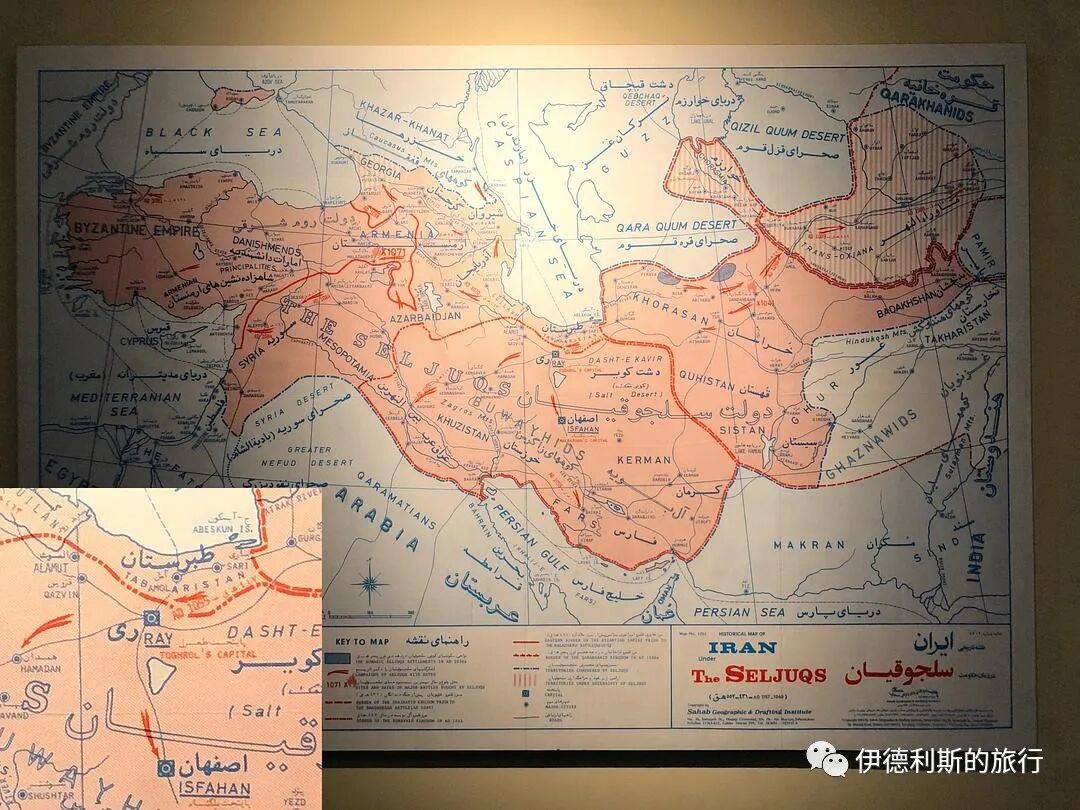
On the map of the Seljuk Empire in the National Museum of Iran, one can see that the ancient city of Ray was located at the center of the empire.
In 1220, the Mongol army attacked Ray, which was under the rule of the Khwarazmian Empire. Because there was no fierce resistance, the Mongols did not massacre the city. Despite this, the residents of the city still left one after another, and the center of painted pottery production shifted to the southern city of Kashan. After this, Ray became a ghost town, but its sturdy city walls still allowed it to be used as a military fortress during wars. It was not until the city walls of Tehran were built in the 16th century that Ray was finally abandoned.
Until the mid-19th century, the ancient city of Ray was nothing but ruins, except for the Shah Abdol-Azim Shrine. As the religious site closest to the capital Tehran, the Qajar dynasty built Iran's first railway connecting to the capital here in 1888, and Ray slowly developed again after that.
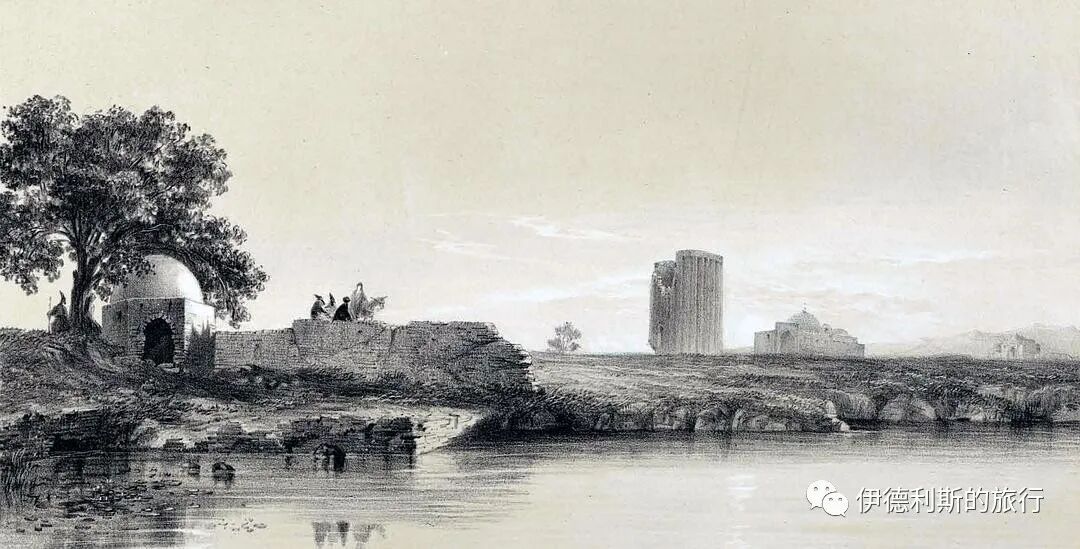
The ancient city of Ray drawn by a Frenchman in 1840.
I. Tughrul Tower
Tughrul Tower is the only Seljuk building in the ancient city of Ray that has survived to this day. It is 20 meters high and is believed to be the tomb of Tuğrul Beg (reigned 1037-1063), the founder of the Seljuk Empire. Tuğrul Beg was the eldest grandson of Seljuk, a high-ranking official of the Oghuz Yabgu State. When he was young, he led his tribe to help the Kara-Khanid Khanate fight against the Ghaznavid Empire, and officially became independent in 1037 after defeating the Ghaznavid Empire.
In 1043, Tuğrul made Ray his capital, and later marched west to capture Baghdad, where he was titled Sultan by the Caliph, and the Seljuk Empire thus dominated Western Asia. Under Tuğrul's rule, Turkic-speaking groups absorbed a large amount of Persian culture, forming a unique Seljuk culture. In 1063, Tuğrul passed away in the city of Ray.
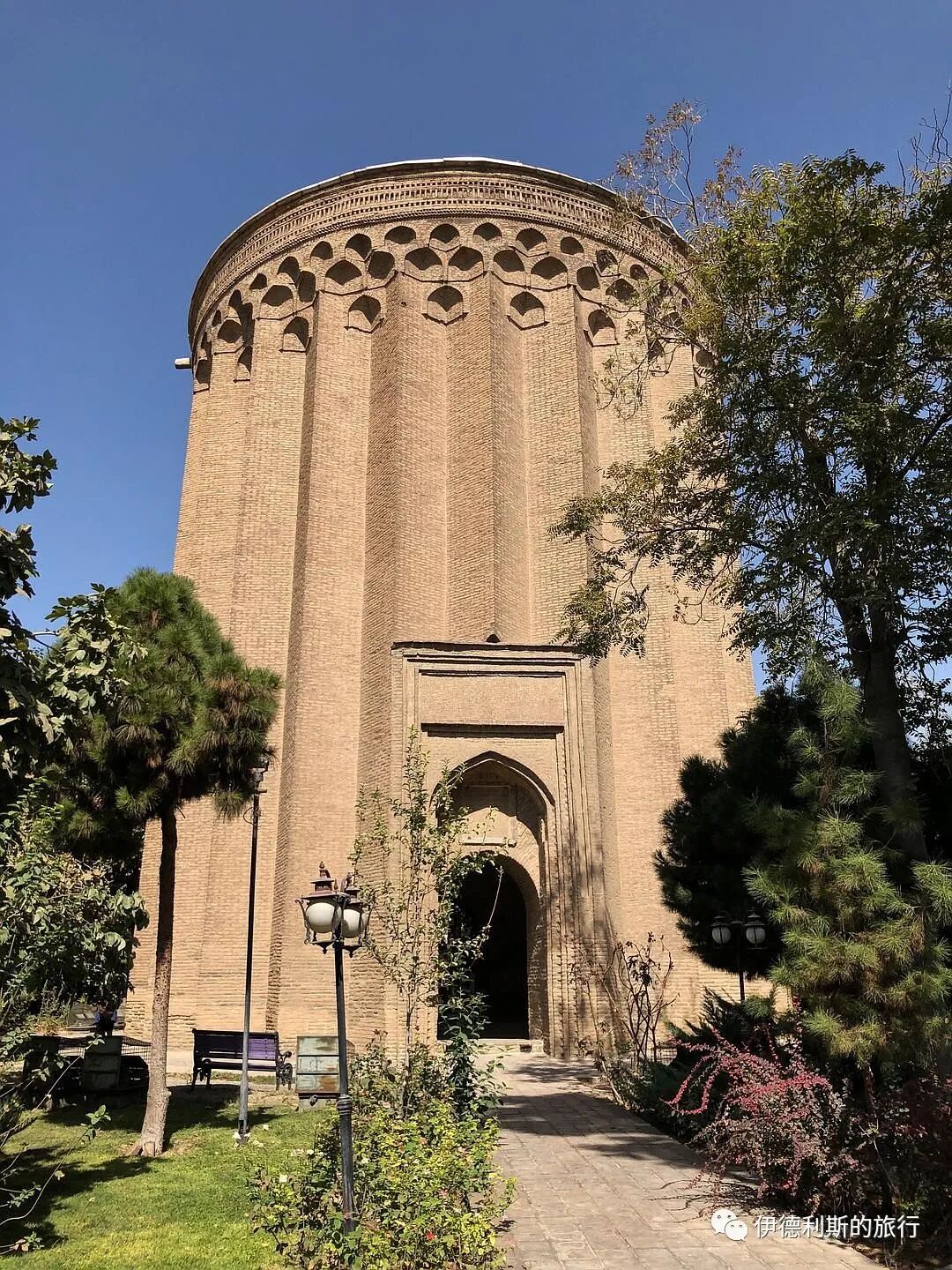
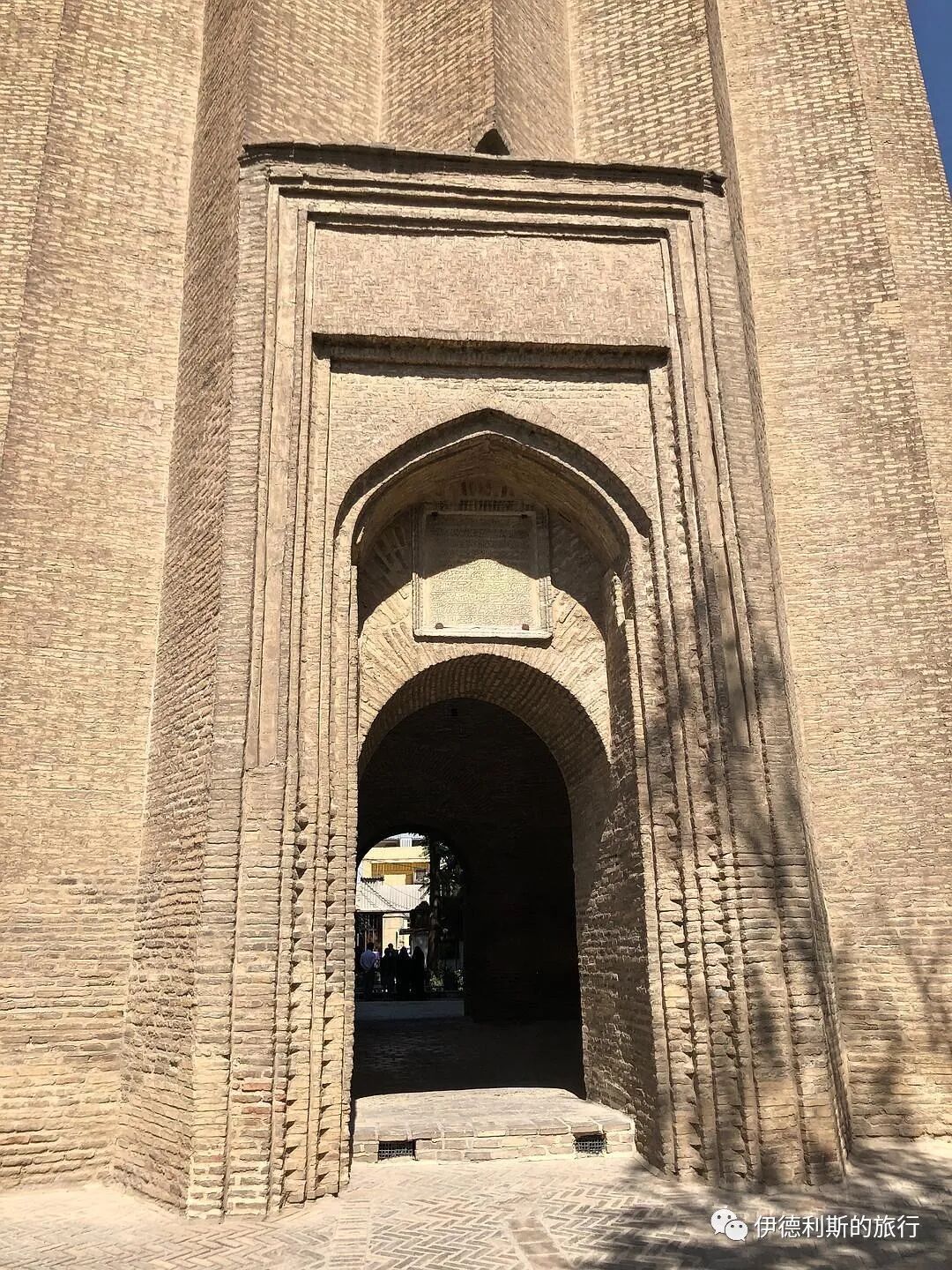
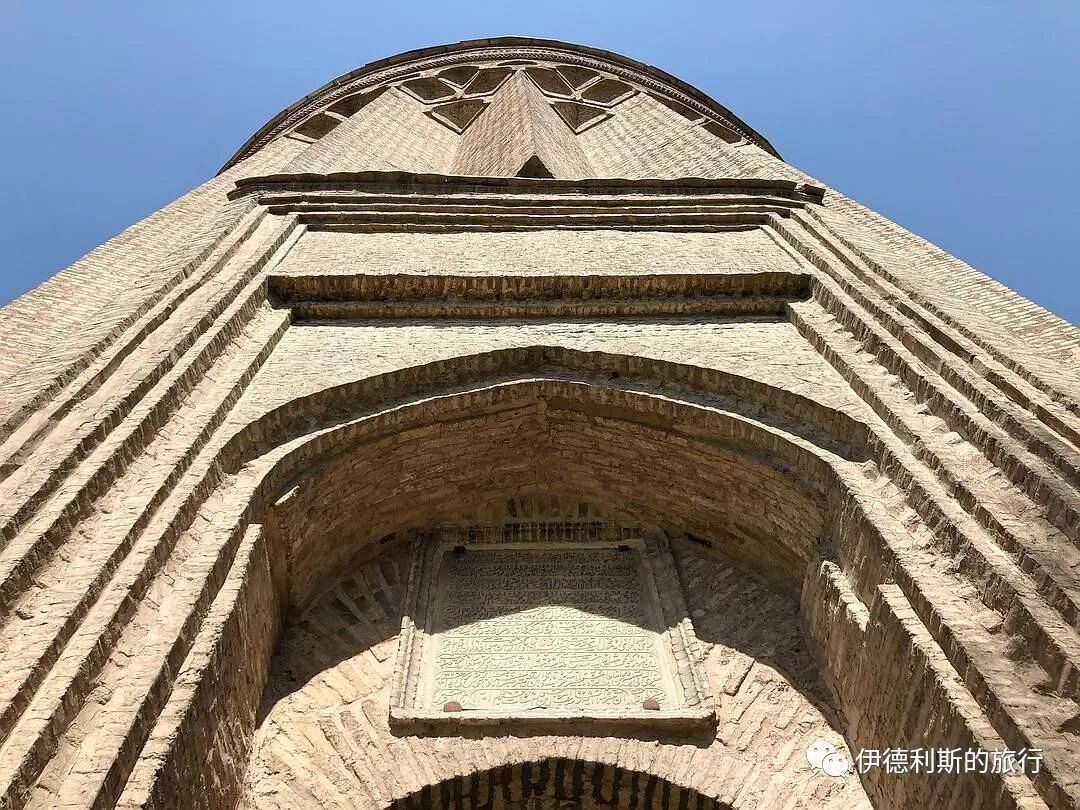
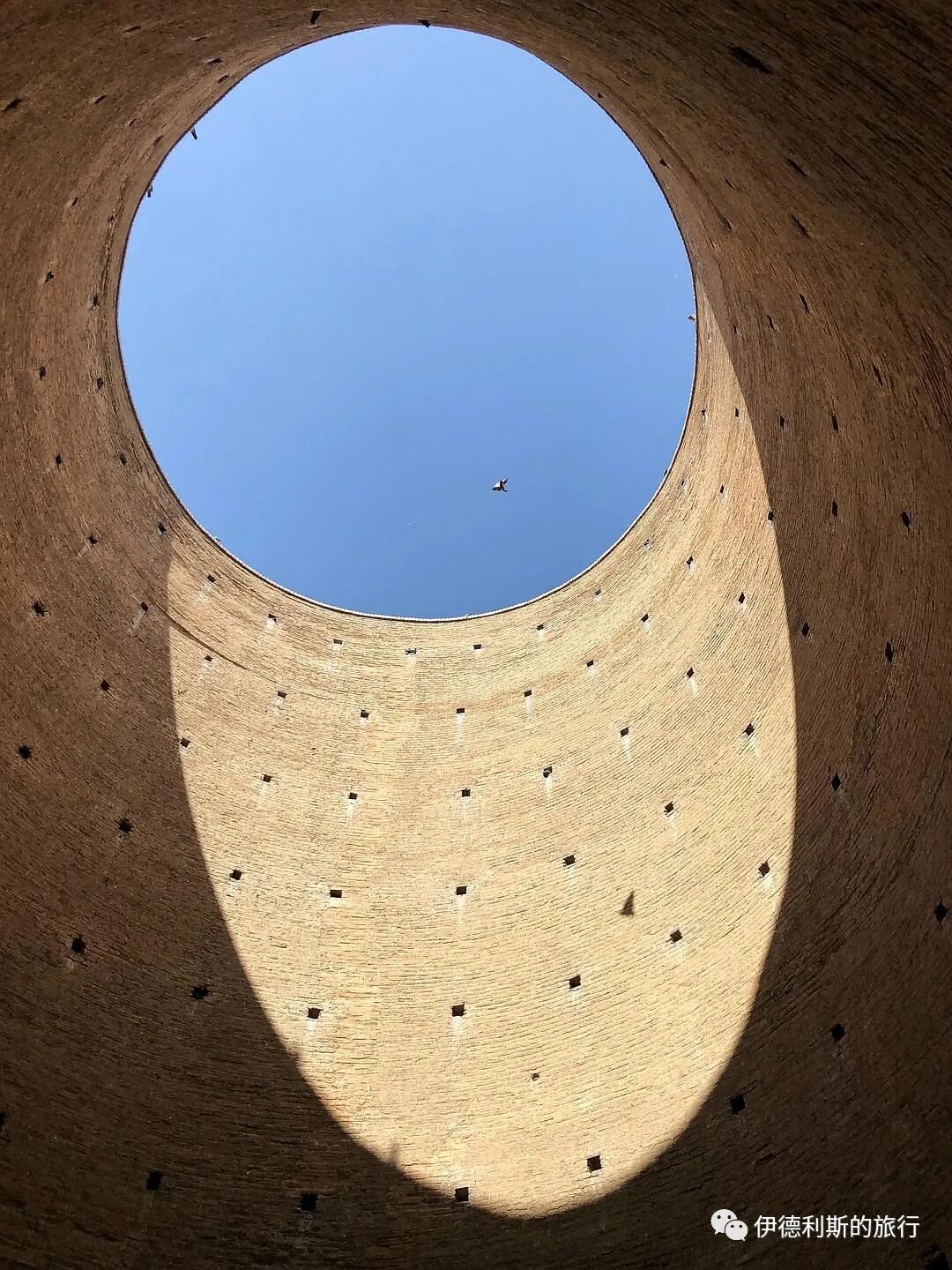
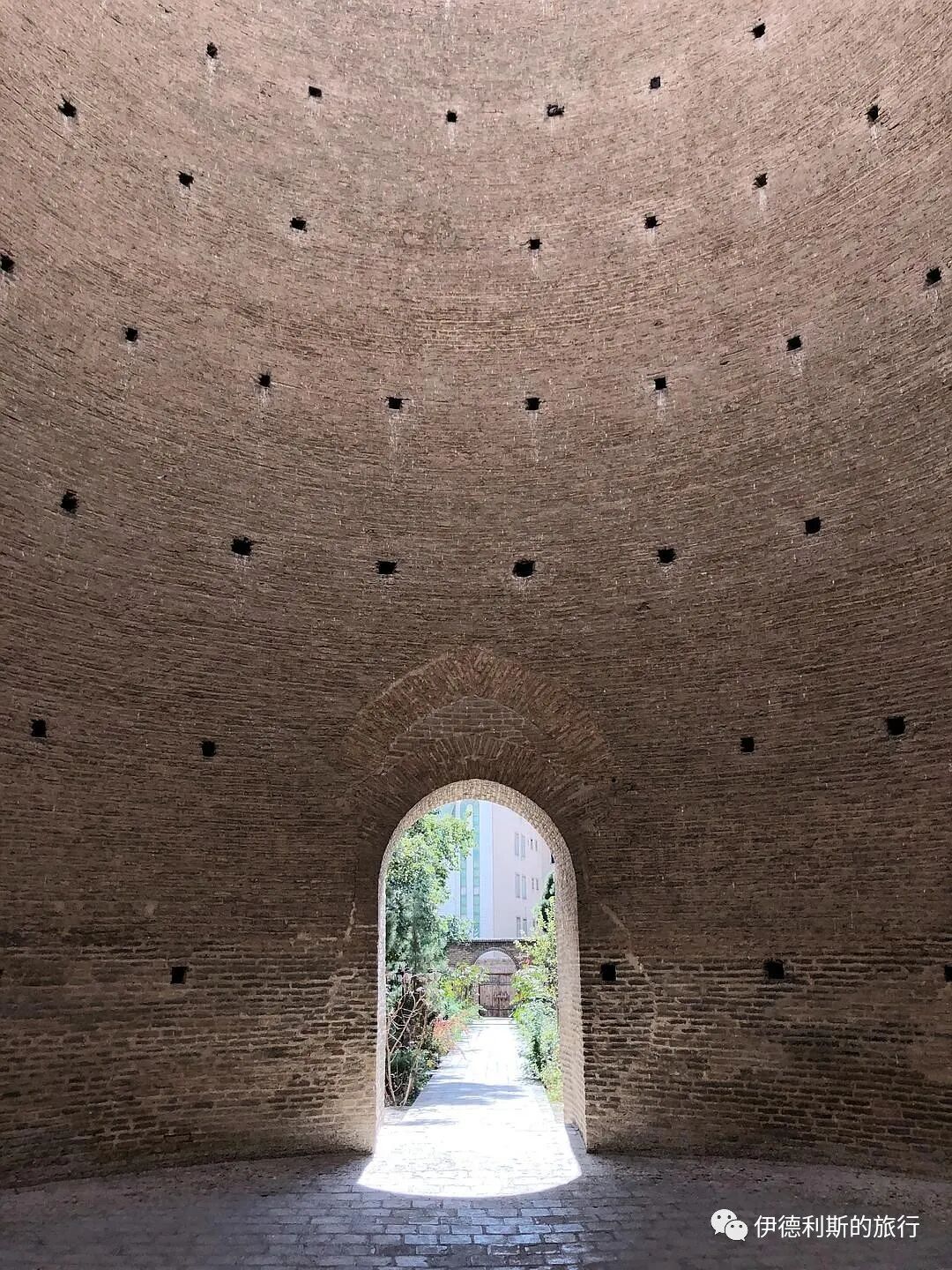
Tughrul Tower was originally covered by a conical dome, but the roof later collapsed in an earthquake. There used to be Kufic script calligraphy at the top of the tower, but it is no longer visible now. The tomb tower partially collapsed in 1884, and Naser al-Din Shah, the fourth ruler of the Qajar dynasty, ordered its restoration. The picture below is the tomb tower drawn by a Frenchman in 1840.
Tughrul Tower is very similar to Gonbad-e Qabus, the most important tomb tower in northern Iran, which was built when Qabus, the ruler of the Ziyarid dynasty on the Caspian coast, died in 1012. The picture below is the Gonbad-e Qabus tower photographed by Hadi Karimi.
II. Shah Abdol-Azim Shrine
Shah Abdol-Azim Shrine, also known as Shabdolazim, is a religious site in the ancient city of Ray, where Shah Abdol-Azim, a fifth-generation descendant of Hasan, the eldest son of Imam Ali, is buried.
Shah Abdol-Azim was a companion of Muhammad al-Taqī, the ninth of the Twelve Imams of Shia Islam. He came to the city of Ray for refuge in the 9th century and passed away here in 866. The Shah Abdol-Azim Shrine was mentioned in "Kāmil al-Ziyārāt", one of the earliest Shia pilgrimage guides from the 10th century.
Majd al-Mulk, the vizier of the Seljuk Empire, ordered the construction of the shrine complex in the 1090s. Later, Tahmasp I (reigned 1524-1576), the second ruler of the Safavid dynasty, expanded it, and it was gilded and fitted with mirrors during the Qajar dynasty in the 19th century.
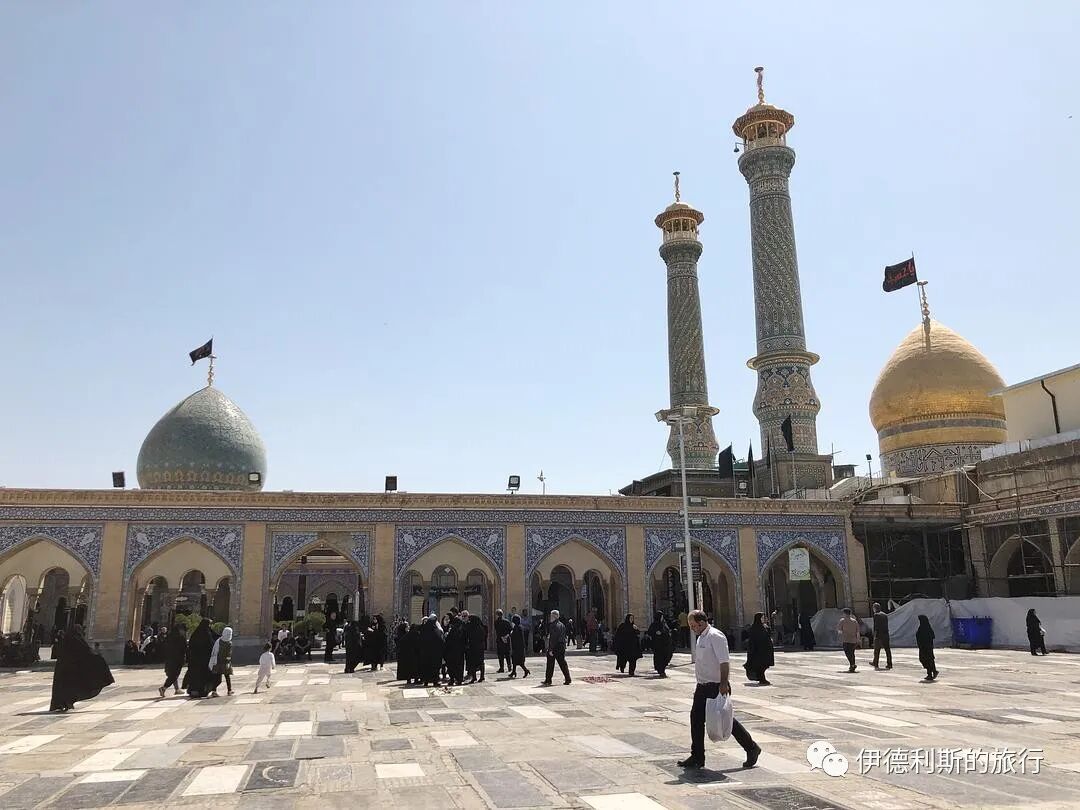
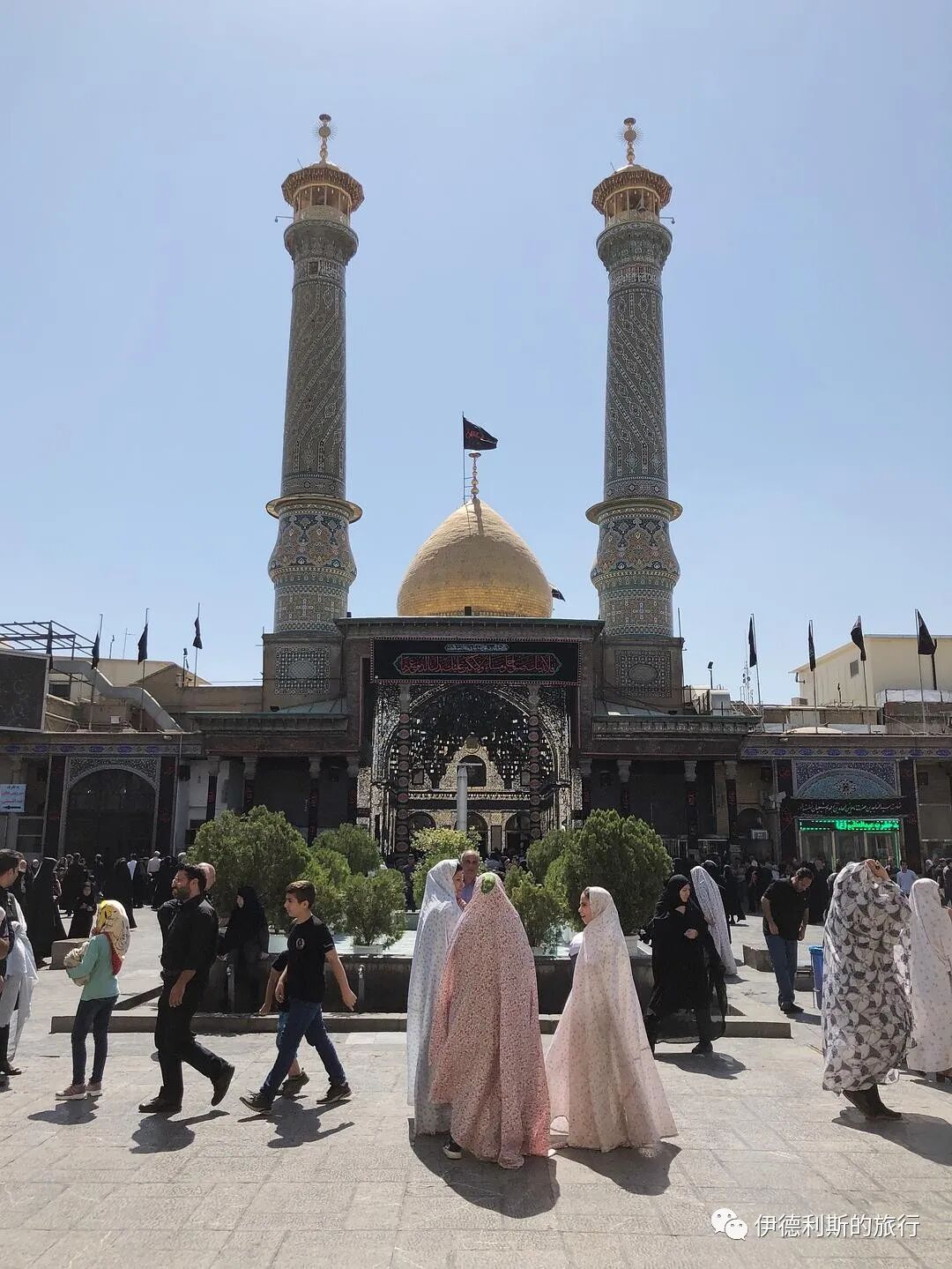
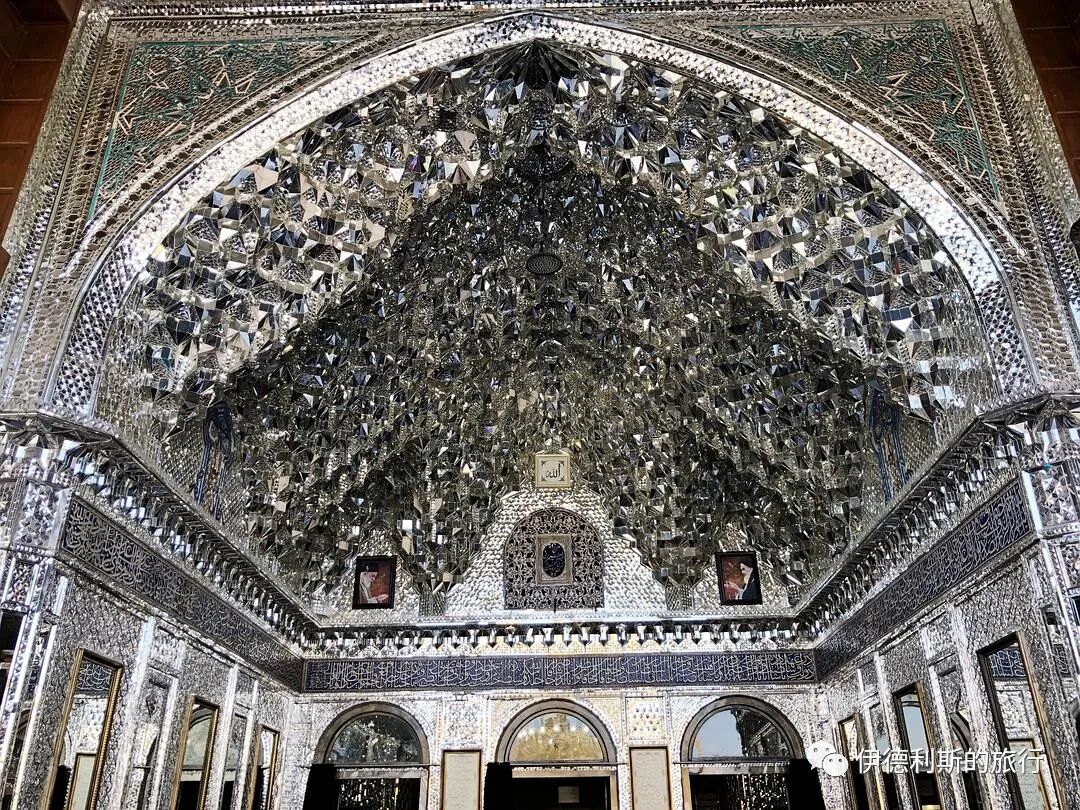
In the mosque inside the shrine, the clay tablet that people take at the entrance is called a Turbah (clay tablet), which symbolizes the earth, and Shia Muslims place their foreheads on it during prayer.
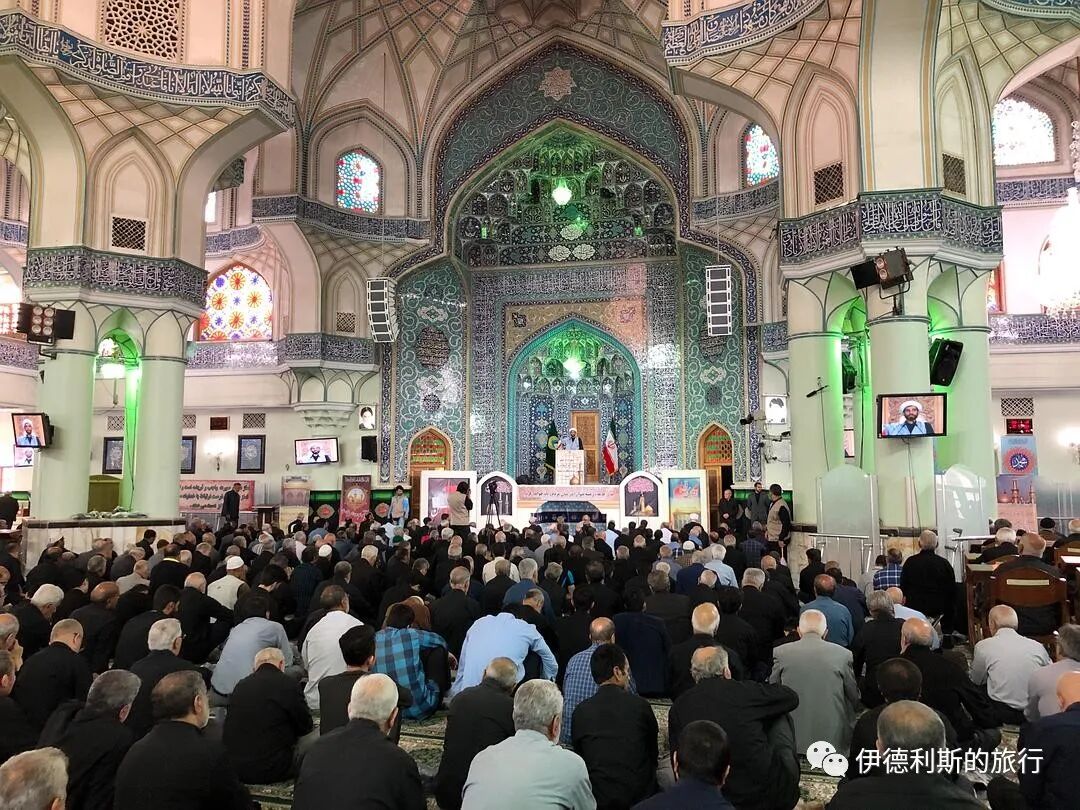
Imamzadeh Tahir, the son of Ali ibn Husayn Zayn al-Abidin, the fourth of the Twelve Imams of Shia Islam, and Imamzadeh Hamzeh, the brother of Ali al-Ridha, the eighth of the Twelve Imams of Shia Islam, are also buried in the Shah Abdol-Azim Shrine.
The term "Imamzadeh" refers not only to the descendants of Shia Imams but also to the shrines of these descendants. Imamzadeh shrines are usually places for Shia Muslim pilgrimages (ziyarat-namas) and are believed to have miraculous effects or healing powers.
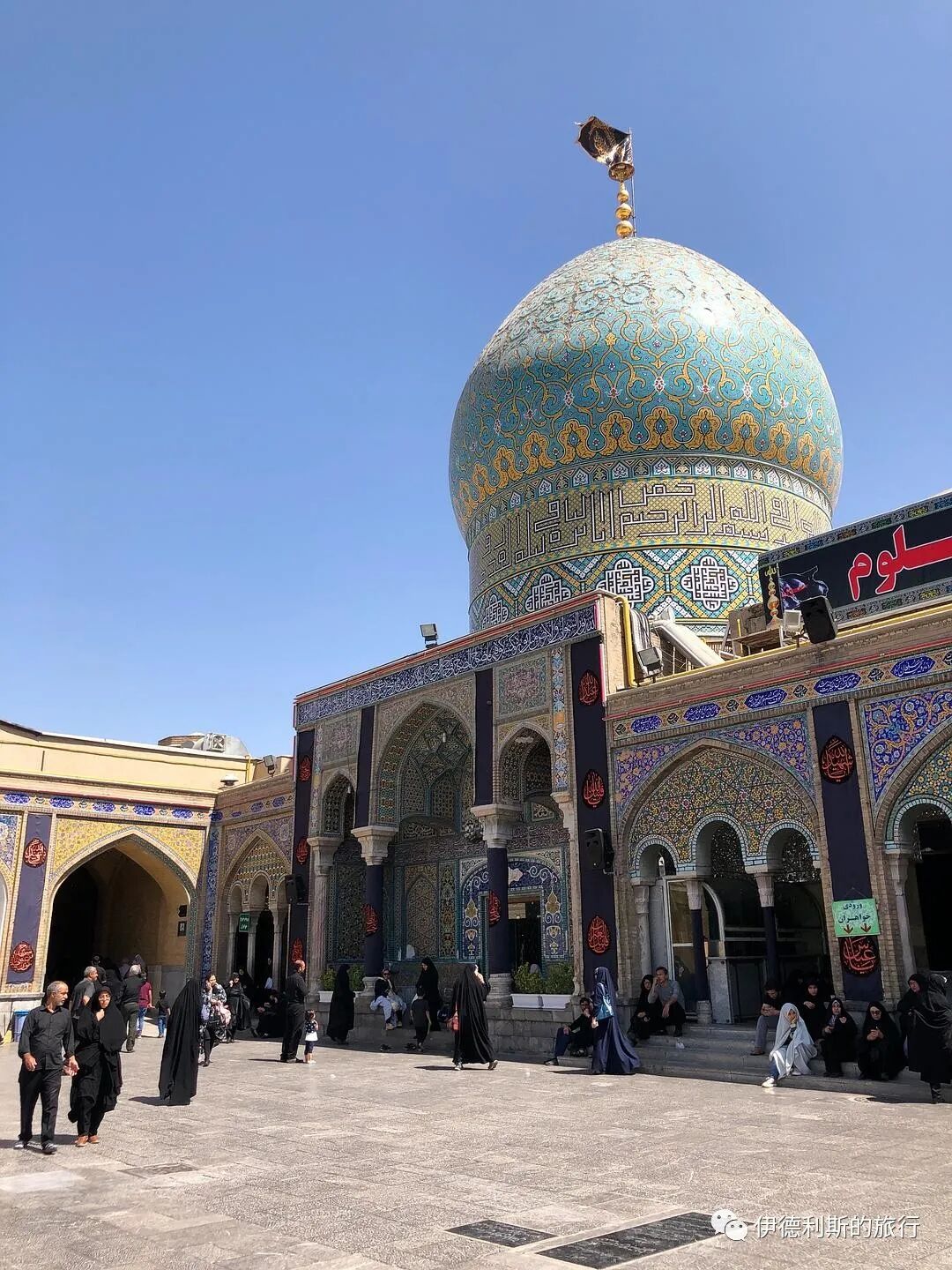
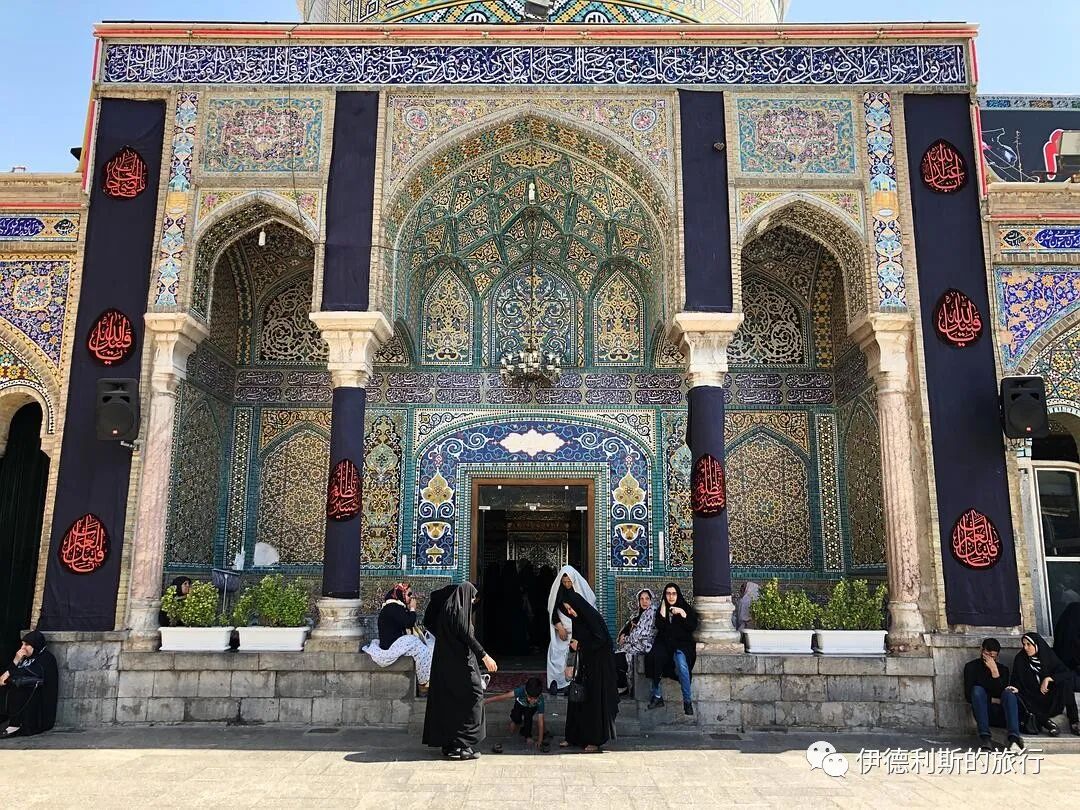
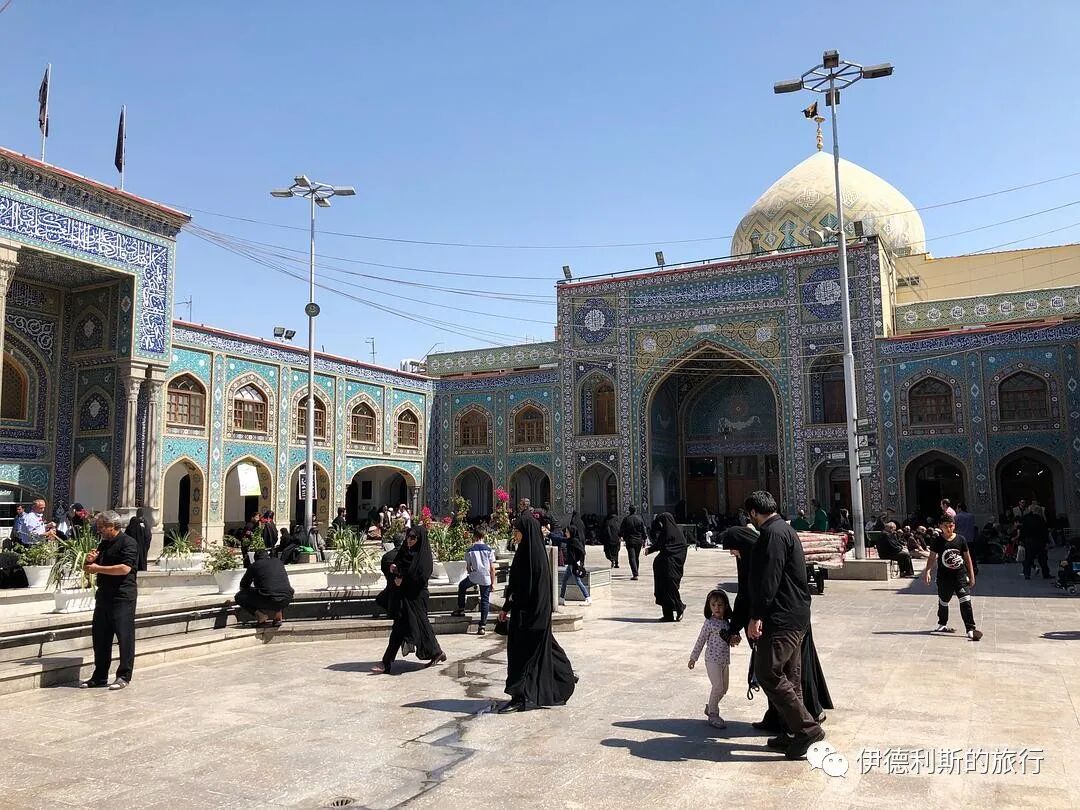
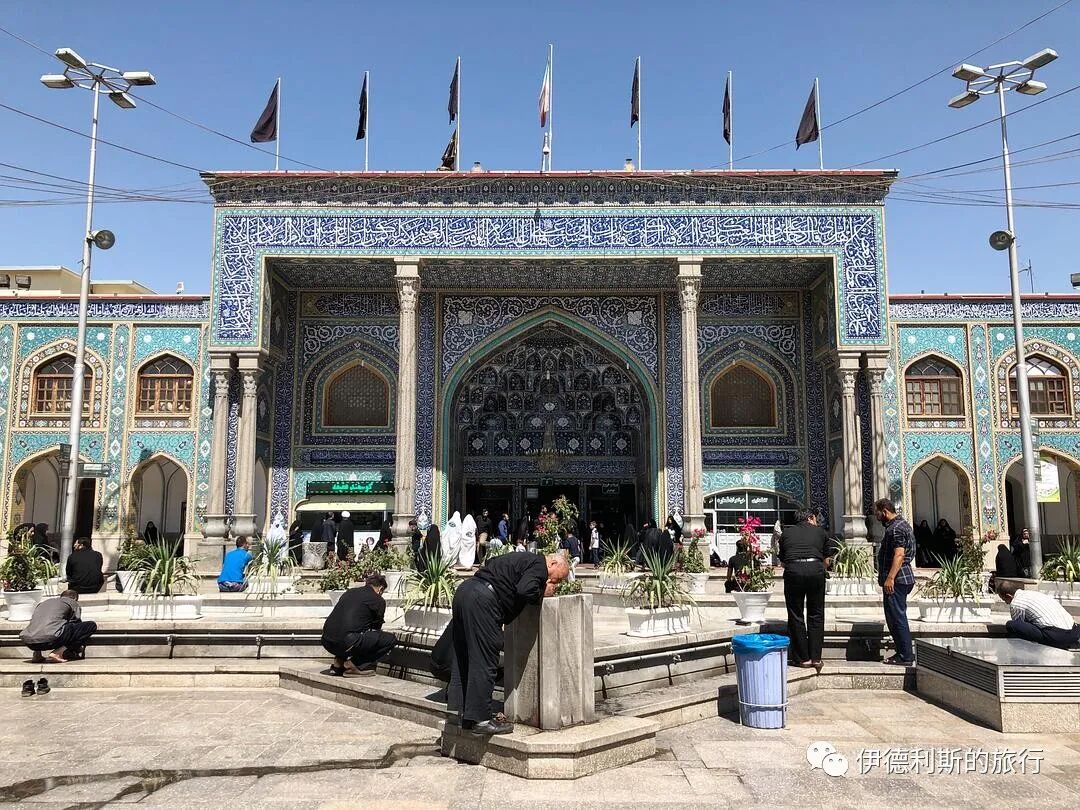
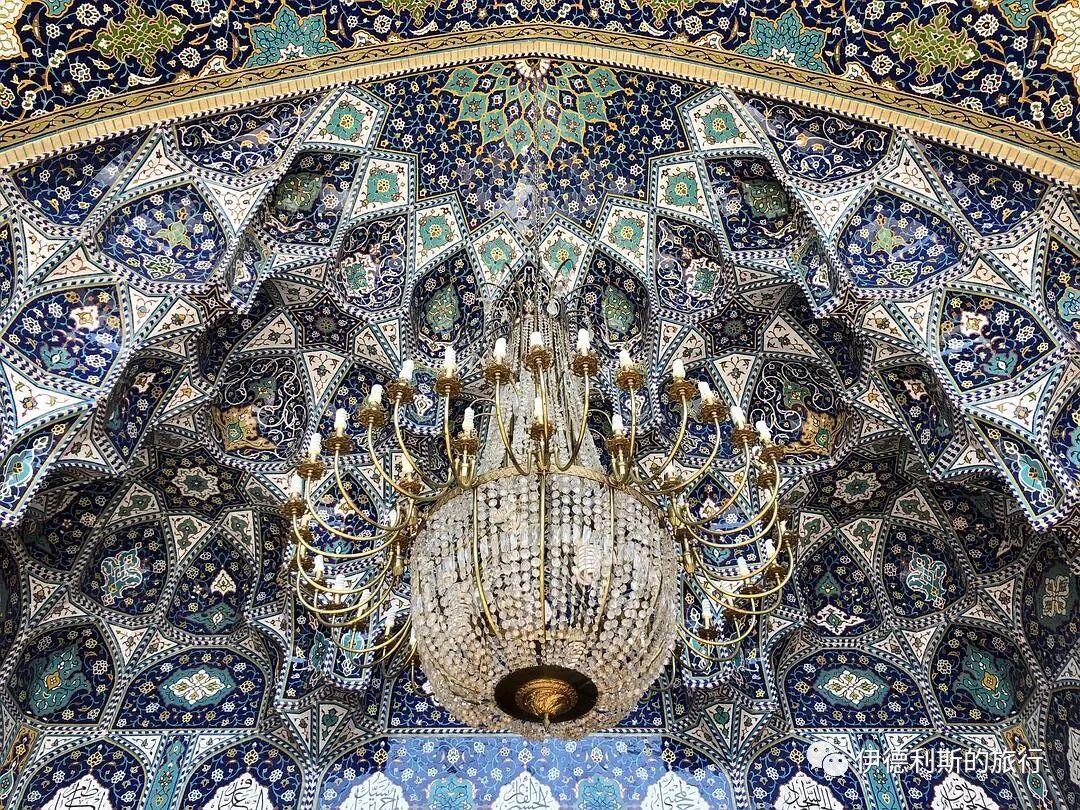
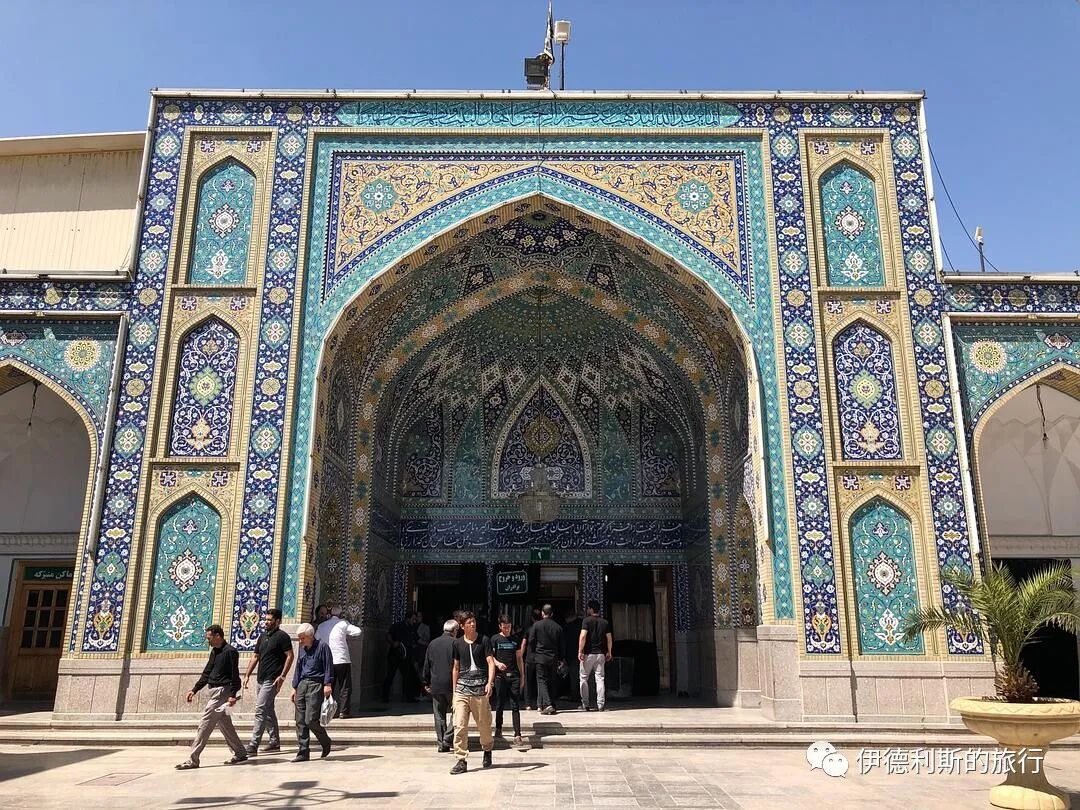
The security guard at the canteen and I could not communicate at all, but he kept insisting that I stay for a meal, went to the director's office to apply for a free meal ticket for me, and the food was very tasty. This trip to Iran has been a really great experience; people are smiling at you and are all very kind to you.

In the bazaar outside the shrine, dates and candies are placed on plates for anyone to eat.
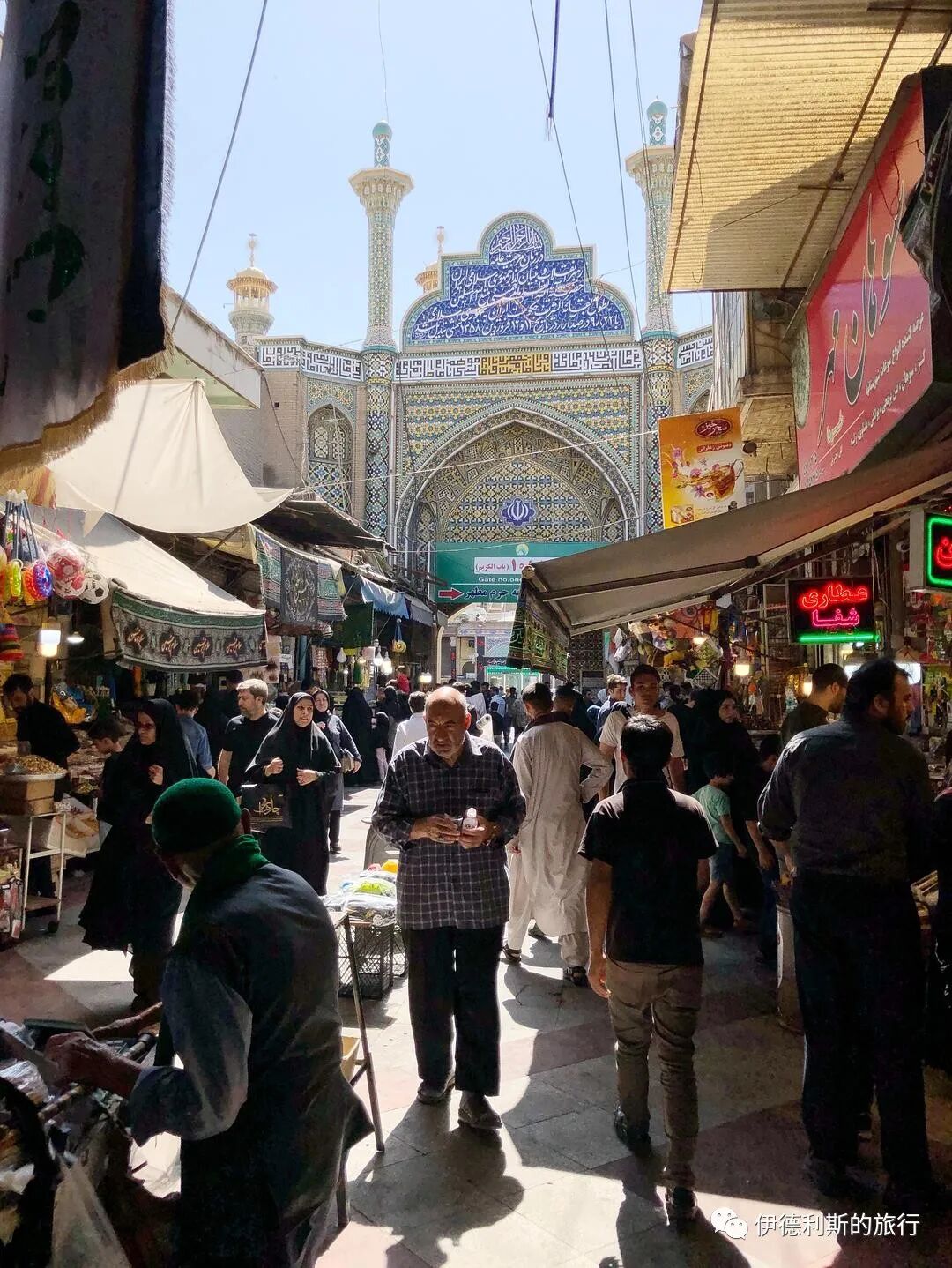
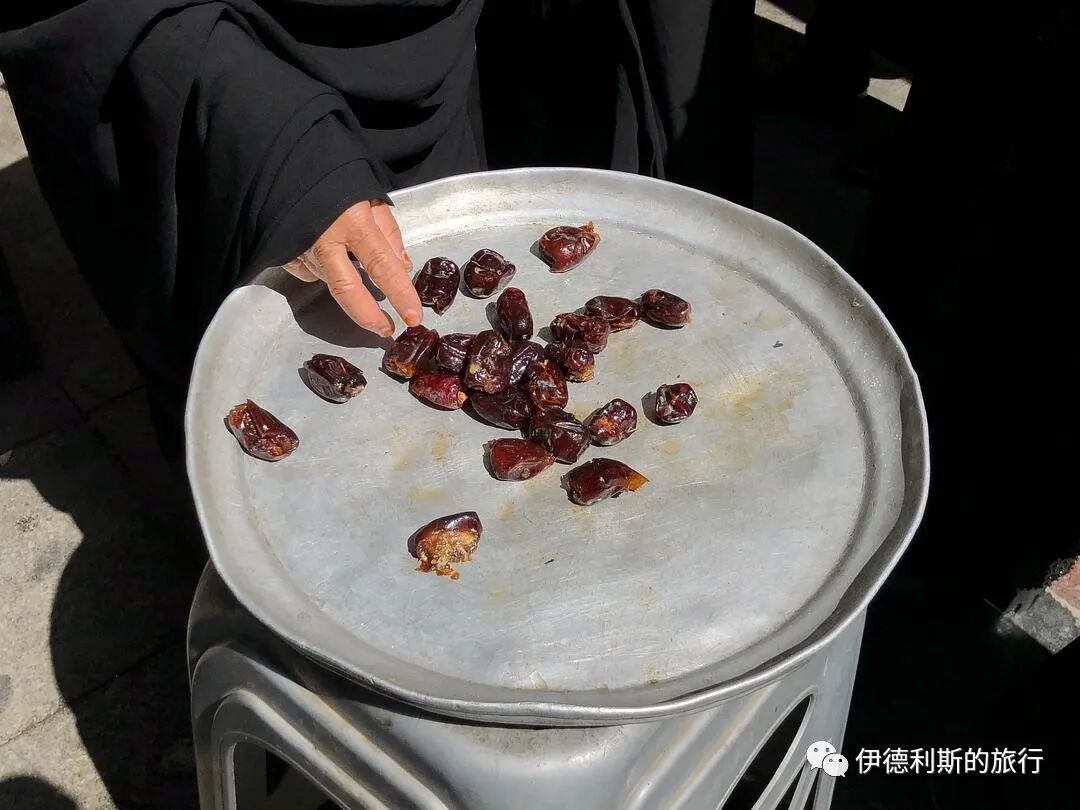
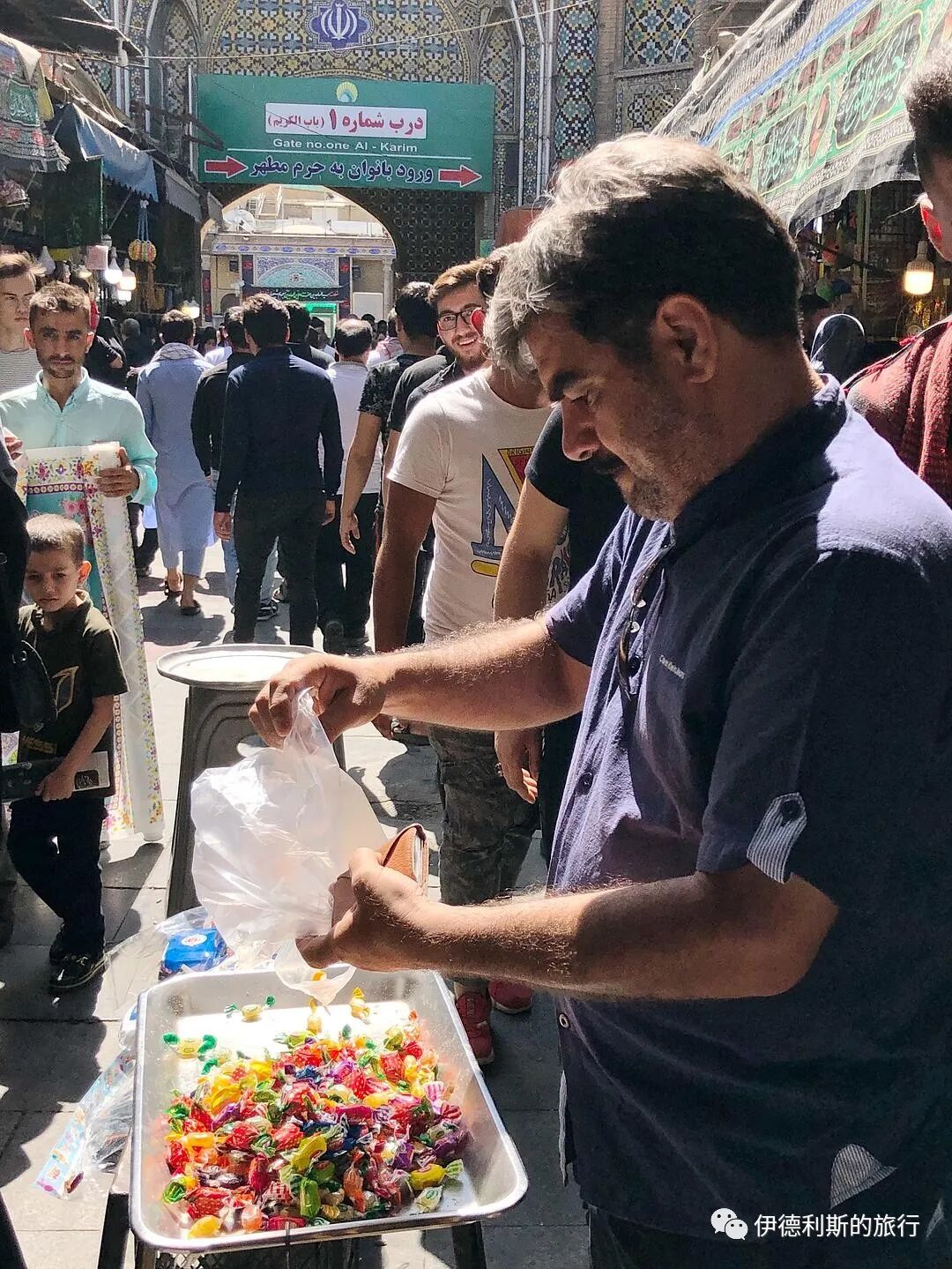
The west gate of the shrine and the bazaar outside the west gate.
Finally, I took a taxi from the ancient city back to the subway station; with ride-hailing apps, taking a taxi in Iran has become very convenient.
III. Cultural relics unearthed from the ancient city of Ray collected by the National Museum of Iran
Although most of the historical sites of the ancient city of Ray are no longer visible, fortunately, many cultural relics unearthed from the ancient city of Ray are exhibited in the National Museum of Iran in Tehran, allowing us to get a glimpse of the prosperity of the ancient city of Ray back then.
Fragment of an architectural dado.
8th-9th century, the dado (lower wall paneling) is located at the lower part of the interior wall, which also serves a decorative role while protecting the wall surface.
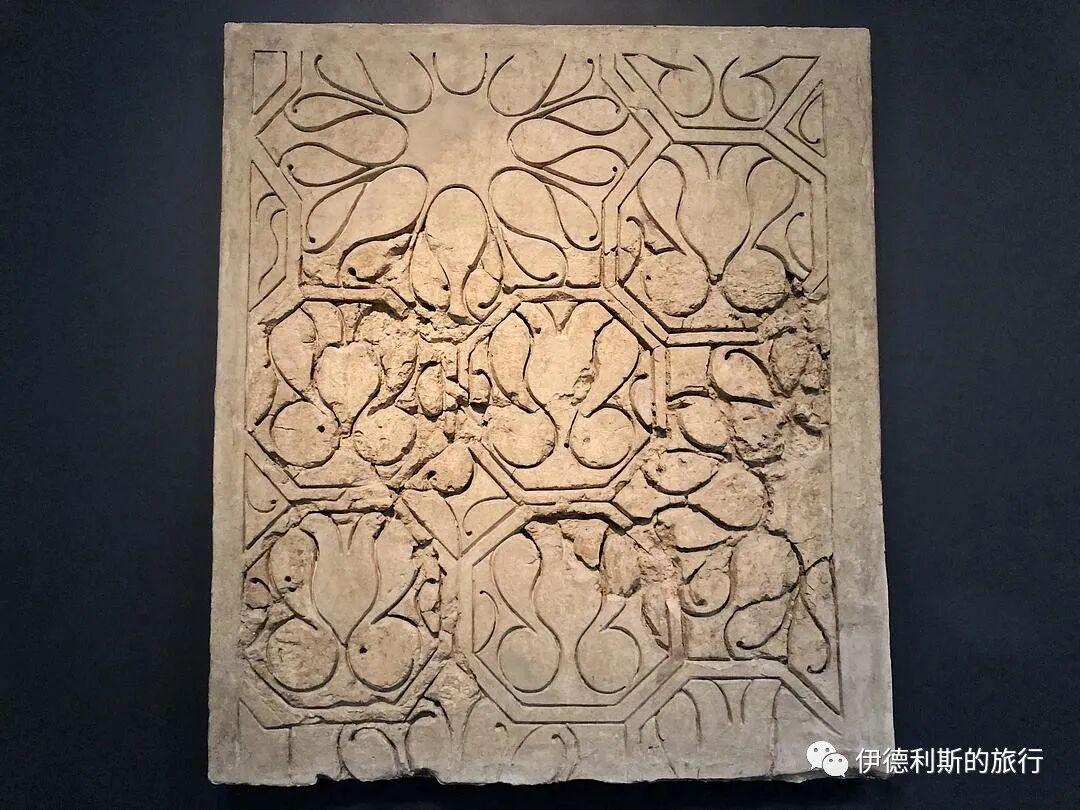
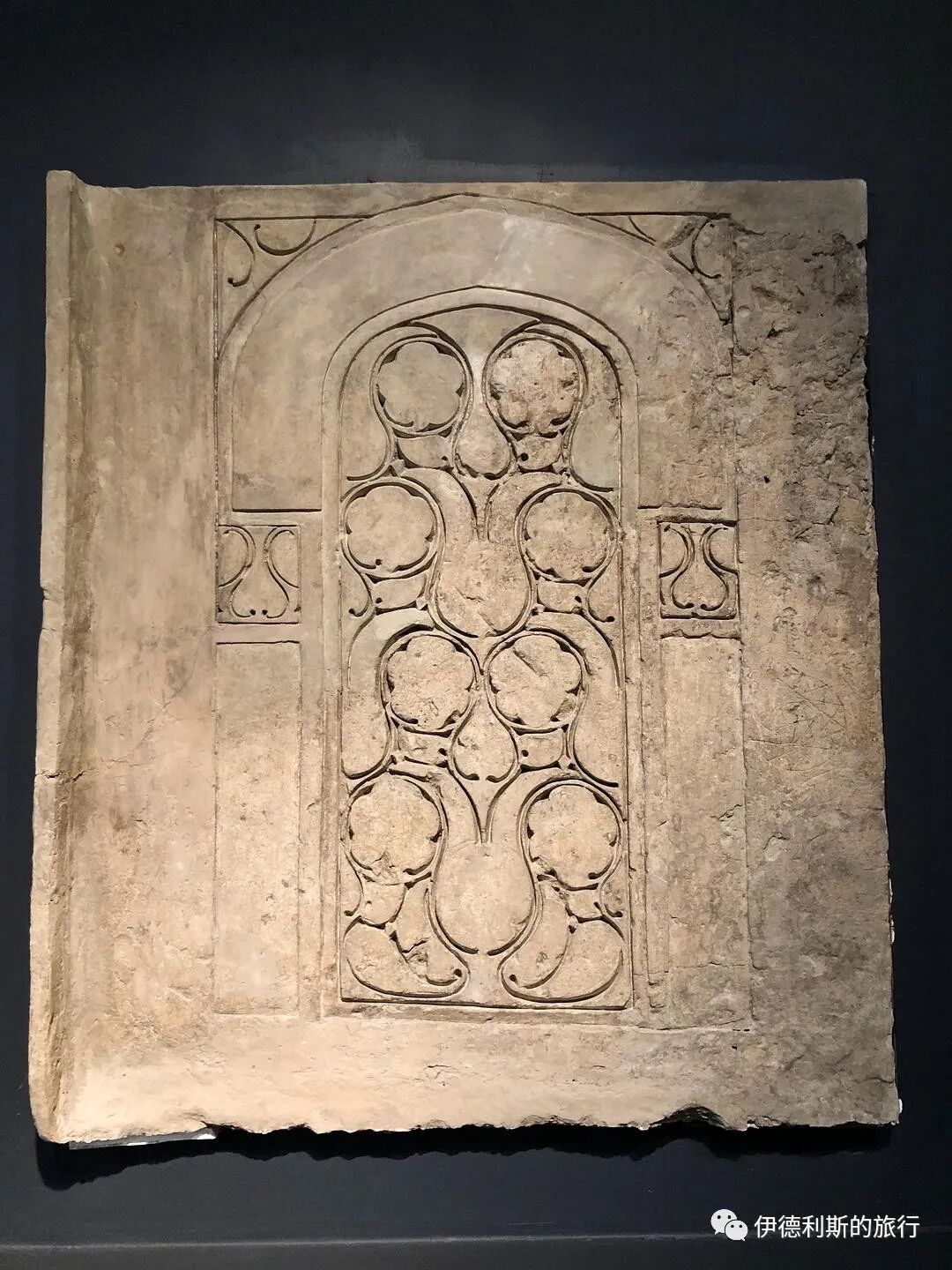
A Mihrab.
11th-century Seljuk Empire period, the Mihrab (prayer niche) is used to point to the direction of prayer, usually on the wall or in a niche of the main hall of a mosque.
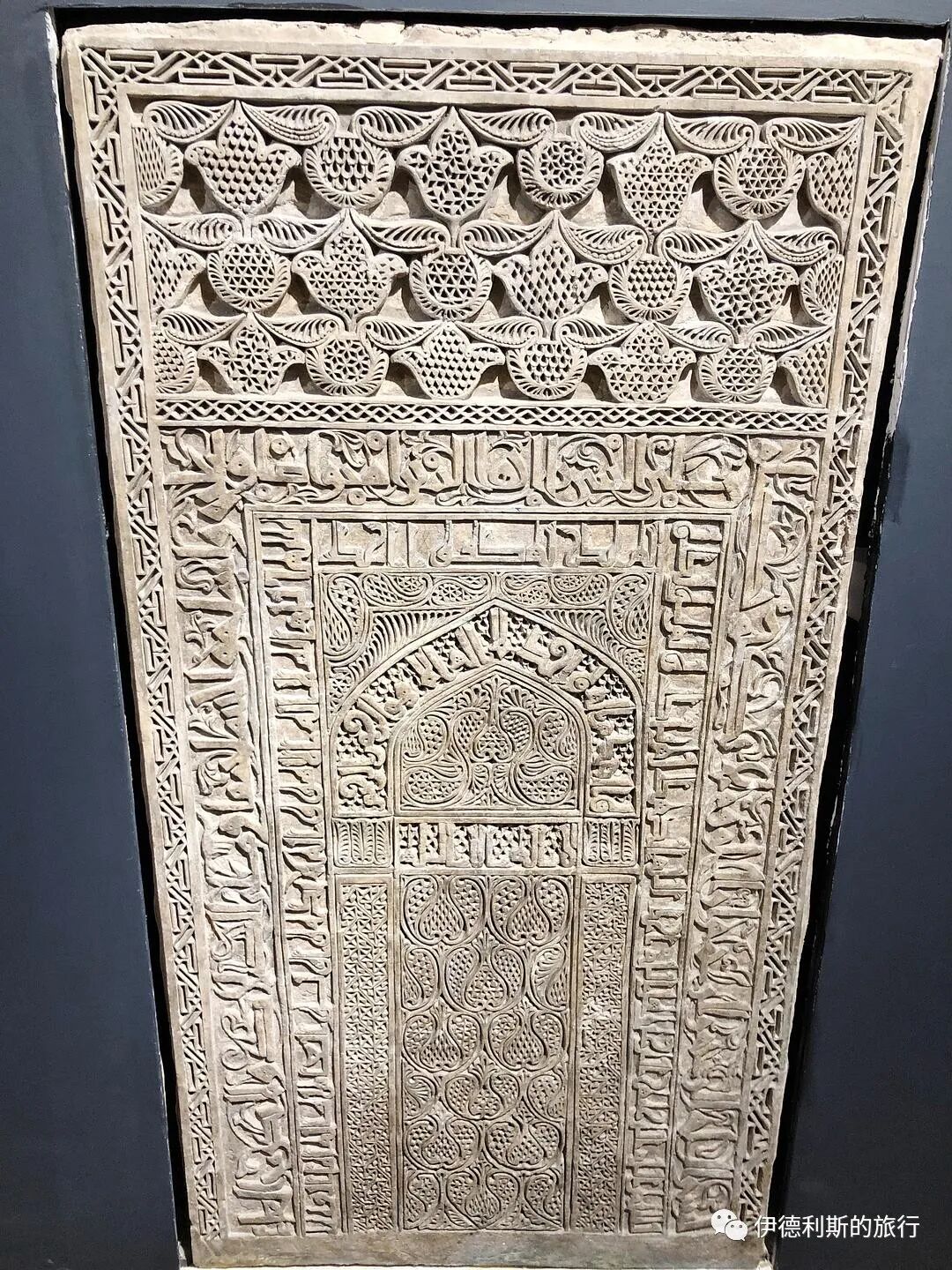
A circular stucco decoration.
11th-century Seljuk Empire period, with Kufic script calligraphy on it.
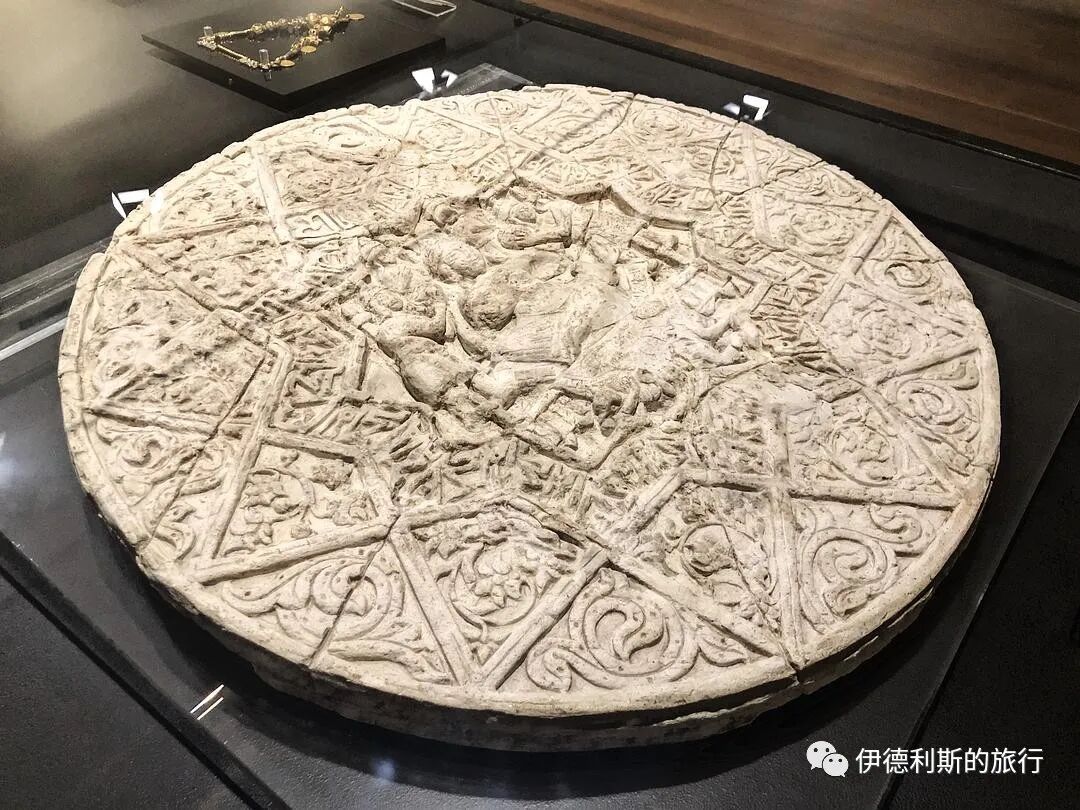
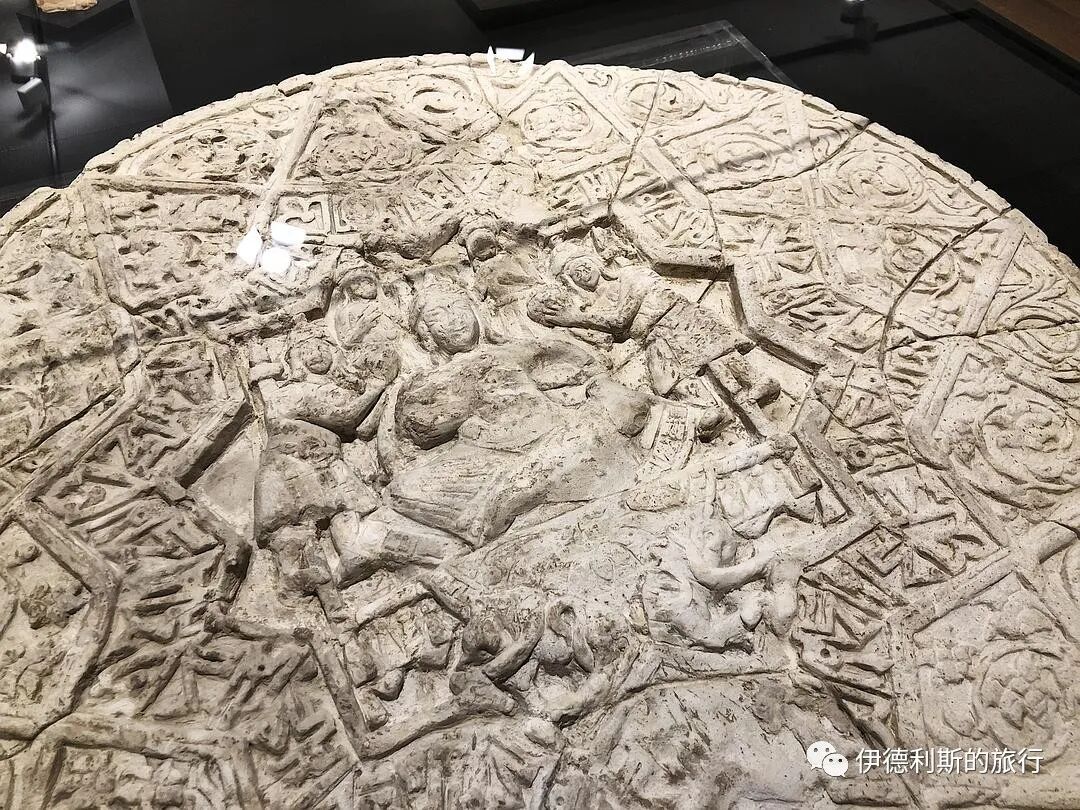
A fragment of a stucco wall from a school.
11th-century Seljuk Empire period.
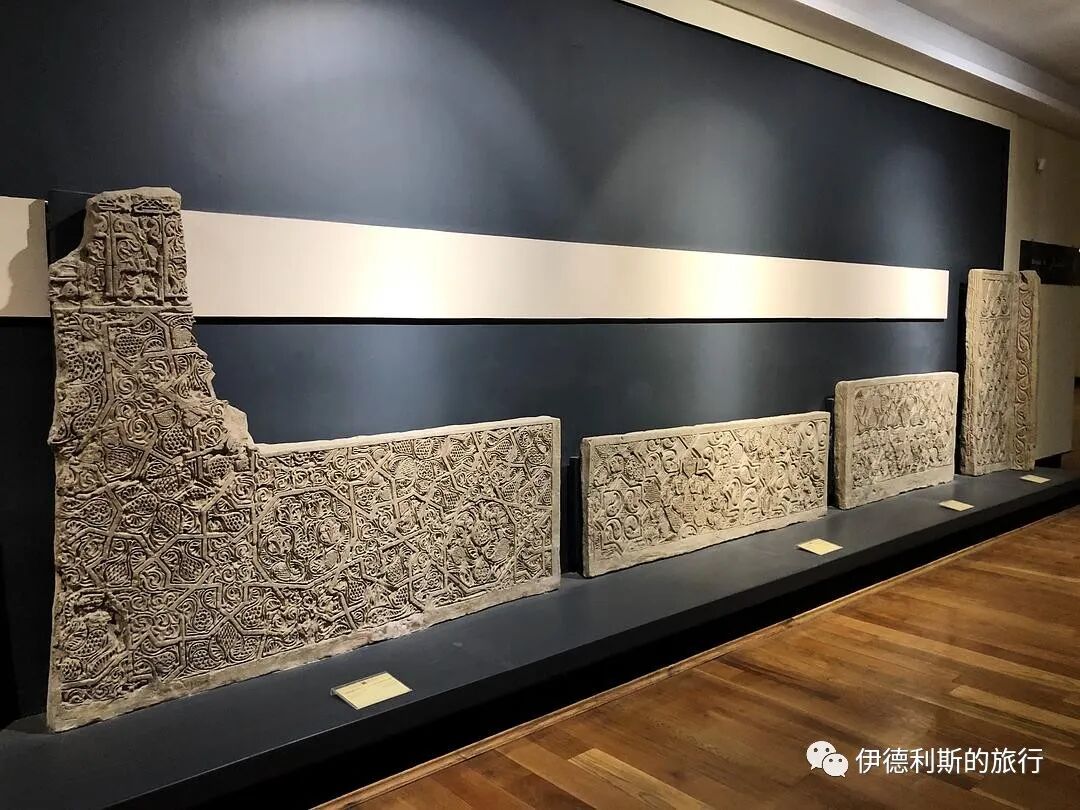
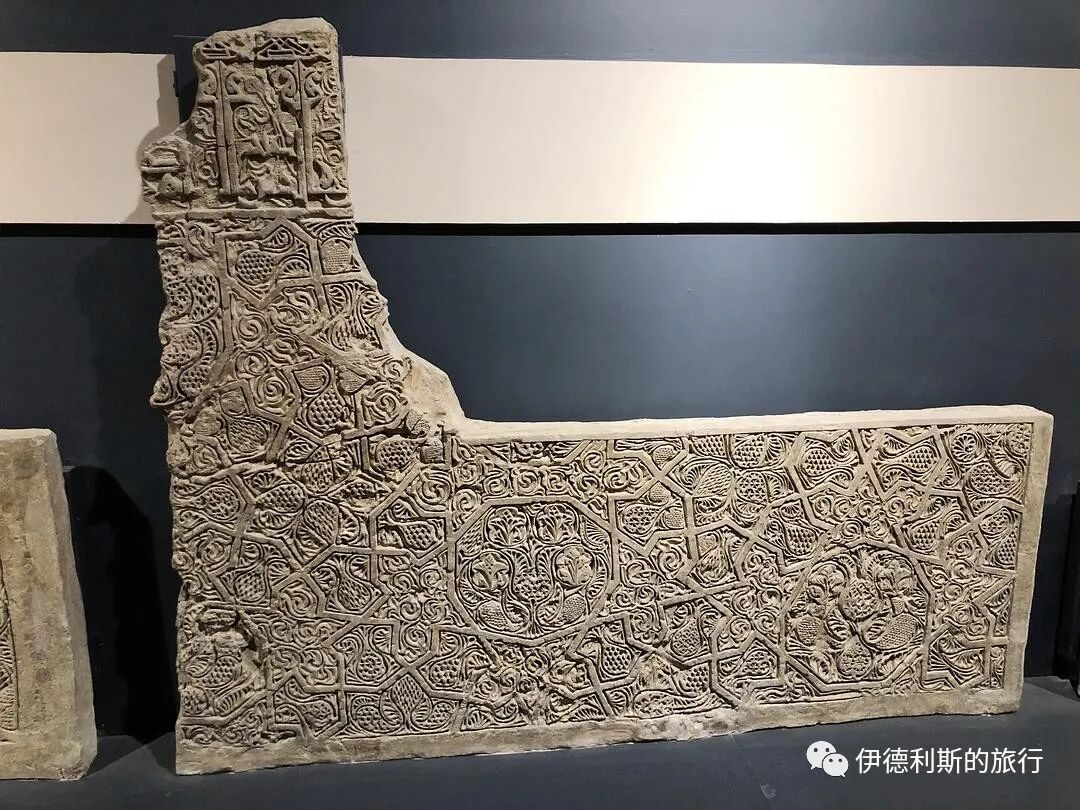
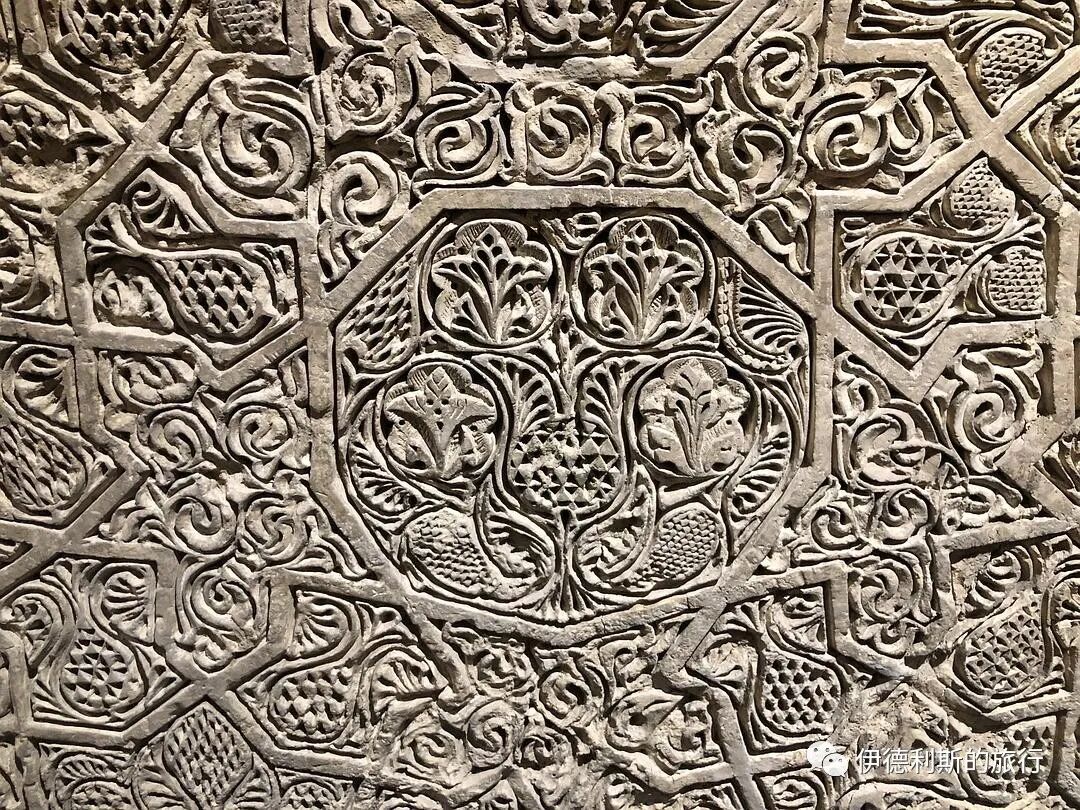
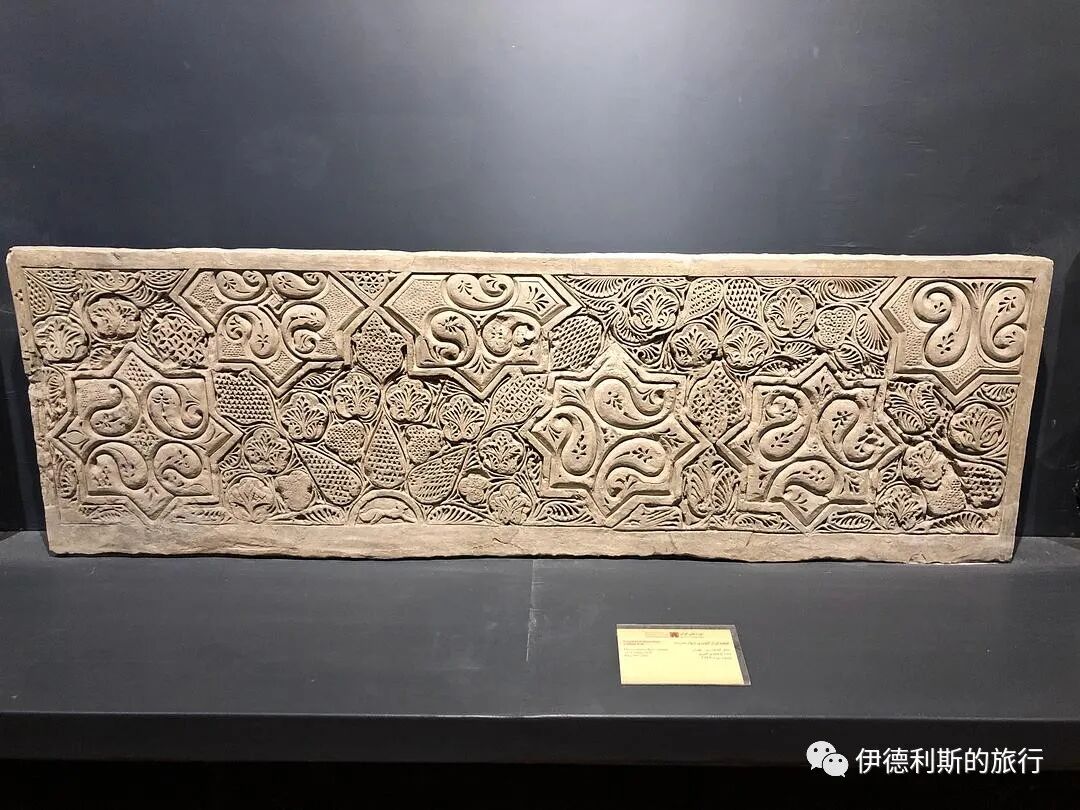
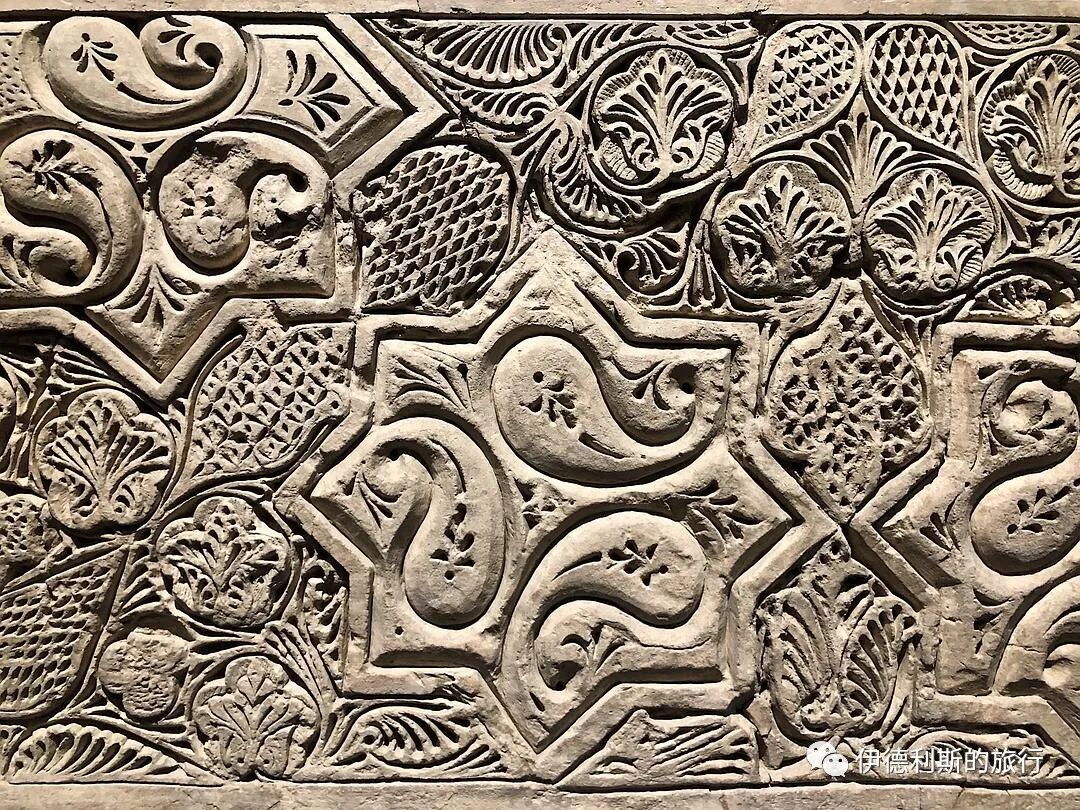
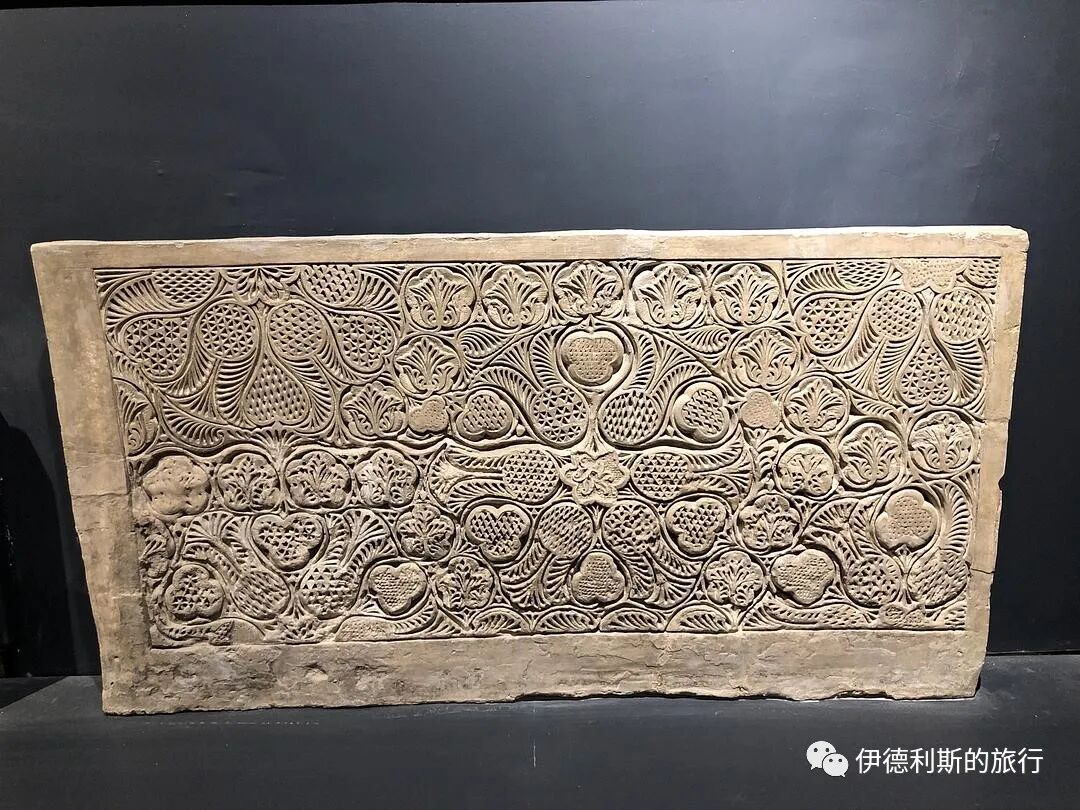
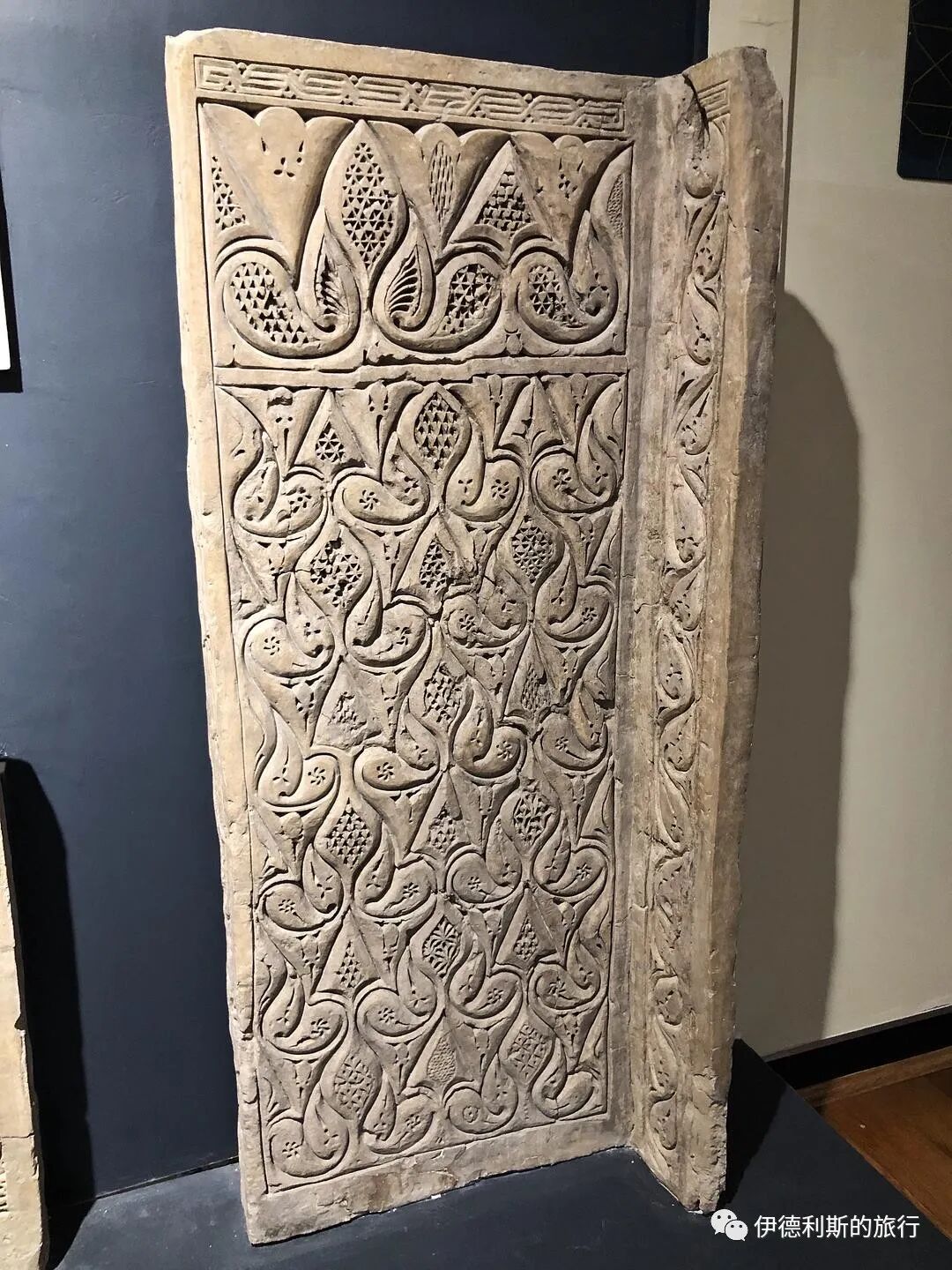
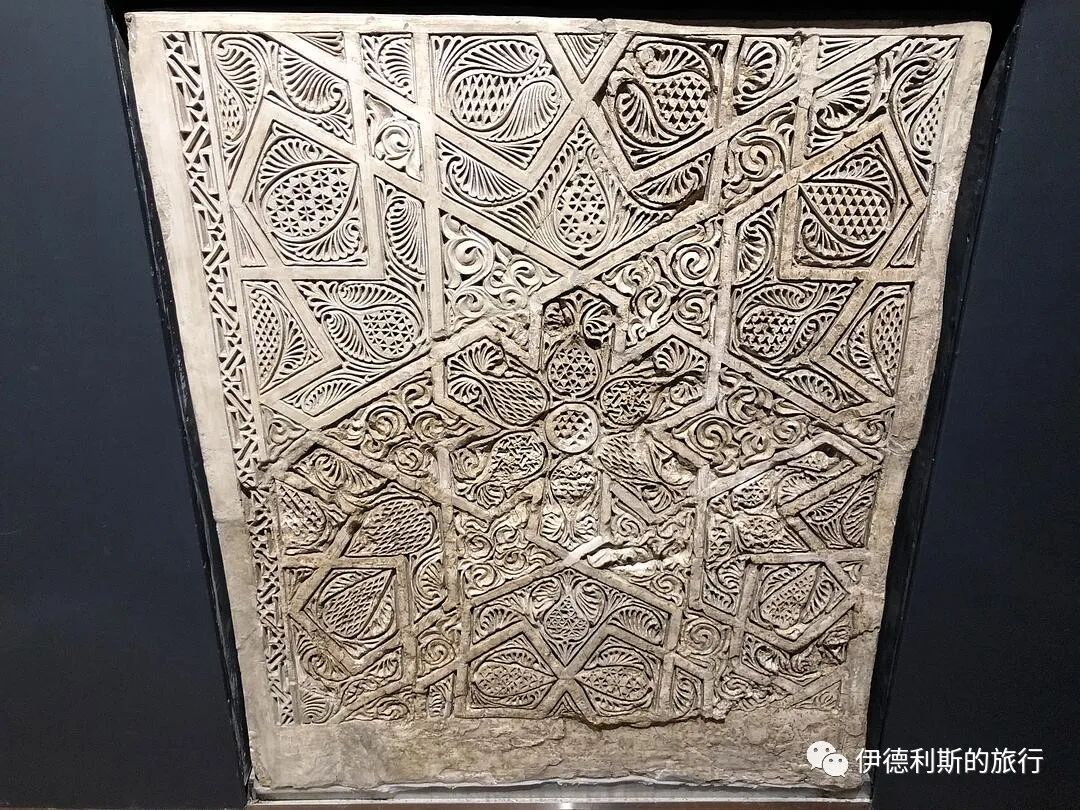
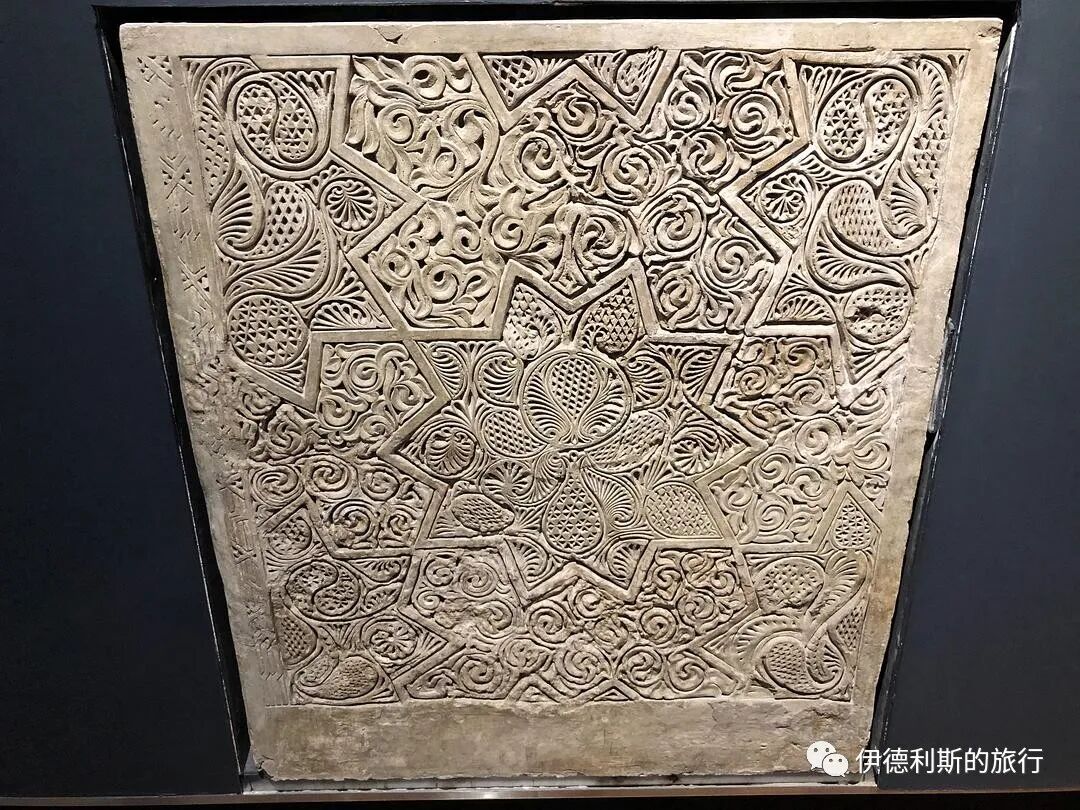
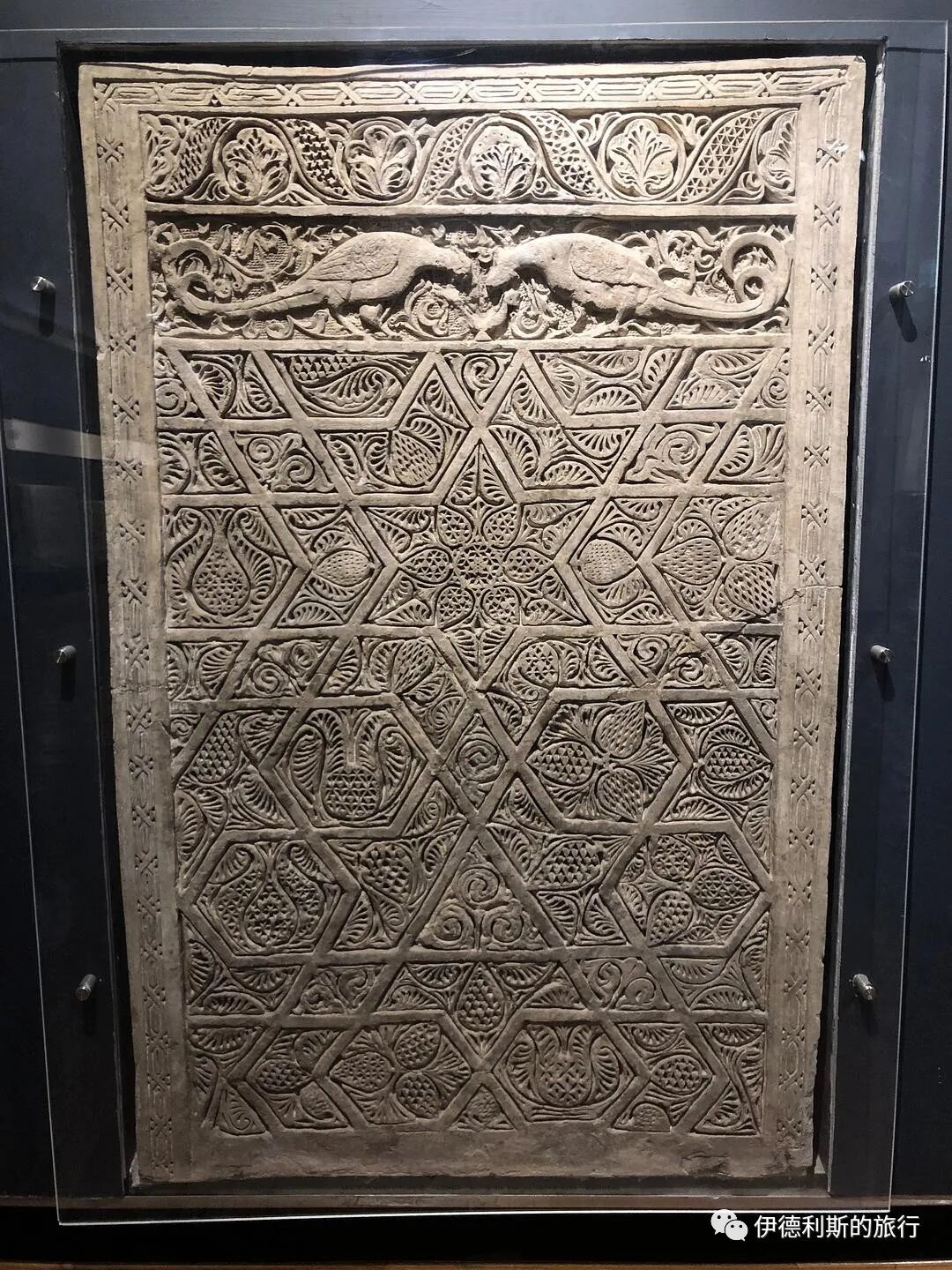
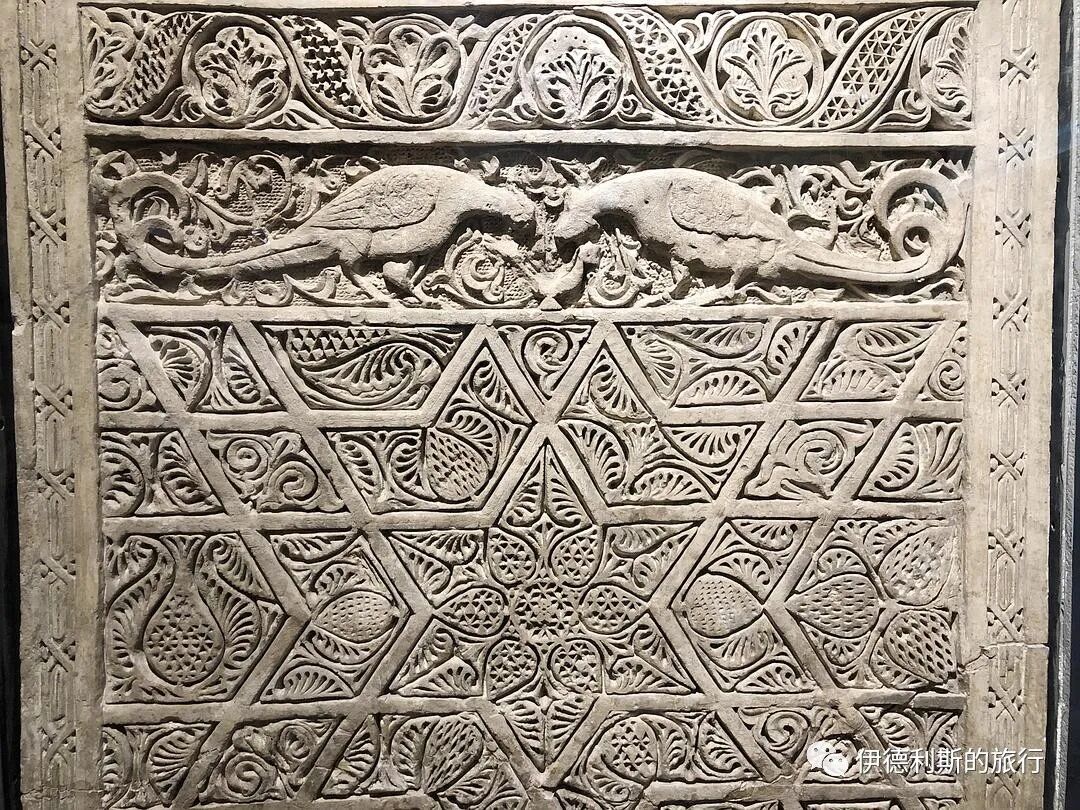
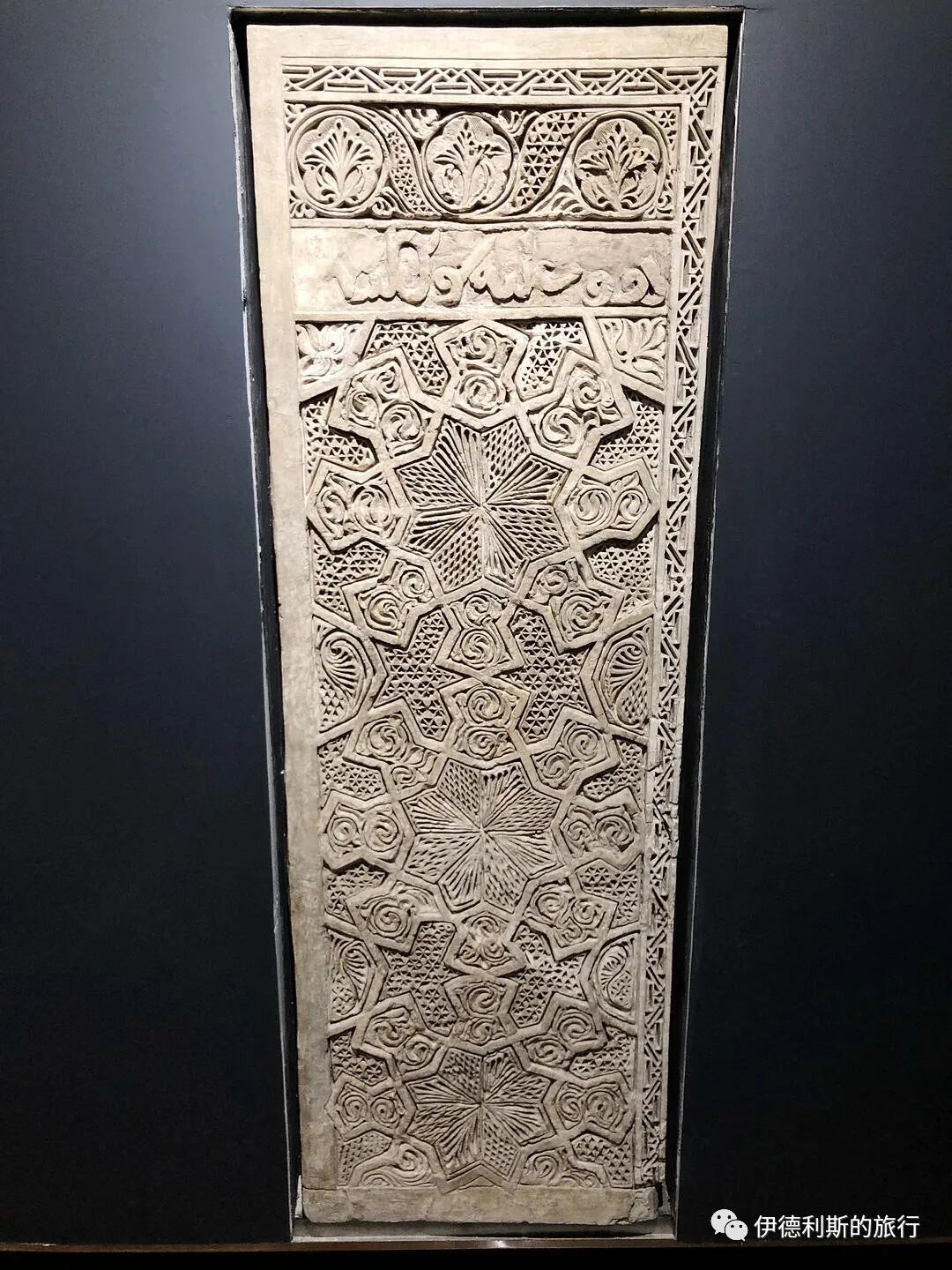
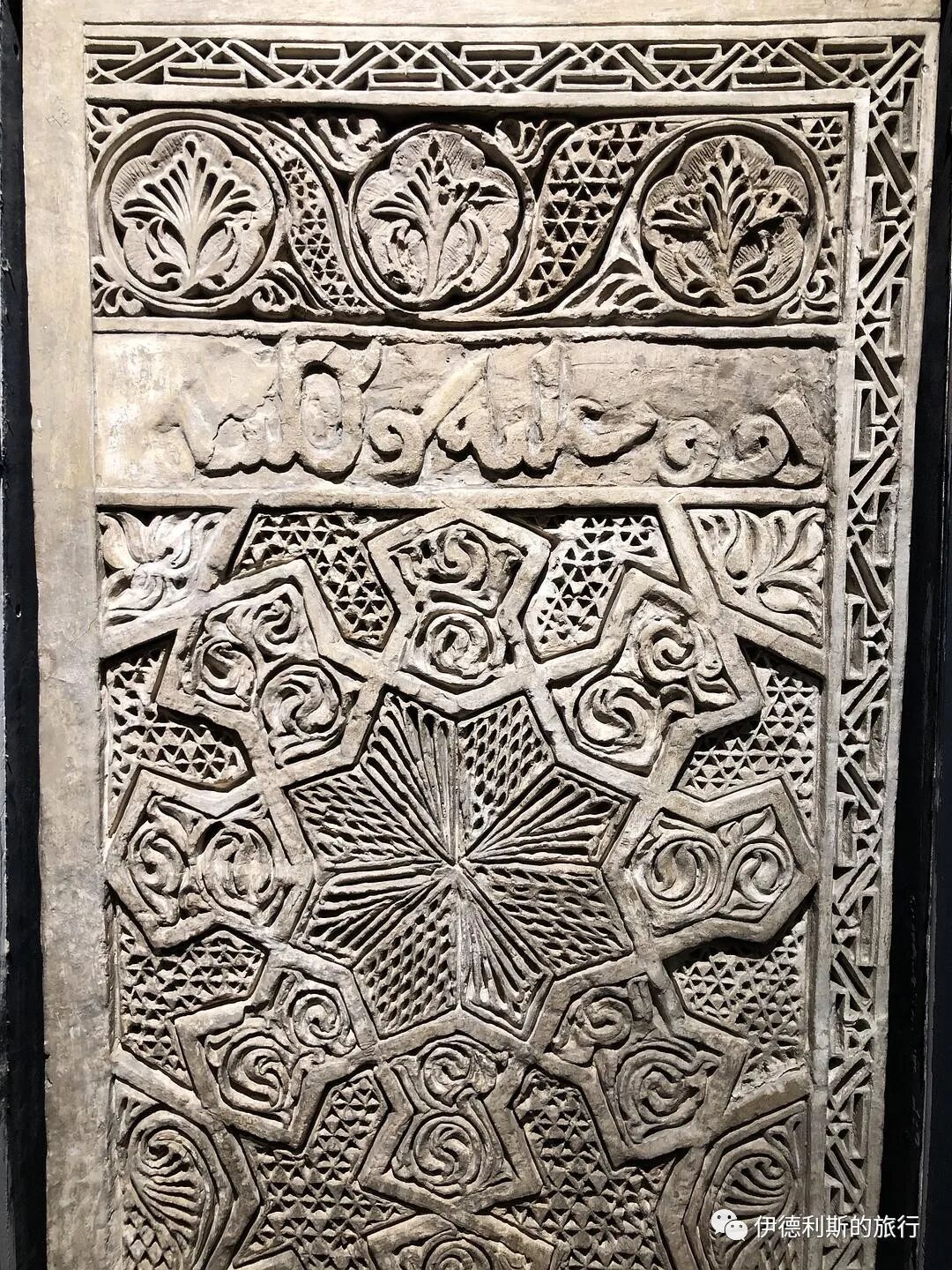
Ceramic bowls.
12th-13th-century ceramic bowls, with typical Seljuk style; the first 5 are overglaze Kufic script calligraphy, and the 6th is transparent glaze Taʿlīq Persian script calligraphy.
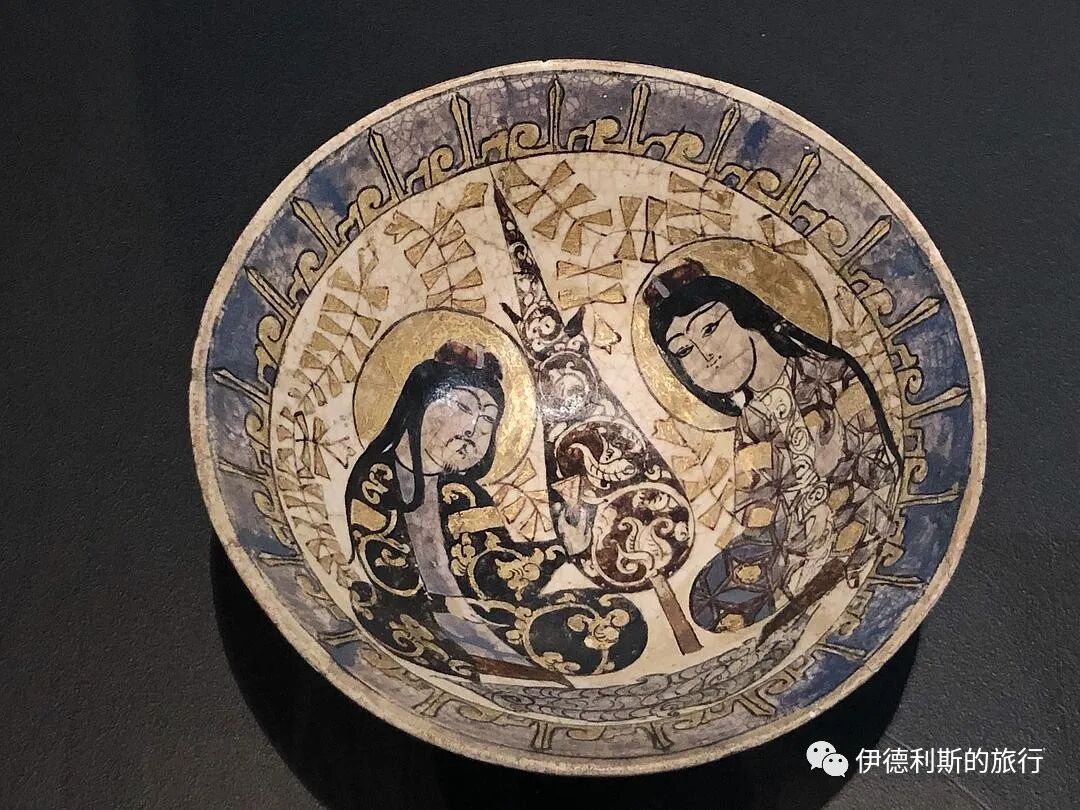
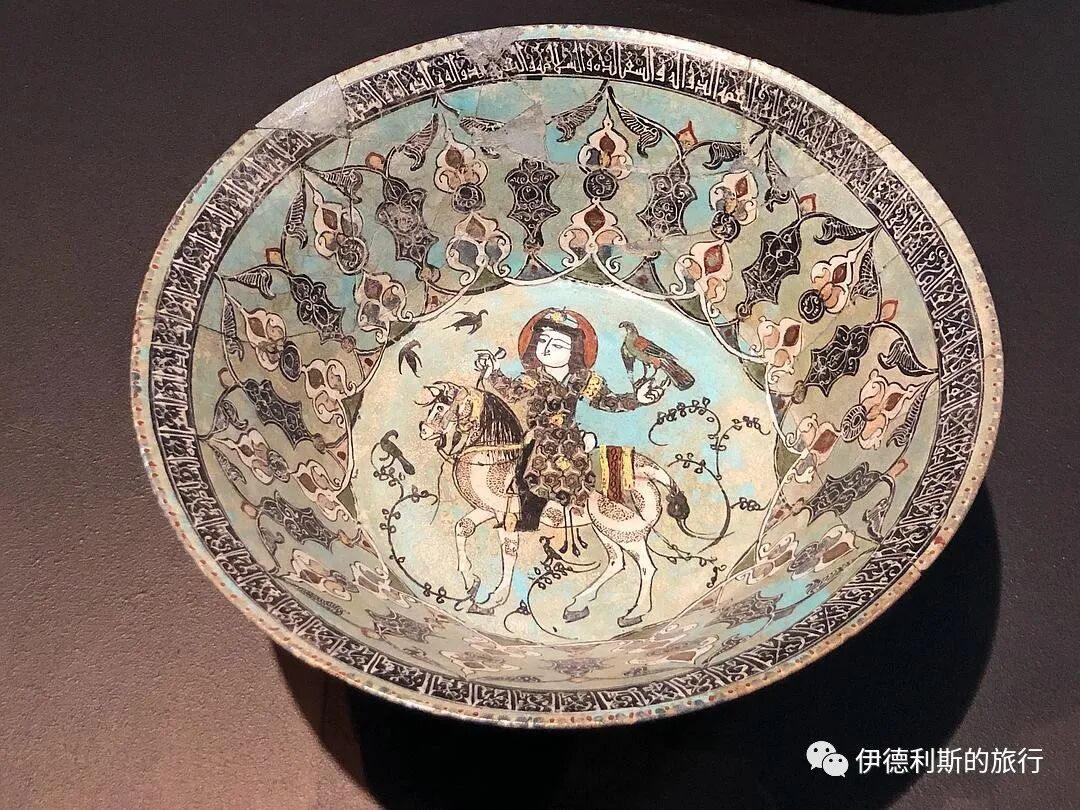
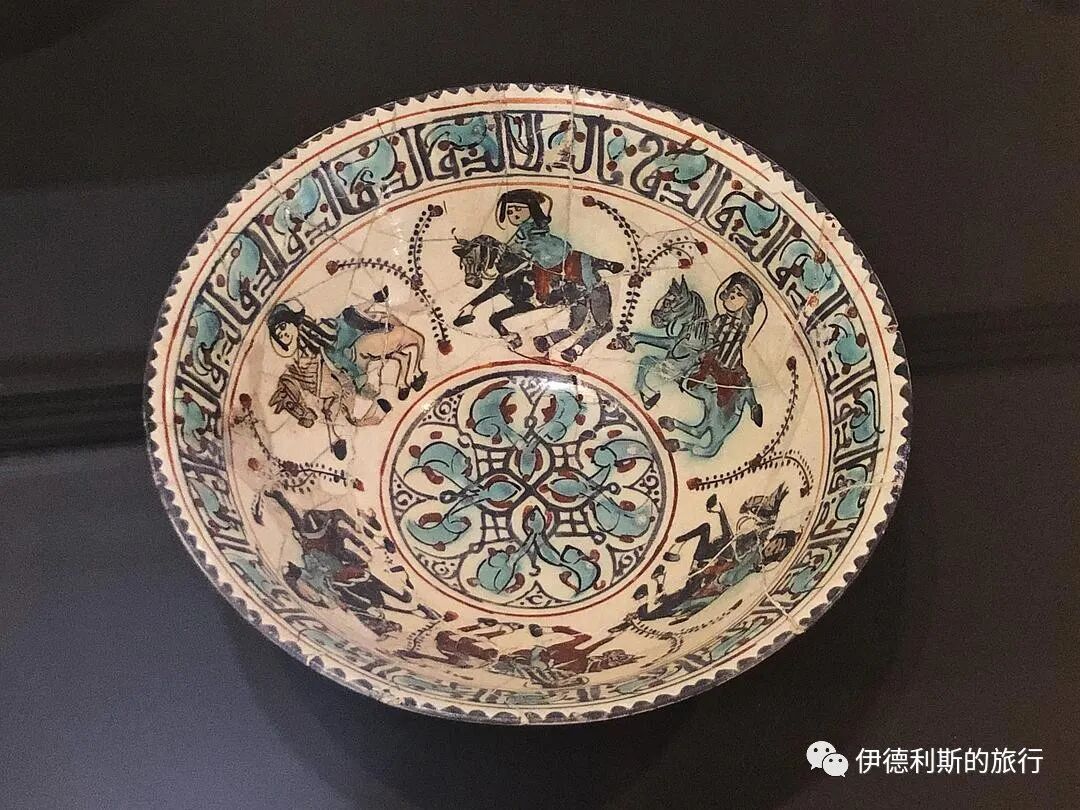
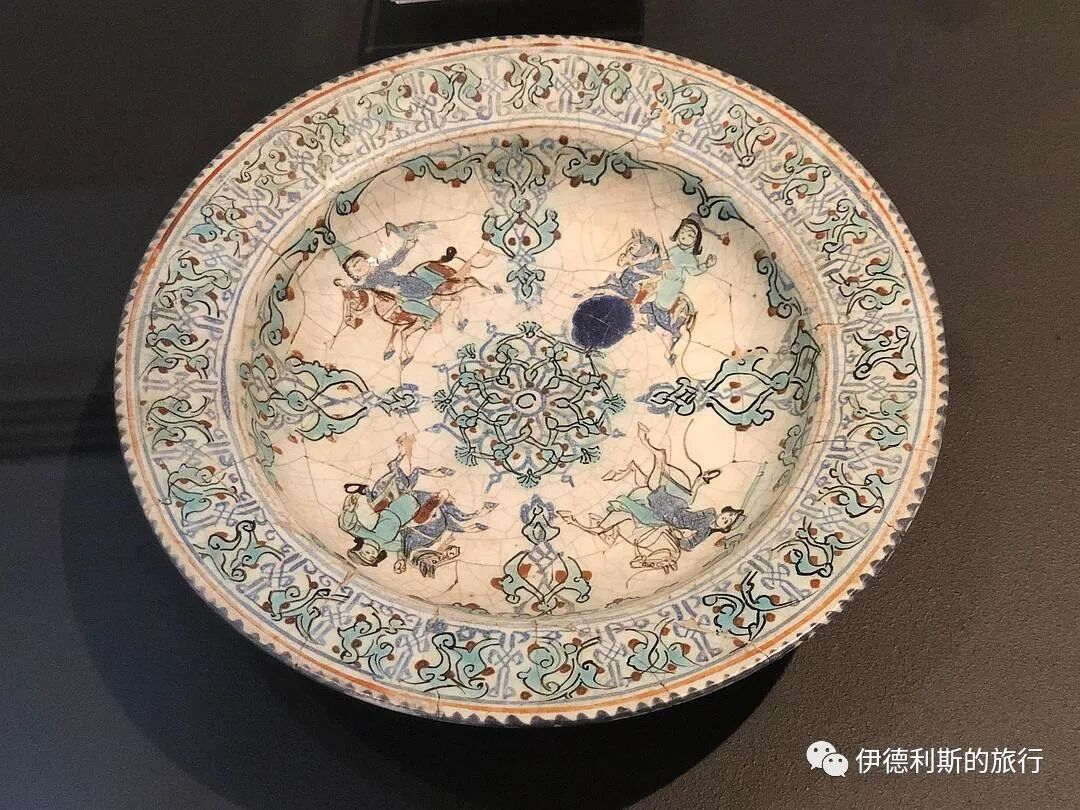
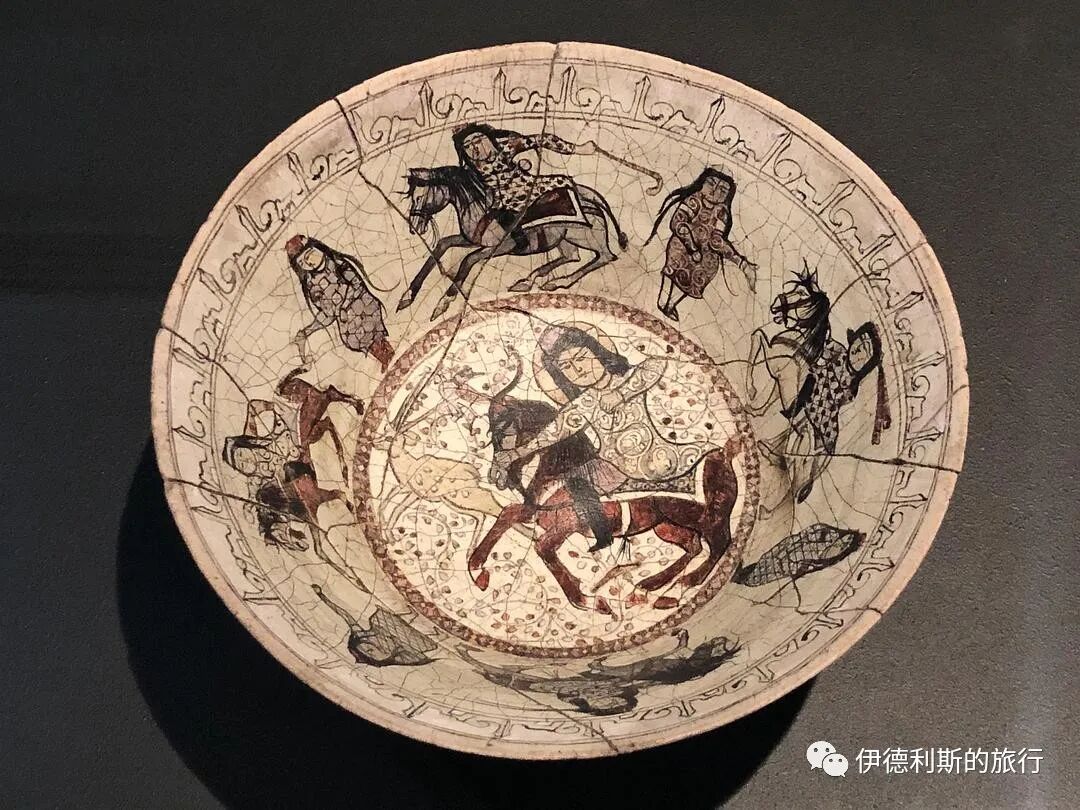
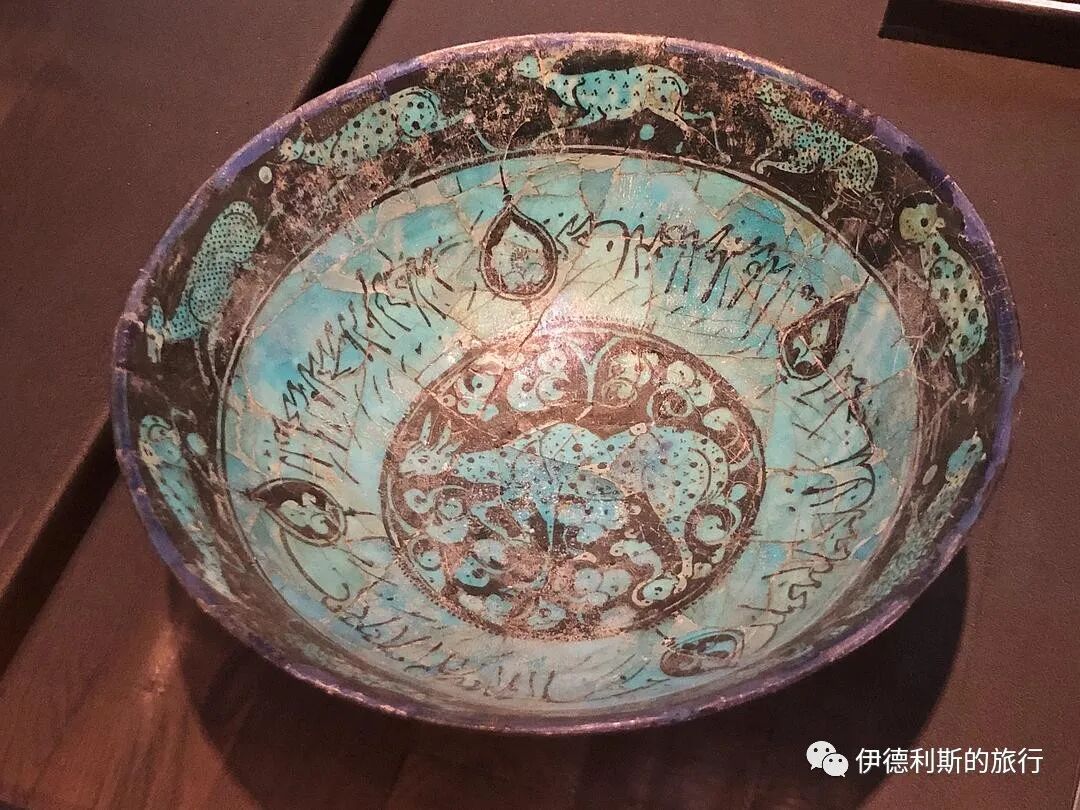
Silk fabric.
Ray-style early Islamic silk fabric from the 7th-10th centuries.
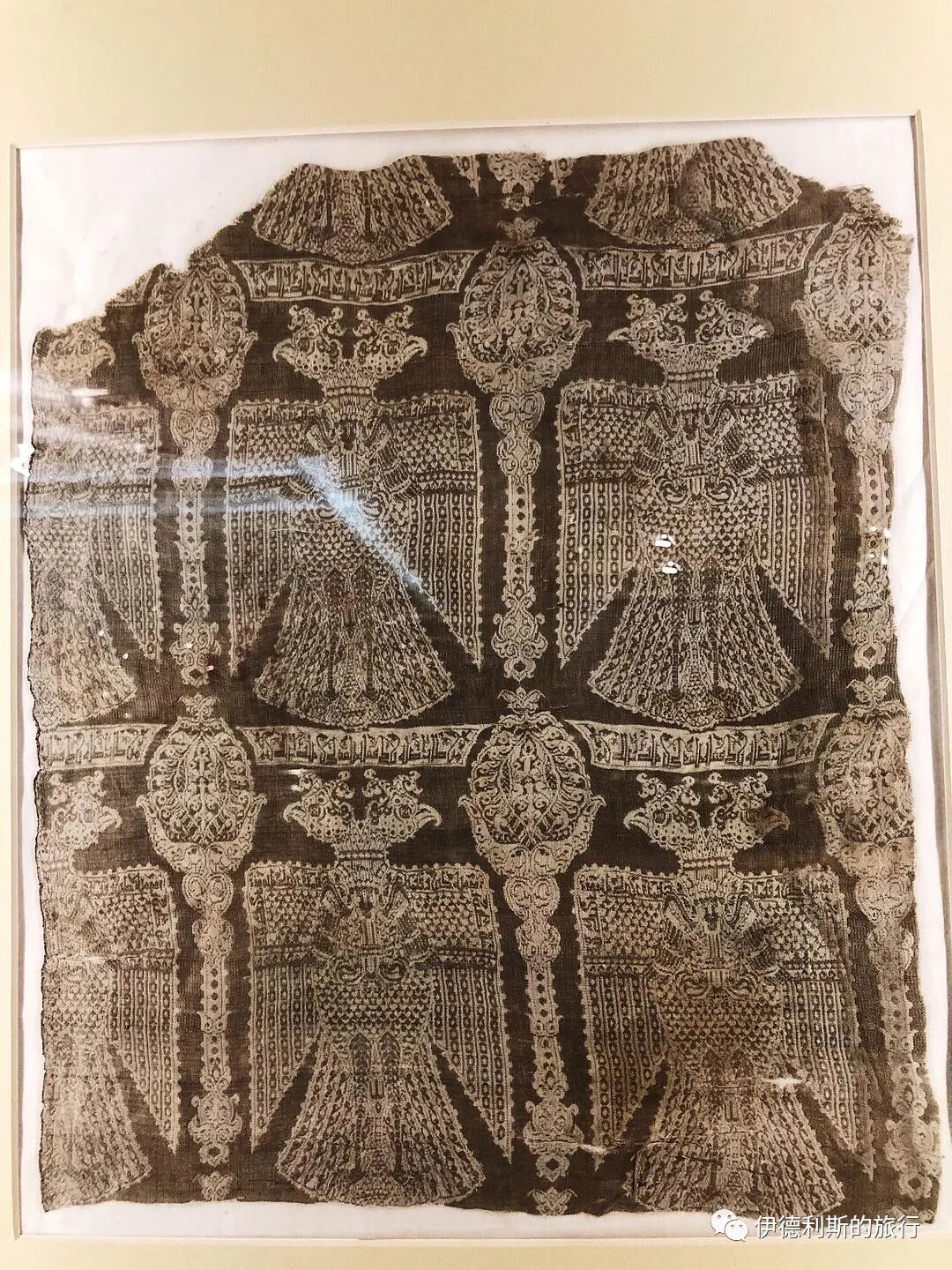
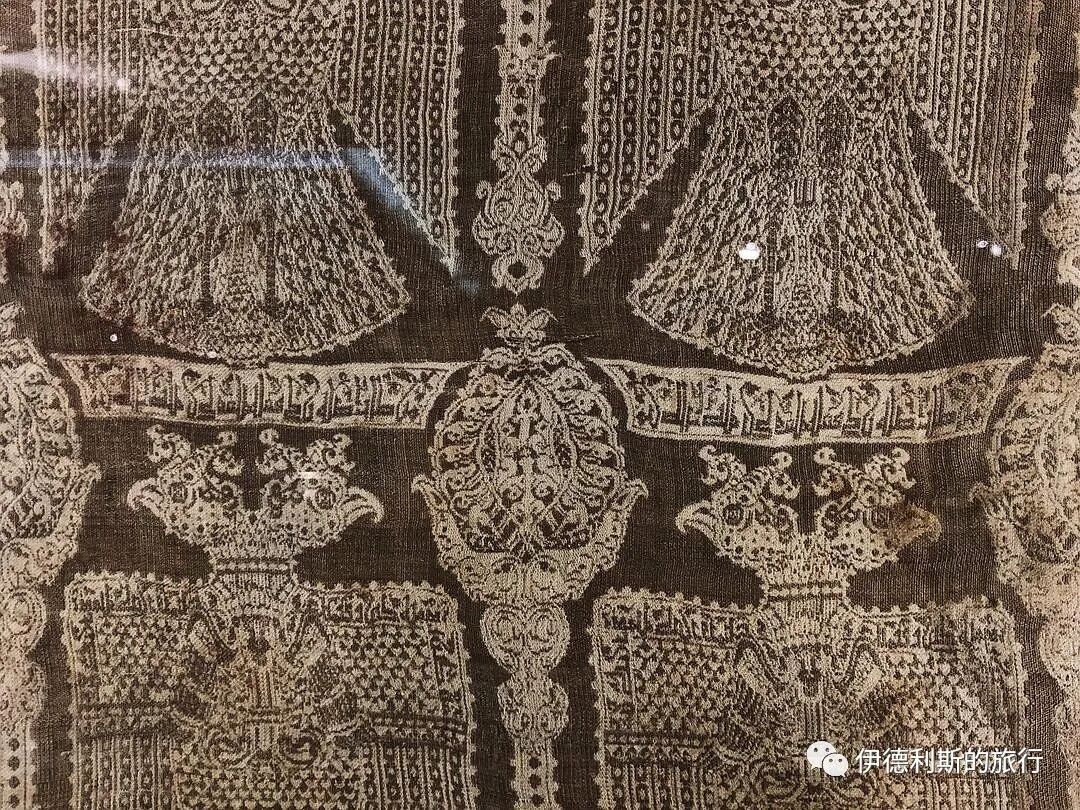
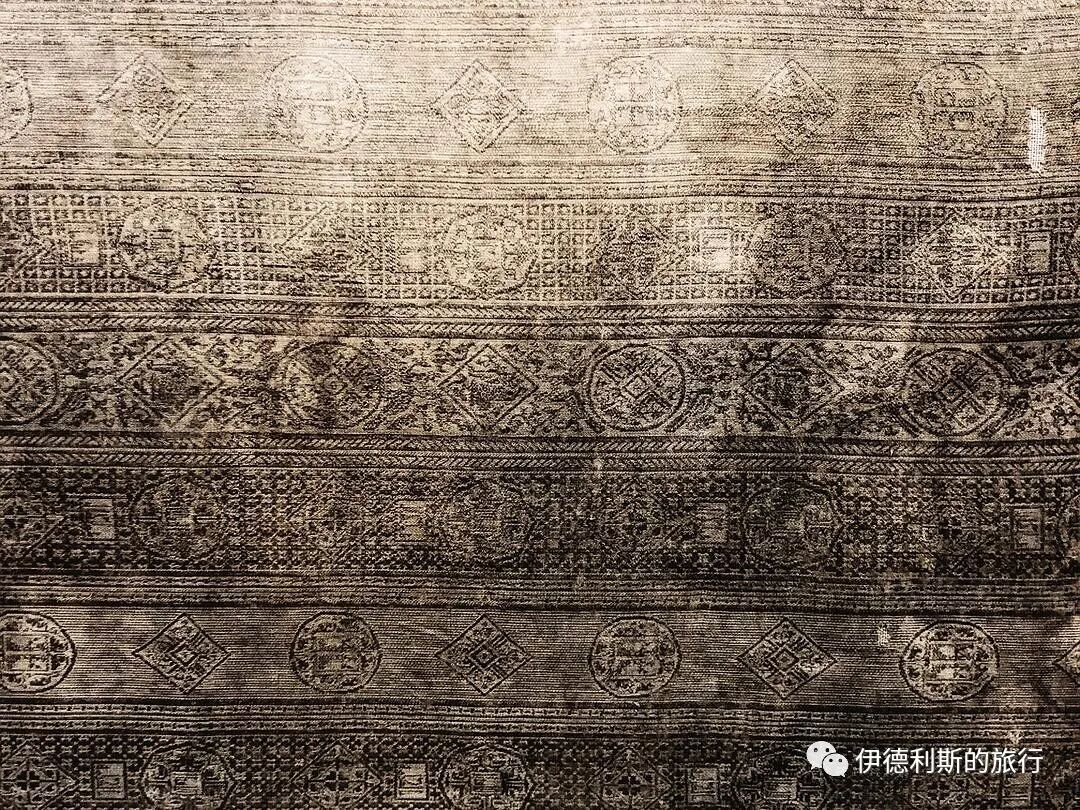
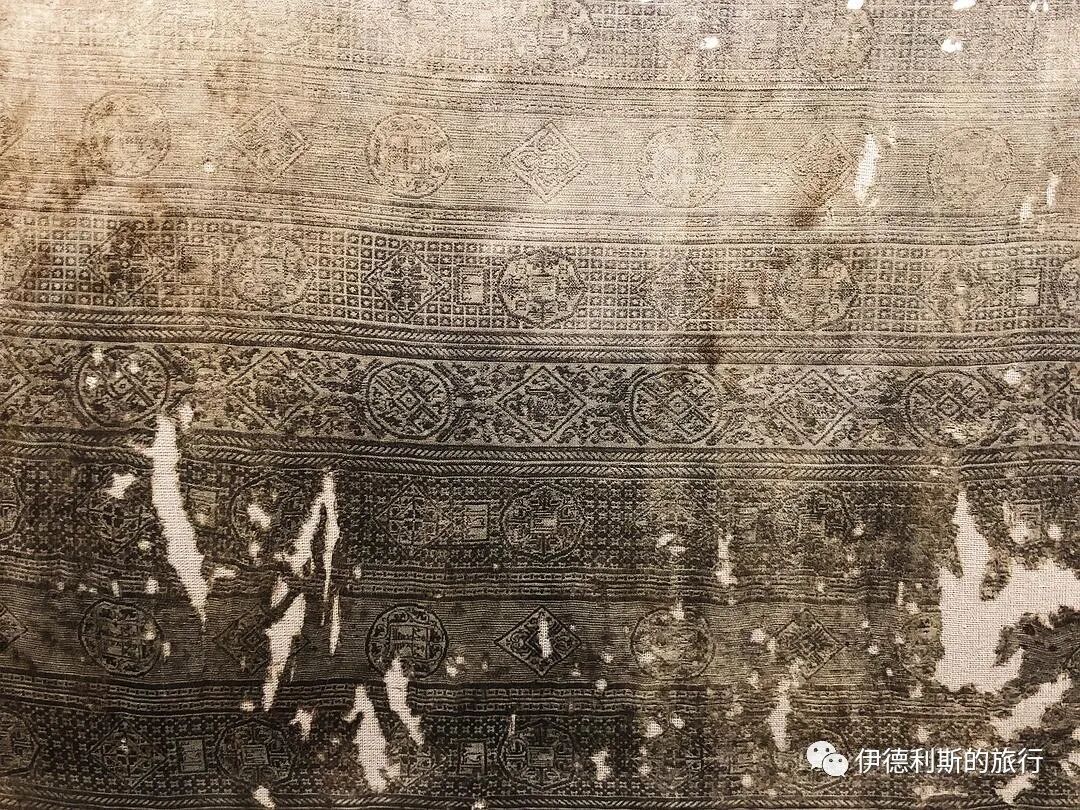
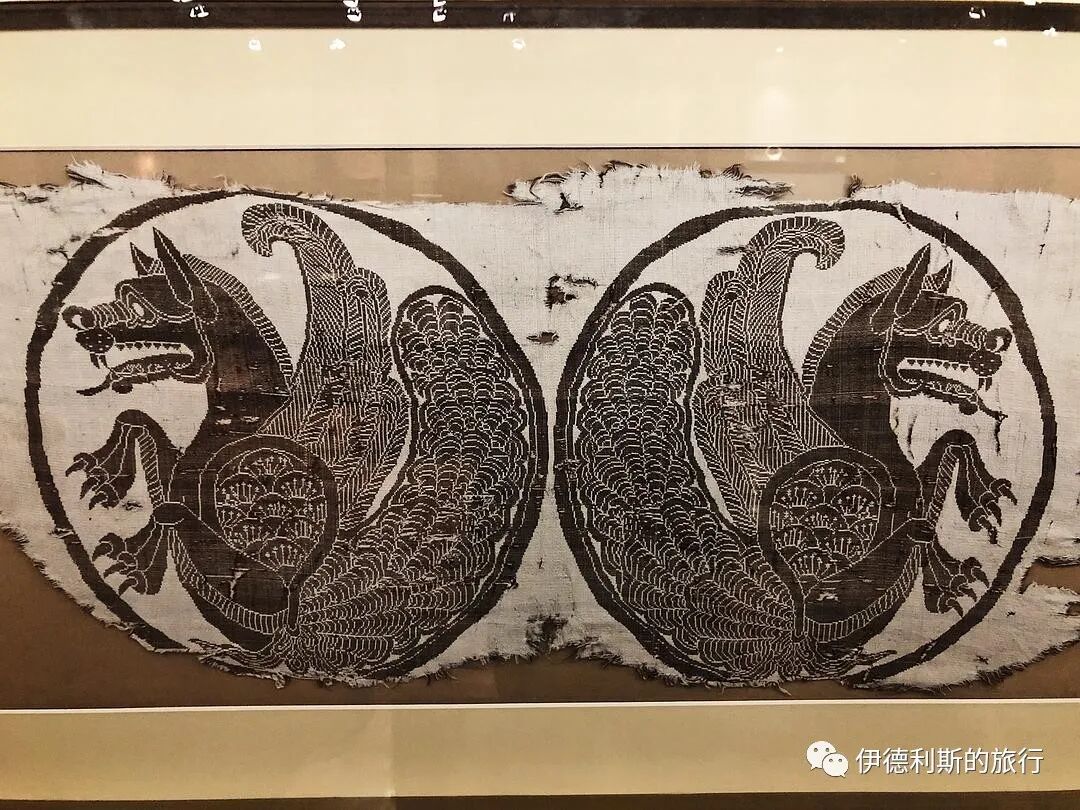
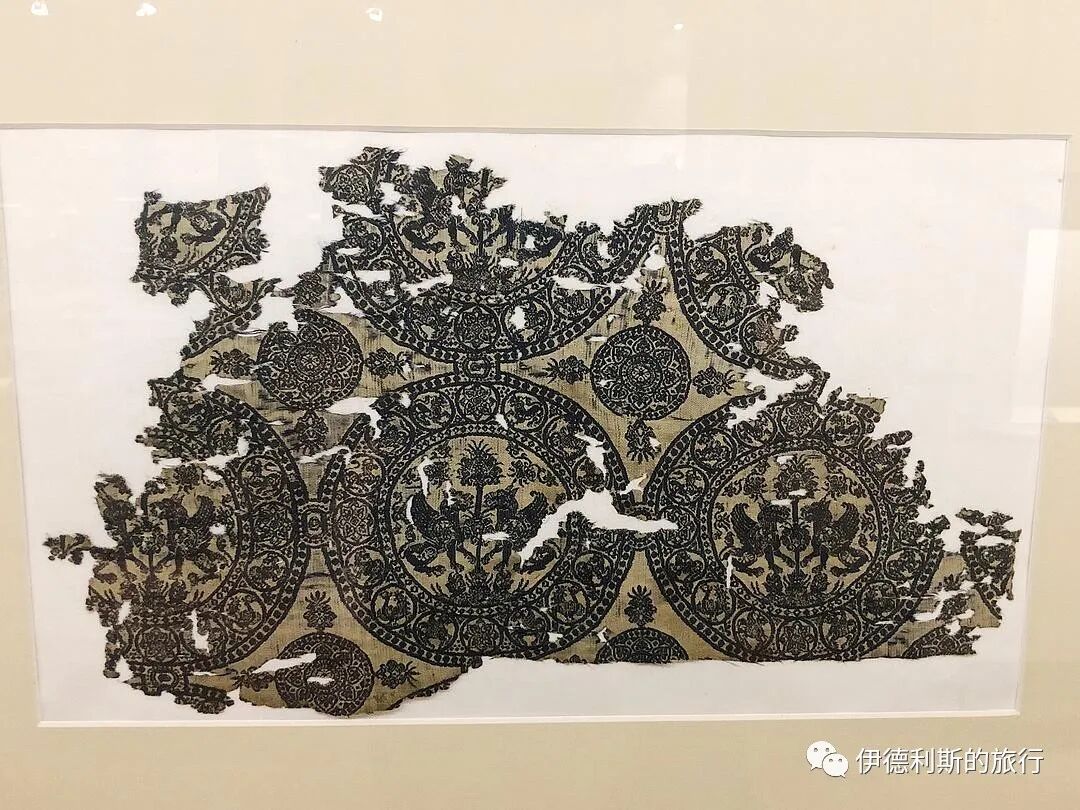
Halal Travel Guide: Konya — Seljuk History and Muslim Heritage (Part 2)
Articles • ali2007fr posted the article • 0 comments • 129 views • 2026-05-17 11:03
Summary: Konya — Seljuk History and Muslim Heritage is presented here as a firsthand travel account in clear English, beginning with this scene: Ten. Glass Madrasa (Sırçalı Medrese): 1242. The account keeps its focus on Konya Travel, Seljuk History, Muslim Heritage while preserving the names, places, food, and historical details from the Chinese source.
The Seljuk Rum Sultan's Tomb is under renovation and not open.
Ten. Glass Madrasa (Sırçalı Medrese): 1242.
The Glass Madrasa (Sırçalı Medrese) was commissioned in 1242 by Emir Bedrettin Muslih. Its architect was Muhammed bin Osman el Tusi. This building is known for its colorful mosaic tiles.
During the reign of Seljuk Rum Sultan Kaykhusraw II (1237–1246), Bedrettin Muslih served as the Islamic law tutor for the next sultan, Kayqubad II (1249–1257). His and his family's tombs are inside the madrasa.
After the 17th century, the madrasa slowly fell into disrepair. Many mosaic tiles fell off. In the 19th century, some classrooms inside were torn down and rebuilt as brick houses.
After 1964, this building opened to the public as a tomb museum. But I went on both Saturday and Sunday, and it was closed both days. So I only saw the main gate with its geometric reliefs.
Eleven. Sahib Ata Mosque: 1258.
The Sahib Ata Mosque, like the Thin Minaret Madrasa (İnce Minareli Medrese), was built by Sahib Ata Fahreddin Ali. The architect was Keluk bin Abdullah. Sahib Ata was an important official in the Seljuk Rum Sultanate court from the 1250s until his death in 1288. After 1277, he even held great power in the Sultanate.
The mosque is most famous for its main gate and minaret. It was restored between 2006 and 2007.
The main prayer hall of the mosque was destroyed by fire in 1871. Only the beautiful Seljuk tiled mihrab survived. Sadly, I forgot to go inside and photograph the mihrab, which left me with regret. However, some of the mihrab's tiles are on display in the Tile Kiosk of the Istanbul Archaeology Museums.
Twelve. Sahib Ata Madrasa: 1258.
Besides the mosque, Sahib Ata also built an entire complex here. It includes a madrasa, a Sufi lodge, a bathhouse, and a family tomb. The madrasa is now open to the public as the Sahib Ata Foundation Museum. It was restored between 2006 and 2007 and is known for its dark blue and sky blue Seljuk tiles.
Thirteen. Artifacts in the Turkish and Islamic Arts Museum.
The Turkish and Islamic Arts Museum in Istanbul has several Seljuk artifacts from Konya.
13th-century stone relief of a warrior.
13th-century Quranic tile.
13th-century Quranic tile.
13th-century mosaic tile. view all
Summary: Konya — Seljuk History and Muslim Heritage is presented here as a firsthand travel account in clear English, beginning with this scene: Ten. Glass Madrasa (Sırçalı Medrese): 1242. The account keeps its focus on Konya Travel, Seljuk History, Muslim Heritage while preserving the names, places, food, and historical details from the Chinese source.
The Seljuk Rum Sultan's Tomb is under renovation and not open.
Ten. Glass Madrasa (Sırçalı Medrese): 1242.
The Glass Madrasa (Sırçalı Medrese) was commissioned in 1242 by Emir Bedrettin Muslih. Its architect was Muhammed bin Osman el Tusi. This building is known for its colorful mosaic tiles.
During the reign of Seljuk Rum Sultan Kaykhusraw II (1237–1246), Bedrettin Muslih served as the Islamic law tutor for the next sultan, Kayqubad II (1249–1257). His and his family's tombs are inside the madrasa.
After the 17th century, the madrasa slowly fell into disrepair. Many mosaic tiles fell off. In the 19th century, some classrooms inside were torn down and rebuilt as brick houses.
After 1964, this building opened to the public as a tomb museum. But I went on both Saturday and Sunday, and it was closed both days. So I only saw the main gate with its geometric reliefs.
Eleven. Sahib Ata Mosque: 1258.
The Sahib Ata Mosque, like the Thin Minaret Madrasa (İnce Minareli Medrese), was built by Sahib Ata Fahreddin Ali. The architect was Keluk bin Abdullah. Sahib Ata was an important official in the Seljuk Rum Sultanate court from the 1250s until his death in 1288. After 1277, he even held great power in the Sultanate.
The mosque is most famous for its main gate and minaret. It was restored between 2006 and 2007.
The main prayer hall of the mosque was destroyed by fire in 1871. Only the beautiful Seljuk tiled mihrab survived. Sadly, I forgot to go inside and photograph the mihrab, which left me with regret. However, some of the mihrab's tiles are on display in the Tile Kiosk of the Istanbul Archaeology Museums.
Twelve. Sahib Ata Madrasa: 1258.
Besides the mosque, Sahib Ata also built an entire complex here. It includes a madrasa, a Sufi lodge, a bathhouse, and a family tomb. The madrasa is now open to the public as the Sahib Ata Foundation Museum. It was restored between 2006 and 2007 and is known for its dark blue and sky blue Seljuk tiles.
Thirteen. Artifacts in the Turkish and Islamic Arts Museum.
The Turkish and Islamic Arts Museum in Istanbul has several Seljuk artifacts from Konya.
13th-century stone relief of a warrior.
13th-century Quranic tile.
13th-century Quranic tile.
13th-century mosaic tile.
Halal Travel Guide: Konya — Seljuk History and Muslim Heritage (Part 1)
Articles • ali2007fr posted the article • 0 comments • 151 views • 2026-05-17 11:03
Summary: Konya — Seljuk History and Muslim Heritage is presented here as a firsthand travel account in clear English, beginning with this scene: The Seljuqs were a Sunni Muslim group from the Oghuz Turkic tribal confederation in the Central Asian steppes. The account keeps its focus on Konya Travel, Seljuk History, Turkey Travel while preserving the names, places, food, and historical details from the Chinese source.
The Seljuqs were a Sunni Muslim group from the Oghuz Turkic tribal confederation in the Central Asian steppes. They were deeply influenced by Persian culture. Between the 11th and 12th centuries, they built a vast Seljuq Empire that stretched across West and Central Asia. The Sultanate of Rum was a state founded by the Seljuqs in Asia Minor. After the Seljuq Empire collapsed, it continued to exist for over a hundred years with Konya as its capital. After the Mongol invasion, the Sultanate of Rum broke into many smaller states called beyliks. One of these beyliks eventually grew into the Ottoman Empire.
Between the 9th and 10th centuries, a unique "Turco-Persian" culture emerged in the Khorasan and Transoxiana regions. This culture formed when Turkic peoples, living in Central Asia and Iran, blended Turkic and Persian cultures. These Turkic peoples were deeply influenced by Persian culture. From the 11th to the 13th centuries, "Turco-Persian" culture spread quickly. As the Seljuq Dynasty and the Delhi Sultanate expanded, this culture reached from the Mediterranean Sea all the way to the mouth of the Ganges River. Later, "Turco-Persian" culture gradually took root in West and South Asia with the rise of the Ottoman Empire and the Mughal Dynasty. For several centuries, it became the main culture for the ruling and elite classes.
Konya, as the capital of the Seljuq Sultanate of Rum, was the last Seljuq "Turco-Persian" cultural center after the Seljuq Empire fell. Seljuq culture is a very unique part of "Turco-Persian" culture. It is most famous for its tiles and stone carvings. On this trip to Konya, I visited all the Seljuq-era historical sites in the city. Sadly, some were under repair and I couldn't go inside. I will share the Seljuq sites I saw on this trip.
Contents
1. Historical Introduction
1. The Founding of the Seljuq Sultanate of Rum
2. Making Konya the Capital
2. Rumi's Tomb: 1274
1. Rumi in Konya
2. Rumi's Tomb
3. Iplikci Mosque: 1201
4. Karatay Madrasa: 1251
5. Tiles of Kubadabad Palace: 1236
6. Slender Minaret Madrasa (Ince Minareli Medrese): 1268
7. Konya City Walls: 12th-13th Centuries
8. Alaeddin Kiosk: Late 12th Century
9. Alaeddin Mosque: 12th Century - 1235
Ten. Glass Madrasa (Sırçalı Medrese): 1242.
Eleven. Sahib Ata Mosque: 1258.
Twelve. Sahib Ata Madrasa: 1258.
Thirteen. Artifacts in the Turkish and Islamic Arts Museum.
1. Historical Introduction
1. The Founding of the Seljuq Sultanate of Rum
The Seljuqs were a branch of the Oghuz Turkic tribe. They originally lived as nomads on the Kazakh steppes, north of the Syr Darya River in Central Asia. Their leader, Seljuk Beig, converted to Islam around 985. He then separated from the Oghuz tribal confederation and moved to the Transoxiana region, south of the Syr Darya River.
In 1035, their relationship with the Karakhanid Dynasty got worse. The Seljuqs were forced to move south into the Khorasan region of Persia. They then unexpectedly defeated the large army of the Ghaznavid Dynasty. Soon after, they fully controlled all of Khorasan.
In 1037, Tughril (who ruled from 1037-1063) officially founded the Seljuq Dynasty in Khorasan. They then kept expanding. In 1051, they moved their capital to Isfahan, which was then the most important city in Persia.
Starting in 1040, the Seljuq Dynasty repeatedly attacked Asia Minor, which was under Byzantine rule. They finally defeated the Byzantines completely in the Battle of Manzikert in 1071. After the war, Seljuq Sultan Alp Arslan (who ruled from 1063-1072) sent his distant cousin, Suleiman ibn Qutulmish (who ruled from 1077-1086), to go deeper into Asia Minor. Suleiman moved west all the way, reaching the city of Nicaea on the Sea of Marmara.
In 1077, Suleiman officially founded the Seljuq Sultanate of Rum, with Nicaea as its capital. "Rum" meant "Rome" at that time, and people used it to refer to Asia Minor under Eastern Roman (Byzantine) rule.
The Seljuq Dynasty in 1092, from Wikipedia
2. Making Konya the Capital
The rapid expansion of the Seljuq Dynasty caused panic among Christian states. This directly led to the First Crusade. In 1097, Nicaea, the capital of the Sultanate of Rum, finally fell after a long siege by the Crusaders, forcing the Sultanate to move its capital east to Konya.
Konya was very wealthy in the second half of the 12th century. At that time, the Sultanate of Rum controlled almost all of eastern Anatolia, several port towns on the Mediterranean and Black Seas, and even held a foothold in Crimea for a time, bringing vast trade wealth into Konya.
After the Mongols invaded Central Asia and Persia in the early 13th century, many Turkic and Persian people came to Konya for refuge. In the 1220s, Konya was full of refugees from the Khwarezmid Empire. Many were educated intellectuals or skilled craftsmen, the most famous being the Sufi scholar and great Persian poet Rumi.
In 1243, the Seljuk Sultanate of Rum was defeated by the Mongol Empire and became a vassal state, but Konya remained the capital. People lived in stability, and many existing Seljuk buildings date from this period.
In the late 13th century, the Seljuks split into many small principalities, including the early Ottoman Empire. These small states nominally recognized the status of the Sultanate of Rum, but the Sultanate could only actually control the limited territory around Konya. At this time, the Karamanids dynasty began continuous attacks on the Seljuk Sultanate of Rum, but they eventually failed due to the intervention of the Ilkhanate.
At the end of the 13th century, the Sultanate of Rum fell into a series of internal struggles, and the last Sultan, Mesud II, was killed in 1308. In 1328, Konya was occupied by the Karamanids dynasty, and Seljuk culture finally exited the historical stage. After this, the Ottomans rose on the legacy of the Seljuk Sultanate of Rum, and Konya would eventually enter its next era.
The Sultanate of Rum in the 12th and 13th centuries, by author DragonTiger23.
2. Rumi's Tomb: 1274
Rumi (1207-1273) was a famous 13th-century Sufi scholar and Persian poet, honored in Turkey as Mevlâna. Rumi died in Konya in 1273 and was buried next to his father's tomb. His successor, Hüsamettin Çelebi, decided to build a mausoleum for Rumi, and the tomb, led by architect Badr al-Din Tabrizi, was officially completed in 1274.
The entire complex includes the tombs of Rumi and his followers, a mosque, a Sufi practice space, and living areas for the practitioners. During the Ottoman era, this place was always the center of activity for the Mevlevi Sufi order.
In 1925, the Republic of Turkey announced the closure of all Sufi practice spaces and the dissolution of Sufi orders. In 1927, the Rumi mausoleum was converted into the Konya History Museum and opened to the public, and it was renamed the Mevlâna Museum in 1954. Today, it is a famous Sufi holy site in Turkey, and people from all over the world come here to visit and make pilgrimages every day.
1. Rumi in Konya
Rumi was born in 1207 into a Persian-speaking family in the Balkh region on the border of Afghanistan and Tajikistan. His father, Baha'ud-Din, was an Islamic scholar and a Sufi mentor.
Between 1215 and 1220, the Mongols invaded Central Asia, and Rumi moved west with his family, eventually arriving in Anatolia after much traveling. In 1228, the Seljuk Sultan of Rum, Kayqubad I (reigned 1220-1237), invited Baha'ud-Din to the capital, Konya, so Rumi's family finally settled there.
In Konya, Baha'ud-Din served as the head of a religious school and taught Rumi various Islamic knowledge and Sufi practices. After Baha'ud-Din died in 1232, Rumi continued his training under one of his father's students, Burhan ud-Din. In 1240 (or 1241), Burhan ud-Din died, and Rumi officially became an Islamic legal scholar and teacher, beginning to preach and teach students at the mosque.
In 1244, Rumi met the Sufi master Shams Tabrizi, which completely changed his life. He honored Shams as his spiritual mentor, transforming from an Islamic scholar into a Sufi practitioner.
In 1248, Shams suddenly left. Rumi was deeply saddened and went to Damascus himself to look for him, but he found nothing. To express his longing for Shams, Rumi wrote a large number of lyrical poems. At this time, he met a goldsmith named Salaḥud-Din-e Zarkub, who understood Rumi's heart very well, and the two became close friends. Zarkub helped Rumi organize 2,500 lyrical poems into the Divan-e Shams-e Tabrizi.
After Zarkub died in 1259, Rumi's scribe and favorite student, Hussam-e Chalabi, became Rumi's confidant. One day, Rumi showed Hussam a short piece of narrative poetry he had written, the Masnavi, and Hussam was pleasantly surprised and begged Rumi to continue writing it. So, starting in 1260, Rumi began writing his masterpiece, the Masnavi. During the writing process, Rumi would recite, Hussam would record, and then Rumi would confirm it. This work continued until the very last moments of Rumi's life.
2. Rumi's Tomb
The site of Rumi's tomb was originally a rose garden gifted by the Seljuk Sultan of Rum, Kayqubad I, to Rumi's father, Bahauddin. After Bahauddin passed away in 1232, he was buried here, and the site officially became Rumi's tomb in 1274. Later, Rumi's descendants and disciples founded the Mevlevi Order, and this place became the headquarters for the Mevlevi Order.
The main gate of Rumi's tomb (Devisan Kapısı) is located in the northwest corner and currently serves as the museum exit. After entering the main gate, you find a marble-paved courtyard, where the most important buildings are the tomb of Rumi and the mosque on the east side.
The tomb gate (Türbe Kapisi) dates back to 1492.
Inside the tomb gate is a room called 'Tilavet,' which in Arabic means 'reading the Quran with a beautiful voice and correct rhythm.' Before it became a museum, this room was used for the continuous chanting of the Quran, and today it houses various precious calligraphic works.
Walking further inside, you will find the sarcophagi of Rumi, his family, and the leaders of the Mevlevi Order. Rumi's sarcophagus sits under a green spire, covered in brocade embroidered with Quranic verses in gold thread. The sarcophagi of Rumi and his father, along with the surrounding wood carvings, date back to the Seljuk Sultanate of Rum, while the outer silver lattice was built in 1579. Unfortunately, this section is currently under renovation and cannot be seen.
Moving forward is the ceremonial hall (Semahane), built during the era of the Ottoman Sultan Suleiman I (reigned 1520-1566). Before 1926, this was where the Mevlevi Order performed the Sama ceremony, commonly known as the whirling dance.
Today, the ceremonial hall displays many precious artifacts. These include Rumi's own shoulder strap, cloak, and felt hat.
The Masnavi, written in 1278 by the calligrapher Mehmed bin Abdullah Konevi.
The 1366 collection of Rumi's poetry.
A 13th-century bookshelf featuring Seljuk lion patterns.
A 9th-century Quran written in Kufic script.
A Quran written in 1296 by the calligrapher Yakutu'l-Mustasimi.
A Quran from 1314.
Next to the ceremonial hall is a mosque also built during the era of the Ottoman Sultan Suleiman I (reigned 1520-1566).
In the center of the courtyard is a fountain for wudu (ṣadirvan), built in 1512 by order of the Ottoman Sultan Selim I (reigned 1512-1520).
On the west side of the courtyard is a row of 17 small rooms with domes and chimneys, built in 1584 by order of the Ottoman Sultan Murad III (reigned 1574-1595), which served as living quarters for Sufi practitioners.
Inside, there are many introductions to the Mevlevi Order and some precious artifacts, such as this 13th-century Seljuk-style incense burner with lion patterns.
There is also this copy of the Masnavi, written in 1372 by the calligrapher Hasan bin Osman el-Mevlevi for the Seljuk minister (vazir) Şherefüddin Emir Satı.
On the south side of the courtyard is the kitchen (Matbah), built in 1548 by order of the Ottoman Sultan Suleiman I (reigned 1520-1566), which provided food for Sufi practitioners until 1926. This was also a place where Sufi masters taught knowledge and the Sama ceremony.
The courtyard also contains the tombs of several Sufi masters of the Mevlevi Order.
The earliest of these is the site of the tomb of Ahmed Eflâkî Dede. Ahmed Eflâkî Dede wrote the important work on Rumi titled 'Menâkibü'l-Ârifîn' and traveled with Rumi's grandson, Ulu Ârif Çelebi, working to expand the influence of the Mevlevi Order throughout Anatolia.
Today, only two curtain walls remain of the tomb's above-ground structure. Research suggests the west wall is likely connected to early 13th-century Mevlevi architecture, while the date on the tombstone is 1360. Additionally, archaeological excavations at the museum have uncovered basements on both sides of the south facade.
3. Iplikci Mosque: 1201
The Iplikci Mosque was built in 1201 by order of the Seljuk minister (vizier) Shams al-Din Altun Aba, with the architect Abu al-Fazi Abd al-Jabbar from Tabriz, Iran; this is important evidence of Persian craftsmen directly influencing Seljuk architecture. This building underwent a series of renovations during the Karaman dynasty, the Ottoman Empire, and modern times. Today, the original mosaic tiles on the mihrab inside the hall have been replaced by marble, but the parts at the bottom covered by carpets are still the original Seljuk-era pieces.
4. Karatay Madrasa: 1251
The Karatay Madrasa was built in 1251 under the direction of Emir Celaleddin Karatay of the Seljuk Sultanate of Rum; the madrasa is named after him, and teaching activities continued there until the end of the 19th century.
This building holds a very important place among surviving Seljuk structures featuring mosaic tiles, so it opened to the public as the Tile Museum in 1955. Archaeological excavations and restoration work took place here between 2006 and 2008.
The main gate of the madrasa (religious school) is on the east side. Made of sky-blue and white marble, it is a masterpiece of Seljuk craftsmanship, carved with excerpts from the Quran and information about the school's construction.
The main hall is covered in turquoise, indigo, and black tiles, along with calligraphy of verses, the names of prophets, and the four Rashidun Caliphs.
Inside the domed building to the left of the main hall is the tomb of Celaleddin Karatay, who passed away in 1254. Celaleddin Karatay began serving in the court of the Sultanate of Rum in 1212. He was promoted to Minister of Finance in 1243 and received the noble title of Atabeg in 1249, remaining a key official of the Sultanate until his death in 1254. Celaleddin Karatay served four sultans during his life. He was known for his humility, piety, and simple lifestyle, and he was dedicated to developing science and art. He oversaw many projects, including the Kayseri-Elbistan road, with the Karatay Madrasa being his most famous.
5. Tiles of Kubadabad Palace: 1236
Kubadabad Palace was the summer palace of the Sultanate of Rum. It is located on the shore of Lake Beyşehir, 100 kilometers west of Konya, and was built in 1236 by the Seljuk Sultan Kayqubad I (reigned 1220-1237).
In 1949, Zeki Oral, the director of the Konya Museum, first discovered the ruins of Kubadabad Palace and conducted archaeological excavations in 1952. German archaeologist Katharina Ottodorn conducted further excavations in 1965, followed by Turkish archaeologist Mehmet Önder in 1967. In 1980, Professor Rüçhan Arık led a team from Ankara University to conduct a systematic survey and excavation of the site.
Kubadabad Palace is very different from the Seljuk palaces in Konya and Kayseri. It is far from towns and lacks high city walls; protection for the palace seems to have been provided by a fortress complex on a nearby island.
Sixteen buildings have been excavated at Kubadabad Palace. The main structure is a large 50x35 meter palace where many ornate underglaze tiles were found. Some of these tiles are now on display at the Karatay Tile Museum.
Additionally, the Tiled Kiosk at the Istanbul Archaeology Museums also houses tiles from Kubadabad Palace.
6. Slender Minaret Madrasa (Ince Minareli Medrese): 1268
The Ince Minaret Medrese (Slender Minaret Madrasa) was built by Sahib Ata Fahreddin Ali between 1263 and 1268. Sahib Ata was an important official in the Seljuk Rum Sultanate court from the 1250s until his death in 1288. After 1277, he even held great power in the Sultanate. This madrasa remained active until the end of the 19th century. After restoration in 1956, it opened to the public as the Museum of Stone and Wood Carvings.
The madrasa once had a slender, towering minaret, which is where the school gets its name. Unfortunately, lightning destroyed the minaret in 1901. Today, only the bottom section remains, where you can see typical Seljuk sky-blue tiles.
The gate of the madrasa is considered one of the best examples of a Seljuk architectural entrance.
The interior of the main hall also features Seljuk sky-blue tiles.
Seljuk stone carvings collected in the museum.
From Alaaddin Hill.
7. Konya City Walls: 12th-13th Centuries
Research shows that the earliest Konya city walls (Konya Kalesi) were located on Alaaddin Hill and were built by the descendants of Alexander the Great during the Hellenistic period. The Konya city walls were rebuilt four times in history. In 1221, the Seljuk Sultan Kayqubad I (reigned 1220-1237) built new outer walls beyond the inner walls on Alaaddin Hill. At that time, the Konya city walls were 30 meters high and had 12 gates.
An illustration of the Konya city walls, address https://islamansiklopedisi.org.tr/konya
According to the 17th-century Ottoman traveler Evliya Çelebi, the Konya city walls were still intact in the 17th century. However, as time passed, the walls began to gradually deteriorate during the late Ottoman period. The inner walls on Alaaddin Hill were the first to be demolished, and the outer walls were also dismantled in the late 19th century. The government buildings of that time were built using stones from the walls.
Today, most of the ruins of the Konya city walls have not been preserved. Fortunately, some stone carvings are currently kept in the Konya Museum of Stone and Wood Carvings, including winged angels and double-headed eagles, which are fine examples of Seljuk stone carving.
8. Alaeddin Kiosk: Late 12th Century
The Alaaddin Pavilion (Alâeddin Köşkü) is the only remaining tower ruin of the Konya city walls. Located on the north side of Alaaddin Hill, it was originally a brick tower of the inner city wall. The Seljuk Sultan Kilij Arslan II (reigned 1156-1192) built his estate right next to the wall and turned this tower into part of the estate, which is why it has been preserved to this day.
When I visited, the Alaaddin Pavilion and the ruins of the Kilij Arslan II estate were under renovation and could not be entered.
The Alaaddin Pavilion in an old photograph, from https://islamansiklopedisi.org.tr/konya
Manor ruins.
The original stone lions from the Alaeddin Pavilion are now kept at the Museum of Turkish and Islamic Arts in Istanbul.
9. Alaeddin Mosque: 12th Century - 1235
Alaeddin Mosque is located on the east side of Alaeddin Hill in the center of Konya. It was once the royal mosque for the Seljuk Sultanate of Rum and houses the tombs of past sultans.
Records show the first Alaeddin Mosque was rebuilt on top of a Christian church shortly after the Seljuks captured Konya in the late 11th century. Many parts of the building were taken directly from nearby Byzantine structures.
The oldest existing inscription in the mosque dates back to the reign of the Seljuk Sultan of Rum, Mesud I (reigned 1116–1156). The mosque's ebony pulpit (minbar) features an inscription from 1155, and the prayer niche (mihrab) and the tiles on the vaulted ceiling were likely built during the same period.
In 1219, the Seljuk Sultan of Rum, Kaykaus I (reigned 1211–1220), began rebuilding the Alaeddin Mosque. He moved the main entrance from the west side to the north and added a massive structure on the north side overlooking the city and facing the sultan's palace. The final building plans were never finished because the sultan died the following year.
In 1235, Sultan Kayqubad I (reigned 1220–1237) added a large hall made of forty-two stone columns to the east of the prayer niche (mihrab). The mosque's current east gate and minaret were built during the Ottoman period.
Unfortunately, the Alaeddin Mosque was under renovation when I visited. Only the east hall built in 1235 was open, so I could not see the west hall or the tomb section.
Alaeddin Mosque, address https://islamansiklopedisi.org.tr/konya view all
Summary: Konya — Seljuk History and Muslim Heritage is presented here as a firsthand travel account in clear English, beginning with this scene: The Seljuqs were a Sunni Muslim group from the Oghuz Turkic tribal confederation in the Central Asian steppes. The account keeps its focus on Konya Travel, Seljuk History, Turkey Travel while preserving the names, places, food, and historical details from the Chinese source.
The Seljuqs were a Sunni Muslim group from the Oghuz Turkic tribal confederation in the Central Asian steppes. They were deeply influenced by Persian culture. Between the 11th and 12th centuries, they built a vast Seljuq Empire that stretched across West and Central Asia. The Sultanate of Rum was a state founded by the Seljuqs in Asia Minor. After the Seljuq Empire collapsed, it continued to exist for over a hundred years with Konya as its capital. After the Mongol invasion, the Sultanate of Rum broke into many smaller states called beyliks. One of these beyliks eventually grew into the Ottoman Empire.
Between the 9th and 10th centuries, a unique "Turco-Persian" culture emerged in the Khorasan and Transoxiana regions. This culture formed when Turkic peoples, living in Central Asia and Iran, blended Turkic and Persian cultures. These Turkic peoples were deeply influenced by Persian culture. From the 11th to the 13th centuries, "Turco-Persian" culture spread quickly. As the Seljuq Dynasty and the Delhi Sultanate expanded, this culture reached from the Mediterranean Sea all the way to the mouth of the Ganges River. Later, "Turco-Persian" culture gradually took root in West and South Asia with the rise of the Ottoman Empire and the Mughal Dynasty. For several centuries, it became the main culture for the ruling and elite classes.
Konya, as the capital of the Seljuq Sultanate of Rum, was the last Seljuq "Turco-Persian" cultural center after the Seljuq Empire fell. Seljuq culture is a very unique part of "Turco-Persian" culture. It is most famous for its tiles and stone carvings. On this trip to Konya, I visited all the Seljuq-era historical sites in the city. Sadly, some were under repair and I couldn't go inside. I will share the Seljuq sites I saw on this trip.
Contents
1. Historical Introduction
1. The Founding of the Seljuq Sultanate of Rum
2. Making Konya the Capital
2. Rumi's Tomb: 1274
1. Rumi in Konya
2. Rumi's Tomb
3. Iplikci Mosque: 1201
4. Karatay Madrasa: 1251
5. Tiles of Kubadabad Palace: 1236
6. Slender Minaret Madrasa (Ince Minareli Medrese): 1268
7. Konya City Walls: 12th-13th Centuries
8. Alaeddin Kiosk: Late 12th Century
9. Alaeddin Mosque: 12th Century - 1235
Ten. Glass Madrasa (Sırçalı Medrese): 1242.
Eleven. Sahib Ata Mosque: 1258.
Twelve. Sahib Ata Madrasa: 1258.
Thirteen. Artifacts in the Turkish and Islamic Arts Museum.
1. Historical Introduction
1. The Founding of the Seljuq Sultanate of Rum
The Seljuqs were a branch of the Oghuz Turkic tribe. They originally lived as nomads on the Kazakh steppes, north of the Syr Darya River in Central Asia. Their leader, Seljuk Beig, converted to Islam around 985. He then separated from the Oghuz tribal confederation and moved to the Transoxiana region, south of the Syr Darya River.
In 1035, their relationship with the Karakhanid Dynasty got worse. The Seljuqs were forced to move south into the Khorasan region of Persia. They then unexpectedly defeated the large army of the Ghaznavid Dynasty. Soon after, they fully controlled all of Khorasan.
In 1037, Tughril (who ruled from 1037-1063) officially founded the Seljuq Dynasty in Khorasan. They then kept expanding. In 1051, they moved their capital to Isfahan, which was then the most important city in Persia.
Starting in 1040, the Seljuq Dynasty repeatedly attacked Asia Minor, which was under Byzantine rule. They finally defeated the Byzantines completely in the Battle of Manzikert in 1071. After the war, Seljuq Sultan Alp Arslan (who ruled from 1063-1072) sent his distant cousin, Suleiman ibn Qutulmish (who ruled from 1077-1086), to go deeper into Asia Minor. Suleiman moved west all the way, reaching the city of Nicaea on the Sea of Marmara.
In 1077, Suleiman officially founded the Seljuq Sultanate of Rum, with Nicaea as its capital. "Rum" meant "Rome" at that time, and people used it to refer to Asia Minor under Eastern Roman (Byzantine) rule.
The Seljuq Dynasty in 1092, from Wikipedia
2. Making Konya the Capital
The rapid expansion of the Seljuq Dynasty caused panic among Christian states. This directly led to the First Crusade. In 1097, Nicaea, the capital of the Sultanate of Rum, finally fell after a long siege by the Crusaders, forcing the Sultanate to move its capital east to Konya.
Konya was very wealthy in the second half of the 12th century. At that time, the Sultanate of Rum controlled almost all of eastern Anatolia, several port towns on the Mediterranean and Black Seas, and even held a foothold in Crimea for a time, bringing vast trade wealth into Konya.
After the Mongols invaded Central Asia and Persia in the early 13th century, many Turkic and Persian people came to Konya for refuge. In the 1220s, Konya was full of refugees from the Khwarezmid Empire. Many were educated intellectuals or skilled craftsmen, the most famous being the Sufi scholar and great Persian poet Rumi.
In 1243, the Seljuk Sultanate of Rum was defeated by the Mongol Empire and became a vassal state, but Konya remained the capital. People lived in stability, and many existing Seljuk buildings date from this period.
In the late 13th century, the Seljuks split into many small principalities, including the early Ottoman Empire. These small states nominally recognized the status of the Sultanate of Rum, but the Sultanate could only actually control the limited territory around Konya. At this time, the Karamanids dynasty began continuous attacks on the Seljuk Sultanate of Rum, but they eventually failed due to the intervention of the Ilkhanate.
At the end of the 13th century, the Sultanate of Rum fell into a series of internal struggles, and the last Sultan, Mesud II, was killed in 1308. In 1328, Konya was occupied by the Karamanids dynasty, and Seljuk culture finally exited the historical stage. After this, the Ottomans rose on the legacy of the Seljuk Sultanate of Rum, and Konya would eventually enter its next era.
The Sultanate of Rum in the 12th and 13th centuries, by author DragonTiger23.
2. Rumi's Tomb: 1274
Rumi (1207-1273) was a famous 13th-century Sufi scholar and Persian poet, honored in Turkey as Mevlâna. Rumi died in Konya in 1273 and was buried next to his father's tomb. His successor, Hüsamettin Çelebi, decided to build a mausoleum for Rumi, and the tomb, led by architect Badr al-Din Tabrizi, was officially completed in 1274.
The entire complex includes the tombs of Rumi and his followers, a mosque, a Sufi practice space, and living areas for the practitioners. During the Ottoman era, this place was always the center of activity for the Mevlevi Sufi order.
In 1925, the Republic of Turkey announced the closure of all Sufi practice spaces and the dissolution of Sufi orders. In 1927, the Rumi mausoleum was converted into the Konya History Museum and opened to the public, and it was renamed the Mevlâna Museum in 1954. Today, it is a famous Sufi holy site in Turkey, and people from all over the world come here to visit and make pilgrimages every day.
1. Rumi in Konya
Rumi was born in 1207 into a Persian-speaking family in the Balkh region on the border of Afghanistan and Tajikistan. His father, Baha'ud-Din, was an Islamic scholar and a Sufi mentor.
Between 1215 and 1220, the Mongols invaded Central Asia, and Rumi moved west with his family, eventually arriving in Anatolia after much traveling. In 1228, the Seljuk Sultan of Rum, Kayqubad I (reigned 1220-1237), invited Baha'ud-Din to the capital, Konya, so Rumi's family finally settled there.
In Konya, Baha'ud-Din served as the head of a religious school and taught Rumi various Islamic knowledge and Sufi practices. After Baha'ud-Din died in 1232, Rumi continued his training under one of his father's students, Burhan ud-Din. In 1240 (or 1241), Burhan ud-Din died, and Rumi officially became an Islamic legal scholar and teacher, beginning to preach and teach students at the mosque.
In 1244, Rumi met the Sufi master Shams Tabrizi, which completely changed his life. He honored Shams as his spiritual mentor, transforming from an Islamic scholar into a Sufi practitioner.
In 1248, Shams suddenly left. Rumi was deeply saddened and went to Damascus himself to look for him, but he found nothing. To express his longing for Shams, Rumi wrote a large number of lyrical poems. At this time, he met a goldsmith named Salaḥud-Din-e Zarkub, who understood Rumi's heart very well, and the two became close friends. Zarkub helped Rumi organize 2,500 lyrical poems into the Divan-e Shams-e Tabrizi.
After Zarkub died in 1259, Rumi's scribe and favorite student, Hussam-e Chalabi, became Rumi's confidant. One day, Rumi showed Hussam a short piece of narrative poetry he had written, the Masnavi, and Hussam was pleasantly surprised and begged Rumi to continue writing it. So, starting in 1260, Rumi began writing his masterpiece, the Masnavi. During the writing process, Rumi would recite, Hussam would record, and then Rumi would confirm it. This work continued until the very last moments of Rumi's life.
2. Rumi's Tomb
The site of Rumi's tomb was originally a rose garden gifted by the Seljuk Sultan of Rum, Kayqubad I, to Rumi's father, Bahauddin. After Bahauddin passed away in 1232, he was buried here, and the site officially became Rumi's tomb in 1274. Later, Rumi's descendants and disciples founded the Mevlevi Order, and this place became the headquarters for the Mevlevi Order.
The main gate of Rumi's tomb (Devisan Kapısı) is located in the northwest corner and currently serves as the museum exit. After entering the main gate, you find a marble-paved courtyard, where the most important buildings are the tomb of Rumi and the mosque on the east side.
The tomb gate (Türbe Kapisi) dates back to 1492.
Inside the tomb gate is a room called 'Tilavet,' which in Arabic means 'reading the Quran with a beautiful voice and correct rhythm.' Before it became a museum, this room was used for the continuous chanting of the Quran, and today it houses various precious calligraphic works.
Walking further inside, you will find the sarcophagi of Rumi, his family, and the leaders of the Mevlevi Order. Rumi's sarcophagus sits under a green spire, covered in brocade embroidered with Quranic verses in gold thread. The sarcophagi of Rumi and his father, along with the surrounding wood carvings, date back to the Seljuk Sultanate of Rum, while the outer silver lattice was built in 1579. Unfortunately, this section is currently under renovation and cannot be seen.
Moving forward is the ceremonial hall (Semahane), built during the era of the Ottoman Sultan Suleiman I (reigned 1520-1566). Before 1926, this was where the Mevlevi Order performed the Sama ceremony, commonly known as the whirling dance.
Today, the ceremonial hall displays many precious artifacts. These include Rumi's own shoulder strap, cloak, and felt hat.
The Masnavi, written in 1278 by the calligrapher Mehmed bin Abdullah Konevi.
The 1366 collection of Rumi's poetry.
A 13th-century bookshelf featuring Seljuk lion patterns.
A 9th-century Quran written in Kufic script.
A Quran written in 1296 by the calligrapher Yakutu'l-Mustasimi.
A Quran from 1314.
Next to the ceremonial hall is a mosque also built during the era of the Ottoman Sultan Suleiman I (reigned 1520-1566).
In the center of the courtyard is a fountain for wudu (ṣadirvan), built in 1512 by order of the Ottoman Sultan Selim I (reigned 1512-1520).
On the west side of the courtyard is a row of 17 small rooms with domes and chimneys, built in 1584 by order of the Ottoman Sultan Murad III (reigned 1574-1595), which served as living quarters for Sufi practitioners.
Inside, there are many introductions to the Mevlevi Order and some precious artifacts, such as this 13th-century Seljuk-style incense burner with lion patterns.
There is also this copy of the Masnavi, written in 1372 by the calligrapher Hasan bin Osman el-Mevlevi for the Seljuk minister (vazir) Şherefüddin Emir Satı.
On the south side of the courtyard is the kitchen (Matbah), built in 1548 by order of the Ottoman Sultan Suleiman I (reigned 1520-1566), which provided food for Sufi practitioners until 1926. This was also a place where Sufi masters taught knowledge and the Sama ceremony.
The courtyard also contains the tombs of several Sufi masters of the Mevlevi Order.
The earliest of these is the site of the tomb of Ahmed Eflâkî Dede. Ahmed Eflâkî Dede wrote the important work on Rumi titled 'Menâkibü'l-Ârifîn' and traveled with Rumi's grandson, Ulu Ârif Çelebi, working to expand the influence of the Mevlevi Order throughout Anatolia.
Today, only two curtain walls remain of the tomb's above-ground structure. Research suggests the west wall is likely connected to early 13th-century Mevlevi architecture, while the date on the tombstone is 1360. Additionally, archaeological excavations at the museum have uncovered basements on both sides of the south facade.
3. Iplikci Mosque: 1201
The Iplikci Mosque was built in 1201 by order of the Seljuk minister (vizier) Shams al-Din Altun Aba, with the architect Abu al-Fazi Abd al-Jabbar from Tabriz, Iran; this is important evidence of Persian craftsmen directly influencing Seljuk architecture. This building underwent a series of renovations during the Karaman dynasty, the Ottoman Empire, and modern times. Today, the original mosaic tiles on the mihrab inside the hall have been replaced by marble, but the parts at the bottom covered by carpets are still the original Seljuk-era pieces.
4. Karatay Madrasa: 1251
The Karatay Madrasa was built in 1251 under the direction of Emir Celaleddin Karatay of the Seljuk Sultanate of Rum; the madrasa is named after him, and teaching activities continued there until the end of the 19th century.
This building holds a very important place among surviving Seljuk structures featuring mosaic tiles, so it opened to the public as the Tile Museum in 1955. Archaeological excavations and restoration work took place here between 2006 and 2008.
The main gate of the madrasa (religious school) is on the east side. Made of sky-blue and white marble, it is a masterpiece of Seljuk craftsmanship, carved with excerpts from the Quran and information about the school's construction.
The main hall is covered in turquoise, indigo, and black tiles, along with calligraphy of verses, the names of prophets, and the four Rashidun Caliphs.
Inside the domed building to the left of the main hall is the tomb of Celaleddin Karatay, who passed away in 1254. Celaleddin Karatay began serving in the court of the Sultanate of Rum in 1212. He was promoted to Minister of Finance in 1243 and received the noble title of Atabeg in 1249, remaining a key official of the Sultanate until his death in 1254. Celaleddin Karatay served four sultans during his life. He was known for his humility, piety, and simple lifestyle, and he was dedicated to developing science and art. He oversaw many projects, including the Kayseri-Elbistan road, with the Karatay Madrasa being his most famous.
5. Tiles of Kubadabad Palace: 1236
Kubadabad Palace was the summer palace of the Sultanate of Rum. It is located on the shore of Lake Beyşehir, 100 kilometers west of Konya, and was built in 1236 by the Seljuk Sultan Kayqubad I (reigned 1220-1237).
In 1949, Zeki Oral, the director of the Konya Museum, first discovered the ruins of Kubadabad Palace and conducted archaeological excavations in 1952. German archaeologist Katharina Ottodorn conducted further excavations in 1965, followed by Turkish archaeologist Mehmet Önder in 1967. In 1980, Professor Rüçhan Arık led a team from Ankara University to conduct a systematic survey and excavation of the site.
Kubadabad Palace is very different from the Seljuk palaces in Konya and Kayseri. It is far from towns and lacks high city walls; protection for the palace seems to have been provided by a fortress complex on a nearby island.
Sixteen buildings have been excavated at Kubadabad Palace. The main structure is a large 50x35 meter palace where many ornate underglaze tiles were found. Some of these tiles are now on display at the Karatay Tile Museum.
Additionally, the Tiled Kiosk at the Istanbul Archaeology Museums also houses tiles from Kubadabad Palace.
6. Slender Minaret Madrasa (Ince Minareli Medrese): 1268
The Ince Minaret Medrese (Slender Minaret Madrasa) was built by Sahib Ata Fahreddin Ali between 1263 and 1268. Sahib Ata was an important official in the Seljuk Rum Sultanate court from the 1250s until his death in 1288. After 1277, he even held great power in the Sultanate. This madrasa remained active until the end of the 19th century. After restoration in 1956, it opened to the public as the Museum of Stone and Wood Carvings.
The madrasa once had a slender, towering minaret, which is where the school gets its name. Unfortunately, lightning destroyed the minaret in 1901. Today, only the bottom section remains, where you can see typical Seljuk sky-blue tiles.
The gate of the madrasa is considered one of the best examples of a Seljuk architectural entrance.
The interior of the main hall also features Seljuk sky-blue tiles.
Seljuk stone carvings collected in the museum.
From Alaaddin Hill.
7. Konya City Walls: 12th-13th Centuries
Research shows that the earliest Konya city walls (Konya Kalesi) were located on Alaaddin Hill and were built by the descendants of Alexander the Great during the Hellenistic period. The Konya city walls were rebuilt four times in history. In 1221, the Seljuk Sultan Kayqubad I (reigned 1220-1237) built new outer walls beyond the inner walls on Alaaddin Hill. At that time, the Konya city walls were 30 meters high and had 12 gates.
An illustration of the Konya city walls, address https://islamansiklopedisi.org.tr/konya
According to the 17th-century Ottoman traveler Evliya Çelebi, the Konya city walls were still intact in the 17th century. However, as time passed, the walls began to gradually deteriorate during the late Ottoman period. The inner walls on Alaaddin Hill were the first to be demolished, and the outer walls were also dismantled in the late 19th century. The government buildings of that time were built using stones from the walls.
Today, most of the ruins of the Konya city walls have not been preserved. Fortunately, some stone carvings are currently kept in the Konya Museum of Stone and Wood Carvings, including winged angels and double-headed eagles, which are fine examples of Seljuk stone carving.
8. Alaeddin Kiosk: Late 12th Century
The Alaaddin Pavilion (Alâeddin Köşkü) is the only remaining tower ruin of the Konya city walls. Located on the north side of Alaaddin Hill, it was originally a brick tower of the inner city wall. The Seljuk Sultan Kilij Arslan II (reigned 1156-1192) built his estate right next to the wall and turned this tower into part of the estate, which is why it has been preserved to this day.
When I visited, the Alaaddin Pavilion and the ruins of the Kilij Arslan II estate were under renovation and could not be entered.
The Alaaddin Pavilion in an old photograph, from https://islamansiklopedisi.org.tr/konya
Manor ruins.
The original stone lions from the Alaeddin Pavilion are now kept at the Museum of Turkish and Islamic Arts in Istanbul.
9. Alaeddin Mosque: 12th Century - 1235
Alaeddin Mosque is located on the east side of Alaeddin Hill in the center of Konya. It was once the royal mosque for the Seljuk Sultanate of Rum and houses the tombs of past sultans.
Records show the first Alaeddin Mosque was rebuilt on top of a Christian church shortly after the Seljuks captured Konya in the late 11th century. Many parts of the building were taken directly from nearby Byzantine structures.
The oldest existing inscription in the mosque dates back to the reign of the Seljuk Sultan of Rum, Mesud I (reigned 1116–1156). The mosque's ebony pulpit (minbar) features an inscription from 1155, and the prayer niche (mihrab) and the tiles on the vaulted ceiling were likely built during the same period.
In 1219, the Seljuk Sultan of Rum, Kaykaus I (reigned 1211–1220), began rebuilding the Alaeddin Mosque. He moved the main entrance from the west side to the north and added a massive structure on the north side overlooking the city and facing the sultan's palace. The final building plans were never finished because the sultan died the following year.
In 1235, Sultan Kayqubad I (reigned 1220–1237) added a large hall made of forty-two stone columns to the east of the prayer niche (mihrab). The mosque's current east gate and minaret were built during the Ottoman period.
Unfortunately, the Alaeddin Mosque was under renovation when I visited. Only the east hall built in 1235 was open, so I could not see the west hall or the tomb section.
Alaeddin Mosque, address https://islamansiklopedisi.org.tr/konya
Halal Travel Guide: Konya — Seljuk History and Muslim Heritage (Part 1)
Articles • ali2007fr posted the article • 0 comments • 160 views • 2026-05-17 11:03
Summary: Konya — Seljuk History and Muslim Heritage is presented here as a firsthand travel account in clear English, beginning with this scene: The Seljuqs were a Sunni Muslim group from the Oghuz Turkic tribal confederation in the Central Asian steppes. The account keeps its focus on Konya Travel, Seljuk History, Turkey Travel while preserving the names, places, food, and historical details from the Chinese source.
The Seljuqs were a Sunni Muslim group from the Oghuz Turkic tribal confederation in the Central Asian steppes. They were deeply influenced by Persian culture. Between the 11th and 12th centuries, they built a vast Seljuq Empire that stretched across West and Central Asia. The Sultanate of Rum was a state founded by the Seljuqs in Asia Minor. After the Seljuq Empire collapsed, it continued to exist for over a hundred years with Konya as its capital. After the Mongol invasion, the Sultanate of Rum broke into many smaller states called beyliks. One of these beyliks eventually grew into the Ottoman Empire.
Between the 9th and 10th centuries, a unique "Turco-Persian" culture emerged in the Khorasan and Transoxiana regions. This culture formed when Turkic peoples, living in Central Asia and Iran, blended Turkic and Persian cultures. These Turkic peoples were deeply influenced by Persian culture. From the 11th to the 13th centuries, "Turco-Persian" culture spread quickly. As the Seljuq Dynasty and the Delhi Sultanate expanded, this culture reached from the Mediterranean Sea all the way to the mouth of the Ganges River. Later, "Turco-Persian" culture gradually took root in West and South Asia with the rise of the Ottoman Empire and the Mughal Dynasty. For several centuries, it became the main culture for the ruling and elite classes.
Konya, as the capital of the Seljuq Sultanate of Rum, was the last Seljuq "Turco-Persian" cultural center after the Seljuq Empire fell. Seljuq culture is a very unique part of "Turco-Persian" culture. It is most famous for its tiles and stone carvings. On this trip to Konya, I visited all the Seljuq-era historical sites in the city. Sadly, some were under repair and I couldn't go inside. I will share the Seljuq sites I saw on this trip.
Contents
1. Historical Introduction
1. The Founding of the Seljuq Sultanate of Rum
2. Making Konya the Capital
2. Rumi's Tomb: 1274
1. Rumi in Konya
2. Rumi's Tomb
3. Iplikci Mosque: 1201
4. Karatay Madrasa: 1251
5. Tiles of Kubadabad Palace: 1236
6. Slender Minaret Madrasa (Ince Minareli Medrese): 1268
7. Konya City Walls: 12th-13th Centuries
8. Alaeddin Kiosk: Late 12th Century
9. Alaeddin Mosque: 12th Century - 1235
Ten. Glass Madrasa (Sırçalı Medrese): 1242.
Eleven. Sahib Ata Mosque: 1258.
Twelve. Sahib Ata Madrasa: 1258.
Thirteen. Artifacts in the Turkish and Islamic Arts Museum.
1. Historical Introduction
1. The Founding of the Seljuq Sultanate of Rum
The Seljuqs were a branch of the Oghuz Turkic tribe. They originally lived as nomads on the Kazakh steppes, north of the Syr Darya River in Central Asia. Their leader, Seljuk Beig, converted to Islam around 985. He then separated from the Oghuz tribal confederation and moved to the Transoxiana region, south of the Syr Darya River.
In 1035, their relationship with the Karakhanid Dynasty got worse. The Seljuqs were forced to move south into the Khorasan region of Persia. They then unexpectedly defeated the large army of the Ghaznavid Dynasty. Soon after, they fully controlled all of Khorasan.
In 1037, Tughril (who ruled from 1037-1063) officially founded the Seljuq Dynasty in Khorasan. They then kept expanding. In 1051, they moved their capital to Isfahan, which was then the most important city in Persia.
Starting in 1040, the Seljuq Dynasty repeatedly attacked Asia Minor, which was under Byzantine rule. They finally defeated the Byzantines completely in the Battle of Manzikert in 1071. After the war, Seljuq Sultan Alp Arslan (who ruled from 1063-1072) sent his distant cousin, Suleiman ibn Qutulmish (who ruled from 1077-1086), to go deeper into Asia Minor. Suleiman moved west all the way, reaching the city of Nicaea on the Sea of Marmara.
In 1077, Suleiman officially founded the Seljuq Sultanate of Rum, with Nicaea as its capital. "Rum" meant "Rome" at that time, and people used it to refer to Asia Minor under Eastern Roman (Byzantine) rule.
The Seljuq Dynasty in 1092, from Wikipedia
2. Making Konya the Capital
The rapid expansion of the Seljuq Dynasty caused panic among Christian states. This directly led to the First Crusade. In 1097, Nicaea, the capital of the Sultanate of Rum, finally fell after a long siege by the Crusaders, forcing the Sultanate to move its capital east to Konya.
Konya was very wealthy in the second half of the 12th century. At that time, the Sultanate of Rum controlled almost all of eastern Anatolia, several port towns on the Mediterranean and Black Seas, and even held a foothold in Crimea for a time, bringing vast trade wealth into Konya.
After the Mongols invaded Central Asia and Persia in the early 13th century, many Turkic and Persian people came to Konya for refuge. In the 1220s, Konya was full of refugees from the Khwarezmid Empire. Many were educated intellectuals or skilled craftsmen, the most famous being the Sufi scholar and great Persian poet Rumi.
In 1243, the Seljuk Sultanate of Rum was defeated by the Mongol Empire and became a vassal state, but Konya remained the capital. People lived in stability, and many existing Seljuk buildings date from this period.
In the late 13th century, the Seljuks split into many small principalities, including the early Ottoman Empire. These small states nominally recognized the status of the Sultanate of Rum, but the Sultanate could only actually control the limited territory around Konya. At this time, the Karamanids dynasty began continuous attacks on the Seljuk Sultanate of Rum, but they eventually failed due to the intervention of the Ilkhanate.
At the end of the 13th century, the Sultanate of Rum fell into a series of internal struggles, and the last Sultan, Mesud II, was killed in 1308. In 1328, Konya was occupied by the Karamanids dynasty, and Seljuk culture finally exited the historical stage. After this, the Ottomans rose on the legacy of the Seljuk Sultanate of Rum, and Konya would eventually enter its next era.
The Sultanate of Rum in the 12th and 13th centuries, by author DragonTiger23.
2. Rumi's Tomb: 1274
Rumi (1207-1273) was a famous 13th-century Sufi scholar and Persian poet, honored in Turkey as Mevlâna. Rumi died in Konya in 1273 and was buried next to his father's tomb. His successor, Hüsamettin Çelebi, decided to build a mausoleum for Rumi, and the tomb, led by architect Badr al-Din Tabrizi, was officially completed in 1274.
The entire complex includes the tombs of Rumi and his followers, a mosque, a Sufi practice space, and living areas for the practitioners. During the Ottoman era, this place was always the center of activity for the Mevlevi Sufi order.
In 1925, the Republic of Turkey announced the closure of all Sufi practice spaces and the dissolution of Sufi orders. In 1927, the Rumi mausoleum was converted into the Konya History Museum and opened to the public, and it was renamed the Mevlâna Museum in 1954. Today, it is a famous Sufi holy site in Turkey, and people from all over the world come here to visit and make pilgrimages every day.
1. Rumi in Konya
Rumi was born in 1207 into a Persian-speaking family in the Balkh region on the border of Afghanistan and Tajikistan. His father, Baha'ud-Din, was an Islamic scholar and a Sufi mentor.
Between 1215 and 1220, the Mongols invaded Central Asia, and Rumi moved west with his family, eventually arriving in Anatolia after much traveling. In 1228, the Seljuk Sultan of Rum, Kayqubad I (reigned 1220-1237), invited Baha'ud-Din to the capital, Konya, so Rumi's family finally settled there.
In Konya, Baha'ud-Din served as the head of a religious school and taught Rumi various Islamic knowledge and Sufi practices. After Baha'ud-Din died in 1232, Rumi continued his training under one of his father's students, Burhan ud-Din. In 1240 (or 1241), Burhan ud-Din died, and Rumi officially became an Islamic legal scholar and teacher, beginning to preach and teach students at the mosque.
In 1244, Rumi met the Sufi master Shams Tabrizi, which completely changed his life. He honored Shams as his spiritual mentor, transforming from an Islamic scholar into a Sufi practitioner.
In 1248, Shams suddenly left. Rumi was deeply saddened and went to Damascus himself to look for him, but he found nothing. To express his longing for Shams, Rumi wrote a large number of lyrical poems. At this time, he met a goldsmith named Salaḥud-Din-e Zarkub, who understood Rumi's heart very well, and the two became close friends. Zarkub helped Rumi organize 2,500 lyrical poems into the Divan-e Shams-e Tabrizi.
After Zarkub died in 1259, Rumi's scribe and favorite student, Hussam-e Chalabi, became Rumi's confidant. One day, Rumi showed Hussam a short piece of narrative poetry he had written, the Masnavi, and Hussam was pleasantly surprised and begged Rumi to continue writing it. So, starting in 1260, Rumi began writing his masterpiece, the Masnavi. During the writing process, Rumi would recite, Hussam would record, and then Rumi would confirm it. This work continued until the very last moments of Rumi's life.
2. Rumi's Tomb
The site of Rumi's tomb was originally a rose garden gifted by the Seljuk Sultan of Rum, Kayqubad I, to Rumi's father, Bahauddin. After Bahauddin passed away in 1232, he was buried here, and the site officially became Rumi's tomb in 1274. Later, Rumi's descendants and disciples founded the Mevlevi Order, and this place became the headquarters for the Mevlevi Order.
The main gate of Rumi's tomb (Devisan Kapısı) is located in the northwest corner and currently serves as the museum exit. After entering the main gate, you find a marble-paved courtyard, where the most important buildings are the tomb of Rumi and the mosque on the east side.
The tomb gate (Türbe Kapisi) dates back to 1492.
Inside the tomb gate is a room called 'Tilavet,' which in Arabic means 'reading the Quran with a beautiful voice and correct rhythm.' Before it became a museum, this room was used for the continuous chanting of the Quran, and today it houses various precious calligraphic works.
Walking further inside, you will find the sarcophagi of Rumi, his family, and the leaders of the Mevlevi Order. Rumi's sarcophagus sits under a green spire, covered in brocade embroidered with Quranic verses in gold thread. The sarcophagi of Rumi and his father, along with the surrounding wood carvings, date back to the Seljuk Sultanate of Rum, while the outer silver lattice was built in 1579. Unfortunately, this section is currently under renovation and cannot be seen.
Moving forward is the ceremonial hall (Semahane), built during the era of the Ottoman Sultan Suleiman I (reigned 1520-1566). Before 1926, this was where the Mevlevi Order performed the Sama ceremony, commonly known as the whirling dance.
Today, the ceremonial hall displays many precious artifacts. These include Rumi's own shoulder strap, cloak, and felt hat.
The Masnavi, written in 1278 by the calligrapher Mehmed bin Abdullah Konevi.
The 1366 collection of Rumi's poetry.
A 13th-century bookshelf featuring Seljuk lion patterns.
A 9th-century Quran written in Kufic script.
A Quran written in 1296 by the calligrapher Yakutu'l-Mustasimi.
A Quran from 1314.
Next to the ceremonial hall is a mosque also built during the era of the Ottoman Sultan Suleiman I (reigned 1520-1566).
In the center of the courtyard is a fountain for wudu (ṣadirvan), built in 1512 by order of the Ottoman Sultan Selim I (reigned 1512-1520).
On the west side of the courtyard is a row of 17 small rooms with domes and chimneys, built in 1584 by order of the Ottoman Sultan Murad III (reigned 1574-1595), which served as living quarters for Sufi practitioners.
Inside, there are many introductions to the Mevlevi Order and some precious artifacts, such as this 13th-century Seljuk-style incense burner with lion patterns.
There is also this copy of the Masnavi, written in 1372 by the calligrapher Hasan bin Osman el-Mevlevi for the Seljuk minister (vazir) Şherefüddin Emir Satı.
On the south side of the courtyard is the kitchen (Matbah), built in 1548 by order of the Ottoman Sultan Suleiman I (reigned 1520-1566), which provided food for Sufi practitioners until 1926. This was also a place where Sufi masters taught knowledge and the Sama ceremony.
The courtyard also contains the tombs of several Sufi masters of the Mevlevi Order.
The earliest of these is the site of the tomb of Ahmed Eflâkî Dede. Ahmed Eflâkî Dede wrote the important work on Rumi titled 'Menâkibü'l-Ârifîn' and traveled with Rumi's grandson, Ulu Ârif Çelebi, working to expand the influence of the Mevlevi Order throughout Anatolia.
Today, only two curtain walls remain of the tomb's above-ground structure. Research suggests the west wall is likely connected to early 13th-century Mevlevi architecture, while the date on the tombstone is 1360. Additionally, archaeological excavations at the museum have uncovered basements on both sides of the south facade.
3. Iplikci Mosque: 1201
The Iplikci Mosque was built in 1201 by order of the Seljuk minister (vizier) Shams al-Din Altun Aba, with the architect Abu al-Fazi Abd al-Jabbar from Tabriz, Iran; this is important evidence of Persian craftsmen directly influencing Seljuk architecture. This building underwent a series of renovations during the Karaman dynasty, the Ottoman Empire, and modern times. Today, the original mosaic tiles on the mihrab inside the hall have been replaced by marble, but the parts at the bottom covered by carpets are still the original Seljuk-era pieces.
4. Karatay Madrasa: 1251
The Karatay Madrasa was built in 1251 under the direction of Emir Celaleddin Karatay of the Seljuk Sultanate of Rum; the madrasa is named after him, and teaching activities continued there until the end of the 19th century.
This building holds a very important place among surviving Seljuk structures featuring mosaic tiles, so it opened to the public as the Tile Museum in 1955. Archaeological excavations and restoration work took place here between 2006 and 2008.
The main gate of the madrasa (religious school) is on the east side. Made of sky-blue and white marble, it is a masterpiece of Seljuk craftsmanship, carved with excerpts from the Quran and information about the school's construction.
The main hall is covered in turquoise, indigo, and black tiles, along with calligraphy of verses, the names of prophets, and the four Rashidun Caliphs.
Inside the domed building to the left of the main hall is the tomb of Celaleddin Karatay, who passed away in 1254. Celaleddin Karatay began serving in the court of the Sultanate of Rum in 1212. He was promoted to Minister of Finance in 1243 and received the noble title of Atabeg in 1249, remaining a key official of the Sultanate until his death in 1254. Celaleddin Karatay served four sultans during his life. He was known for his humility, piety, and simple lifestyle, and he was dedicated to developing science and art. He oversaw many projects, including the Kayseri-Elbistan road, with the Karatay Madrasa being his most famous.
5. Tiles of Kubadabad Palace: 1236
Kubadabad Palace was the summer palace of the Sultanate of Rum. It is located on the shore of Lake Beyşehir, 100 kilometers west of Konya, and was built in 1236 by the Seljuk Sultan Kayqubad I (reigned 1220-1237).
In 1949, Zeki Oral, the director of the Konya Museum, first discovered the ruins of Kubadabad Palace and conducted archaeological excavations in 1952. German archaeologist Katharina Ottodorn conducted further excavations in 1965, followed by Turkish archaeologist Mehmet Önder in 1967. In 1980, Professor Rüçhan Arık led a team from Ankara University to conduct a systematic survey and excavation of the site.
Kubadabad Palace is very different from the Seljuk palaces in Konya and Kayseri. It is far from towns and lacks high city walls; protection for the palace seems to have been provided by a fortress complex on a nearby island.
Sixteen buildings have been excavated at Kubadabad Palace. The main structure is a large 50x35 meter palace where many ornate underglaze tiles were found. Some of these tiles are now on display at the Karatay Tile Museum.
Additionally, the Tiled Kiosk at the Istanbul Archaeology Museums also houses tiles from Kubadabad Palace.
6. Slender Minaret Madrasa (Ince Minareli Medrese): 1268
The Ince Minaret Medrese (Slender Minaret Madrasa) was built by Sahib Ata Fahreddin Ali between 1263 and 1268. Sahib Ata was an important official in the Seljuk Rum Sultanate court from the 1250s until his death in 1288. After 1277, he even held great power in the Sultanate. This madrasa remained active until the end of the 19th century. After restoration in 1956, it opened to the public as the Museum of Stone and Wood Carvings.
The madrasa once had a slender, towering minaret, which is where the school gets its name. Unfortunately, lightning destroyed the minaret in 1901. Today, only the bottom section remains, where you can see typical Seljuk sky-blue tiles.
The gate of the madrasa is considered one of the best examples of a Seljuk architectural entrance.
The interior of the main hall also features Seljuk sky-blue tiles.
Seljuk stone carvings collected in the museum.
From Alaaddin Hill.
7. Konya City Walls: 12th-13th Centuries
Research shows that the earliest Konya city walls (Konya Kalesi) were located on Alaaddin Hill and were built by the descendants of Alexander the Great during the Hellenistic period. The Konya city walls were rebuilt four times in history. In 1221, the Seljuk Sultan Kayqubad I (reigned 1220-1237) built new outer walls beyond the inner walls on Alaaddin Hill. At that time, the Konya city walls were 30 meters high and had 12 gates.
An illustration of the Konya city walls, address https://islamansiklopedisi.org.tr/konya
According to the 17th-century Ottoman traveler Evliya Çelebi, the Konya city walls were still intact in the 17th century. However, as time passed, the walls began to gradually deteriorate during the late Ottoman period. The inner walls on Alaaddin Hill were the first to be demolished, and the outer walls were also dismantled in the late 19th century. The government buildings of that time were built using stones from the walls.
Today, most of the ruins of the Konya city walls have not been preserved. Fortunately, some stone carvings are currently kept in the Konya Museum of Stone and Wood Carvings, including winged angels and double-headed eagles, which are fine examples of Seljuk stone carving.
8. Alaeddin Kiosk: Late 12th Century
The Alaaddin Pavilion (Alâeddin Köşkü) is the only remaining tower ruin of the Konya city walls. Located on the north side of Alaaddin Hill, it was originally a brick tower of the inner city wall. The Seljuk Sultan Kilij Arslan II (reigned 1156-1192) built his estate right next to the wall and turned this tower into part of the estate, which is why it has been preserved to this day.
When I visited, the Alaaddin Pavilion and the ruins of the Kilij Arslan II estate were under renovation and could not be entered.
The Alaaddin Pavilion in an old photograph, from https://islamansiklopedisi.org.tr/konya
Manor ruins.
The original stone lions from the Alaeddin Pavilion are now kept at the Museum of Turkish and Islamic Arts in Istanbul.
9. Alaeddin Mosque: 12th Century - 1235
Alaeddin Mosque is located on the east side of Alaeddin Hill in the center of Konya. It was once the royal mosque for the Seljuk Sultanate of Rum and houses the tombs of past sultans.
Records show the first Alaeddin Mosque was rebuilt on top of a Christian church shortly after the Seljuks captured Konya in the late 11th century. Many parts of the building were taken directly from nearby Byzantine structures.
The oldest existing inscription in the mosque dates back to the reign of the Seljuk Sultan of Rum, Mesud I (reigned 1116–1156). The mosque's ebony pulpit (minbar) features an inscription from 1155, and the prayer niche (mihrab) and the tiles on the vaulted ceiling were likely built during the same period.
In 1219, the Seljuk Sultan of Rum, Kaykaus I (reigned 1211–1220), began rebuilding the Alaeddin Mosque. He moved the main entrance from the west side to the north and added a massive structure on the north side overlooking the city and facing the sultan's palace. The final building plans were never finished because the sultan died the following year.
In 1235, Sultan Kayqubad I (reigned 1220–1237) added a large hall made of forty-two stone columns to the east of the prayer niche (mihrab). The mosque's current east gate and minaret were built during the Ottoman period.
Unfortunately, the Alaeddin Mosque was under renovation when I visited. Only the east hall built in 1235 was open, so I could not see the west hall or the tomb section.
Alaeddin Mosque, address https://islamansiklopedisi.org.tr/konya view all
Summary: Konya — Seljuk History and Muslim Heritage is presented here as a firsthand travel account in clear English, beginning with this scene: The Seljuqs were a Sunni Muslim group from the Oghuz Turkic tribal confederation in the Central Asian steppes. The account keeps its focus on Konya Travel, Seljuk History, Turkey Travel while preserving the names, places, food, and historical details from the Chinese source.
The Seljuqs were a Sunni Muslim group from the Oghuz Turkic tribal confederation in the Central Asian steppes. They were deeply influenced by Persian culture. Between the 11th and 12th centuries, they built a vast Seljuq Empire that stretched across West and Central Asia. The Sultanate of Rum was a state founded by the Seljuqs in Asia Minor. After the Seljuq Empire collapsed, it continued to exist for over a hundred years with Konya as its capital. After the Mongol invasion, the Sultanate of Rum broke into many smaller states called beyliks. One of these beyliks eventually grew into the Ottoman Empire.
Between the 9th and 10th centuries, a unique "Turco-Persian" culture emerged in the Khorasan and Transoxiana regions. This culture formed when Turkic peoples, living in Central Asia and Iran, blended Turkic and Persian cultures. These Turkic peoples were deeply influenced by Persian culture. From the 11th to the 13th centuries, "Turco-Persian" culture spread quickly. As the Seljuq Dynasty and the Delhi Sultanate expanded, this culture reached from the Mediterranean Sea all the way to the mouth of the Ganges River. Later, "Turco-Persian" culture gradually took root in West and South Asia with the rise of the Ottoman Empire and the Mughal Dynasty. For several centuries, it became the main culture for the ruling and elite classes.
Konya, as the capital of the Seljuq Sultanate of Rum, was the last Seljuq "Turco-Persian" cultural center after the Seljuq Empire fell. Seljuq culture is a very unique part of "Turco-Persian" culture. It is most famous for its tiles and stone carvings. On this trip to Konya, I visited all the Seljuq-era historical sites in the city. Sadly, some were under repair and I couldn't go inside. I will share the Seljuq sites I saw on this trip.
Contents
1. Historical Introduction
1. The Founding of the Seljuq Sultanate of Rum
2. Making Konya the Capital
2. Rumi's Tomb: 1274
1. Rumi in Konya
2. Rumi's Tomb
3. Iplikci Mosque: 1201
4. Karatay Madrasa: 1251
5. Tiles of Kubadabad Palace: 1236
6. Slender Minaret Madrasa (Ince Minareli Medrese): 1268
7. Konya City Walls: 12th-13th Centuries
8. Alaeddin Kiosk: Late 12th Century
9. Alaeddin Mosque: 12th Century - 1235
Ten. Glass Madrasa (Sırçalı Medrese): 1242.
Eleven. Sahib Ata Mosque: 1258.
Twelve. Sahib Ata Madrasa: 1258.
Thirteen. Artifacts in the Turkish and Islamic Arts Museum.
1. Historical Introduction
1. The Founding of the Seljuq Sultanate of Rum
The Seljuqs were a branch of the Oghuz Turkic tribe. They originally lived as nomads on the Kazakh steppes, north of the Syr Darya River in Central Asia. Their leader, Seljuk Beig, converted to Islam around 985. He then separated from the Oghuz tribal confederation and moved to the Transoxiana region, south of the Syr Darya River.
In 1035, their relationship with the Karakhanid Dynasty got worse. The Seljuqs were forced to move south into the Khorasan region of Persia. They then unexpectedly defeated the large army of the Ghaznavid Dynasty. Soon after, they fully controlled all of Khorasan.
In 1037, Tughril (who ruled from 1037-1063) officially founded the Seljuq Dynasty in Khorasan. They then kept expanding. In 1051, they moved their capital to Isfahan, which was then the most important city in Persia.
Starting in 1040, the Seljuq Dynasty repeatedly attacked Asia Minor, which was under Byzantine rule. They finally defeated the Byzantines completely in the Battle of Manzikert in 1071. After the war, Seljuq Sultan Alp Arslan (who ruled from 1063-1072) sent his distant cousin, Suleiman ibn Qutulmish (who ruled from 1077-1086), to go deeper into Asia Minor. Suleiman moved west all the way, reaching the city of Nicaea on the Sea of Marmara.
In 1077, Suleiman officially founded the Seljuq Sultanate of Rum, with Nicaea as its capital. "Rum" meant "Rome" at that time, and people used it to refer to Asia Minor under Eastern Roman (Byzantine) rule.
The Seljuq Dynasty in 1092, from Wikipedia
2. Making Konya the Capital
The rapid expansion of the Seljuq Dynasty caused panic among Christian states. This directly led to the First Crusade. In 1097, Nicaea, the capital of the Sultanate of Rum, finally fell after a long siege by the Crusaders, forcing the Sultanate to move its capital east to Konya.
Konya was very wealthy in the second half of the 12th century. At that time, the Sultanate of Rum controlled almost all of eastern Anatolia, several port towns on the Mediterranean and Black Seas, and even held a foothold in Crimea for a time, bringing vast trade wealth into Konya.
After the Mongols invaded Central Asia and Persia in the early 13th century, many Turkic and Persian people came to Konya for refuge. In the 1220s, Konya was full of refugees from the Khwarezmid Empire. Many were educated intellectuals or skilled craftsmen, the most famous being the Sufi scholar and great Persian poet Rumi.
In 1243, the Seljuk Sultanate of Rum was defeated by the Mongol Empire and became a vassal state, but Konya remained the capital. People lived in stability, and many existing Seljuk buildings date from this period.
In the late 13th century, the Seljuks split into many small principalities, including the early Ottoman Empire. These small states nominally recognized the status of the Sultanate of Rum, but the Sultanate could only actually control the limited territory around Konya. At this time, the Karamanids dynasty began continuous attacks on the Seljuk Sultanate of Rum, but they eventually failed due to the intervention of the Ilkhanate.
At the end of the 13th century, the Sultanate of Rum fell into a series of internal struggles, and the last Sultan, Mesud II, was killed in 1308. In 1328, Konya was occupied by the Karamanids dynasty, and Seljuk culture finally exited the historical stage. After this, the Ottomans rose on the legacy of the Seljuk Sultanate of Rum, and Konya would eventually enter its next era.
The Sultanate of Rum in the 12th and 13th centuries, by author DragonTiger23.
2. Rumi's Tomb: 1274
Rumi (1207-1273) was a famous 13th-century Sufi scholar and Persian poet, honored in Turkey as Mevlâna. Rumi died in Konya in 1273 and was buried next to his father's tomb. His successor, Hüsamettin Çelebi, decided to build a mausoleum for Rumi, and the tomb, led by architect Badr al-Din Tabrizi, was officially completed in 1274.
The entire complex includes the tombs of Rumi and his followers, a mosque, a Sufi practice space, and living areas for the practitioners. During the Ottoman era, this place was always the center of activity for the Mevlevi Sufi order.
In 1925, the Republic of Turkey announced the closure of all Sufi practice spaces and the dissolution of Sufi orders. In 1927, the Rumi mausoleum was converted into the Konya History Museum and opened to the public, and it was renamed the Mevlâna Museum in 1954. Today, it is a famous Sufi holy site in Turkey, and people from all over the world come here to visit and make pilgrimages every day.
1. Rumi in Konya
Rumi was born in 1207 into a Persian-speaking family in the Balkh region on the border of Afghanistan and Tajikistan. His father, Baha'ud-Din, was an Islamic scholar and a Sufi mentor.
Between 1215 and 1220, the Mongols invaded Central Asia, and Rumi moved west with his family, eventually arriving in Anatolia after much traveling. In 1228, the Seljuk Sultan of Rum, Kayqubad I (reigned 1220-1237), invited Baha'ud-Din to the capital, Konya, so Rumi's family finally settled there.
In Konya, Baha'ud-Din served as the head of a religious school and taught Rumi various Islamic knowledge and Sufi practices. After Baha'ud-Din died in 1232, Rumi continued his training under one of his father's students, Burhan ud-Din. In 1240 (or 1241), Burhan ud-Din died, and Rumi officially became an Islamic legal scholar and teacher, beginning to preach and teach students at the mosque.
In 1244, Rumi met the Sufi master Shams Tabrizi, which completely changed his life. He honored Shams as his spiritual mentor, transforming from an Islamic scholar into a Sufi practitioner.
In 1248, Shams suddenly left. Rumi was deeply saddened and went to Damascus himself to look for him, but he found nothing. To express his longing for Shams, Rumi wrote a large number of lyrical poems. At this time, he met a goldsmith named Salaḥud-Din-e Zarkub, who understood Rumi's heart very well, and the two became close friends. Zarkub helped Rumi organize 2,500 lyrical poems into the Divan-e Shams-e Tabrizi.
After Zarkub died in 1259, Rumi's scribe and favorite student, Hussam-e Chalabi, became Rumi's confidant. One day, Rumi showed Hussam a short piece of narrative poetry he had written, the Masnavi, and Hussam was pleasantly surprised and begged Rumi to continue writing it. So, starting in 1260, Rumi began writing his masterpiece, the Masnavi. During the writing process, Rumi would recite, Hussam would record, and then Rumi would confirm it. This work continued until the very last moments of Rumi's life.
2. Rumi's Tomb
The site of Rumi's tomb was originally a rose garden gifted by the Seljuk Sultan of Rum, Kayqubad I, to Rumi's father, Bahauddin. After Bahauddin passed away in 1232, he was buried here, and the site officially became Rumi's tomb in 1274. Later, Rumi's descendants and disciples founded the Mevlevi Order, and this place became the headquarters for the Mevlevi Order.
The main gate of Rumi's tomb (Devisan Kapısı) is located in the northwest corner and currently serves as the museum exit. After entering the main gate, you find a marble-paved courtyard, where the most important buildings are the tomb of Rumi and the mosque on the east side.
The tomb gate (Türbe Kapisi) dates back to 1492.
Inside the tomb gate is a room called 'Tilavet,' which in Arabic means 'reading the Quran with a beautiful voice and correct rhythm.' Before it became a museum, this room was used for the continuous chanting of the Quran, and today it houses various precious calligraphic works.
Walking further inside, you will find the sarcophagi of Rumi, his family, and the leaders of the Mevlevi Order. Rumi's sarcophagus sits under a green spire, covered in brocade embroidered with Quranic verses in gold thread. The sarcophagi of Rumi and his father, along with the surrounding wood carvings, date back to the Seljuk Sultanate of Rum, while the outer silver lattice was built in 1579. Unfortunately, this section is currently under renovation and cannot be seen.
Moving forward is the ceremonial hall (Semahane), built during the era of the Ottoman Sultan Suleiman I (reigned 1520-1566). Before 1926, this was where the Mevlevi Order performed the Sama ceremony, commonly known as the whirling dance.
Today, the ceremonial hall displays many precious artifacts. These include Rumi's own shoulder strap, cloak, and felt hat.
The Masnavi, written in 1278 by the calligrapher Mehmed bin Abdullah Konevi.
The 1366 collection of Rumi's poetry.
A 13th-century bookshelf featuring Seljuk lion patterns.
A 9th-century Quran written in Kufic script.
A Quran written in 1296 by the calligrapher Yakutu'l-Mustasimi.
A Quran from 1314.
Next to the ceremonial hall is a mosque also built during the era of the Ottoman Sultan Suleiman I (reigned 1520-1566).
In the center of the courtyard is a fountain for wudu (ṣadirvan), built in 1512 by order of the Ottoman Sultan Selim I (reigned 1512-1520).
On the west side of the courtyard is a row of 17 small rooms with domes and chimneys, built in 1584 by order of the Ottoman Sultan Murad III (reigned 1574-1595), which served as living quarters for Sufi practitioners.
Inside, there are many introductions to the Mevlevi Order and some precious artifacts, such as this 13th-century Seljuk-style incense burner with lion patterns.
There is also this copy of the Masnavi, written in 1372 by the calligrapher Hasan bin Osman el-Mevlevi for the Seljuk minister (vazir) Şherefüddin Emir Satı.
On the south side of the courtyard is the kitchen (Matbah), built in 1548 by order of the Ottoman Sultan Suleiman I (reigned 1520-1566), which provided food for Sufi practitioners until 1926. This was also a place where Sufi masters taught knowledge and the Sama ceremony.
The courtyard also contains the tombs of several Sufi masters of the Mevlevi Order.
The earliest of these is the site of the tomb of Ahmed Eflâkî Dede. Ahmed Eflâkî Dede wrote the important work on Rumi titled 'Menâkibü'l-Ârifîn' and traveled with Rumi's grandson, Ulu Ârif Çelebi, working to expand the influence of the Mevlevi Order throughout Anatolia.
Today, only two curtain walls remain of the tomb's above-ground structure. Research suggests the west wall is likely connected to early 13th-century Mevlevi architecture, while the date on the tombstone is 1360. Additionally, archaeological excavations at the museum have uncovered basements on both sides of the south facade.
3. Iplikci Mosque: 1201
The Iplikci Mosque was built in 1201 by order of the Seljuk minister (vizier) Shams al-Din Altun Aba, with the architect Abu al-Fazi Abd al-Jabbar from Tabriz, Iran; this is important evidence of Persian craftsmen directly influencing Seljuk architecture. This building underwent a series of renovations during the Karaman dynasty, the Ottoman Empire, and modern times. Today, the original mosaic tiles on the mihrab inside the hall have been replaced by marble, but the parts at the bottom covered by carpets are still the original Seljuk-era pieces.
4. Karatay Madrasa: 1251
The Karatay Madrasa was built in 1251 under the direction of Emir Celaleddin Karatay of the Seljuk Sultanate of Rum; the madrasa is named after him, and teaching activities continued there until the end of the 19th century.
This building holds a very important place among surviving Seljuk structures featuring mosaic tiles, so it opened to the public as the Tile Museum in 1955. Archaeological excavations and restoration work took place here between 2006 and 2008.
The main gate of the madrasa (religious school) is on the east side. Made of sky-blue and white marble, it is a masterpiece of Seljuk craftsmanship, carved with excerpts from the Quran and information about the school's construction.
The main hall is covered in turquoise, indigo, and black tiles, along with calligraphy of verses, the names of prophets, and the four Rashidun Caliphs.
Inside the domed building to the left of the main hall is the tomb of Celaleddin Karatay, who passed away in 1254. Celaleddin Karatay began serving in the court of the Sultanate of Rum in 1212. He was promoted to Minister of Finance in 1243 and received the noble title of Atabeg in 1249, remaining a key official of the Sultanate until his death in 1254. Celaleddin Karatay served four sultans during his life. He was known for his humility, piety, and simple lifestyle, and he was dedicated to developing science and art. He oversaw many projects, including the Kayseri-Elbistan road, with the Karatay Madrasa being his most famous.
5. Tiles of Kubadabad Palace: 1236
Kubadabad Palace was the summer palace of the Sultanate of Rum. It is located on the shore of Lake Beyşehir, 100 kilometers west of Konya, and was built in 1236 by the Seljuk Sultan Kayqubad I (reigned 1220-1237).
In 1949, Zeki Oral, the director of the Konya Museum, first discovered the ruins of Kubadabad Palace and conducted archaeological excavations in 1952. German archaeologist Katharina Ottodorn conducted further excavations in 1965, followed by Turkish archaeologist Mehmet Önder in 1967. In 1980, Professor Rüçhan Arık led a team from Ankara University to conduct a systematic survey and excavation of the site.
Kubadabad Palace is very different from the Seljuk palaces in Konya and Kayseri. It is far from towns and lacks high city walls; protection for the palace seems to have been provided by a fortress complex on a nearby island.
Sixteen buildings have been excavated at Kubadabad Palace. The main structure is a large 50x35 meter palace where many ornate underglaze tiles were found. Some of these tiles are now on display at the Karatay Tile Museum.
Additionally, the Tiled Kiosk at the Istanbul Archaeology Museums also houses tiles from Kubadabad Palace.
6. Slender Minaret Madrasa (Ince Minareli Medrese): 1268
The Ince Minaret Medrese (Slender Minaret Madrasa) was built by Sahib Ata Fahreddin Ali between 1263 and 1268. Sahib Ata was an important official in the Seljuk Rum Sultanate court from the 1250s until his death in 1288. After 1277, he even held great power in the Sultanate. This madrasa remained active until the end of the 19th century. After restoration in 1956, it opened to the public as the Museum of Stone and Wood Carvings.
The madrasa once had a slender, towering minaret, which is where the school gets its name. Unfortunately, lightning destroyed the minaret in 1901. Today, only the bottom section remains, where you can see typical Seljuk sky-blue tiles.
The gate of the madrasa is considered one of the best examples of a Seljuk architectural entrance.
The interior of the main hall also features Seljuk sky-blue tiles.
Seljuk stone carvings collected in the museum.
From Alaaddin Hill.
7. Konya City Walls: 12th-13th Centuries
Research shows that the earliest Konya city walls (Konya Kalesi) were located on Alaaddin Hill and were built by the descendants of Alexander the Great during the Hellenistic period. The Konya city walls were rebuilt four times in history. In 1221, the Seljuk Sultan Kayqubad I (reigned 1220-1237) built new outer walls beyond the inner walls on Alaaddin Hill. At that time, the Konya city walls were 30 meters high and had 12 gates.
An illustration of the Konya city walls, address https://islamansiklopedisi.org.tr/konya
According to the 17th-century Ottoman traveler Evliya Çelebi, the Konya city walls were still intact in the 17th century. However, as time passed, the walls began to gradually deteriorate during the late Ottoman period. The inner walls on Alaaddin Hill were the first to be demolished, and the outer walls were also dismantled in the late 19th century. The government buildings of that time were built using stones from the walls.
Today, most of the ruins of the Konya city walls have not been preserved. Fortunately, some stone carvings are currently kept in the Konya Museum of Stone and Wood Carvings, including winged angels and double-headed eagles, which are fine examples of Seljuk stone carving.
8. Alaeddin Kiosk: Late 12th Century
The Alaaddin Pavilion (Alâeddin Köşkü) is the only remaining tower ruin of the Konya city walls. Located on the north side of Alaaddin Hill, it was originally a brick tower of the inner city wall. The Seljuk Sultan Kilij Arslan II (reigned 1156-1192) built his estate right next to the wall and turned this tower into part of the estate, which is why it has been preserved to this day.
When I visited, the Alaaddin Pavilion and the ruins of the Kilij Arslan II estate were under renovation and could not be entered.
The Alaaddin Pavilion in an old photograph, from https://islamansiklopedisi.org.tr/konya
Manor ruins.
The original stone lions from the Alaeddin Pavilion are now kept at the Museum of Turkish and Islamic Arts in Istanbul.
9. Alaeddin Mosque: 12th Century - 1235
Alaeddin Mosque is located on the east side of Alaeddin Hill in the center of Konya. It was once the royal mosque for the Seljuk Sultanate of Rum and houses the tombs of past sultans.
Records show the first Alaeddin Mosque was rebuilt on top of a Christian church shortly after the Seljuks captured Konya in the late 11th century. Many parts of the building were taken directly from nearby Byzantine structures.
The oldest existing inscription in the mosque dates back to the reign of the Seljuk Sultan of Rum, Mesud I (reigned 1116–1156). The mosque's ebony pulpit (minbar) features an inscription from 1155, and the prayer niche (mihrab) and the tiles on the vaulted ceiling were likely built during the same period.
In 1219, the Seljuk Sultan of Rum, Kaykaus I (reigned 1211–1220), began rebuilding the Alaeddin Mosque. He moved the main entrance from the west side to the north and added a massive structure on the north side overlooking the city and facing the sultan's palace. The final building plans were never finished because the sultan died the following year.
In 1235, Sultan Kayqubad I (reigned 1220–1237) added a large hall made of forty-two stone columns to the east of the prayer niche (mihrab). The mosque's current east gate and minaret were built during the Ottoman period.
Unfortunately, the Alaeddin Mosque was under renovation when I visited. Only the east hall built in 1235 was open, so I could not see the west hall or the tomb section.
Alaeddin Mosque, address https://islamansiklopedisi.org.tr/konya
Halal Travel Guide: Konya — Seljuk History and Muslim Heritage (Part 2)
Articles • ali2007fr posted the article • 0 comments • 117 views • 2026-05-17 11:03
Summary: Konya — Seljuk History and Muslim Heritage is presented here as a firsthand travel account in clear English, beginning with this scene: Ten. Glass Madrasa (Sırçalı Medrese): 1242. The account keeps its focus on Konya Travel, Seljuk History, Muslim Heritage while preserving the names, places, food, and historical details from the Chinese source.
The Seljuk Rum Sultan's Tomb is under renovation and not open.
Ten. Glass Madrasa (Sırçalı Medrese): 1242.
The Glass Madrasa (Sırçalı Medrese) was commissioned in 1242 by Emir Bedrettin Muslih. Its architect was Muhammed bin Osman el Tusi. This building is known for its colorful mosaic tiles.
During the reign of Seljuk Rum Sultan Kaykhusraw II (1237–1246), Bedrettin Muslih served as the Islamic law tutor for the next sultan, Kayqubad II (1249–1257). His and his family's tombs are inside the madrasa.
After the 17th century, the madrasa slowly fell into disrepair. Many mosaic tiles fell off. In the 19th century, some classrooms inside were torn down and rebuilt as brick houses.
After 1964, this building opened to the public as a tomb museum. But I went on both Saturday and Sunday, and it was closed both days. So I only saw the main gate with its geometric reliefs.
Eleven. Sahib Ata Mosque: 1258.
The Sahib Ata Mosque, like the Thin Minaret Madrasa (İnce Minareli Medrese), was built by Sahib Ata Fahreddin Ali. The architect was Keluk bin Abdullah. Sahib Ata was an important official in the Seljuk Rum Sultanate court from the 1250s until his death in 1288. After 1277, he even held great power in the Sultanate.
The mosque is most famous for its main gate and minaret. It was restored between 2006 and 2007.
The main prayer hall of the mosque was destroyed by fire in 1871. Only the beautiful Seljuk tiled mihrab survived. Sadly, I forgot to go inside and photograph the mihrab, which left me with regret. However, some of the mihrab's tiles are on display in the Tile Kiosk of the Istanbul Archaeology Museums.
Twelve. Sahib Ata Madrasa: 1258.
Besides the mosque, Sahib Ata also built an entire complex here. It includes a madrasa, a Sufi lodge, a bathhouse, and a family tomb. The madrasa is now open to the public as the Sahib Ata Foundation Museum. It was restored between 2006 and 2007 and is known for its dark blue and sky blue Seljuk tiles.
Thirteen. Artifacts in the Turkish and Islamic Arts Museum.
The Turkish and Islamic Arts Museum in Istanbul has several Seljuk artifacts from Konya.
13th-century stone relief of a warrior.
13th-century Quranic tile.
13th-century Quranic tile.
13th-century mosaic tile. view all
Summary: Konya — Seljuk History and Muslim Heritage is presented here as a firsthand travel account in clear English, beginning with this scene: Ten. Glass Madrasa (Sırçalı Medrese): 1242. The account keeps its focus on Konya Travel, Seljuk History, Muslim Heritage while preserving the names, places, food, and historical details from the Chinese source.
The Seljuk Rum Sultan's Tomb is under renovation and not open.
Ten. Glass Madrasa (Sırçalı Medrese): 1242.
The Glass Madrasa (Sırçalı Medrese) was commissioned in 1242 by Emir Bedrettin Muslih. Its architect was Muhammed bin Osman el Tusi. This building is known for its colorful mosaic tiles.
During the reign of Seljuk Rum Sultan Kaykhusraw II (1237–1246), Bedrettin Muslih served as the Islamic law tutor for the next sultan, Kayqubad II (1249–1257). His and his family's tombs are inside the madrasa.
After the 17th century, the madrasa slowly fell into disrepair. Many mosaic tiles fell off. In the 19th century, some classrooms inside were torn down and rebuilt as brick houses.
After 1964, this building opened to the public as a tomb museum. But I went on both Saturday and Sunday, and it was closed both days. So I only saw the main gate with its geometric reliefs.
Eleven. Sahib Ata Mosque: 1258.
The Sahib Ata Mosque, like the Thin Minaret Madrasa (İnce Minareli Medrese), was built by Sahib Ata Fahreddin Ali. The architect was Keluk bin Abdullah. Sahib Ata was an important official in the Seljuk Rum Sultanate court from the 1250s until his death in 1288. After 1277, he even held great power in the Sultanate.
The mosque is most famous for its main gate and minaret. It was restored between 2006 and 2007.
The main prayer hall of the mosque was destroyed by fire in 1871. Only the beautiful Seljuk tiled mihrab survived. Sadly, I forgot to go inside and photograph the mihrab, which left me with regret. However, some of the mihrab's tiles are on display in the Tile Kiosk of the Istanbul Archaeology Museums.
Twelve. Sahib Ata Madrasa: 1258.
Besides the mosque, Sahib Ata also built an entire complex here. It includes a madrasa, a Sufi lodge, a bathhouse, and a family tomb. The madrasa is now open to the public as the Sahib Ata Foundation Museum. It was restored between 2006 and 2007 and is known for its dark blue and sky blue Seljuk tiles.
Thirteen. Artifacts in the Turkish and Islamic Arts Museum.
The Turkish and Islamic Arts Museum in Istanbul has several Seljuk artifacts from Konya.
13th-century stone relief of a warrior.
13th-century Quranic tile.
13th-century Quranic tile.
13th-century mosaic tile.
Rayy Near Tehran: Seljuk Capital, Islamic History and Muslim Heritage
Articles • ali2007fr posted the article • 0 comments • 159 views • 2026-05-17 08:19
Summary: This travel note introduces Rayy Near Tehran: Seljuk Capital, Islamic History and Muslim Heritage. Ray is located in the southern suburbs of Tehran, the capital of Iran, and is an important ancient city in northern Iran, referred to as "Rayy" in books such as the "History of Yuan". It is useful for readers interested in Rayy Travel, Seljuk History, Iran Heritage.
Ray is located in the southern suburbs of Tehran, the capital of Iran, and is an important ancient city in northern Iran, referred to as "Rayy" in books such as the "History of Yuan". The history of the ancient city of Ray is very old, and it has been mentioned in the Zoroastrian "Avesta" and the Christian "Bible". During the Achaemenid, Seleucid, Parthian, and Sassanid periods, Ray was very important and served as a center for Zoroastrianism.
In the 640s AD, the Sassanid Empire used the ancient city of Ray as a base to resist the Arab invasion, but it ultimately failed, and Ray began to be ruled by the Arab Empire. In the 9th century AD, the Shah Abdol-Azim Shrine was built in the city of Ray, becoming an important religious site in Iran.
In 1043, the founder of the Seljuk Empire, Tuğrul Beg, made Ray the capital of the empire and carried out large-scale reconstruction of the ancient city. Under the rule of the Seljuk Empire, Ray reached its peak, with a huge bazaar (market) in the city and very prosperous commerce. Import and export trade, primarily in silk, connected the entire Eurasian continent. Ray was the center of painted pottery production in Iran at that time, and Ray-style painted pottery was an important handicraft in Iran during this period. At the same time, in the 12th century, Ray was an early center for Shia Muslims in Iran; before the Safavid dynasty made Shia the state religion in the 16th century, most Muslims in Iran were Sunni.
On the map of the Seljuk Empire in the National Museum of Iran, one can see that the ancient city of Ray was located at the center of the empire.
In 1220, the Mongol army attacked Ray, which was under the rule of the Khwarazmian Empire. Because there was no fierce resistance, the Mongols did not massacre the city. Despite this, the residents of the city still left one after another, and the center of painted pottery production shifted to the southern city of Kashan. After this, Ray became a ghost town, but its sturdy city walls still allowed it to be used as a military fortress during wars. It was not until the city walls of Tehran were built in the 16th century that Ray was finally abandoned.
Until the mid-19th century, the ancient city of Ray was nothing but ruins, except for the Shah Abdol-Azim Shrine. As the religious site closest to the capital Tehran, the Qajar dynasty built Iran's first railway connecting to the capital here in 1888, and Ray slowly developed again after that.
The ancient city of Ray drawn by a Frenchman in 1840.
I. Tughrul Tower
Tughrul Tower is the only Seljuk building in the ancient city of Ray that has survived to this day. It is 20 meters high and is believed to be the tomb of Tuğrul Beg (reigned 1037-1063), the founder of the Seljuk Empire. Tuğrul Beg was the eldest grandson of Seljuk, a high-ranking official of the Oghuz Yabgu State. When he was young, he led his tribe to help the Kara-Khanid Khanate fight against the Ghaznavid Empire, and officially became independent in 1037 after defeating the Ghaznavid Empire.
In 1043, Tuğrul made Ray his capital, and later marched west to capture Baghdad, where he was titled Sultan by the Caliph, and the Seljuk Empire thus dominated Western Asia. Under Tuğrul's rule, Turkic-speaking groups absorbed a large amount of Persian culture, forming a unique Seljuk culture. In 1063, Tuğrul passed away in the city of Ray.
Tughrul Tower was originally covered by a conical dome, but the roof later collapsed in an earthquake. There used to be Kufic script calligraphy at the top of the tower, but it is no longer visible now. The tomb tower partially collapsed in 1884, and Naser al-Din Shah, the fourth ruler of the Qajar dynasty, ordered its restoration. The picture below is the tomb tower drawn by a Frenchman in 1840.
Tughrul Tower is very similar to Gonbad-e Qabus, the most important tomb tower in northern Iran, which was built when Qabus, the ruler of the Ziyarid dynasty on the Caspian coast, died in 1012. The picture below is the Gonbad-e Qabus tower photographed by Hadi Karimi.
II. Shah Abdol-Azim Shrine
Shah Abdol-Azim Shrine, also known as Shabdolazim, is a religious site in the ancient city of Ray, where Shah Abdol-Azim, a fifth-generation descendant of Hasan, the eldest son of Imam Ali, is buried.
Shah Abdol-Azim was a companion of Muhammad al-Taqī, the ninth of the Twelve Imams of Shia Islam. He came to the city of Ray for refuge in the 9th century and passed away here in 866. The Shah Abdol-Azim Shrine was mentioned in "Kāmil al-Ziyārāt", one of the earliest Shia pilgrimage guides from the 10th century.
Majd al-Mulk, the vizier of the Seljuk Empire, ordered the construction of the shrine complex in the 1090s. Later, Tahmasp I (reigned 1524-1576), the second ruler of the Safavid dynasty, expanded it, and it was gilded and fitted with mirrors during the Qajar dynasty in the 19th century.
In the mosque inside the shrine, the clay tablet that people take at the entrance is called a Turbah (clay tablet), which symbolizes the earth, and Shia Muslims place their foreheads on it during prayer.
Imamzadeh Tahir, the son of Ali ibn Husayn Zayn al-Abidin, the fourth of the Twelve Imams of Shia Islam, and Imamzadeh Hamzeh, the brother of Ali al-Ridha, the eighth of the Twelve Imams of Shia Islam, are also buried in the Shah Abdol-Azim Shrine.
The term "Imamzadeh" refers not only to the descendants of Shia Imams but also to the shrines of these descendants. Imamzadeh shrines are usually places for Shia Muslim pilgrimages (ziyarat-namas) and are believed to have miraculous effects or healing powers.
The security guard at the canteen and I could not communicate at all, but he kept insisting that I stay for a meal, went to the director's office to apply for a free meal ticket for me, and the food was very tasty. This trip to Iran has been a really great experience; people are smiling at you and are all very kind to you.
In the bazaar outside the shrine, dates and candies are placed on plates for anyone to eat.
The west gate of the shrine and the bazaar outside the west gate.
Finally, I took a taxi from the ancient city back to the subway station; with ride-hailing apps, taking a taxi in Iran has become very convenient.
III. Cultural relics unearthed from the ancient city of Ray collected by the National Museum of Iran
Although most of the historical sites of the ancient city of Ray are no longer visible, fortunately, many cultural relics unearthed from the ancient city of Ray are exhibited in the National Museum of Iran in Tehran, allowing us to get a glimpse of the prosperity of the ancient city of Ray back then.
Fragment of an architectural dado.
8th-9th century, the dado (lower wall paneling) is located at the lower part of the interior wall, which also serves a decorative role while protecting the wall surface.
A Mihrab.
11th-century Seljuk Empire period, the Mihrab (prayer niche) is used to point to the direction of prayer, usually on the wall or in a niche of the main hall of a mosque.
A circular stucco decoration.
11th-century Seljuk Empire period, with Kufic script calligraphy on it.
A fragment of a stucco wall from a school.
11th-century Seljuk Empire period.
Ceramic bowls.
12th-13th-century ceramic bowls, with typical Seljuk style; the first 5 are overglaze Kufic script calligraphy, and the 6th is transparent glaze Taʿlīq Persian script calligraphy.
Silk fabric.
Ray-style early Islamic silk fabric from the 7th-10th centuries. view all
Summary: This travel note introduces Rayy Near Tehran: Seljuk Capital, Islamic History and Muslim Heritage. Ray is located in the southern suburbs of Tehran, the capital of Iran, and is an important ancient city in northern Iran, referred to as "Rayy" in books such as the "History of Yuan". It is useful for readers interested in Rayy Travel, Seljuk History, Iran Heritage.
Ray is located in the southern suburbs of Tehran, the capital of Iran, and is an important ancient city in northern Iran, referred to as "Rayy" in books such as the "History of Yuan". The history of the ancient city of Ray is very old, and it has been mentioned in the Zoroastrian "Avesta" and the Christian "Bible". During the Achaemenid, Seleucid, Parthian, and Sassanid periods, Ray was very important and served as a center for Zoroastrianism.
In the 640s AD, the Sassanid Empire used the ancient city of Ray as a base to resist the Arab invasion, but it ultimately failed, and Ray began to be ruled by the Arab Empire. In the 9th century AD, the Shah Abdol-Azim Shrine was built in the city of Ray, becoming an important religious site in Iran.
In 1043, the founder of the Seljuk Empire, Tuğrul Beg, made Ray the capital of the empire and carried out large-scale reconstruction of the ancient city. Under the rule of the Seljuk Empire, Ray reached its peak, with a huge bazaar (market) in the city and very prosperous commerce. Import and export trade, primarily in silk, connected the entire Eurasian continent. Ray was the center of painted pottery production in Iran at that time, and Ray-style painted pottery was an important handicraft in Iran during this period. At the same time, in the 12th century, Ray was an early center for Shia Muslims in Iran; before the Safavid dynasty made Shia the state religion in the 16th century, most Muslims in Iran were Sunni.
On the map of the Seljuk Empire in the National Museum of Iran, one can see that the ancient city of Ray was located at the center of the empire.
In 1220, the Mongol army attacked Ray, which was under the rule of the Khwarazmian Empire. Because there was no fierce resistance, the Mongols did not massacre the city. Despite this, the residents of the city still left one after another, and the center of painted pottery production shifted to the southern city of Kashan. After this, Ray became a ghost town, but its sturdy city walls still allowed it to be used as a military fortress during wars. It was not until the city walls of Tehran were built in the 16th century that Ray was finally abandoned.
Until the mid-19th century, the ancient city of Ray was nothing but ruins, except for the Shah Abdol-Azim Shrine. As the religious site closest to the capital Tehran, the Qajar dynasty built Iran's first railway connecting to the capital here in 1888, and Ray slowly developed again after that.
The ancient city of Ray drawn by a Frenchman in 1840.
I. Tughrul Tower
Tughrul Tower is the only Seljuk building in the ancient city of Ray that has survived to this day. It is 20 meters high and is believed to be the tomb of Tuğrul Beg (reigned 1037-1063), the founder of the Seljuk Empire. Tuğrul Beg was the eldest grandson of Seljuk, a high-ranking official of the Oghuz Yabgu State. When he was young, he led his tribe to help the Kara-Khanid Khanate fight against the Ghaznavid Empire, and officially became independent in 1037 after defeating the Ghaznavid Empire.
In 1043, Tuğrul made Ray his capital, and later marched west to capture Baghdad, where he was titled Sultan by the Caliph, and the Seljuk Empire thus dominated Western Asia. Under Tuğrul's rule, Turkic-speaking groups absorbed a large amount of Persian culture, forming a unique Seljuk culture. In 1063, Tuğrul passed away in the city of Ray.
Tughrul Tower was originally covered by a conical dome, but the roof later collapsed in an earthquake. There used to be Kufic script calligraphy at the top of the tower, but it is no longer visible now. The tomb tower partially collapsed in 1884, and Naser al-Din Shah, the fourth ruler of the Qajar dynasty, ordered its restoration. The picture below is the tomb tower drawn by a Frenchman in 1840.
Tughrul Tower is very similar to Gonbad-e Qabus, the most important tomb tower in northern Iran, which was built when Qabus, the ruler of the Ziyarid dynasty on the Caspian coast, died in 1012. The picture below is the Gonbad-e Qabus tower photographed by Hadi Karimi.
II. Shah Abdol-Azim Shrine
Shah Abdol-Azim Shrine, also known as Shabdolazim, is a religious site in the ancient city of Ray, where Shah Abdol-Azim, a fifth-generation descendant of Hasan, the eldest son of Imam Ali, is buried.
Shah Abdol-Azim was a companion of Muhammad al-Taqī, the ninth of the Twelve Imams of Shia Islam. He came to the city of Ray for refuge in the 9th century and passed away here in 866. The Shah Abdol-Azim Shrine was mentioned in "Kāmil al-Ziyārāt", one of the earliest Shia pilgrimage guides from the 10th century.
Majd al-Mulk, the vizier of the Seljuk Empire, ordered the construction of the shrine complex in the 1090s. Later, Tahmasp I (reigned 1524-1576), the second ruler of the Safavid dynasty, expanded it, and it was gilded and fitted with mirrors during the Qajar dynasty in the 19th century.
In the mosque inside the shrine, the clay tablet that people take at the entrance is called a Turbah (clay tablet), which symbolizes the earth, and Shia Muslims place their foreheads on it during prayer.
Imamzadeh Tahir, the son of Ali ibn Husayn Zayn al-Abidin, the fourth of the Twelve Imams of Shia Islam, and Imamzadeh Hamzeh, the brother of Ali al-Ridha, the eighth of the Twelve Imams of Shia Islam, are also buried in the Shah Abdol-Azim Shrine.
The term "Imamzadeh" refers not only to the descendants of Shia Imams but also to the shrines of these descendants. Imamzadeh shrines are usually places for Shia Muslim pilgrimages (ziyarat-namas) and are believed to have miraculous effects or healing powers.
The security guard at the canteen and I could not communicate at all, but he kept insisting that I stay for a meal, went to the director's office to apply for a free meal ticket for me, and the food was very tasty. This trip to Iran has been a really great experience; people are smiling at you and are all very kind to you.
In the bazaar outside the shrine, dates and candies are placed on plates for anyone to eat.
The west gate of the shrine and the bazaar outside the west gate.
Finally, I took a taxi from the ancient city back to the subway station; with ride-hailing apps, taking a taxi in Iran has become very convenient.
III. Cultural relics unearthed from the ancient city of Ray collected by the National Museum of Iran
Although most of the historical sites of the ancient city of Ray are no longer visible, fortunately, many cultural relics unearthed from the ancient city of Ray are exhibited in the National Museum of Iran in Tehran, allowing us to get a glimpse of the prosperity of the ancient city of Ray back then.
Fragment of an architectural dado.
8th-9th century, the dado (lower wall paneling) is located at the lower part of the interior wall, which also serves a decorative role while protecting the wall surface.
A Mihrab.
11th-century Seljuk Empire period, the Mihrab (prayer niche) is used to point to the direction of prayer, usually on the wall or in a niche of the main hall of a mosque.
A circular stucco decoration.
11th-century Seljuk Empire period, with Kufic script calligraphy on it.
A fragment of a stucco wall from a school.
11th-century Seljuk Empire period.
Ceramic bowls.
12th-13th-century ceramic bowls, with typical Seljuk style; the first 5 are overglaze Kufic script calligraphy, and the 6th is transparent glaze Taʿlīq Persian script calligraphy.
Silk fabric.
Ray-style early Islamic silk fabric from the 7th-10th centuries.