
Halal Travel Guide: Konya — Seljuk History and Muslim Heritage (Part 2)
Reposted from the web
Summary: Konya — Seljuk History and Muslim Heritage is presented here as a firsthand travel account in clear English, beginning with this scene: Ten. Glass Madrasa (Sırçalı Medrese): 1242. The account keeps its focus on Konya Travel, Seljuk History, Muslim Heritage while preserving the names, places, food, and historical details from the Chinese source.
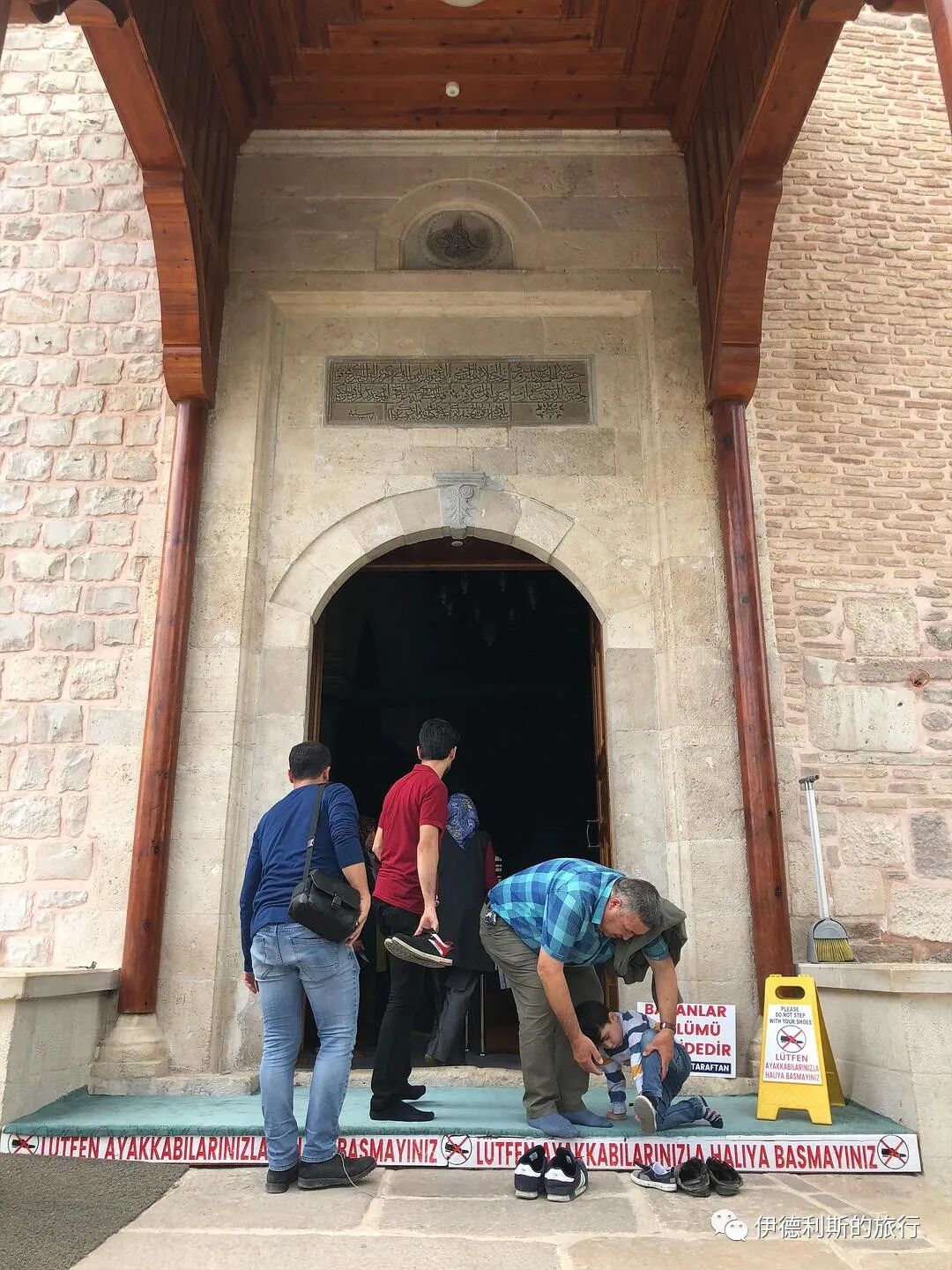
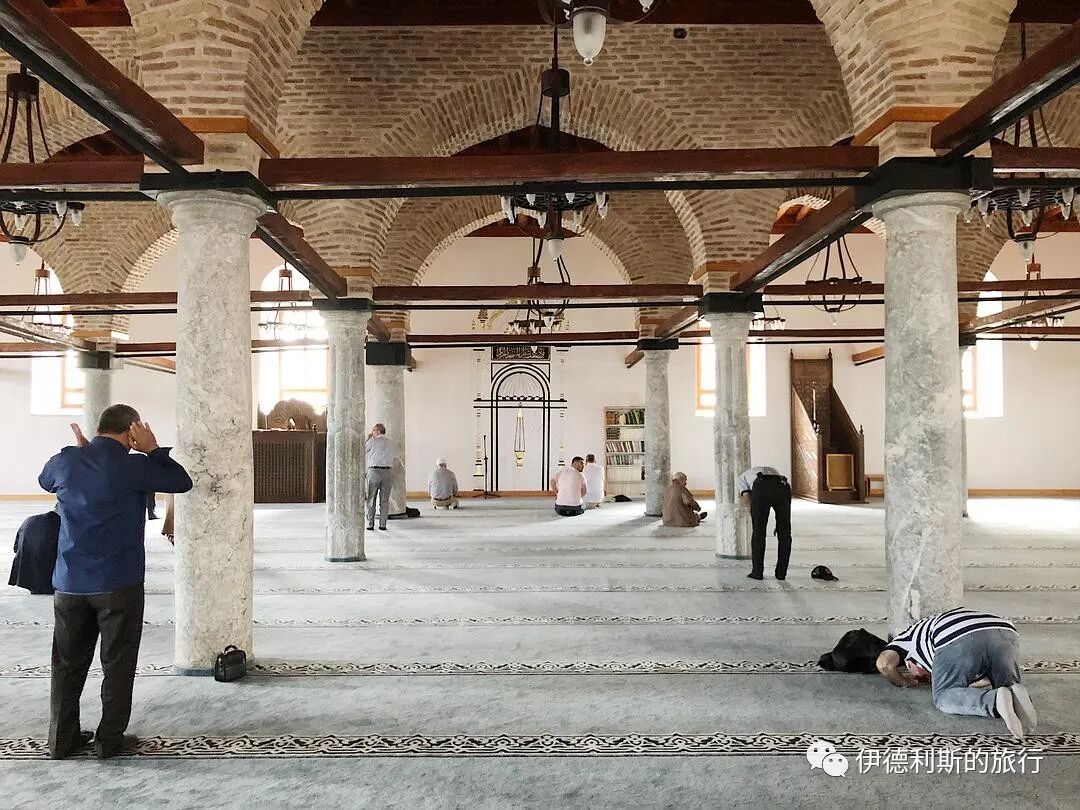
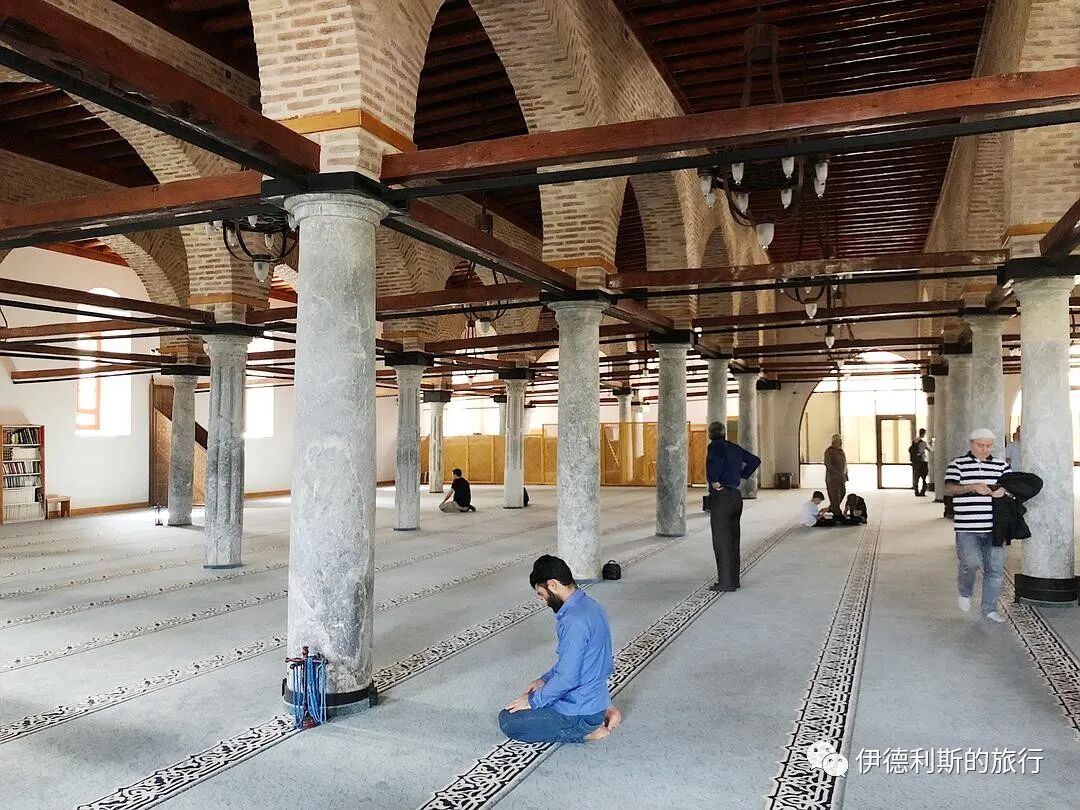
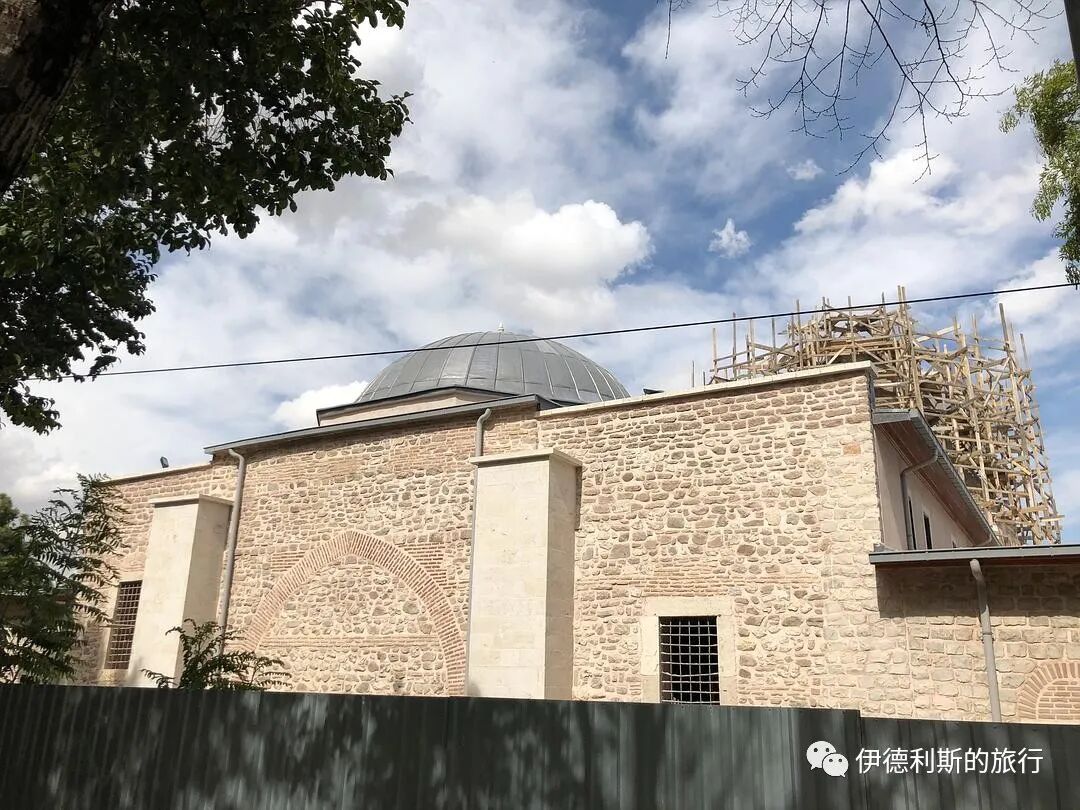
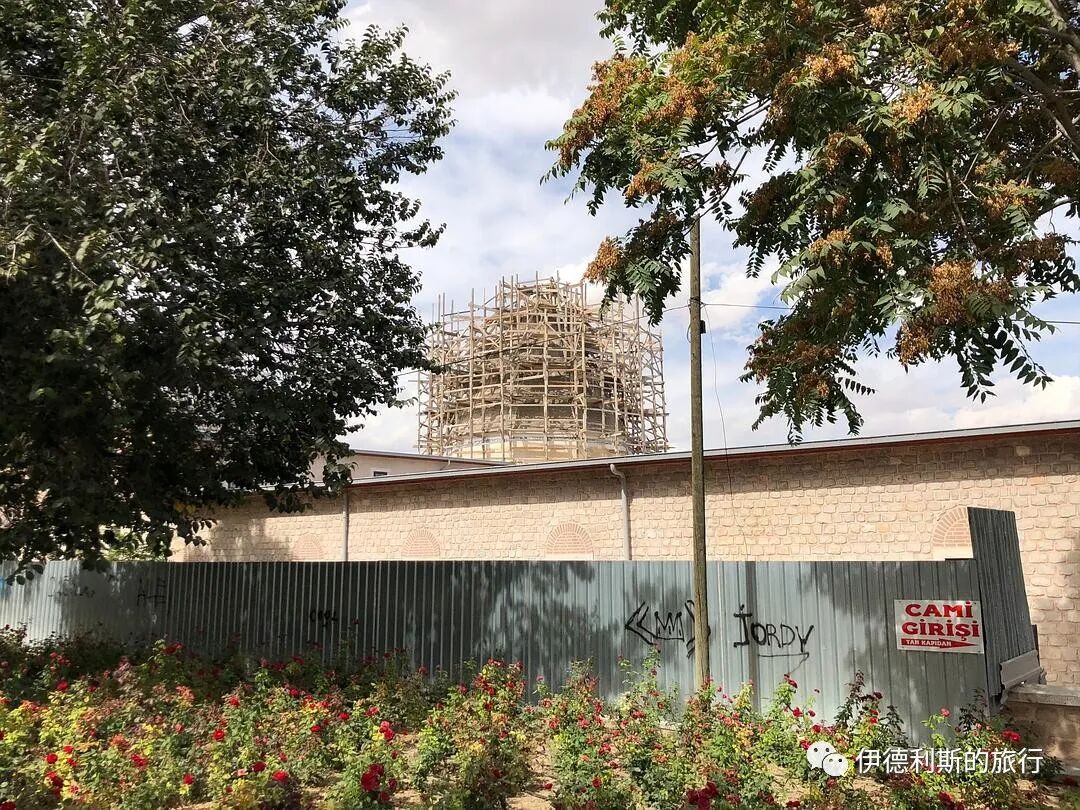
The Seljuk Rum Sultan's Tomb is under renovation and not open.
Ten. Glass Madrasa (Sırçalı Medrese): 1242.
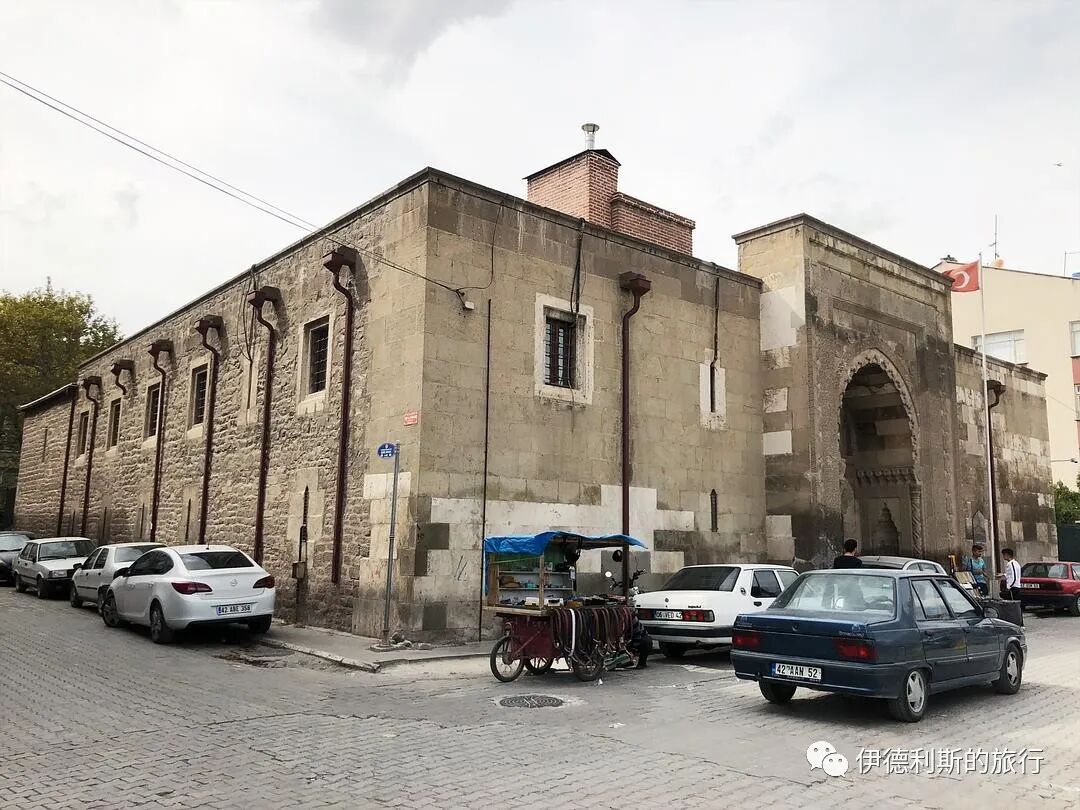
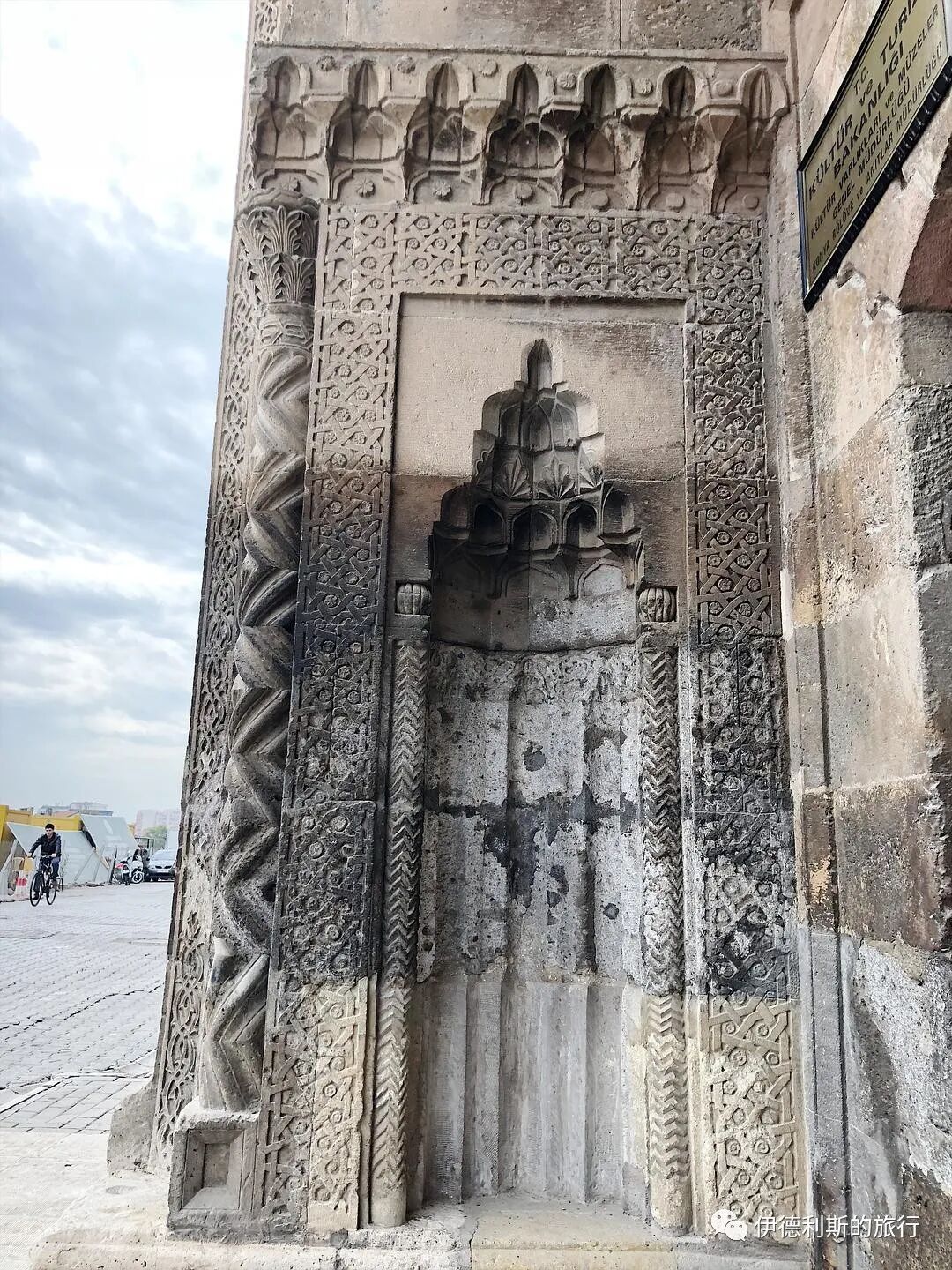
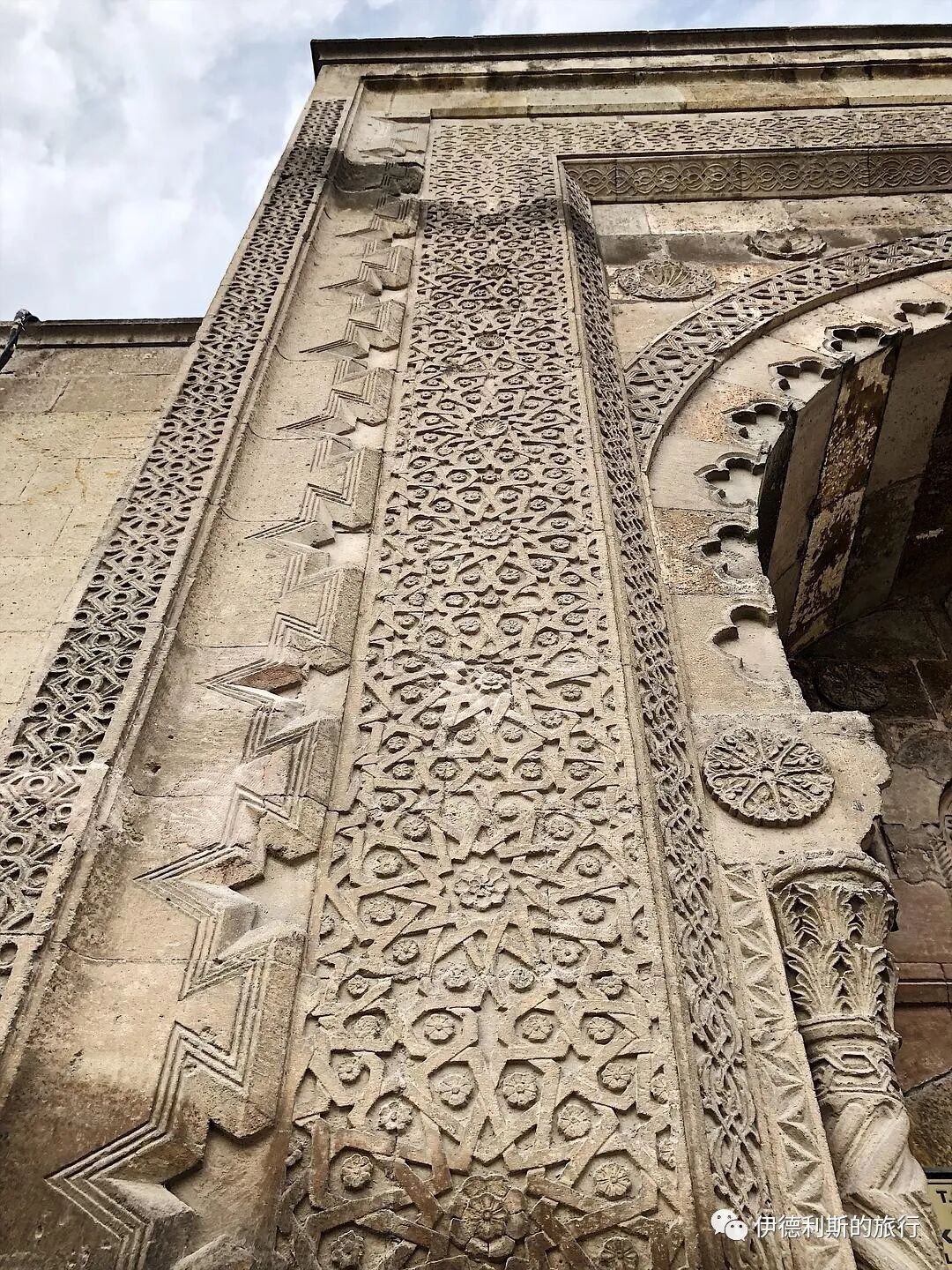
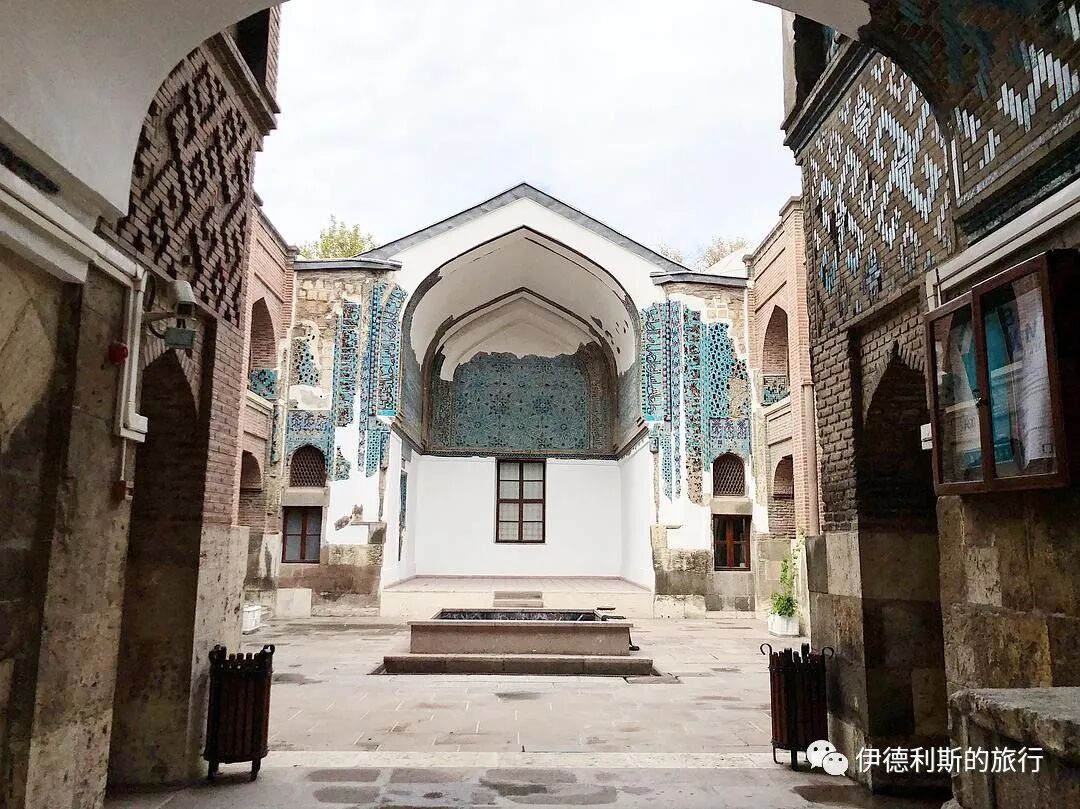
The Glass Madrasa (Sırçalı Medrese) was commissioned in 1242 by Emir Bedrettin Muslih. Its architect was Muhammed bin Osman el Tusi. This building is known for its colorful mosaic tiles.
During the reign of Seljuk Rum Sultan Kaykhusraw II (1237–1246), Bedrettin Muslih served as the Islamic law tutor for the next sultan, Kayqubad II (1249–1257). His and his family's tombs are inside the madrasa.
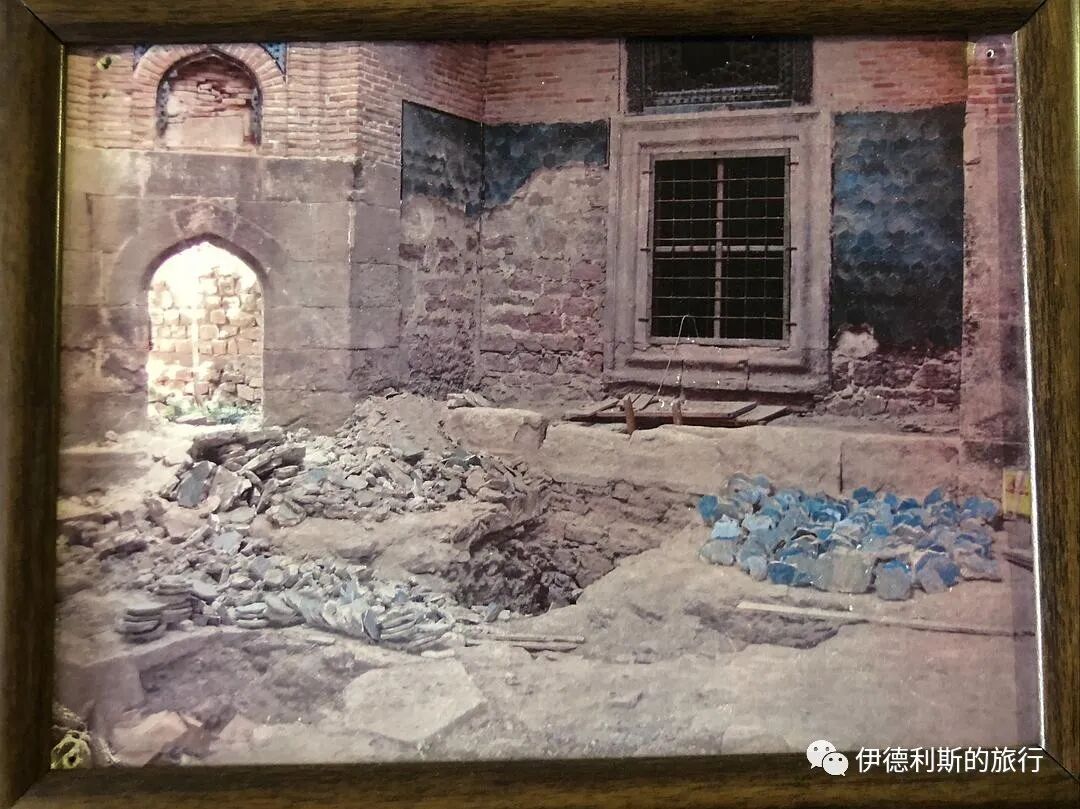
After the 17th century, the madrasa slowly fell into disrepair. Many mosaic tiles fell off. In the 19th century, some classrooms inside were torn down and rebuilt as brick houses.
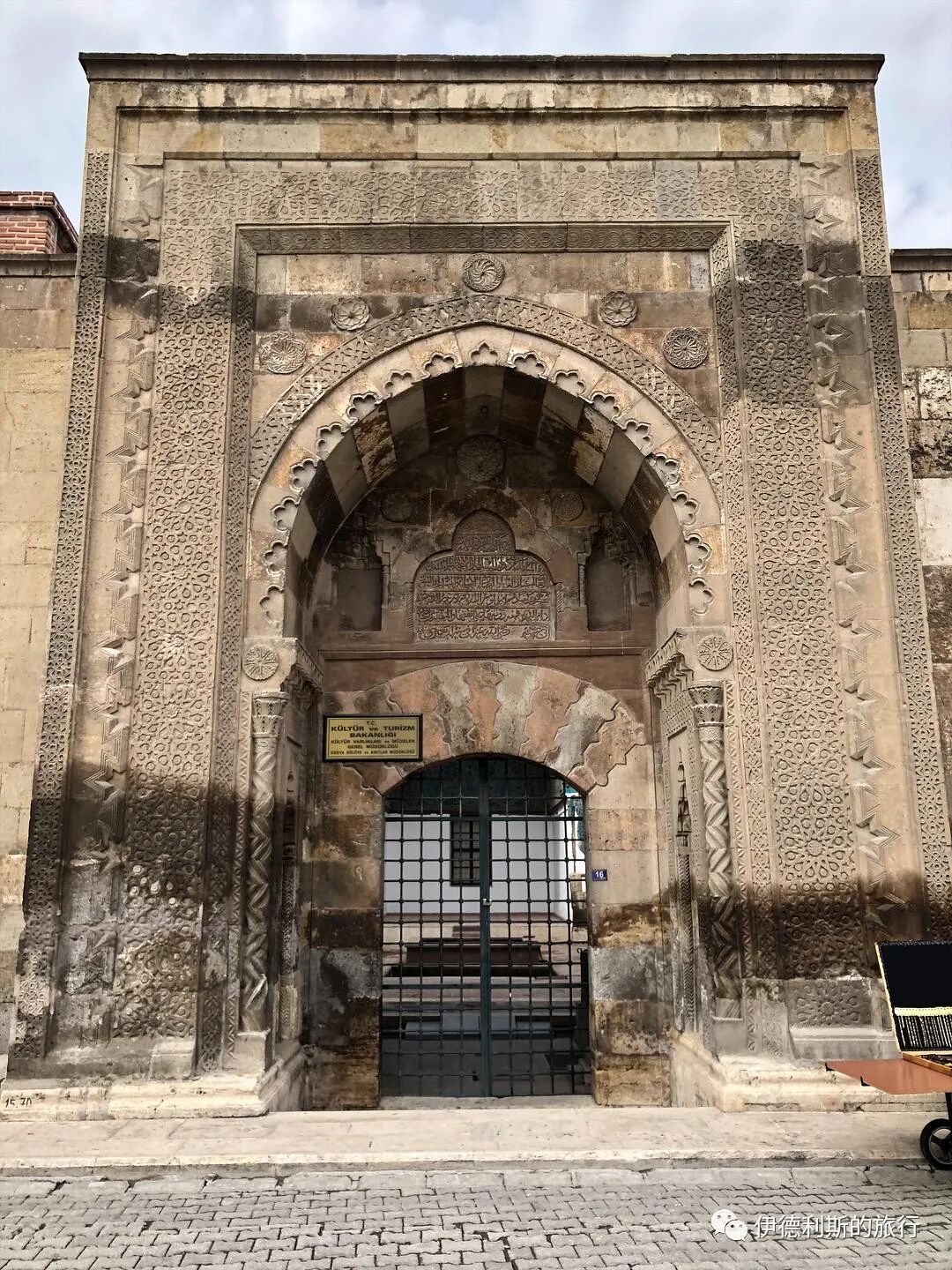
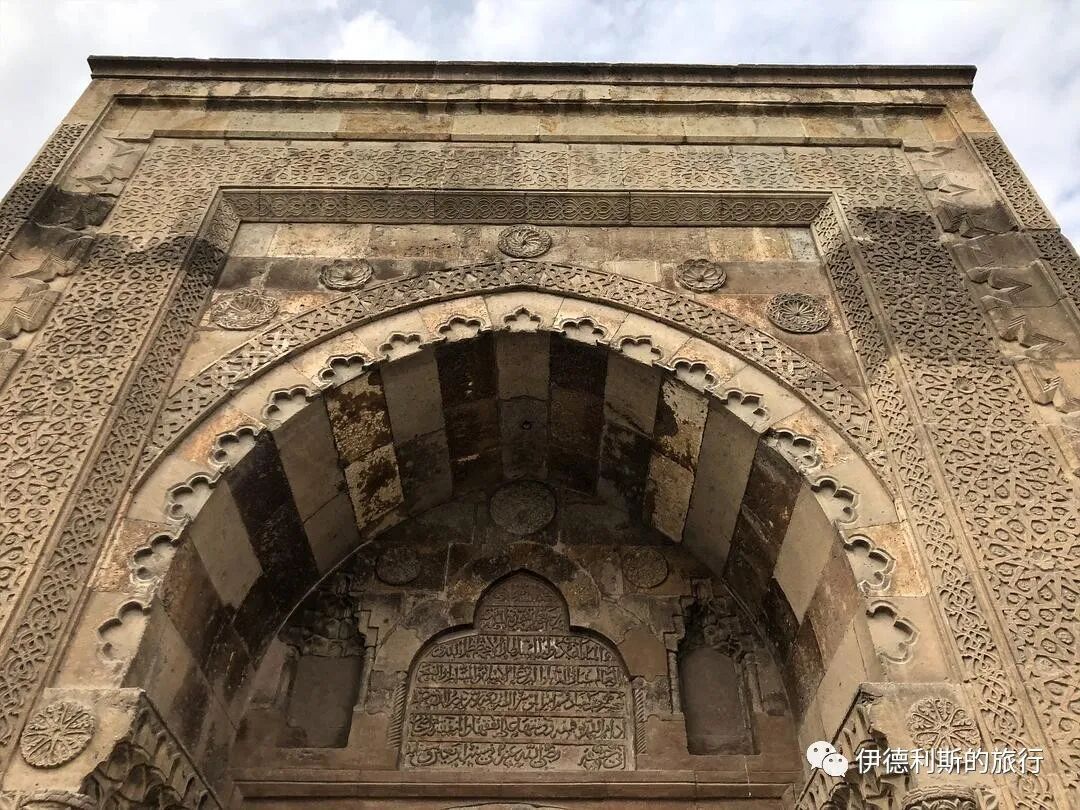
After 1964, this building opened to the public as a tomb museum. But I went on both Saturday and Sunday, and it was closed both days. So I only saw the main gate with its geometric reliefs.
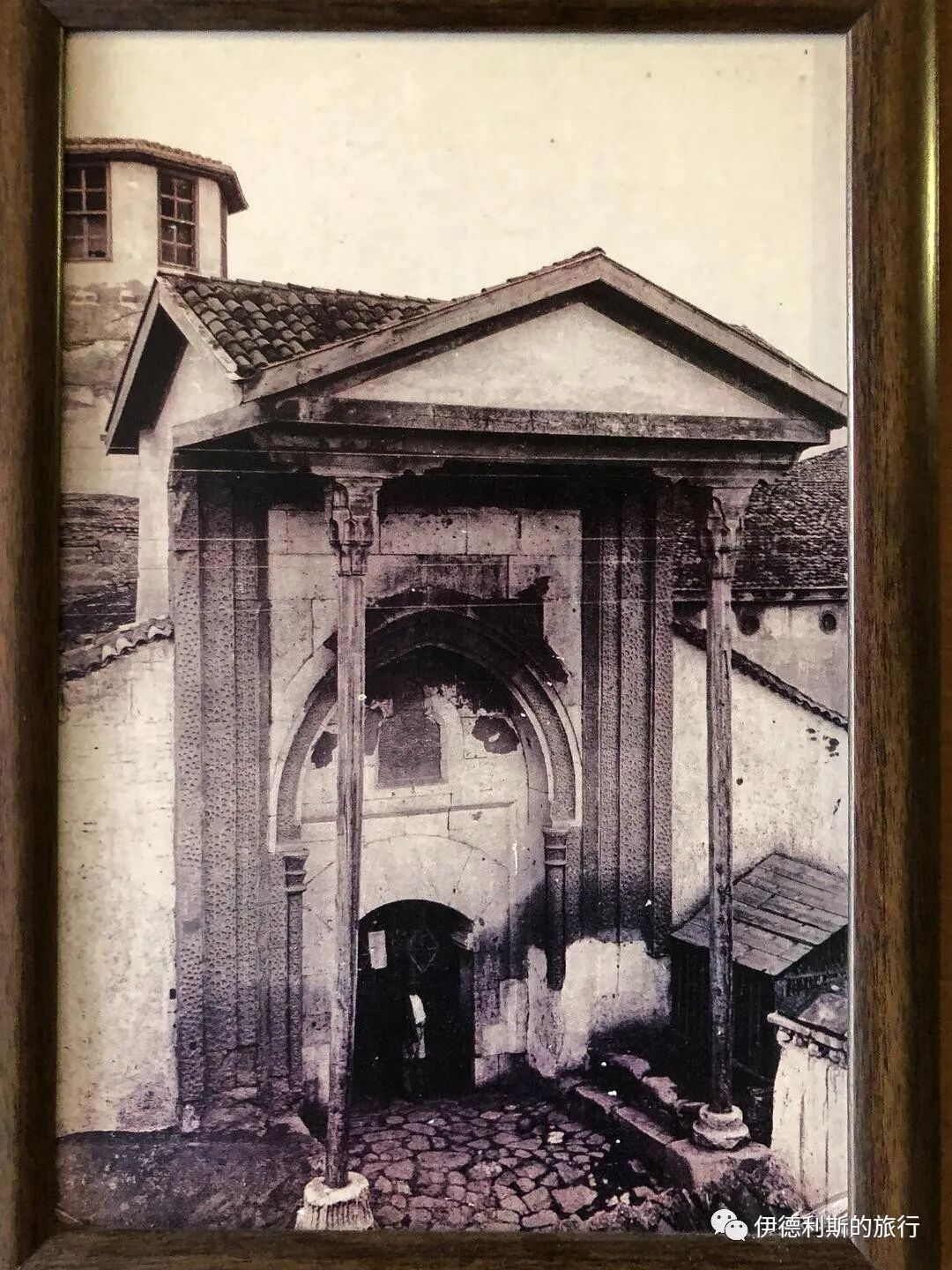
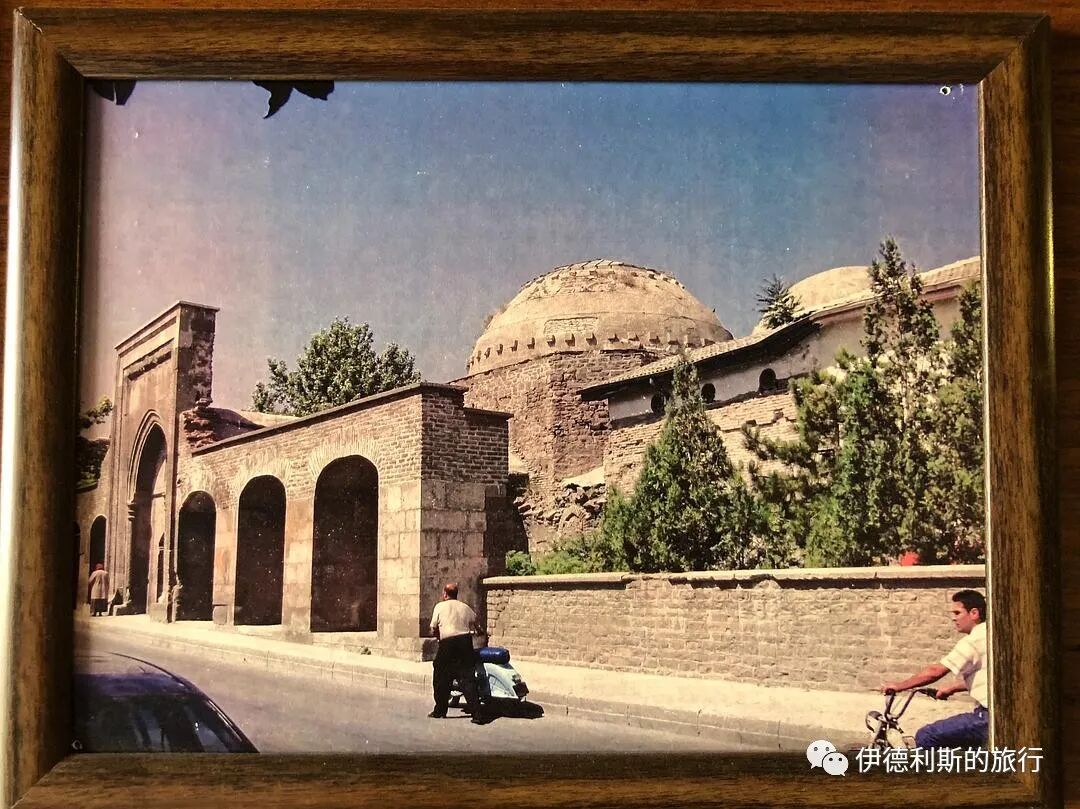
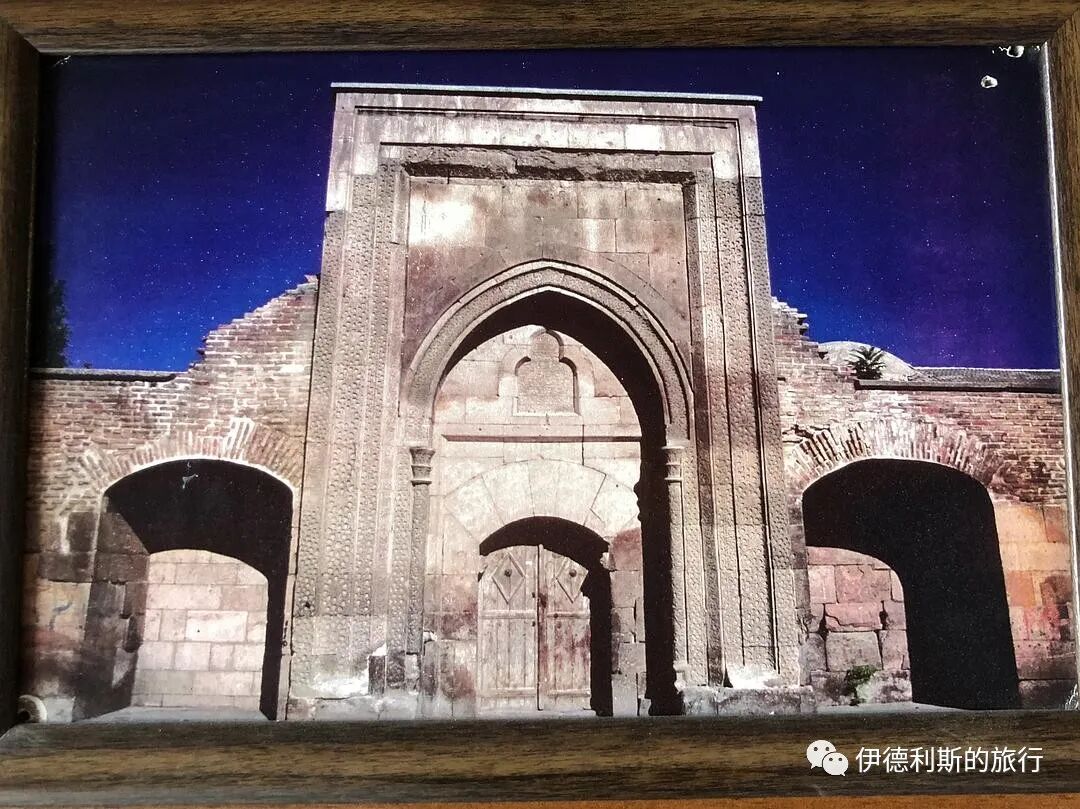
Eleven. Sahib Ata Mosque: 1258.
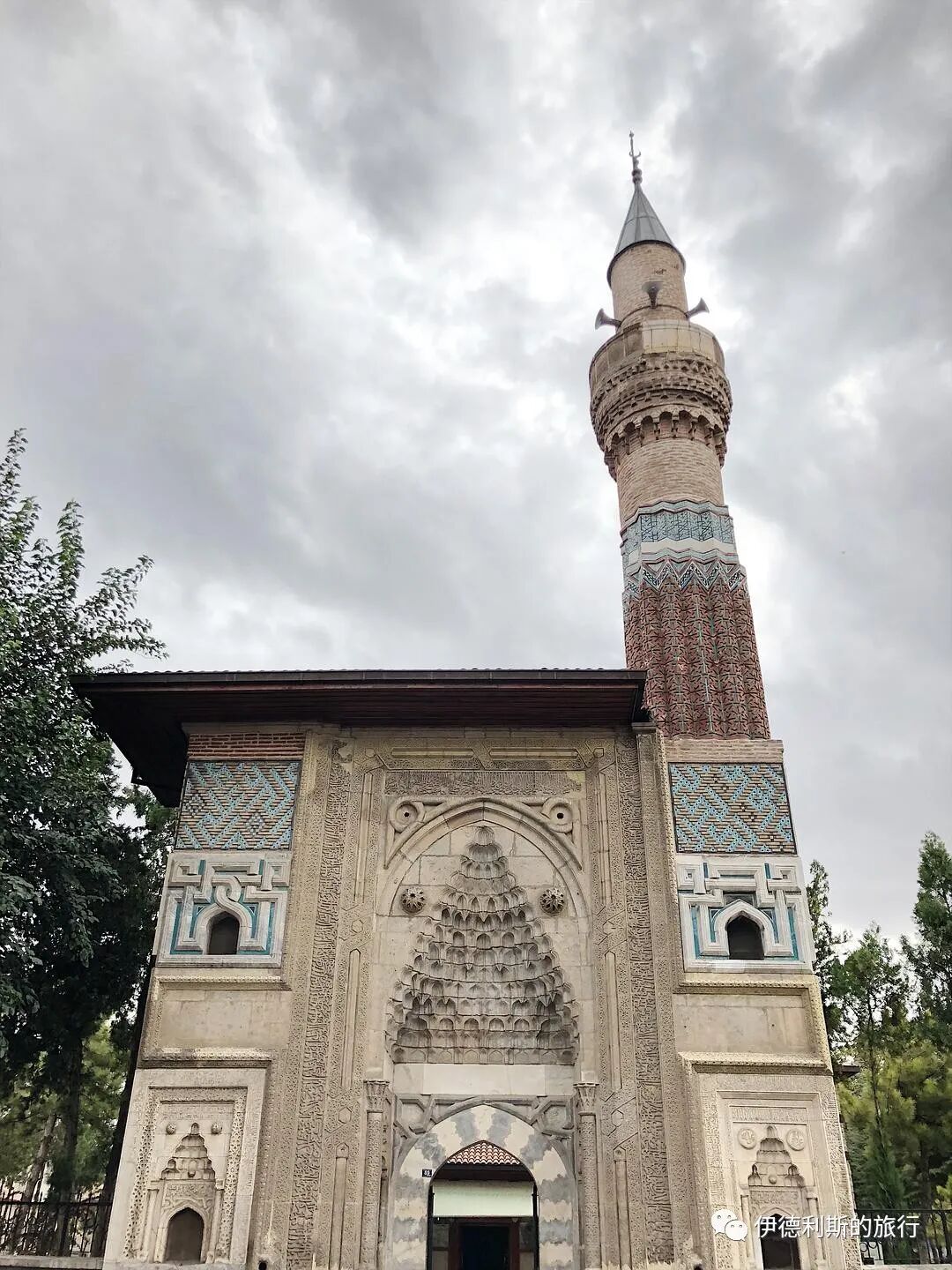
The Sahib Ata Mosque, like the Thin Minaret Madrasa (İnce Minareli Medrese), was built by Sahib Ata Fahreddin Ali. The architect was Keluk bin Abdullah. Sahib Ata was an important official in the Seljuk Rum Sultanate court from the 1250s until his death in 1288. After 1277, he even held great power in the Sultanate.
The mosque is most famous for its main gate and minaret. It was restored between 2006 and 2007.
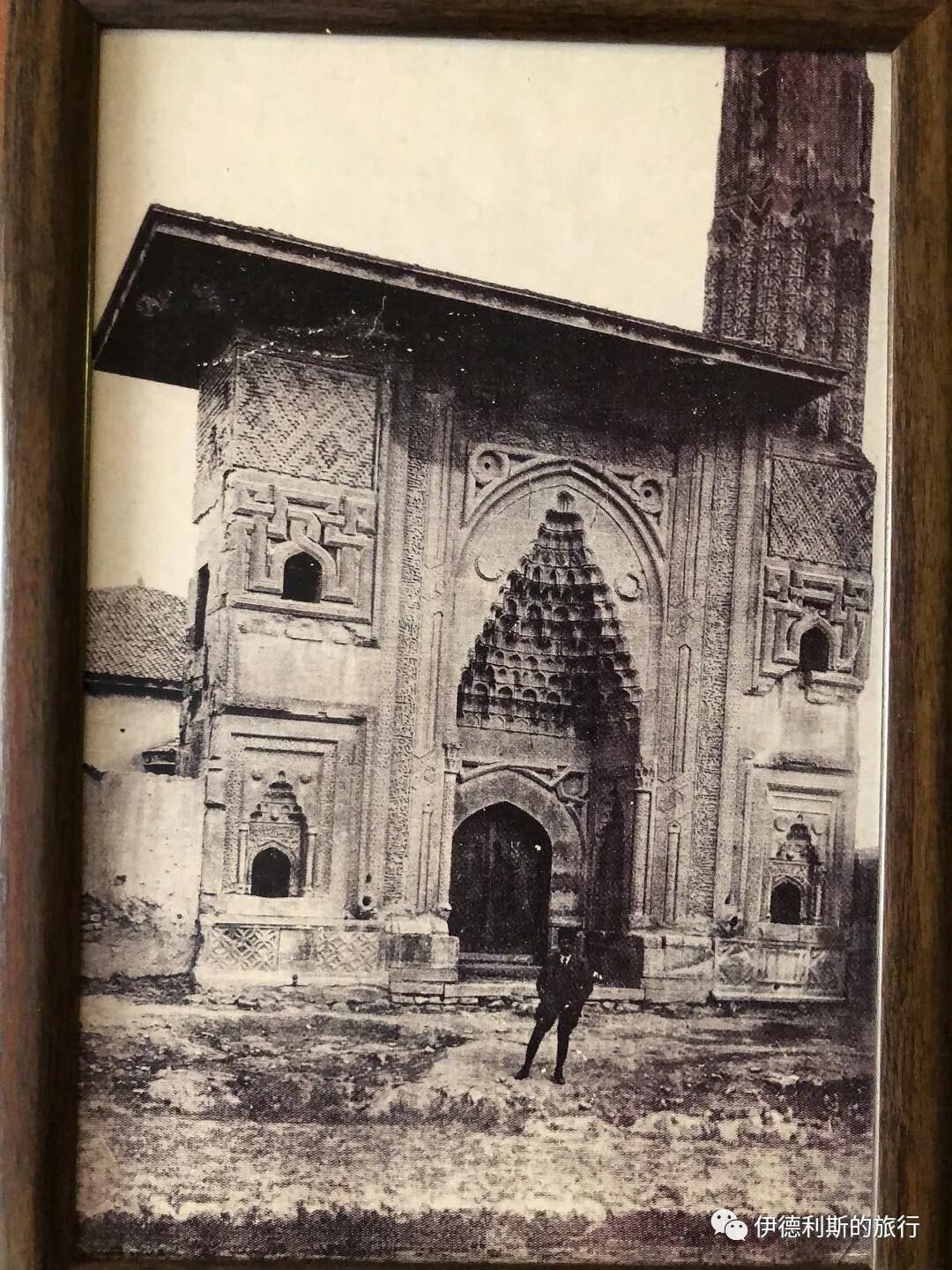
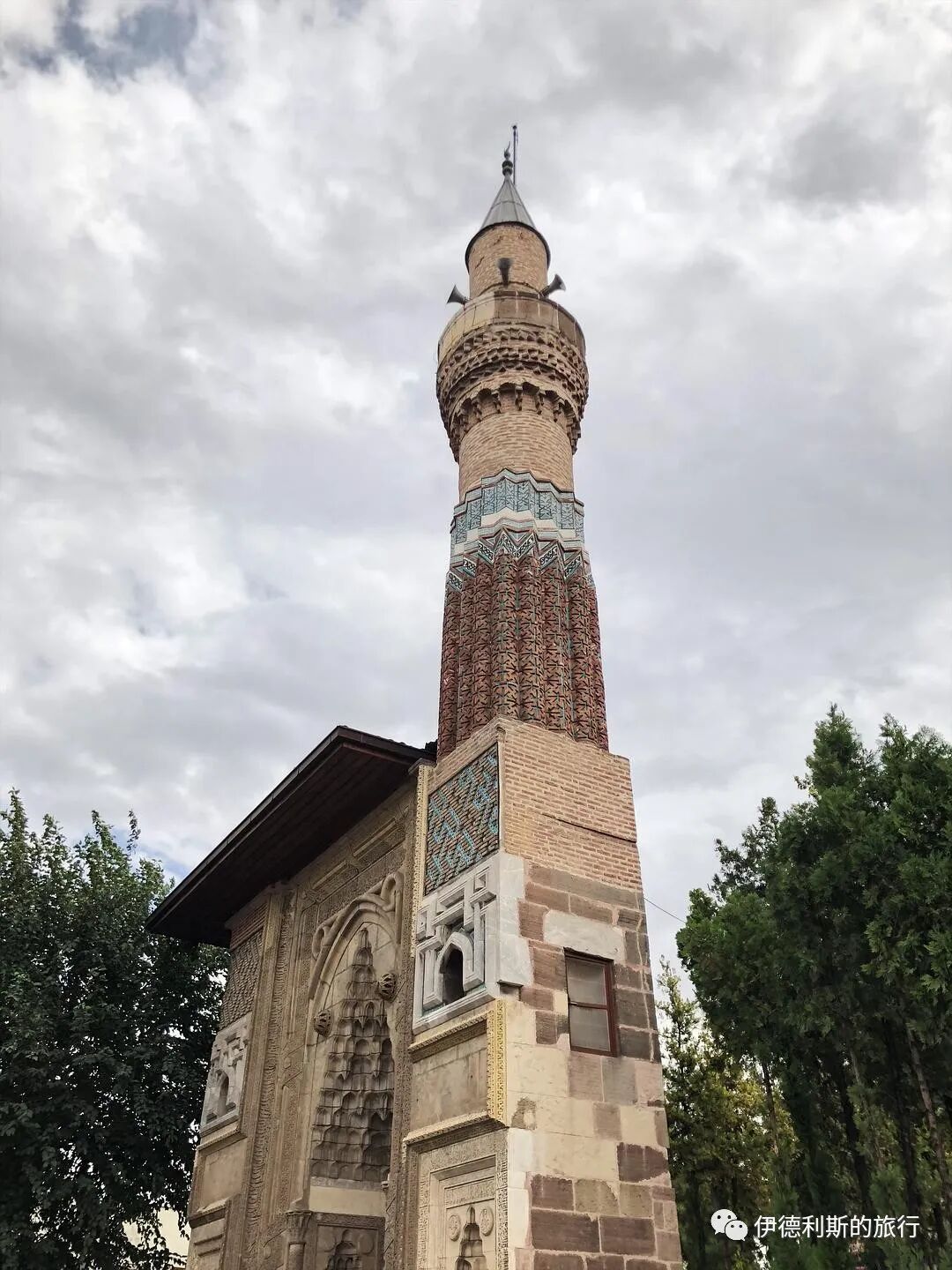
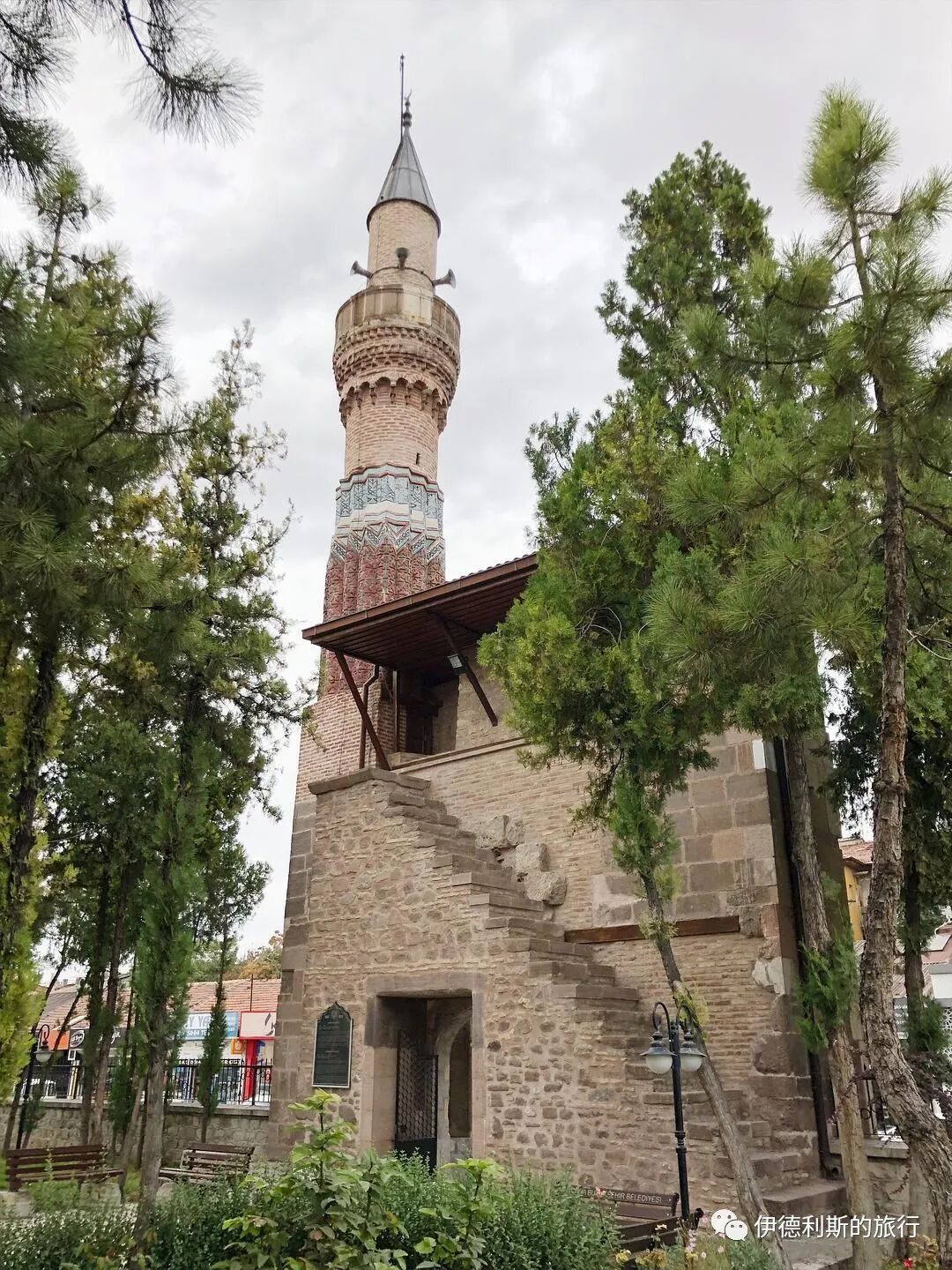
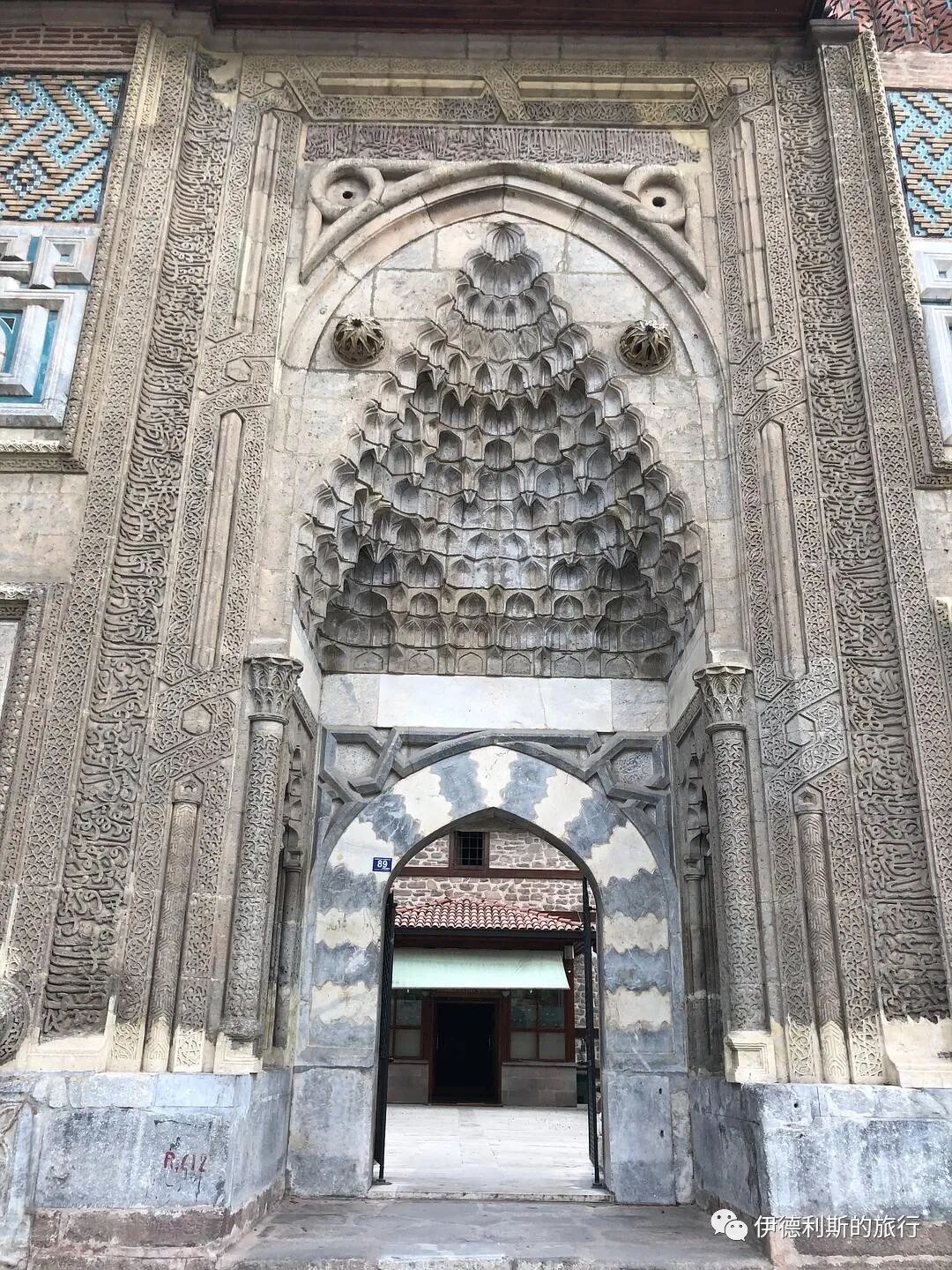
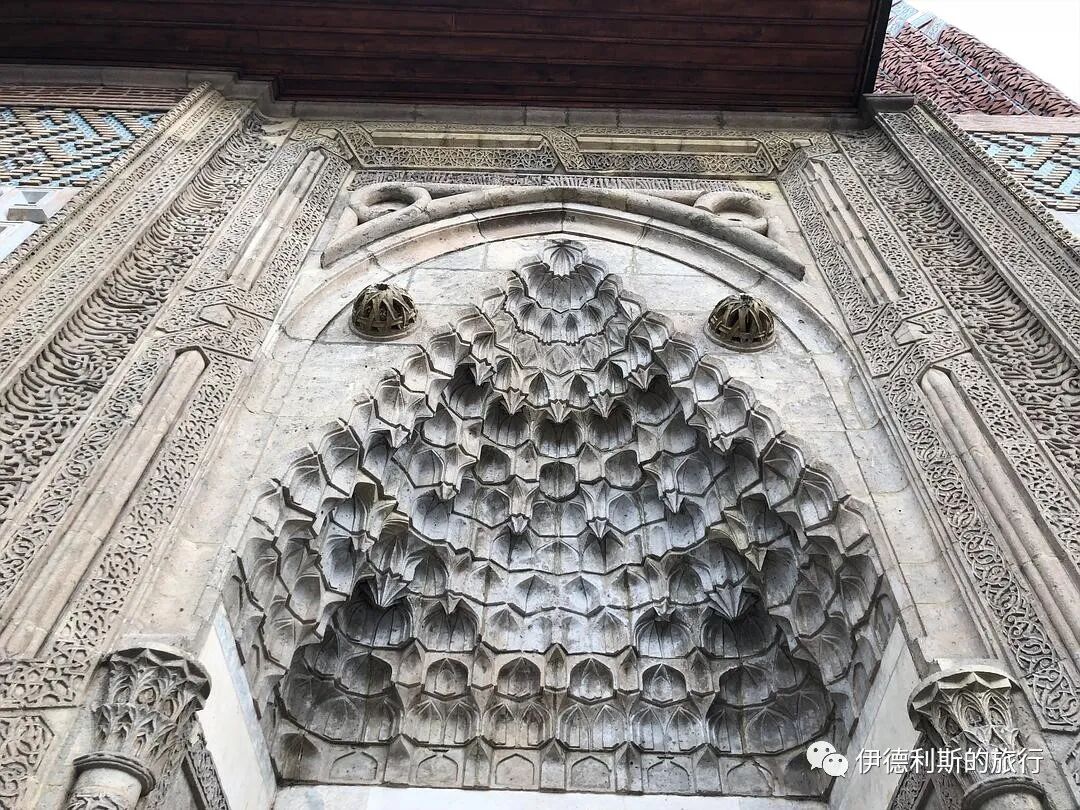
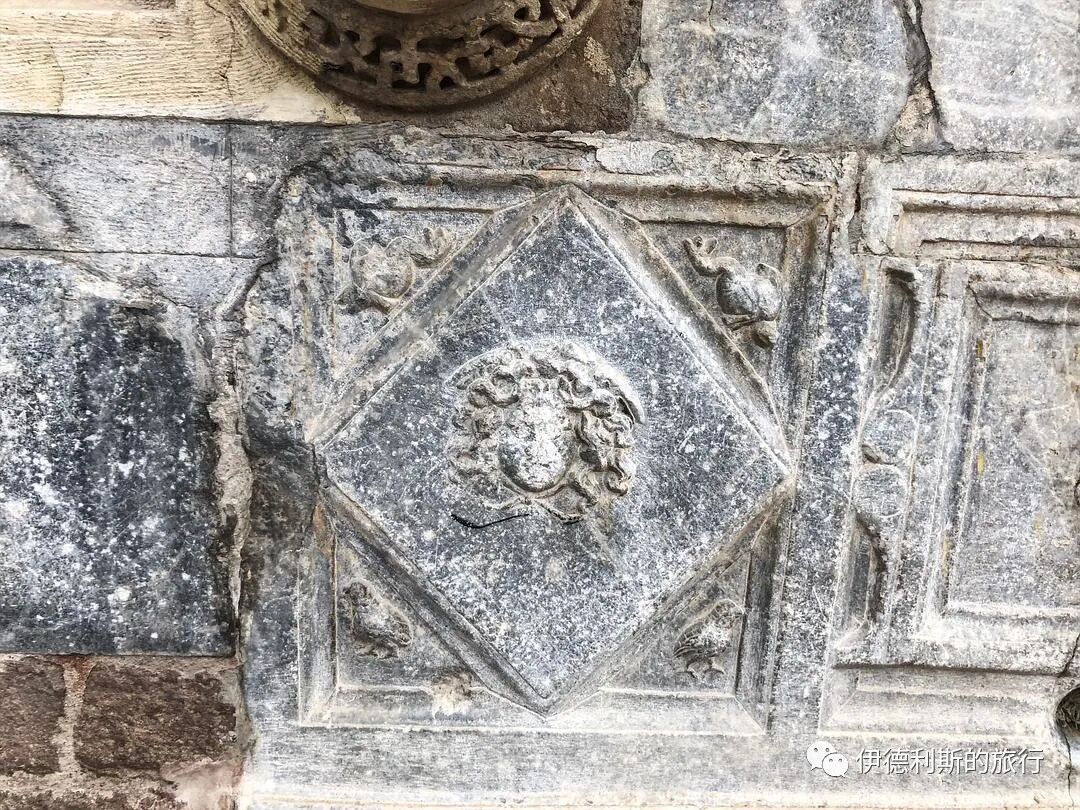
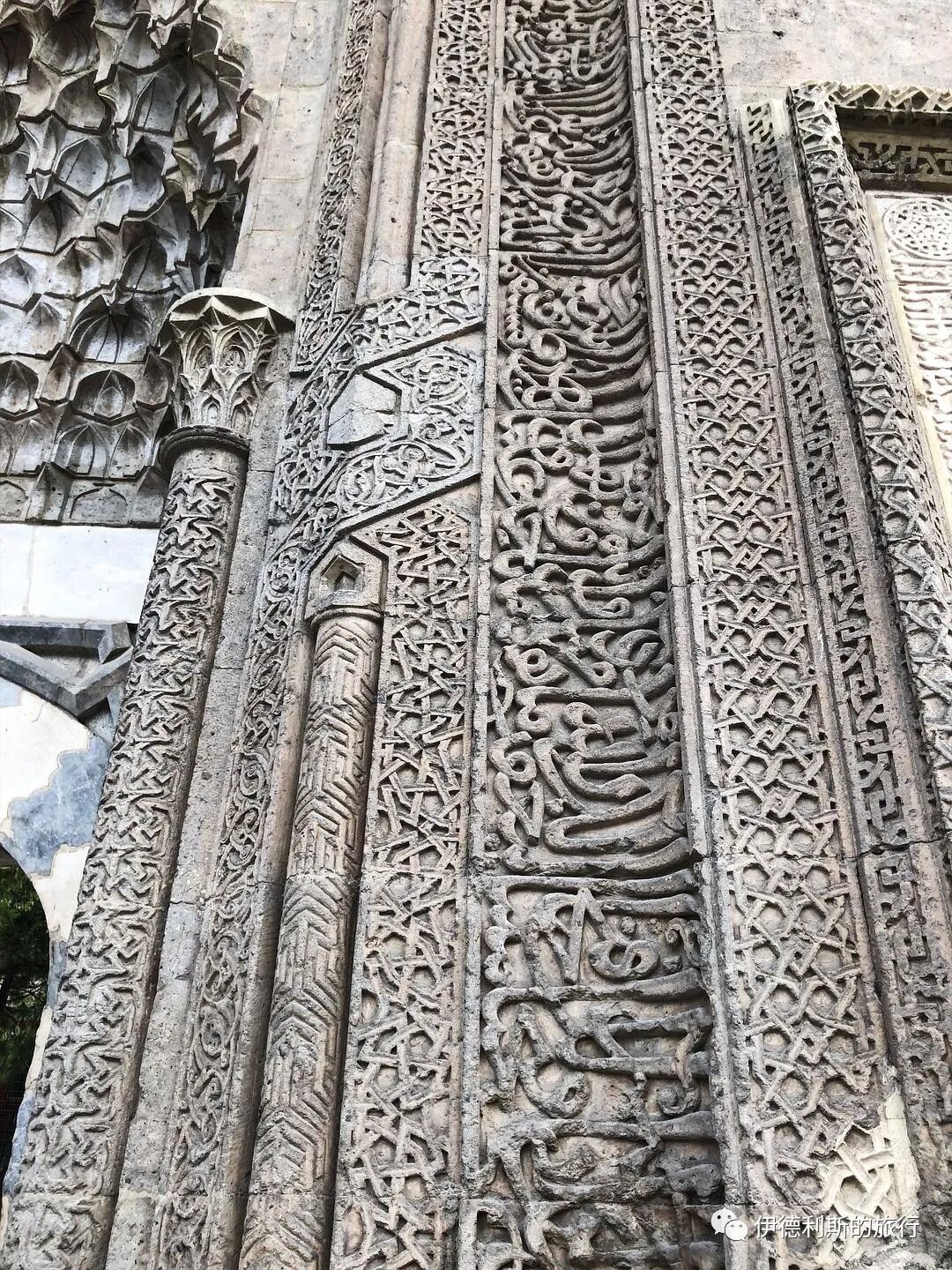
The main prayer hall of the mosque was destroyed by fire in 1871. Only the beautiful Seljuk tiled mihrab survived. Sadly, I forgot to go inside and photograph the mihrab, which left me with regret. However, some of the mihrab's tiles are on display in the Tile Kiosk of the Istanbul Archaeology Museums.
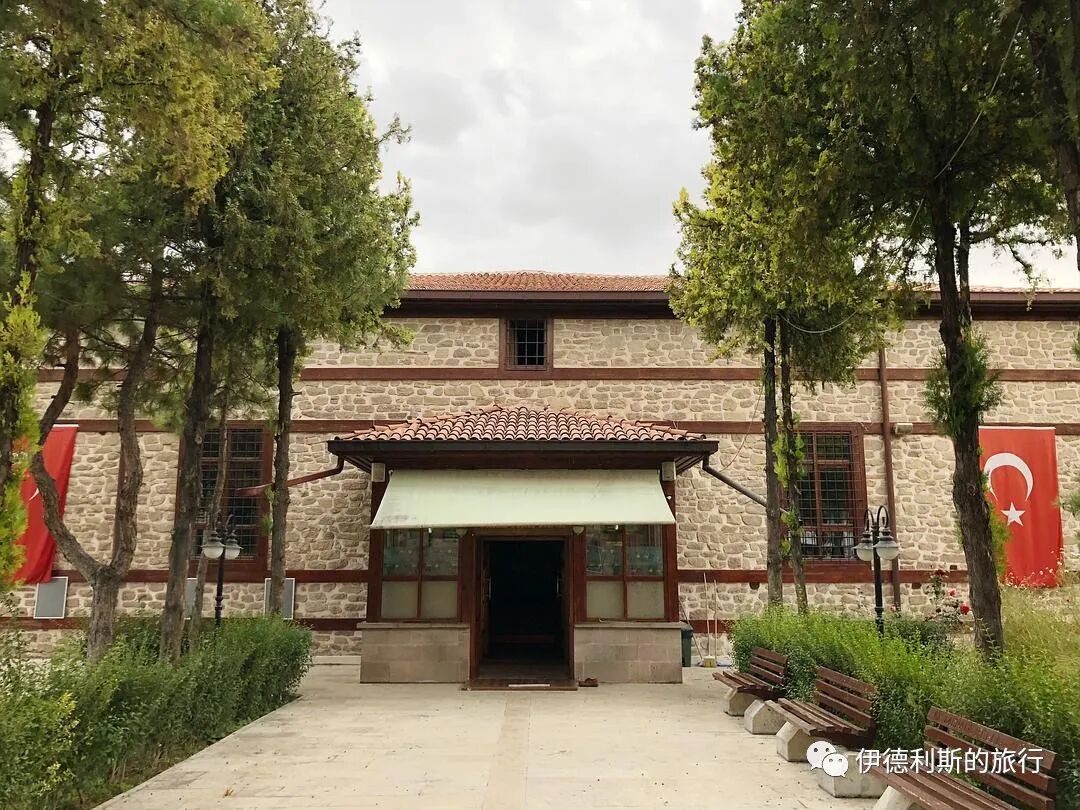
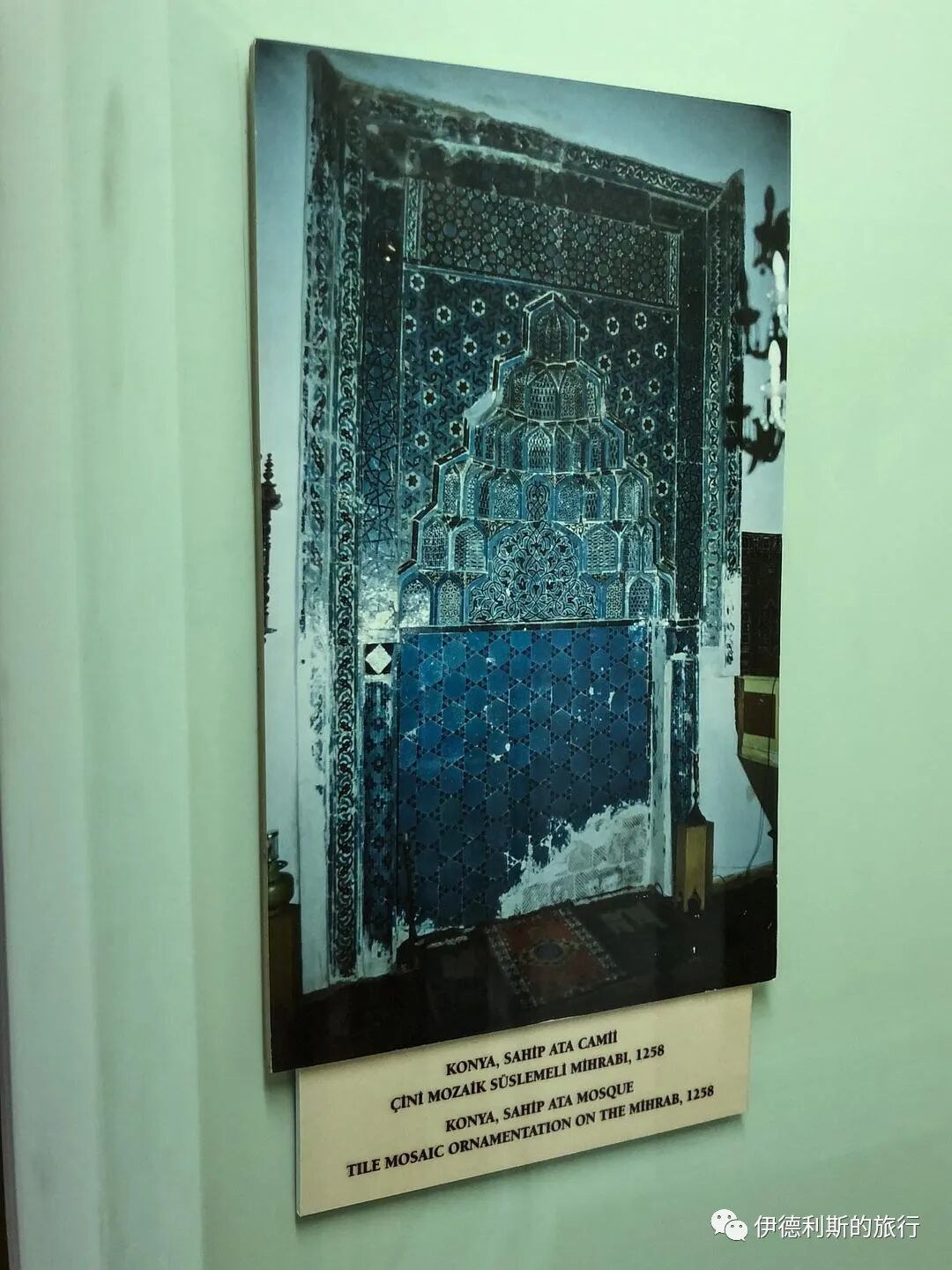
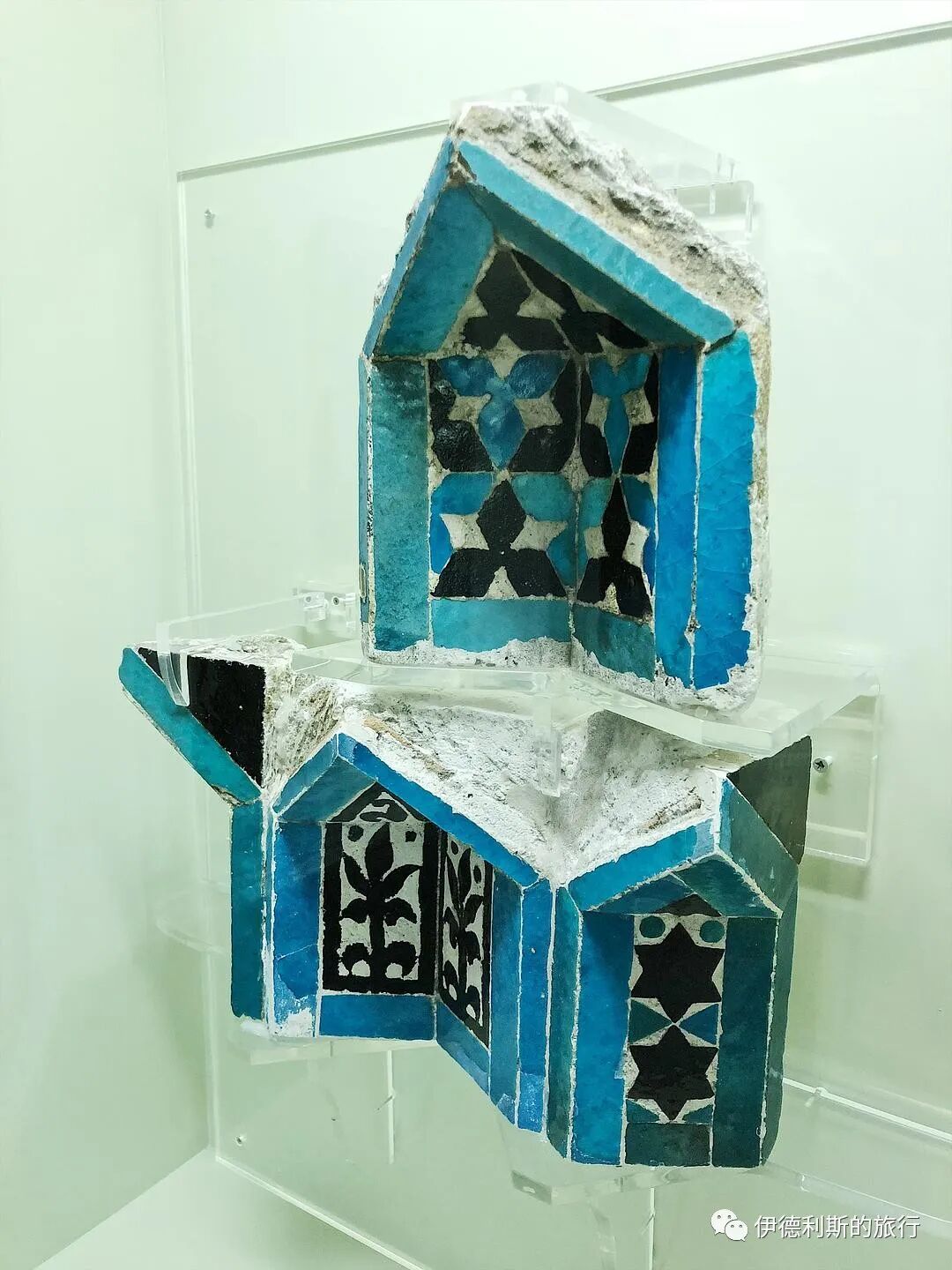
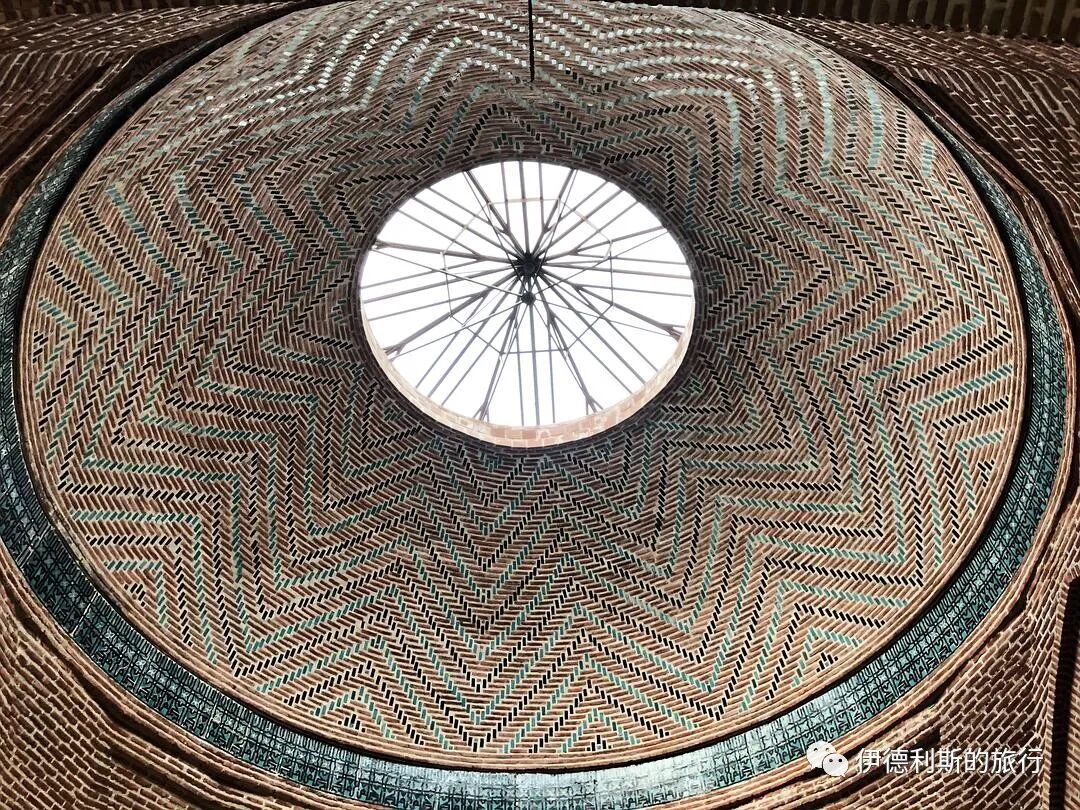
Twelve. Sahib Ata Madrasa: 1258.
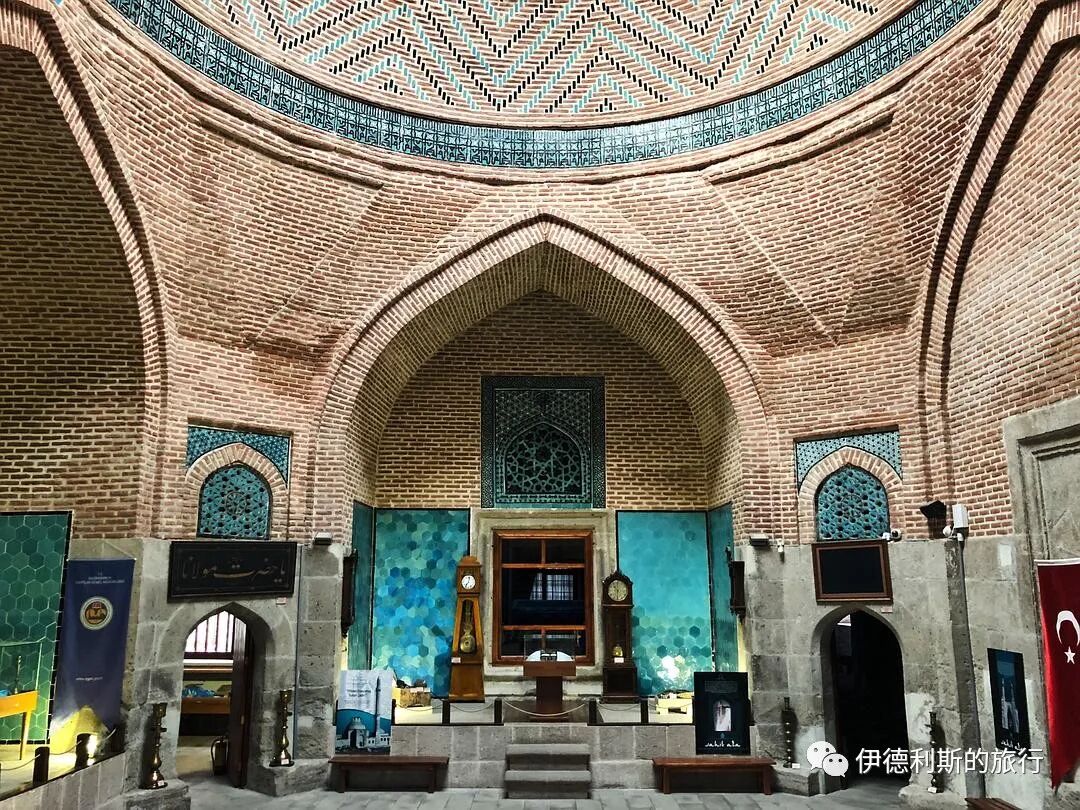
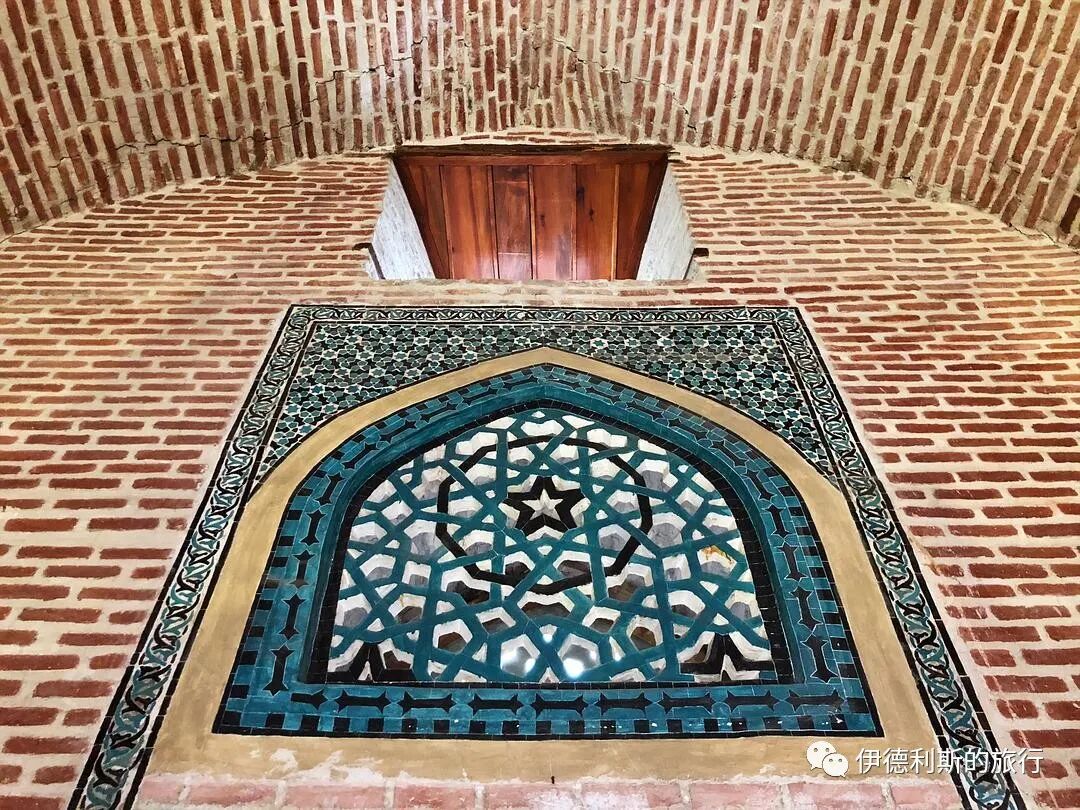
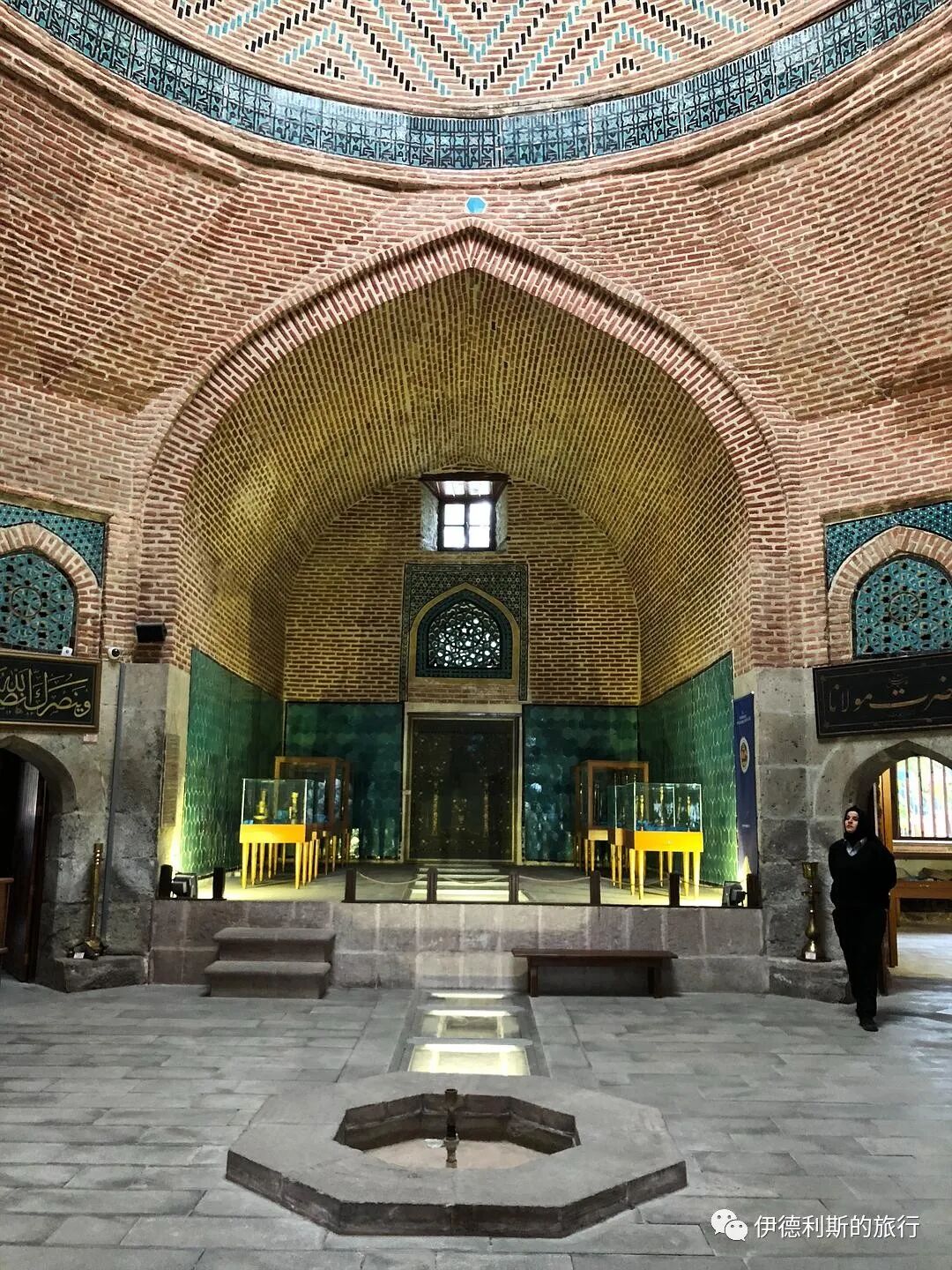
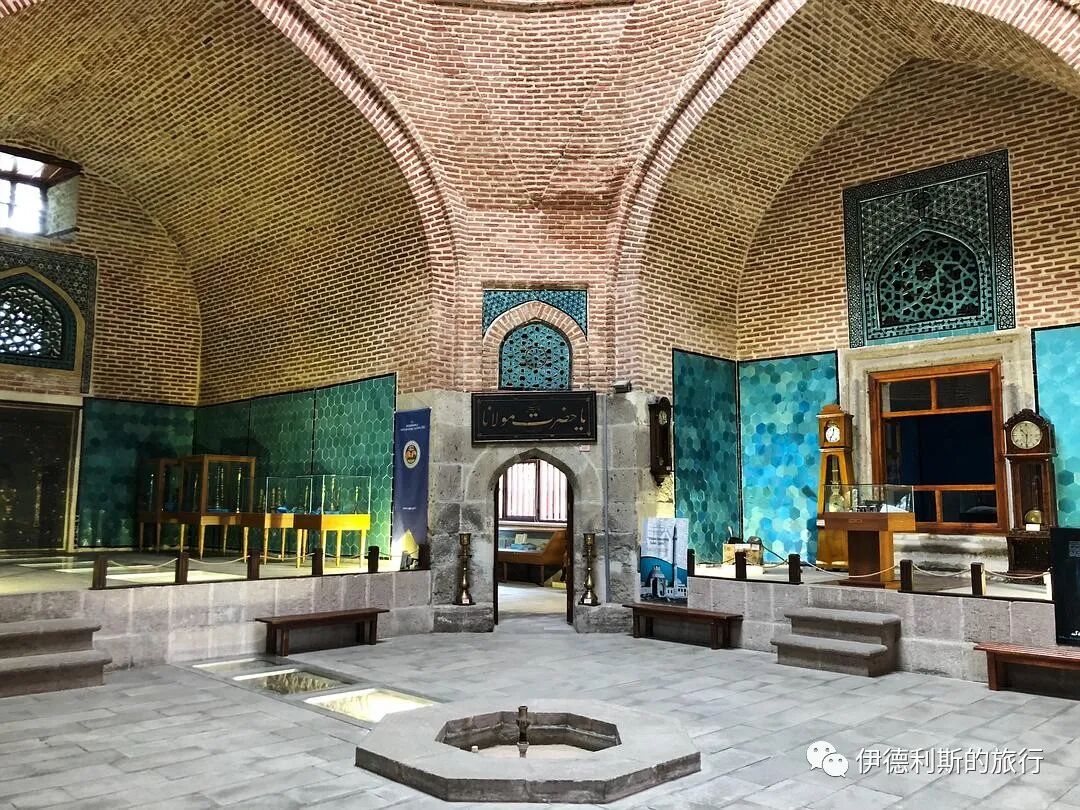
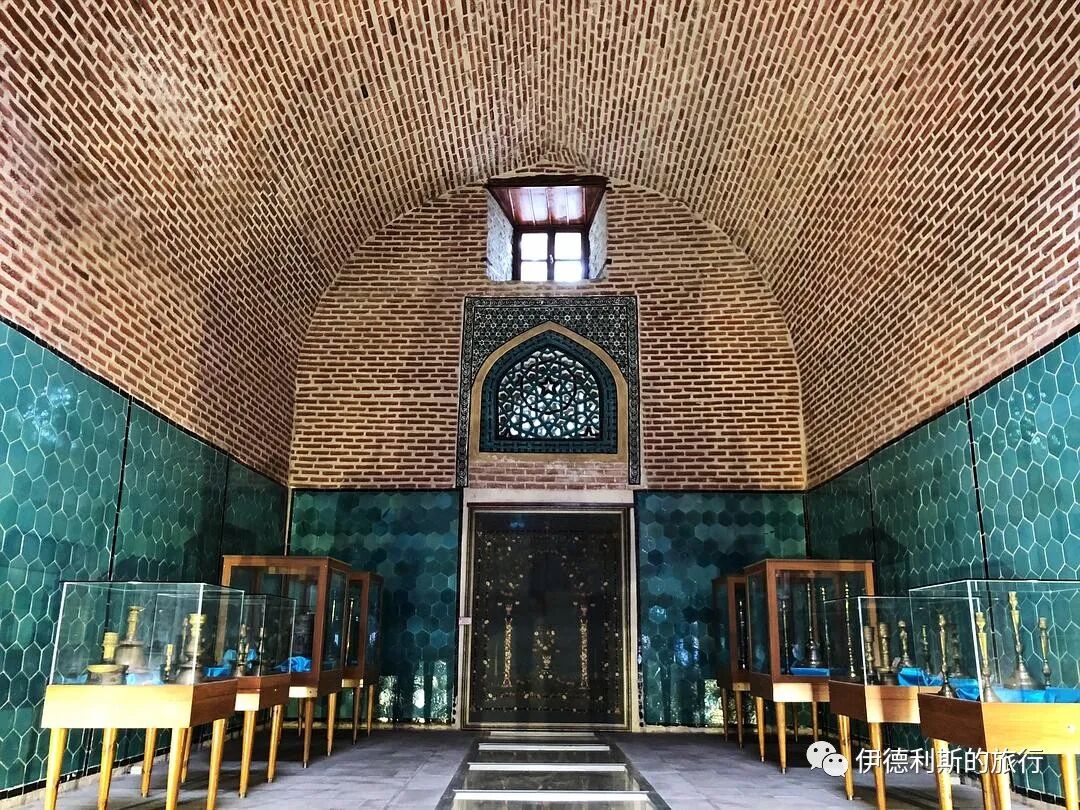
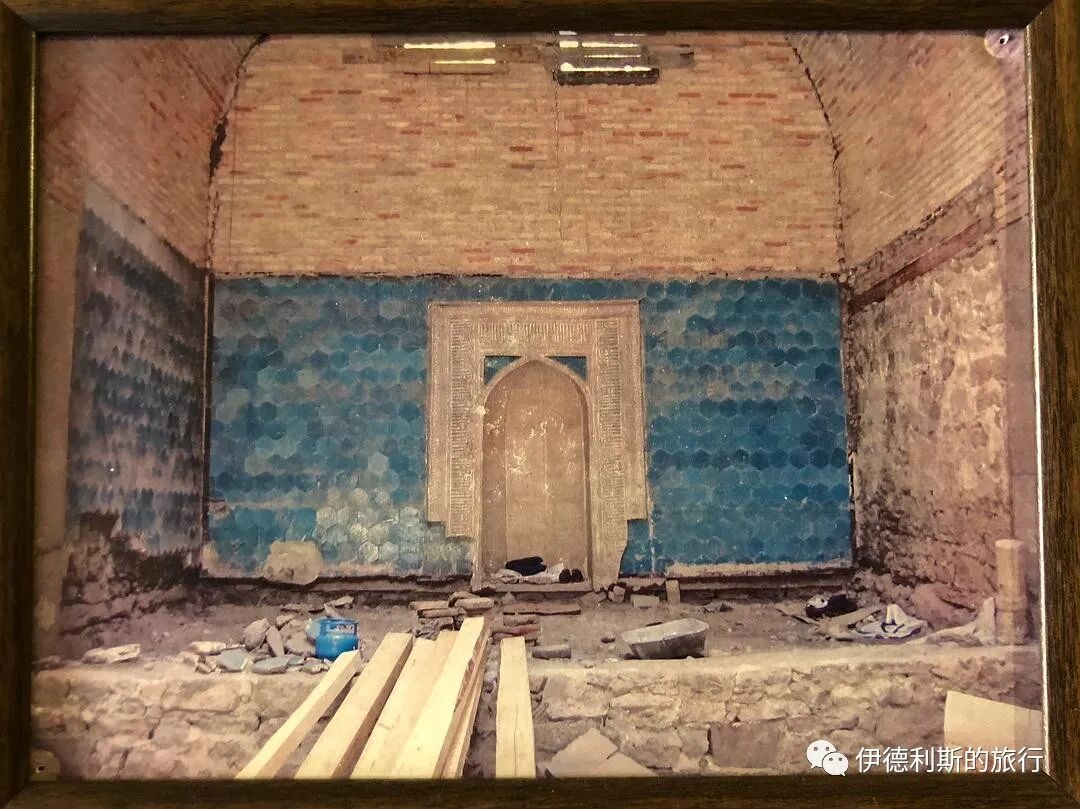
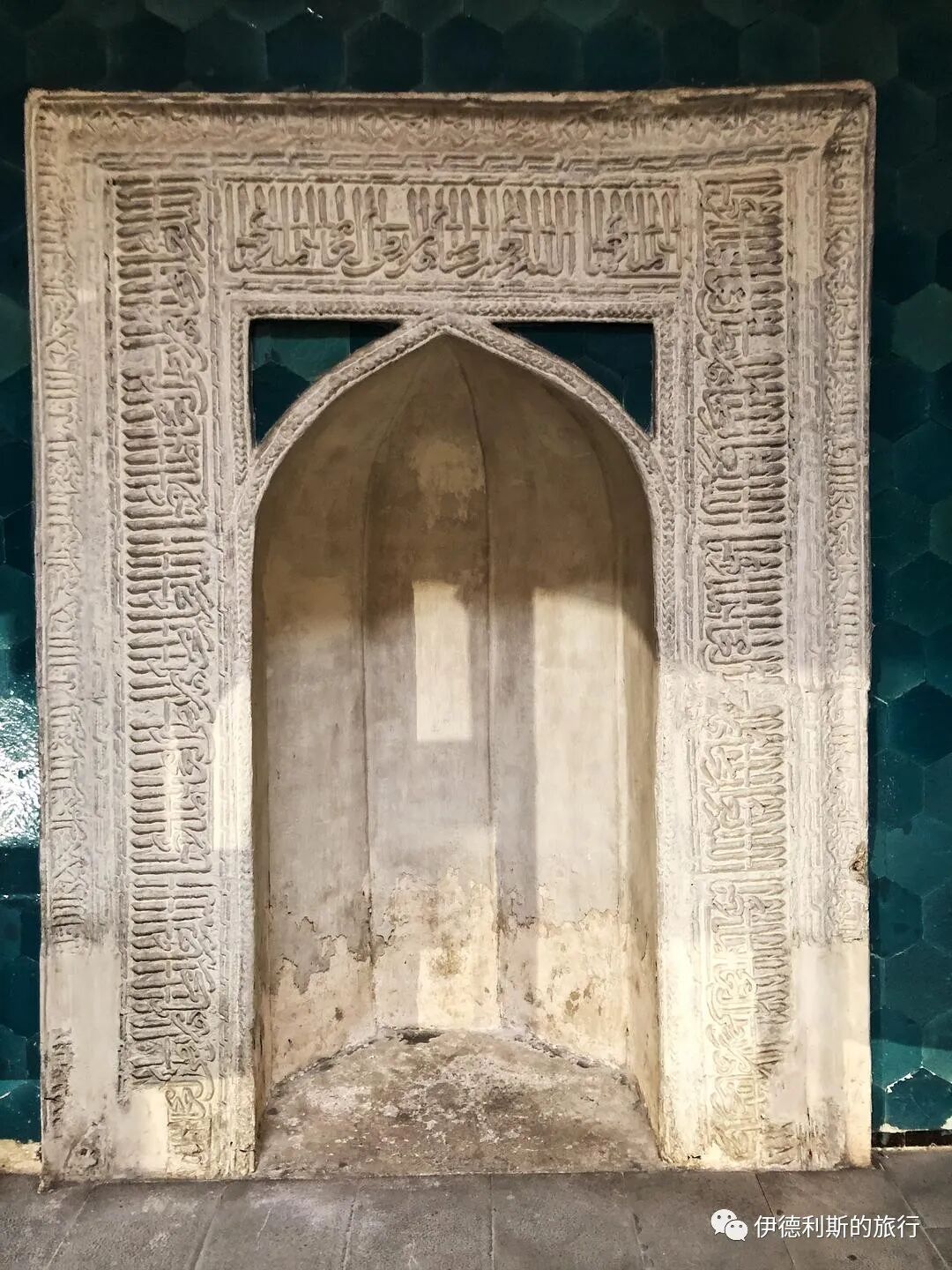
Besides the mosque, Sahib Ata also built an entire complex here. It includes a madrasa, a Sufi lodge, a bathhouse, and a family tomb. The madrasa is now open to the public as the Sahib Ata Foundation Museum. It was restored between 2006 and 2007 and is known for its dark blue and sky blue Seljuk tiles.
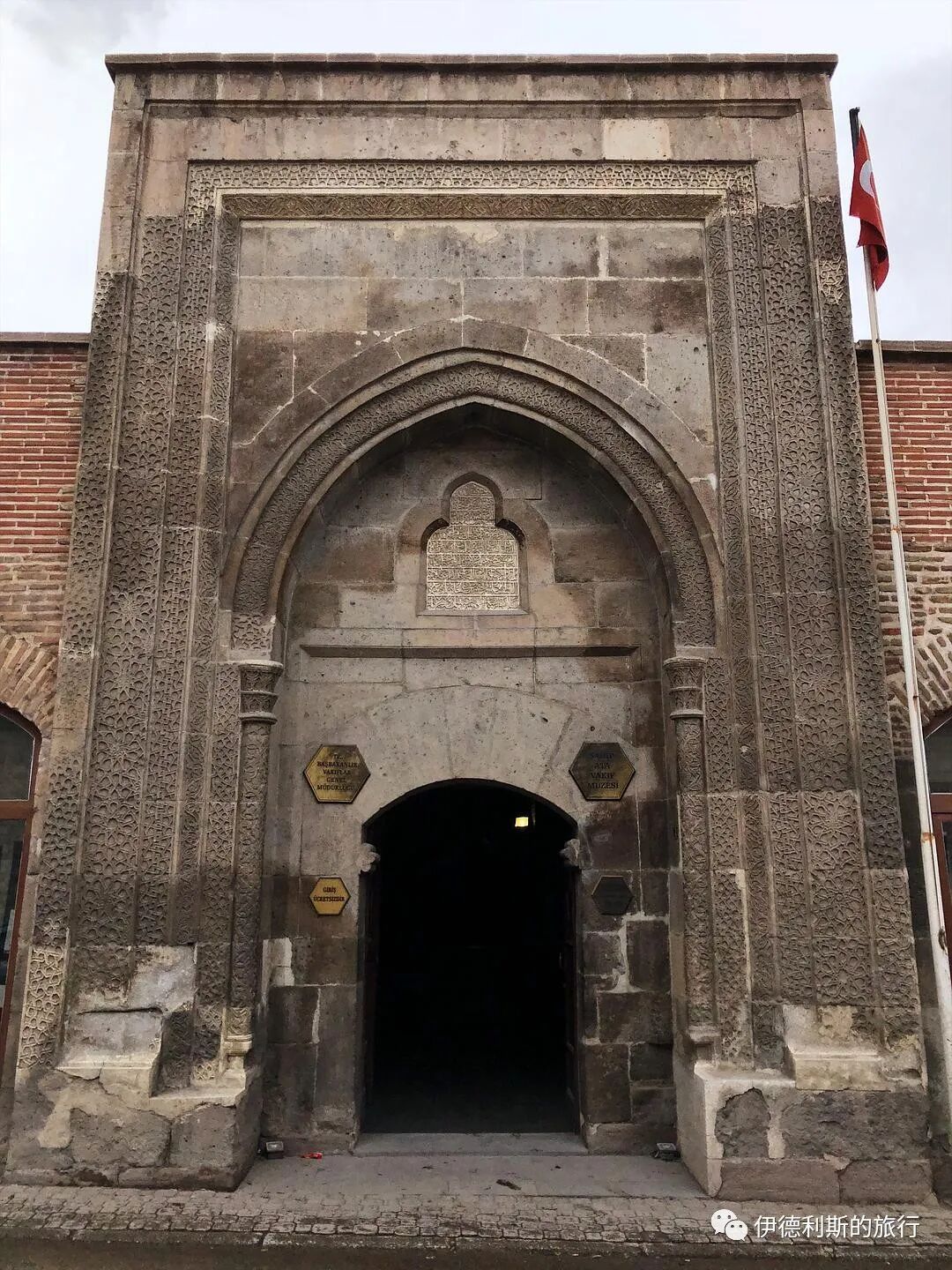
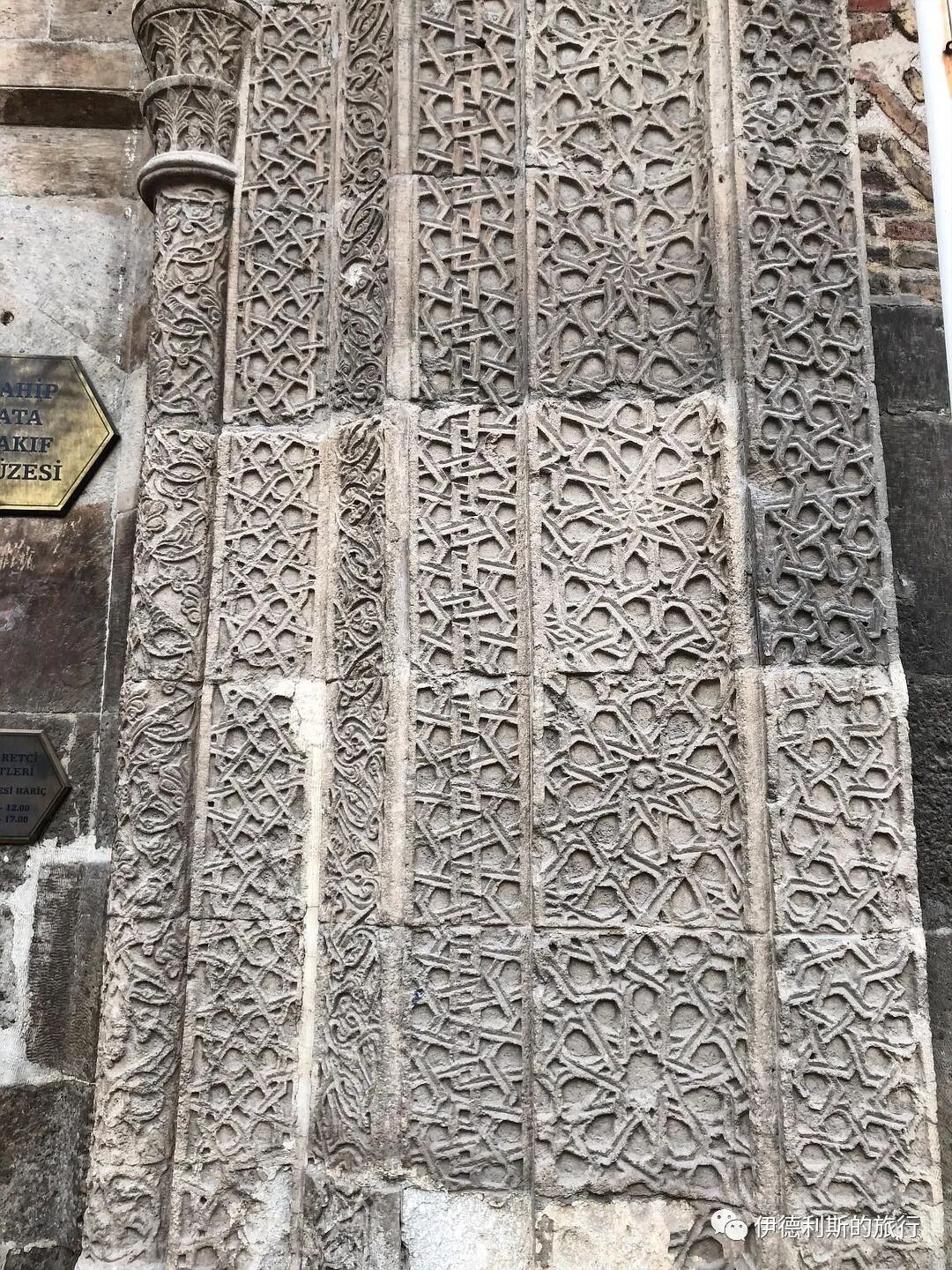
Thirteen. Artifacts in the Turkish and Islamic Arts Museum.
The Turkish and Islamic Arts Museum in Istanbul has several Seljuk artifacts from Konya.
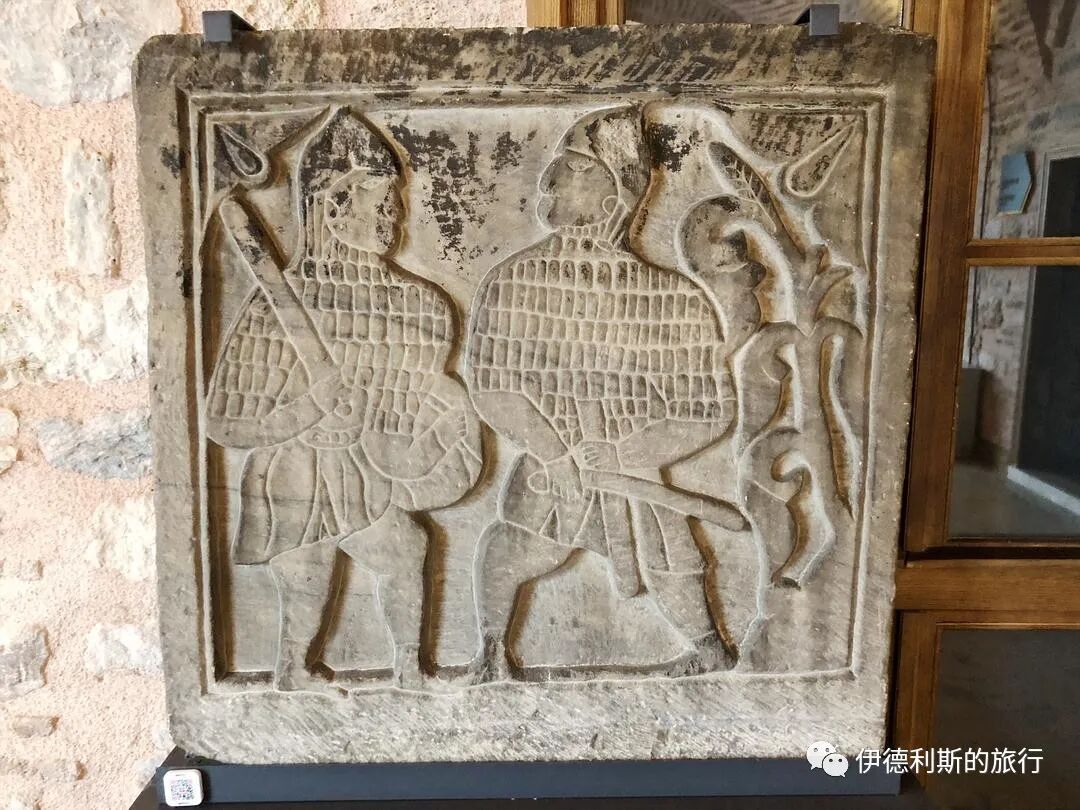
13th-century stone relief of a warrior.
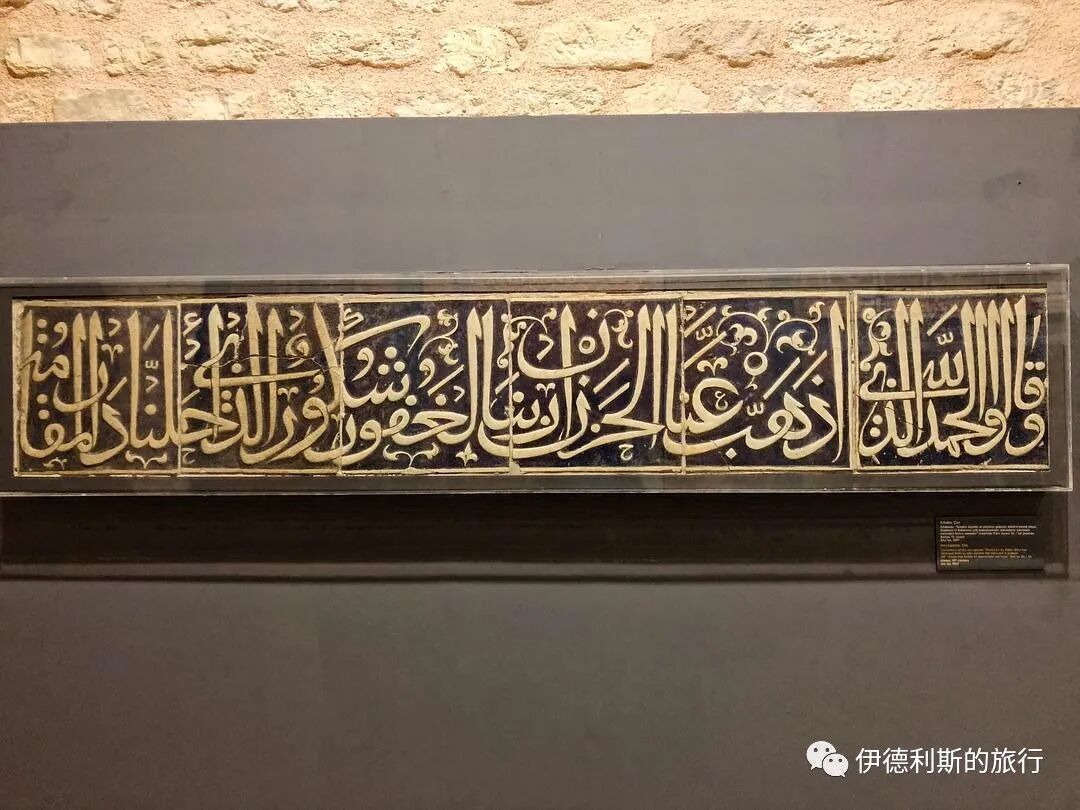
13th-century Quranic tile.
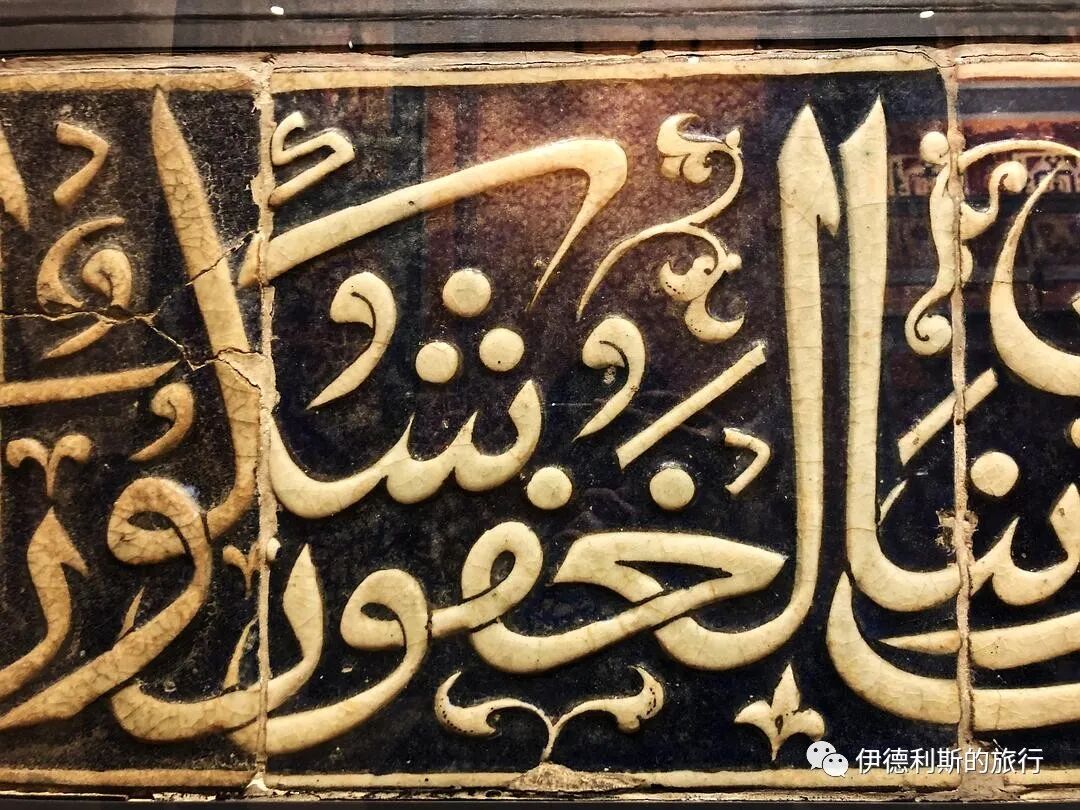
13th-century Quranic tile.
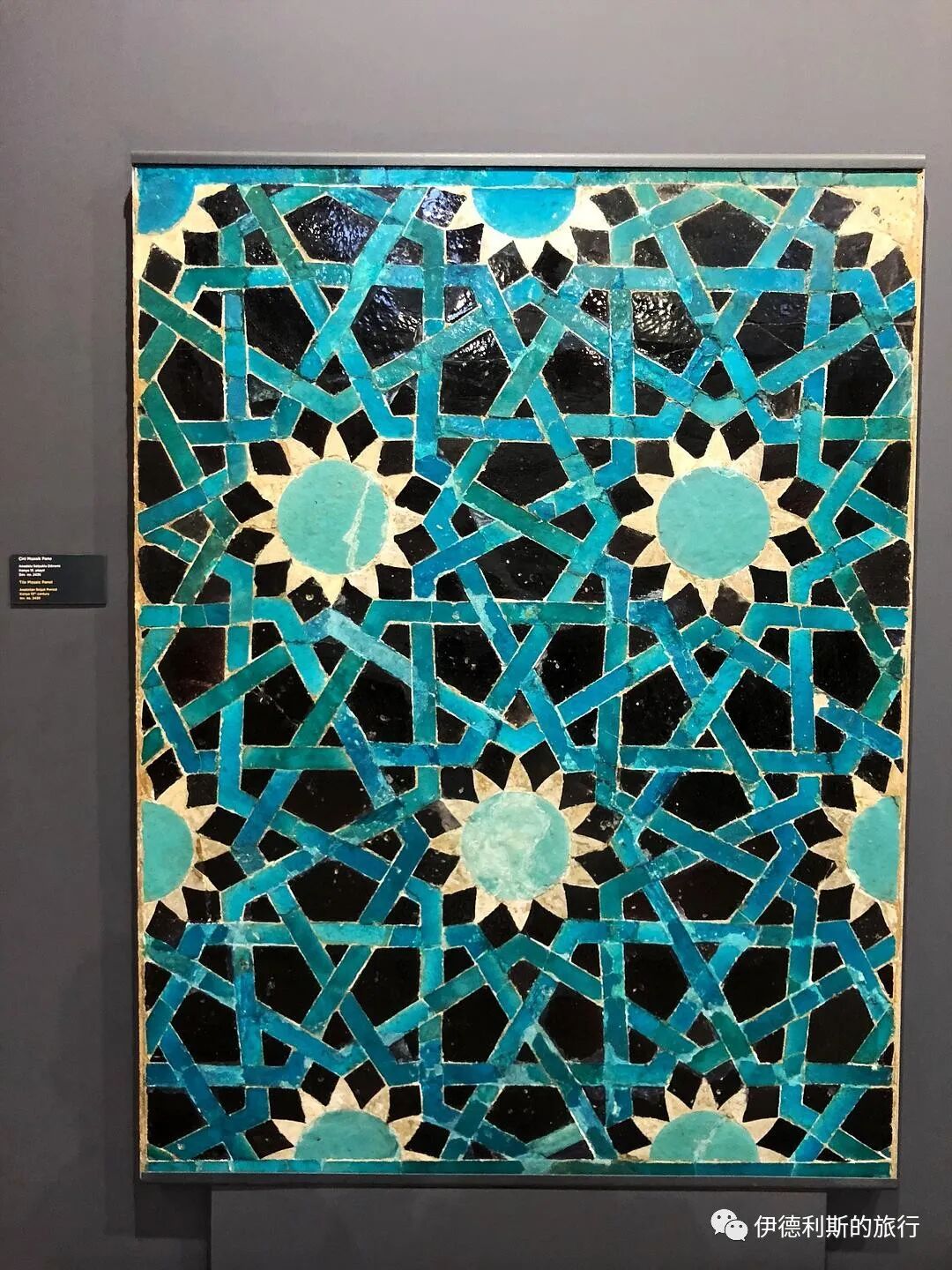
13th-century mosaic tile.
Summary: Konya — Seljuk History and Muslim Heritage is presented here as a firsthand travel account in clear English, beginning with this scene: Ten. Glass Madrasa (Sırçalı Medrese): 1242. The account keeps its focus on Konya Travel, Seljuk History, Muslim Heritage while preserving the names, places, food, and historical details from the Chinese source.
The Seljuk Rum Sultan's Tomb is under renovation and not open.
Ten. Glass Madrasa (Sırçalı Medrese): 1242.
The Glass Madrasa (Sırçalı Medrese) was commissioned in 1242 by Emir Bedrettin Muslih. Its architect was Muhammed bin Osman el Tusi. This building is known for its colorful mosaic tiles.
During the reign of Seljuk Rum Sultan Kaykhusraw II (1237–1246), Bedrettin Muslih served as the Islamic law tutor for the next sultan, Kayqubad II (1249–1257). His and his family's tombs are inside the madrasa.
After the 17th century, the madrasa slowly fell into disrepair. Many mosaic tiles fell off. In the 19th century, some classrooms inside were torn down and rebuilt as brick houses.
After 1964, this building opened to the public as a tomb museum. But I went on both Saturday and Sunday, and it was closed both days. So I only saw the main gate with its geometric reliefs.
Eleven. Sahib Ata Mosque: 1258.
The Sahib Ata Mosque, like the Thin Minaret Madrasa (İnce Minareli Medrese), was built by Sahib Ata Fahreddin Ali. The architect was Keluk bin Abdullah. Sahib Ata was an important official in the Seljuk Rum Sultanate court from the 1250s until his death in 1288. After 1277, he even held great power in the Sultanate.
The mosque is most famous for its main gate and minaret. It was restored between 2006 and 2007.
The main prayer hall of the mosque was destroyed by fire in 1871. Only the beautiful Seljuk tiled mihrab survived. Sadly, I forgot to go inside and photograph the mihrab, which left me with regret. However, some of the mihrab's tiles are on display in the Tile Kiosk of the Istanbul Archaeology Museums.
Twelve. Sahib Ata Madrasa: 1258.
Besides the mosque, Sahib Ata also built an entire complex here. It includes a madrasa, a Sufi lodge, a bathhouse, and a family tomb. The madrasa is now open to the public as the Sahib Ata Foundation Museum. It was restored between 2006 and 2007 and is known for its dark blue and sky blue Seljuk tiles.
Thirteen. Artifacts in the Turkish and Islamic Arts Museum.
The Turkish and Islamic Arts Museum in Istanbul has several Seljuk artifacts from Konya.
13th-century stone relief of a warrior.
13th-century Quranic tile.
13th-century Quranic tile.
13th-century mosaic tile.
