
Halal Travel Guide: Baku Old City — Historic Buildings (Part 2)
Reposted from the web
Summary: Baku Old City — Historic Buildings is presented here as a firsthand travel account in clear English, beginning with this scene: 10. Haji Bani Mosque: 16th century. The account keeps its focus on Baku Old City, Azerbaijan Travel, Muslim Heritage while preserving the names, places, food, and historical details from the Chinese source.
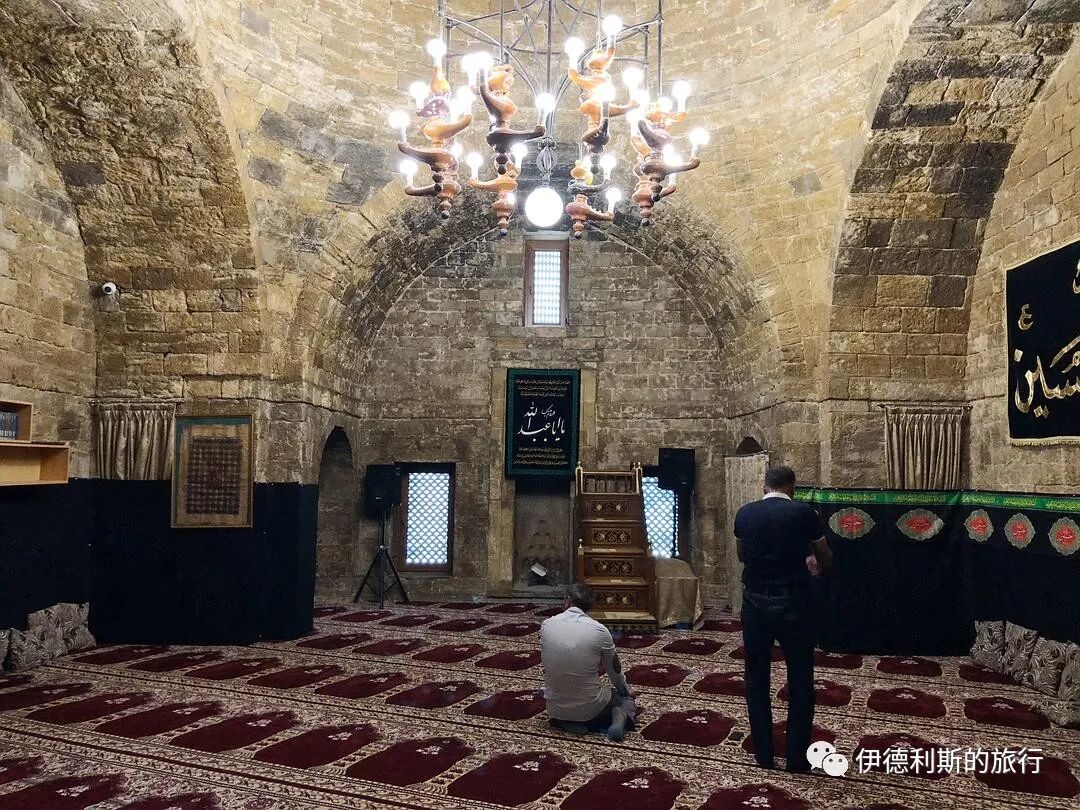
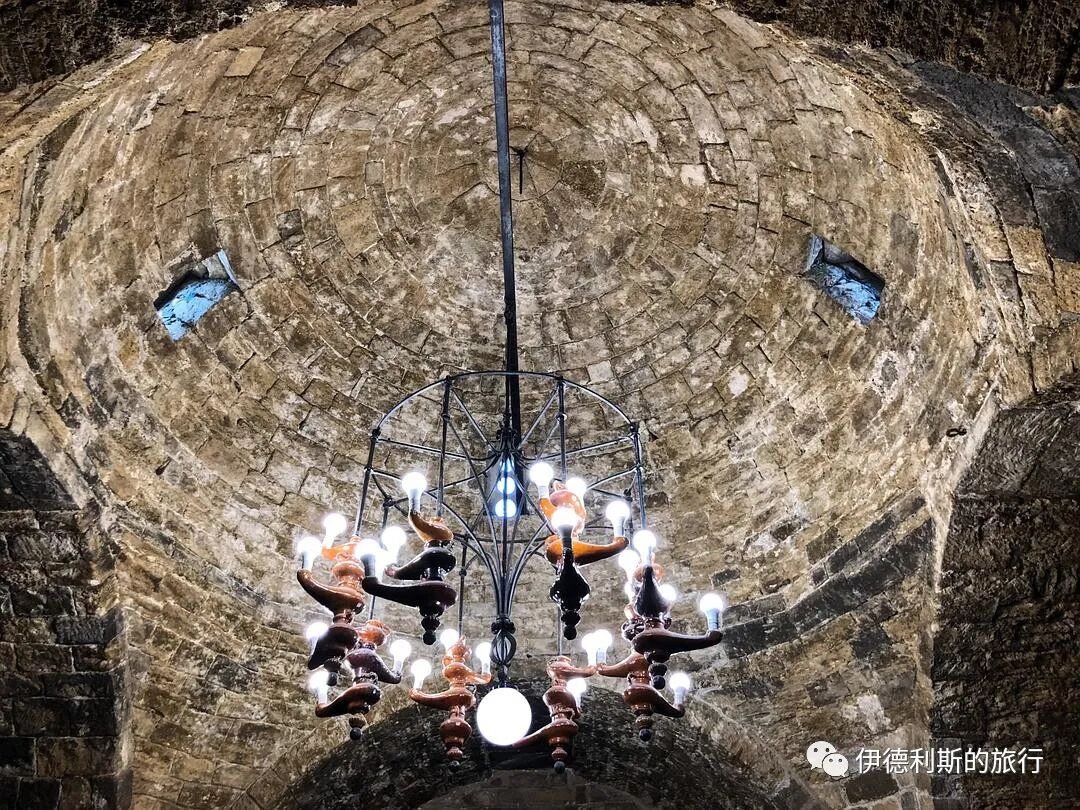
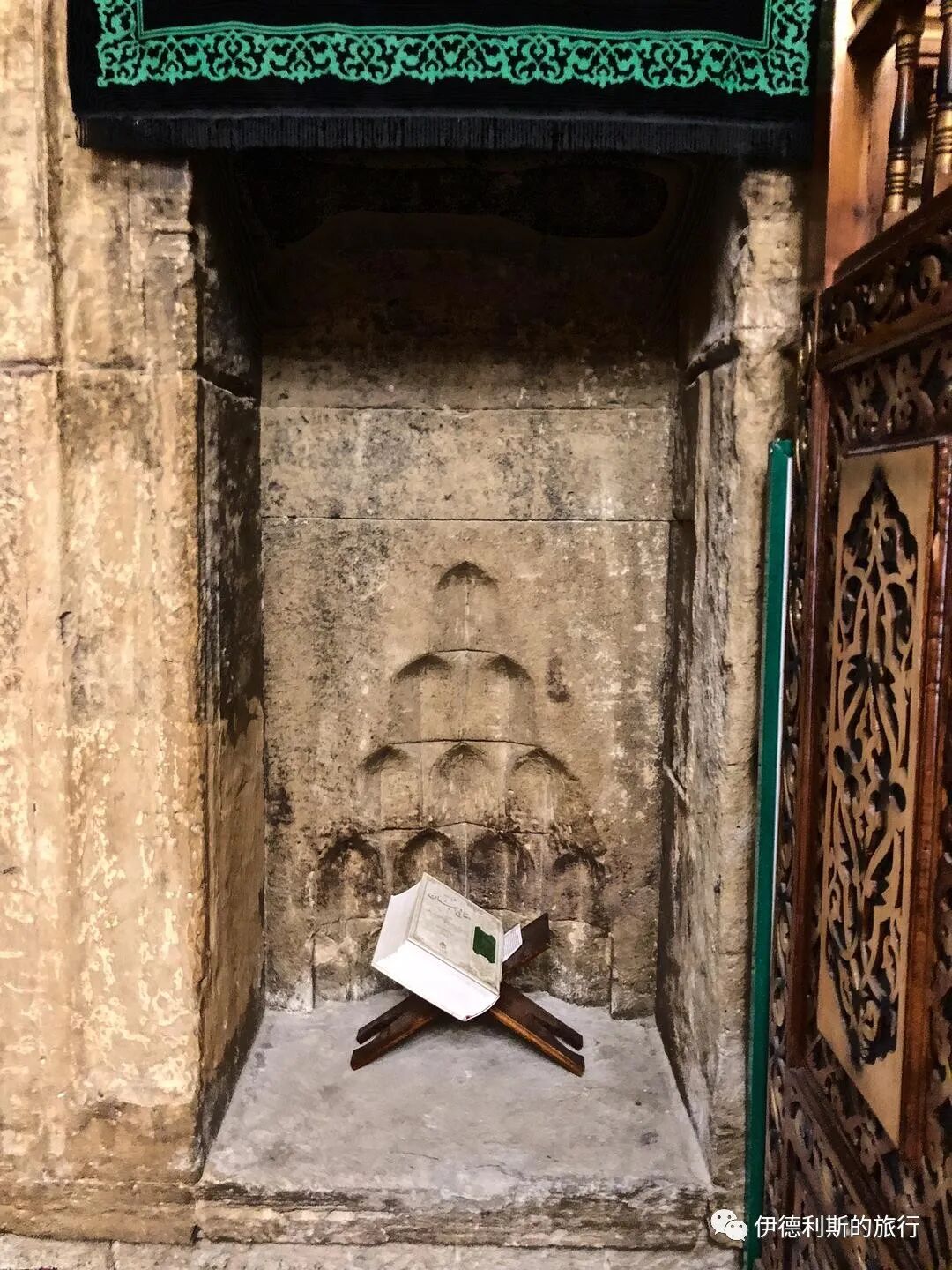
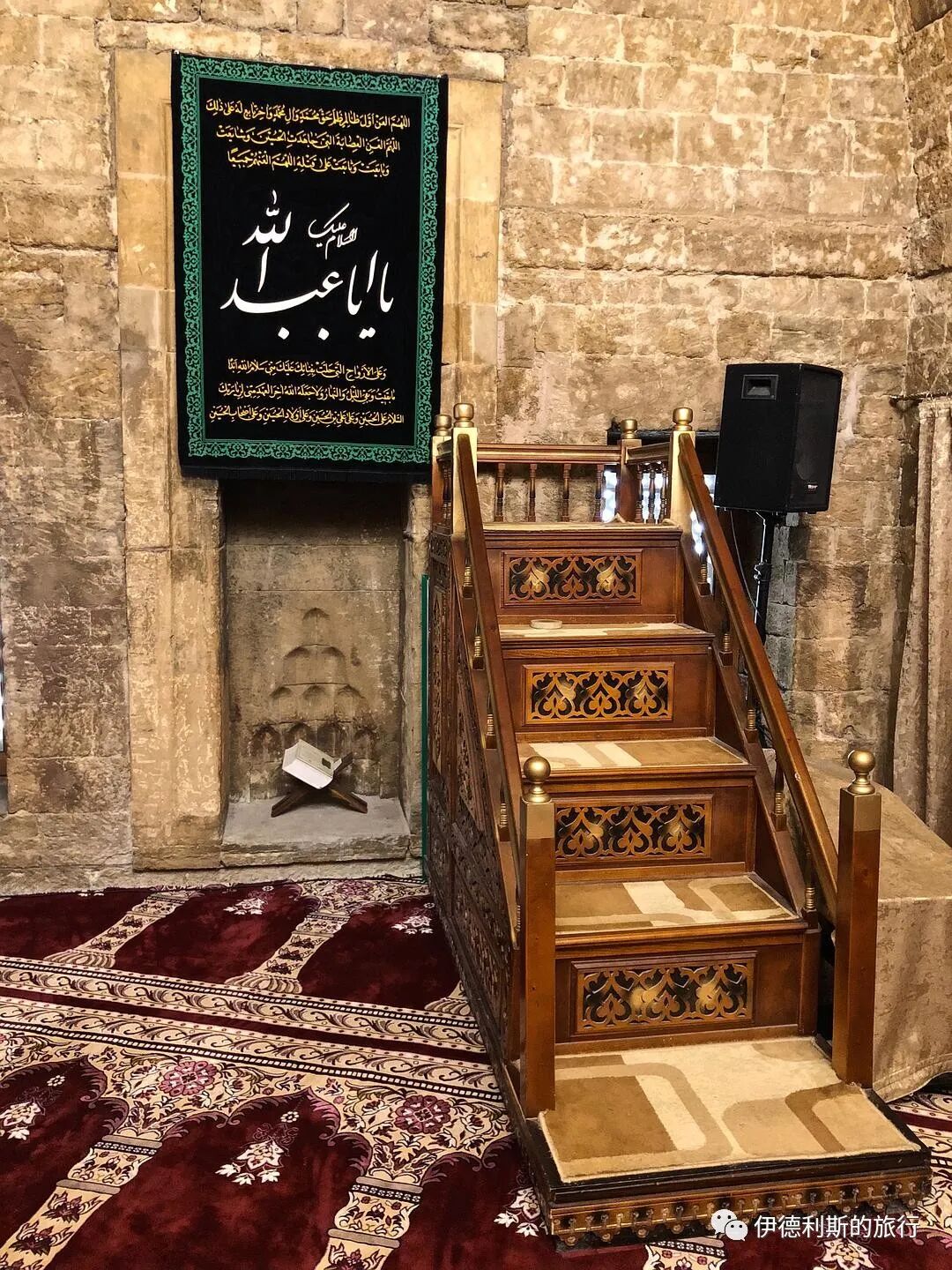
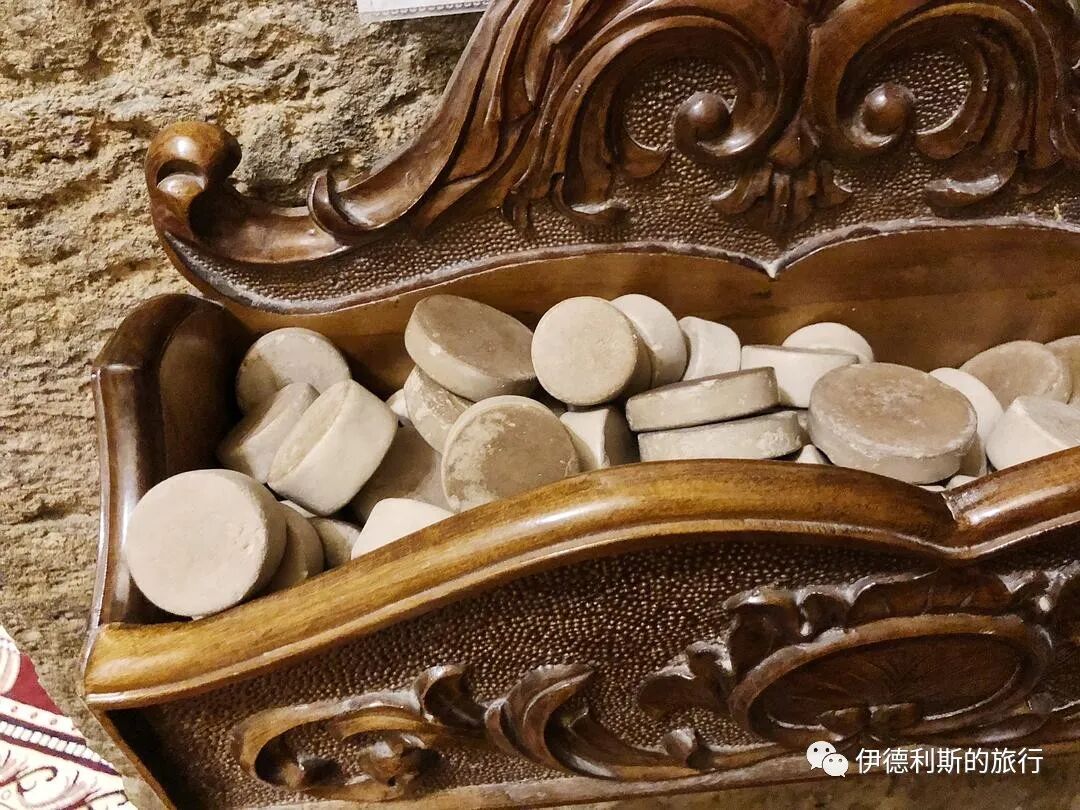
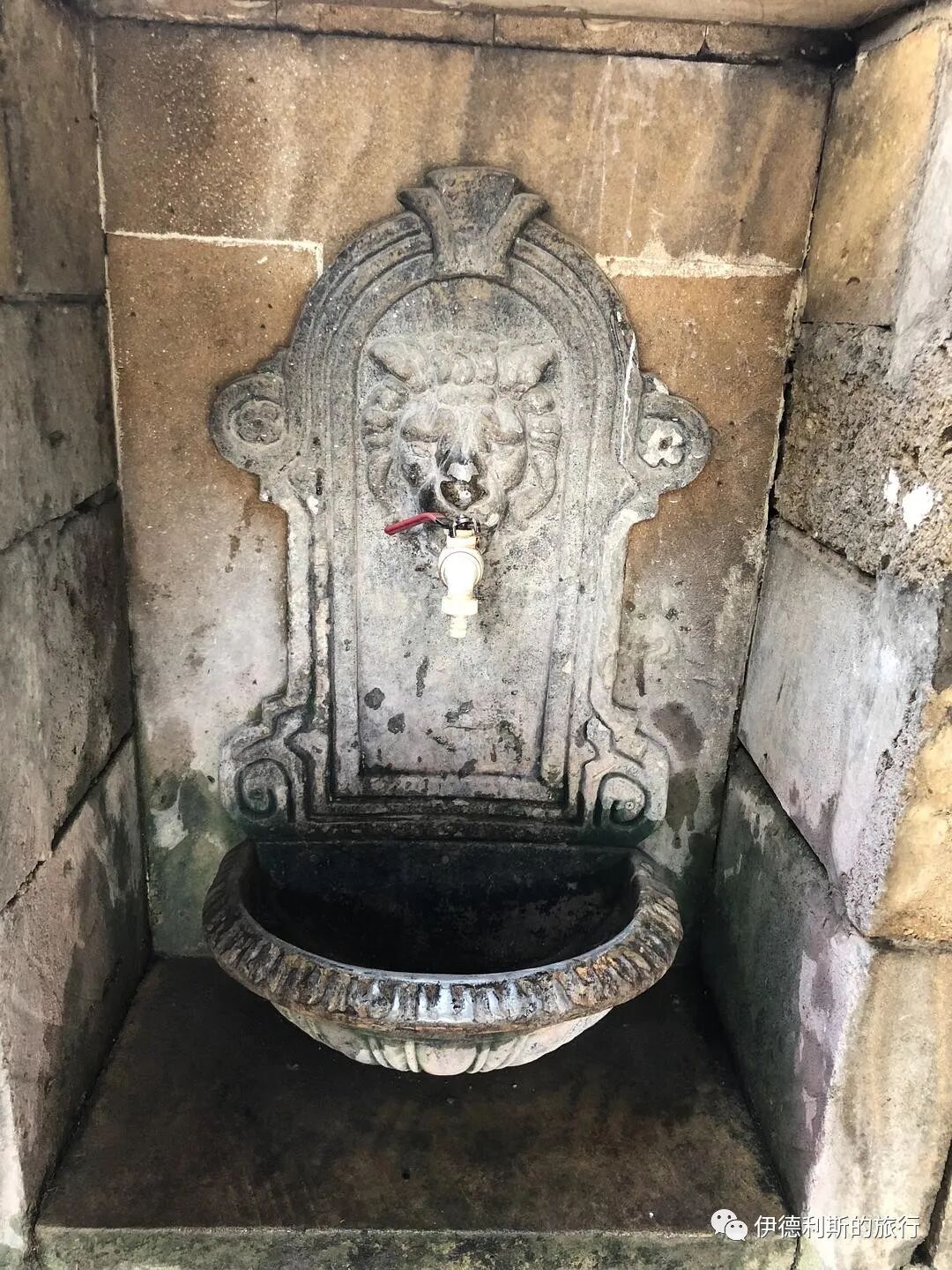
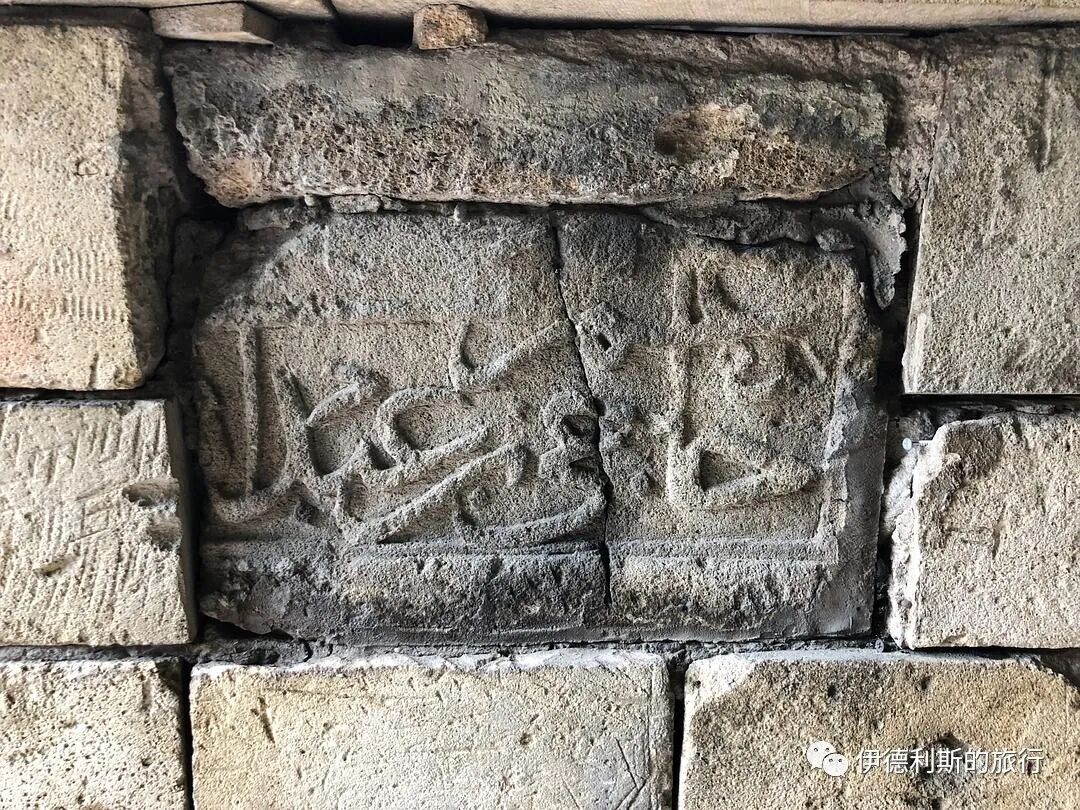
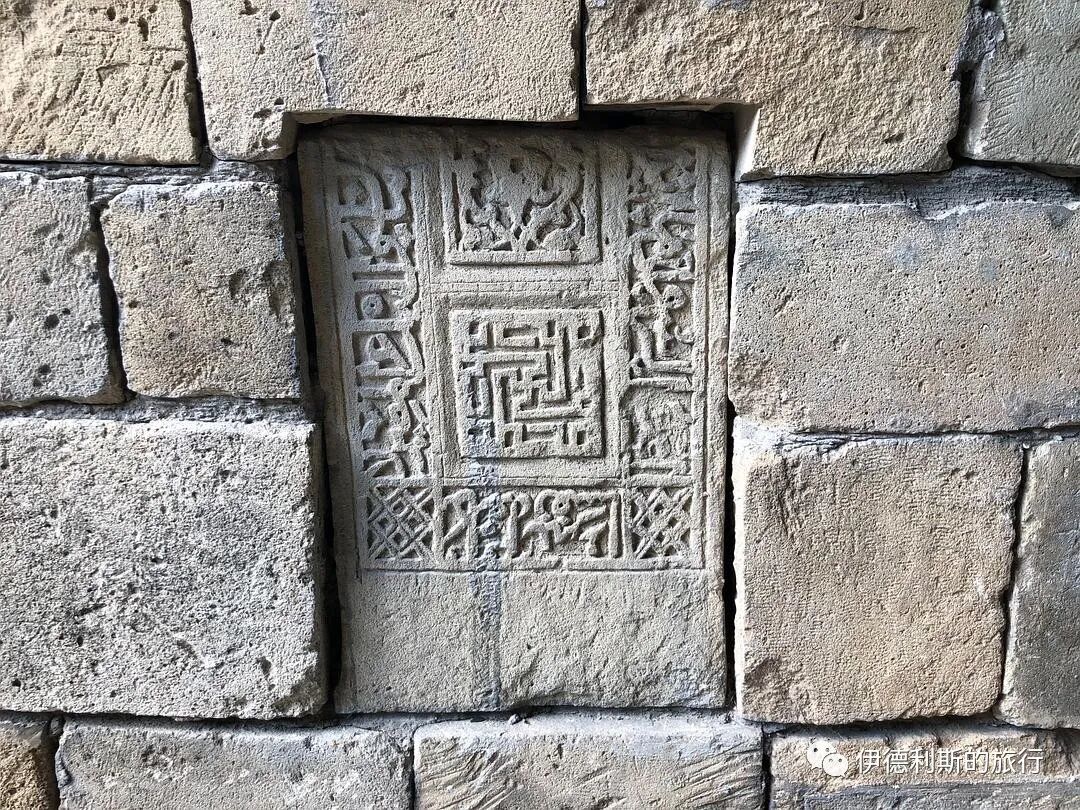
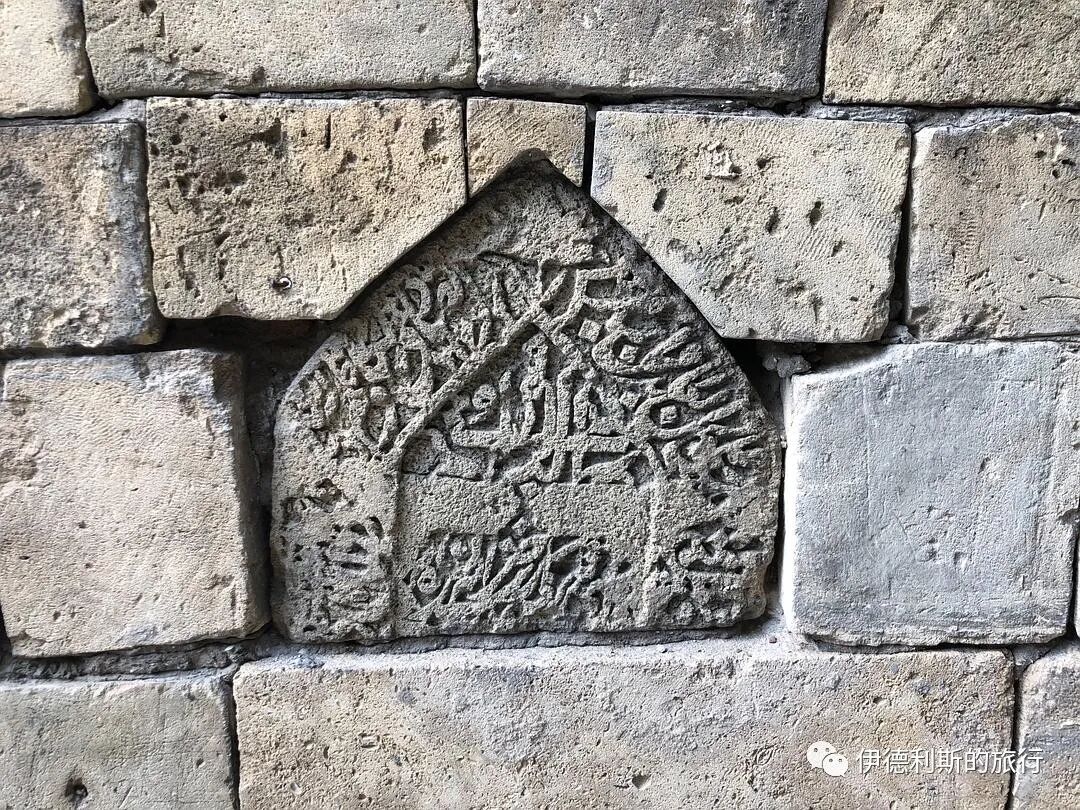
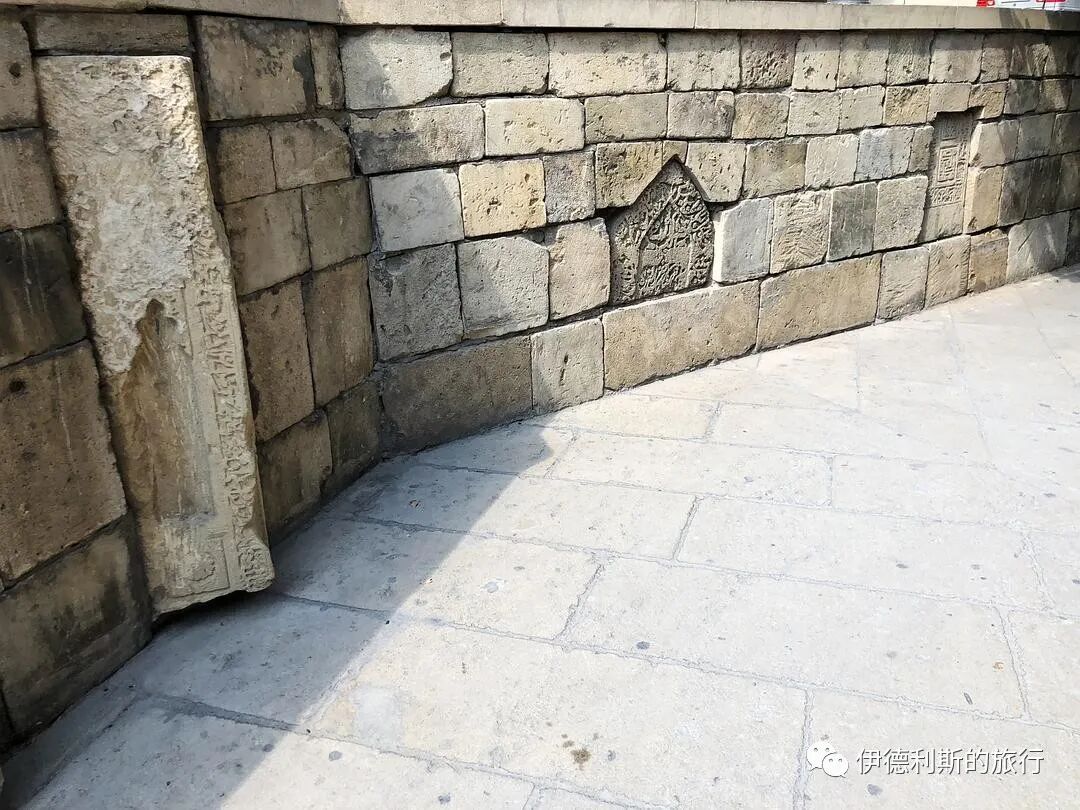
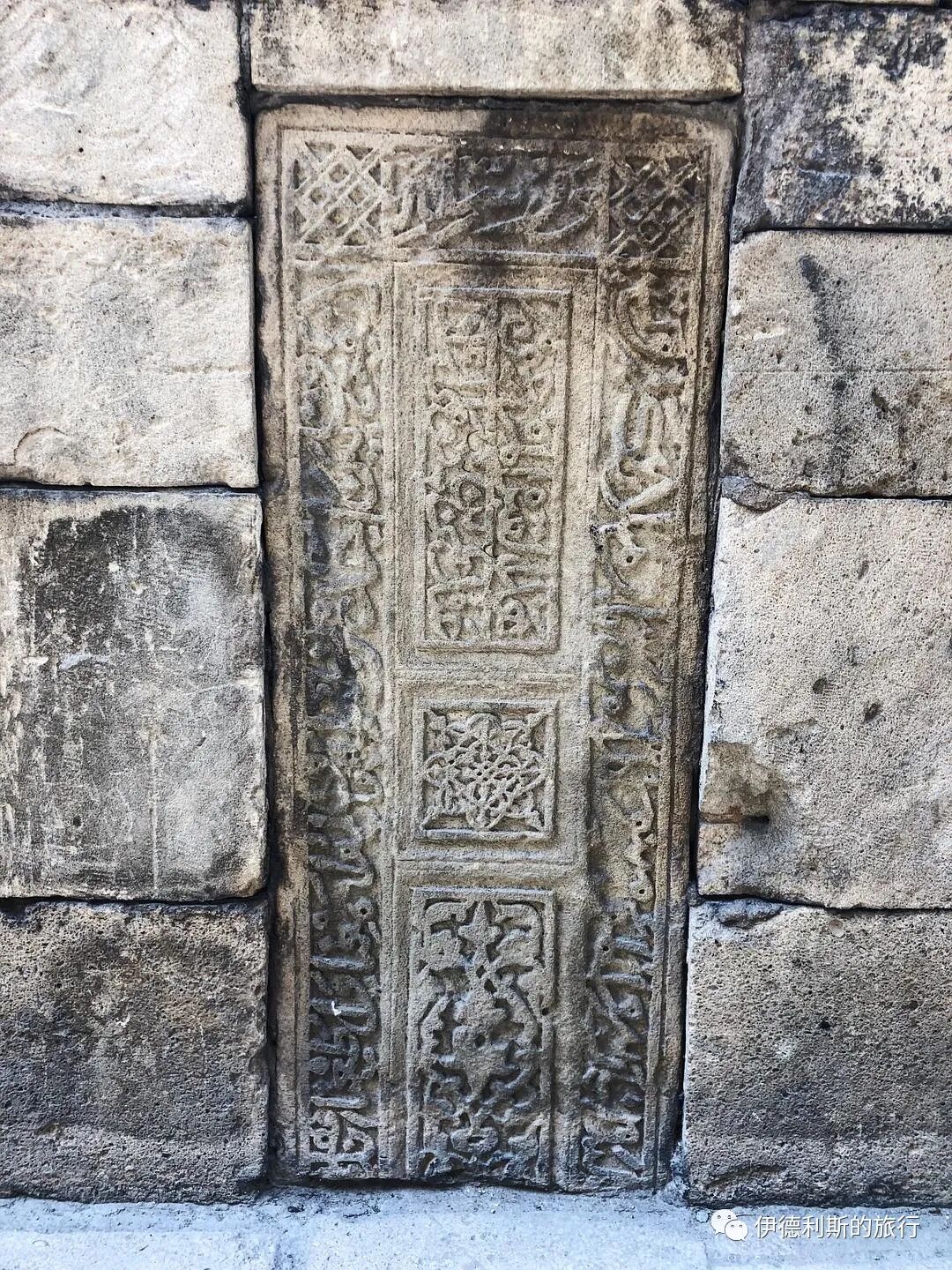
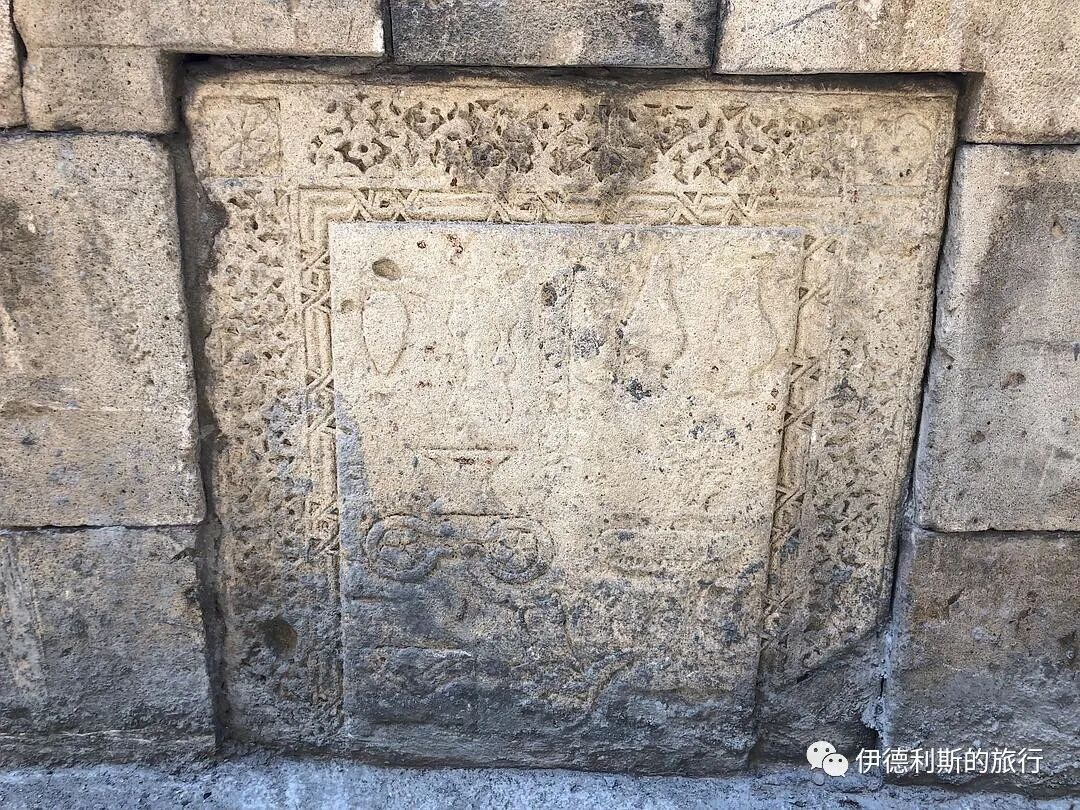
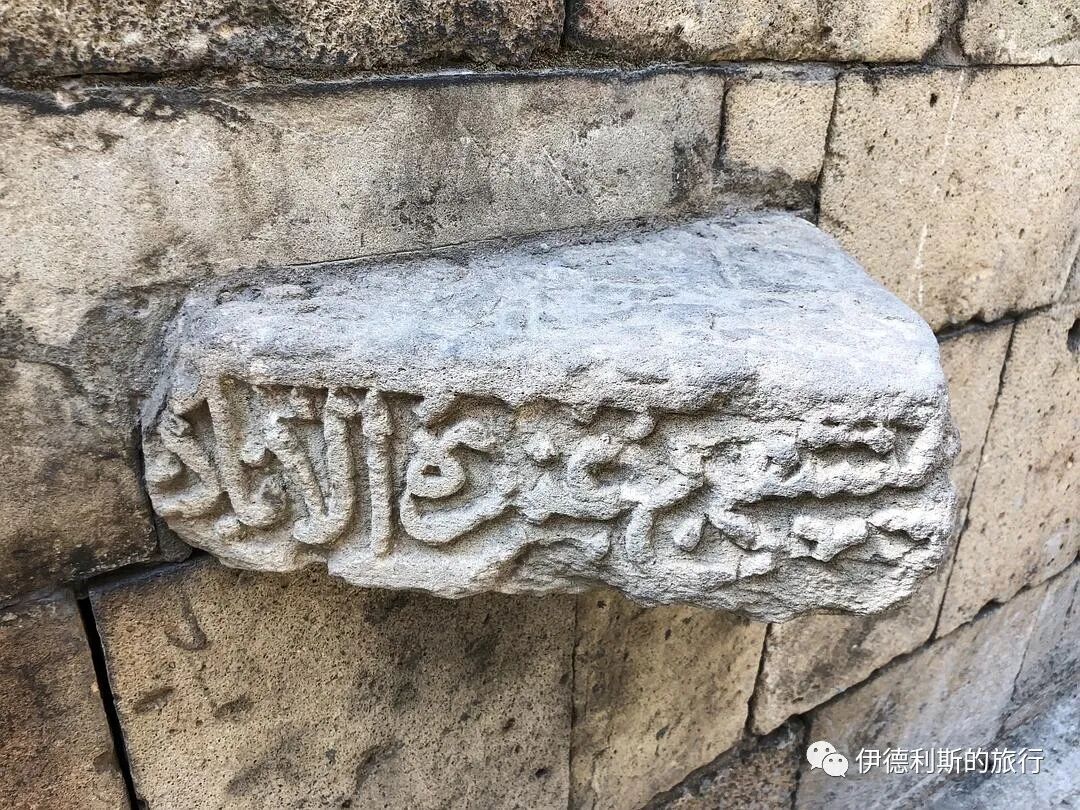
10. Haji Bani Mosque: 16th century
The Haji Bani Mosque (Hacı Bani) was built in the 16th century by architect Haji Bani. A women's section and windows were added during its renovation in 1902-1903.
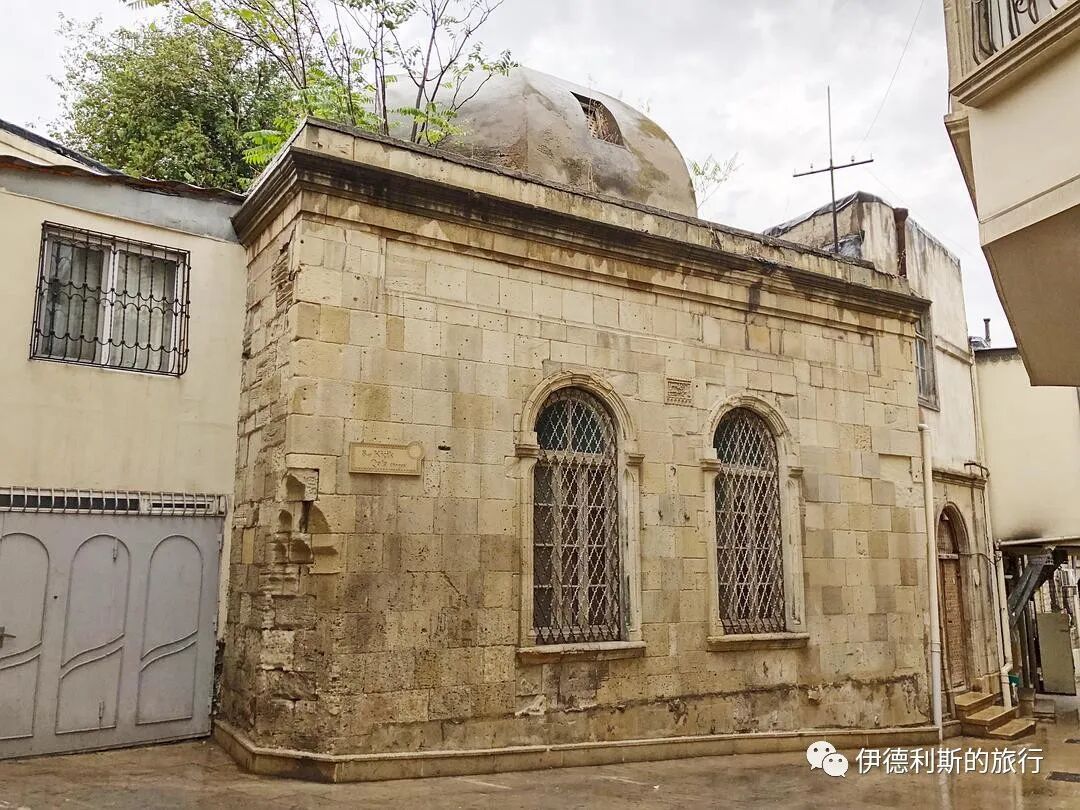
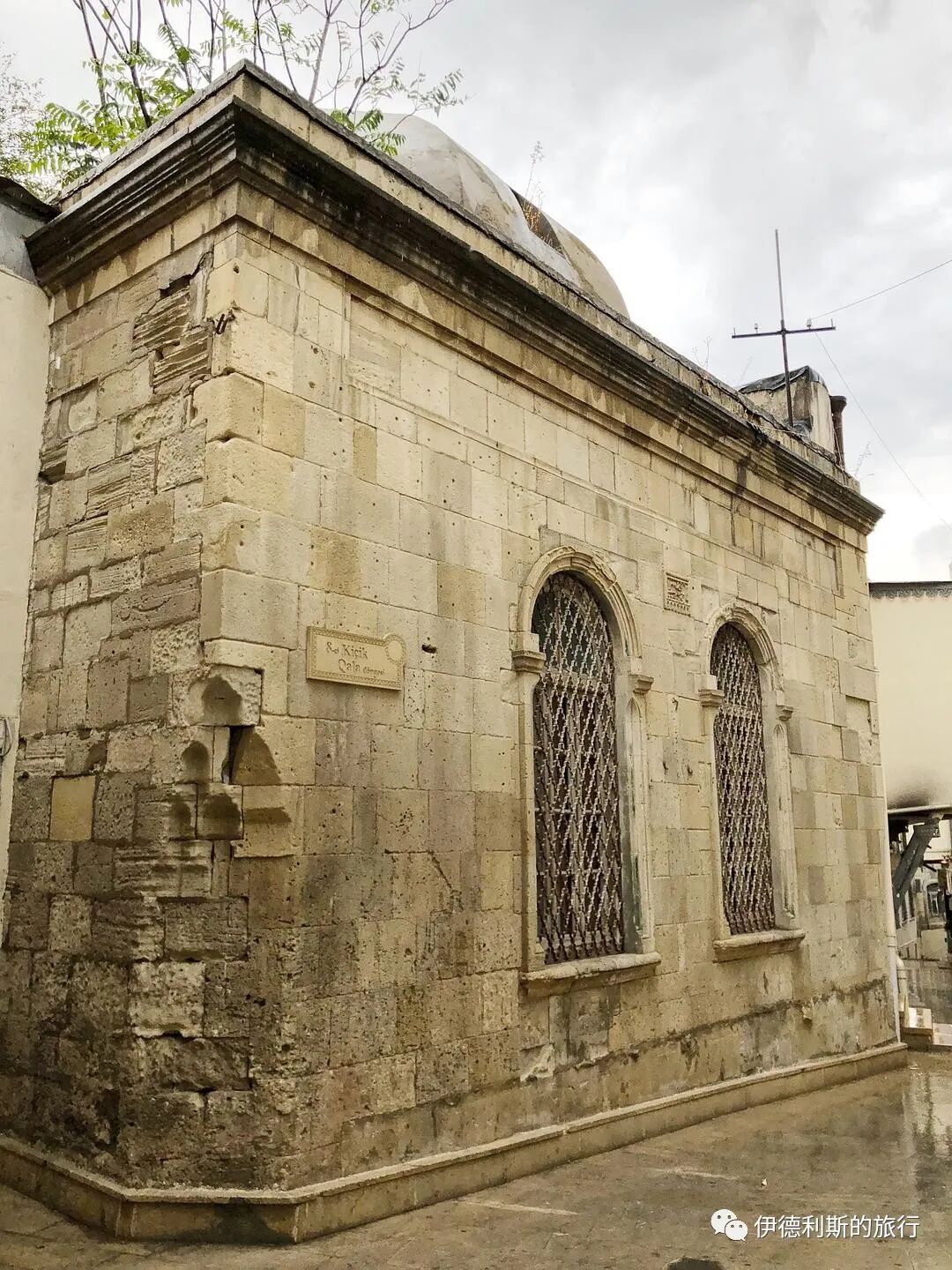
11. Baba Kuhi Bakuvi Mosque: 9th-10th century
The Baba Kuhi Bakuvi Mosque is north of the Maiden Tower. It is thought to have been built in the 9th-10th century. Archaeologist Farhad Ibrahimov excavated it between 1990 and 1993. In 1998, the mosque's mihrab niche was uncovered.
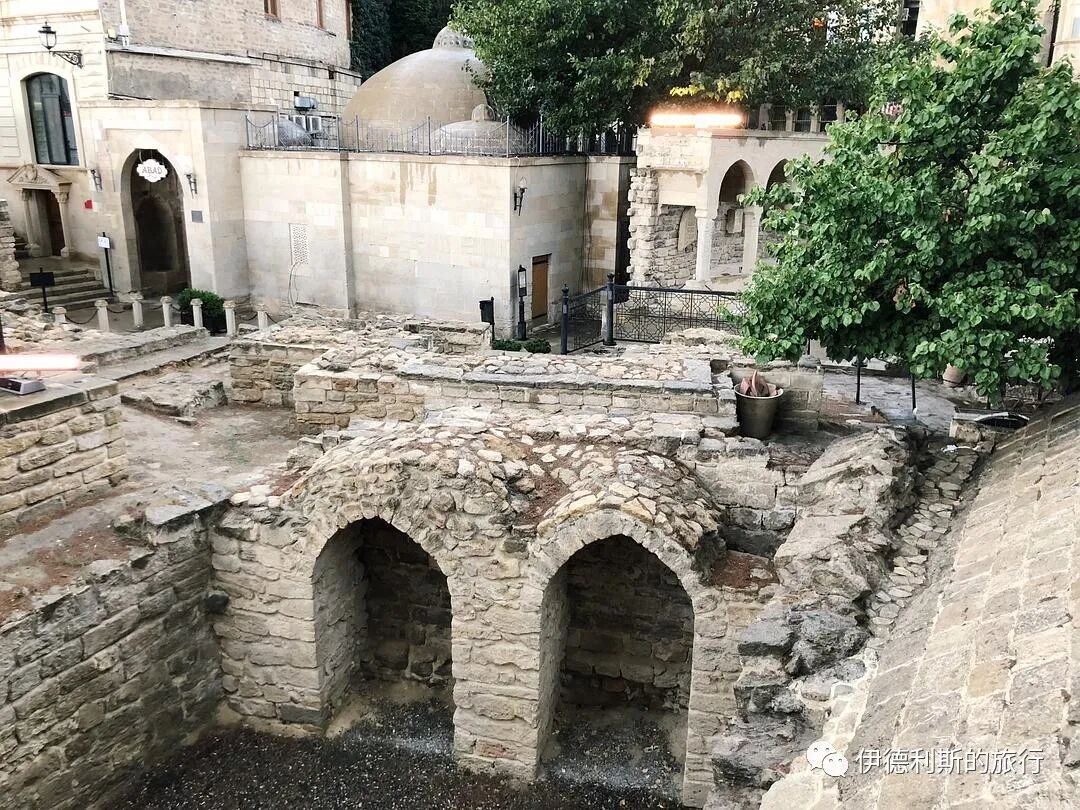
12. Haji Heybat Mosque: 1791
The Haji Heybat Mosque was built in 1791 by architect Haji Heybat Amir Ali oghlu. It is a small community mosque.
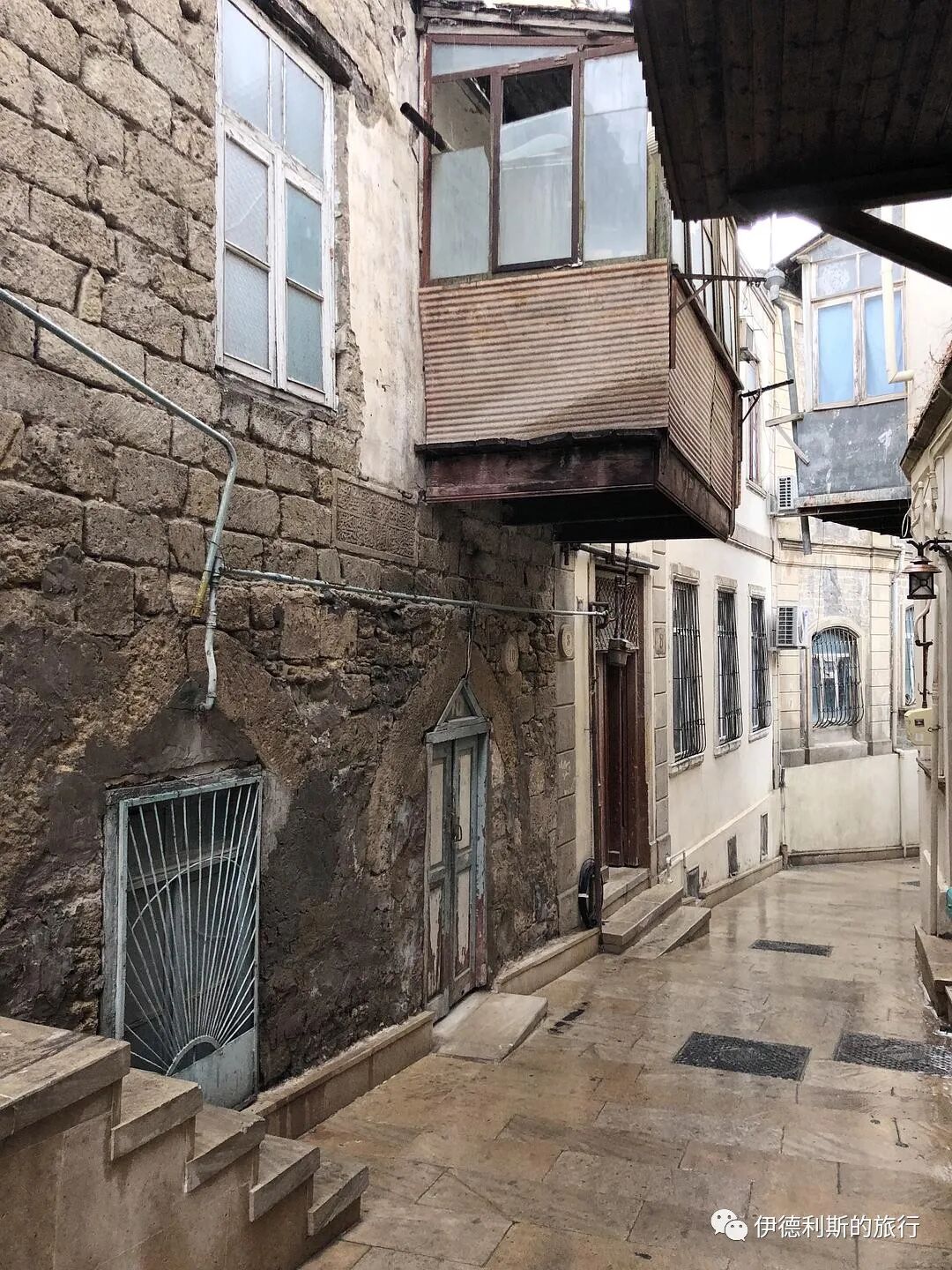
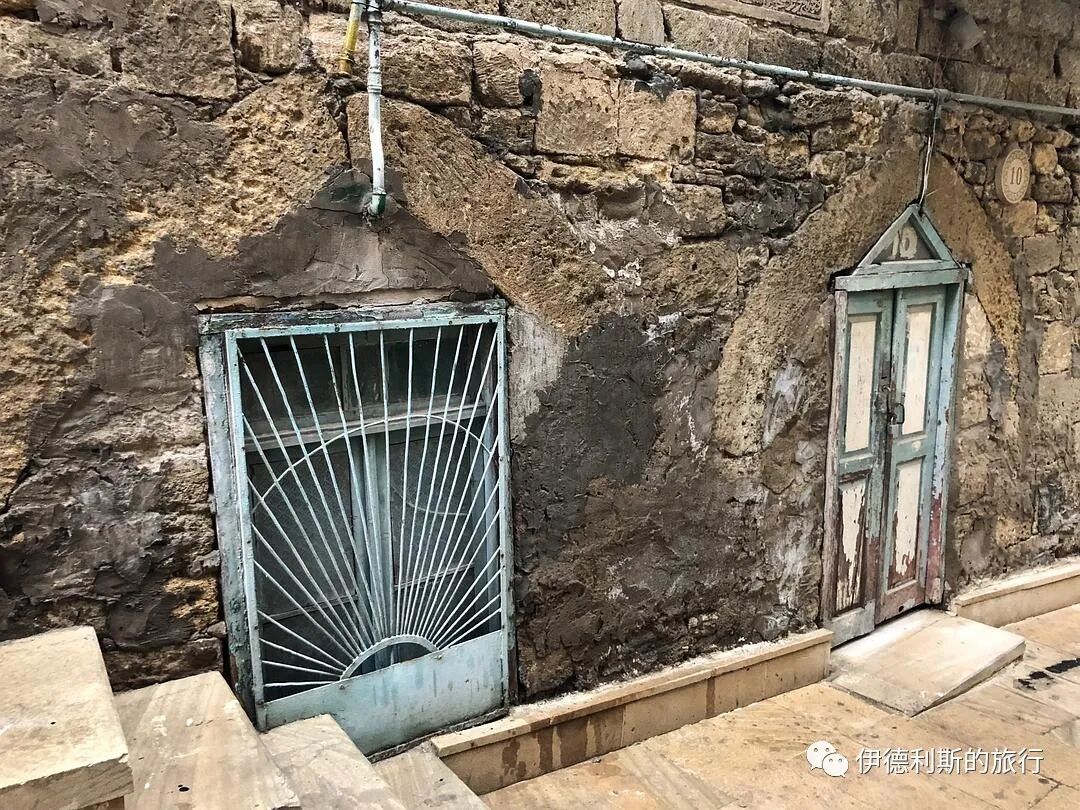
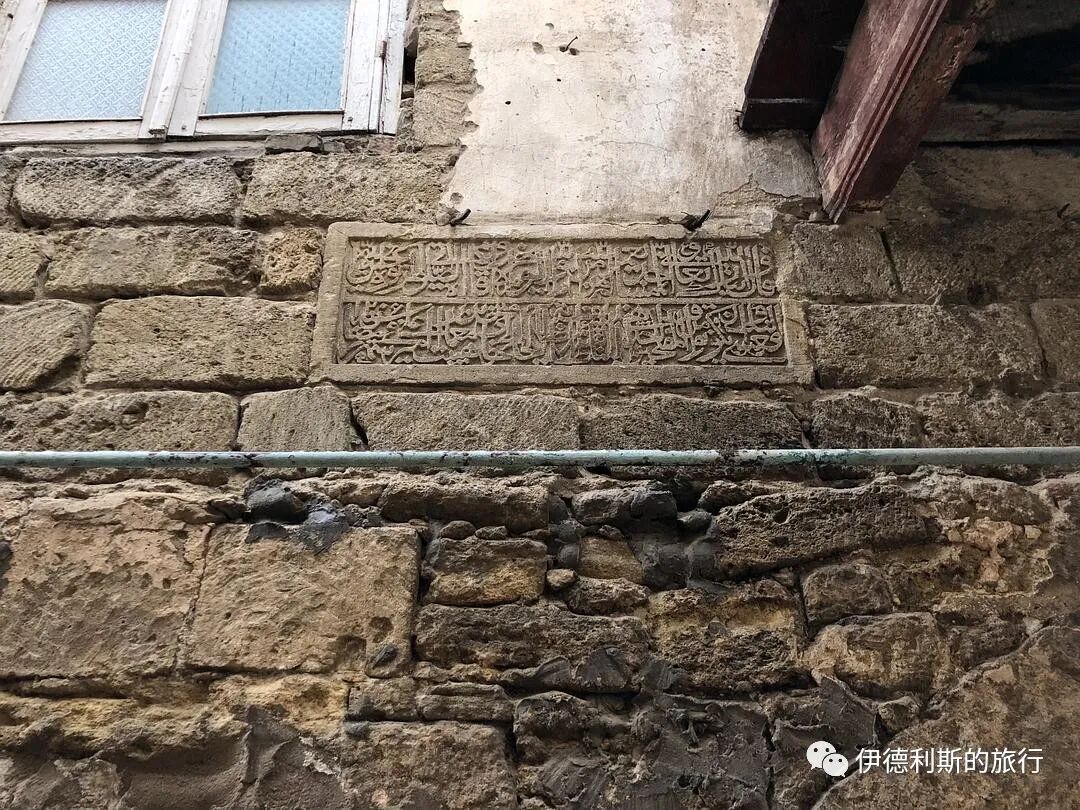
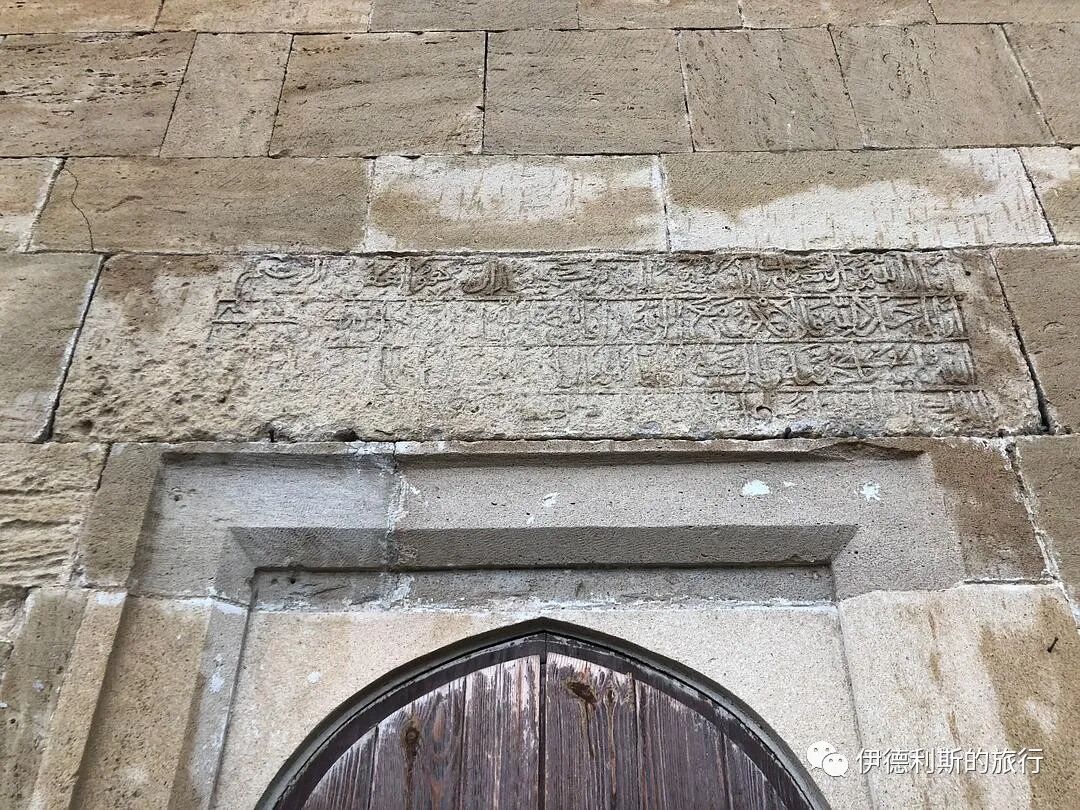
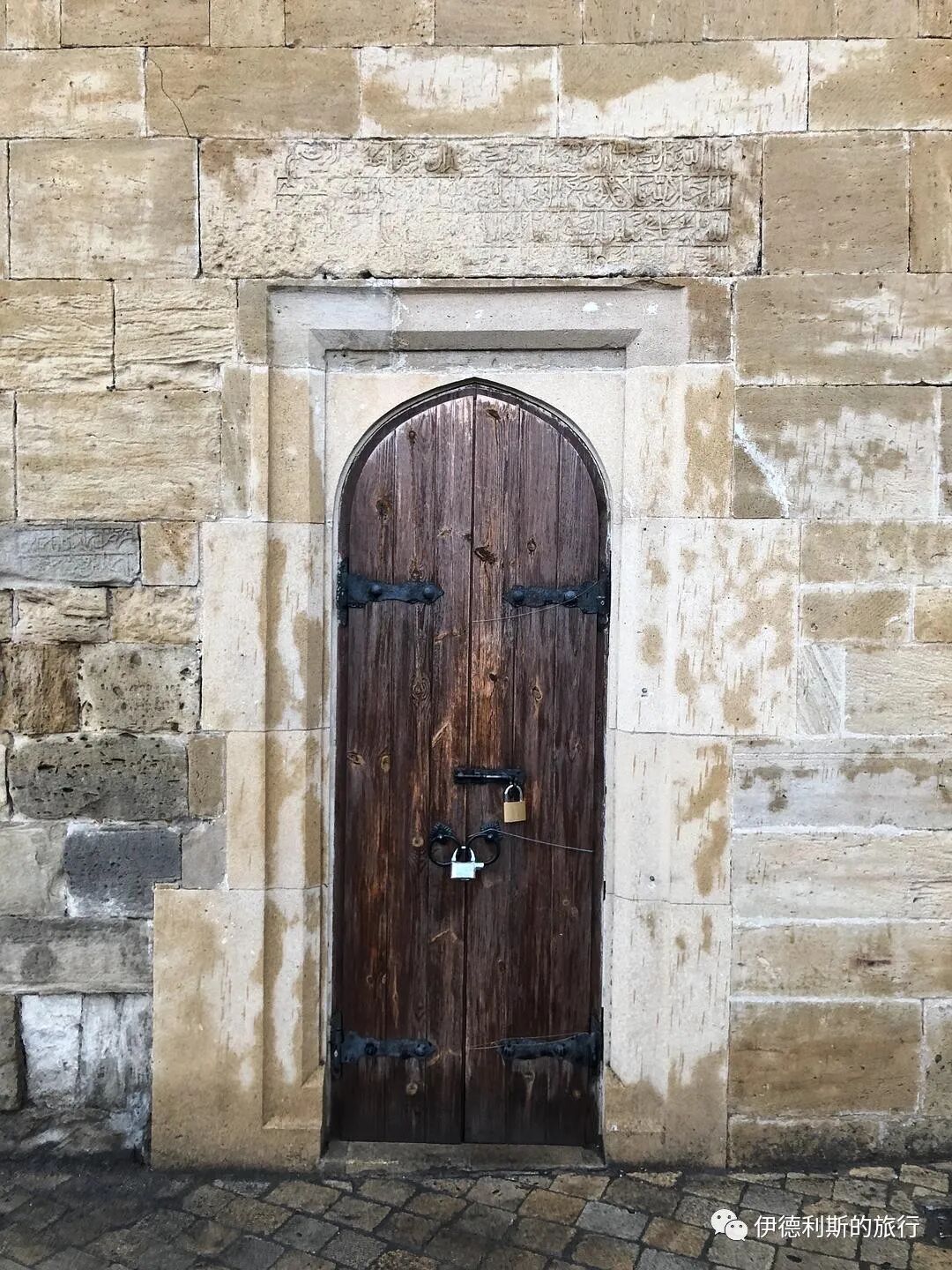
13. Məktəb Mosque: 1646-1647
The Məktəb Mosque was built in 1646-1647. It is right next to the Maiden Tower.
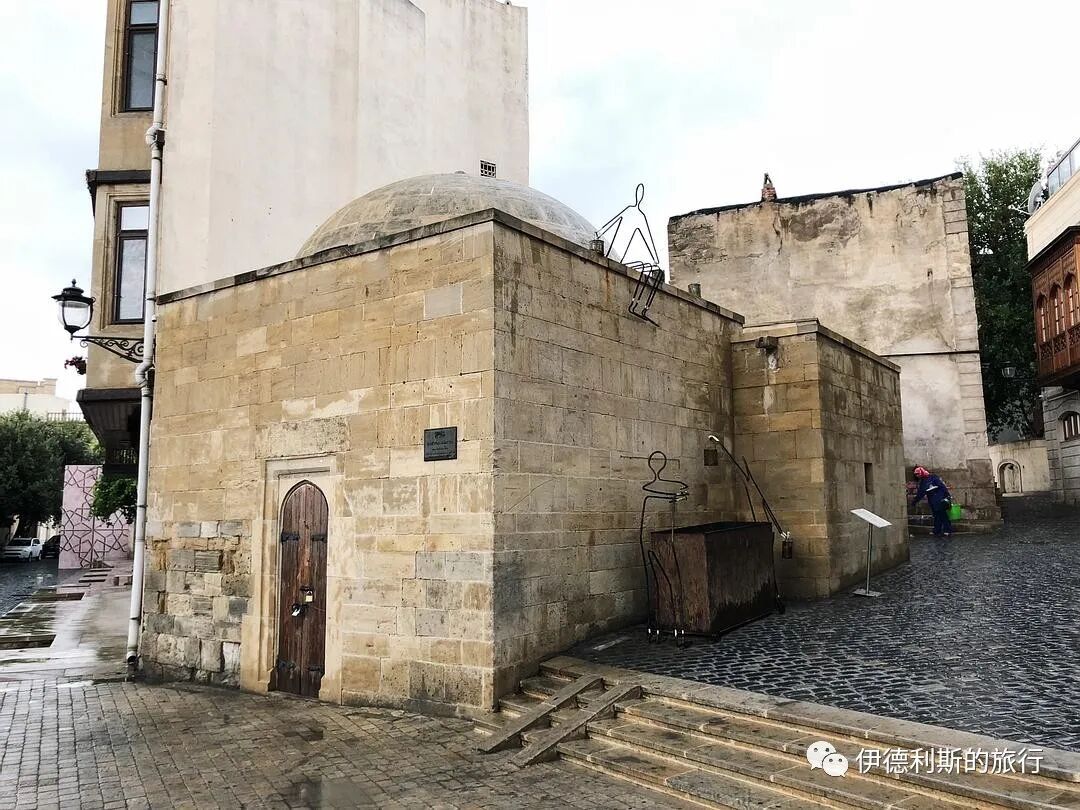
V. Caravanserais
1. Two-Story Caravanserai: 15th century
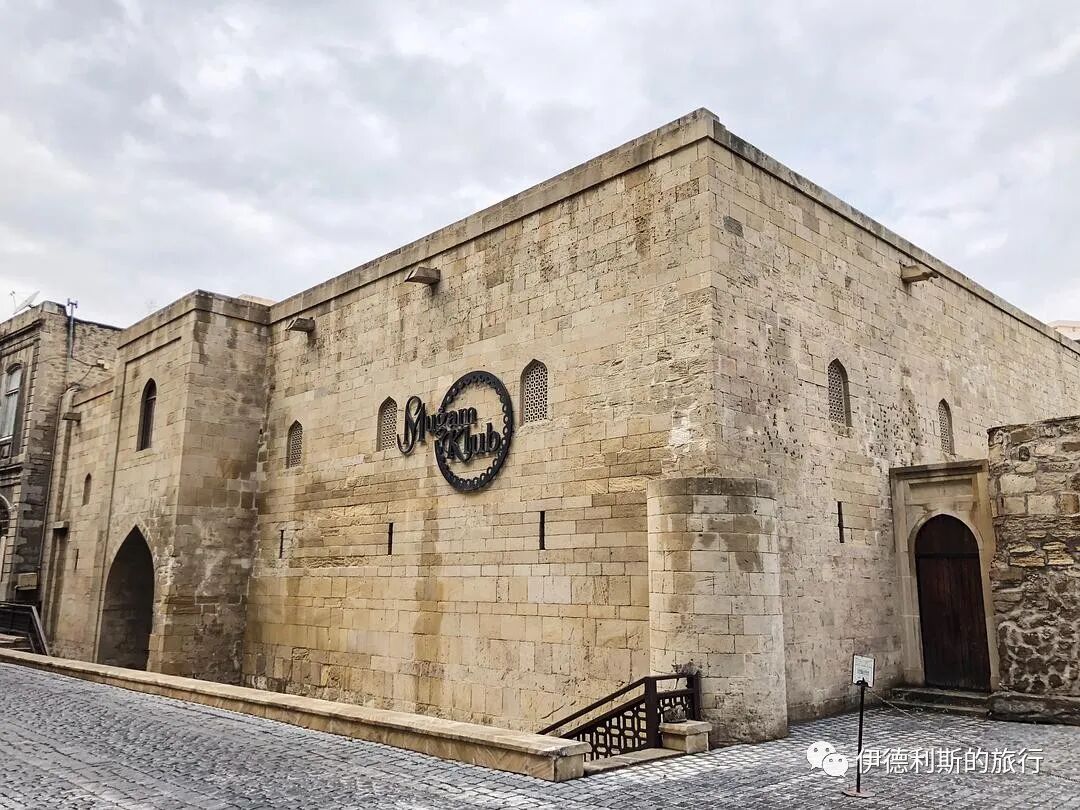
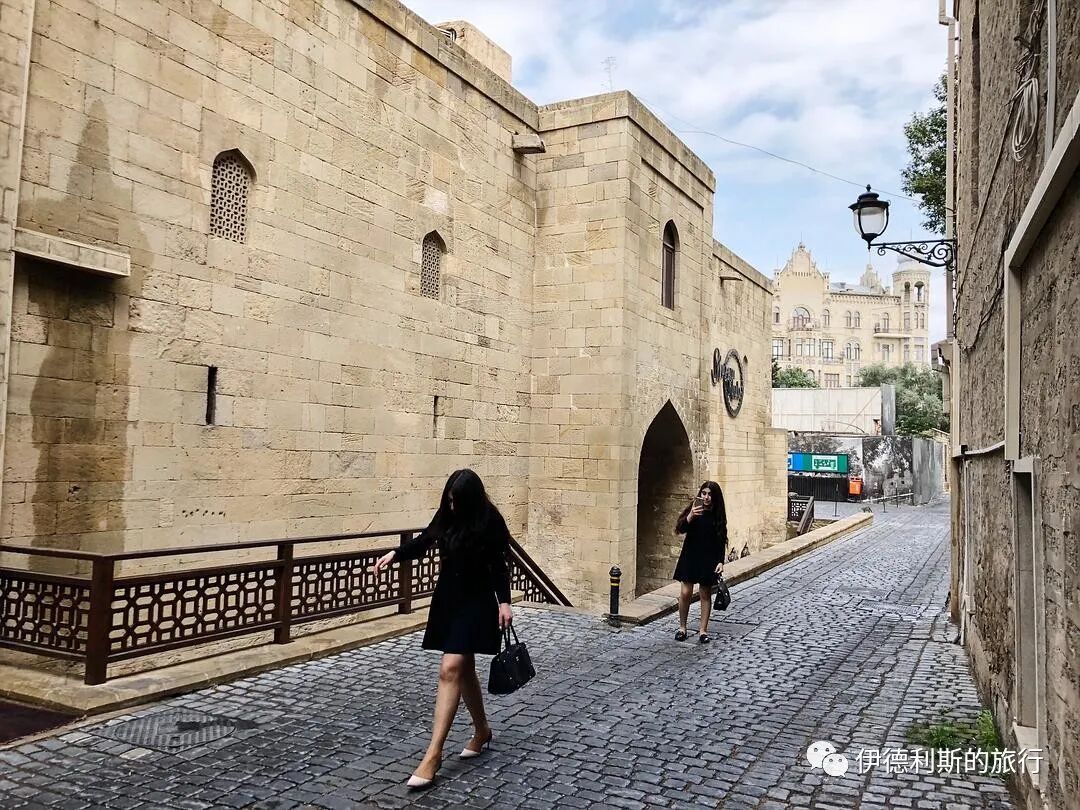
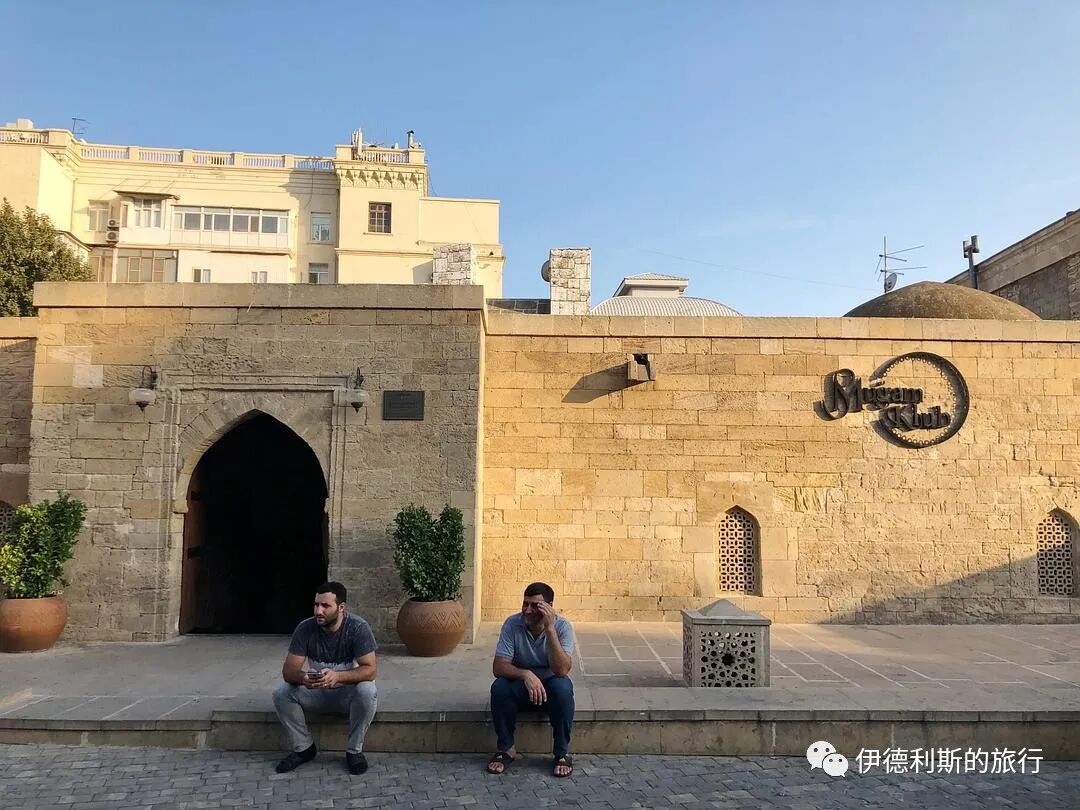
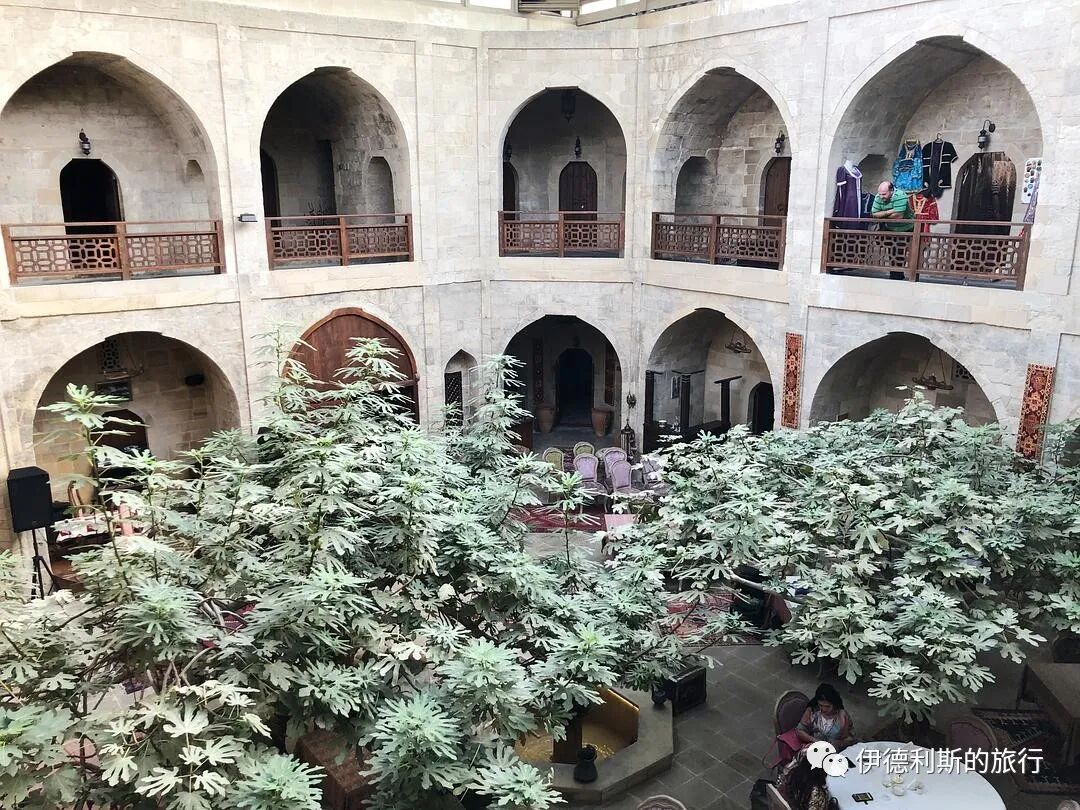
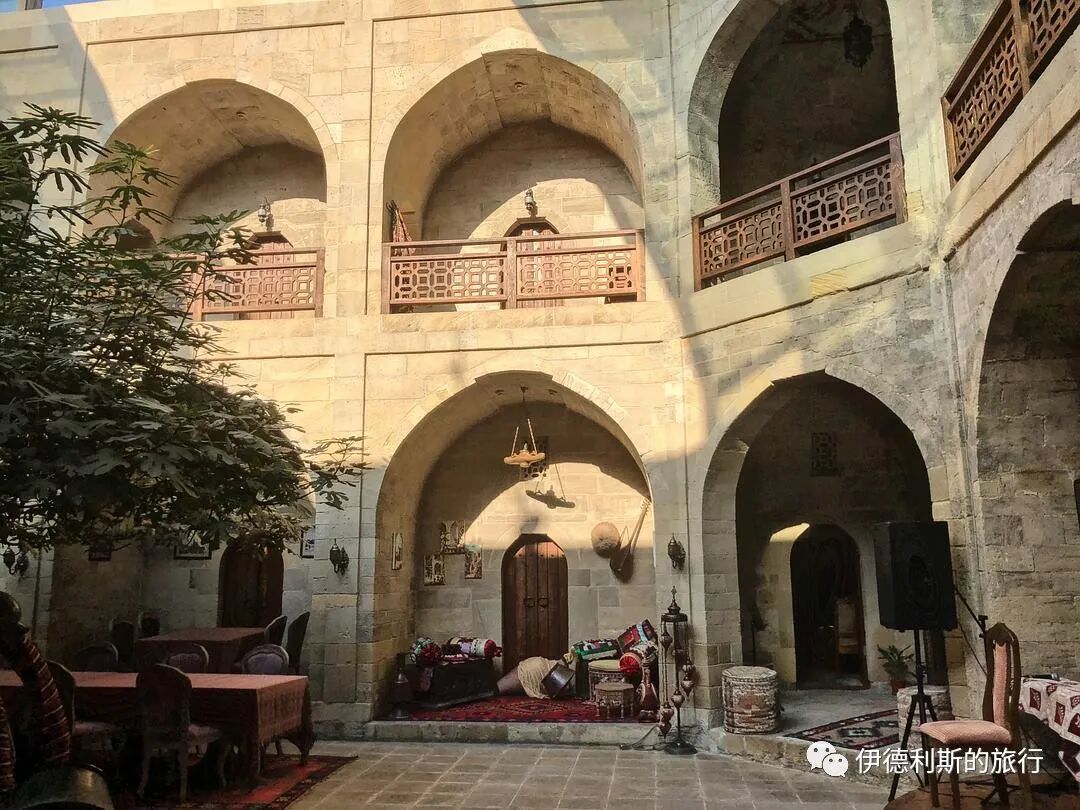
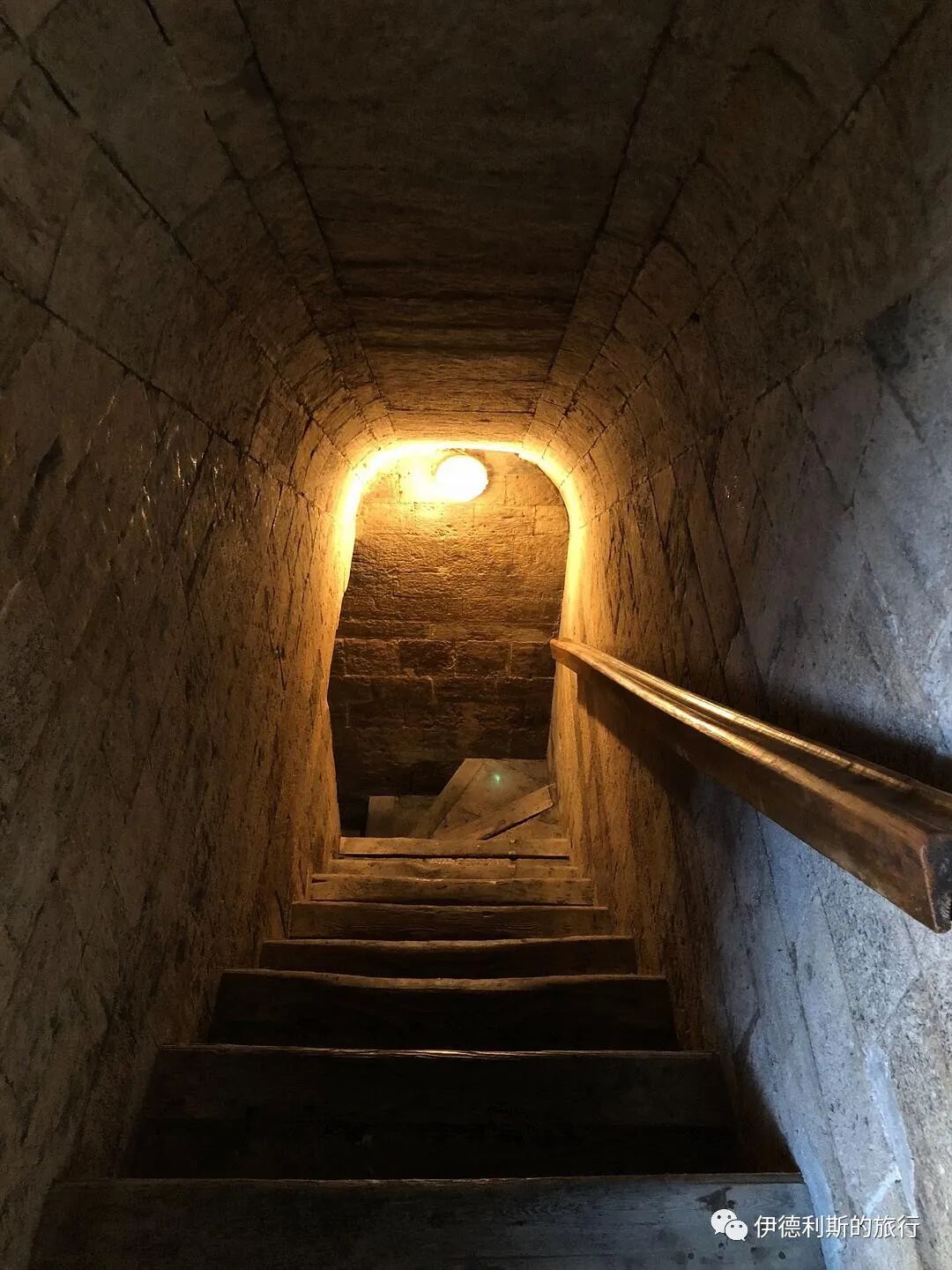
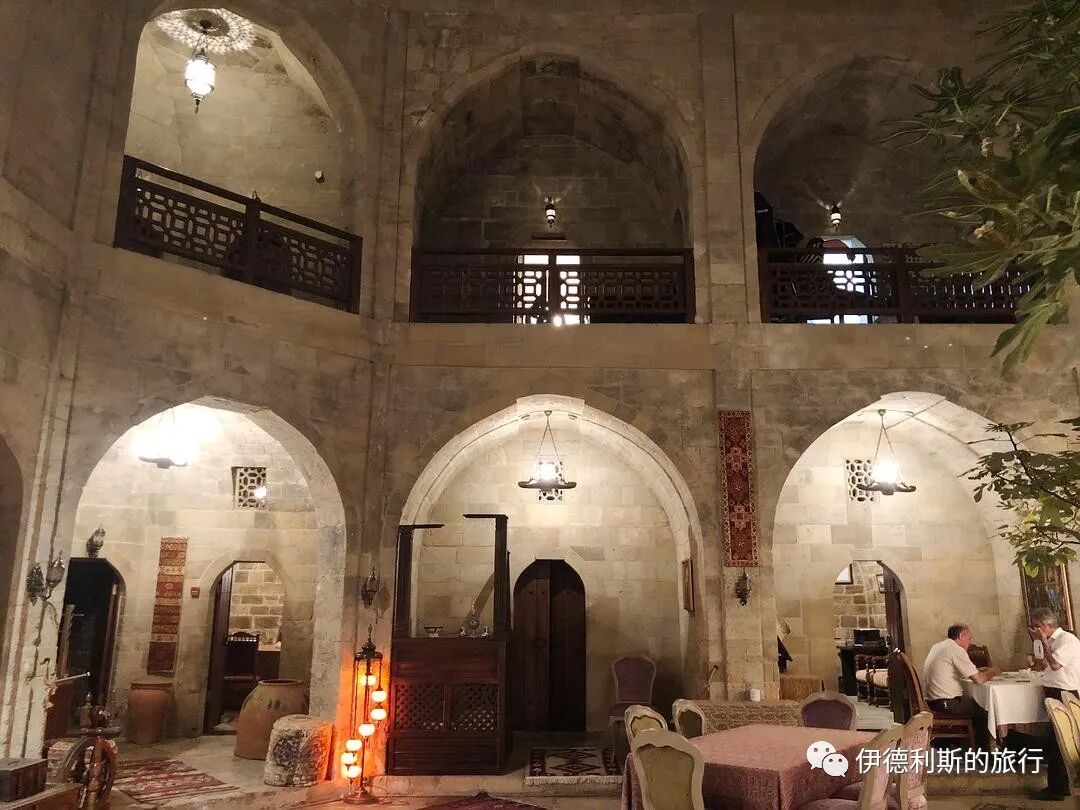
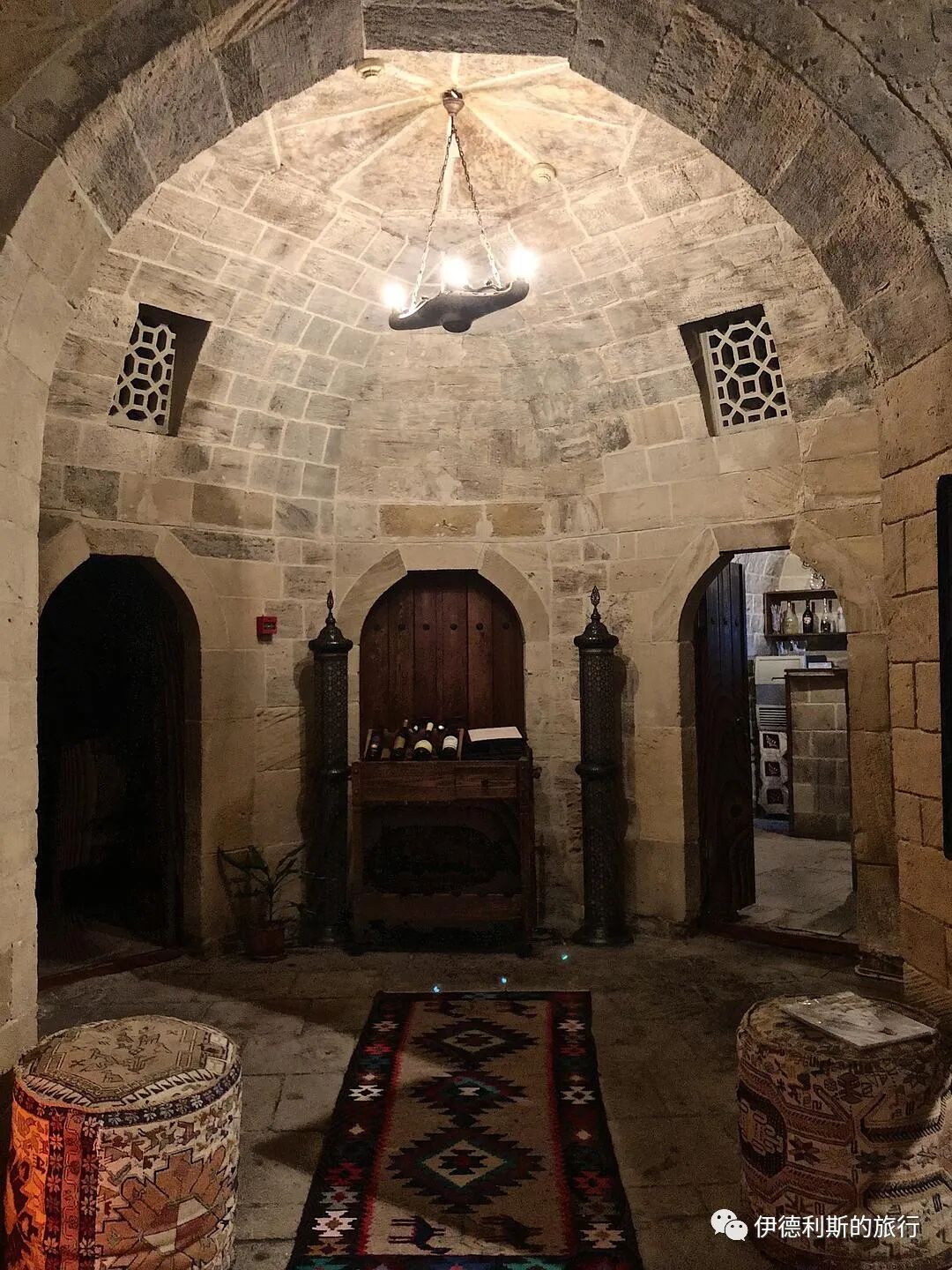
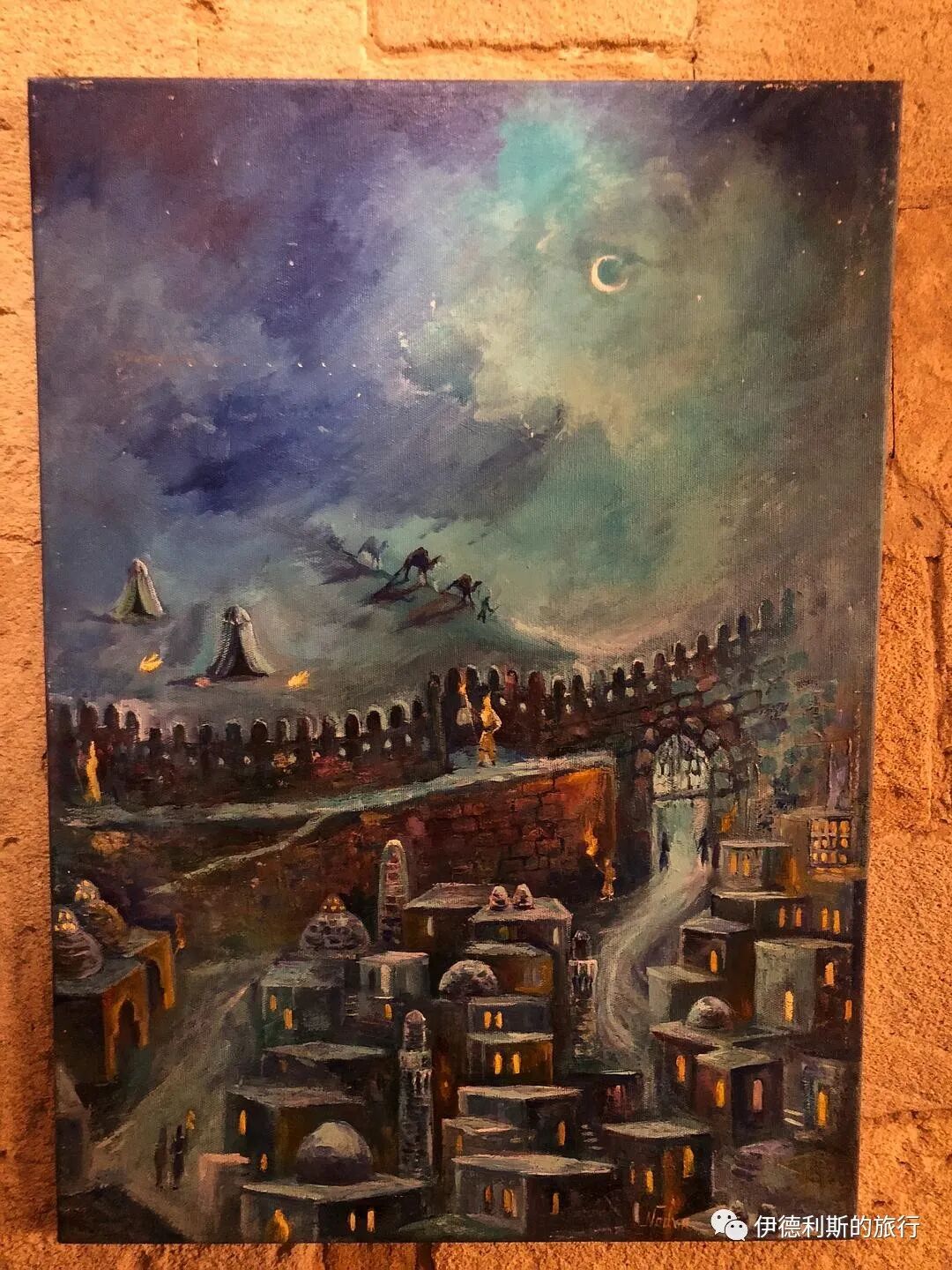
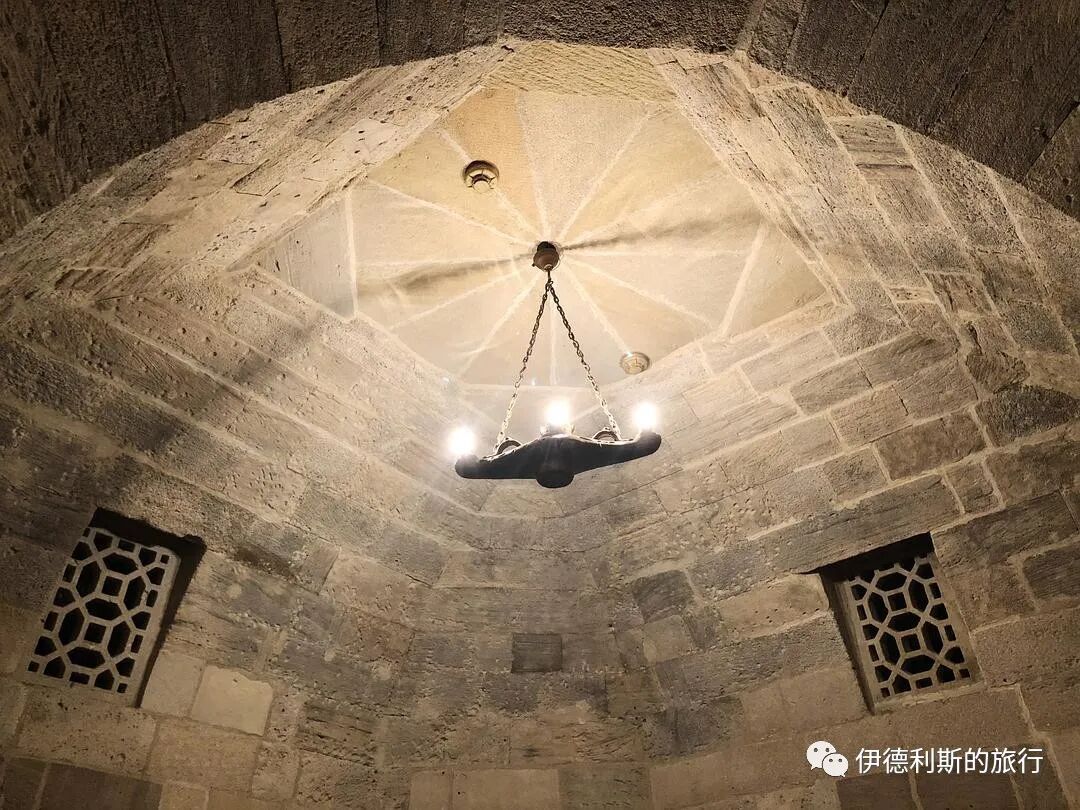
The Two-Story Caravanserai (İkimərtəbəli karvansaray) is the largest Silk Road caravanserai in Baku's Old City. Some say the 34th Shirvanshah king, Khalilullah I (who reigned from 1417-1465), ordered its construction. Other scholars believe it was built in the 17th century, based on its architectural style. Its two main gates open towards the sea and the city's main road. This made it easy for caravans to enter and exit by sea and land.
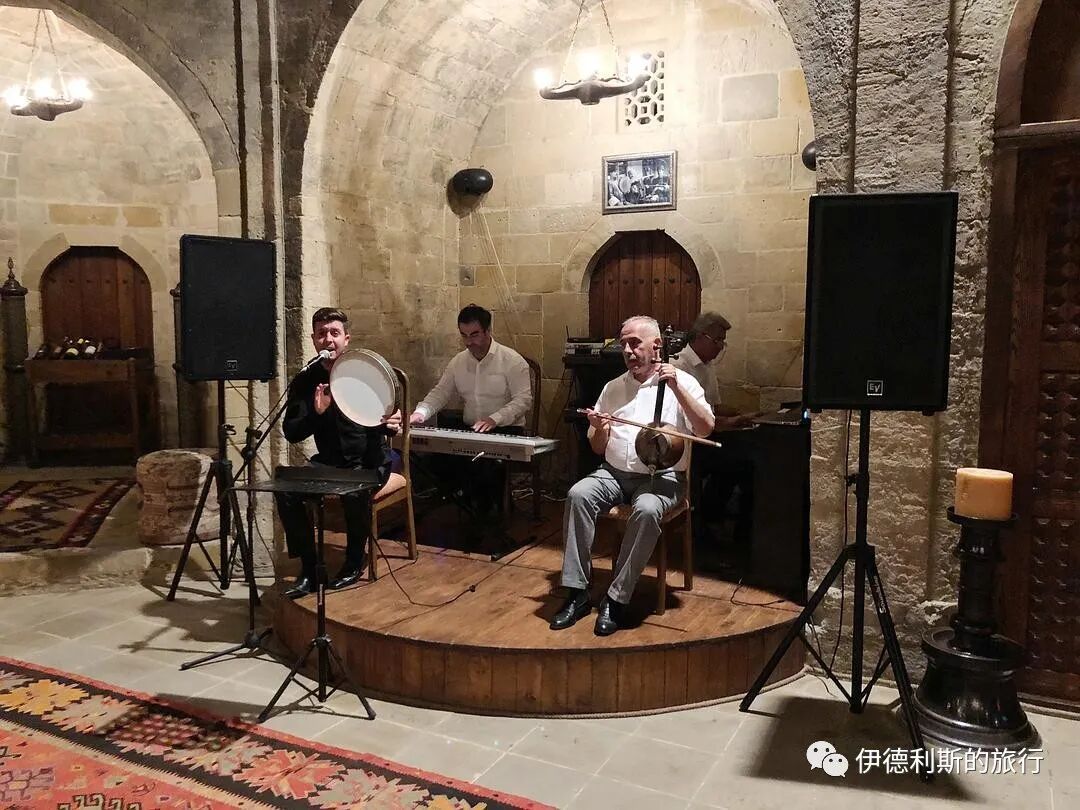
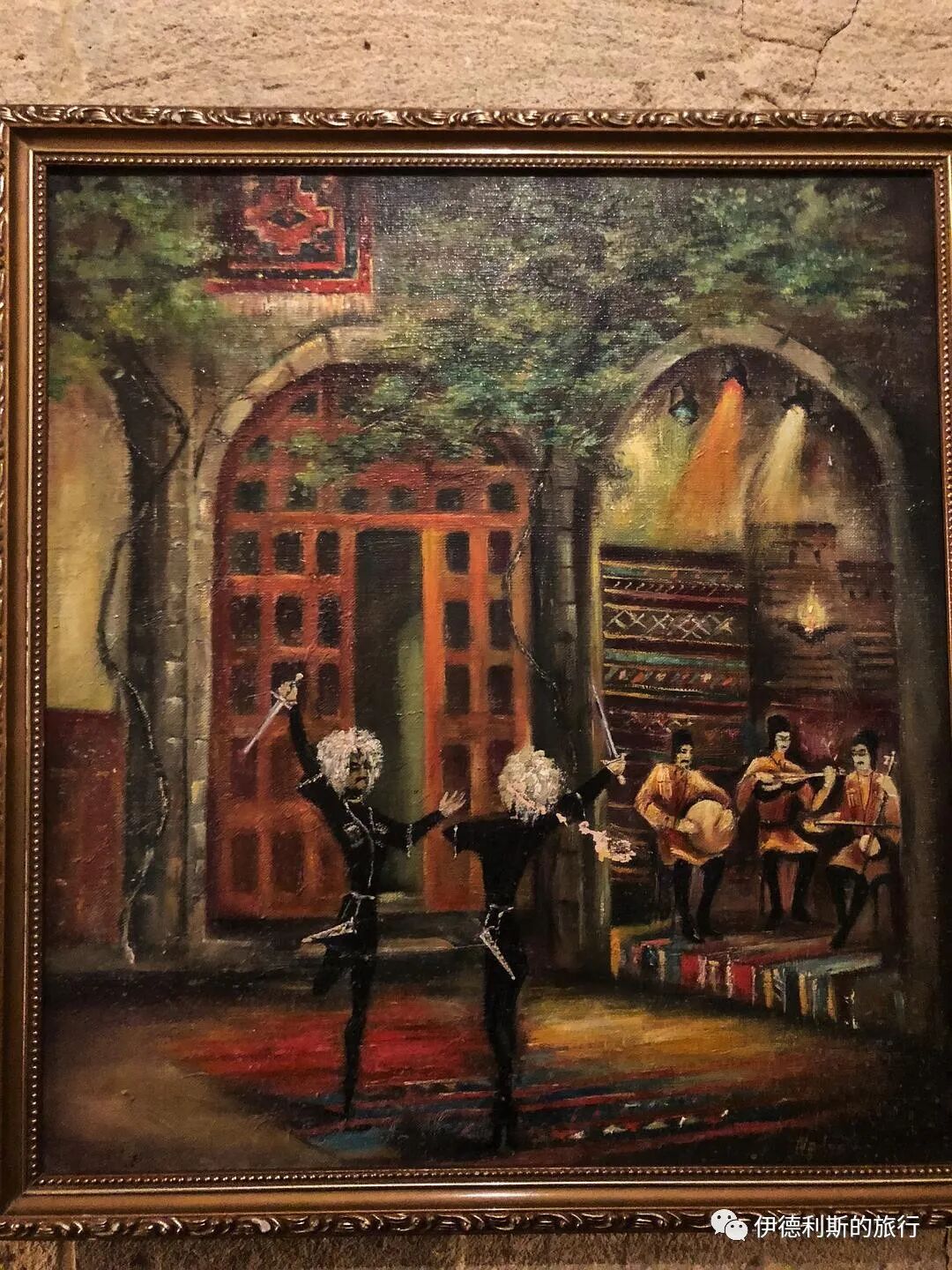
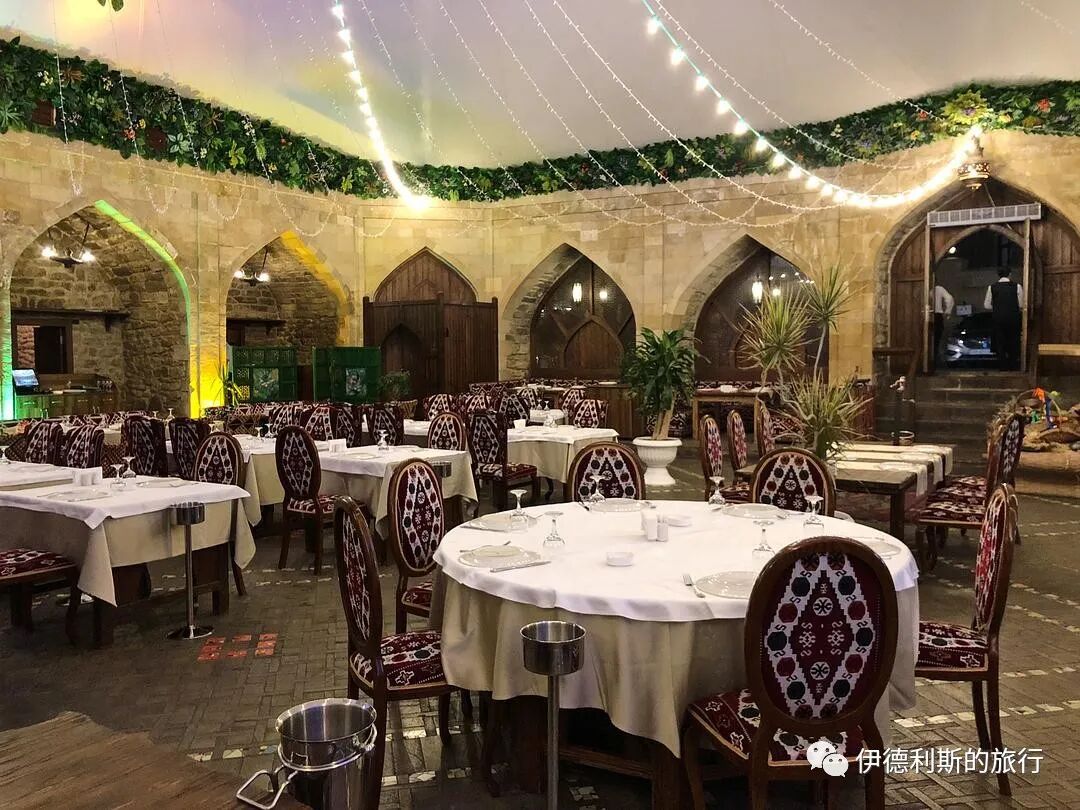
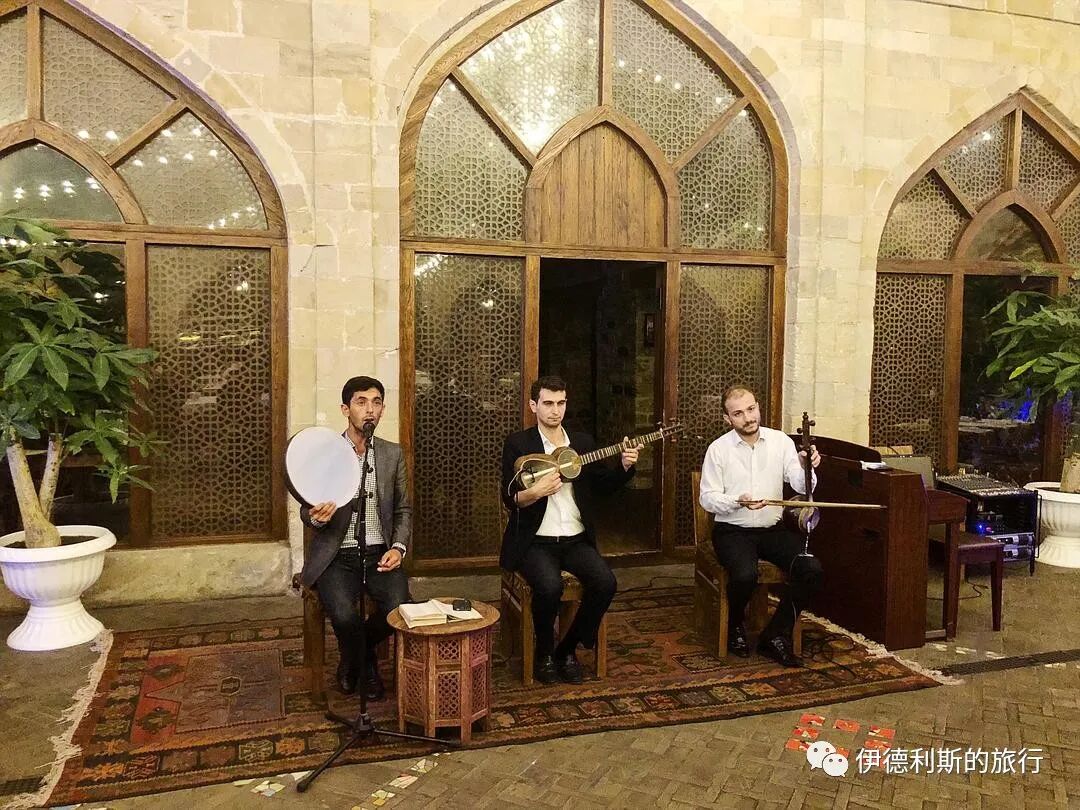
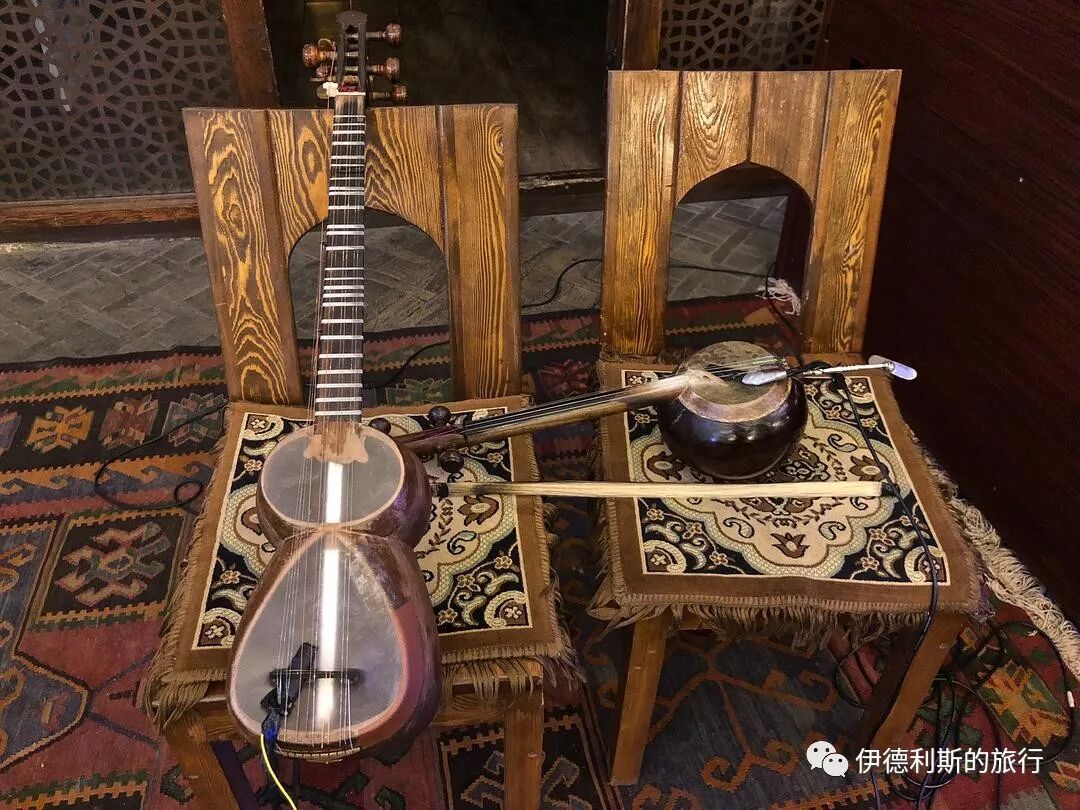
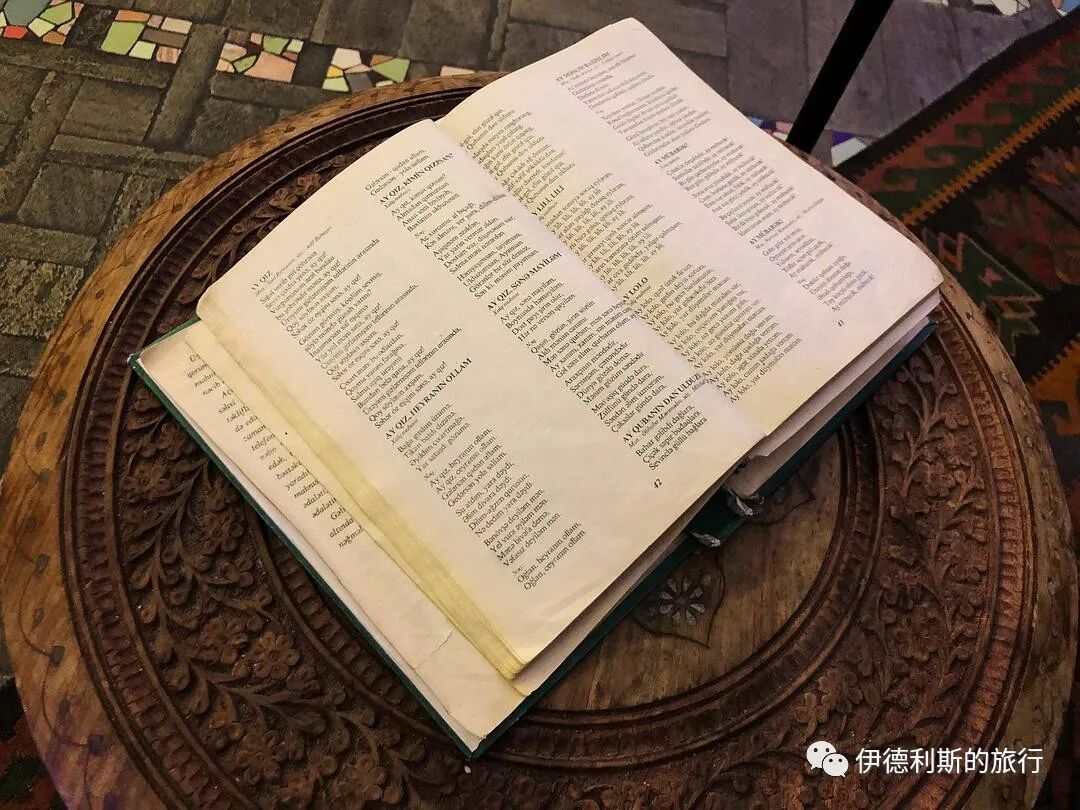
Today, the caravanserai houses a restaurant called Mugam Club. In the evenings, you can watch Azerbaijani Mugham performances there. Azerbaijani Mugham comes from Persian classical music. It was court music in the 16th and 17th centuries. After the 19th century, it became popular among common people. It usually features a lead singer (khanandas), a Daf drummer, a Tar lute player, and a Kamancheh bowed string instrument player. The lead singer often also plays the drum.
2. Small Caravanserai: late 16th to early 17th century
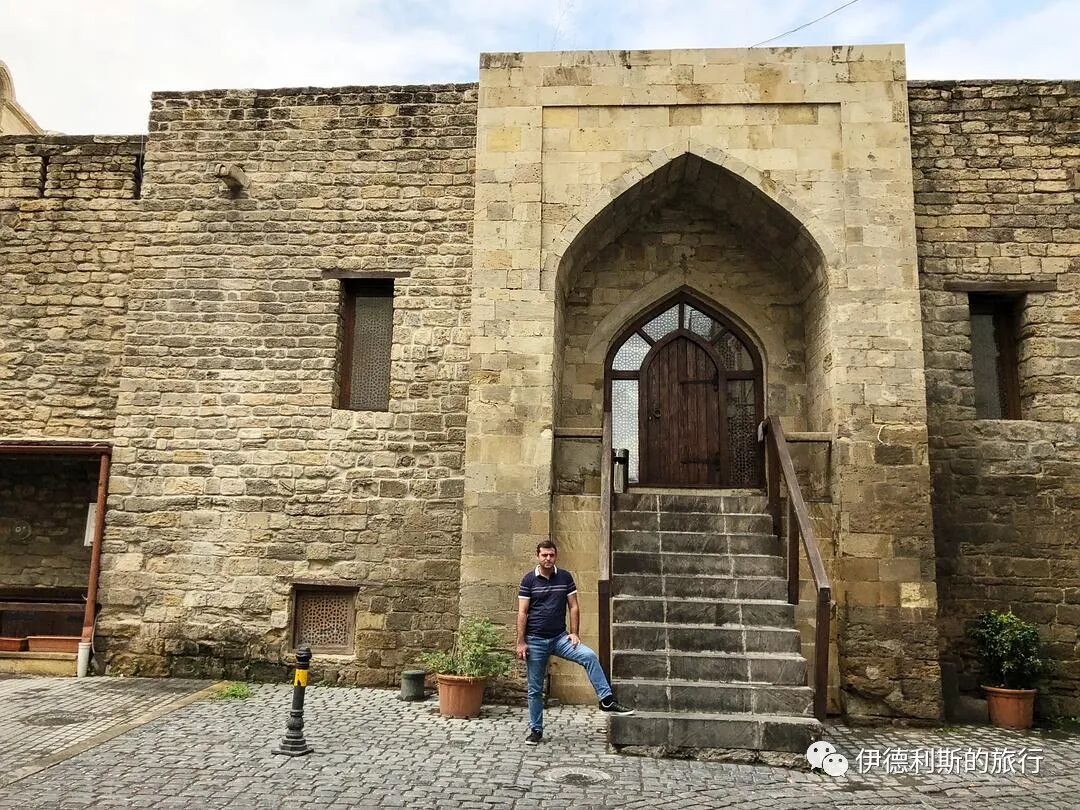
The Small Caravanserai (Khan Caravanserai) was built in the late 16th to early 17th century. It was an important trading caravanserai in Baku's Old City. The caravanserai is square-shaped. One side faces the coast, and the other faces the city's main road. This made it easy to unload goods from ships and bring them into the city.
Today, the caravanserai houses the Han Restaurant Baku. In the evenings, you can also watch Azerbaijani Mugham performances there.
3. Multani Caravanserai: 14th century
The Multani Caravanserai was built in the 14th century. It is named after the city of Multan in Pakistan. This was a place for Indian merchants and travelers to stay. Multan is in southern Punjab Province, Pakistan. It is an important traditional trade center in South Asia. In the 14th century, Multan was ruled by the Delhi Sultanate. The famous traveler Ibn Battuta visited Multan in the 1300s. He said that Multan's horse trade reached as far as the Russian steppes at that time.
The lower floor of the caravanserai was a warehouse for goods. The upper floor had 10 guest rooms. The eastern half was torn down in the early 20th century. Now, only the western facade, the southwestern rooms, and the main gate remain. These parts were restored between 1973 and 1974.
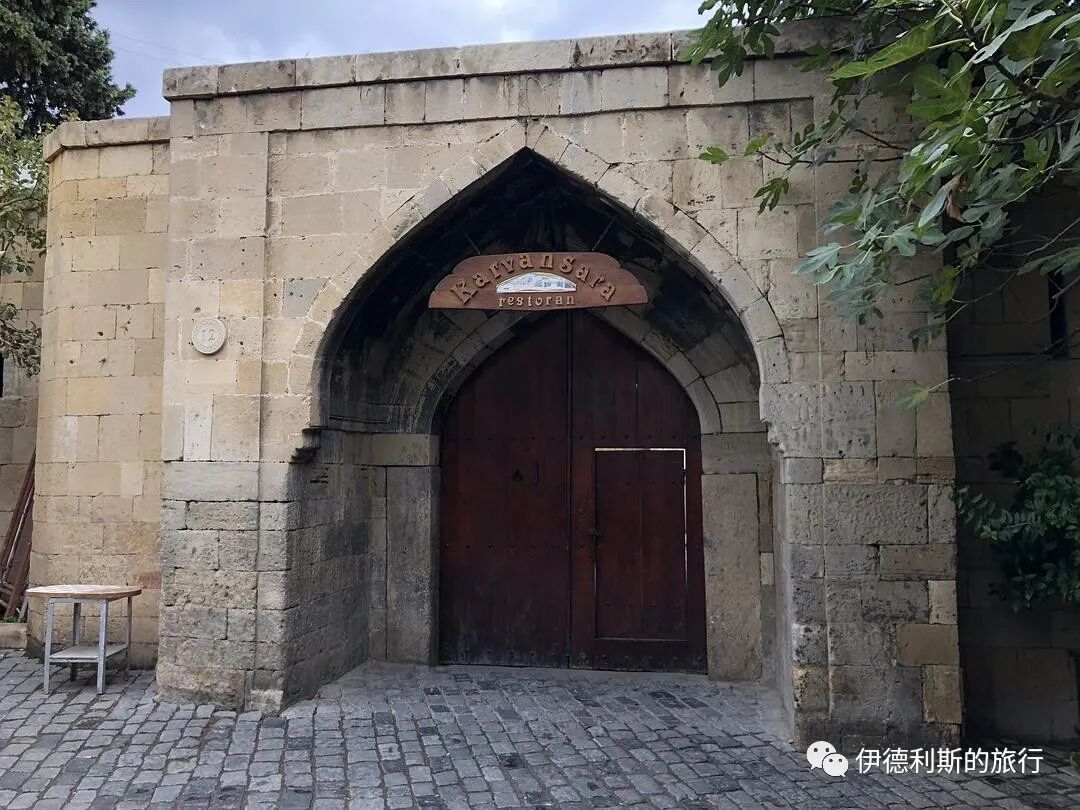
4. Bukhara Caravanserai: late 15th century
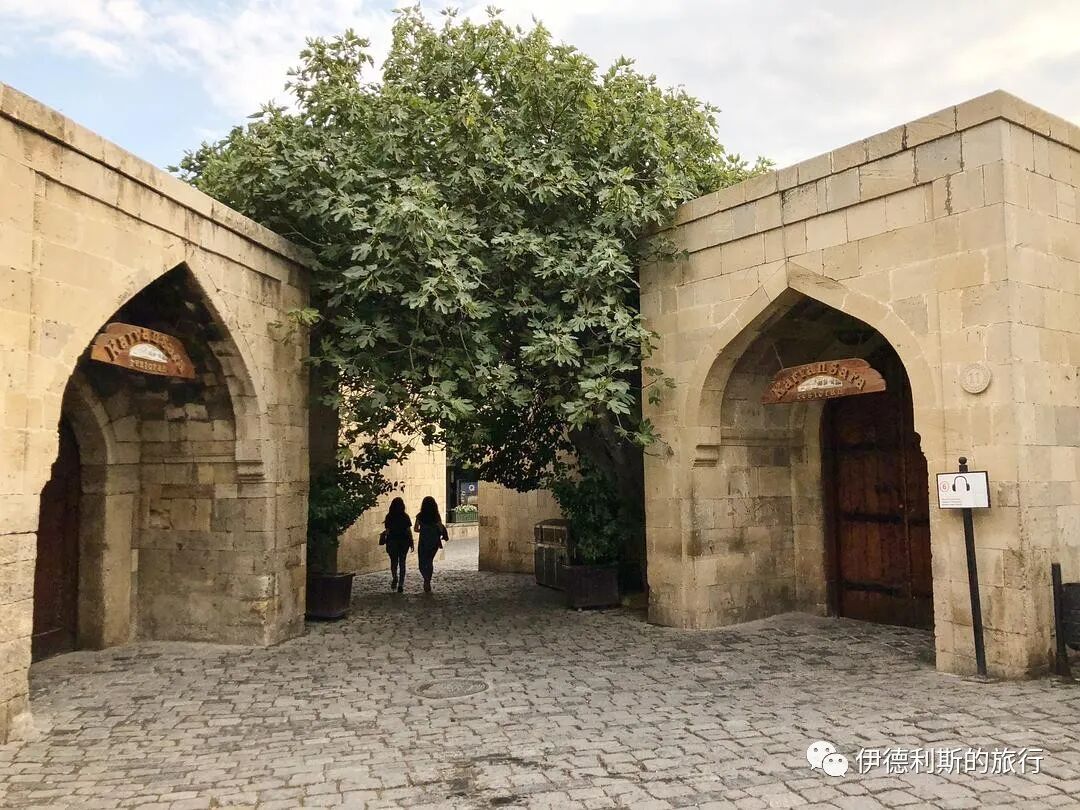
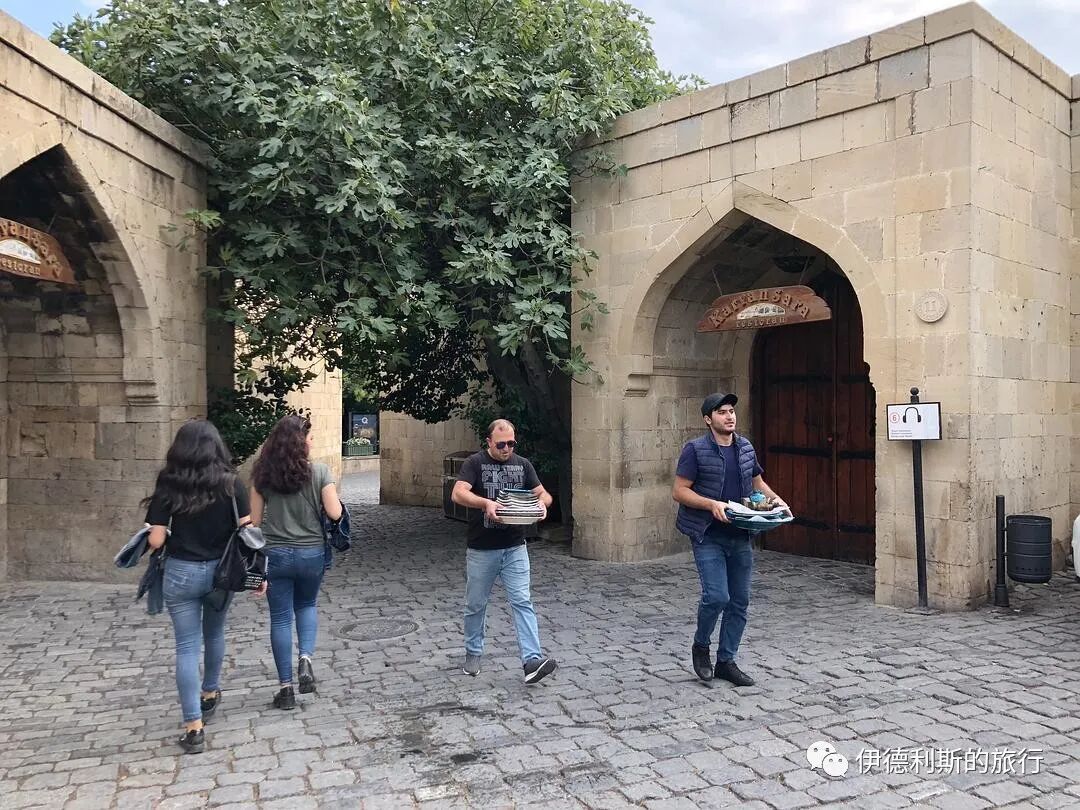
The Bukhara Caravanserai is across from the Multani Caravanserai. It was built in the late 15th century. It is named after the city of Bukhara in Uzbekistan. This was a place for Central Asian merchants and travelers to stay. In the late 15th century, Bukhara was ruled by the Timurid Empire. At that time, the Timurid Empire was breaking apart. Bukhara was about to become the capital of the Bukhara Khanate, founded by the Uzbeks.
The caravanserai has an octagonal courtyard inside. Guest rooms surround it. Currently, the caravanserai only has 17 guest rooms on its upper floor. People say the lower floor, which was a warehouse, is still buried underground.
VI. Bathhouses
1. Haji Gayib Bathhouse: late 15th century
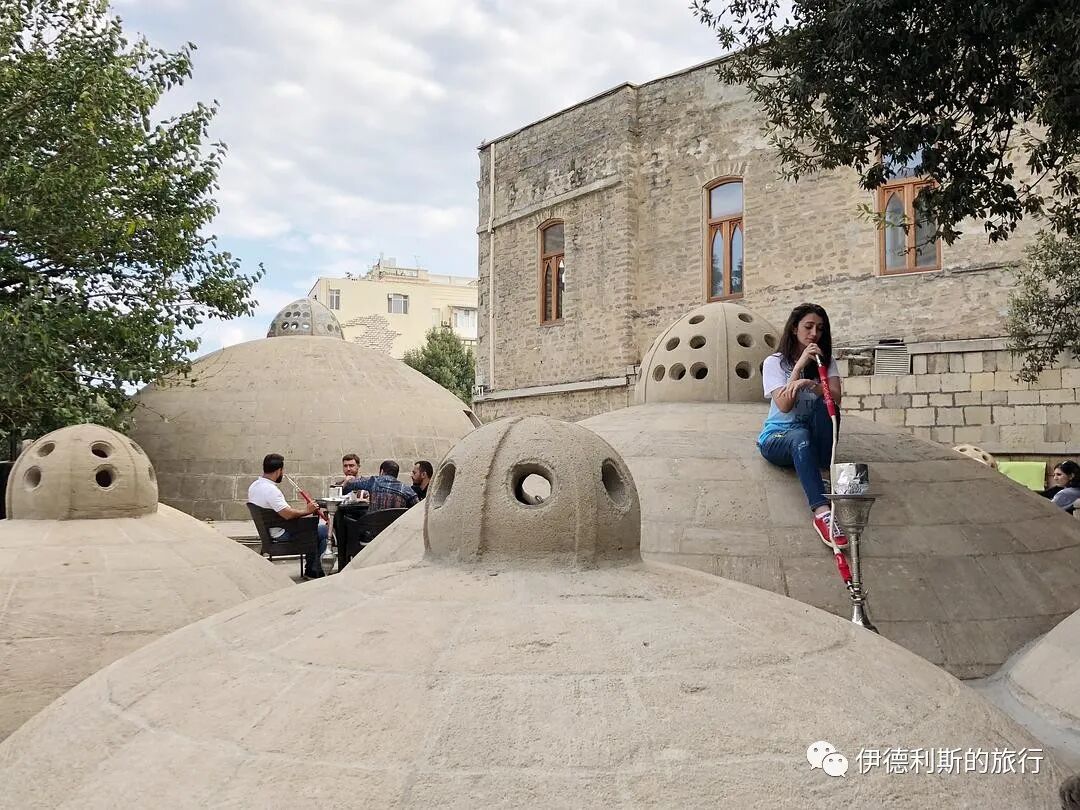
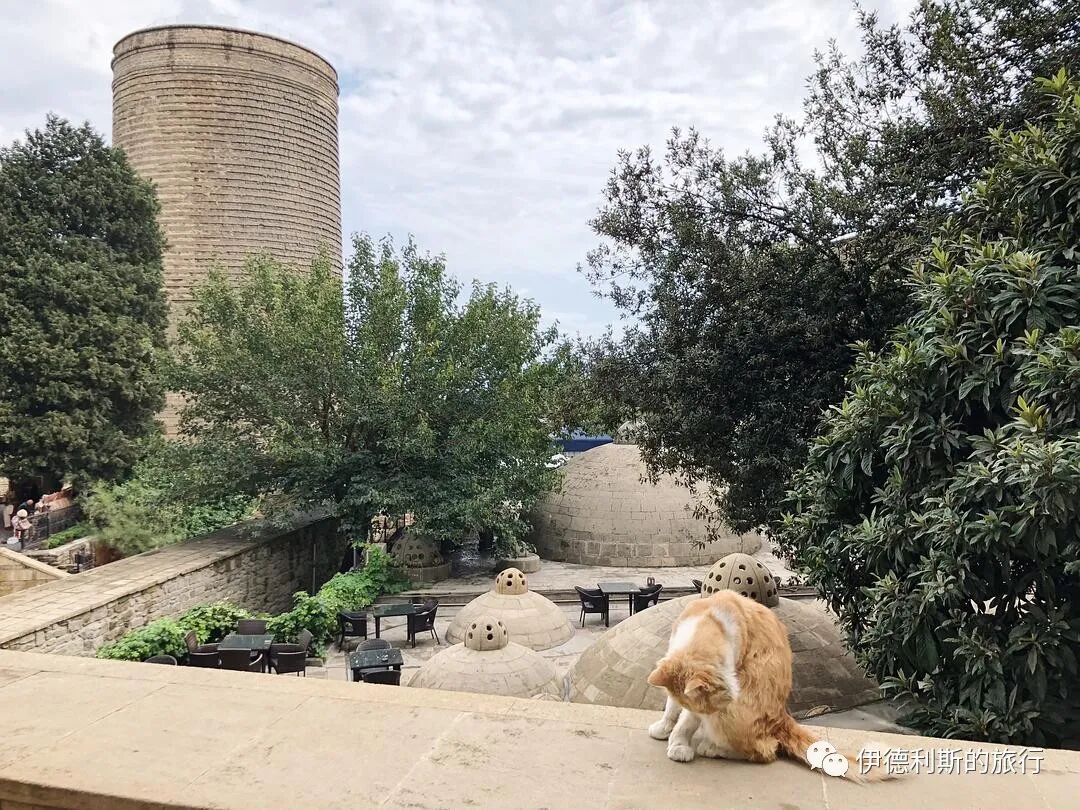
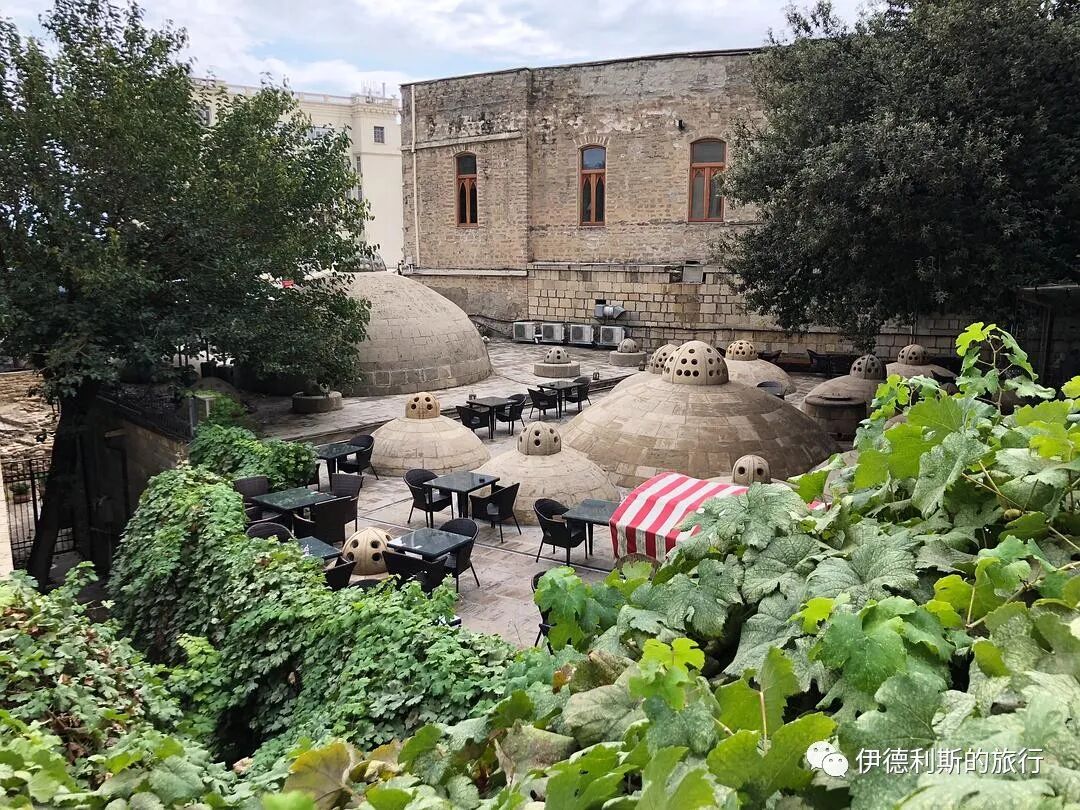
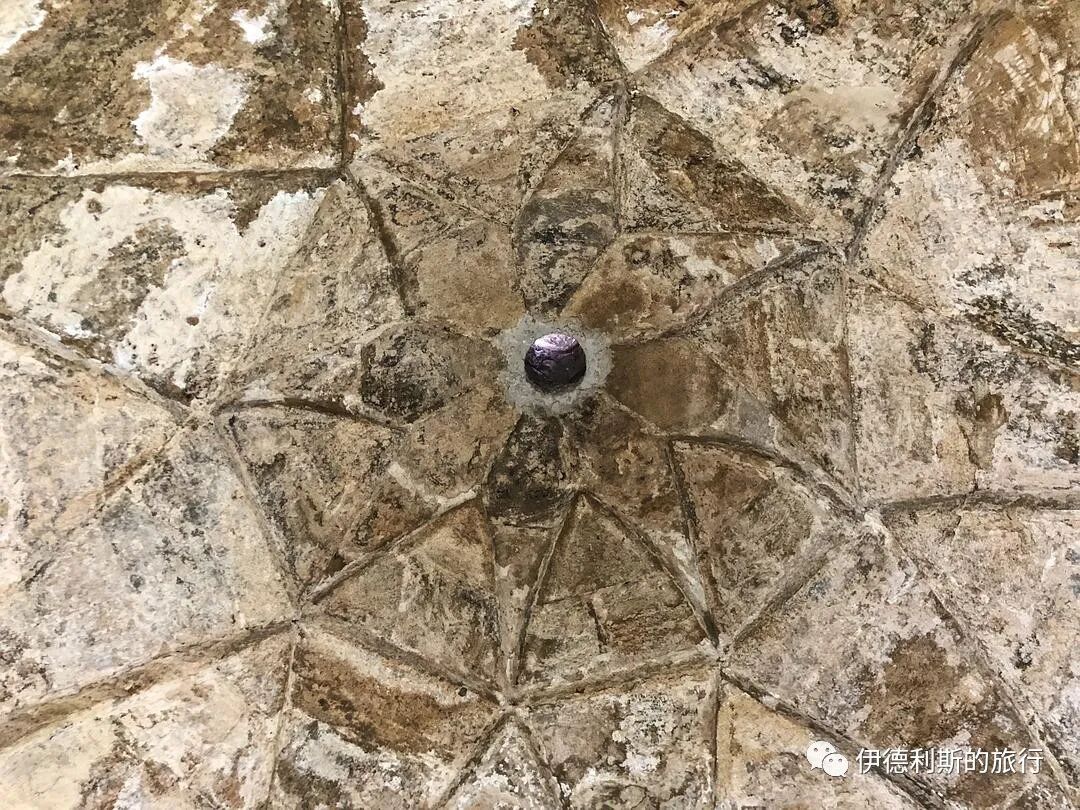
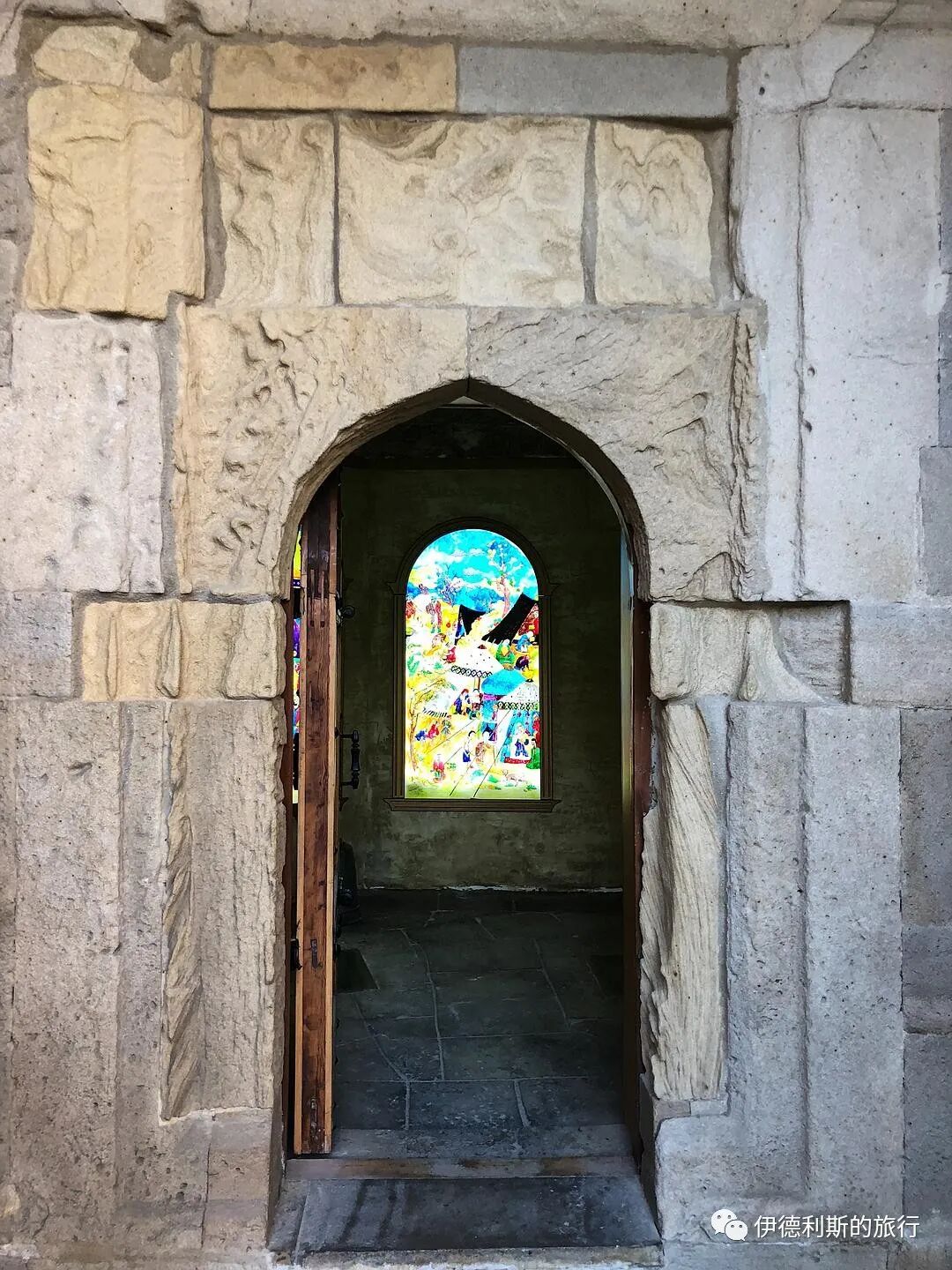
The Haji Gayib Bathhouse (Hacı Qayıb hamamı) was built in the late 15th century. It was buried underground for a long time. It was only discovered during archaeological excavations in 1964. The bathhouse has three main parts: a toilet, a changing room, and a bathing area. In the center of the main hall is a pool with hot and cold water. Heating pipes run under the floor.
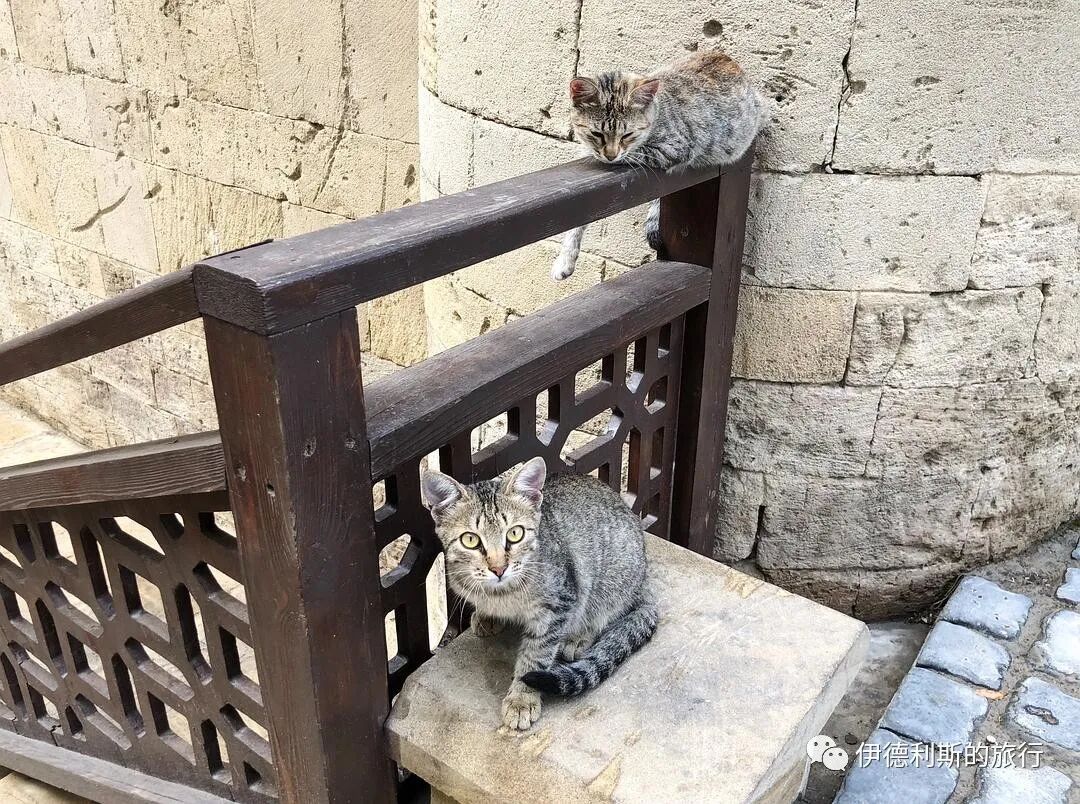
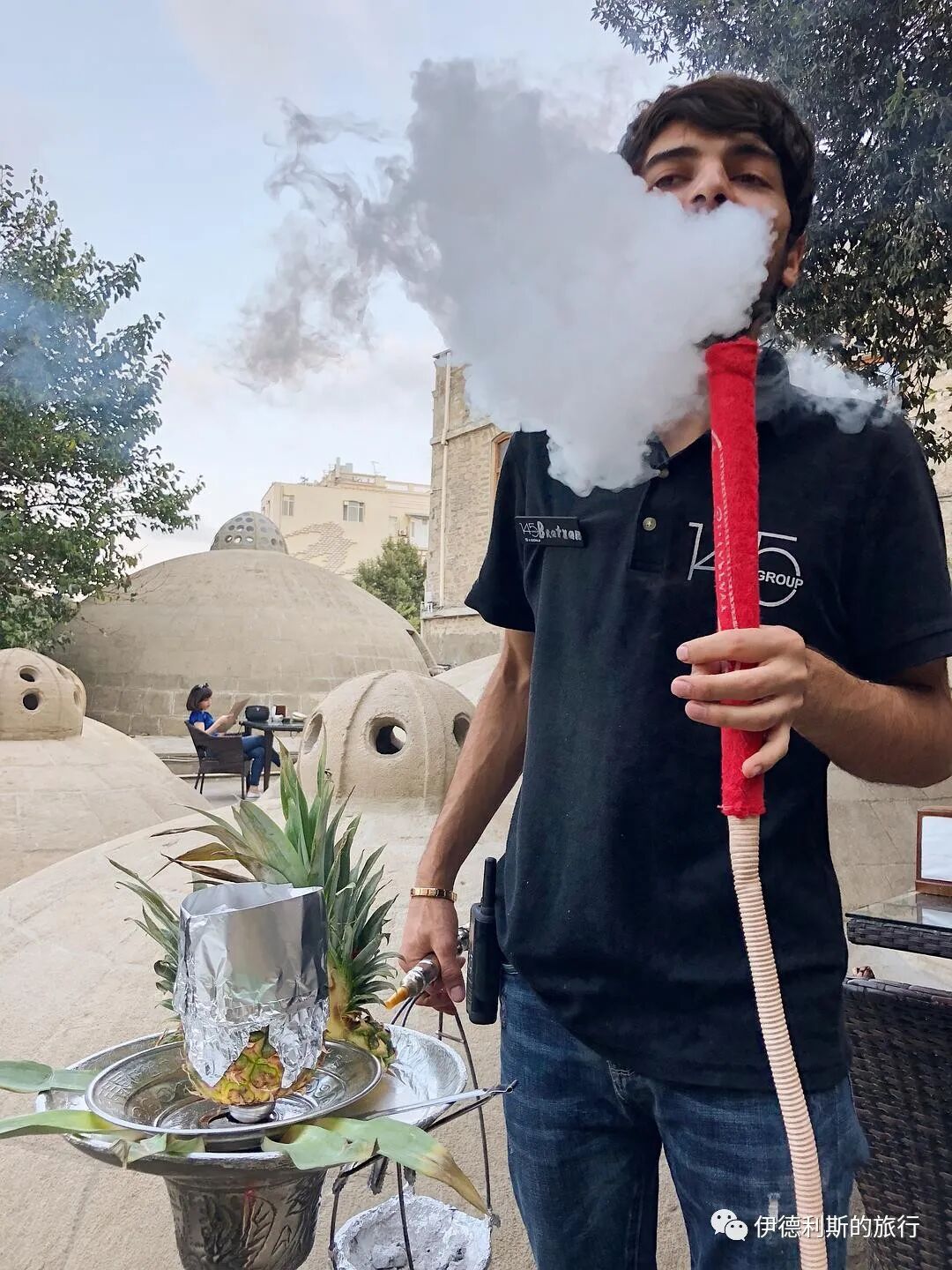
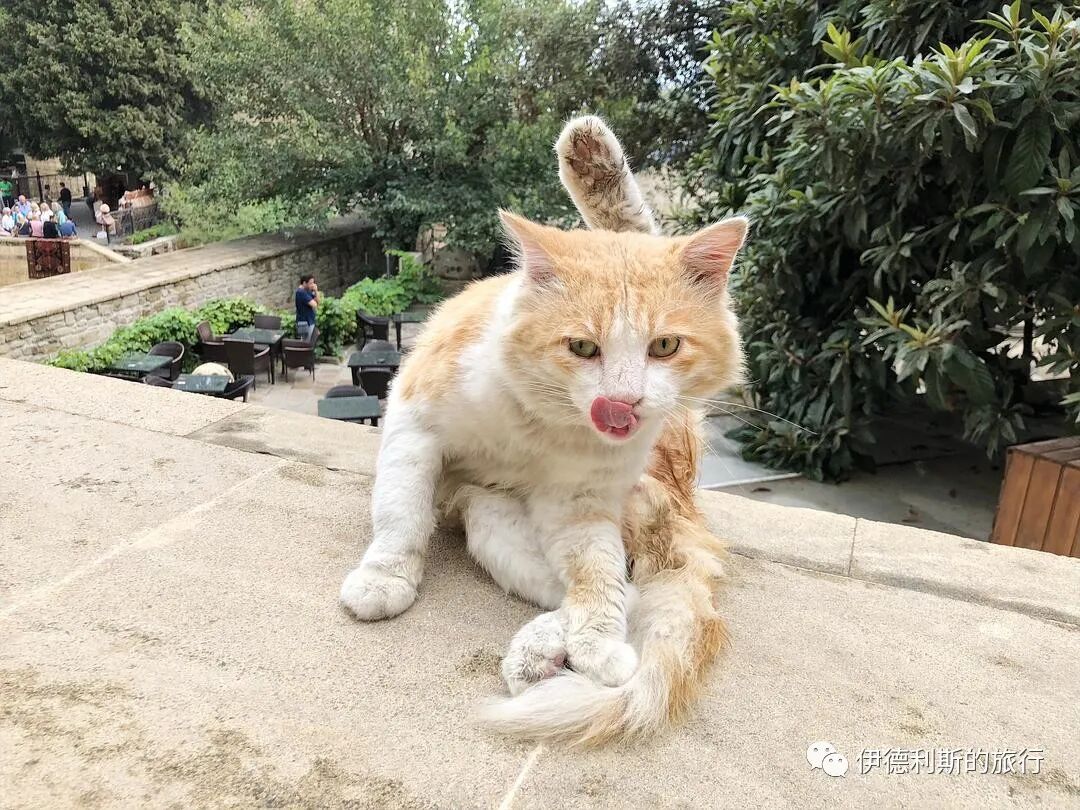
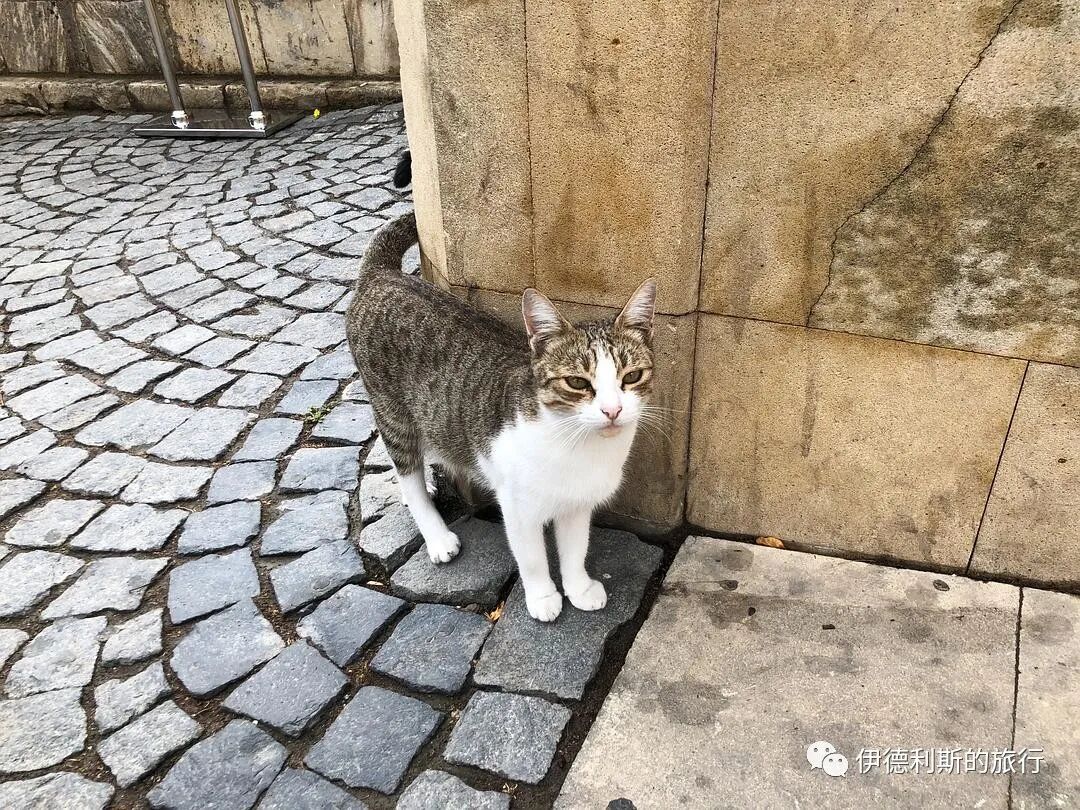
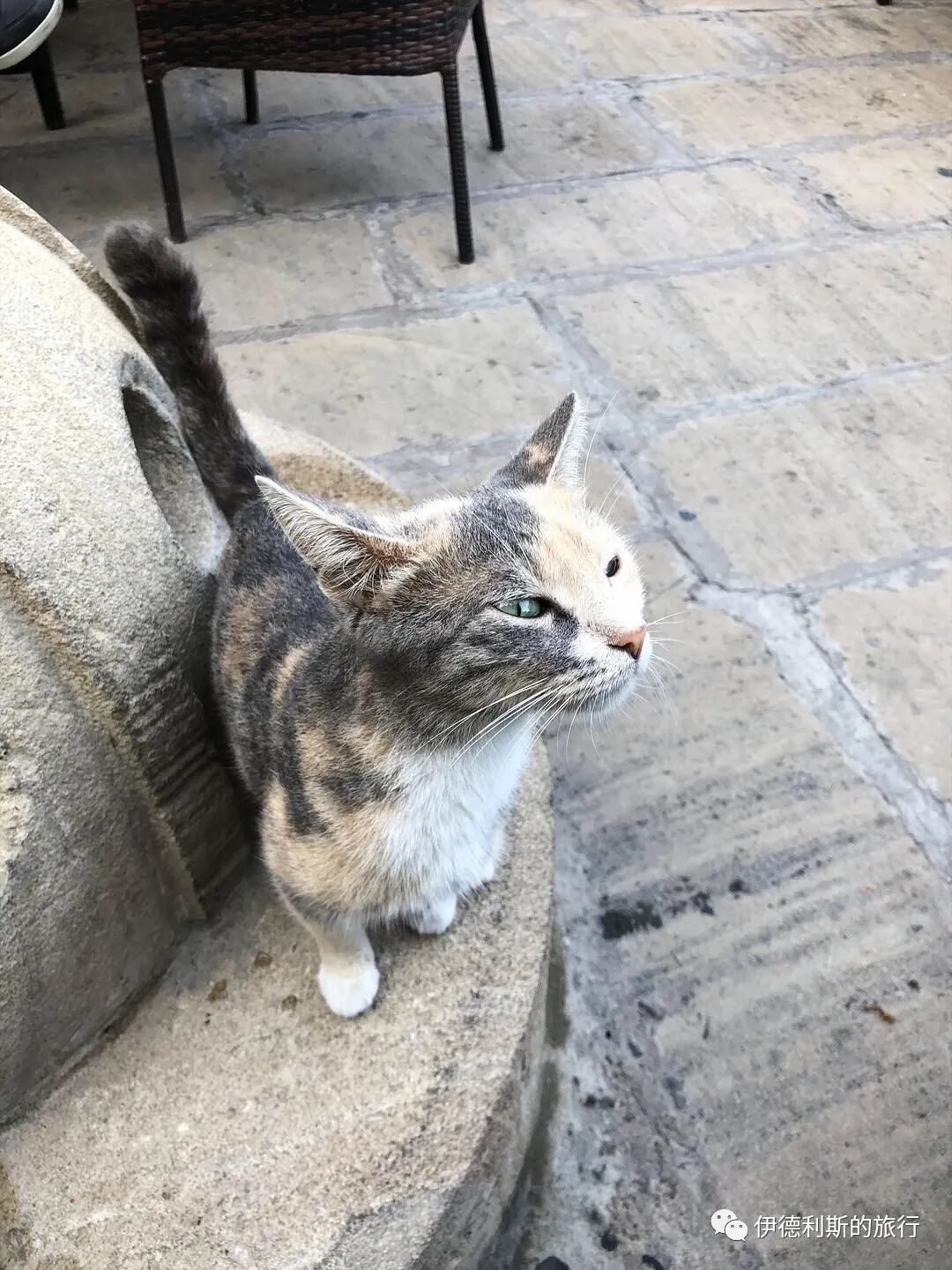
A hookah lounge is on top of the bathhouse. You can eat snacks and pet cats there. The Maiden Tower, a landmark of Baku's Old City, is right next to it.
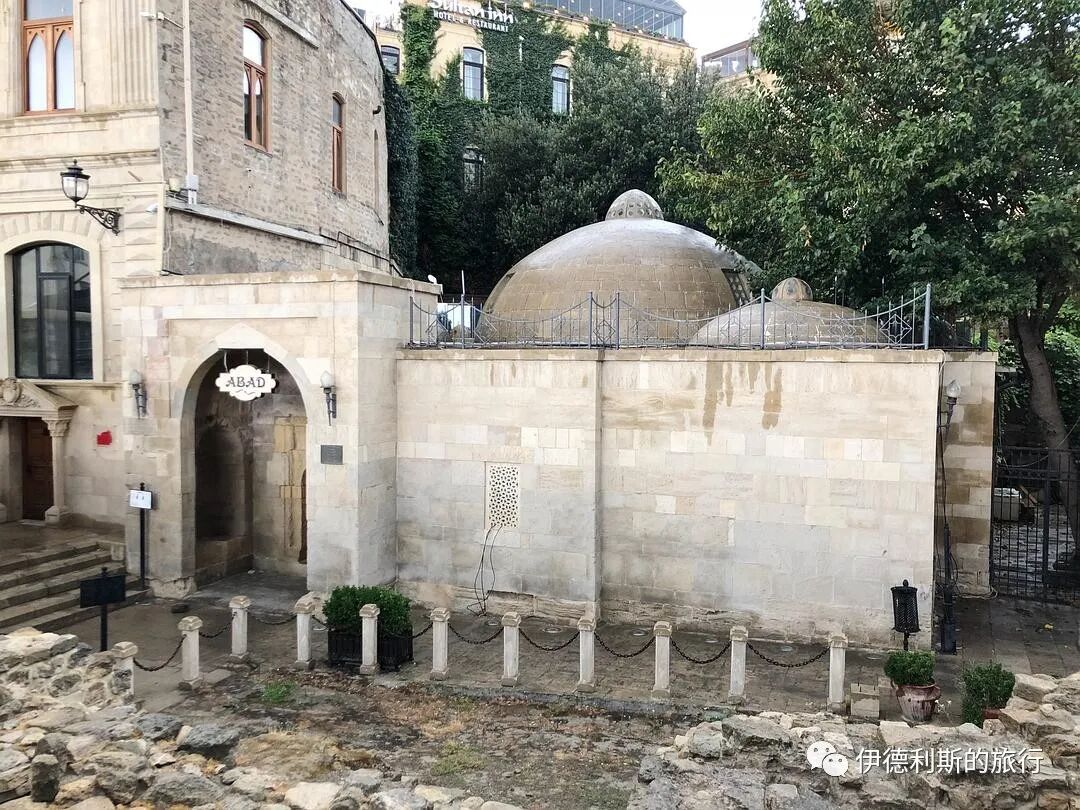
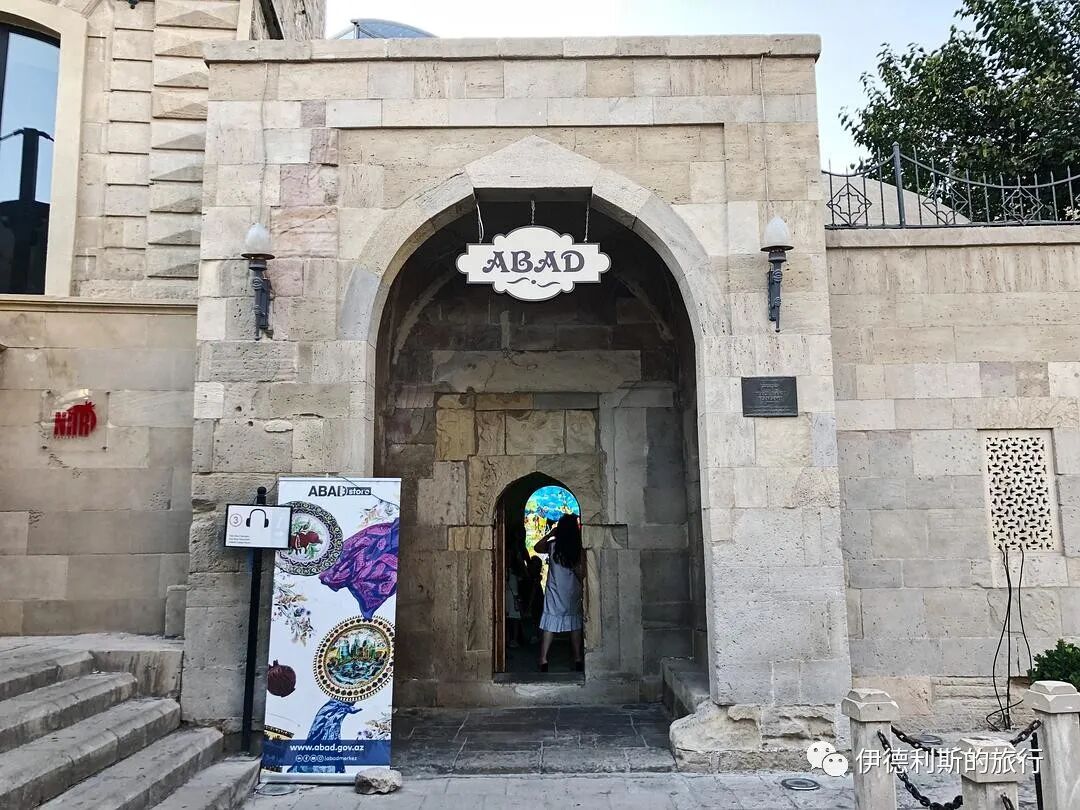
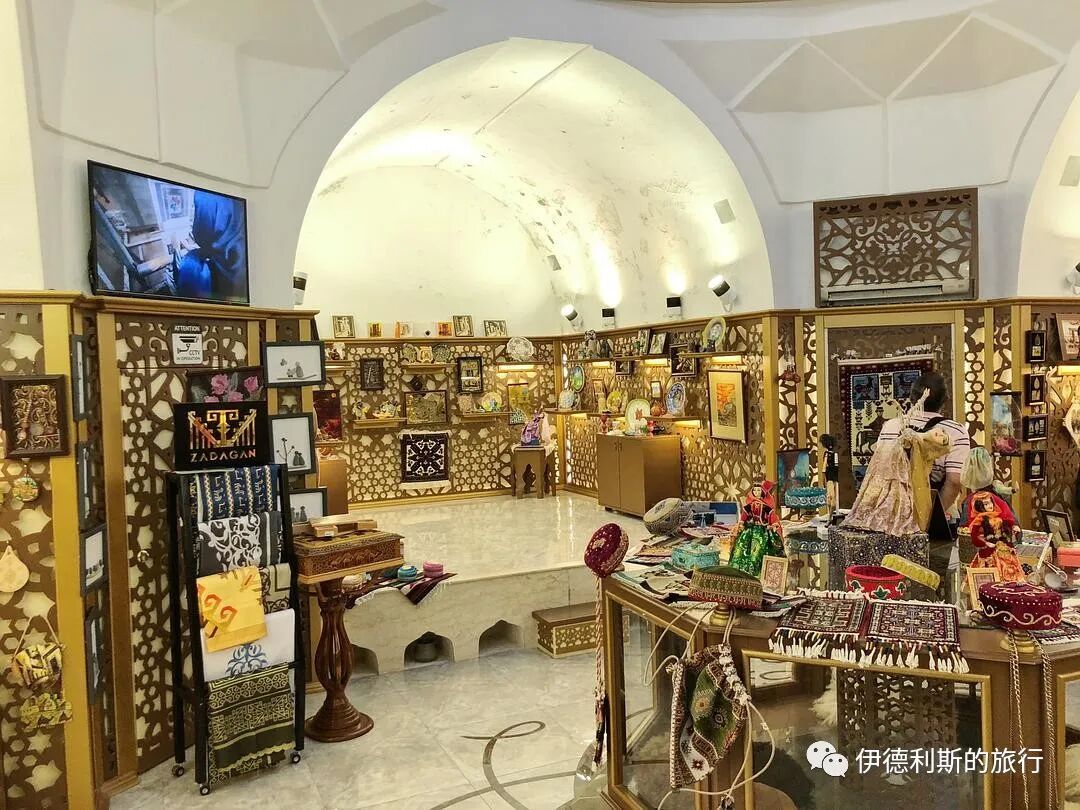
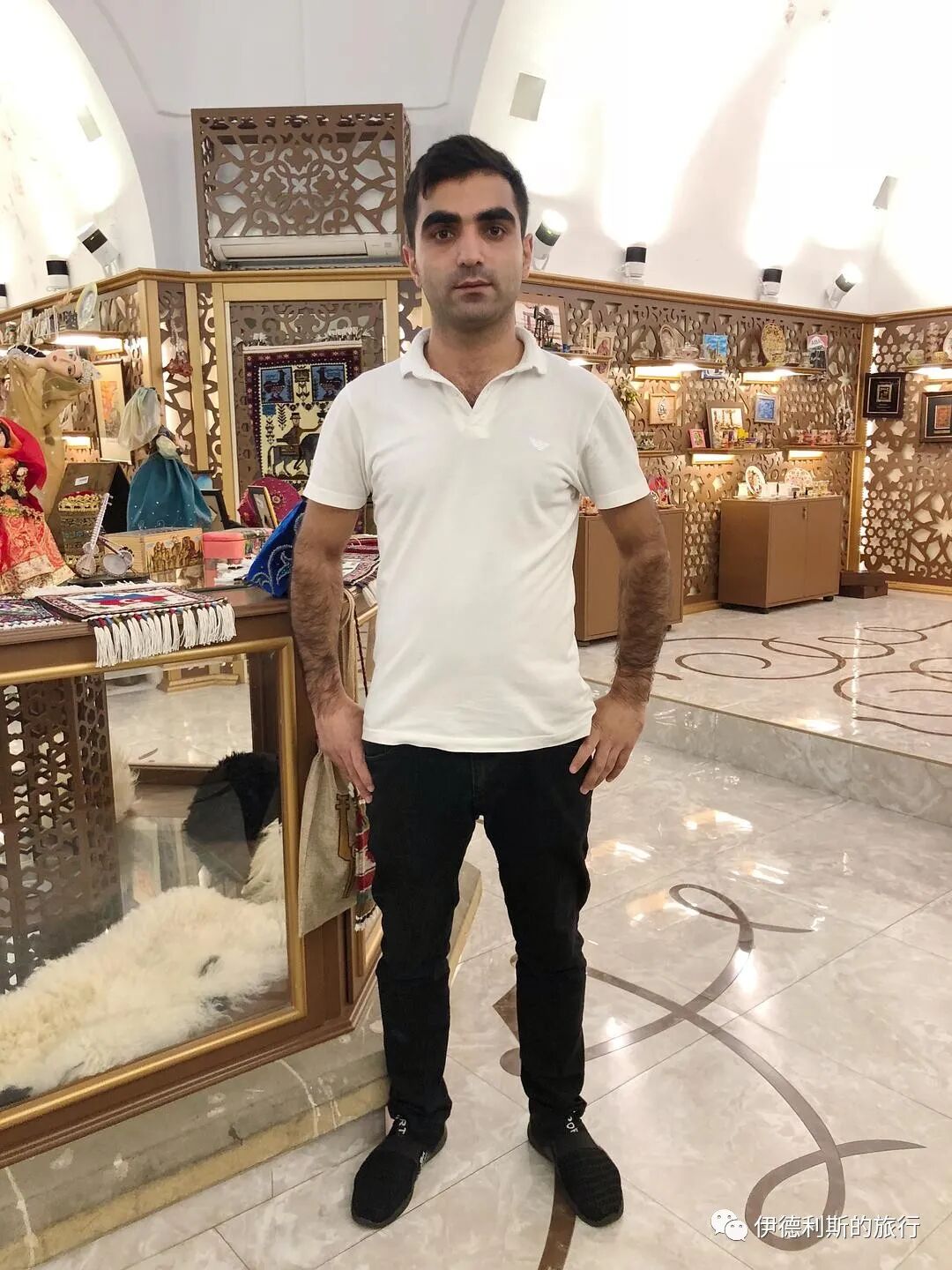
In 2017, ABAD, a local Azerbaijani art brand, opened inside the bathhouse. This is the best quality souvenir shop I saw in Baku's Old City.
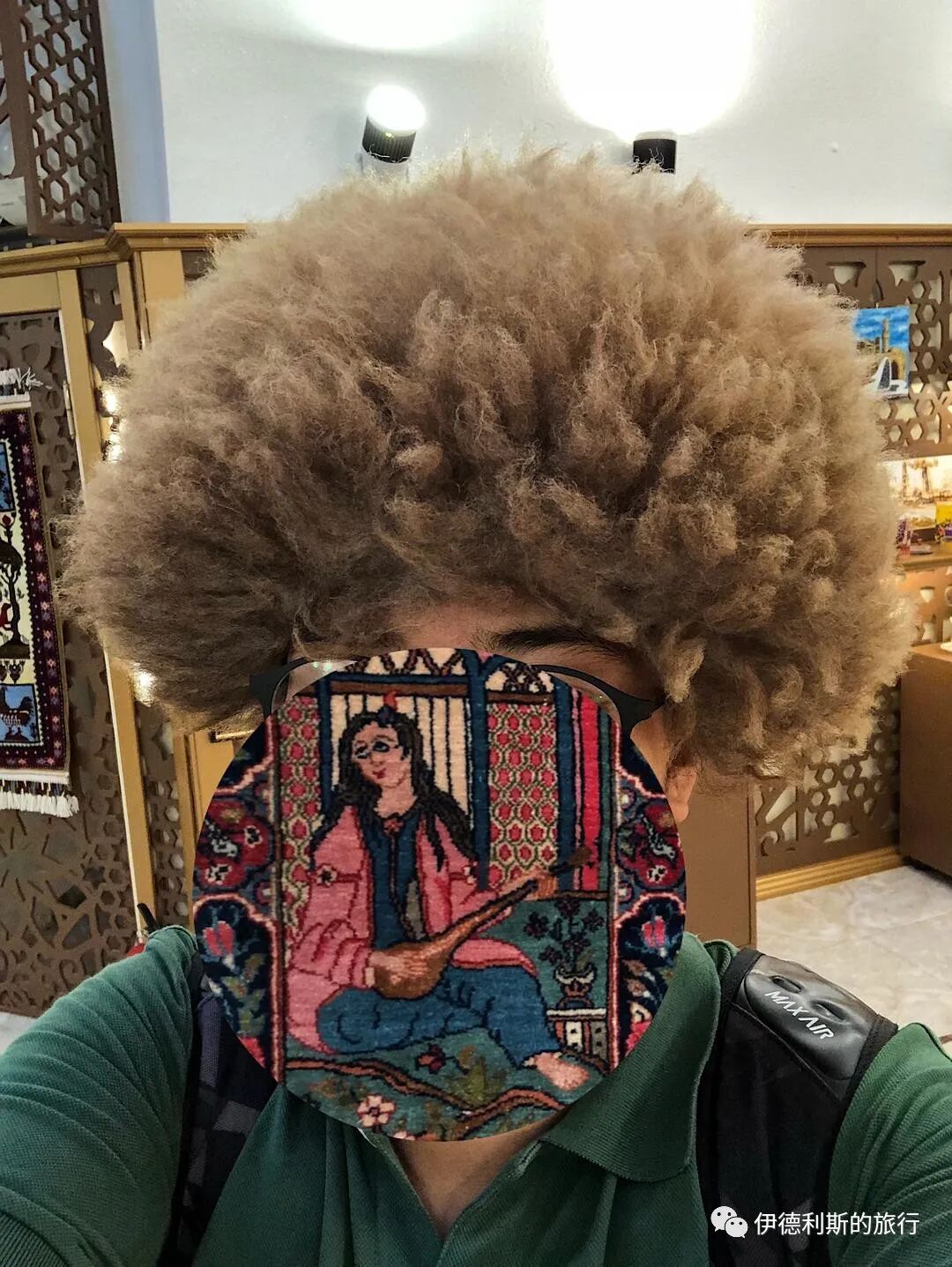
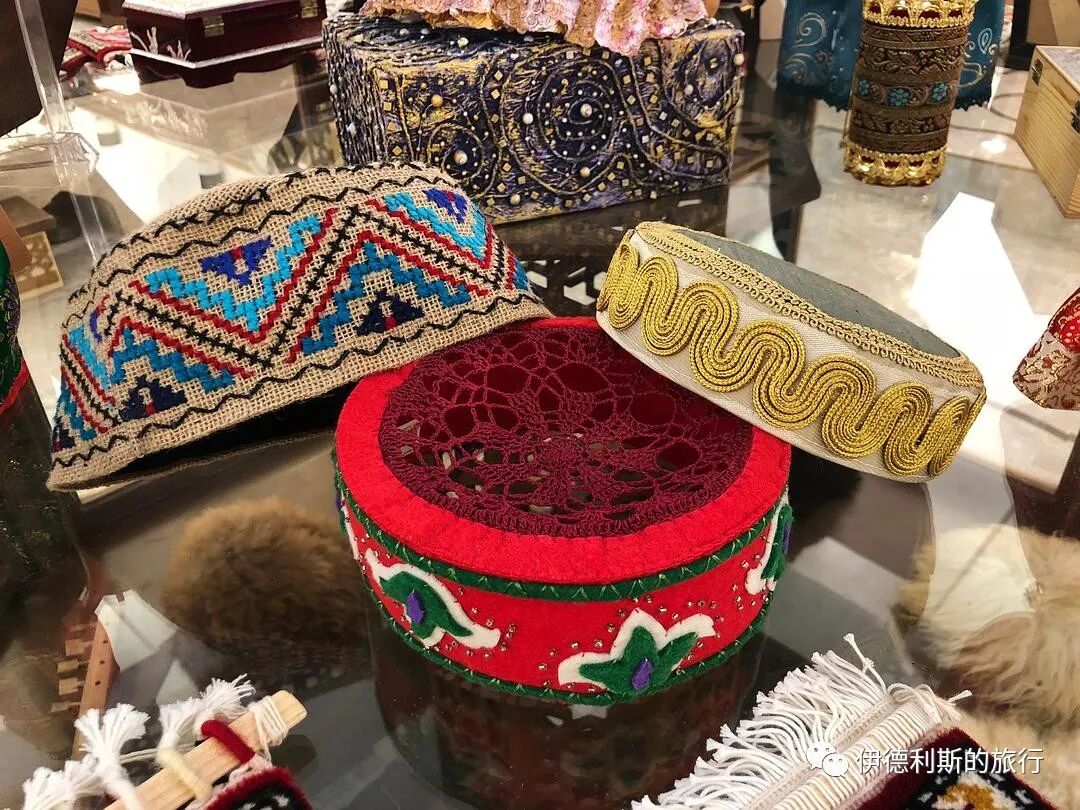
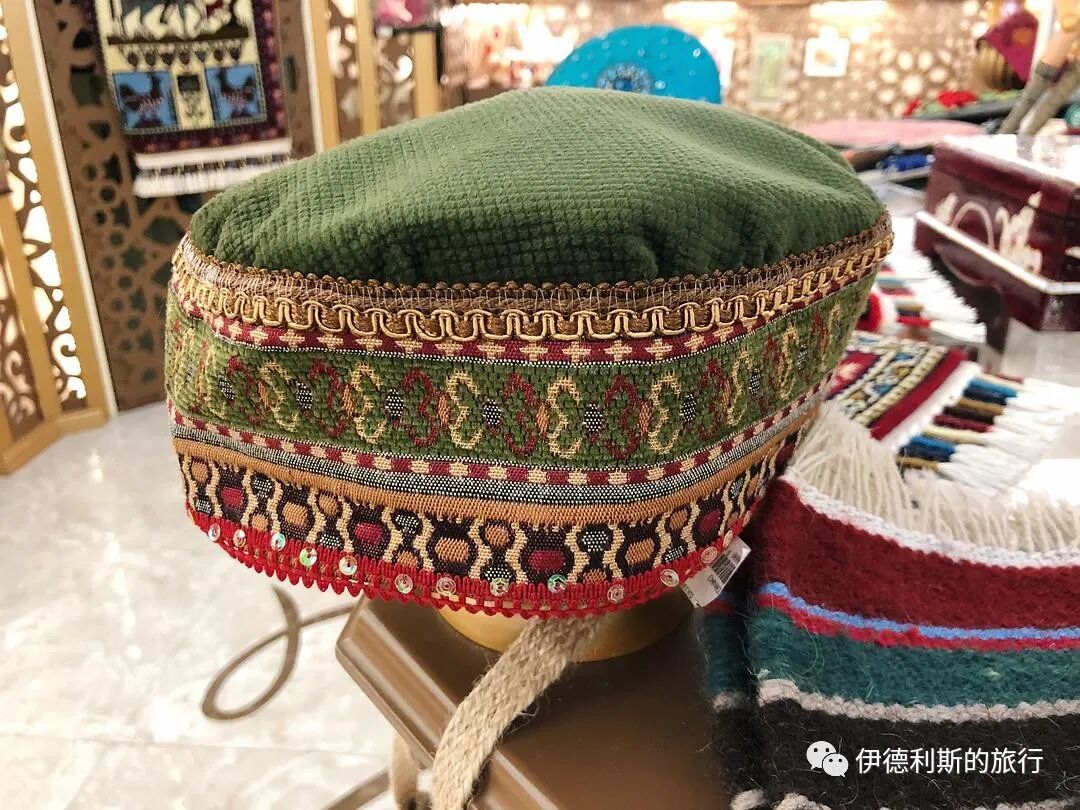
I bought a traditional Azerbaijani hat, an Arakhchin, at the shop. Both men and women can wear Arakhchin hats. They can be made from wool or silk. They also feature embroidery and lace. Men's Arakhchin hats are usually simpler. Women's hats often have beads or even gold ornaments. Arakhchin hats can be worn alone or under other headwear. For example, men can wear them under a Papaq fur hat. Women can wear them under a Kelaghayi headscarf.
From the 16th to the 20th century, the Arakhchin was the most common hat in Azerbaijan. After the 20th century, Arakhchin hats are usually only worn for festivals, celebrations, or ceremonies.
Their hats come with a card from the maker. The website on the card shows information about the artist. This makes the handicrafts feel even more collectible.
2. Qasim Bey Bathhouse: late 18th to early 19th century
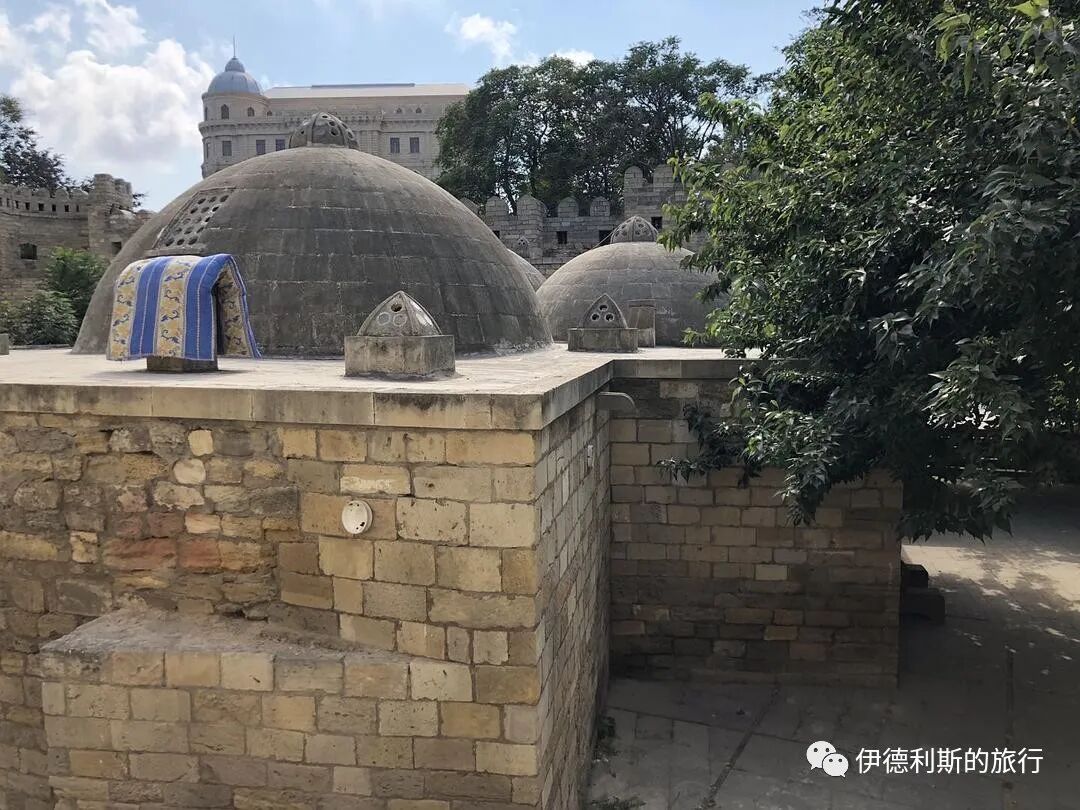
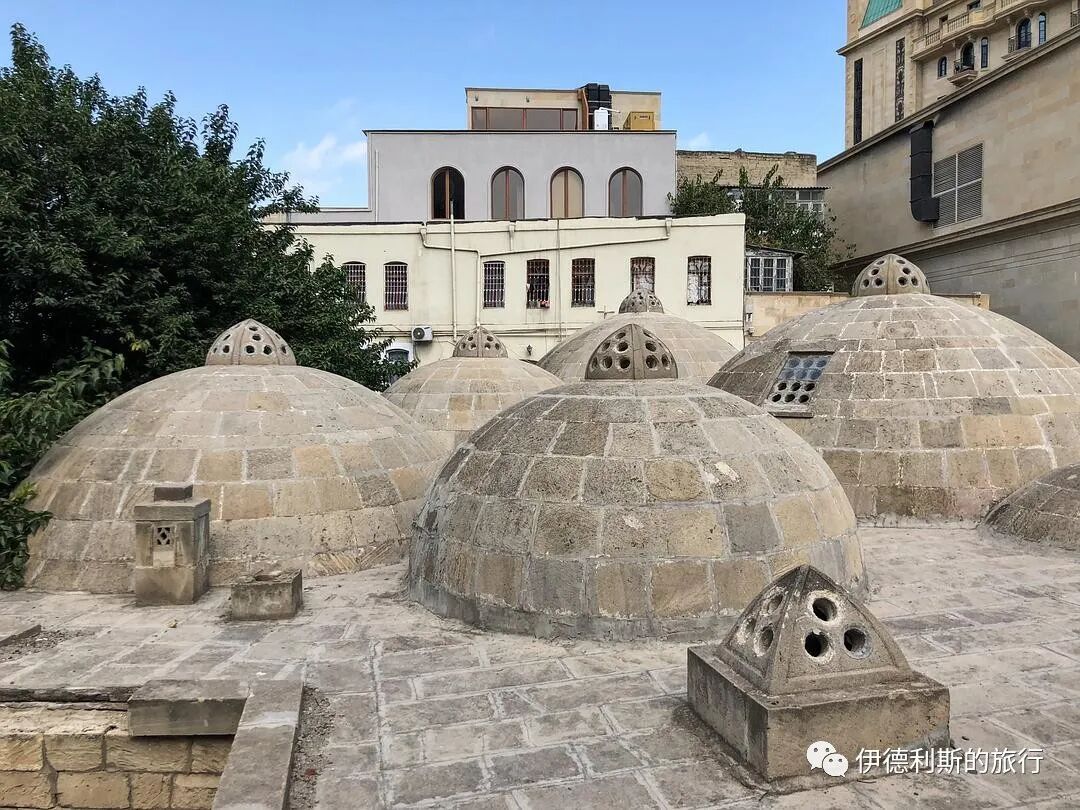
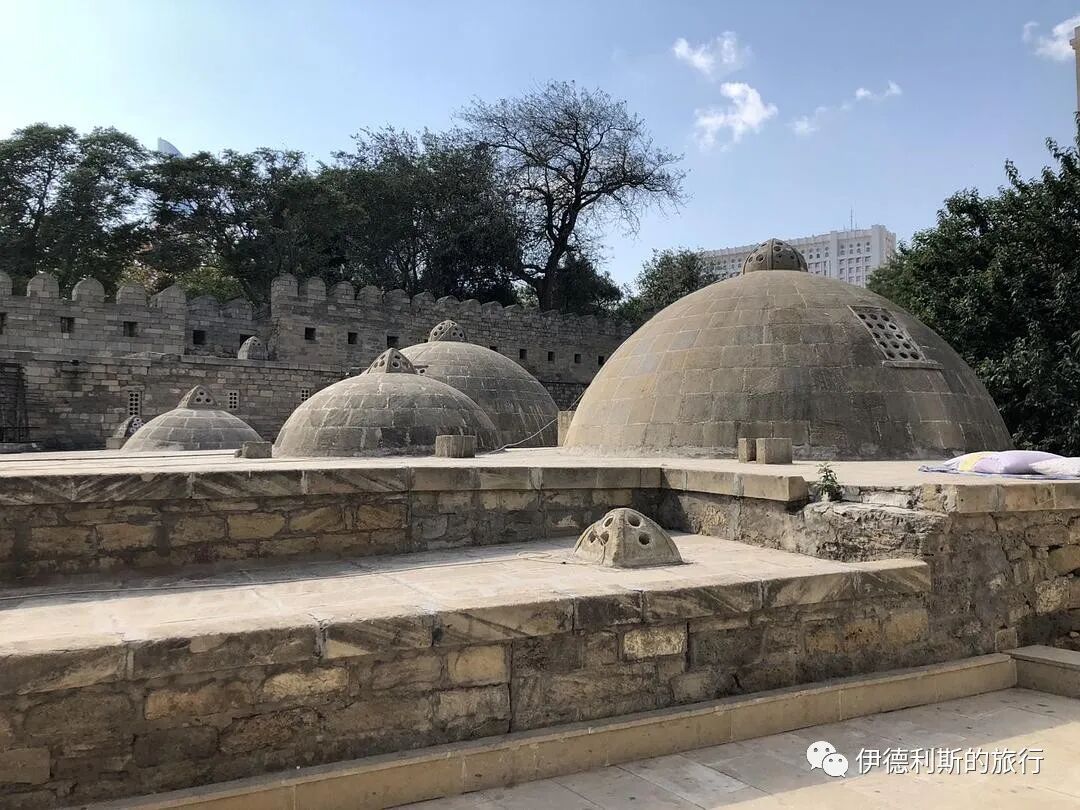
The Qasim Bey Bathhouse (Qasım bəy hamamı) is a semi-underground bathhouse. It was built in the late 18th to early 19th century. It was renovated in the 1970s. This place is also called the 'Sweet Bath'. This is because the bathhouse serves various desserts to tea.
The bathhouse has a traditional design. It includes an entrance hall, changing rooms, bathing rooms, a pool, and a boiler room. Water supply and heating pipes run inside the walls and under the floors.
3. Agha Mikayil Bathhouse: 18th century
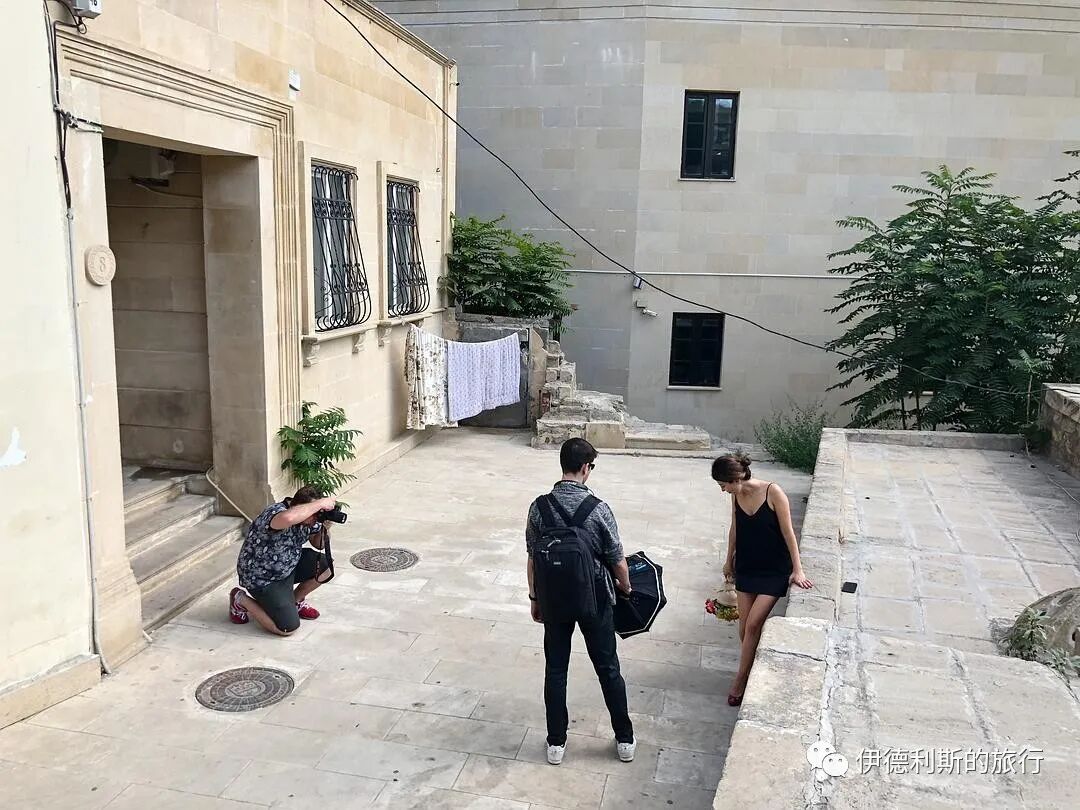
The Agha Mikayil Bathhouse was built in the 18th century. Unlike Baku's traditional semi-underground bathhouses, this one was built above ground. It has a large interior space, divided into changing rooms and bathing rooms. This bathhouse is still open today. Currently, it is for women on Mondays and Fridays. It is for men at other times. Admission costs 10 yuan, a towel costs 10 yuan, a massage costs 10 yuan, and tea costs 2 yuan.
VII. Other Sights
1. Bazaar Square
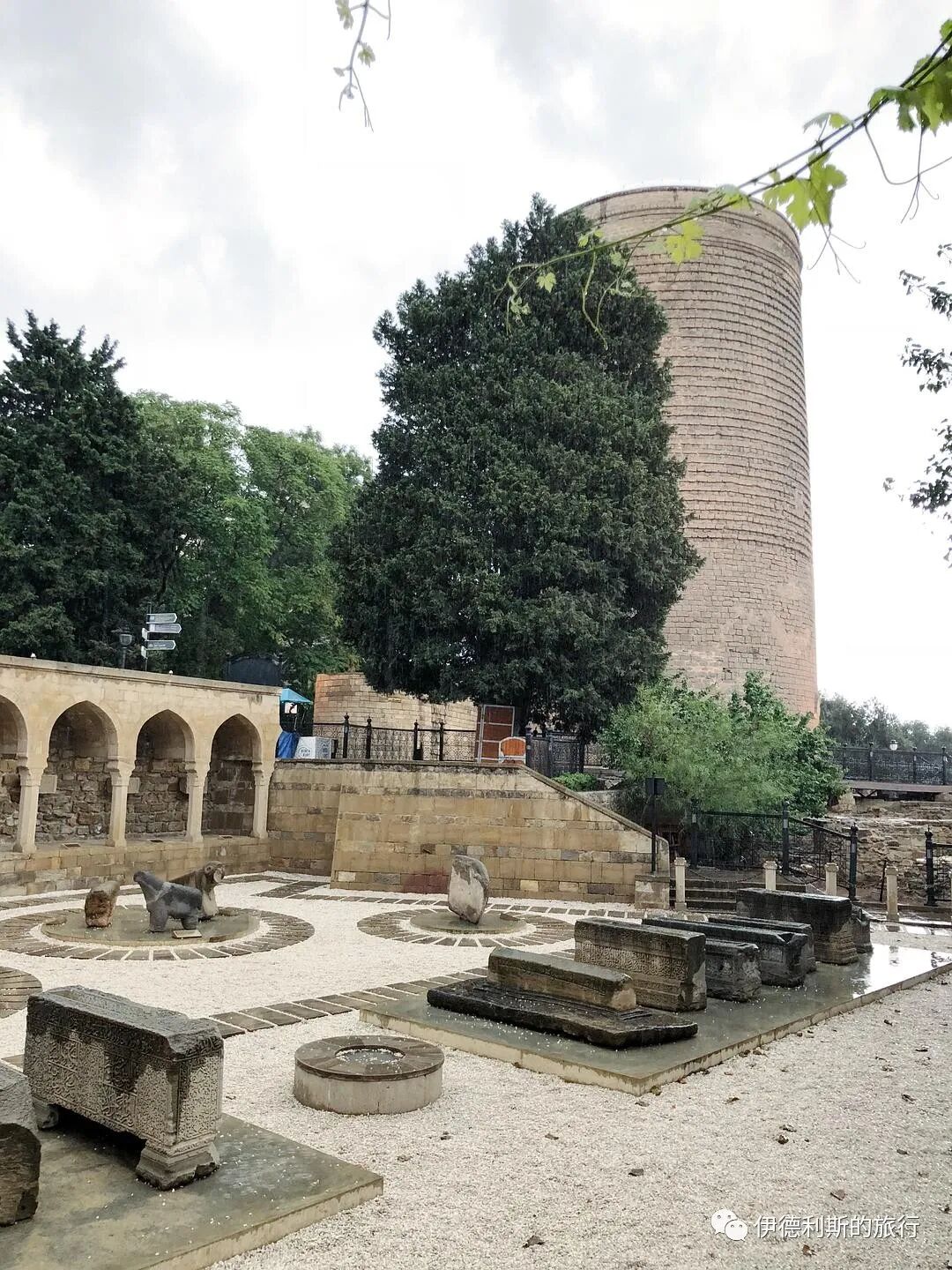
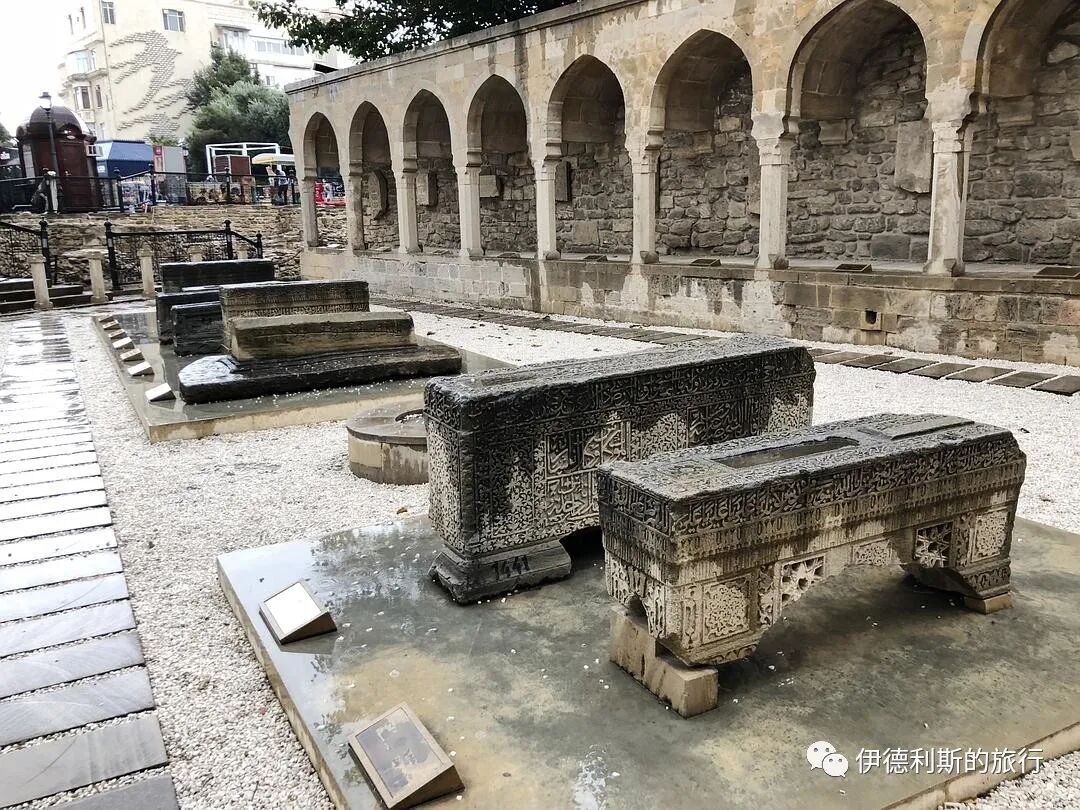
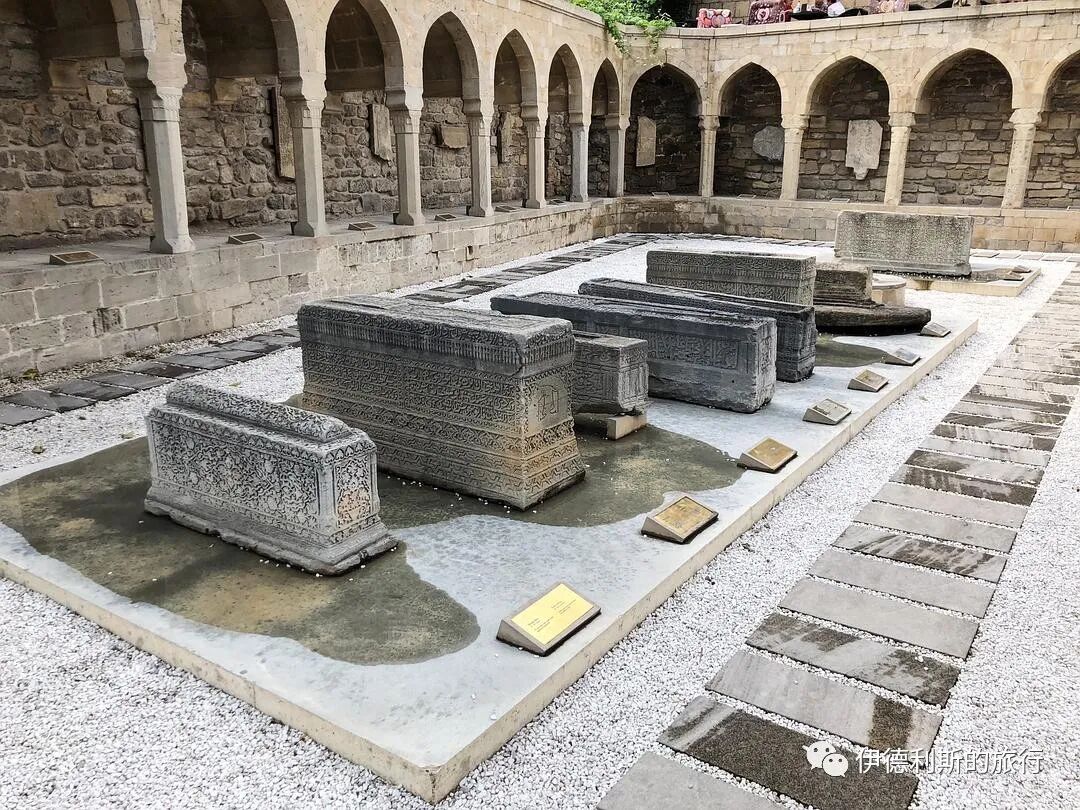
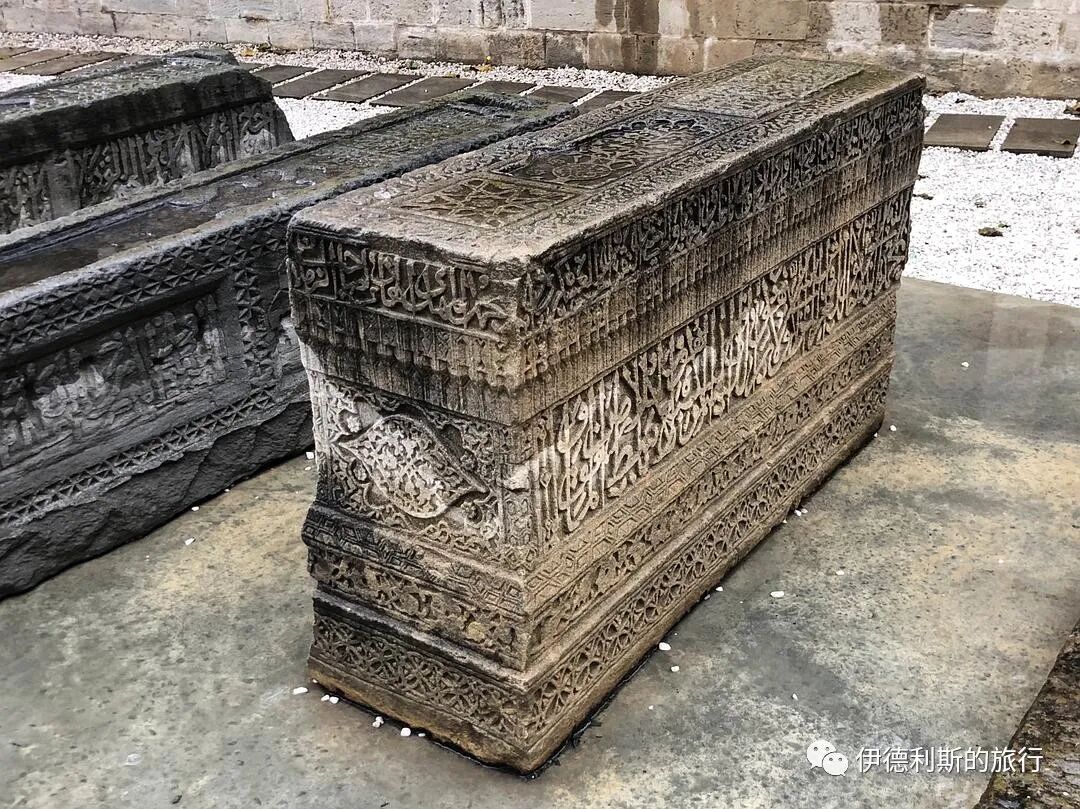
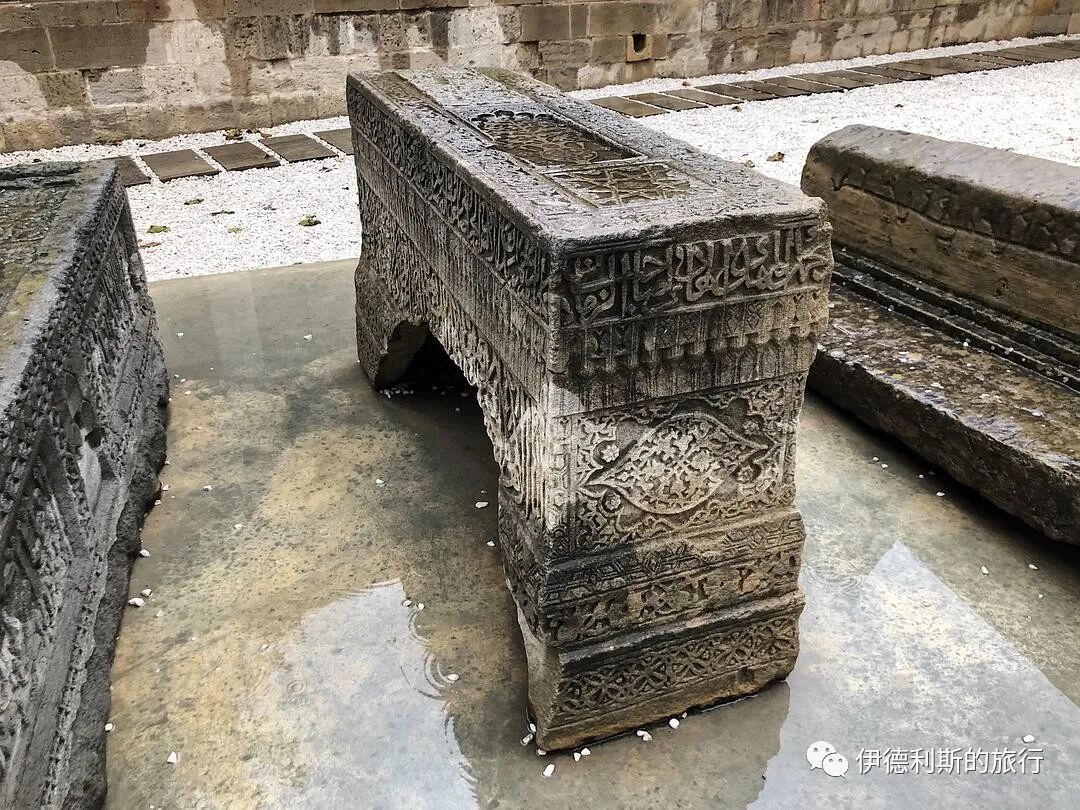
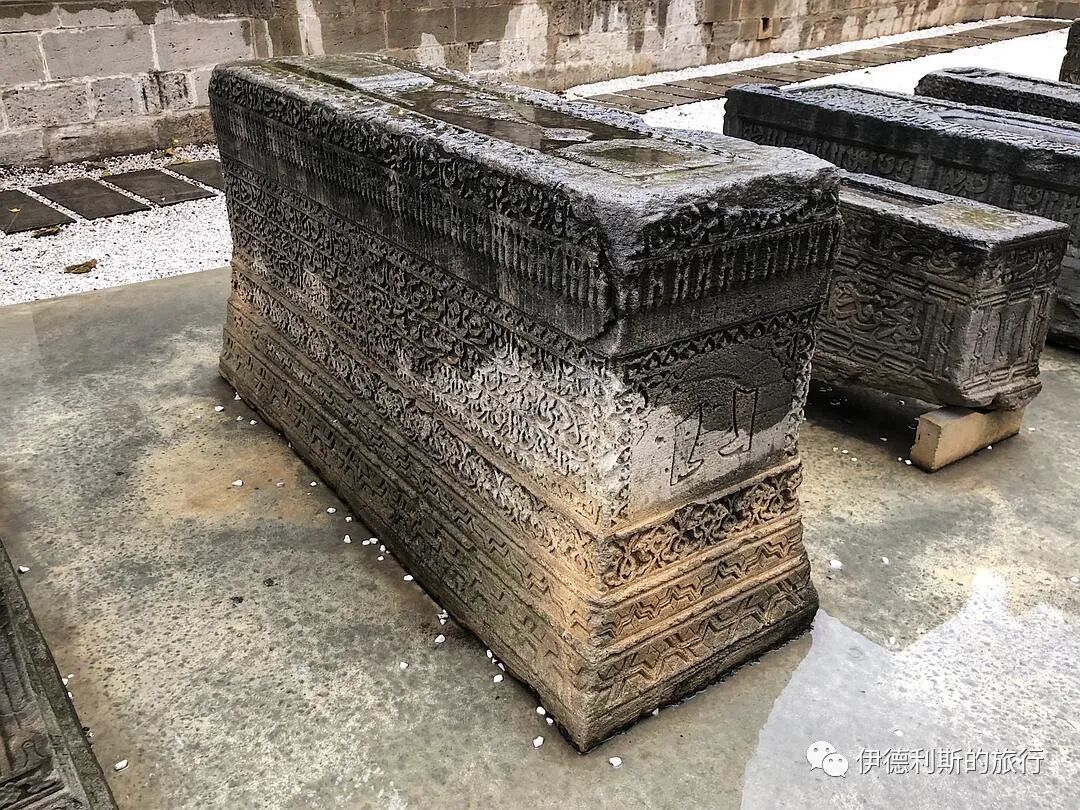
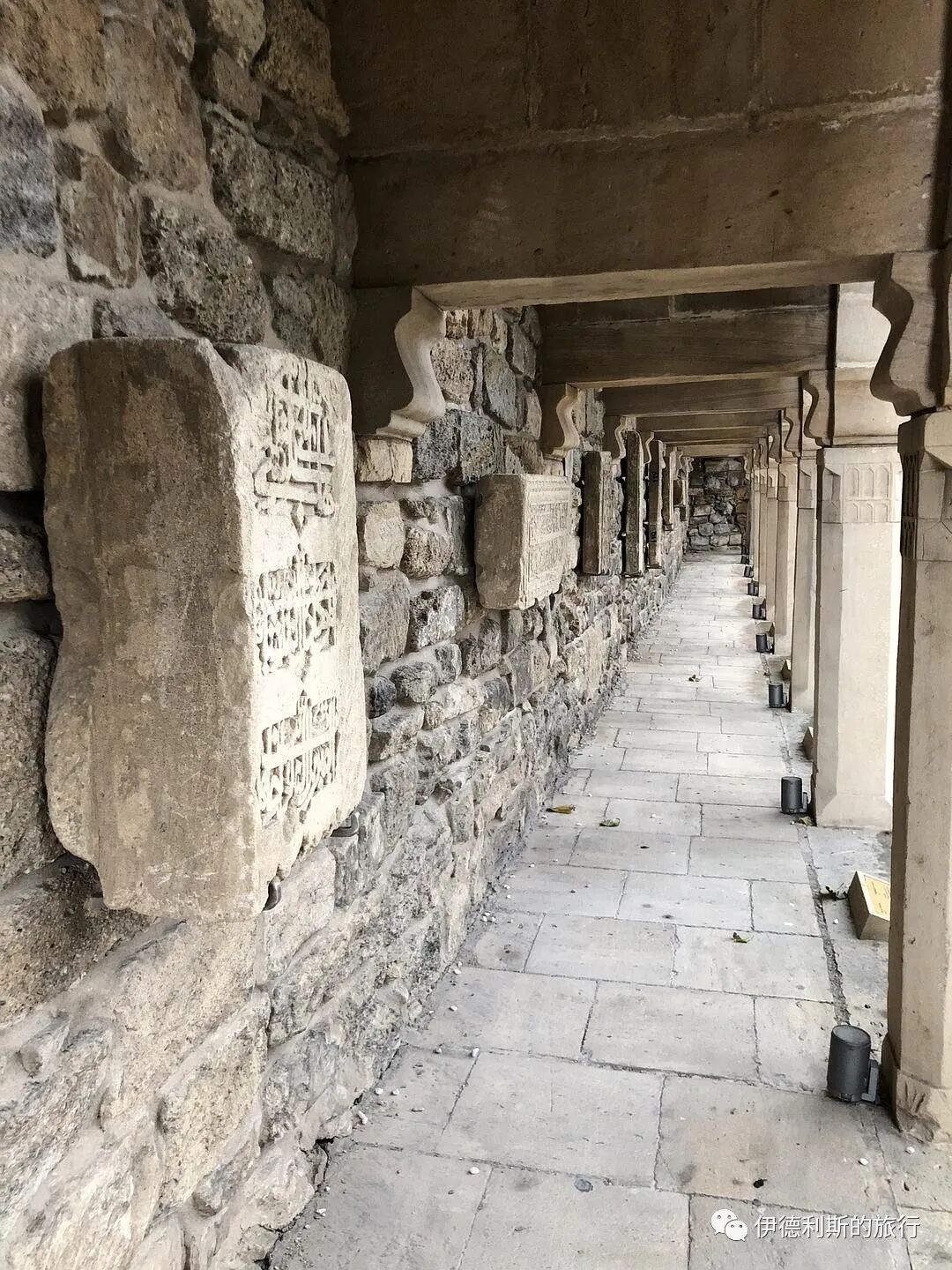
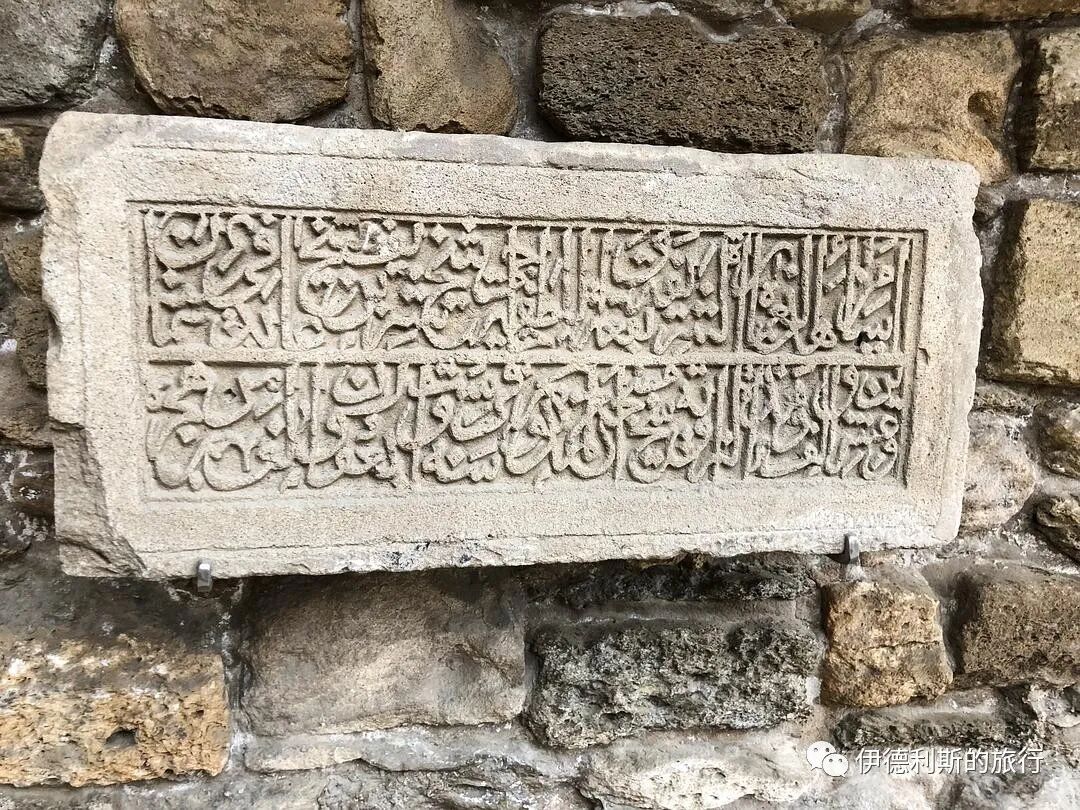
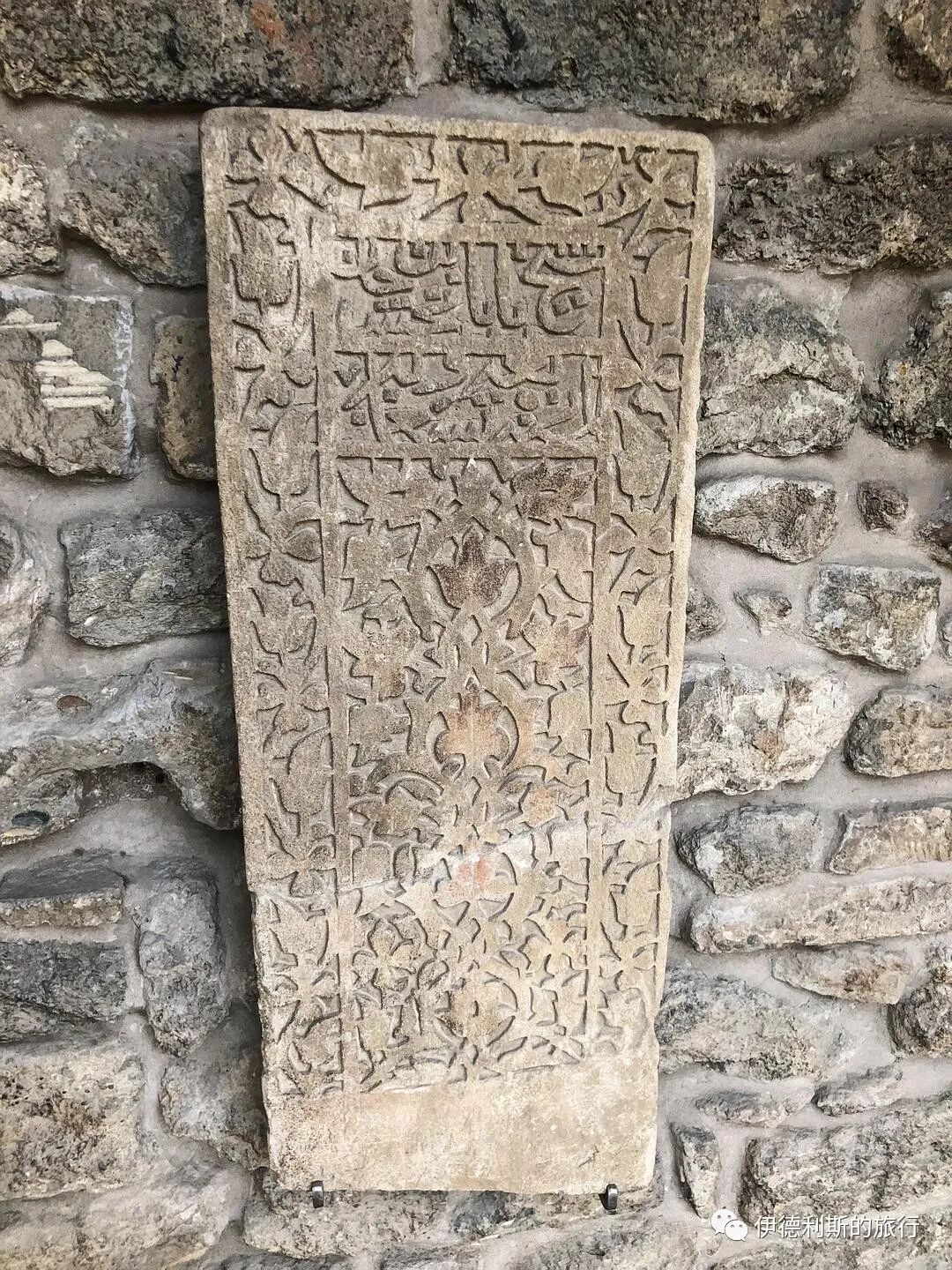
Bazaar Square (Bazar meydanı) was found in 1964 during archaeological digs north of the Maiden Tower. The square has arcaded structures around it, similar to the Grand Mosque in Mecca. Research shows they were built in the 12th-13th century. Archaeological digs inside found 52 tombs. A mosque once stood on the south side of the square. After Russian forces took Baku in 1806, it was turned into a church. It was finally torn down during the Soviet era.
2. Palace of Baku Khans: 17th to 18th century
In 1723, Tsarist Russia defeated the Persian Safavid dynasty and took Azerbaijan. However, with the rise of the Persian Afsharid dynasty, Russia gave Azerbaijan back to Persia in 1735. The Afsharid dynasty then supported local Azerbaijani tribal leaders to establish the Baku Khanate. In 1747, the Baku Khanate officially became independent during a period of unrest in Iran.
The Baku Khanate was known for its trade in oil, salt, and saffron. In the early 19th century, the Baku Khanate had 100 oil wells. It played an important role in trade with countries like Russia, Iran, and India. In 1806, Russian forces took Baku, and the Baku Khanate fell.
The Palace of Baku Khans was first built in the 17th century. After 1754, it officially became the palace of the Khans. The palace has a strong Eastern European style. Its walls and ceilings have ornate frescoes. After Russia took Baku in 1806, it became a Russian military barracks. Most of its buildings were damaged in the late 19th century.
The first archaeological digs at the Palace of Baku Khans happened between 1985 and 1986. They found many artifacts, sewage pipes, and an underground bathhouse. Archaeological digs happened again in 2016. They found many pottery pieces and neat underground water pipes. In 2018, the remaining buildings were restored. The palace was being restored when I visited.
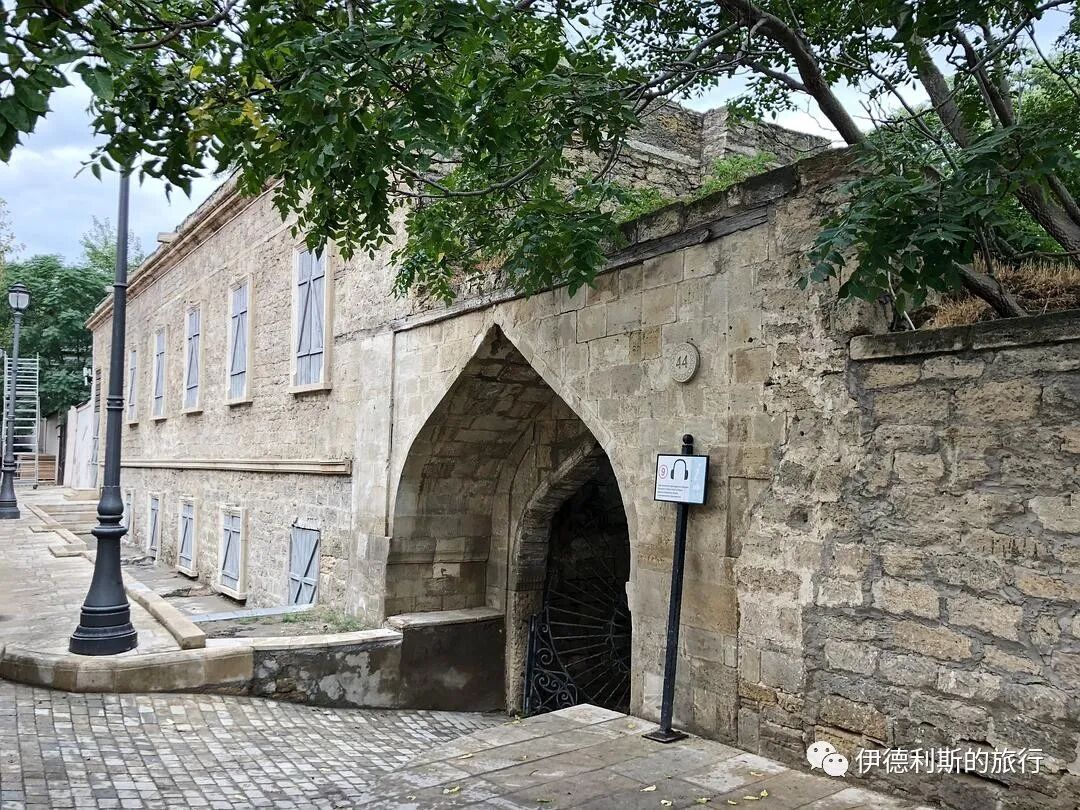
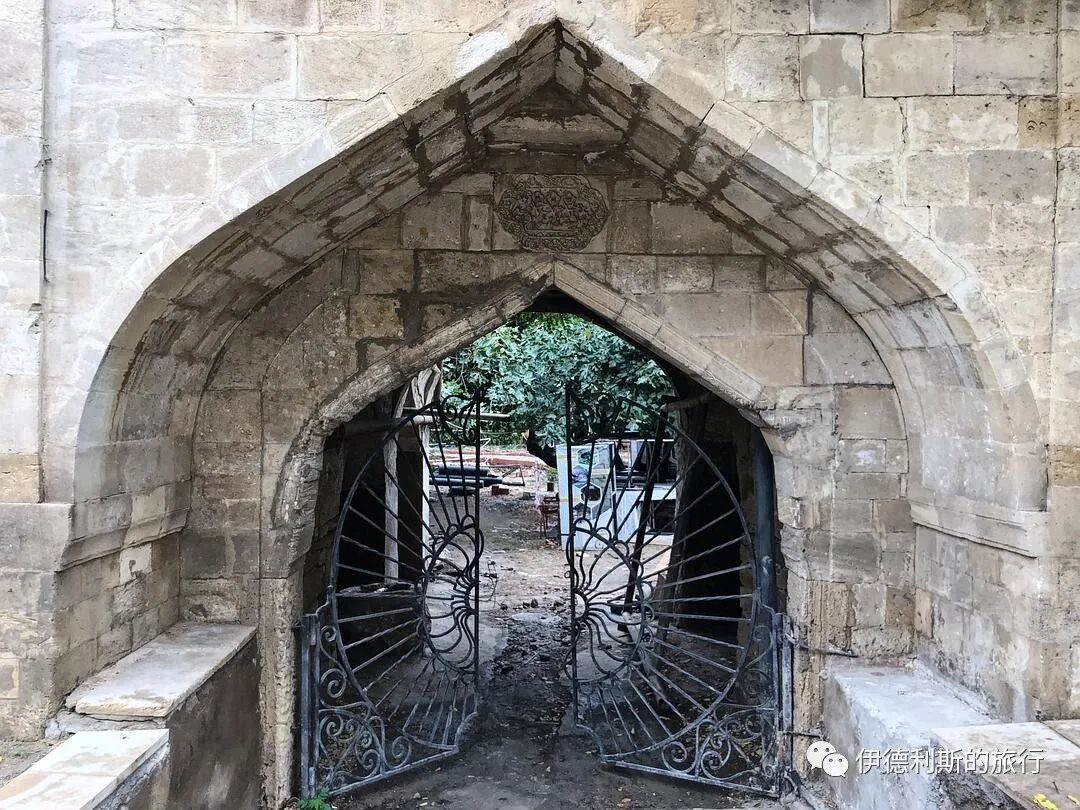
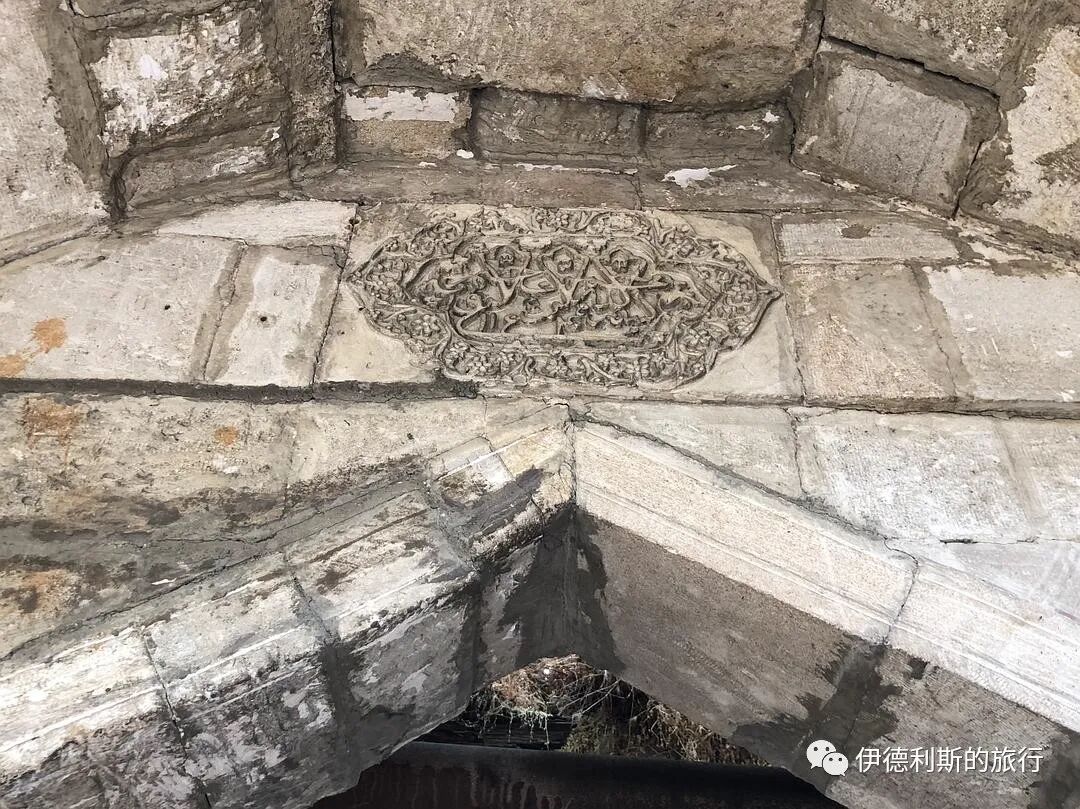
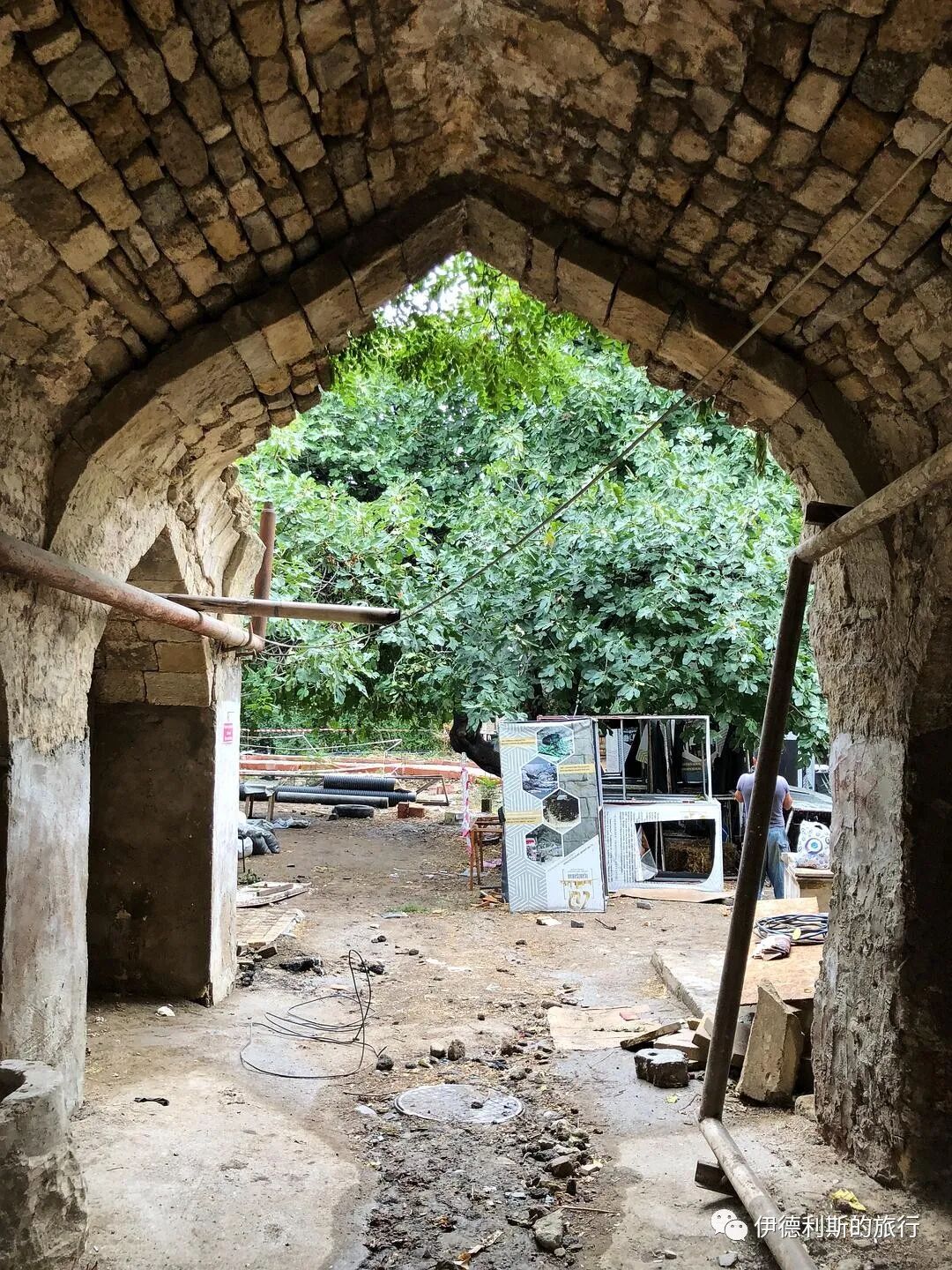
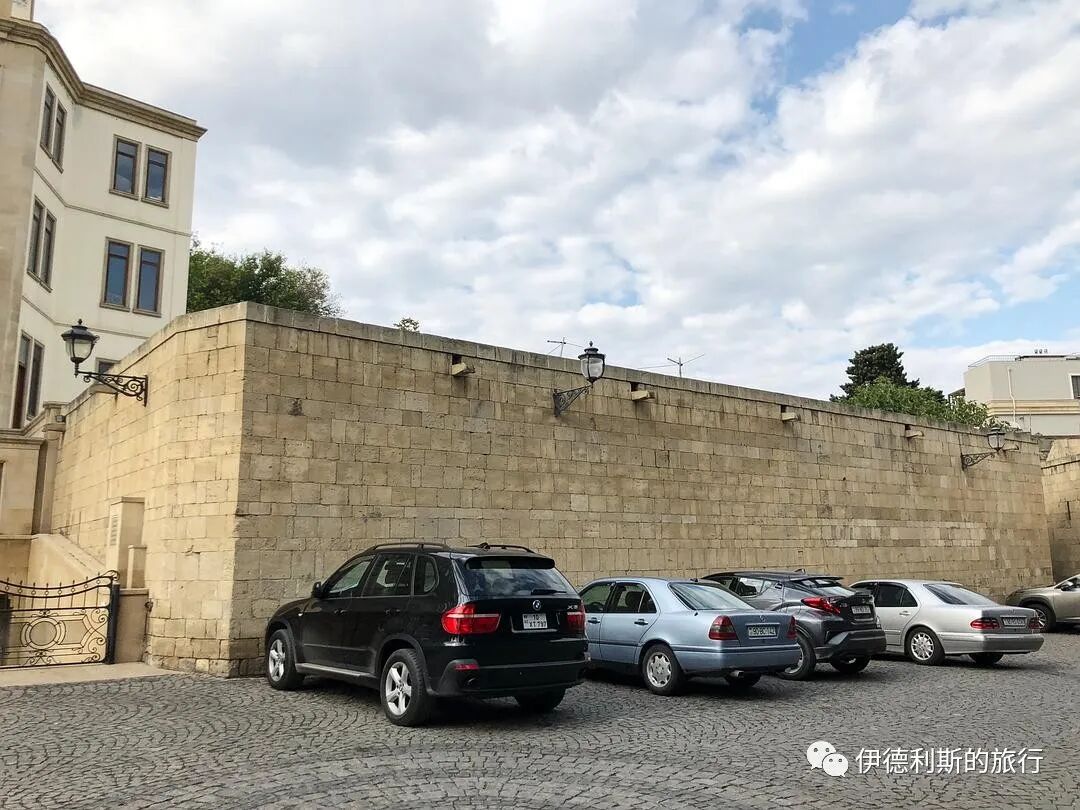
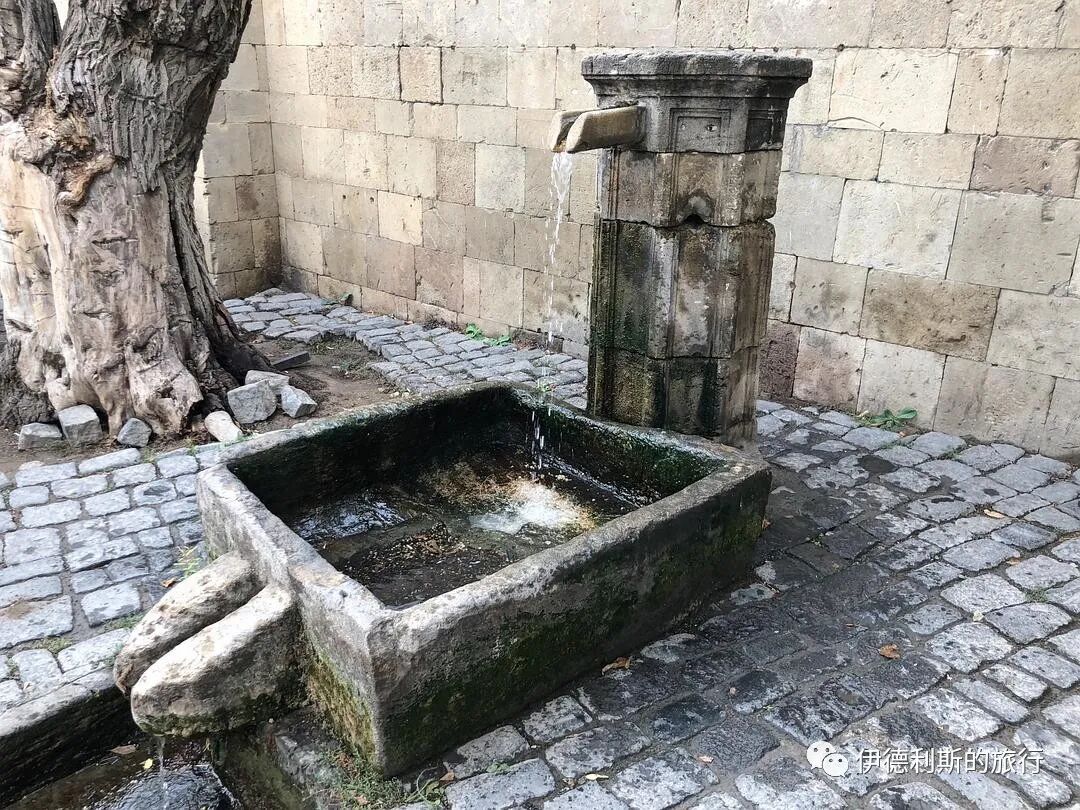
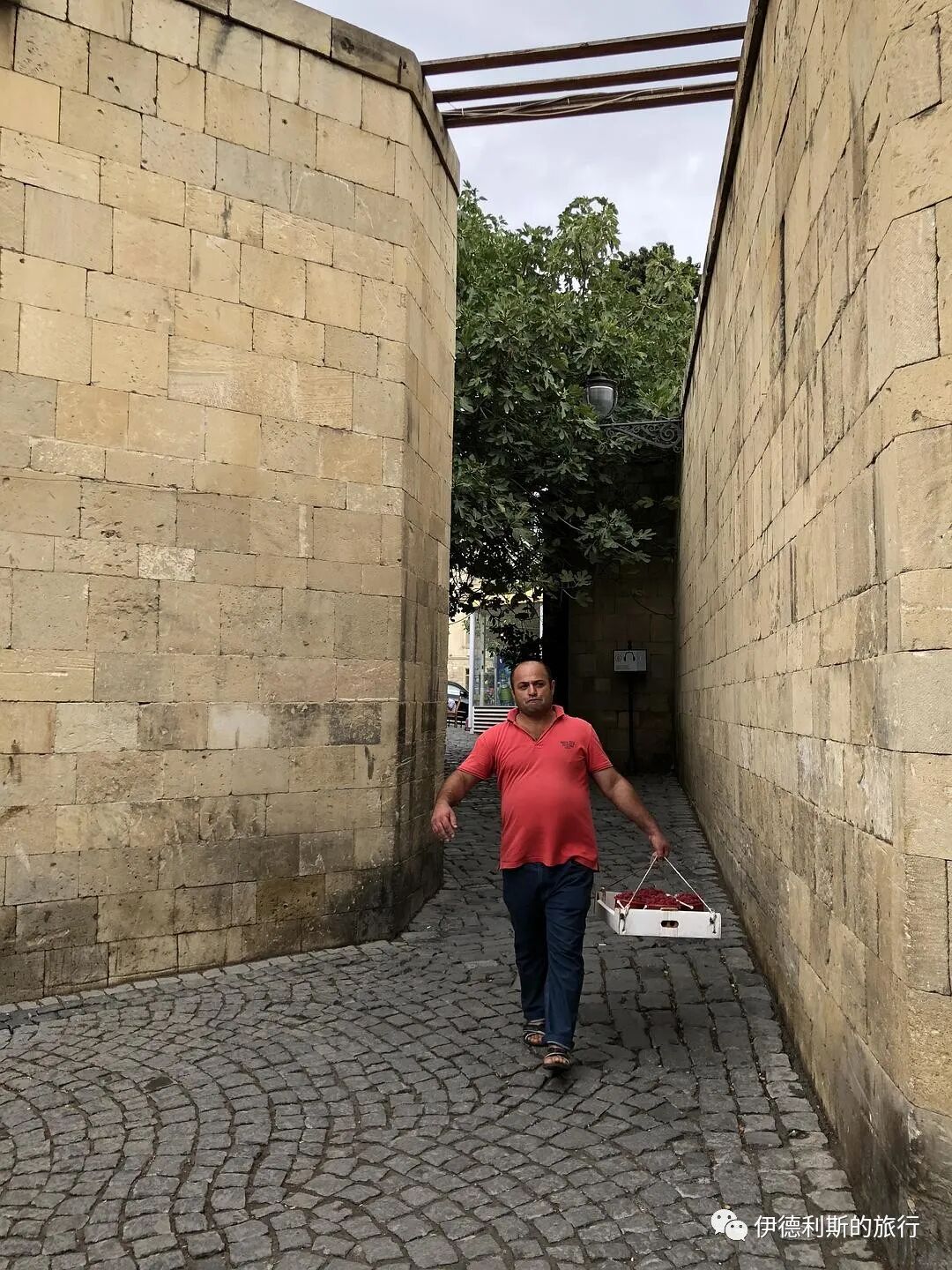
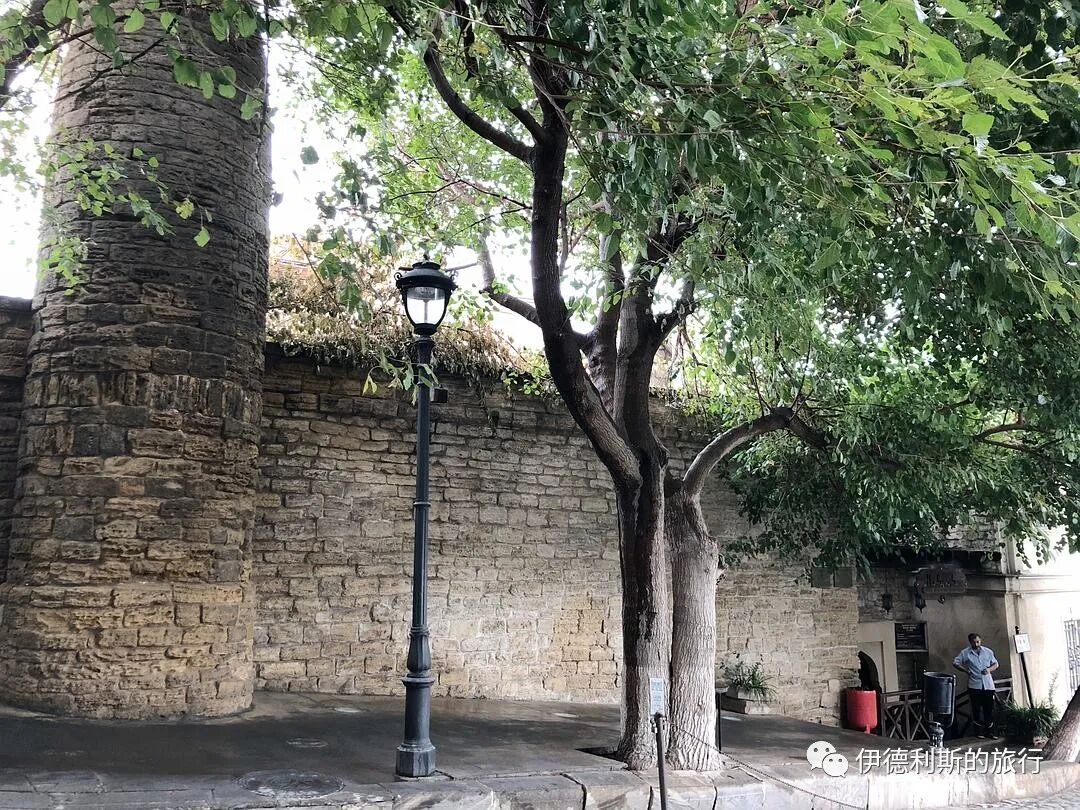
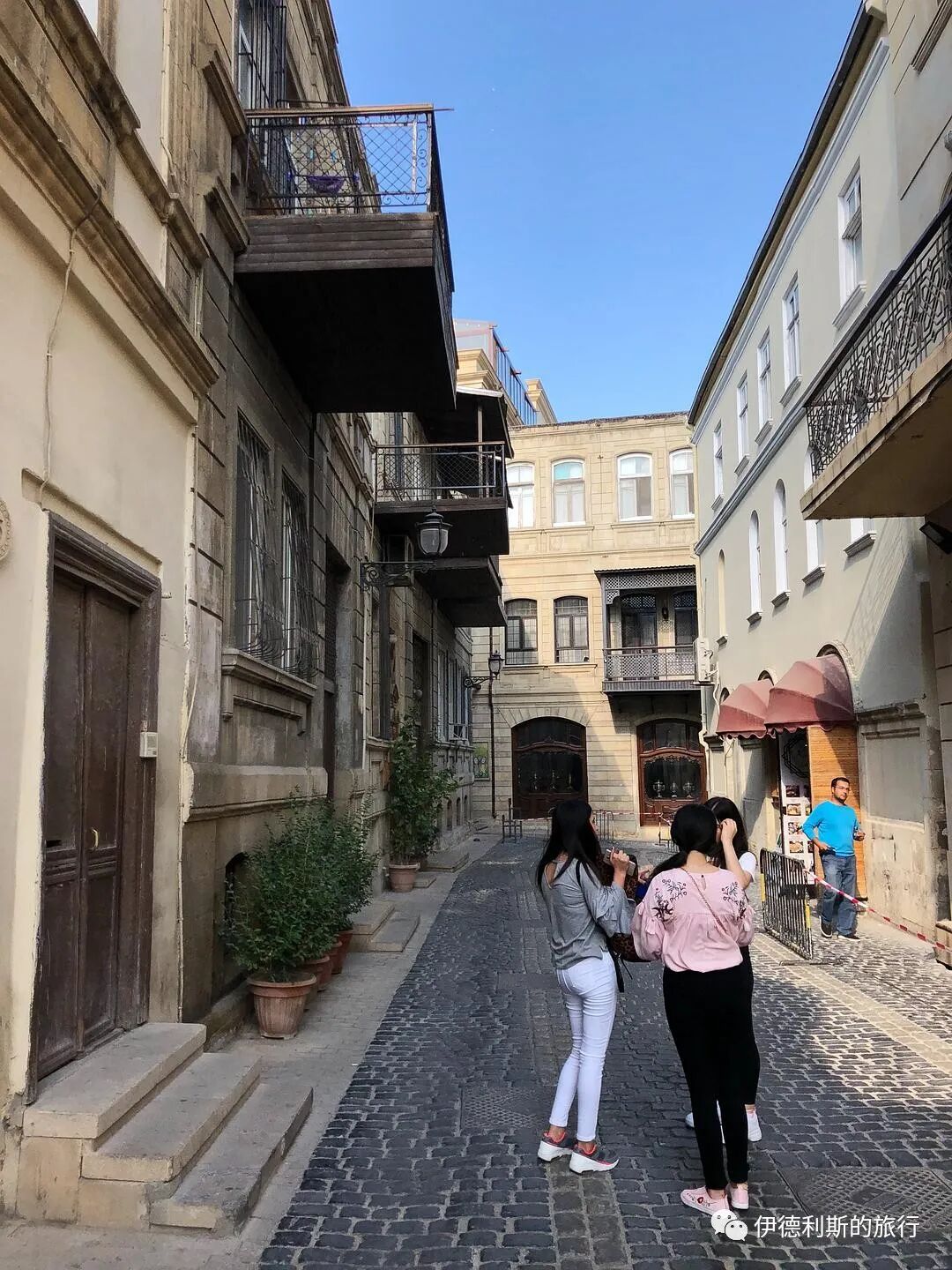
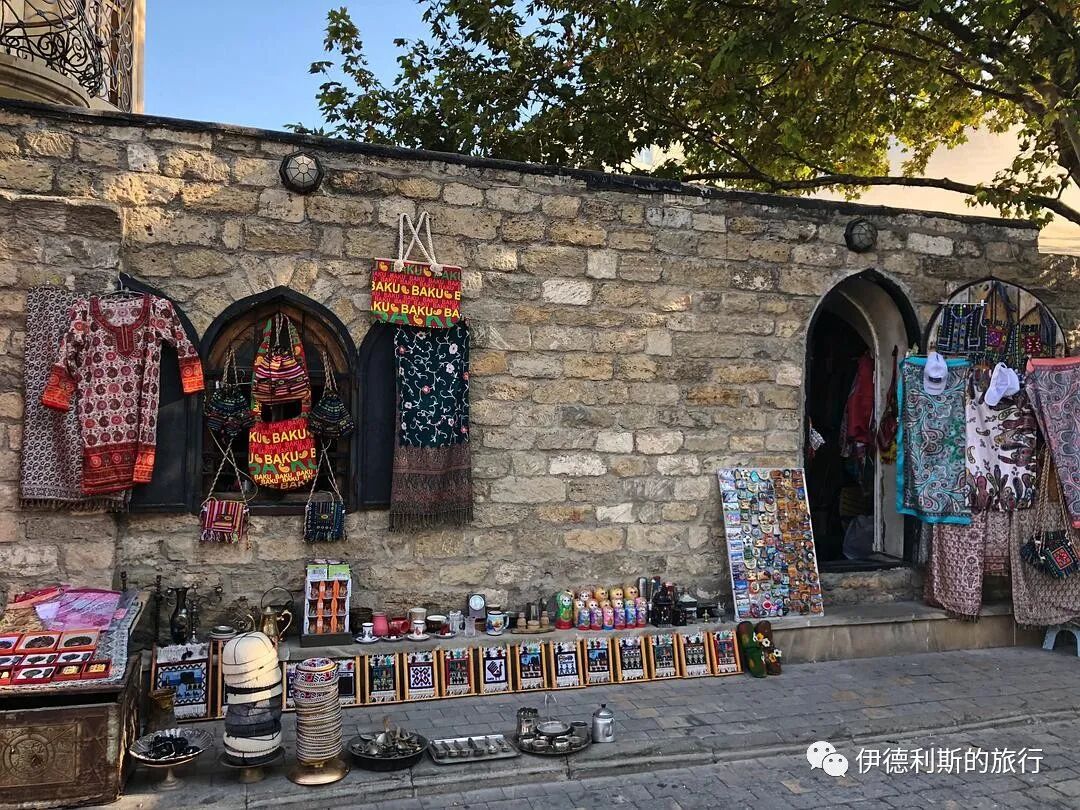
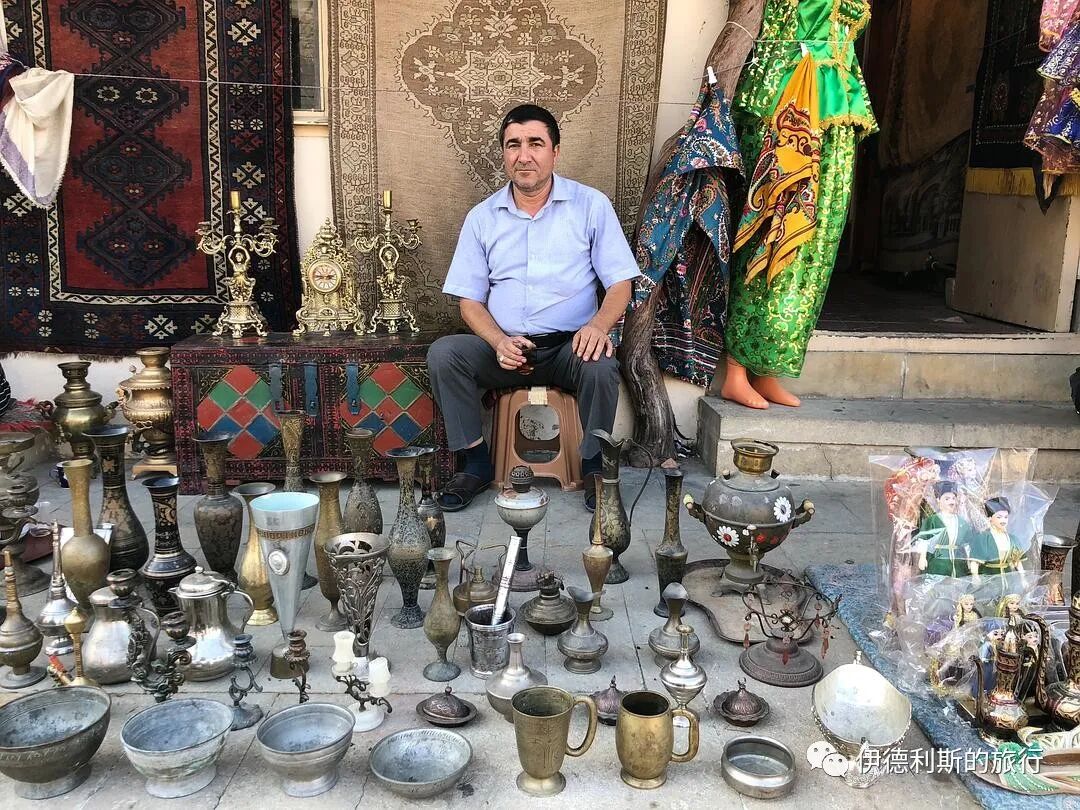
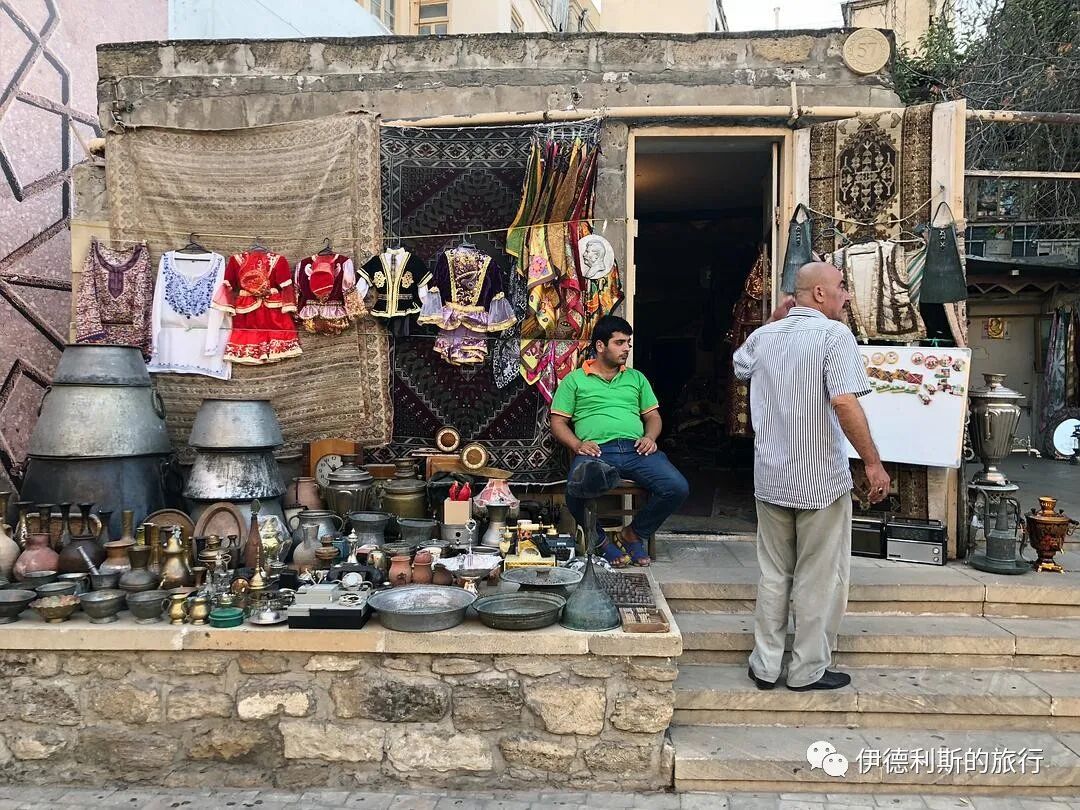
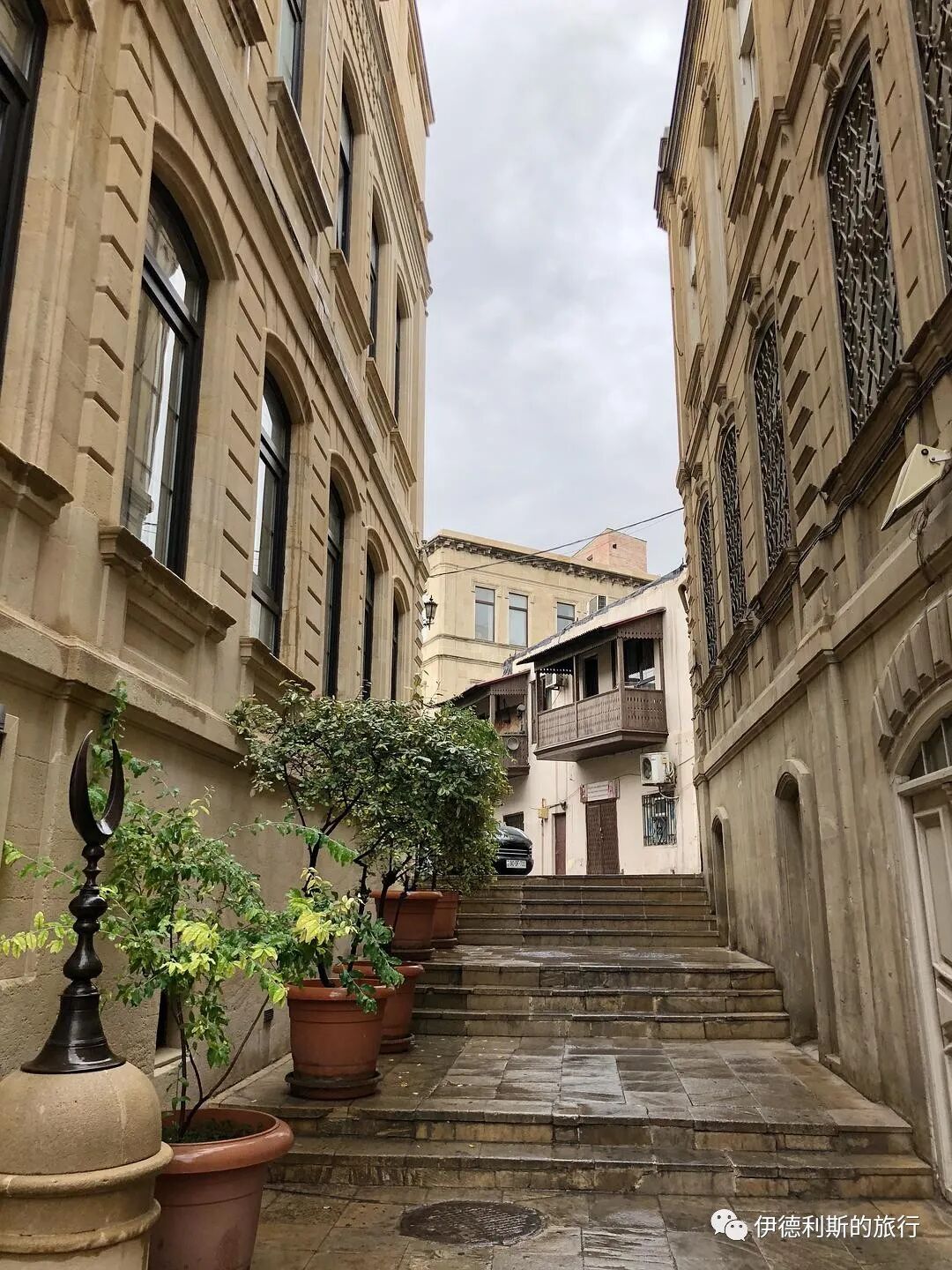
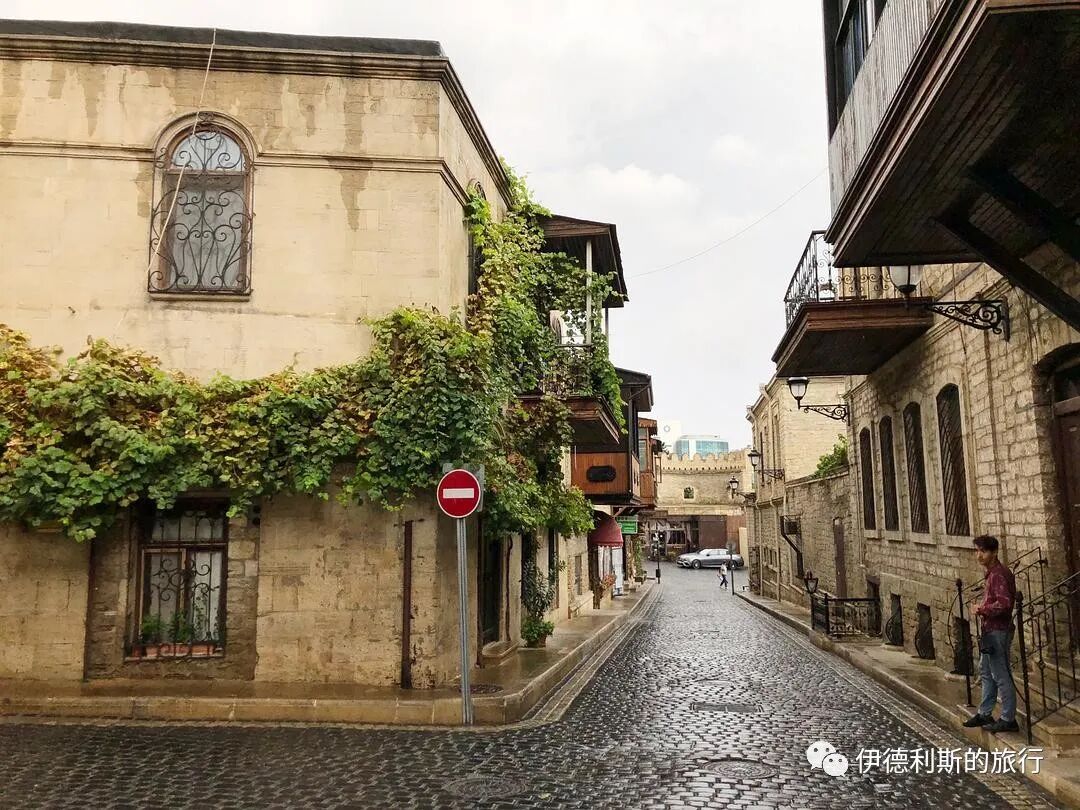
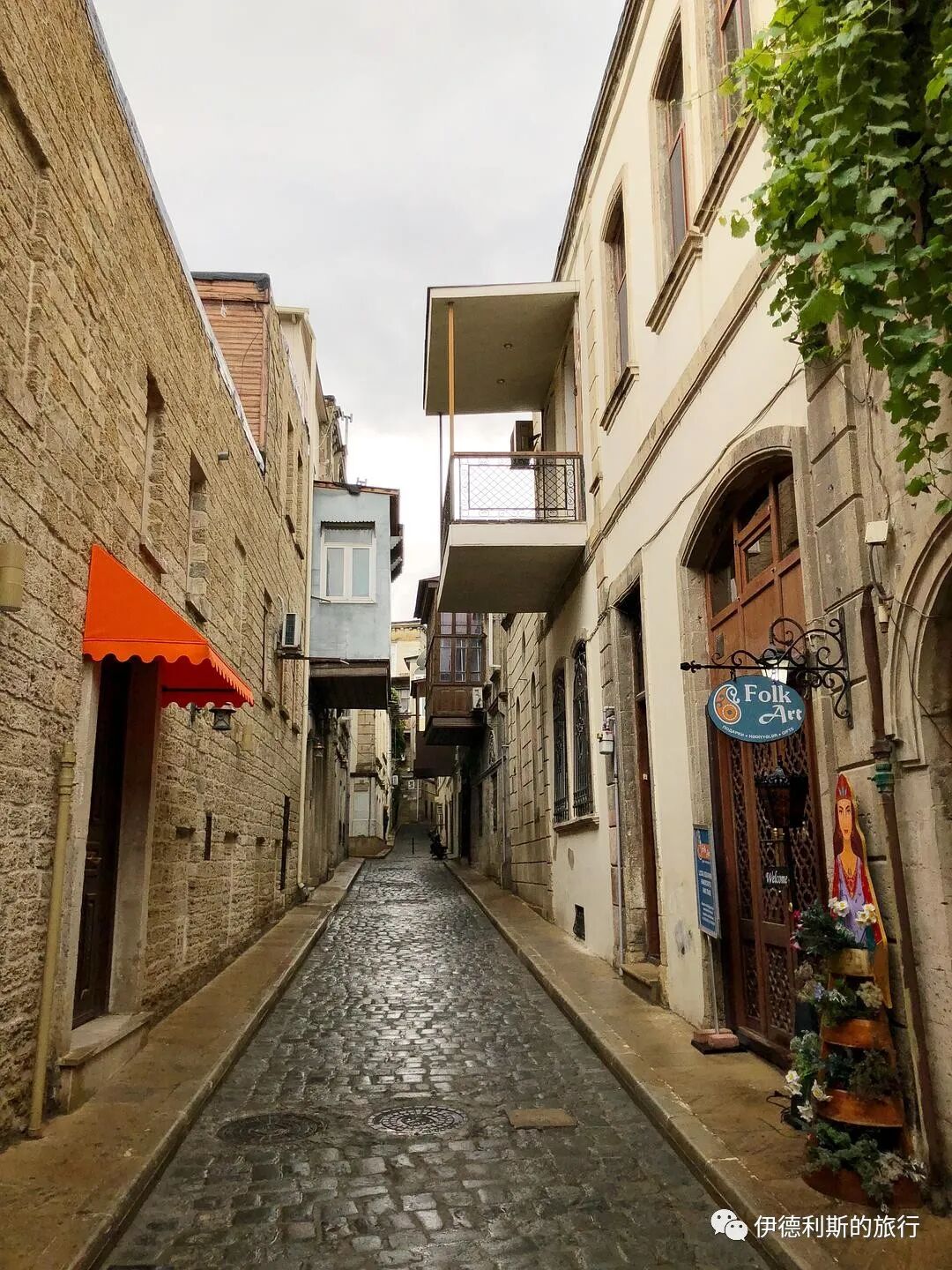
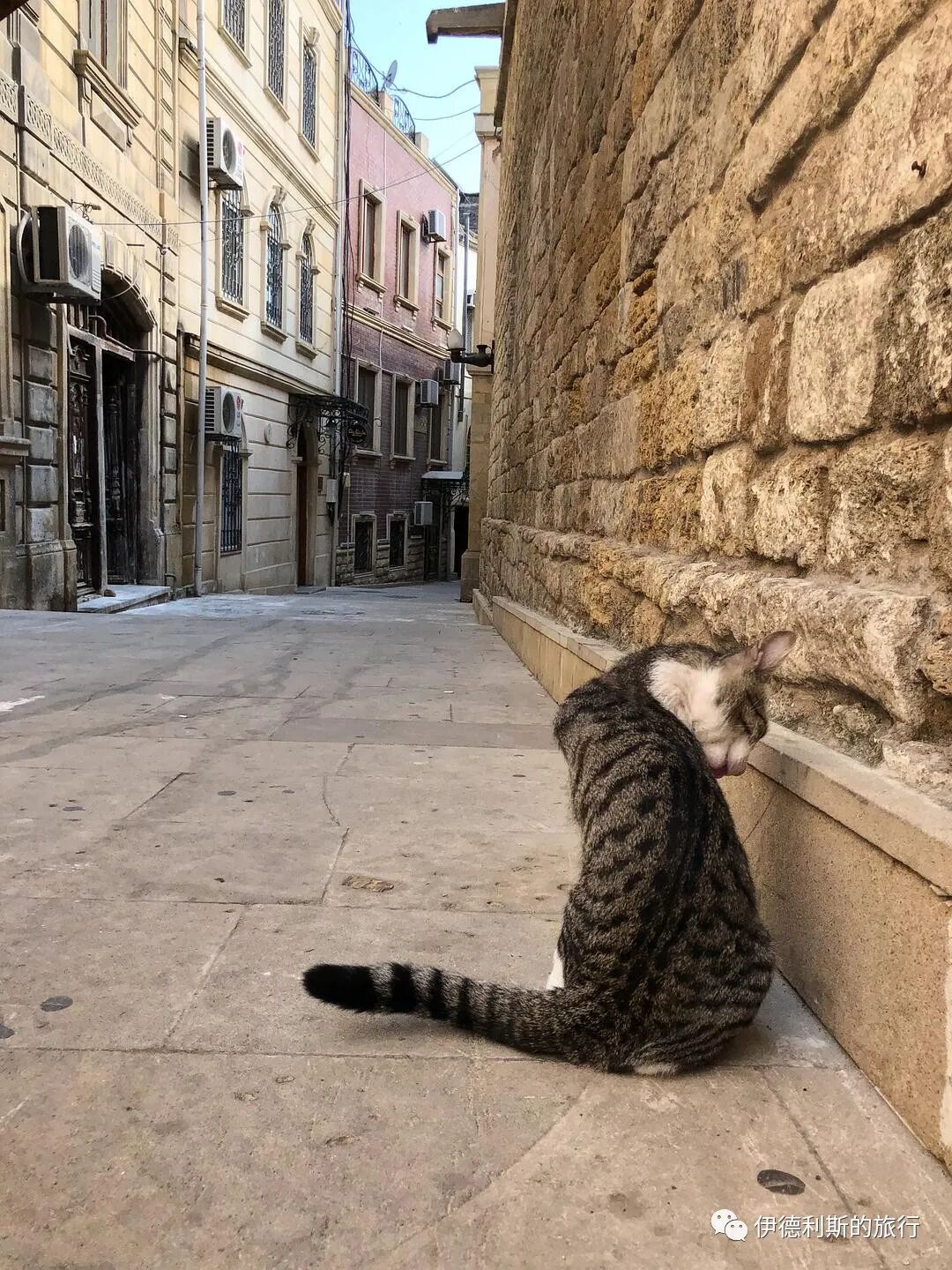
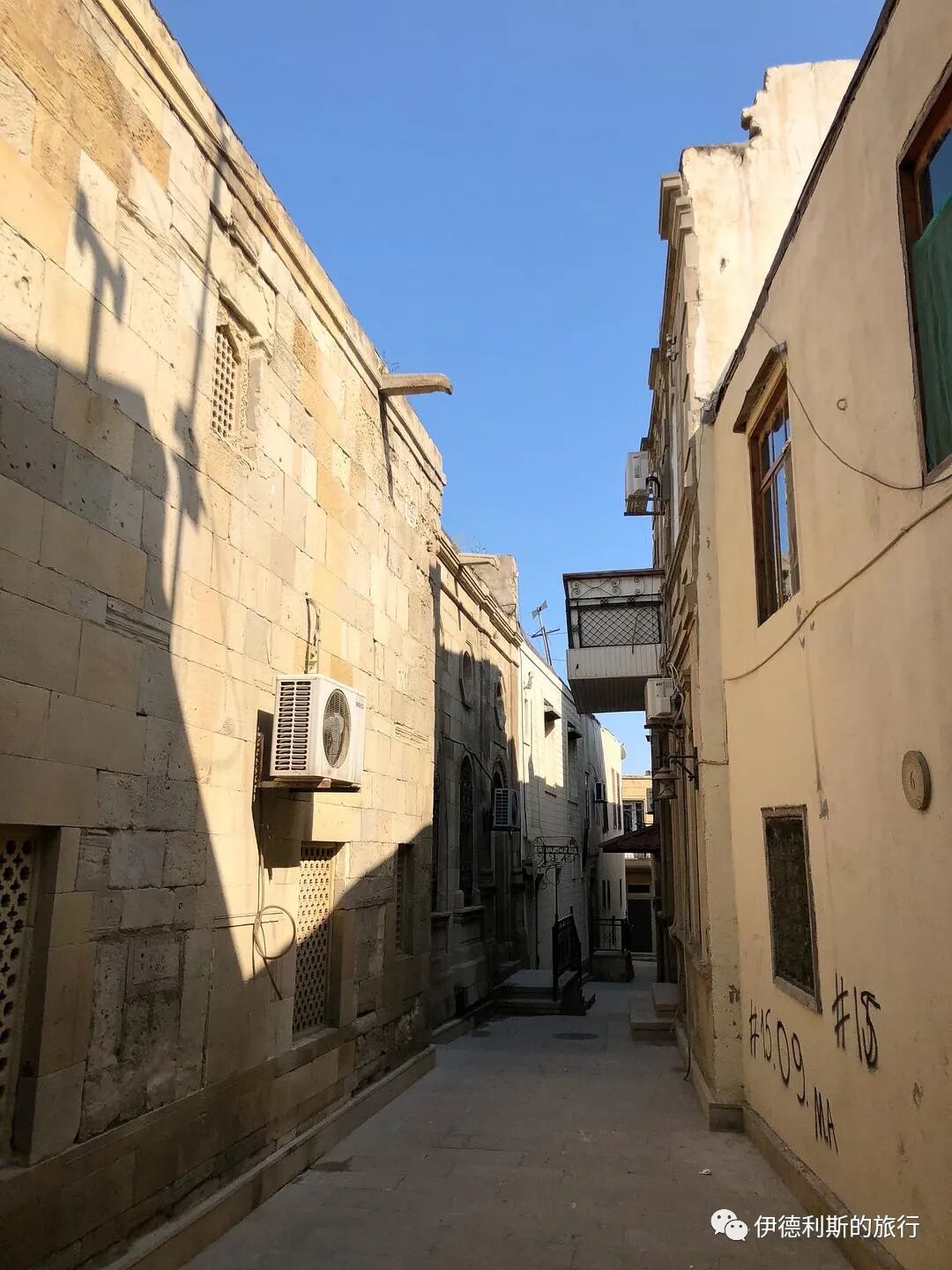
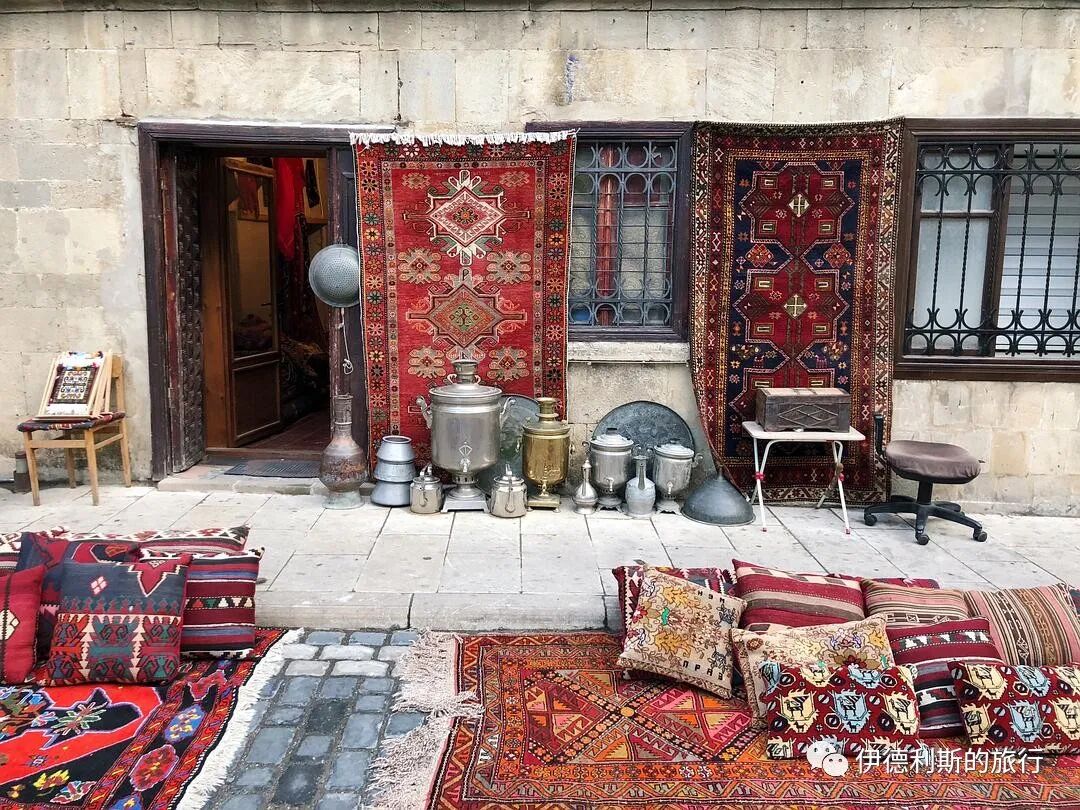
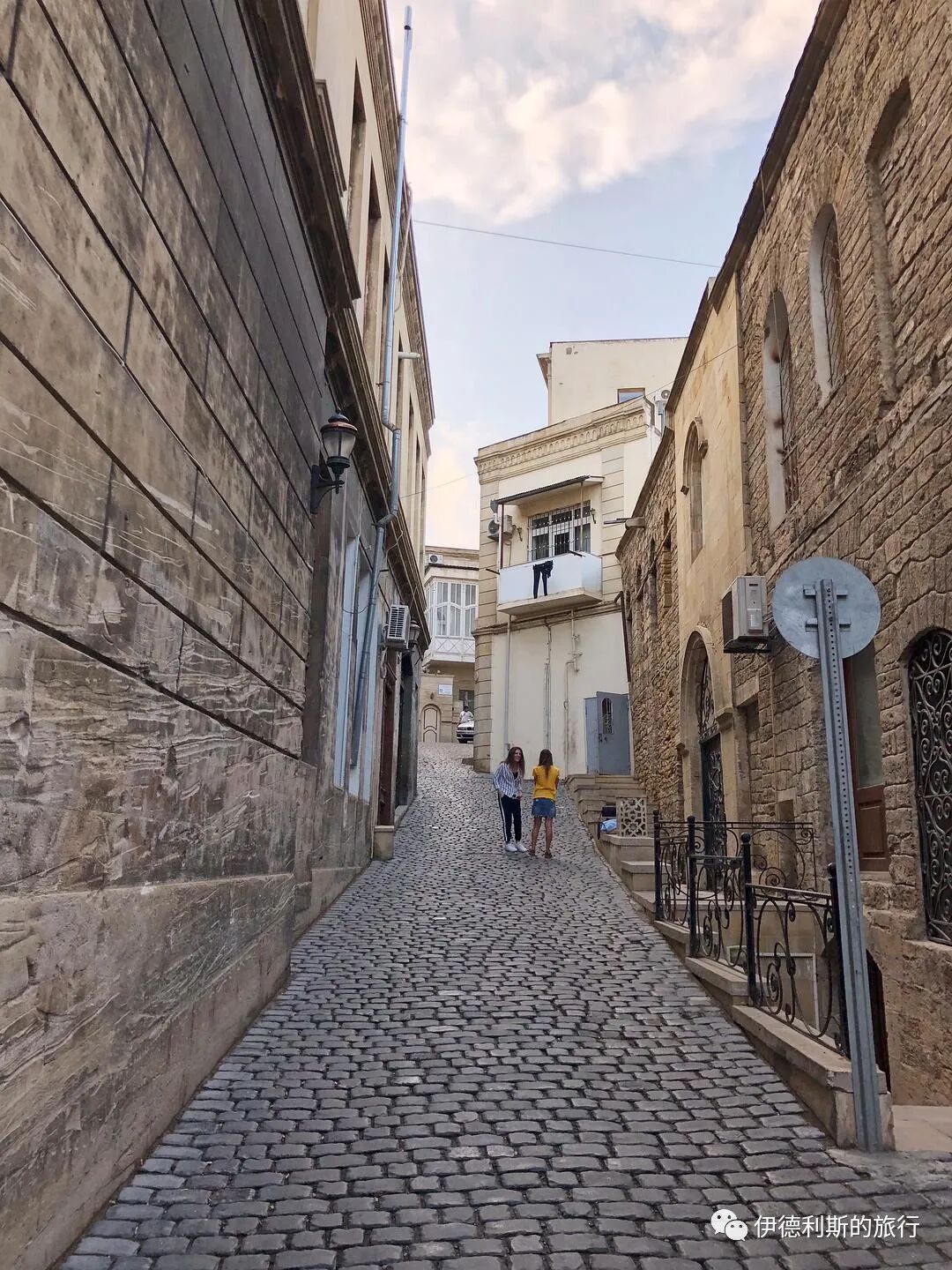
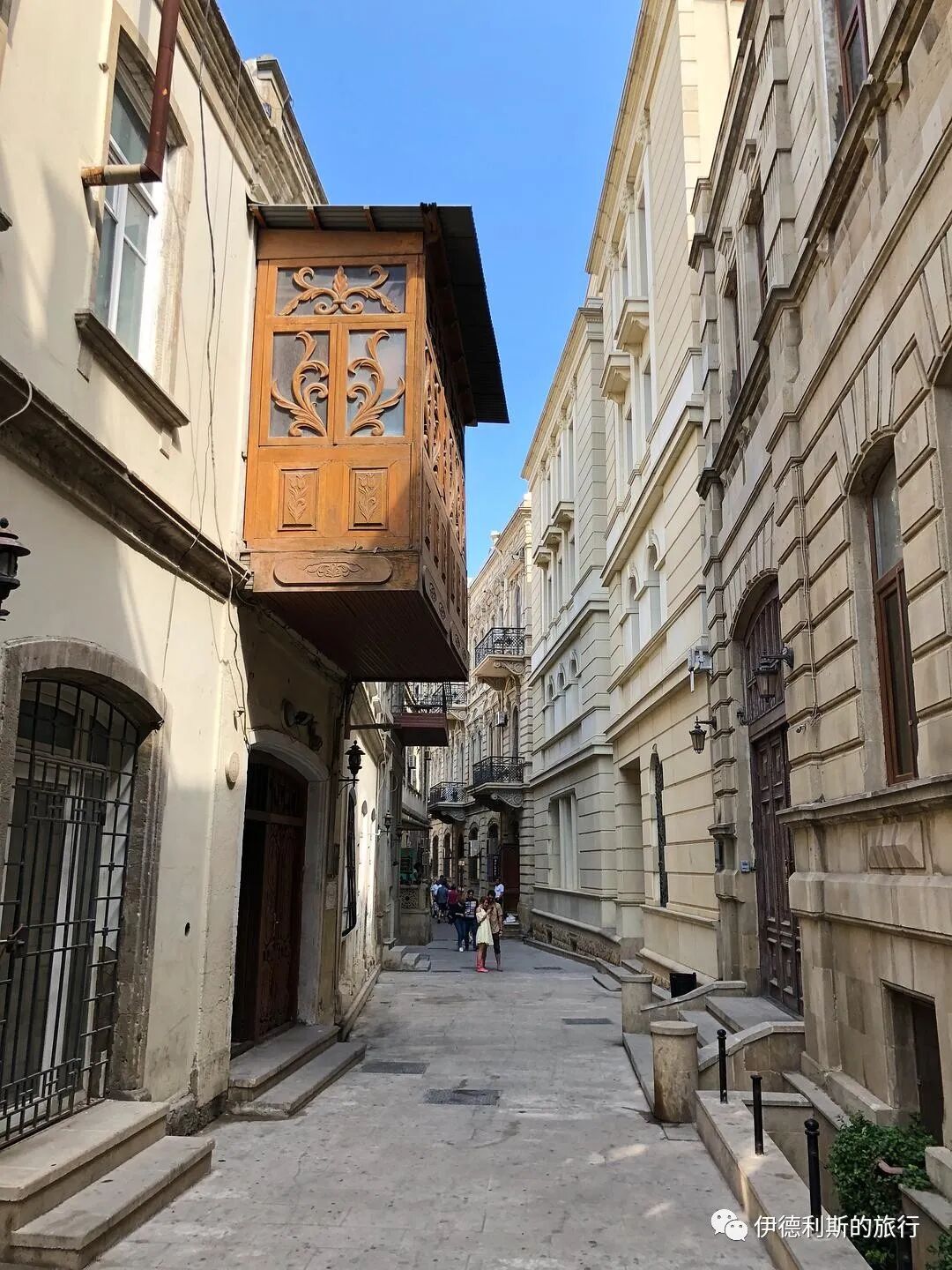
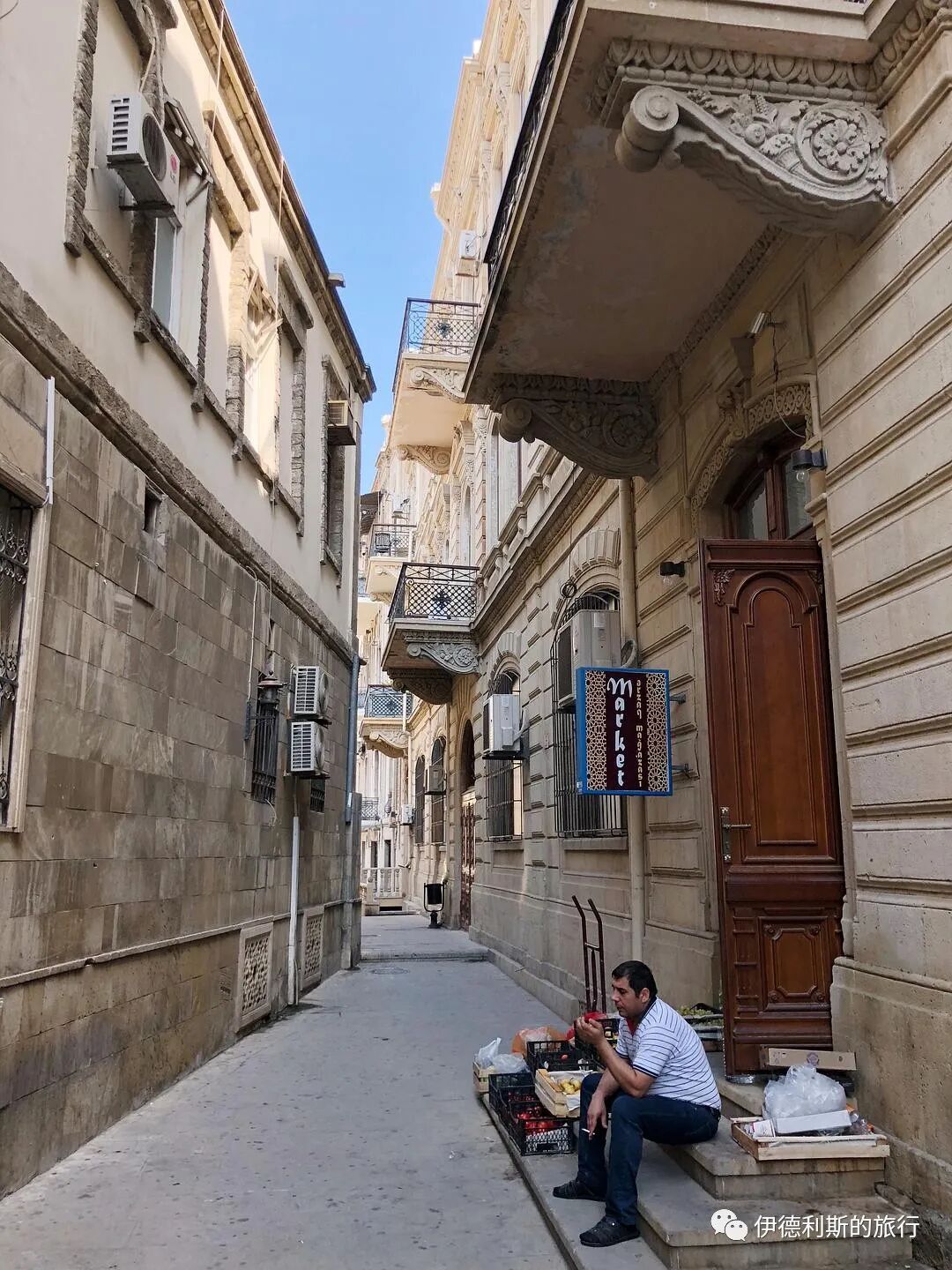
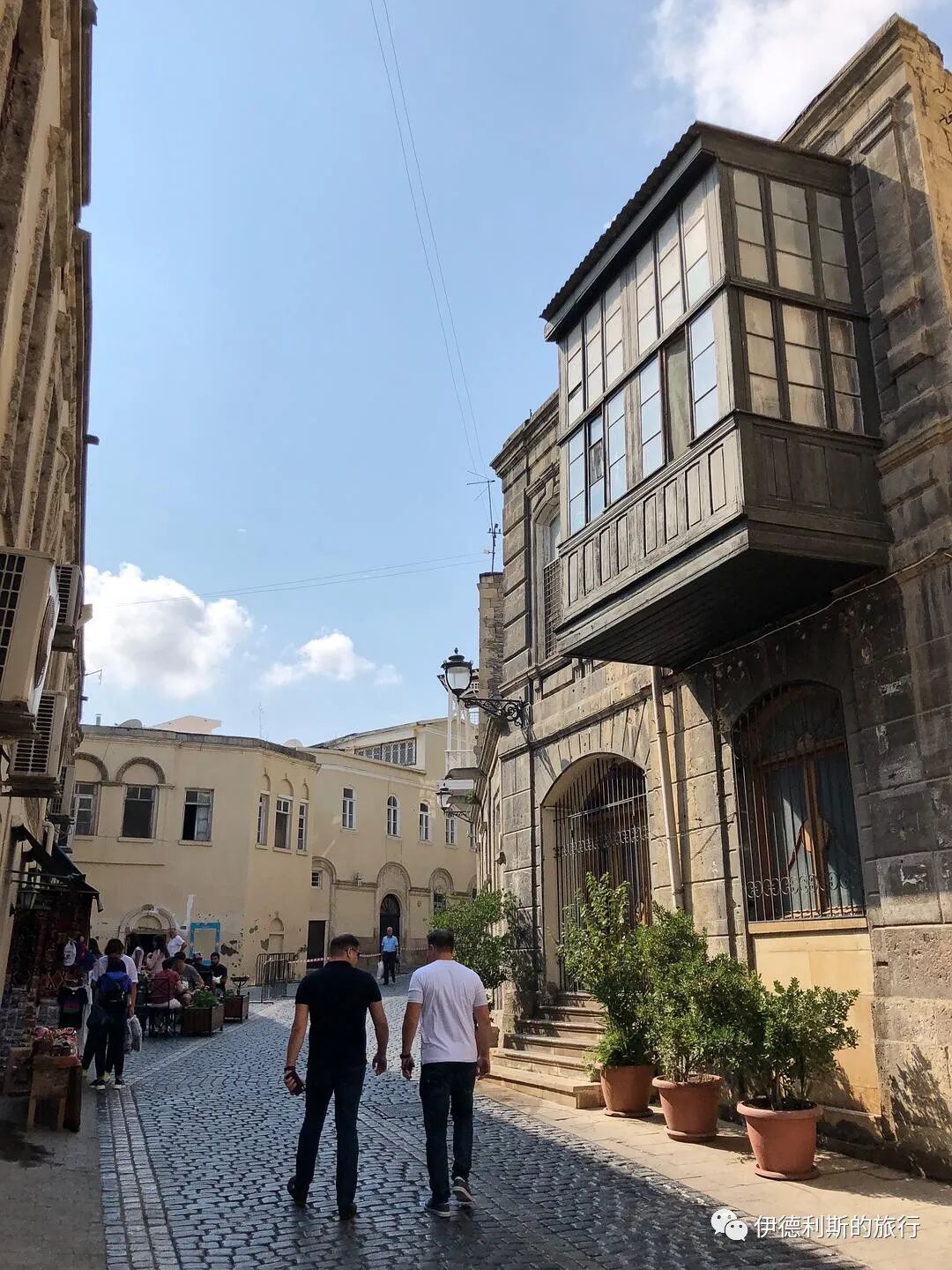
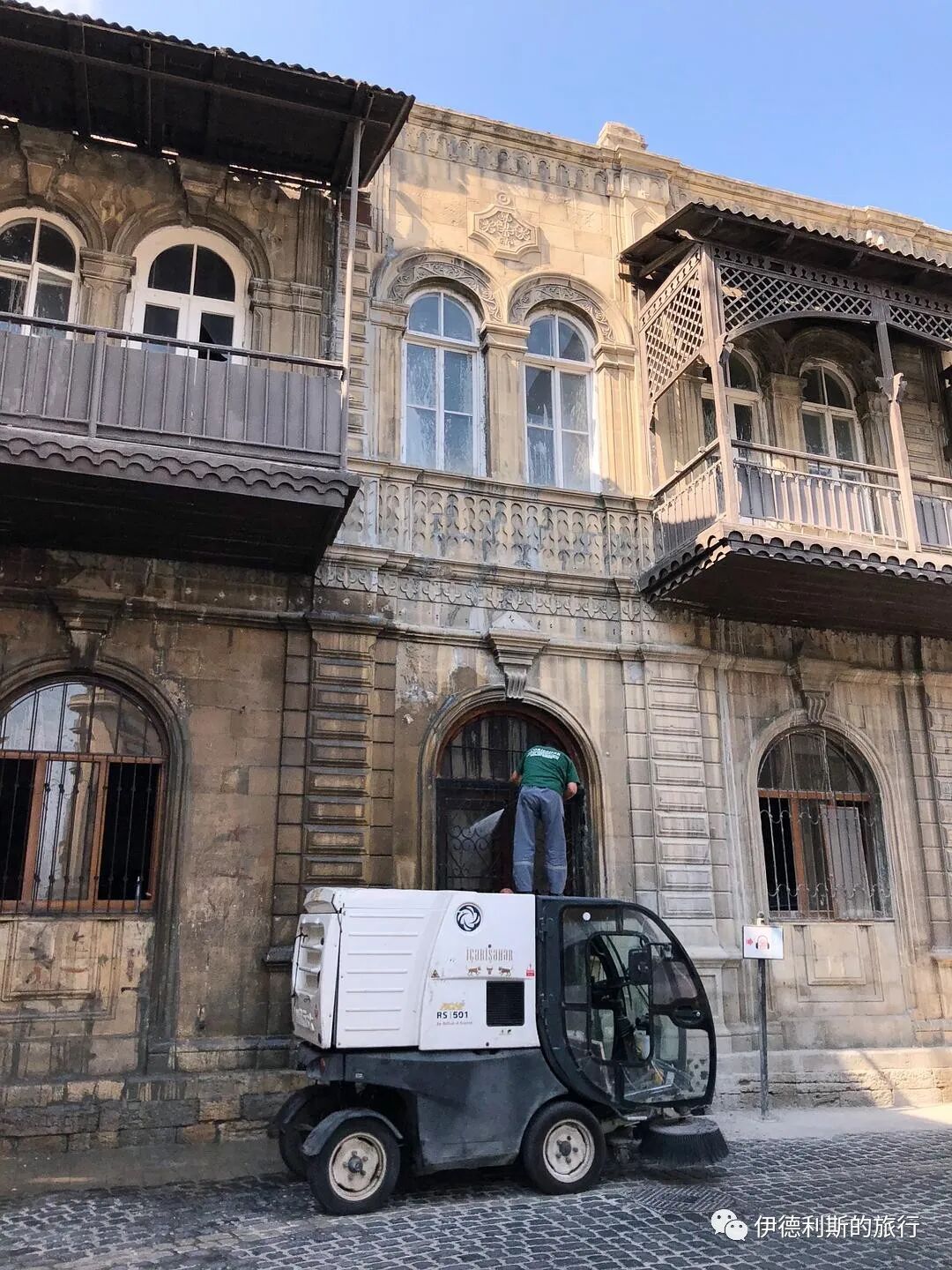
Finally, here are some more street views of Baku's Old City.
Summary: Baku Old City — Historic Buildings is presented here as a firsthand travel account in clear English, beginning with this scene: 10. Haji Bani Mosque: 16th century. The account keeps its focus on Baku Old City, Azerbaijan Travel, Muslim Heritage while preserving the names, places, food, and historical details from the Chinese source.
10. Haji Bani Mosque: 16th century
The Haji Bani Mosque (Hacı Bani) was built in the 16th century by architect Haji Bani. A women's section and windows were added during its renovation in 1902-1903.
11. Baba Kuhi Bakuvi Mosque: 9th-10th century
The Baba Kuhi Bakuvi Mosque is north of the Maiden Tower. It is thought to have been built in the 9th-10th century. Archaeologist Farhad Ibrahimov excavated it between 1990 and 1993. In 1998, the mosque's mihrab niche was uncovered.
12. Haji Heybat Mosque: 1791
The Haji Heybat Mosque was built in 1791 by architect Haji Heybat Amir Ali oghlu. It is a small community mosque.
13. Məktəb Mosque: 1646-1647
The Məktəb Mosque was built in 1646-1647. It is right next to the Maiden Tower.
V. Caravanserais
1. Two-Story Caravanserai: 15th century
The Two-Story Caravanserai (İkimərtəbəli karvansaray) is the largest Silk Road caravanserai in Baku's Old City. Some say the 34th Shirvanshah king, Khalilullah I (who reigned from 1417-1465), ordered its construction. Other scholars believe it was built in the 17th century, based on its architectural style. Its two main gates open towards the sea and the city's main road. This made it easy for caravans to enter and exit by sea and land.
Today, the caravanserai houses a restaurant called Mugam Club. In the evenings, you can watch Azerbaijani Mugham performances there. Azerbaijani Mugham comes from Persian classical music. It was court music in the 16th and 17th centuries. After the 19th century, it became popular among common people. It usually features a lead singer (khanandas), a Daf drummer, a Tar lute player, and a Kamancheh bowed string instrument player. The lead singer often also plays the drum.
2. Small Caravanserai: late 16th to early 17th century
The Small Caravanserai (Khan Caravanserai) was built in the late 16th to early 17th century. It was an important trading caravanserai in Baku's Old City. The caravanserai is square-shaped. One side faces the coast, and the other faces the city's main road. This made it easy to unload goods from ships and bring them into the city.
Today, the caravanserai houses the Han Restaurant Baku. In the evenings, you can also watch Azerbaijani Mugham performances there.
3. Multani Caravanserai: 14th century
The Multani Caravanserai was built in the 14th century. It is named after the city of Multan in Pakistan. This was a place for Indian merchants and travelers to stay. Multan is in southern Punjab Province, Pakistan. It is an important traditional trade center in South Asia. In the 14th century, Multan was ruled by the Delhi Sultanate. The famous traveler Ibn Battuta visited Multan in the 1300s. He said that Multan's horse trade reached as far as the Russian steppes at that time.
The lower floor of the caravanserai was a warehouse for goods. The upper floor had 10 guest rooms. The eastern half was torn down in the early 20th century. Now, only the western facade, the southwestern rooms, and the main gate remain. These parts were restored between 1973 and 1974.
4. Bukhara Caravanserai: late 15th century
The Bukhara Caravanserai is across from the Multani Caravanserai. It was built in the late 15th century. It is named after the city of Bukhara in Uzbekistan. This was a place for Central Asian merchants and travelers to stay. In the late 15th century, Bukhara was ruled by the Timurid Empire. At that time, the Timurid Empire was breaking apart. Bukhara was about to become the capital of the Bukhara Khanate, founded by the Uzbeks.
The caravanserai has an octagonal courtyard inside. Guest rooms surround it. Currently, the caravanserai only has 17 guest rooms on its upper floor. People say the lower floor, which was a warehouse, is still buried underground.
VI. Bathhouses
1. Haji Gayib Bathhouse: late 15th century
The Haji Gayib Bathhouse (Hacı Qayıb hamamı) was built in the late 15th century. It was buried underground for a long time. It was only discovered during archaeological excavations in 1964. The bathhouse has three main parts: a toilet, a changing room, and a bathing area. In the center of the main hall is a pool with hot and cold water. Heating pipes run under the floor.
A hookah lounge is on top of the bathhouse. You can eat snacks and pet cats there. The Maiden Tower, a landmark of Baku's Old City, is right next to it.
In 2017, ABAD, a local Azerbaijani art brand, opened inside the bathhouse. This is the best quality souvenir shop I saw in Baku's Old City.
I bought a traditional Azerbaijani hat, an Arakhchin, at the shop. Both men and women can wear Arakhchin hats. They can be made from wool or silk. They also feature embroidery and lace. Men's Arakhchin hats are usually simpler. Women's hats often have beads or even gold ornaments. Arakhchin hats can be worn alone or under other headwear. For example, men can wear them under a Papaq fur hat. Women can wear them under a Kelaghayi headscarf.
From the 16th to the 20th century, the Arakhchin was the most common hat in Azerbaijan. After the 20th century, Arakhchin hats are usually only worn for festivals, celebrations, or ceremonies.
Their hats come with a card from the maker. The website on the card shows information about the artist. This makes the handicrafts feel even more collectible.
2. Qasim Bey Bathhouse: late 18th to early 19th century
The Qasim Bey Bathhouse (Qasım bəy hamamı) is a semi-underground bathhouse. It was built in the late 18th to early 19th century. It was renovated in the 1970s. This place is also called the 'Sweet Bath'. This is because the bathhouse serves various desserts to tea.
The bathhouse has a traditional design. It includes an entrance hall, changing rooms, bathing rooms, a pool, and a boiler room. Water supply and heating pipes run inside the walls and under the floors.
3. Agha Mikayil Bathhouse: 18th century
The Agha Mikayil Bathhouse was built in the 18th century. Unlike Baku's traditional semi-underground bathhouses, this one was built above ground. It has a large interior space, divided into changing rooms and bathing rooms. This bathhouse is still open today. Currently, it is for women on Mondays and Fridays. It is for men at other times. Admission costs 10 yuan, a towel costs 10 yuan, a massage costs 10 yuan, and tea costs 2 yuan.
VII. Other Sights
1. Bazaar Square
Bazaar Square (Bazar meydanı) was found in 1964 during archaeological digs north of the Maiden Tower. The square has arcaded structures around it, similar to the Grand Mosque in Mecca. Research shows they were built in the 12th-13th century. Archaeological digs inside found 52 tombs. A mosque once stood on the south side of the square. After Russian forces took Baku in 1806, it was turned into a church. It was finally torn down during the Soviet era.
2. Palace of Baku Khans: 17th to 18th century
In 1723, Tsarist Russia defeated the Persian Safavid dynasty and took Azerbaijan. However, with the rise of the Persian Afsharid dynasty, Russia gave Azerbaijan back to Persia in 1735. The Afsharid dynasty then supported local Azerbaijani tribal leaders to establish the Baku Khanate. In 1747, the Baku Khanate officially became independent during a period of unrest in Iran.
The Baku Khanate was known for its trade in oil, salt, and saffron. In the early 19th century, the Baku Khanate had 100 oil wells. It played an important role in trade with countries like Russia, Iran, and India. In 1806, Russian forces took Baku, and the Baku Khanate fell.
The Palace of Baku Khans was first built in the 17th century. After 1754, it officially became the palace of the Khans. The palace has a strong Eastern European style. Its walls and ceilings have ornate frescoes. After Russia took Baku in 1806, it became a Russian military barracks. Most of its buildings were damaged in the late 19th century.
The first archaeological digs at the Palace of Baku Khans happened between 1985 and 1986. They found many artifacts, sewage pipes, and an underground bathhouse. Archaeological digs happened again in 2016. They found many pottery pieces and neat underground water pipes. In 2018, the remaining buildings were restored. The palace was being restored when I visited.
Finally, here are some more street views of Baku's Old City.
