
Halal Travel Guide: Delhi — Siri Fort, Mongol Wars and Muslim History
Reposted from the web
Summary: Delhi — Siri Fort, Mongol Wars and Muslim History is presented here as a firsthand travel account in clear English, beginning with this scene: In my previous article, The First City of Delhi—The Minaret Reaching the Clouds, I mentioned that in 1221, Genghis Khan sent a large army to chase the last Sultan of the Khwarazmian Empire, Jalal ad-Din Mingburnu, all. The account keeps its focus on Delhi Travel, Siri Fort, Muslim Heritage while preserving the names, places, food, and historical details from the Chinese source.
Contents
1. Mongol invasion of India
2. Chagatai Khanate's broken dreams in Delhi
1. Chagatai Khanate invades the Khalji Dynasty
2. Qutlugh Khwaja's expedition to Delhi
3. Deploying troops and setting up formations
4. Zafar Khan dies in battle
5. Tomb of Zafar Khan
3. Building Siri City
4. Siege of Siri City
1. The Chagatai army attacks
2. Besieging Siri
5. Siri becomes the capital
1. Tohfe Wala Gumbad mosque
2. Hauz Khas royal reservoir
6. Mongol defeat
1. The first crushing defeat
2. The final failure
3. The Tower of Skulls
7. Reasons for the Mongol failure
1. Mongol invasion of India
In my previous article, The First City of Delhi—The Minaret Reaching the Clouds, I mentioned that in 1221, Genghis Khan sent a large army to chase the last Sultan of the Khwarazmian Empire, Jalal ad-Din Mingburnu, all the way to the banks of the Indus River. Jalal ad-Din asked the Sultan of the Mamluk Dynasty of the Delhi Sultanate, Shams ud-Din Iltutmish, for help, but he was refused.
In 1223, after forming an alliance with local people, Jalal ad-Din captured Lahore, the former capital of the Delhi Sultanate, but Iltutmish took it back in 1228. In the winter of 1241, the Mongol army invaded the Indus Valley again, captured Lahore, and slaughtered the city.
It was not until the 1250s, during the reign of Mongke Khan, that large-scale invasions of the Delhi Sultanate stopped because the commander of the western expedition, Hulagu, was busy invading the Abbasid Caliphate and Syria. The Mongols and the Delhi Sultanate entered a period of peace that lasted for decades.
Because the Mongol army sacked Lahore, the early political center of the Delhi Sultanate, the strategic importance of Delhi continued to rise.
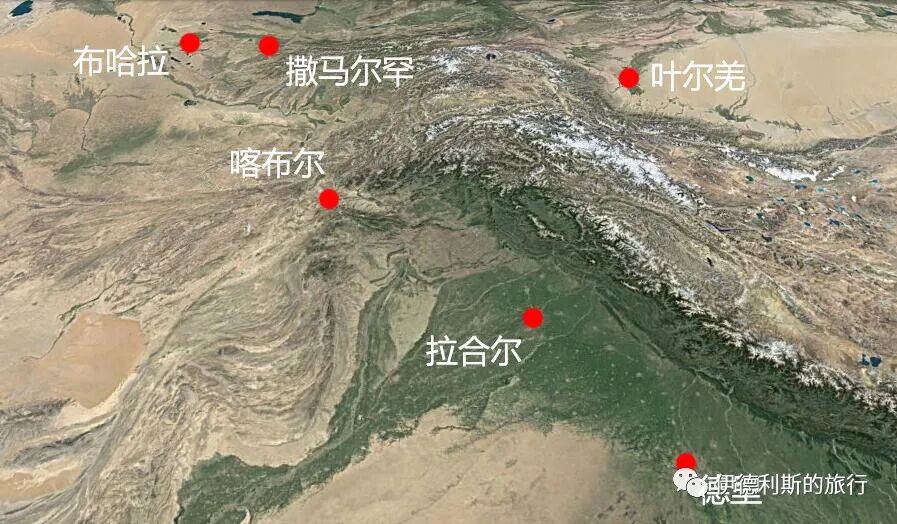
The locations of Delhi, Lahore, and important cities in Central Asia; this map is not to scale but is an overhead view.
2. Chagatai Khanate's broken dreams in Delhi
1. Chagatai Khanate invades the Khalji Dynasty
Starting in the 1280s, Kaidu, the grandson of Ögedei Khan, and Duwa, the Khan of the Chagatai Khanate, fought together in Central Asia and then invaded India from Afghanistan.
In 1296, Alauddin Khalji succeeded as the Sultan of the Khalji Dynasty of the Delhi Sultanate. In my previous article, The First City of Delhi—The Minaret Reaching the Clouds, I described in detail how Alauddin expanded the mosque in the city of Lal Kot in Delhi. In this article, I will introduce how Alauddin built a new fortress to defend against the Chagatai Mongol army.
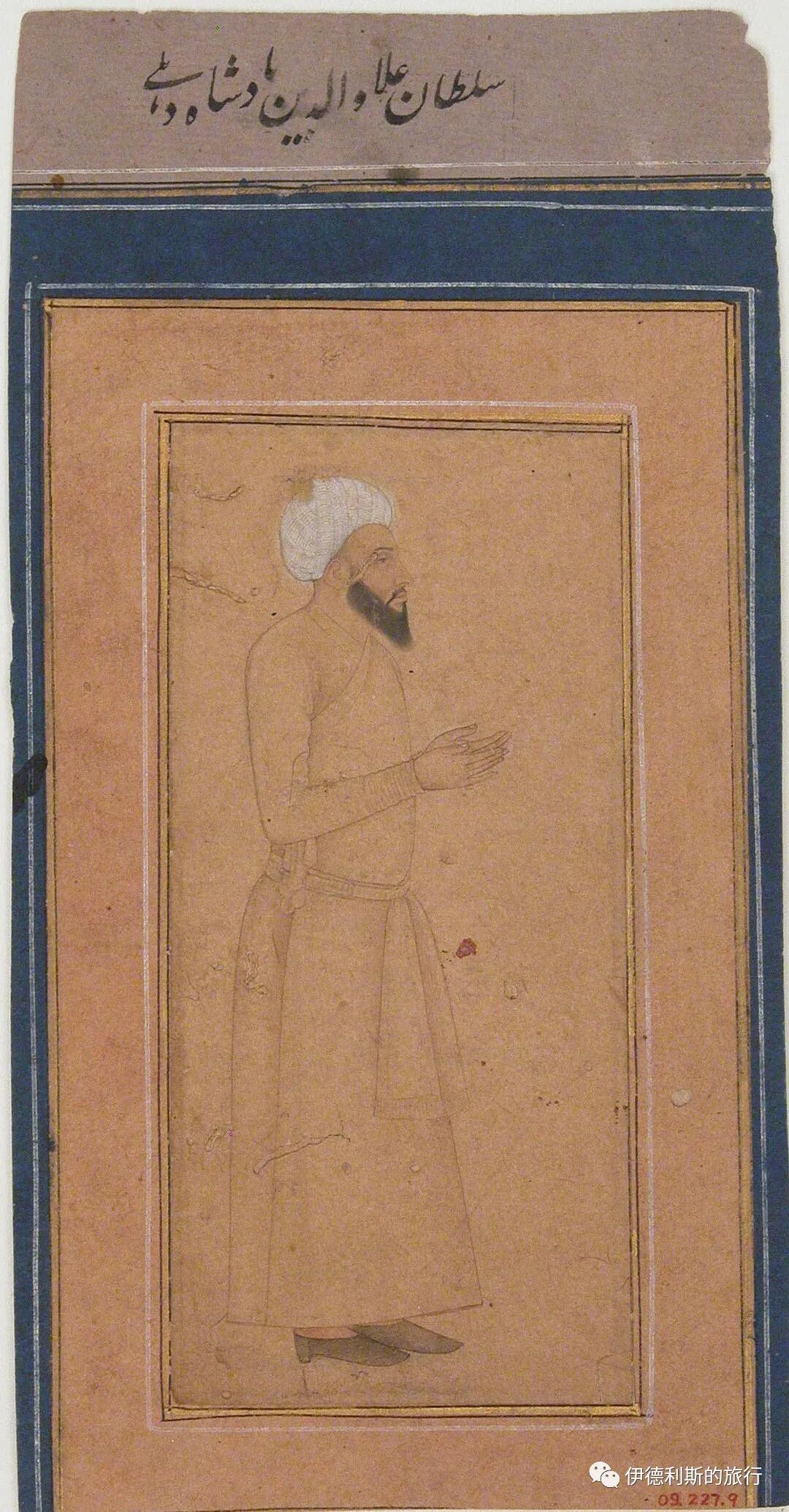
A portrait of Alauddin drawn in the late 17th century.
2. Qutlugh Khwaja's expedition to Delhi
In the winter of 1297, the Mongol army of the Chagatai Khanate first attacked Punjab on the northwestern border of the Delhi Sultanate. Alauddin sent troops to defeat the Mongol army in February 1298. People say 20,000 Mongol soldiers were killed, and many more were captured and killed in Delhi.
In late 1298 and early 1299, another Chagatai army invaded Sindh and was defeated again by Alauddin's general, Zafar Khan.
After the shame of two defeats, the Chagatai Khanate made full preparations and finally launched a third invasion in 1299. This time, the Great Khan Duwa of the Chagatai Khanate sent his son, Qutlugh Khwaja, to march directly to the capital, Delhi, determined to completely conquer the Delhi Sultanate.
During their expedition, the Chagatai army did not loot cities or destroy fortresses. They avoided all confrontations with the Delhi Sultanate's northwestern border guards, trying to save their strength for a final battle against the main Delhi Sultanate forces in Delhi. During this time, Alauddin's general Zafar Khan sent a letter to Qutlugh Khwaja inviting him to a decisive battle, but Qutlugh Khwaja refused. Qutlugh Khwaja replied that a king only fights a king. He demanded that Zafar Khan come to Delhi to fight him alongside Alauddin's main army.
Finally, the Chagatai army camped at a place called Kili, 10 kilometers from the city of Lal Kot in Delhi. Residents around Delhi heard the news and flooded into Lal Kot. The city's streets, markets, and mosques became extremely crowded. The Chagatai army blocked trade routes to Delhi, causing prices inside Lal Kot to skyrocket.
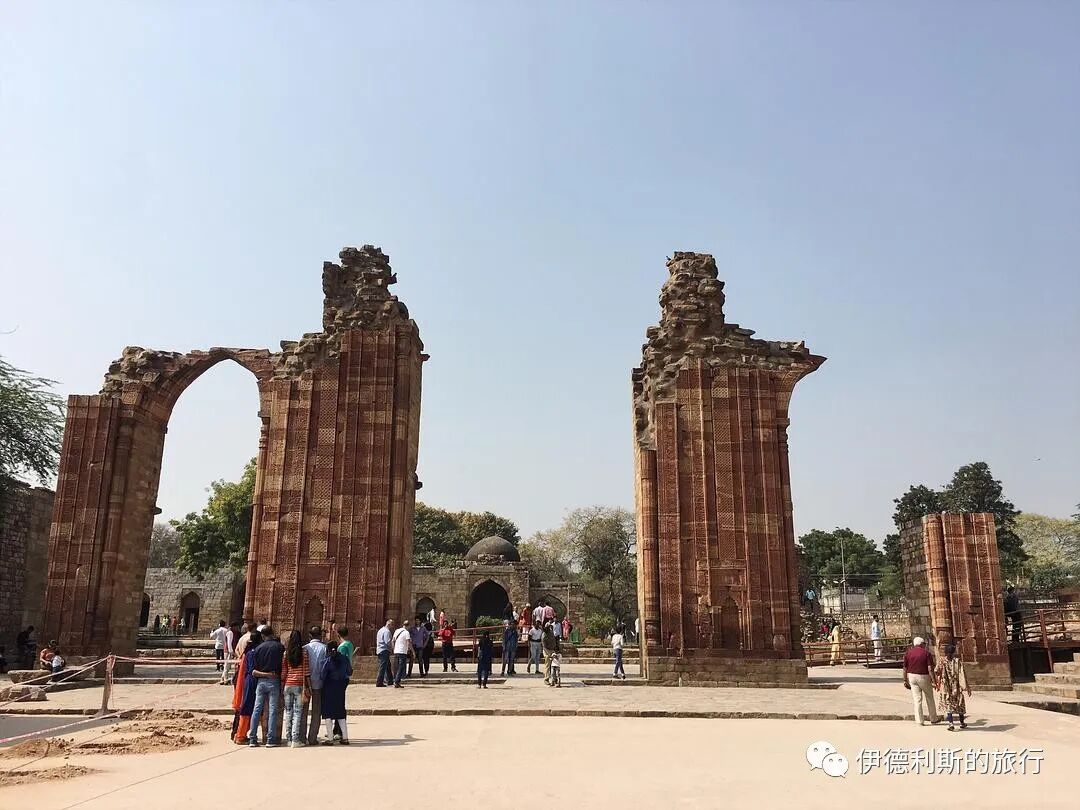
Lal Kot city
3. Deploying troops and setting up formations
According to the 14th-century Indian chronicler Abdul Malik Isami, Alauddin only received the news after the Chagatai army had crossed the Indus River. He had only one or two weeks to prepare for battle, so he immediately sent messages everywhere to quickly reinforce Delhi.
Alauddin set up his military camp northeast of Lal Kot. His uncle Alaul Mulk suggested that Alauddin negotiate with the Chagatai Khanate, but Alauddin rejected this advice. He believed that if he showed weakness, the people and the army would lose respect for him. So, he publicly announced a decisive battle against the Chagatai army.
Alauddin had his uncle Alaul Mulk manage Lal Kot during this time and gave him the keys to the royal palace, telling him to hand them over to the final winner of the battle once the war ended.
According to the 14th-century historian Ziauddin Barani, the Chagatai army in this battle numbered 100,000 or even 200,000, but in reality, there were likely not that many.
According to the 16th-century historian Firishta, the Delhi Sultanate army had 300,000 horses and 2,700 elephants, but this figure is clearly exaggerated. The Delhi Sultanate's massive army stretched for several kilometers and was very difficult to control. Therefore, Alauddin issued an order before the battle that any officer who left their post without authorization would be beheaded.
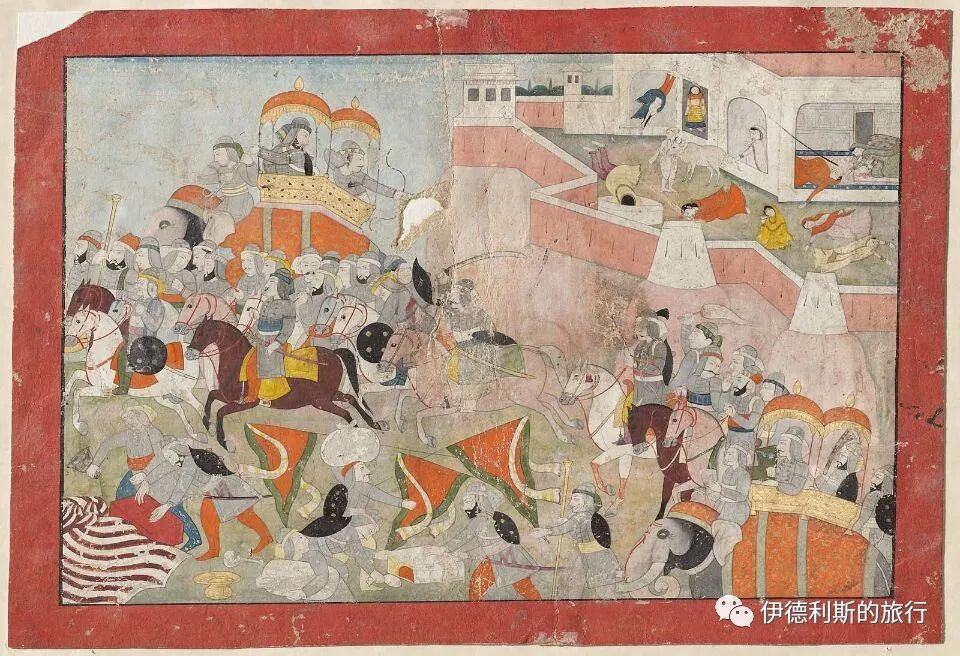
Alauddin's army, drawn by Rajputs in 1825
4. Zafar Khan dies in battle
Because the preparations were too rushed, Alauddin kept trying to delay the battle to wait for reinforcements. He also hoped that the delay would make the Chagatai army more exhausted.
However, the Delhi Sultanate general in charge of the right wing, Zafar Khan, attacked the Chagatai left wing without orders. The Chagatai commander of the left wing, Hijlak, feigned a retreat, and Zafar Khan rashly pursued him.
Both sides marched quickly for 55 kilometers. Zafar Khan's infantry and cavalry fell behind, leaving only 1,000 cavalrymen at the end. Meanwhile, 10,000 ambush troops commanded by Noyan Taghai had already hidden 3 kilometers away from Zafar Khan, blocking his path back to the camp.
After consulting with his officers, Zafar Khan decided that even if he broke through to return to the main camp, he would be severely punished by Alauddin for acting without orders, so he chose to fight the Chagatai army to the death.
According to the chronicler Isami, Zafar Khan led his 1,000 cavalrymen to kill 5,000 Chagatai soldiers, and he was eventually reduced to only 200 men. Zafar Khan's warhorse was killed, so he dismounted to duel the Chagatai general Hijlak one-on-one. Finally, an arrow pierced his armor and struck his heart.
On the other side of the battlefield, Zafar Khan's son Diler Khan led his troops to bravely repel the Chagatai right wing commanded by Temur Buqa. The main Chagatai force attacked Alauddin but was repelled, and a large number of Mongols were killed.
Zafar Khan's death caused pessimism among the Delhi Sultanate officers. The next morning, many officers suggested that Alauddin retreat to Lal Kot to defend the city. Alauddin refused, saying that Zafar Khan's death was due to acting without orders, and he would not take a single step back. Meanwhile, the Chagatai army remained still, so no fighting occurred on the second day.
On the night of the third day, the Chagatai army began to retreat. Alauddin did not pursue them and returned to Lal Kot.
Some Indian scholars believe that Zafar Khan's heroic fighting caused the Chagatai army to retreat out of fear. However, the real reason was that the Chagatai commander Qutlugh Khwaja was seriously wounded in the battle and died from his injuries on the way back.
5. Tomb of Zafar Khan
After Zafar Khan died, Alauddin was very angry about his unauthorized actions. He ordered his name to be removed from various records, which made Zafar Khan's life story mysterious.
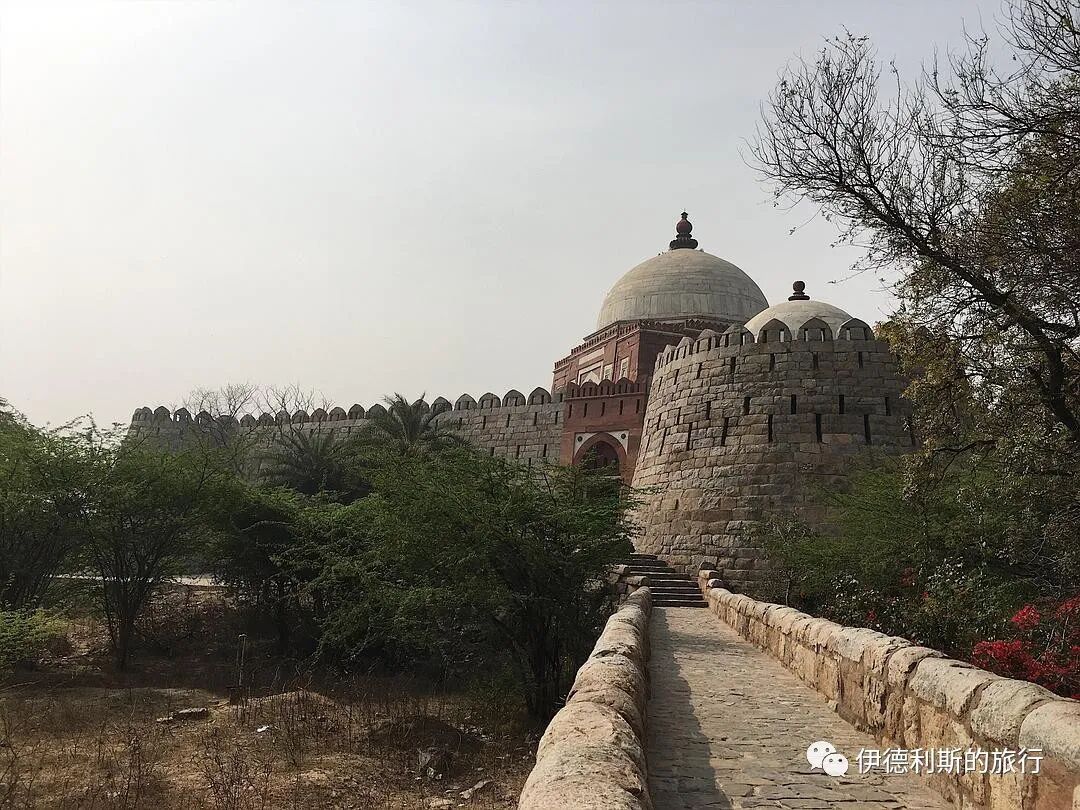
Zafar Khan's tomb is currently part of the high-platform fortress of the Mausoleum of Ghiyas ud-Din Tughluq, the founder of the Tughlaq dynasty of the Delhi Sultanate.
Ghazi died in 1325. One theory is that the Tomb of Zafar Khan was already built on the current site before his death, and Ghazi incorporated it into the fortress while building his own tomb. Another theory is that Ghazi specifically built the Tomb of Zafar Khan next to his own tomb.
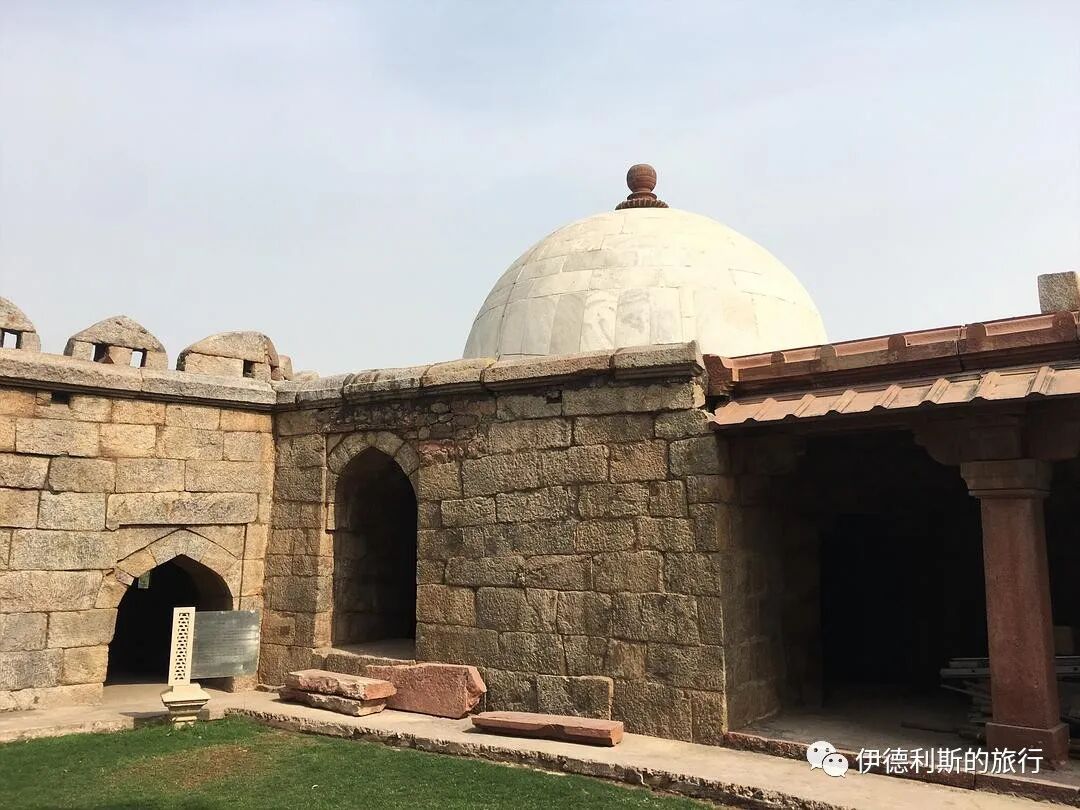
The smaller dome nearby is the Tomb of Zafar Khan.
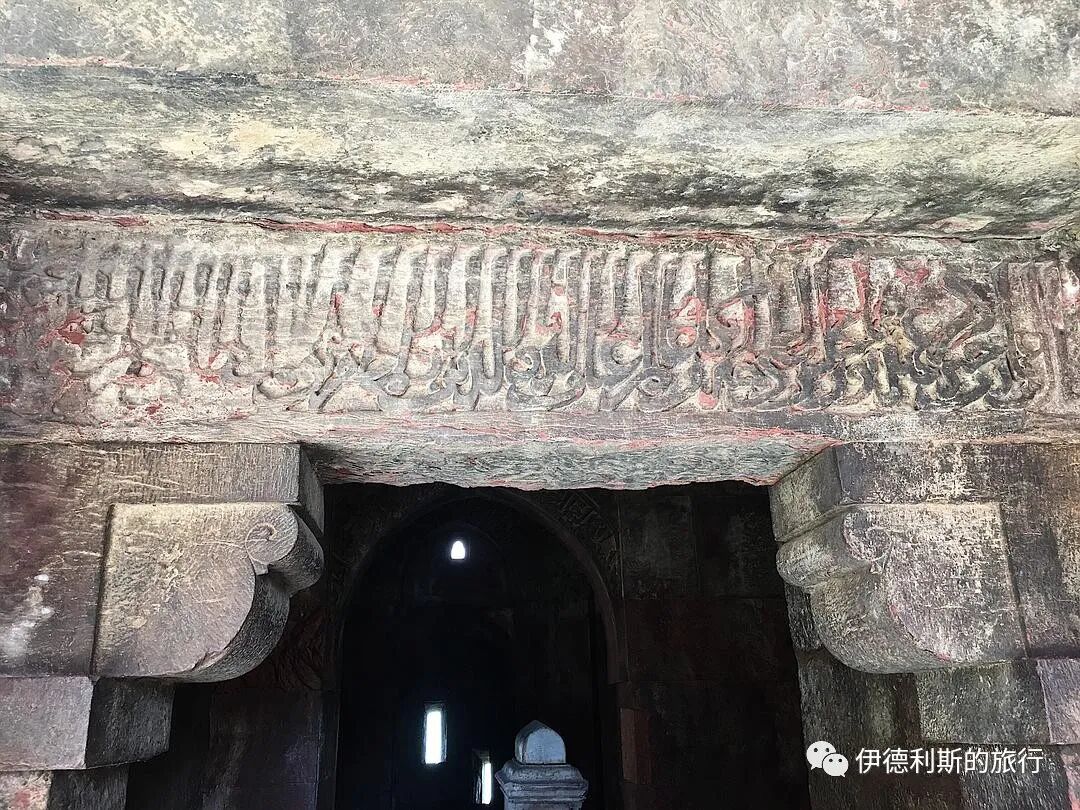
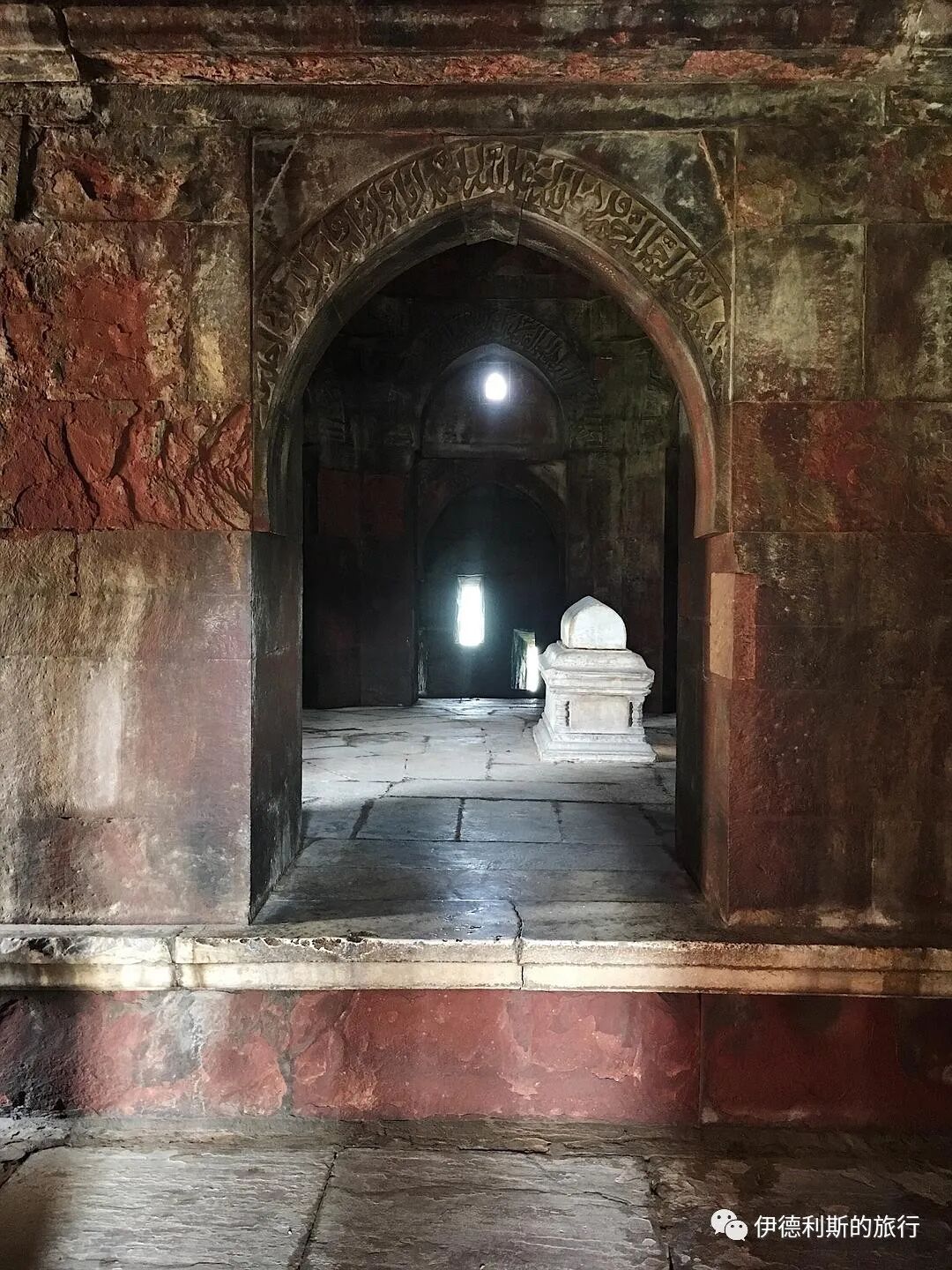
Inside the Tomb of Zafar Khan is an octagonal burial chamber, and the name Zafar Khan is carved into the stone on the south gate.
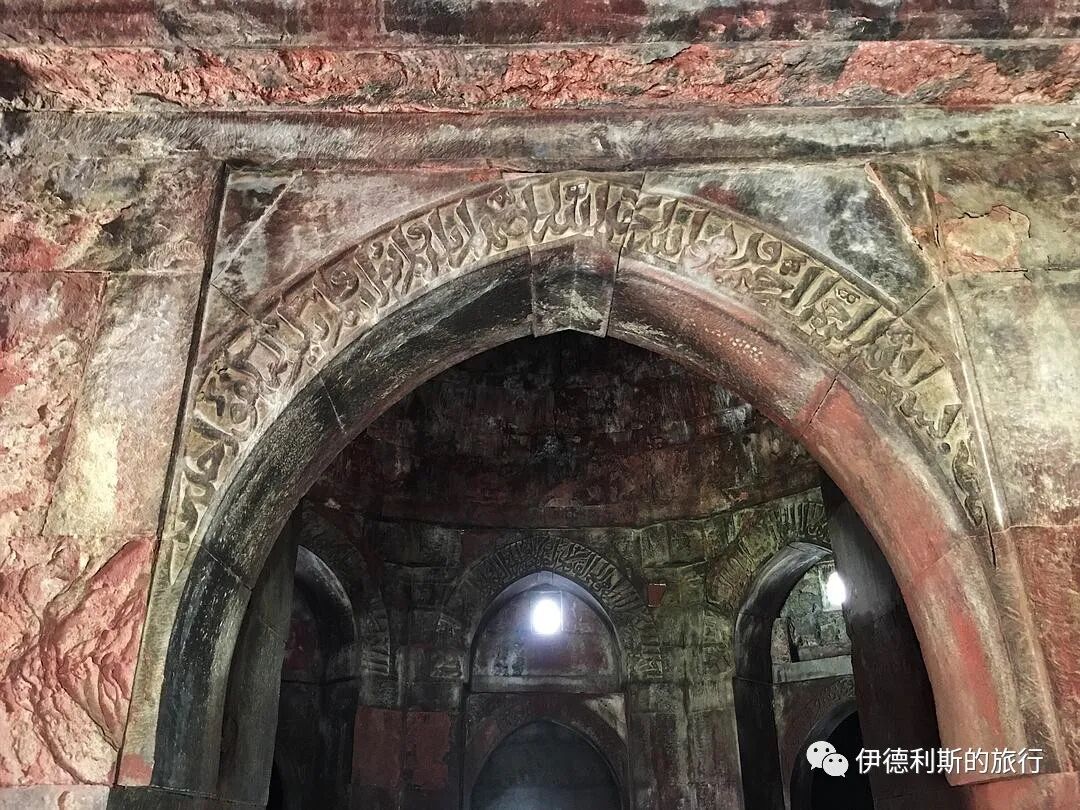
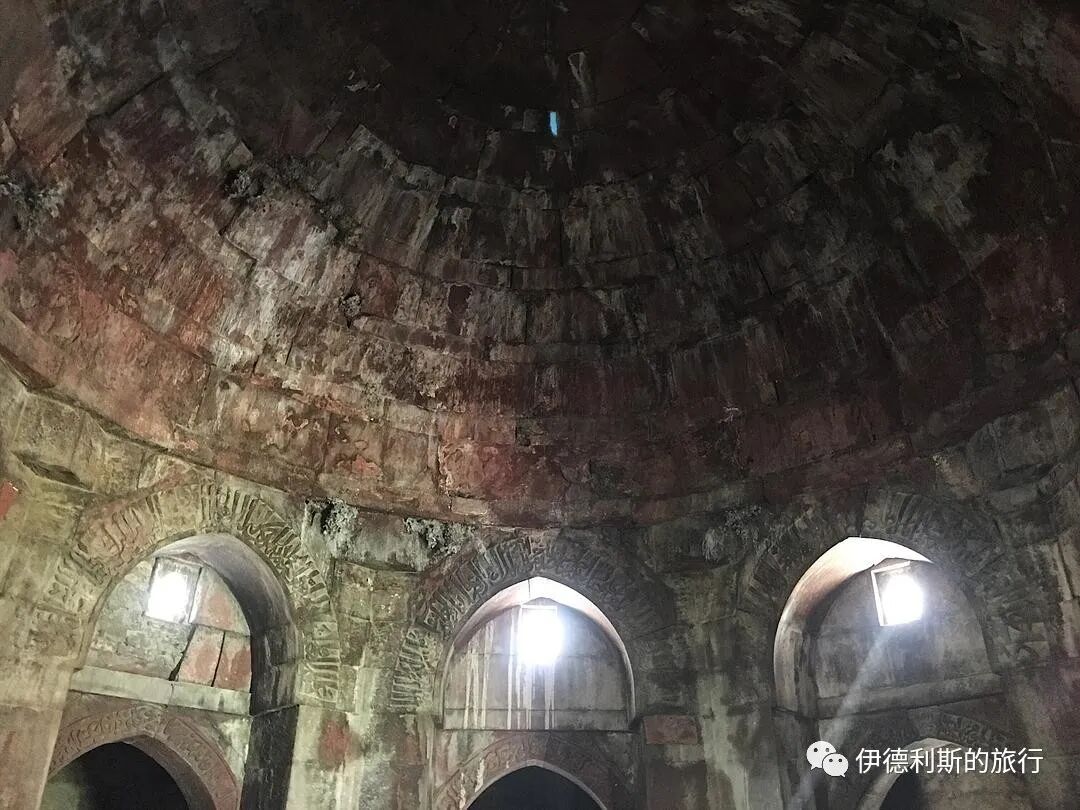
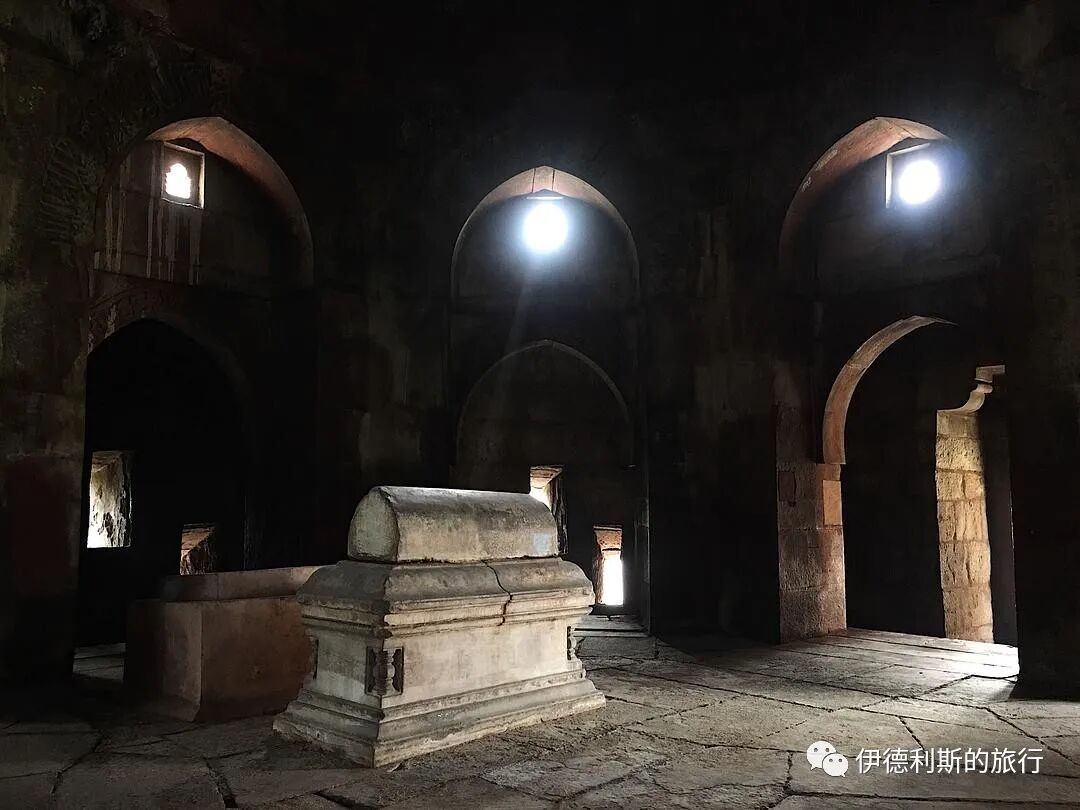
3. Building Siri City
To defend against the next invasion by the Chagatai army, Alauddin began building a new fortress, Siri Fort, northeast of the city of Lal Kot.
Unlike the city of Lal Kot built by Hindus, the construction of Siri Fort used many Turkic craftsmen. Due to the Mongol invasions of Central and West Asia, large numbers of Turkic people came to settle in Delhi. Turkic craftsmen from the Seljuq dynasty had excellent fortress-building skills and contributed greatly to the construction of Siri Fort.
In 1398, the famous Timur invaded Delhi and recalled that Siri was a circular city with very tall buildings. These buildings were surrounded by walls made of stone and brick, which were very sturdy.
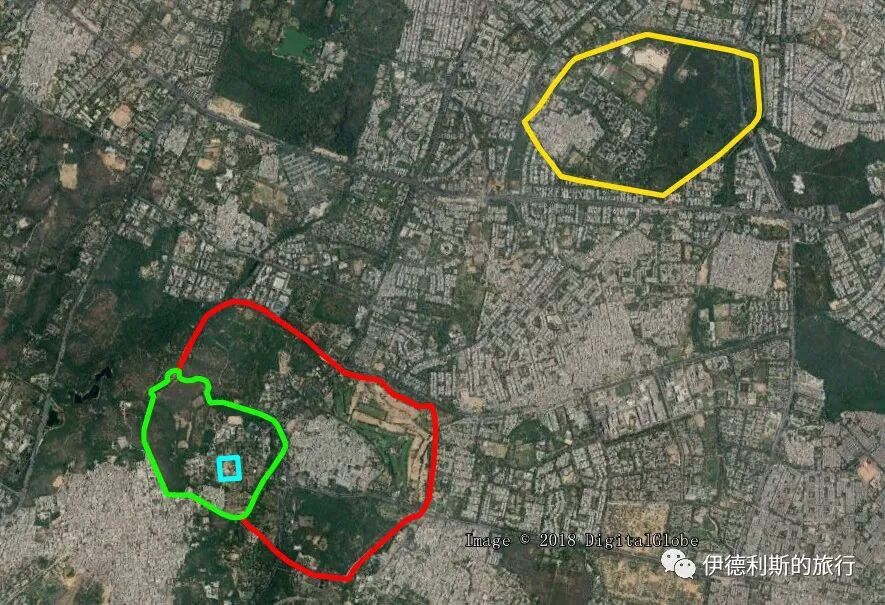
The yellow circle in the image below shows the location of the Siri Fort walls.
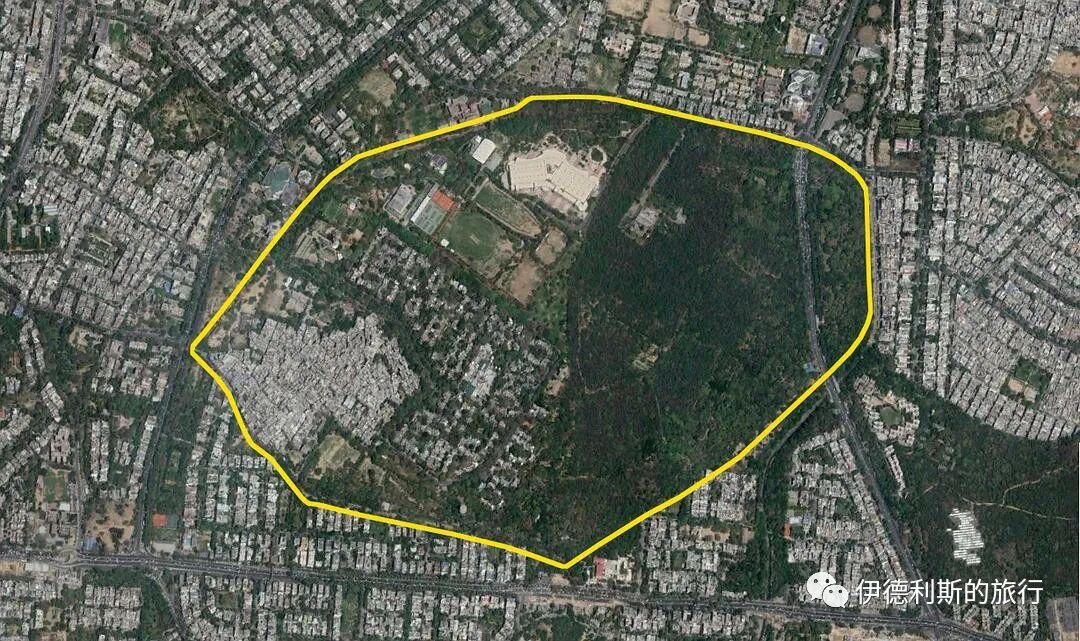
Siri Fort is northeast of Lal Kot. In the image, the green area is Lal Kot built in the mid-11th century, the red area is the Qila Rai Pithora city expanded in 1160 (or 1180), and the blue area is the Qutb Mosque, which was started in 1193. The yellow area is Siri Fort.
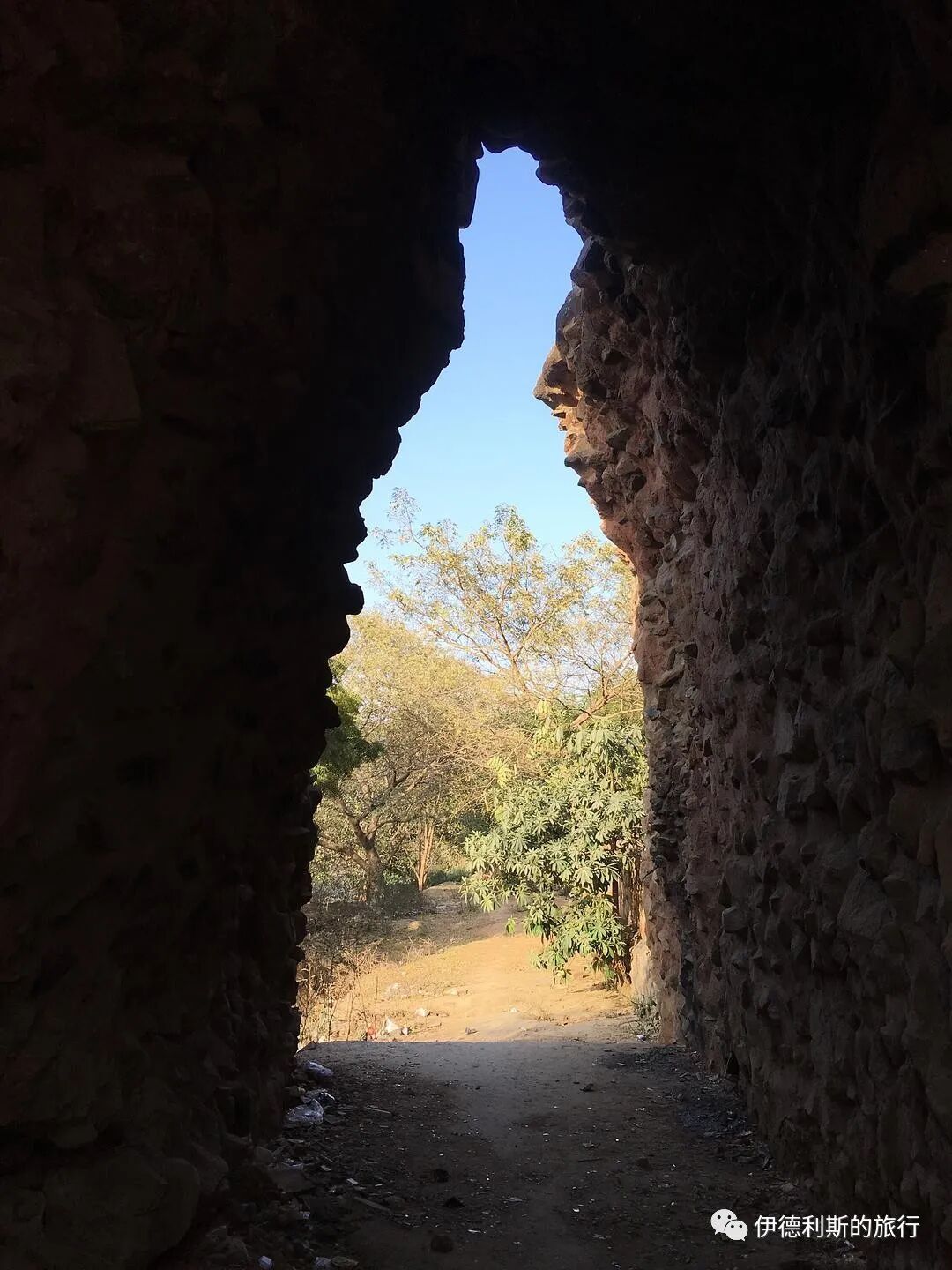
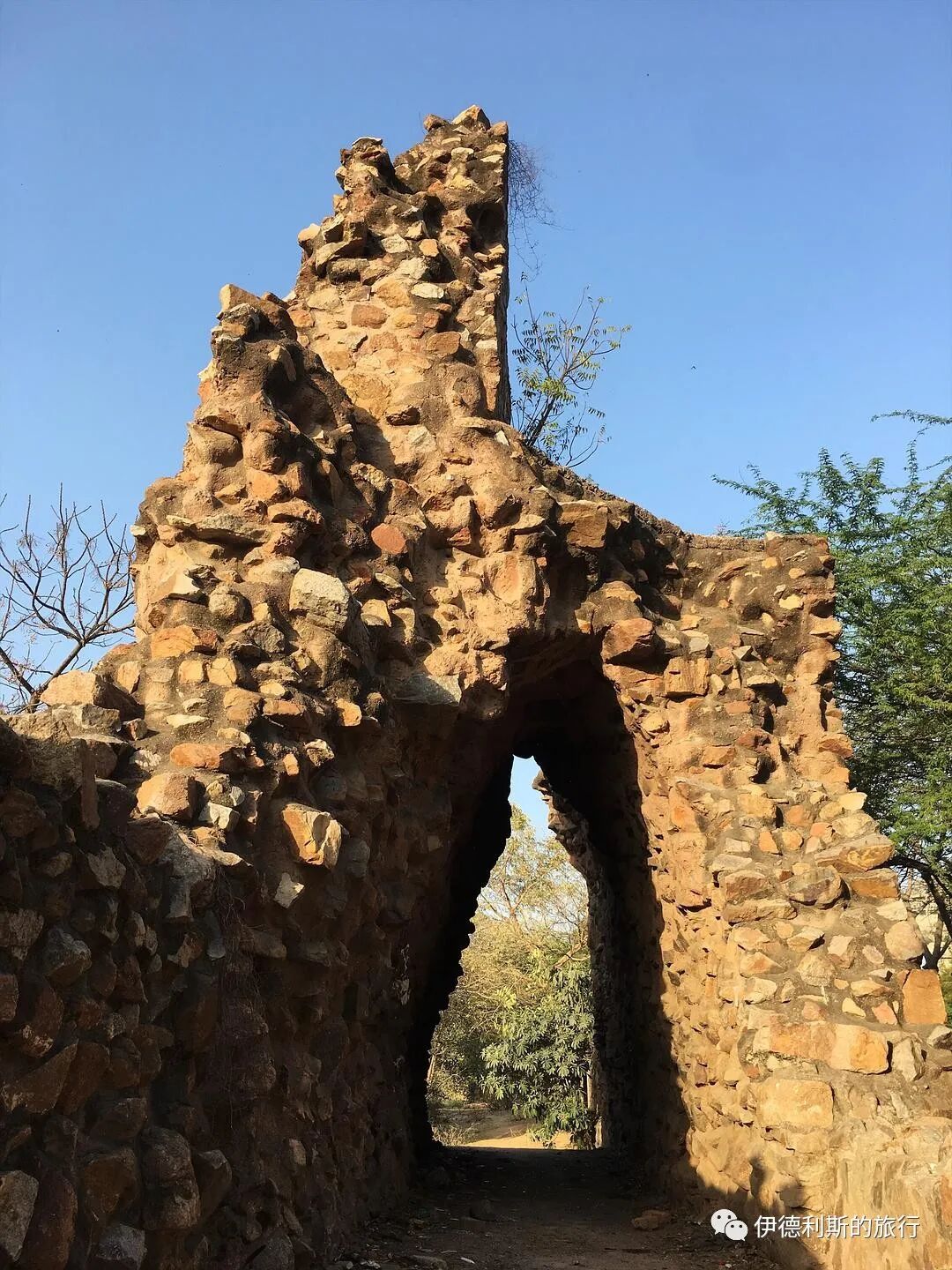
Legend says Siri Fort had seven gates, but only the ruins of the southeast gate remain today.
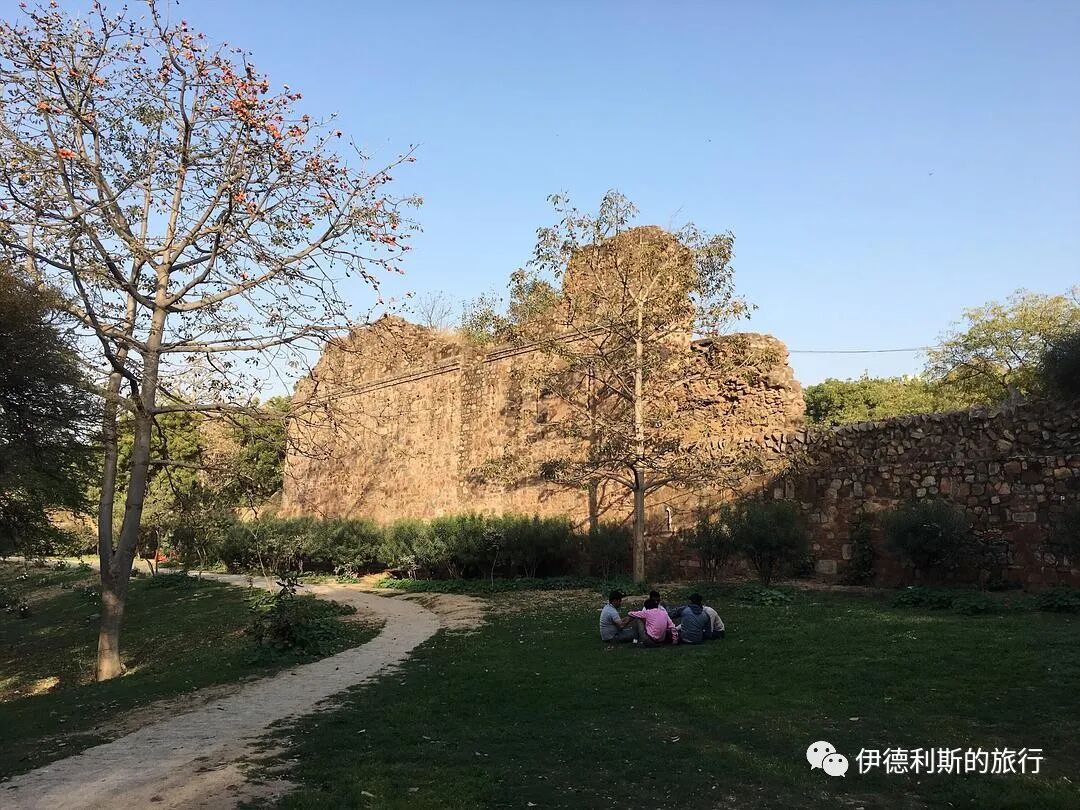
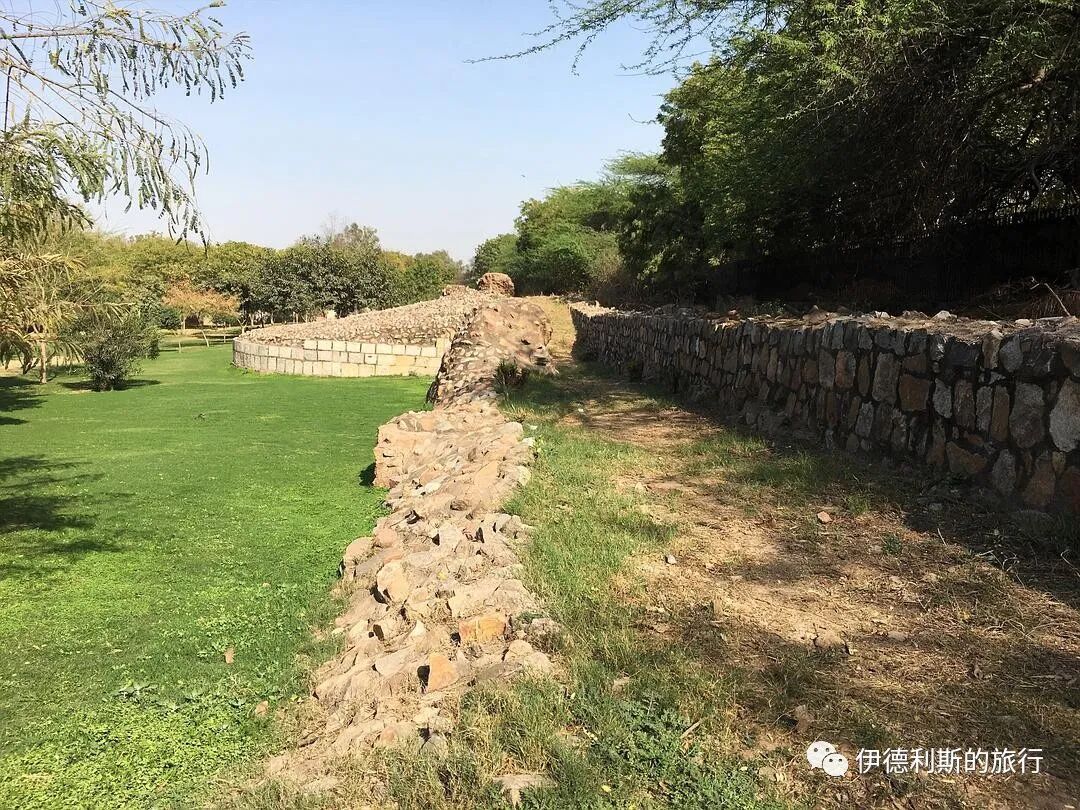
Today, only broken walls remain of Siri Fort. The main reason for the city's destruction is that later rulers constantly took bricks and stones from it to build new structures. The greatest destruction came from Sher Shah Suri (reigned 1540-1545), the founder of the Sur dynasty, who moved large amounts of bricks and building components from Siri Fort to build a new city.
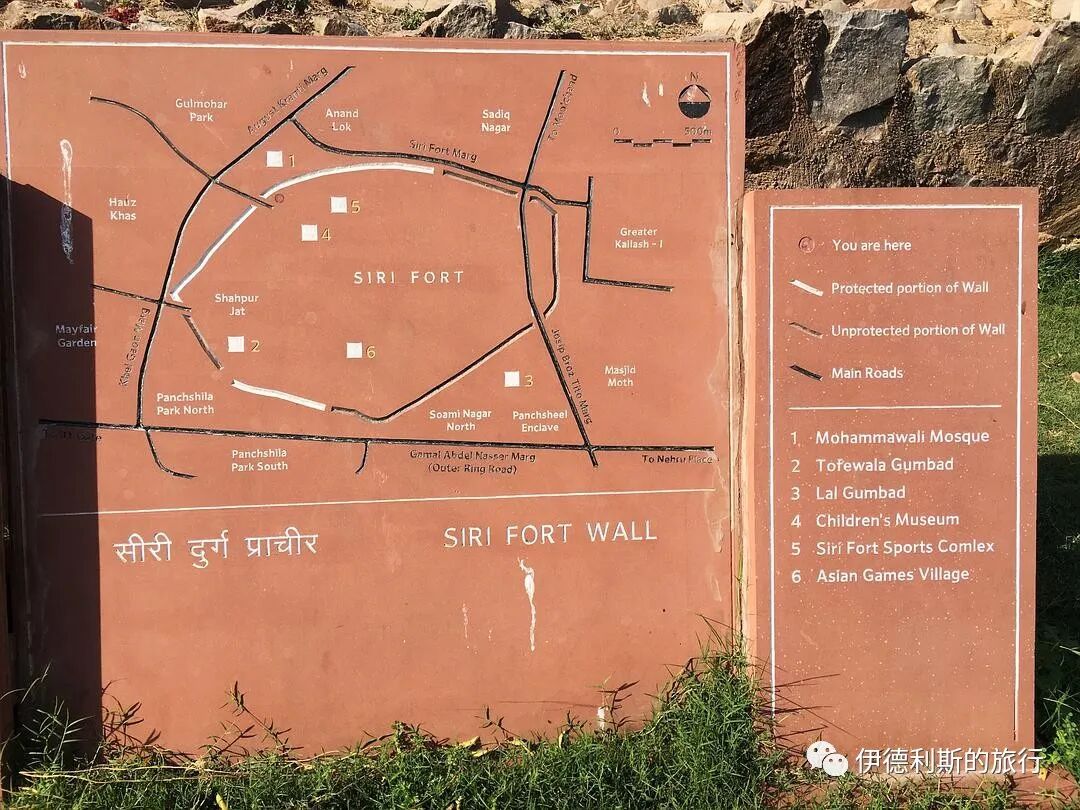
West wall of Siri Fort.
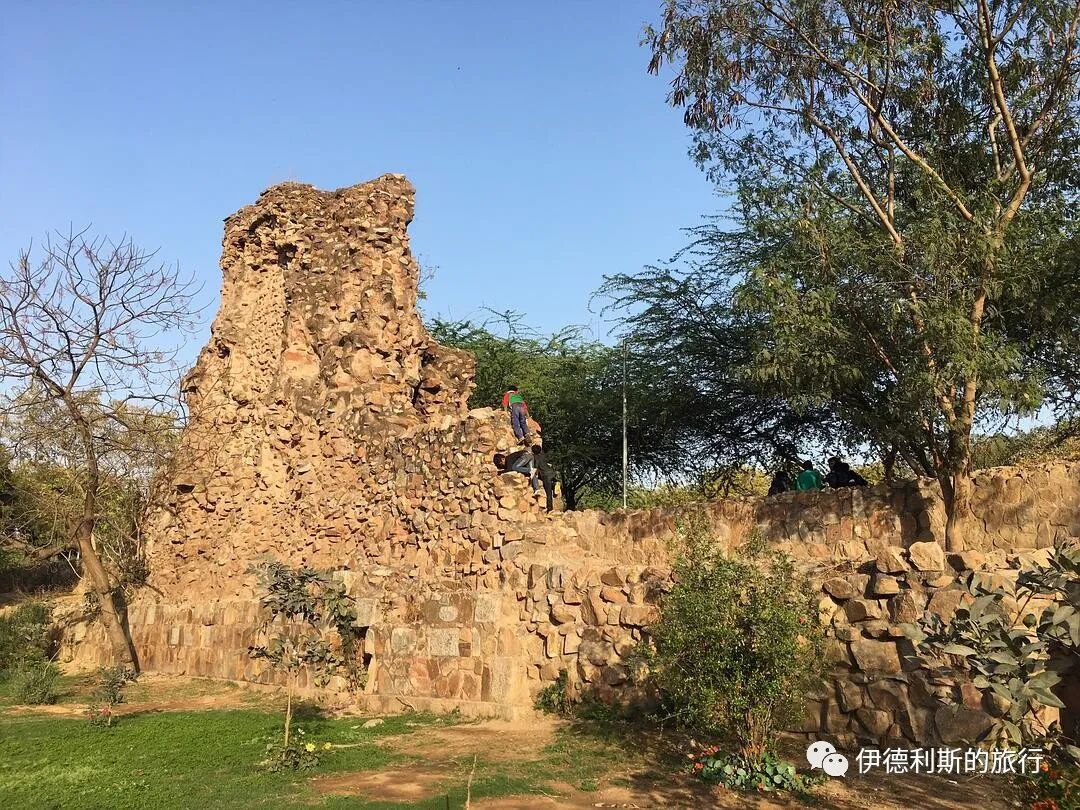
Ruins of the northwest wall.
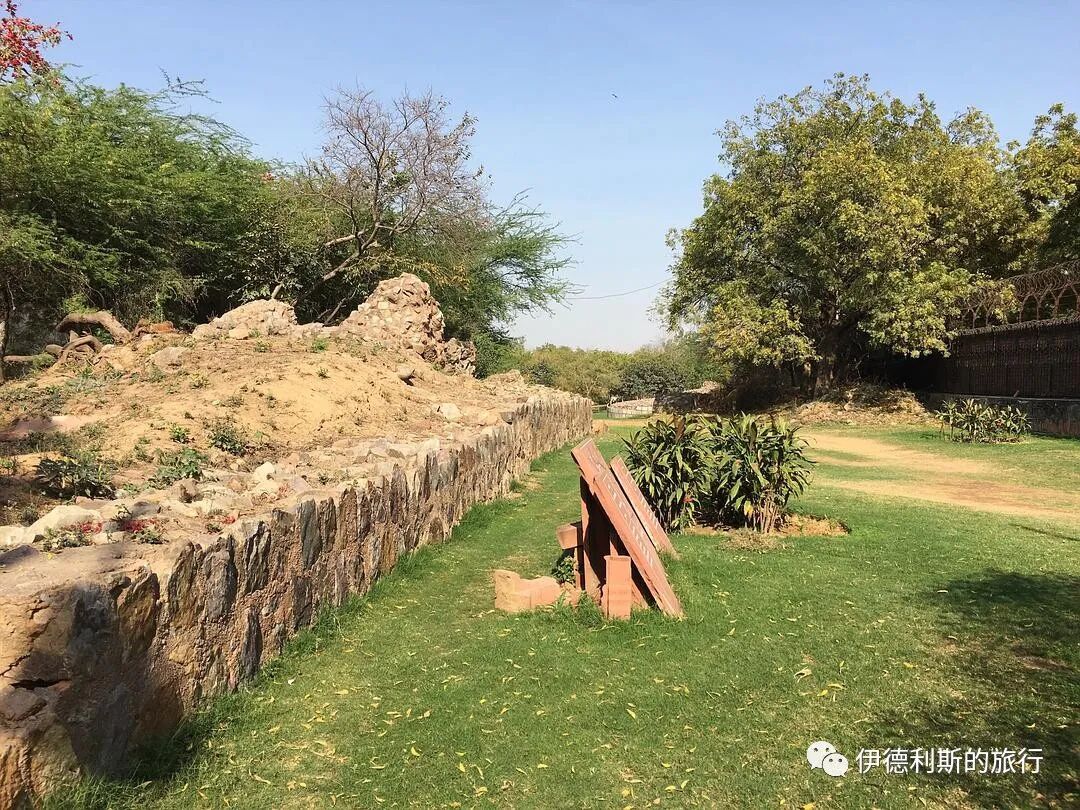
4. Siege of Siri City
1. The Chagatai army attacks
In early 1303, both of Alauddin's armies were attacking Hindu regions in the south. The Chagatai Khanate scouted that Delhi was undefended, so the Chagatai army led by Nayan Targhi launched an invasion of Delhi in August 1303. Nayan Targhi had served as a commander during the 1299 invasion of Delhi.
According to the 14th-century chronicler Ziauddin Barani, the Chagatai army had 30,000 to 40,000 soldiers at the time. They did not encounter much resistance along the way, and the Delhi Sultanate troops they passed were not strong enough to attack the Chagatai army.
Alauddin rushed back to Delhi one month before the Chagatai army arrived, but he still did not have time to prepare strong defenses. The weapons of his army had been corroded by the rainy season in South India, and he had also lost too many horses and supplies while campaigning in the south.
Alauddin quickly sent people to ask for reinforcements from various places, but the Mongols set up blockades on all roads leading to Delhi. Not only could information not get out, but all trade routes were cut off, and Delhi once again faced a shortage of goods.
Another army Alauddin had sent to South India returned to Delhi after a long journey, but they were blocked by the Mongol army and had to stay southeast of Delhi.
2. Besieging Siri
Given these conditions, Alauddin decided to set up his main camp inside the unfinished Siri Fort.
At that time, Siri Fort had dense forests and rivers on its east, west, and south sides, with only the north side having no natural defenses. Alauddin dug a trench outside his camp at Siri Fort and used door panels taken from houses in Lal Kot to build a fence along the trench. The entire defensive line was guarded by several squads of soldiers, with five fully armed elephants in front of each squad.
The Chagatai army launched two or three charges against Siri Fort but were repelled, so they turned to looting the areas around Delhi. The Chagatai army captured the Sultan's warehouses and sold goods to local residents at low prices.
After a two-month siege, Nayan Targhi could not break into Siri Fort and finally retreated with the loot he had gathered.
Ziauddin Barani, a Delhi resident who experienced the siege, later recalled, "This was the first time the citizens of Delhi felt such great fear of the Mongols. If Nayan Targhi had besieged the city for one more month, the entire city would have fallen." ”
5. Siri becomes the capital
Before the 1303 Chagatai siege of Siri Fort, Alauddin often went into battle himself. He became much more cautious after this siege. Afterward, he left almost all military operations to his generals and stayed behind to build the city of Siri.
Alauddin built a palace in Siri, making it the new capital of the Delhi Sultanate instead of Lal Kot, and the population grew quickly.
1. Tohfe Wala Gumbad mosque
The Tohfe Wala Gumbad mosque sits right next to the western wall of Siri and is one of the few buildings inside the city that still stands today. There are no records showing when it was built. This mosque looks very different from other buildings from Alauddin's time, but some of its wall structures have features typical of Khalji dynasty architecture.
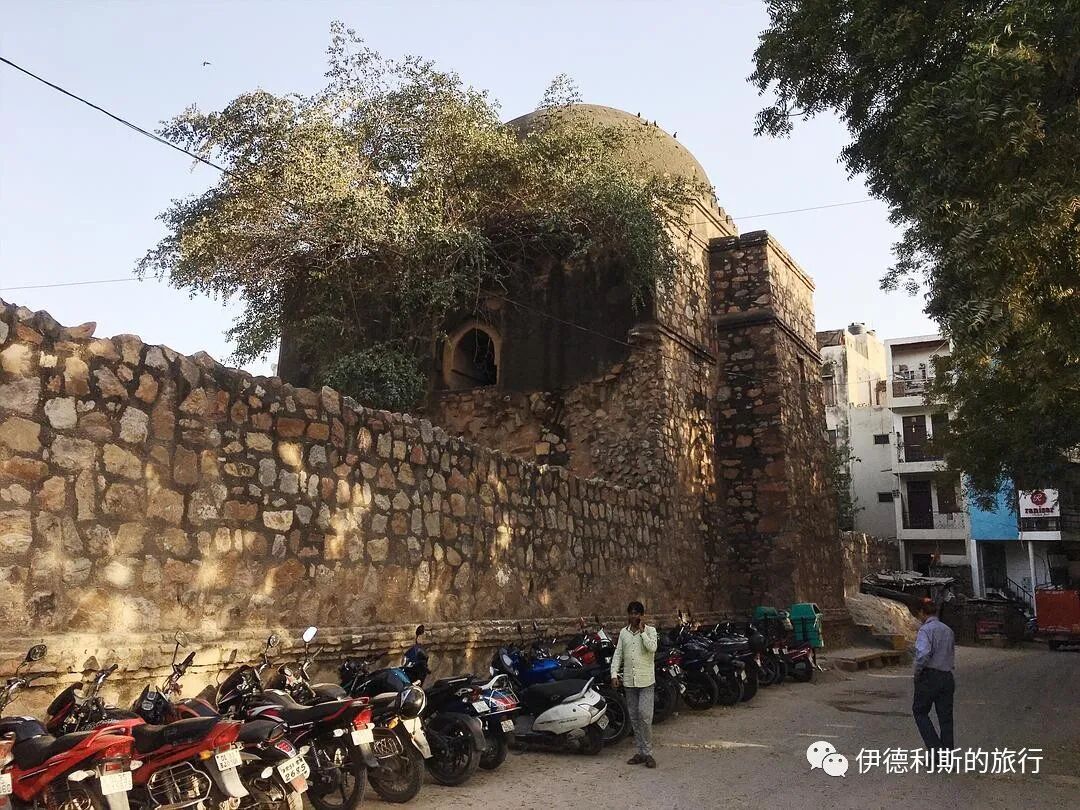
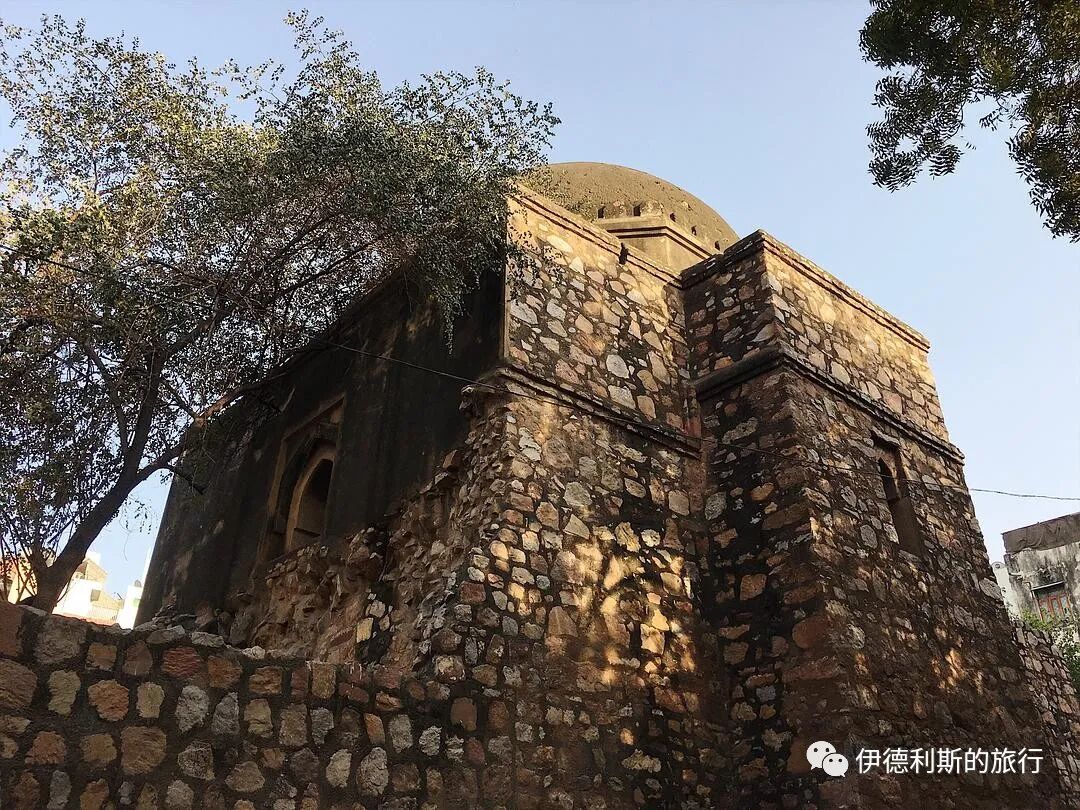
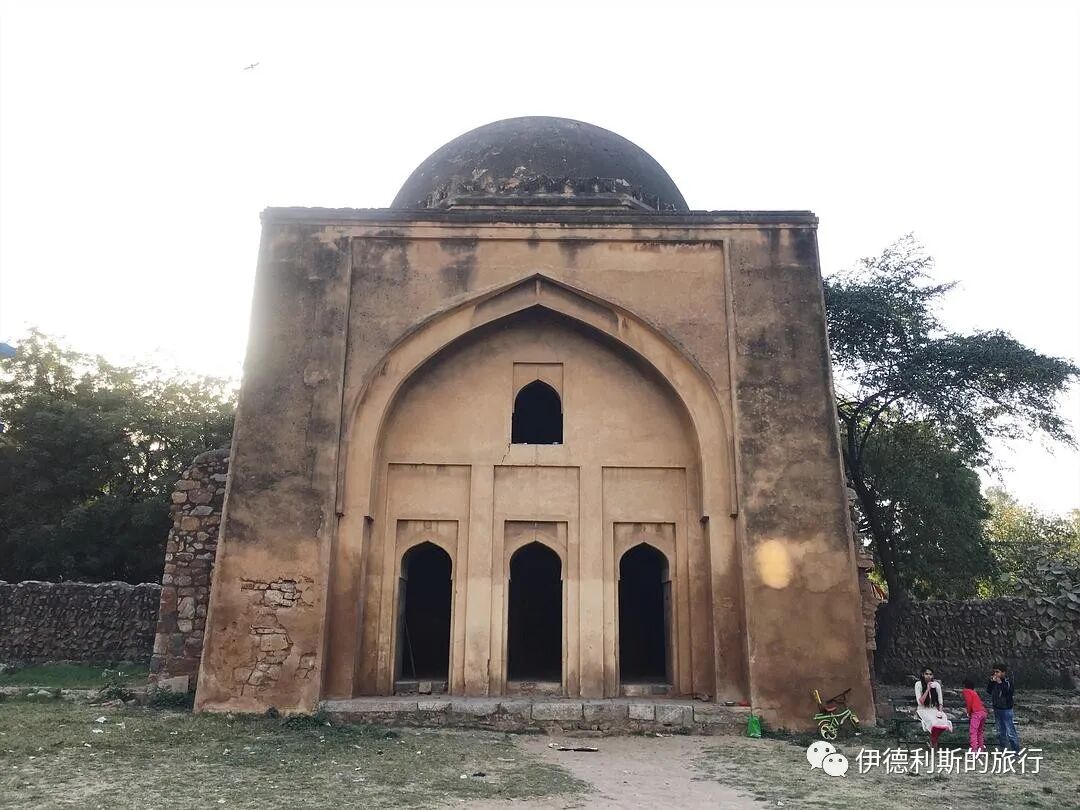
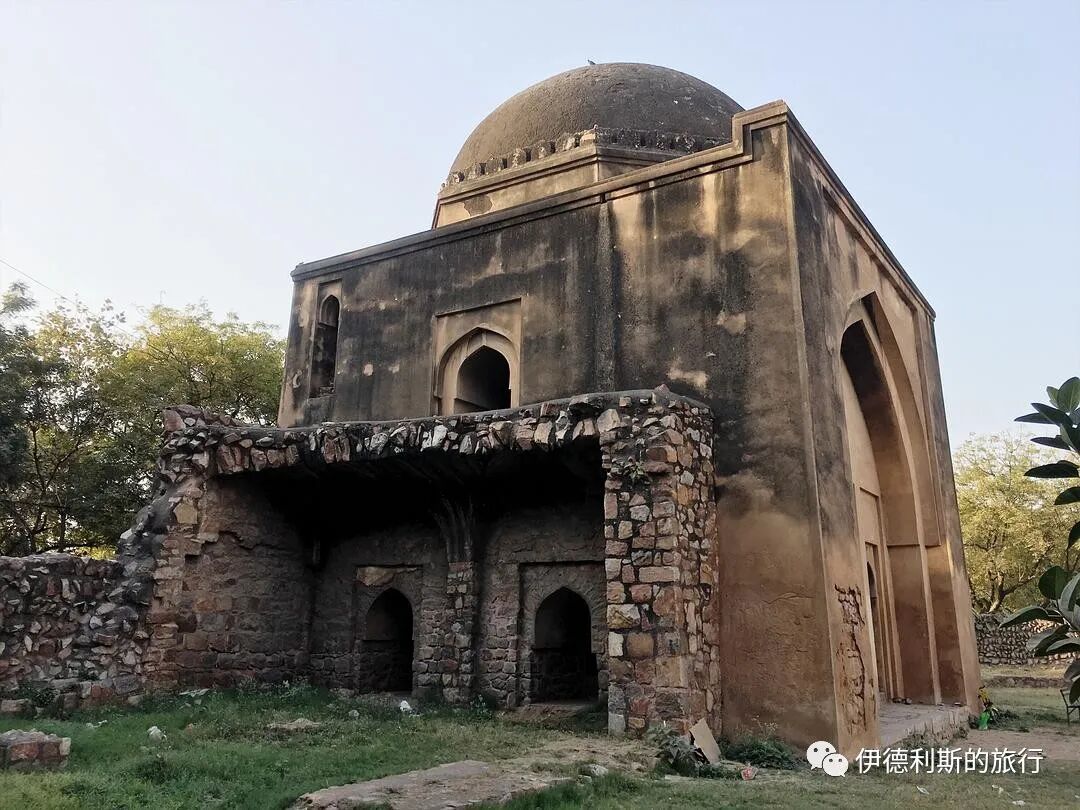
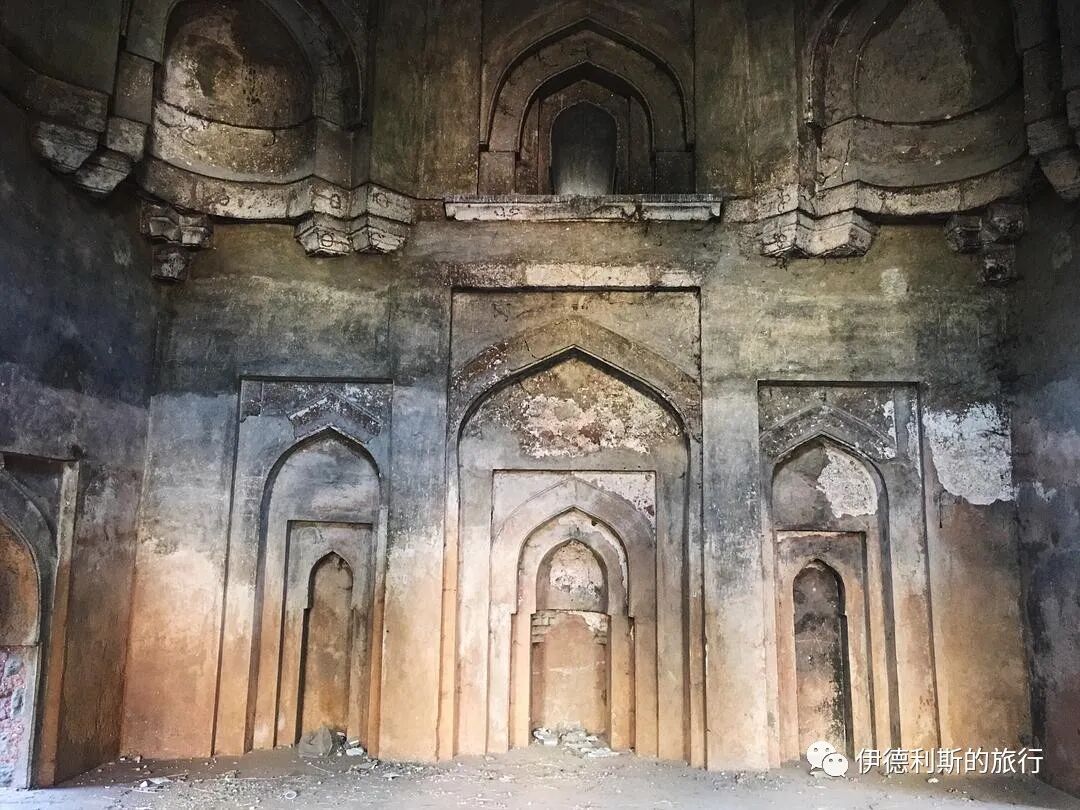
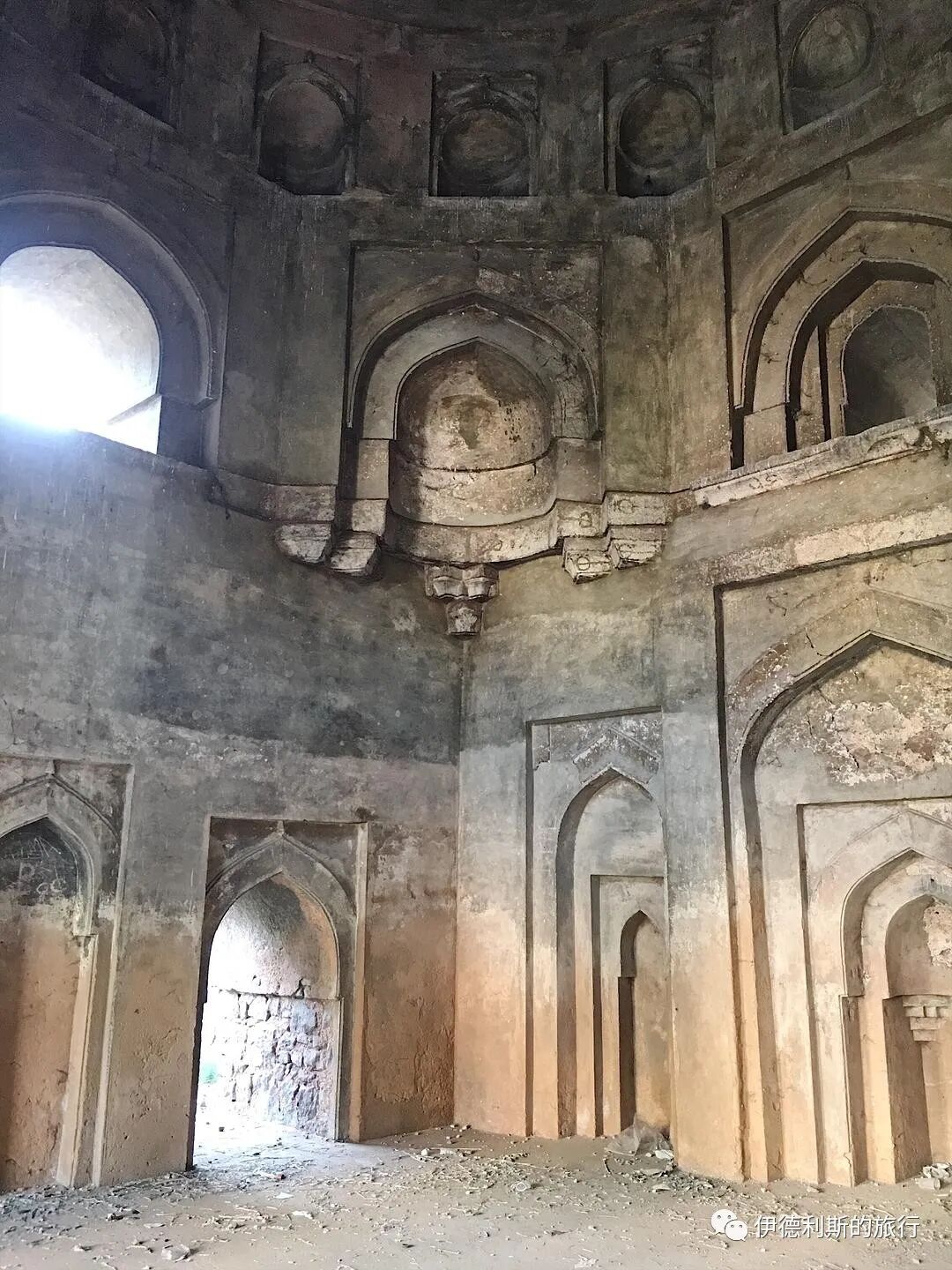
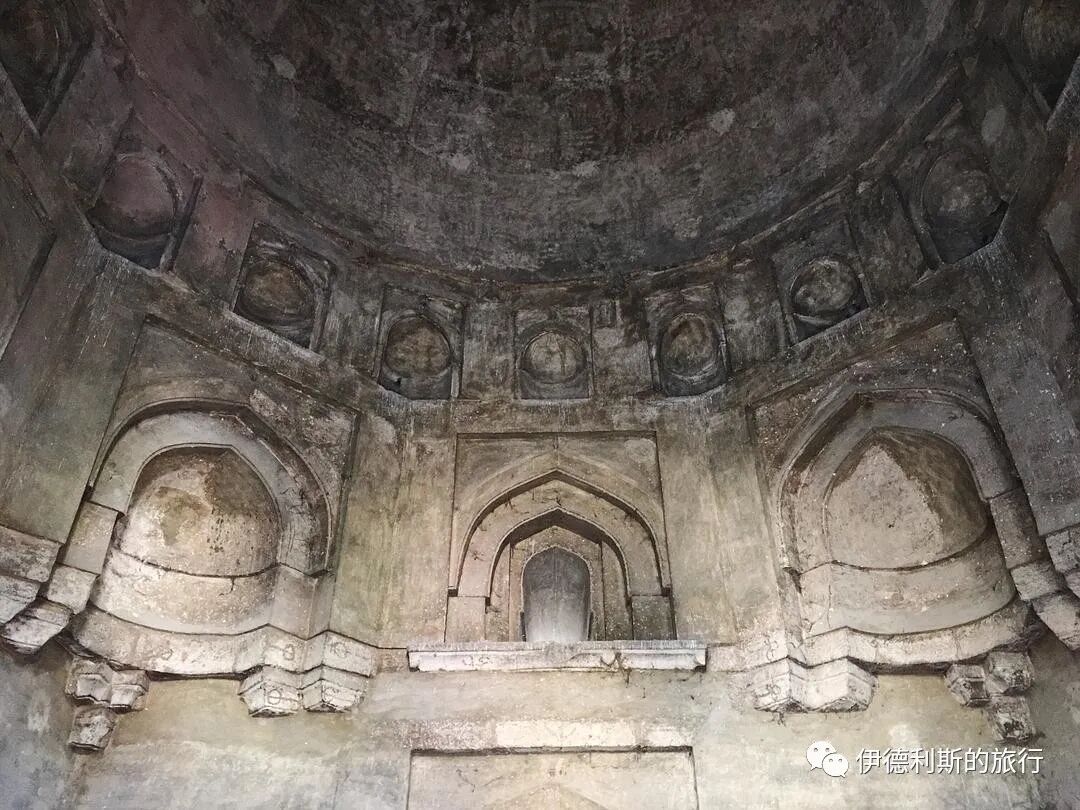
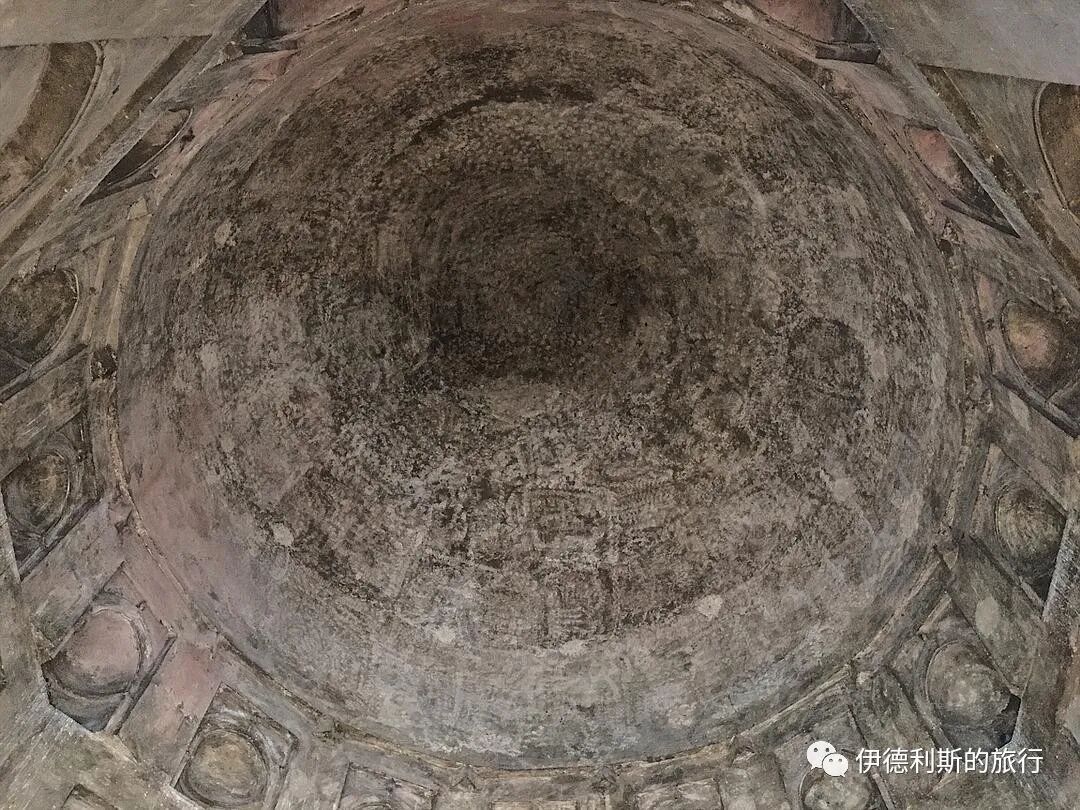
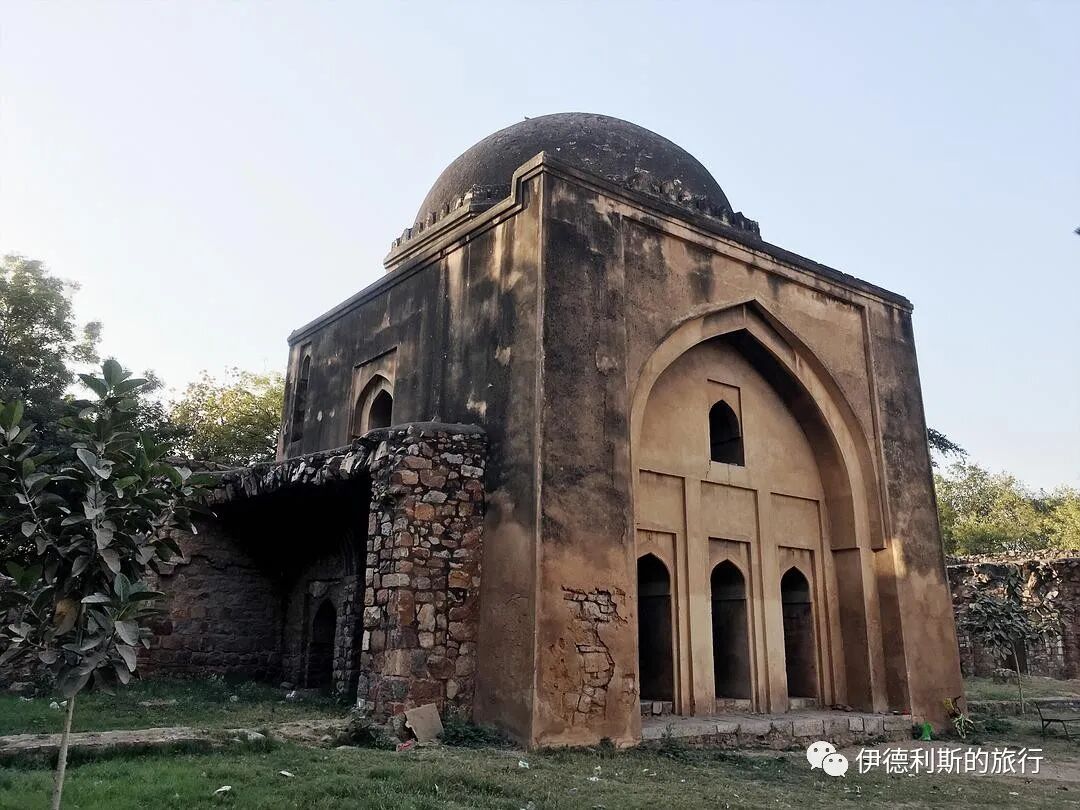
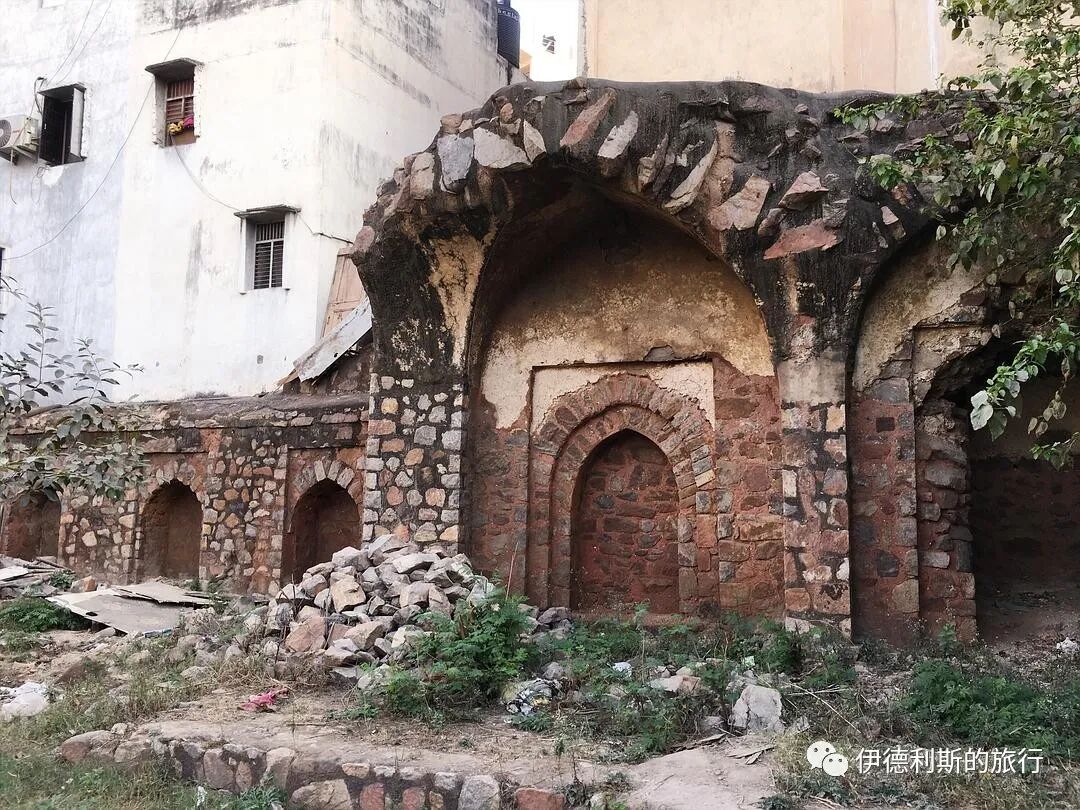
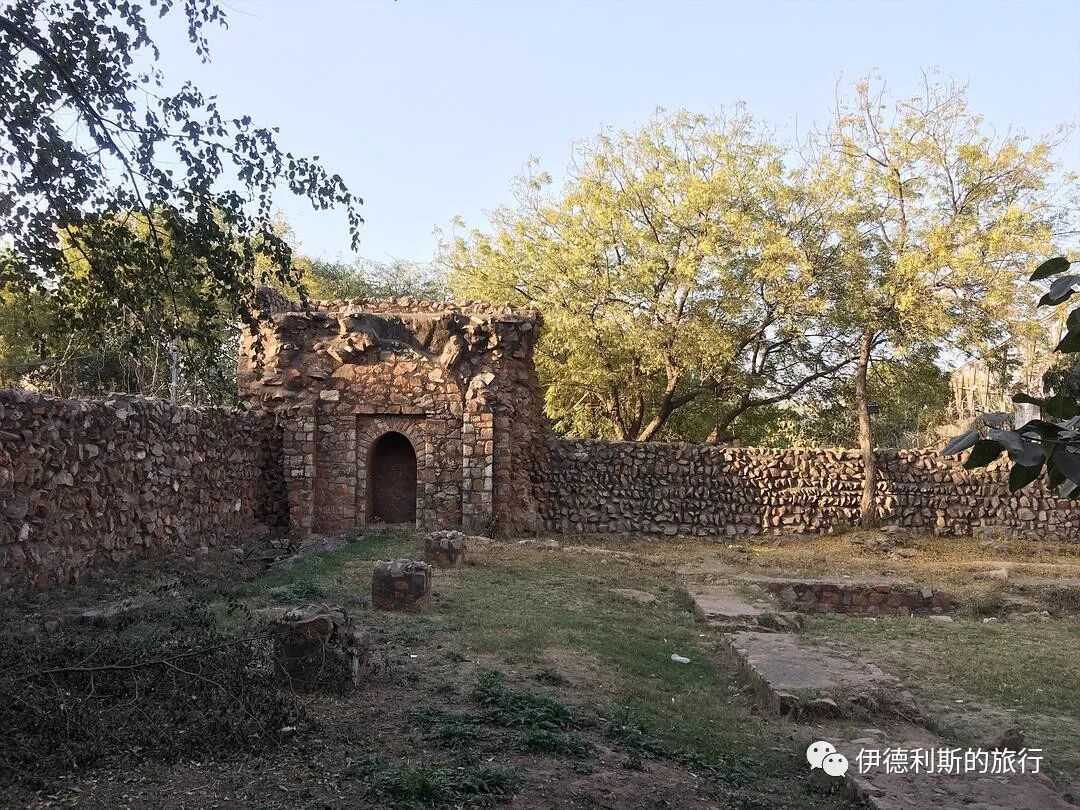
The mihrab facing west.
2. Hauz Khas royal reservoir
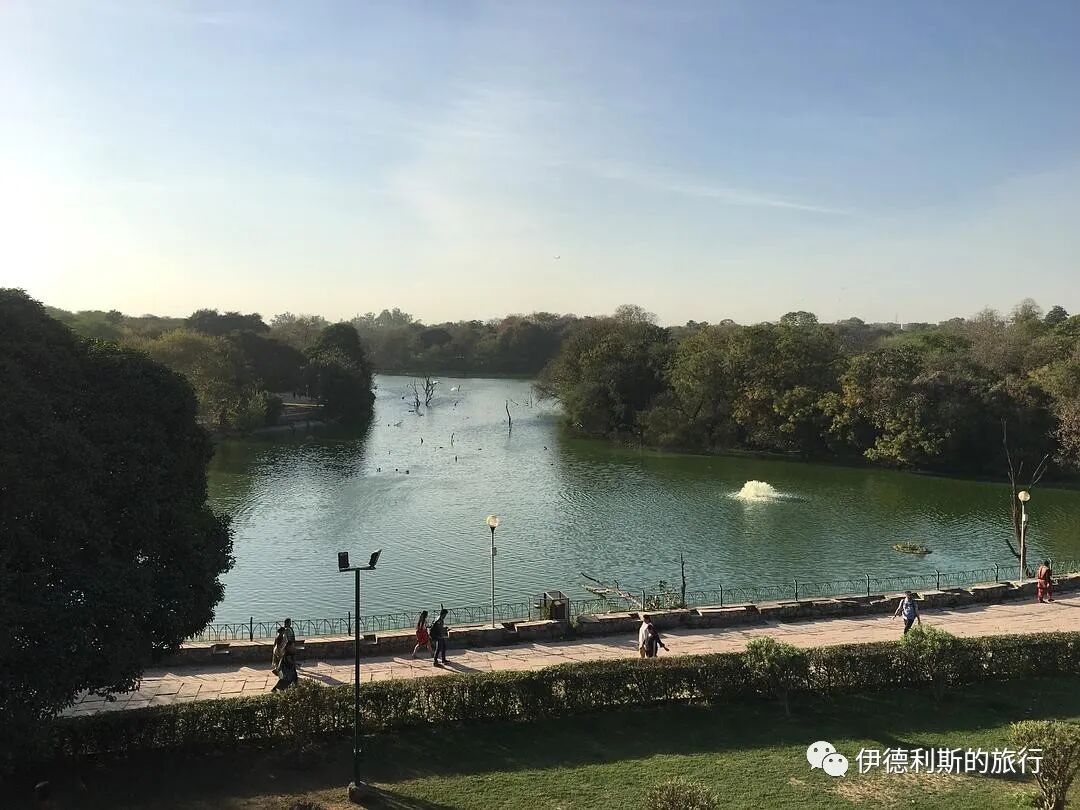
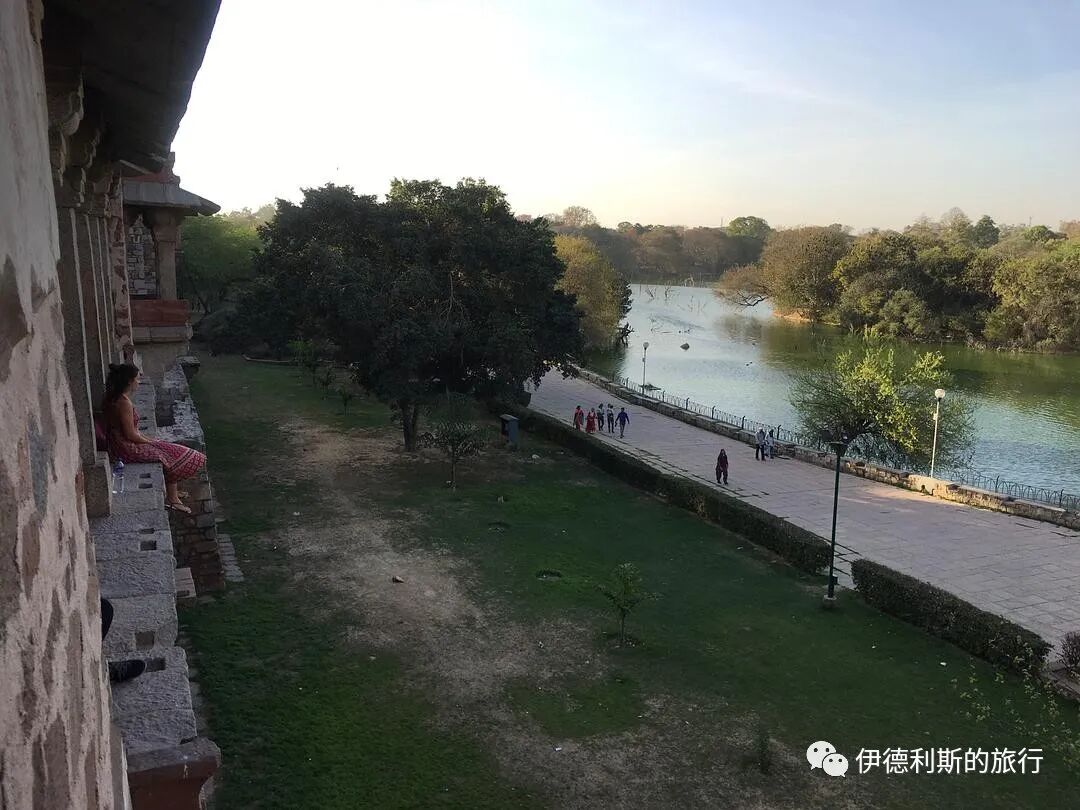
The term Hauz Khas comes from Persian, where 'Hauz' means a pool or lake and 'Khas' means royal.
Located west of Siri, Hauz Khas is a royal reservoir that Alauddin ordered to be dug to provide water for the city. The reservoir later silted up, but Sultan Firuz Shah Tughlaq (reigned 1351–1388) of the Tughlaq dynasty cleared it out and built many structures around it, which I will describe in detail in later diary entries.
6. Mongol defeat
1. The first crushing defeat
In 1305, Ali Beg and Tartaq of the Khongirad tribe led the Chagatai army to invade India again. The Mongols had already seen Delhi's strong defenses, so they chose to bypass the city and head southeast along the foothills of the Himalayas into the Ganges Plain. On December 20, 1305, the two armies met, and the Chagatai army suffered a crushing defeat. Alauddin warmly welcomed his victorious army back at his palace in Siri. Malik Nayak's army marched in two rows, and the line was so long you could not see the end of it.
After that, 9,000 captured Mongol soldiers were presented, including top commanders like Ali Beg and Tartaq. The historian Ziauddin Barani claimed that Alauddin ordered all the prisoners to be trampled to death by elephants. The 16th-century historian Firishta stated that the skulls of 8,000 of these prisoners were used to build the city of Siri.
2. The final failure
In 1306, Duwa, the Khan of the Chagatai Khanate, sent another large army to avenge the defeat of 1305. According to the chronicler Isami, the Chagatai sent 100,000 troops, though this number is certainly exaggerated. Alauddin sent a large army led by General Malik Kafur, with Malik Tughluq—who would later establish the Tughlaq dynasty of the Delhi Sultanate—serving as the vanguard.
The two armies faced each other for a long time, with neither side willing to attack first. Eventually, the Chagatai army attacked and scattered the Delhi Sultanate's forces. However, the Delhi Sultanate quickly regrouped and completely crushed the Chagatai army. The remaining Chagatai troops fled toward the Indus River, and many Mongol cavalrymen were captured or killed. According to the Persian historian Wassaf, about 60,000 Mongols were killed, and Alauddin ordered a tower made of skulls to be built in front of the Badaun Gate in the city of Lal Kot. In his book Tarikh-i-Firuz Shahi, written in 1357, the historian Ziauddin Barani mentioned that this tower could still be seen in his time.
3. The Tower of Skulls
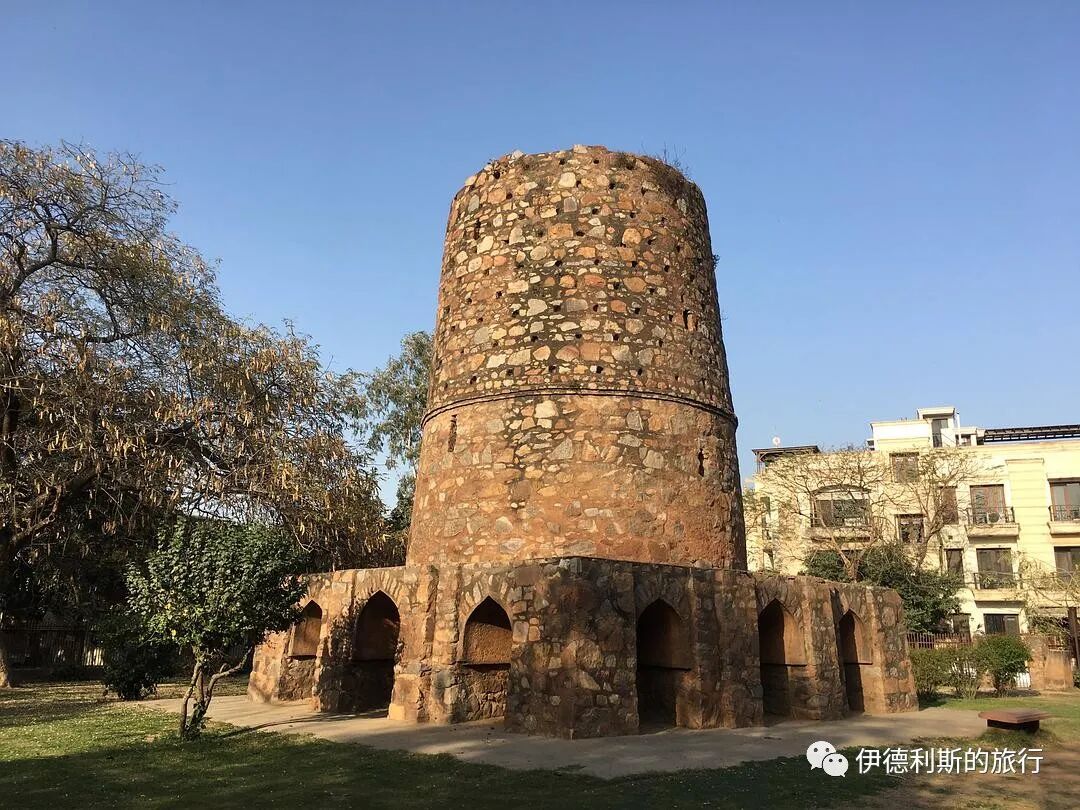
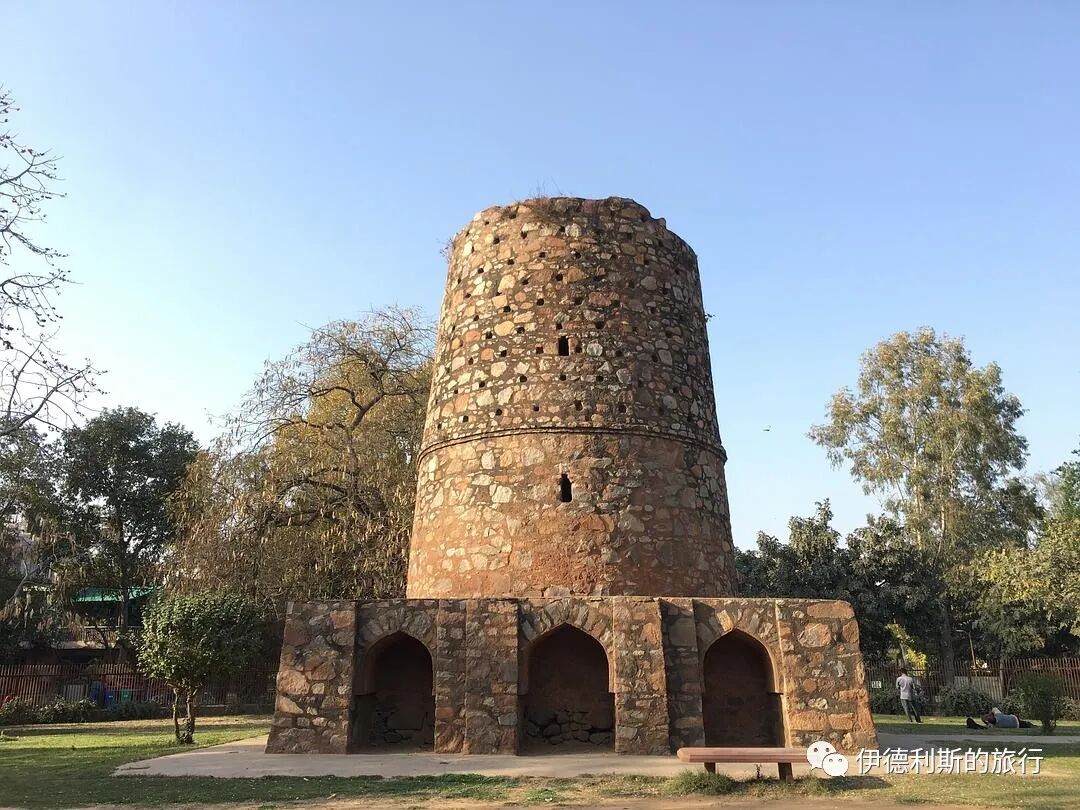
Today, not far west of Siri, there is a tower called the Chor Minar, which was built by order of Alauddin and has 225 holes in it. According to locals, this is the 'Tower of Thieves,' where the heads of beheaded thieves were placed on spears and stuck into the holes to scare other thieves.
However, some historians believe these skulls were actually those of the Mongol Muslims massacred by Alauddin's order. Another possibility is that they were part of the 8,000 Mongol prisoner skulls used to build Siri after the Mongol defeat in 1305.
7. Reasons for the Mongol failure
The book History of the Mongol Empire's Conquest of Central Asia includes a valuable analysis in the section 'Reasons for the Mongol Defeat' regarding why the Mongol army ultimately lost to the Delhi Sultanate. I have summarized it here:
Conflicts and civil wars between the Mongol khanates made it impossible for them to send an overwhelming joint army to invade India. Duwa Khan of the Chagatai Khanate spent his life fighting in Central Asia, so he could only send one expeditionary force after another to India.
Although the number of Mongol troops was exaggerated, they included many women and children, so the actual number of combatants was not that high. Alauddin often captured many Mongol women and children, who were then sold in the markets of Delhi or killed.
The quality and toughness of the Mongol elite declined significantly by the late 13th and early 14th centuries compared to the eras of Genghis Khan and Ogedei Khan. In 1303, they retreated from the siege of Siri in Delhi without fighting a single hard battle, which would have been unthinkable under Genghis or Ogedei.
Duwa Khan of the Chagatai Khanate was the powerful ruler who ensured the Mongol expeditions to India. After Duwa died in 1307, his successors were weak. They could barely protect their core territories in Central Asia, let alone worry about India.
Sultan Alauddin Khalji of the Delhi Sultanate had excellent military skills. He mostly chose a defensive policy, especially in his later years, by focusing on castle defense. This made the Mongol army, which wanted to use cavalry in open fields, lose all its patience.
Summary: Delhi — Siri Fort, Mongol Wars and Muslim History is presented here as a firsthand travel account in clear English, beginning with this scene: In my previous article, The First City of Delhi—The Minaret Reaching the Clouds, I mentioned that in 1221, Genghis Khan sent a large army to chase the last Sultan of the Khwarazmian Empire, Jalal ad-Din Mingburnu, all. The account keeps its focus on Delhi Travel, Siri Fort, Muslim Heritage while preserving the names, places, food, and historical details from the Chinese source.
Contents
1. Mongol invasion of India
2. Chagatai Khanate's broken dreams in Delhi
1. Chagatai Khanate invades the Khalji Dynasty
2. Qutlugh Khwaja's expedition to Delhi
3. Deploying troops and setting up formations
4. Zafar Khan dies in battle
5. Tomb of Zafar Khan
3. Building Siri City
4. Siege of Siri City
1. The Chagatai army attacks
2. Besieging Siri
5. Siri becomes the capital
1. Tohfe Wala Gumbad mosque
2. Hauz Khas royal reservoir
6. Mongol defeat
1. The first crushing defeat
2. The final failure
3. The Tower of Skulls
7. Reasons for the Mongol failure
1. Mongol invasion of India
In my previous article, The First City of Delhi—The Minaret Reaching the Clouds, I mentioned that in 1221, Genghis Khan sent a large army to chase the last Sultan of the Khwarazmian Empire, Jalal ad-Din Mingburnu, all the way to the banks of the Indus River. Jalal ad-Din asked the Sultan of the Mamluk Dynasty of the Delhi Sultanate, Shams ud-Din Iltutmish, for help, but he was refused.
In 1223, after forming an alliance with local people, Jalal ad-Din captured Lahore, the former capital of the Delhi Sultanate, but Iltutmish took it back in 1228. In the winter of 1241, the Mongol army invaded the Indus Valley again, captured Lahore, and slaughtered the city.
It was not until the 1250s, during the reign of Mongke Khan, that large-scale invasions of the Delhi Sultanate stopped because the commander of the western expedition, Hulagu, was busy invading the Abbasid Caliphate and Syria. The Mongols and the Delhi Sultanate entered a period of peace that lasted for decades.
Because the Mongol army sacked Lahore, the early political center of the Delhi Sultanate, the strategic importance of Delhi continued to rise.
The locations of Delhi, Lahore, and important cities in Central Asia; this map is not to scale but is an overhead view.
2. Chagatai Khanate's broken dreams in Delhi
1. Chagatai Khanate invades the Khalji Dynasty
Starting in the 1280s, Kaidu, the grandson of Ögedei Khan, and Duwa, the Khan of the Chagatai Khanate, fought together in Central Asia and then invaded India from Afghanistan.
In 1296, Alauddin Khalji succeeded as the Sultan of the Khalji Dynasty of the Delhi Sultanate. In my previous article, The First City of Delhi—The Minaret Reaching the Clouds, I described in detail how Alauddin expanded the mosque in the city of Lal Kot in Delhi. In this article, I will introduce how Alauddin built a new fortress to defend against the Chagatai Mongol army.
A portrait of Alauddin drawn in the late 17th century.
2. Qutlugh Khwaja's expedition to Delhi
In the winter of 1297, the Mongol army of the Chagatai Khanate first attacked Punjab on the northwestern border of the Delhi Sultanate. Alauddin sent troops to defeat the Mongol army in February 1298. People say 20,000 Mongol soldiers were killed, and many more were captured and killed in Delhi.
In late 1298 and early 1299, another Chagatai army invaded Sindh and was defeated again by Alauddin's general, Zafar Khan.
After the shame of two defeats, the Chagatai Khanate made full preparations and finally launched a third invasion in 1299. This time, the Great Khan Duwa of the Chagatai Khanate sent his son, Qutlugh Khwaja, to march directly to the capital, Delhi, determined to completely conquer the Delhi Sultanate.
During their expedition, the Chagatai army did not loot cities or destroy fortresses. They avoided all confrontations with the Delhi Sultanate's northwestern border guards, trying to save their strength for a final battle against the main Delhi Sultanate forces in Delhi. During this time, Alauddin's general Zafar Khan sent a letter to Qutlugh Khwaja inviting him to a decisive battle, but Qutlugh Khwaja refused. Qutlugh Khwaja replied that a king only fights a king. He demanded that Zafar Khan come to Delhi to fight him alongside Alauddin's main army.
Finally, the Chagatai army camped at a place called Kili, 10 kilometers from the city of Lal Kot in Delhi. Residents around Delhi heard the news and flooded into Lal Kot. The city's streets, markets, and mosques became extremely crowded. The Chagatai army blocked trade routes to Delhi, causing prices inside Lal Kot to skyrocket.
Lal Kot city
3. Deploying troops and setting up formations
According to the 14th-century Indian chronicler Abdul Malik Isami, Alauddin only received the news after the Chagatai army had crossed the Indus River. He had only one or two weeks to prepare for battle, so he immediately sent messages everywhere to quickly reinforce Delhi.
Alauddin set up his military camp northeast of Lal Kot. His uncle Alaul Mulk suggested that Alauddin negotiate with the Chagatai Khanate, but Alauddin rejected this advice. He believed that if he showed weakness, the people and the army would lose respect for him. So, he publicly announced a decisive battle against the Chagatai army.
Alauddin had his uncle Alaul Mulk manage Lal Kot during this time and gave him the keys to the royal palace, telling him to hand them over to the final winner of the battle once the war ended.
According to the 14th-century historian Ziauddin Barani, the Chagatai army in this battle numbered 100,000 or even 200,000, but in reality, there were likely not that many.
According to the 16th-century historian Firishta, the Delhi Sultanate army had 300,000 horses and 2,700 elephants, but this figure is clearly exaggerated. The Delhi Sultanate's massive army stretched for several kilometers and was very difficult to control. Therefore, Alauddin issued an order before the battle that any officer who left their post without authorization would be beheaded.
Alauddin's army, drawn by Rajputs in 1825
4. Zafar Khan dies in battle
Because the preparations were too rushed, Alauddin kept trying to delay the battle to wait for reinforcements. He also hoped that the delay would make the Chagatai army more exhausted.
However, the Delhi Sultanate general in charge of the right wing, Zafar Khan, attacked the Chagatai left wing without orders. The Chagatai commander of the left wing, Hijlak, feigned a retreat, and Zafar Khan rashly pursued him.
Both sides marched quickly for 55 kilometers. Zafar Khan's infantry and cavalry fell behind, leaving only 1,000 cavalrymen at the end. Meanwhile, 10,000 ambush troops commanded by Noyan Taghai had already hidden 3 kilometers away from Zafar Khan, blocking his path back to the camp.
After consulting with his officers, Zafar Khan decided that even if he broke through to return to the main camp, he would be severely punished by Alauddin for acting without orders, so he chose to fight the Chagatai army to the death.
According to the chronicler Isami, Zafar Khan led his 1,000 cavalrymen to kill 5,000 Chagatai soldiers, and he was eventually reduced to only 200 men. Zafar Khan's warhorse was killed, so he dismounted to duel the Chagatai general Hijlak one-on-one. Finally, an arrow pierced his armor and struck his heart.
On the other side of the battlefield, Zafar Khan's son Diler Khan led his troops to bravely repel the Chagatai right wing commanded by Temur Buqa. The main Chagatai force attacked Alauddin but was repelled, and a large number of Mongols were killed.
Zafar Khan's death caused pessimism among the Delhi Sultanate officers. The next morning, many officers suggested that Alauddin retreat to Lal Kot to defend the city. Alauddin refused, saying that Zafar Khan's death was due to acting without orders, and he would not take a single step back. Meanwhile, the Chagatai army remained still, so no fighting occurred on the second day.
On the night of the third day, the Chagatai army began to retreat. Alauddin did not pursue them and returned to Lal Kot.
Some Indian scholars believe that Zafar Khan's heroic fighting caused the Chagatai army to retreat out of fear. However, the real reason was that the Chagatai commander Qutlugh Khwaja was seriously wounded in the battle and died from his injuries on the way back.
5. Tomb of Zafar Khan
After Zafar Khan died, Alauddin was very angry about his unauthorized actions. He ordered his name to be removed from various records, which made Zafar Khan's life story mysterious.
Zafar Khan's tomb is currently part of the high-platform fortress of the Mausoleum of Ghiyas ud-Din Tughluq, the founder of the Tughlaq dynasty of the Delhi Sultanate.
Ghazi died in 1325. One theory is that the Tomb of Zafar Khan was already built on the current site before his death, and Ghazi incorporated it into the fortress while building his own tomb. Another theory is that Ghazi specifically built the Tomb of Zafar Khan next to his own tomb.
The smaller dome nearby is the Tomb of Zafar Khan.
Inside the Tomb of Zafar Khan is an octagonal burial chamber, and the name Zafar Khan is carved into the stone on the south gate.
3. Building Siri City
To defend against the next invasion by the Chagatai army, Alauddin began building a new fortress, Siri Fort, northeast of the city of Lal Kot.
Unlike the city of Lal Kot built by Hindus, the construction of Siri Fort used many Turkic craftsmen. Due to the Mongol invasions of Central and West Asia, large numbers of Turkic people came to settle in Delhi. Turkic craftsmen from the Seljuq dynasty had excellent fortress-building skills and contributed greatly to the construction of Siri Fort.
In 1398, the famous Timur invaded Delhi and recalled that Siri was a circular city with very tall buildings. These buildings were surrounded by walls made of stone and brick, which were very sturdy.
The yellow circle in the image below shows the location of the Siri Fort walls.
Siri Fort is northeast of Lal Kot. In the image, the green area is Lal Kot built in the mid-11th century, the red area is the Qila Rai Pithora city expanded in 1160 (or 1180), and the blue area is the Qutb Mosque, which was started in 1193. The yellow area is Siri Fort.
Legend says Siri Fort had seven gates, but only the ruins of the southeast gate remain today.
Today, only broken walls remain of Siri Fort. The main reason for the city's destruction is that later rulers constantly took bricks and stones from it to build new structures. The greatest destruction came from Sher Shah Suri (reigned 1540-1545), the founder of the Sur dynasty, who moved large amounts of bricks and building components from Siri Fort to build a new city.
West wall of Siri Fort.
Ruins of the northwest wall.
4. Siege of Siri City
1. The Chagatai army attacks
In early 1303, both of Alauddin's armies were attacking Hindu regions in the south. The Chagatai Khanate scouted that Delhi was undefended, so the Chagatai army led by Nayan Targhi launched an invasion of Delhi in August 1303. Nayan Targhi had served as a commander during the 1299 invasion of Delhi.
According to the 14th-century chronicler Ziauddin Barani, the Chagatai army had 30,000 to 40,000 soldiers at the time. They did not encounter much resistance along the way, and the Delhi Sultanate troops they passed were not strong enough to attack the Chagatai army.
Alauddin rushed back to Delhi one month before the Chagatai army arrived, but he still did not have time to prepare strong defenses. The weapons of his army had been corroded by the rainy season in South India, and he had also lost too many horses and supplies while campaigning in the south.
Alauddin quickly sent people to ask for reinforcements from various places, but the Mongols set up blockades on all roads leading to Delhi. Not only could information not get out, but all trade routes were cut off, and Delhi once again faced a shortage of goods.
Another army Alauddin had sent to South India returned to Delhi after a long journey, but they were blocked by the Mongol army and had to stay southeast of Delhi.
2. Besieging Siri
Given these conditions, Alauddin decided to set up his main camp inside the unfinished Siri Fort.
At that time, Siri Fort had dense forests and rivers on its east, west, and south sides, with only the north side having no natural defenses. Alauddin dug a trench outside his camp at Siri Fort and used door panels taken from houses in Lal Kot to build a fence along the trench. The entire defensive line was guarded by several squads of soldiers, with five fully armed elephants in front of each squad.
The Chagatai army launched two or three charges against Siri Fort but were repelled, so they turned to looting the areas around Delhi. The Chagatai army captured the Sultan's warehouses and sold goods to local residents at low prices.
After a two-month siege, Nayan Targhi could not break into Siri Fort and finally retreated with the loot he had gathered.
Ziauddin Barani, a Delhi resident who experienced the siege, later recalled, "This was the first time the citizens of Delhi felt such great fear of the Mongols. If Nayan Targhi had besieged the city for one more month, the entire city would have fallen." ”
5. Siri becomes the capital
Before the 1303 Chagatai siege of Siri Fort, Alauddin often went into battle himself. He became much more cautious after this siege. Afterward, he left almost all military operations to his generals and stayed behind to build the city of Siri.
Alauddin built a palace in Siri, making it the new capital of the Delhi Sultanate instead of Lal Kot, and the population grew quickly.
1. Tohfe Wala Gumbad mosque
The Tohfe Wala Gumbad mosque sits right next to the western wall of Siri and is one of the few buildings inside the city that still stands today. There are no records showing when it was built. This mosque looks very different from other buildings from Alauddin's time, but some of its wall structures have features typical of Khalji dynasty architecture.
The mihrab facing west.
2. Hauz Khas royal reservoir
The term Hauz Khas comes from Persian, where 'Hauz' means a pool or lake and 'Khas' means royal.
Located west of Siri, Hauz Khas is a royal reservoir that Alauddin ordered to be dug to provide water for the city. The reservoir later silted up, but Sultan Firuz Shah Tughlaq (reigned 1351–1388) of the Tughlaq dynasty cleared it out and built many structures around it, which I will describe in detail in later diary entries.
6. Mongol defeat
1. The first crushing defeat
In 1305, Ali Beg and Tartaq of the Khongirad tribe led the Chagatai army to invade India again. The Mongols had already seen Delhi's strong defenses, so they chose to bypass the city and head southeast along the foothills of the Himalayas into the Ganges Plain. On December 20, 1305, the two armies met, and the Chagatai army suffered a crushing defeat. Alauddin warmly welcomed his victorious army back at his palace in Siri. Malik Nayak's army marched in two rows, and the line was so long you could not see the end of it.
After that, 9,000 captured Mongol soldiers were presented, including top commanders like Ali Beg and Tartaq. The historian Ziauddin Barani claimed that Alauddin ordered all the prisoners to be trampled to death by elephants. The 16th-century historian Firishta stated that the skulls of 8,000 of these prisoners were used to build the city of Siri.
2. The final failure
In 1306, Duwa, the Khan of the Chagatai Khanate, sent another large army to avenge the defeat of 1305. According to the chronicler Isami, the Chagatai sent 100,000 troops, though this number is certainly exaggerated. Alauddin sent a large army led by General Malik Kafur, with Malik Tughluq—who would later establish the Tughlaq dynasty of the Delhi Sultanate—serving as the vanguard.
The two armies faced each other for a long time, with neither side willing to attack first. Eventually, the Chagatai army attacked and scattered the Delhi Sultanate's forces. However, the Delhi Sultanate quickly regrouped and completely crushed the Chagatai army. The remaining Chagatai troops fled toward the Indus River, and many Mongol cavalrymen were captured or killed. According to the Persian historian Wassaf, about 60,000 Mongols were killed, and Alauddin ordered a tower made of skulls to be built in front of the Badaun Gate in the city of Lal Kot. In his book Tarikh-i-Firuz Shahi, written in 1357, the historian Ziauddin Barani mentioned that this tower could still be seen in his time.
3. The Tower of Skulls
Today, not far west of Siri, there is a tower called the Chor Minar, which was built by order of Alauddin and has 225 holes in it. According to locals, this is the 'Tower of Thieves,' where the heads of beheaded thieves were placed on spears and stuck into the holes to scare other thieves.
However, some historians believe these skulls were actually those of the Mongol Muslims massacred by Alauddin's order. Another possibility is that they were part of the 8,000 Mongol prisoner skulls used to build Siri after the Mongol defeat in 1305.
7. Reasons for the Mongol failure
The book History of the Mongol Empire's Conquest of Central Asia includes a valuable analysis in the section 'Reasons for the Mongol Defeat' regarding why the Mongol army ultimately lost to the Delhi Sultanate. I have summarized it here:
Conflicts and civil wars between the Mongol khanates made it impossible for them to send an overwhelming joint army to invade India. Duwa Khan of the Chagatai Khanate spent his life fighting in Central Asia, so he could only send one expeditionary force after another to India.
Although the number of Mongol troops was exaggerated, they included many women and children, so the actual number of combatants was not that high. Alauddin often captured many Mongol women and children, who were then sold in the markets of Delhi or killed.
The quality and toughness of the Mongol elite declined significantly by the late 13th and early 14th centuries compared to the eras of Genghis Khan and Ogedei Khan. In 1303, they retreated from the siege of Siri in Delhi without fighting a single hard battle, which would have been unthinkable under Genghis or Ogedei.
Duwa Khan of the Chagatai Khanate was the powerful ruler who ensured the Mongol expeditions to India. After Duwa died in 1307, his successors were weak. They could barely protect their core territories in Central Asia, let alone worry about India.
Sultan Alauddin Khalji of the Delhi Sultanate had excellent military skills. He mostly chose a defensive policy, especially in his later years, by focusing on castle defense. This made the Mongol army, which wanted to use cavalry in open fields, lose all its patience.
