
Halal Travel Guide: Old Delhi — Muslim Communities, Streets and Food (Part 2)
Reposted from the web
Summary: Old Delhi — Muslim Communities, Streets and Food is presented here as a firsthand travel account in clear English, beginning with this scene: This toasted bread slice is delicious, so I bought some to share with the beggars on the street. The account keeps its focus on Old Delhi, Muslim Community, India Travel while preserving the names, places, food, and historical details from the Chinese source.
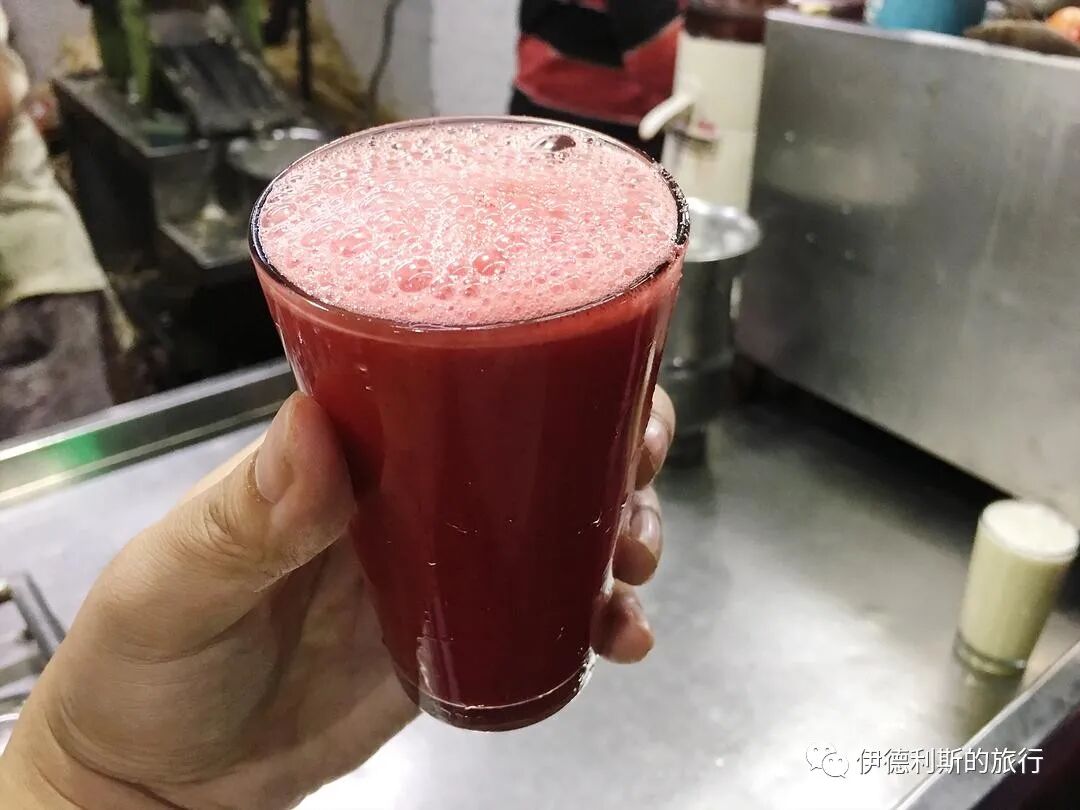
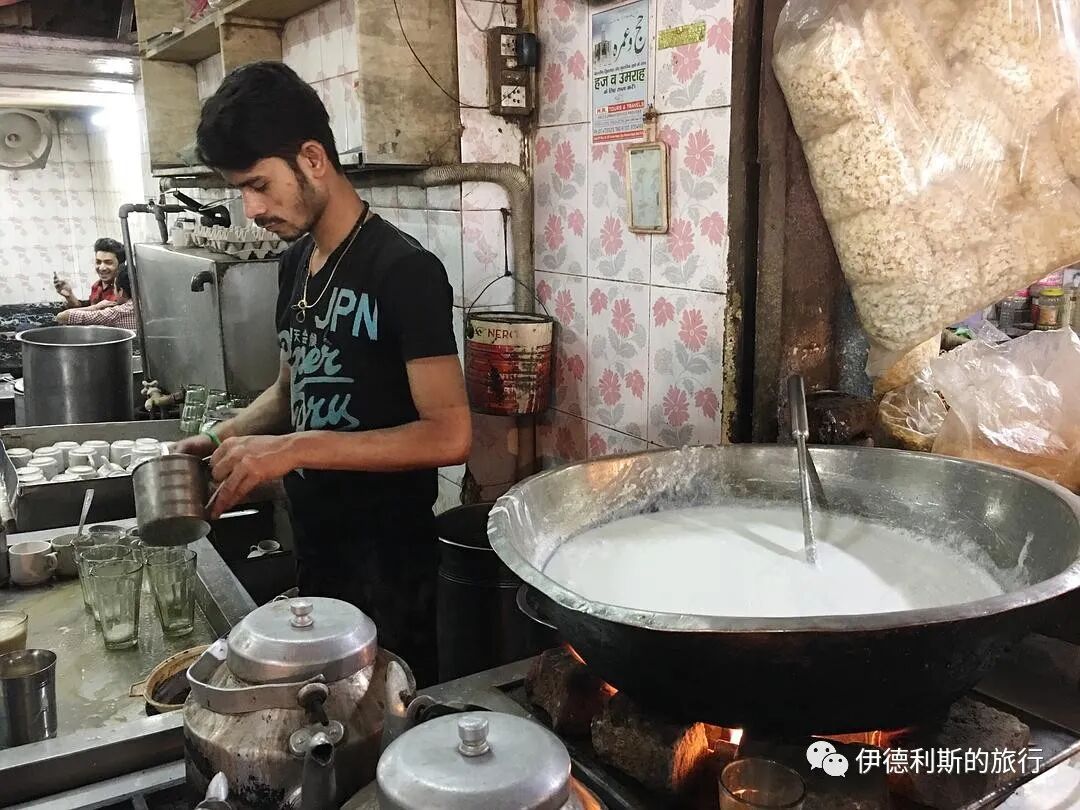
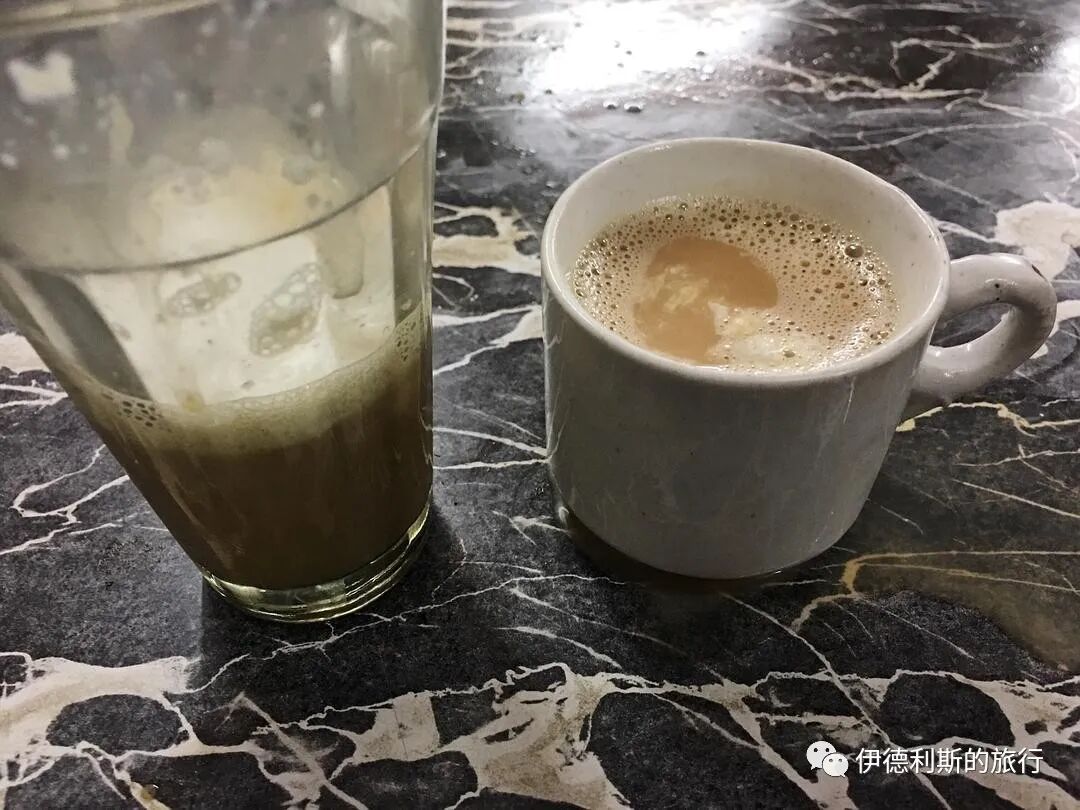
spiced tea (Masala chai)
pastry and dessert shop
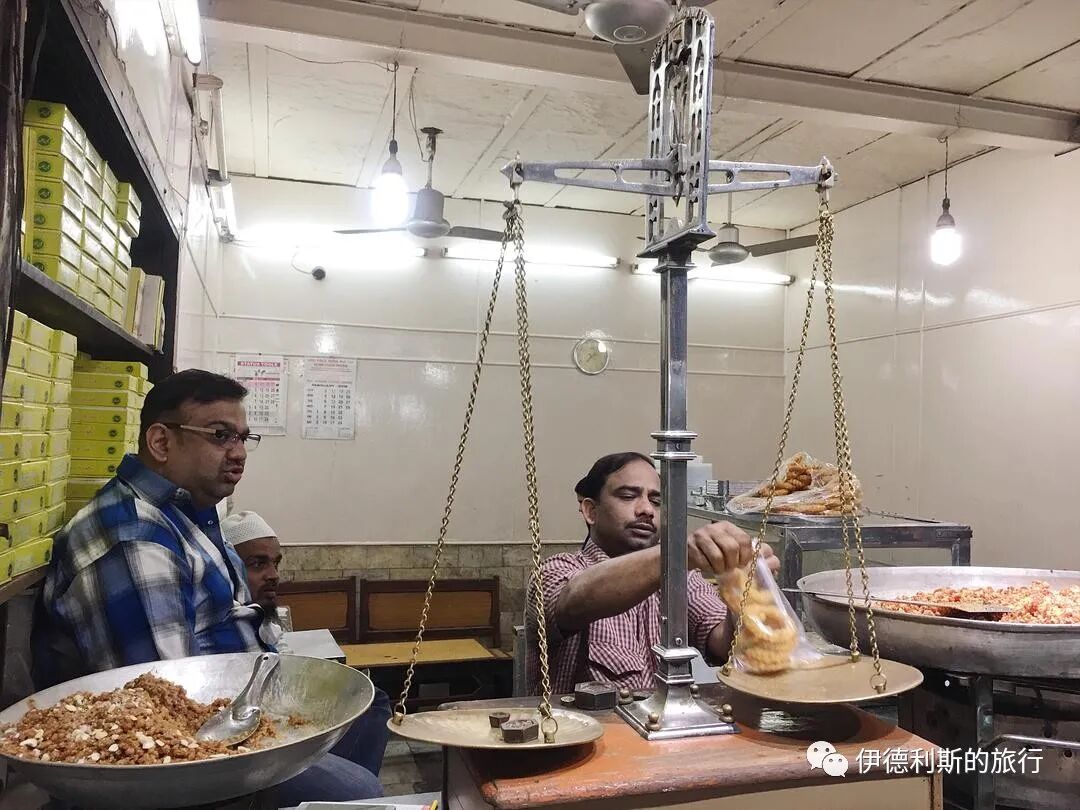
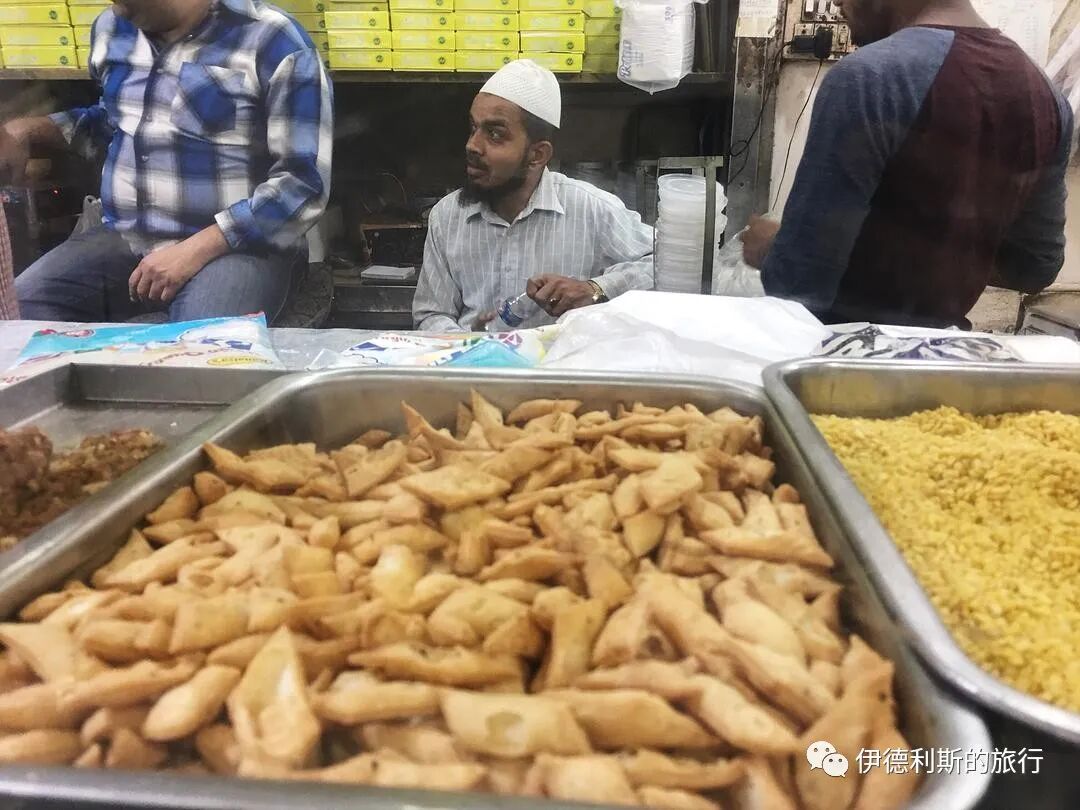
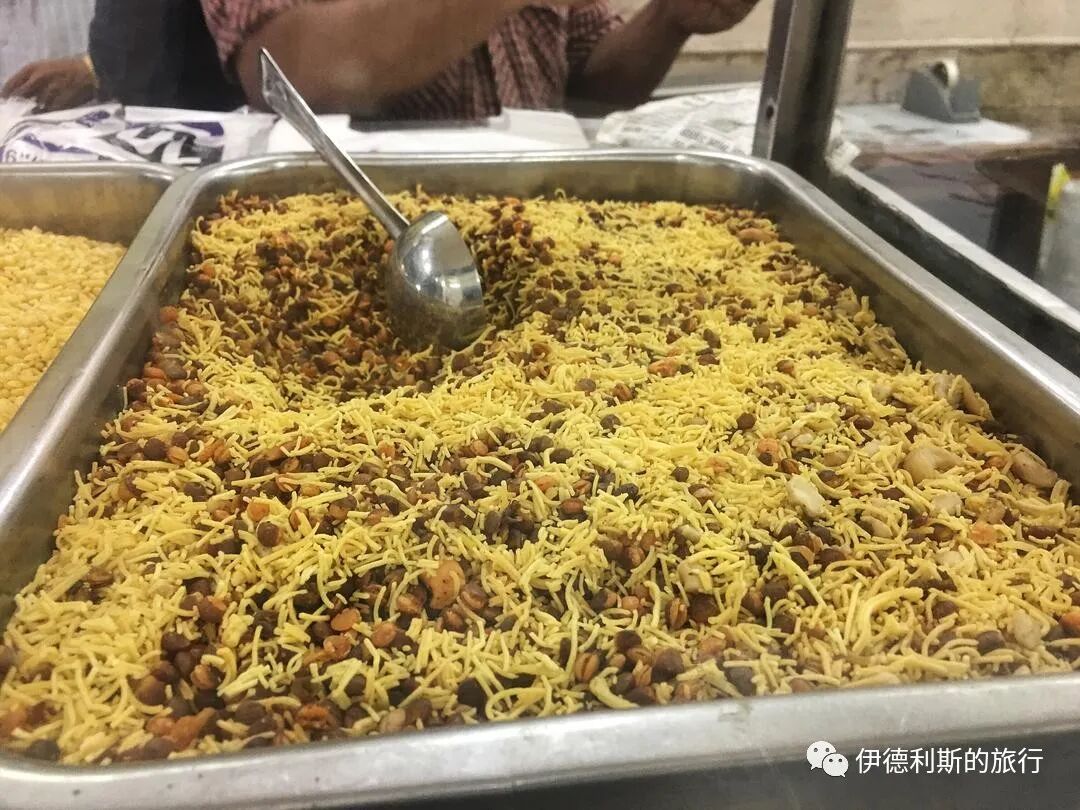
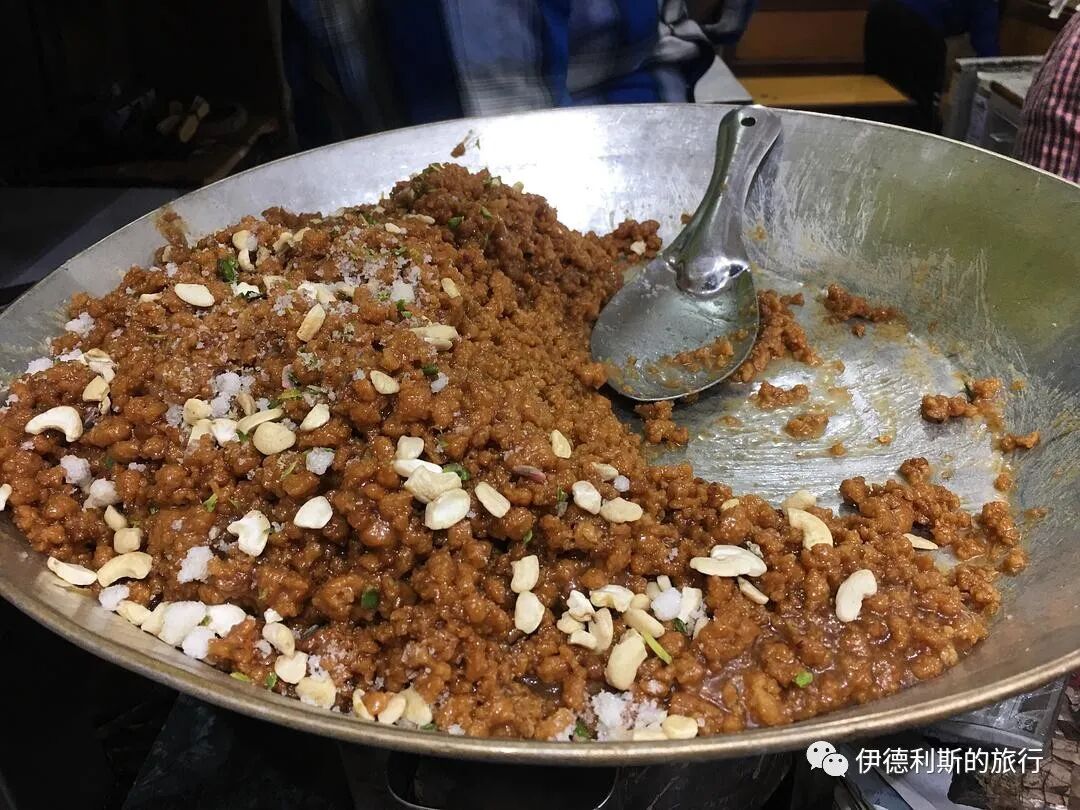
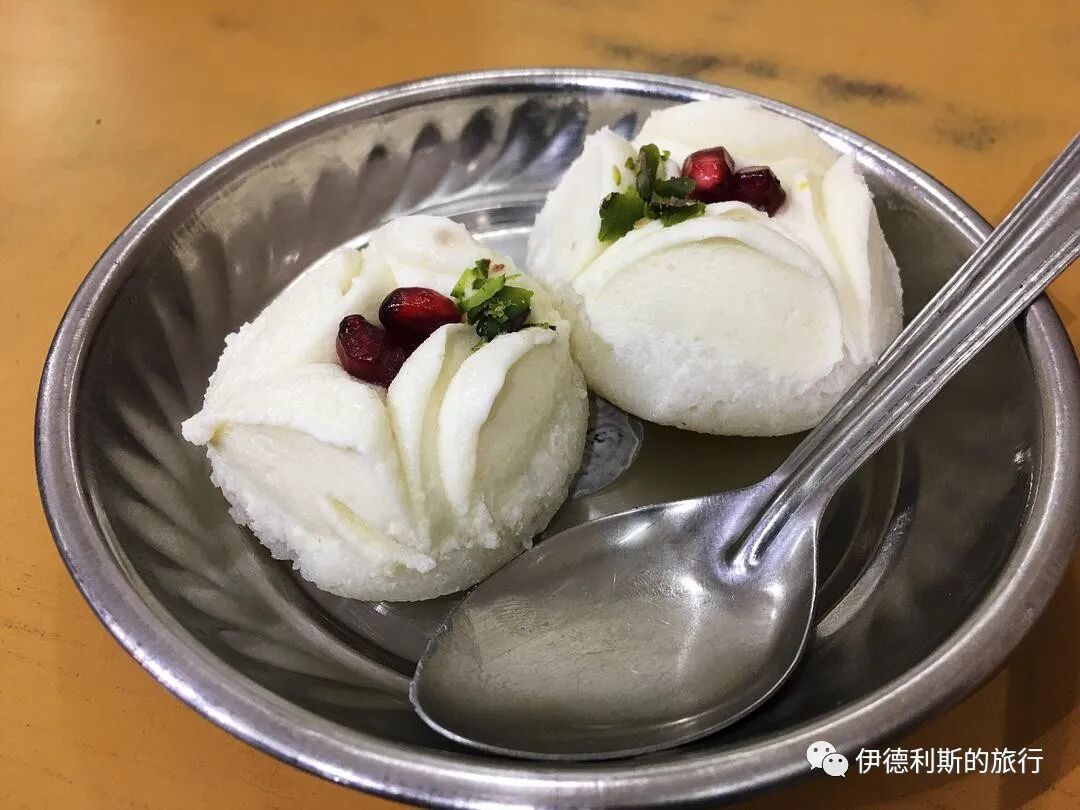
milk candy (Sandesh)
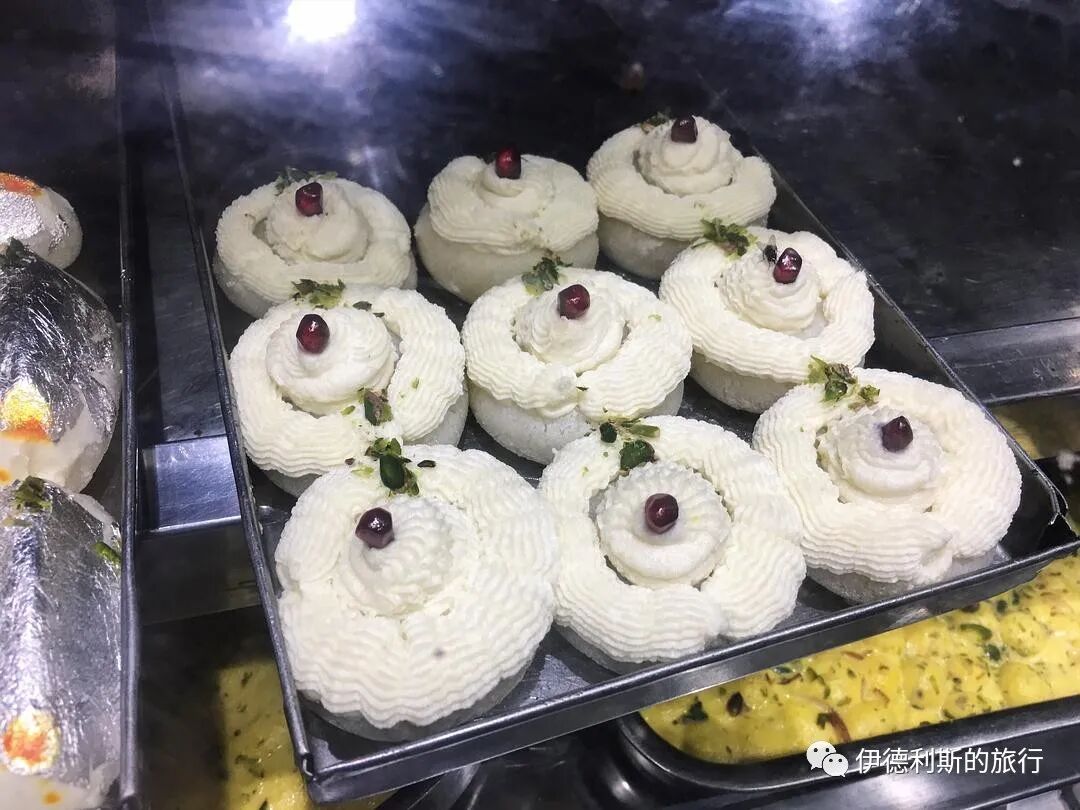
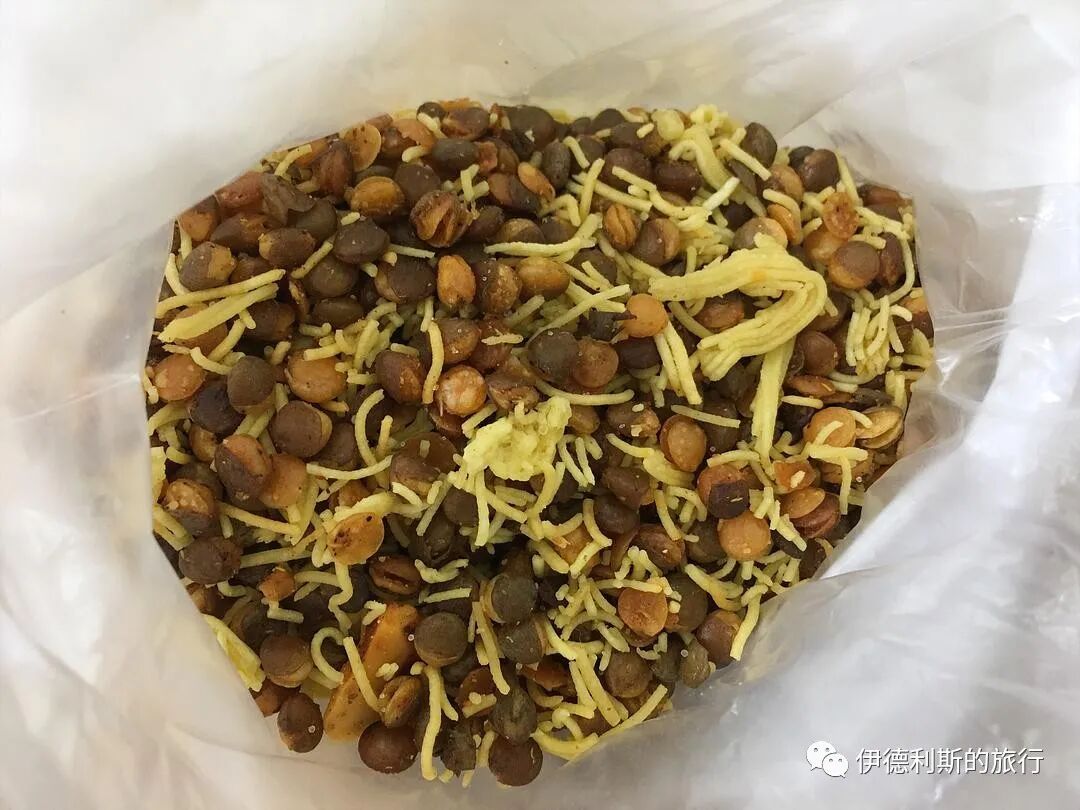
spicy snack mix (Bombay mix)
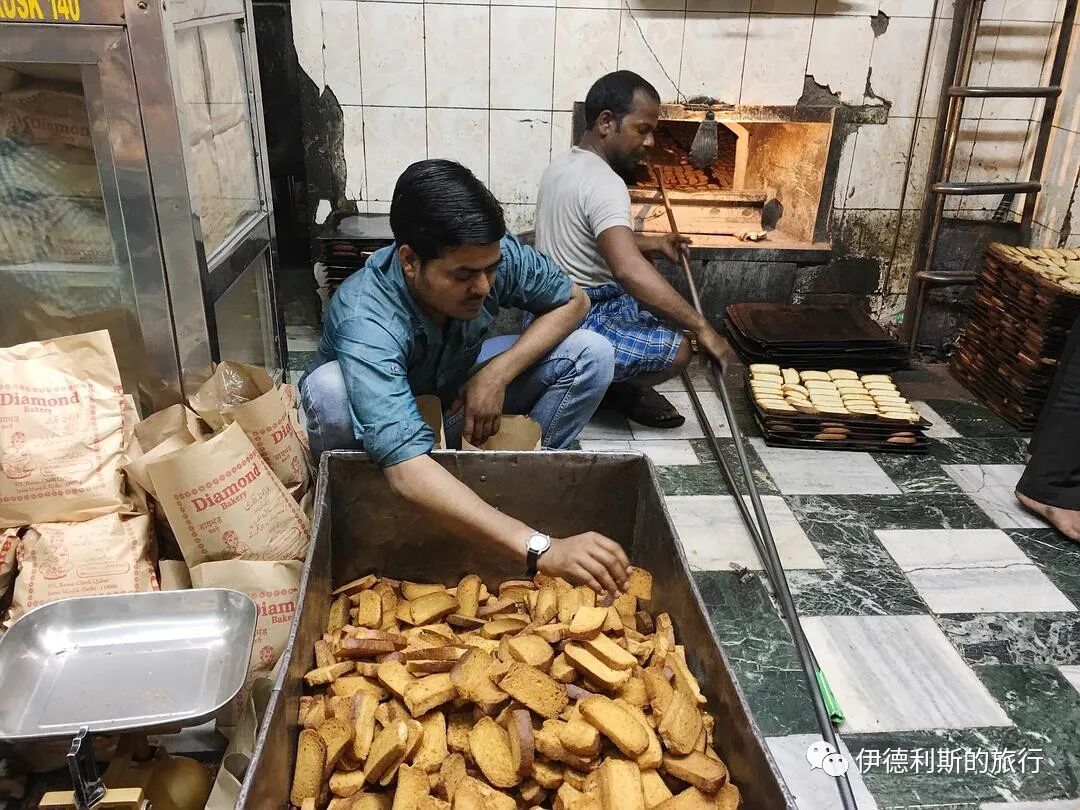
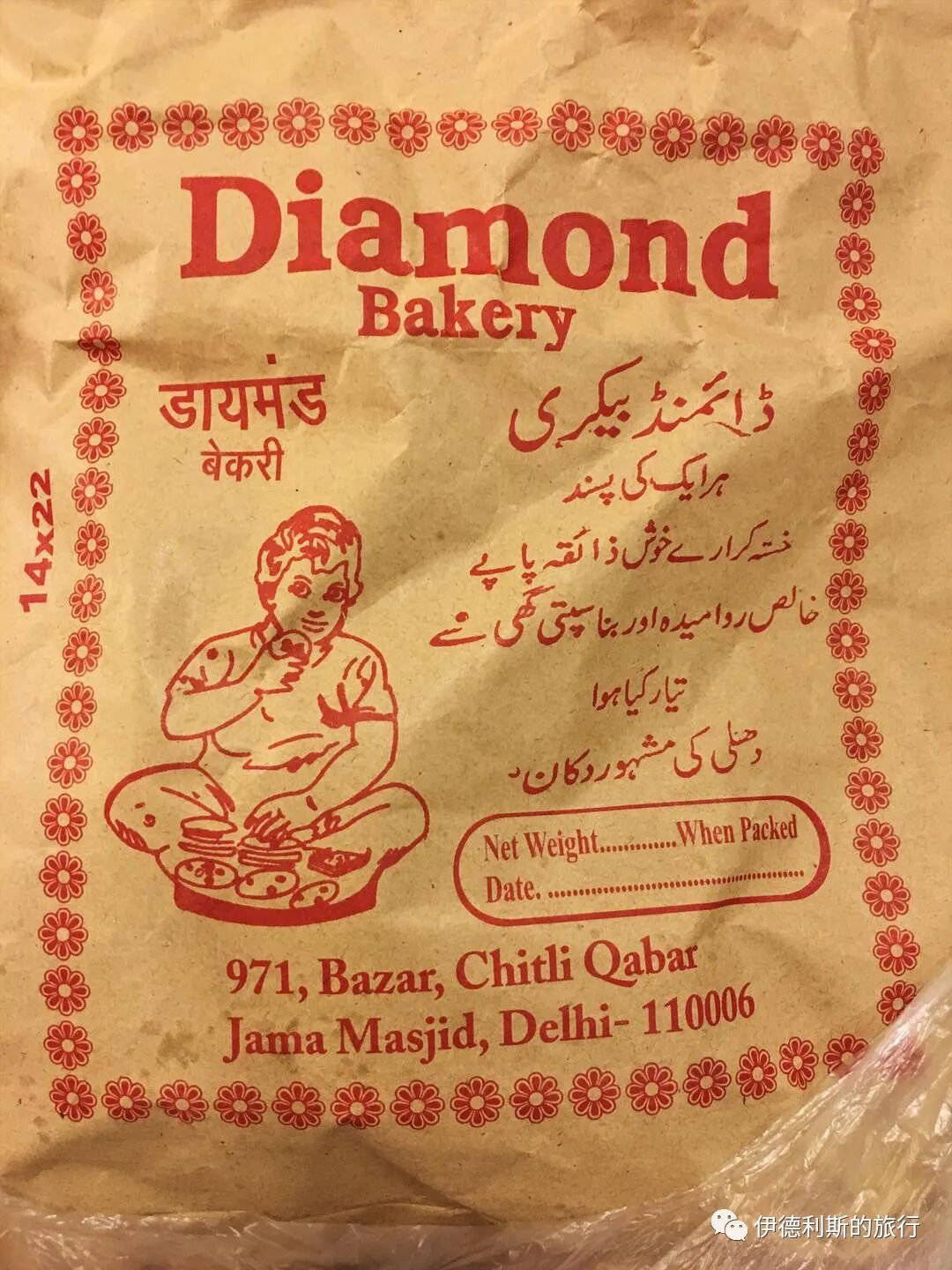
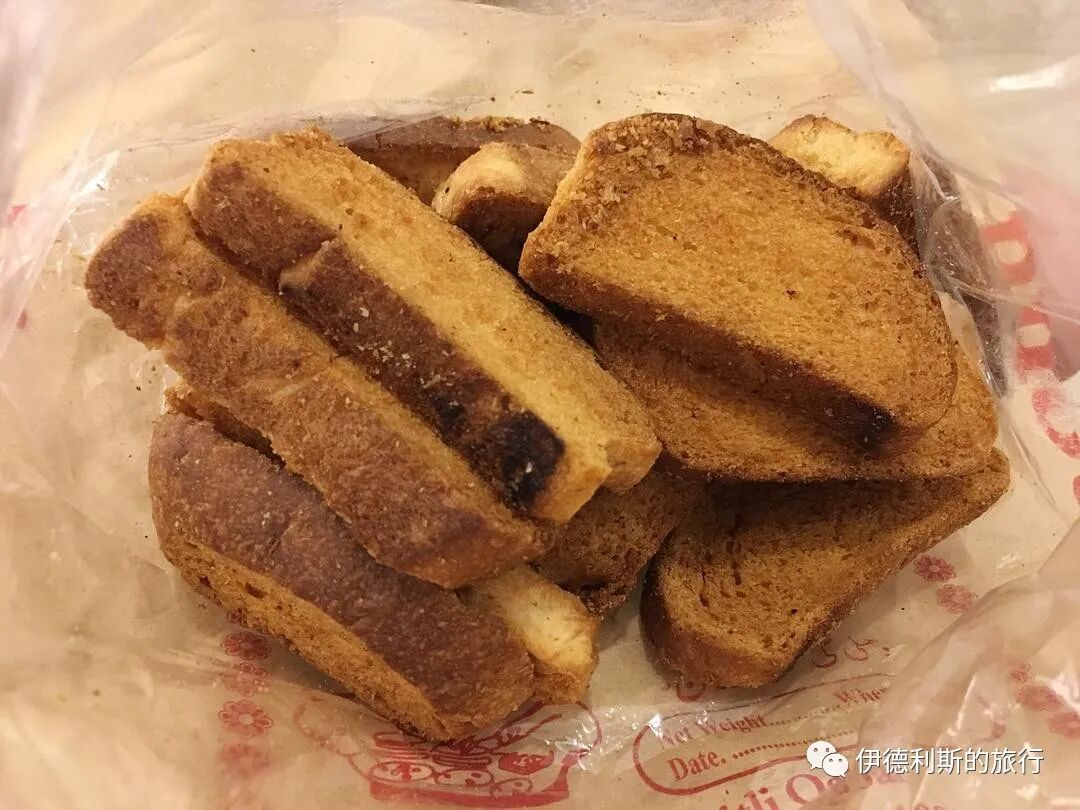
This toasted bread slice is delicious, so I bought some to share with the beggars on the street.
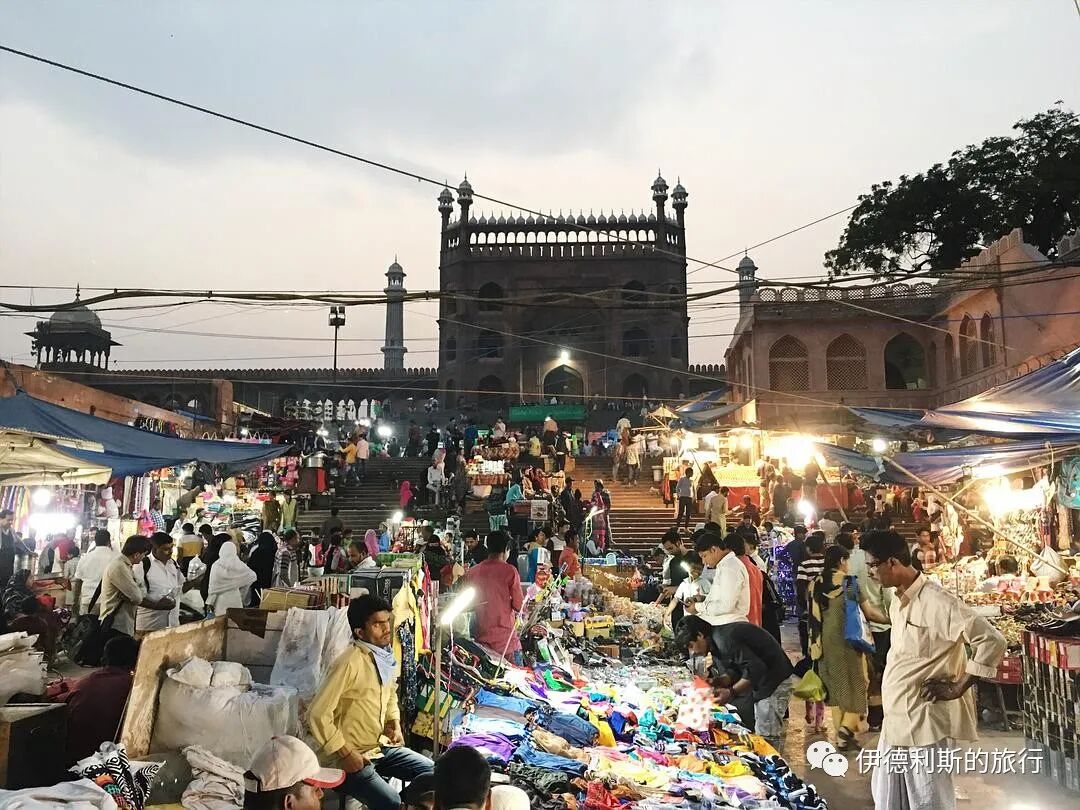
Meena Bazaar
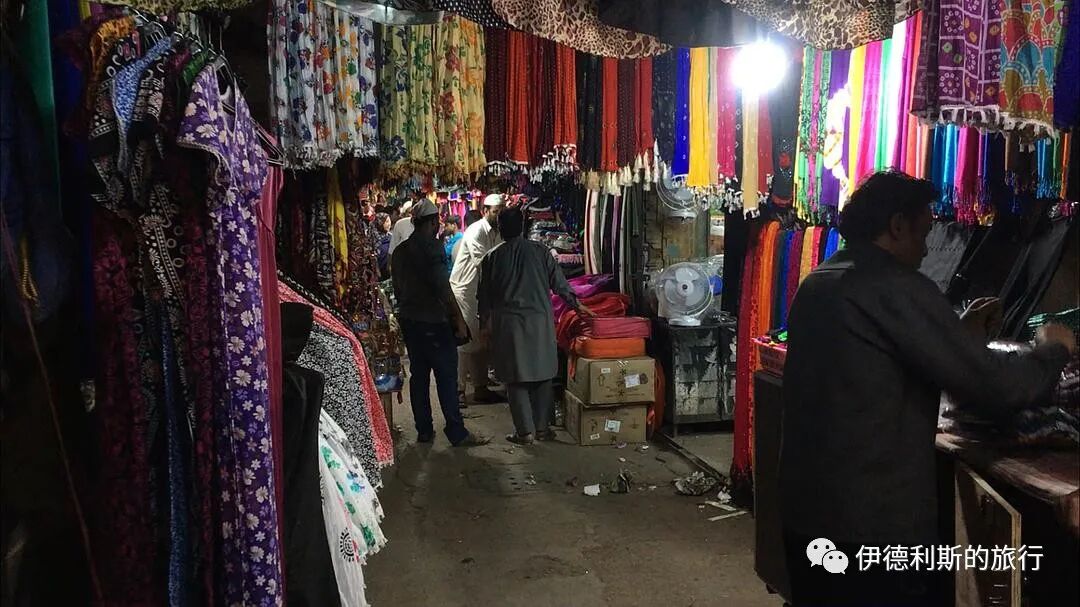
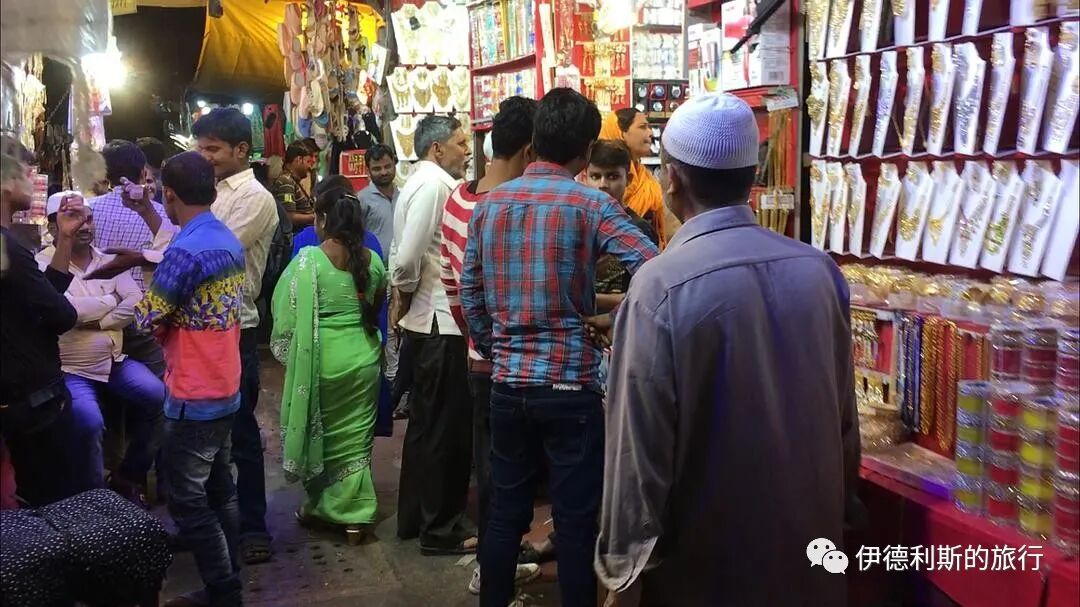
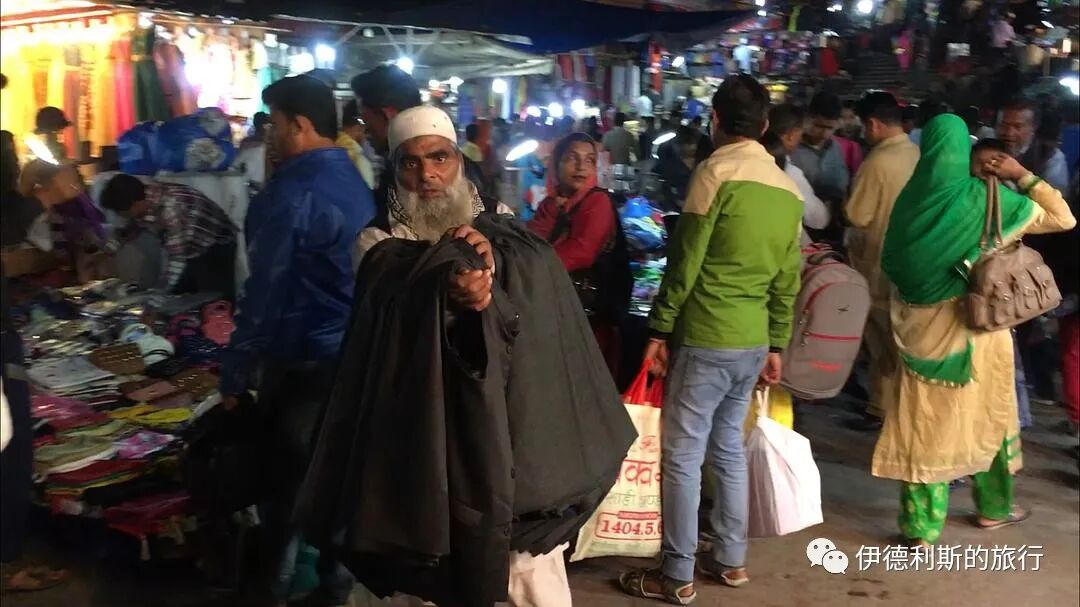
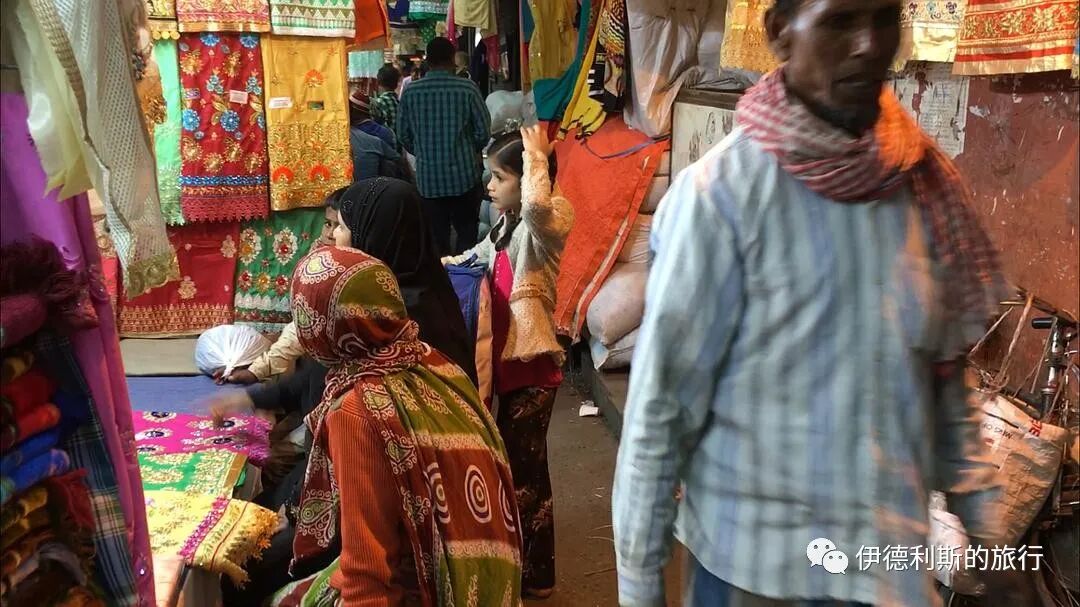
Meena Bazaar is on the road from the east gate of Jama Mosque to the Red Fort. During the Mughal Empire, it was a market where the royal court and the upper class bought silk, jewelry, and gemstones. Today, it has become a night market for everyday people, selling all kinds of clothes, fabrics, daily necessities, and religious items.
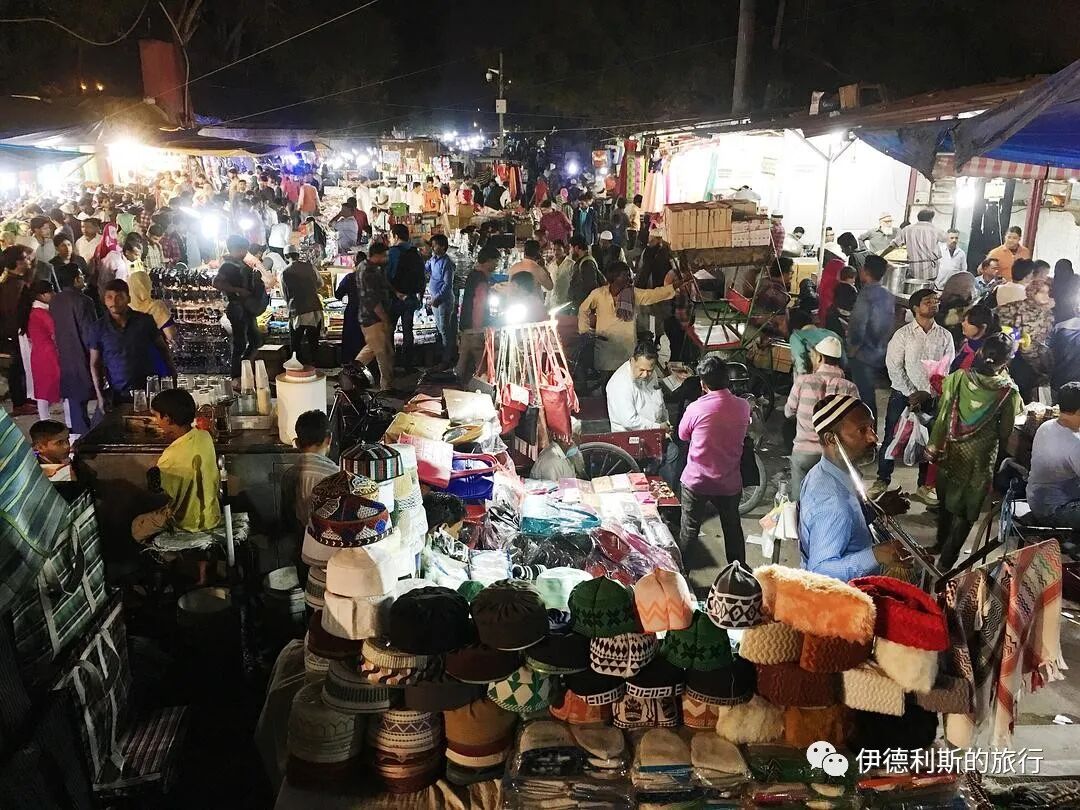
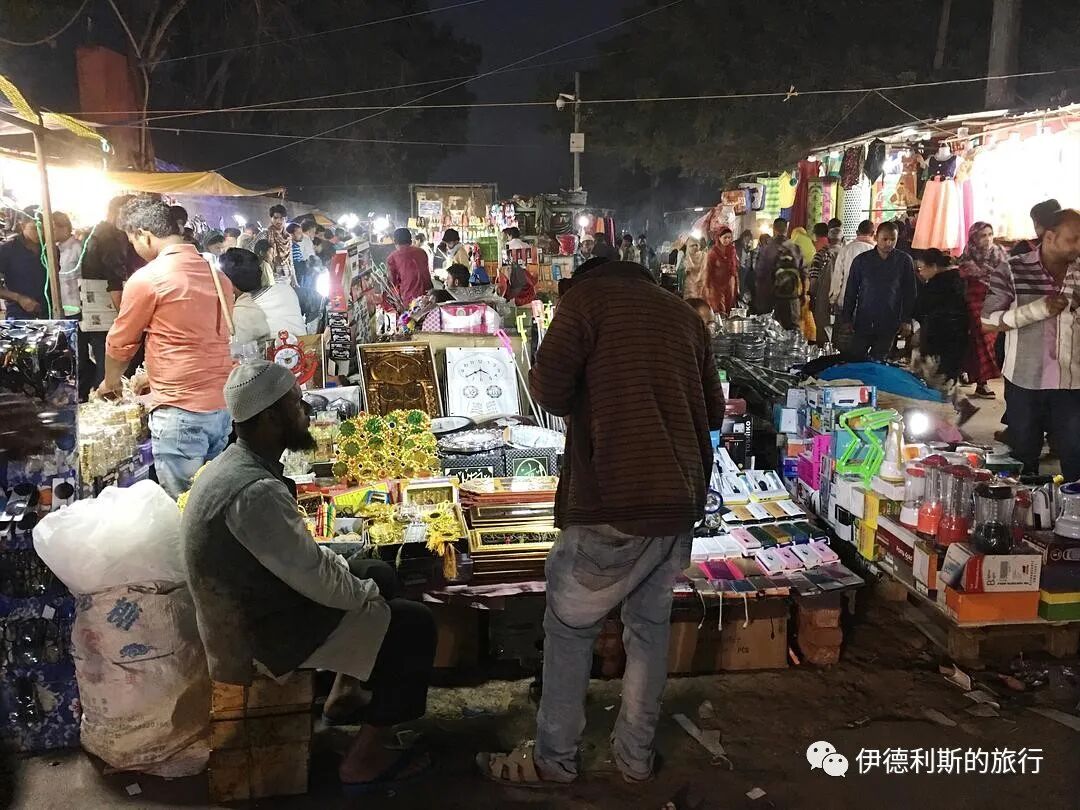
Both the north and south sides of the main market street are lined with stalls selling fabrics, jewelry, and religious items.
This plate of pilaf (zhua fan) costs the equivalent of 2.9 yuan.
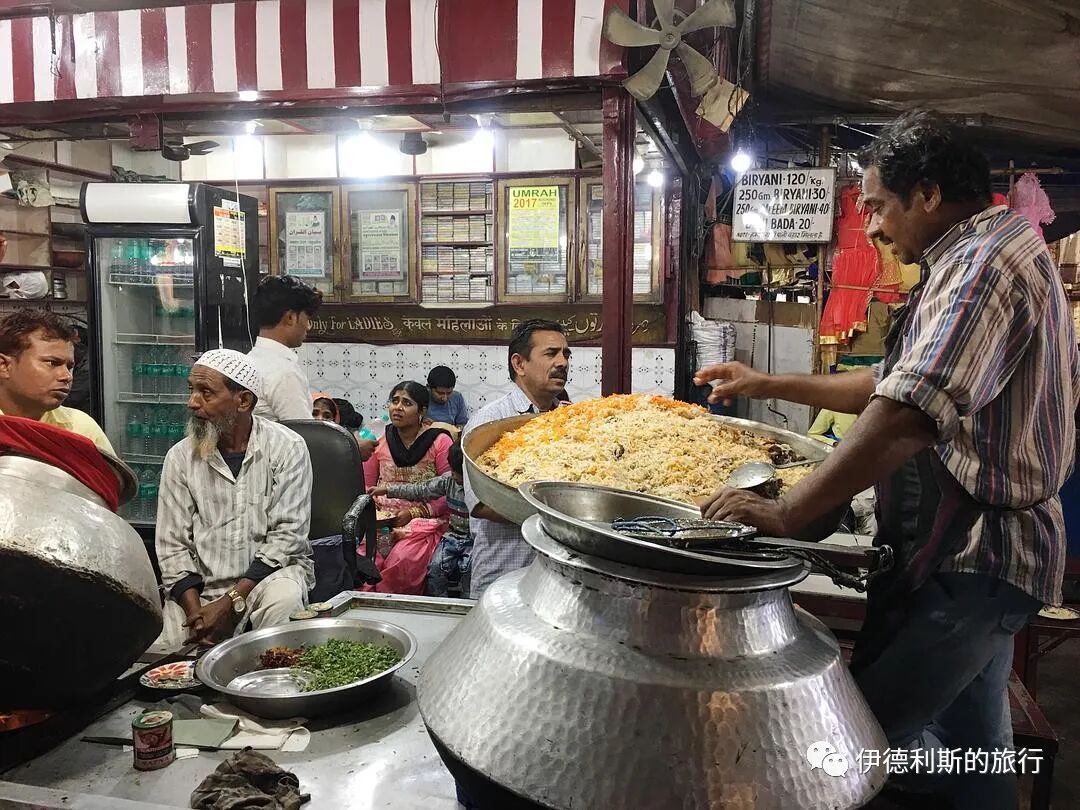
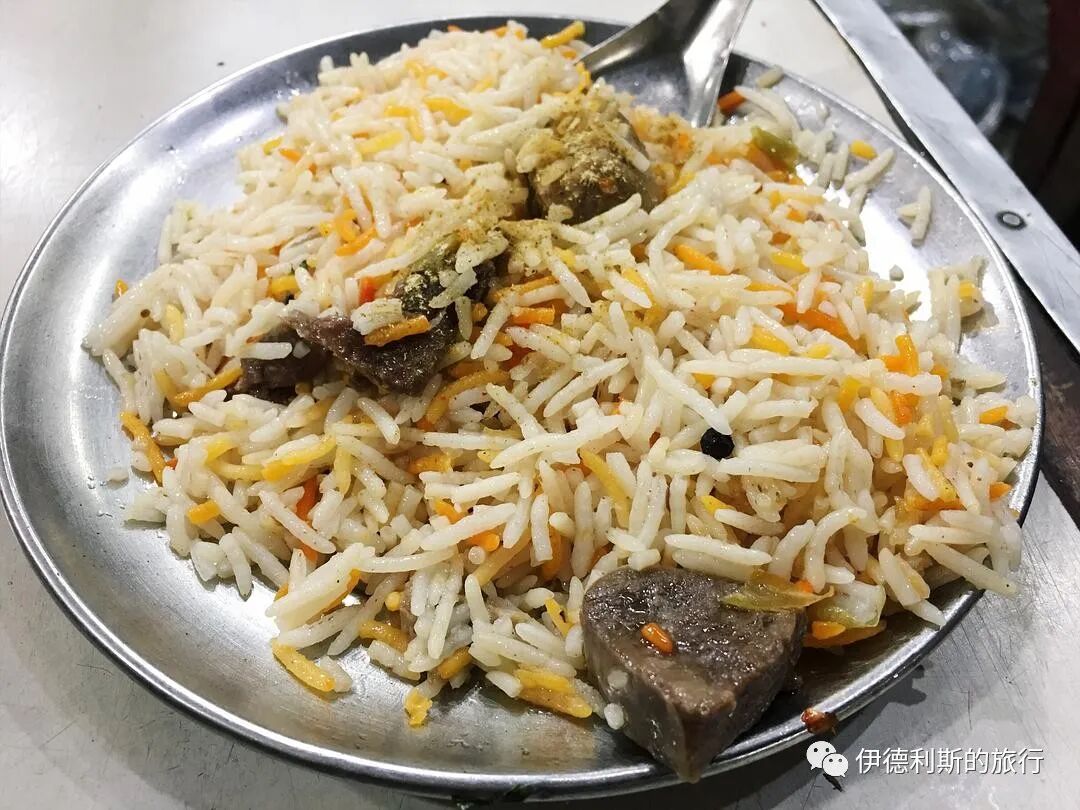
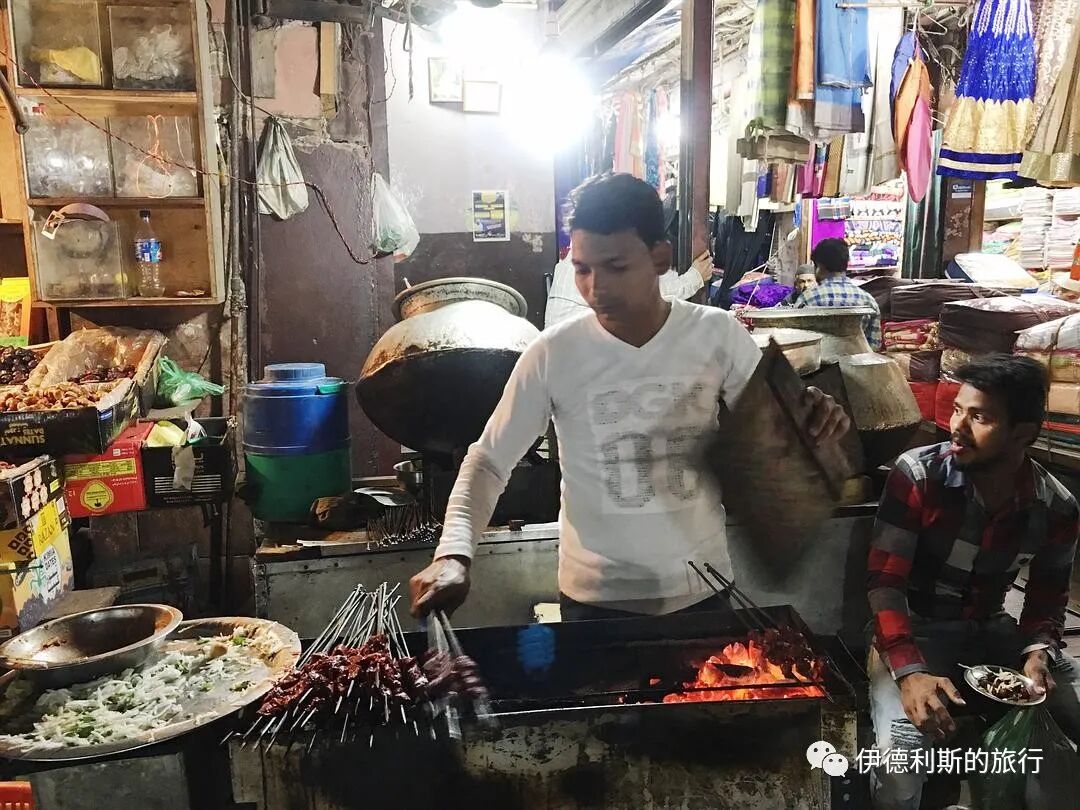
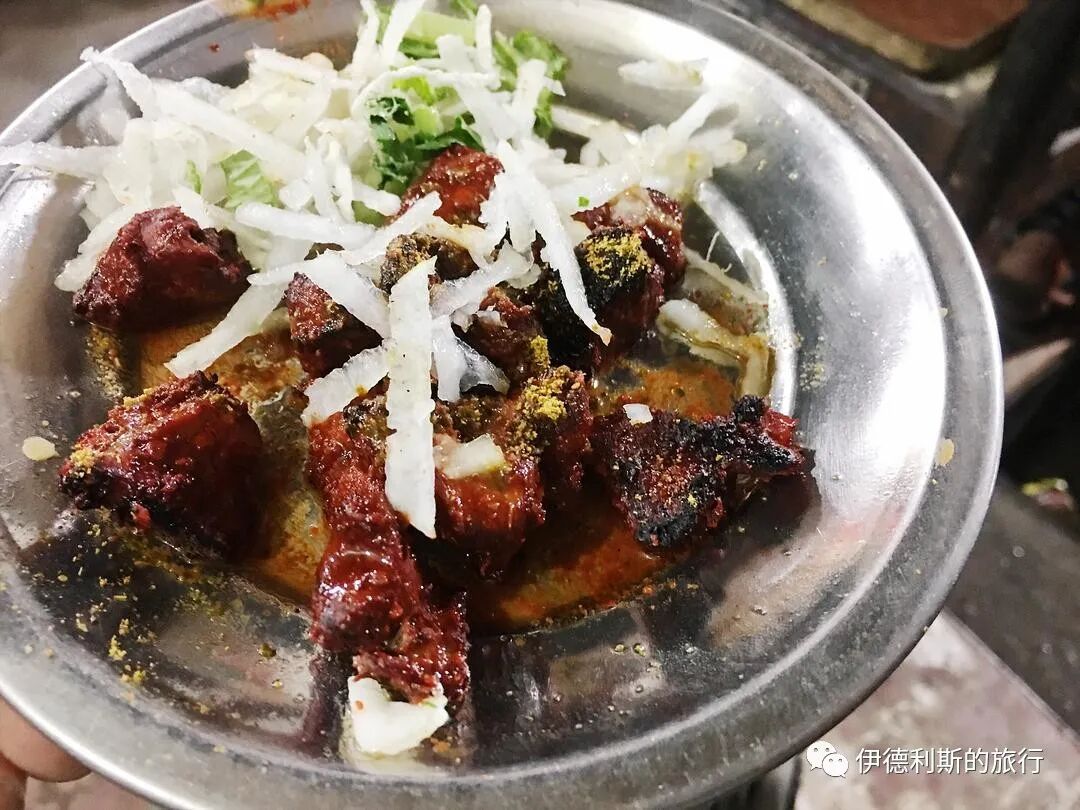
Grilled lamb liver (kao yanggan)
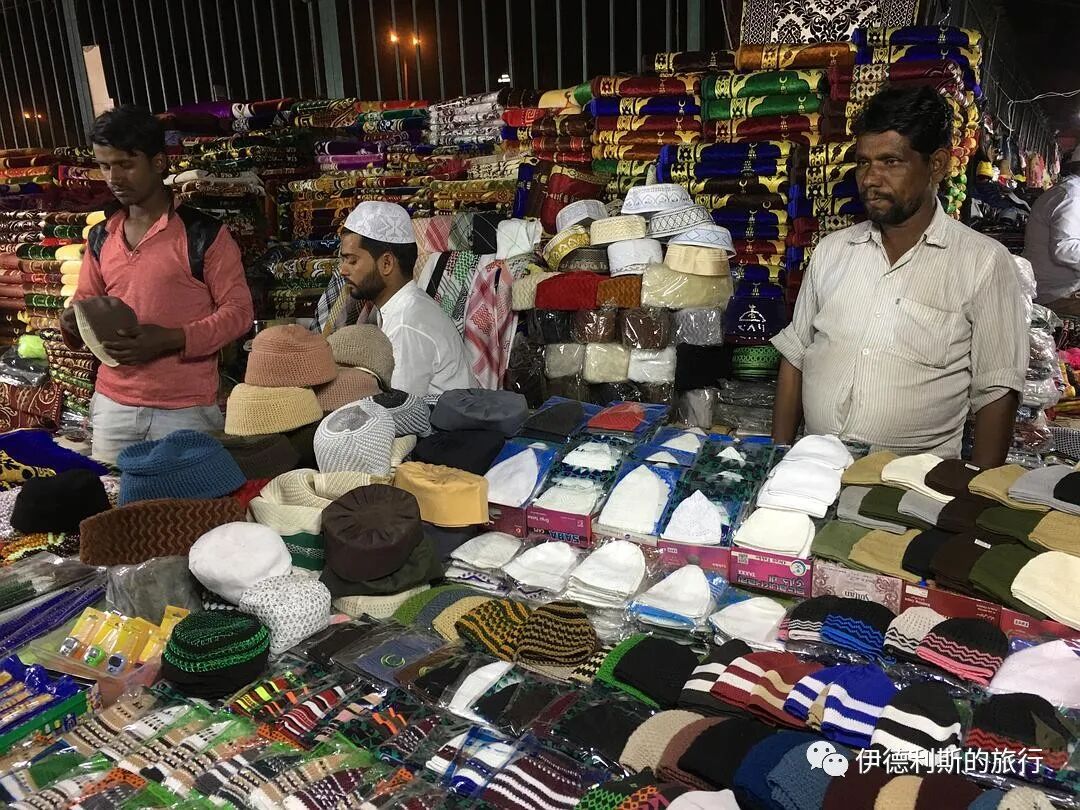
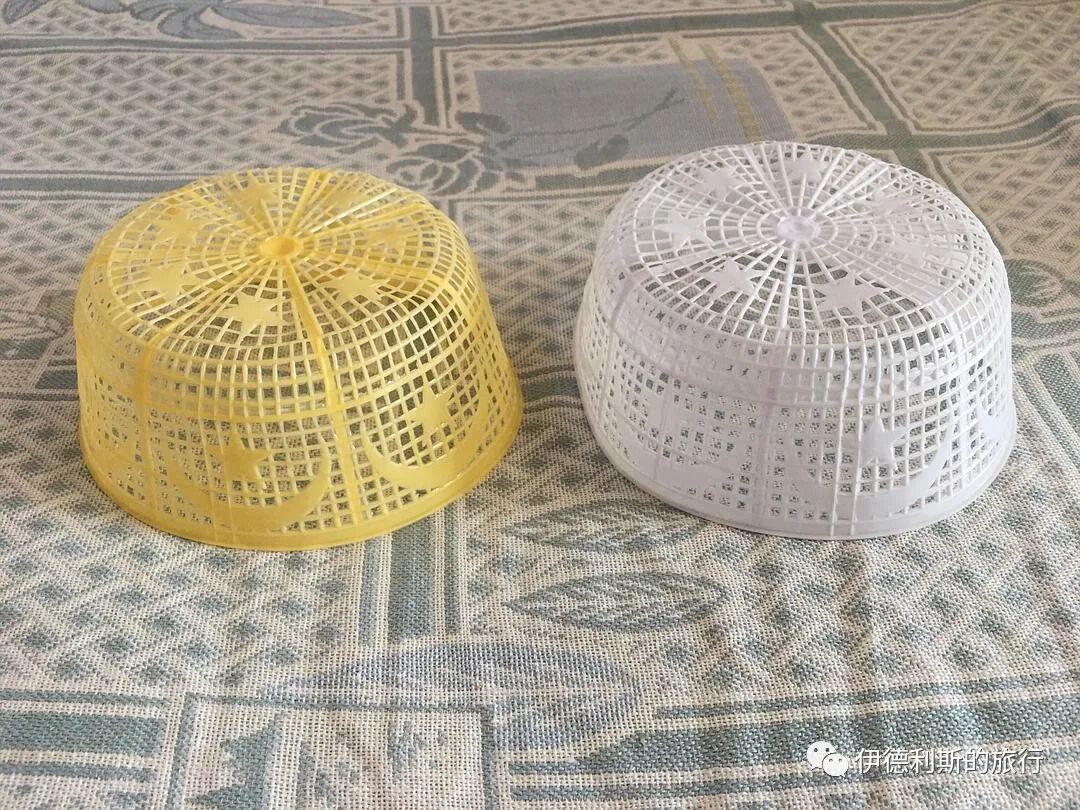
I bought a few hats at this hat stall.
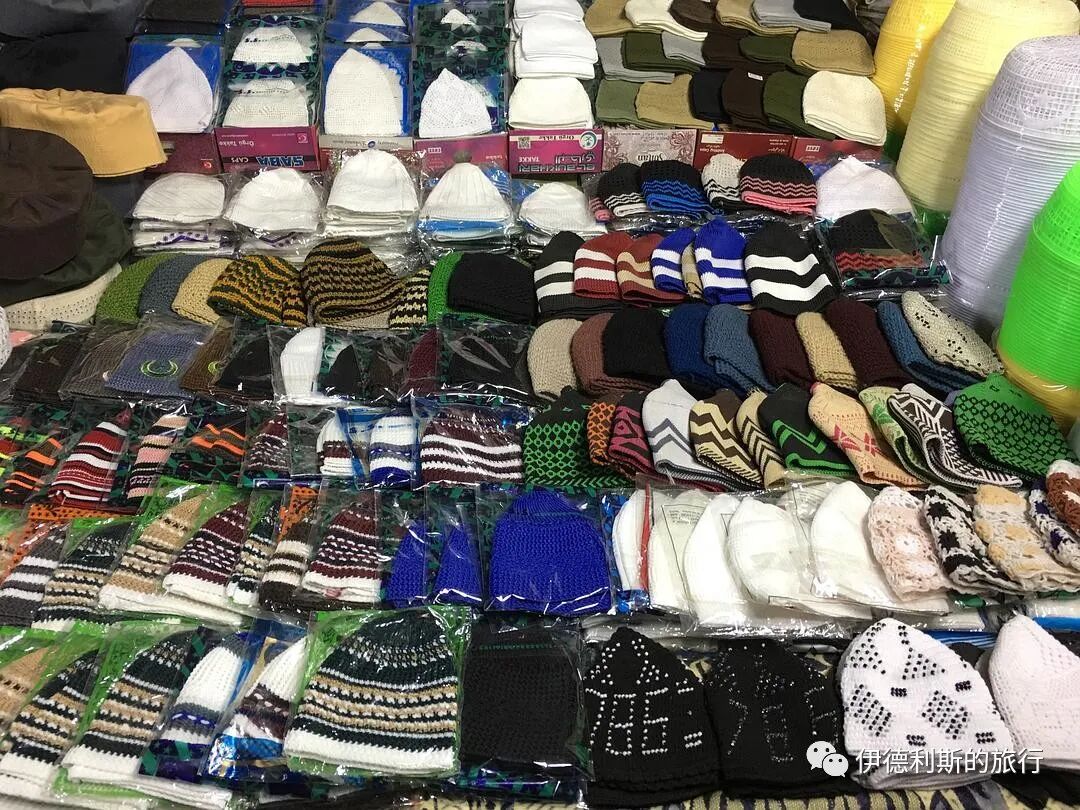
786 is a sign for halal in South Asia and Southeast Asia. You can also see it in southwestern Yunnan and among the Hui Muslims in Lhasa. If you assign a number to each letter of the phrase Bismillāh al-Raḥmān al-Raḥīm (In the name of Allah, the Most Gracious, the Most Merciful) using Arabic numerology, the total sum is 786.
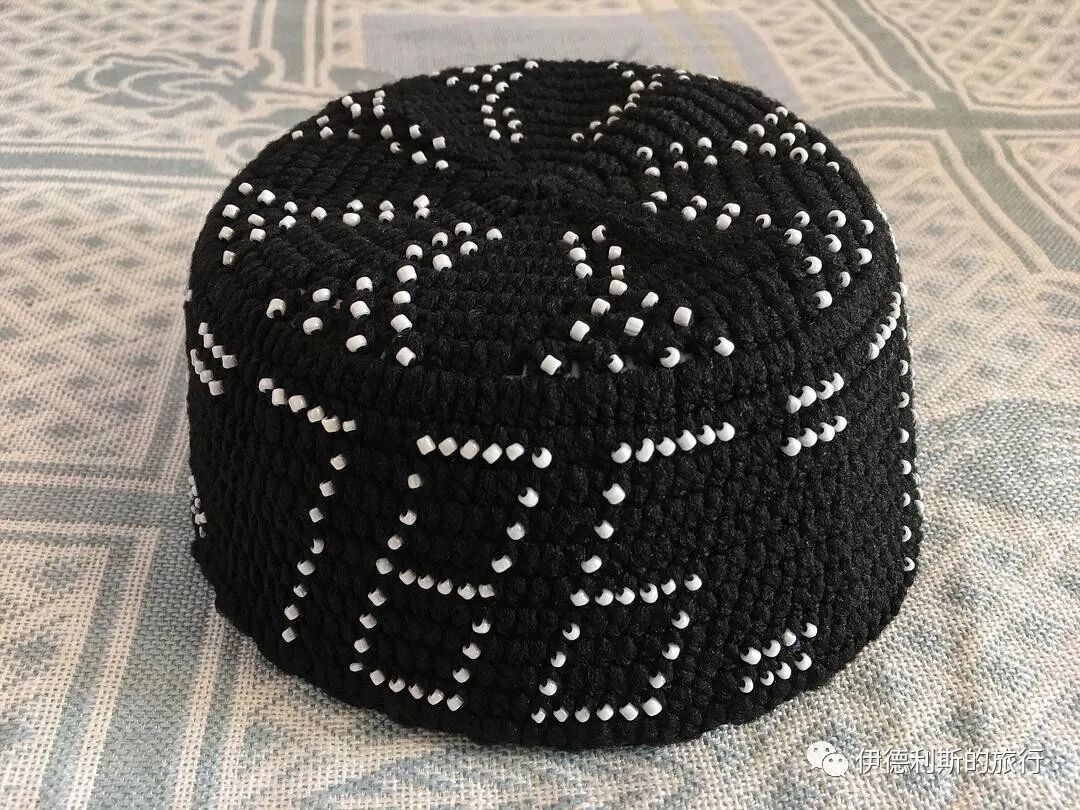
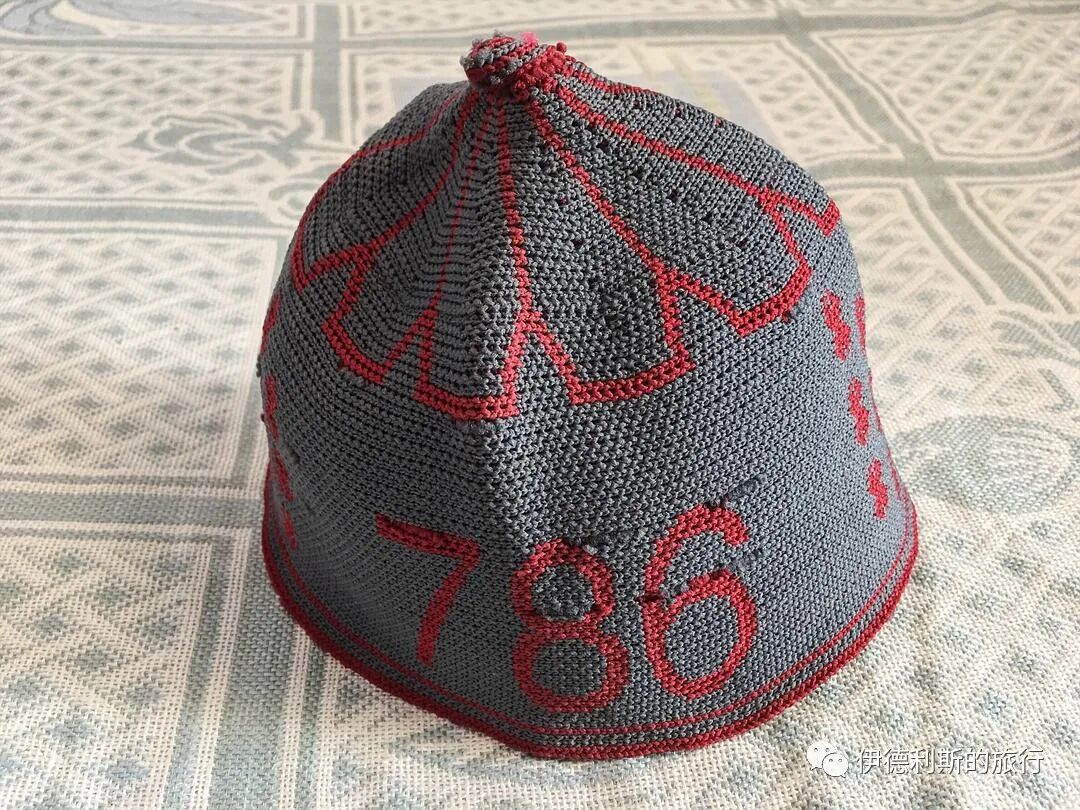
Summary: Old Delhi — Muslim Communities, Streets and Food is presented here as a firsthand travel account in clear English, beginning with this scene: This toasted bread slice is delicious, so I bought some to share with the beggars on the street. The account keeps its focus on Old Delhi, Muslim Community, India Travel while preserving the names, places, food, and historical details from the Chinese source.
spiced tea (Masala chai)
pastry and dessert shop
milk candy (Sandesh)
spicy snack mix (Bombay mix)
This toasted bread slice is delicious, so I bought some to share with the beggars on the street.
Meena Bazaar
Meena Bazaar is on the road from the east gate of Jama Mosque to the Red Fort. During the Mughal Empire, it was a market where the royal court and the upper class bought silk, jewelry, and gemstones. Today, it has become a night market for everyday people, selling all kinds of clothes, fabrics, daily necessities, and religious items.
Both the north and south sides of the main market street are lined with stalls selling fabrics, jewelry, and religious items.
This plate of pilaf (zhua fan) costs the equivalent of 2.9 yuan.
Grilled lamb liver (kao yanggan)
I bought a few hats at this hat stall.
786 is a sign for halal in South Asia and Southeast Asia. You can also see it in southwestern Yunnan and among the Hui Muslims in Lhasa. If you assign a number to each letter of the phrase Bismillāh al-Raḥmān al-Raḥīm (In the name of Allah, the Most Gracious, the Most Merciful) using Arabic numerology, the total sum is 786.
