

India Travel
Halal Travel Guide: Delhi Sufi Sites — Shrines, Mosques and Muslim Communities (Part 2)
Articles • ali2007fr posted the article • 0 comments • 220 views • 2026-05-17 21:10
Summary: Delhi Sufi Sites — Shrines, Mosques and Muslim Communities is presented here as a firsthand travel account in clear English, beginning with this scene: The tomb of Prince Mirza Jahangir (Shahzada Mirza Muhammad Jahangir Bakht Bahadur, 1791-1821) is near the east gate of the shrine complex, and it also features white marble latticework. The account keeps its focus on Delhi Sufi Sites, Muslim Heritage, India Travel while preserving the names, places, food, and historical details from the Chinese source.
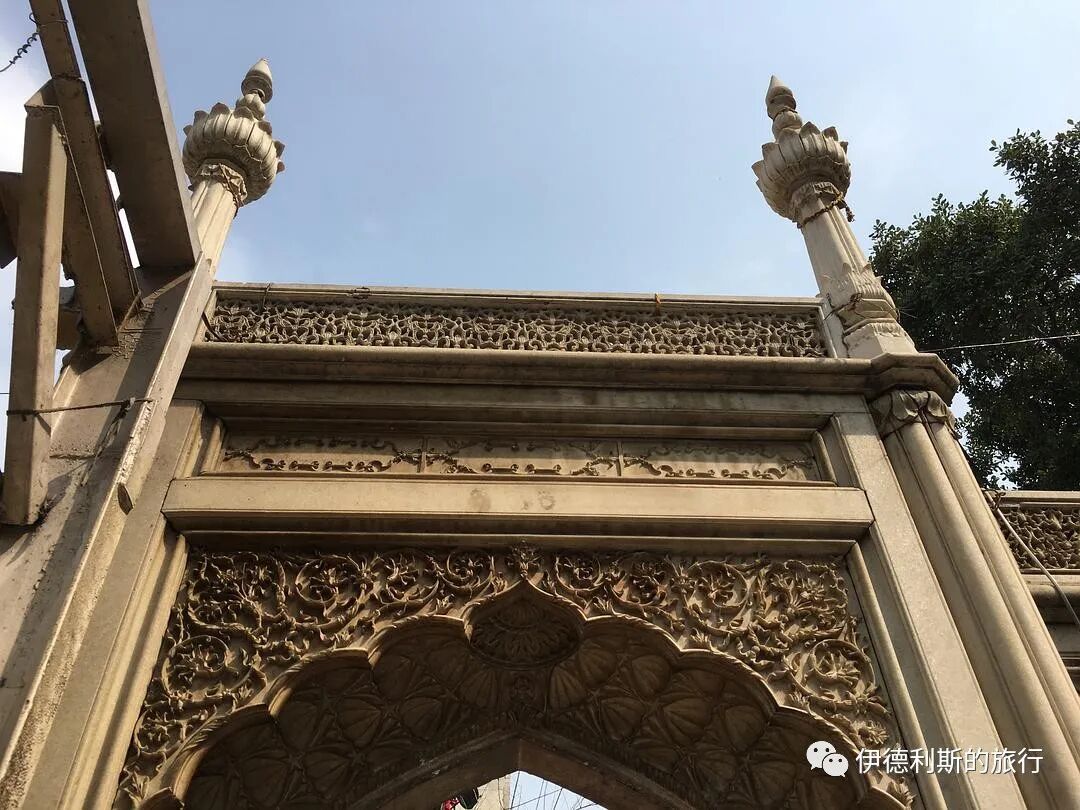
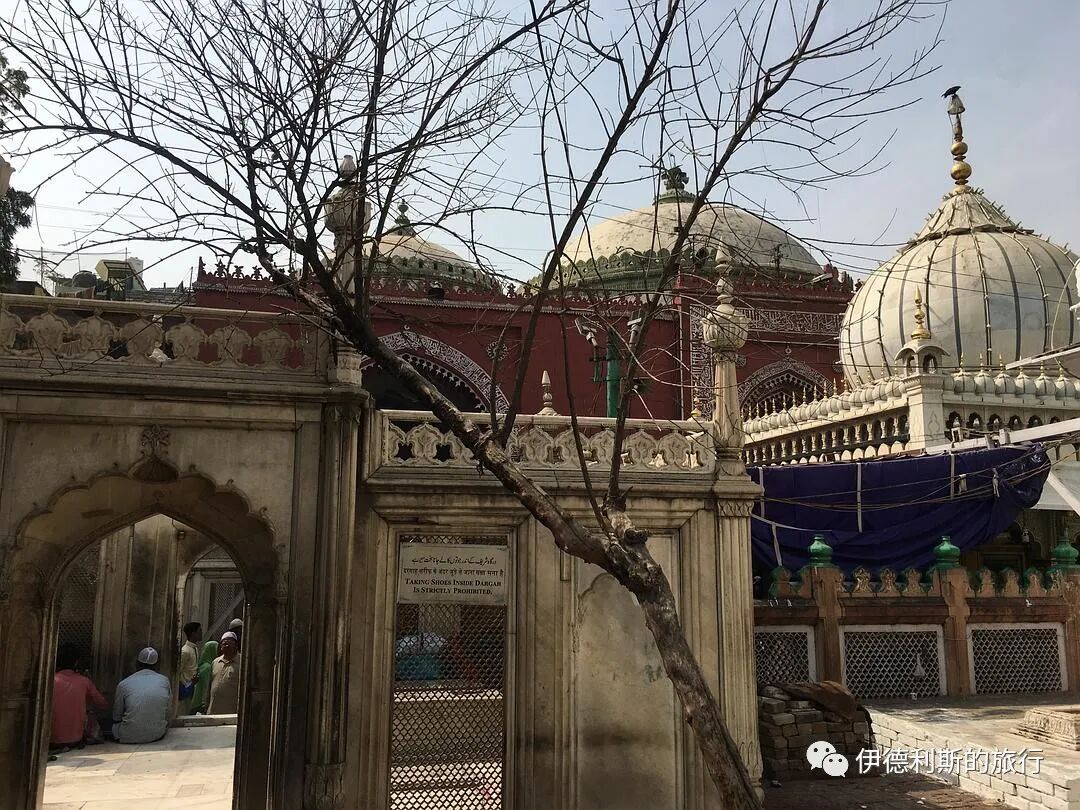
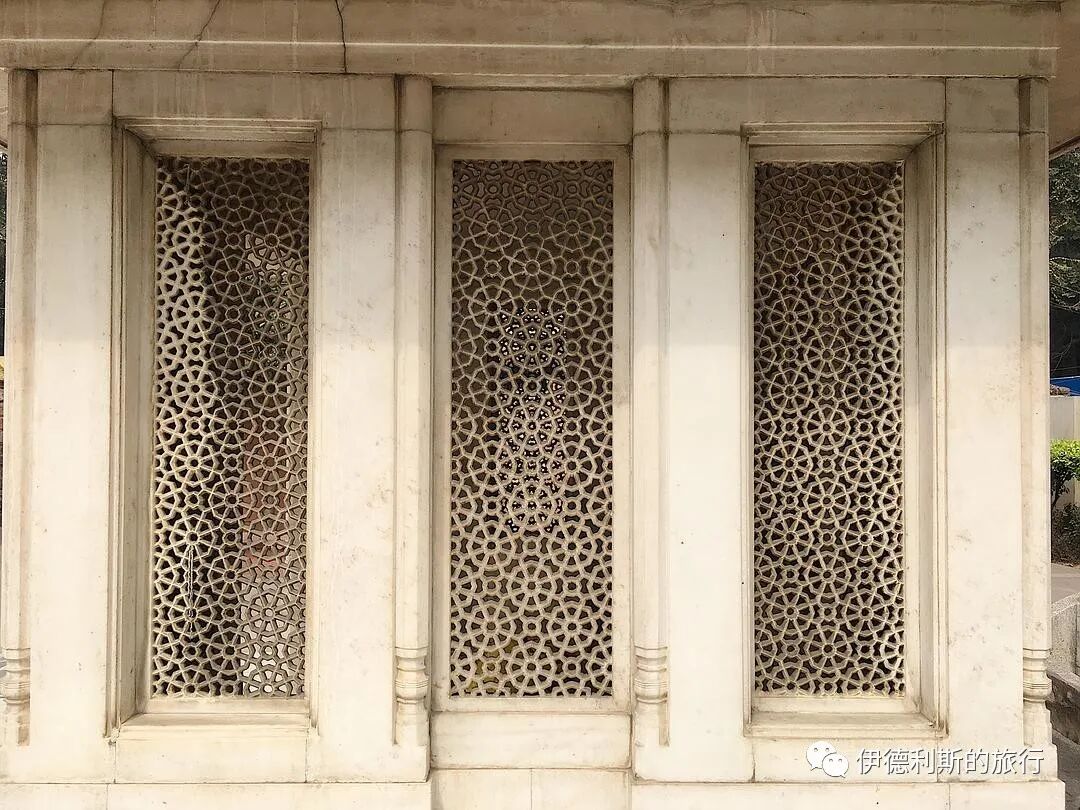
The tomb of Prince Mirza Jahangir (Shahzada Mirza Muhammad Jahangir Bakht Bahadur, 1791-1821) is near the east gate of the shrine complex, and it also features white marble latticework.
Prince Mirza Jahangir was the son of the Mughal Emperor Akbar Shah II (reigned 1806-1837). He was once named crown prince, but after attacking a British official, he was exiled by the East India Company, and his younger brother eventually became the last Mughal emperor.
Akbar Shah II was never very happy with his eldest son and wanted to name Mirza Jahangir as his heir. However, Sir Archibald Seton, who was stationed at the Red Fort in Delhi, did not like this, and the 19-year-old prince recklessly humiliated the official in public. A few days later, the prince held a party on the roof of the Red Fort in Delhi. He saw a British officer passing by and fired a shot at him, killing one of the officer's attendants. Because of this, the prince was exiled to Allahabad in the southeast of Uttar Pradesh.
The prince was eventually released from exile and returned to Delhi, where he died at the age of 31.
The Aga Khan Museum in Toronto holds a 1811 Mughal court portrait by Ghulam Murtaza Khan. Emperor Akbar Shah II is in the center, and the first person on the right is Prince Mirza Jahangir.
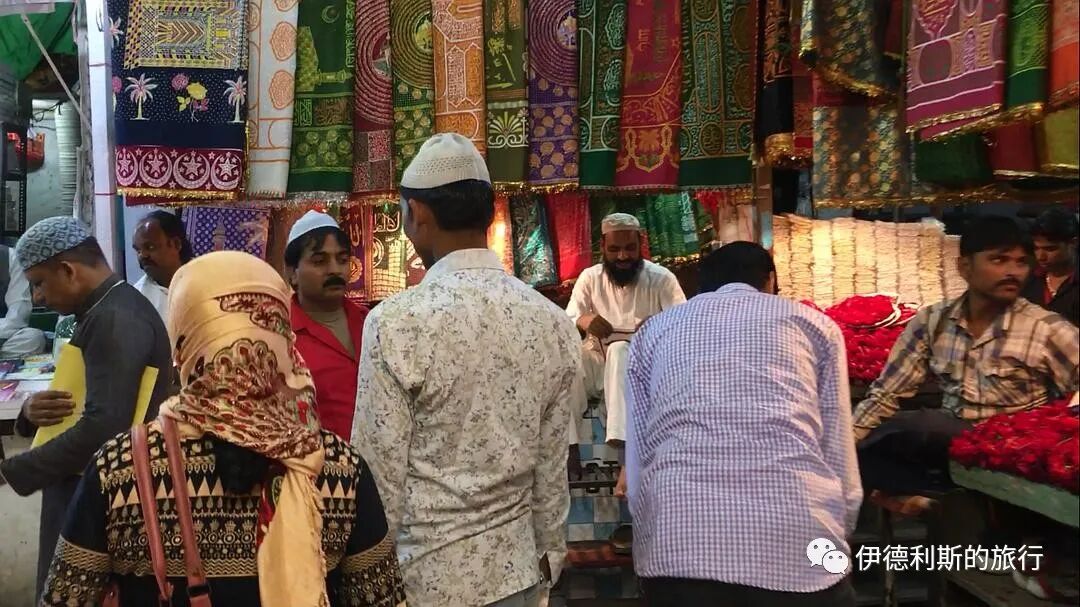
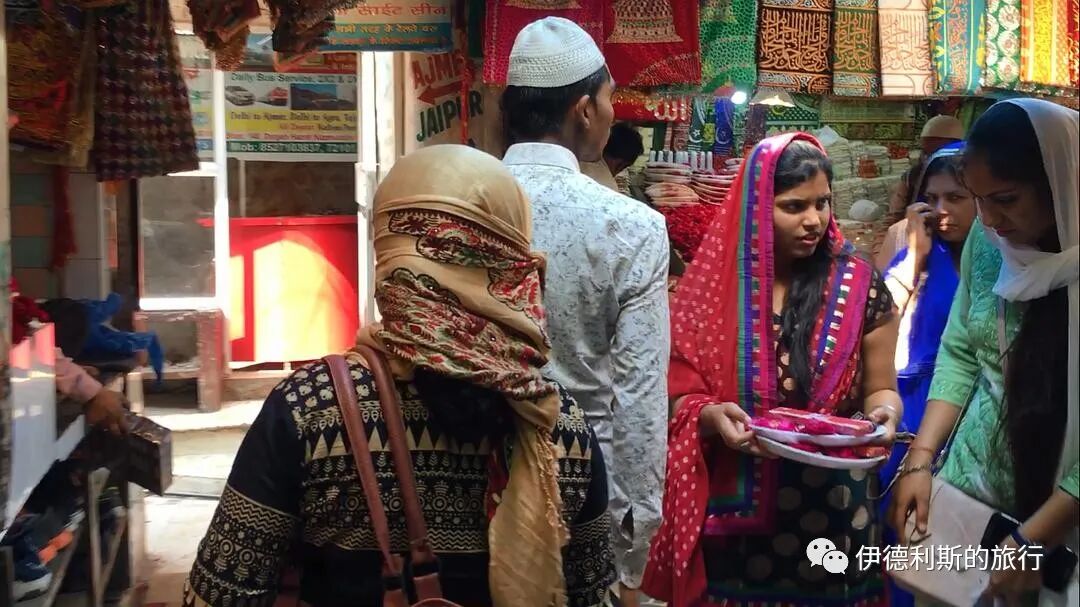
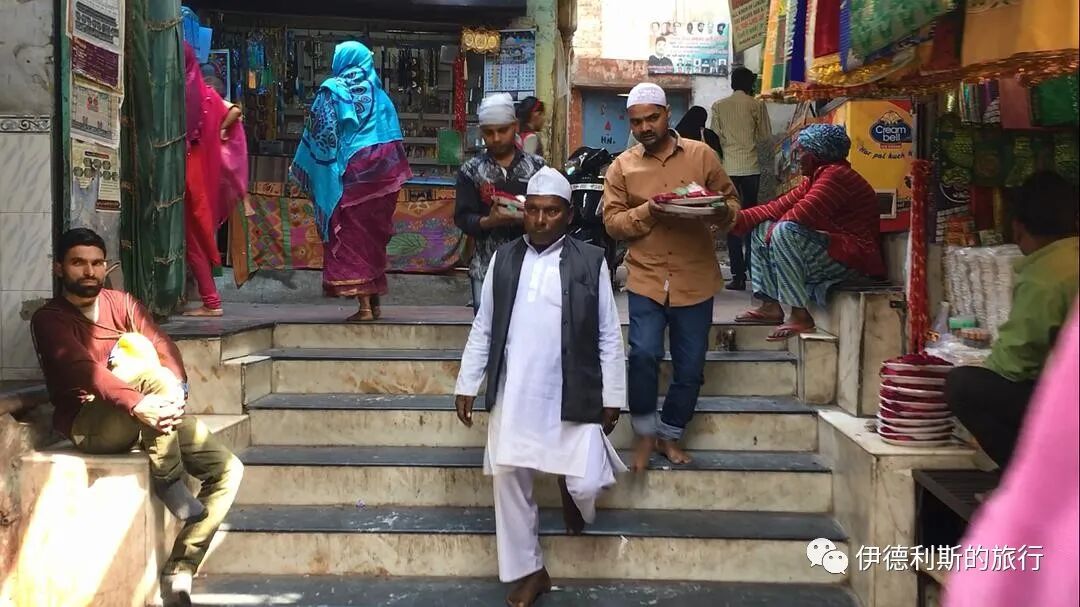
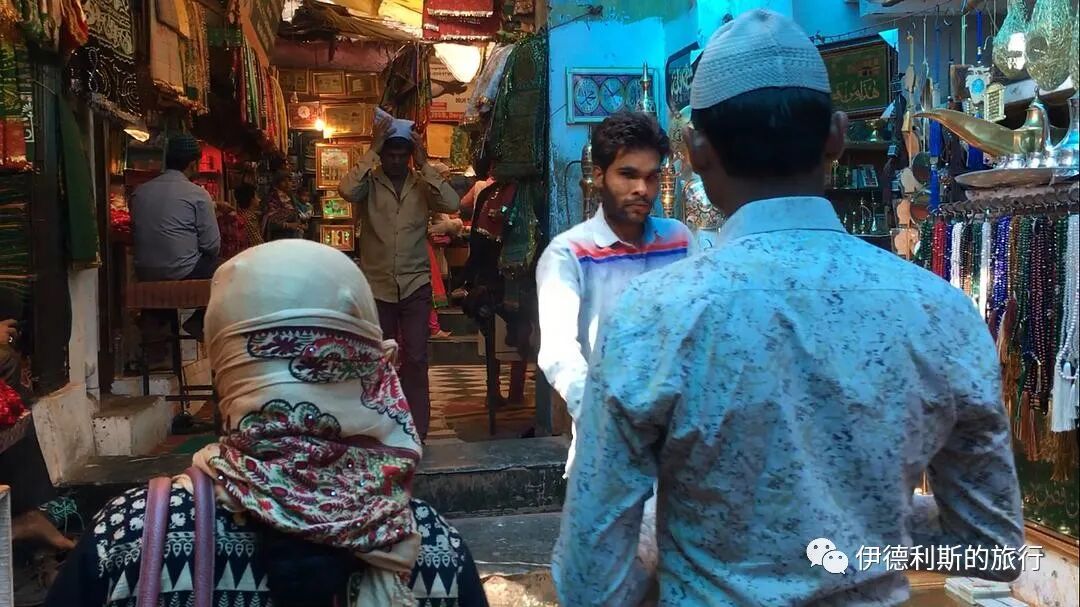
11. East Gate Bazaar
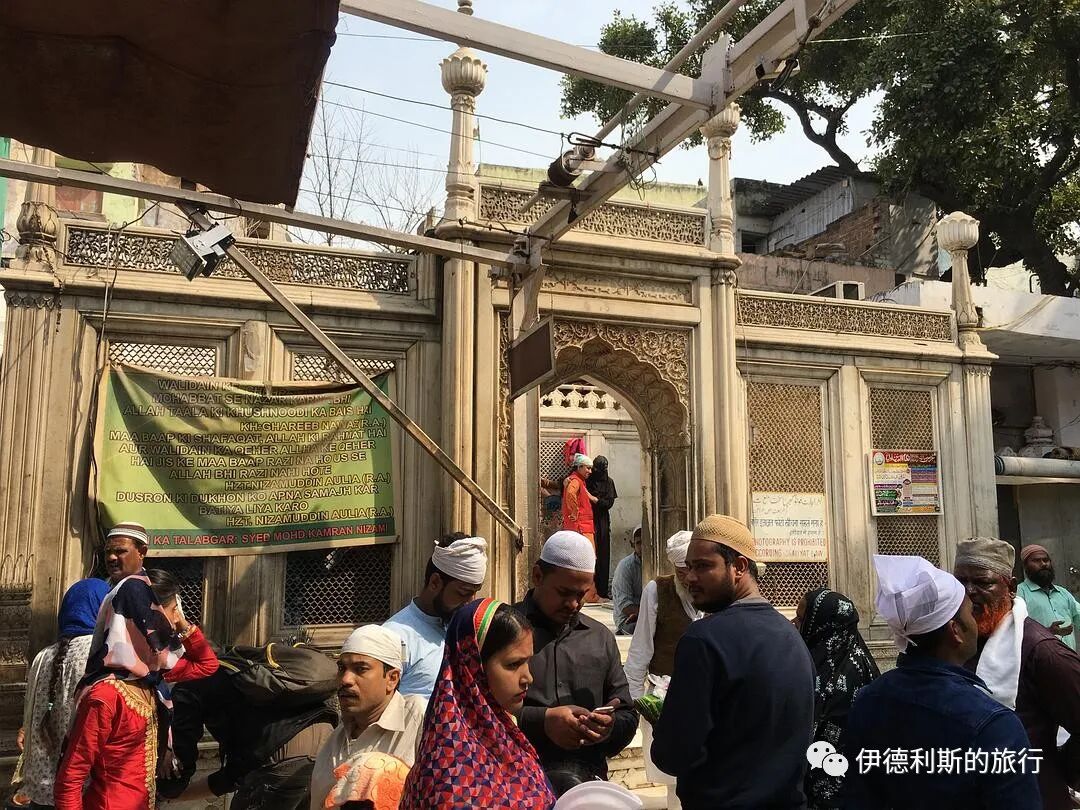
The religious goods market outside the east gate of the Nizamuddin Dargah core area really brings your imagination of the Mughal Empire to life.
Chapter 4: The Perimeter of Nizamuddin Dargah
1. Tomb of Ataga Khan: 1566
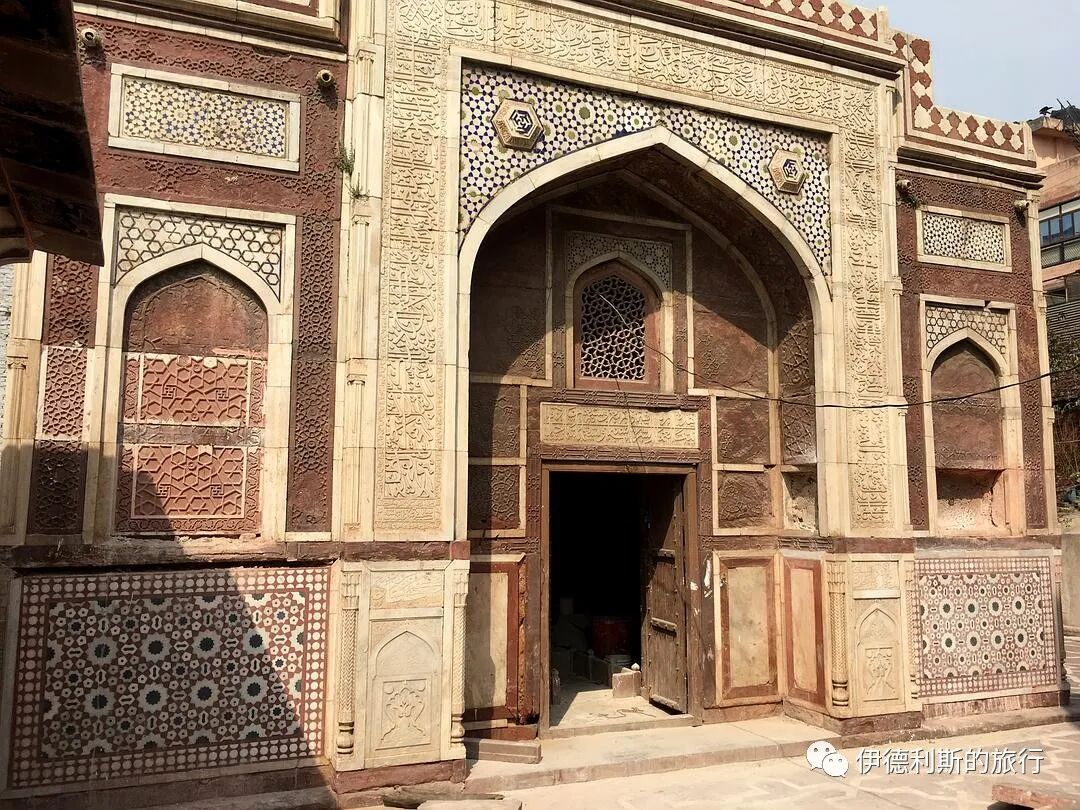
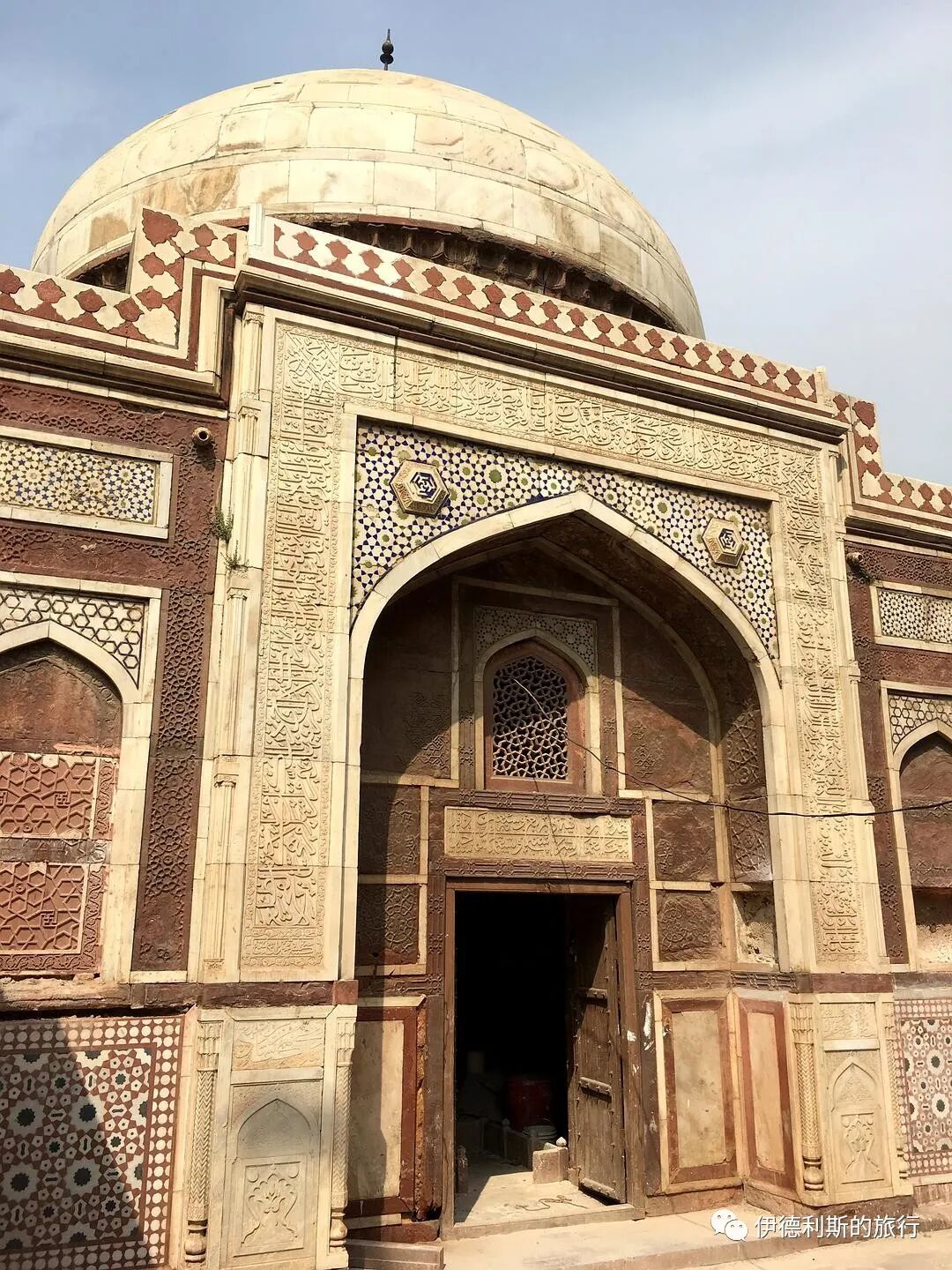
Right next to the east side of the Nizamuddin Dargah core area stands the tomb of Ataga Khan, the foster father of the Mughal Emperor Akbar.
Ataga Khan's full name was Shamsuddin Muhammad Atgah Khan, and he held many important positions in the Mughal court. He was originally just an ordinary soldier, but by chance he saved the Mughal Emperor Humayun by the Ganges River, so Humayun brought him into the palace. To reward Ataga Khan for his loyalty, Humayun let Ataga Khan's wife become the foster mother of his son Akbar (the future Akbar the Great), and Ataga Khan then received the title of Atgah (foster father).
Ataga Khan was always a minister deeply loved by Akbar the Great. In 1561, he replaced Maham Anga as the new wakil (equivalent to prime minister), which caused Maham Anga great resentment. On May 16, 1562, Ataga Khan was murdered by Maham Anga's son, Adham Khan. Hearing that his foster father had been murdered, Akbar the Great was furious. He ordered Adham Khan to be thrown from the city wall twice to make sure he was really dead.
In 1566, Emperor Akbar ordered his foster brother, Mirza Aziz Koka, the son of Ataga Khan, to build a tomb for his father next to the Nizamuddin Dargah. The architect of this tomb was Ustab Khuda Quli, and the Quranic verses on the white marble were written by Baqi Muhammad from Bukhara.
When I visited, the tomb of Ataga Khan was under renovation and closed to the public.
2. Chausath Khamba: 1624
After leaving the east gate of the Nizamuddin Dargah core area and walking further east, you reach Chausath Khamba, the most important building in the eastern part of the Nizamuddin community. It is the tomb that Mirza Aziz Koka (1542-1624), the son of Ataga Khan, built for himself between 1623 and 1624.
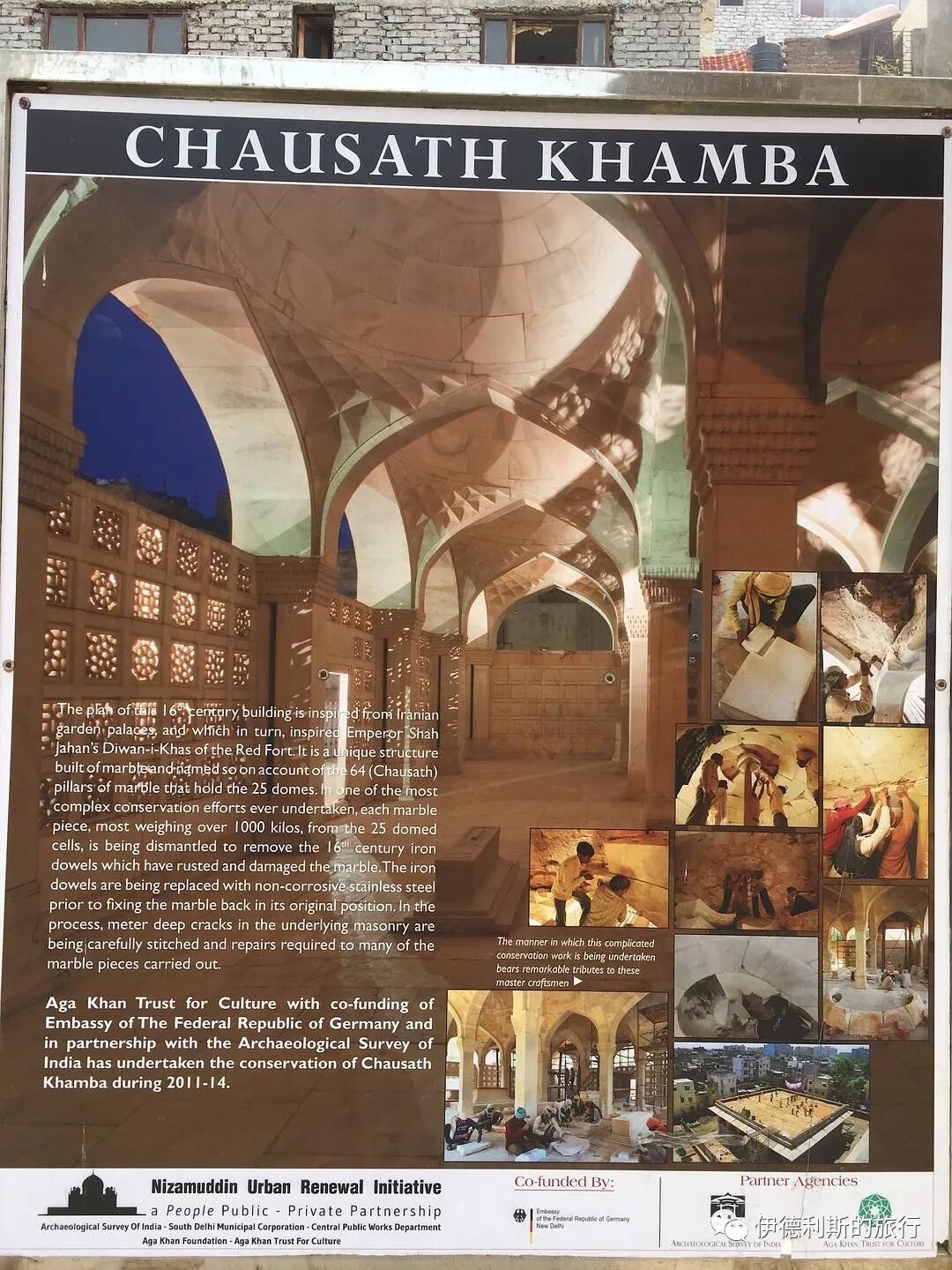
Chausath Khamba means sixty-four pillars in Hindi and Urdu. It is a square hall made of white marble. Sixty-four pillars support twenty-five domes that you can only see from inside the building, as the roof itself is flat.
The design of Chausath Khamba does not look like a tomb at all. Experts think this place was likely a hall for resting and gathering when visiting the Nizamuddin shrine and the tomb of Atghah Khan. It was only turned into a tomb after Mirza died.
The British Library holds a drawing of Chausath Khamba made by William Daniell, R. A. in 1801.
This information comes from the website http://ranasafvi.com/chausath-khamba/
A Delhi artist painted the Chausath Khamba between 1820 and 1825.
From http://ranasafvi.com/chausath-khamba/
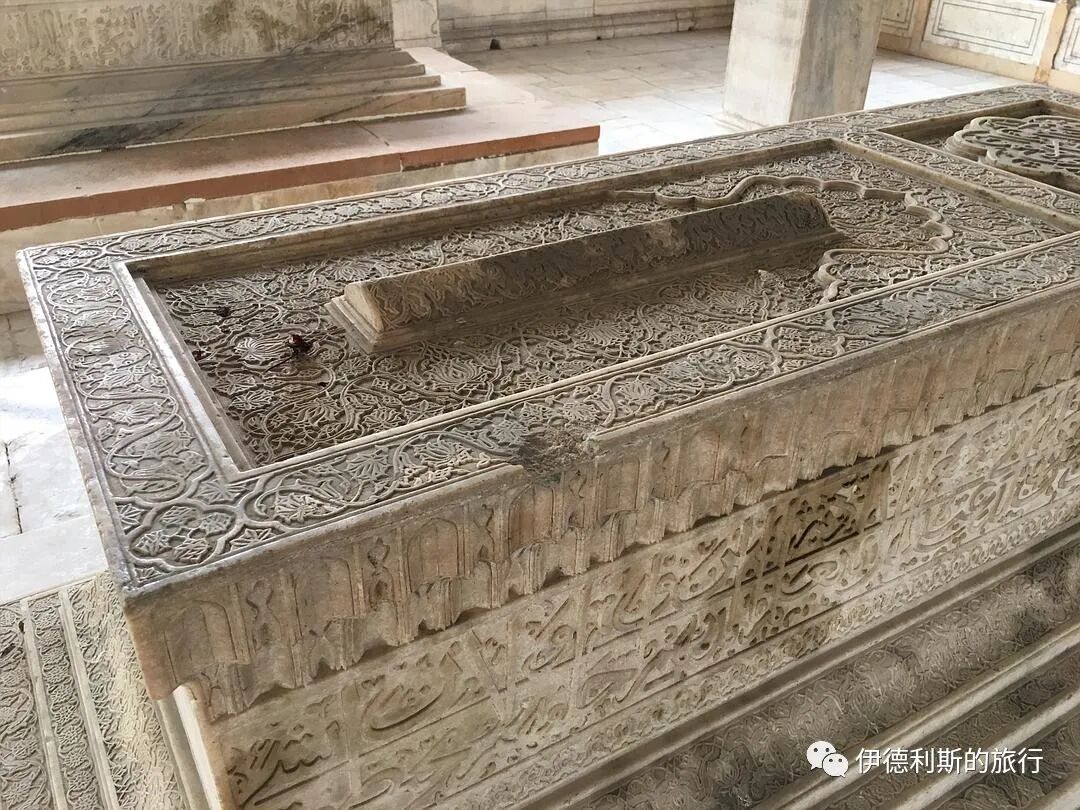
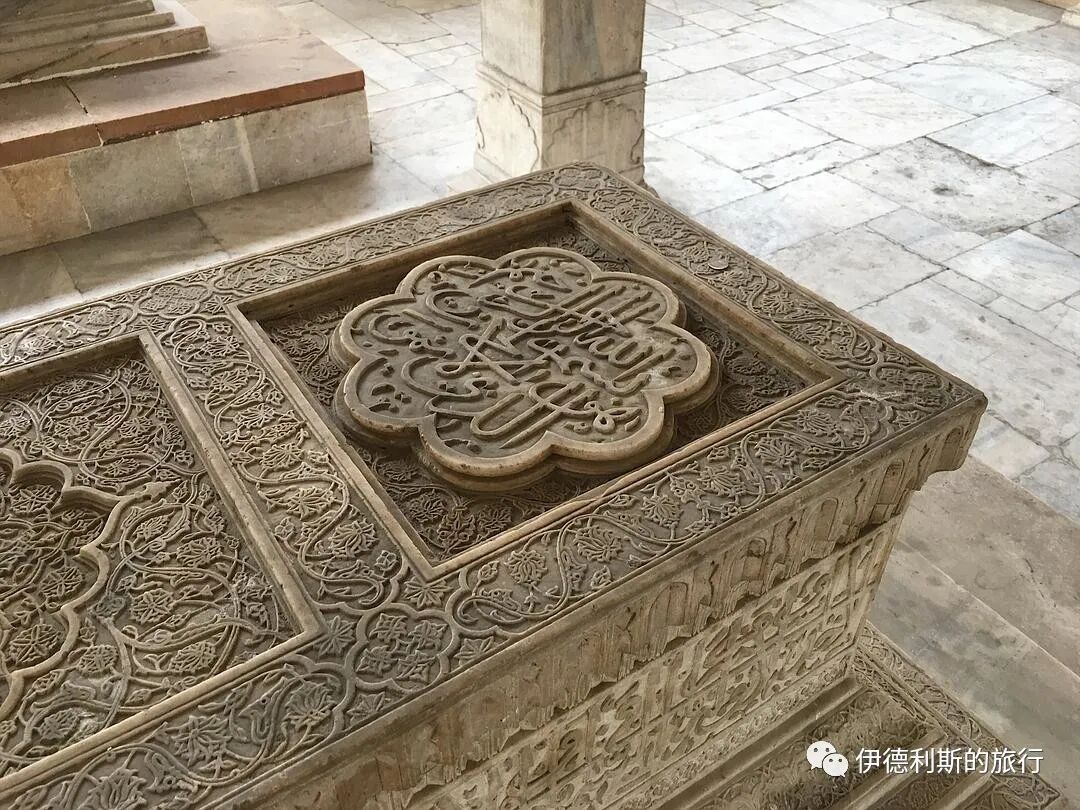
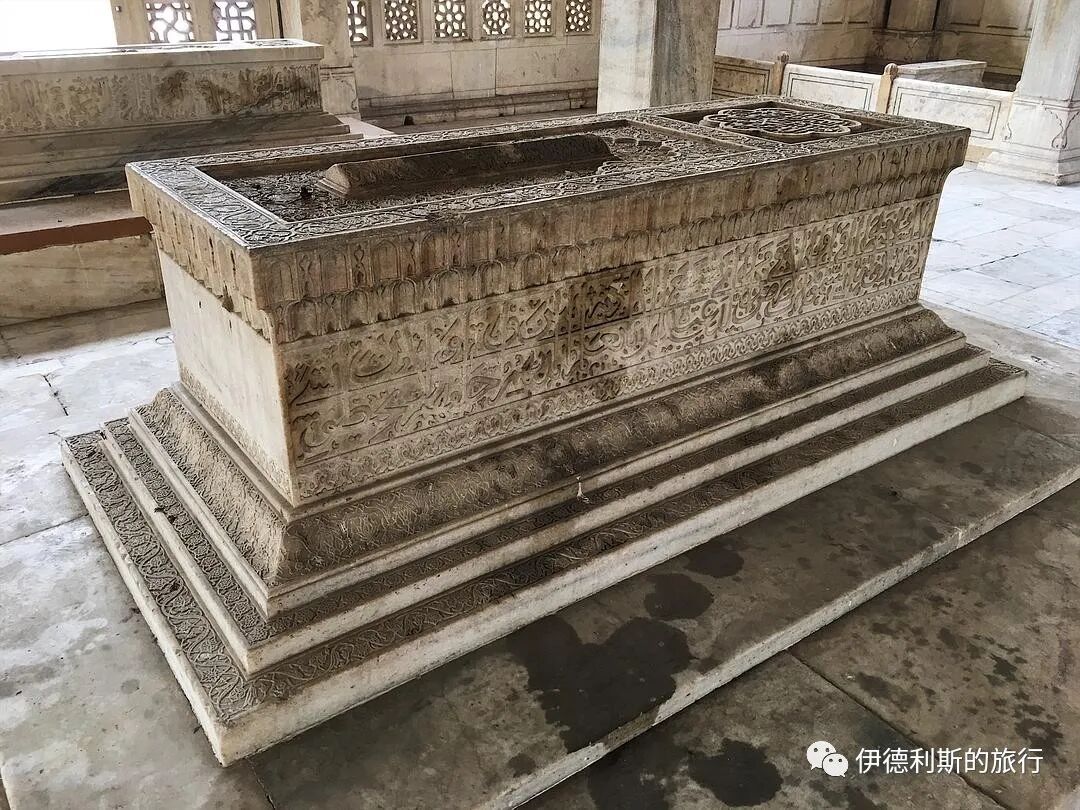
The raised part on the tombstone is called a qalam, which shows it is a man's grave. Most of the text on it comes from the Quran, Surah 3:185: Every soul shall taste death.
1. The Great Emperor's childhood friend
Mirza was a high-ranking official during the reigns of the Mughal Emperor Akbar (1556-1605) and his successor Jahangir (1605-1627). Because his father, Ataga Khan, was the foster father of Emperor Akbar, he received the title Koka, which means foster brother.
Mirza was a childhood playmate of Emperor Akbar and shared a very deep bond with the emperor. In 1572, Emperor Akbar conquered the Gujarat Sultanate southwest of Delhi and appointed Mirza to govern Gujarat. In 1573, the people of Gujarat rebelled and besieged the city of Ahmedabad. Mirza held the city until Emperor Akbar led his army to break the siege.
2. Receiving the Emperor's forgiveness
Gradually, Mirza became unhappy with many of Emperor Akbar's policies. In 1578, he was ordered to put down a rebellion in Bengal, and in 1586, he was ordered to conquer the Deccan Plateau. He was reluctant to carry out both missions, and his slow progress caused him to miss key military opportunities.
However, as childhood friends, Emperor Akbar remained very forgiving toward Mirza. In 1592, Mirza was sent on the Hajj pilgrimage to Mecca and spent a lot of money on religious causes. Eventually, Emperor Akbar forgave Mirza and restored his status.
3. Losing status
In 1605, Jahangir became the new Mughal emperor, and in 1606 he crushed the rebellion led by his eldest son, Khusrau Mirza. Because he supported the rebellion, Mirza was stripped of most of his power. In his later years, Mirza regained some of his power, but it was nothing like it had been when his father was alive.
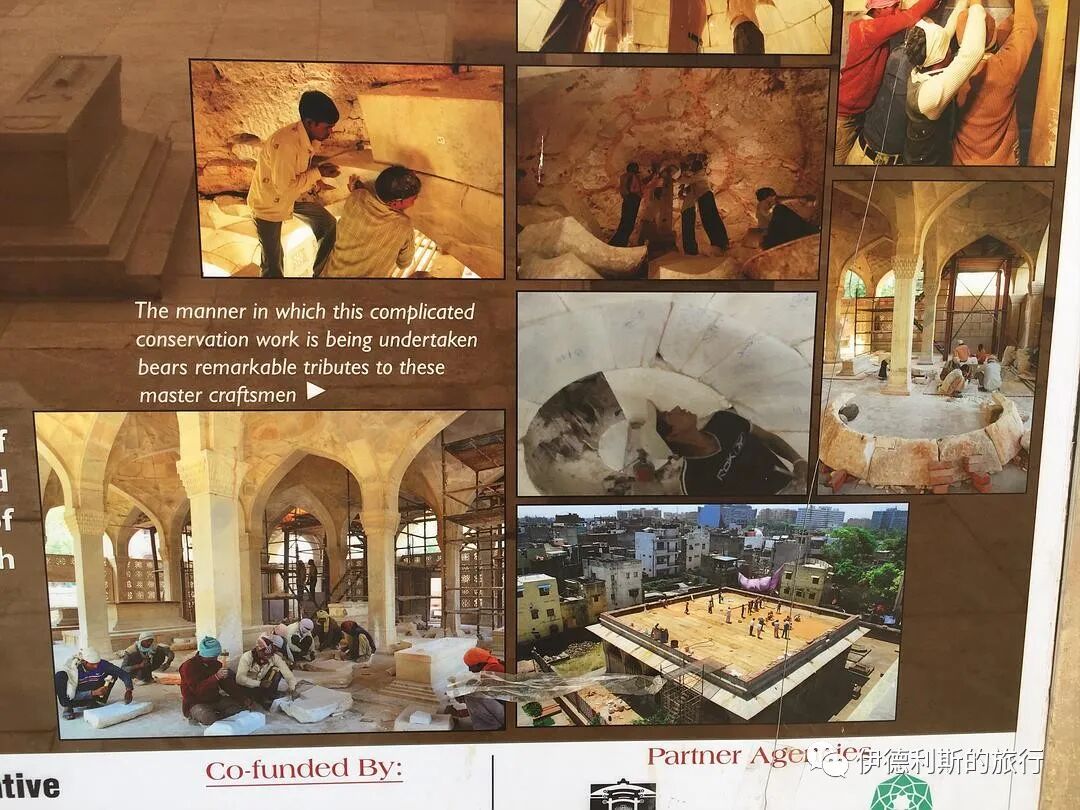
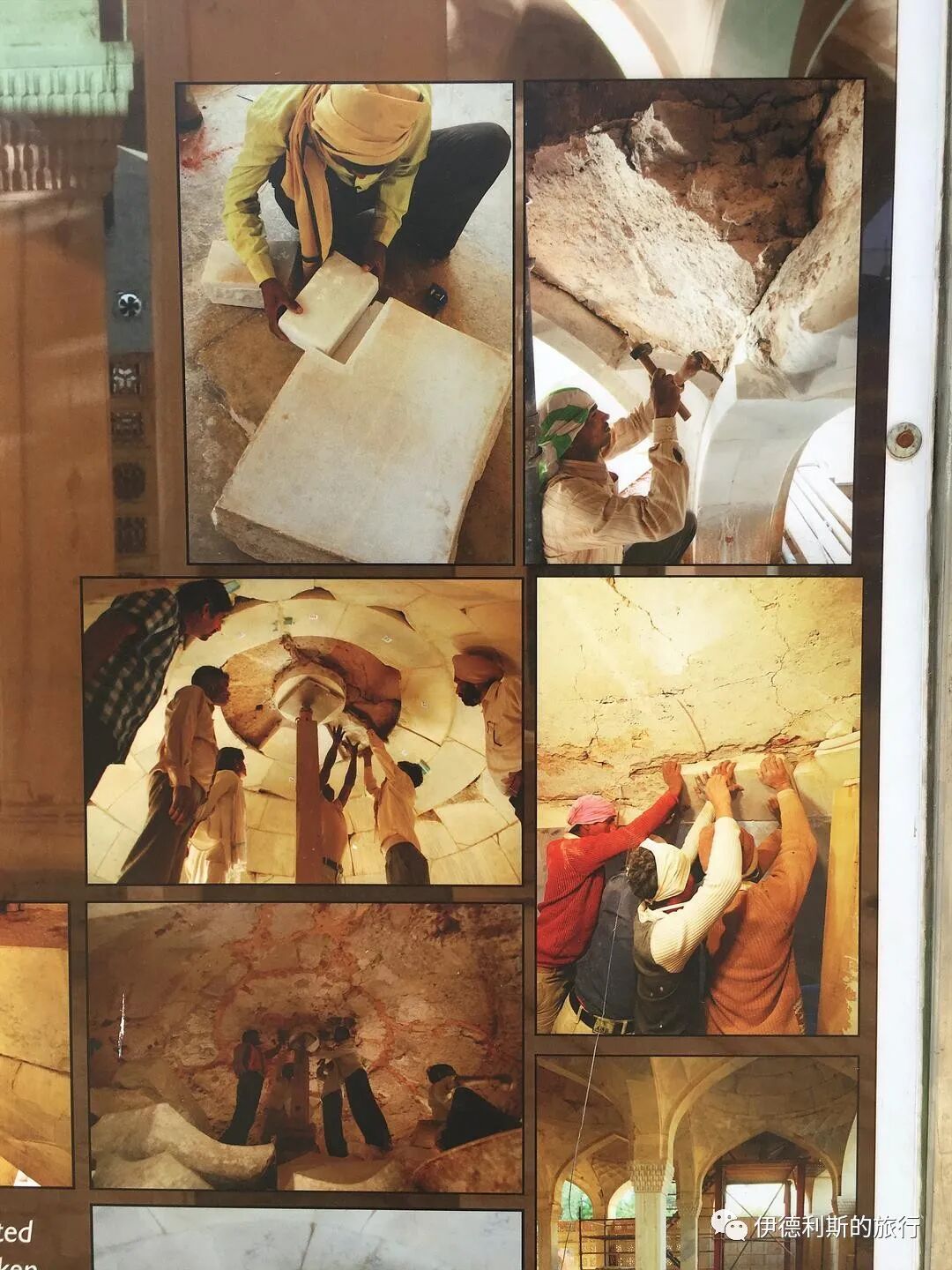
Records from the renovations between 2011 and 2014.
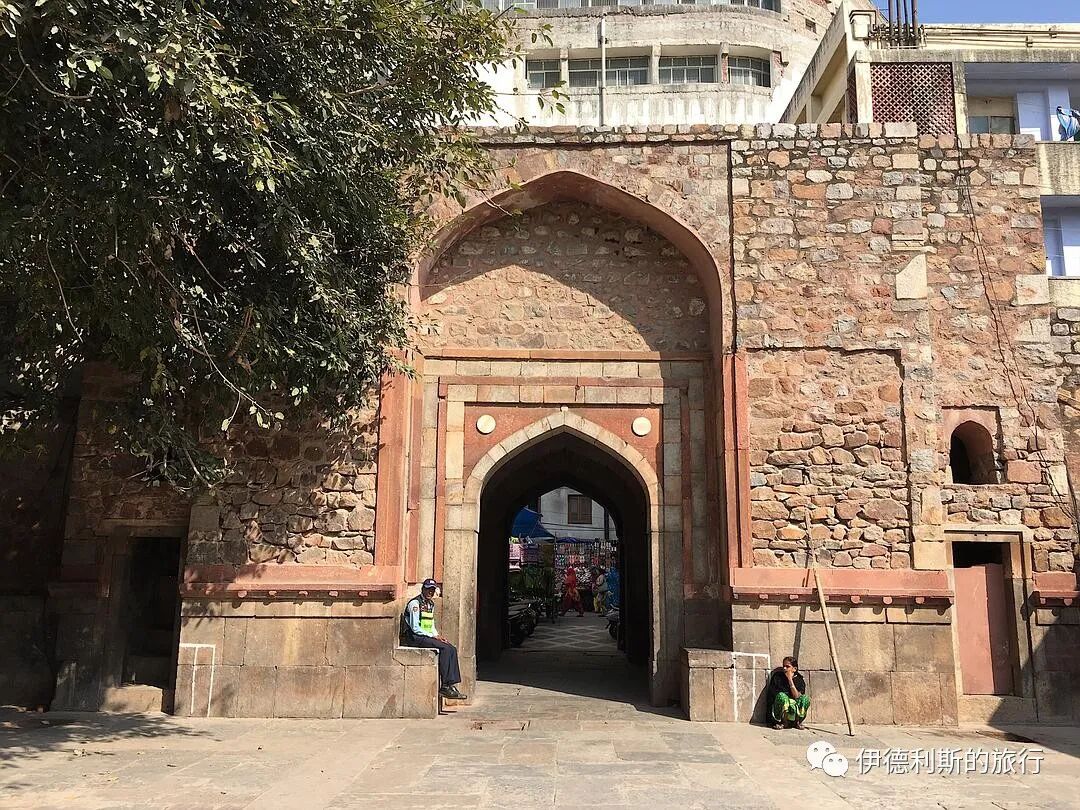
The main gate, built between the late 16th and early 17th centuries.
3. Tomb of the poet Ghalib: 1869.
In the courtyard north of Chausath Khamba lies the tomb of Mirza Ghalib (1797-1869), known as the last great poet of the Mughal Empire and the most famous Urdu poet of the 19th century.
Ghalib's real name was Mirza Asadullah Khan Baig. Ghalib was his pen name, which means "dominant" or "superior" in Urdu. During Ghalib's life, the Mughal Empire faded under British influence and finally ended after the rebellion of 1857. Ghalib's poetry is closely tied to this period.
The epitaph on his tombstone reads:
The joys of the world mean nothing to me
Because my heart feels nothing but blood
1. From a Turkic family
Ghalib was born near Agra in 1797, and his family were descendants of the Aibak tribe of the Seljuk Turks. After the Seljuk Empire fell in the 12th century, his family moved to Samarkand. During the reign of the Mughal Emperor Ahmad Shah (1748-1754), Ghalib's grandfather moved from Samarkand to the Mughal Empire. He worked in Lahore, Delhi, and Jaipur before finally settling in Agra.
Ghalib's father married a Kashmiri girl and later lived with his father-in-law. He died in a war in 1803, when Ghalib was only 5 years old. After his father passed away, Ghalib was raised by his uncle.
2. Poetry and Love
Ghalib started writing poetry at age 11. Although his mother tongue was Urdu, his family also used Persian and Turkic. He also received an education in Persian and Arabic at a very young age.
Ghalib moved to Delhi after getting married at 13, but all 7 of his children died in infancy by the time he turned 30. Ghalib described marriage as a second imprisonment of life itself. He was very keen on extramarital affairs and even earned the nickname "friend of women" in the Mughal court. Once, when someone praised the poetry of the pious poet Sheikh Sahbai, Ghalib immediately retorted: What kind of poet is Sahbai? He never drank alcohol, never gambled, was never hit by a lover with a shoe, and never spent time in prison.
Although Ghalib felt very proud of his Persian poetry achievements, he is most famous today for his Urdu ghazals. Before Ghalib, ghazals mostly focused on painful love. Ghalib brought in more philosophy, including the hardships and mysteries of life, which greatly expanded the scope of ghazals.
To follow the traditions of classical ghazals, the identity and gender of the beloved remain uncertain in most of Ghalib's poetry. Later generations believe that the poetic convention of focusing on the 'idea' of a beloved rather than a real person allowed poets to move away from realism in their work.
3. Court Poet
In 1850, the last Mughal emperor, Bahadur Shah Zafar II, gave Ghalib the titles of 'Dabir-ul-Mulk' and 'Mirza Nosha.' From then on, Ghalib officially used the name Mirza and became a Mughal noble and court poet. In 1854, Ghalib was appointed as the emperor's poet tutor. In 1856, he became a tutor for the prince and also served as the court historian.
The Mughal Empire fell to the British in 1857. Before that, Ghalib lived as a nobleman supported by the royal family and his friends, never earning his own money. During British rule, he tried everything he could to get a pension but failed.
The cover of Ghalib's poetry collection published in 1869, held by the Digital Museum of India.
4. Barah Khamba: 14th-15th century.
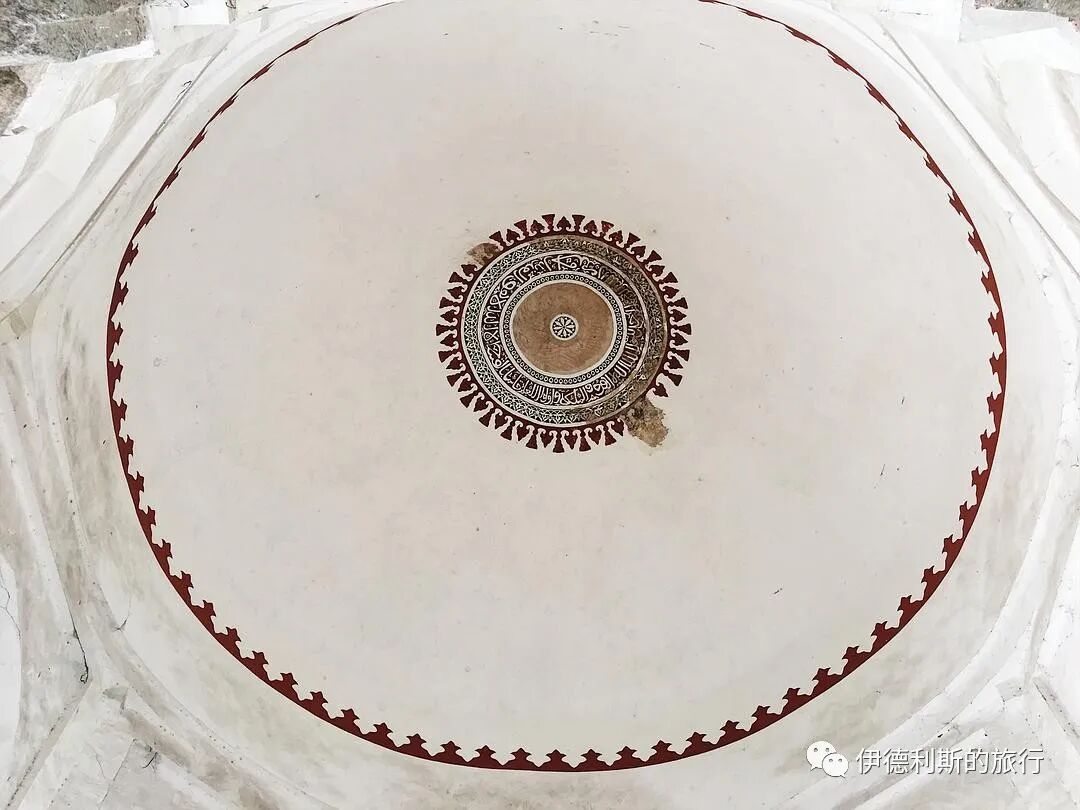
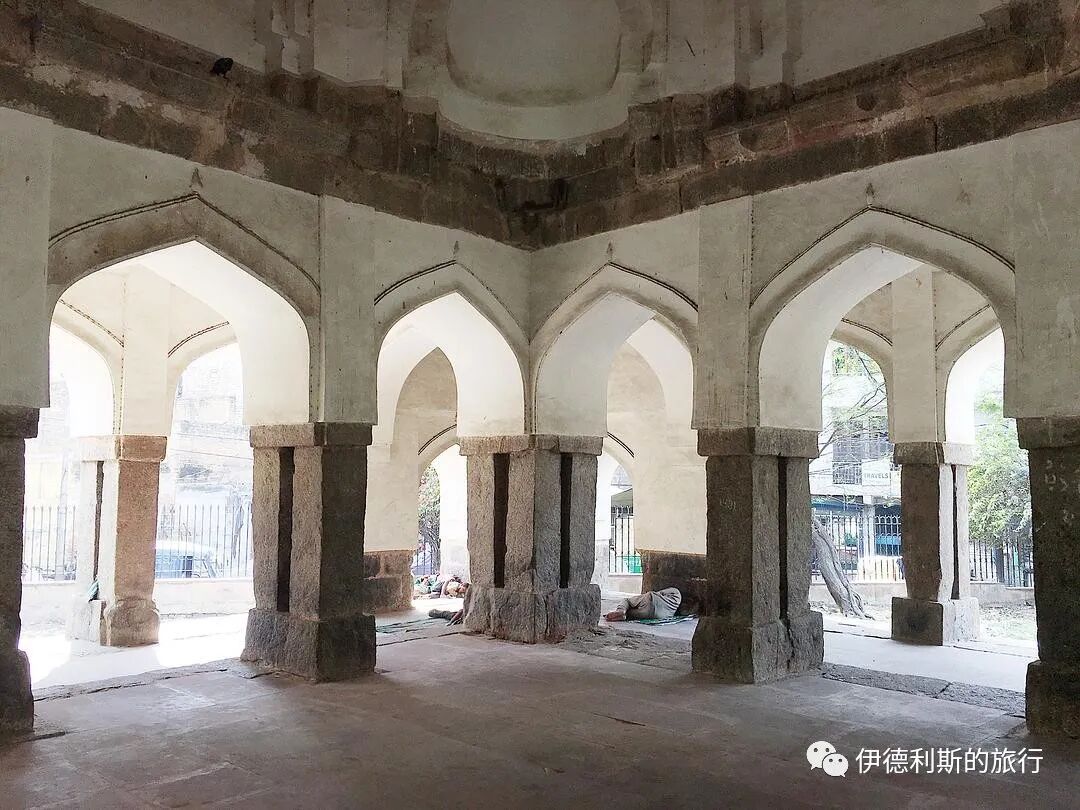
Barah Khamba sits in a garden in the northern part of the Nizamuddin neighborhood. It is a tomb for a nobleman from the Delhi Sultanate, though the identity of the person buried there remains unknown. Barah khamba means "twelve pillars" in both Urdu and Hindi. This tomb was once occupied as a residence and suffered a lot of damage, but it has now been restored.
5. Gol Gumbad: 15th century
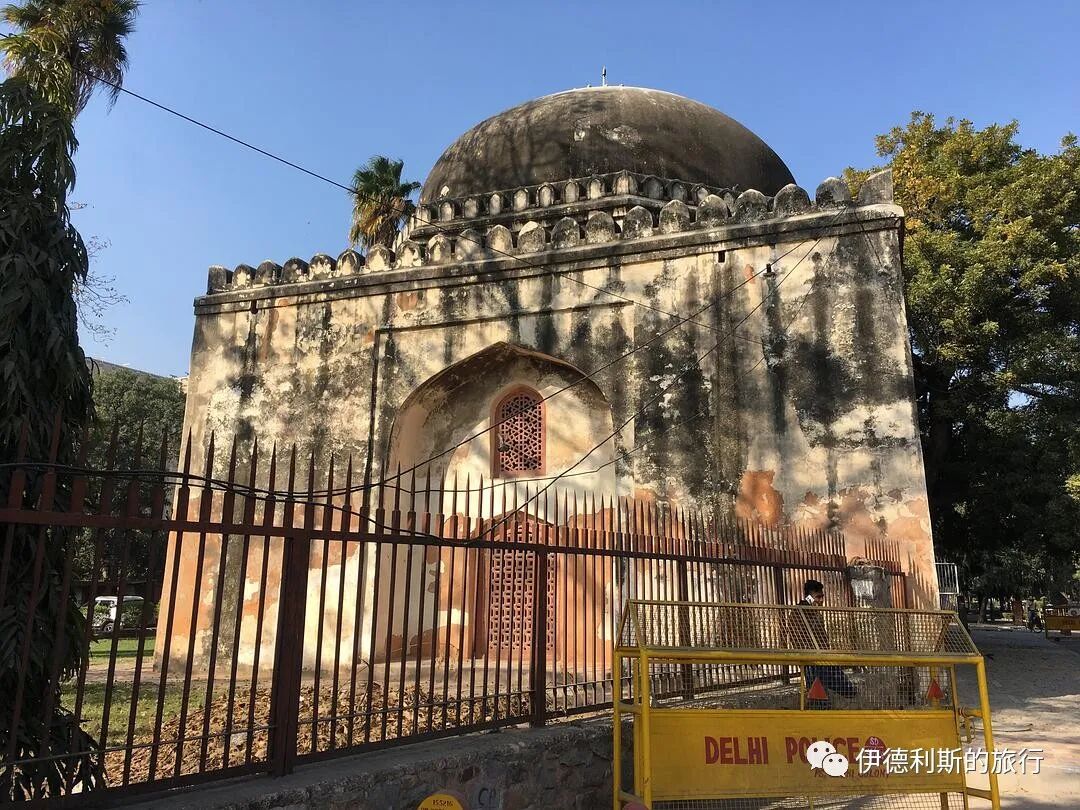
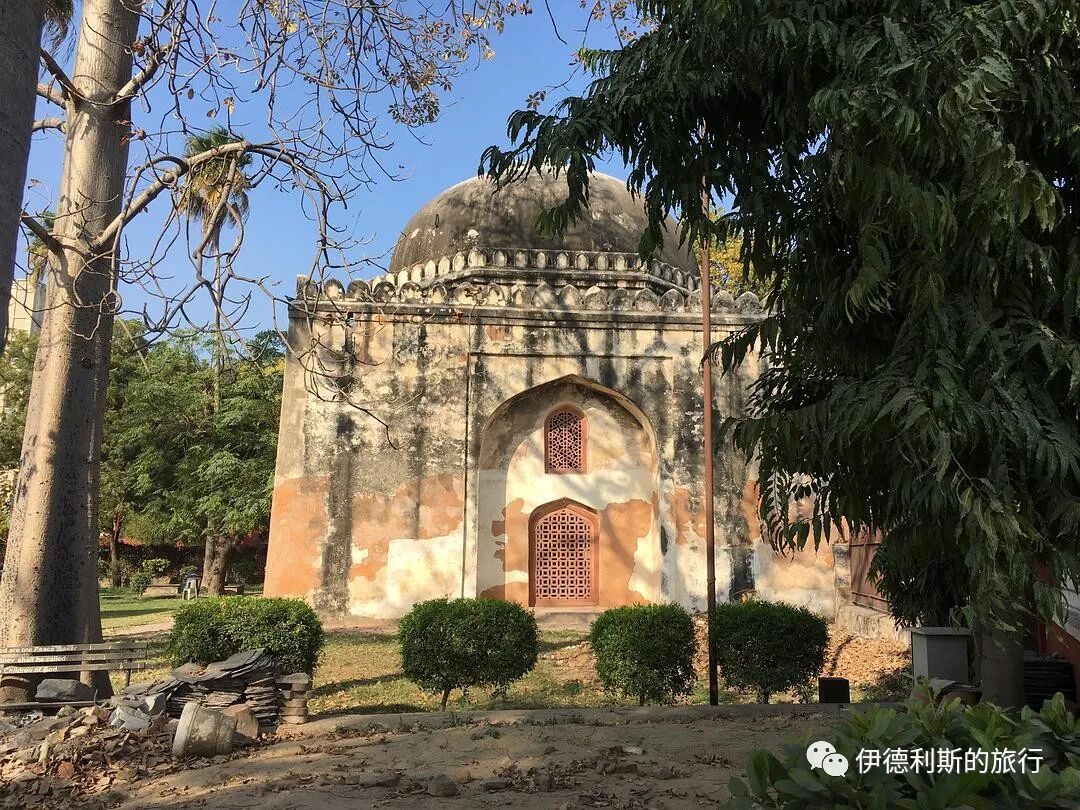
Gol Gumbad is located northwest of the Nizamuddin neighborhood. From the outside, the tomb has the style of the Tughlaq dynasty (1320-1413), but the interior has some features typical of later tombs.
6. Tomb of Malik Maqbul: 1388
Deep in the alleys of the southern Nizamuddin neighborhood stands the first octagonal tomb in Indian history. It belongs to Malik Maqbul, a Wazir (prime minister) of the Tughlaq dynasty in the Delhi Sultanate, and was built by his son, Junan Shah.
The tomb is in poor condition today. It is damaged in many places and squeezed between residential houses.
A long wall surrounds the tomb, and this is the main gate of that wall.
1. Converting to Islam
Maqbul was originally named Yugandhar. He was a Hindu commander at Warangal Fort, the capital of the Kakatiya dynasty in southern India.
In 1323, the Tughlaq dynasty captured Warangal Fort. Yugandhar was taken to Delhi, converted to Islam, and given the name Malik Maqbul.
2. The actual ruler of the Sultanate
After arriving in the Delhi Sultanate, Maqbul gradually earned the Sultan's trust. He accompanied the Sultan to crush a rebellion in the Gujarat region, where they killed all the rebels and seized a massive amount of wealth. Back in Delhi, Malik Maqbul kept getting promoted. Eventually, under Sultan Feroz Shah Tughlaq (who reigned from 1351 to 1388), he became the Wazir, a position second only to the Sultan himself.
Malik Maqbul was the most trusted minister of Sultan Firoz Shah Tughlaq. The Sultan even called him brother and said he was the true ruler of Delhi. At that time, Maqbul was in charge of the Sultanate's finances. He was completely honest with the Sultan, kept him fully informed about the financial situation, and turned over all gifts from local officials to the state. At the same time, auditors and accountants strictly limited Maqbul's power, and they often had intense arguments. Once, Maqbul clashed with an accountant and threatened to go on a pilgrimage to Mecca. This forced the Sultan to reduce the accountant's power.
3. Successor
Maqbul died in 1369, and his son Jauna Khan took over as the Wazir of the Delhi Sultanate. Jauna Khan was just as talented at governing as his father, but he lacked military skill and was eventually defeated and executed in battle.
The greatest legacy Jauna Khan left behind is the seven mosques he built in Delhi. I have visited four of them: Begampur Mosque, Khirki Mosque, Kalan Mosque, and Kali Mosque. The fourth one, Kali Mosque, is right on the east side of Malik Maqbul's tomb, and I will describe it in detail next.
Begampur Mosque
Khirki Mosque
Kalan Mosque
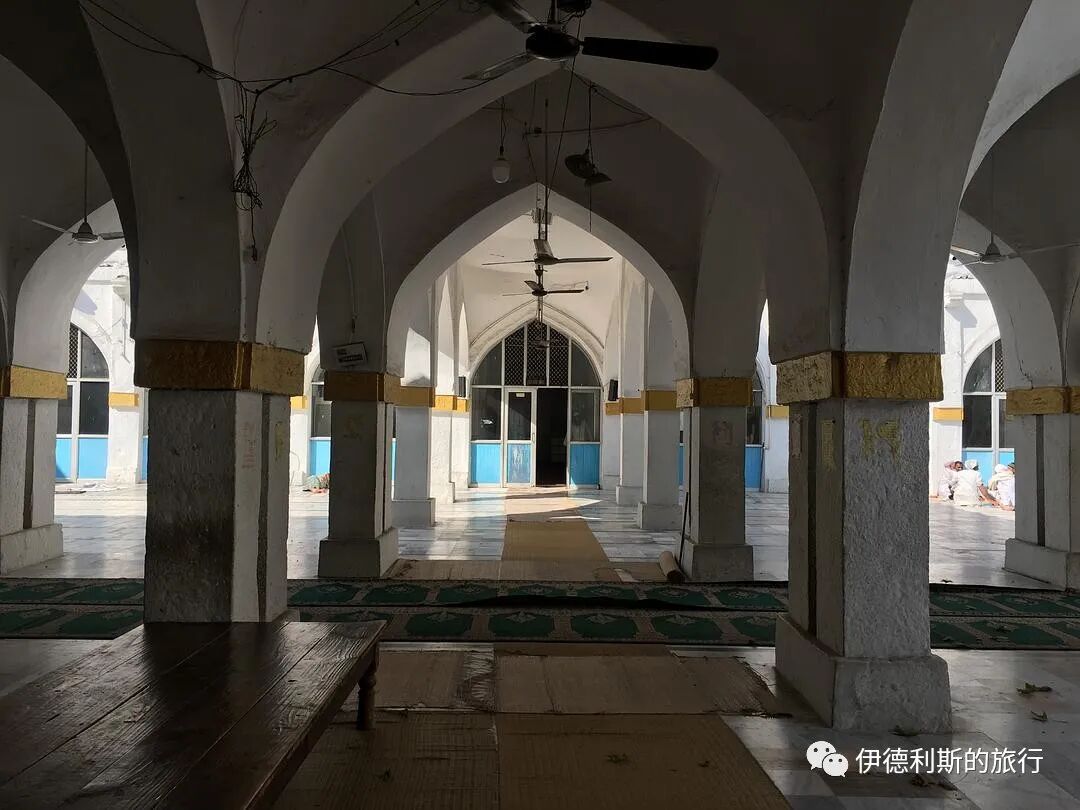
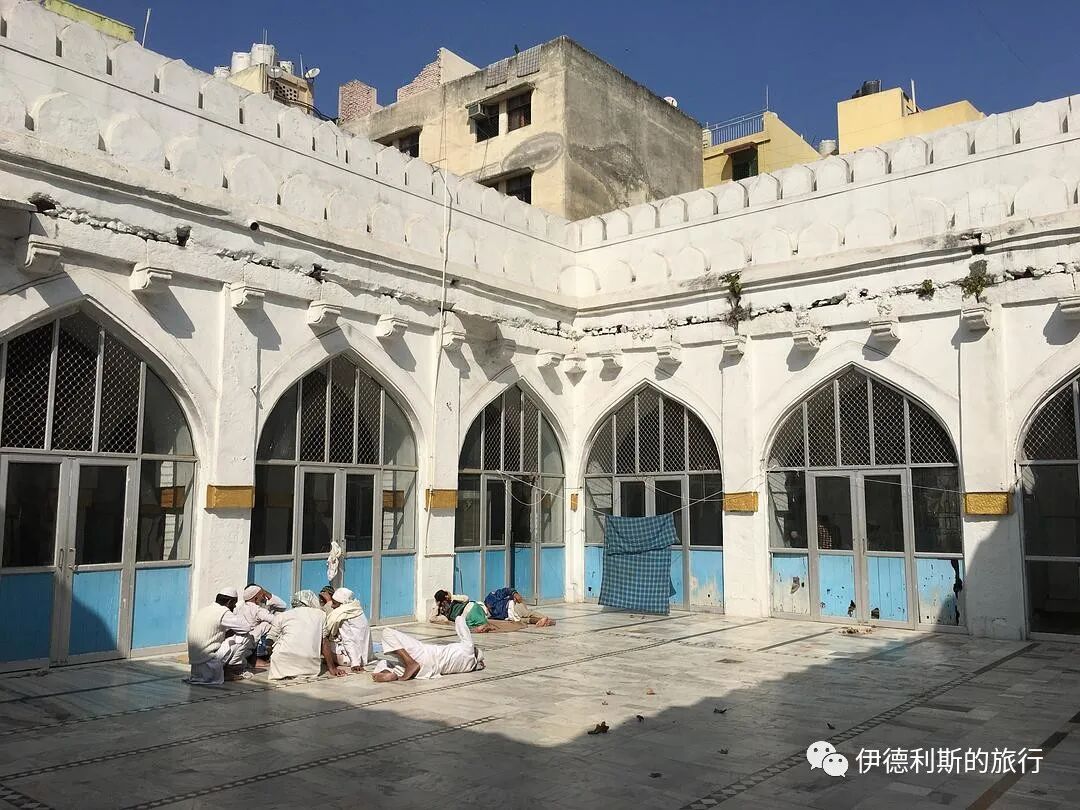
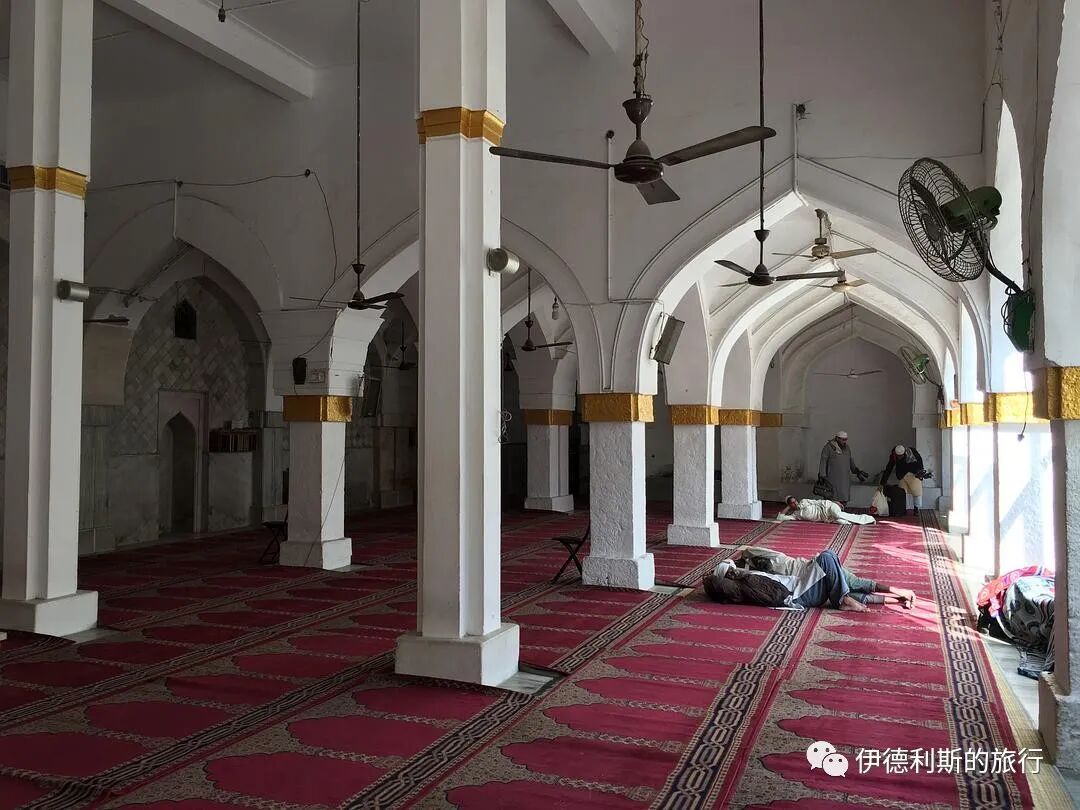
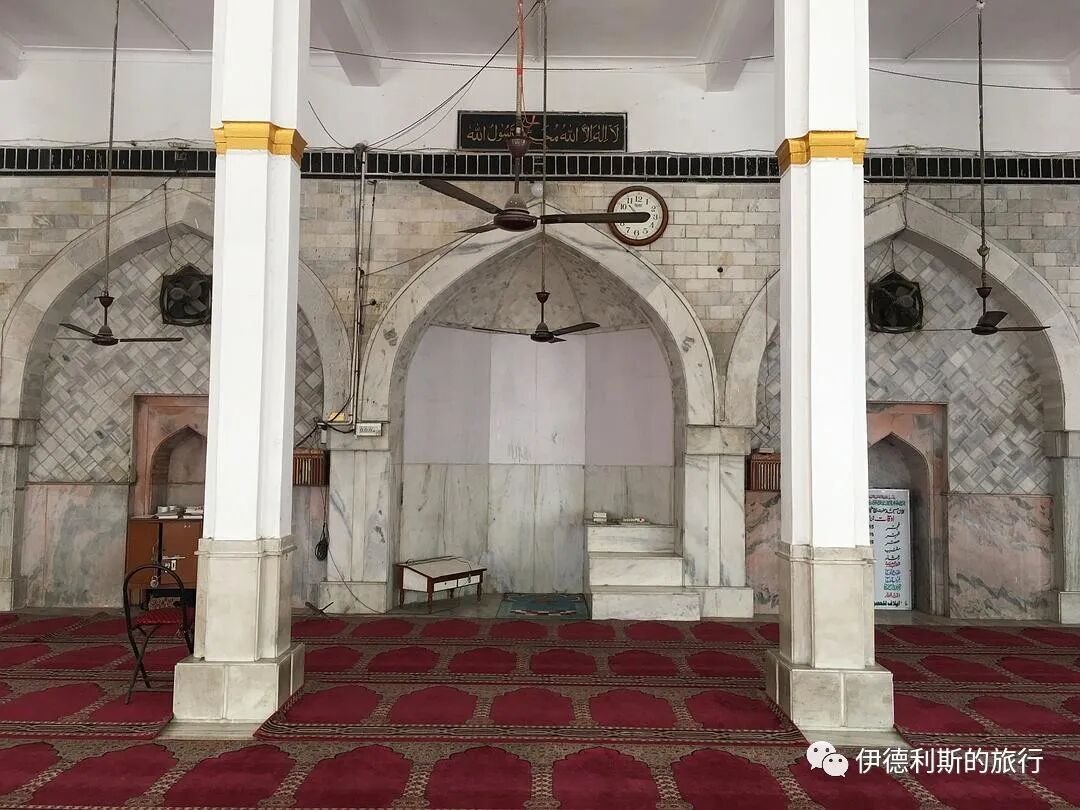
7. Kali Mosque: 1370
Kali Mosque sits east of the tomb of Malik Maqbul. It is one of seven mosques built by Jauna Khan (Khan-i-Jahan Maqbul), who served as the vizier to Sultan Firoz Shah Tughlaq of the Tughlaq dynasty during the Delhi Sultanate.
Kali Mosque and Khirki Mosque are very similar in their design and construction date, and both were once abandoned. The difference is that Kali Mosque was brought back into use in the early 20th century, and some changes were made to its original layout. view all
Summary: Delhi Sufi Sites — Shrines, Mosques and Muslim Communities is presented here as a firsthand travel account in clear English, beginning with this scene: The tomb of Prince Mirza Jahangir (Shahzada Mirza Muhammad Jahangir Bakht Bahadur, 1791-1821) is near the east gate of the shrine complex, and it also features white marble latticework. The account keeps its focus on Delhi Sufi Sites, Muslim Heritage, India Travel while preserving the names, places, food, and historical details from the Chinese source.
The tomb of Prince Mirza Jahangir (Shahzada Mirza Muhammad Jahangir Bakht Bahadur, 1791-1821) is near the east gate of the shrine complex, and it also features white marble latticework.
Prince Mirza Jahangir was the son of the Mughal Emperor Akbar Shah II (reigned 1806-1837). He was once named crown prince, but after attacking a British official, he was exiled by the East India Company, and his younger brother eventually became the last Mughal emperor.
Akbar Shah II was never very happy with his eldest son and wanted to name Mirza Jahangir as his heir. However, Sir Archibald Seton, who was stationed at the Red Fort in Delhi, did not like this, and the 19-year-old prince recklessly humiliated the official in public. A few days later, the prince held a party on the roof of the Red Fort in Delhi. He saw a British officer passing by and fired a shot at him, killing one of the officer's attendants. Because of this, the prince was exiled to Allahabad in the southeast of Uttar Pradesh.
The prince was eventually released from exile and returned to Delhi, where he died at the age of 31.
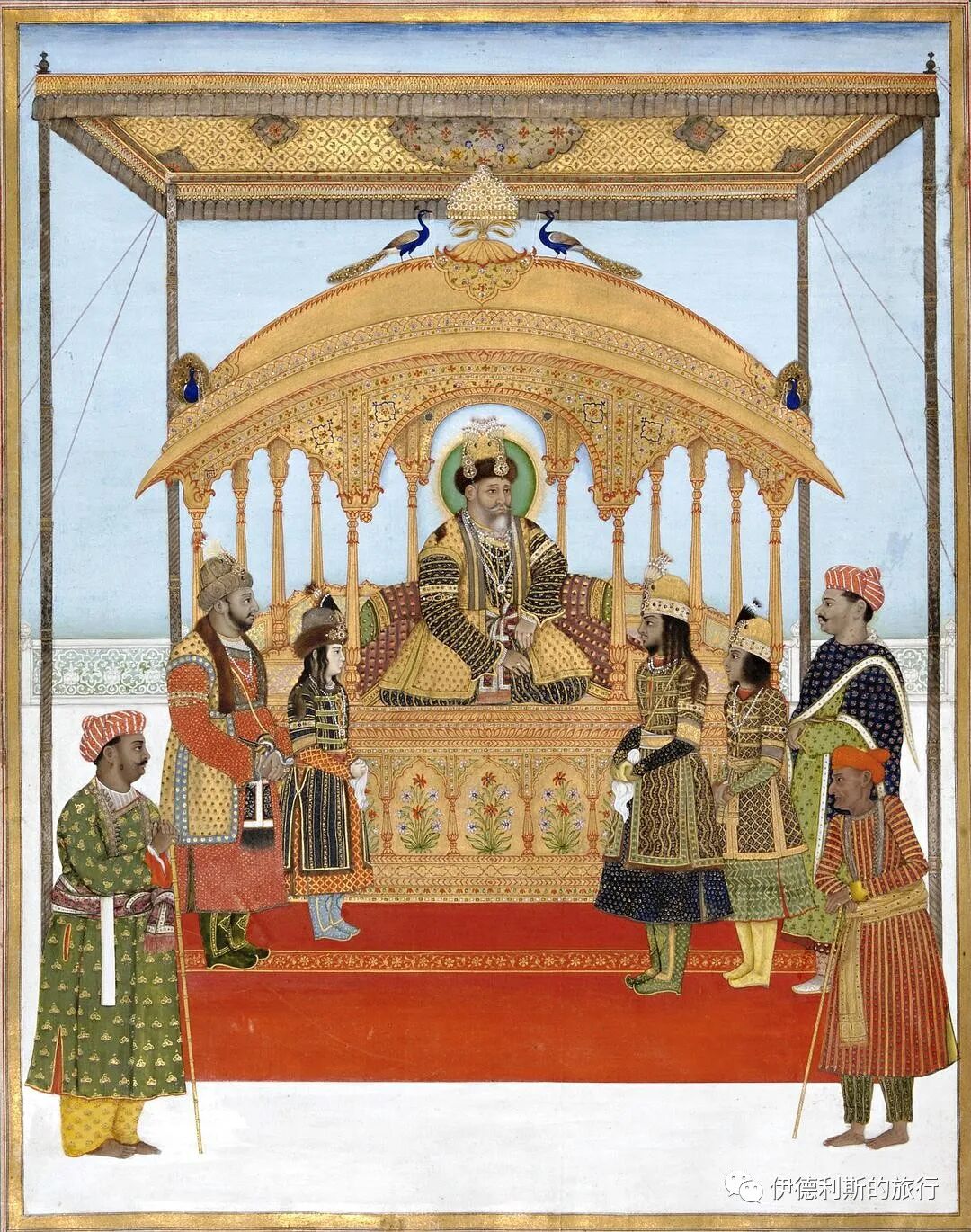
The Aga Khan Museum in Toronto holds a 1811 Mughal court portrait by Ghulam Murtaza Khan. Emperor Akbar Shah II is in the center, and the first person on the right is Prince Mirza Jahangir.
11. East Gate Bazaar
The religious goods market outside the east gate of the Nizamuddin Dargah core area really brings your imagination of the Mughal Empire to life.
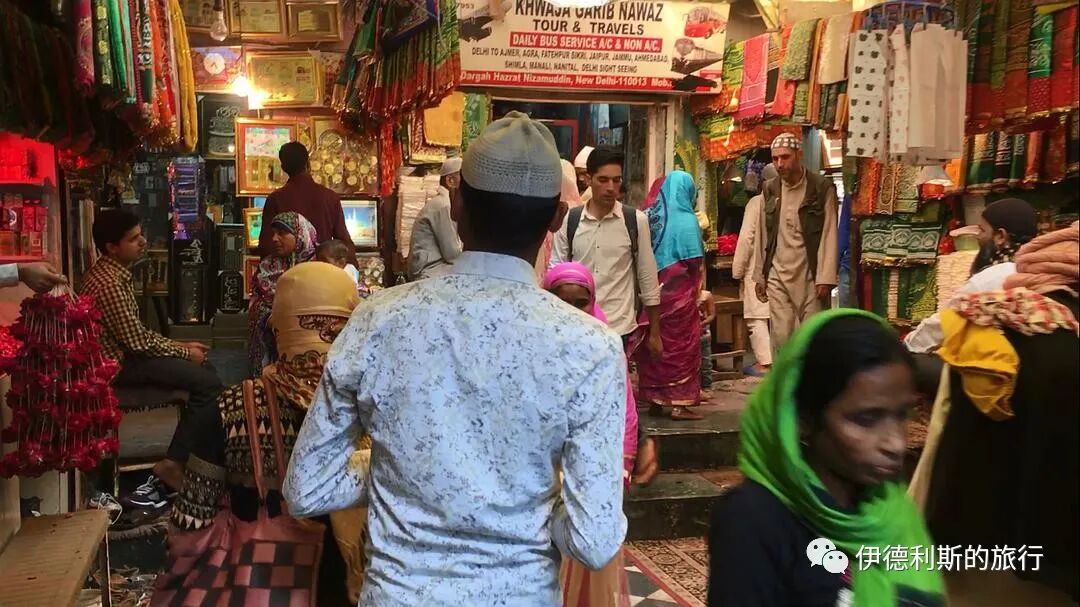
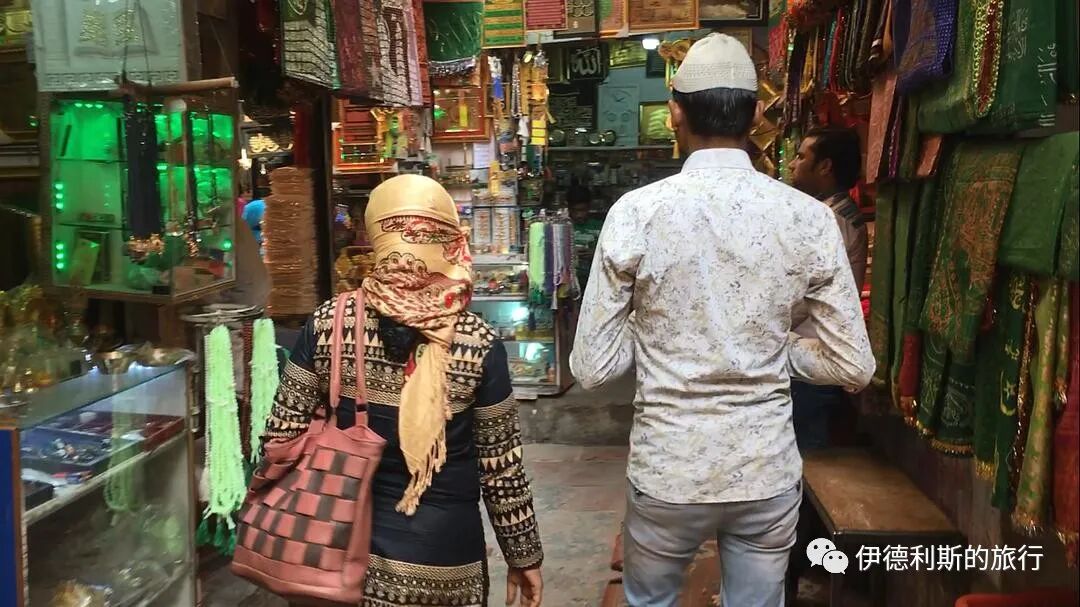
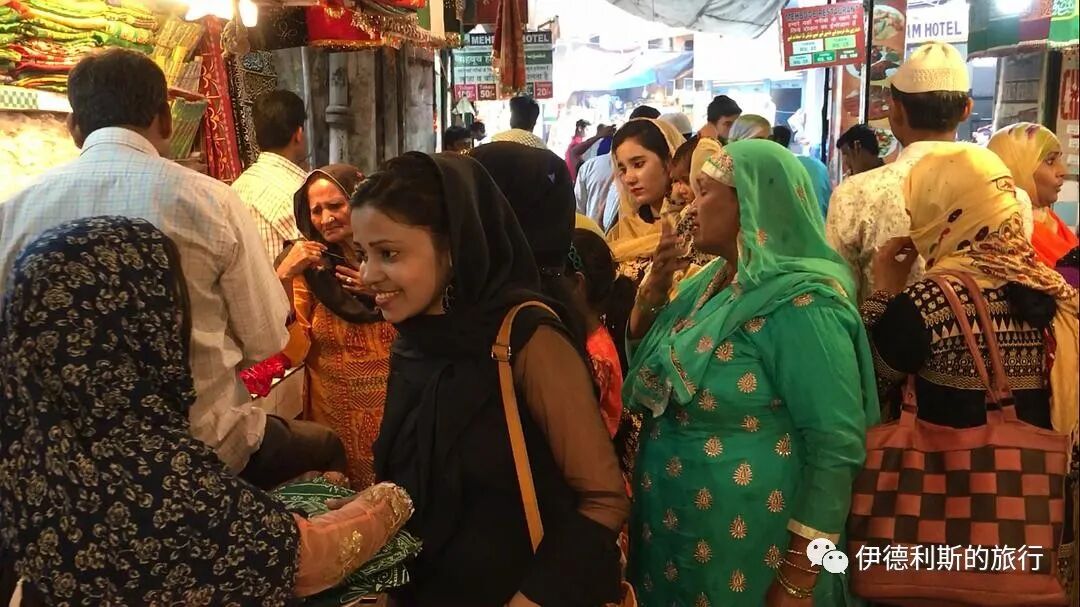
Chapter 4: The Perimeter of Nizamuddin Dargah
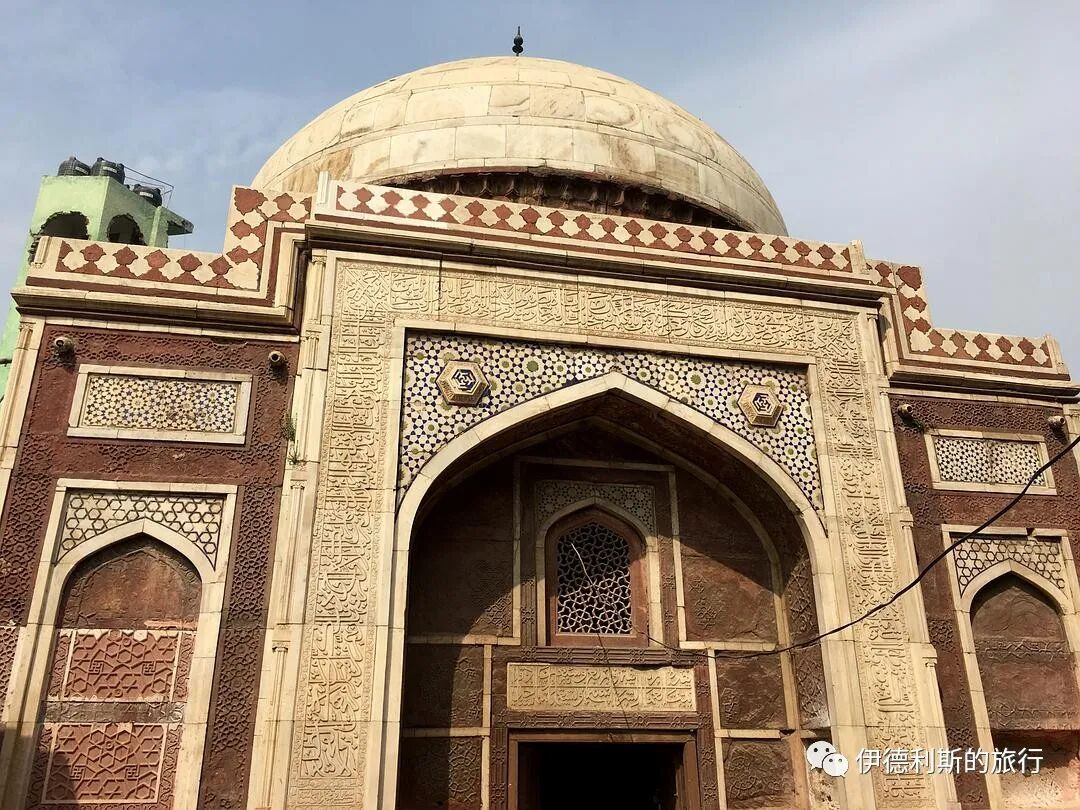
1. Tomb of Ataga Khan: 1566
Right next to the east side of the Nizamuddin Dargah core area stands the tomb of Ataga Khan, the foster father of the Mughal Emperor Akbar.
Ataga Khan's full name was Shamsuddin Muhammad Atgah Khan, and he held many important positions in the Mughal court. He was originally just an ordinary soldier, but by chance he saved the Mughal Emperor Humayun by the Ganges River, so Humayun brought him into the palace. To reward Ataga Khan for his loyalty, Humayun let Ataga Khan's wife become the foster mother of his son Akbar (the future Akbar the Great), and Ataga Khan then received the title of Atgah (foster father).
Ataga Khan was always a minister deeply loved by Akbar the Great. In 1561, he replaced Maham Anga as the new wakil (equivalent to prime minister), which caused Maham Anga great resentment. On May 16, 1562, Ataga Khan was murdered by Maham Anga's son, Adham Khan. Hearing that his foster father had been murdered, Akbar the Great was furious. He ordered Adham Khan to be thrown from the city wall twice to make sure he was really dead.
In 1566, Emperor Akbar ordered his foster brother, Mirza Aziz Koka, the son of Ataga Khan, to build a tomb for his father next to the Nizamuddin Dargah. The architect of this tomb was Ustab Khuda Quli, and the Quranic verses on the white marble were written by Baqi Muhammad from Bukhara.
When I visited, the tomb of Ataga Khan was under renovation and closed to the public.
2. Chausath Khamba: 1624
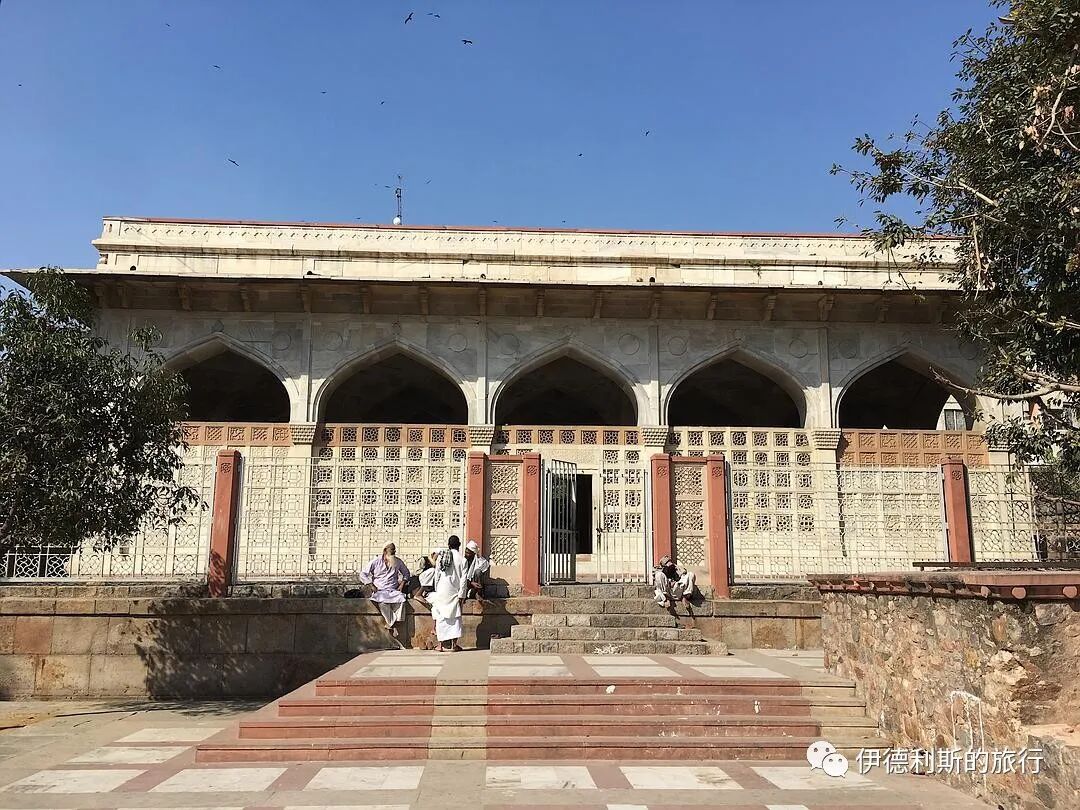
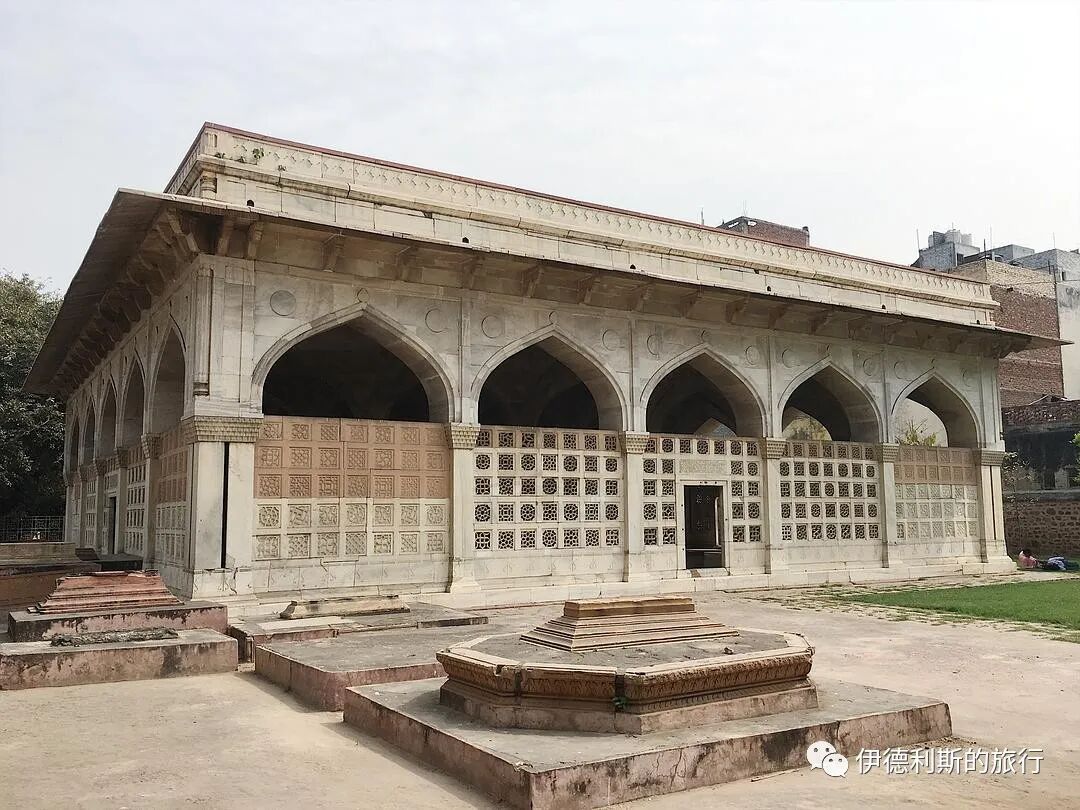
After leaving the east gate of the Nizamuddin Dargah core area and walking further east, you reach Chausath Khamba, the most important building in the eastern part of the Nizamuddin community. It is the tomb that Mirza Aziz Koka (1542-1624), the son of Ataga Khan, built for himself between 1623 and 1624.
Chausath Khamba means sixty-four pillars in Hindi and Urdu. It is a square hall made of white marble. Sixty-four pillars support twenty-five domes that you can only see from inside the building, as the roof itself is flat.
The design of Chausath Khamba does not look like a tomb at all. Experts think this place was likely a hall for resting and gathering when visiting the Nizamuddin shrine and the tomb of Atghah Khan. It was only turned into a tomb after Mirza died.
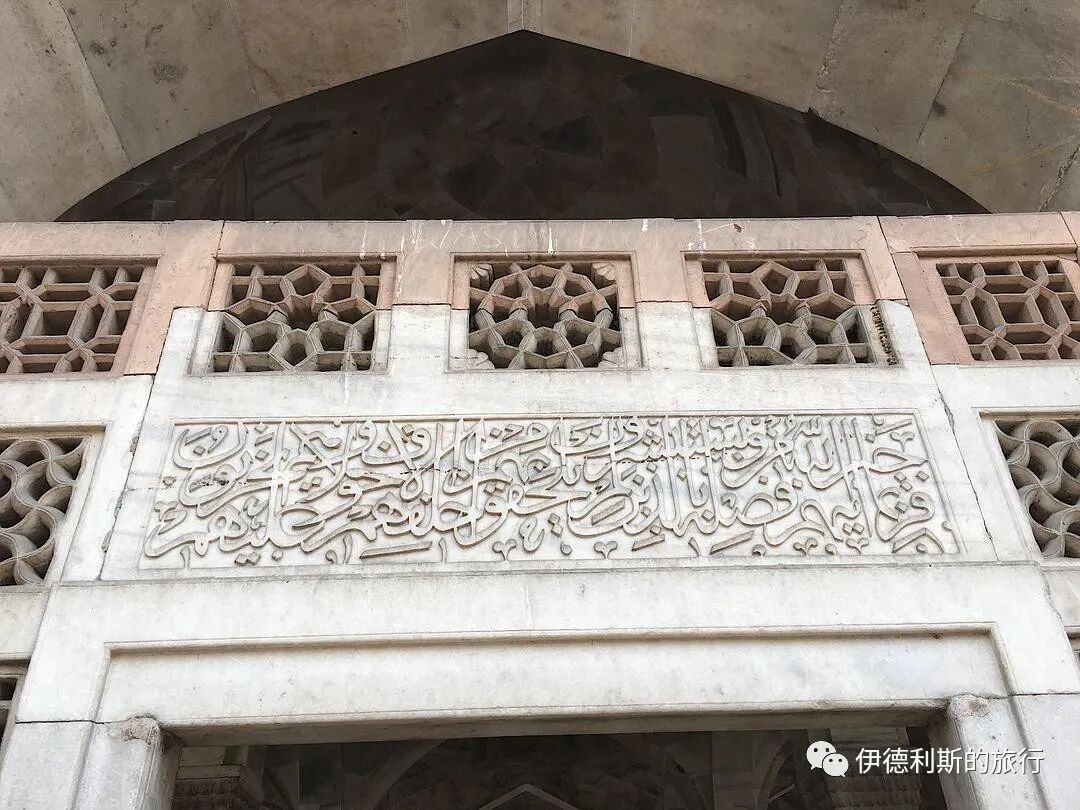
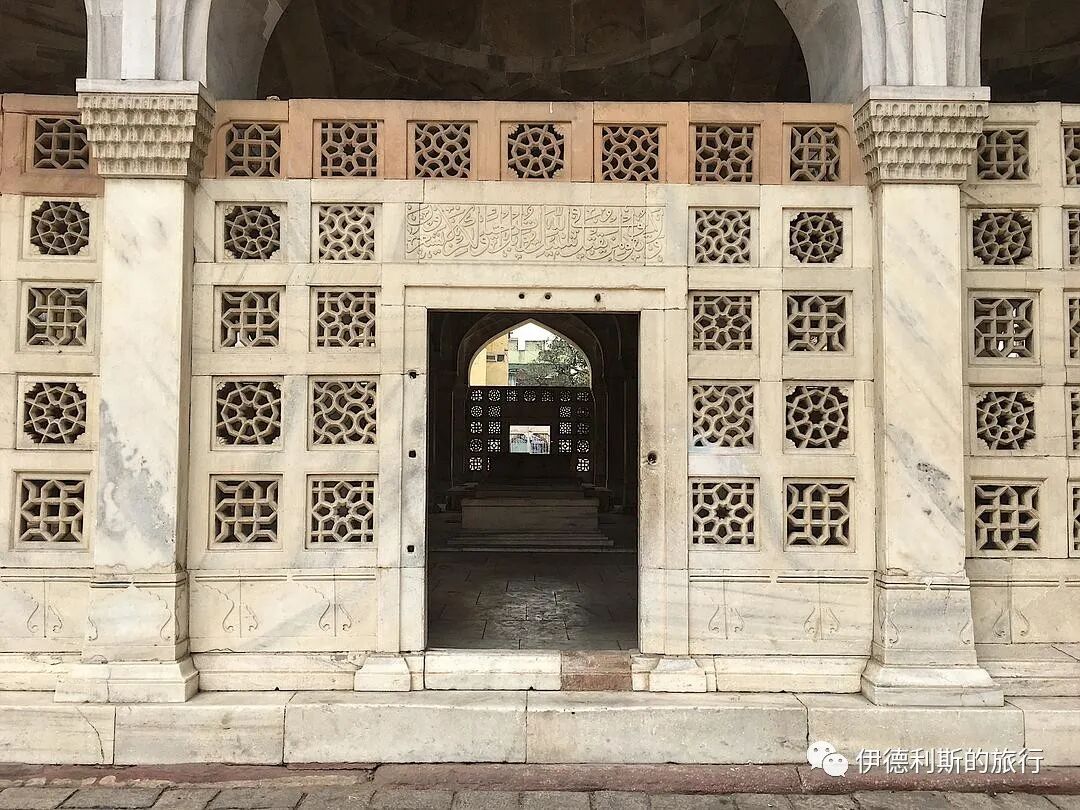
The British Library holds a drawing of Chausath Khamba made by William Daniell, R. A. in 1801.
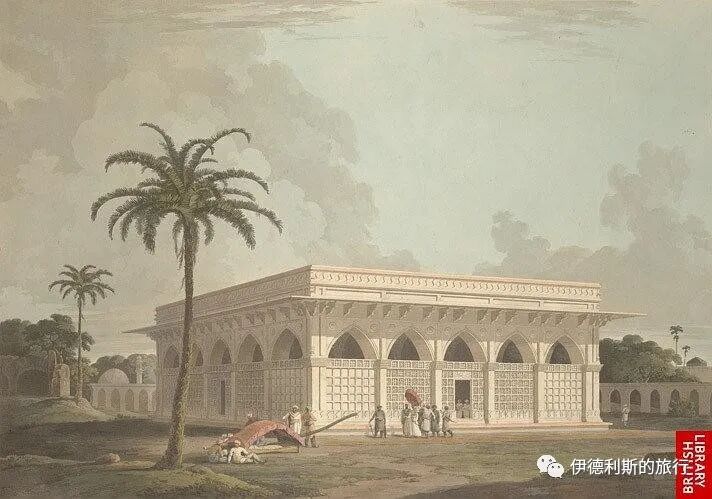
This information comes from the website http://ranasafvi.com/chausath-khamba/
A Delhi artist painted the Chausath Khamba between 1820 and 1825.
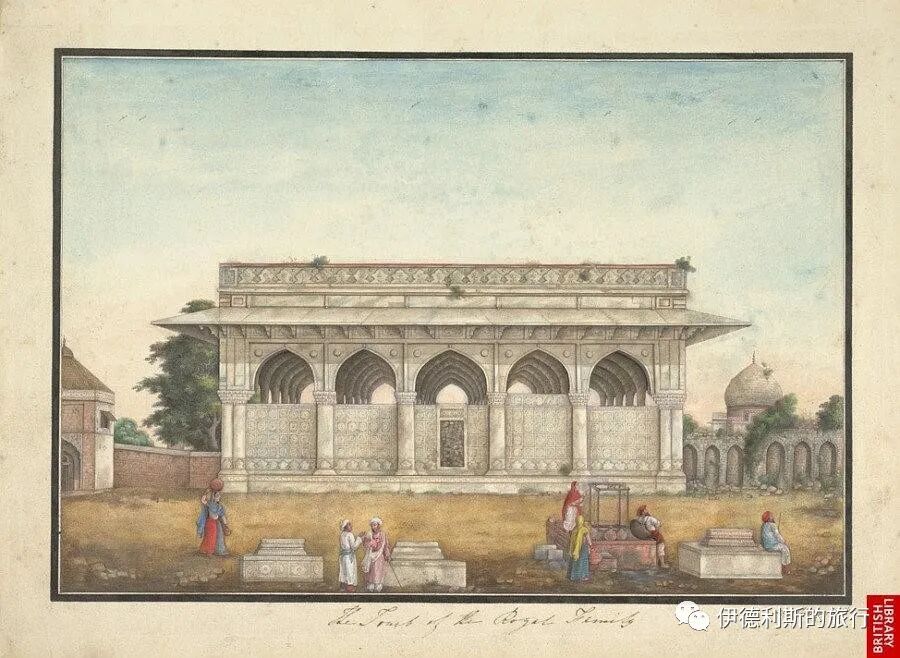
From http://ranasafvi.com/chausath-khamba/
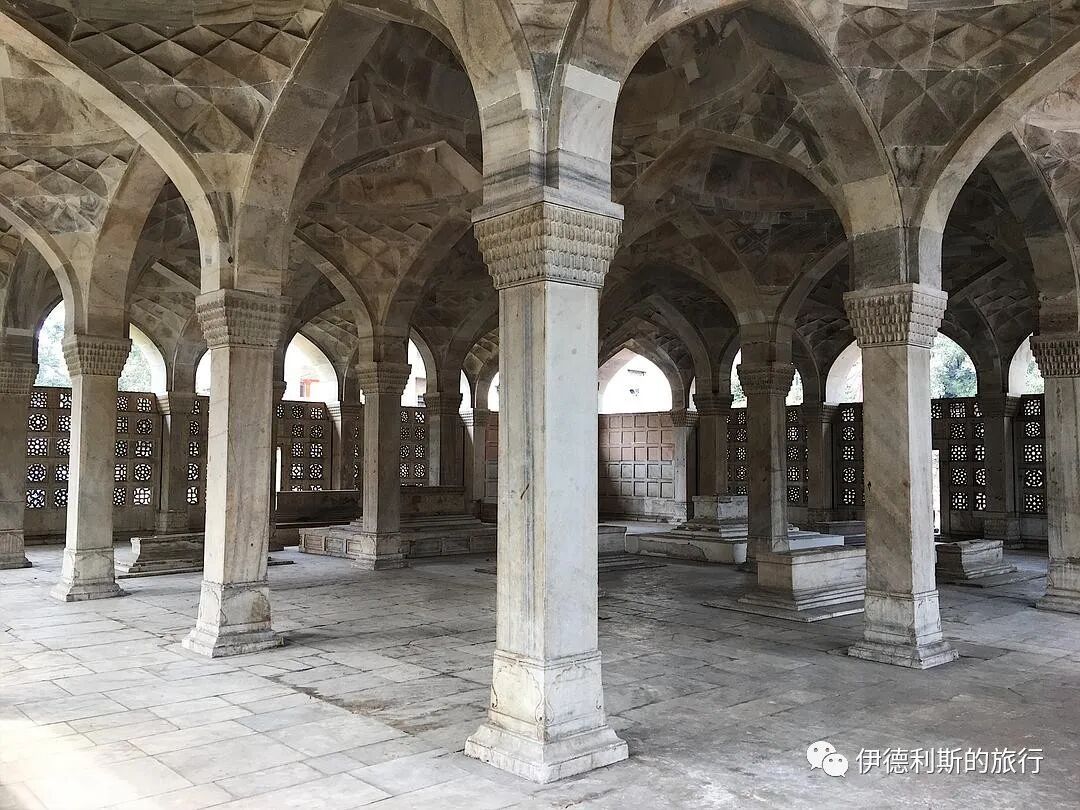
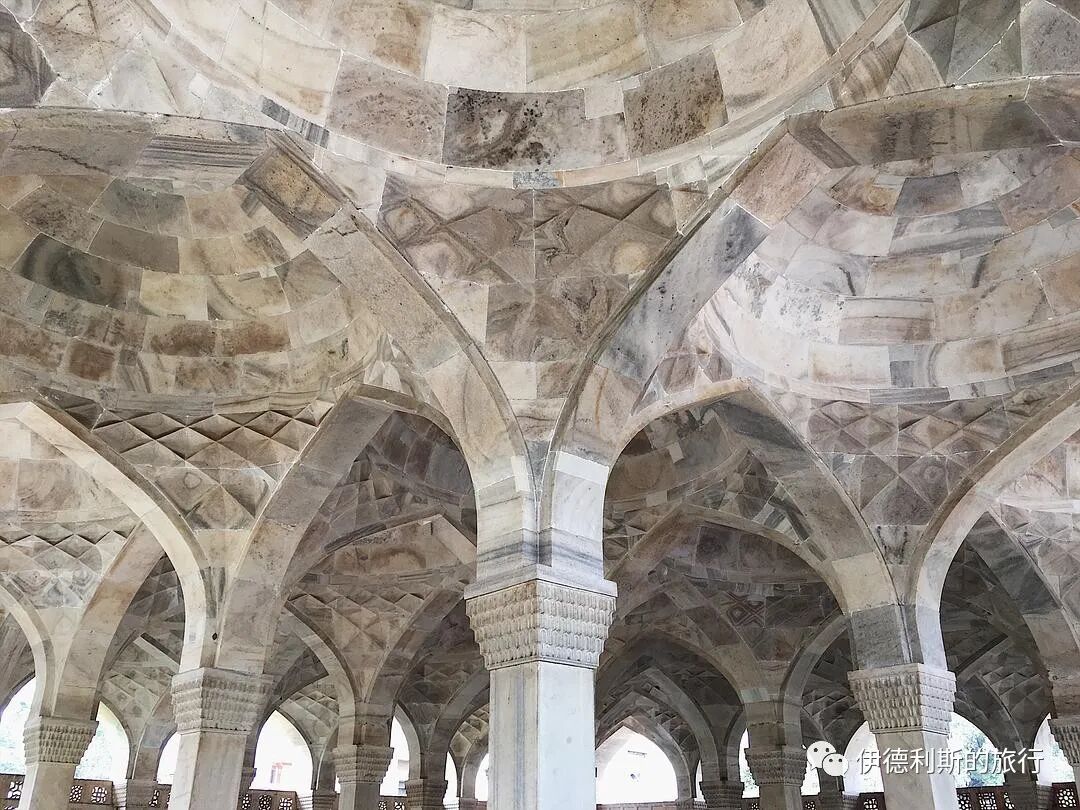
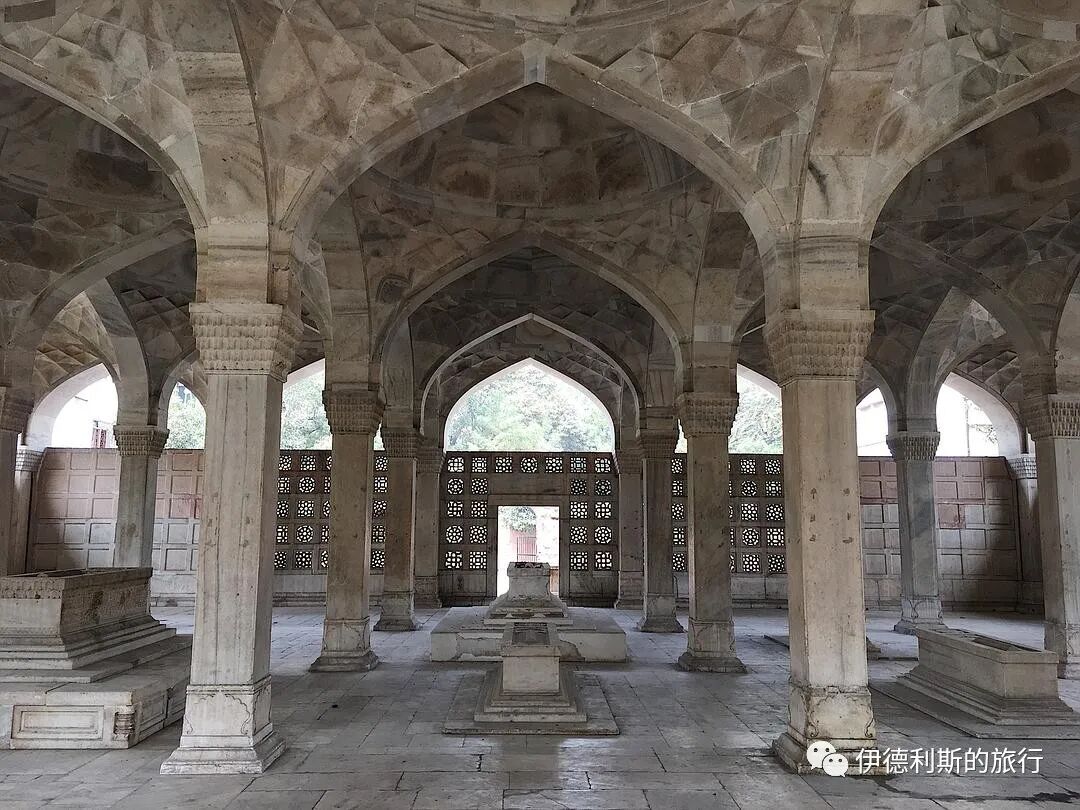
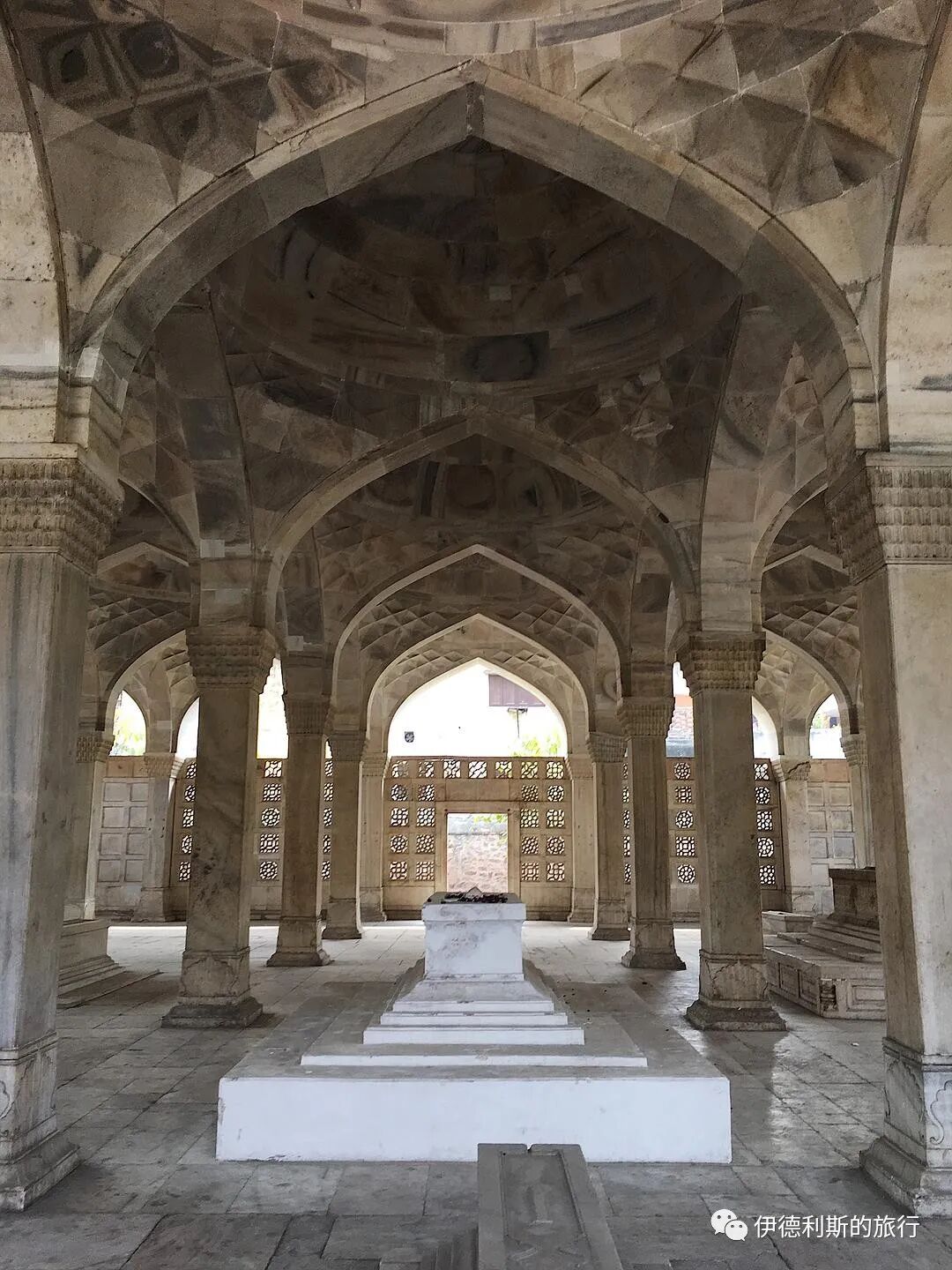
The raised part on the tombstone is called a qalam, which shows it is a man's grave. Most of the text on it comes from the Quran, Surah 3:185: Every soul shall taste death.
1. The Great Emperor's childhood friend
Mirza was a high-ranking official during the reigns of the Mughal Emperor Akbar (1556-1605) and his successor Jahangir (1605-1627). Because his father, Ataga Khan, was the foster father of Emperor Akbar, he received the title Koka, which means foster brother.
Mirza was a childhood playmate of Emperor Akbar and shared a very deep bond with the emperor. In 1572, Emperor Akbar conquered the Gujarat Sultanate southwest of Delhi and appointed Mirza to govern Gujarat. In 1573, the people of Gujarat rebelled and besieged the city of Ahmedabad. Mirza held the city until Emperor Akbar led his army to break the siege.
2. Receiving the Emperor's forgiveness
Gradually, Mirza became unhappy with many of Emperor Akbar's policies. In 1578, he was ordered to put down a rebellion in Bengal, and in 1586, he was ordered to conquer the Deccan Plateau. He was reluctant to carry out both missions, and his slow progress caused him to miss key military opportunities.
However, as childhood friends, Emperor Akbar remained very forgiving toward Mirza. In 1592, Mirza was sent on the Hajj pilgrimage to Mecca and spent a lot of money on religious causes. Eventually, Emperor Akbar forgave Mirza and restored his status.
3. Losing status
In 1605, Jahangir became the new Mughal emperor, and in 1606 he crushed the rebellion led by his eldest son, Khusrau Mirza. Because he supported the rebellion, Mirza was stripped of most of his power. In his later years, Mirza regained some of his power, but it was nothing like it had been when his father was alive.
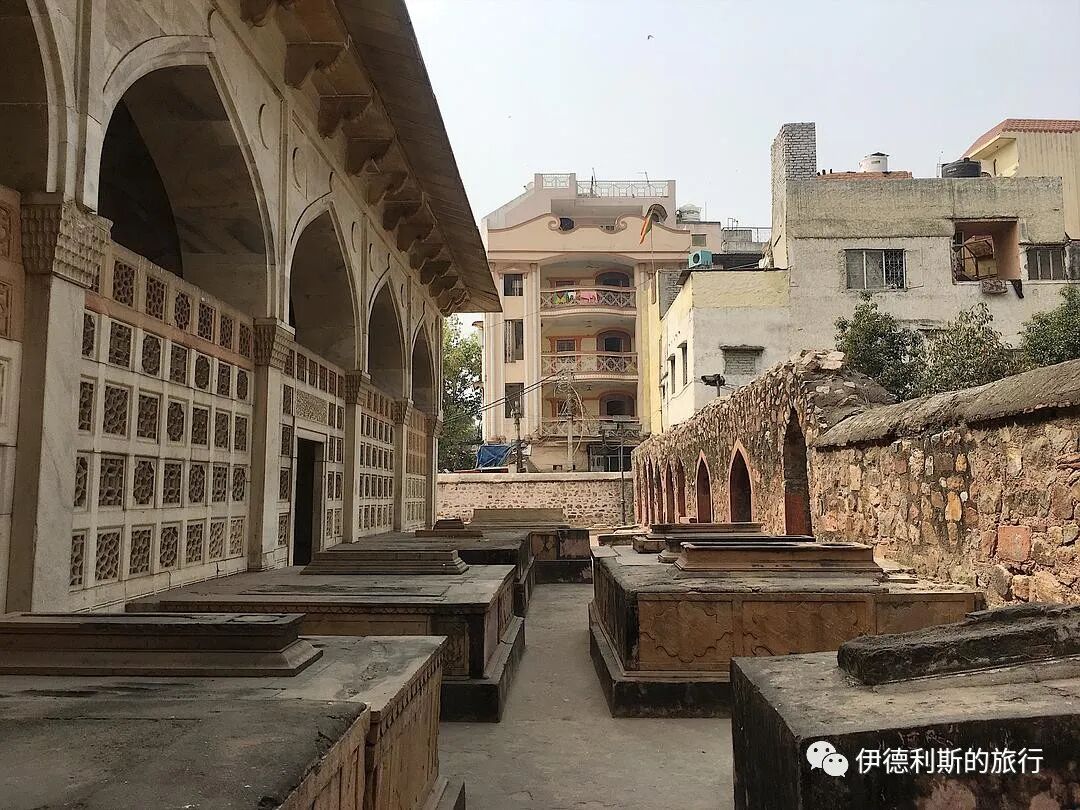
Records from the renovations between 2011 and 2014.
The main gate, built between the late 16th and early 17th centuries.
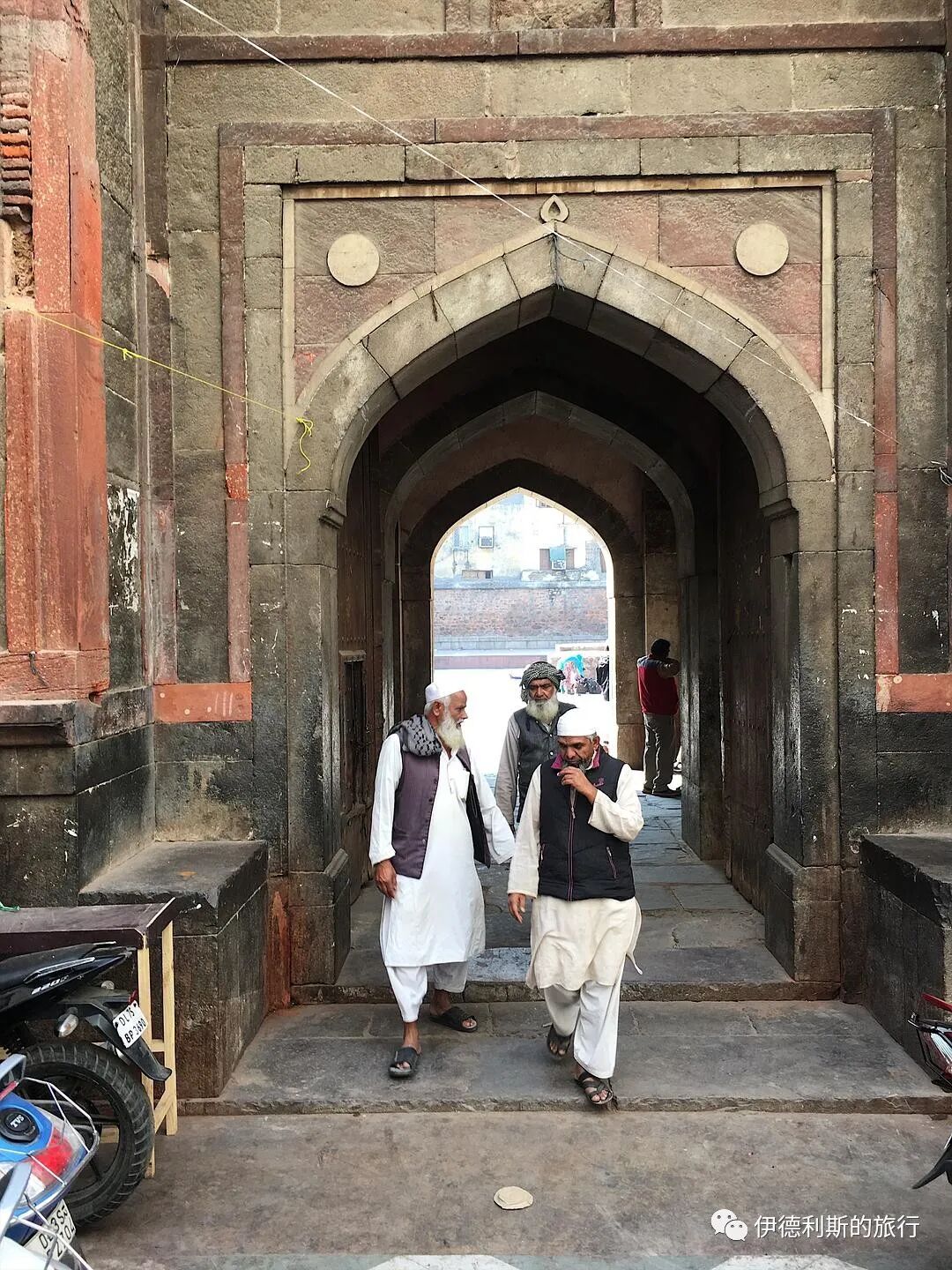
3. Tomb of the poet Ghalib: 1869.
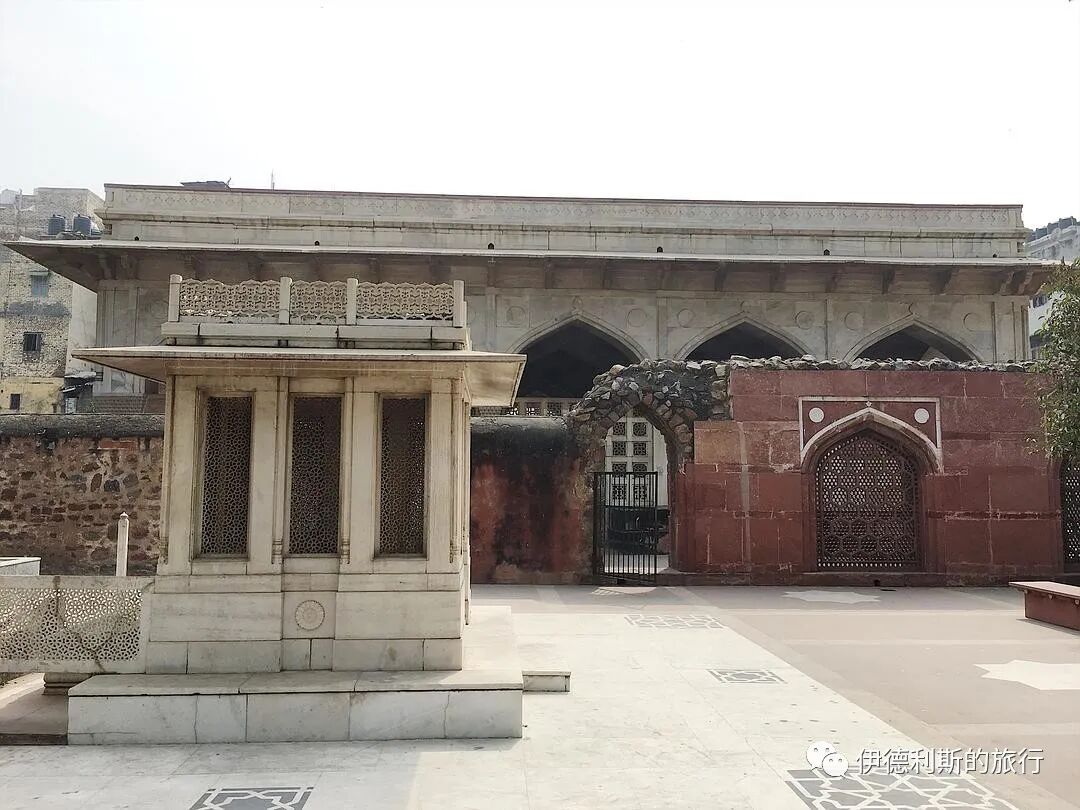
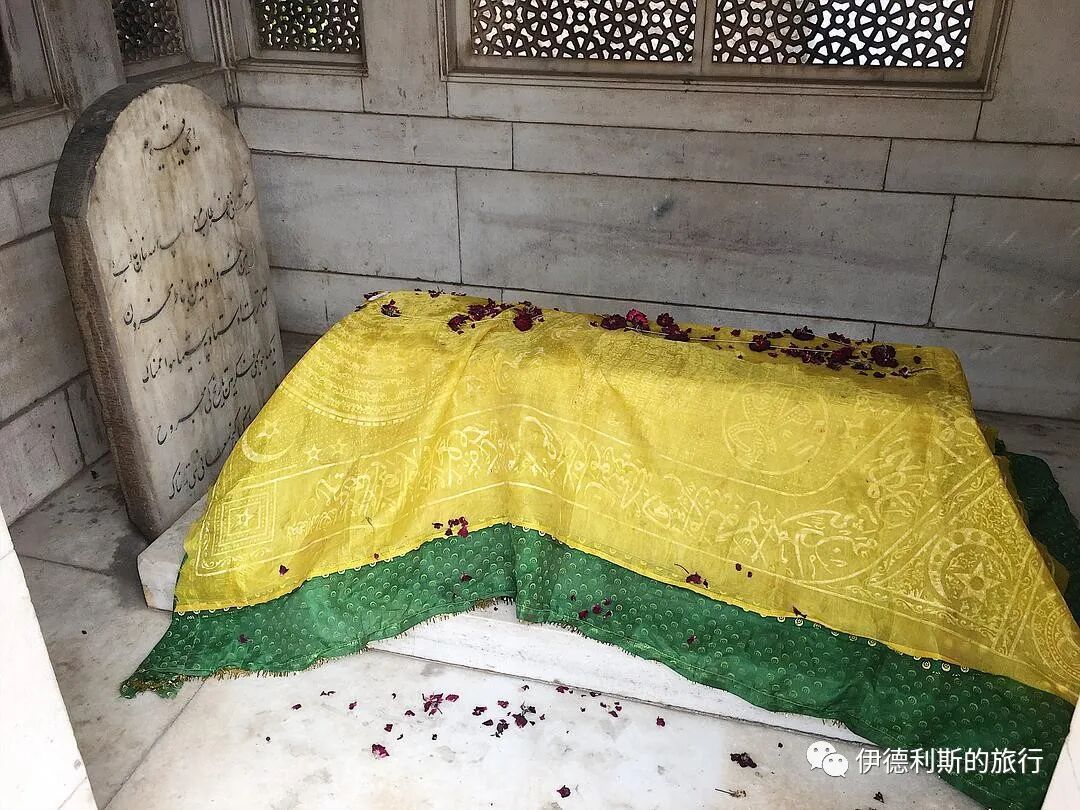
In the courtyard north of Chausath Khamba lies the tomb of Mirza Ghalib (1797-1869), known as the last great poet of the Mughal Empire and the most famous Urdu poet of the 19th century.
Ghalib's real name was Mirza Asadullah Khan Baig. Ghalib was his pen name, which means "dominant" or "superior" in Urdu. During Ghalib's life, the Mughal Empire faded under British influence and finally ended after the rebellion of 1857. Ghalib's poetry is closely tied to this period.
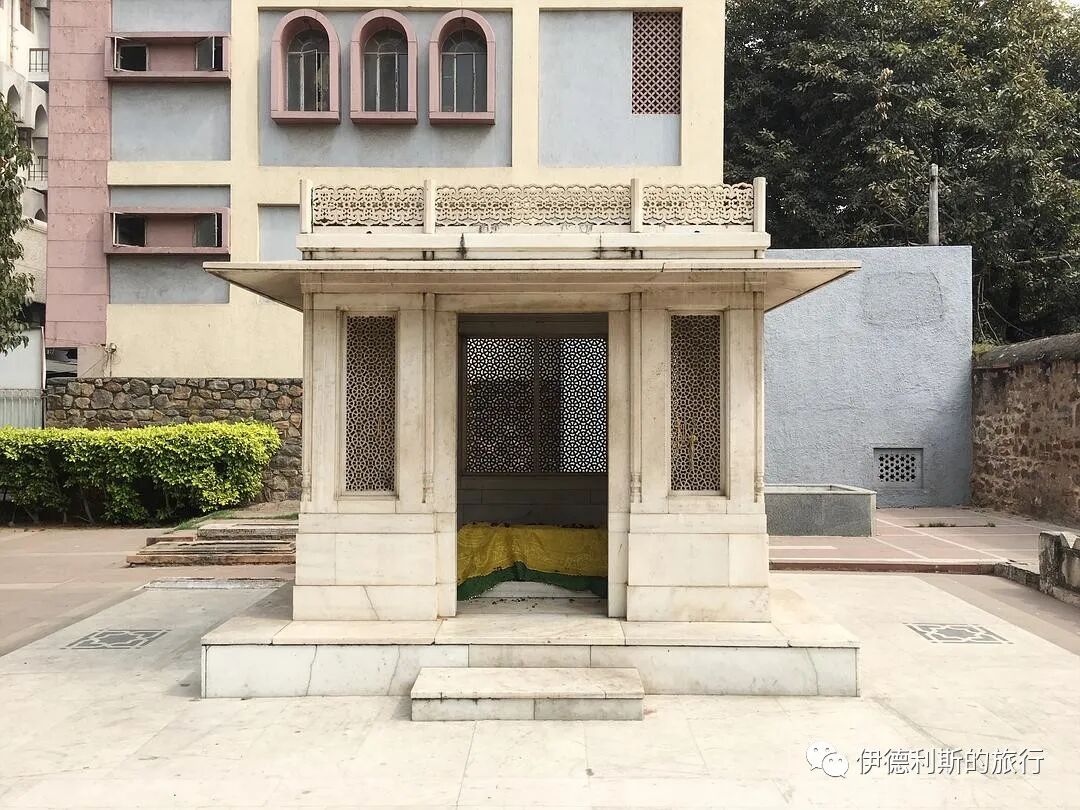
The epitaph on his tombstone reads:
The joys of the world mean nothing to me
Because my heart feels nothing but blood
1. From a Turkic family
Ghalib was born near Agra in 1797, and his family were descendants of the Aibak tribe of the Seljuk Turks. After the Seljuk Empire fell in the 12th century, his family moved to Samarkand. During the reign of the Mughal Emperor Ahmad Shah (1748-1754), Ghalib's grandfather moved from Samarkand to the Mughal Empire. He worked in Lahore, Delhi, and Jaipur before finally settling in Agra.
Ghalib's father married a Kashmiri girl and later lived with his father-in-law. He died in a war in 1803, when Ghalib was only 5 years old. After his father passed away, Ghalib was raised by his uncle.
2. Poetry and Love
Ghalib started writing poetry at age 11. Although his mother tongue was Urdu, his family also used Persian and Turkic. He also received an education in Persian and Arabic at a very young age.
Ghalib moved to Delhi after getting married at 13, but all 7 of his children died in infancy by the time he turned 30. Ghalib described marriage as a second imprisonment of life itself. He was very keen on extramarital affairs and even earned the nickname "friend of women" in the Mughal court. Once, when someone praised the poetry of the pious poet Sheikh Sahbai, Ghalib immediately retorted: What kind of poet is Sahbai? He never drank alcohol, never gambled, was never hit by a lover with a shoe, and never spent time in prison.
Although Ghalib felt very proud of his Persian poetry achievements, he is most famous today for his Urdu ghazals. Before Ghalib, ghazals mostly focused on painful love. Ghalib brought in more philosophy, including the hardships and mysteries of life, which greatly expanded the scope of ghazals.
To follow the traditions of classical ghazals, the identity and gender of the beloved remain uncertain in most of Ghalib's poetry. Later generations believe that the poetic convention of focusing on the 'idea' of a beloved rather than a real person allowed poets to move away from realism in their work.
3. Court Poet
In 1850, the last Mughal emperor, Bahadur Shah Zafar II, gave Ghalib the titles of 'Dabir-ul-Mulk' and 'Mirza Nosha.' From then on, Ghalib officially used the name Mirza and became a Mughal noble and court poet. In 1854, Ghalib was appointed as the emperor's poet tutor. In 1856, he became a tutor for the prince and also served as the court historian.
The Mughal Empire fell to the British in 1857. Before that, Ghalib lived as a nobleman supported by the royal family and his friends, never earning his own money. During British rule, he tried everything he could to get a pension but failed.
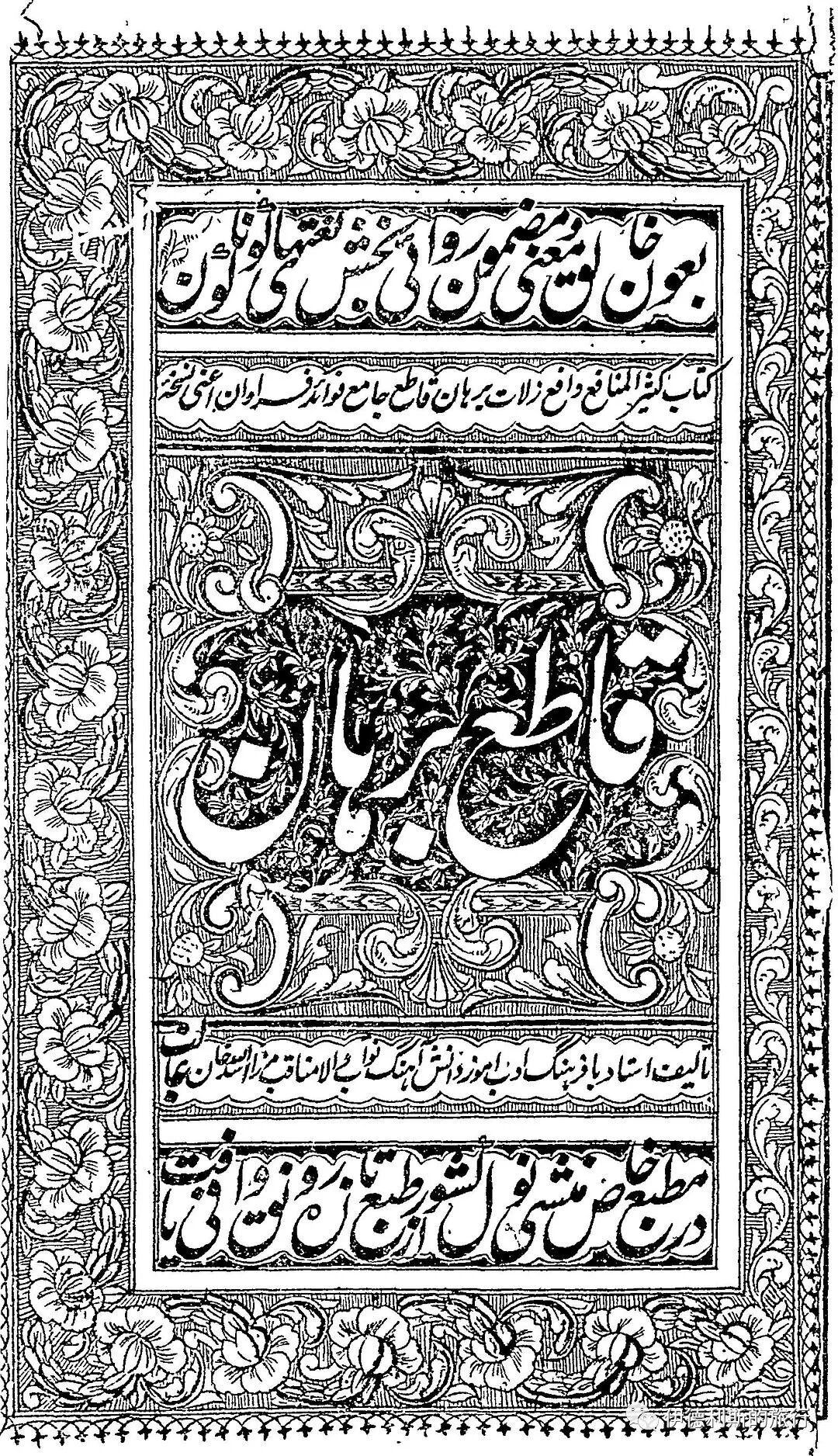
The cover of Ghalib's poetry collection published in 1869, held by the Digital Museum of India.
4. Barah Khamba: 14th-15th century.
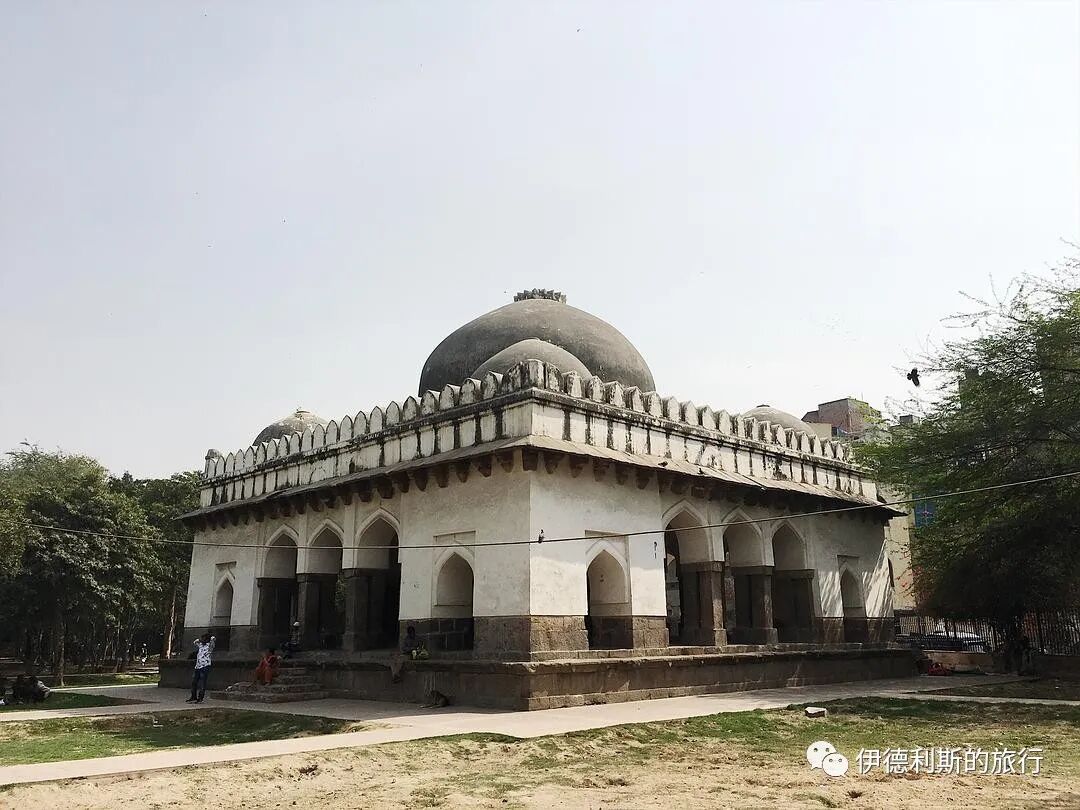
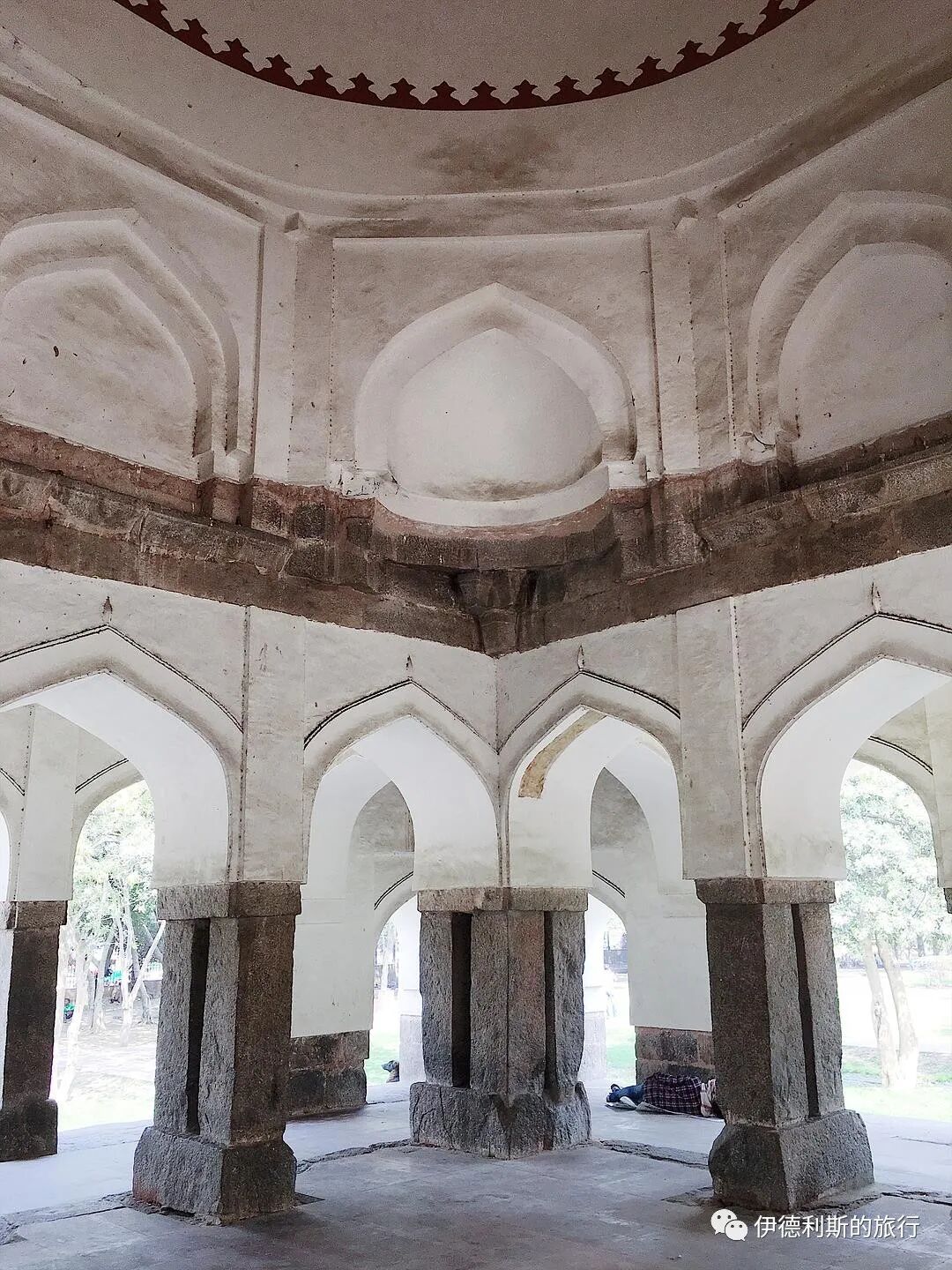
Barah Khamba sits in a garden in the northern part of the Nizamuddin neighborhood. It is a tomb for a nobleman from the Delhi Sultanate, though the identity of the person buried there remains unknown. Barah khamba means "twelve pillars" in both Urdu and Hindi. This tomb was once occupied as a residence and suffered a lot of damage, but it has now been restored.
5. Gol Gumbad: 15th century
Gol Gumbad is located northwest of the Nizamuddin neighborhood. From the outside, the tomb has the style of the Tughlaq dynasty (1320-1413), but the interior has some features typical of later tombs.
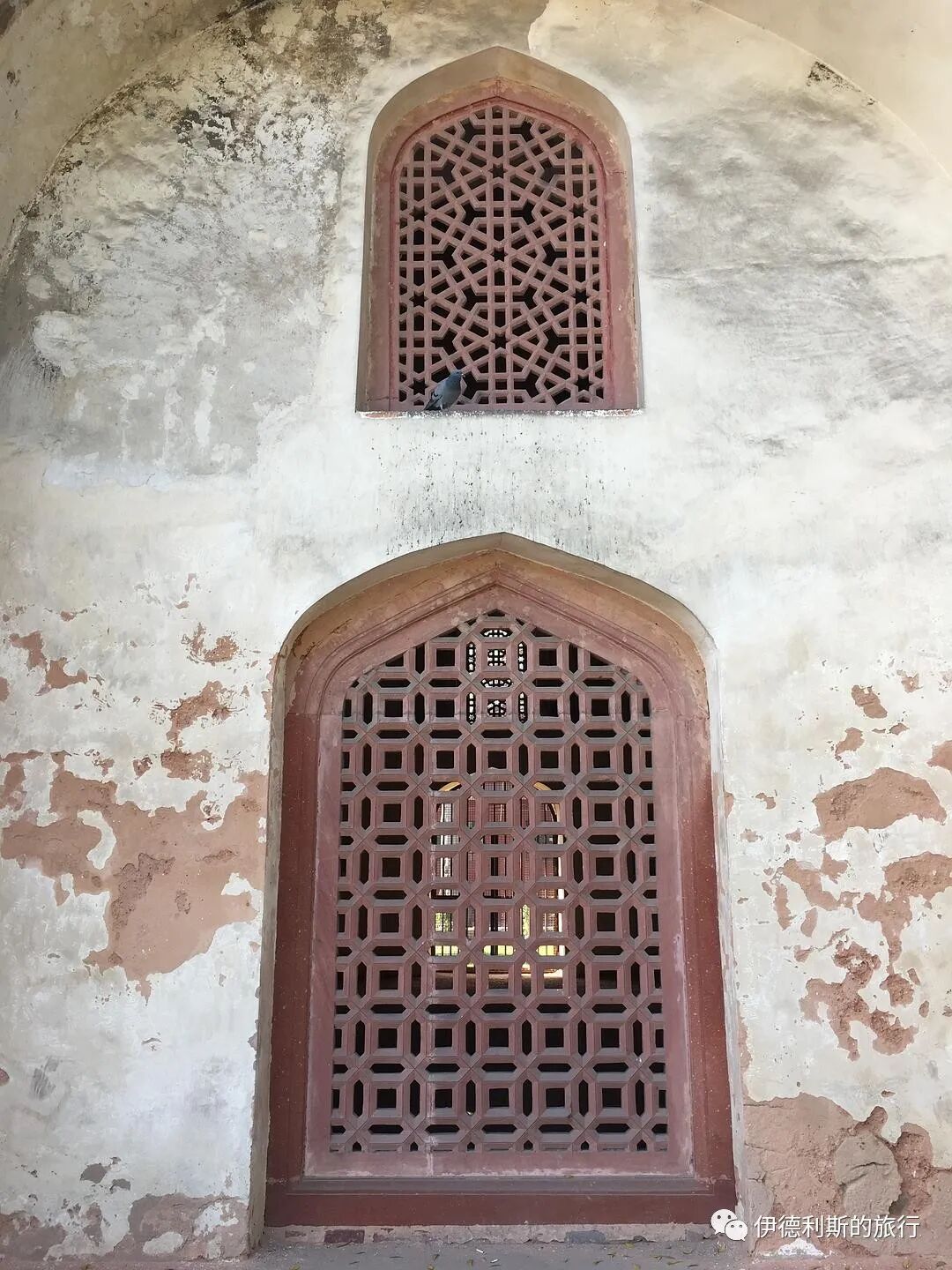
6. Tomb of Malik Maqbul: 1388
Deep in the alleys of the southern Nizamuddin neighborhood stands the first octagonal tomb in Indian history. It belongs to Malik Maqbul, a Wazir (prime minister) of the Tughlaq dynasty in the Delhi Sultanate, and was built by his son, Junan Shah.
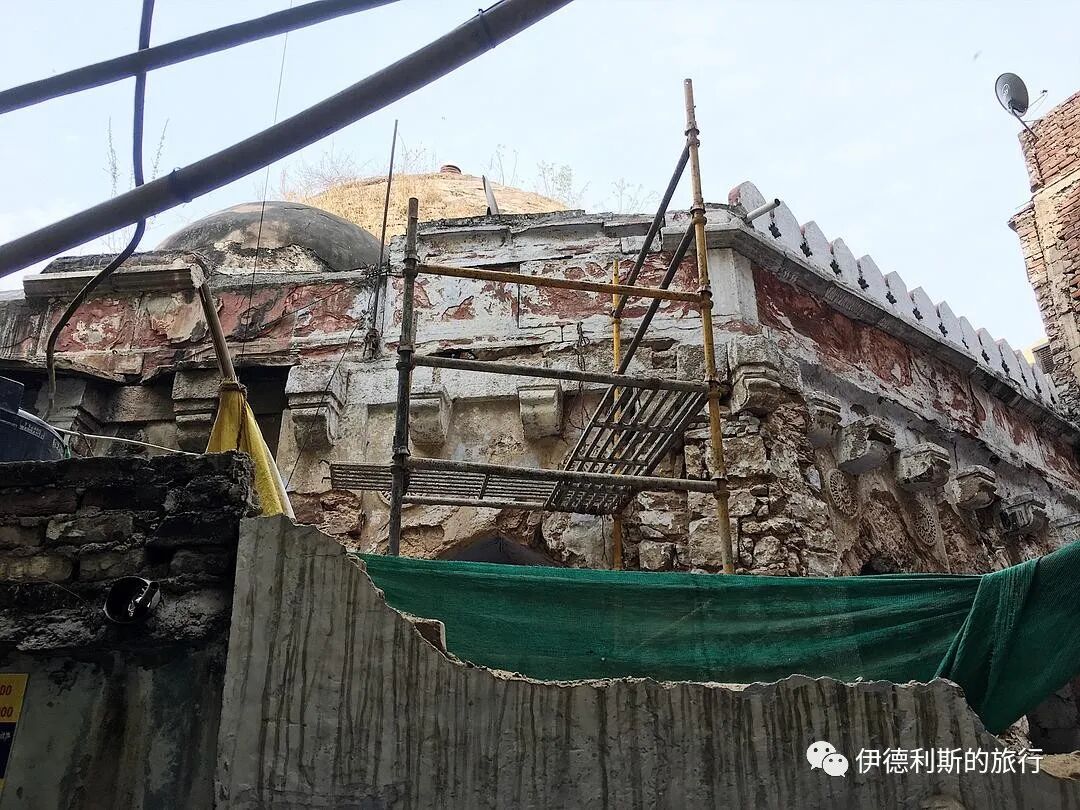
The tomb is in poor condition today. It is damaged in many places and squeezed between residential houses.
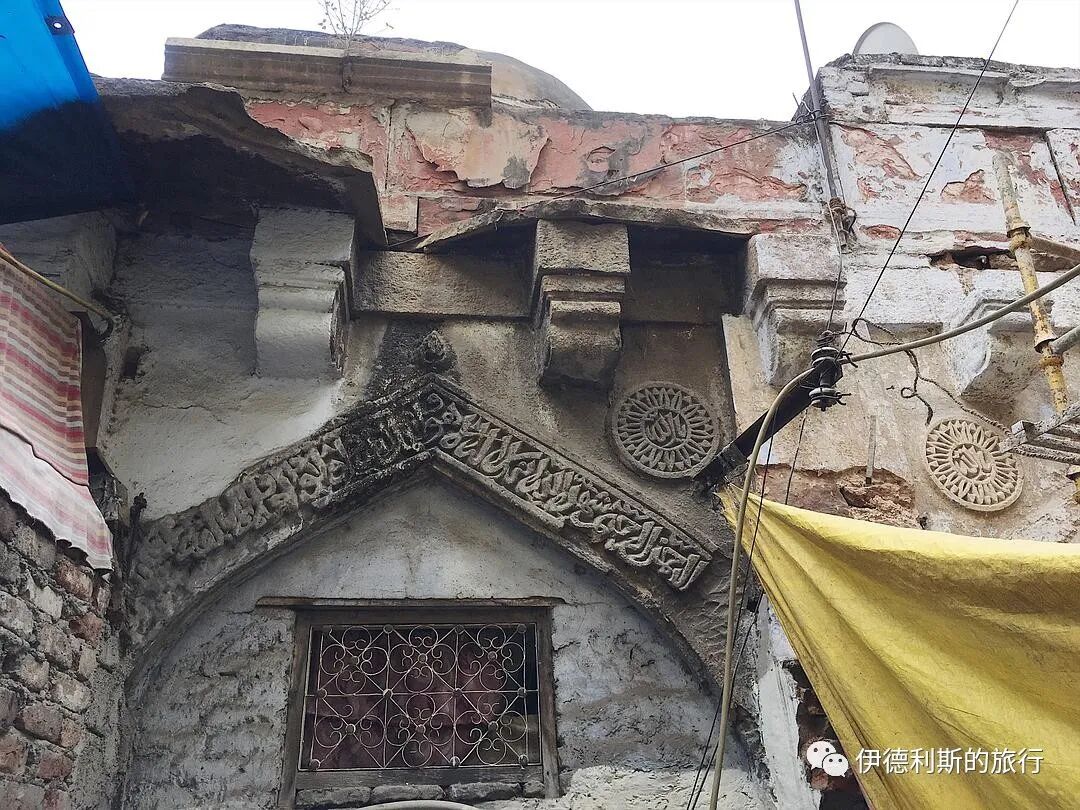
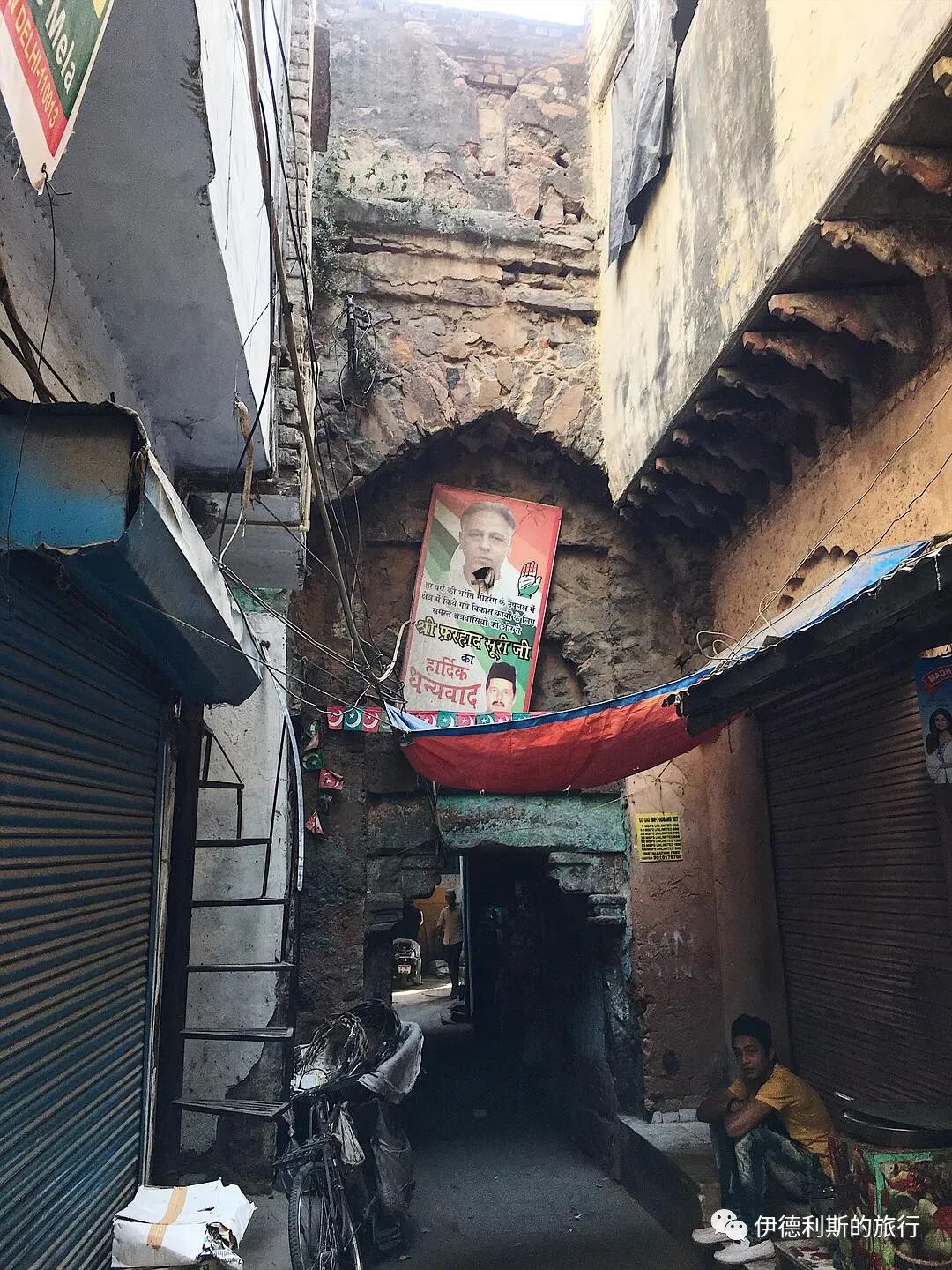
A long wall surrounds the tomb, and this is the main gate of that wall.
1. Converting to Islam
Maqbul was originally named Yugandhar. He was a Hindu commander at Warangal Fort, the capital of the Kakatiya dynasty in southern India.
In 1323, the Tughlaq dynasty captured Warangal Fort. Yugandhar was taken to Delhi, converted to Islam, and given the name Malik Maqbul.
2. The actual ruler of the Sultanate
After arriving in the Delhi Sultanate, Maqbul gradually earned the Sultan's trust. He accompanied the Sultan to crush a rebellion in the Gujarat region, where they killed all the rebels and seized a massive amount of wealth. Back in Delhi, Malik Maqbul kept getting promoted. Eventually, under Sultan Feroz Shah Tughlaq (who reigned from 1351 to 1388), he became the Wazir, a position second only to the Sultan himself.
Malik Maqbul was the most trusted minister of Sultan Firoz Shah Tughlaq. The Sultan even called him brother and said he was the true ruler of Delhi. At that time, Maqbul was in charge of the Sultanate's finances. He was completely honest with the Sultan, kept him fully informed about the financial situation, and turned over all gifts from local officials to the state. At the same time, auditors and accountants strictly limited Maqbul's power, and they often had intense arguments. Once, Maqbul clashed with an accountant and threatened to go on a pilgrimage to Mecca. This forced the Sultan to reduce the accountant's power.
3. Successor
Maqbul died in 1369, and his son Jauna Khan took over as the Wazir of the Delhi Sultanate. Jauna Khan was just as talented at governing as his father, but he lacked military skill and was eventually defeated and executed in battle.
The greatest legacy Jauna Khan left behind is the seven mosques he built in Delhi. I have visited four of them: Begampur Mosque, Khirki Mosque, Kalan Mosque, and Kali Mosque. The fourth one, Kali Mosque, is right on the east side of Malik Maqbul's tomb, and I will describe it in detail next.
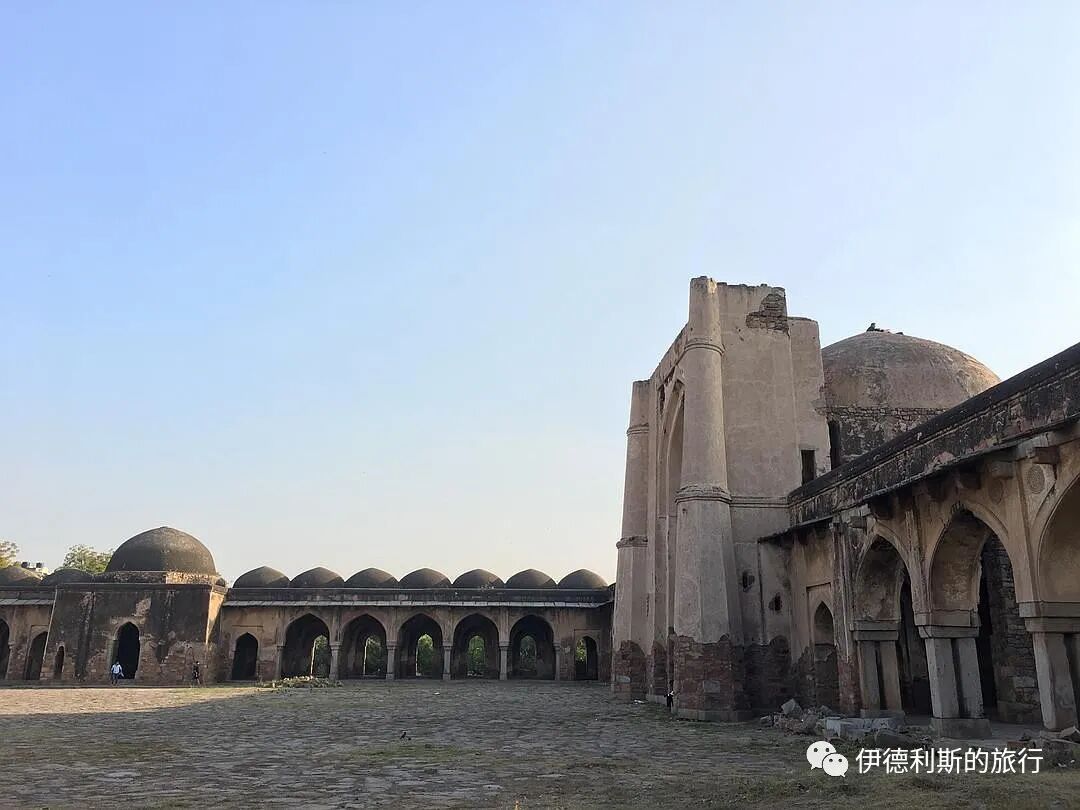
Begampur Mosque
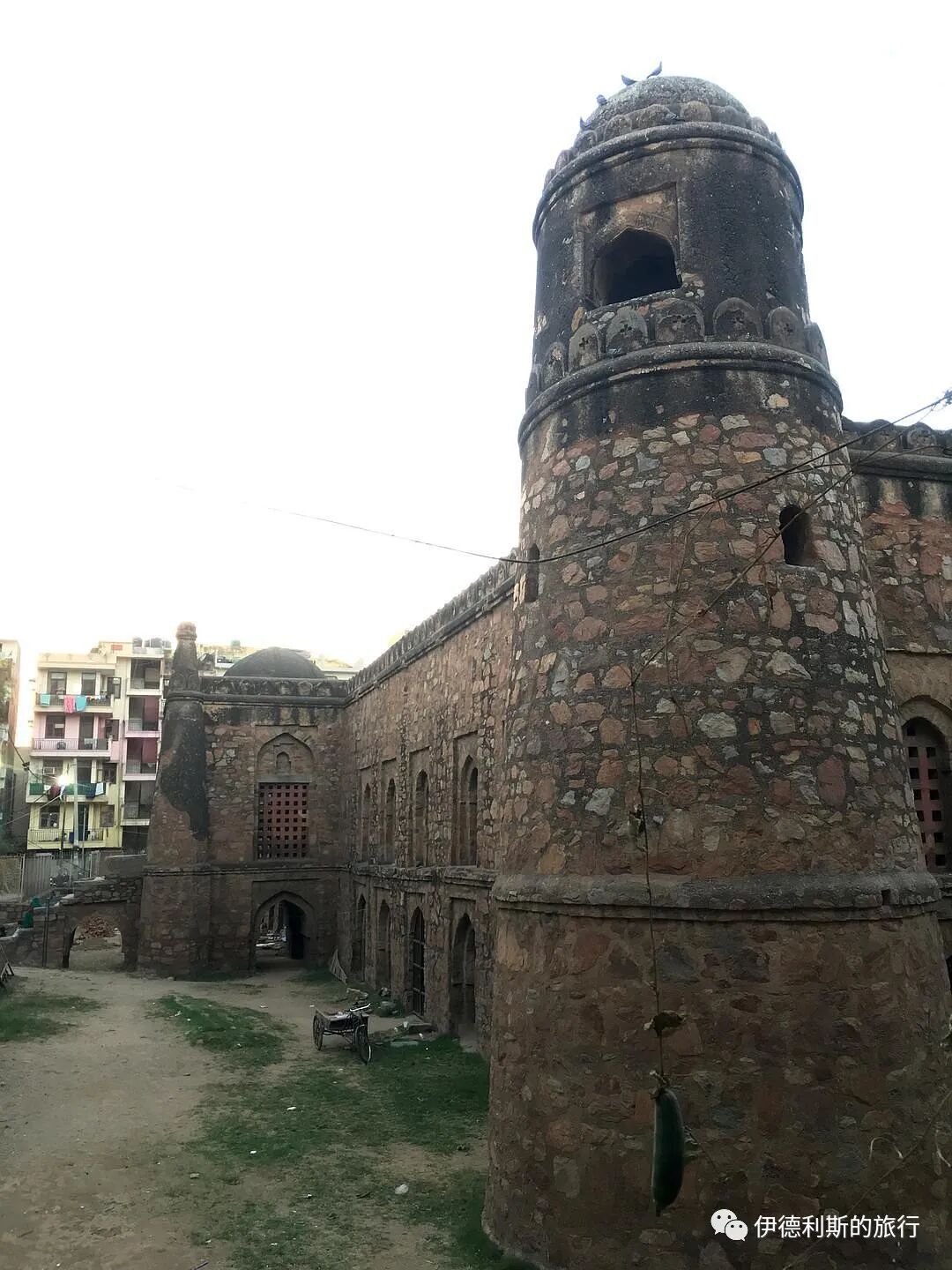
Khirki Mosque
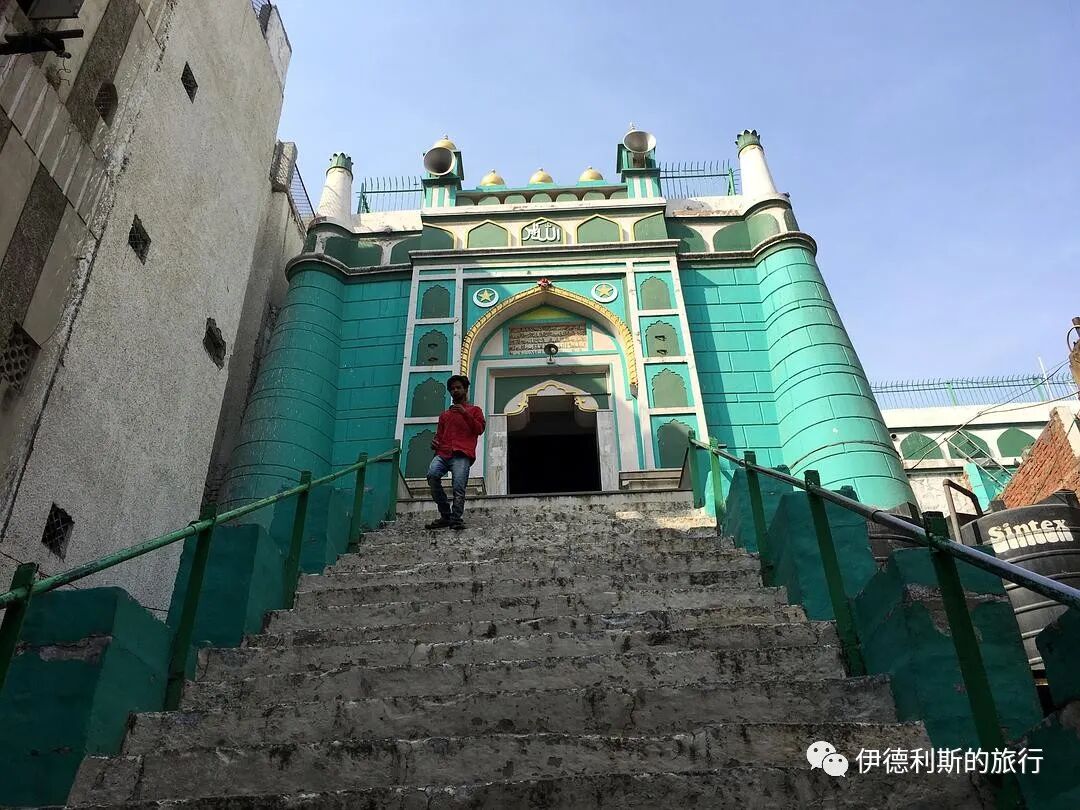
Kalan Mosque
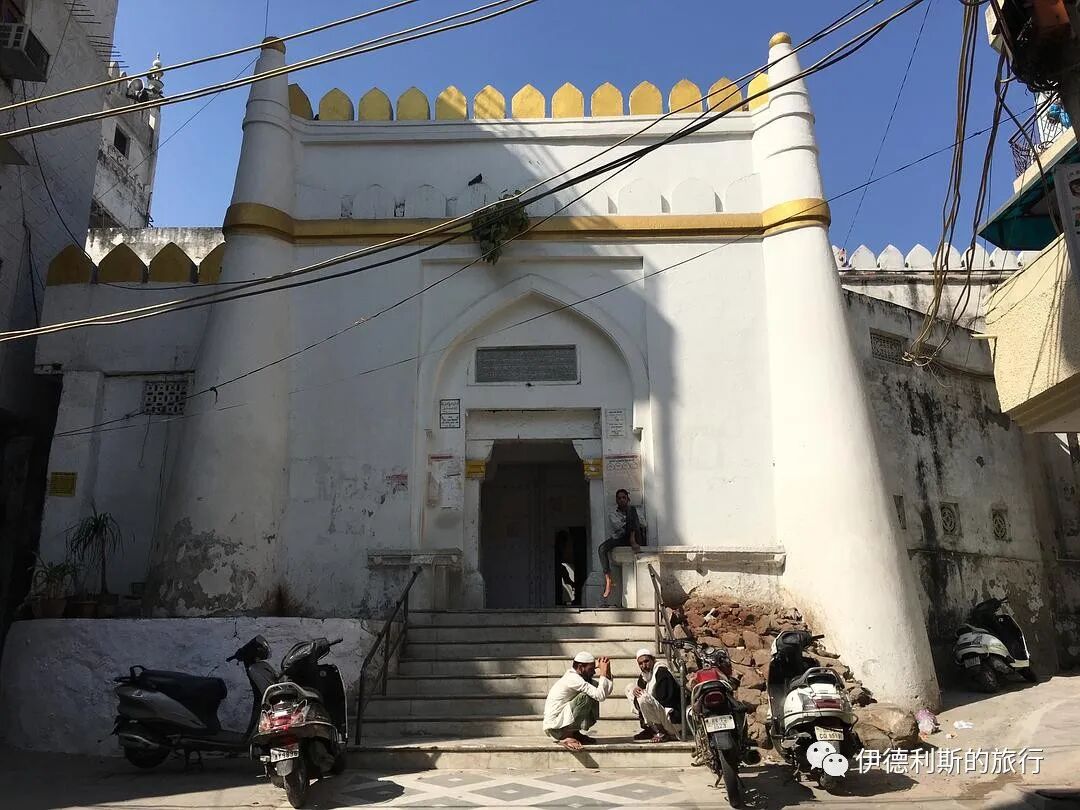
7. Kali Mosque: 1370
Kali Mosque sits east of the tomb of Malik Maqbul. It is one of seven mosques built by Jauna Khan (Khan-i-Jahan Maqbul), who served as the vizier to Sultan Firoz Shah Tughlaq of the Tughlaq dynasty during the Delhi Sultanate.
Kali Mosque and Khirki Mosque are very similar in their design and construction date, and both were once abandoned. The difference is that Kali Mosque was brought back into use in the early 20th century, and some changes were made to its original layout.
Halal Travel Guide: Delhi Sufi Sites — Shrines, Mosques and Muslim Communities (Part 2)
Articles • ali2007fr posted the article • 0 comments • 235 views • 2026-05-17 21:10
Summary: Delhi Sufi Sites — Shrines, Mosques and Muslim Communities is presented here as a firsthand travel account in clear English, beginning with this scene: The tomb of Prince Mirza Jahangir (Shahzada Mirza Muhammad Jahangir Bakht Bahadur, 1791-1821) is near the east gate of the shrine complex, and it also features white marble latticework. The account keeps its focus on Delhi Sufi Sites, Muslim Heritage, India Travel while preserving the names, places, food, and historical details from the Chinese source.
The tomb of Prince Mirza Jahangir (Shahzada Mirza Muhammad Jahangir Bakht Bahadur, 1791-1821) is near the east gate of the shrine complex, and it also features white marble latticework.
Prince Mirza Jahangir was the son of the Mughal Emperor Akbar Shah II (reigned 1806-1837). He was once named crown prince, but after attacking a British official, he was exiled by the East India Company, and his younger brother eventually became the last Mughal emperor.
Akbar Shah II was never very happy with his eldest son and wanted to name Mirza Jahangir as his heir. However, Sir Archibald Seton, who was stationed at the Red Fort in Delhi, did not like this, and the 19-year-old prince recklessly humiliated the official in public. A few days later, the prince held a party on the roof of the Red Fort in Delhi. He saw a British officer passing by and fired a shot at him, killing one of the officer's attendants. Because of this, the prince was exiled to Allahabad in the southeast of Uttar Pradesh.
The prince was eventually released from exile and returned to Delhi, where he died at the age of 31.
The Aga Khan Museum in Toronto holds a 1811 Mughal court portrait by Ghulam Murtaza Khan. Emperor Akbar Shah II is in the center, and the first person on the right is Prince Mirza Jahangir.
11. East Gate Bazaar
The religious goods market outside the east gate of the Nizamuddin Dargah core area really brings your imagination of the Mughal Empire to life.
Chapter 4: The Perimeter of Nizamuddin Dargah
1. Tomb of Ataga Khan: 1566
Right next to the east side of the Nizamuddin Dargah core area stands the tomb of Ataga Khan, the foster father of the Mughal Emperor Akbar.
Ataga Khan's full name was Shamsuddin Muhammad Atgah Khan, and he held many important positions in the Mughal court. He was originally just an ordinary soldier, but by chance he saved the Mughal Emperor Humayun by the Ganges River, so Humayun brought him into the palace. To reward Ataga Khan for his loyalty, Humayun let Ataga Khan's wife become the foster mother of his son Akbar (the future Akbar the Great), and Ataga Khan then received the title of Atgah (foster father).
Ataga Khan was always a minister deeply loved by Akbar the Great. In 1561, he replaced Maham Anga as the new wakil (equivalent to prime minister), which caused Maham Anga great resentment. On May 16, 1562, Ataga Khan was murdered by Maham Anga's son, Adham Khan. Hearing that his foster father had been murdered, Akbar the Great was furious. He ordered Adham Khan to be thrown from the city wall twice to make sure he was really dead.
In 1566, Emperor Akbar ordered his foster brother, Mirza Aziz Koka, the son of Ataga Khan, to build a tomb for his father next to the Nizamuddin Dargah. The architect of this tomb was Ustab Khuda Quli, and the Quranic verses on the white marble were written by Baqi Muhammad from Bukhara.
When I visited, the tomb of Ataga Khan was under renovation and closed to the public.
2. Chausath Khamba: 1624
After leaving the east gate of the Nizamuddin Dargah core area and walking further east, you reach Chausath Khamba, the most important building in the eastern part of the Nizamuddin community. It is the tomb that Mirza Aziz Koka (1542-1624), the son of Ataga Khan, built for himself between 1623 and 1624.
Chausath Khamba means sixty-four pillars in Hindi and Urdu. It is a square hall made of white marble. Sixty-four pillars support twenty-five domes that you can only see from inside the building, as the roof itself is flat.
The design of Chausath Khamba does not look like a tomb at all. Experts think this place was likely a hall for resting and gathering when visiting the Nizamuddin shrine and the tomb of Atghah Khan. It was only turned into a tomb after Mirza died.
The British Library holds a drawing of Chausath Khamba made by William Daniell, R. A. in 1801.
This information comes from the website http://ranasafvi.com/chausath-khamba/
A Delhi artist painted the Chausath Khamba between 1820 and 1825.
From http://ranasafvi.com/chausath-khamba/
The raised part on the tombstone is called a qalam, which shows it is a man's grave. Most of the text on it comes from the Quran, Surah 3:185: Every soul shall taste death.
1. The Great Emperor's childhood friend
Mirza was a high-ranking official during the reigns of the Mughal Emperor Akbar (1556-1605) and his successor Jahangir (1605-1627). Because his father, Ataga Khan, was the foster father of Emperor Akbar, he received the title Koka, which means foster brother.
Mirza was a childhood playmate of Emperor Akbar and shared a very deep bond with the emperor. In 1572, Emperor Akbar conquered the Gujarat Sultanate southwest of Delhi and appointed Mirza to govern Gujarat. In 1573, the people of Gujarat rebelled and besieged the city of Ahmedabad. Mirza held the city until Emperor Akbar led his army to break the siege.
2. Receiving the Emperor's forgiveness
Gradually, Mirza became unhappy with many of Emperor Akbar's policies. In 1578, he was ordered to put down a rebellion in Bengal, and in 1586, he was ordered to conquer the Deccan Plateau. He was reluctant to carry out both missions, and his slow progress caused him to miss key military opportunities.
However, as childhood friends, Emperor Akbar remained very forgiving toward Mirza. In 1592, Mirza was sent on the Hajj pilgrimage to Mecca and spent a lot of money on religious causes. Eventually, Emperor Akbar forgave Mirza and restored his status.
3. Losing status
In 1605, Jahangir became the new Mughal emperor, and in 1606 he crushed the rebellion led by his eldest son, Khusrau Mirza. Because he supported the rebellion, Mirza was stripped of most of his power. In his later years, Mirza regained some of his power, but it was nothing like it had been when his father was alive.
Records from the renovations between 2011 and 2014.
The main gate, built between the late 16th and early 17th centuries.
3. Tomb of the poet Ghalib: 1869.
In the courtyard north of Chausath Khamba lies the tomb of Mirza Ghalib (1797-1869), known as the last great poet of the Mughal Empire and the most famous Urdu poet of the 19th century.
Ghalib's real name was Mirza Asadullah Khan Baig. Ghalib was his pen name, which means "dominant" or "superior" in Urdu. During Ghalib's life, the Mughal Empire faded under British influence and finally ended after the rebellion of 1857. Ghalib's poetry is closely tied to this period.
The epitaph on his tombstone reads:
The joys of the world mean nothing to me
Because my heart feels nothing but blood
1. From a Turkic family
Ghalib was born near Agra in 1797, and his family were descendants of the Aibak tribe of the Seljuk Turks. After the Seljuk Empire fell in the 12th century, his family moved to Samarkand. During the reign of the Mughal Emperor Ahmad Shah (1748-1754), Ghalib's grandfather moved from Samarkand to the Mughal Empire. He worked in Lahore, Delhi, and Jaipur before finally settling in Agra.
Ghalib's father married a Kashmiri girl and later lived with his father-in-law. He died in a war in 1803, when Ghalib was only 5 years old. After his father passed away, Ghalib was raised by his uncle.
2. Poetry and Love
Ghalib started writing poetry at age 11. Although his mother tongue was Urdu, his family also used Persian and Turkic. He also received an education in Persian and Arabic at a very young age.
Ghalib moved to Delhi after getting married at 13, but all 7 of his children died in infancy by the time he turned 30. Ghalib described marriage as a second imprisonment of life itself. He was very keen on extramarital affairs and even earned the nickname "friend of women" in the Mughal court. Once, when someone praised the poetry of the pious poet Sheikh Sahbai, Ghalib immediately retorted: What kind of poet is Sahbai? He never drank alcohol, never gambled, was never hit by a lover with a shoe, and never spent time in prison.
Although Ghalib felt very proud of his Persian poetry achievements, he is most famous today for his Urdu ghazals. Before Ghalib, ghazals mostly focused on painful love. Ghalib brought in more philosophy, including the hardships and mysteries of life, which greatly expanded the scope of ghazals.
To follow the traditions of classical ghazals, the identity and gender of the beloved remain uncertain in most of Ghalib's poetry. Later generations believe that the poetic convention of focusing on the 'idea' of a beloved rather than a real person allowed poets to move away from realism in their work.
3. Court Poet
In 1850, the last Mughal emperor, Bahadur Shah Zafar II, gave Ghalib the titles of 'Dabir-ul-Mulk' and 'Mirza Nosha.' From then on, Ghalib officially used the name Mirza and became a Mughal noble and court poet. In 1854, Ghalib was appointed as the emperor's poet tutor. In 1856, he became a tutor for the prince and also served as the court historian.
The Mughal Empire fell to the British in 1857. Before that, Ghalib lived as a nobleman supported by the royal family and his friends, never earning his own money. During British rule, he tried everything he could to get a pension but failed.
The cover of Ghalib's poetry collection published in 1869, held by the Digital Museum of India.
4. Barah Khamba: 14th-15th century.
Barah Khamba sits in a garden in the northern part of the Nizamuddin neighborhood. It is a tomb for a nobleman from the Delhi Sultanate, though the identity of the person buried there remains unknown. Barah khamba means "twelve pillars" in both Urdu and Hindi. This tomb was once occupied as a residence and suffered a lot of damage, but it has now been restored.
5. Gol Gumbad: 15th century
Gol Gumbad is located northwest of the Nizamuddin neighborhood. From the outside, the tomb has the style of the Tughlaq dynasty (1320-1413), but the interior has some features typical of later tombs.
6. Tomb of Malik Maqbul: 1388
Deep in the alleys of the southern Nizamuddin neighborhood stands the first octagonal tomb in Indian history. It belongs to Malik Maqbul, a Wazir (prime minister) of the Tughlaq dynasty in the Delhi Sultanate, and was built by his son, Junan Shah.
The tomb is in poor condition today. It is damaged in many places and squeezed between residential houses.
A long wall surrounds the tomb, and this is the main gate of that wall.
1. Converting to Islam
Maqbul was originally named Yugandhar. He was a Hindu commander at Warangal Fort, the capital of the Kakatiya dynasty in southern India.
In 1323, the Tughlaq dynasty captured Warangal Fort. Yugandhar was taken to Delhi, converted to Islam, and given the name Malik Maqbul.
2. The actual ruler of the Sultanate
After arriving in the Delhi Sultanate, Maqbul gradually earned the Sultan's trust. He accompanied the Sultan to crush a rebellion in the Gujarat region, where they killed all the rebels and seized a massive amount of wealth. Back in Delhi, Malik Maqbul kept getting promoted. Eventually, under Sultan Feroz Shah Tughlaq (who reigned from 1351 to 1388), he became the Wazir, a position second only to the Sultan himself.
Malik Maqbul was the most trusted minister of Sultan Firoz Shah Tughlaq. The Sultan even called him brother and said he was the true ruler of Delhi. At that time, Maqbul was in charge of the Sultanate's finances. He was completely honest with the Sultan, kept him fully informed about the financial situation, and turned over all gifts from local officials to the state. At the same time, auditors and accountants strictly limited Maqbul's power, and they often had intense arguments. Once, Maqbul clashed with an accountant and threatened to go on a pilgrimage to Mecca. This forced the Sultan to reduce the accountant's power.
3. Successor
Maqbul died in 1369, and his son Jauna Khan took over as the Wazir of the Delhi Sultanate. Jauna Khan was just as talented at governing as his father, but he lacked military skill and was eventually defeated and executed in battle.
The greatest legacy Jauna Khan left behind is the seven mosques he built in Delhi. I have visited four of them: Begampur Mosque, Khirki Mosque, Kalan Mosque, and Kali Mosque. The fourth one, Kali Mosque, is right on the east side of Malik Maqbul's tomb, and I will describe it in detail next.
Begampur Mosque
Khirki Mosque
Kalan Mosque
7. Kali Mosque: 1370
Kali Mosque sits east of the tomb of Malik Maqbul. It is one of seven mosques built by Jauna Khan (Khan-i-Jahan Maqbul), who served as the vizier to Sultan Firoz Shah Tughlaq of the Tughlaq dynasty during the Delhi Sultanate.
Kali Mosque and Khirki Mosque are very similar in their design and construction date, and both were once abandoned. The difference is that Kali Mosque was brought back into use in the early 20th century, and some changes were made to its original layout. view all
Summary: Delhi Sufi Sites — Shrines, Mosques and Muslim Communities is presented here as a firsthand travel account in clear English, beginning with this scene: The tomb of Prince Mirza Jahangir (Shahzada Mirza Muhammad Jahangir Bakht Bahadur, 1791-1821) is near the east gate of the shrine complex, and it also features white marble latticework. The account keeps its focus on Delhi Sufi Sites, Muslim Heritage, India Travel while preserving the names, places, food, and historical details from the Chinese source.
The tomb of Prince Mirza Jahangir (Shahzada Mirza Muhammad Jahangir Bakht Bahadur, 1791-1821) is near the east gate of the shrine complex, and it also features white marble latticework.
Prince Mirza Jahangir was the son of the Mughal Emperor Akbar Shah II (reigned 1806-1837). He was once named crown prince, but after attacking a British official, he was exiled by the East India Company, and his younger brother eventually became the last Mughal emperor.
Akbar Shah II was never very happy with his eldest son and wanted to name Mirza Jahangir as his heir. However, Sir Archibald Seton, who was stationed at the Red Fort in Delhi, did not like this, and the 19-year-old prince recklessly humiliated the official in public. A few days later, the prince held a party on the roof of the Red Fort in Delhi. He saw a British officer passing by and fired a shot at him, killing one of the officer's attendants. Because of this, the prince was exiled to Allahabad in the southeast of Uttar Pradesh.
The prince was eventually released from exile and returned to Delhi, where he died at the age of 31.
The Aga Khan Museum in Toronto holds a 1811 Mughal court portrait by Ghulam Murtaza Khan. Emperor Akbar Shah II is in the center, and the first person on the right is Prince Mirza Jahangir.
11. East Gate Bazaar
The religious goods market outside the east gate of the Nizamuddin Dargah core area really brings your imagination of the Mughal Empire to life.
Chapter 4: The Perimeter of Nizamuddin Dargah
1. Tomb of Ataga Khan: 1566
Right next to the east side of the Nizamuddin Dargah core area stands the tomb of Ataga Khan, the foster father of the Mughal Emperor Akbar.
Ataga Khan's full name was Shamsuddin Muhammad Atgah Khan, and he held many important positions in the Mughal court. He was originally just an ordinary soldier, but by chance he saved the Mughal Emperor Humayun by the Ganges River, so Humayun brought him into the palace. To reward Ataga Khan for his loyalty, Humayun let Ataga Khan's wife become the foster mother of his son Akbar (the future Akbar the Great), and Ataga Khan then received the title of Atgah (foster father).
Ataga Khan was always a minister deeply loved by Akbar the Great. In 1561, he replaced Maham Anga as the new wakil (equivalent to prime minister), which caused Maham Anga great resentment. On May 16, 1562, Ataga Khan was murdered by Maham Anga's son, Adham Khan. Hearing that his foster father had been murdered, Akbar the Great was furious. He ordered Adham Khan to be thrown from the city wall twice to make sure he was really dead.
In 1566, Emperor Akbar ordered his foster brother, Mirza Aziz Koka, the son of Ataga Khan, to build a tomb for his father next to the Nizamuddin Dargah. The architect of this tomb was Ustab Khuda Quli, and the Quranic verses on the white marble were written by Baqi Muhammad from Bukhara.
When I visited, the tomb of Ataga Khan was under renovation and closed to the public.
2. Chausath Khamba: 1624
After leaving the east gate of the Nizamuddin Dargah core area and walking further east, you reach Chausath Khamba, the most important building in the eastern part of the Nizamuddin community. It is the tomb that Mirza Aziz Koka (1542-1624), the son of Ataga Khan, built for himself between 1623 and 1624.
Chausath Khamba means sixty-four pillars in Hindi and Urdu. It is a square hall made of white marble. Sixty-four pillars support twenty-five domes that you can only see from inside the building, as the roof itself is flat.
The design of Chausath Khamba does not look like a tomb at all. Experts think this place was likely a hall for resting and gathering when visiting the Nizamuddin shrine and the tomb of Atghah Khan. It was only turned into a tomb after Mirza died.
The British Library holds a drawing of Chausath Khamba made by William Daniell, R. A. in 1801.
This information comes from the website http://ranasafvi.com/chausath-khamba/
A Delhi artist painted the Chausath Khamba between 1820 and 1825.
From http://ranasafvi.com/chausath-khamba/
The raised part on the tombstone is called a qalam, which shows it is a man's grave. Most of the text on it comes from the Quran, Surah 3:185: Every soul shall taste death.
1. The Great Emperor's childhood friend
Mirza was a high-ranking official during the reigns of the Mughal Emperor Akbar (1556-1605) and his successor Jahangir (1605-1627). Because his father, Ataga Khan, was the foster father of Emperor Akbar, he received the title Koka, which means foster brother.
Mirza was a childhood playmate of Emperor Akbar and shared a very deep bond with the emperor. In 1572, Emperor Akbar conquered the Gujarat Sultanate southwest of Delhi and appointed Mirza to govern Gujarat. In 1573, the people of Gujarat rebelled and besieged the city of Ahmedabad. Mirza held the city until Emperor Akbar led his army to break the siege.
2. Receiving the Emperor's forgiveness
Gradually, Mirza became unhappy with many of Emperor Akbar's policies. In 1578, he was ordered to put down a rebellion in Bengal, and in 1586, he was ordered to conquer the Deccan Plateau. He was reluctant to carry out both missions, and his slow progress caused him to miss key military opportunities.
However, as childhood friends, Emperor Akbar remained very forgiving toward Mirza. In 1592, Mirza was sent on the Hajj pilgrimage to Mecca and spent a lot of money on religious causes. Eventually, Emperor Akbar forgave Mirza and restored his status.
3. Losing status
In 1605, Jahangir became the new Mughal emperor, and in 1606 he crushed the rebellion led by his eldest son, Khusrau Mirza. Because he supported the rebellion, Mirza was stripped of most of his power. In his later years, Mirza regained some of his power, but it was nothing like it had been when his father was alive.
Records from the renovations between 2011 and 2014.
The main gate, built between the late 16th and early 17th centuries.
3. Tomb of the poet Ghalib: 1869.
In the courtyard north of Chausath Khamba lies the tomb of Mirza Ghalib (1797-1869), known as the last great poet of the Mughal Empire and the most famous Urdu poet of the 19th century.
Ghalib's real name was Mirza Asadullah Khan Baig. Ghalib was his pen name, which means "dominant" or "superior" in Urdu. During Ghalib's life, the Mughal Empire faded under British influence and finally ended after the rebellion of 1857. Ghalib's poetry is closely tied to this period.
The epitaph on his tombstone reads:
The joys of the world mean nothing to me
Because my heart feels nothing but blood
1. From a Turkic family
Ghalib was born near Agra in 1797, and his family were descendants of the Aibak tribe of the Seljuk Turks. After the Seljuk Empire fell in the 12th century, his family moved to Samarkand. During the reign of the Mughal Emperor Ahmad Shah (1748-1754), Ghalib's grandfather moved from Samarkand to the Mughal Empire. He worked in Lahore, Delhi, and Jaipur before finally settling in Agra.
Ghalib's father married a Kashmiri girl and later lived with his father-in-law. He died in a war in 1803, when Ghalib was only 5 years old. After his father passed away, Ghalib was raised by his uncle.
2. Poetry and Love
Ghalib started writing poetry at age 11. Although his mother tongue was Urdu, his family also used Persian and Turkic. He also received an education in Persian and Arabic at a very young age.
Ghalib moved to Delhi after getting married at 13, but all 7 of his children died in infancy by the time he turned 30. Ghalib described marriage as a second imprisonment of life itself. He was very keen on extramarital affairs and even earned the nickname "friend of women" in the Mughal court. Once, when someone praised the poetry of the pious poet Sheikh Sahbai, Ghalib immediately retorted: What kind of poet is Sahbai? He never drank alcohol, never gambled, was never hit by a lover with a shoe, and never spent time in prison.
Although Ghalib felt very proud of his Persian poetry achievements, he is most famous today for his Urdu ghazals. Before Ghalib, ghazals mostly focused on painful love. Ghalib brought in more philosophy, including the hardships and mysteries of life, which greatly expanded the scope of ghazals.
To follow the traditions of classical ghazals, the identity and gender of the beloved remain uncertain in most of Ghalib's poetry. Later generations believe that the poetic convention of focusing on the 'idea' of a beloved rather than a real person allowed poets to move away from realism in their work.
3. Court Poet
In 1850, the last Mughal emperor, Bahadur Shah Zafar II, gave Ghalib the titles of 'Dabir-ul-Mulk' and 'Mirza Nosha.' From then on, Ghalib officially used the name Mirza and became a Mughal noble and court poet. In 1854, Ghalib was appointed as the emperor's poet tutor. In 1856, he became a tutor for the prince and also served as the court historian.
The Mughal Empire fell to the British in 1857. Before that, Ghalib lived as a nobleman supported by the royal family and his friends, never earning his own money. During British rule, he tried everything he could to get a pension but failed.
The cover of Ghalib's poetry collection published in 1869, held by the Digital Museum of India.
4. Barah Khamba: 14th-15th century.
Barah Khamba sits in a garden in the northern part of the Nizamuddin neighborhood. It is a tomb for a nobleman from the Delhi Sultanate, though the identity of the person buried there remains unknown. Barah khamba means "twelve pillars" in both Urdu and Hindi. This tomb was once occupied as a residence and suffered a lot of damage, but it has now been restored.
5. Gol Gumbad: 15th century
Gol Gumbad is located northwest of the Nizamuddin neighborhood. From the outside, the tomb has the style of the Tughlaq dynasty (1320-1413), but the interior has some features typical of later tombs.
6. Tomb of Malik Maqbul: 1388
Deep in the alleys of the southern Nizamuddin neighborhood stands the first octagonal tomb in Indian history. It belongs to Malik Maqbul, a Wazir (prime minister) of the Tughlaq dynasty in the Delhi Sultanate, and was built by his son, Junan Shah.
The tomb is in poor condition today. It is damaged in many places and squeezed between residential houses.
A long wall surrounds the tomb, and this is the main gate of that wall.
1. Converting to Islam
Maqbul was originally named Yugandhar. He was a Hindu commander at Warangal Fort, the capital of the Kakatiya dynasty in southern India.
In 1323, the Tughlaq dynasty captured Warangal Fort. Yugandhar was taken to Delhi, converted to Islam, and given the name Malik Maqbul.
2. The actual ruler of the Sultanate
After arriving in the Delhi Sultanate, Maqbul gradually earned the Sultan's trust. He accompanied the Sultan to crush a rebellion in the Gujarat region, where they killed all the rebels and seized a massive amount of wealth. Back in Delhi, Malik Maqbul kept getting promoted. Eventually, under Sultan Feroz Shah Tughlaq (who reigned from 1351 to 1388), he became the Wazir, a position second only to the Sultan himself.
Malik Maqbul was the most trusted minister of Sultan Firoz Shah Tughlaq. The Sultan even called him brother and said he was the true ruler of Delhi. At that time, Maqbul was in charge of the Sultanate's finances. He was completely honest with the Sultan, kept him fully informed about the financial situation, and turned over all gifts from local officials to the state. At the same time, auditors and accountants strictly limited Maqbul's power, and they often had intense arguments. Once, Maqbul clashed with an accountant and threatened to go on a pilgrimage to Mecca. This forced the Sultan to reduce the accountant's power.
3. Successor
Maqbul died in 1369, and his son Jauna Khan took over as the Wazir of the Delhi Sultanate. Jauna Khan was just as talented at governing as his father, but he lacked military skill and was eventually defeated and executed in battle.
The greatest legacy Jauna Khan left behind is the seven mosques he built in Delhi. I have visited four of them: Begampur Mosque, Khirki Mosque, Kalan Mosque, and Kali Mosque. The fourth one, Kali Mosque, is right on the east side of Malik Maqbul's tomb, and I will describe it in detail next.
Begampur Mosque
Khirki Mosque
Kalan Mosque
7. Kali Mosque: 1370
Kali Mosque sits east of the tomb of Malik Maqbul. It is one of seven mosques built by Jauna Khan (Khan-i-Jahan Maqbul), who served as the vizier to Sultan Firoz Shah Tughlaq of the Tughlaq dynasty during the Delhi Sultanate.
Kali Mosque and Khirki Mosque are very similar in their design and construction date, and both were once abandoned. The difference is that Kali Mosque was brought back into use in the early 20th century, and some changes were made to its original layout.
Halal Travel Guide: Old Delhi — Muslim Communities, Streets and Food (Part 2)
Articles • ali2007fr posted the article • 0 comments • 216 views • 2026-05-17 21:06
Summary: Old Delhi — Muslim Communities, Streets and Food is presented here as a firsthand travel account in clear English, beginning with this scene: This toasted bread slice is delicious, so I bought some to share with the beggars on the street. The account keeps its focus on Old Delhi, Muslim Community, India Travel while preserving the names, places, food, and historical details from the Chinese source.
spiced tea (Masala chai)
pastry and dessert shop
milk candy (Sandesh)
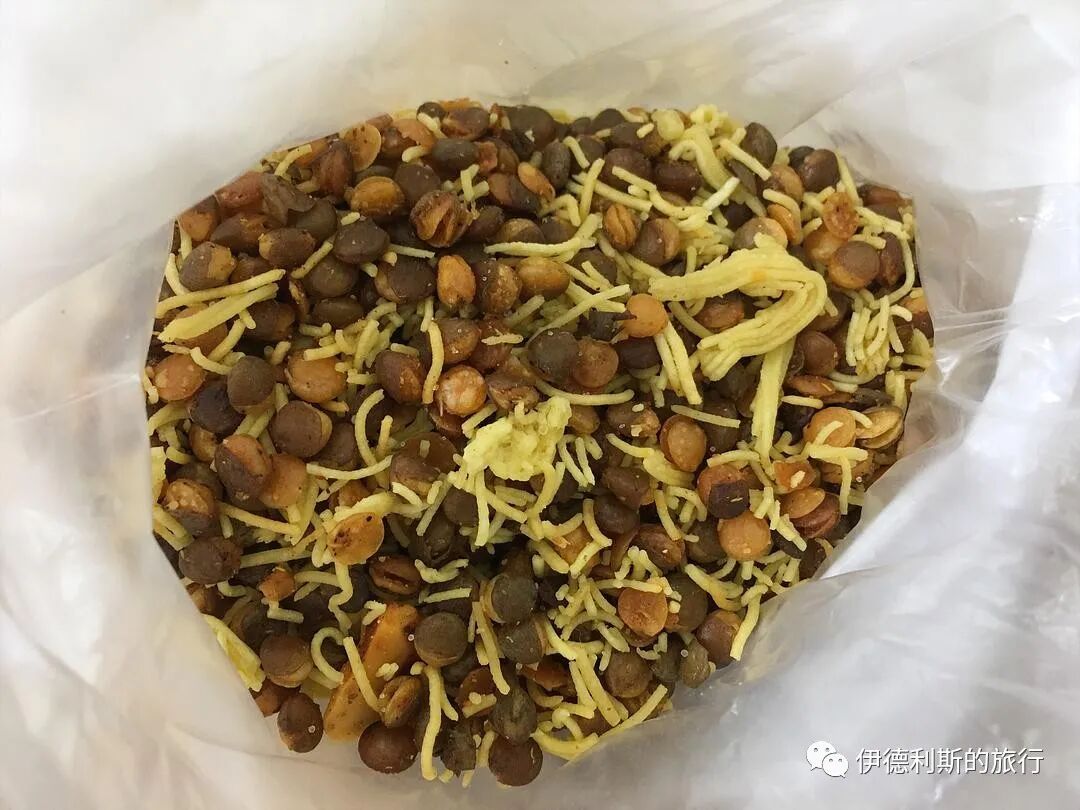
spicy snack mix (Bombay mix)
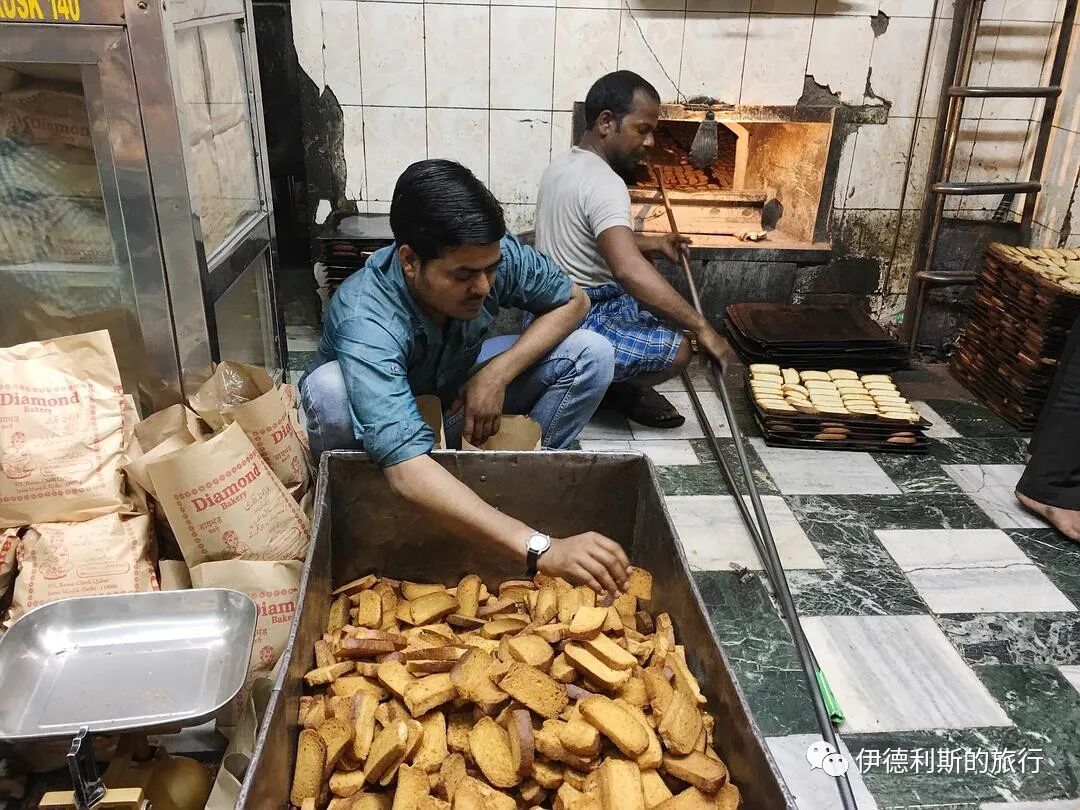
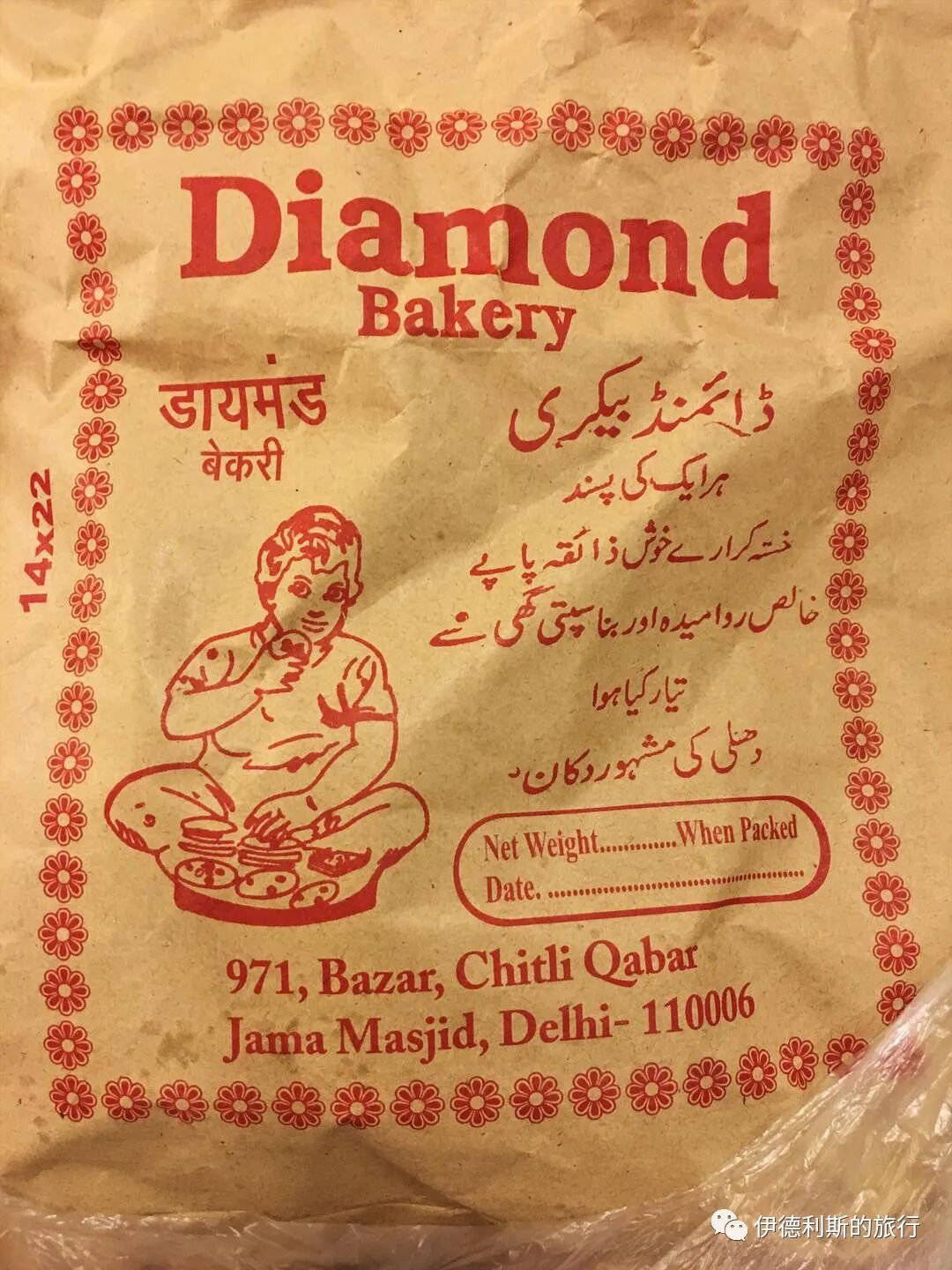
This toasted bread slice is delicious, so I bought some to share with the beggars on the street.
Meena Bazaar
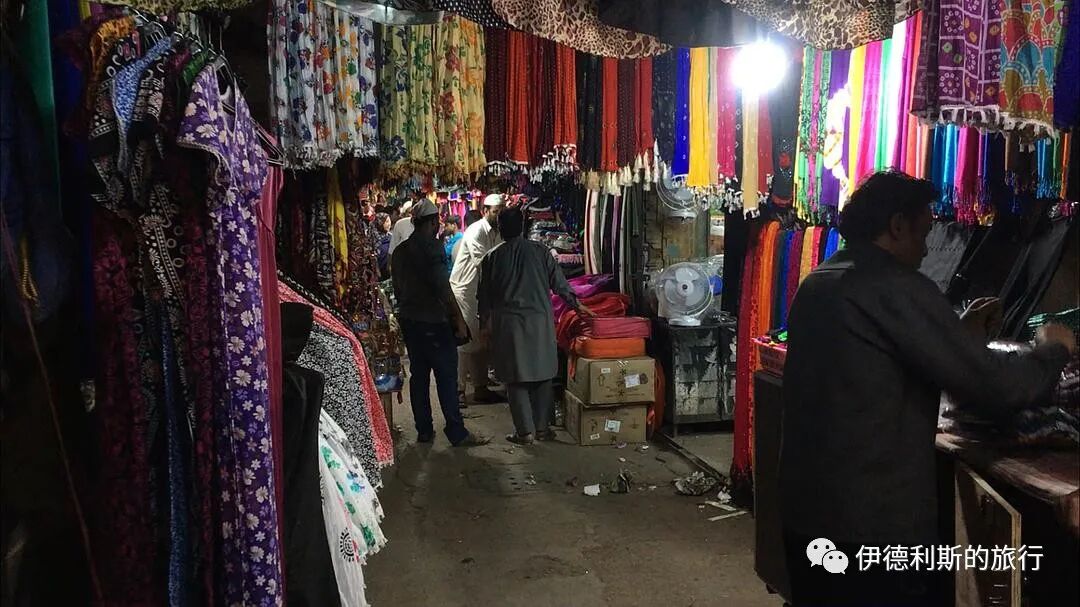
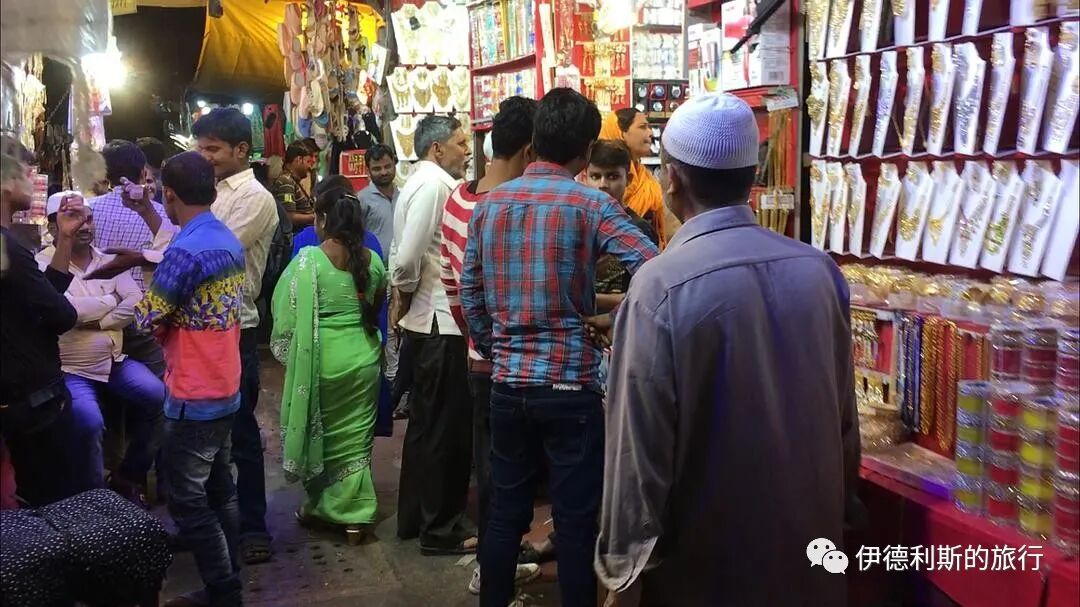
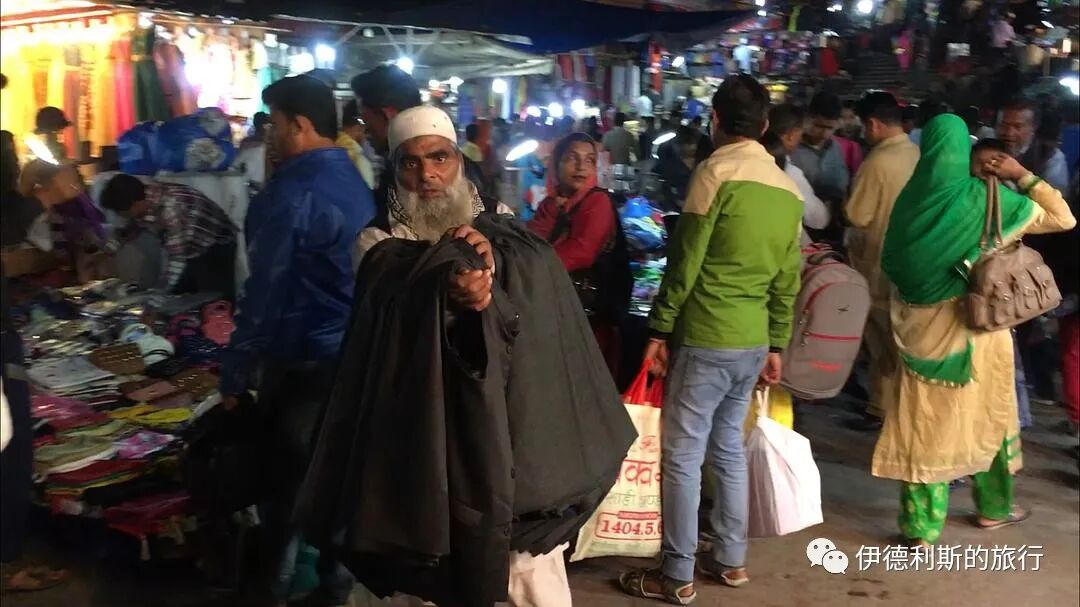
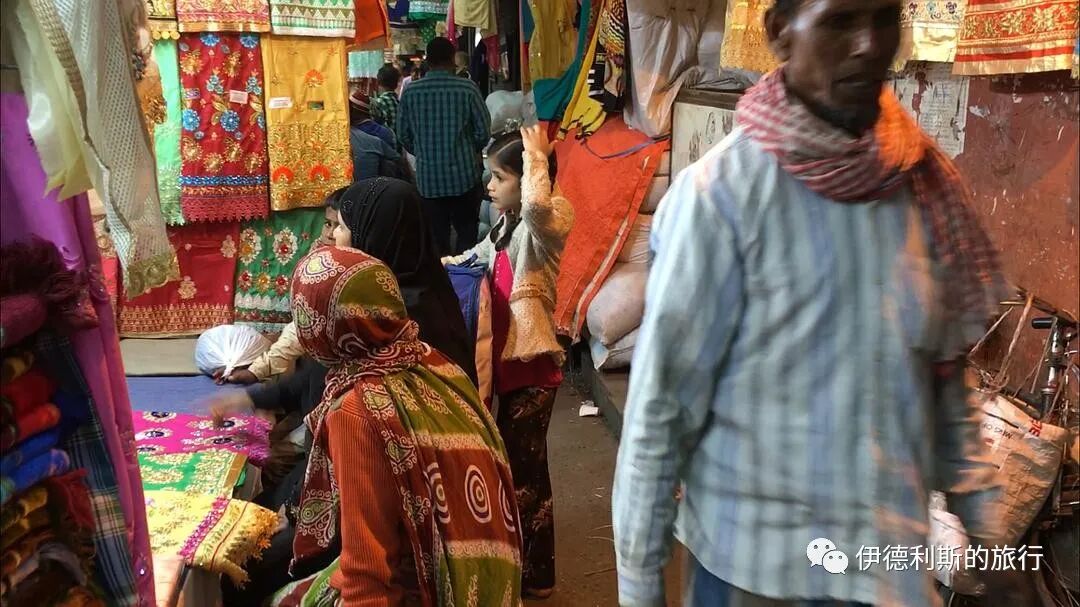
Meena Bazaar is on the road from the east gate of Jama Mosque to the Red Fort. During the Mughal Empire, it was a market where the royal court and the upper class bought silk, jewelry, and gemstones. Today, it has become a night market for everyday people, selling all kinds of clothes, fabrics, daily necessities, and religious items.
Both the north and south sides of the main market street are lined with stalls selling fabrics, jewelry, and religious items.
This plate of pilaf (zhua fan) costs the equivalent of 2.9 yuan.
Grilled lamb liver (kao yanggan)
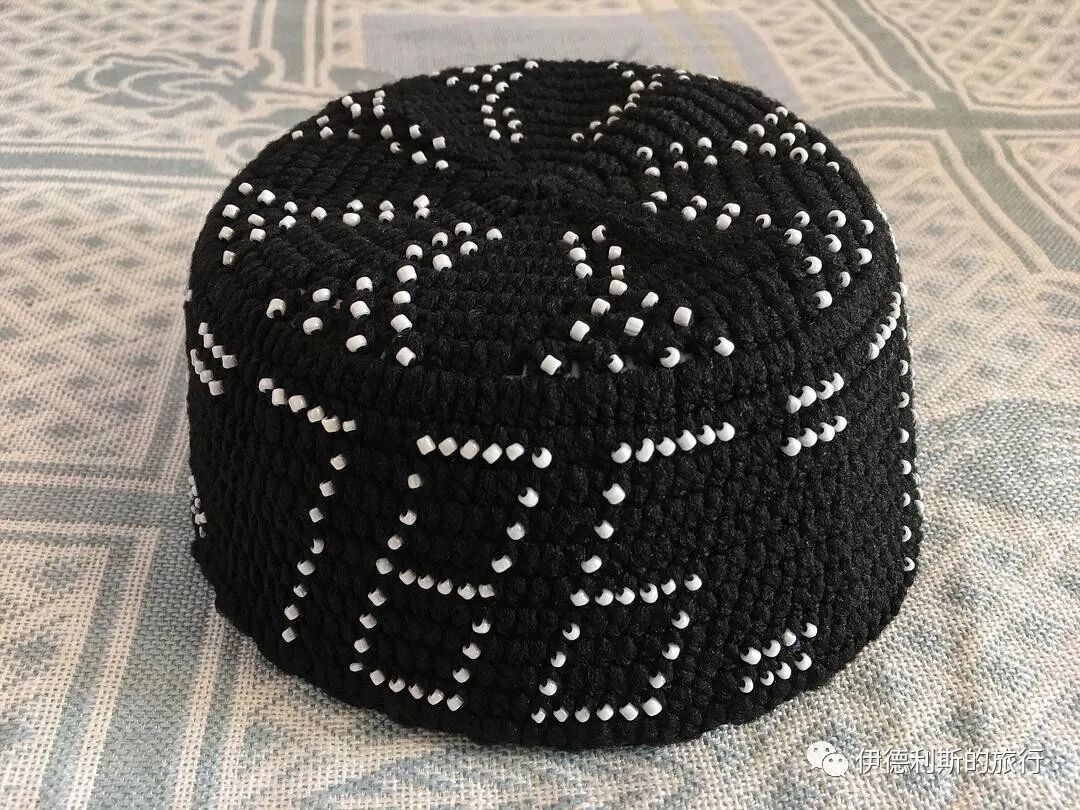
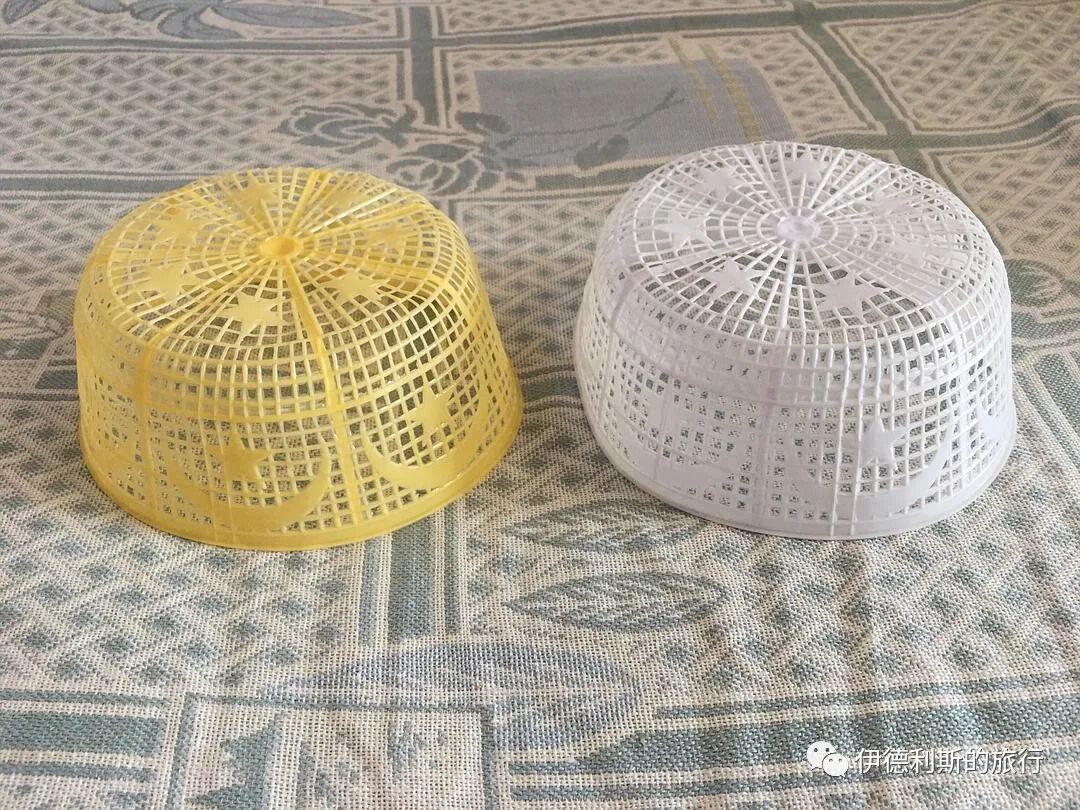
I bought a few hats at this hat stall.
786 is a sign for halal in South Asia and Southeast Asia. You can also see it in southwestern Yunnan and among the Hui Muslims in Lhasa. If you assign a number to each letter of the phrase Bismillāh al-Raḥmān al-Raḥīm (In the name of Allah, the Most Gracious, the Most Merciful) using Arabic numerology, the total sum is 786. view all
Summary: Old Delhi — Muslim Communities, Streets and Food is presented here as a firsthand travel account in clear English, beginning with this scene: This toasted bread slice is delicious, so I bought some to share with the beggars on the street. The account keeps its focus on Old Delhi, Muslim Community, India Travel while preserving the names, places, food, and historical details from the Chinese source.

spiced tea (Masala chai)
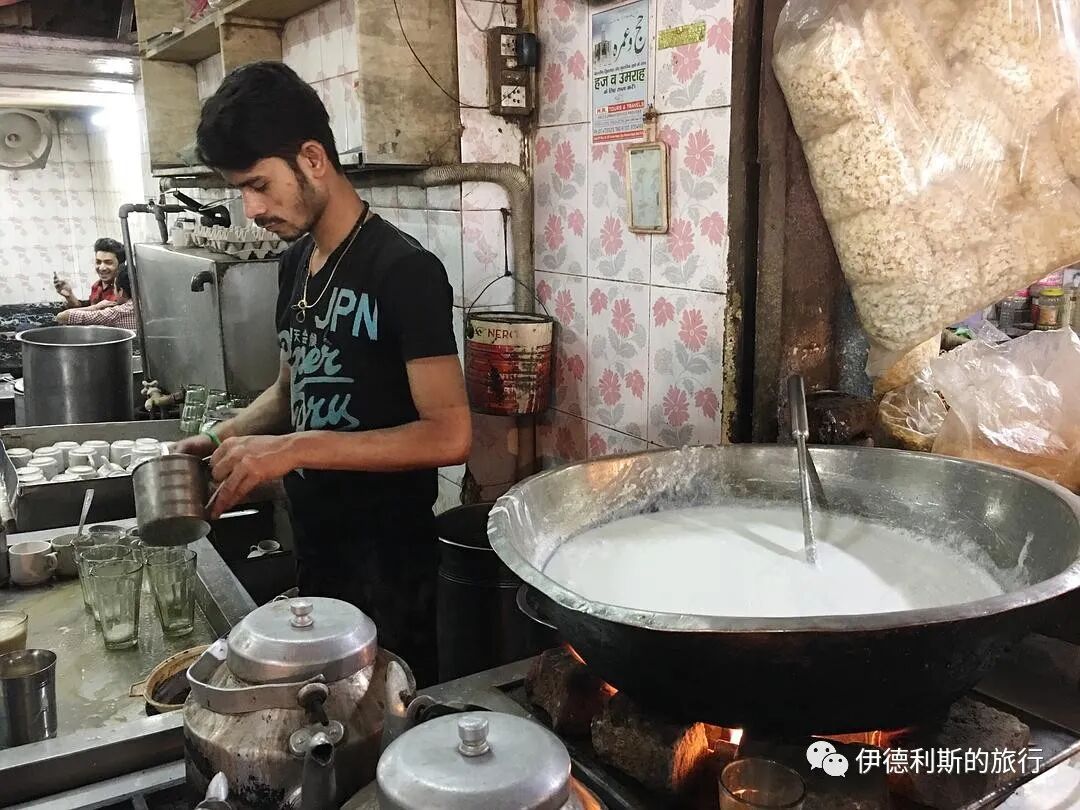

pastry and dessert shop
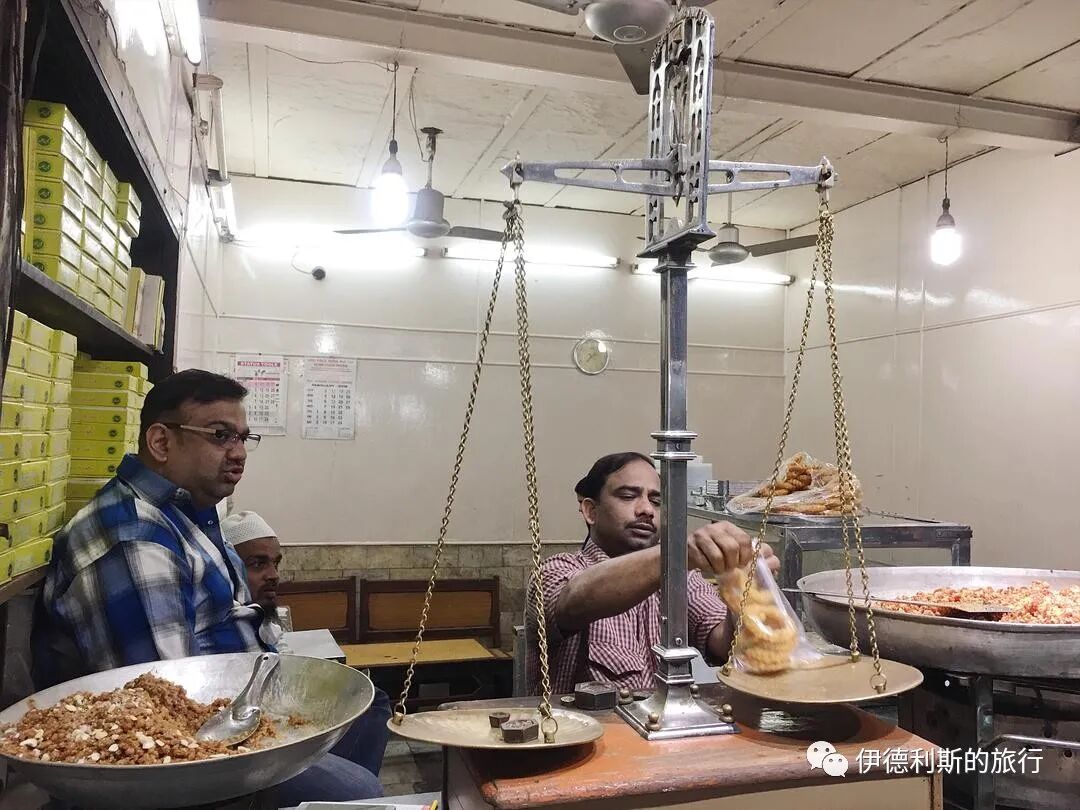
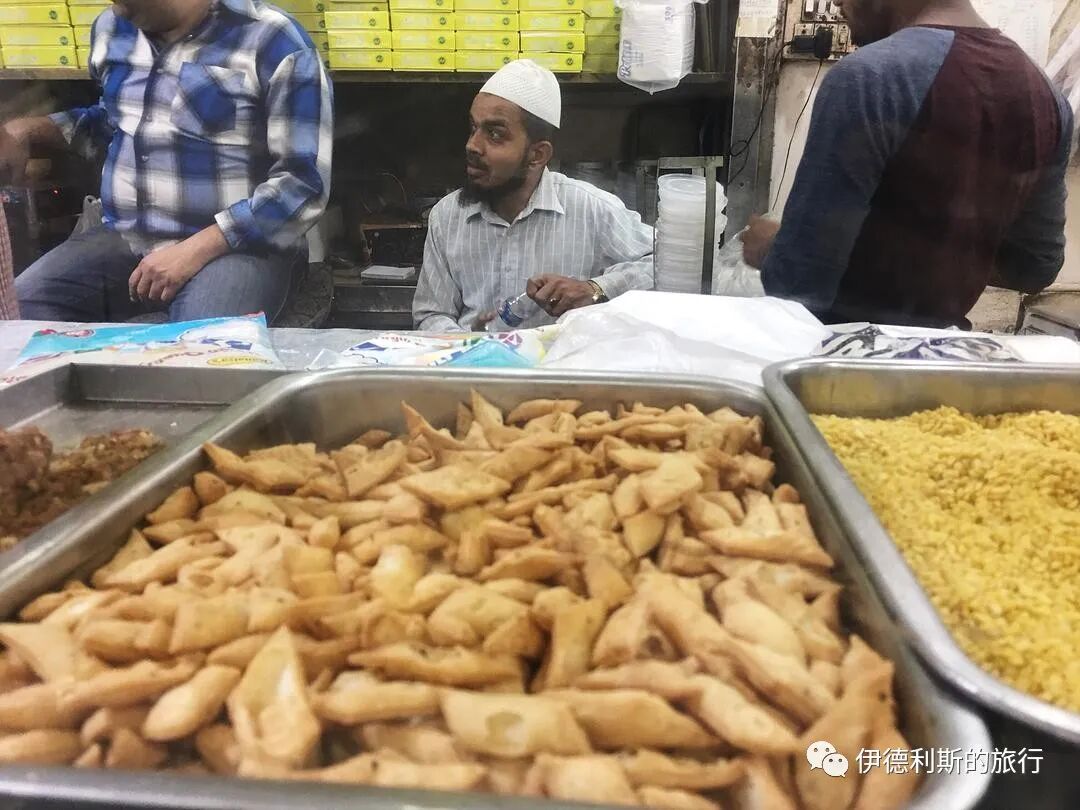


milk candy (Sandesh)


spicy snack mix (Bombay mix)
This toasted bread slice is delicious, so I bought some to share with the beggars on the street.

Meena Bazaar
Meena Bazaar is on the road from the east gate of Jama Mosque to the Red Fort. During the Mughal Empire, it was a market where the royal court and the upper class bought silk, jewelry, and gemstones. Today, it has become a night market for everyday people, selling all kinds of clothes, fabrics, daily necessities, and religious items.
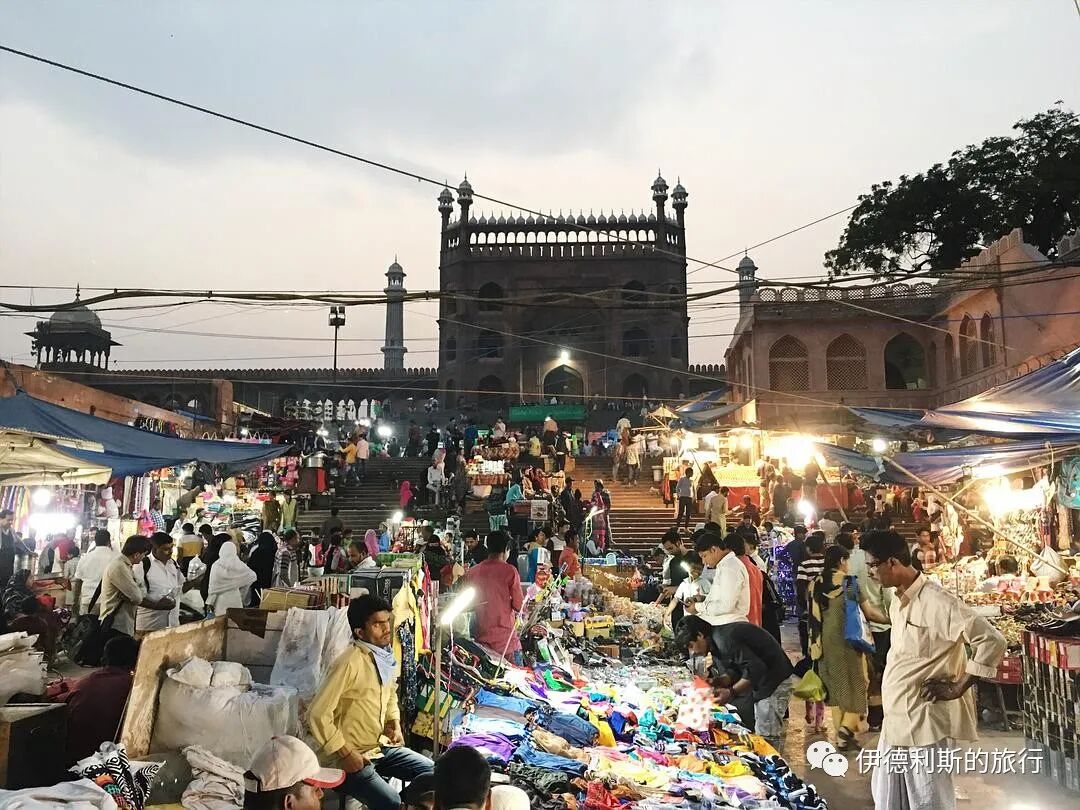
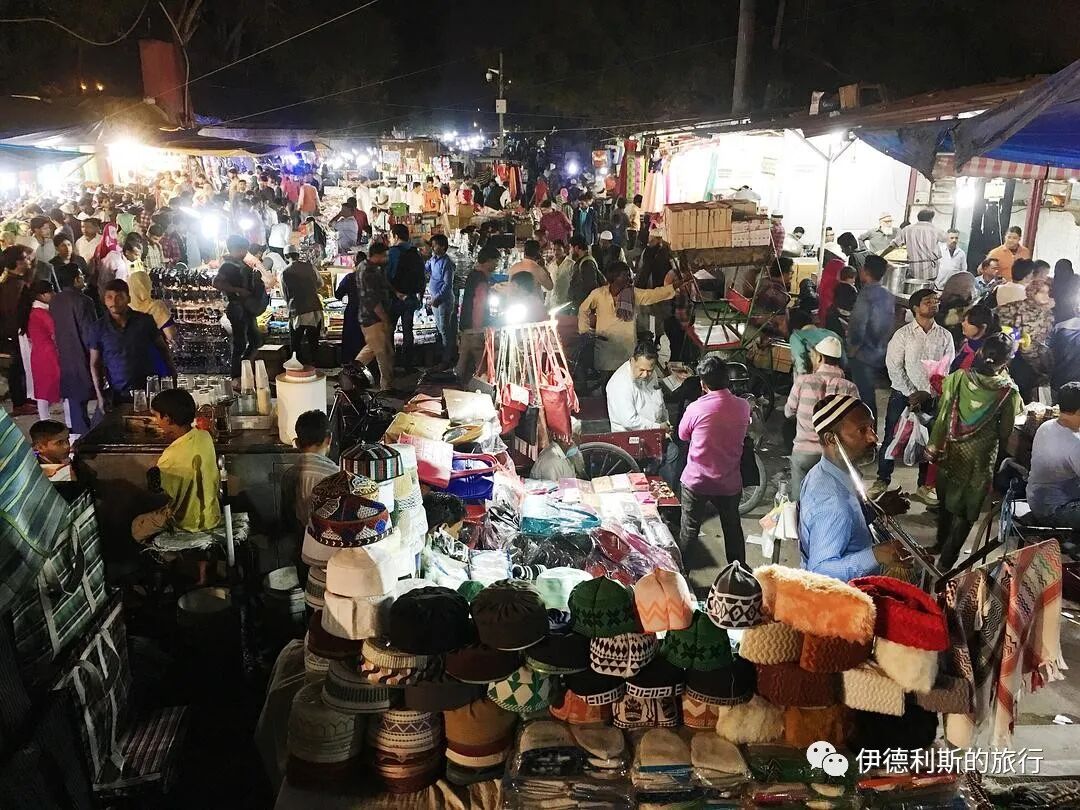
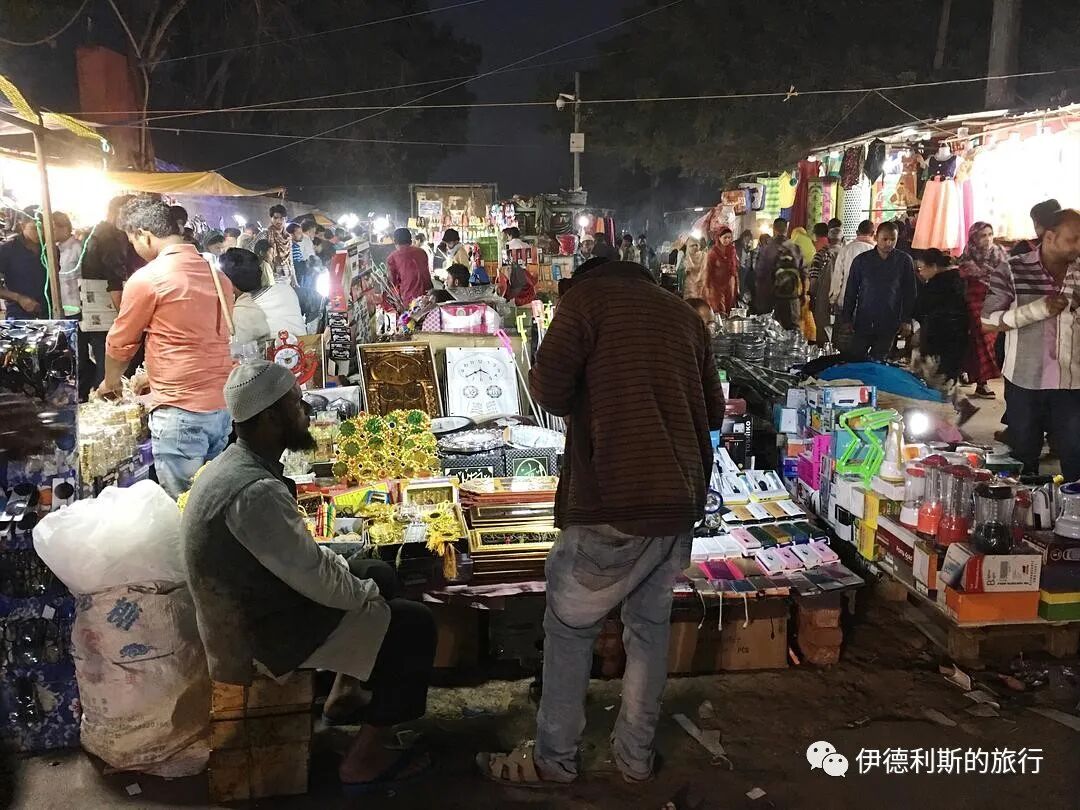
Both the north and south sides of the main market street are lined with stalls selling fabrics, jewelry, and religious items.
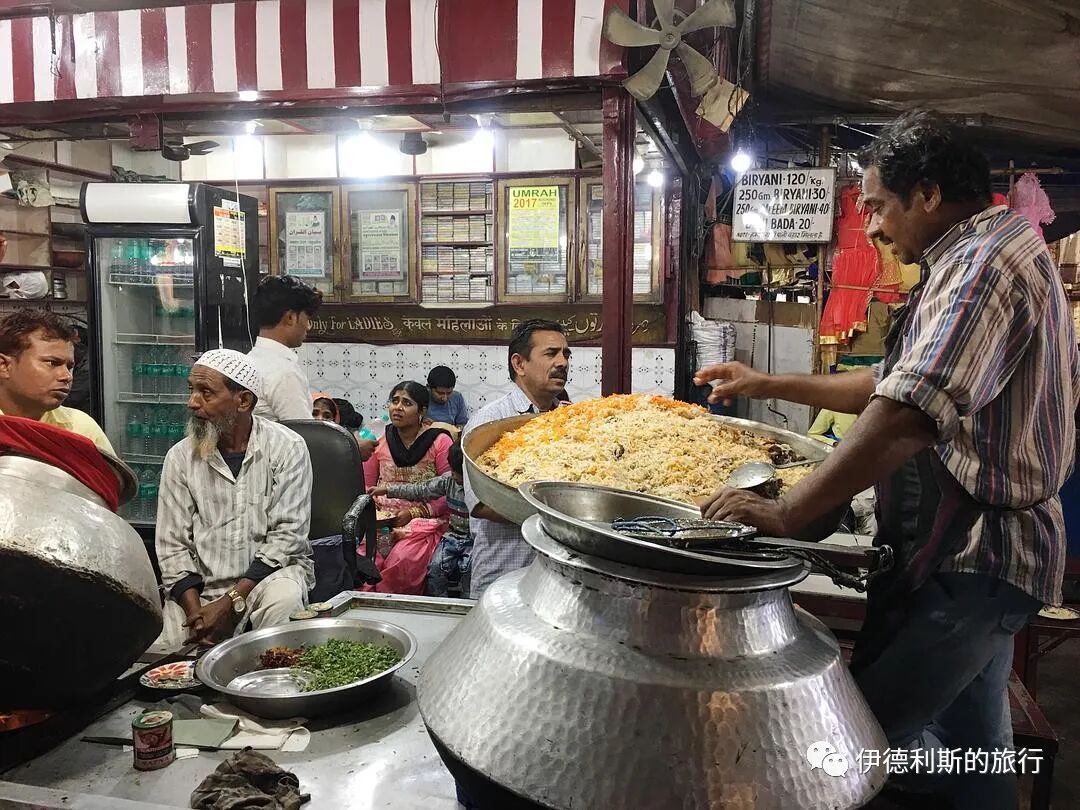
This plate of pilaf (zhua fan) costs the equivalent of 2.9 yuan.

Grilled lamb liver (kao yanggan)


I bought a few hats at this hat stall.
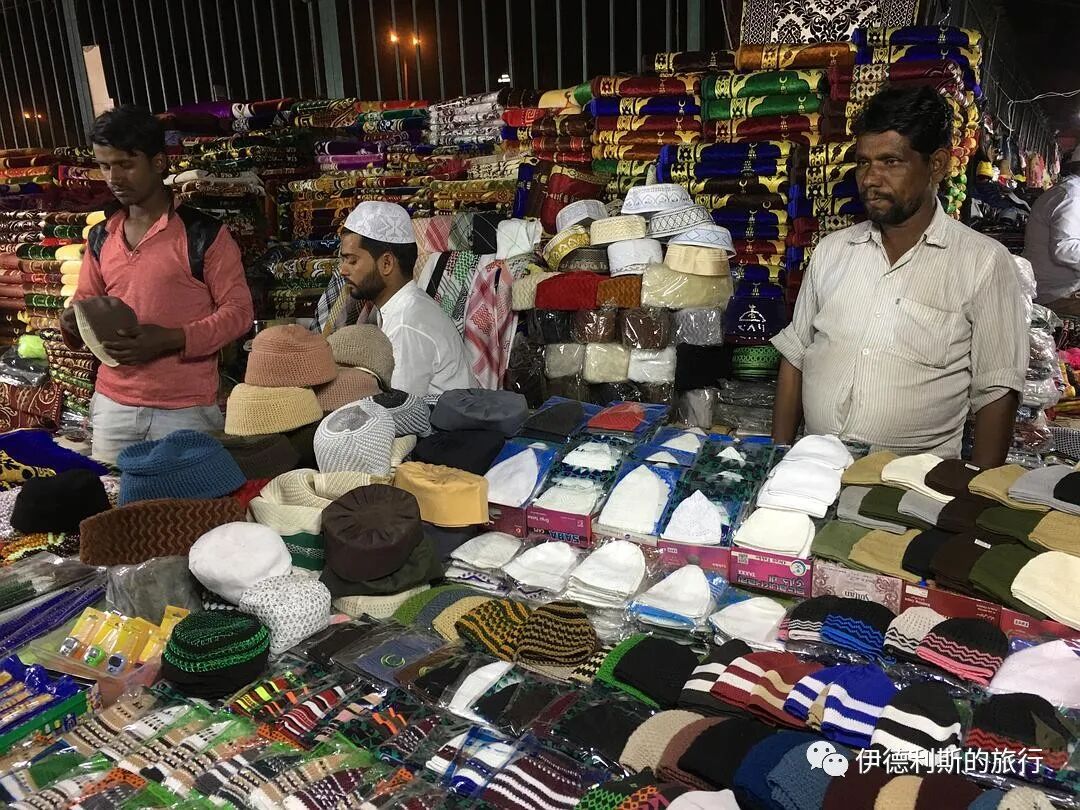

786 is a sign for halal in South Asia and Southeast Asia. You can also see it in southwestern Yunnan and among the Hui Muslims in Lhasa. If you assign a number to each letter of the phrase Bismillāh al-Raḥmān al-Raḥīm (In the name of Allah, the Most Gracious, the Most Merciful) using Arabic numerology, the total sum is 786.

Halal Travel Guide: Delhi — 24 Ancient Mosques and Muslim History (Part 1)
Articles • ali2007fr posted the article • 0 comments • 220 views • 2026-05-17 21:06
Summary: Delhi — 24 Ancient Mosques and Muslim History is presented here as a firsthand travel account in clear English, beginning with this scene: In February 2018, I visited Delhi to study over 90 historical buildings. I have selected 24 mosques built between the 12th and 18th centuries to share with you in chronological order. The account keeps its focus on Delhi Mosques, India Travel, Muslim History while preserving the names, places, food, and historical details from the Chinese source.
In February 2018, I visited Delhi to study over 90 historical buildings. I have selected 24 mosques built between the 12th and 18th centuries to share with you in chronological order. I missed some mosques due to time constraints, and I left out some smaller, simpler mosques to keep this article a reasonable length. I will share those with you another time.
Table of Contents
1. Ghurid Dynasty (879-1215)
Quwwat-ul-Islam Mosque (Qutb Mosque): construction began in 1193
Delhi Sultanate (1206-1526)
2. Mamluk Dynasty (1206-1290)
Qutb Mosque (Qutb Masjid): expanded in 1225
3. Khalji Dynasty (1290-1320)
1. Qutb Mosque (Qutb Masjid): expanded again in 1310
2. Jamaat Khana mosque: built after 1296.
3. Tohfe Wala Gumbad mosque: built after 1303.
IV. Tughlaq Dynasty (1320-1413).
1. Begampur mosque: built after 1351.
2. Feroz Shah Kotla mosque: 1354.
3. Khirki Mosque: 1370s
4. Kali Mosque: 1370
5. Kalan Mosque: 1387
V. Lodi Dynasty (1451-1526)
1. Bara Gumbad Mosque: 1494
2. Madhi mosque: 15th century
3. Nili mosque: 1505
4. Rajon ki Baoli mosque: 1506
5. Muhammad Wali mosque: late 15th to early 16th century
6. Early Mughal Empire (1526-1540)
1. Jamali Kamali mosque: 1528
7. Sur Dynasty (1532-1556)
1. Qila-i-Kuhna mosque: 1541
2. Salimgarh Fort mosque: 1546
3. Isa Khan mosque: 1547
8. Late Mughal Empire (1555-1857)
1. Khairul Manazil mosque: 1561
2. Afsarwala mosque: 1566
3. Jama mosque: 1650-1656
4. Fatehpuri Mosque: 1650
5. Pearl Mosque (Moti Masjid): 1659
6. Golden Mosque (Sunehri Masjid): 1751
7. Safdarjung Mosque: 1754.
1. Ghurid Dynasty (879-1215)
The Ghurid dynasty appeared in eastern Iran and Afghanistan starting in the 9th century. In 1011, the Persianized Turkic Muslim Ghaznavid dynasty conquered them, and they converted from Buddhism to Islam. In 1186, Muhammad of Ghor ended the Ghaznavid dynasty and took control of Afghanistan and northwestern India.
Quwwat-ul-Islam Mosque (Qutb Mosque): construction began in 1193
The Qutb mosque, later known as the Quwwat-ul-Islam mosque, was the first mosque in Delhi. It was started in 1193 after the Ghorid general Qutb al-Din Aibak captured the city of Lal Kot. According to a Persian inscription on the east gate, the mosque was built after tearing down 27 Hindu and Jain temples from the Tomar and Chauhan dynasties. Because of this, many parts of the mosque were taken directly from those original temples.
The Qutb Minar stands outside the southeast side of the mosque courtyard. It is made of red sandstone and follows the style of Iranian minarets, with patterns influenced by the famous Minaret of Jam in Afghanistan.
Qutb himself personally supervised the construction of the first level of the Qutb Minar, so it features many praises for Muhammad Ghori. His son-in-law, Shams ud-Din Iltutmish, finished the next three levels in 1220, keeping the style mostly the same as the Qutb period. The Qutb Minar from this period is made of red sandstone and is carved with Kufic script.
Delhi Sultanate (1206-1526)
2. Mamluk Dynasty (1206-1290)
In 1206, Muhammad Ghori handed over his affairs in India to Qutb and left for Afghanistan. He was assassinated on the way back. Qutb then established his own sultanate, which later generations called the Delhi Sultanate. Because Qutb was a Mamluk slave, the first dynasty of the Delhi Sultanate is known as the Mamluk Dynasty or the Slave Dynasty.
Qutb Mosque (Qutb Masjid): expanded in 1225
In 1225, the Mamluk Sultan Shams ud-Din Iltutmish began expanding the Qutb Mosque. The expanded section is also called the Iltutmish Mosque. During the expansion, Muslim craftsmen replaced the Hindu craftsmen from the Qutb era. They stopped using parts from the original temples, so the architectural style from this period is more Islamic than the Qutb period.
3. Khalji Dynasty (1290-1320)
The Khalji people are a Turkic group that lived among the Pashtun tribes of Afghanistan for over 200 years. Their customs became so Pashtunized that Turkic nobles in India even considered them Afghans. The Khalji people came to Delhi to serve the Sultan during the reign of Ghiyas ud din Balban, the ninth Sultan of the Mamluk dynasty, between 1266 and 1287.
After Balban died in 1287, his young successor became obsessed with wine and women, and the Turkic nobles fell into factional fighting. In 1290, the military officer Jalal ud din Firuz Khalji led a coup to overthrow the Mamluk dynasty and started the second dynasty of the Delhi Sultanate, the Khalji dynasty.
1. Qutb Mosque (Qutb Masjid): expanded again in 1310
In 1310, Sultan Alauddin Khalji of the Khalji dynasty expanded the Qutb Mosque once again. The new mosque area was much larger than the expansion built by Iltutmish. The most famous part of this new construction that still stands today is the south gate, later known as the Alai Darwaza. This building features red sandstone and white marble inlaid with beautiful Naskh script, and the geometric openwork marble screens show the high level of skill of the Turkic craftsmen.
After doubling the size of the Qutb Mosque, Alauddin Khalji started building the Alai Minar, a tower planned to be twice as tall as the Qutb Minar. Work stopped after the 24.5-meter first level was finished. Today, only a massive core of brick and rubble remains of the tower.
2. Jamaat Khana mosque: built after 1296.
The Jamaat Khana Mosque sits at the heart of the Sufi shrine of Nizamuddin. There are many different stories about its history, but it is likely the second mosque built in Delhi after the Qutb Mosque.
One story says that Sultan Alauddin Khalji (reigned 1296–1316) of the Khalji dynasty built the mosque because the Sufi saint Nizamuddin Auliya (1238–1325) had refused a large sum of money offered by the Sultan. Because of recent repairs, this mosque looks quite different from the Alai Darwaza, the southern gate of the Qutb Mosque built by Alauddin Khalji mentioned earlier. However, if you look closely, the proportions and decorations of the two buildings are actually very similar.
Another theory is that the main hall was originally built as a tomb for the saint by Alauddin Khalji's son, Khizr Khan. The saint did not want to be buried there, so the building became a mosque and side chambers were added to both sides. But looking at the existing structure, the main hall and the side chambers seem to be built together perfectly, with no signs that they were constructed at different times.
A third theory is that the saint Nizamuddin was buried in the wilderness according to his final wishes, and this mosque was built for pilgrims by Sultan Firuz Shah Tughlaq, who reigned from 1351 to 1388.
Overall, the building's style is still very close to the architectural style of the Khalji dynasty.
3. Tohfe Wala Gumbad mosque: built after 1303.
In 1303, the Chagatai Khanate besieged the city of Siri in Delhi for two months, but they could not break through and eventually retreated. After this, Sultan Alauddin Khalji of the Khalji dynasty focused on developing Siri, which had previously been just a military fort. He made Siri the new capital of the Delhi Sultanate, replacing the original site of Lal Kot.
Not many buildings remain in Siri today, but the Tohfe Wala Gumbad mosque is one of them. Unfortunately, there are no records available that show when it was built. This mosque looks very different from other buildings from the Alauddin period, but some of its wall structures show features of Khalji dynasty architecture.
IV. Tughlaq Dynasty (1320-1413).
In 1320, the Khalji dynasty fell during a chaotic struggle for the throne. Ghiyath al-Din Tughluq, a military commander with a strong army on the northwest frontier, defeated his rivals and established the Tughluq dynasty, the third dynasty of the Delhi Sultanate.
1. Begampur mosque: built after 1351.
Between 1326 and 1327, Sultan Muhammad bin Tughluq of the Tughluq dynasty connected Delhi's first city, Lal Kot, and its second city, Siri, with walls to build Jahanpanah, the fourth city of Delhi.
Begampur Mosque is the most important mosque in the city of Jahanpanah. It is the most representative mosque from the Tughlaq dynasty of the Delhi Sultanate that still stands today. It was reportedly designed by the Iranian architect Zahir al-Din al-Jayush.
There are two theories about when the mosque was built. One suggests it is one of the seven mosques built by Khan-i-Jahan Maqbul, the vizier (Wazir) to Sultan Firuz Shah Tughlaq (reigned 1351-1388). The other suggests it was built when Muhammad bin Tughlaq died in 1351.
Begampur Mosque is very grand. In the center is a spacious courtyard surrounded by colonnades. Each of the four sides has a building with a round dome in the center. The east, west, and north ones are gates, and the largest one on the west side is the main prayer hall. The mosque is very simple, with only a few carvings inside the main prayer hall. These stone carvings and domes were once covered in shiny white plaster, but most of it has fallen off and turned black now.
2. Feroz Shah Kotla mosque: 1354.
Sultan Feroz Shah Tughlaq of the Tughlaq dynasty (reigned 1351-1388) built the fifth city of Delhi, Ferozabad, in 1354. Later generations also called it Feroz Shah Kotla. The mosque is the main building in Feroz Shah Kotla and features the typical style of the Tughlaq dynasty. Some scholars believe that Timur the Lame prayed here in 1398 and later built a mosque of the same design in Samarkand. However, there is no solid evidence to confirm that the mosque Timur saw in Delhi was this one rather than the Begampur mosque mentioned earlier.
3. Khirki Mosque: 1370s
Khirki Mosque is another important mosque in the city of Jahanpanah, besides Begumpur Mosque. The design of this building is very different from Begumpur Mosque, but it is almost certainly one of the seven mosques built by Khan-i-Jahan Maqbul, the prime minister of Sultan Firoz Shah Tughlaq, and was likely built in the 1370s.
4. Kali Mosque: 1370
Like the Khirki Mosque mentioned earlier, Kali Mosque is also one of the seven mosques built by Sultan Firoz Shah Tughlaq's prime minister, Khan-i-Jahan Maqbul, and it stands near the Sufi shrine of Nizamuddin.
This mosque is very similar to Khirki Mosque in both its design and construction date, and both were once abandoned. Unlike others, this mosque returned to use in the early 20th century, and some changes were made to its original layout.
5. Kalan Mosque: 1387
Kalan Mosque is the northernmost of the seven mosques built by Khan-i-Jahan Maqbul, the prime minister of Sultan Firoz Shah Tughlaq. It was likely built to honor a Sufi saint and has been in use ever since.
V. Lodi Dynasty (1451-1526)
The Lodi dynasty was founded by the Pashtun leader Bahlul Khan Lodi in 1451. During the Lodi dynasty, the Delhi Sultanate shrank significantly and only ruled parts of northern India.
1. Bara Gumbad Mosque: 1494
The Bara Gumbad mosque is located inside Lodi Gardens. Specific details about the mosque are unknown, but inscriptions inside the building show it was built on November 30, 1494, by a man named Mughal Abdu Amjad.
The carvings in this mosque are very intricate. They are a great example of the limestone plastering and stone-cutting techniques used for architectural decoration during the Lodi dynasty.
2. Madhi mosque: 15th century
Madhi Mosque is located in the Mehrauli Archaeological Park in Delhi. While its exact construction date is unknown, its architectural style clearly shows it belongs to the Lodi dynasty.
Unlike typical mosques, this one does not have a main prayer hall. The mihrab, which points toward the direction of prayer, is made of a single wall. This type of mosque is also called a wall mosque, and it was built to make daily namaz more convenient. There are many other mosques in Delhi made of just one wall, but this one is the largest.
3. Nili mosque: 1505
The Blue Mosque (Nili Masjid) sits between the city of Siri and the Hauz Khas reservoir area, and it is a Lodi-era mosque that is still in use today.
4. Rajon ki Baoli mosque: 1506
Rajon ki Baoli is located in the Mehrauli Archaeological Park in Delhi and is known as the most beautiful stepwell (baoli) in the city. It was built by Daulat Khan Khwaja Muhammad in 1506 during the reign of Sultan Sikandar Lodi (1489-1517). Next to the pool are a mosque and a tomb, which seem to be part of one building complex.
Water reservoir
Mosque
5. Muhammad Wali mosque: late 15th to early 16th century
The Muhammad Wali mosque sits right next to the northwest wall of Siri city and shows the classic Lodi dynasty style.
6. Early Mughal Empire (1526-1540)
In 1526, Emperor Babur from Central Asia defeated the Lodi dynasty and established the Mughal Empire in Delhi.
1. Jamali Kamali mosque: 1528
The Jamali Kamali mosque is located in the Mehrauli Archaeological Park in Delhi and serves as the burial site for both Jamali and Kamali. Jamali, whose full name was Jamali Kamboh, was a famous 16th-century Persian poet and Sufi saint in India who was highly regarded by the Mughal emperors Babur and Humayun. Not much is known about the life of Kamali, but he was likely closely connected to Jamali. This mosque and the tomb were built between 1528 and 1529, and Jamali was buried here after he died in 1536.
Saint's tomb (gongbei)
Mosque
This style of mosque gate is said to be the first of its kind from the Mughal era.
7. Sur Dynasty (1532-1556)
The Sur dynasty was founded by Afghan Pashtun Muslims. In 1540, Sher Shah Suri defeated the Mughal emperor Humayun, took over northern India from the Mughals, and made Delhi his capital.
1. Qila-i-Kuhna mosque: 1541
The Qila-i-Kuhna mosque is located inside the Old Fort (Purana Qila), which is the sixth city of Delhi. In 1540, after Sher Shah Suri of the Sur Empire defeated the Mughal emperor Humayun and took Delhi, he used the Old Fort (Purana Qila) as his palace. In 1541, he built the Qila-i-Kuhna mosque as his royal mosque.
Some scholars believe Humayun designed and started building the mosque, while Sher Shah finished it. Other scholars think the marble on the outer walls was added by the Mughal emperor Akbar, because these geometric patterns did not appear in Delhi before his time.
Overall, the mosque is a Lodi-style five-arch mosque, meaning it is made up of five arched entrances. However, many of its details show architectural styles from different eras. The interior decoration shows the style of the Tughlaq dynasty, while the arches feature the style of the Khalji dynasty, and the semi-dome shape reflects the Mughal dynasty style. It is arguably the mosque with the most diverse architectural styles in Delhi.
2. Salimgarh Fort mosque: 1546
Salimgarh Fort is located north of the Red Fort. It was built in 1546 by Salim Shah Suri (reigned 1545-1554), the son of the Suri dynasty ruler Sher Shah Suri.
During the reign of the Mughal emperor Aurangzeb (reigned 1658-1707), this fort became a prison, and in 1857, it was occupied by the British. Today, it is part of the Red Fort complex and was added to the UNESCO World Heritage list in 2007.
3. Isa Khan mosque: 1547
The Isa Khan Mosque is inside the Humayun's Tomb complex. It is a tomb mosque built for the Pashtun noble Isa Khan from the Sur Empire.
Isa Khan Niazi was born in 1453. Like the Sur royal family, he belonged to the Afghan Pashtun Lodi tribe. He fought many wars against the Mughal Empire and won in the end. In 1548, Isa Khan died in Delhi at the age of 95. Before he died, he built a tomb for himself and added a mosque right next to it.
The tomb of Isa Khan is considered the earliest in India to feature a sunken garden, a design later used in the Taj Mahal.
The Isa Khan mosque was built at the same time as the tomb. The mosque has a strong Afghan style, and some of its features were used in the later Humayun's Tomb.
8. Late Mughal Empire (1555-1857)
In 1555, the Mughal emperor Humayun defeated the Sur Empire, recaptured Delhi, and restored Mughal rule in India.
1. Khairul Manazil mosque: 1561
The Khairul Manazil mosque sits across from the Purana Qila fort. It was built in 1561 by order of Maham Anga, the chief nurse to the Mughal Emperor Akbar and the person who actually held power in the Mughal Empire from 1560 to 1562.
The Persian calligraphy in marble above the main gate was written by Maulana Shihabuddin Ahmad Khan, a historian and poet in Emperor Akbar's court who used the pen name Baazil.
2. Afsarwala mosque: 1566
The Afsarwala mosque is located southwest of Humayun's Tomb. Built between 1566 and 1567, it serves as a tomb mosque for an official from the court of the Mughal Emperor Akbar. The word Afsar means official in Hindi.
The tomb is on the left, and the mosque is on the right.
Mosque
3. Jama mosque: 1650-1656
Jama Mosque is in Shahjahanabad, the seventh city of Delhi, also known as Old Delhi. It was once the main Friday mosque for the Mughal Empire.
The Mughal emperor Shah Jahan, who also built the Taj Mahal, ordered the construction of Jama Mosque between 1650 and 1656. In 1638, before this, Shah Jahan decided to move his capital from Agra, where the Taj Mahal is, to Delhi. He immediately started building a city named after himself, Shahjahanabad, in the north of Delhi. The Jama Mosque was a key part of this city.
Shah Jahan’s prime minister (wazir), Saadullah Khan, led more than 5,000 workers to build the Jama Mosque. It cost over 1 million rupees. view all
Summary: Delhi — 24 Ancient Mosques and Muslim History is presented here as a firsthand travel account in clear English, beginning with this scene: In February 2018, I visited Delhi to study over 90 historical buildings. I have selected 24 mosques built between the 12th and 18th centuries to share with you in chronological order. The account keeps its focus on Delhi Mosques, India Travel, Muslim History while preserving the names, places, food, and historical details from the Chinese source.
In February 2018, I visited Delhi to study over 90 historical buildings. I have selected 24 mosques built between the 12th and 18th centuries to share with you in chronological order. I missed some mosques due to time constraints, and I left out some smaller, simpler mosques to keep this article a reasonable length. I will share those with you another time.
Table of Contents
1. Ghurid Dynasty (879-1215)
Quwwat-ul-Islam Mosque (Qutb Mosque): construction began in 1193
Delhi Sultanate (1206-1526)
2. Mamluk Dynasty (1206-1290)
Qutb Mosque (Qutb Masjid): expanded in 1225
3. Khalji Dynasty (1290-1320)
1. Qutb Mosque (Qutb Masjid): expanded again in 1310
2. Jamaat Khana mosque: built after 1296.
3. Tohfe Wala Gumbad mosque: built after 1303.
IV. Tughlaq Dynasty (1320-1413).
1. Begampur mosque: built after 1351.
2. Feroz Shah Kotla mosque: 1354.
3. Khirki Mosque: 1370s
4. Kali Mosque: 1370
5. Kalan Mosque: 1387
V. Lodi Dynasty (1451-1526)
1. Bara Gumbad Mosque: 1494
2. Madhi mosque: 15th century
3. Nili mosque: 1505
4. Rajon ki Baoli mosque: 1506
5. Muhammad Wali mosque: late 15th to early 16th century
6. Early Mughal Empire (1526-1540)
1. Jamali Kamali mosque: 1528
7. Sur Dynasty (1532-1556)
1. Qila-i-Kuhna mosque: 1541
2. Salimgarh Fort mosque: 1546
3. Isa Khan mosque: 1547
8. Late Mughal Empire (1555-1857)
1. Khairul Manazil mosque: 1561
2. Afsarwala mosque: 1566
3. Jama mosque: 1650-1656
4. Fatehpuri Mosque: 1650
5. Pearl Mosque (Moti Masjid): 1659
6. Golden Mosque (Sunehri Masjid): 1751
7. Safdarjung Mosque: 1754.
1. Ghurid Dynasty (879-1215)
The Ghurid dynasty appeared in eastern Iran and Afghanistan starting in the 9th century. In 1011, the Persianized Turkic Muslim Ghaznavid dynasty conquered them, and they converted from Buddhism to Islam. In 1186, Muhammad of Ghor ended the Ghaznavid dynasty and took control of Afghanistan and northwestern India.
Quwwat-ul-Islam Mosque (Qutb Mosque): construction began in 1193
The Qutb mosque, later known as the Quwwat-ul-Islam mosque, was the first mosque in Delhi. It was started in 1193 after the Ghorid general Qutb al-Din Aibak captured the city of Lal Kot. According to a Persian inscription on the east gate, the mosque was built after tearing down 27 Hindu and Jain temples from the Tomar and Chauhan dynasties. Because of this, many parts of the mosque were taken directly from those original temples.
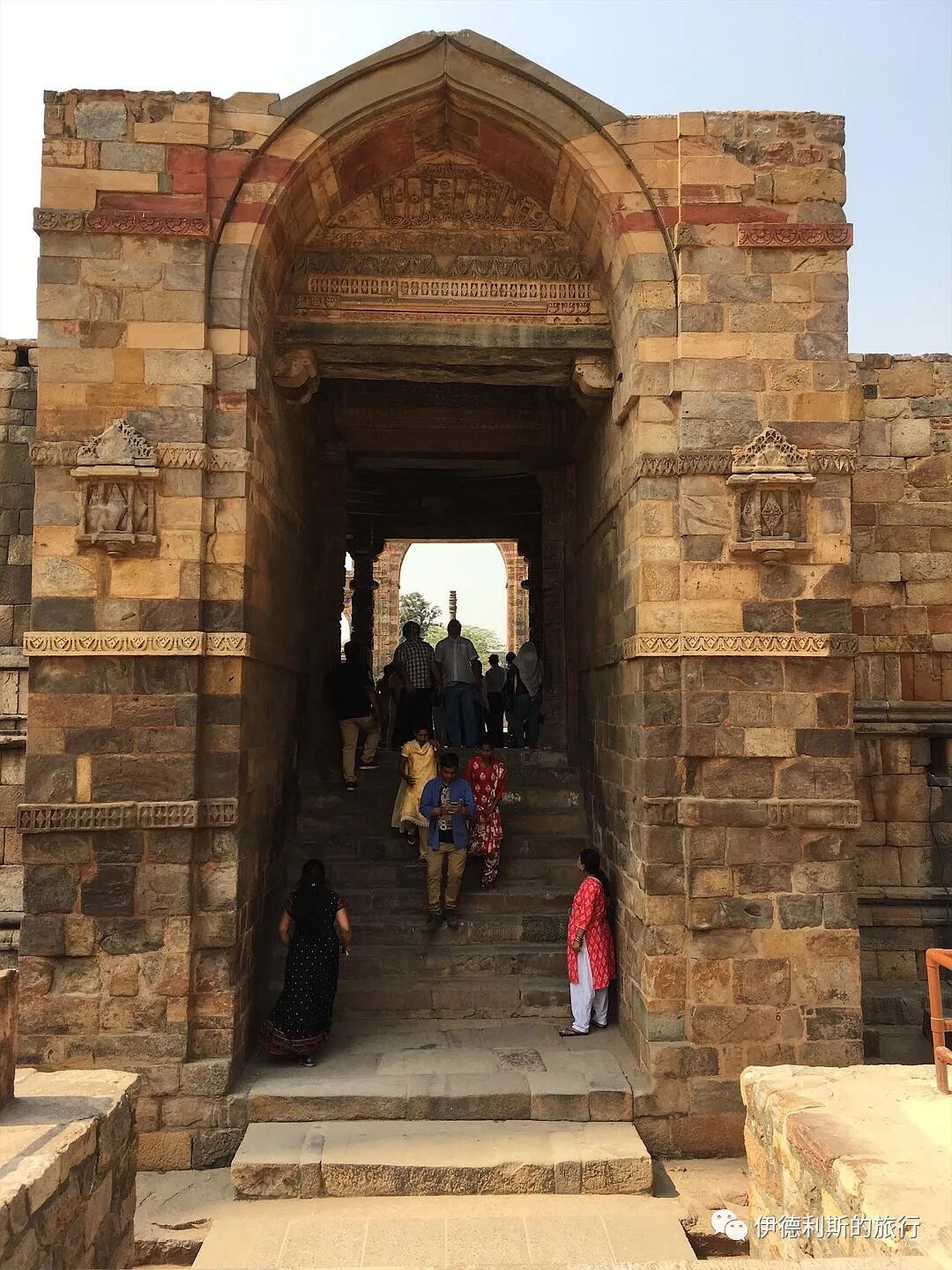
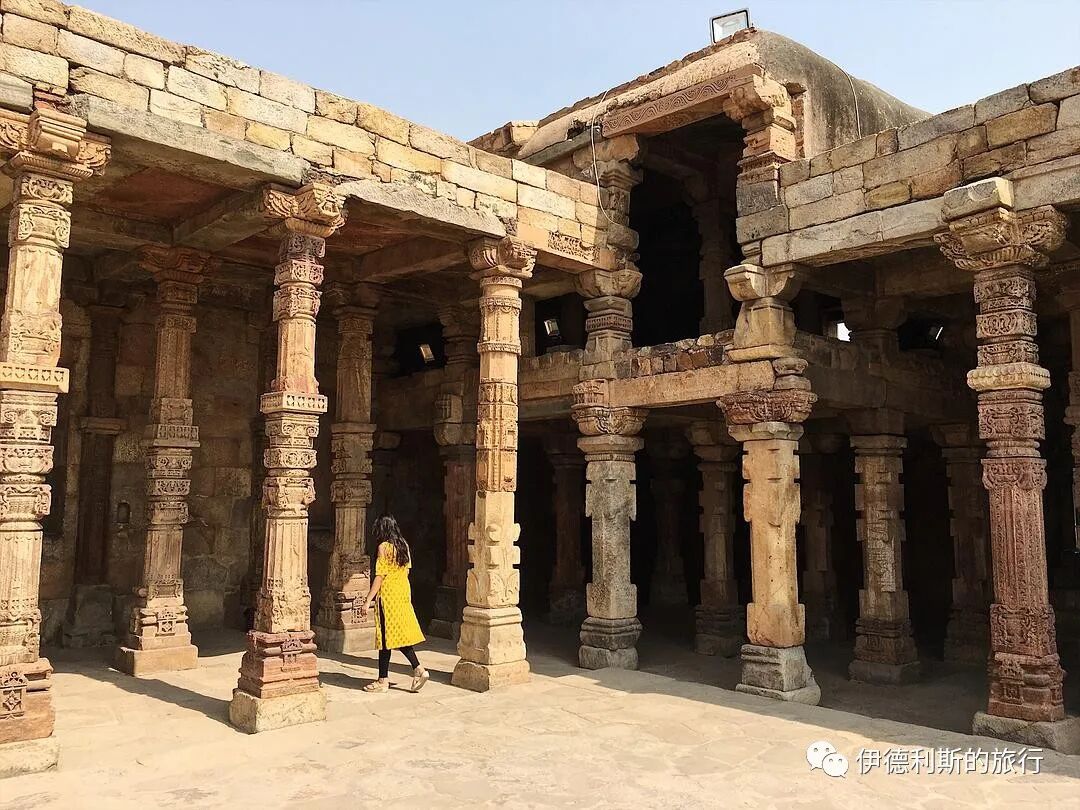
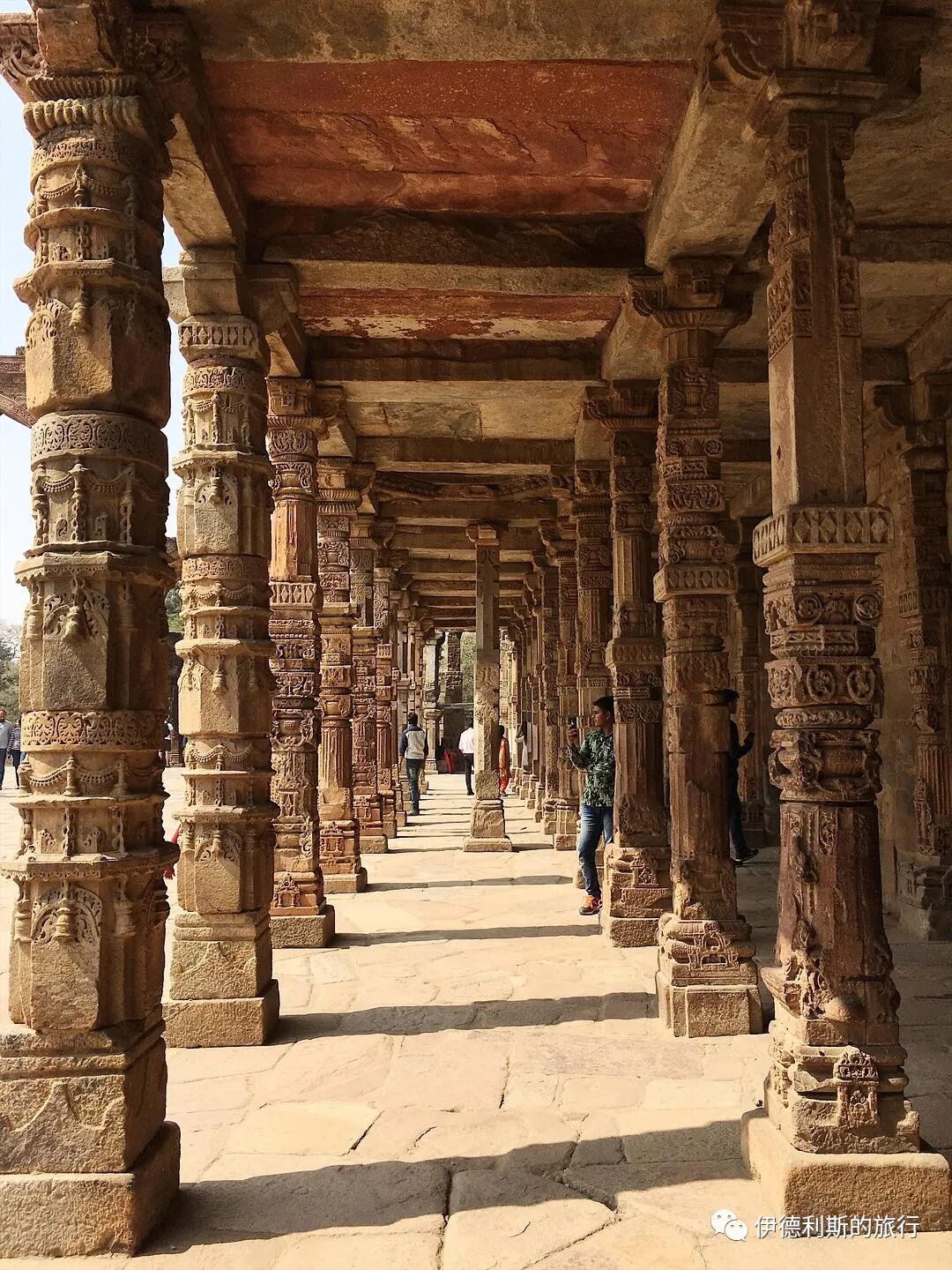
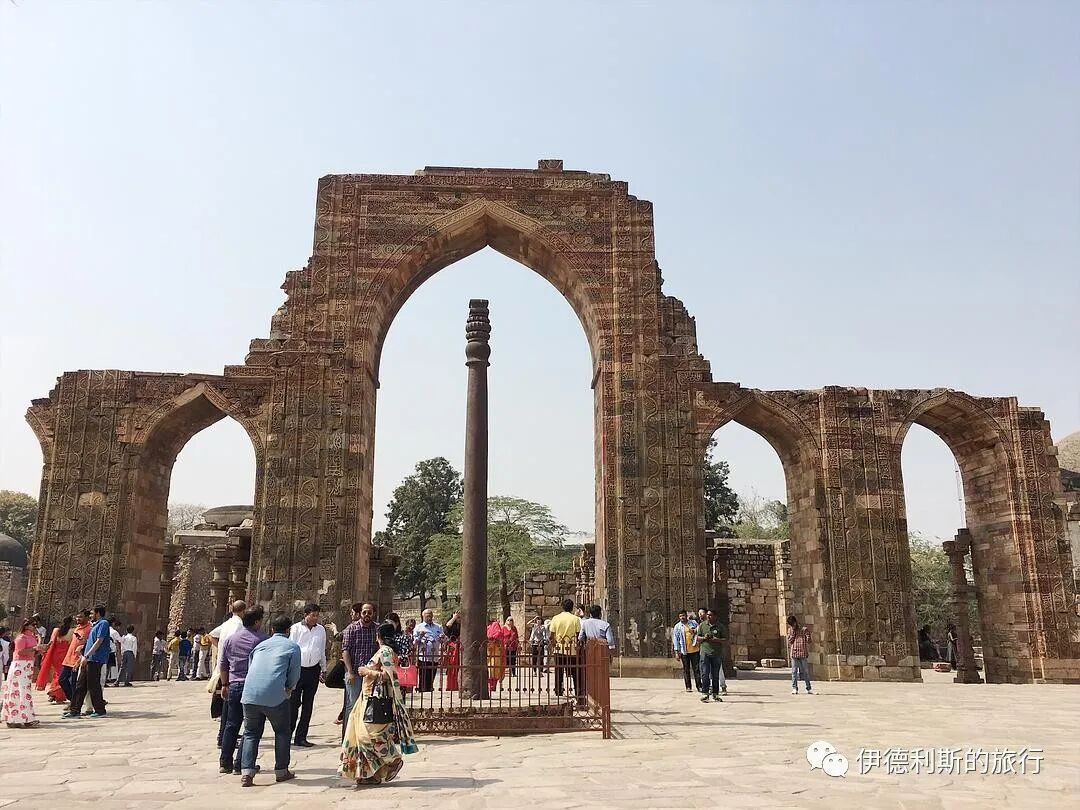
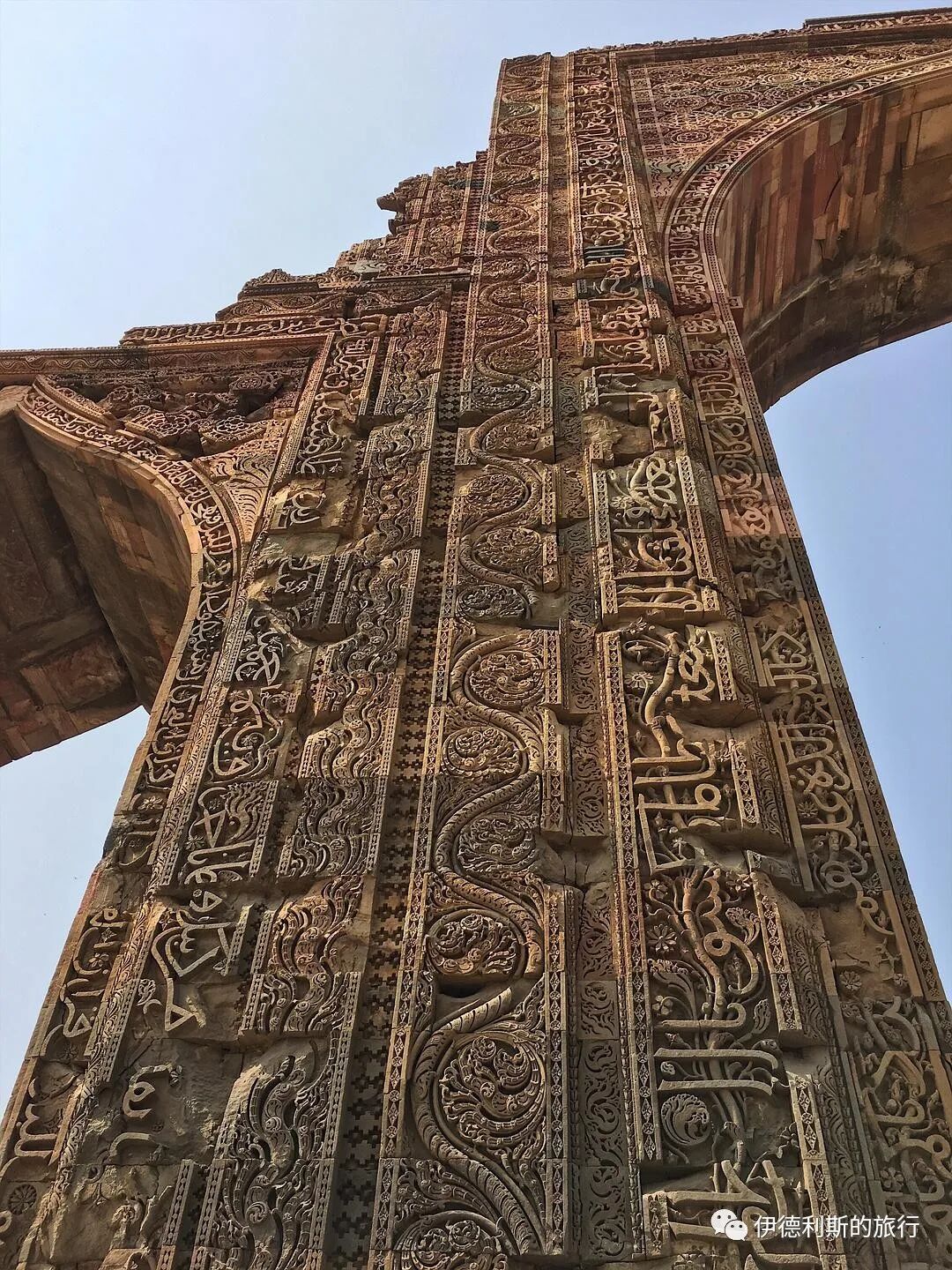
The Qutb Minar stands outside the southeast side of the mosque courtyard. It is made of red sandstone and follows the style of Iranian minarets, with patterns influenced by the famous Minaret of Jam in Afghanistan.
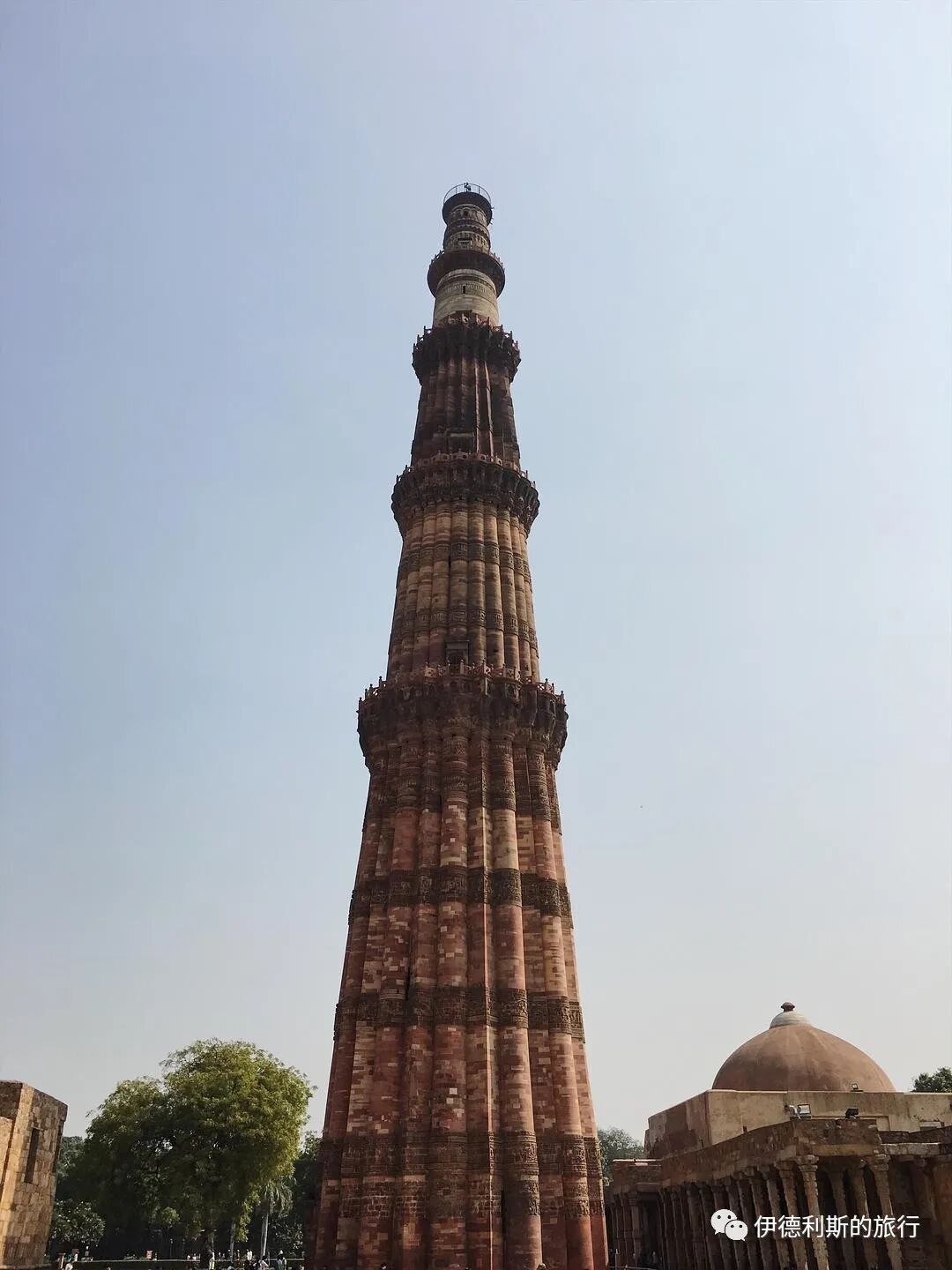
Qutb himself personally supervised the construction of the first level of the Qutb Minar, so it features many praises for Muhammad Ghori. His son-in-law, Shams ud-Din Iltutmish, finished the next three levels in 1220, keeping the style mostly the same as the Qutb period. The Qutb Minar from this period is made of red sandstone and is carved with Kufic script.
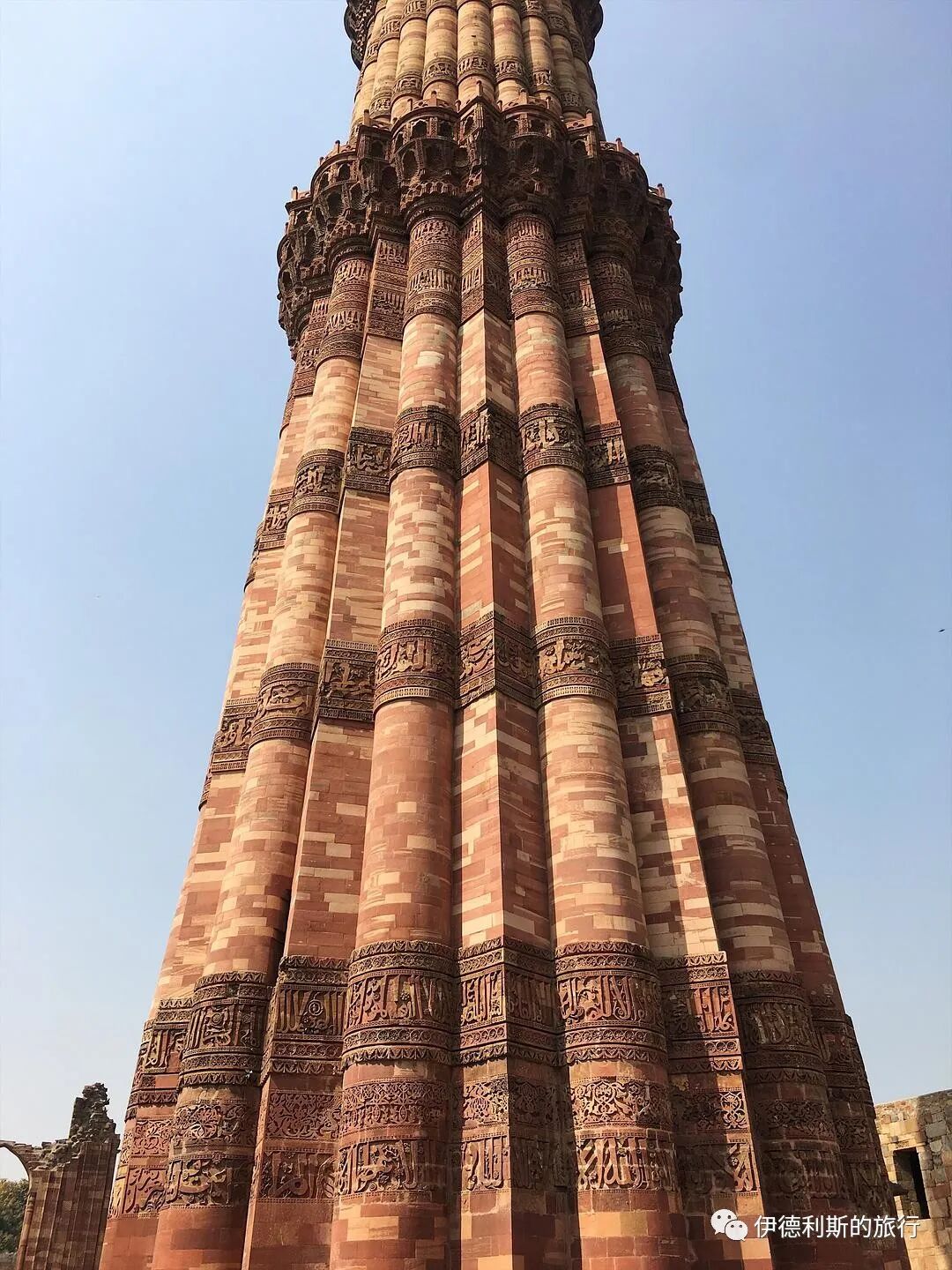
Delhi Sultanate (1206-1526)
2. Mamluk Dynasty (1206-1290)
In 1206, Muhammad Ghori handed over his affairs in India to Qutb and left for Afghanistan. He was assassinated on the way back. Qutb then established his own sultanate, which later generations called the Delhi Sultanate. Because Qutb was a Mamluk slave, the first dynasty of the Delhi Sultanate is known as the Mamluk Dynasty or the Slave Dynasty.
Qutb Mosque (Qutb Masjid): expanded in 1225
In 1225, the Mamluk Sultan Shams ud-Din Iltutmish began expanding the Qutb Mosque. The expanded section is also called the Iltutmish Mosque. During the expansion, Muslim craftsmen replaced the Hindu craftsmen from the Qutb era. They stopped using parts from the original temples, so the architectural style from this period is more Islamic than the Qutb period.
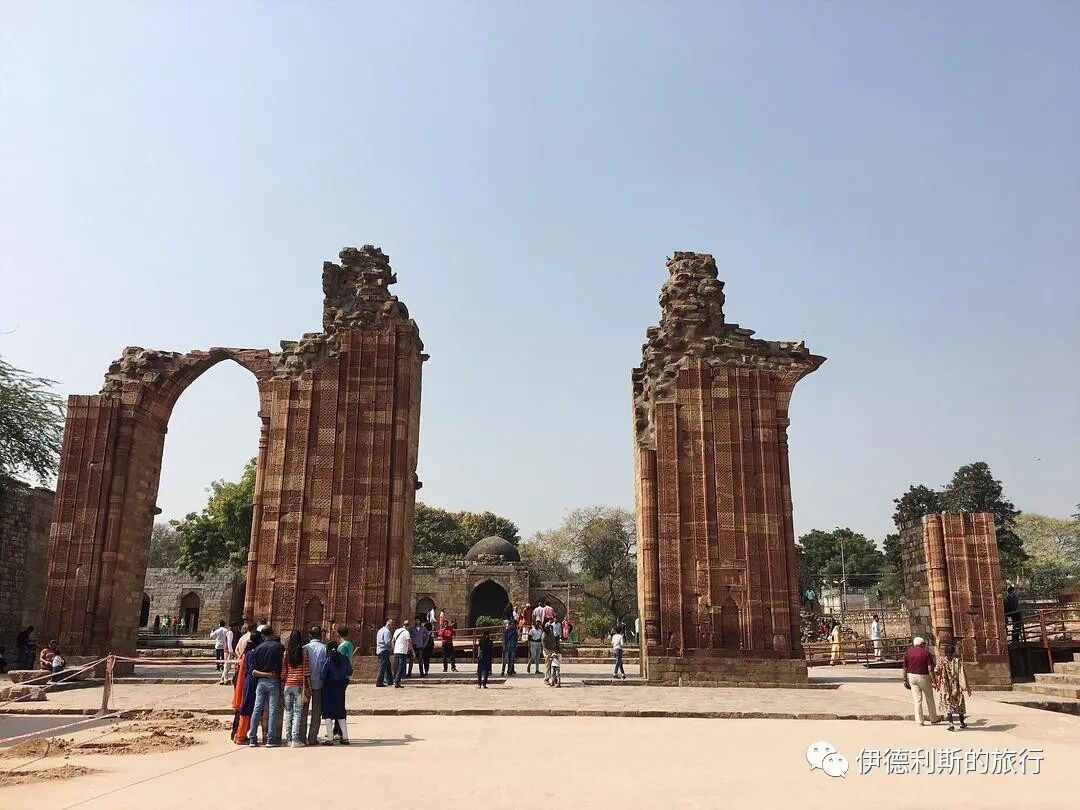
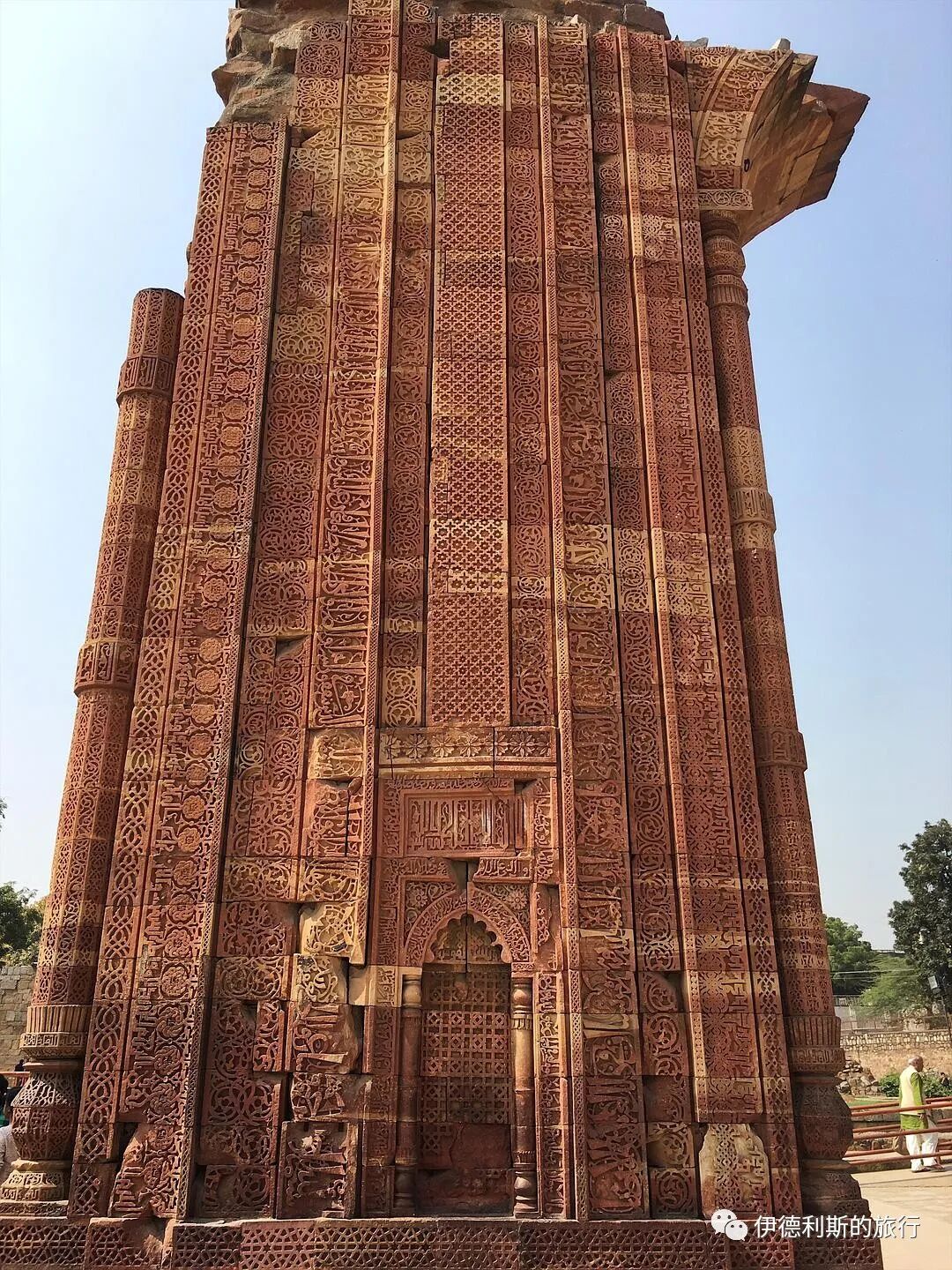
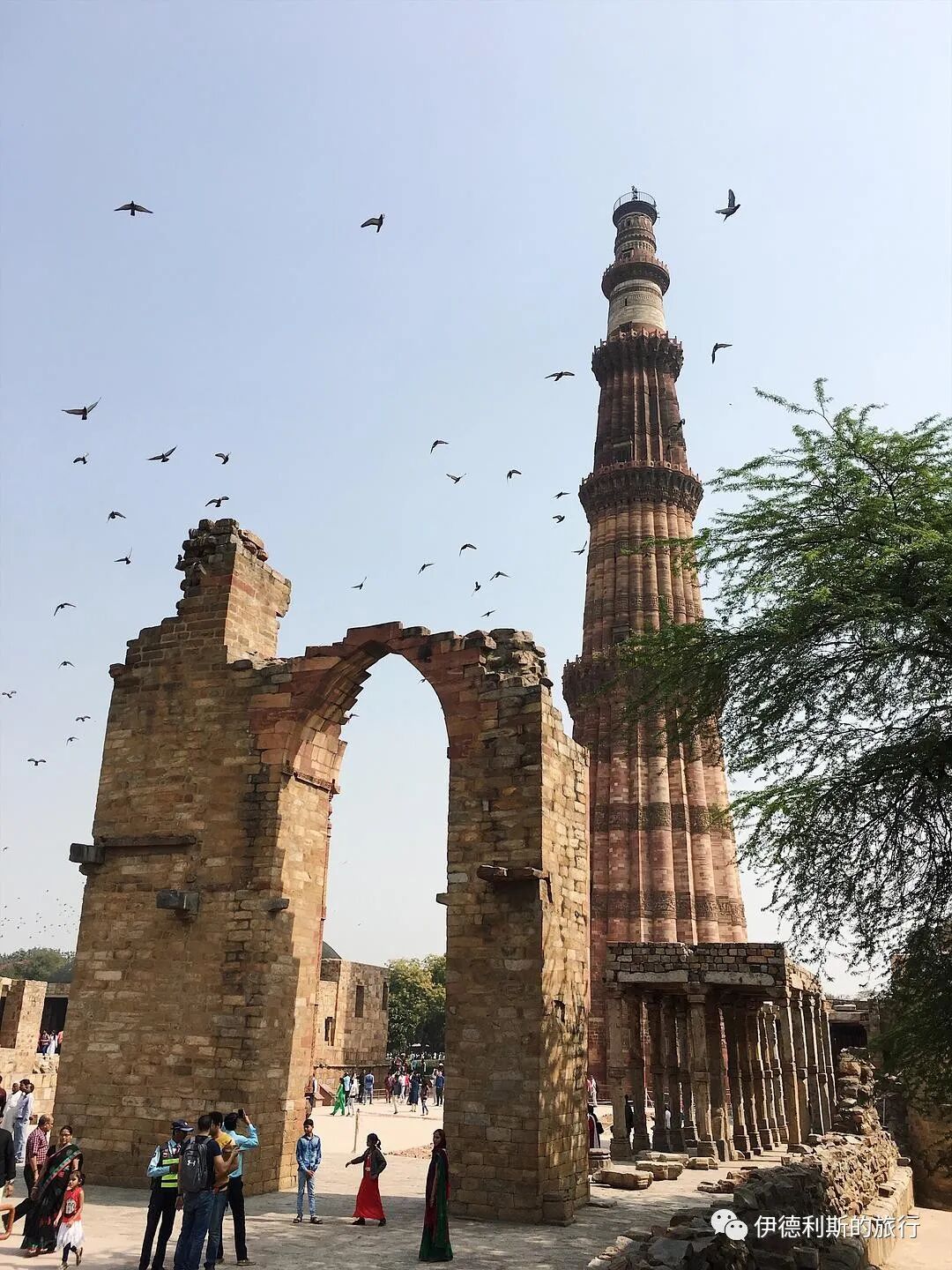
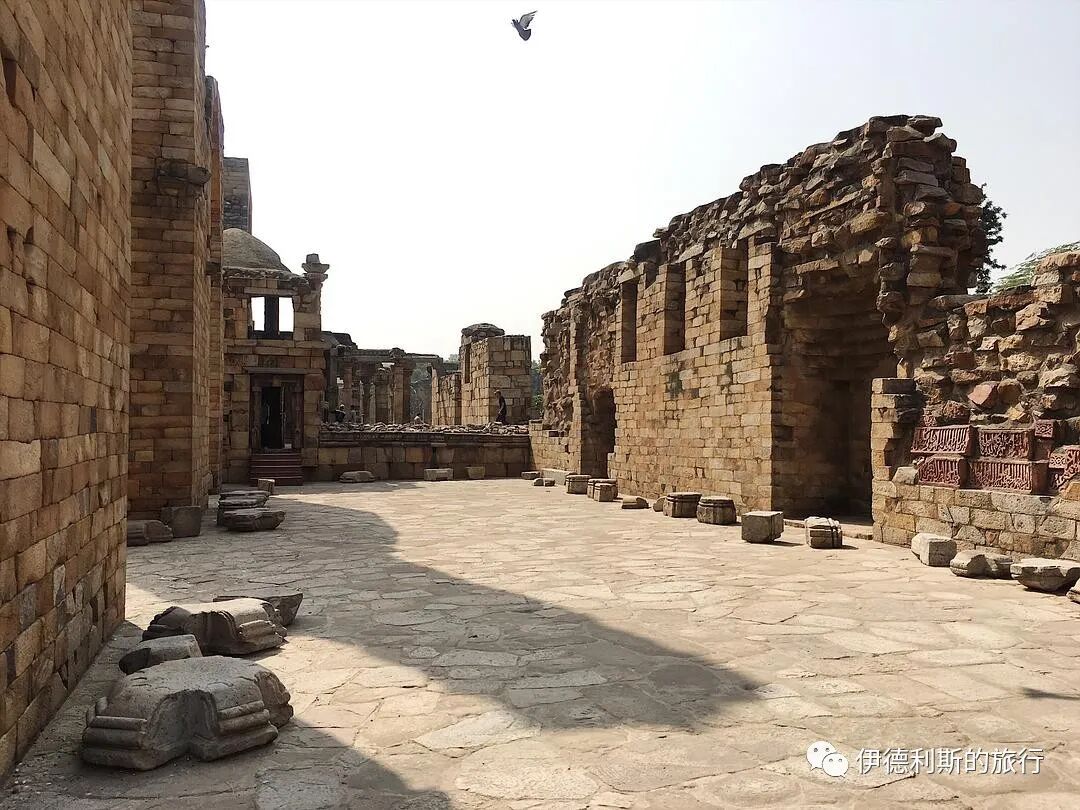
3. Khalji Dynasty (1290-1320)
The Khalji people are a Turkic group that lived among the Pashtun tribes of Afghanistan for over 200 years. Their customs became so Pashtunized that Turkic nobles in India even considered them Afghans. The Khalji people came to Delhi to serve the Sultan during the reign of Ghiyas ud din Balban, the ninth Sultan of the Mamluk dynasty, between 1266 and 1287.
After Balban died in 1287, his young successor became obsessed with wine and women, and the Turkic nobles fell into factional fighting. In 1290, the military officer Jalal ud din Firuz Khalji led a coup to overthrow the Mamluk dynasty and started the second dynasty of the Delhi Sultanate, the Khalji dynasty.
1. Qutb Mosque (Qutb Masjid): expanded again in 1310
In 1310, Sultan Alauddin Khalji of the Khalji dynasty expanded the Qutb Mosque once again. The new mosque area was much larger than the expansion built by Iltutmish. The most famous part of this new construction that still stands today is the south gate, later known as the Alai Darwaza. This building features red sandstone and white marble inlaid with beautiful Naskh script, and the geometric openwork marble screens show the high level of skill of the Turkic craftsmen.
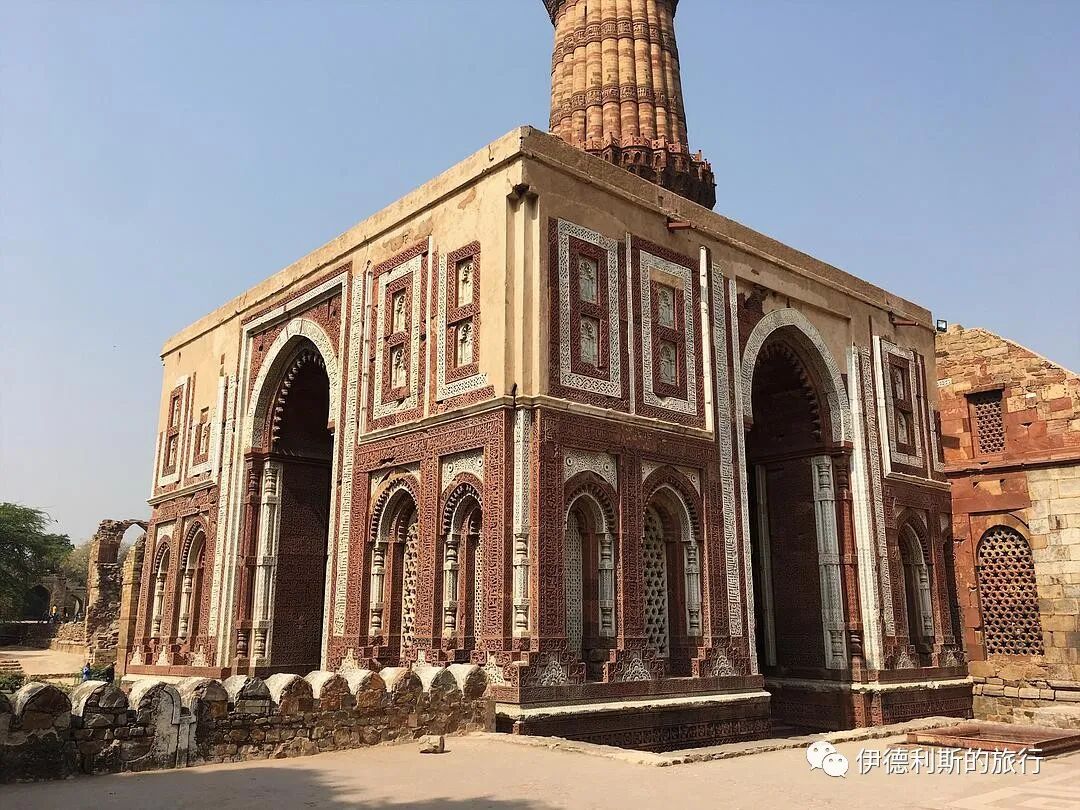
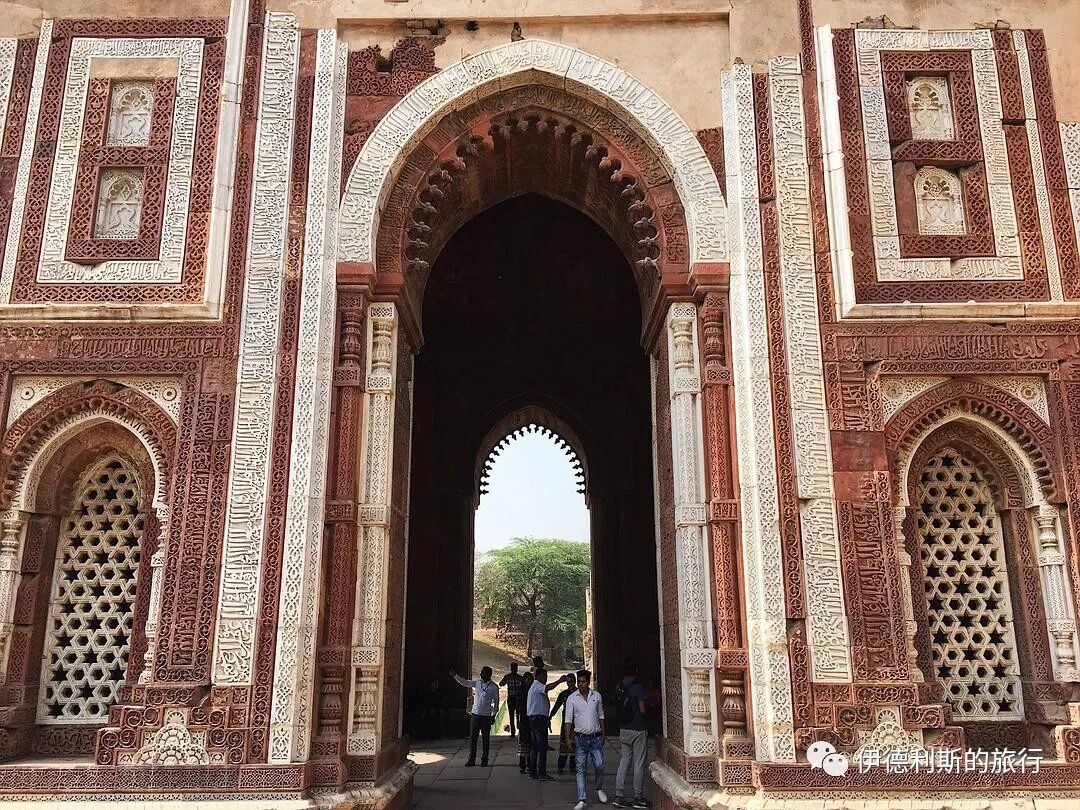
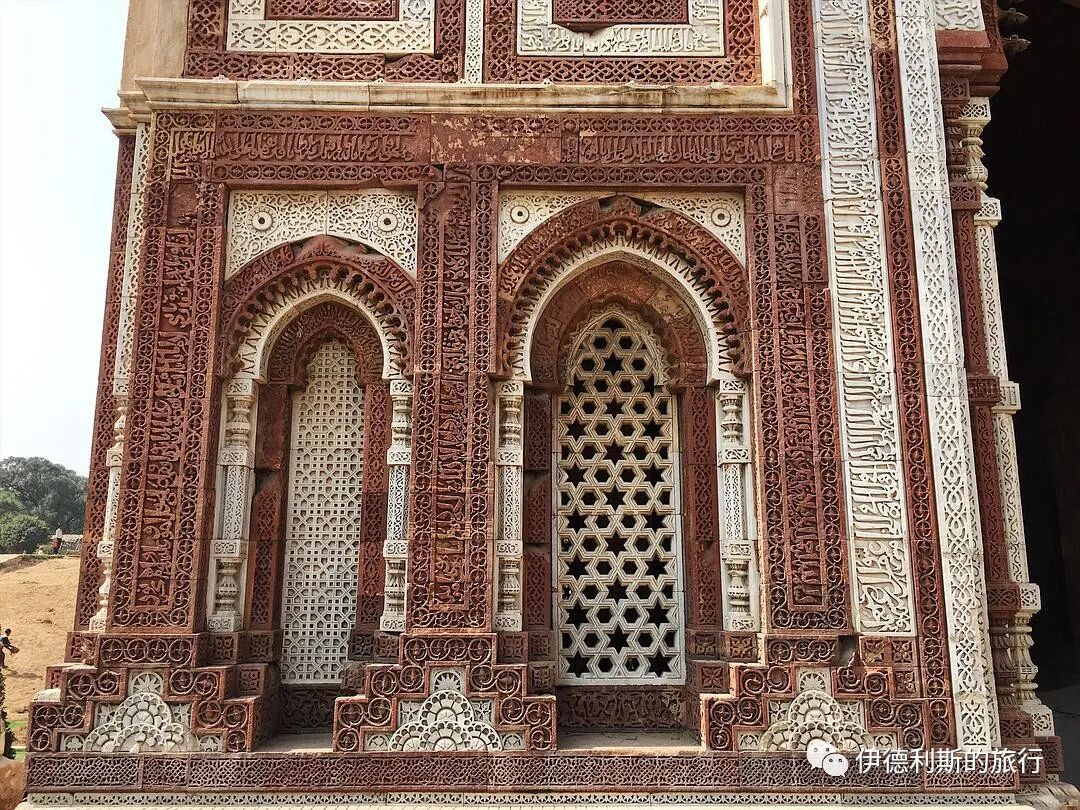
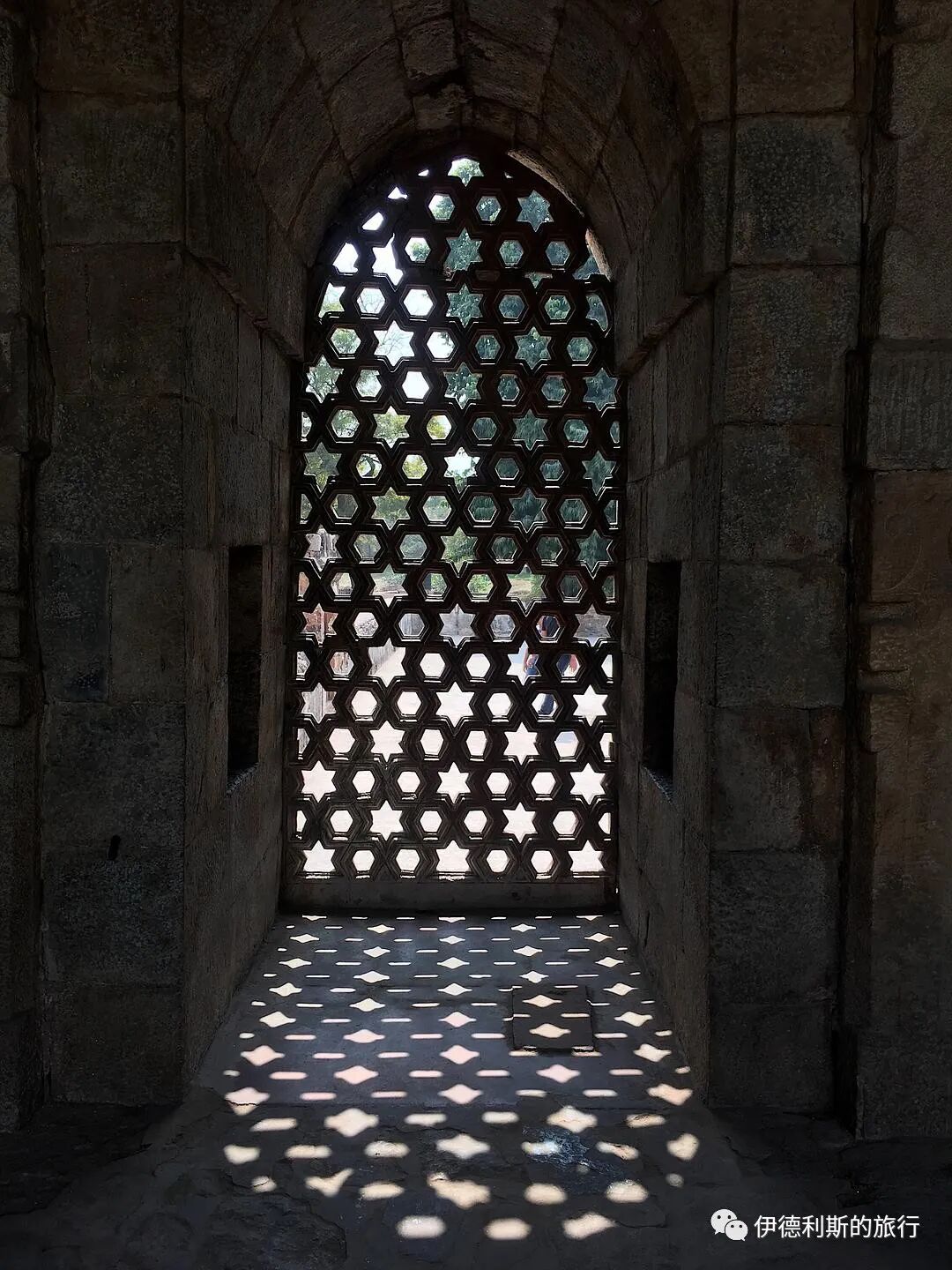
After doubling the size of the Qutb Mosque, Alauddin Khalji started building the Alai Minar, a tower planned to be twice as tall as the Qutb Minar. Work stopped after the 24.5-meter first level was finished. Today, only a massive core of brick and rubble remains of the tower.
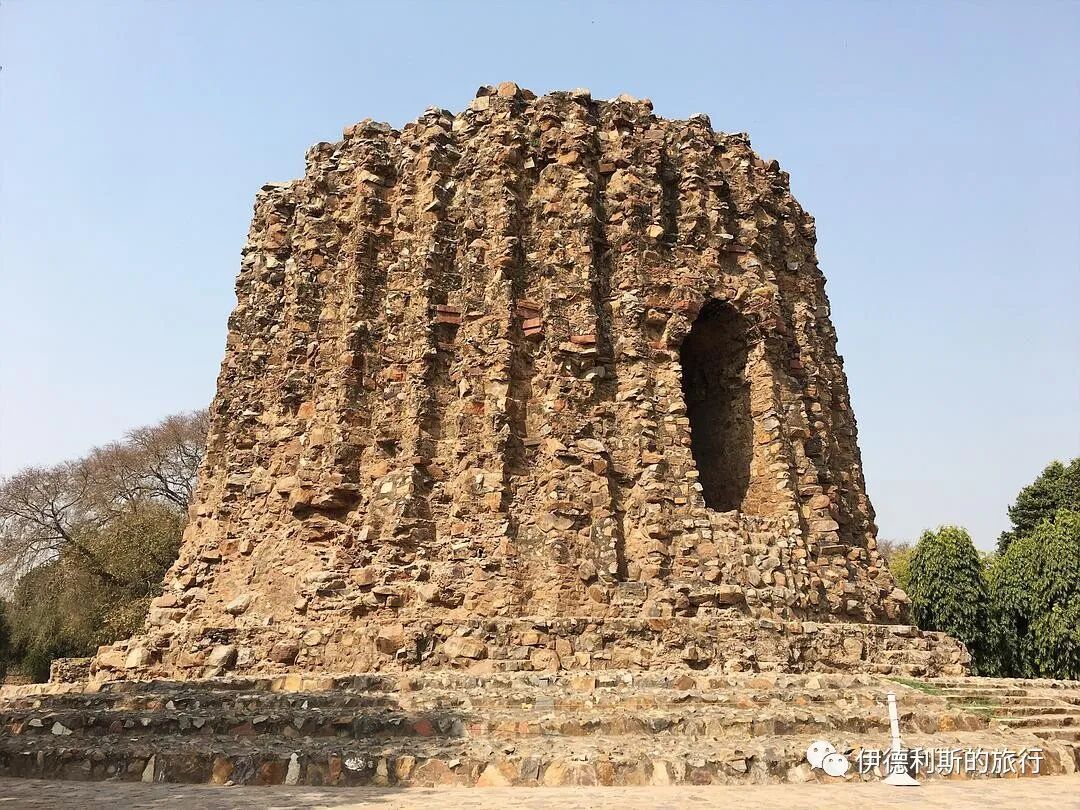
2. Jamaat Khana mosque: built after 1296.
The Jamaat Khana Mosque sits at the heart of the Sufi shrine of Nizamuddin. There are many different stories about its history, but it is likely the second mosque built in Delhi after the Qutb Mosque.
One story says that Sultan Alauddin Khalji (reigned 1296–1316) of the Khalji dynasty built the mosque because the Sufi saint Nizamuddin Auliya (1238–1325) had refused a large sum of money offered by the Sultan. Because of recent repairs, this mosque looks quite different from the Alai Darwaza, the southern gate of the Qutb Mosque built by Alauddin Khalji mentioned earlier. However, if you look closely, the proportions and decorations of the two buildings are actually very similar.
Another theory is that the main hall was originally built as a tomb for the saint by Alauddin Khalji's son, Khizr Khan. The saint did not want to be buried there, so the building became a mosque and side chambers were added to both sides. But looking at the existing structure, the main hall and the side chambers seem to be built together perfectly, with no signs that they were constructed at different times.
A third theory is that the saint Nizamuddin was buried in the wilderness according to his final wishes, and this mosque was built for pilgrims by Sultan Firuz Shah Tughlaq, who reigned from 1351 to 1388.
Overall, the building's style is still very close to the architectural style of the Khalji dynasty.
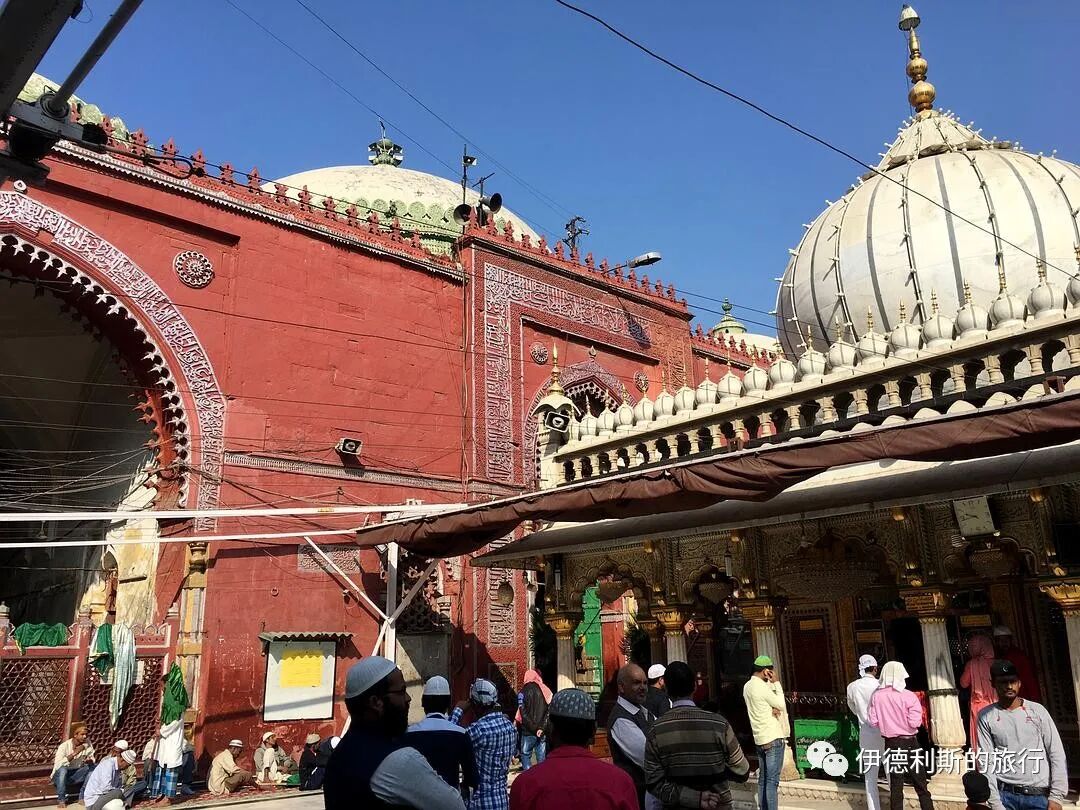
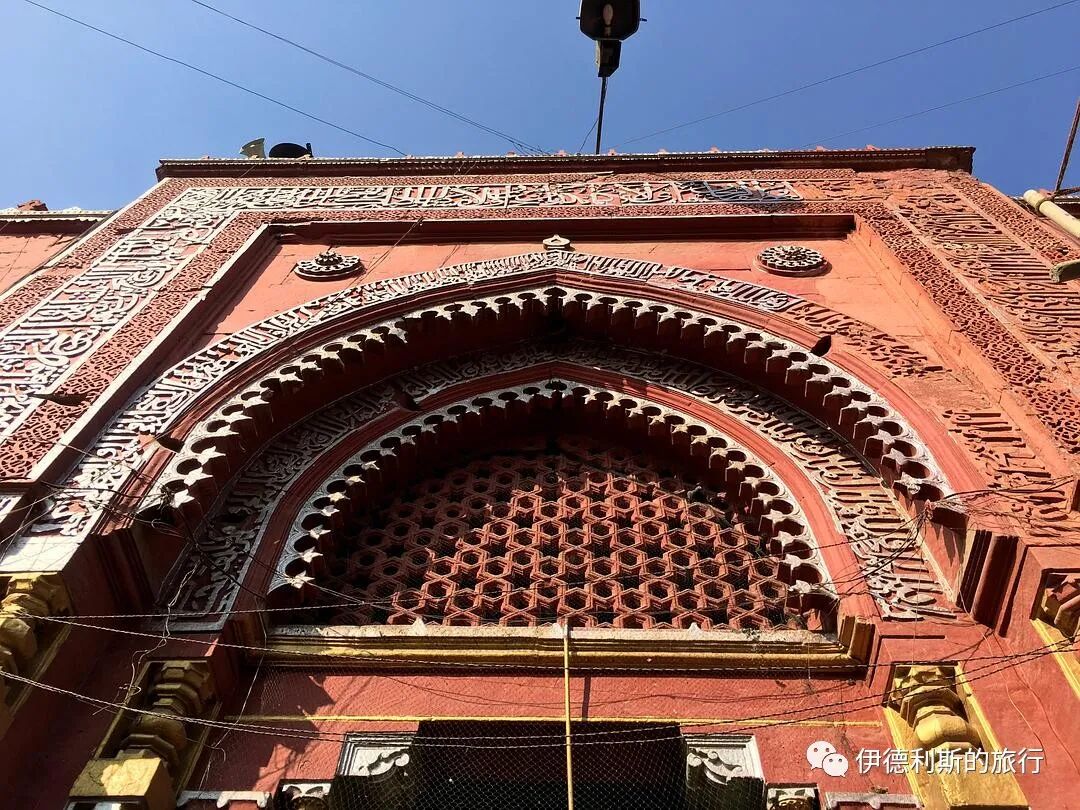
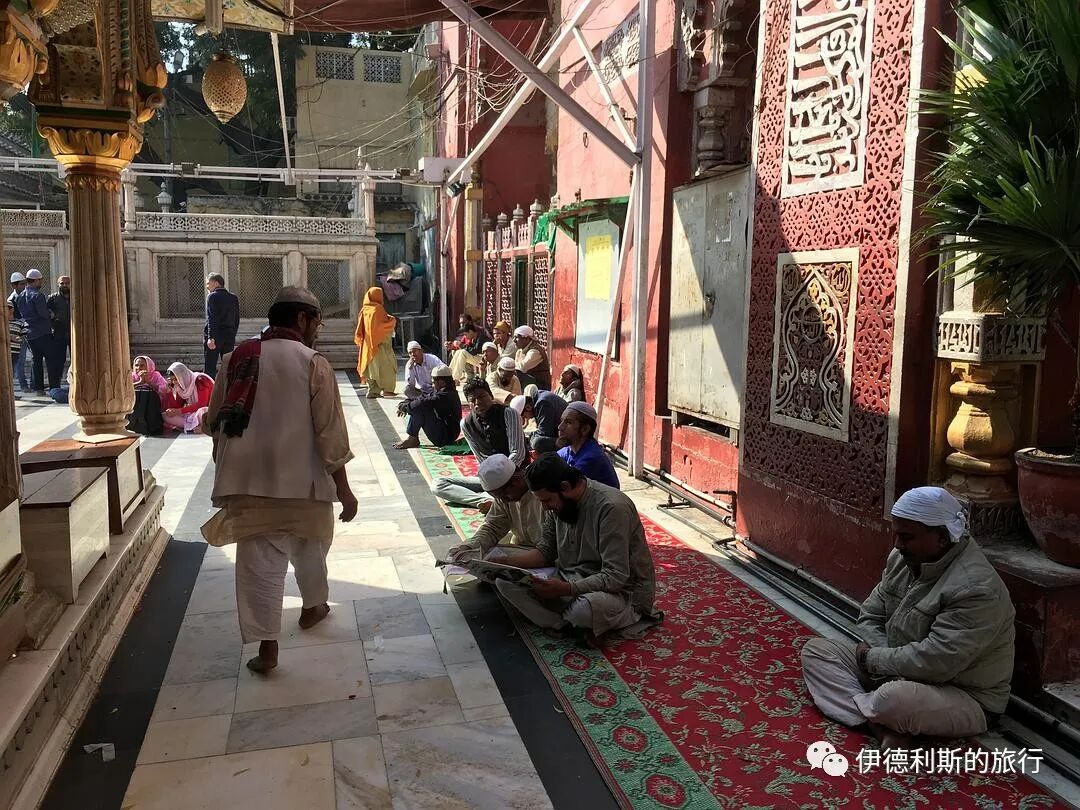
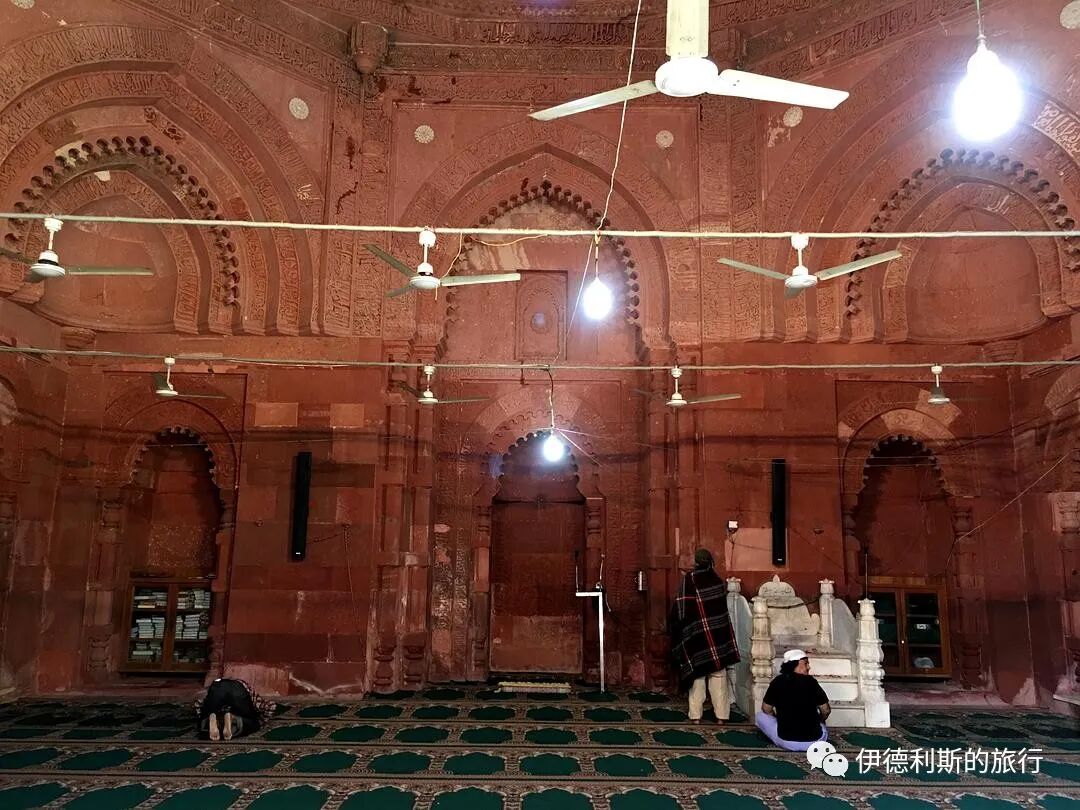
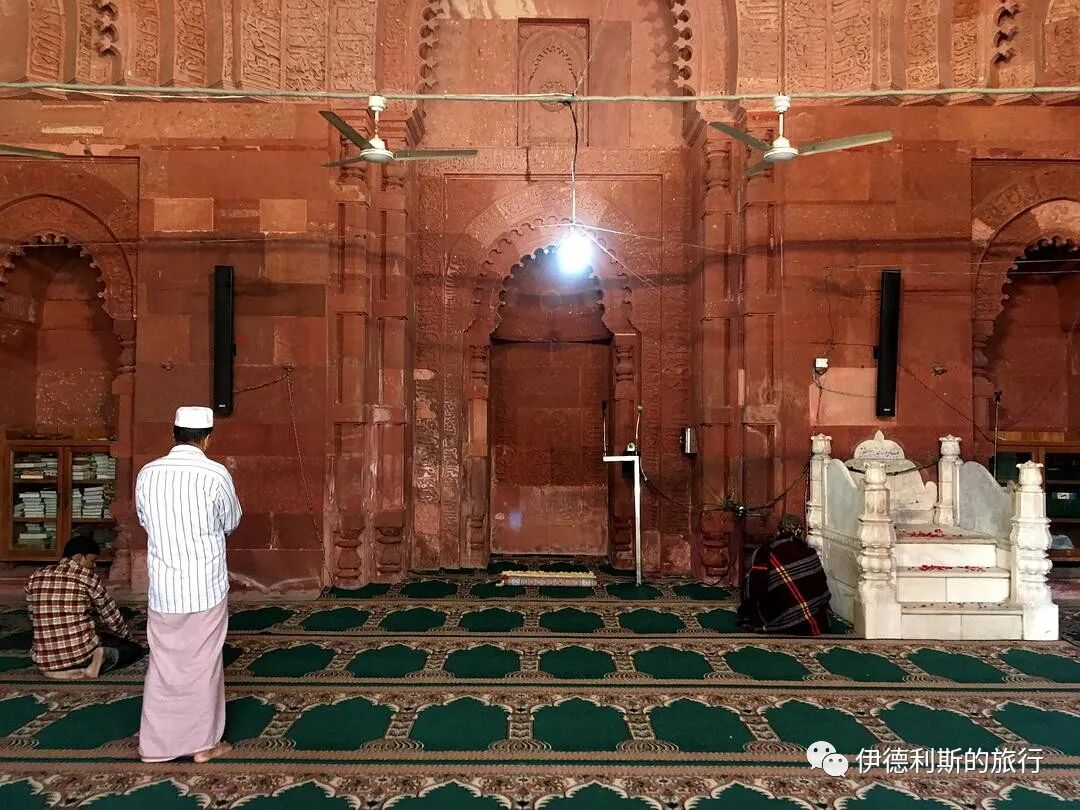
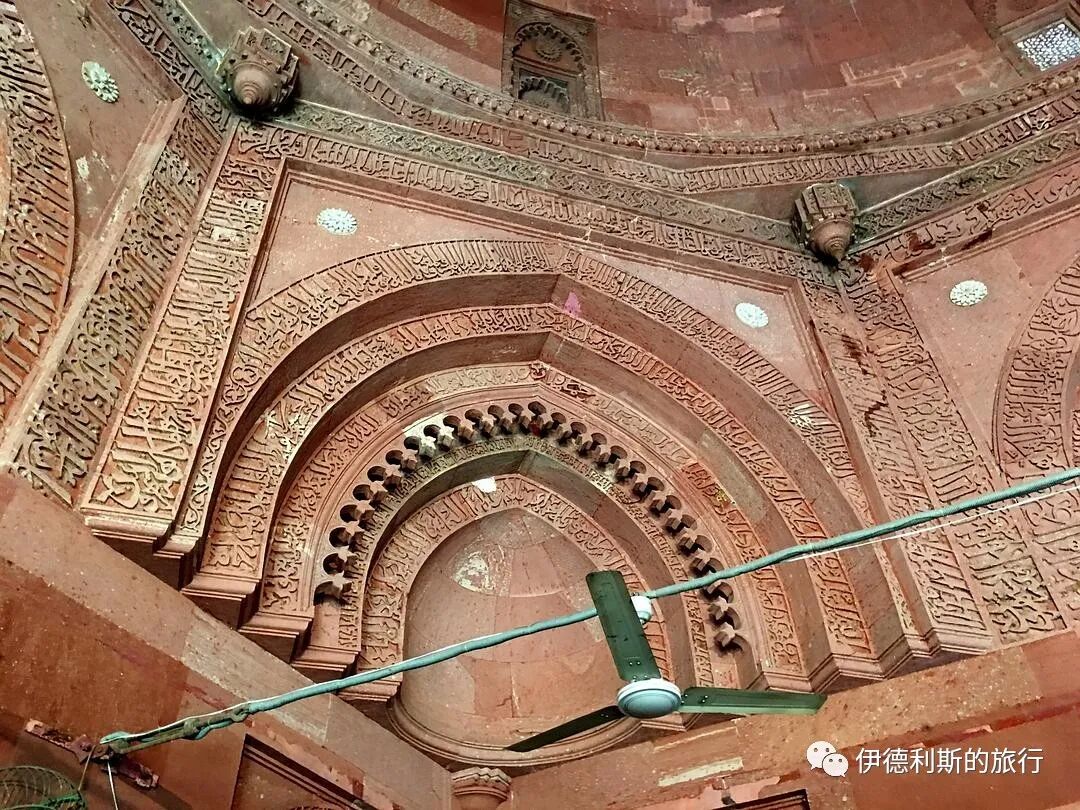
3. Tohfe Wala Gumbad mosque: built after 1303.
In 1303, the Chagatai Khanate besieged the city of Siri in Delhi for two months, but they could not break through and eventually retreated. After this, Sultan Alauddin Khalji of the Khalji dynasty focused on developing Siri, which had previously been just a military fort. He made Siri the new capital of the Delhi Sultanate, replacing the original site of Lal Kot.
Not many buildings remain in Siri today, but the Tohfe Wala Gumbad mosque is one of them. Unfortunately, there are no records available that show when it was built. This mosque looks very different from other buildings from the Alauddin period, but some of its wall structures show features of Khalji dynasty architecture.
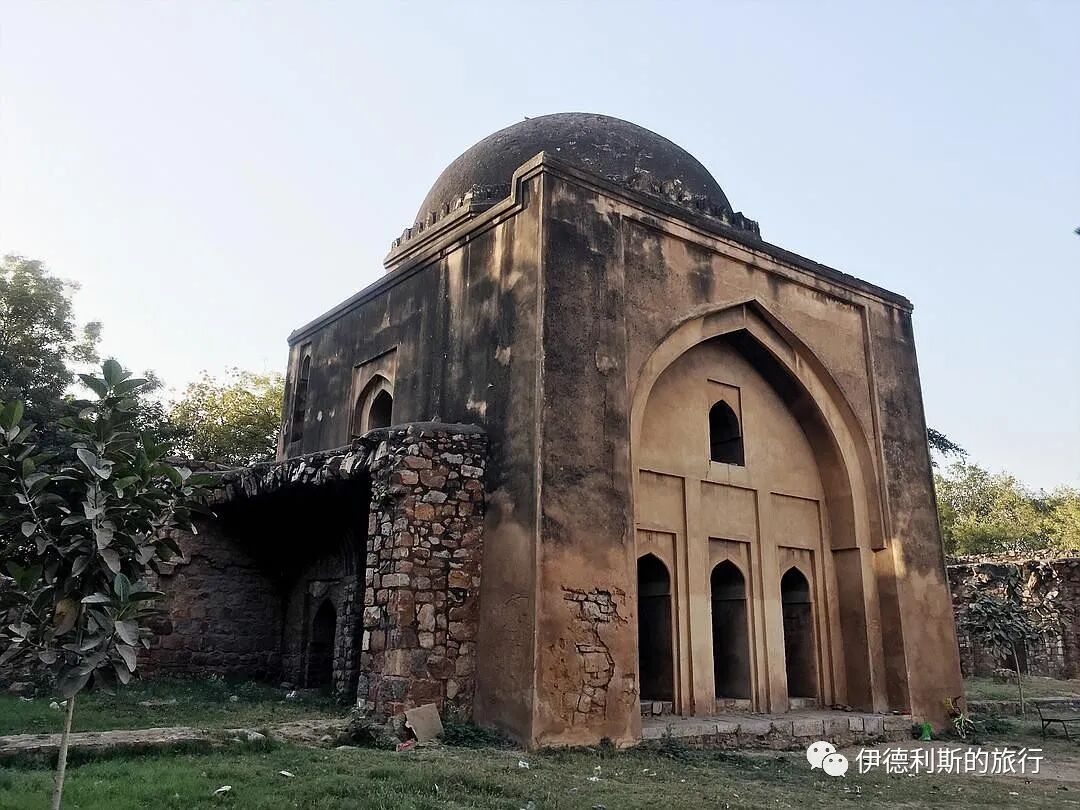
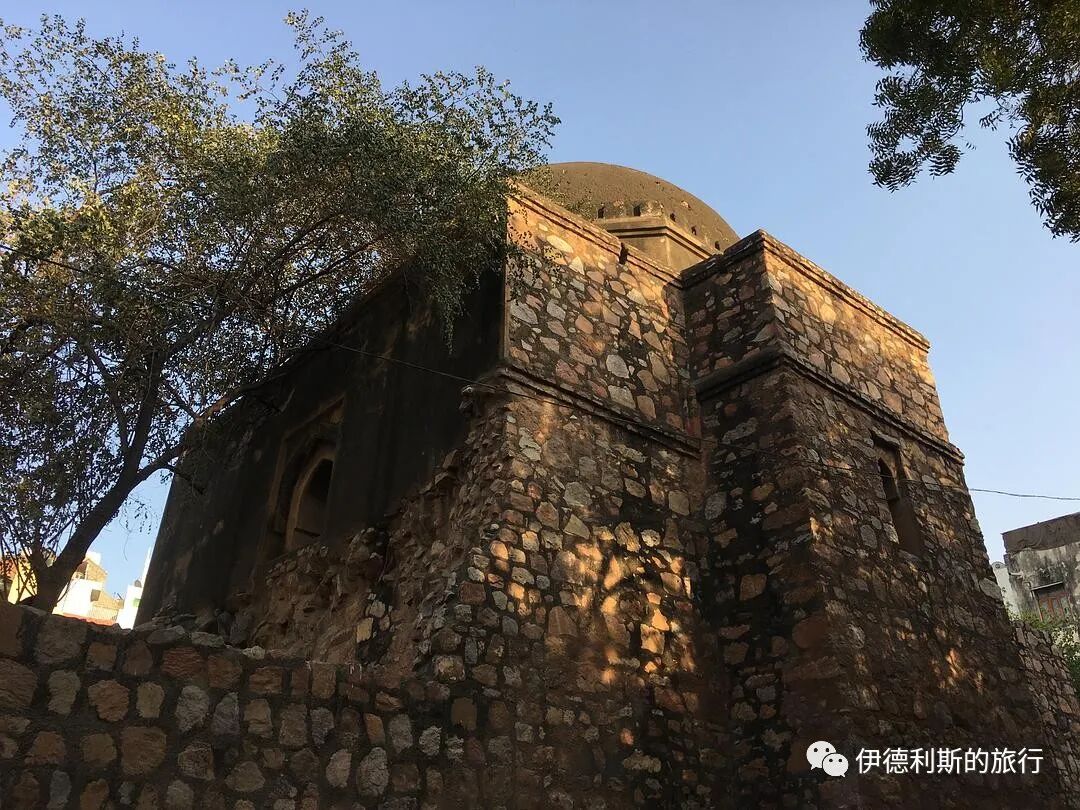
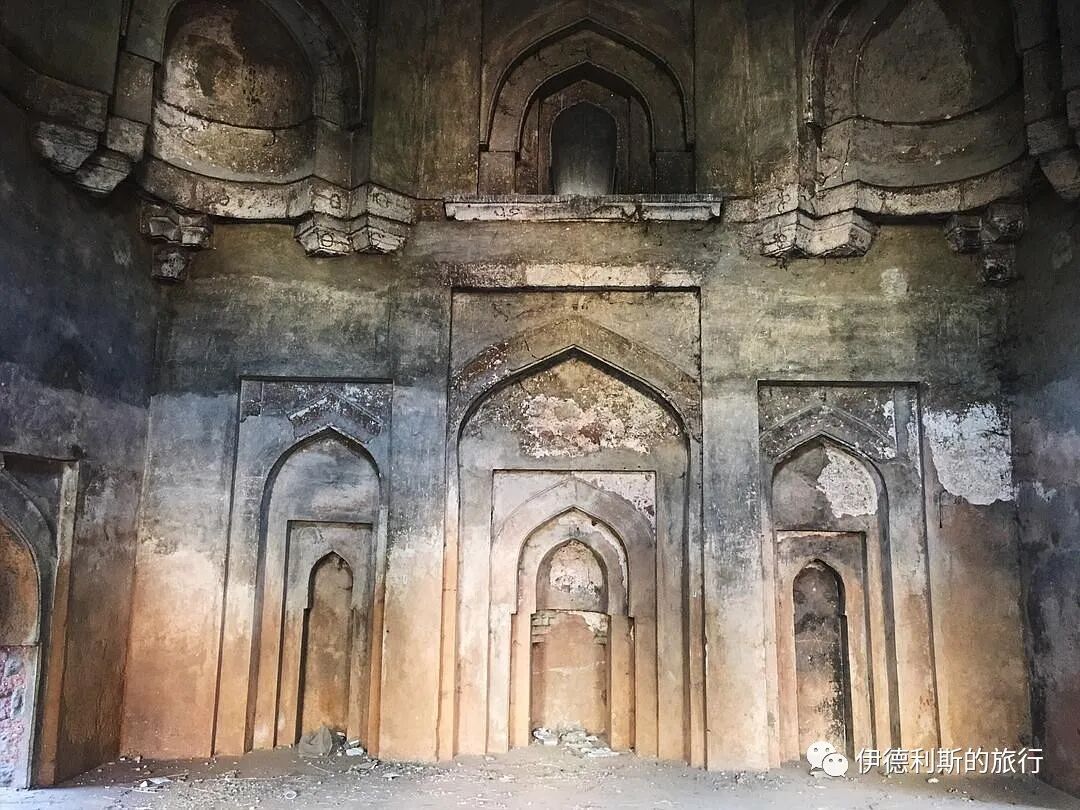
IV. Tughlaq Dynasty (1320-1413).
In 1320, the Khalji dynasty fell during a chaotic struggle for the throne. Ghiyath al-Din Tughluq, a military commander with a strong army on the northwest frontier, defeated his rivals and established the Tughluq dynasty, the third dynasty of the Delhi Sultanate.
1. Begampur mosque: built after 1351.
Between 1326 and 1327, Sultan Muhammad bin Tughluq of the Tughluq dynasty connected Delhi's first city, Lal Kot, and its second city, Siri, with walls to build Jahanpanah, the fourth city of Delhi.
Begampur Mosque is the most important mosque in the city of Jahanpanah. It is the most representative mosque from the Tughlaq dynasty of the Delhi Sultanate that still stands today. It was reportedly designed by the Iranian architect Zahir al-Din al-Jayush.
There are two theories about when the mosque was built. One suggests it is one of the seven mosques built by Khan-i-Jahan Maqbul, the vizier (Wazir) to Sultan Firuz Shah Tughlaq (reigned 1351-1388). The other suggests it was built when Muhammad bin Tughlaq died in 1351.
Begampur Mosque is very grand. In the center is a spacious courtyard surrounded by colonnades. Each of the four sides has a building with a round dome in the center. The east, west, and north ones are gates, and the largest one on the west side is the main prayer hall. The mosque is very simple, with only a few carvings inside the main prayer hall. These stone carvings and domes were once covered in shiny white plaster, but most of it has fallen off and turned black now.
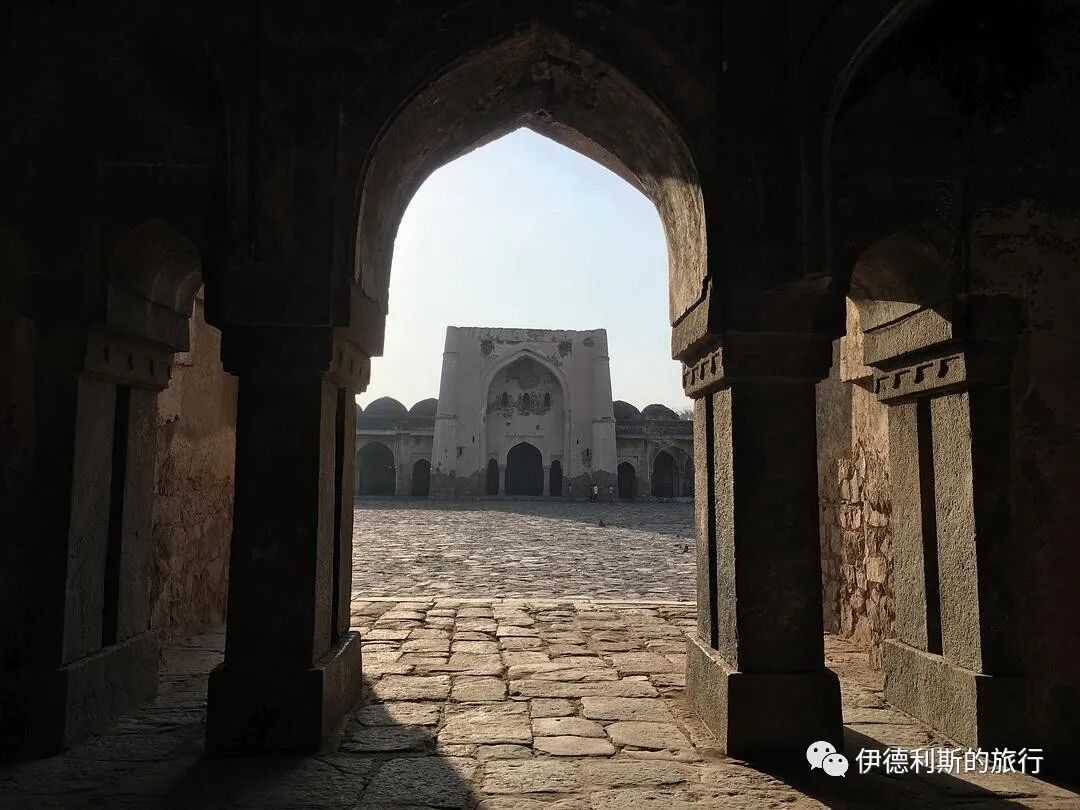
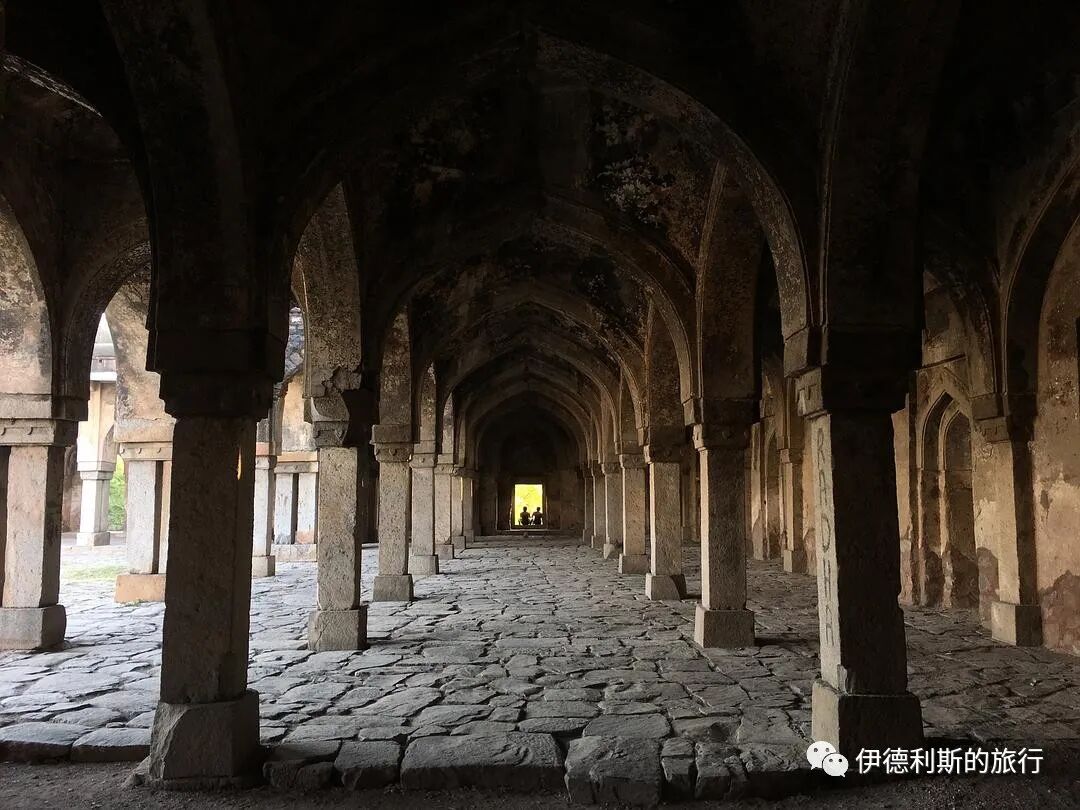
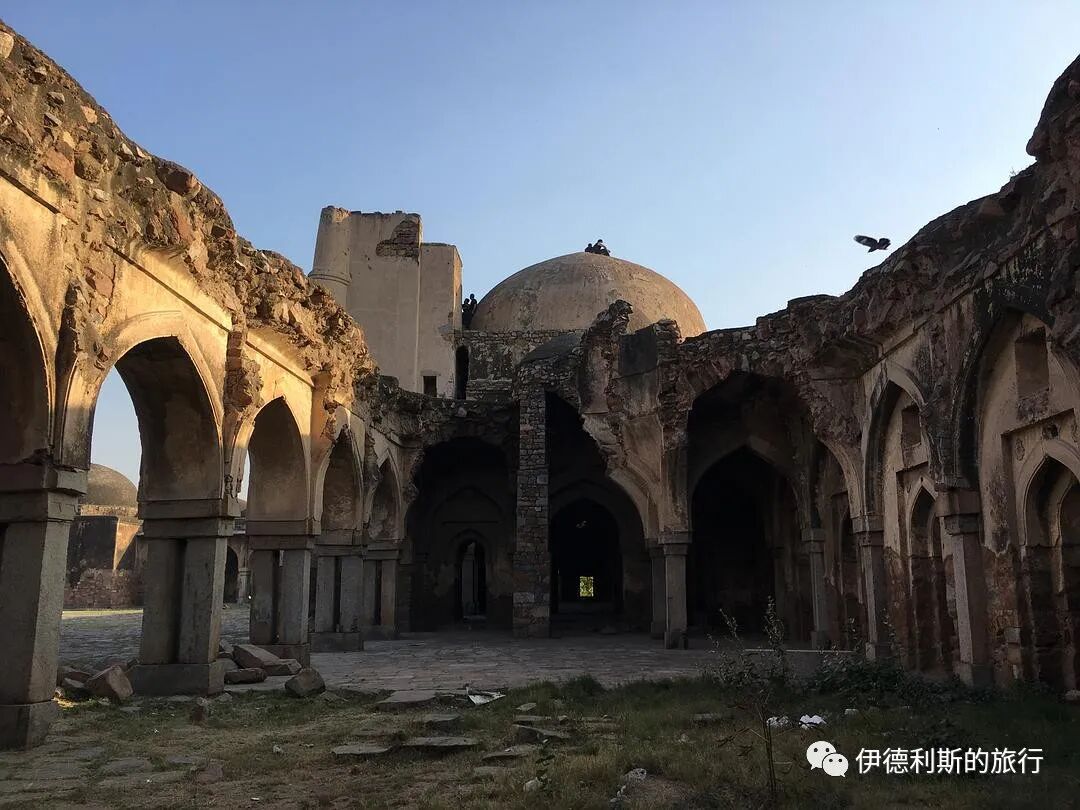
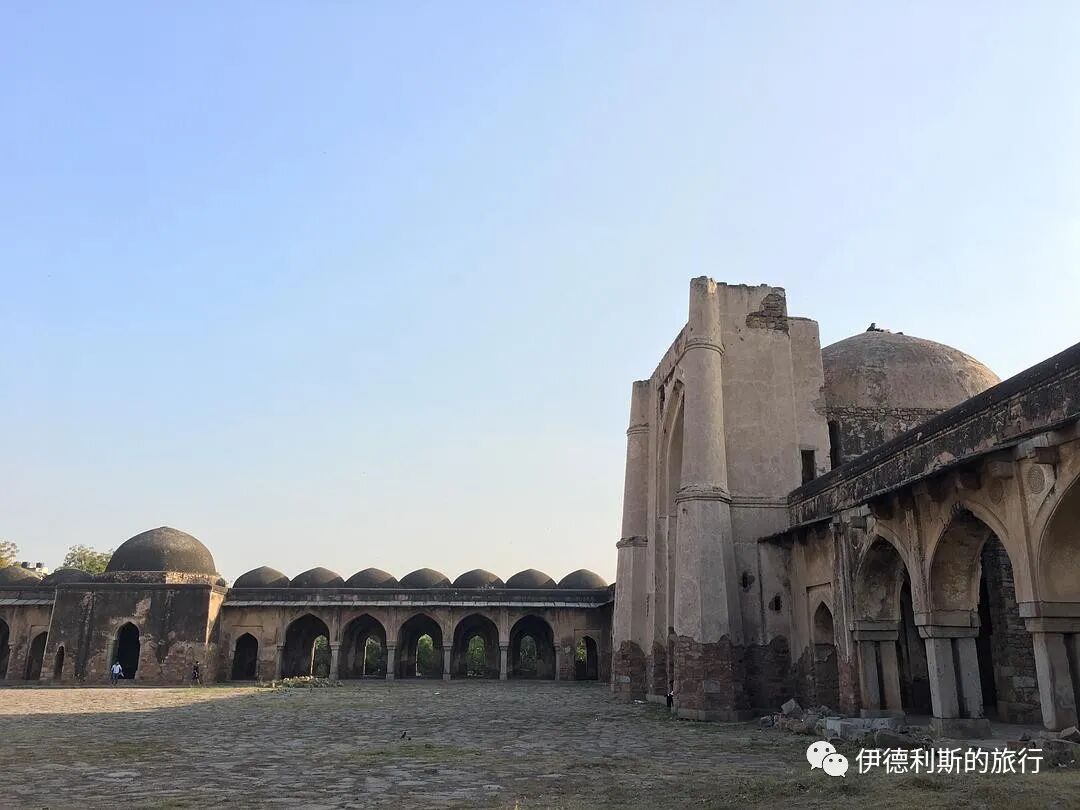
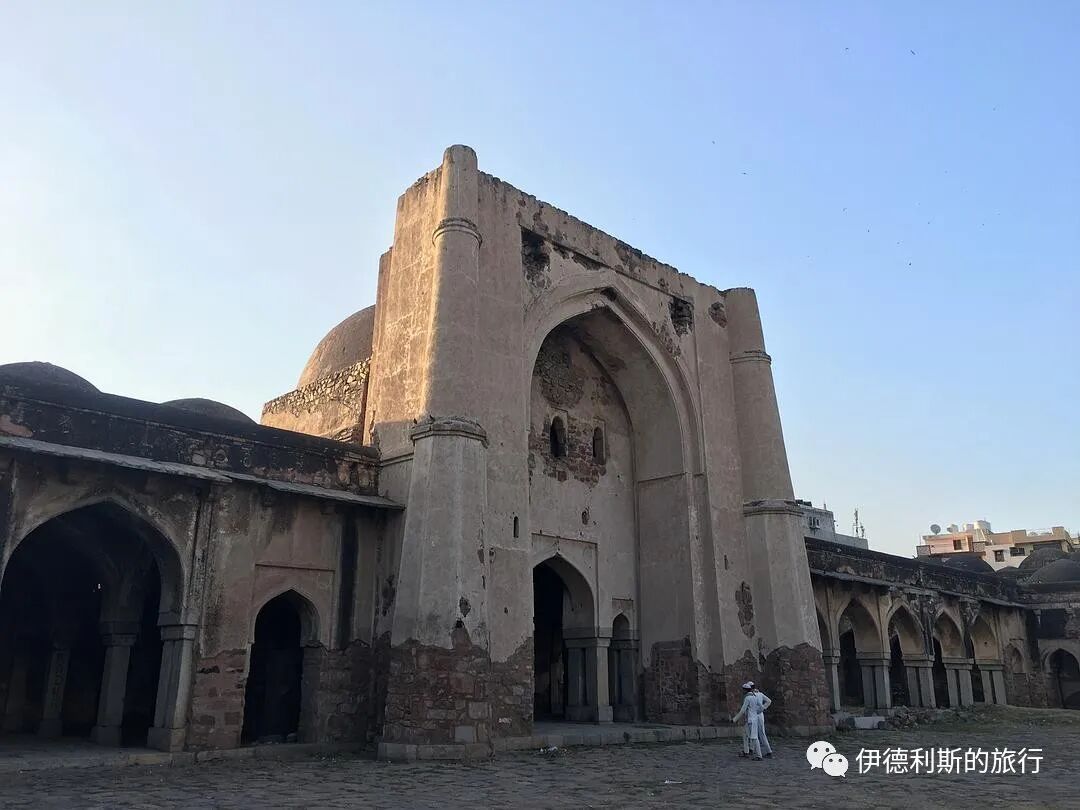
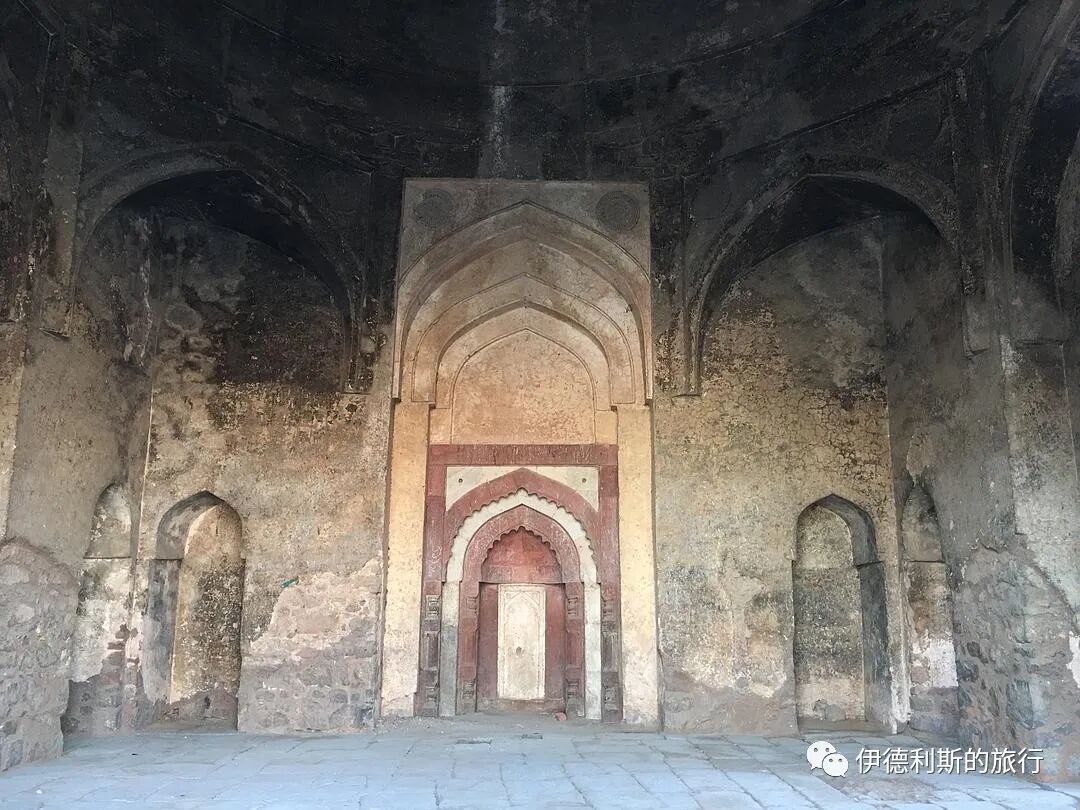
2. Feroz Shah Kotla mosque: 1354.
Sultan Feroz Shah Tughlaq of the Tughlaq dynasty (reigned 1351-1388) built the fifth city of Delhi, Ferozabad, in 1354. Later generations also called it Feroz Shah Kotla. The mosque is the main building in Feroz Shah Kotla and features the typical style of the Tughlaq dynasty. Some scholars believe that Timur the Lame prayed here in 1398 and later built a mosque of the same design in Samarkand. However, there is no solid evidence to confirm that the mosque Timur saw in Delhi was this one rather than the Begampur mosque mentioned earlier.
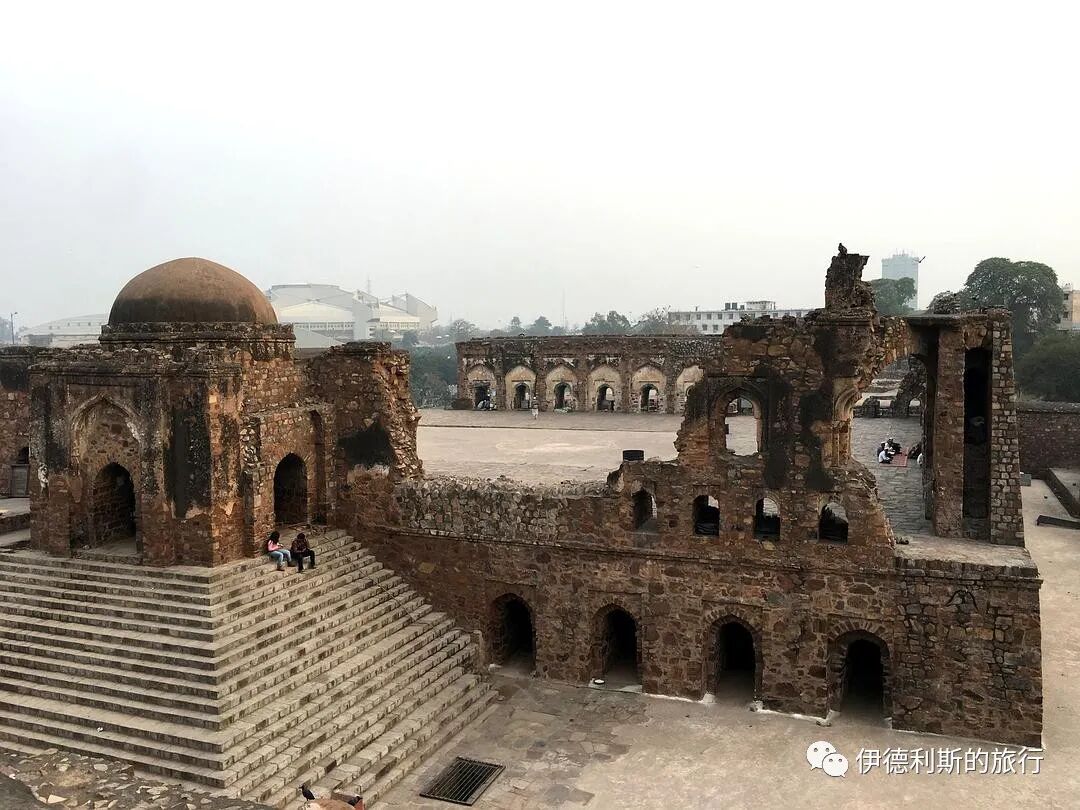
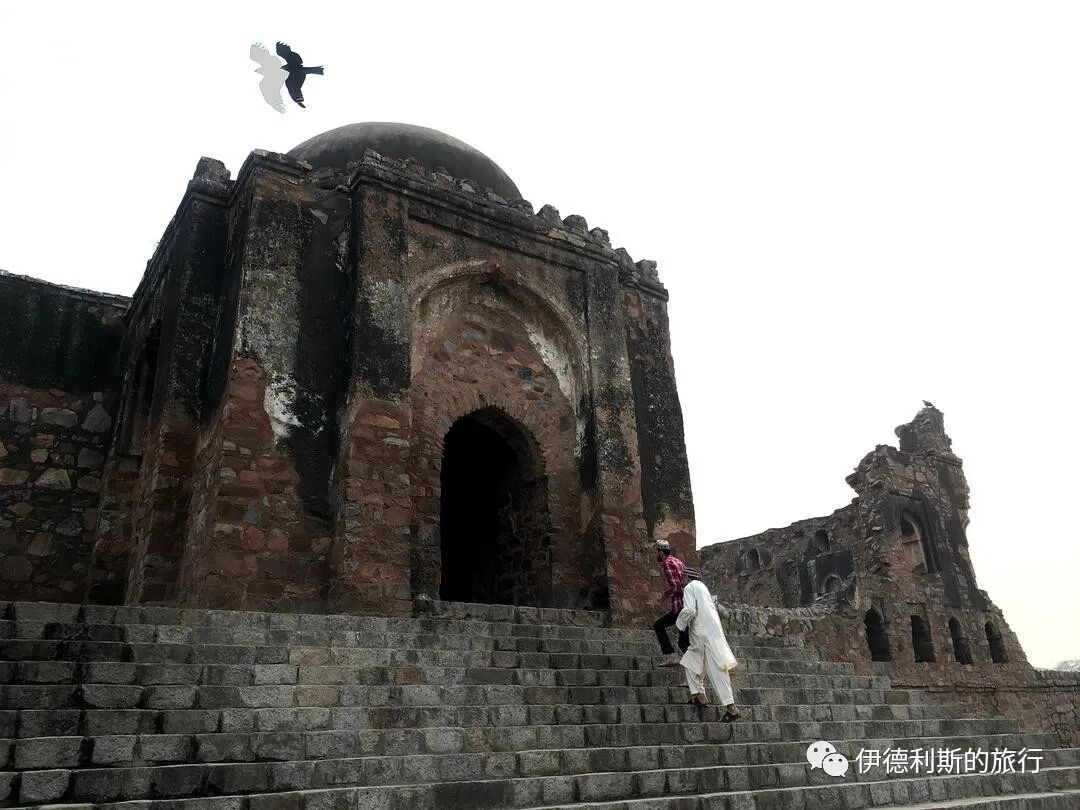
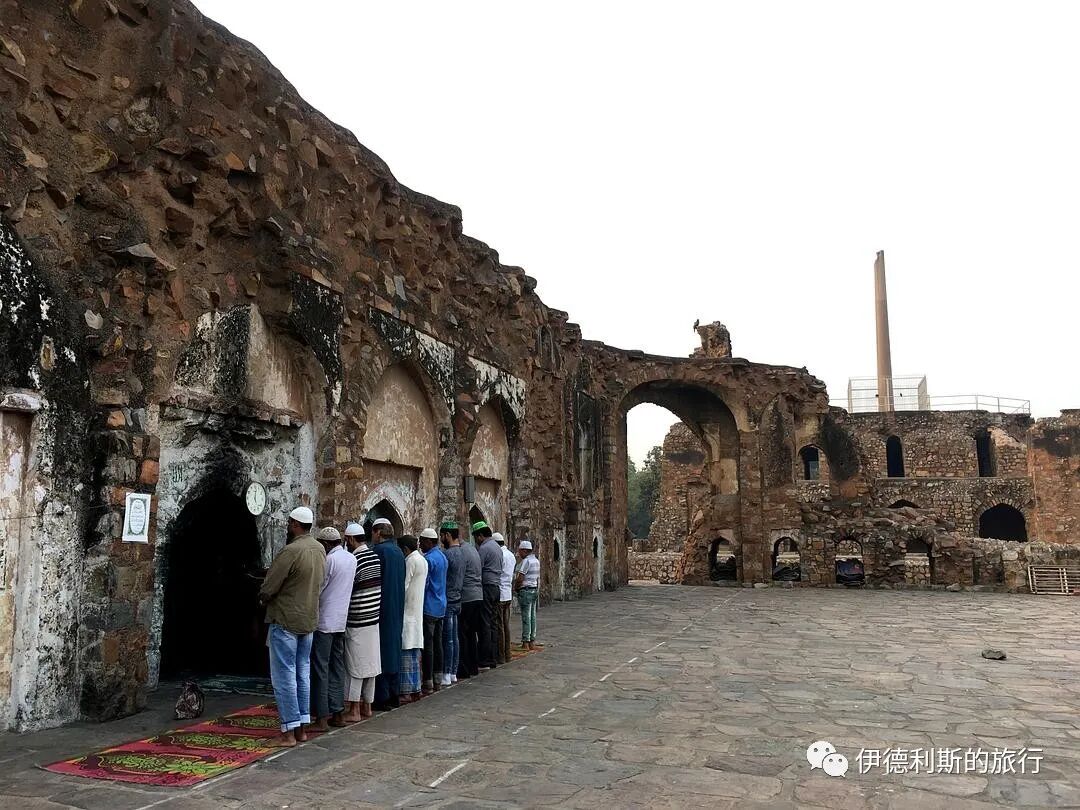
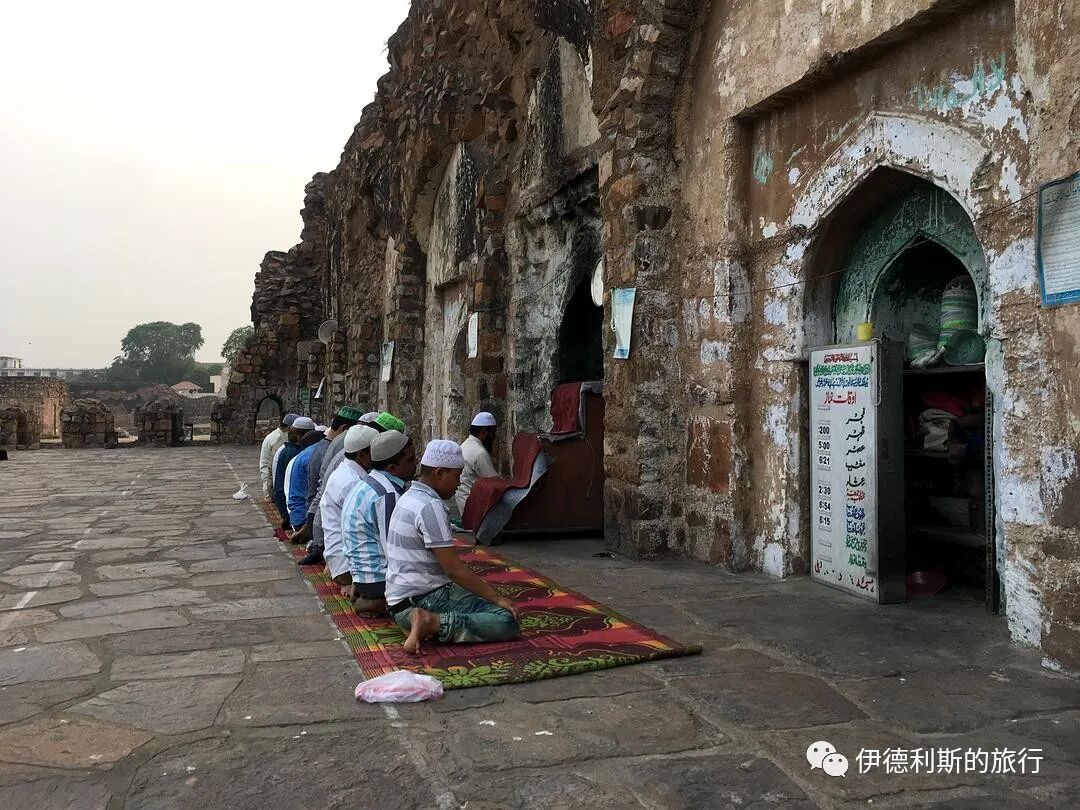
3. Khirki Mosque: 1370s
Khirki Mosque is another important mosque in the city of Jahanpanah, besides Begumpur Mosque. The design of this building is very different from Begumpur Mosque, but it is almost certainly one of the seven mosques built by Khan-i-Jahan Maqbul, the prime minister of Sultan Firoz Shah Tughlaq, and was likely built in the 1370s.
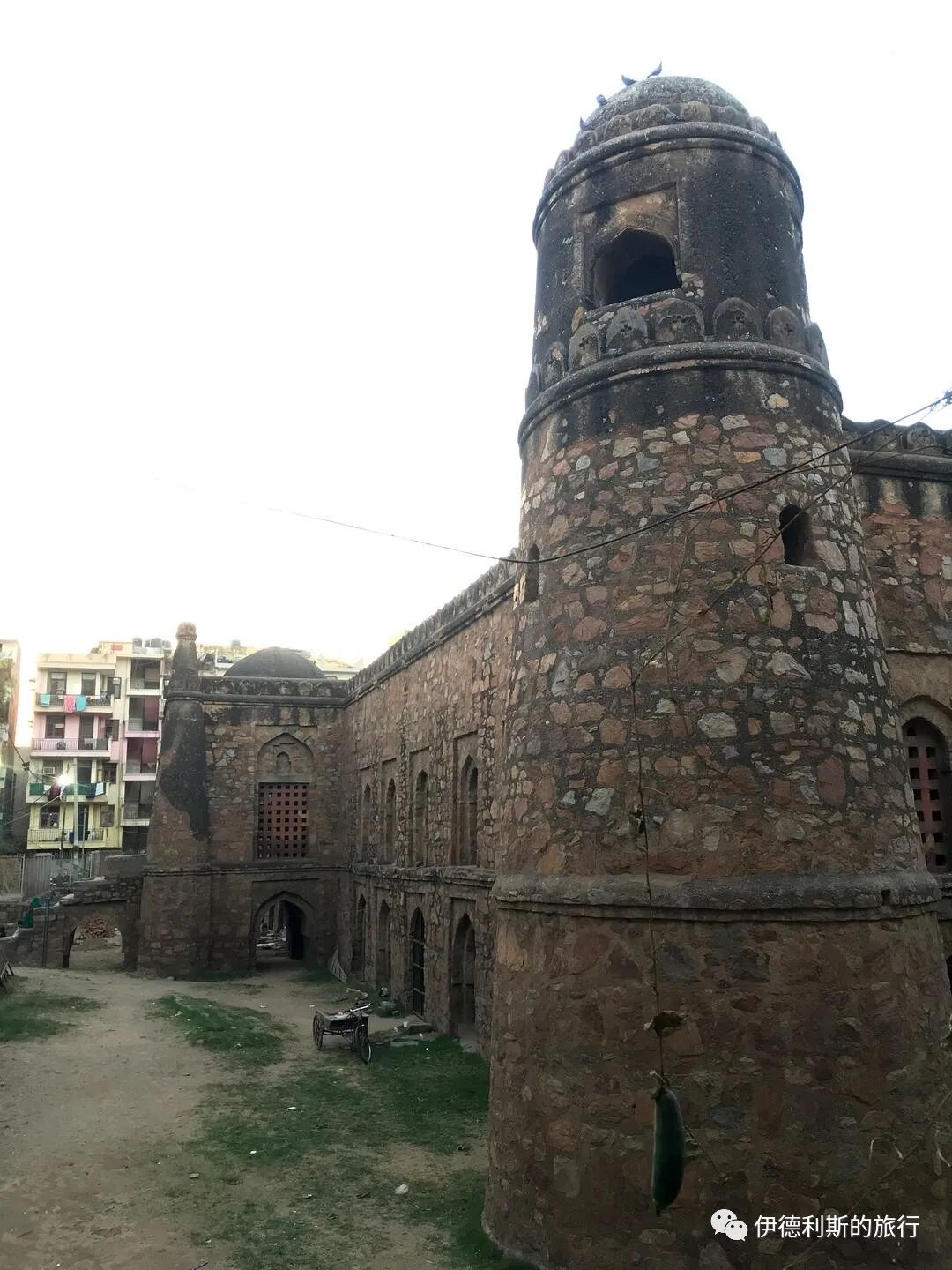
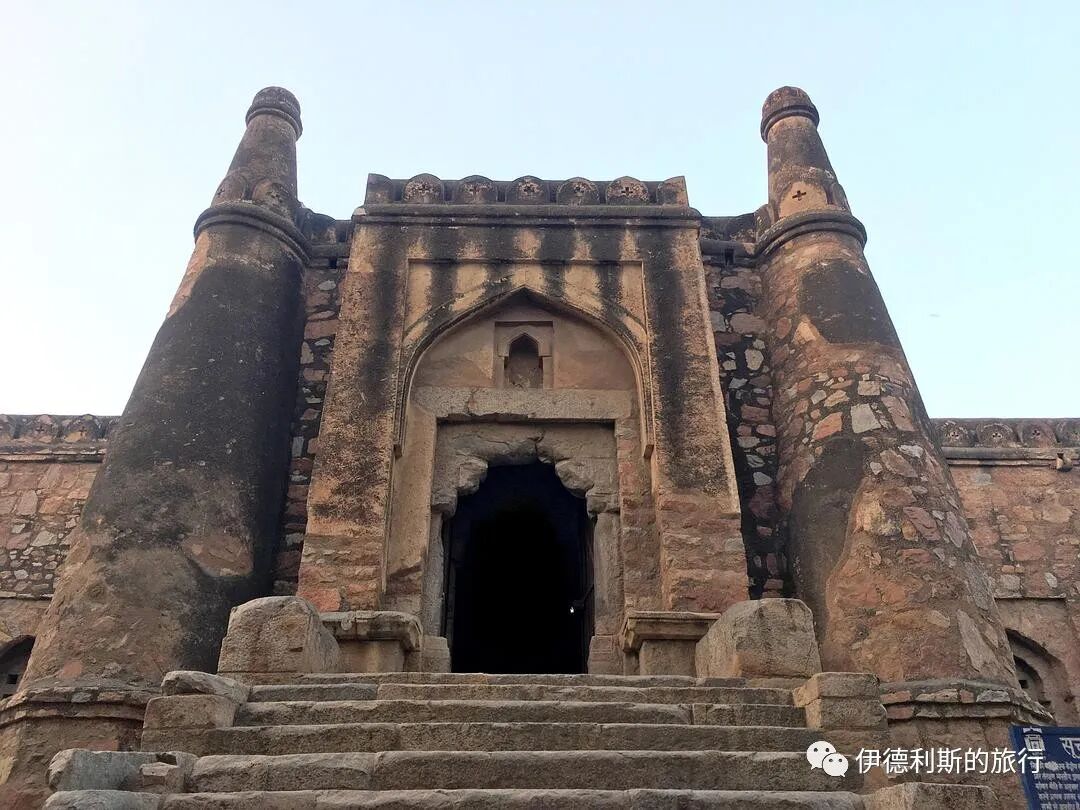
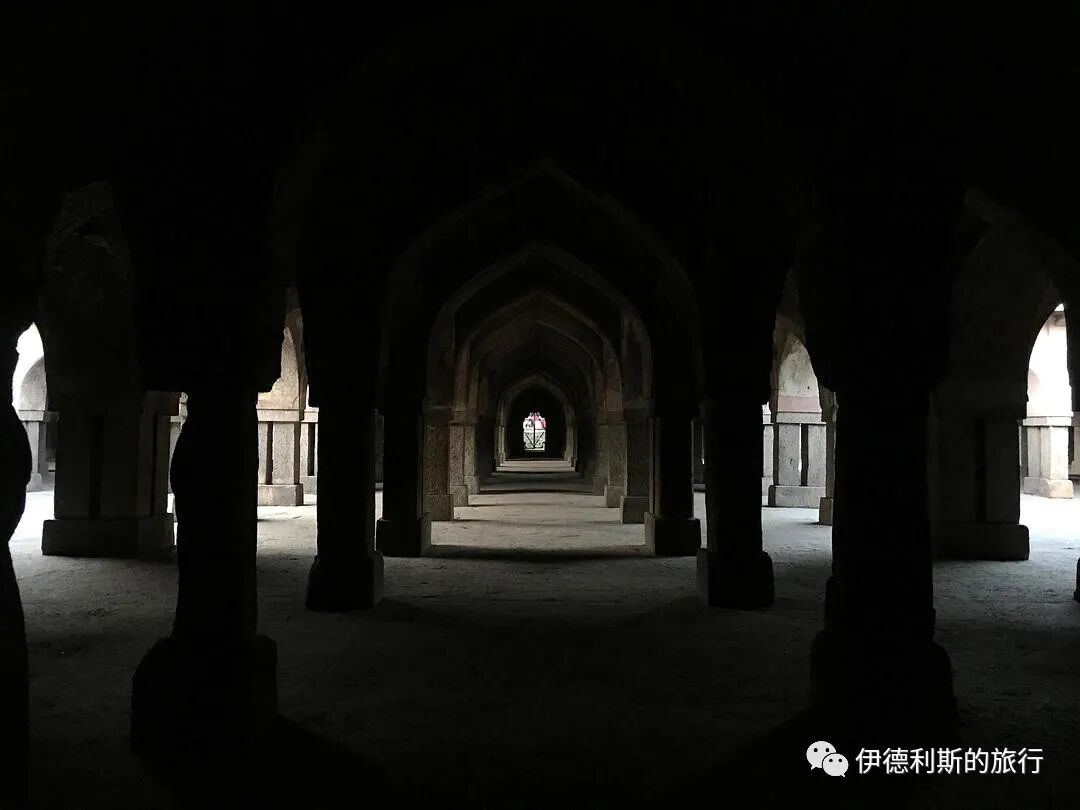
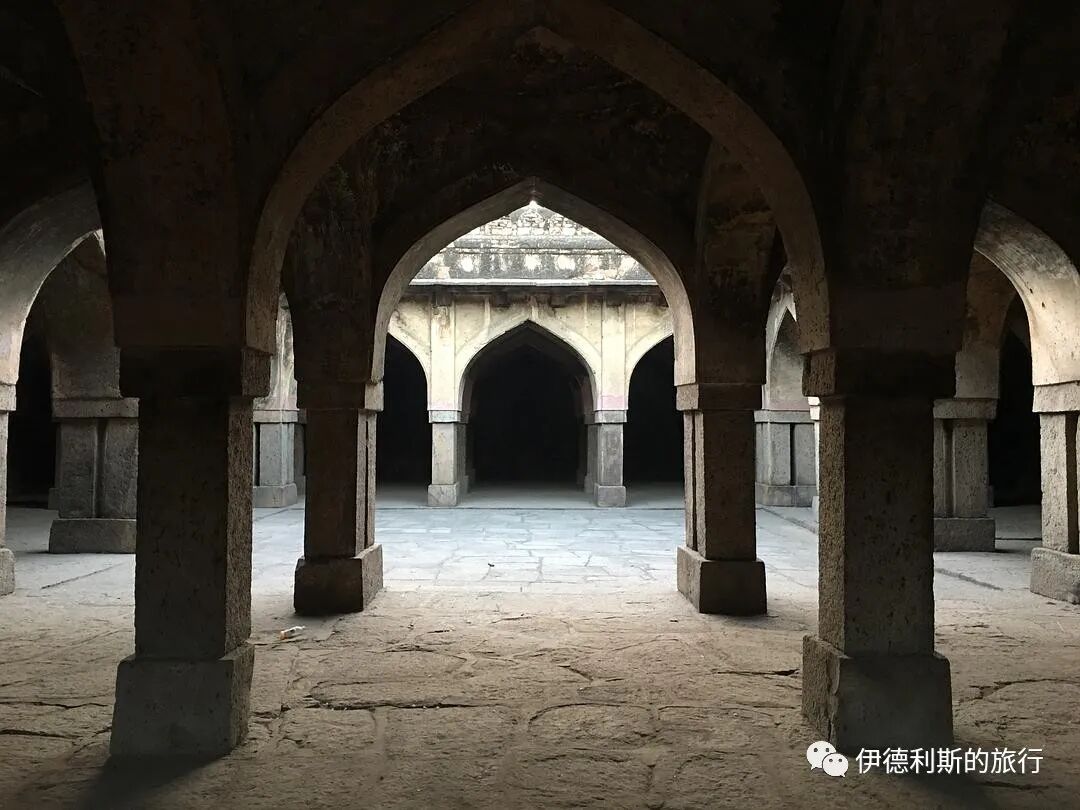
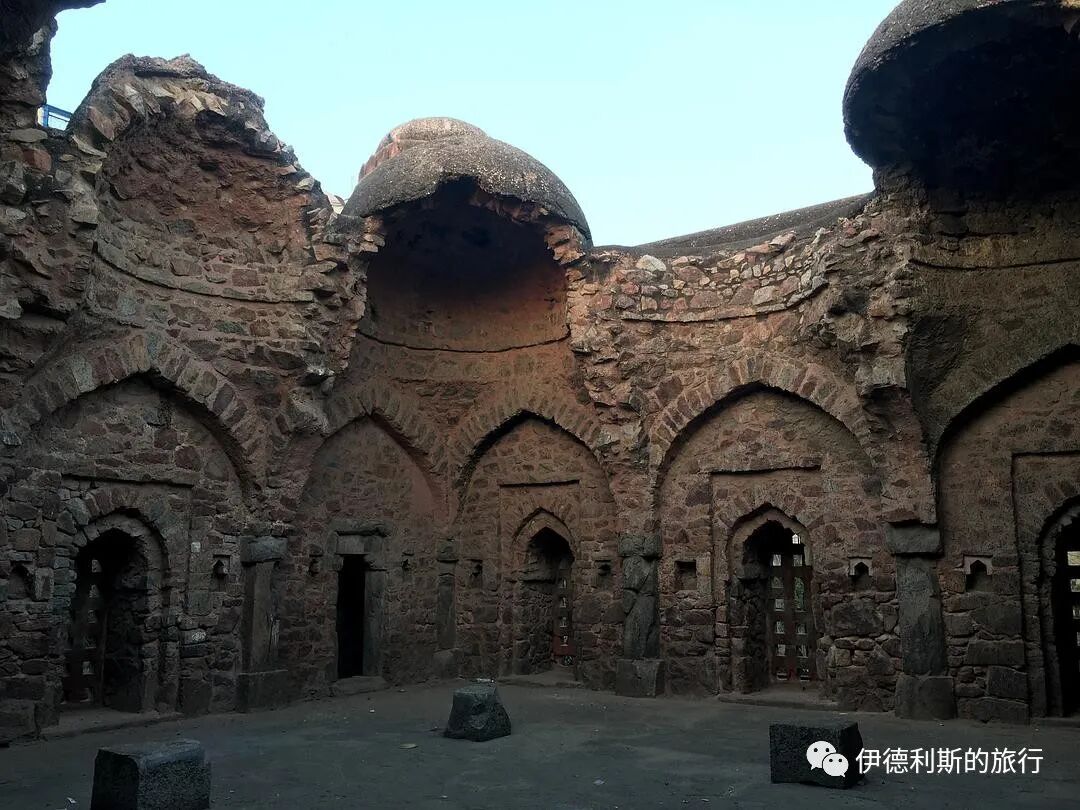
4. Kali Mosque: 1370
Like the Khirki Mosque mentioned earlier, Kali Mosque is also one of the seven mosques built by Sultan Firoz Shah Tughlaq's prime minister, Khan-i-Jahan Maqbul, and it stands near the Sufi shrine of Nizamuddin.
This mosque is very similar to Khirki Mosque in both its design and construction date, and both were once abandoned. Unlike others, this mosque returned to use in the early 20th century, and some changes were made to its original layout.
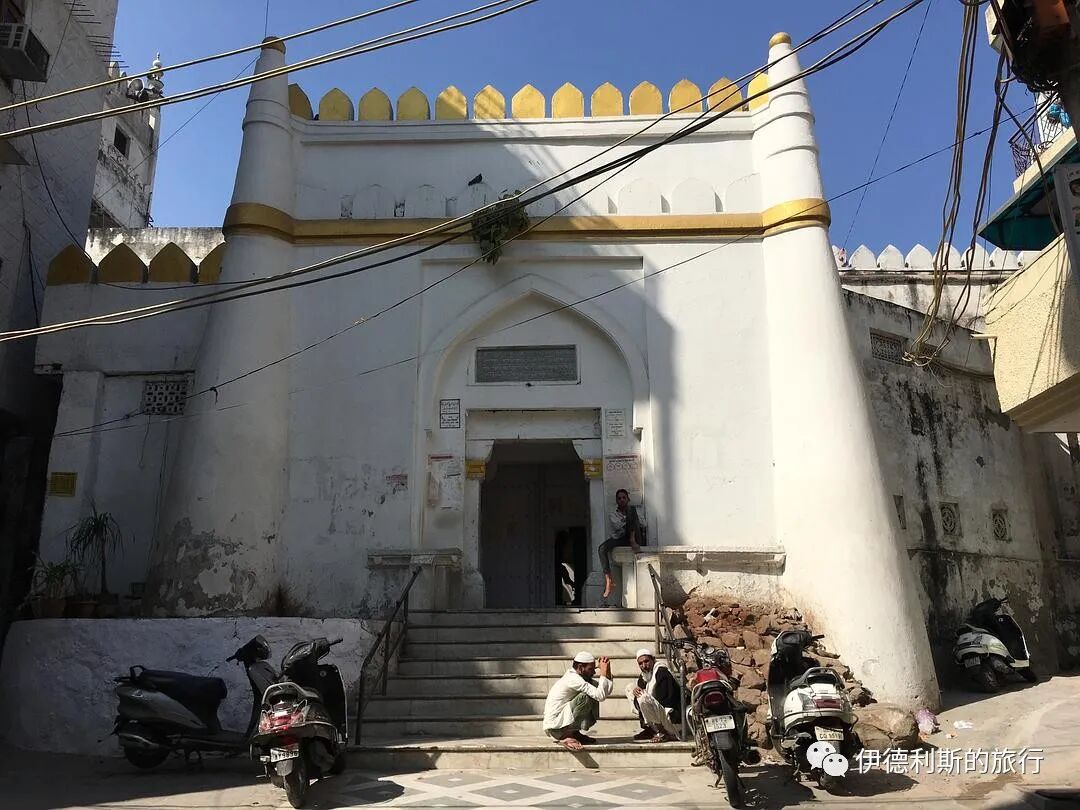
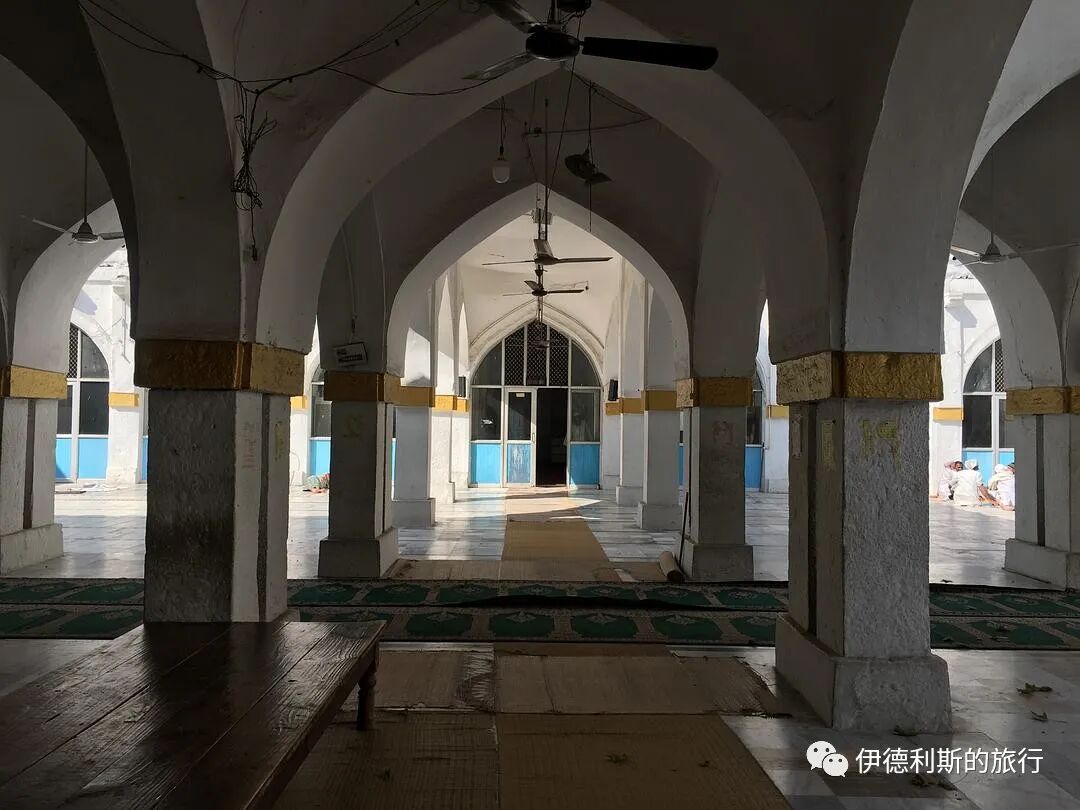
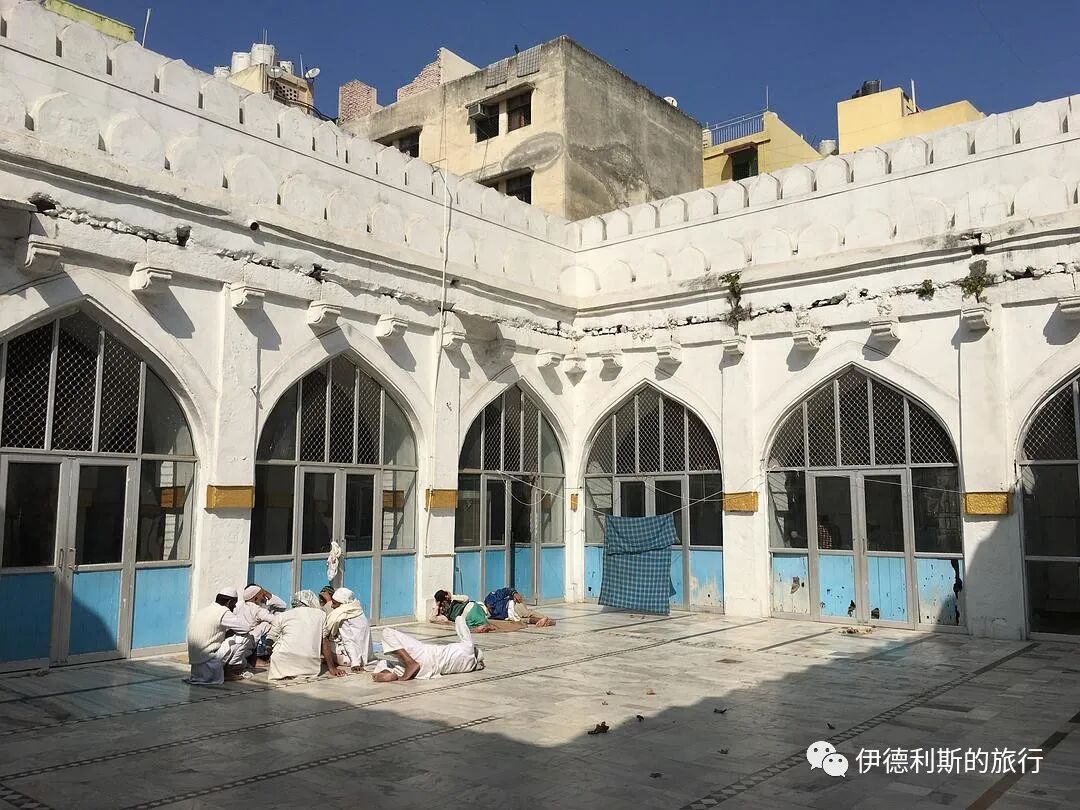
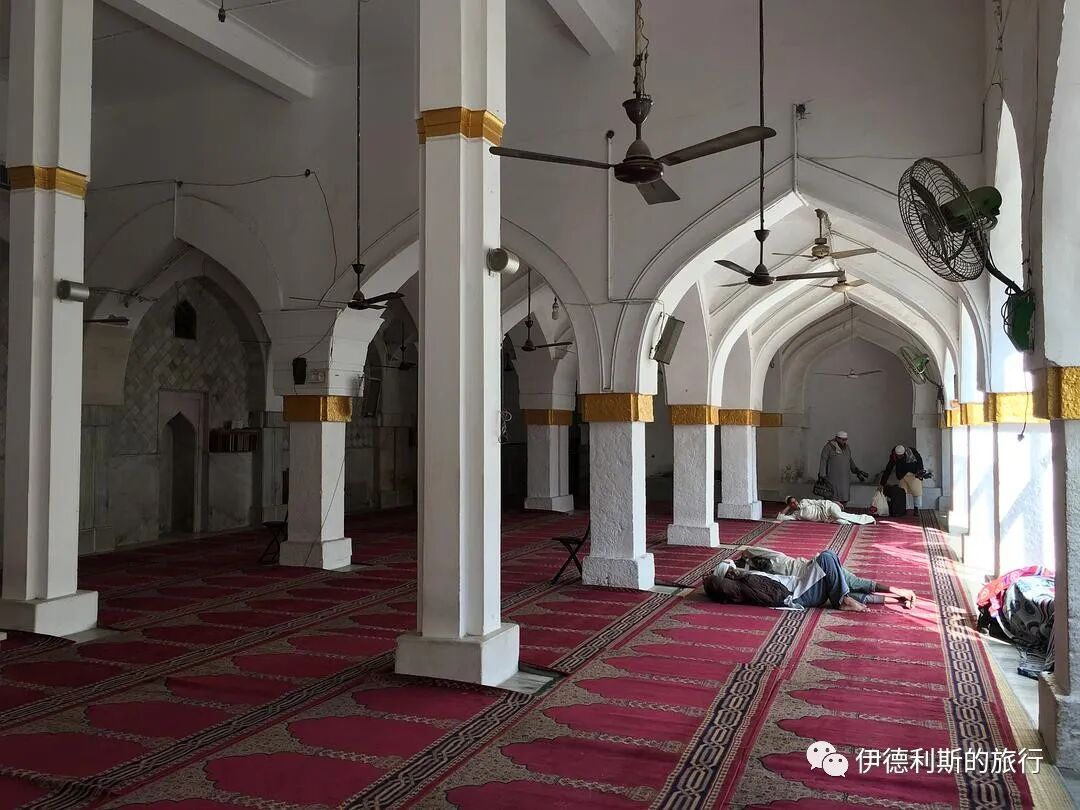
5. Kalan Mosque: 1387
Kalan Mosque is the northernmost of the seven mosques built by Khan-i-Jahan Maqbul, the prime minister of Sultan Firoz Shah Tughlaq. It was likely built to honor a Sufi saint and has been in use ever since.
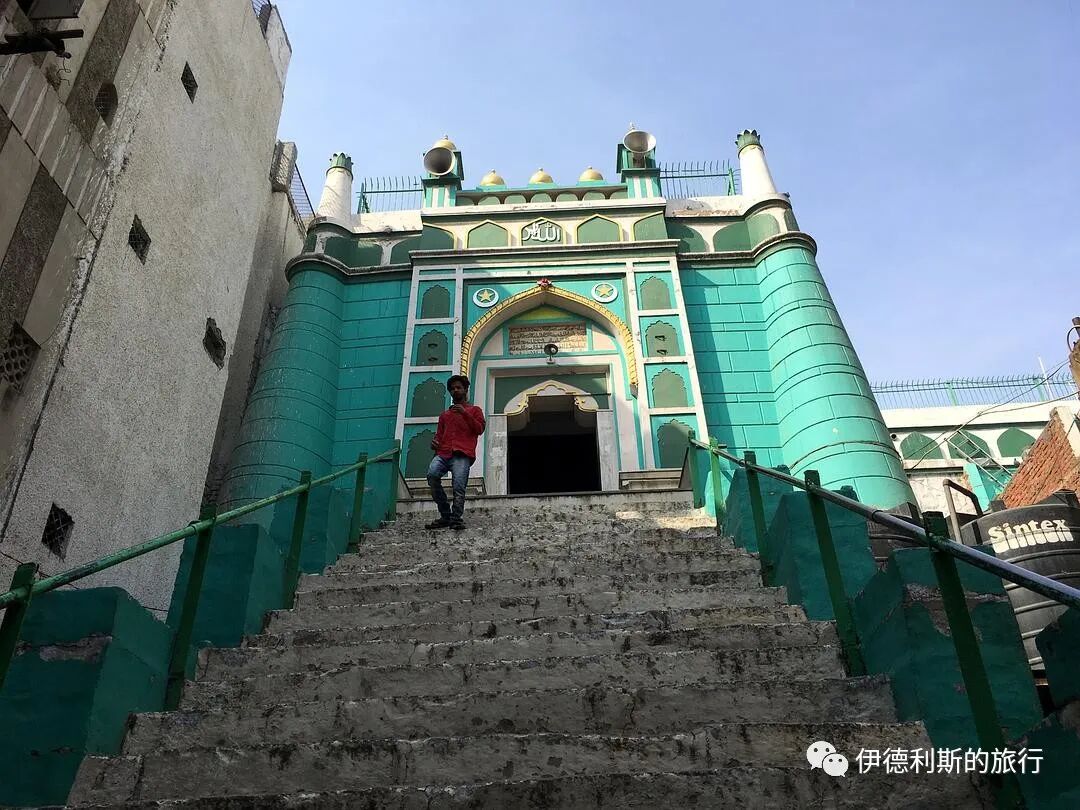
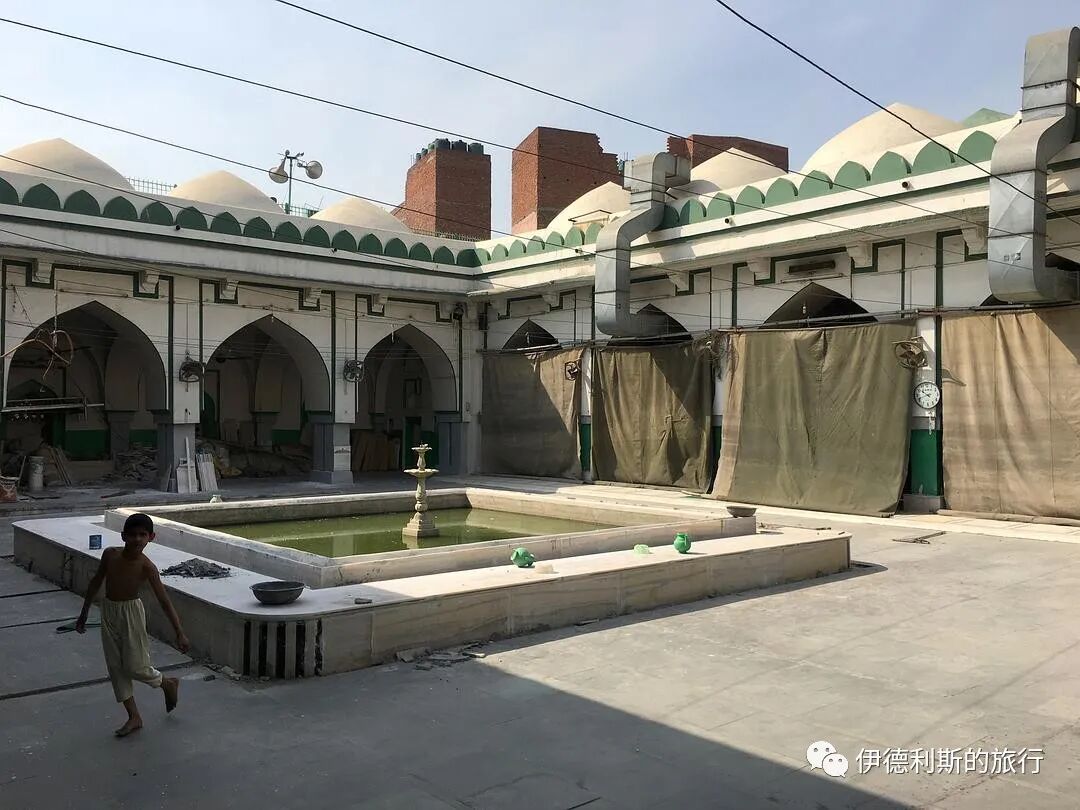
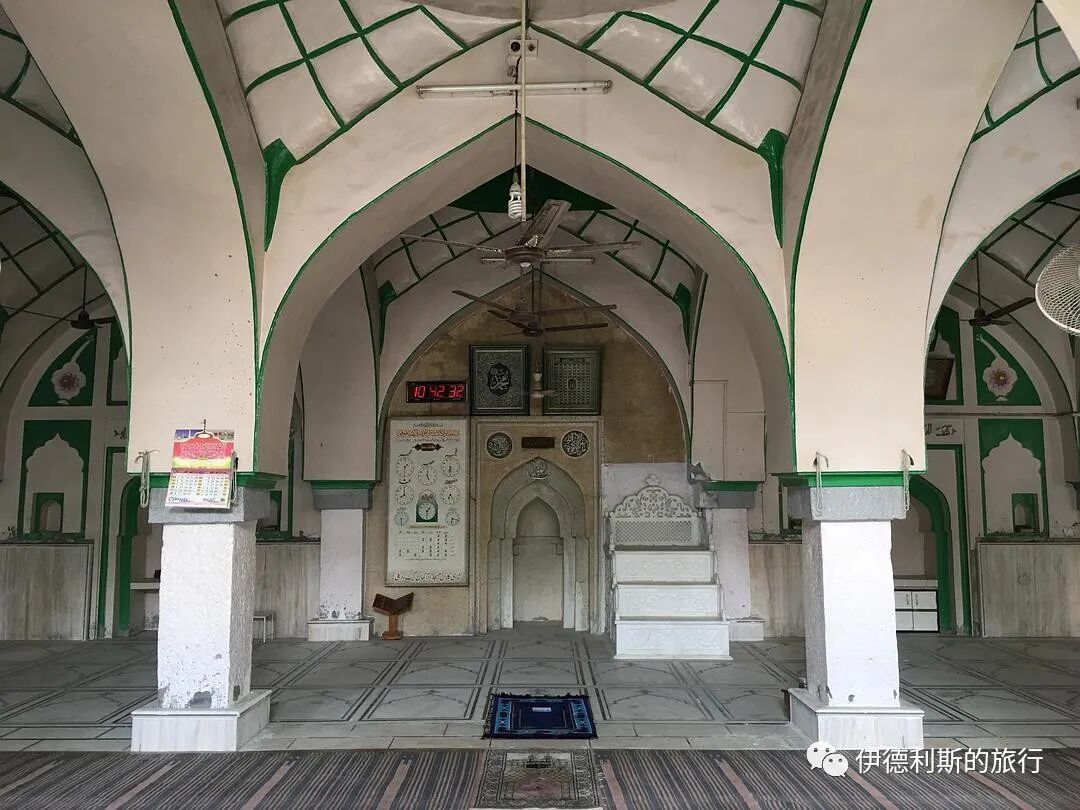
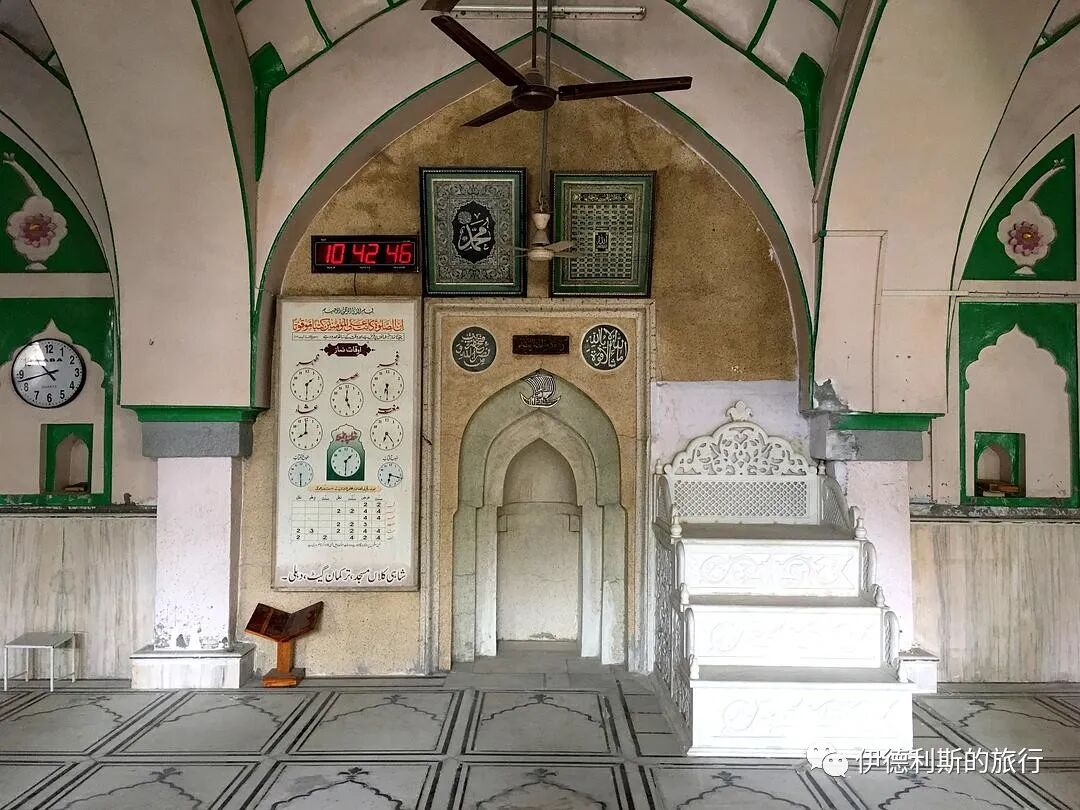
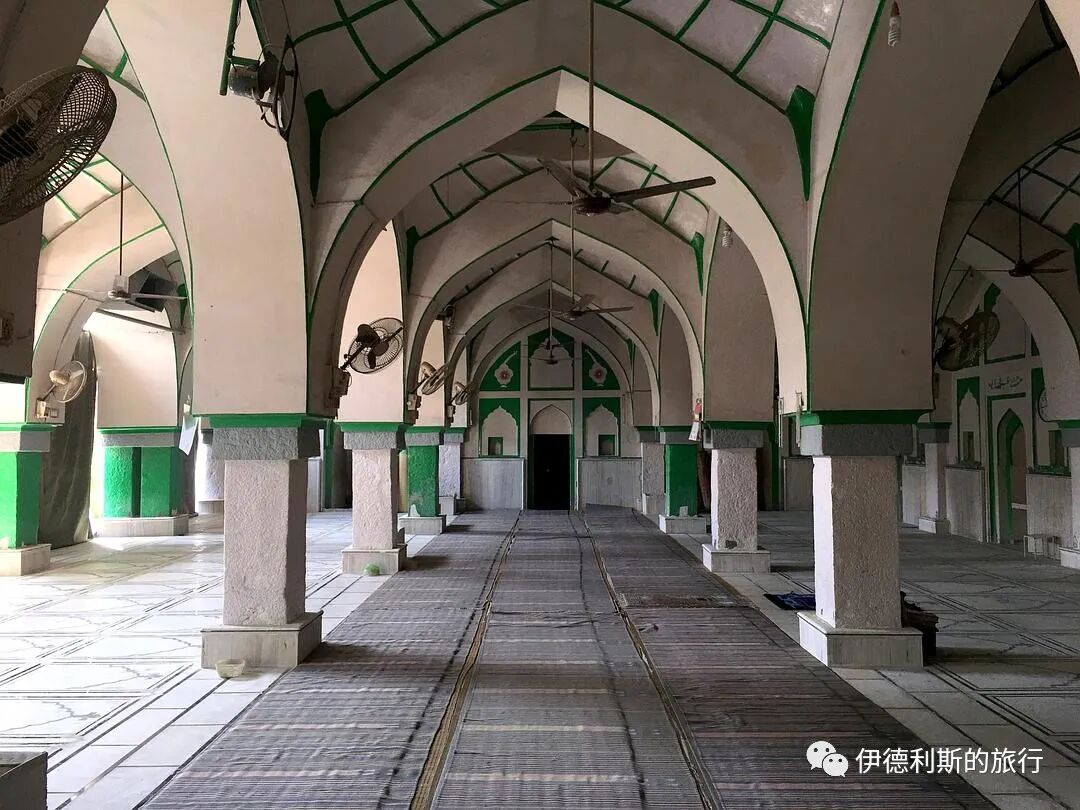
V. Lodi Dynasty (1451-1526)
The Lodi dynasty was founded by the Pashtun leader Bahlul Khan Lodi in 1451. During the Lodi dynasty, the Delhi Sultanate shrank significantly and only ruled parts of northern India.
1. Bara Gumbad Mosque: 1494
The Bara Gumbad mosque is located inside Lodi Gardens. Specific details about the mosque are unknown, but inscriptions inside the building show it was built on November 30, 1494, by a man named Mughal Abdu Amjad.
The carvings in this mosque are very intricate. They are a great example of the limestone plastering and stone-cutting techniques used for architectural decoration during the Lodi dynasty.
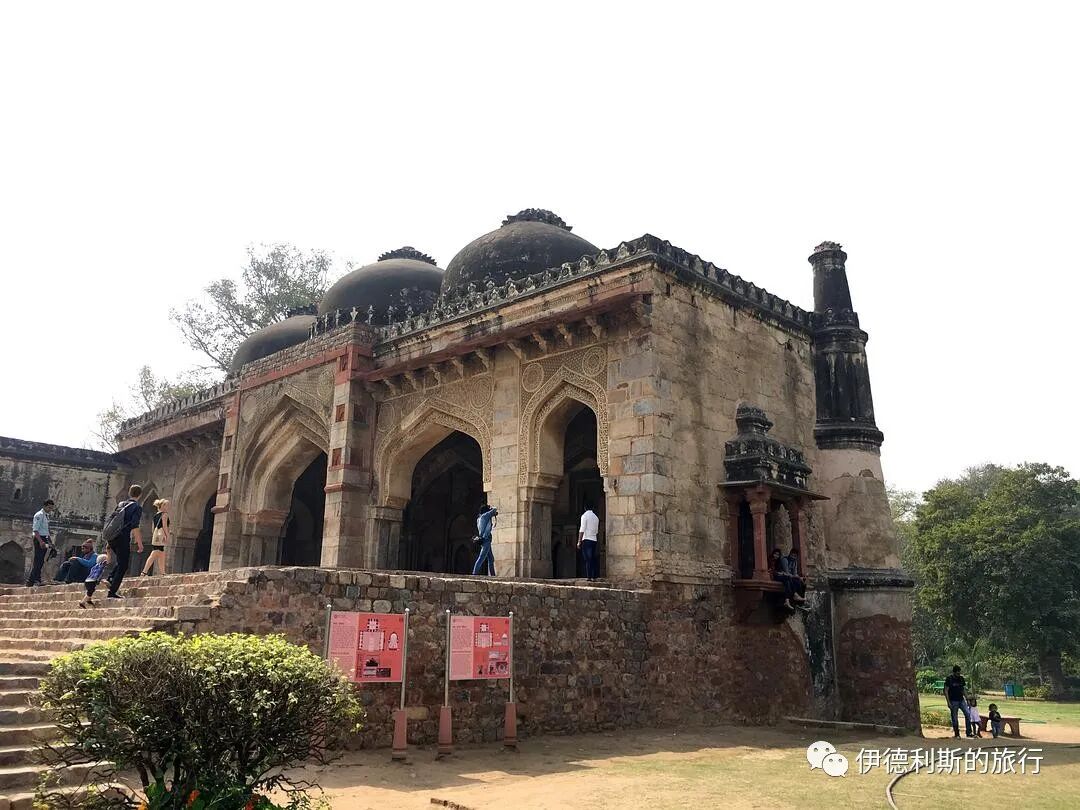
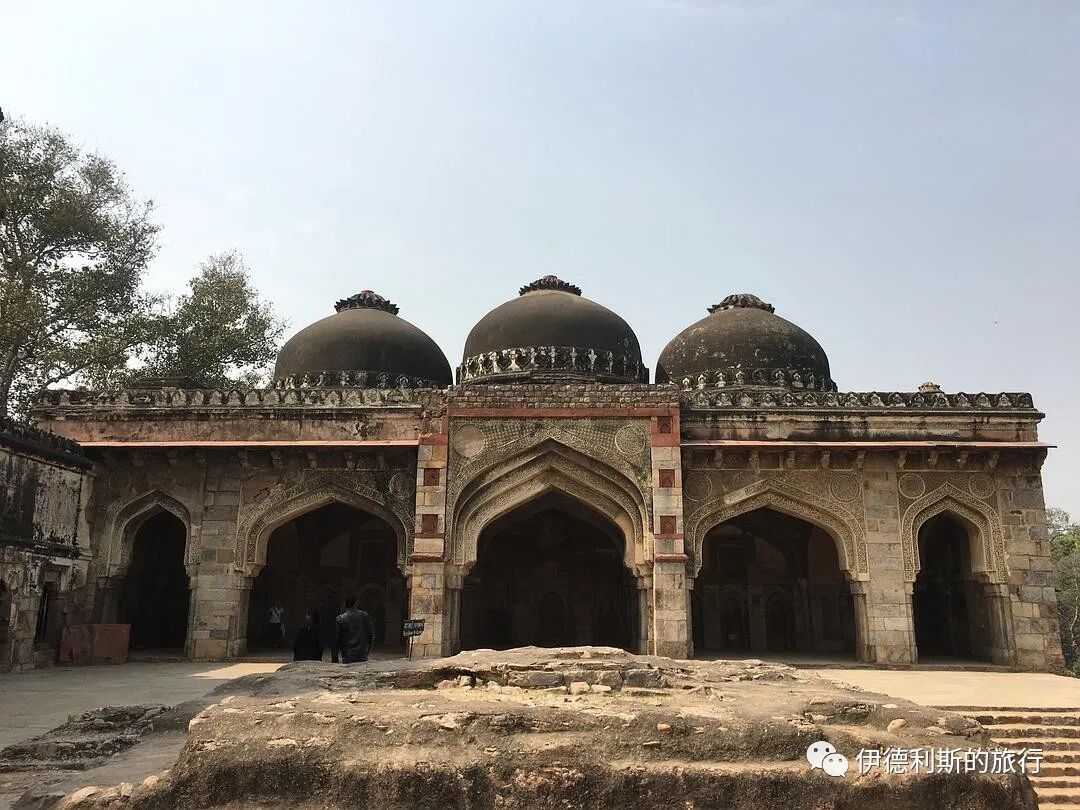
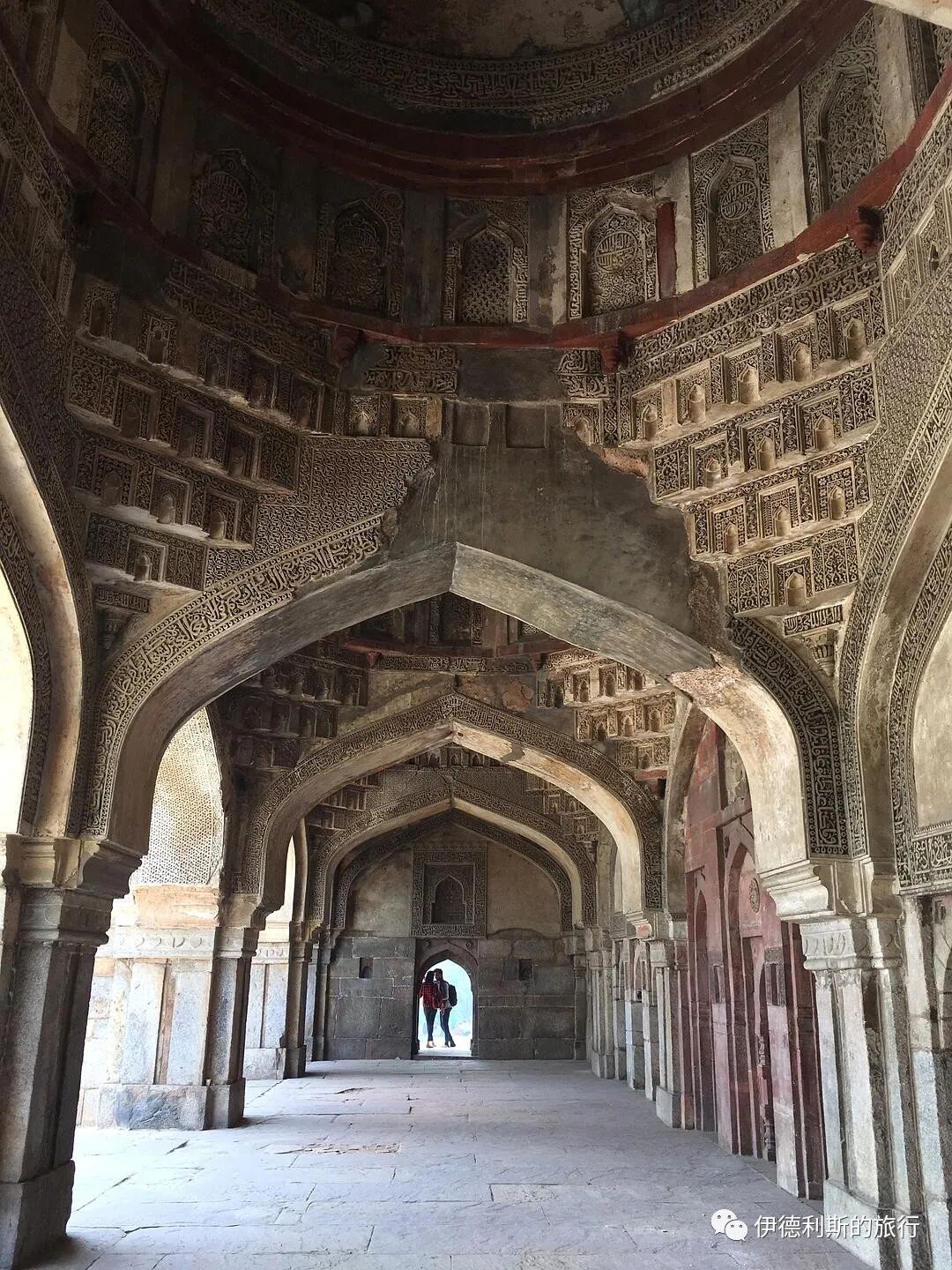
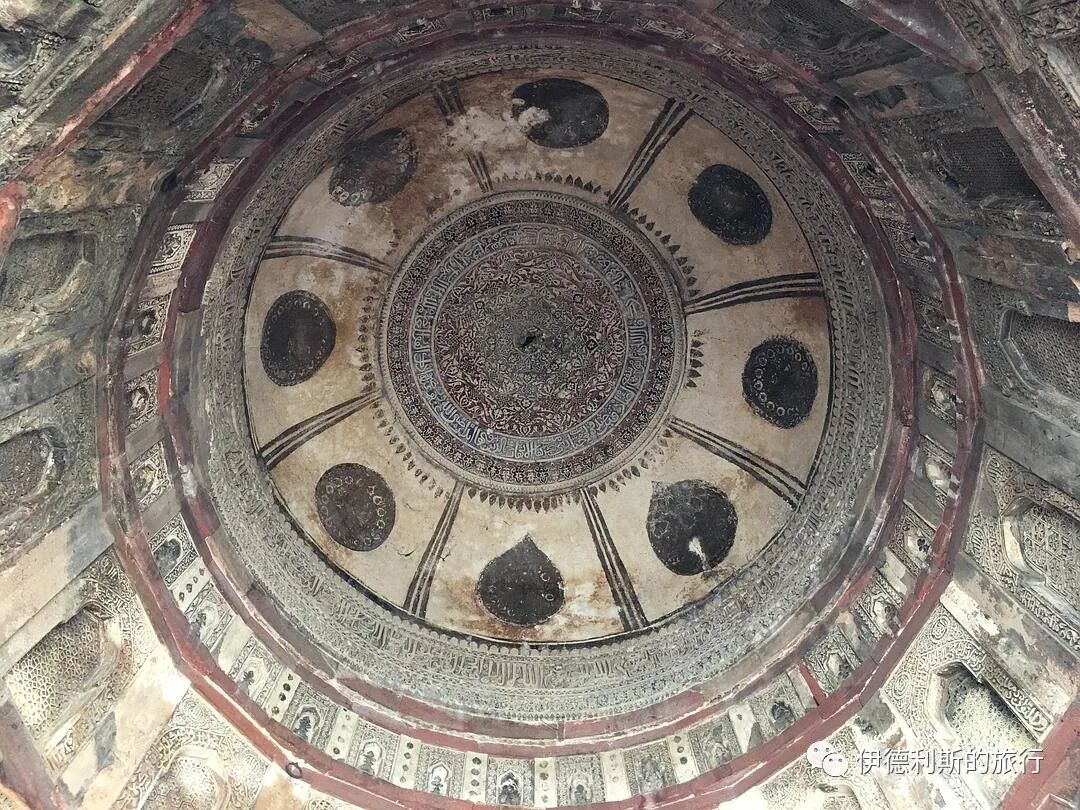
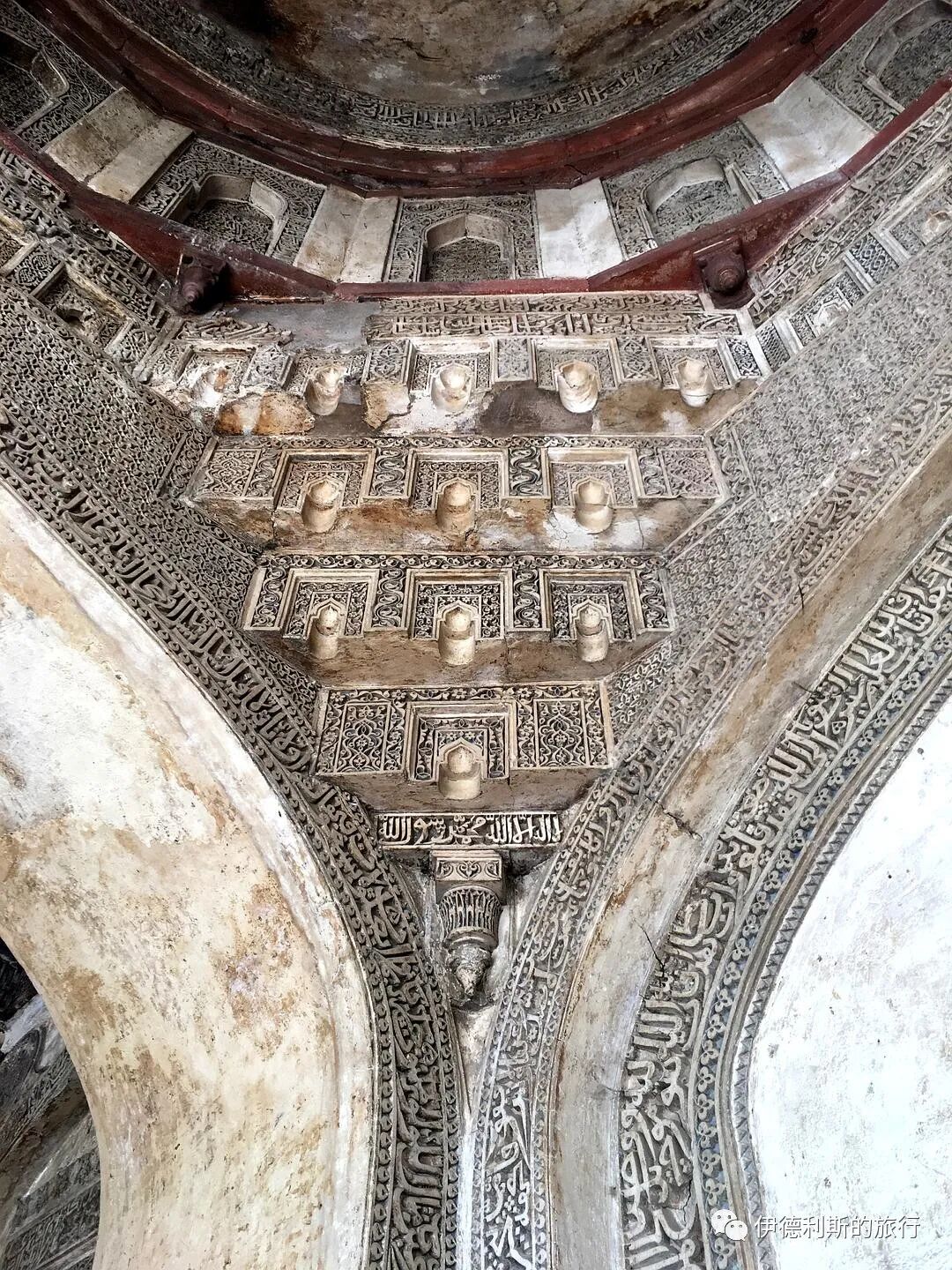
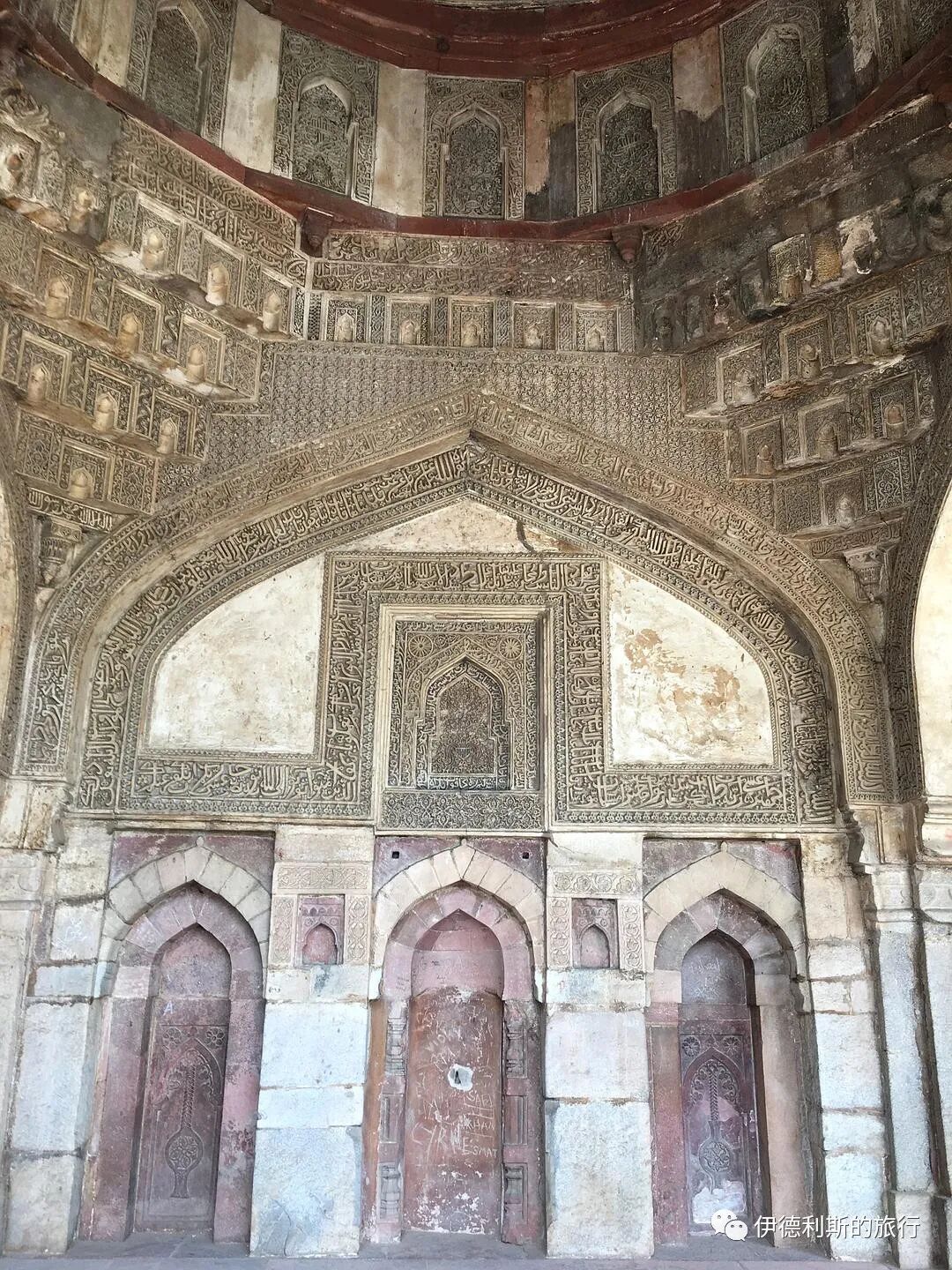
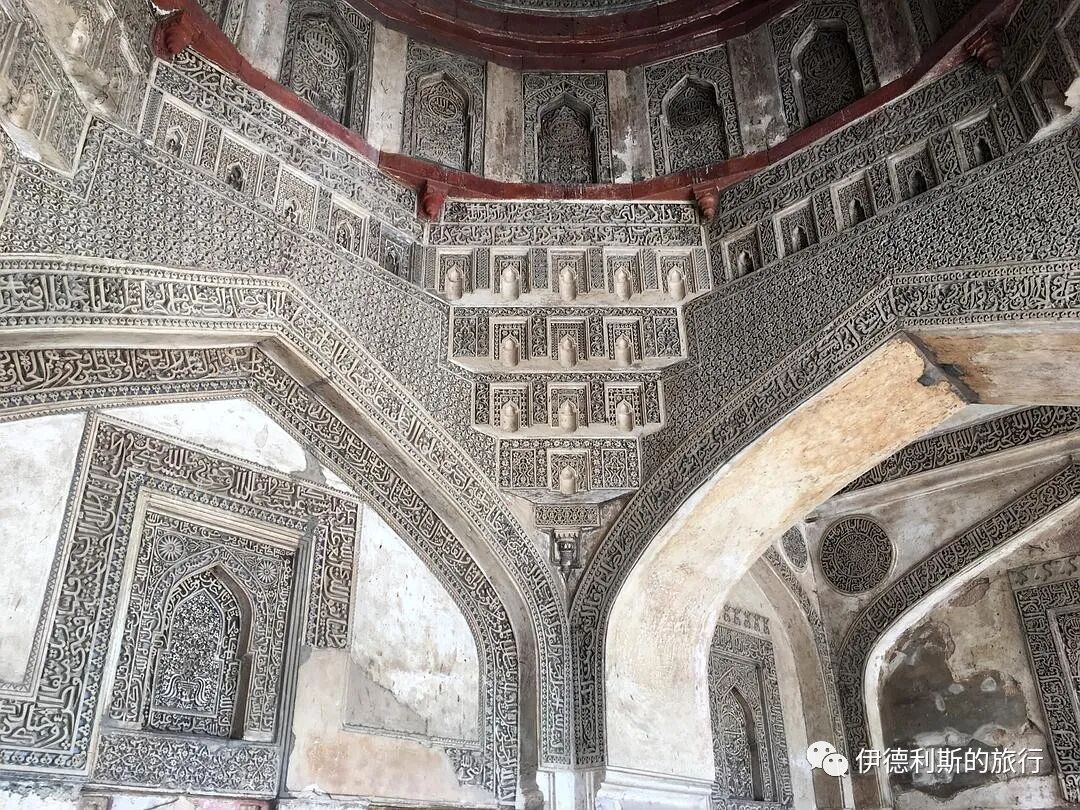
2. Madhi mosque: 15th century
Madhi Mosque is located in the Mehrauli Archaeological Park in Delhi. While its exact construction date is unknown, its architectural style clearly shows it belongs to the Lodi dynasty.
Unlike typical mosques, this one does not have a main prayer hall. The mihrab, which points toward the direction of prayer, is made of a single wall. This type of mosque is also called a wall mosque, and it was built to make daily namaz more convenient. There are many other mosques in Delhi made of just one wall, but this one is the largest.
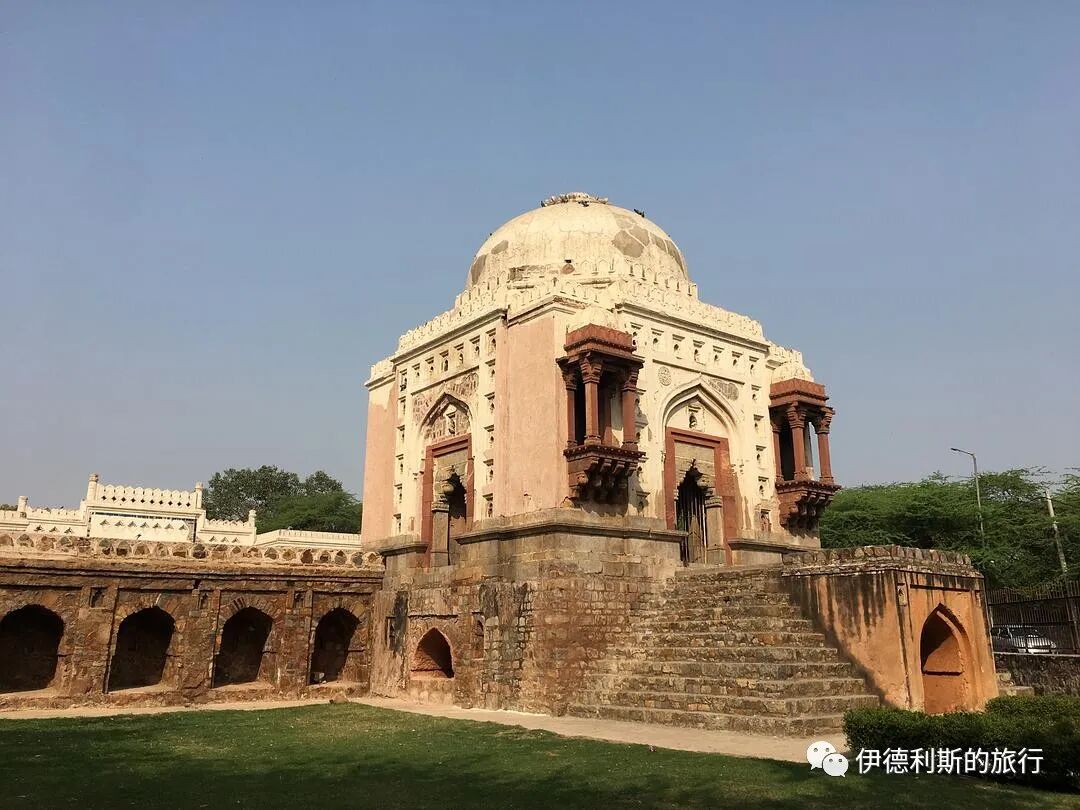
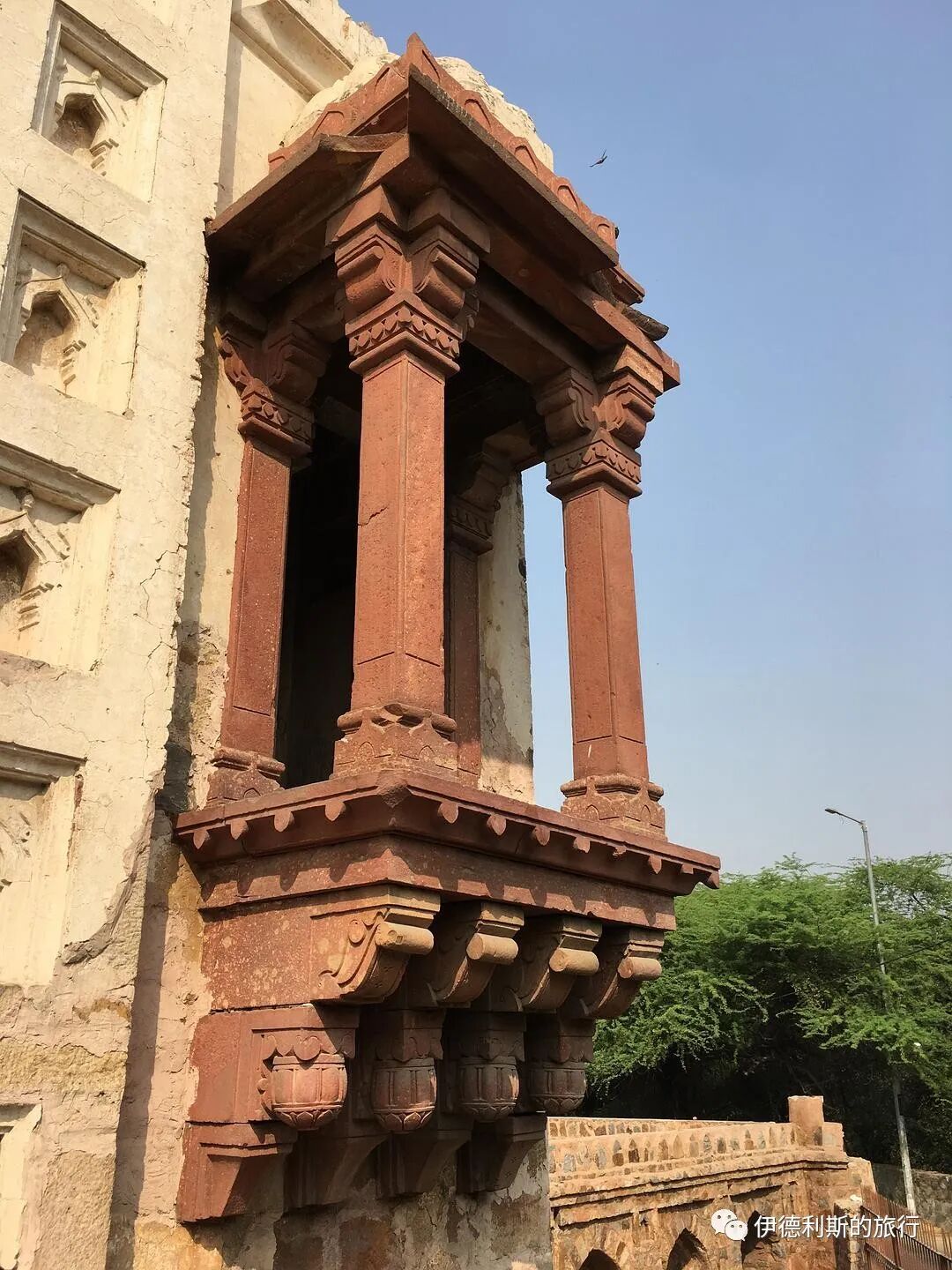
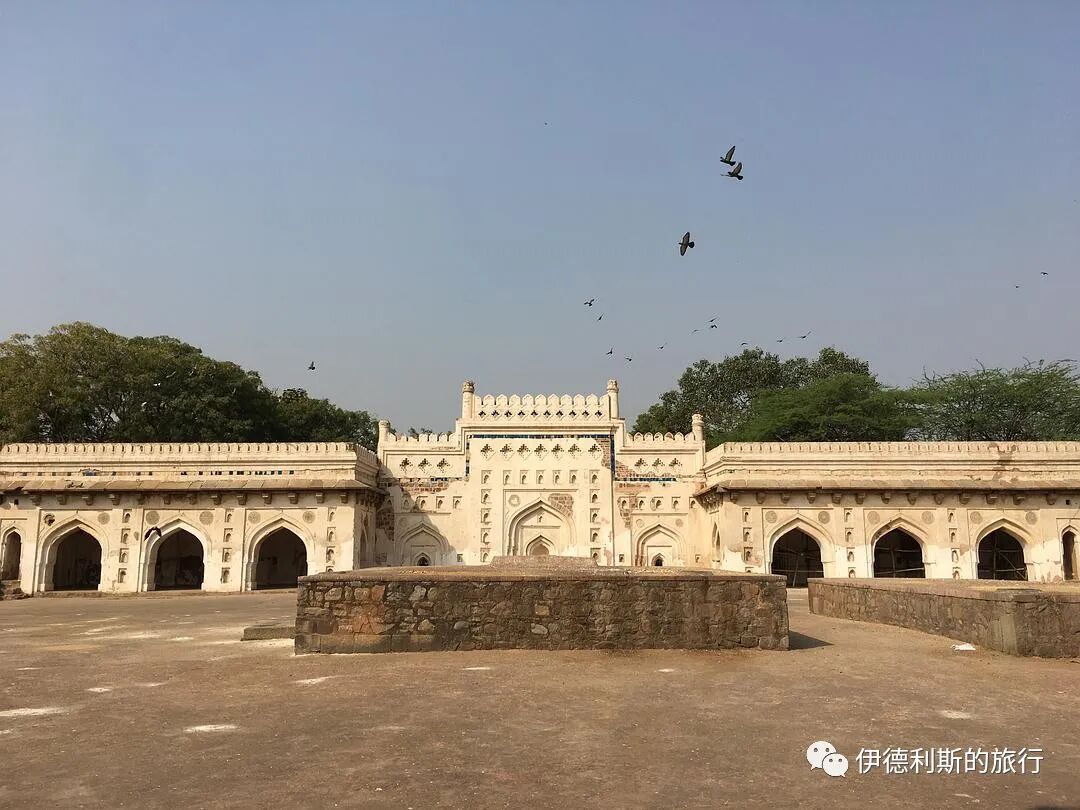
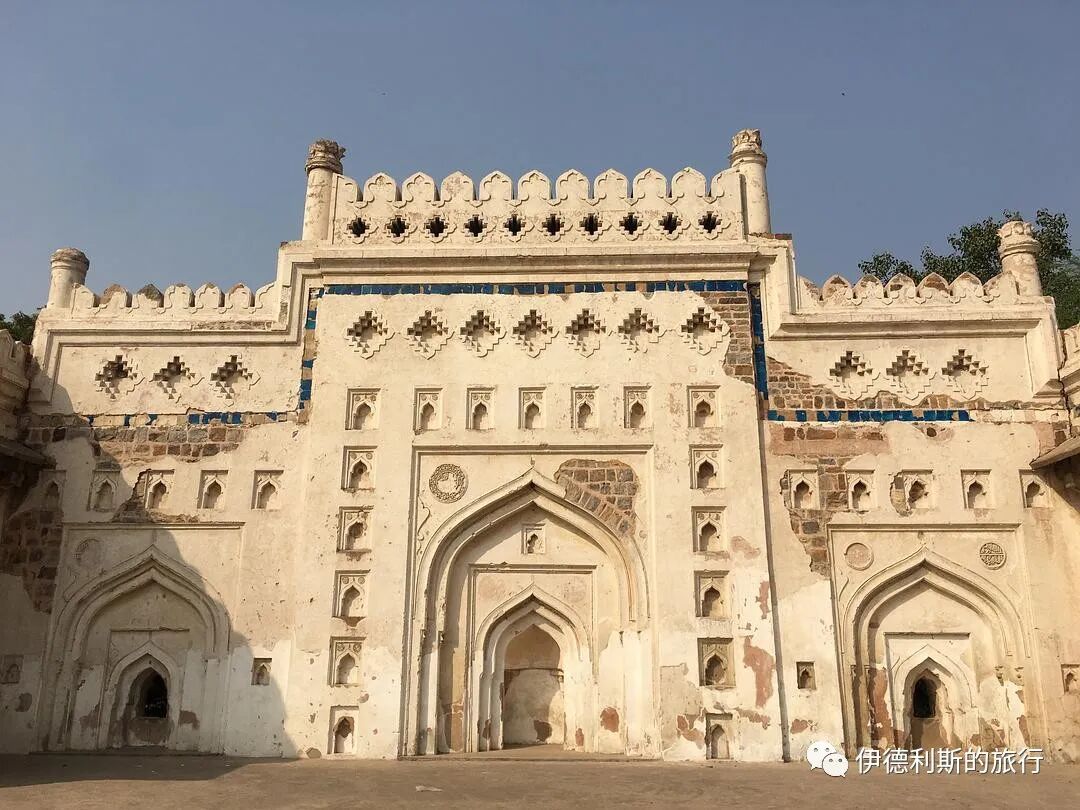
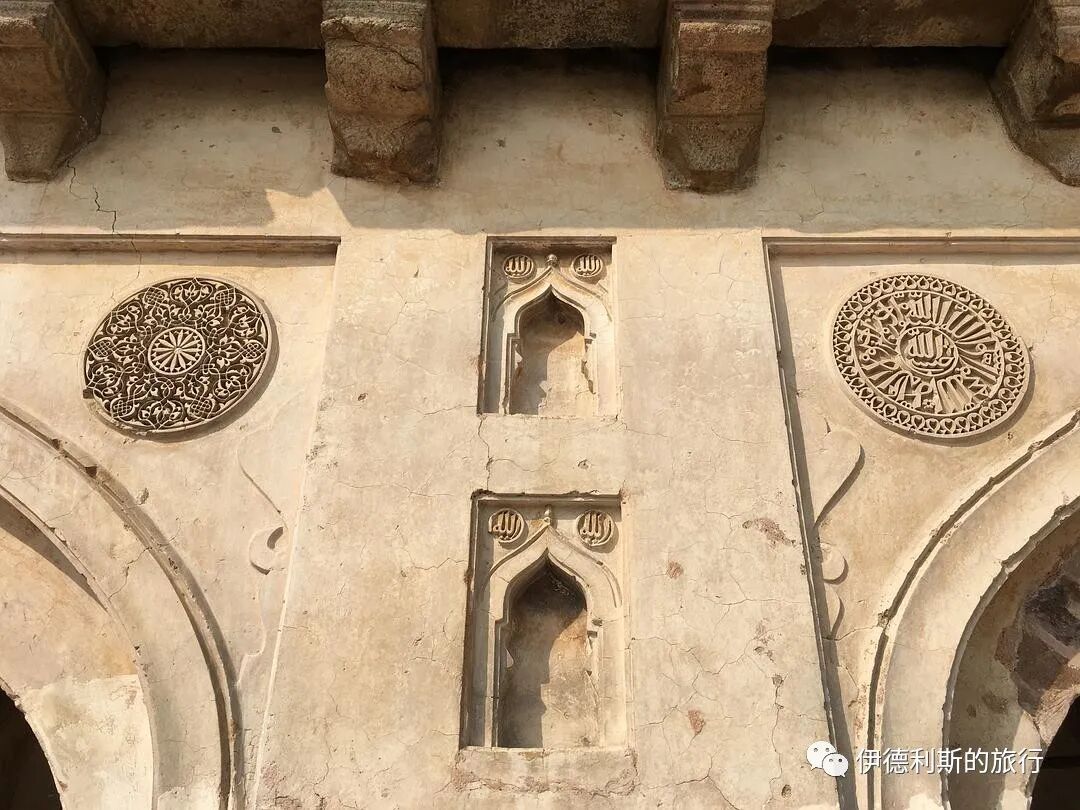
3. Nili mosque: 1505
The Blue Mosque (Nili Masjid) sits between the city of Siri and the Hauz Khas reservoir area, and it is a Lodi-era mosque that is still in use today.
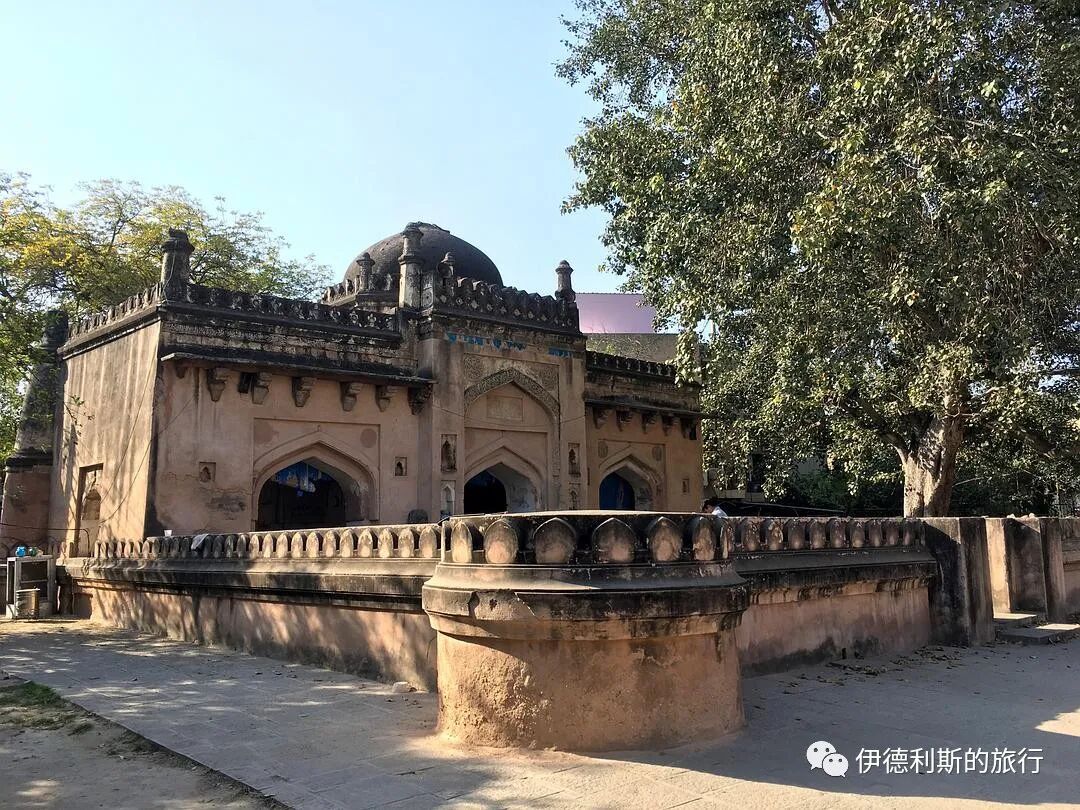
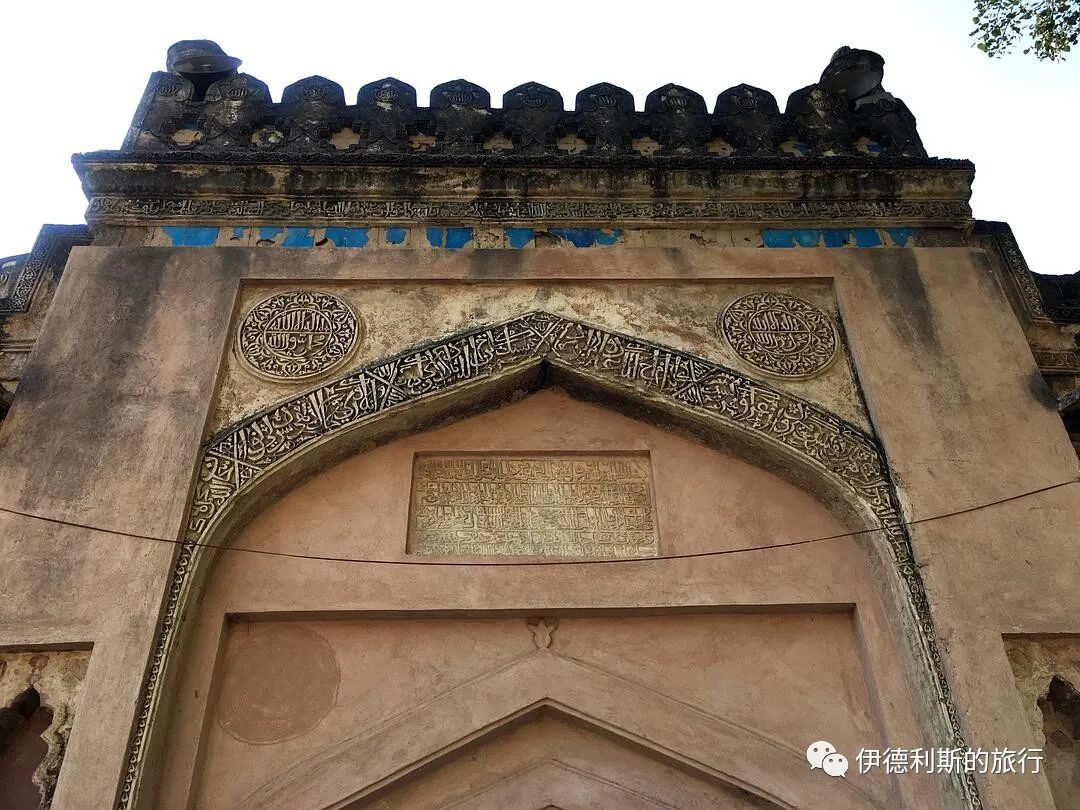
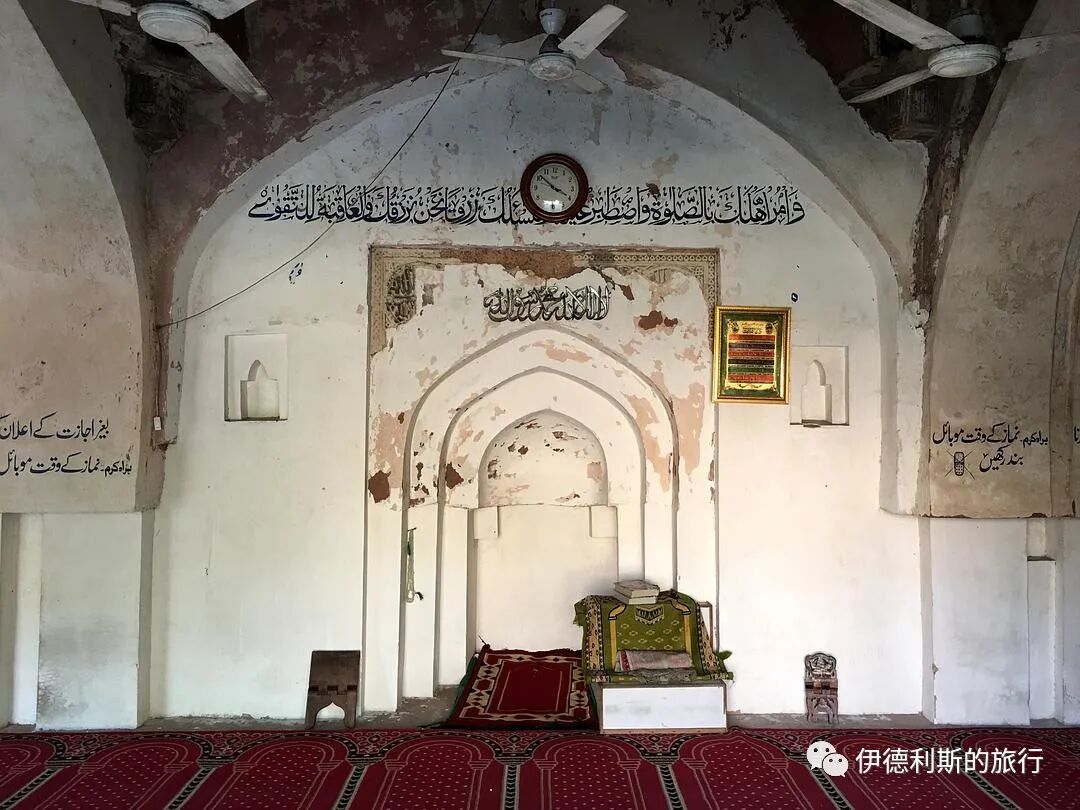
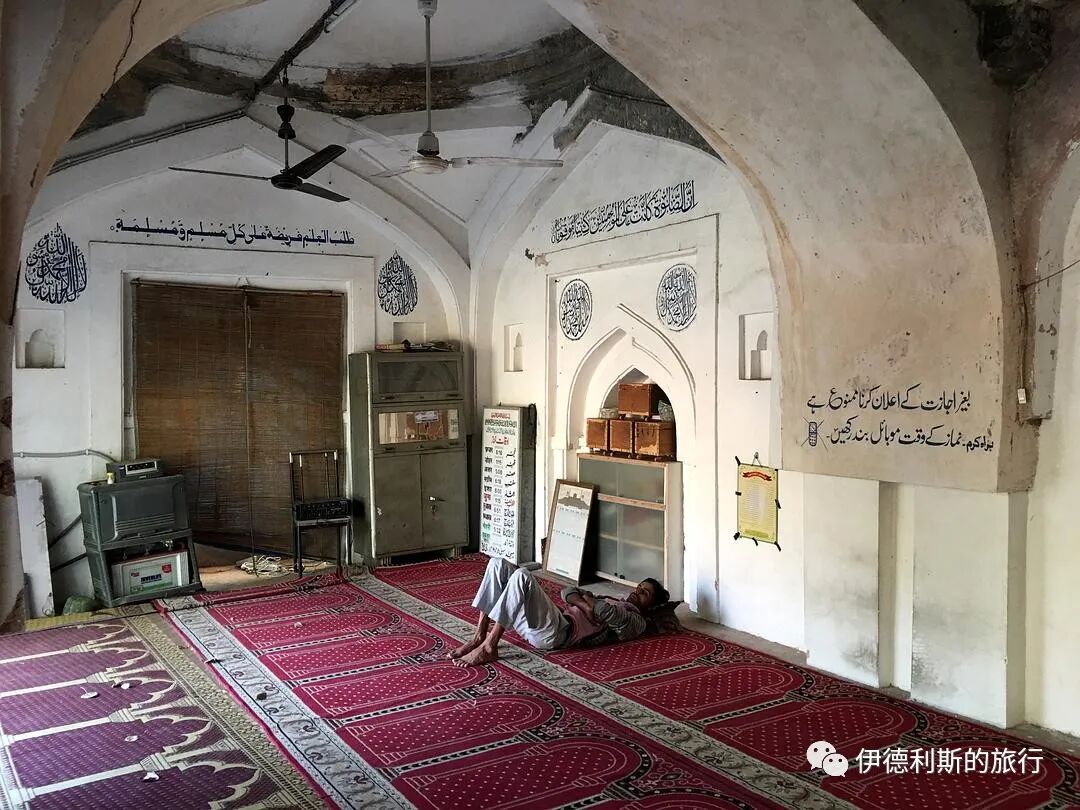
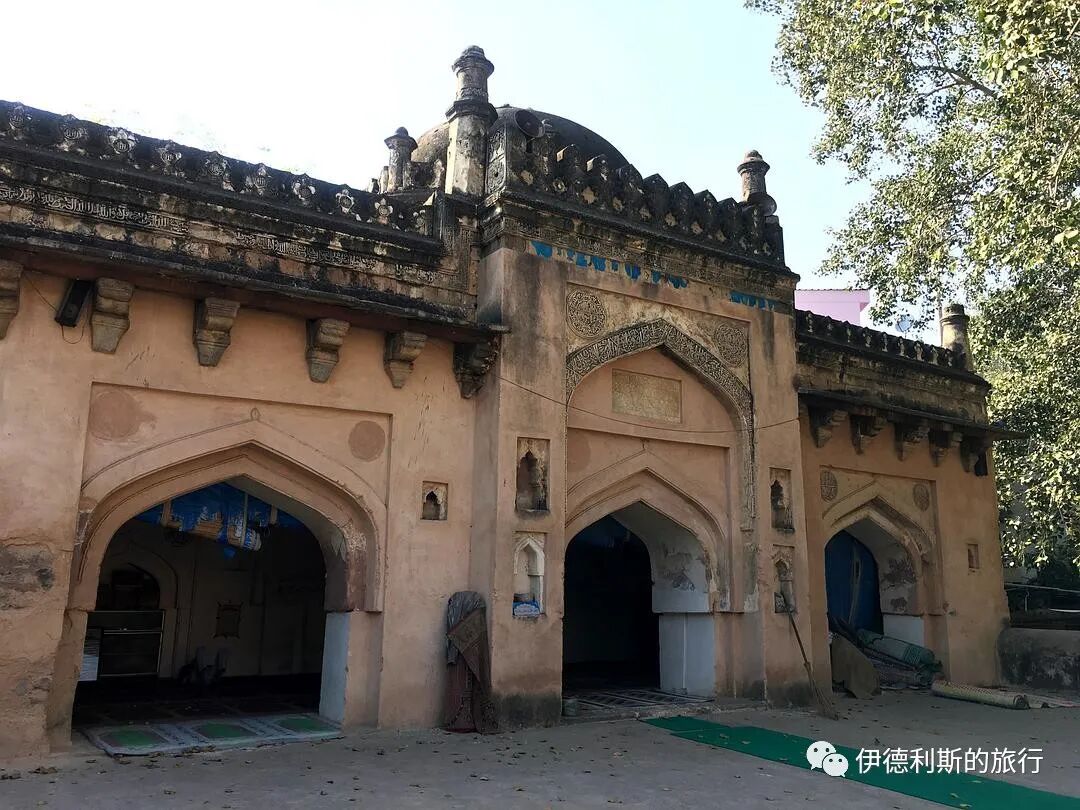
4. Rajon ki Baoli mosque: 1506
Rajon ki Baoli is located in the Mehrauli Archaeological Park in Delhi and is known as the most beautiful stepwell (baoli) in the city. It was built by Daulat Khan Khwaja Muhammad in 1506 during the reign of Sultan Sikandar Lodi (1489-1517). Next to the pool are a mosque and a tomb, which seem to be part of one building complex.
Water reservoir
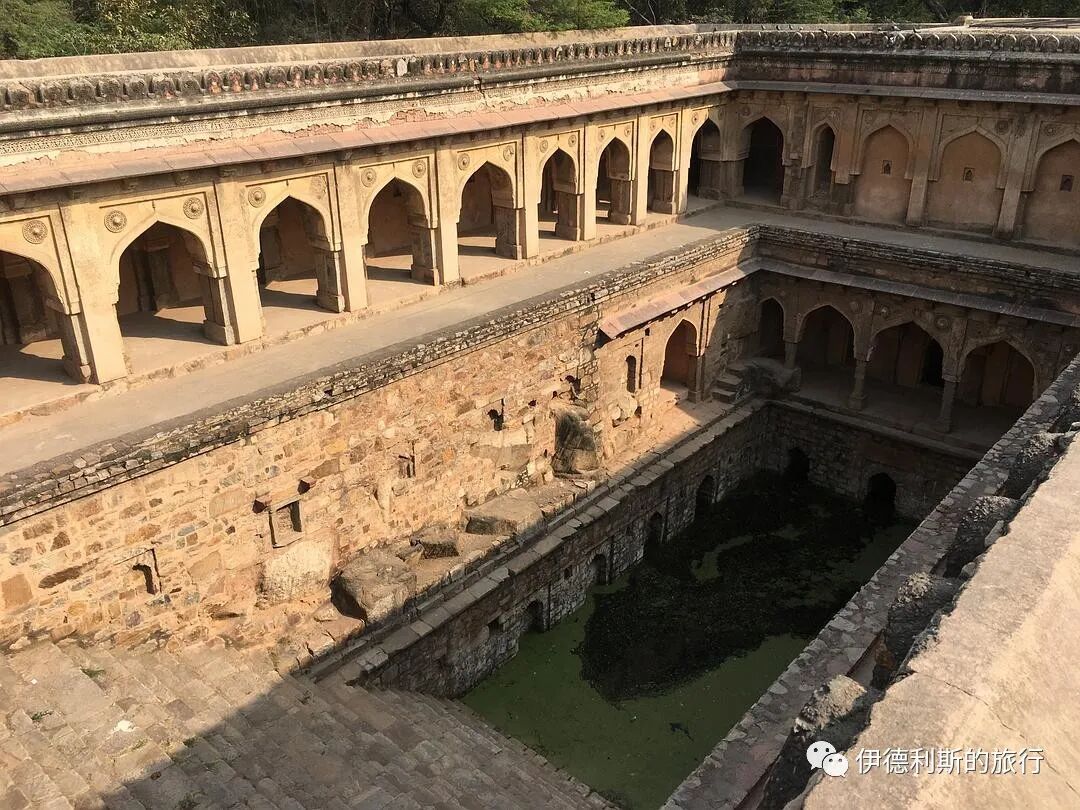
Mosque
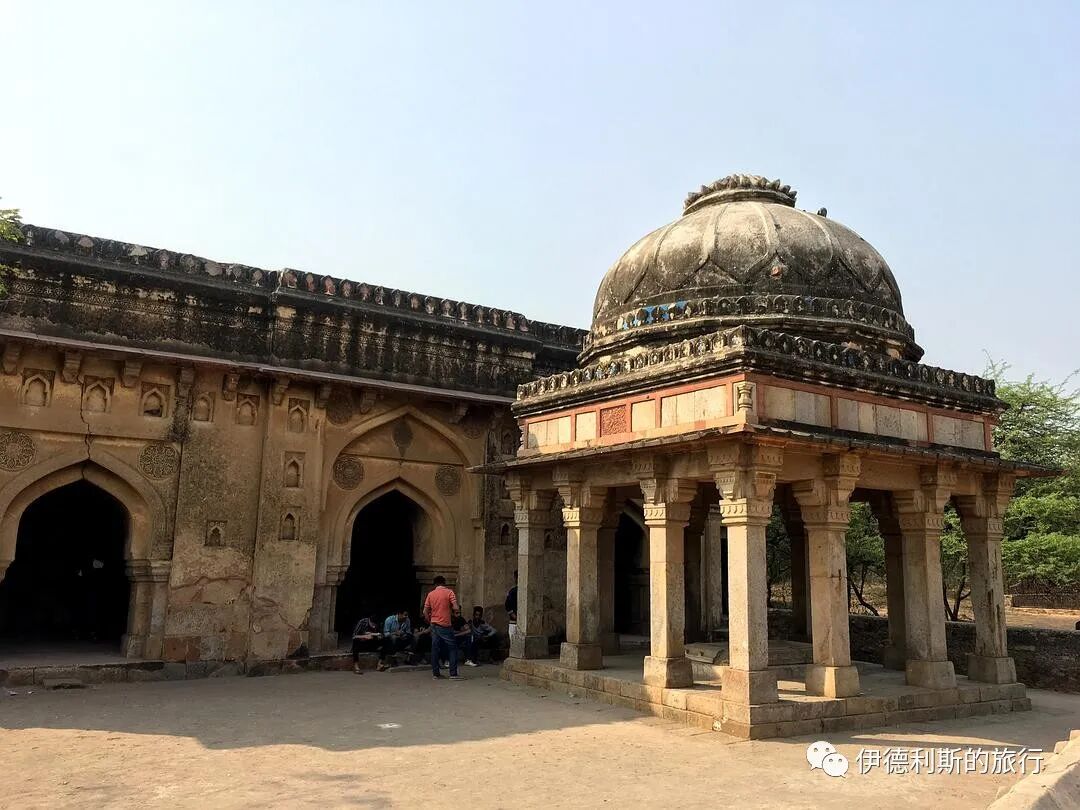
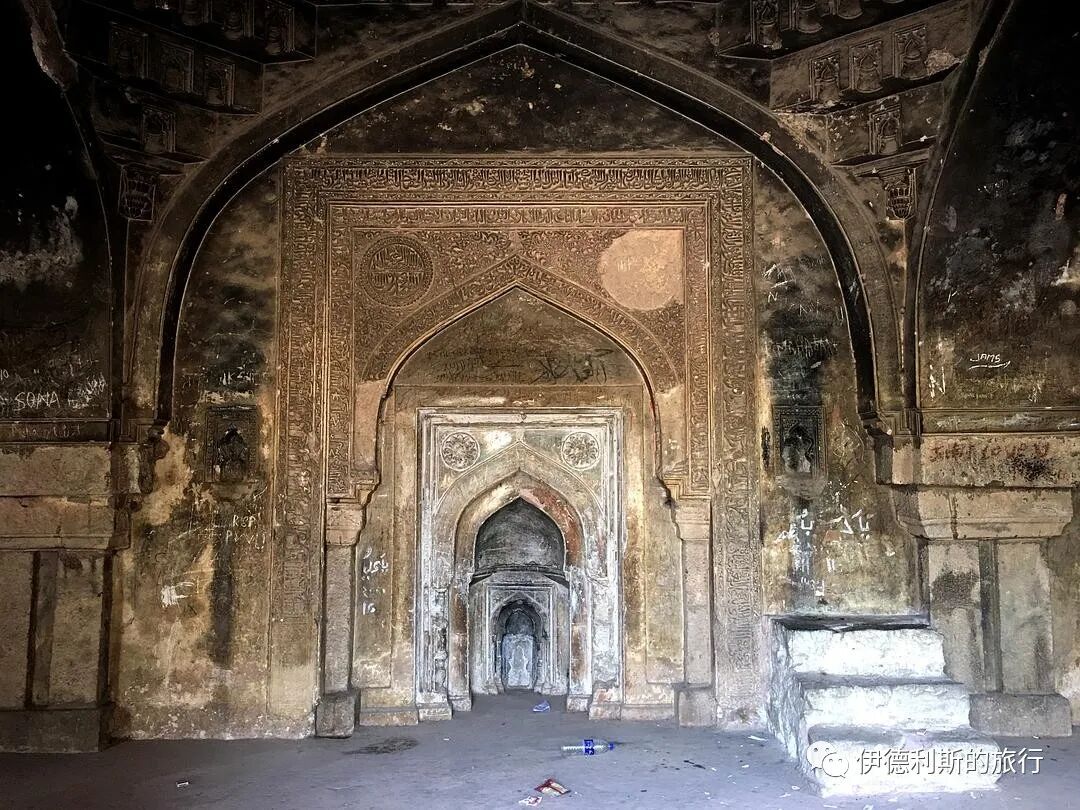
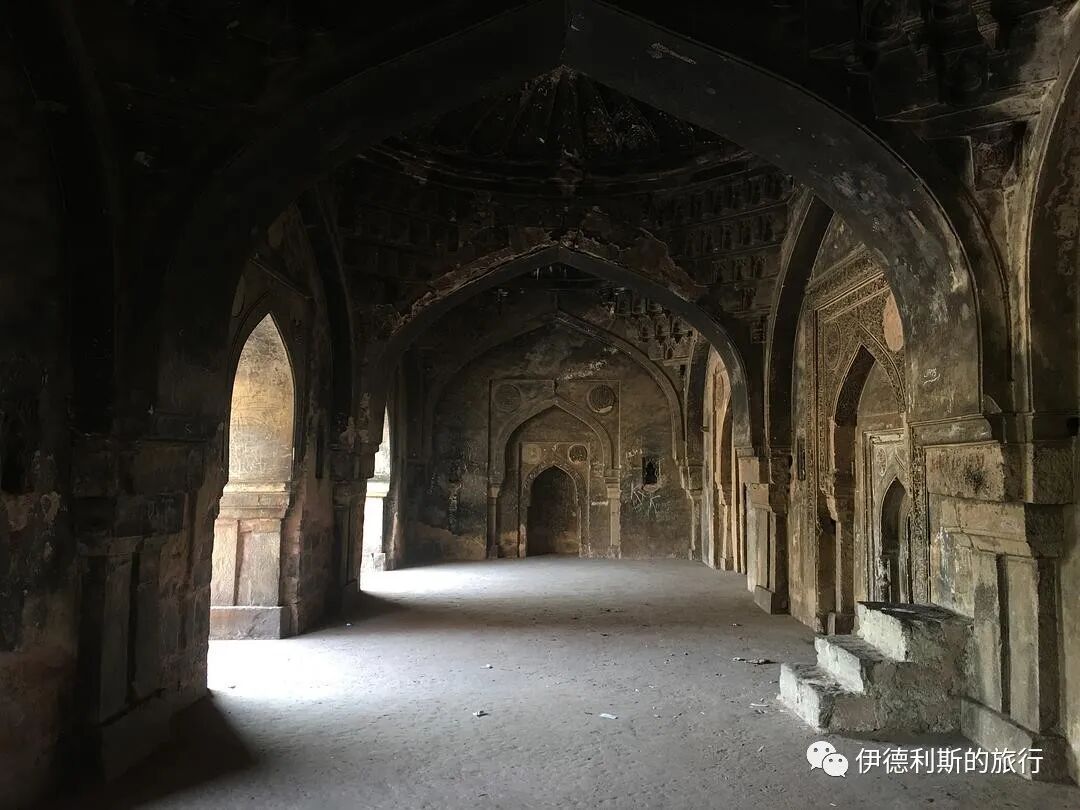
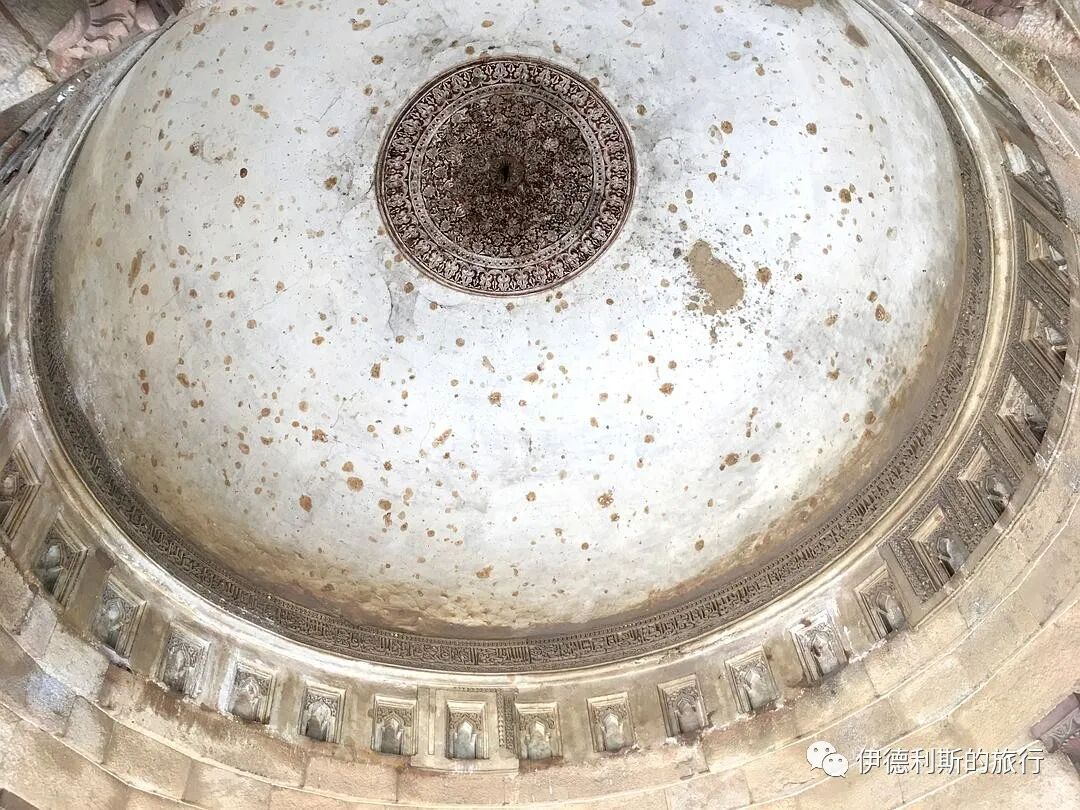
5. Muhammad Wali mosque: late 15th to early 16th century
The Muhammad Wali mosque sits right next to the northwest wall of Siri city and shows the classic Lodi dynasty style.
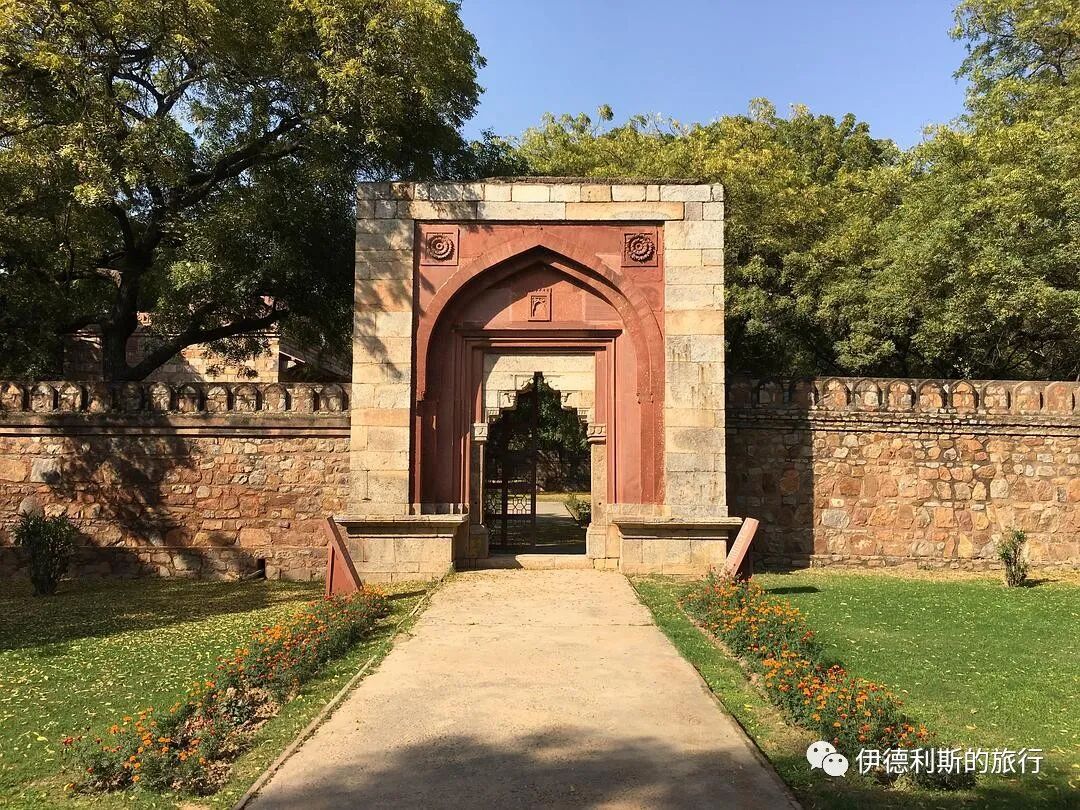
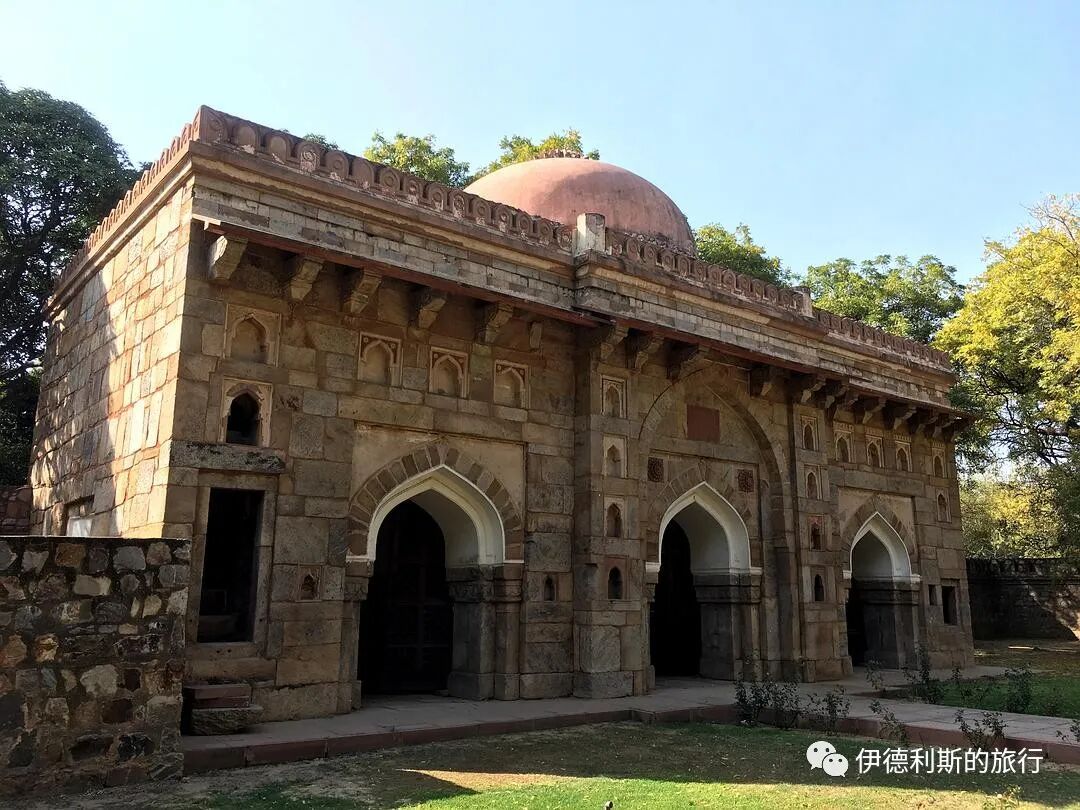
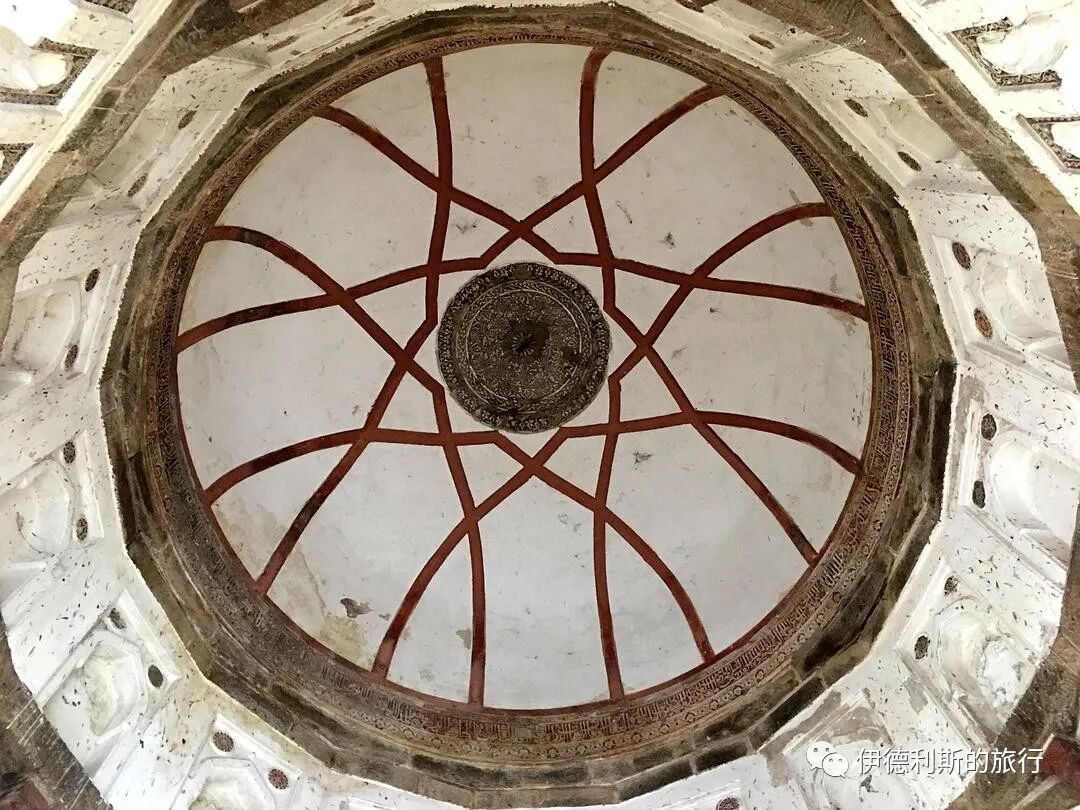
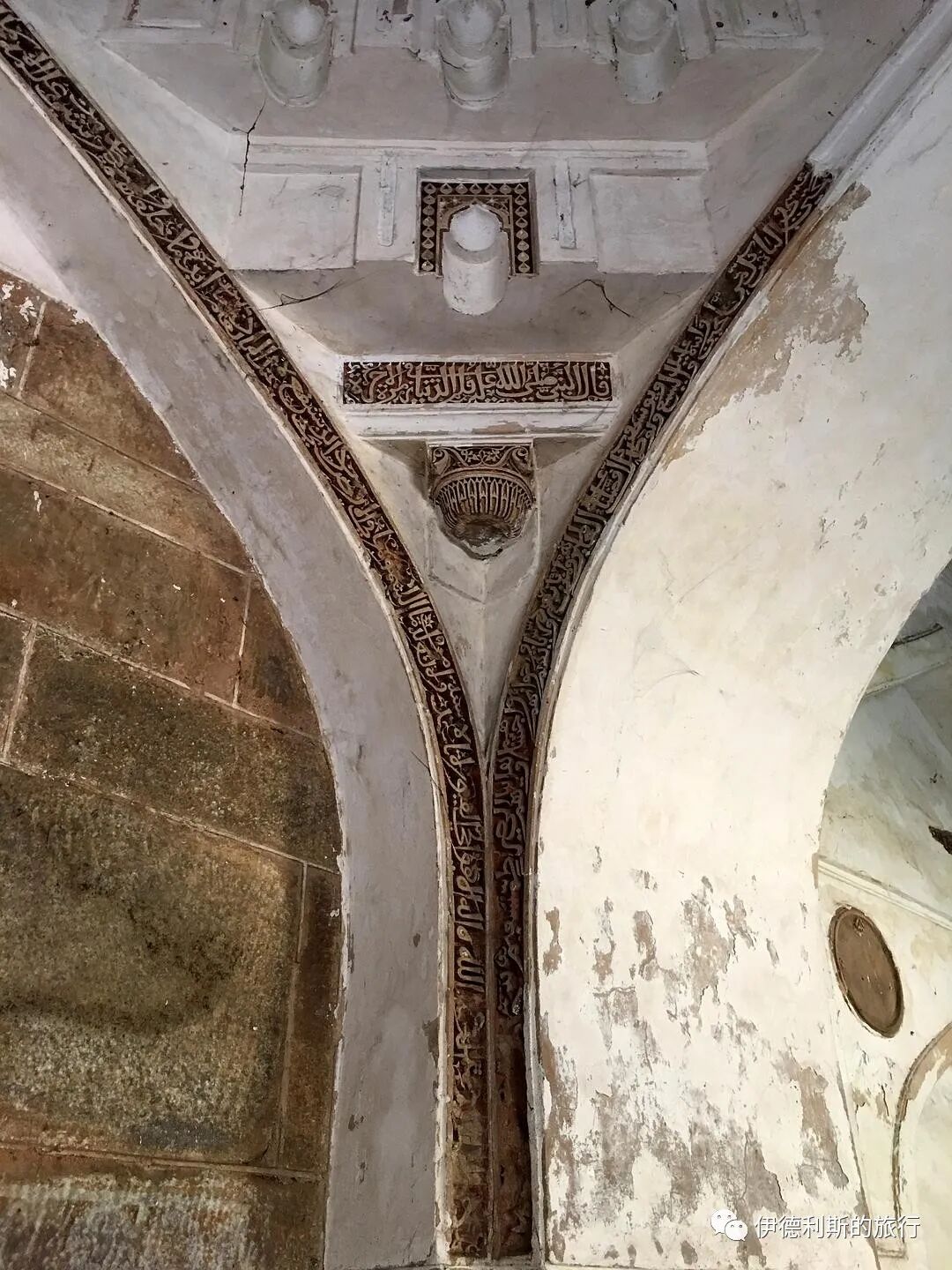
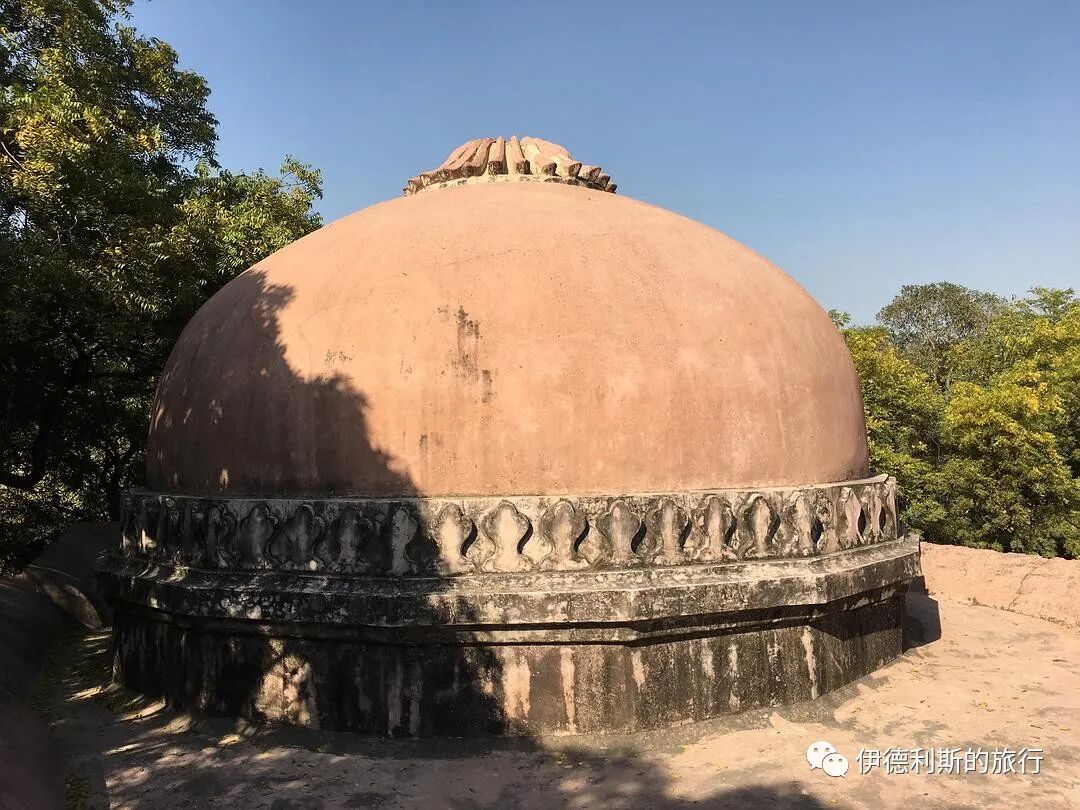
6. Early Mughal Empire (1526-1540)
In 1526, Emperor Babur from Central Asia defeated the Lodi dynasty and established the Mughal Empire in Delhi.
1. Jamali Kamali mosque: 1528
The Jamali Kamali mosque is located in the Mehrauli Archaeological Park in Delhi and serves as the burial site for both Jamali and Kamali. Jamali, whose full name was Jamali Kamboh, was a famous 16th-century Persian poet and Sufi saint in India who was highly regarded by the Mughal emperors Babur and Humayun. Not much is known about the life of Kamali, but he was likely closely connected to Jamali. This mosque and the tomb were built between 1528 and 1529, and Jamali was buried here after he died in 1536.
Saint's tomb (gongbei)
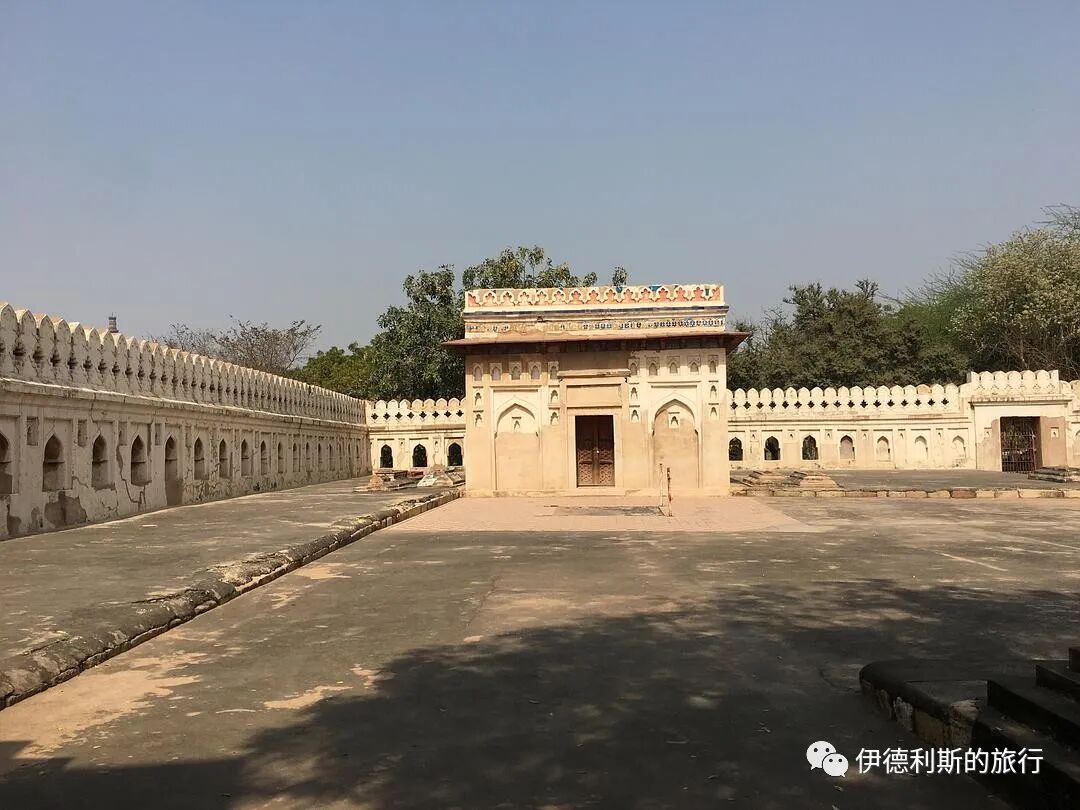
Mosque
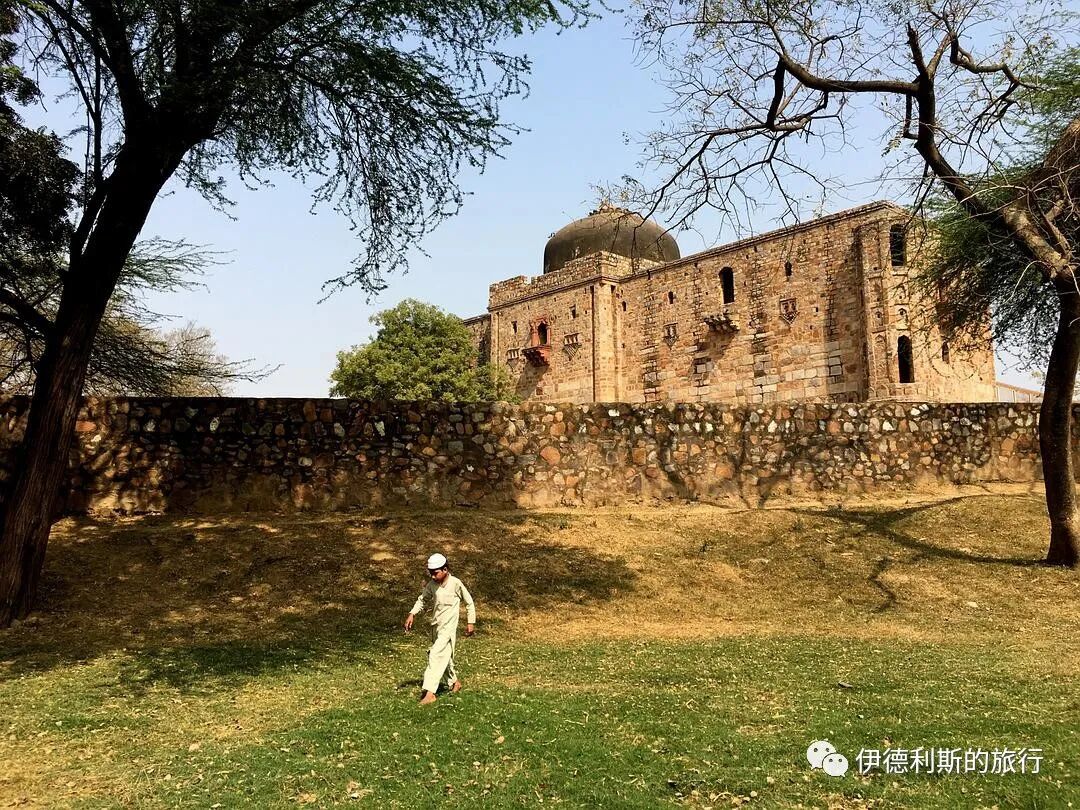
This style of mosque gate is said to be the first of its kind from the Mughal era.
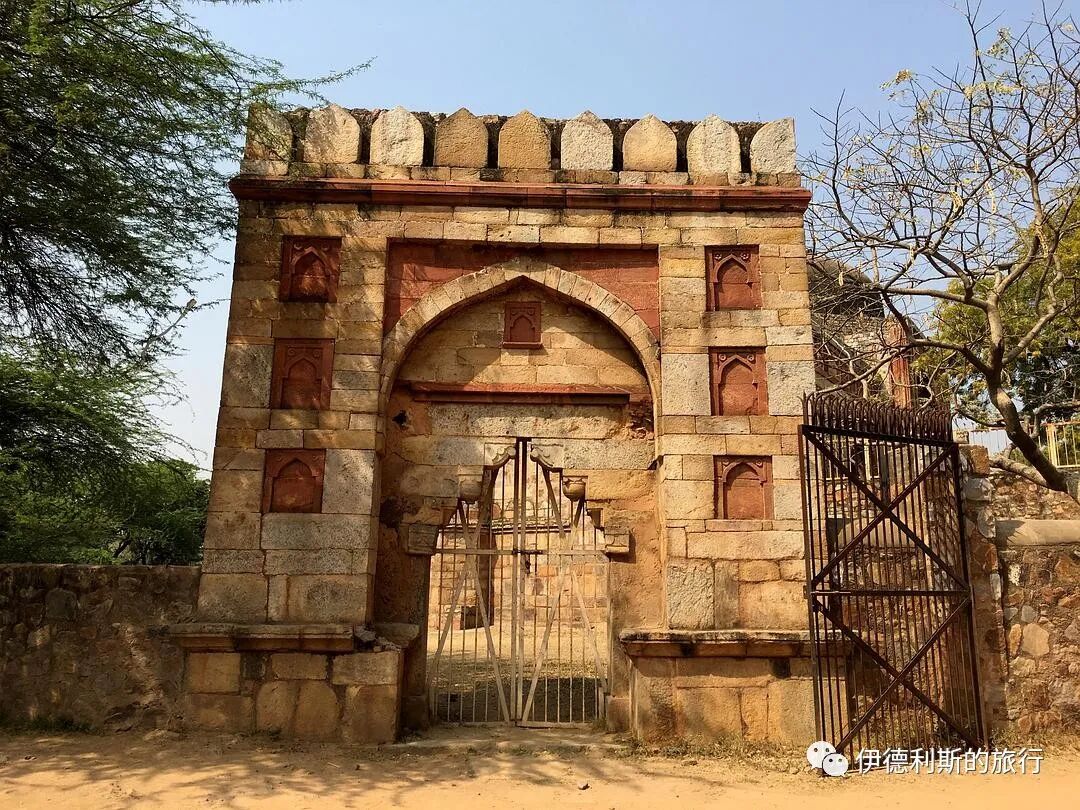
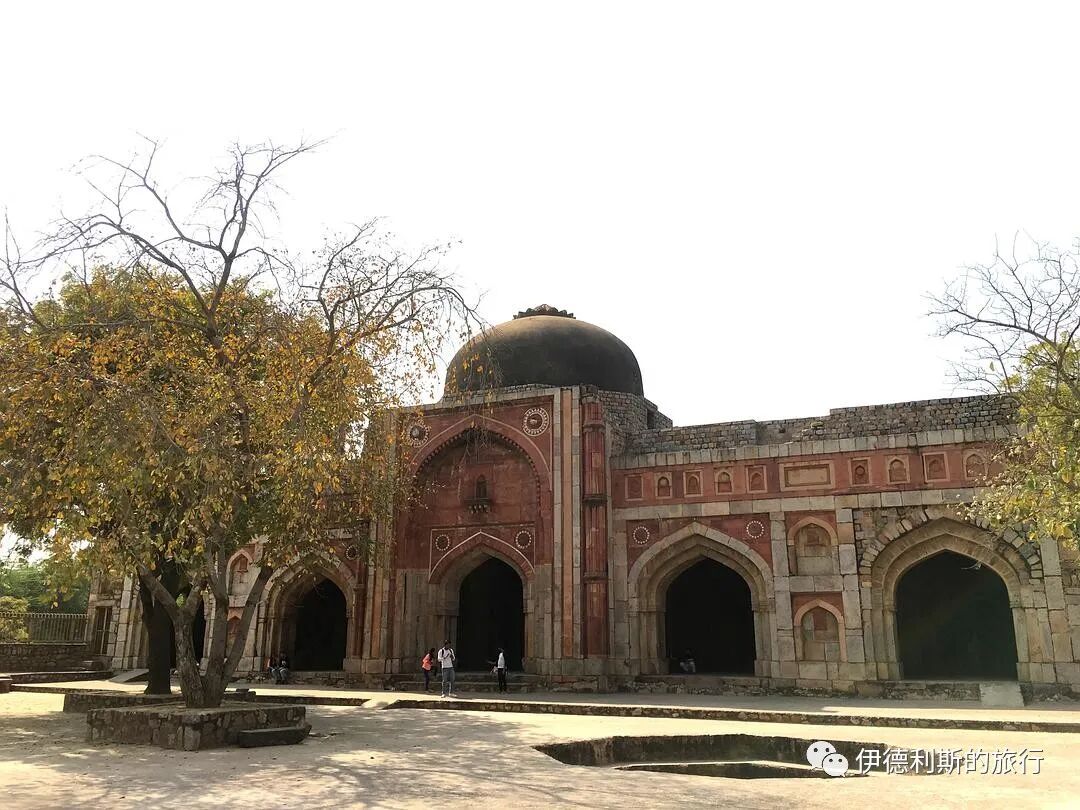
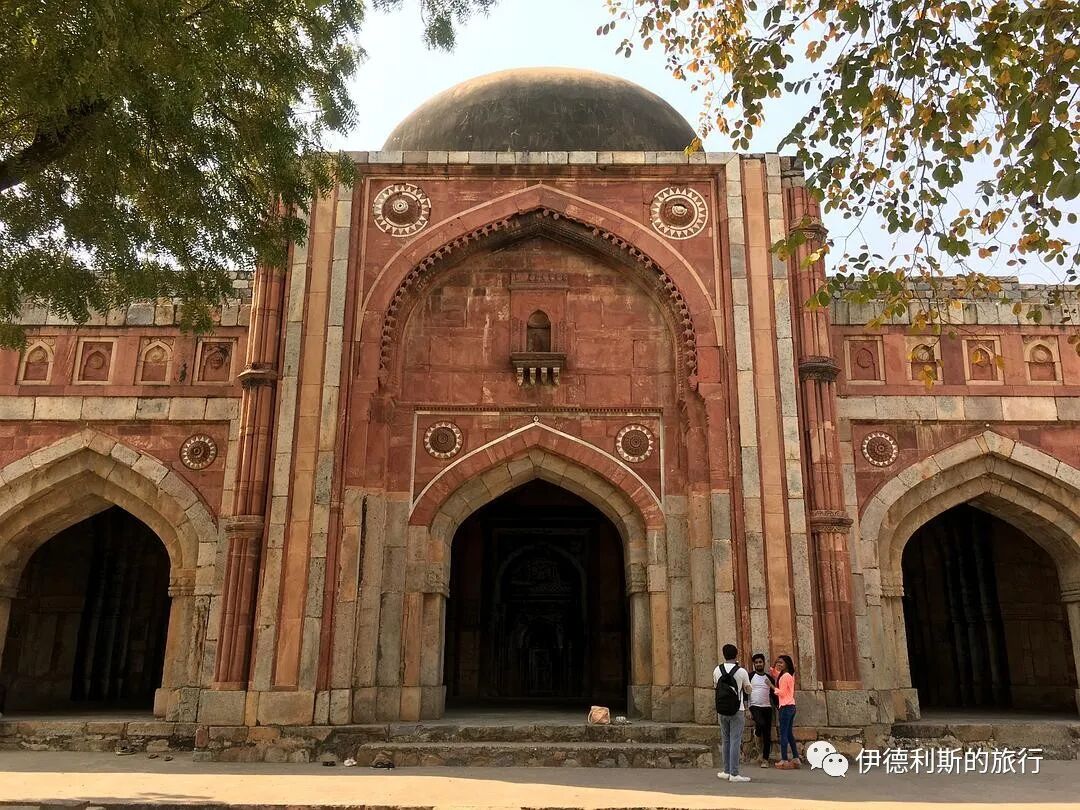
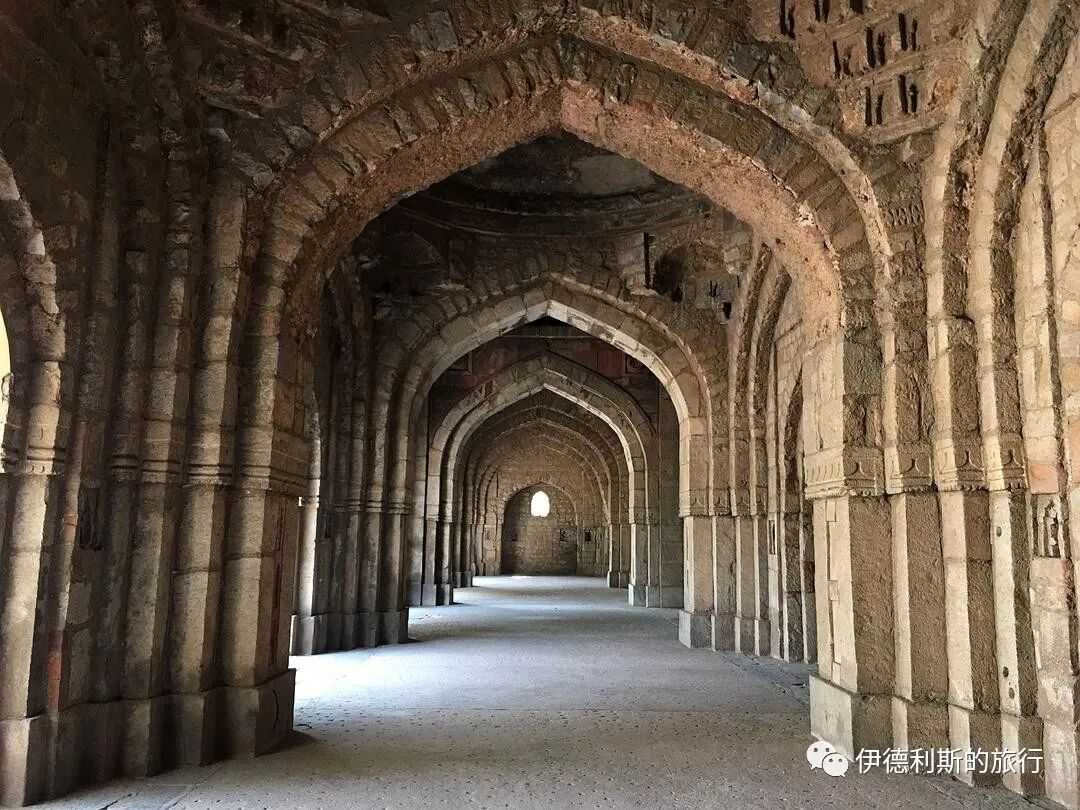
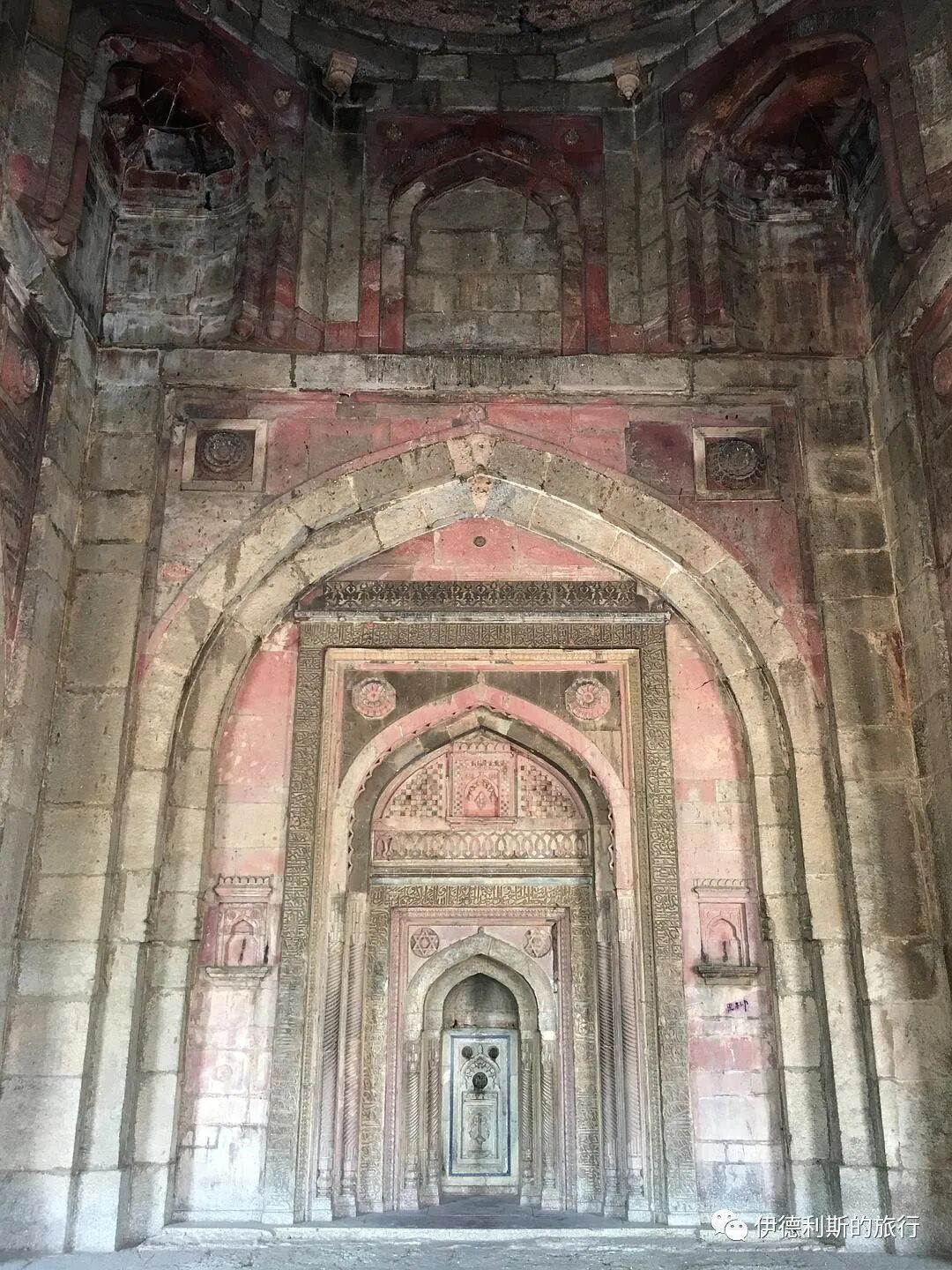
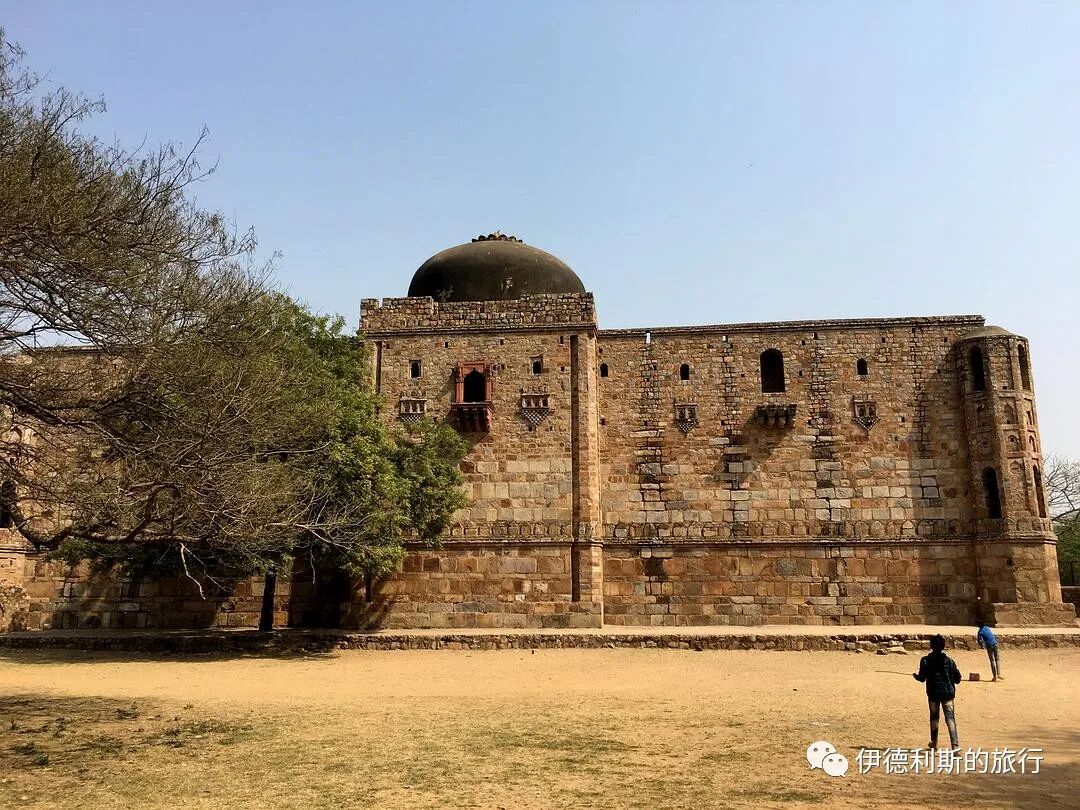
7. Sur Dynasty (1532-1556)
The Sur dynasty was founded by Afghan Pashtun Muslims. In 1540, Sher Shah Suri defeated the Mughal emperor Humayun, took over northern India from the Mughals, and made Delhi his capital.
1. Qila-i-Kuhna mosque: 1541
The Qila-i-Kuhna mosque is located inside the Old Fort (Purana Qila), which is the sixth city of Delhi. In 1540, after Sher Shah Suri of the Sur Empire defeated the Mughal emperor Humayun and took Delhi, he used the Old Fort (Purana Qila) as his palace. In 1541, he built the Qila-i-Kuhna mosque as his royal mosque.
Some scholars believe Humayun designed and started building the mosque, while Sher Shah finished it. Other scholars think the marble on the outer walls was added by the Mughal emperor Akbar, because these geometric patterns did not appear in Delhi before his time.
Overall, the mosque is a Lodi-style five-arch mosque, meaning it is made up of five arched entrances. However, many of its details show architectural styles from different eras. The interior decoration shows the style of the Tughlaq dynasty, while the arches feature the style of the Khalji dynasty, and the semi-dome shape reflects the Mughal dynasty style. It is arguably the mosque with the most diverse architectural styles in Delhi.
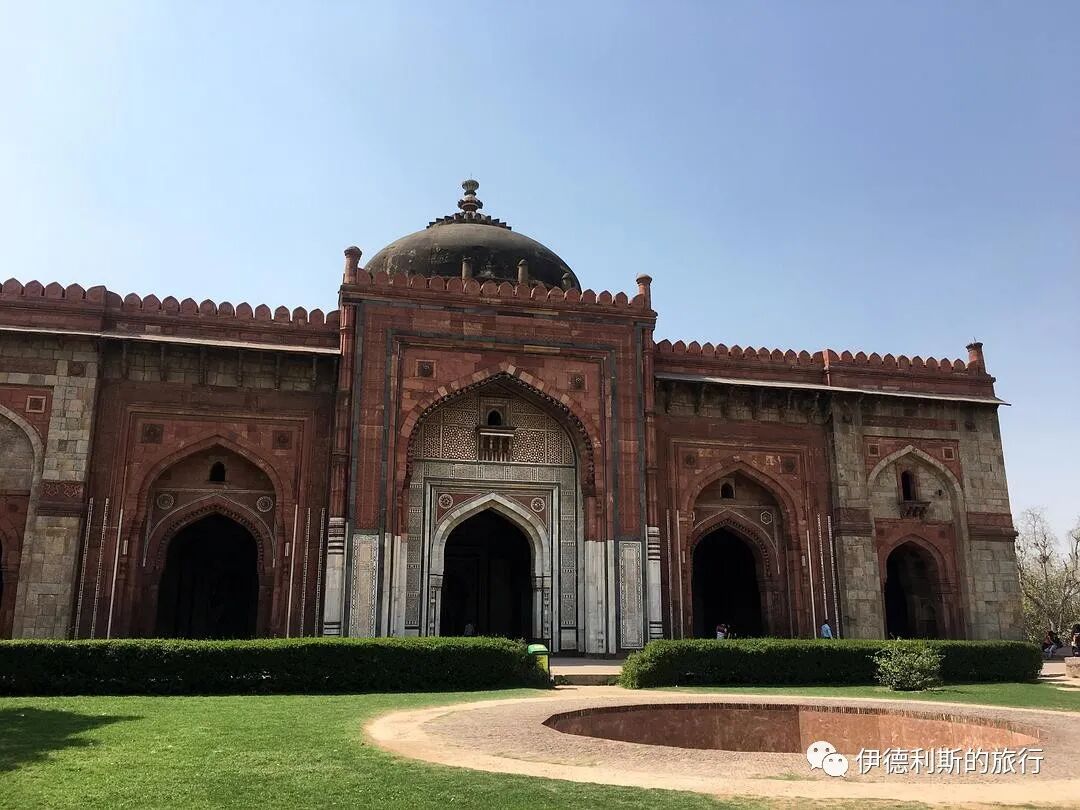
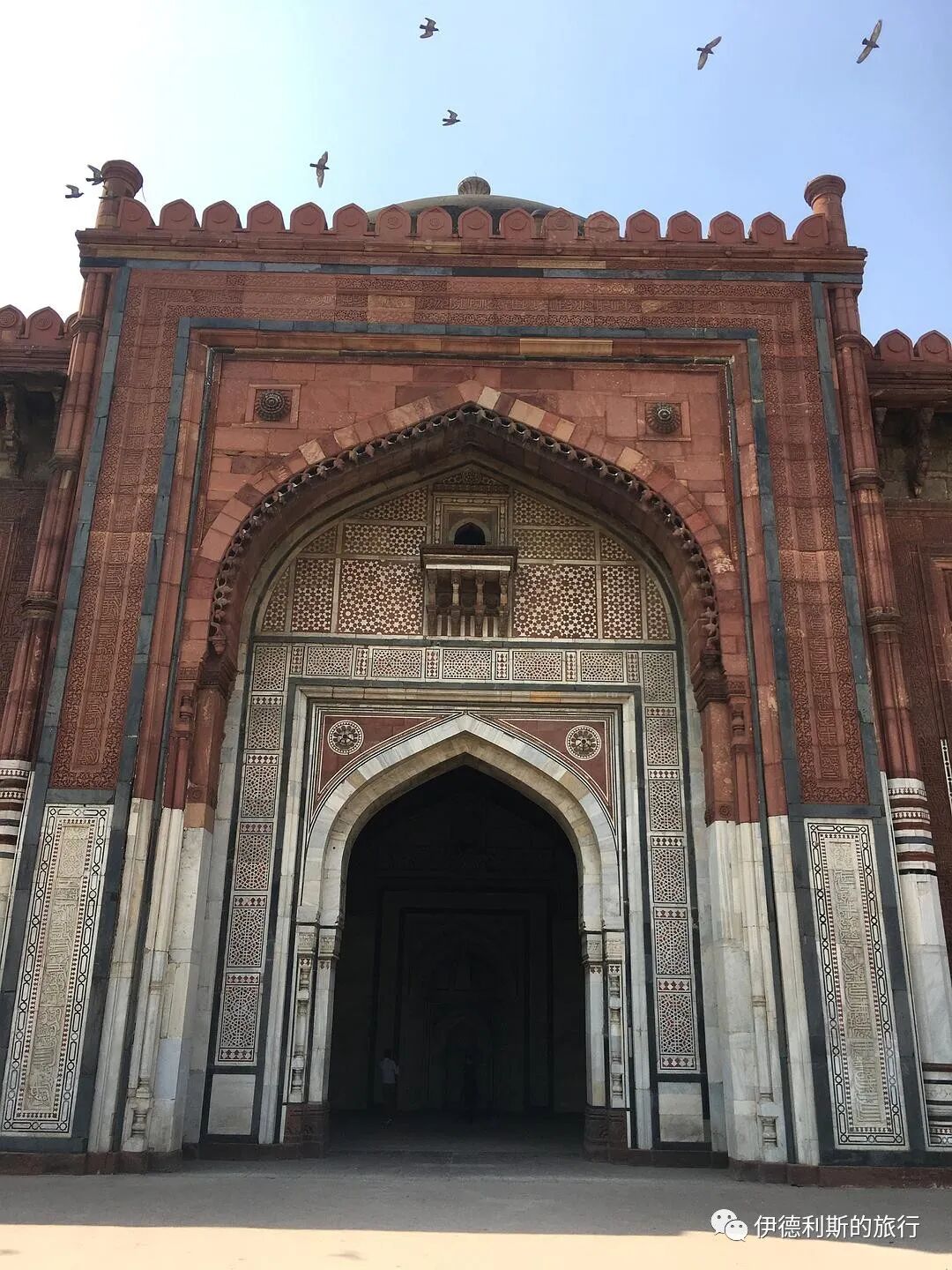
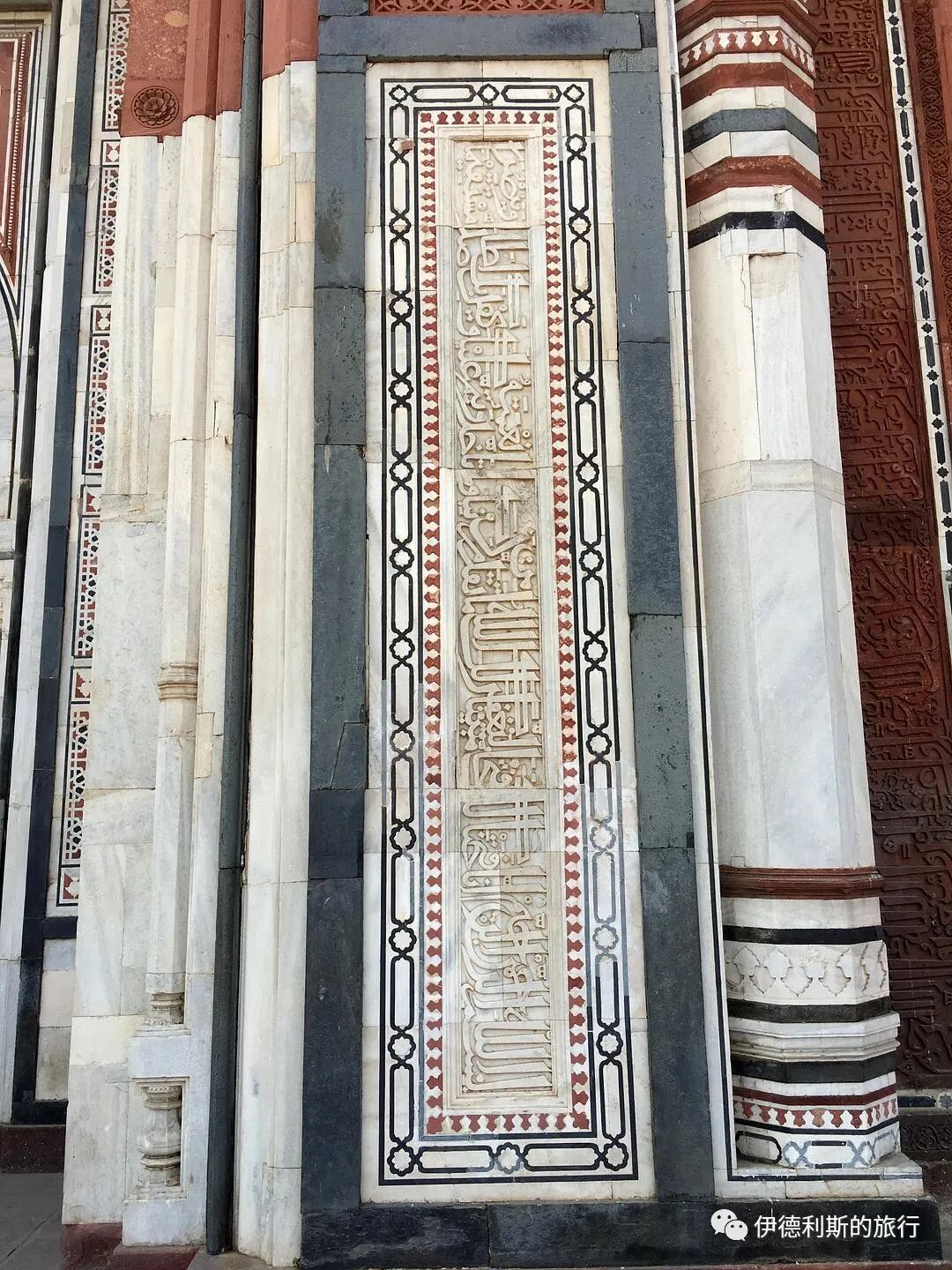
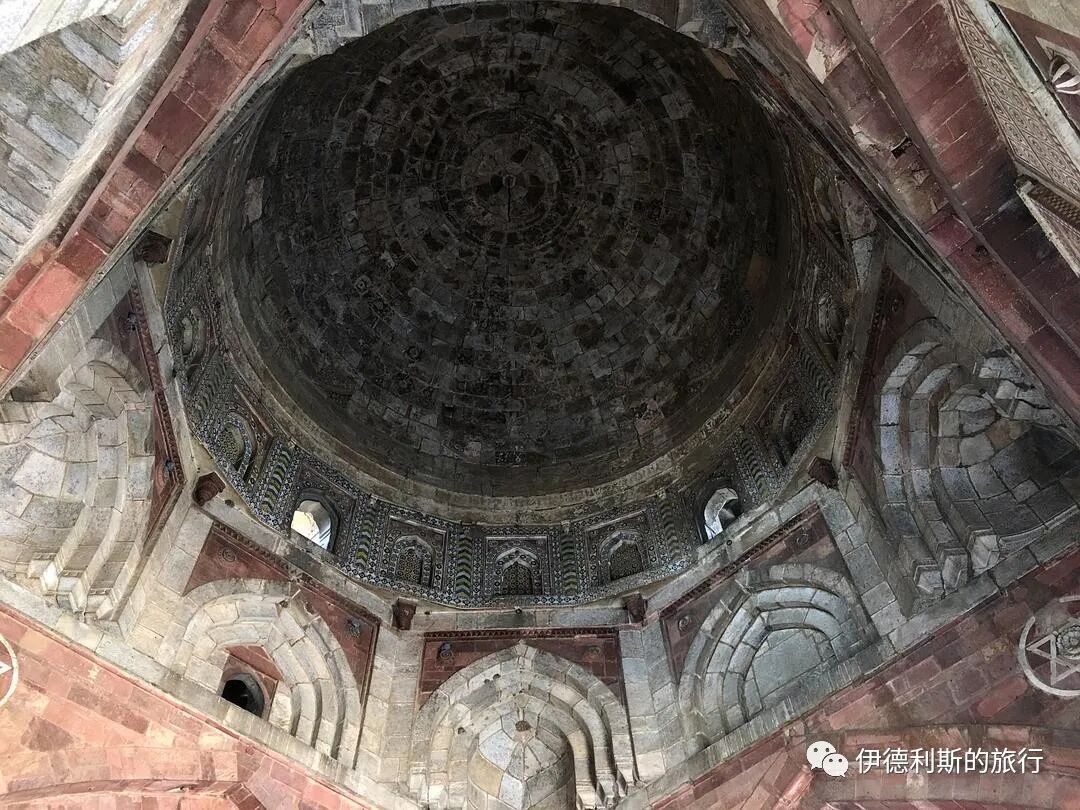
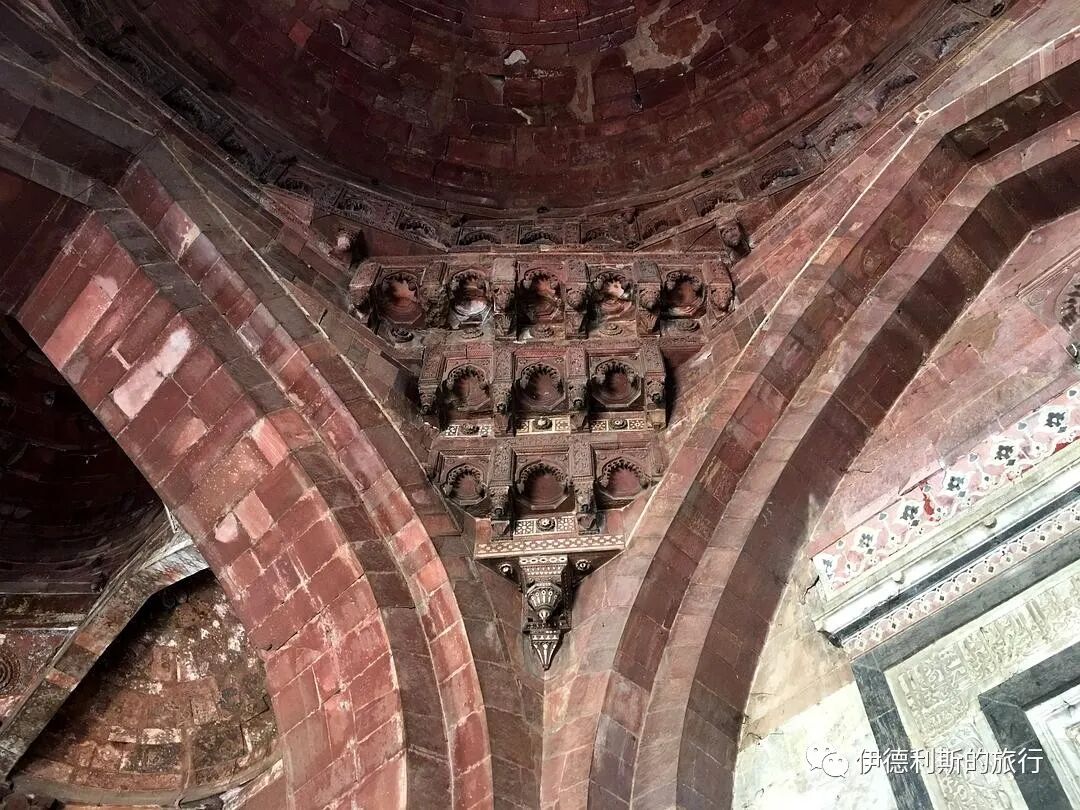
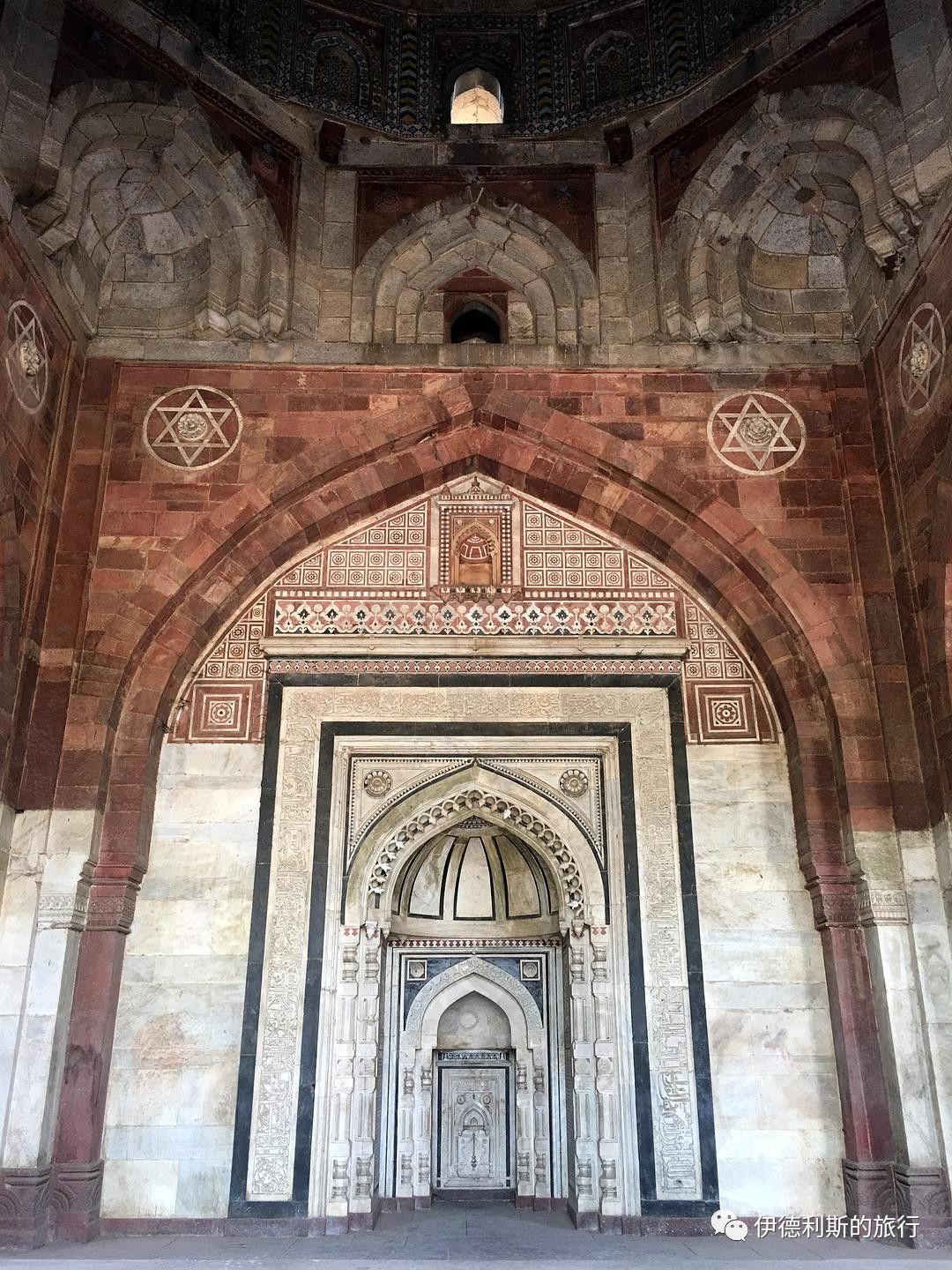
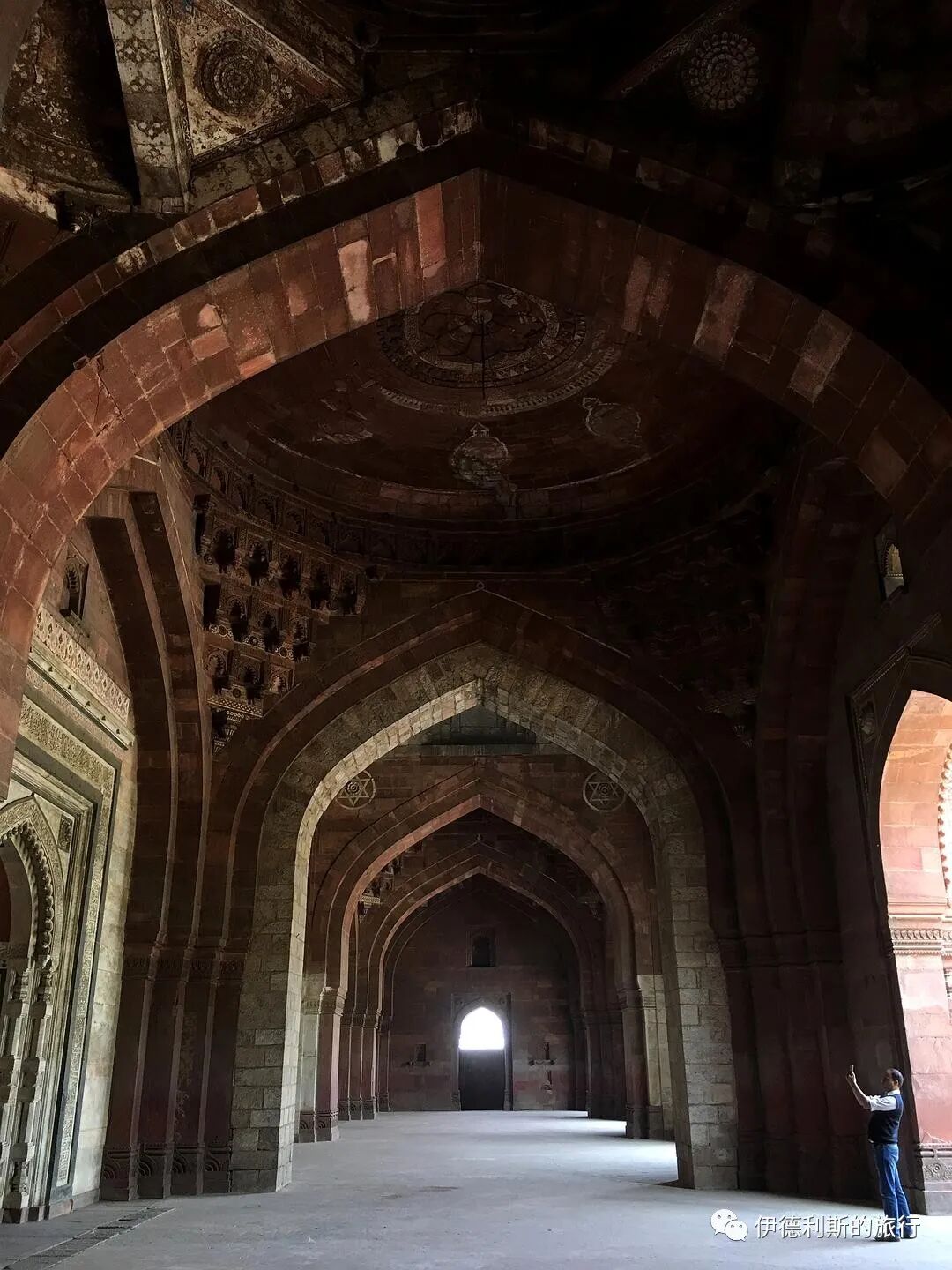
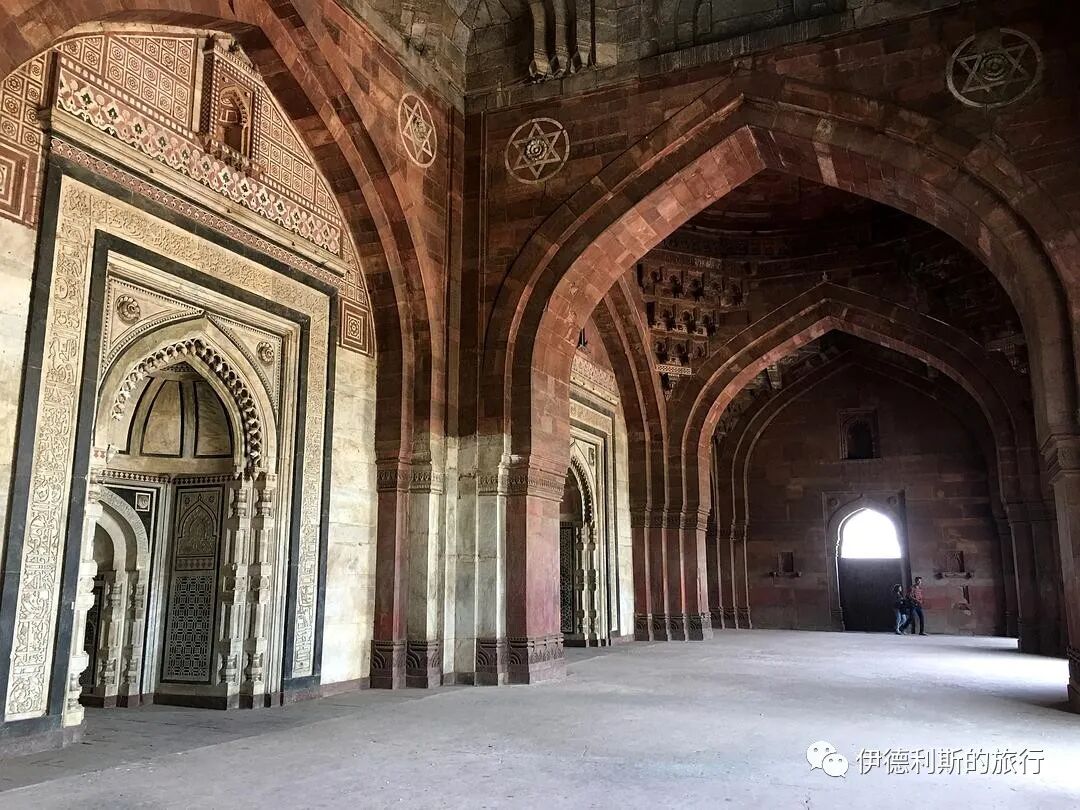
2. Salimgarh Fort mosque: 1546
Salimgarh Fort is located north of the Red Fort. It was built in 1546 by Salim Shah Suri (reigned 1545-1554), the son of the Suri dynasty ruler Sher Shah Suri.
During the reign of the Mughal emperor Aurangzeb (reigned 1658-1707), this fort became a prison, and in 1857, it was occupied by the British. Today, it is part of the Red Fort complex and was added to the UNESCO World Heritage list in 2007.
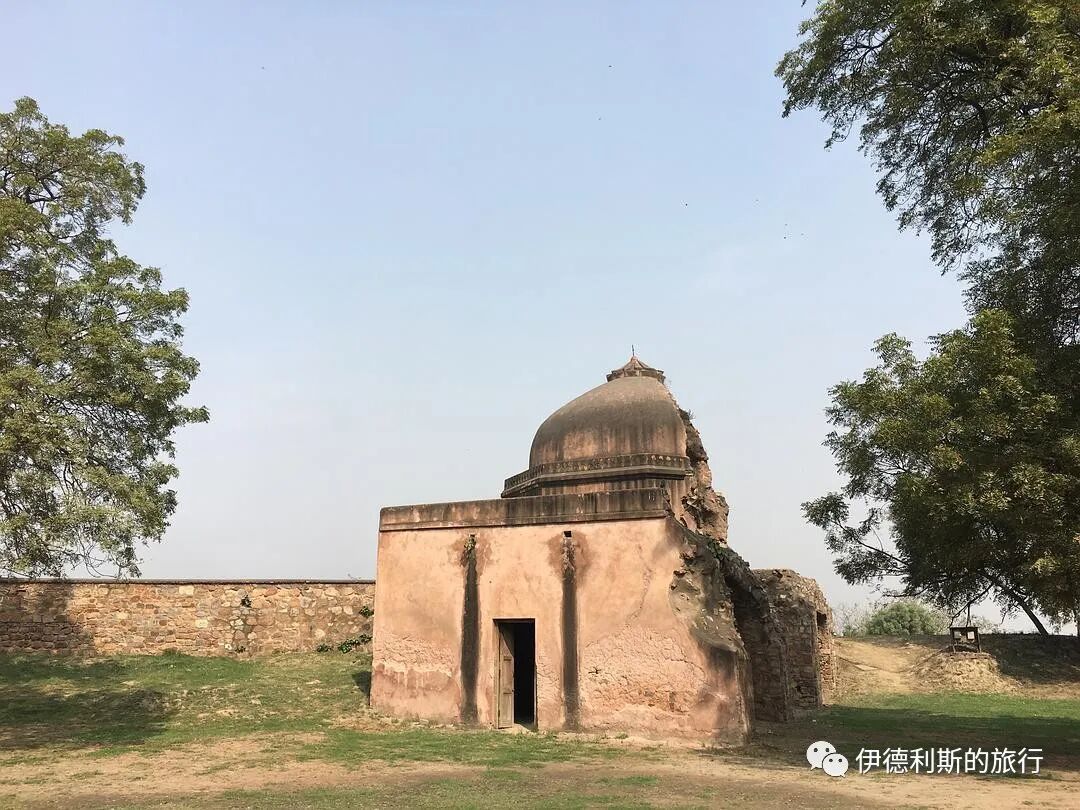
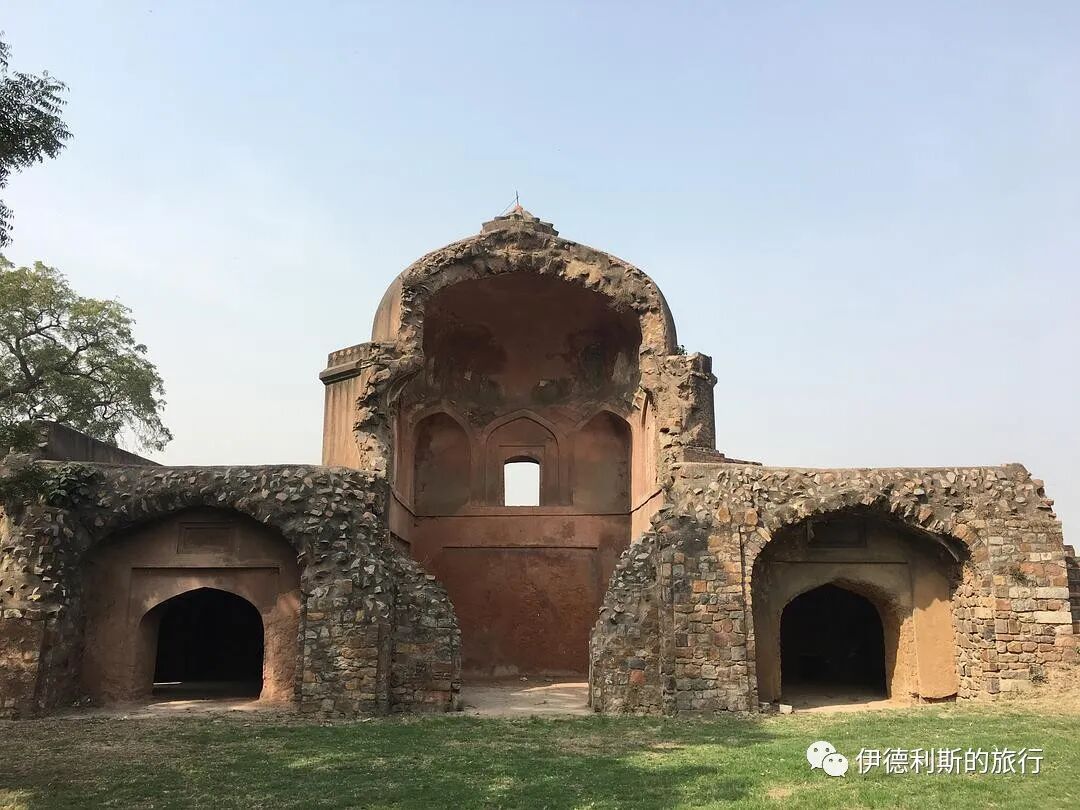
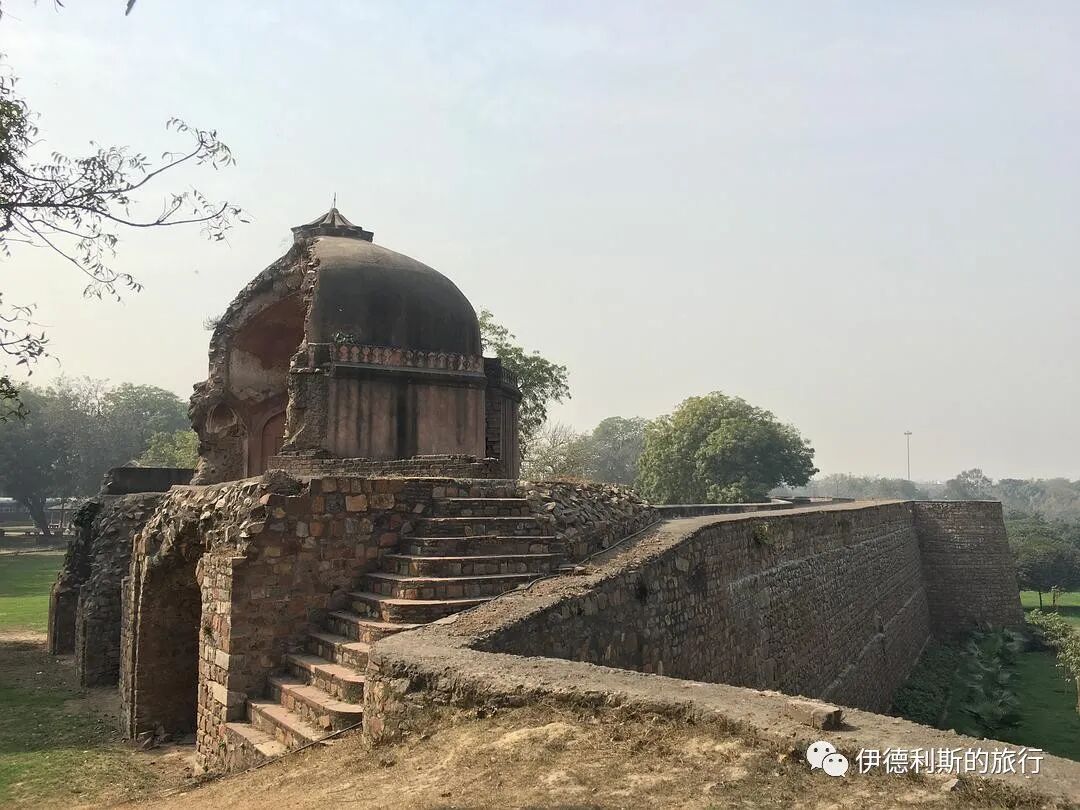
3. Isa Khan mosque: 1547
The Isa Khan Mosque is inside the Humayun's Tomb complex. It is a tomb mosque built for the Pashtun noble Isa Khan from the Sur Empire.
Isa Khan Niazi was born in 1453. Like the Sur royal family, he belonged to the Afghan Pashtun Lodi tribe. He fought many wars against the Mughal Empire and won in the end. In 1548, Isa Khan died in Delhi at the age of 95. Before he died, he built a tomb for himself and added a mosque right next to it.
The tomb of Isa Khan is considered the earliest in India to feature a sunken garden, a design later used in the Taj Mahal.
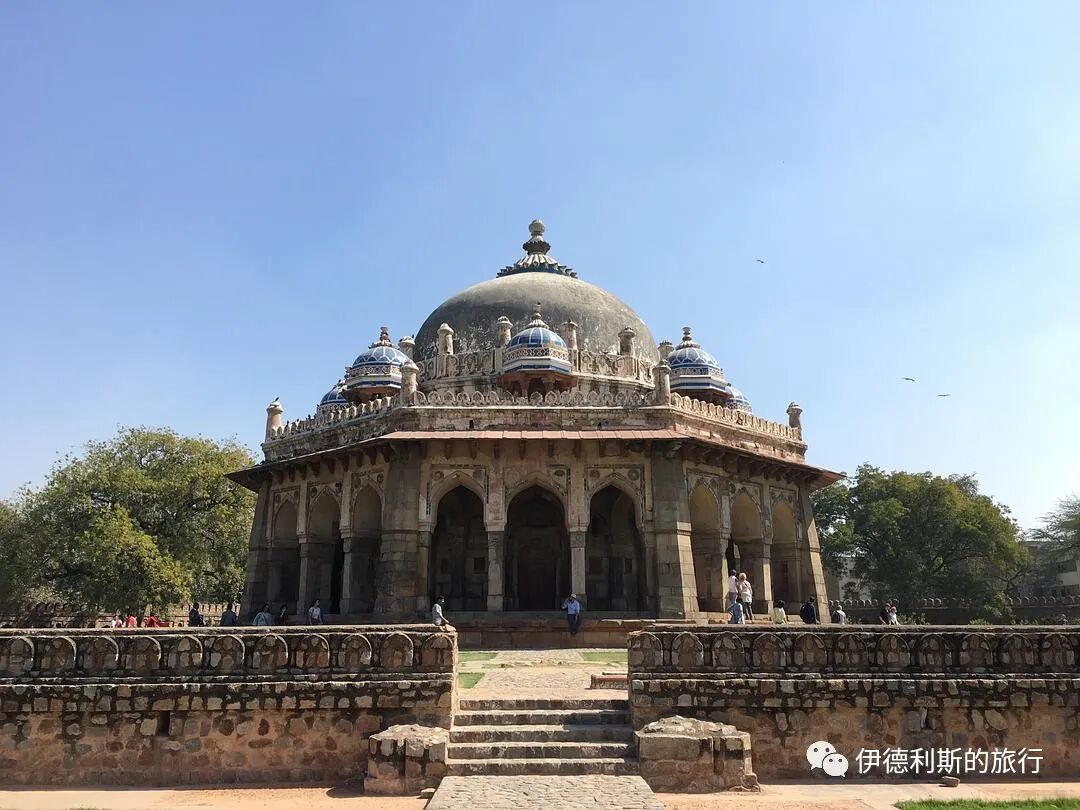
The Isa Khan mosque was built at the same time as the tomb. The mosque has a strong Afghan style, and some of its features were used in the later Humayun's Tomb.
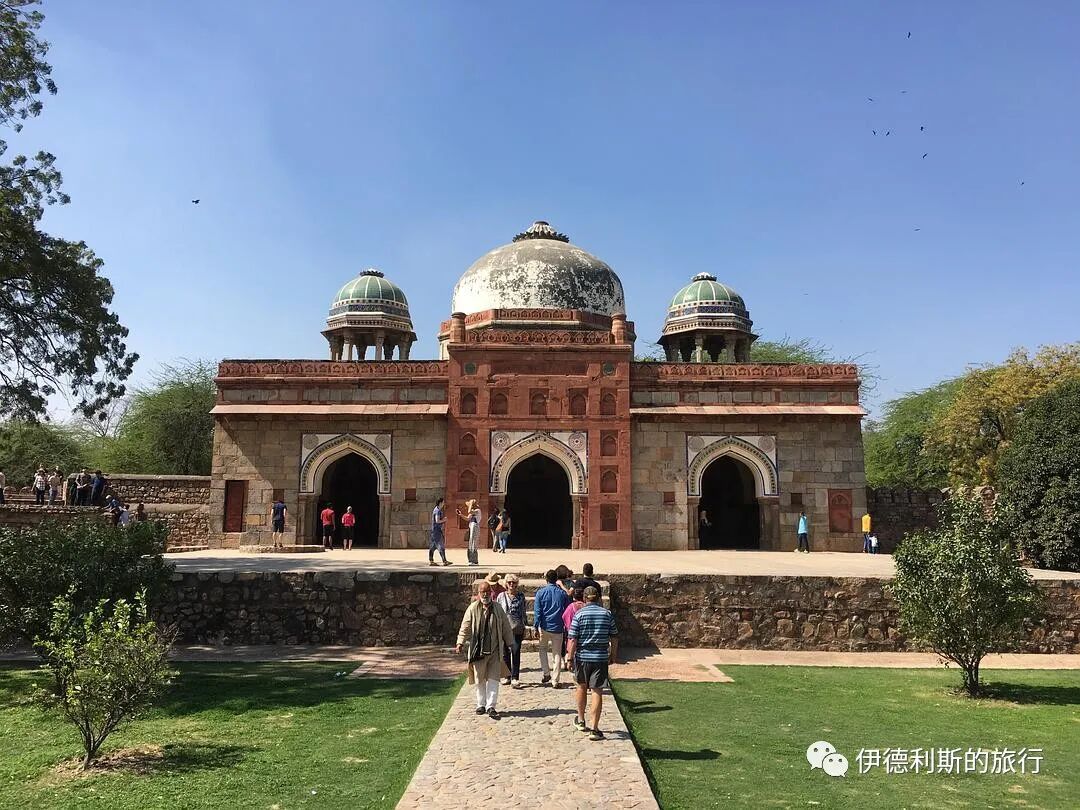
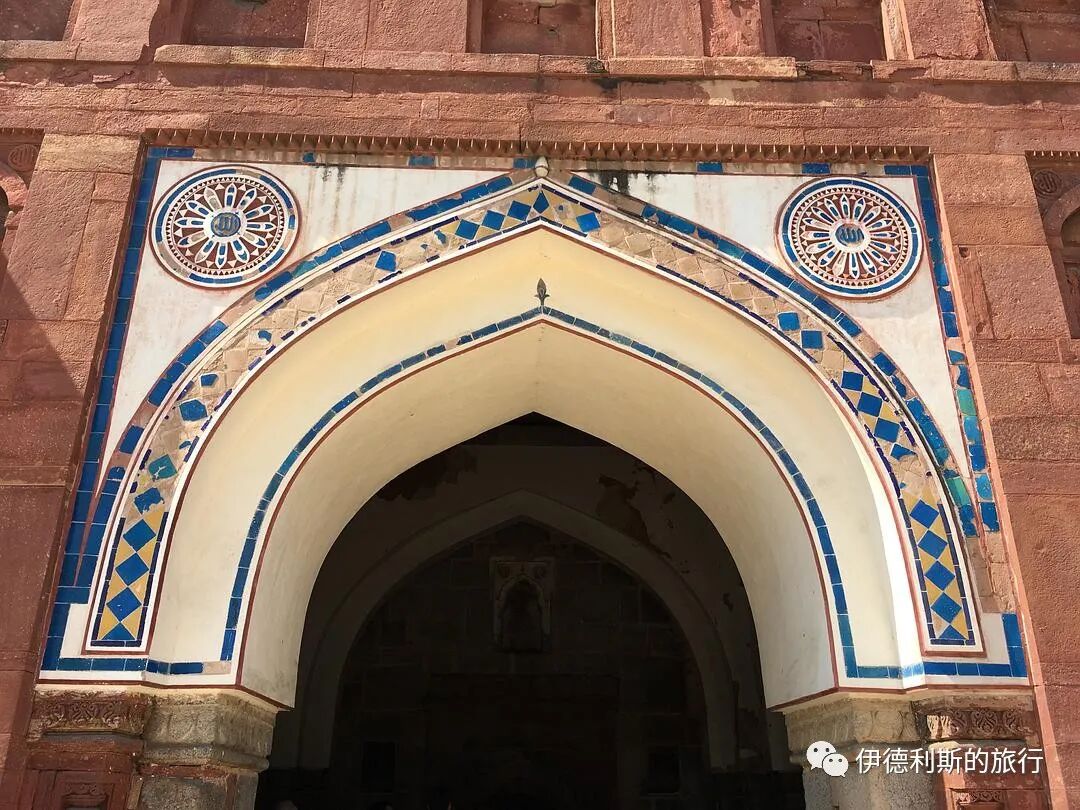
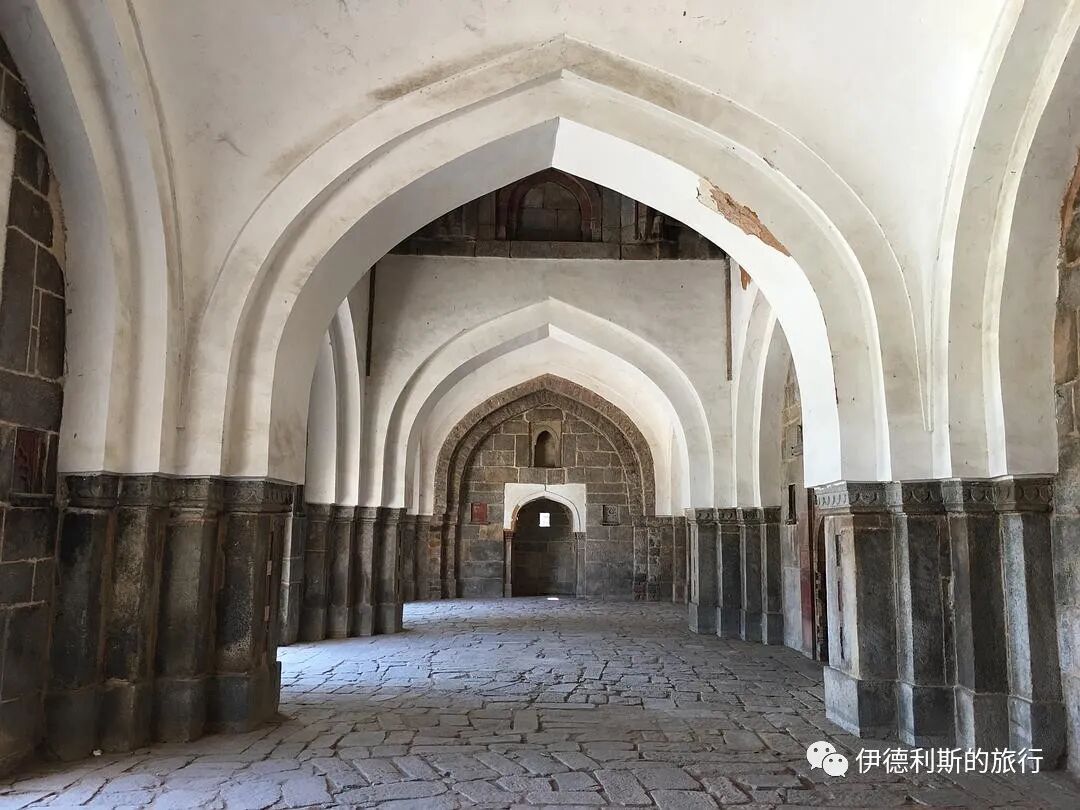
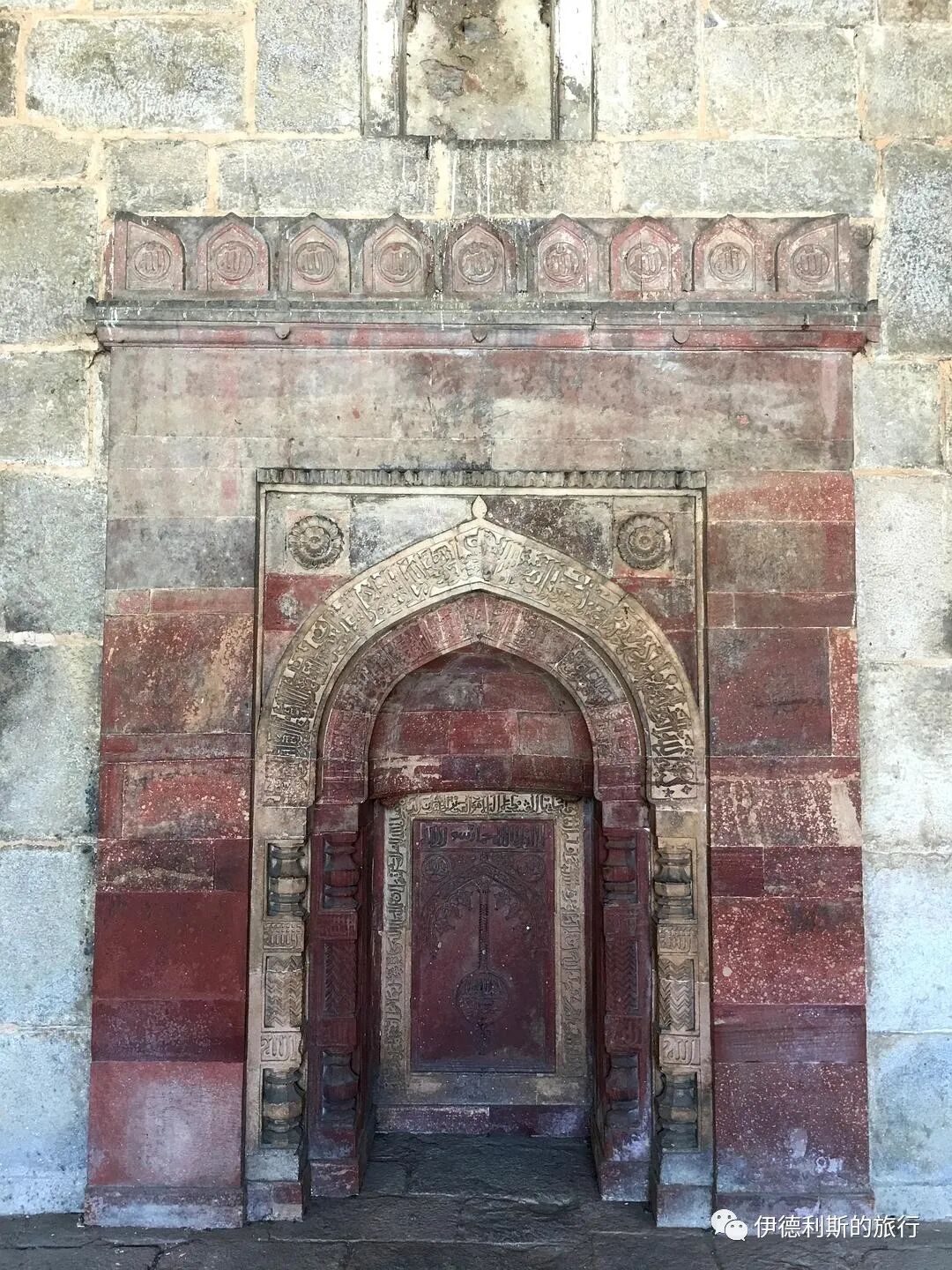
8. Late Mughal Empire (1555-1857)
In 1555, the Mughal emperor Humayun defeated the Sur Empire, recaptured Delhi, and restored Mughal rule in India.
1. Khairul Manazil mosque: 1561
The Khairul Manazil mosque sits across from the Purana Qila fort. It was built in 1561 by order of Maham Anga, the chief nurse to the Mughal Emperor Akbar and the person who actually held power in the Mughal Empire from 1560 to 1562.
The Persian calligraphy in marble above the main gate was written by Maulana Shihabuddin Ahmad Khan, a historian and poet in Emperor Akbar's court who used the pen name Baazil.
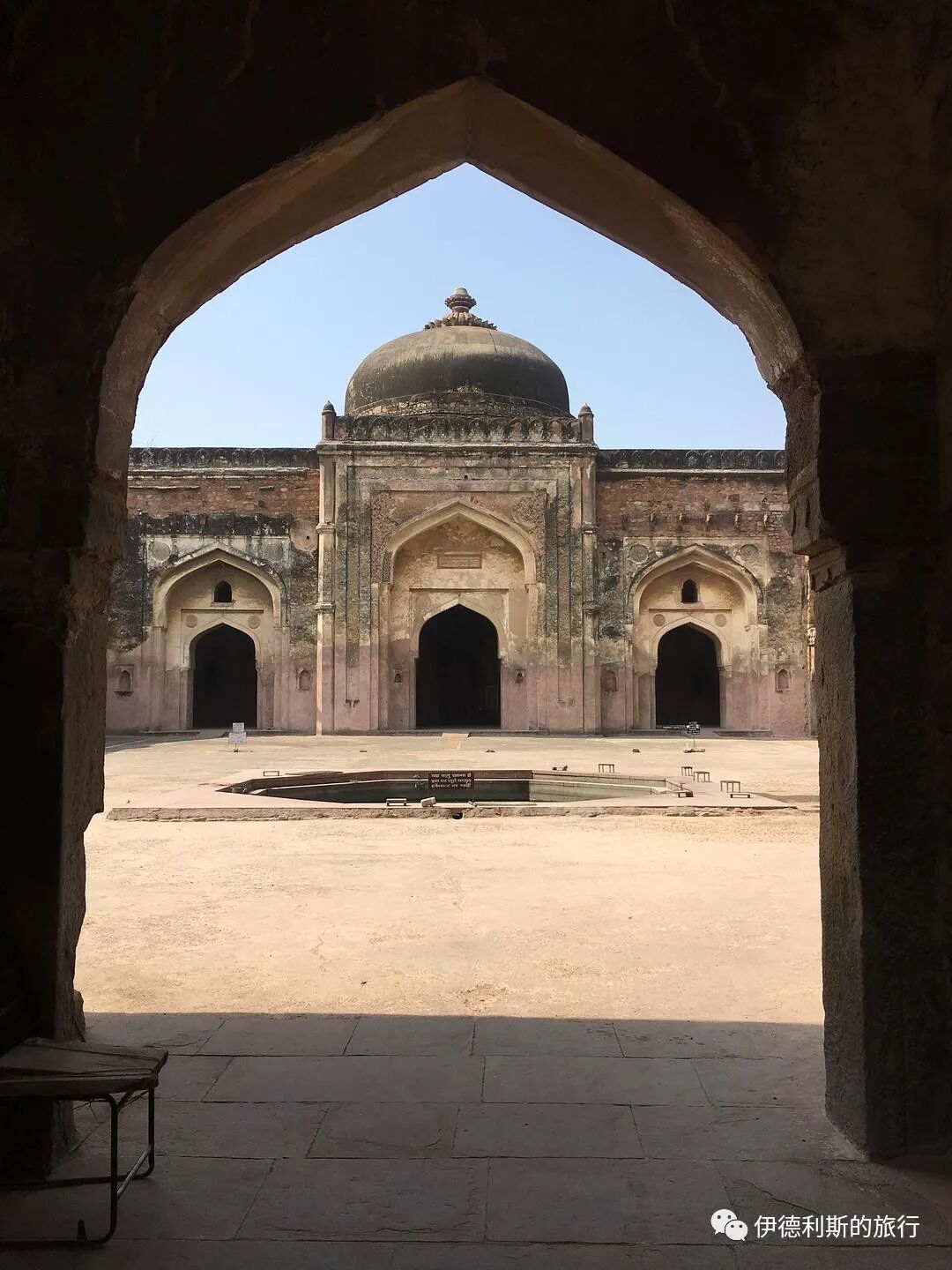
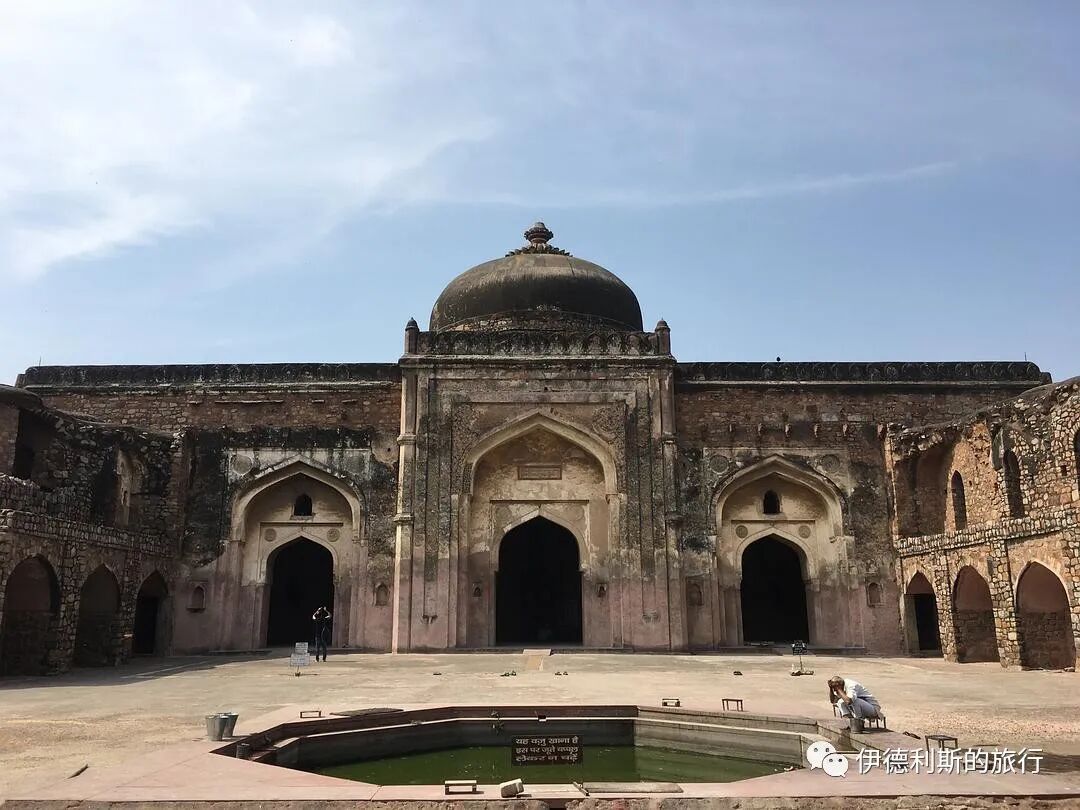
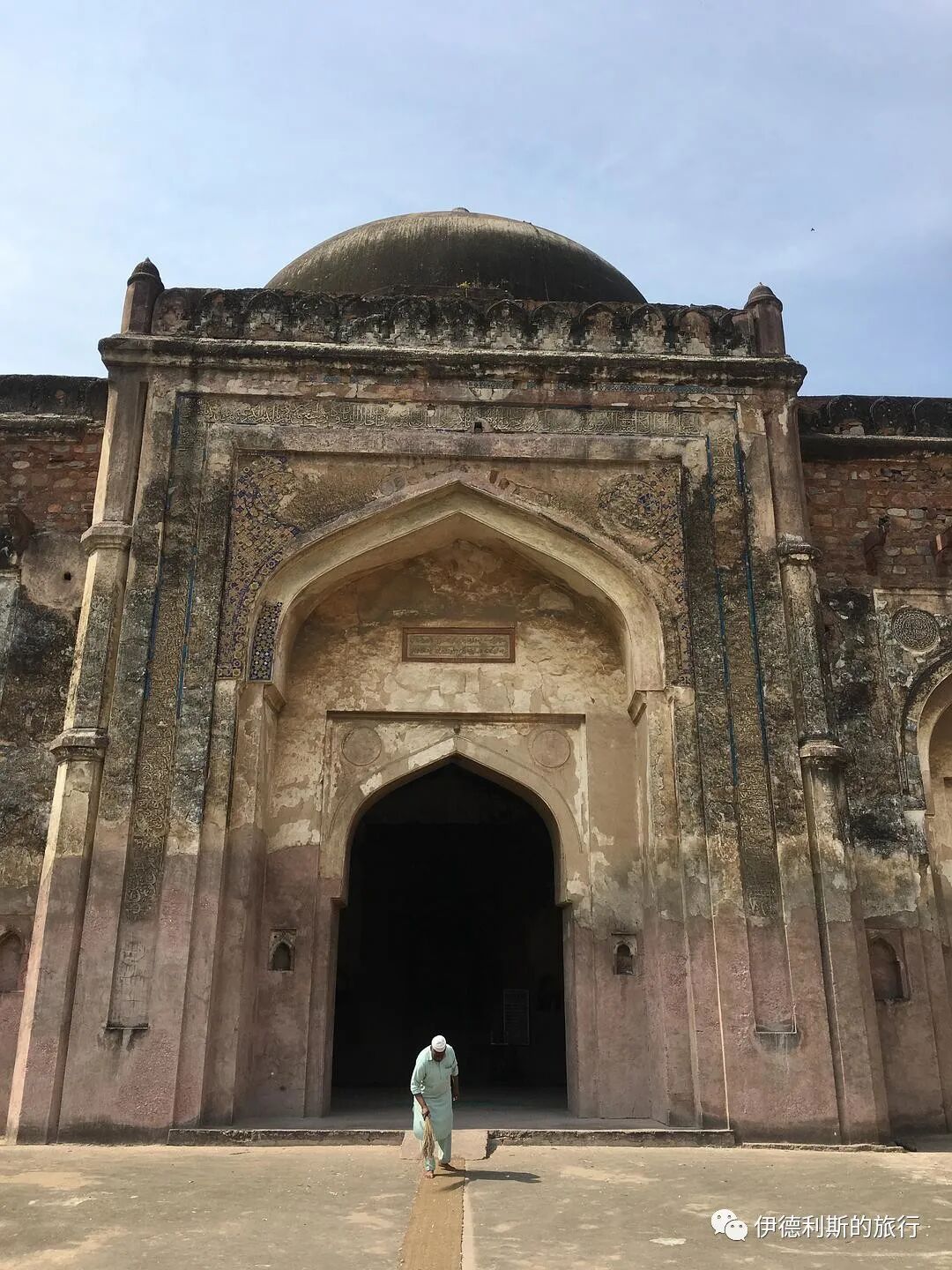
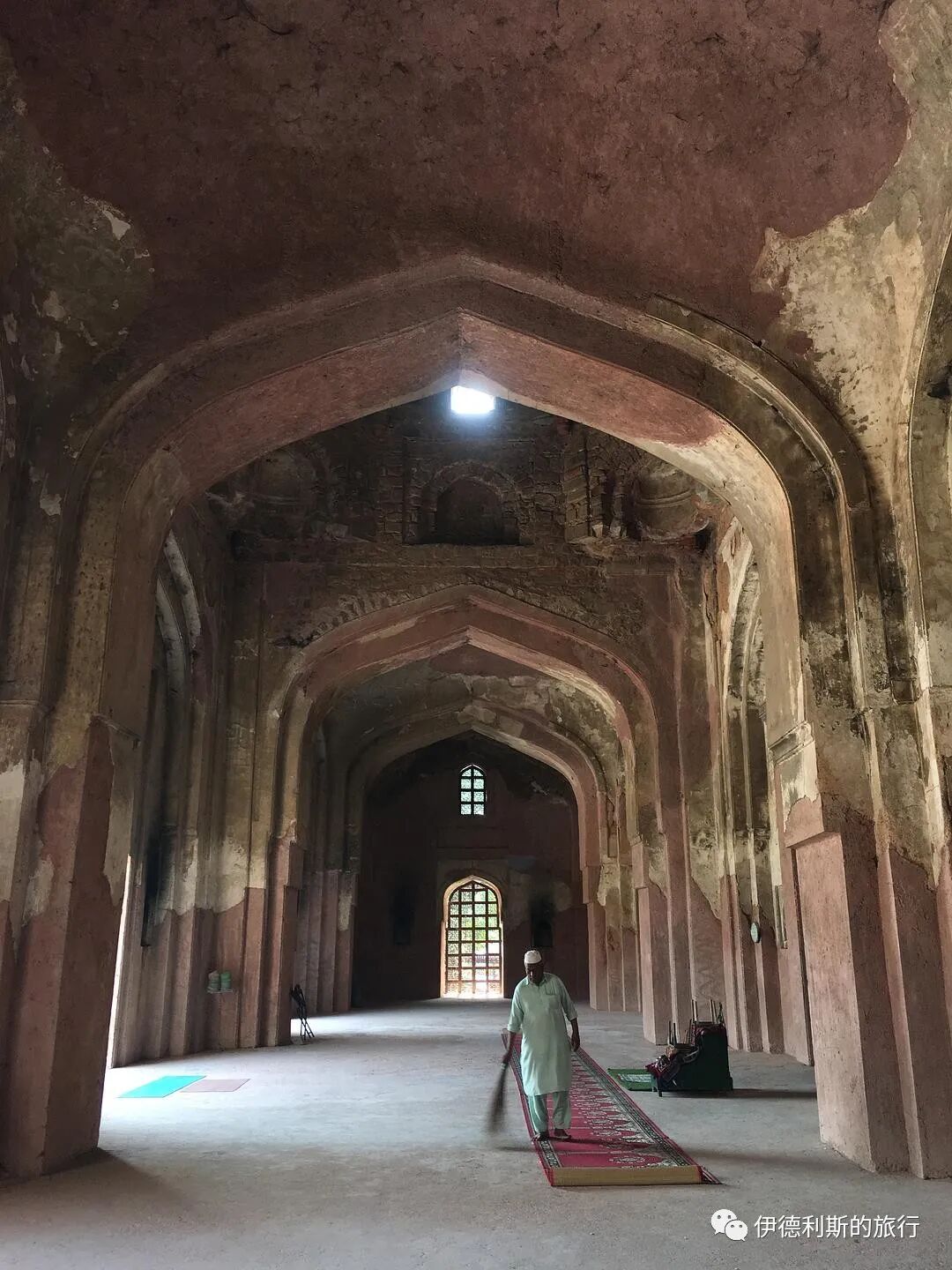
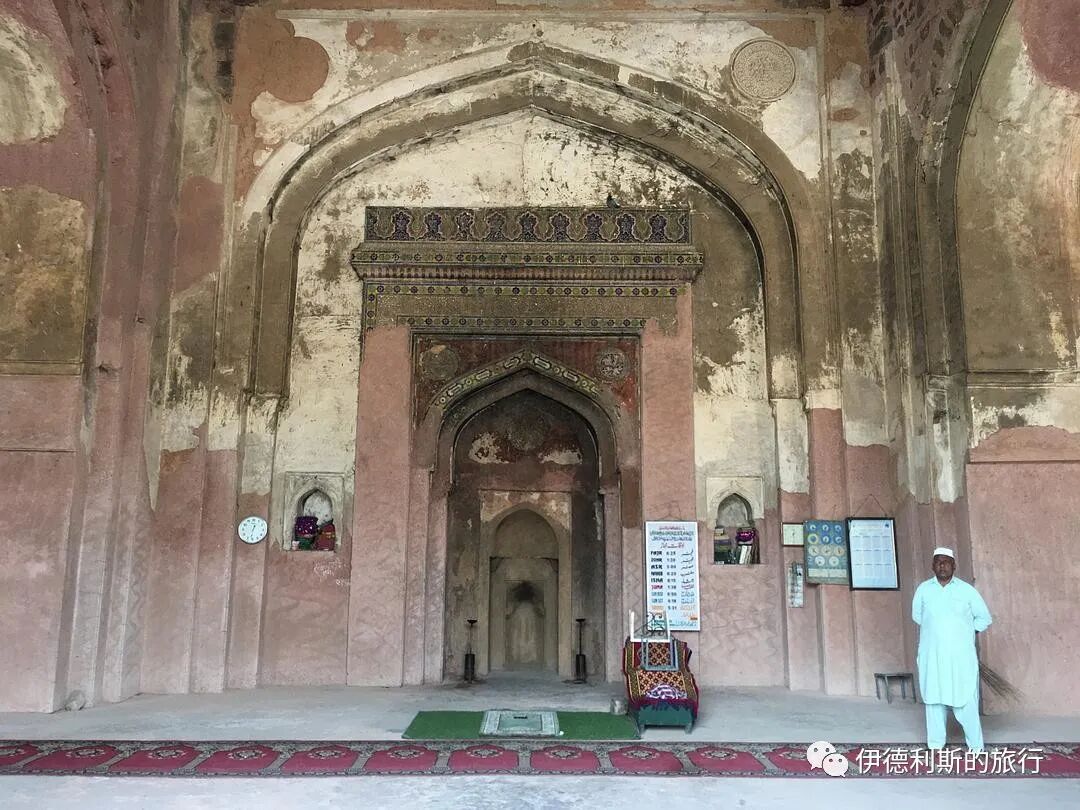
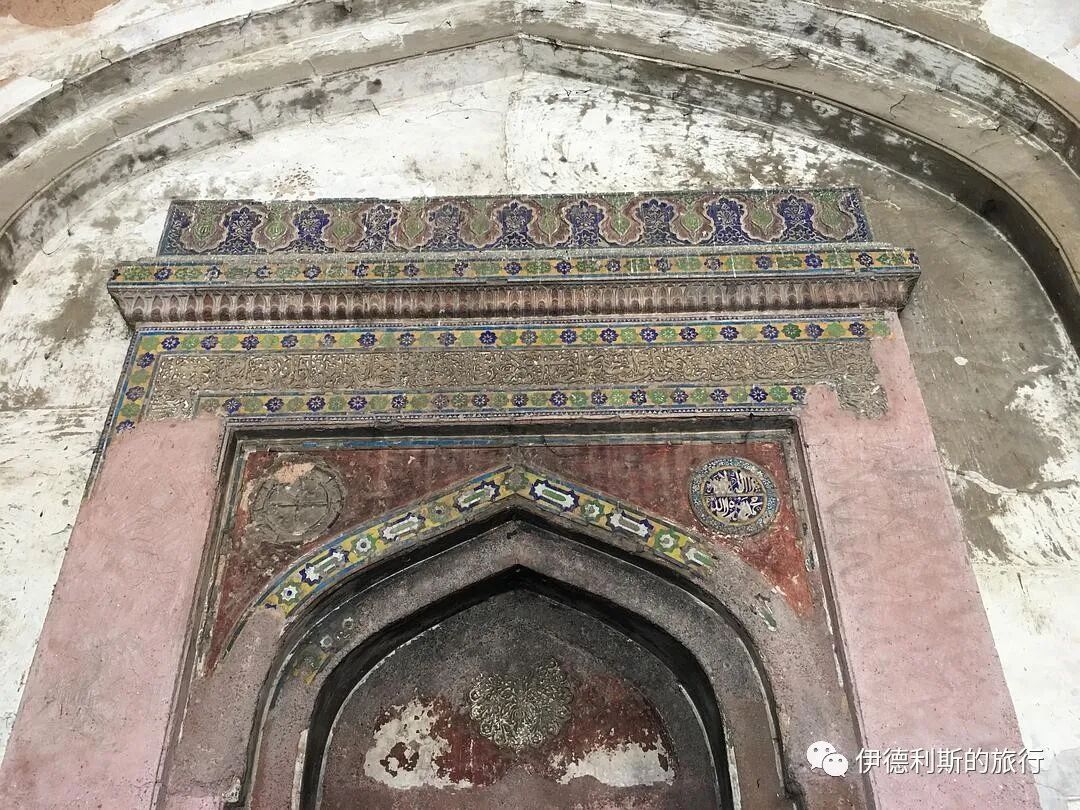
2. Afsarwala mosque: 1566
The Afsarwala mosque is located southwest of Humayun's Tomb. Built between 1566 and 1567, it serves as a tomb mosque for an official from the court of the Mughal Emperor Akbar. The word Afsar means official in Hindi.
The tomb is on the left, and the mosque is on the right.
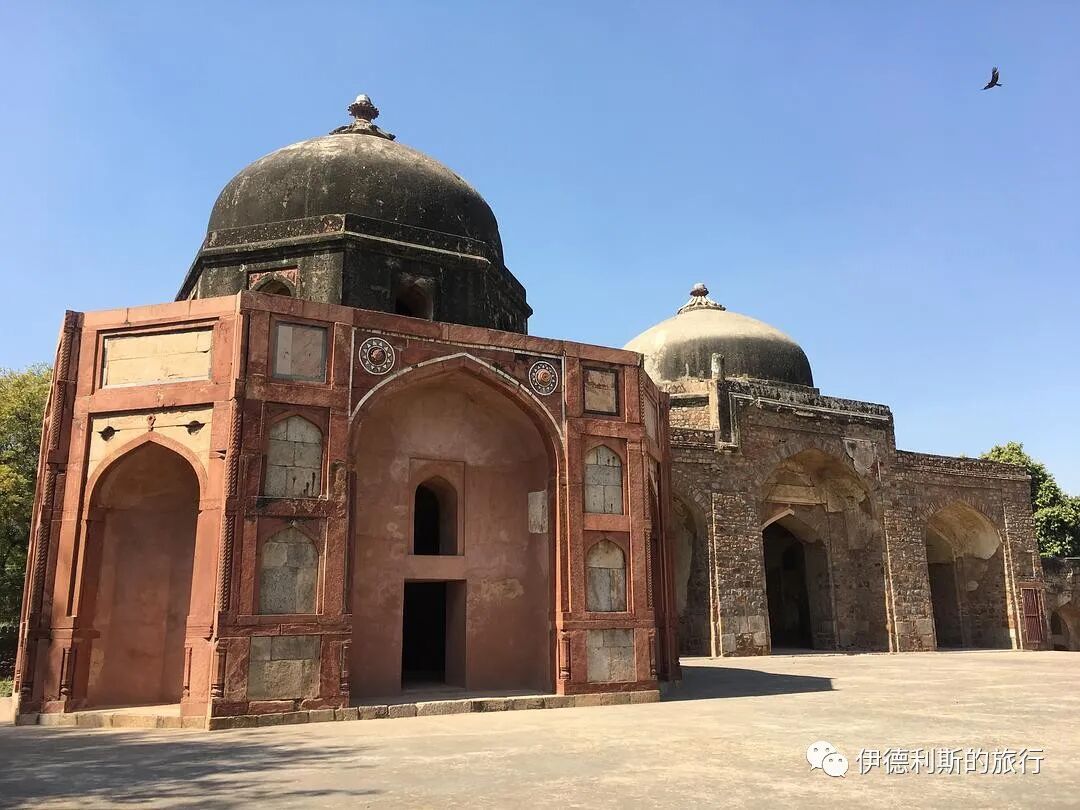
Mosque
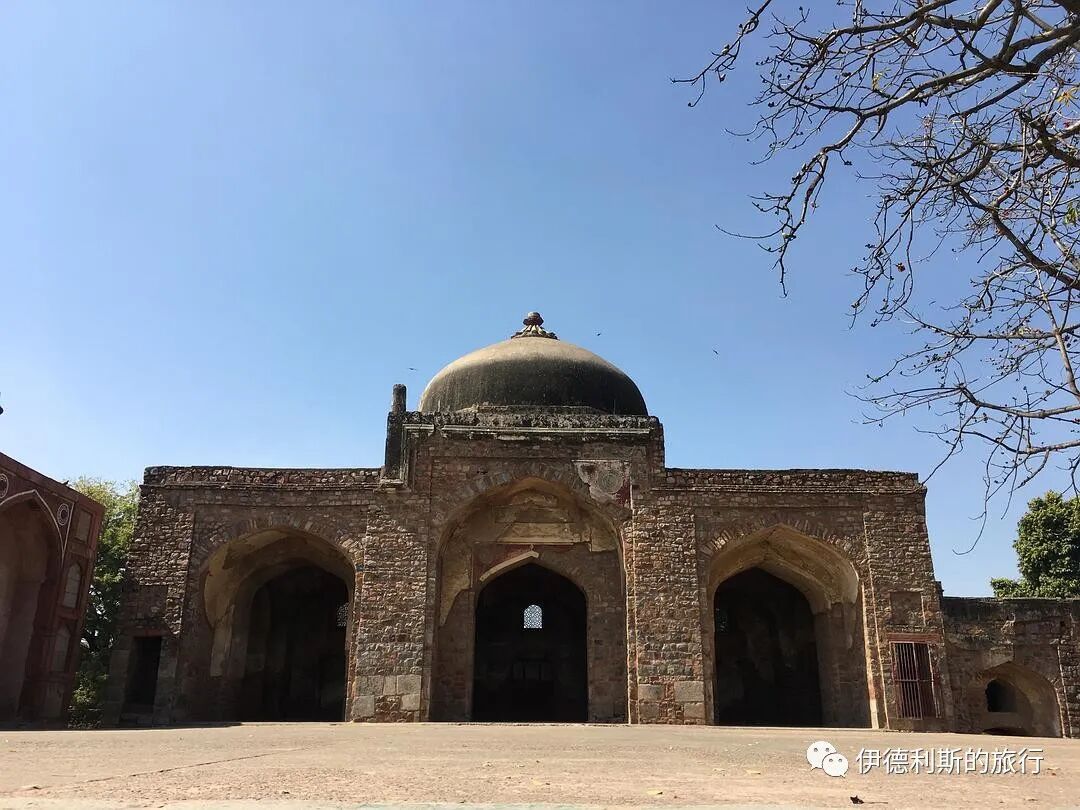
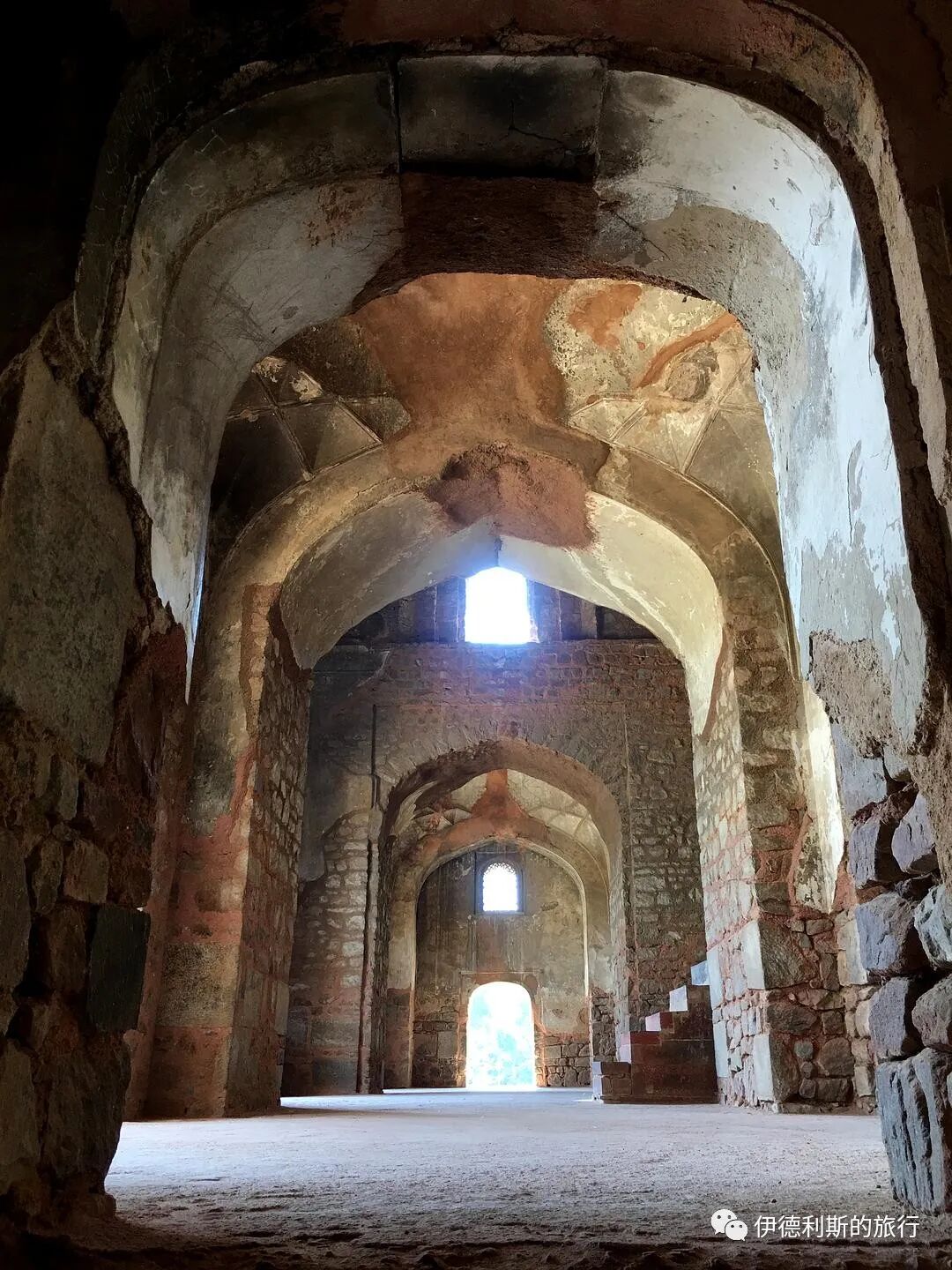
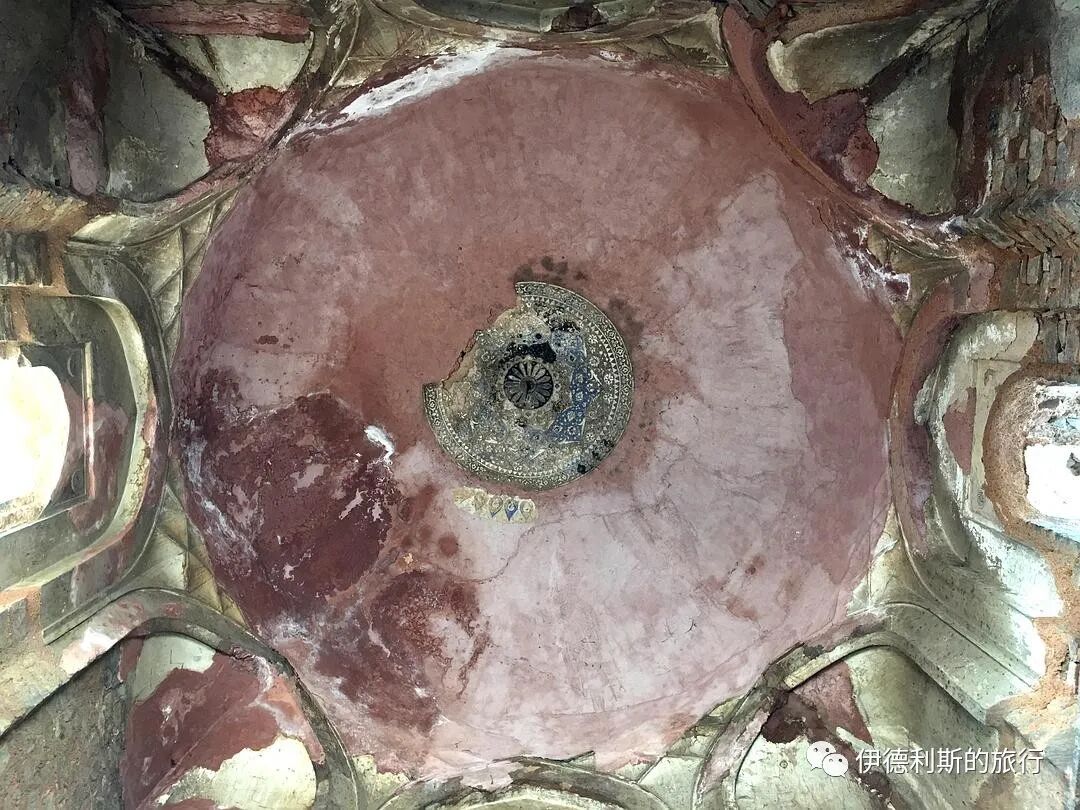
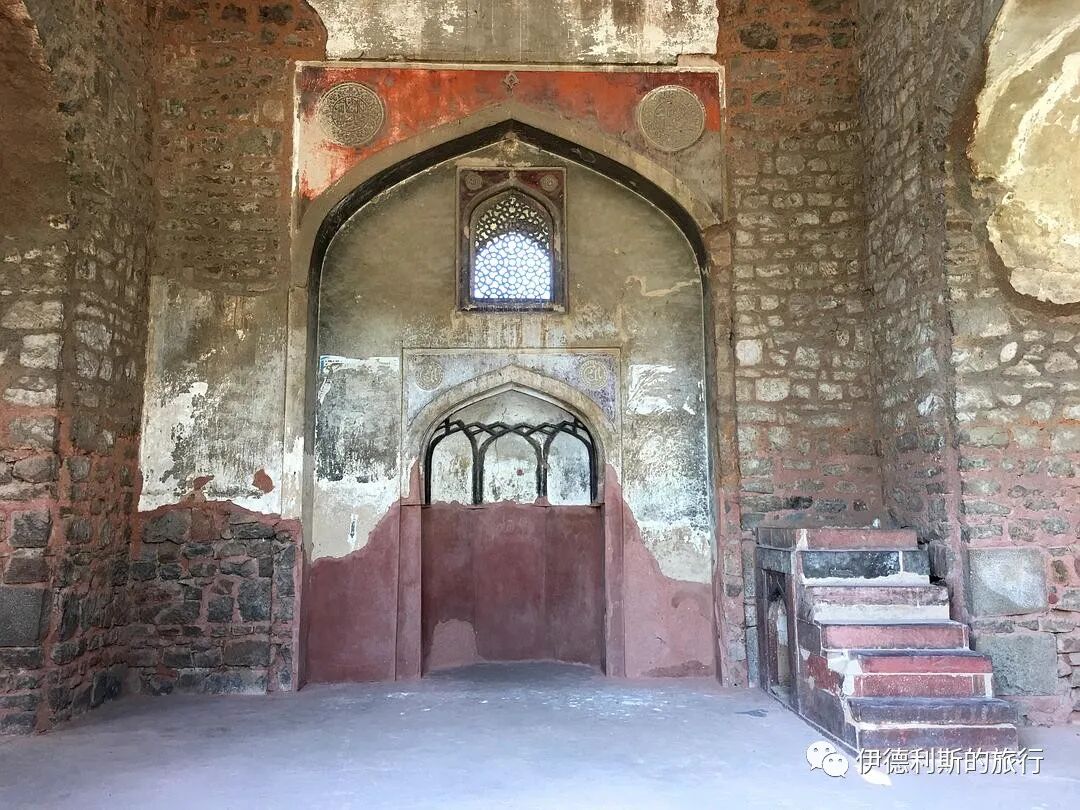
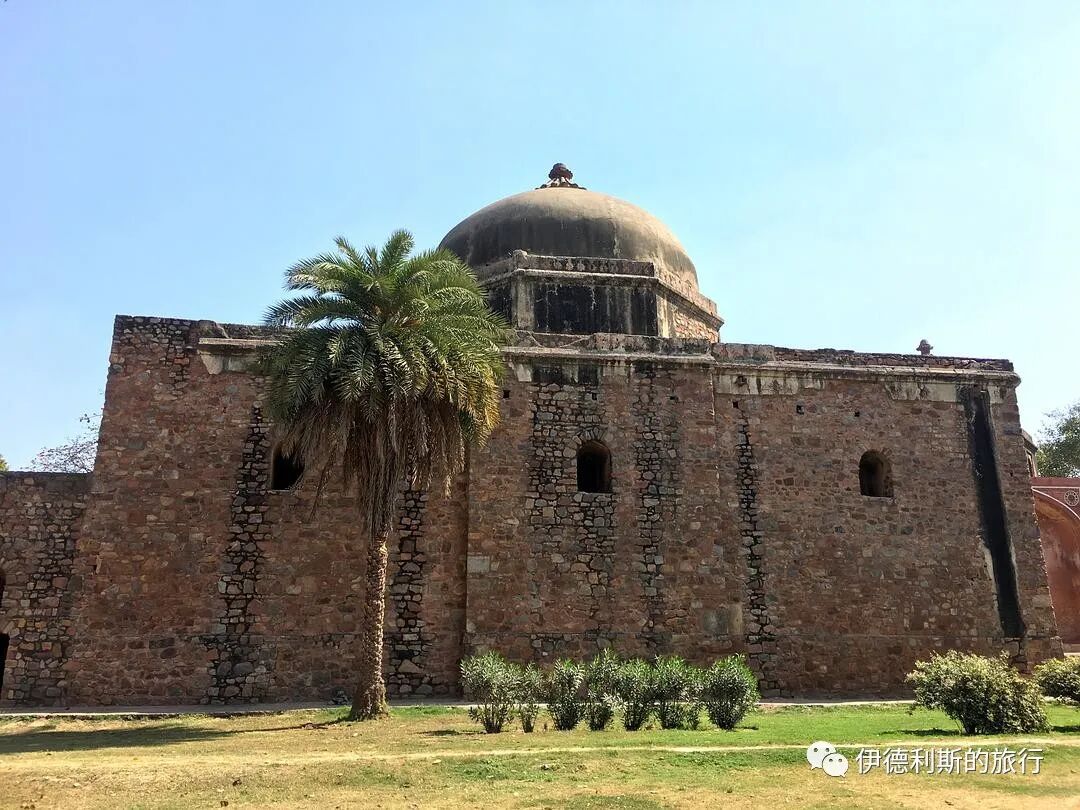
3. Jama mosque: 1650-1656
Jama Mosque is in Shahjahanabad, the seventh city of Delhi, also known as Old Delhi. It was once the main Friday mosque for the Mughal Empire.
The Mughal emperor Shah Jahan, who also built the Taj Mahal, ordered the construction of Jama Mosque between 1650 and 1656. In 1638, before this, Shah Jahan decided to move his capital from Agra, where the Taj Mahal is, to Delhi. He immediately started building a city named after himself, Shahjahanabad, in the north of Delhi. The Jama Mosque was a key part of this city.
Shah Jahan’s prime minister (wazir), Saadullah Khan, led more than 5,000 workers to build the Jama Mosque. It cost over 1 million rupees.
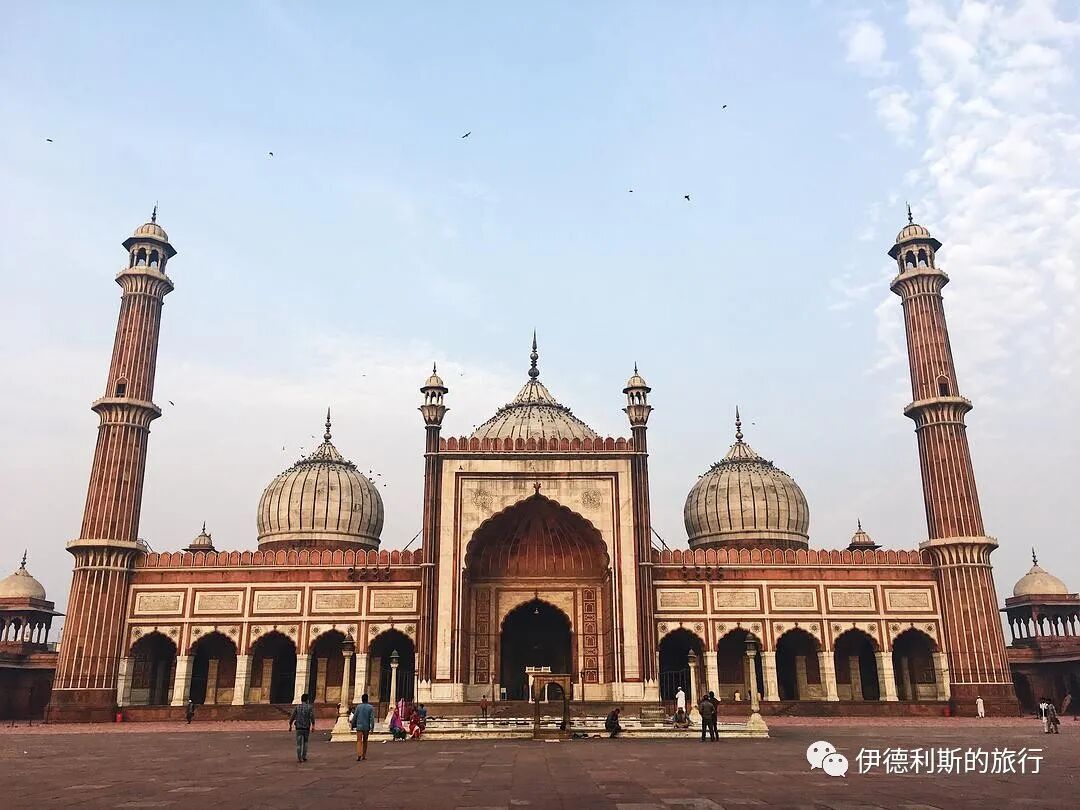
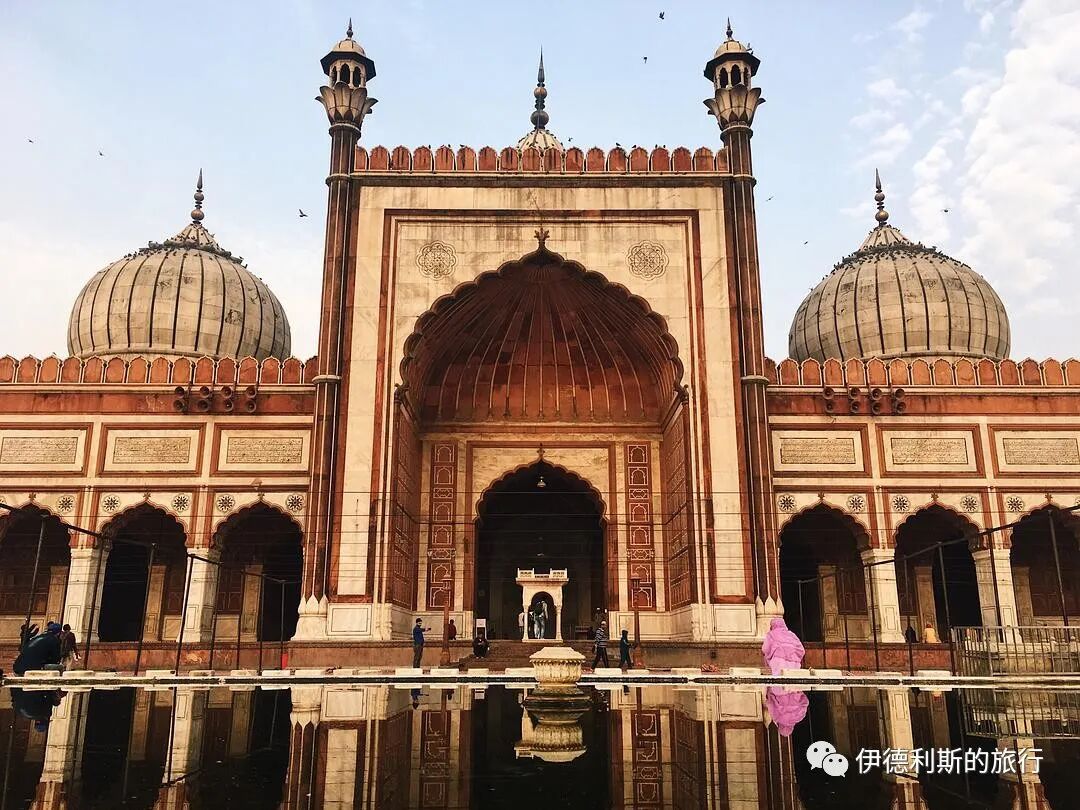
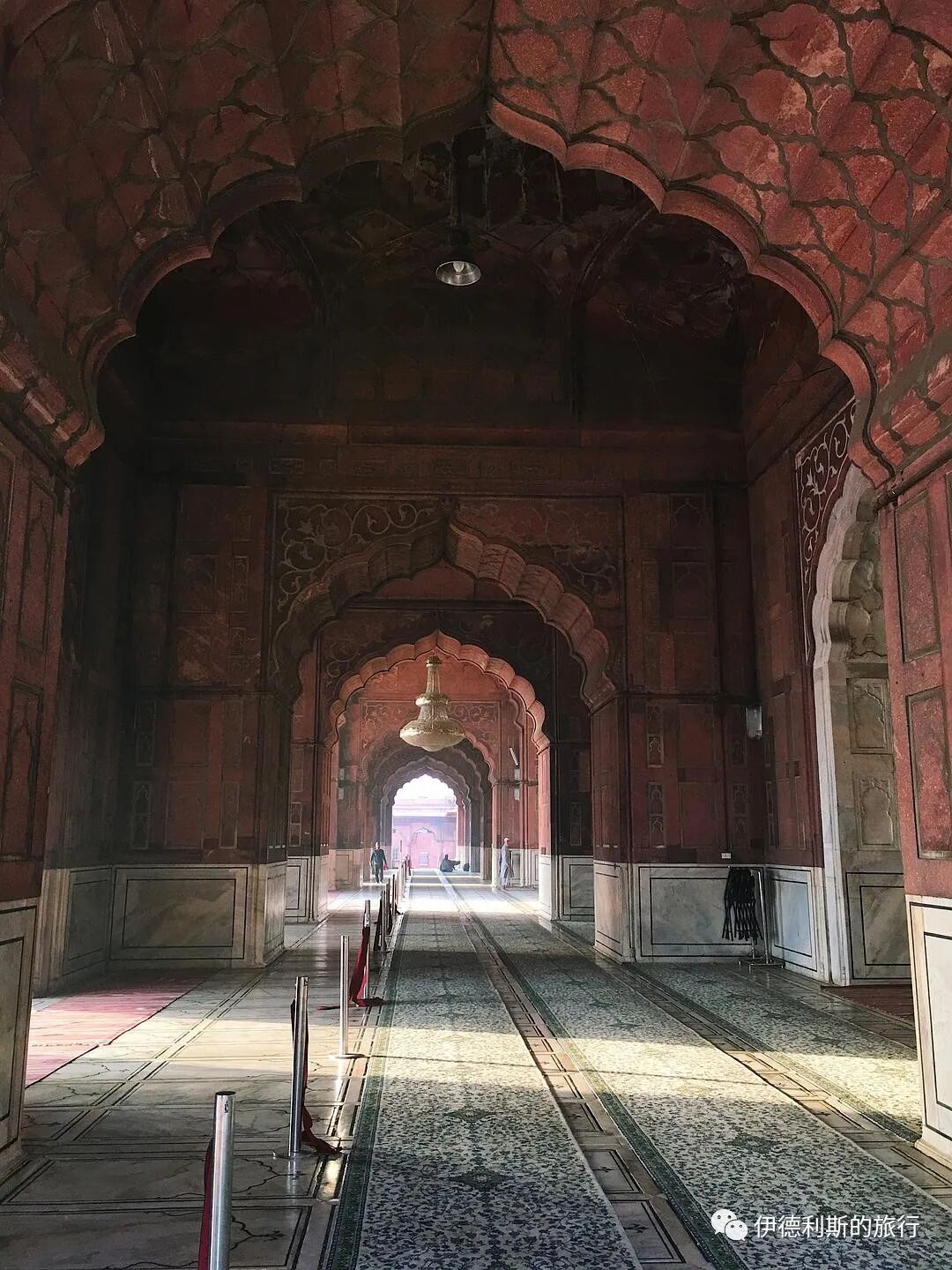
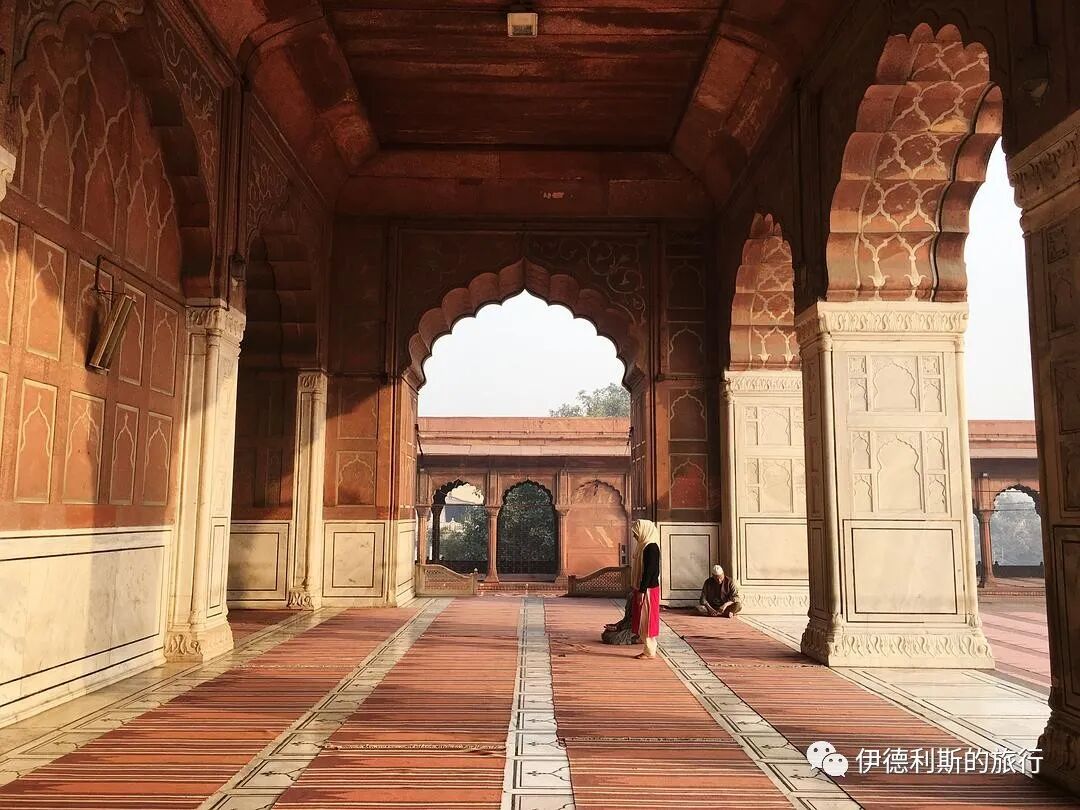
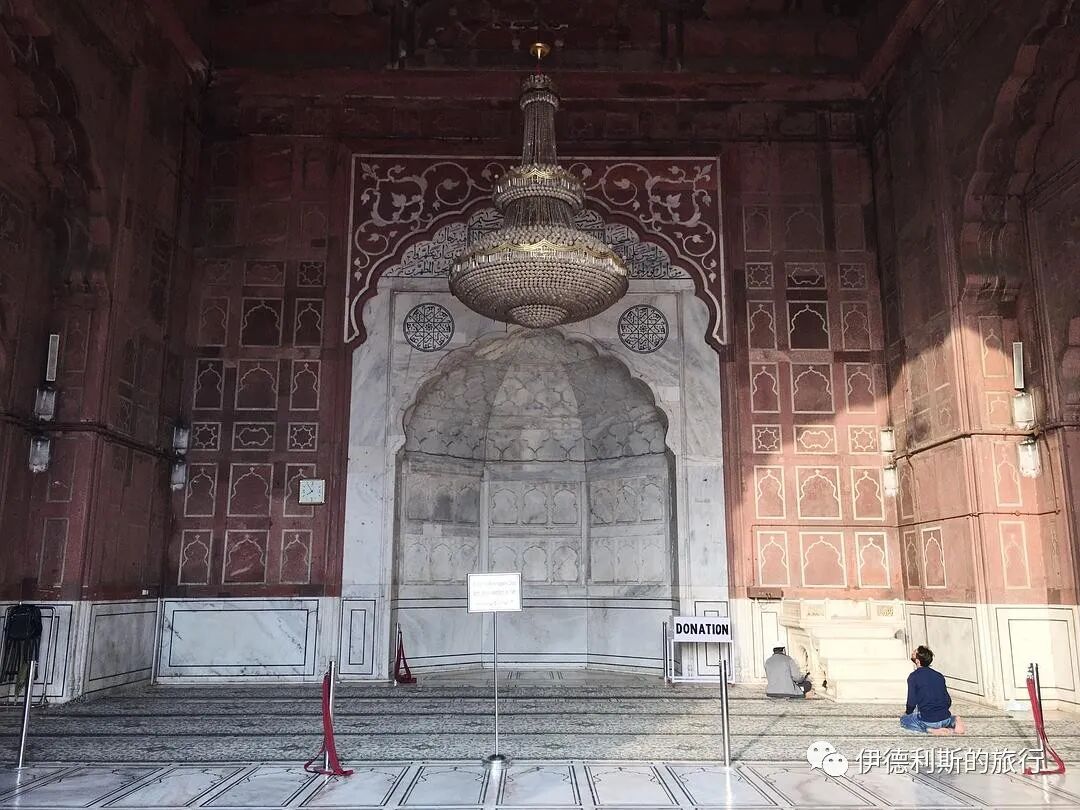
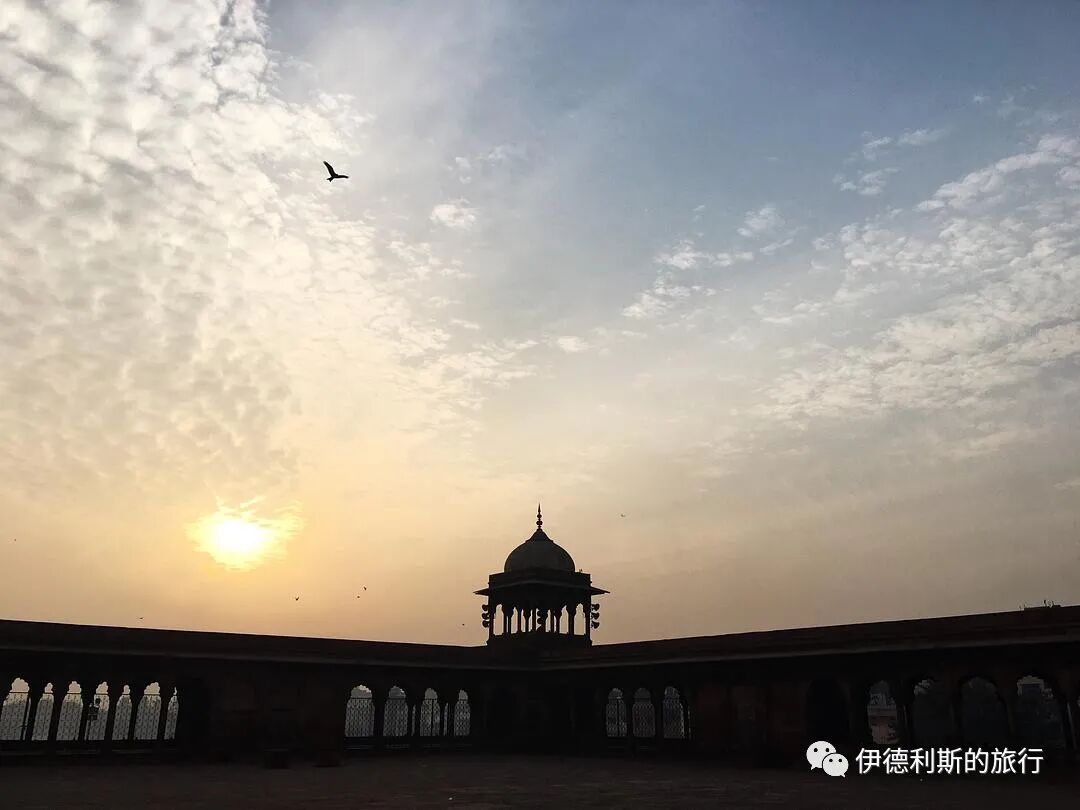
Halal Travel Guide: Delhi — 24 Ancient Mosques and Muslim History (Part 2)
Articles • ali2007fr posted the article • 0 comments • 226 views • 2026-05-17 21:05
Summary: Delhi — 24 Ancient Mosques and Muslim History is presented here as a firsthand travel account in clear English, beginning with this scene: 4. Fatehpuri Mosque: 1650. The account keeps its focus on Delhi Mosques, Muslim Heritage, India Travel while preserving the names, places, food, and historical details from the Chinese source.
4. Fatehpuri Mosque: 1650
Fatehpuri Mosque sits in the northwest of Old Delhi (Shahjahanabad), directly facing the Red Fort. It was built in 1650 by Fatehpuri Begum, the wife of the Mughal Emperor Shah Jahan.
5. Pearl Mosque (Moti Masjid): 1659
The Pearl Mosque (Moti Masjid) is located inside the Red Fort in Delhi. It was built in 1659 by the Mughal Emperor Aurangzeb (reigned 1658-1707) to serve as a private mosque for the royal family.
The domes of this white marble mosque were once covered in gilded copper, but these were lost after the Indian Rebellion of 1857.
The mosque was under renovation when I visited, so I was sorry I could not go inside.
6. Golden Mosque (Sunehri Masjid): 1751
The Golden Mosque (Sunehri Masjid) is in the eastern part of Shahjahanabad in Old Delhi. Qudsia Begum ordered it to be built in 1751. Qudsia Begum was the wife of the Mughal Emperor Muhammad Shah (reigned 1719–1748) and the mother of Emperor Ahmad Shah Bahadur (reigned 1748–1754).
This mosque has a more modest and restrained style compared to other mosques that Qudsia Begum ordered to be built.
7. Safdarjung Mosque: 1754.
Safdarjung Mosque is located west of Lodi Gardens and serves as the tomb mosque for Safdarjung. Safdarjung (1708-1754) ruled the Oudh Kingdom (1732-1801) in the Awadh region of India. He became the prime minister of the Mughal Empire in 1748 and was its actual ruler. He lost a political struggle in 1753, was forced out of Delhi, and died in 1754. After Safdarjung died, his son asked the Mughal emperor for permission to bury him in Delhi. The emperor agreed, and the Safdarjung Tomb was built.
Safdarjung Tomb is known as the last major building of the Mughal Empire and a symbol of its decline.
Tomb
The mosque was closed, so I only took photos of the exterior and the pool. view all
Summary: Delhi — 24 Ancient Mosques and Muslim History is presented here as a firsthand travel account in clear English, beginning with this scene: 4. Fatehpuri Mosque: 1650. The account keeps its focus on Delhi Mosques, Muslim Heritage, India Travel while preserving the names, places, food, and historical details from the Chinese source.
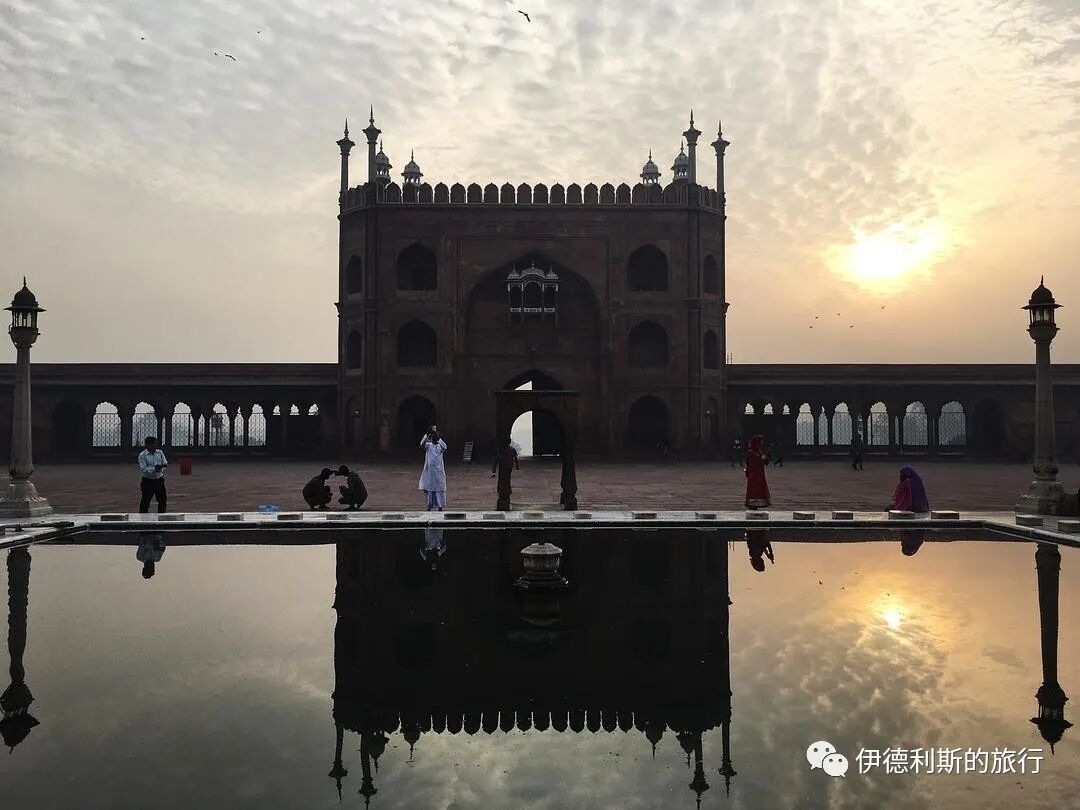
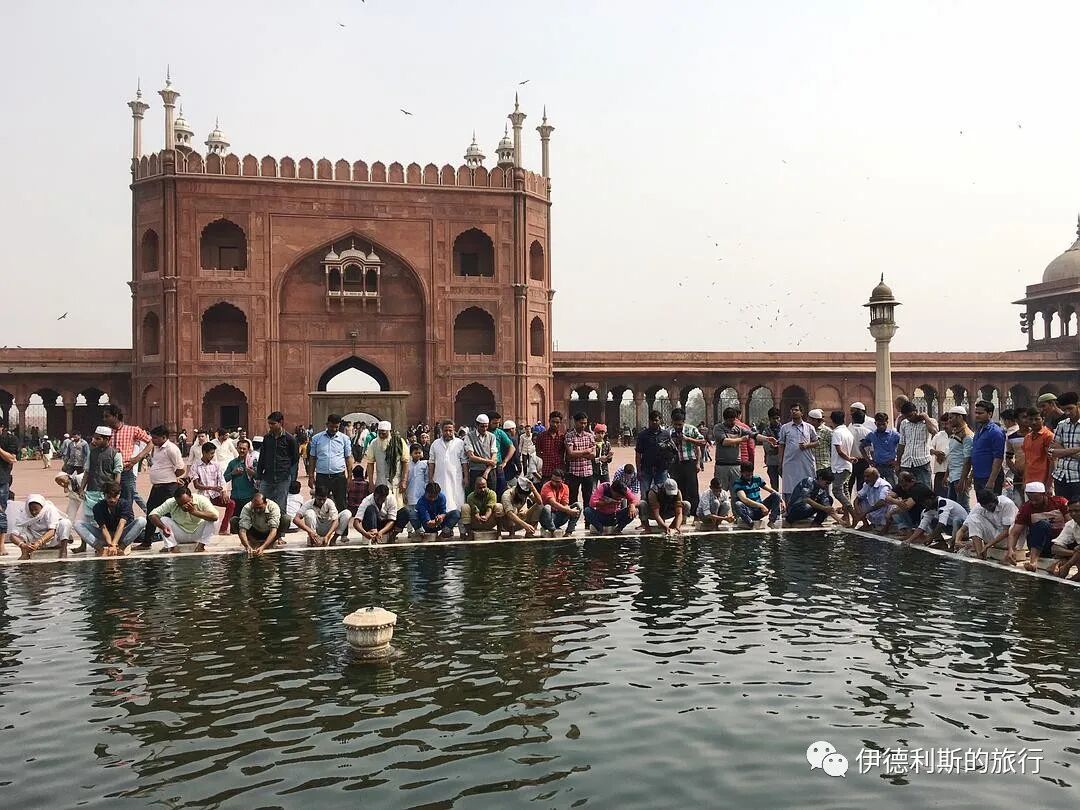
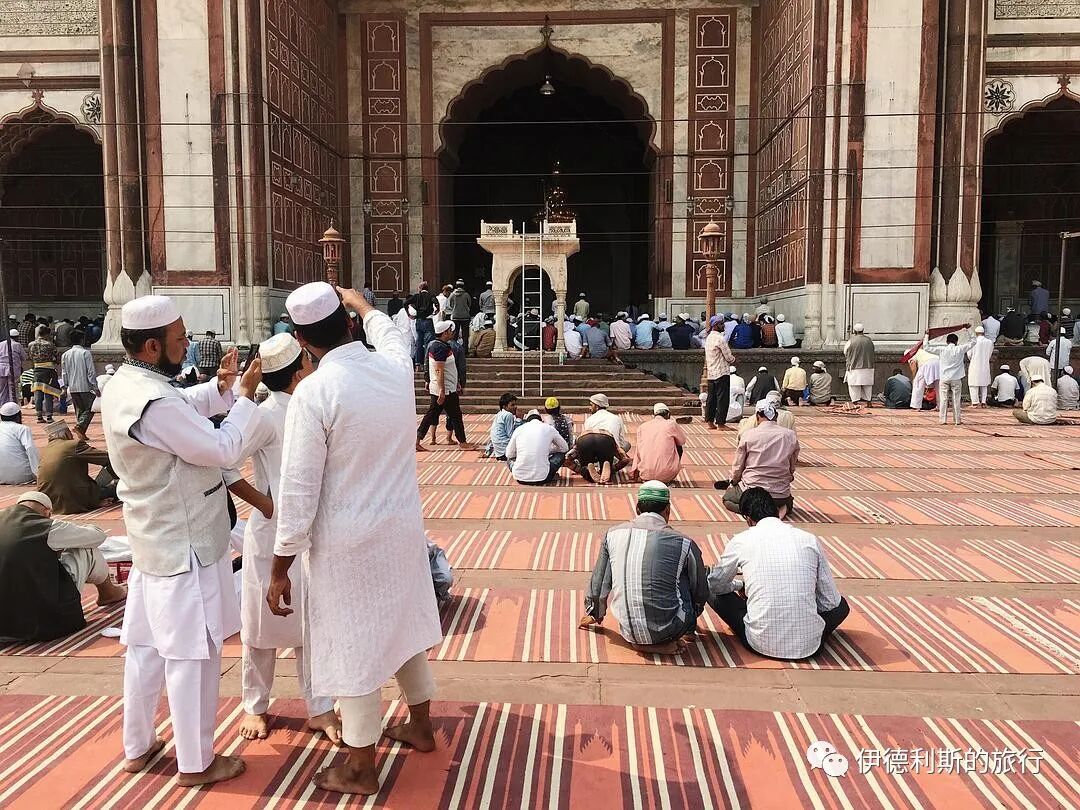
4. Fatehpuri Mosque: 1650
Fatehpuri Mosque sits in the northwest of Old Delhi (Shahjahanabad), directly facing the Red Fort. It was built in 1650 by Fatehpuri Begum, the wife of the Mughal Emperor Shah Jahan.
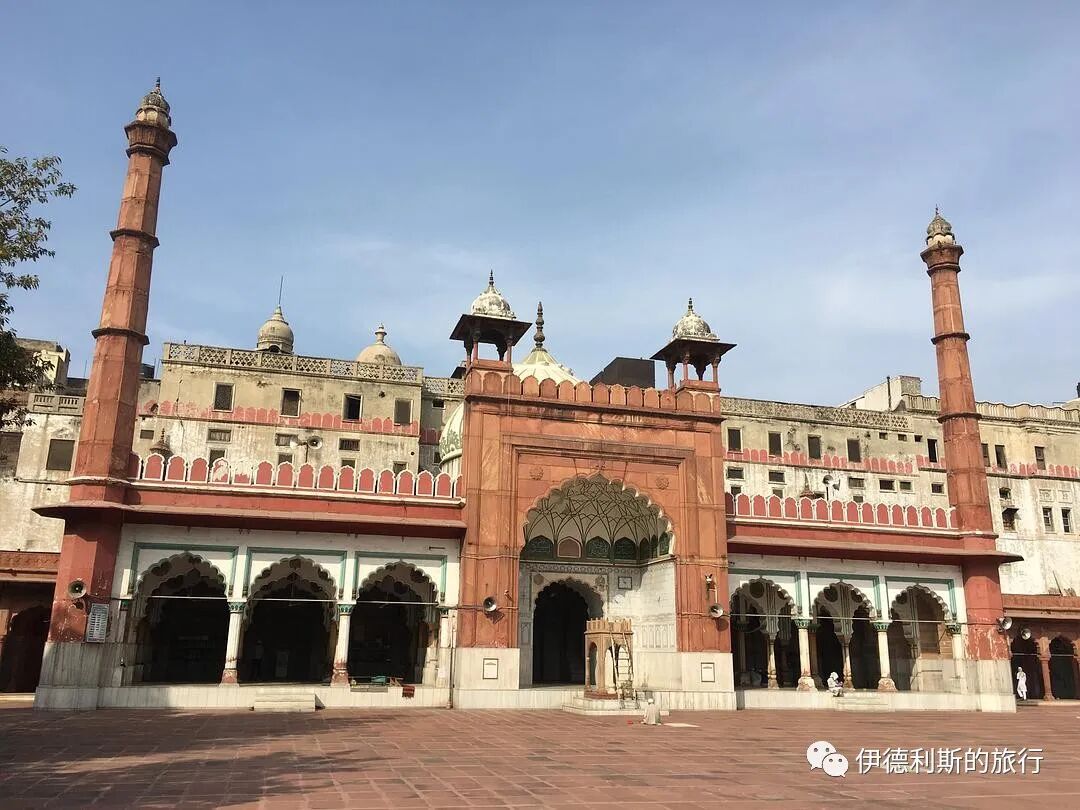
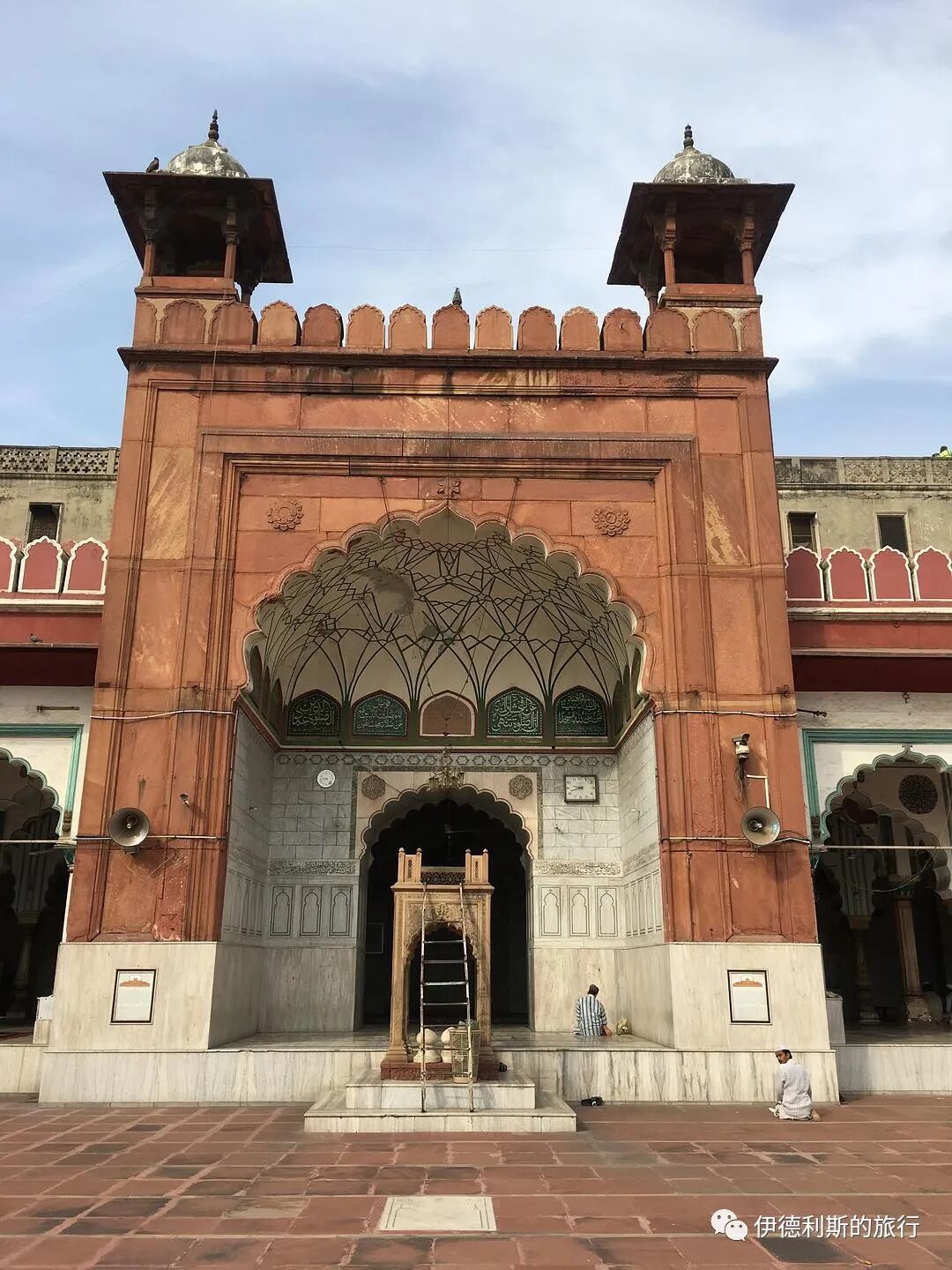
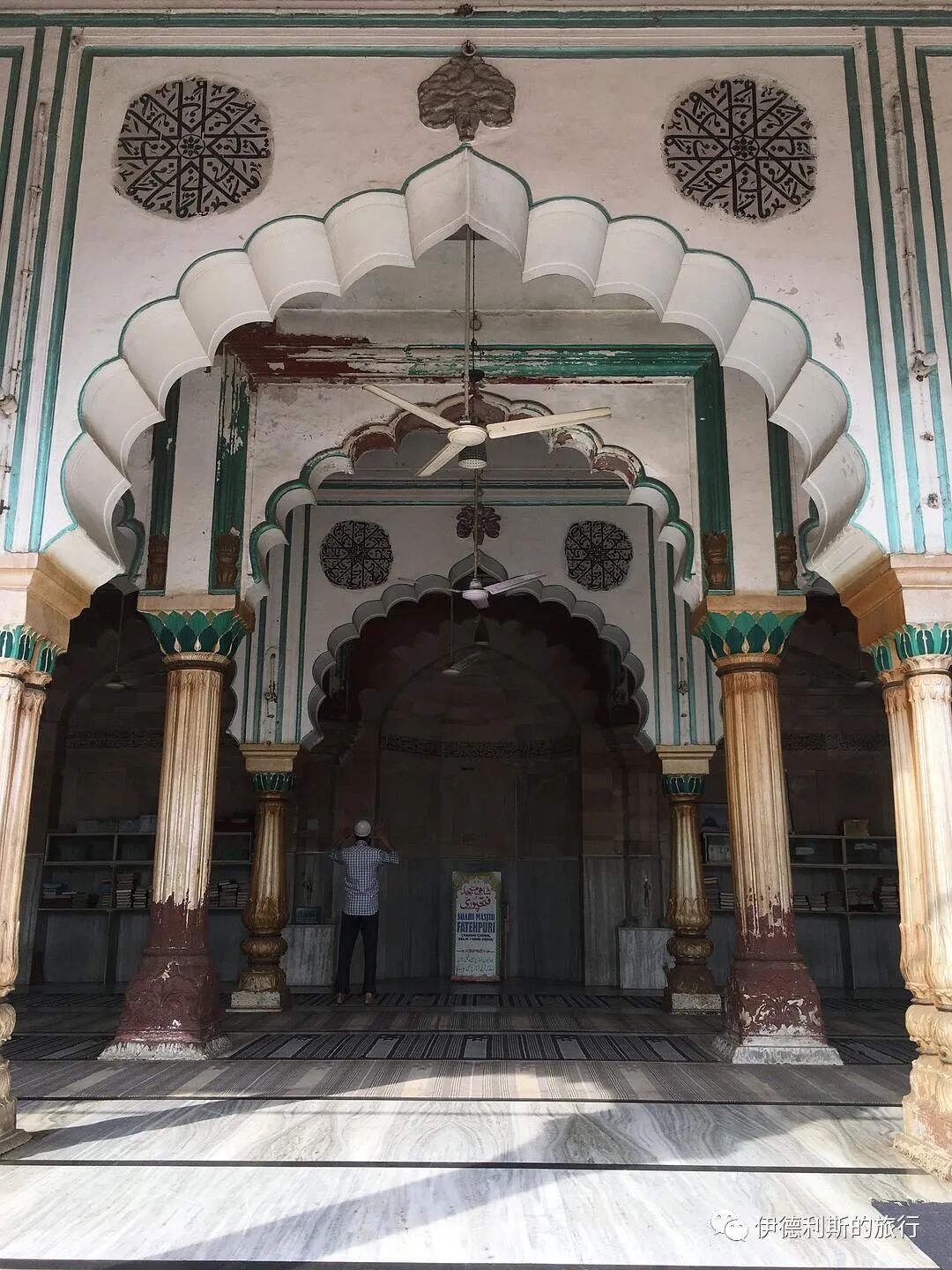
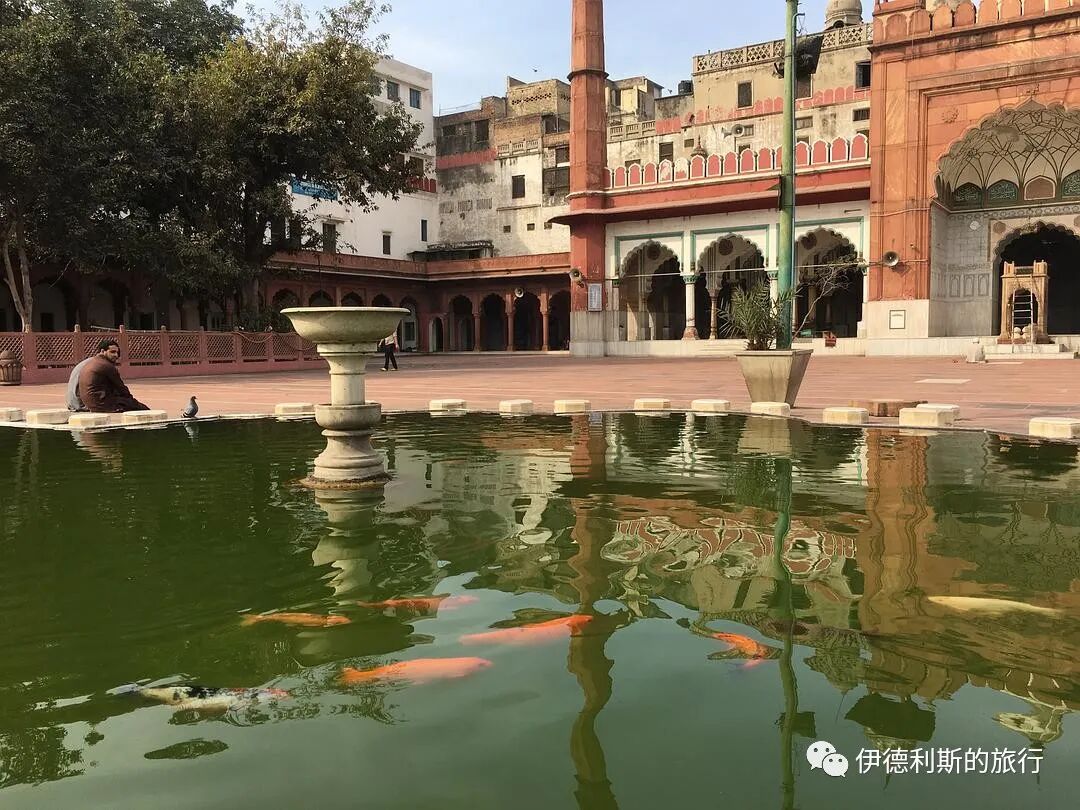
5. Pearl Mosque (Moti Masjid): 1659
The Pearl Mosque (Moti Masjid) is located inside the Red Fort in Delhi. It was built in 1659 by the Mughal Emperor Aurangzeb (reigned 1658-1707) to serve as a private mosque for the royal family.
The domes of this white marble mosque were once covered in gilded copper, but these were lost after the Indian Rebellion of 1857.
The mosque was under renovation when I visited, so I was sorry I could not go inside.
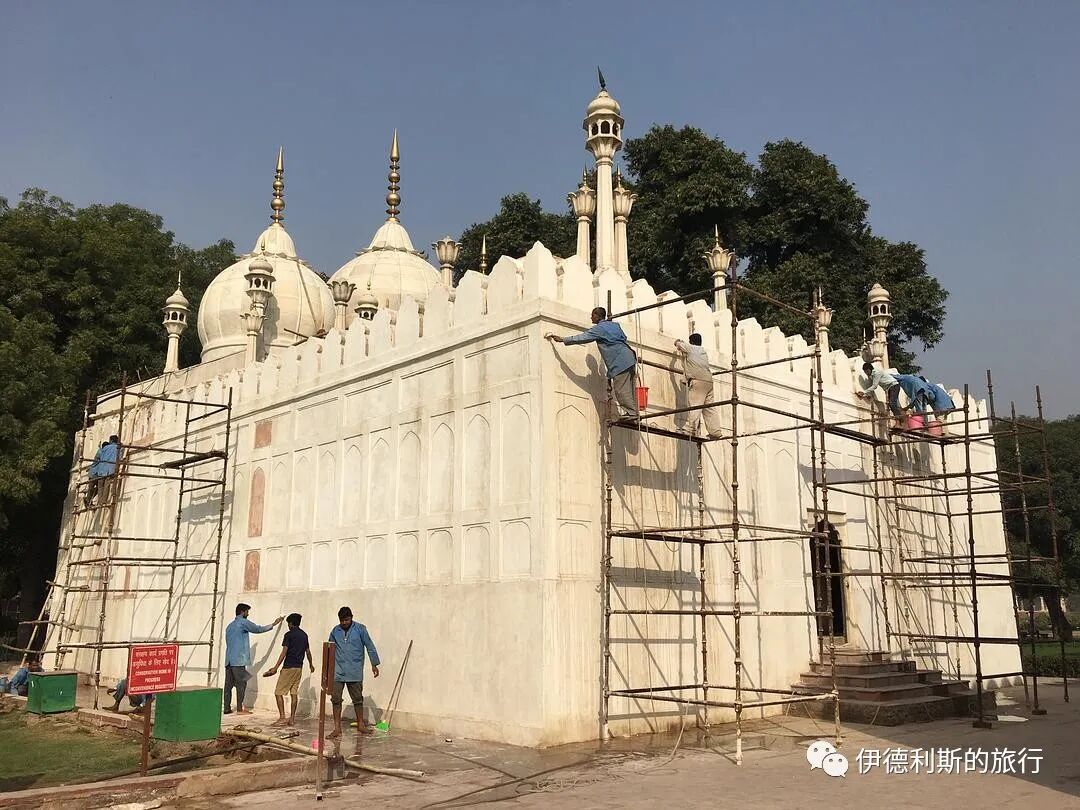
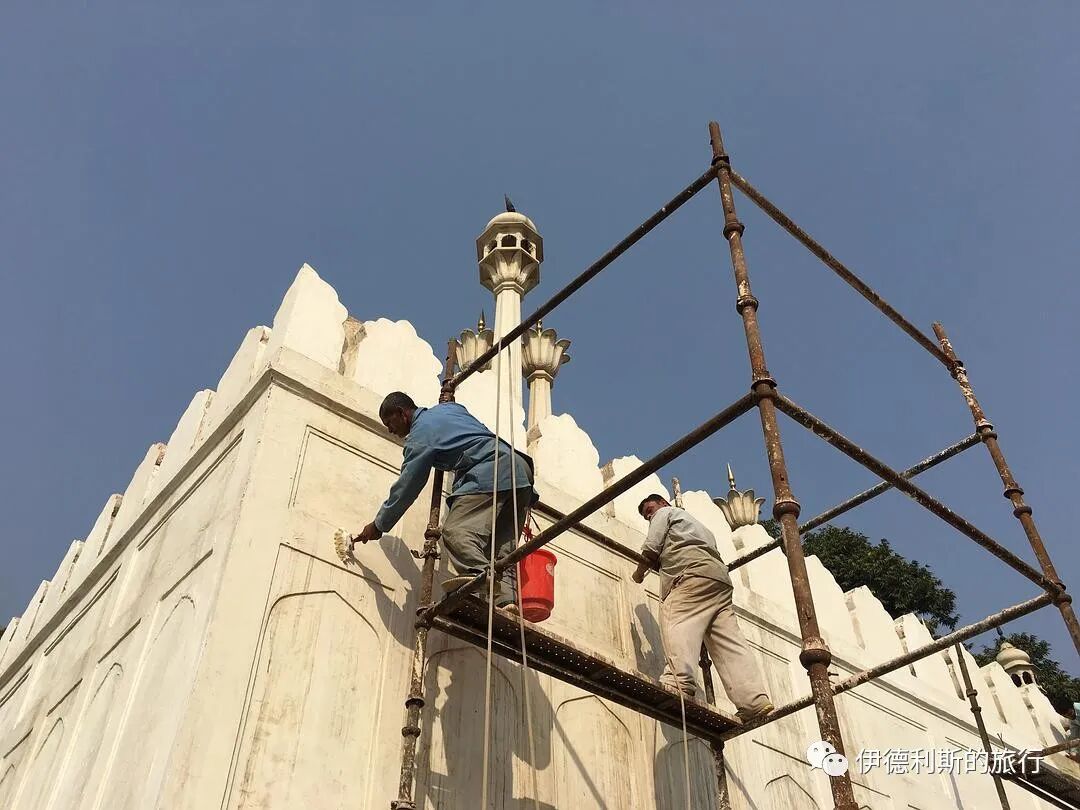
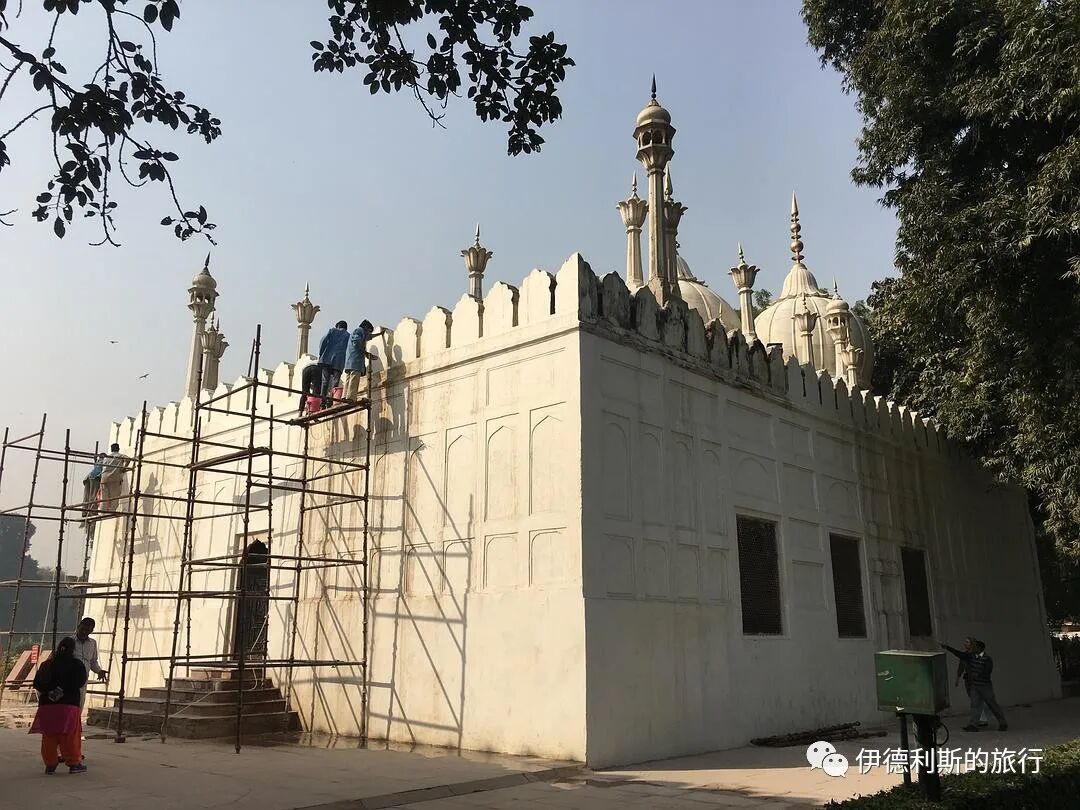
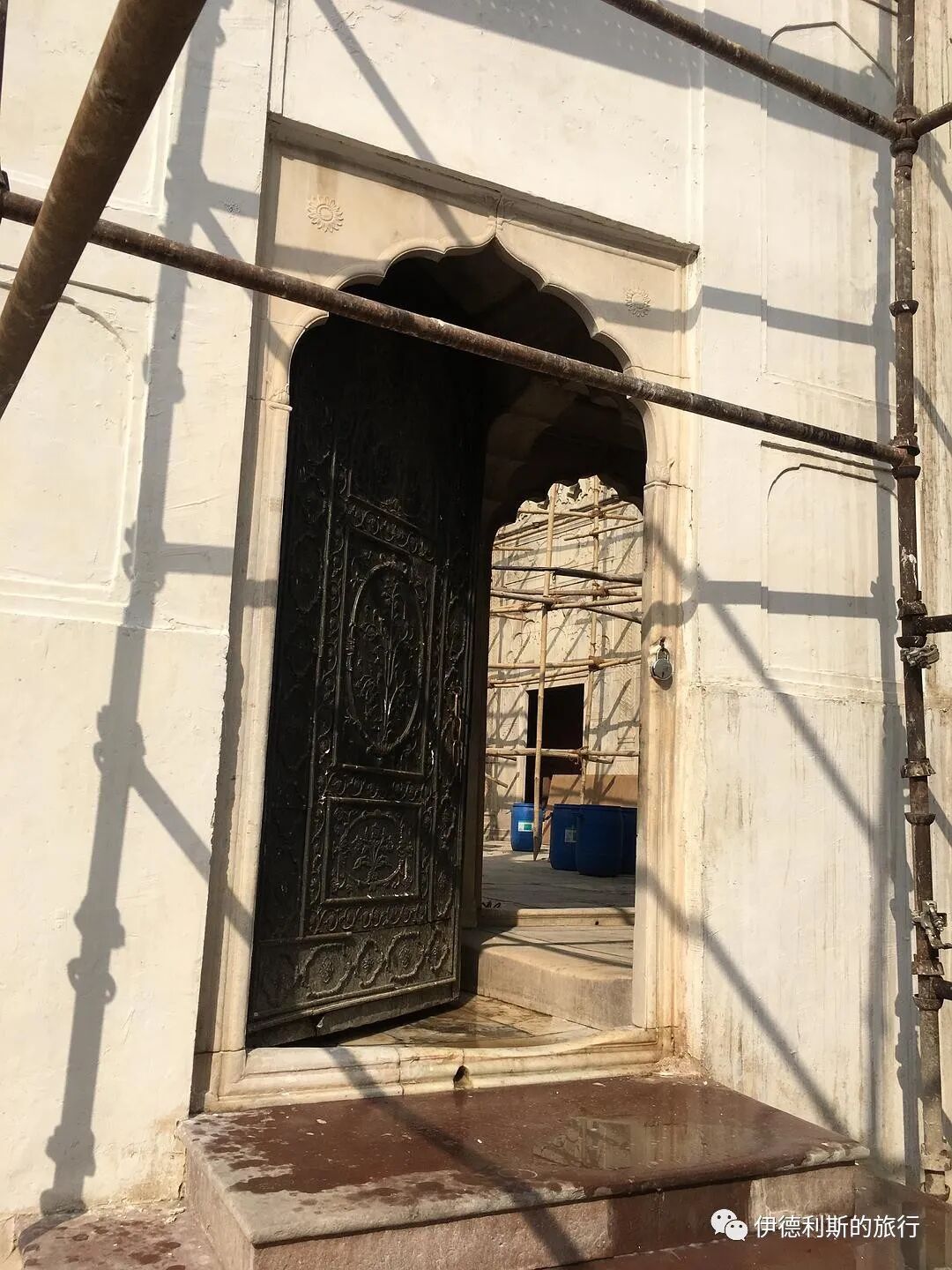
6. Golden Mosque (Sunehri Masjid): 1751
The Golden Mosque (Sunehri Masjid) is in the eastern part of Shahjahanabad in Old Delhi. Qudsia Begum ordered it to be built in 1751. Qudsia Begum was the wife of the Mughal Emperor Muhammad Shah (reigned 1719–1748) and the mother of Emperor Ahmad Shah Bahadur (reigned 1748–1754).
This mosque has a more modest and restrained style compared to other mosques that Qudsia Begum ordered to be built.
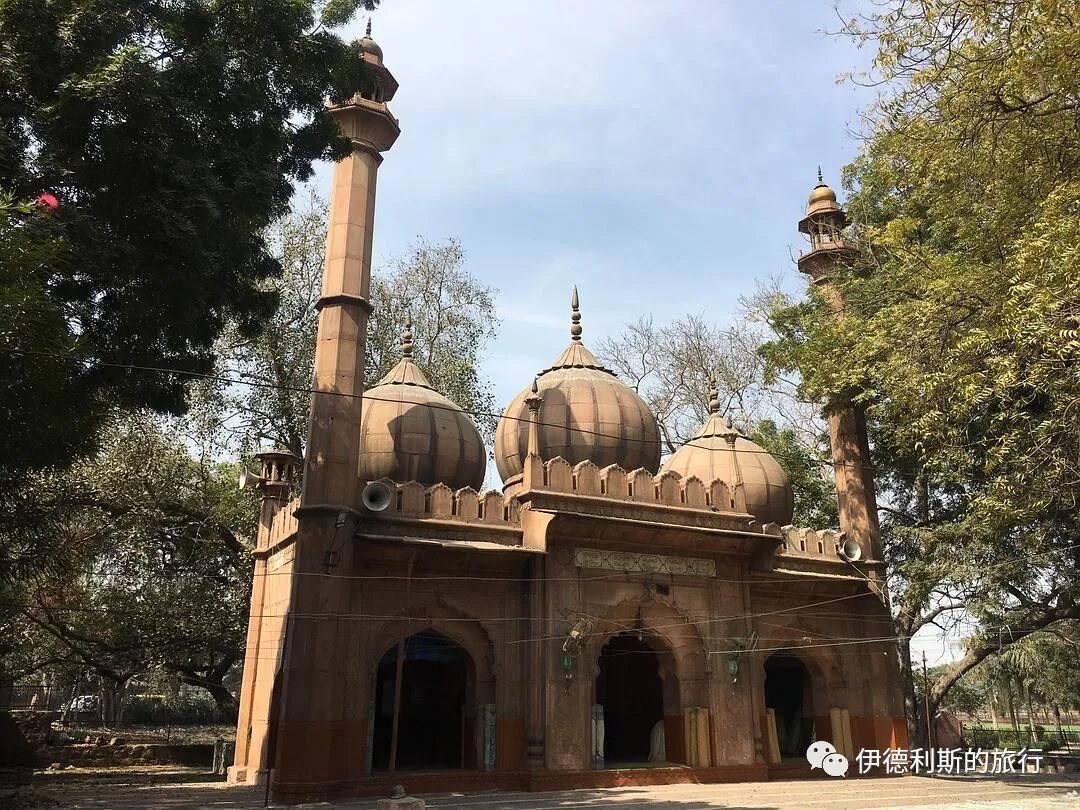
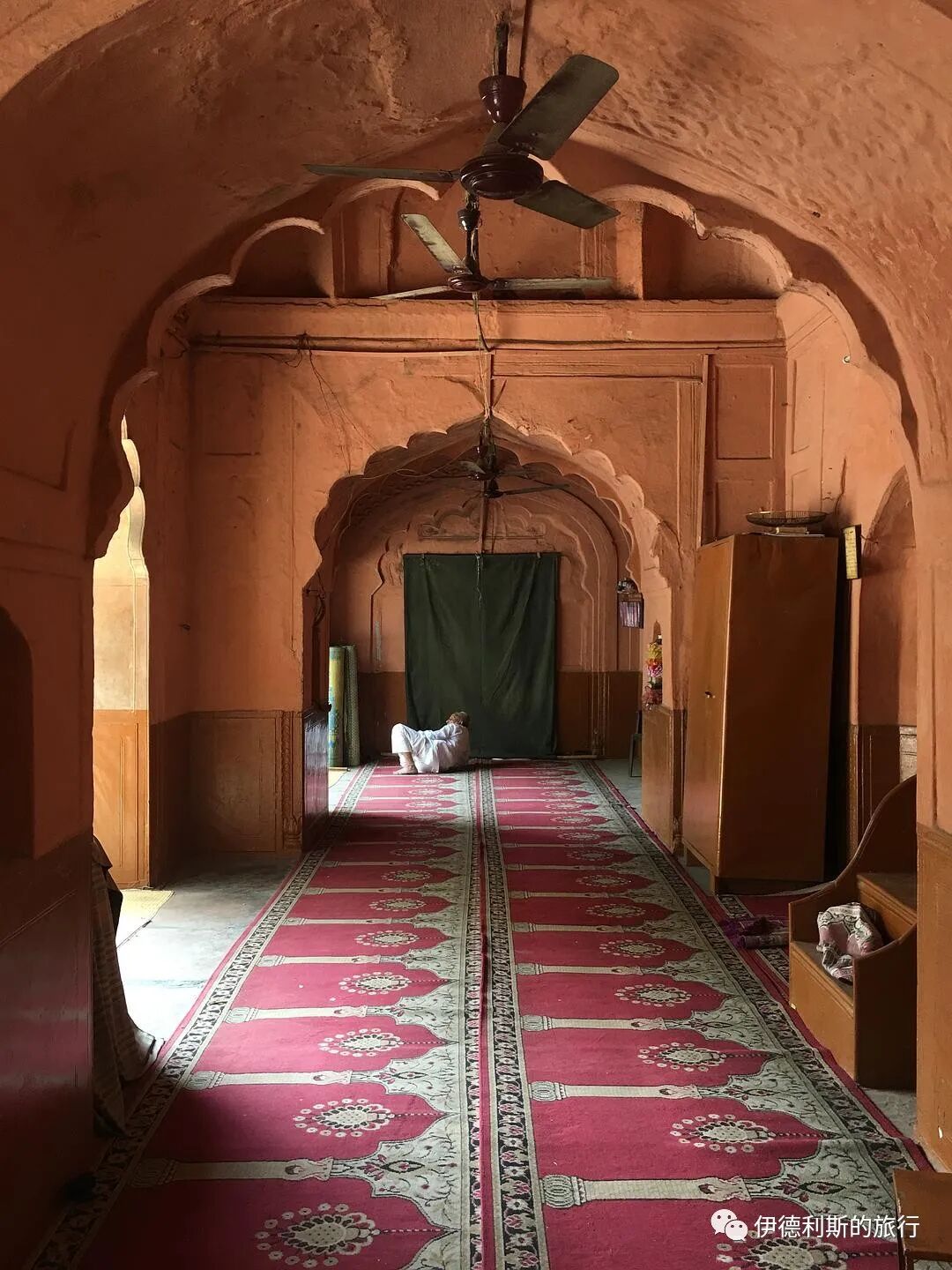
7. Safdarjung Mosque: 1754.
Safdarjung Mosque is located west of Lodi Gardens and serves as the tomb mosque for Safdarjung. Safdarjung (1708-1754) ruled the Oudh Kingdom (1732-1801) in the Awadh region of India. He became the prime minister of the Mughal Empire in 1748 and was its actual ruler. He lost a political struggle in 1753, was forced out of Delhi, and died in 1754. After Safdarjung died, his son asked the Mughal emperor for permission to bury him in Delhi. The emperor agreed, and the Safdarjung Tomb was built.
Safdarjung Tomb is known as the last major building of the Mughal Empire and a symbol of its decline.
Tomb
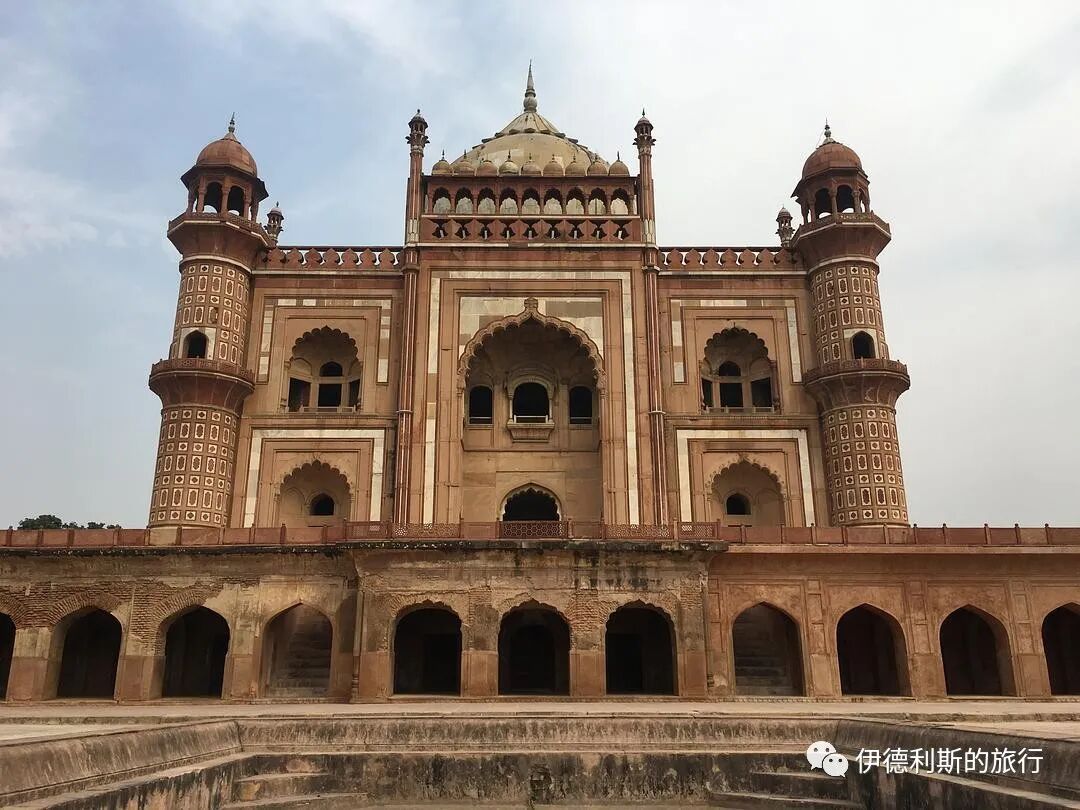
The mosque was closed, so I only took photos of the exterior and the pool.
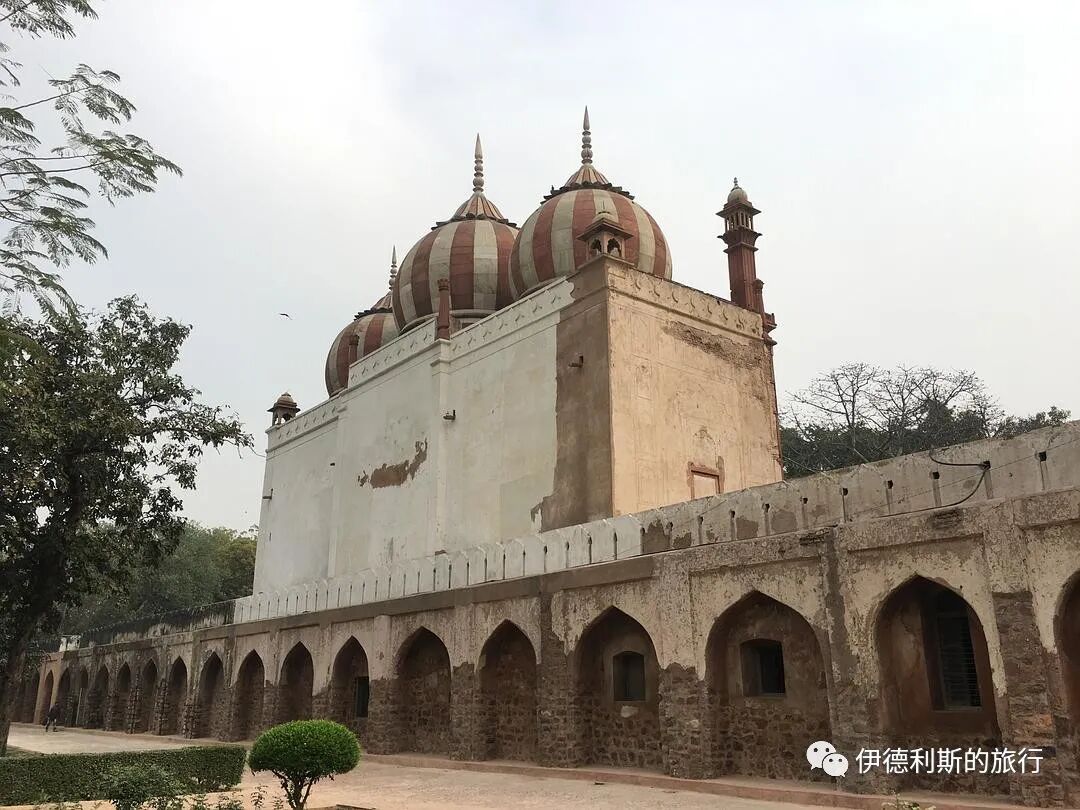
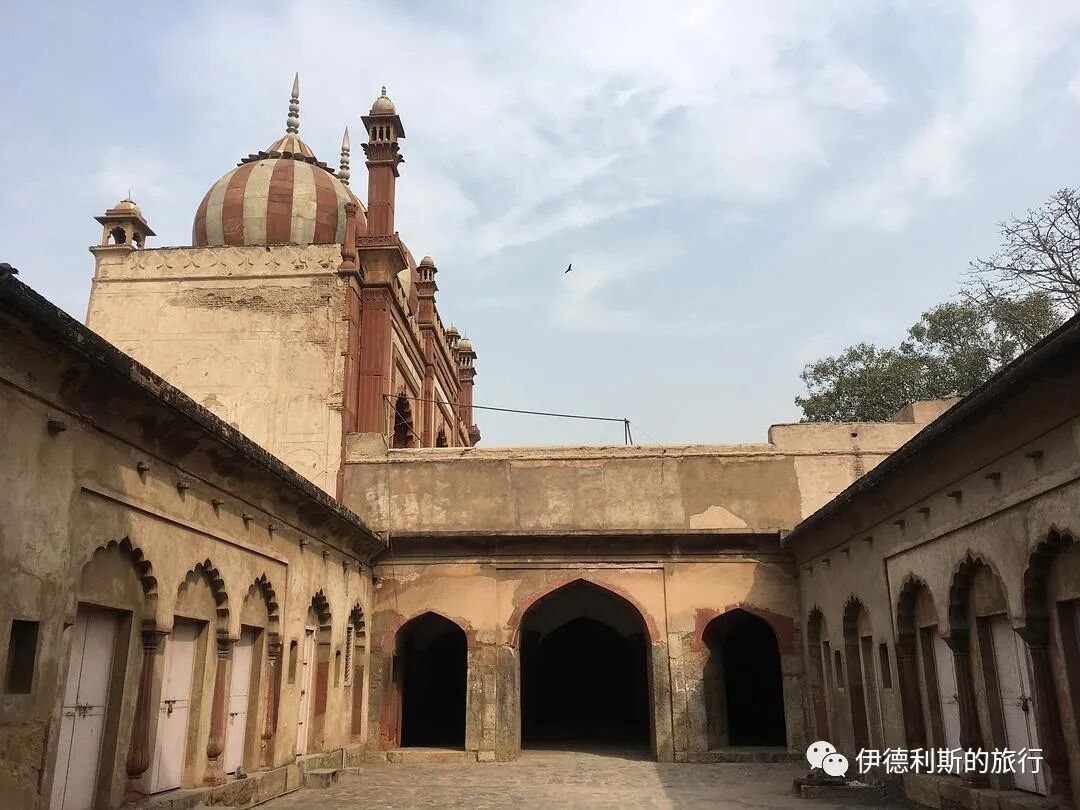
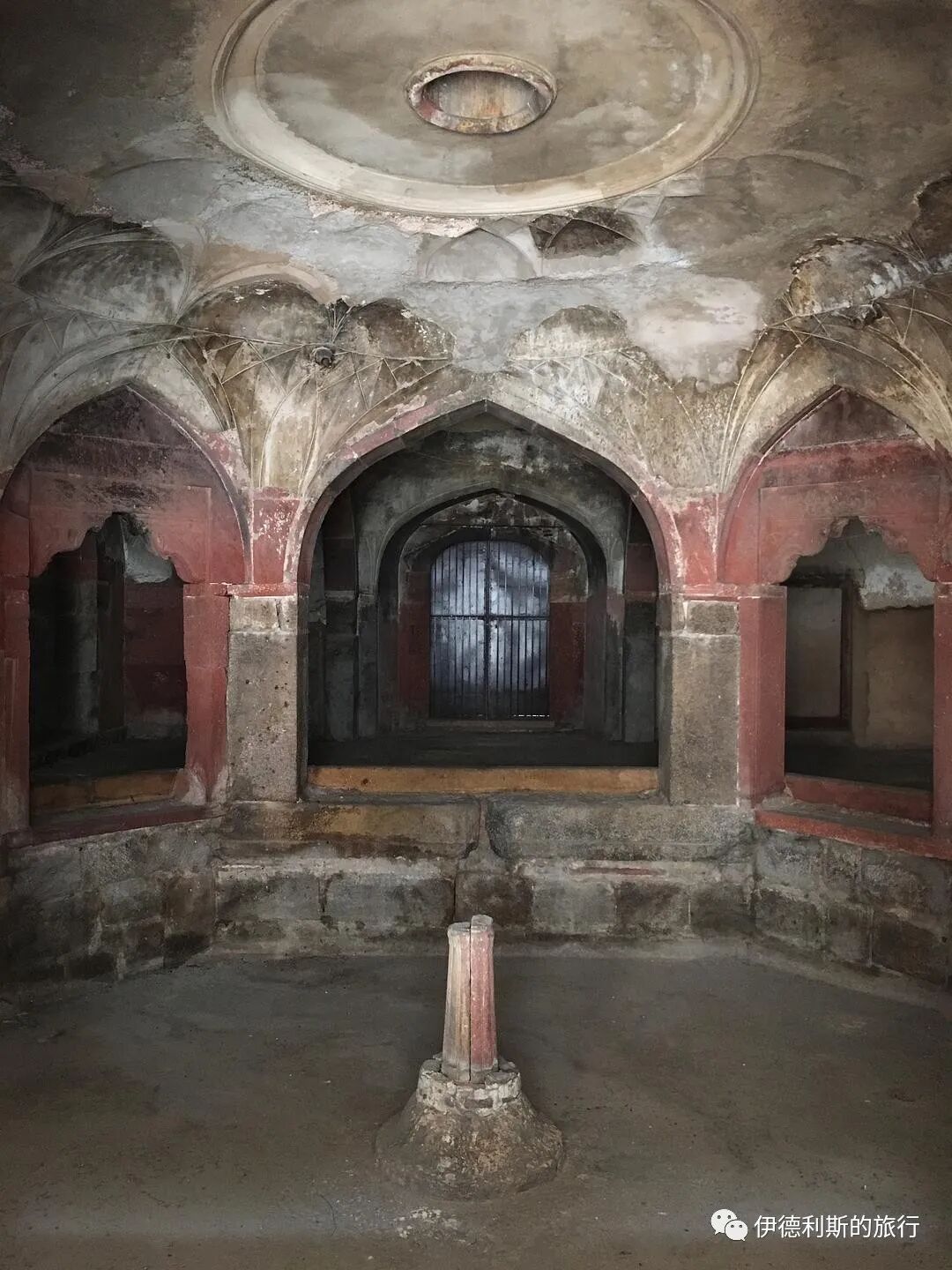
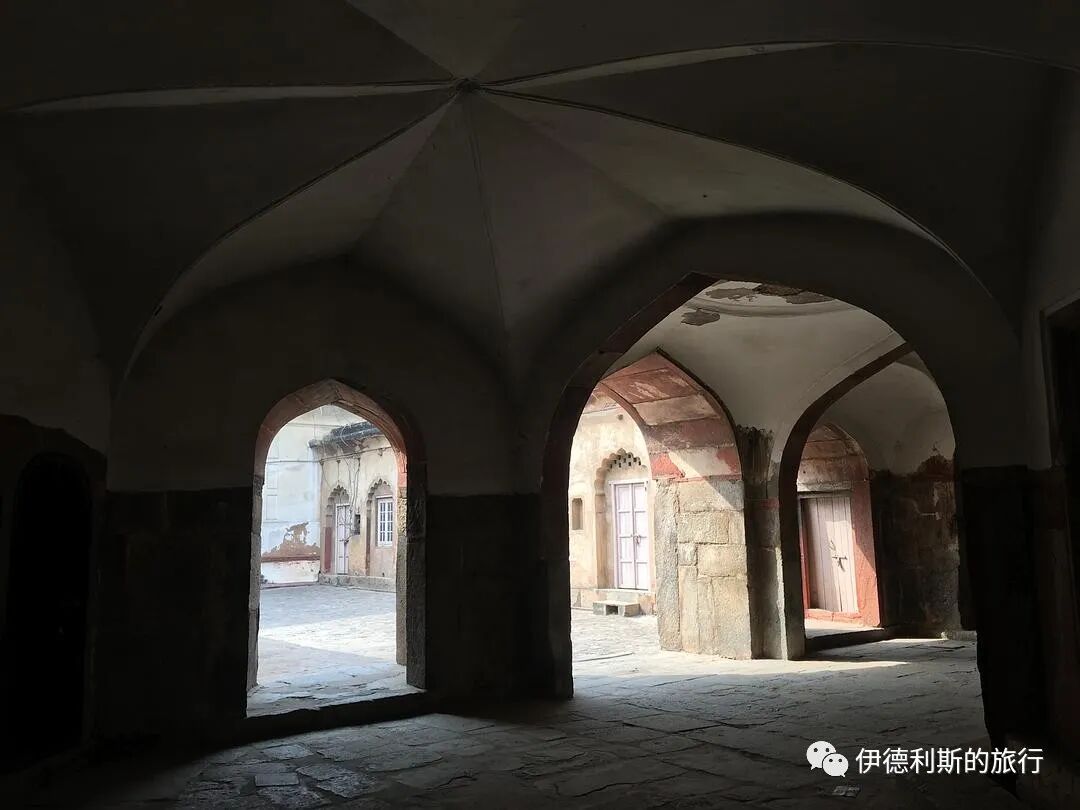
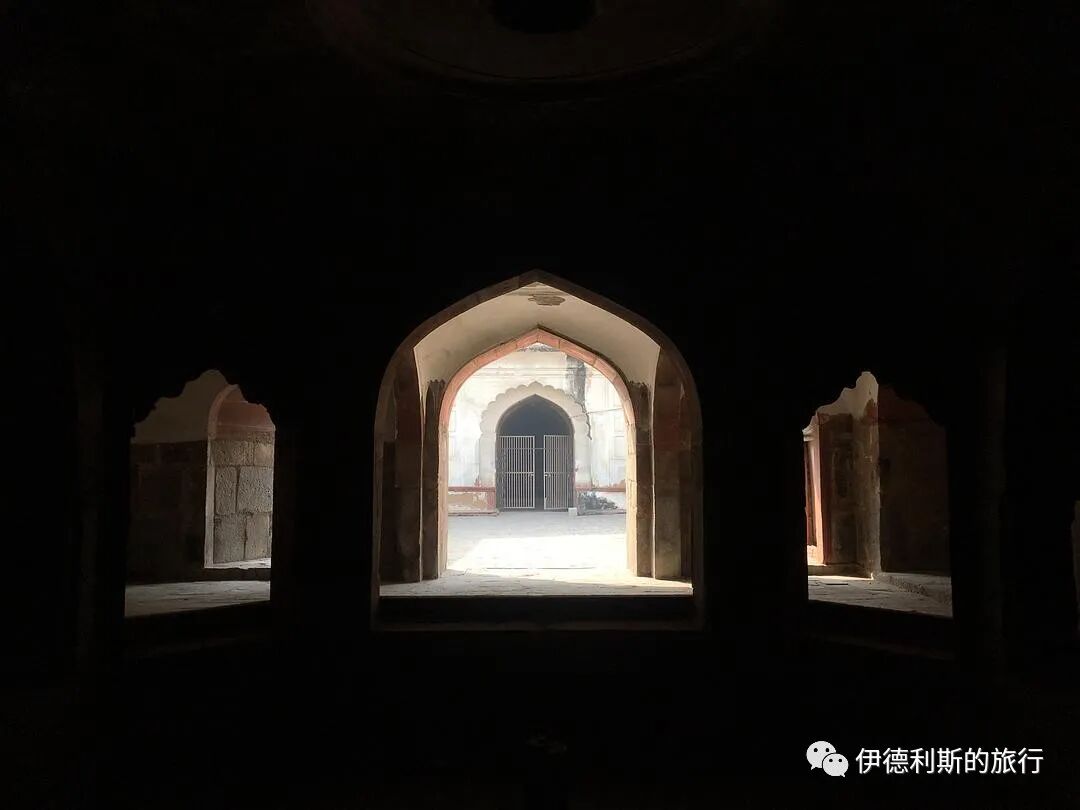
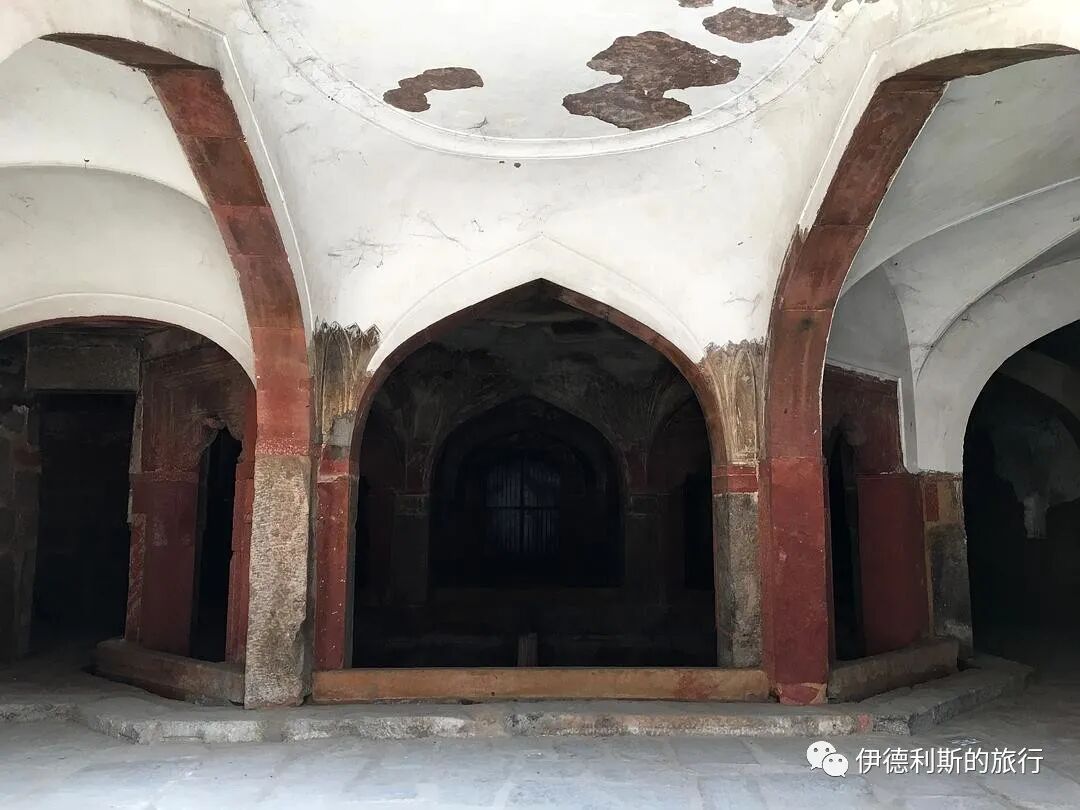
Halal Travel Guide: Delhi Sufi Sites — Shrines, Mosques and Muslim Communities (Part 2)
Articles • ali2007fr posted the article • 0 comments • 220 views • 2026-05-17 21:10
Summary: Delhi Sufi Sites — Shrines, Mosques and Muslim Communities is presented here as a firsthand travel account in clear English, beginning with this scene: The tomb of Prince Mirza Jahangir (Shahzada Mirza Muhammad Jahangir Bakht Bahadur, 1791-1821) is near the east gate of the shrine complex, and it also features white marble latticework. The account keeps its focus on Delhi Sufi Sites, Muslim Heritage, India Travel while preserving the names, places, food, and historical details from the Chinese source.
The tomb of Prince Mirza Jahangir (Shahzada Mirza Muhammad Jahangir Bakht Bahadur, 1791-1821) is near the east gate of the shrine complex, and it also features white marble latticework.
Prince Mirza Jahangir was the son of the Mughal Emperor Akbar Shah II (reigned 1806-1837). He was once named crown prince, but after attacking a British official, he was exiled by the East India Company, and his younger brother eventually became the last Mughal emperor.
Akbar Shah II was never very happy with his eldest son and wanted to name Mirza Jahangir as his heir. However, Sir Archibald Seton, who was stationed at the Red Fort in Delhi, did not like this, and the 19-year-old prince recklessly humiliated the official in public. A few days later, the prince held a party on the roof of the Red Fort in Delhi. He saw a British officer passing by and fired a shot at him, killing one of the officer's attendants. Because of this, the prince was exiled to Allahabad in the southeast of Uttar Pradesh.
The prince was eventually released from exile and returned to Delhi, where he died at the age of 31.
The Aga Khan Museum in Toronto holds a 1811 Mughal court portrait by Ghulam Murtaza Khan. Emperor Akbar Shah II is in the center, and the first person on the right is Prince Mirza Jahangir.
11. East Gate Bazaar
The religious goods market outside the east gate of the Nizamuddin Dargah core area really brings your imagination of the Mughal Empire to life.
Chapter 4: The Perimeter of Nizamuddin Dargah
1. Tomb of Ataga Khan: 1566
Right next to the east side of the Nizamuddin Dargah core area stands the tomb of Ataga Khan, the foster father of the Mughal Emperor Akbar.
Ataga Khan's full name was Shamsuddin Muhammad Atgah Khan, and he held many important positions in the Mughal court. He was originally just an ordinary soldier, but by chance he saved the Mughal Emperor Humayun by the Ganges River, so Humayun brought him into the palace. To reward Ataga Khan for his loyalty, Humayun let Ataga Khan's wife become the foster mother of his son Akbar (the future Akbar the Great), and Ataga Khan then received the title of Atgah (foster father).
Ataga Khan was always a minister deeply loved by Akbar the Great. In 1561, he replaced Maham Anga as the new wakil (equivalent to prime minister), which caused Maham Anga great resentment. On May 16, 1562, Ataga Khan was murdered by Maham Anga's son, Adham Khan. Hearing that his foster father had been murdered, Akbar the Great was furious. He ordered Adham Khan to be thrown from the city wall twice to make sure he was really dead.
In 1566, Emperor Akbar ordered his foster brother, Mirza Aziz Koka, the son of Ataga Khan, to build a tomb for his father next to the Nizamuddin Dargah. The architect of this tomb was Ustab Khuda Quli, and the Quranic verses on the white marble were written by Baqi Muhammad from Bukhara.
When I visited, the tomb of Ataga Khan was under renovation and closed to the public.
2. Chausath Khamba: 1624
After leaving the east gate of the Nizamuddin Dargah core area and walking further east, you reach Chausath Khamba, the most important building in the eastern part of the Nizamuddin community. It is the tomb that Mirza Aziz Koka (1542-1624), the son of Ataga Khan, built for himself between 1623 and 1624.
Chausath Khamba means sixty-four pillars in Hindi and Urdu. It is a square hall made of white marble. Sixty-four pillars support twenty-five domes that you can only see from inside the building, as the roof itself is flat.
The design of Chausath Khamba does not look like a tomb at all. Experts think this place was likely a hall for resting and gathering when visiting the Nizamuddin shrine and the tomb of Atghah Khan. It was only turned into a tomb after Mirza died.
The British Library holds a drawing of Chausath Khamba made by William Daniell, R. A. in 1801.
This information comes from the website http://ranasafvi.com/chausath-khamba/
A Delhi artist painted the Chausath Khamba between 1820 and 1825.
From http://ranasafvi.com/chausath-khamba/
The raised part on the tombstone is called a qalam, which shows it is a man's grave. Most of the text on it comes from the Quran, Surah 3:185: Every soul shall taste death.
1. The Great Emperor's childhood friend
Mirza was a high-ranking official during the reigns of the Mughal Emperor Akbar (1556-1605) and his successor Jahangir (1605-1627). Because his father, Ataga Khan, was the foster father of Emperor Akbar, he received the title Koka, which means foster brother.
Mirza was a childhood playmate of Emperor Akbar and shared a very deep bond with the emperor. In 1572, Emperor Akbar conquered the Gujarat Sultanate southwest of Delhi and appointed Mirza to govern Gujarat. In 1573, the people of Gujarat rebelled and besieged the city of Ahmedabad. Mirza held the city until Emperor Akbar led his army to break the siege.
2. Receiving the Emperor's forgiveness
Gradually, Mirza became unhappy with many of Emperor Akbar's policies. In 1578, he was ordered to put down a rebellion in Bengal, and in 1586, he was ordered to conquer the Deccan Plateau. He was reluctant to carry out both missions, and his slow progress caused him to miss key military opportunities.
However, as childhood friends, Emperor Akbar remained very forgiving toward Mirza. In 1592, Mirza was sent on the Hajj pilgrimage to Mecca and spent a lot of money on religious causes. Eventually, Emperor Akbar forgave Mirza and restored his status.
3. Losing status
In 1605, Jahangir became the new Mughal emperor, and in 1606 he crushed the rebellion led by his eldest son, Khusrau Mirza. Because he supported the rebellion, Mirza was stripped of most of his power. In his later years, Mirza regained some of his power, but it was nothing like it had been when his father was alive.
Records from the renovations between 2011 and 2014.
The main gate, built between the late 16th and early 17th centuries.
3. Tomb of the poet Ghalib: 1869.
In the courtyard north of Chausath Khamba lies the tomb of Mirza Ghalib (1797-1869), known as the last great poet of the Mughal Empire and the most famous Urdu poet of the 19th century.
Ghalib's real name was Mirza Asadullah Khan Baig. Ghalib was his pen name, which means "dominant" or "superior" in Urdu. During Ghalib's life, the Mughal Empire faded under British influence and finally ended after the rebellion of 1857. Ghalib's poetry is closely tied to this period.
The epitaph on his tombstone reads:
The joys of the world mean nothing to me
Because my heart feels nothing but blood
1. From a Turkic family
Ghalib was born near Agra in 1797, and his family were descendants of the Aibak tribe of the Seljuk Turks. After the Seljuk Empire fell in the 12th century, his family moved to Samarkand. During the reign of the Mughal Emperor Ahmad Shah (1748-1754), Ghalib's grandfather moved from Samarkand to the Mughal Empire. He worked in Lahore, Delhi, and Jaipur before finally settling in Agra.
Ghalib's father married a Kashmiri girl and later lived with his father-in-law. He died in a war in 1803, when Ghalib was only 5 years old. After his father passed away, Ghalib was raised by his uncle.
2. Poetry and Love
Ghalib started writing poetry at age 11. Although his mother tongue was Urdu, his family also used Persian and Turkic. He also received an education in Persian and Arabic at a very young age.
Ghalib moved to Delhi after getting married at 13, but all 7 of his children died in infancy by the time he turned 30. Ghalib described marriage as a second imprisonment of life itself. He was very keen on extramarital affairs and even earned the nickname "friend of women" in the Mughal court. Once, when someone praised the poetry of the pious poet Sheikh Sahbai, Ghalib immediately retorted: What kind of poet is Sahbai? He never drank alcohol, never gambled, was never hit by a lover with a shoe, and never spent time in prison.
Although Ghalib felt very proud of his Persian poetry achievements, he is most famous today for his Urdu ghazals. Before Ghalib, ghazals mostly focused on painful love. Ghalib brought in more philosophy, including the hardships and mysteries of life, which greatly expanded the scope of ghazals.
To follow the traditions of classical ghazals, the identity and gender of the beloved remain uncertain in most of Ghalib's poetry. Later generations believe that the poetic convention of focusing on the 'idea' of a beloved rather than a real person allowed poets to move away from realism in their work.
3. Court Poet
In 1850, the last Mughal emperor, Bahadur Shah Zafar II, gave Ghalib the titles of 'Dabir-ul-Mulk' and 'Mirza Nosha.' From then on, Ghalib officially used the name Mirza and became a Mughal noble and court poet. In 1854, Ghalib was appointed as the emperor's poet tutor. In 1856, he became a tutor for the prince and also served as the court historian.
The Mughal Empire fell to the British in 1857. Before that, Ghalib lived as a nobleman supported by the royal family and his friends, never earning his own money. During British rule, he tried everything he could to get a pension but failed.
The cover of Ghalib's poetry collection published in 1869, held by the Digital Museum of India.
4. Barah Khamba: 14th-15th century.
Barah Khamba sits in a garden in the northern part of the Nizamuddin neighborhood. It is a tomb for a nobleman from the Delhi Sultanate, though the identity of the person buried there remains unknown. Barah khamba means "twelve pillars" in both Urdu and Hindi. This tomb was once occupied as a residence and suffered a lot of damage, but it has now been restored.
5. Gol Gumbad: 15th century
Gol Gumbad is located northwest of the Nizamuddin neighborhood. From the outside, the tomb has the style of the Tughlaq dynasty (1320-1413), but the interior has some features typical of later tombs.
6. Tomb of Malik Maqbul: 1388
Deep in the alleys of the southern Nizamuddin neighborhood stands the first octagonal tomb in Indian history. It belongs to Malik Maqbul, a Wazir (prime minister) of the Tughlaq dynasty in the Delhi Sultanate, and was built by his son, Junan Shah.
The tomb is in poor condition today. It is damaged in many places and squeezed between residential houses.
A long wall surrounds the tomb, and this is the main gate of that wall.
1. Converting to Islam
Maqbul was originally named Yugandhar. He was a Hindu commander at Warangal Fort, the capital of the Kakatiya dynasty in southern India.
In 1323, the Tughlaq dynasty captured Warangal Fort. Yugandhar was taken to Delhi, converted to Islam, and given the name Malik Maqbul.
2. The actual ruler of the Sultanate
After arriving in the Delhi Sultanate, Maqbul gradually earned the Sultan's trust. He accompanied the Sultan to crush a rebellion in the Gujarat region, where they killed all the rebels and seized a massive amount of wealth. Back in Delhi, Malik Maqbul kept getting promoted. Eventually, under Sultan Feroz Shah Tughlaq (who reigned from 1351 to 1388), he became the Wazir, a position second only to the Sultan himself.
Malik Maqbul was the most trusted minister of Sultan Firoz Shah Tughlaq. The Sultan even called him brother and said he was the true ruler of Delhi. At that time, Maqbul was in charge of the Sultanate's finances. He was completely honest with the Sultan, kept him fully informed about the financial situation, and turned over all gifts from local officials to the state. At the same time, auditors and accountants strictly limited Maqbul's power, and they often had intense arguments. Once, Maqbul clashed with an accountant and threatened to go on a pilgrimage to Mecca. This forced the Sultan to reduce the accountant's power.
3. Successor
Maqbul died in 1369, and his son Jauna Khan took over as the Wazir of the Delhi Sultanate. Jauna Khan was just as talented at governing as his father, but he lacked military skill and was eventually defeated and executed in battle.
The greatest legacy Jauna Khan left behind is the seven mosques he built in Delhi. I have visited four of them: Begampur Mosque, Khirki Mosque, Kalan Mosque, and Kali Mosque. The fourth one, Kali Mosque, is right on the east side of Malik Maqbul's tomb, and I will describe it in detail next.
Begampur Mosque
Khirki Mosque
Kalan Mosque
7. Kali Mosque: 1370
Kali Mosque sits east of the tomb of Malik Maqbul. It is one of seven mosques built by Jauna Khan (Khan-i-Jahan Maqbul), who served as the vizier to Sultan Firoz Shah Tughlaq of the Tughlaq dynasty during the Delhi Sultanate.
Kali Mosque and Khirki Mosque are very similar in their design and construction date, and both were once abandoned. The difference is that Kali Mosque was brought back into use in the early 20th century, and some changes were made to its original layout. view all
Summary: Delhi Sufi Sites — Shrines, Mosques and Muslim Communities is presented here as a firsthand travel account in clear English, beginning with this scene: The tomb of Prince Mirza Jahangir (Shahzada Mirza Muhammad Jahangir Bakht Bahadur, 1791-1821) is near the east gate of the shrine complex, and it also features white marble latticework. The account keeps its focus on Delhi Sufi Sites, Muslim Heritage, India Travel while preserving the names, places, food, and historical details from the Chinese source.
The tomb of Prince Mirza Jahangir (Shahzada Mirza Muhammad Jahangir Bakht Bahadur, 1791-1821) is near the east gate of the shrine complex, and it also features white marble latticework.
Prince Mirza Jahangir was the son of the Mughal Emperor Akbar Shah II (reigned 1806-1837). He was once named crown prince, but after attacking a British official, he was exiled by the East India Company, and his younger brother eventually became the last Mughal emperor.
Akbar Shah II was never very happy with his eldest son and wanted to name Mirza Jahangir as his heir. However, Sir Archibald Seton, who was stationed at the Red Fort in Delhi, did not like this, and the 19-year-old prince recklessly humiliated the official in public. A few days later, the prince held a party on the roof of the Red Fort in Delhi. He saw a British officer passing by and fired a shot at him, killing one of the officer's attendants. Because of this, the prince was exiled to Allahabad in the southeast of Uttar Pradesh.
The prince was eventually released from exile and returned to Delhi, where he died at the age of 31.
The Aga Khan Museum in Toronto holds a 1811 Mughal court portrait by Ghulam Murtaza Khan. Emperor Akbar Shah II is in the center, and the first person on the right is Prince Mirza Jahangir.
11. East Gate Bazaar
The religious goods market outside the east gate of the Nizamuddin Dargah core area really brings your imagination of the Mughal Empire to life.
Chapter 4: The Perimeter of Nizamuddin Dargah
1. Tomb of Ataga Khan: 1566
Right next to the east side of the Nizamuddin Dargah core area stands the tomb of Ataga Khan, the foster father of the Mughal Emperor Akbar.
Ataga Khan's full name was Shamsuddin Muhammad Atgah Khan, and he held many important positions in the Mughal court. He was originally just an ordinary soldier, but by chance he saved the Mughal Emperor Humayun by the Ganges River, so Humayun brought him into the palace. To reward Ataga Khan for his loyalty, Humayun let Ataga Khan's wife become the foster mother of his son Akbar (the future Akbar the Great), and Ataga Khan then received the title of Atgah (foster father).
Ataga Khan was always a minister deeply loved by Akbar the Great. In 1561, he replaced Maham Anga as the new wakil (equivalent to prime minister), which caused Maham Anga great resentment. On May 16, 1562, Ataga Khan was murdered by Maham Anga's son, Adham Khan. Hearing that his foster father had been murdered, Akbar the Great was furious. He ordered Adham Khan to be thrown from the city wall twice to make sure he was really dead.
In 1566, Emperor Akbar ordered his foster brother, Mirza Aziz Koka, the son of Ataga Khan, to build a tomb for his father next to the Nizamuddin Dargah. The architect of this tomb was Ustab Khuda Quli, and the Quranic verses on the white marble were written by Baqi Muhammad from Bukhara.
When I visited, the tomb of Ataga Khan was under renovation and closed to the public.
2. Chausath Khamba: 1624
After leaving the east gate of the Nizamuddin Dargah core area and walking further east, you reach Chausath Khamba, the most important building in the eastern part of the Nizamuddin community. It is the tomb that Mirza Aziz Koka (1542-1624), the son of Ataga Khan, built for himself between 1623 and 1624.
Chausath Khamba means sixty-four pillars in Hindi and Urdu. It is a square hall made of white marble. Sixty-four pillars support twenty-five domes that you can only see from inside the building, as the roof itself is flat.
The design of Chausath Khamba does not look like a tomb at all. Experts think this place was likely a hall for resting and gathering when visiting the Nizamuddin shrine and the tomb of Atghah Khan. It was only turned into a tomb after Mirza died.
The British Library holds a drawing of Chausath Khamba made by William Daniell, R. A. in 1801.
This information comes from the website http://ranasafvi.com/chausath-khamba/
A Delhi artist painted the Chausath Khamba between 1820 and 1825.
From http://ranasafvi.com/chausath-khamba/
The raised part on the tombstone is called a qalam, which shows it is a man's grave. Most of the text on it comes from the Quran, Surah 3:185: Every soul shall taste death.
1. The Great Emperor's childhood friend
Mirza was a high-ranking official during the reigns of the Mughal Emperor Akbar (1556-1605) and his successor Jahangir (1605-1627). Because his father, Ataga Khan, was the foster father of Emperor Akbar, he received the title Koka, which means foster brother.
Mirza was a childhood playmate of Emperor Akbar and shared a very deep bond with the emperor. In 1572, Emperor Akbar conquered the Gujarat Sultanate southwest of Delhi and appointed Mirza to govern Gujarat. In 1573, the people of Gujarat rebelled and besieged the city of Ahmedabad. Mirza held the city until Emperor Akbar led his army to break the siege.
2. Receiving the Emperor's forgiveness
Gradually, Mirza became unhappy with many of Emperor Akbar's policies. In 1578, he was ordered to put down a rebellion in Bengal, and in 1586, he was ordered to conquer the Deccan Plateau. He was reluctant to carry out both missions, and his slow progress caused him to miss key military opportunities.
However, as childhood friends, Emperor Akbar remained very forgiving toward Mirza. In 1592, Mirza was sent on the Hajj pilgrimage to Mecca and spent a lot of money on religious causes. Eventually, Emperor Akbar forgave Mirza and restored his status.
3. Losing status
In 1605, Jahangir became the new Mughal emperor, and in 1606 he crushed the rebellion led by his eldest son, Khusrau Mirza. Because he supported the rebellion, Mirza was stripped of most of his power. In his later years, Mirza regained some of his power, but it was nothing like it had been when his father was alive.
Records from the renovations between 2011 and 2014.
The main gate, built between the late 16th and early 17th centuries.
3. Tomb of the poet Ghalib: 1869.
In the courtyard north of Chausath Khamba lies the tomb of Mirza Ghalib (1797-1869), known as the last great poet of the Mughal Empire and the most famous Urdu poet of the 19th century.
Ghalib's real name was Mirza Asadullah Khan Baig. Ghalib was his pen name, which means "dominant" or "superior" in Urdu. During Ghalib's life, the Mughal Empire faded under British influence and finally ended after the rebellion of 1857. Ghalib's poetry is closely tied to this period.
The epitaph on his tombstone reads:
The joys of the world mean nothing to me
Because my heart feels nothing but blood
1. From a Turkic family
Ghalib was born near Agra in 1797, and his family were descendants of the Aibak tribe of the Seljuk Turks. After the Seljuk Empire fell in the 12th century, his family moved to Samarkand. During the reign of the Mughal Emperor Ahmad Shah (1748-1754), Ghalib's grandfather moved from Samarkand to the Mughal Empire. He worked in Lahore, Delhi, and Jaipur before finally settling in Agra.
Ghalib's father married a Kashmiri girl and later lived with his father-in-law. He died in a war in 1803, when Ghalib was only 5 years old. After his father passed away, Ghalib was raised by his uncle.
2. Poetry and Love
Ghalib started writing poetry at age 11. Although his mother tongue was Urdu, his family also used Persian and Turkic. He also received an education in Persian and Arabic at a very young age.
Ghalib moved to Delhi after getting married at 13, but all 7 of his children died in infancy by the time he turned 30. Ghalib described marriage as a second imprisonment of life itself. He was very keen on extramarital affairs and even earned the nickname "friend of women" in the Mughal court. Once, when someone praised the poetry of the pious poet Sheikh Sahbai, Ghalib immediately retorted: What kind of poet is Sahbai? He never drank alcohol, never gambled, was never hit by a lover with a shoe, and never spent time in prison.
Although Ghalib felt very proud of his Persian poetry achievements, he is most famous today for his Urdu ghazals. Before Ghalib, ghazals mostly focused on painful love. Ghalib brought in more philosophy, including the hardships and mysteries of life, which greatly expanded the scope of ghazals.
To follow the traditions of classical ghazals, the identity and gender of the beloved remain uncertain in most of Ghalib's poetry. Later generations believe that the poetic convention of focusing on the 'idea' of a beloved rather than a real person allowed poets to move away from realism in their work.
3. Court Poet
In 1850, the last Mughal emperor, Bahadur Shah Zafar II, gave Ghalib the titles of 'Dabir-ul-Mulk' and 'Mirza Nosha.' From then on, Ghalib officially used the name Mirza and became a Mughal noble and court poet. In 1854, Ghalib was appointed as the emperor's poet tutor. In 1856, he became a tutor for the prince and also served as the court historian.
The Mughal Empire fell to the British in 1857. Before that, Ghalib lived as a nobleman supported by the royal family and his friends, never earning his own money. During British rule, he tried everything he could to get a pension but failed.
The cover of Ghalib's poetry collection published in 1869, held by the Digital Museum of India.
4. Barah Khamba: 14th-15th century.
Barah Khamba sits in a garden in the northern part of the Nizamuddin neighborhood. It is a tomb for a nobleman from the Delhi Sultanate, though the identity of the person buried there remains unknown. Barah khamba means "twelve pillars" in both Urdu and Hindi. This tomb was once occupied as a residence and suffered a lot of damage, but it has now been restored.
5. Gol Gumbad: 15th century
Gol Gumbad is located northwest of the Nizamuddin neighborhood. From the outside, the tomb has the style of the Tughlaq dynasty (1320-1413), but the interior has some features typical of later tombs.
6. Tomb of Malik Maqbul: 1388
Deep in the alleys of the southern Nizamuddin neighborhood stands the first octagonal tomb in Indian history. It belongs to Malik Maqbul, a Wazir (prime minister) of the Tughlaq dynasty in the Delhi Sultanate, and was built by his son, Junan Shah.
The tomb is in poor condition today. It is damaged in many places and squeezed between residential houses.
A long wall surrounds the tomb, and this is the main gate of that wall.
1. Converting to Islam
Maqbul was originally named Yugandhar. He was a Hindu commander at Warangal Fort, the capital of the Kakatiya dynasty in southern India.
In 1323, the Tughlaq dynasty captured Warangal Fort. Yugandhar was taken to Delhi, converted to Islam, and given the name Malik Maqbul.
2. The actual ruler of the Sultanate
After arriving in the Delhi Sultanate, Maqbul gradually earned the Sultan's trust. He accompanied the Sultan to crush a rebellion in the Gujarat region, where they killed all the rebels and seized a massive amount of wealth. Back in Delhi, Malik Maqbul kept getting promoted. Eventually, under Sultan Feroz Shah Tughlaq (who reigned from 1351 to 1388), he became the Wazir, a position second only to the Sultan himself.
Malik Maqbul was the most trusted minister of Sultan Firoz Shah Tughlaq. The Sultan even called him brother and said he was the true ruler of Delhi. At that time, Maqbul was in charge of the Sultanate's finances. He was completely honest with the Sultan, kept him fully informed about the financial situation, and turned over all gifts from local officials to the state. At the same time, auditors and accountants strictly limited Maqbul's power, and they often had intense arguments. Once, Maqbul clashed with an accountant and threatened to go on a pilgrimage to Mecca. This forced the Sultan to reduce the accountant's power.
3. Successor
Maqbul died in 1369, and his son Jauna Khan took over as the Wazir of the Delhi Sultanate. Jauna Khan was just as talented at governing as his father, but he lacked military skill and was eventually defeated and executed in battle.
The greatest legacy Jauna Khan left behind is the seven mosques he built in Delhi. I have visited four of them: Begampur Mosque, Khirki Mosque, Kalan Mosque, and Kali Mosque. The fourth one, Kali Mosque, is right on the east side of Malik Maqbul's tomb, and I will describe it in detail next.
Begampur Mosque
Khirki Mosque
Kalan Mosque
7. Kali Mosque: 1370
Kali Mosque sits east of the tomb of Malik Maqbul. It is one of seven mosques built by Jauna Khan (Khan-i-Jahan Maqbul), who served as the vizier to Sultan Firoz Shah Tughlaq of the Tughlaq dynasty during the Delhi Sultanate.
Kali Mosque and Khirki Mosque are very similar in their design and construction date, and both were once abandoned. The difference is that Kali Mosque was brought back into use in the early 20th century, and some changes were made to its original layout.
Halal Travel Guide: Delhi Sufi Sites — Shrines, Mosques and Muslim Communities (Part 2)
Articles • ali2007fr posted the article • 0 comments • 235 views • 2026-05-17 21:10
Summary: Delhi Sufi Sites — Shrines, Mosques and Muslim Communities is presented here as a firsthand travel account in clear English, beginning with this scene: The tomb of Prince Mirza Jahangir (Shahzada Mirza Muhammad Jahangir Bakht Bahadur, 1791-1821) is near the east gate of the shrine complex, and it also features white marble latticework. The account keeps its focus on Delhi Sufi Sites, Muslim Heritage, India Travel while preserving the names, places, food, and historical details from the Chinese source.
The tomb of Prince Mirza Jahangir (Shahzada Mirza Muhammad Jahangir Bakht Bahadur, 1791-1821) is near the east gate of the shrine complex, and it also features white marble latticework.
Prince Mirza Jahangir was the son of the Mughal Emperor Akbar Shah II (reigned 1806-1837). He was once named crown prince, but after attacking a British official, he was exiled by the East India Company, and his younger brother eventually became the last Mughal emperor.
Akbar Shah II was never very happy with his eldest son and wanted to name Mirza Jahangir as his heir. However, Sir Archibald Seton, who was stationed at the Red Fort in Delhi, did not like this, and the 19-year-old prince recklessly humiliated the official in public. A few days later, the prince held a party on the roof of the Red Fort in Delhi. He saw a British officer passing by and fired a shot at him, killing one of the officer's attendants. Because of this, the prince was exiled to Allahabad in the southeast of Uttar Pradesh.
The prince was eventually released from exile and returned to Delhi, where he died at the age of 31.
The Aga Khan Museum in Toronto holds a 1811 Mughal court portrait by Ghulam Murtaza Khan. Emperor Akbar Shah II is in the center, and the first person on the right is Prince Mirza Jahangir.
11. East Gate Bazaar
The religious goods market outside the east gate of the Nizamuddin Dargah core area really brings your imagination of the Mughal Empire to life.
Chapter 4: The Perimeter of Nizamuddin Dargah
1. Tomb of Ataga Khan: 1566
Right next to the east side of the Nizamuddin Dargah core area stands the tomb of Ataga Khan, the foster father of the Mughal Emperor Akbar.
Ataga Khan's full name was Shamsuddin Muhammad Atgah Khan, and he held many important positions in the Mughal court. He was originally just an ordinary soldier, but by chance he saved the Mughal Emperor Humayun by the Ganges River, so Humayun brought him into the palace. To reward Ataga Khan for his loyalty, Humayun let Ataga Khan's wife become the foster mother of his son Akbar (the future Akbar the Great), and Ataga Khan then received the title of Atgah (foster father).
Ataga Khan was always a minister deeply loved by Akbar the Great. In 1561, he replaced Maham Anga as the new wakil (equivalent to prime minister), which caused Maham Anga great resentment. On May 16, 1562, Ataga Khan was murdered by Maham Anga's son, Adham Khan. Hearing that his foster father had been murdered, Akbar the Great was furious. He ordered Adham Khan to be thrown from the city wall twice to make sure he was really dead.
In 1566, Emperor Akbar ordered his foster brother, Mirza Aziz Koka, the son of Ataga Khan, to build a tomb for his father next to the Nizamuddin Dargah. The architect of this tomb was Ustab Khuda Quli, and the Quranic verses on the white marble were written by Baqi Muhammad from Bukhara.
When I visited, the tomb of Ataga Khan was under renovation and closed to the public.
2. Chausath Khamba: 1624
After leaving the east gate of the Nizamuddin Dargah core area and walking further east, you reach Chausath Khamba, the most important building in the eastern part of the Nizamuddin community. It is the tomb that Mirza Aziz Koka (1542-1624), the son of Ataga Khan, built for himself between 1623 and 1624.
Chausath Khamba means sixty-four pillars in Hindi and Urdu. It is a square hall made of white marble. Sixty-four pillars support twenty-five domes that you can only see from inside the building, as the roof itself is flat.
The design of Chausath Khamba does not look like a tomb at all. Experts think this place was likely a hall for resting and gathering when visiting the Nizamuddin shrine and the tomb of Atghah Khan. It was only turned into a tomb after Mirza died.
The British Library holds a drawing of Chausath Khamba made by William Daniell, R. A. in 1801.
This information comes from the website http://ranasafvi.com/chausath-khamba/
A Delhi artist painted the Chausath Khamba between 1820 and 1825.
From http://ranasafvi.com/chausath-khamba/
The raised part on the tombstone is called a qalam, which shows it is a man's grave. Most of the text on it comes from the Quran, Surah 3:185: Every soul shall taste death.
1. The Great Emperor's childhood friend
Mirza was a high-ranking official during the reigns of the Mughal Emperor Akbar (1556-1605) and his successor Jahangir (1605-1627). Because his father, Ataga Khan, was the foster father of Emperor Akbar, he received the title Koka, which means foster brother.
Mirza was a childhood playmate of Emperor Akbar and shared a very deep bond with the emperor. In 1572, Emperor Akbar conquered the Gujarat Sultanate southwest of Delhi and appointed Mirza to govern Gujarat. In 1573, the people of Gujarat rebelled and besieged the city of Ahmedabad. Mirza held the city until Emperor Akbar led his army to break the siege.
2. Receiving the Emperor's forgiveness
Gradually, Mirza became unhappy with many of Emperor Akbar's policies. In 1578, he was ordered to put down a rebellion in Bengal, and in 1586, he was ordered to conquer the Deccan Plateau. He was reluctant to carry out both missions, and his slow progress caused him to miss key military opportunities.
However, as childhood friends, Emperor Akbar remained very forgiving toward Mirza. In 1592, Mirza was sent on the Hajj pilgrimage to Mecca and spent a lot of money on religious causes. Eventually, Emperor Akbar forgave Mirza and restored his status.
3. Losing status
In 1605, Jahangir became the new Mughal emperor, and in 1606 he crushed the rebellion led by his eldest son, Khusrau Mirza. Because he supported the rebellion, Mirza was stripped of most of his power. In his later years, Mirza regained some of his power, but it was nothing like it had been when his father was alive.
Records from the renovations between 2011 and 2014.
The main gate, built between the late 16th and early 17th centuries.
3. Tomb of the poet Ghalib: 1869.
In the courtyard north of Chausath Khamba lies the tomb of Mirza Ghalib (1797-1869), known as the last great poet of the Mughal Empire and the most famous Urdu poet of the 19th century.
Ghalib's real name was Mirza Asadullah Khan Baig. Ghalib was his pen name, which means "dominant" or "superior" in Urdu. During Ghalib's life, the Mughal Empire faded under British influence and finally ended after the rebellion of 1857. Ghalib's poetry is closely tied to this period.
The epitaph on his tombstone reads:
The joys of the world mean nothing to me
Because my heart feels nothing but blood
1. From a Turkic family
Ghalib was born near Agra in 1797, and his family were descendants of the Aibak tribe of the Seljuk Turks. After the Seljuk Empire fell in the 12th century, his family moved to Samarkand. During the reign of the Mughal Emperor Ahmad Shah (1748-1754), Ghalib's grandfather moved from Samarkand to the Mughal Empire. He worked in Lahore, Delhi, and Jaipur before finally settling in Agra.
Ghalib's father married a Kashmiri girl and later lived with his father-in-law. He died in a war in 1803, when Ghalib was only 5 years old. After his father passed away, Ghalib was raised by his uncle.
2. Poetry and Love
Ghalib started writing poetry at age 11. Although his mother tongue was Urdu, his family also used Persian and Turkic. He also received an education in Persian and Arabic at a very young age.
Ghalib moved to Delhi after getting married at 13, but all 7 of his children died in infancy by the time he turned 30. Ghalib described marriage as a second imprisonment of life itself. He was very keen on extramarital affairs and even earned the nickname "friend of women" in the Mughal court. Once, when someone praised the poetry of the pious poet Sheikh Sahbai, Ghalib immediately retorted: What kind of poet is Sahbai? He never drank alcohol, never gambled, was never hit by a lover with a shoe, and never spent time in prison.
Although Ghalib felt very proud of his Persian poetry achievements, he is most famous today for his Urdu ghazals. Before Ghalib, ghazals mostly focused on painful love. Ghalib brought in more philosophy, including the hardships and mysteries of life, which greatly expanded the scope of ghazals.
To follow the traditions of classical ghazals, the identity and gender of the beloved remain uncertain in most of Ghalib's poetry. Later generations believe that the poetic convention of focusing on the 'idea' of a beloved rather than a real person allowed poets to move away from realism in their work.
3. Court Poet
In 1850, the last Mughal emperor, Bahadur Shah Zafar II, gave Ghalib the titles of 'Dabir-ul-Mulk' and 'Mirza Nosha.' From then on, Ghalib officially used the name Mirza and became a Mughal noble and court poet. In 1854, Ghalib was appointed as the emperor's poet tutor. In 1856, he became a tutor for the prince and also served as the court historian.
The Mughal Empire fell to the British in 1857. Before that, Ghalib lived as a nobleman supported by the royal family and his friends, never earning his own money. During British rule, he tried everything he could to get a pension but failed.
The cover of Ghalib's poetry collection published in 1869, held by the Digital Museum of India.
4. Barah Khamba: 14th-15th century.
Barah Khamba sits in a garden in the northern part of the Nizamuddin neighborhood. It is a tomb for a nobleman from the Delhi Sultanate, though the identity of the person buried there remains unknown. Barah khamba means "twelve pillars" in both Urdu and Hindi. This tomb was once occupied as a residence and suffered a lot of damage, but it has now been restored.
5. Gol Gumbad: 15th century
Gol Gumbad is located northwest of the Nizamuddin neighborhood. From the outside, the tomb has the style of the Tughlaq dynasty (1320-1413), but the interior has some features typical of later tombs.
6. Tomb of Malik Maqbul: 1388
Deep in the alleys of the southern Nizamuddin neighborhood stands the first octagonal tomb in Indian history. It belongs to Malik Maqbul, a Wazir (prime minister) of the Tughlaq dynasty in the Delhi Sultanate, and was built by his son, Junan Shah.
The tomb is in poor condition today. It is damaged in many places and squeezed between residential houses.
A long wall surrounds the tomb, and this is the main gate of that wall.
1. Converting to Islam
Maqbul was originally named Yugandhar. He was a Hindu commander at Warangal Fort, the capital of the Kakatiya dynasty in southern India.
In 1323, the Tughlaq dynasty captured Warangal Fort. Yugandhar was taken to Delhi, converted to Islam, and given the name Malik Maqbul.
2. The actual ruler of the Sultanate
After arriving in the Delhi Sultanate, Maqbul gradually earned the Sultan's trust. He accompanied the Sultan to crush a rebellion in the Gujarat region, where they killed all the rebels and seized a massive amount of wealth. Back in Delhi, Malik Maqbul kept getting promoted. Eventually, under Sultan Feroz Shah Tughlaq (who reigned from 1351 to 1388), he became the Wazir, a position second only to the Sultan himself.
Malik Maqbul was the most trusted minister of Sultan Firoz Shah Tughlaq. The Sultan even called him brother and said he was the true ruler of Delhi. At that time, Maqbul was in charge of the Sultanate's finances. He was completely honest with the Sultan, kept him fully informed about the financial situation, and turned over all gifts from local officials to the state. At the same time, auditors and accountants strictly limited Maqbul's power, and they often had intense arguments. Once, Maqbul clashed with an accountant and threatened to go on a pilgrimage to Mecca. This forced the Sultan to reduce the accountant's power.
3. Successor
Maqbul died in 1369, and his son Jauna Khan took over as the Wazir of the Delhi Sultanate. Jauna Khan was just as talented at governing as his father, but he lacked military skill and was eventually defeated and executed in battle.
The greatest legacy Jauna Khan left behind is the seven mosques he built in Delhi. I have visited four of them: Begampur Mosque, Khirki Mosque, Kalan Mosque, and Kali Mosque. The fourth one, Kali Mosque, is right on the east side of Malik Maqbul's tomb, and I will describe it in detail next.
Begampur Mosque
Khirki Mosque
Kalan Mosque
7. Kali Mosque: 1370
Kali Mosque sits east of the tomb of Malik Maqbul. It is one of seven mosques built by Jauna Khan (Khan-i-Jahan Maqbul), who served as the vizier to Sultan Firoz Shah Tughlaq of the Tughlaq dynasty during the Delhi Sultanate.
Kali Mosque and Khirki Mosque are very similar in their design and construction date, and both were once abandoned. The difference is that Kali Mosque was brought back into use in the early 20th century, and some changes were made to its original layout. view all
Summary: Delhi Sufi Sites — Shrines, Mosques and Muslim Communities is presented here as a firsthand travel account in clear English, beginning with this scene: The tomb of Prince Mirza Jahangir (Shahzada Mirza Muhammad Jahangir Bakht Bahadur, 1791-1821) is near the east gate of the shrine complex, and it also features white marble latticework. The account keeps its focus on Delhi Sufi Sites, Muslim Heritage, India Travel while preserving the names, places, food, and historical details from the Chinese source.
The tomb of Prince Mirza Jahangir (Shahzada Mirza Muhammad Jahangir Bakht Bahadur, 1791-1821) is near the east gate of the shrine complex, and it also features white marble latticework.
Prince Mirza Jahangir was the son of the Mughal Emperor Akbar Shah II (reigned 1806-1837). He was once named crown prince, but after attacking a British official, he was exiled by the East India Company, and his younger brother eventually became the last Mughal emperor.
Akbar Shah II was never very happy with his eldest son and wanted to name Mirza Jahangir as his heir. However, Sir Archibald Seton, who was stationed at the Red Fort in Delhi, did not like this, and the 19-year-old prince recklessly humiliated the official in public. A few days later, the prince held a party on the roof of the Red Fort in Delhi. He saw a British officer passing by and fired a shot at him, killing one of the officer's attendants. Because of this, the prince was exiled to Allahabad in the southeast of Uttar Pradesh.
The prince was eventually released from exile and returned to Delhi, where he died at the age of 31.
The Aga Khan Museum in Toronto holds a 1811 Mughal court portrait by Ghulam Murtaza Khan. Emperor Akbar Shah II is in the center, and the first person on the right is Prince Mirza Jahangir.
11. East Gate Bazaar
The religious goods market outside the east gate of the Nizamuddin Dargah core area really brings your imagination of the Mughal Empire to life.
Chapter 4: The Perimeter of Nizamuddin Dargah
1. Tomb of Ataga Khan: 1566
Right next to the east side of the Nizamuddin Dargah core area stands the tomb of Ataga Khan, the foster father of the Mughal Emperor Akbar.
Ataga Khan's full name was Shamsuddin Muhammad Atgah Khan, and he held many important positions in the Mughal court. He was originally just an ordinary soldier, but by chance he saved the Mughal Emperor Humayun by the Ganges River, so Humayun brought him into the palace. To reward Ataga Khan for his loyalty, Humayun let Ataga Khan's wife become the foster mother of his son Akbar (the future Akbar the Great), and Ataga Khan then received the title of Atgah (foster father).
Ataga Khan was always a minister deeply loved by Akbar the Great. In 1561, he replaced Maham Anga as the new wakil (equivalent to prime minister), which caused Maham Anga great resentment. On May 16, 1562, Ataga Khan was murdered by Maham Anga's son, Adham Khan. Hearing that his foster father had been murdered, Akbar the Great was furious. He ordered Adham Khan to be thrown from the city wall twice to make sure he was really dead.
In 1566, Emperor Akbar ordered his foster brother, Mirza Aziz Koka, the son of Ataga Khan, to build a tomb for his father next to the Nizamuddin Dargah. The architect of this tomb was Ustab Khuda Quli, and the Quranic verses on the white marble were written by Baqi Muhammad from Bukhara.
When I visited, the tomb of Ataga Khan was under renovation and closed to the public.
2. Chausath Khamba: 1624
After leaving the east gate of the Nizamuddin Dargah core area and walking further east, you reach Chausath Khamba, the most important building in the eastern part of the Nizamuddin community. It is the tomb that Mirza Aziz Koka (1542-1624), the son of Ataga Khan, built for himself between 1623 and 1624.
Chausath Khamba means sixty-four pillars in Hindi and Urdu. It is a square hall made of white marble. Sixty-four pillars support twenty-five domes that you can only see from inside the building, as the roof itself is flat.
The design of Chausath Khamba does not look like a tomb at all. Experts think this place was likely a hall for resting and gathering when visiting the Nizamuddin shrine and the tomb of Atghah Khan. It was only turned into a tomb after Mirza died.
The British Library holds a drawing of Chausath Khamba made by William Daniell, R. A. in 1801.
This information comes from the website http://ranasafvi.com/chausath-khamba/
A Delhi artist painted the Chausath Khamba between 1820 and 1825.
From http://ranasafvi.com/chausath-khamba/
The raised part on the tombstone is called a qalam, which shows it is a man's grave. Most of the text on it comes from the Quran, Surah 3:185: Every soul shall taste death.
1. The Great Emperor's childhood friend
Mirza was a high-ranking official during the reigns of the Mughal Emperor Akbar (1556-1605) and his successor Jahangir (1605-1627). Because his father, Ataga Khan, was the foster father of Emperor Akbar, he received the title Koka, which means foster brother.
Mirza was a childhood playmate of Emperor Akbar and shared a very deep bond with the emperor. In 1572, Emperor Akbar conquered the Gujarat Sultanate southwest of Delhi and appointed Mirza to govern Gujarat. In 1573, the people of Gujarat rebelled and besieged the city of Ahmedabad. Mirza held the city until Emperor Akbar led his army to break the siege.
2. Receiving the Emperor's forgiveness
Gradually, Mirza became unhappy with many of Emperor Akbar's policies. In 1578, he was ordered to put down a rebellion in Bengal, and in 1586, he was ordered to conquer the Deccan Plateau. He was reluctant to carry out both missions, and his slow progress caused him to miss key military opportunities.
However, as childhood friends, Emperor Akbar remained very forgiving toward Mirza. In 1592, Mirza was sent on the Hajj pilgrimage to Mecca and spent a lot of money on religious causes. Eventually, Emperor Akbar forgave Mirza and restored his status.
3. Losing status
In 1605, Jahangir became the new Mughal emperor, and in 1606 he crushed the rebellion led by his eldest son, Khusrau Mirza. Because he supported the rebellion, Mirza was stripped of most of his power. In his later years, Mirza regained some of his power, but it was nothing like it had been when his father was alive.
Records from the renovations between 2011 and 2014.
The main gate, built between the late 16th and early 17th centuries.
3. Tomb of the poet Ghalib: 1869.
In the courtyard north of Chausath Khamba lies the tomb of Mirza Ghalib (1797-1869), known as the last great poet of the Mughal Empire and the most famous Urdu poet of the 19th century.
Ghalib's real name was Mirza Asadullah Khan Baig. Ghalib was his pen name, which means "dominant" or "superior" in Urdu. During Ghalib's life, the Mughal Empire faded under British influence and finally ended after the rebellion of 1857. Ghalib's poetry is closely tied to this period.
The epitaph on his tombstone reads:
The joys of the world mean nothing to me
Because my heart feels nothing but blood
1. From a Turkic family
Ghalib was born near Agra in 1797, and his family were descendants of the Aibak tribe of the Seljuk Turks. After the Seljuk Empire fell in the 12th century, his family moved to Samarkand. During the reign of the Mughal Emperor Ahmad Shah (1748-1754), Ghalib's grandfather moved from Samarkand to the Mughal Empire. He worked in Lahore, Delhi, and Jaipur before finally settling in Agra.
Ghalib's father married a Kashmiri girl and later lived with his father-in-law. He died in a war in 1803, when Ghalib was only 5 years old. After his father passed away, Ghalib was raised by his uncle.
2. Poetry and Love
Ghalib started writing poetry at age 11. Although his mother tongue was Urdu, his family also used Persian and Turkic. He also received an education in Persian and Arabic at a very young age.
Ghalib moved to Delhi after getting married at 13, but all 7 of his children died in infancy by the time he turned 30. Ghalib described marriage as a second imprisonment of life itself. He was very keen on extramarital affairs and even earned the nickname "friend of women" in the Mughal court. Once, when someone praised the poetry of the pious poet Sheikh Sahbai, Ghalib immediately retorted: What kind of poet is Sahbai? He never drank alcohol, never gambled, was never hit by a lover with a shoe, and never spent time in prison.
Although Ghalib felt very proud of his Persian poetry achievements, he is most famous today for his Urdu ghazals. Before Ghalib, ghazals mostly focused on painful love. Ghalib brought in more philosophy, including the hardships and mysteries of life, which greatly expanded the scope of ghazals.
To follow the traditions of classical ghazals, the identity and gender of the beloved remain uncertain in most of Ghalib's poetry. Later generations believe that the poetic convention of focusing on the 'idea' of a beloved rather than a real person allowed poets to move away from realism in their work.
3. Court Poet
In 1850, the last Mughal emperor, Bahadur Shah Zafar II, gave Ghalib the titles of 'Dabir-ul-Mulk' and 'Mirza Nosha.' From then on, Ghalib officially used the name Mirza and became a Mughal noble and court poet. In 1854, Ghalib was appointed as the emperor's poet tutor. In 1856, he became a tutor for the prince and also served as the court historian.
The Mughal Empire fell to the British in 1857. Before that, Ghalib lived as a nobleman supported by the royal family and his friends, never earning his own money. During British rule, he tried everything he could to get a pension but failed.
The cover of Ghalib's poetry collection published in 1869, held by the Digital Museum of India.
4. Barah Khamba: 14th-15th century.
Barah Khamba sits in a garden in the northern part of the Nizamuddin neighborhood. It is a tomb for a nobleman from the Delhi Sultanate, though the identity of the person buried there remains unknown. Barah khamba means "twelve pillars" in both Urdu and Hindi. This tomb was once occupied as a residence and suffered a lot of damage, but it has now been restored.
5. Gol Gumbad: 15th century
Gol Gumbad is located northwest of the Nizamuddin neighborhood. From the outside, the tomb has the style of the Tughlaq dynasty (1320-1413), but the interior has some features typical of later tombs.
6. Tomb of Malik Maqbul: 1388
Deep in the alleys of the southern Nizamuddin neighborhood stands the first octagonal tomb in Indian history. It belongs to Malik Maqbul, a Wazir (prime minister) of the Tughlaq dynasty in the Delhi Sultanate, and was built by his son, Junan Shah.
The tomb is in poor condition today. It is damaged in many places and squeezed between residential houses.
A long wall surrounds the tomb, and this is the main gate of that wall.
1. Converting to Islam
Maqbul was originally named Yugandhar. He was a Hindu commander at Warangal Fort, the capital of the Kakatiya dynasty in southern India.
In 1323, the Tughlaq dynasty captured Warangal Fort. Yugandhar was taken to Delhi, converted to Islam, and given the name Malik Maqbul.
2. The actual ruler of the Sultanate
After arriving in the Delhi Sultanate, Maqbul gradually earned the Sultan's trust. He accompanied the Sultan to crush a rebellion in the Gujarat region, where they killed all the rebels and seized a massive amount of wealth. Back in Delhi, Malik Maqbul kept getting promoted. Eventually, under Sultan Feroz Shah Tughlaq (who reigned from 1351 to 1388), he became the Wazir, a position second only to the Sultan himself.
Malik Maqbul was the most trusted minister of Sultan Firoz Shah Tughlaq. The Sultan even called him brother and said he was the true ruler of Delhi. At that time, Maqbul was in charge of the Sultanate's finances. He was completely honest with the Sultan, kept him fully informed about the financial situation, and turned over all gifts from local officials to the state. At the same time, auditors and accountants strictly limited Maqbul's power, and they often had intense arguments. Once, Maqbul clashed with an accountant and threatened to go on a pilgrimage to Mecca. This forced the Sultan to reduce the accountant's power.
3. Successor
Maqbul died in 1369, and his son Jauna Khan took over as the Wazir of the Delhi Sultanate. Jauna Khan was just as talented at governing as his father, but he lacked military skill and was eventually defeated and executed in battle.
The greatest legacy Jauna Khan left behind is the seven mosques he built in Delhi. I have visited four of them: Begampur Mosque, Khirki Mosque, Kalan Mosque, and Kali Mosque. The fourth one, Kali Mosque, is right on the east side of Malik Maqbul's tomb, and I will describe it in detail next.
Begampur Mosque
Khirki Mosque
Kalan Mosque
7. Kali Mosque: 1370
Kali Mosque sits east of the tomb of Malik Maqbul. It is one of seven mosques built by Jauna Khan (Khan-i-Jahan Maqbul), who served as the vizier to Sultan Firoz Shah Tughlaq of the Tughlaq dynasty during the Delhi Sultanate.
Kali Mosque and Khirki Mosque are very similar in their design and construction date, and both were once abandoned. The difference is that Kali Mosque was brought back into use in the early 20th century, and some changes were made to its original layout.
Halal Travel Guide: Old Delhi — Muslim Communities, Streets and Food (Part 2)
Articles • ali2007fr posted the article • 0 comments • 216 views • 2026-05-17 21:06
Summary: Old Delhi — Muslim Communities, Streets and Food is presented here as a firsthand travel account in clear English, beginning with this scene: This toasted bread slice is delicious, so I bought some to share with the beggars on the street. The account keeps its focus on Old Delhi, Muslim Community, India Travel while preserving the names, places, food, and historical details from the Chinese source.
spiced tea (Masala chai)
pastry and dessert shop
milk candy (Sandesh)
spicy snack mix (Bombay mix)
This toasted bread slice is delicious, so I bought some to share with the beggars on the street.
Meena Bazaar
Meena Bazaar is on the road from the east gate of Jama Mosque to the Red Fort. During the Mughal Empire, it was a market where the royal court and the upper class bought silk, jewelry, and gemstones. Today, it has become a night market for everyday people, selling all kinds of clothes, fabrics, daily necessities, and religious items.
Both the north and south sides of the main market street are lined with stalls selling fabrics, jewelry, and religious items.
This plate of pilaf (zhua fan) costs the equivalent of 2.9 yuan.
Grilled lamb liver (kao yanggan)
I bought a few hats at this hat stall.
786 is a sign for halal in South Asia and Southeast Asia. You can also see it in southwestern Yunnan and among the Hui Muslims in Lhasa. If you assign a number to each letter of the phrase Bismillāh al-Raḥmān al-Raḥīm (In the name of Allah, the Most Gracious, the Most Merciful) using Arabic numerology, the total sum is 786. view all
Summary: Old Delhi — Muslim Communities, Streets and Food is presented here as a firsthand travel account in clear English, beginning with this scene: This toasted bread slice is delicious, so I bought some to share with the beggars on the street. The account keeps its focus on Old Delhi, Muslim Community, India Travel while preserving the names, places, food, and historical details from the Chinese source.
spiced tea (Masala chai)
pastry and dessert shop
milk candy (Sandesh)
spicy snack mix (Bombay mix)
This toasted bread slice is delicious, so I bought some to share with the beggars on the street.
Meena Bazaar
Meena Bazaar is on the road from the east gate of Jama Mosque to the Red Fort. During the Mughal Empire, it was a market where the royal court and the upper class bought silk, jewelry, and gemstones. Today, it has become a night market for everyday people, selling all kinds of clothes, fabrics, daily necessities, and religious items.
Both the north and south sides of the main market street are lined with stalls selling fabrics, jewelry, and religious items.
This plate of pilaf (zhua fan) costs the equivalent of 2.9 yuan.
Grilled lamb liver (kao yanggan)
I bought a few hats at this hat stall.
786 is a sign for halal in South Asia and Southeast Asia. You can also see it in southwestern Yunnan and among the Hui Muslims in Lhasa. If you assign a number to each letter of the phrase Bismillāh al-Raḥmān al-Raḥīm (In the name of Allah, the Most Gracious, the Most Merciful) using Arabic numerology, the total sum is 786.
Halal Travel Guide: Delhi — 24 Ancient Mosques and Muslim History (Part 1)
Articles • ali2007fr posted the article • 0 comments • 220 views • 2026-05-17 21:06
Summary: Delhi — 24 Ancient Mosques and Muslim History is presented here as a firsthand travel account in clear English, beginning with this scene: In February 2018, I visited Delhi to study over 90 historical buildings. I have selected 24 mosques built between the 12th and 18th centuries to share with you in chronological order. The account keeps its focus on Delhi Mosques, India Travel, Muslim History while preserving the names, places, food, and historical details from the Chinese source.
In February 2018, I visited Delhi to study over 90 historical buildings. I have selected 24 mosques built between the 12th and 18th centuries to share with you in chronological order. I missed some mosques due to time constraints, and I left out some smaller, simpler mosques to keep this article a reasonable length. I will share those with you another time.
Table of Contents
1. Ghurid Dynasty (879-1215)
Quwwat-ul-Islam Mosque (Qutb Mosque): construction began in 1193
Delhi Sultanate (1206-1526)
2. Mamluk Dynasty (1206-1290)
Qutb Mosque (Qutb Masjid): expanded in 1225
3. Khalji Dynasty (1290-1320)
1. Qutb Mosque (Qutb Masjid): expanded again in 1310
2. Jamaat Khana mosque: built after 1296.
3. Tohfe Wala Gumbad mosque: built after 1303.
IV. Tughlaq Dynasty (1320-1413).
1. Begampur mosque: built after 1351.
2. Feroz Shah Kotla mosque: 1354.
3. Khirki Mosque: 1370s
4. Kali Mosque: 1370
5. Kalan Mosque: 1387
V. Lodi Dynasty (1451-1526)
1. Bara Gumbad Mosque: 1494
2. Madhi mosque: 15th century
3. Nili mosque: 1505
4. Rajon ki Baoli mosque: 1506
5. Muhammad Wali mosque: late 15th to early 16th century
6. Early Mughal Empire (1526-1540)
1. Jamali Kamali mosque: 1528
7. Sur Dynasty (1532-1556)
1. Qila-i-Kuhna mosque: 1541
2. Salimgarh Fort mosque: 1546
3. Isa Khan mosque: 1547
8. Late Mughal Empire (1555-1857)
1. Khairul Manazil mosque: 1561
2. Afsarwala mosque: 1566
3. Jama mosque: 1650-1656
4. Fatehpuri Mosque: 1650
5. Pearl Mosque (Moti Masjid): 1659
6. Golden Mosque (Sunehri Masjid): 1751
7. Safdarjung Mosque: 1754.
1. Ghurid Dynasty (879-1215)
The Ghurid dynasty appeared in eastern Iran and Afghanistan starting in the 9th century. In 1011, the Persianized Turkic Muslim Ghaznavid dynasty conquered them, and they converted from Buddhism to Islam. In 1186, Muhammad of Ghor ended the Ghaznavid dynasty and took control of Afghanistan and northwestern India.
Quwwat-ul-Islam Mosque (Qutb Mosque): construction began in 1193
The Qutb mosque, later known as the Quwwat-ul-Islam mosque, was the first mosque in Delhi. It was started in 1193 after the Ghorid general Qutb al-Din Aibak captured the city of Lal Kot. According to a Persian inscription on the east gate, the mosque was built after tearing down 27 Hindu and Jain temples from the Tomar and Chauhan dynasties. Because of this, many parts of the mosque were taken directly from those original temples.
The Qutb Minar stands outside the southeast side of the mosque courtyard. It is made of red sandstone and follows the style of Iranian minarets, with patterns influenced by the famous Minaret of Jam in Afghanistan.
Qutb himself personally supervised the construction of the first level of the Qutb Minar, so it features many praises for Muhammad Ghori. His son-in-law, Shams ud-Din Iltutmish, finished the next three levels in 1220, keeping the style mostly the same as the Qutb period. The Qutb Minar from this period is made of red sandstone and is carved with Kufic script.
Delhi Sultanate (1206-1526)
2. Mamluk Dynasty (1206-1290)
In 1206, Muhammad Ghori handed over his affairs in India to Qutb and left for Afghanistan. He was assassinated on the way back. Qutb then established his own sultanate, which later generations called the Delhi Sultanate. Because Qutb was a Mamluk slave, the first dynasty of the Delhi Sultanate is known as the Mamluk Dynasty or the Slave Dynasty.
Qutb Mosque (Qutb Masjid): expanded in 1225
In 1225, the Mamluk Sultan Shams ud-Din Iltutmish began expanding the Qutb Mosque. The expanded section is also called the Iltutmish Mosque. During the expansion, Muslim craftsmen replaced the Hindu craftsmen from the Qutb era. They stopped using parts from the original temples, so the architectural style from this period is more Islamic than the Qutb period.
3. Khalji Dynasty (1290-1320)
The Khalji people are a Turkic group that lived among the Pashtun tribes of Afghanistan for over 200 years. Their customs became so Pashtunized that Turkic nobles in India even considered them Afghans. The Khalji people came to Delhi to serve the Sultan during the reign of Ghiyas ud din Balban, the ninth Sultan of the Mamluk dynasty, between 1266 and 1287.
After Balban died in 1287, his young successor became obsessed with wine and women, and the Turkic nobles fell into factional fighting. In 1290, the military officer Jalal ud din Firuz Khalji led a coup to overthrow the Mamluk dynasty and started the second dynasty of the Delhi Sultanate, the Khalji dynasty.
1. Qutb Mosque (Qutb Masjid): expanded again in 1310
In 1310, Sultan Alauddin Khalji of the Khalji dynasty expanded the Qutb Mosque once again. The new mosque area was much larger than the expansion built by Iltutmish. The most famous part of this new construction that still stands today is the south gate, later known as the Alai Darwaza. This building features red sandstone and white marble inlaid with beautiful Naskh script, and the geometric openwork marble screens show the high level of skill of the Turkic craftsmen.
After doubling the size of the Qutb Mosque, Alauddin Khalji started building the Alai Minar, a tower planned to be twice as tall as the Qutb Minar. Work stopped after the 24.5-meter first level was finished. Today, only a massive core of brick and rubble remains of the tower.
2. Jamaat Khana mosque: built after 1296.
The Jamaat Khana Mosque sits at the heart of the Sufi shrine of Nizamuddin. There are many different stories about its history, but it is likely the second mosque built in Delhi after the Qutb Mosque.
One story says that Sultan Alauddin Khalji (reigned 1296–1316) of the Khalji dynasty built the mosque because the Sufi saint Nizamuddin Auliya (1238–1325) had refused a large sum of money offered by the Sultan. Because of recent repairs, this mosque looks quite different from the Alai Darwaza, the southern gate of the Qutb Mosque built by Alauddin Khalji mentioned earlier. However, if you look closely, the proportions and decorations of the two buildings are actually very similar.
Another theory is that the main hall was originally built as a tomb for the saint by Alauddin Khalji's son, Khizr Khan. The saint did not want to be buried there, so the building became a mosque and side chambers were added to both sides. But looking at the existing structure, the main hall and the side chambers seem to be built together perfectly, with no signs that they were constructed at different times.
A third theory is that the saint Nizamuddin was buried in the wilderness according to his final wishes, and this mosque was built for pilgrims by Sultan Firuz Shah Tughlaq, who reigned from 1351 to 1388.
Overall, the building's style is still very close to the architectural style of the Khalji dynasty.
3. Tohfe Wala Gumbad mosque: built after 1303.
In 1303, the Chagatai Khanate besieged the city of Siri in Delhi for two months, but they could not break through and eventually retreated. After this, Sultan Alauddin Khalji of the Khalji dynasty focused on developing Siri, which had previously been just a military fort. He made Siri the new capital of the Delhi Sultanate, replacing the original site of Lal Kot.
Not many buildings remain in Siri today, but the Tohfe Wala Gumbad mosque is one of them. Unfortunately, there are no records available that show when it was built. This mosque looks very different from other buildings from the Alauddin period, but some of its wall structures show features of Khalji dynasty architecture.
IV. Tughlaq Dynasty (1320-1413).
In 1320, the Khalji dynasty fell during a chaotic struggle for the throne. Ghiyath al-Din Tughluq, a military commander with a strong army on the northwest frontier, defeated his rivals and established the Tughluq dynasty, the third dynasty of the Delhi Sultanate.
1. Begampur mosque: built after 1351.
Between 1326 and 1327, Sultan Muhammad bin Tughluq of the Tughluq dynasty connected Delhi's first city, Lal Kot, and its second city, Siri, with walls to build Jahanpanah, the fourth city of Delhi.
Begampur Mosque is the most important mosque in the city of Jahanpanah. It is the most representative mosque from the Tughlaq dynasty of the Delhi Sultanate that still stands today. It was reportedly designed by the Iranian architect Zahir al-Din al-Jayush.
There are two theories about when the mosque was built. One suggests it is one of the seven mosques built by Khan-i-Jahan Maqbul, the vizier (Wazir) to Sultan Firuz Shah Tughlaq (reigned 1351-1388). The other suggests it was built when Muhammad bin Tughlaq died in 1351.
Begampur Mosque is very grand. In the center is a spacious courtyard surrounded by colonnades. Each of the four sides has a building with a round dome in the center. The east, west, and north ones are gates, and the largest one on the west side is the main prayer hall. The mosque is very simple, with only a few carvings inside the main prayer hall. These stone carvings and domes were once covered in shiny white plaster, but most of it has fallen off and turned black now.
2. Feroz Shah Kotla mosque: 1354.
Sultan Feroz Shah Tughlaq of the Tughlaq dynasty (reigned 1351-1388) built the fifth city of Delhi, Ferozabad, in 1354. Later generations also called it Feroz Shah Kotla. The mosque is the main building in Feroz Shah Kotla and features the typical style of the Tughlaq dynasty. Some scholars believe that Timur the Lame prayed here in 1398 and later built a mosque of the same design in Samarkand. However, there is no solid evidence to confirm that the mosque Timur saw in Delhi was this one rather than the Begampur mosque mentioned earlier.
3. Khirki Mosque: 1370s
Khirki Mosque is another important mosque in the city of Jahanpanah, besides Begumpur Mosque. The design of this building is very different from Begumpur Mosque, but it is almost certainly one of the seven mosques built by Khan-i-Jahan Maqbul, the prime minister of Sultan Firoz Shah Tughlaq, and was likely built in the 1370s.
4. Kali Mosque: 1370
Like the Khirki Mosque mentioned earlier, Kali Mosque is also one of the seven mosques built by Sultan Firoz Shah Tughlaq's prime minister, Khan-i-Jahan Maqbul, and it stands near the Sufi shrine of Nizamuddin.
This mosque is very similar to Khirki Mosque in both its design and construction date, and both were once abandoned. Unlike others, this mosque returned to use in the early 20th century, and some changes were made to its original layout.
5. Kalan Mosque: 1387
Kalan Mosque is the northernmost of the seven mosques built by Khan-i-Jahan Maqbul, the prime minister of Sultan Firoz Shah Tughlaq. It was likely built to honor a Sufi saint and has been in use ever since.
V. Lodi Dynasty (1451-1526)
The Lodi dynasty was founded by the Pashtun leader Bahlul Khan Lodi in 1451. During the Lodi dynasty, the Delhi Sultanate shrank significantly and only ruled parts of northern India.
1. Bara Gumbad Mosque: 1494
The Bara Gumbad mosque is located inside Lodi Gardens. Specific details about the mosque are unknown, but inscriptions inside the building show it was built on November 30, 1494, by a man named Mughal Abdu Amjad.
The carvings in this mosque are very intricate. They are a great example of the limestone plastering and stone-cutting techniques used for architectural decoration during the Lodi dynasty.
2. Madhi mosque: 15th century
Madhi Mosque is located in the Mehrauli Archaeological Park in Delhi. While its exact construction date is unknown, its architectural style clearly shows it belongs to the Lodi dynasty.
Unlike typical mosques, this one does not have a main prayer hall. The mihrab, which points toward the direction of prayer, is made of a single wall. This type of mosque is also called a wall mosque, and it was built to make daily namaz more convenient. There are many other mosques in Delhi made of just one wall, but this one is the largest.
3. Nili mosque: 1505
The Blue Mosque (Nili Masjid) sits between the city of Siri and the Hauz Khas reservoir area, and it is a Lodi-era mosque that is still in use today.
4. Rajon ki Baoli mosque: 1506
Rajon ki Baoli is located in the Mehrauli Archaeological Park in Delhi and is known as the most beautiful stepwell (baoli) in the city. It was built by Daulat Khan Khwaja Muhammad in 1506 during the reign of Sultan Sikandar Lodi (1489-1517). Next to the pool are a mosque and a tomb, which seem to be part of one building complex.
Water reservoir
Mosque
5. Muhammad Wali mosque: late 15th to early 16th century
The Muhammad Wali mosque sits right next to the northwest wall of Siri city and shows the classic Lodi dynasty style.
6. Early Mughal Empire (1526-1540)
In 1526, Emperor Babur from Central Asia defeated the Lodi dynasty and established the Mughal Empire in Delhi.
1. Jamali Kamali mosque: 1528
The Jamali Kamali mosque is located in the Mehrauli Archaeological Park in Delhi and serves as the burial site for both Jamali and Kamali. Jamali, whose full name was Jamali Kamboh, was a famous 16th-century Persian poet and Sufi saint in India who was highly regarded by the Mughal emperors Babur and Humayun. Not much is known about the life of Kamali, but he was likely closely connected to Jamali. This mosque and the tomb were built between 1528 and 1529, and Jamali was buried here after he died in 1536.
Saint's tomb (gongbei)
Mosque
This style of mosque gate is said to be the first of its kind from the Mughal era.
7. Sur Dynasty (1532-1556)
The Sur dynasty was founded by Afghan Pashtun Muslims. In 1540, Sher Shah Suri defeated the Mughal emperor Humayun, took over northern India from the Mughals, and made Delhi his capital.
1. Qila-i-Kuhna mosque: 1541
The Qila-i-Kuhna mosque is located inside the Old Fort (Purana Qila), which is the sixth city of Delhi. In 1540, after Sher Shah Suri of the Sur Empire defeated the Mughal emperor Humayun and took Delhi, he used the Old Fort (Purana Qila) as his palace. In 1541, he built the Qila-i-Kuhna mosque as his royal mosque.
Some scholars believe Humayun designed and started building the mosque, while Sher Shah finished it. Other scholars think the marble on the outer walls was added by the Mughal emperor Akbar, because these geometric patterns did not appear in Delhi before his time.
Overall, the mosque is a Lodi-style five-arch mosque, meaning it is made up of five arched entrances. However, many of its details show architectural styles from different eras. The interior decoration shows the style of the Tughlaq dynasty, while the arches feature the style of the Khalji dynasty, and the semi-dome shape reflects the Mughal dynasty style. It is arguably the mosque with the most diverse architectural styles in Delhi.
2. Salimgarh Fort mosque: 1546
Salimgarh Fort is located north of the Red Fort. It was built in 1546 by Salim Shah Suri (reigned 1545-1554), the son of the Suri dynasty ruler Sher Shah Suri.
During the reign of the Mughal emperor Aurangzeb (reigned 1658-1707), this fort became a prison, and in 1857, it was occupied by the British. Today, it is part of the Red Fort complex and was added to the UNESCO World Heritage list in 2007.
3. Isa Khan mosque: 1547
The Isa Khan Mosque is inside the Humayun's Tomb complex. It is a tomb mosque built for the Pashtun noble Isa Khan from the Sur Empire.
Isa Khan Niazi was born in 1453. Like the Sur royal family, he belonged to the Afghan Pashtun Lodi tribe. He fought many wars against the Mughal Empire and won in the end. In 1548, Isa Khan died in Delhi at the age of 95. Before he died, he built a tomb for himself and added a mosque right next to it.
The tomb of Isa Khan is considered the earliest in India to feature a sunken garden, a design later used in the Taj Mahal.
The Isa Khan mosque was built at the same time as the tomb. The mosque has a strong Afghan style, and some of its features were used in the later Humayun's Tomb.
8. Late Mughal Empire (1555-1857)
In 1555, the Mughal emperor Humayun defeated the Sur Empire, recaptured Delhi, and restored Mughal rule in India.
1. Khairul Manazil mosque: 1561
The Khairul Manazil mosque sits across from the Purana Qila fort. It was built in 1561 by order of Maham Anga, the chief nurse to the Mughal Emperor Akbar and the person who actually held power in the Mughal Empire from 1560 to 1562.
The Persian calligraphy in marble above the main gate was written by Maulana Shihabuddin Ahmad Khan, a historian and poet in Emperor Akbar's court who used the pen name Baazil.
2. Afsarwala mosque: 1566
The Afsarwala mosque is located southwest of Humayun's Tomb. Built between 1566 and 1567, it serves as a tomb mosque for an official from the court of the Mughal Emperor Akbar. The word Afsar means official in Hindi.
The tomb is on the left, and the mosque is on the right.
Mosque
3. Jama mosque: 1650-1656
Jama Mosque is in Shahjahanabad, the seventh city of Delhi, also known as Old Delhi. It was once the main Friday mosque for the Mughal Empire.
The Mughal emperor Shah Jahan, who also built the Taj Mahal, ordered the construction of Jama Mosque between 1650 and 1656. In 1638, before this, Shah Jahan decided to move his capital from Agra, where the Taj Mahal is, to Delhi. He immediately started building a city named after himself, Shahjahanabad, in the north of Delhi. The Jama Mosque was a key part of this city.
Shah Jahan’s prime minister (wazir), Saadullah Khan, led more than 5,000 workers to build the Jama Mosque. It cost over 1 million rupees. view all
Summary: Delhi — 24 Ancient Mosques and Muslim History is presented here as a firsthand travel account in clear English, beginning with this scene: In February 2018, I visited Delhi to study over 90 historical buildings. I have selected 24 mosques built between the 12th and 18th centuries to share with you in chronological order. The account keeps its focus on Delhi Mosques, India Travel, Muslim History while preserving the names, places, food, and historical details from the Chinese source.
In February 2018, I visited Delhi to study over 90 historical buildings. I have selected 24 mosques built between the 12th and 18th centuries to share with you in chronological order. I missed some mosques due to time constraints, and I left out some smaller, simpler mosques to keep this article a reasonable length. I will share those with you another time.
Table of Contents
1. Ghurid Dynasty (879-1215)
Quwwat-ul-Islam Mosque (Qutb Mosque): construction began in 1193
Delhi Sultanate (1206-1526)
2. Mamluk Dynasty (1206-1290)
Qutb Mosque (Qutb Masjid): expanded in 1225
3. Khalji Dynasty (1290-1320)
1. Qutb Mosque (Qutb Masjid): expanded again in 1310
2. Jamaat Khana mosque: built after 1296.
3. Tohfe Wala Gumbad mosque: built after 1303.
IV. Tughlaq Dynasty (1320-1413).
1. Begampur mosque: built after 1351.
2. Feroz Shah Kotla mosque: 1354.
3. Khirki Mosque: 1370s
4. Kali Mosque: 1370
5. Kalan Mosque: 1387
V. Lodi Dynasty (1451-1526)
1. Bara Gumbad Mosque: 1494
2. Madhi mosque: 15th century
3. Nili mosque: 1505
4. Rajon ki Baoli mosque: 1506
5. Muhammad Wali mosque: late 15th to early 16th century
6. Early Mughal Empire (1526-1540)
1. Jamali Kamali mosque: 1528
7. Sur Dynasty (1532-1556)
1. Qila-i-Kuhna mosque: 1541
2. Salimgarh Fort mosque: 1546
3. Isa Khan mosque: 1547
8. Late Mughal Empire (1555-1857)
1. Khairul Manazil mosque: 1561
2. Afsarwala mosque: 1566
3. Jama mosque: 1650-1656
4. Fatehpuri Mosque: 1650
5. Pearl Mosque (Moti Masjid): 1659
6. Golden Mosque (Sunehri Masjid): 1751
7. Safdarjung Mosque: 1754.
1. Ghurid Dynasty (879-1215)
The Ghurid dynasty appeared in eastern Iran and Afghanistan starting in the 9th century. In 1011, the Persianized Turkic Muslim Ghaznavid dynasty conquered them, and they converted from Buddhism to Islam. In 1186, Muhammad of Ghor ended the Ghaznavid dynasty and took control of Afghanistan and northwestern India.
Quwwat-ul-Islam Mosque (Qutb Mosque): construction began in 1193
The Qutb mosque, later known as the Quwwat-ul-Islam mosque, was the first mosque in Delhi. It was started in 1193 after the Ghorid general Qutb al-Din Aibak captured the city of Lal Kot. According to a Persian inscription on the east gate, the mosque was built after tearing down 27 Hindu and Jain temples from the Tomar and Chauhan dynasties. Because of this, many parts of the mosque were taken directly from those original temples.
The Qutb Minar stands outside the southeast side of the mosque courtyard. It is made of red sandstone and follows the style of Iranian minarets, with patterns influenced by the famous Minaret of Jam in Afghanistan.
Qutb himself personally supervised the construction of the first level of the Qutb Minar, so it features many praises for Muhammad Ghori. His son-in-law, Shams ud-Din Iltutmish, finished the next three levels in 1220, keeping the style mostly the same as the Qutb period. The Qutb Minar from this period is made of red sandstone and is carved with Kufic script.
Delhi Sultanate (1206-1526)
2. Mamluk Dynasty (1206-1290)
In 1206, Muhammad Ghori handed over his affairs in India to Qutb and left for Afghanistan. He was assassinated on the way back. Qutb then established his own sultanate, which later generations called the Delhi Sultanate. Because Qutb was a Mamluk slave, the first dynasty of the Delhi Sultanate is known as the Mamluk Dynasty or the Slave Dynasty.
Qutb Mosque (Qutb Masjid): expanded in 1225
In 1225, the Mamluk Sultan Shams ud-Din Iltutmish began expanding the Qutb Mosque. The expanded section is also called the Iltutmish Mosque. During the expansion, Muslim craftsmen replaced the Hindu craftsmen from the Qutb era. They stopped using parts from the original temples, so the architectural style from this period is more Islamic than the Qutb period.
3. Khalji Dynasty (1290-1320)
The Khalji people are a Turkic group that lived among the Pashtun tribes of Afghanistan for over 200 years. Their customs became so Pashtunized that Turkic nobles in India even considered them Afghans. The Khalji people came to Delhi to serve the Sultan during the reign of Ghiyas ud din Balban, the ninth Sultan of the Mamluk dynasty, between 1266 and 1287.
After Balban died in 1287, his young successor became obsessed with wine and women, and the Turkic nobles fell into factional fighting. In 1290, the military officer Jalal ud din Firuz Khalji led a coup to overthrow the Mamluk dynasty and started the second dynasty of the Delhi Sultanate, the Khalji dynasty.
1. Qutb Mosque (Qutb Masjid): expanded again in 1310
In 1310, Sultan Alauddin Khalji of the Khalji dynasty expanded the Qutb Mosque once again. The new mosque area was much larger than the expansion built by Iltutmish. The most famous part of this new construction that still stands today is the south gate, later known as the Alai Darwaza. This building features red sandstone and white marble inlaid with beautiful Naskh script, and the geometric openwork marble screens show the high level of skill of the Turkic craftsmen.
After doubling the size of the Qutb Mosque, Alauddin Khalji started building the Alai Minar, a tower planned to be twice as tall as the Qutb Minar. Work stopped after the 24.5-meter first level was finished. Today, only a massive core of brick and rubble remains of the tower.
2. Jamaat Khana mosque: built after 1296.
The Jamaat Khana Mosque sits at the heart of the Sufi shrine of Nizamuddin. There are many different stories about its history, but it is likely the second mosque built in Delhi after the Qutb Mosque.
One story says that Sultan Alauddin Khalji (reigned 1296–1316) of the Khalji dynasty built the mosque because the Sufi saint Nizamuddin Auliya (1238–1325) had refused a large sum of money offered by the Sultan. Because of recent repairs, this mosque looks quite different from the Alai Darwaza, the southern gate of the Qutb Mosque built by Alauddin Khalji mentioned earlier. However, if you look closely, the proportions and decorations of the two buildings are actually very similar.
Another theory is that the main hall was originally built as a tomb for the saint by Alauddin Khalji's son, Khizr Khan. The saint did not want to be buried there, so the building became a mosque and side chambers were added to both sides. But looking at the existing structure, the main hall and the side chambers seem to be built together perfectly, with no signs that they were constructed at different times.
A third theory is that the saint Nizamuddin was buried in the wilderness according to his final wishes, and this mosque was built for pilgrims by Sultan Firuz Shah Tughlaq, who reigned from 1351 to 1388.
Overall, the building's style is still very close to the architectural style of the Khalji dynasty.
3. Tohfe Wala Gumbad mosque: built after 1303.
In 1303, the Chagatai Khanate besieged the city of Siri in Delhi for two months, but they could not break through and eventually retreated. After this, Sultan Alauddin Khalji of the Khalji dynasty focused on developing Siri, which had previously been just a military fort. He made Siri the new capital of the Delhi Sultanate, replacing the original site of Lal Kot.
Not many buildings remain in Siri today, but the Tohfe Wala Gumbad mosque is one of them. Unfortunately, there are no records available that show when it was built. This mosque looks very different from other buildings from the Alauddin period, but some of its wall structures show features of Khalji dynasty architecture.
IV. Tughlaq Dynasty (1320-1413).
In 1320, the Khalji dynasty fell during a chaotic struggle for the throne. Ghiyath al-Din Tughluq, a military commander with a strong army on the northwest frontier, defeated his rivals and established the Tughluq dynasty, the third dynasty of the Delhi Sultanate.
1. Begampur mosque: built after 1351.
Between 1326 and 1327, Sultan Muhammad bin Tughluq of the Tughluq dynasty connected Delhi's first city, Lal Kot, and its second city, Siri, with walls to build Jahanpanah, the fourth city of Delhi.
Begampur Mosque is the most important mosque in the city of Jahanpanah. It is the most representative mosque from the Tughlaq dynasty of the Delhi Sultanate that still stands today. It was reportedly designed by the Iranian architect Zahir al-Din al-Jayush.
There are two theories about when the mosque was built. One suggests it is one of the seven mosques built by Khan-i-Jahan Maqbul, the vizier (Wazir) to Sultan Firuz Shah Tughlaq (reigned 1351-1388). The other suggests it was built when Muhammad bin Tughlaq died in 1351.
Begampur Mosque is very grand. In the center is a spacious courtyard surrounded by colonnades. Each of the four sides has a building with a round dome in the center. The east, west, and north ones are gates, and the largest one on the west side is the main prayer hall. The mosque is very simple, with only a few carvings inside the main prayer hall. These stone carvings and domes were once covered in shiny white plaster, but most of it has fallen off and turned black now.
2. Feroz Shah Kotla mosque: 1354.
Sultan Feroz Shah Tughlaq of the Tughlaq dynasty (reigned 1351-1388) built the fifth city of Delhi, Ferozabad, in 1354. Later generations also called it Feroz Shah Kotla. The mosque is the main building in Feroz Shah Kotla and features the typical style of the Tughlaq dynasty. Some scholars believe that Timur the Lame prayed here in 1398 and later built a mosque of the same design in Samarkand. However, there is no solid evidence to confirm that the mosque Timur saw in Delhi was this one rather than the Begampur mosque mentioned earlier.
3. Khirki Mosque: 1370s
Khirki Mosque is another important mosque in the city of Jahanpanah, besides Begumpur Mosque. The design of this building is very different from Begumpur Mosque, but it is almost certainly one of the seven mosques built by Khan-i-Jahan Maqbul, the prime minister of Sultan Firoz Shah Tughlaq, and was likely built in the 1370s.
4. Kali Mosque: 1370
Like the Khirki Mosque mentioned earlier, Kali Mosque is also one of the seven mosques built by Sultan Firoz Shah Tughlaq's prime minister, Khan-i-Jahan Maqbul, and it stands near the Sufi shrine of Nizamuddin.
This mosque is very similar to Khirki Mosque in both its design and construction date, and both were once abandoned. Unlike others, this mosque returned to use in the early 20th century, and some changes were made to its original layout.
5. Kalan Mosque: 1387
Kalan Mosque is the northernmost of the seven mosques built by Khan-i-Jahan Maqbul, the prime minister of Sultan Firoz Shah Tughlaq. It was likely built to honor a Sufi saint and has been in use ever since.
V. Lodi Dynasty (1451-1526)
The Lodi dynasty was founded by the Pashtun leader Bahlul Khan Lodi in 1451. During the Lodi dynasty, the Delhi Sultanate shrank significantly and only ruled parts of northern India.
1. Bara Gumbad Mosque: 1494
The Bara Gumbad mosque is located inside Lodi Gardens. Specific details about the mosque are unknown, but inscriptions inside the building show it was built on November 30, 1494, by a man named Mughal Abdu Amjad.
The carvings in this mosque are very intricate. They are a great example of the limestone plastering and stone-cutting techniques used for architectural decoration during the Lodi dynasty.
2. Madhi mosque: 15th century
Madhi Mosque is located in the Mehrauli Archaeological Park in Delhi. While its exact construction date is unknown, its architectural style clearly shows it belongs to the Lodi dynasty.
Unlike typical mosques, this one does not have a main prayer hall. The mihrab, which points toward the direction of prayer, is made of a single wall. This type of mosque is also called a wall mosque, and it was built to make daily namaz more convenient. There are many other mosques in Delhi made of just one wall, but this one is the largest.
3. Nili mosque: 1505
The Blue Mosque (Nili Masjid) sits between the city of Siri and the Hauz Khas reservoir area, and it is a Lodi-era mosque that is still in use today.
4. Rajon ki Baoli mosque: 1506
Rajon ki Baoli is located in the Mehrauli Archaeological Park in Delhi and is known as the most beautiful stepwell (baoli) in the city. It was built by Daulat Khan Khwaja Muhammad in 1506 during the reign of Sultan Sikandar Lodi (1489-1517). Next to the pool are a mosque and a tomb, which seem to be part of one building complex.
Water reservoir
Mosque
5. Muhammad Wali mosque: late 15th to early 16th century
The Muhammad Wali mosque sits right next to the northwest wall of Siri city and shows the classic Lodi dynasty style.
6. Early Mughal Empire (1526-1540)
In 1526, Emperor Babur from Central Asia defeated the Lodi dynasty and established the Mughal Empire in Delhi.
1. Jamali Kamali mosque: 1528
The Jamali Kamali mosque is located in the Mehrauli Archaeological Park in Delhi and serves as the burial site for both Jamali and Kamali. Jamali, whose full name was Jamali Kamboh, was a famous 16th-century Persian poet and Sufi saint in India who was highly regarded by the Mughal emperors Babur and Humayun. Not much is known about the life of Kamali, but he was likely closely connected to Jamali. This mosque and the tomb were built between 1528 and 1529, and Jamali was buried here after he died in 1536.
Saint's tomb (gongbei)
Mosque
This style of mosque gate is said to be the first of its kind from the Mughal era.
7. Sur Dynasty (1532-1556)
The Sur dynasty was founded by Afghan Pashtun Muslims. In 1540, Sher Shah Suri defeated the Mughal emperor Humayun, took over northern India from the Mughals, and made Delhi his capital.
1. Qila-i-Kuhna mosque: 1541
The Qila-i-Kuhna mosque is located inside the Old Fort (Purana Qila), which is the sixth city of Delhi. In 1540, after Sher Shah Suri of the Sur Empire defeated the Mughal emperor Humayun and took Delhi, he used the Old Fort (Purana Qila) as his palace. In 1541, he built the Qila-i-Kuhna mosque as his royal mosque.
Some scholars believe Humayun designed and started building the mosque, while Sher Shah finished it. Other scholars think the marble on the outer walls was added by the Mughal emperor Akbar, because these geometric patterns did not appear in Delhi before his time.
Overall, the mosque is a Lodi-style five-arch mosque, meaning it is made up of five arched entrances. However, many of its details show architectural styles from different eras. The interior decoration shows the style of the Tughlaq dynasty, while the arches feature the style of the Khalji dynasty, and the semi-dome shape reflects the Mughal dynasty style. It is arguably the mosque with the most diverse architectural styles in Delhi.
2. Salimgarh Fort mosque: 1546
Salimgarh Fort is located north of the Red Fort. It was built in 1546 by Salim Shah Suri (reigned 1545-1554), the son of the Suri dynasty ruler Sher Shah Suri.
During the reign of the Mughal emperor Aurangzeb (reigned 1658-1707), this fort became a prison, and in 1857, it was occupied by the British. Today, it is part of the Red Fort complex and was added to the UNESCO World Heritage list in 2007.
3. Isa Khan mosque: 1547
The Isa Khan Mosque is inside the Humayun's Tomb complex. It is a tomb mosque built for the Pashtun noble Isa Khan from the Sur Empire.
Isa Khan Niazi was born in 1453. Like the Sur royal family, he belonged to the Afghan Pashtun Lodi tribe. He fought many wars against the Mughal Empire and won in the end. In 1548, Isa Khan died in Delhi at the age of 95. Before he died, he built a tomb for himself and added a mosque right next to it.
The tomb of Isa Khan is considered the earliest in India to feature a sunken garden, a design later used in the Taj Mahal.
The Isa Khan mosque was built at the same time as the tomb. The mosque has a strong Afghan style, and some of its features were used in the later Humayun's Tomb.
8. Late Mughal Empire (1555-1857)
In 1555, the Mughal emperor Humayun defeated the Sur Empire, recaptured Delhi, and restored Mughal rule in India.
1. Khairul Manazil mosque: 1561
The Khairul Manazil mosque sits across from the Purana Qila fort. It was built in 1561 by order of Maham Anga, the chief nurse to the Mughal Emperor Akbar and the person who actually held power in the Mughal Empire from 1560 to 1562.
The Persian calligraphy in marble above the main gate was written by Maulana Shihabuddin Ahmad Khan, a historian and poet in Emperor Akbar's court who used the pen name Baazil.
2. Afsarwala mosque: 1566
The Afsarwala mosque is located southwest of Humayun's Tomb. Built between 1566 and 1567, it serves as a tomb mosque for an official from the court of the Mughal Emperor Akbar. The word Afsar means official in Hindi.
The tomb is on the left, and the mosque is on the right.
Mosque
3. Jama mosque: 1650-1656
Jama Mosque is in Shahjahanabad, the seventh city of Delhi, also known as Old Delhi. It was once the main Friday mosque for the Mughal Empire.
The Mughal emperor Shah Jahan, who also built the Taj Mahal, ordered the construction of Jama Mosque between 1650 and 1656. In 1638, before this, Shah Jahan decided to move his capital from Agra, where the Taj Mahal is, to Delhi. He immediately started building a city named after himself, Shahjahanabad, in the north of Delhi. The Jama Mosque was a key part of this city.
Shah Jahan’s prime minister (wazir), Saadullah Khan, led more than 5,000 workers to build the Jama Mosque. It cost over 1 million rupees.
Halal Travel Guide: Delhi — 24 Ancient Mosques and Muslim History (Part 2)
Articles • ali2007fr posted the article • 0 comments • 226 views • 2026-05-17 21:05
Summary: Delhi — 24 Ancient Mosques and Muslim History is presented here as a firsthand travel account in clear English, beginning with this scene: 4. Fatehpuri Mosque: 1650. The account keeps its focus on Delhi Mosques, Muslim Heritage, India Travel while preserving the names, places, food, and historical details from the Chinese source.
4. Fatehpuri Mosque: 1650
Fatehpuri Mosque sits in the northwest of Old Delhi (Shahjahanabad), directly facing the Red Fort. It was built in 1650 by Fatehpuri Begum, the wife of the Mughal Emperor Shah Jahan.
5. Pearl Mosque (Moti Masjid): 1659
The Pearl Mosque (Moti Masjid) is located inside the Red Fort in Delhi. It was built in 1659 by the Mughal Emperor Aurangzeb (reigned 1658-1707) to serve as a private mosque for the royal family.
The domes of this white marble mosque were once covered in gilded copper, but these were lost after the Indian Rebellion of 1857.
The mosque was under renovation when I visited, so I was sorry I could not go inside.
6. Golden Mosque (Sunehri Masjid): 1751
The Golden Mosque (Sunehri Masjid) is in the eastern part of Shahjahanabad in Old Delhi. Qudsia Begum ordered it to be built in 1751. Qudsia Begum was the wife of the Mughal Emperor Muhammad Shah (reigned 1719–1748) and the mother of Emperor Ahmad Shah Bahadur (reigned 1748–1754).
This mosque has a more modest and restrained style compared to other mosques that Qudsia Begum ordered to be built.
7. Safdarjung Mosque: 1754.
Safdarjung Mosque is located west of Lodi Gardens and serves as the tomb mosque for Safdarjung. Safdarjung (1708-1754) ruled the Oudh Kingdom (1732-1801) in the Awadh region of India. He became the prime minister of the Mughal Empire in 1748 and was its actual ruler. He lost a political struggle in 1753, was forced out of Delhi, and died in 1754. After Safdarjung died, his son asked the Mughal emperor for permission to bury him in Delhi. The emperor agreed, and the Safdarjung Tomb was built.
Safdarjung Tomb is known as the last major building of the Mughal Empire and a symbol of its decline.
Tomb
The mosque was closed, so I only took photos of the exterior and the pool. view all
Summary: Delhi — 24 Ancient Mosques and Muslim History is presented here as a firsthand travel account in clear English, beginning with this scene: 4. Fatehpuri Mosque: 1650. The account keeps its focus on Delhi Mosques, Muslim Heritage, India Travel while preserving the names, places, food, and historical details from the Chinese source.
4. Fatehpuri Mosque: 1650
Fatehpuri Mosque sits in the northwest of Old Delhi (Shahjahanabad), directly facing the Red Fort. It was built in 1650 by Fatehpuri Begum, the wife of the Mughal Emperor Shah Jahan.
5. Pearl Mosque (Moti Masjid): 1659
The Pearl Mosque (Moti Masjid) is located inside the Red Fort in Delhi. It was built in 1659 by the Mughal Emperor Aurangzeb (reigned 1658-1707) to serve as a private mosque for the royal family.
The domes of this white marble mosque were once covered in gilded copper, but these were lost after the Indian Rebellion of 1857.
The mosque was under renovation when I visited, so I was sorry I could not go inside.
6. Golden Mosque (Sunehri Masjid): 1751
The Golden Mosque (Sunehri Masjid) is in the eastern part of Shahjahanabad in Old Delhi. Qudsia Begum ordered it to be built in 1751. Qudsia Begum was the wife of the Mughal Emperor Muhammad Shah (reigned 1719–1748) and the mother of Emperor Ahmad Shah Bahadur (reigned 1748–1754).
This mosque has a more modest and restrained style compared to other mosques that Qudsia Begum ordered to be built.
7. Safdarjung Mosque: 1754.
Safdarjung Mosque is located west of Lodi Gardens and serves as the tomb mosque for Safdarjung. Safdarjung (1708-1754) ruled the Oudh Kingdom (1732-1801) in the Awadh region of India. He became the prime minister of the Mughal Empire in 1748 and was its actual ruler. He lost a political struggle in 1753, was forced out of Delhi, and died in 1754. After Safdarjung died, his son asked the Mughal emperor for permission to bury him in Delhi. The emperor agreed, and the Safdarjung Tomb was built.
Safdarjung Tomb is known as the last major building of the Mughal Empire and a symbol of its decline.
Tomb
The mosque was closed, so I only took photos of the exterior and the pool.