
Halal Travel Guide: Delhi Sufi Sites — Shrines, Mosques and Muslim Communities (Part 2)
Reposted from the web
Summary: Delhi Sufi Sites — Shrines, Mosques and Muslim Communities is presented here as a firsthand travel account in clear English, beginning with this scene: The tomb of Prince Mirza Jahangir (Shahzada Mirza Muhammad Jahangir Bakht Bahadur, 1791-1821) is near the east gate of the shrine complex, and it also features white marble latticework. The account keeps its focus on Delhi Sufi Sites, Muslim Heritage, India Travel while preserving the names, places, food, and historical details from the Chinese source.
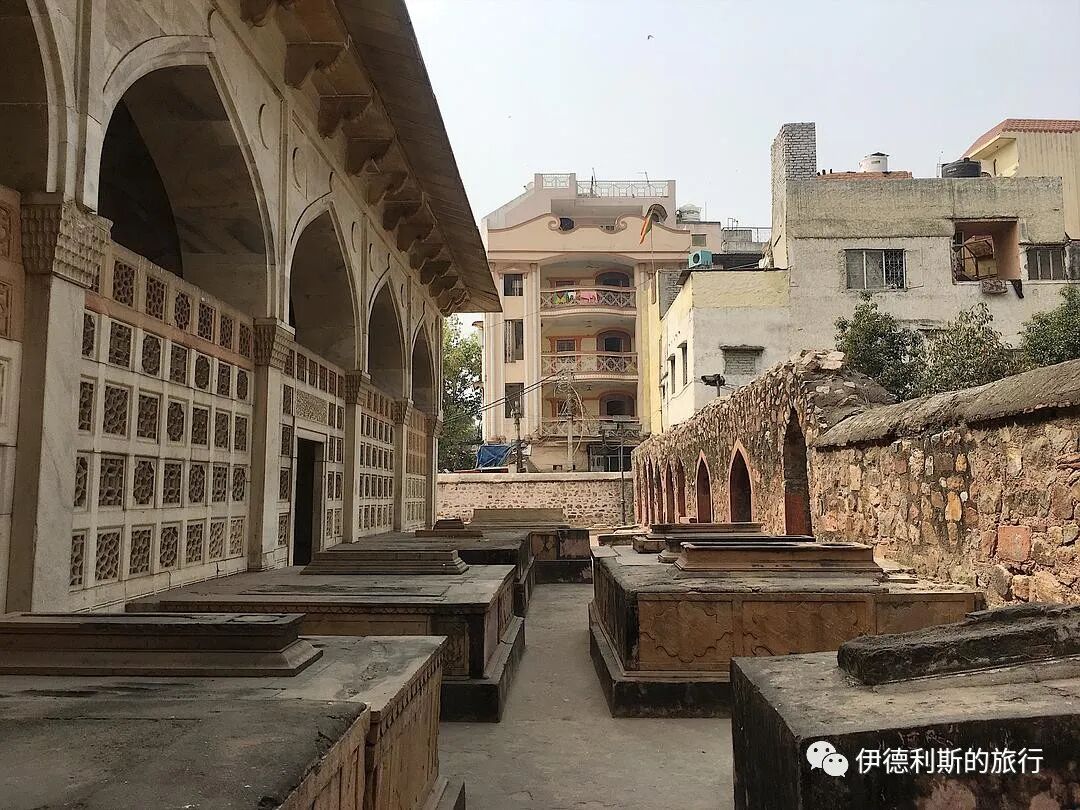
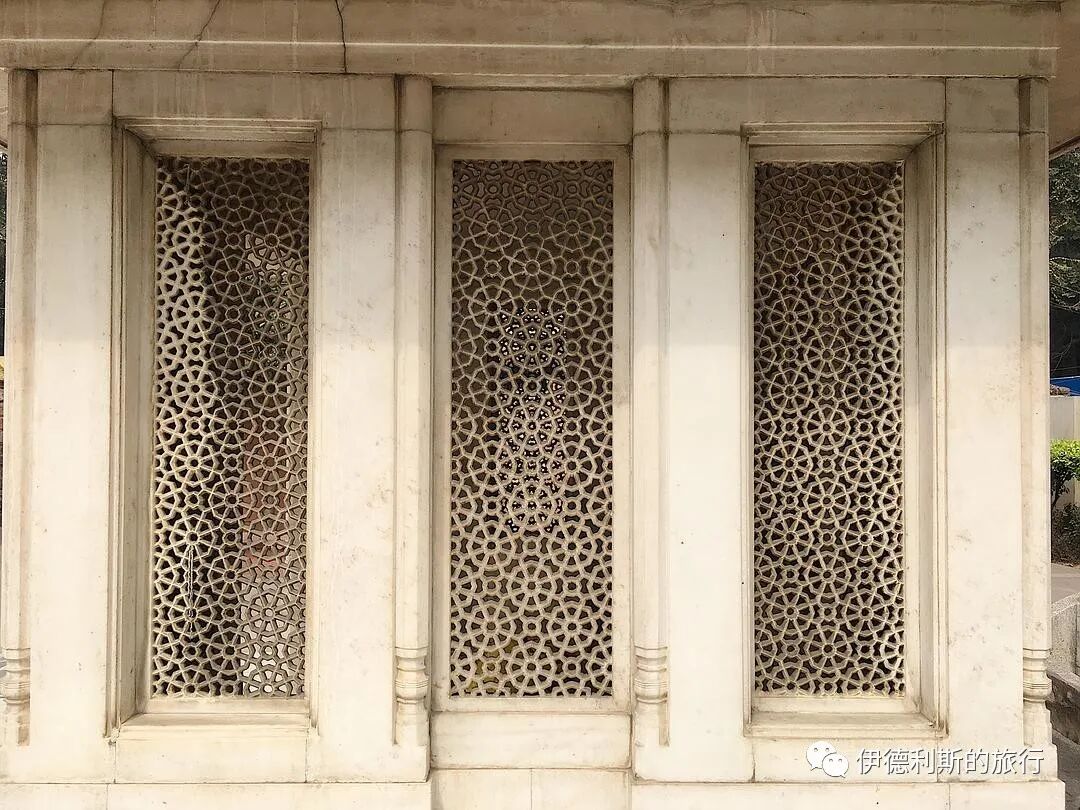
The tomb of Prince Mirza Jahangir (Shahzada Mirza Muhammad Jahangir Bakht Bahadur, 1791-1821) is near the east gate of the shrine complex, and it also features white marble latticework.
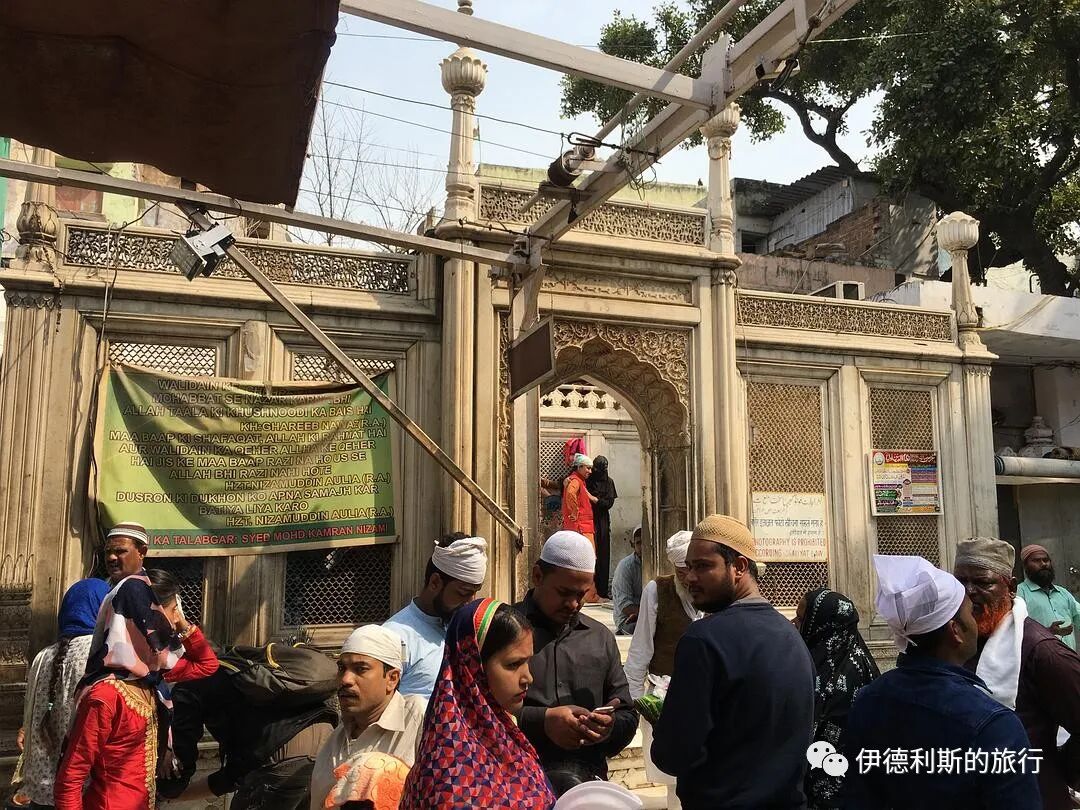
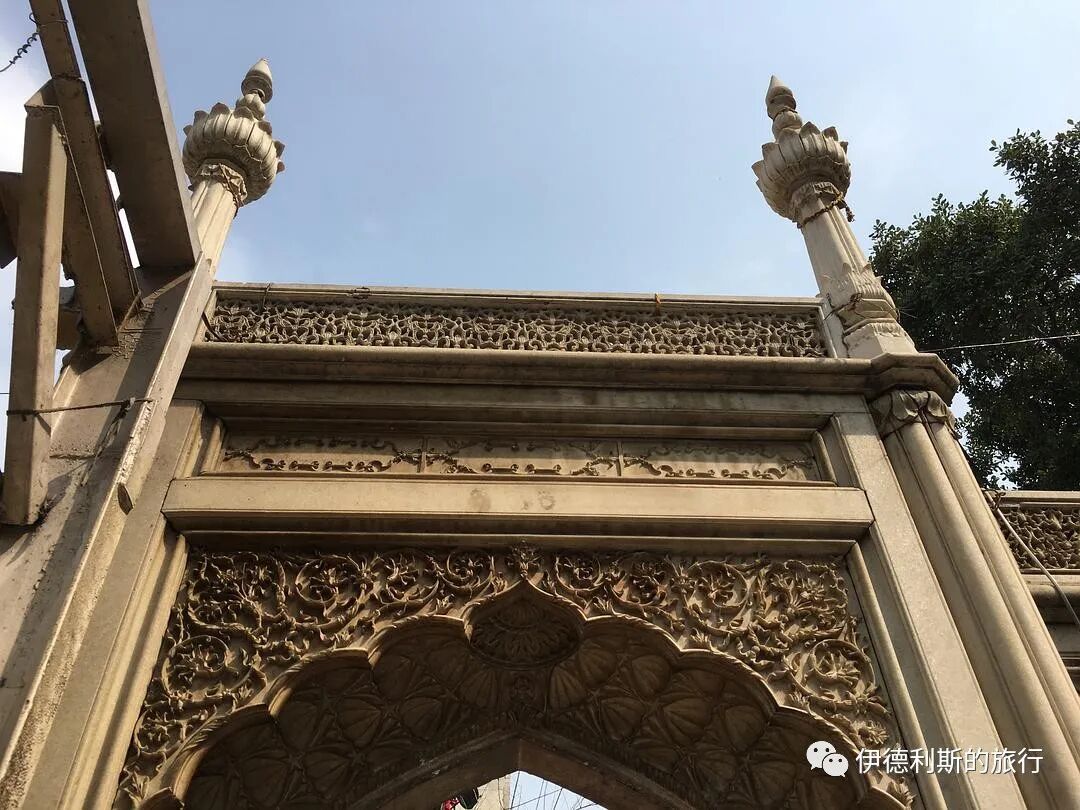
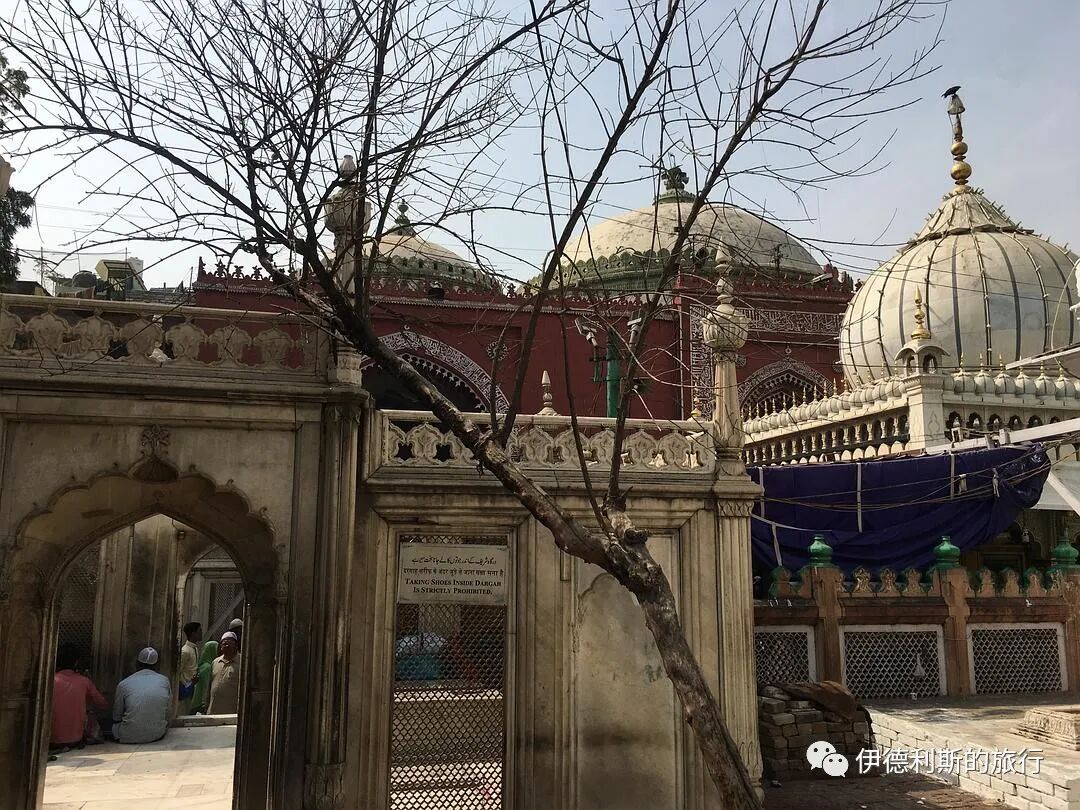
Prince Mirza Jahangir was the son of the Mughal Emperor Akbar Shah II (reigned 1806-1837). He was once named crown prince, but after attacking a British official, he was exiled by the East India Company, and his younger brother eventually became the last Mughal emperor.
Akbar Shah II was never very happy with his eldest son and wanted to name Mirza Jahangir as his heir. However, Sir Archibald Seton, who was stationed at the Red Fort in Delhi, did not like this, and the 19-year-old prince recklessly humiliated the official in public. A few days later, the prince held a party on the roof of the Red Fort in Delhi. He saw a British officer passing by and fired a shot at him, killing one of the officer's attendants. Because of this, the prince was exiled to Allahabad in the southeast of Uttar Pradesh.
The prince was eventually released from exile and returned to Delhi, where he died at the age of 31.
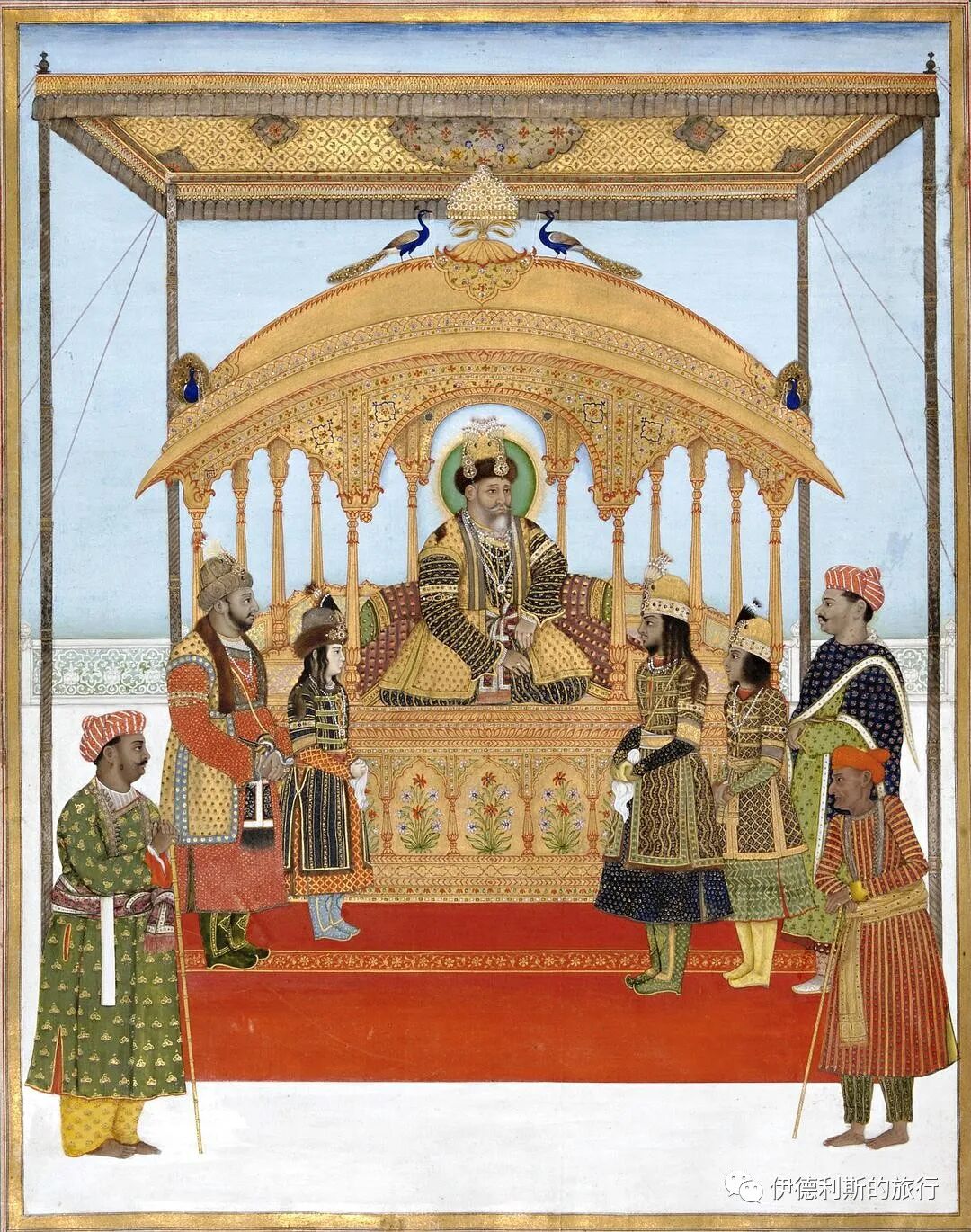
The Aga Khan Museum in Toronto holds a 1811 Mughal court portrait by Ghulam Murtaza Khan. Emperor Akbar Shah II is in the center, and the first person on the right is Prince Mirza Jahangir.
11. East Gate Bazaar
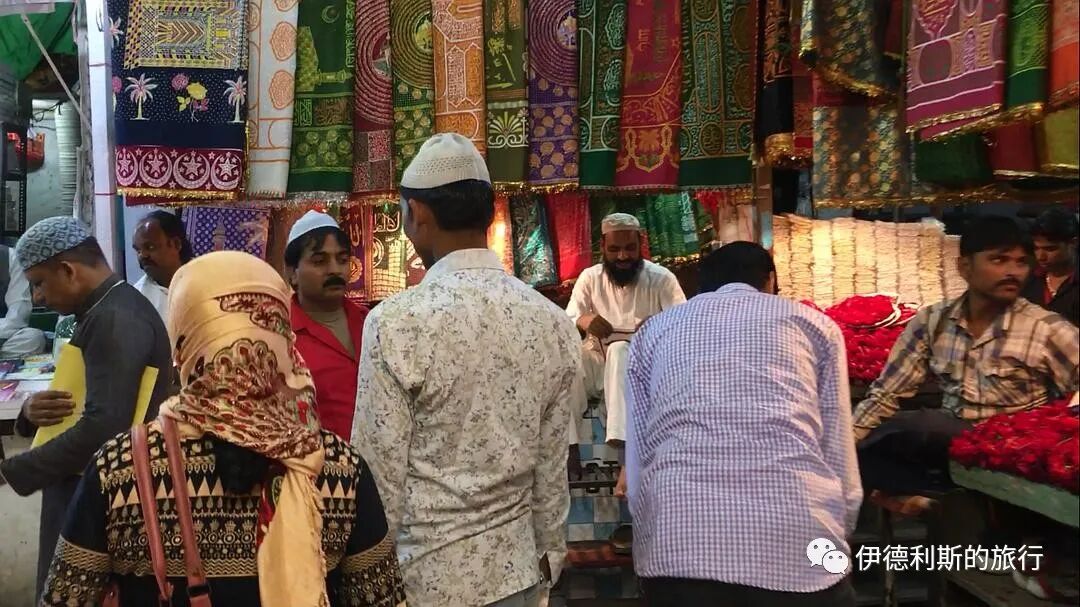
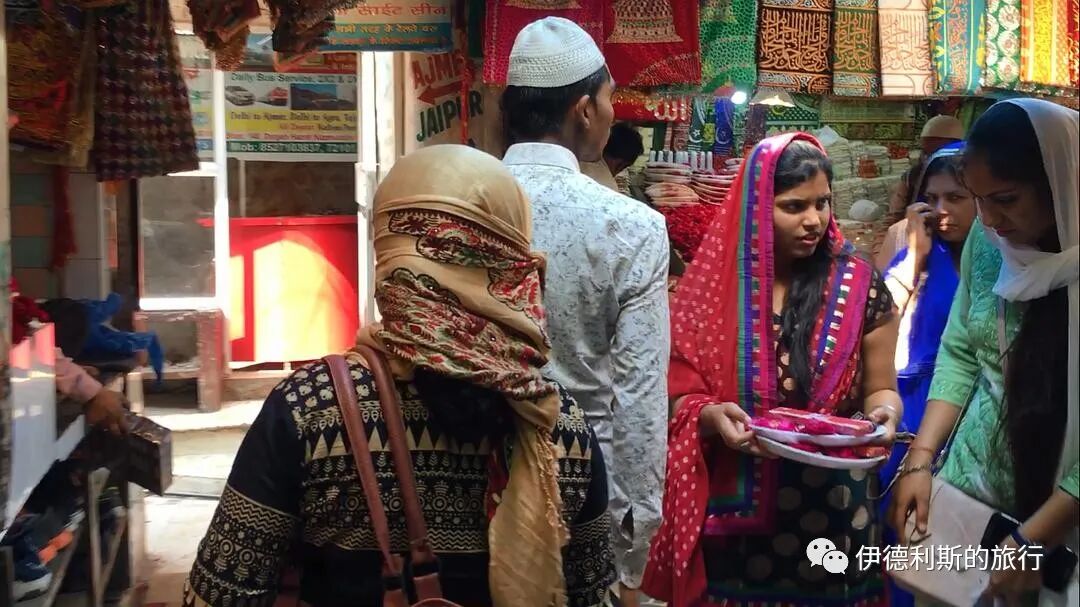
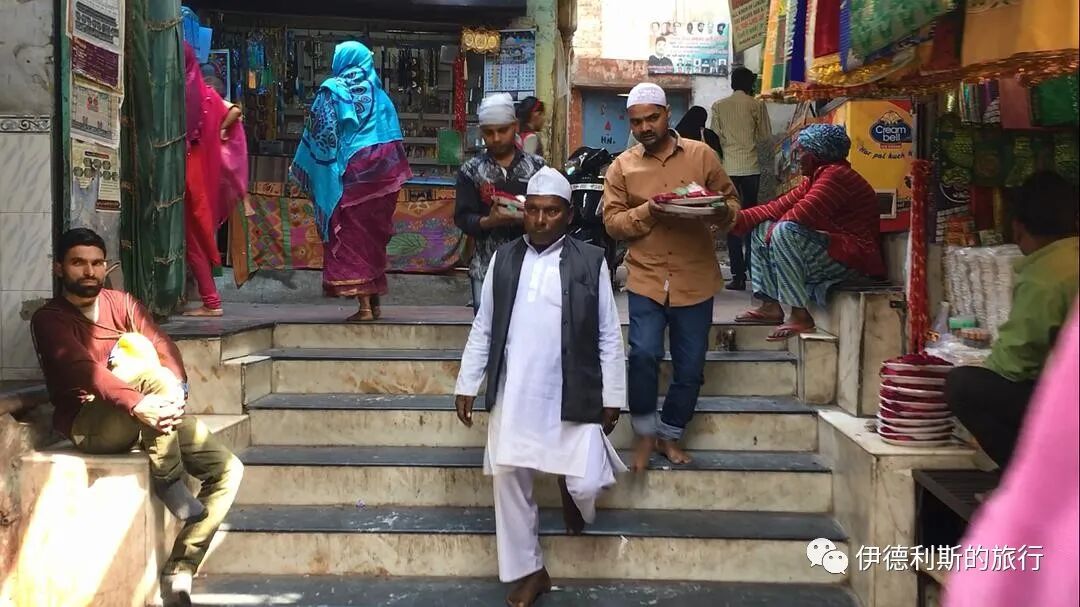
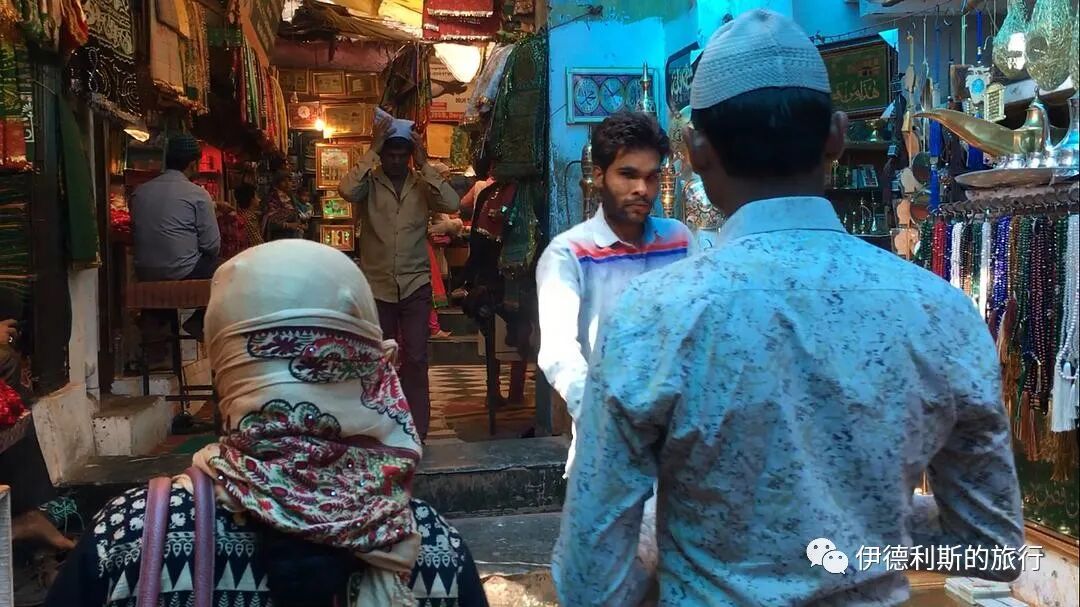
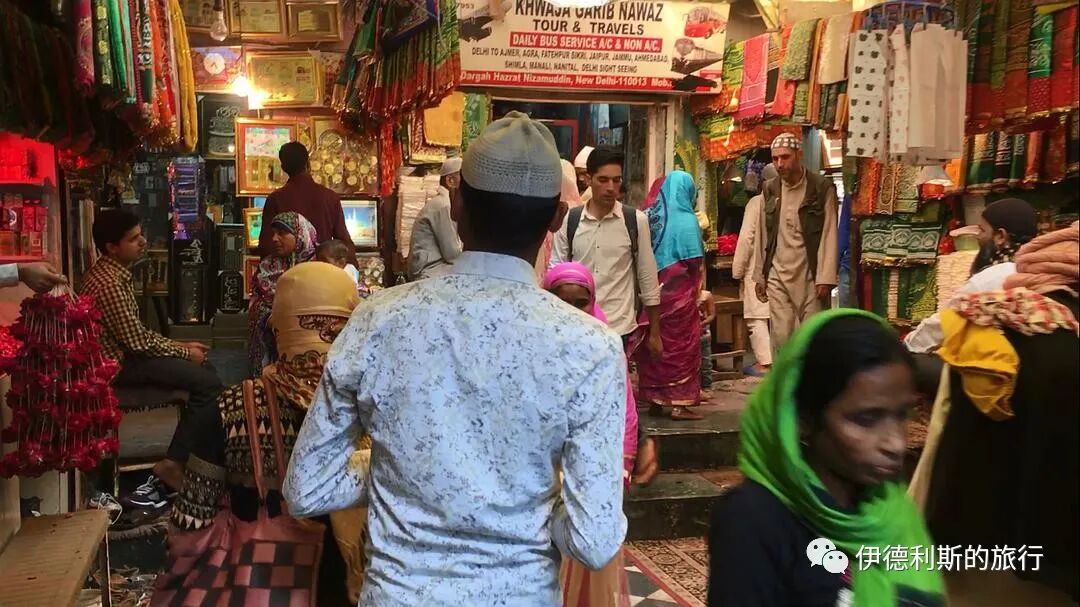
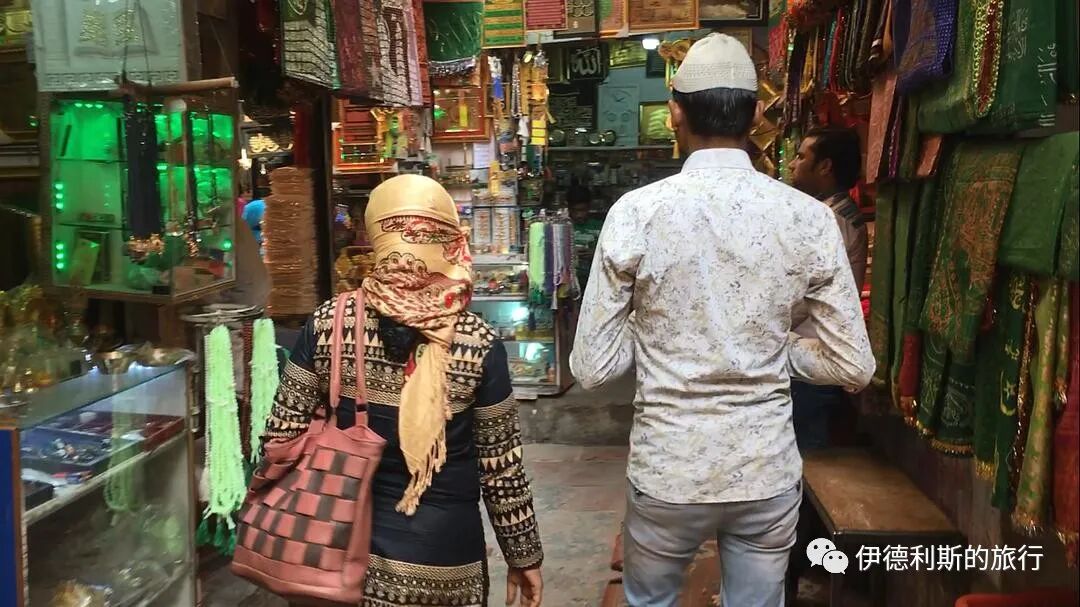
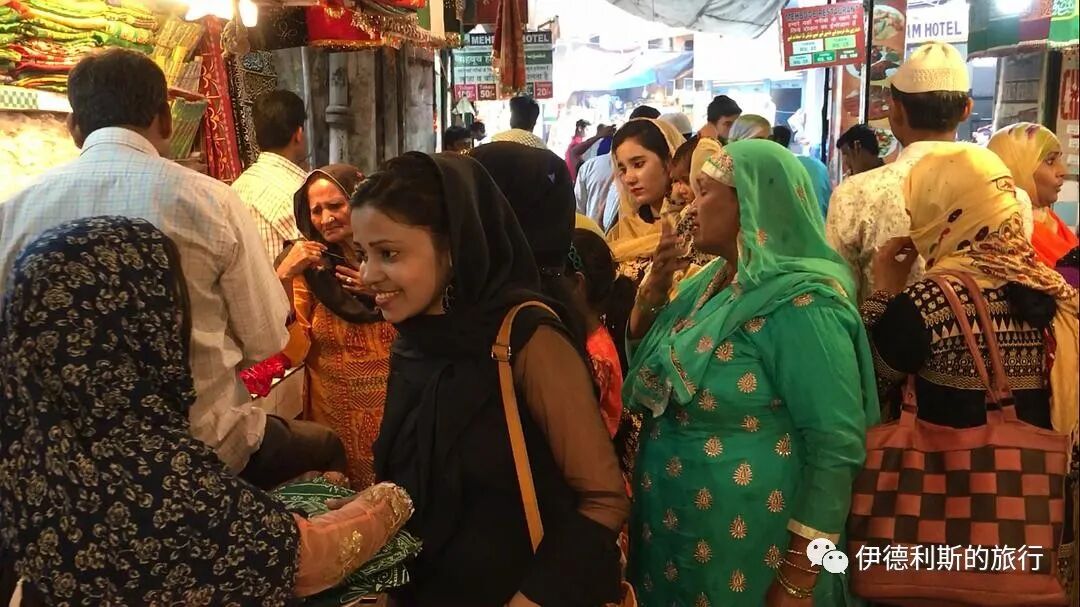
The religious goods market outside the east gate of the Nizamuddin Dargah core area really brings your imagination of the Mughal Empire to life.
Chapter 4: The Perimeter of Nizamuddin Dargah
1. Tomb of Ataga Khan: 1566
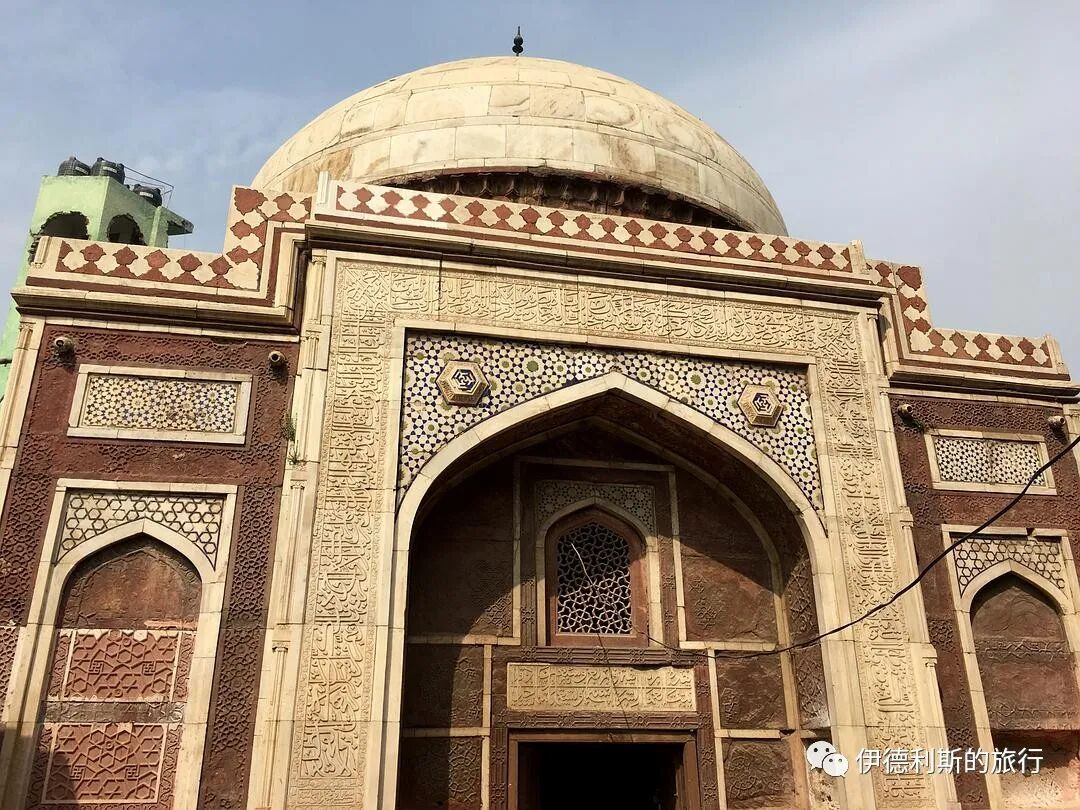
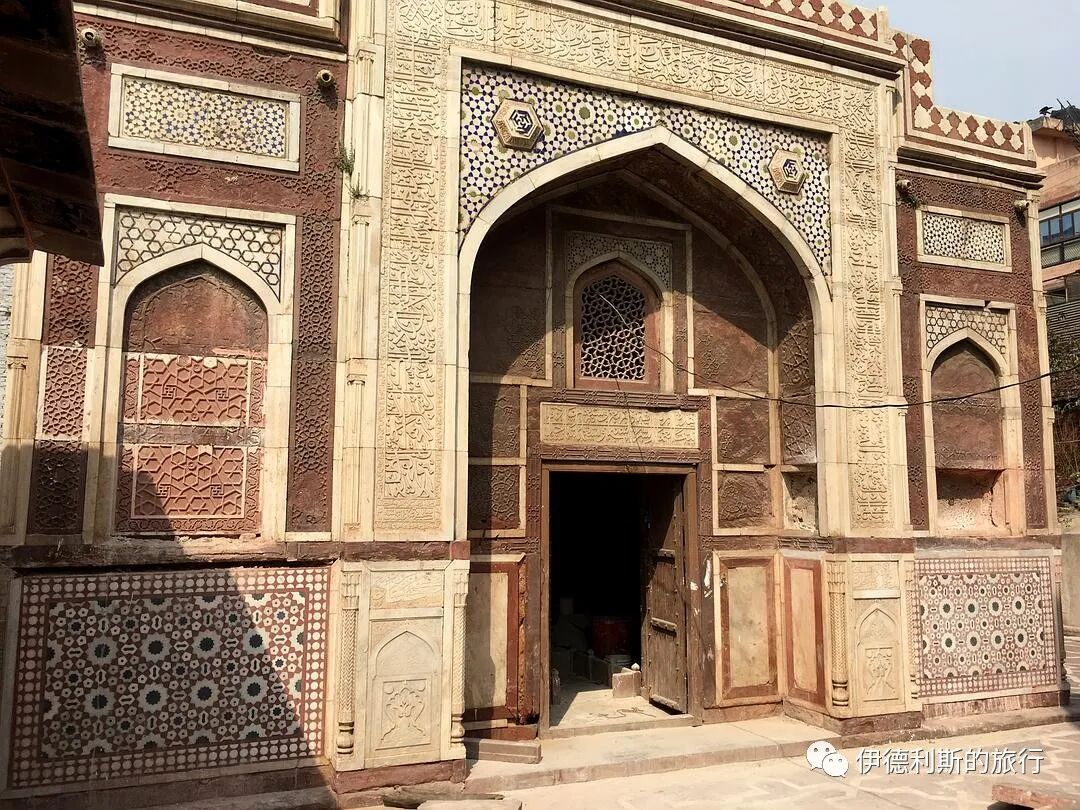
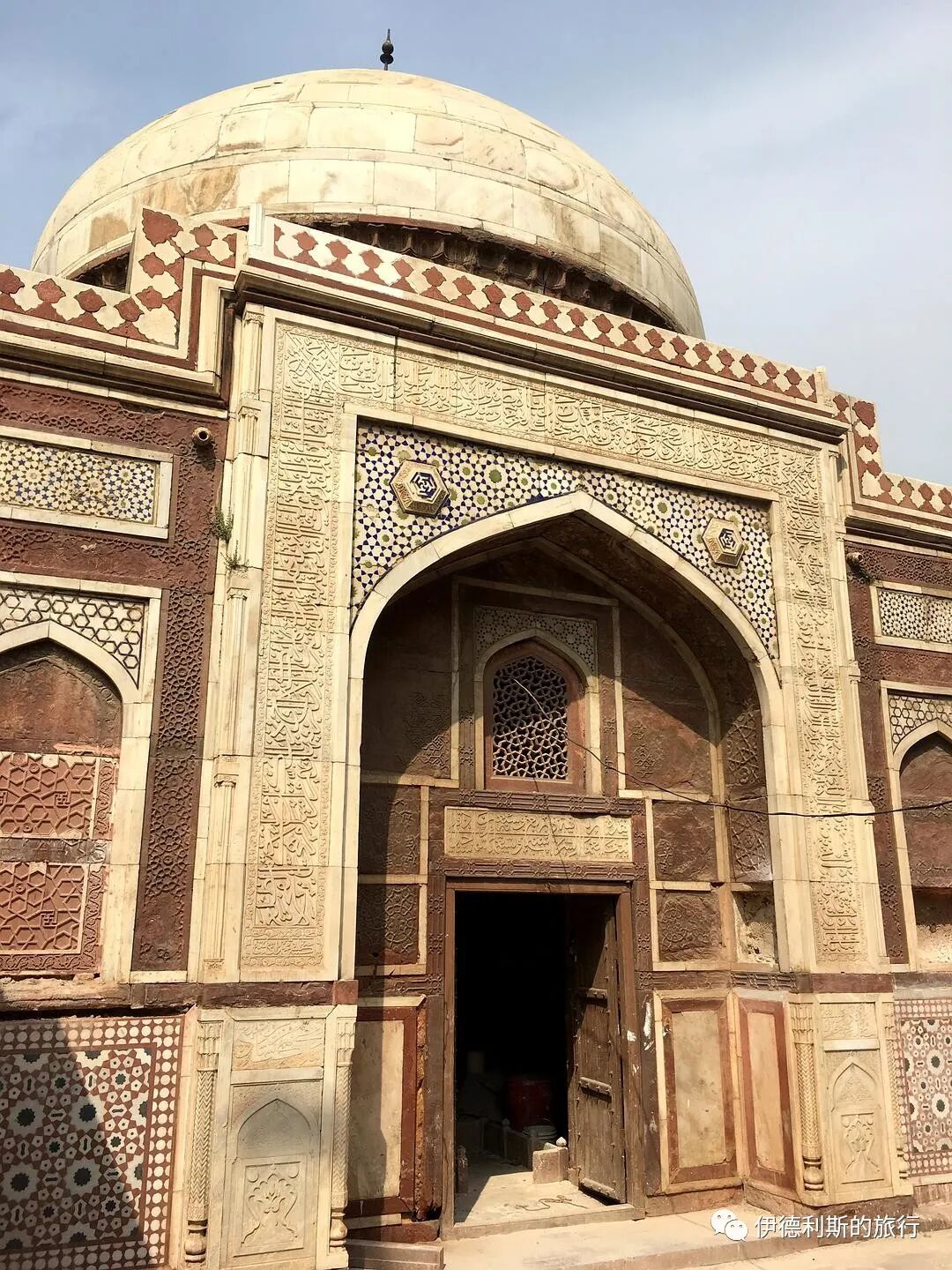
Right next to the east side of the Nizamuddin Dargah core area stands the tomb of Ataga Khan, the foster father of the Mughal Emperor Akbar.
Ataga Khan's full name was Shamsuddin Muhammad Atgah Khan, and he held many important positions in the Mughal court. He was originally just an ordinary soldier, but by chance he saved the Mughal Emperor Humayun by the Ganges River, so Humayun brought him into the palace. To reward Ataga Khan for his loyalty, Humayun let Ataga Khan's wife become the foster mother of his son Akbar (the future Akbar the Great), and Ataga Khan then received the title of Atgah (foster father).
Ataga Khan was always a minister deeply loved by Akbar the Great. In 1561, he replaced Maham Anga as the new wakil (equivalent to prime minister), which caused Maham Anga great resentment. On May 16, 1562, Ataga Khan was murdered by Maham Anga's son, Adham Khan. Hearing that his foster father had been murdered, Akbar the Great was furious. He ordered Adham Khan to be thrown from the city wall twice to make sure he was really dead.
In 1566, Emperor Akbar ordered his foster brother, Mirza Aziz Koka, the son of Ataga Khan, to build a tomb for his father next to the Nizamuddin Dargah. The architect of this tomb was Ustab Khuda Quli, and the Quranic verses on the white marble were written by Baqi Muhammad from Bukhara.
When I visited, the tomb of Ataga Khan was under renovation and closed to the public.
2. Chausath Khamba: 1624
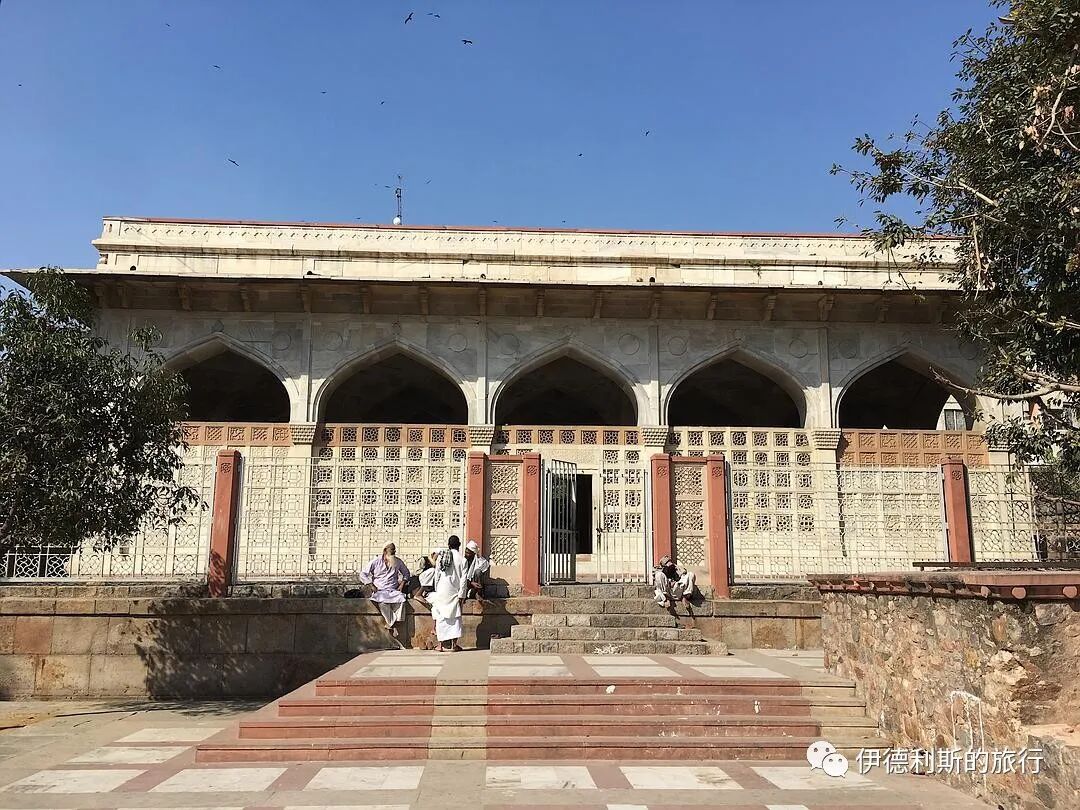
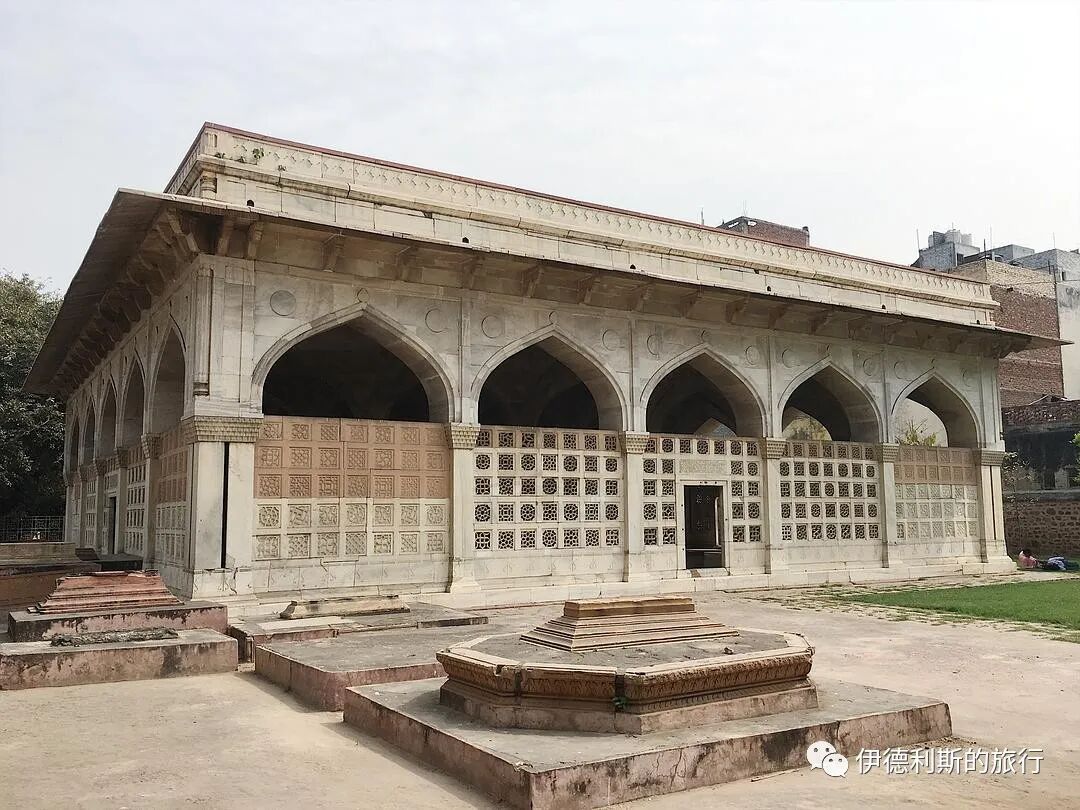
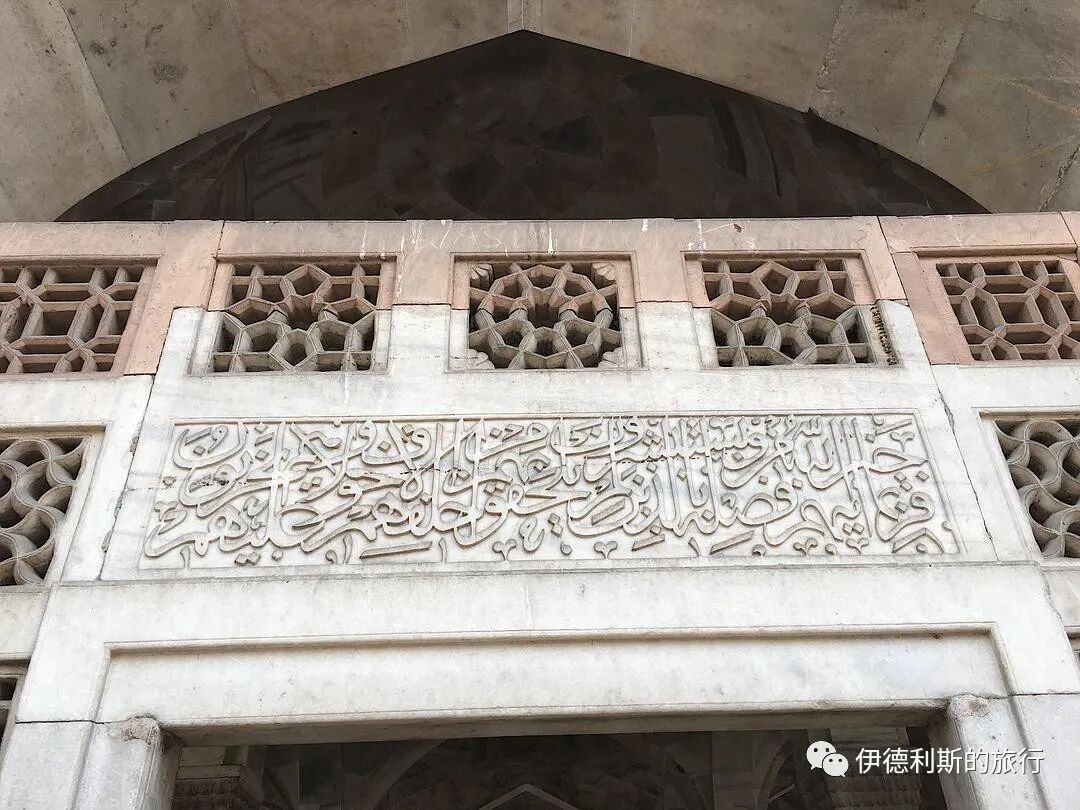
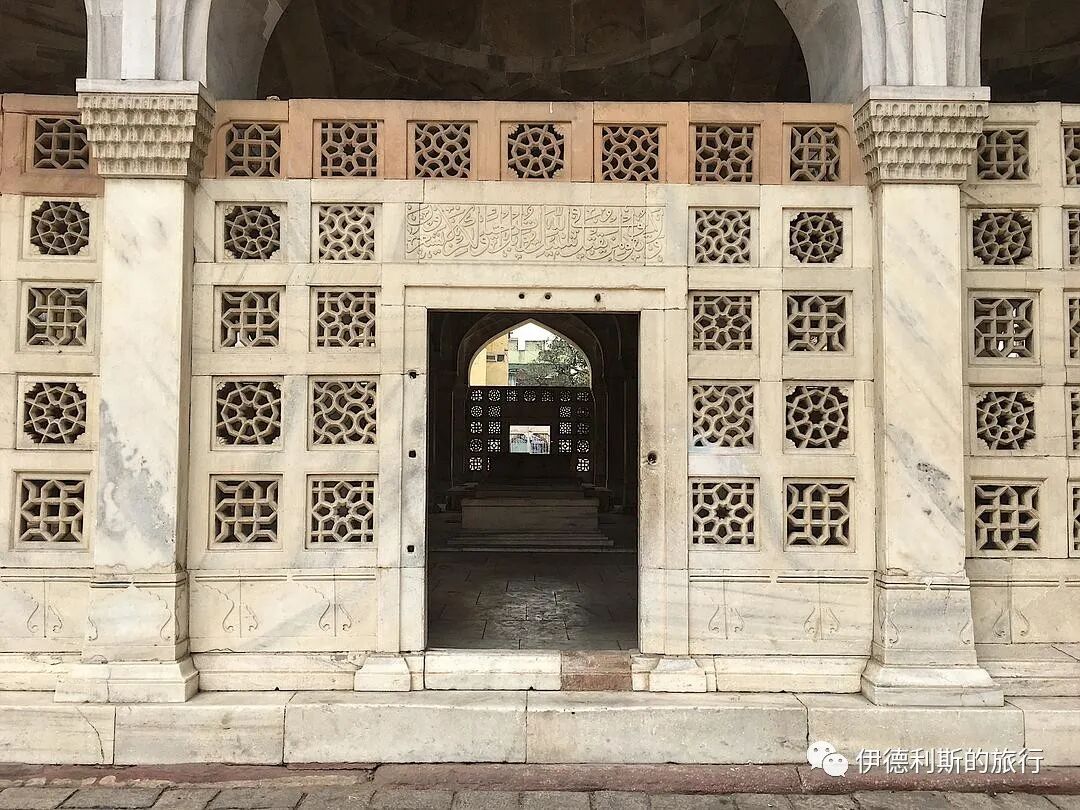
After leaving the east gate of the Nizamuddin Dargah core area and walking further east, you reach Chausath Khamba, the most important building in the eastern part of the Nizamuddin community. It is the tomb that Mirza Aziz Koka (1542-1624), the son of Ataga Khan, built for himself between 1623 and 1624.
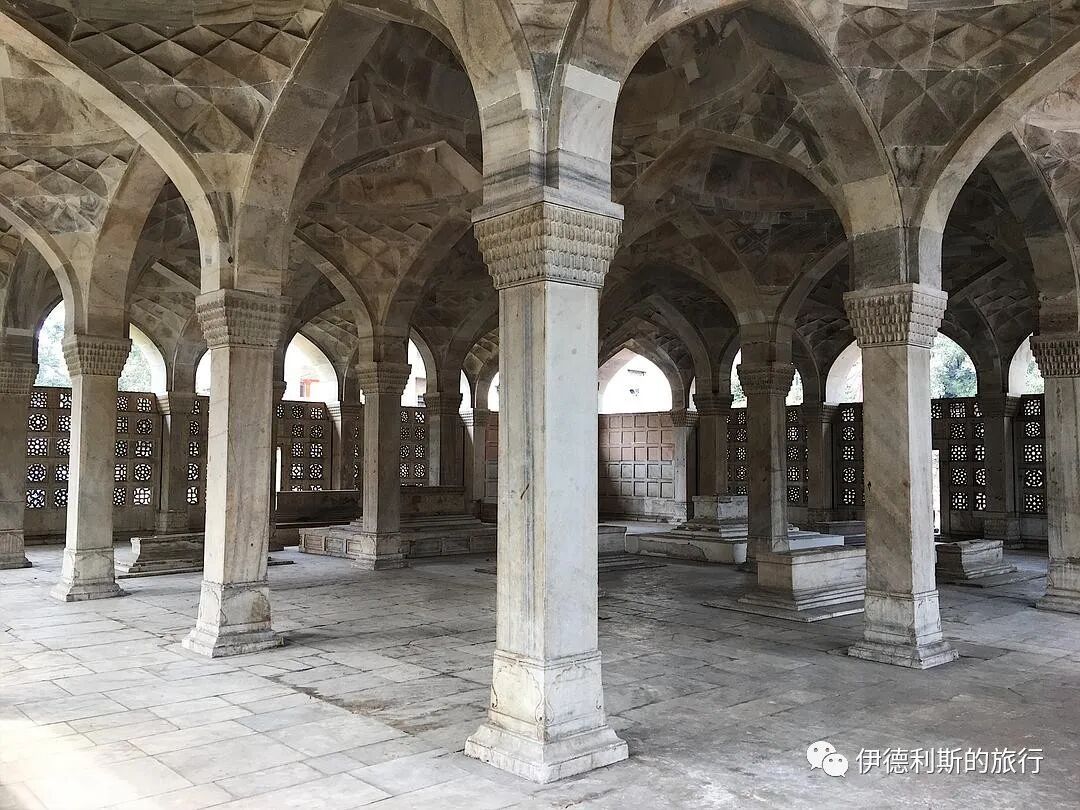
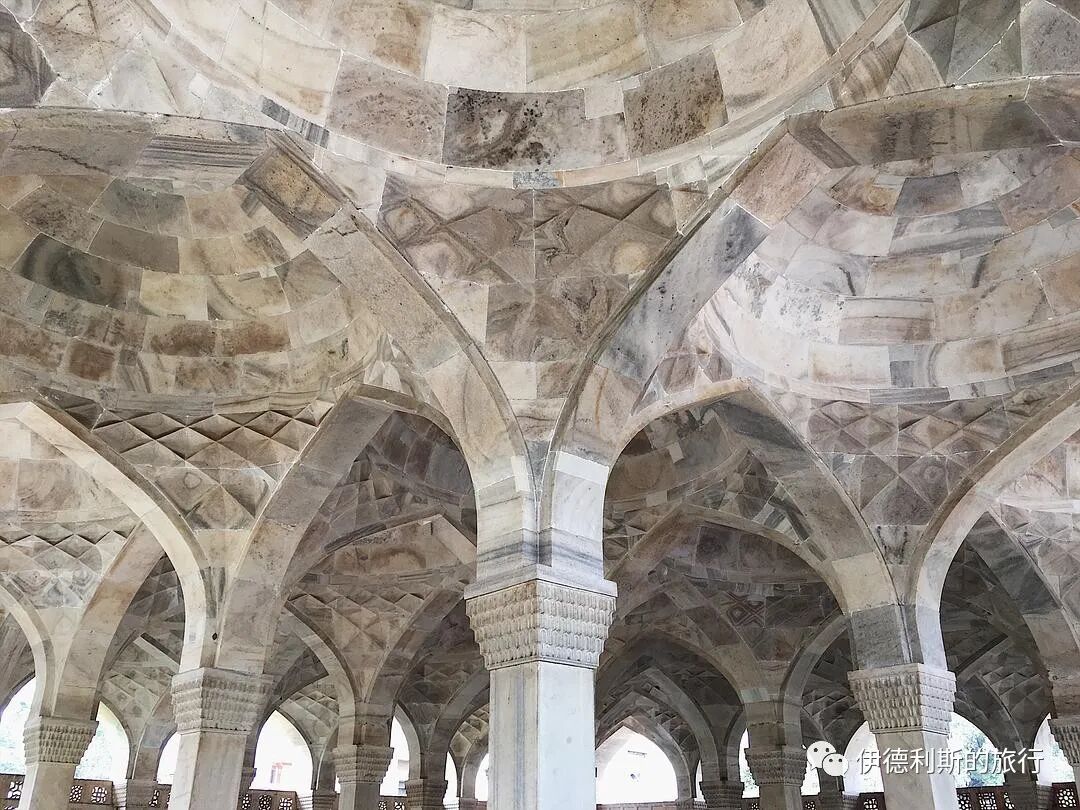
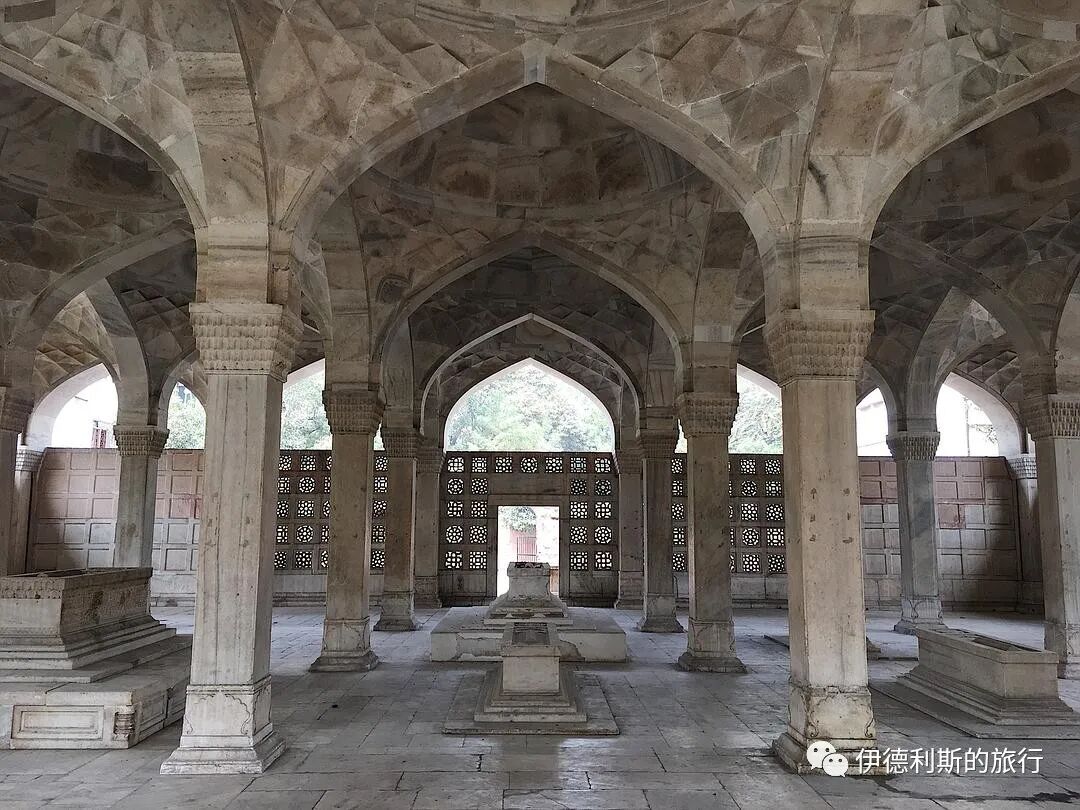
Chausath Khamba means sixty-four pillars in Hindi and Urdu. It is a square hall made of white marble. Sixty-four pillars support twenty-five domes that you can only see from inside the building, as the roof itself is flat.
The design of Chausath Khamba does not look like a tomb at all. Experts think this place was likely a hall for resting and gathering when visiting the Nizamuddin shrine and the tomb of Atghah Khan. It was only turned into a tomb after Mirza died.
The British Library holds a drawing of Chausath Khamba made by William Daniell, R. A. in 1801.
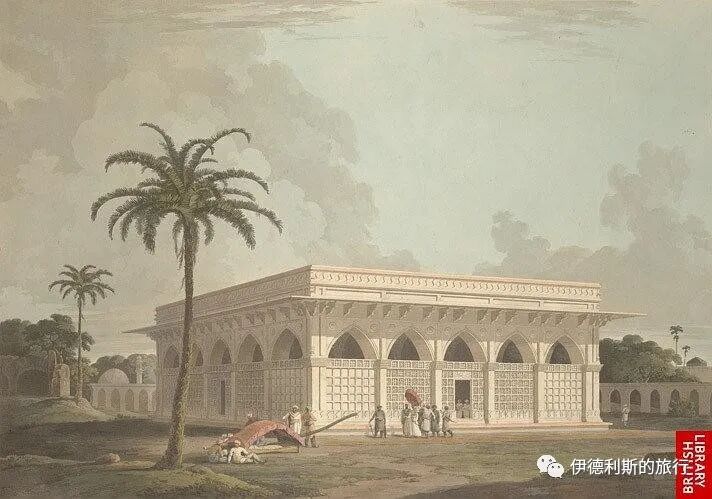
This information comes from the website http://ranasafvi.com/chausath-khamba/
A Delhi artist painted the Chausath Khamba between 1820 and 1825.
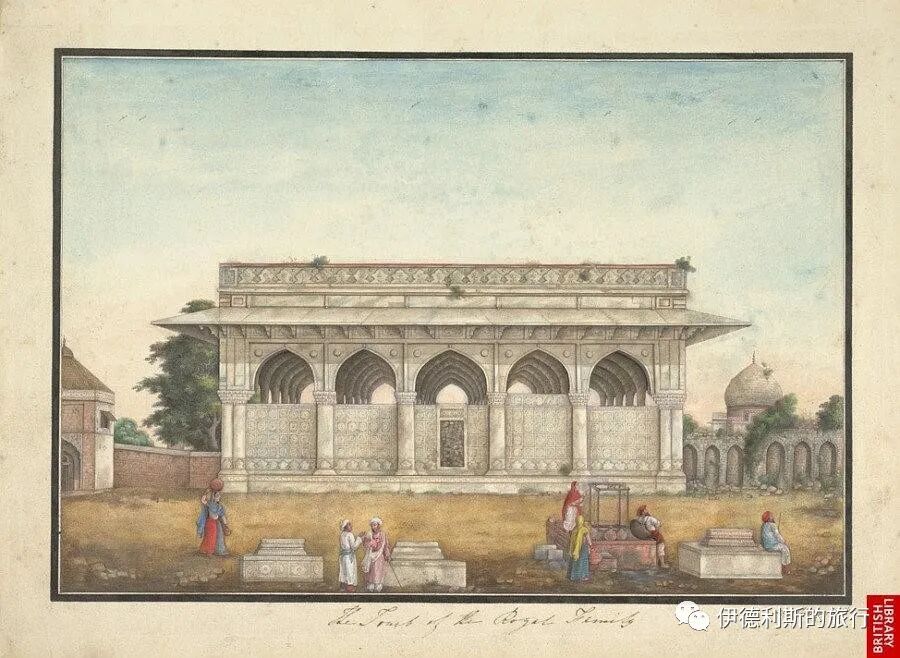
From http://ranasafvi.com/chausath-khamba/
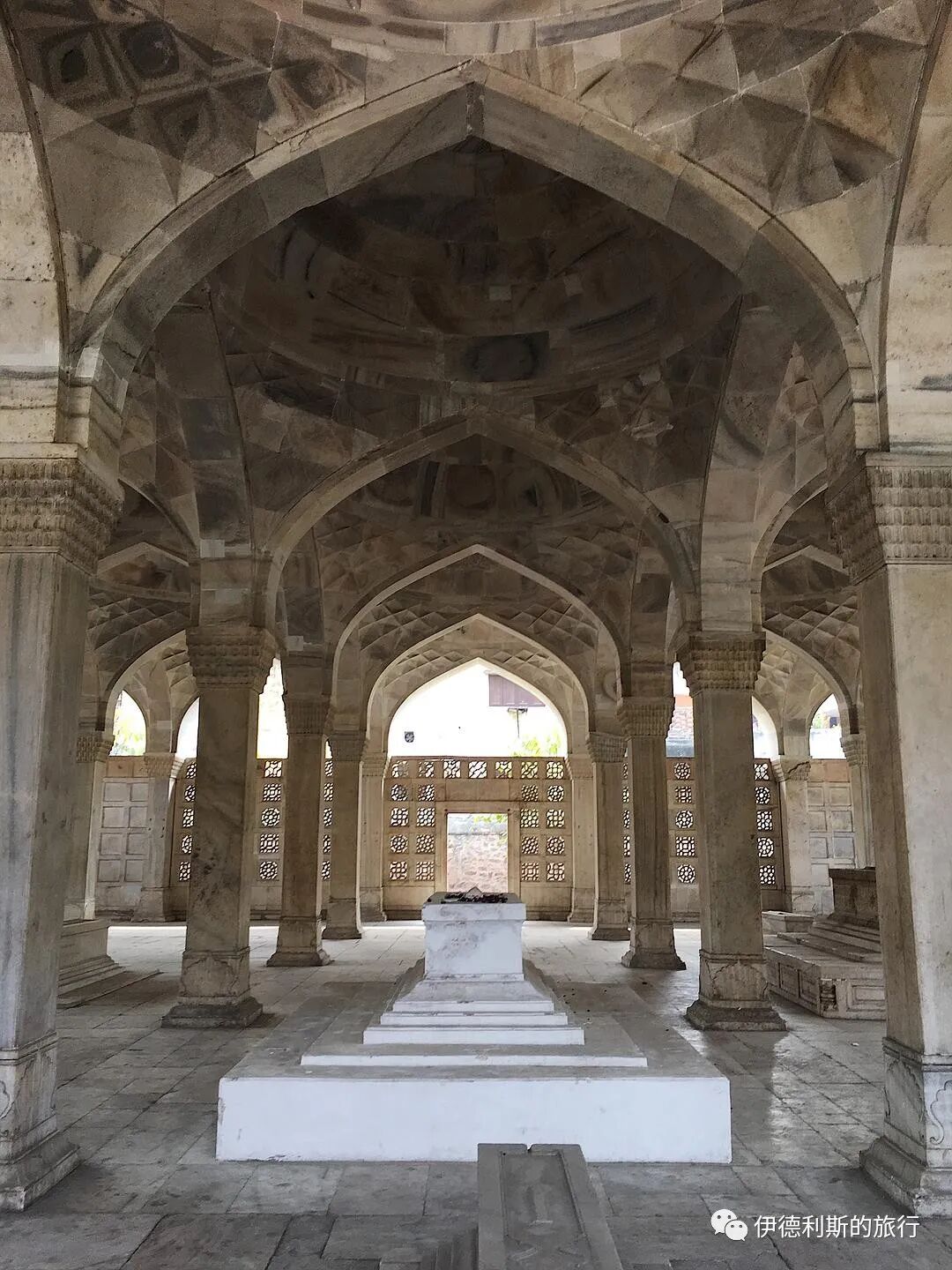
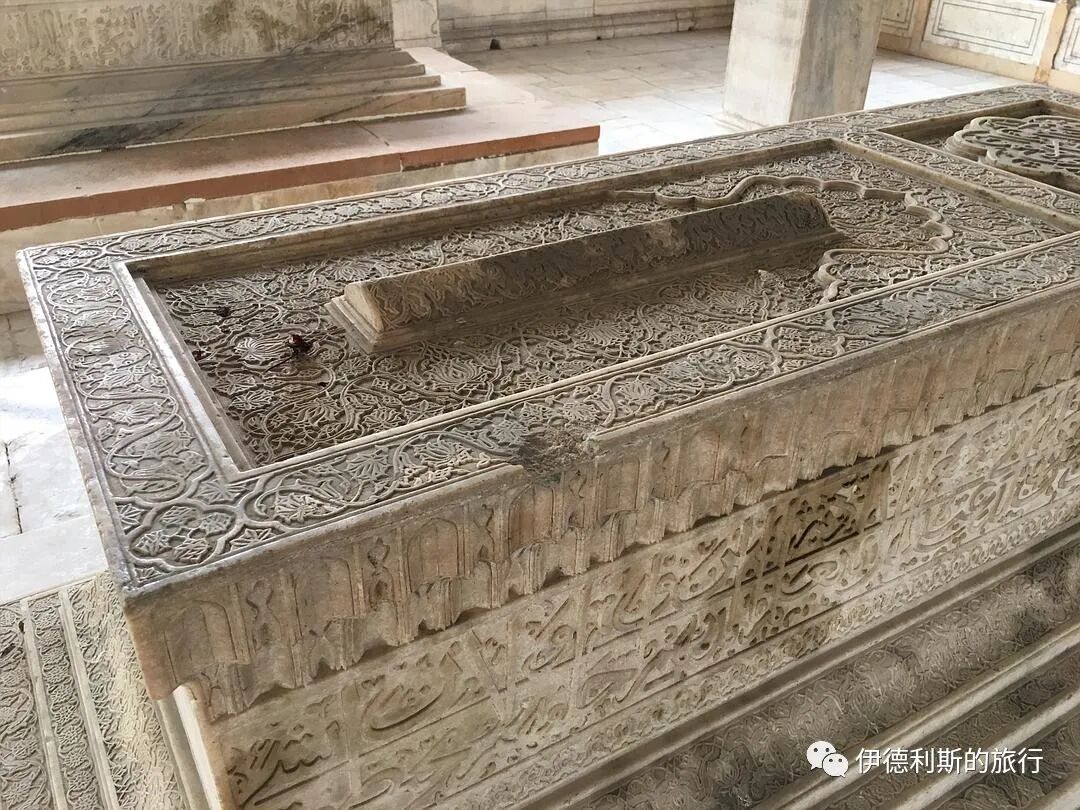
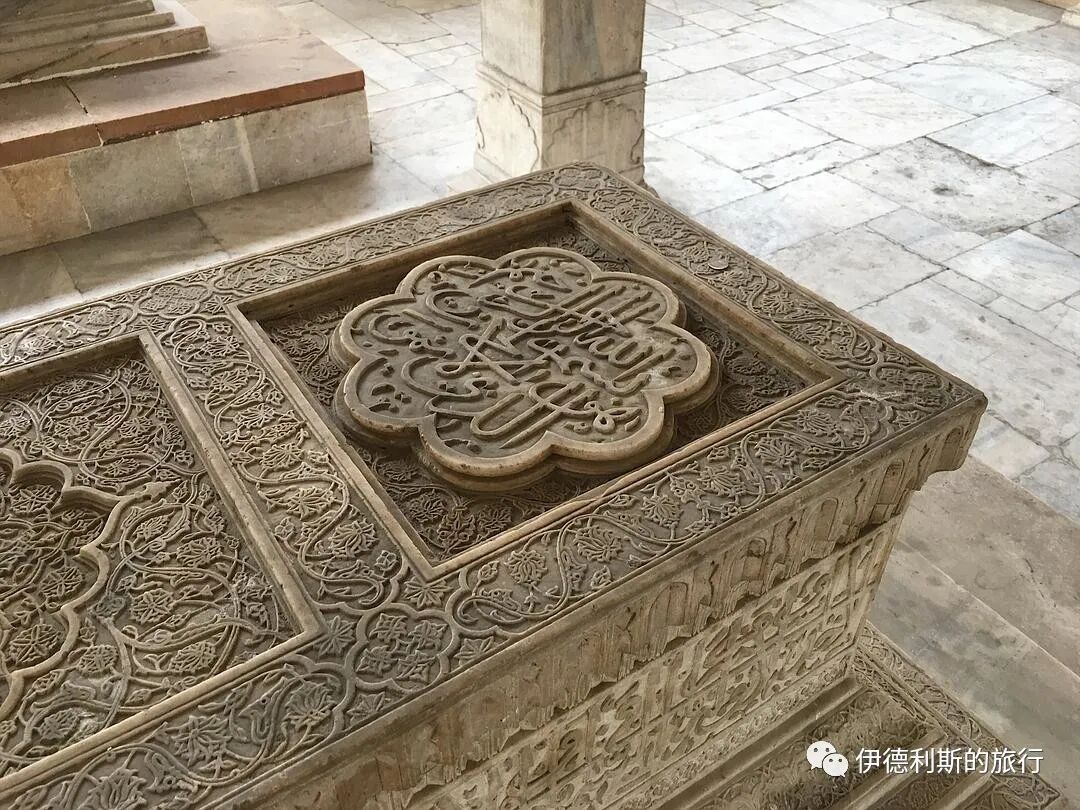
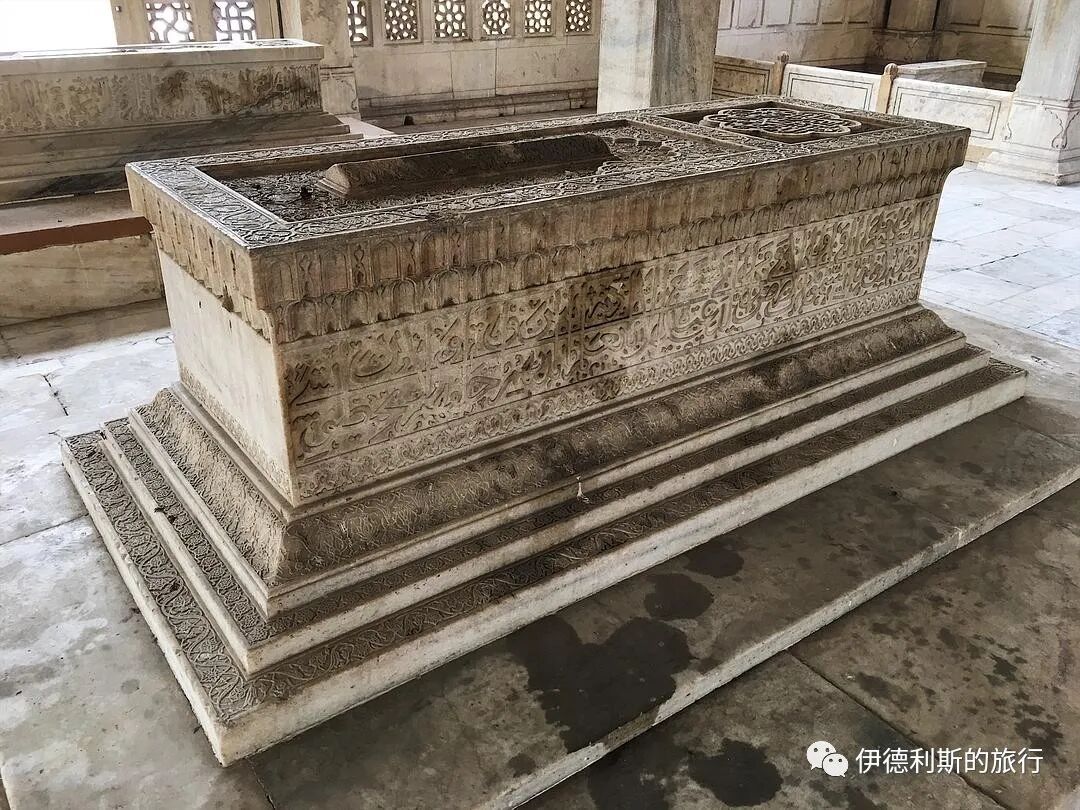
The raised part on the tombstone is called a qalam, which shows it is a man's grave. Most of the text on it comes from the Quran, Surah 3:185: Every soul shall taste death.
1. The Great Emperor's childhood friend
Mirza was a high-ranking official during the reigns of the Mughal Emperor Akbar (1556-1605) and his successor Jahangir (1605-1627). Because his father, Ataga Khan, was the foster father of Emperor Akbar, he received the title Koka, which means foster brother.
Mirza was a childhood playmate of Emperor Akbar and shared a very deep bond with the emperor. In 1572, Emperor Akbar conquered the Gujarat Sultanate southwest of Delhi and appointed Mirza to govern Gujarat. In 1573, the people of Gujarat rebelled and besieged the city of Ahmedabad. Mirza held the city until Emperor Akbar led his army to break the siege.
2. Receiving the Emperor's forgiveness
Gradually, Mirza became unhappy with many of Emperor Akbar's policies. In 1578, he was ordered to put down a rebellion in Bengal, and in 1586, he was ordered to conquer the Deccan Plateau. He was reluctant to carry out both missions, and his slow progress caused him to miss key military opportunities.
However, as childhood friends, Emperor Akbar remained very forgiving toward Mirza. In 1592, Mirza was sent on the Hajj pilgrimage to Mecca and spent a lot of money on religious causes. Eventually, Emperor Akbar forgave Mirza and restored his status.
3. Losing status
In 1605, Jahangir became the new Mughal emperor, and in 1606 he crushed the rebellion led by his eldest son, Khusrau Mirza. Because he supported the rebellion, Mirza was stripped of most of his power. In his later years, Mirza regained some of his power, but it was nothing like it had been when his father was alive.
Records from the renovations between 2011 and 2014.
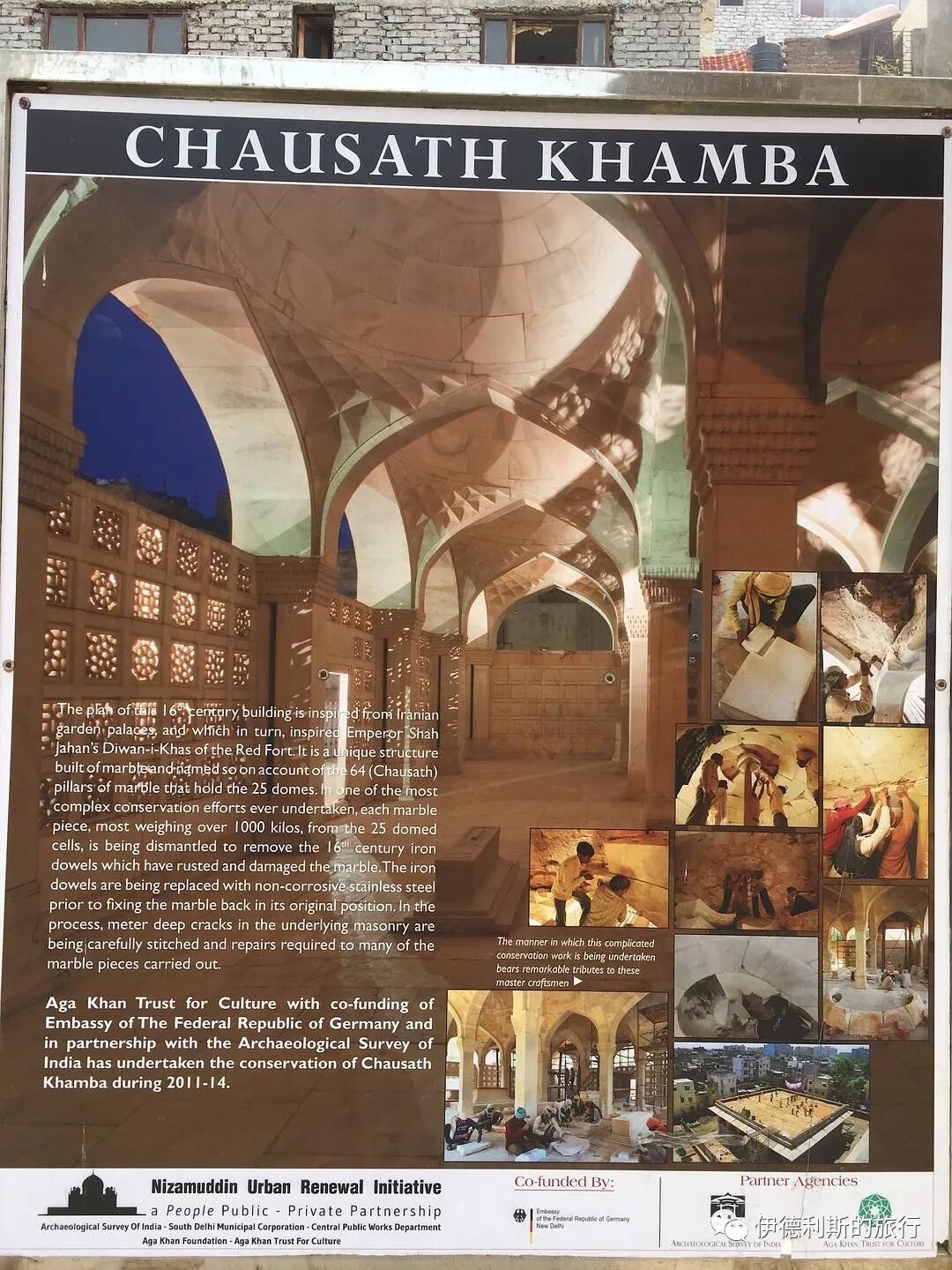
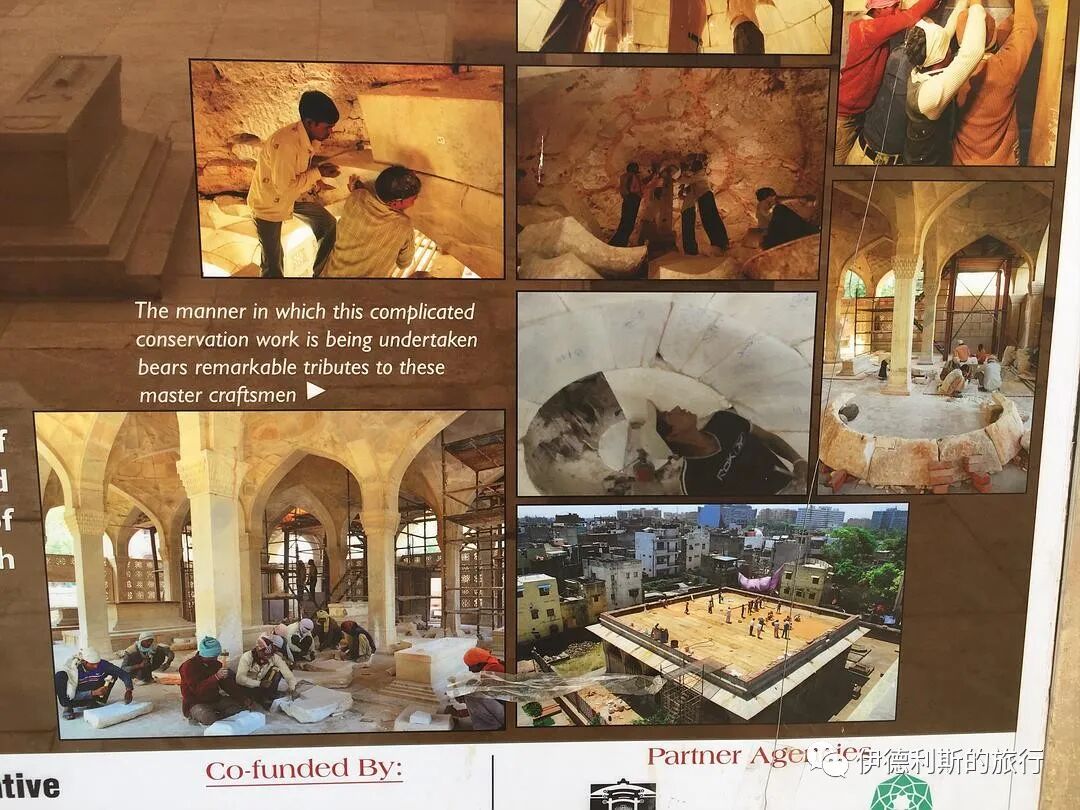
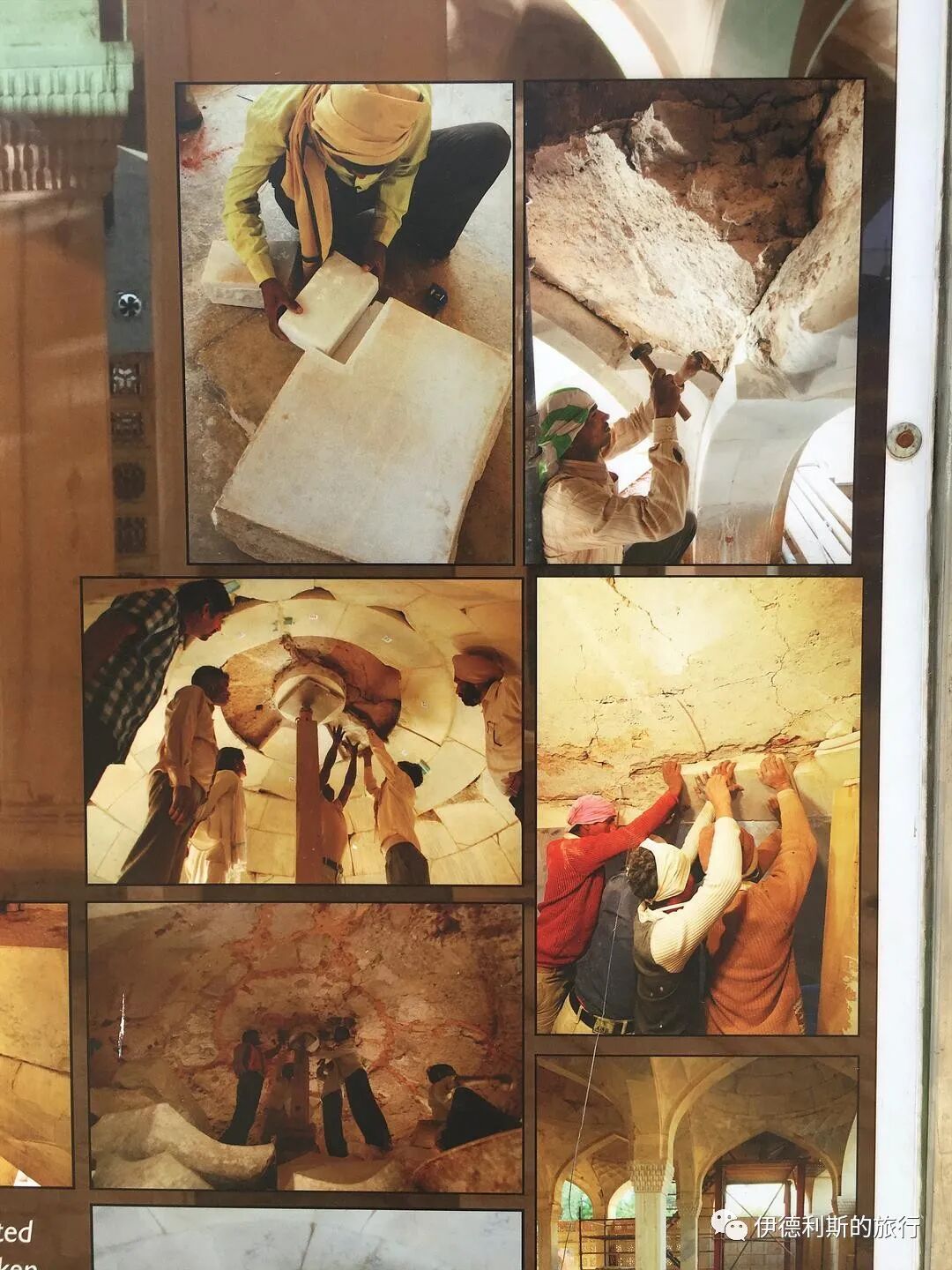
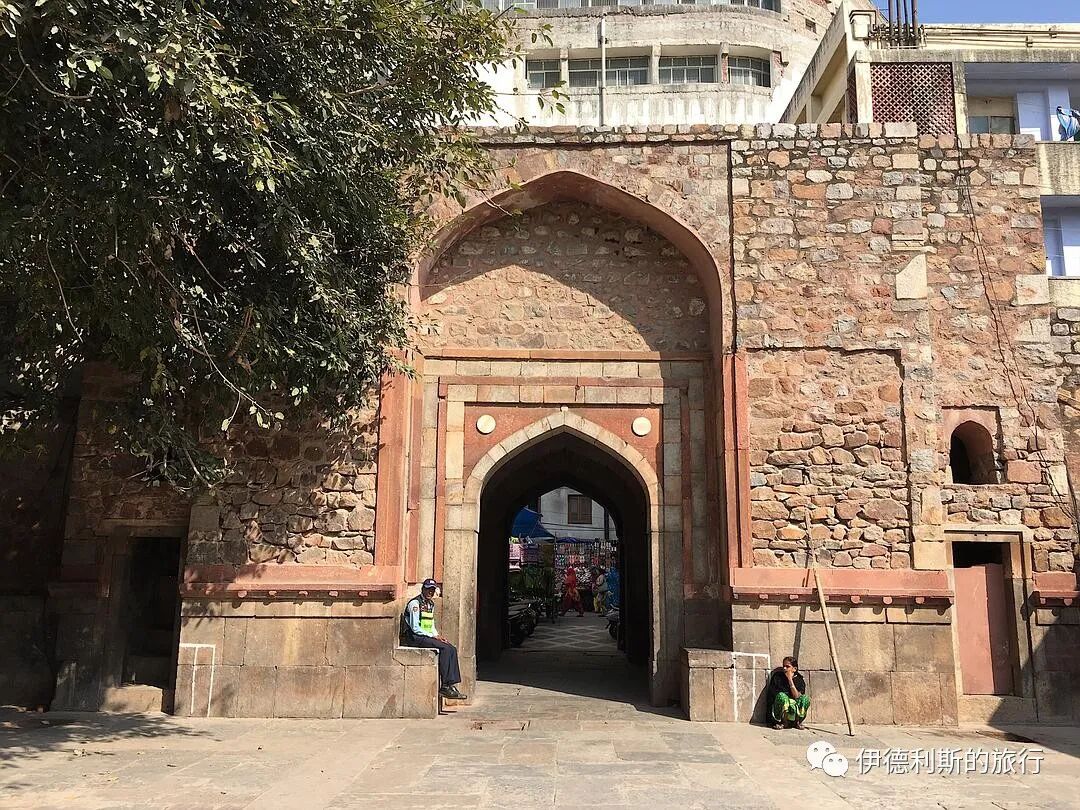
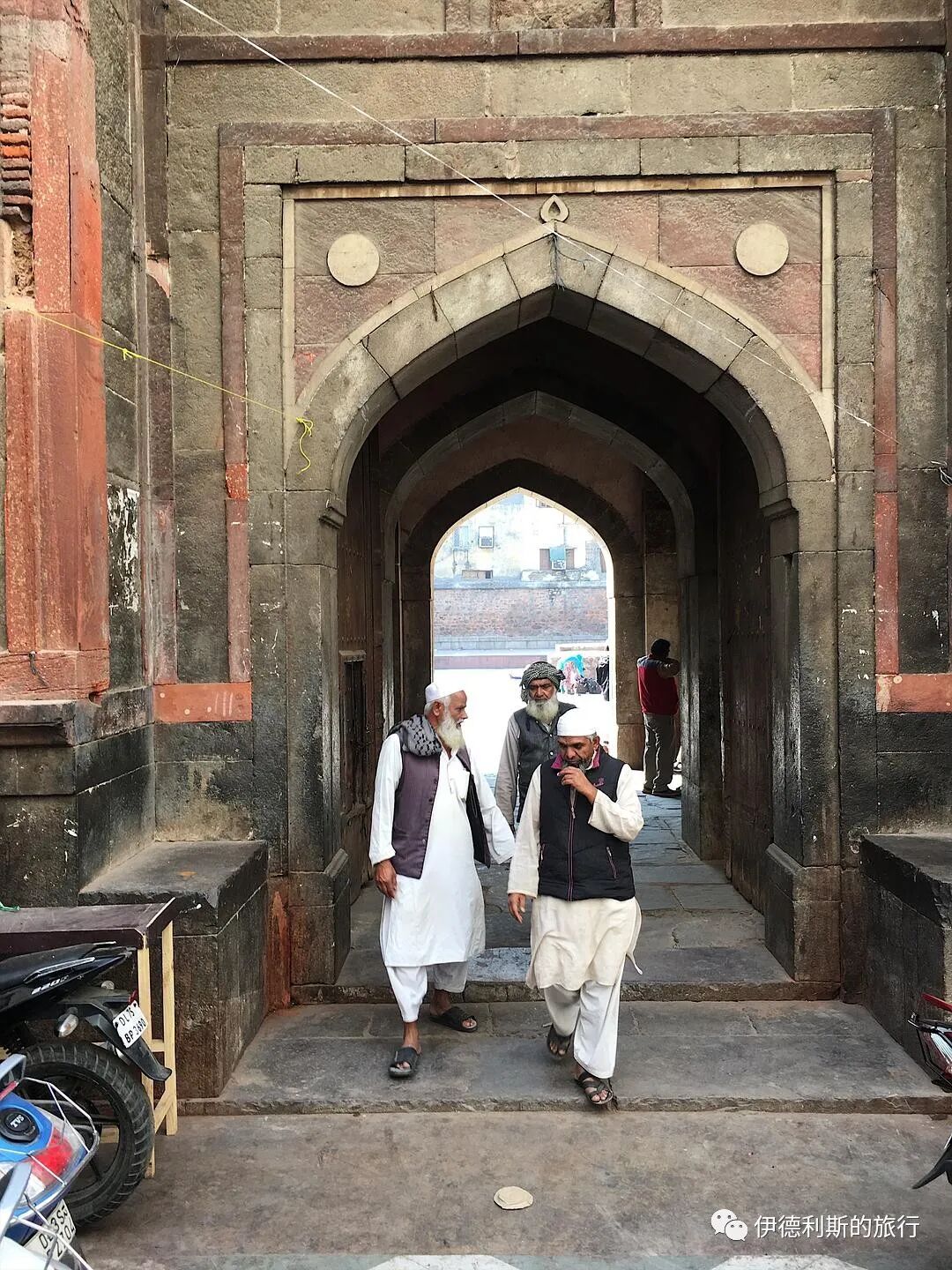
The main gate, built between the late 16th and early 17th centuries.
3. Tomb of the poet Ghalib: 1869.
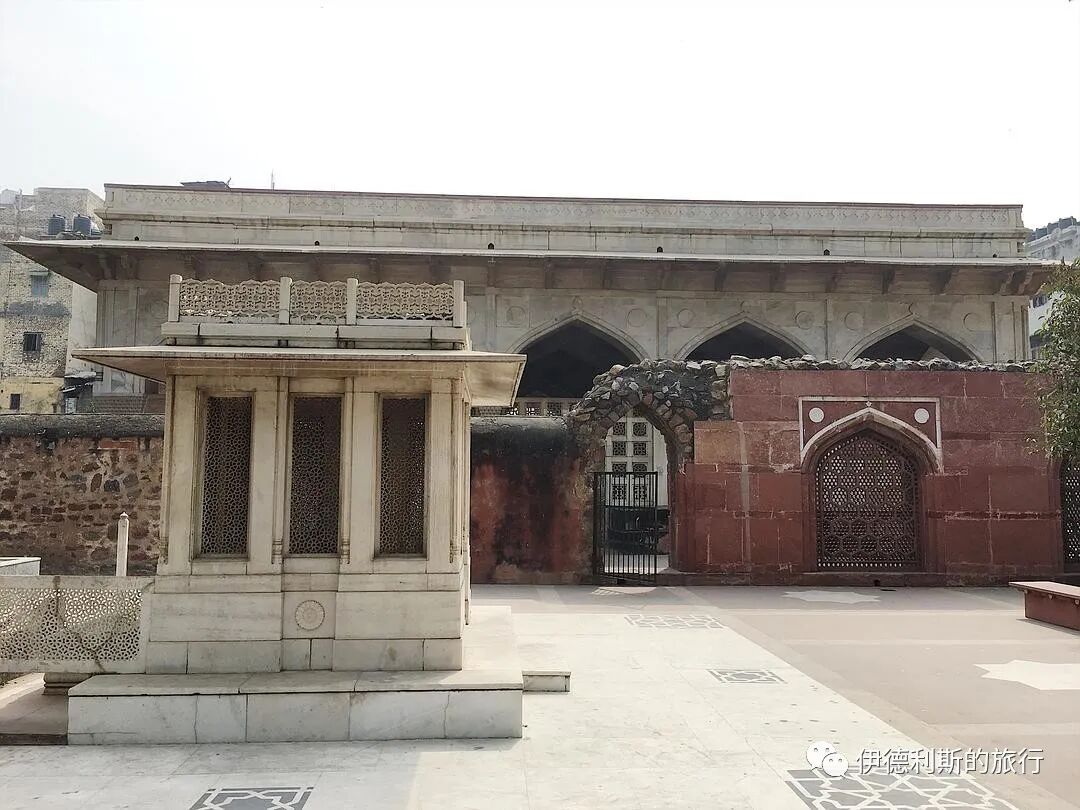
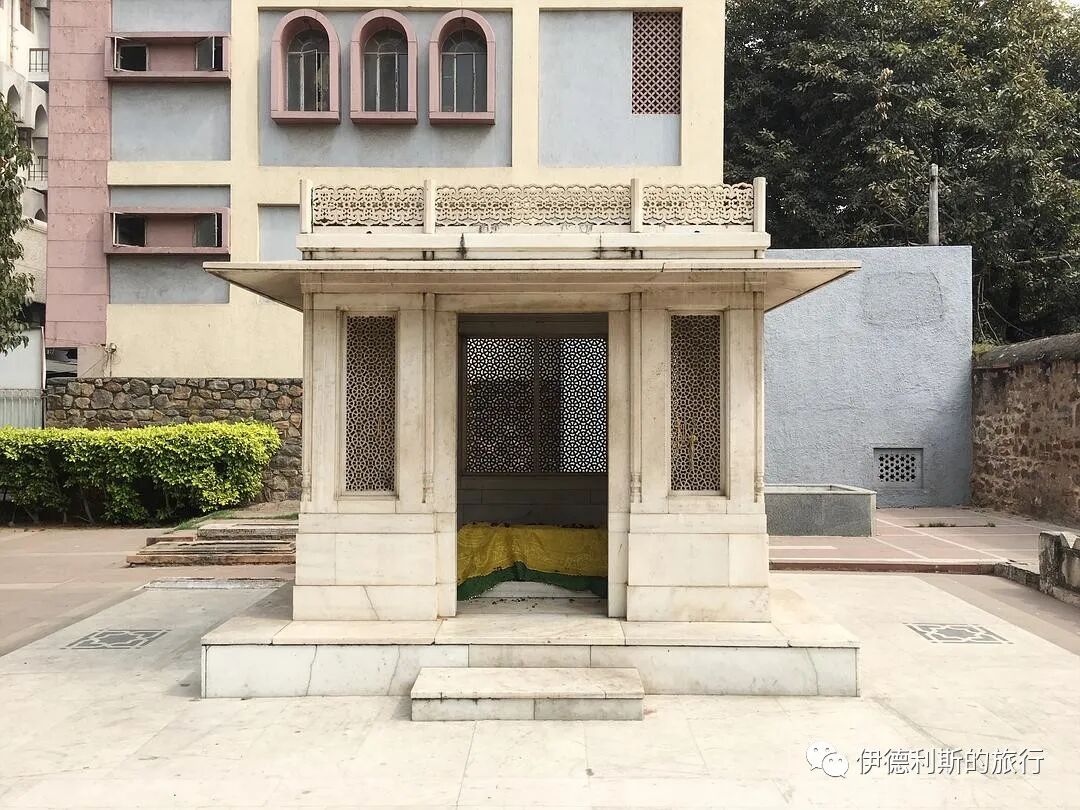
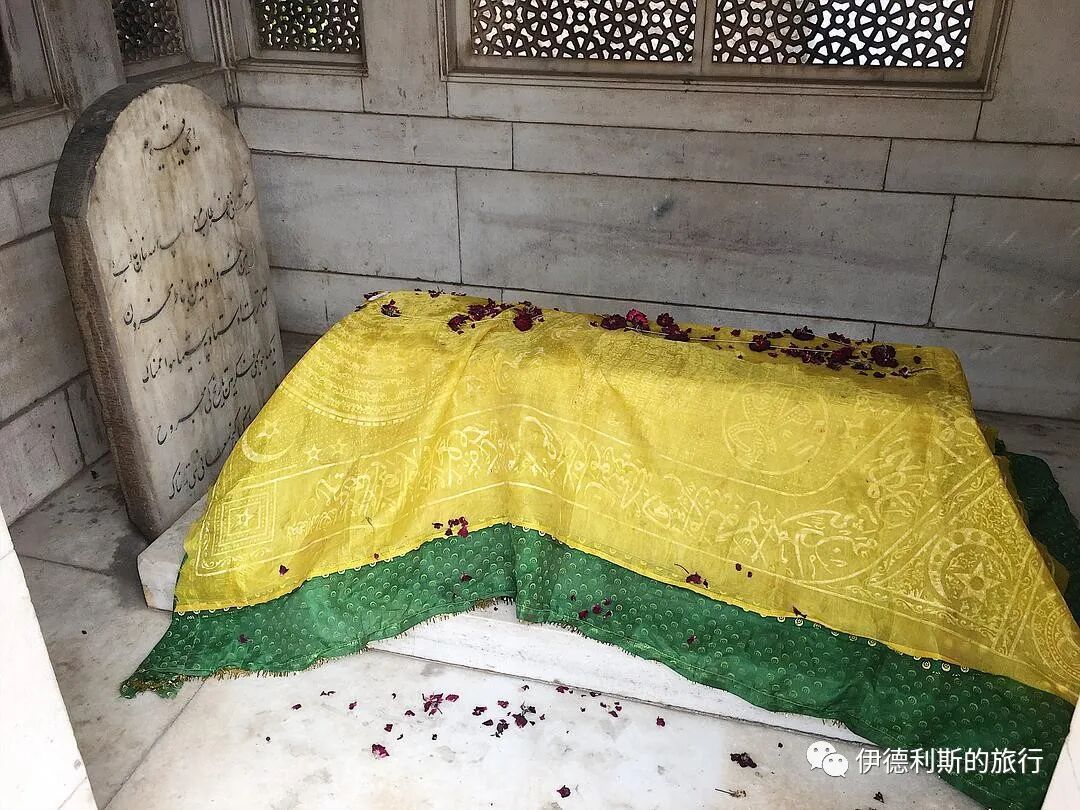
In the courtyard north of Chausath Khamba lies the tomb of Mirza Ghalib (1797-1869), known as the last great poet of the Mughal Empire and the most famous Urdu poet of the 19th century.
Ghalib's real name was Mirza Asadullah Khan Baig. Ghalib was his pen name, which means "dominant" or "superior" in Urdu. During Ghalib's life, the Mughal Empire faded under British influence and finally ended after the rebellion of 1857. Ghalib's poetry is closely tied to this period.
The epitaph on his tombstone reads:
The joys of the world mean nothing to me
Because my heart feels nothing but blood
1. From a Turkic family
Ghalib was born near Agra in 1797, and his family were descendants of the Aibak tribe of the Seljuk Turks. After the Seljuk Empire fell in the 12th century, his family moved to Samarkand. During the reign of the Mughal Emperor Ahmad Shah (1748-1754), Ghalib's grandfather moved from Samarkand to the Mughal Empire. He worked in Lahore, Delhi, and Jaipur before finally settling in Agra.
Ghalib's father married a Kashmiri girl and later lived with his father-in-law. He died in a war in 1803, when Ghalib was only 5 years old. After his father passed away, Ghalib was raised by his uncle.
2. Poetry and Love
Ghalib started writing poetry at age 11. Although his mother tongue was Urdu, his family also used Persian and Turkic. He also received an education in Persian and Arabic at a very young age.
Ghalib moved to Delhi after getting married at 13, but all 7 of his children died in infancy by the time he turned 30. Ghalib described marriage as a second imprisonment of life itself. He was very keen on extramarital affairs and even earned the nickname "friend of women" in the Mughal court. Once, when someone praised the poetry of the pious poet Sheikh Sahbai, Ghalib immediately retorted: What kind of poet is Sahbai? He never drank alcohol, never gambled, was never hit by a lover with a shoe, and never spent time in prison.
Although Ghalib felt very proud of his Persian poetry achievements, he is most famous today for his Urdu ghazals. Before Ghalib, ghazals mostly focused on painful love. Ghalib brought in more philosophy, including the hardships and mysteries of life, which greatly expanded the scope of ghazals.
To follow the traditions of classical ghazals, the identity and gender of the beloved remain uncertain in most of Ghalib's poetry. Later generations believe that the poetic convention of focusing on the 'idea' of a beloved rather than a real person allowed poets to move away from realism in their work.
3. Court Poet
In 1850, the last Mughal emperor, Bahadur Shah Zafar II, gave Ghalib the titles of 'Dabir-ul-Mulk' and 'Mirza Nosha.' From then on, Ghalib officially used the name Mirza and became a Mughal noble and court poet. In 1854, Ghalib was appointed as the emperor's poet tutor. In 1856, he became a tutor for the prince and also served as the court historian.
The Mughal Empire fell to the British in 1857. Before that, Ghalib lived as a nobleman supported by the royal family and his friends, never earning his own money. During British rule, he tried everything he could to get a pension but failed.
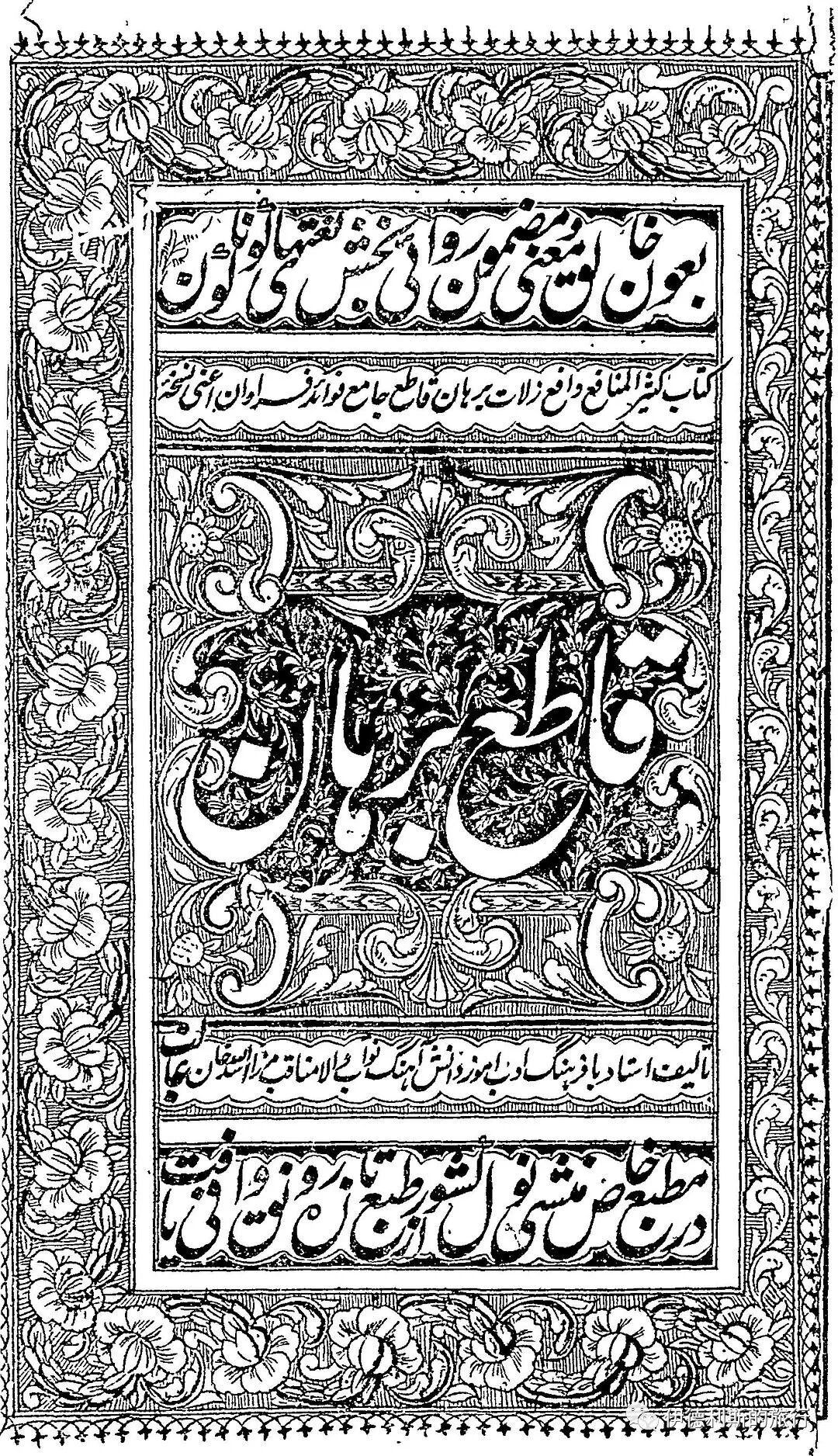
The cover of Ghalib's poetry collection published in 1869, held by the Digital Museum of India.
4. Barah Khamba: 14th-15th century.
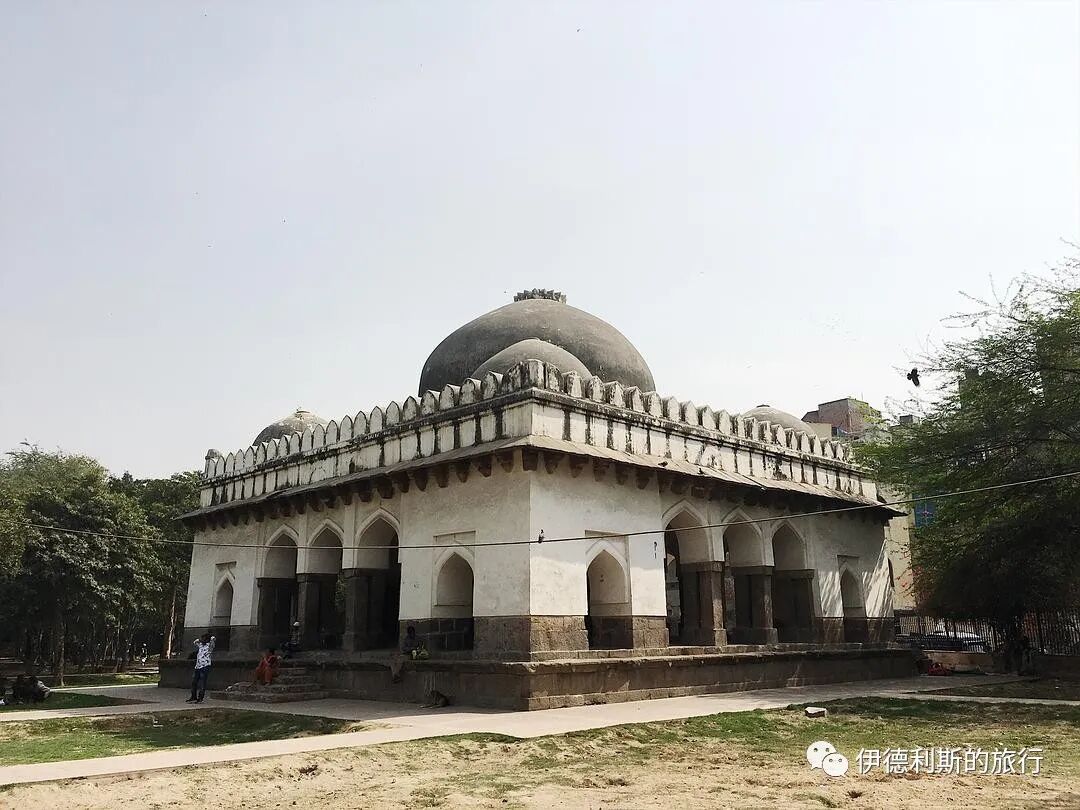
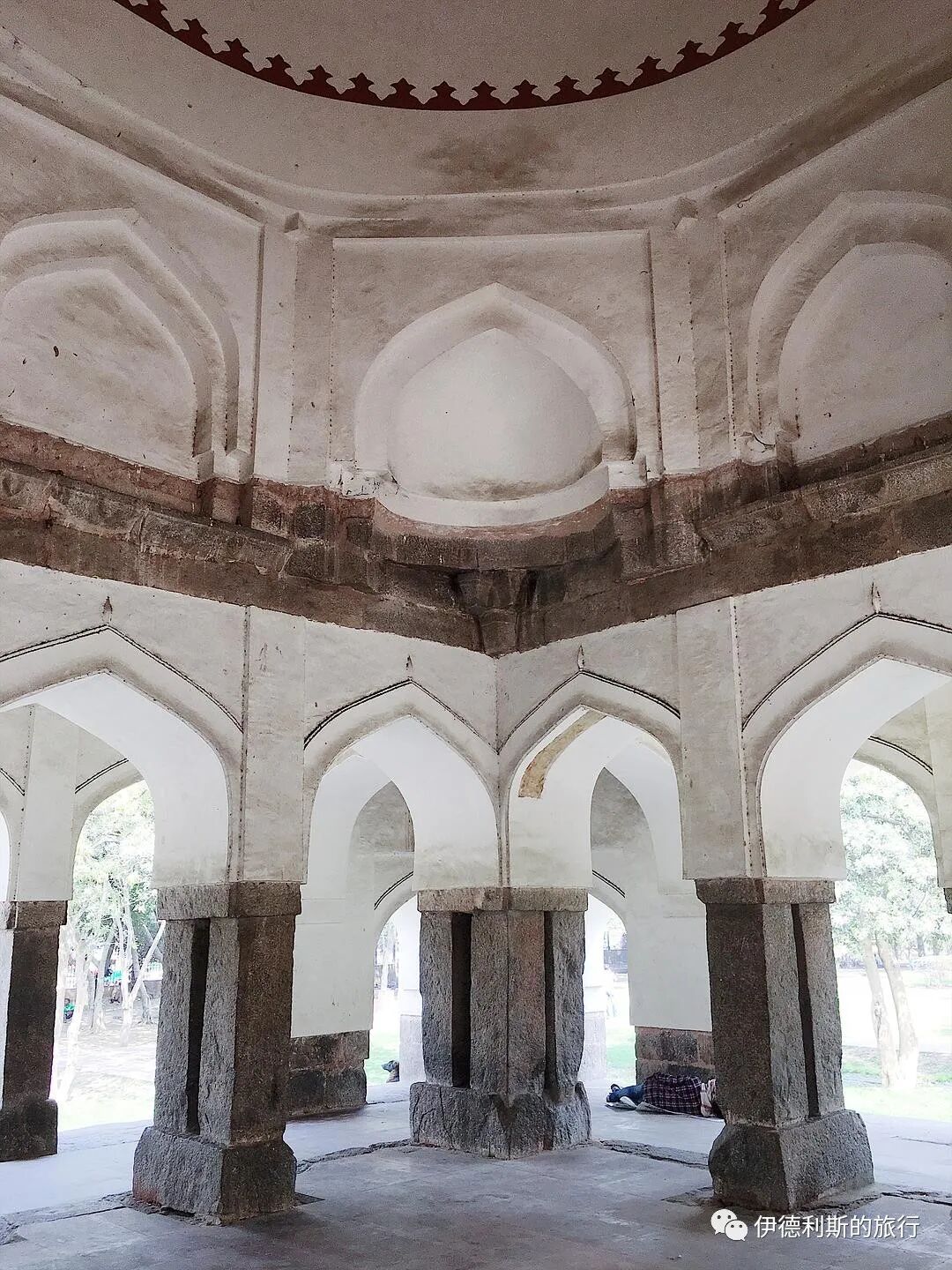
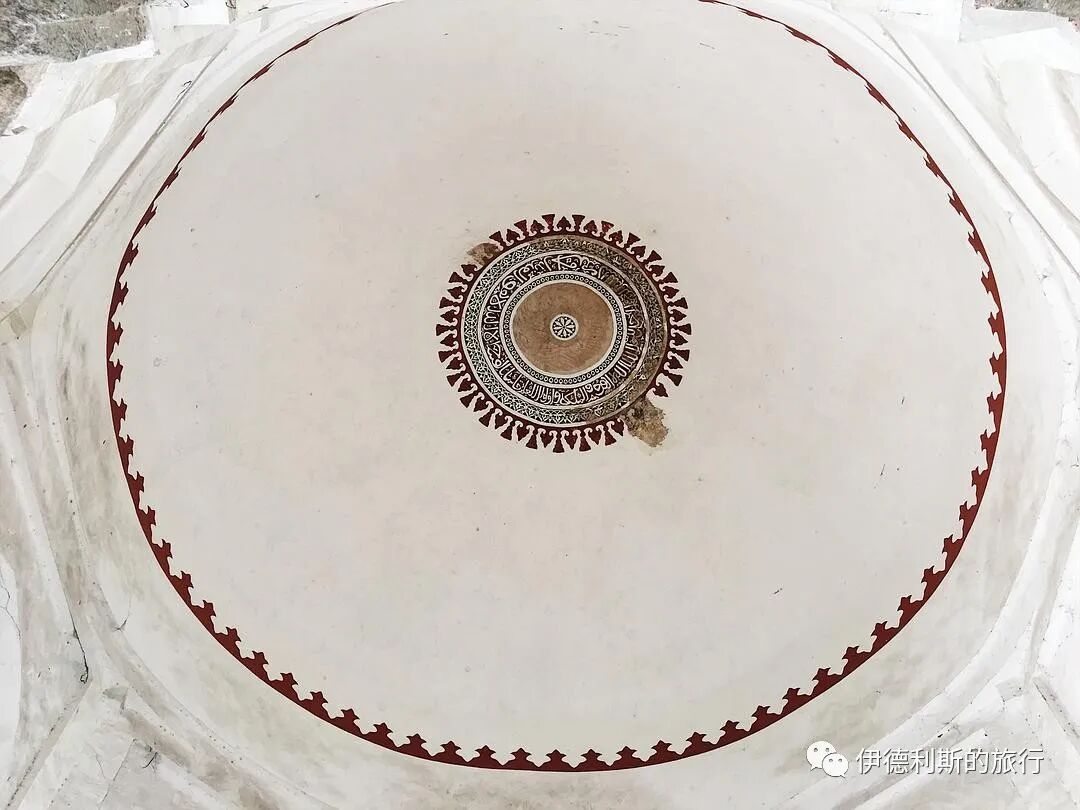
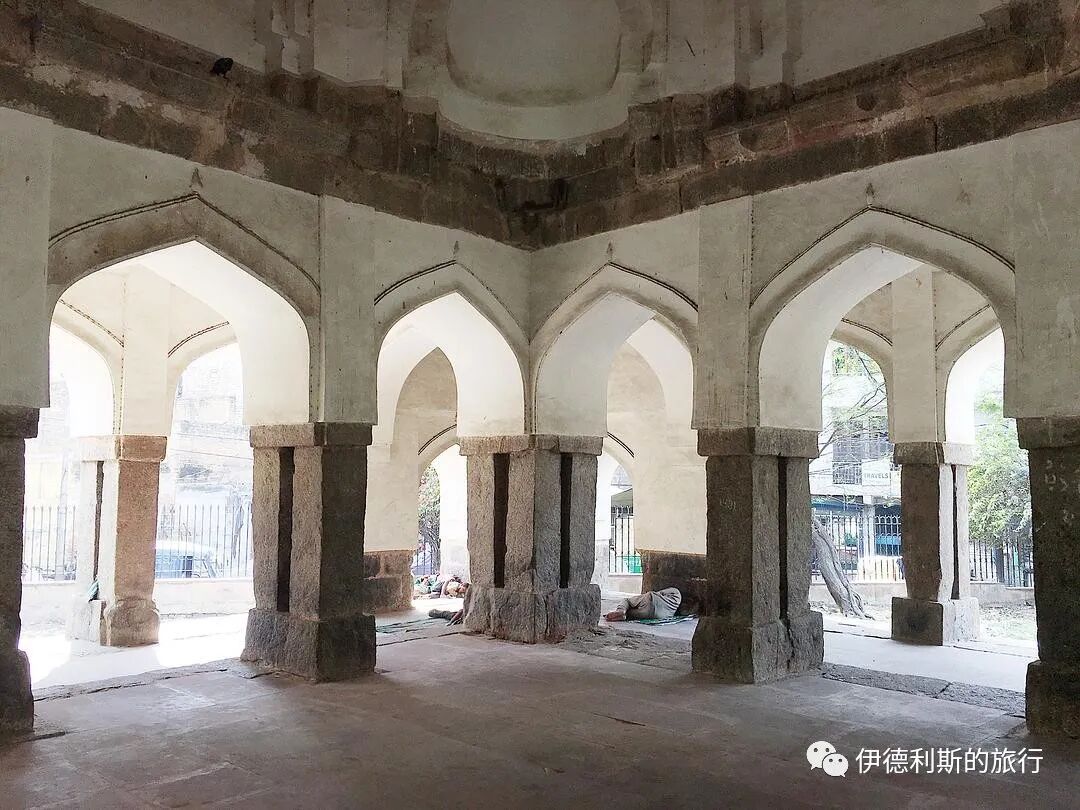
Barah Khamba sits in a garden in the northern part of the Nizamuddin neighborhood. It is a tomb for a nobleman from the Delhi Sultanate, though the identity of the person buried there remains unknown. Barah khamba means "twelve pillars" in both Urdu and Hindi. This tomb was once occupied as a residence and suffered a lot of damage, but it has now been restored.
5. Gol Gumbad: 15th century
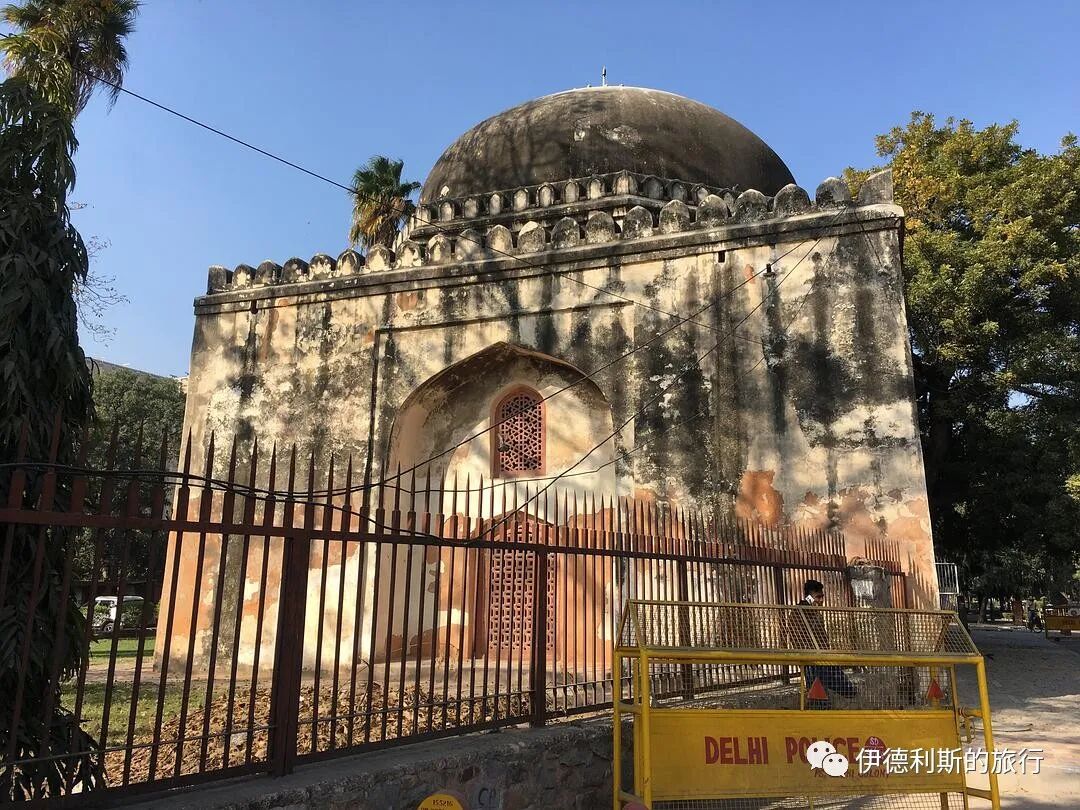
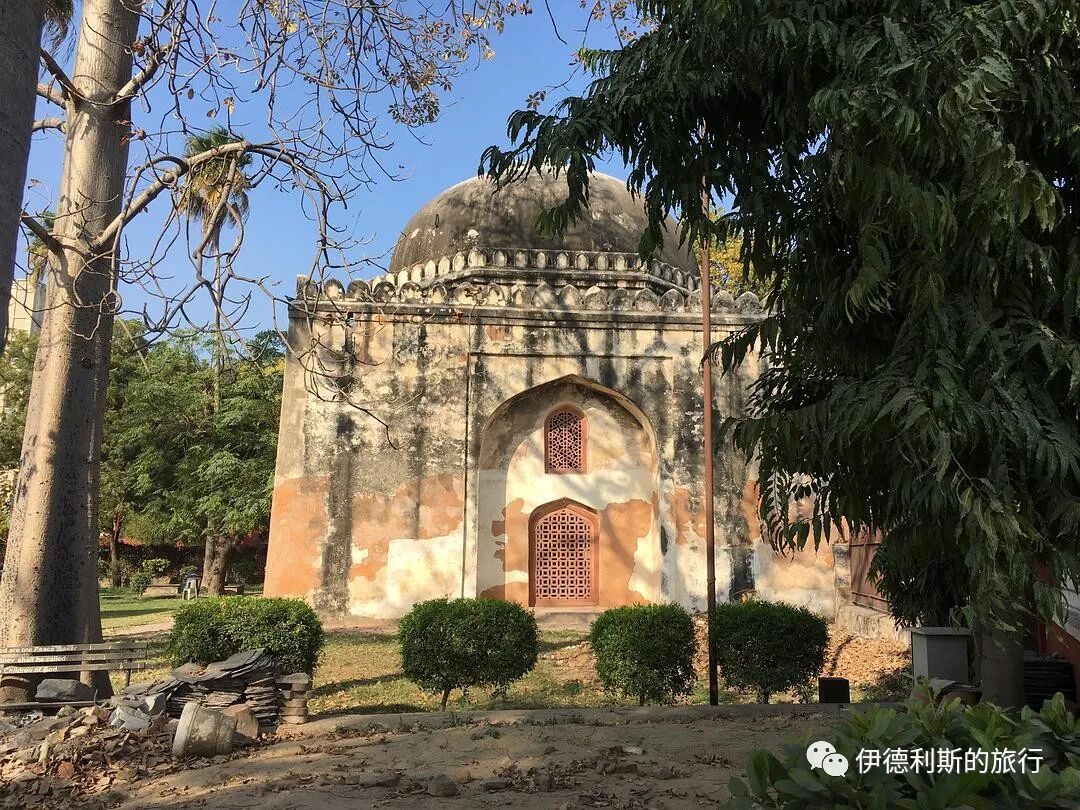
Gol Gumbad is located northwest of the Nizamuddin neighborhood. From the outside, the tomb has the style of the Tughlaq dynasty (1320-1413), but the interior has some features typical of later tombs.
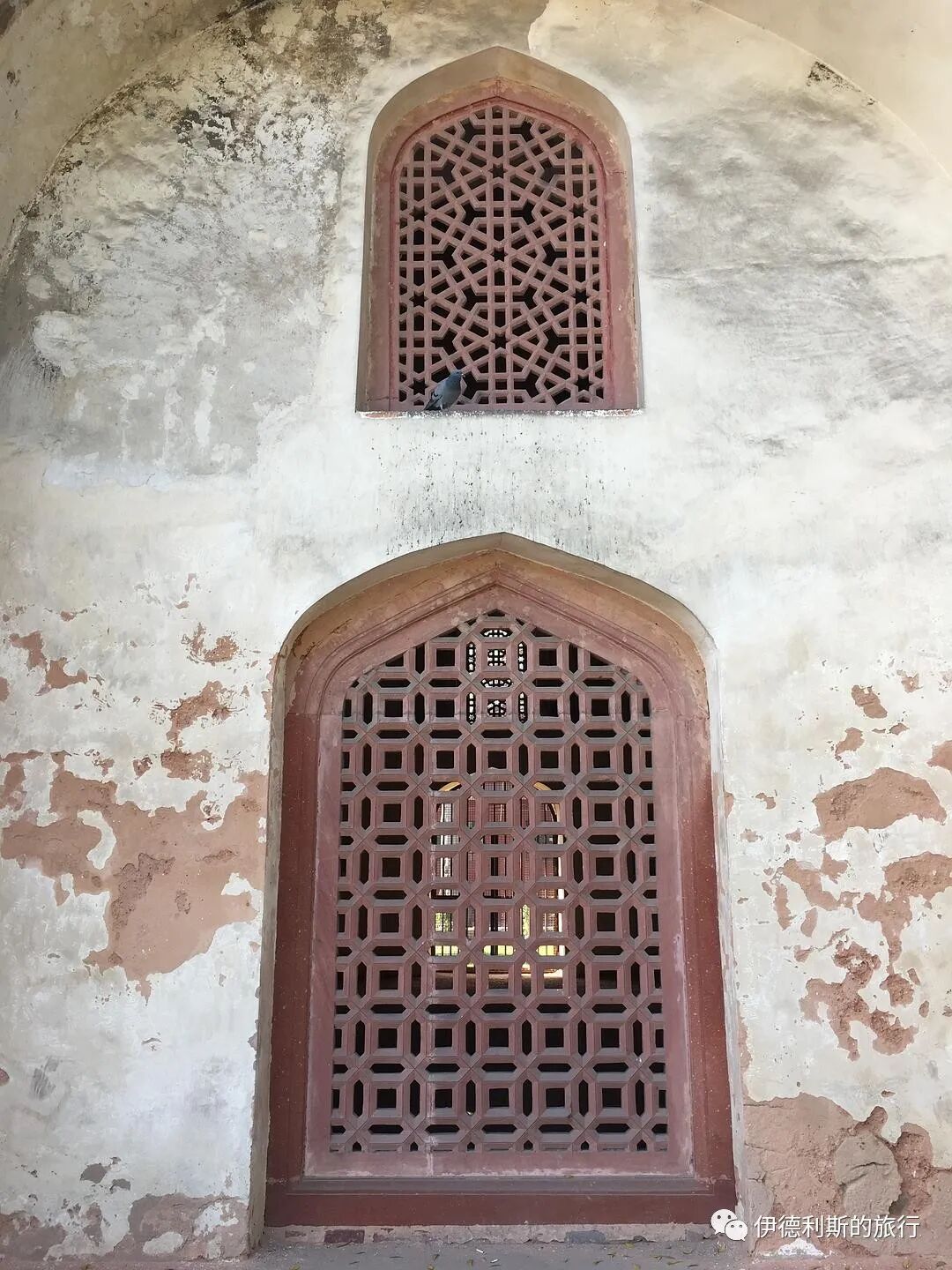
6. Tomb of Malik Maqbul: 1388
Deep in the alleys of the southern Nizamuddin neighborhood stands the first octagonal tomb in Indian history. It belongs to Malik Maqbul, a Wazir (prime minister) of the Tughlaq dynasty in the Delhi Sultanate, and was built by his son, Junan Shah.
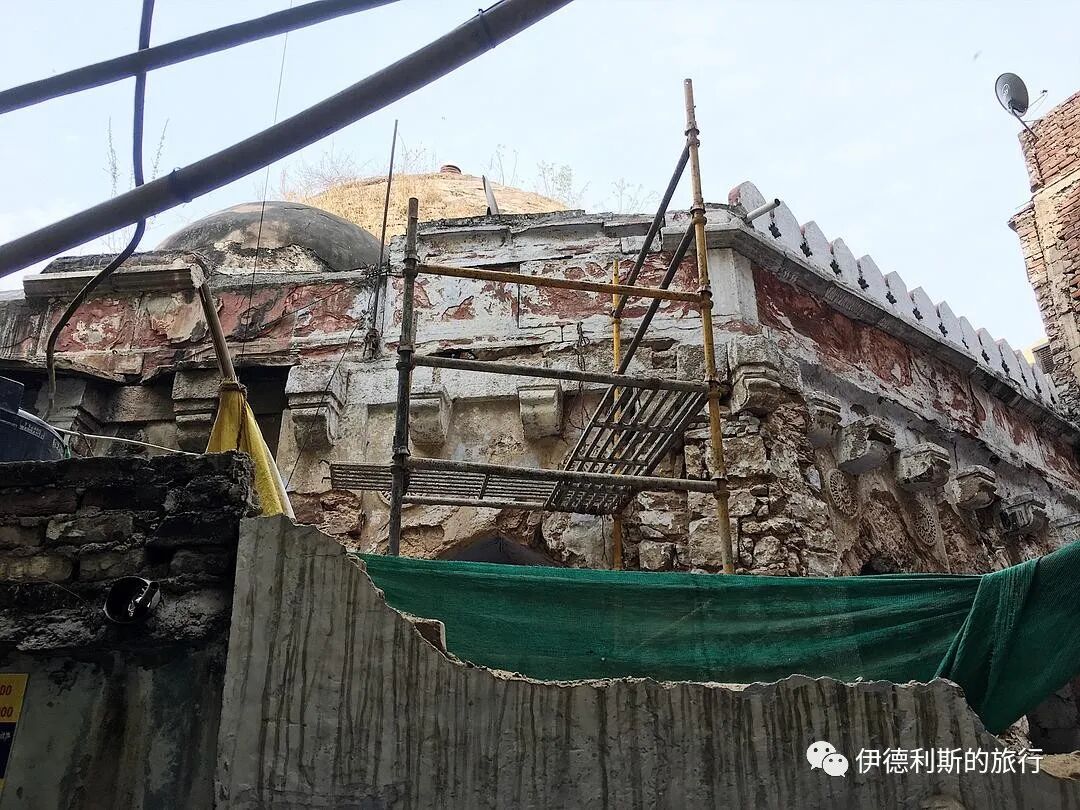
The tomb is in poor condition today. It is damaged in many places and squeezed between residential houses.
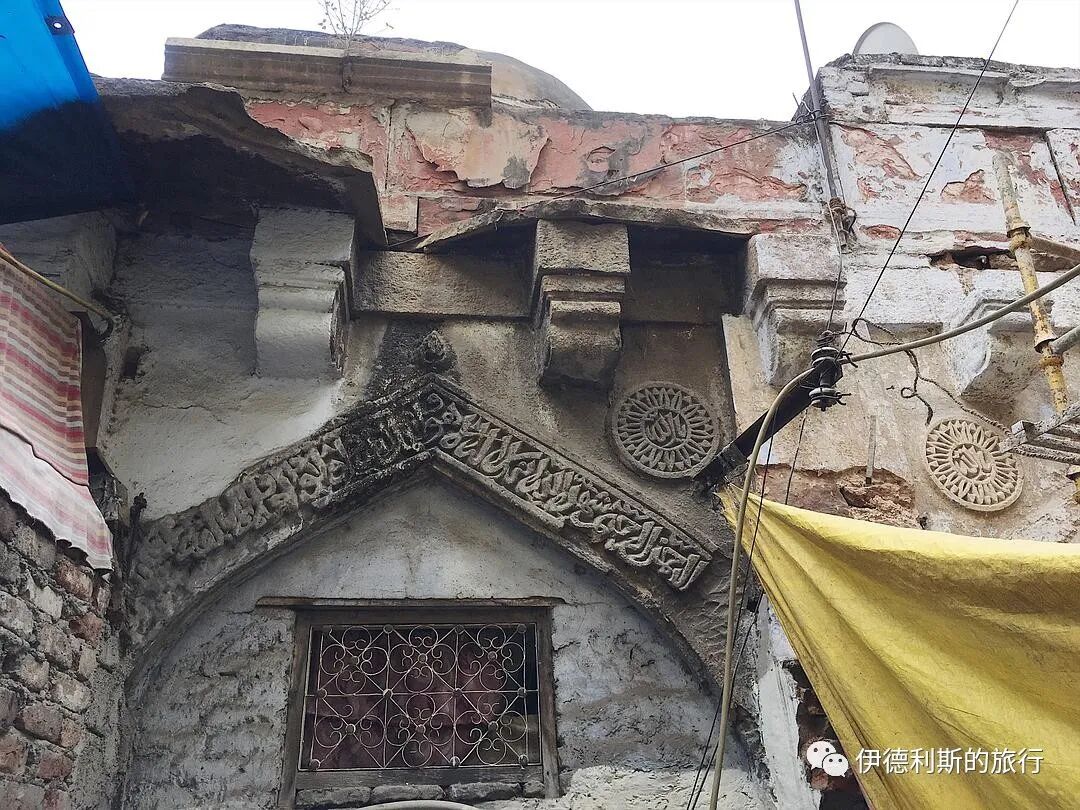
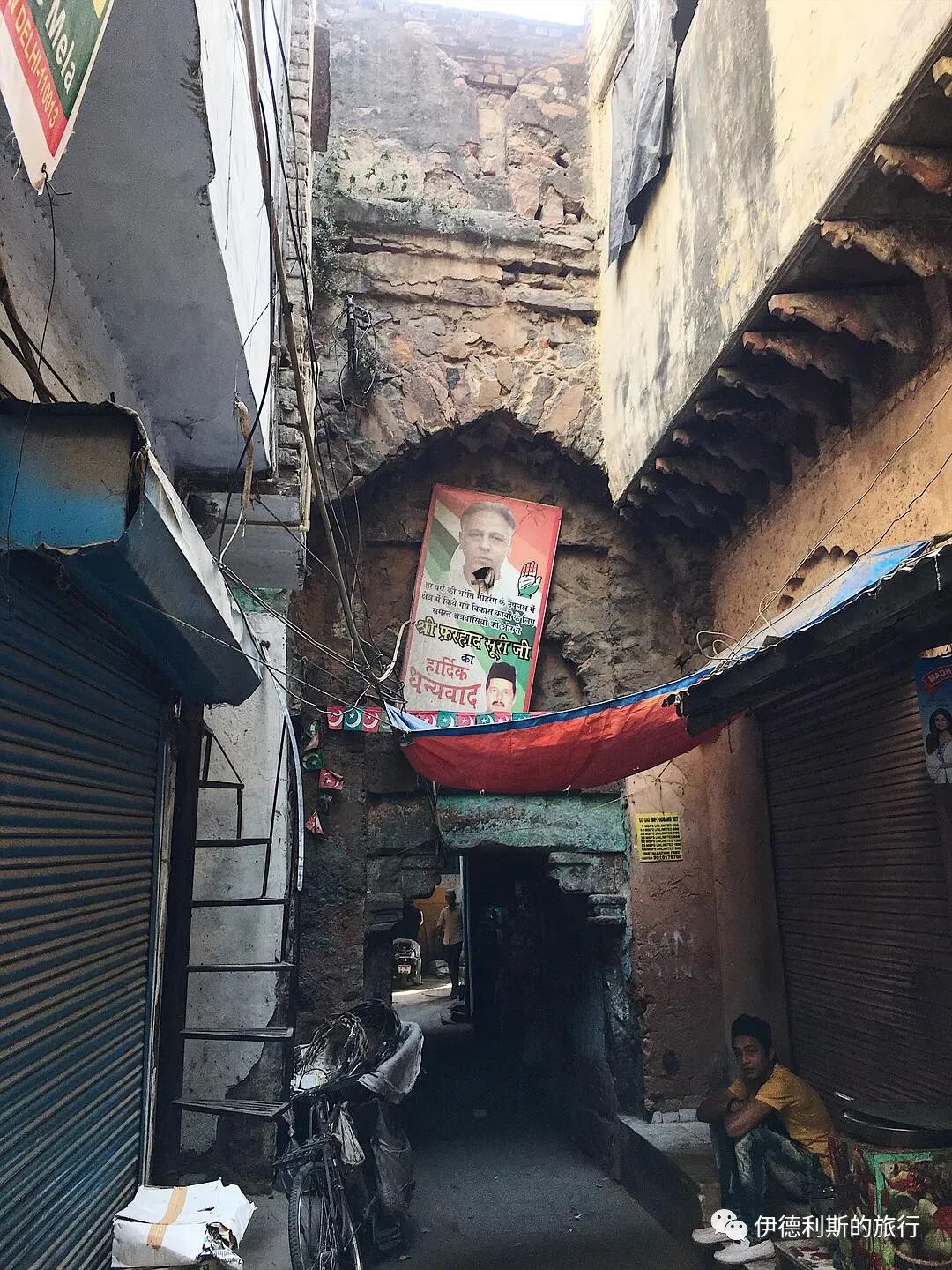
A long wall surrounds the tomb, and this is the main gate of that wall.
1. Converting to Islam
Maqbul was originally named Yugandhar. He was a Hindu commander at Warangal Fort, the capital of the Kakatiya dynasty in southern India.
In 1323, the Tughlaq dynasty captured Warangal Fort. Yugandhar was taken to Delhi, converted to Islam, and given the name Malik Maqbul.
2. The actual ruler of the Sultanate
After arriving in the Delhi Sultanate, Maqbul gradually earned the Sultan's trust. He accompanied the Sultan to crush a rebellion in the Gujarat region, where they killed all the rebels and seized a massive amount of wealth. Back in Delhi, Malik Maqbul kept getting promoted. Eventually, under Sultan Feroz Shah Tughlaq (who reigned from 1351 to 1388), he became the Wazir, a position second only to the Sultan himself.
Malik Maqbul was the most trusted minister of Sultan Firoz Shah Tughlaq. The Sultan even called him brother and said he was the true ruler of Delhi. At that time, Maqbul was in charge of the Sultanate's finances. He was completely honest with the Sultan, kept him fully informed about the financial situation, and turned over all gifts from local officials to the state. At the same time, auditors and accountants strictly limited Maqbul's power, and they often had intense arguments. Once, Maqbul clashed with an accountant and threatened to go on a pilgrimage to Mecca. This forced the Sultan to reduce the accountant's power.
3. Successor
Maqbul died in 1369, and his son Jauna Khan took over as the Wazir of the Delhi Sultanate. Jauna Khan was just as talented at governing as his father, but he lacked military skill and was eventually defeated and executed in battle.
The greatest legacy Jauna Khan left behind is the seven mosques he built in Delhi. I have visited four of them: Begampur Mosque, Khirki Mosque, Kalan Mosque, and Kali Mosque. The fourth one, Kali Mosque, is right on the east side of Malik Maqbul's tomb, and I will describe it in detail next.
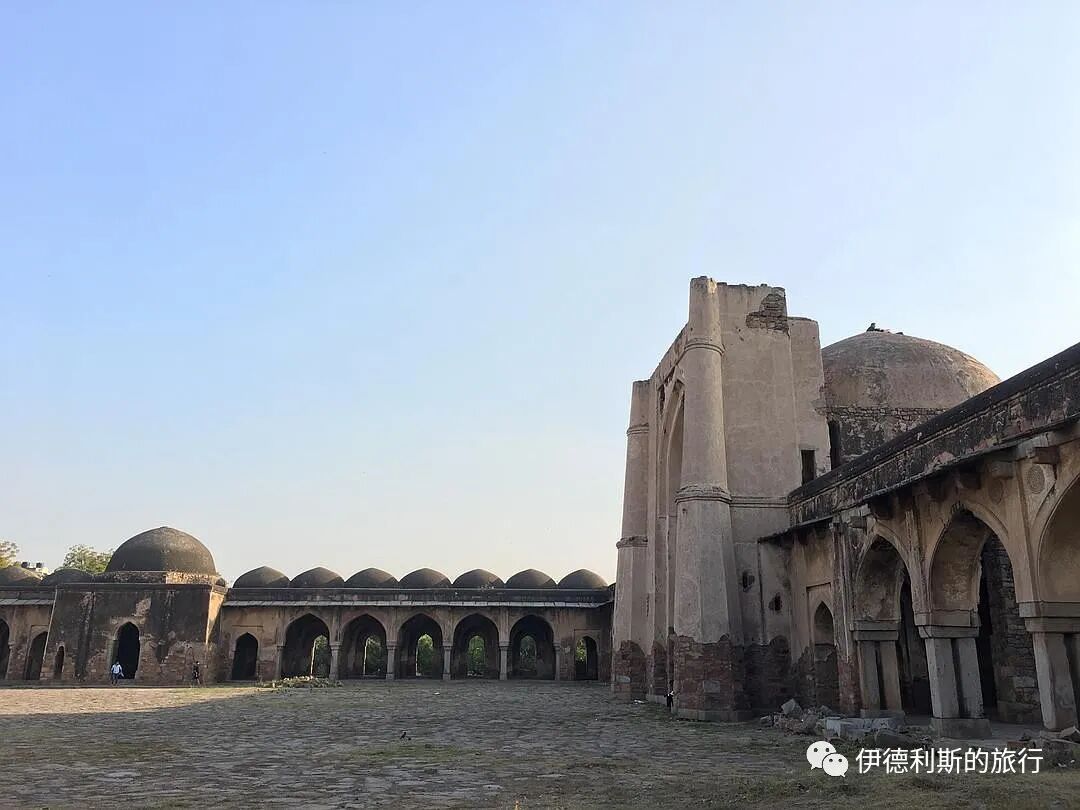
Begampur Mosque
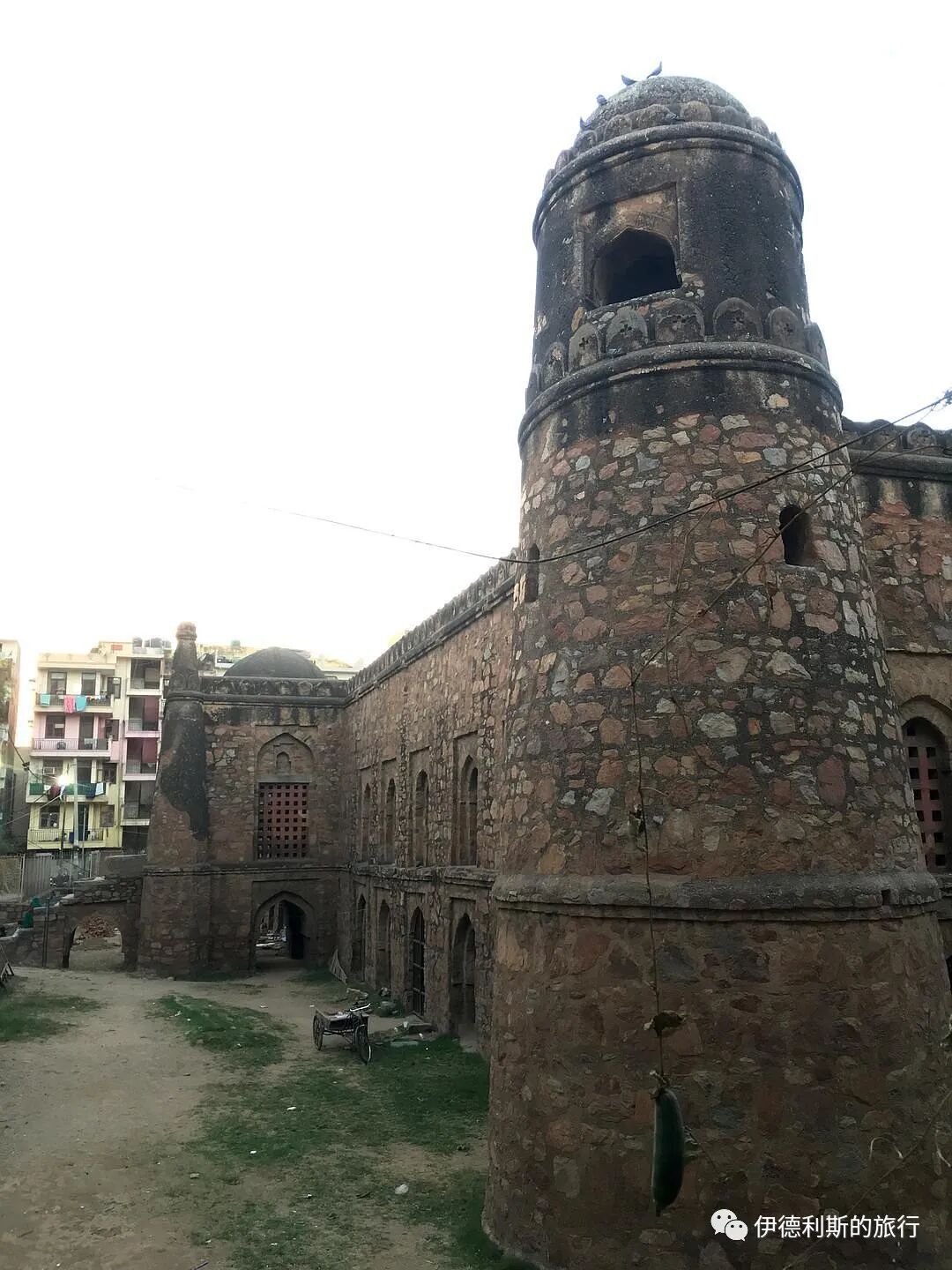
Khirki Mosque
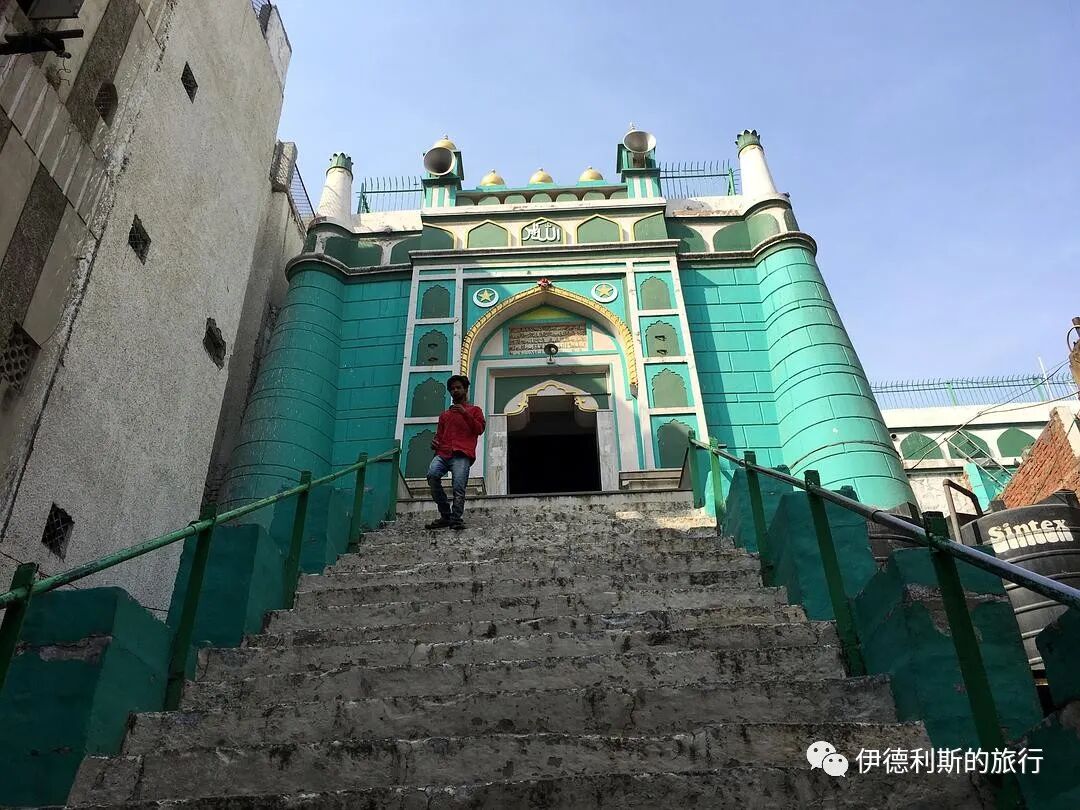
Kalan Mosque
7. Kali Mosque: 1370
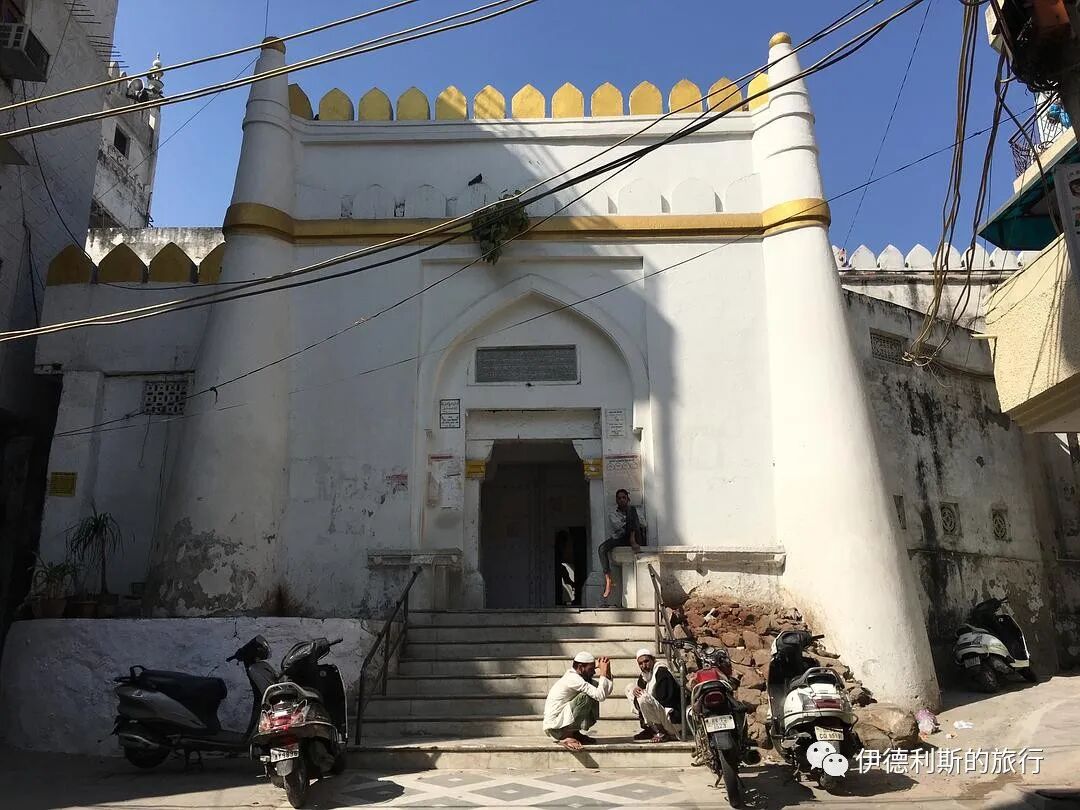
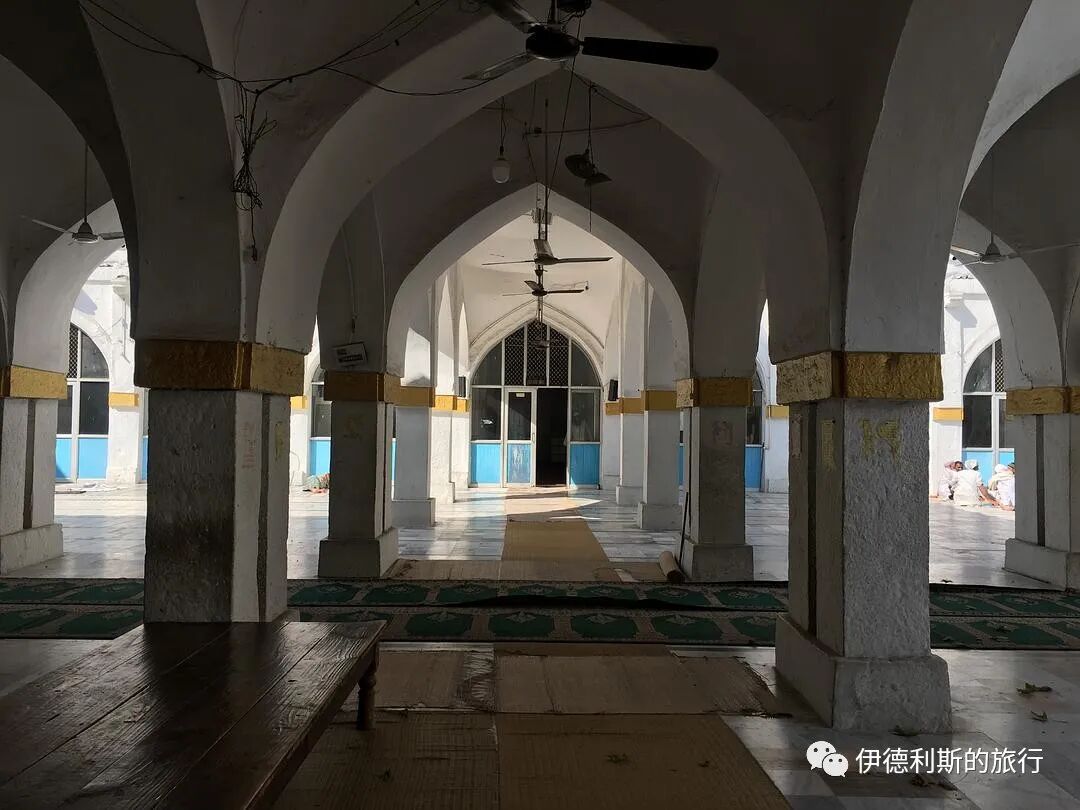
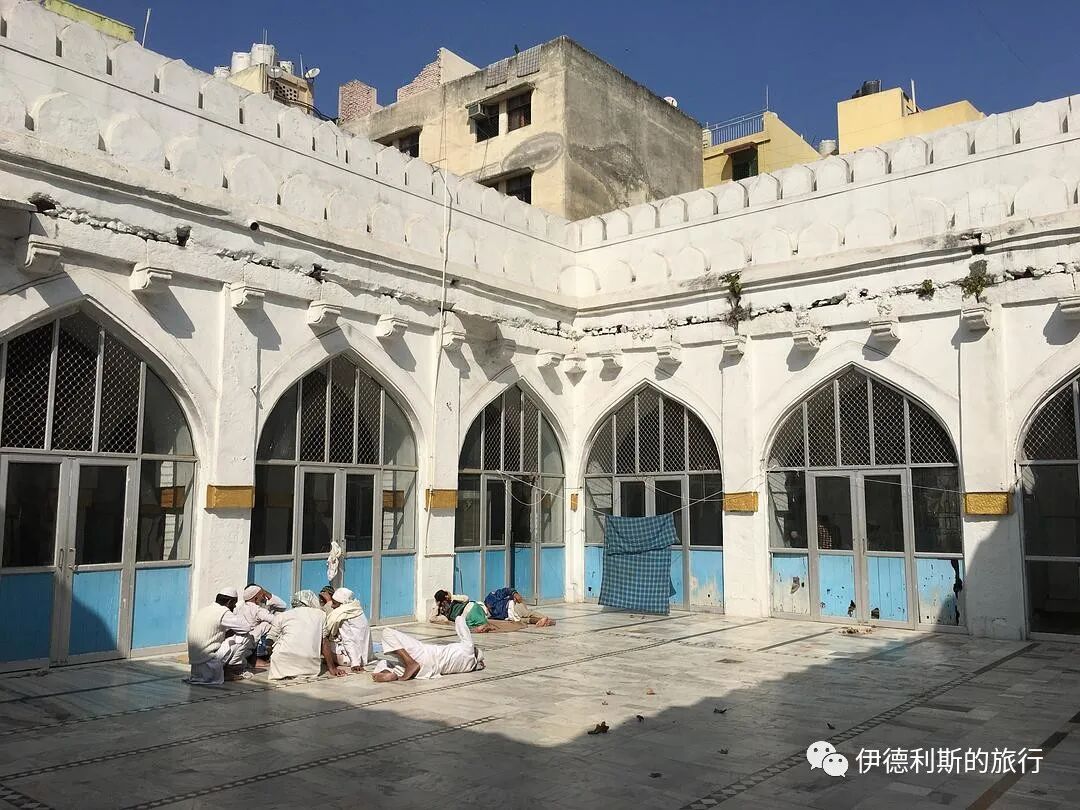
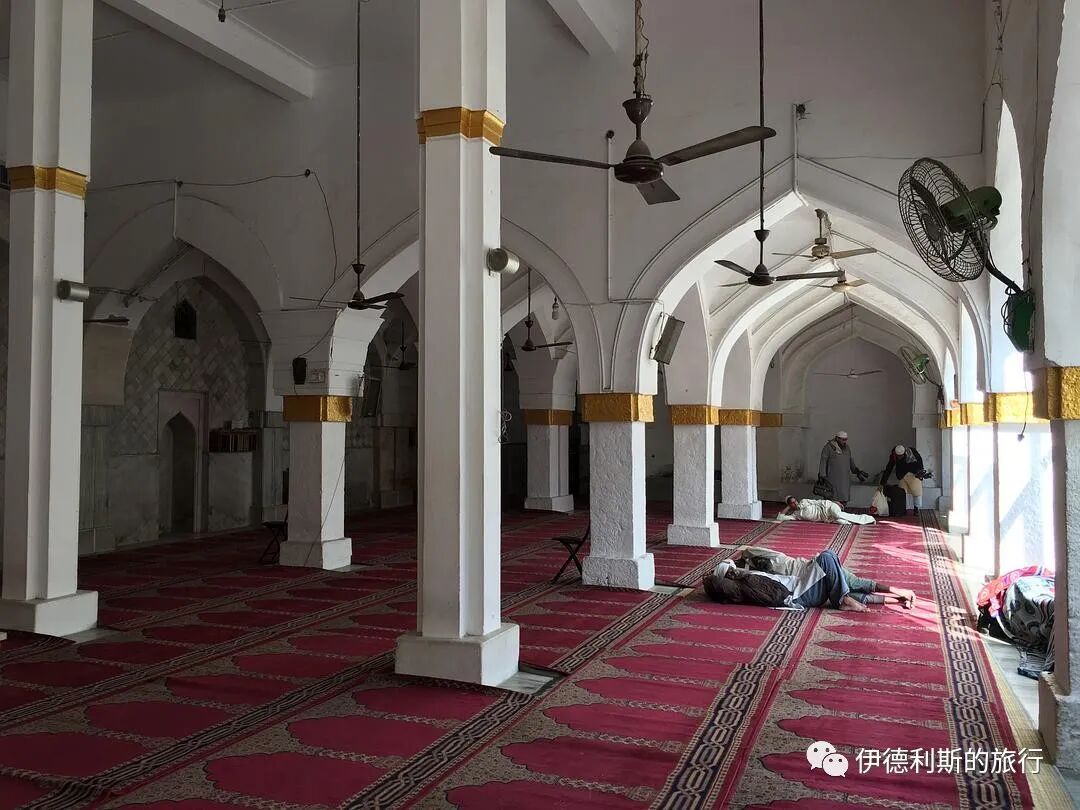
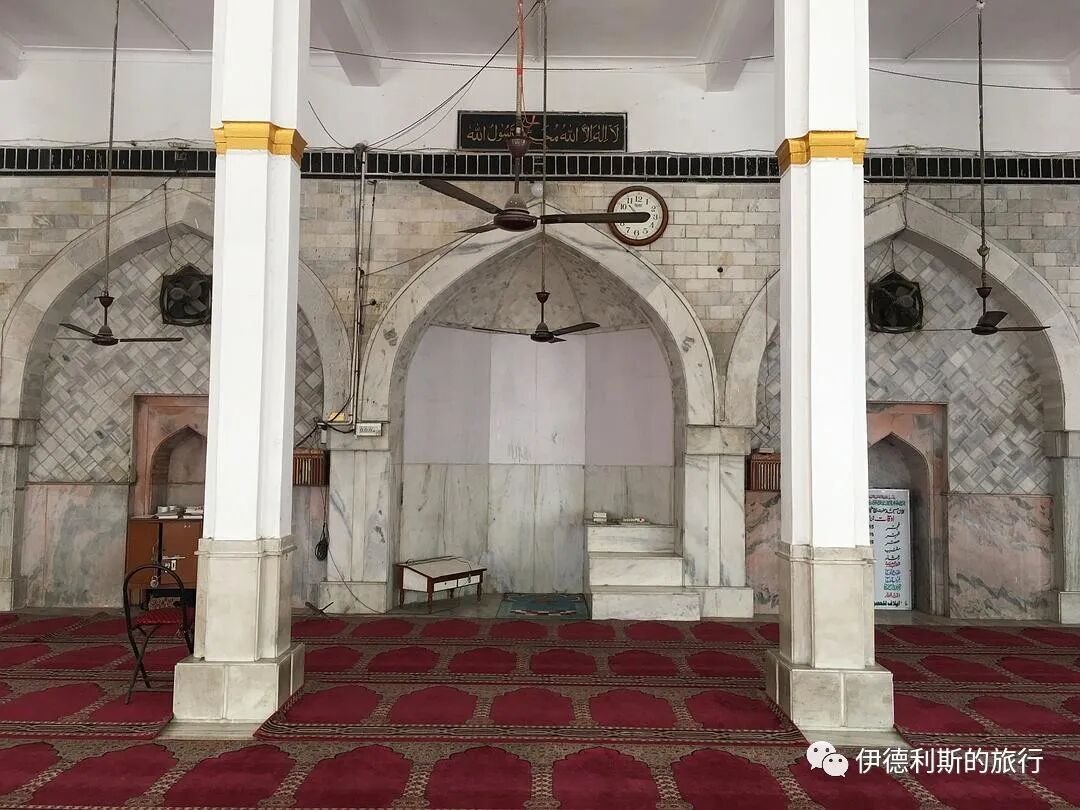
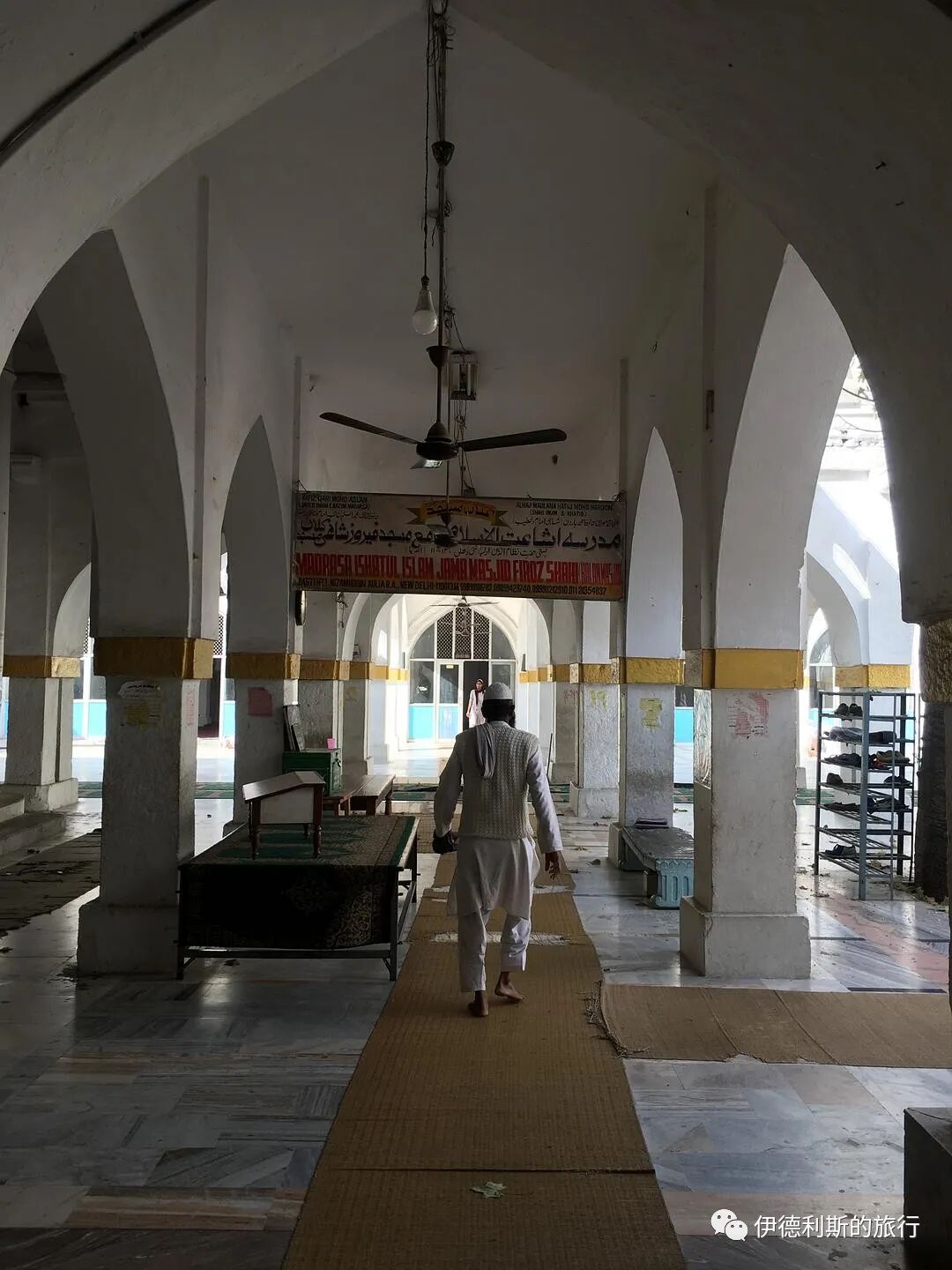
Kali Mosque sits east of the tomb of Malik Maqbul. It is one of seven mosques built by Jauna Khan (Khan-i-Jahan Maqbul), who served as the vizier to Sultan Firoz Shah Tughlaq of the Tughlaq dynasty during the Delhi Sultanate.
Kali Mosque and Khirki Mosque are very similar in their design and construction date, and both were once abandoned. The difference is that Kali Mosque was brought back into use in the early 20th century, and some changes were made to its original layout.
Summary: Delhi Sufi Sites — Shrines, Mosques and Muslim Communities is presented here as a firsthand travel account in clear English, beginning with this scene: The tomb of Prince Mirza Jahangir (Shahzada Mirza Muhammad Jahangir Bakht Bahadur, 1791-1821) is near the east gate of the shrine complex, and it also features white marble latticework. The account keeps its focus on Delhi Sufi Sites, Muslim Heritage, India Travel while preserving the names, places, food, and historical details from the Chinese source.
The tomb of Prince Mirza Jahangir (Shahzada Mirza Muhammad Jahangir Bakht Bahadur, 1791-1821) is near the east gate of the shrine complex, and it also features white marble latticework.
Prince Mirza Jahangir was the son of the Mughal Emperor Akbar Shah II (reigned 1806-1837). He was once named crown prince, but after attacking a British official, he was exiled by the East India Company, and his younger brother eventually became the last Mughal emperor.
Akbar Shah II was never very happy with his eldest son and wanted to name Mirza Jahangir as his heir. However, Sir Archibald Seton, who was stationed at the Red Fort in Delhi, did not like this, and the 19-year-old prince recklessly humiliated the official in public. A few days later, the prince held a party on the roof of the Red Fort in Delhi. He saw a British officer passing by and fired a shot at him, killing one of the officer's attendants. Because of this, the prince was exiled to Allahabad in the southeast of Uttar Pradesh.
The prince was eventually released from exile and returned to Delhi, where he died at the age of 31.
The Aga Khan Museum in Toronto holds a 1811 Mughal court portrait by Ghulam Murtaza Khan. Emperor Akbar Shah II is in the center, and the first person on the right is Prince Mirza Jahangir.
11. East Gate Bazaar
The religious goods market outside the east gate of the Nizamuddin Dargah core area really brings your imagination of the Mughal Empire to life.
Chapter 4: The Perimeter of Nizamuddin Dargah
1. Tomb of Ataga Khan: 1566
Right next to the east side of the Nizamuddin Dargah core area stands the tomb of Ataga Khan, the foster father of the Mughal Emperor Akbar.
Ataga Khan's full name was Shamsuddin Muhammad Atgah Khan, and he held many important positions in the Mughal court. He was originally just an ordinary soldier, but by chance he saved the Mughal Emperor Humayun by the Ganges River, so Humayun brought him into the palace. To reward Ataga Khan for his loyalty, Humayun let Ataga Khan's wife become the foster mother of his son Akbar (the future Akbar the Great), and Ataga Khan then received the title of Atgah (foster father).
Ataga Khan was always a minister deeply loved by Akbar the Great. In 1561, he replaced Maham Anga as the new wakil (equivalent to prime minister), which caused Maham Anga great resentment. On May 16, 1562, Ataga Khan was murdered by Maham Anga's son, Adham Khan. Hearing that his foster father had been murdered, Akbar the Great was furious. He ordered Adham Khan to be thrown from the city wall twice to make sure he was really dead.
In 1566, Emperor Akbar ordered his foster brother, Mirza Aziz Koka, the son of Ataga Khan, to build a tomb for his father next to the Nizamuddin Dargah. The architect of this tomb was Ustab Khuda Quli, and the Quranic verses on the white marble were written by Baqi Muhammad from Bukhara.
When I visited, the tomb of Ataga Khan was under renovation and closed to the public.
2. Chausath Khamba: 1624
After leaving the east gate of the Nizamuddin Dargah core area and walking further east, you reach Chausath Khamba, the most important building in the eastern part of the Nizamuddin community. It is the tomb that Mirza Aziz Koka (1542-1624), the son of Ataga Khan, built for himself between 1623 and 1624.
Chausath Khamba means sixty-four pillars in Hindi and Urdu. It is a square hall made of white marble. Sixty-four pillars support twenty-five domes that you can only see from inside the building, as the roof itself is flat.
The design of Chausath Khamba does not look like a tomb at all. Experts think this place was likely a hall for resting and gathering when visiting the Nizamuddin shrine and the tomb of Atghah Khan. It was only turned into a tomb after Mirza died.
The British Library holds a drawing of Chausath Khamba made by William Daniell, R. A. in 1801.
This information comes from the website http://ranasafvi.com/chausath-khamba/
A Delhi artist painted the Chausath Khamba between 1820 and 1825.
From http://ranasafvi.com/chausath-khamba/
The raised part on the tombstone is called a qalam, which shows it is a man's grave. Most of the text on it comes from the Quran, Surah 3:185: Every soul shall taste death.
1. The Great Emperor's childhood friend
Mirza was a high-ranking official during the reigns of the Mughal Emperor Akbar (1556-1605) and his successor Jahangir (1605-1627). Because his father, Ataga Khan, was the foster father of Emperor Akbar, he received the title Koka, which means foster brother.
Mirza was a childhood playmate of Emperor Akbar and shared a very deep bond with the emperor. In 1572, Emperor Akbar conquered the Gujarat Sultanate southwest of Delhi and appointed Mirza to govern Gujarat. In 1573, the people of Gujarat rebelled and besieged the city of Ahmedabad. Mirza held the city until Emperor Akbar led his army to break the siege.
2. Receiving the Emperor's forgiveness
Gradually, Mirza became unhappy with many of Emperor Akbar's policies. In 1578, he was ordered to put down a rebellion in Bengal, and in 1586, he was ordered to conquer the Deccan Plateau. He was reluctant to carry out both missions, and his slow progress caused him to miss key military opportunities.
However, as childhood friends, Emperor Akbar remained very forgiving toward Mirza. In 1592, Mirza was sent on the Hajj pilgrimage to Mecca and spent a lot of money on religious causes. Eventually, Emperor Akbar forgave Mirza and restored his status.
3. Losing status
In 1605, Jahangir became the new Mughal emperor, and in 1606 he crushed the rebellion led by his eldest son, Khusrau Mirza. Because he supported the rebellion, Mirza was stripped of most of his power. In his later years, Mirza regained some of his power, but it was nothing like it had been when his father was alive.
Records from the renovations between 2011 and 2014.
The main gate, built between the late 16th and early 17th centuries.
3. Tomb of the poet Ghalib: 1869.
In the courtyard north of Chausath Khamba lies the tomb of Mirza Ghalib (1797-1869), known as the last great poet of the Mughal Empire and the most famous Urdu poet of the 19th century.
Ghalib's real name was Mirza Asadullah Khan Baig. Ghalib was his pen name, which means "dominant" or "superior" in Urdu. During Ghalib's life, the Mughal Empire faded under British influence and finally ended after the rebellion of 1857. Ghalib's poetry is closely tied to this period.
The epitaph on his tombstone reads:
The joys of the world mean nothing to me
Because my heart feels nothing but blood
1. From a Turkic family
Ghalib was born near Agra in 1797, and his family were descendants of the Aibak tribe of the Seljuk Turks. After the Seljuk Empire fell in the 12th century, his family moved to Samarkand. During the reign of the Mughal Emperor Ahmad Shah (1748-1754), Ghalib's grandfather moved from Samarkand to the Mughal Empire. He worked in Lahore, Delhi, and Jaipur before finally settling in Agra.
Ghalib's father married a Kashmiri girl and later lived with his father-in-law. He died in a war in 1803, when Ghalib was only 5 years old. After his father passed away, Ghalib was raised by his uncle.
2. Poetry and Love
Ghalib started writing poetry at age 11. Although his mother tongue was Urdu, his family also used Persian and Turkic. He also received an education in Persian and Arabic at a very young age.
Ghalib moved to Delhi after getting married at 13, but all 7 of his children died in infancy by the time he turned 30. Ghalib described marriage as a second imprisonment of life itself. He was very keen on extramarital affairs and even earned the nickname "friend of women" in the Mughal court. Once, when someone praised the poetry of the pious poet Sheikh Sahbai, Ghalib immediately retorted: What kind of poet is Sahbai? He never drank alcohol, never gambled, was never hit by a lover with a shoe, and never spent time in prison.
Although Ghalib felt very proud of his Persian poetry achievements, he is most famous today for his Urdu ghazals. Before Ghalib, ghazals mostly focused on painful love. Ghalib brought in more philosophy, including the hardships and mysteries of life, which greatly expanded the scope of ghazals.
To follow the traditions of classical ghazals, the identity and gender of the beloved remain uncertain in most of Ghalib's poetry. Later generations believe that the poetic convention of focusing on the 'idea' of a beloved rather than a real person allowed poets to move away from realism in their work.
3. Court Poet
In 1850, the last Mughal emperor, Bahadur Shah Zafar II, gave Ghalib the titles of 'Dabir-ul-Mulk' and 'Mirza Nosha.' From then on, Ghalib officially used the name Mirza and became a Mughal noble and court poet. In 1854, Ghalib was appointed as the emperor's poet tutor. In 1856, he became a tutor for the prince and also served as the court historian.
The Mughal Empire fell to the British in 1857. Before that, Ghalib lived as a nobleman supported by the royal family and his friends, never earning his own money. During British rule, he tried everything he could to get a pension but failed.
The cover of Ghalib's poetry collection published in 1869, held by the Digital Museum of India.
4. Barah Khamba: 14th-15th century.
Barah Khamba sits in a garden in the northern part of the Nizamuddin neighborhood. It is a tomb for a nobleman from the Delhi Sultanate, though the identity of the person buried there remains unknown. Barah khamba means "twelve pillars" in both Urdu and Hindi. This tomb was once occupied as a residence and suffered a lot of damage, but it has now been restored.
5. Gol Gumbad: 15th century
Gol Gumbad is located northwest of the Nizamuddin neighborhood. From the outside, the tomb has the style of the Tughlaq dynasty (1320-1413), but the interior has some features typical of later tombs.
6. Tomb of Malik Maqbul: 1388
Deep in the alleys of the southern Nizamuddin neighborhood stands the first octagonal tomb in Indian history. It belongs to Malik Maqbul, a Wazir (prime minister) of the Tughlaq dynasty in the Delhi Sultanate, and was built by his son, Junan Shah.
The tomb is in poor condition today. It is damaged in many places and squeezed between residential houses.
A long wall surrounds the tomb, and this is the main gate of that wall.
1. Converting to Islam
Maqbul was originally named Yugandhar. He was a Hindu commander at Warangal Fort, the capital of the Kakatiya dynasty in southern India.
In 1323, the Tughlaq dynasty captured Warangal Fort. Yugandhar was taken to Delhi, converted to Islam, and given the name Malik Maqbul.
2. The actual ruler of the Sultanate
After arriving in the Delhi Sultanate, Maqbul gradually earned the Sultan's trust. He accompanied the Sultan to crush a rebellion in the Gujarat region, where they killed all the rebels and seized a massive amount of wealth. Back in Delhi, Malik Maqbul kept getting promoted. Eventually, under Sultan Feroz Shah Tughlaq (who reigned from 1351 to 1388), he became the Wazir, a position second only to the Sultan himself.
Malik Maqbul was the most trusted minister of Sultan Firoz Shah Tughlaq. The Sultan even called him brother and said he was the true ruler of Delhi. At that time, Maqbul was in charge of the Sultanate's finances. He was completely honest with the Sultan, kept him fully informed about the financial situation, and turned over all gifts from local officials to the state. At the same time, auditors and accountants strictly limited Maqbul's power, and they often had intense arguments. Once, Maqbul clashed with an accountant and threatened to go on a pilgrimage to Mecca. This forced the Sultan to reduce the accountant's power.
3. Successor
Maqbul died in 1369, and his son Jauna Khan took over as the Wazir of the Delhi Sultanate. Jauna Khan was just as talented at governing as his father, but he lacked military skill and was eventually defeated and executed in battle.
The greatest legacy Jauna Khan left behind is the seven mosques he built in Delhi. I have visited four of them: Begampur Mosque, Khirki Mosque, Kalan Mosque, and Kali Mosque. The fourth one, Kali Mosque, is right on the east side of Malik Maqbul's tomb, and I will describe it in detail next.
Begampur Mosque
Khirki Mosque
Kalan Mosque
7. Kali Mosque: 1370
Kali Mosque sits east of the tomb of Malik Maqbul. It is one of seven mosques built by Jauna Khan (Khan-i-Jahan Maqbul), who served as the vizier to Sultan Firoz Shah Tughlaq of the Tughlaq dynasty during the Delhi Sultanate.
Kali Mosque and Khirki Mosque are very similar in their design and construction date, and both were once abandoned. The difference is that Kali Mosque was brought back into use in the early 20th century, and some changes were made to its original layout.
