
Halal Travel Guide: Delhi — 24 Ancient Mosques and Muslim History (Part 2)
Reposted from the web
Summary: Delhi — 24 Ancient Mosques and Muslim History is presented here as a firsthand travel account in clear English, beginning with this scene: 4. Fatehpuri Mosque: 1650. The account keeps its focus on Delhi Mosques, Muslim Heritage, India Travel while preserving the names, places, food, and historical details from the Chinese source.
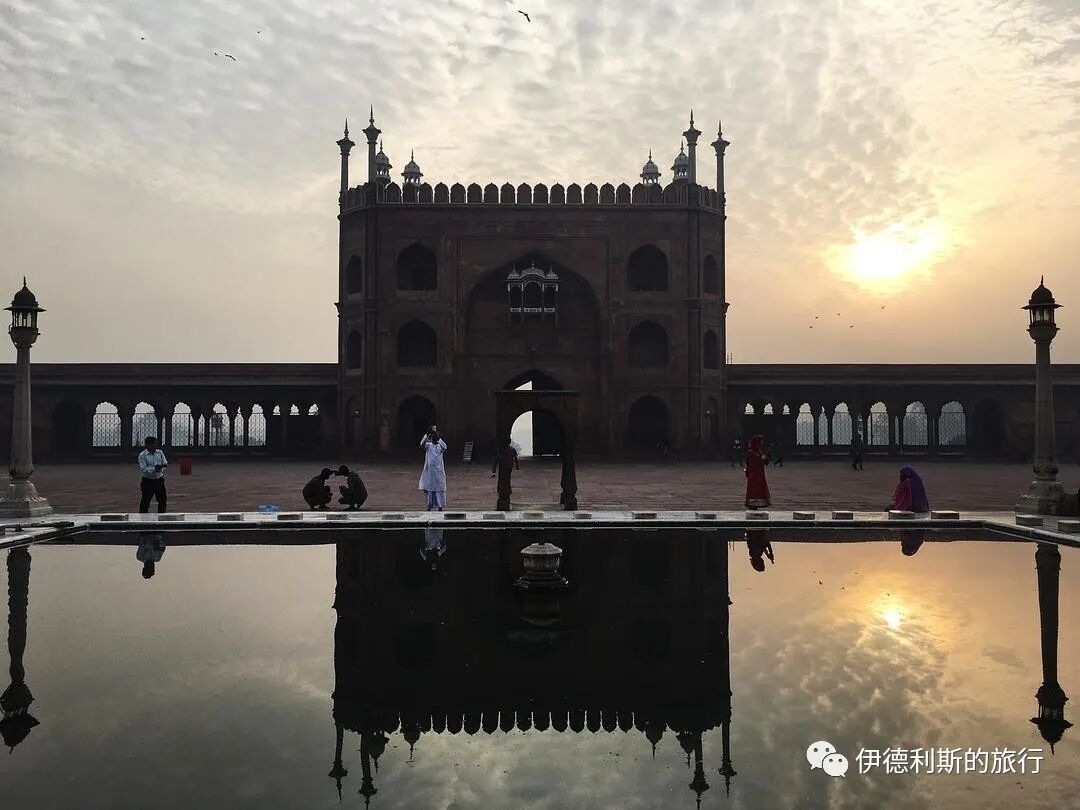
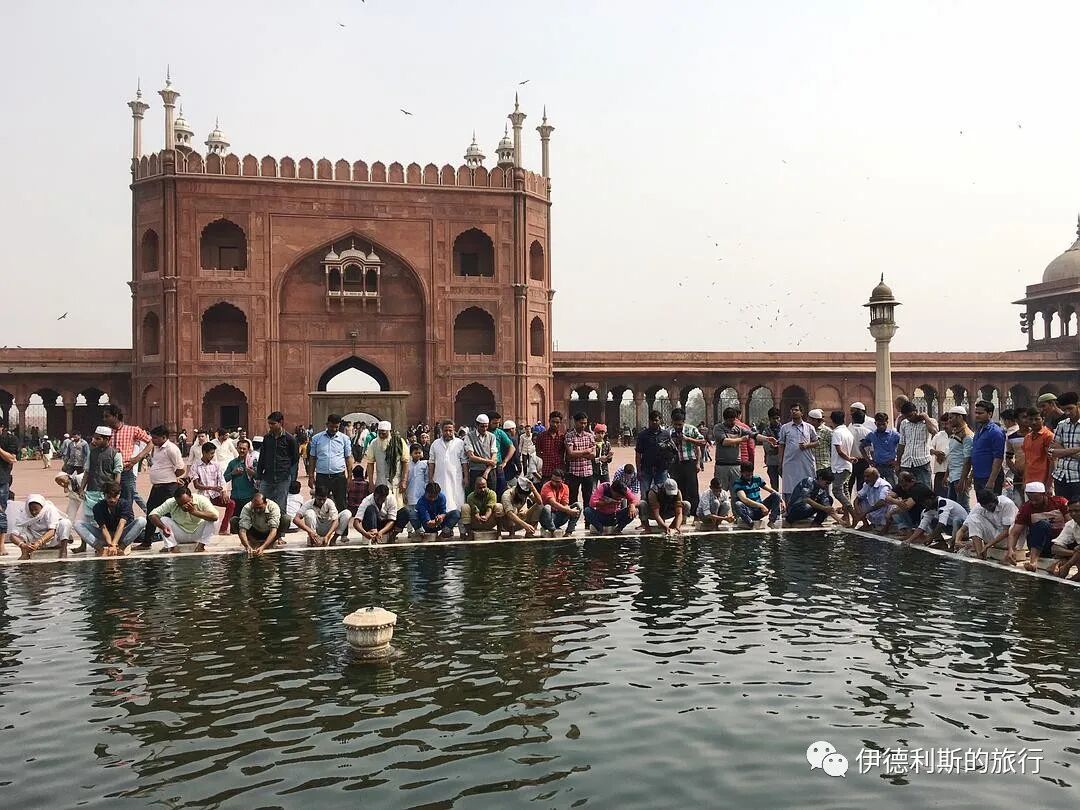
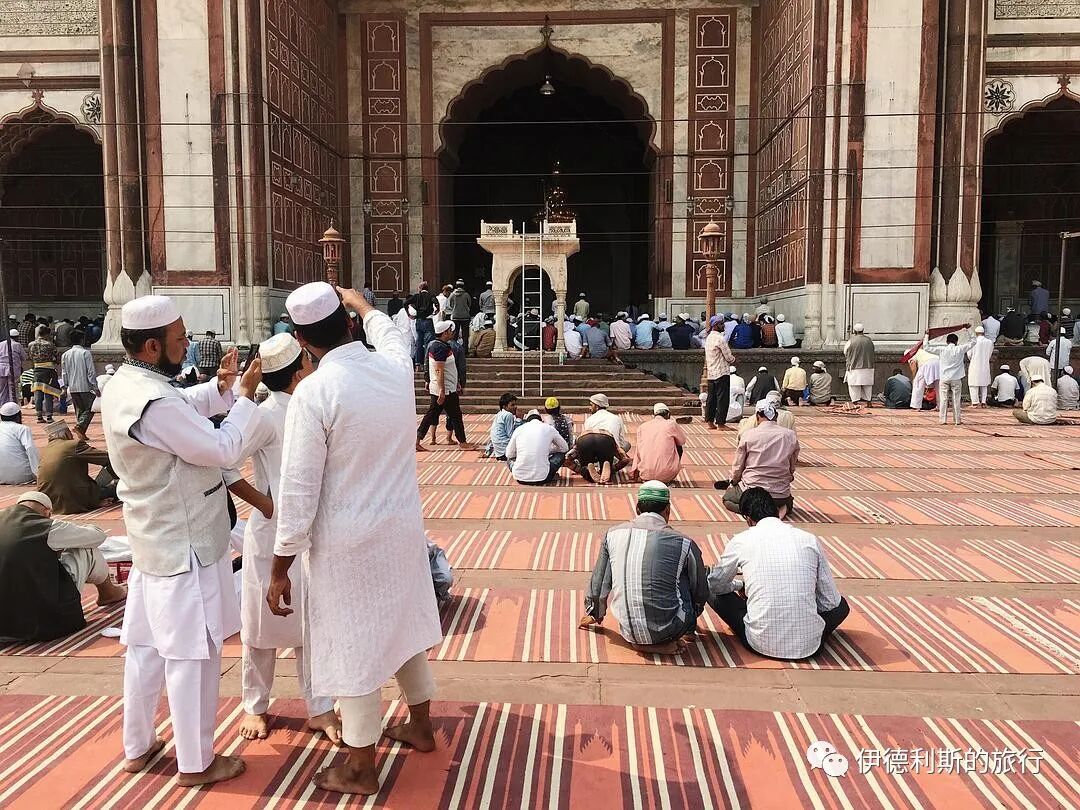
4. Fatehpuri Mosque: 1650
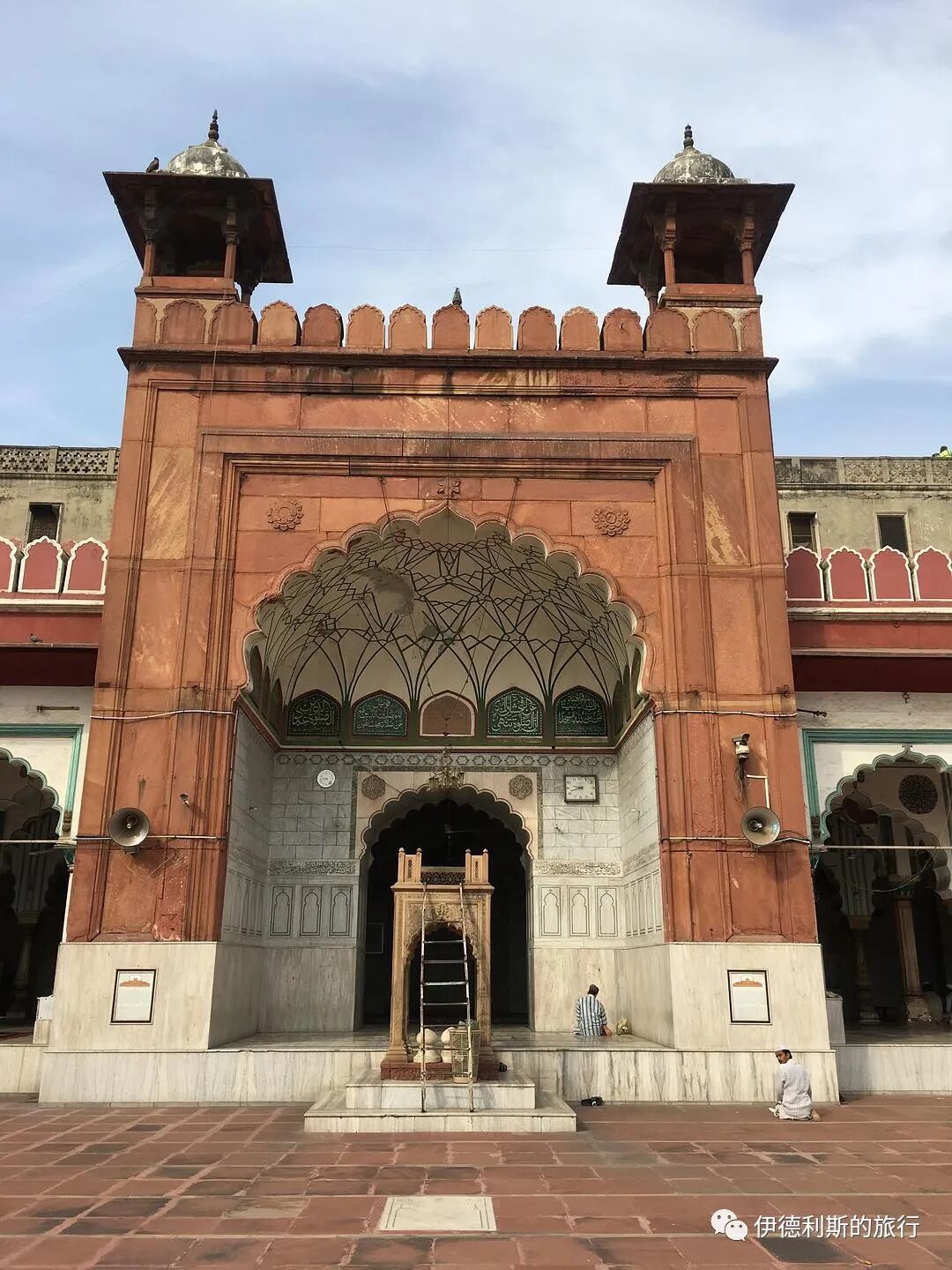
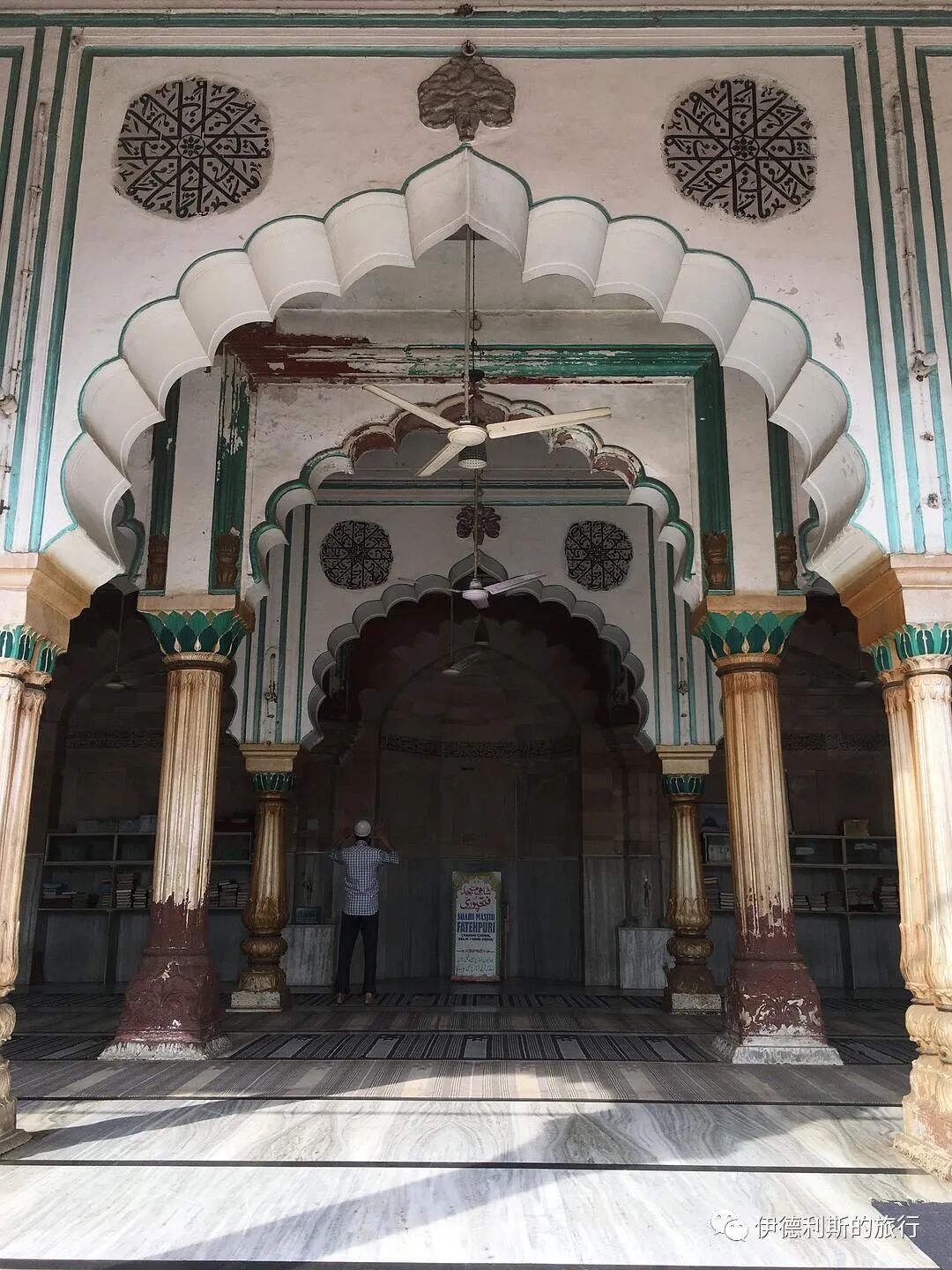
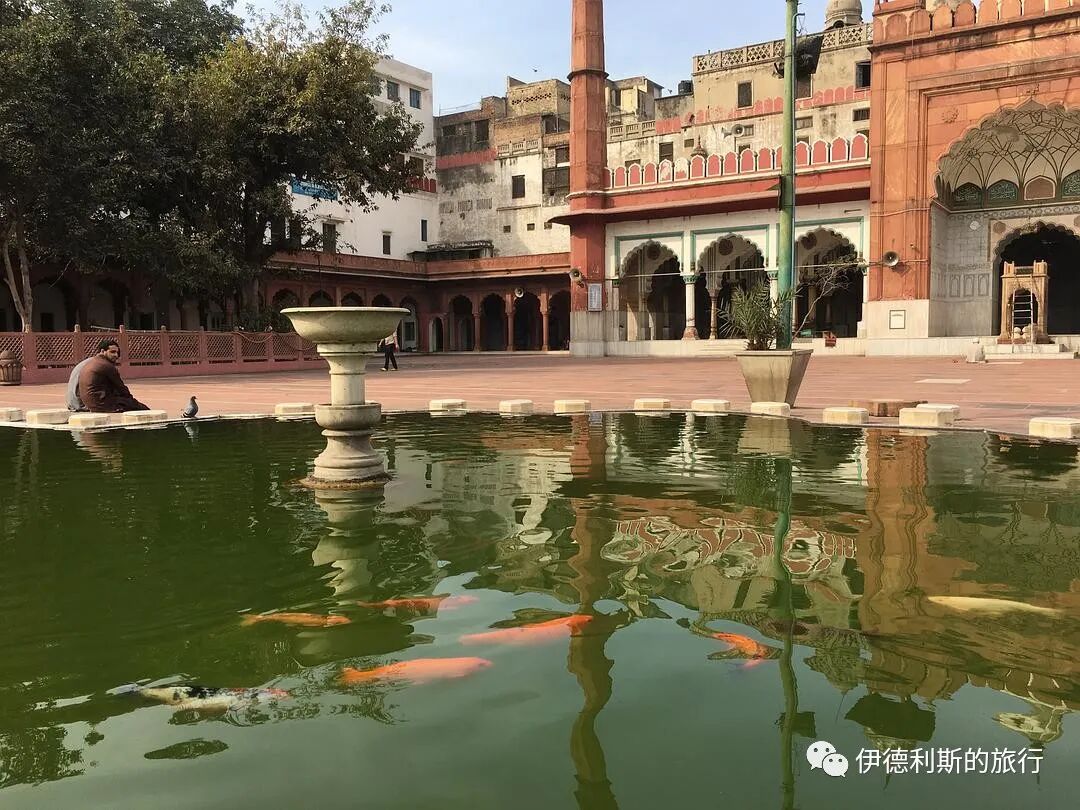
Fatehpuri Mosque sits in the northwest of Old Delhi (Shahjahanabad), directly facing the Red Fort. It was built in 1650 by Fatehpuri Begum, the wife of the Mughal Emperor Shah Jahan.
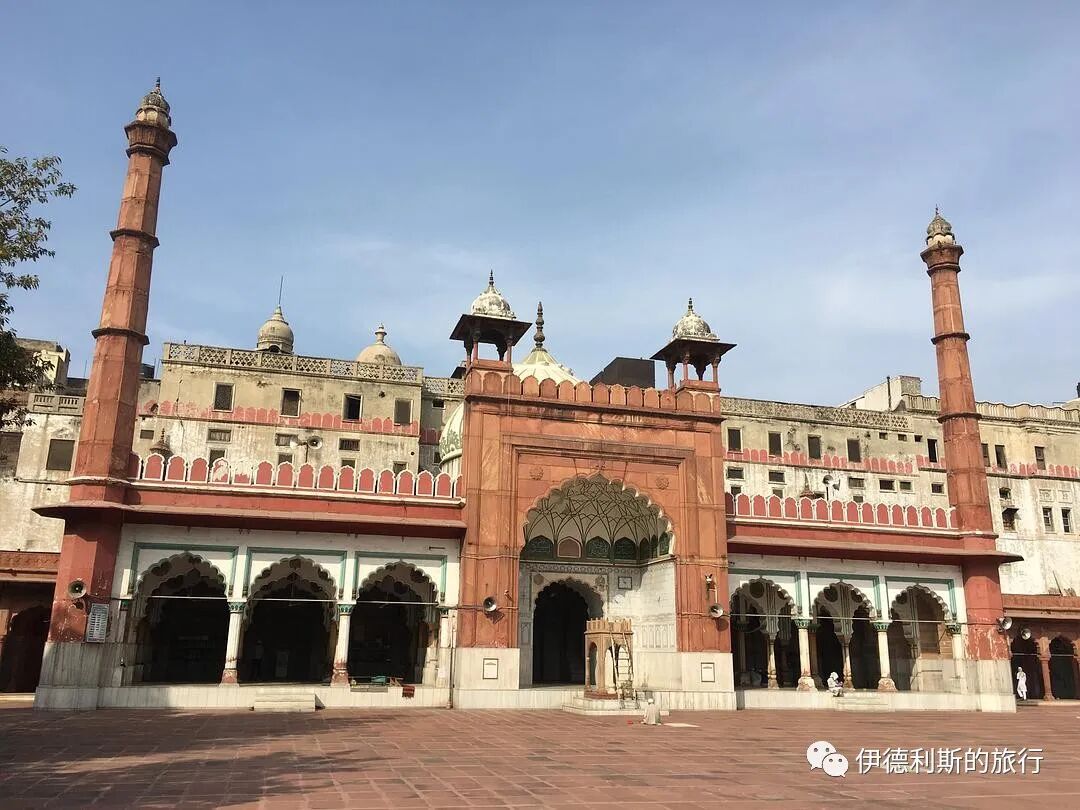
5. Pearl Mosque (Moti Masjid): 1659
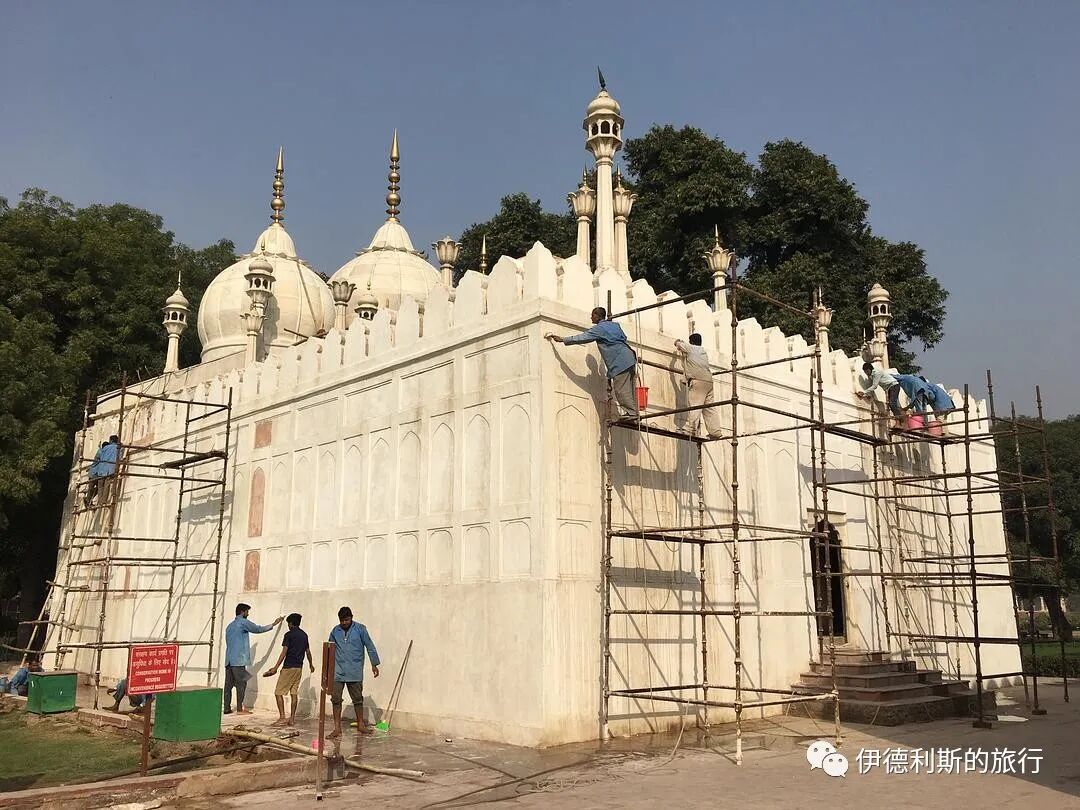
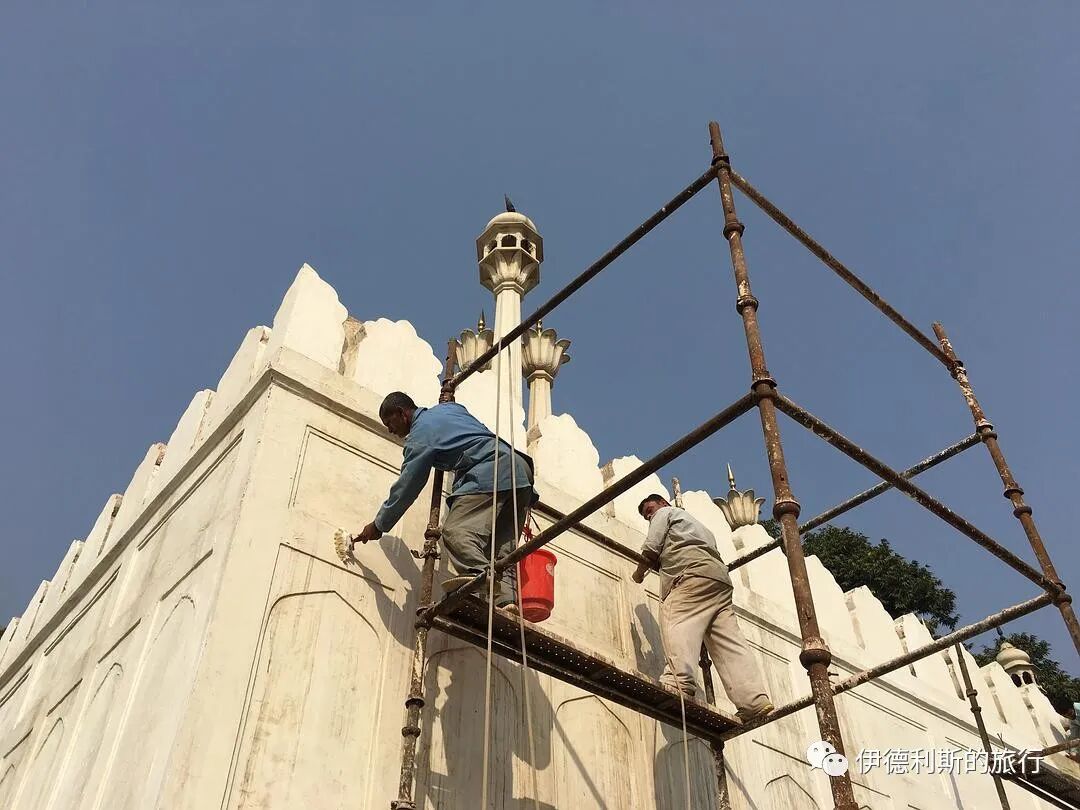
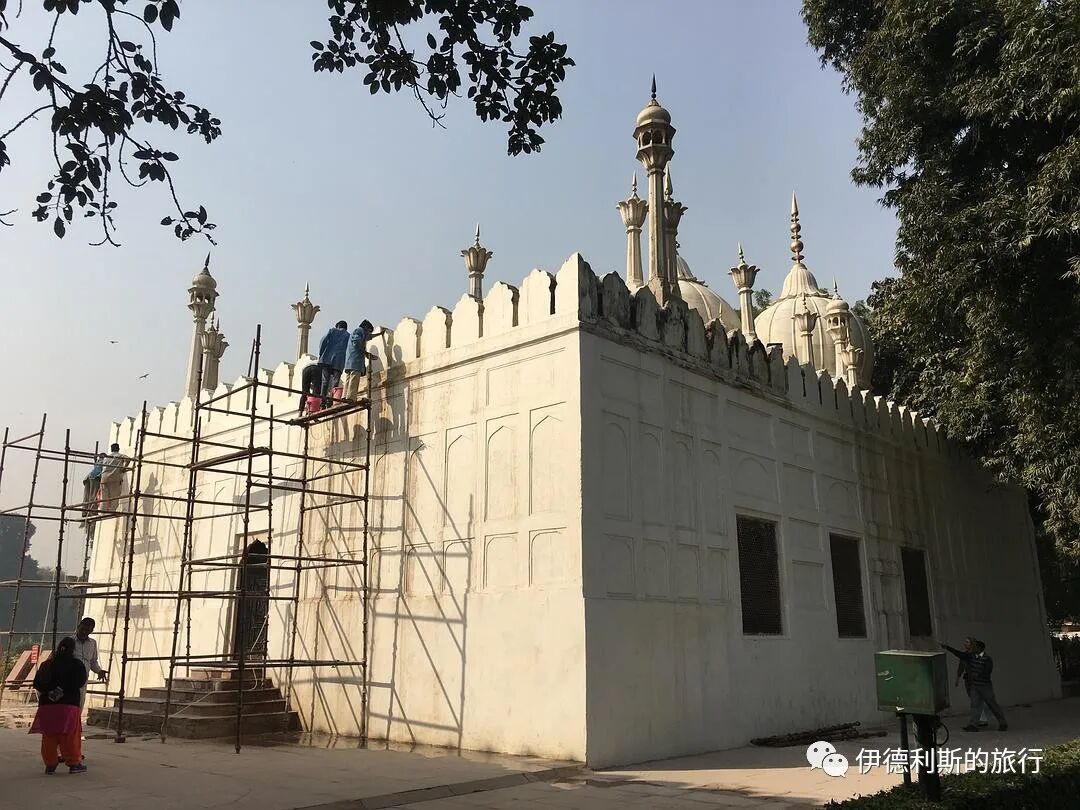
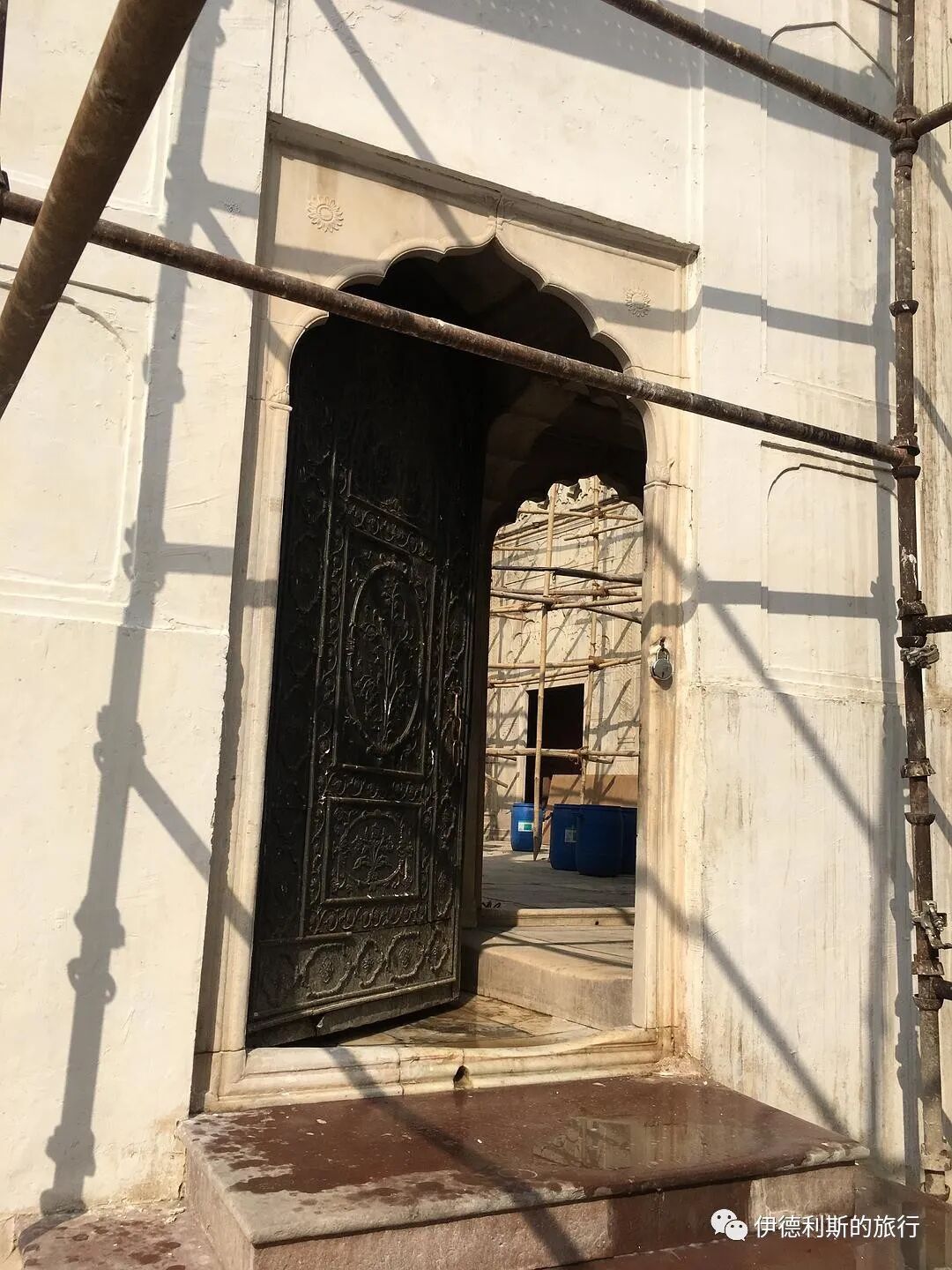
The Pearl Mosque (Moti Masjid) is located inside the Red Fort in Delhi. It was built in 1659 by the Mughal Emperor Aurangzeb (reigned 1658-1707) to serve as a private mosque for the royal family.
The domes of this white marble mosque were once covered in gilded copper, but these were lost after the Indian Rebellion of 1857.
The mosque was under renovation when I visited, so I was sorry I could not go inside.
6. Golden Mosque (Sunehri Masjid): 1751
The Golden Mosque (Sunehri Masjid) is in the eastern part of Shahjahanabad in Old Delhi. Qudsia Begum ordered it to be built in 1751. Qudsia Begum was the wife of the Mughal Emperor Muhammad Shah (reigned 1719–1748) and the mother of Emperor Ahmad Shah Bahadur (reigned 1748–1754).
This mosque has a more modest and restrained style compared to other mosques that Qudsia Begum ordered to be built.
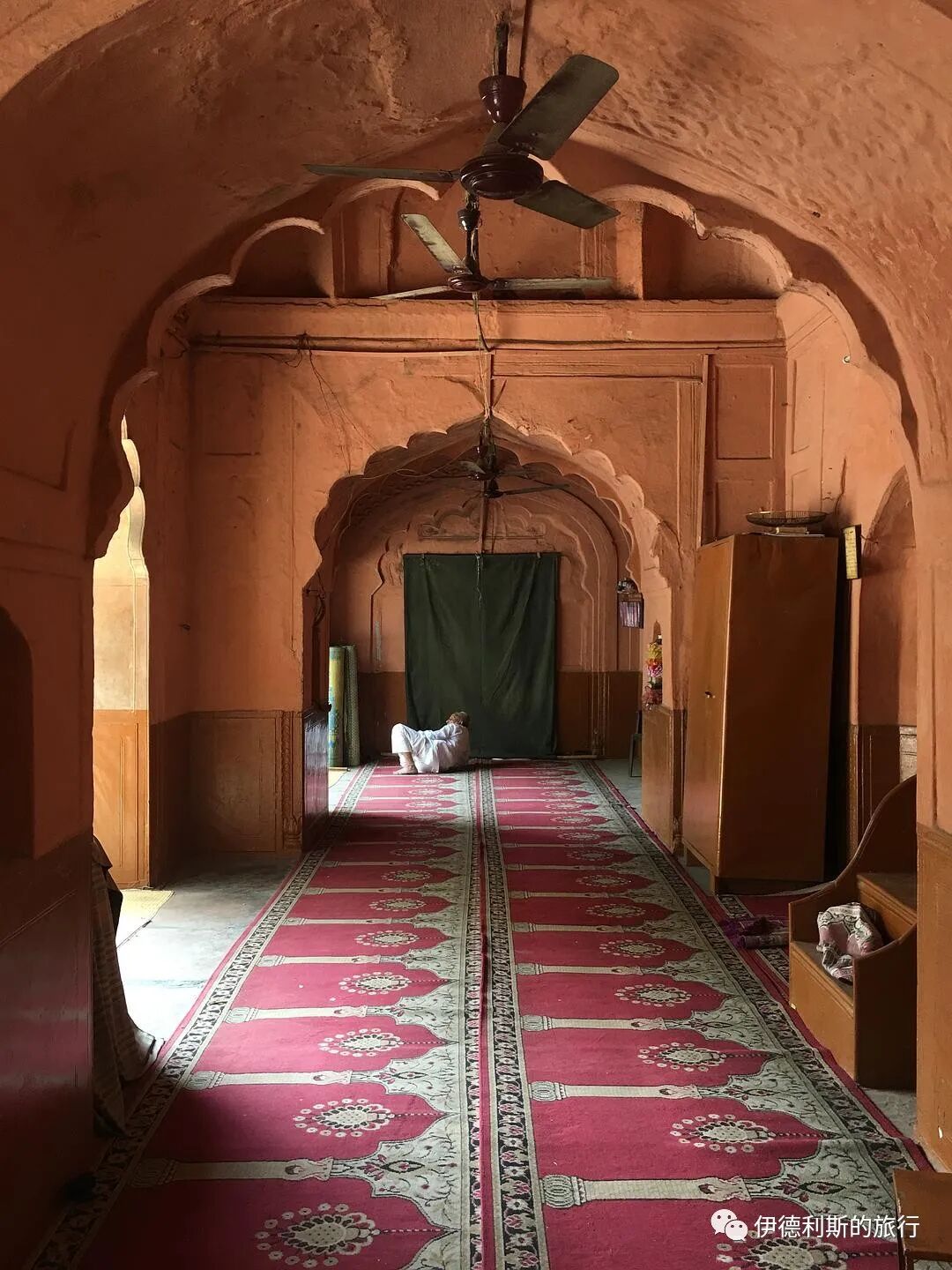
7. Safdarjung Mosque: 1754.
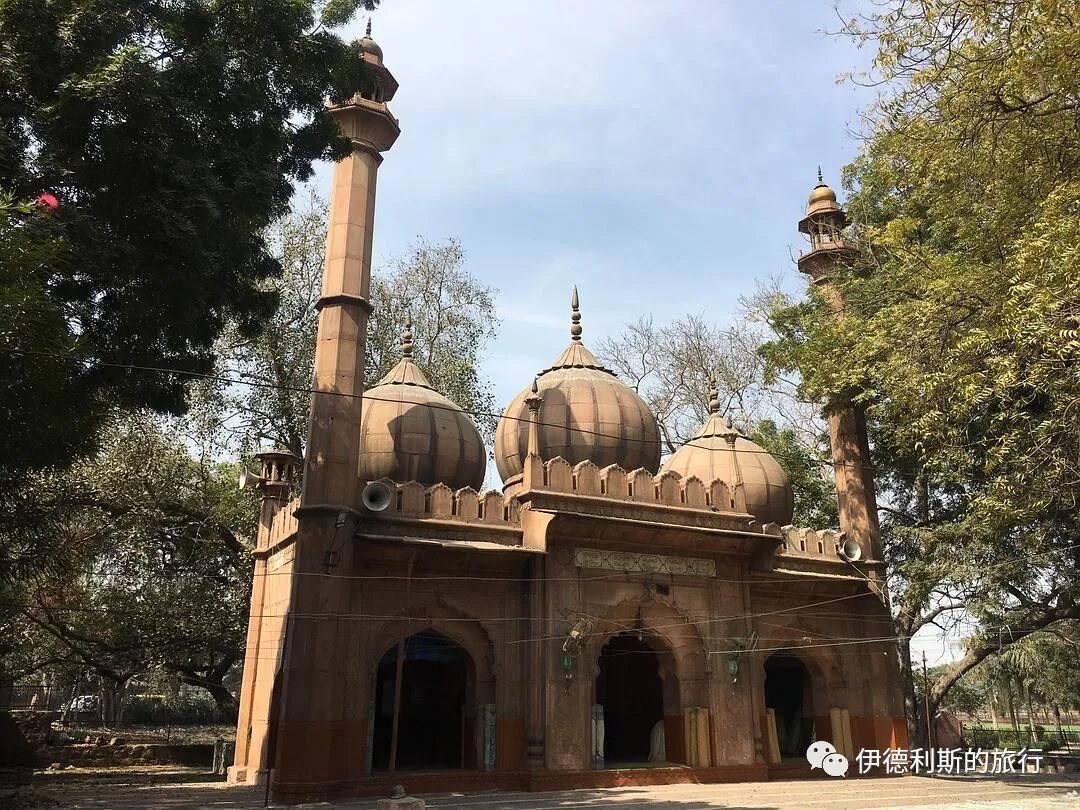
Safdarjung Mosque is located west of Lodi Gardens and serves as the tomb mosque for Safdarjung. Safdarjung (1708-1754) ruled the Oudh Kingdom (1732-1801) in the Awadh region of India. He became the prime minister of the Mughal Empire in 1748 and was its actual ruler. He lost a political struggle in 1753, was forced out of Delhi, and died in 1754. After Safdarjung died, his son asked the Mughal emperor for permission to bury him in Delhi. The emperor agreed, and the Safdarjung Tomb was built.
Safdarjung Tomb is known as the last major building of the Mughal Empire and a symbol of its decline.
Tomb
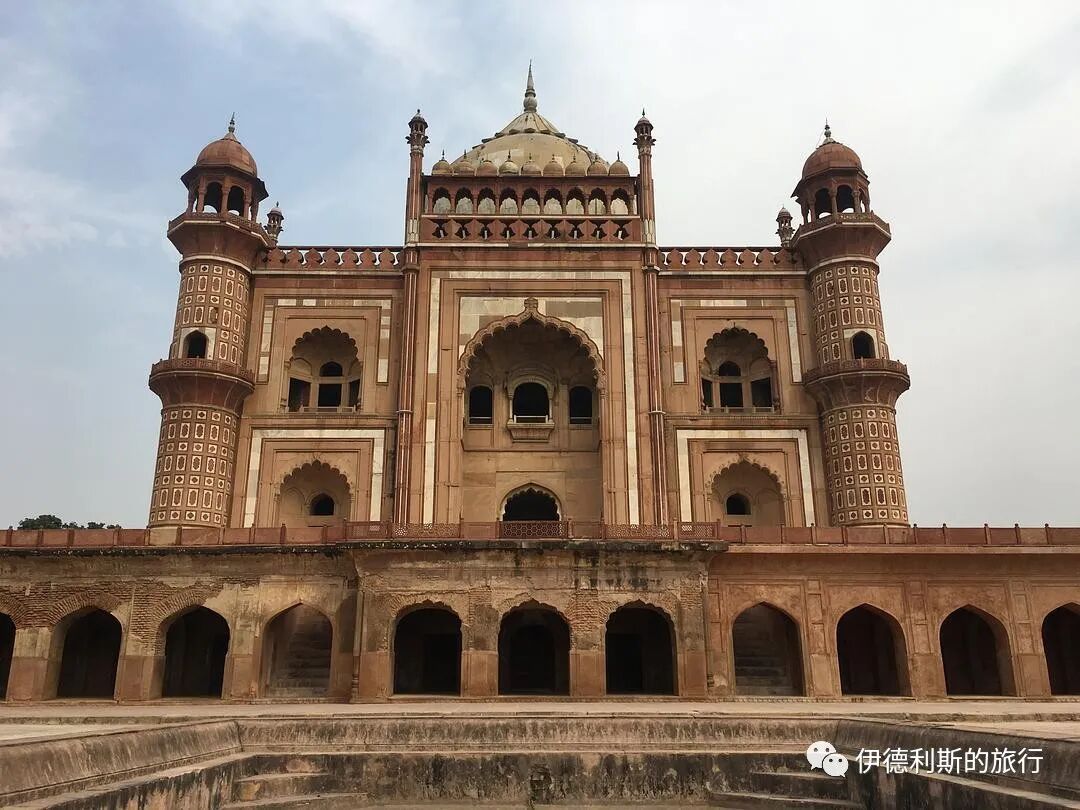
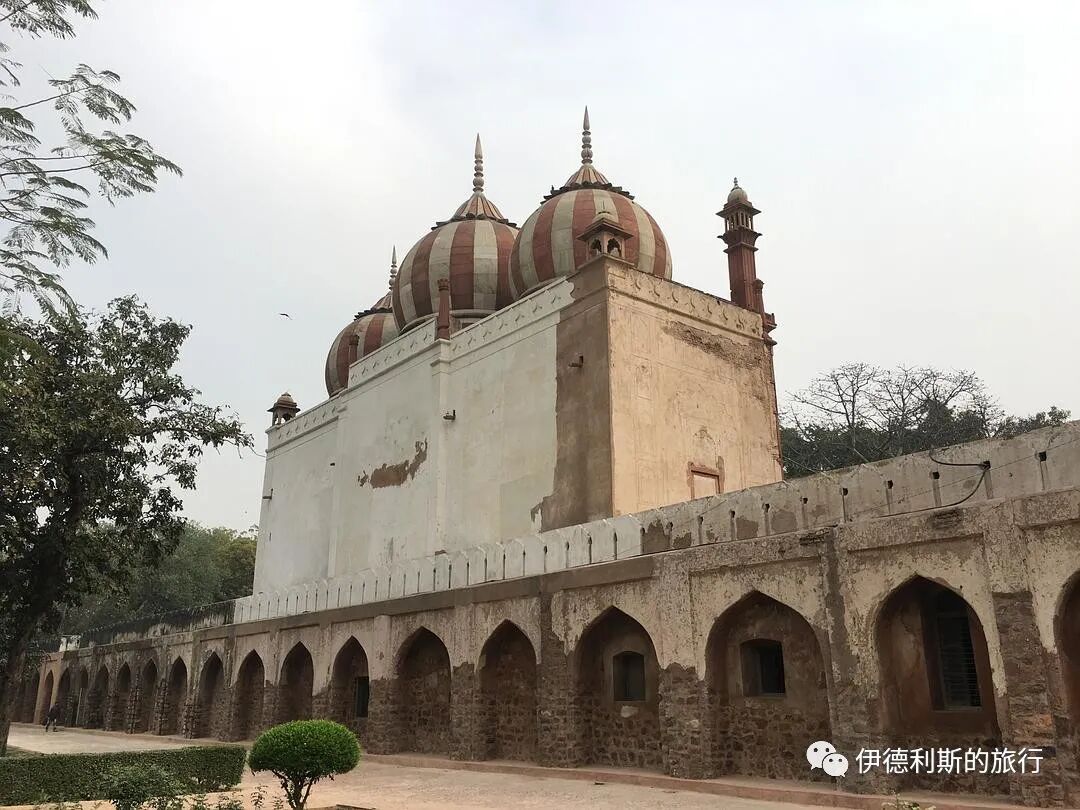
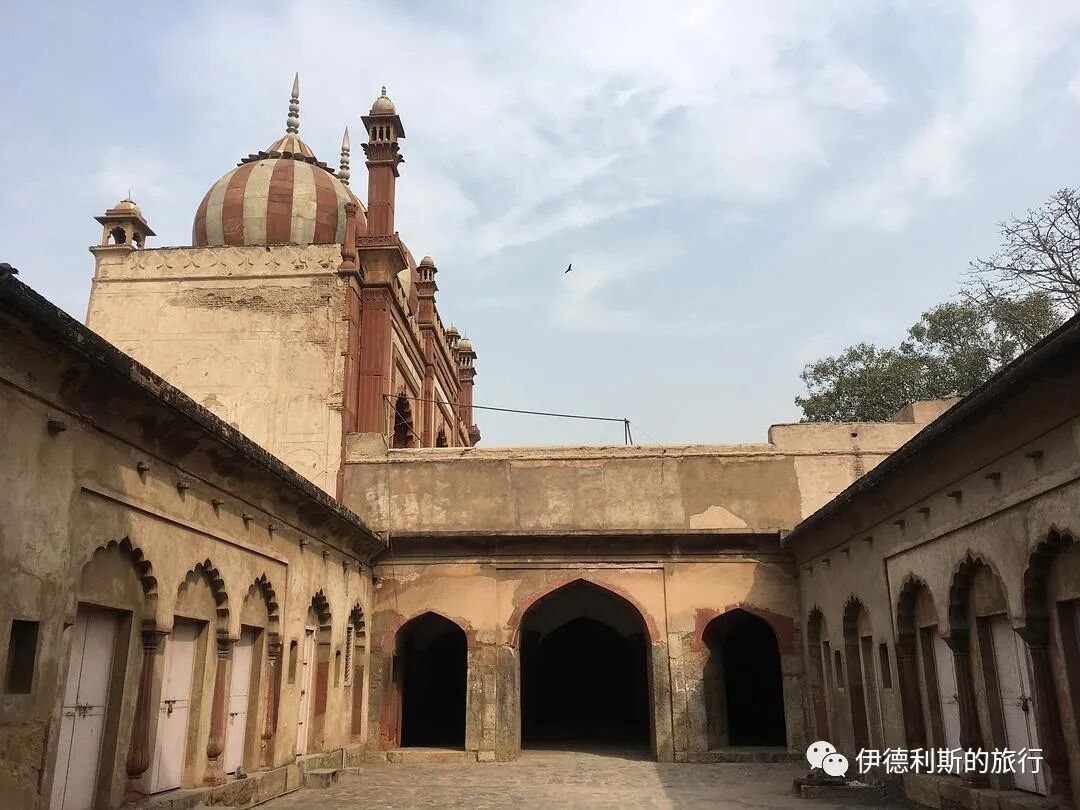
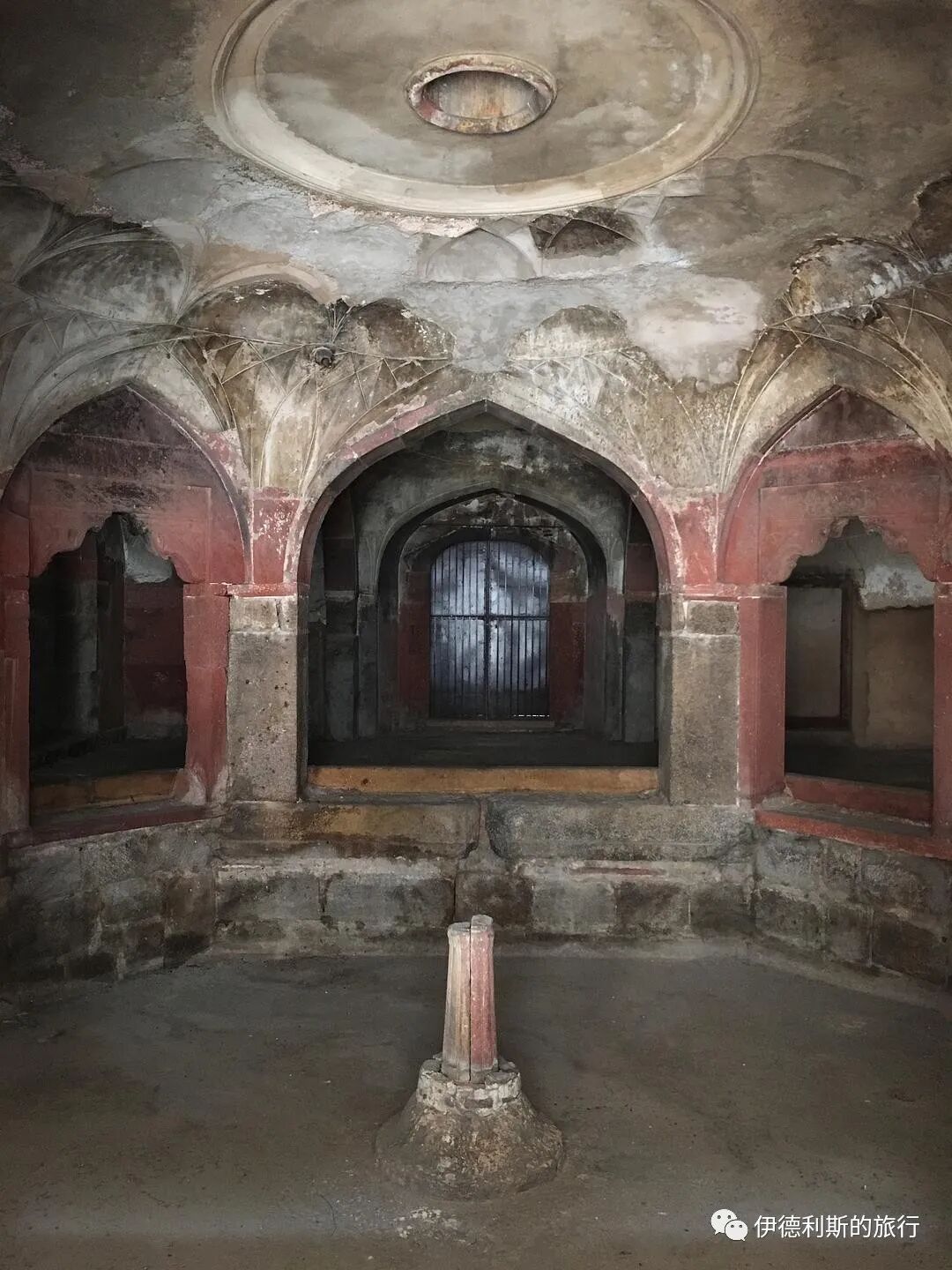
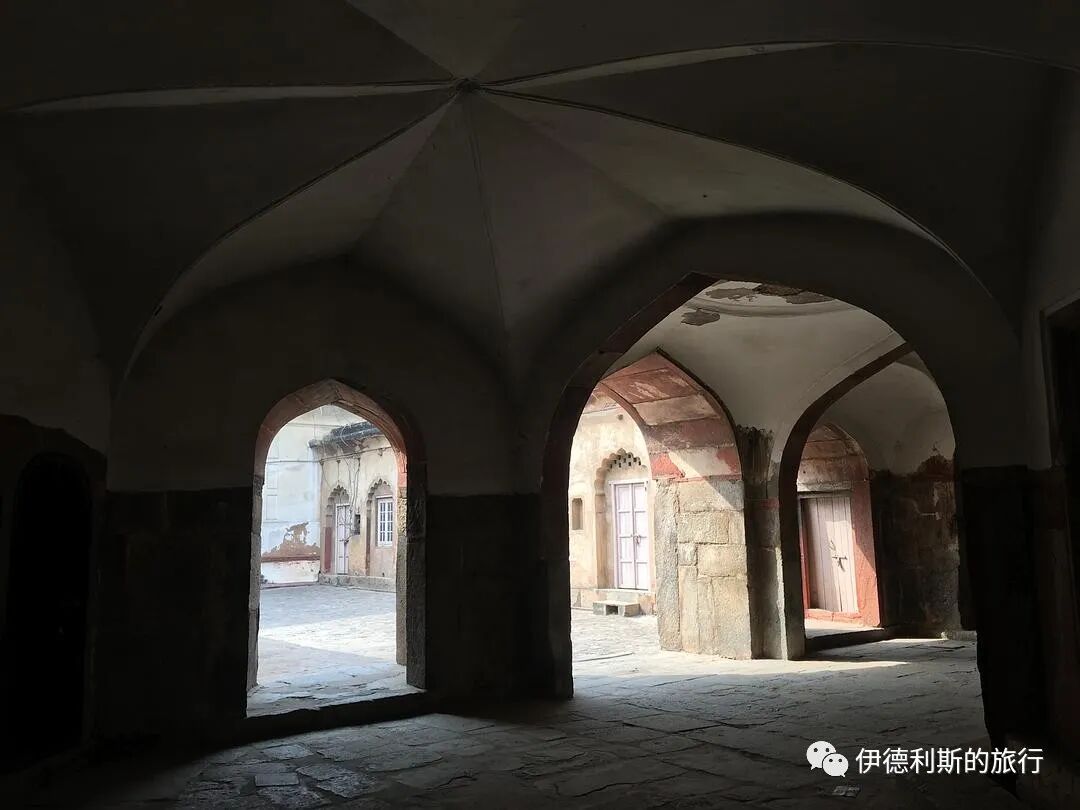
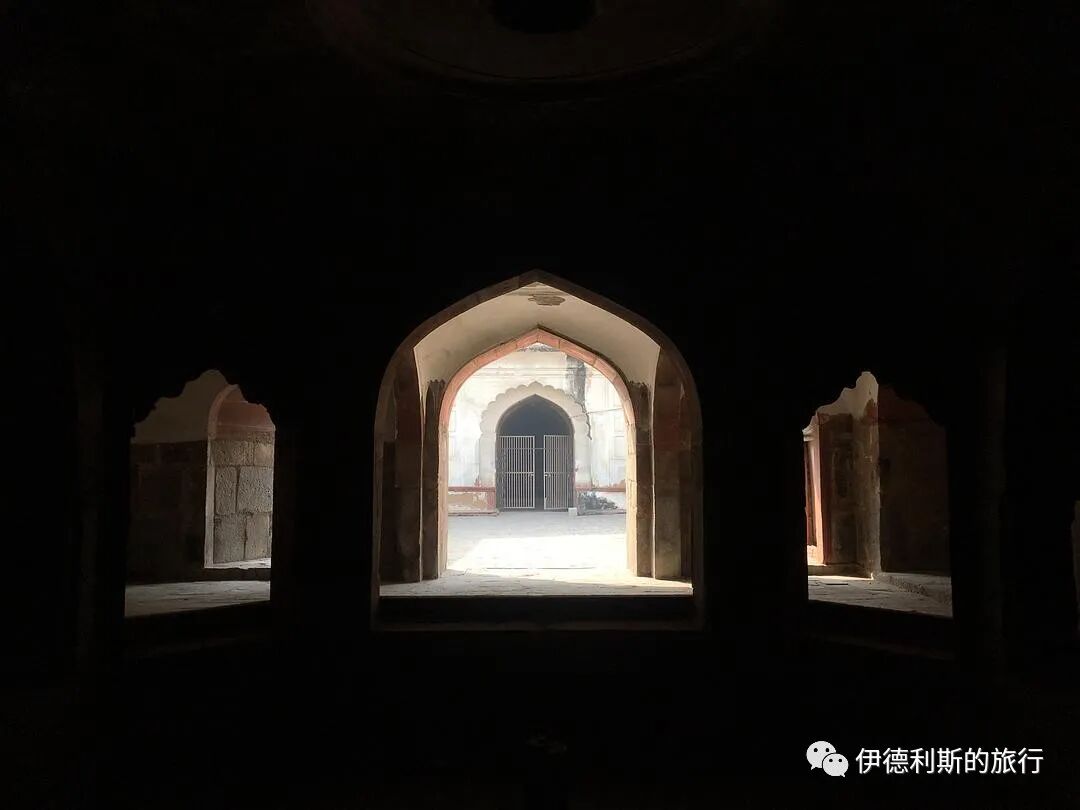
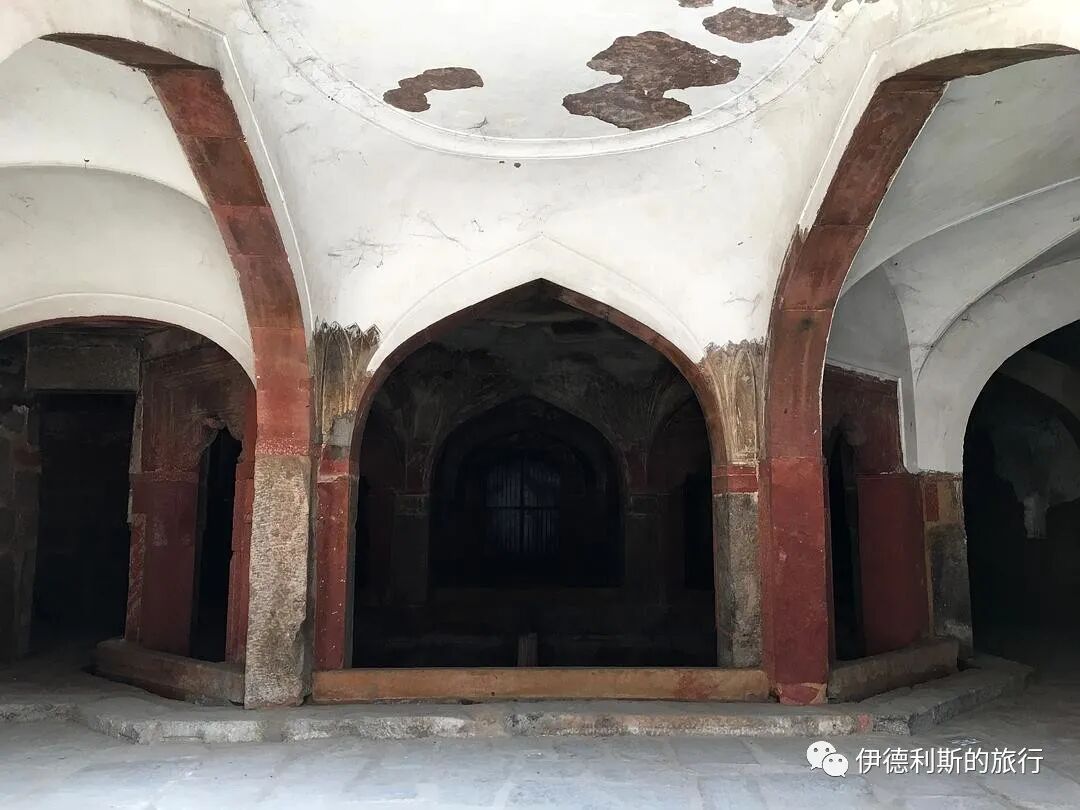
The mosque was closed, so I only took photos of the exterior and the pool.
Summary: Delhi — 24 Ancient Mosques and Muslim History is presented here as a firsthand travel account in clear English, beginning with this scene: 4. Fatehpuri Mosque: 1650. The account keeps its focus on Delhi Mosques, Muslim Heritage, India Travel while preserving the names, places, food, and historical details from the Chinese source.
4. Fatehpuri Mosque: 1650
Fatehpuri Mosque sits in the northwest of Old Delhi (Shahjahanabad), directly facing the Red Fort. It was built in 1650 by Fatehpuri Begum, the wife of the Mughal Emperor Shah Jahan.
5. Pearl Mosque (Moti Masjid): 1659
The Pearl Mosque (Moti Masjid) is located inside the Red Fort in Delhi. It was built in 1659 by the Mughal Emperor Aurangzeb (reigned 1658-1707) to serve as a private mosque for the royal family.
The domes of this white marble mosque were once covered in gilded copper, but these were lost after the Indian Rebellion of 1857.
The mosque was under renovation when I visited, so I was sorry I could not go inside.
6. Golden Mosque (Sunehri Masjid): 1751
The Golden Mosque (Sunehri Masjid) is in the eastern part of Shahjahanabad in Old Delhi. Qudsia Begum ordered it to be built in 1751. Qudsia Begum was the wife of the Mughal Emperor Muhammad Shah (reigned 1719–1748) and the mother of Emperor Ahmad Shah Bahadur (reigned 1748–1754).
This mosque has a more modest and restrained style compared to other mosques that Qudsia Begum ordered to be built.
7. Safdarjung Mosque: 1754.
Safdarjung Mosque is located west of Lodi Gardens and serves as the tomb mosque for Safdarjung. Safdarjung (1708-1754) ruled the Oudh Kingdom (1732-1801) in the Awadh region of India. He became the prime minister of the Mughal Empire in 1748 and was its actual ruler. He lost a political struggle in 1753, was forced out of Delhi, and died in 1754. After Safdarjung died, his son asked the Mughal emperor for permission to bury him in Delhi. The emperor agreed, and the Safdarjung Tomb was built.
Safdarjung Tomb is known as the last major building of the Mughal Empire and a symbol of its decline.
Tomb
The mosque was closed, so I only took photos of the exterior and the pool.
